Expressionist Art Prints
Expressionism was one of the most radical developments in early twentieth-century European art.
Instead of attempting to reproduce the visible world objectively, Expressionist artists used colour, line, brushwork and deliberate distortion to communicate emotion, anxiety, spirituality, energy and psychological experience.
Figures could become angular or elongated. Landscapes could take on intense, unnatural colours. Faces might be simplified into masks or symbols. City streets could feel crowded, nervous and unstable.
The result was a form of modern art in which how the artist felt about a subject became as important as what the subject actually looked like.
This collection brings together works from the central German and Austrian Expressionist traditions alongside important artists who anticipated, shaped or developed the movement.
For a deeper introduction to the movement, its artists and its legacy, read GalleryThane's complete Expressionism art guide.
What Is Expressionist Art?
Expressionism is generally associated with the development of modern art in Germany and Austria during the years surrounding the beginning of the twentieth century.
There was never one single Expressionist style.
Some artists used fierce colours and jagged forms. Others simplified figures almost to abstraction. Some concentrated on portraits and psychological states, while others transformed landscapes, cities, animals or coastal scenes through expressive colour.
What connects these different approaches is a rejection of straightforward naturalism.
Expressionist artists were less concerned with creating an exact visual record than with using painting to communicate subjective experience.
Edvard Munch and the Origins of Expressionism
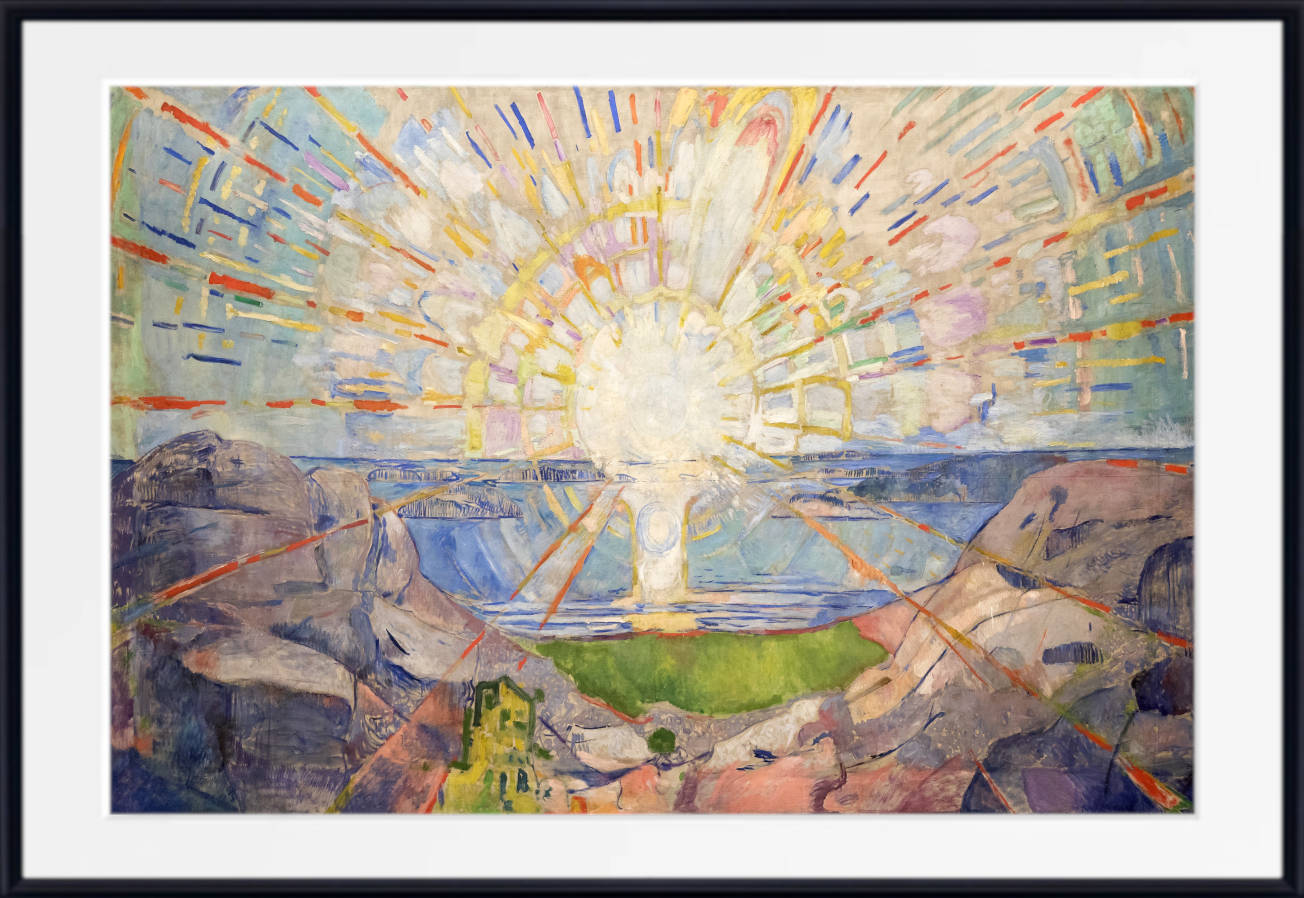
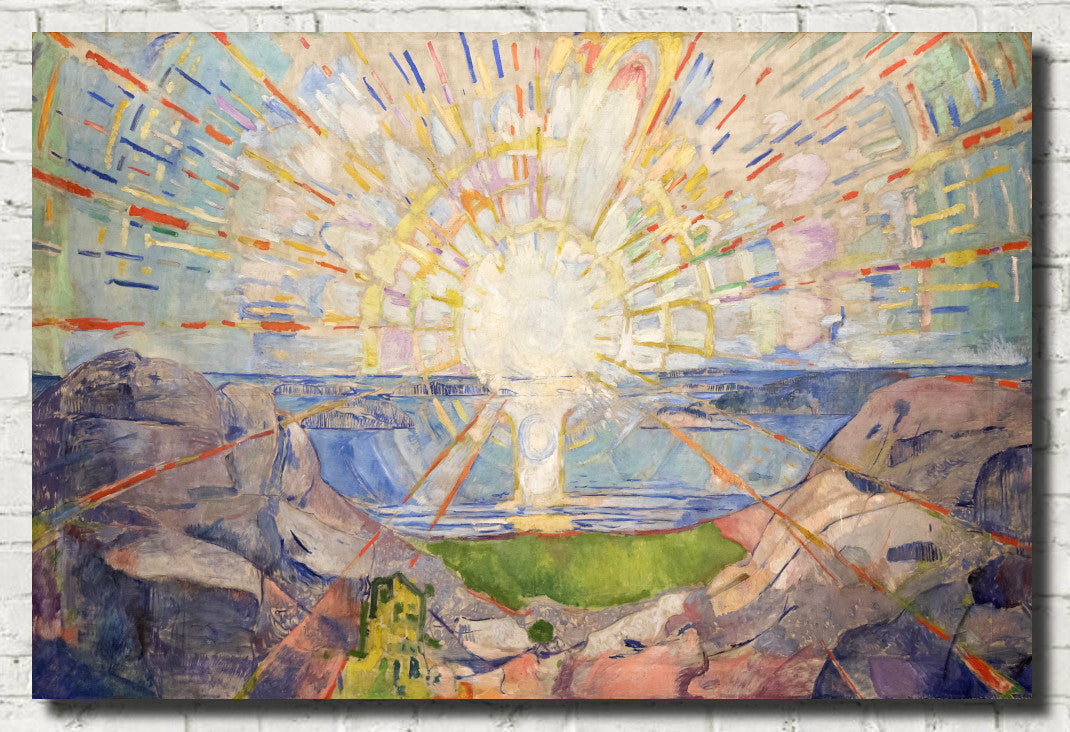
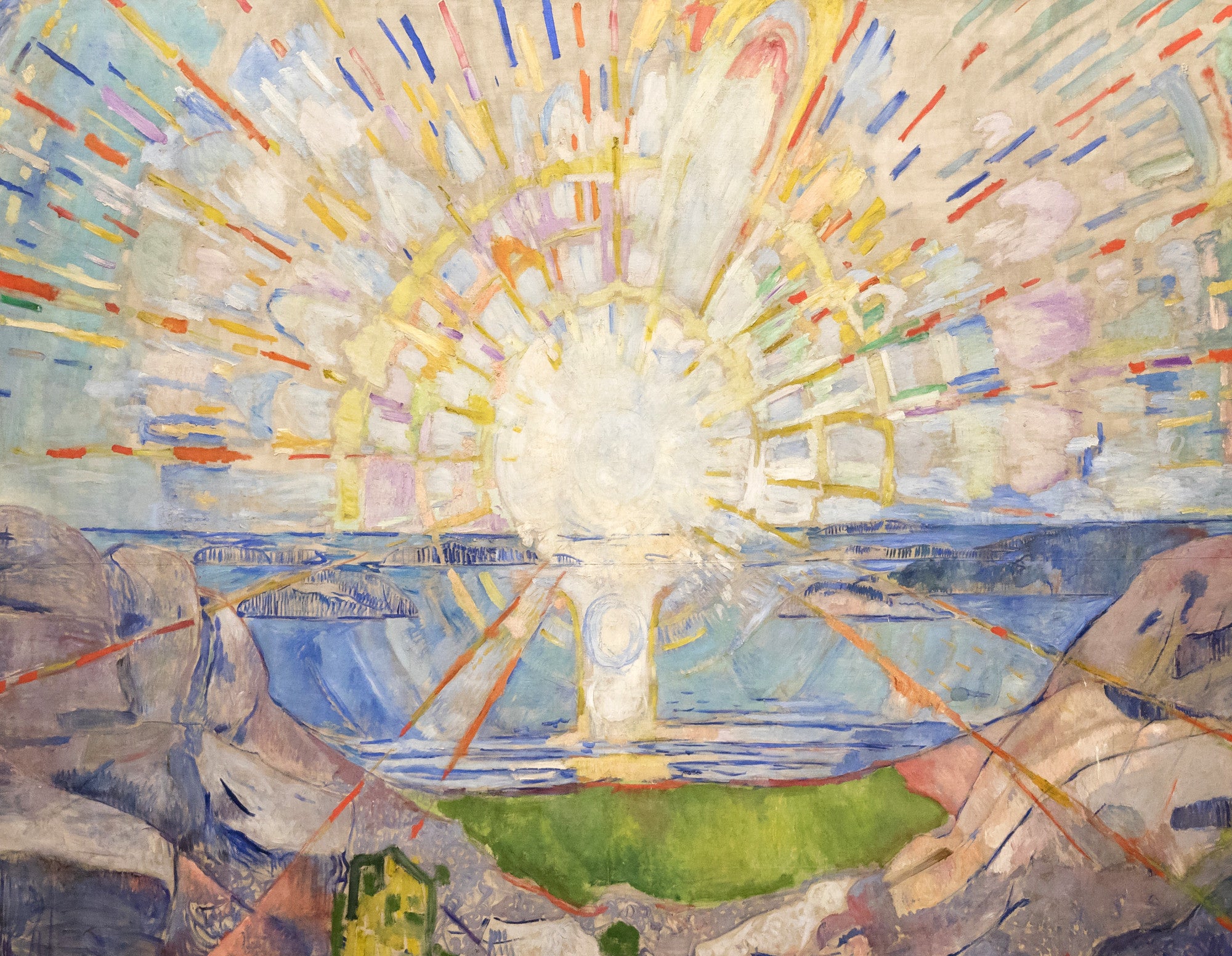
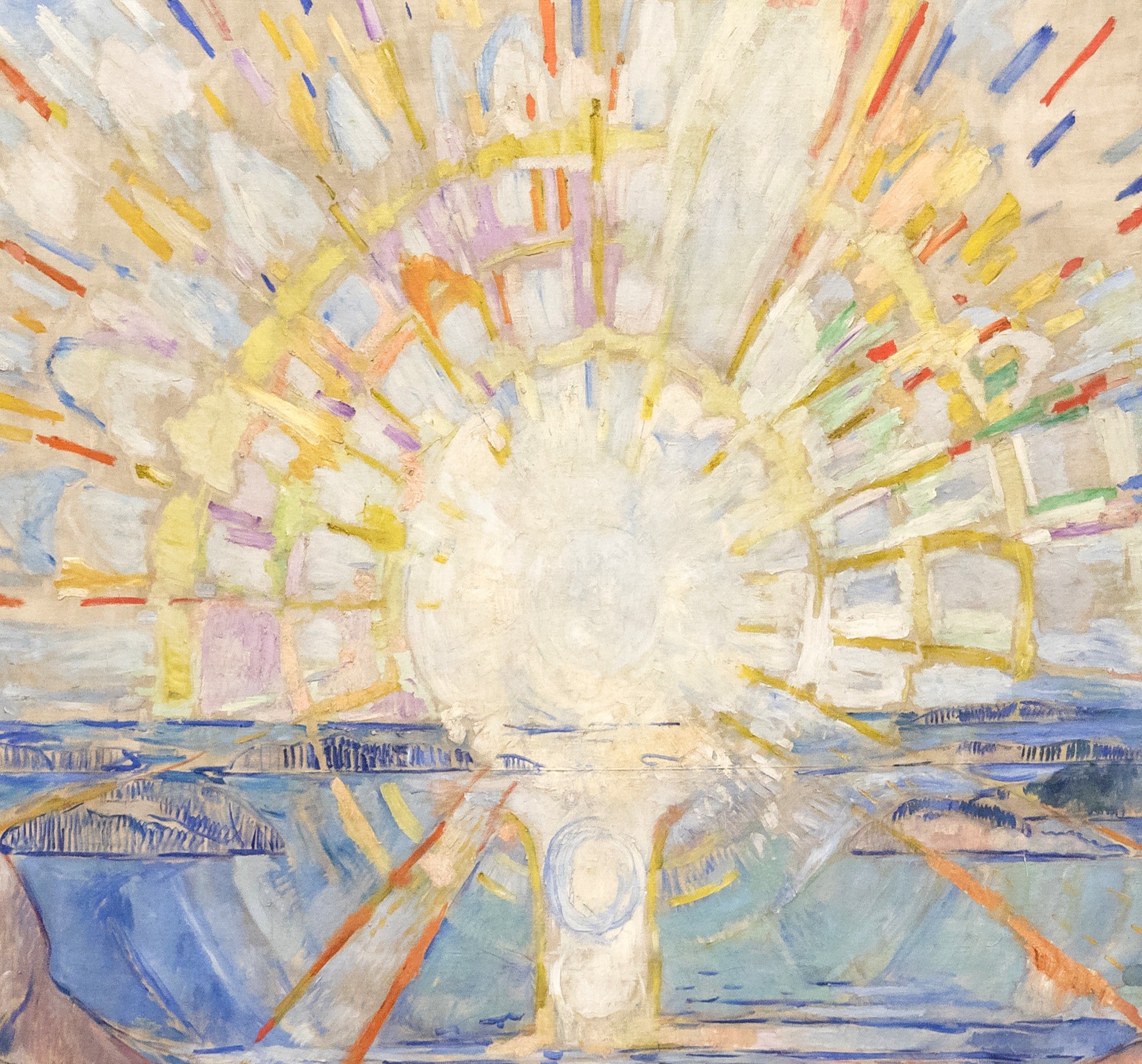
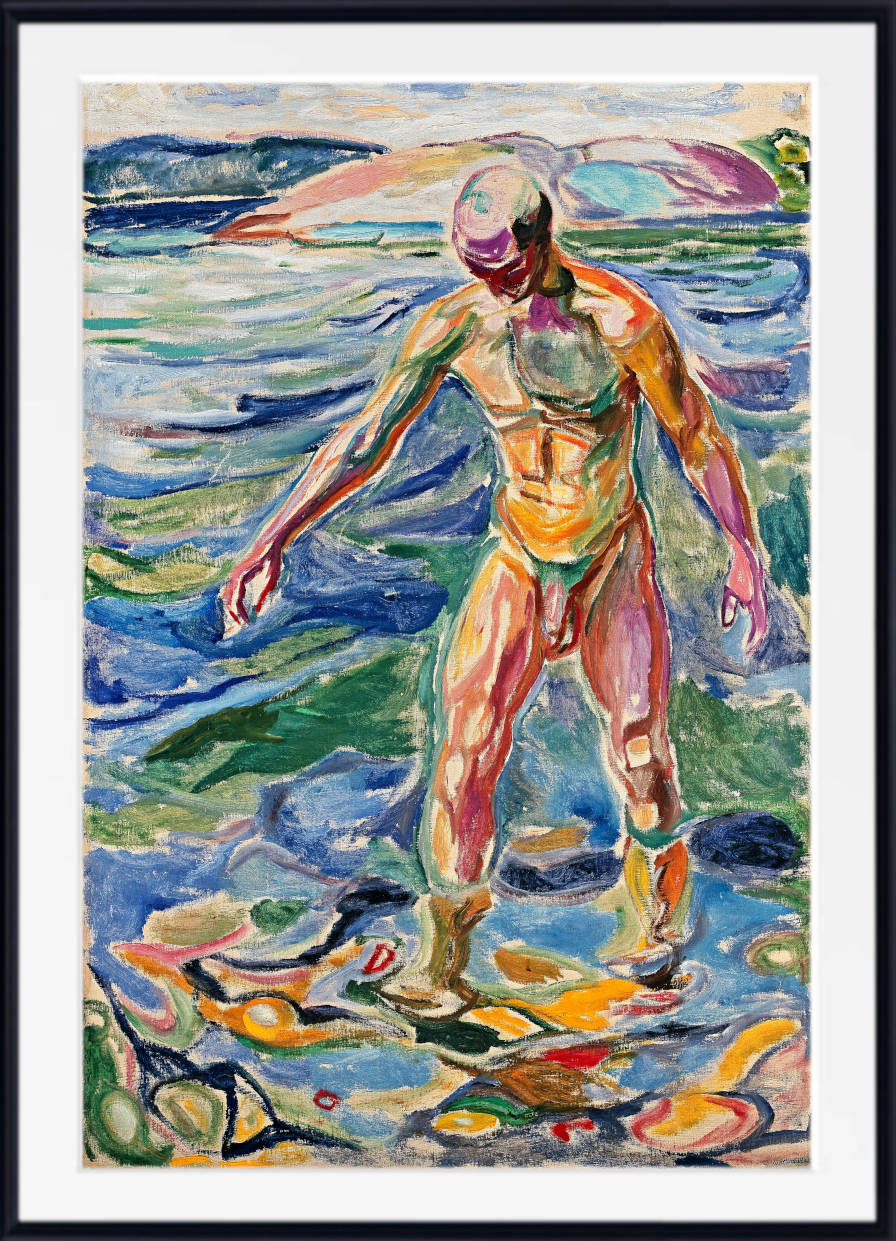
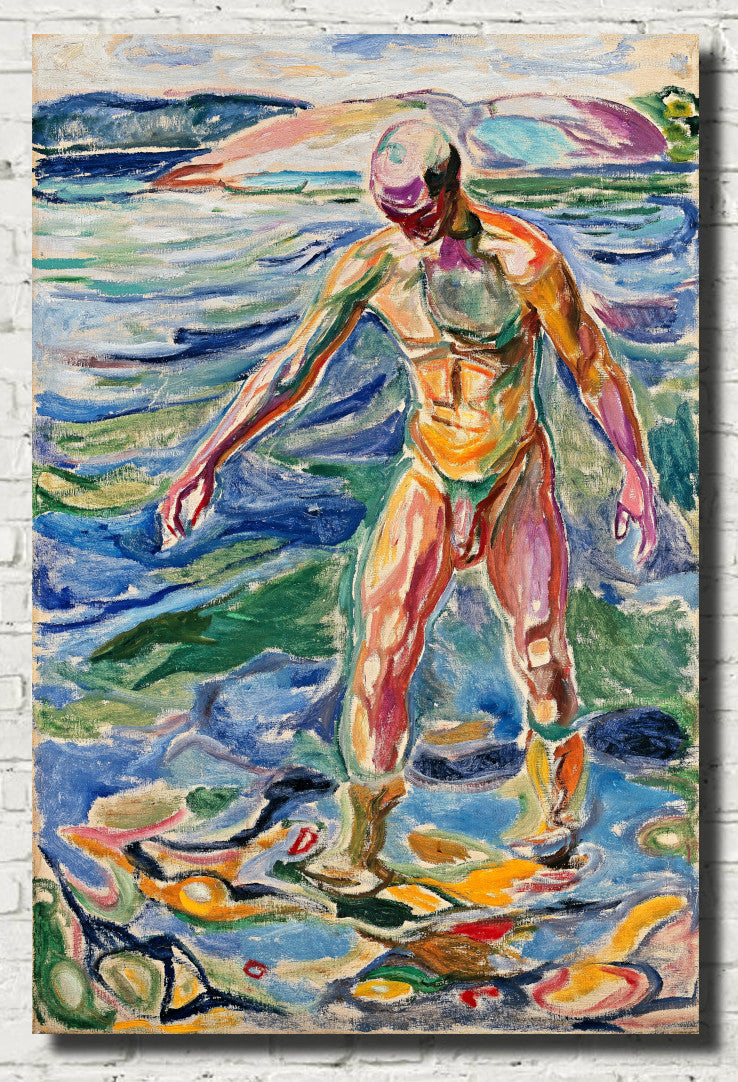
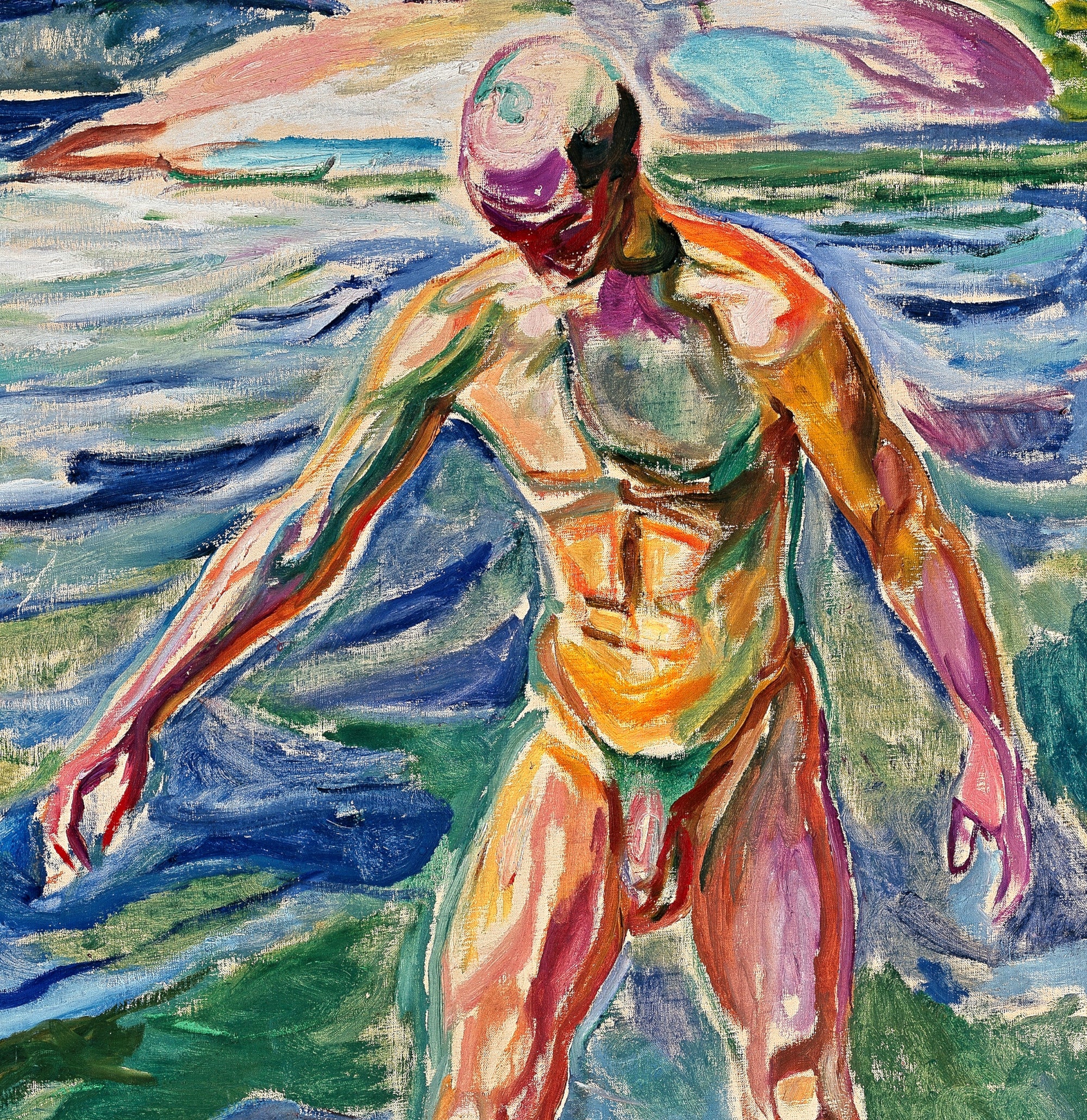
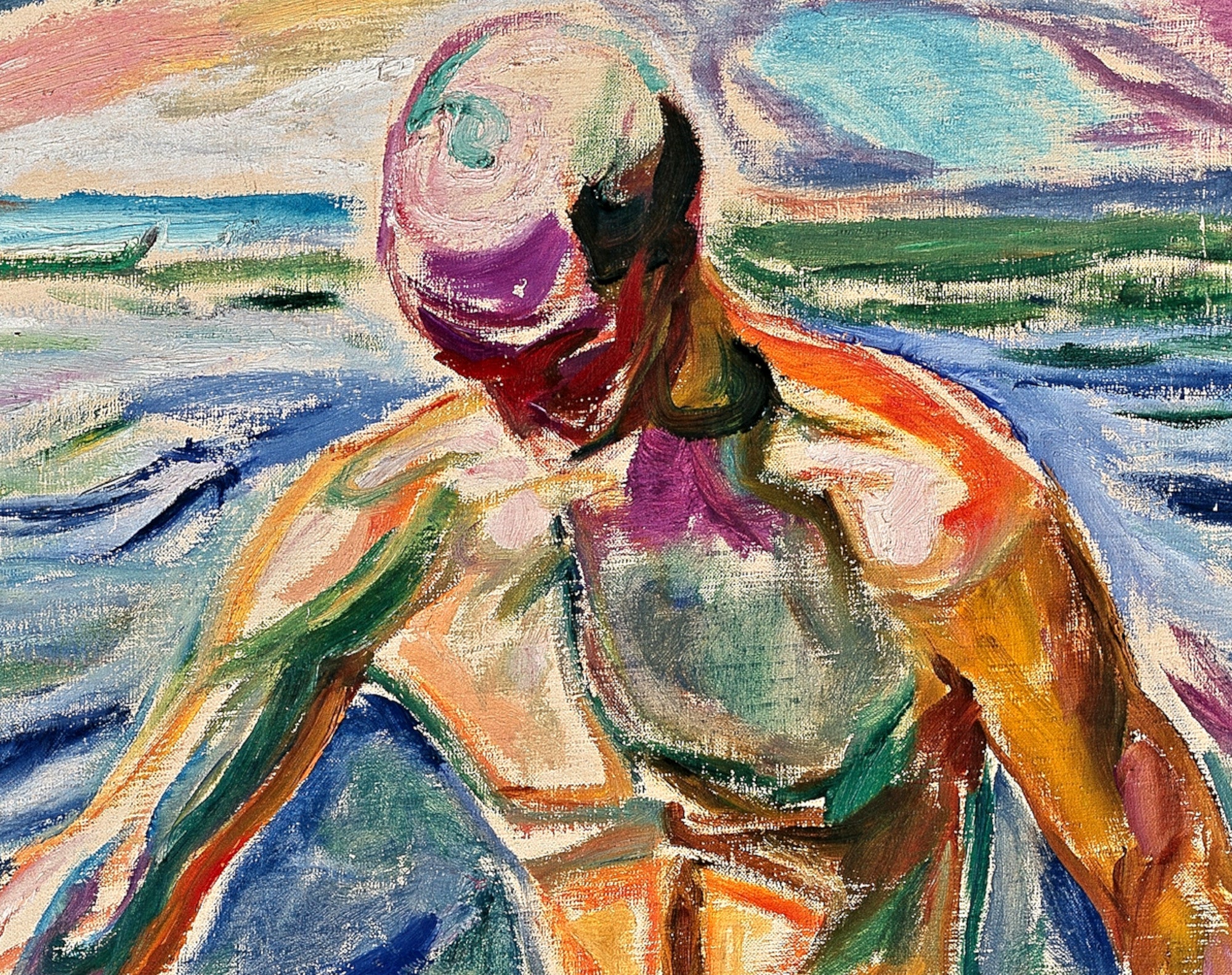
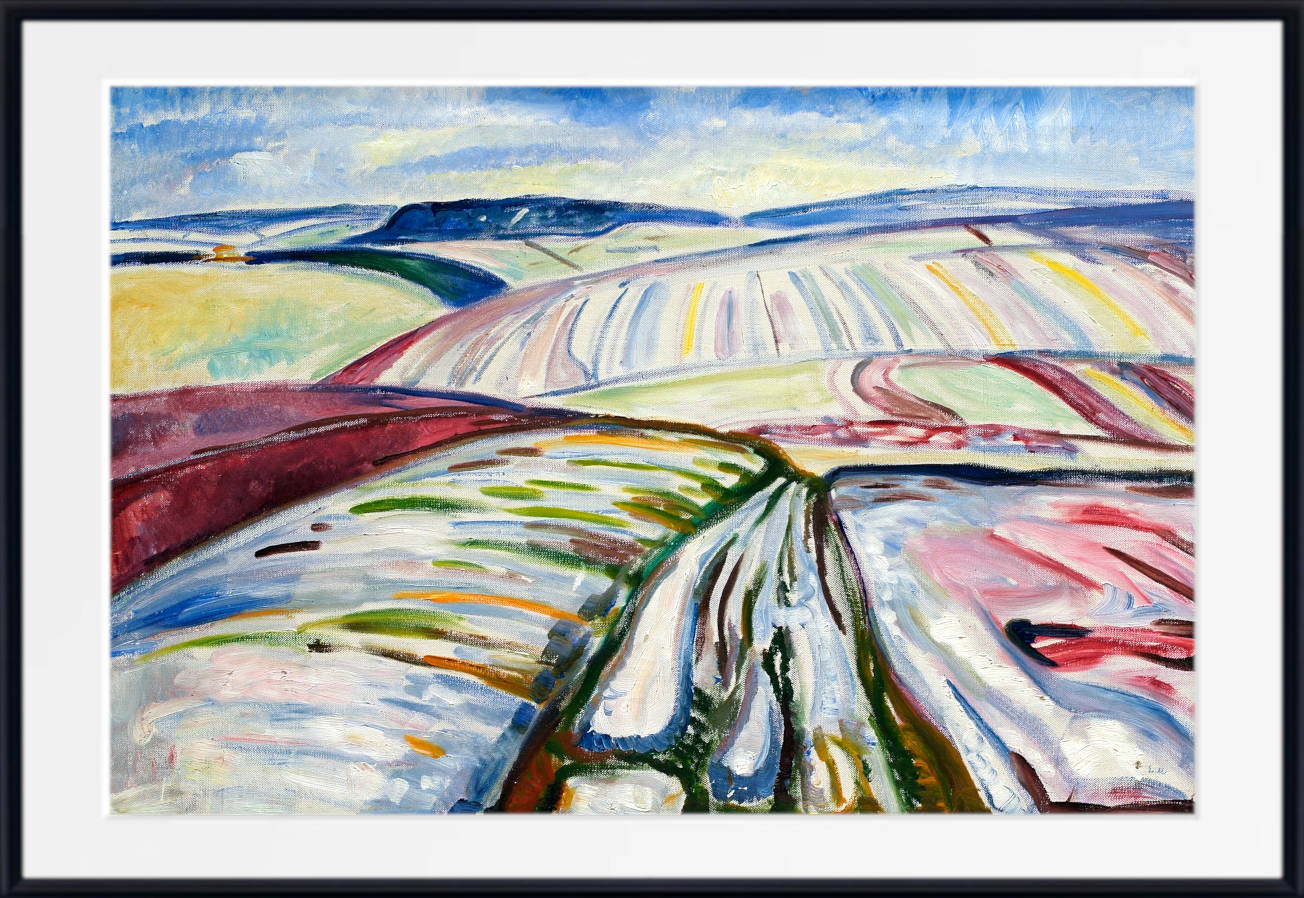
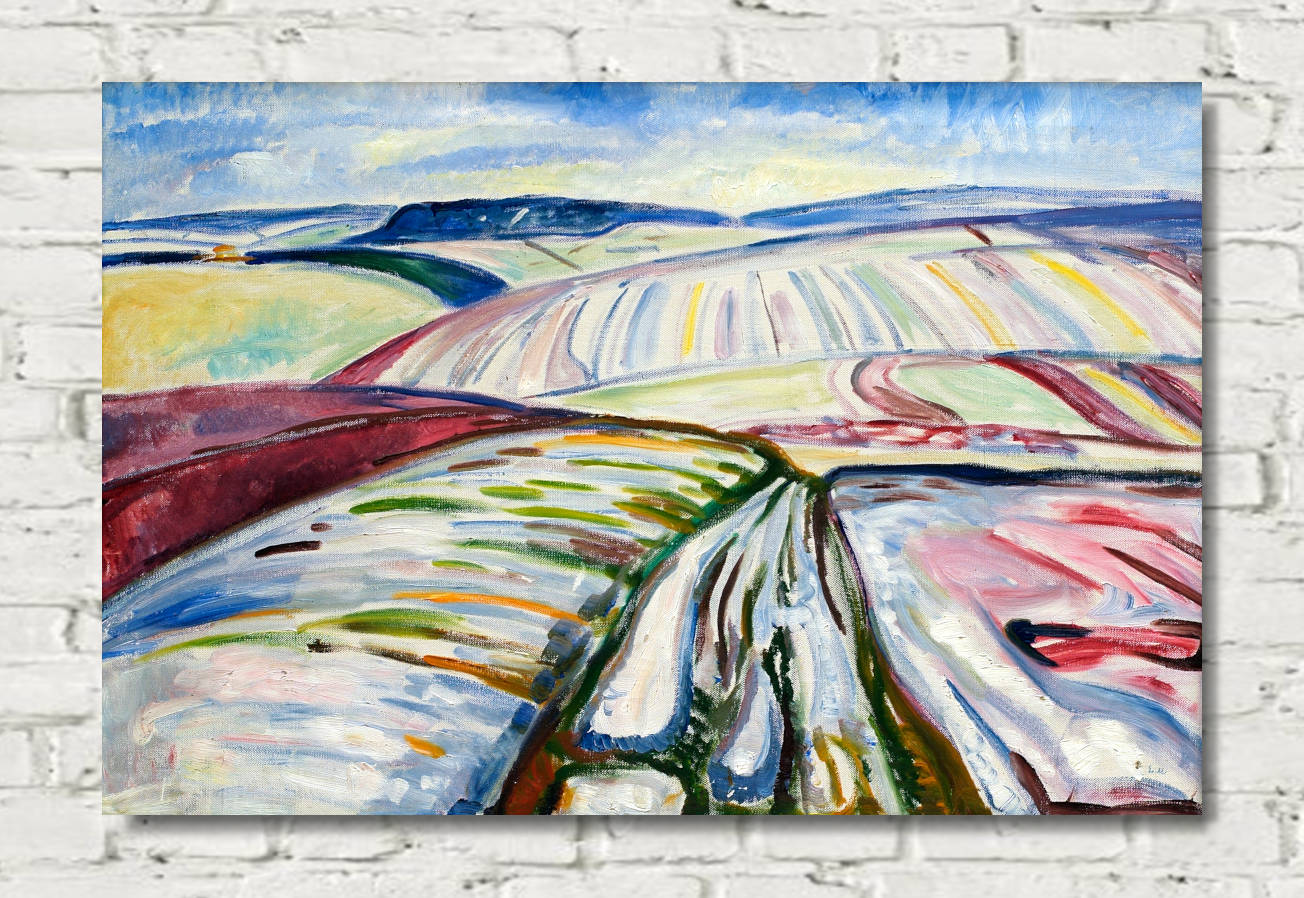
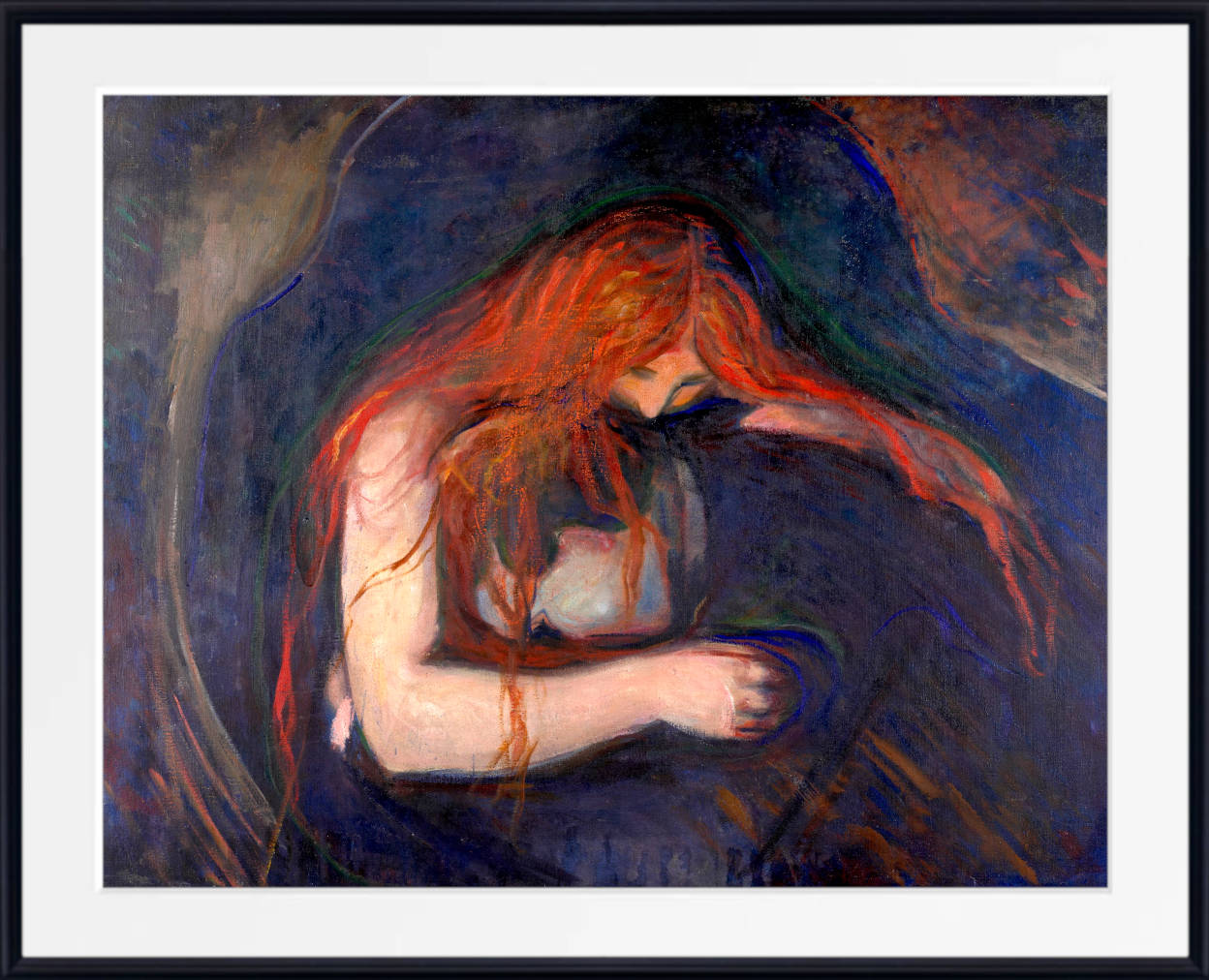
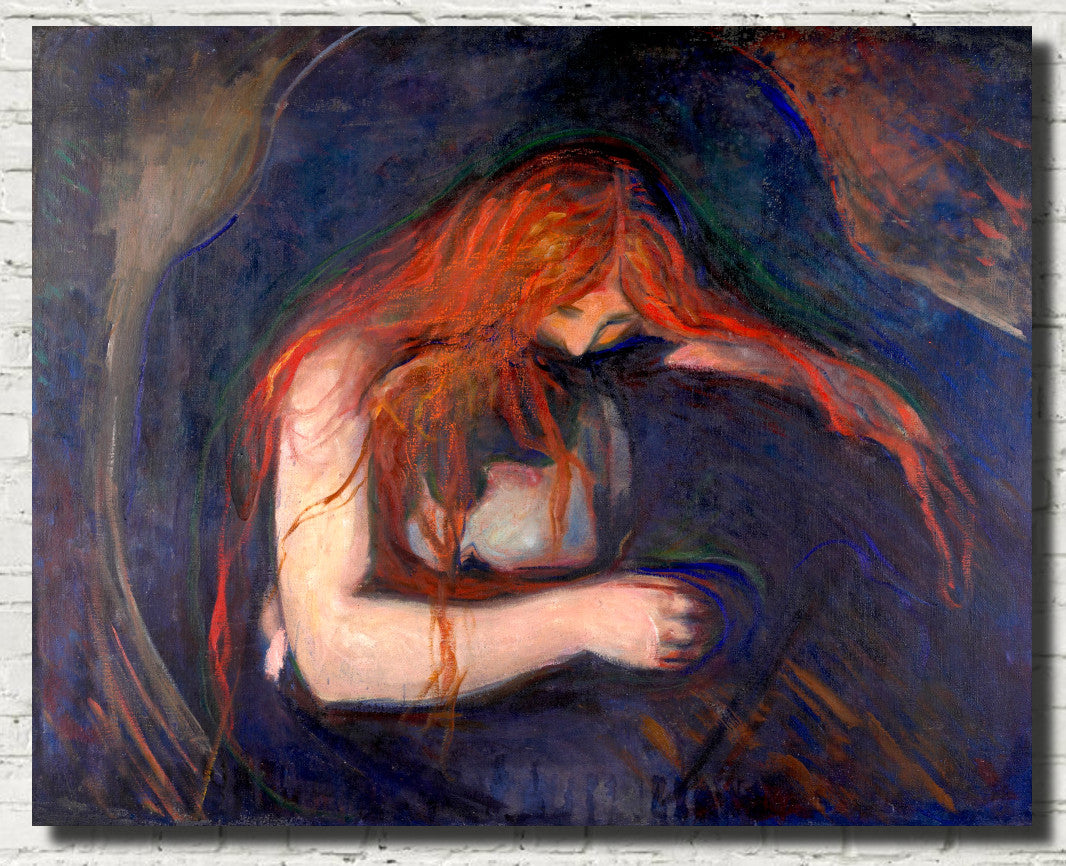
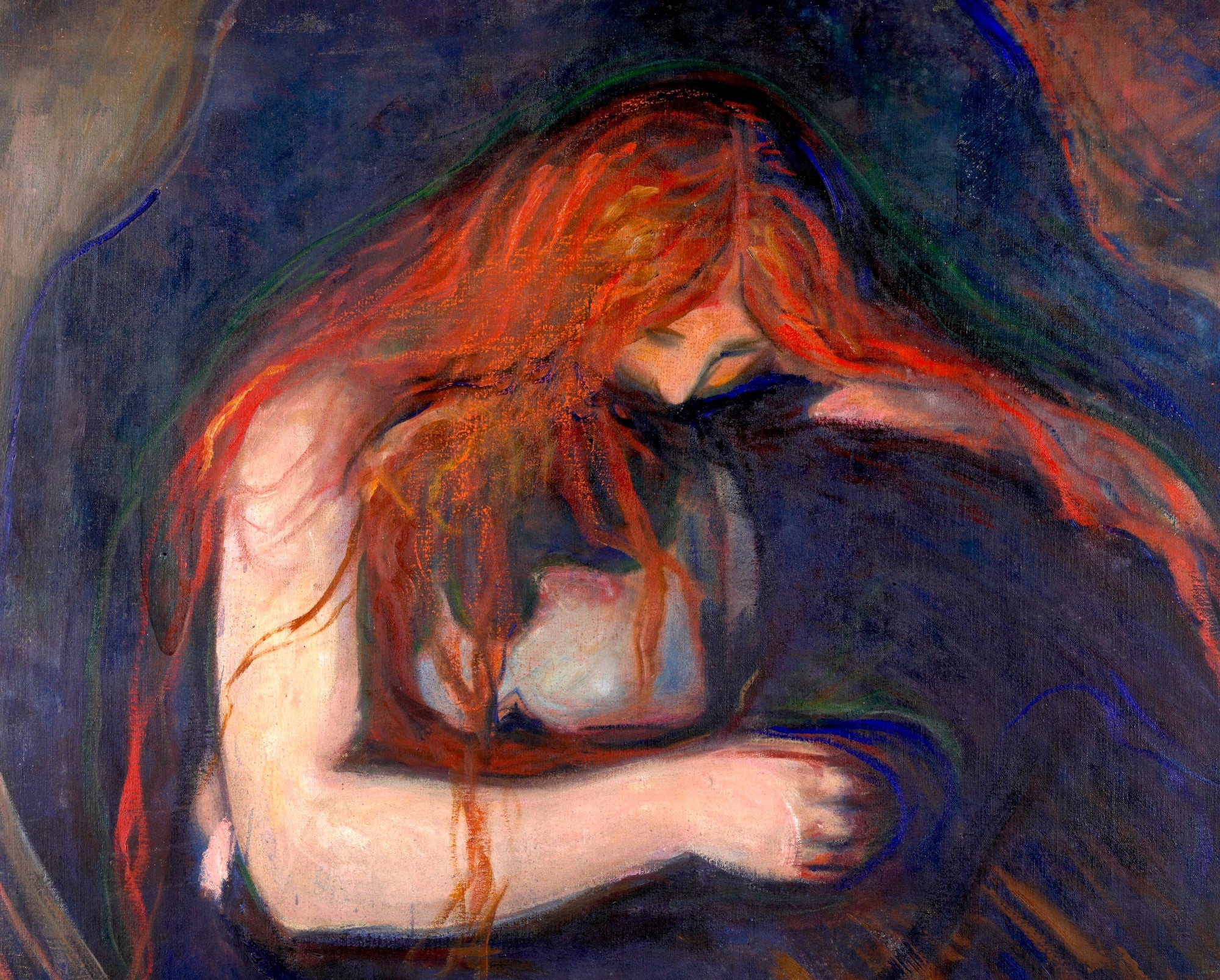
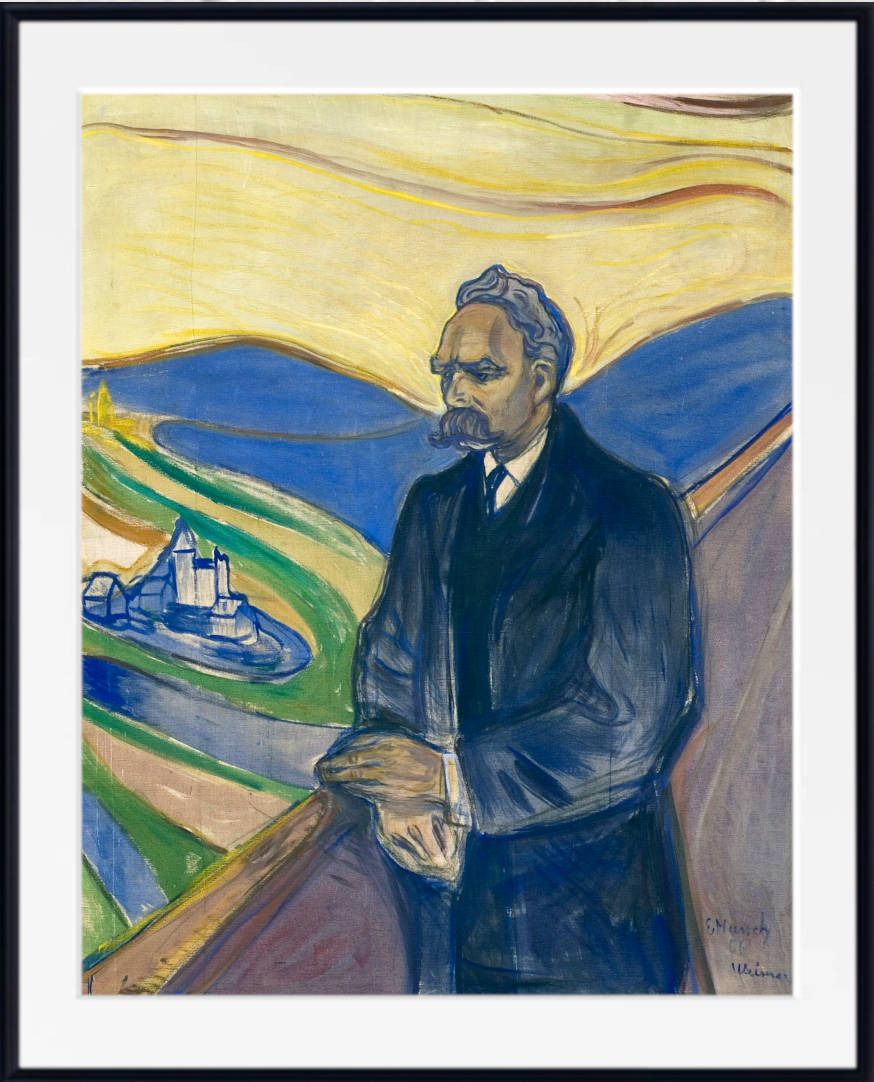
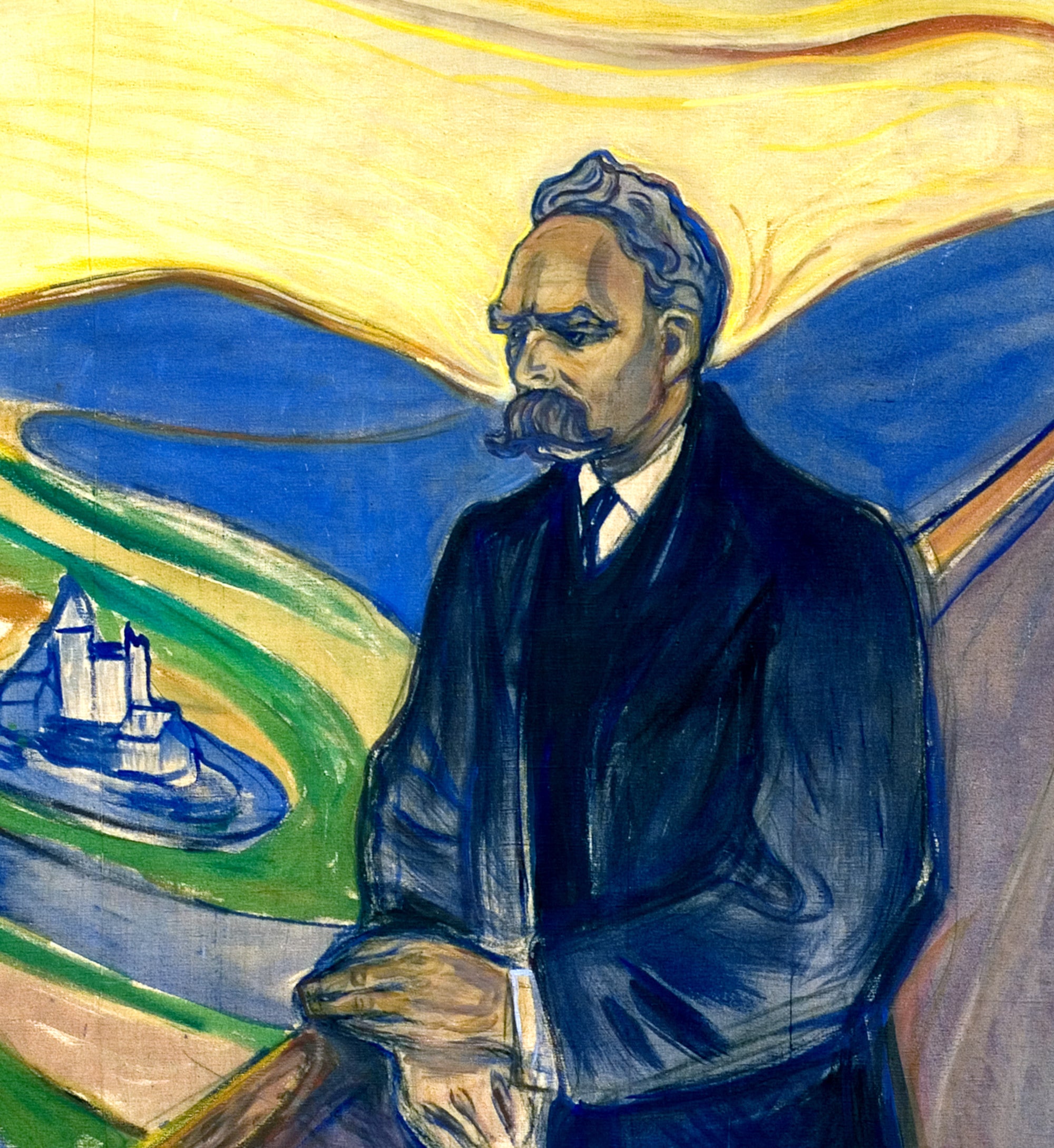
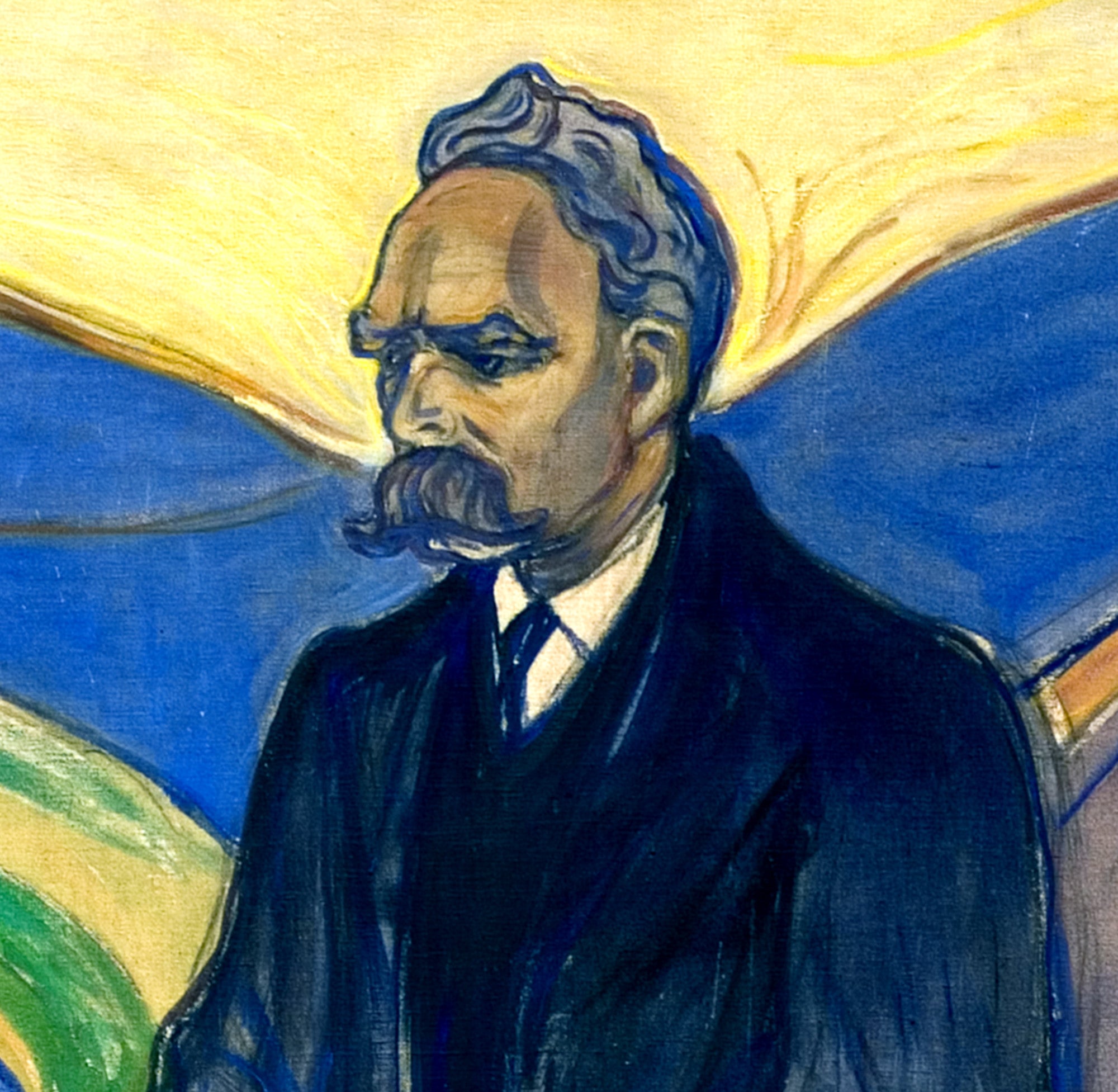
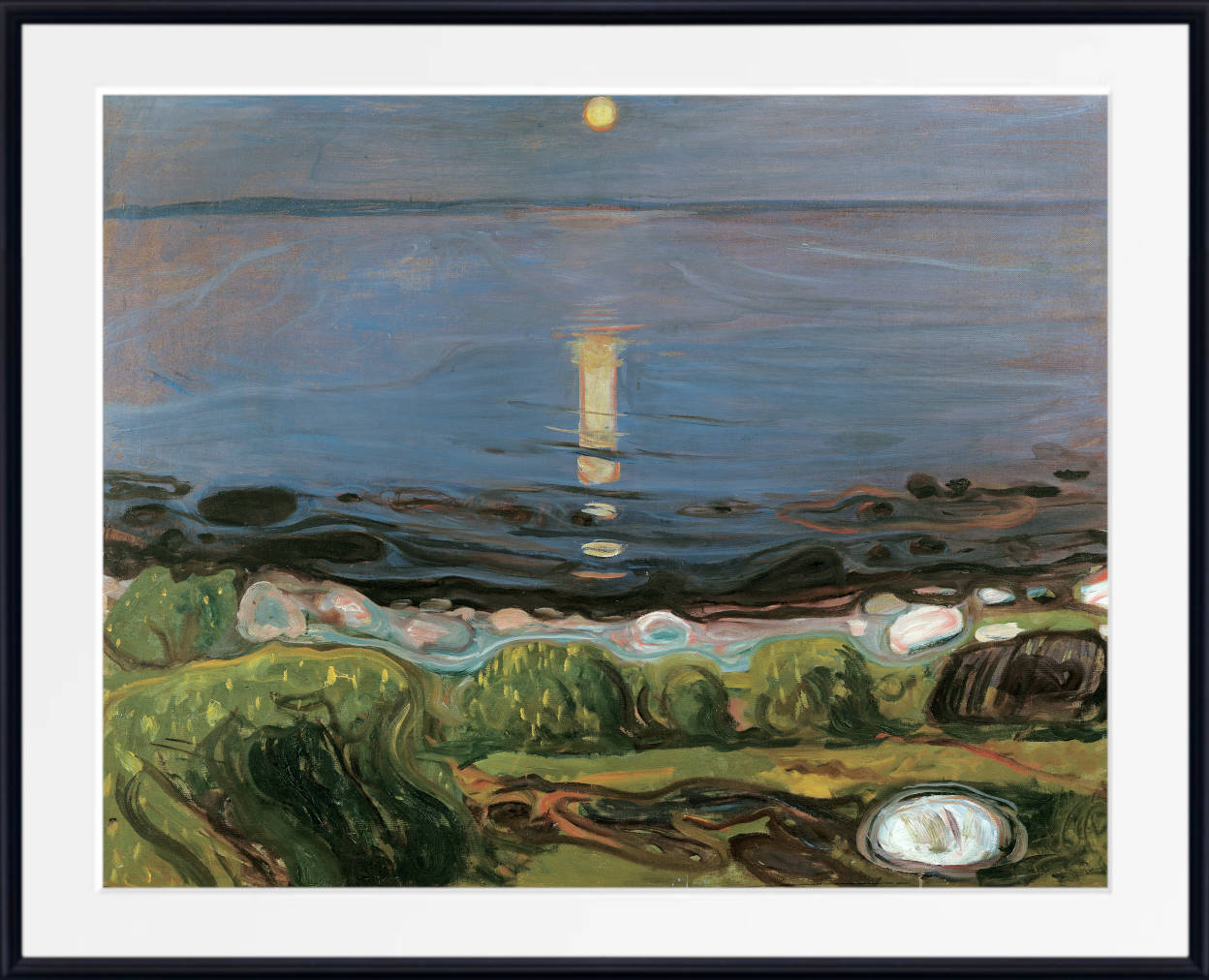
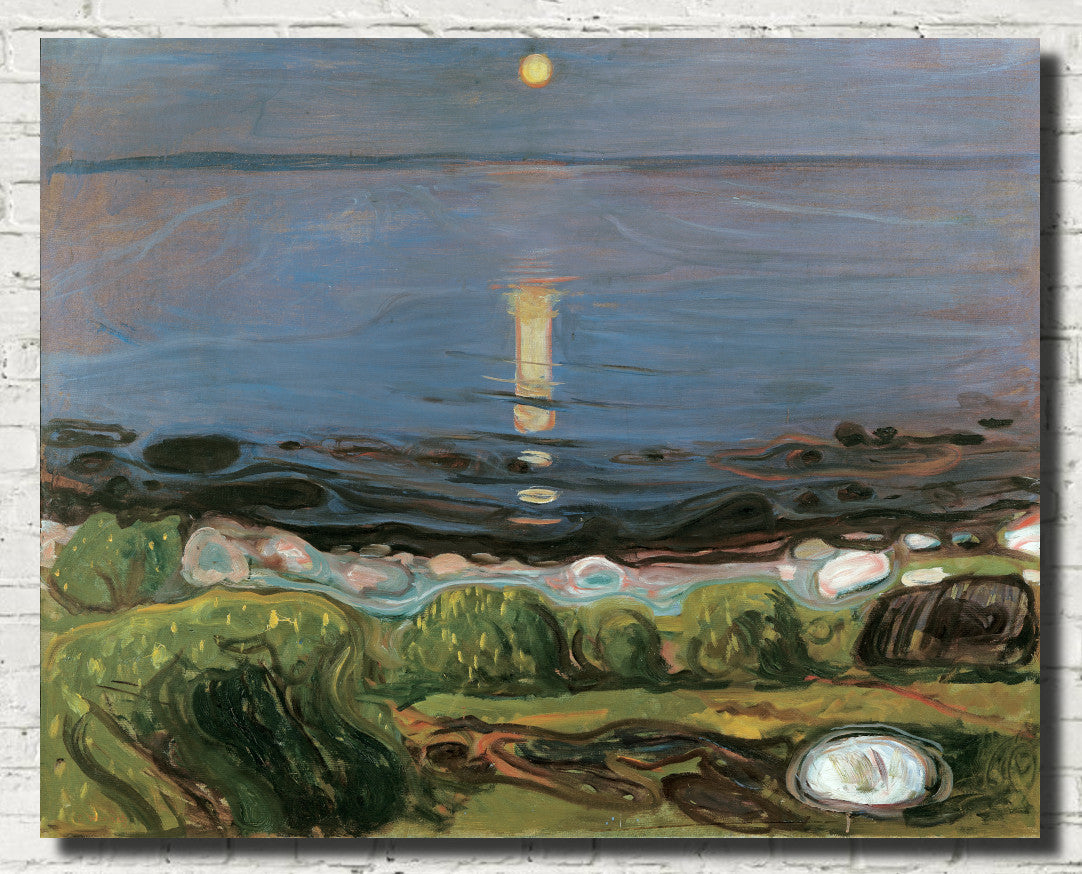
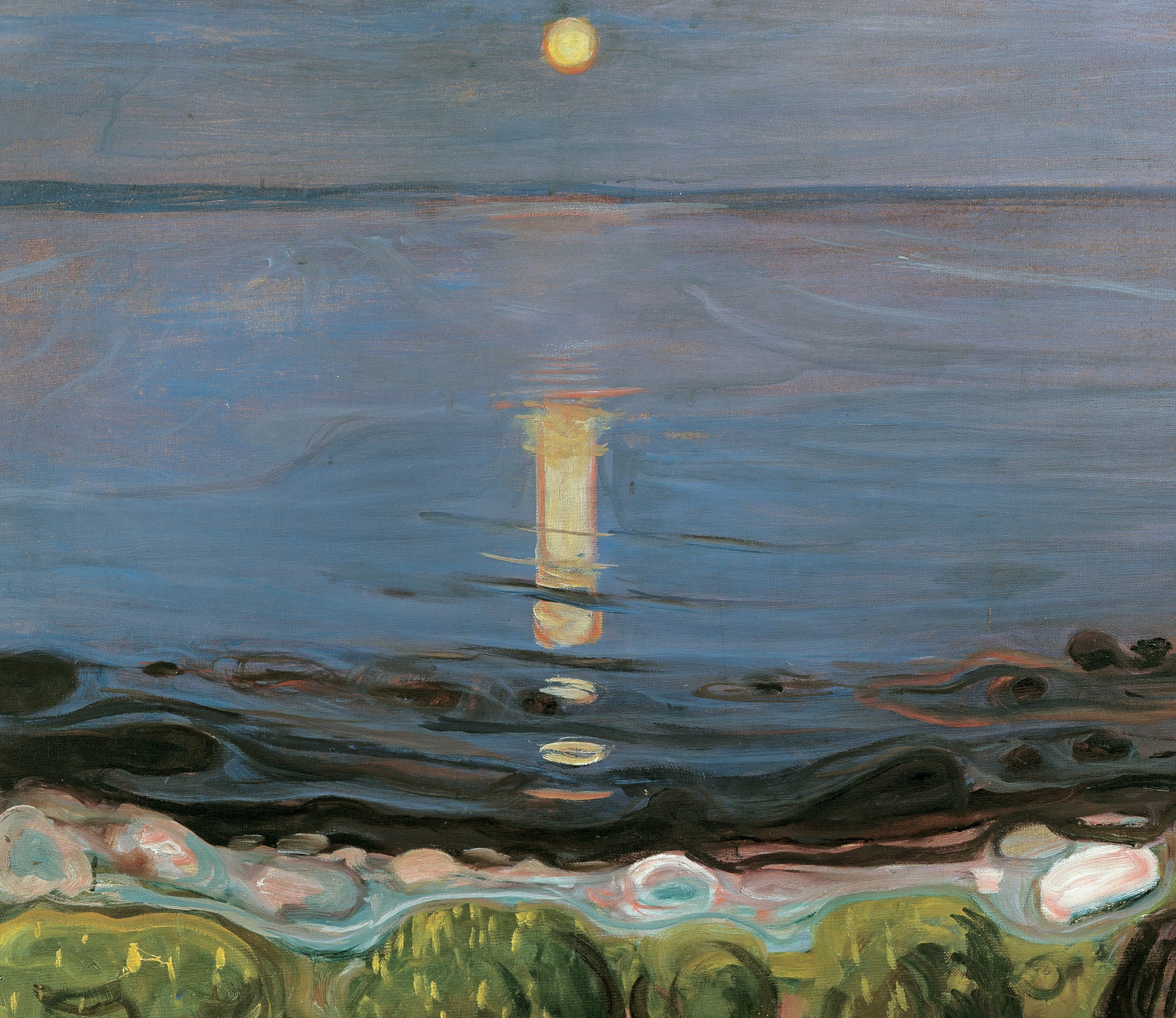
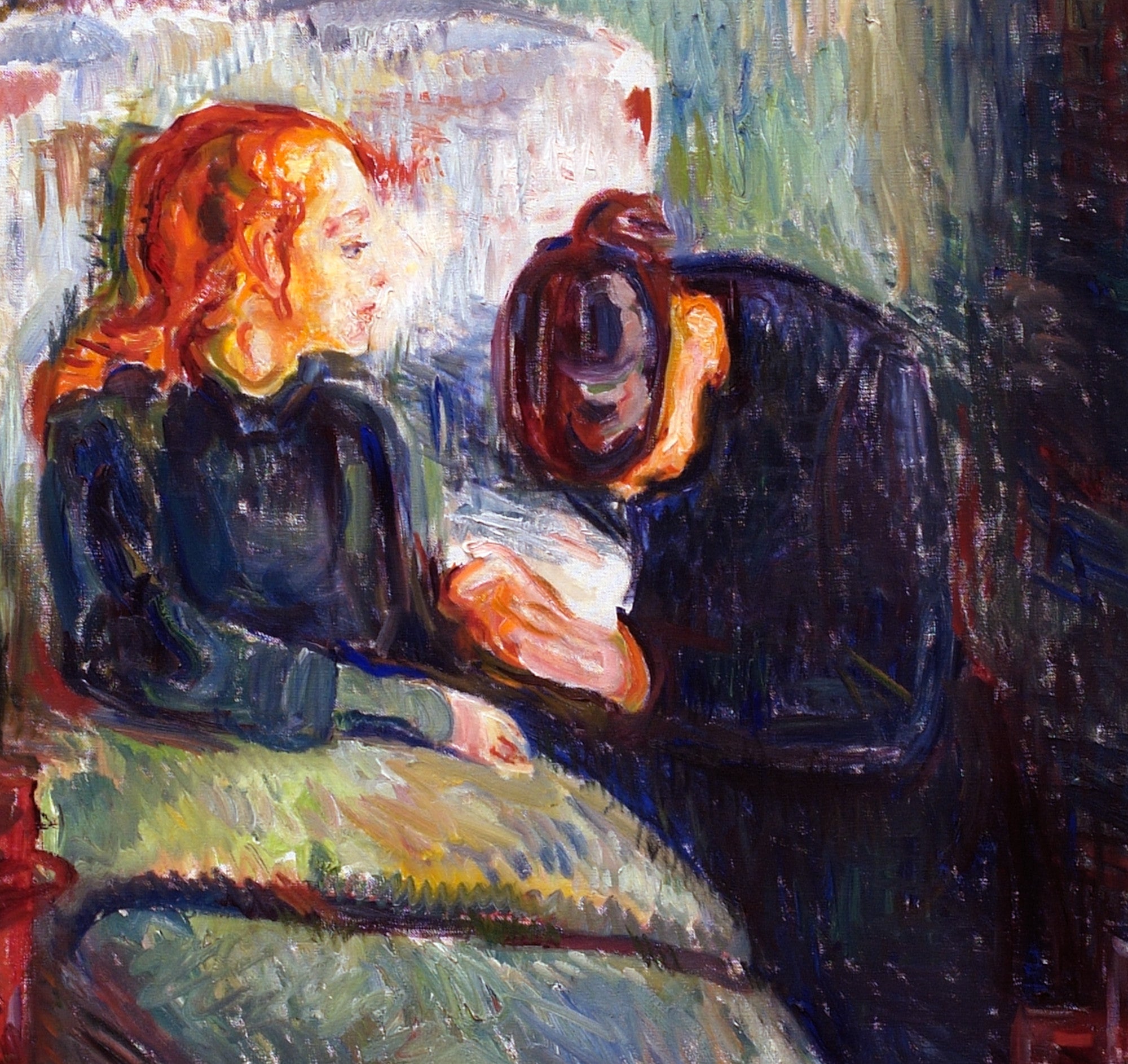
Edvard Munch was one of the most important precursors of Expressionism.
His paintings explore love, anxiety, illness, jealousy, loneliness and death with extraordinary psychological intensity.
Munch developed a visual language in which landscape, colour and the human figure could become expressions of emotion rather than neutral observations.
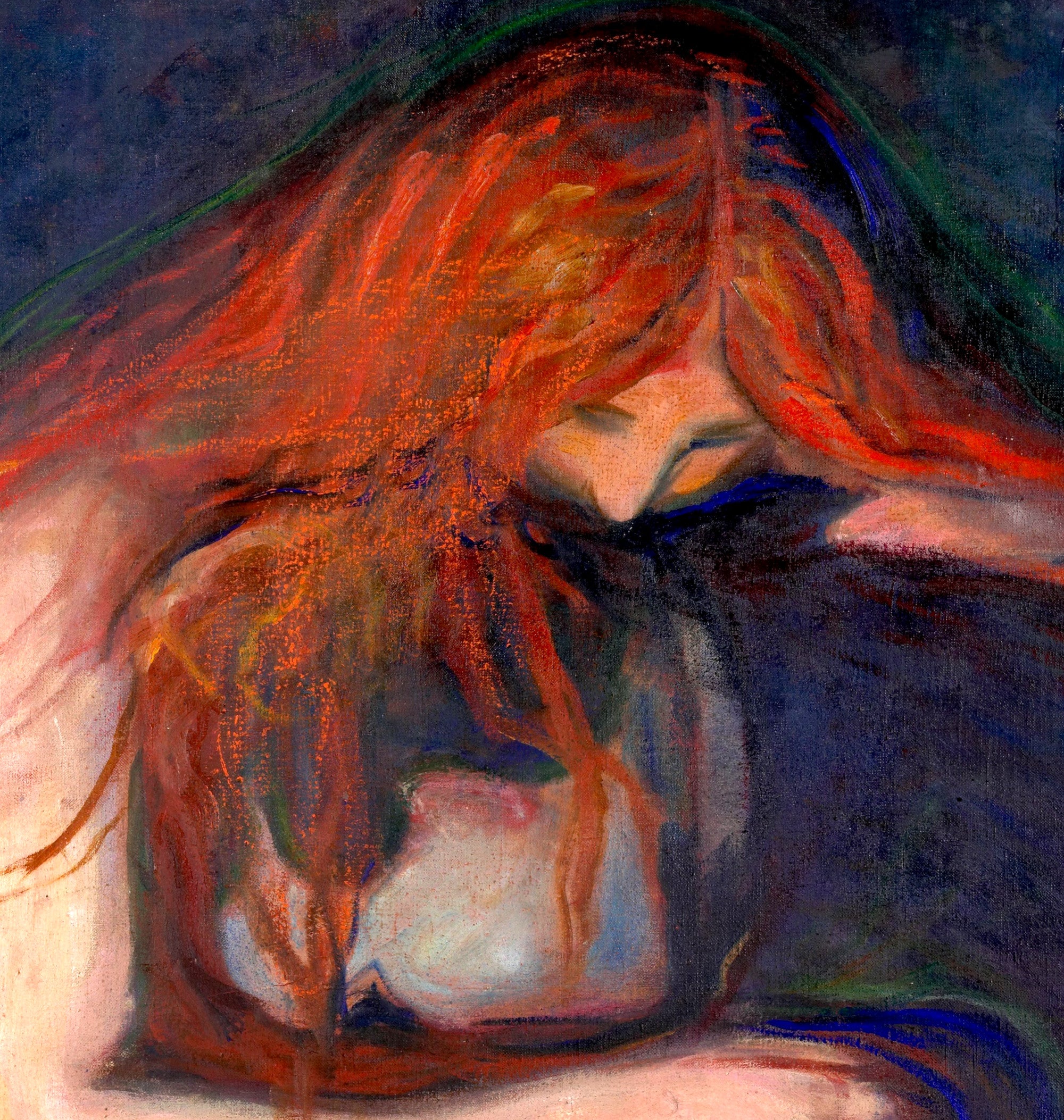
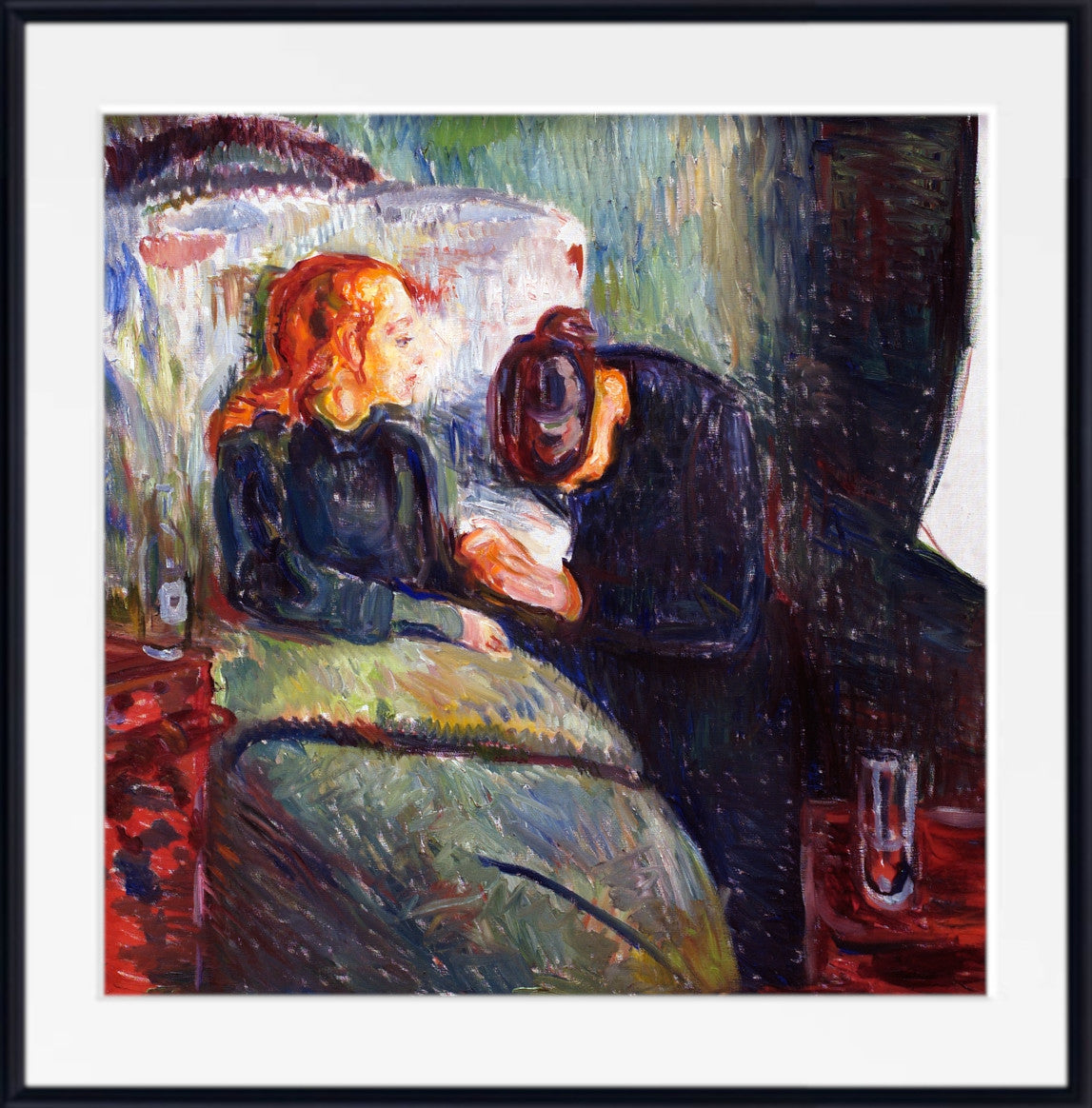
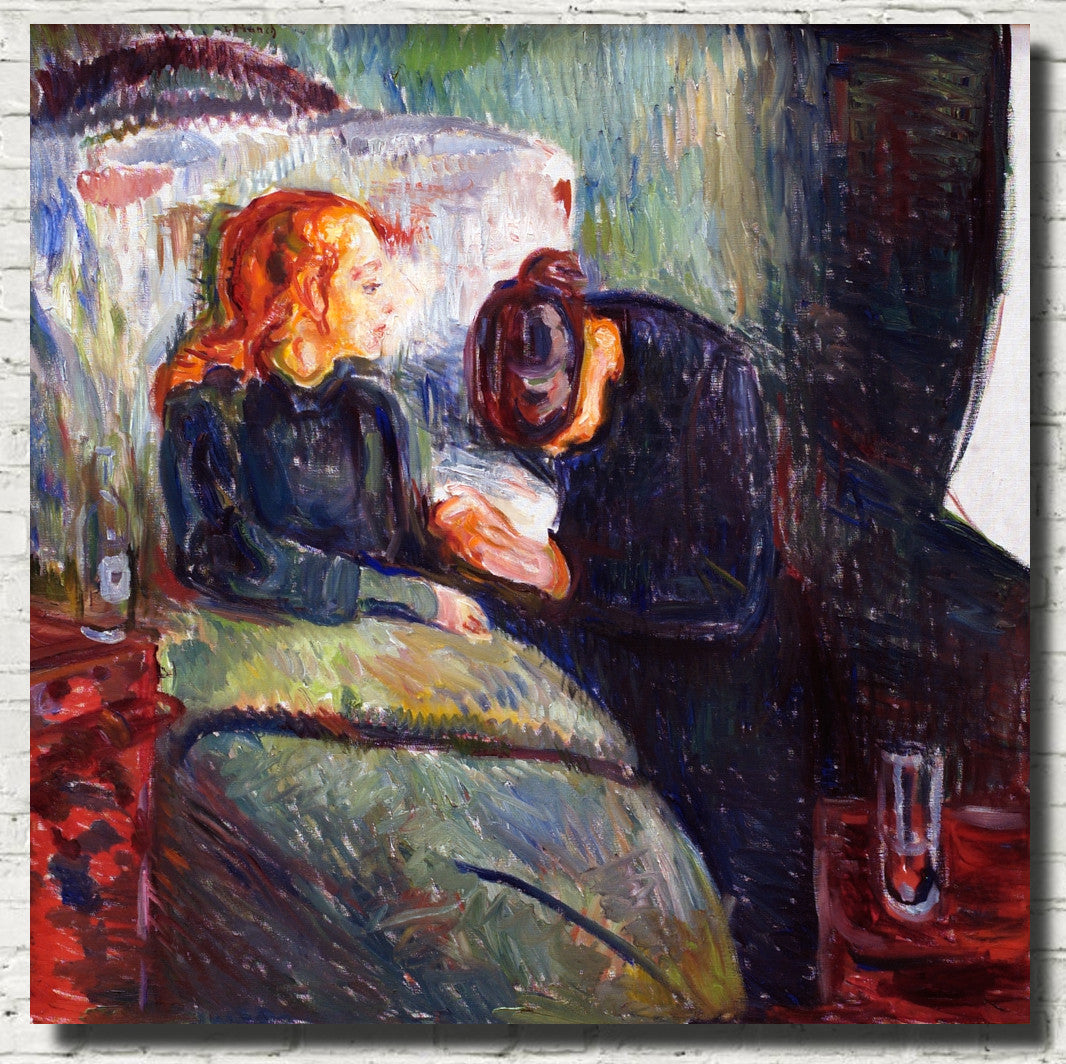
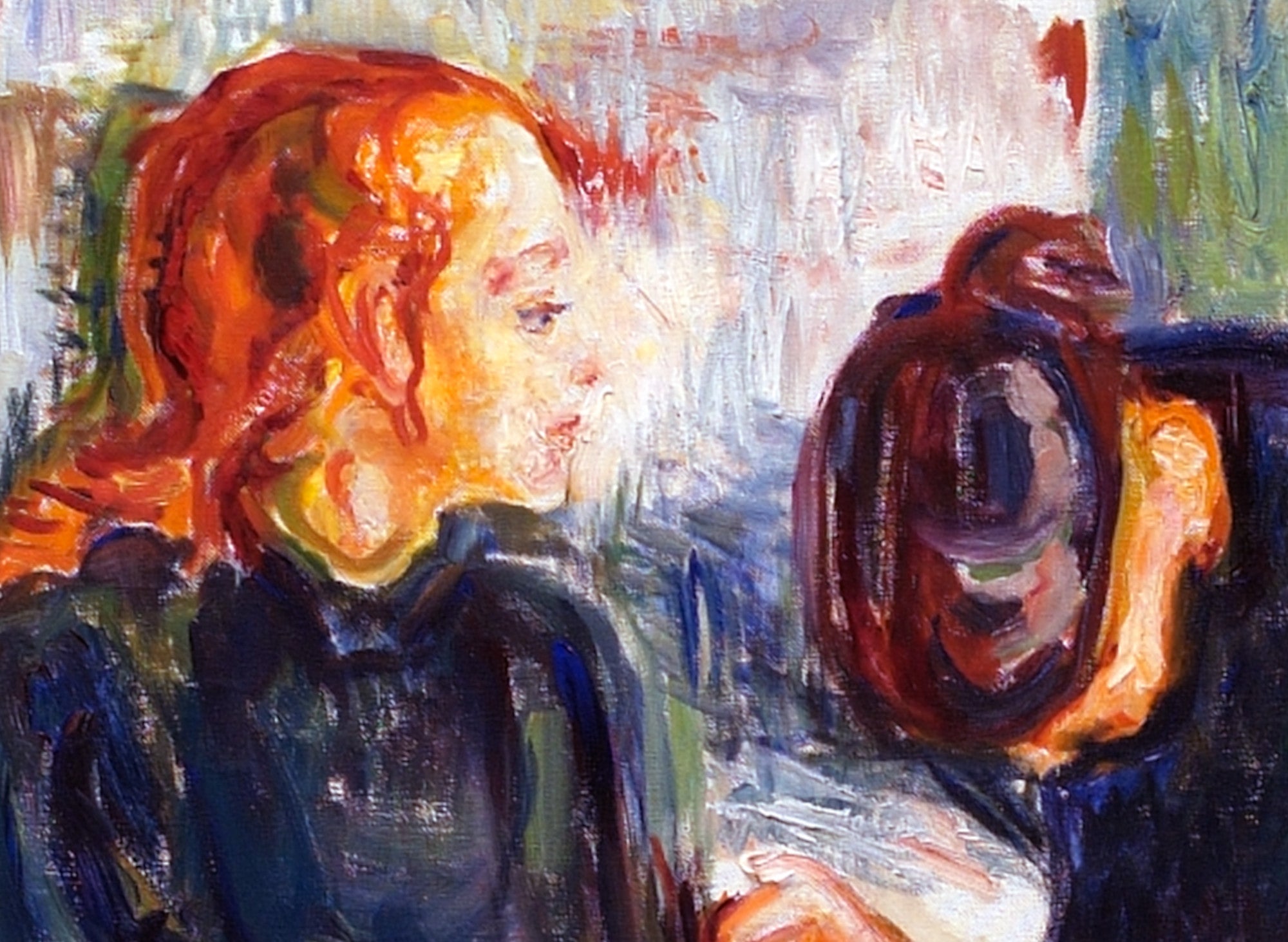
His most famous image, The Scream, has become an international symbol of anxiety, but paintings such as Vampire, The Sick Child, Madonna and the wider Frieze of Life demonstrate the breadth of his exploration of human experience.
Munch's influence on younger German artists was profound and helped establish many of the ideas that would become central to Expressionism.
Die Brücke and German Expressionism
One of the most important Expressionist groups was Die Brücke — The Bridge, founded in Dresden in 1905.
The artists wanted to create a bridge between the art of the past and a radically different modern future.
Their paintings and prints often use intense colour, simplified forms and deliberately rough or energetic handling.
Modern city life, cafés, performers, landscapes, bathing figures, portraits and nudes all became important subjects.
Ernst Ludwig Kirchner
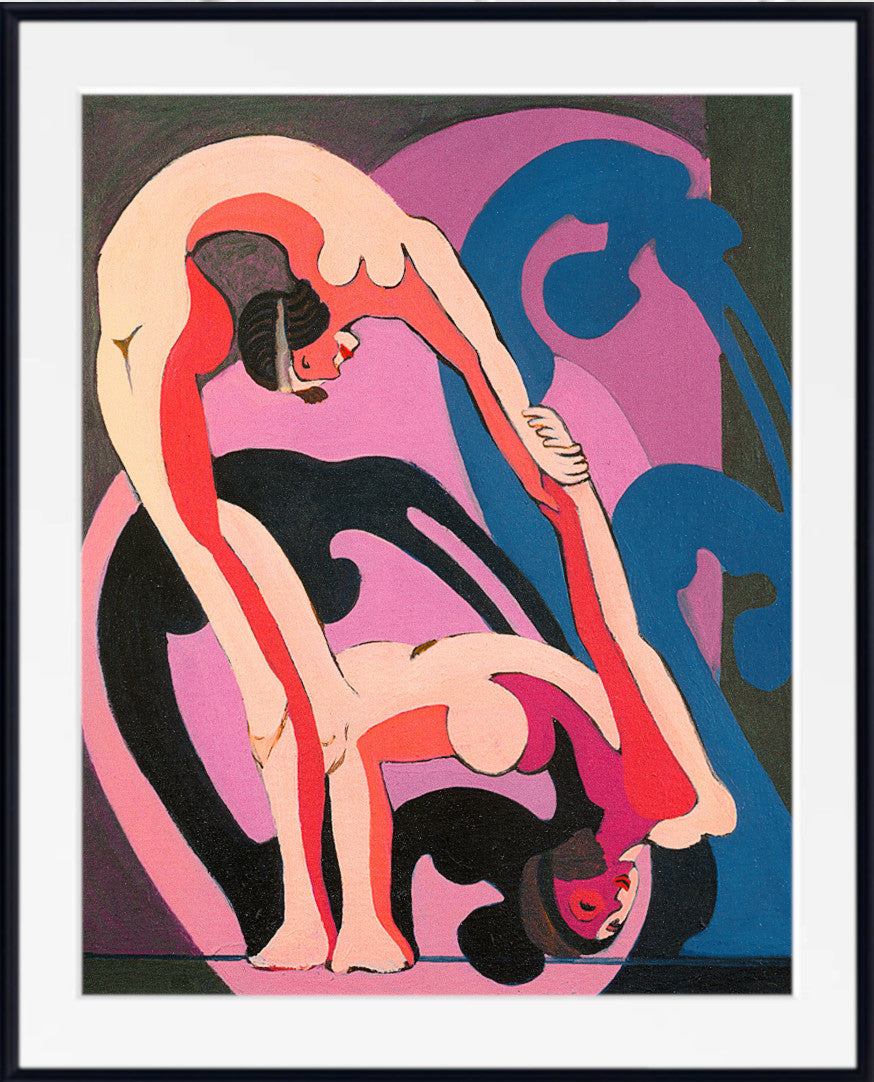
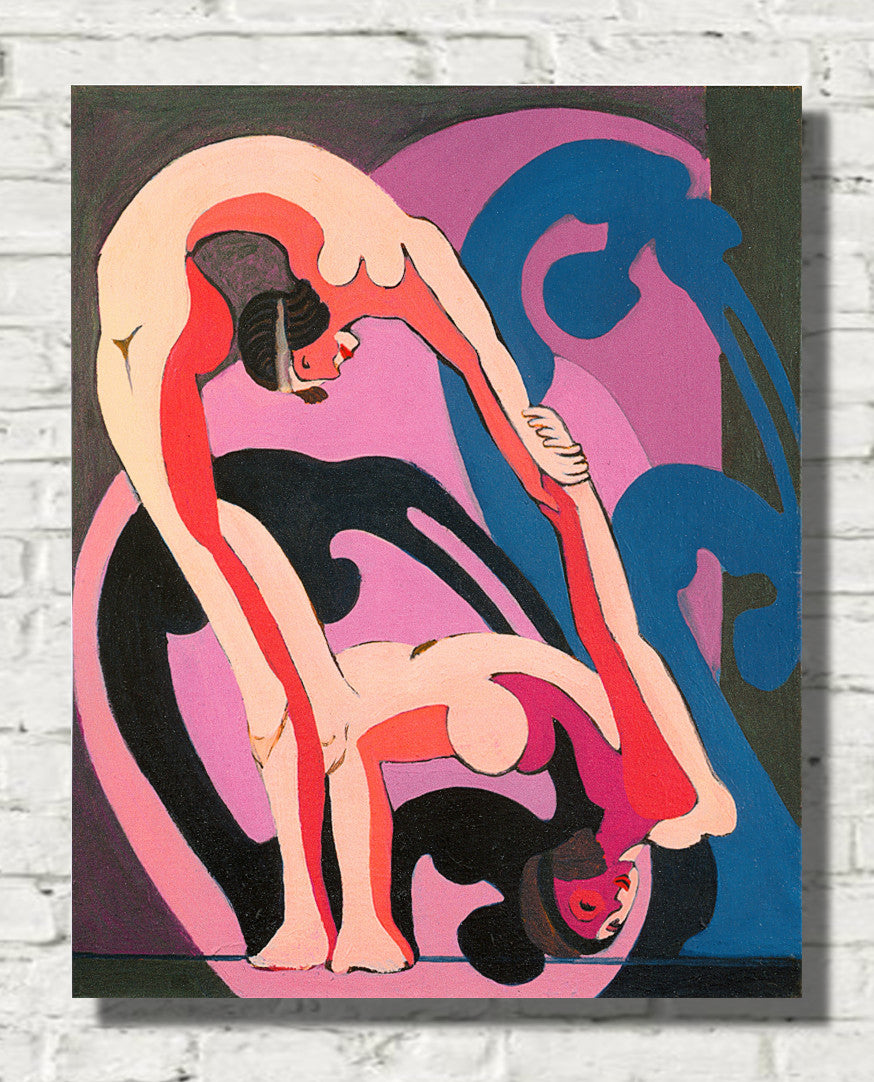
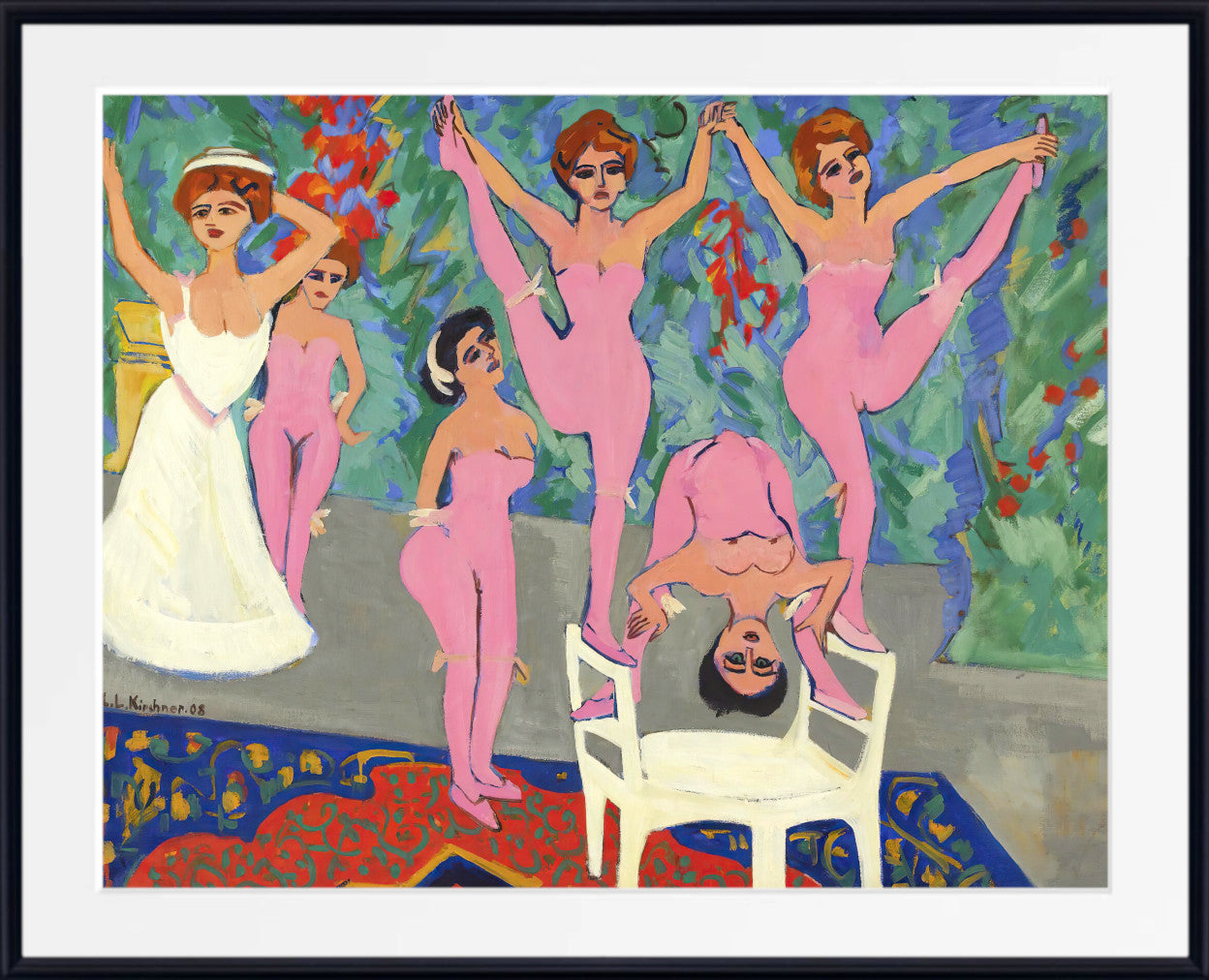
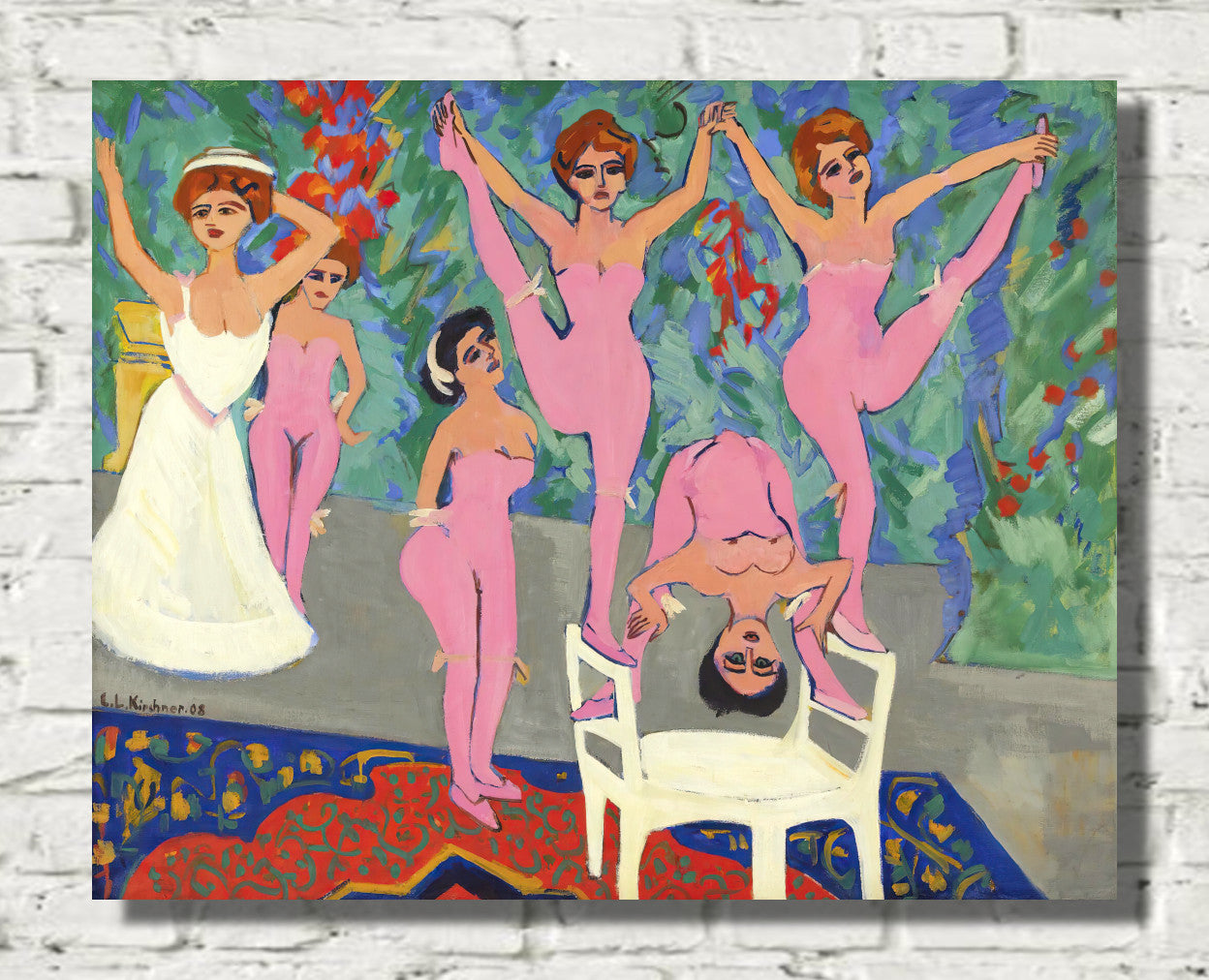
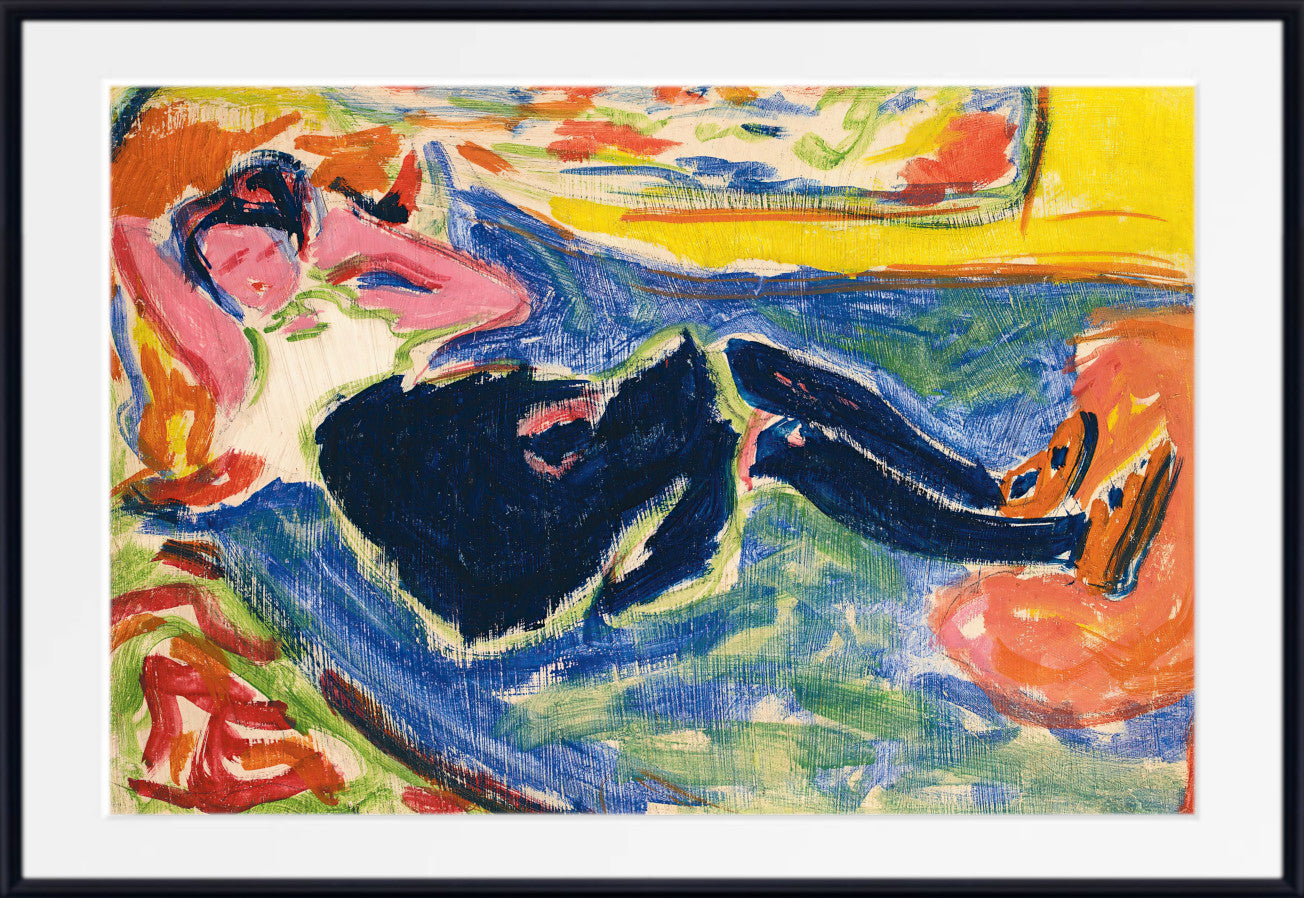
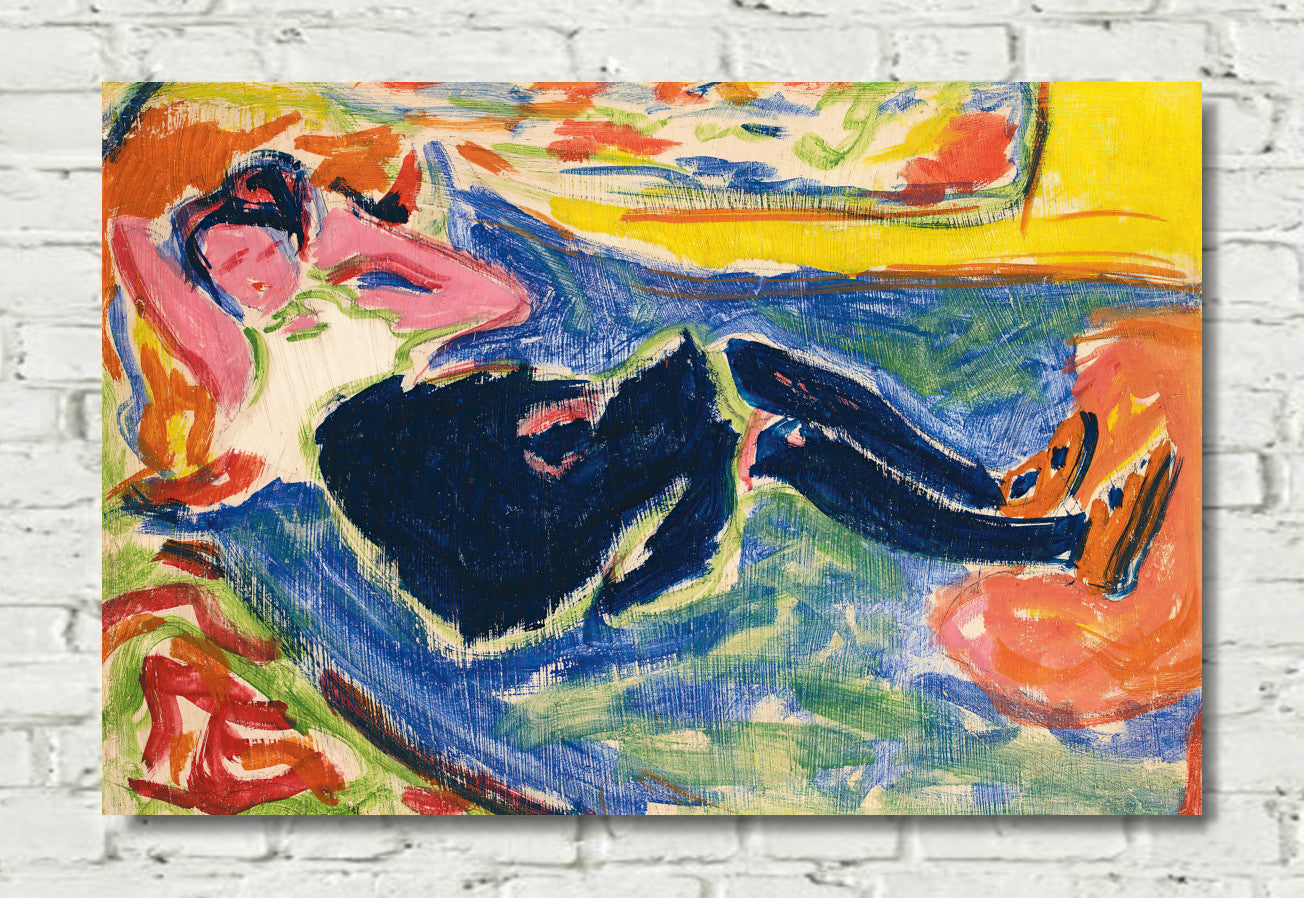
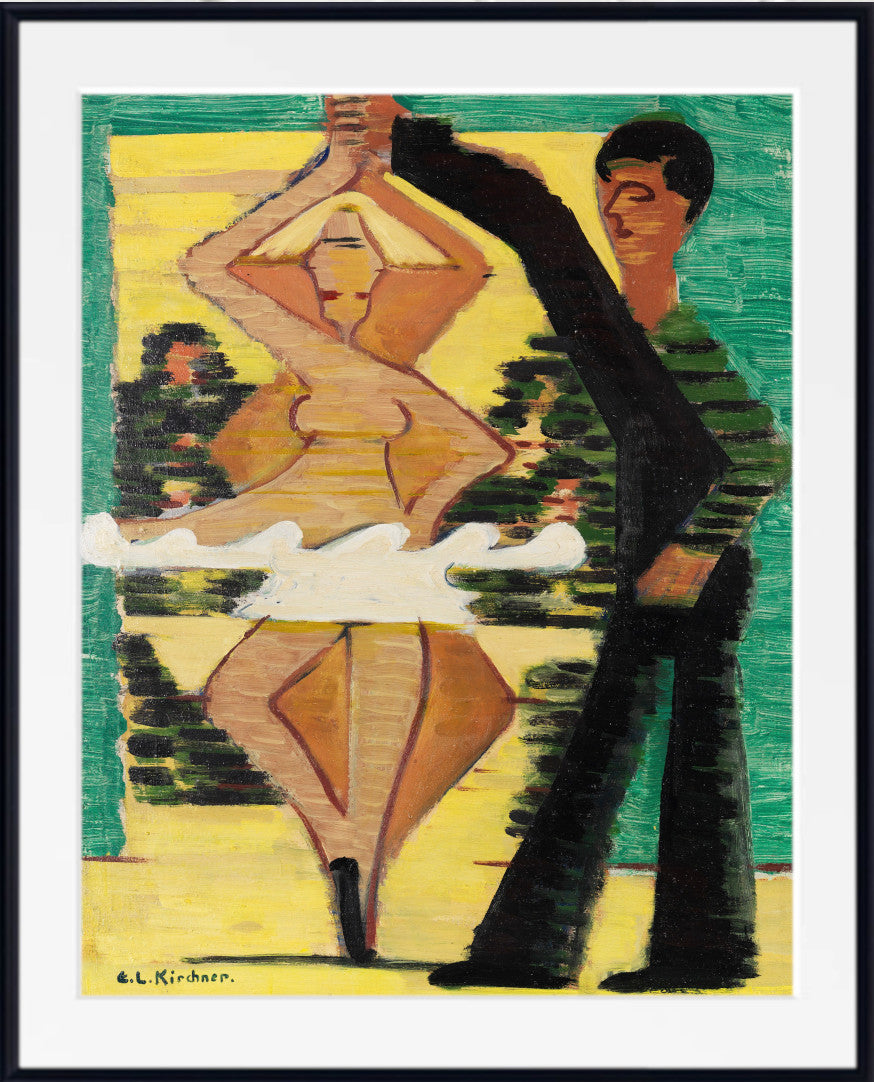
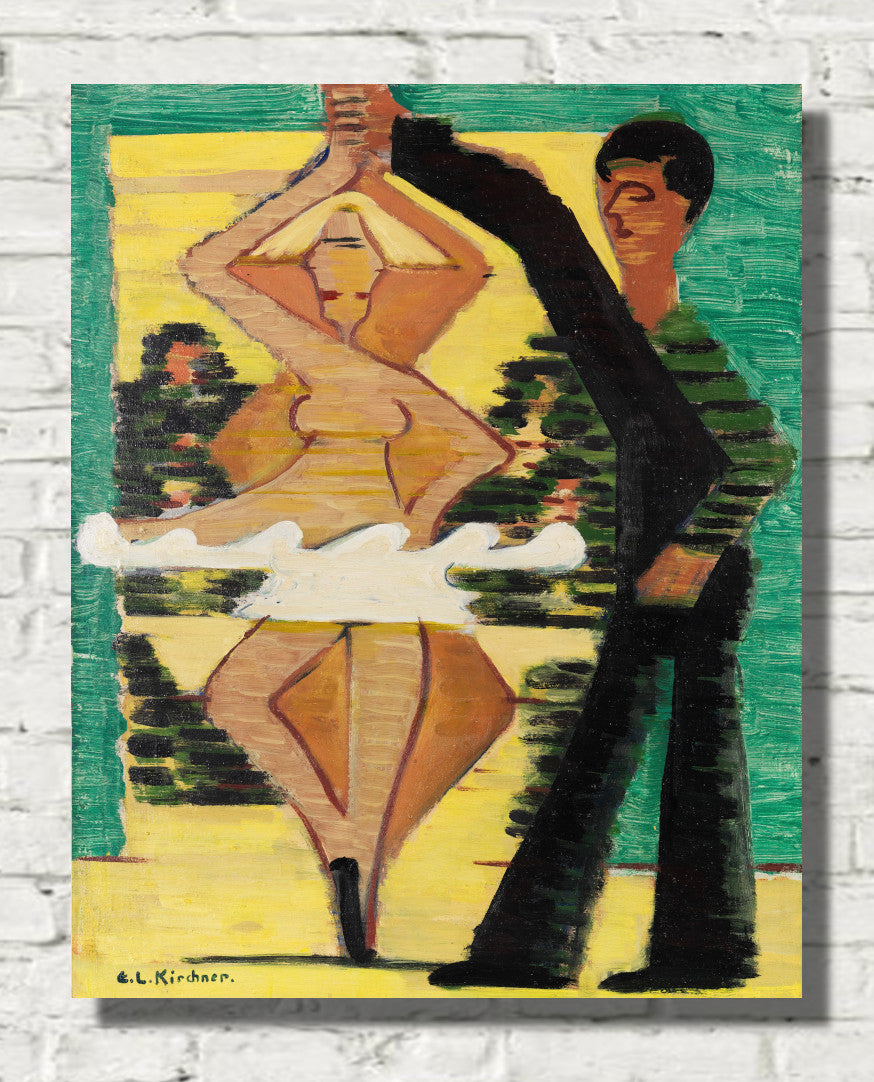
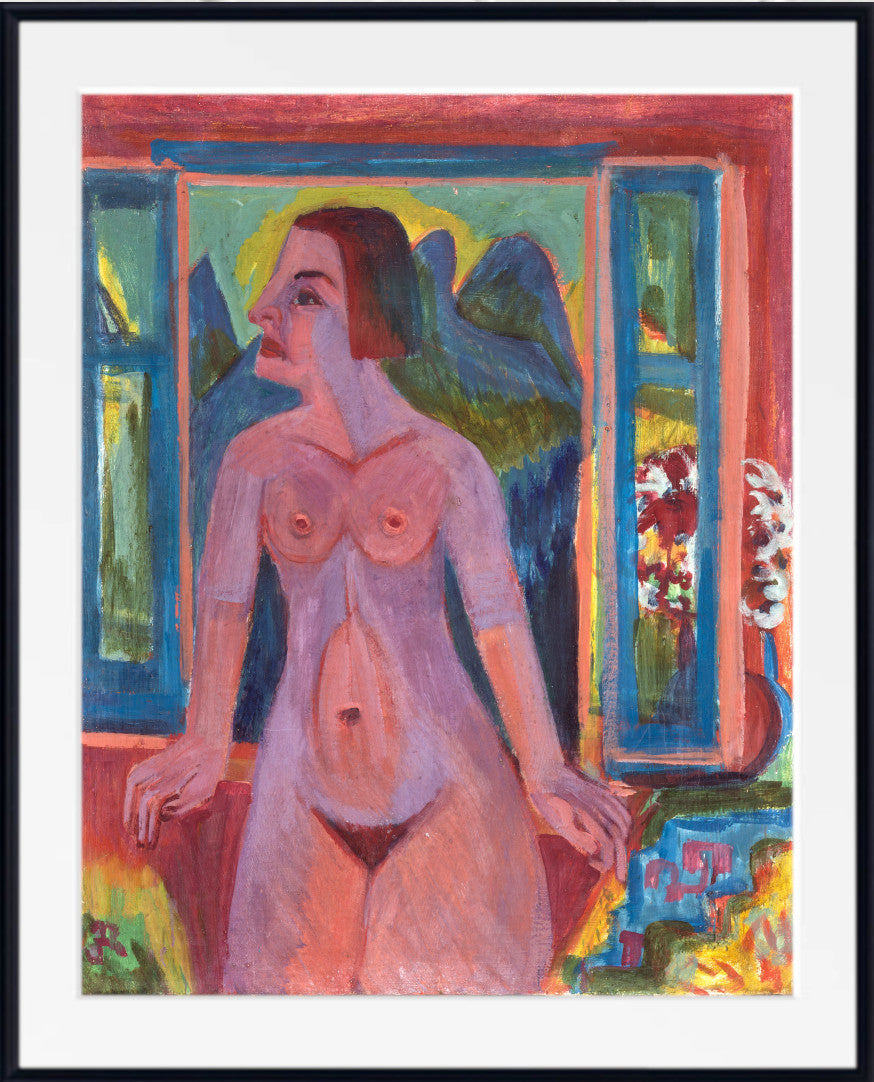
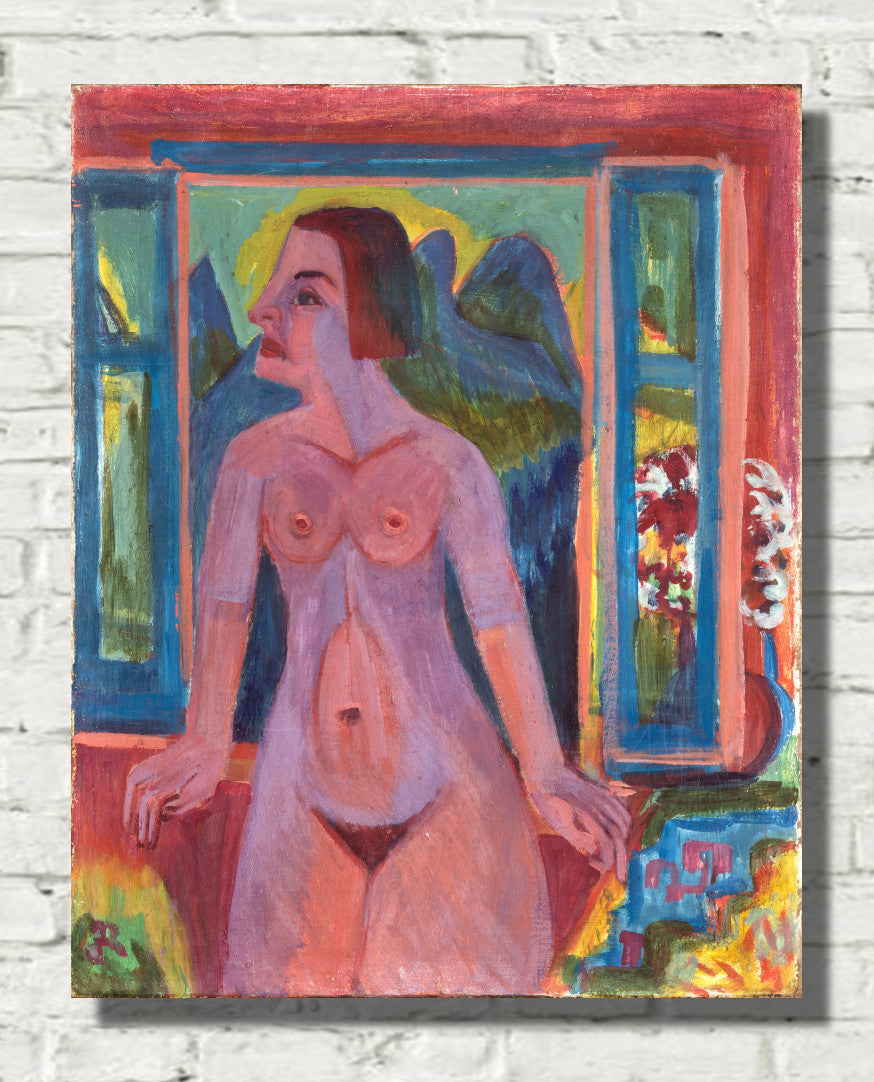
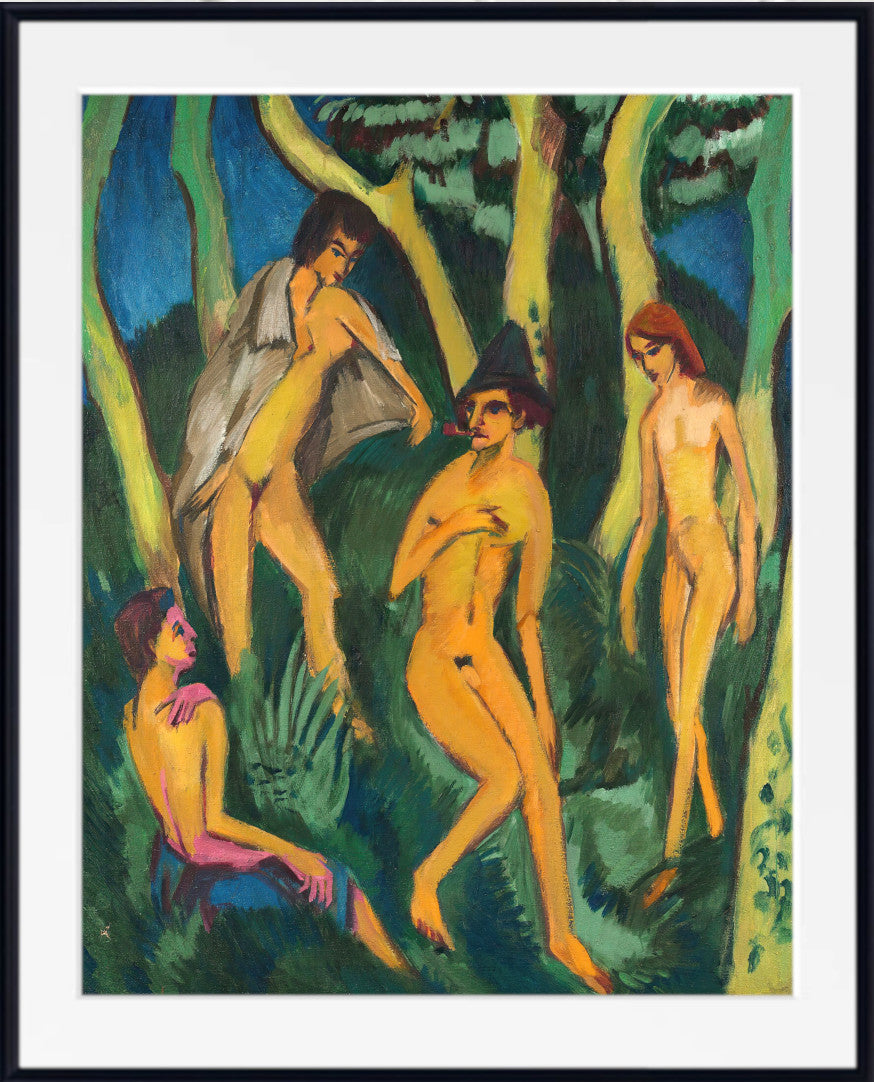
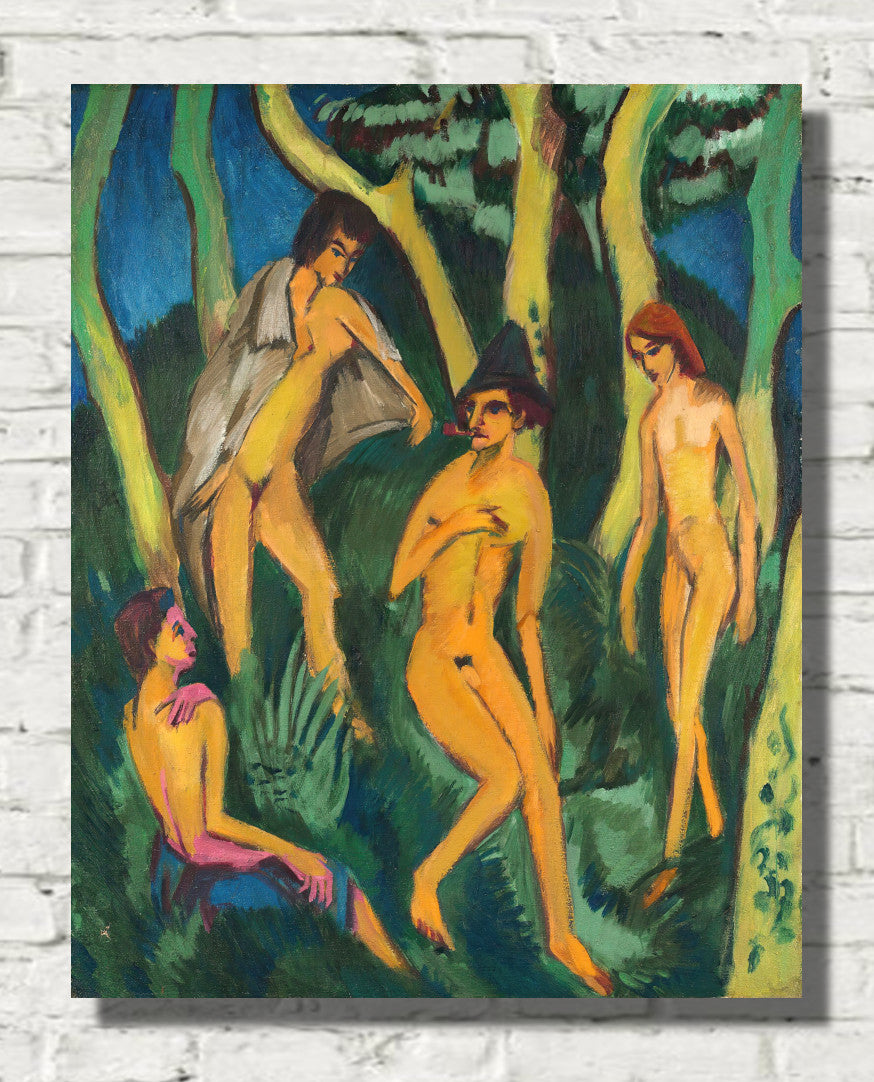
Ernst Ludwig Kirchner was a founding member of Die Brücke and one of the central figures of German Expressionism.
His paintings of Berlin streets, performers and fashionable figures capture both the excitement and unease of the modern city.
Angular bodies, sharp contours and unnatural colour create a sense of nervous movement very different from the softer observation associated with Impressionism.
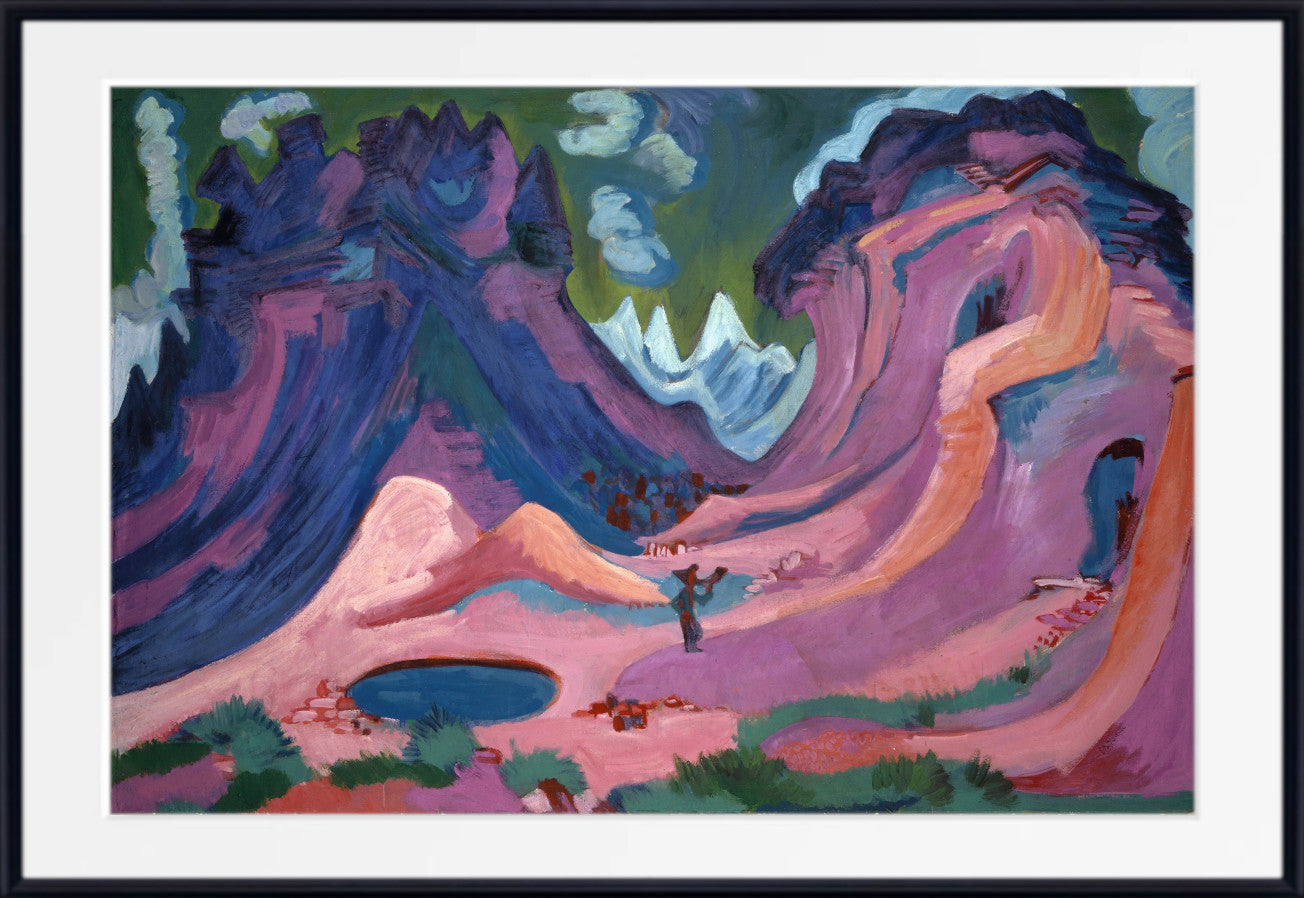
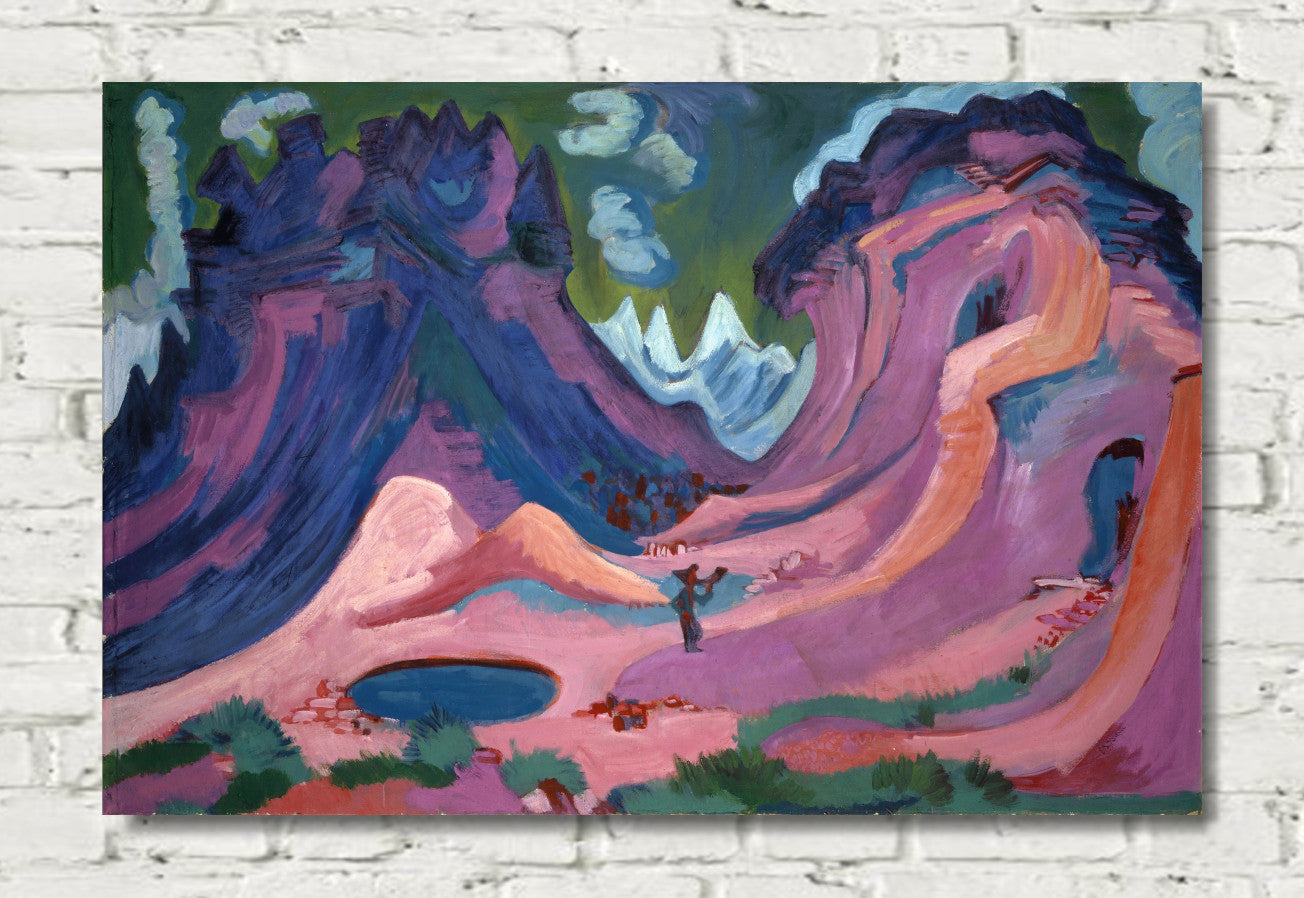
Kirchner also painted landscapes and figures in nature, particularly during his later years in Switzerland.
Whether depicting a crowded street or an Alpine landscape, his art remained strongly concerned with expressive colour and form.
Hermann Max Pechstein
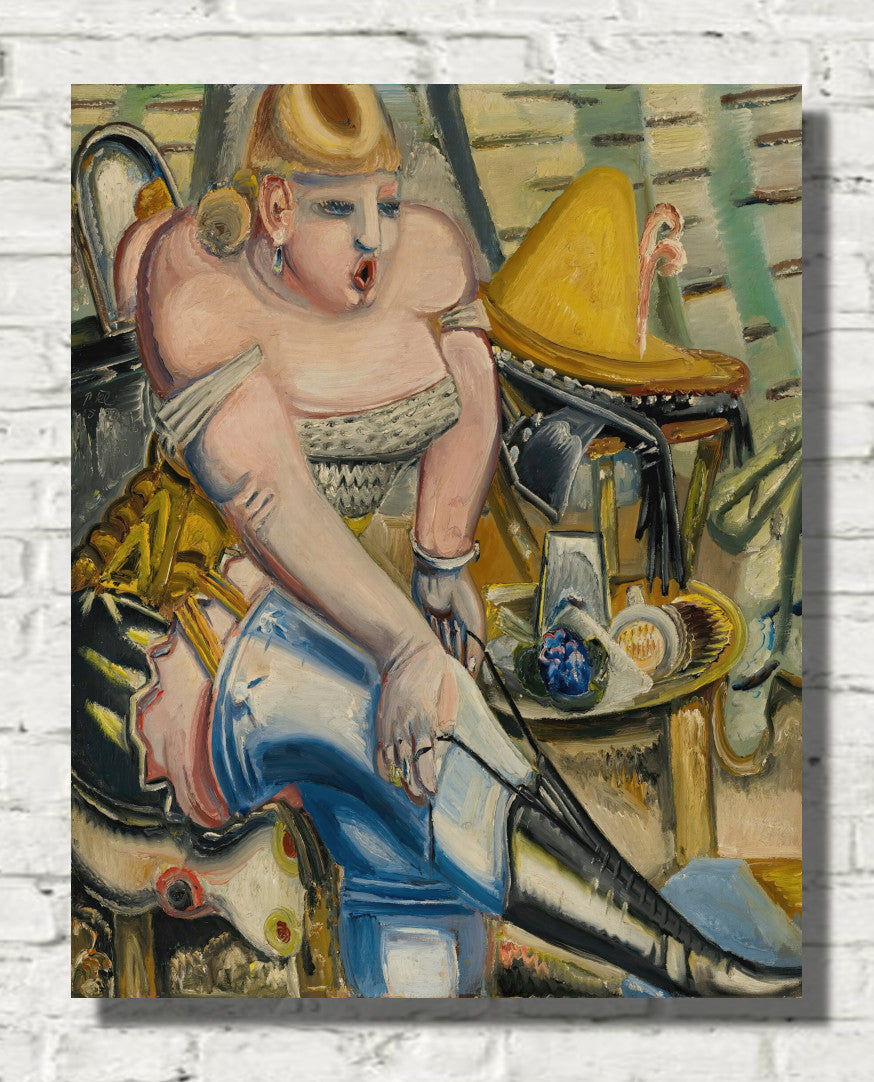
Hermann Max Pechstein joined Die Brücke in 1906 and became one of the most important and prolific artists associated with German Expressionism.
Unlike the principal founders of Die Brücke, who had trained as architecture students, Pechstein arrived with extensive formal artistic training. His contact with the group nevertheless transformed his work, encouraging freer drawing, stronger contour, simplified forms and increasingly independent colour.
Pechstein moved confidently between portraits, dancers, nudes, landscapes, fishermen, boats and scenes of everyday life.
Coastal environments became particularly important. Nidden on the Curonian Spit and later Baltic locations including Leba and Rowe provided boats, fishing communities, dunes, forests and water that allowed Pechstein to combine landscape and the human figure within powerful Expressionist compositions.
He was also an exceptionally prolific printmaker. Woodcuts, lithographs and other graphic works allowed him to exploit the strong line and simplified forms that were central to his artistic language.
Pechstein's career continued long after his Die Brücke years. He worked through the First World War, the Weimar Republic, persecution by the Nazi regime, the Second World War and the rebuilding of German cultural life after 1945.
Explore more than 200 works in GalleryThane's Hermann Max Pechstein Prints collection, or read our detailed Max Pechstein biography, paintings and prints guide.
Der Blaue Reiter: The Blue Rider
Der Blaue Reiter brought together artists who were particularly interested in colour, spirituality, music and the possibility of moving beyond conventional representation.
Wassily Kandinsky, Franz Marc, August Macke, Alexej von Jawlensky and Marianne von Werefkin were among the important artists associated with the Munich circle from which The Blue Rider developed.
Their work reveals the extraordinary range of Expressionism.
Kandinsky moved increasingly towards abstraction, Franz Marc used vivid colour to transform animals into powerful symbolic forms, Macke painted radiant figures and scenes of modern life, Jawlensky explored the expressive possibilities of colour in portraiture, and Werefkin created psychologically charged figures and landscapes.
Explore GalleryThane's dedicated Der Blaue Reiter Prints collection for works connected with one of the most influential circles within German Expressionism.
Wassily Kandinsky and the Move Towards Abstraction
Wassily Kandinsky played a central role in the development of Der Blaue Reiter and in the wider transition from Expressionism towards abstraction.
His landscapes around Murnau still depict recognisable mountains, streets, houses and churches, but natural appearance becomes increasingly subordinate to colour and composition.
Kandinsky believed that colour, line and form could communicate directly with the viewer in ways comparable to music.
Over time, recognisable objects became less important and his paintings developed into increasingly independent arrangements of shapes, lines and colour.
This movement towards abstraction became one of the most consequential developments to emerge from the Expressionist avant-garde.
Franz Marc and Expressionist Colour
Franz Marc became famous for paintings of animals transformed through brilliant, symbolic colour.
Blue horses, red deer, yellow cows and intensely coloured foxes inhabit landscapes that move far beyond straightforward observation.
For Marc, colour could carry emotional and spiritual meaning.
Animals also offered an alternative to modern human society, allowing him to explore ideas of nature, purity and harmony.
Paintings such as Blue Horse I, The Tiger, The Foxes and The Dream have become some of the most recognisable images associated with German Expressionism.
August Macke and Modern Colour
August Macke developed a lighter and often more lyrical form of Expressionism.
He painted fashionable shops, streets, gardens, people walking, figures at leisure and colourful scenes encountered during his travels.
Works such as Lady in the Green Jacket, Fashion Store, Hat Shop and his Tunisian subjects demonstrate his fascination with pure colour and simplified shape.
Although his career was cut short by his death during the First World War, Macke became one of the defining artists associated with Der Blaue Reiter.
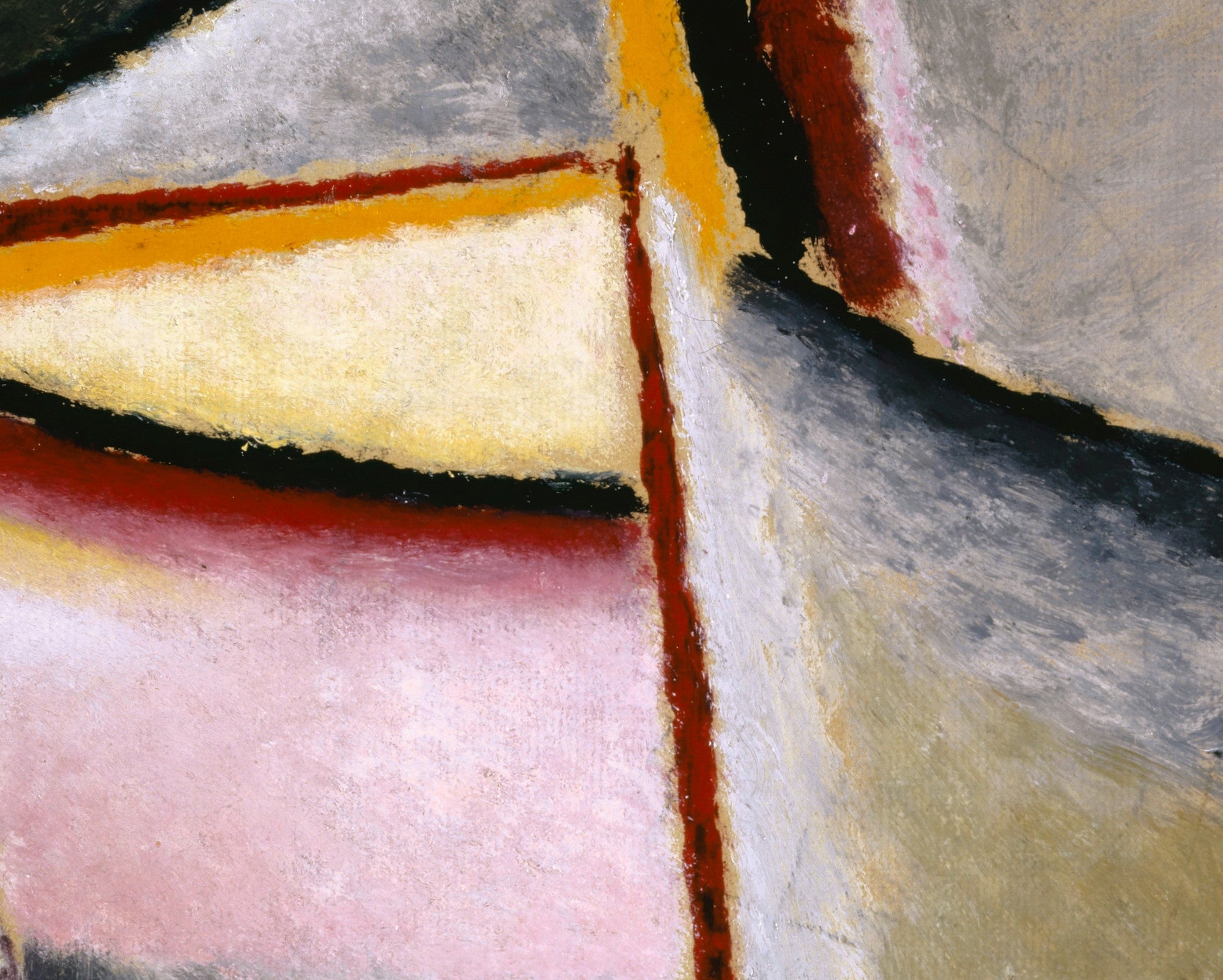
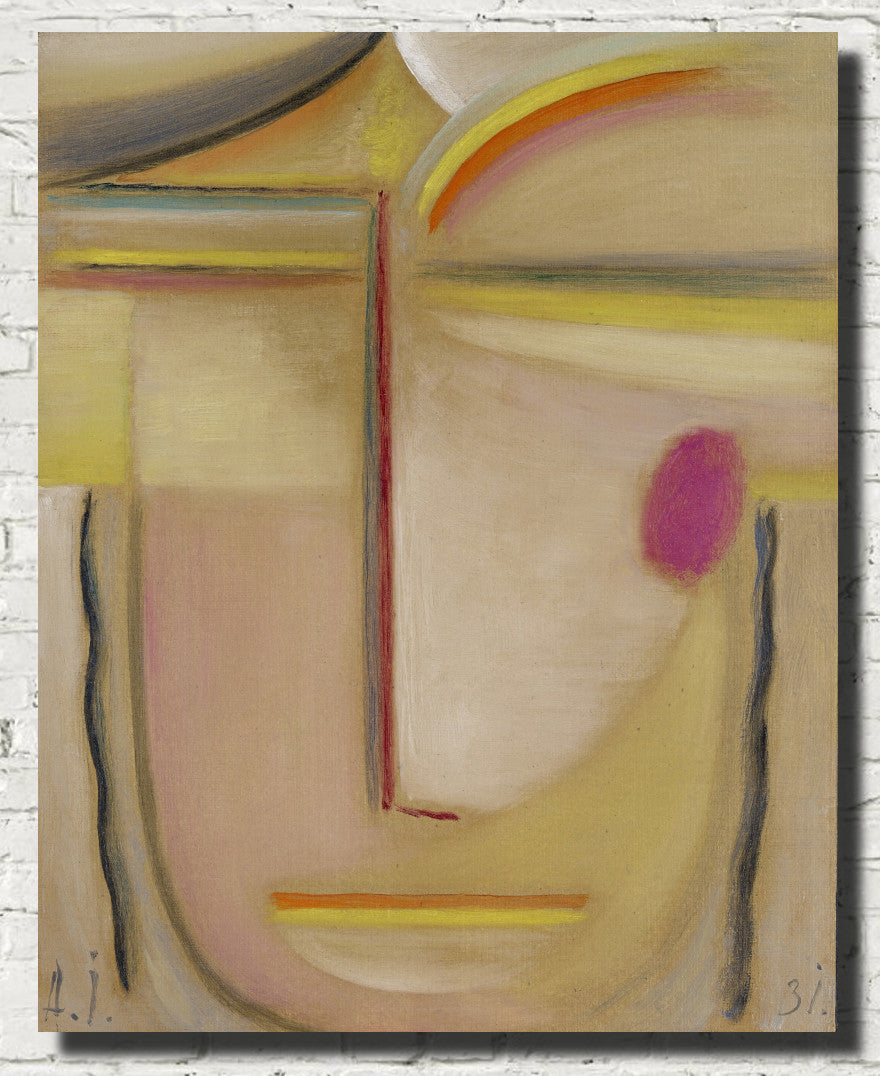
Alexej von Jawlensky and the Expressionist Face
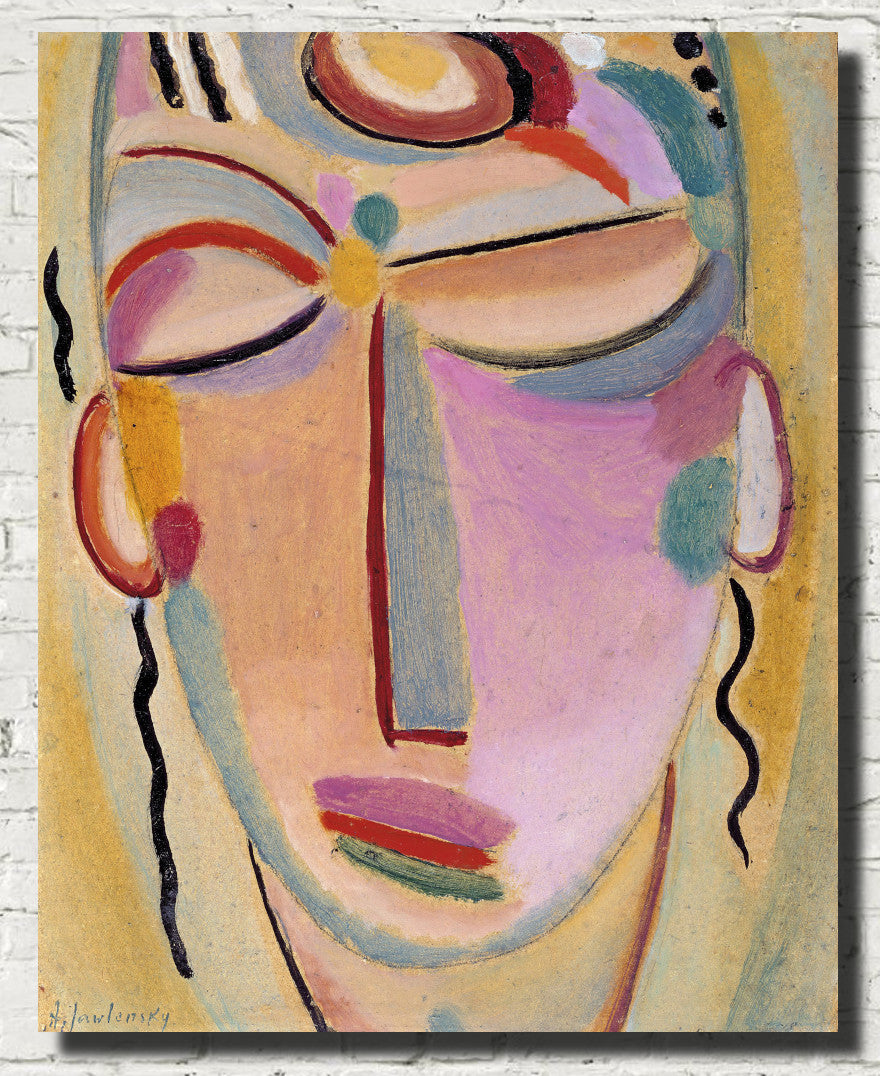
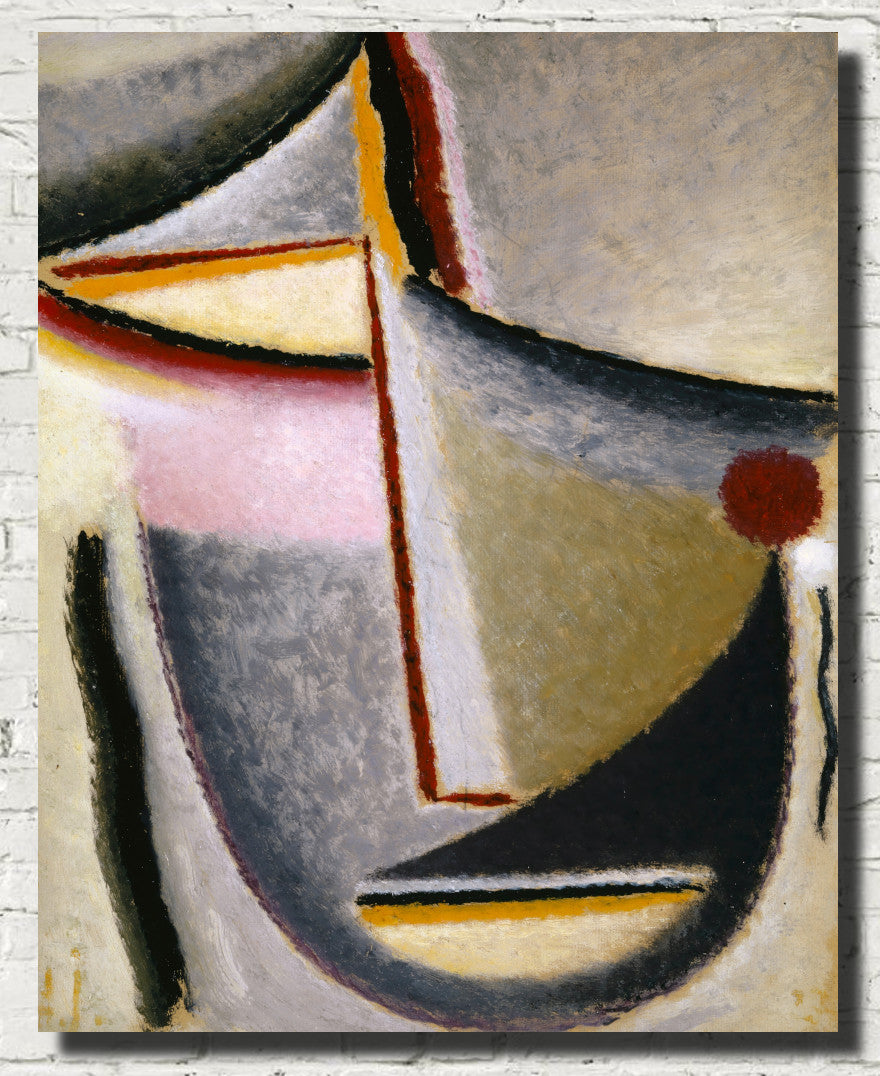
Alexej von Jawlensky transformed portraiture through colour and radical simplification.
Over time, the human face in Jawlensky's work became less an individual portrait and more a vehicle for meditation, spirituality and emotion.
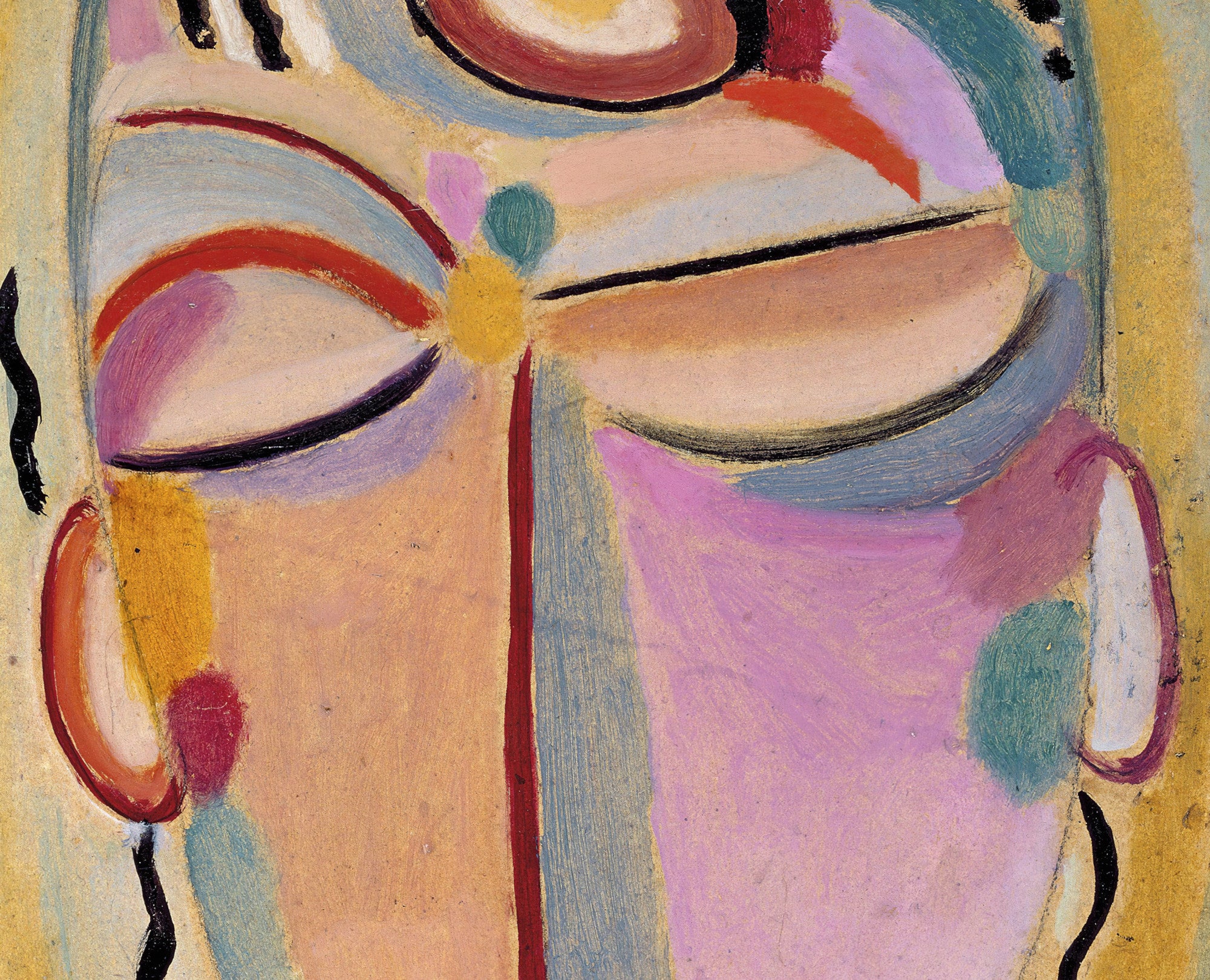
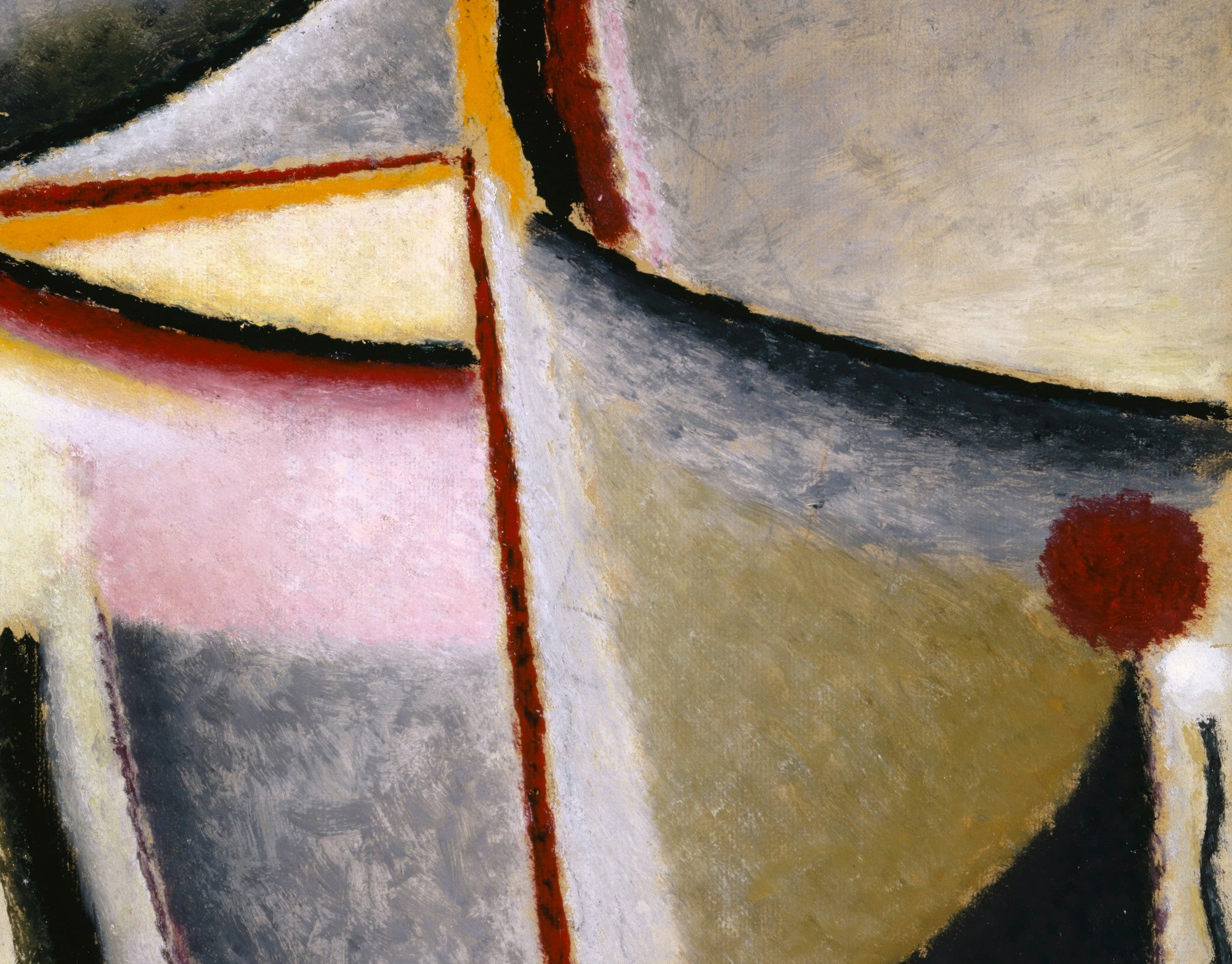
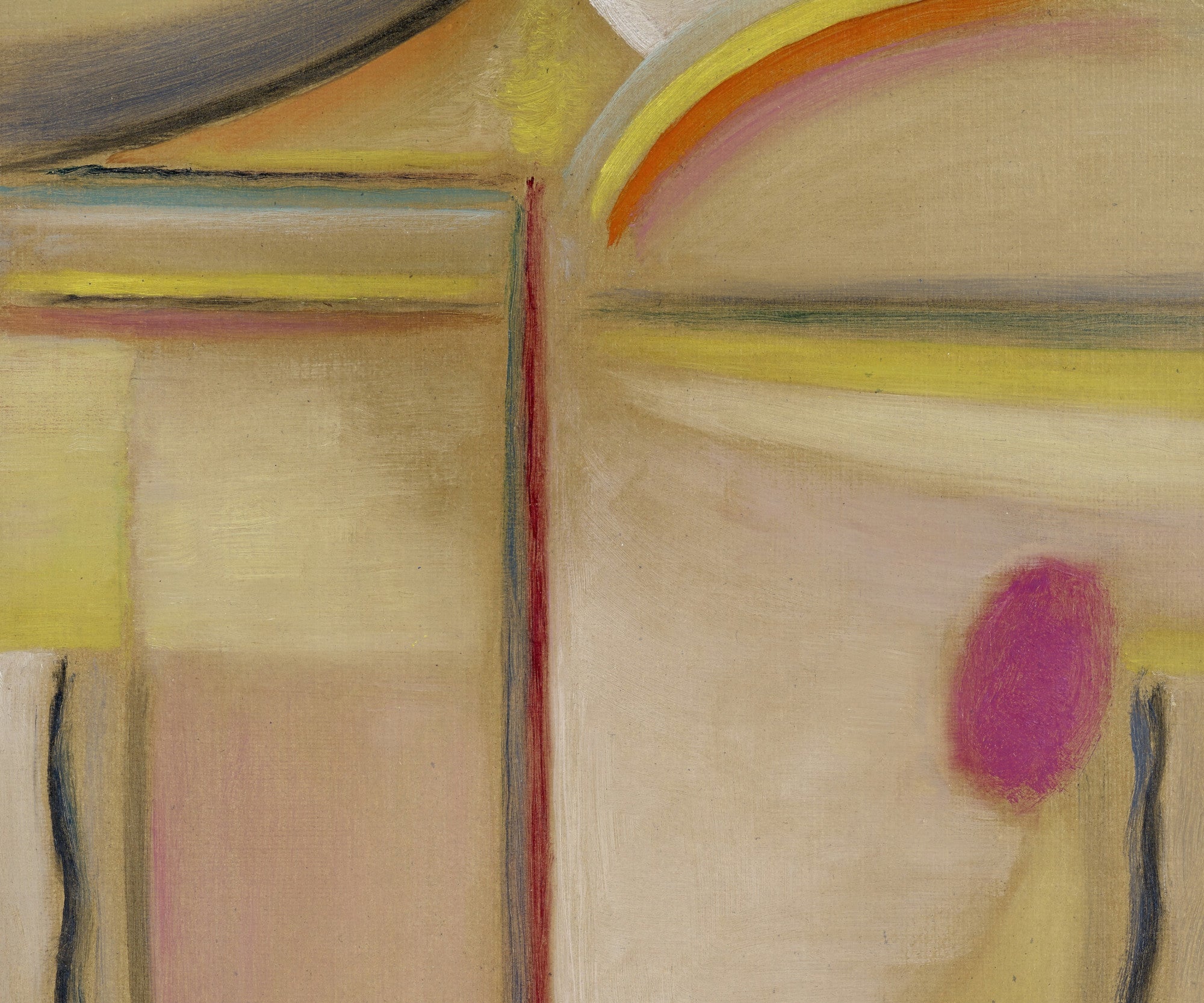
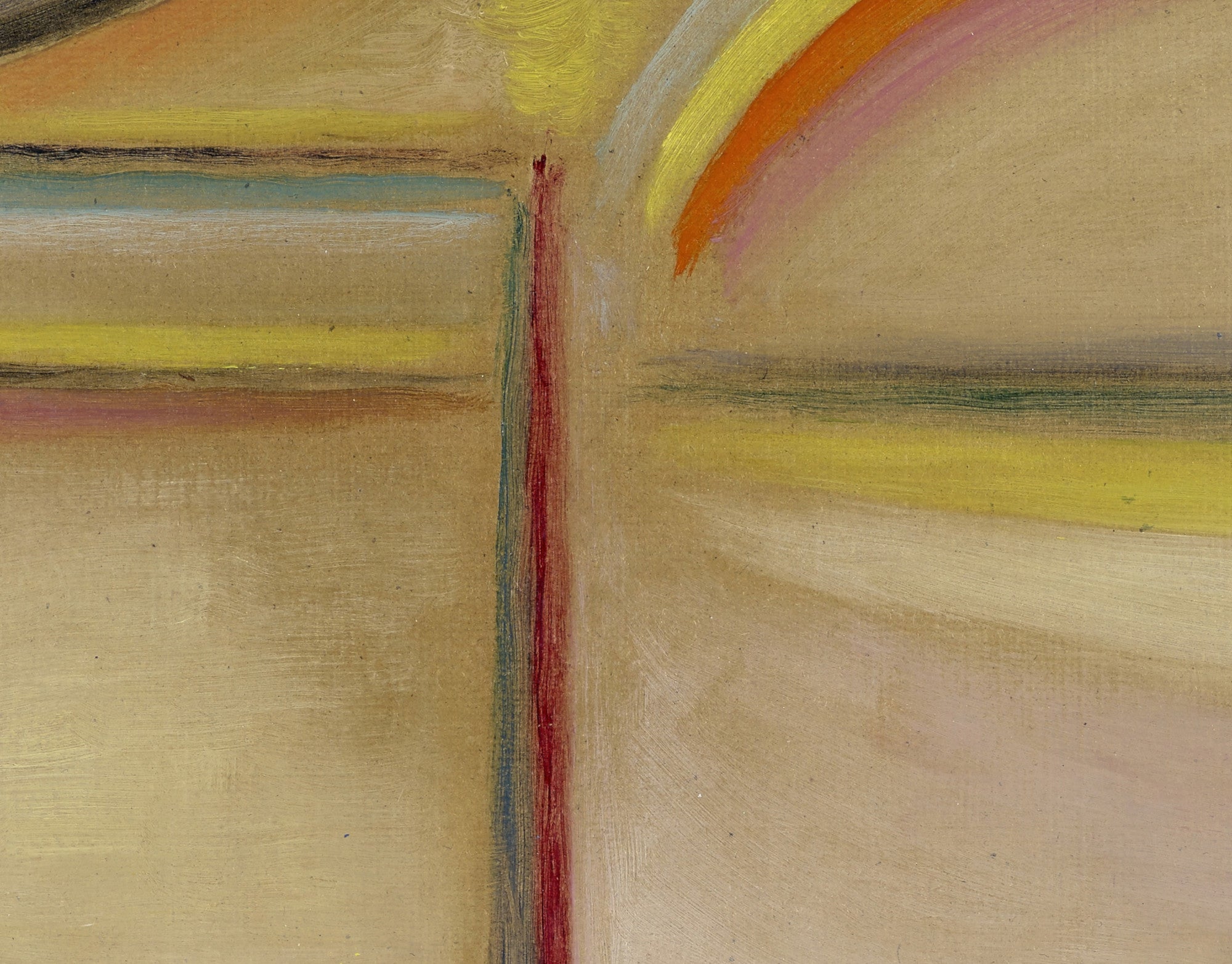
Eyes, noses and mouths were reduced to strong lines and coloured planes.
In works such as his Abstract Heads, Mystical Heads and Meditations, the face becomes almost icon-like.
These paintings demonstrate how Expressionism could move gradually towards abstraction while retaining a recognisable human subject.
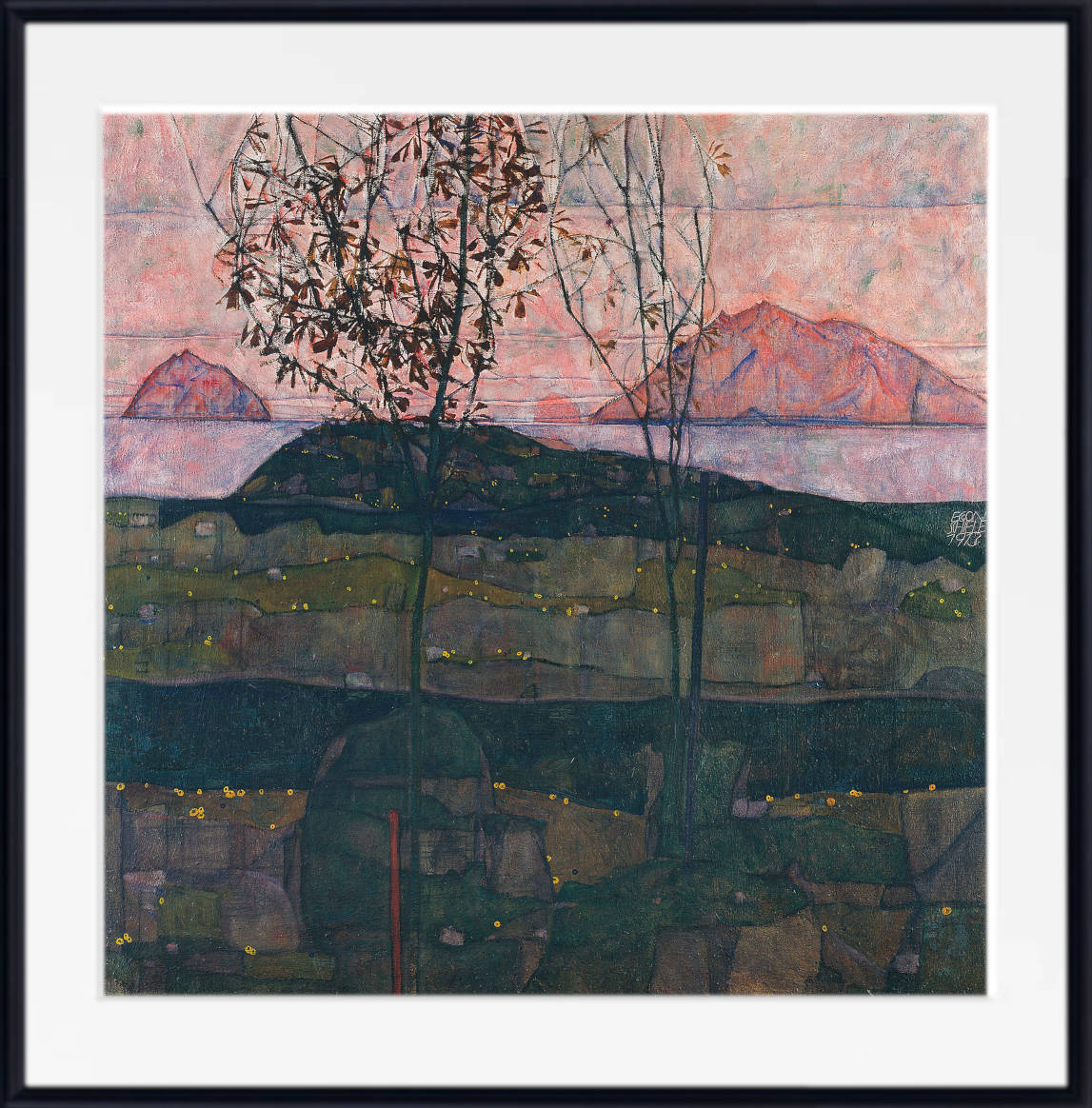
Austrian Expressionism and Egon Schiele
Expressionism also developed powerfully in Austria.
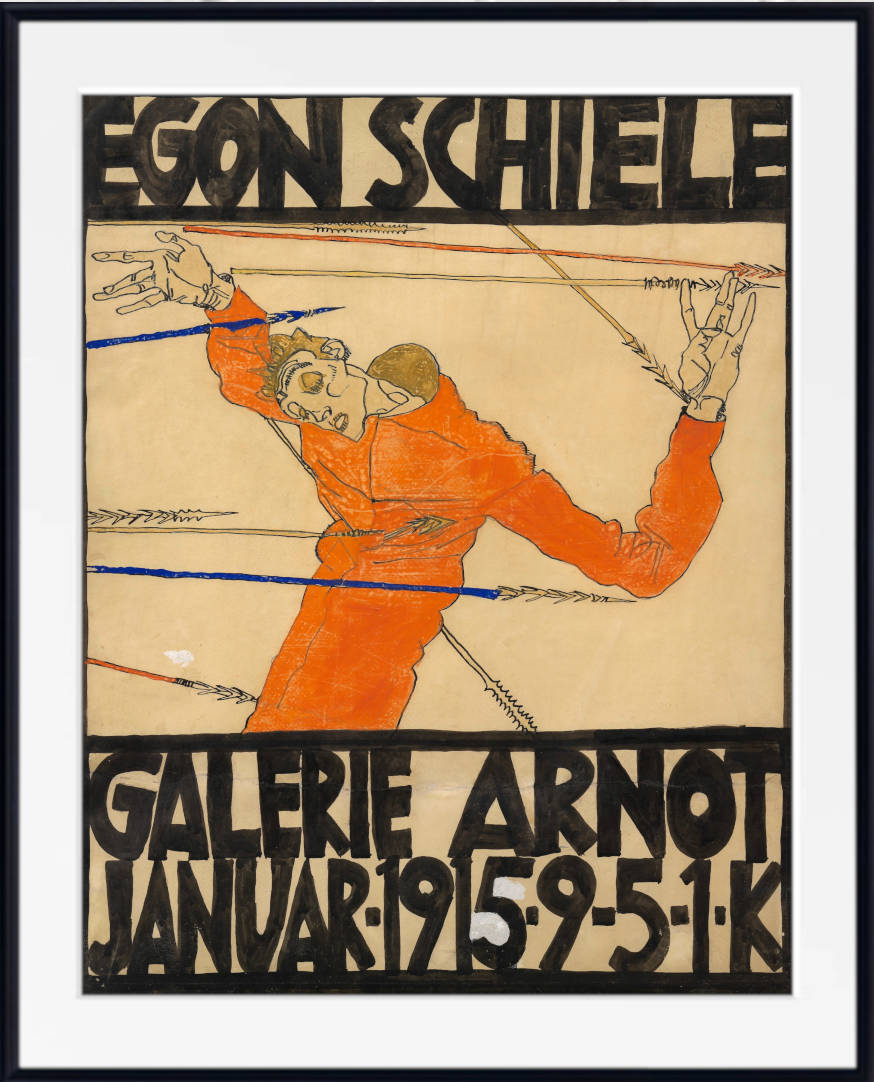
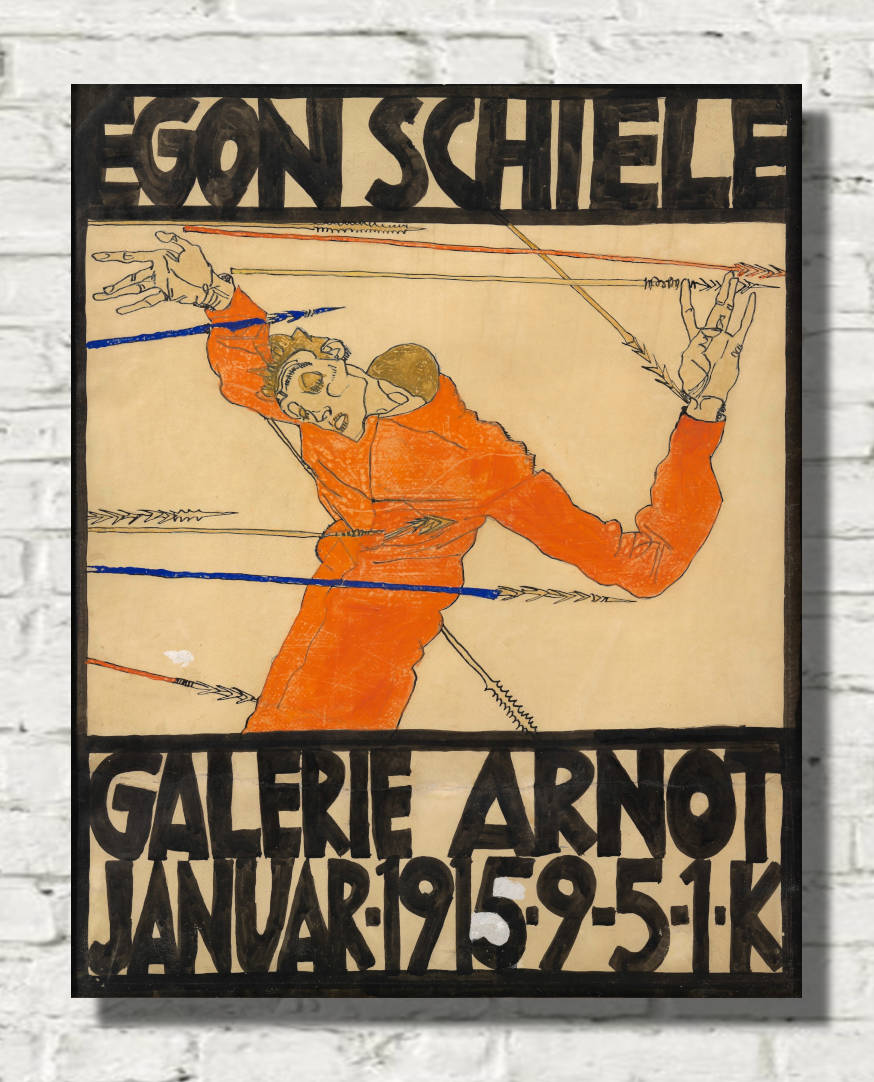
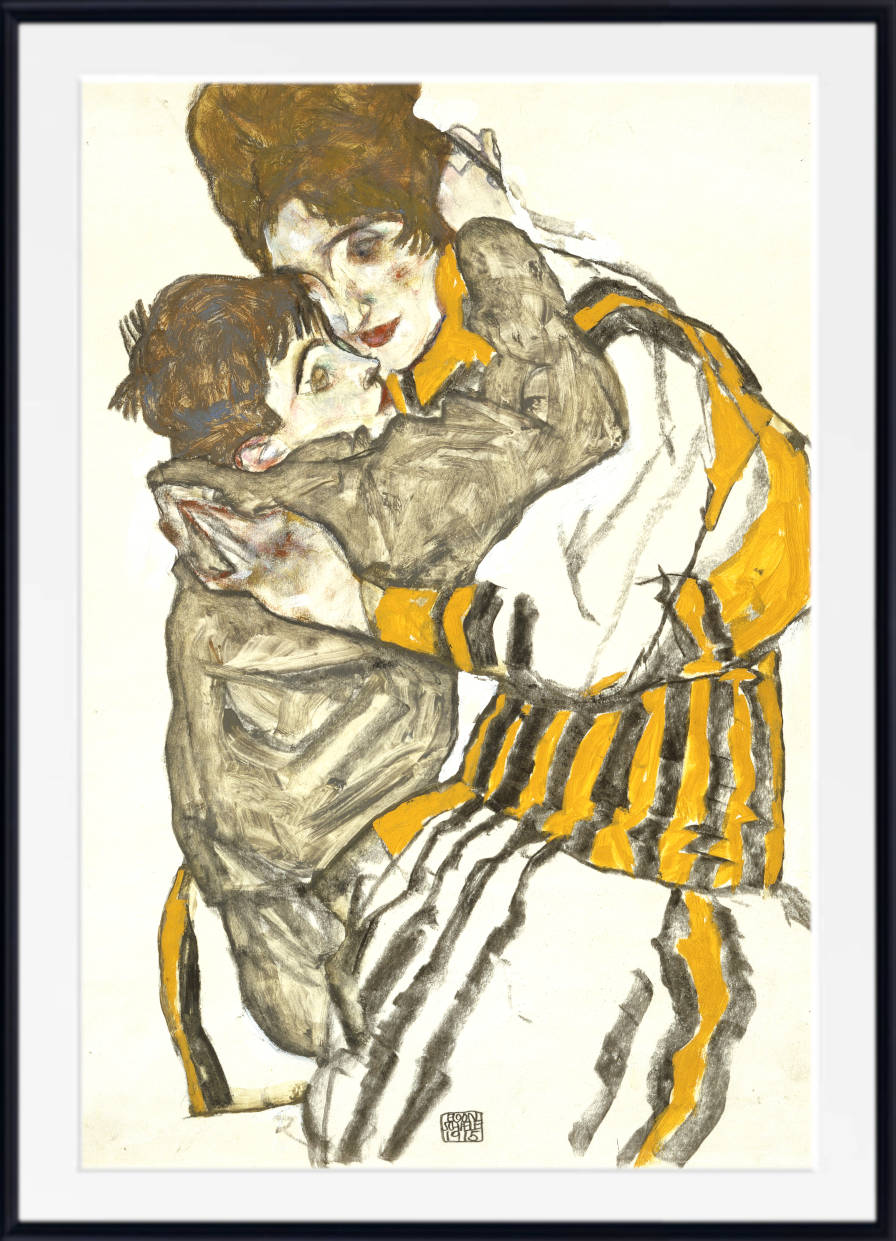
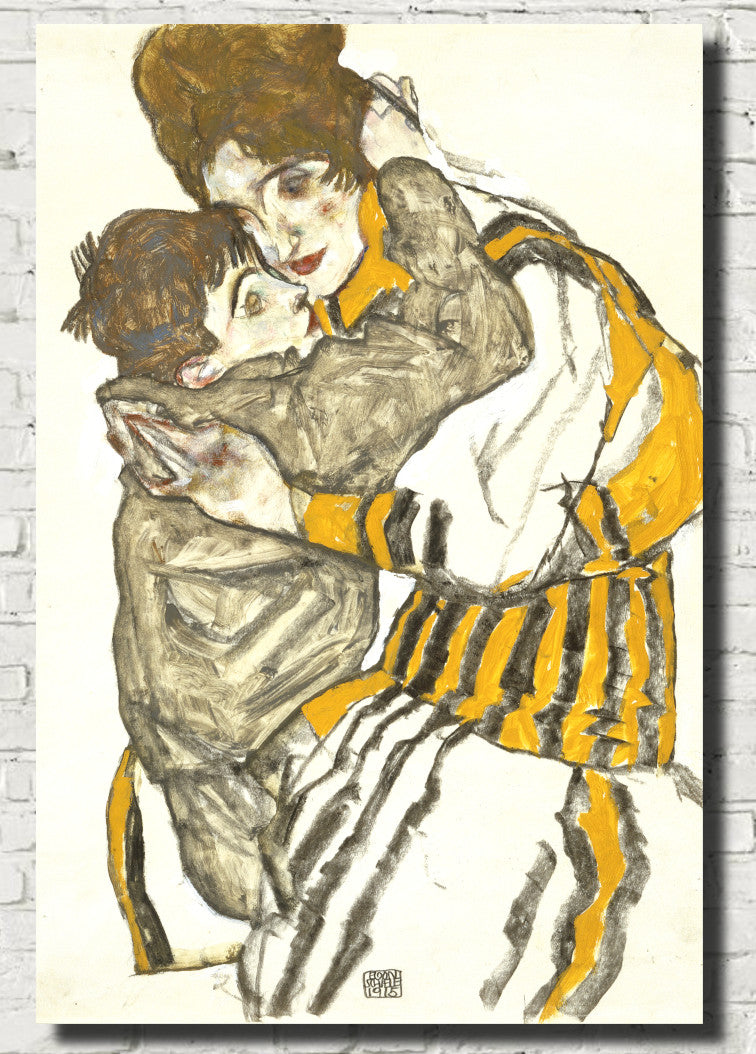
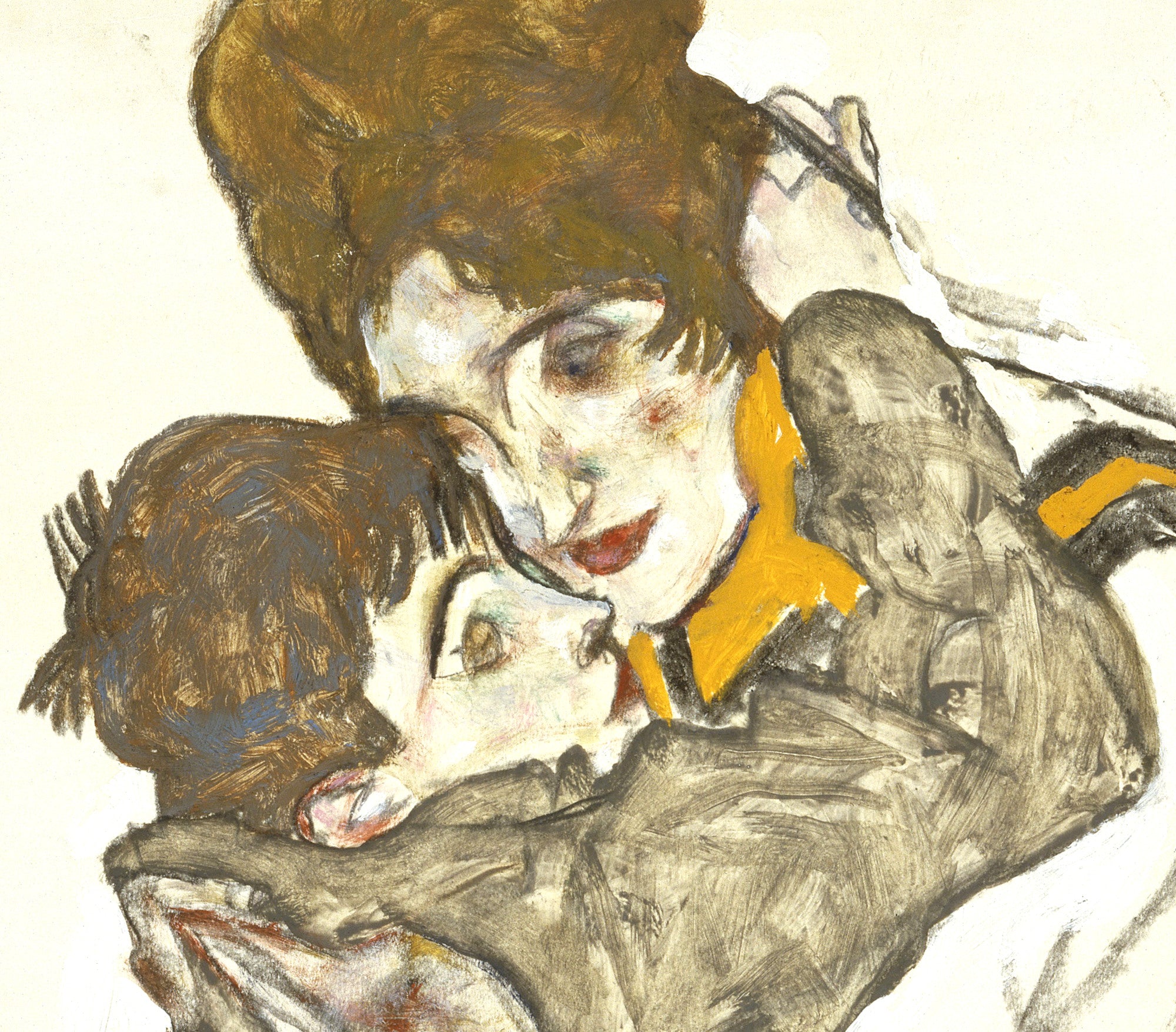
Egon Schiele created some of the most distinctive figure paintings and drawings of the early twentieth century.
His bodies are frequently angular, twisted and deliberately uncomfortable.
Hands, limbs and facial expressions are exaggerated, while empty backgrounds concentrate attention on the psychological presence of the sitter.
Schiele's portraits, self-portraits, nudes and landscapes are characterised by an expressive line that can feel fragile, nervous or confrontational.
His work demonstrates particularly clearly how Expressionism transformed the human figure into a vehicle for psychological exploration.
Anton Kolig and Austrian Expressionist Painting
Anton Kolig represents another strand of Austrian Expressionism.
His paintings frequently concentrate on the human figure, combining strong colour with an emotionally charged approach to portraiture and the nude.
Works such as Klage, Sehnsucht and Kneeling Narcissus show how Austrian painters developed their own forms of expressive figurative art alongside the better-known work of Schiele and Oskar Kokoschka.
Women in German Expressionism
Women artists played an important role in the development of modern German art, although their contribution has historically received less attention than that of many male contemporaries.
Marianne von Werefkin was a significant figure within the Munich avant-garde and the wider environment from which Der Blaue Reiter emerged. Her strongly coloured landscapes and psychologically charged figures contributed to the development of Expressionist painting before the First World War.
Dorothea Maetzel-Johannsen was an important German Expressionist associated with the Hamburg Secession.
Her portraits, interiors, nudes and still lifes use simplified forms, strong outlines and rich colour.
Works such as Self-Portrait in Blue, Women at the Table, Young Woman with Cat and Nudes demonstrate how Expressionist approaches could be applied to intimate domestic subjects as effectively as to dramatic landscapes or metropolitan scenes.
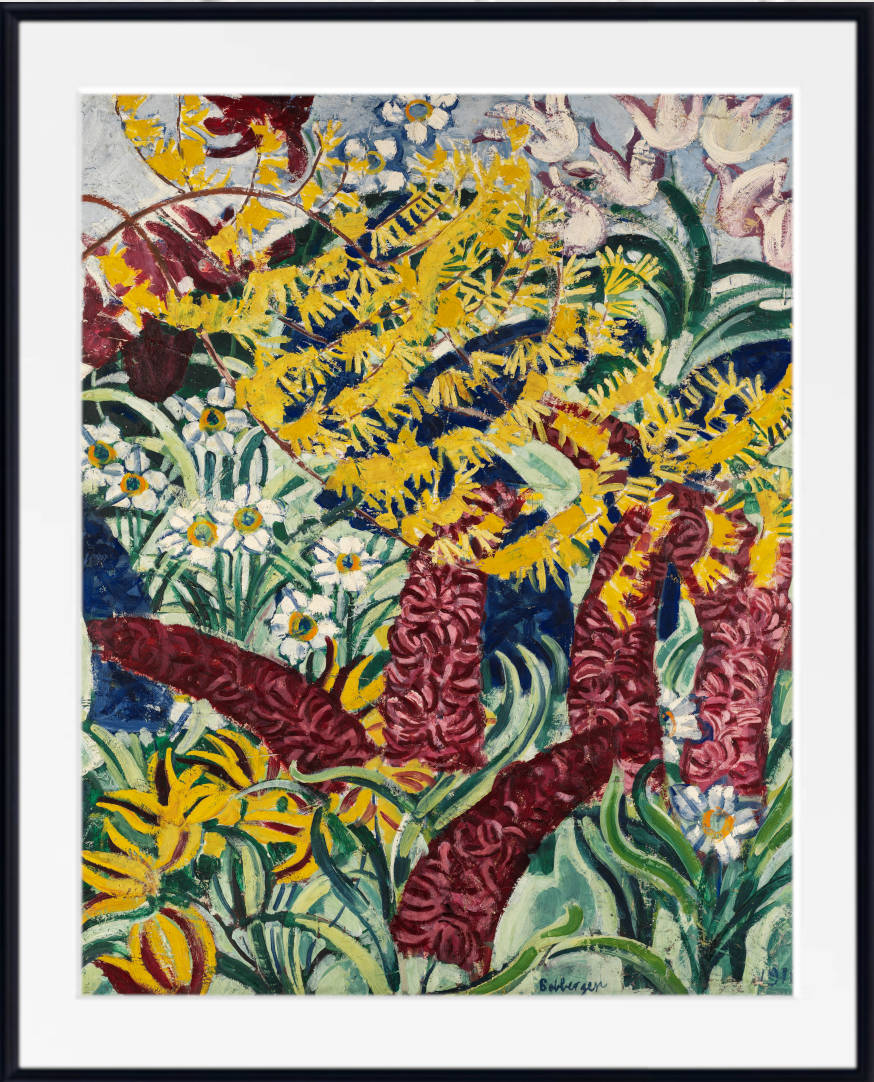
August Babberger and Expressionist Landscape
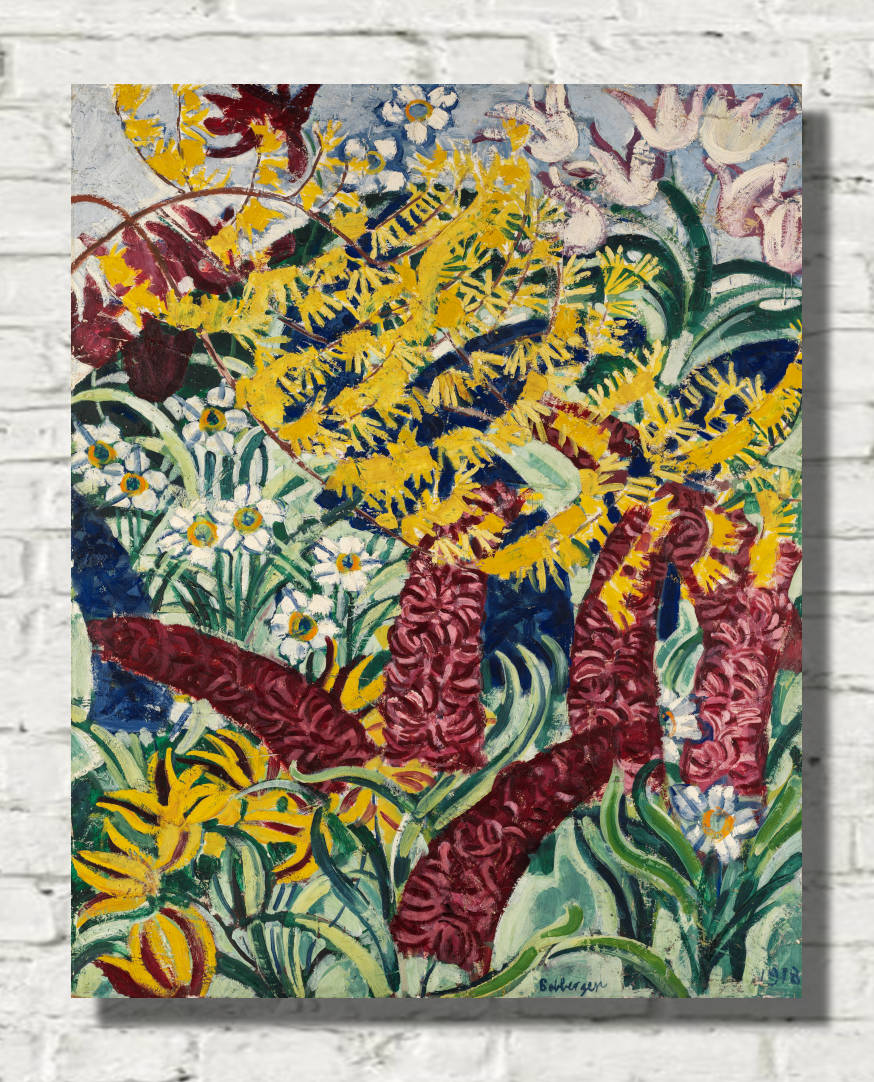
August Babberger brought Expressionist intensity to landscape painting.
Mountains, clouds, forests, figures and flowers are simplified into powerful arrangements of colour and form.
Rather than describing landscape topographically, Babberger often gives nature a monumental or spiritual presence.
His work broadens the Expressionism collection beyond the better-known city scenes and psychologically intense portraits associated with the movement.
James Ensor and the Grotesque
Belgian artist James Ensor was an important precursor whose strange paintings of masks, skeletons, crowds and social satire anticipated many characteristics of later Expressionism.
His distorted figures and deliberately uncomfortable imagery reject conventional beauty in favour of psychological tension and exaggeration.
Works such as L'Intrigue, Theatre of Masks and Christ's Entry into Brussels helped establish a visual language that later Expressionist artists could develop in new directions.
Lovis Corinth: From Impressionism to Expressionism
Lovis Corinth occupies an interesting position between nineteenth-century painting and twentieth-century Expressionism.
His earlier career was closely connected with Realism and German Impressionism, but his later paintings became considerably more vigorous and emotionally charged.
Landscapes, portraits, nudes, flowers and religious subjects were transformed by increasingly energetic brushwork and intense colour.
The Expressionism collection therefore concentrates on Corinth's more expressive works rather than treating his entire career as belonging to one movement.
Paul Klee and the Expressionist Avant-Garde
Paul Klee had important connections with the Der Blaue Reiter circle, although his long career ultimately crossed Expressionism, abstraction and the Bauhaus.
His early modernist works often combine symbolic imagery with unconventional colour and highly personal forms.
GalleryThane's Expressionism selection therefore concentrates on works most closely connected with Klee's Expressionist and immediate pre-Bauhaus development rather than placing his entire output within the movement.
Expressionist Portraits and Figures
The human figure became one of the most important subjects of Expressionism.
Artists were often less interested in conventional likeness than in revealing anxiety, character, sexuality, vulnerability or spiritual experience.
Schiele distorted the body through tense outlines.
Jawlensky reduced faces towards coloured symbols.
Kirchner used angular figures to convey the instability of modern life.
Pechstein combined recognisable human presence with simplified form, emphatic contour and intense colour.
Munch transformed relationships, illness and emotional crisis into universal psychological images.
This makes Expressionist portrait and figurative art particularly distinctive: the viewer is asked to respond to emotional presence rather than simply admire technically accurate representation.
Expressionist Landscapes
Expressionist landscapes can be equally intense.
Mountains, forests, coastlines and villages may appear in brilliant or unnatural colours.
Perspective can be flattened and forms simplified.
The landscape becomes an emotional experience rather than a neutral view.
Franz Marc transformed nature through symbolic colour, while Babberger gave mountains and clouds monumental energy. Kirchner's later Alpine landscapes show another interpretation of nature shaped by highly personal colour and form.
Pechstein's landscapes provide a further distinctive strand. Forests, villages, fields and Baltic scenery are frequently simplified into strong areas of colour and emphatic contour.
Explore his dedicated Max Pechstein Landscape Prints collection for a closer look at this aspect of German Expressionism.
Coastal Life and Expressionist Seascapes
The sea also provided important material for Expressionist artists.
Pechstein was particularly drawn to fishing communities, boats, beaches and harbours. Nidden, Leba, Rowe and other coastal locations allowed him to combine working figures with the movement and structure of water.
Boats and masts become strong geometric elements, while beaches, sea and sky can be reduced to broad fields of colour.
Explore GalleryThane's Max Pechstein Coastal, Seascape & Fishing Prints for one of the strongest maritime strands within the wider Expressionist collection.
Expressionist Nudes and Bathers
The nude occupied an important place within Expressionism, particularly among the artists of Die Brücke and Austrian Expressionists such as Schiele.
Traditional academic ideals of polished anatomy and carefully controlled poses were frequently rejected.
Bodies could be angular, simplified or deliberately direct. Outdoor bathers allowed artists to integrate the human figure with beaches, woodland and water using the same expressive colour and strong contour.
Pechstein returned repeatedly to nude figures and bathing scenes, while Kirchner and Schiele developed markedly different approaches to the body.
Explore Max Pechstein Nude & Bather Prints for his focused treatment of this theme.
Expressionist Art for Modern Interiors
Expressionist prints can create a very different atmosphere from softer Impressionist or traditional landscape paintings.
Their strong colour, bold shapes and unusual compositions make them particularly effective where artwork is intended to become a focal point.
Franz Marc's animal paintings can introduce saturated blue, red, yellow and green.
Macke's figure and street scenes provide bright colour without the darker psychological mood associated with Munch or Schiele.
Jawlensky's heads can work particularly well in contemporary interiors because their simplified geometry sits naturally alongside modern furniture.
Kirchner, Schiele and Munch are strong choices where you want artwork with greater psychological or visual intensity.
Pechstein provides an unusually broad choice, ranging from vivid landscapes and coastal scenes to portraits, figures and graphic prints.
Choosing Expressionist Wall Art
Start with the mood you want the artwork to create.
For strong colour and an uplifting decorative impact, consider Franz Marc or August Macke.
For psychologically intense figurative art, explore Munch, Schiele or Kirchner.
For bold, highly simplified portraits, Jawlensky is particularly effective.
For vividly coloured landscapes and maritime subjects with strong graphic structure, explore Pechstein.
For increasingly abstract colour and form, Kandinsky provides a direct route from Expressionism towards abstraction.
Expressionist art can work well in living rooms, studies, dining rooms, bedrooms and hallways, but the most dramatic works benefit from enough surrounding wall space to allow their colour and composition to dominate.
Fine Art Prints, Framed Prints and Canvas Panels
GalleryThane Expressionist artworks are available in a range of sizes and formats.
Fine art paper prints provide flexibility if you want to choose your own frame and mount.
Framed Expressionist prints offer a complete presentation and can work particularly well for portraits and strongly coloured compositions.
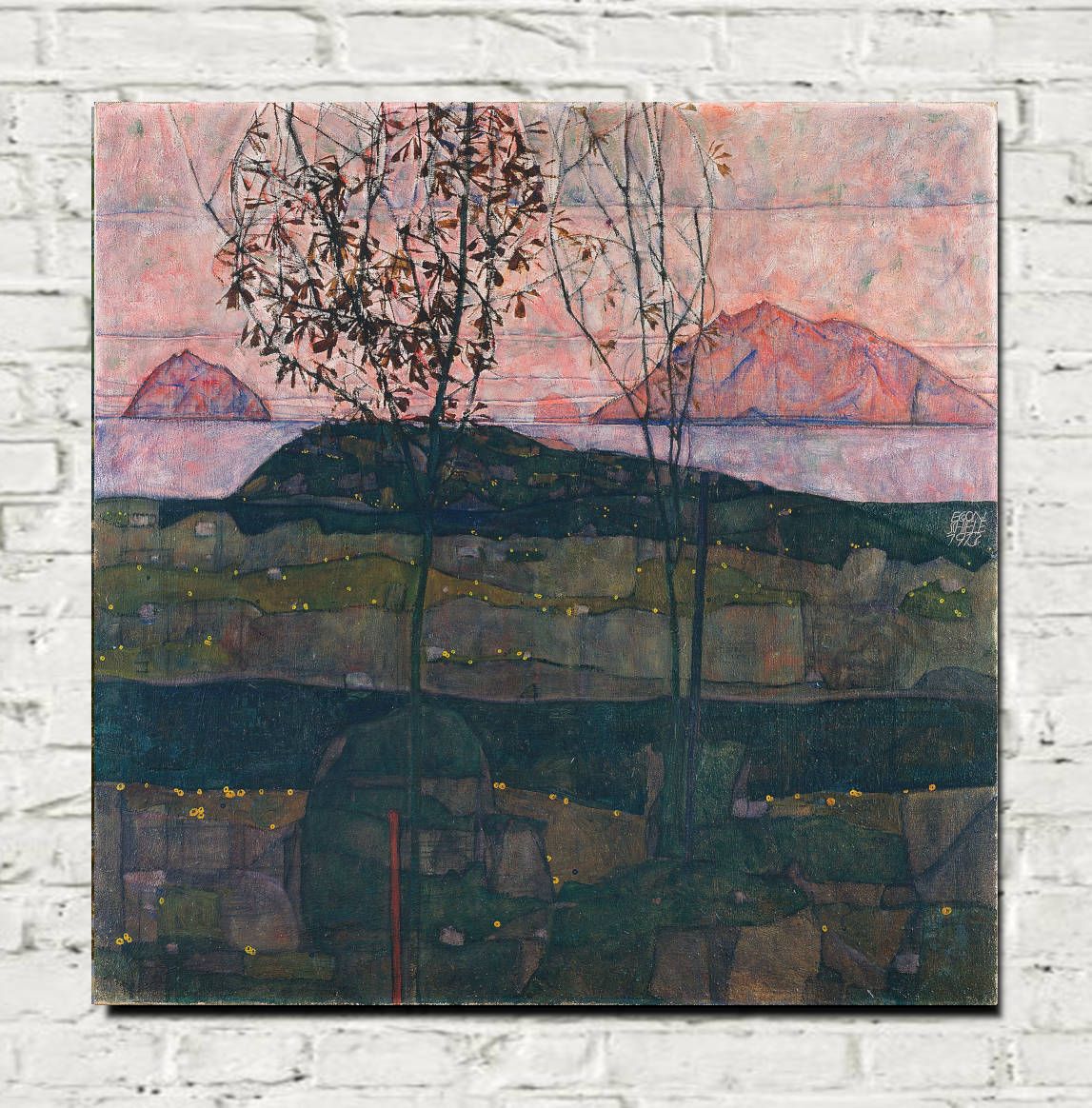
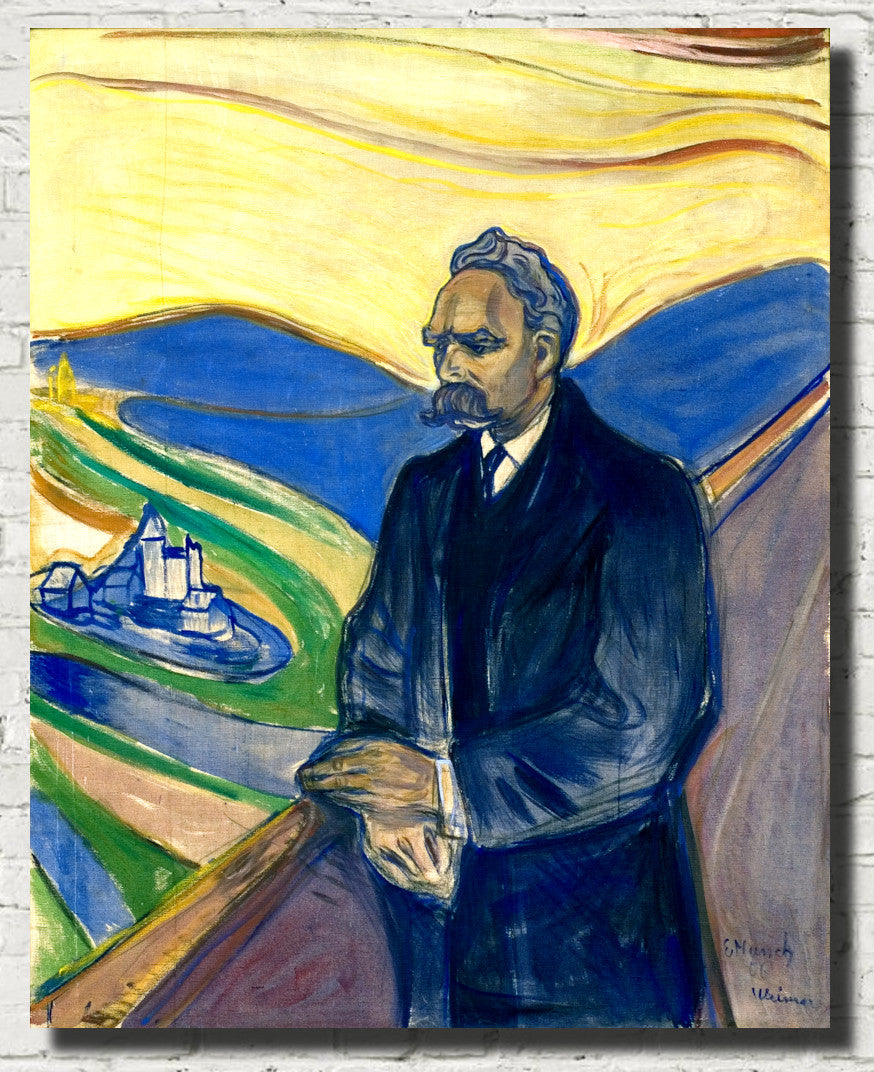
Canvas panels provide a clean, ready-to-hang alternative that suits the bold surfaces and visible brushwork found in many Expressionist paintings.
GalleryThane prints, frames and canvas panels are produced in our Nottinghamshire workshop using carefully selected fine art papers, pigment inks and framing materials.
Explore Expressionist Artists
Browse Edvard Munch for psychologically charged paintings of love, anxiety and modern life.
Explore Ernst Ludwig Kirchner for Die Brücke, Berlin street scenes, figures and landscapes.
Discover Hermann Max Pechstein for landscapes, fishing communities, portraits, figures and more than two hundred works spanning his long Expressionist career.
Browse Franz Marc for vivid animal paintings and August Macke for colourful scenes of modern leisure.
Explore Wassily Kandinsky for the development from highly coloured Expressionist landscapes towards abstraction.
Browse Alexej von Jawlensky for Expressionist heads and meditative faces.
Explore Egon Schiele and Anton Kolig for Austrian Expressionist portraits and figures.
Discover Dorothea Maetzel-Johannsen and August Babberger for less familiar but highly distinctive forms of German Expressionism.
For a deeper exploration of Pechstein's place within Die Brücke and twentieth-century German art, read our Max Pechstein biography, paintings and prints guide.
Frequently Asked Questions
What is Expressionism in art?
Expressionism is a modern art movement in which artists deliberately altered colour, form, perspective and the human figure to communicate subjective emotion and experience rather than reproduce physical reality exactly.
When did Expressionism begin?
Expressionism developed principally in Germany and Austria during the early twentieth century, although artists such as Edvard Munch and James Ensor created influential work before the formal German Expressionist groups emerged.
Who are the most famous Expressionist artists?
Important artists associated with Expressionism and its development include Edvard Munch, Ernst Ludwig Kirchner, Hermann Max Pechstein, Wassily Kandinsky, Franz Marc, August Macke, Egon Schiele and Alexej von Jawlensky.
What were Die Brücke and Der Blaue Reiter?
Die Brücke and Der Blaue Reiter were two of the most important groups associated with German Expressionism. Die Brücke was founded in Dresden in 1905 and included artists such as Ernst Ludwig Kirchner and Hermann Max Pechstein. Der Blaue Reiter developed in Munich around Wassily Kandinsky, Franz Marc and their artistic circle.
Was Max Pechstein an Expressionist artist?
Yes. Hermann Max Pechstein was a major German Expressionist who joined Die Brücke in 1906. His work includes intensely coloured landscapes, maritime scenes, portraits, figures, bathers and a substantial body of printmaking.
What subjects did Expressionist artists paint?
Expressionist artists painted portraits, nudes, landscapes, animals, city scenes, interiors, coastal subjects and religious or symbolic imagery. The movement is defined less by one particular subject than by the expressive treatment of colour, form and emotion.
Is Edvard Munch an Expressionist?
Munch developed his distinctive style before the main German Expressionist groups were formed, but his psychologically intense paintings had an enormous influence on Expressionism and he is routinely associated with the movement's development.
Is Egon Schiele an Expressionist?
Yes. Schiele is one of the central figures of Austrian Expressionism and is particularly known for intense portraits, self-portraits, nudes and his highly expressive use of line.
Was Wassily Kandinsky an Expressionist?
Kandinsky was a central figure within the Munich avant-garde and Der Blaue Reiter. His early twentieth-century work was closely connected with Expressionism before his increasing focus on independent colour and form contributed to the development of abstract art.
What colours are typical of Expressionist art?
Expressionist painters frequently used intense, non-naturalistic colour. Blue, red, yellow, green, orange and purple might be selected for emotional or compositional impact rather than because they accurately reproduced the colour of the subject.
Are Expressionist prints suitable for modern interiors?
Yes. Strong colour, simplified forms and bold composition allow many Expressionist artworks to work especially well with contemporary furniture and neutral walls. Marc, Macke, Kandinsky and Pechstein can provide vivid colour, while Munch, Kirchner and Schiele can create a more dramatic atmosphere.
Should I choose a framed Expressionist print or canvas panel?
A framed print gives the artwork a defined gallery-style presentation, while a canvas panel offers a simpler frameless appearance. Both can work well; the best choice depends on the artwork, its scale and the character of the room.