About Abstract Art Prints
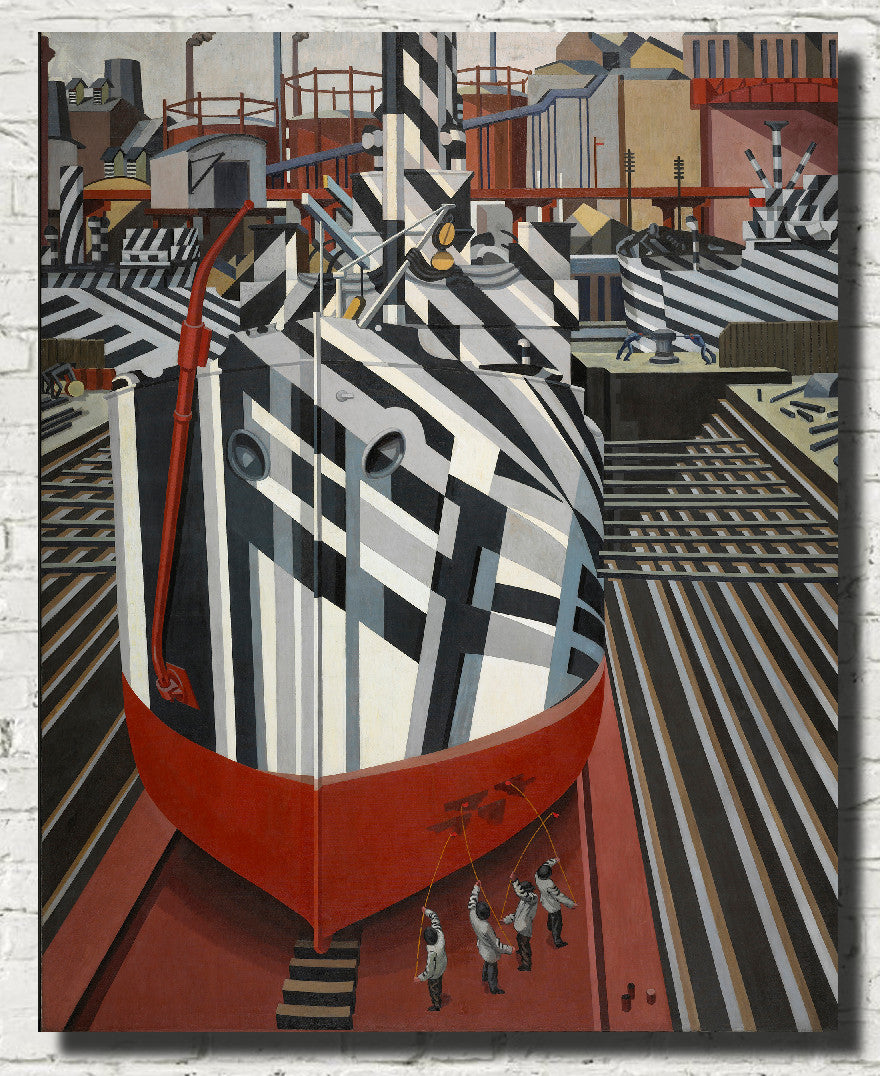
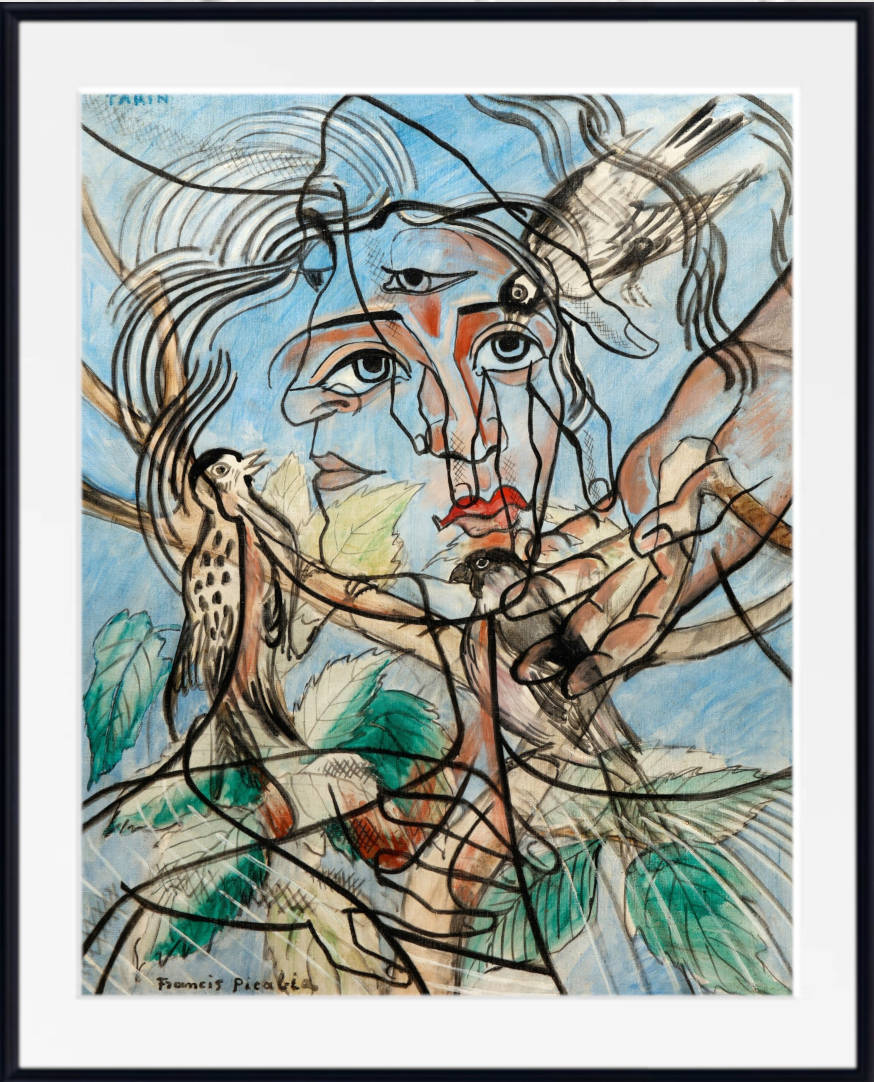
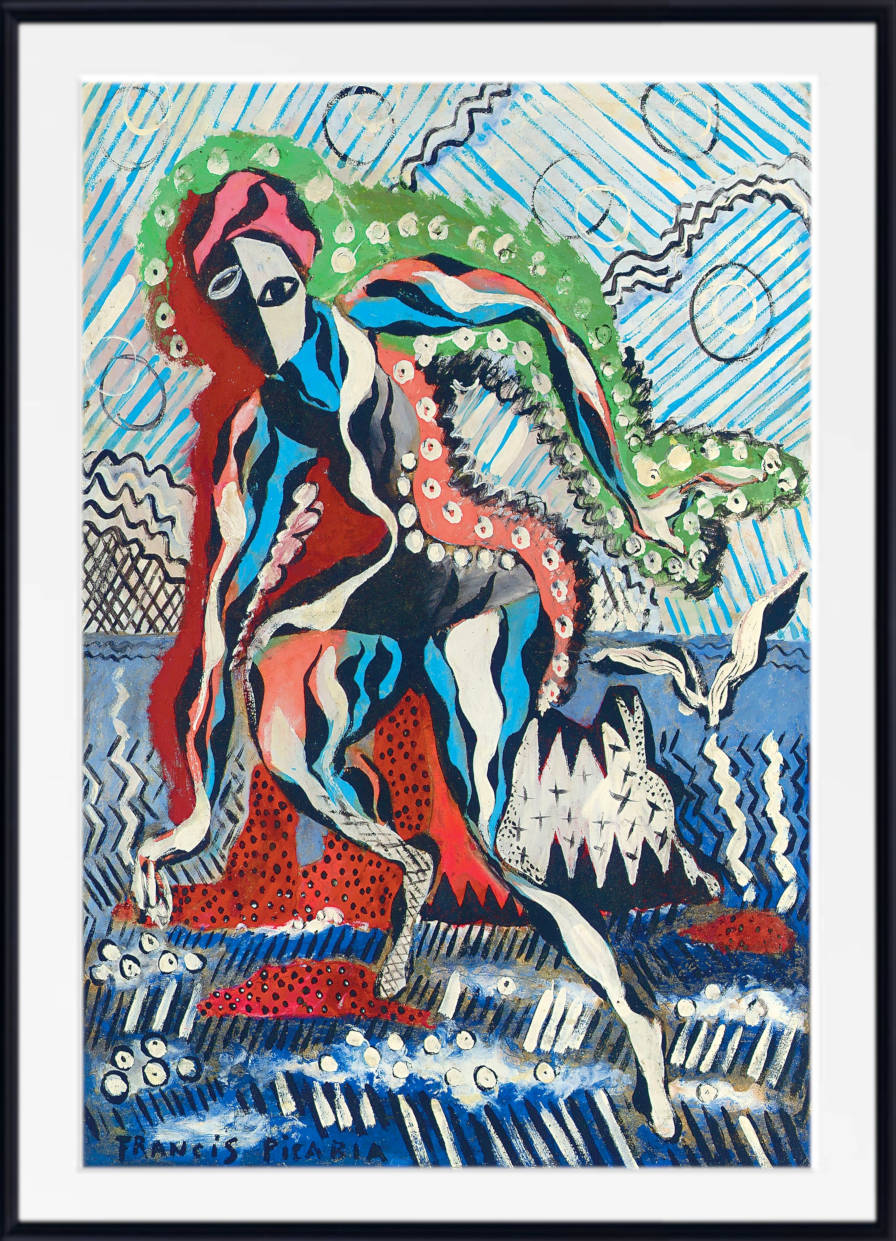
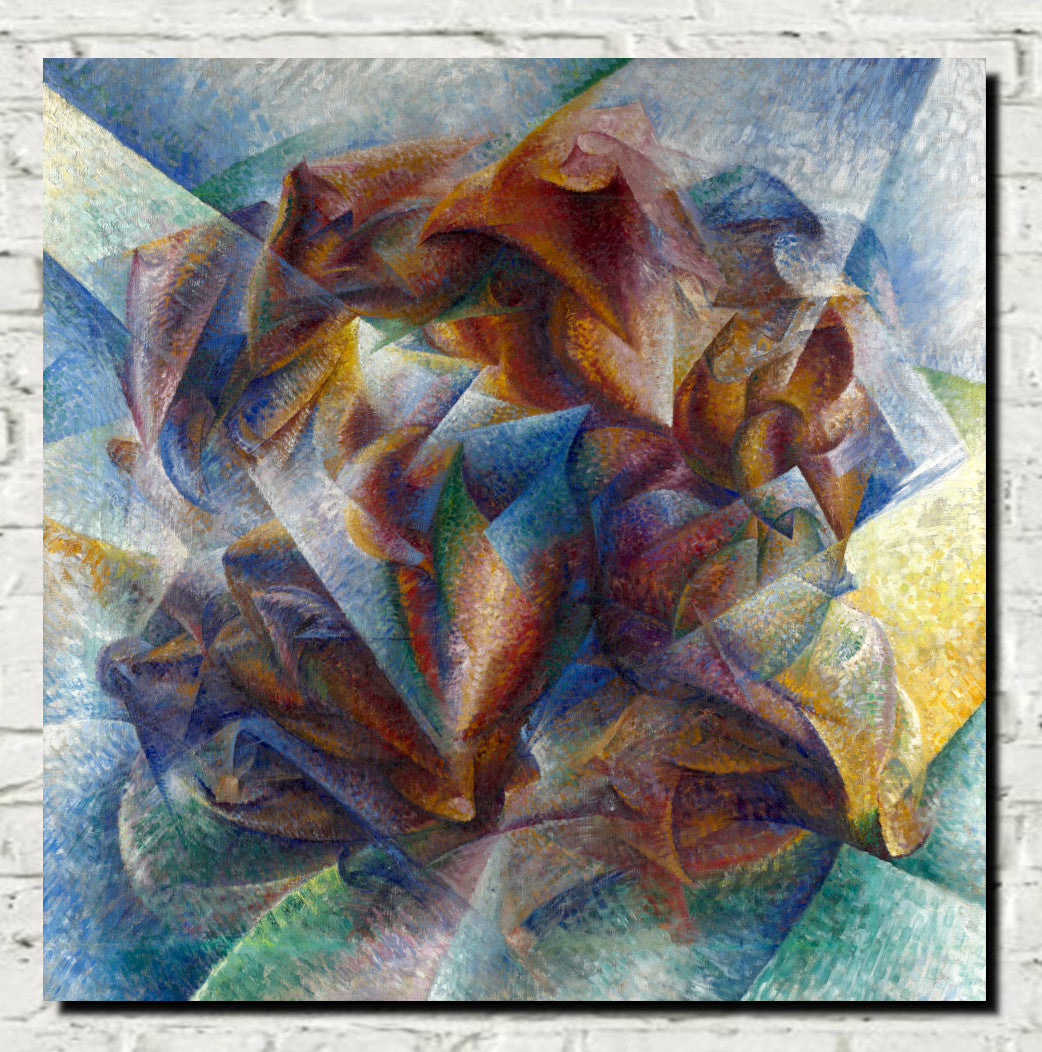
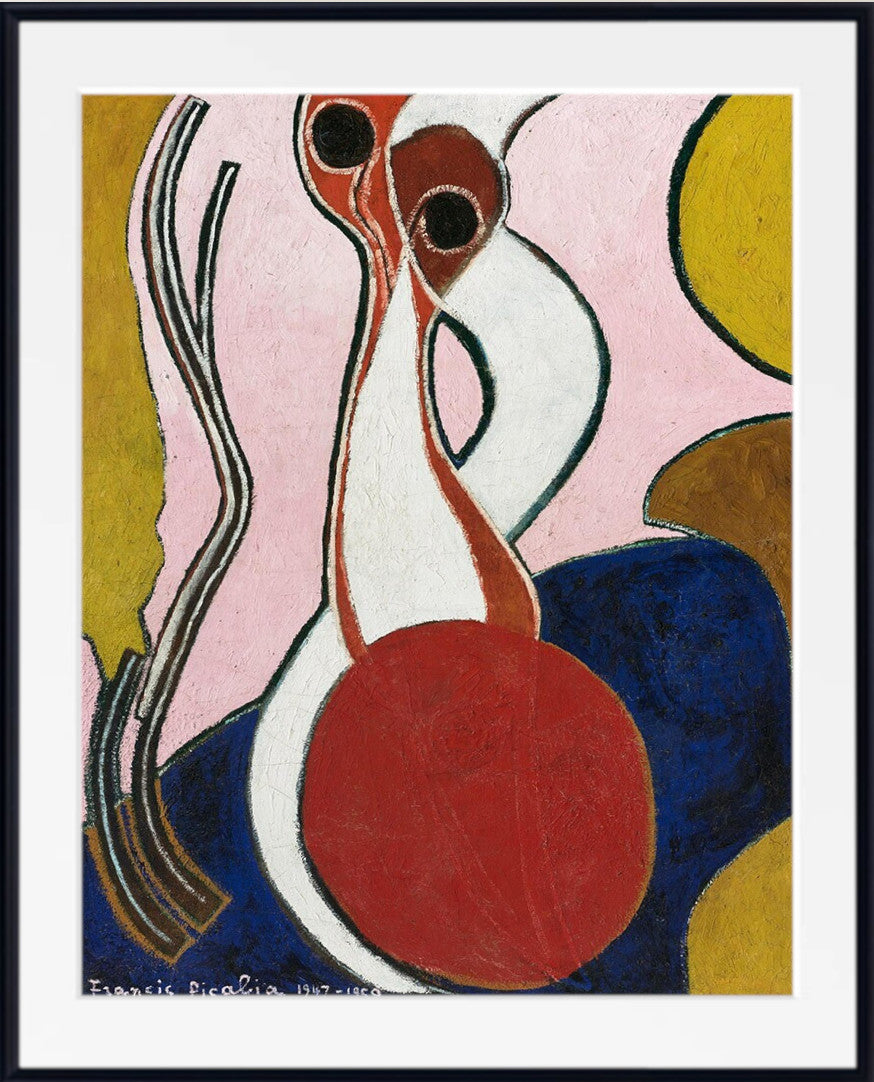
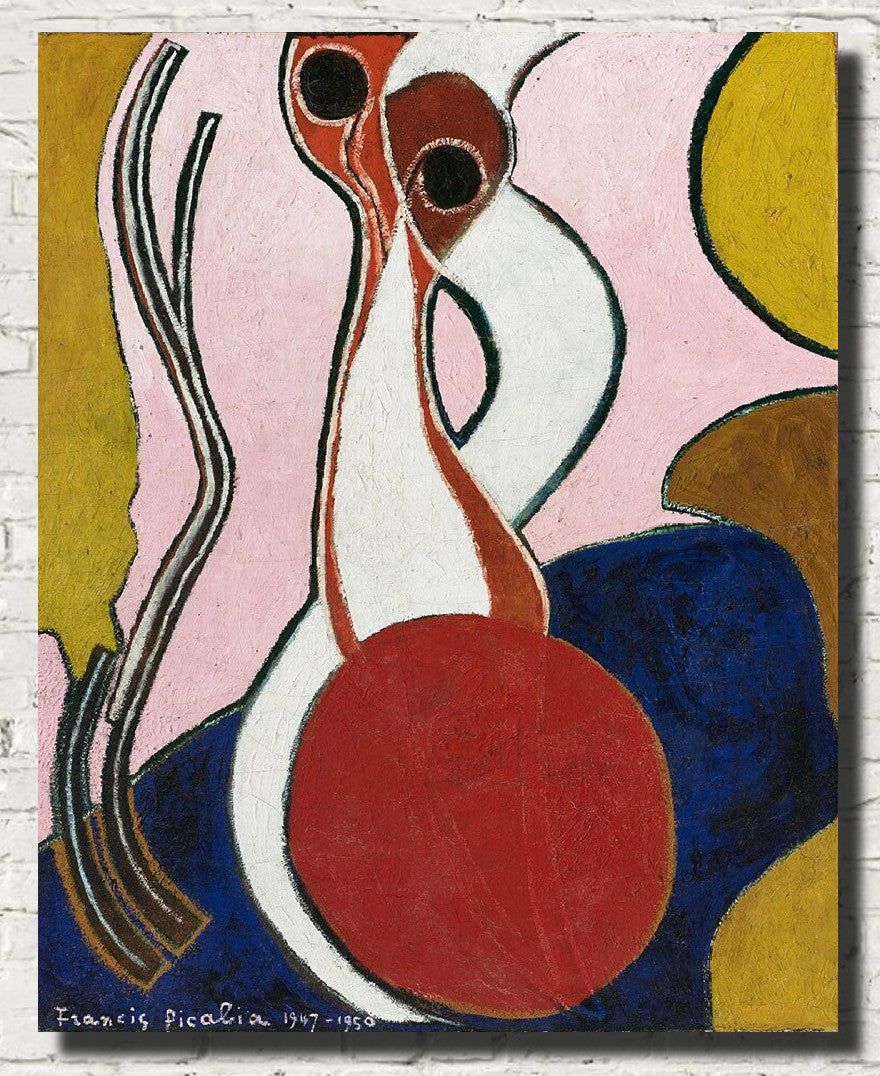
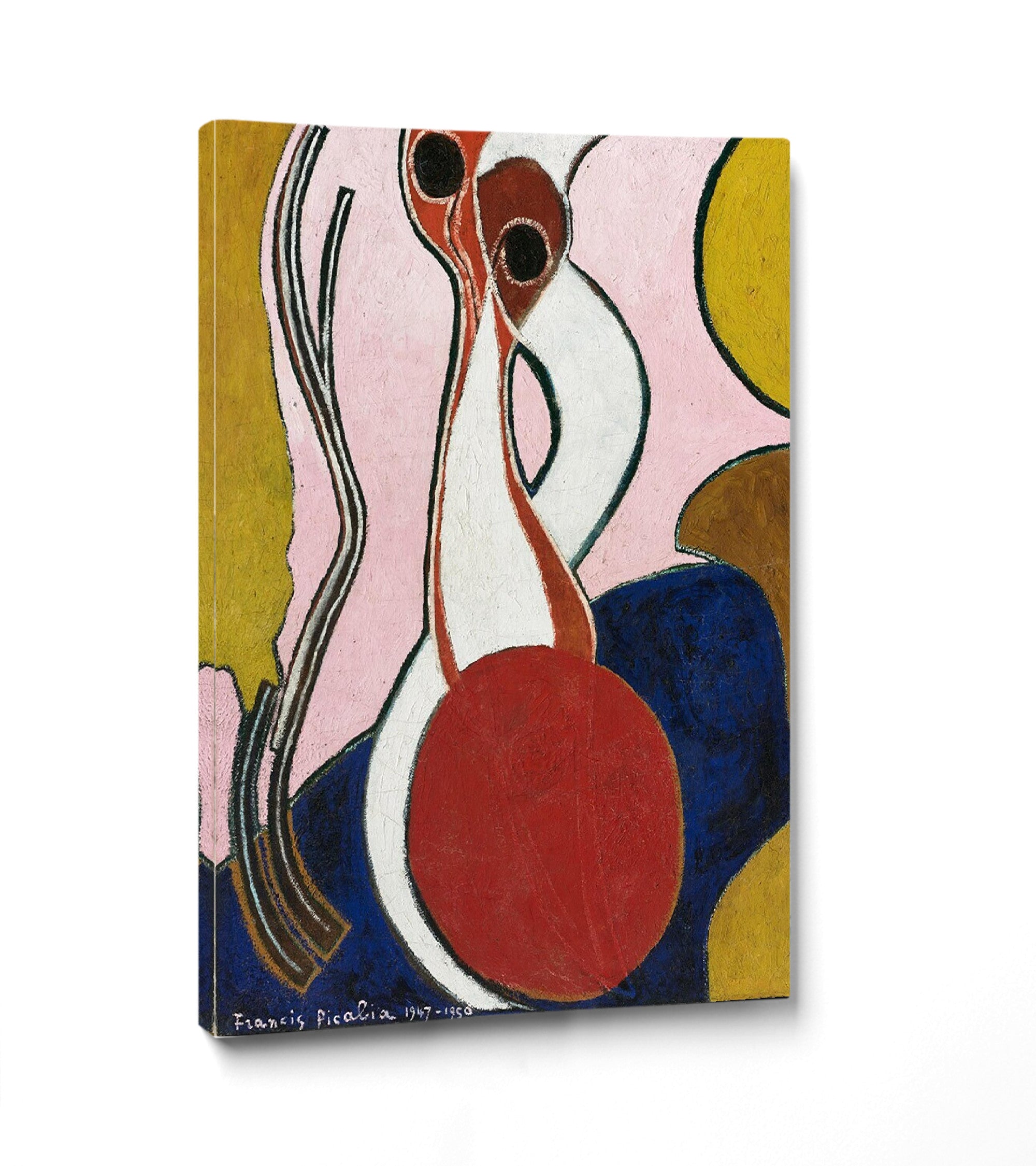
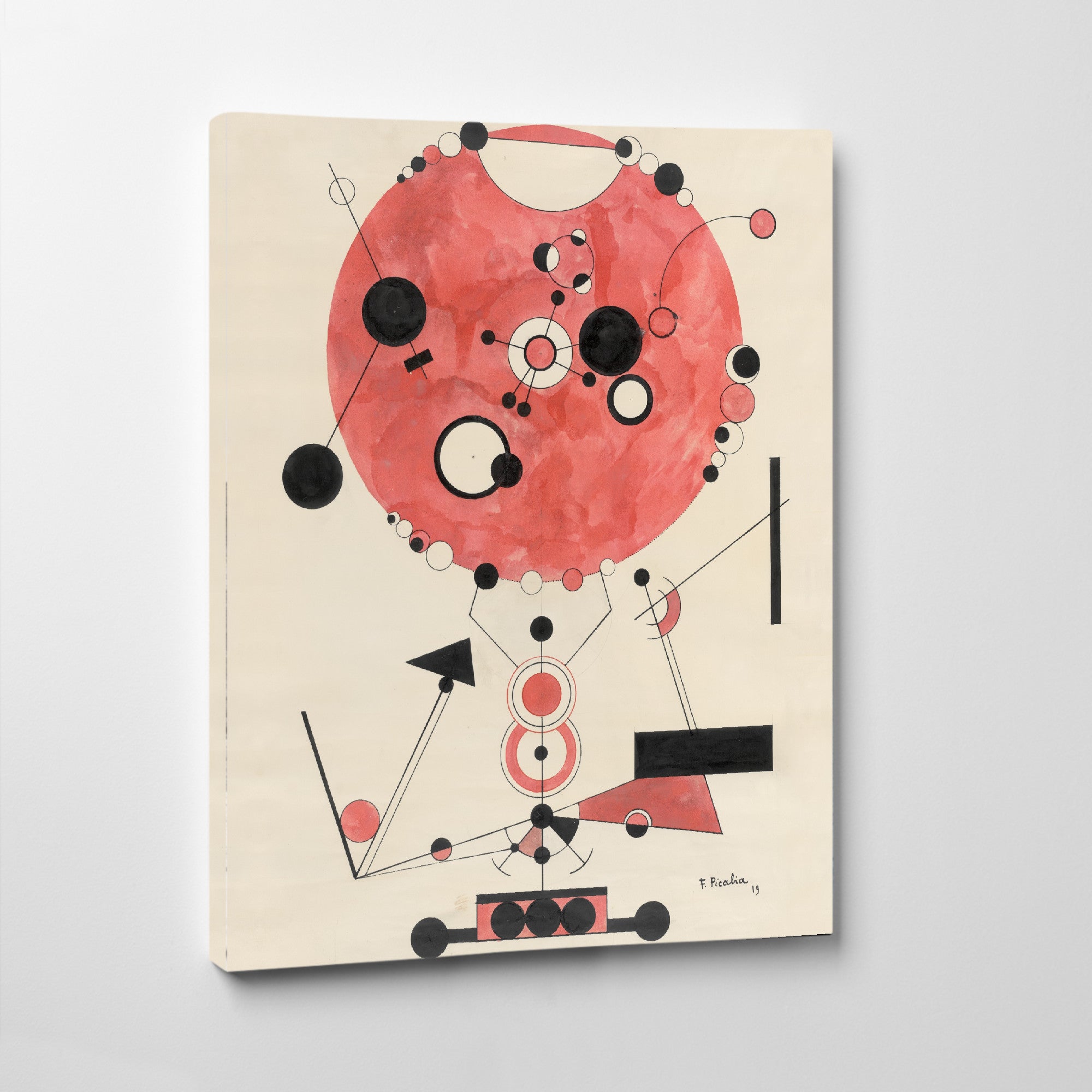
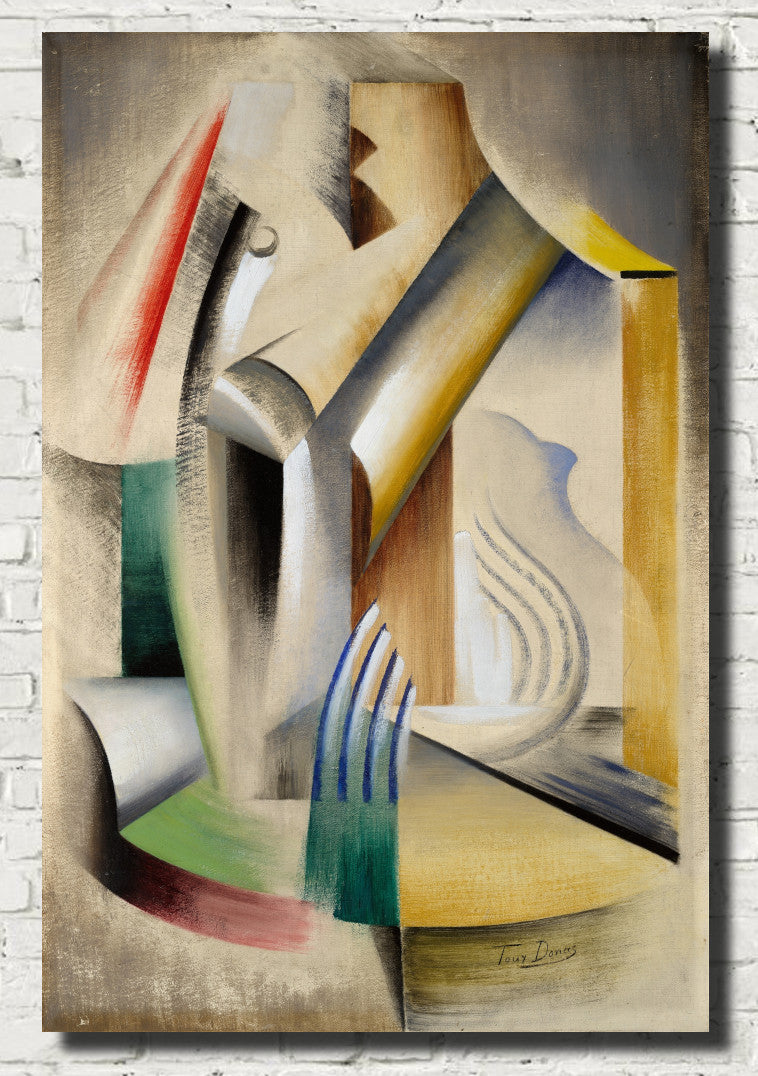
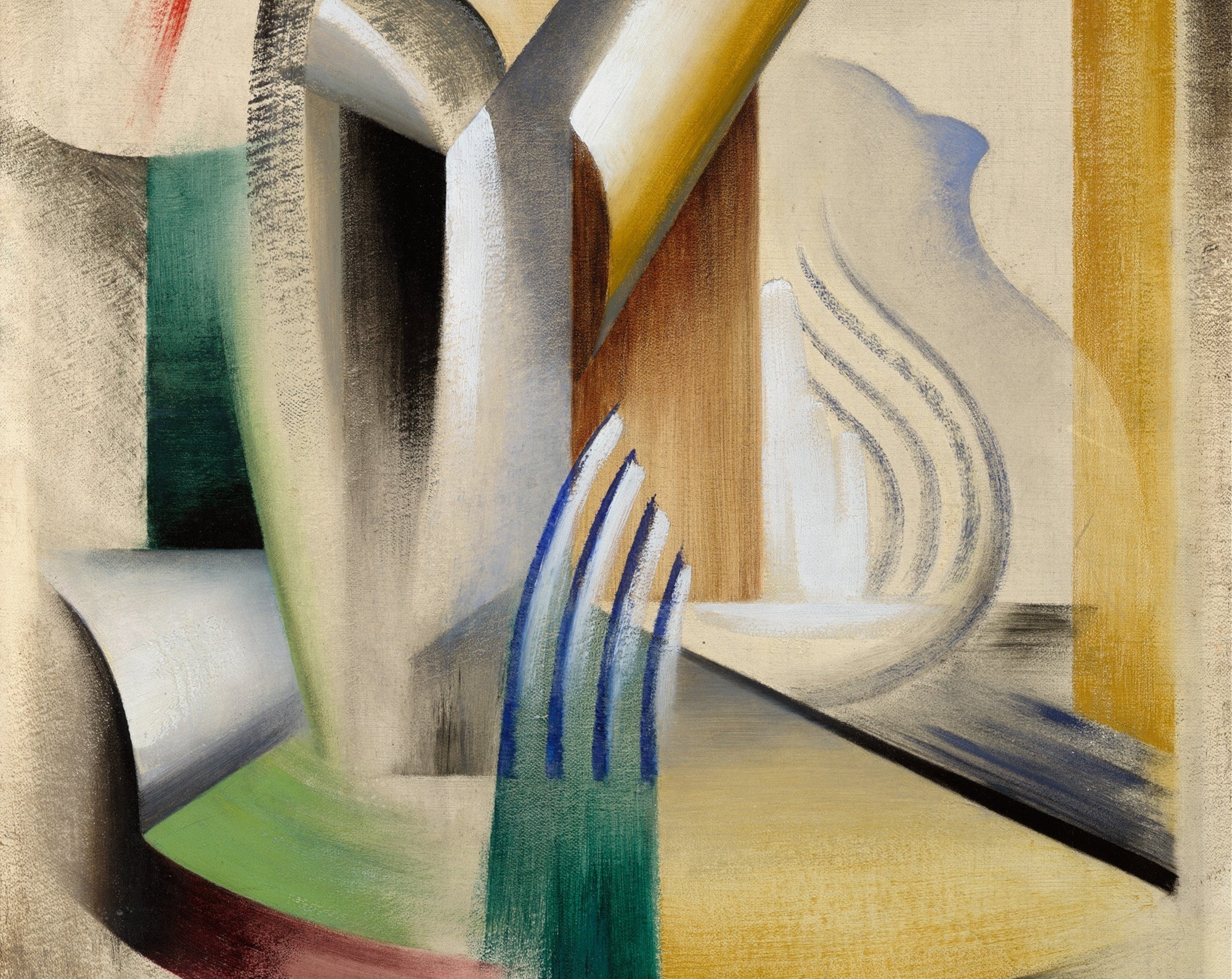
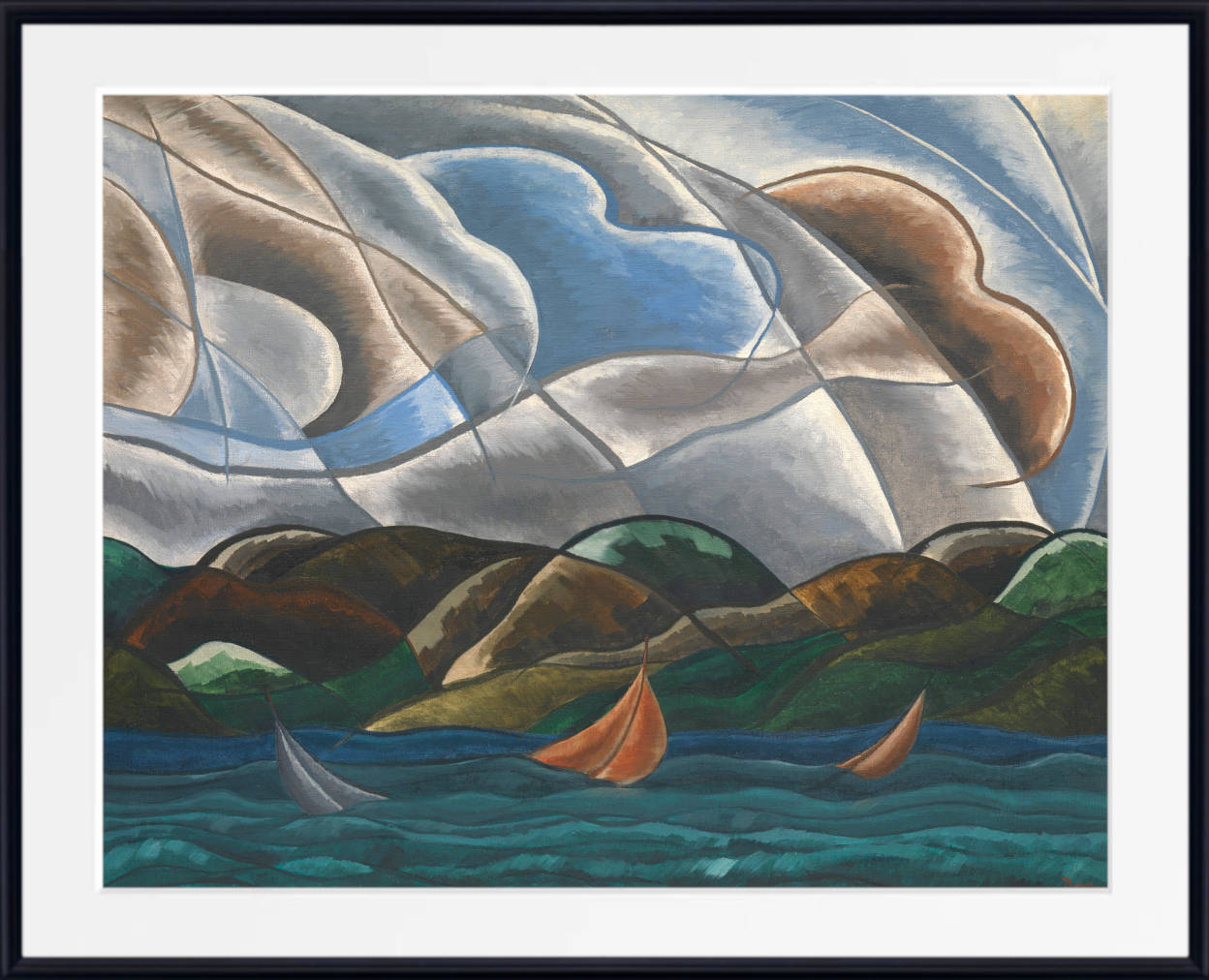
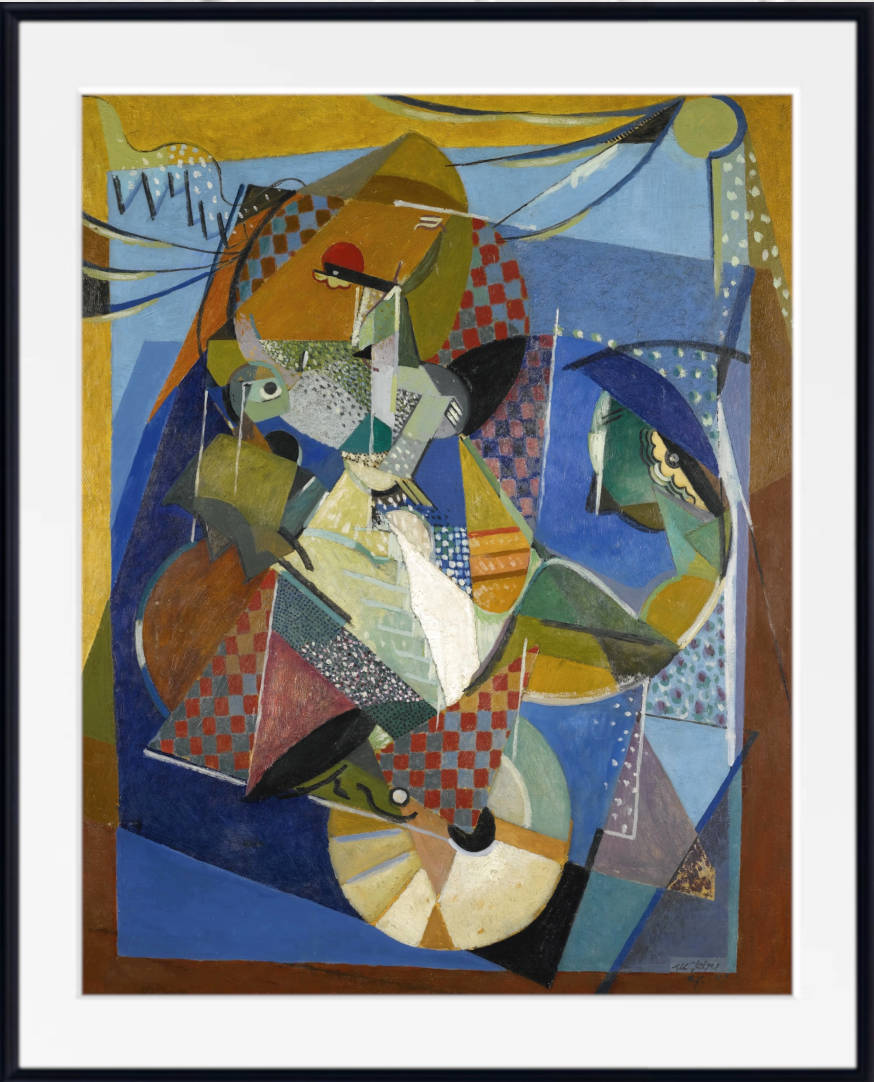
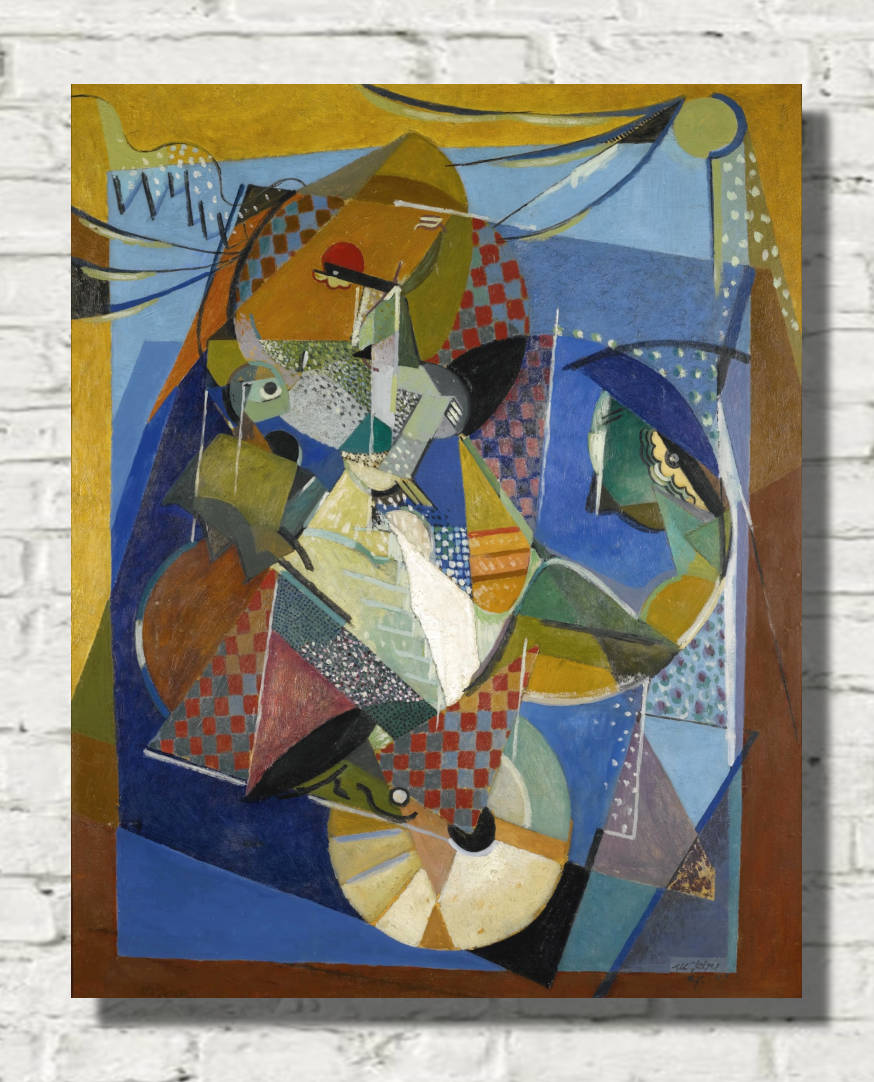
Abstract art moves away from straightforward representation and gives greater importance to colour, line, shape, rhythm and composition. Some abstract works remove recognisable subjects almost completely, while others begin with landscapes, figures or natural forms and transform them into simplified shapes and expressive colour.
This freedom is one reason abstract art prints work so well in modern interiors. An artwork does not need to depict a particular place or subject to change the character of a room. A carefully chosen abstract print can introduce colour, create movement, soften a neutral scheme or provide a strong focal point without competing with the rest of the décor.
Important Artists in Abstract Art
Wassily Kandinsky
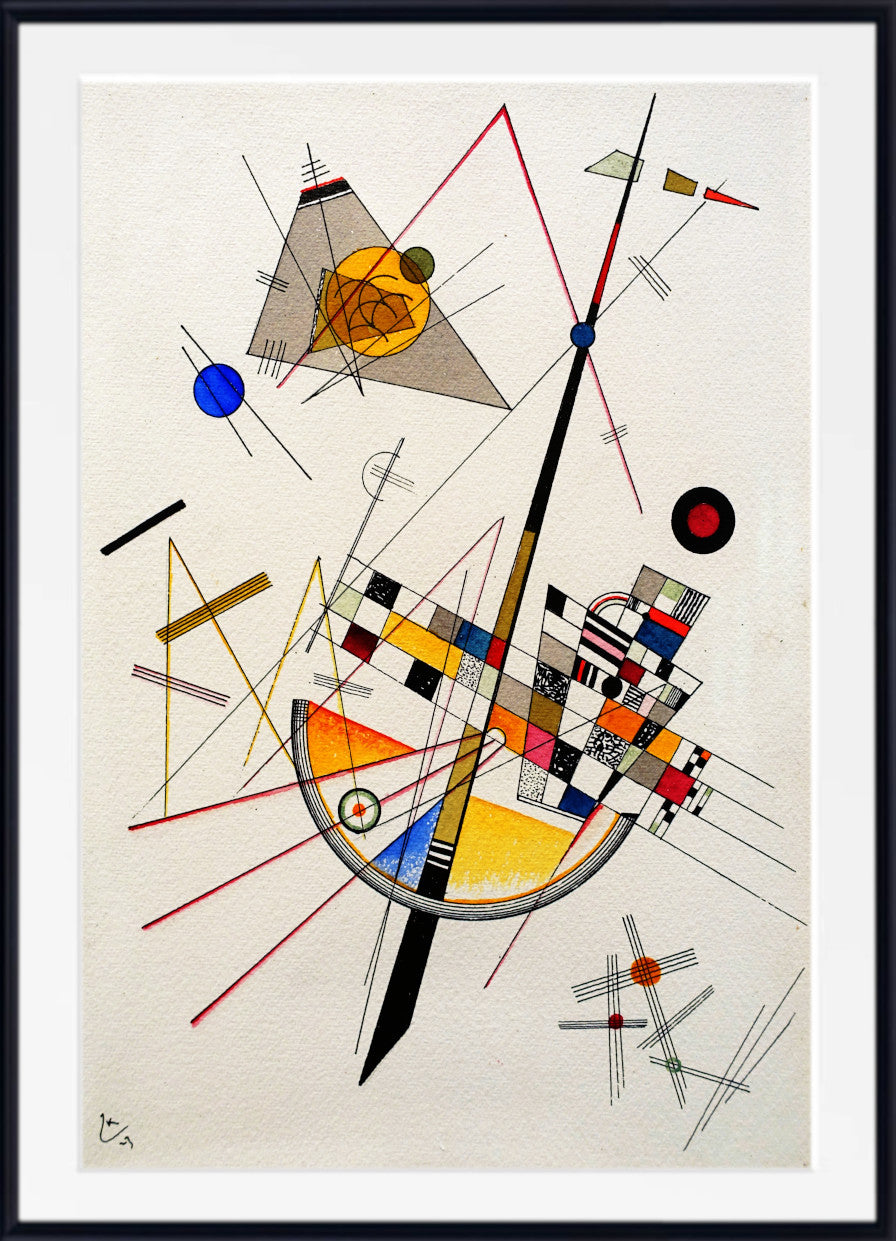
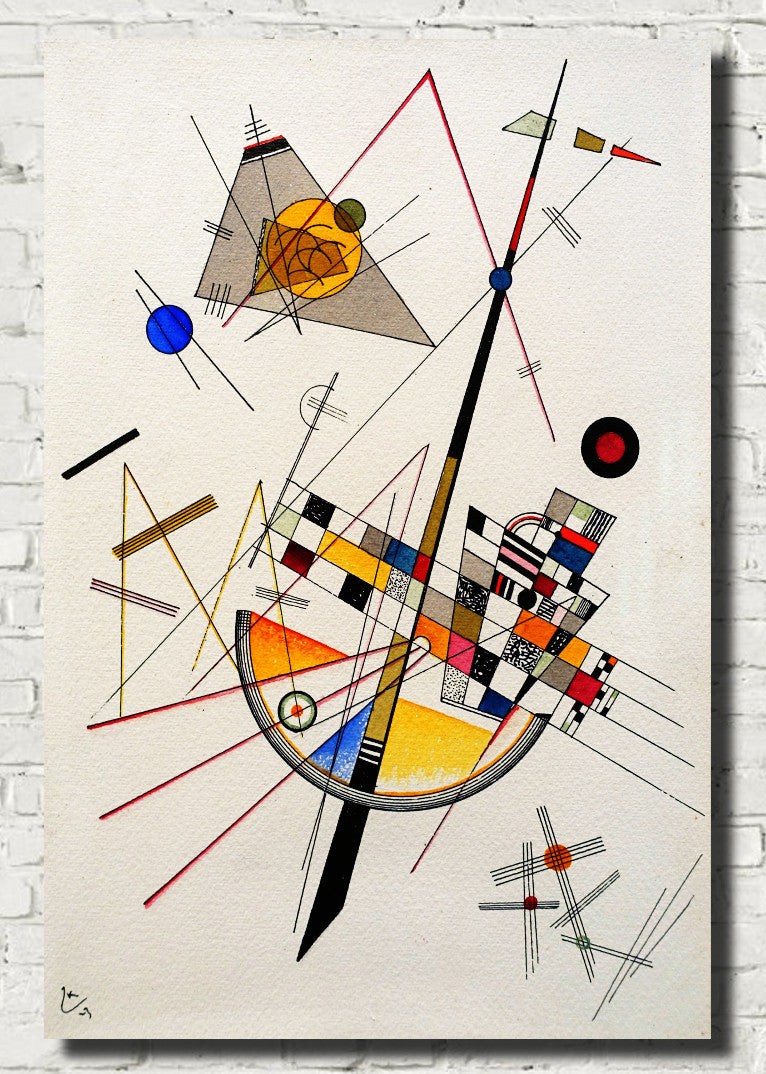
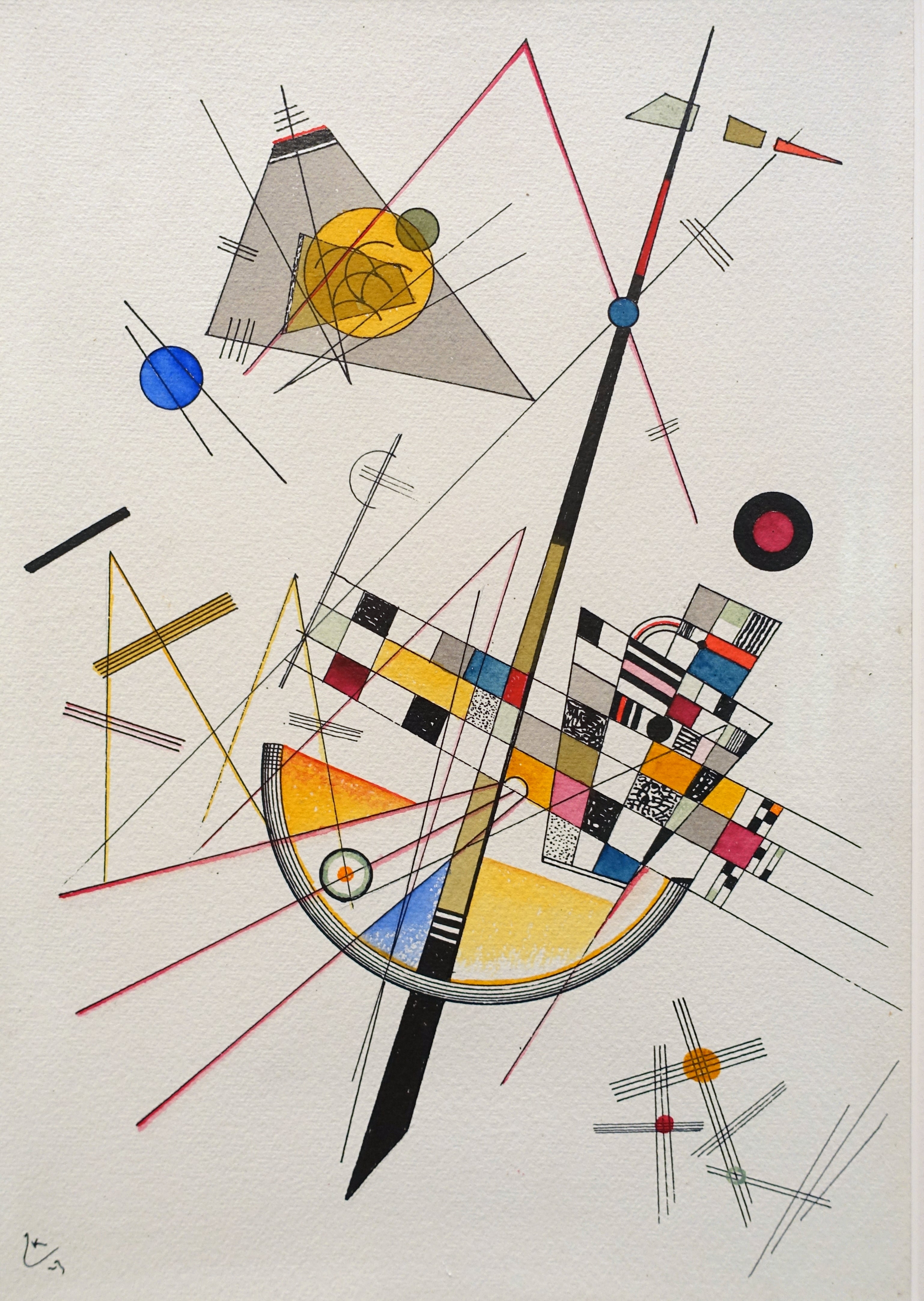
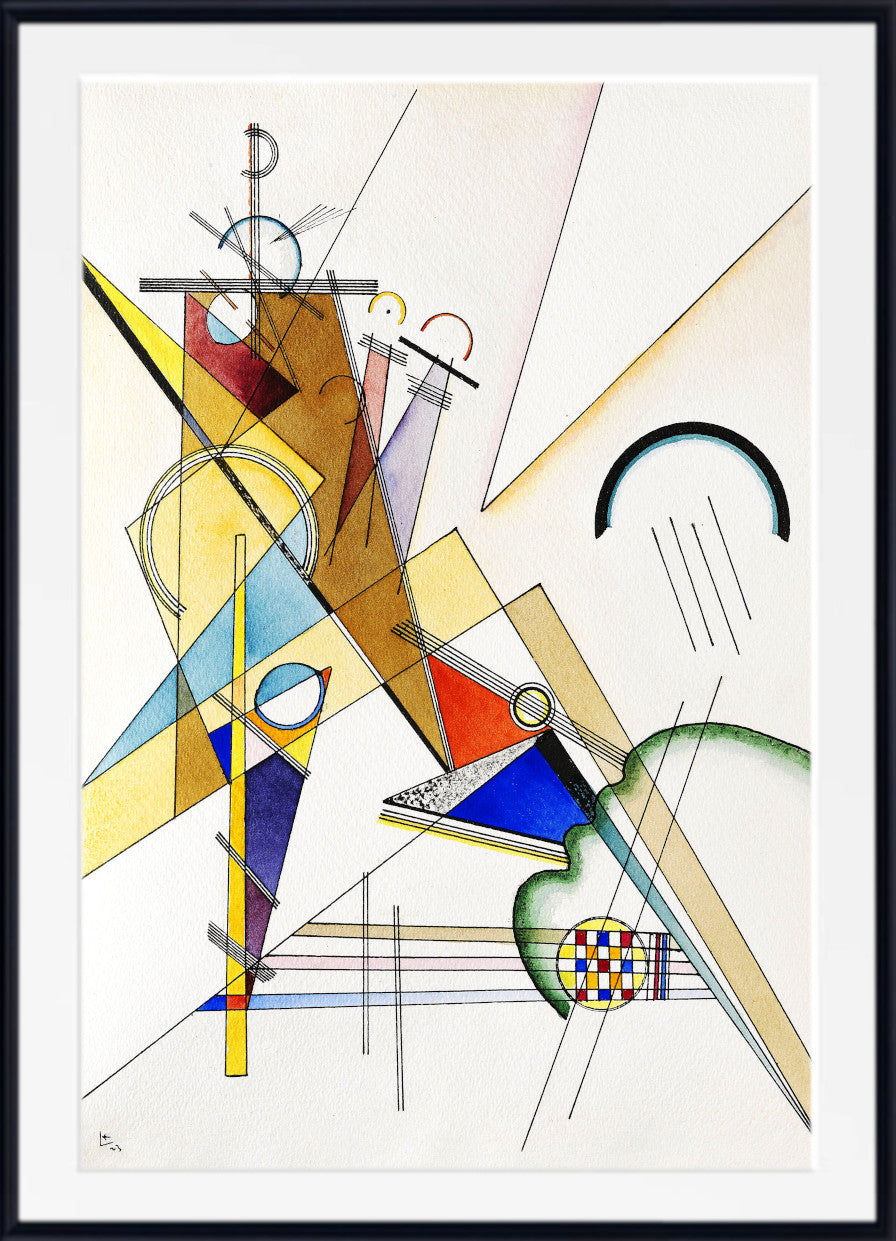
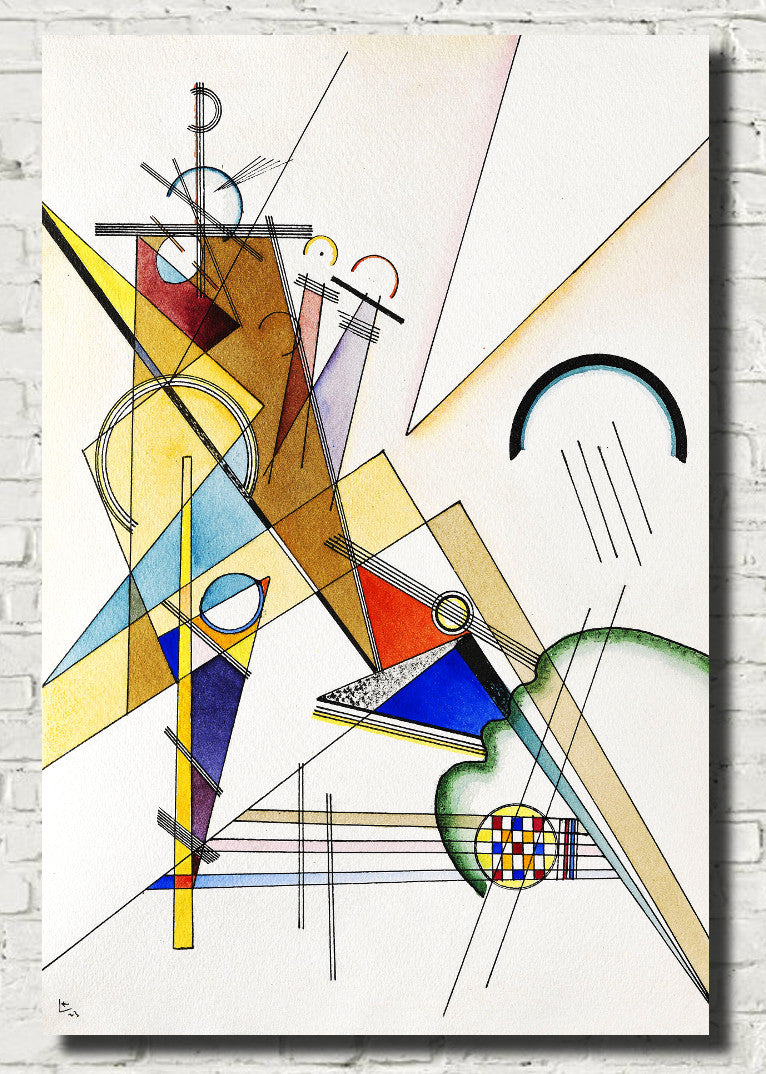
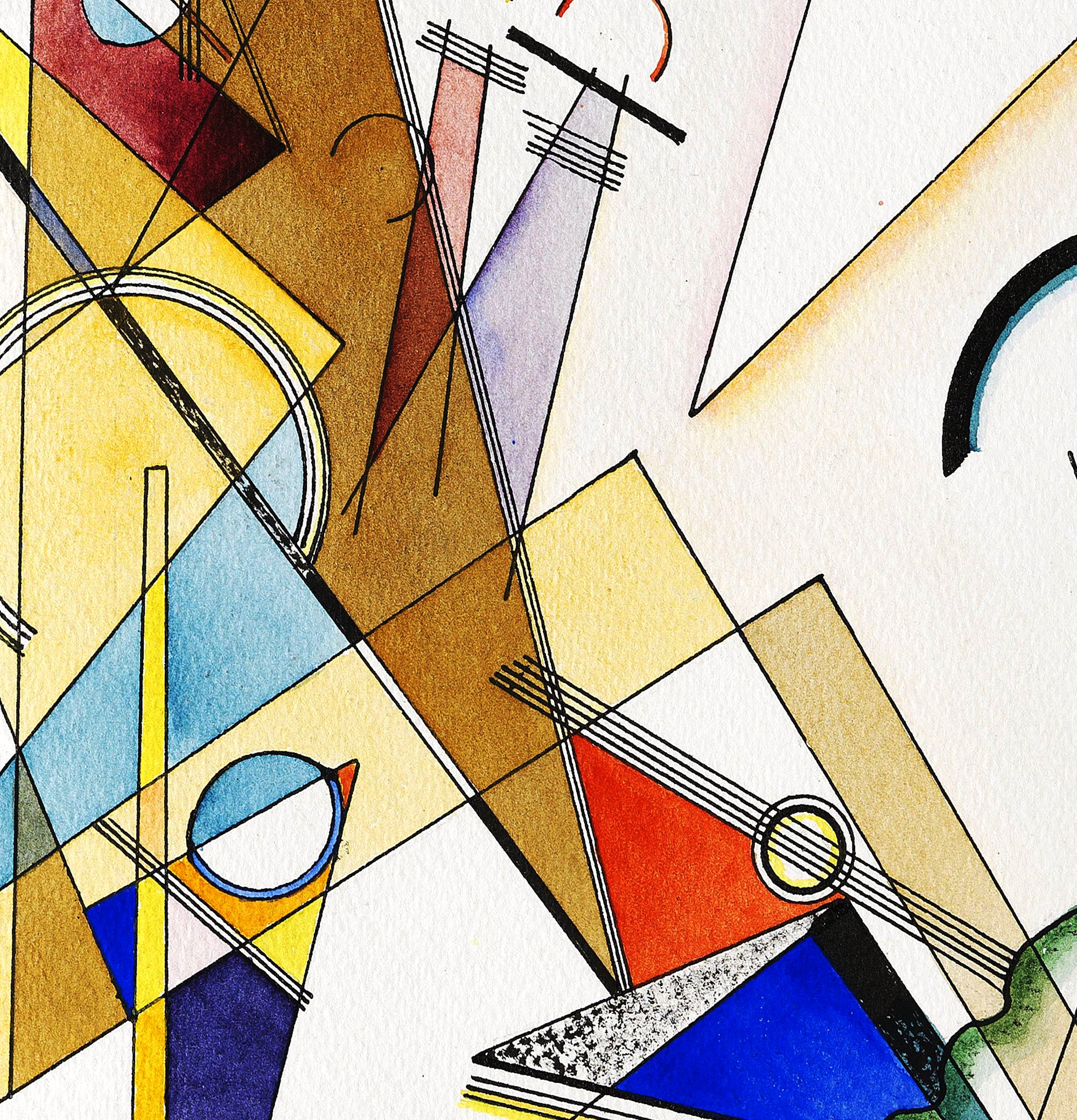
Wassily Kandinsky was one of the central pioneers of abstraction. His paintings use colour, lines, circles and geometric forms to create visual rhythm and emotional intensity. Kandinsky prints range from energetic compositions filled with movement to more structured geometric works, making them particularly versatile for contemporary interiors.
Piet Mondrian
Piet Mondrian developed one of the most recognisable approaches to geometric abstraction. His carefully balanced grids, horizontal and vertical lines and restricted palette helped reduce painting to its essential visual elements. Mondrian prints are especially effective in minimalist, mid-century and modern interiors.
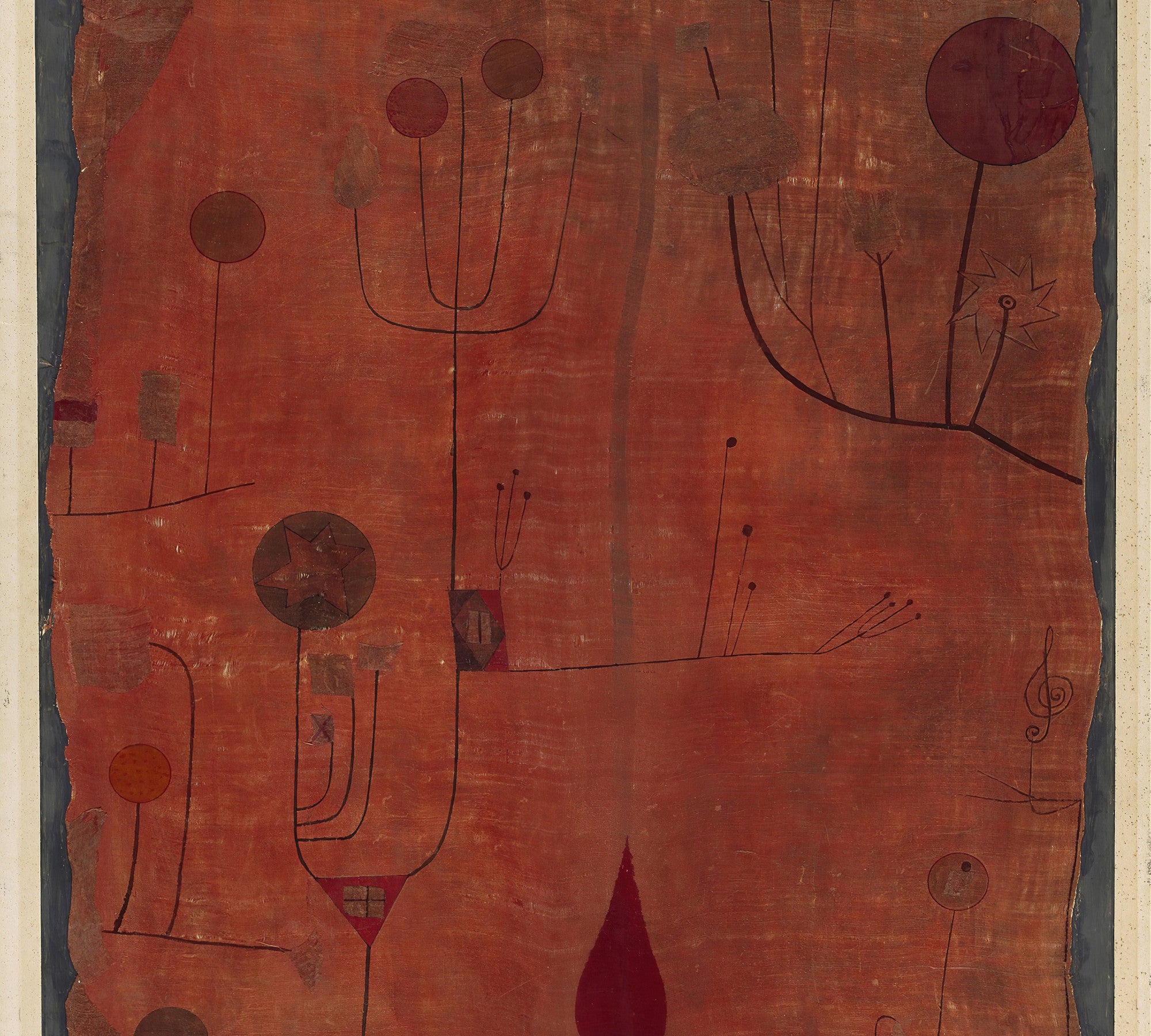
Paul Klee
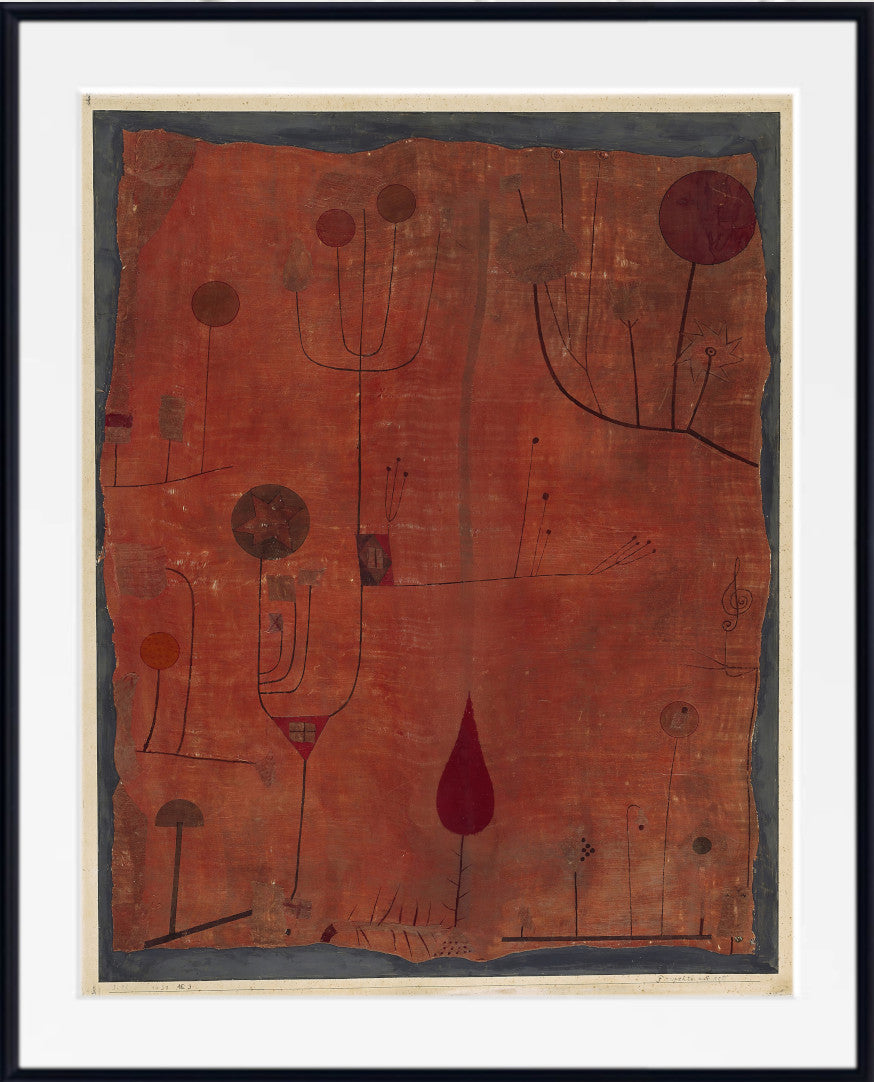
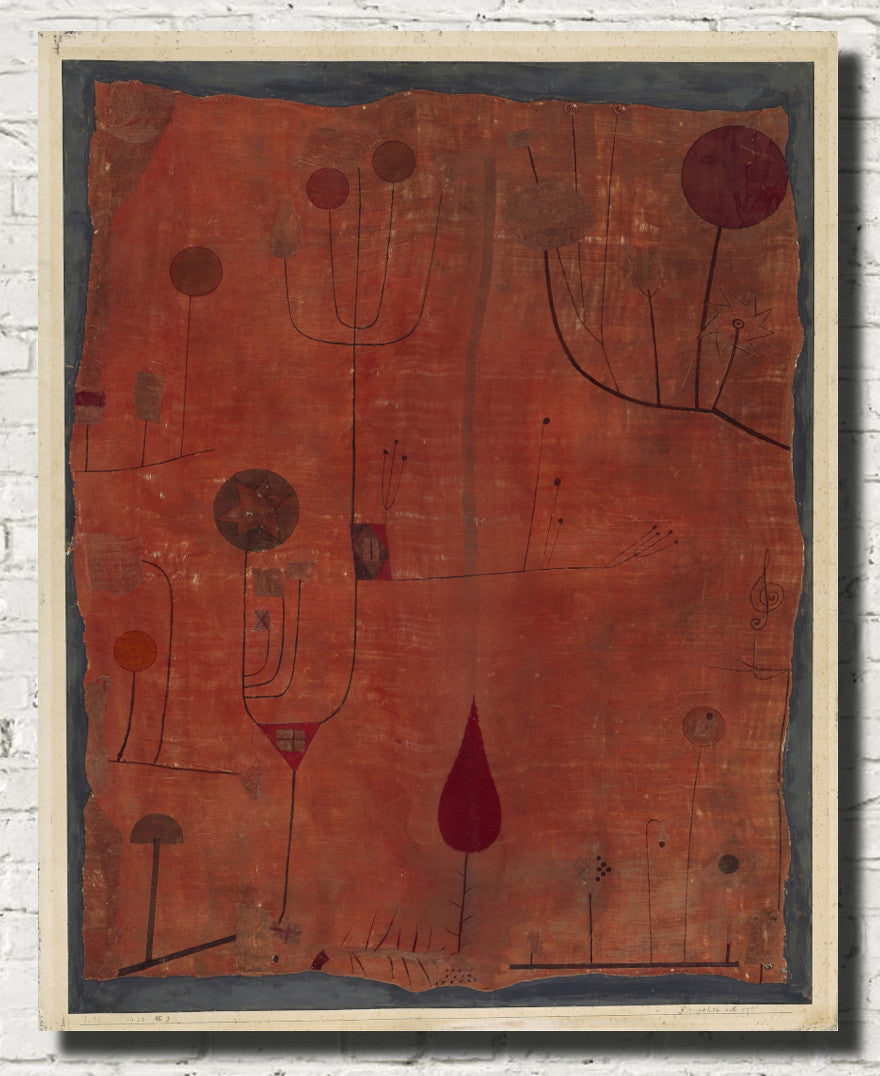
Paul Klee combined abstraction with imagination, symbolism and experimentation with colour. His works can feel playful, poetic and intimate, making Klee prints particularly suitable for bedrooms, studies, reading areas and smaller gallery walls.
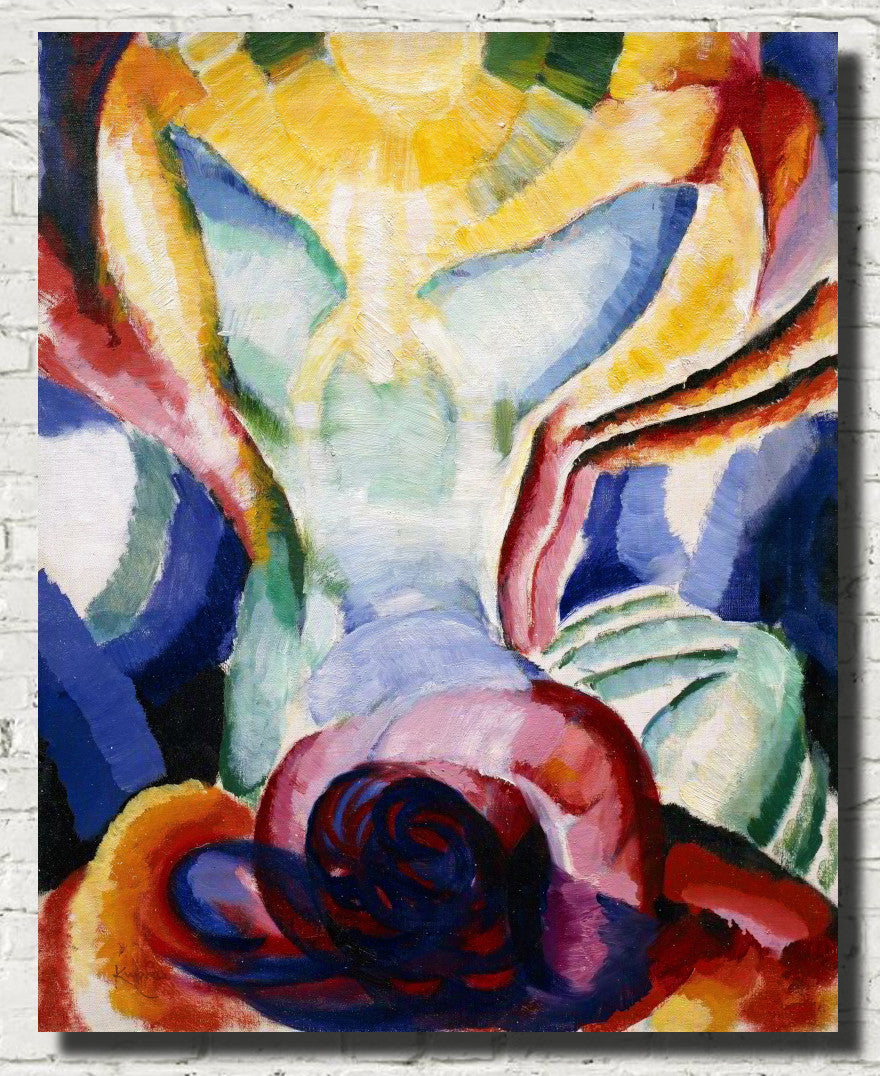
František Kupka and Robert Delaunay
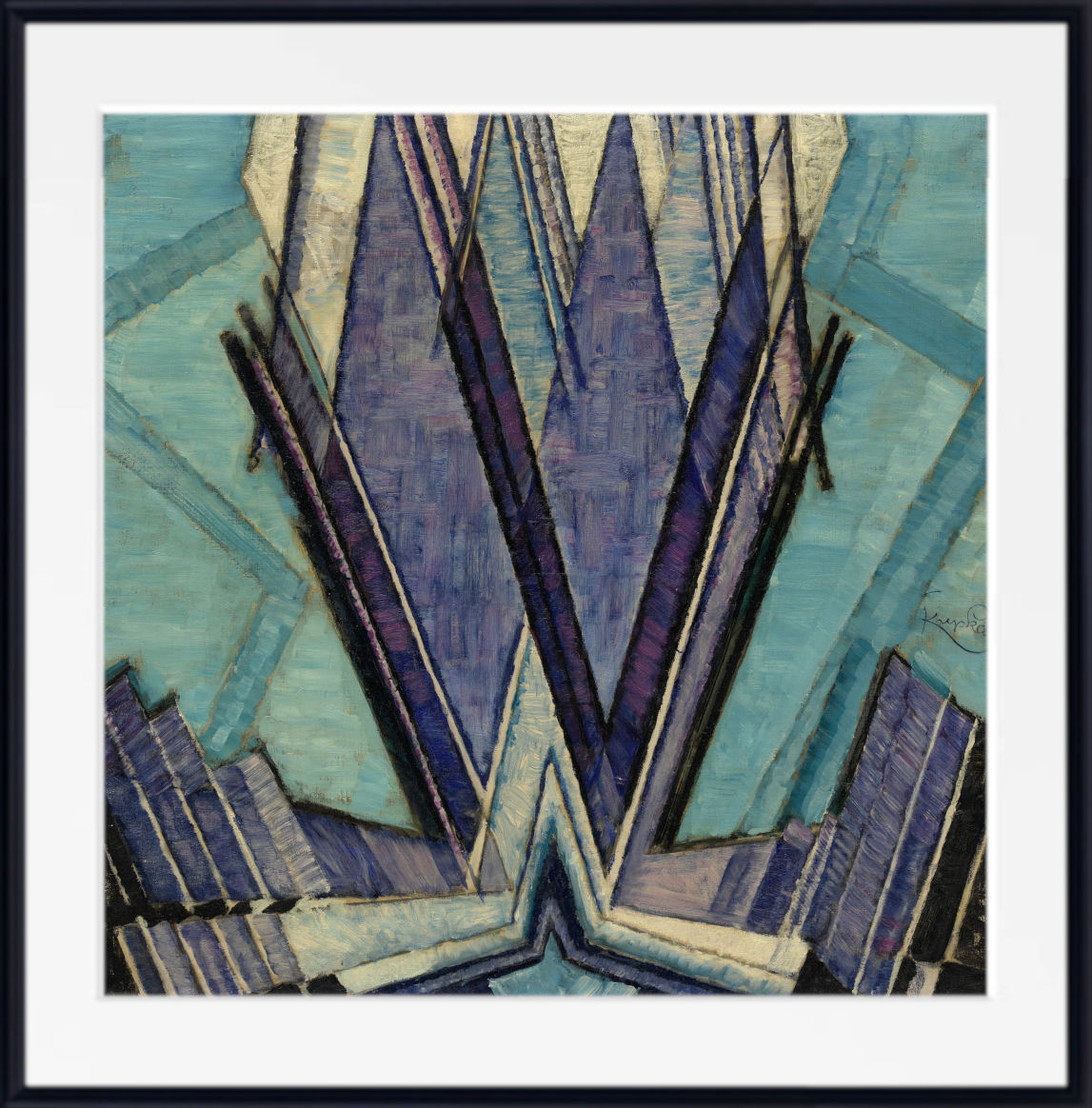
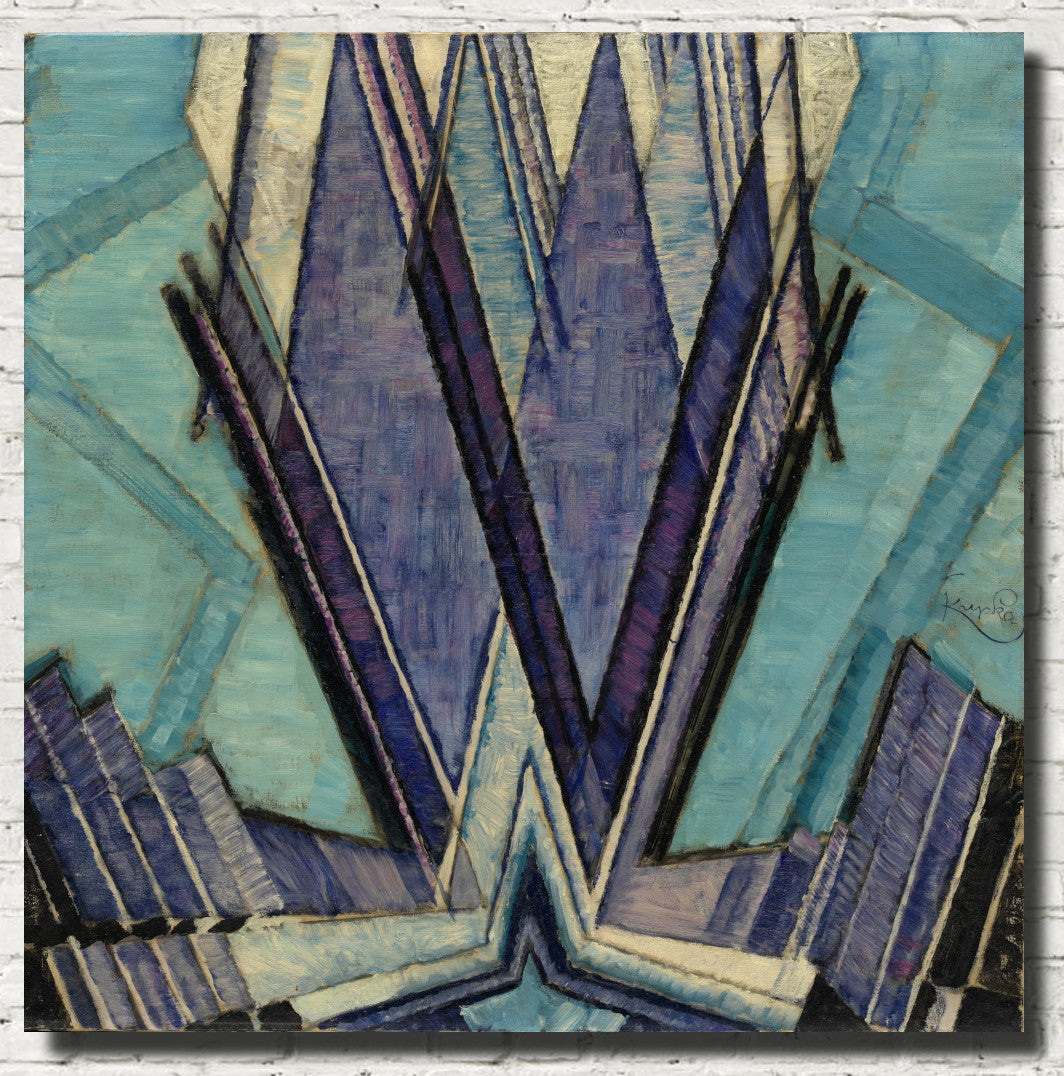
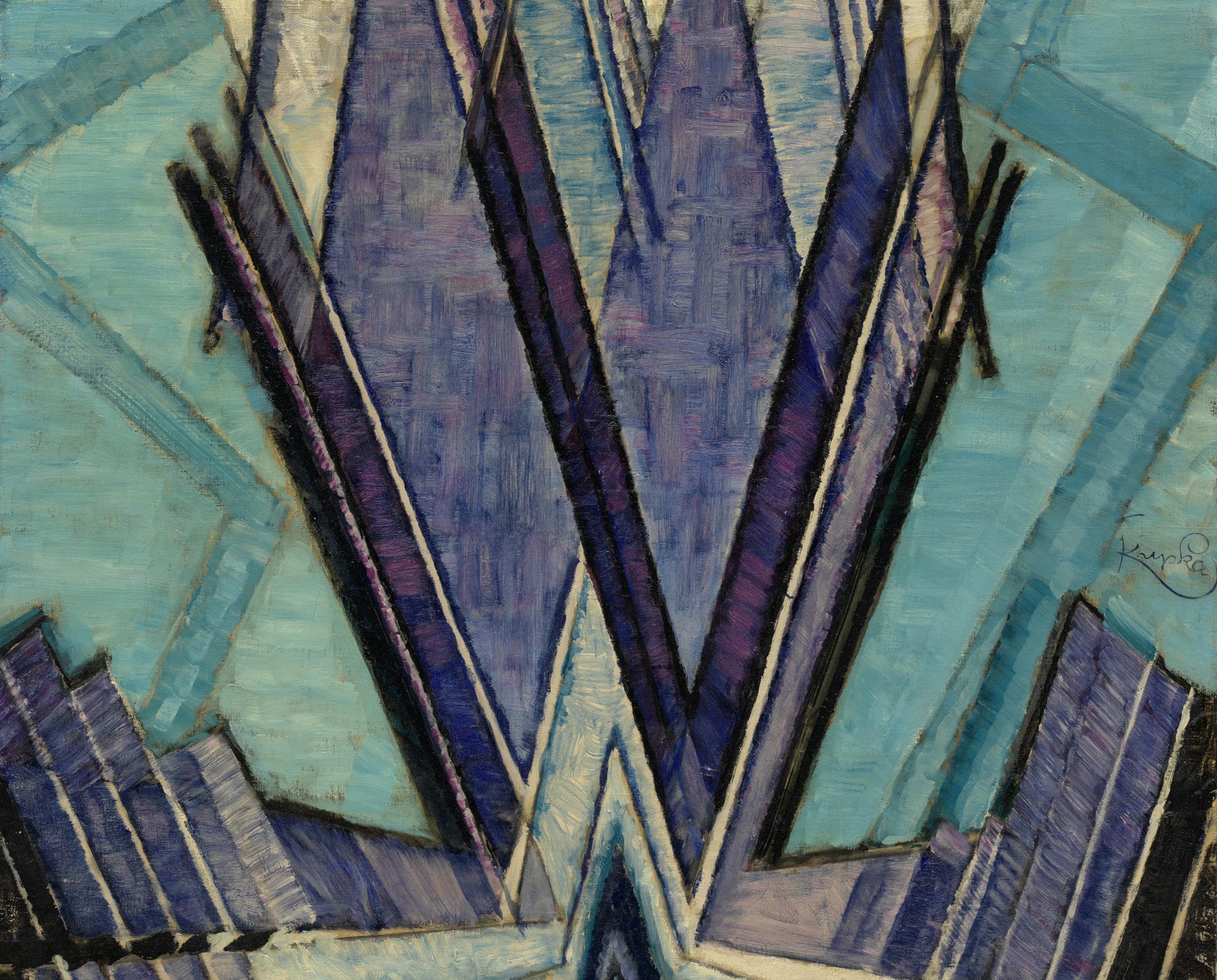
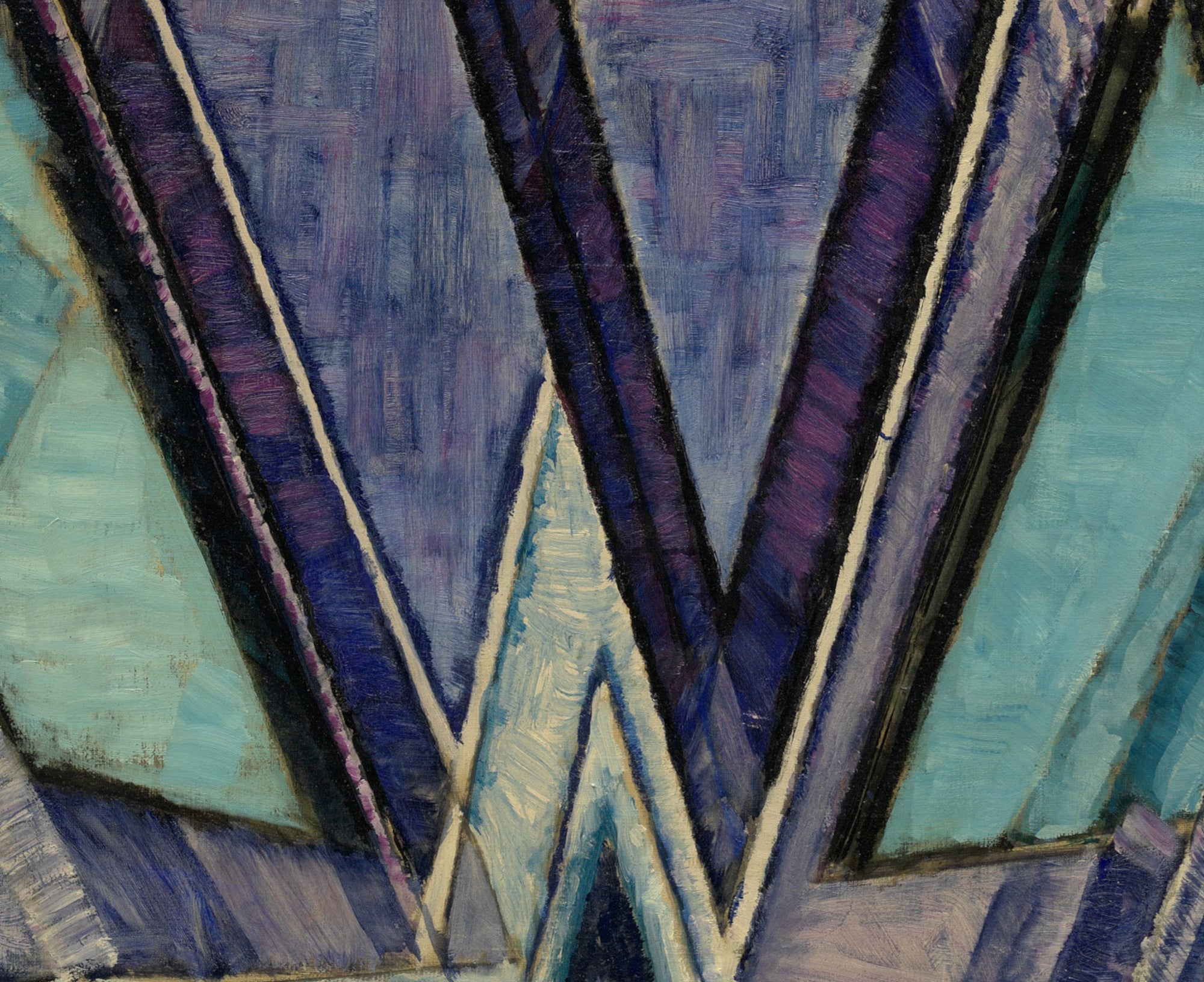
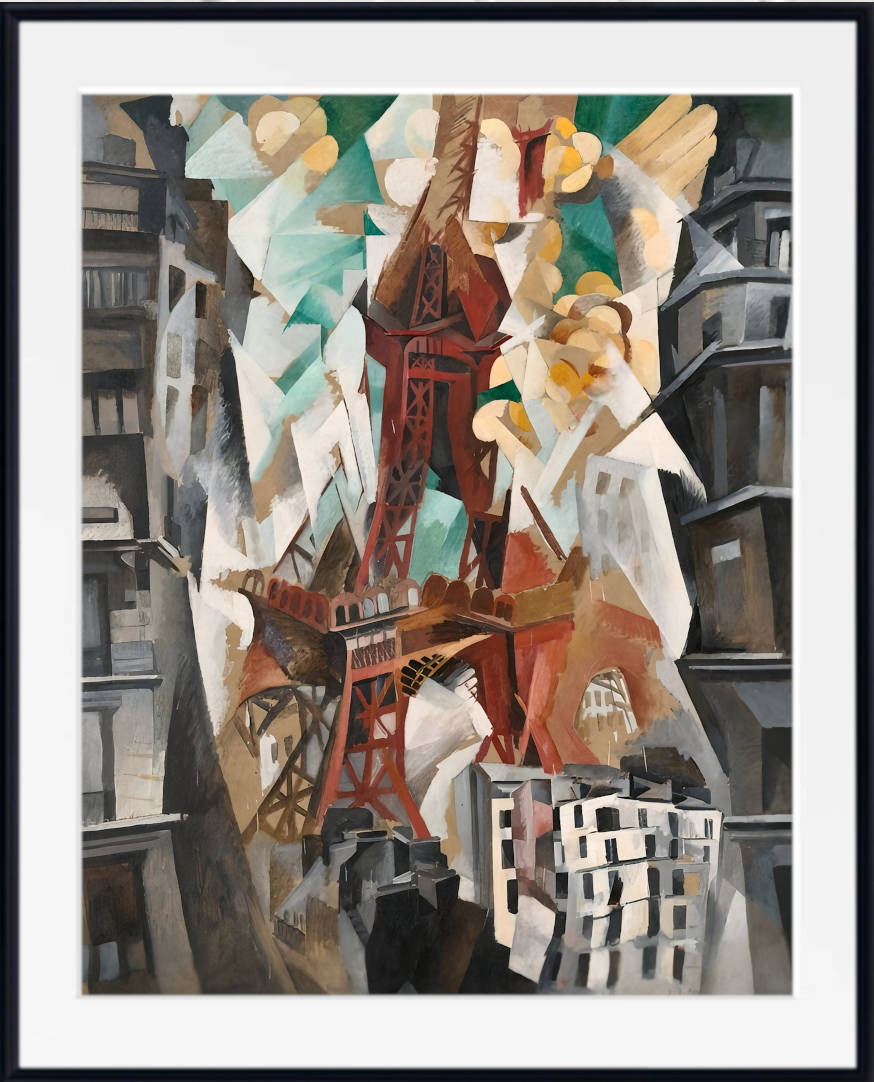
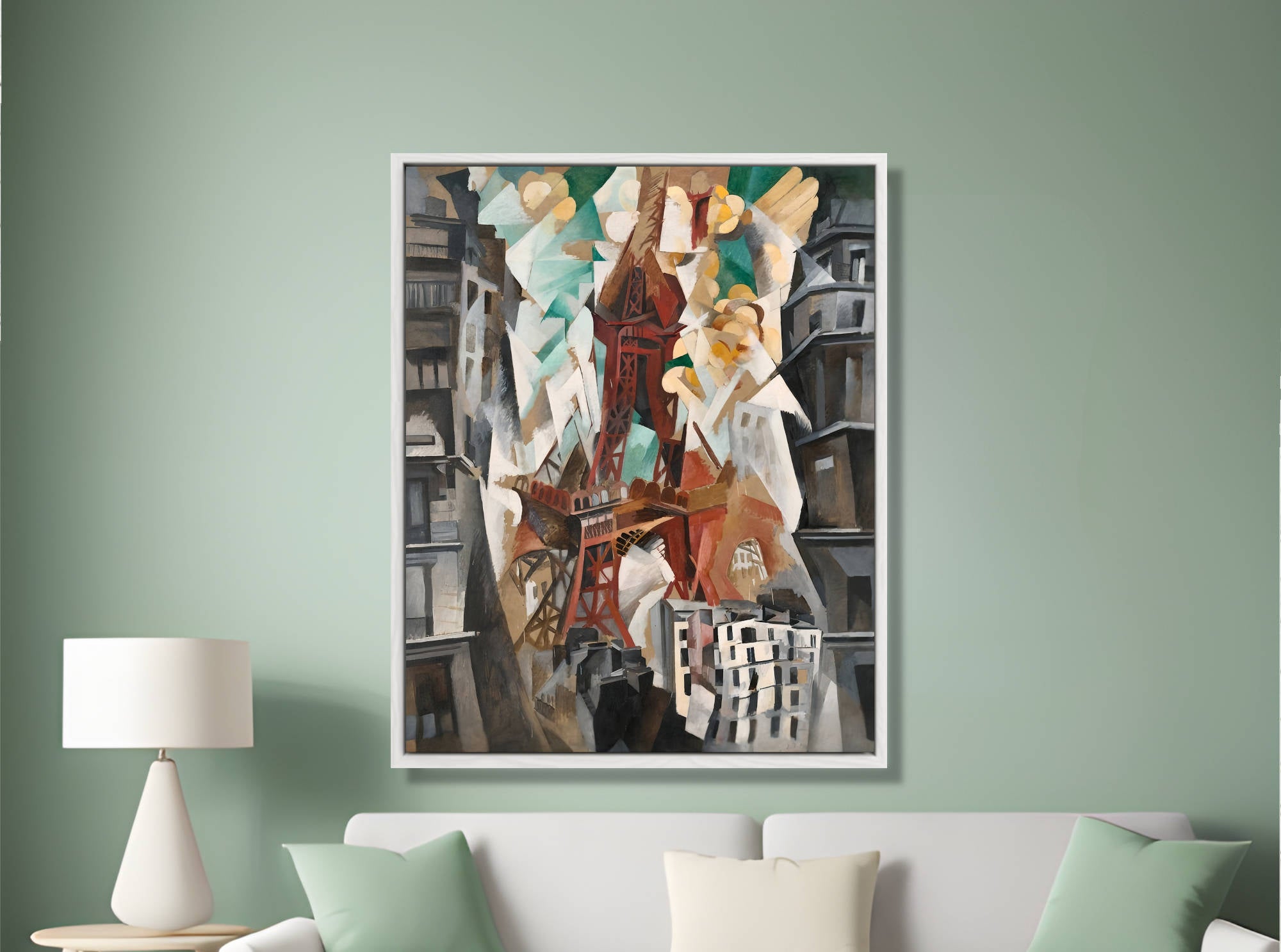
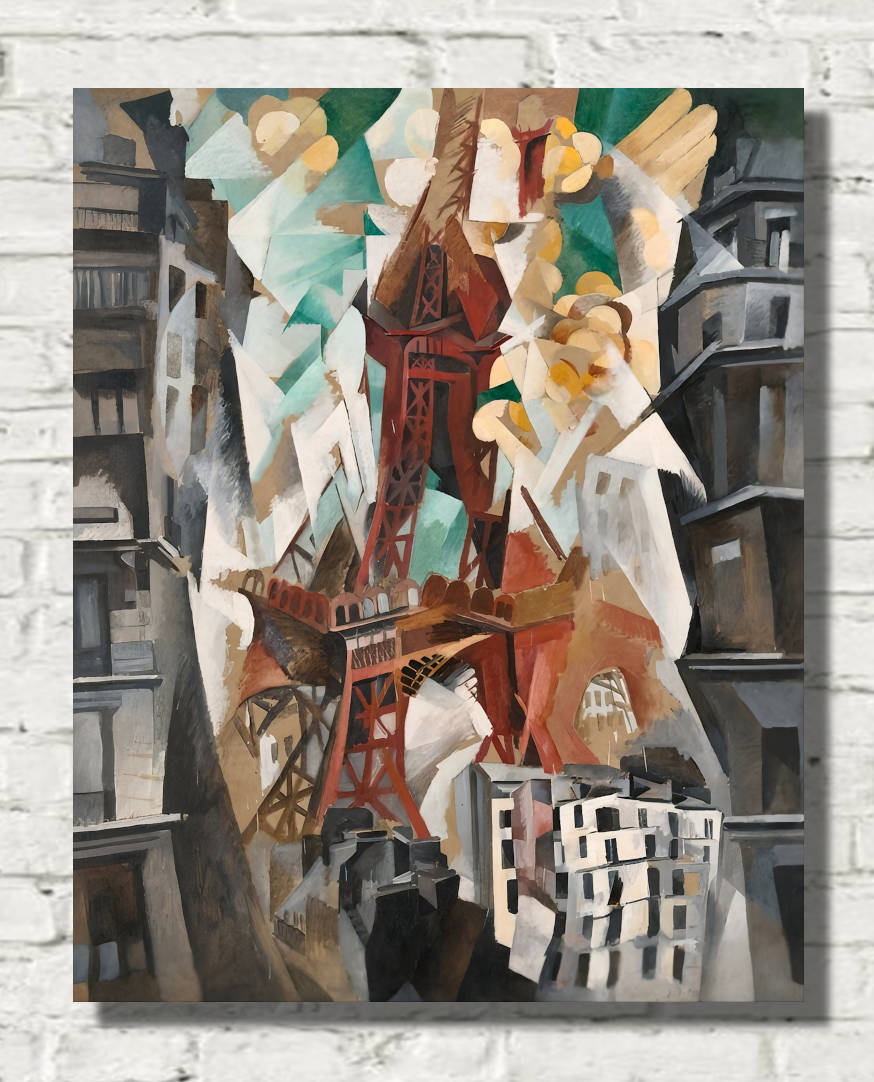
František Kupka and Robert Delaunay both explored the possibilities of colour and movement. Kupka increasingly moved away from recognisable imagery towards rhythmic arrangements of colour and form, while Delaunay used circles, arcs and contrasting colours to create a distinctive sense of energy.
Bauhaus and Geometric Abstraction
Artists associated with the Bauhaus and Constructivism explored how simple shapes, carefully organised space and controlled colour could create a new visual language for modern life. László Moholy-Nagy is a particularly strong example, using overlapping planes, circles and architectural forms to create highly structured abstract compositions.
Different Styles of Abstract Art
Geometric Abstract Prints
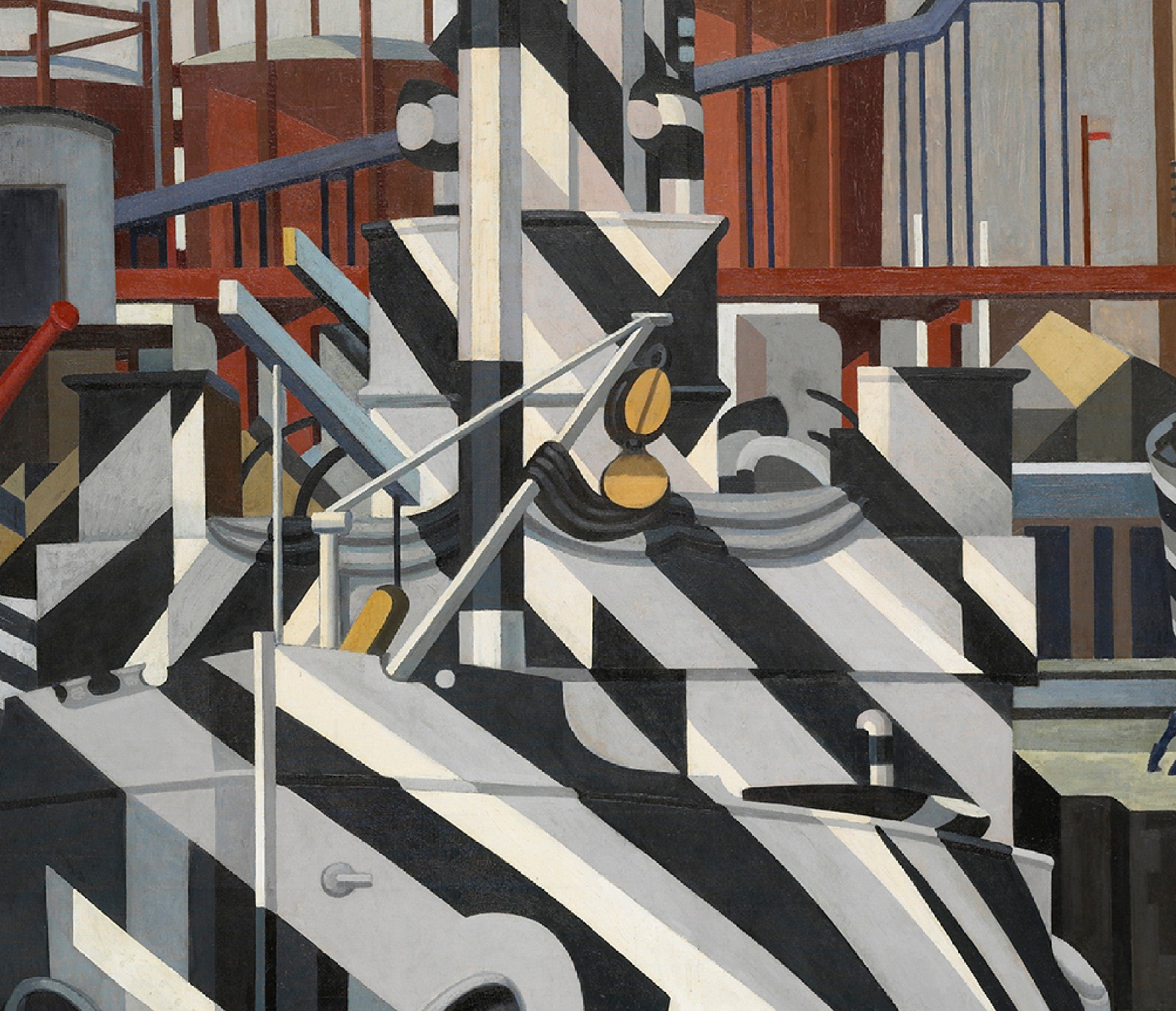
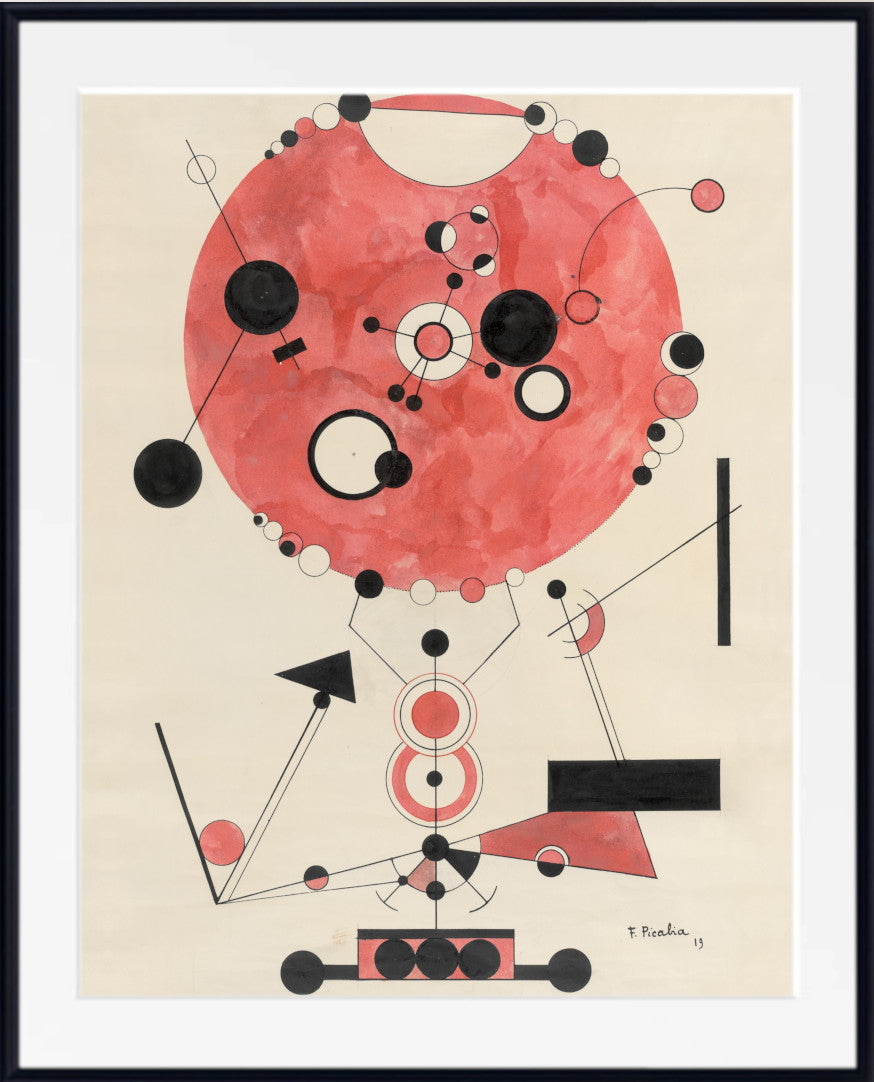
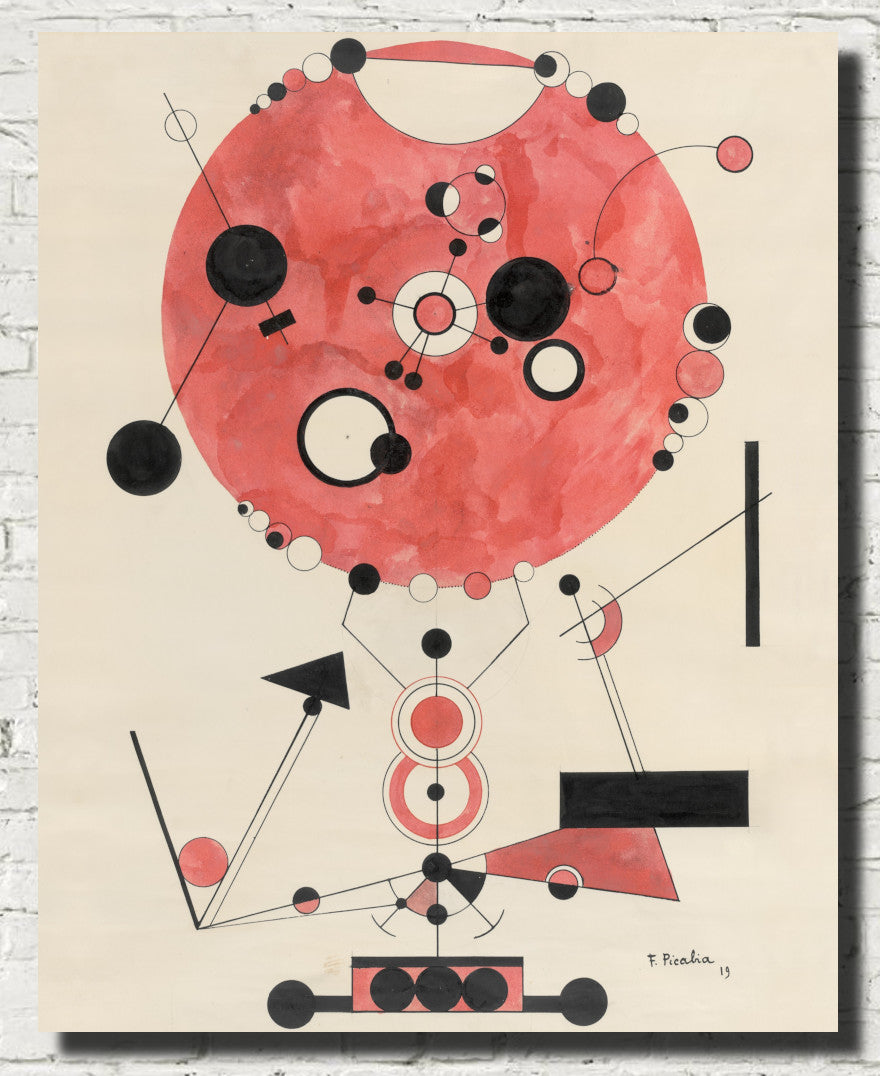
Geometric abstract prints use circles, rectangles, lines, grids and other constructed shapes as the foundations of the composition. They work particularly well with contemporary furniture, clean architectural spaces and minimalist interiors.
De Stijl Prints
The Dutch De Stijl movement developed a distinctive form of geometric abstraction based on straight lines, balanced rectangular forms and carefully controlled areas of colour. Explore De Stijl prints by Piet Mondrian and Theo van Doesburg, whose work helped establish one of the most influential visual languages of twentieth-century modern art and design.
Colour-Led Abstraction
In many abstract artworks, colour becomes as important as shape. Strong contrasts can create energy and drama, while closely related shades produce a calmer and more harmonious effect. Colour-led abstract art is particularly useful when you want a print to connect several tones already present within a room.
Spiritual and Symbolic Abstraction
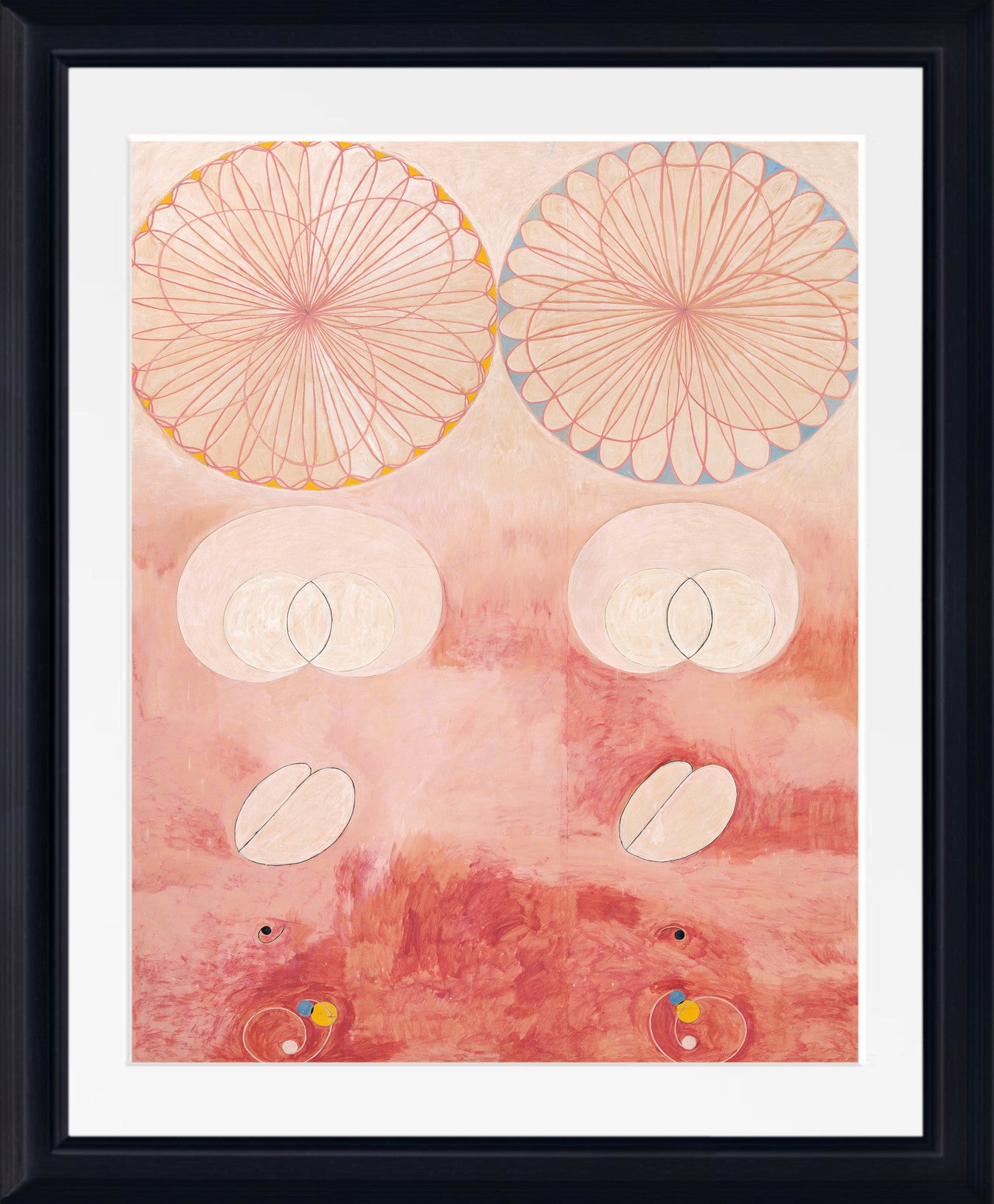
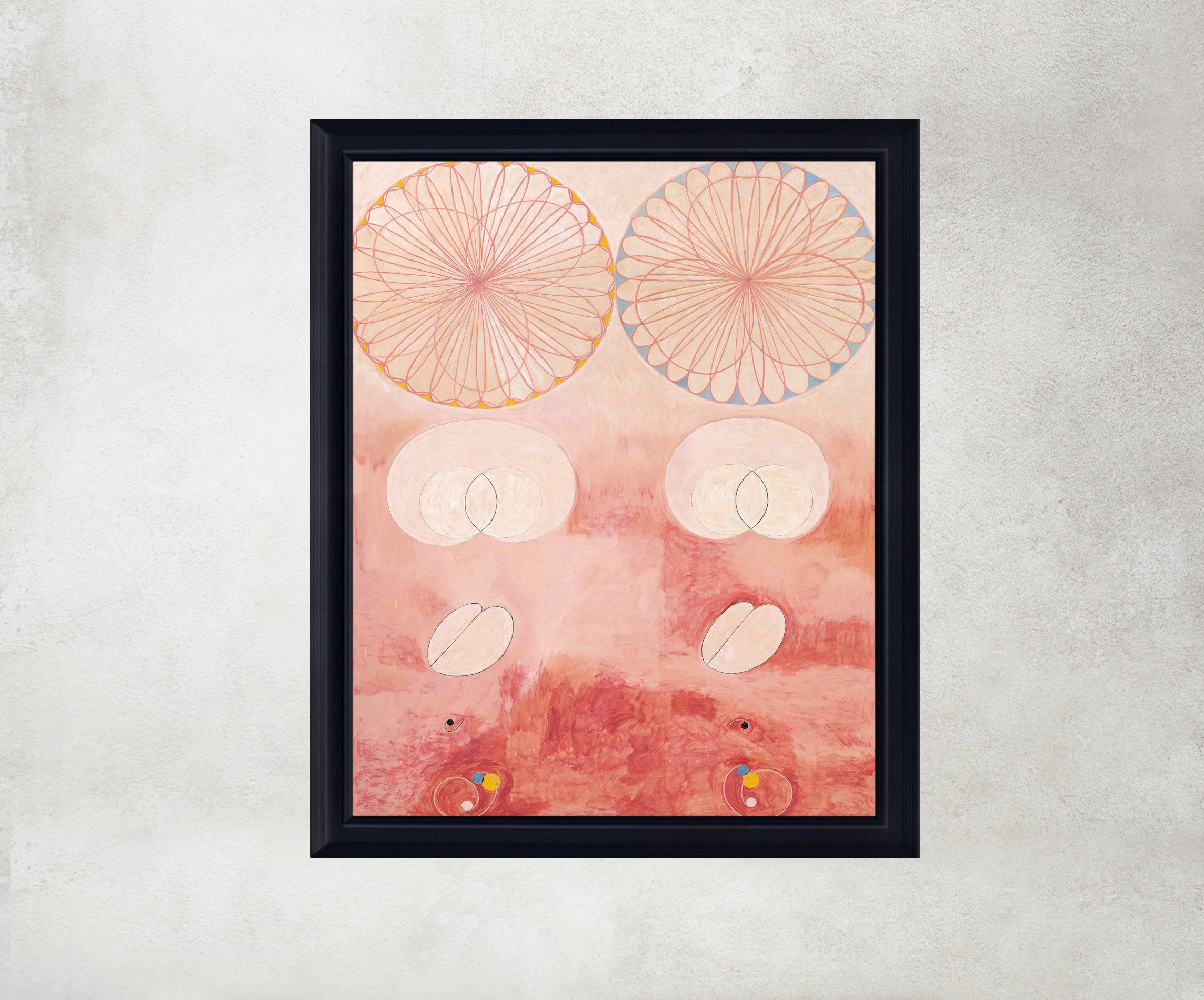
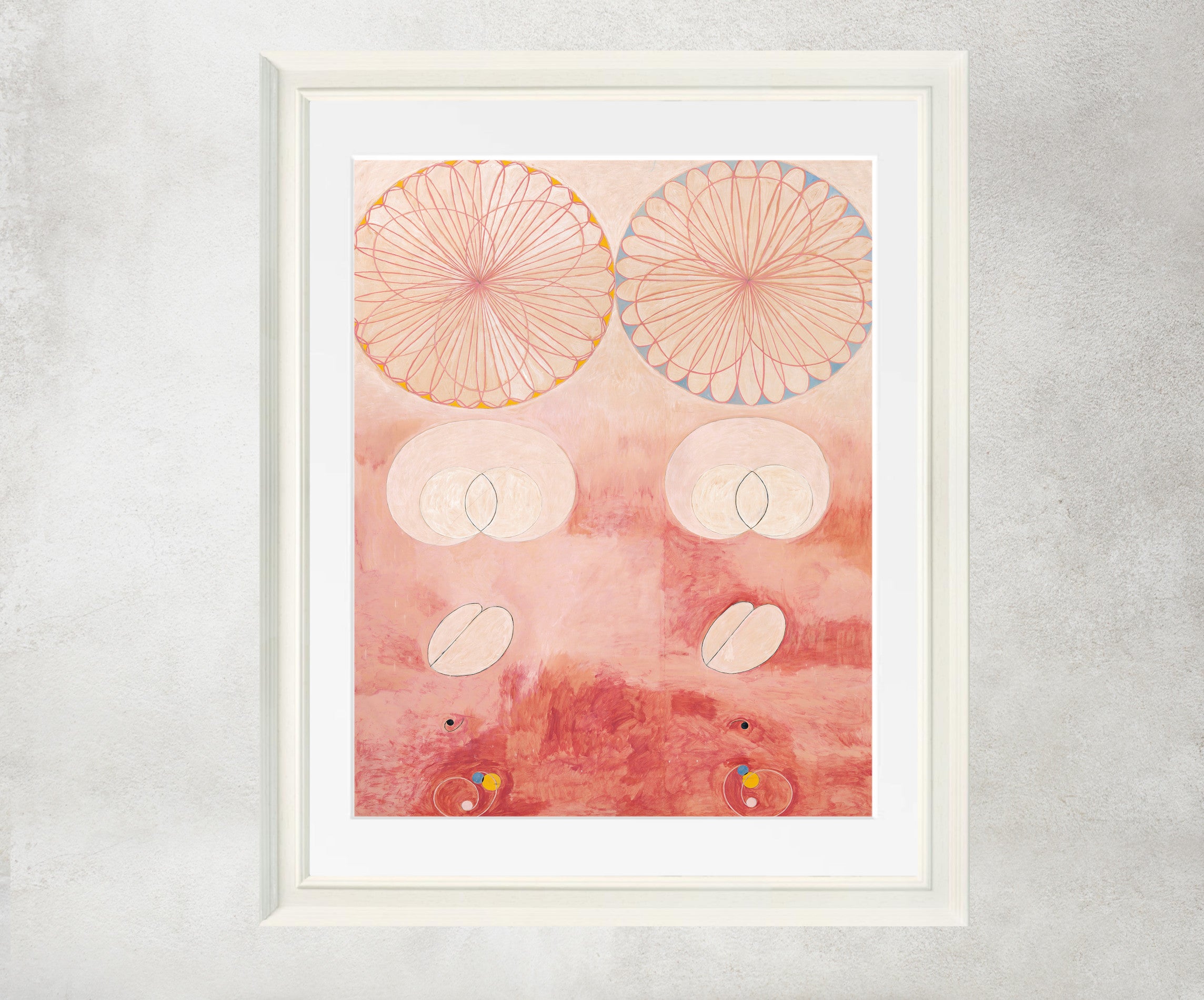
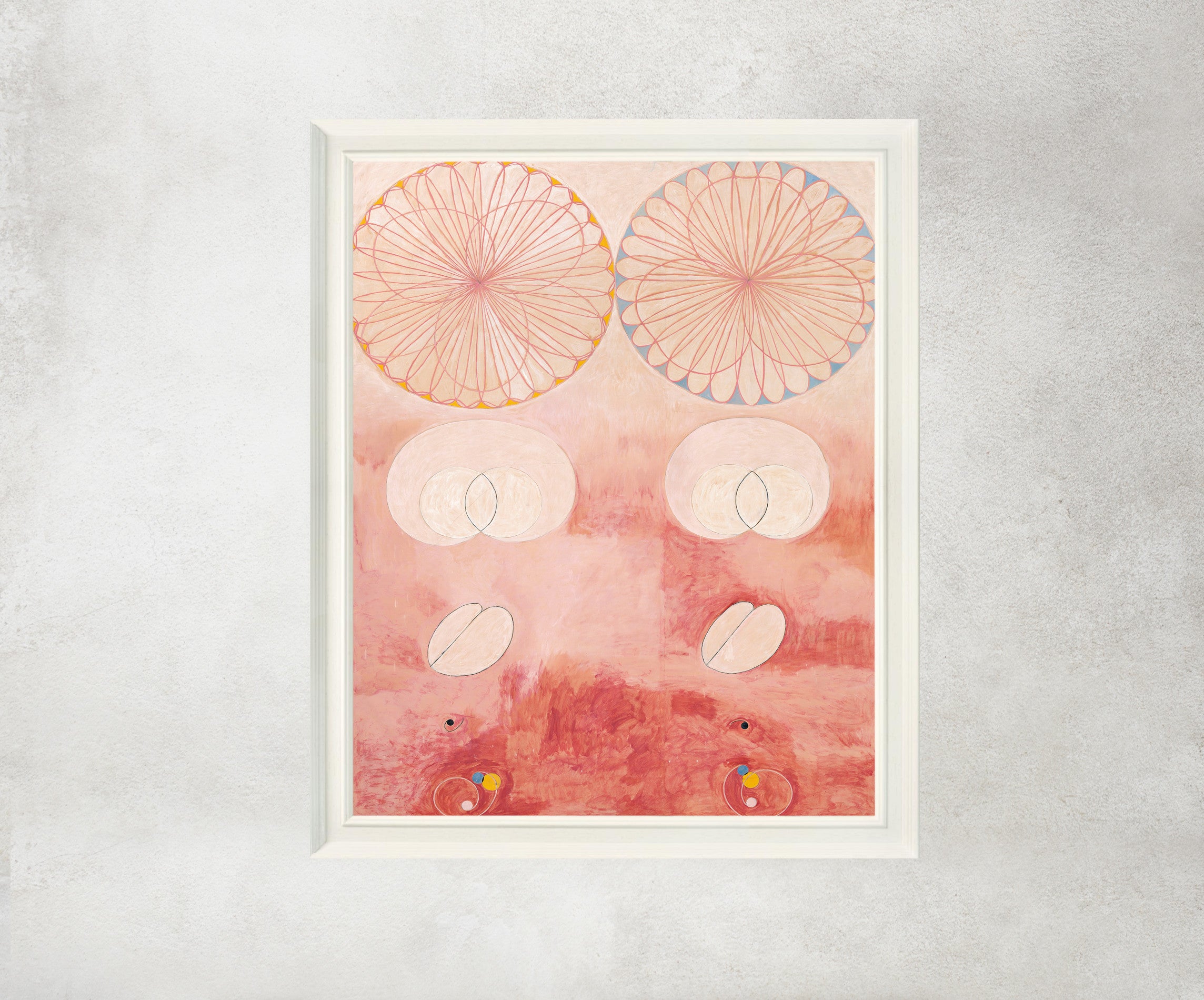
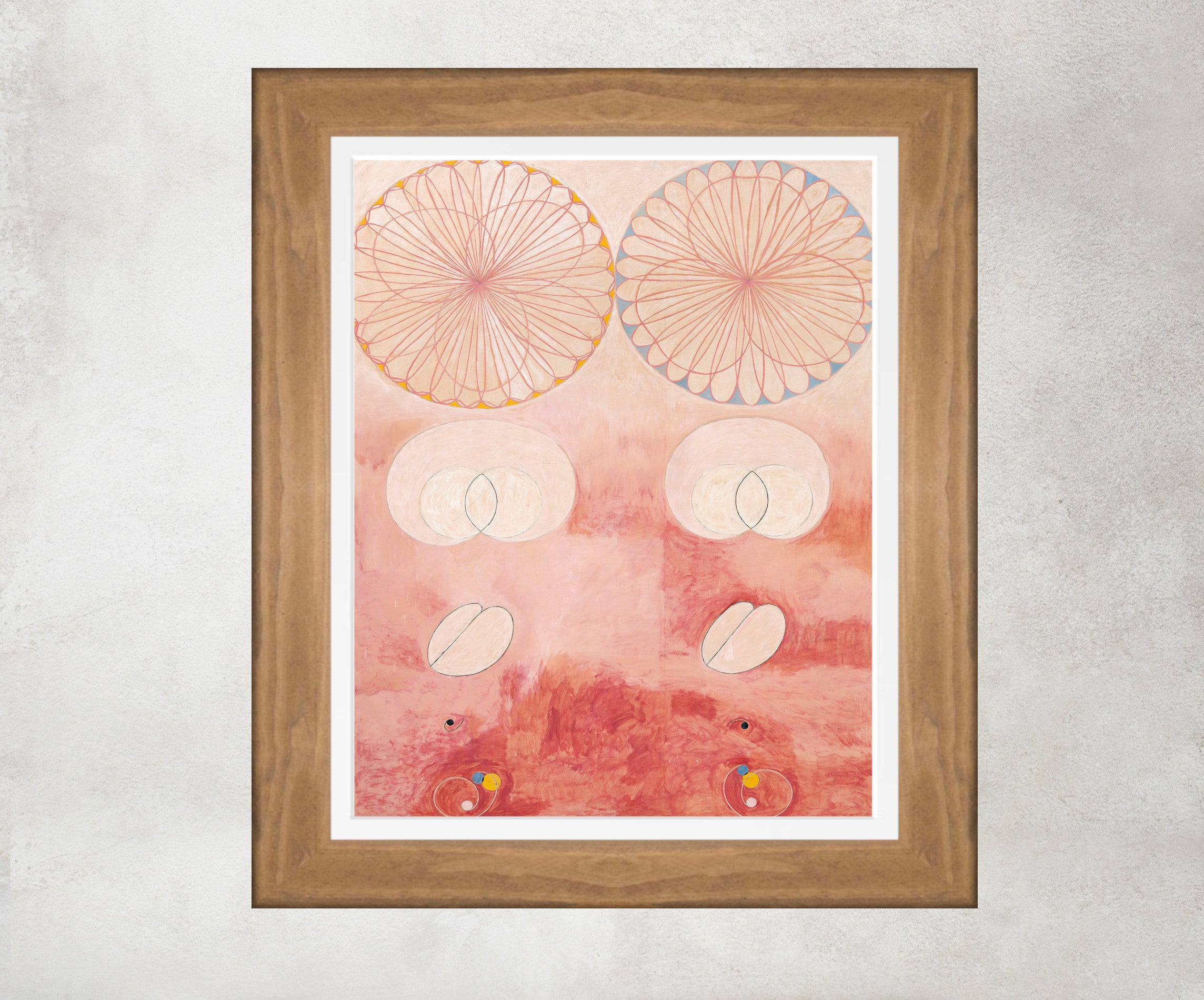
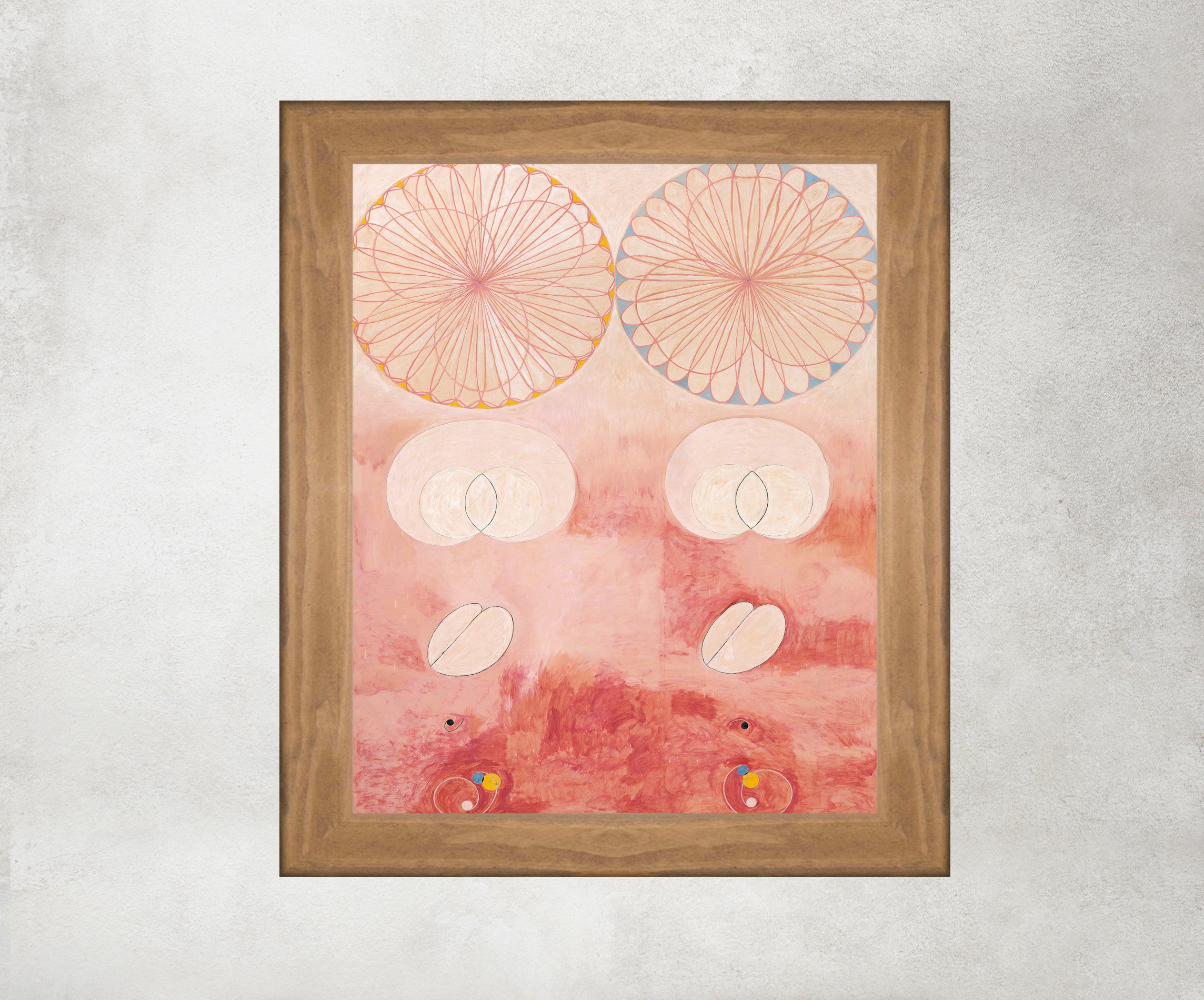
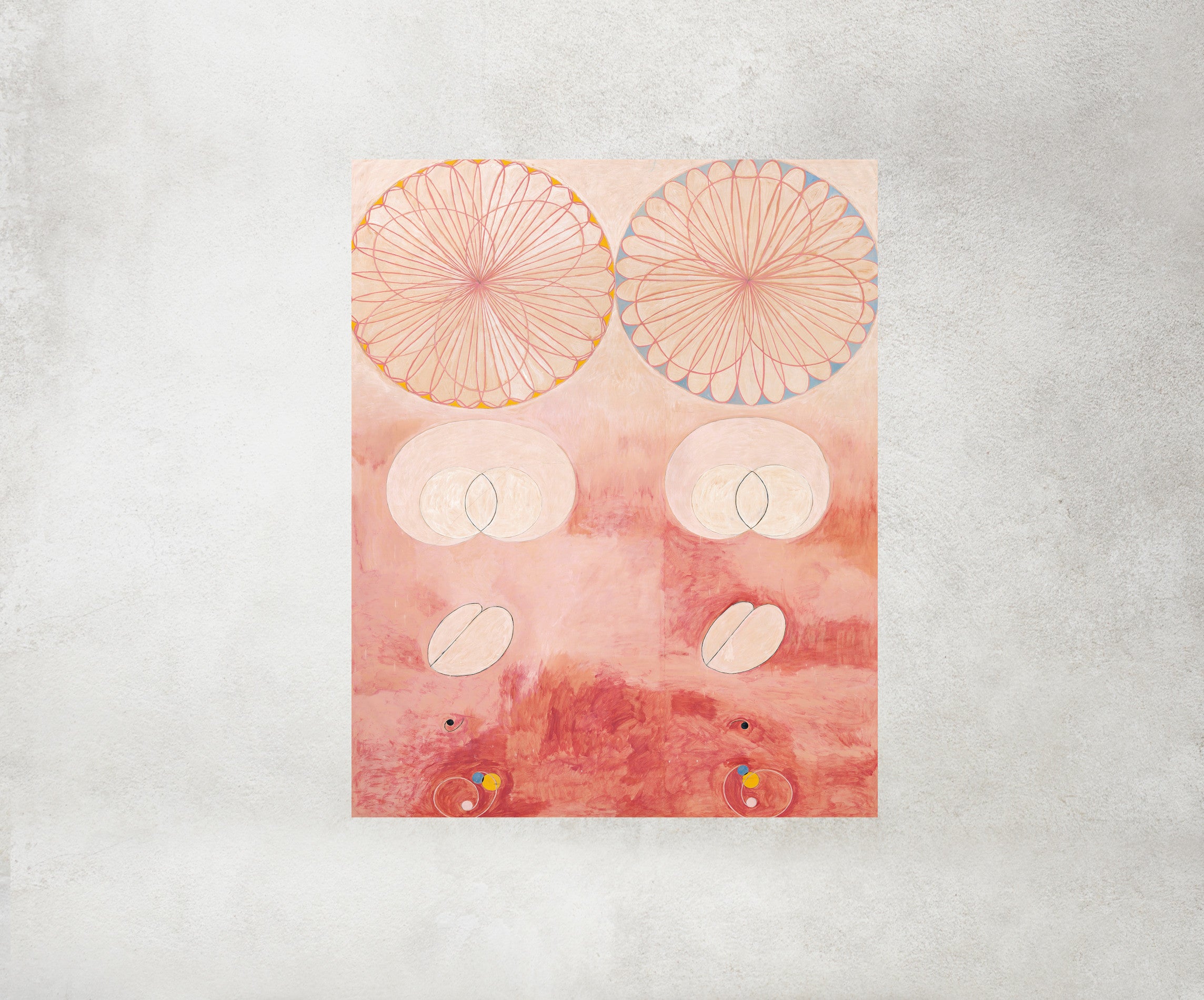
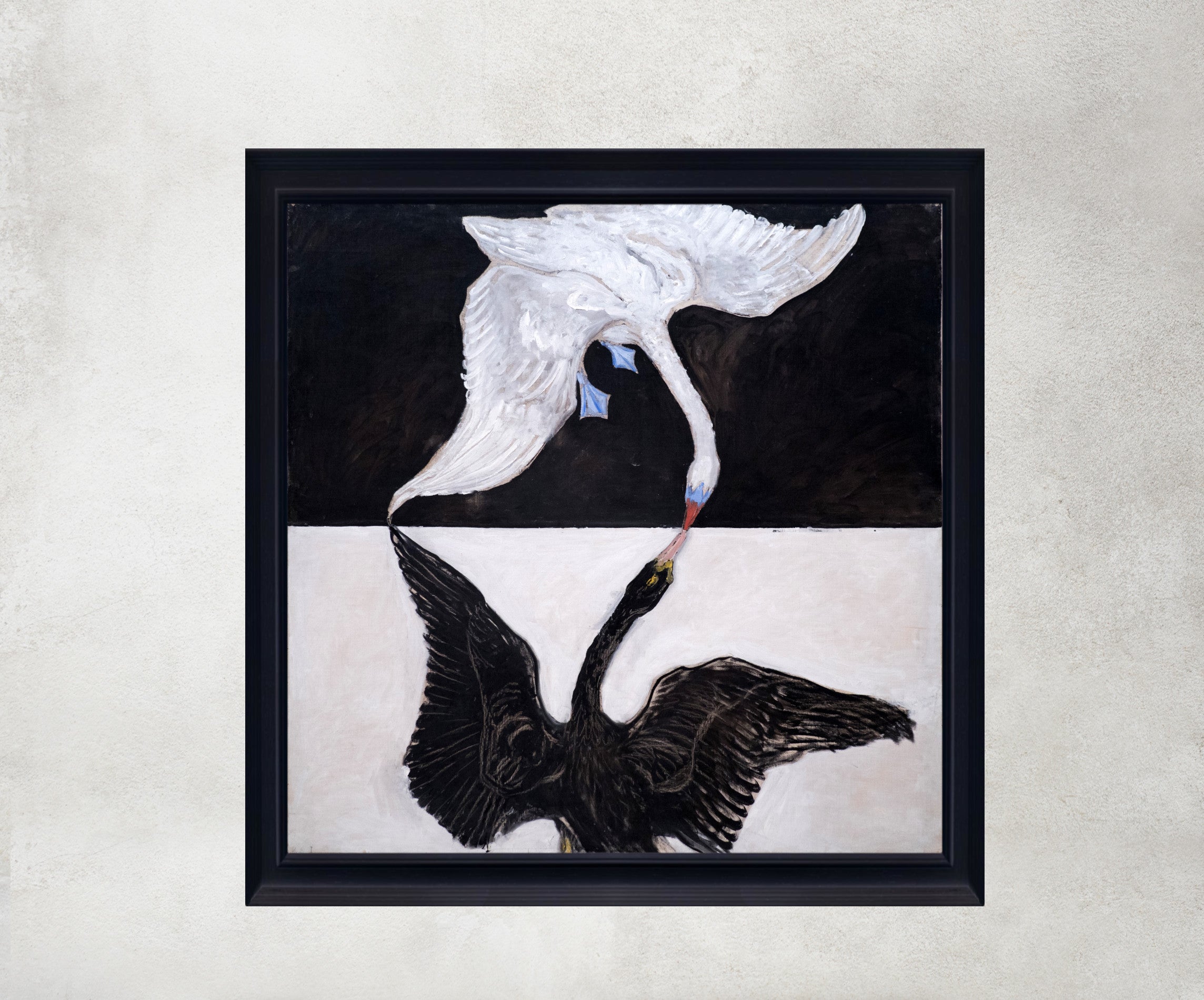
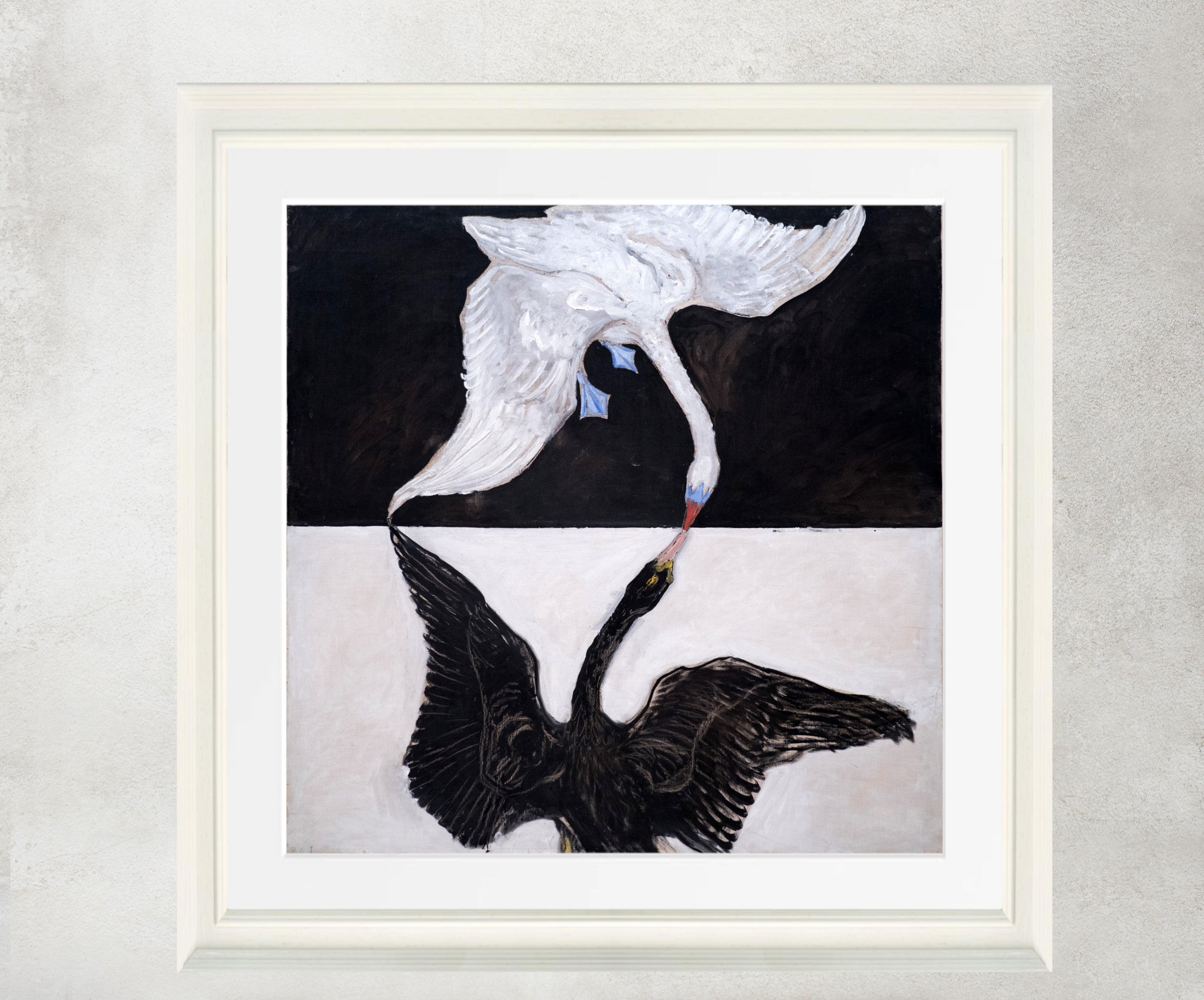
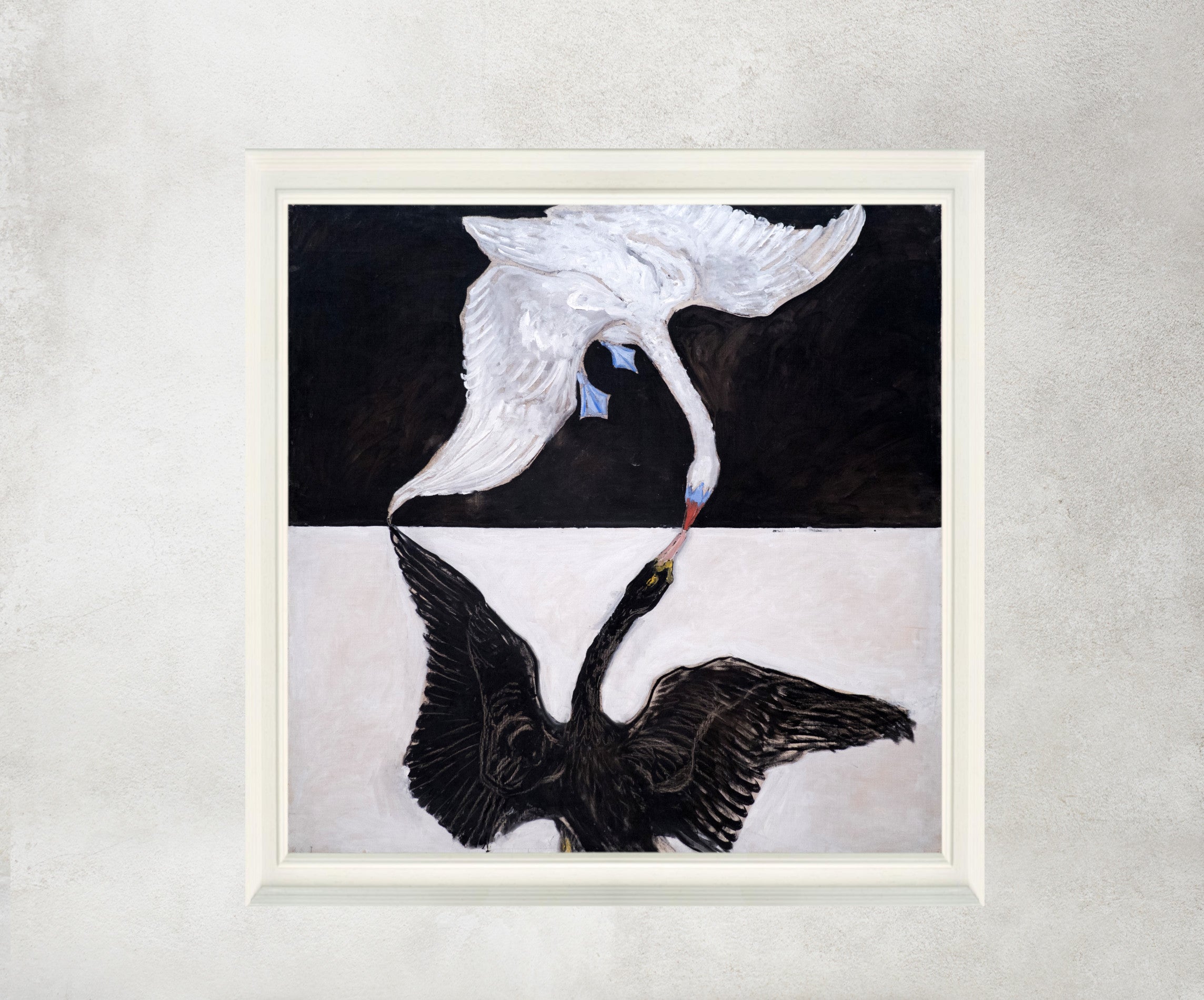
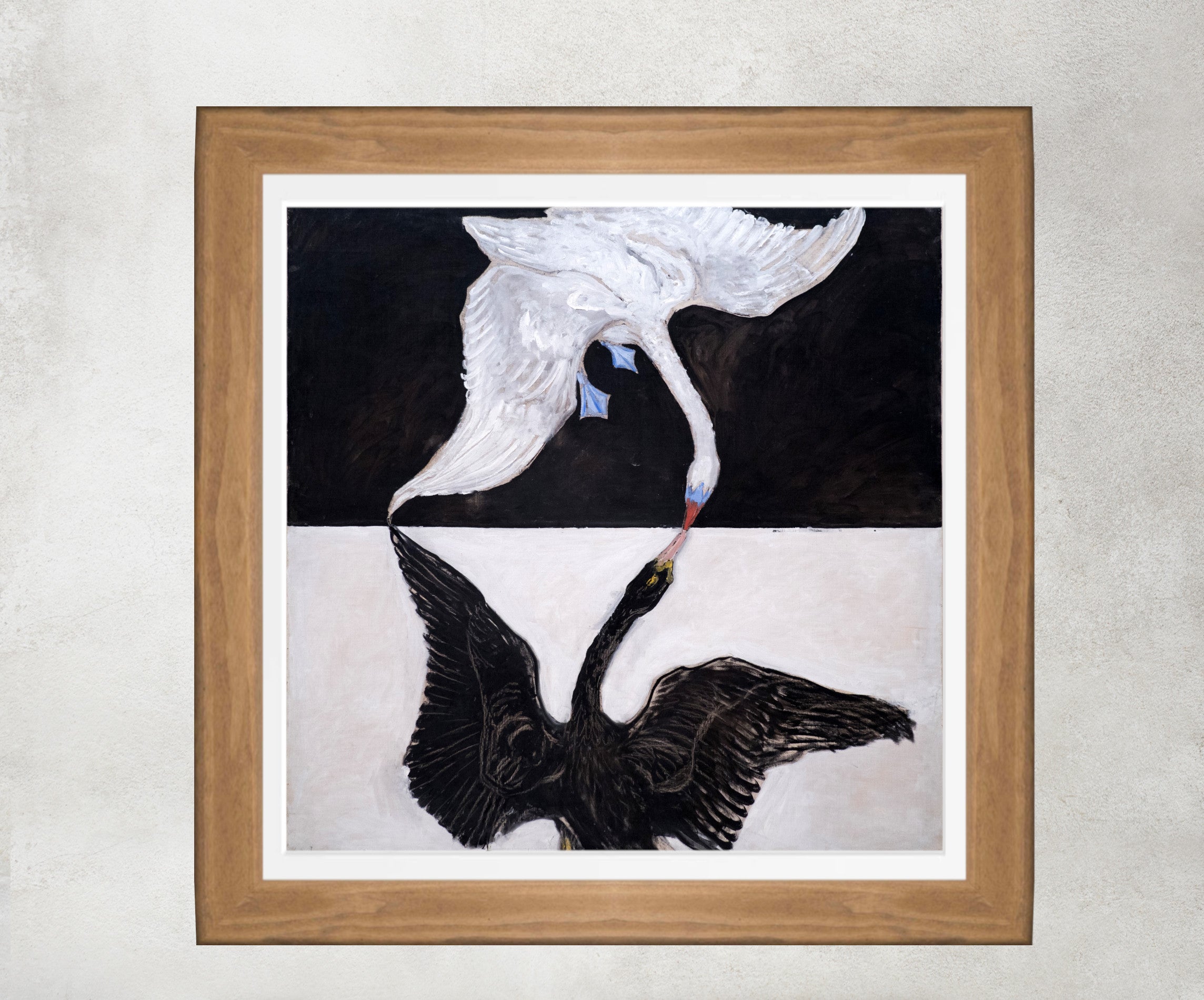
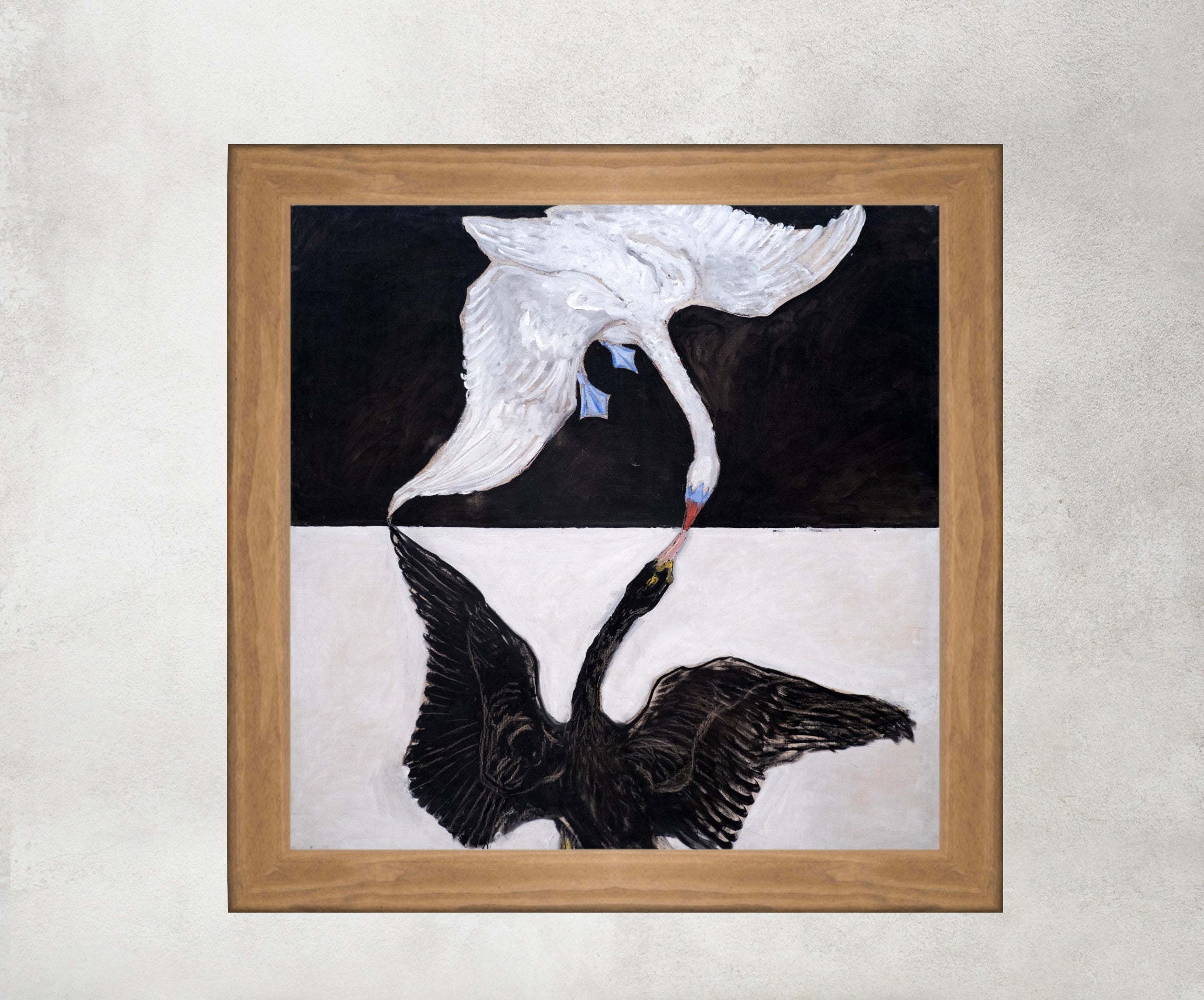
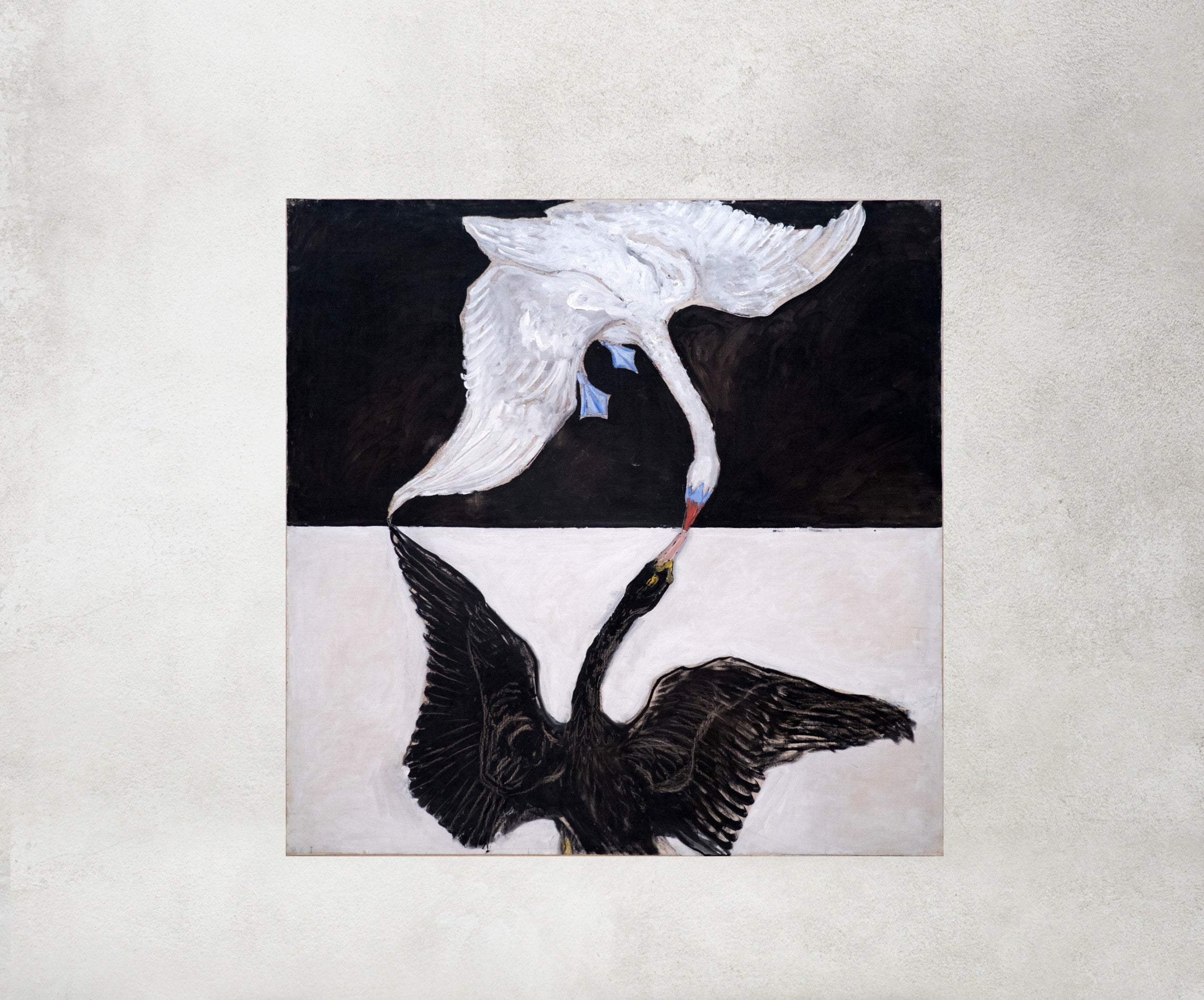
For artists such as Kandinsky and Hilma af Klint, abstraction could also express ideas that were difficult to represent through conventional imagery. Repeated shapes, circles, spirals and carefully chosen colours were used to suggest music, emotion, spirituality and unseen relationships.
Choosing Abstract Art for Your Home
Living Rooms
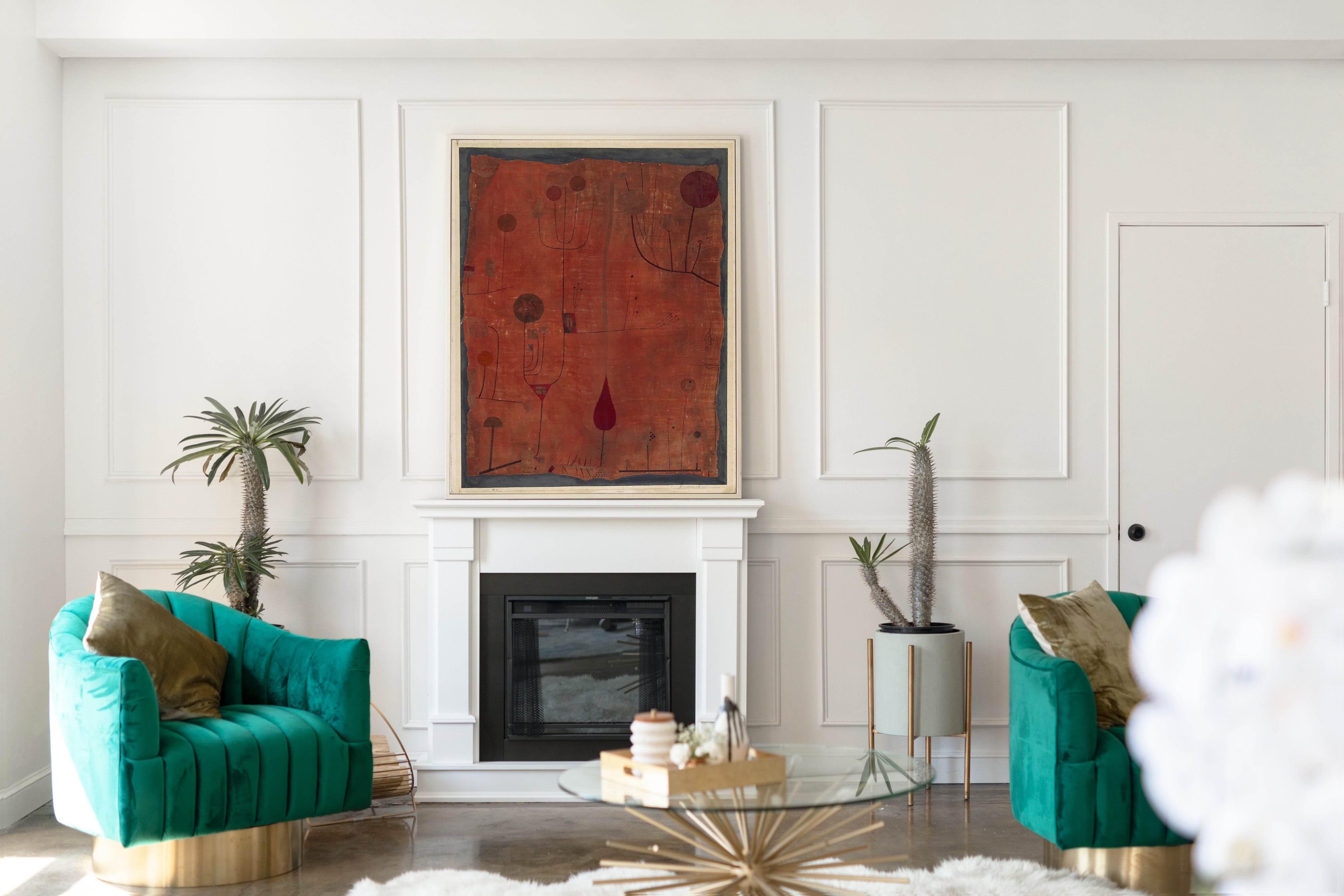
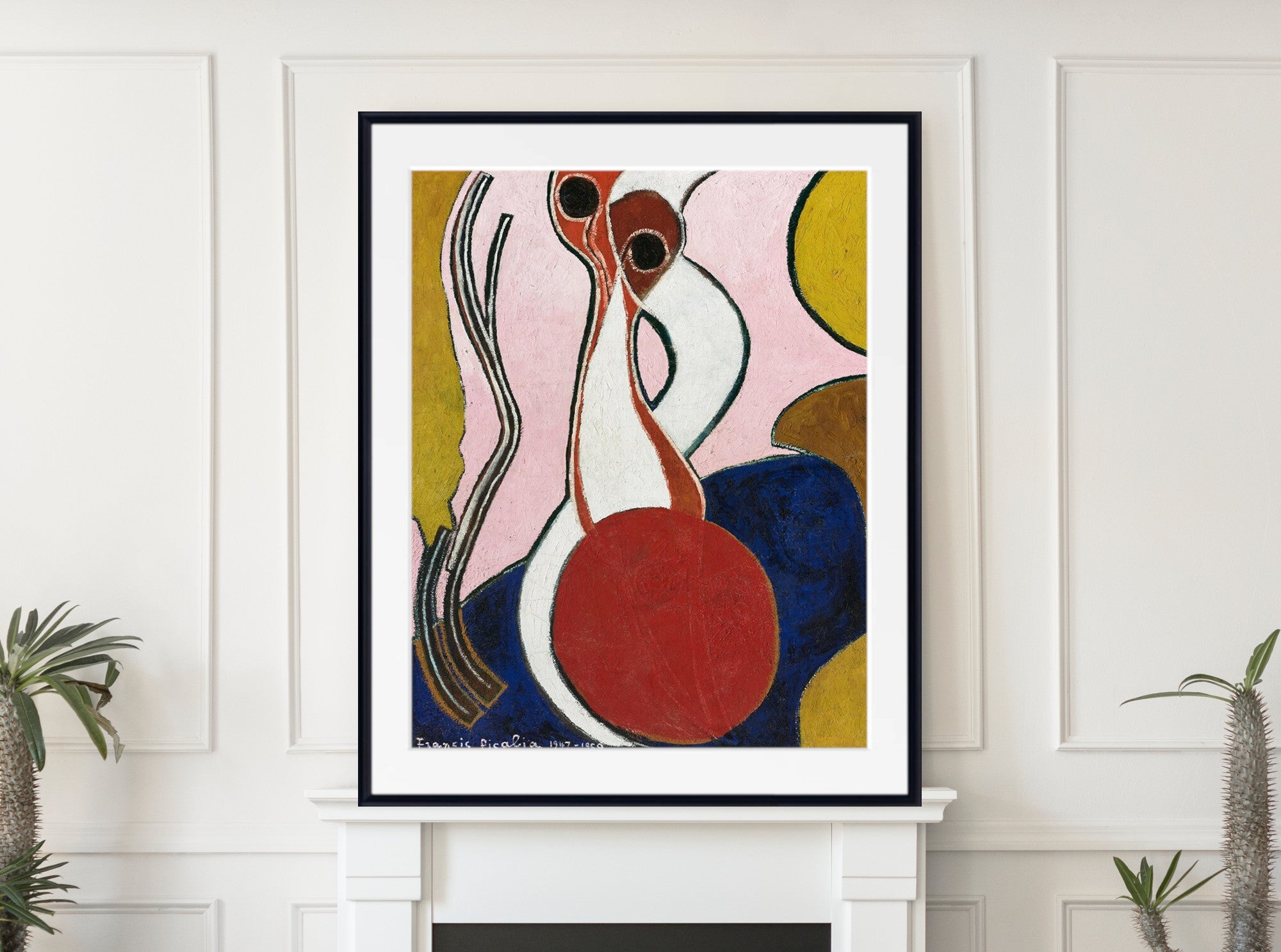
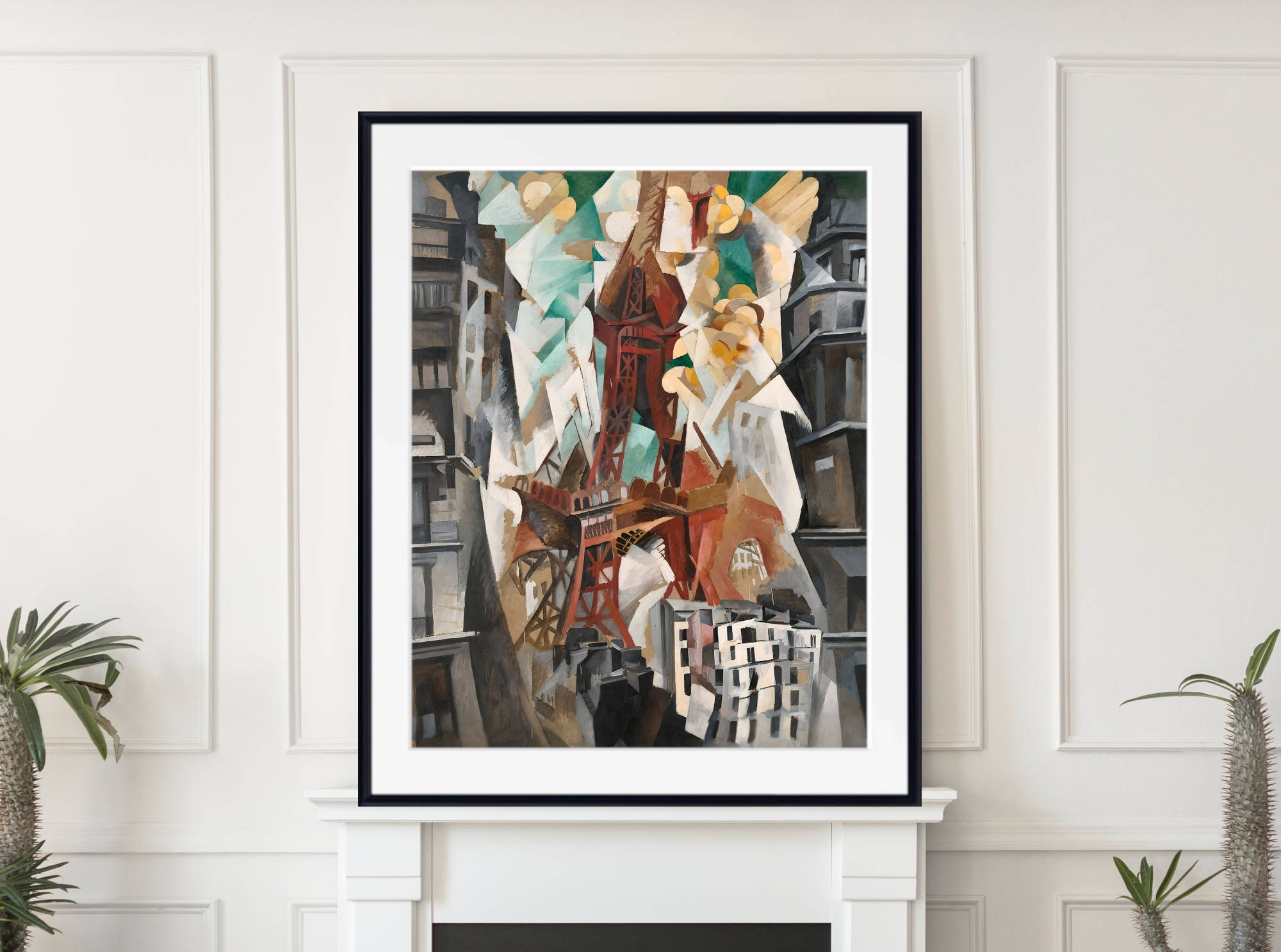
A living room can usually accommodate a larger and more visually assertive abstract print. Above a sofa, fireplace or sideboard, a substantial artwork can anchor the space and provide a clear focal point. In a neutral room, stronger colour can introduce contrast; where the décor is already colourful, a more restrained geometric composition may provide balance.
Bedrooms
For bedrooms, softer colours and balanced compositions often work particularly well. Muted blues, greens, beige tones and gentle geometric forms can add interest without making the room feel overly busy. A single large framed print above the bed can create a calm focal point, while a pair of related works gives a more symmetrical appearance.
Hallways and Staircases
Abstract artwork is particularly effective in hallways because its impact does not depend on detailed subject matter. Clear shapes and colour relationships can be understood quickly as you move through the space. Vertical prints suit narrow walls, while several smaller works can create rhythm along a staircase or longer hallway.
Dining Rooms and Home Offices
Dining rooms and offices can support stronger colour and more energetic compositions. Geometric abstract prints and modernist designs introduce character without the distraction of a narrative scene, making them well suited to workspaces and areas used for entertaining.
Choosing the Right Size and Format
Large abstract prints are especially effective because scale allows colour and composition to make a stronger visual impact. Above a substantial piece of furniture, choose artwork that feels visually connected to the furniture beneath it rather than appearing isolated on the wall.
Smaller abstract prints are ideal for gallery walls, where works can be coordinated through colour, artist, period or framing style. Mixing several abstract artists can work particularly well when the overall palette remains coherent.
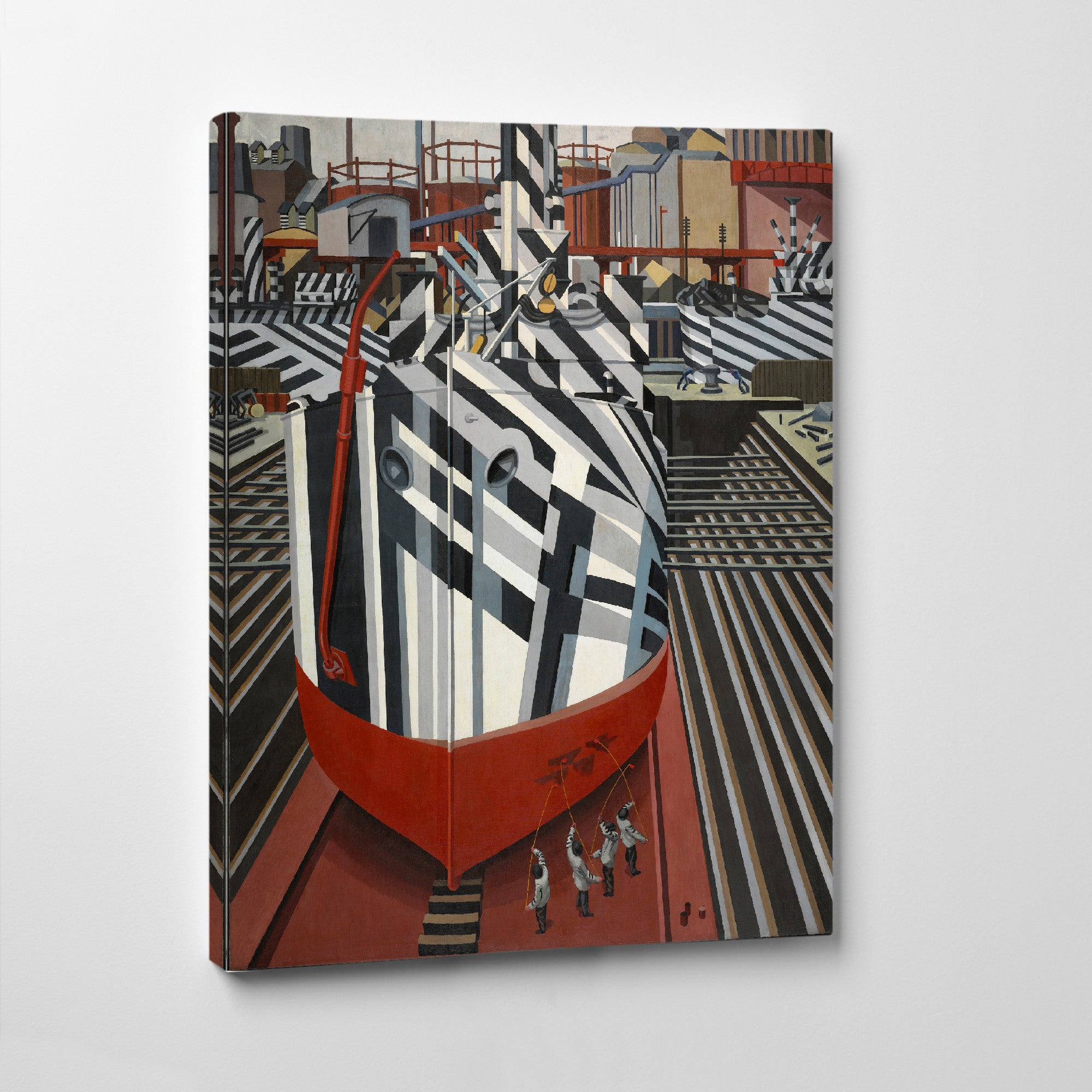
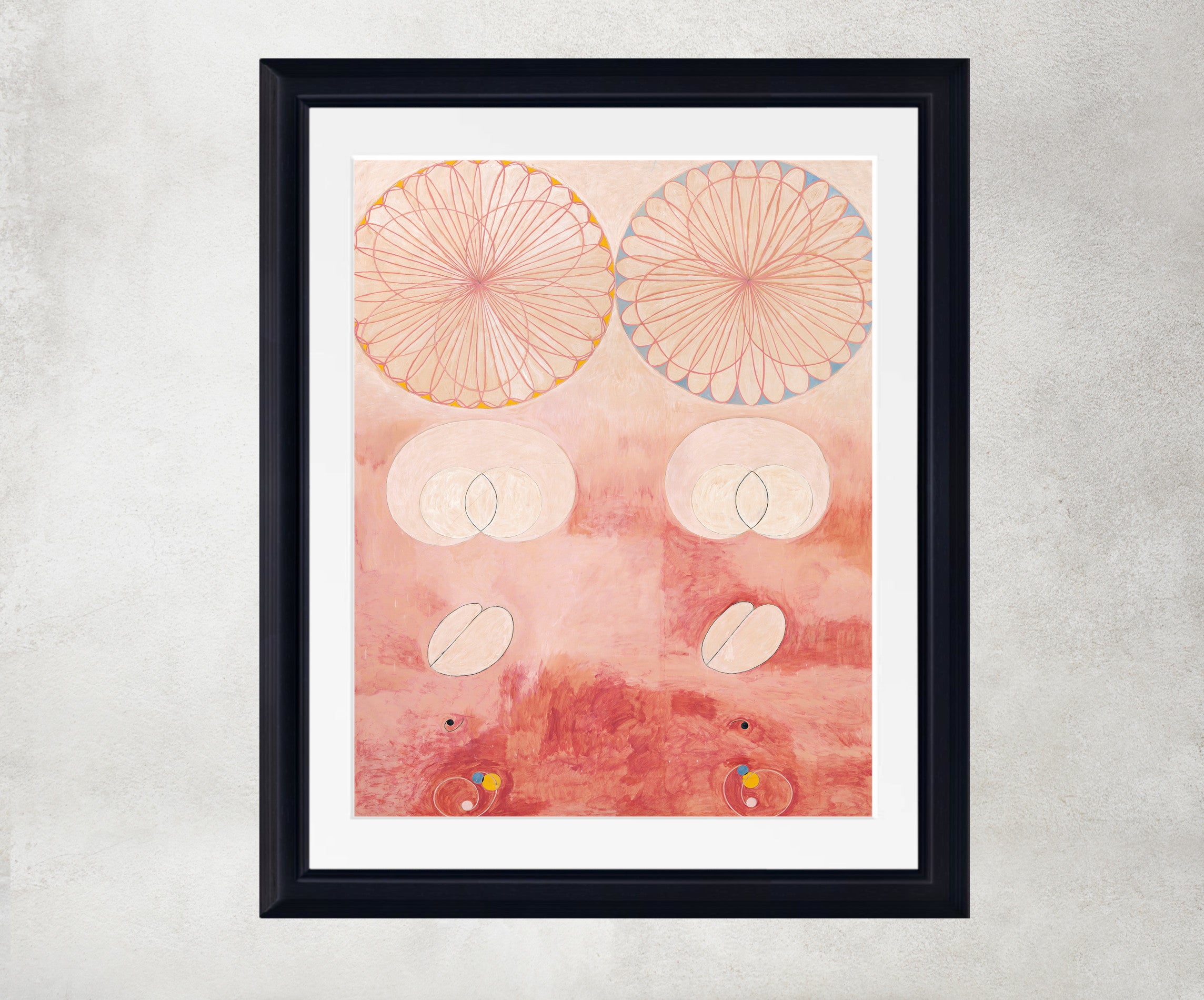
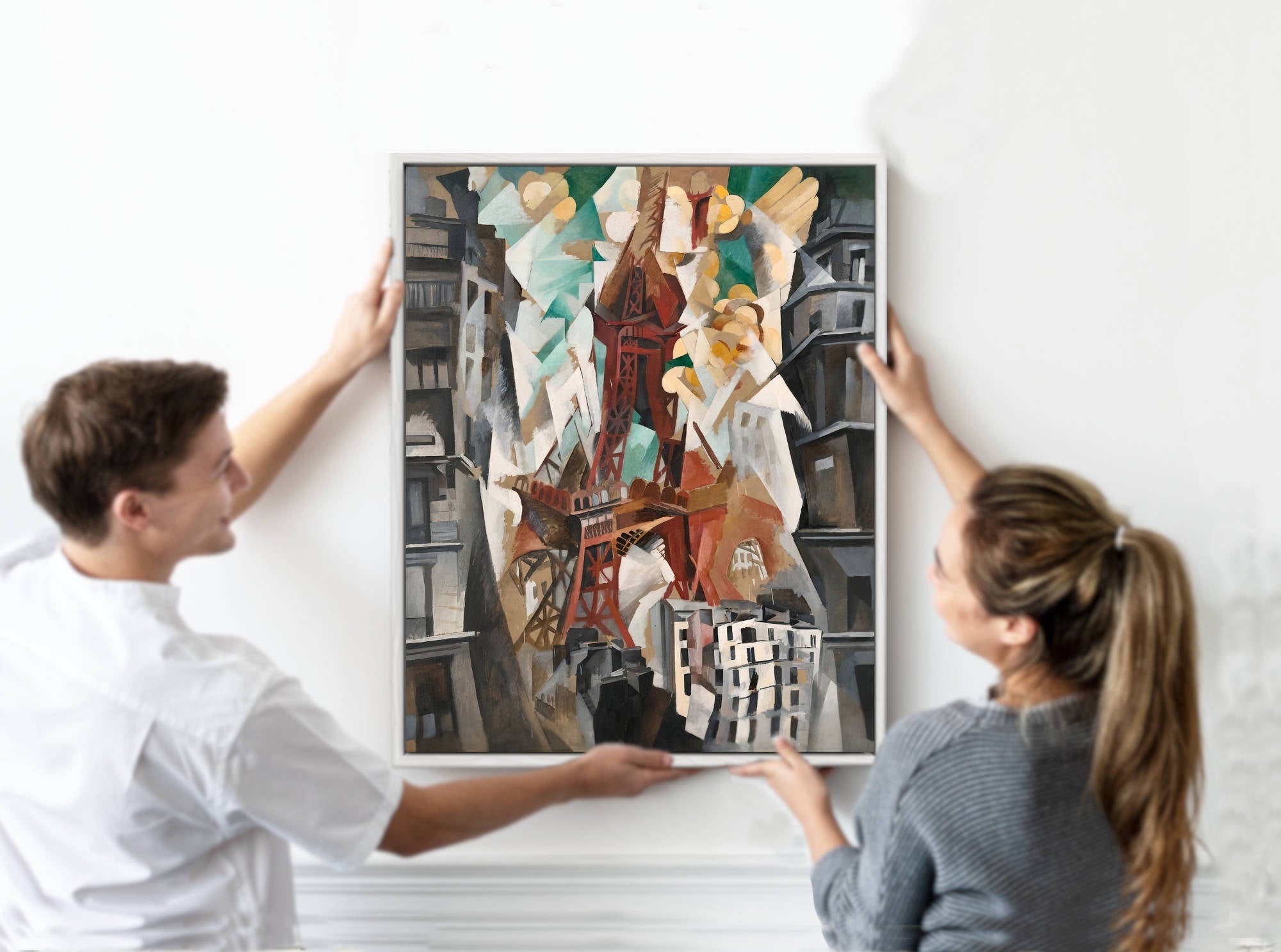
GalleryThane abstract artwork is available as fine art paper prints, framed prints and canvas panels. A framed print creates a more defined gallery-style presentation, while a canvas panel gives the artwork a simpler, contemporary finish.
Frequently Asked Questions
What is abstract art?
Abstract art uses colour, line, shape, geometry and composition rather than relying primarily on realistic representation. Some abstract works are completely non-representational, while others retain simplified traces of recognisable subjects.
Who are the most famous abstract artists?
Important pioneers include Wassily Kandinsky, Piet Mondrian, Paul Klee, František Kupka, Robert Delaunay, Hilma af Klint and László Moholy-Nagy. Their work helped establish many of the principal approaches to modern abstraction.
What abstract art works best in a modern living room?
Large geometric or colour-led abstract prints work particularly well in modern living rooms. The best choice depends on the room: stronger colours can enliven neutral interiors, while simpler compositions can balance spaces that already contain substantial pattern and colour.
Can abstract prints work in traditional interiors?
Yes. Abstract artwork can create an effective contrast with traditional furniture, period architecture and classic interiors. A simple frame and a carefully chosen palette can help modern artwork sit naturally within an older room.
Should abstract artwork match the colours in my room?
It does not need to match exactly. Often it is more effective to choose an artwork containing one or two colours already present in the room and allow the remaining colours to introduce contrast and interest.
Can I combine different abstract artists in a gallery wall?
Yes. Abstract prints by different artists can work very successfully together when they share a similar palette, geometric structure, period or framing treatment. Combining works by Kandinsky, Klee, Kupka and other modernists can create a varied but coherent display.