
Japanese Art prints
Explore Japanese art prints spanning Edo-period ukiyo-e, bird-and-flower studies, dramatic warrior and kabuki subjects, and atmospheric shin-hanga landscapes.
Discover works by Hokusai, Hiroshige, Kuniyoshi, Ohara Koson, Hasui Kawase and other celebrated Japanese artists, available as fine art prints, framed prints and canvas panels.
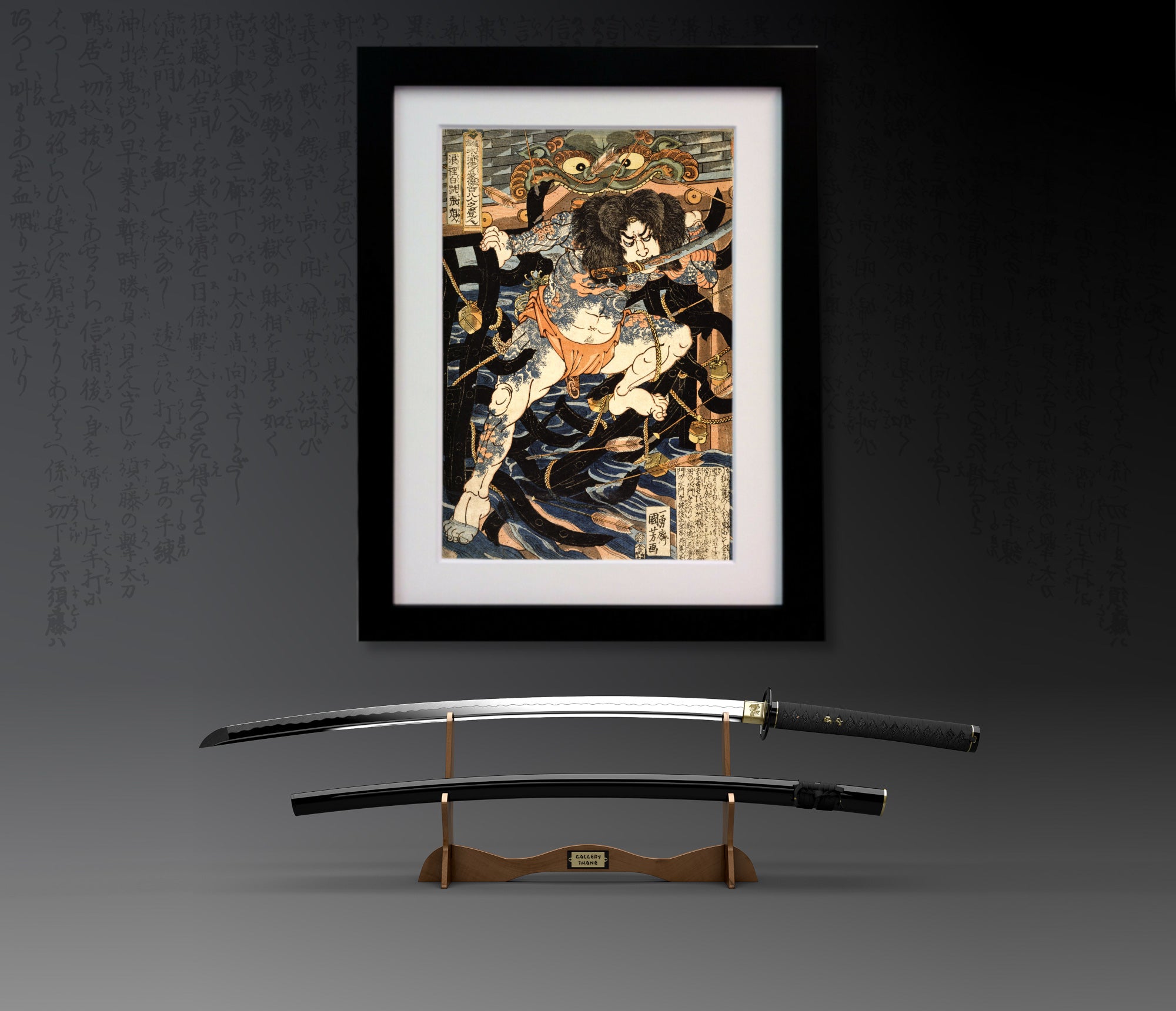
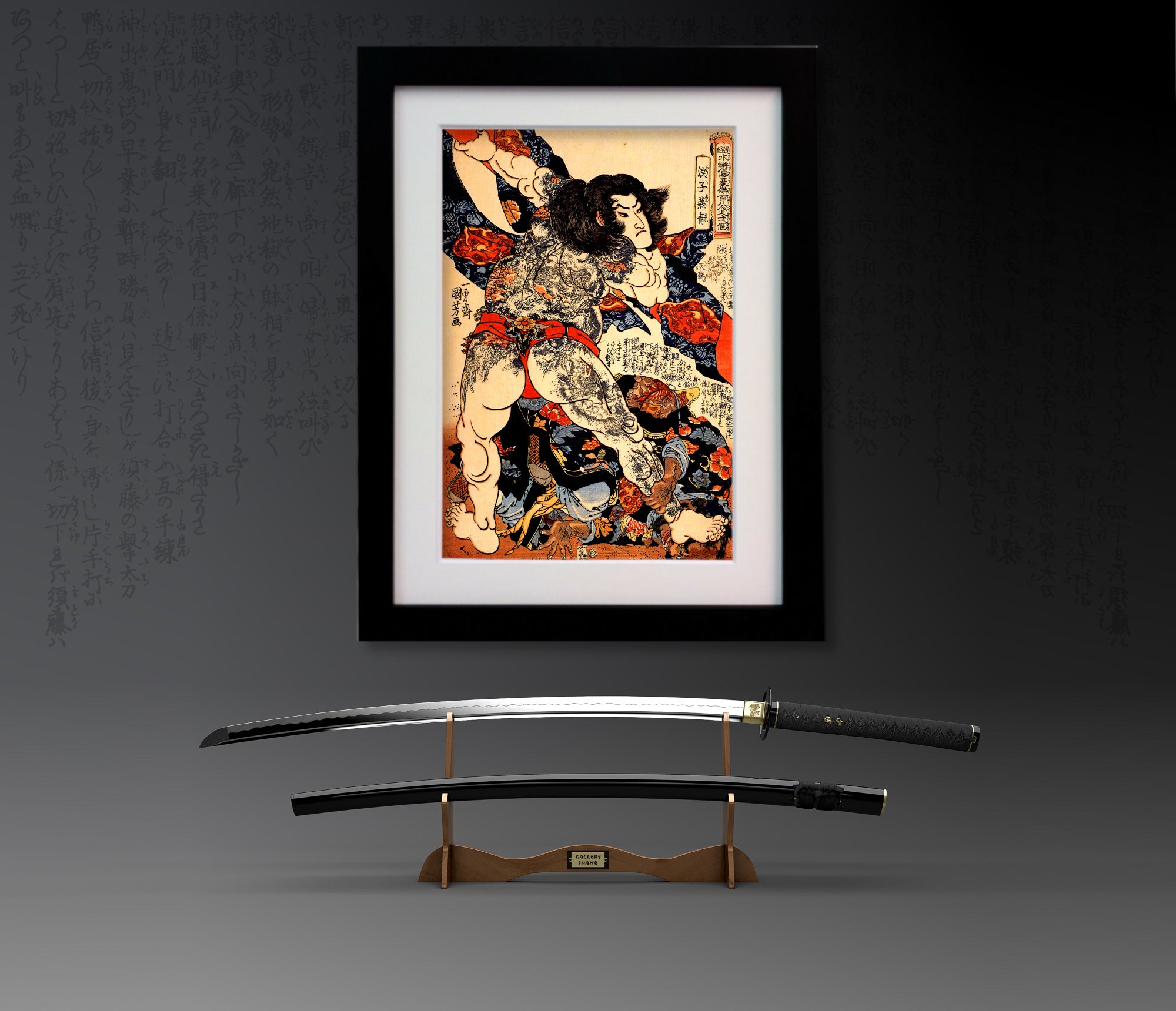
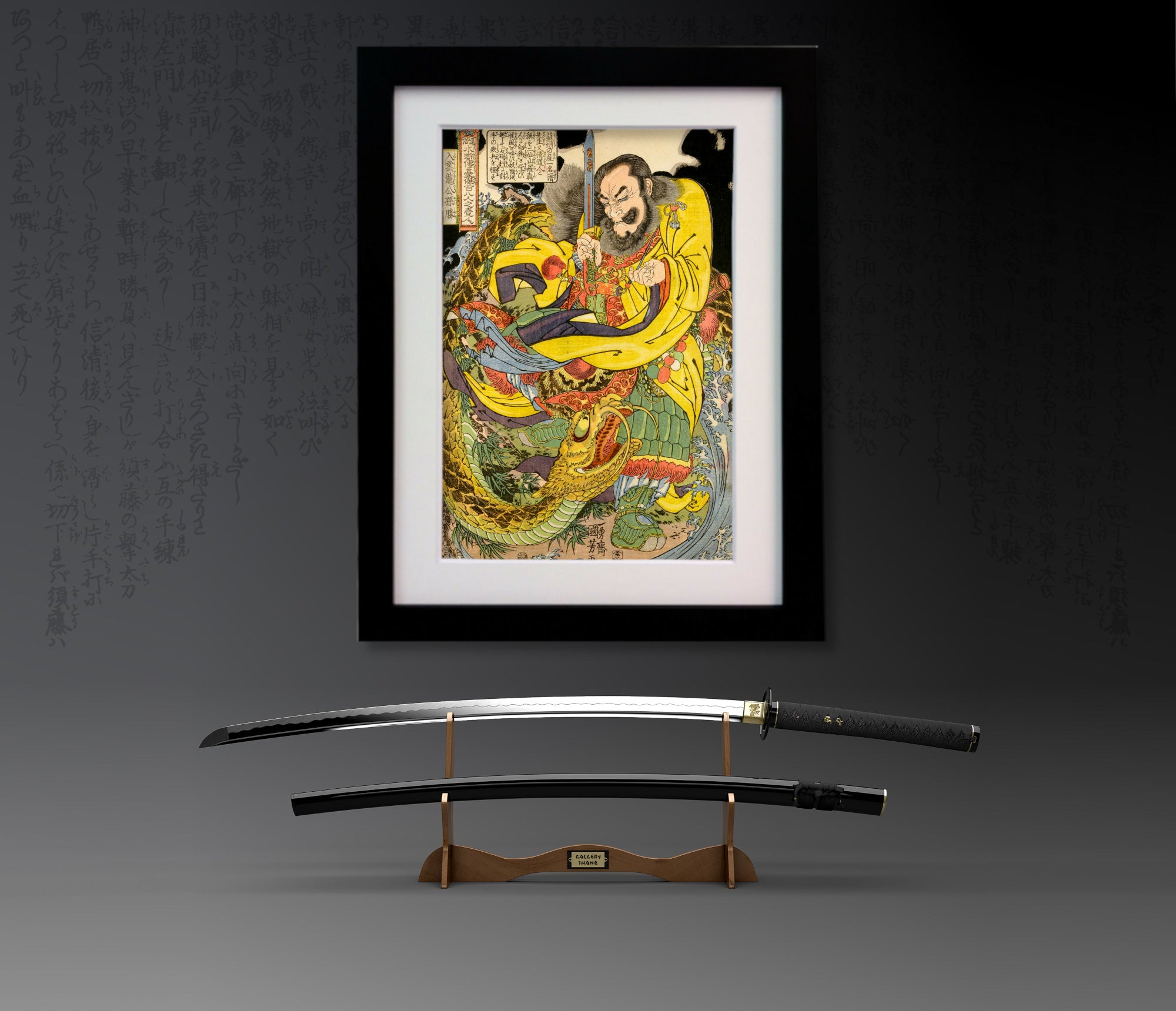
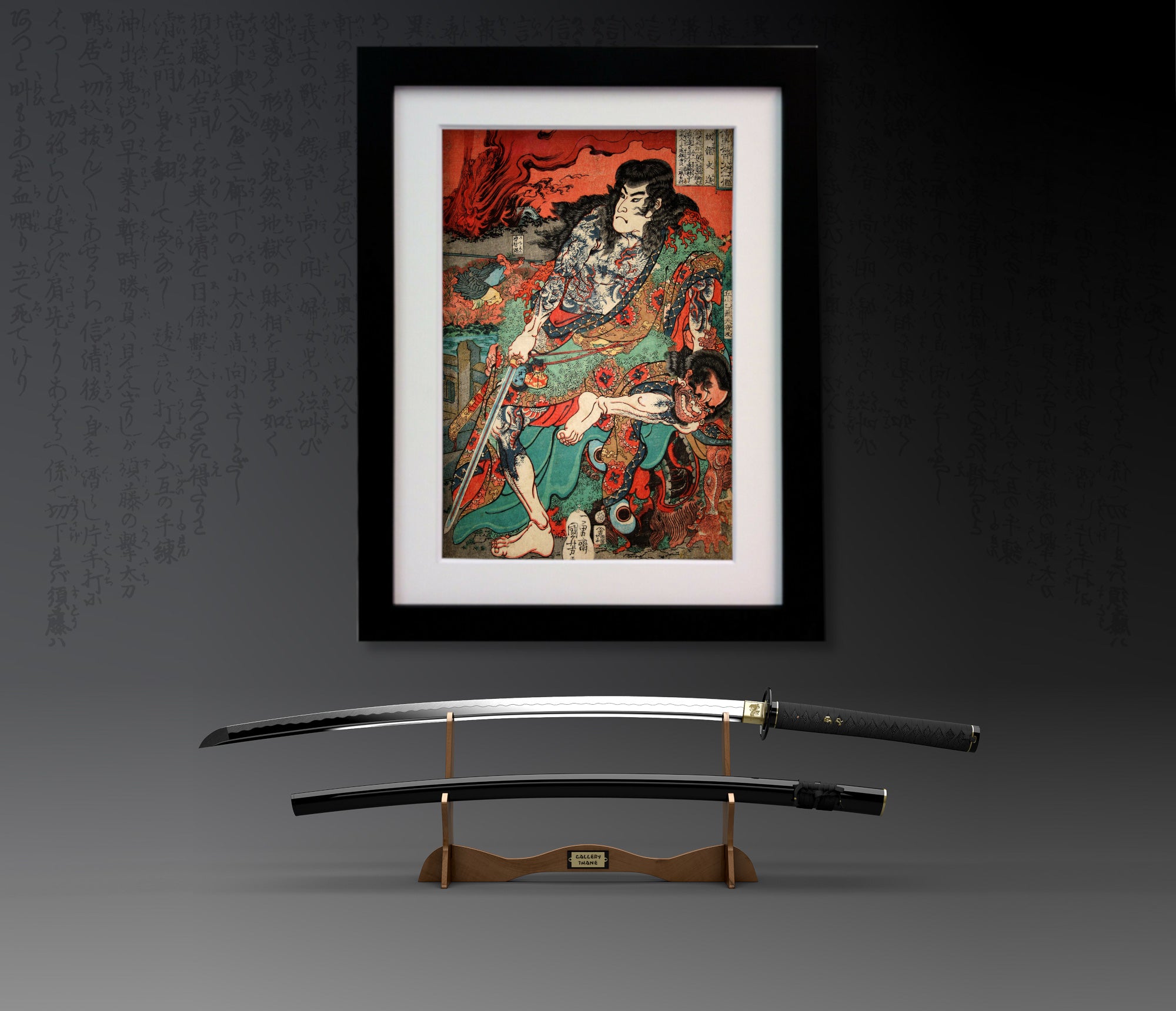
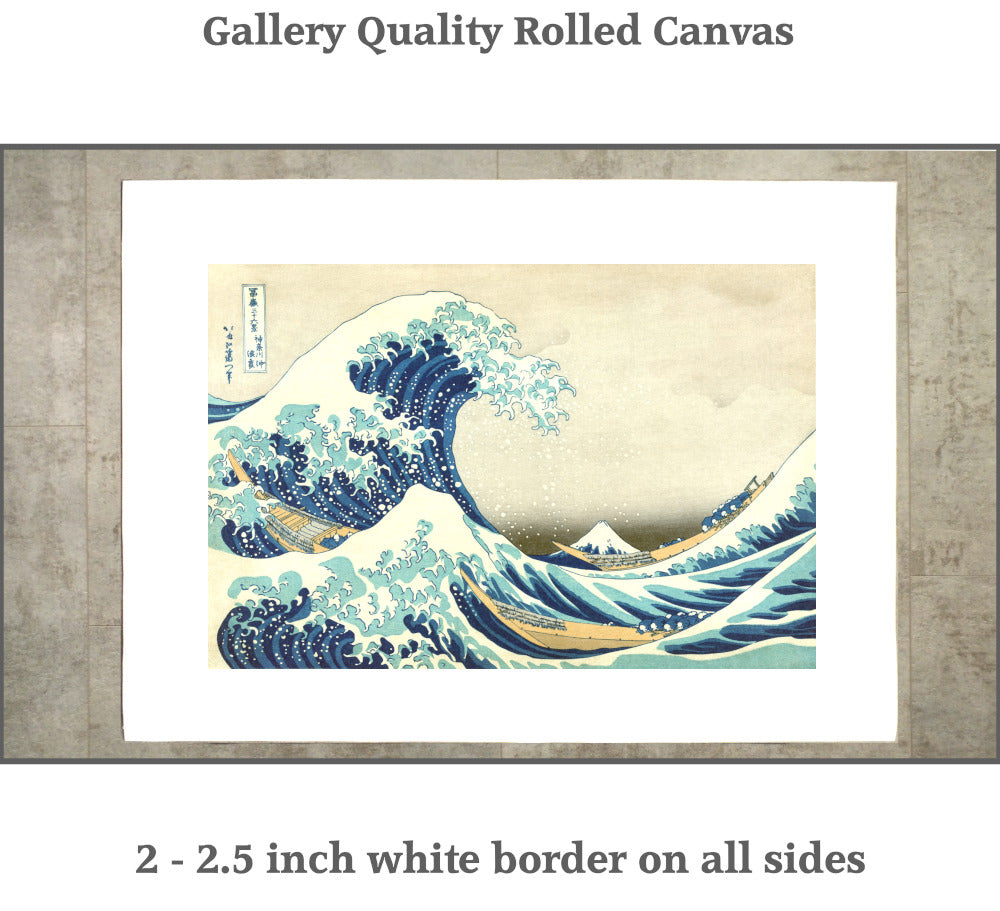
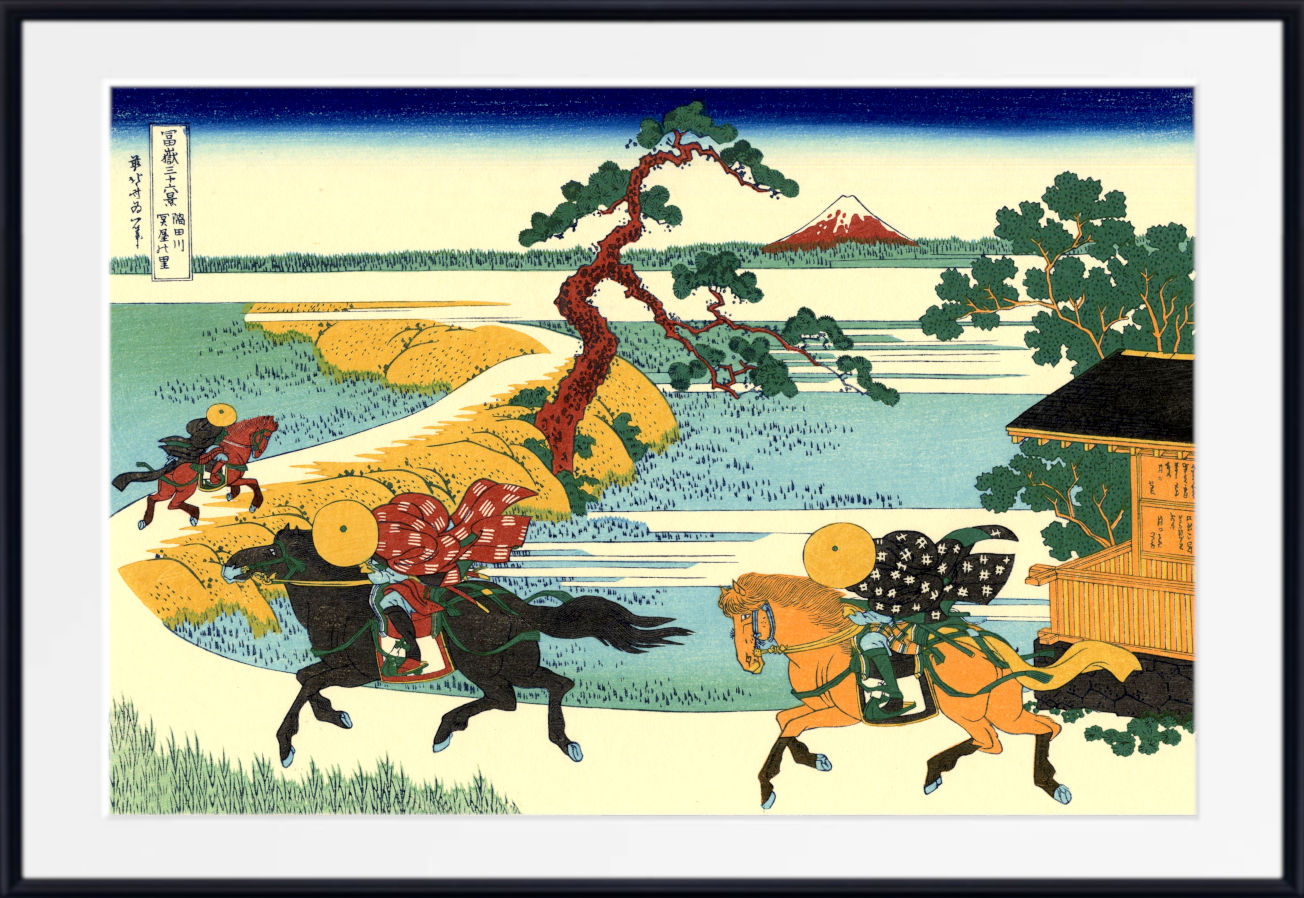
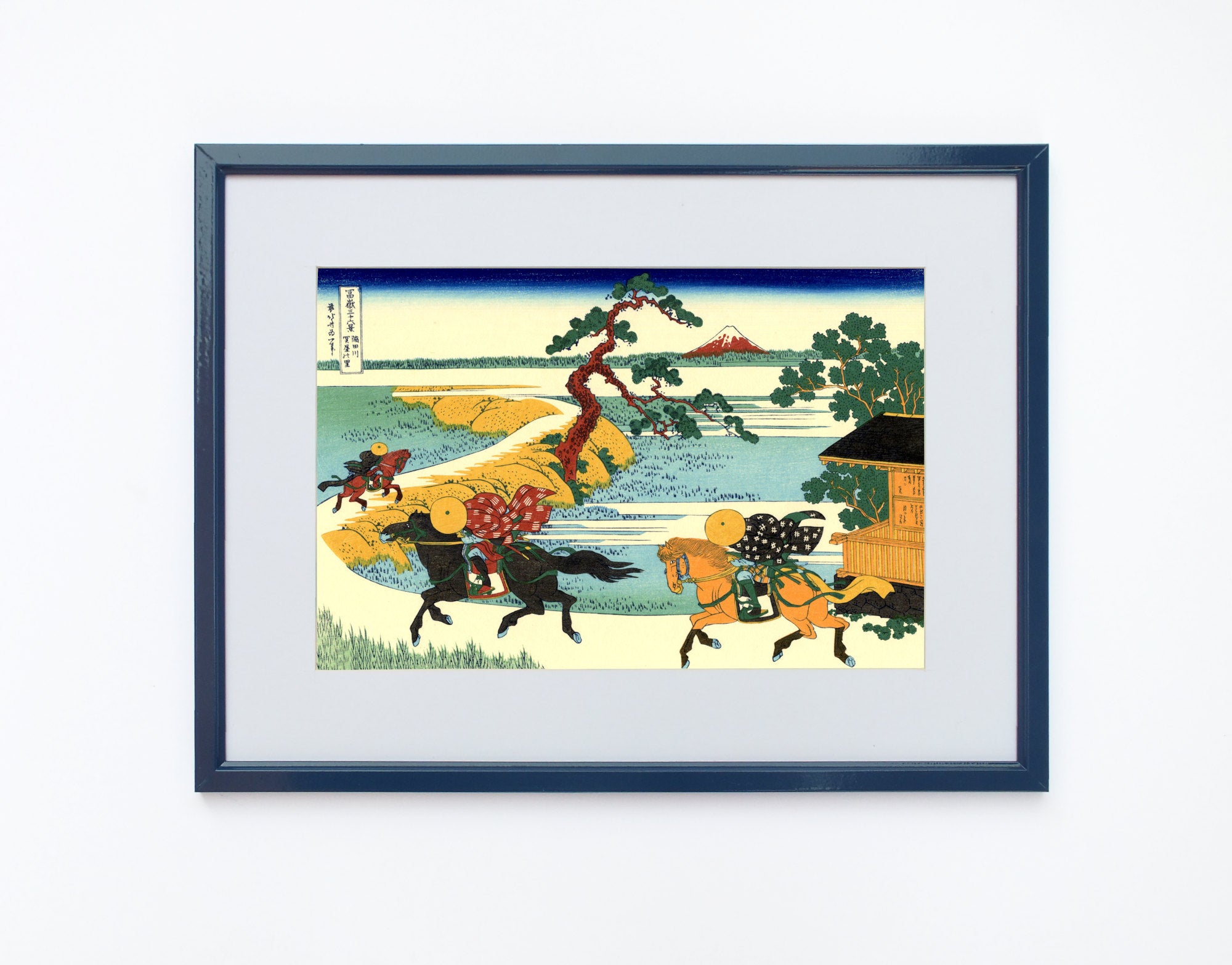
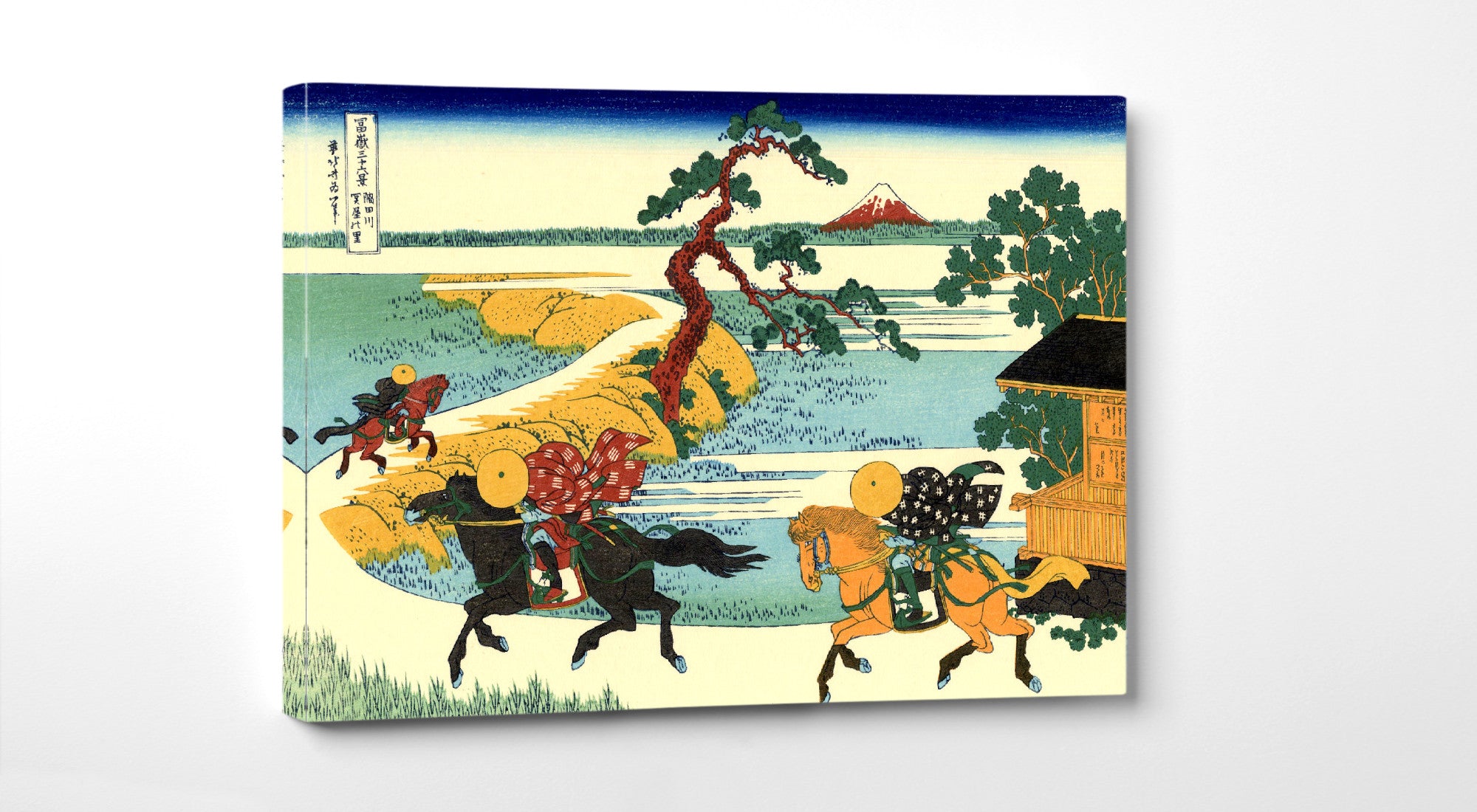
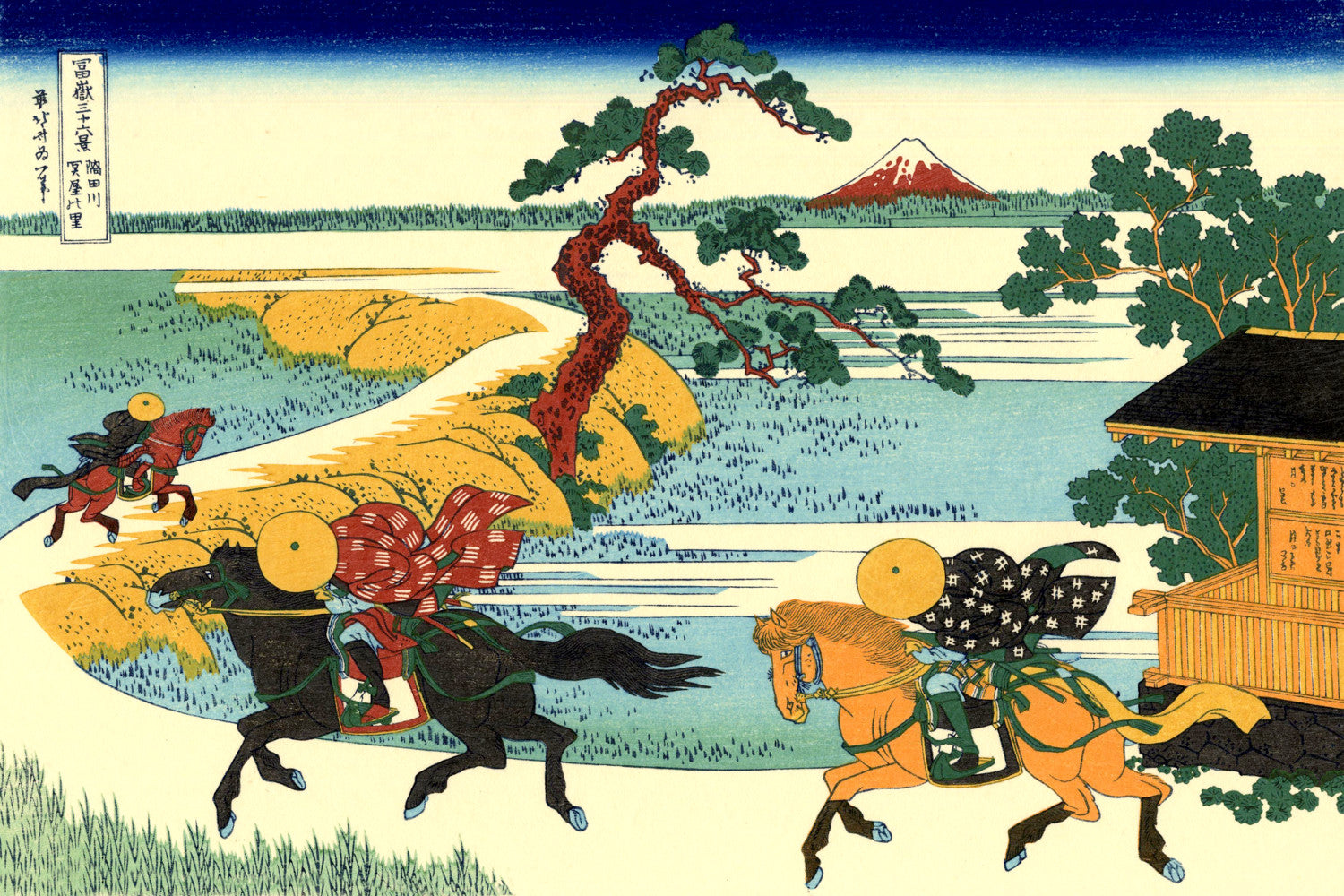
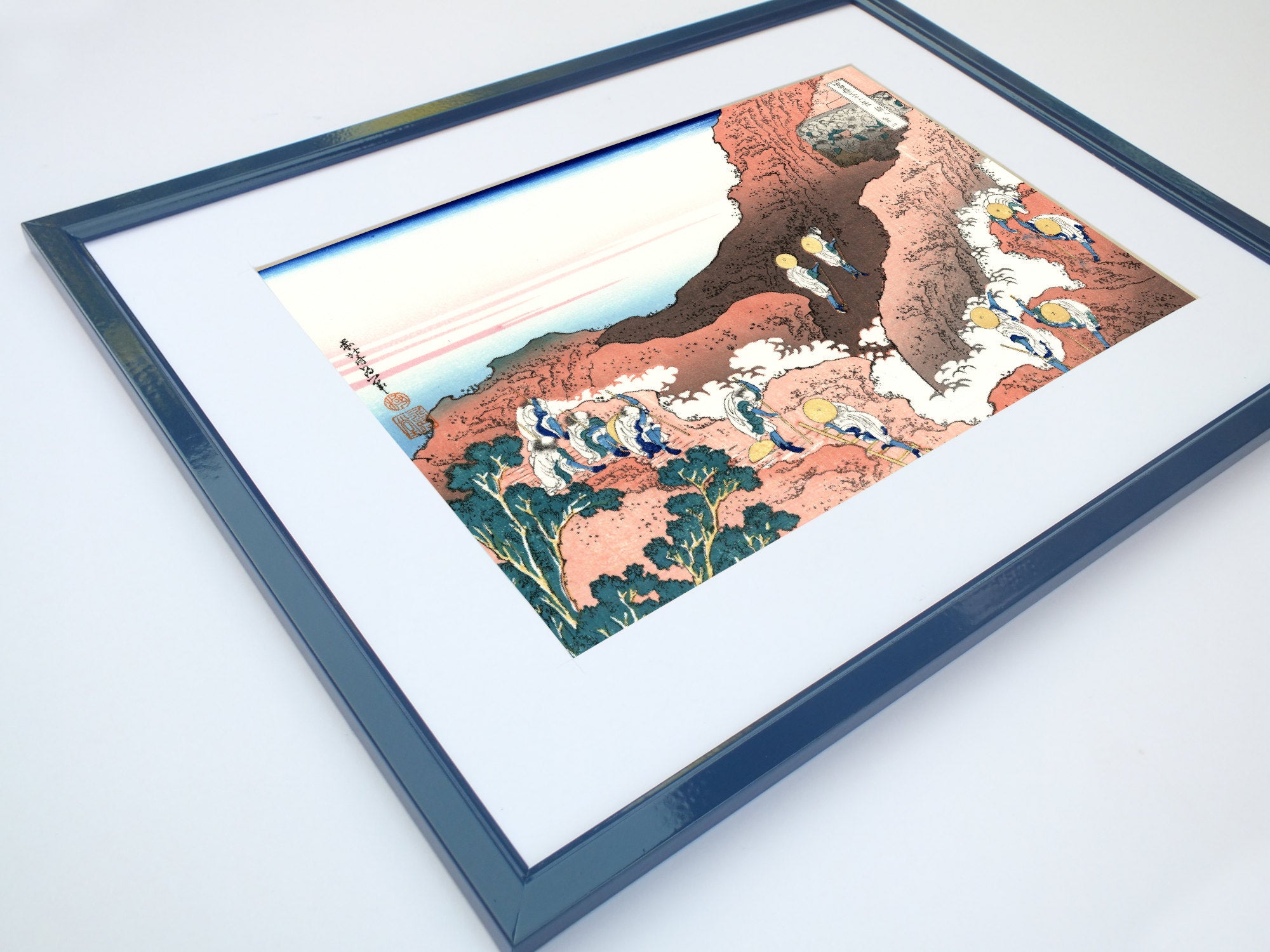
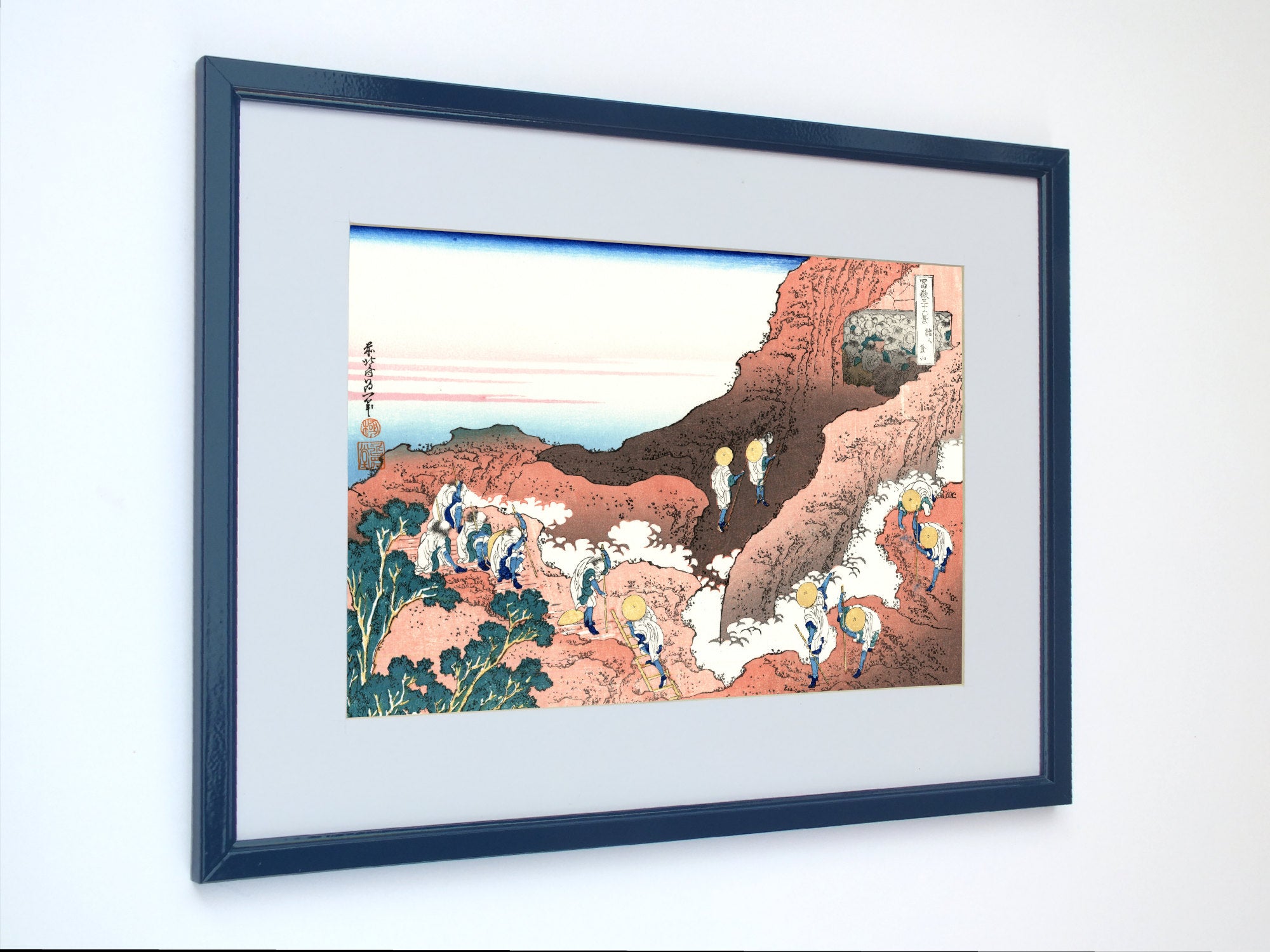
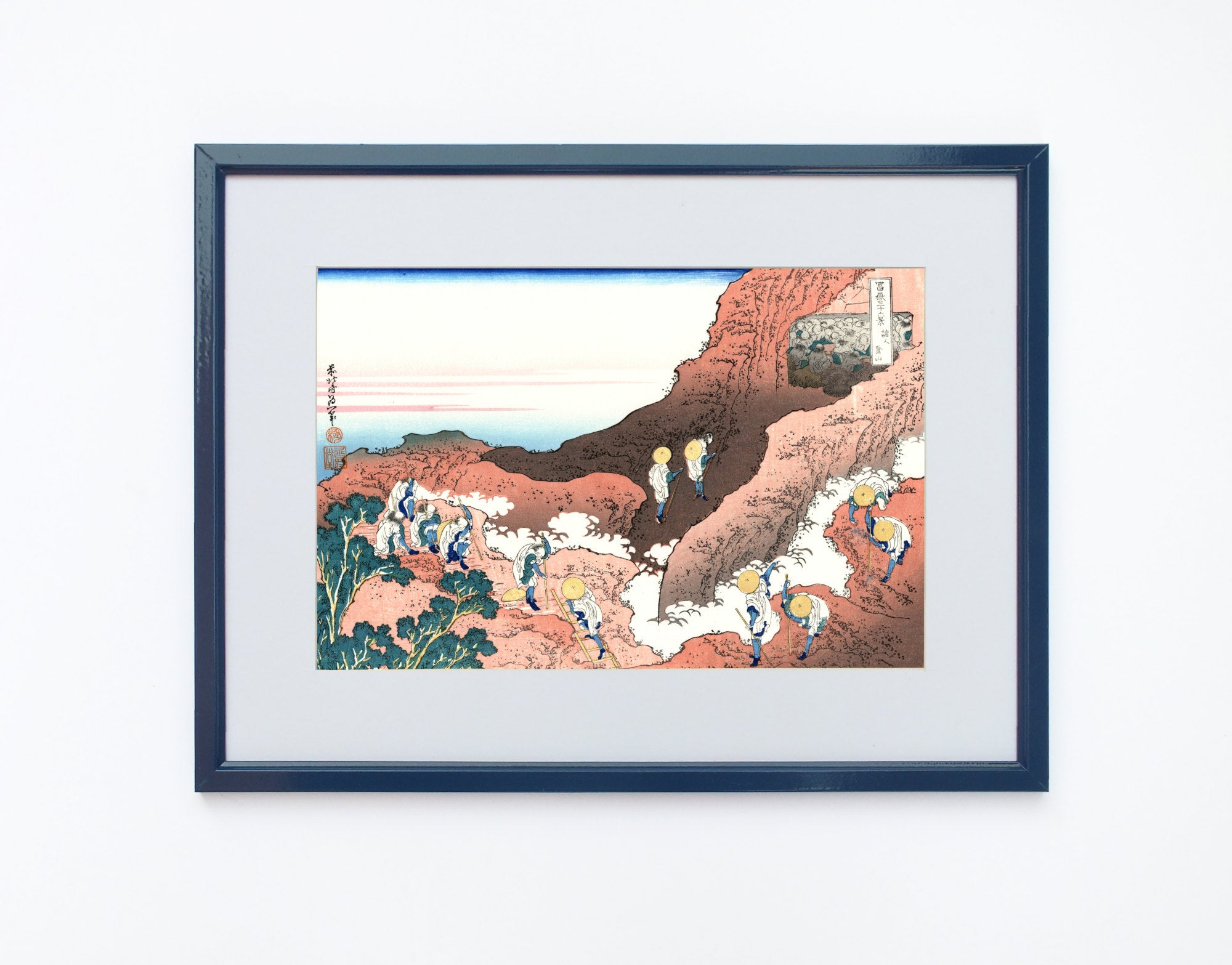
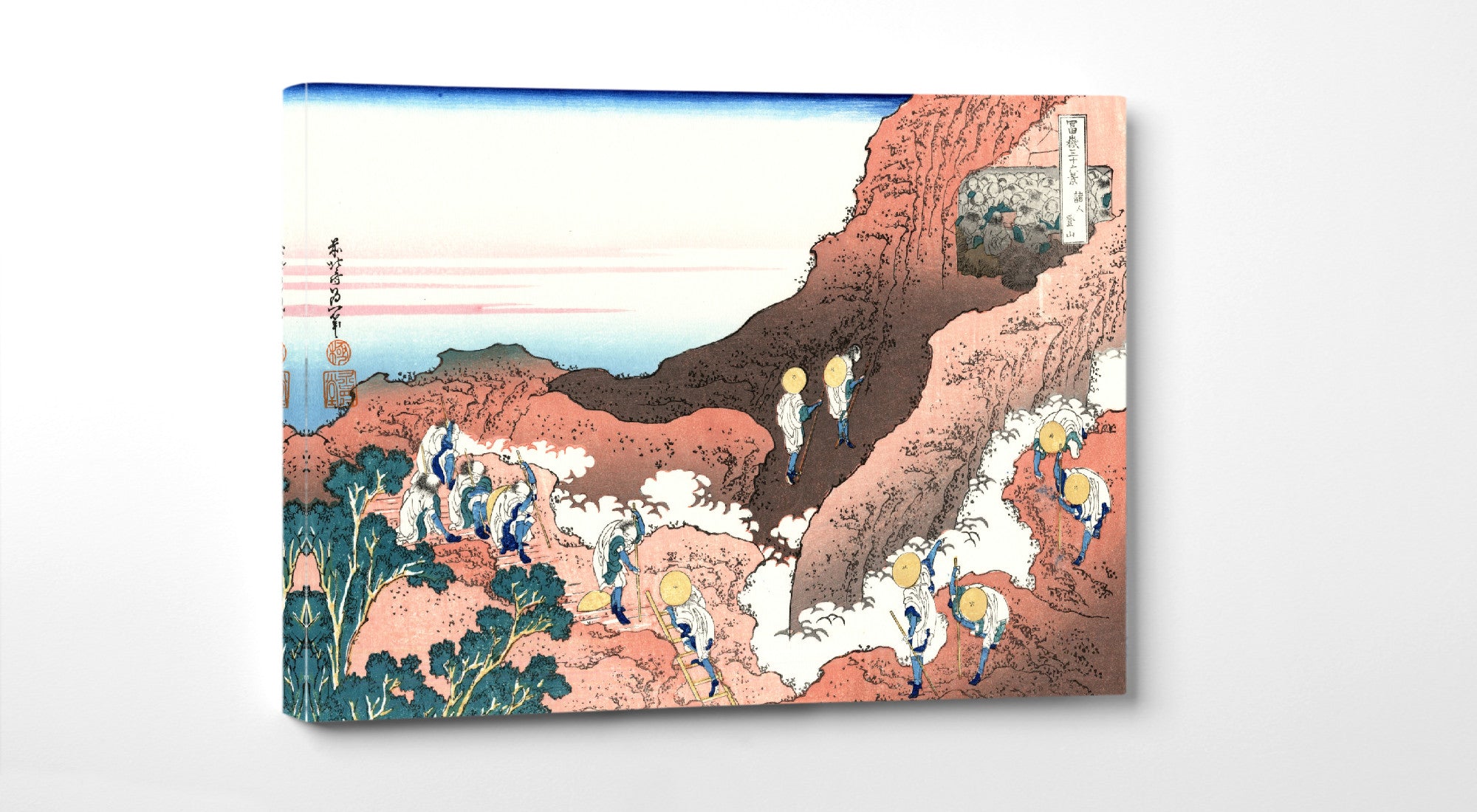
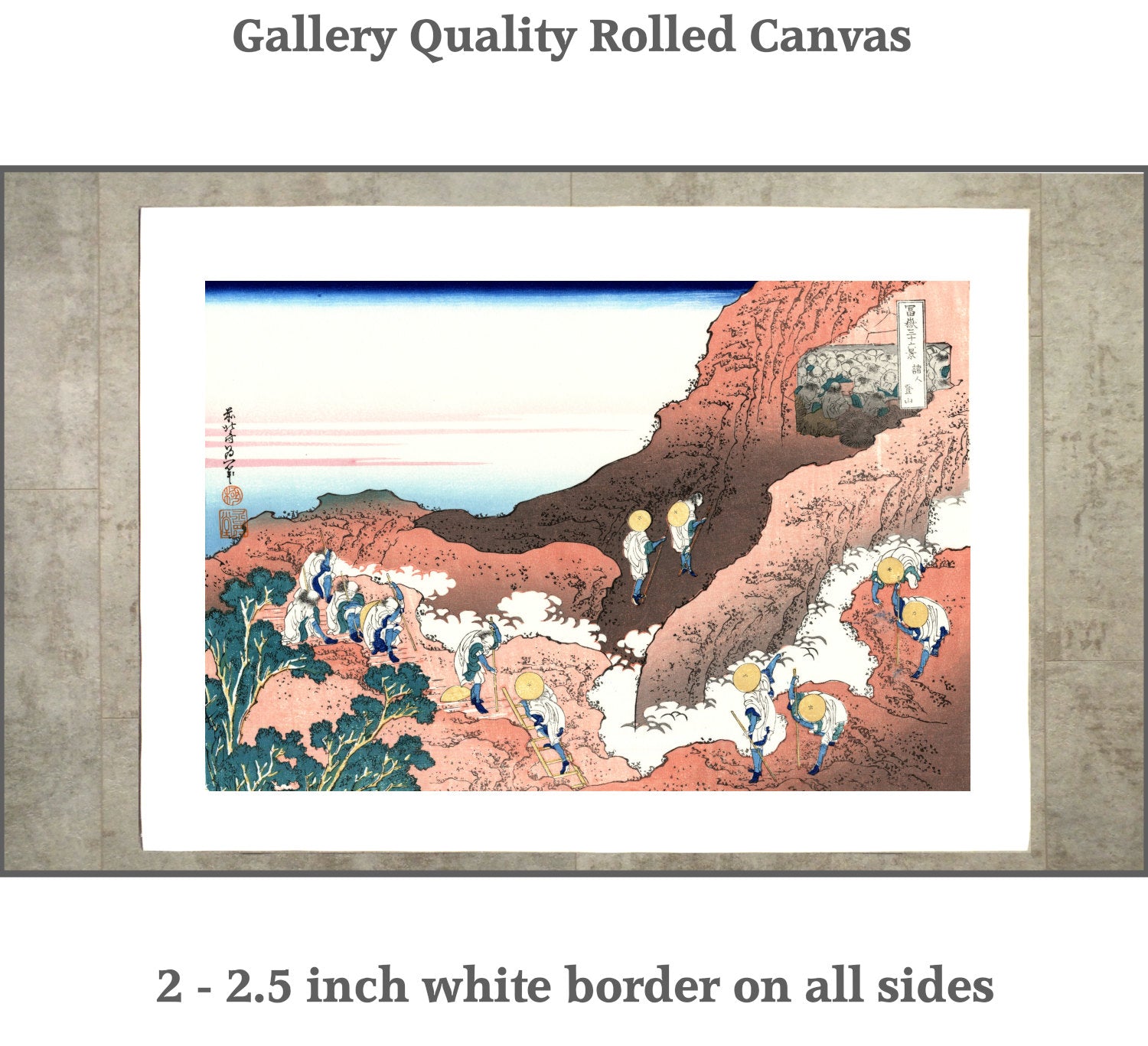
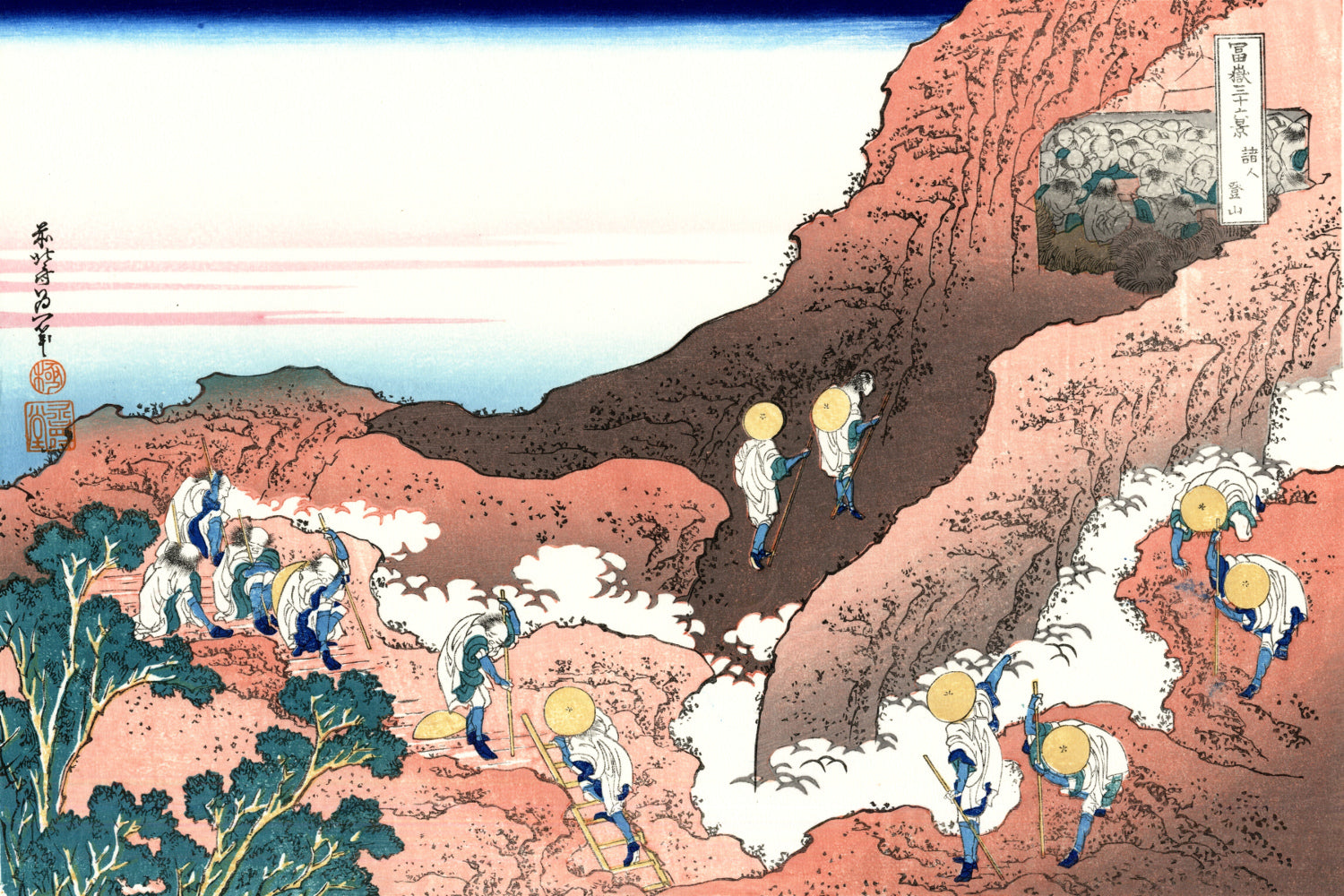
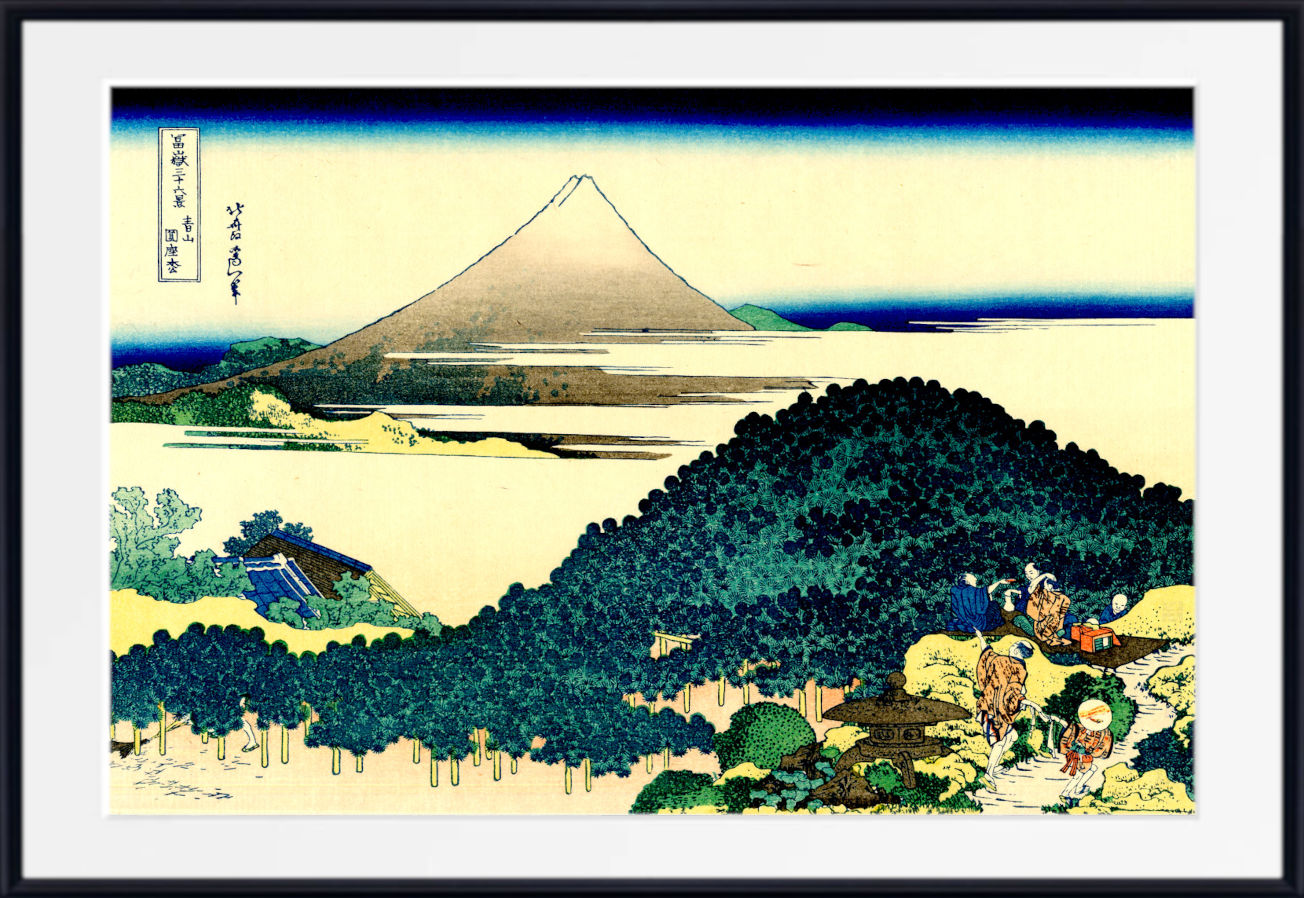
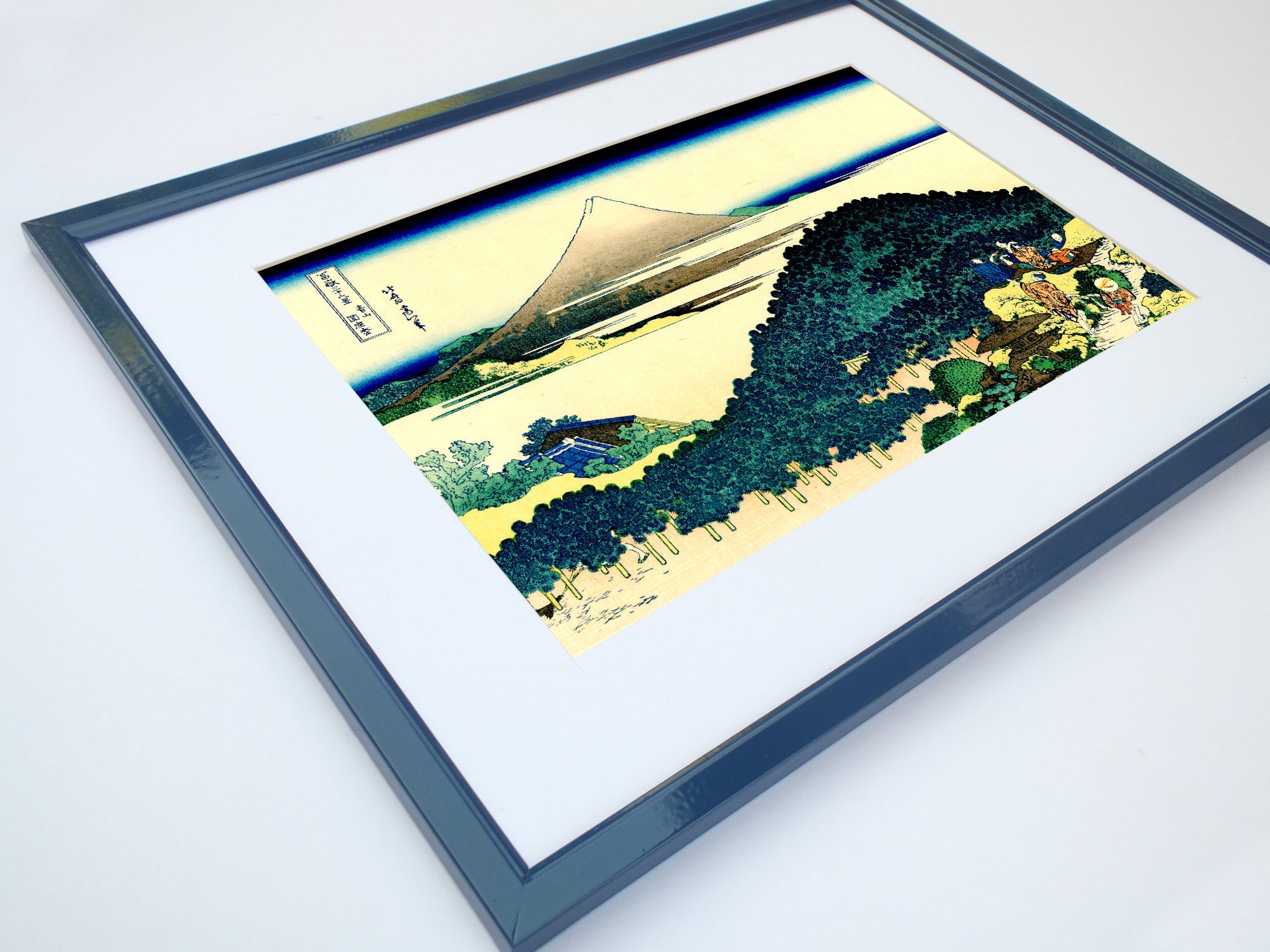
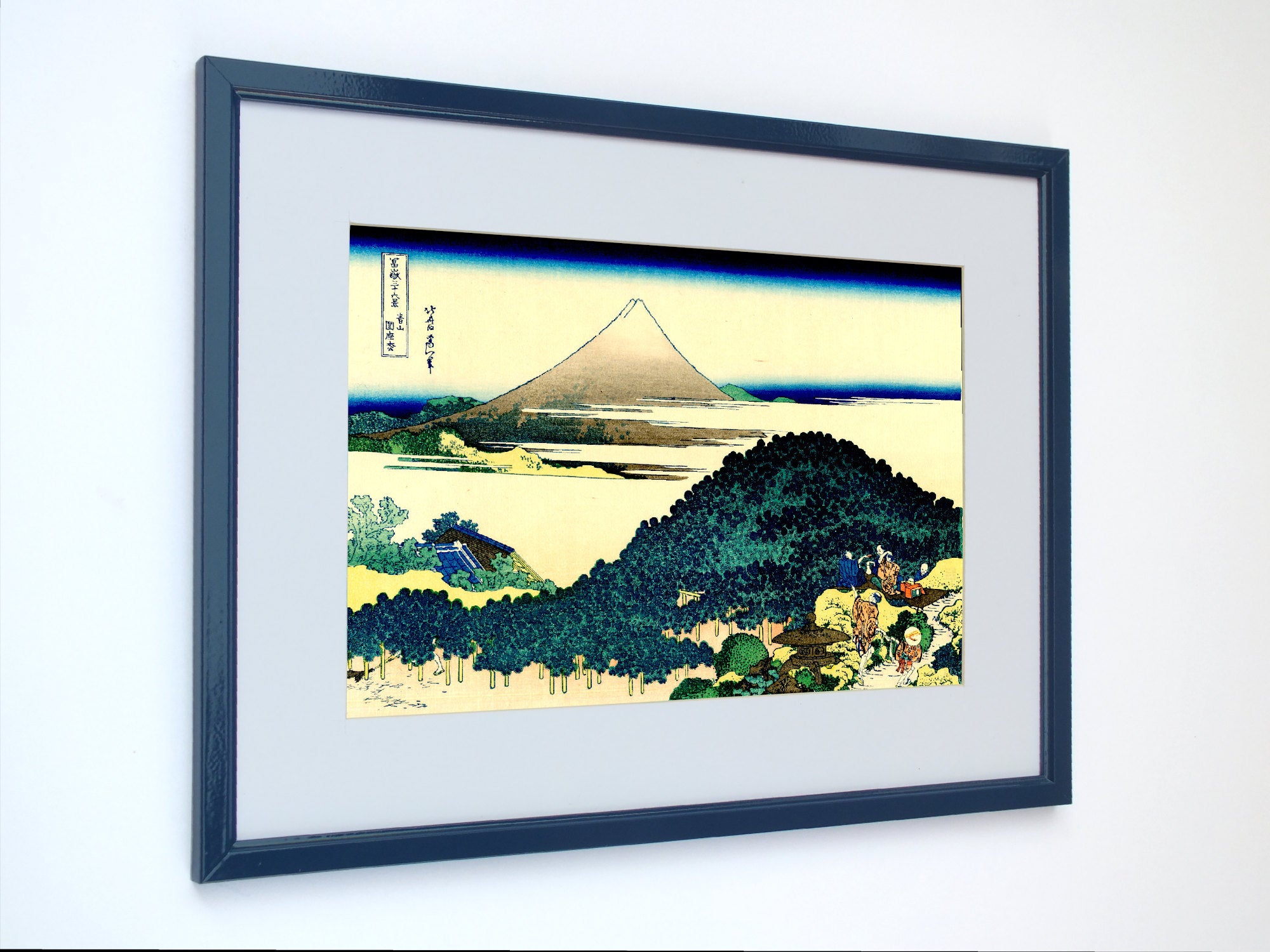
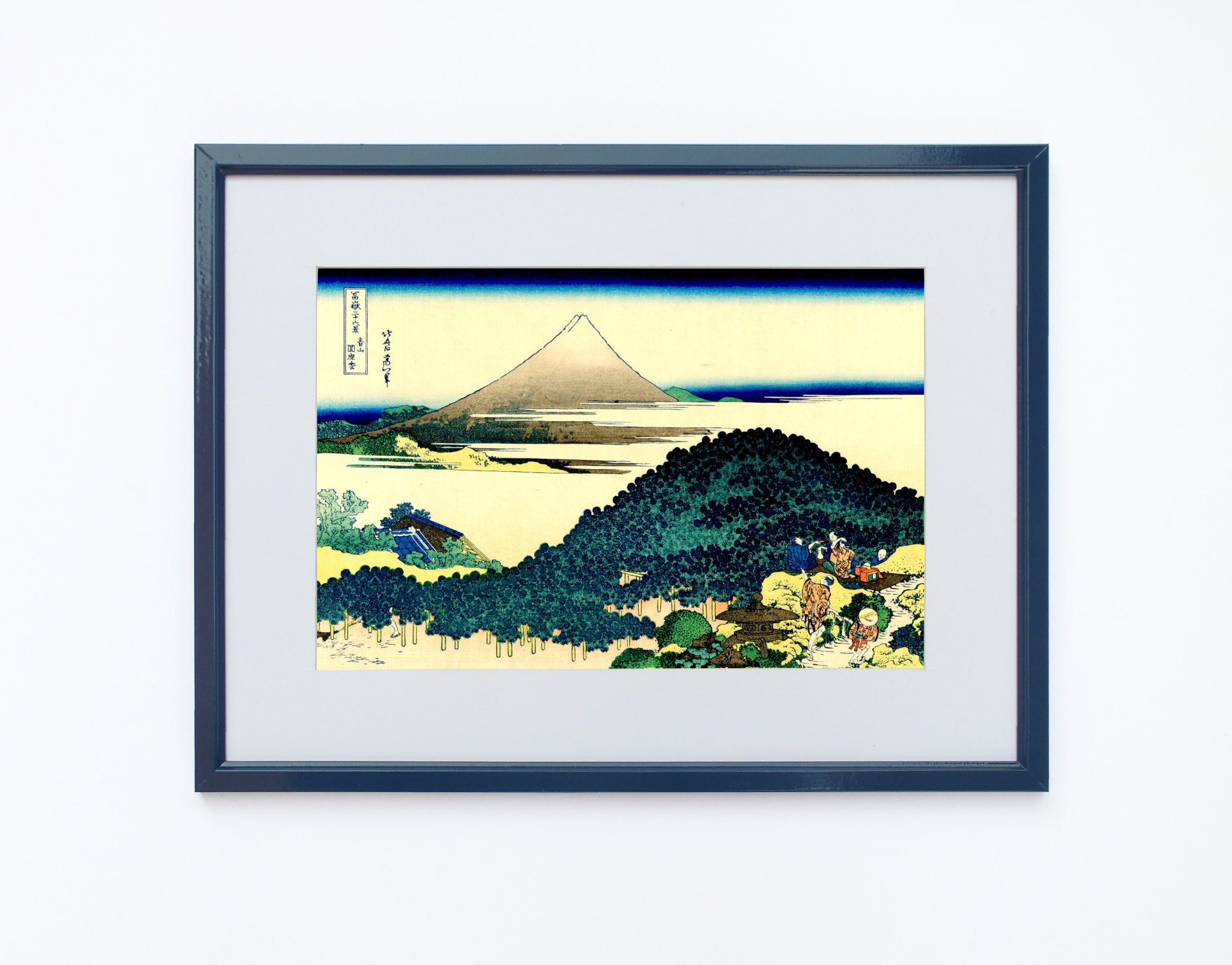
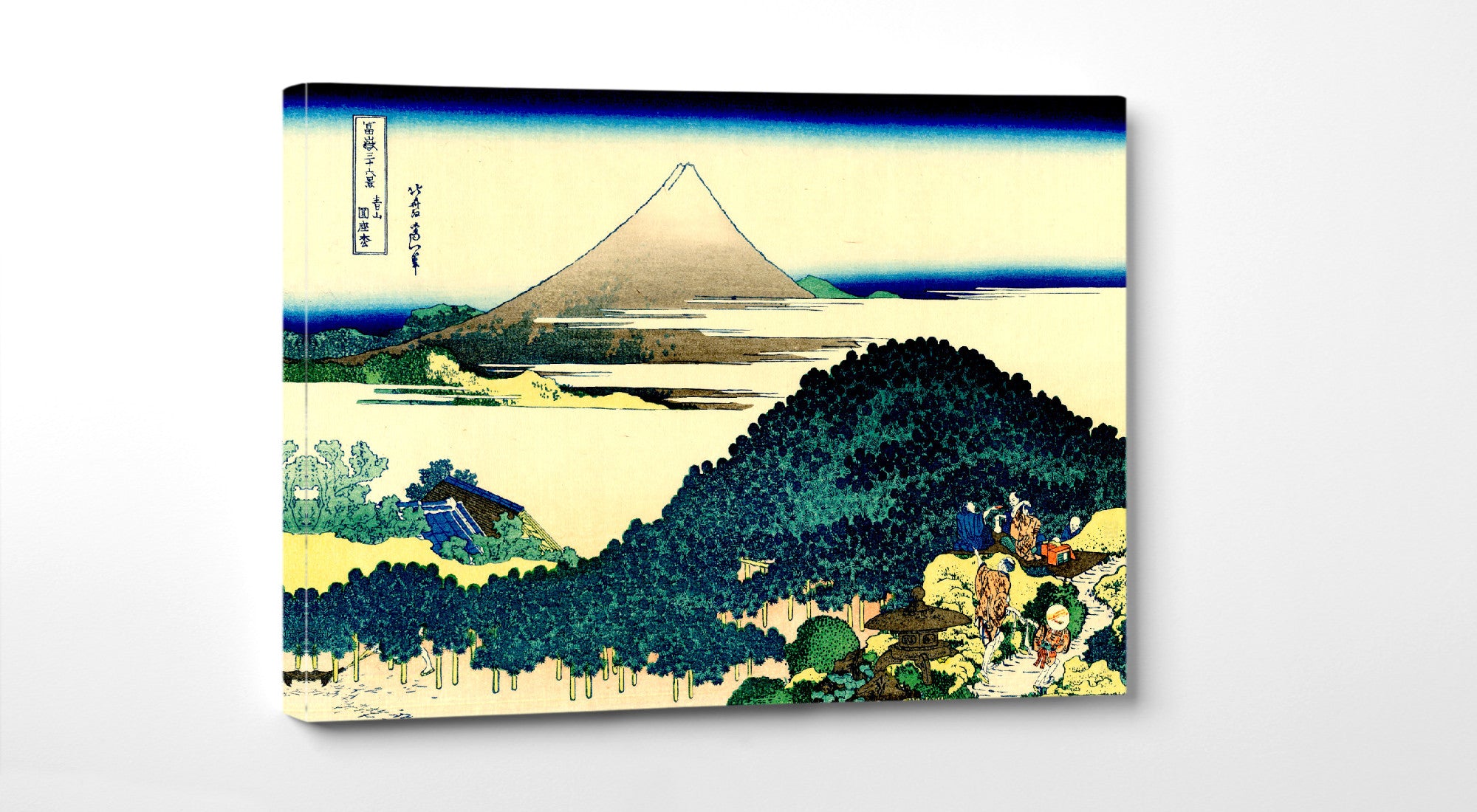
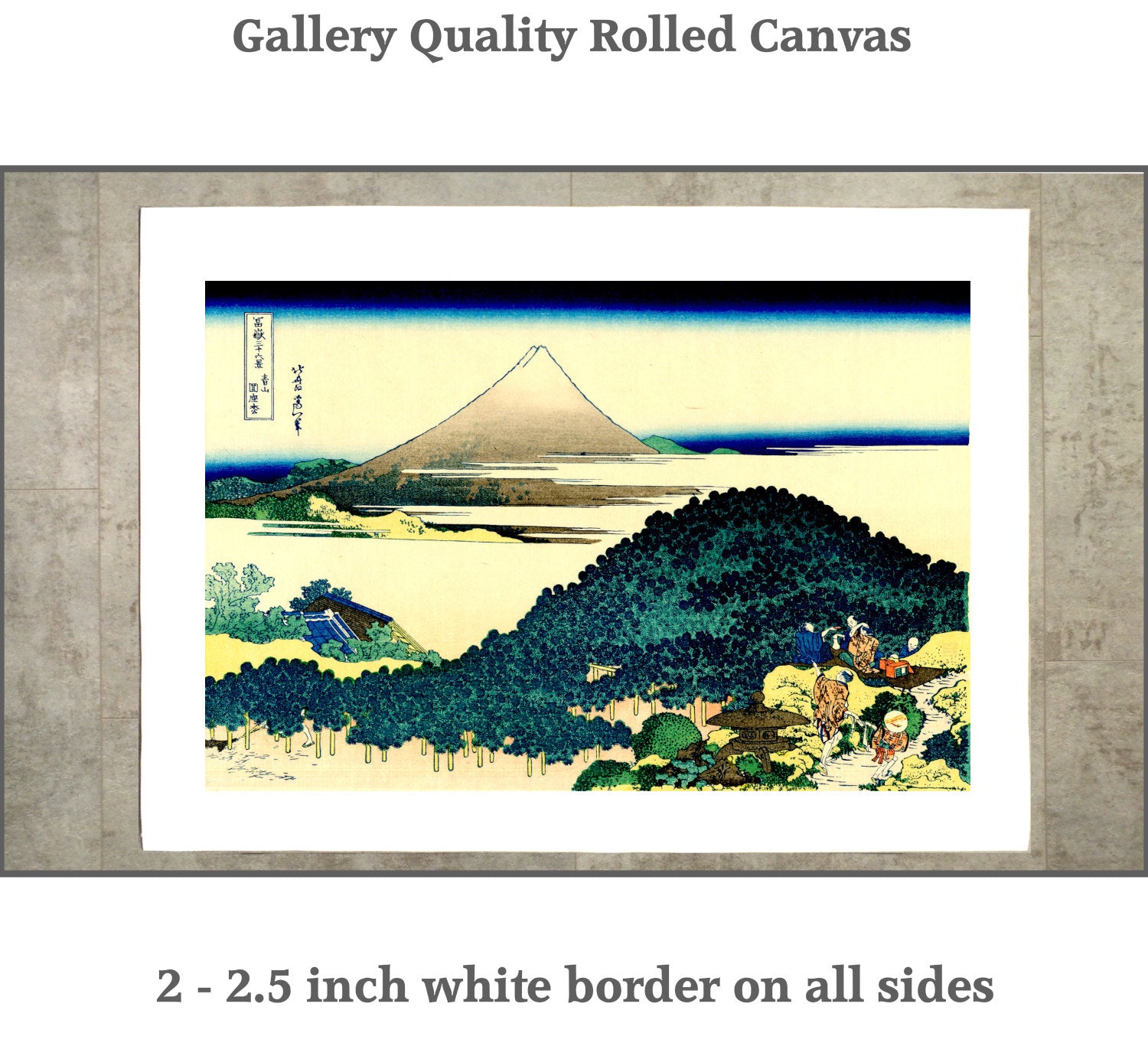
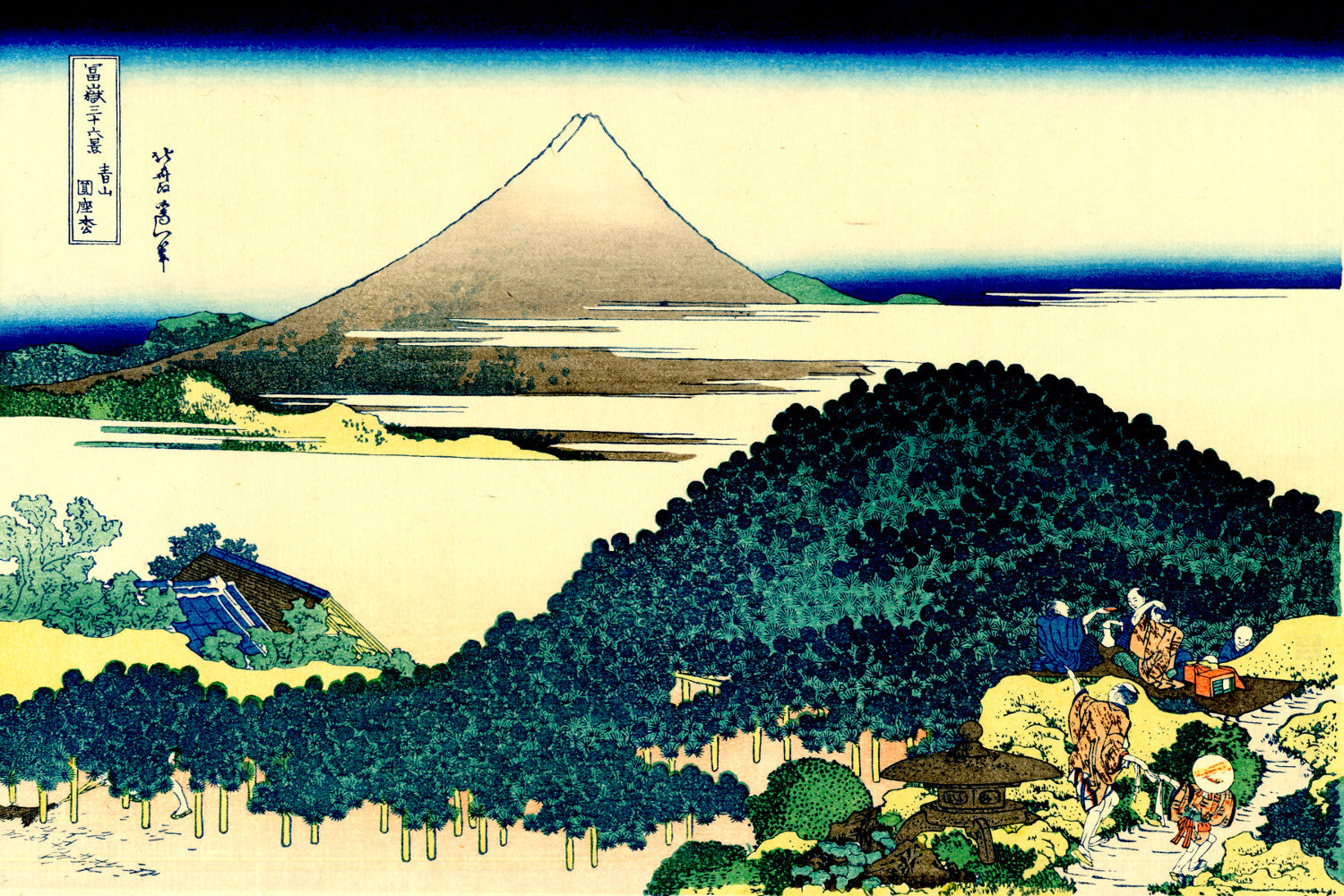
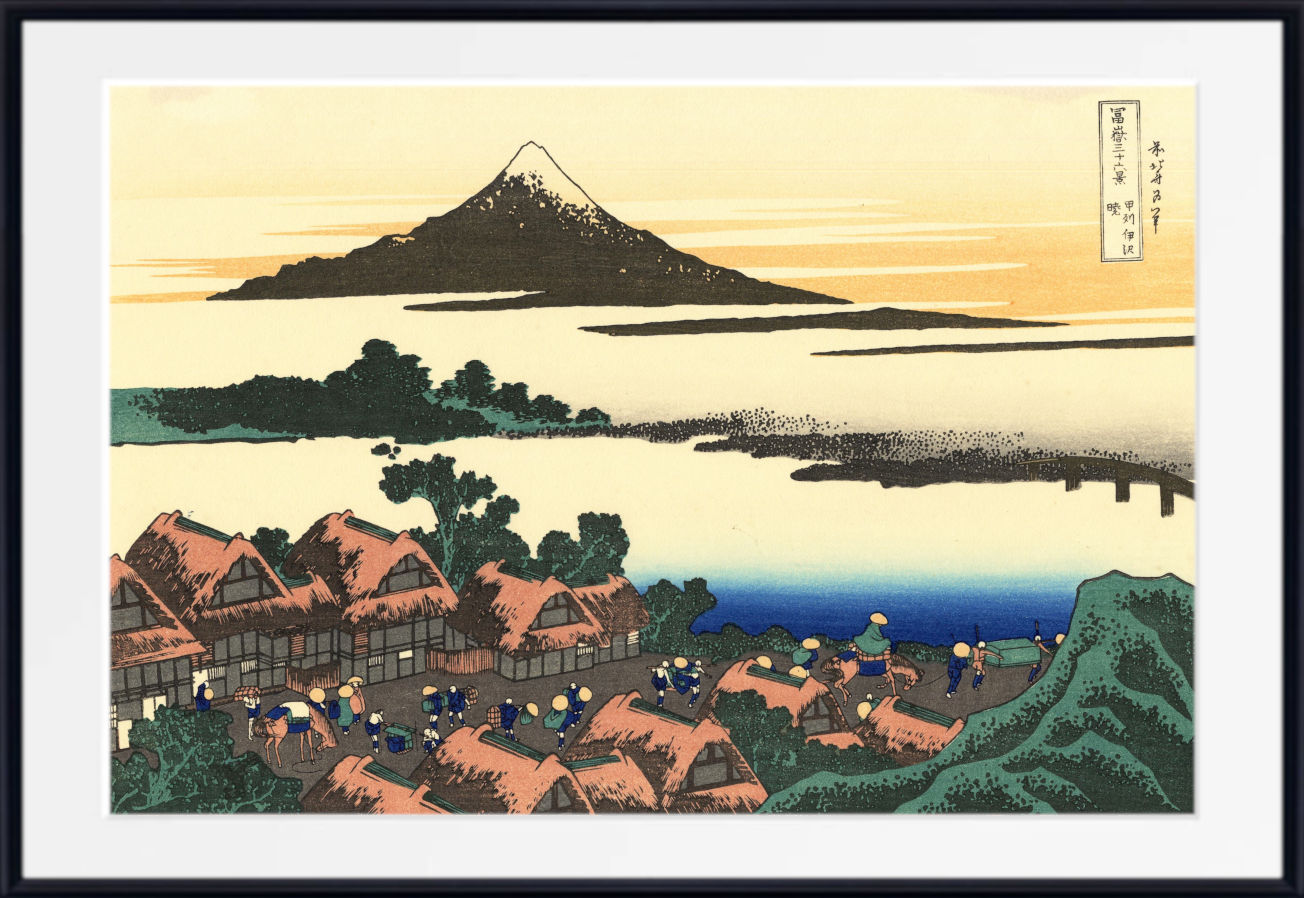
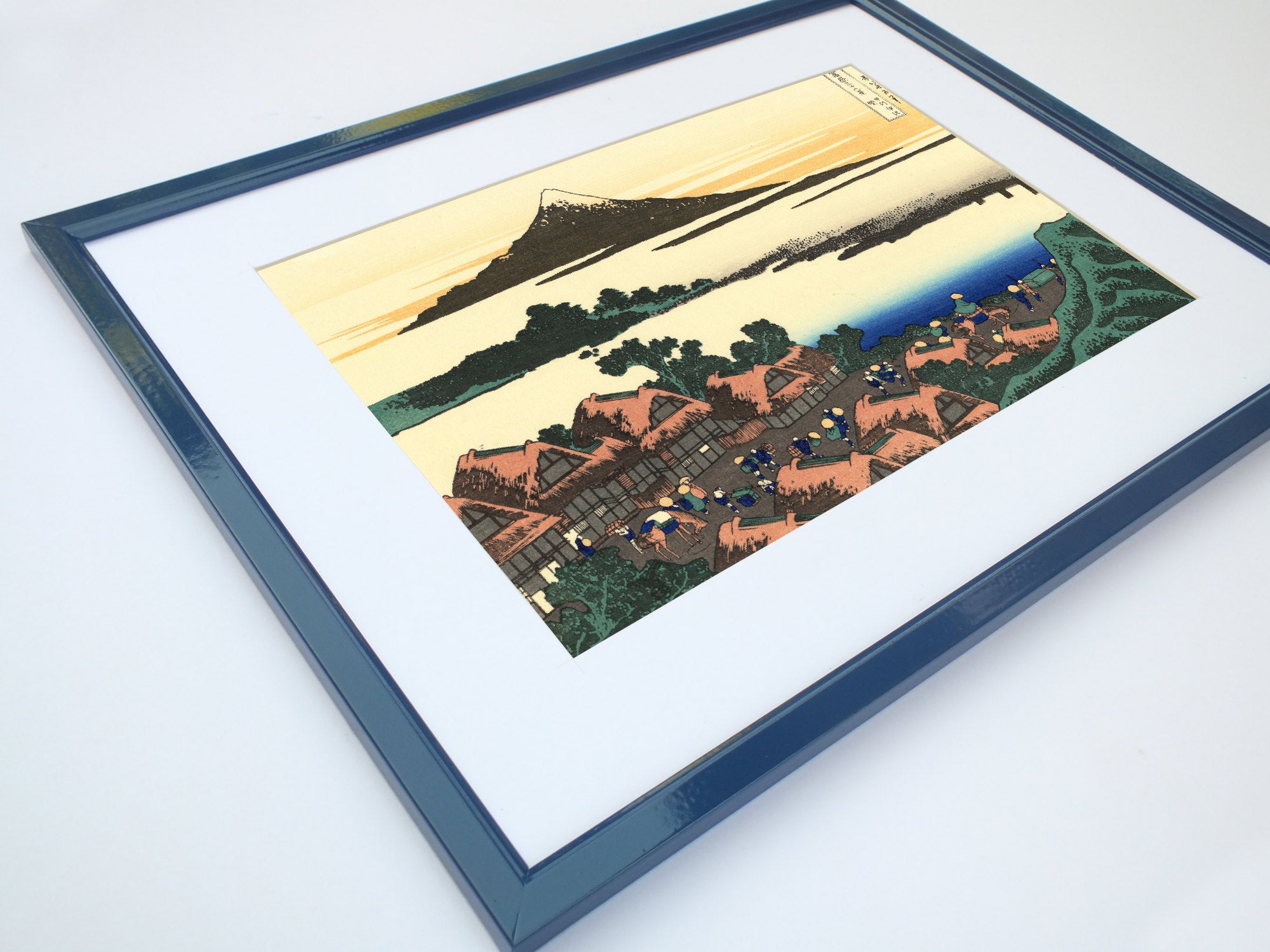
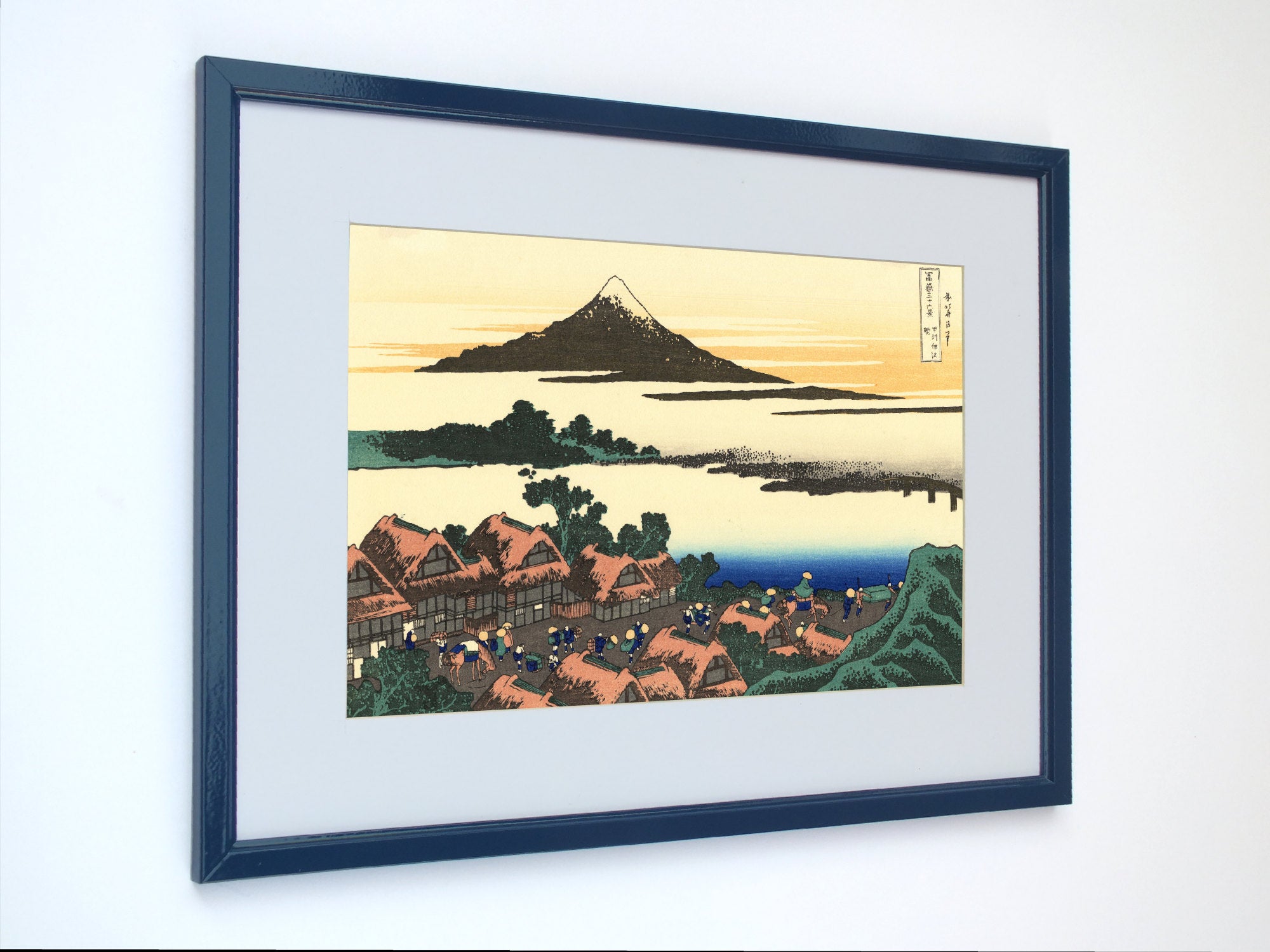
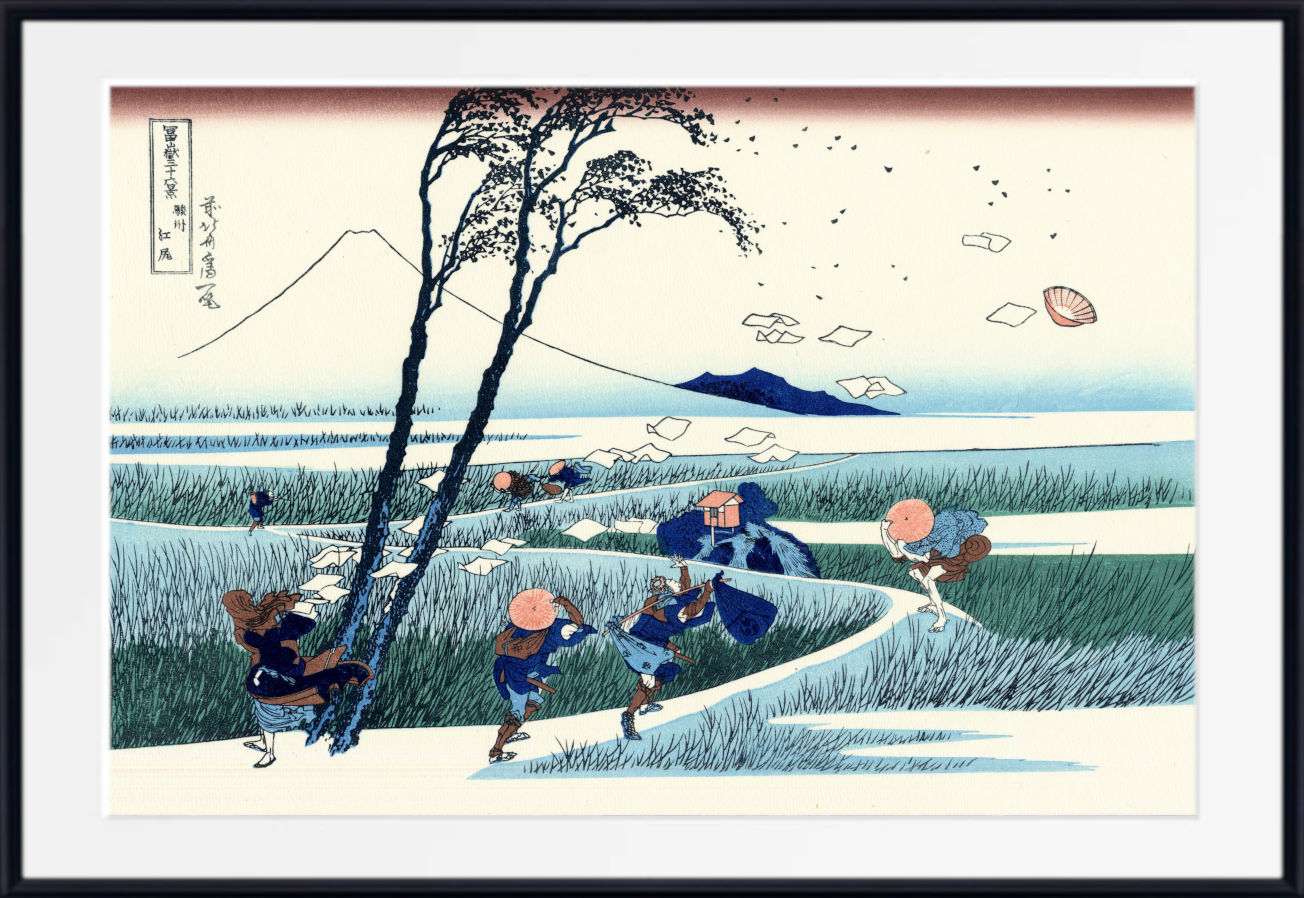
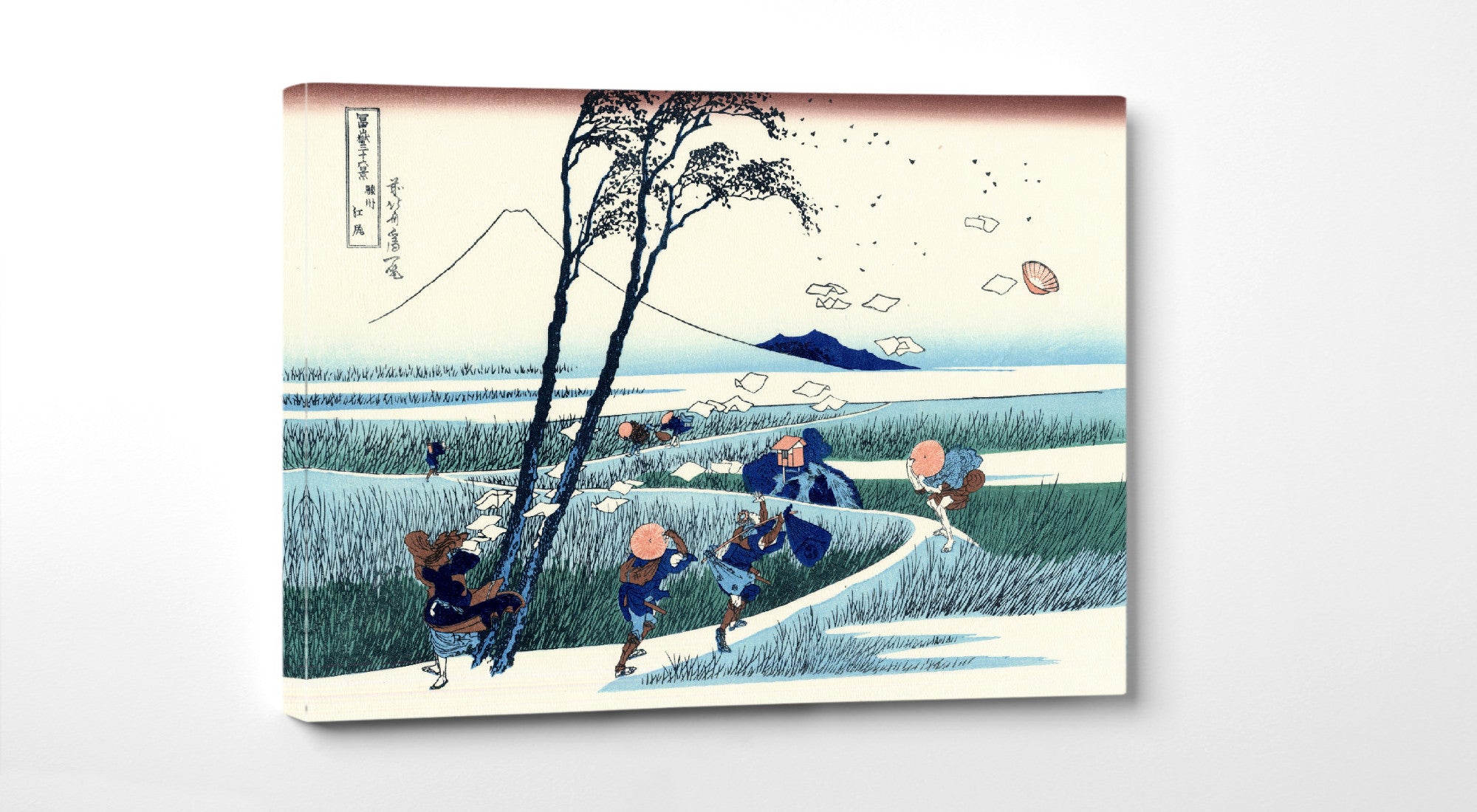
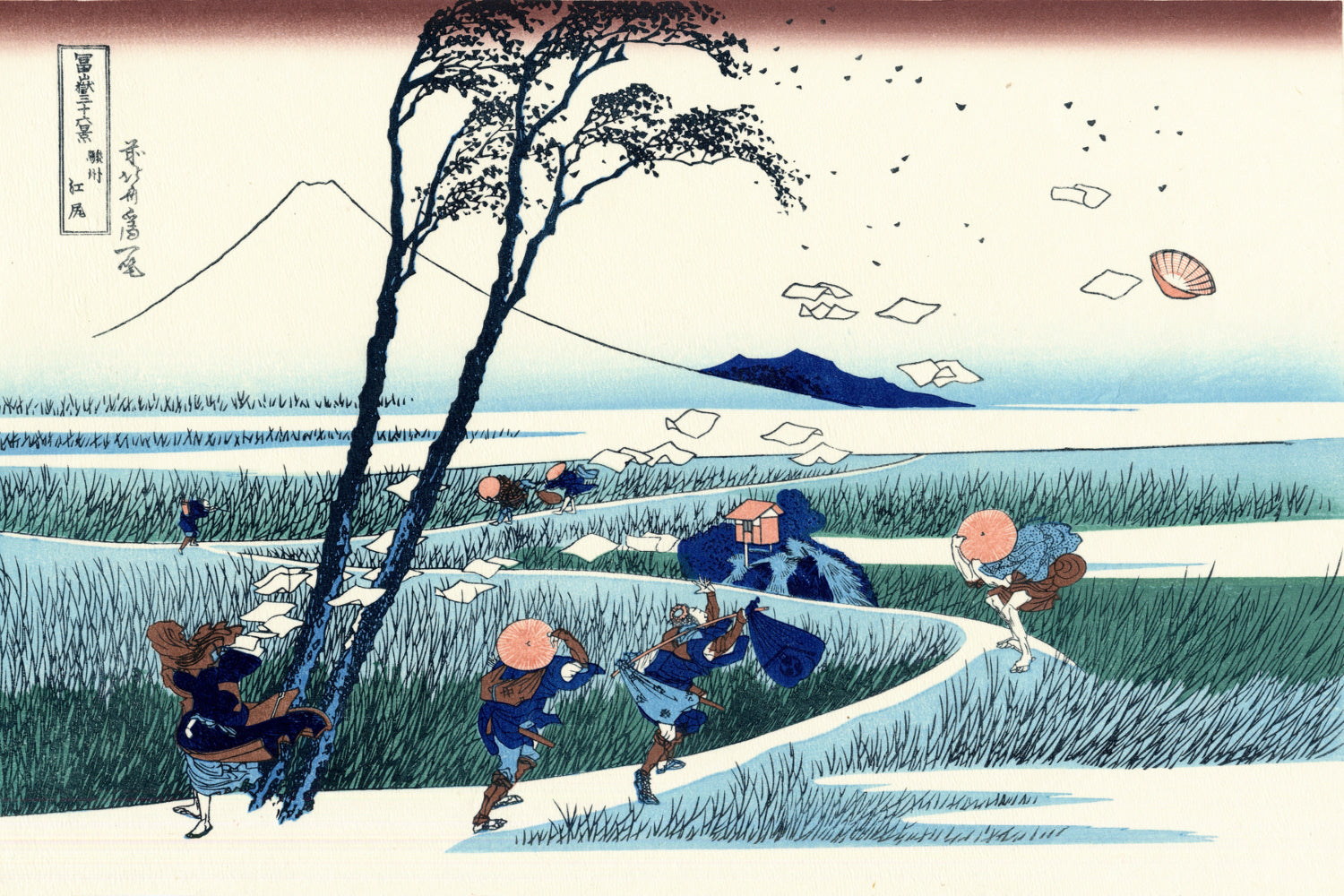
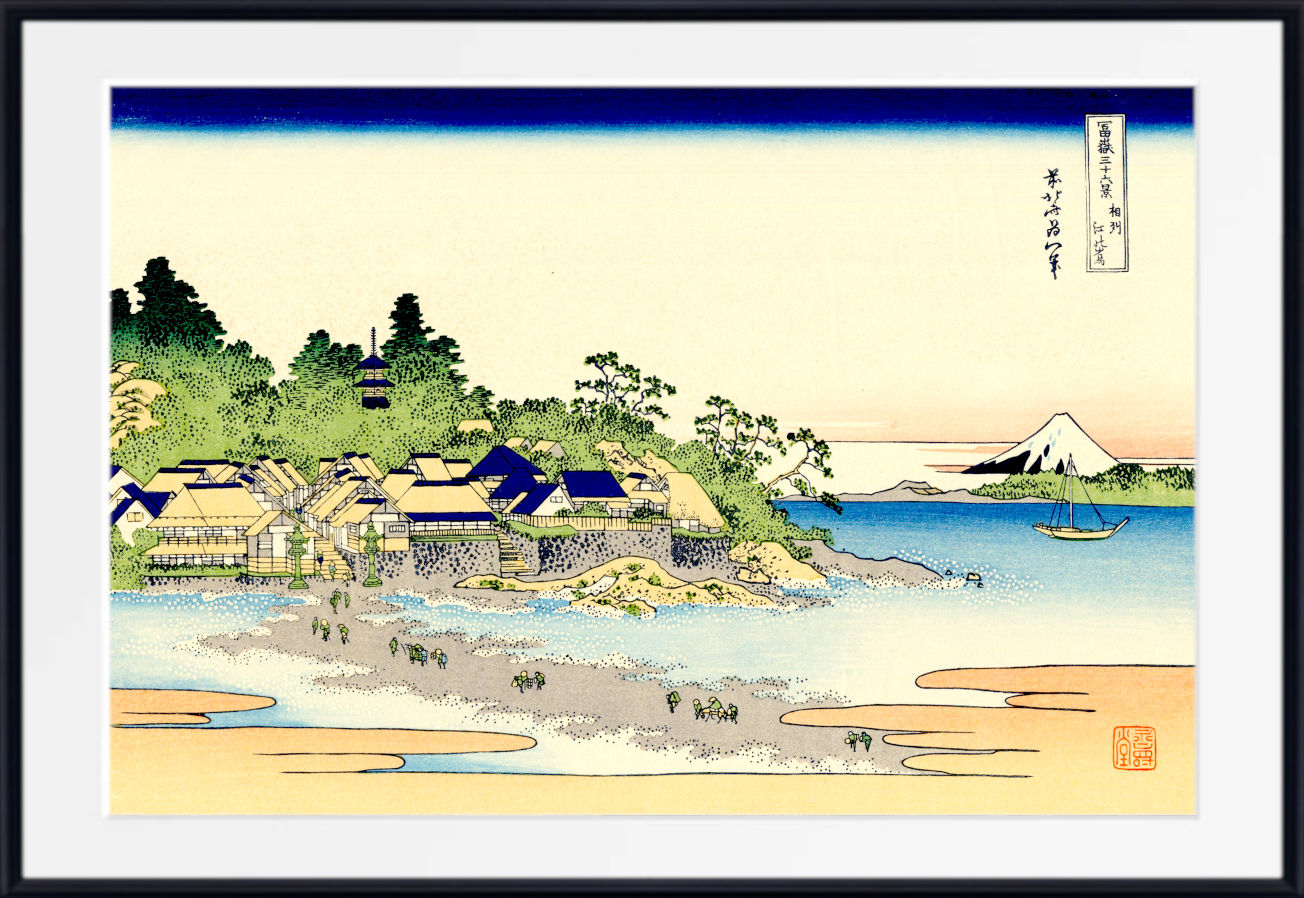
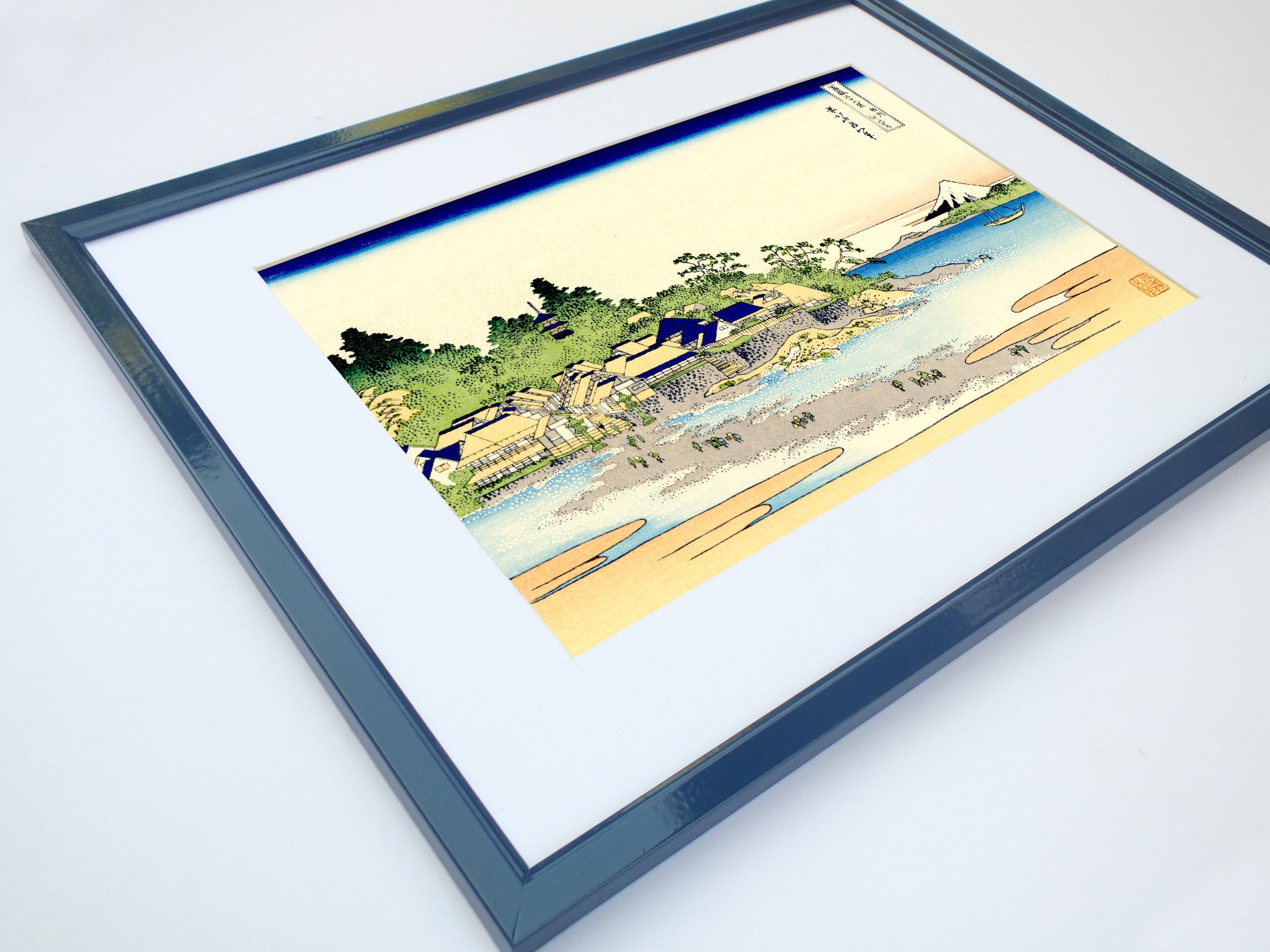
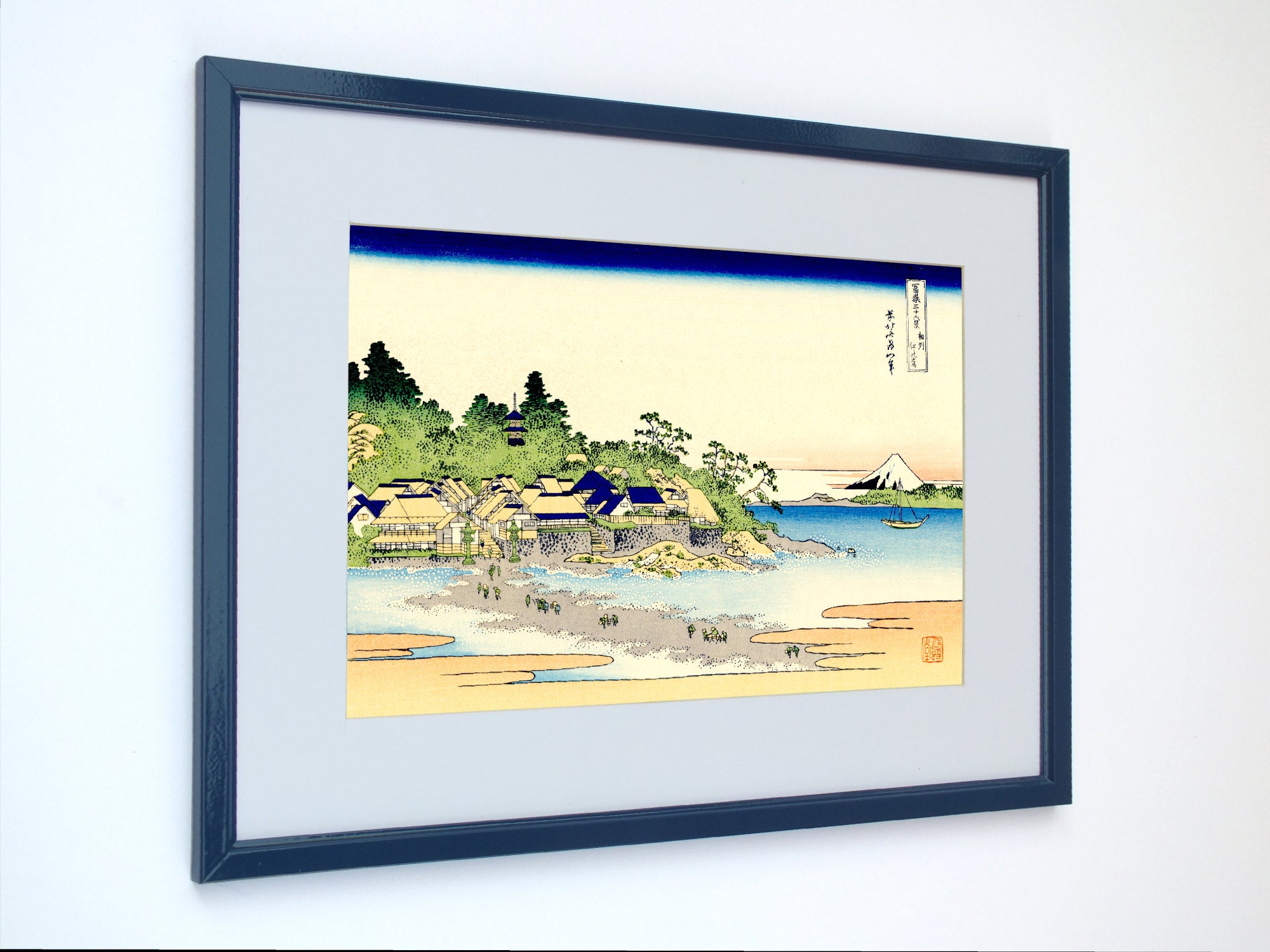
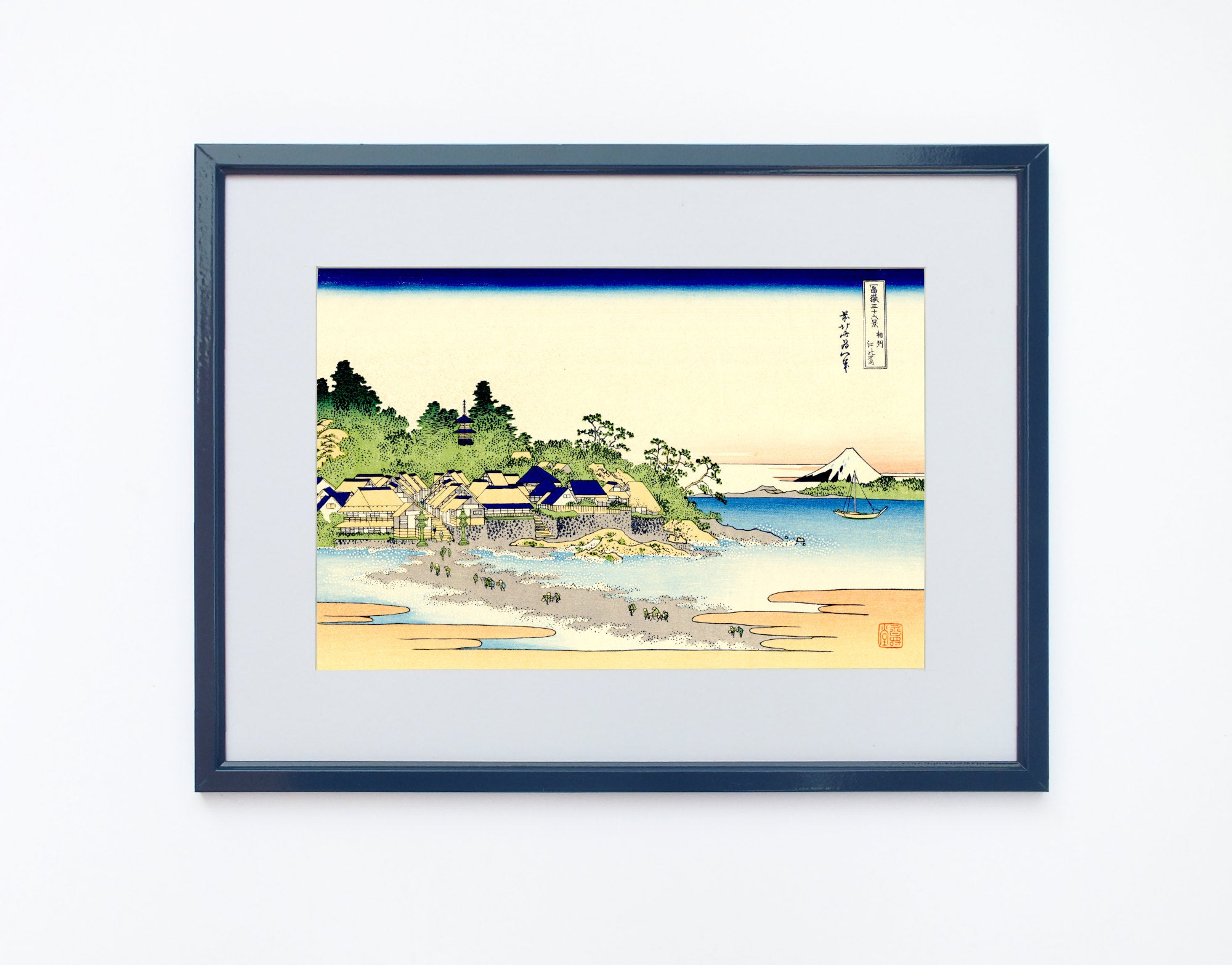
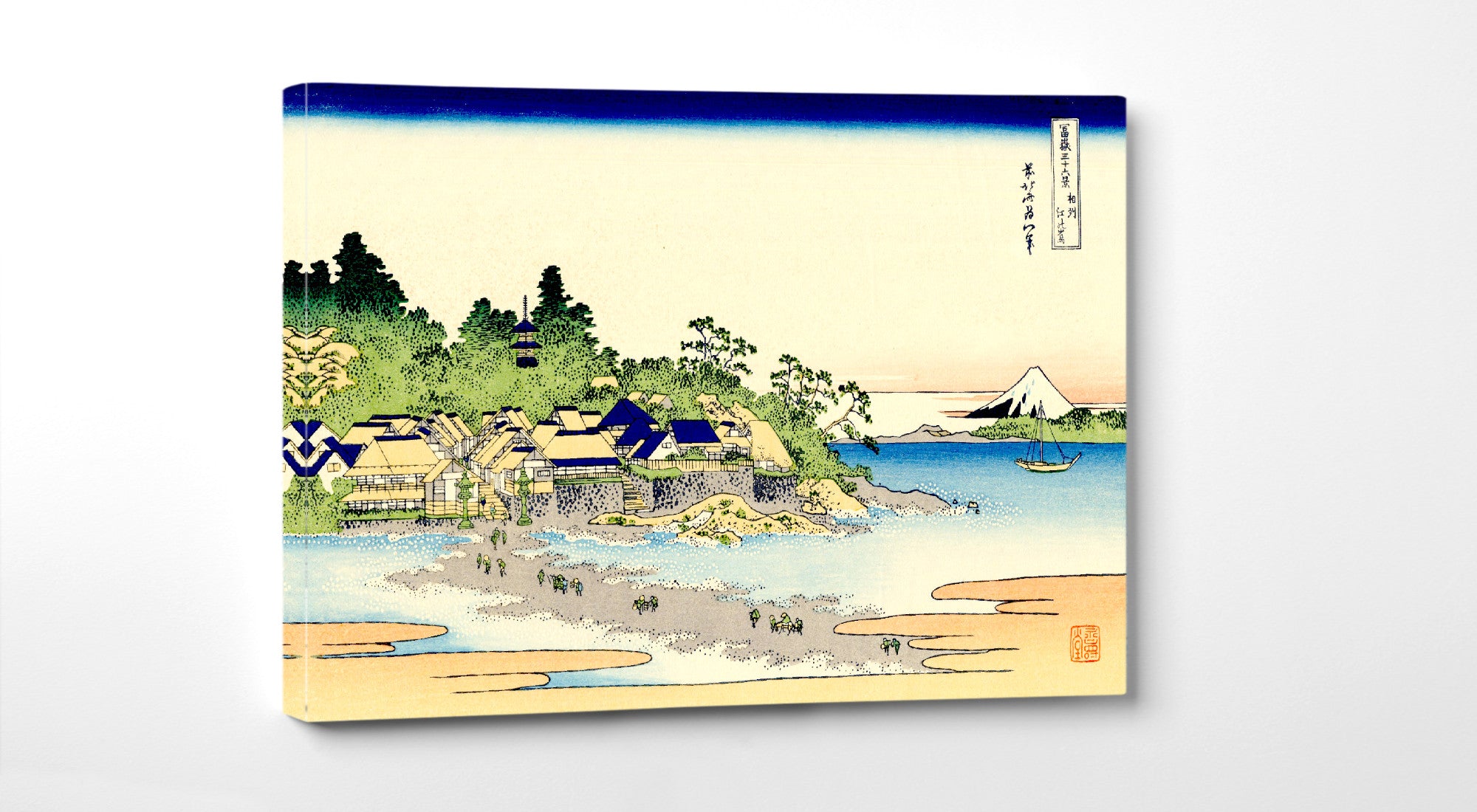
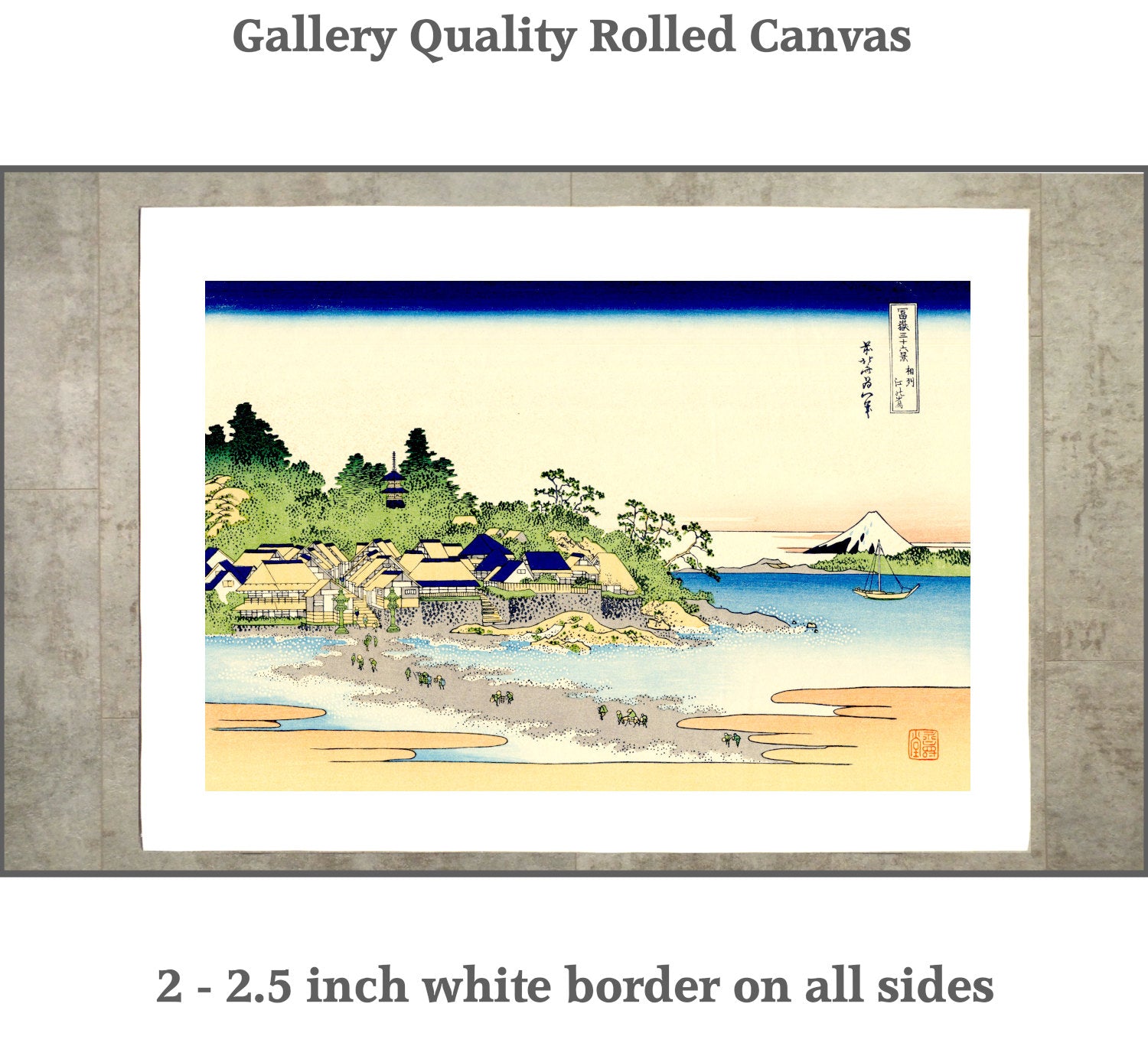
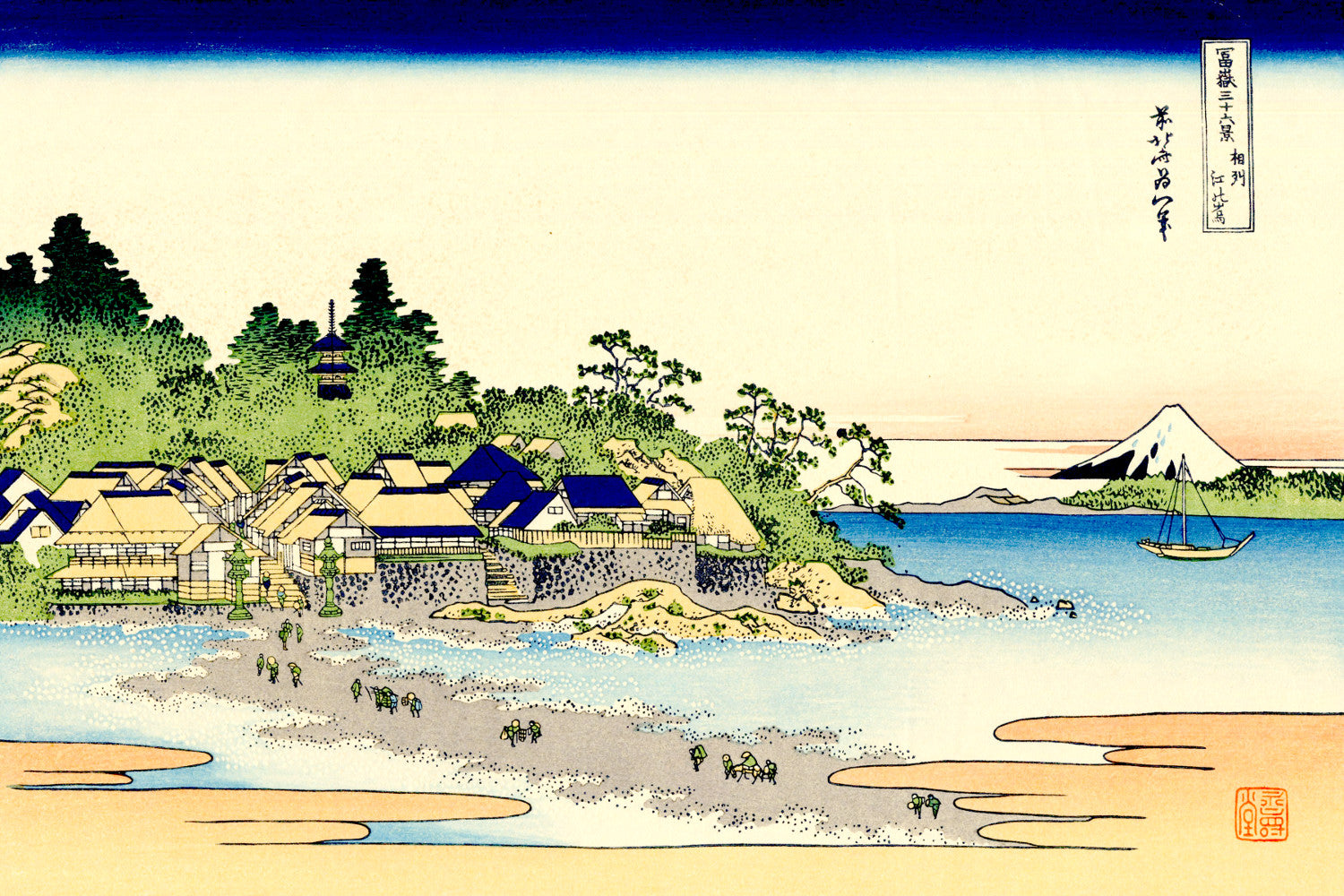

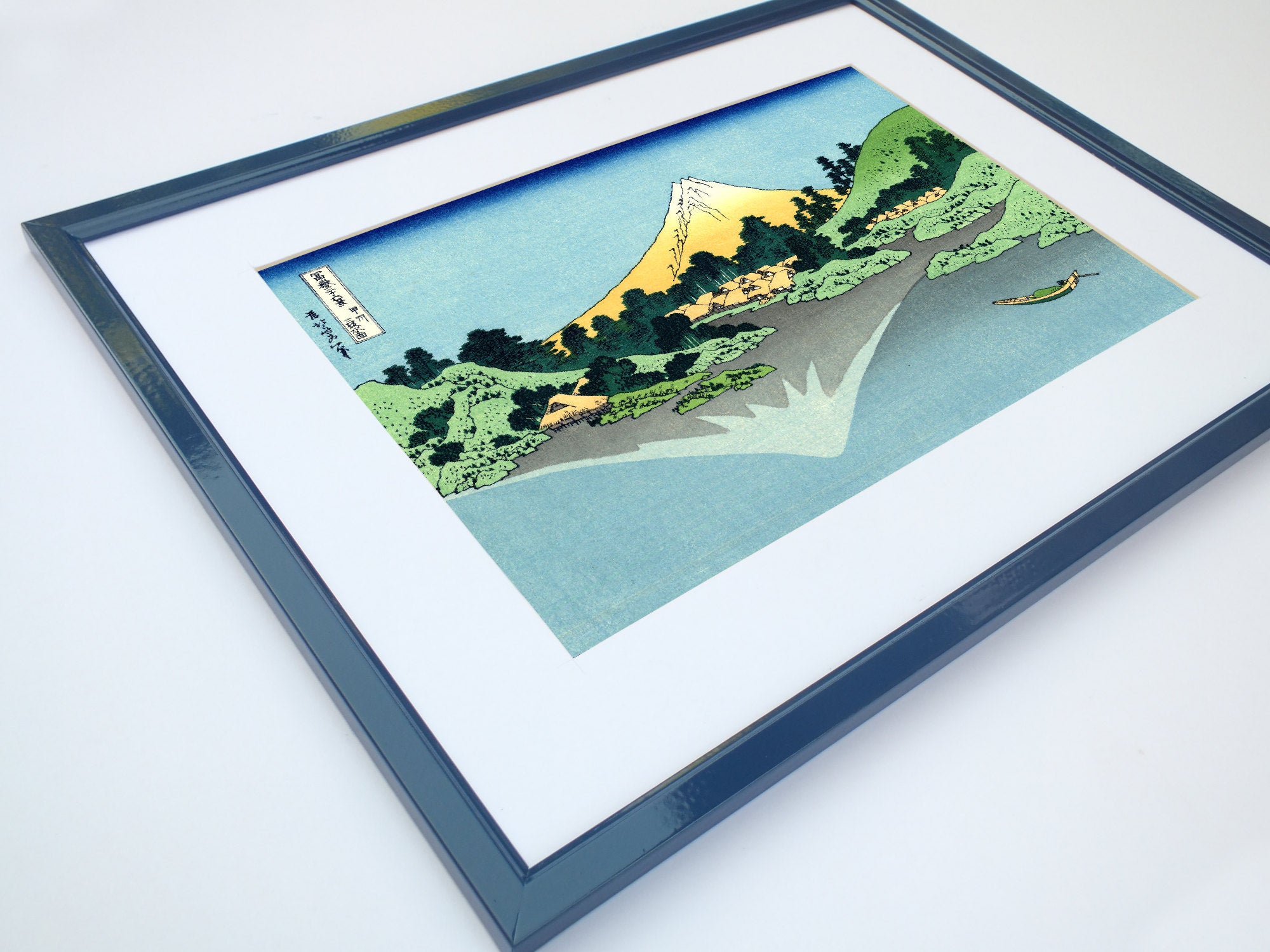
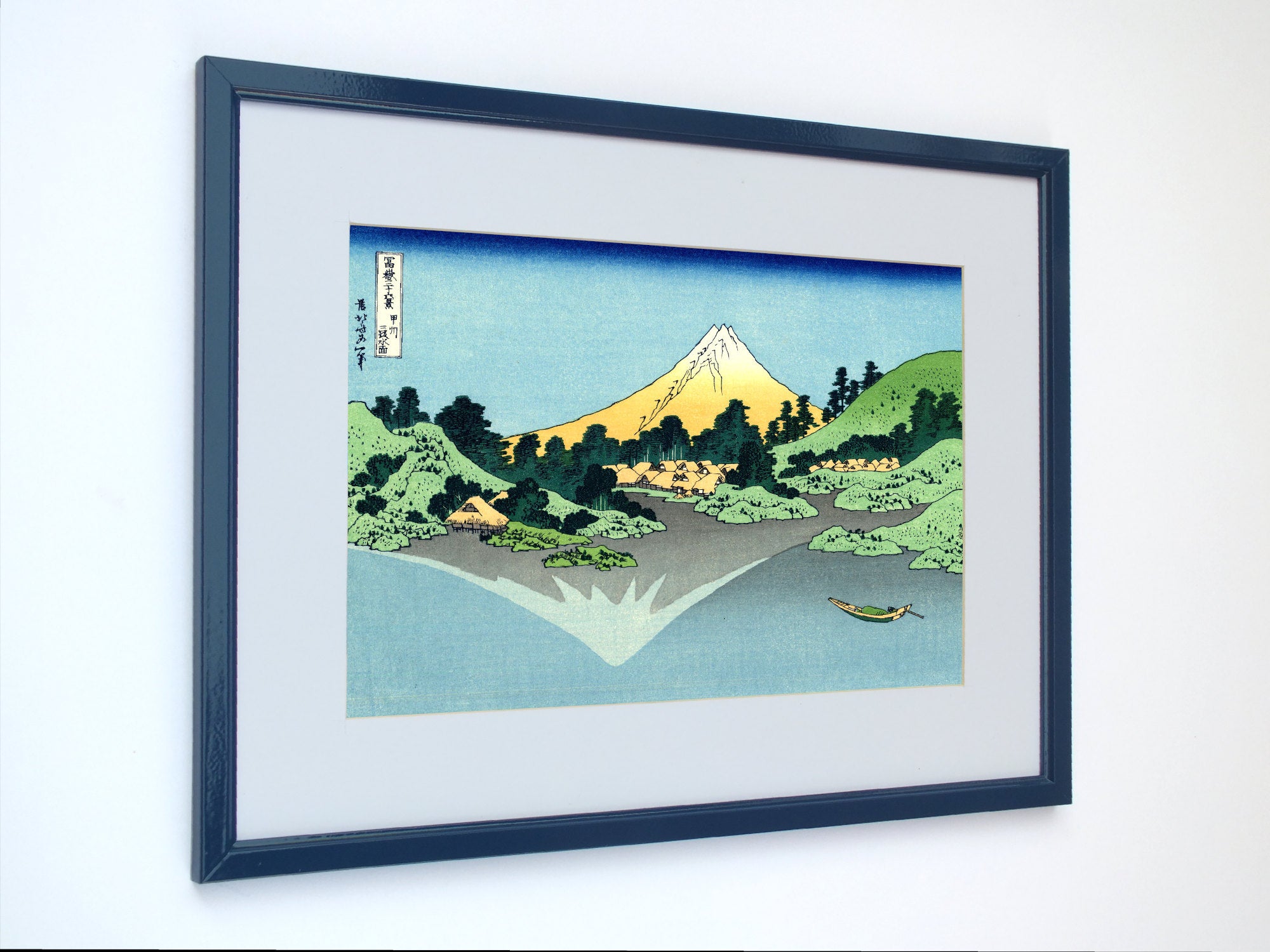
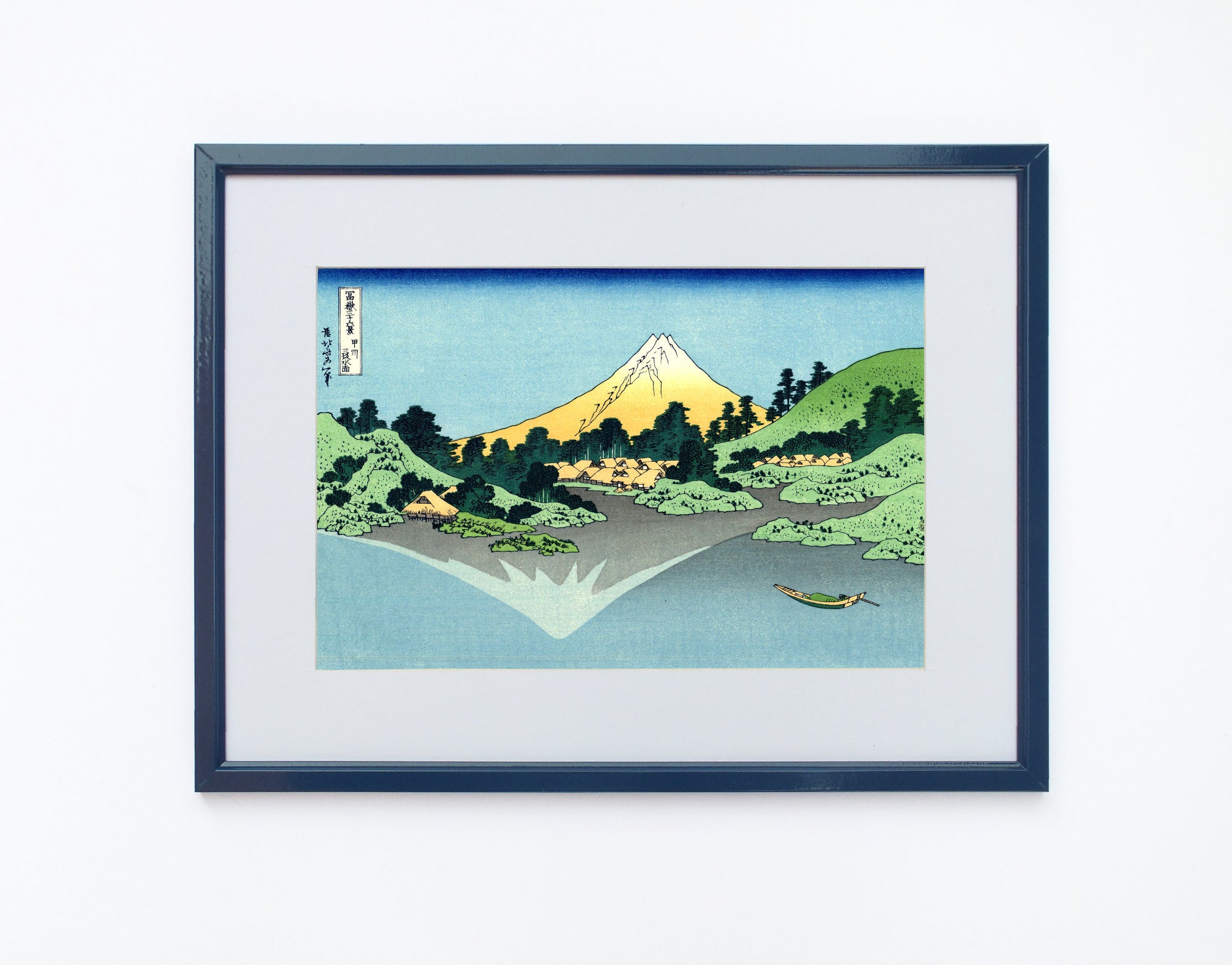
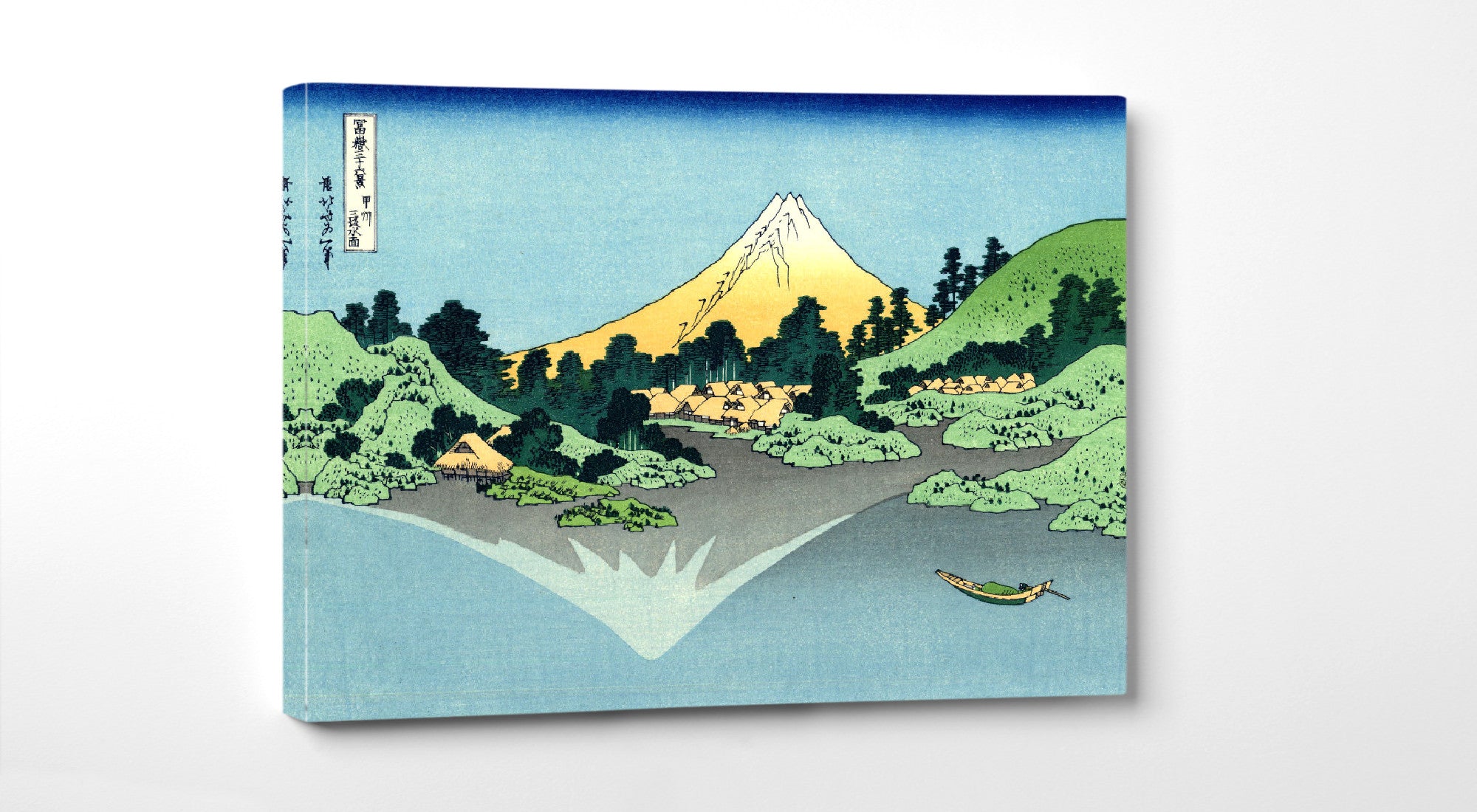
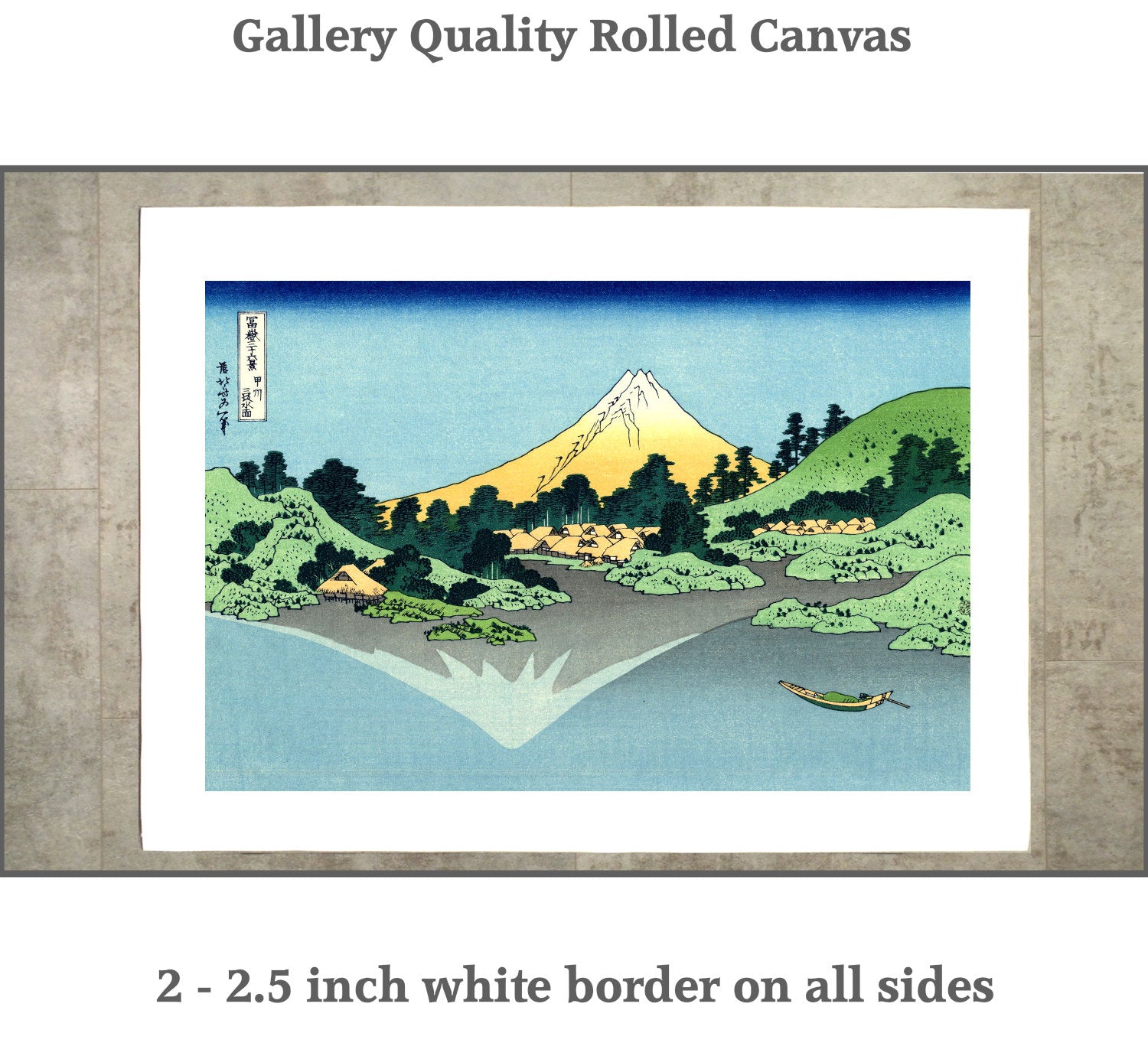
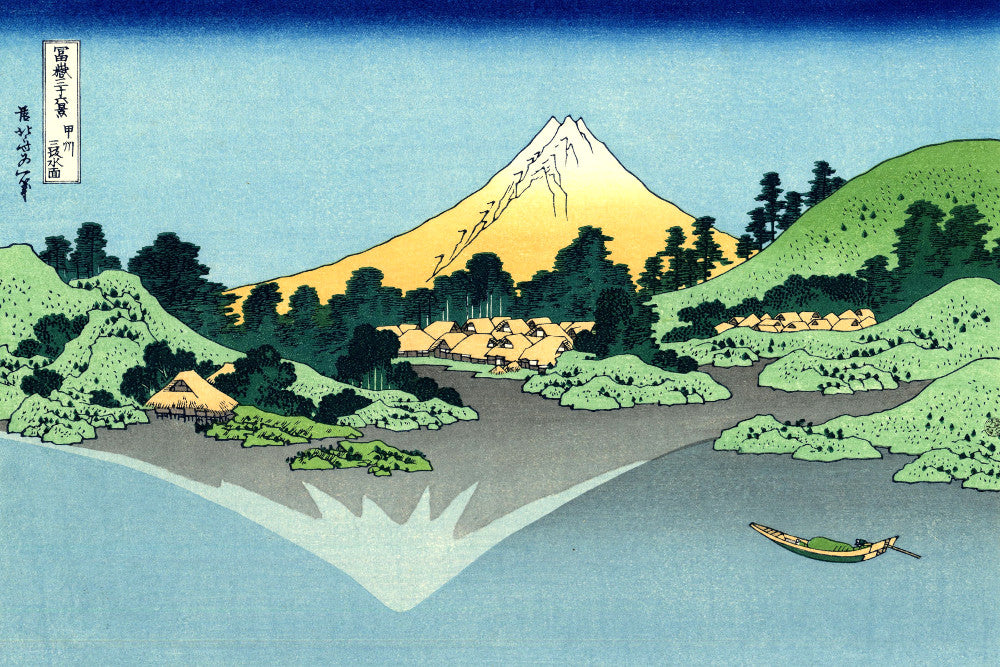
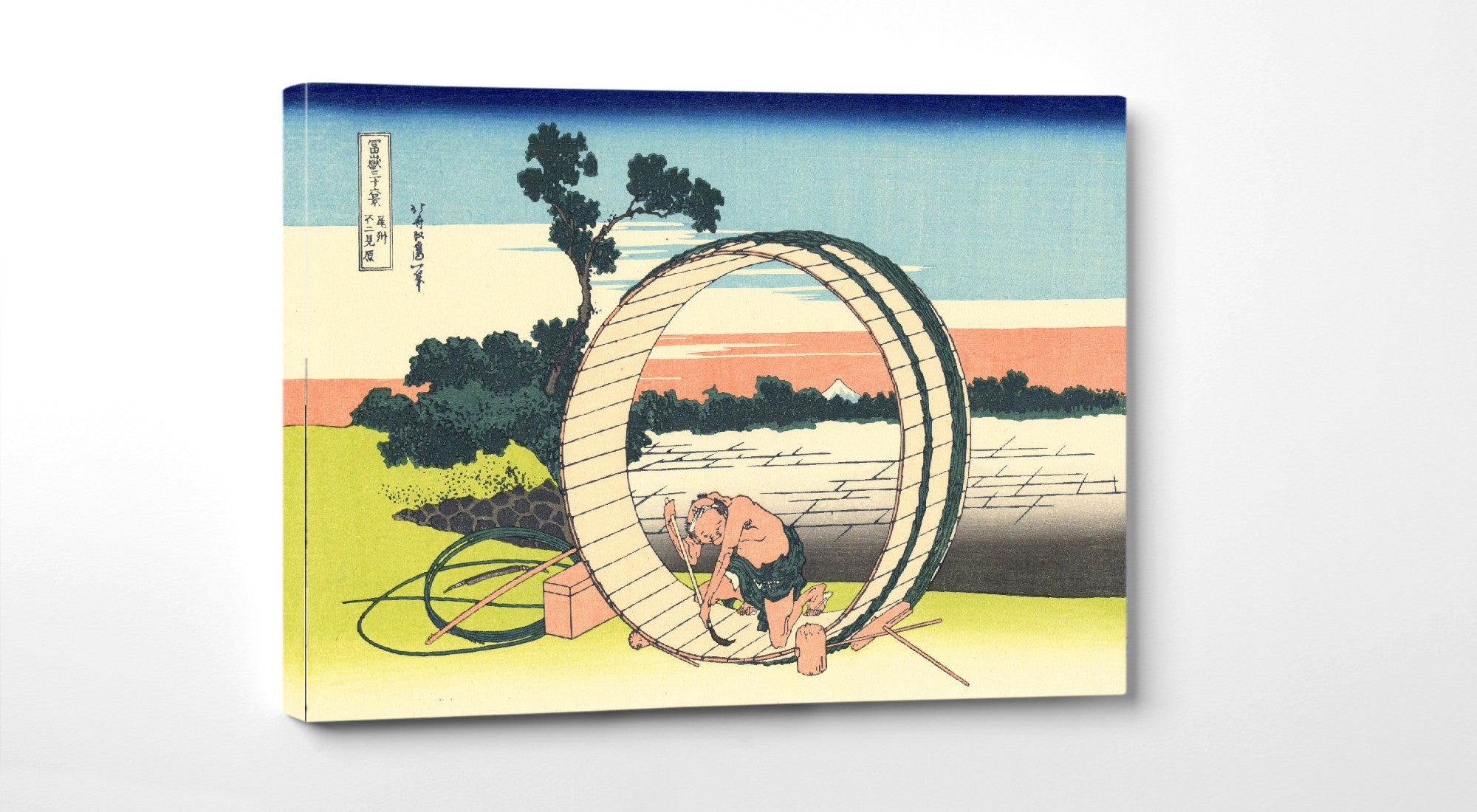
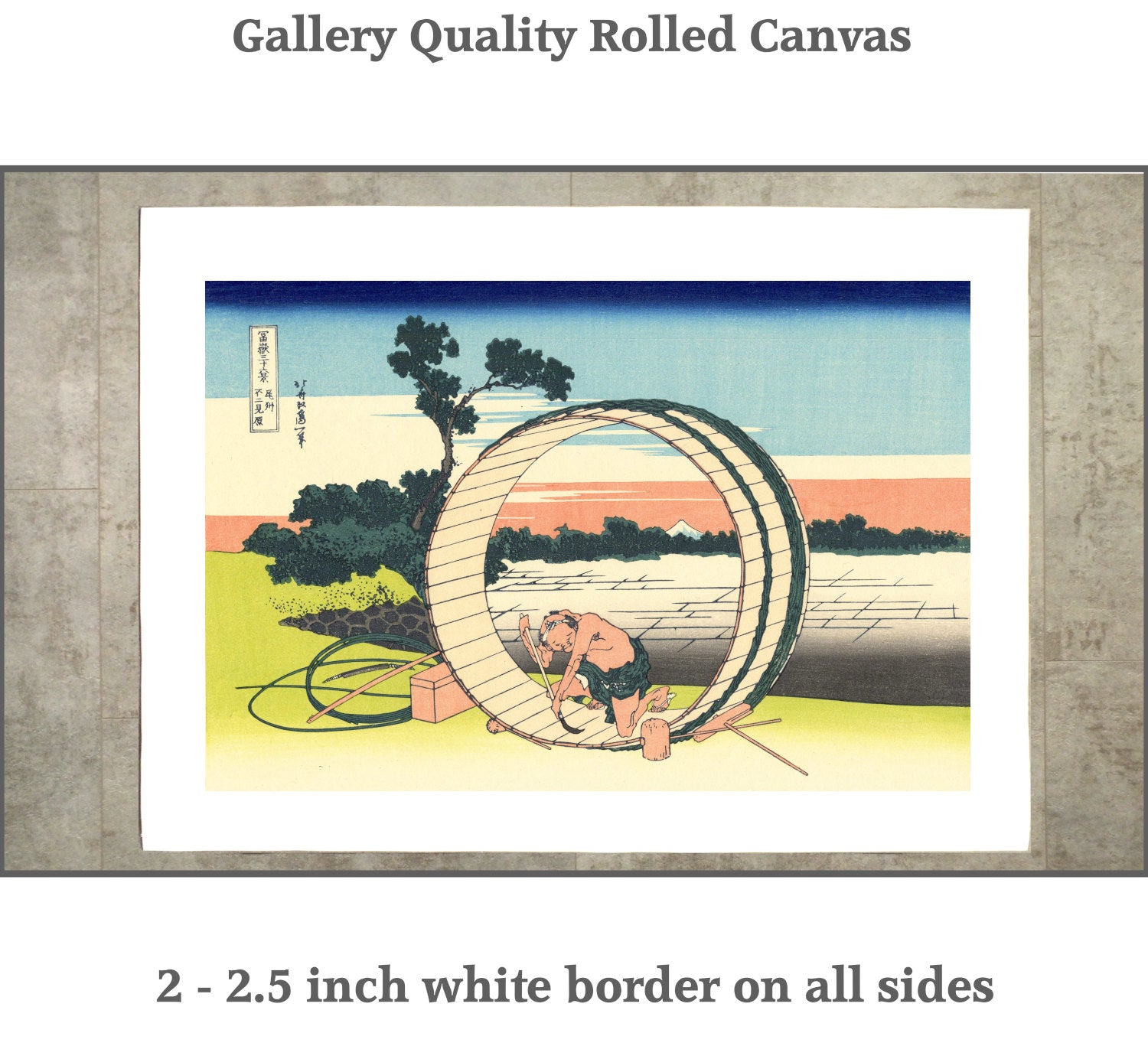
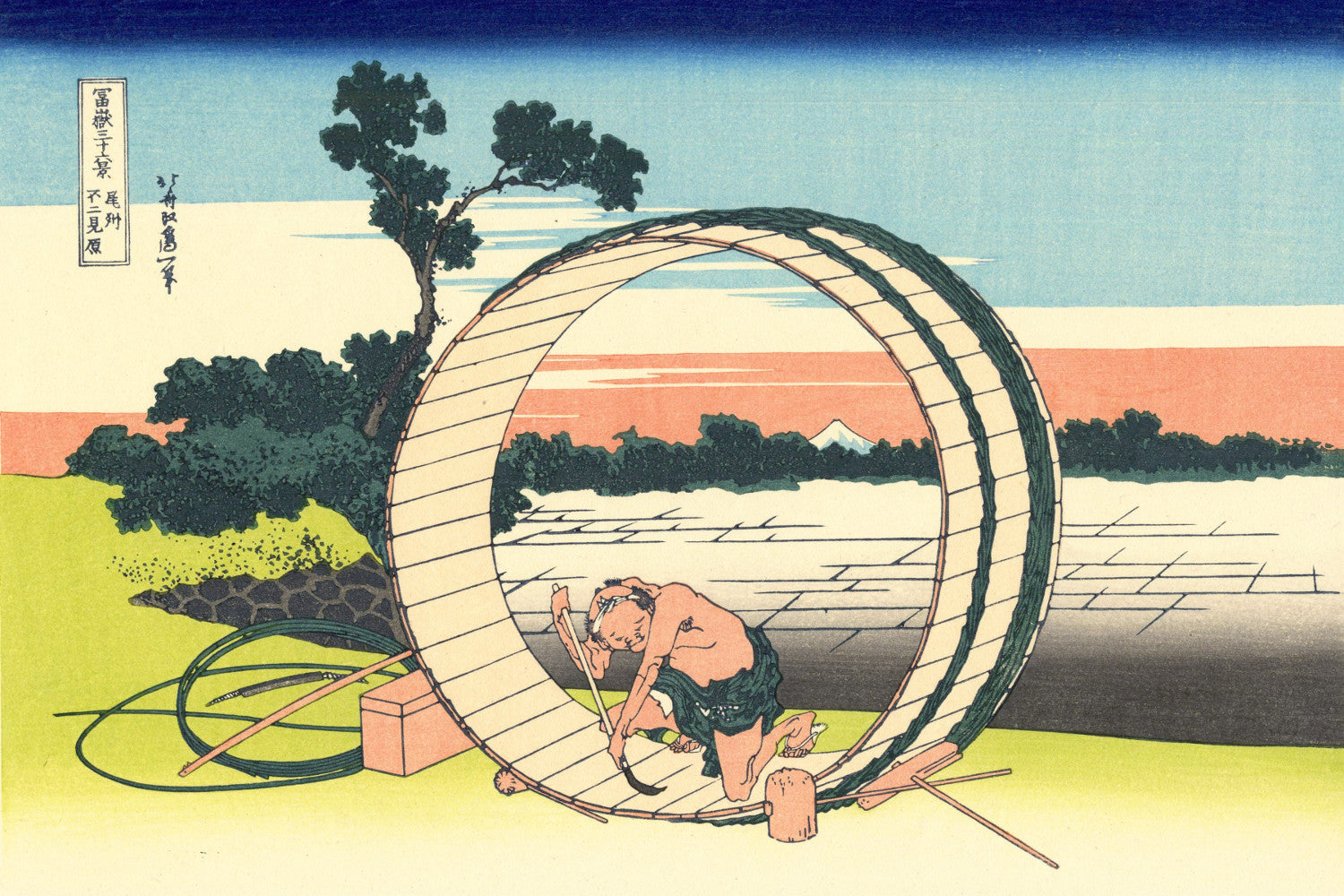
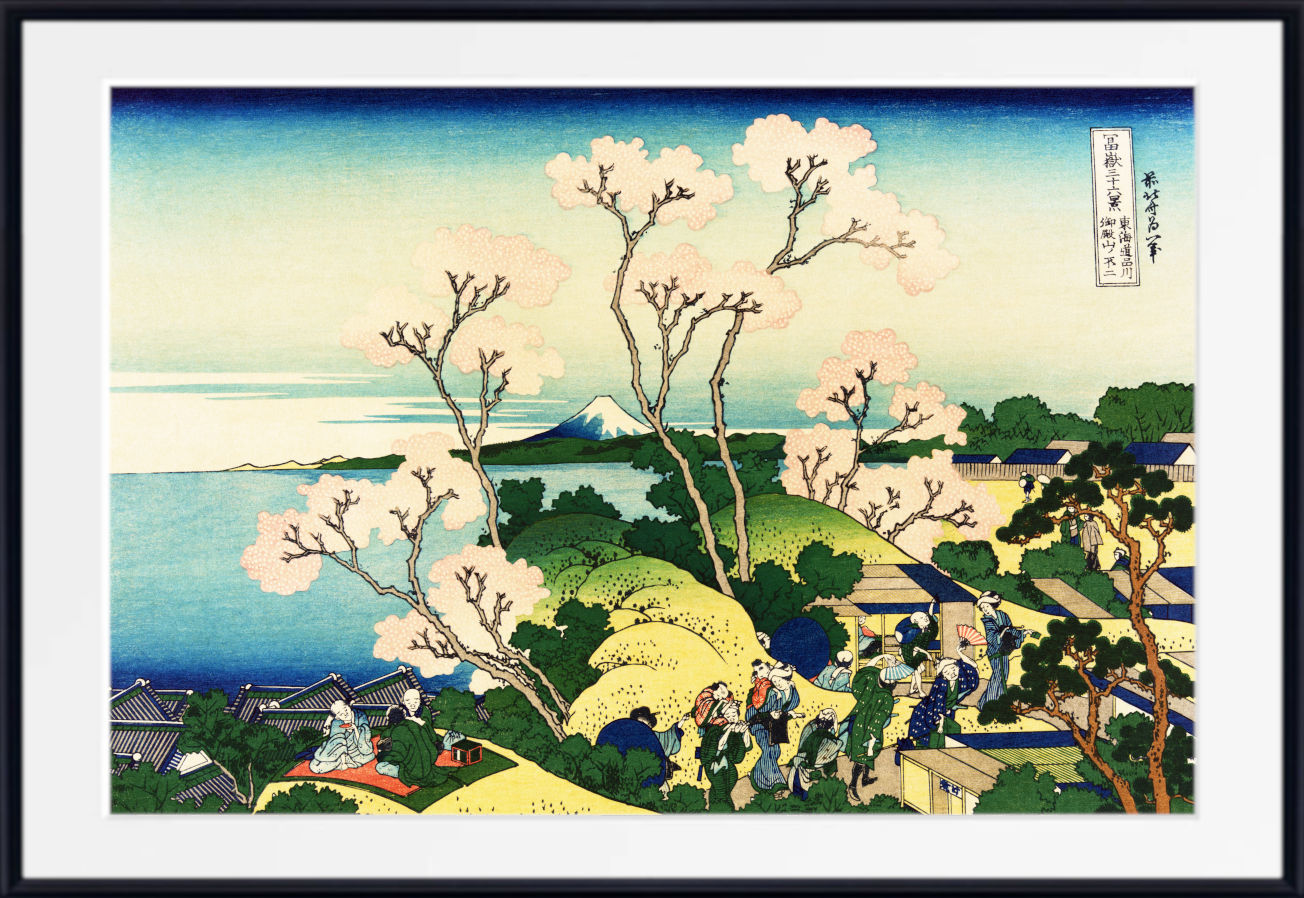
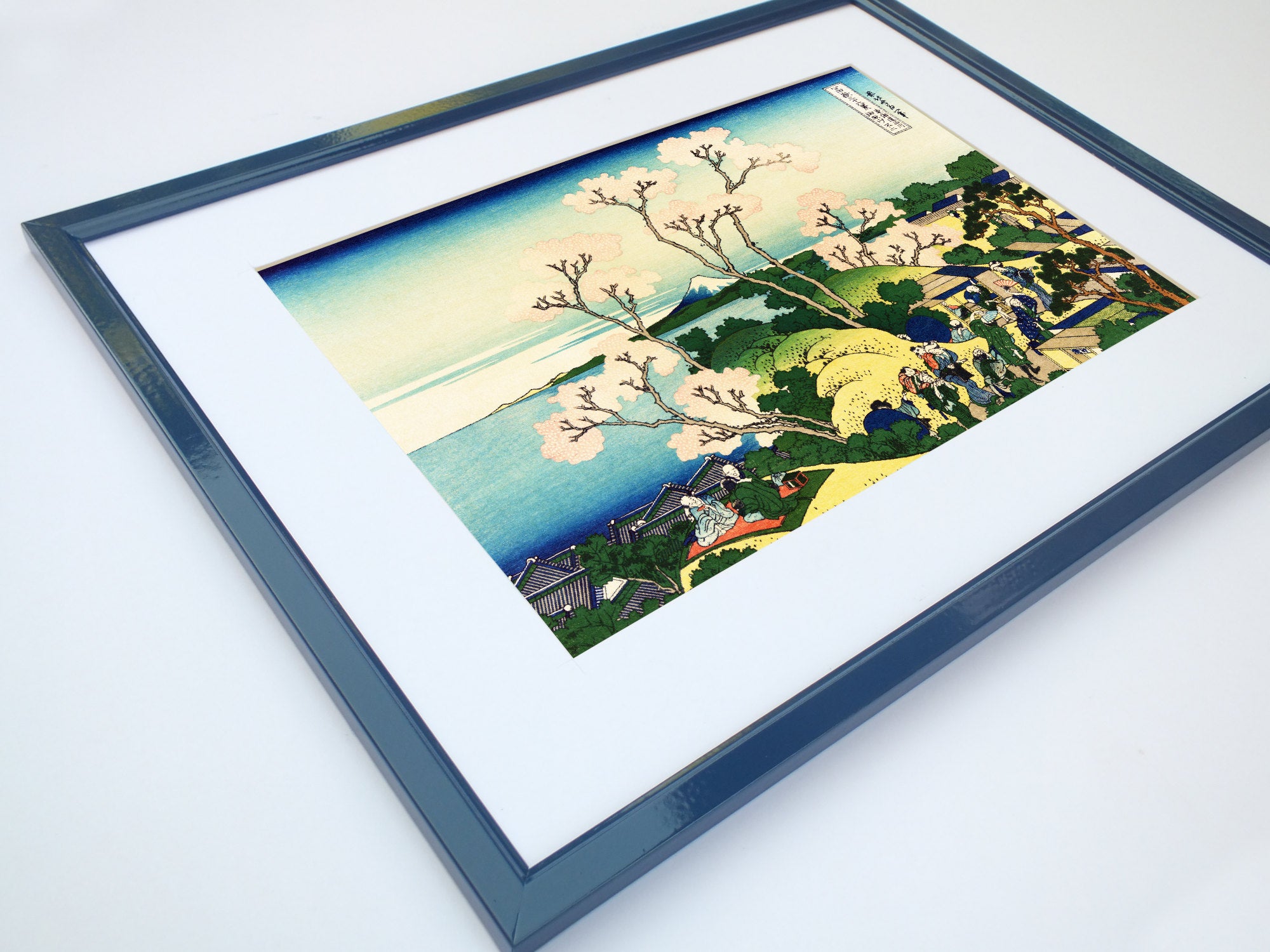
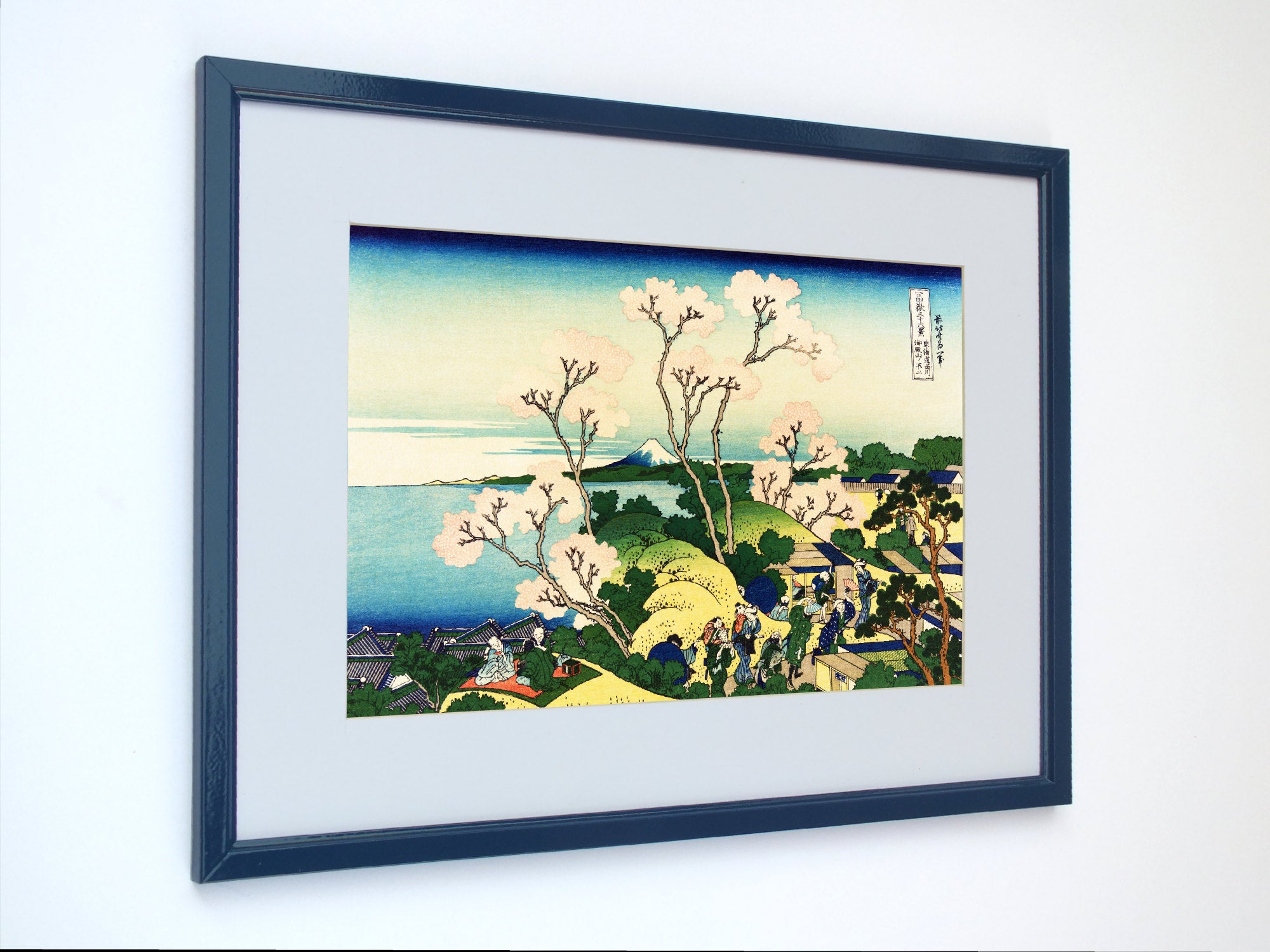
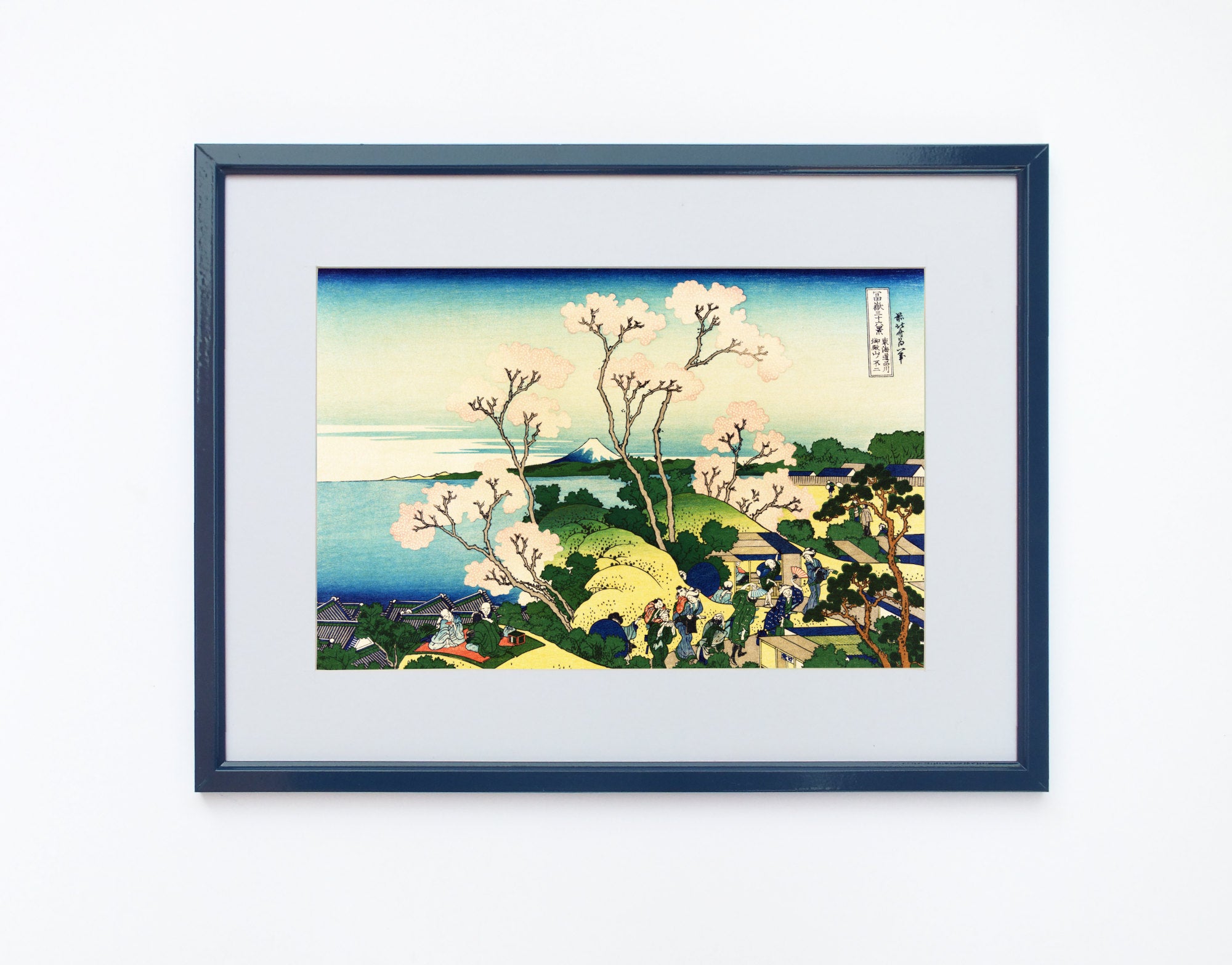
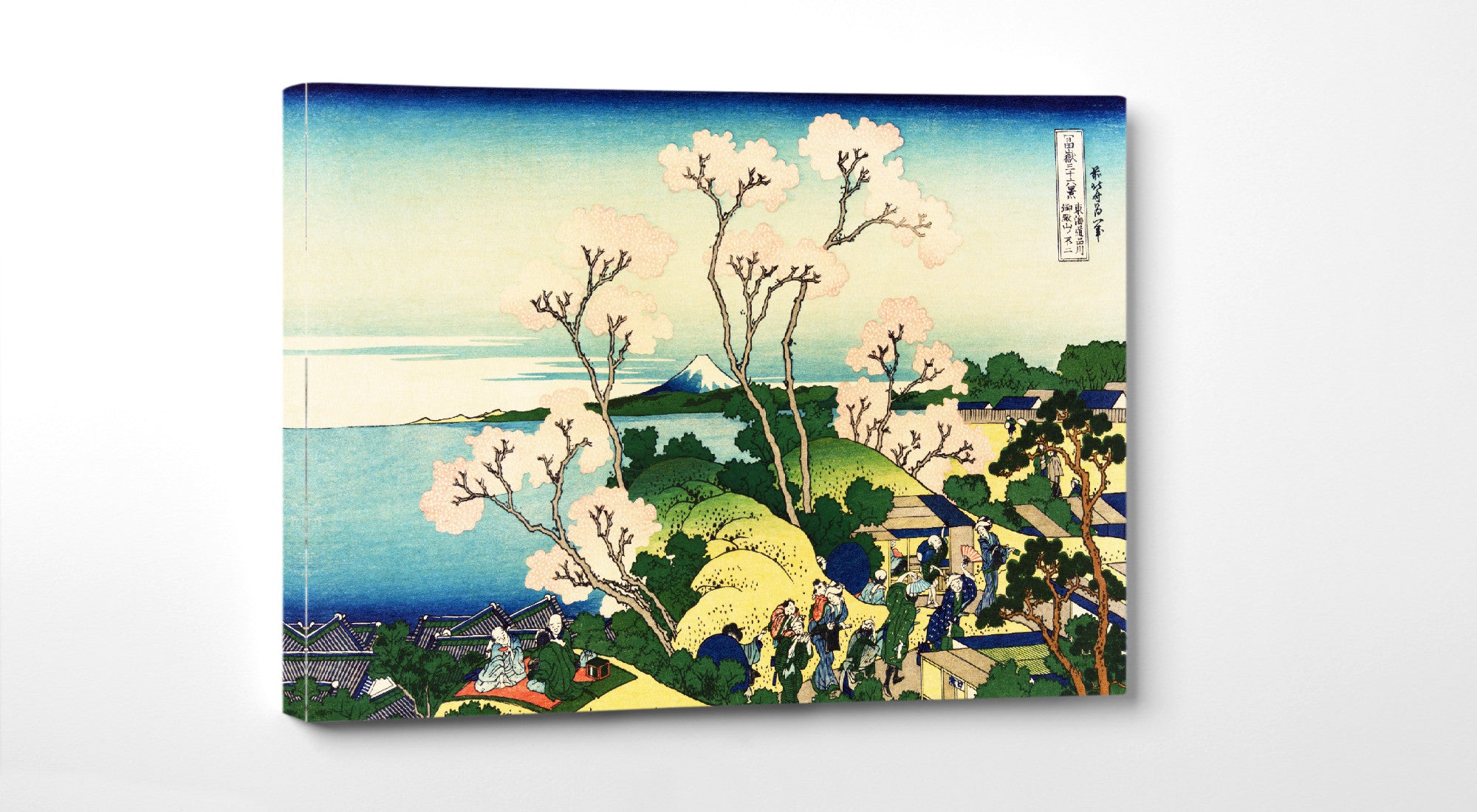
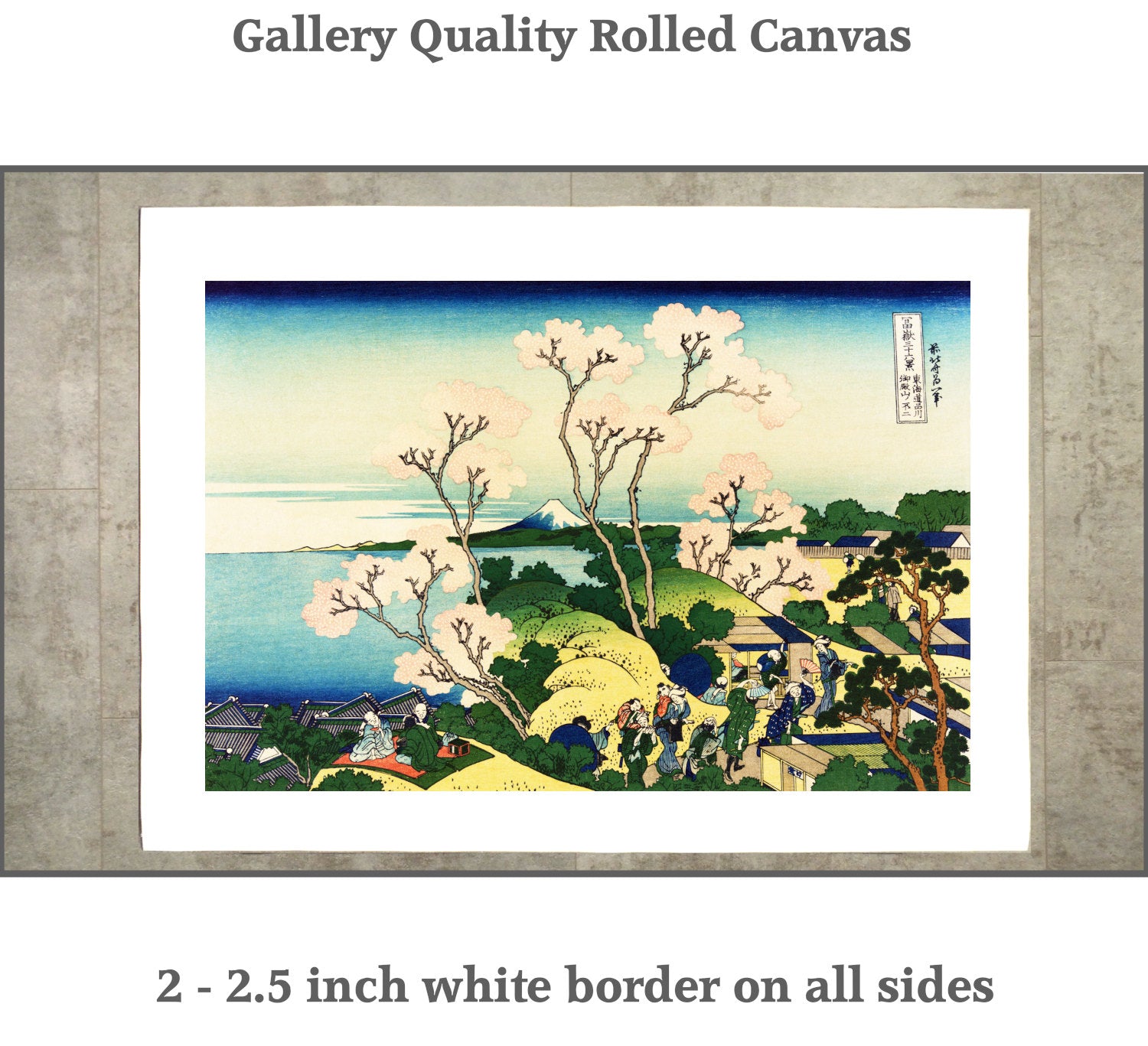
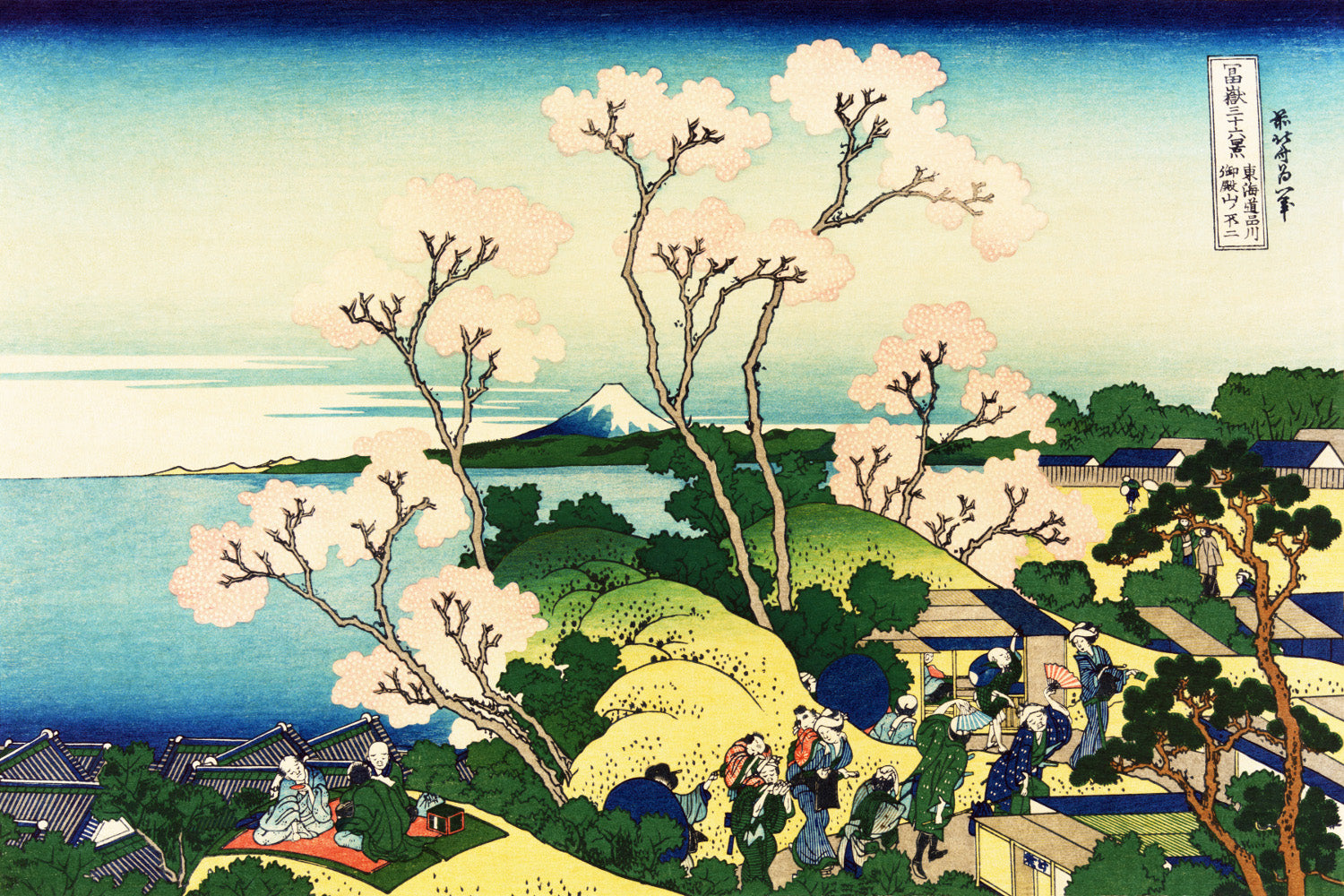
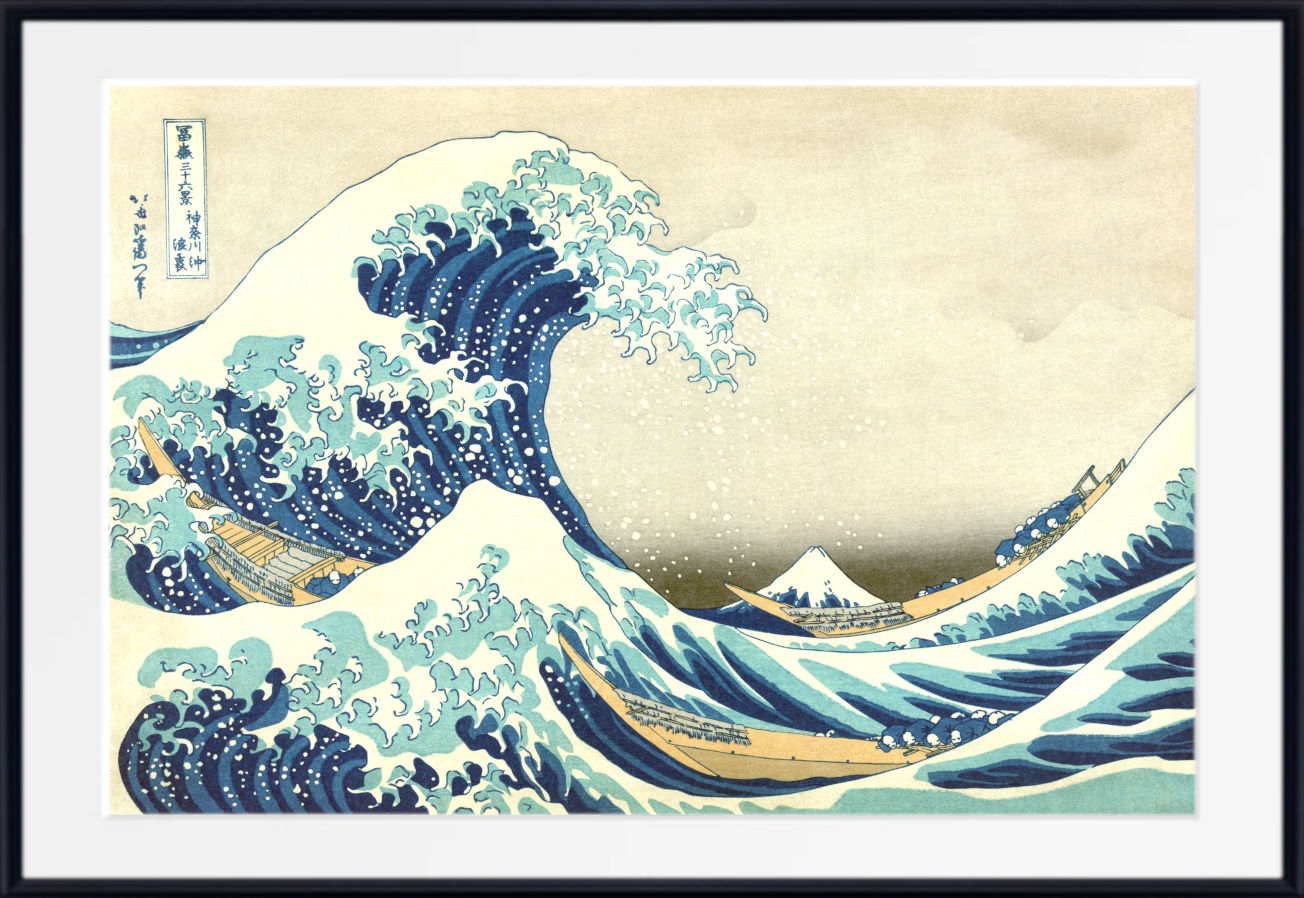
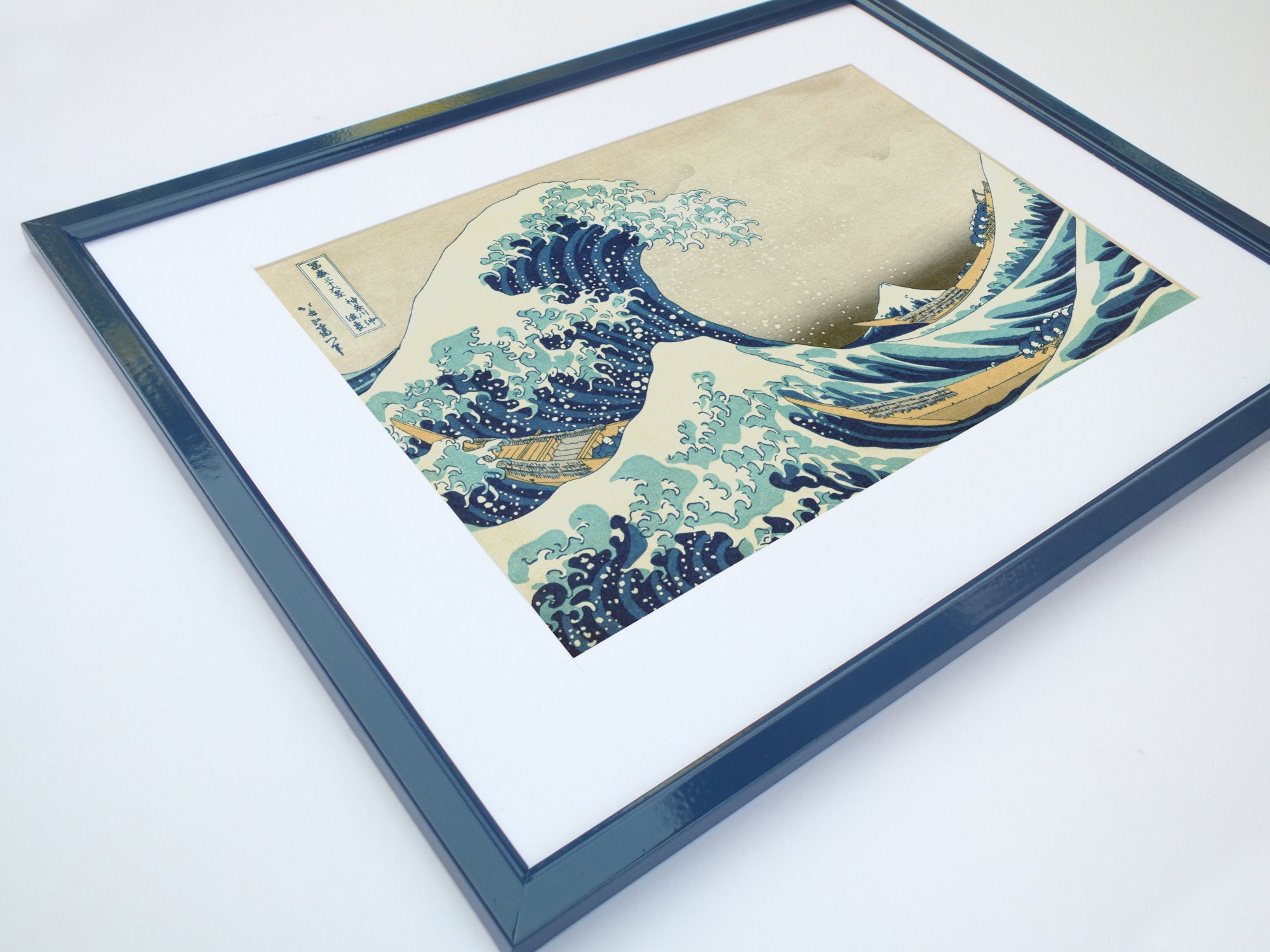
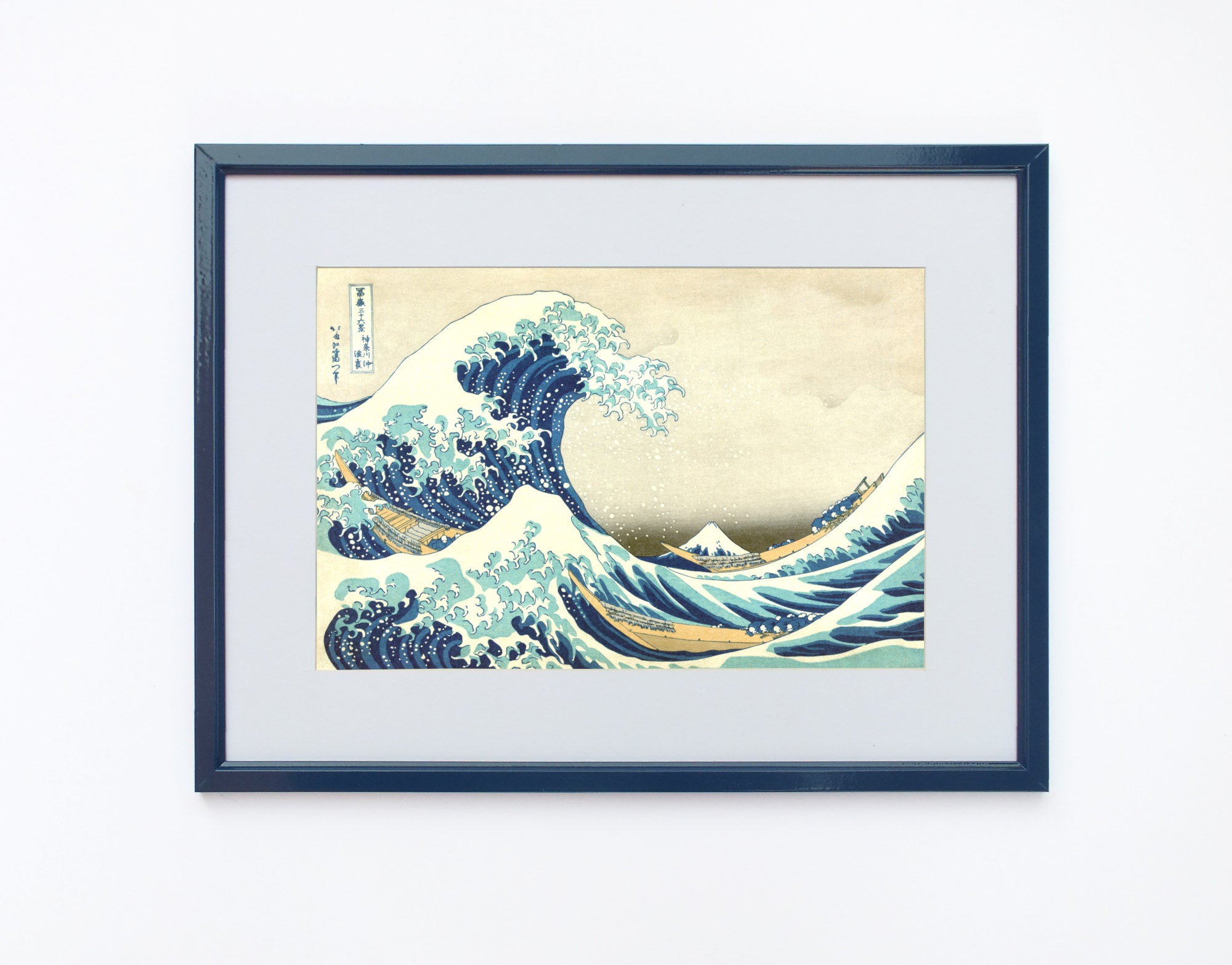
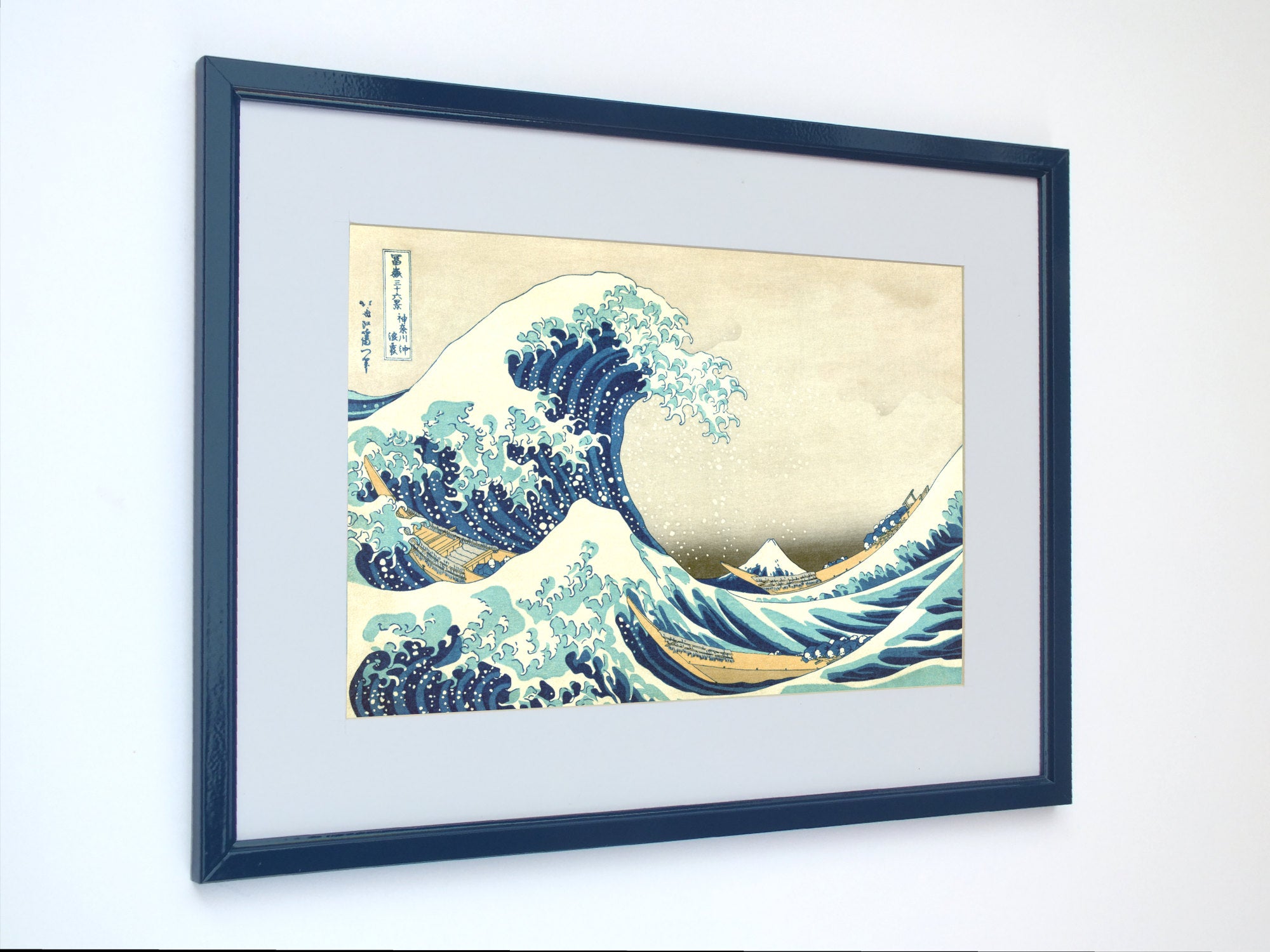
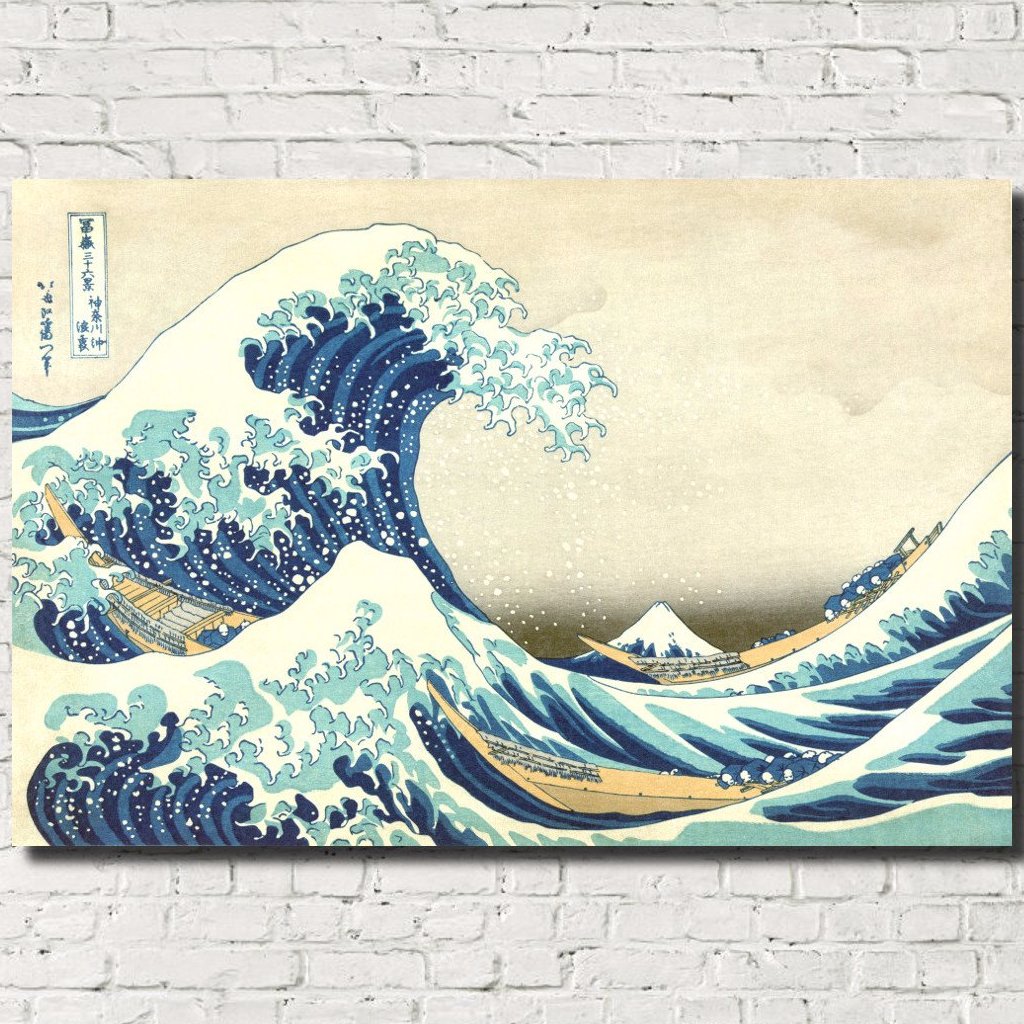
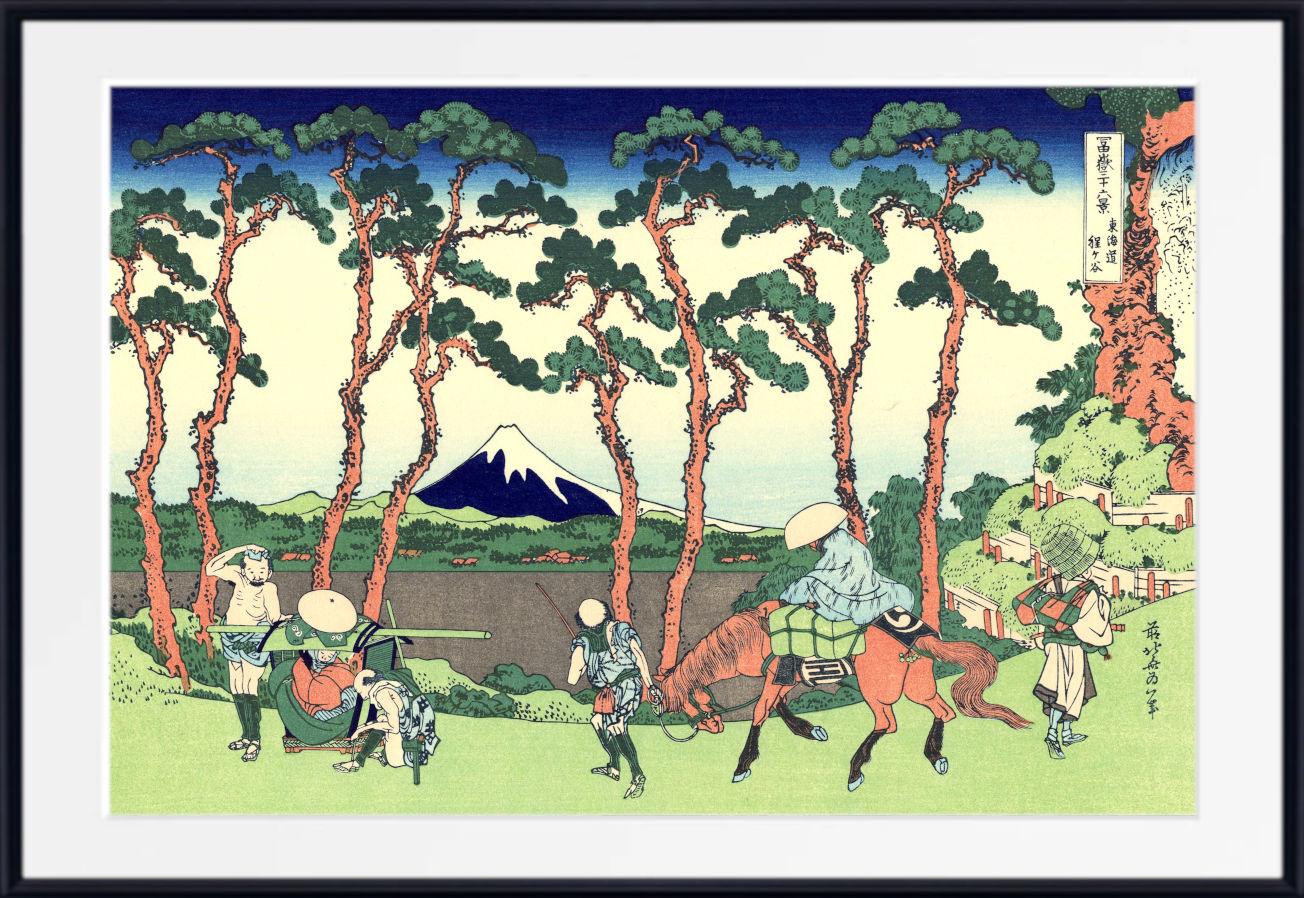
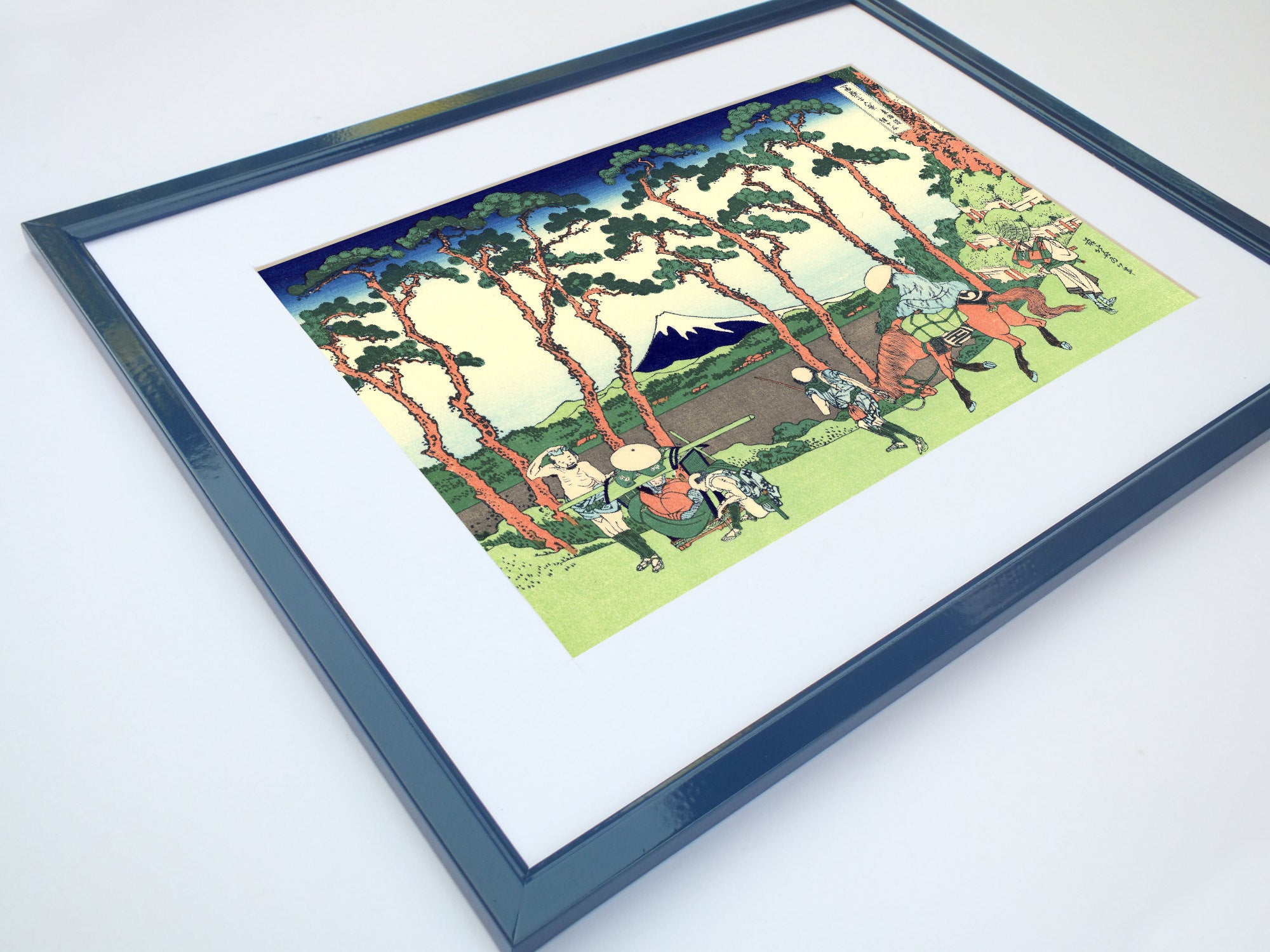
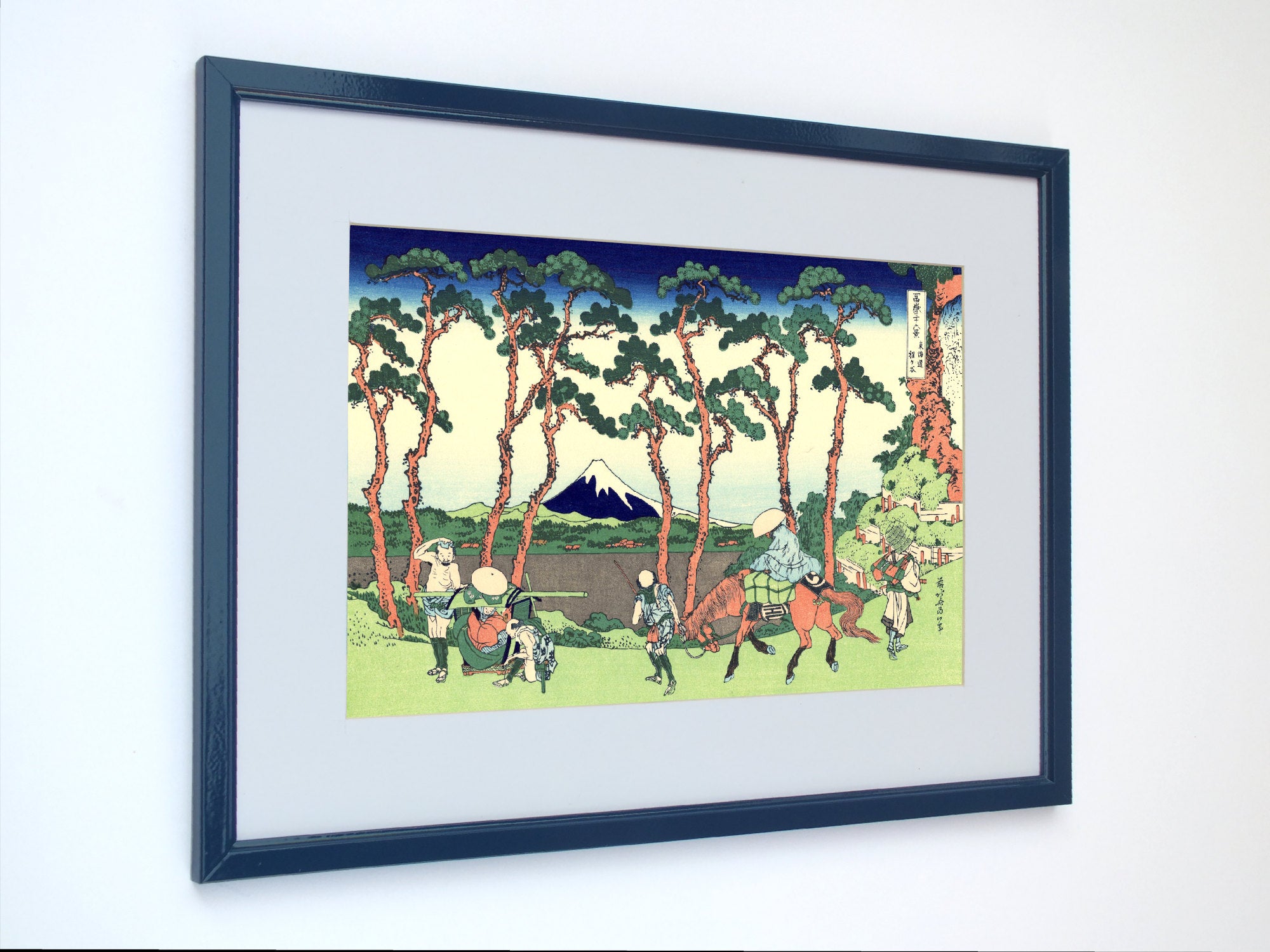
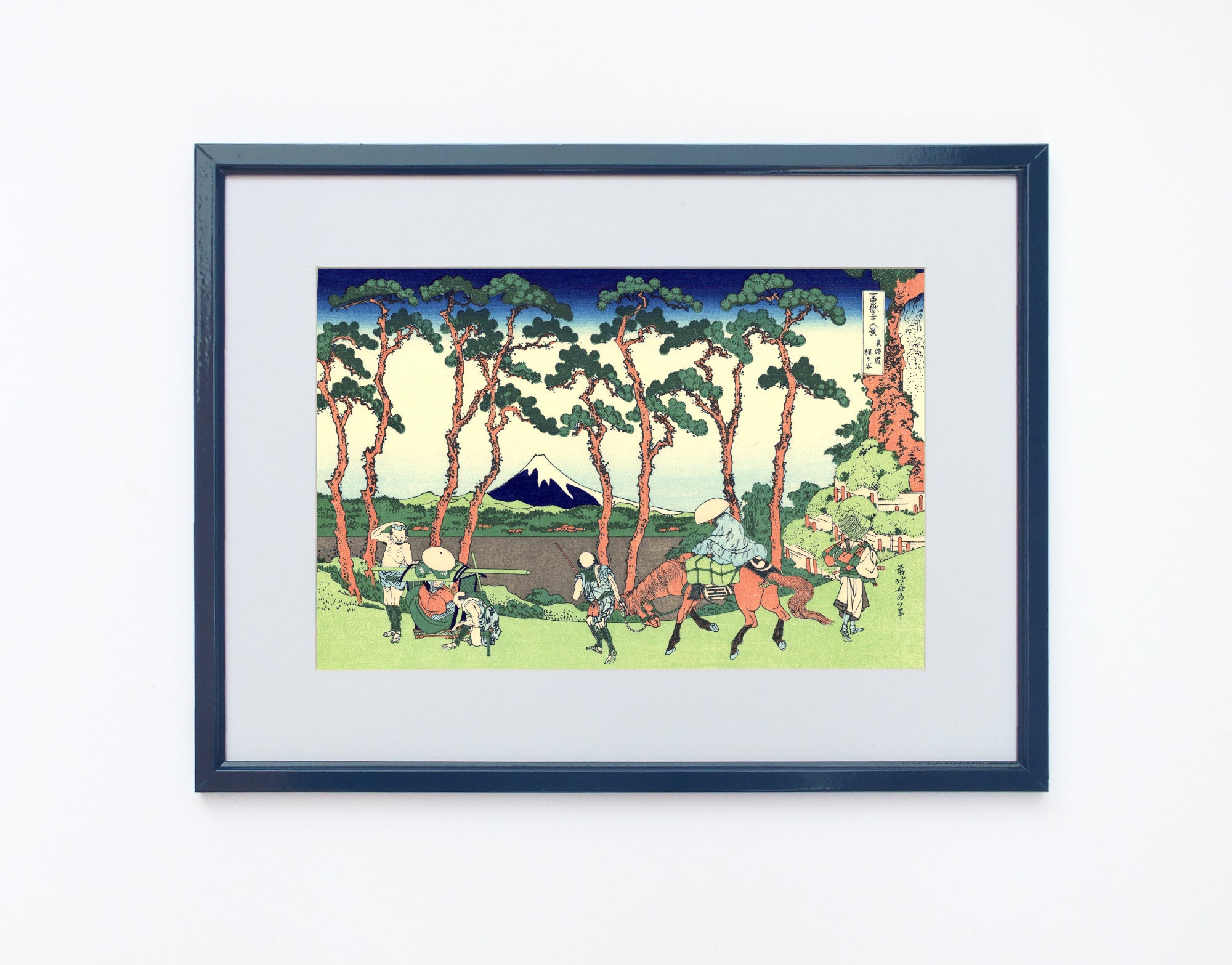
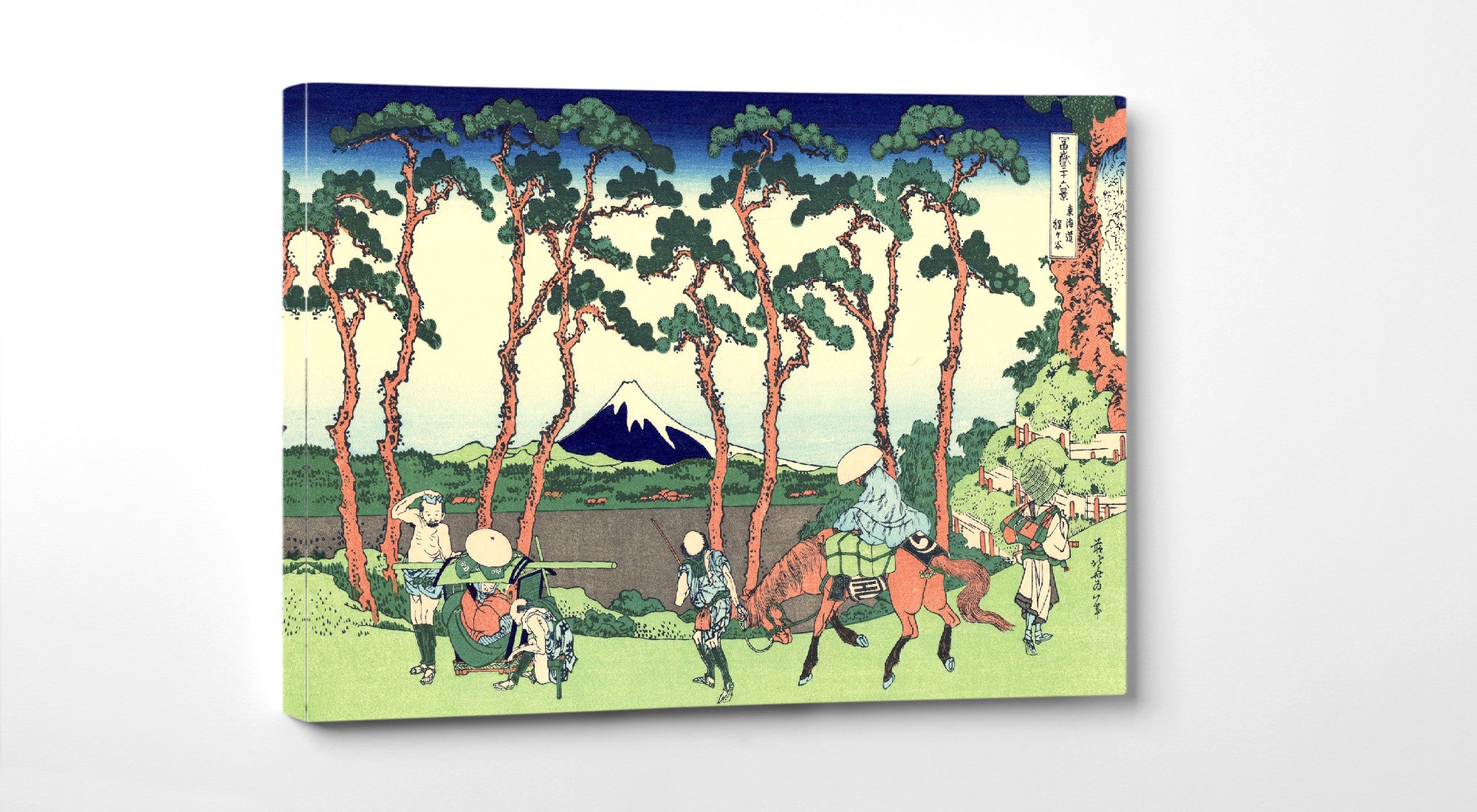
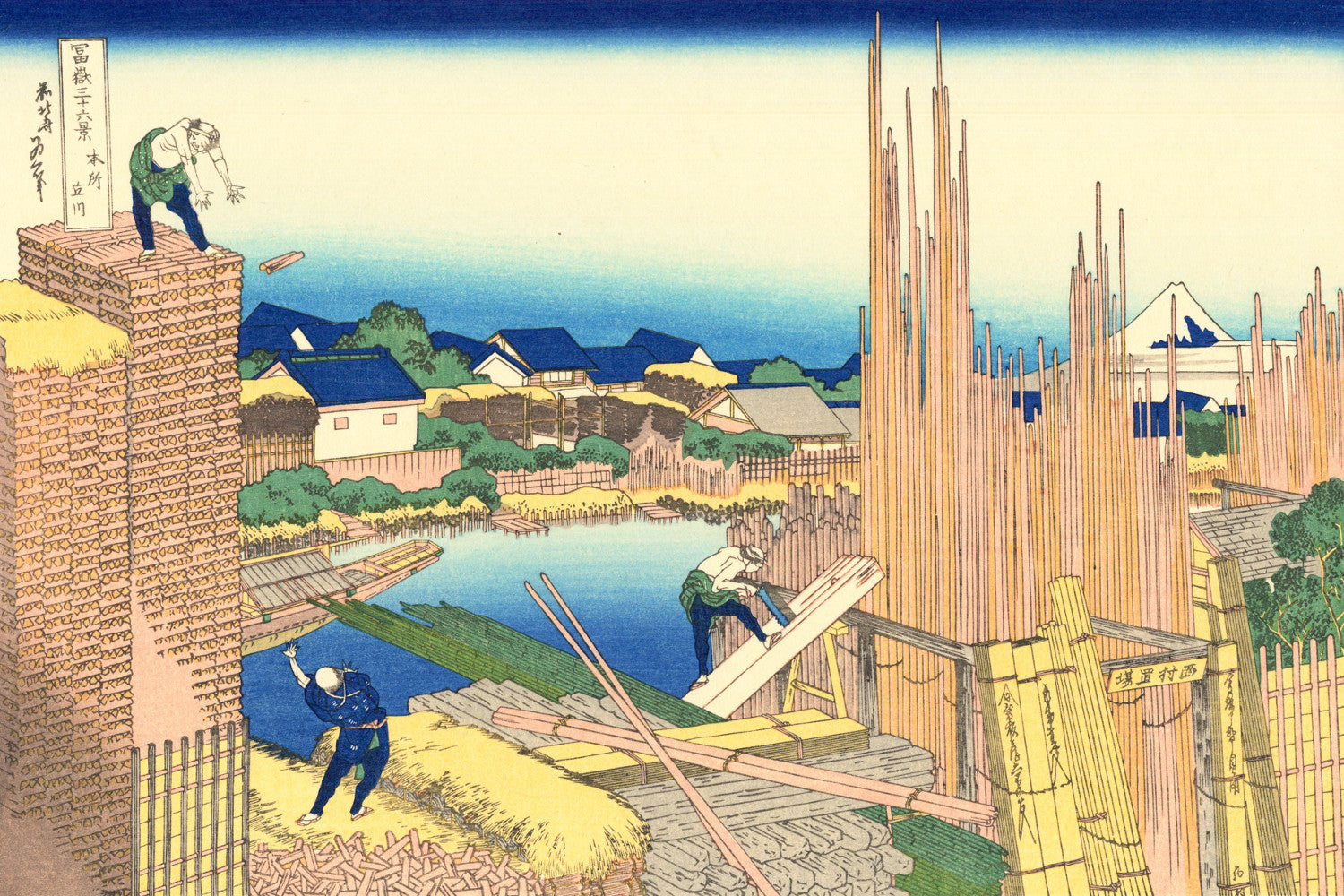
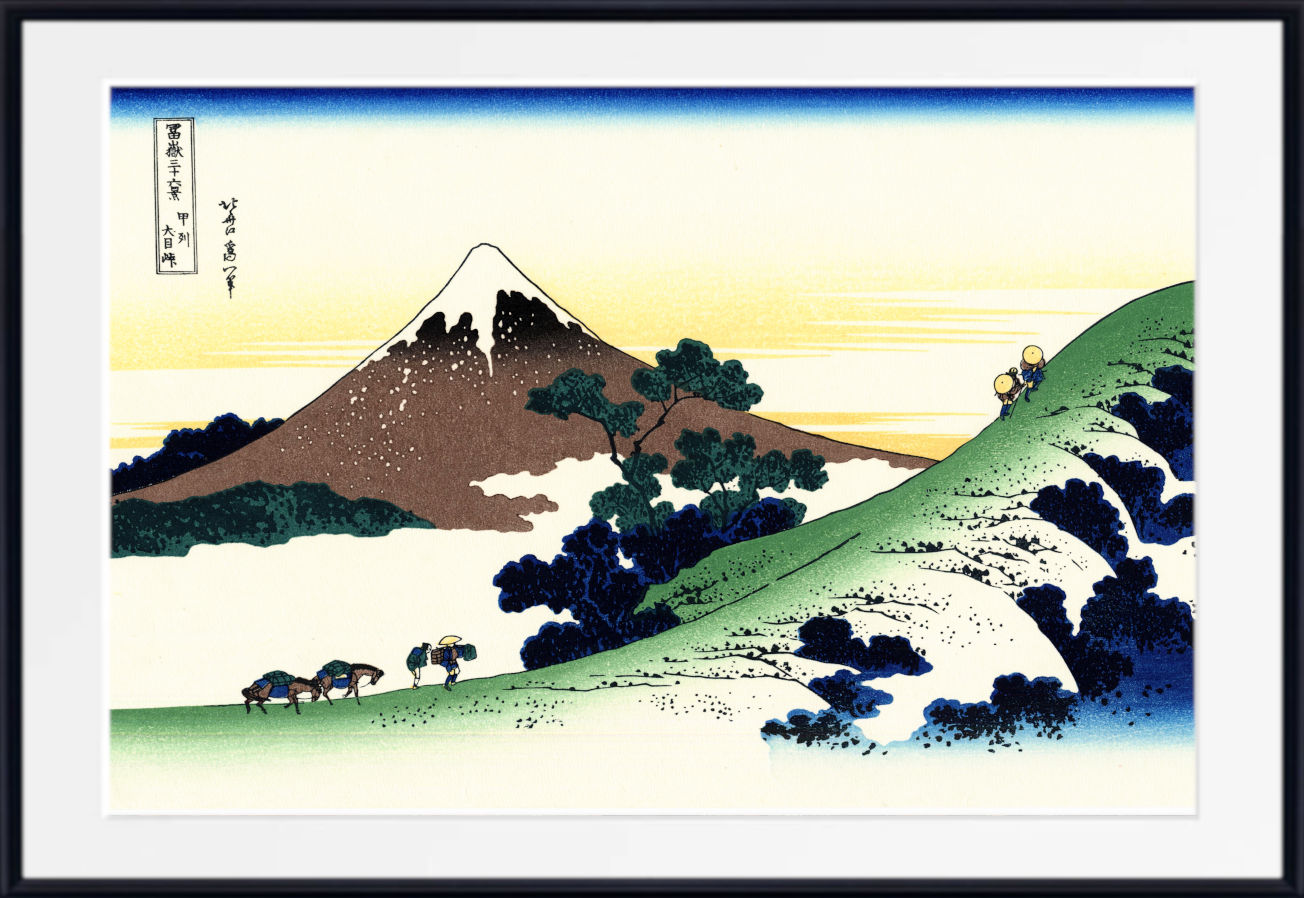
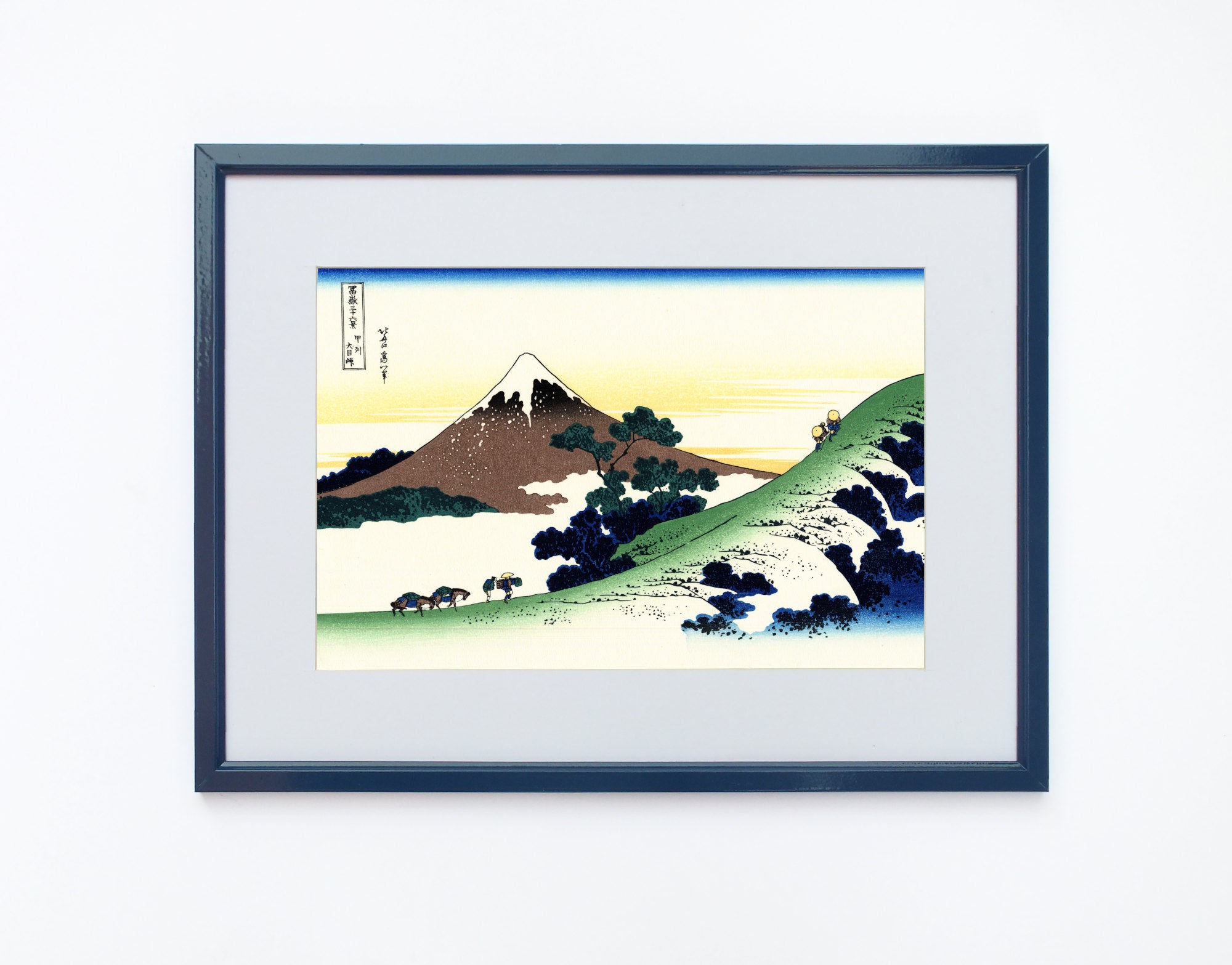
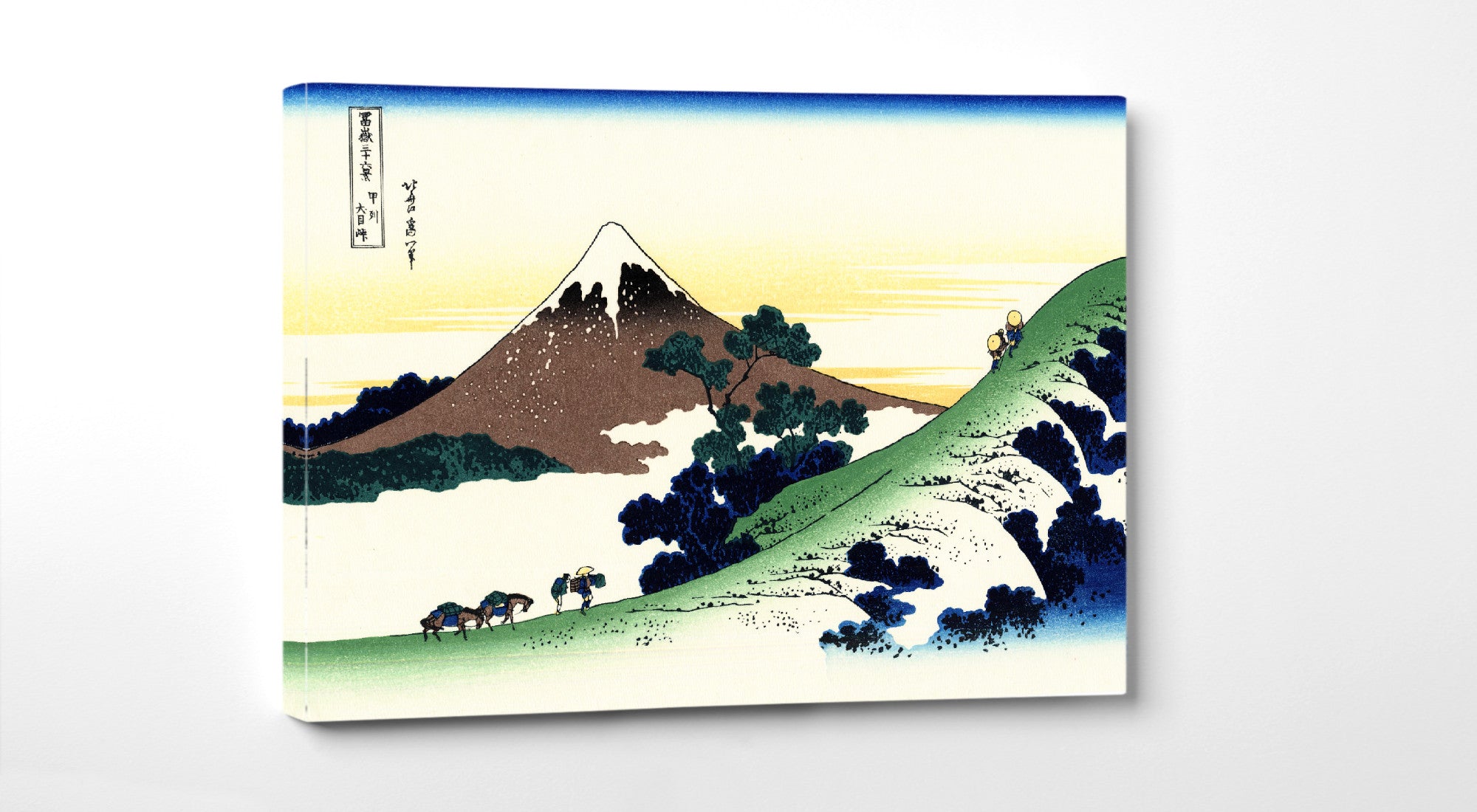
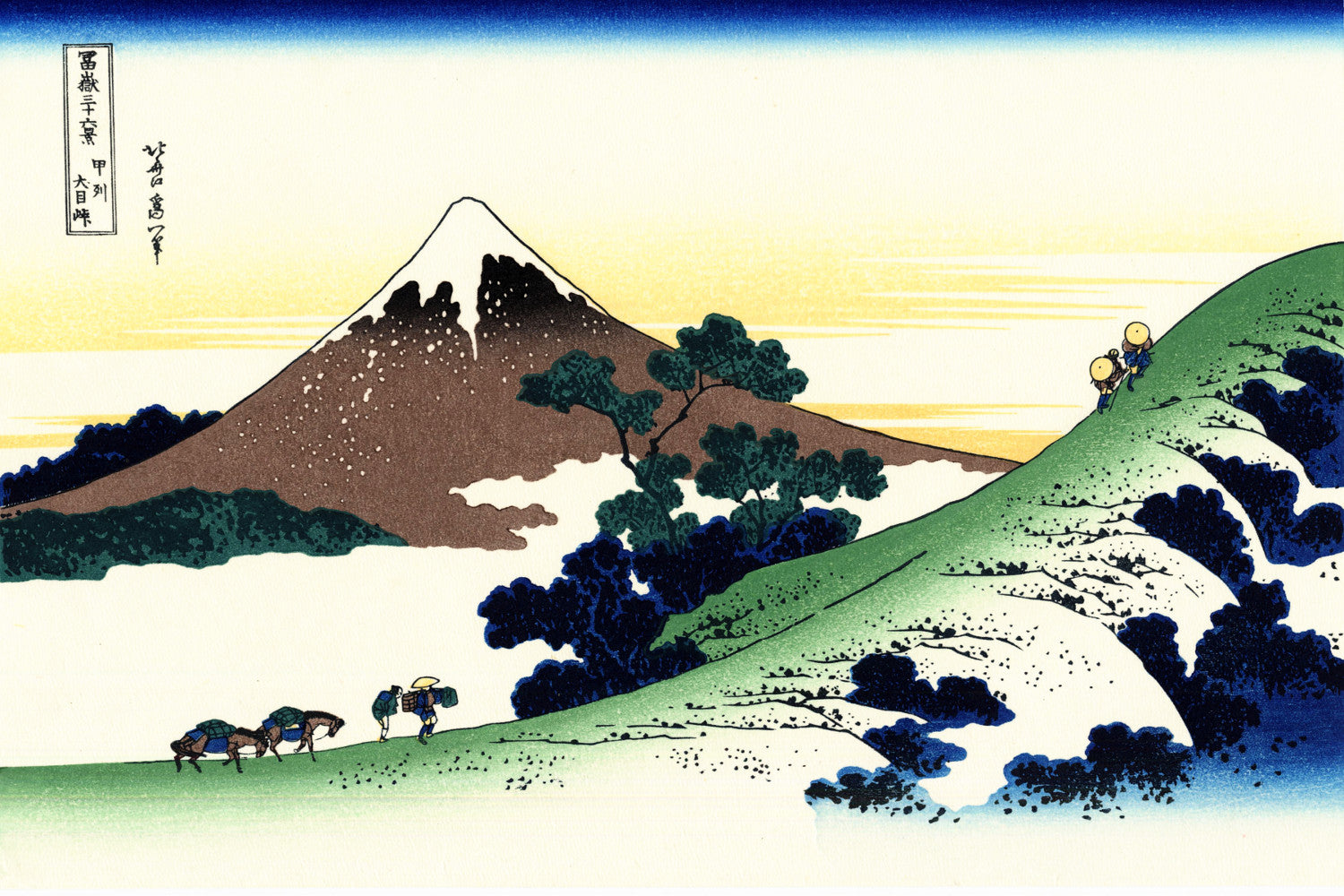
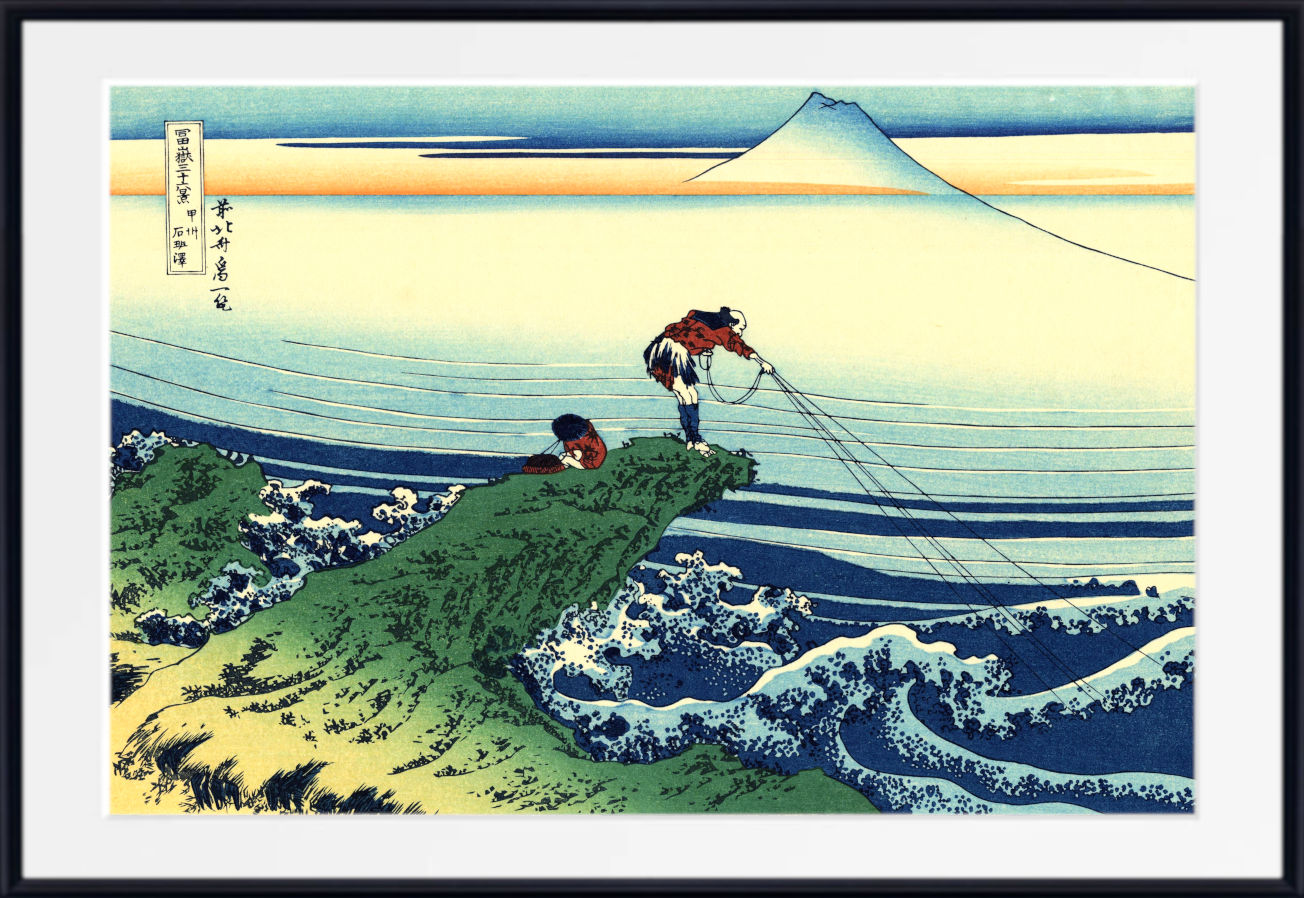
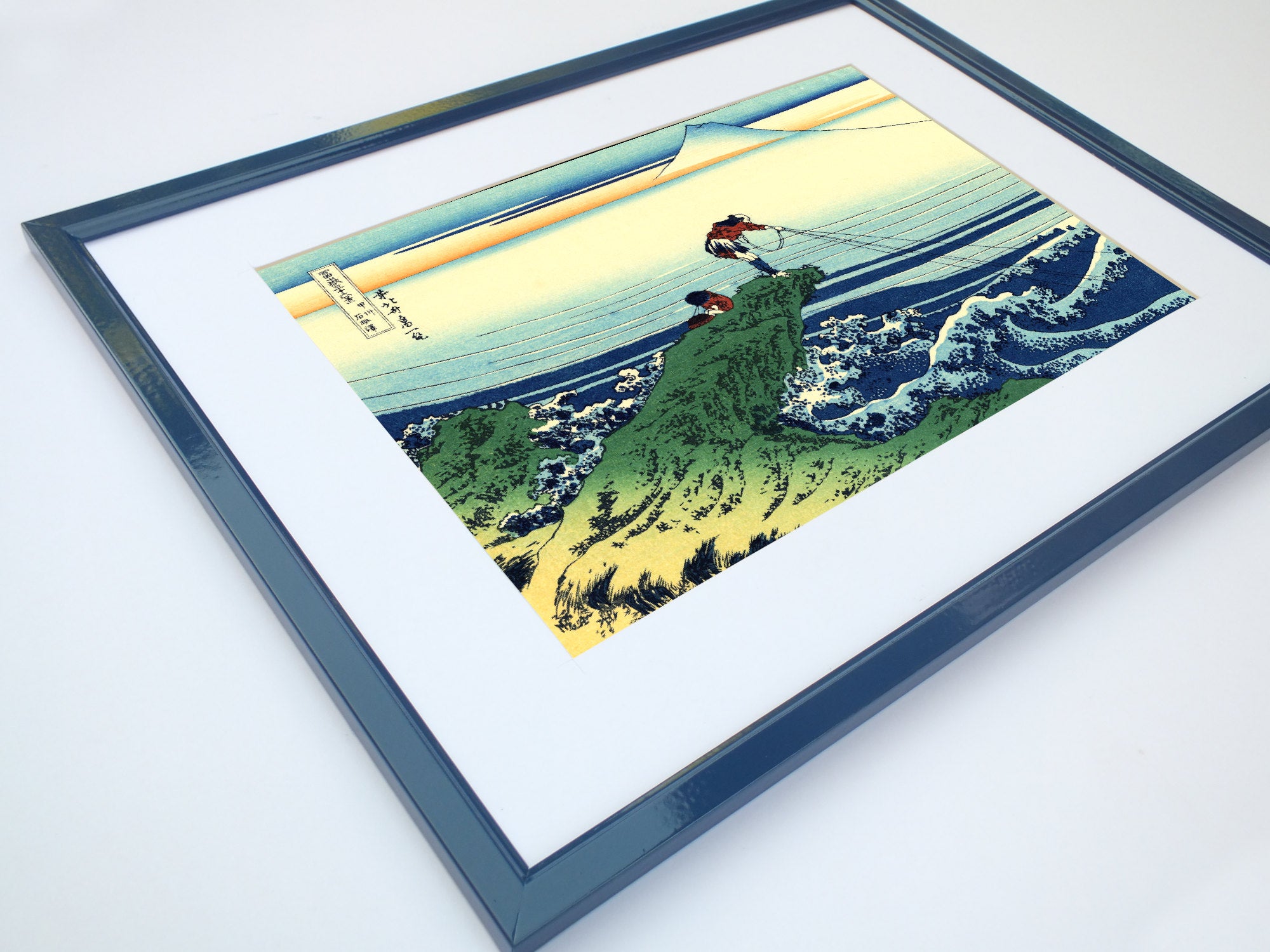
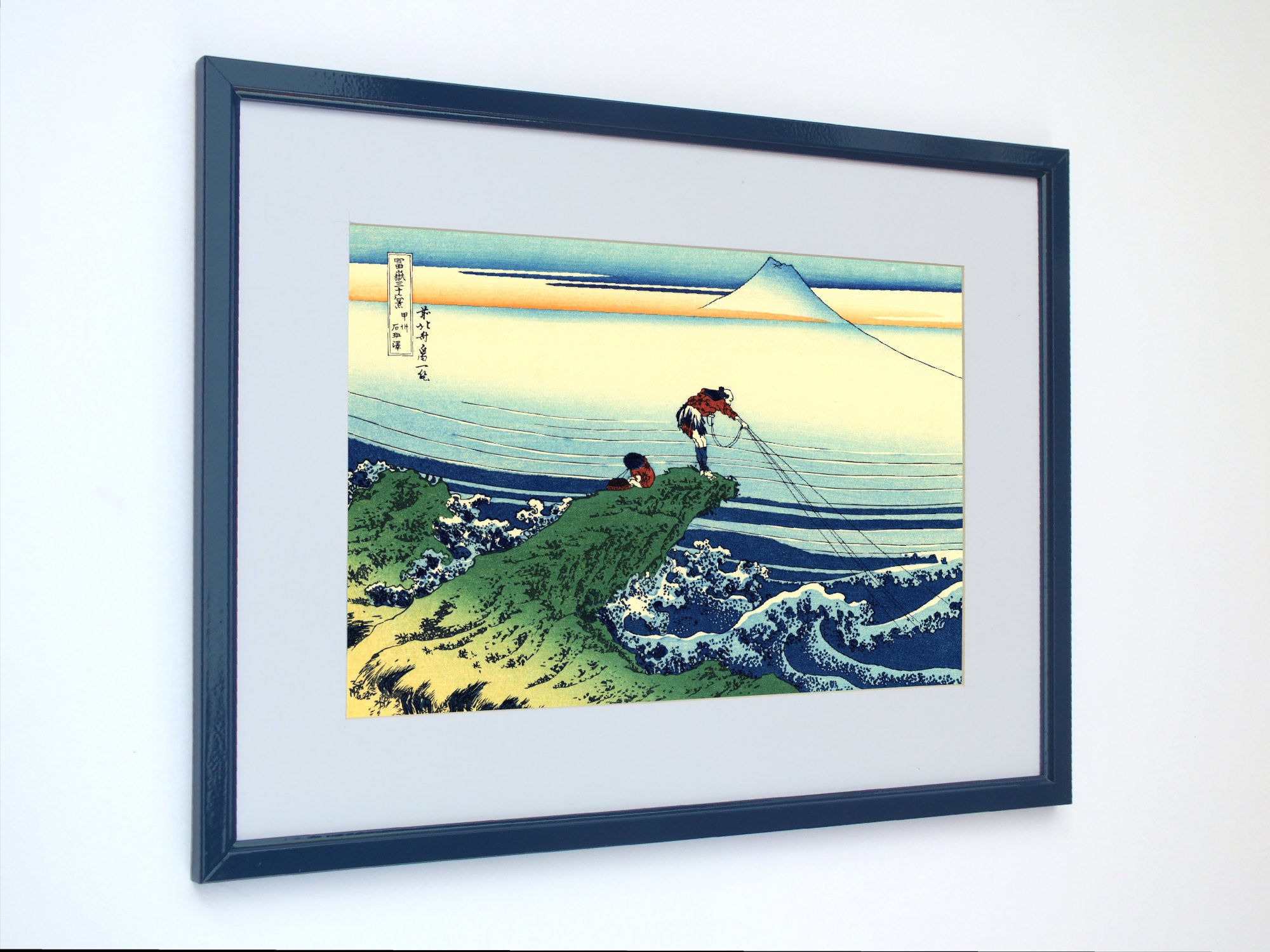
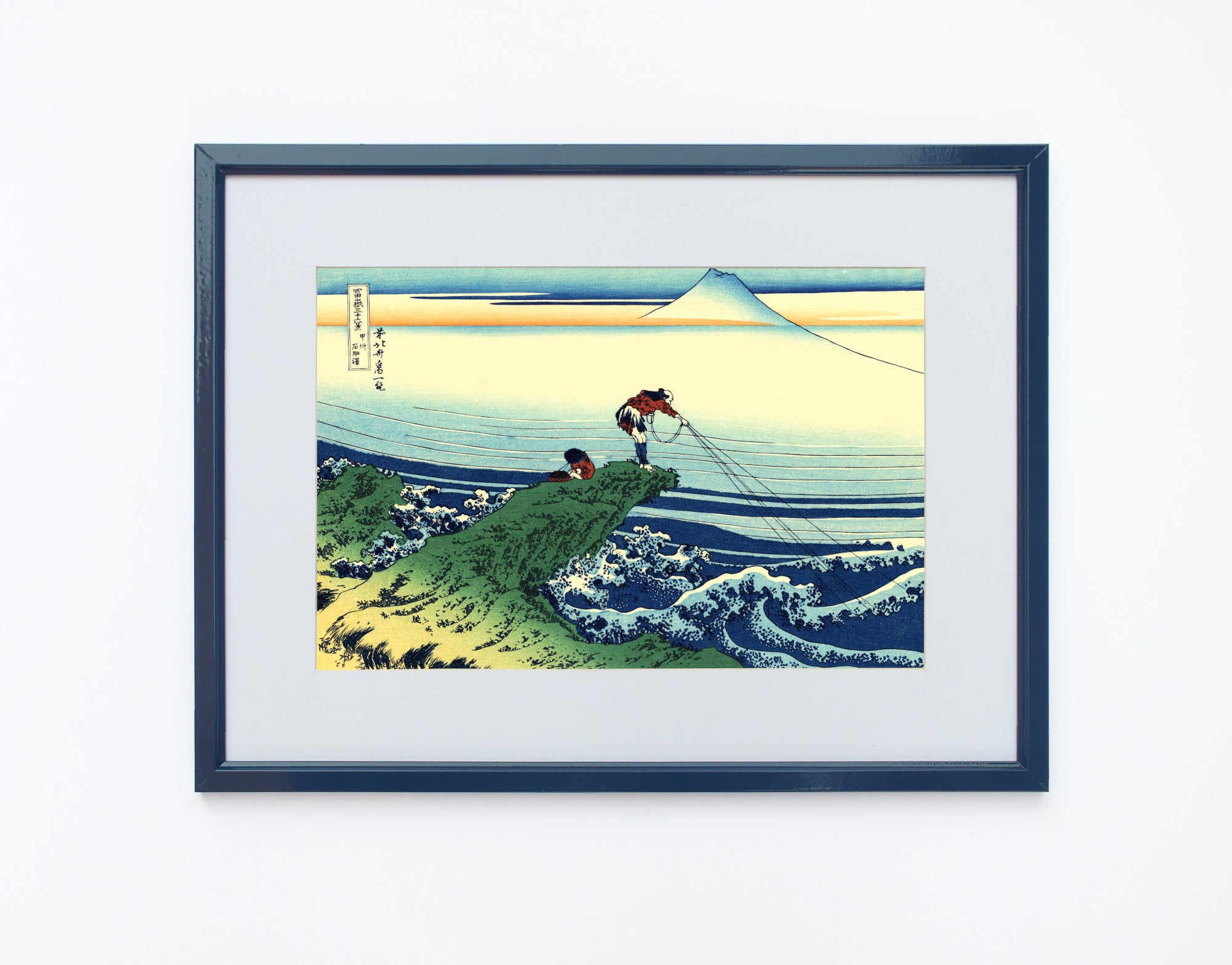
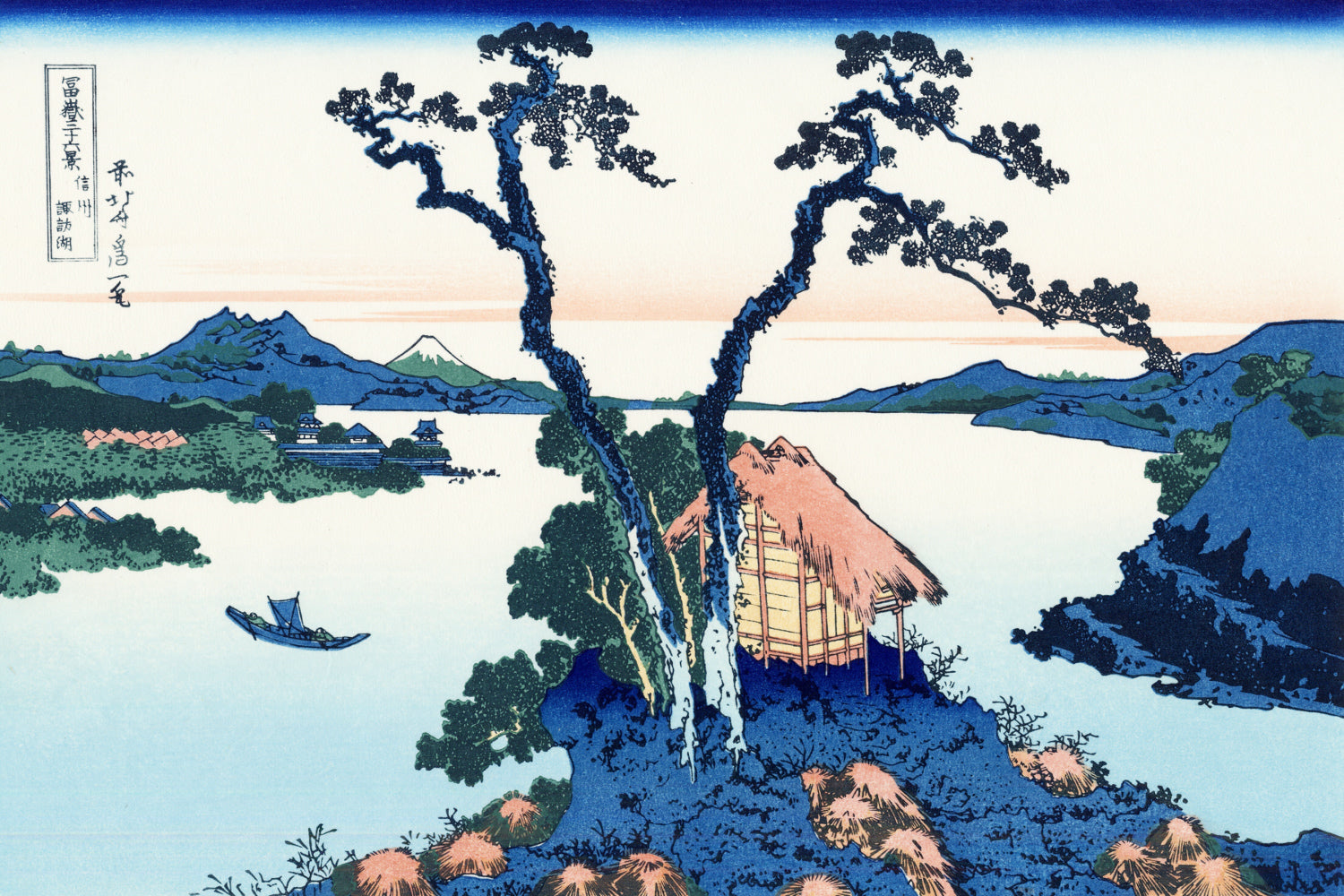
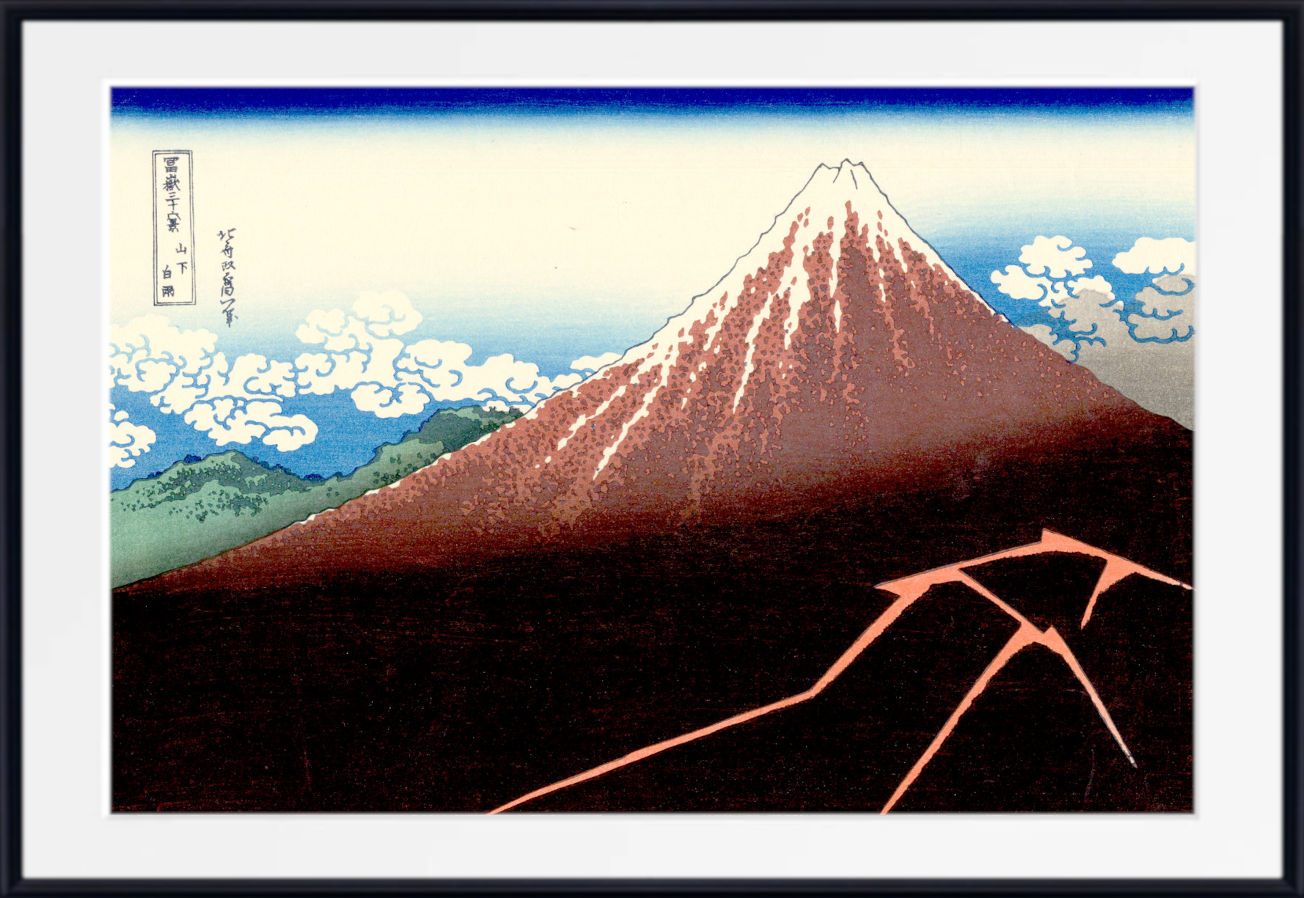
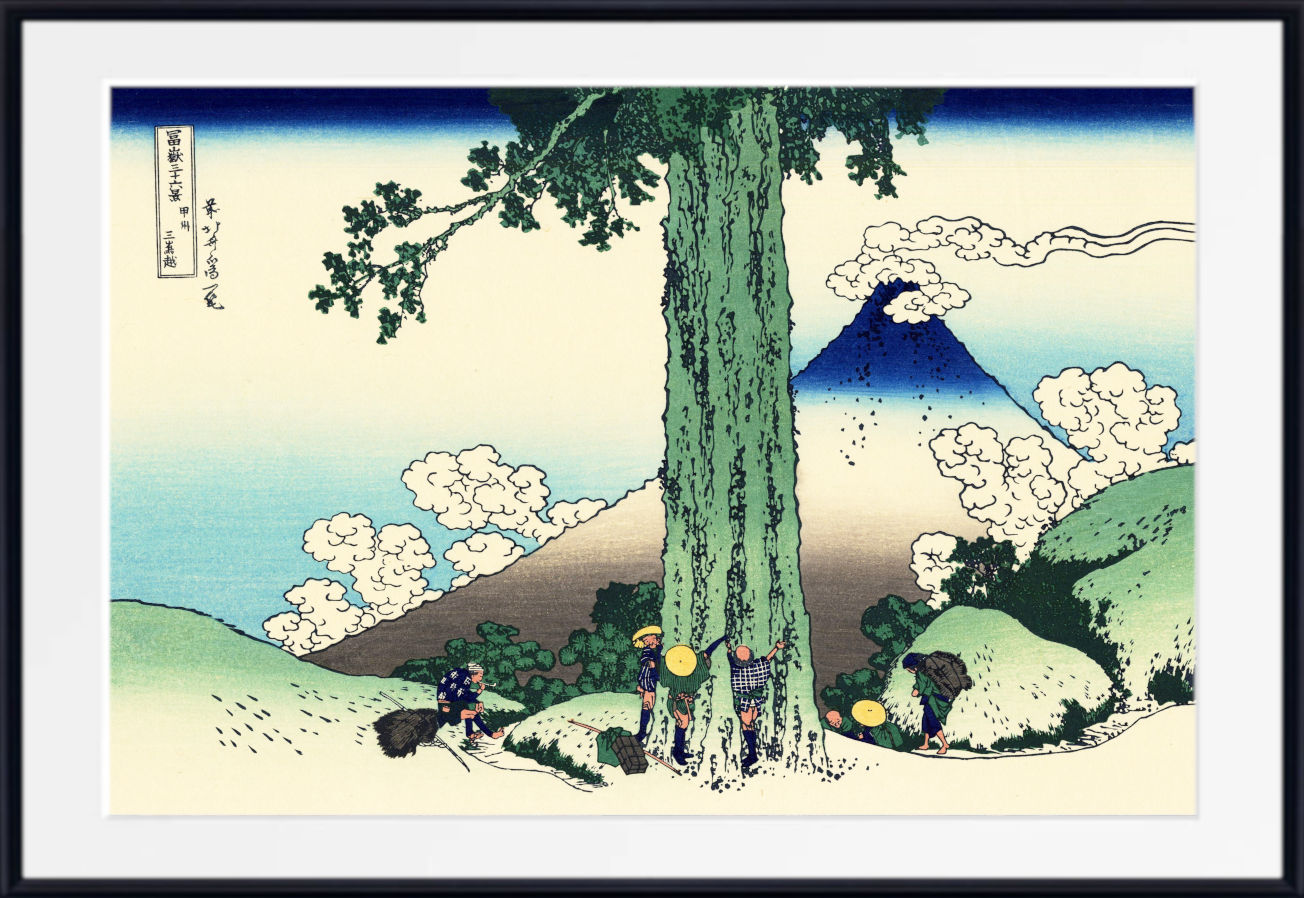
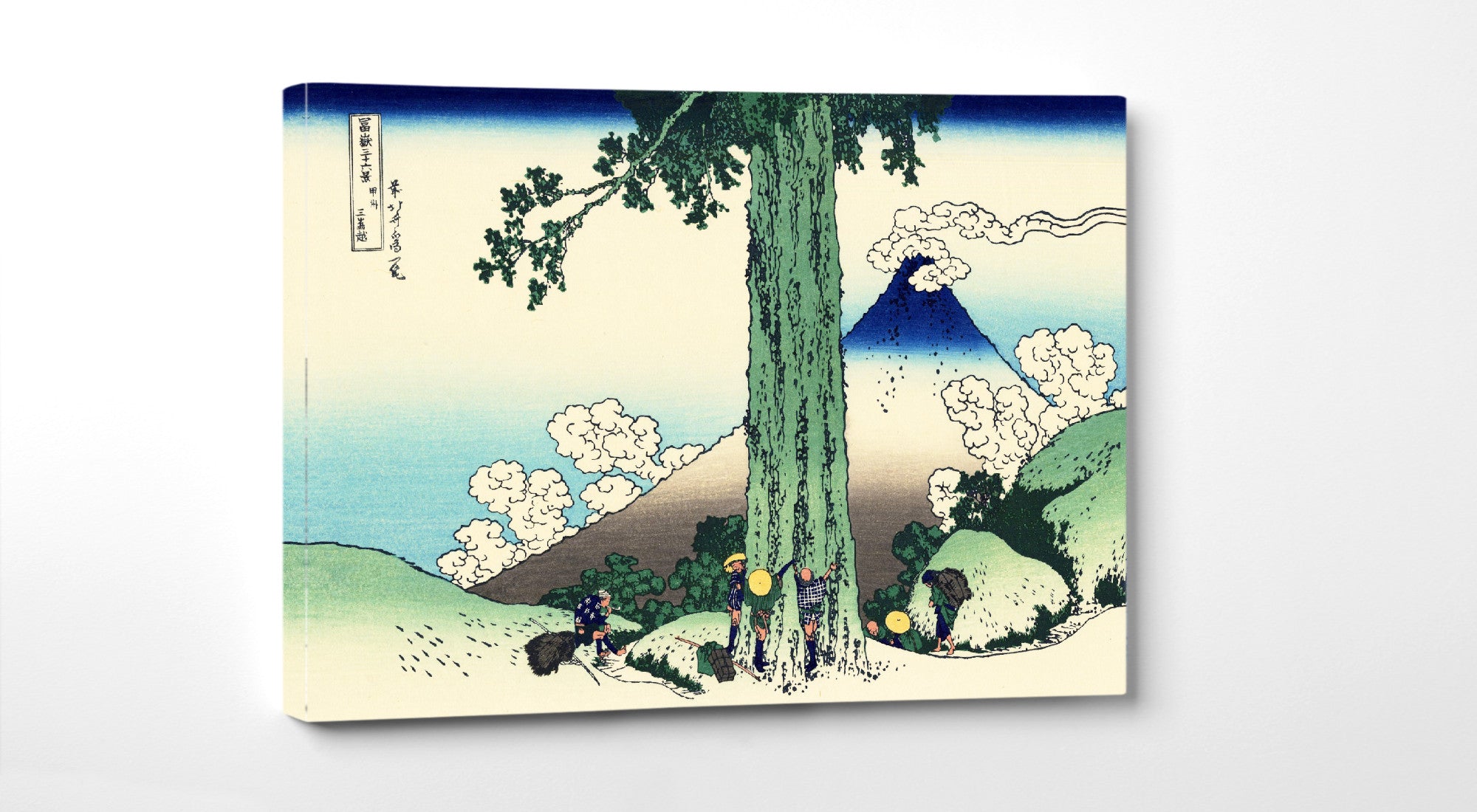
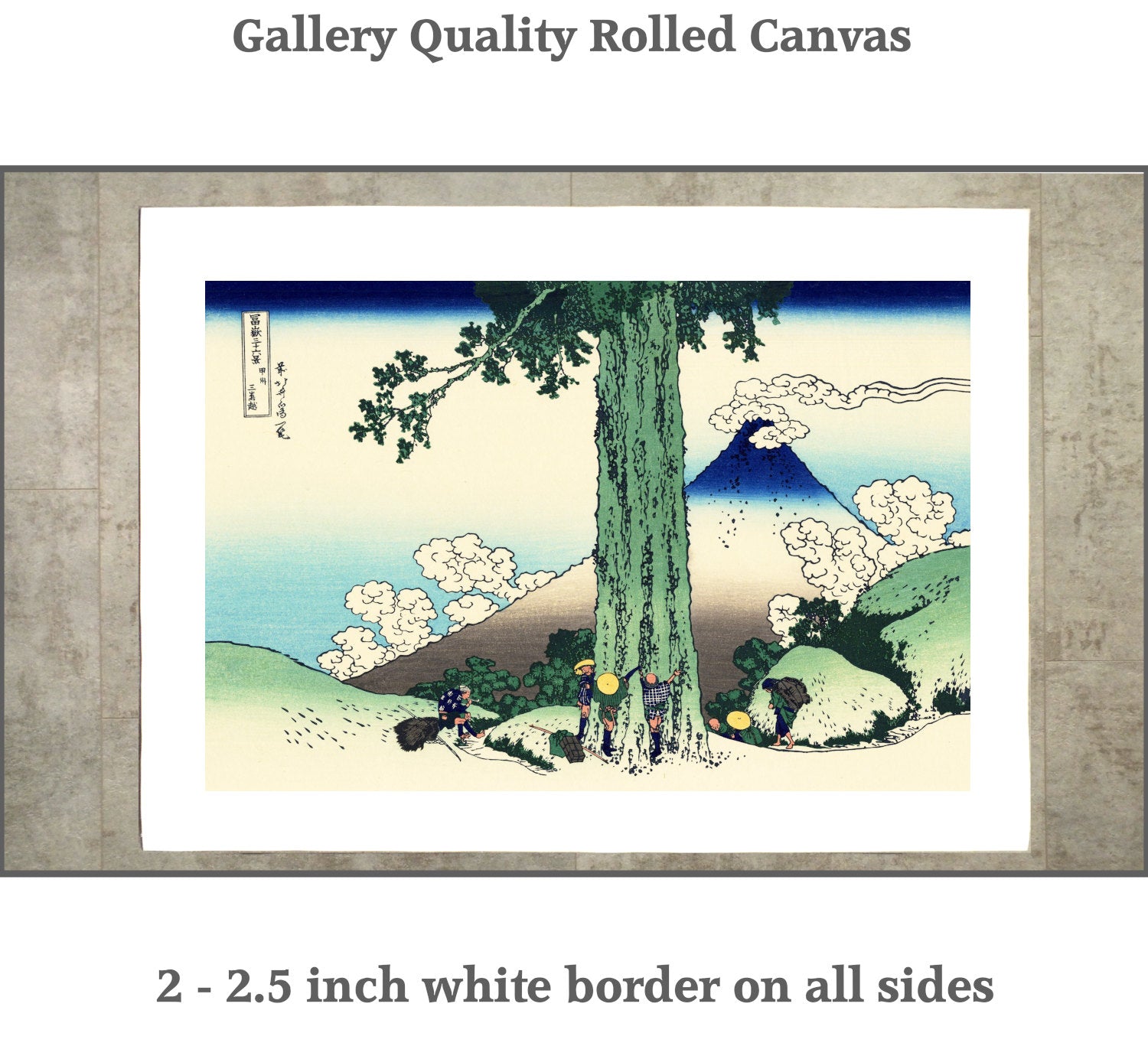
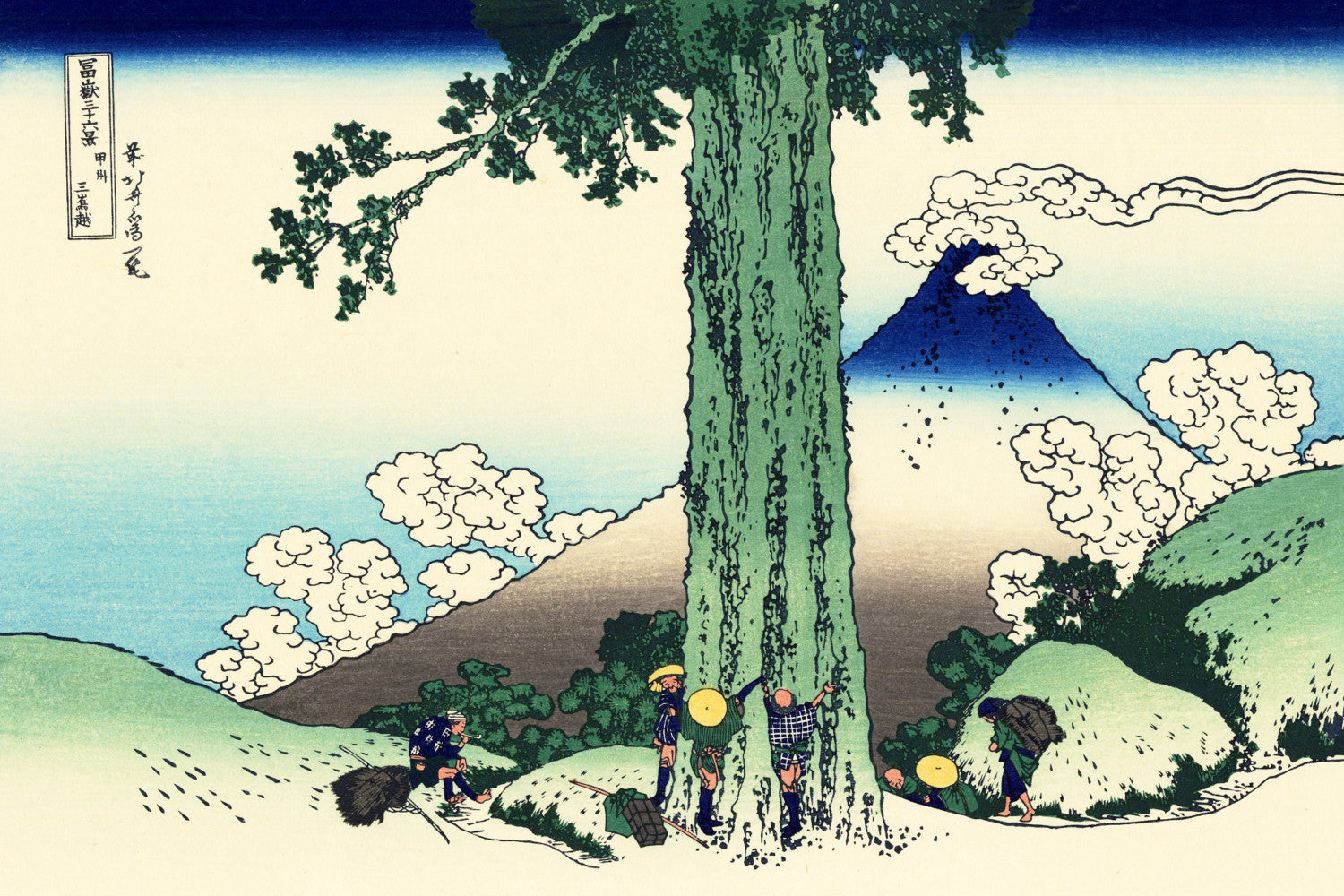
Explore Japanese Artists and Printmakers
Browse Japanese art by artist or series, from classic ukiyo-e masters and Meiji-period printmakers to bird-and-flower painters and twentieth-century shin-hanga landscape artists.
Ukiyo-e Masters
Kabuki, Warriors and Meiji Printmakers
Nature, Ink Painting and Shin-Hanga
Featured Japanese Print Series
Japanese Art for Traditional and Contemporary Interiors
Japanese printmaking is admired for its clear line, balanced composition, decorative colour and distinctive treatment of space. These qualities allow historic woodblock prints and later shin-hanga works to sit naturally within minimalist, Scandinavian and contemporary rooms as well as more traditional interiors.
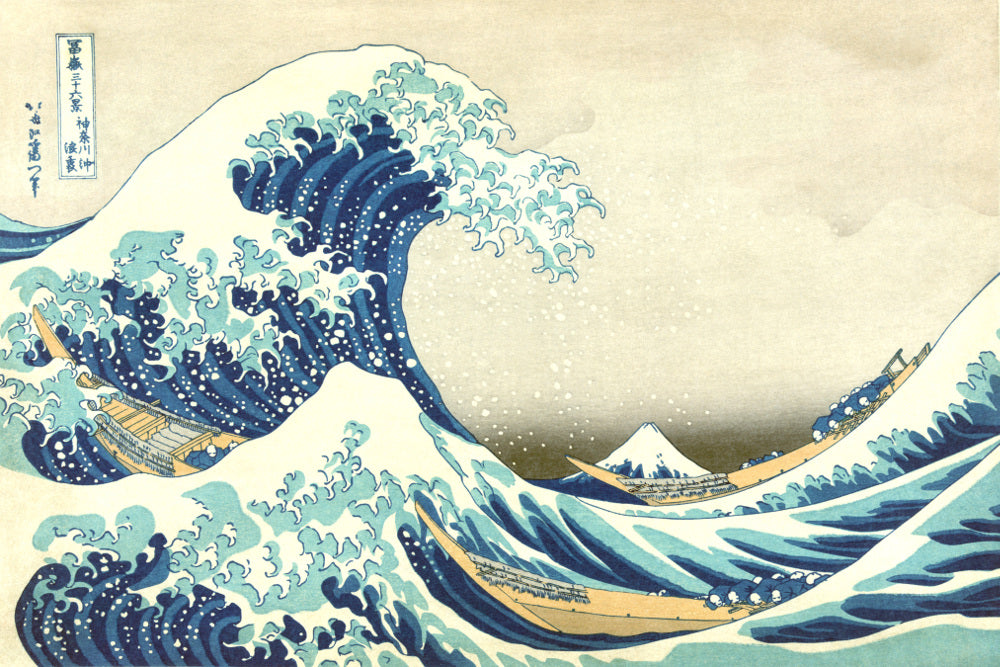
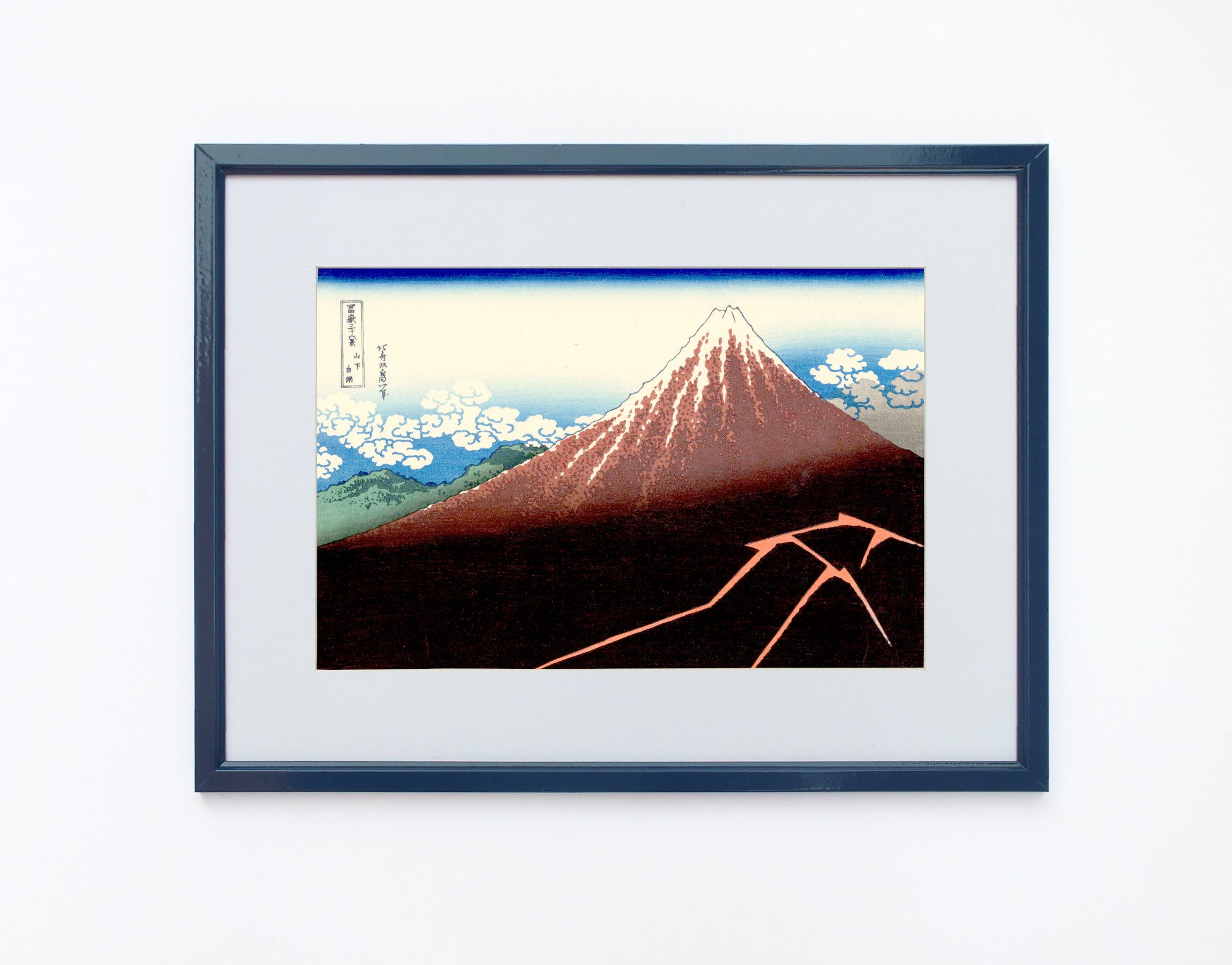
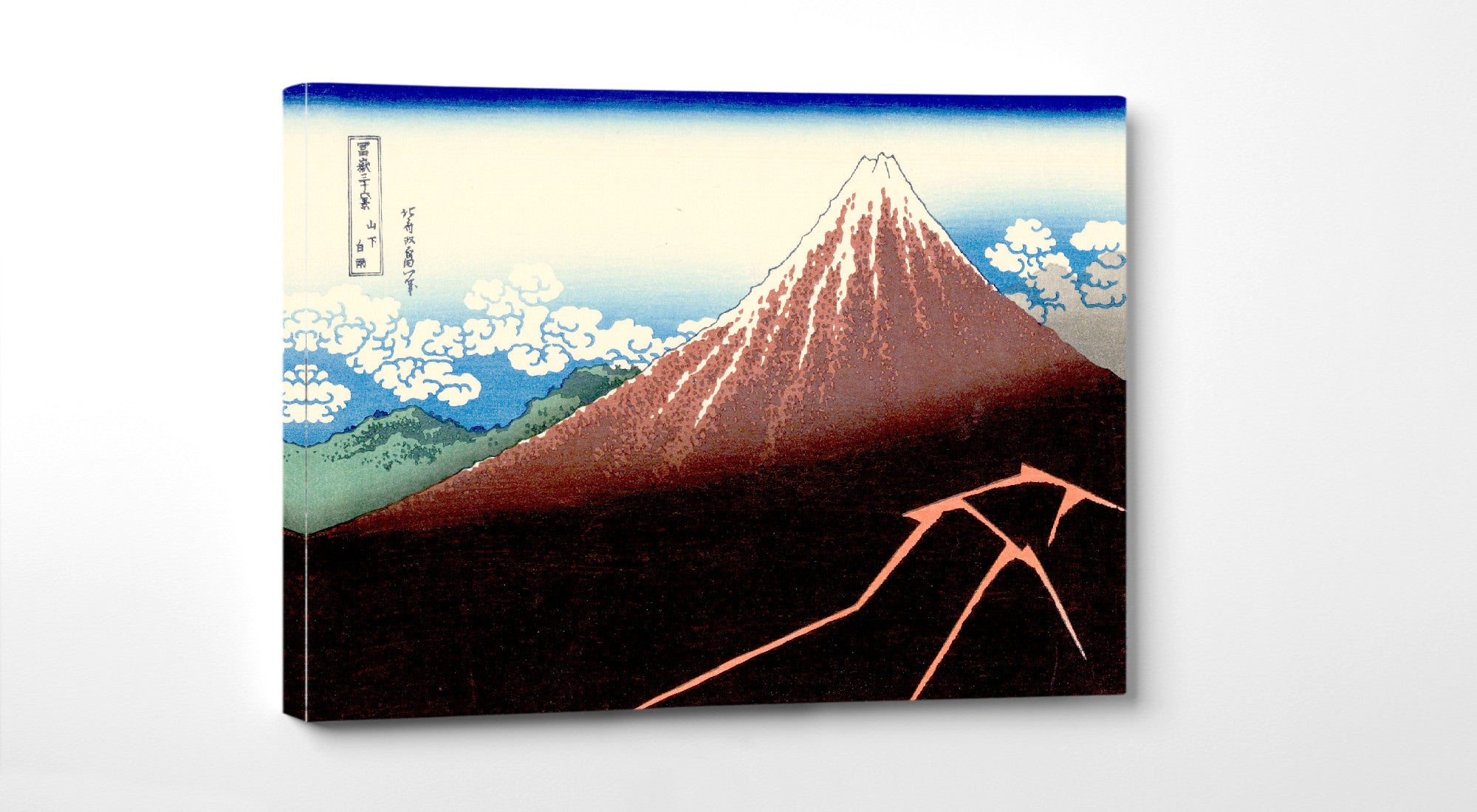
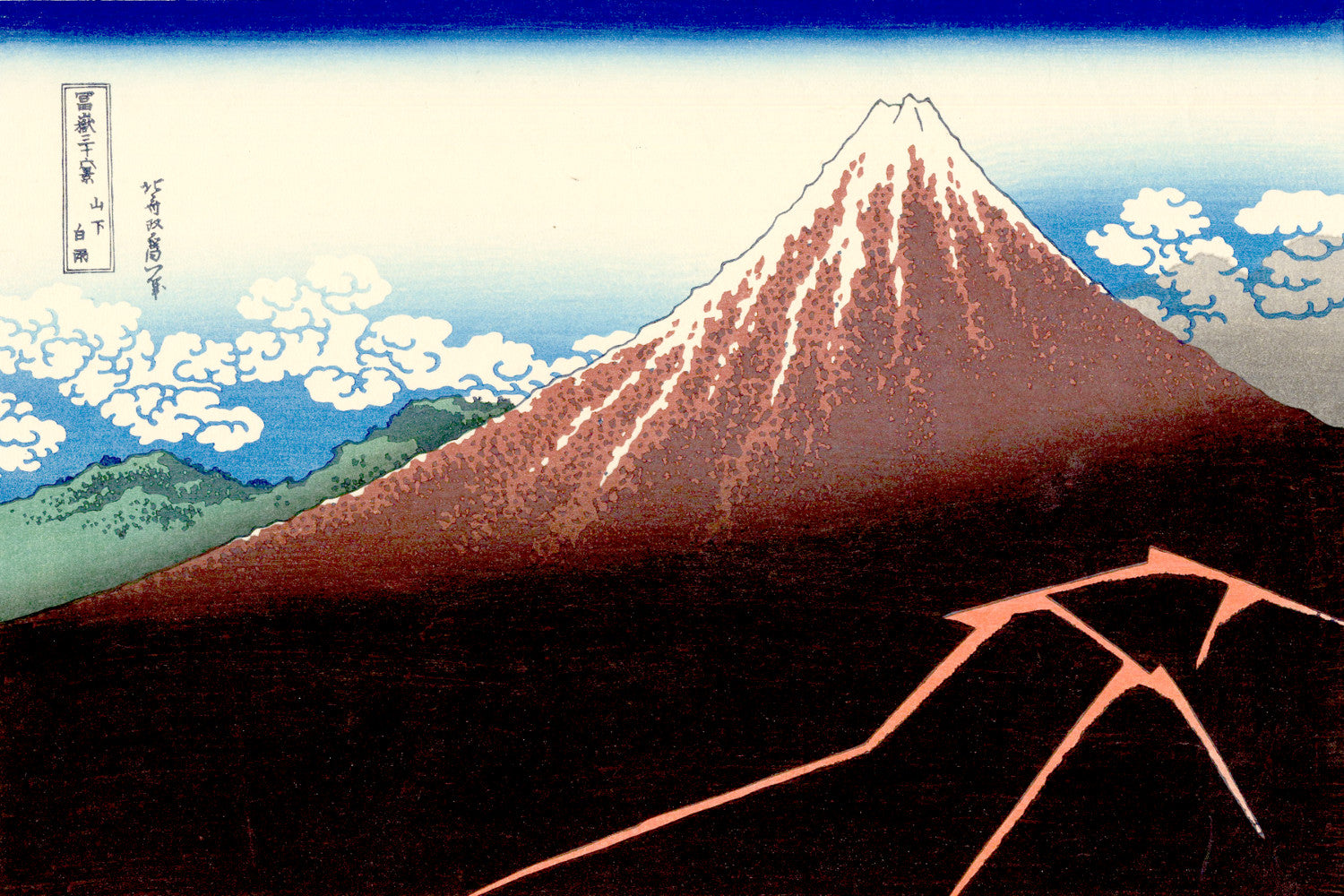
A Hokusai wave or Mount Fuji scene can create a bold focal point, while Hiroshige’s landscapes offer quieter studies of travel, weather and seasonal change. Bird-and-flower works by Watanabe Shōtei and Ohara Koson, and the atmospheric landscapes of Hasui Kawase, are especially suited to interiors built around natural materials and restrained colour.
Artists and Traditions Represented
The collection brings together several periods and traditions of Japanese art. Edo-period ukiyo-e is represented by artists including Katsushika Hokusai, Andō Hiroshige, Utagawa Kuniyoshi, Kitagawa Utamaro and Suzuki Harunobu.
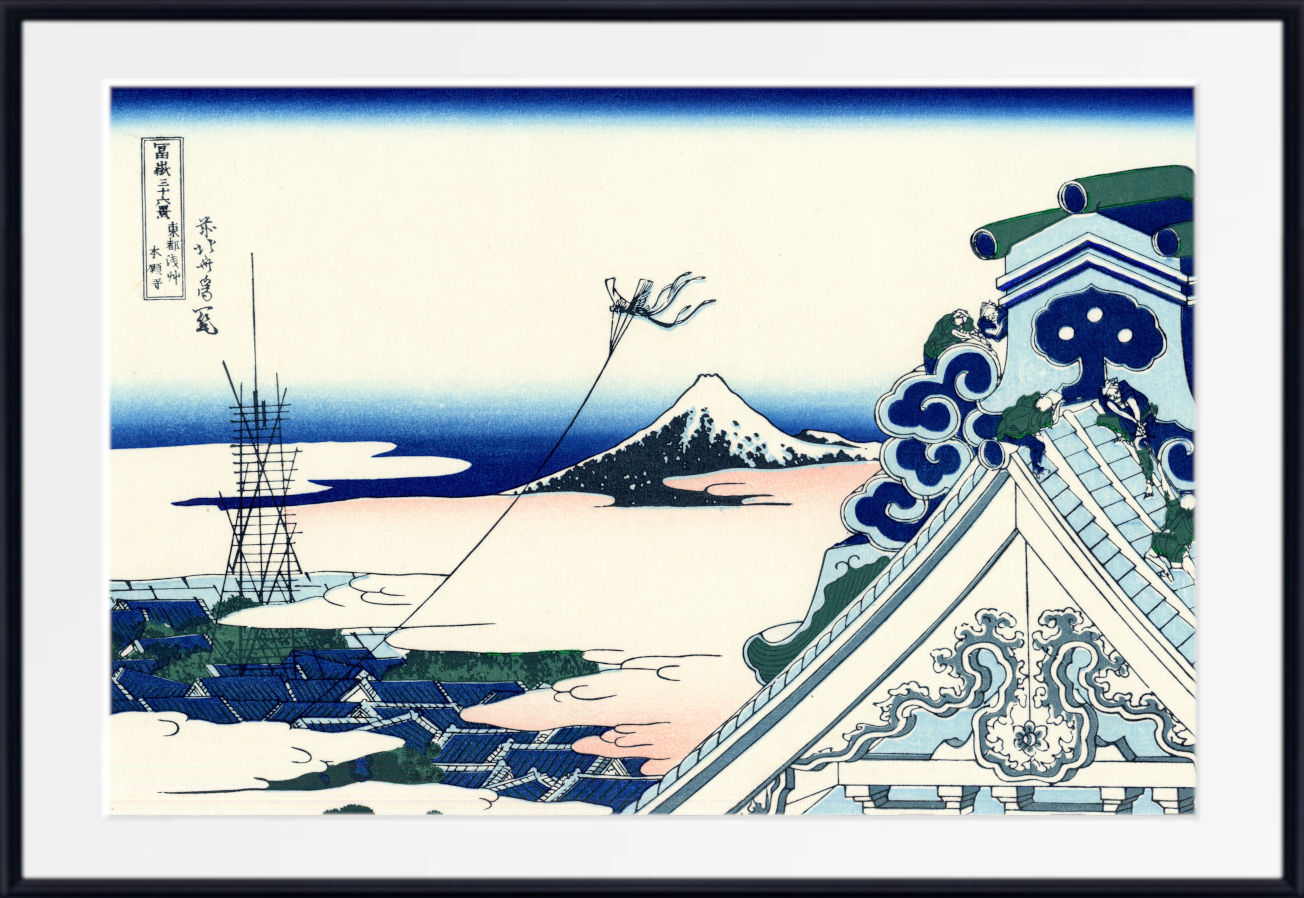
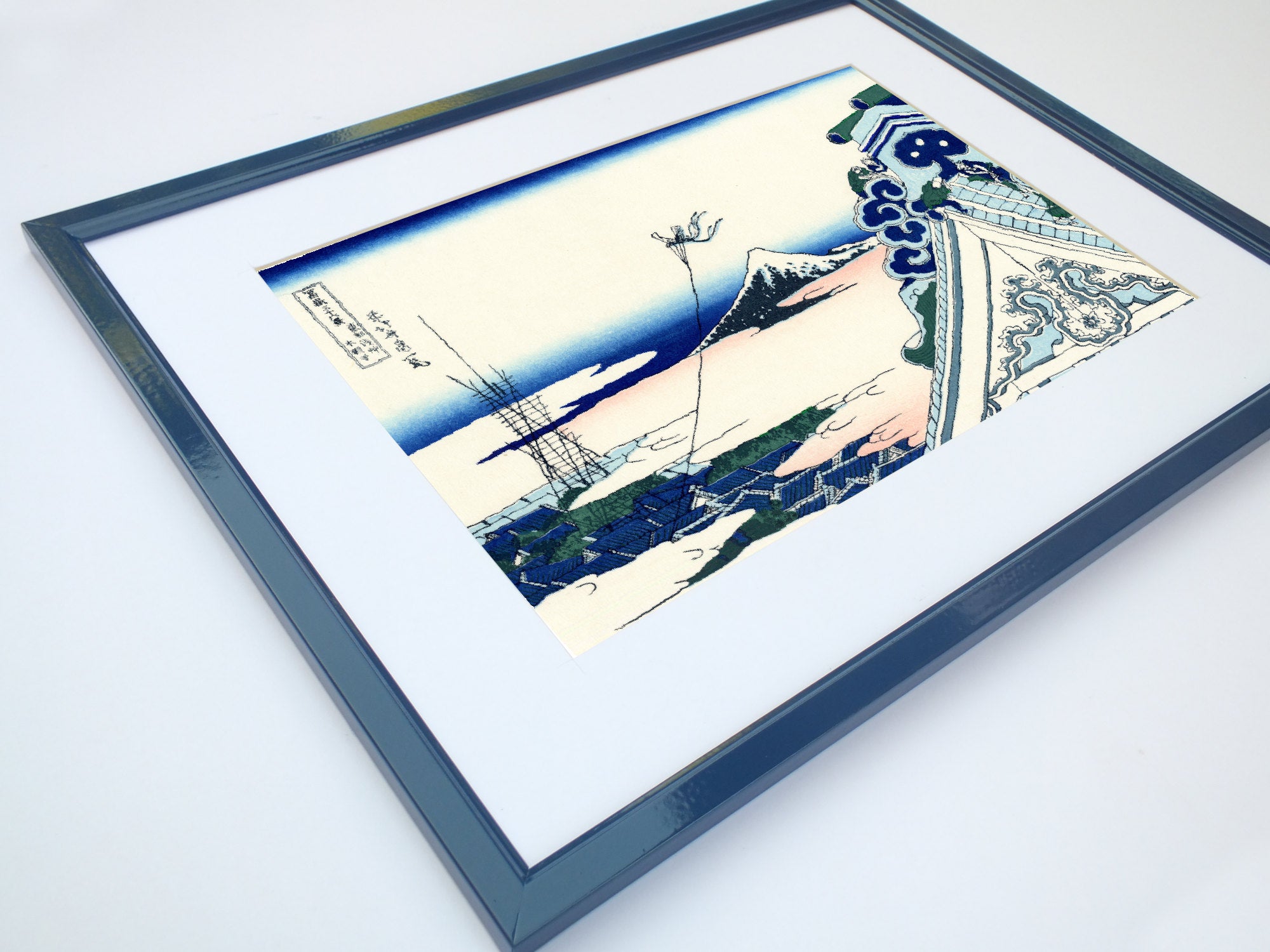
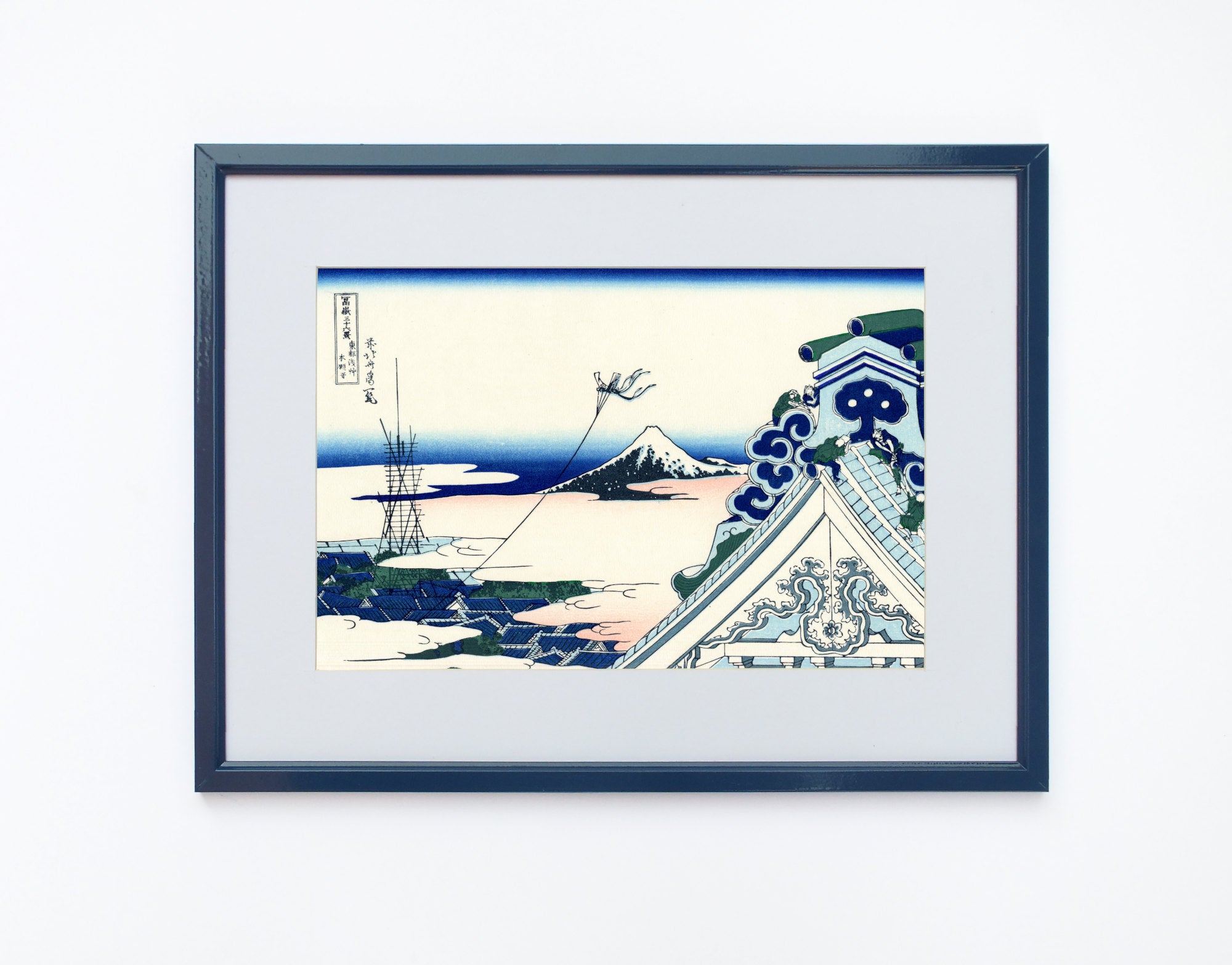
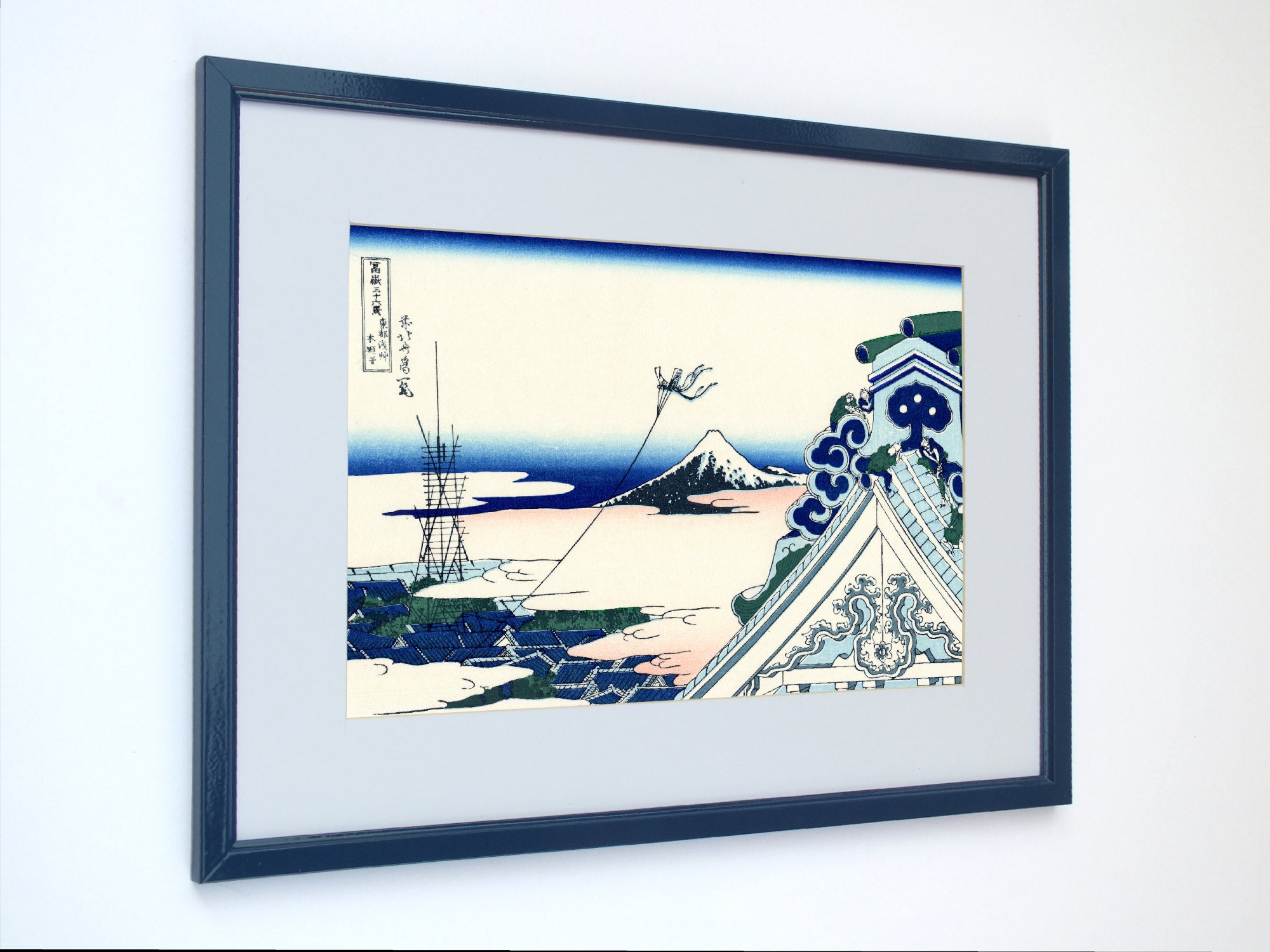
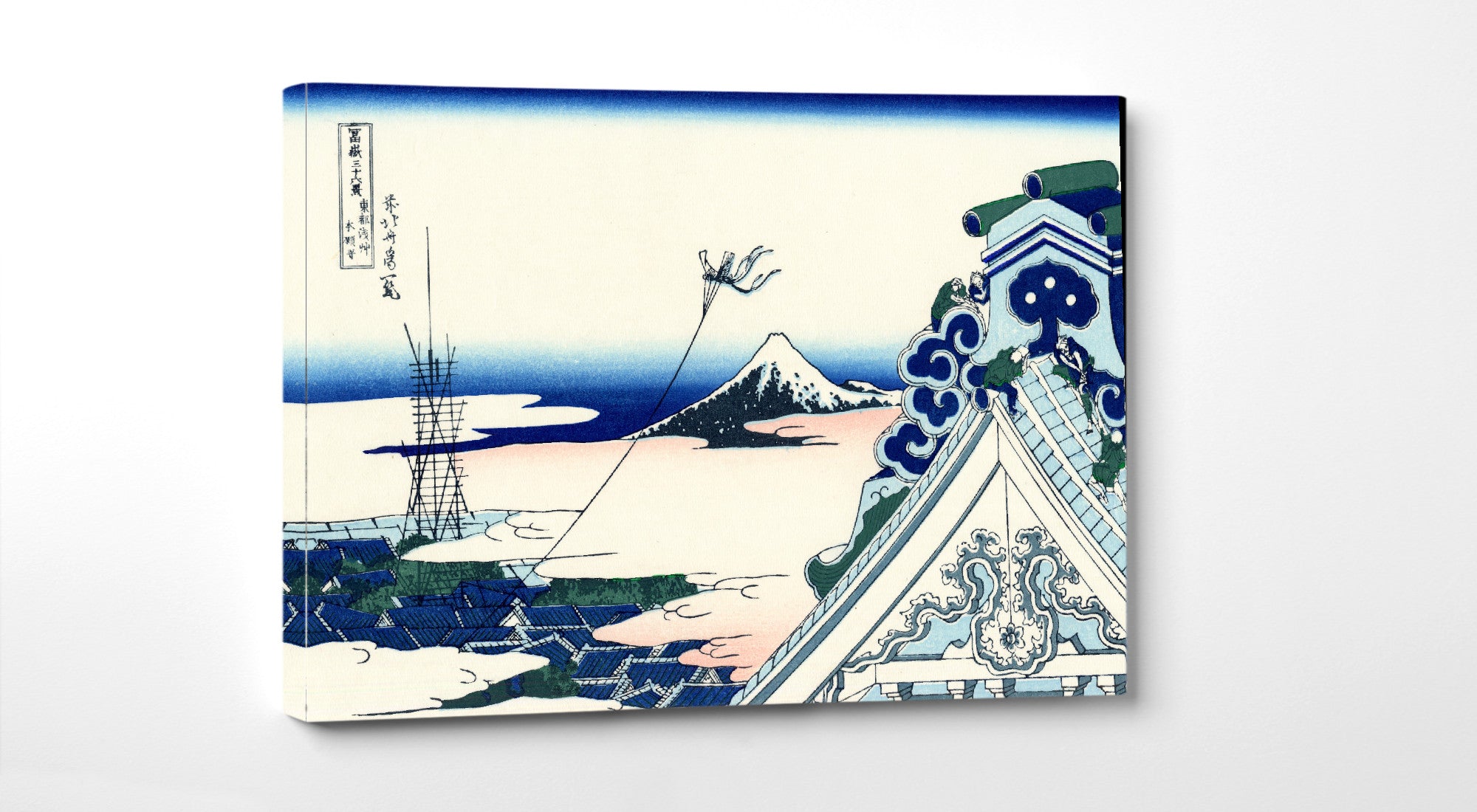
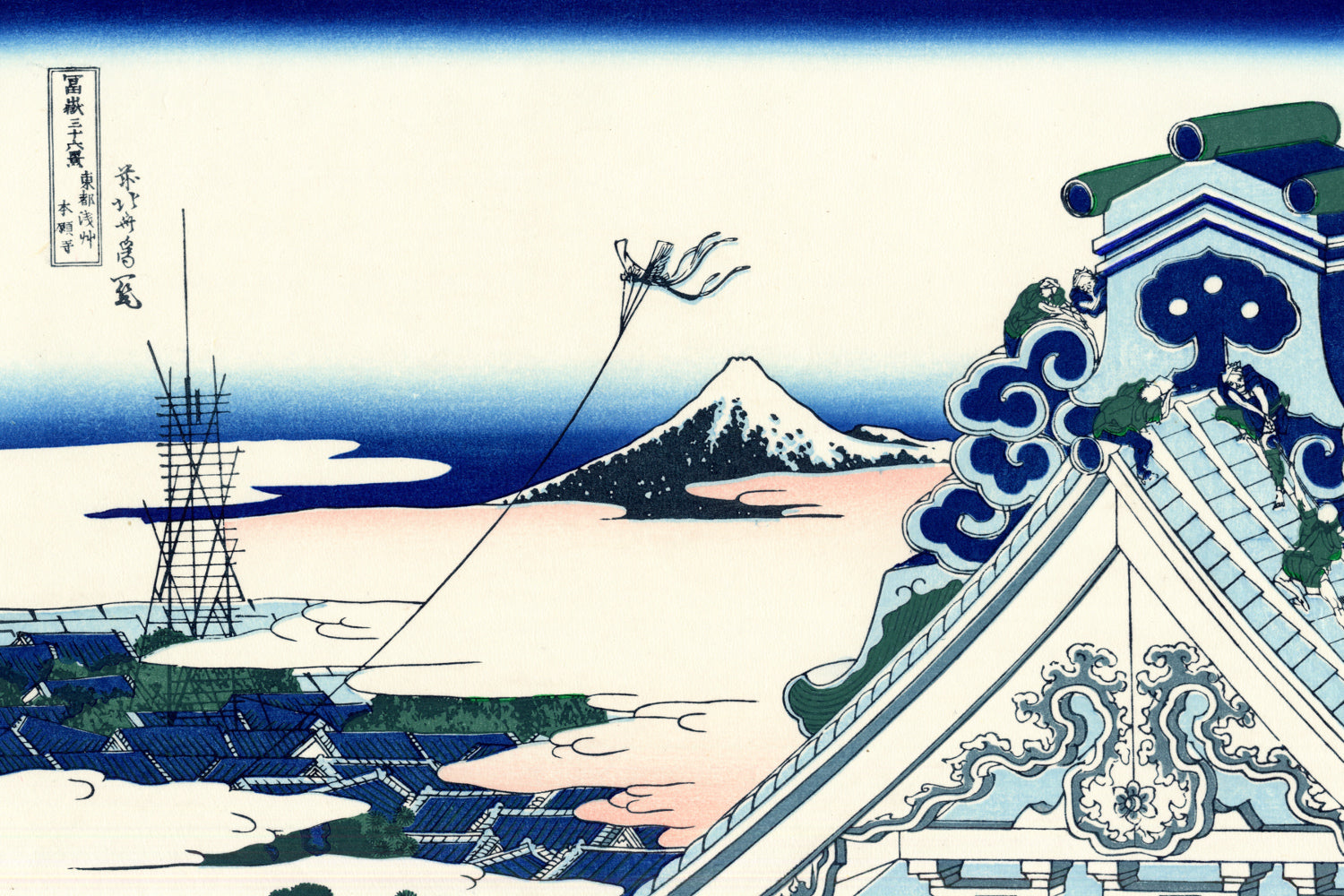
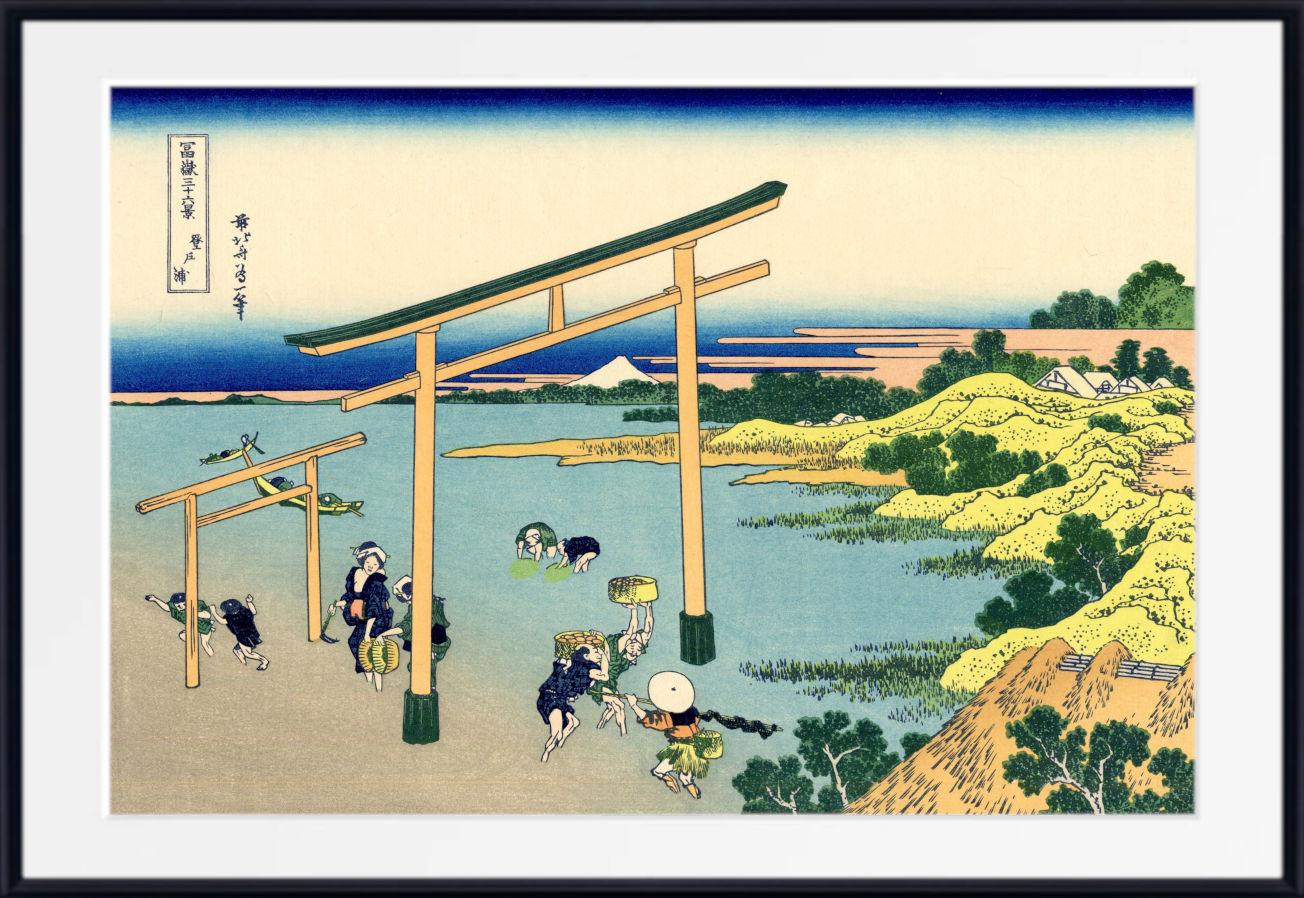
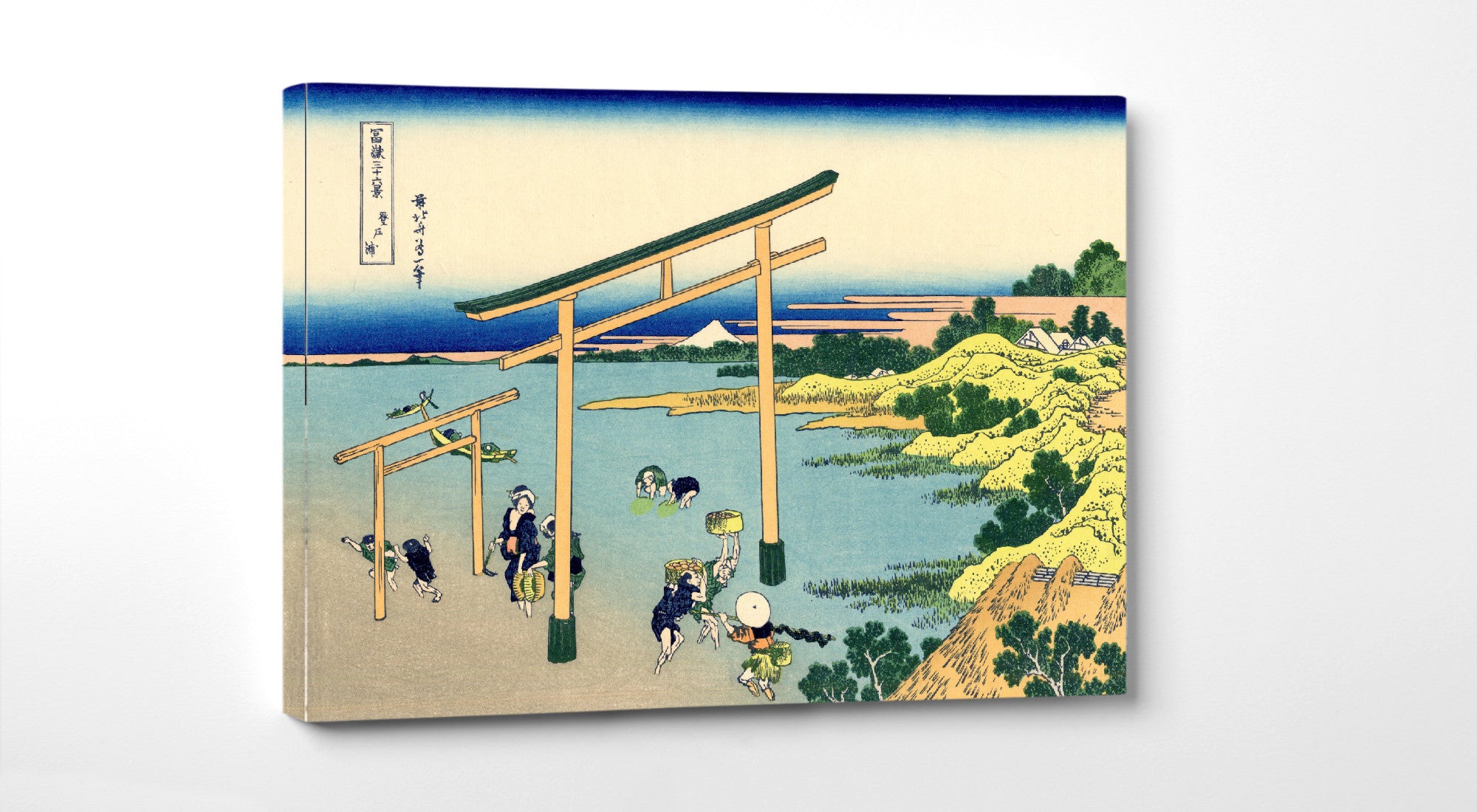
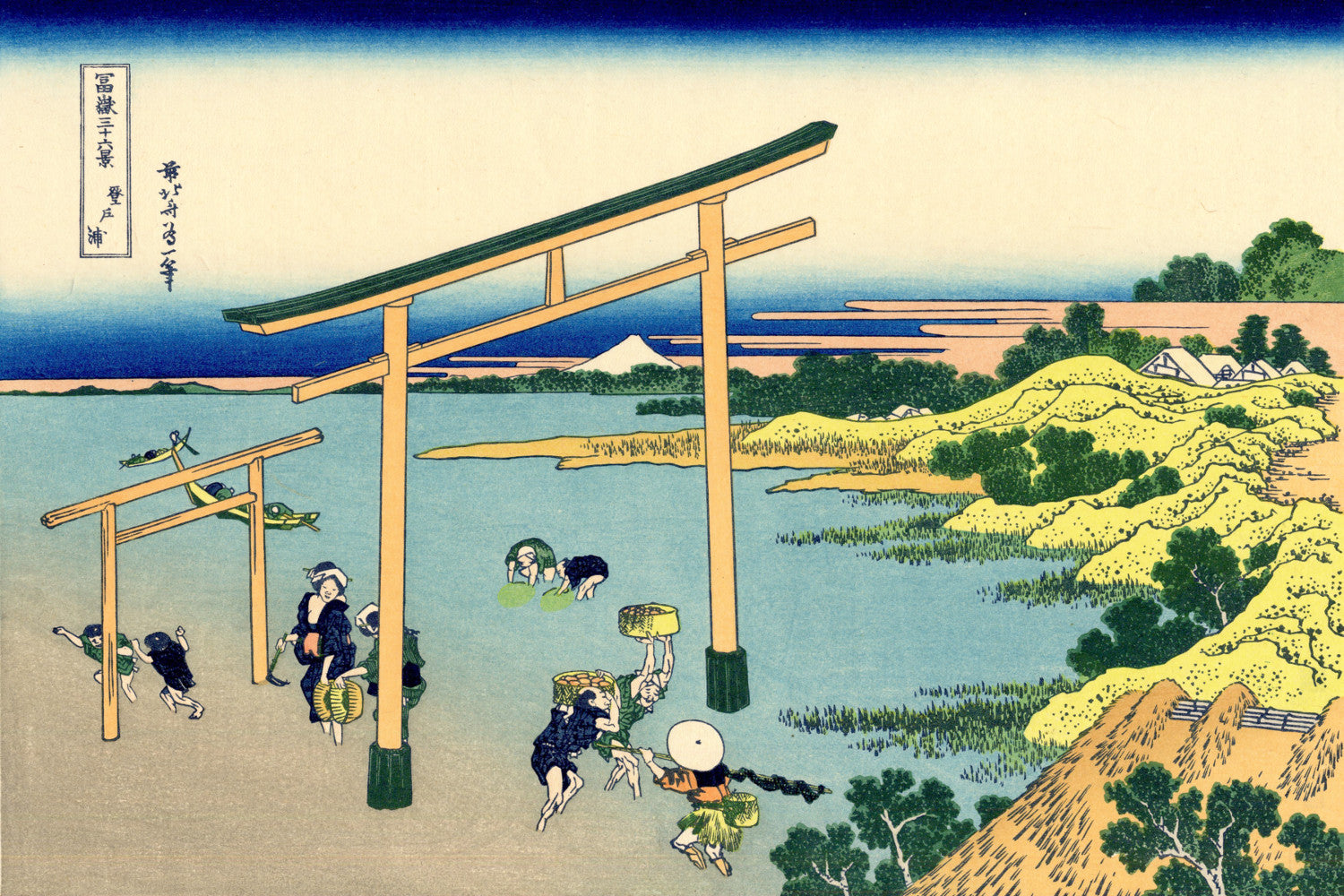
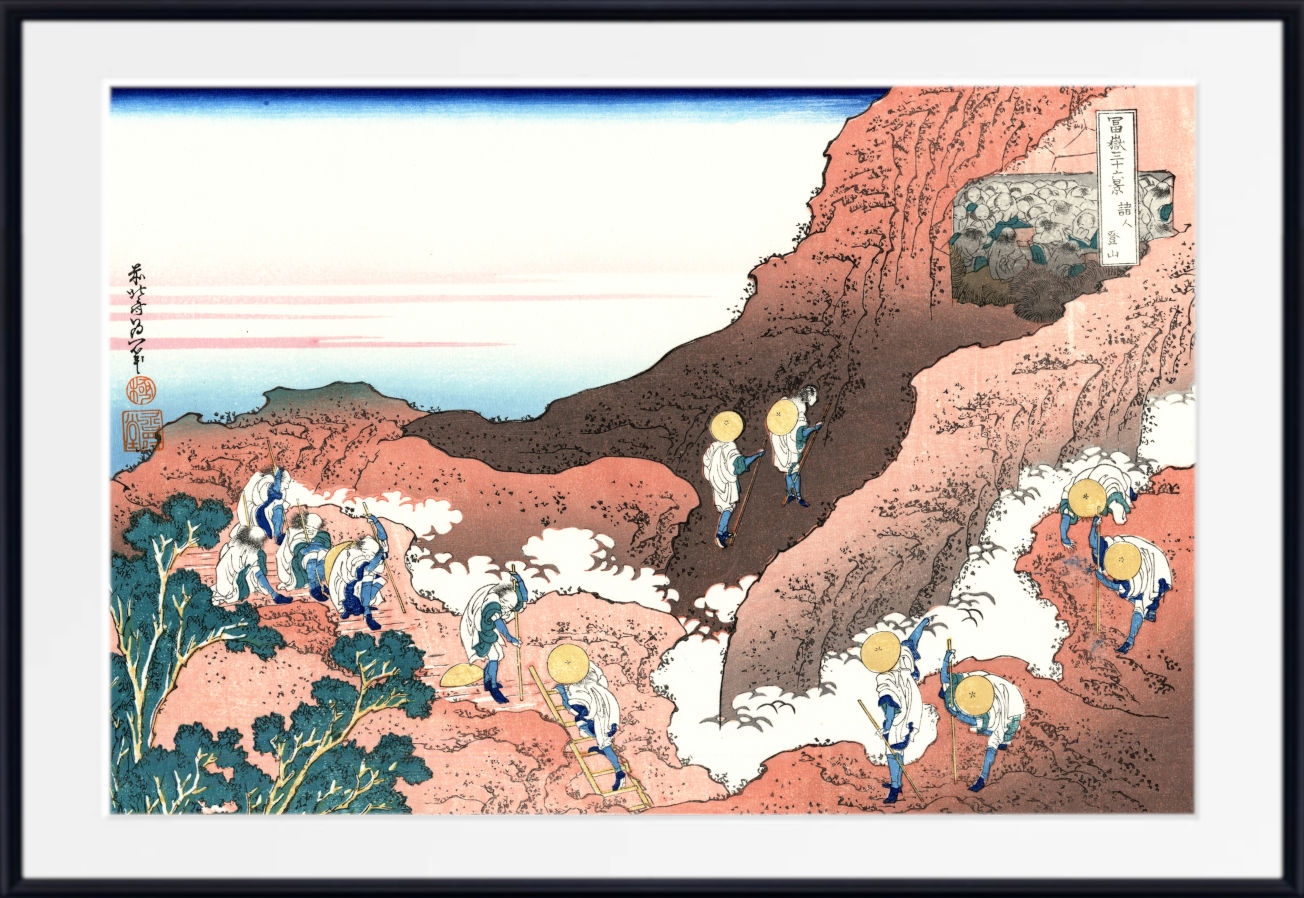
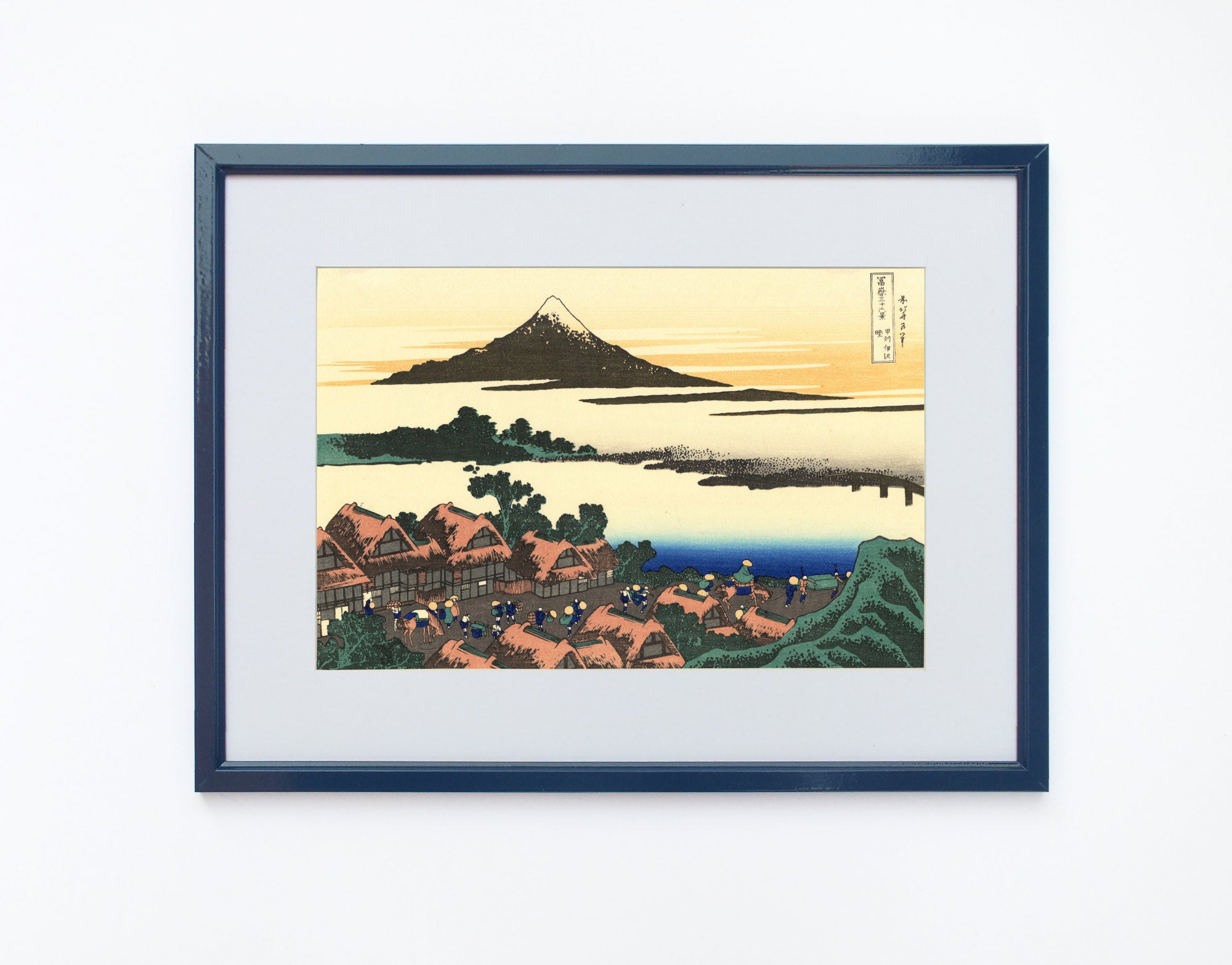
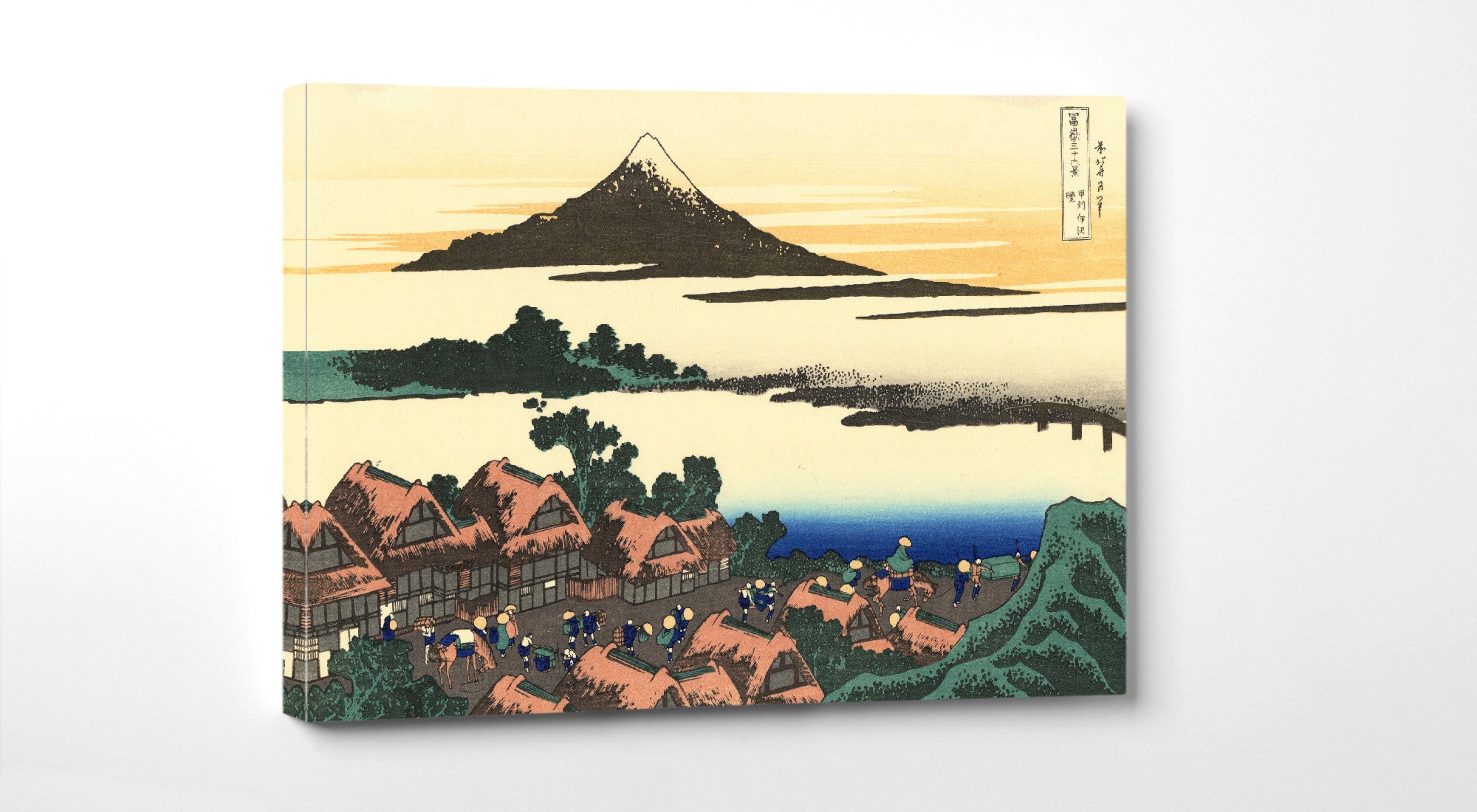
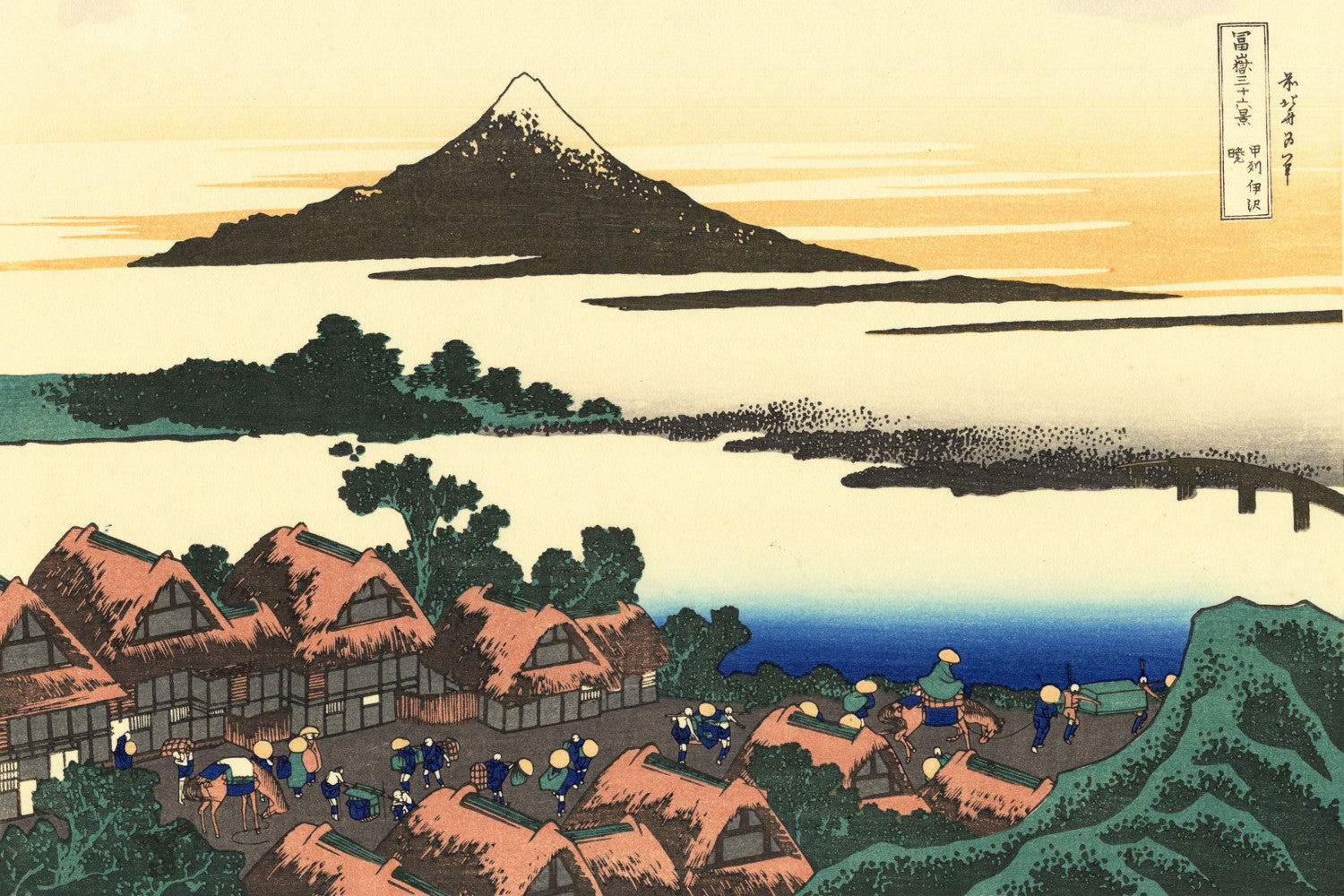
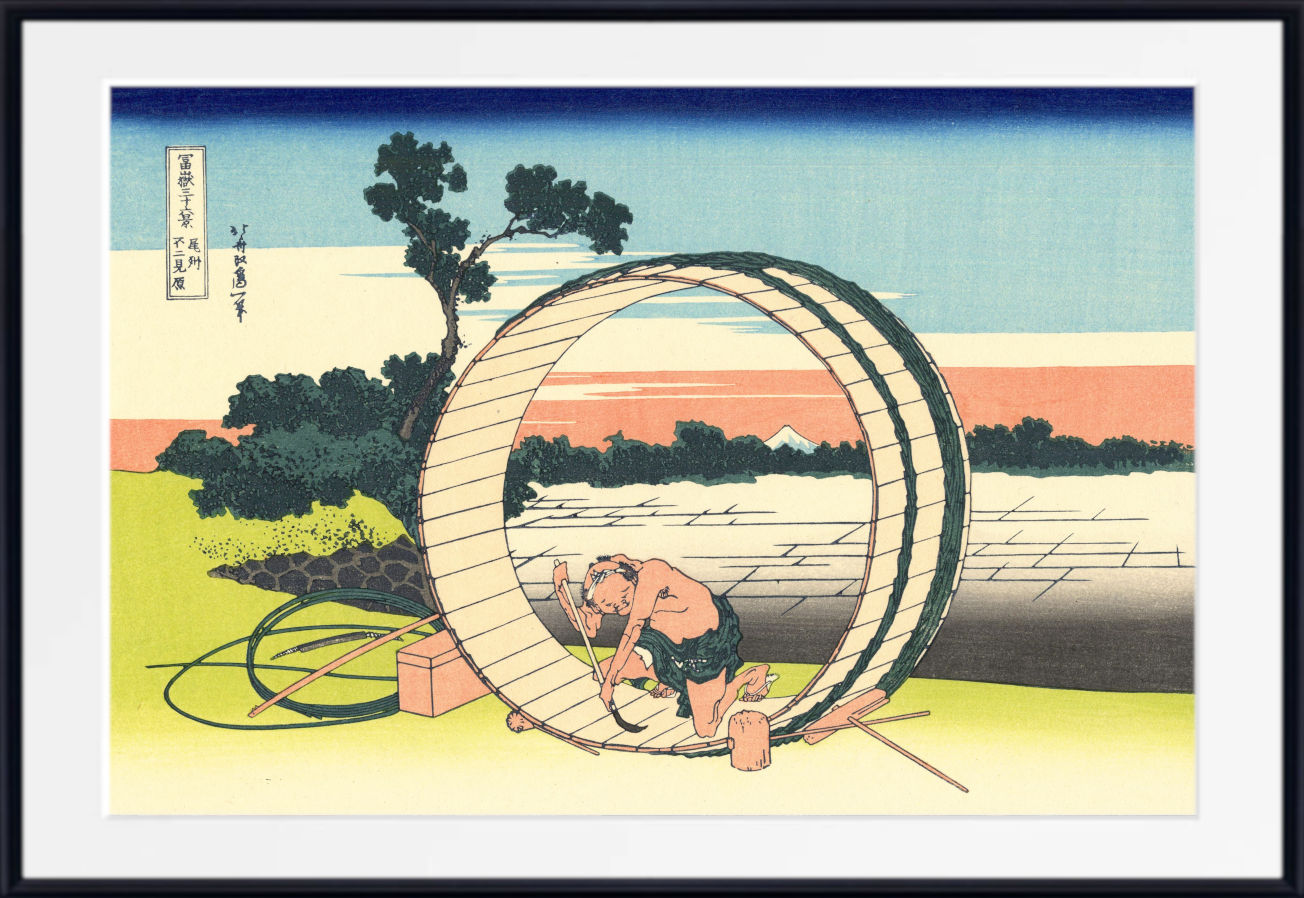
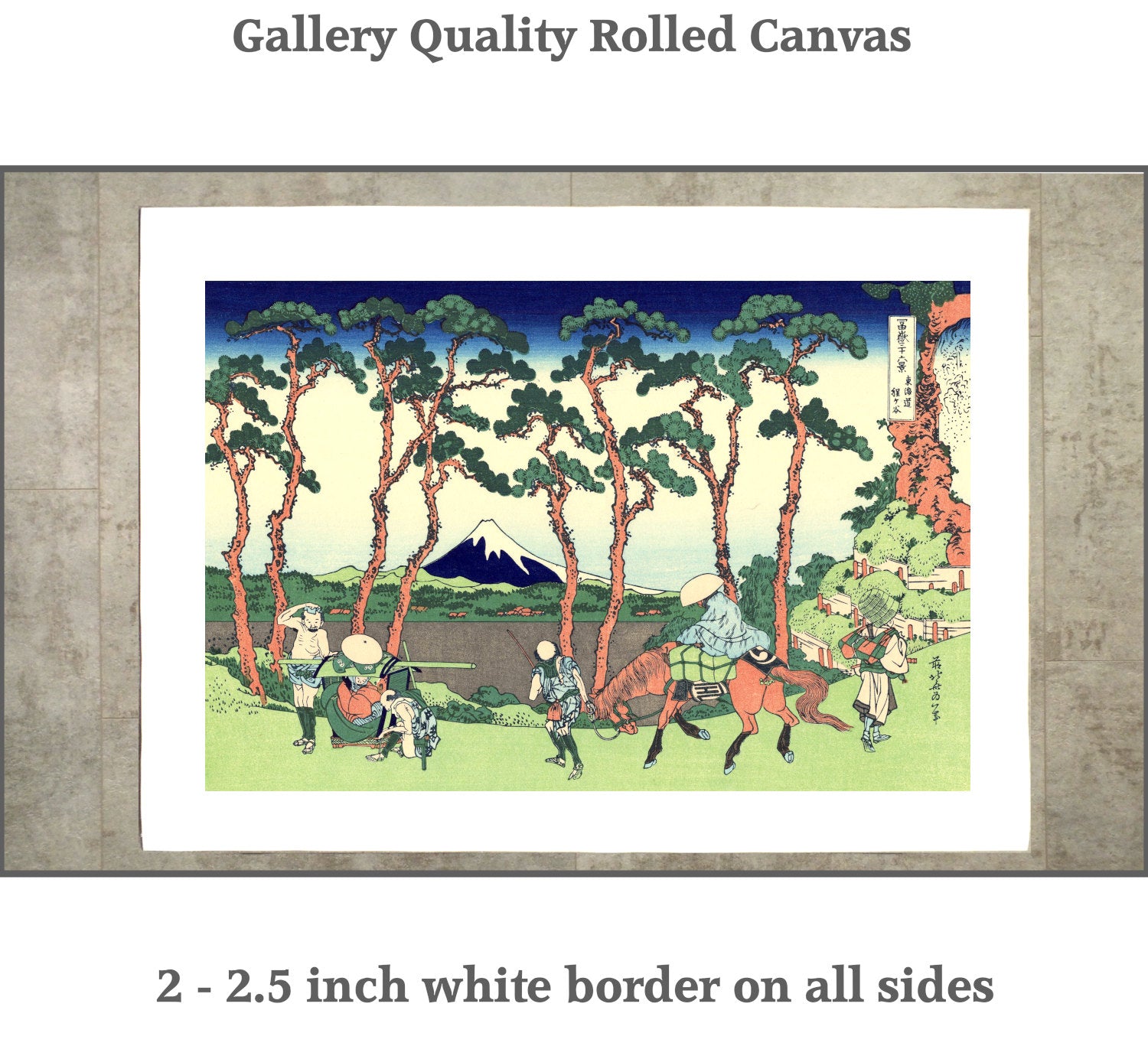
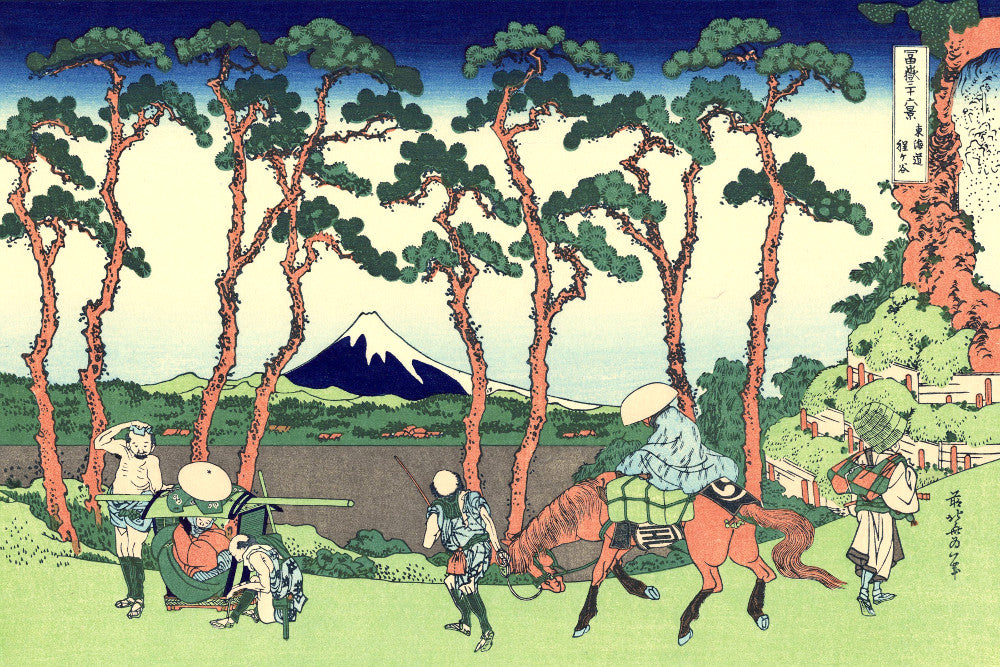
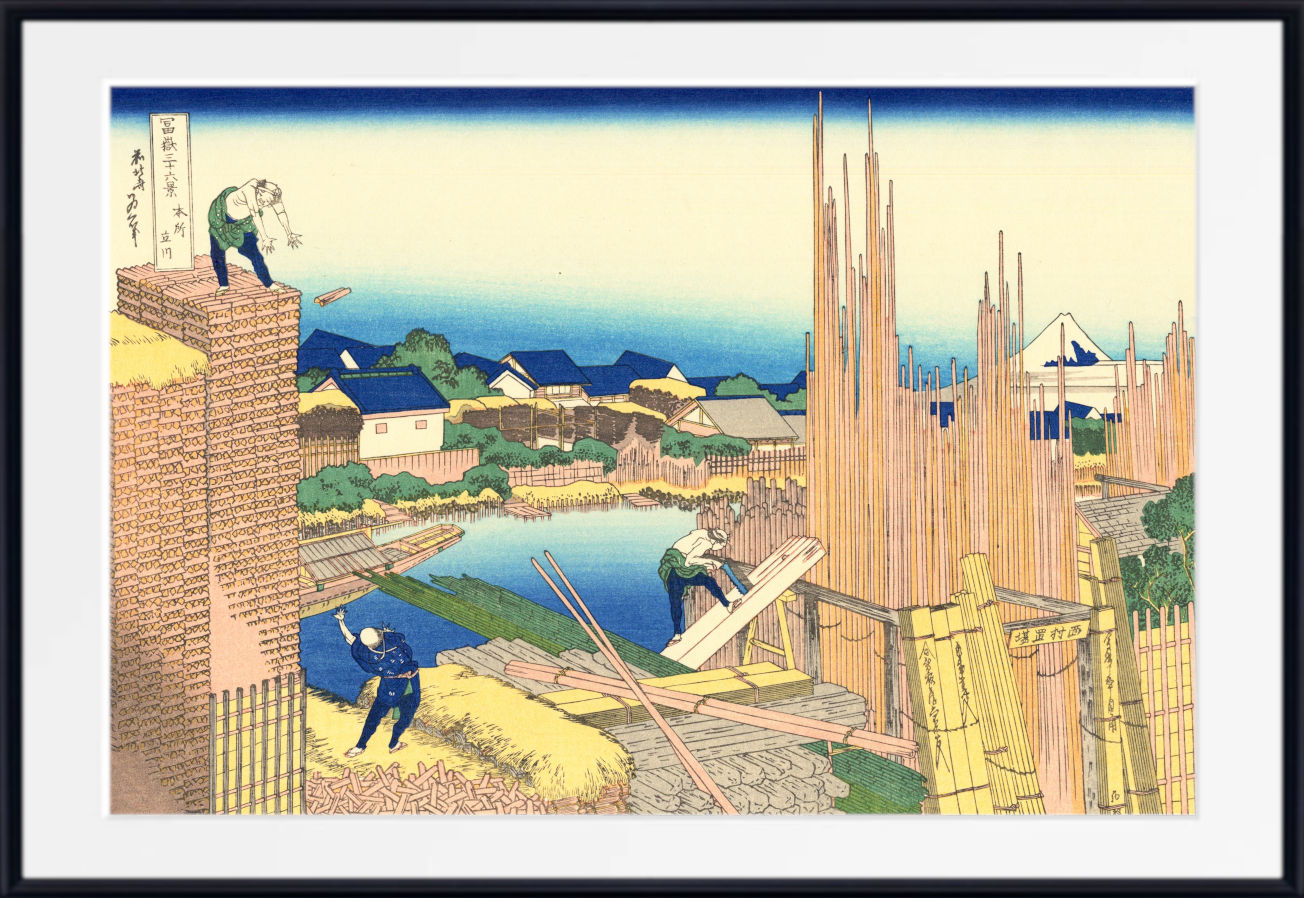
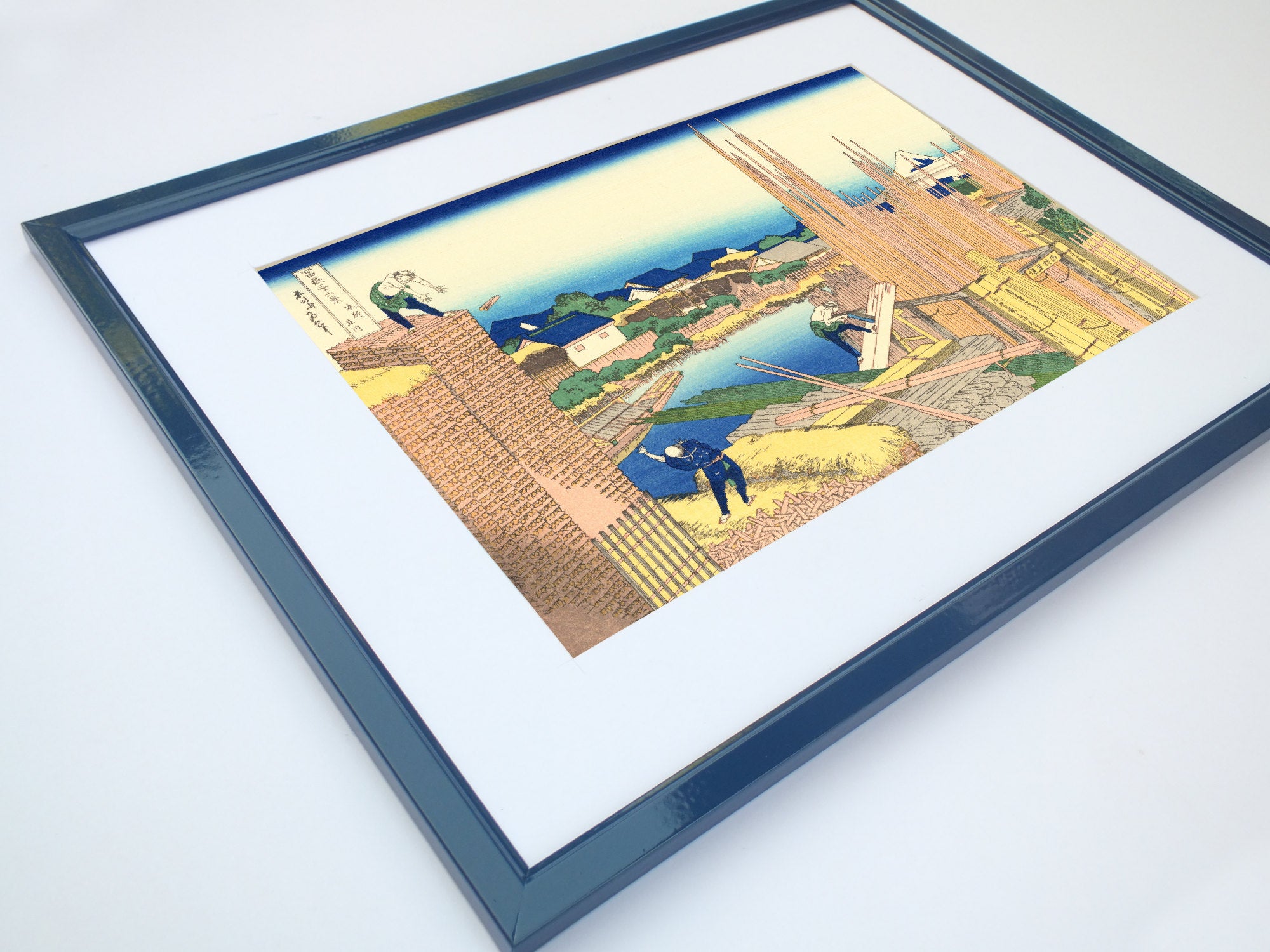
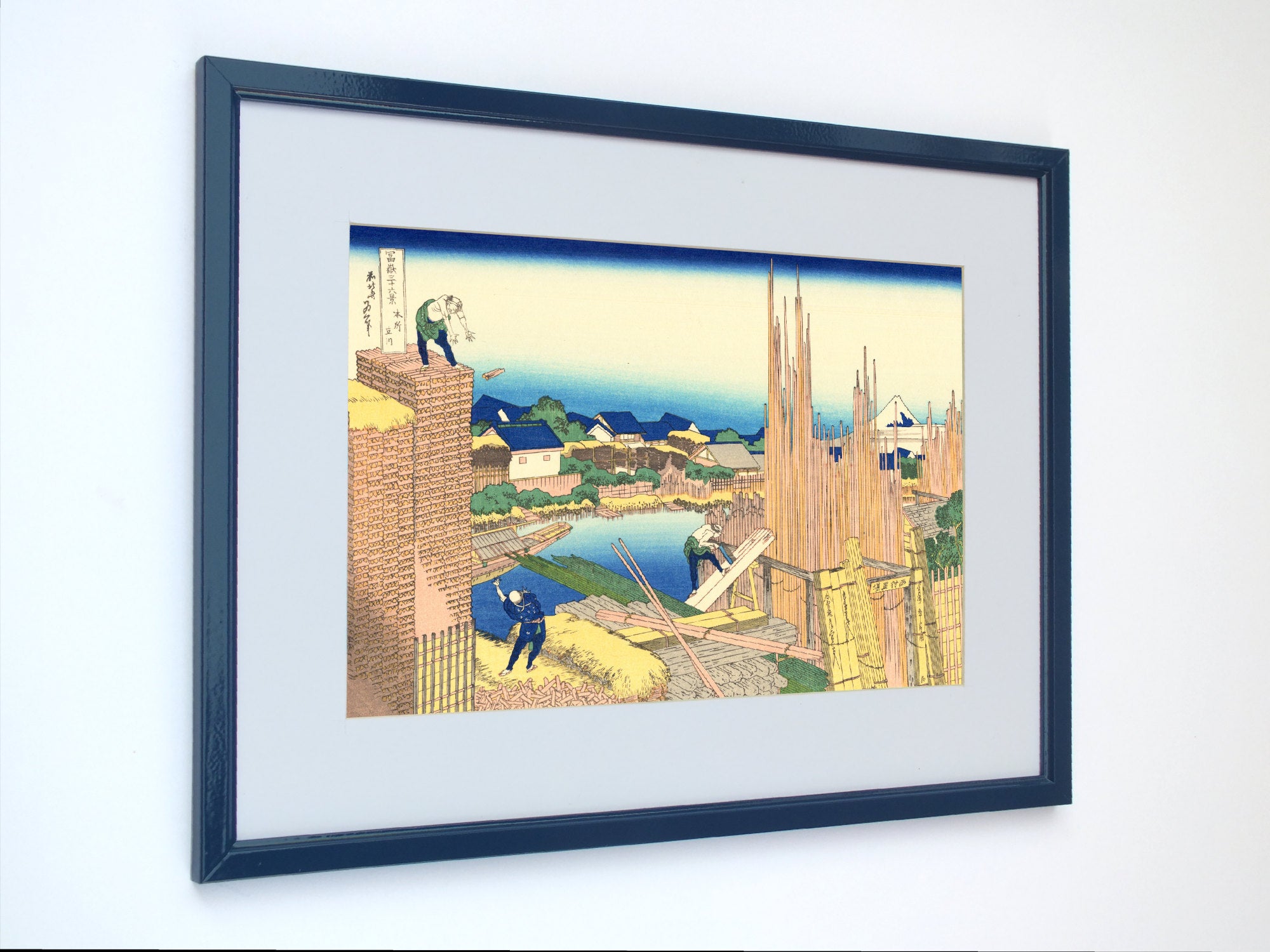
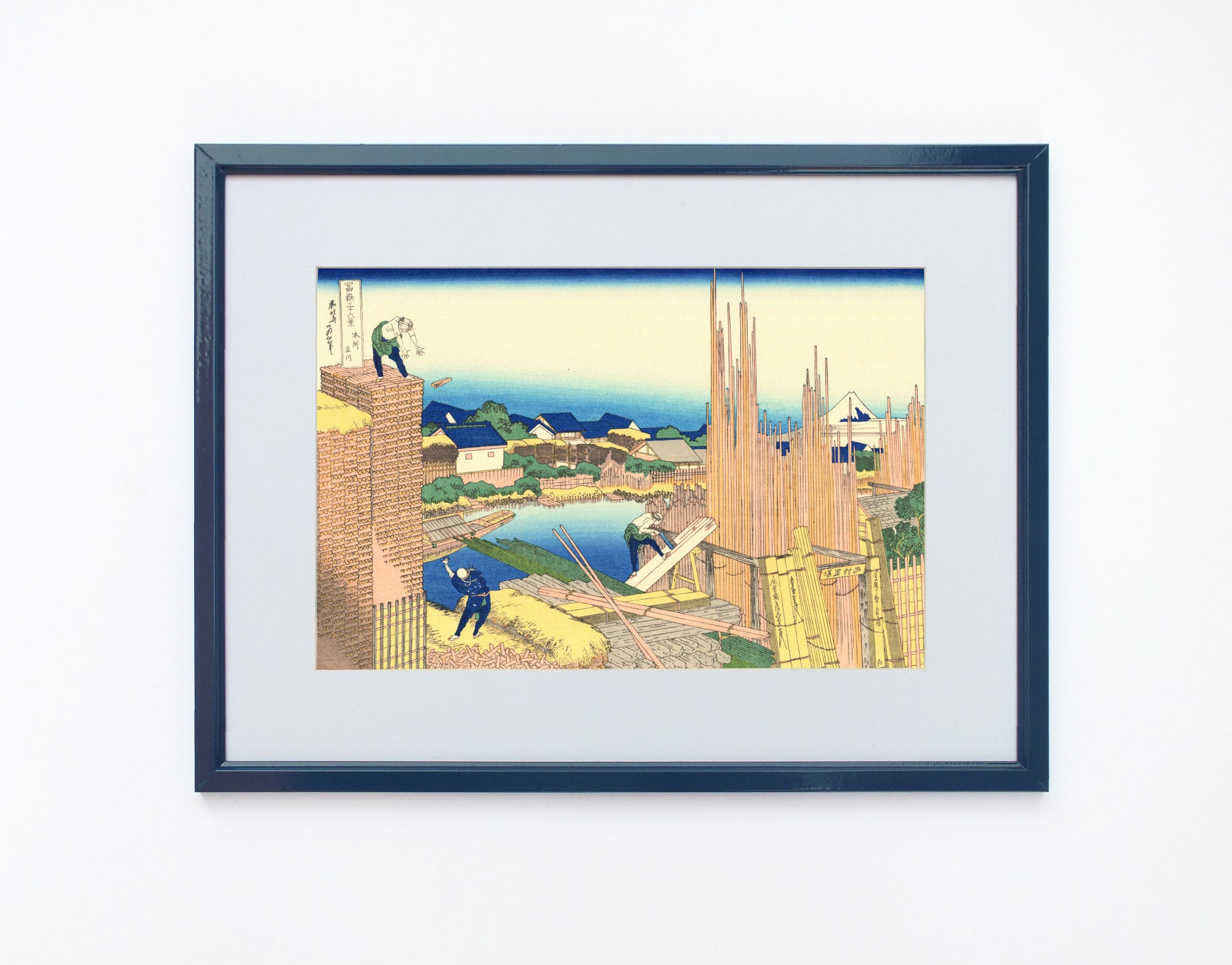
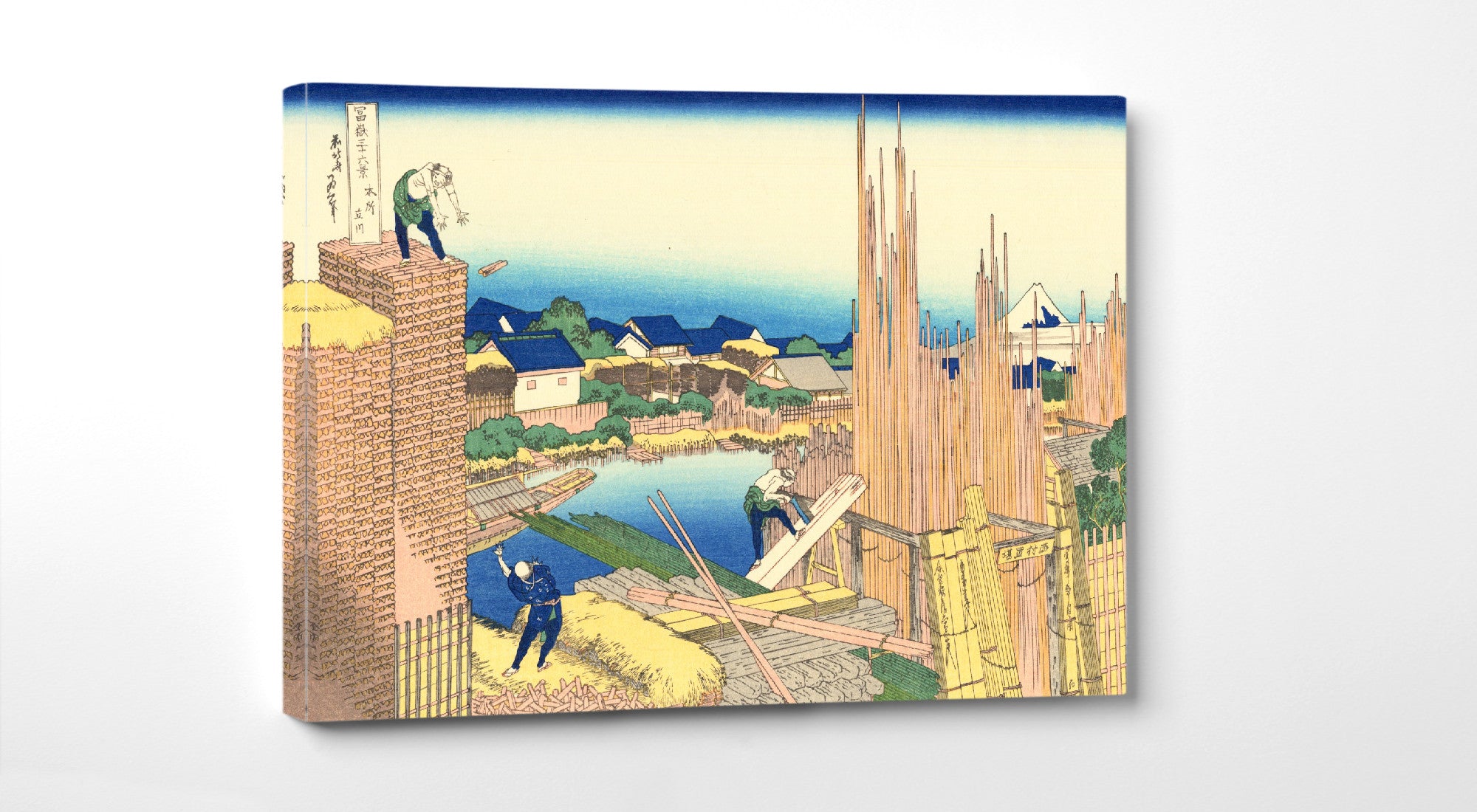
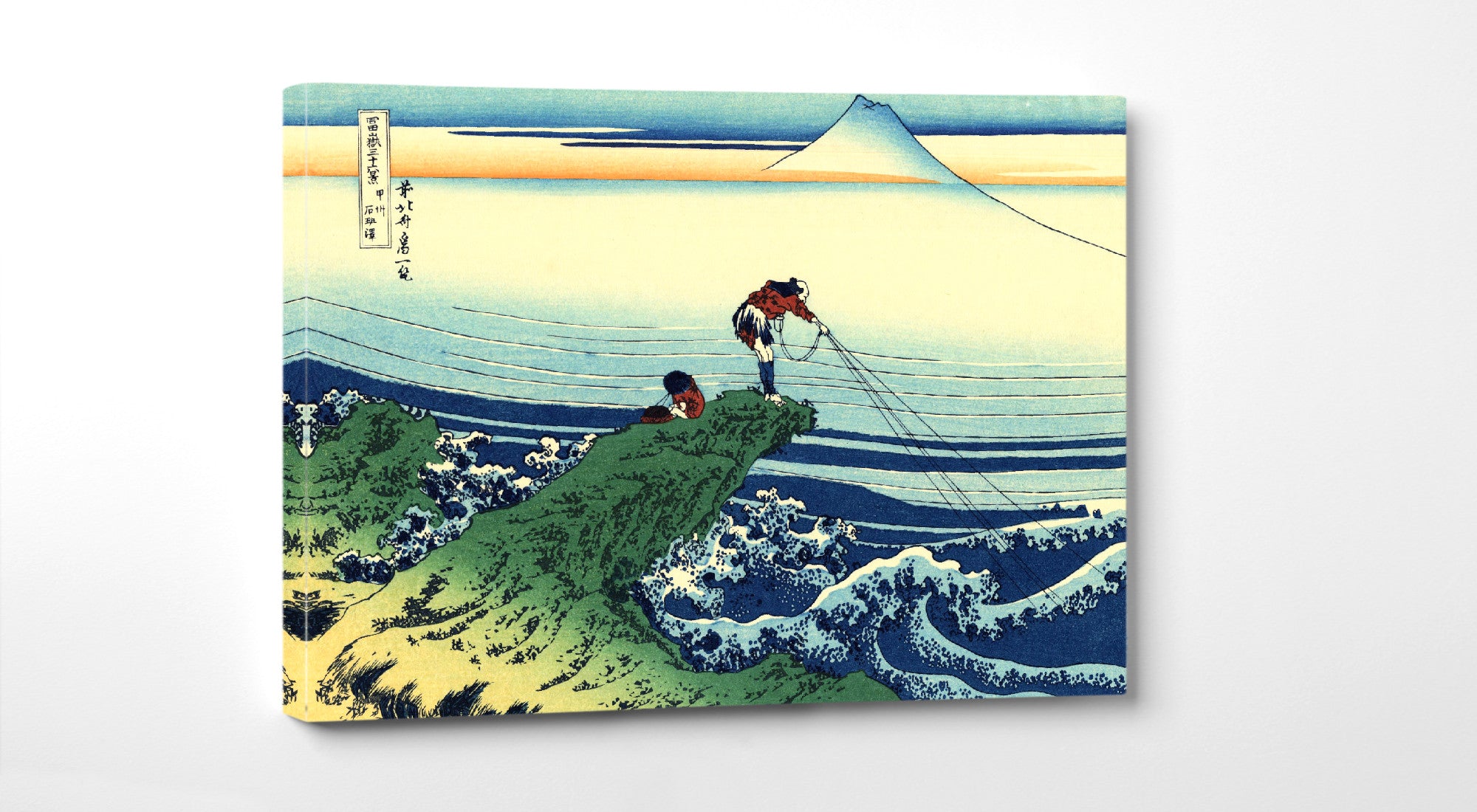
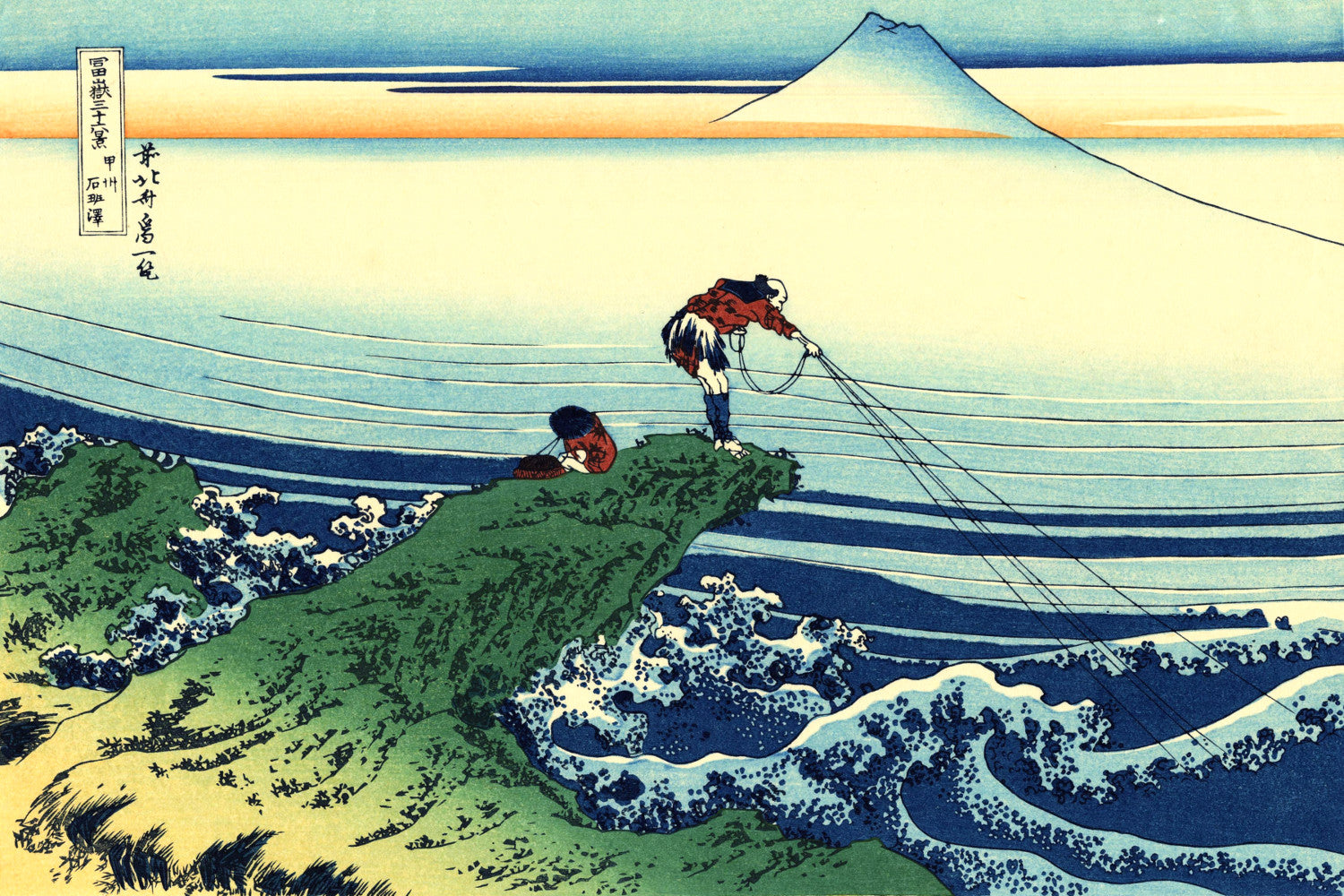
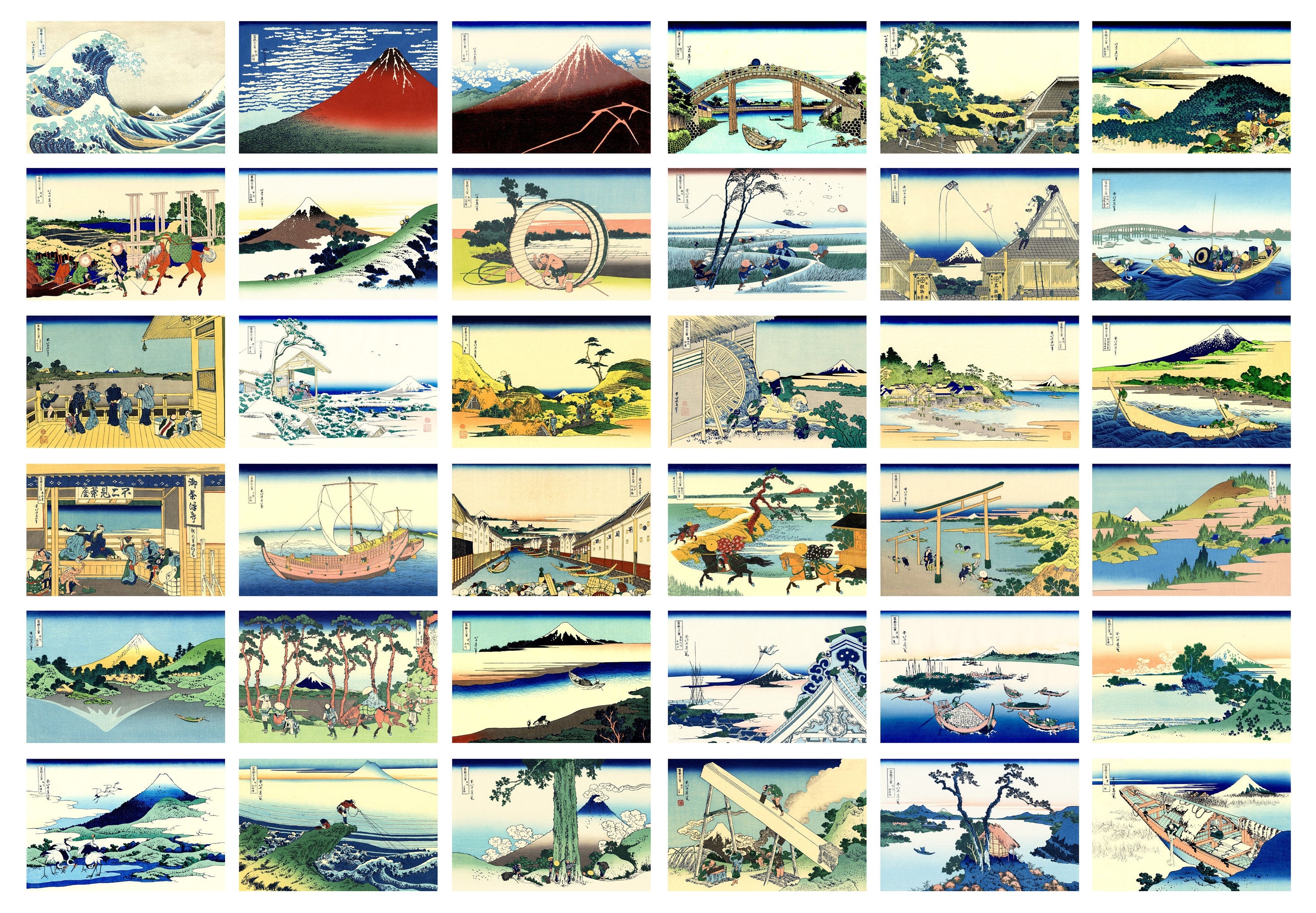
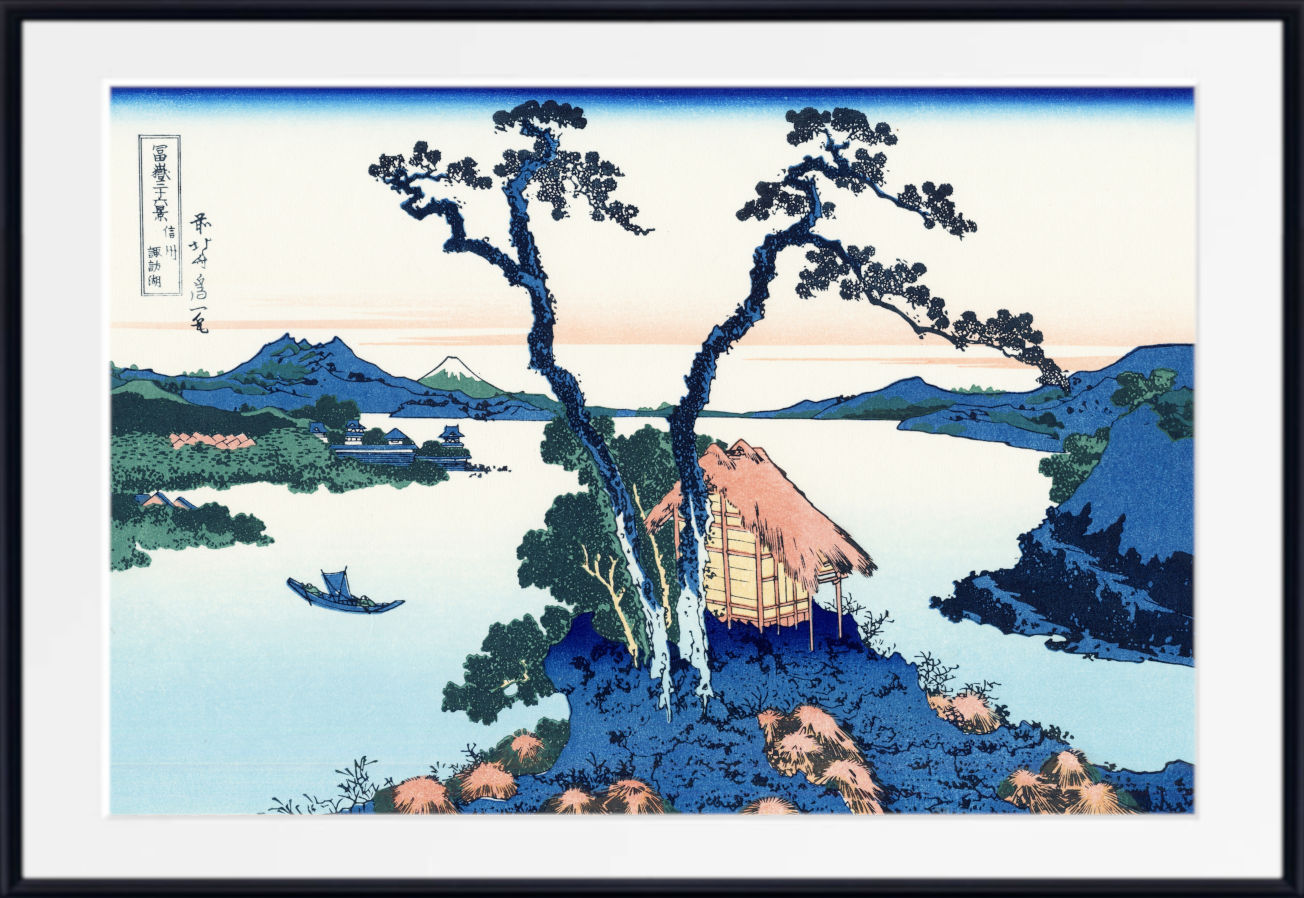
Hokusai’s Thirty-Six Views of Mount Fuji includes some of the most recognisable landscapes in Japanese art. Hiroshige’s Fifty-Three Stations of the Tokaido follows the historic highway between Edo and Kyoto through rain, snow, mountain passes, rivers and post towns.
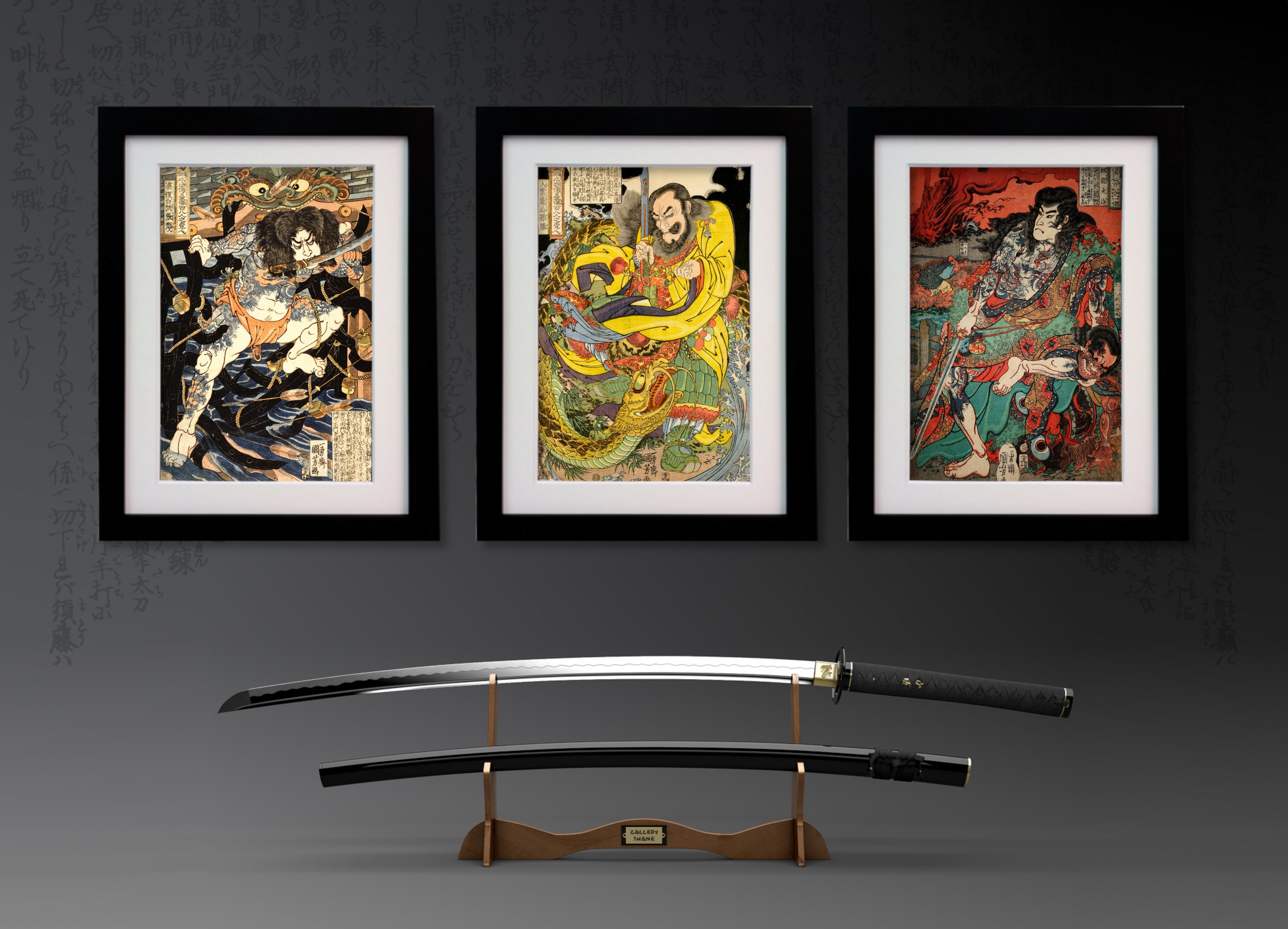
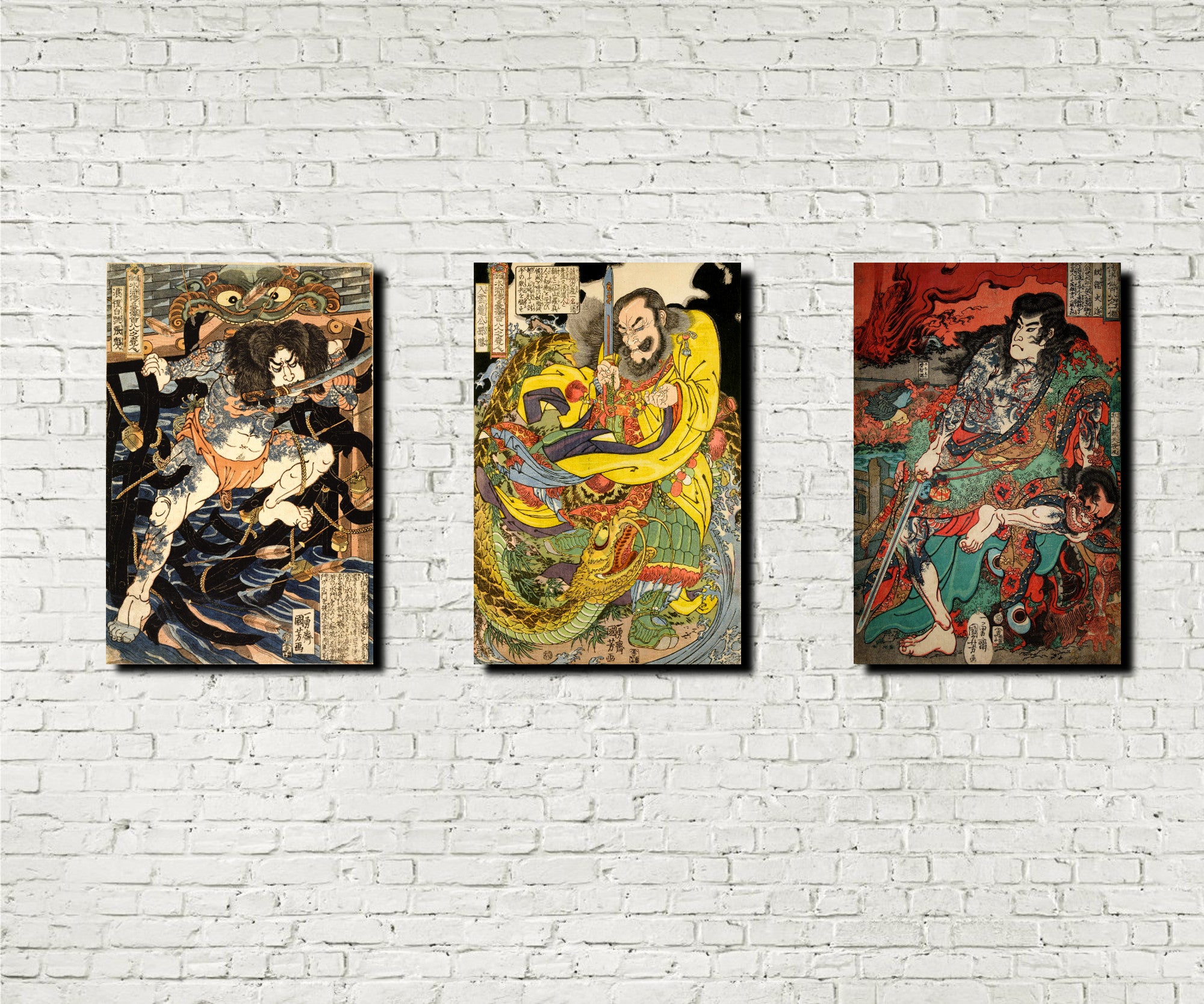
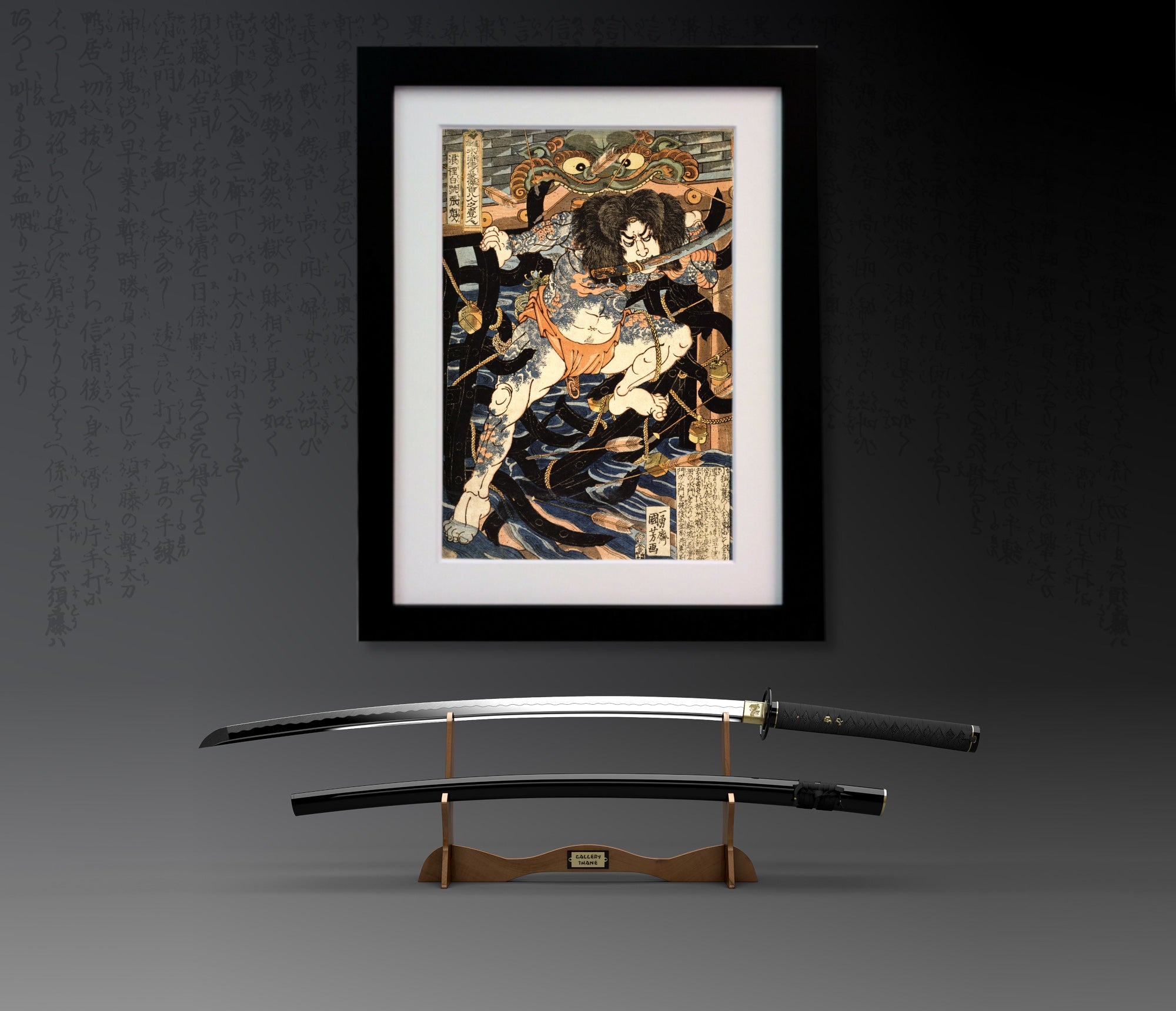
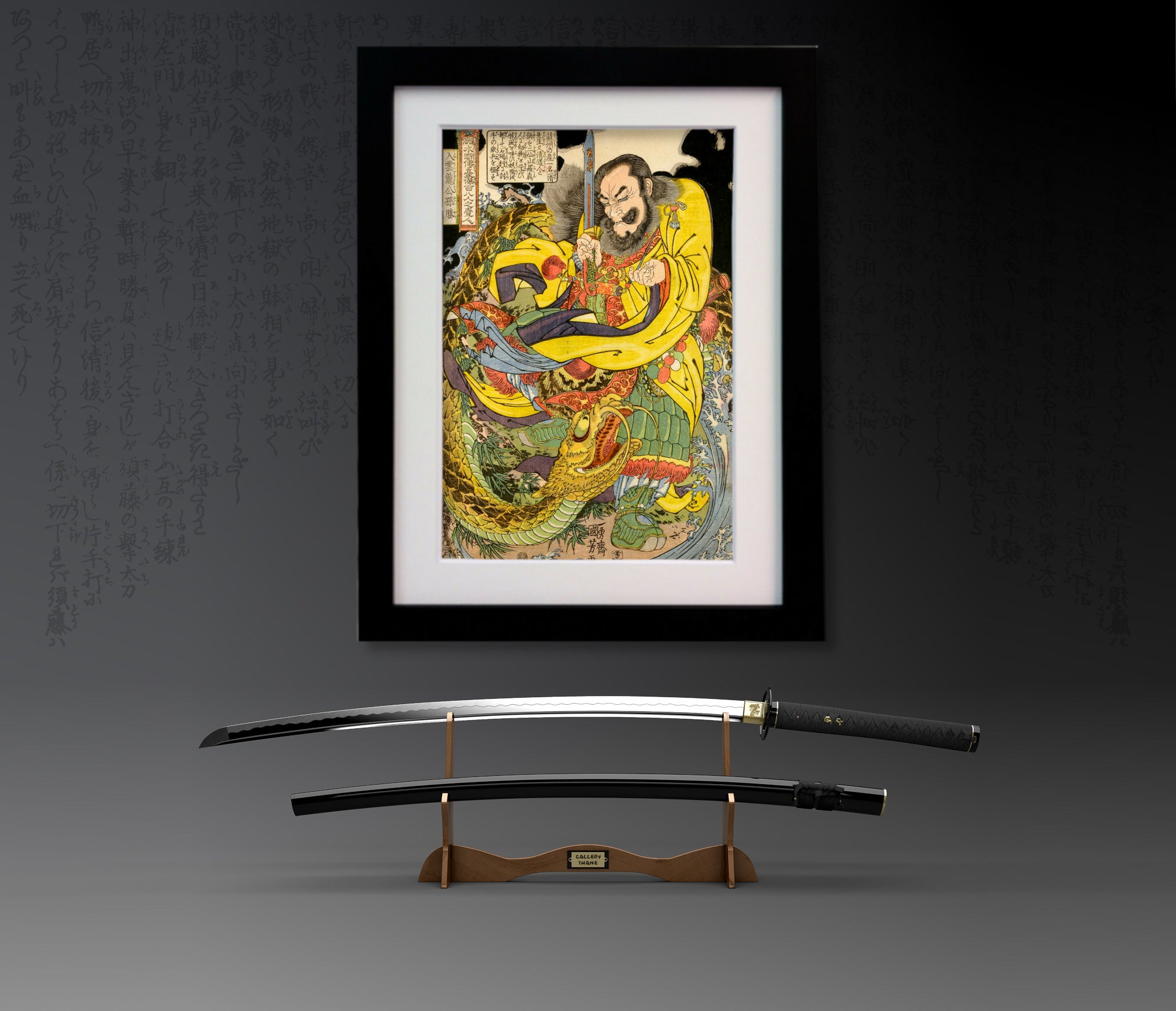
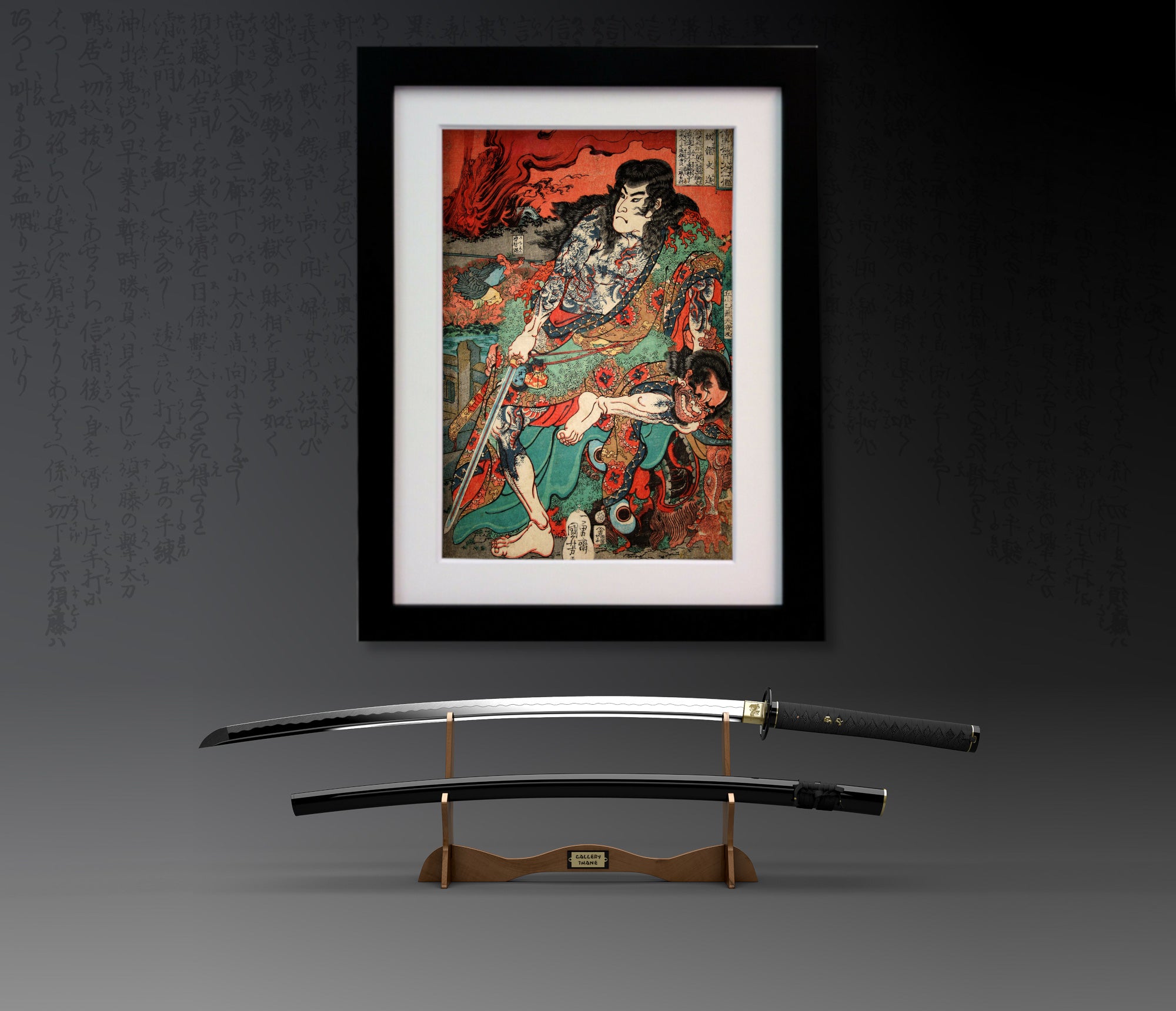
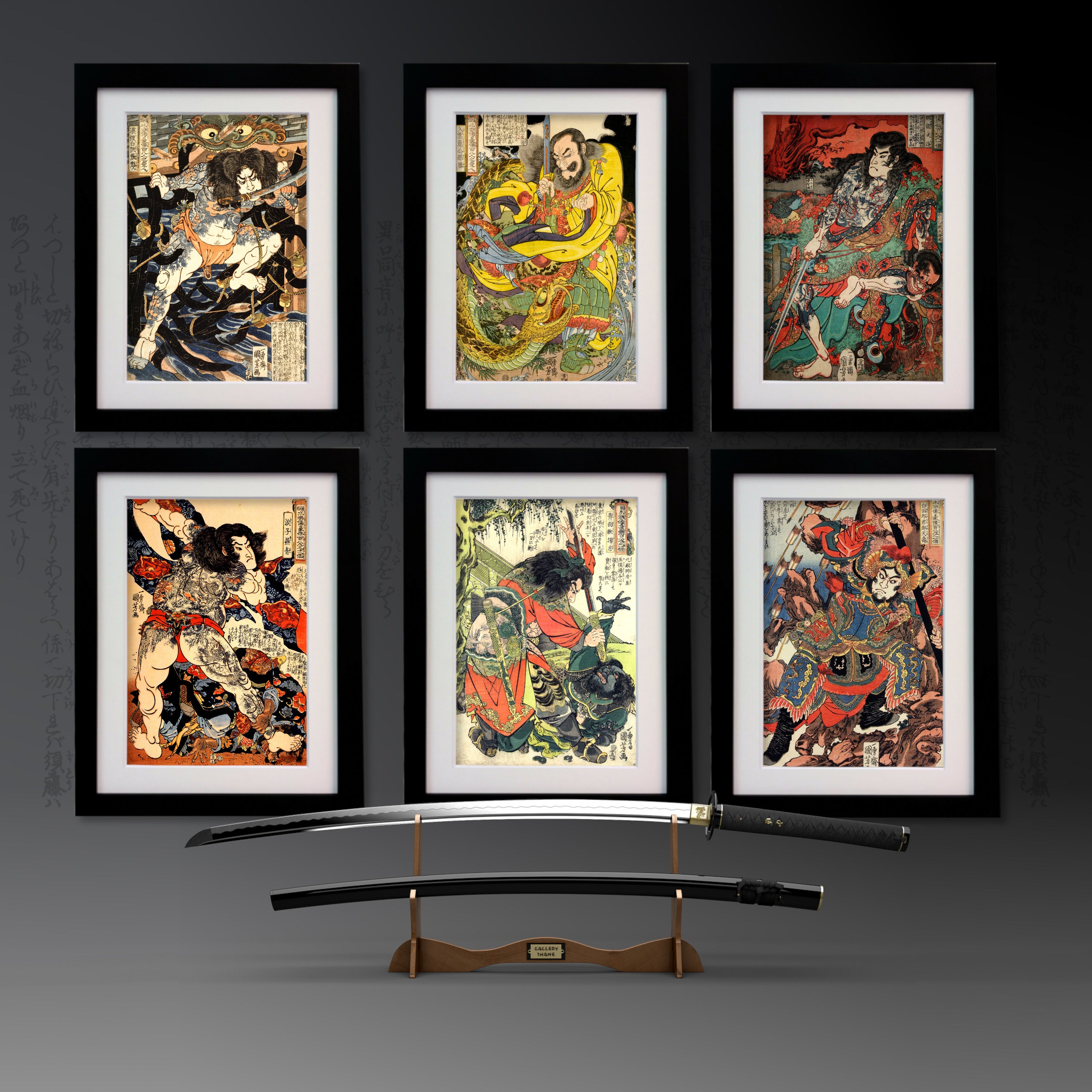
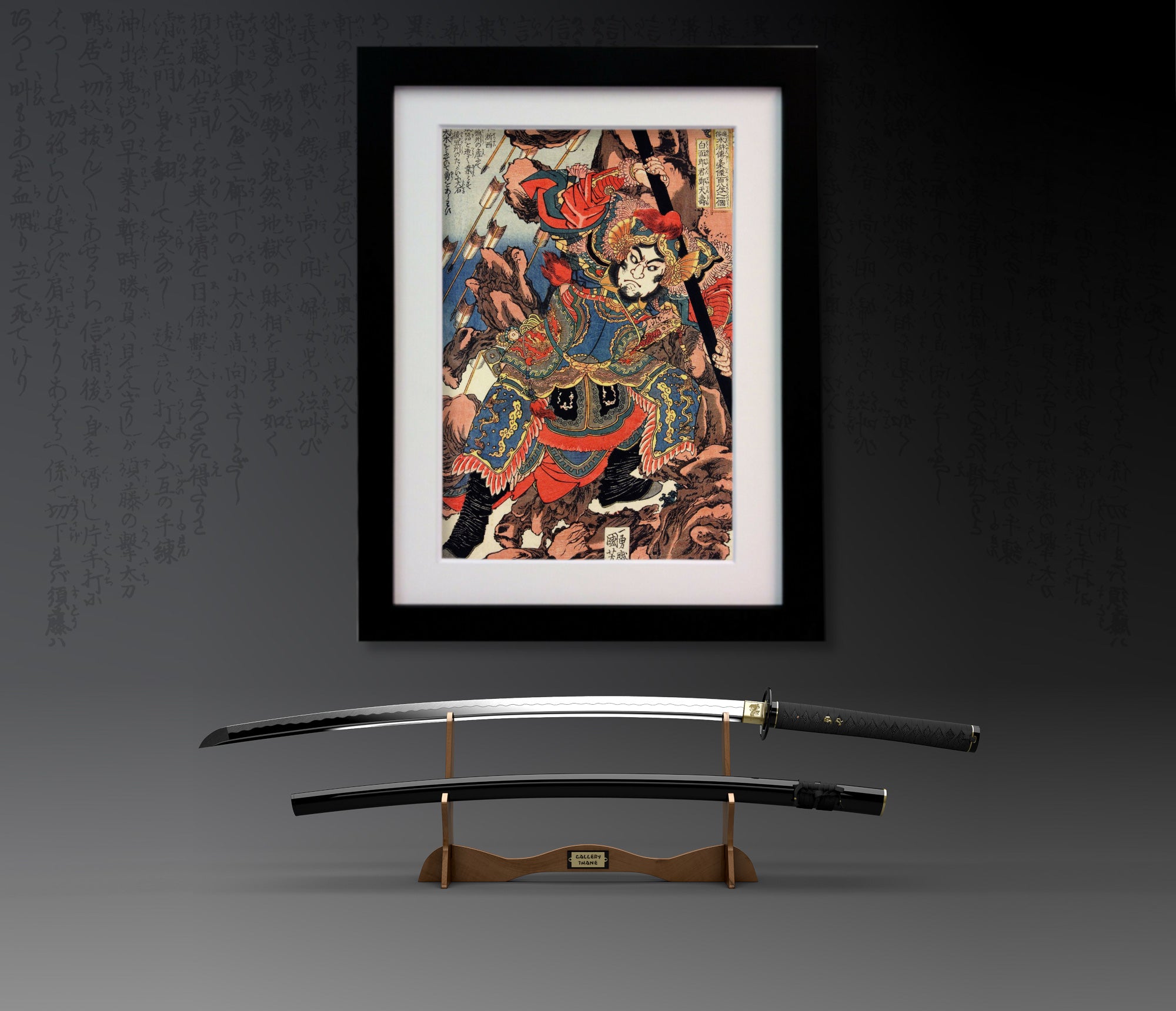
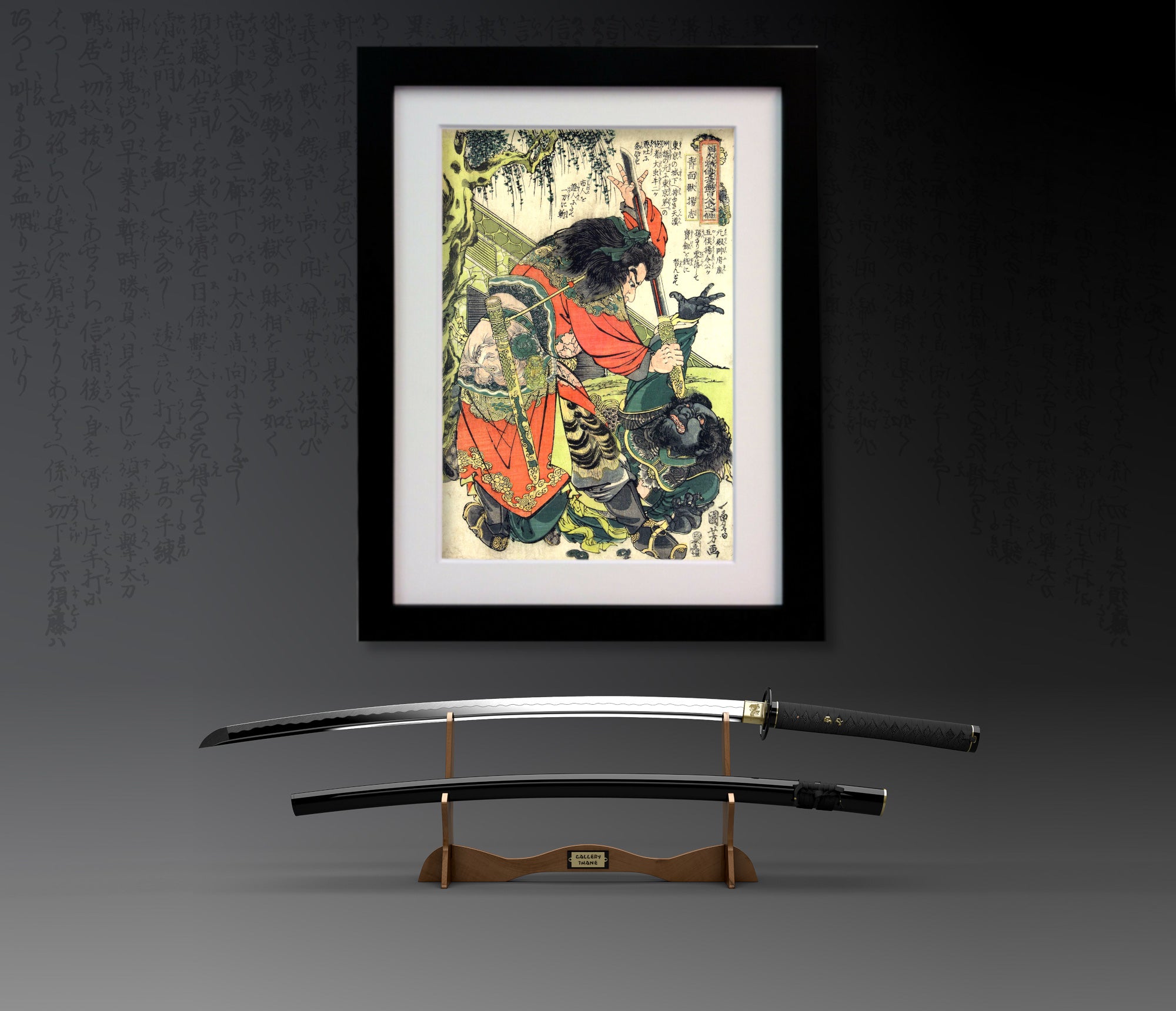
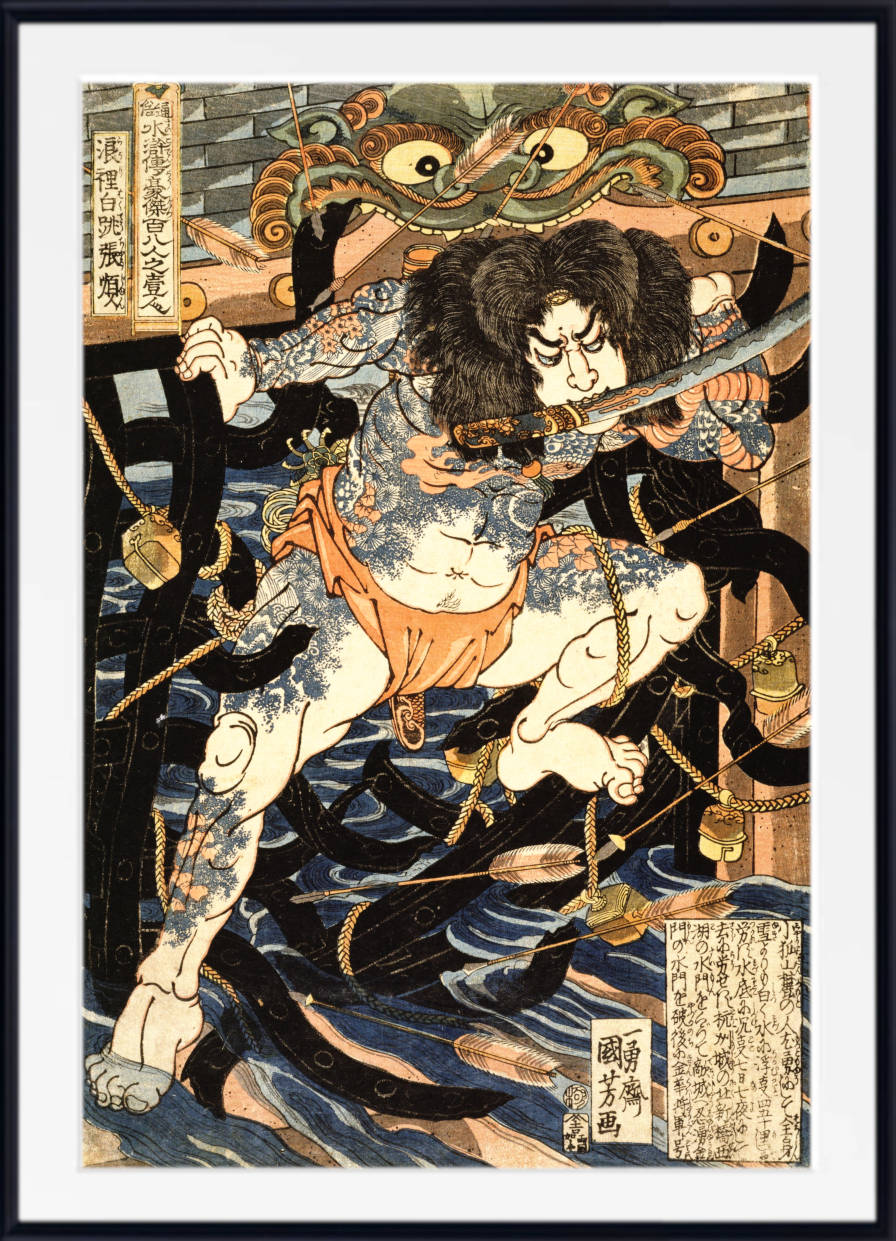
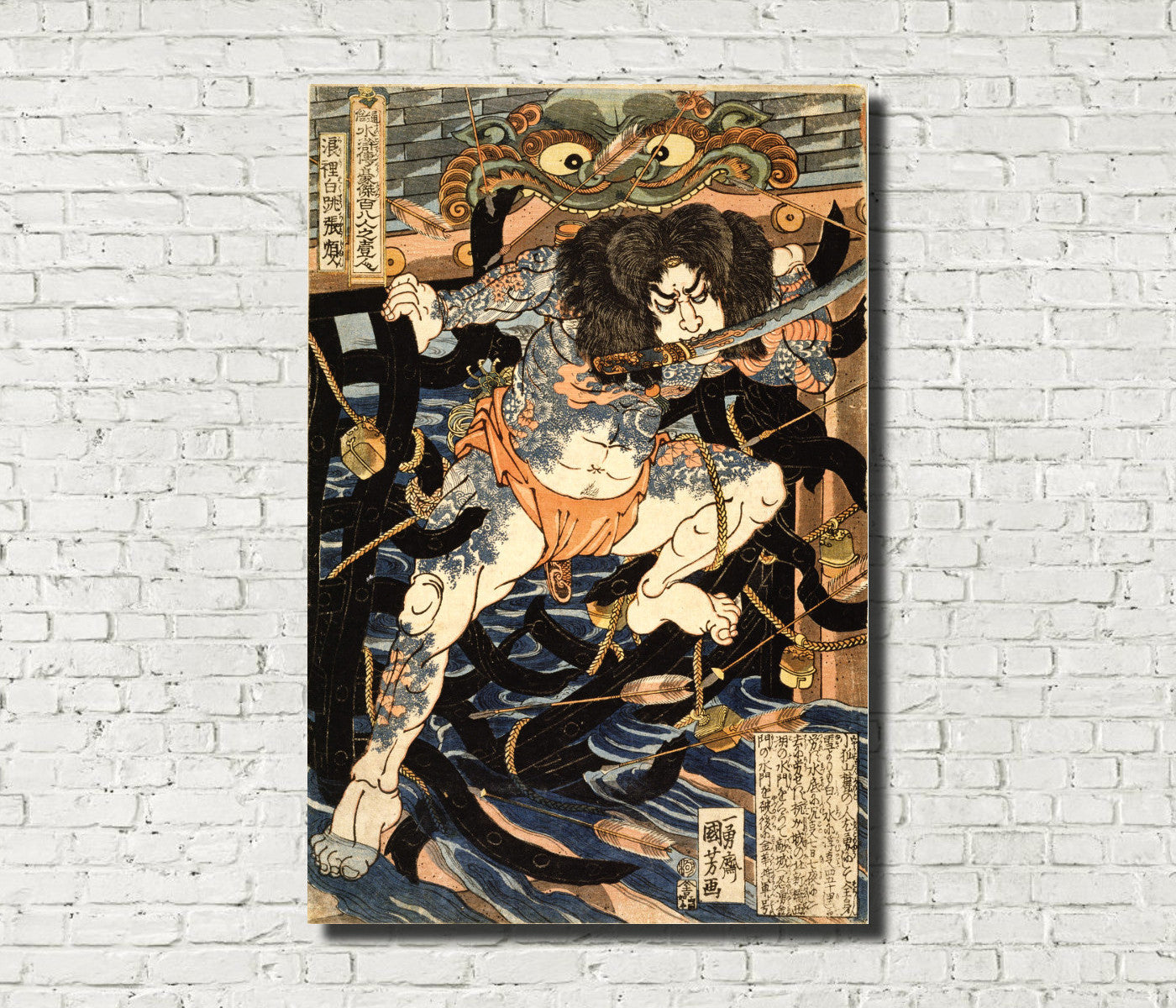
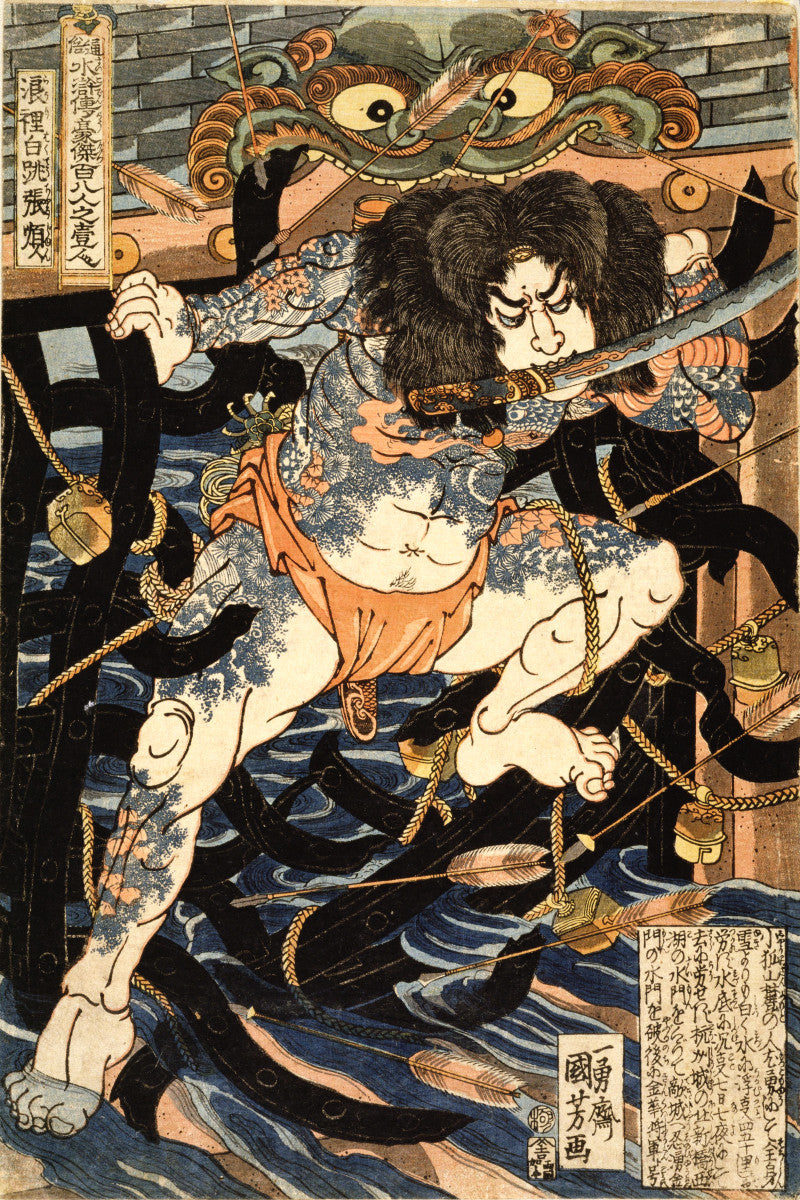
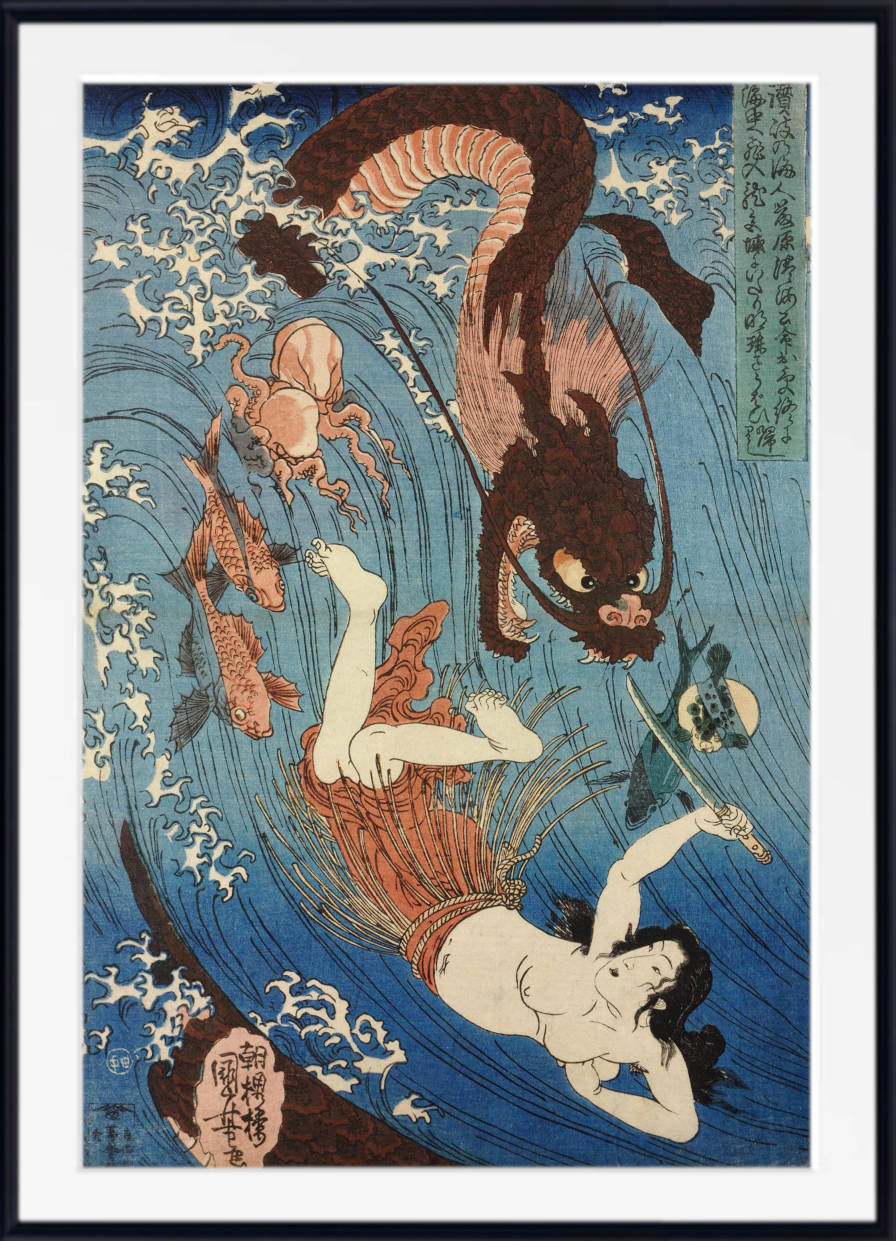
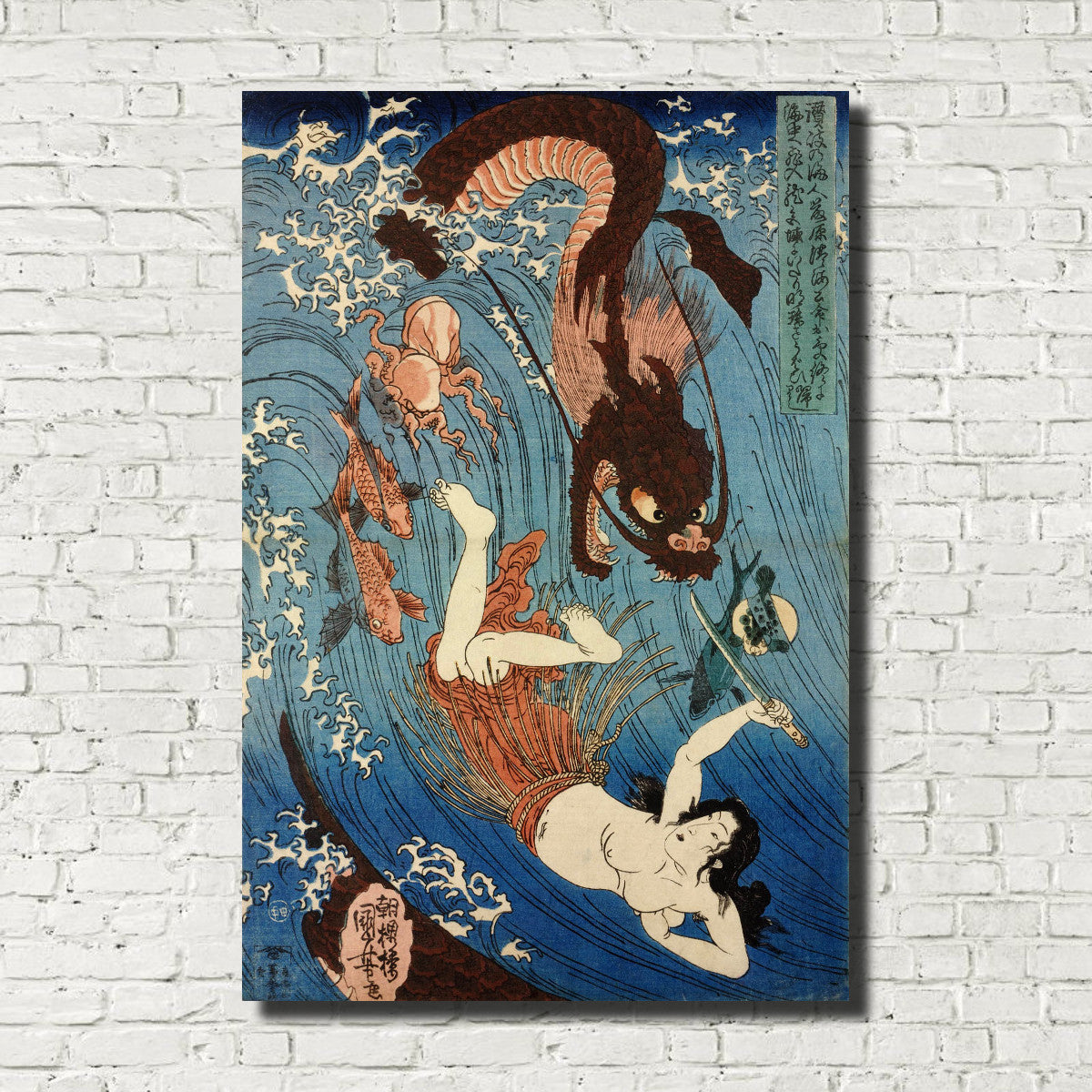
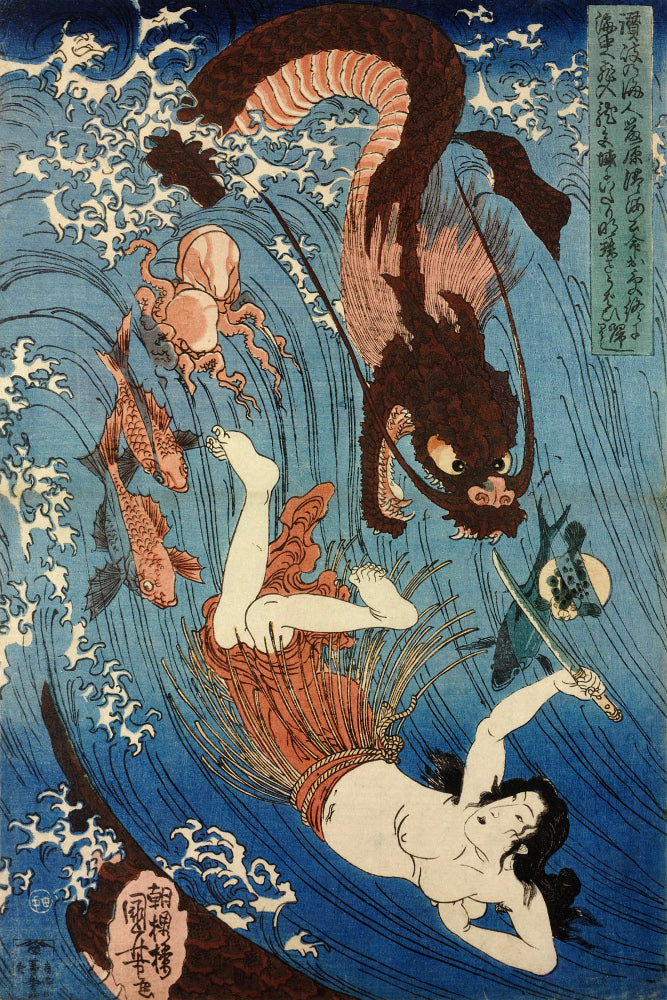
Kuniyoshi brought extraordinary energy to warrior, legendary and supernatural subjects. Utamaro, Harunobu and Kiyonaga are particularly associated with elegant figure compositions, while Yoshitoshi and other later printmakers carried the ukiyo-e tradition into the Meiji period.
Nature imagery is represented by the bird-and-flower designs of Watanabe Shōtei and Ohara Koson. Twentieth-century shin-hanga artists such as Hasui Kawase, Hiroaki Takahashi and Shiro Kasamatsu renewed the landscape tradition through studies of moonlight, snow, rain, temples and quiet streets.
Popular Japanese Print Subjects
Japanese prints encompass Mount Fuji, ocean waves, rivers, bridges, roads, temples, birds, flowers, actors, courtesans, warriors, ghosts and seasonal landscapes. This breadth makes it possible to choose artwork according to both subject and the atmosphere of a room.
For a dramatic focal point, consider a warrior, kabuki or supernatural composition by Kuniyoshi, Toyohara Kunichika or Kawanabe Kyōsai. For a quieter display, explore landscapes by Hiroshige, Hasui Kawase or Hiroaki Takahashi. Nature-led rooms work particularly well with prints by Watanabe Shōtei, Ohara Koson and Ogawa Kazumasa.
How to Display Japanese Art Prints
The strong outlines, balanced shapes and areas of negative space found in many Japanese prints work well with neutral walls, natural timber, linen, stone and simple black or wooden frames. A single large print can form a clear focal point, while smaller related works can be combined into a gallery wall.
Mount Fuji scenes and horizontal landscapes suit spaces above sofas, beds and sideboards. Botanical and bird prints work well in bedrooms, dining rooms and reading spaces. Hallways and staircases can accommodate sequences of related works, particularly prints from the Thirty-Six Views of Mount Fuji or Fifty-Three Stations of the Tokaido.
Fine Art Prints, Framed Prints and Canvas Panels
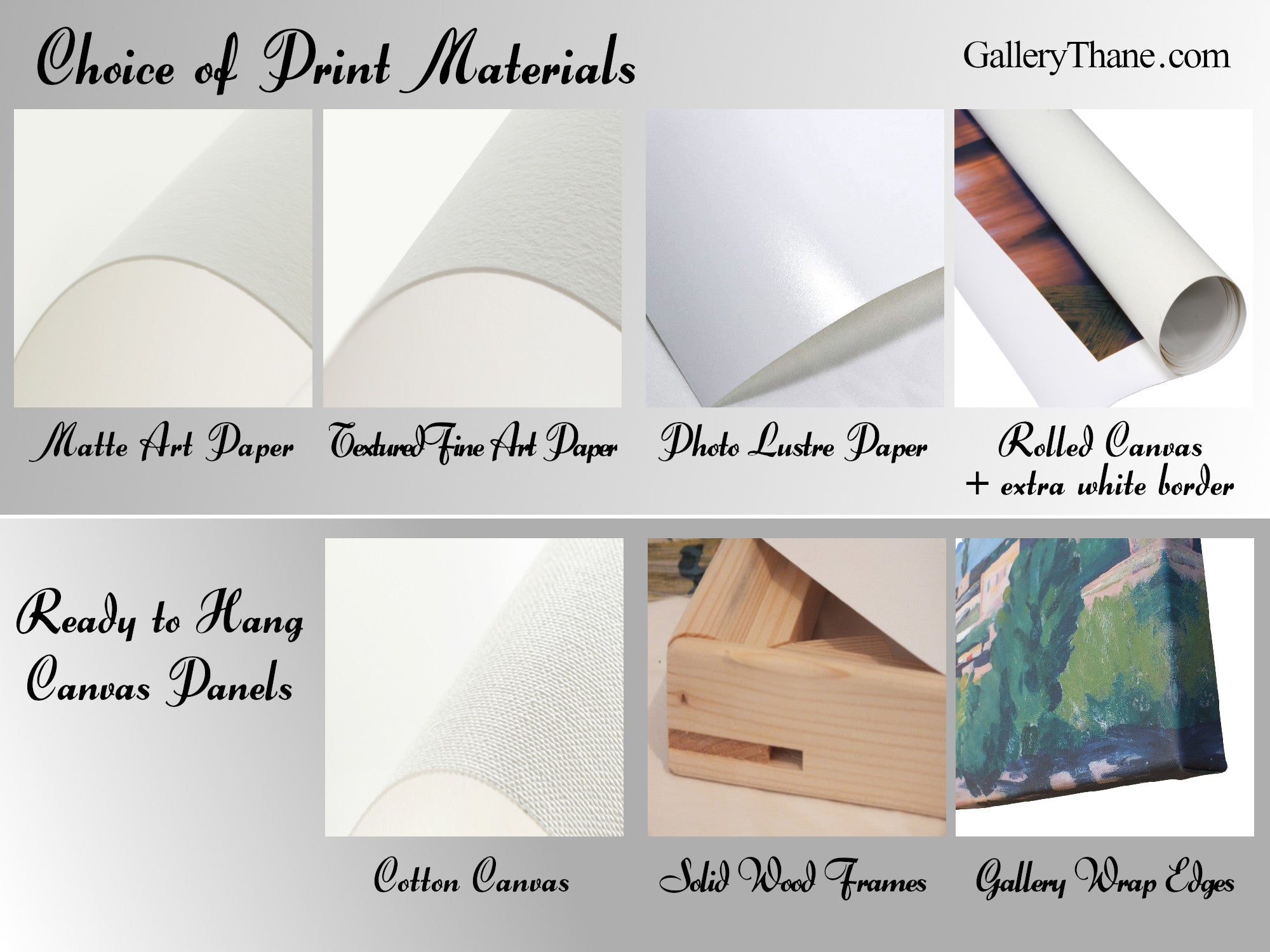
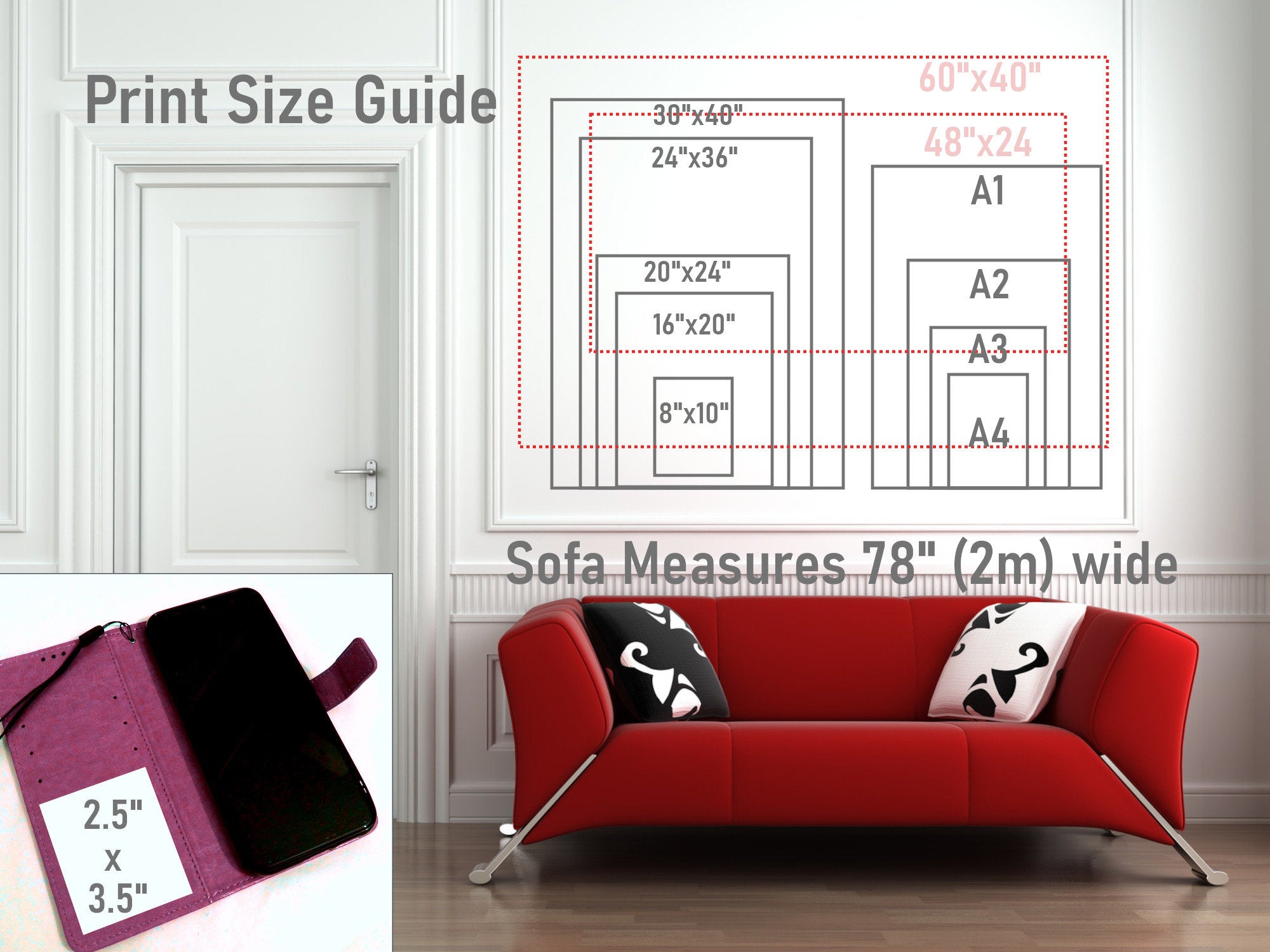
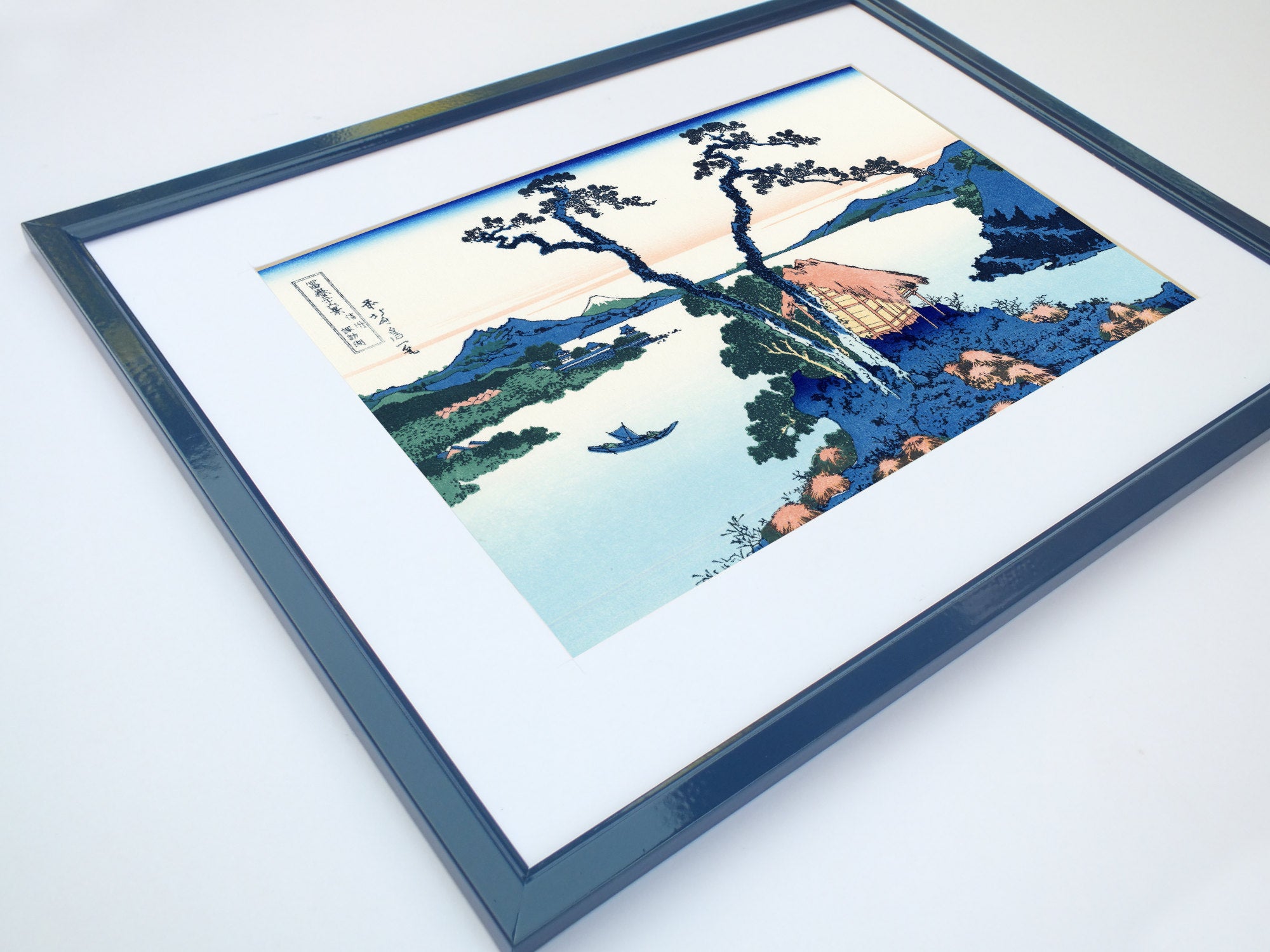
GalleryThane’s Japanese artworks are available as unframed fine art prints, professionally framed prints and canvas panels. Multiple sizes make it possible to select a smaller work for a quiet corner, a medium framed print for a bedroom or hallway, or a larger statement piece for a living room or office.
Frequently Asked Questions
What is ukiyo-e?
Ukiyo-e is a Japanese art tradition best known for woodblock prints and paintings produced during the Edo period. Its subjects include landscapes, kabuki actors, women, warriors, legends, travel and scenes of everyday life.
Who are the most famous Japanese print artists?
The best-known Japanese print artists include Katsushika Hokusai, Andō Hiroshige, Utagawa Kuniyoshi, Kitagawa Utamaro, Suzuki Harunobu and Tsukioka Yoshitoshi. Later artists including Hasui Kawase and Ohara Koson are closely associated with the shin-hanga movement.
Which rooms suit Japanese art prints?
Japanese prints work well in living rooms, bedrooms, dining rooms, hallways, studies and home offices. Landscapes and botanical works create quieter displays, while warrior, kabuki and mythological subjects make stronger statement pieces.
Are Japanese prints suitable for modern interiors?
Yes. Their clear lines, balanced compositions, strong shapes and often restrained colour palettes pair naturally with uncluttered rooms, simple furniture and natural materials.
Which Japanese prints work well on a statement wall?
Hokusai’s Mount Fuji designs, including works from Thirty-Six Views of Mount Fuji, are strong choices. Kuniyoshi’s warrior prints and Hiroshige’s atmospheric landscapes also provide distinctive focal points.