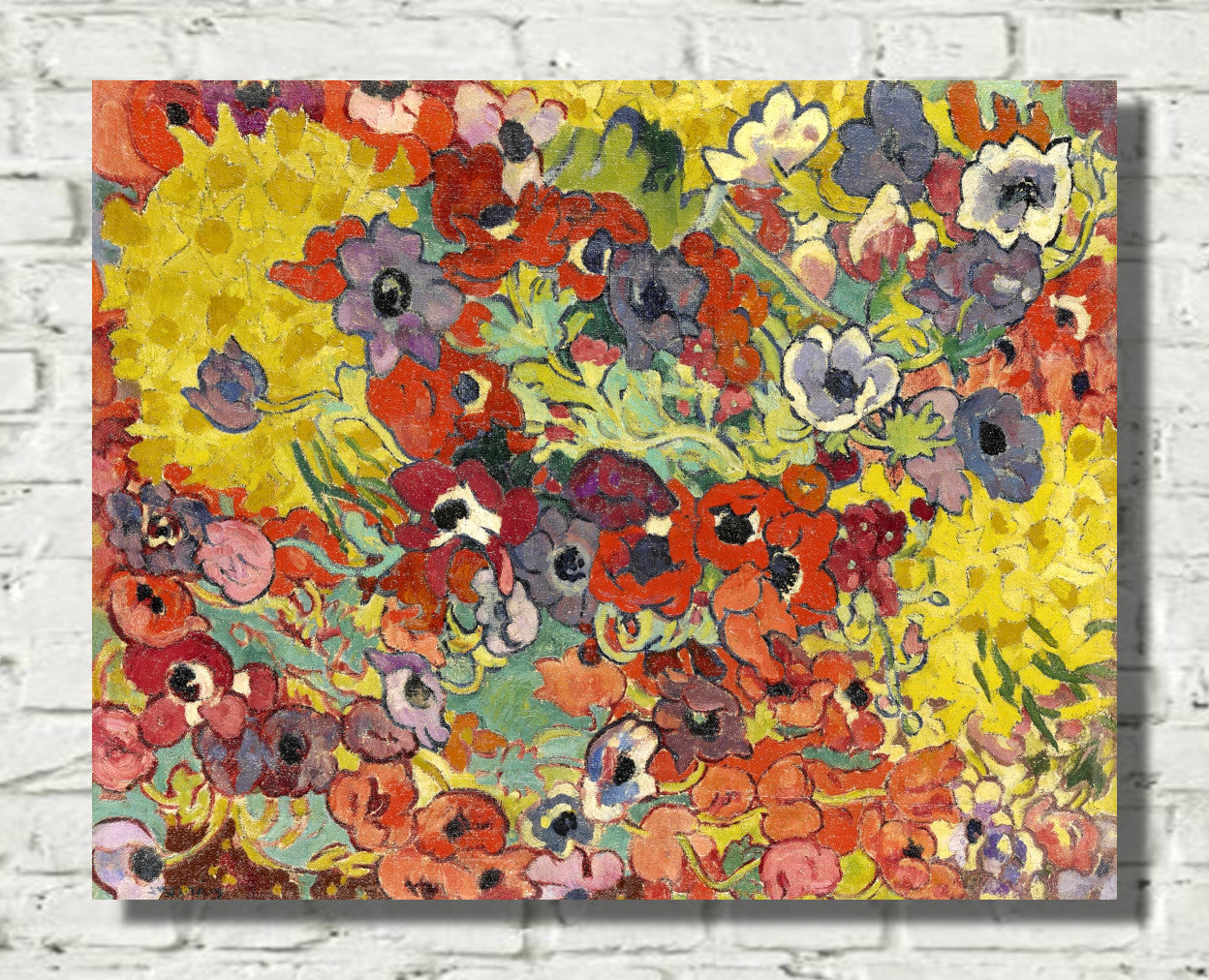
Fauvism Prints: Colour, Freedom and the Birth of Modern Art
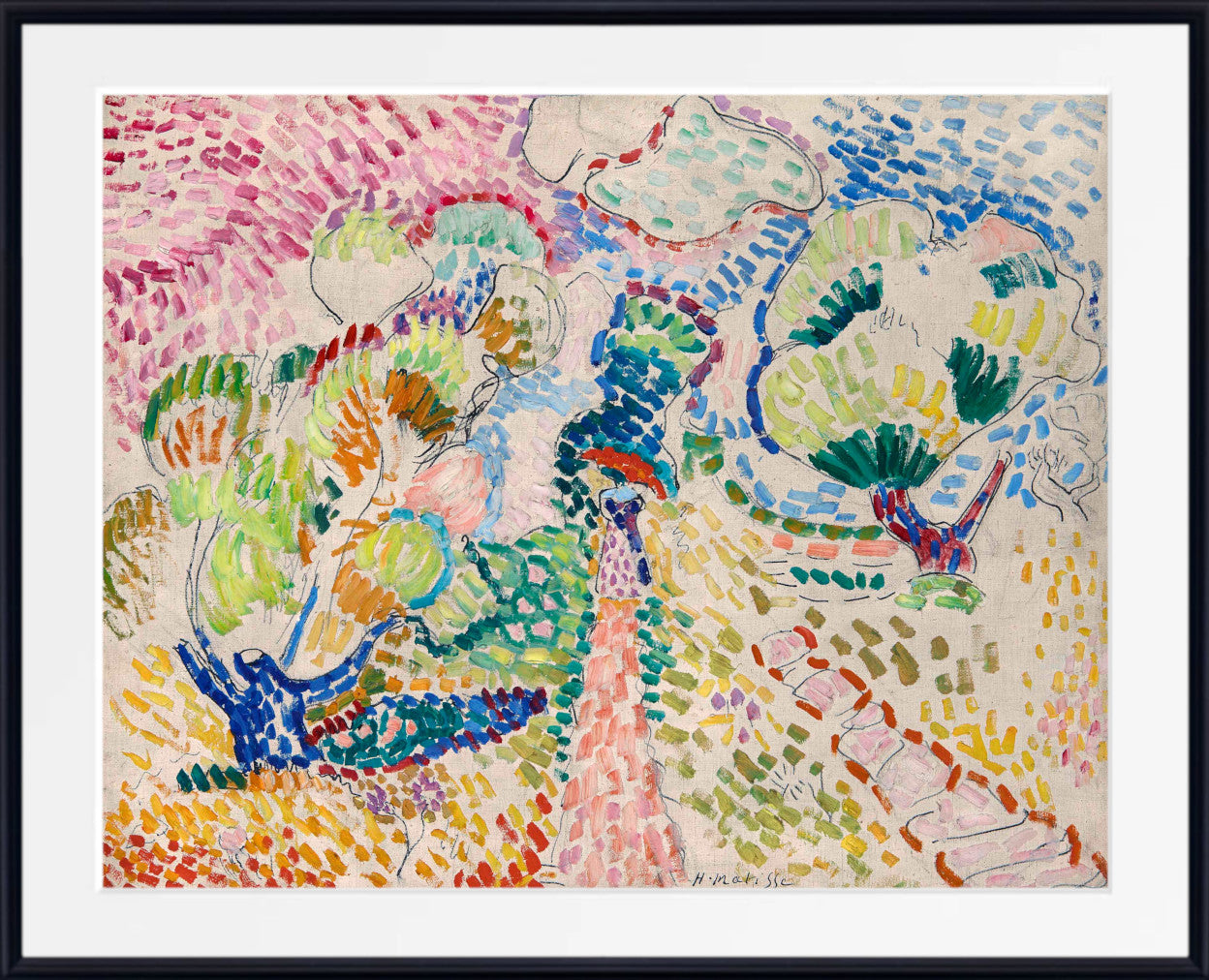
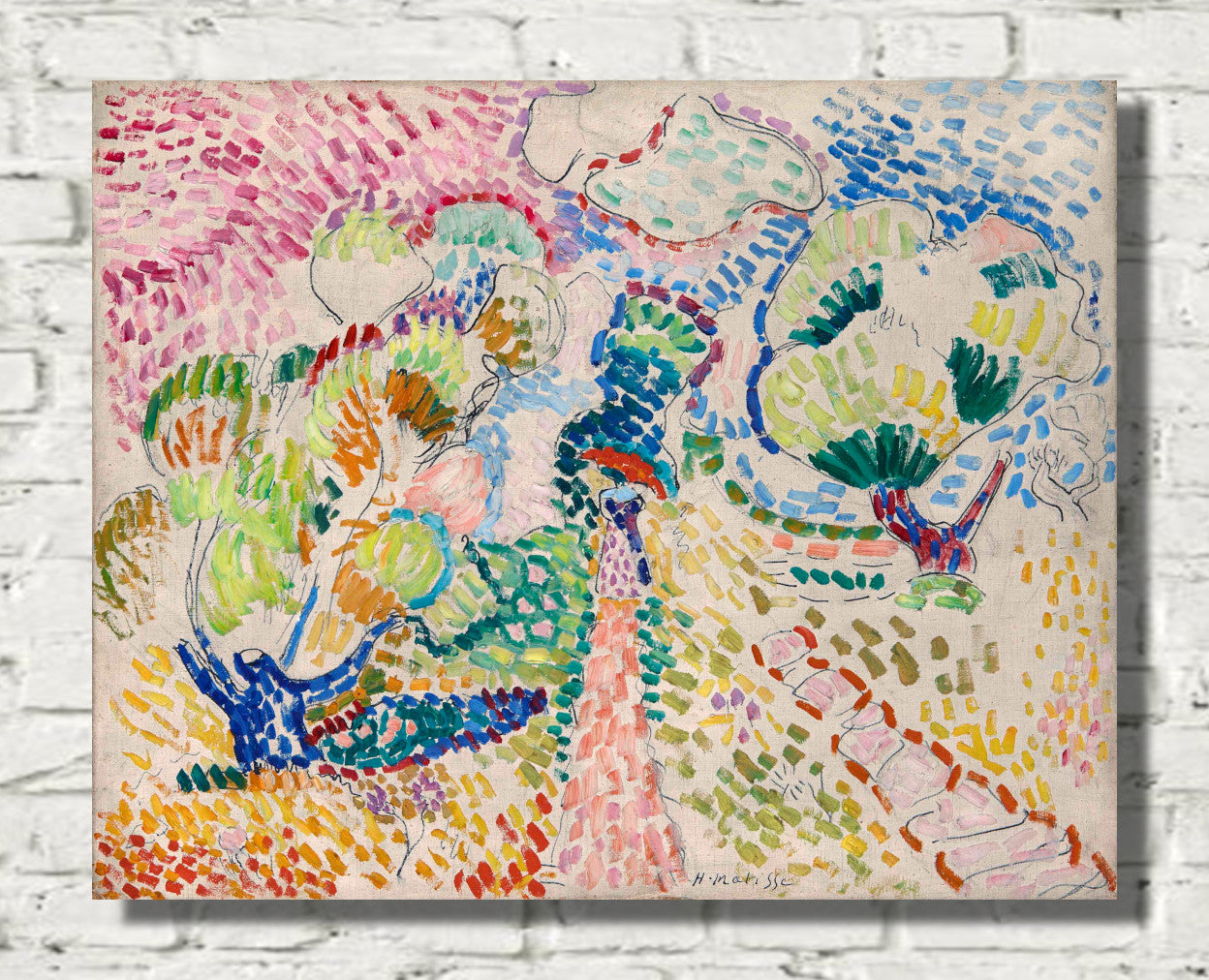
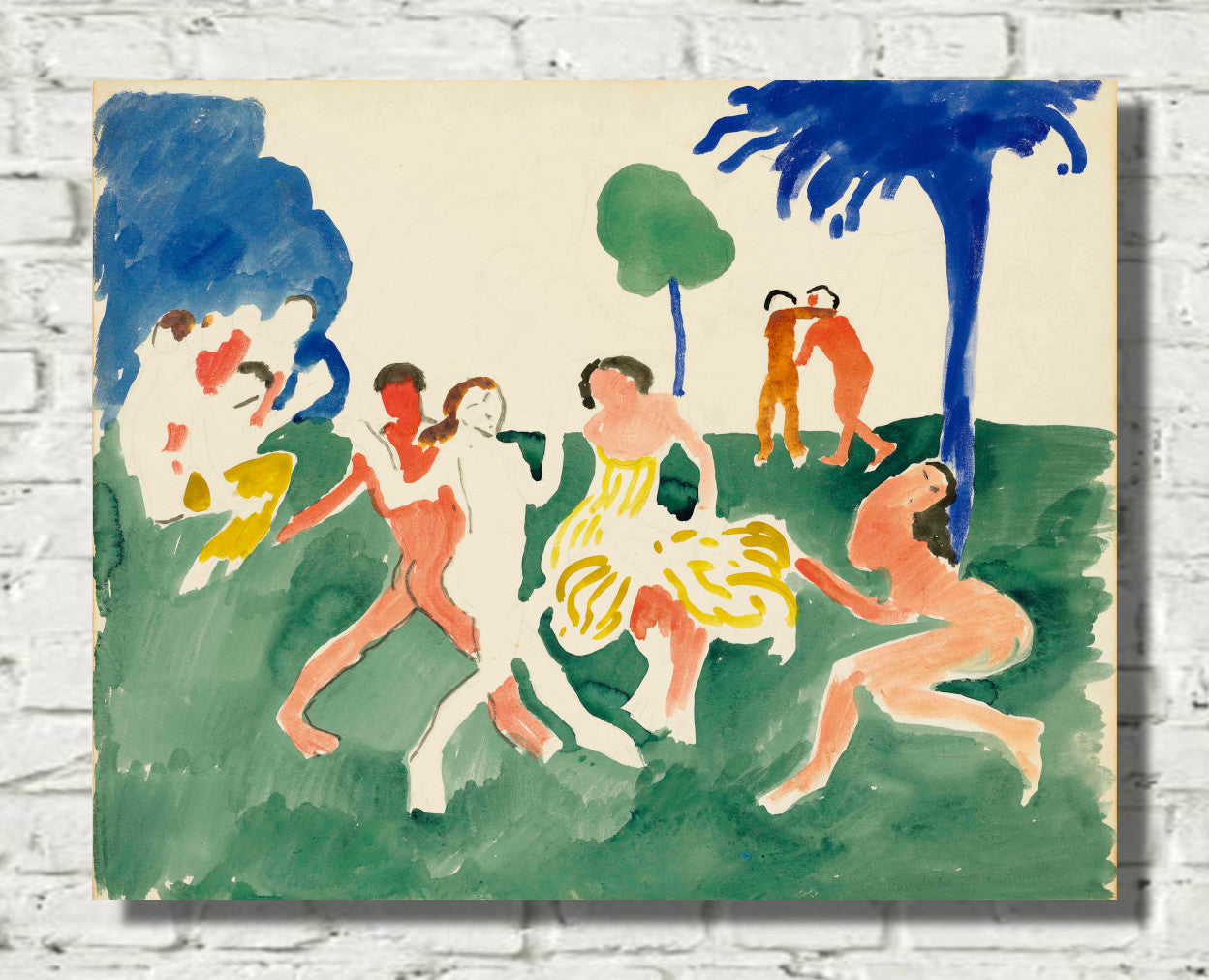
Fauvism was one of the first radical art movements of the twentieth century. Emerging in France during the opening years of the 1900s, Fauvist painters abandoned the subdued colours and conventional modelling of traditional painting in favour of vivid, expressive colour, simplified forms and energetic brushwork.
The movement reached international attention at the 1905 Salon d'Automne in Paris. The startling paintings exhibited by Henri Matisse, André Derain and their contemporaries prompted critic Louis Vauxcelles to describe the artists as les fauves — “the wild beasts”. The name remained, and Fauvism became associated with some of the most adventurous uses of colour in modern European art.
GalleryThane's collection of Fauvism prints focuses on works produced during this important period, bringing together paintings by leading Fauvist artists as well as closely related works from the movement's immediate development.
What Makes a Painting Fauvist?
Fauvist art is defined less by a single subject than by a particular approach to colour and representation.
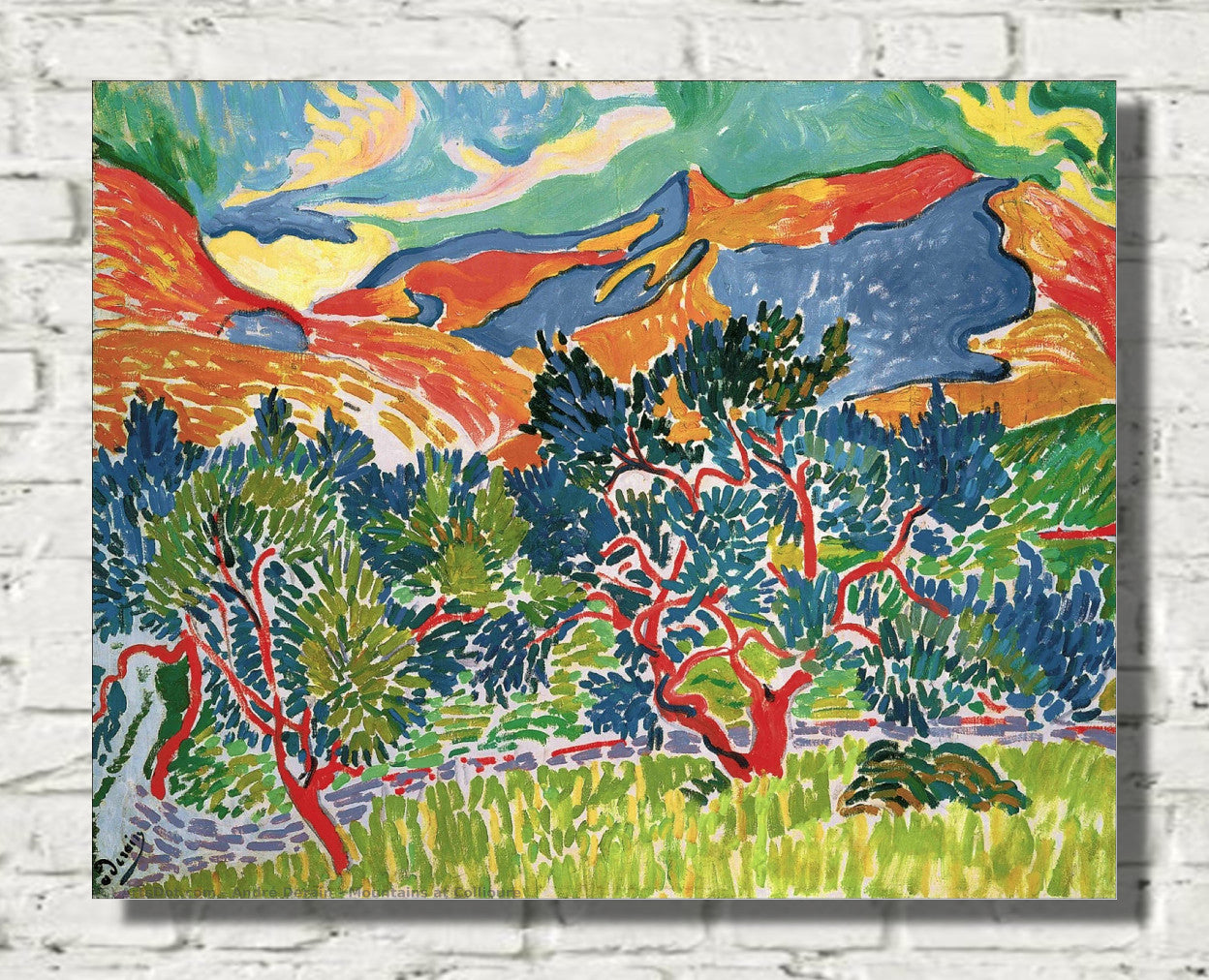
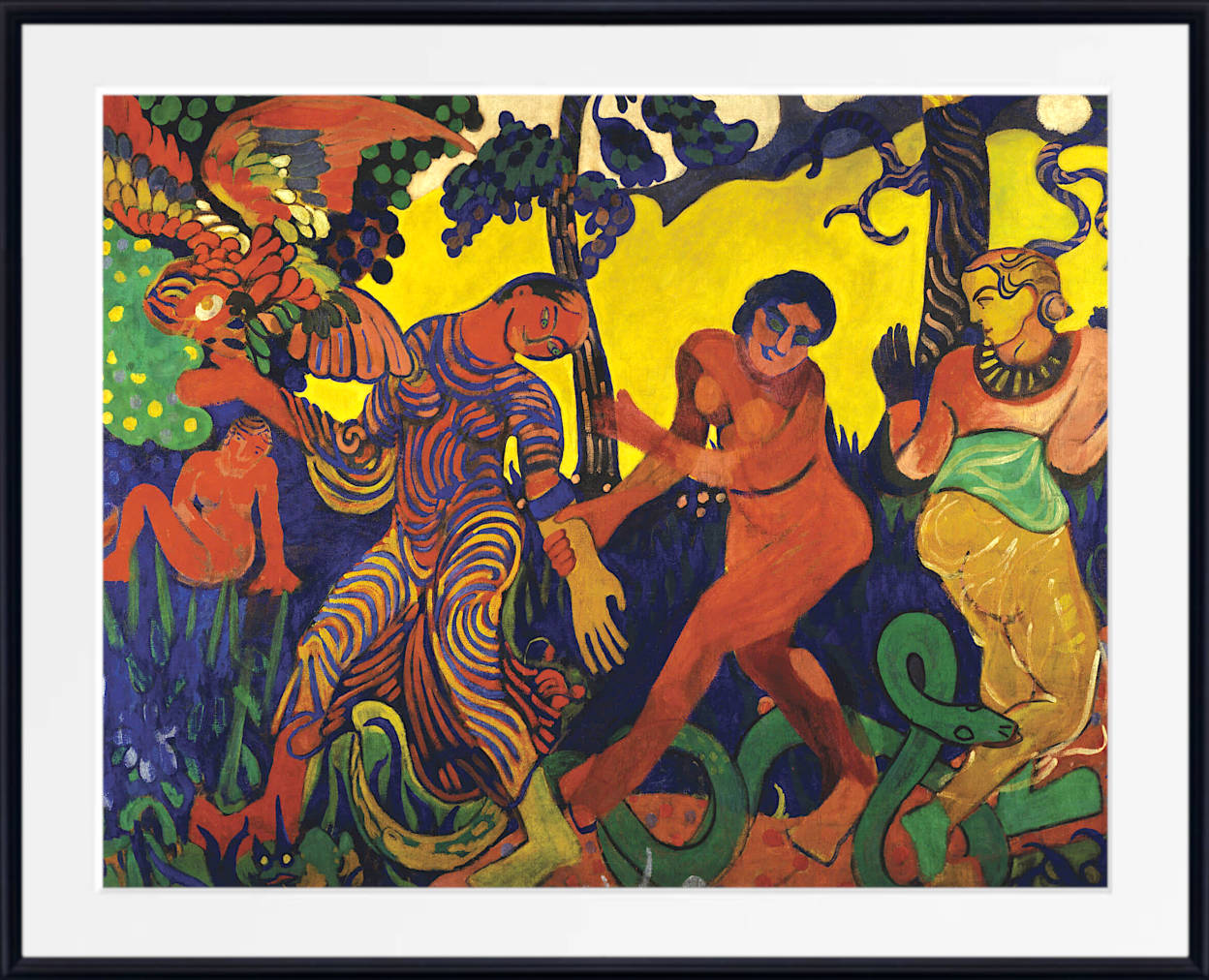
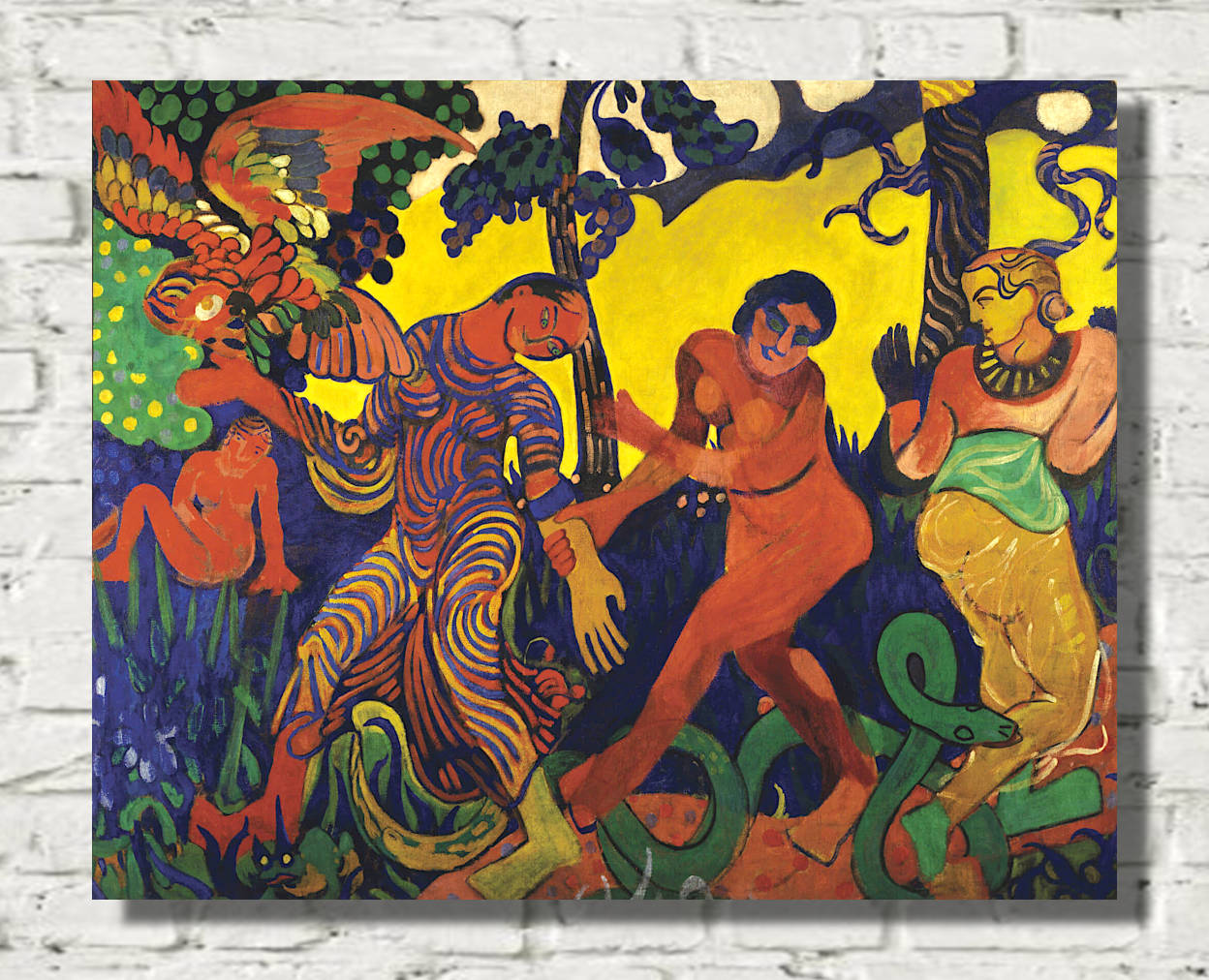
The Fauves frequently used colours that bore little relationship to the natural appearance of their subjects. Trees might become brilliant red or blue, shadows could be green or purple, and skies might be rendered in unexpected combinations of pink, yellow and turquoise.
The intention was not simply to shock. Colour became an independent expressive element capable of creating structure, atmosphere and emotional intensity.
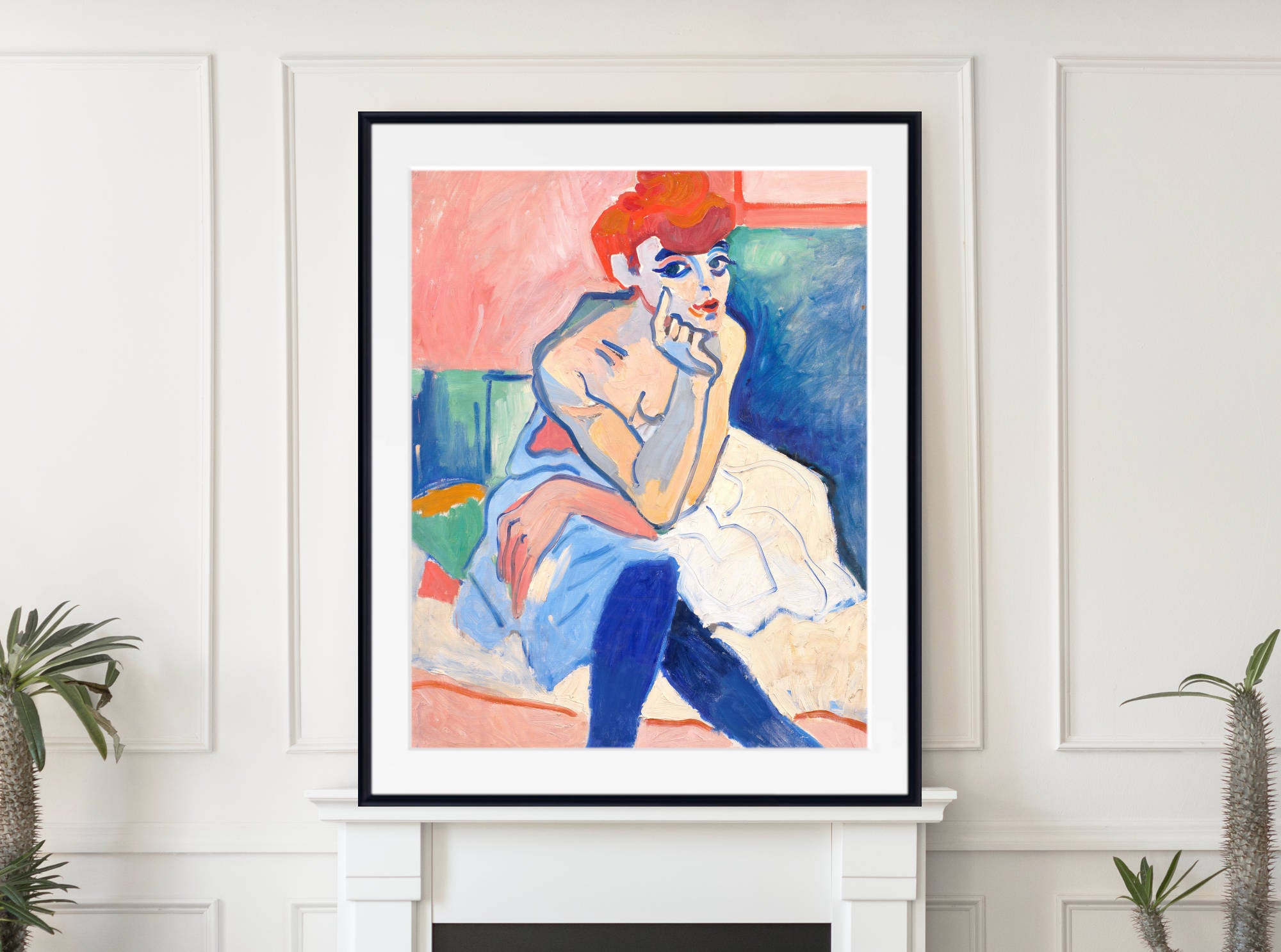
Fauvist paintings also tend to simplify form. Instead of modelling objects through subtle transitions of light and shade, artists often relied on strong outlines, flattened areas of colour and direct brushwork.
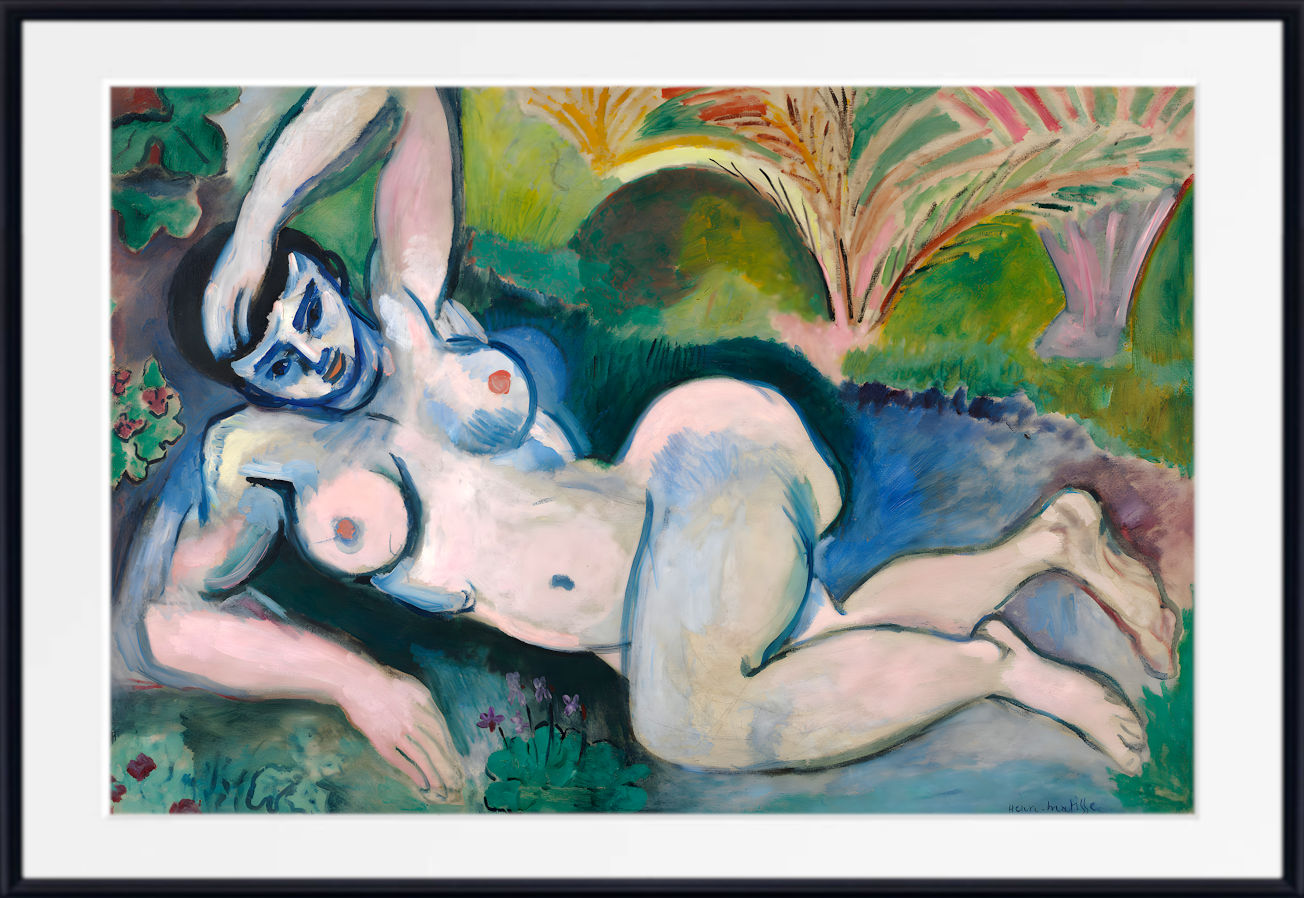
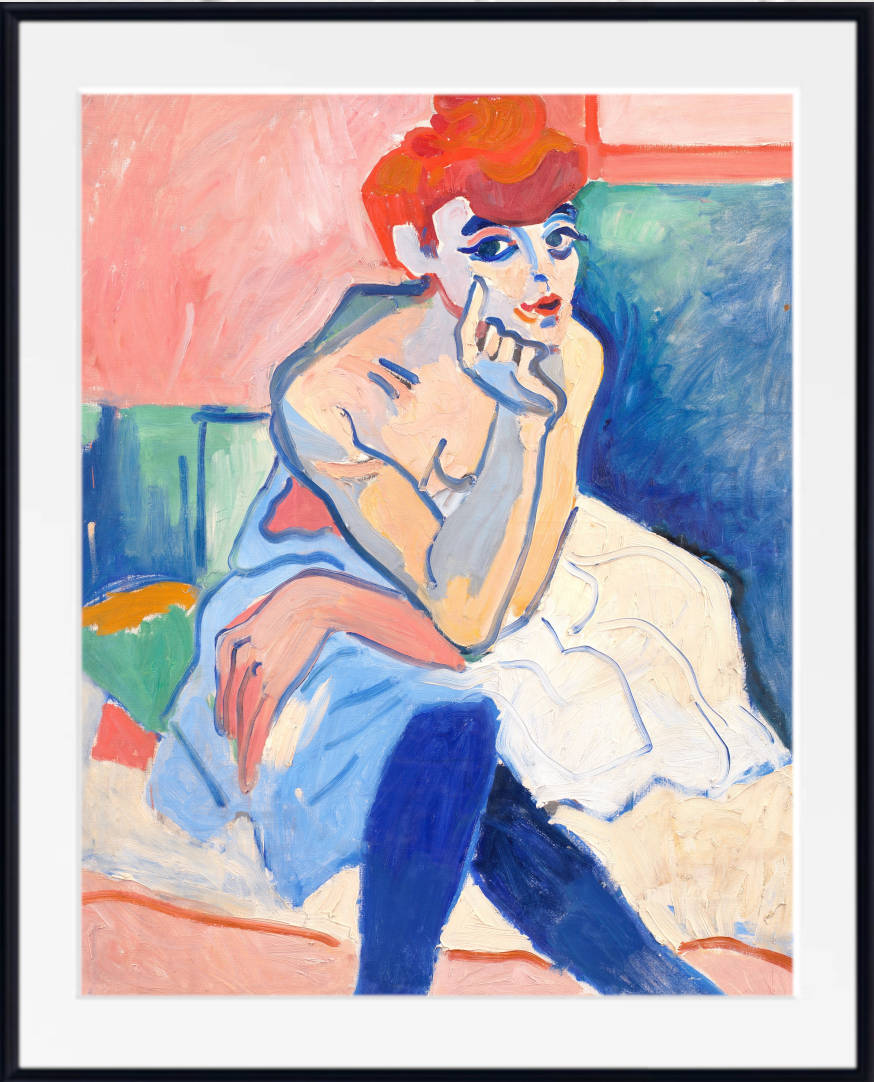
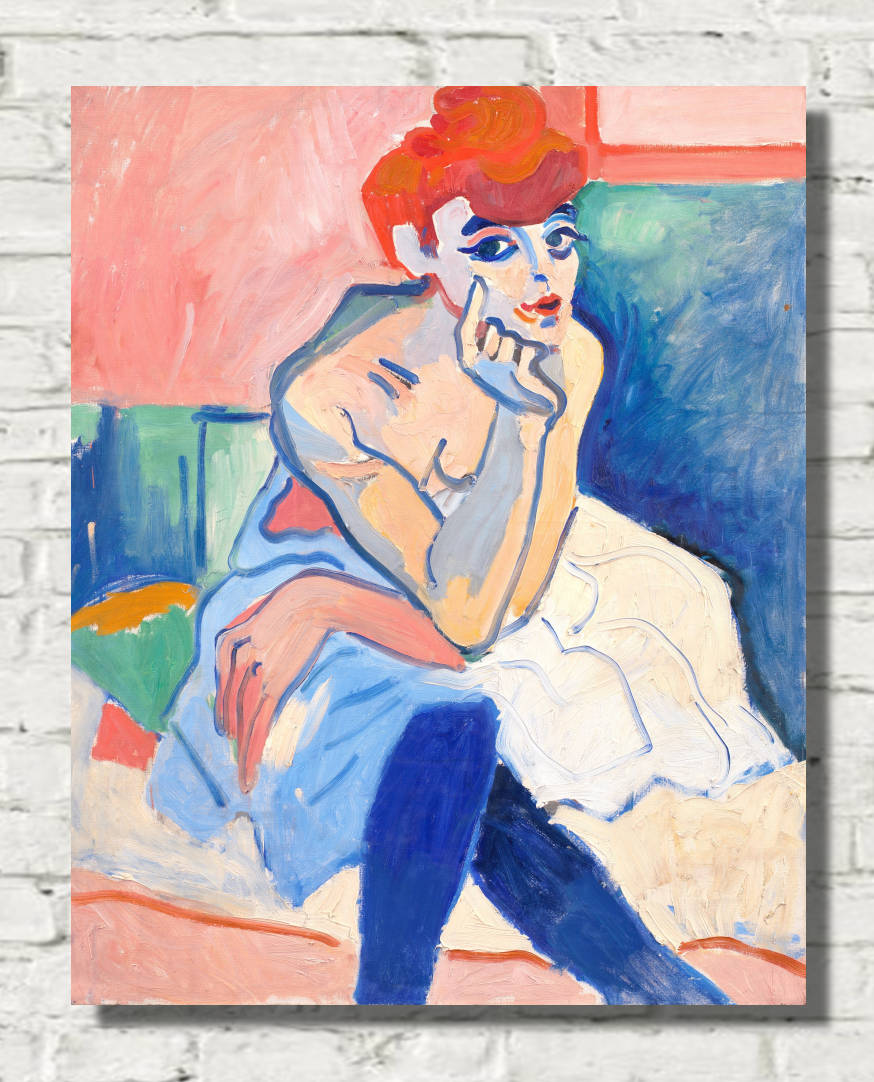
Landscapes were particularly important because they allowed painters to experiment freely with colour across skies, water, vegetation and architecture. Portraits and figure paintings offered equally radical opportunities, especially when natural skin tones were replaced with expressive greens, blues, reds and violets.
Henri Matisse and Fauvism
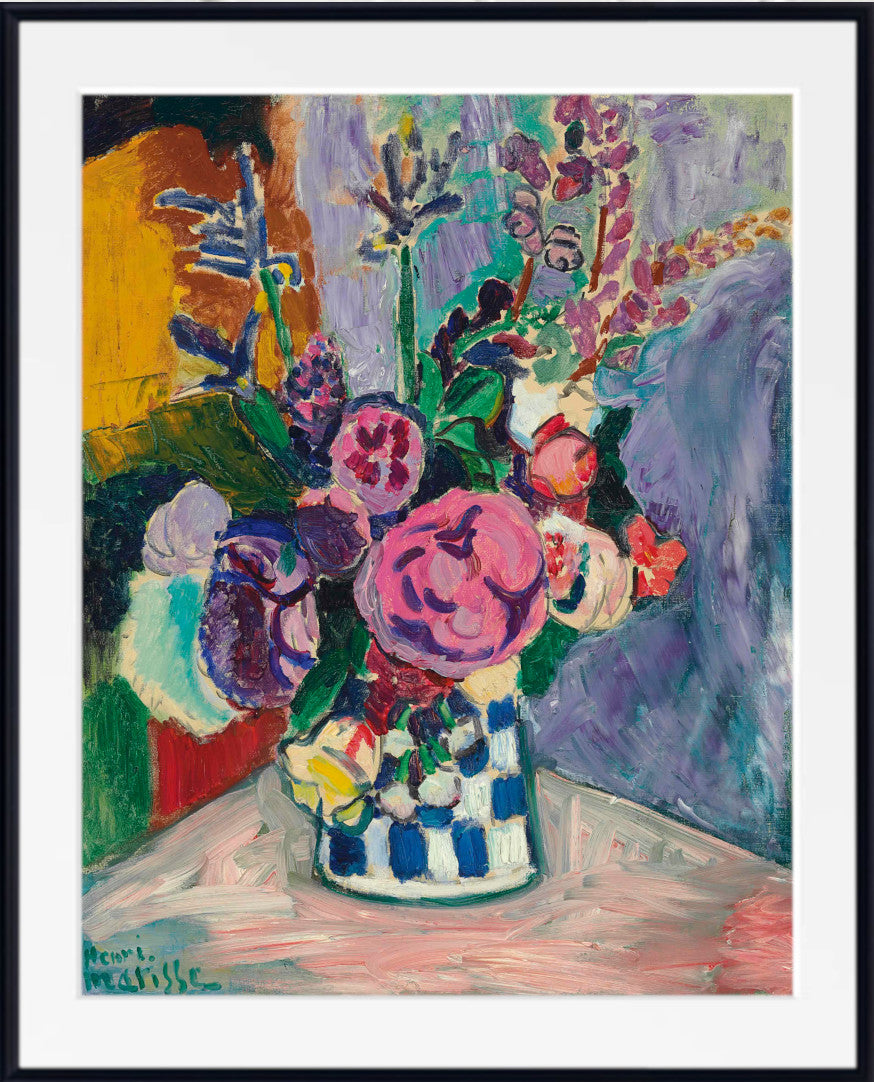
Henri Matisse became the central figure of Fauvism and one of the most influential artists of the twentieth century.
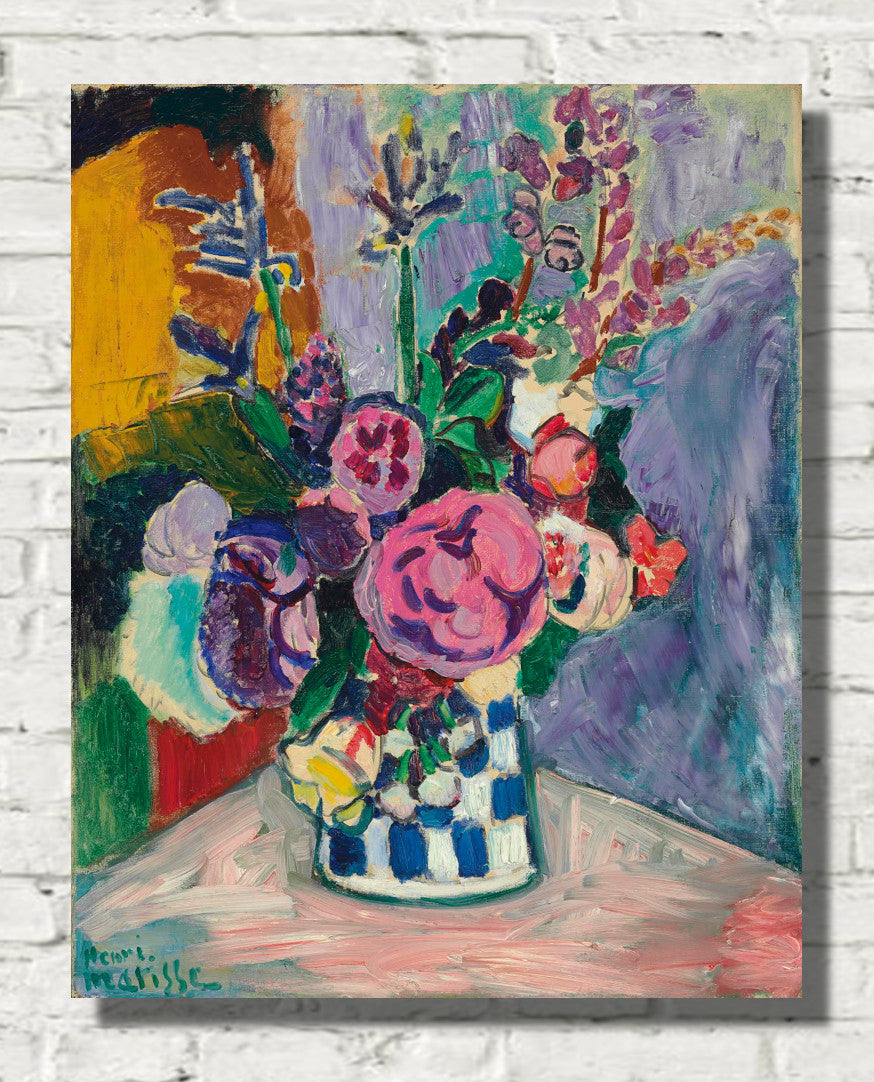
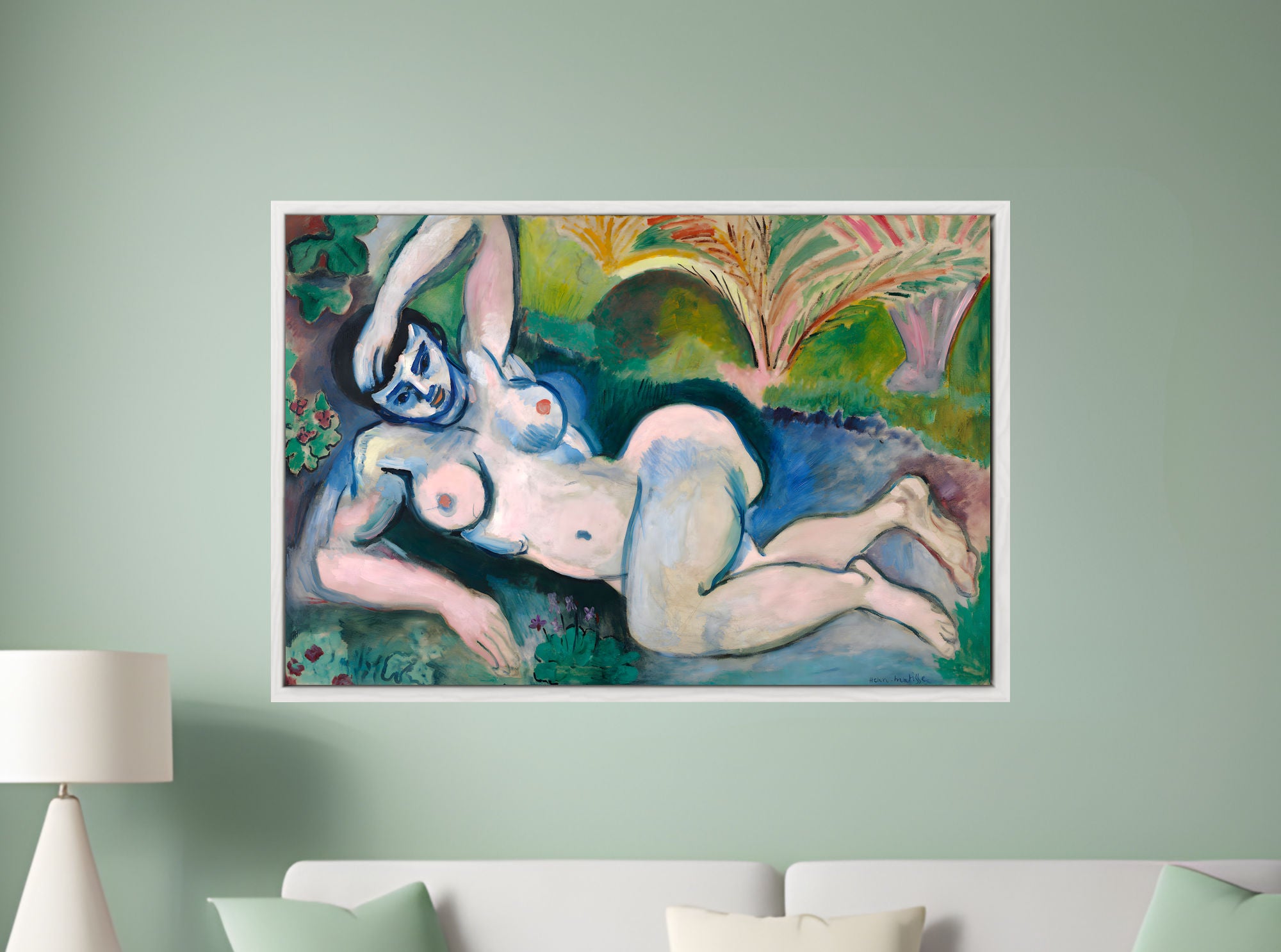
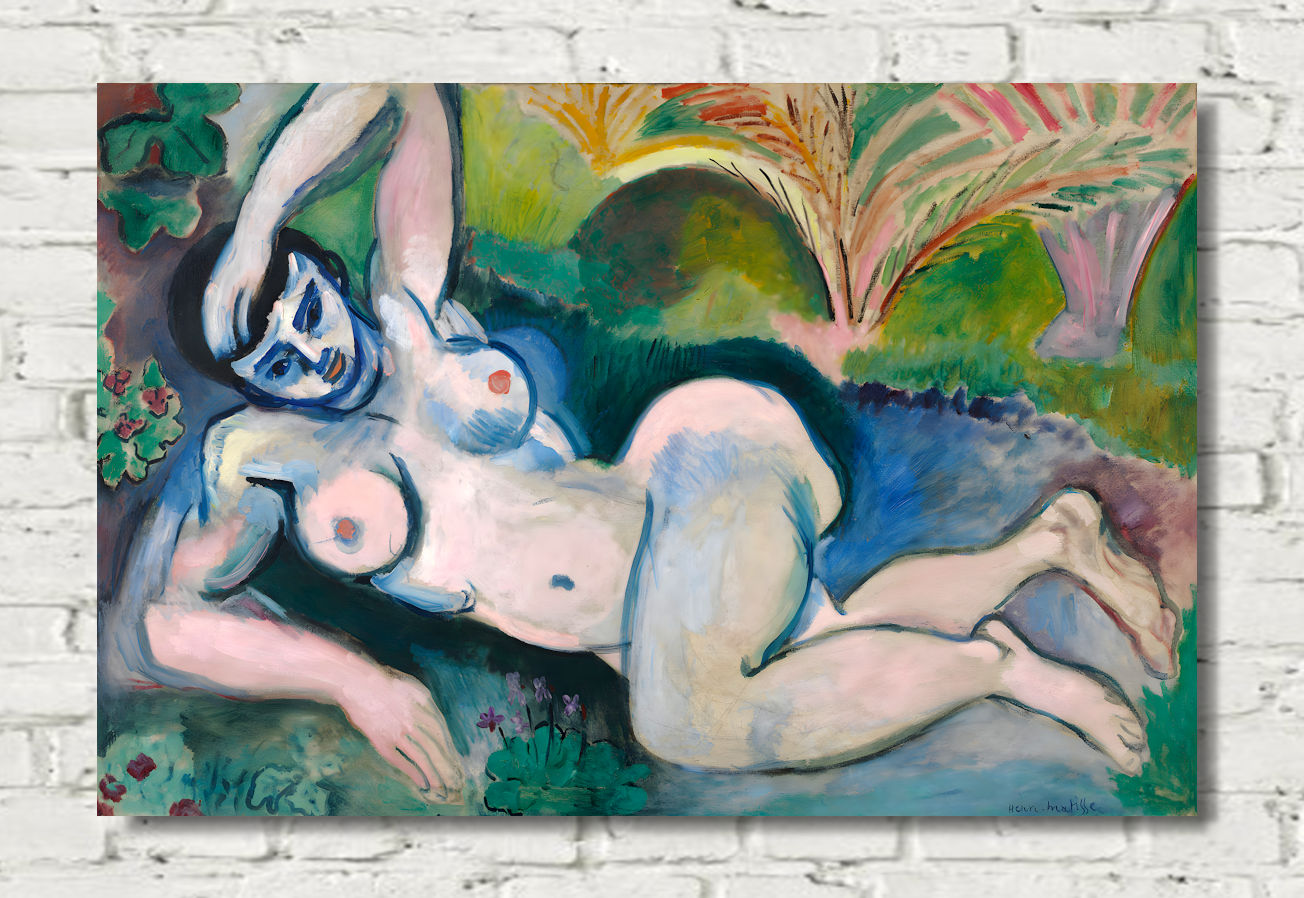
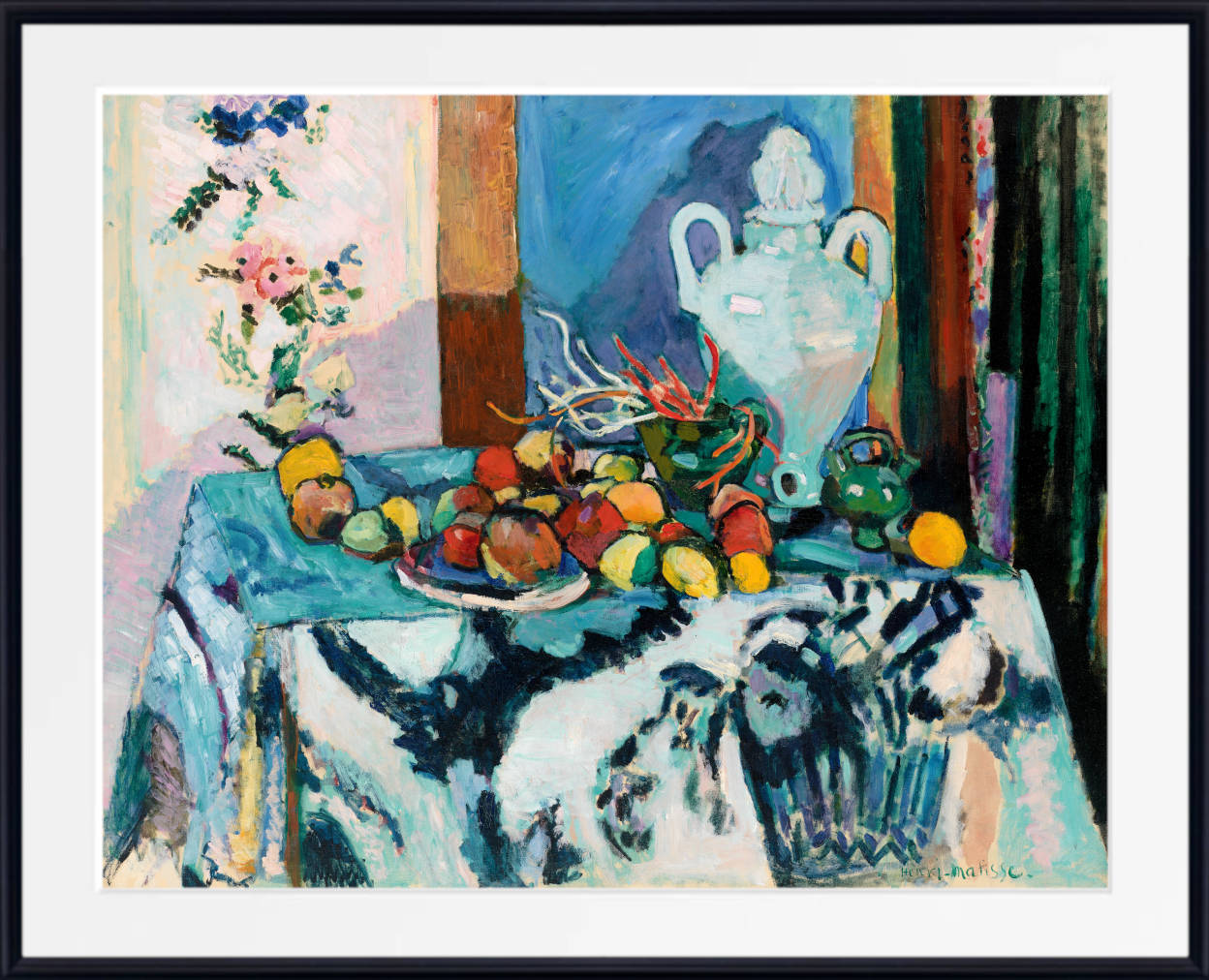
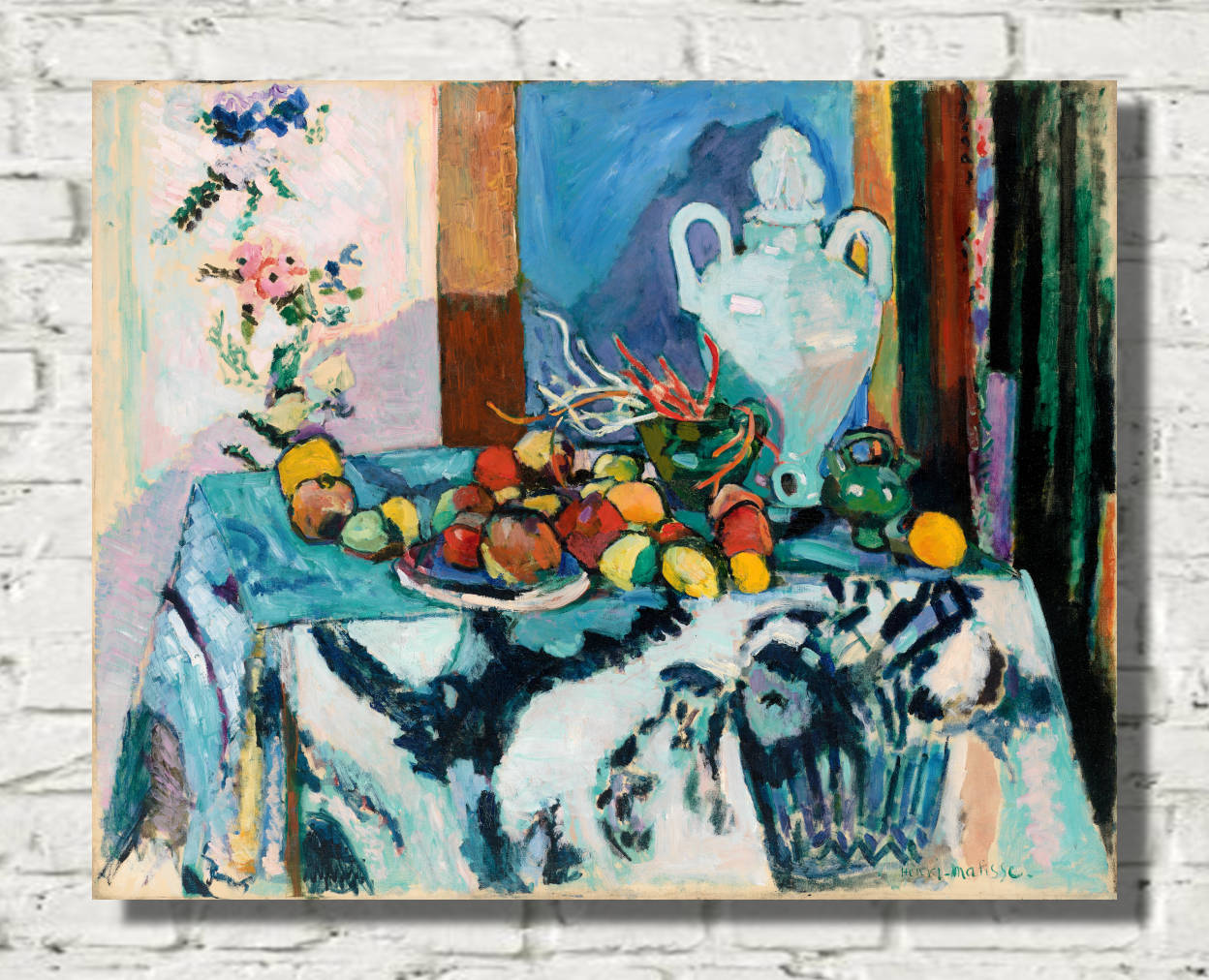
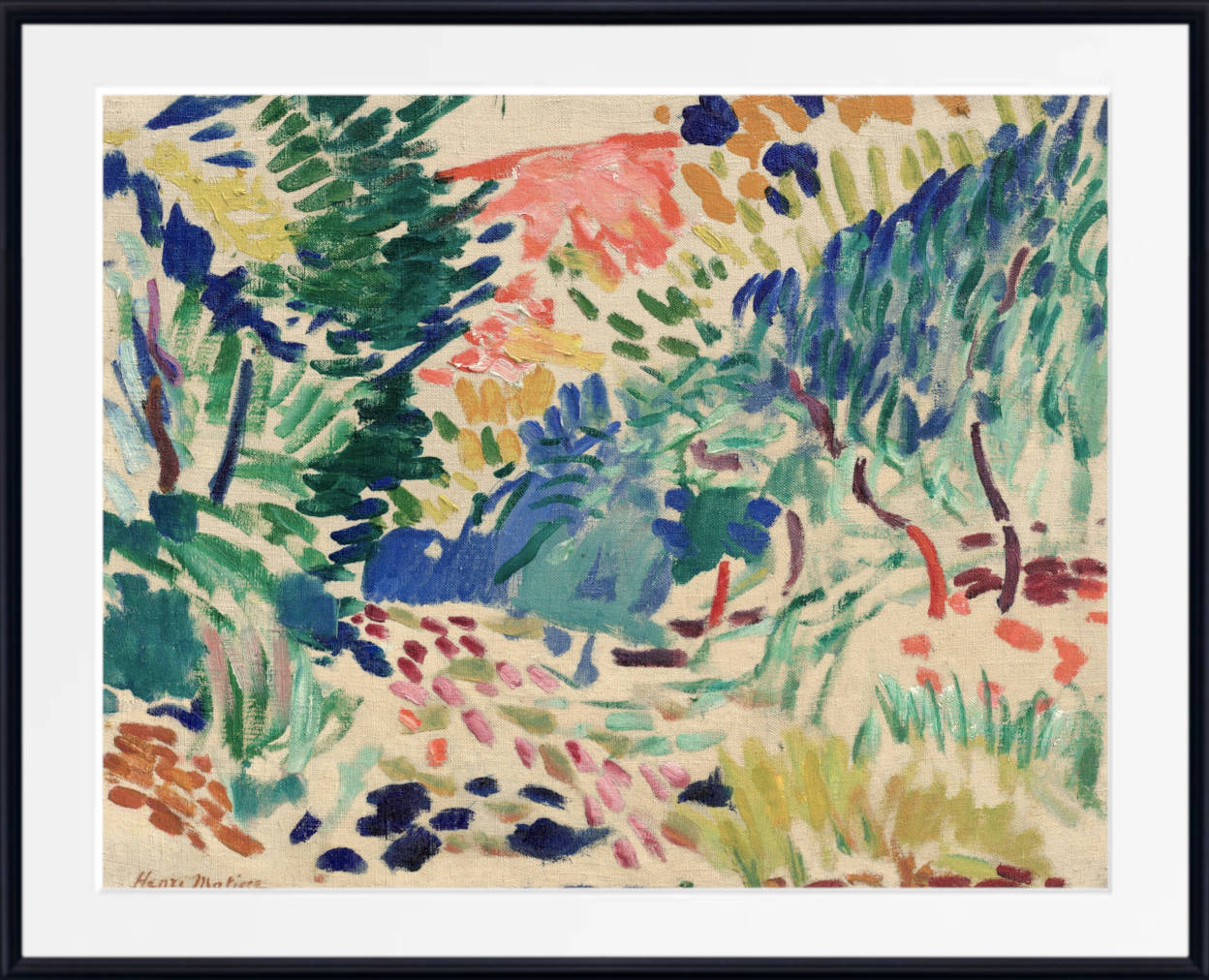
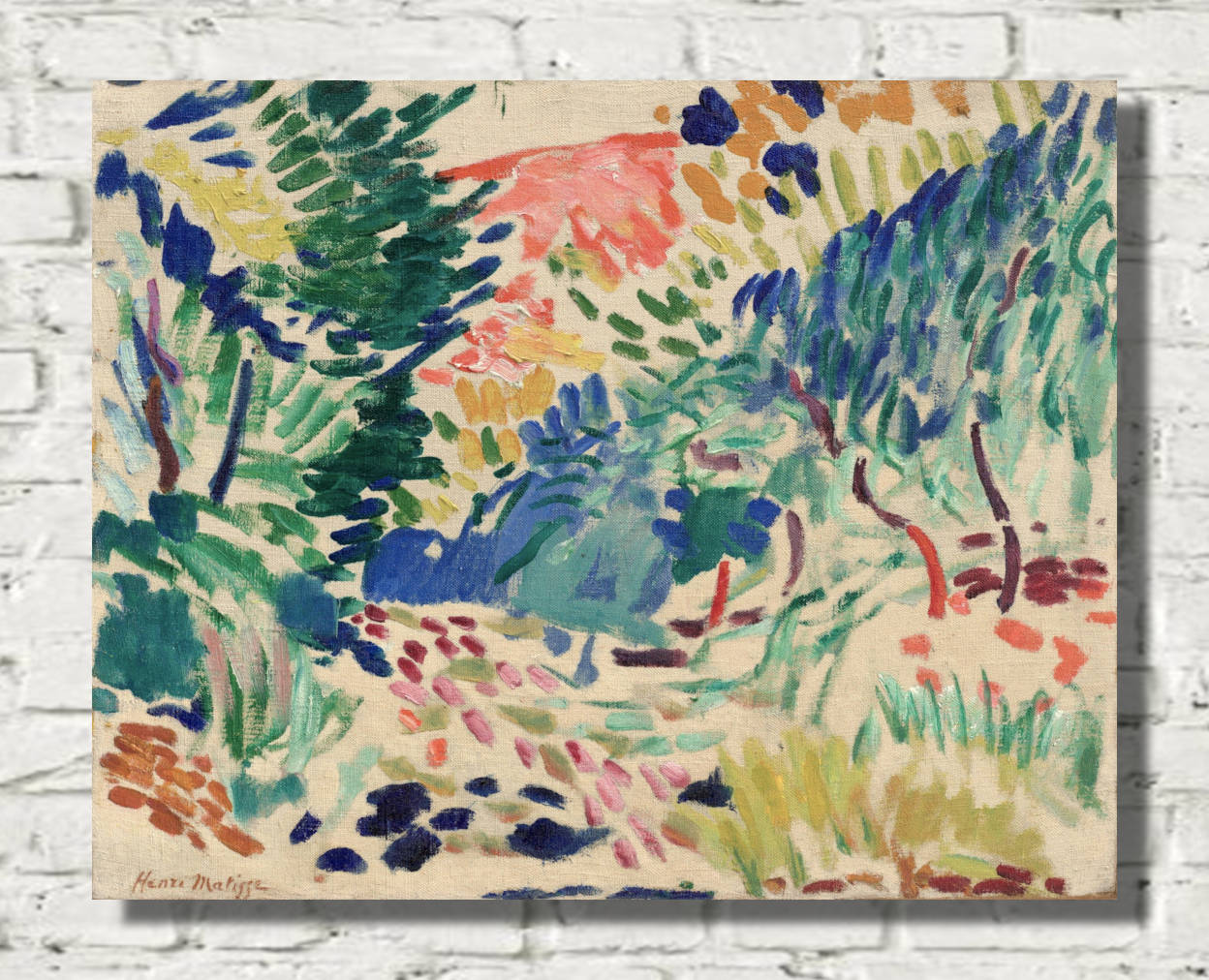
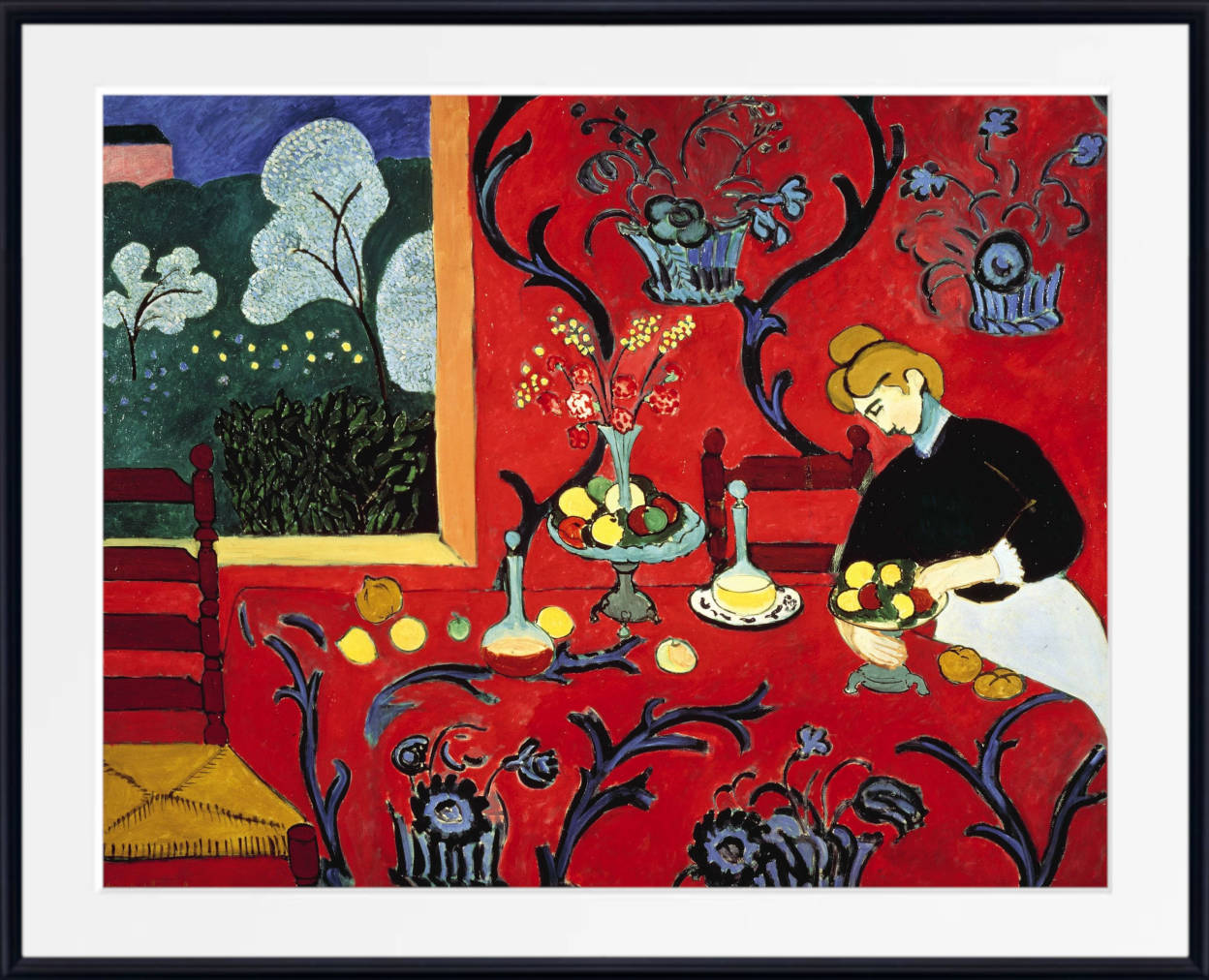
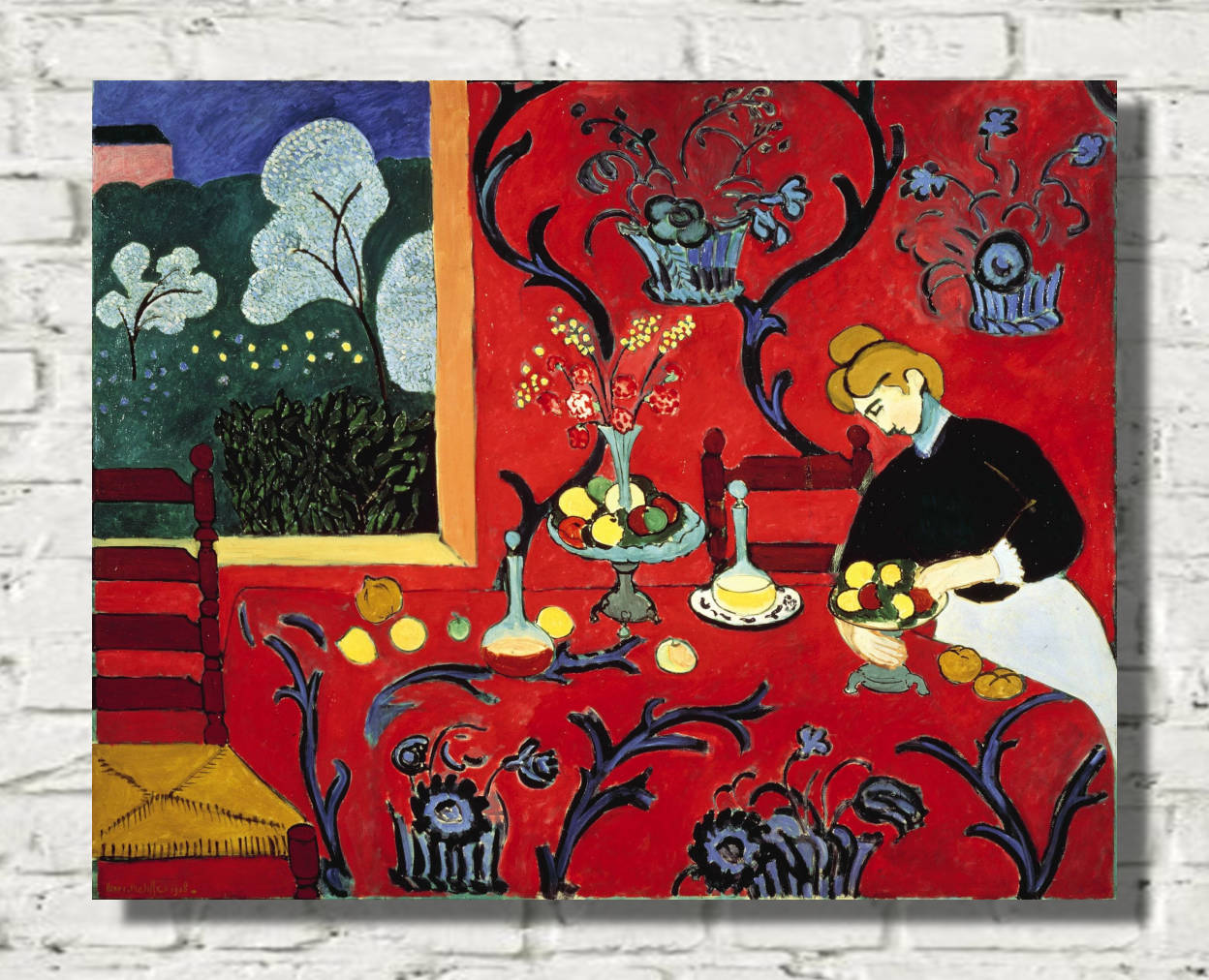
His paintings from the Fauvist period demonstrate how radically colour could be liberated from traditional representation. Works such as Landscape at Collioure, Blue Still Life, Woman with a Hat and Blue Nude use colour to organise the composition and communicate emotion rather than simply describe what the artist saw.
Matisse's approach was particularly influential because he combined apparently spontaneous colour with careful compositional control. Beneath the brilliance of the palette lies a sophisticated arrangement of shapes, lines and spatial relationships.
Although Fauvism itself was relatively brief, Matisse carried its freedom of colour into many later phases of his career.
André Derain and the Fauvist Landscape
André Derain played an equally important role in the development of Fauvism.
During the summer of 1905, Derain worked alongside Matisse at Collioure in southern France. The intense Mediterranean light encouraged both artists to experiment with increasingly brilliant colour, helping to establish the visual language that became associated with Fauvism.
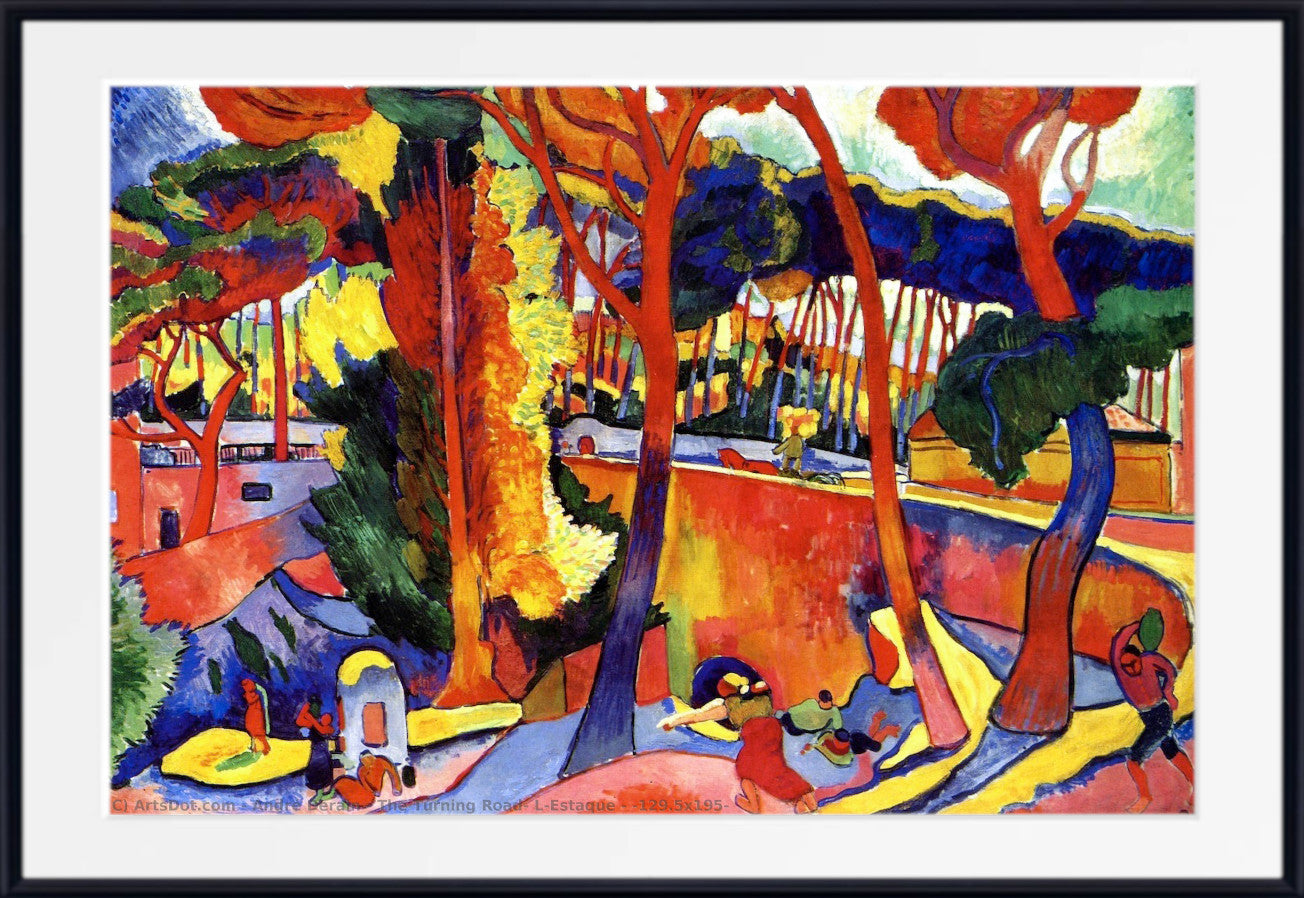
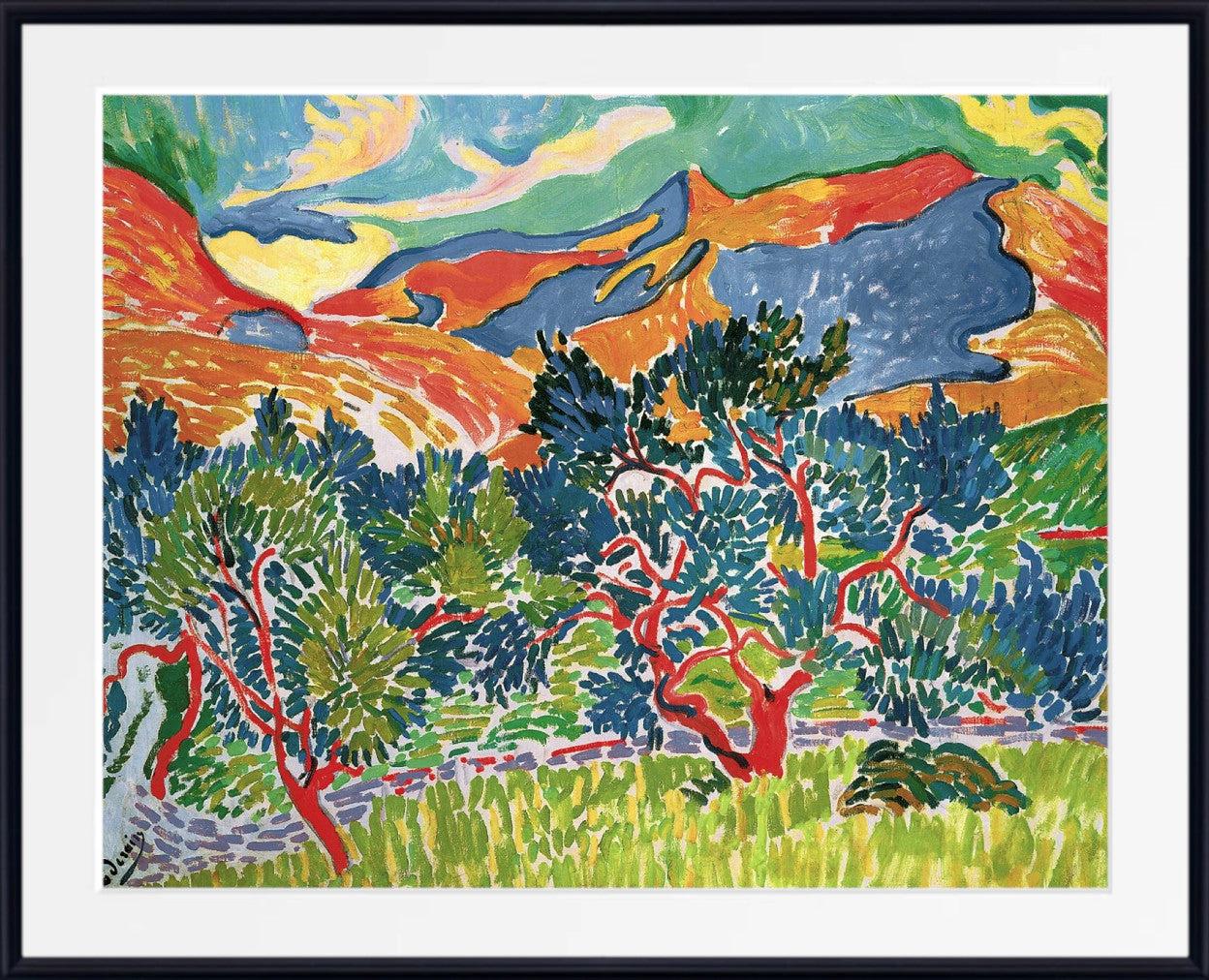
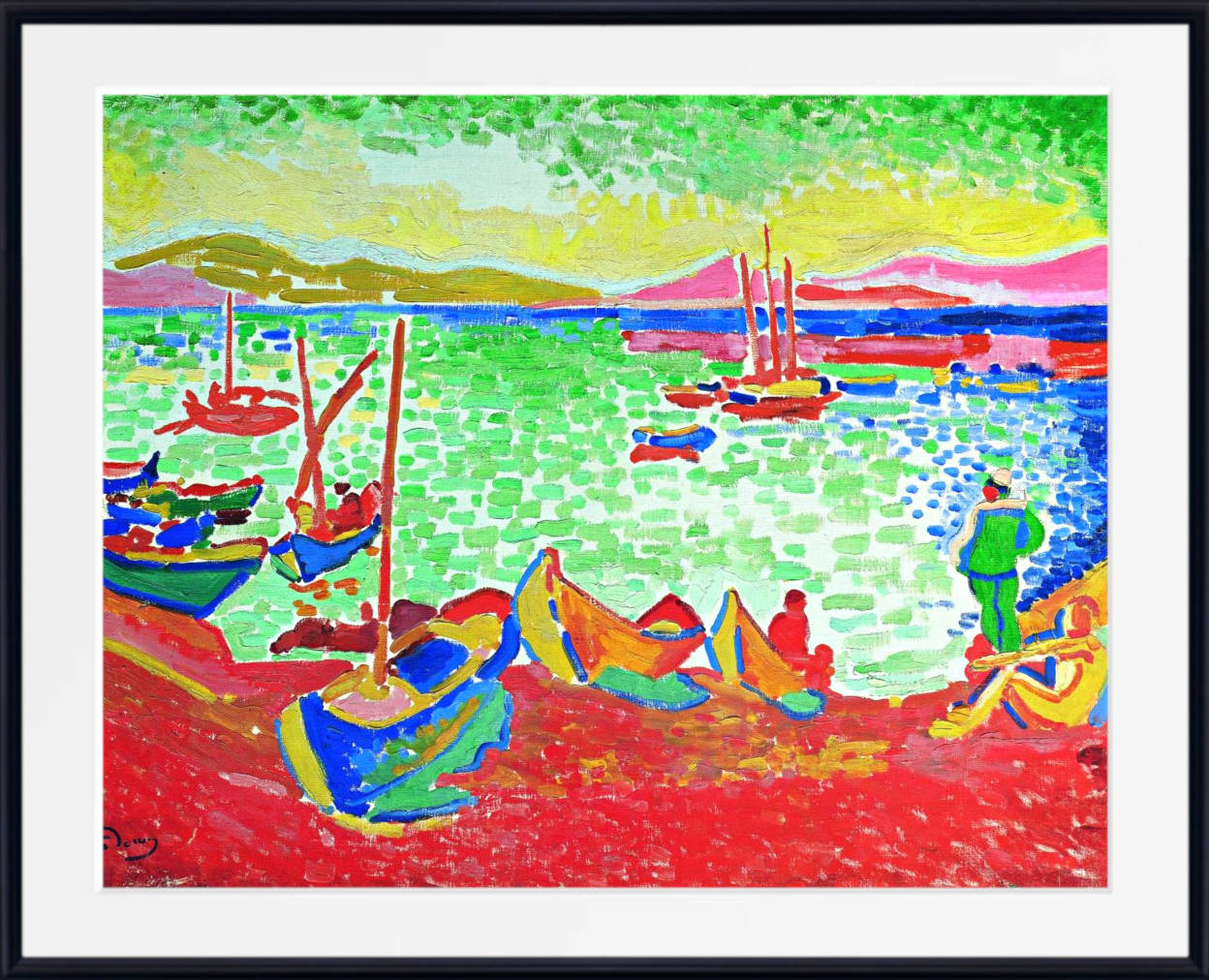
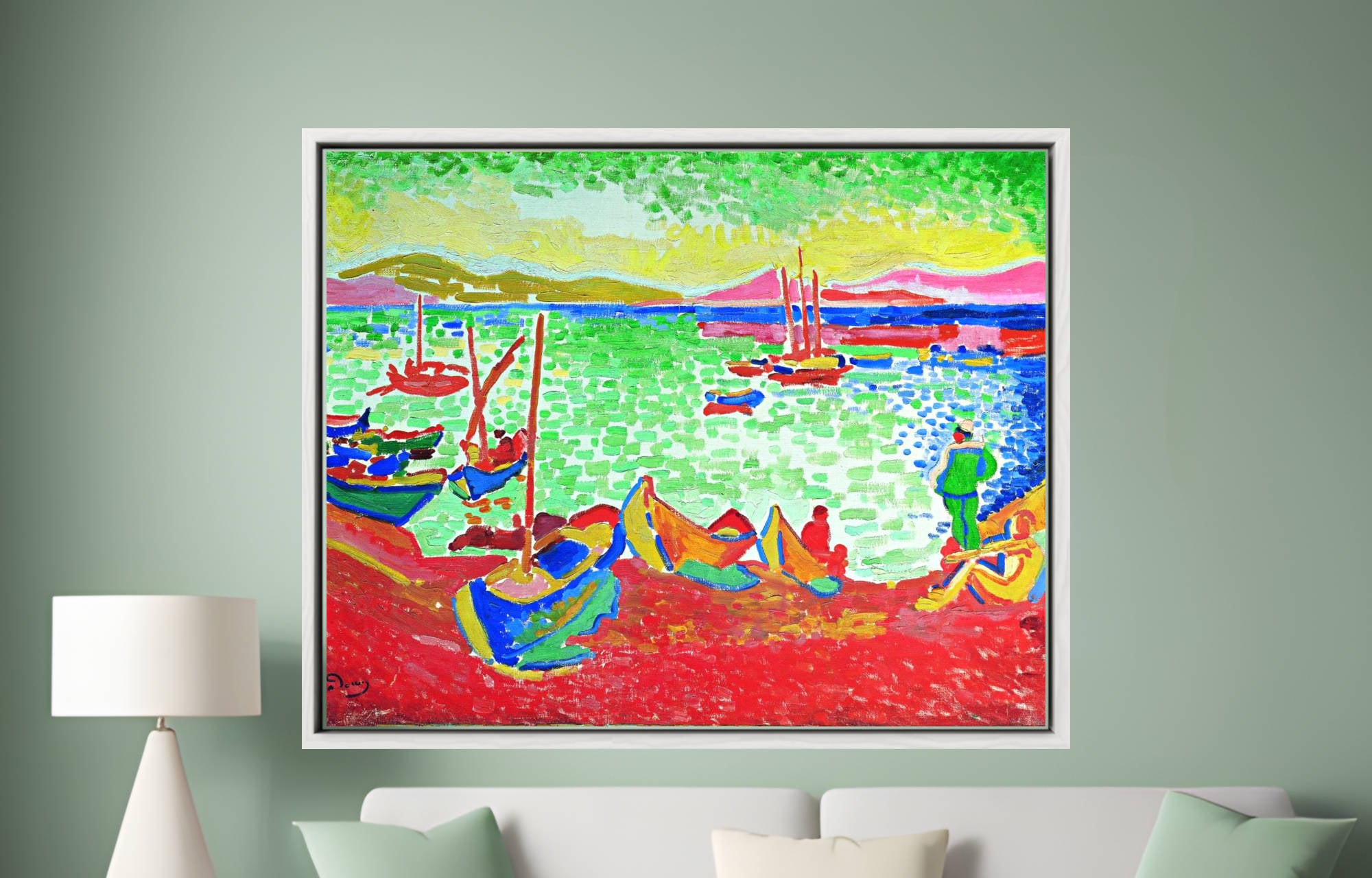
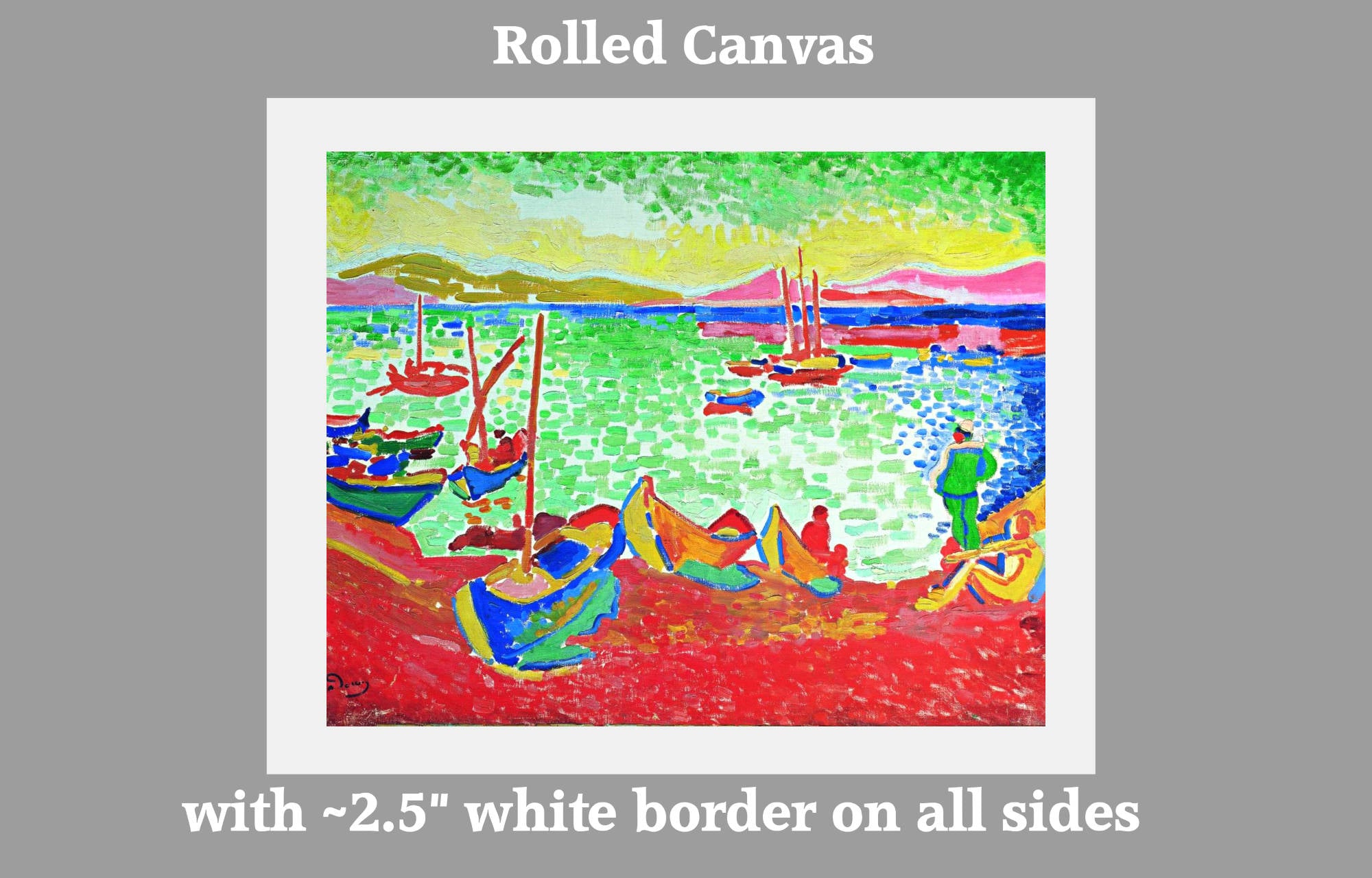
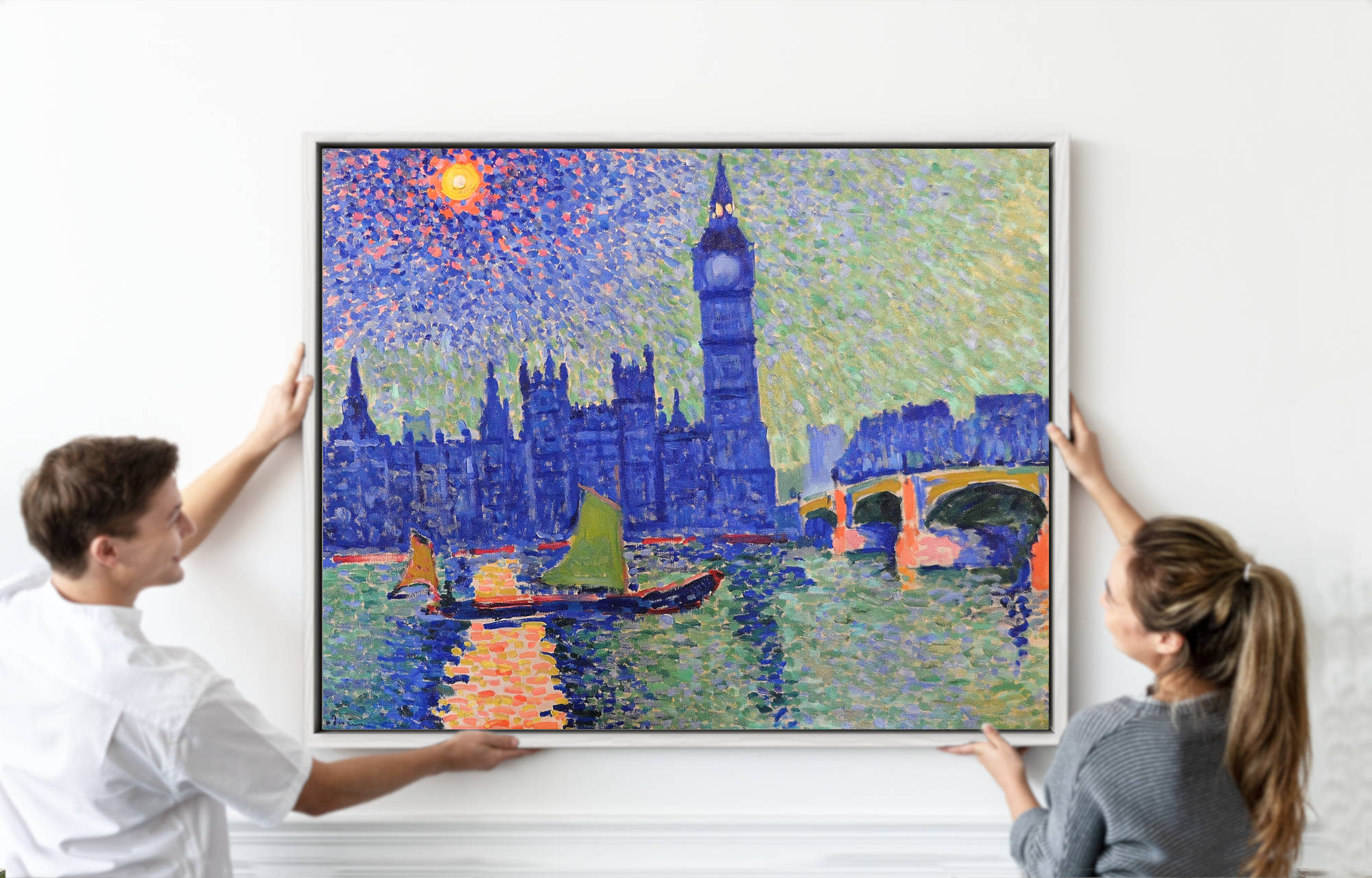
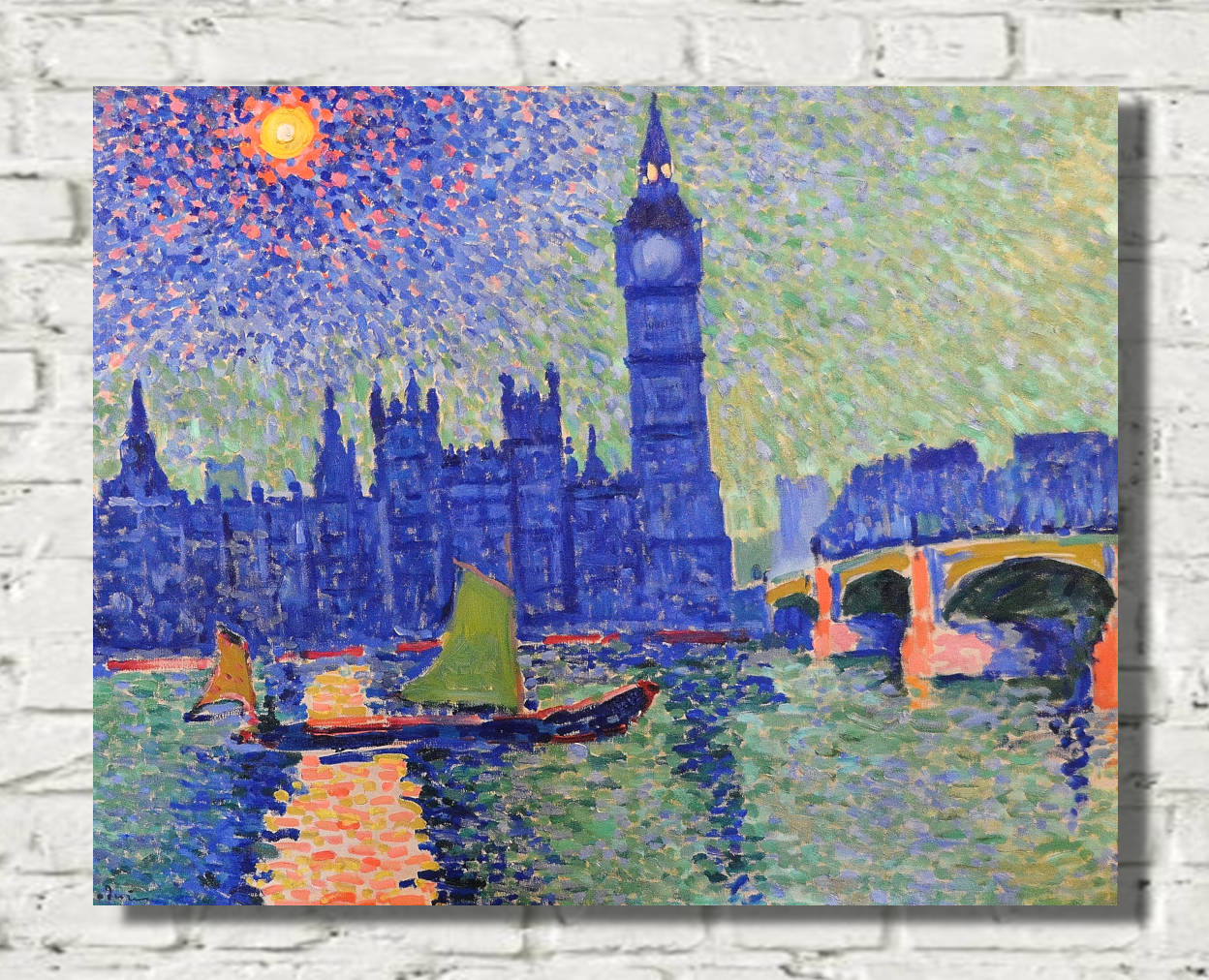
Derain's landscapes often combine intense complementary colours with simplified architecture, trees, boats and roads. Paintings such as The Turning Road, L'Estaque, Mountains at Collioure, Boats in the Harbor of Collioure and Drying the Sails demonstrate how dramatically ordinary landscapes could be transformed through expressive colour.
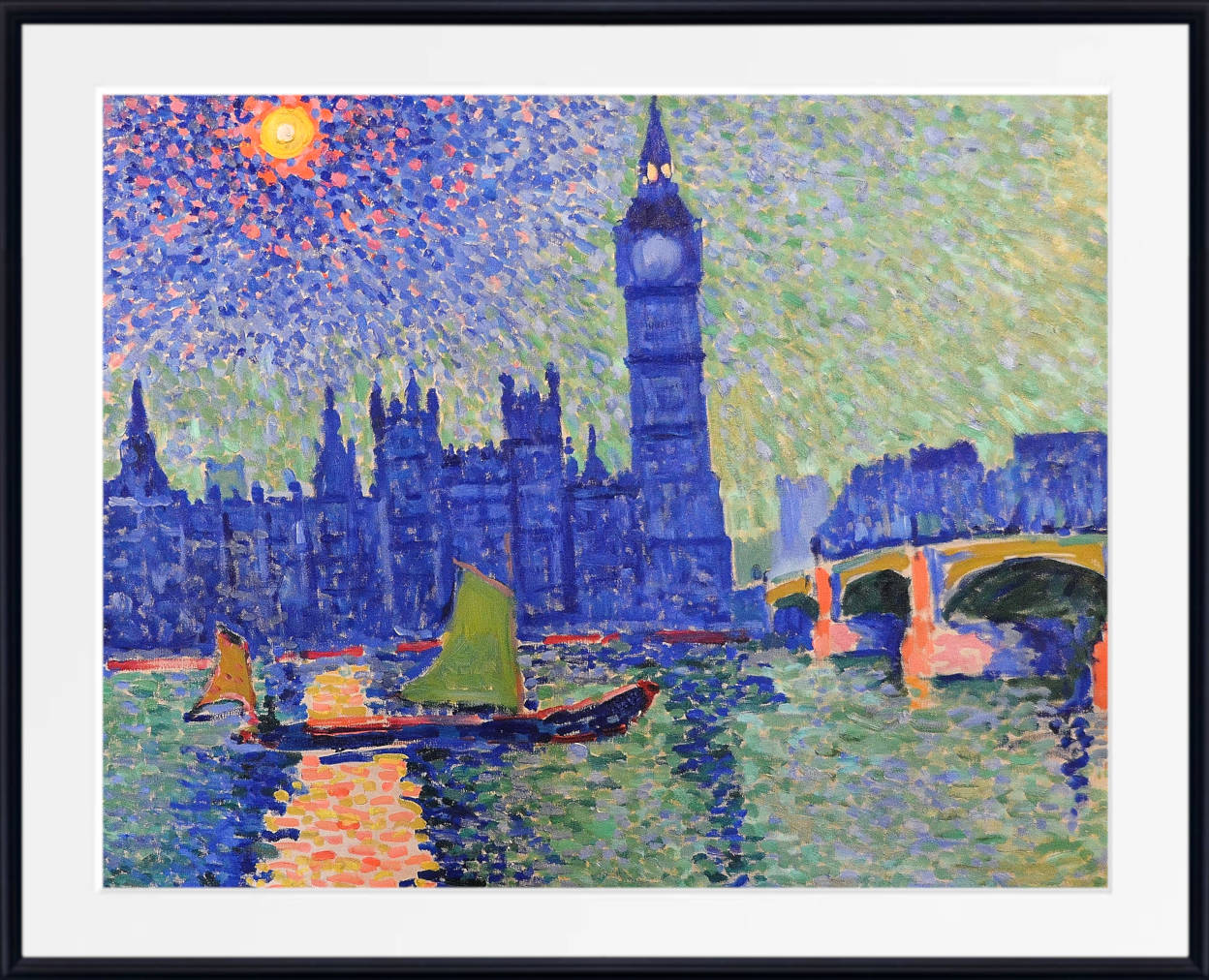
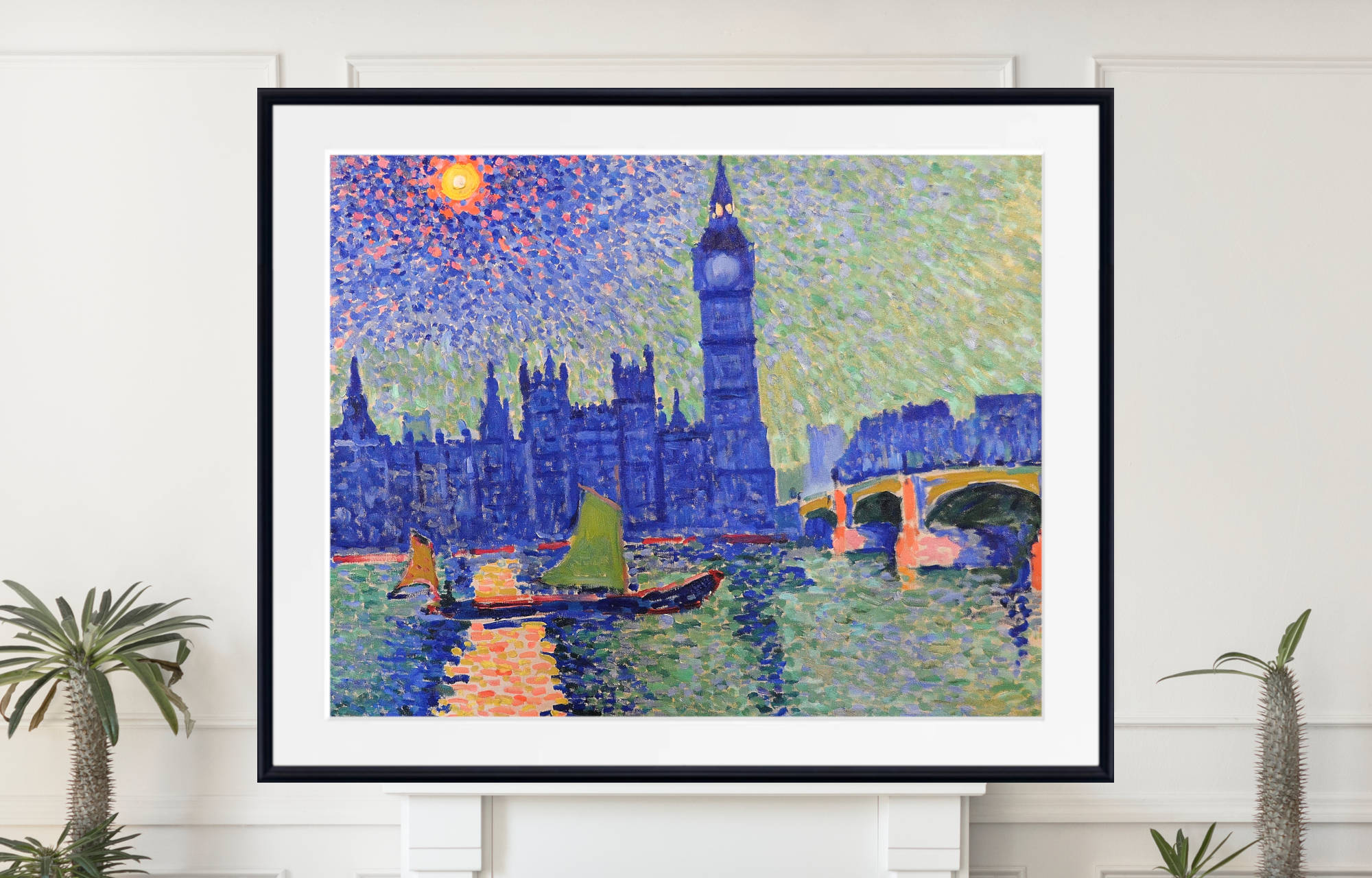
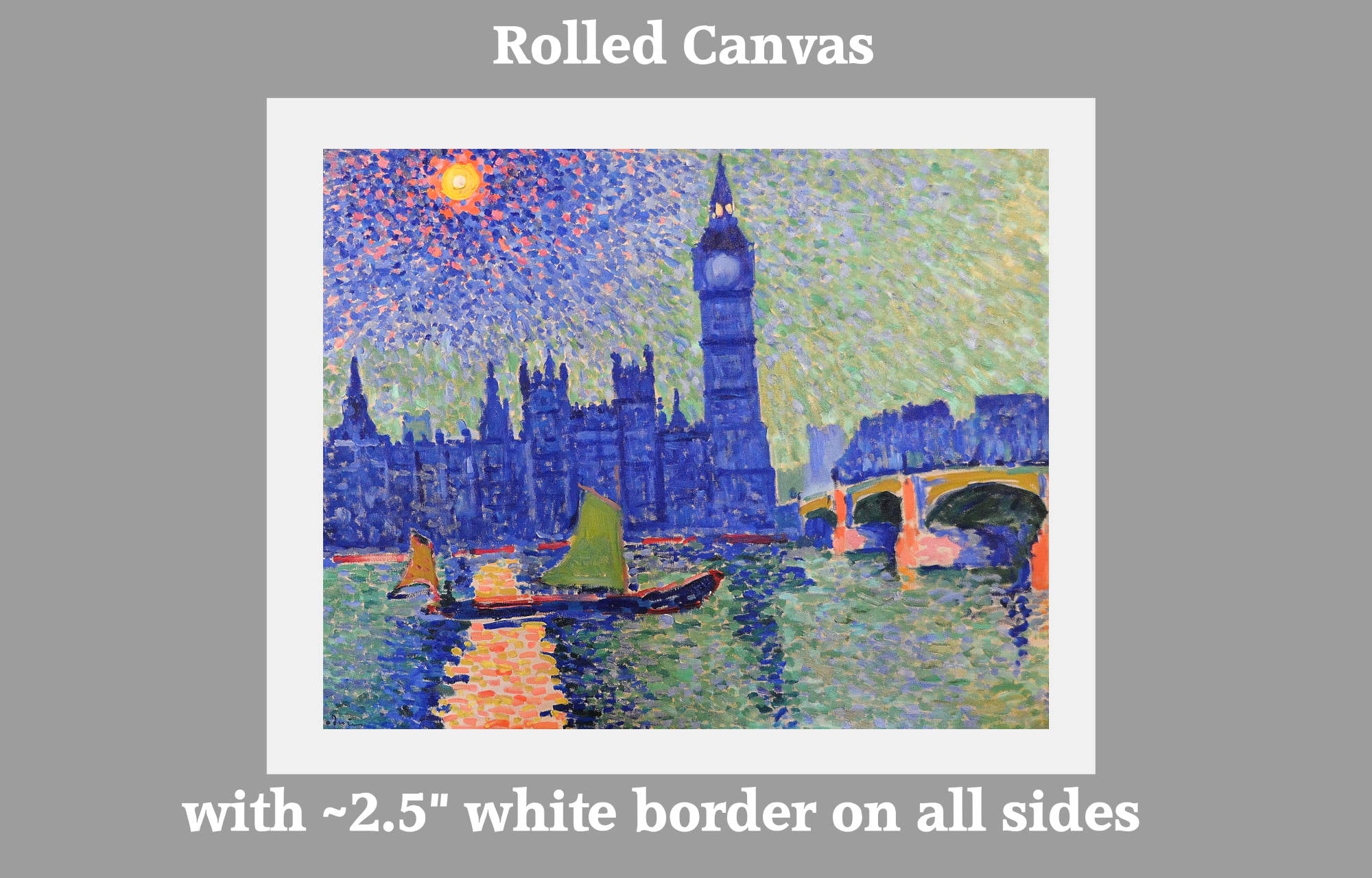
His celebrated London paintings apply the same principle to the modern city, turning bridges, buildings and the River Thames into extraordinary arrangements of saturated colour.
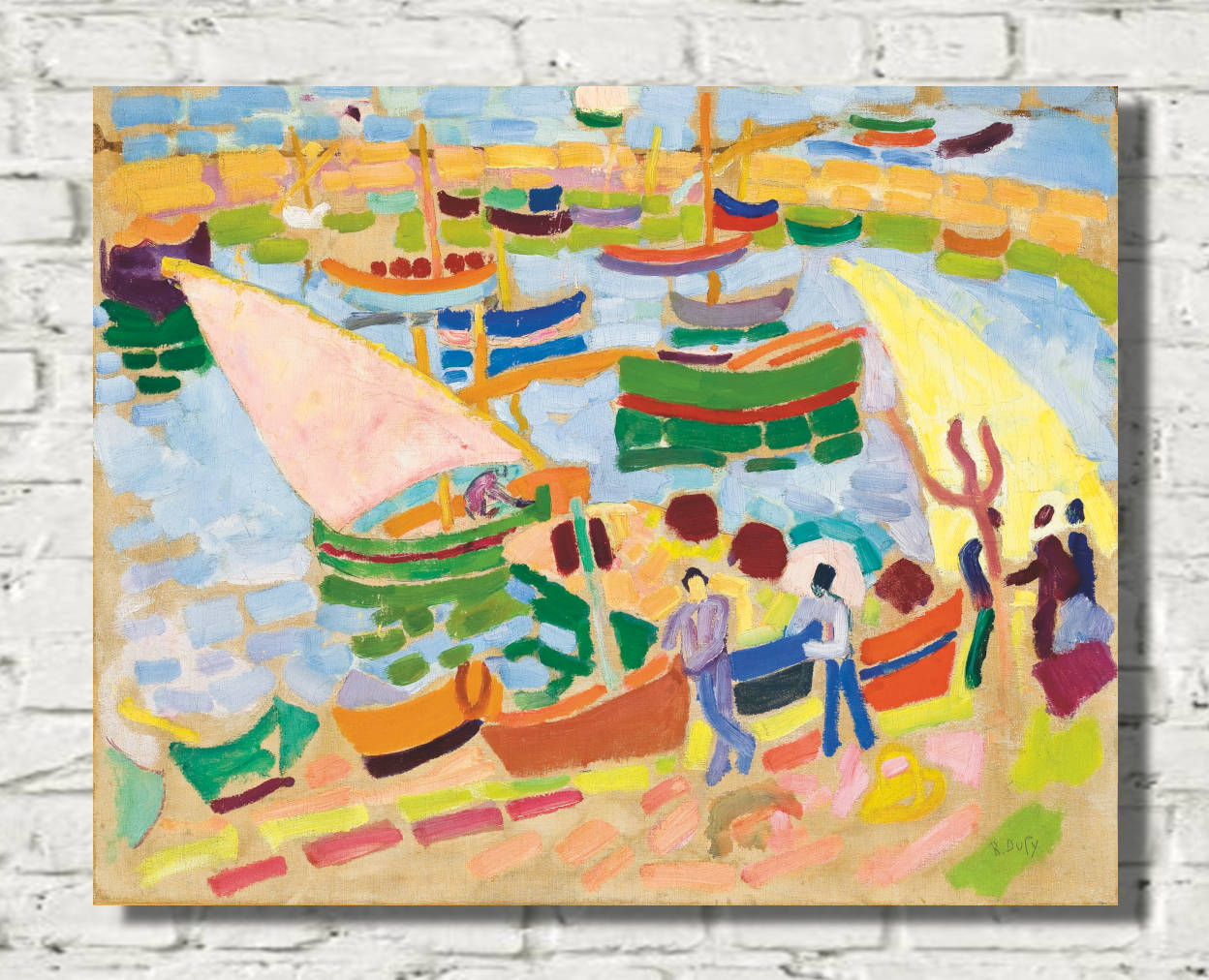
Raoul Dufy's Fauvist Period
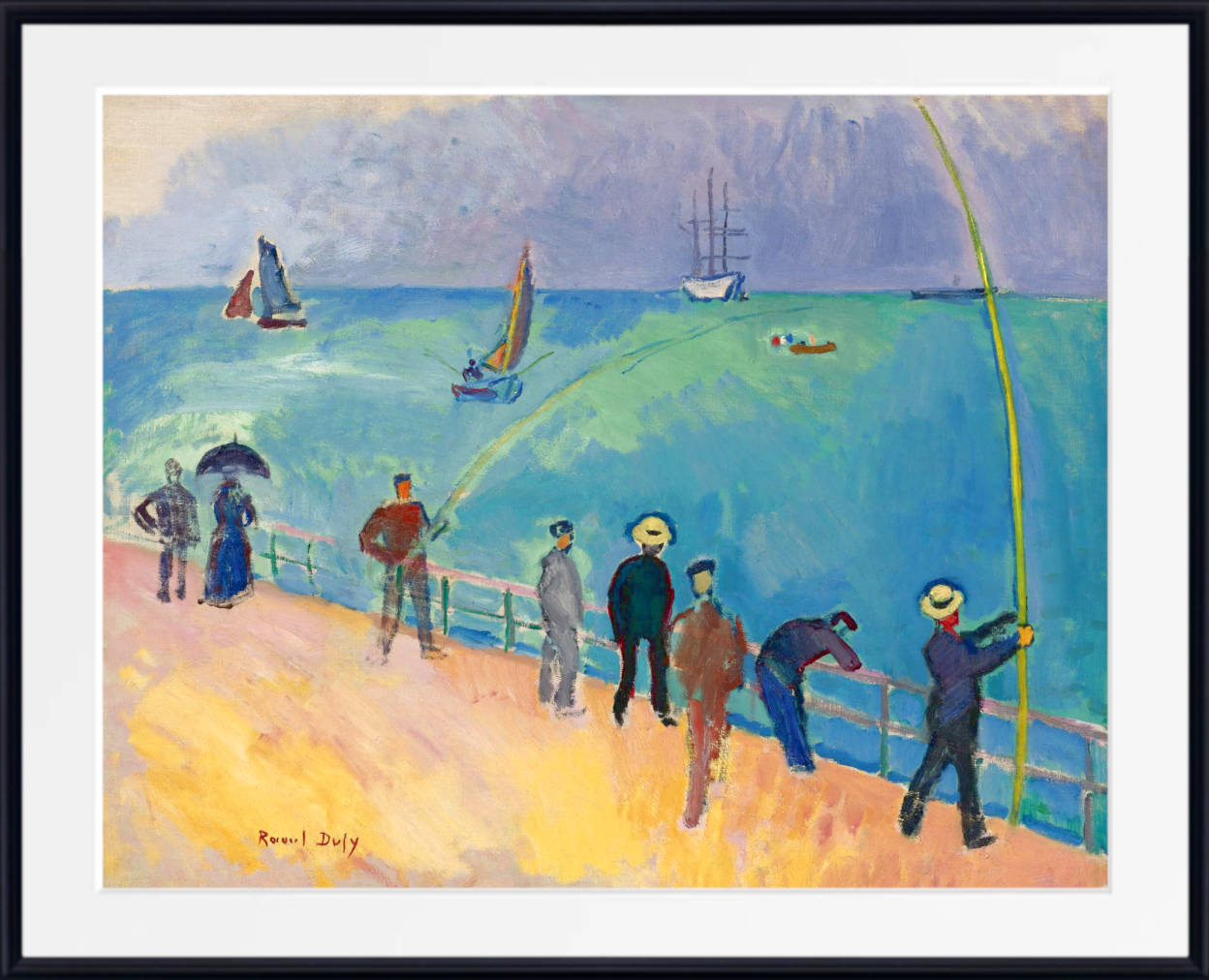
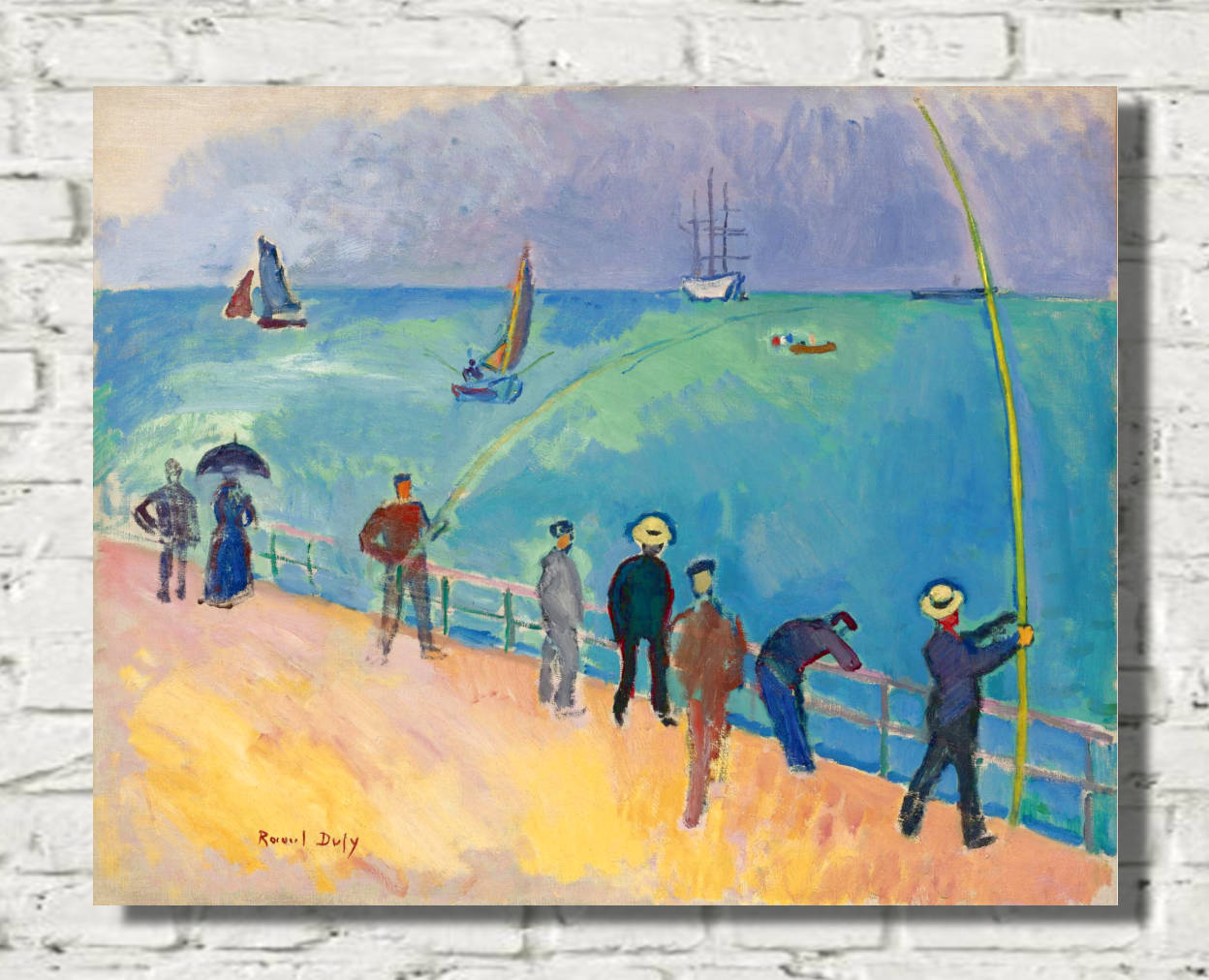
Raoul Dufy is best known today for the light, fluid style he developed later in his career, but his early involvement with Fauvism played an important part in his artistic development.
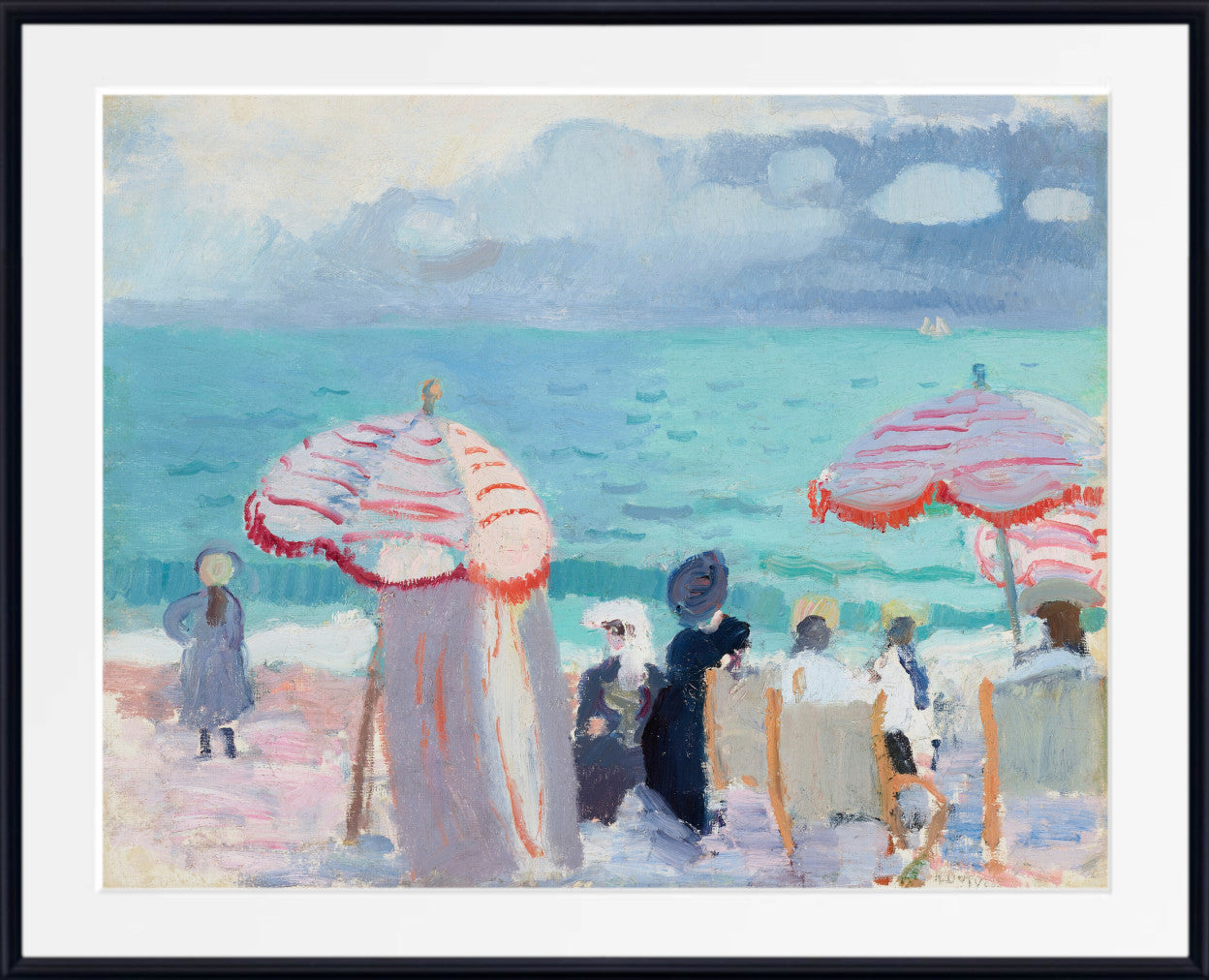
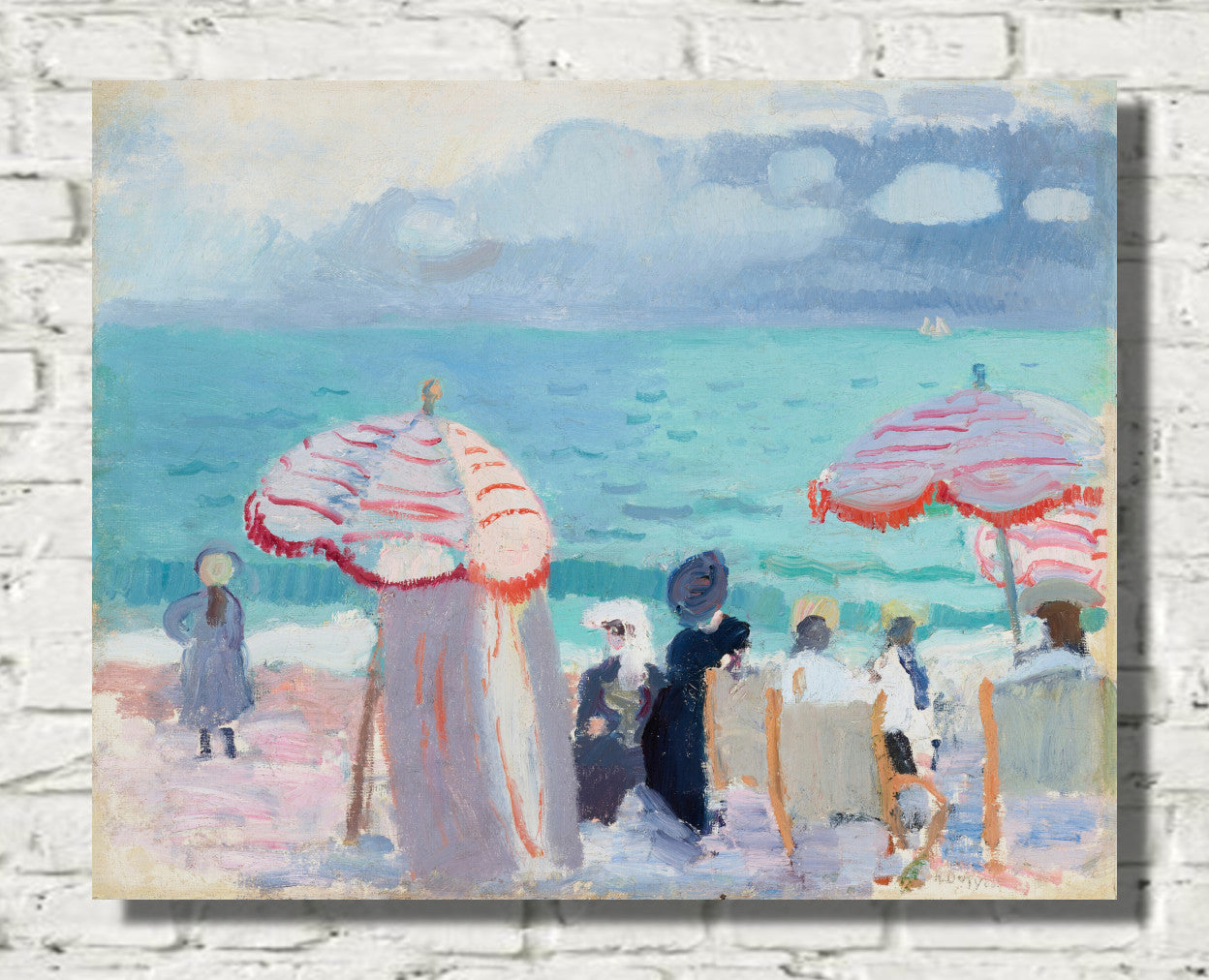
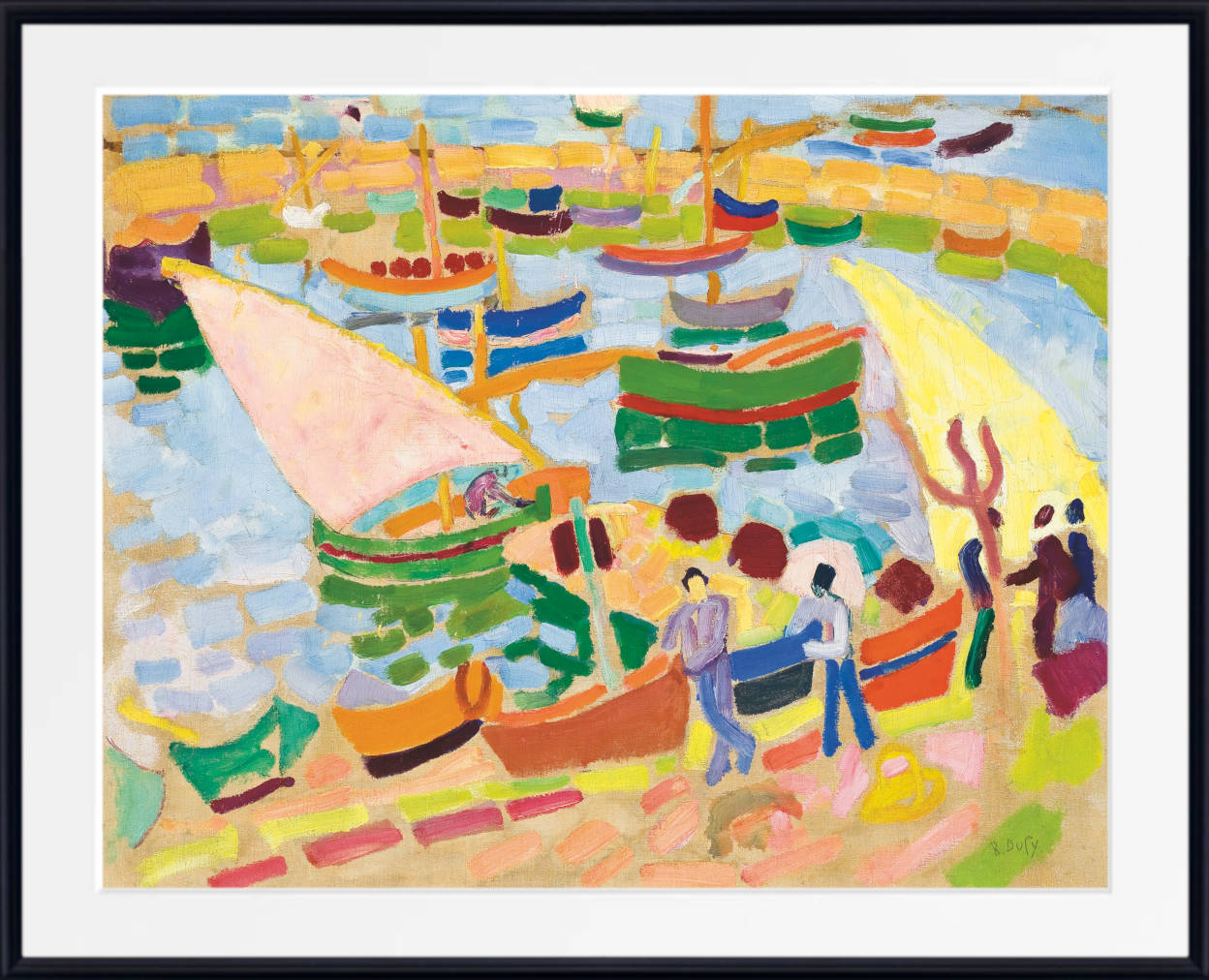
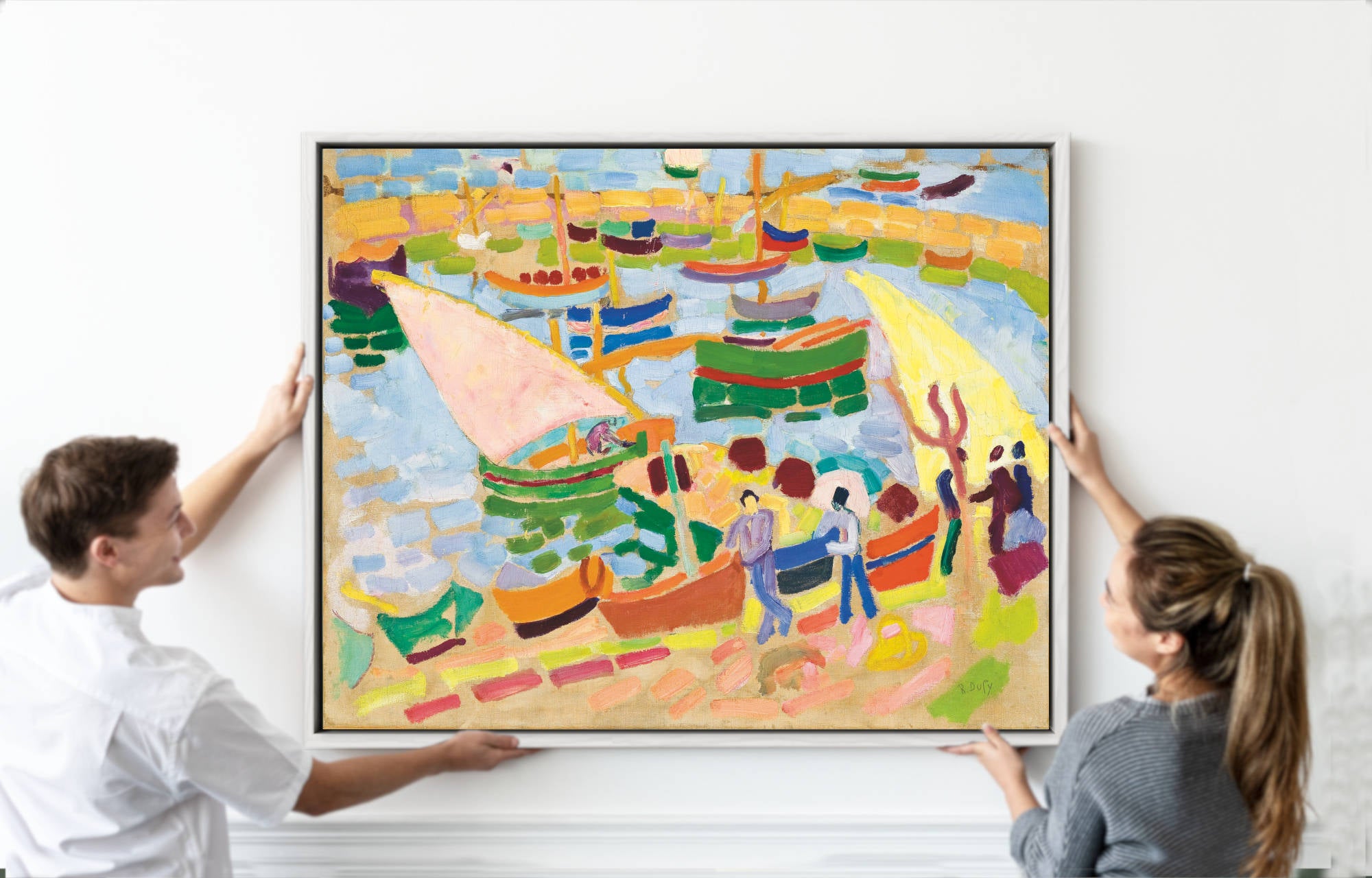
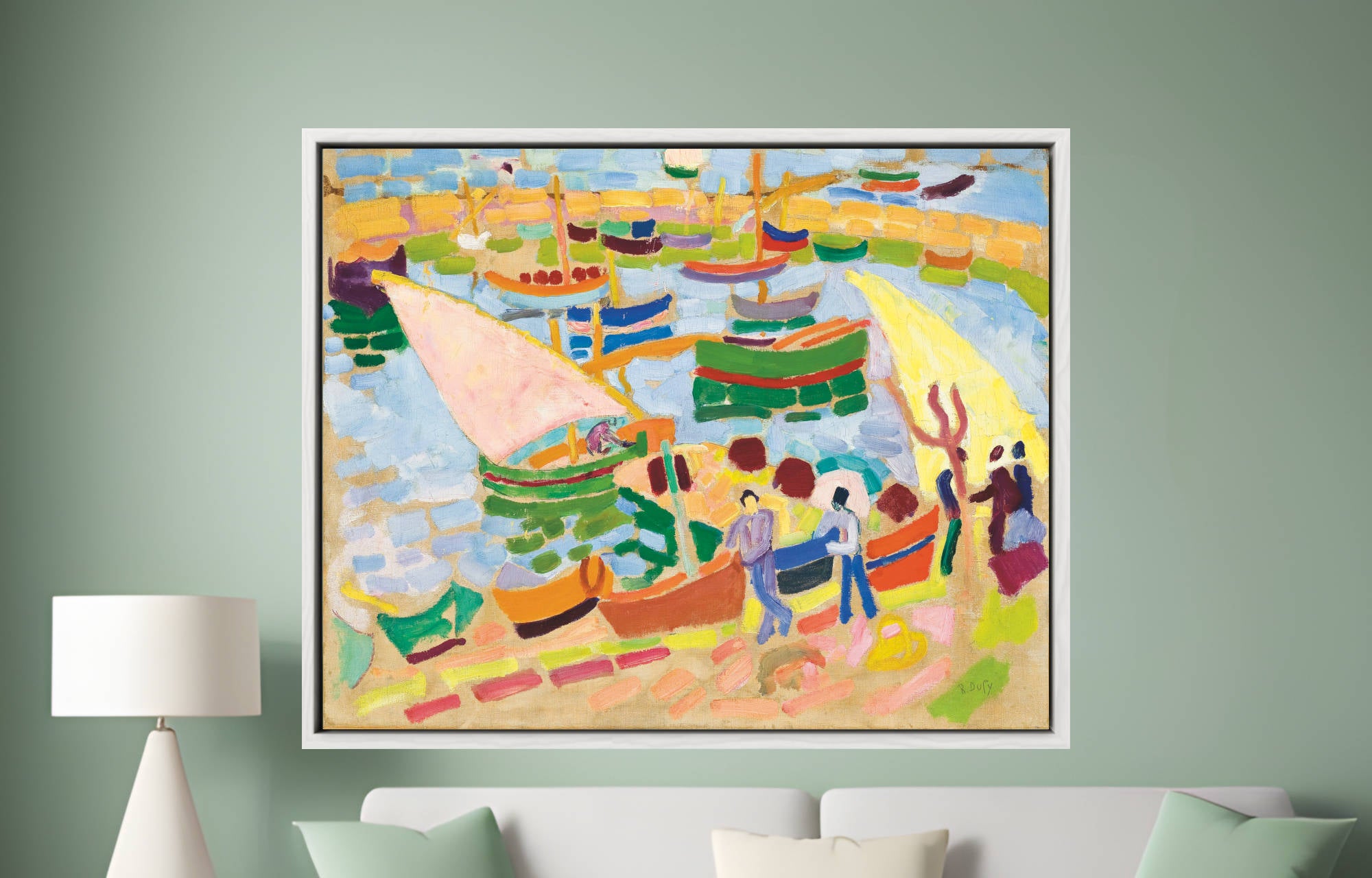
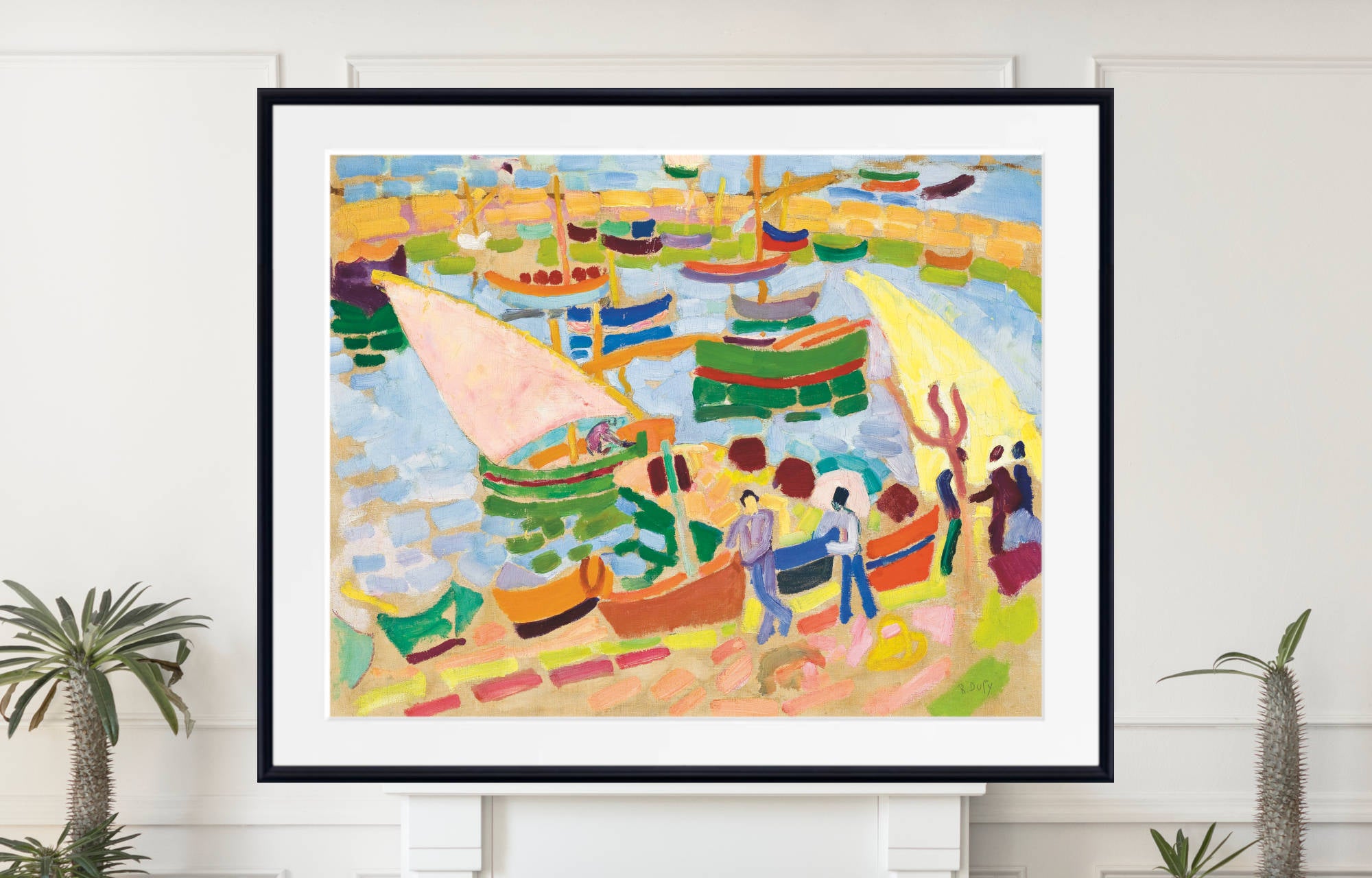
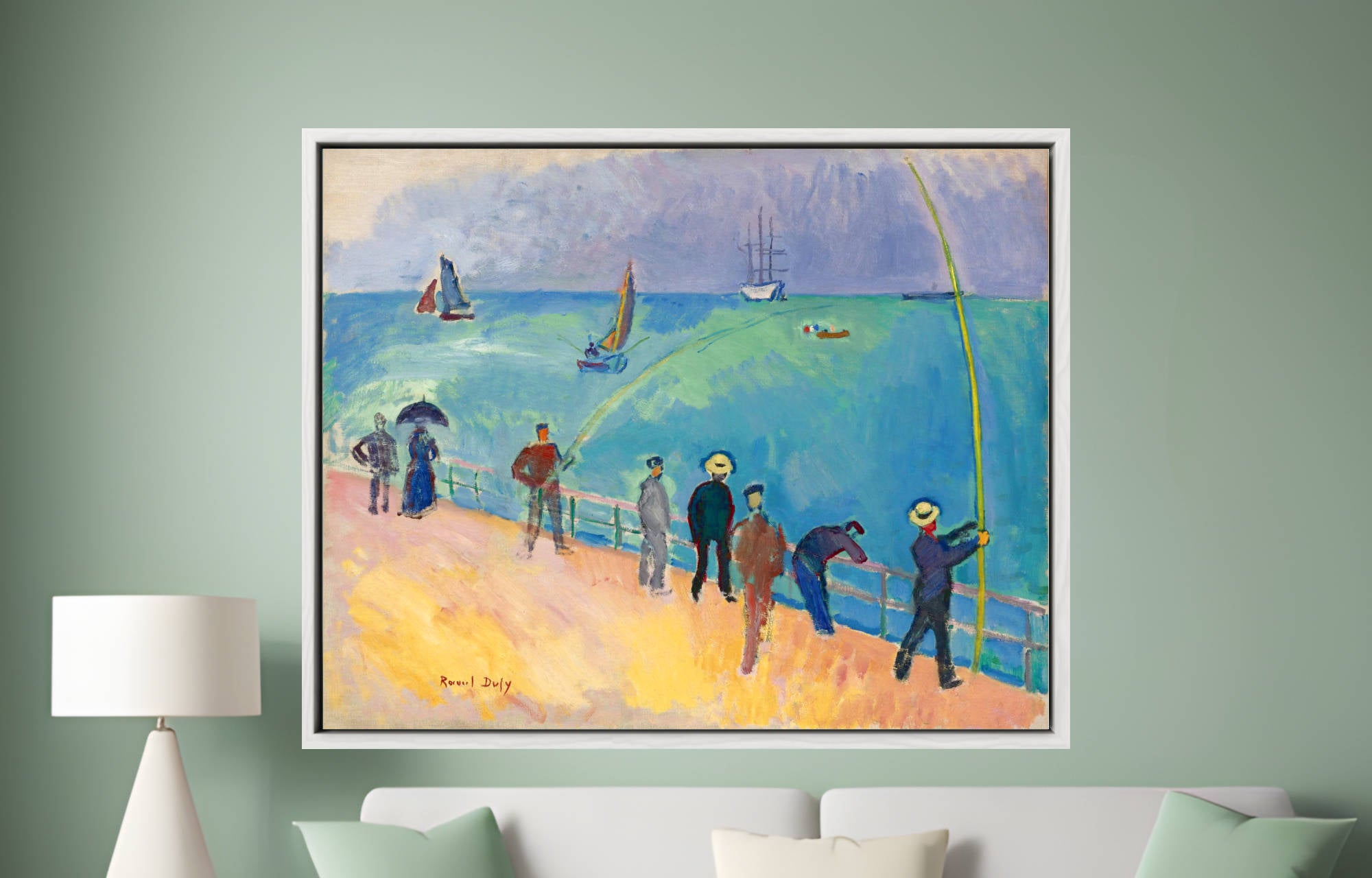
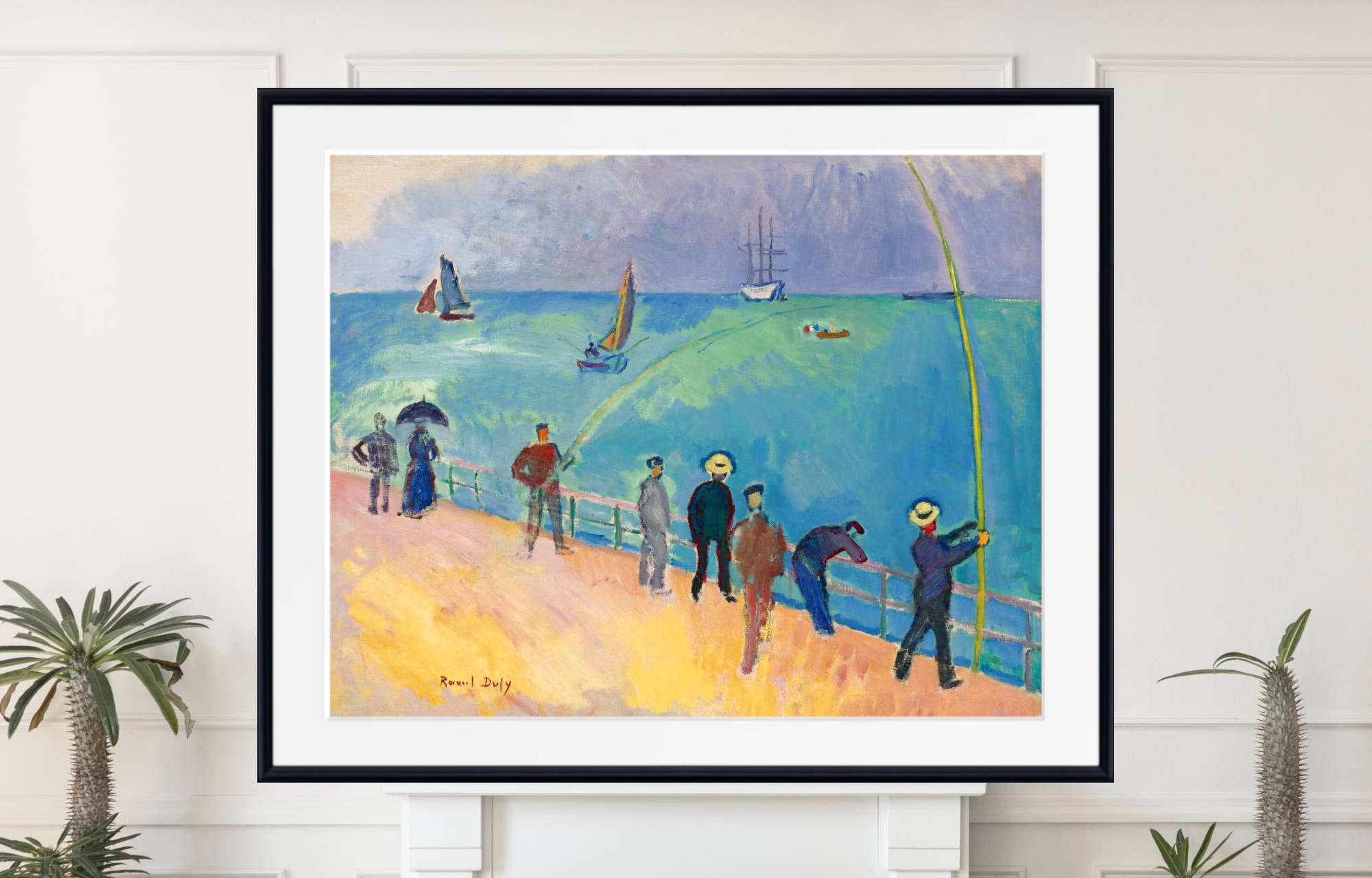
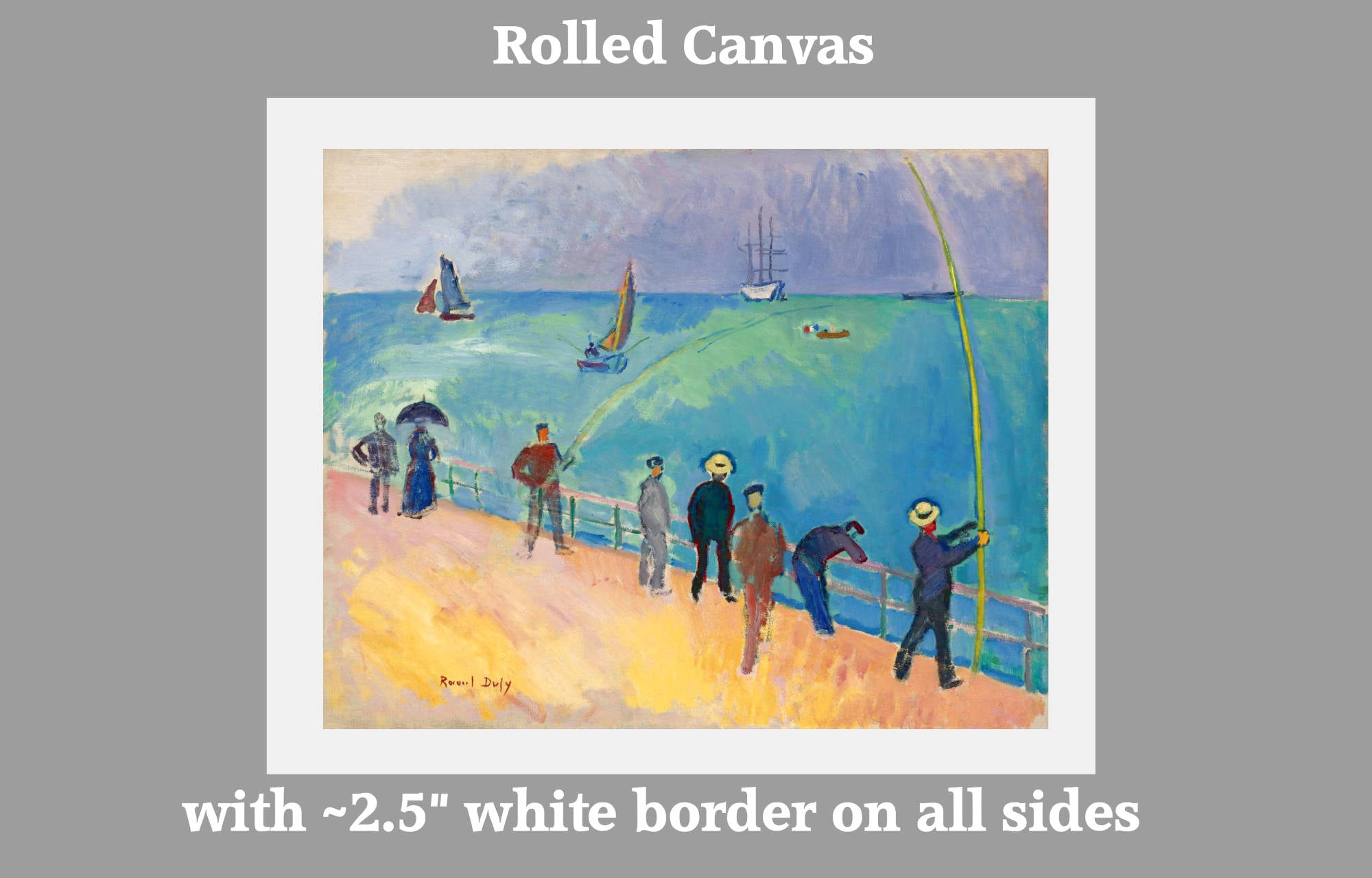
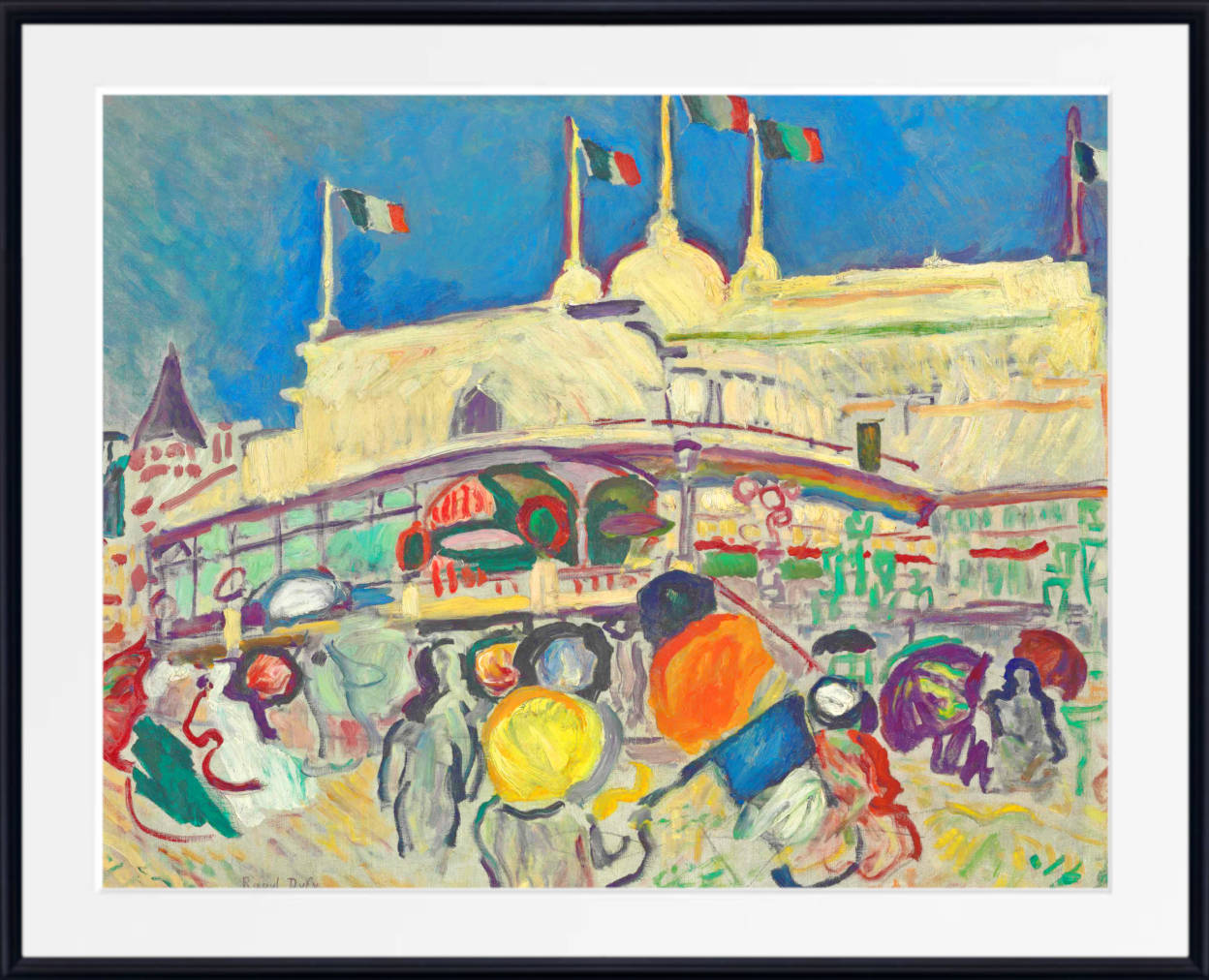
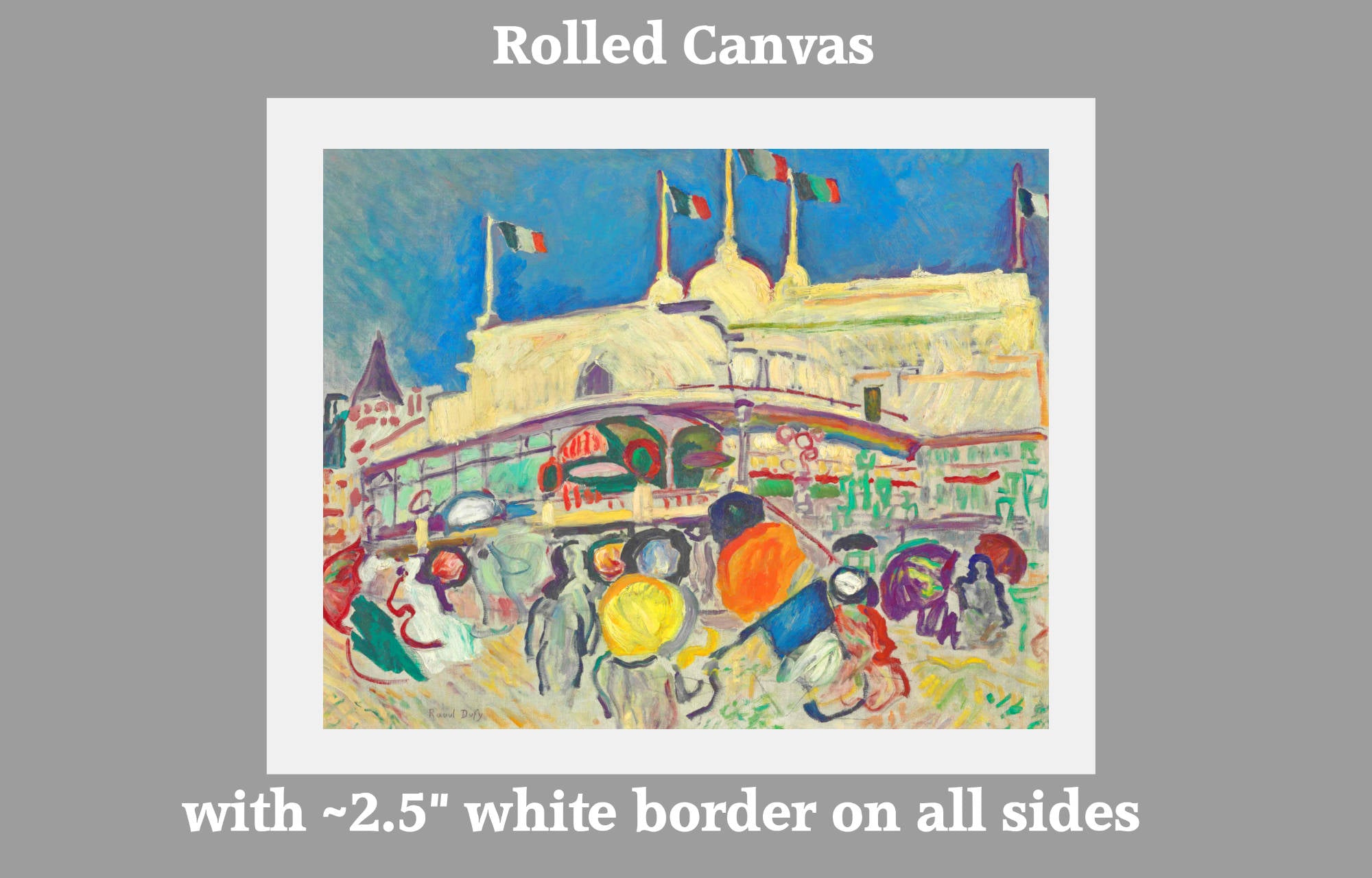
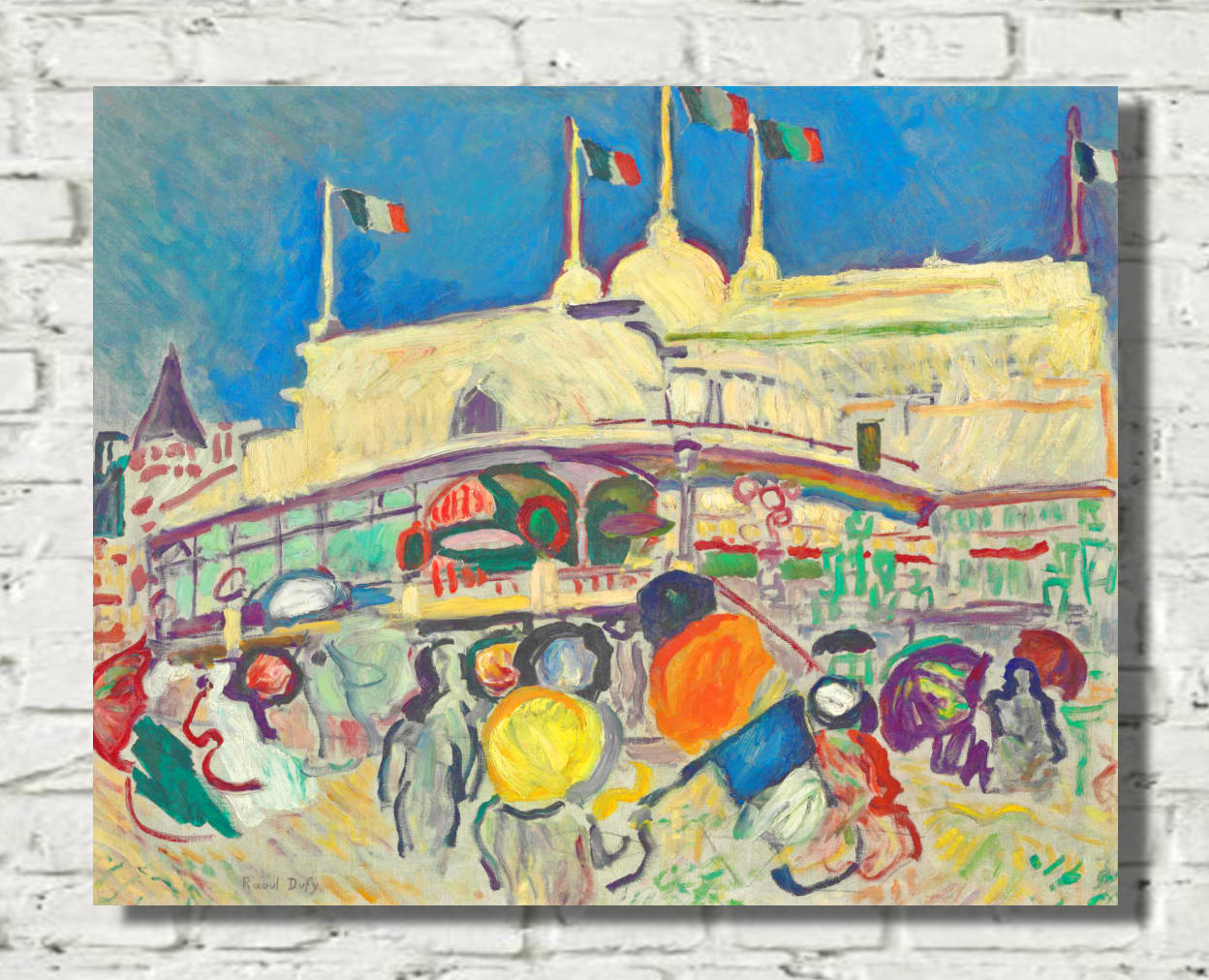
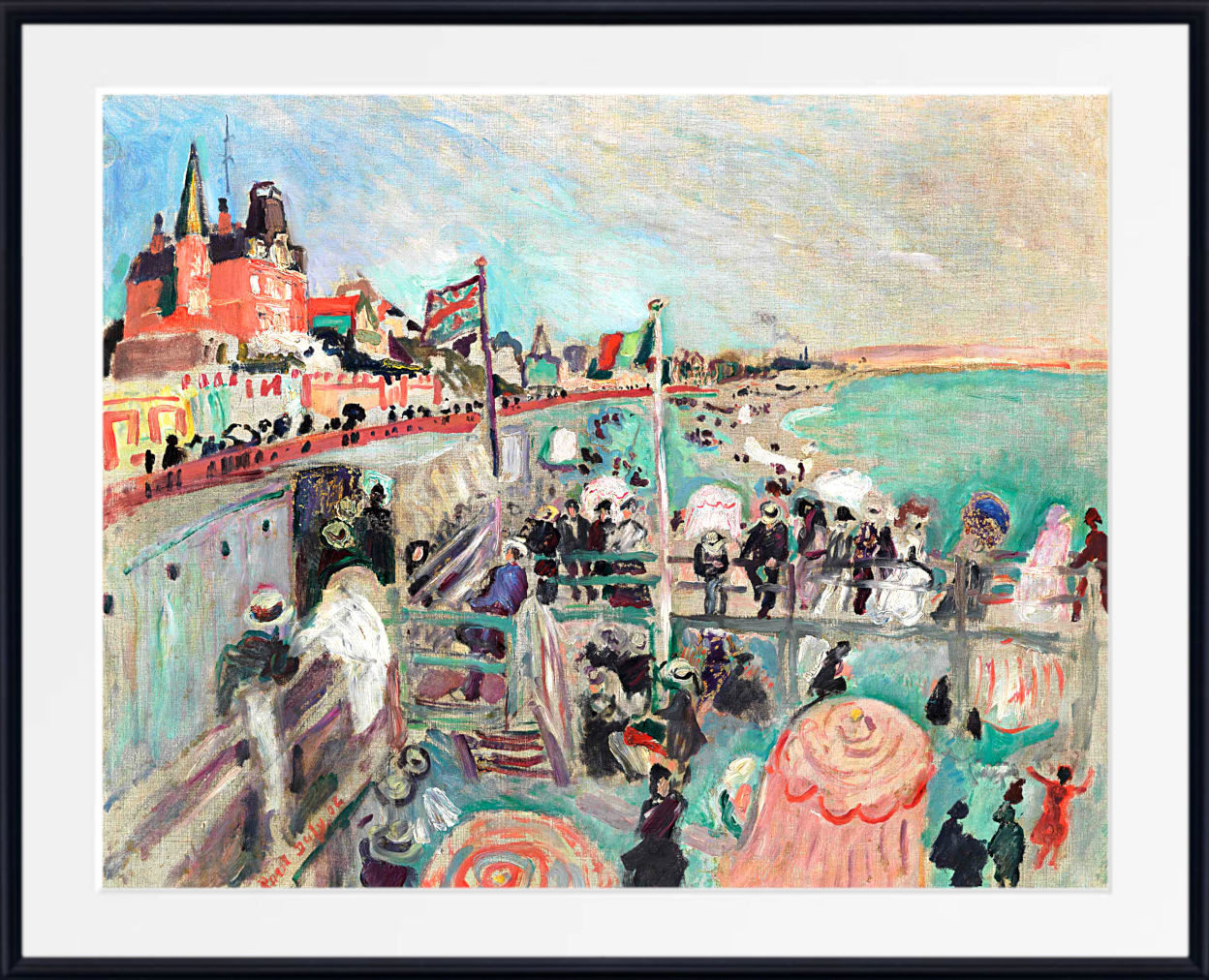
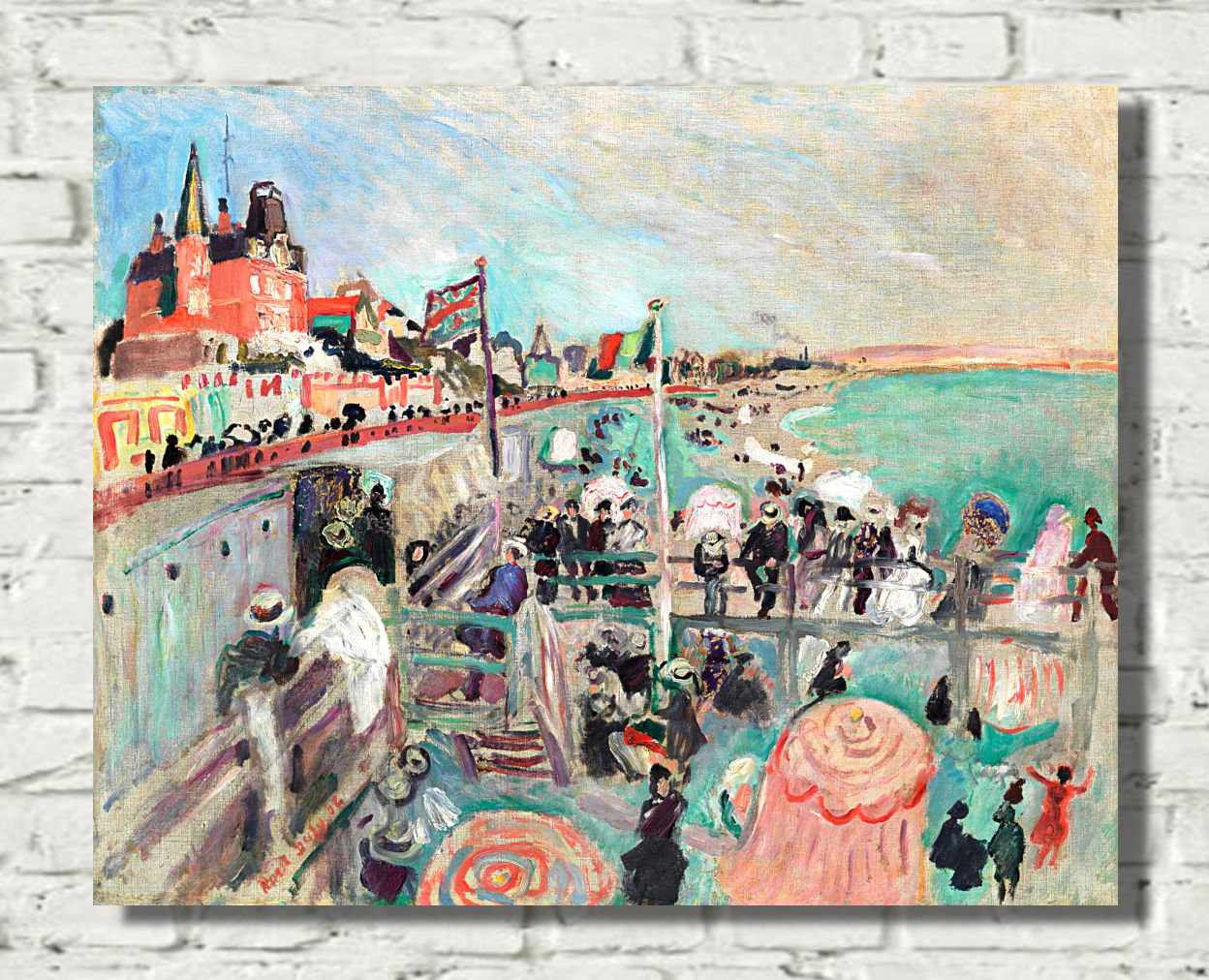
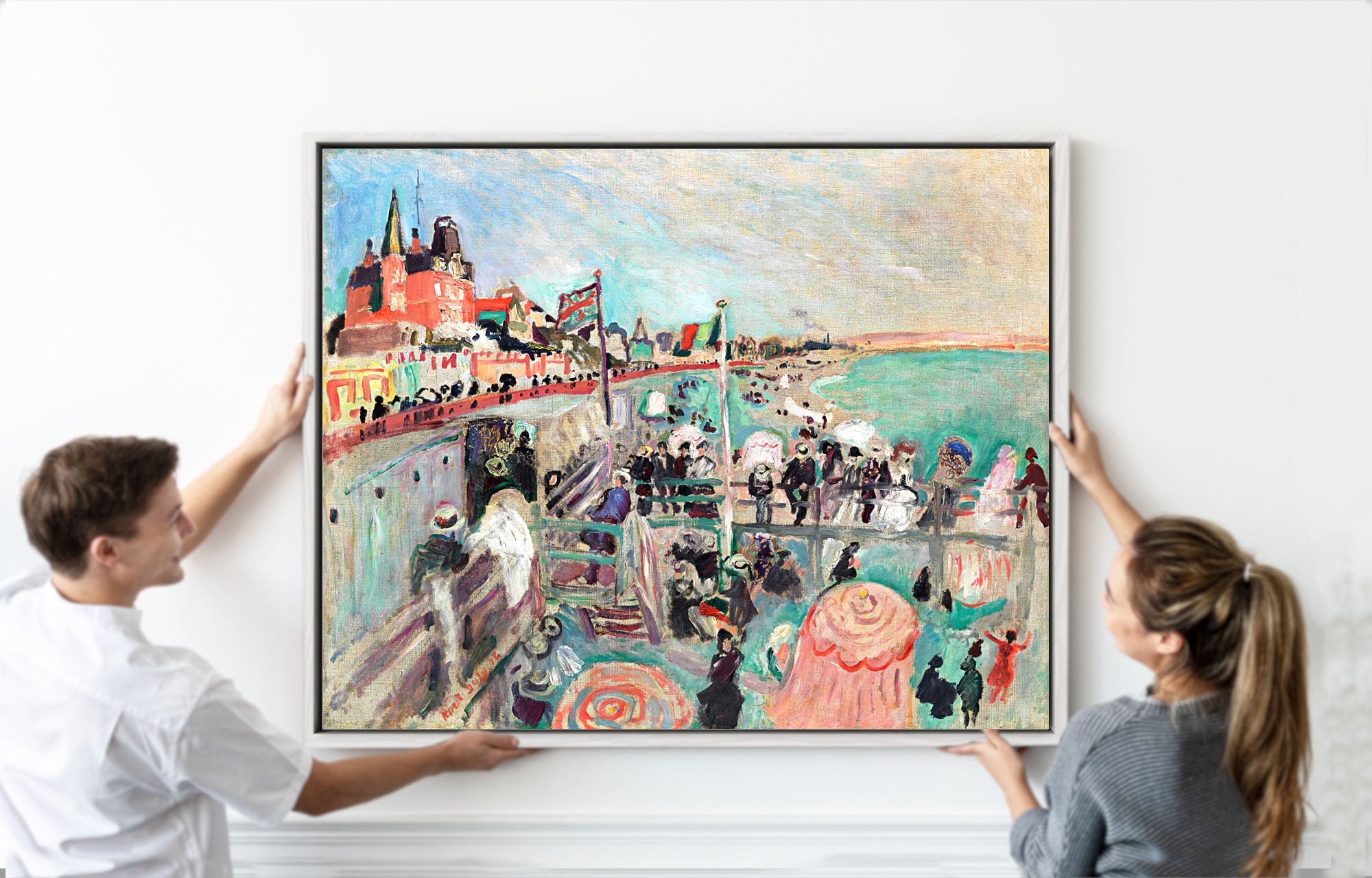
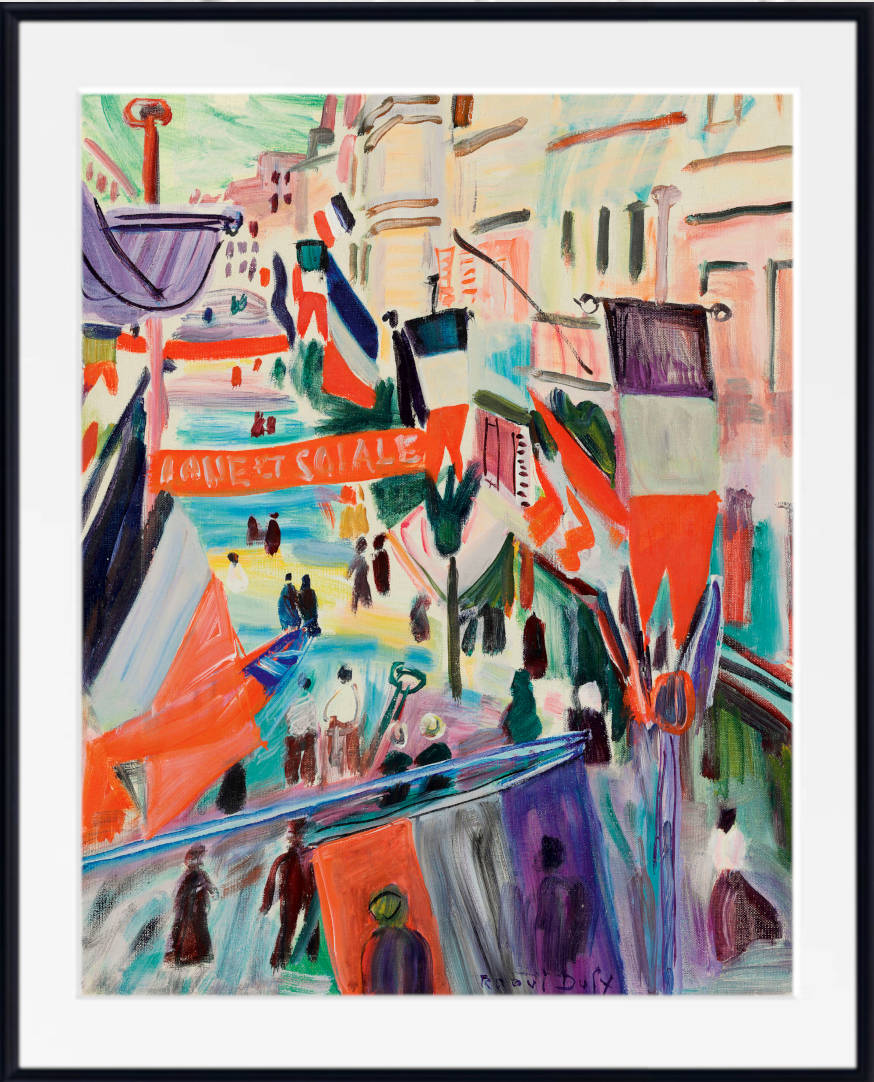
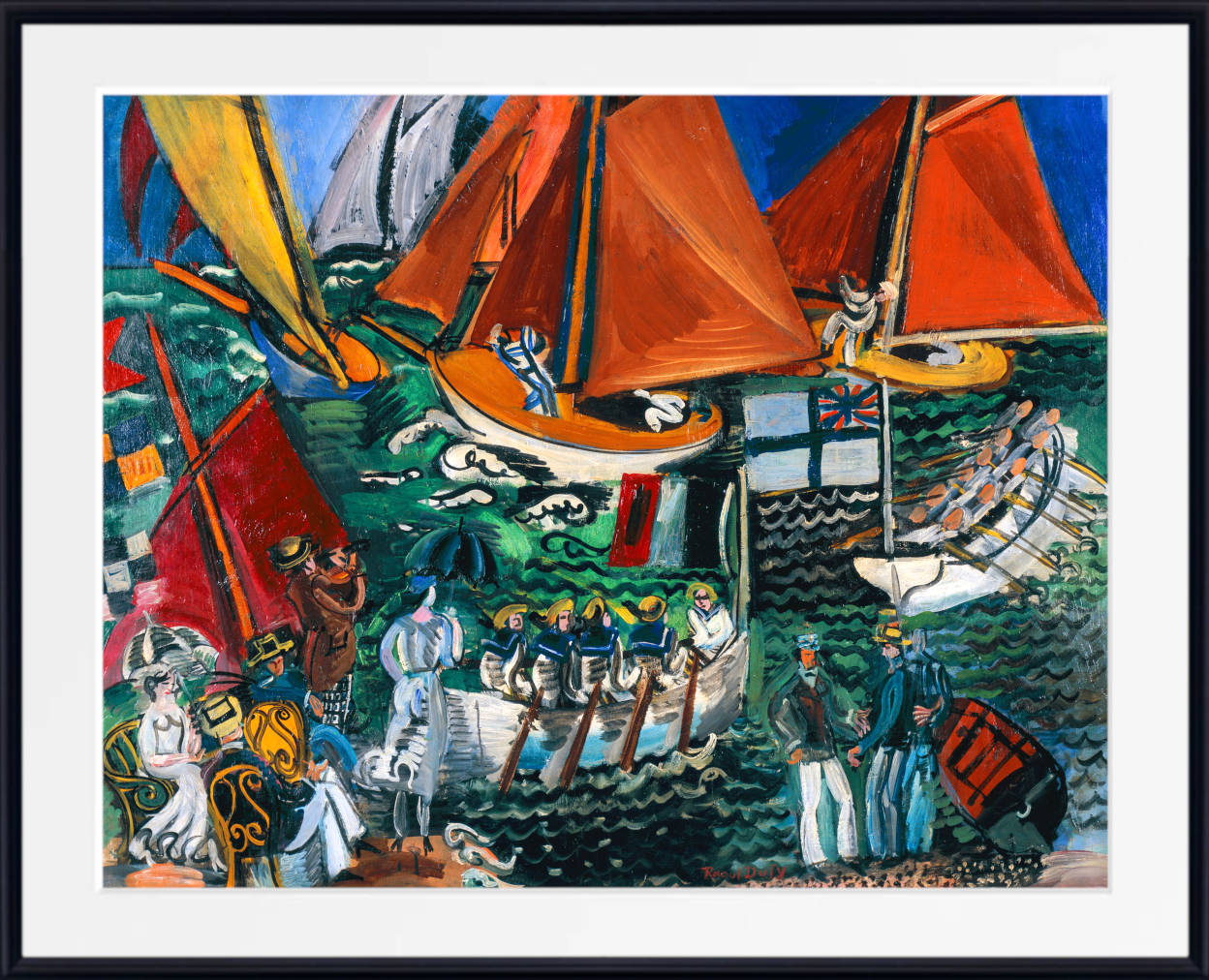
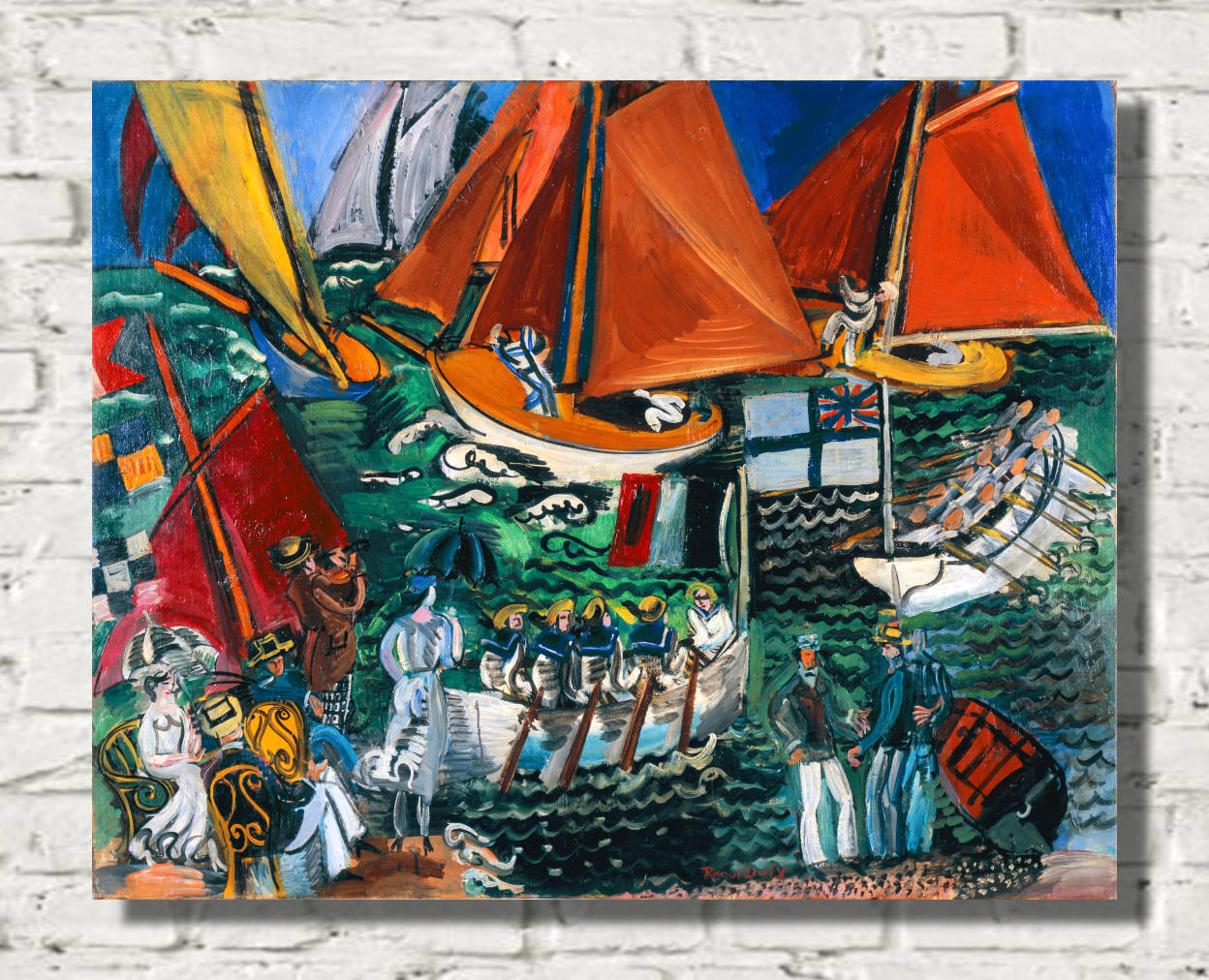
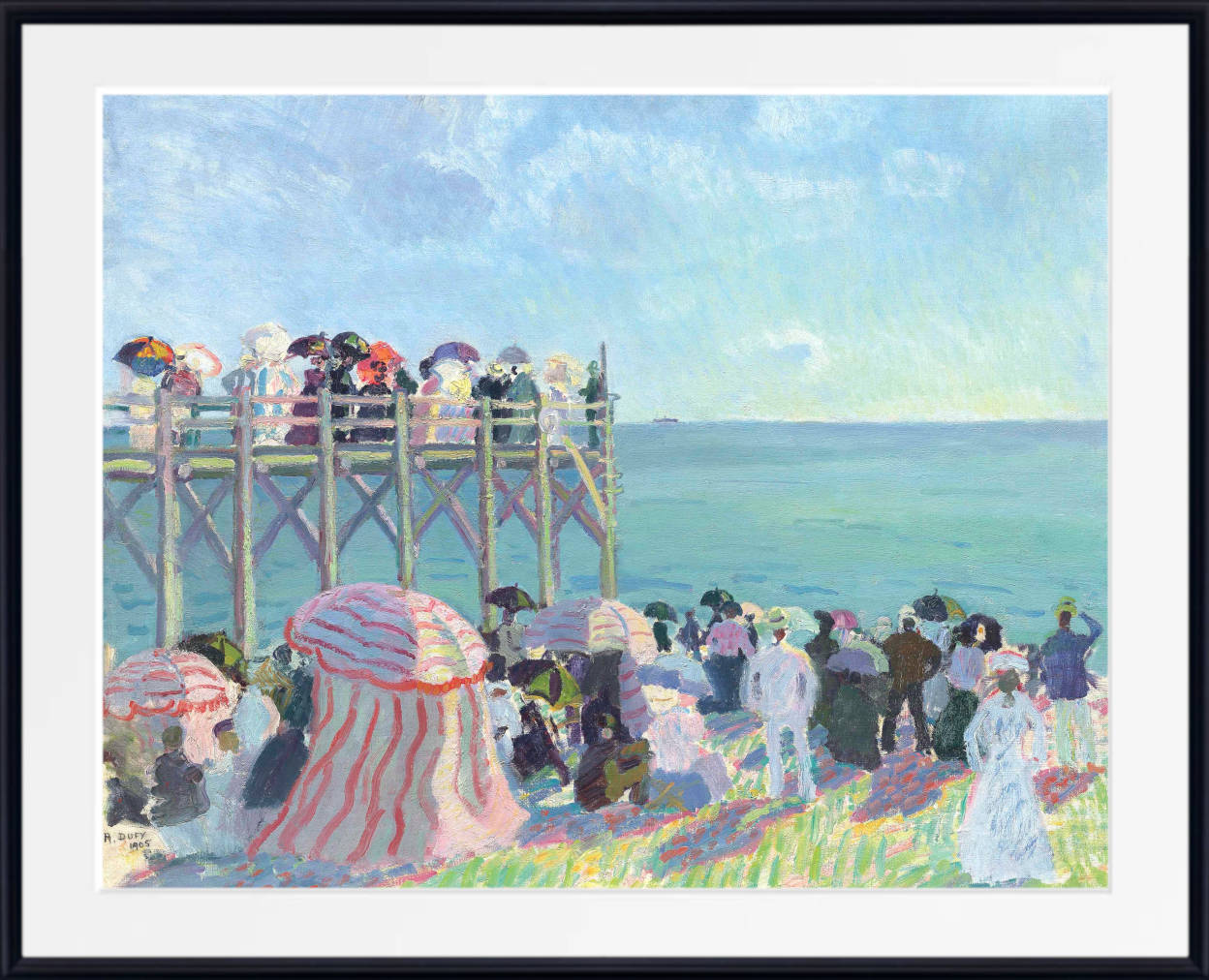
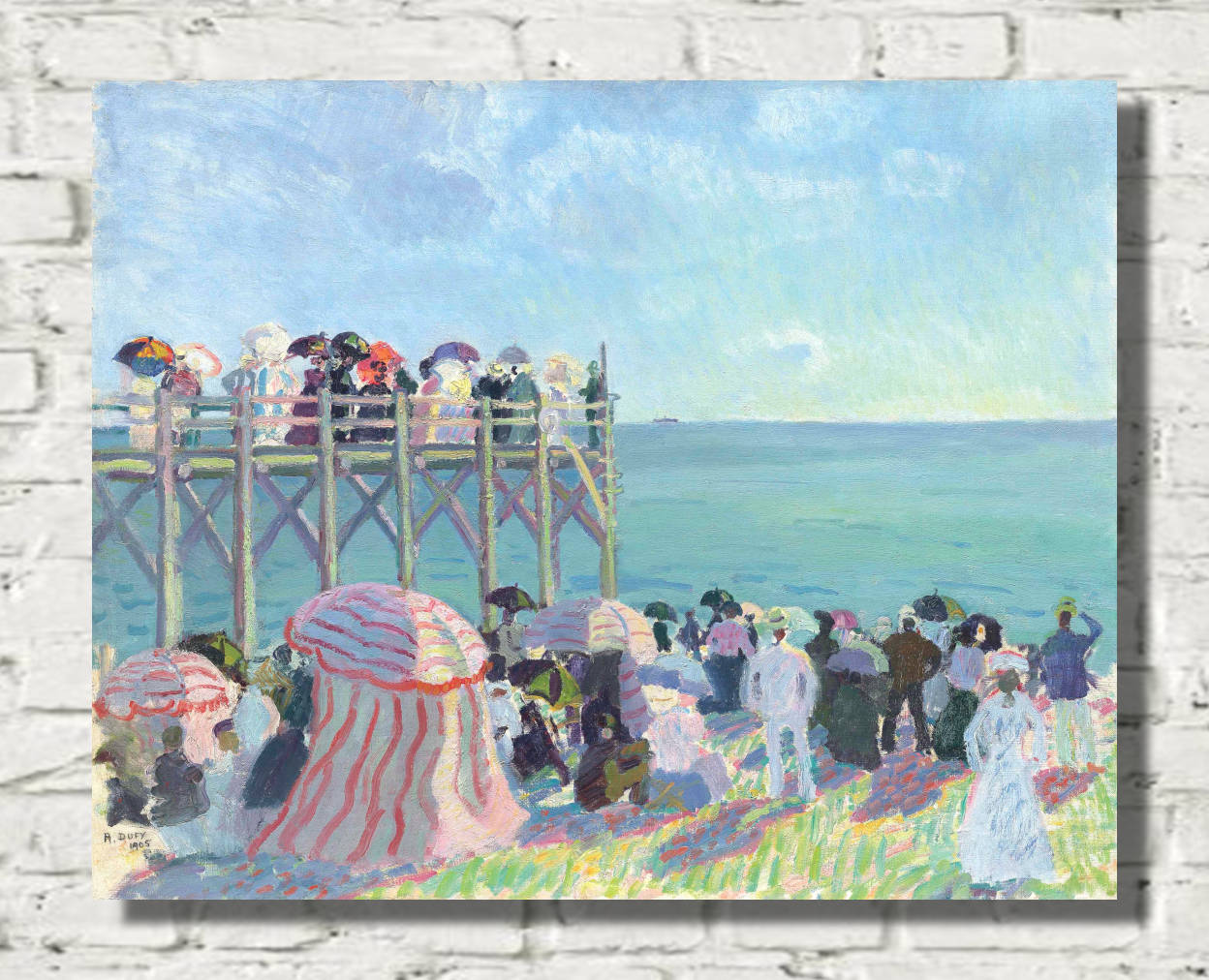
During the mid-1900s, Dufy adopted the vivid palette and simplified forms associated with the movement. Paintings of Le Havre, Trouville, sailing boats and seaside life became vehicles for increasingly adventurous colour.
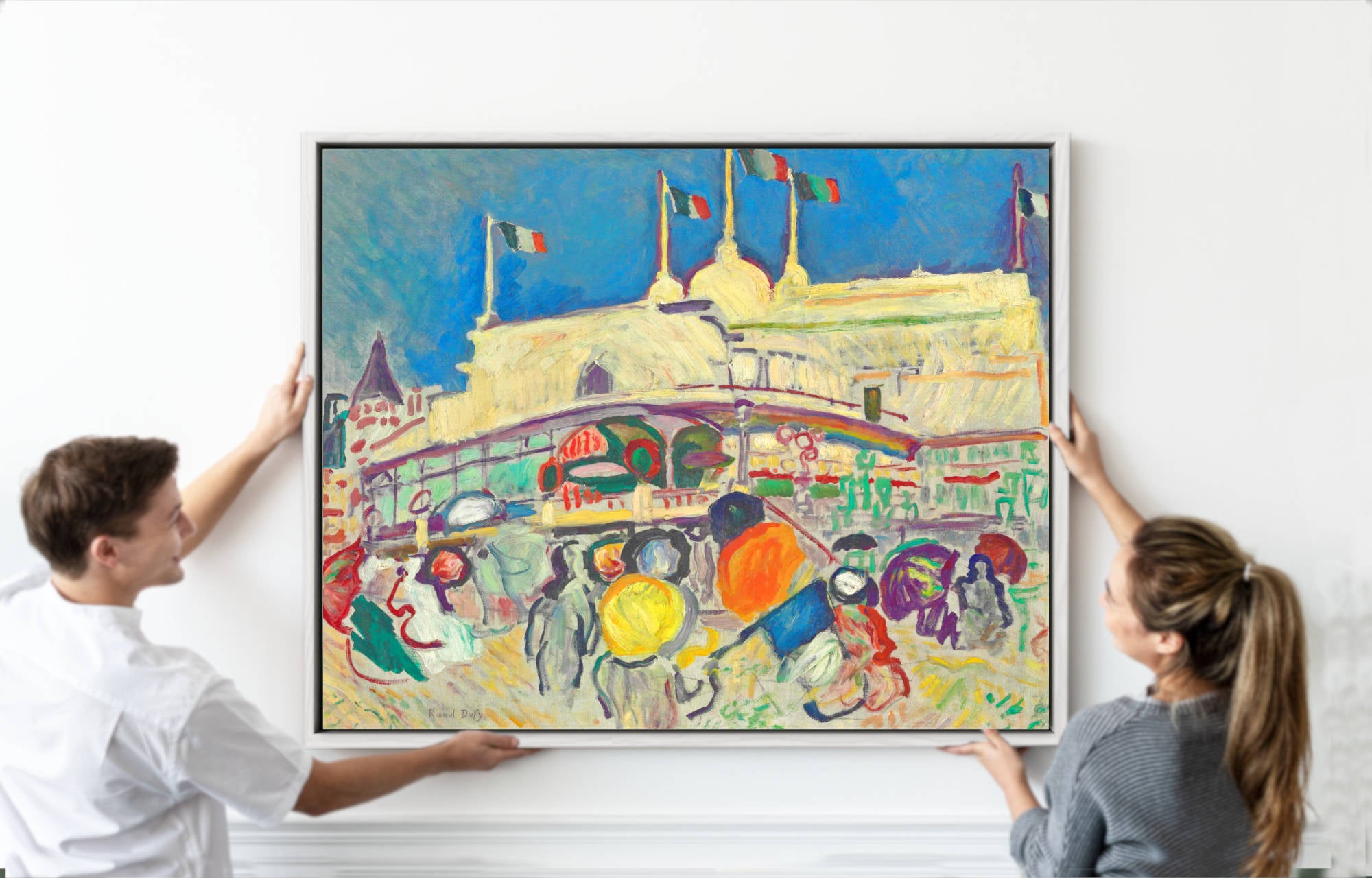
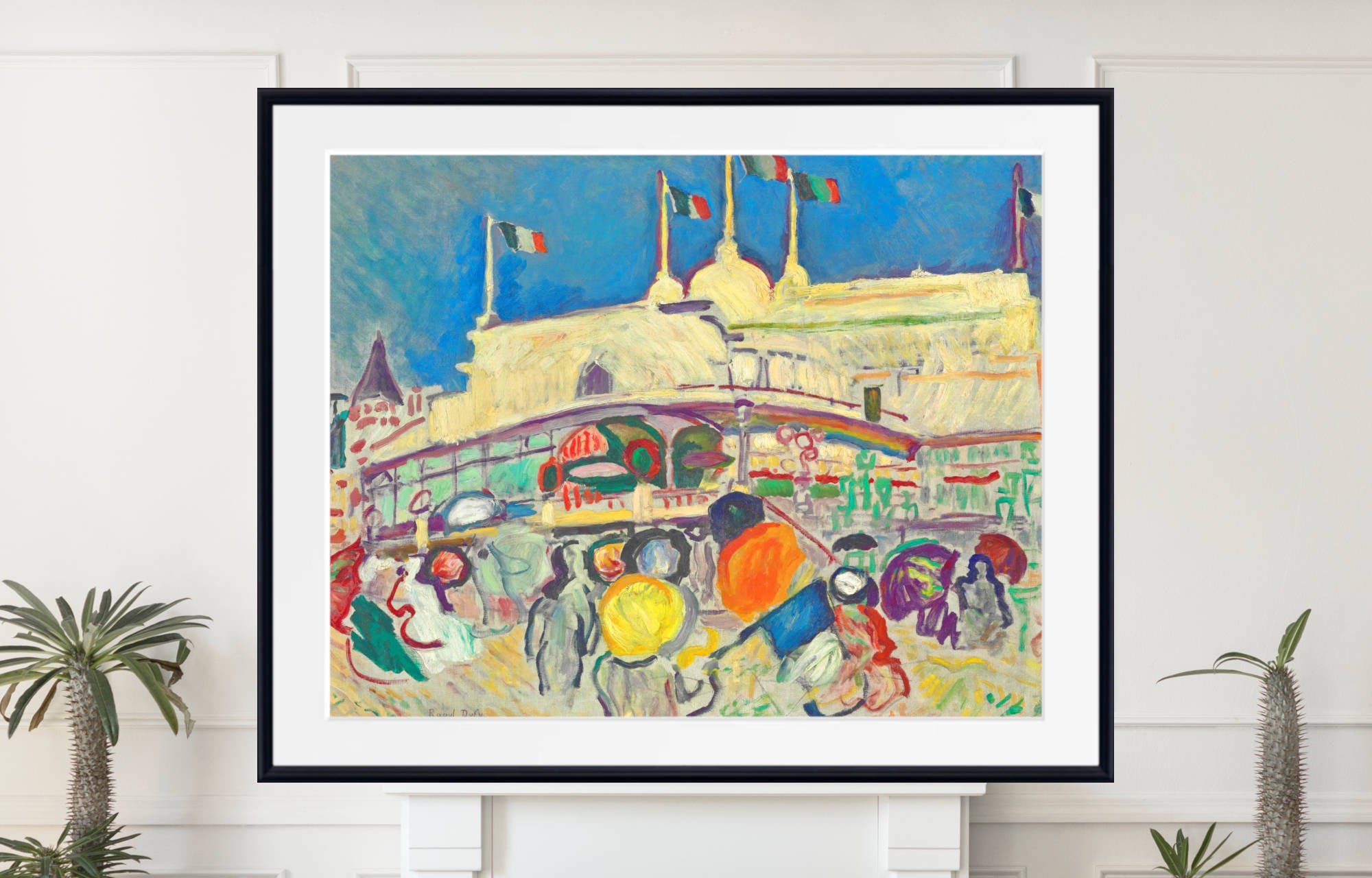
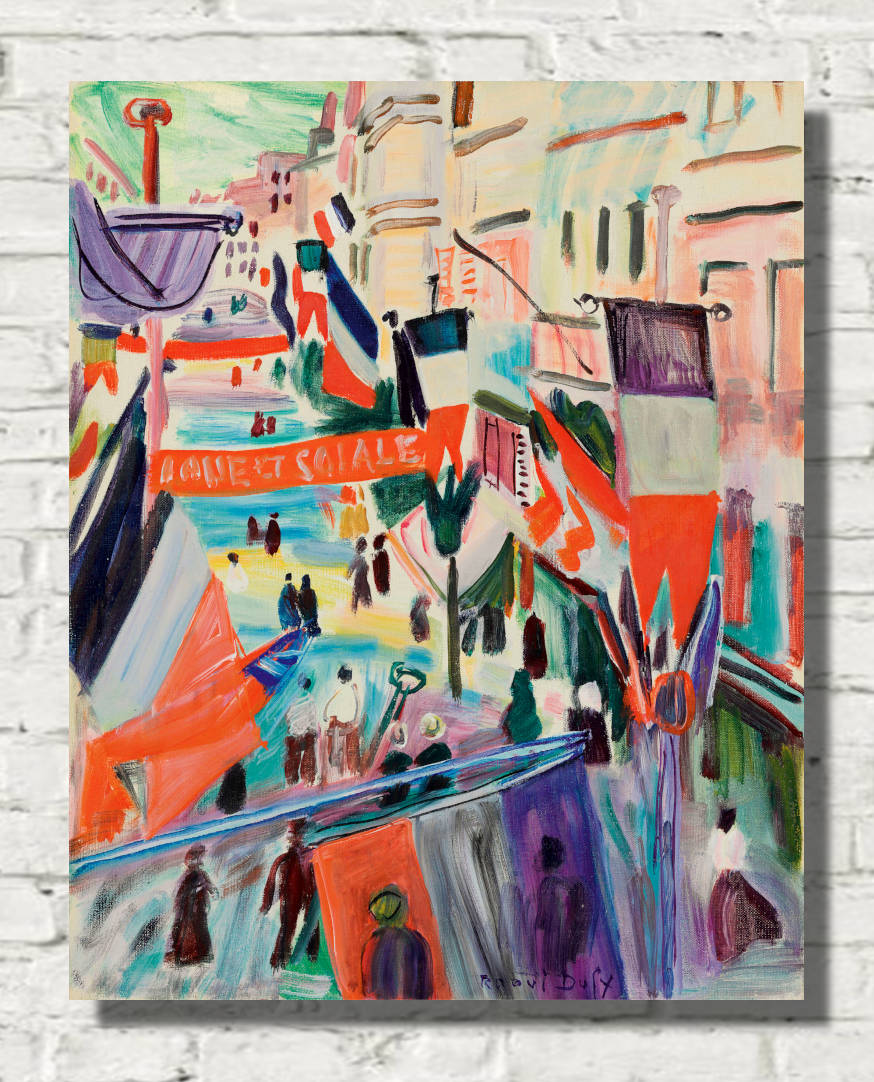
Works such as The Parasols (1905), The Casino (1906), 14 Juillet au Havre (1906) and Sailboats and Boats in the Harbor (1907) belong to this particularly important period.
The freedom Dufy discovered through Fauvism remained fundamental even after his style became lighter and more calligraphic.
Henri Manguin and Mediterranean Colour
Henri Manguin was closely associated with the Fauvist circle and developed a particularly warm and lyrical approach to colour.
His paintings frequently depict bathers, landscapes, gardens and domestic subjects in southern France. Mediterranean sunlight gave Manguin the opportunity to use brilliant pinks, reds, blues, oranges and greens while maintaining a softer atmosphere than the more confrontational work of some of his contemporaries.
Works such as La Baigneuse, La Sieste and Jeanne à l'ombrelle, Cavalière demonstrate how Fauvist colour could be applied to intimate figure subjects as effectively as landscapes.
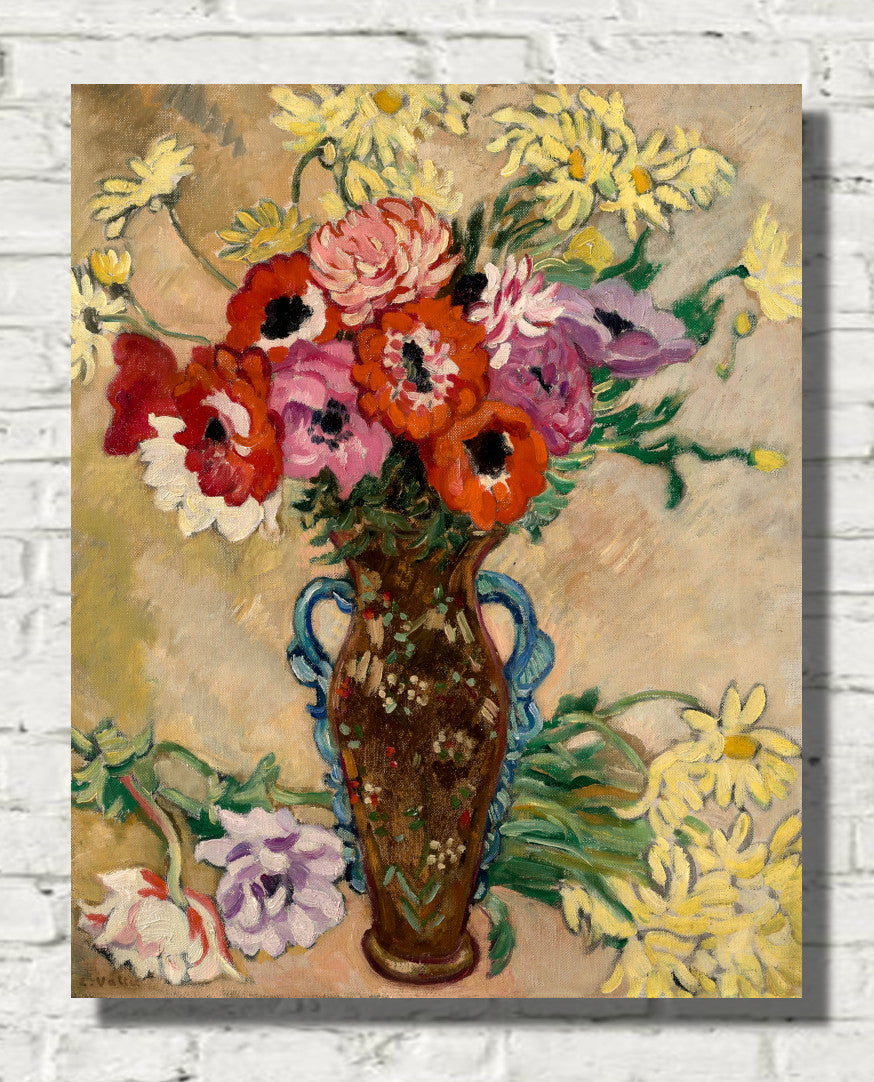
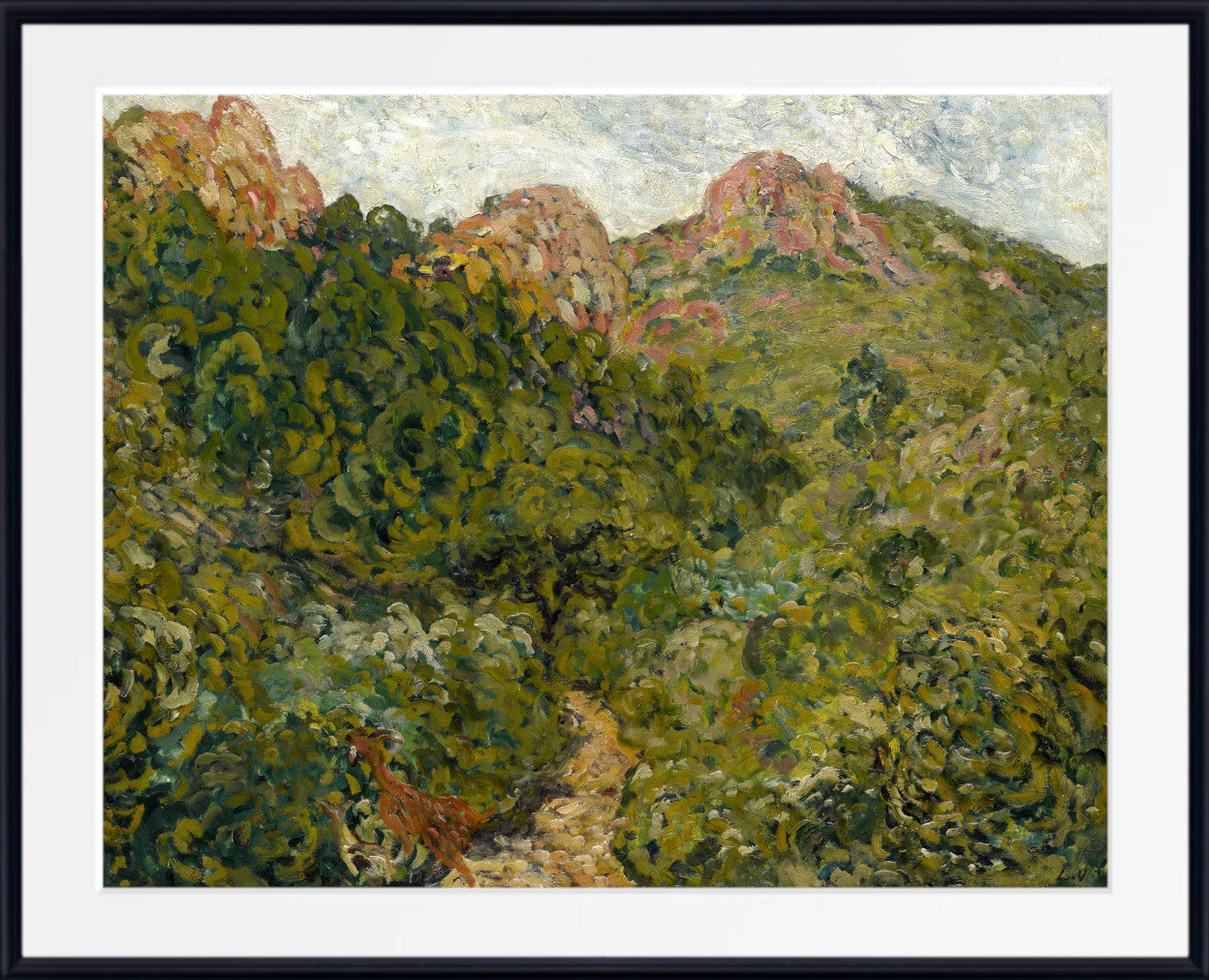
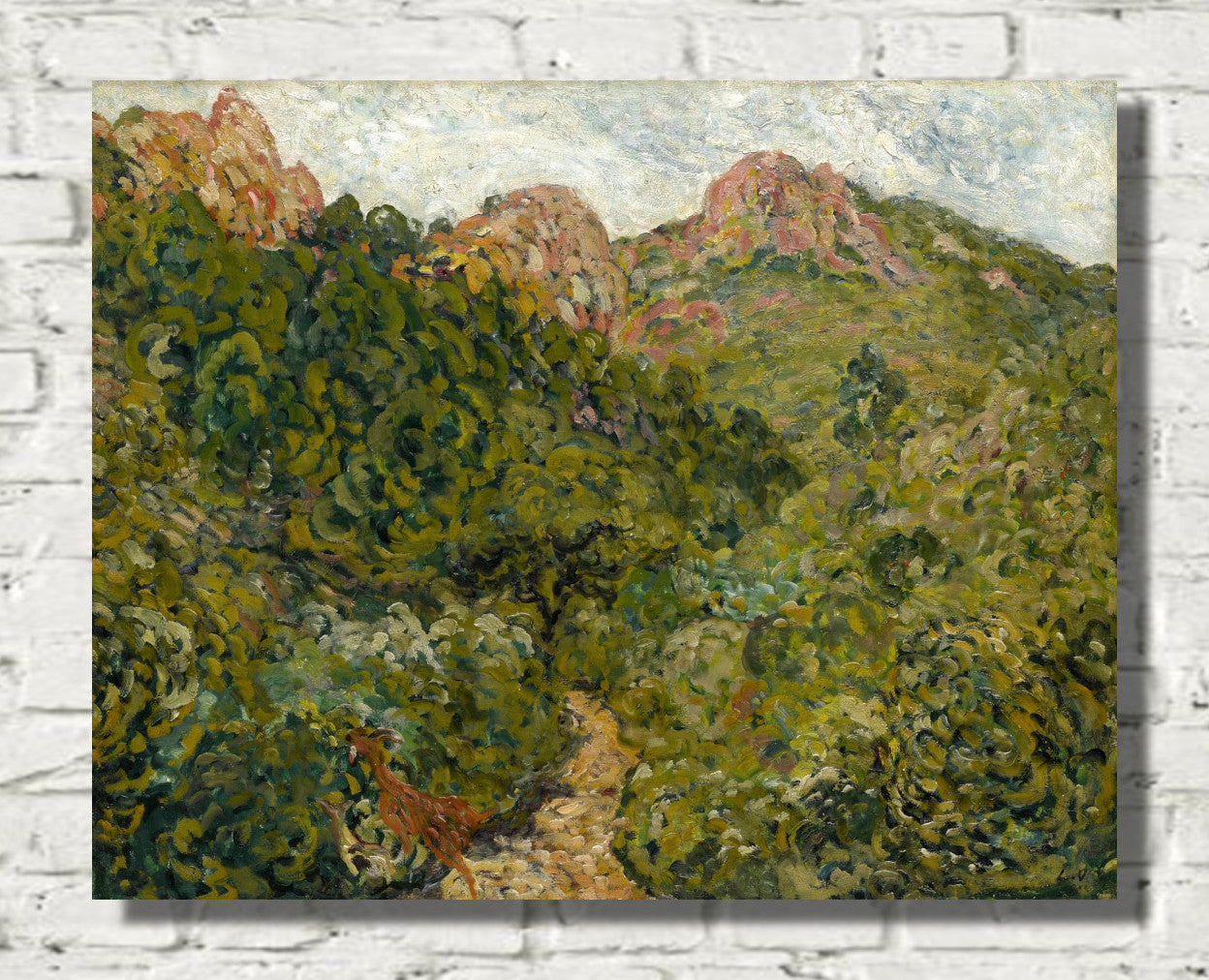
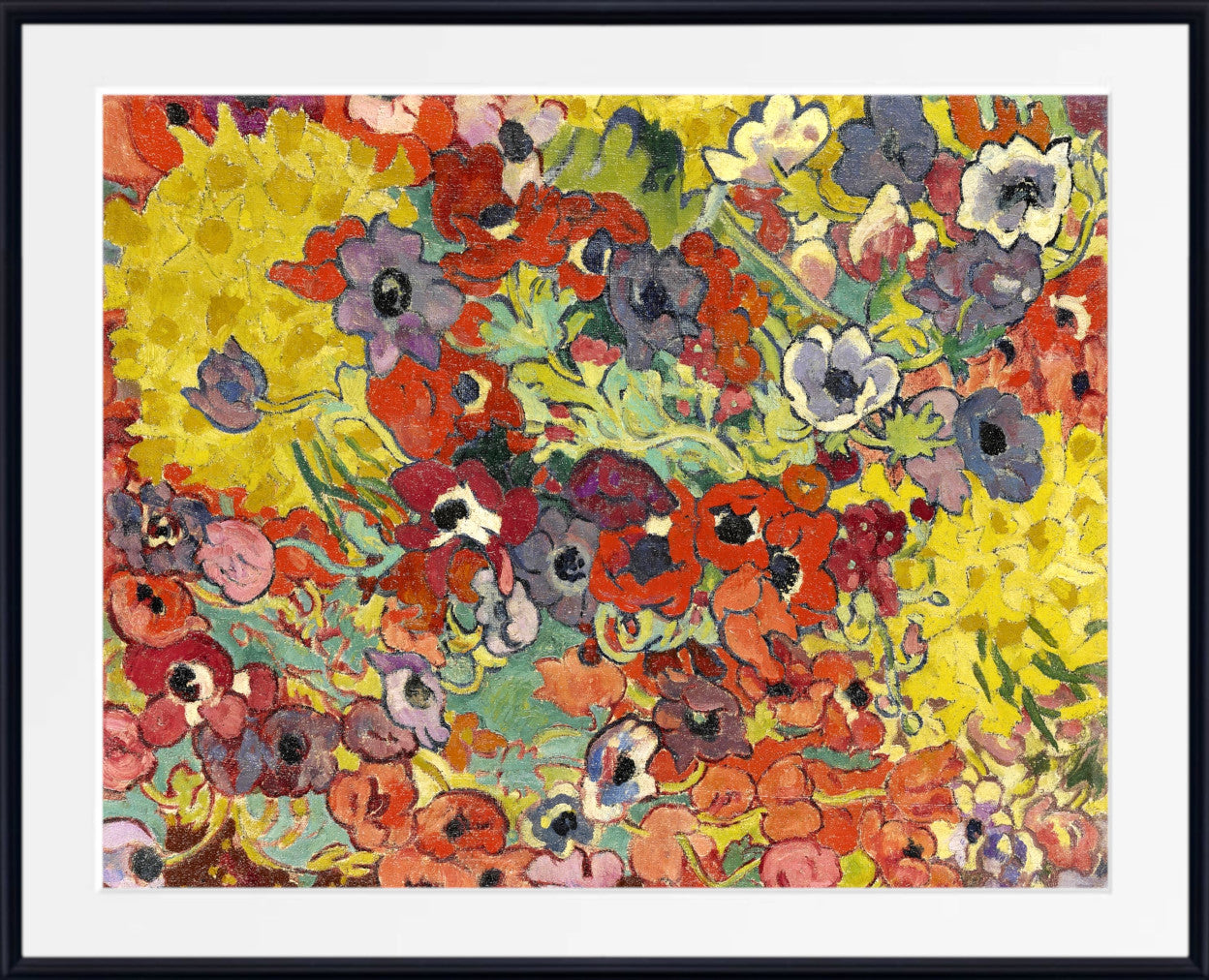
Louis Valtat and the Origins of Fauvist Colour
Louis Valtat occupies an important position in the development of modern French colour painting.
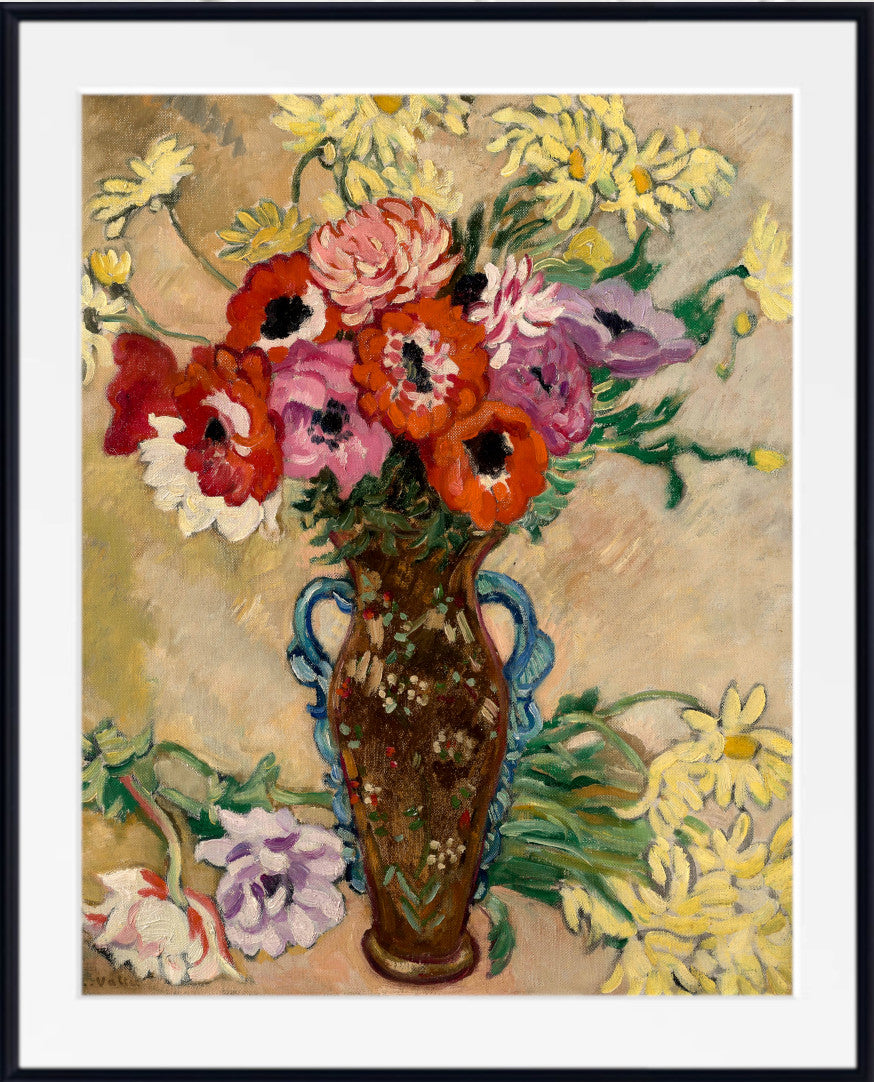
His use of strong, saturated colour began before the famous 1905 Salon d'Automne and anticipated many qualities later associated with Fauvism. Landscapes, flowers, interiors and figure paintings offered him opportunities to explore intense colour contrasts and simplified forms.
Valtat's works demonstrate that Fauvism did not emerge suddenly from a single exhibition. Instead, it developed from several overlapping experiments among artists searching for alternatives to conventional naturalistic painting.
Othon Friesz and the Fauvist Circle
Othon Friesz was another important participant in the movement. Like Dufy, he was born in Le Havre and initially worked under the influence of Impressionism before adopting the more radical colour of Fauvism.
His paintings from around 1906–08 combine powerful outlines, broad areas of colour and increasingly simplified forms. Harbour scenes, landscapes and figure compositions demonstrate how the movement could accommodate different personal styles while retaining its central commitment to expressive colour.
Fauvism and Impressionism
Fauvism developed partly from the achievements of Impressionism and Post-Impressionism, but the movements approached colour differently.
Impressionist painters generally used colour to capture changing light and atmospheric conditions. Their colours might be bright, but they remained connected to visual observation.
The Fauves pushed this freedom much further.
A tree no longer needed to be green because it appeared green. It might become red if that colour strengthened the composition. A face could contain green, blue or orange because those colours produced the desired visual effect.
This shift helped transform colour from a descriptive tool into an independent element of modern painting.
Fauvism's Influence on Modern Art
Although Fauvism lasted only a few years as a coherent movement, its influence was considerable.
Its liberation of colour contributed to the development of Expressionism, while its simplification of form helped prepare the way for increasingly radical experiments in modern European painting.
Artists no longer needed to reproduce the visible world faithfully. Colour, line and shape could have expressive purposes of their own.
This principle became fundamental to many later forms of modern and abstract art.
Choosing Fauvism Prints for Your Interior
Fauvist prints are particularly effective when a room needs a strong injection of colour.
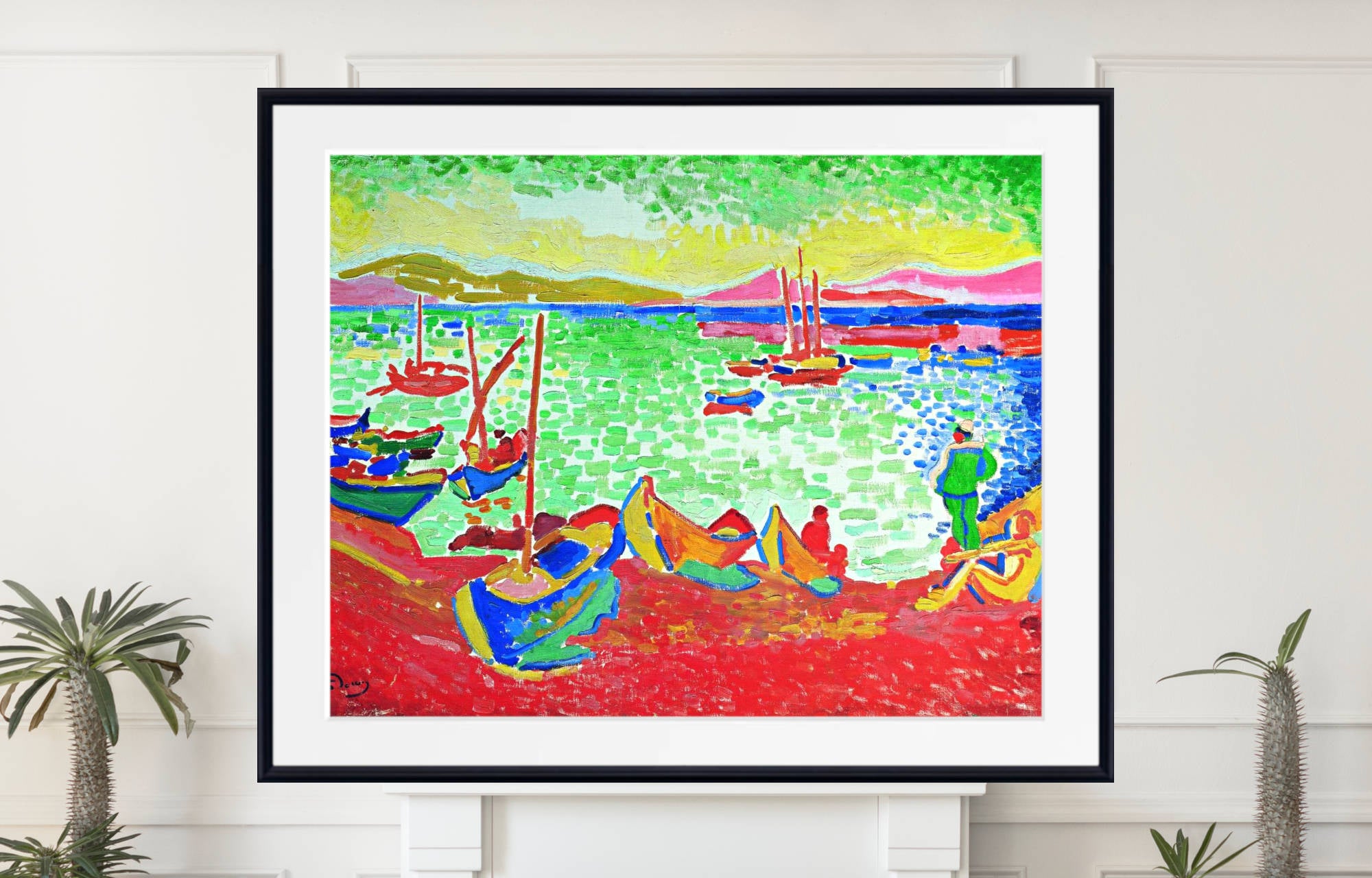
The vivid landscapes of Derain and Dufy can create striking focal points against neutral walls, while Matisse and Manguin figure paintings introduce colour without relying solely on landscape imagery.
Fauvist artwork works especially well with:
- neutral and putty-coloured walls
- Scandinavian-inspired interiors
- contemporary living rooms
- colourful eclectic schemes
- mid-century and modern furniture
- natural woods and simple furnishings
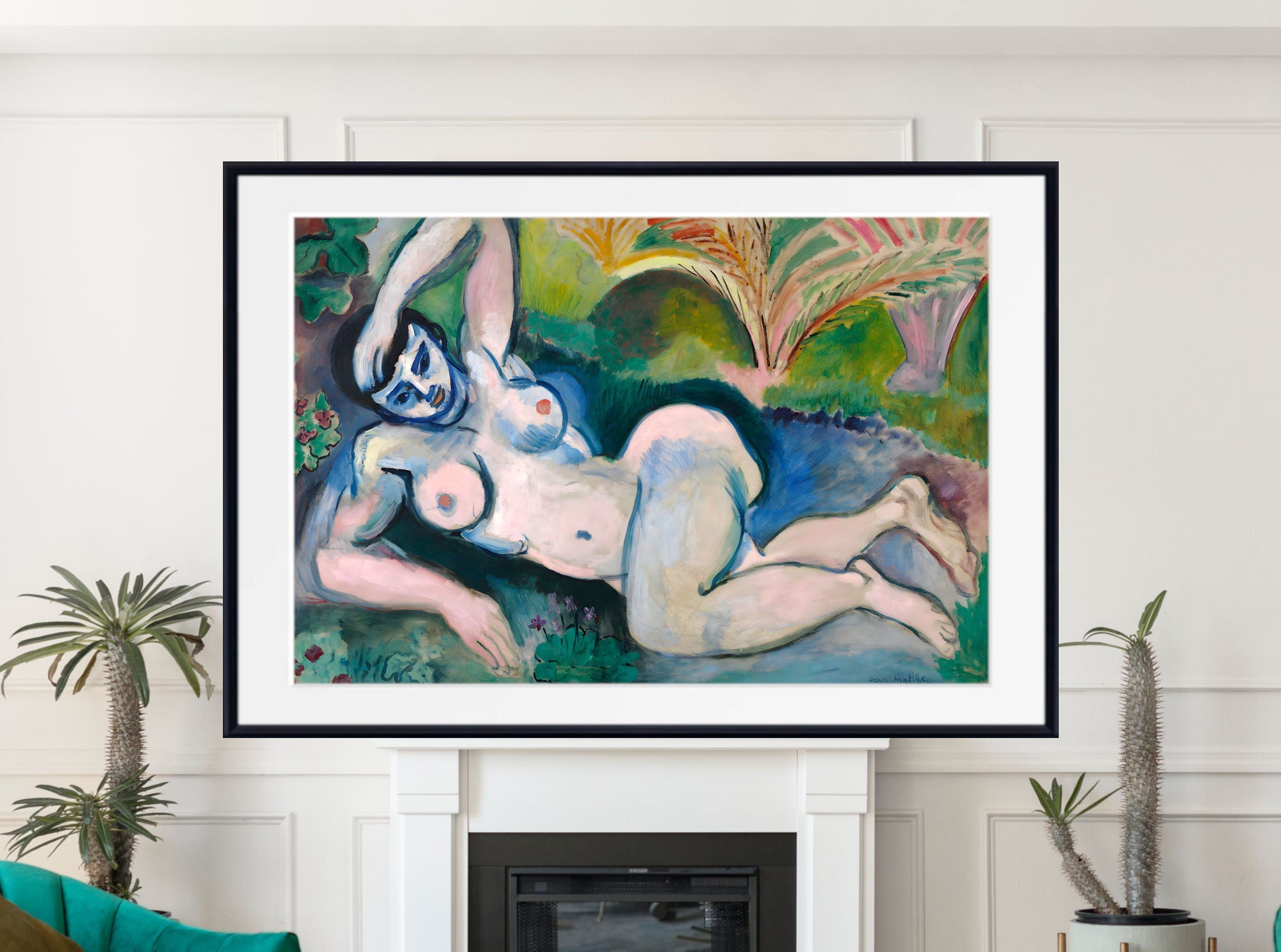
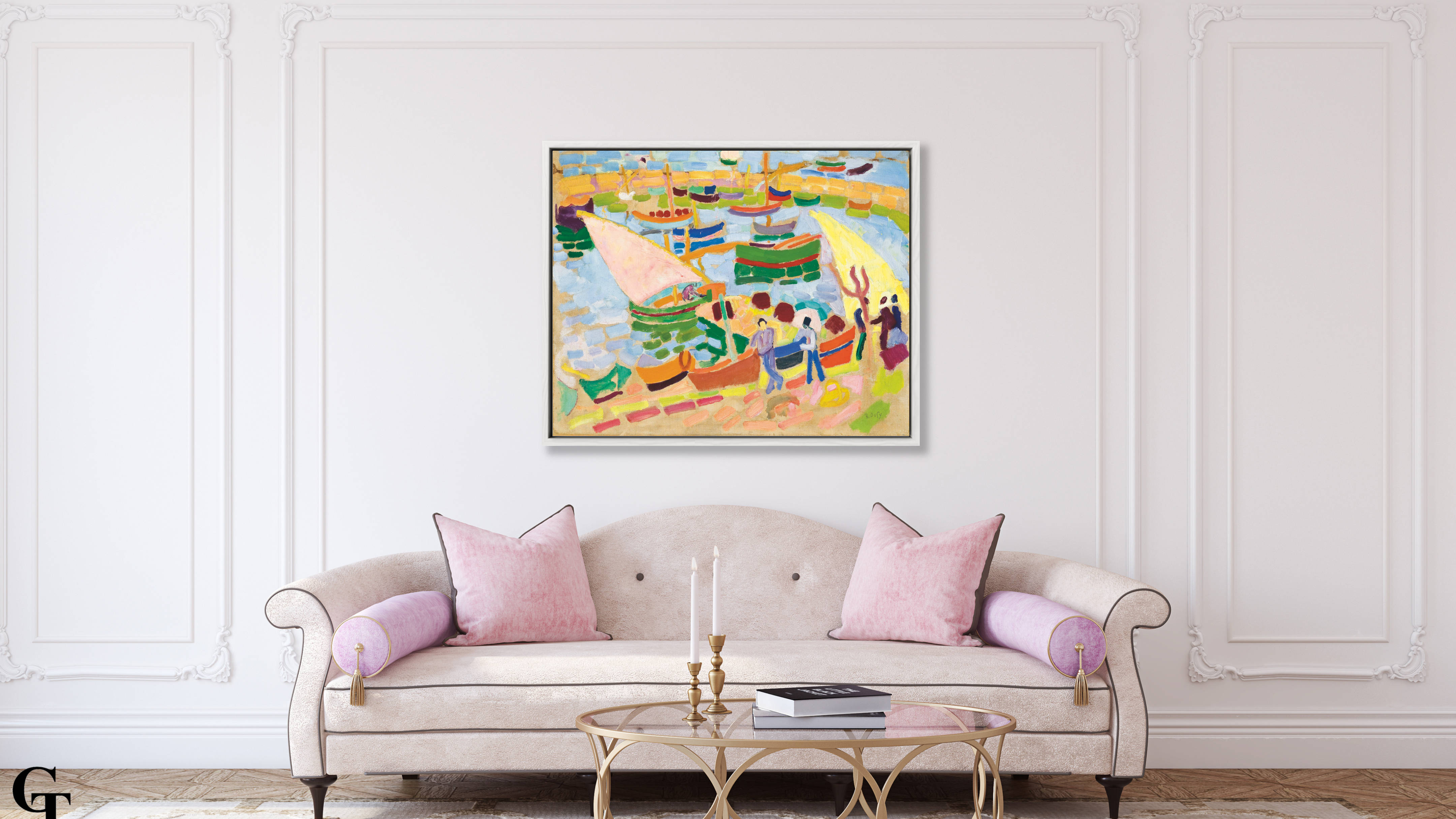
A single large Fauvist framed print can become the dominant artwork in a room, while smaller works can be combined to create a colourful modern-art gallery wall.
For quieter interiors, paintings dominated by blues and greens can introduce colour without overwhelming the space. Works containing stronger reds, oranges and yellows create a more dramatic focal point.
Explore Fauvist Artists
GalleryThane's Fauvism collection includes works by several of the movement's most important painters.
Explore more from:
Henri Matisse
André Derain
Raoul Dufy
Henri Manguin
Louis Valtat
You can also read GalleryThane's guide to Fauvism and its development for a broader introduction to the movement and its leading artists.
Frequently Asked Questions
What is Fauvism?
Fauvism was an early twentieth-century French art movement characterised by brilliant expressive colour, simplified forms and energetic brushwork. It emerged around 1905 and played an important role in the development of modern European painting.
Who were the main Fauvist artists?
Henri Matisse and André Derain were the movement's central figures. Other artists associated with Fauvism include Maurice de Vlaminck, Henri Manguin, Albert Marquet, Othon Friesz, Raoul Dufy and Louis Valtat.
Why were the Fauvist painters called “wild beasts”?
The name originated with critic Louis Vauxcelles after he saw the brilliantly coloured paintings displayed at the 1905 Salon d'Automne in Paris. He referred to the artists as les fauves, meaning “the wild beasts”, because of their apparently uncontrolled use of colour.
What are the main characteristics of Fauvist art?
Fauvist paintings typically feature strong non-naturalistic colour, simplified forms, visible brushwork, flattened areas of colour and bold outlines. Colour is often used for expressive effect rather than to reproduce the natural appearance of a subject.
When was the Fauvist movement active?
The core Fauvist movement developed around 1905 and had largely dispersed by approximately 1908. Its brief duration did not prevent it from having a major influence on later modern art.
Is Henri Matisse a Fauvist artist?
Yes. Matisse was the leading figure of Fauvism and produced several of the movement's most important paintings. His experiments with expressive colour were central to the development of the Fauvist style.
Was Raoul Dufy a Fauvist?
Yes. Dufy passed through an important Fauvist period during the mid-1900s before developing the lighter, fluid style associated with his later work. His early harbour and seaside paintings demonstrate the strong influence of Fauvist colour.
What subjects did Fauvist painters depict?
Fauvist artists painted landscapes, portraits, bathers, still lifes, harbours and scenes of modern life. Landscapes were especially important because they allowed artists to experiment freely with colour across skies, trees, water and architecture.
Are Fauvism prints suitable for modern interiors?
Yes. Their simplified forms and strong colours work particularly well with contemporary, Scandinavian-inspired and eclectic interiors. Fauvist artwork can either provide a single dramatic focal point or form part of a colourful gallery wall.
What is the difference between Fauvism and Expressionism?
Both movements used colour expressively, but Fauvism developed first in France and was generally associated with brilliant colour, simplified form and visual pleasure. Expressionism developed more strongly in northern and central Europe and often used distortion and colour to convey psychological or emotional intensity.