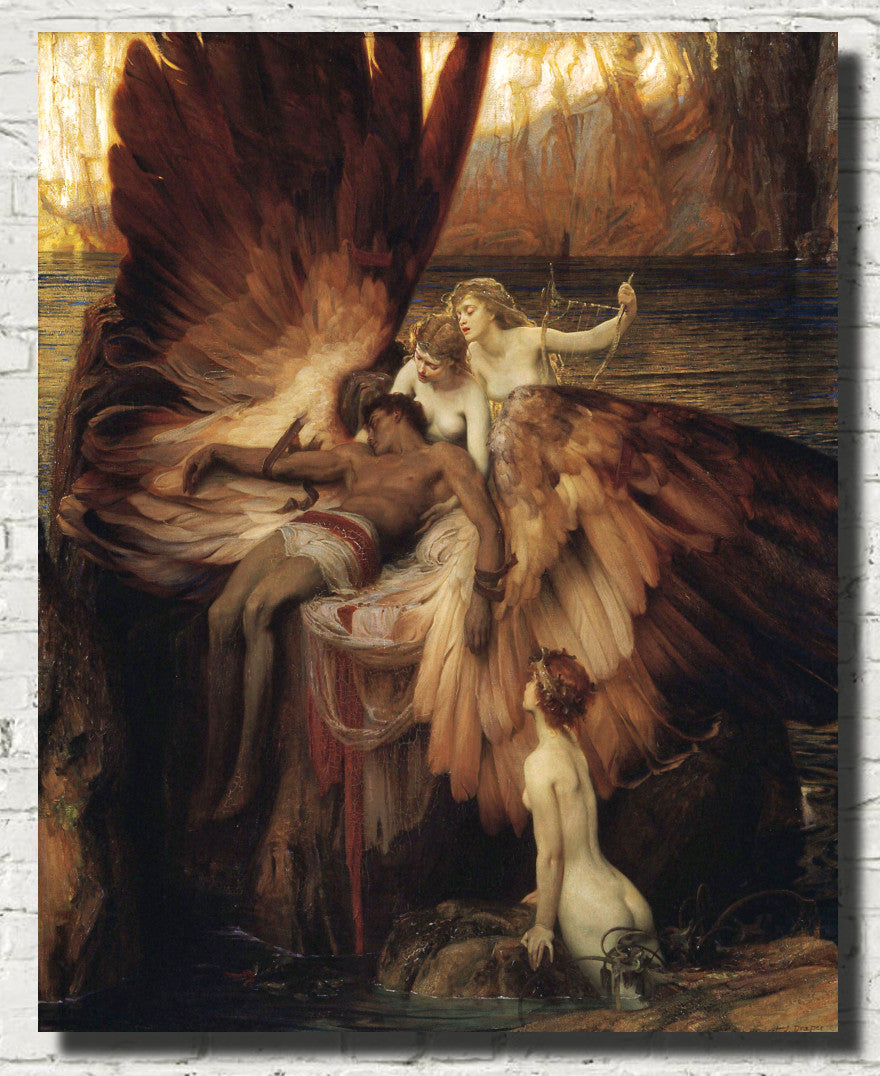
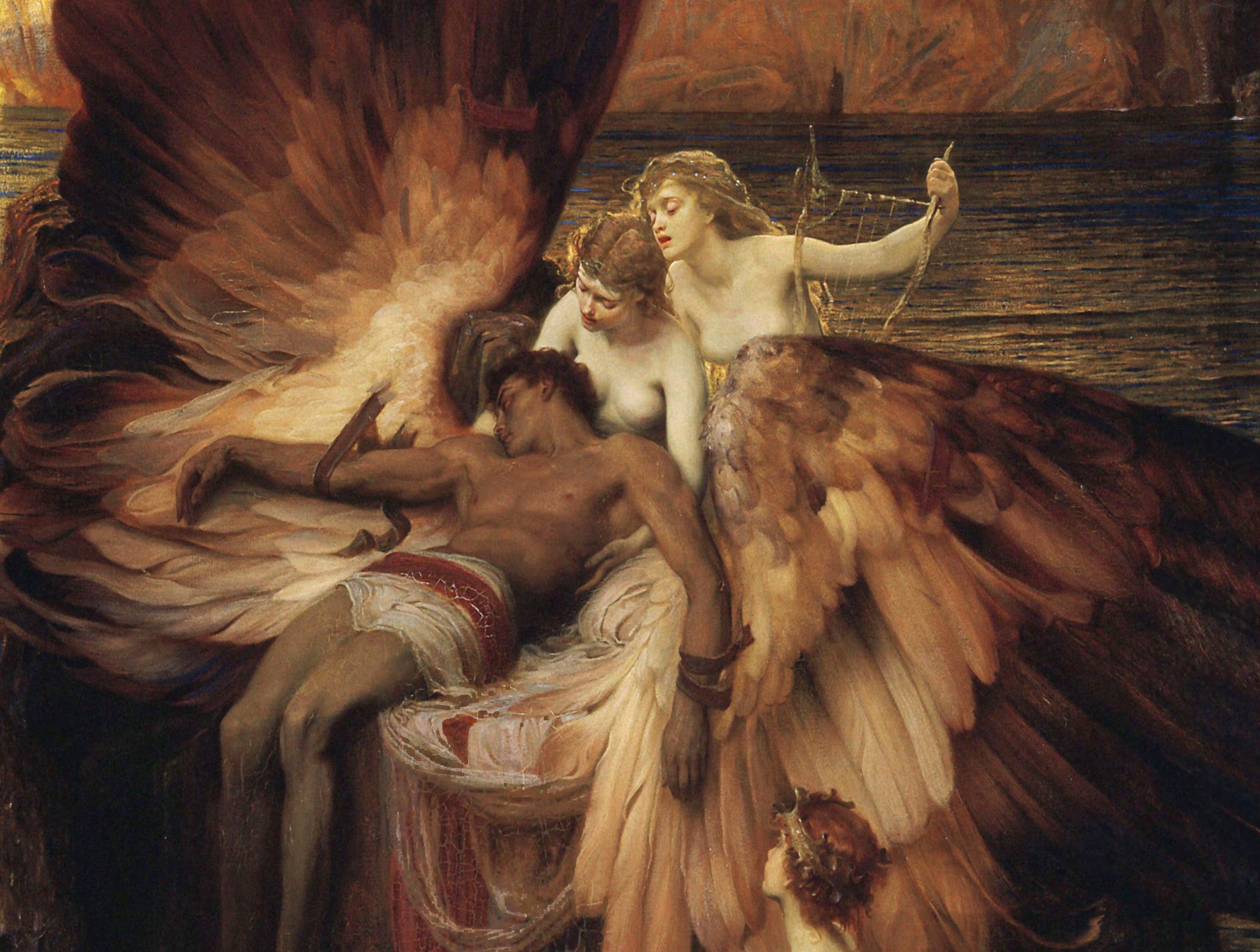
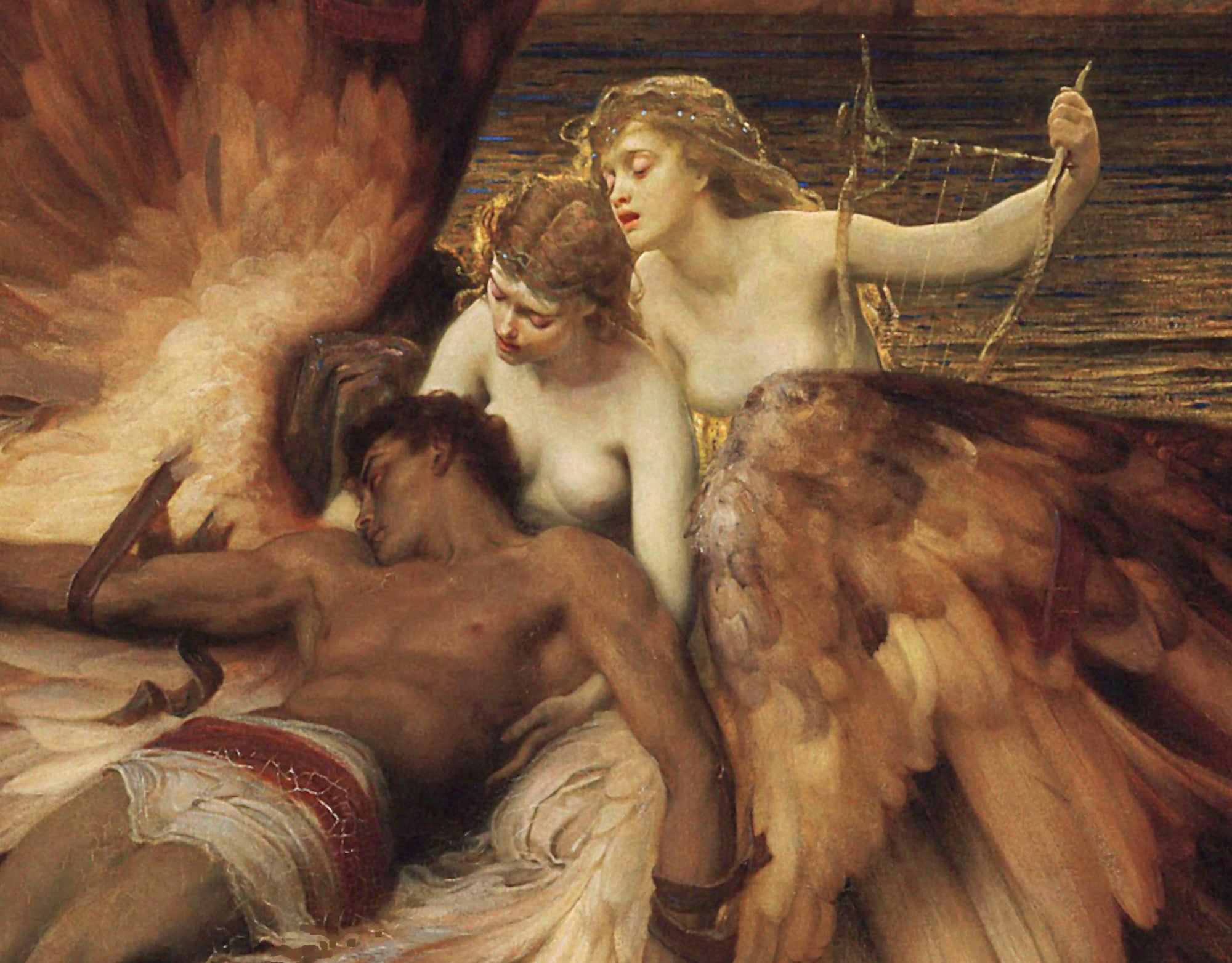
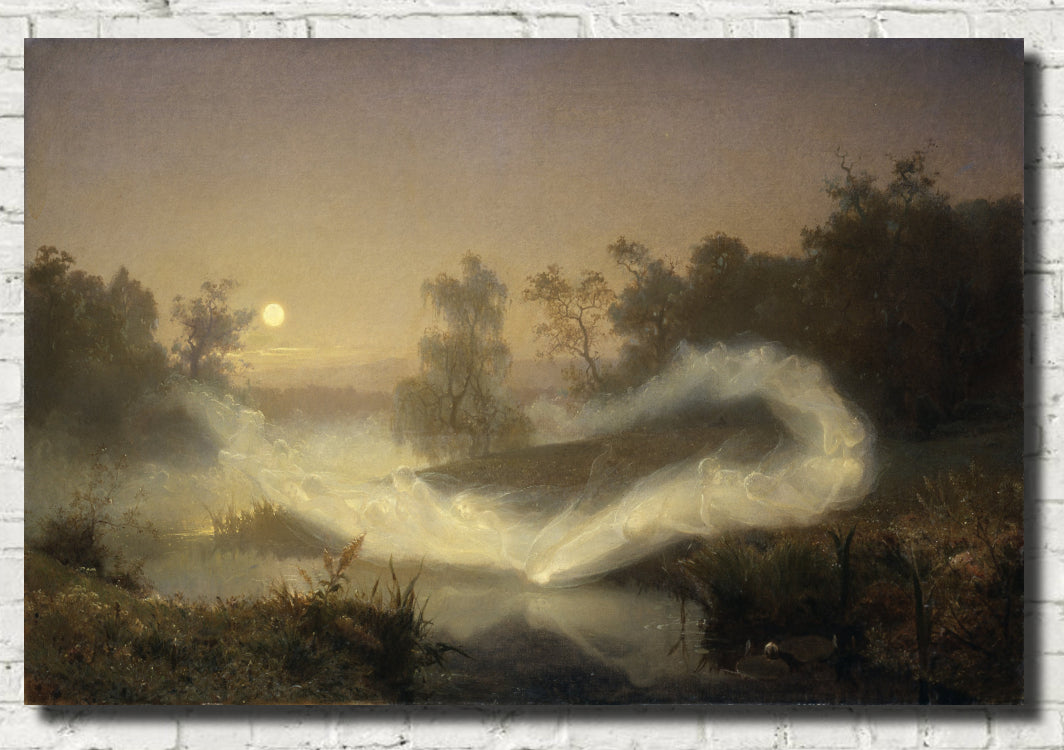
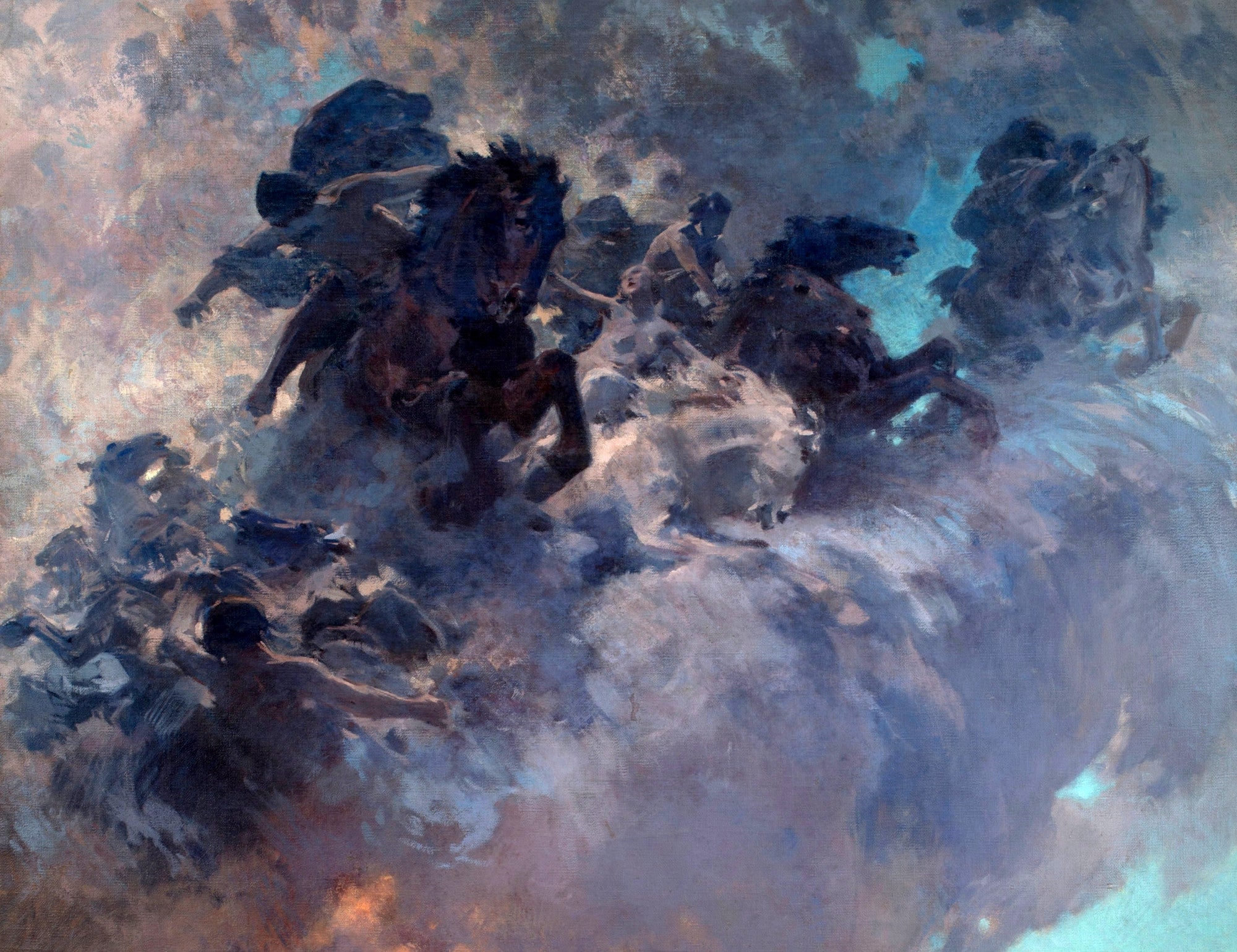
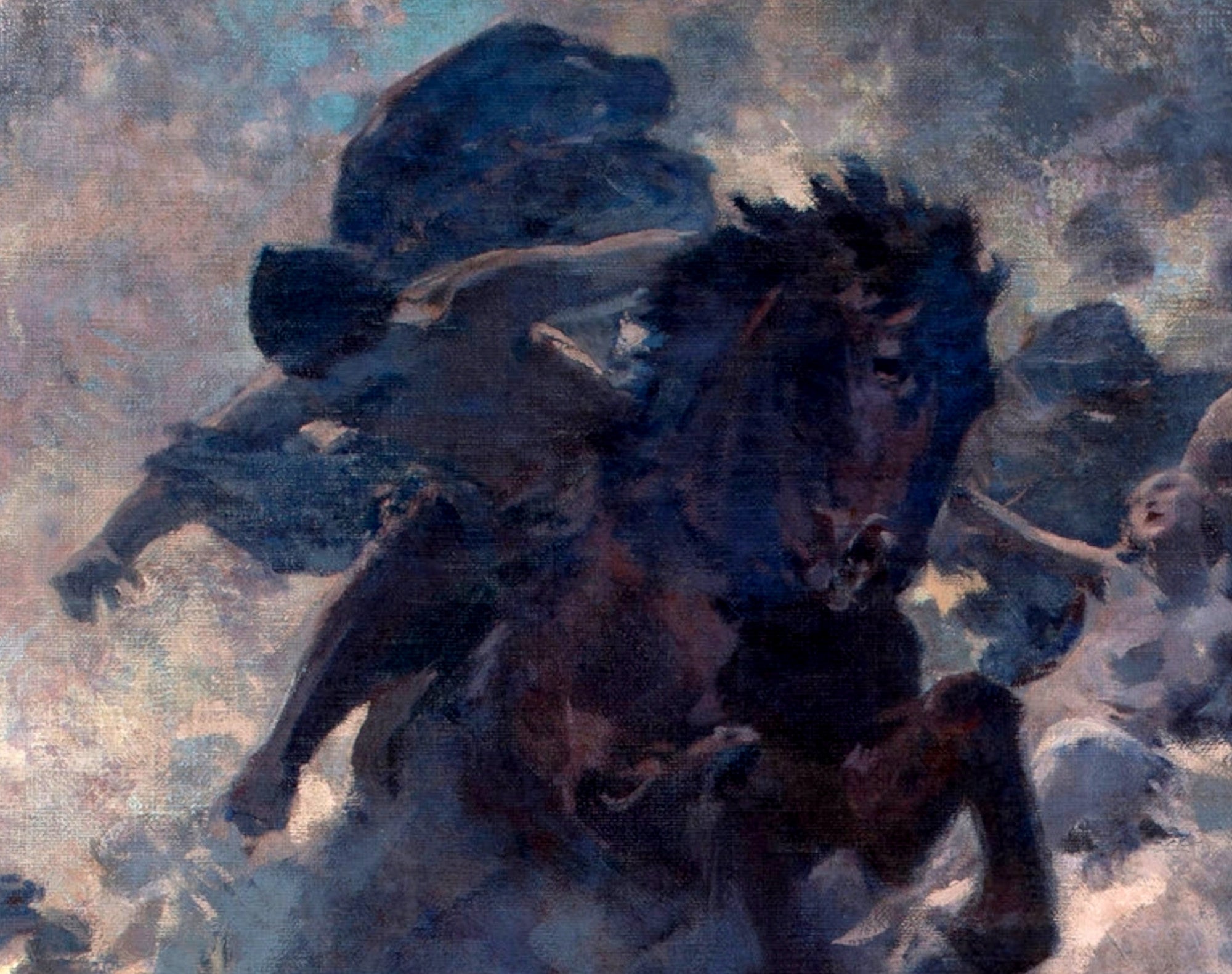
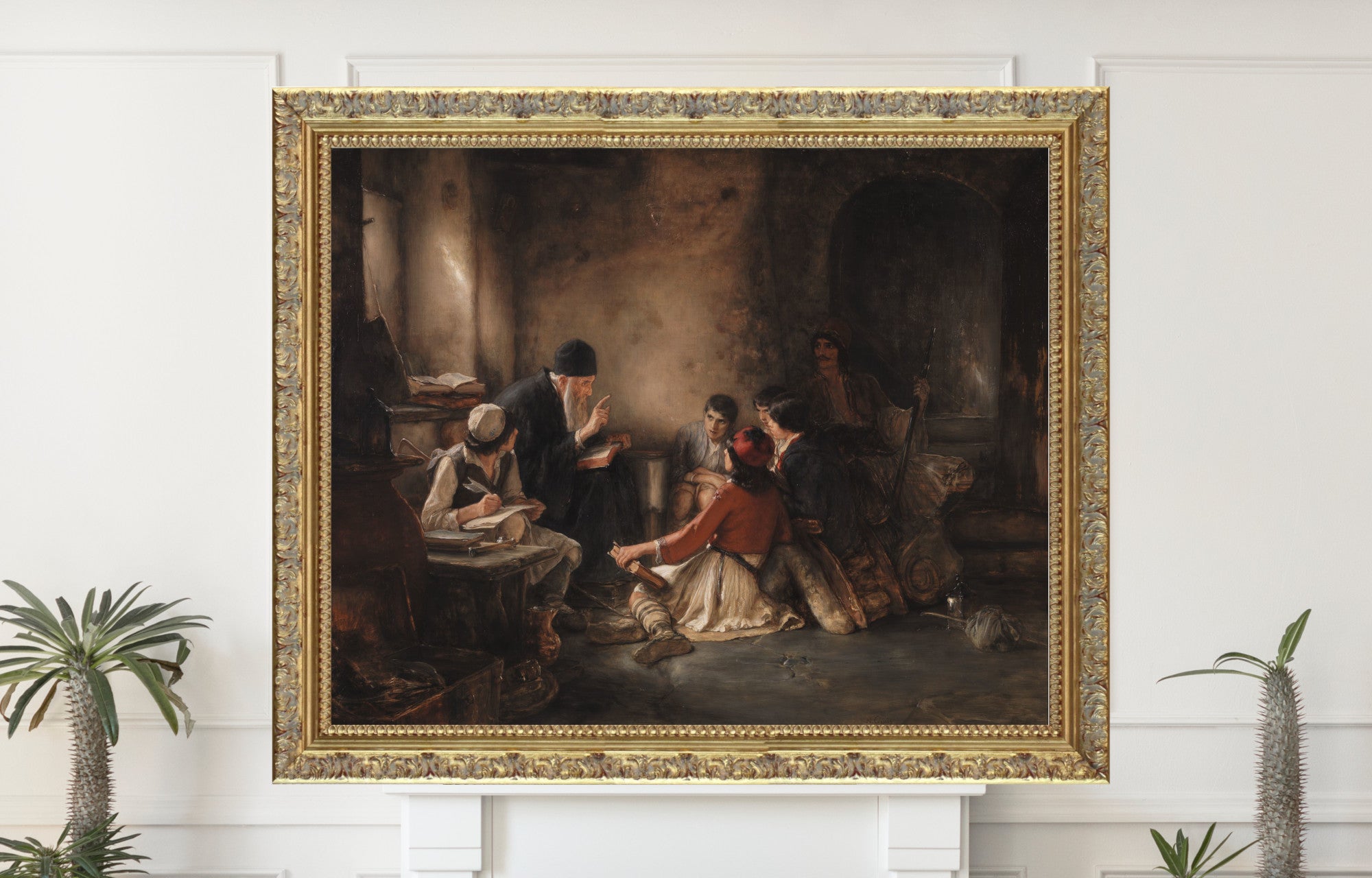
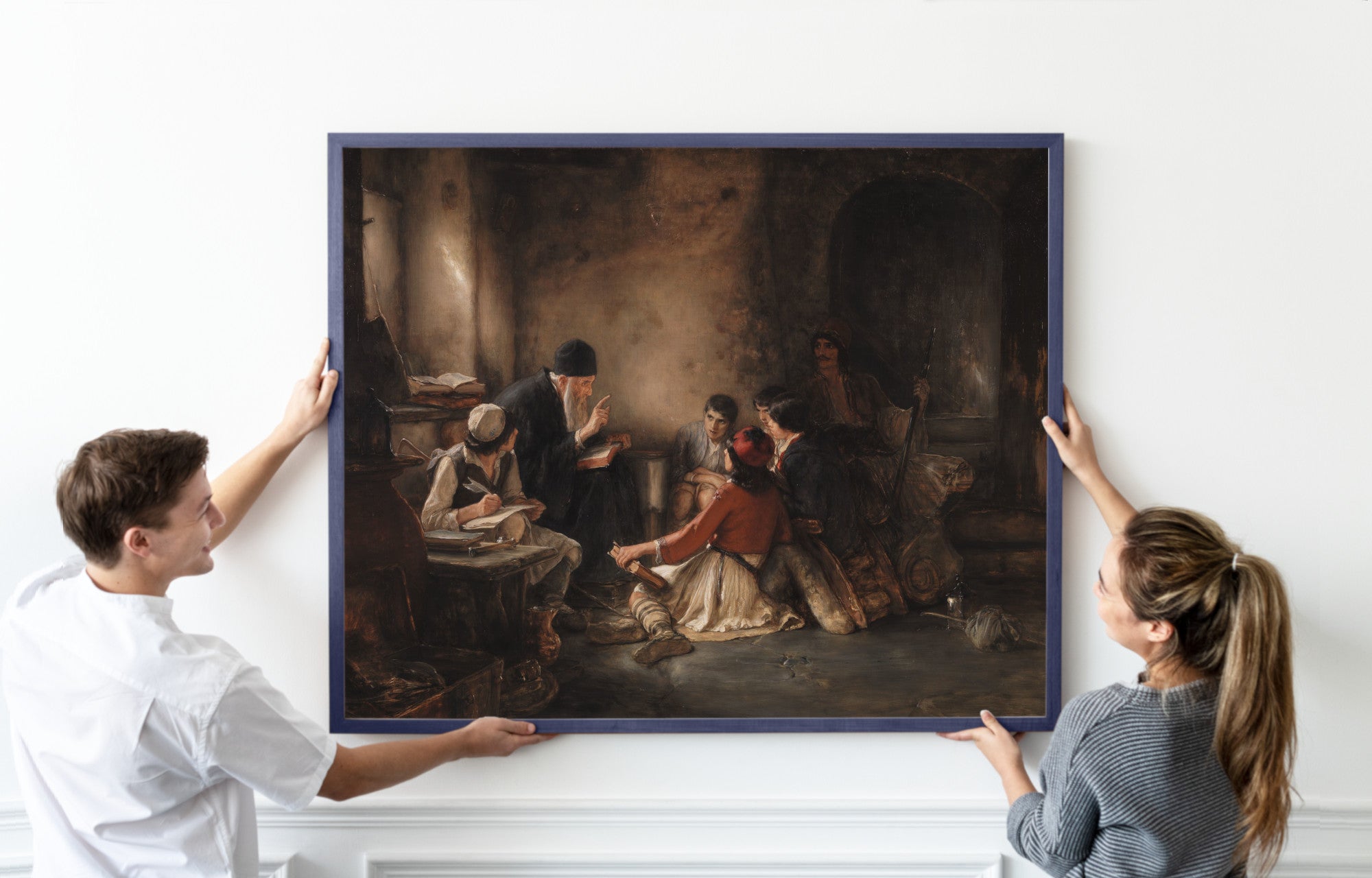
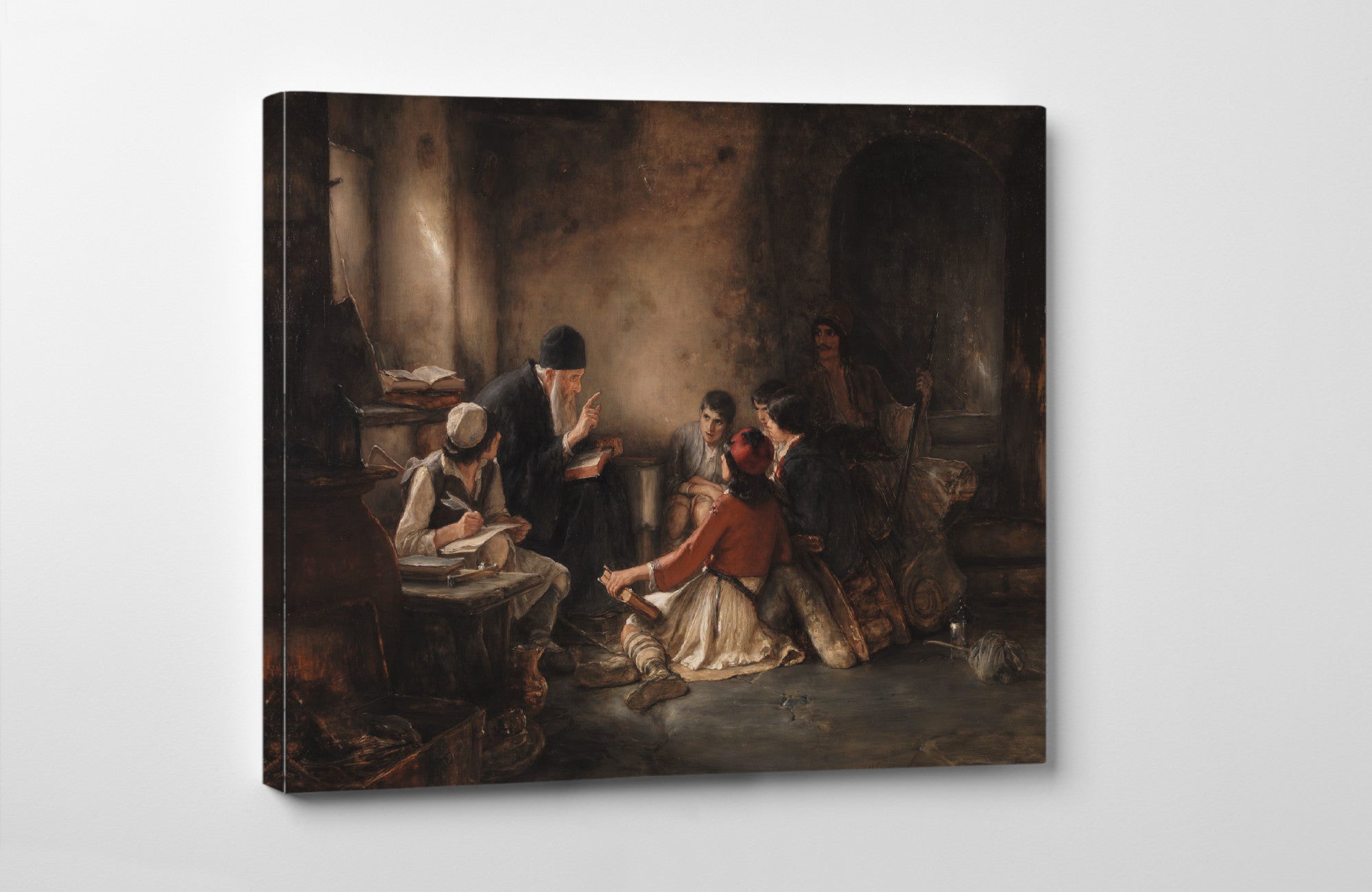
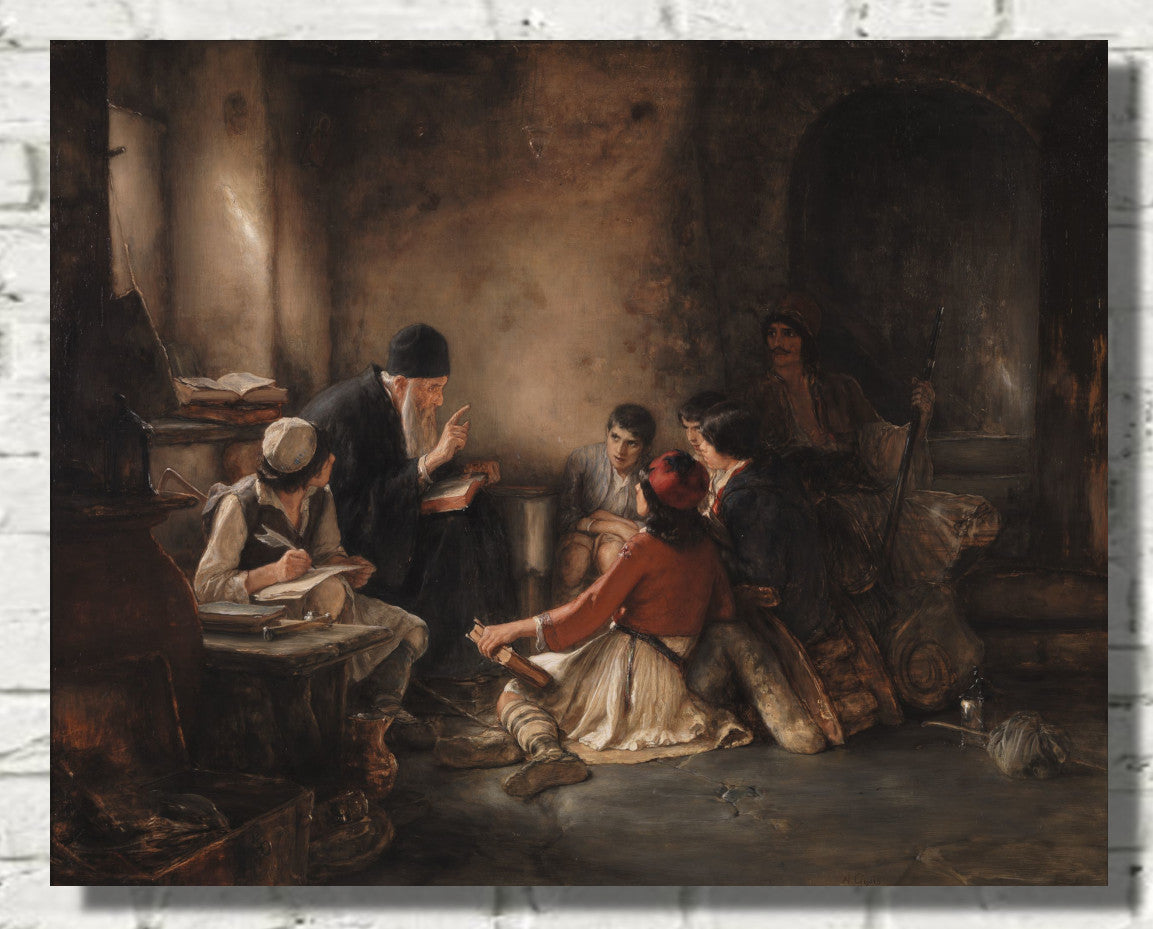
Mythology, Religious and Occult Art Prints
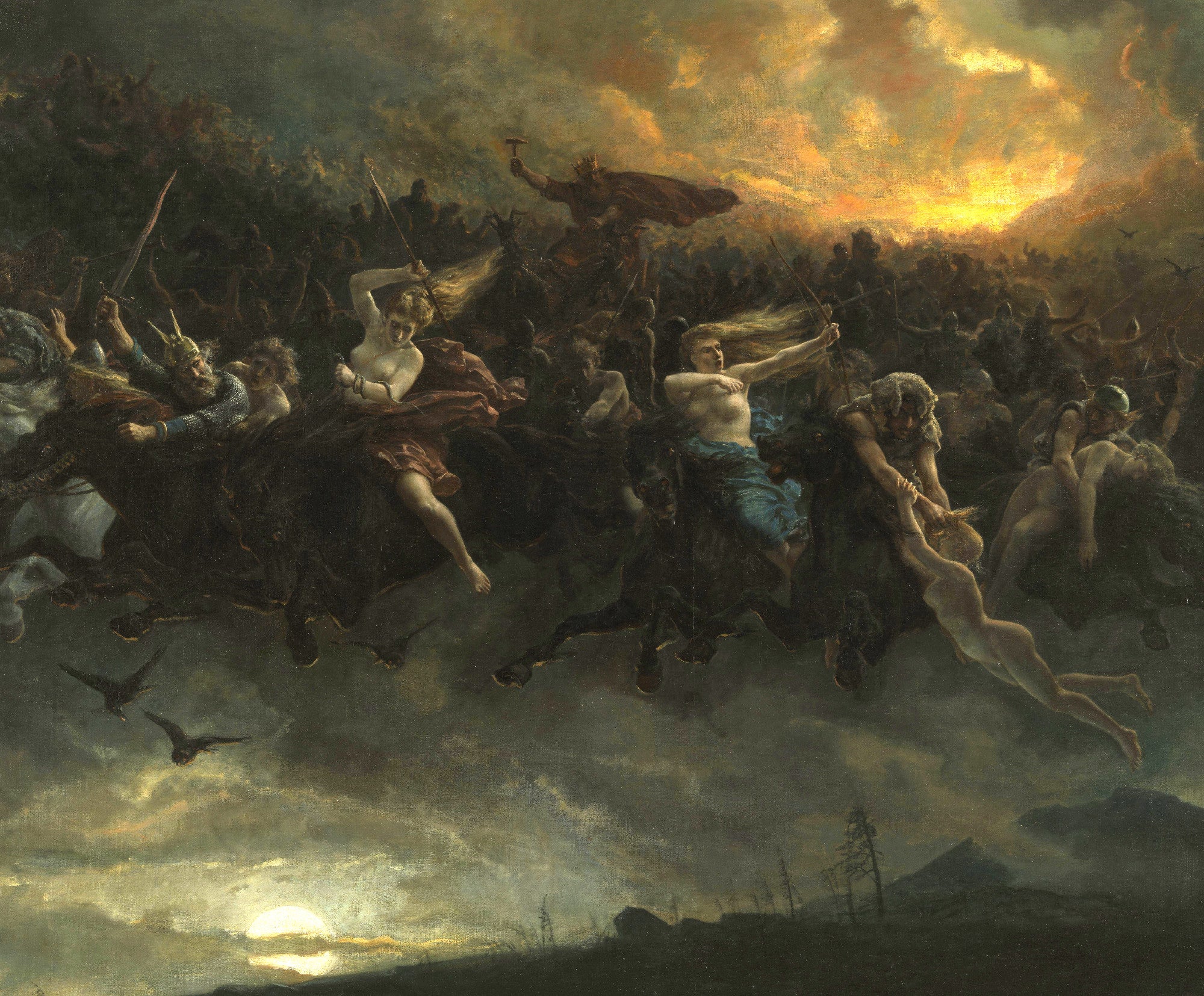
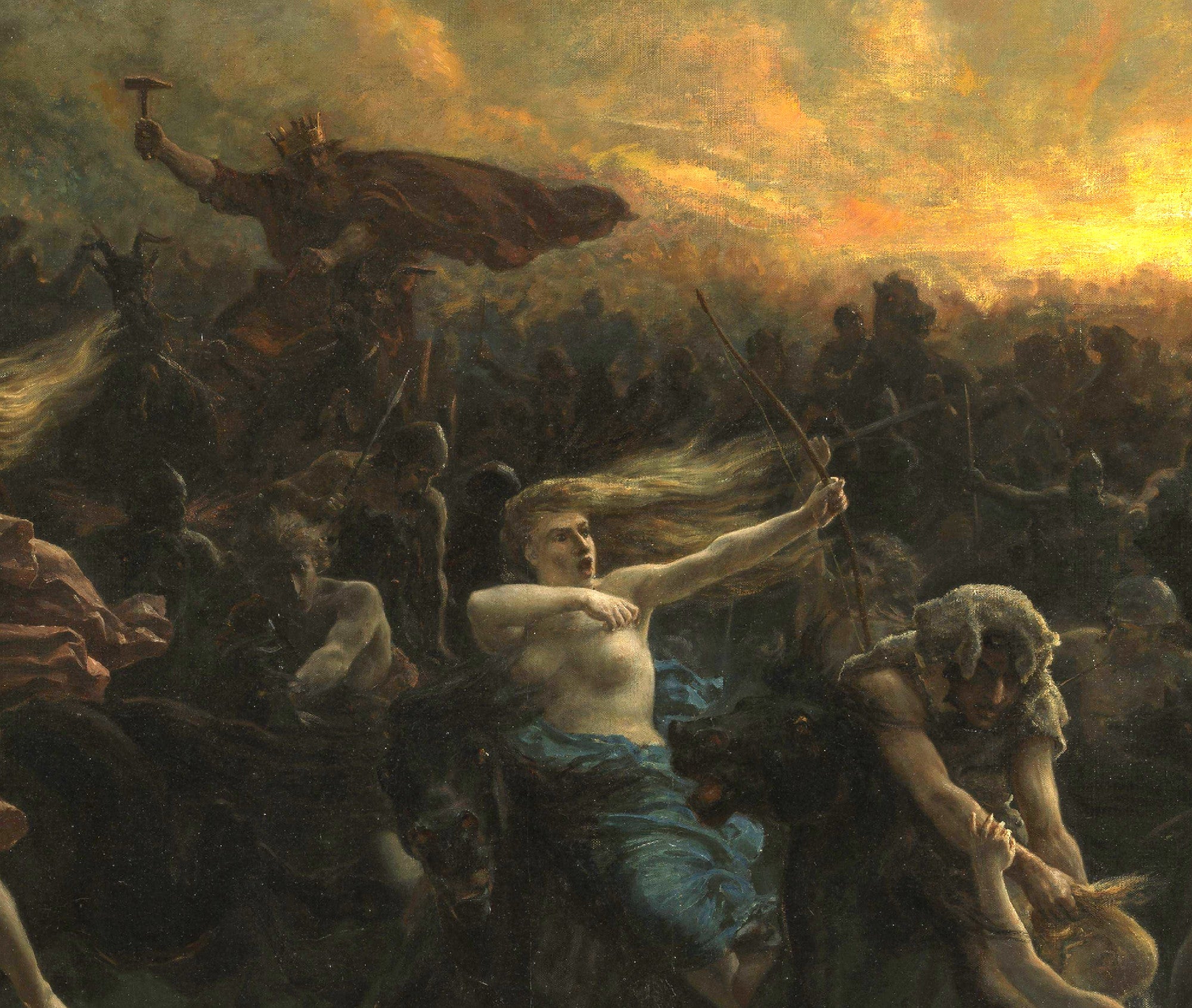
Mythology, religious and occult art contains some of the richest imagery in art history.
These works explore gods, saints, angels, devils, prophets, heroes, witches, visions, miracles, temptation, judgement, sacrifice and transformation. They are paintings filled with narrative, symbolism and emotional force.
The collection ranges from Christian devotional art and biblical scenes to Greek mythology, Gothic imagery, Symbolist visions and supernatural subjects.
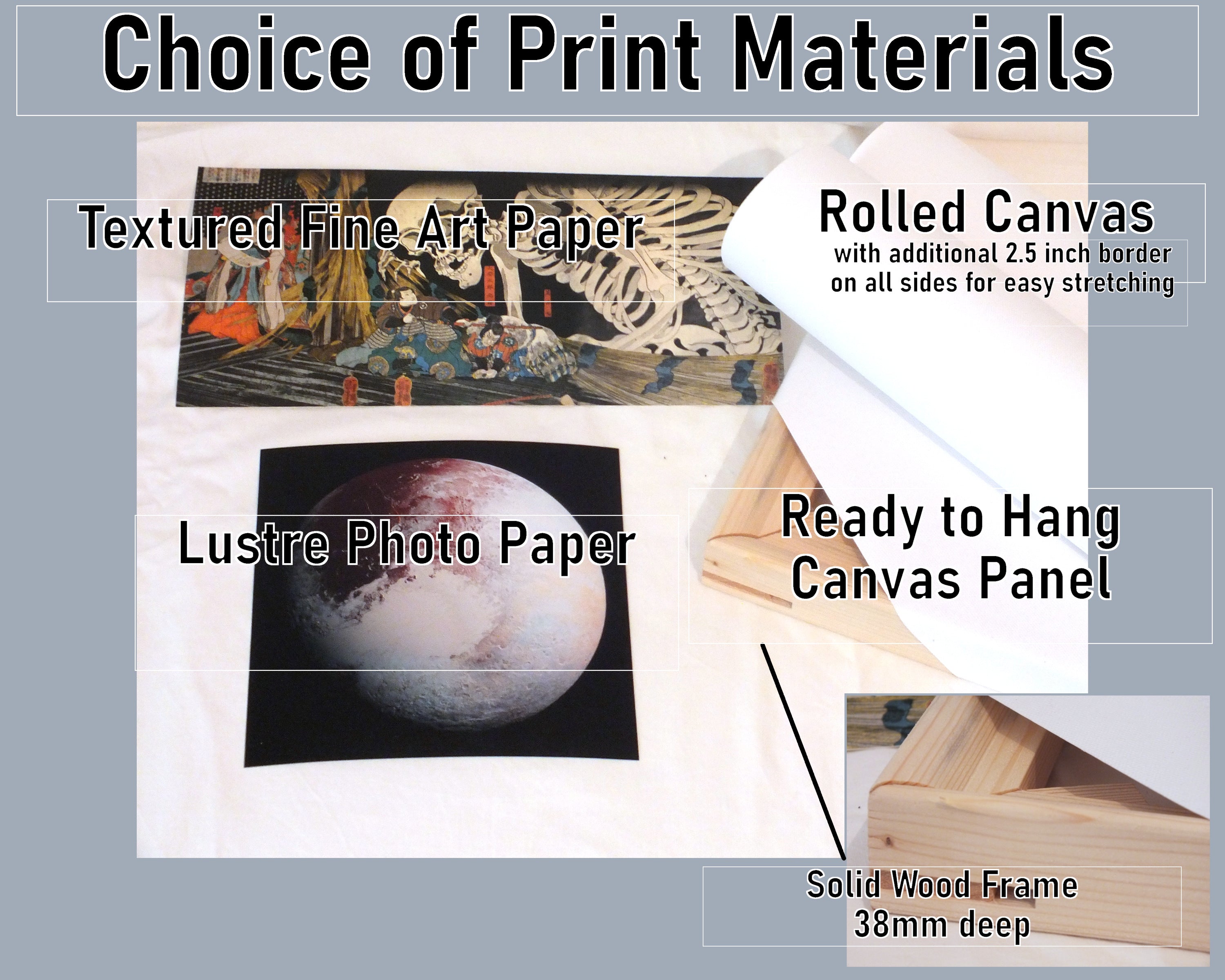
Many artworks are available as fine art paper prints, framed prints and canvas panels in a choice of sizes.
Christian and Religious Art Prints
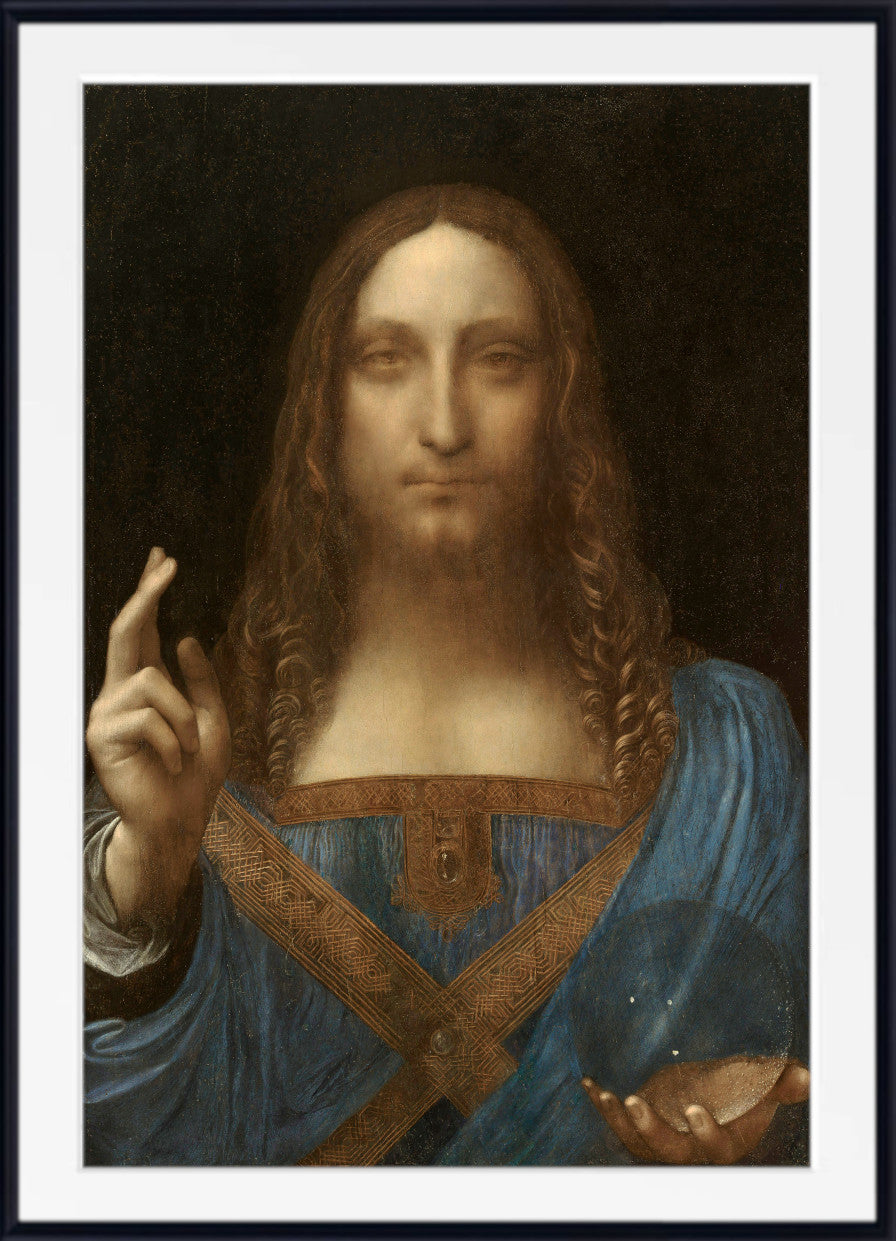
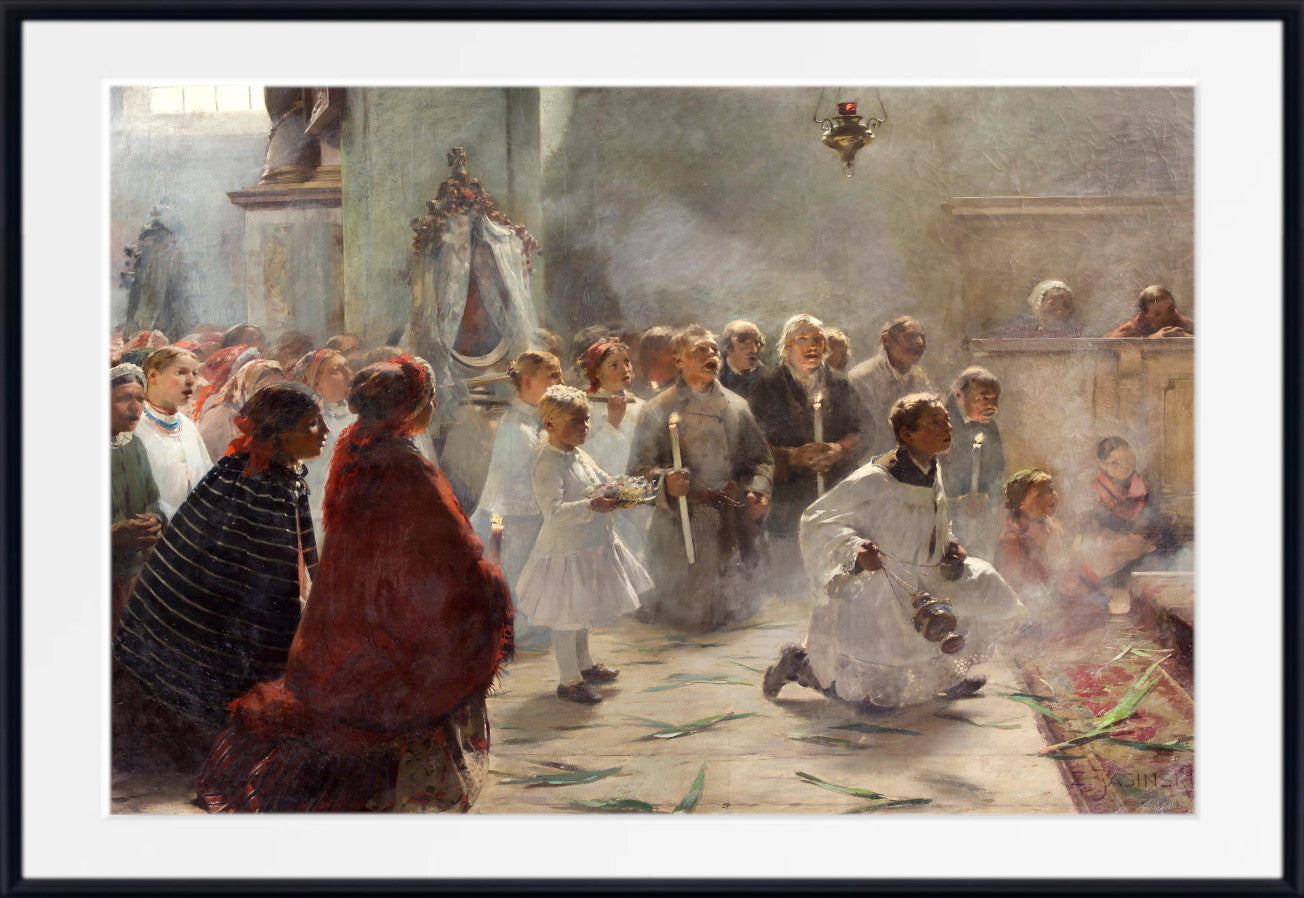
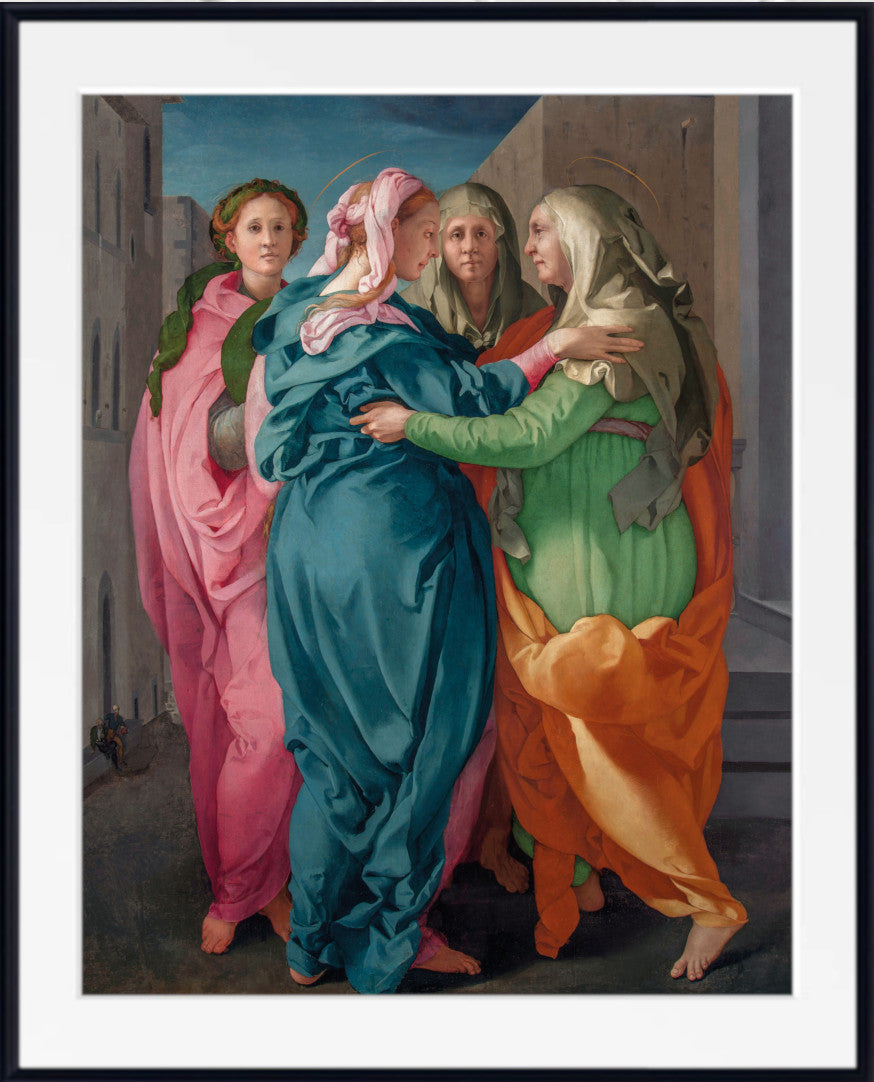
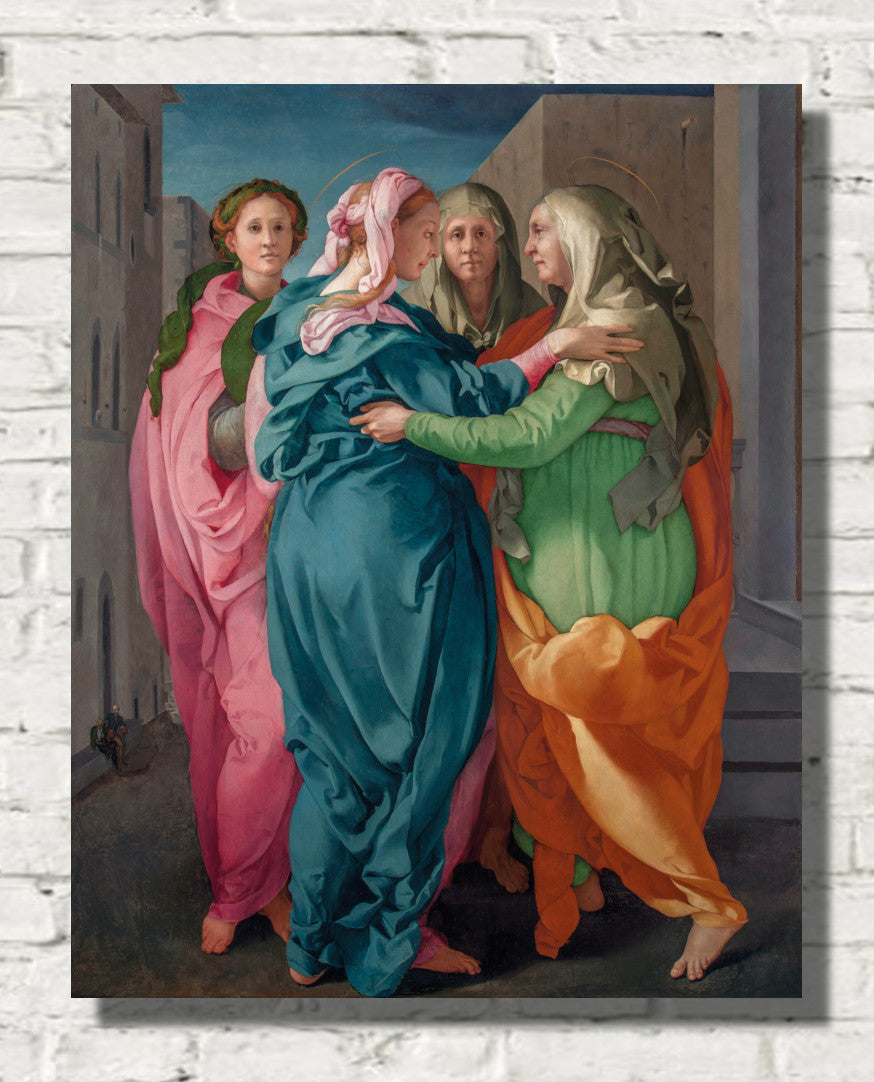
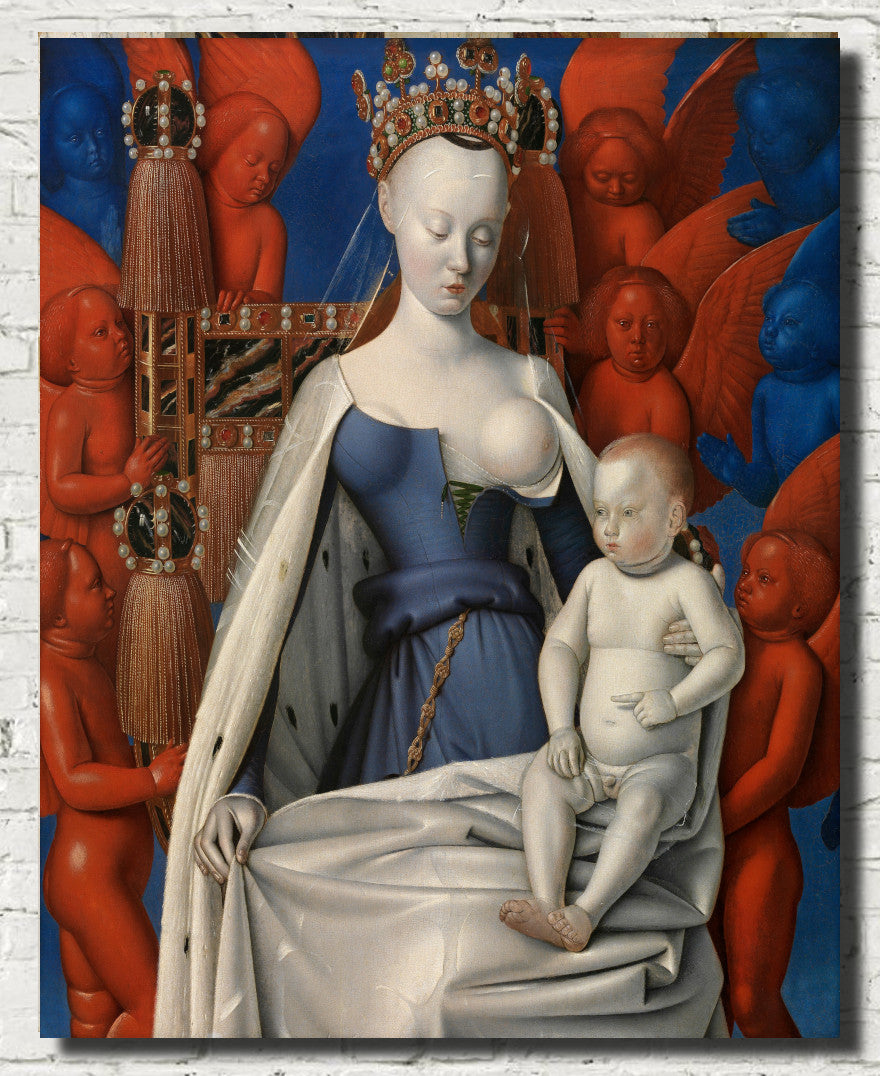
Christian imagery has shaped Western art for centuries, providing artists with subjects drawn from the life of Christ, the Virgin Mary, saints, angels, biblical history and devotional tradition.
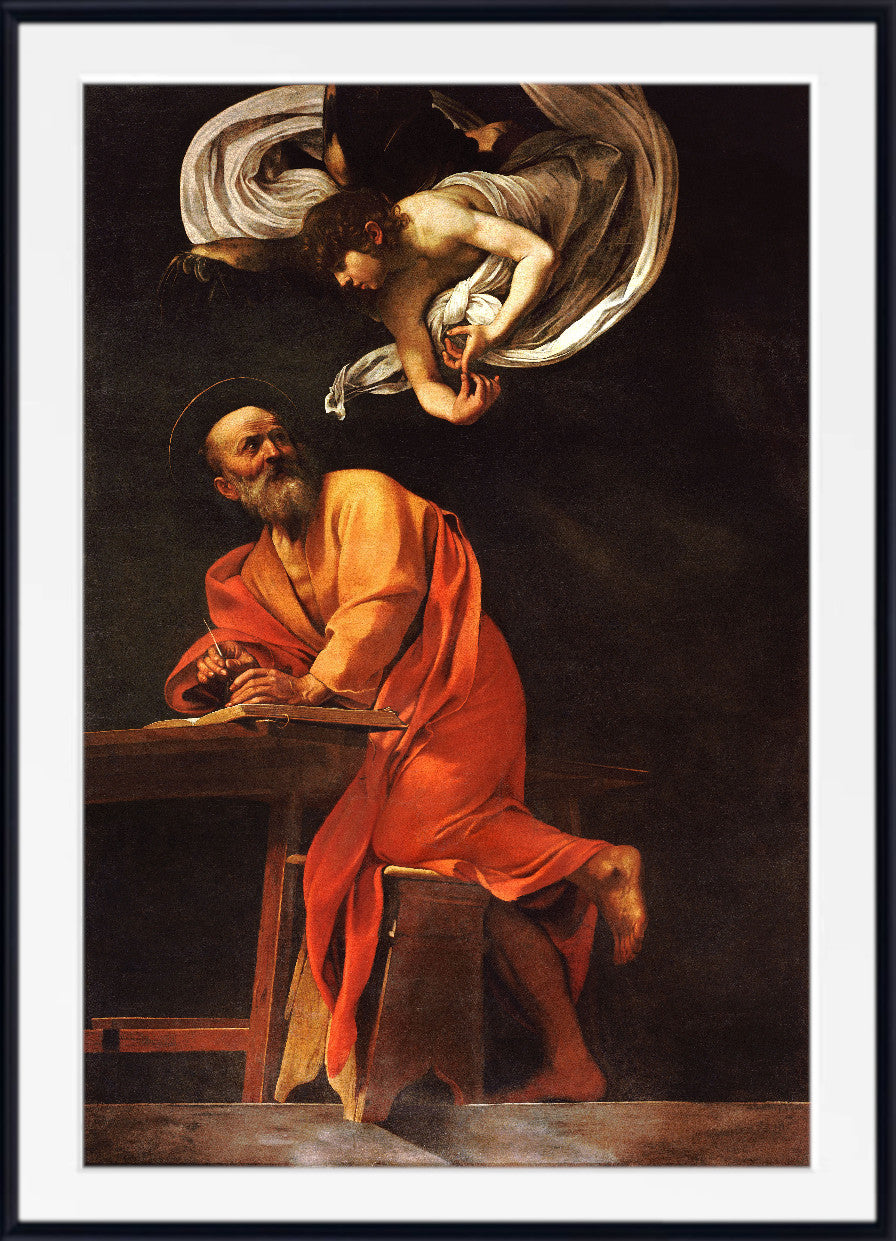
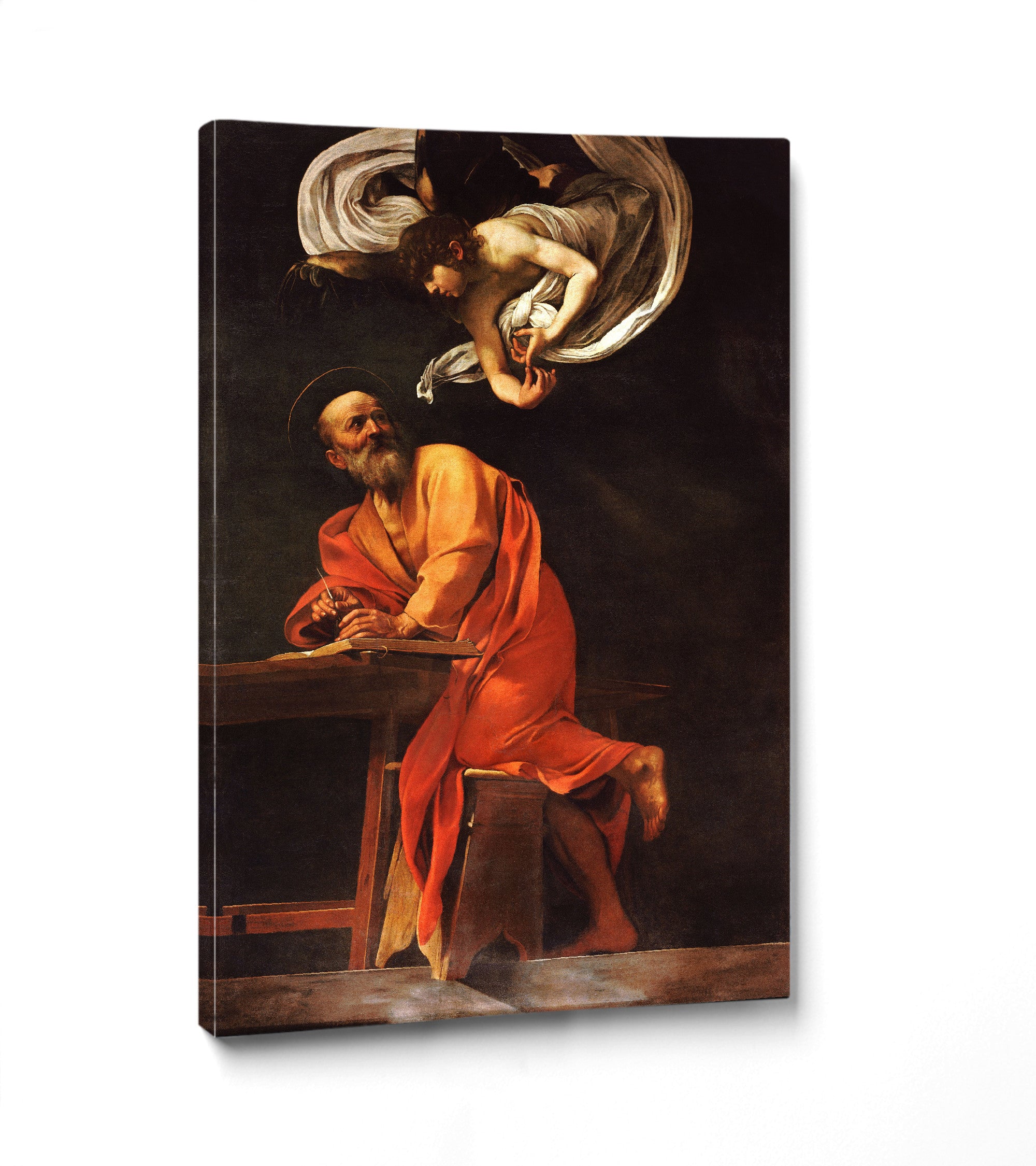
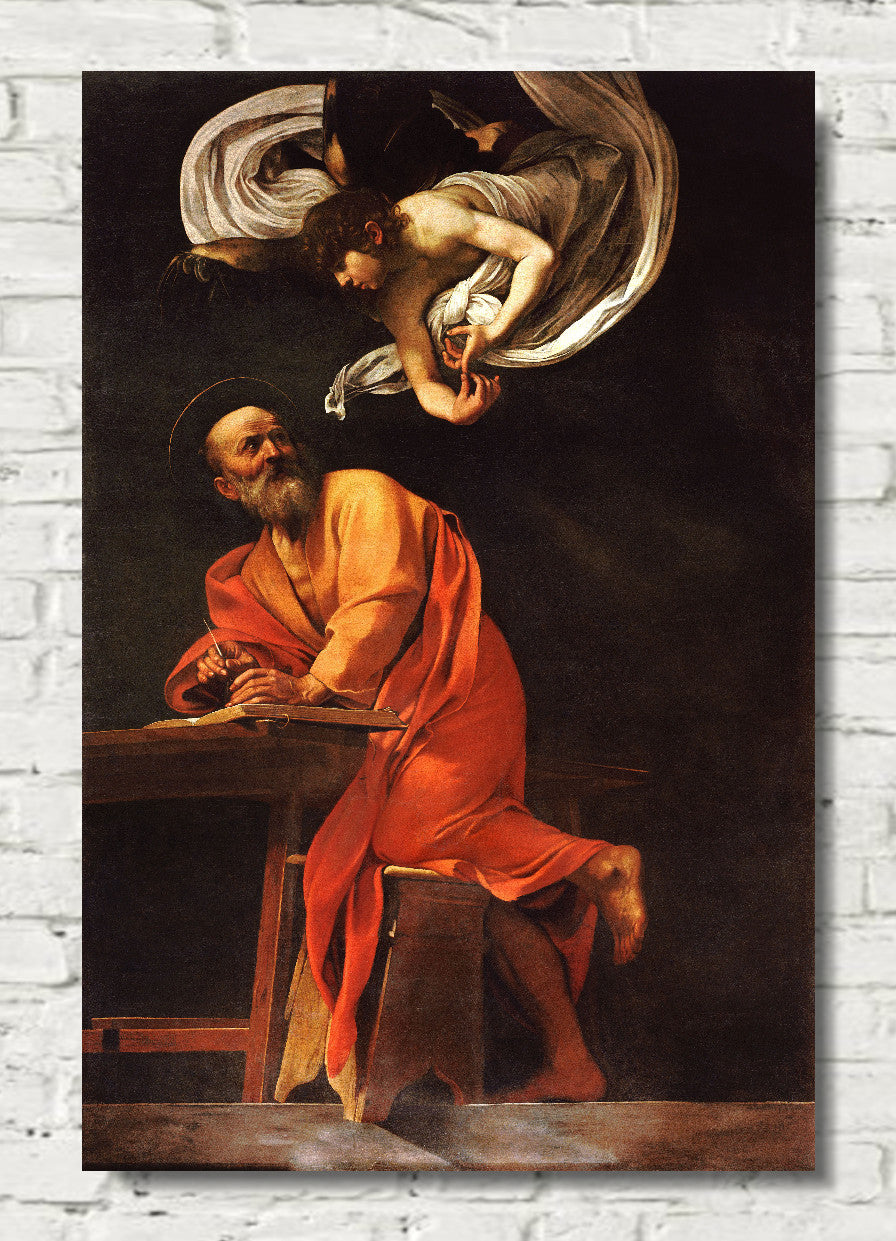
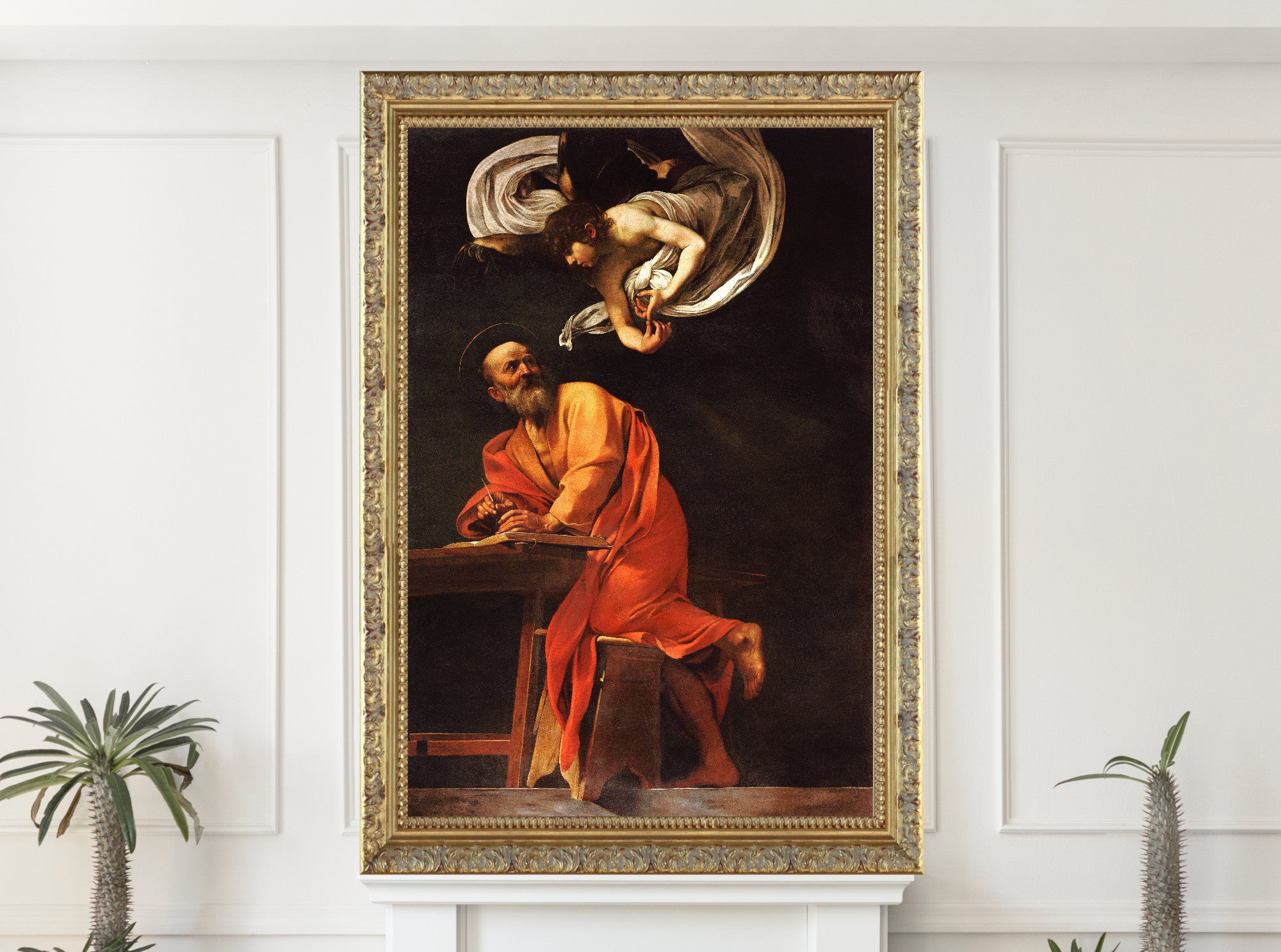
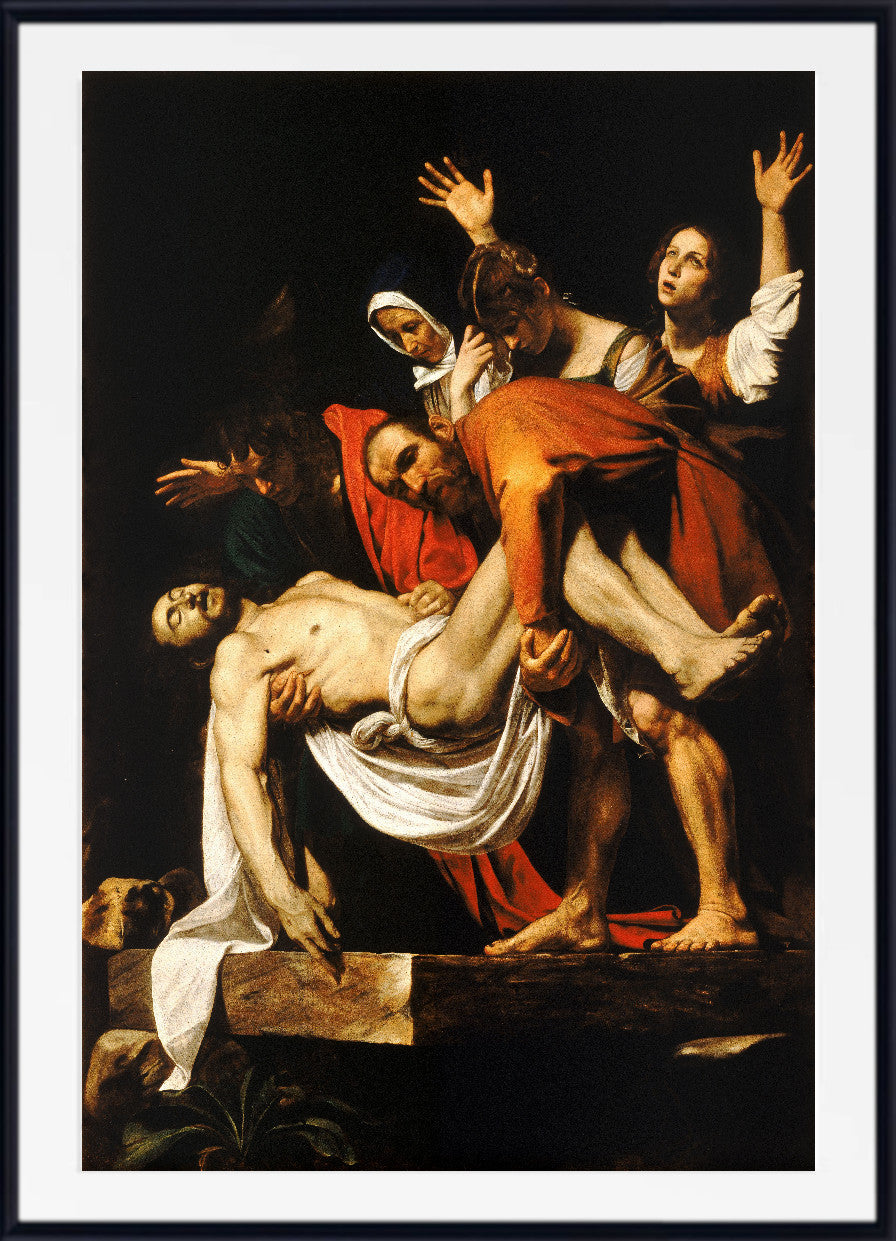
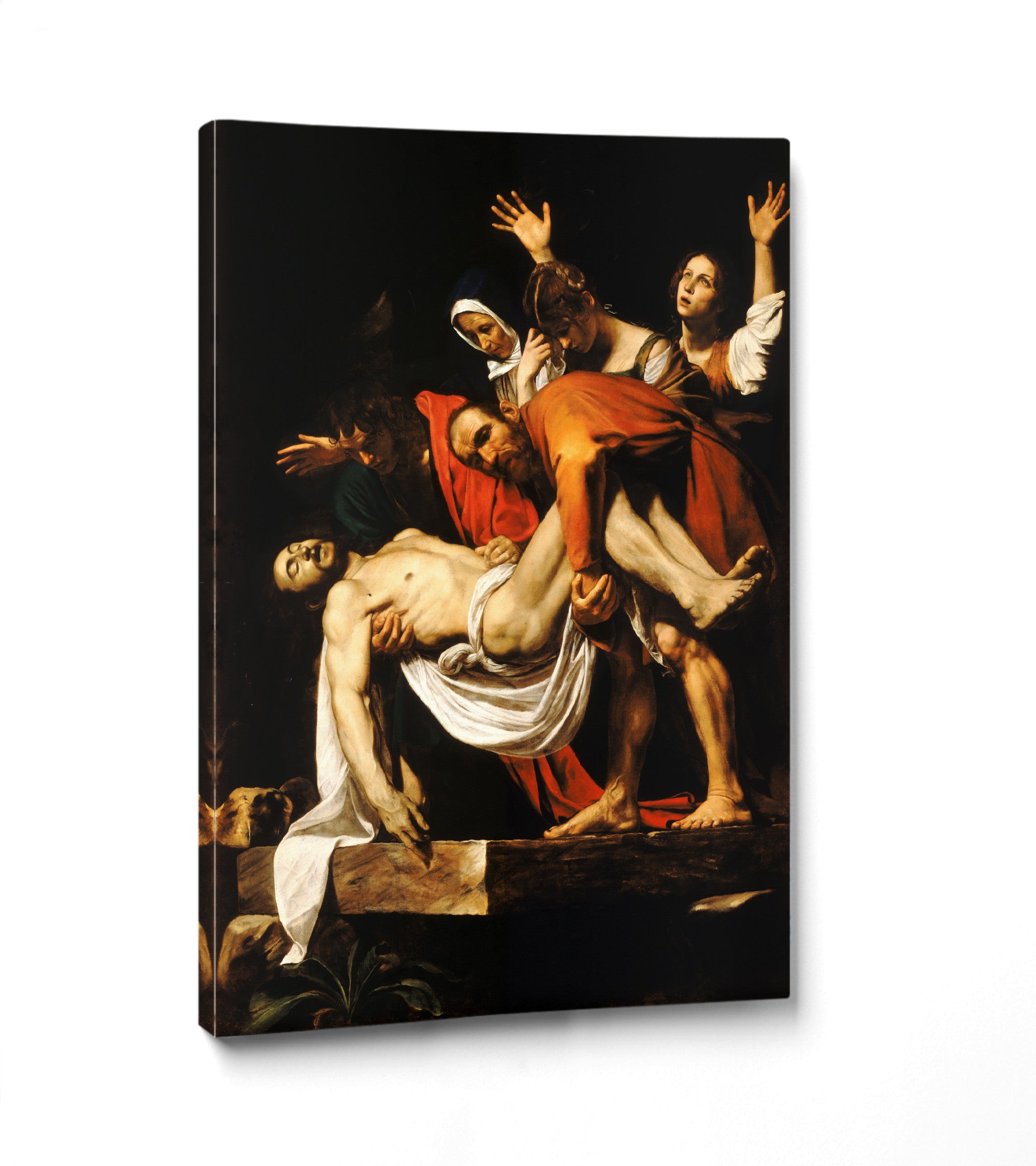
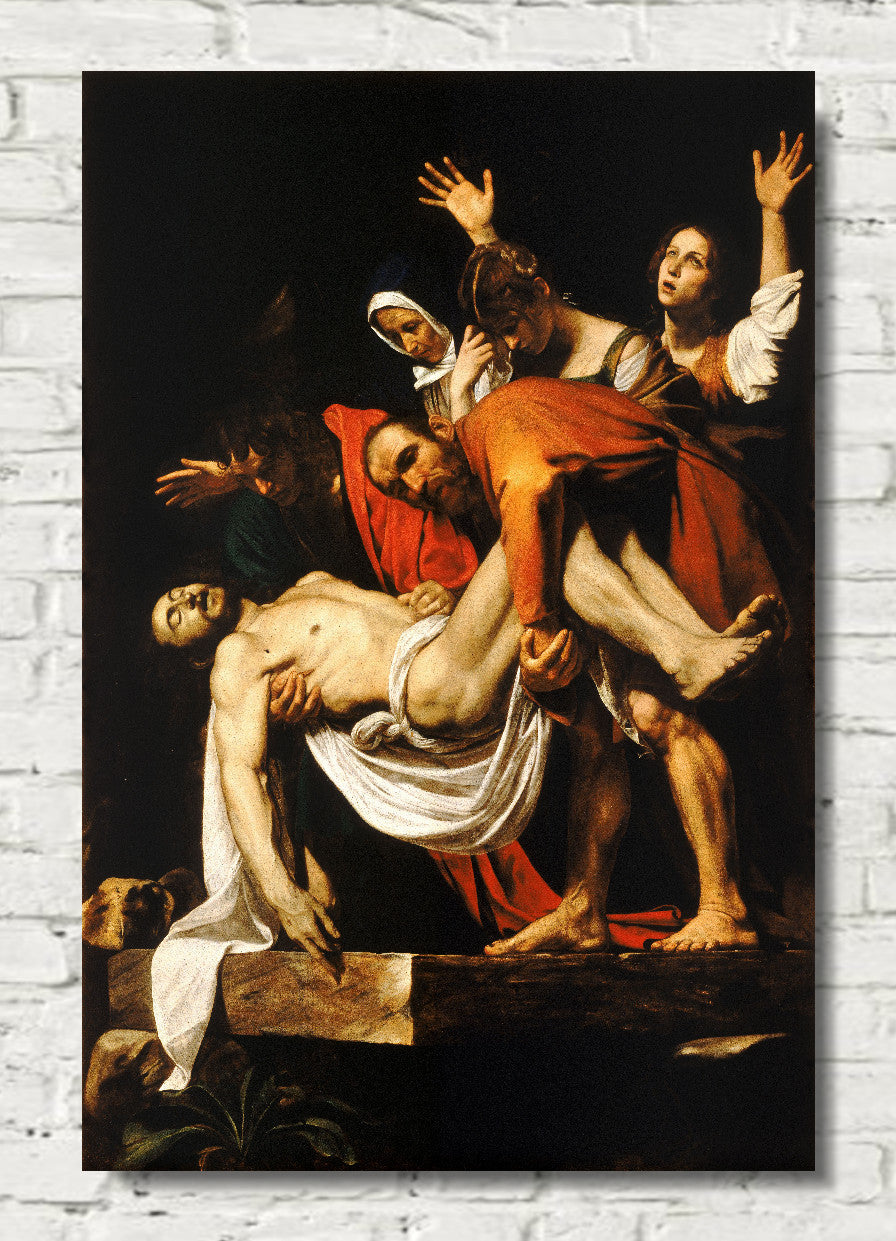
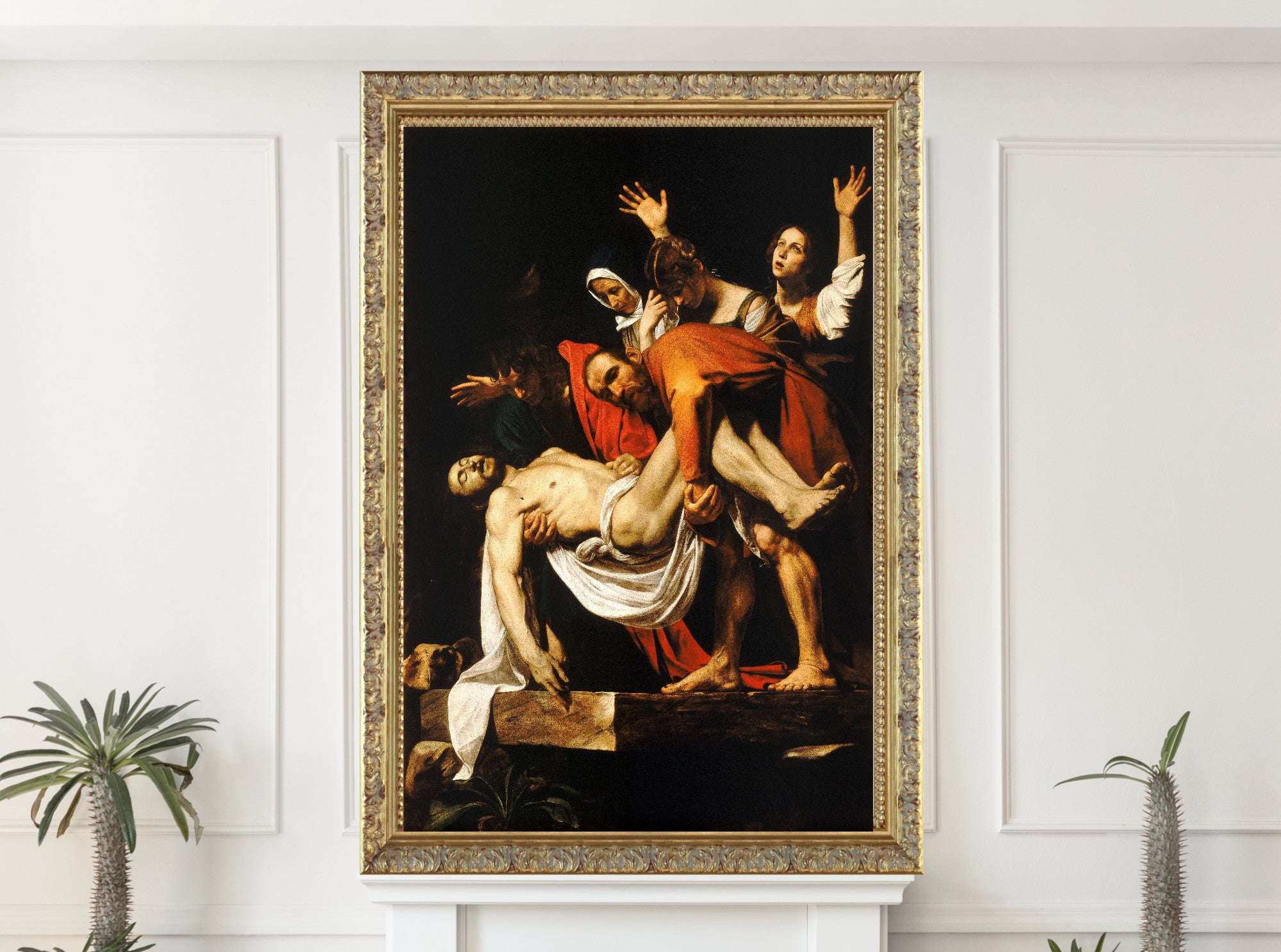
Caravaggio is particularly important for dramatic religious painting. His strong contrasts of light and shadow give biblical scenes extraordinary physical and emotional presence.
Albrecht Dürer approached religious imagery through highly detailed Renaissance painting, drawing and printmaking, while many other artists developed their own distinctive interpretations of Christian stories.
For a collection devoted specifically to these subjects, explore Christian Wall Art.
Catholic Saints and Devotional Wall Art
Saints have been represented throughout Christian art through portraiture, narrative and symbolic attributes associated with their lives.
Books, crosses, lilies, robes, wounds and other objects can identify particular saints and communicate ideas of martyrdom, learning, devotion or spiritual authority.
Browse Catholic Saints Wall Art for a more focused selection of saint paintings and devotional imagery.
These prints can work particularly well in prayer spaces, studies, bedrooms, hallways and traditional interiors.
Greek Mythology and Classical Figure Prints
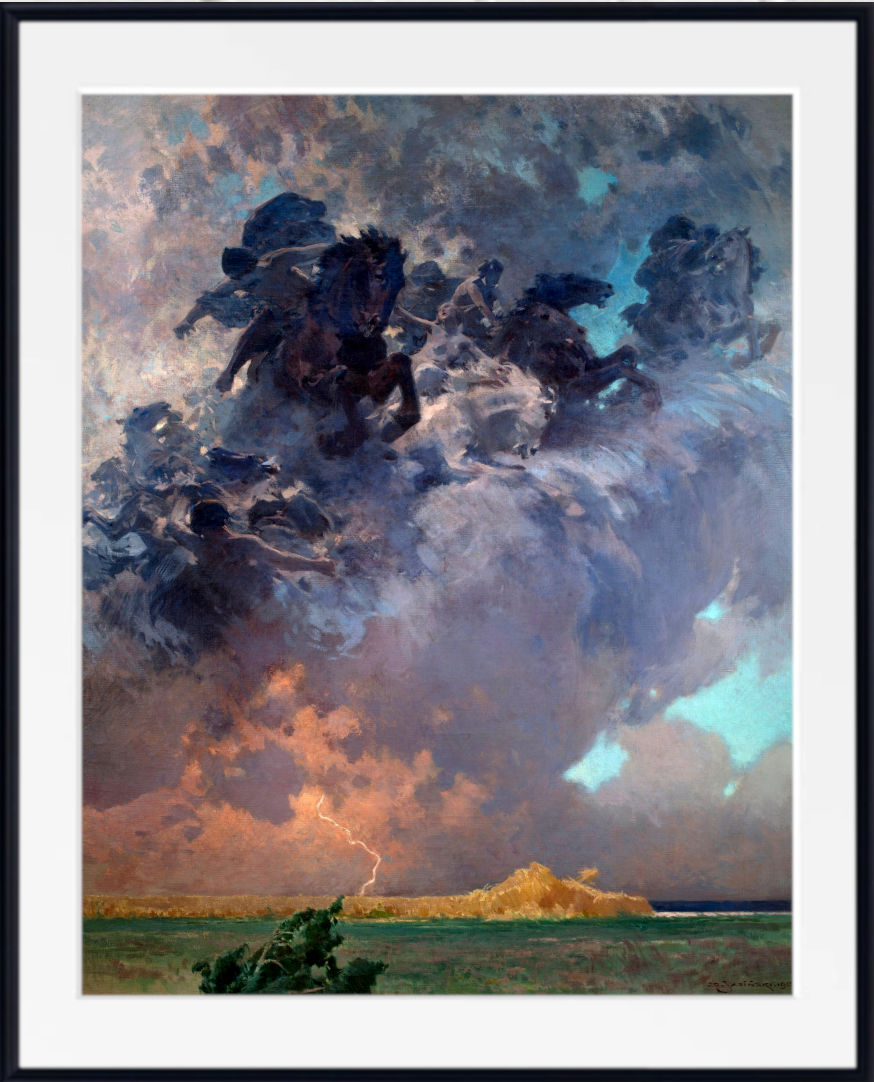
Greek and Roman mythology gave artists a vast repertoire of gods, heroes, nymphs, monsters, tragic lovers and supernatural transformations.
Mythological painting allowed artists to combine storytelling with landscape, portraiture, symbolism and the classical human figure.
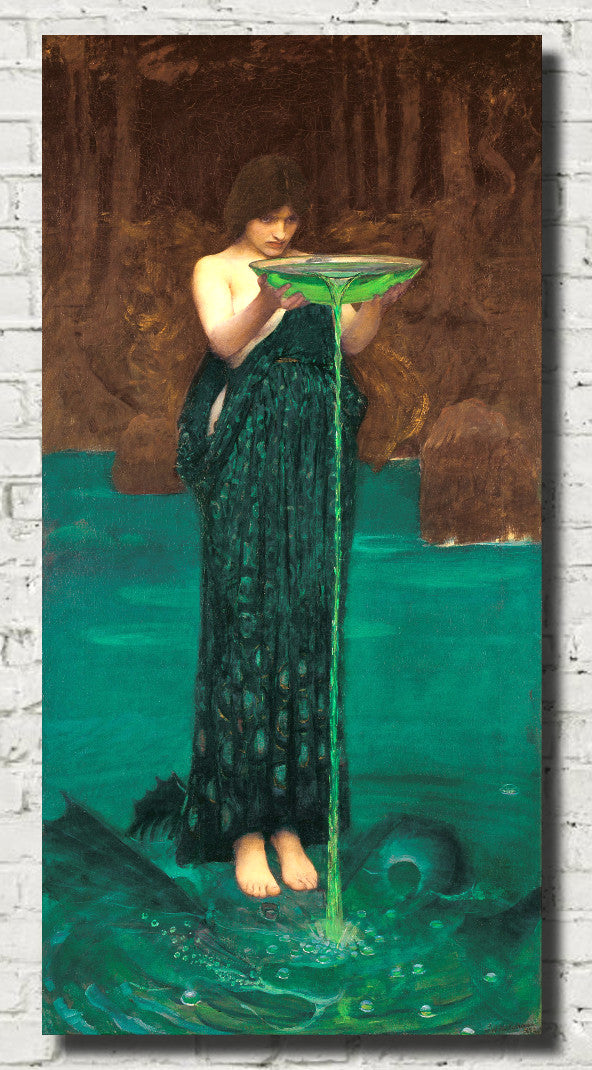
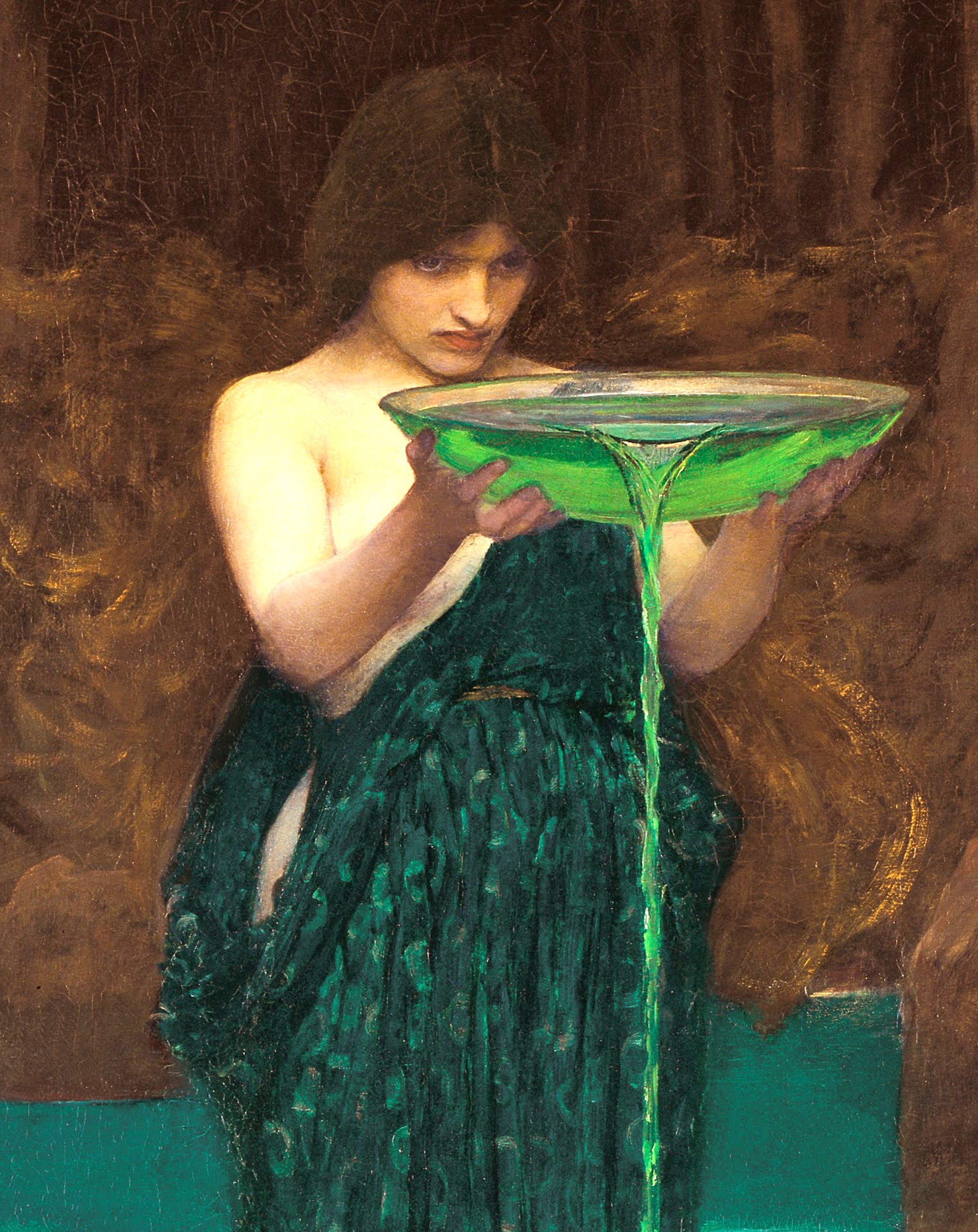
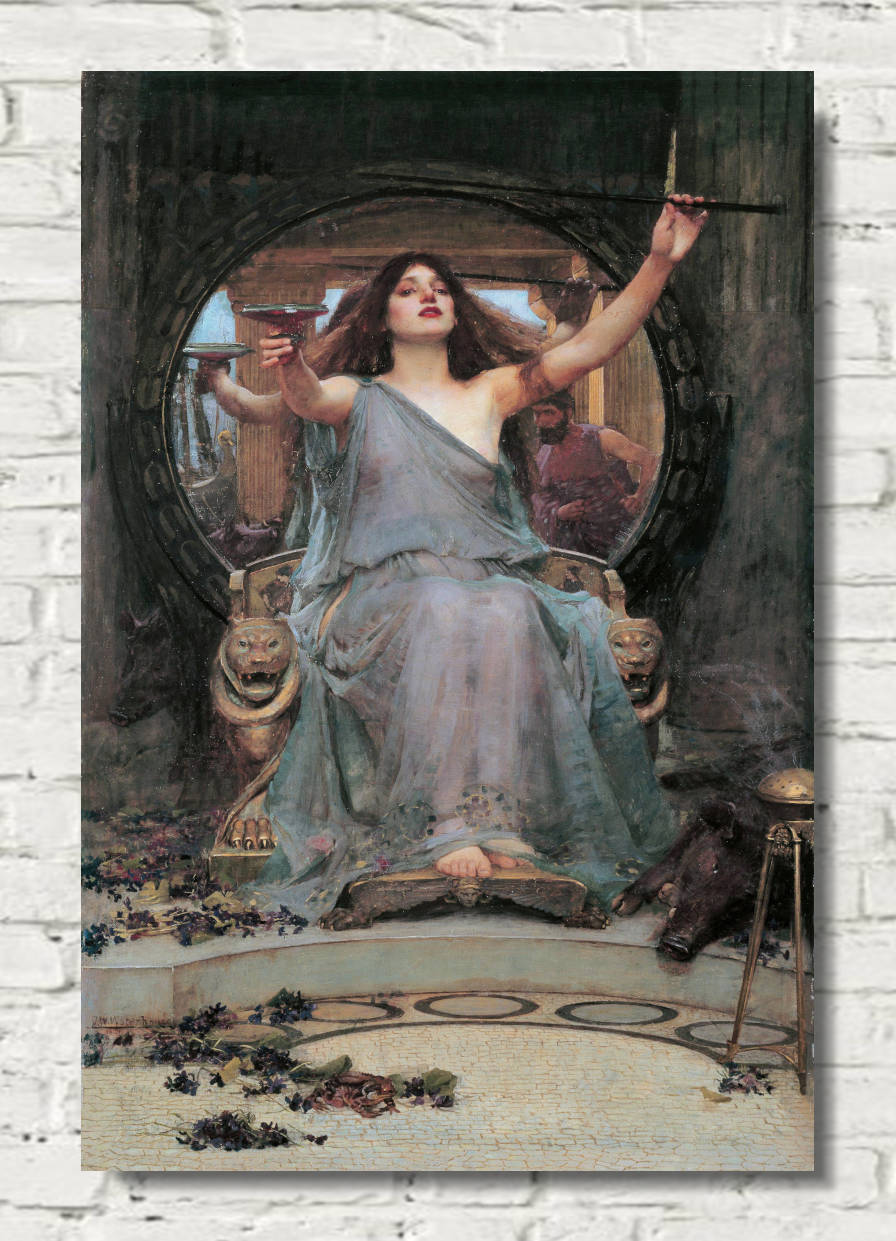
John William Waterhouse is one of the most popular artists for mythological and literary imagery, creating paintings inspired by classical legend and poetry.
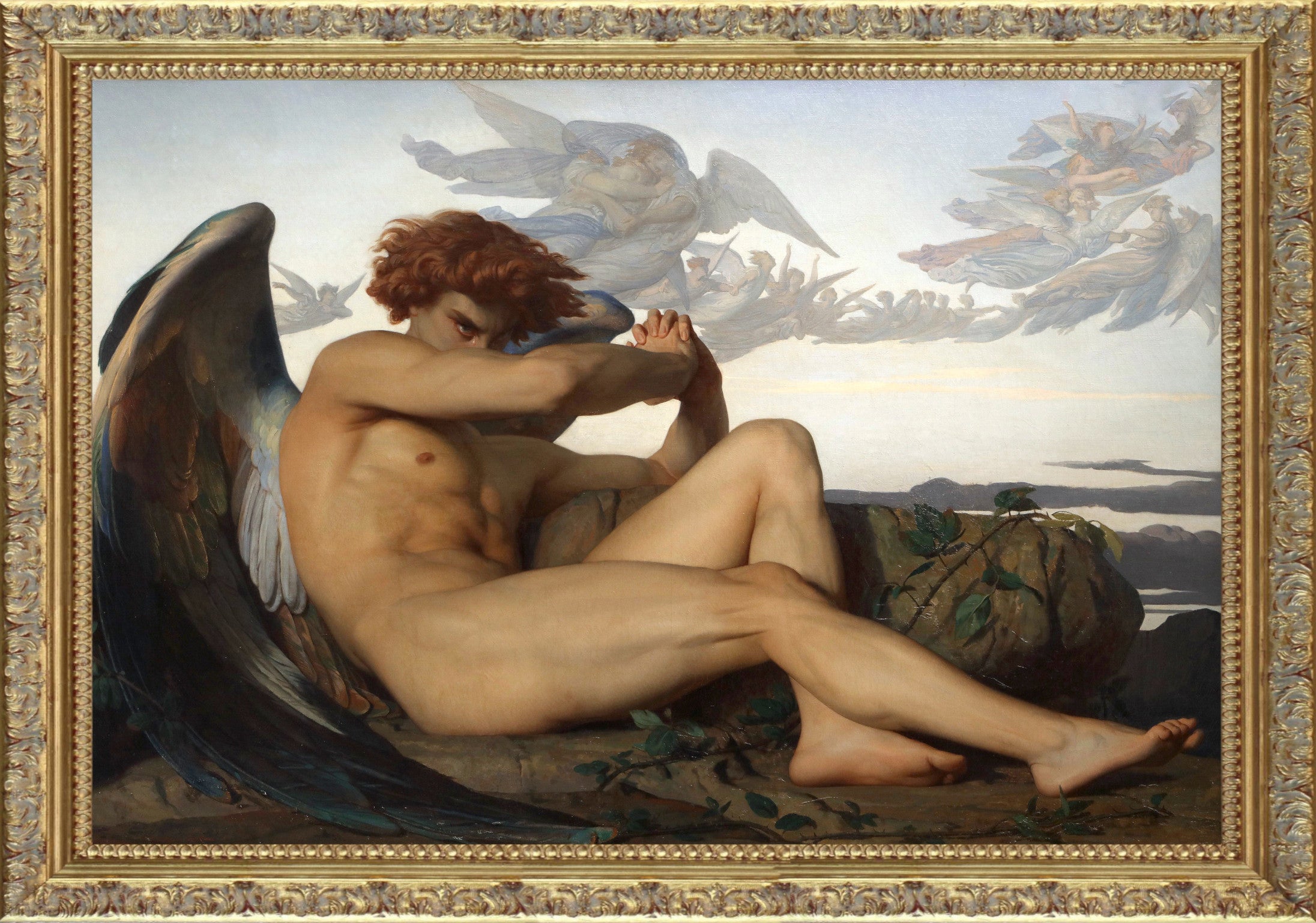
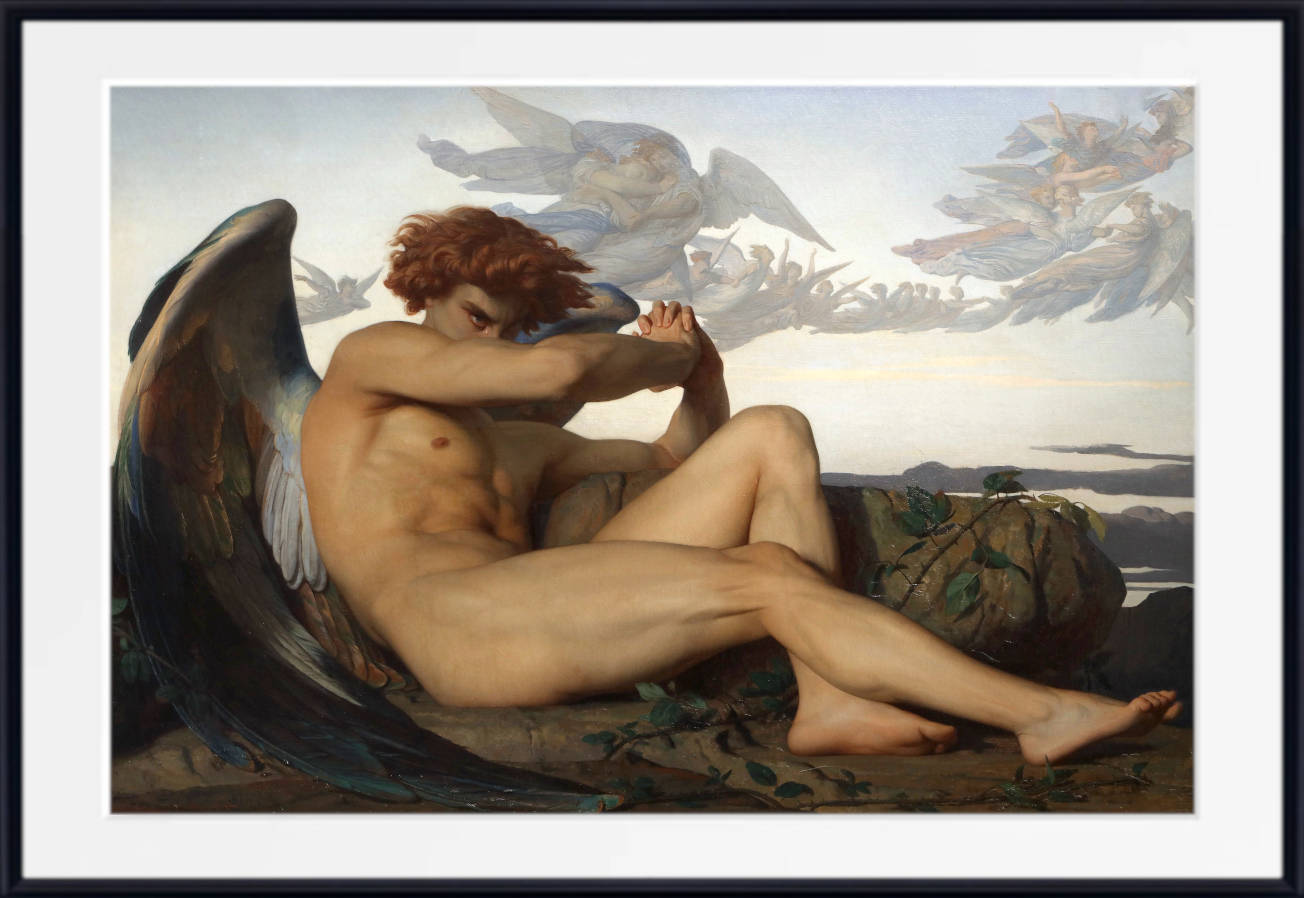
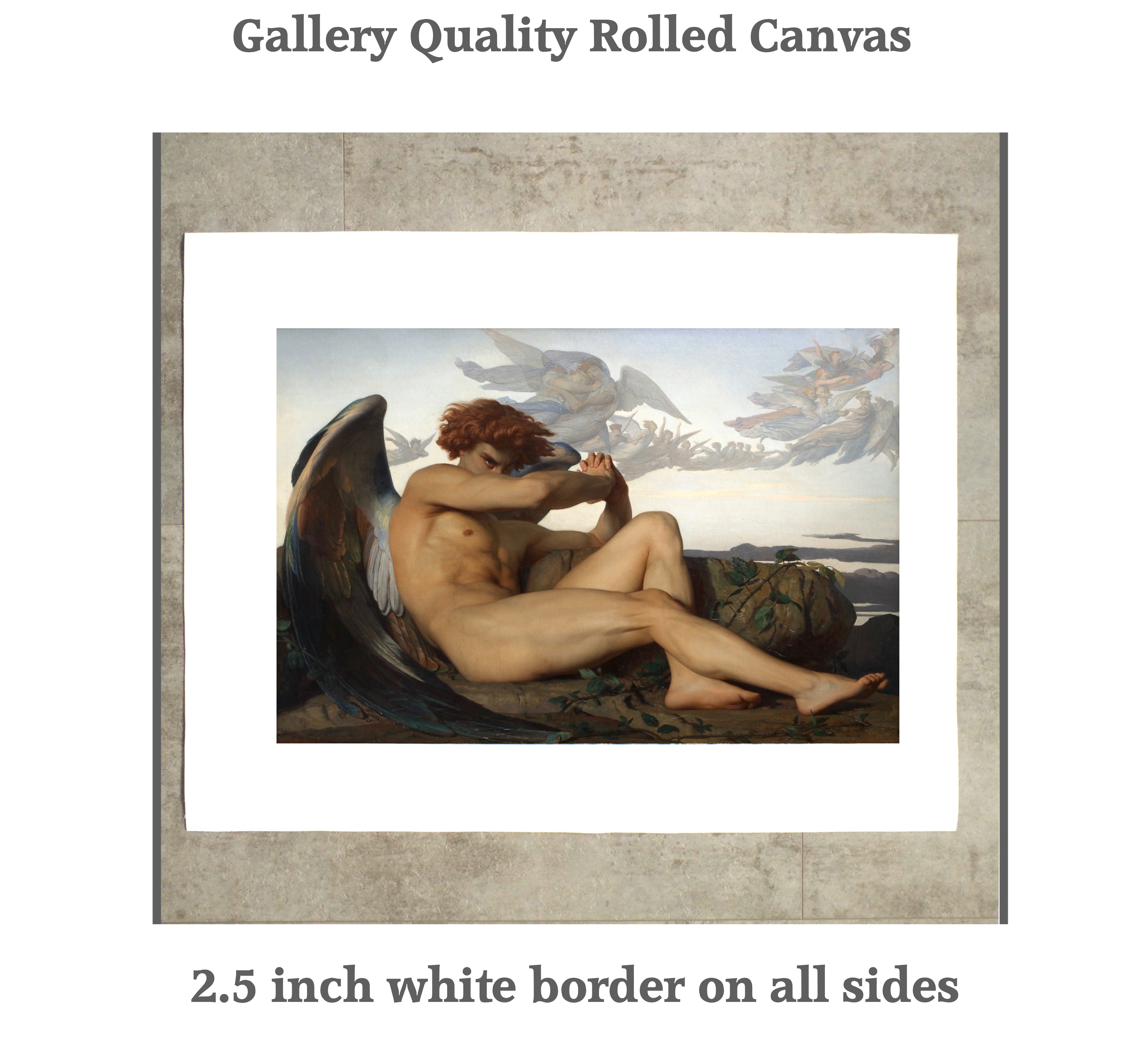
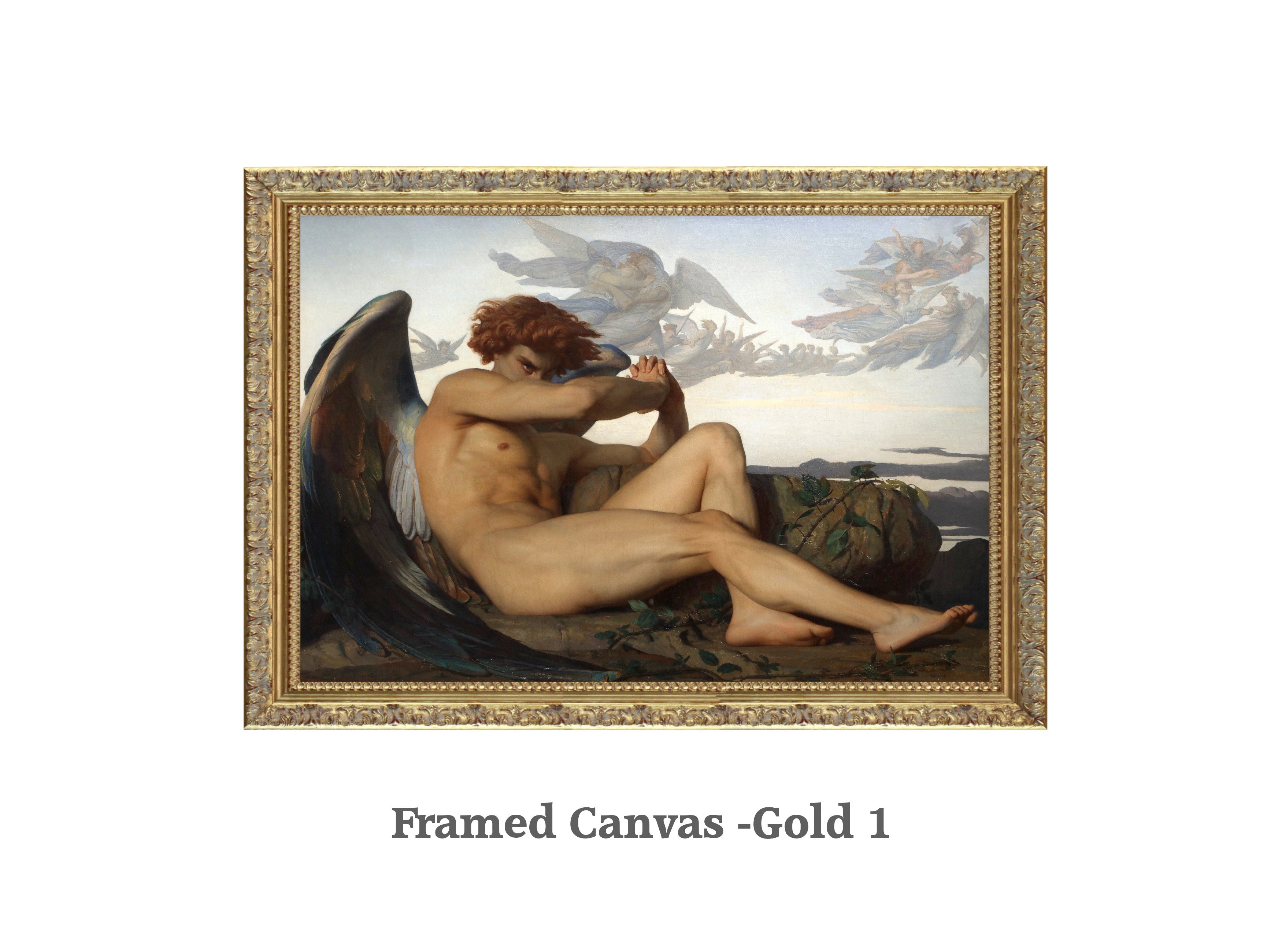
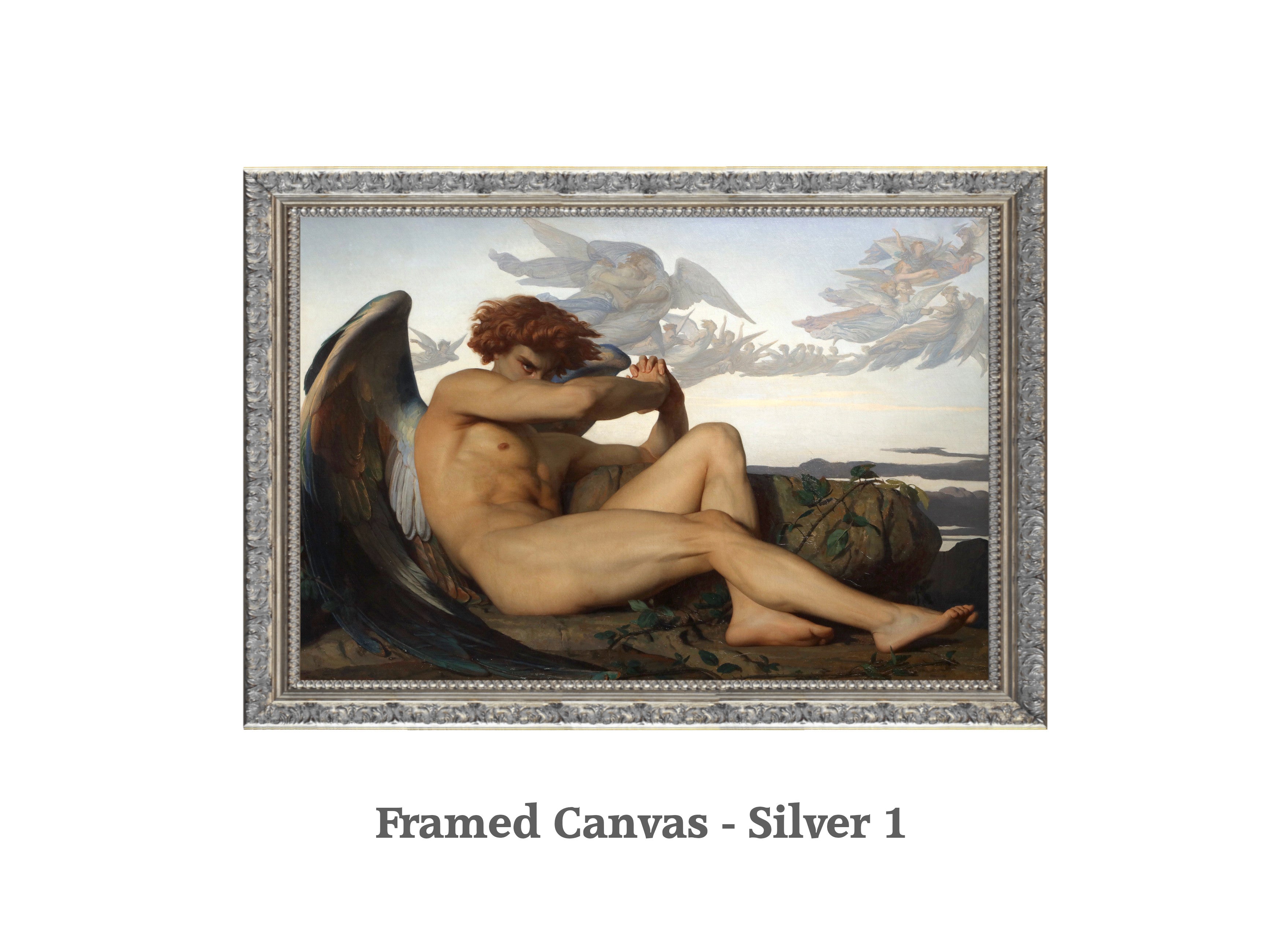
Sandro Botticelli represents a very different Renaissance approach to classical mythology, while Alexandre Cabanel brought the highly finished style of nineteenth-century Academic painting to mythological subjects.
These works can create elegant but strongly narrative focal points in living rooms, bedrooms, studies and dining rooms.
Occult, Witchcraft and Gothic Art Prints
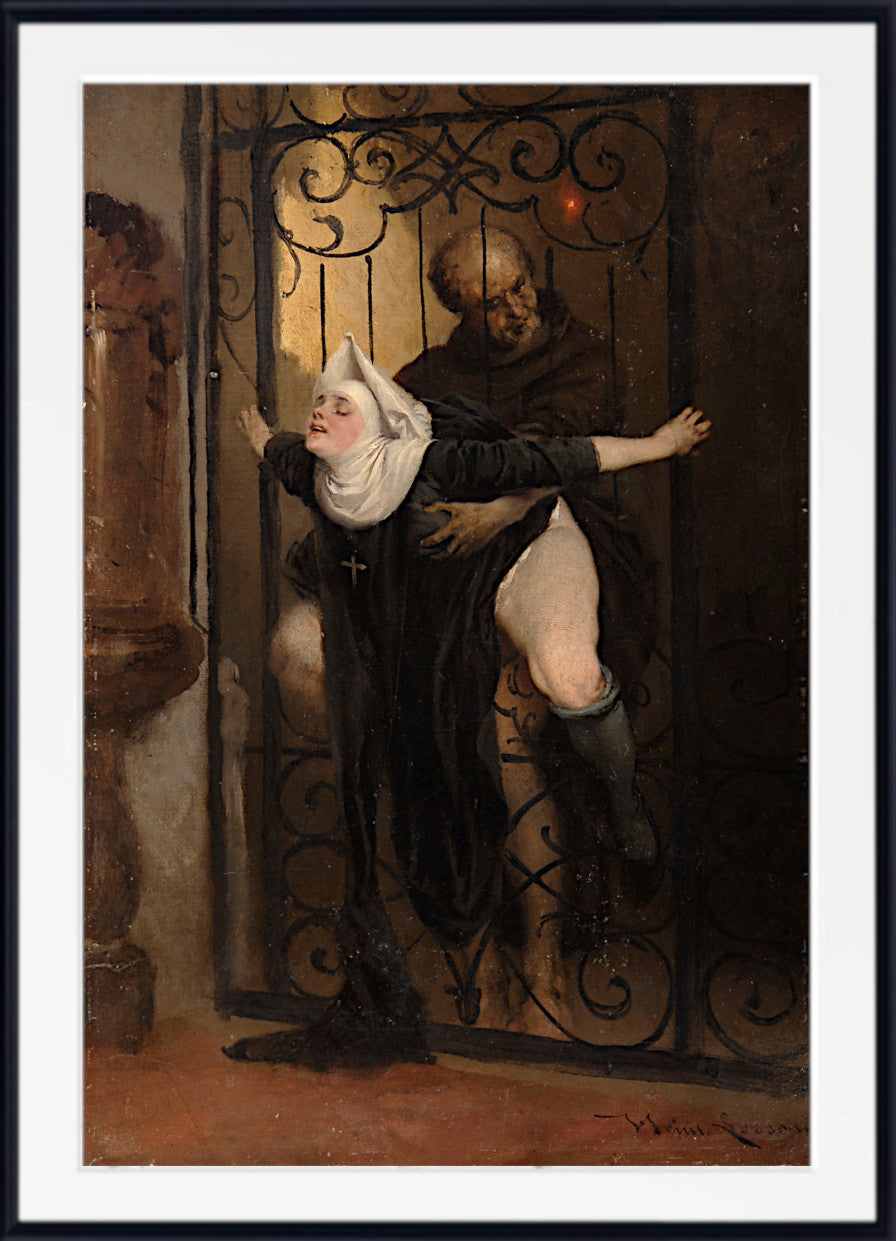
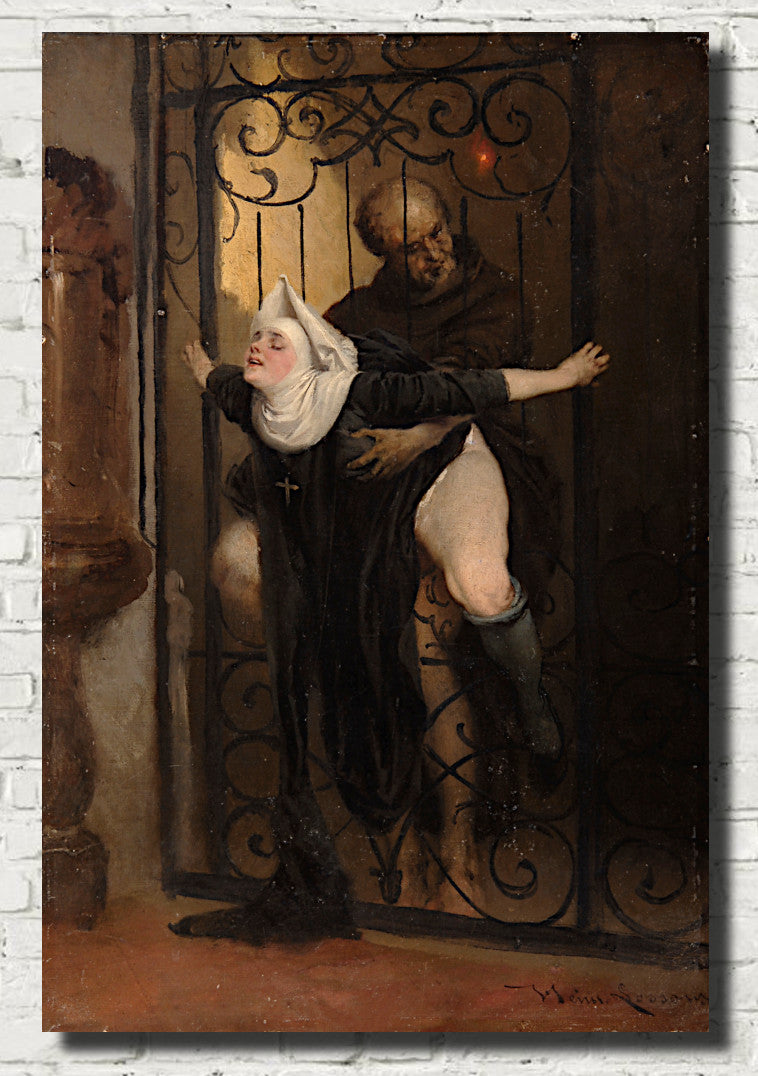
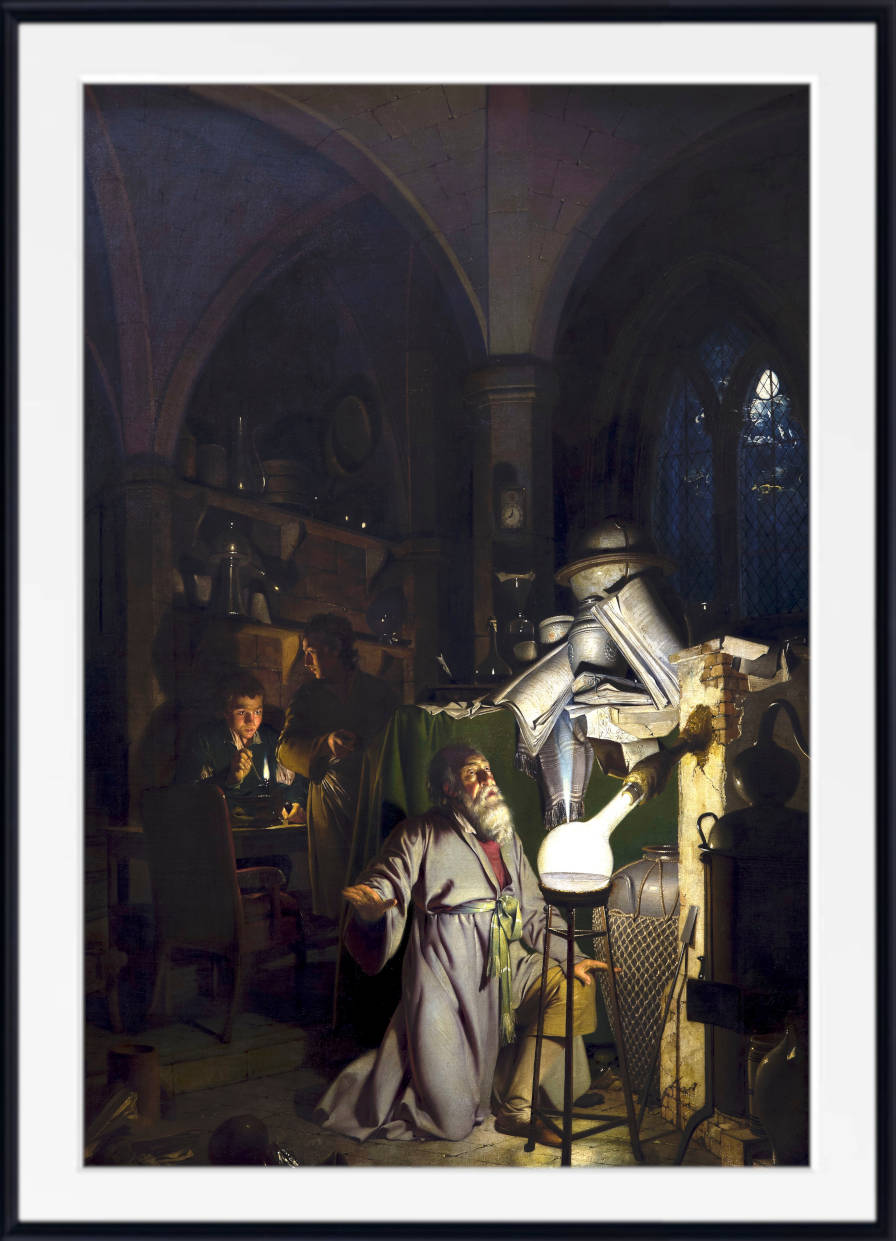
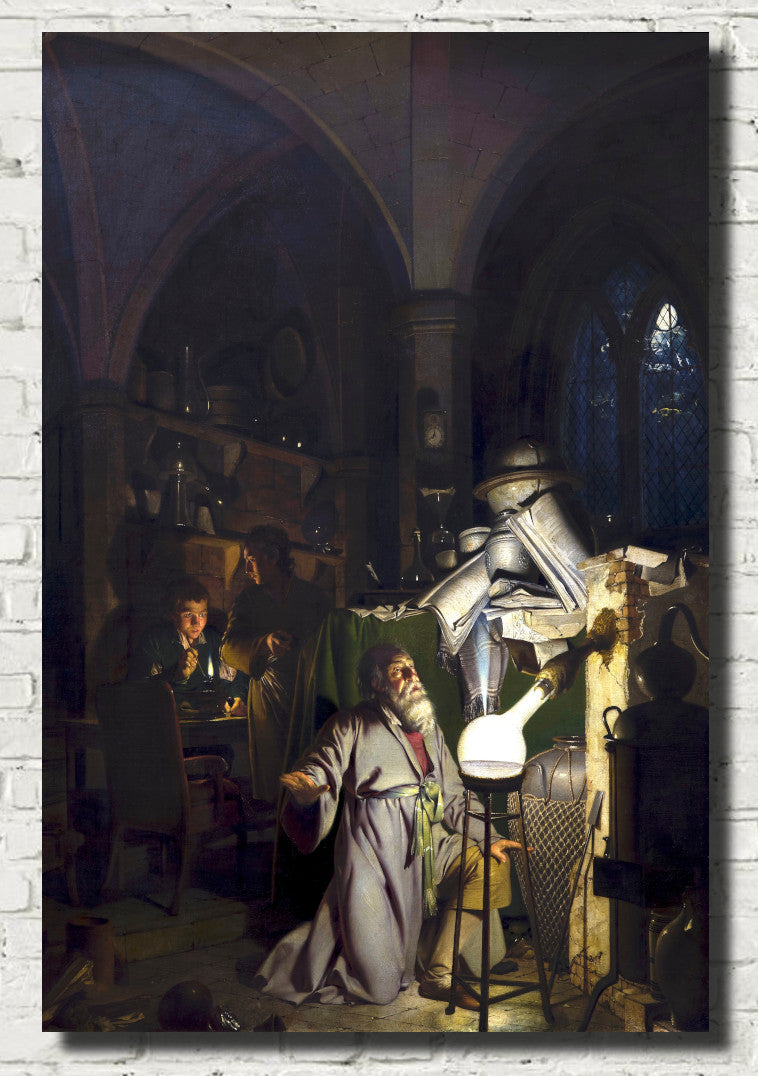
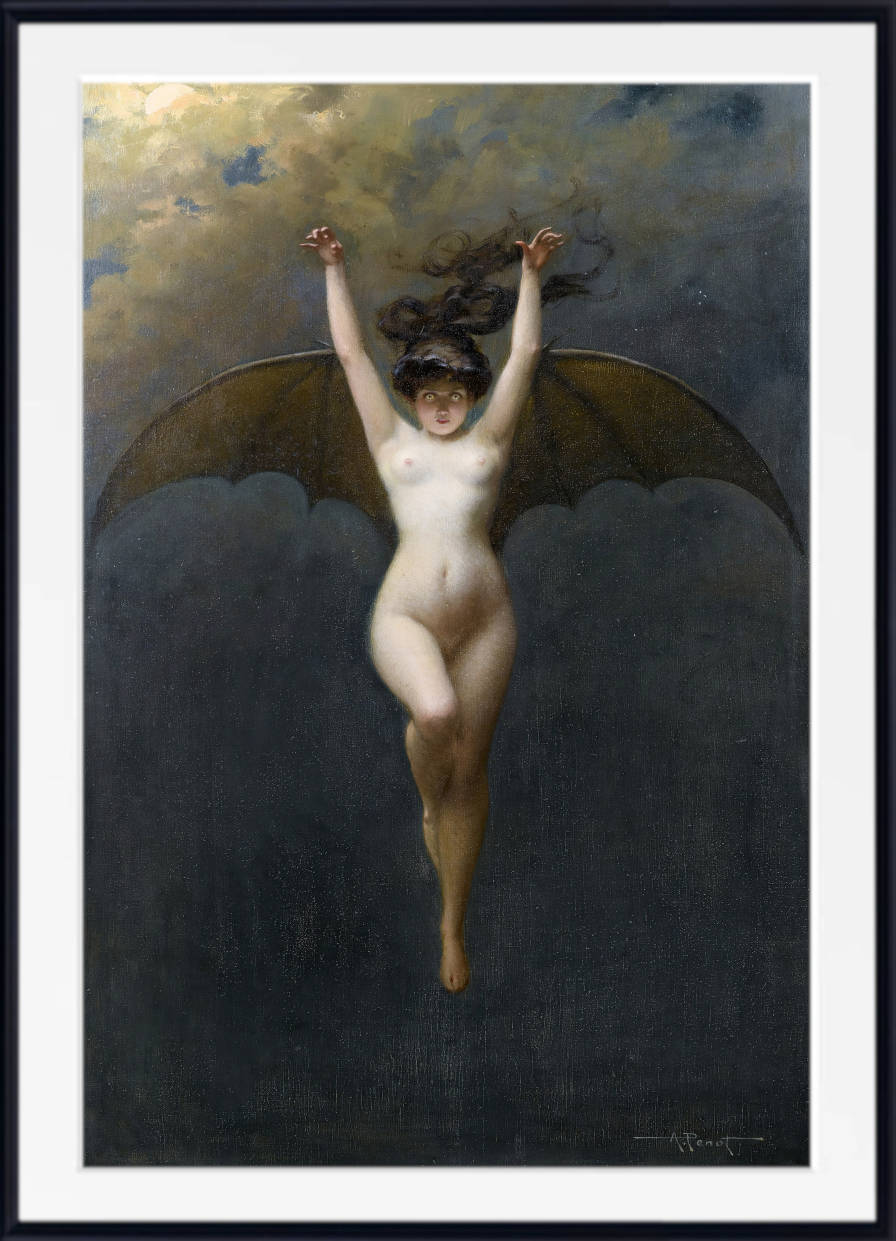
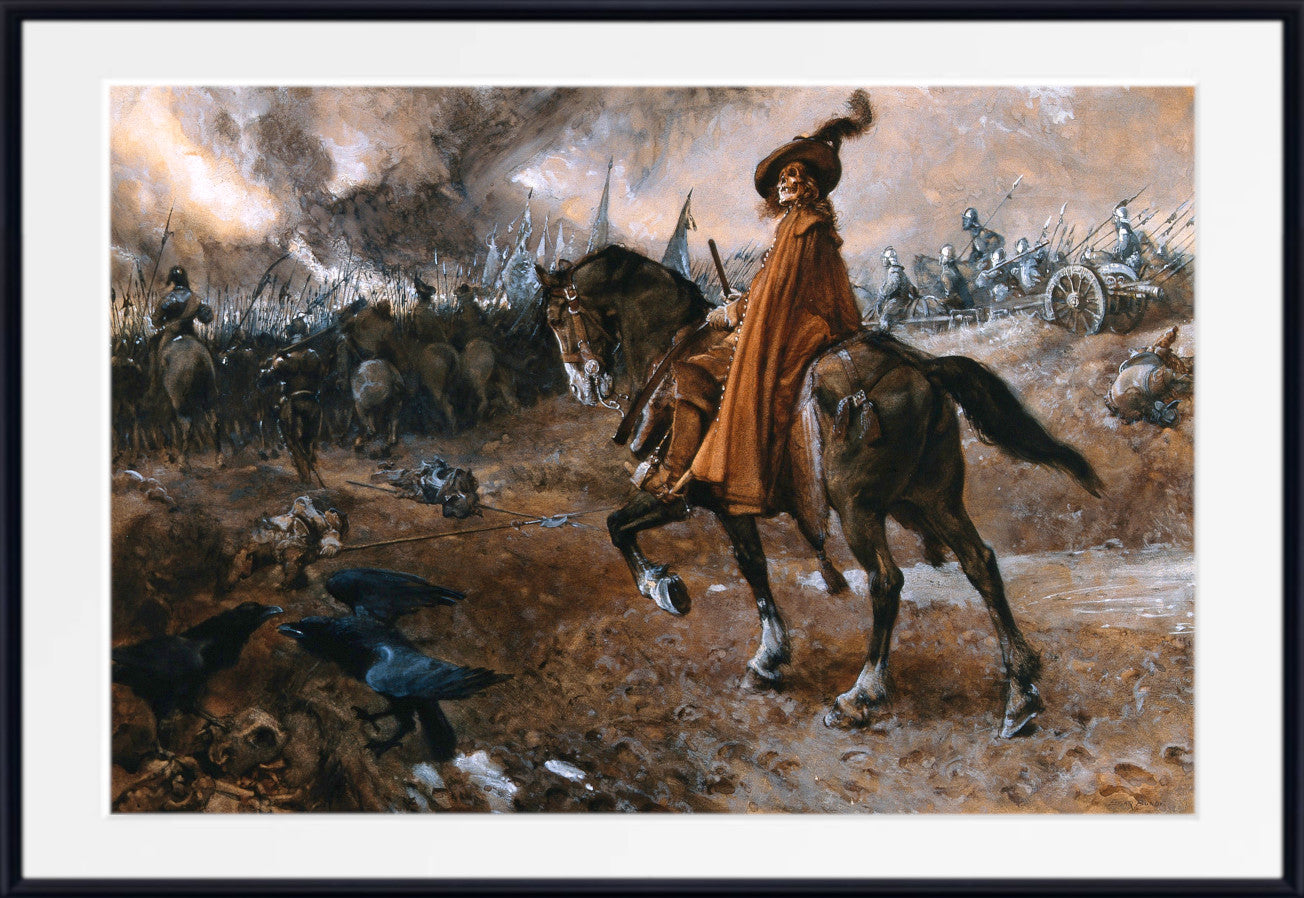
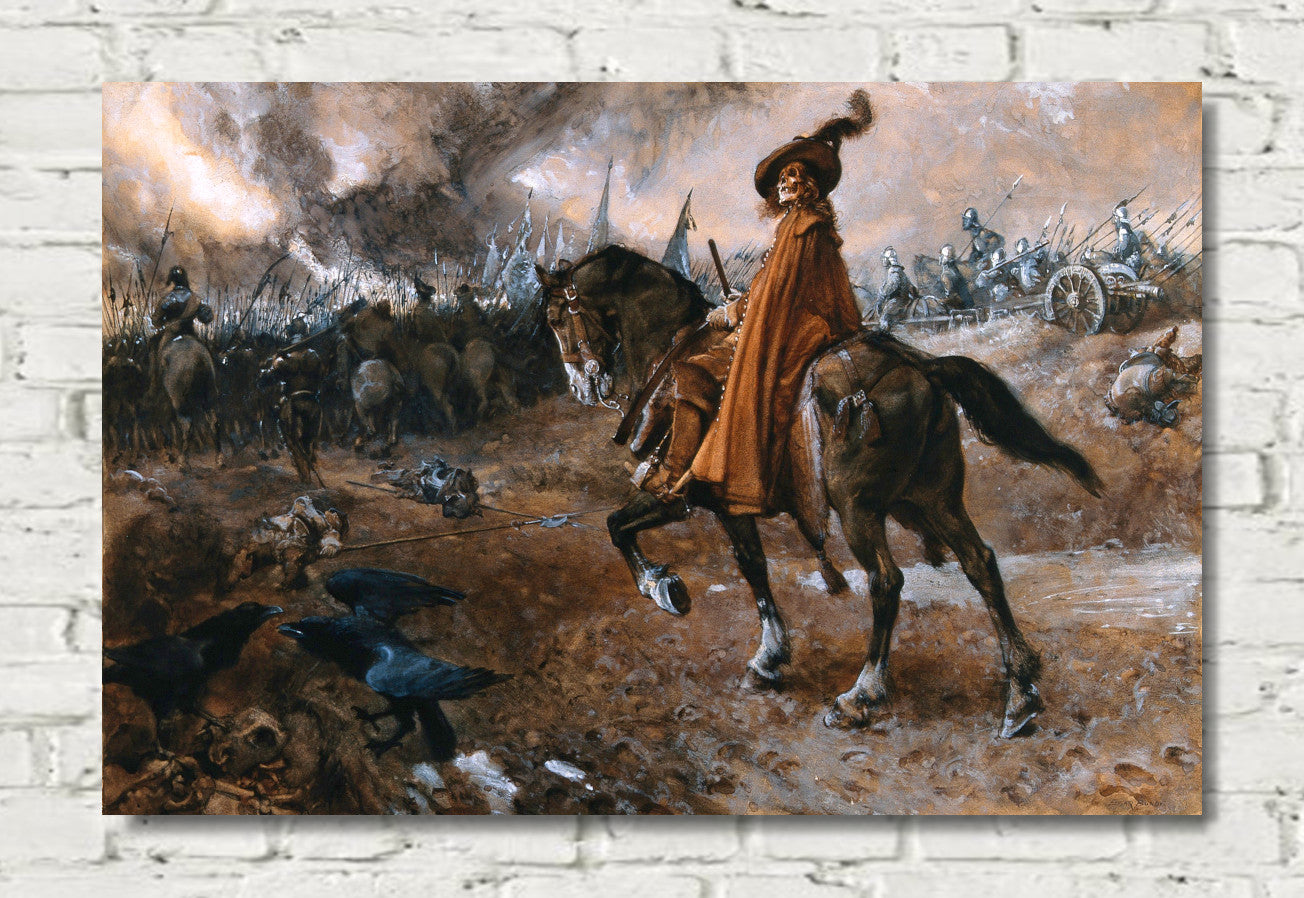
Occult and supernatural imagery offers a darker route through art history.
Witches, spirits, demons, night scenes, visions and psychologically disturbing subjects can create artwork with a strong literary and atmospheric character.
Henry Fuseli is particularly important for Gothic and psychological imagery. His paintings explore nightmares, supernatural encounters and scenes drawn from literature and myth.
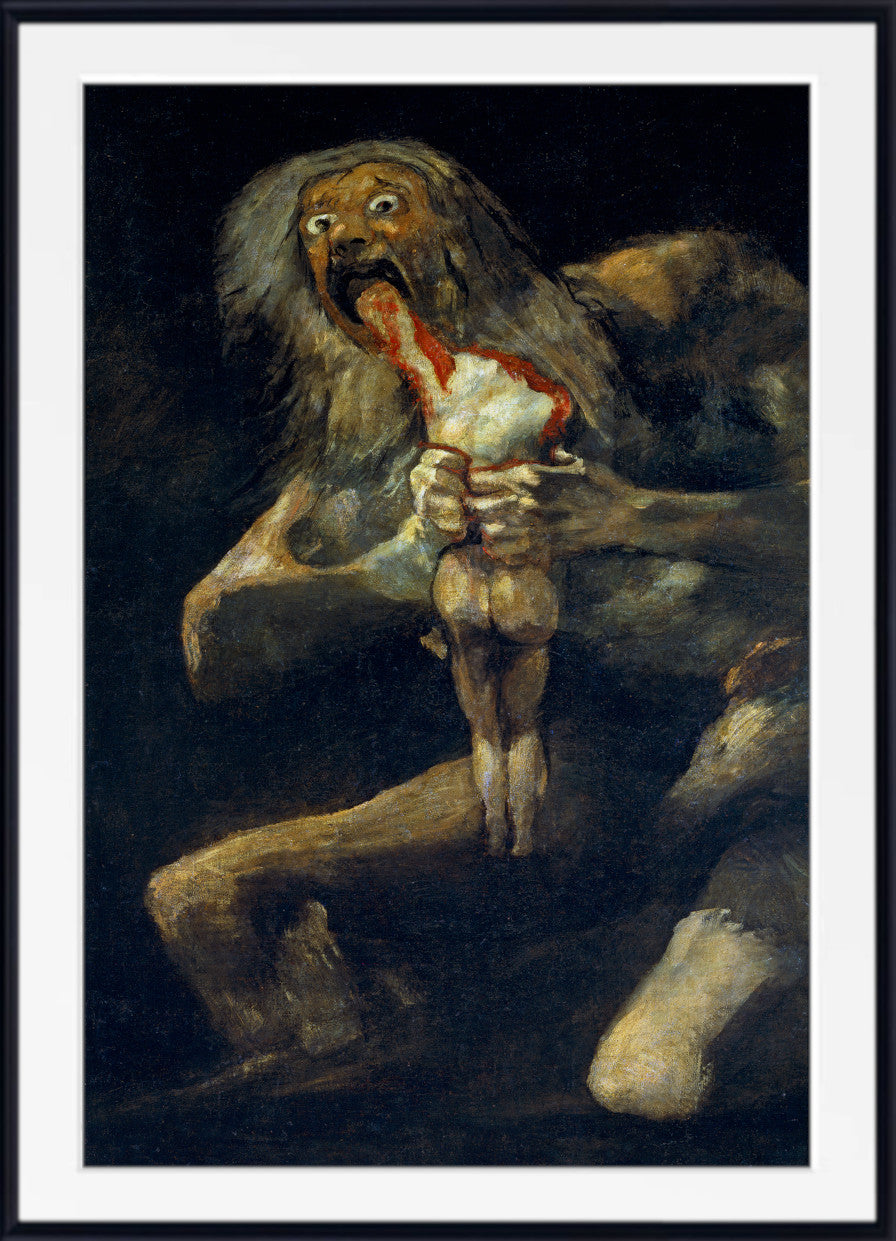
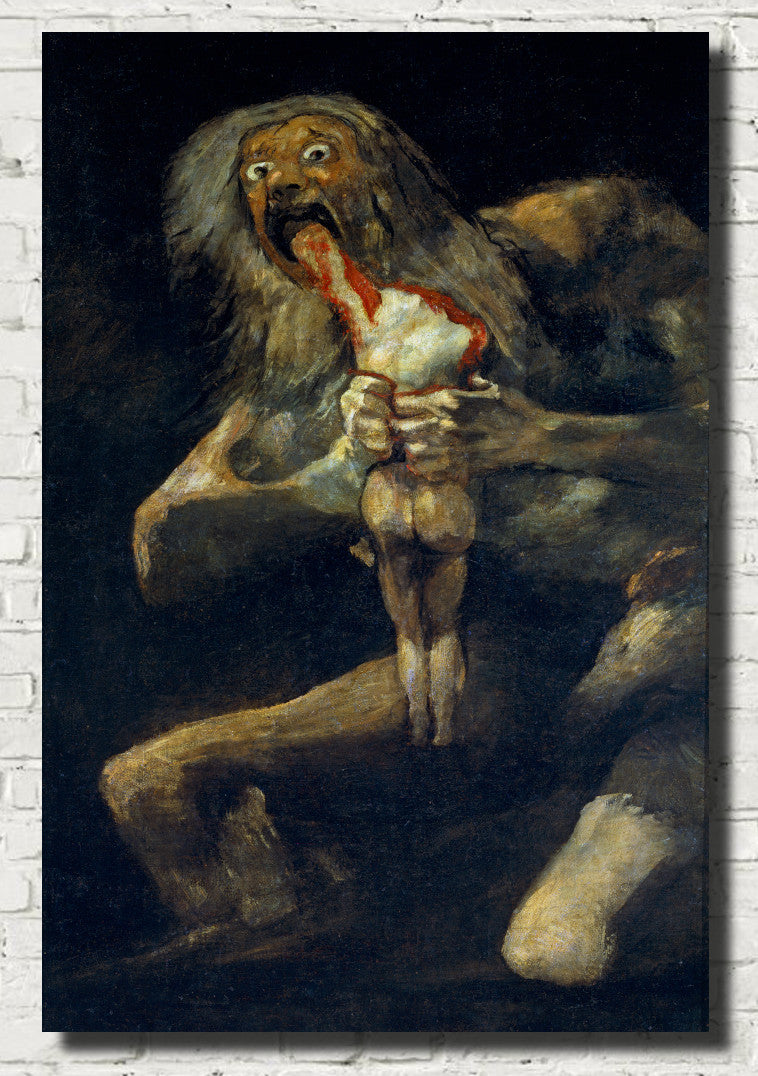
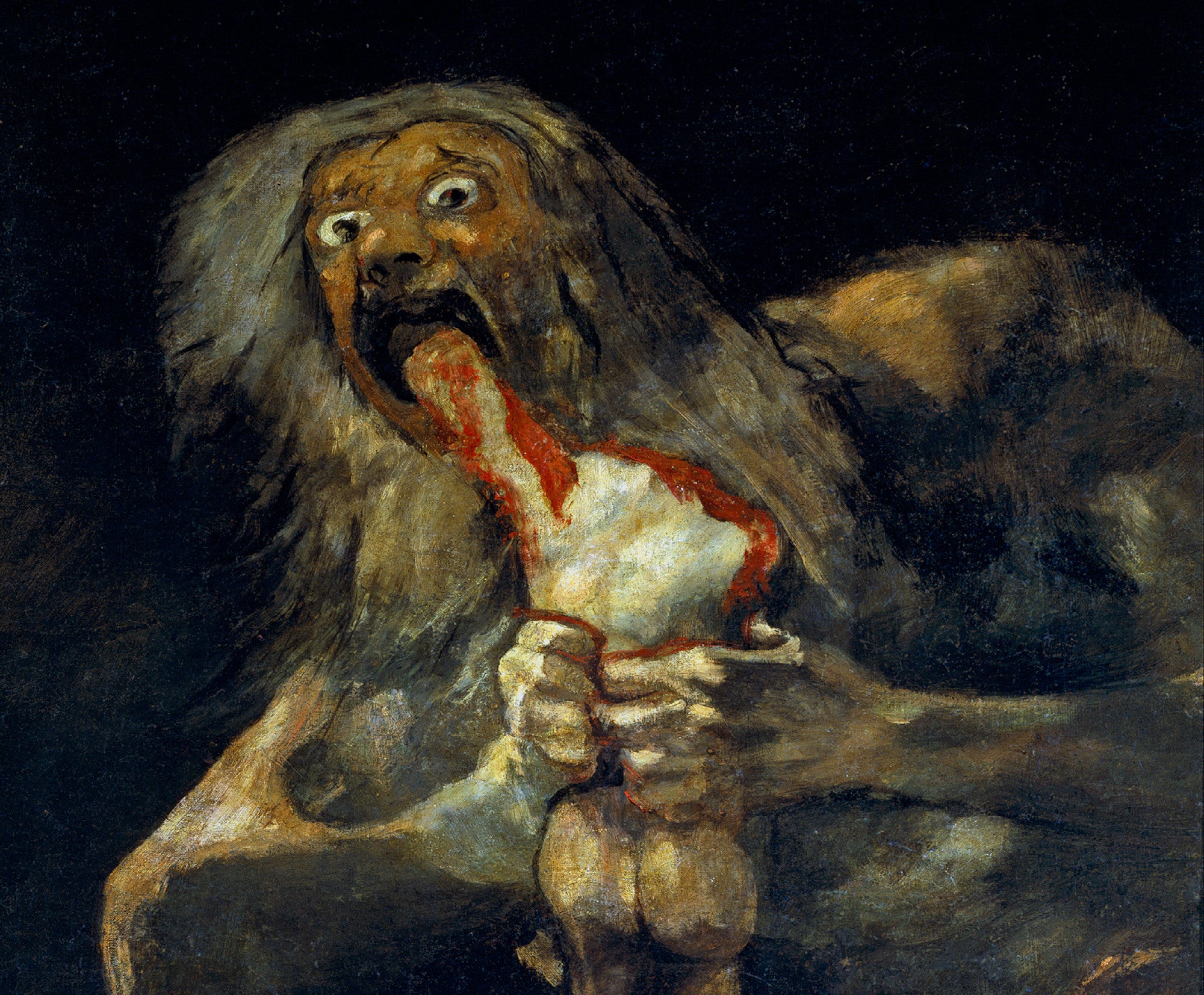
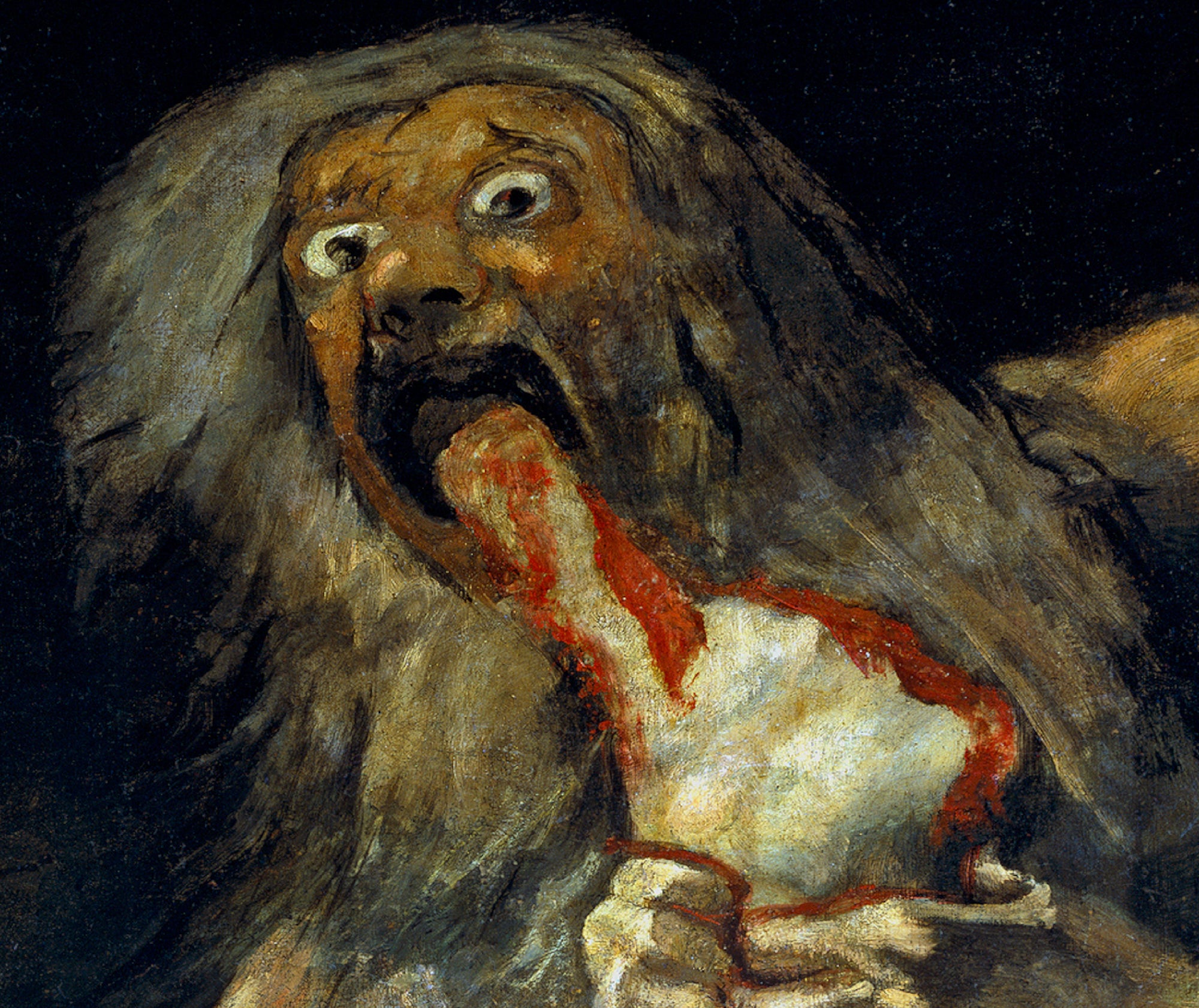
Francisco Goya created some of the most unsettling supernatural imagery in European art, including witches, strange rituals and scenes of fear and irrationality.
For a more concentrated selection, explore Witches and Witchcraft Art Prints.
William Blake and Visionary Art
William Blake occupies a distinctive position between religion, mythology, poetry and visionary art.
His imagery includes angels, biblical figures, spiritual beings, ancient mythology and highly personal symbolic inventions.
Rather than simply illustrating familiar narratives, Blake developed a visual world in which imagination, prophecy and spirituality became inseparable.
His prints are particularly effective in studies, libraries and interiors where literary or philosophical associations are as important as decorative colour.
Gustave Moreau and Symbolist Mythology
Symbolist artists often used mythology and religion as vehicles for exploring dreams, desire, fear and spiritual experience.
Gustave Moreau created richly detailed paintings based on biblical, mythological and legendary subjects.
His compositions can feel jewel-like, mysterious and deliberately removed from everyday reality.
Moreau prints work particularly well where you want art with both decorative richness and complex symbolic meaning.
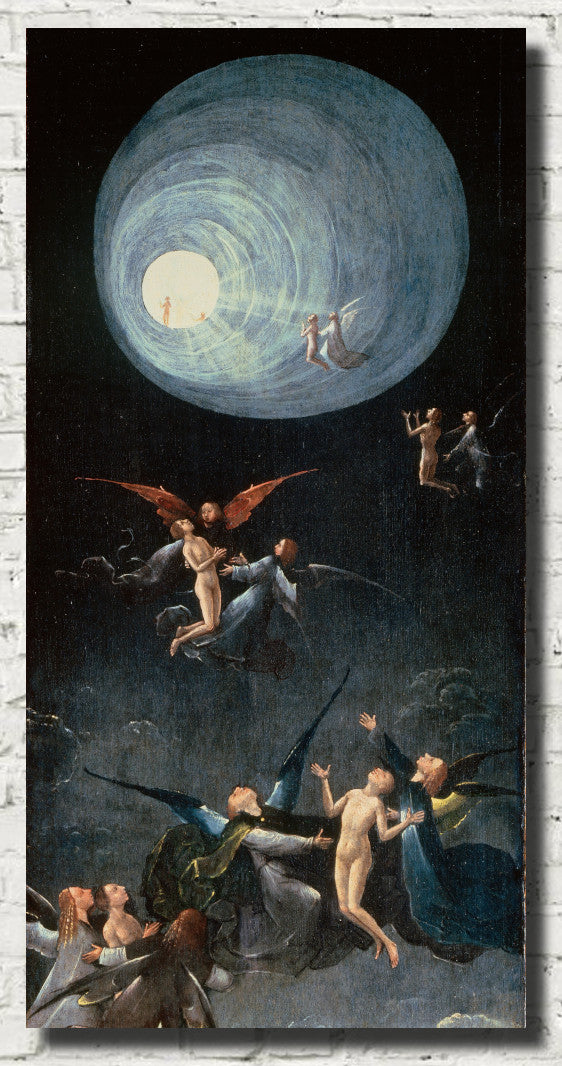
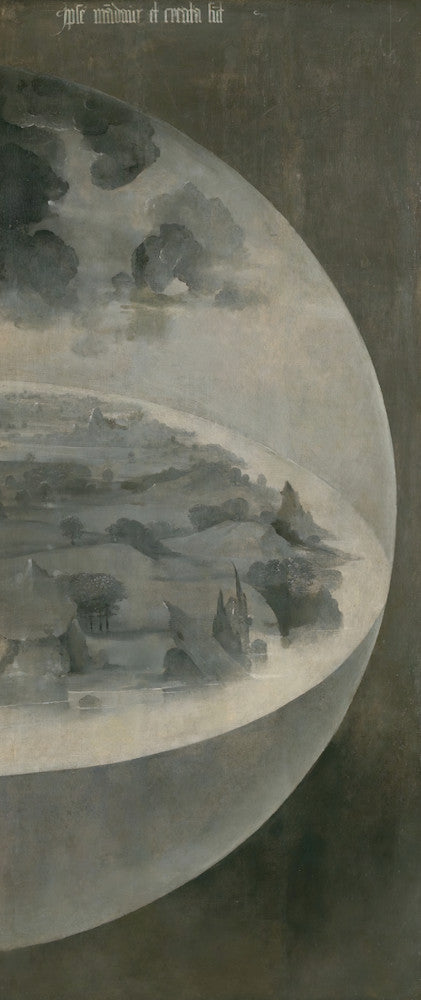
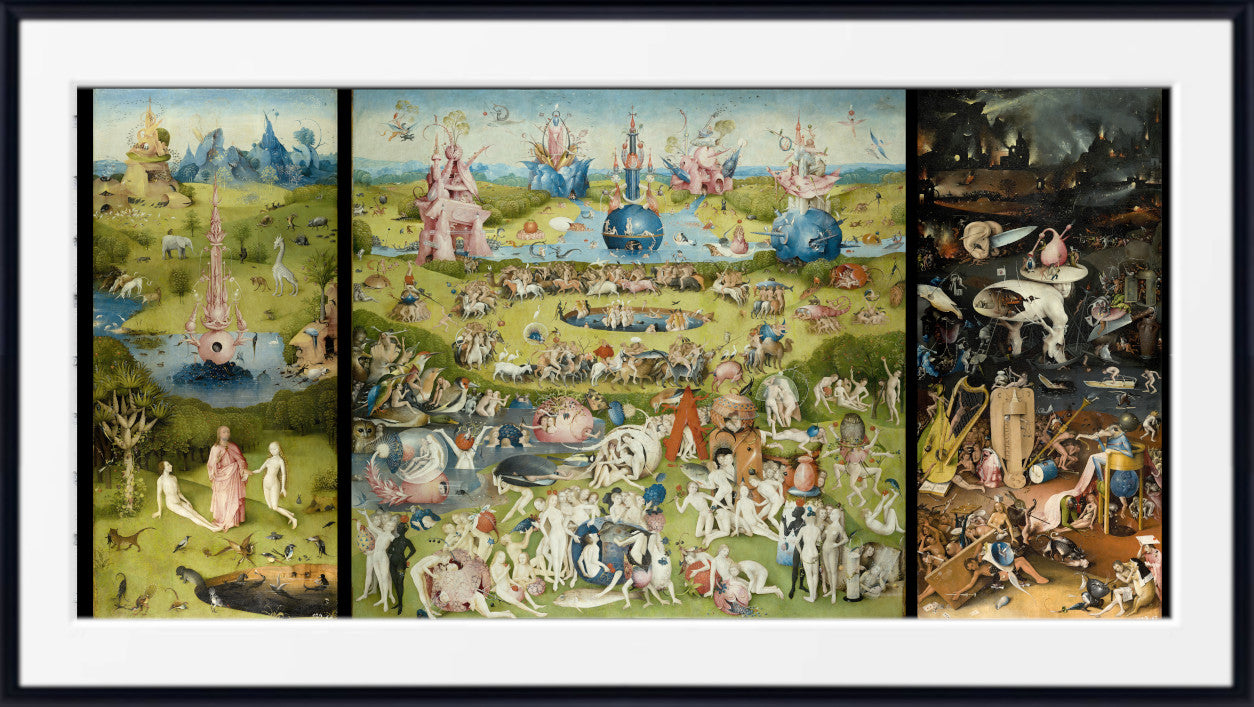
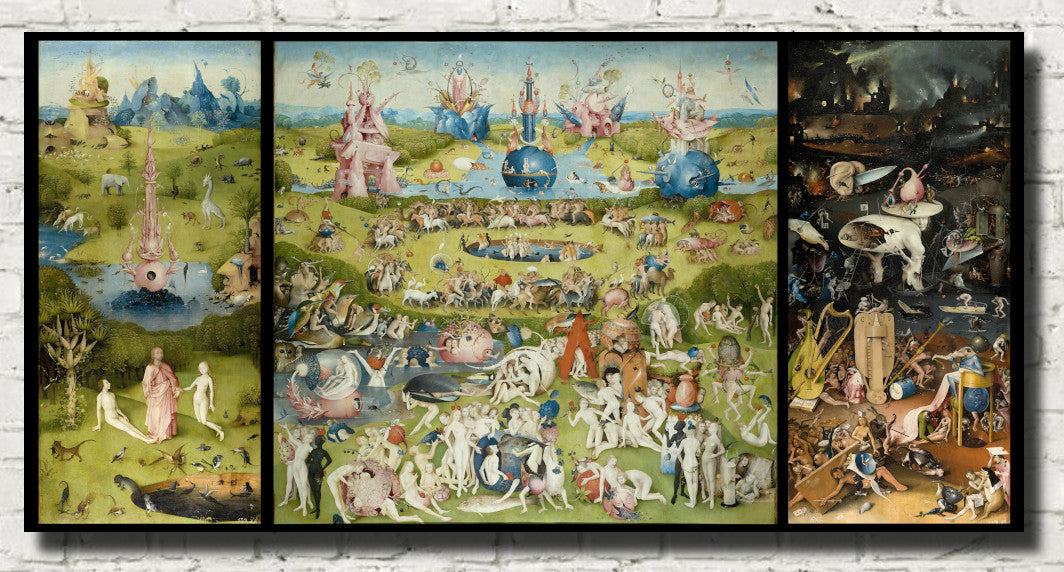
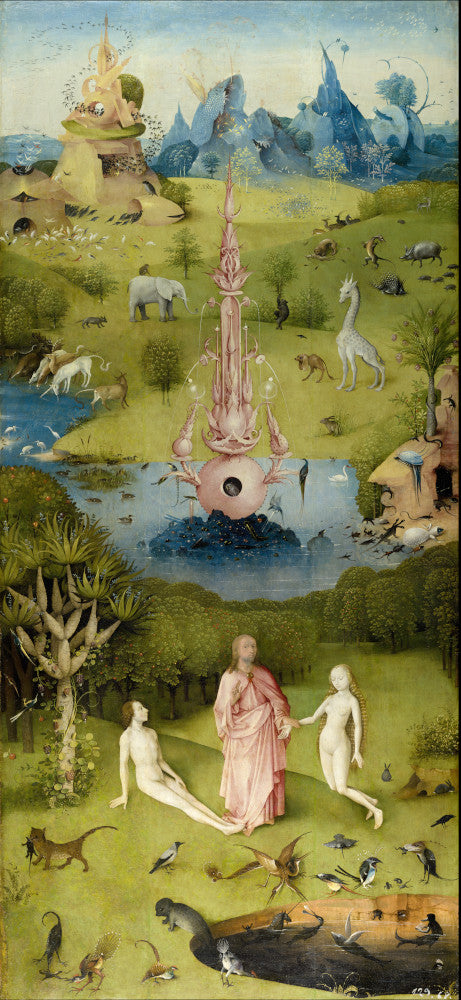
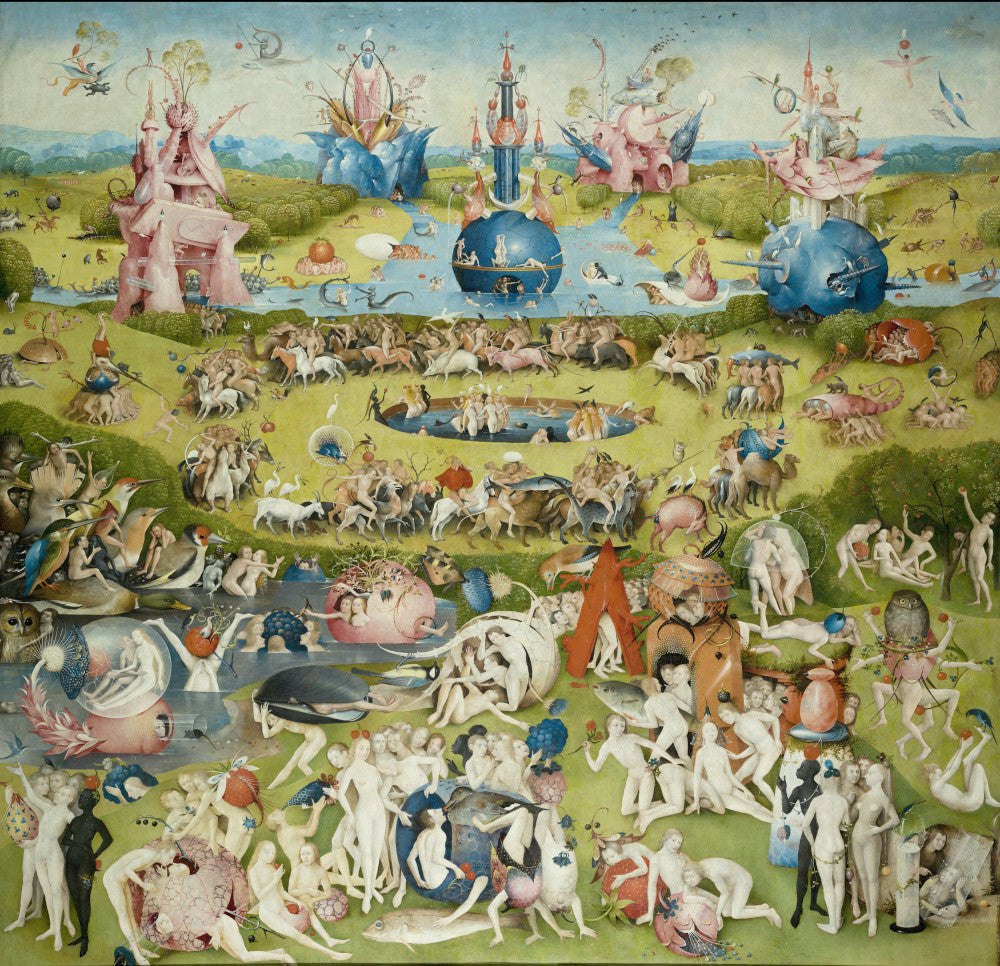
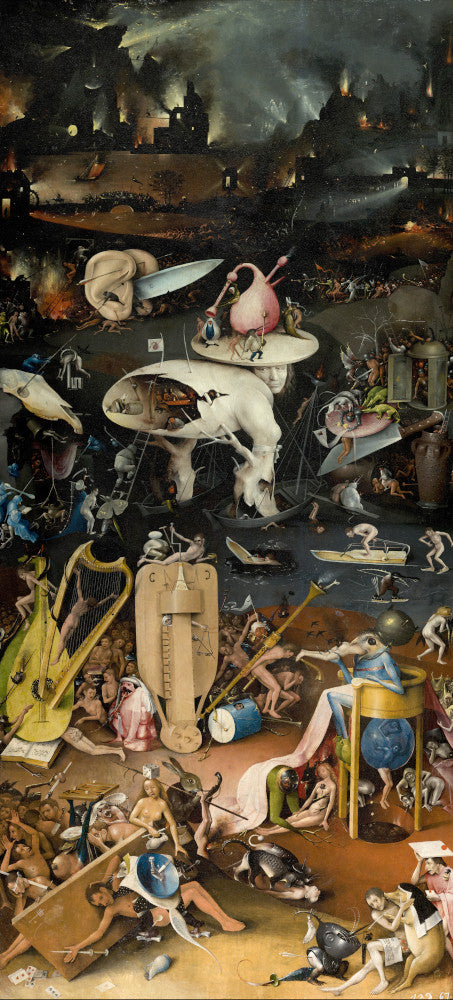
Hieronymus Bosch: Temptation, Sin and the Afterlife
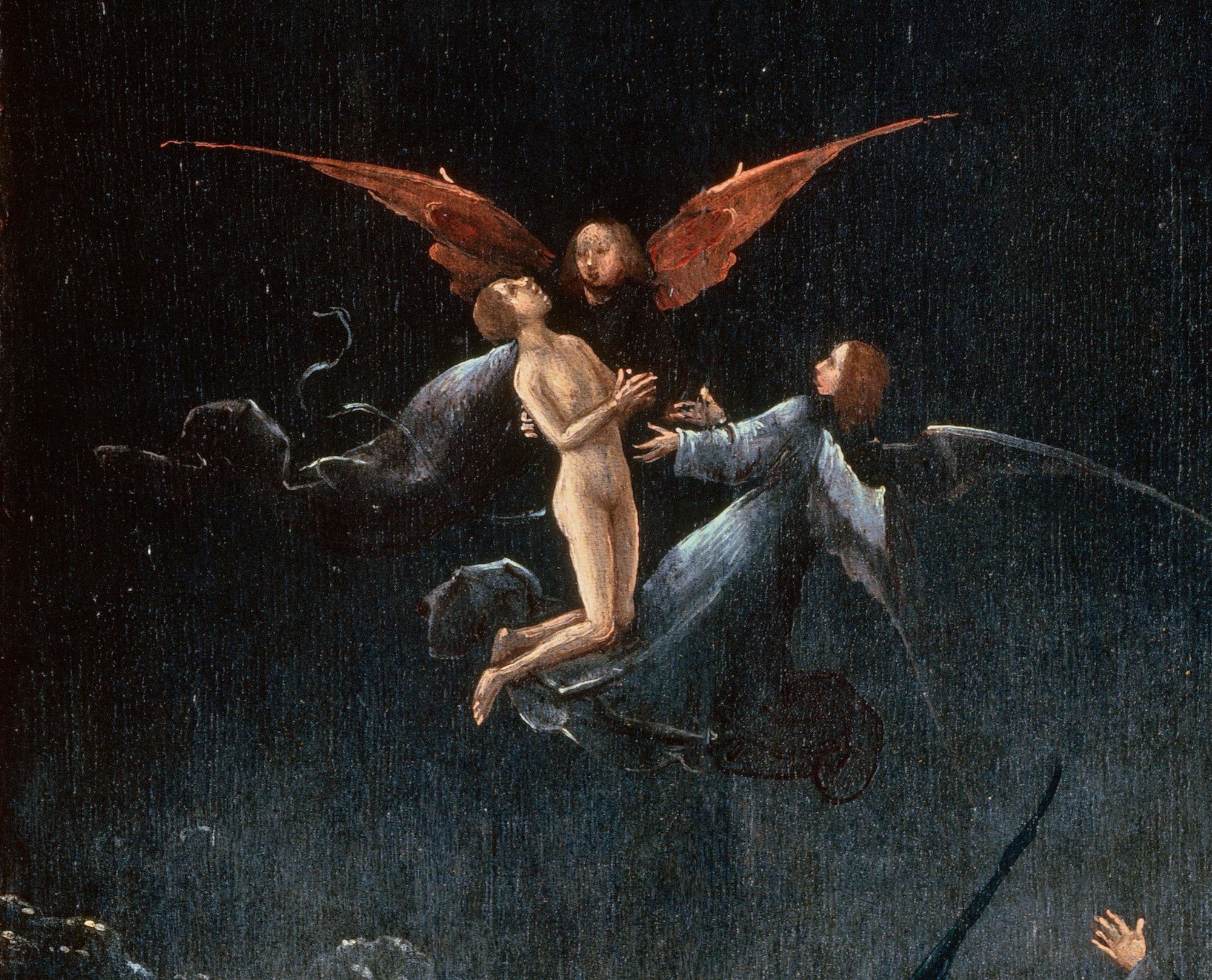
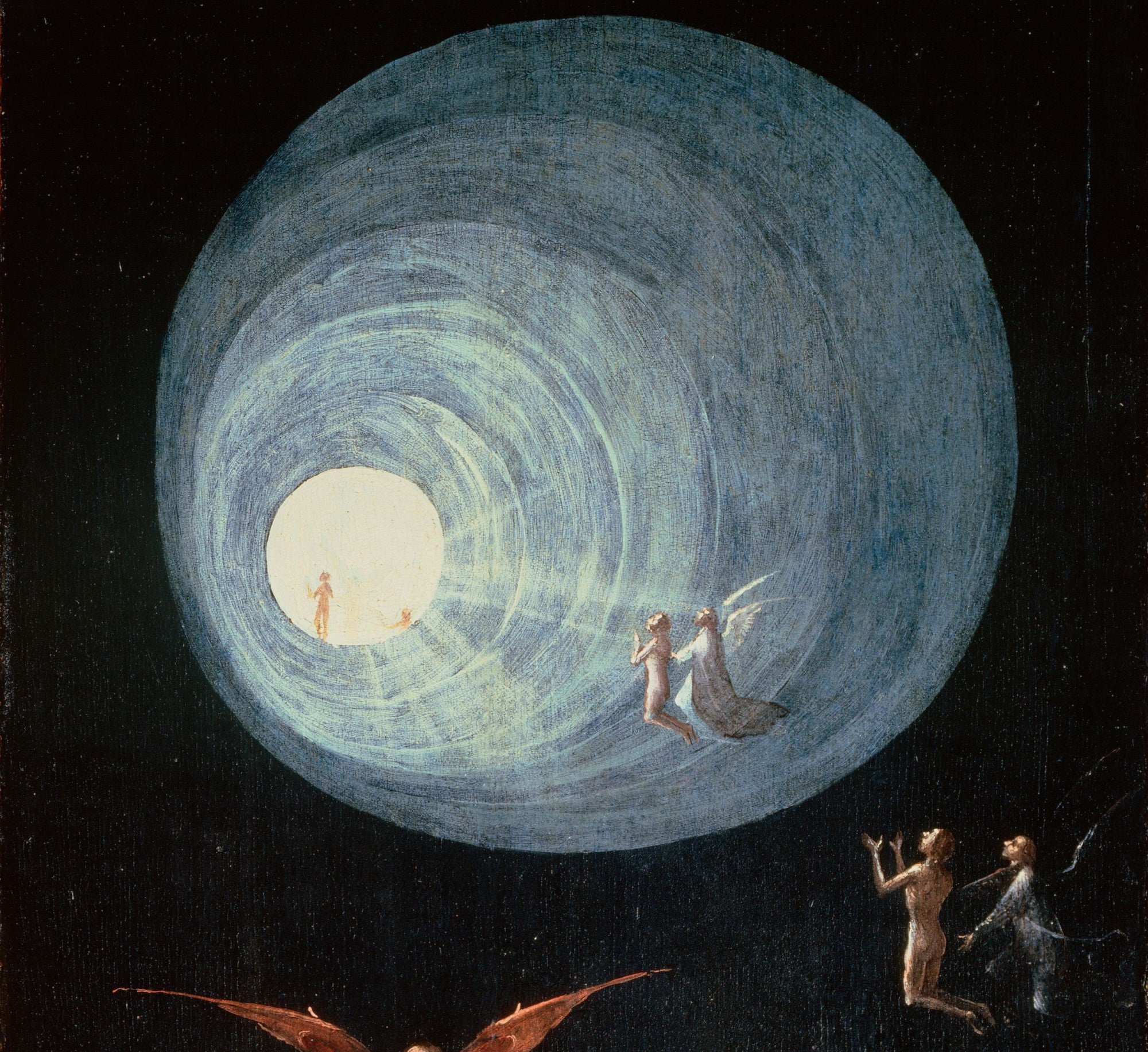
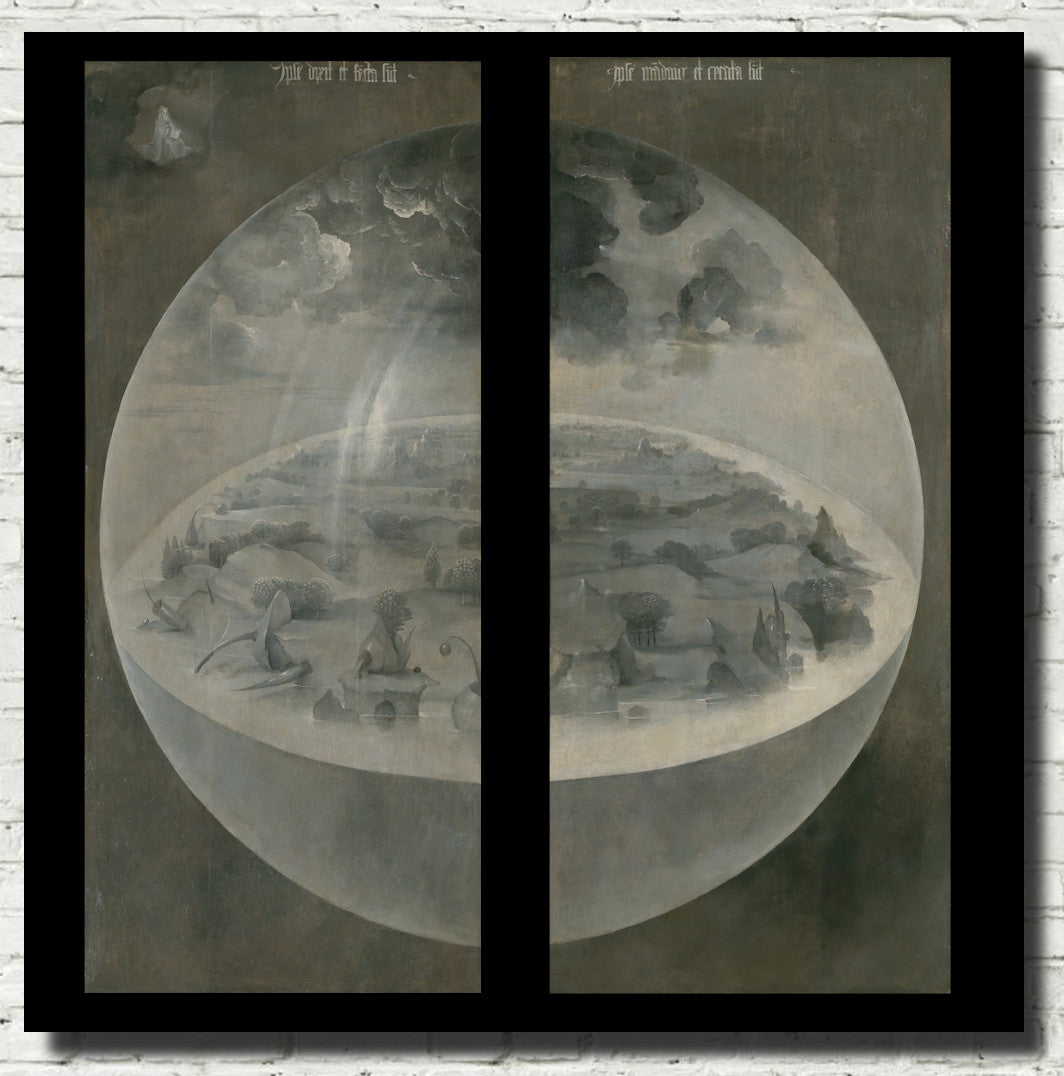
Hieronymus Bosch created some of the most extraordinary visionary paintings in Western art.
His strange landscapes are populated by saints, sinners, demons, hybrid creatures and fantastical structures.
Subjects involving temptation, judgement, salvation and the afterlife make Bosch particularly relevant to a collection that crosses the boundaries between religious and supernatural imagery.
These are works that reward close viewing, making them especially suitable for studies, libraries, hallways and larger framed displays.
Old Master Religious and Mythological Art
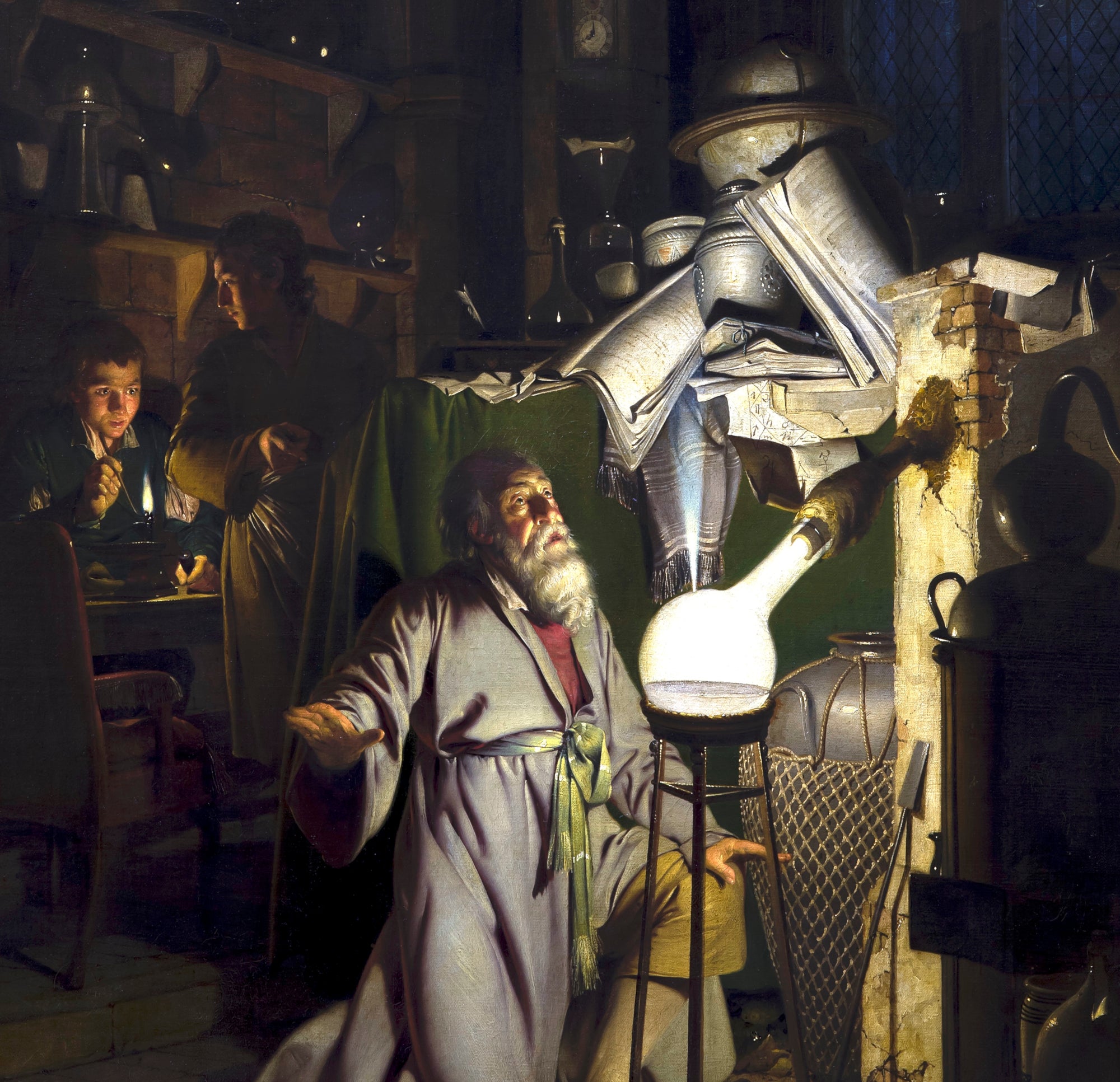
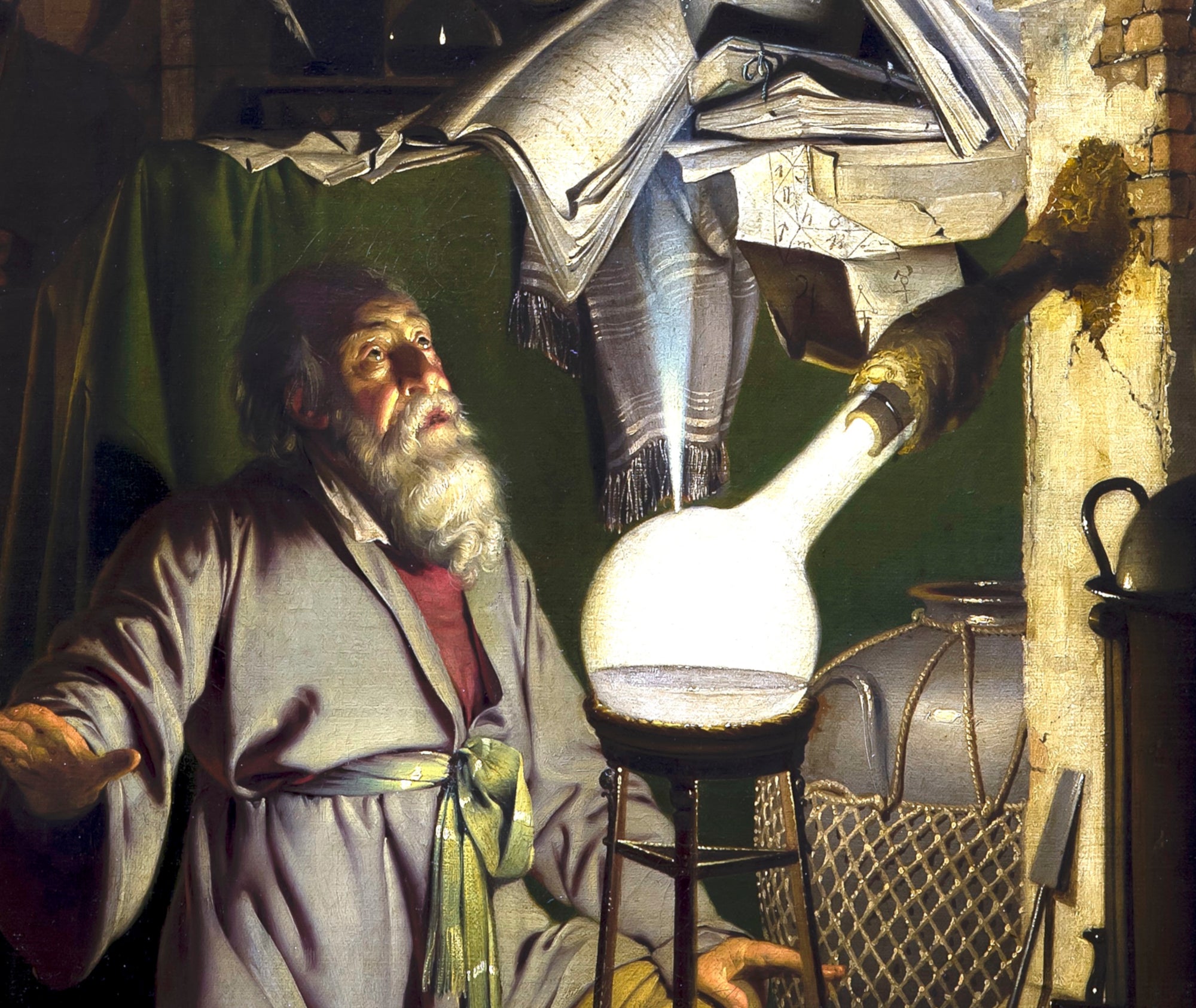
Religion and classical mythology were among the central subjects of European painting from the Renaissance through the Baroque period.
Artists used these narratives to explore drama, beauty, morality, devotion and human emotion.
The wider Old Masters collection provides a broader selection of Renaissance and Baroque paintings alongside the religious and mythological subjects featured here.
Old Master prints can work particularly well in traditional interiors, but simpler framing can also create an effective contrast in contemporary rooms.
Pre-Raphaelite Mythology and Romantic Storytelling
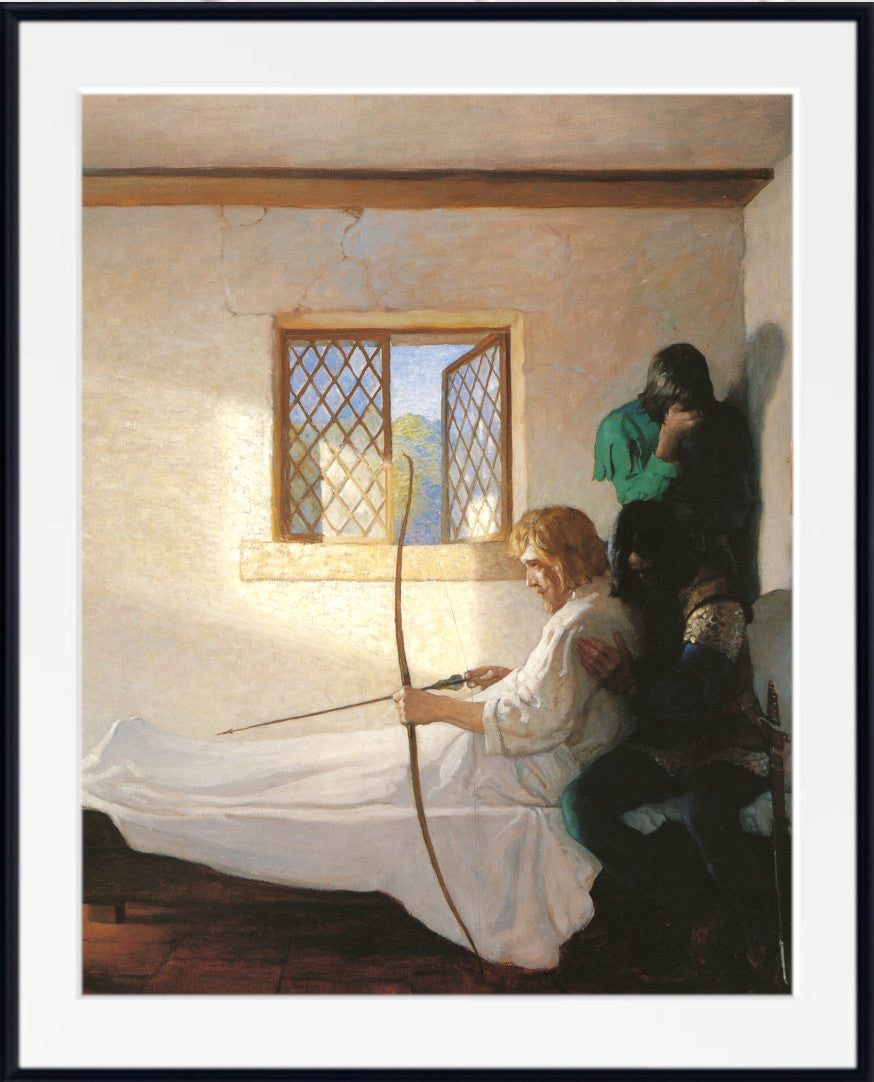
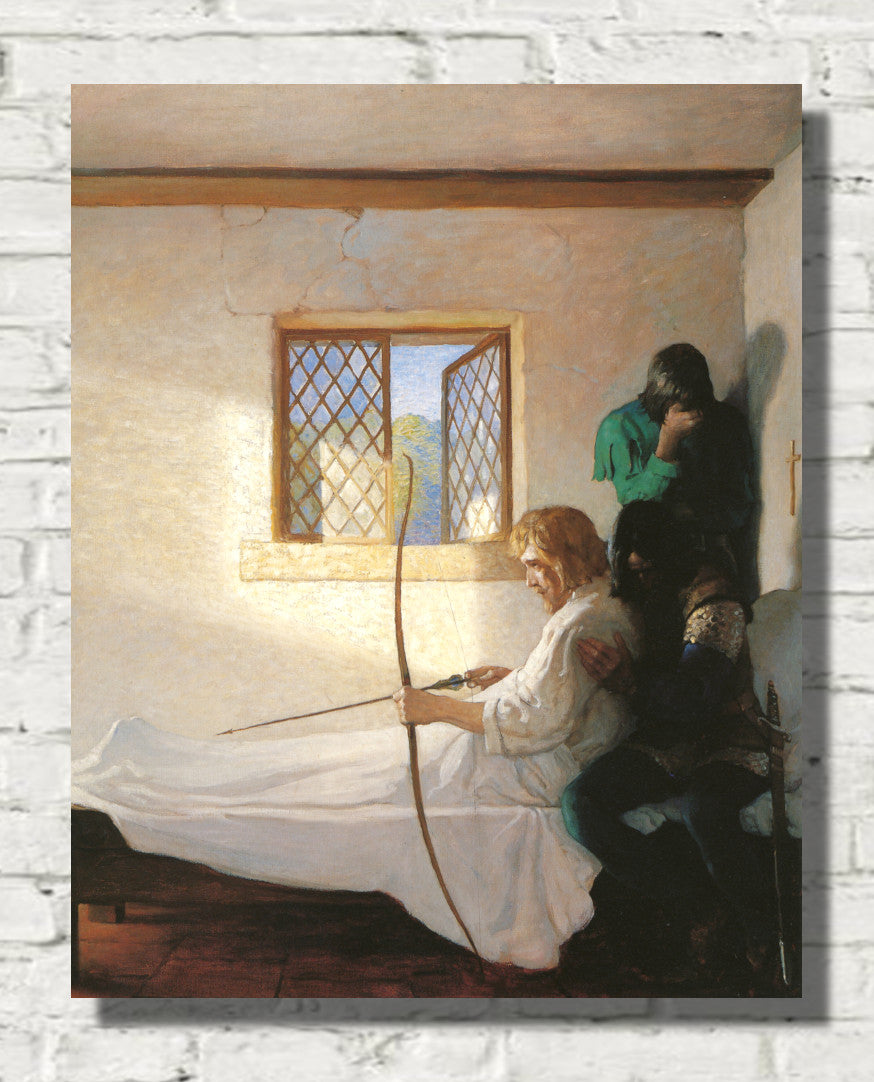
The Pre-Raphaelites and artists influenced by them frequently returned to medieval legend, classical mythology, literature, biblical subjects and tragic heroines.
These paintings often combine saturated colour, detailed costume, symbolic flowers and carefully observed landscapes with emotionally charged storytelling.
Explore Pre-Raphaelite Prints for a broader collection of romantic, literary and mythological imagery.
Waterhouse is particularly well suited to this area, combining classical subjects with the rich colour and atmosphere associated with late nineteenth-century British painting.
Mythological Art as Narrative Wall Art
One of the strengths of mythological art is its ability to give a room a story.
A painting of a classical goddess, tragic heroine or supernatural encounter invites questions about the characters and events represented.
This makes mythological prints particularly effective in living rooms, dining rooms, studies and hallways where artwork is likely to be viewed at length.
A single large composition can become the principal focal point of the room, while smaller related works can be arranged around a shared myth, artist or historical period.
Dark and Gothic Wall Art
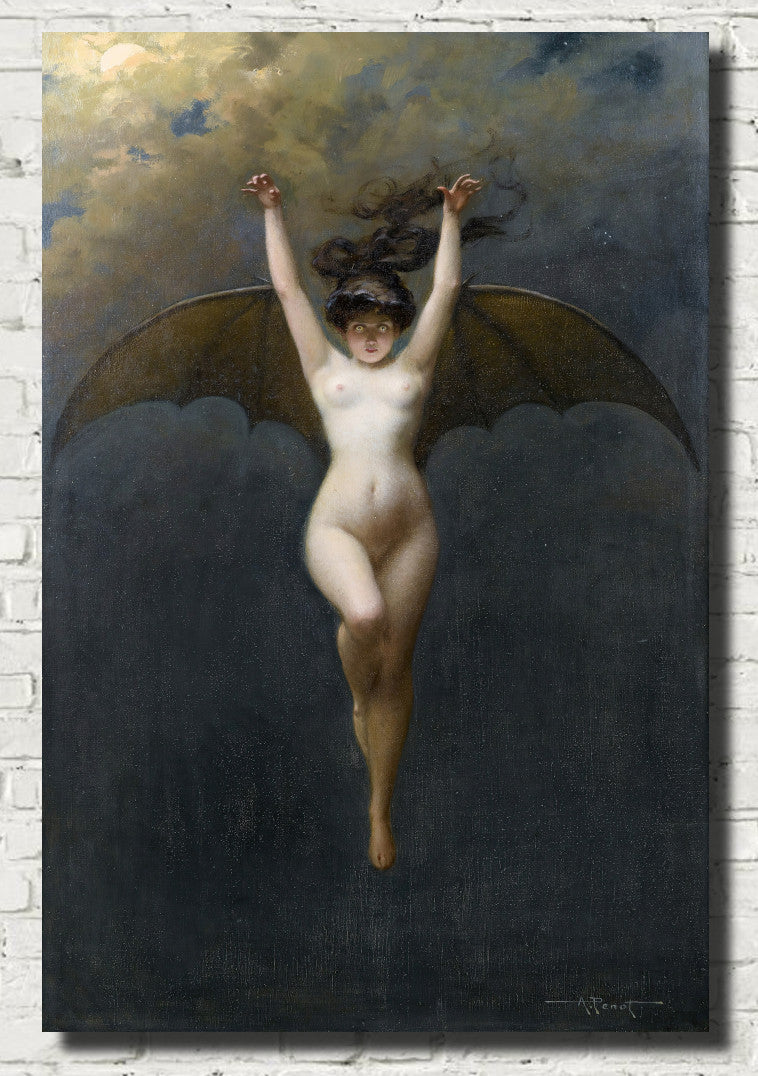
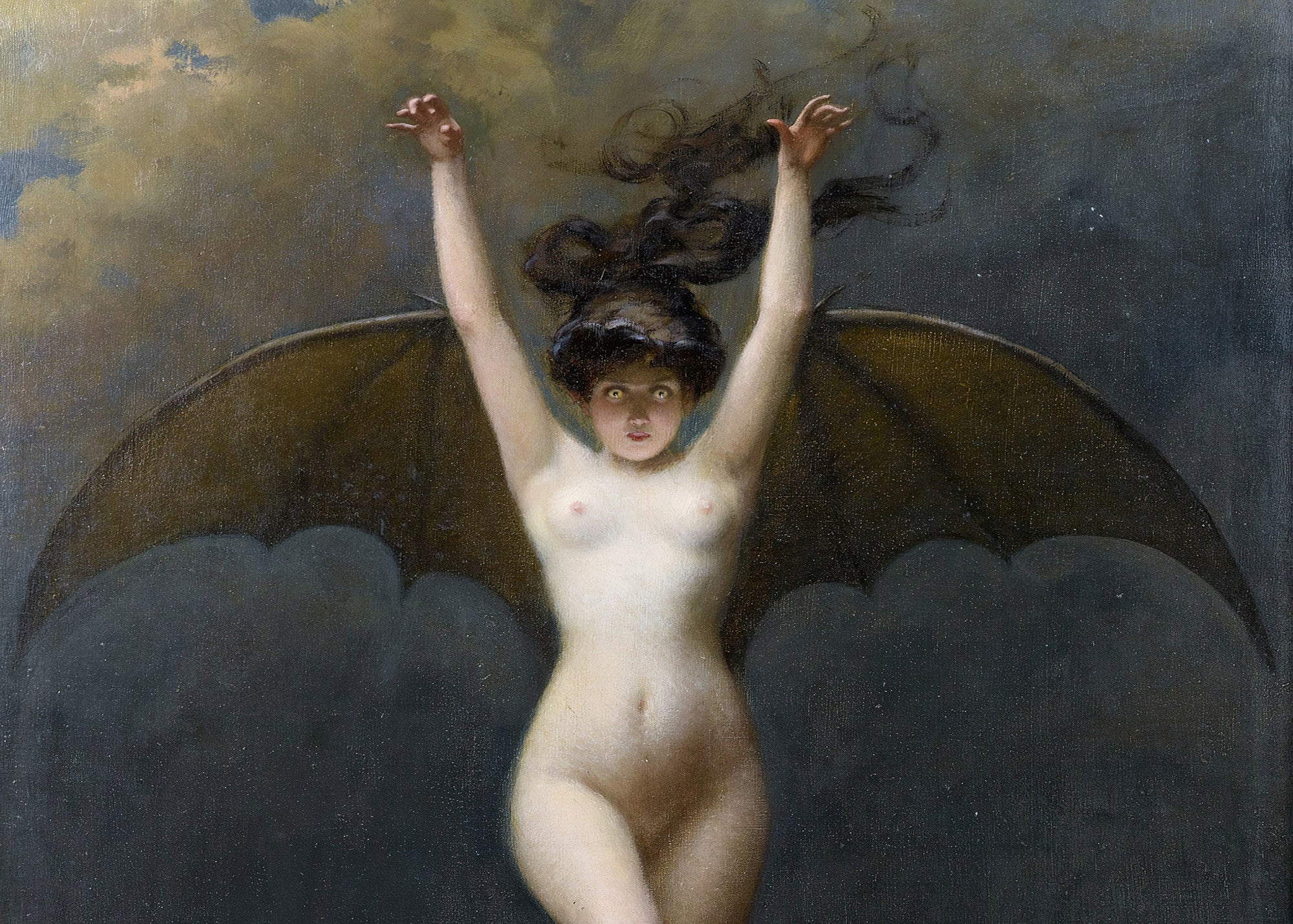
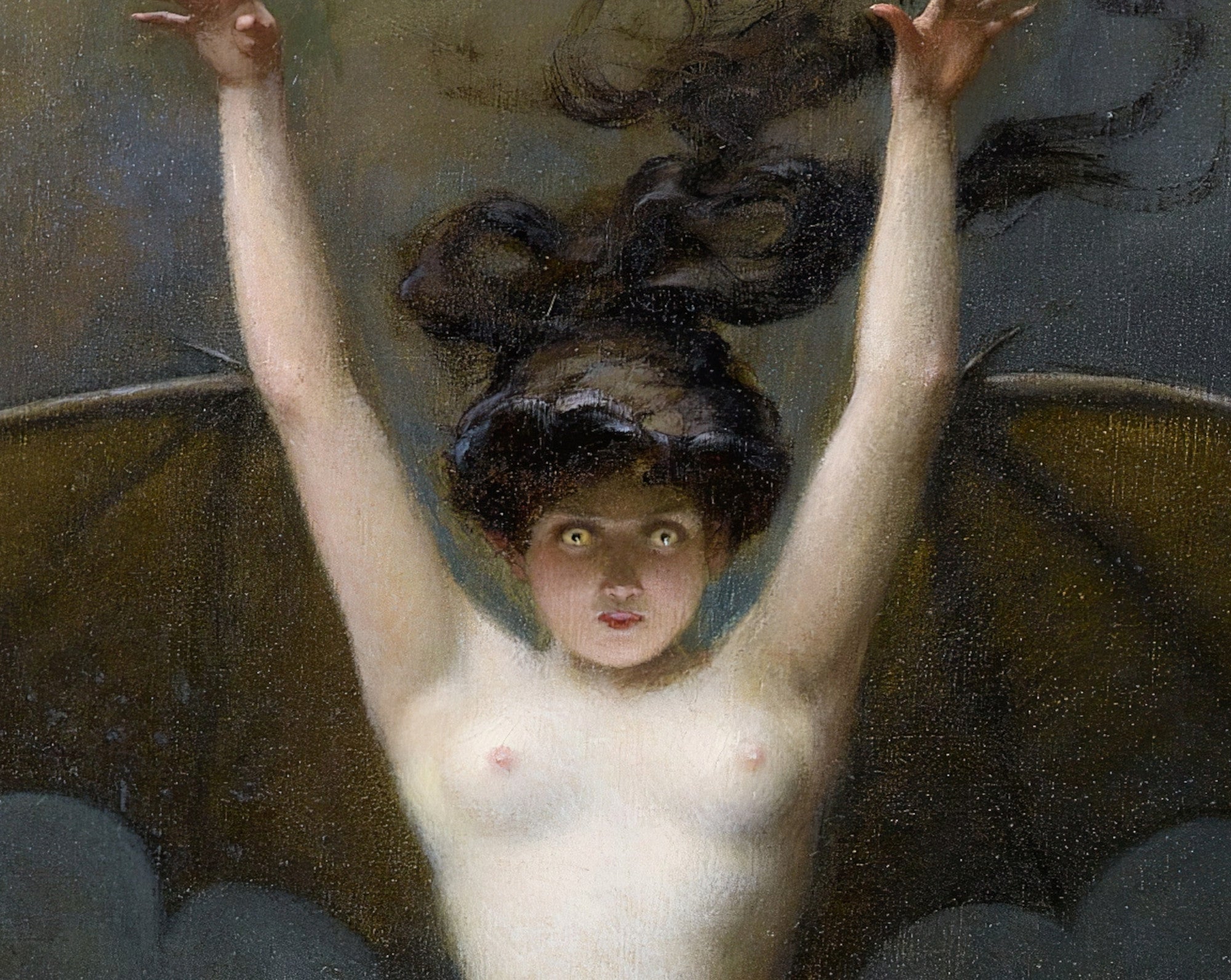
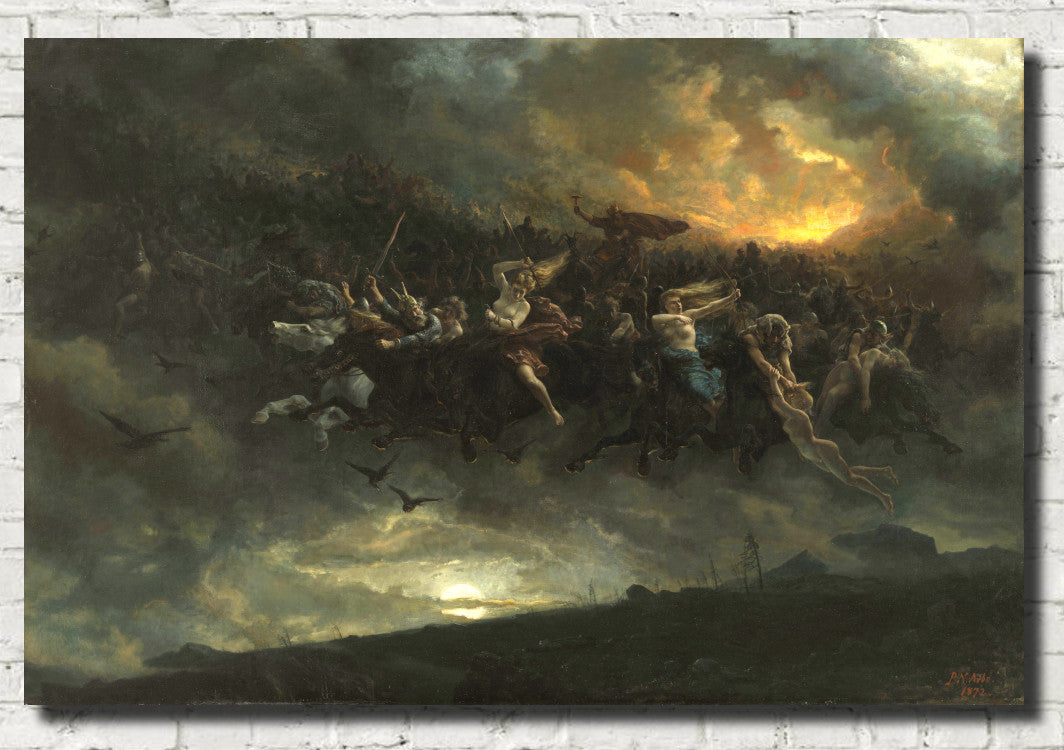
Darker religious and supernatural paintings can create a very different atmosphere from lighter classical mythology.
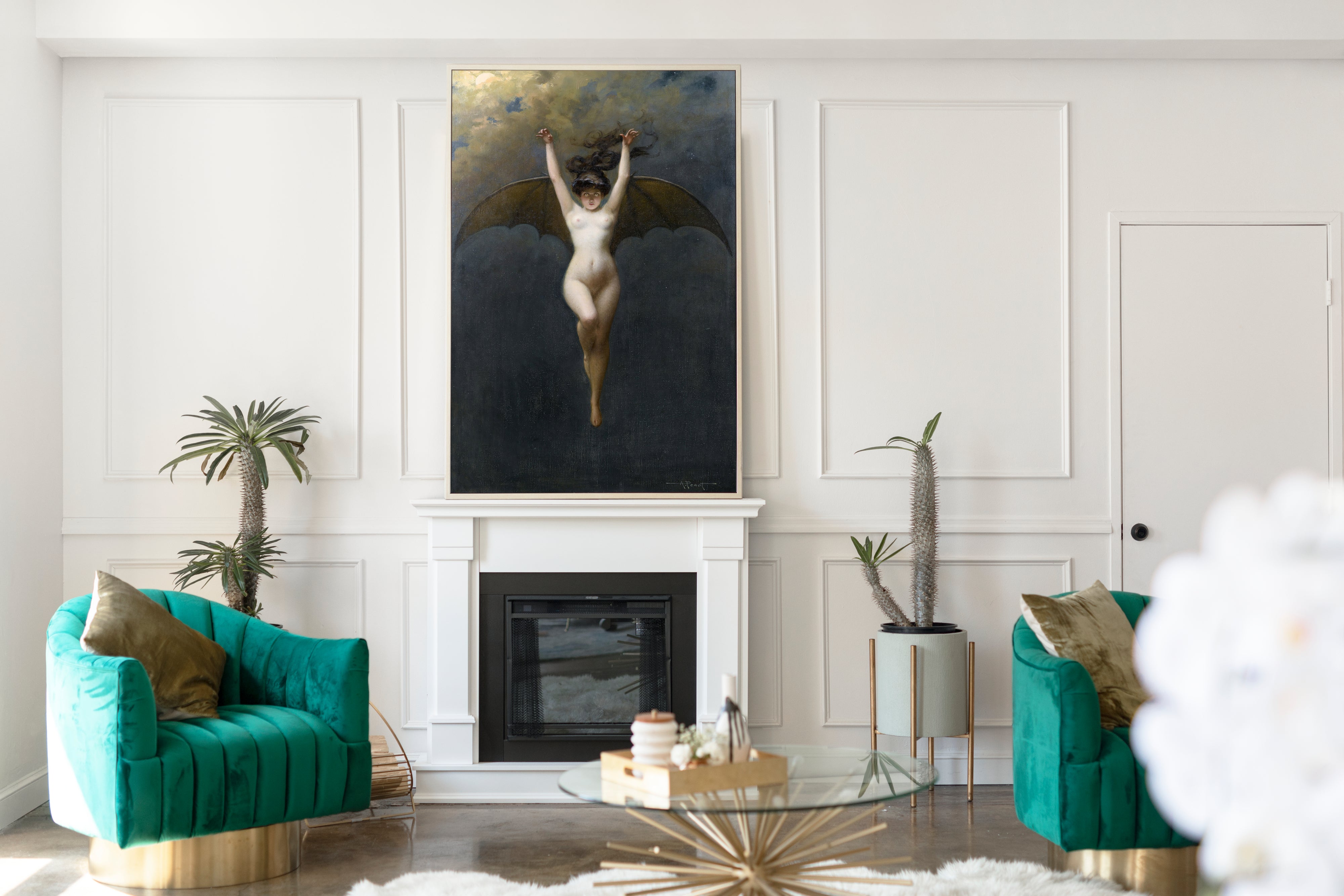
Black backgrounds, night skies, dramatic lighting and unsettling figures can give an interior a stronger Gothic character.
Works by Bosch, Goya and Fuseli are natural choices where mystery, psychological tension or supernatural subject matter is desired.
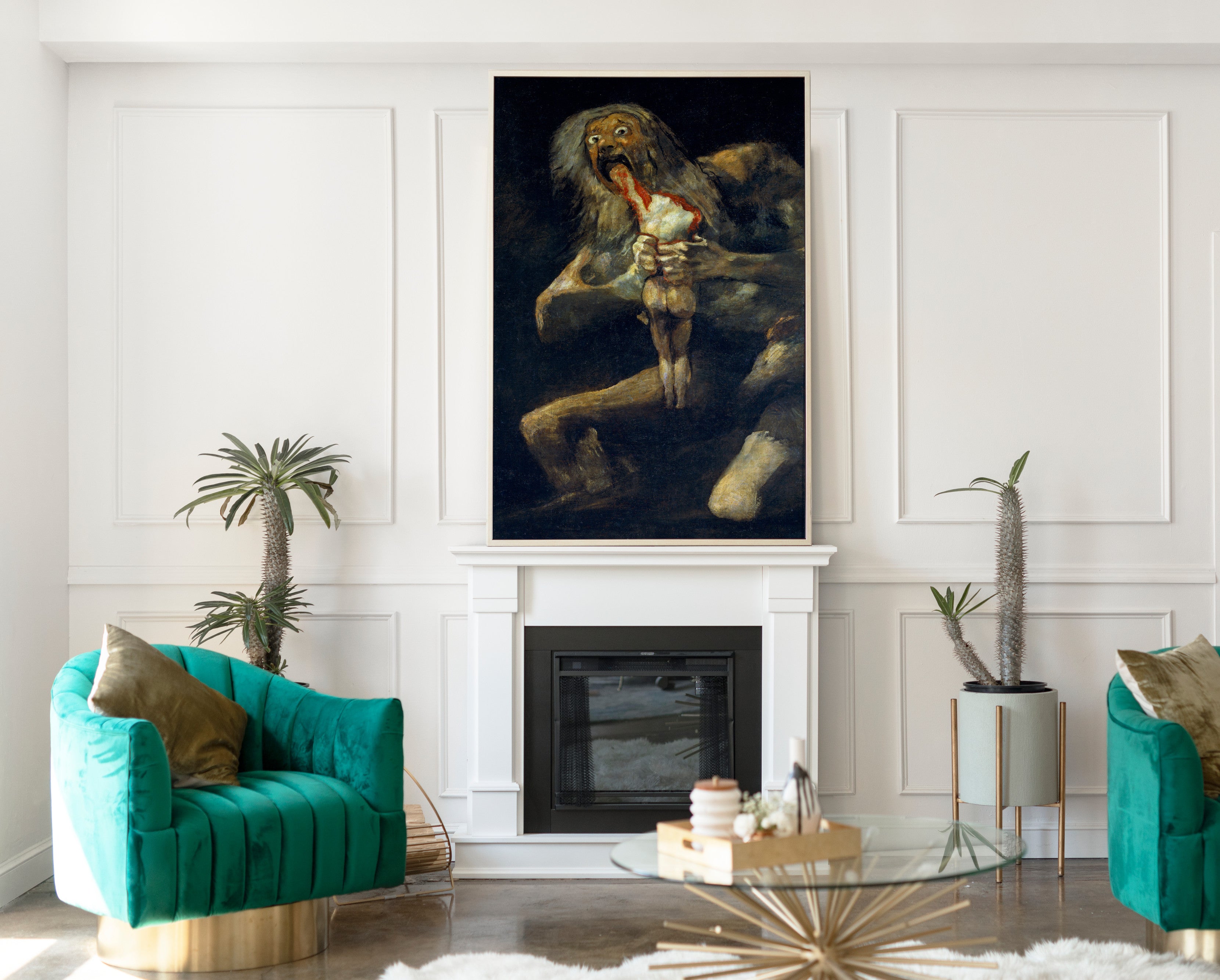
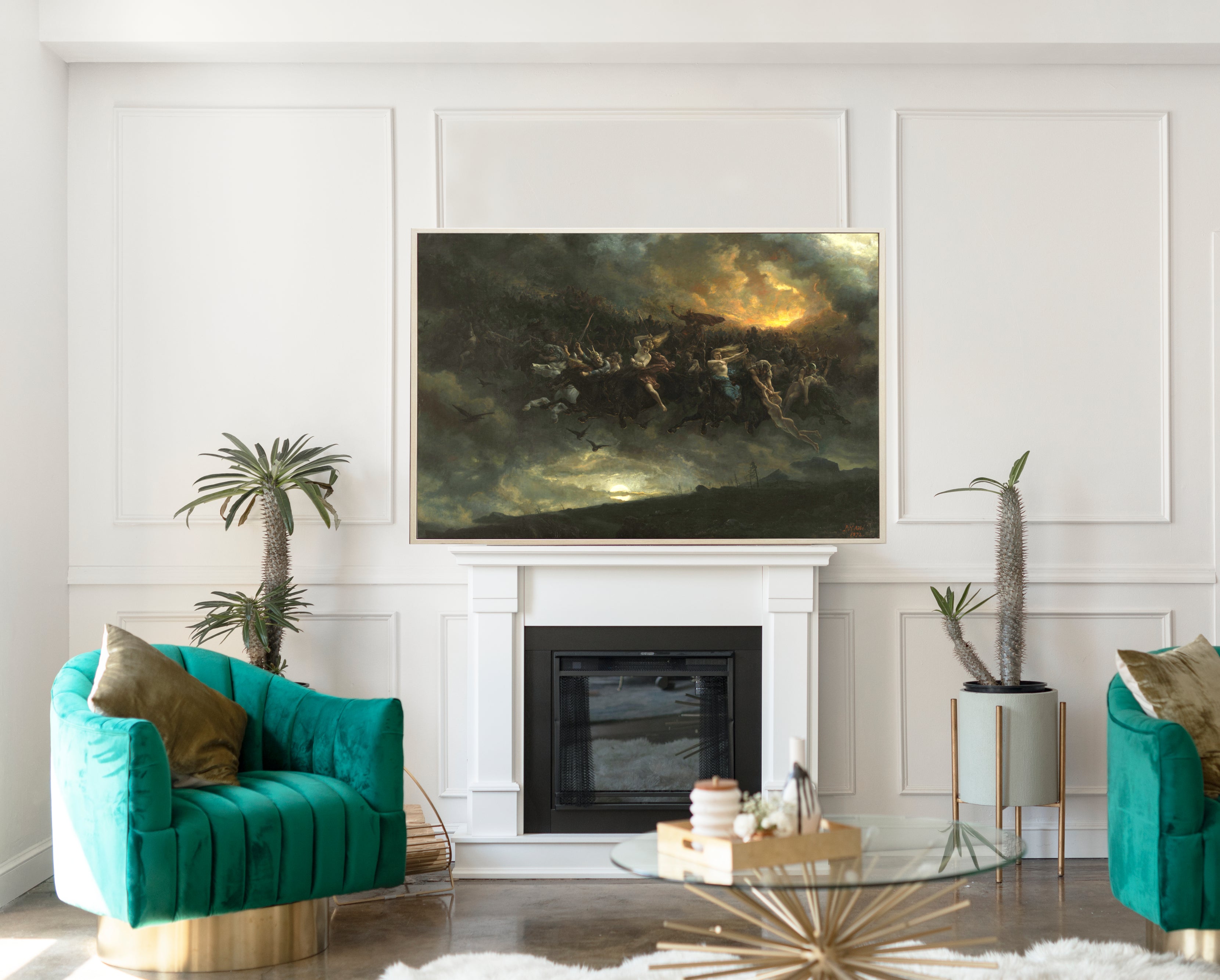
Dark artwork often works especially well with deep green, burgundy, charcoal, navy, dark wood and warm metallic finishes, although a pale wall can provide equally effective contrast.
How to Style Mythology, Religious and Occult Art
The right approach depends largely on the character of the artwork.
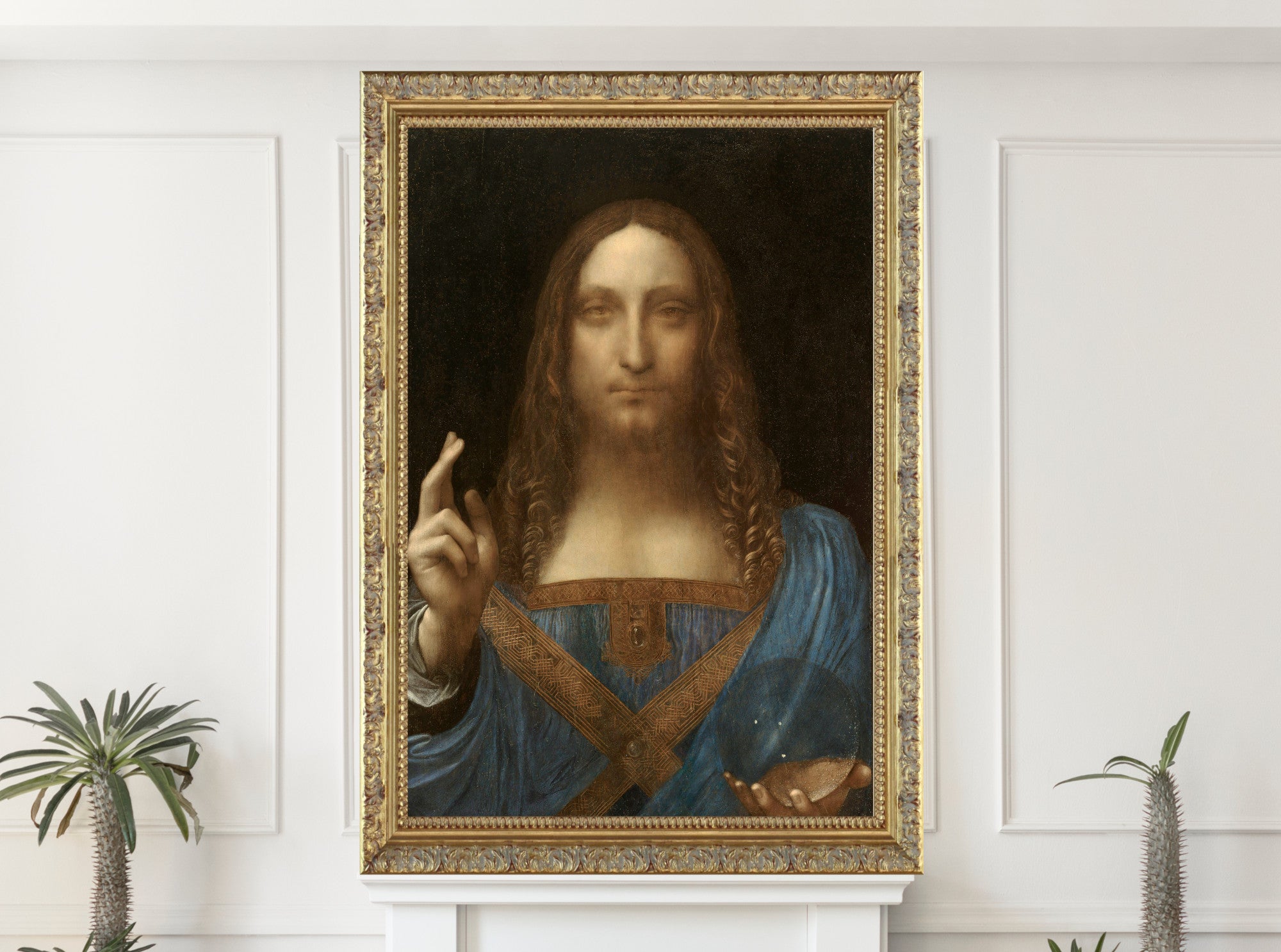
For traditional rooms, Renaissance religious painting, saints and classical mythology work naturally with dark wood, warm neutrals and more formal furnishings.
For a dramatic interior, Gothic subjects, witchcraft imagery and darker visionary painting can be combined with deeper wall colours or strong black framing.
For lighter rooms, Waterhouse and other romantic mythological paintings can introduce story and colour without creating the same intensity as darker supernatural subjects.
Contemporary interiors can accommodate historical imagery particularly well when framing is kept relatively simple and one substantial artwork is allowed to become the focal point.
Best Rooms for Mythology, Religious and Occult Prints
Living rooms are well suited to larger mythological, biblical and Symbolist paintings because these subjects naturally create visual focus and conversation.
Dining rooms can accommodate richer and more dramatic imagery, particularly mythological figures, Gothic painting and Old Master religious scenes.
Hallways and staircases are excellent places for narrative art because viewers encounter individual paintings as they move through the space.
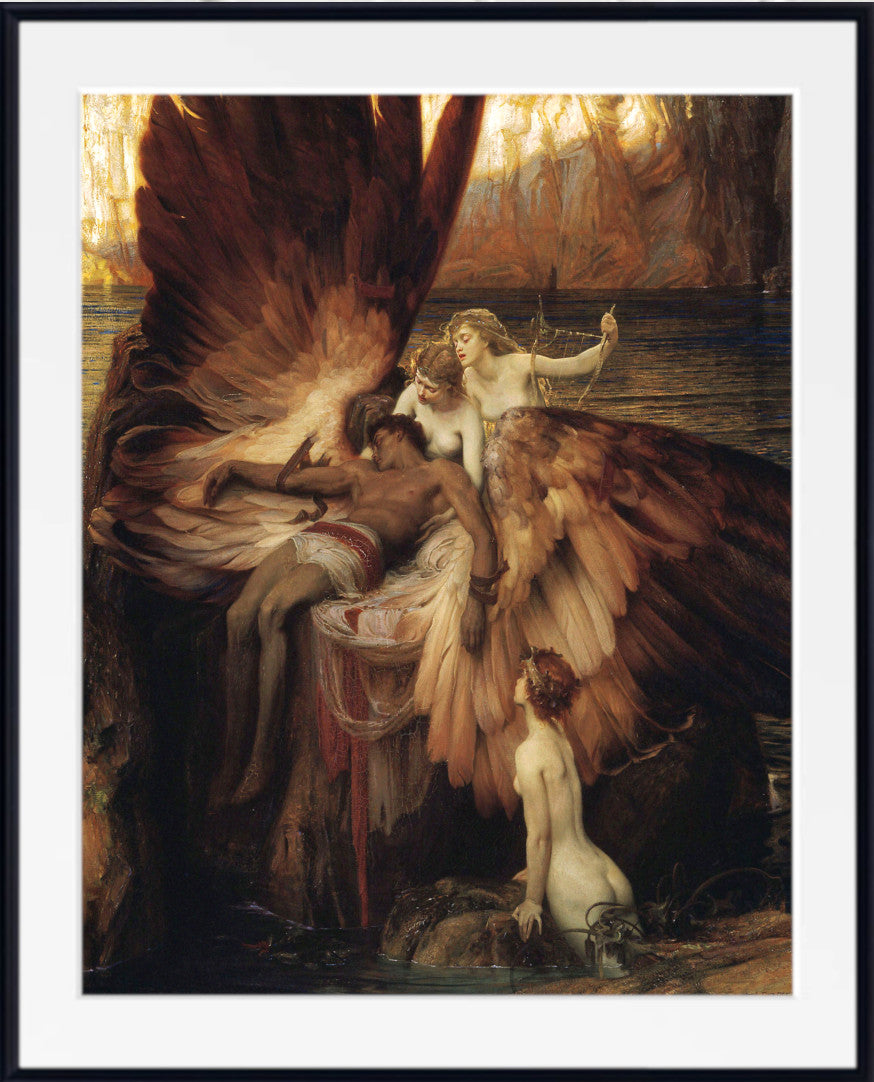
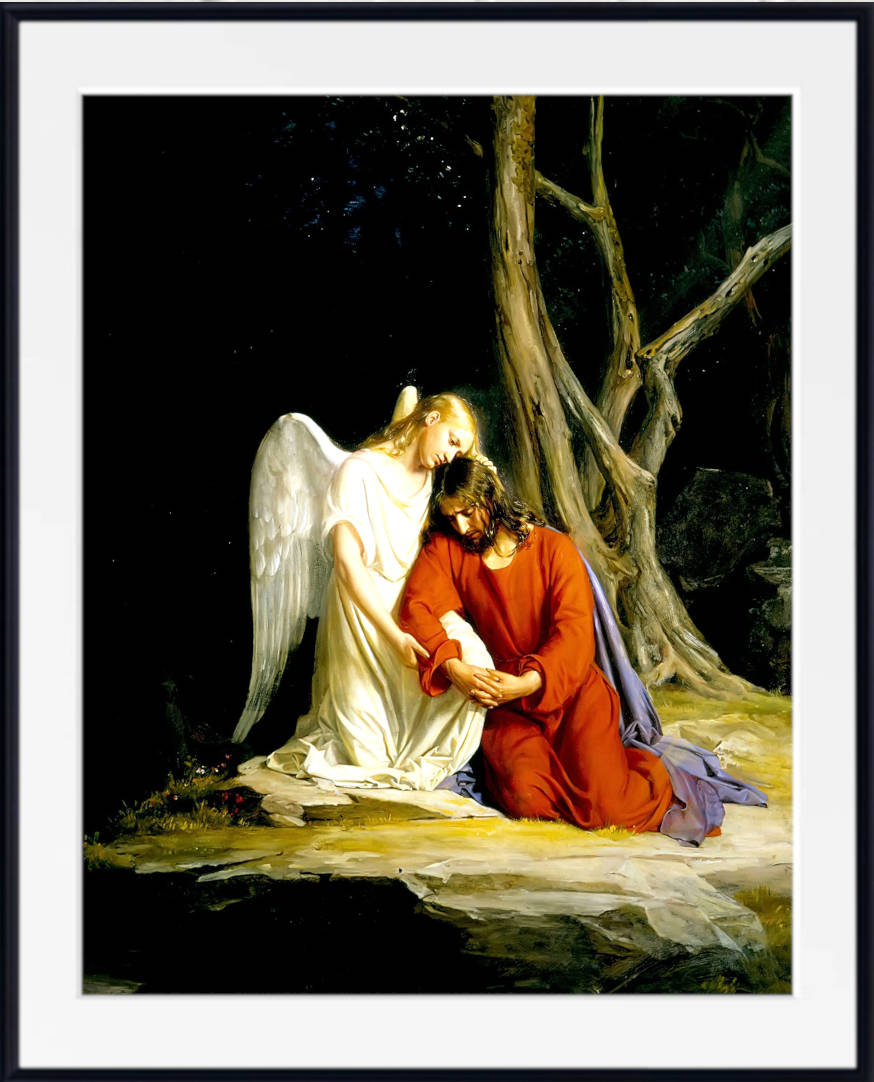
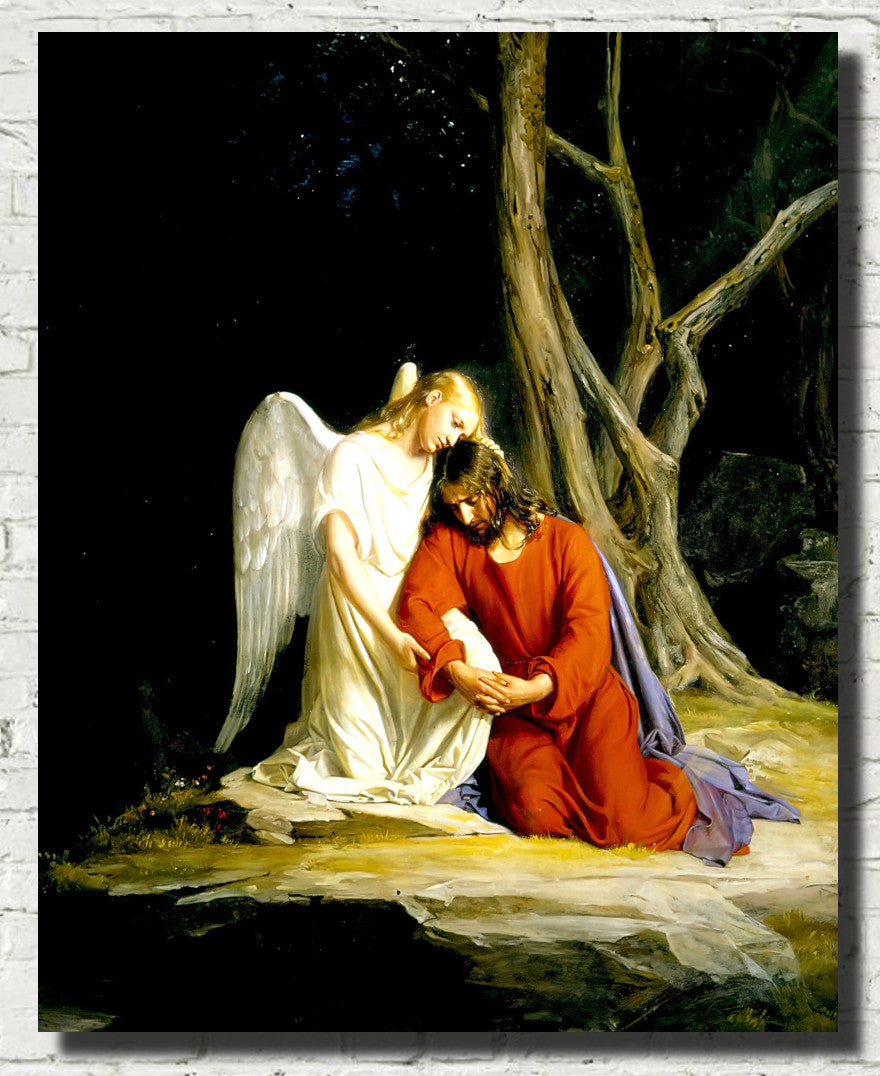
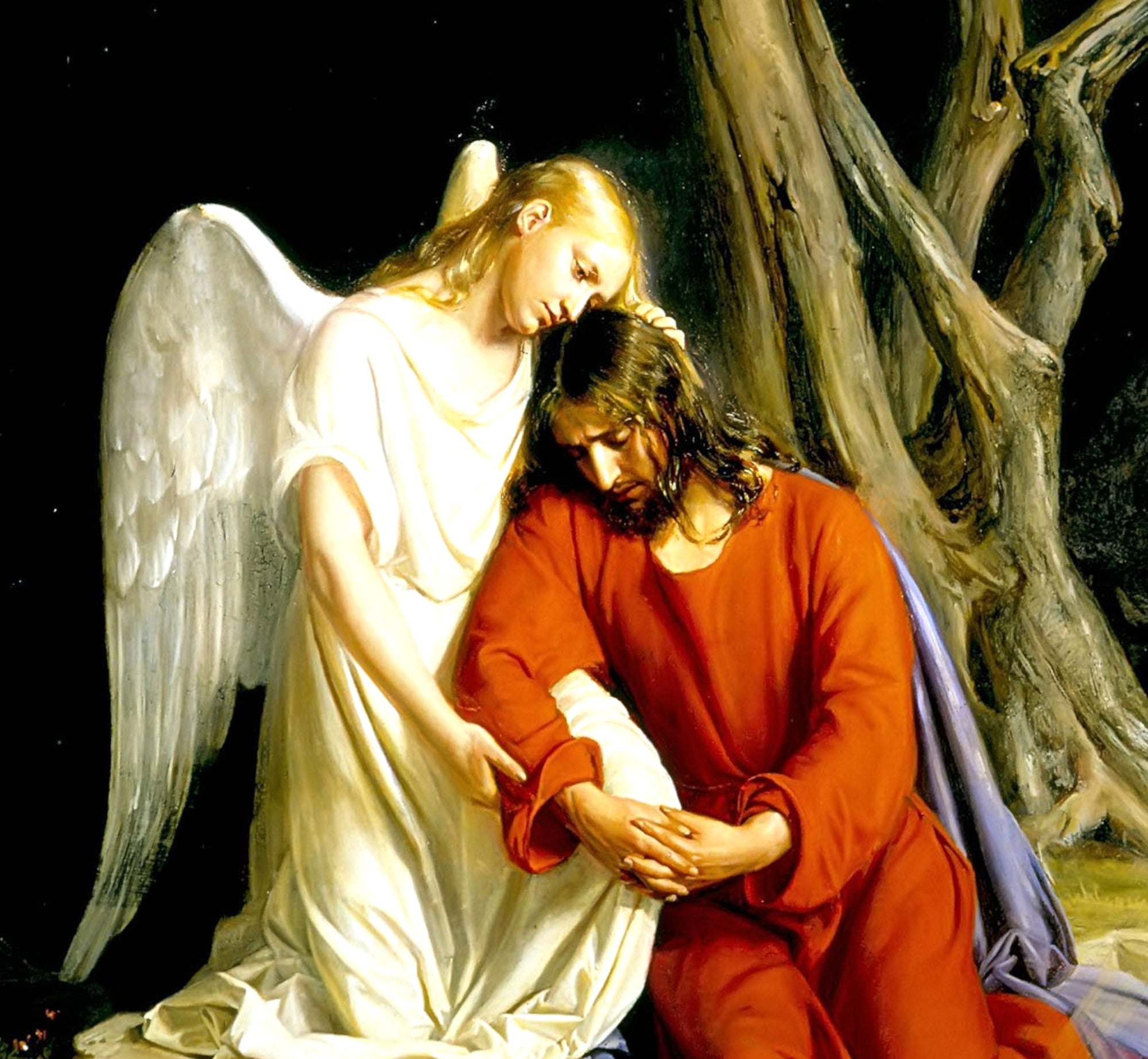
Bedrooms generally suit quieter imagery such as angels, romantic mythology, saints and more contemplative Symbolist compositions.
Studies and libraries can support darker or intellectually complex subjects including Bosch, Blake, Goya and Fuseli.
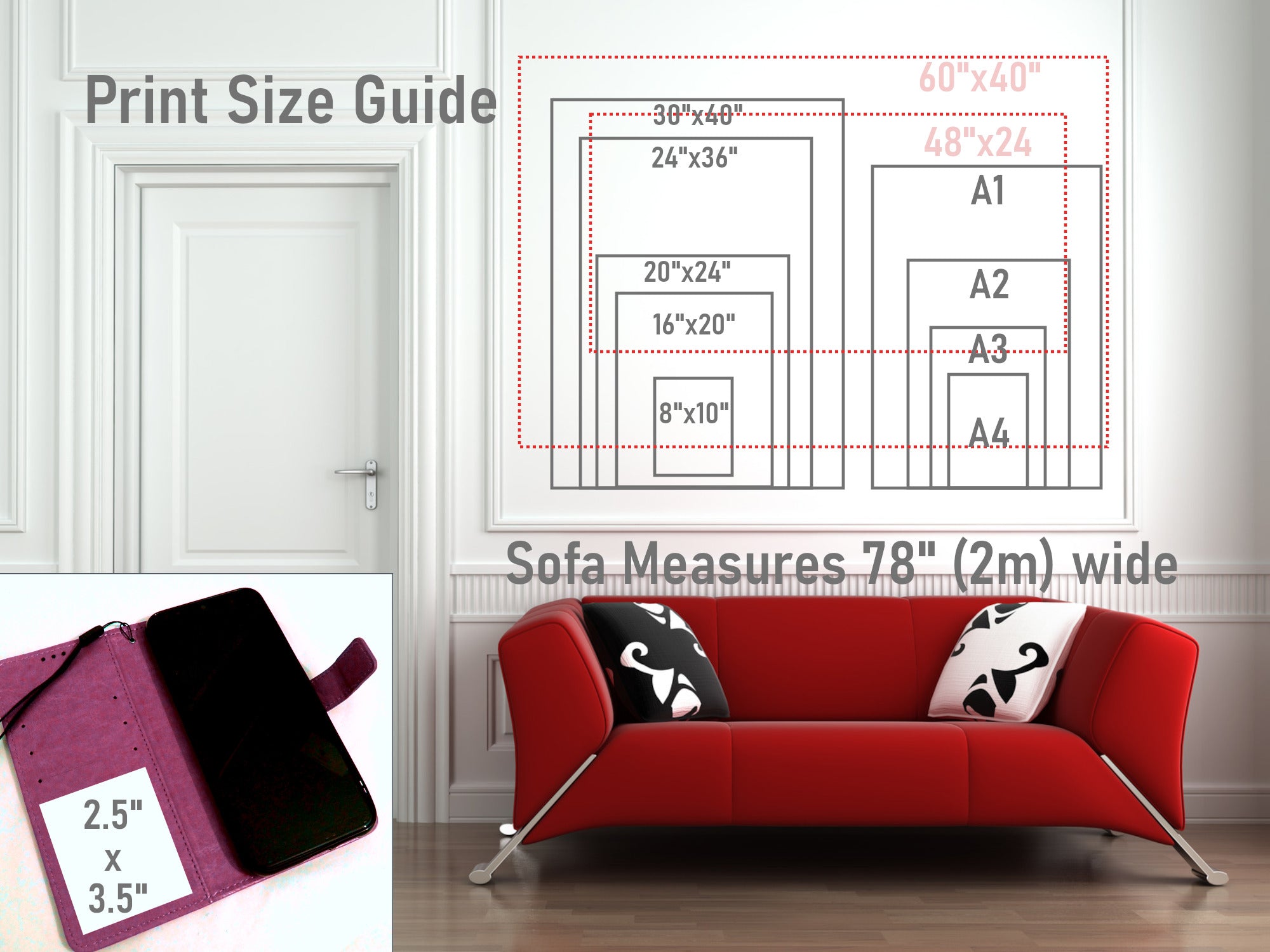
Choosing the Right Print Size
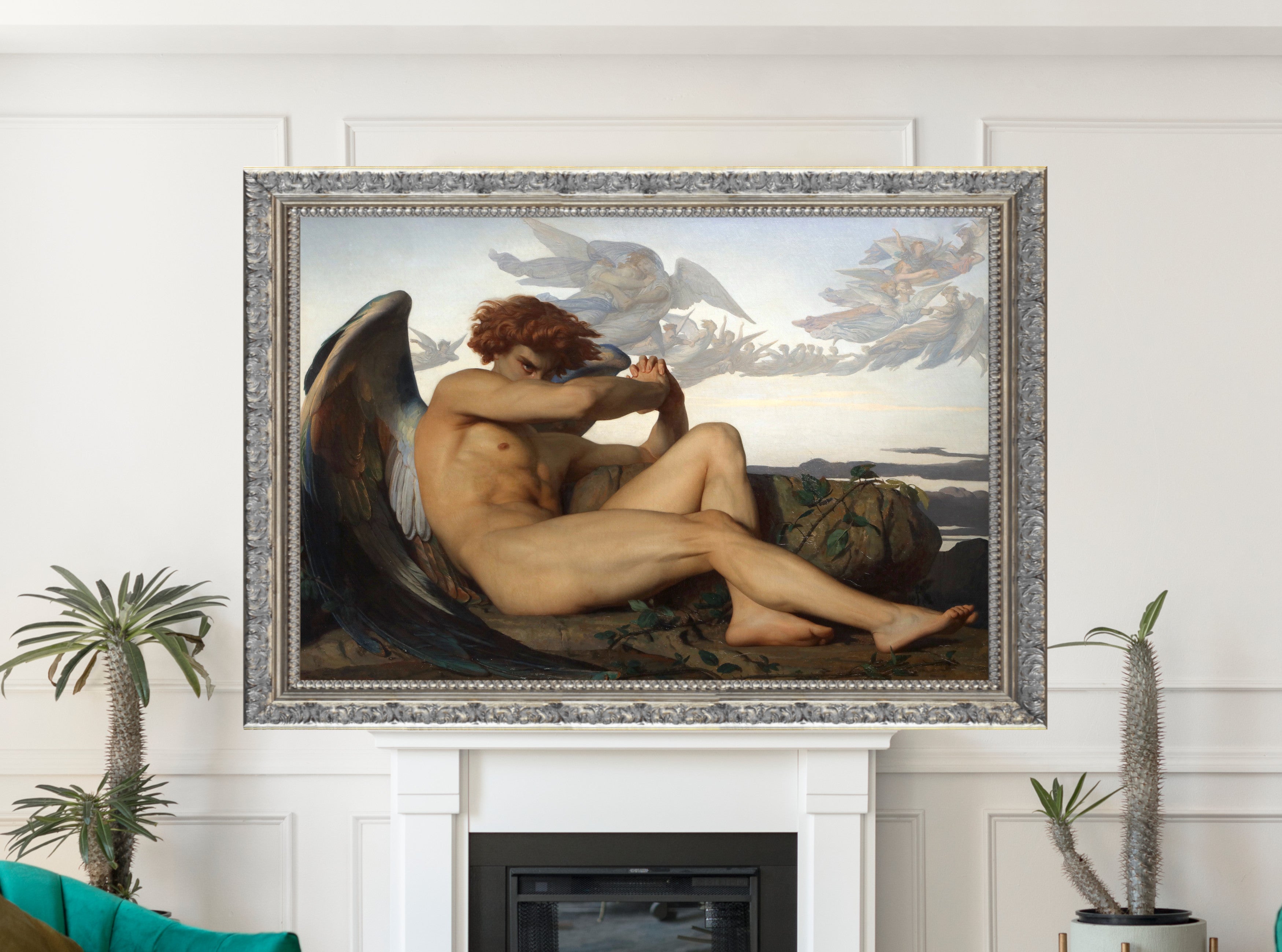
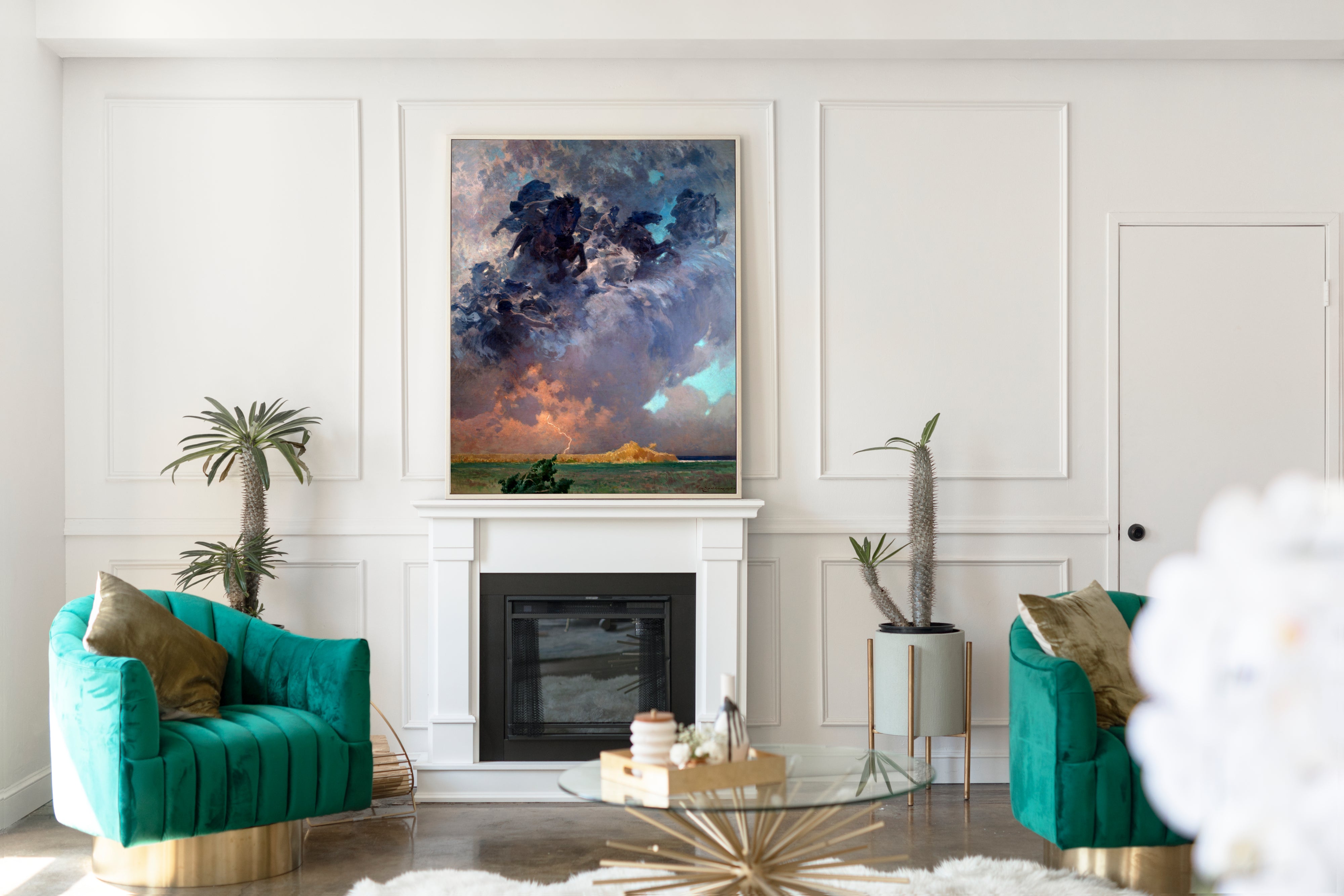
Large mythology and religious prints work particularly well above sofas, beds, fireplaces and sideboards where they can become the dominant visual element.
Highly detailed paintings often benefit from generous scale because smaller symbolic and narrative elements remain easier to appreciate.
Medium-sized framed prints are useful above desks, consoles and narrower walls.
Smaller works can be combined into gallery arrangements based around mythology, religion, Gothic imagery or a particular artist.
Fine Art Prints, Framed Prints and Canvas Panels
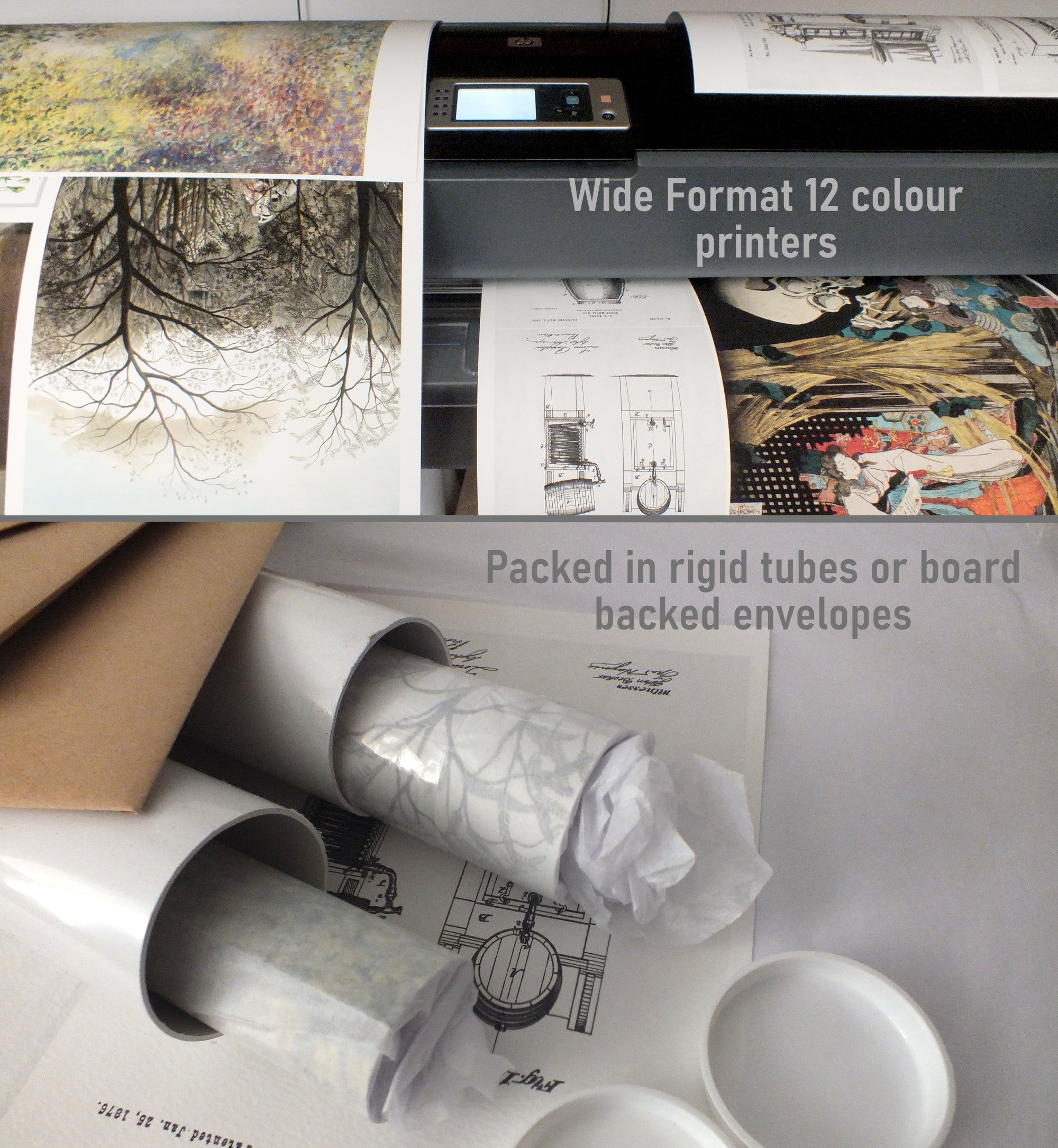
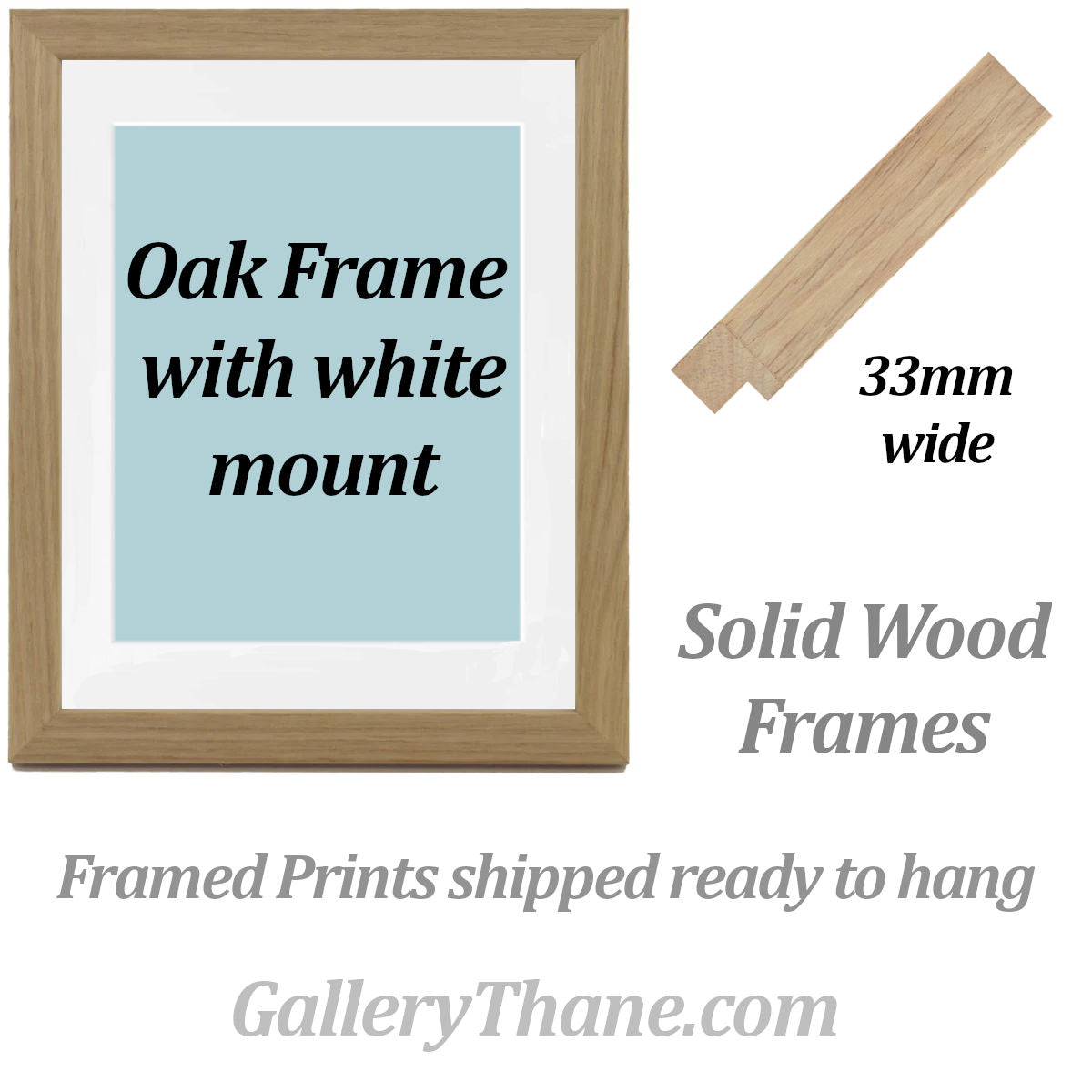
GalleryThane mythology, religious and occult artworks are available across a range of formats and sizes.
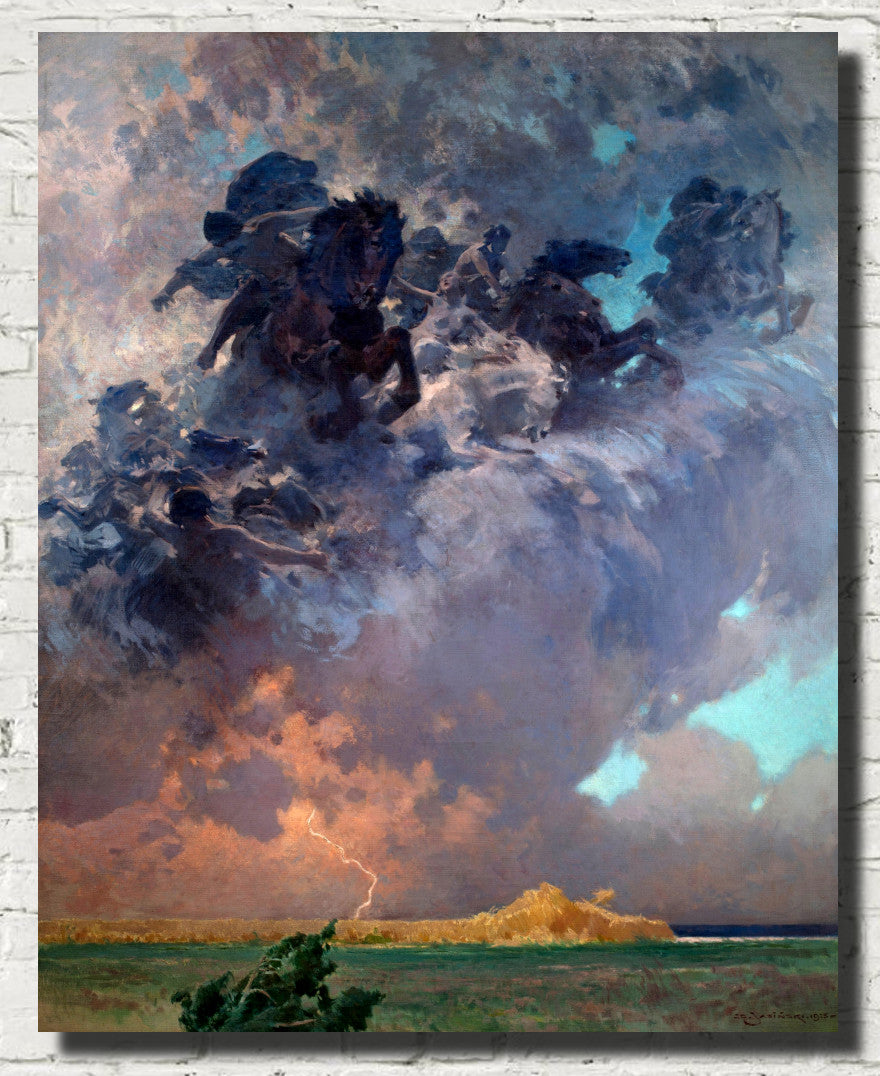
Choose an unframed fine art paper print if you want the flexibility to select your own frame and mount.
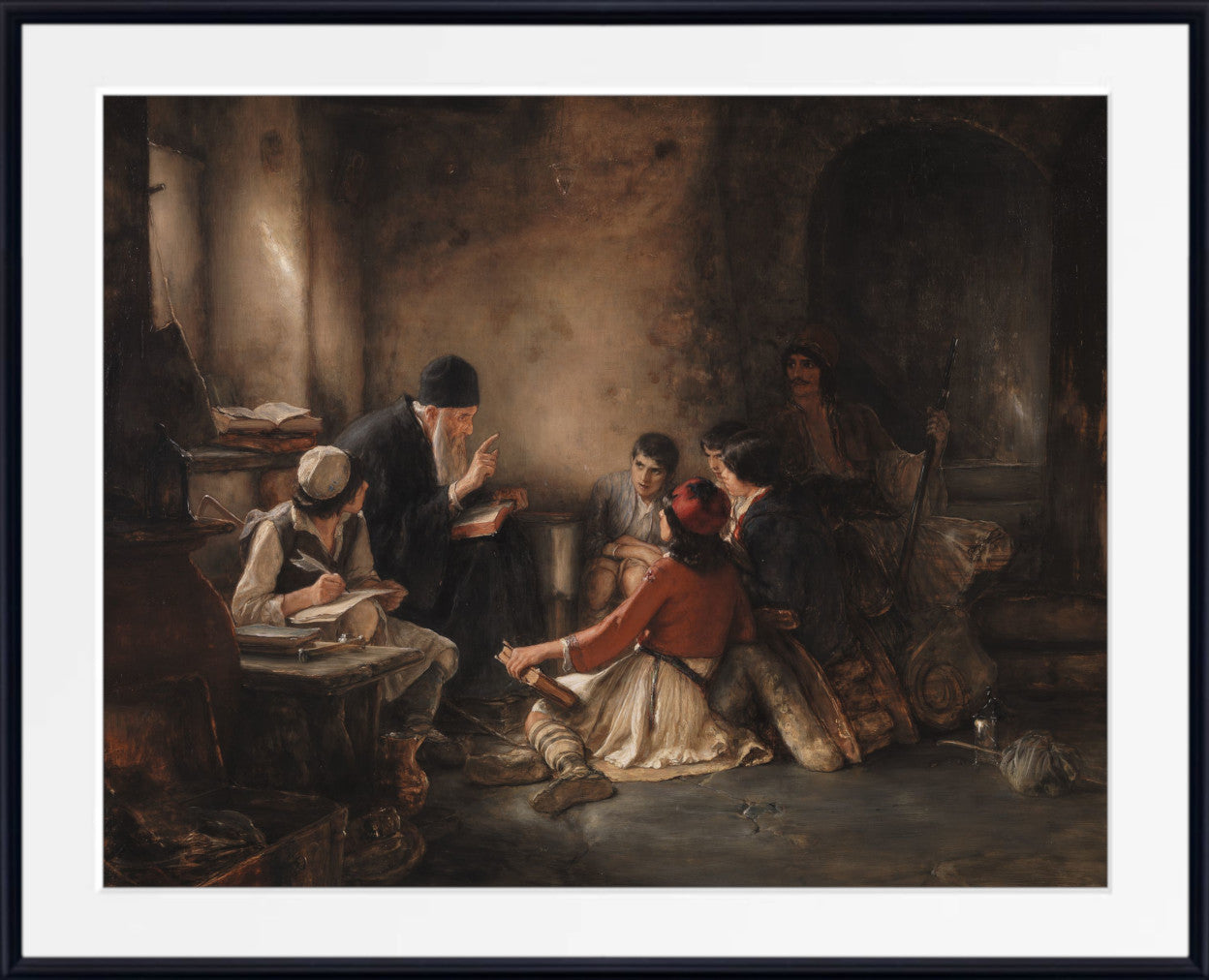
Framed prints offer a complete gallery-style presentation and are especially suitable for Old Masters, religious art and classical mythology.
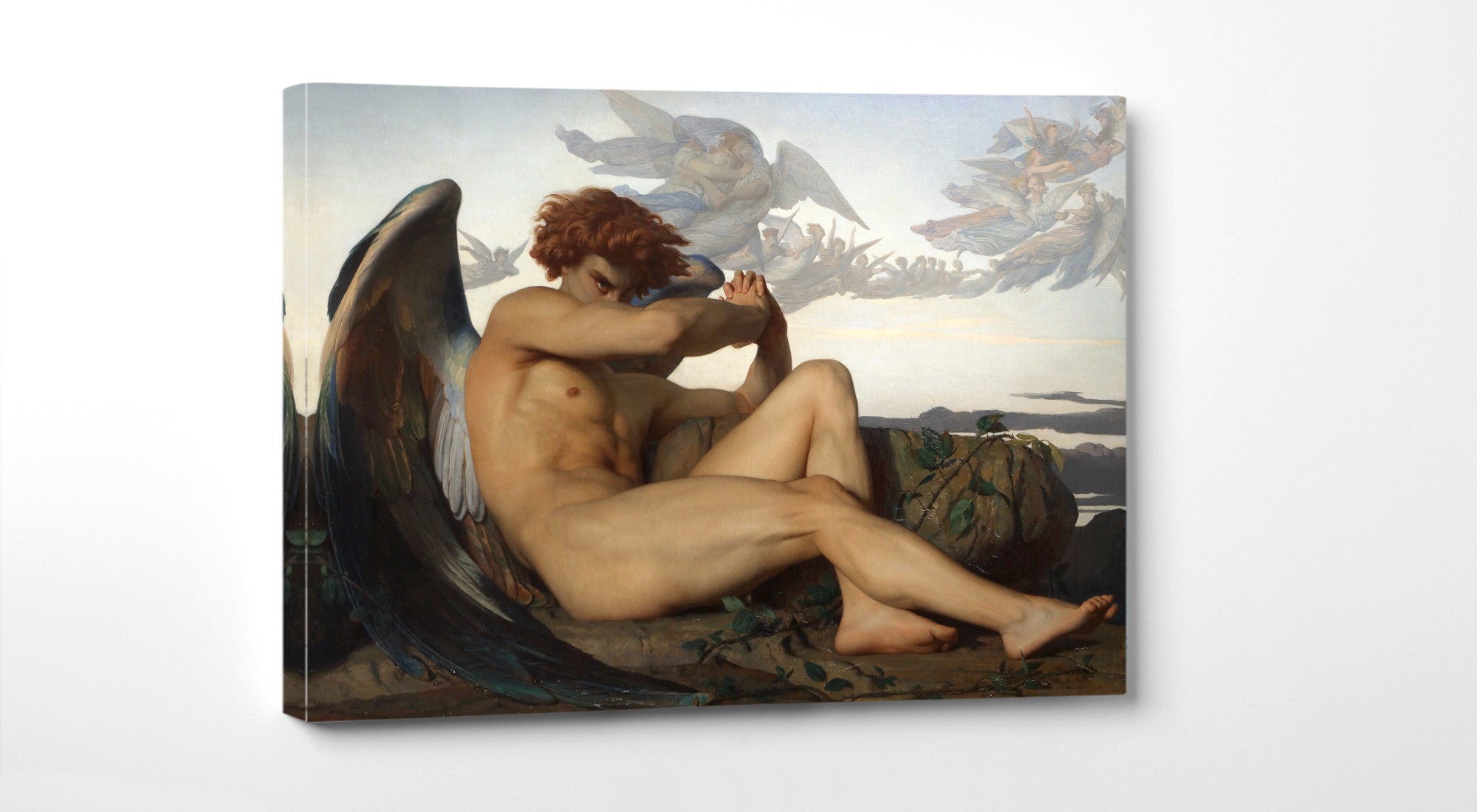
Canvas panels provide a cleaner ready-to-hang alternative and can work particularly well for larger narrative and dramatic compositions.
Explore Related Art Collections
For specifically Christian subjects, explore Christian Wall Art.
For devotional saint imagery, browse Catholic Saints Wall Art.
For supernatural and magical subjects, visit Witches and Witchcraft Art Prints.
For Renaissance and Baroque painting, explore Old Masters.
For romantic, literary and legendary imagery, browse Pre-Raphaelite Prints.
Frequently Asked Questions
What is mythology art?
Mythology art depicts gods, heroes, legends and symbolic stories drawn from ancient traditions, particularly Greek and Roman mythology. Subjects can include deities, nymphs, heroes, tragic figures, monsters and scenes of supernatural transformation.
What is religious art?
Religious art depicts sacred stories, devotional figures and spiritual subjects. In European art this frequently includes Christ, the Virgin Mary, saints, angels, biblical events, martyrdoms and miracles.
What is occult art?
Occult art explores supernatural, magical, mysterious or esoteric subjects. It may include witches, spirits, demons, visions, Gothic imagery and symbolic figures associated with hidden knowledge or supernatural experience.
Which artists are famous for mythological art?
Artists represented at GalleryThane whose work includes important mythological subjects include John William Waterhouse, Gustave Moreau, Sandro Botticelli and Alexandre Cabanel.
Which artists are associated with darker occult or supernatural art?
Francisco Goya, Henry Fuseli, William Blake and Hieronymus Bosch are particularly relevant to supernatural, visionary, Gothic or psychologically unsettling imagery.
Are religious art prints suitable for modern interiors?
Yes. Historic religious paintings can work effectively in contemporary interiors when the framing and surrounding decor are relatively simple. A single substantial artwork can provide history, meaning and visual depth without requiring a traditionally furnished room.
Where should I hang mythological or occult art?
Living rooms, dining rooms, hallways, studies and libraries are particularly suitable. Stronger Gothic and supernatural subjects often work best where a dramatic focal point feels deliberate, while softer mythological imagery can also work well in bedrooms.
Should I choose a framed print or canvas panel?
Framed prints provide a defined, gallery-style presentation that works particularly well for detailed historical paintings. Canvas panels offer a simpler frameless appearance and can suit larger dramatic compositions.