Cubist Art Prints and Modern Cubism
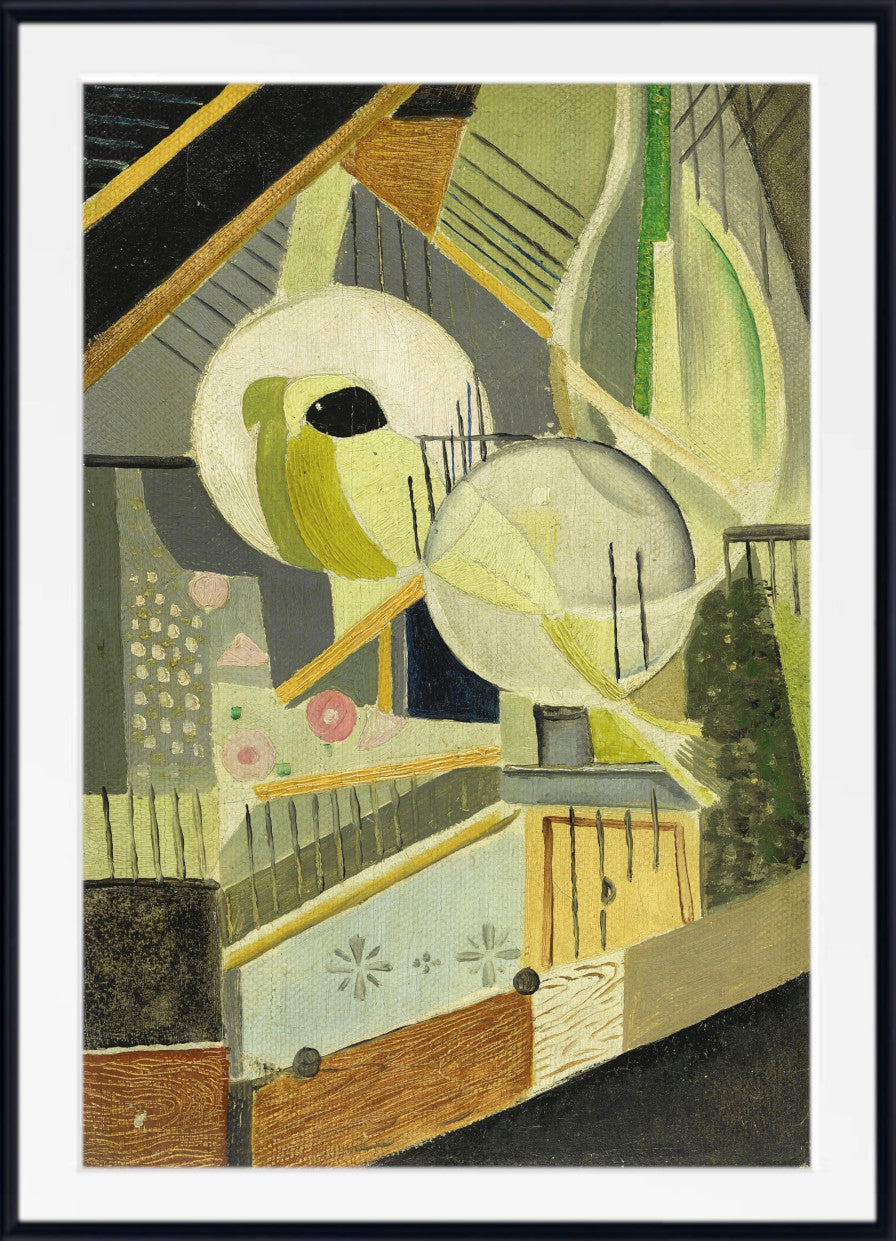
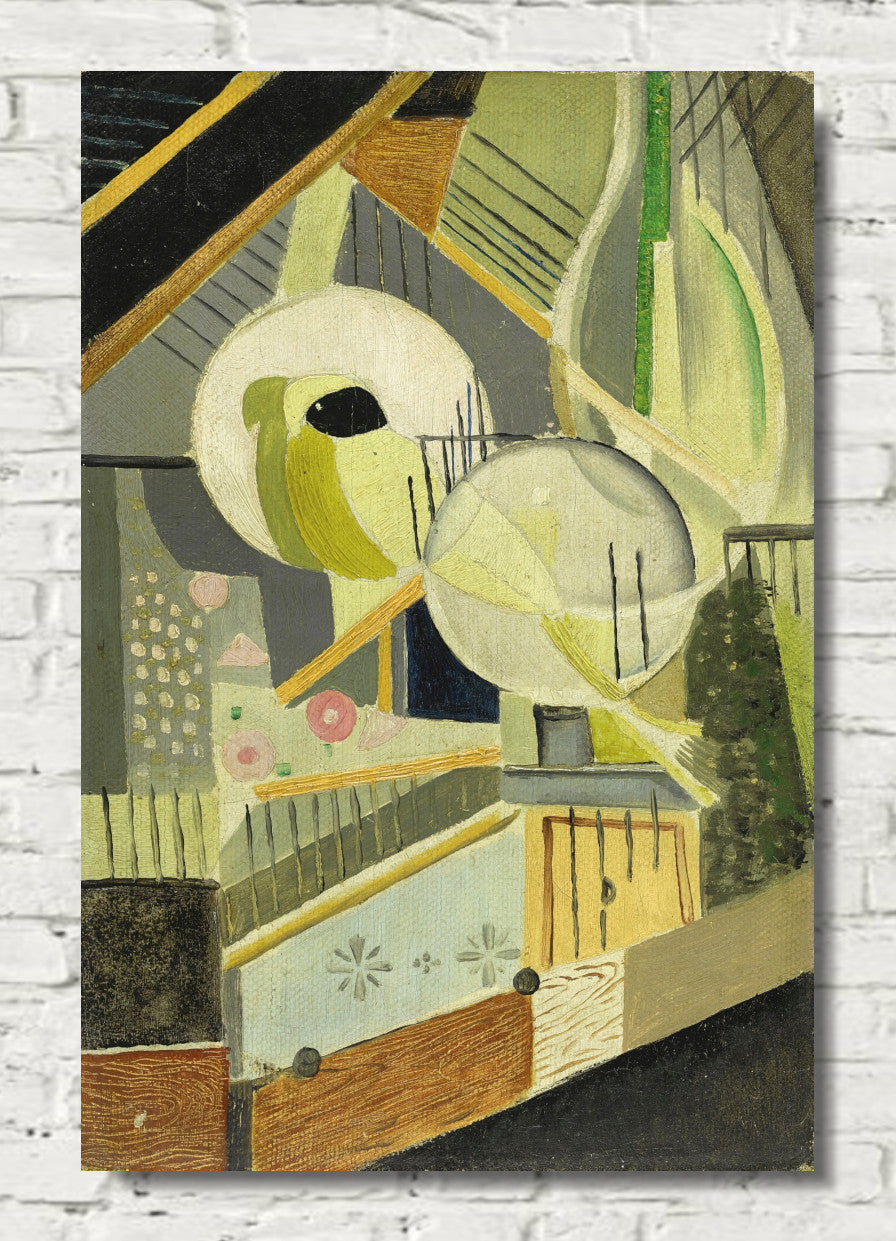
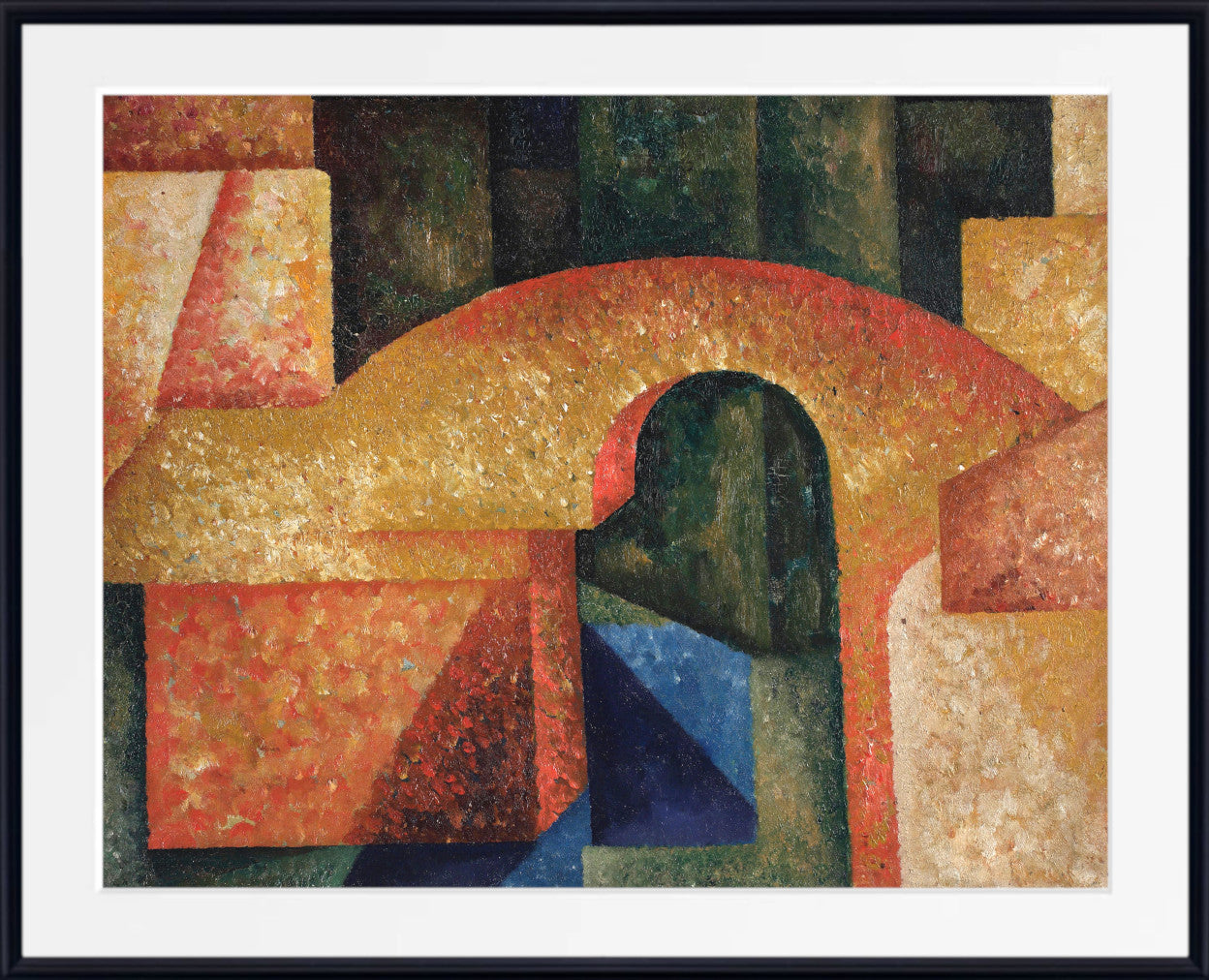
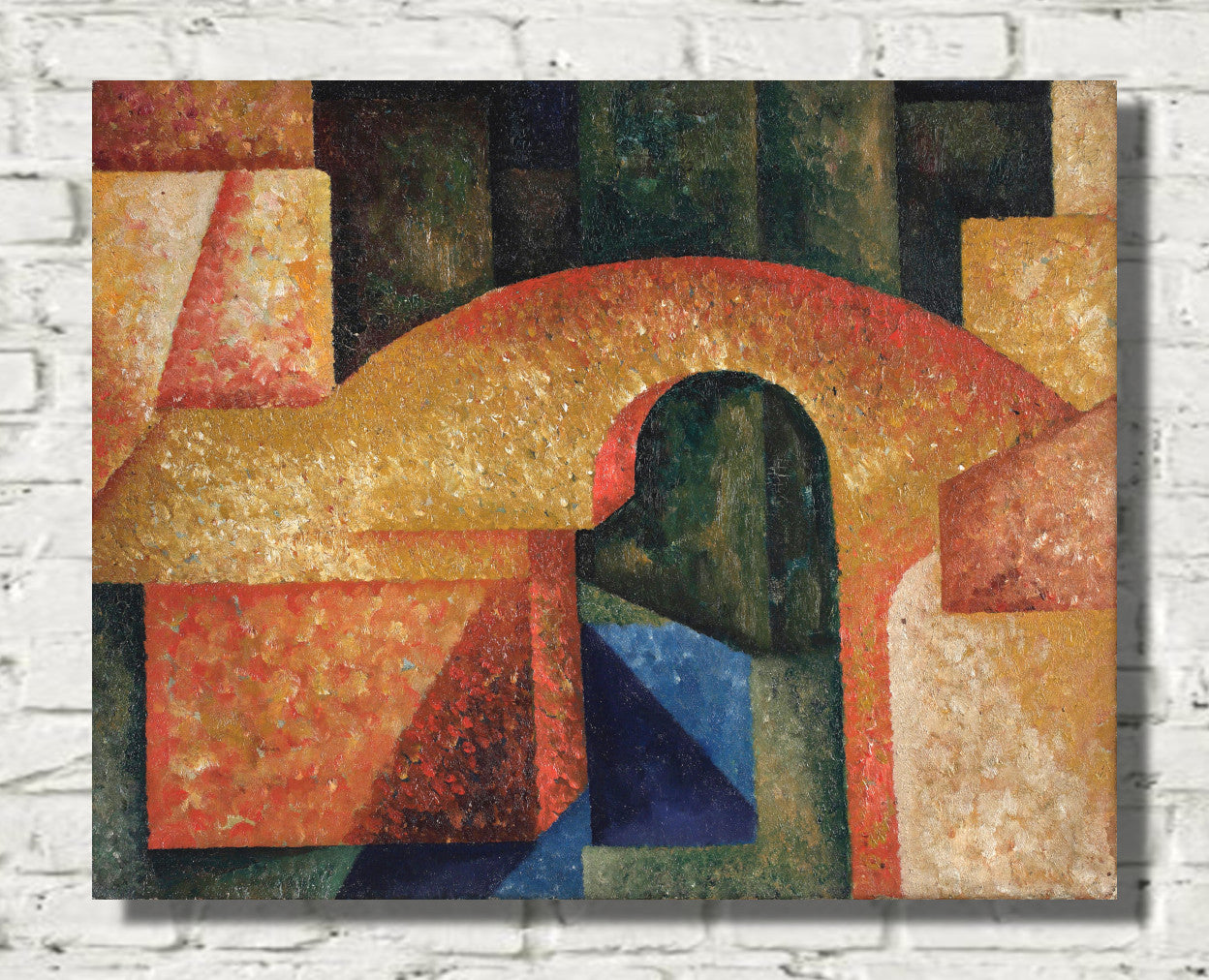
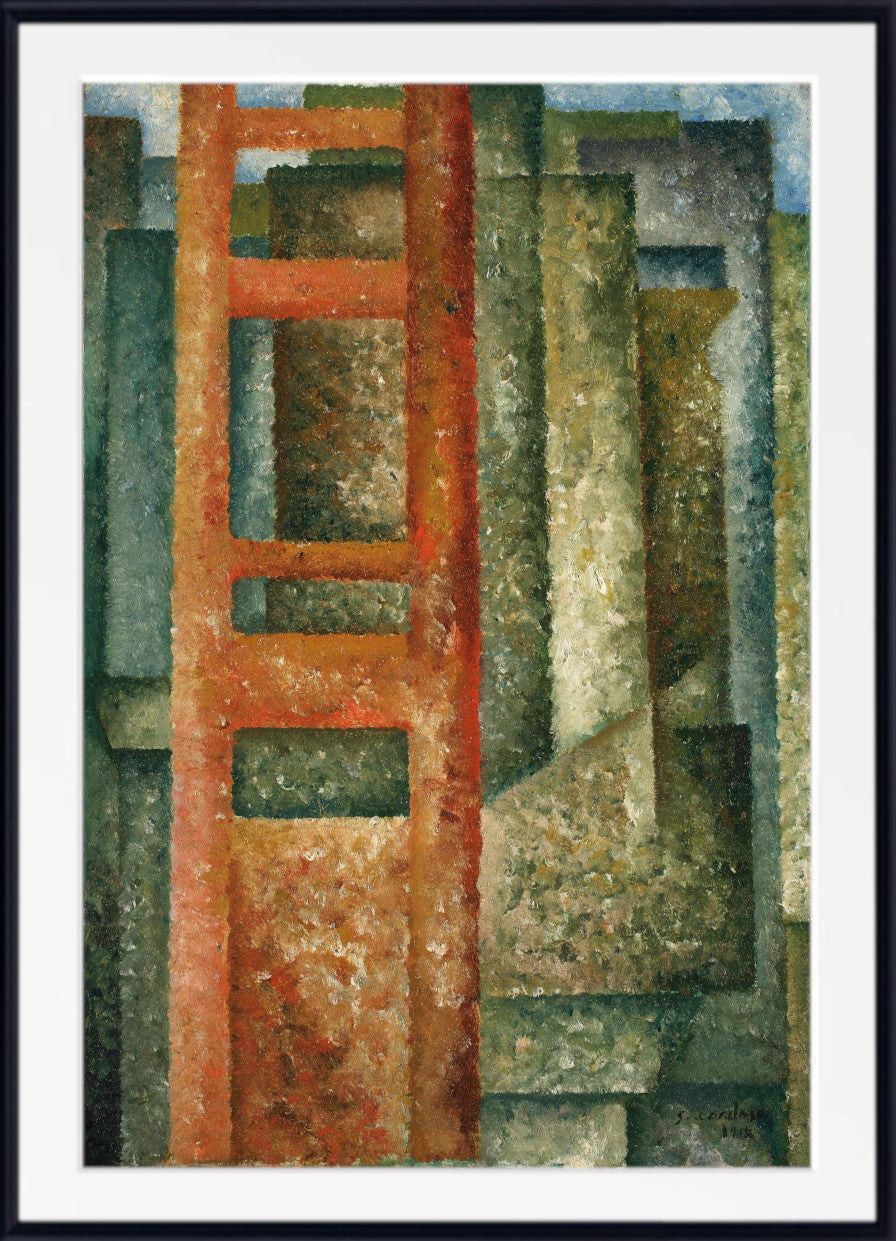
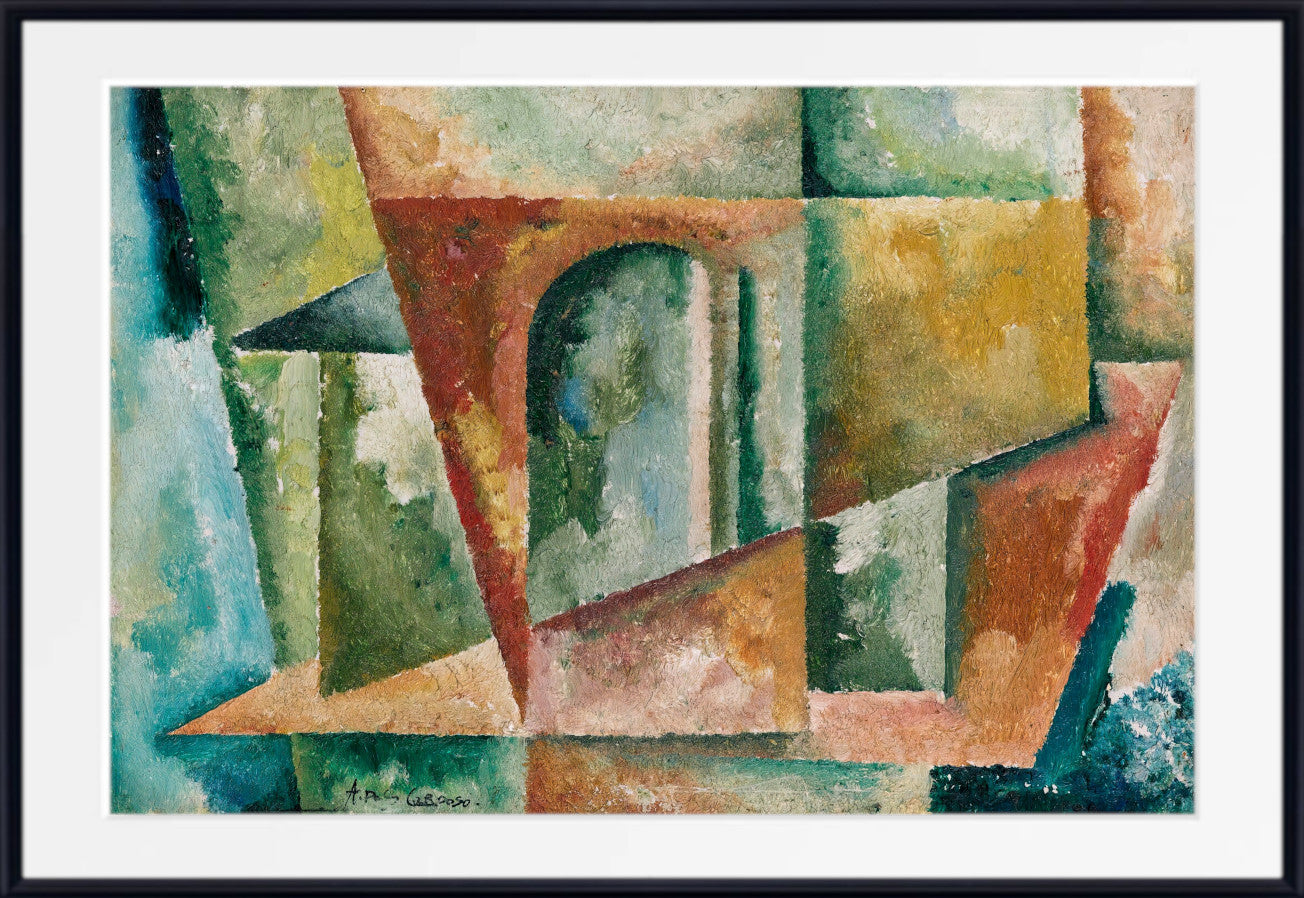
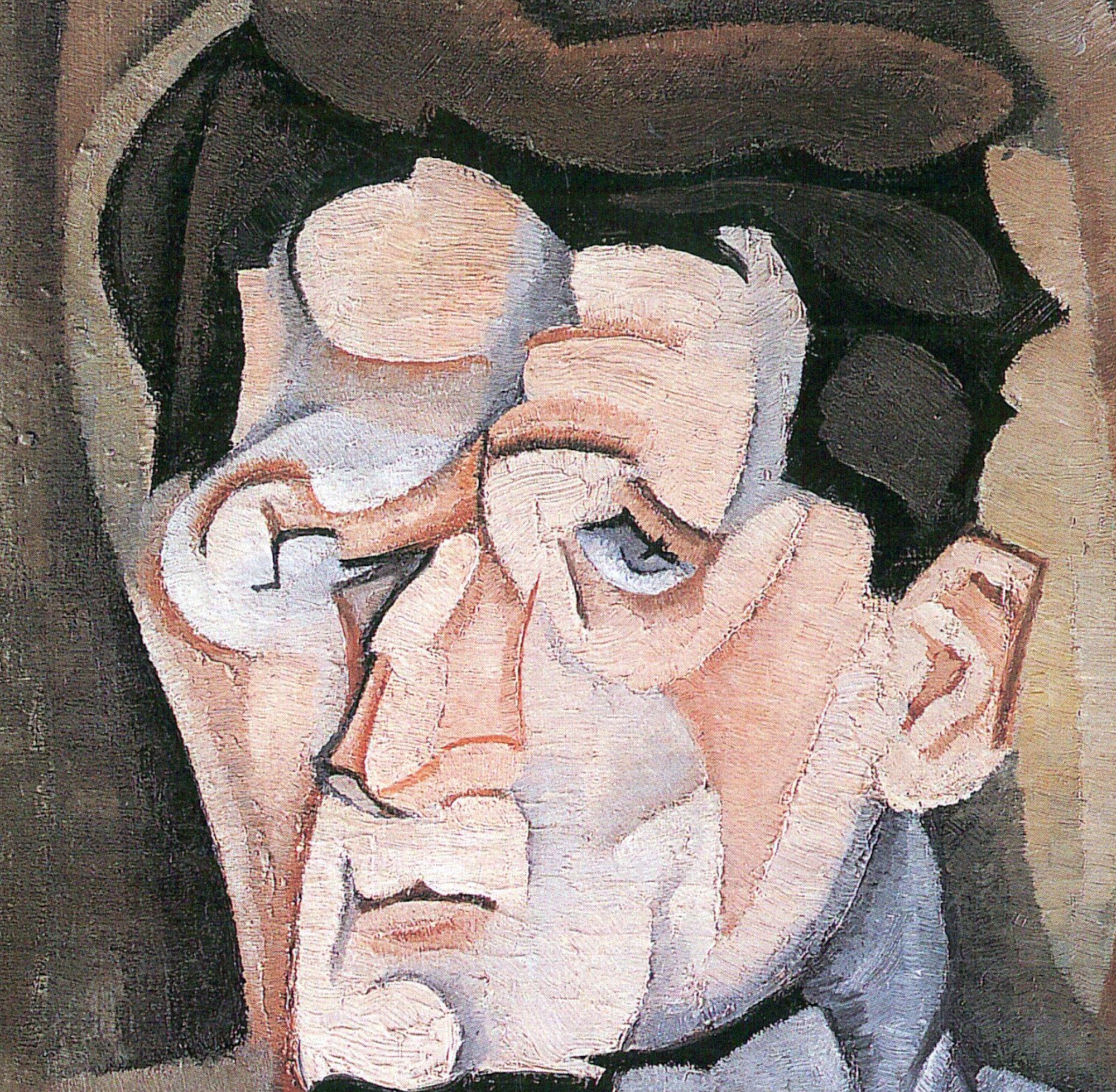
Cubism changed the way artists could describe the world. Instead of presenting a subject from one fixed viewpoint, Cubist painters broke figures, landscapes and familiar objects into overlapping planes, allowing several viewpoints to exist within the same picture.
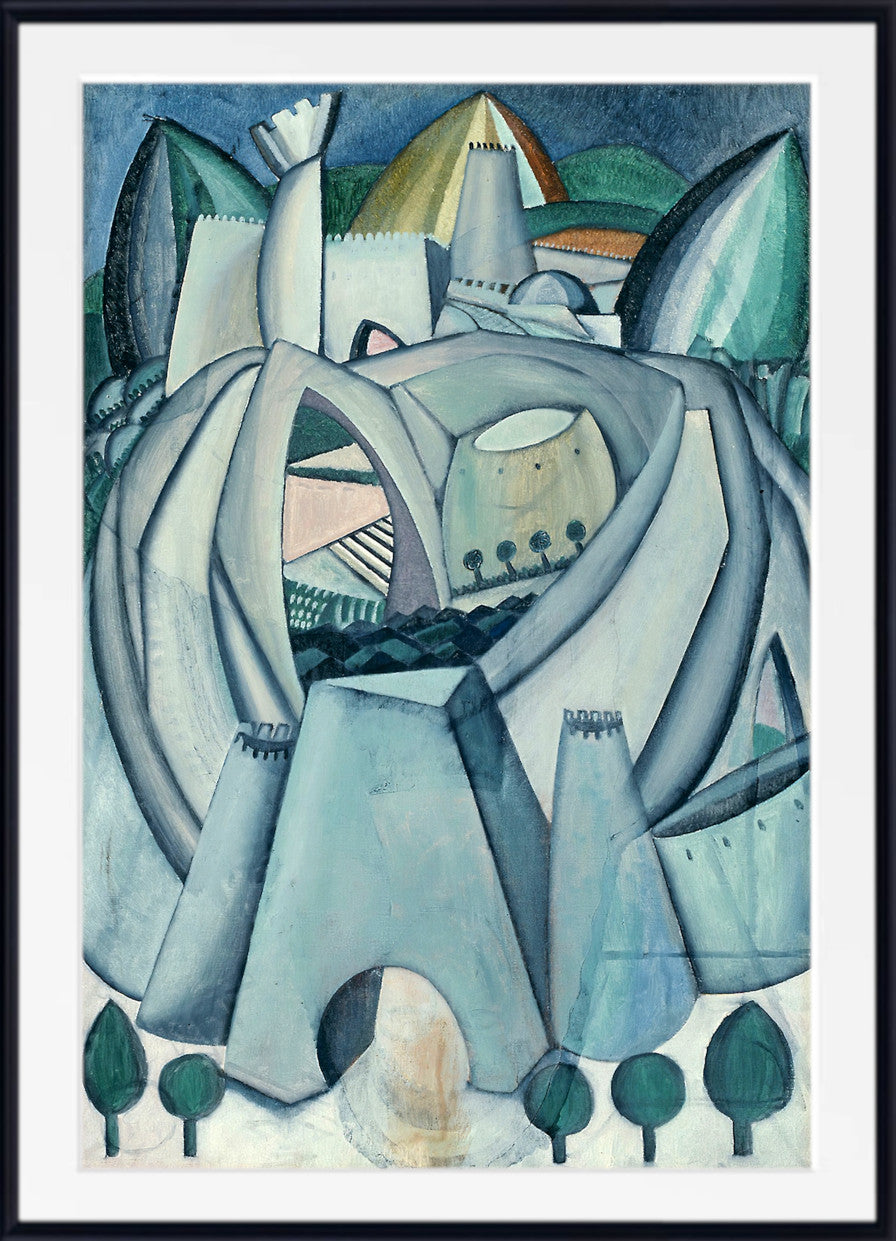
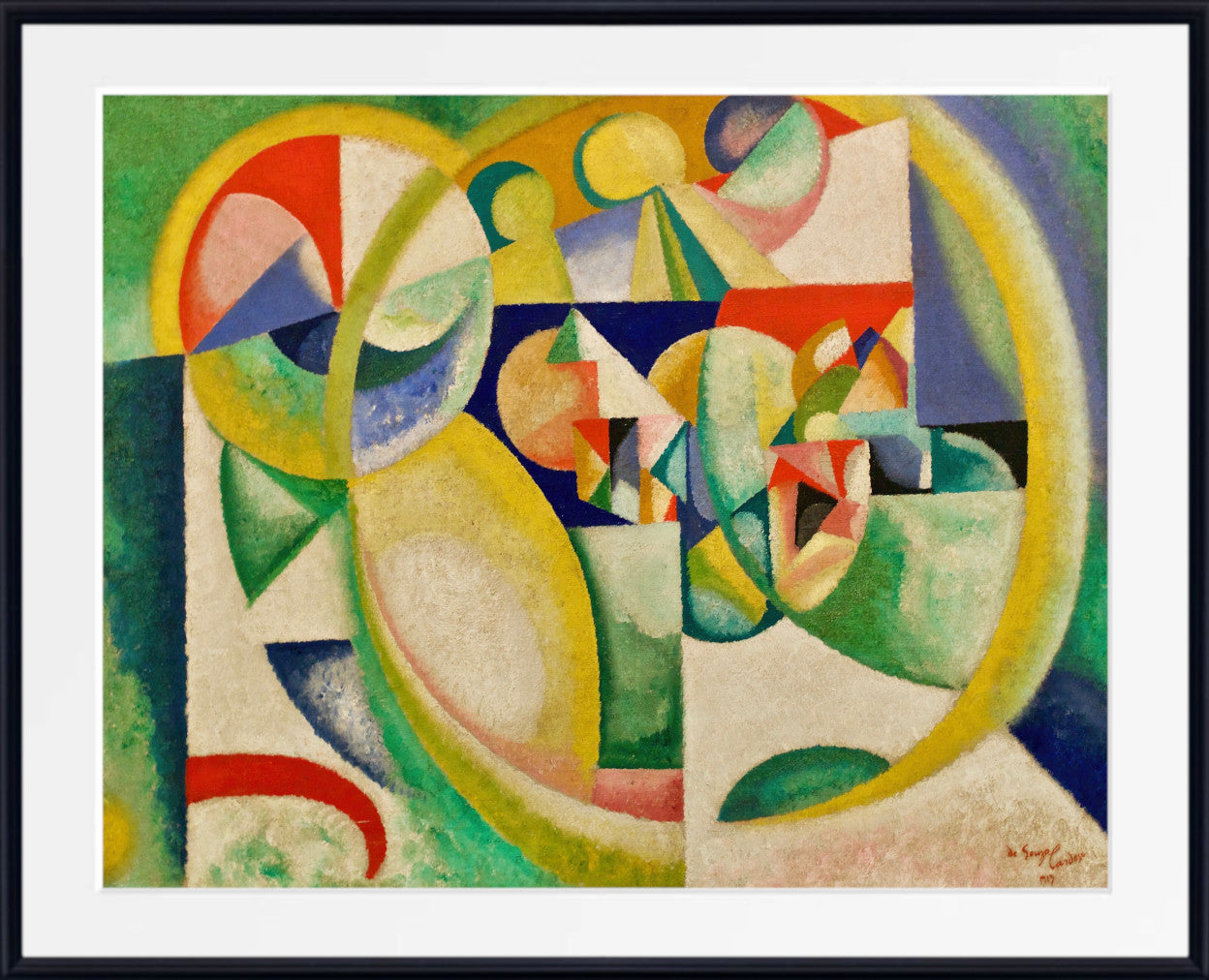
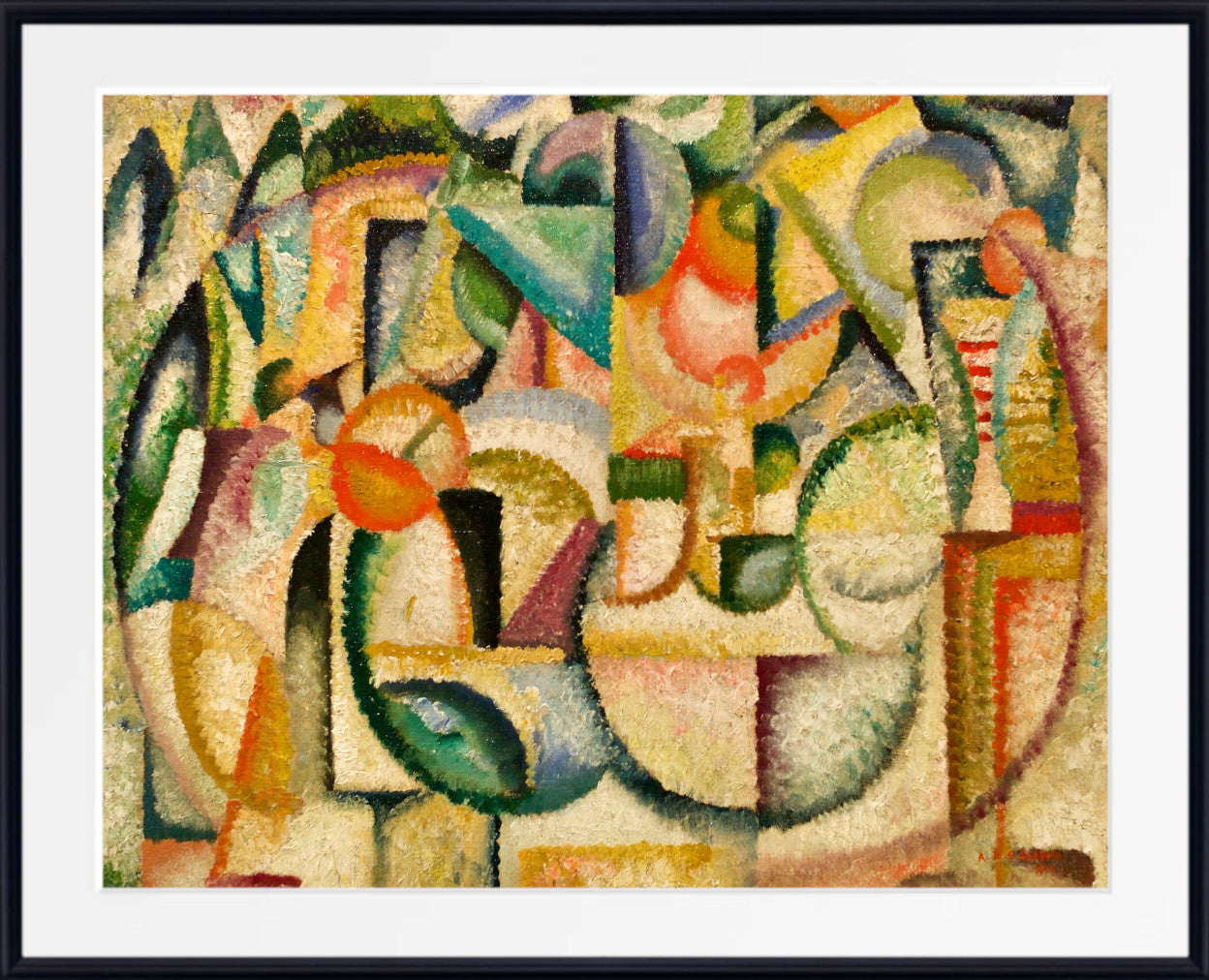
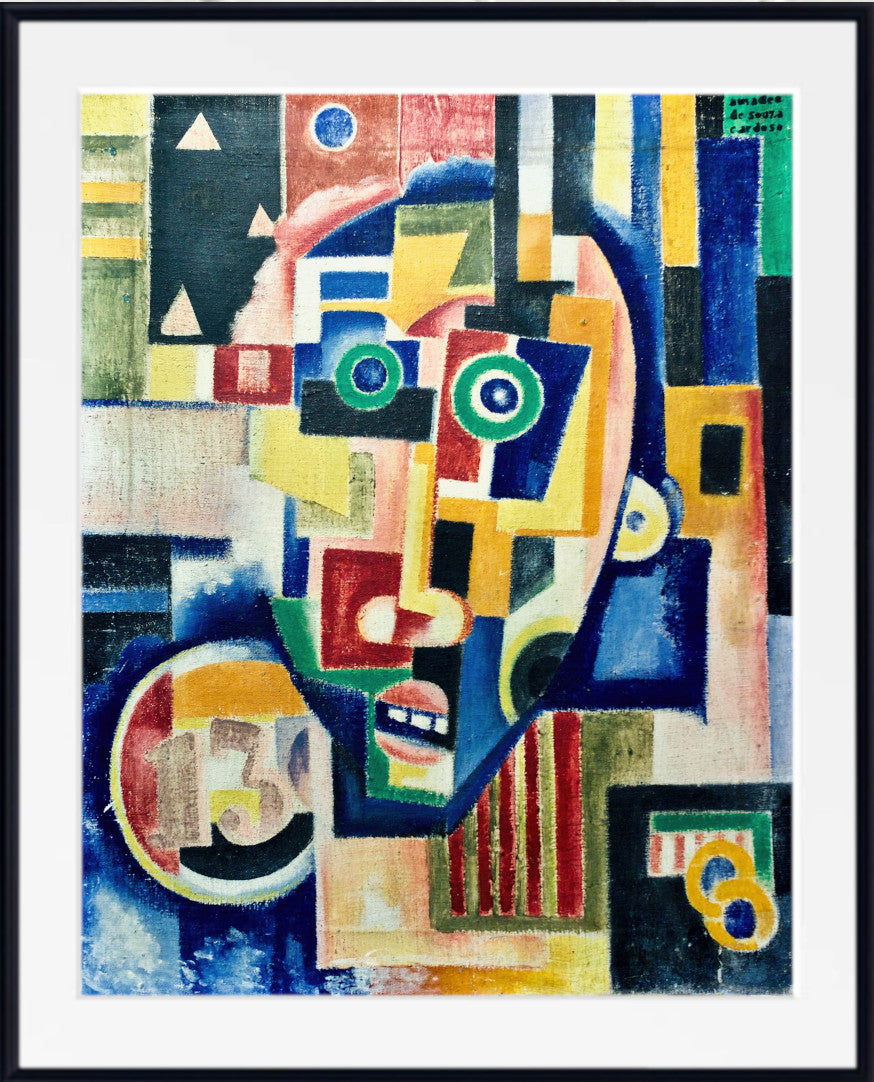
The result ranges from the muted, tightly fragmented compositions of early Cubism to the clearer geometry and stronger colour of later works. This collection brings those different approaches together in Cubist art prints suitable for both collectors of modern art and contemporary interiors.
Explore paintings by Georges Braque, Juan Gris, Jean Metzinger, Albert Gleizes and Fernand Léger.
The Birth of Cubism
Cubism emerged in Paris during the first years of the twentieth century, with Pablo Picasso and Georges Braque at the centre of its early development.
Traditional perspective had attempted to make a flat canvas resemble a window onto three-dimensional space. Cubism deliberately questioned that idea. A violin, face, table or landscape might be shown from several directions simultaneously, with foreground and background compressed together.
This new approach changed far more than painting. Cubist ideas influenced sculpture, typography, architecture, graphic design and many later forms of abstract and geometric art.
For artwork in which geometry becomes the principal subject, browse our Geometric Abstract Prints.
Georges Braque and Analytical Cubism
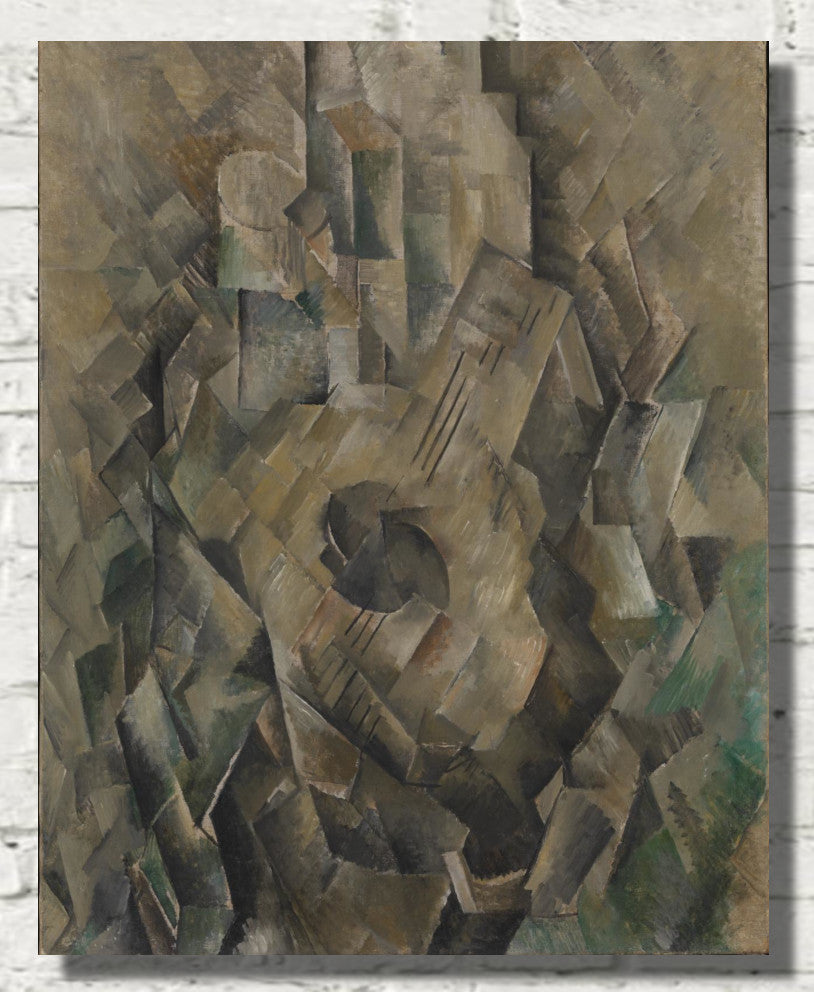
Georges Braque's still lifes, musical instruments and landscapes played a crucial role in the development of early Cubism.
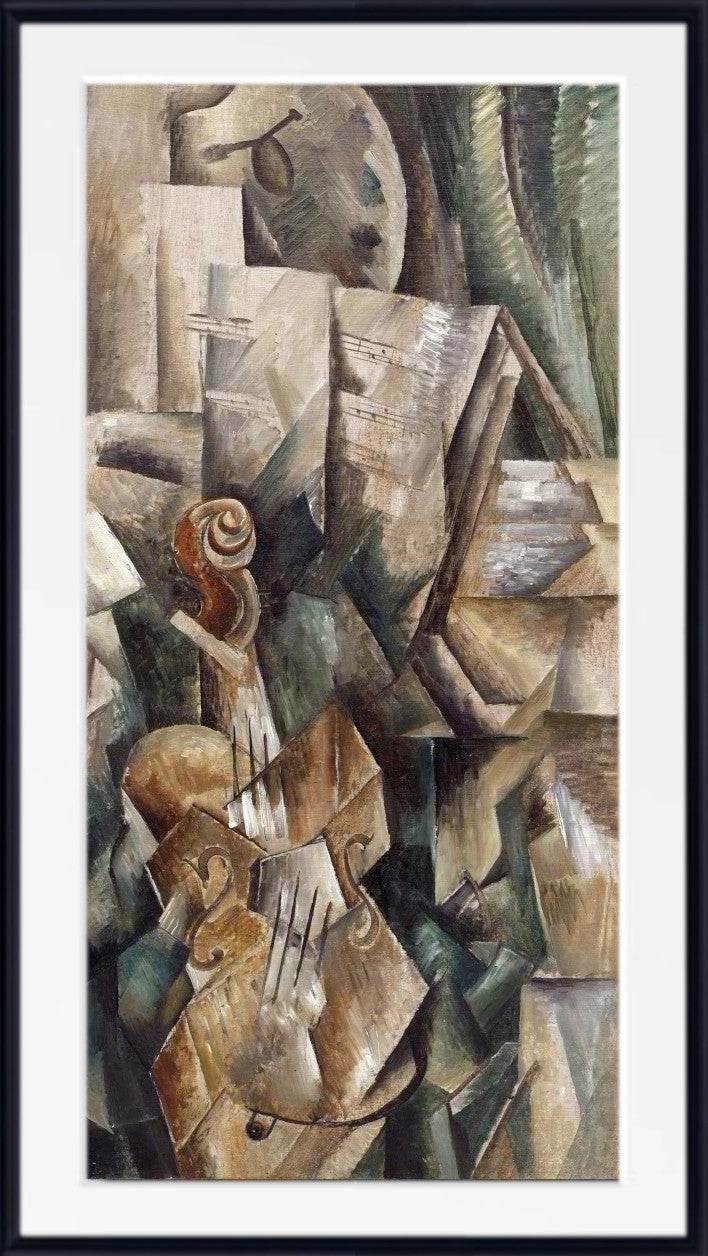
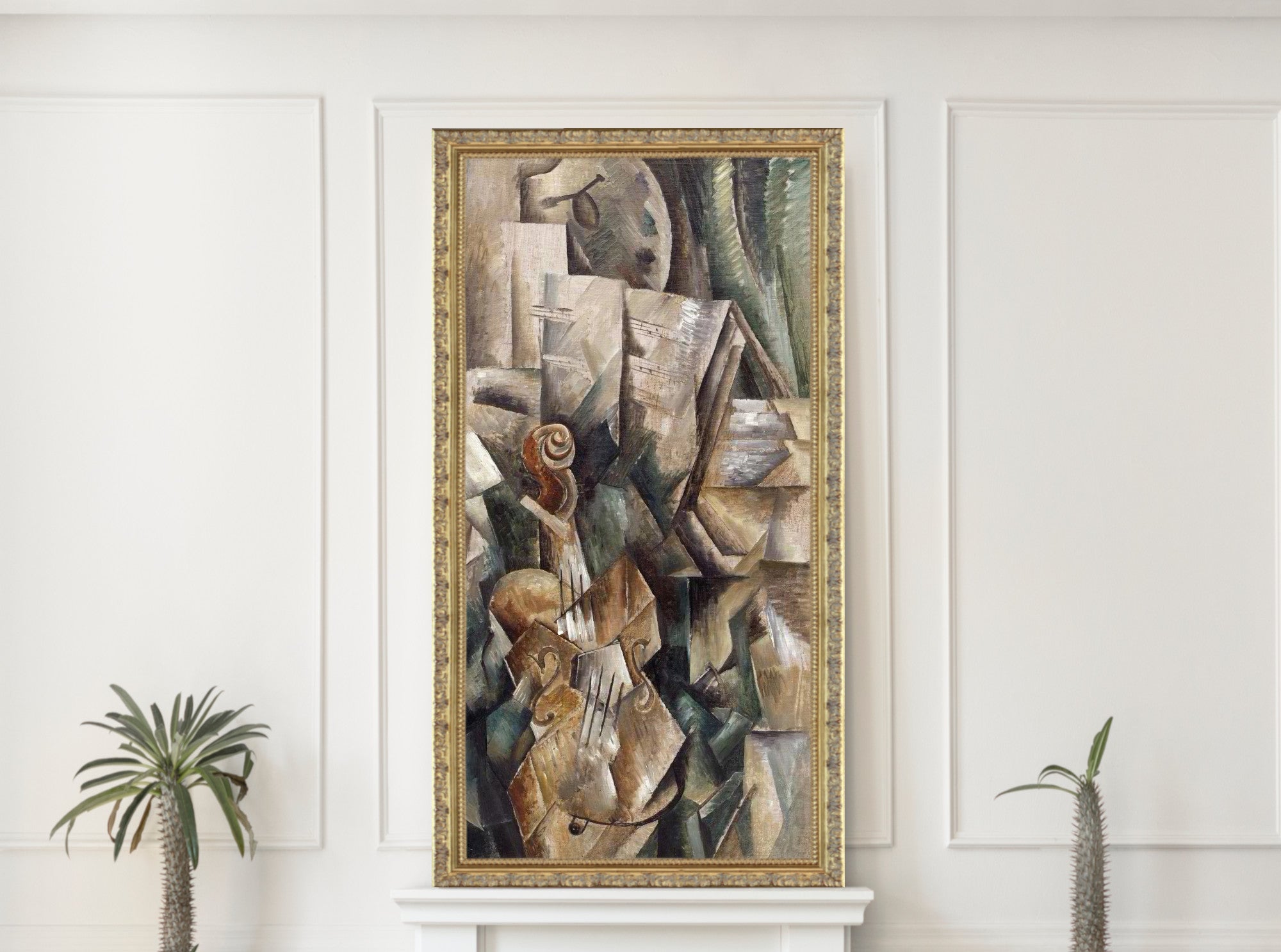
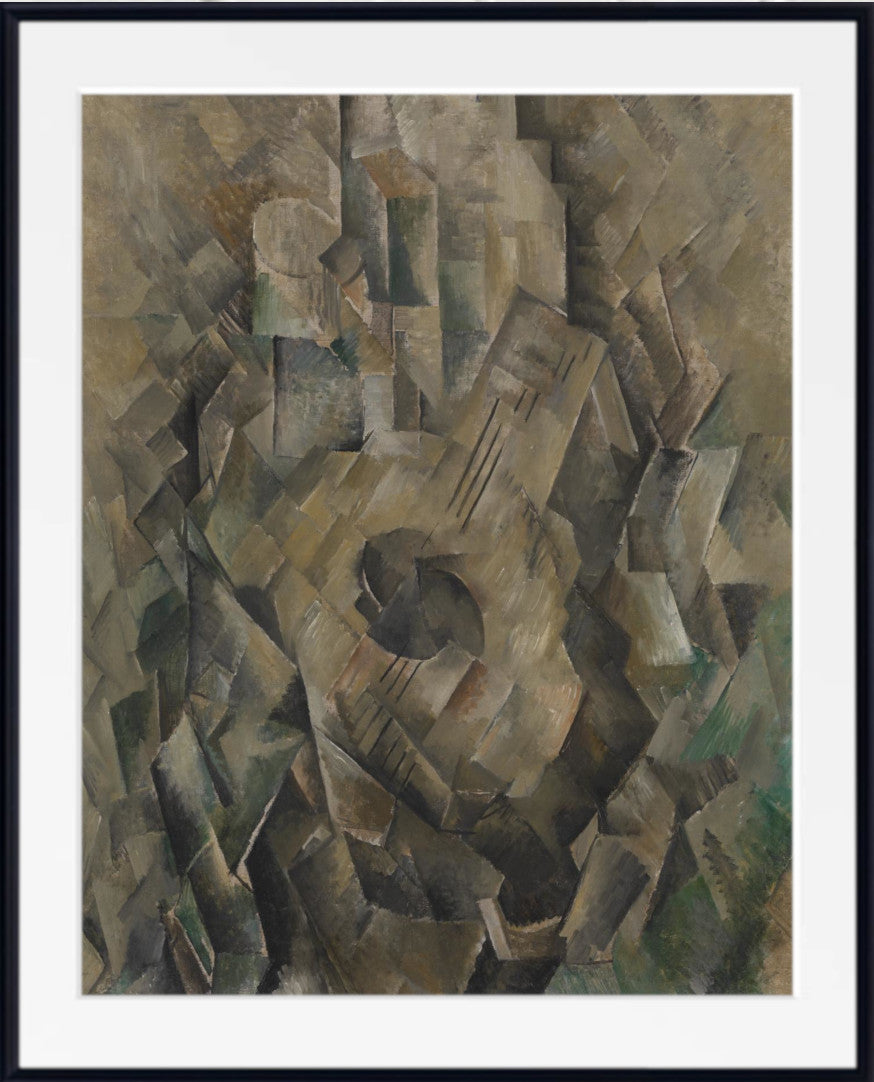
During the period now known as Analytical Cubism, objects were broken into many small intersecting planes. Browns, greys, ochres and muted greens were often favoured so that colour did not overpower the structure of the image.
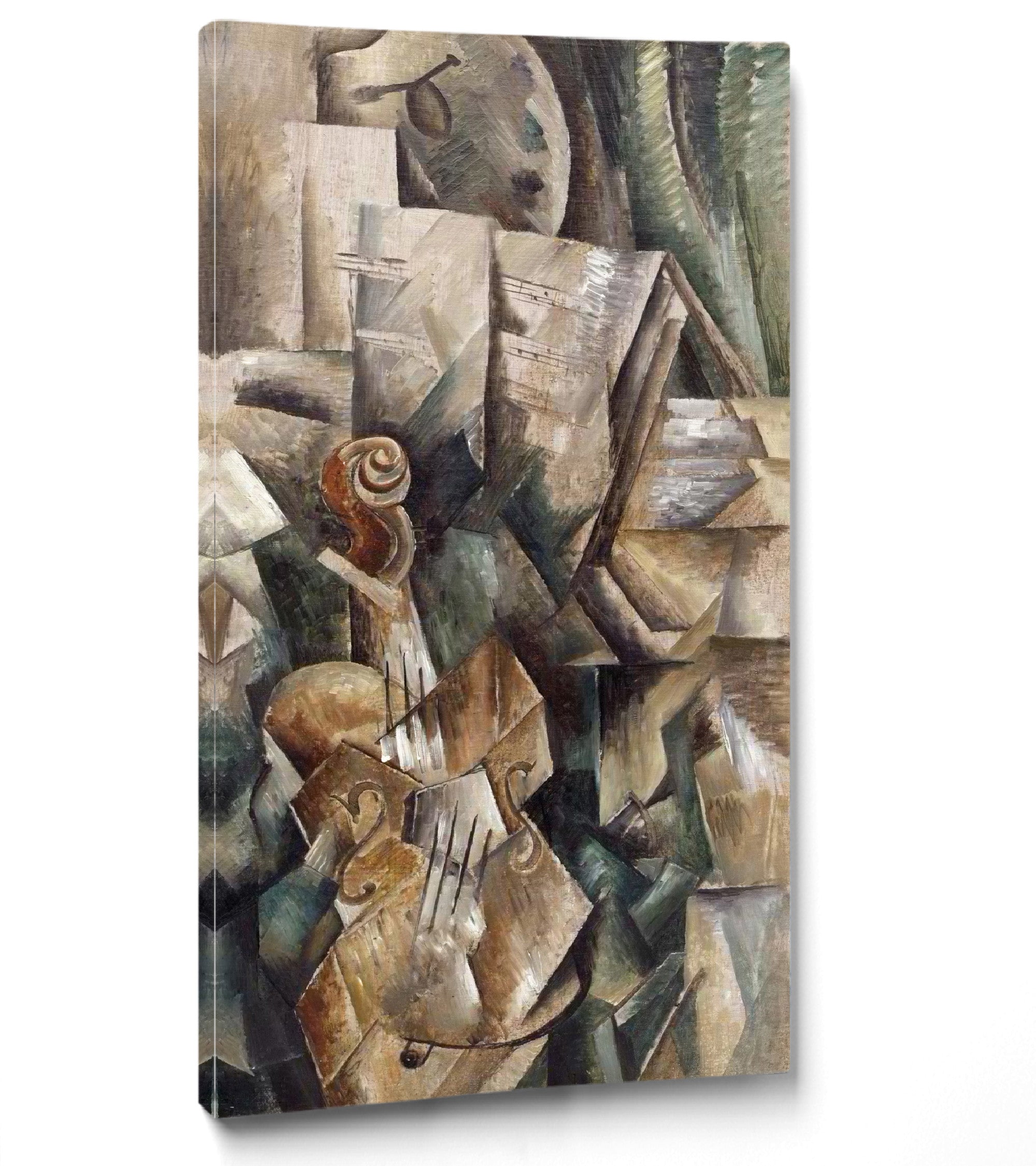
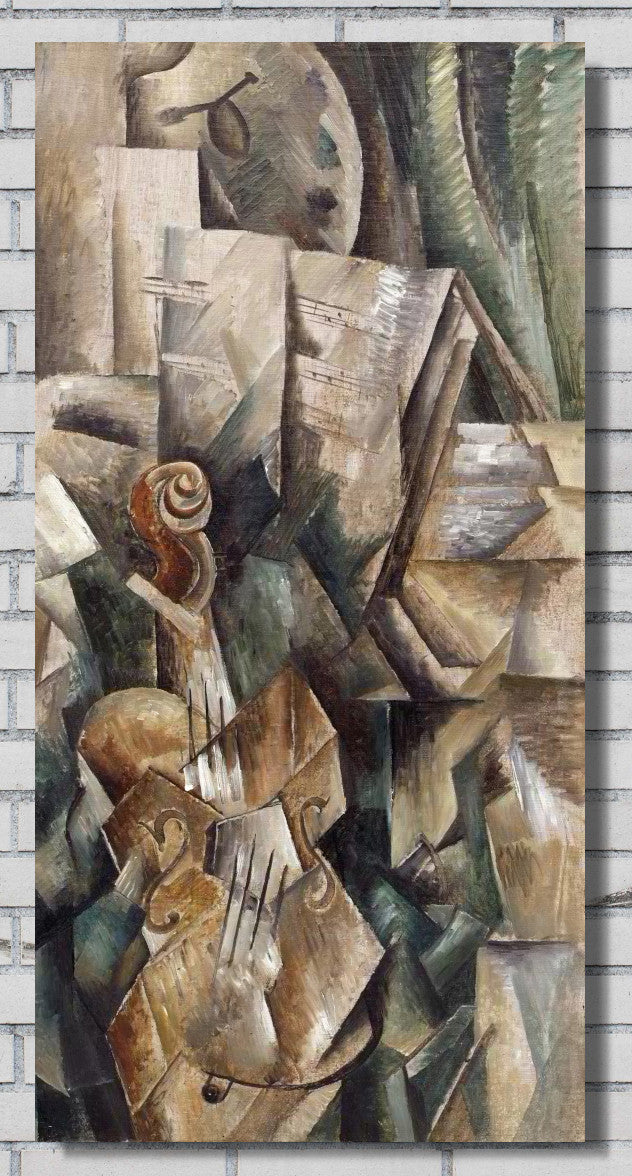
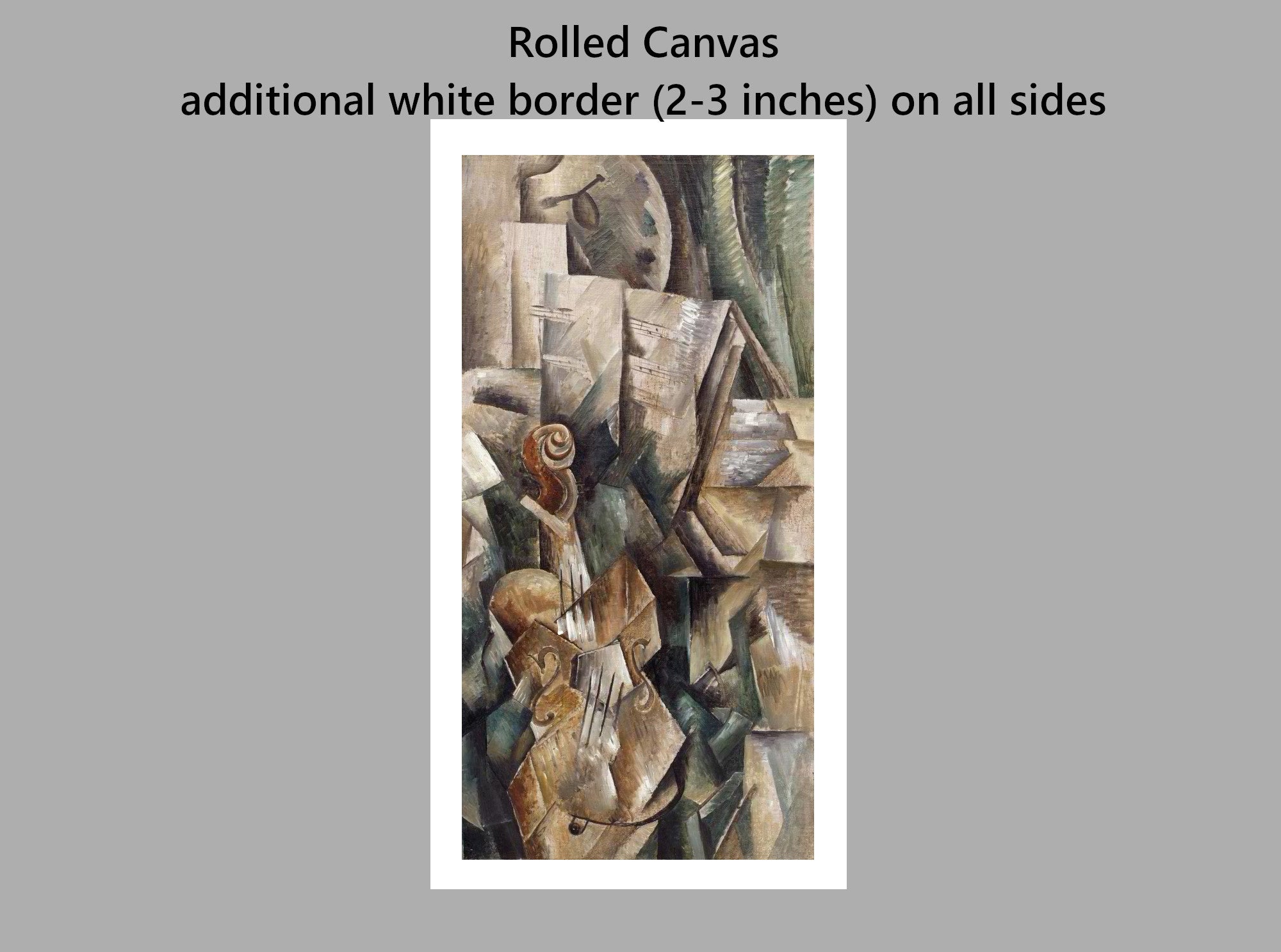
Paintings such as Violin and Palette show how Braque could take something familiar and make us look at it afresh. The violin remains recognisable, but its body, strings, surrounding space and artist's palette become part of one shifting geometric arrangement.
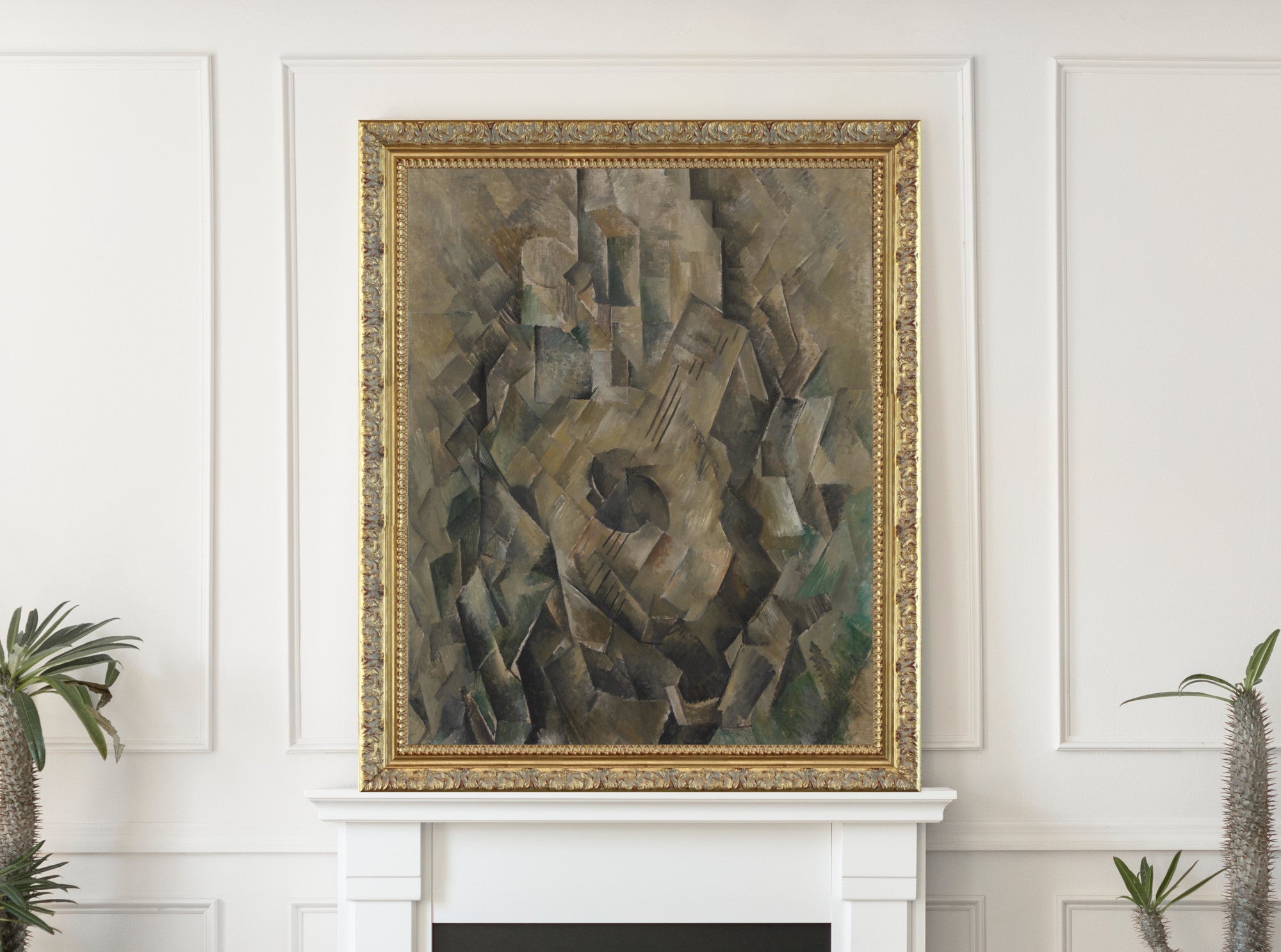
Muted Cubist paintings work particularly well with natural wood, cream, stone, brown and grey interiors where texture and form matter more than strong colour.
Juan Gris and Crystal Cubism
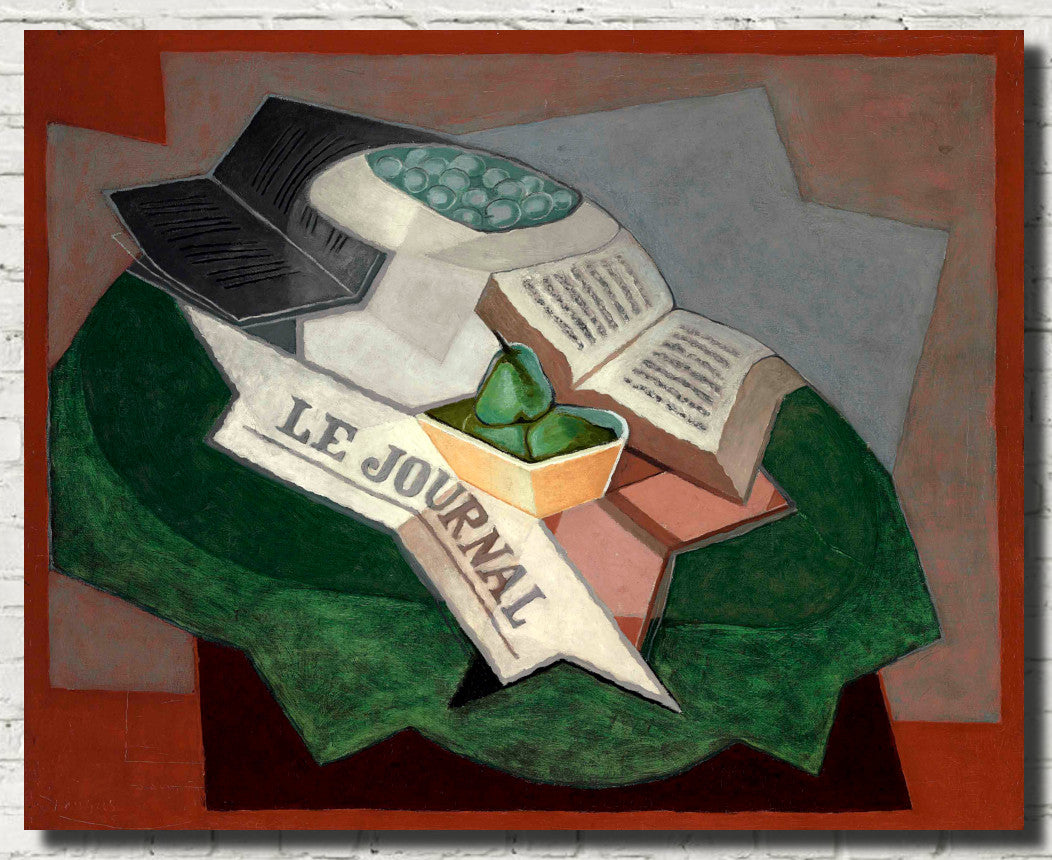
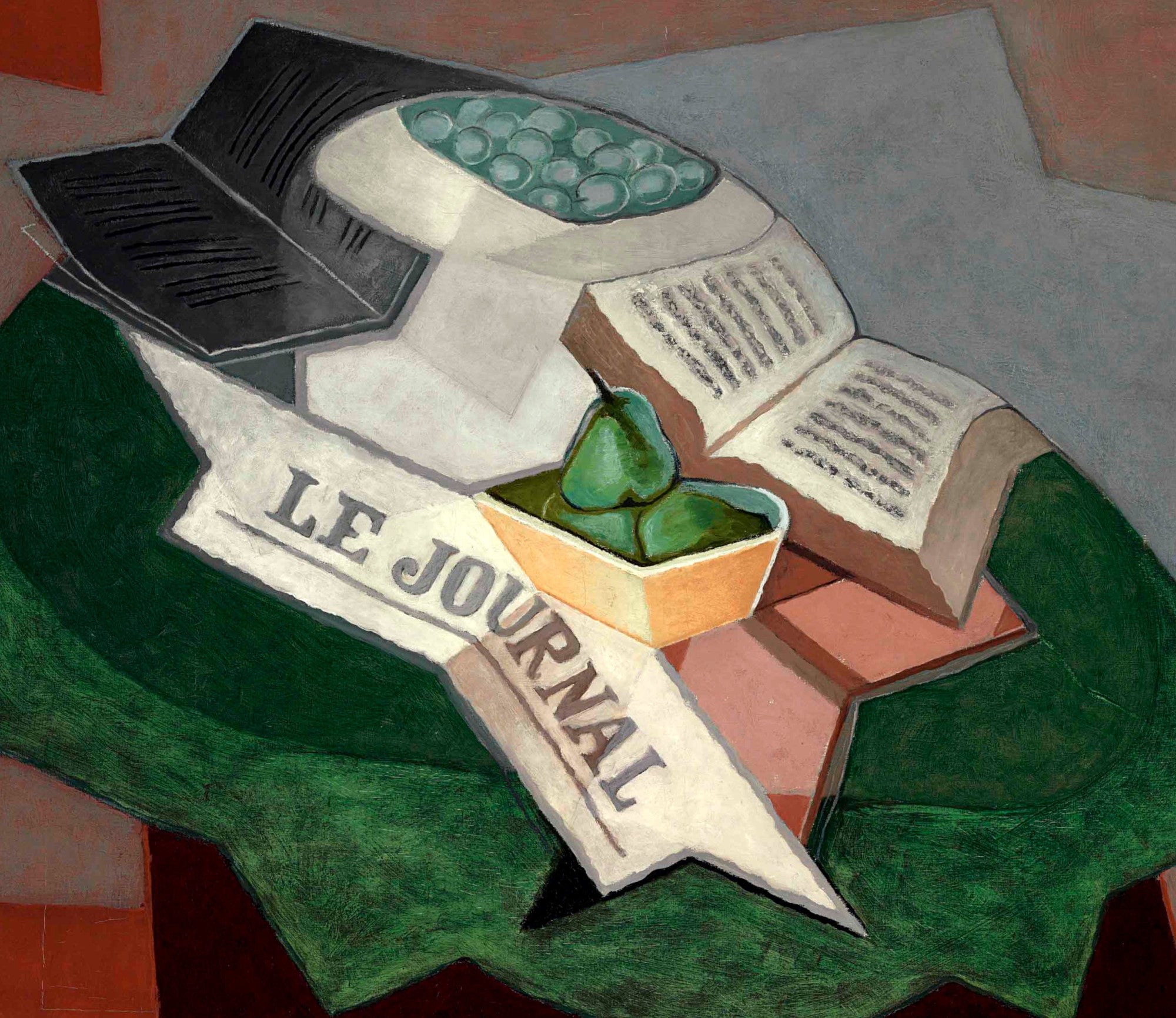
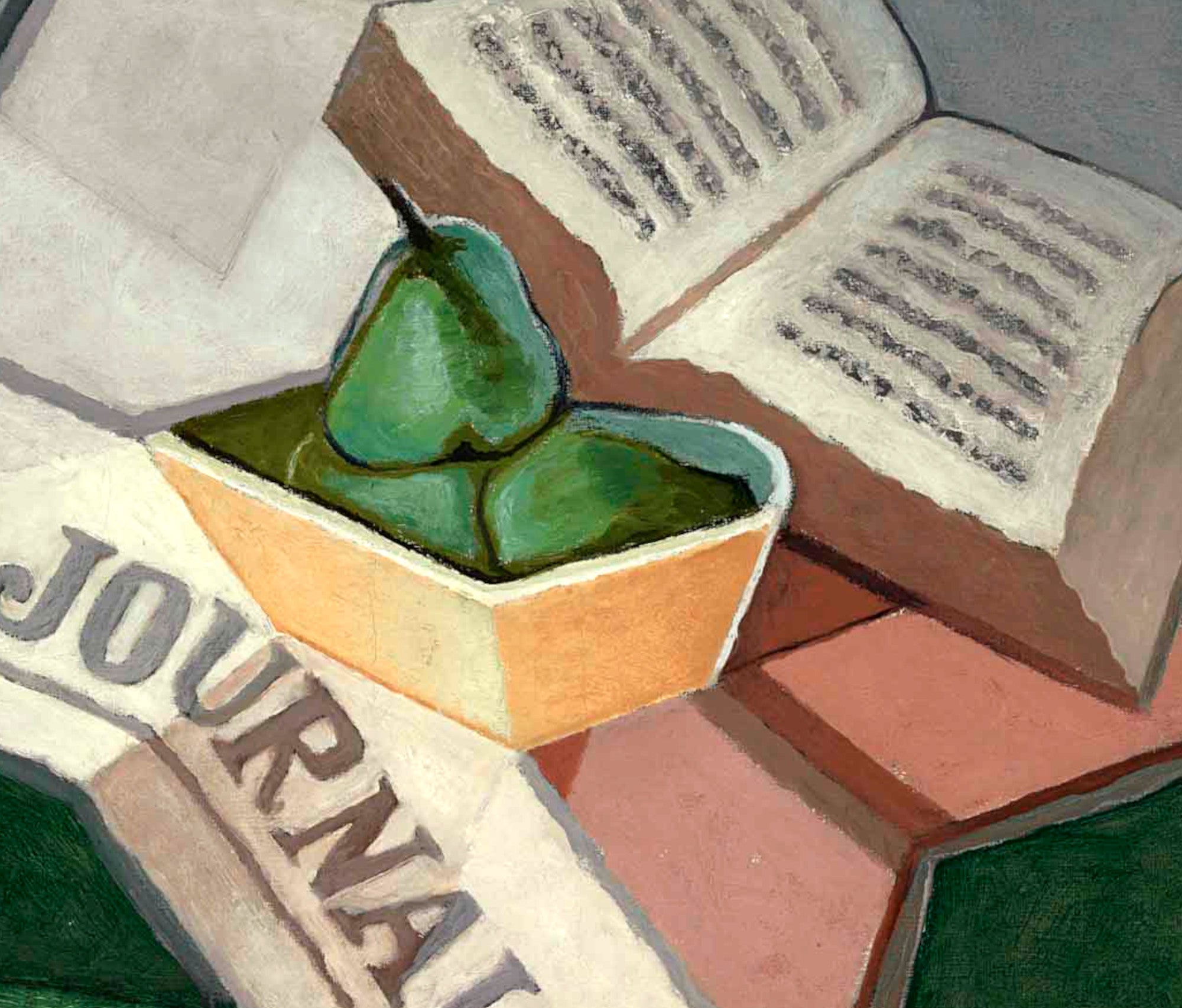
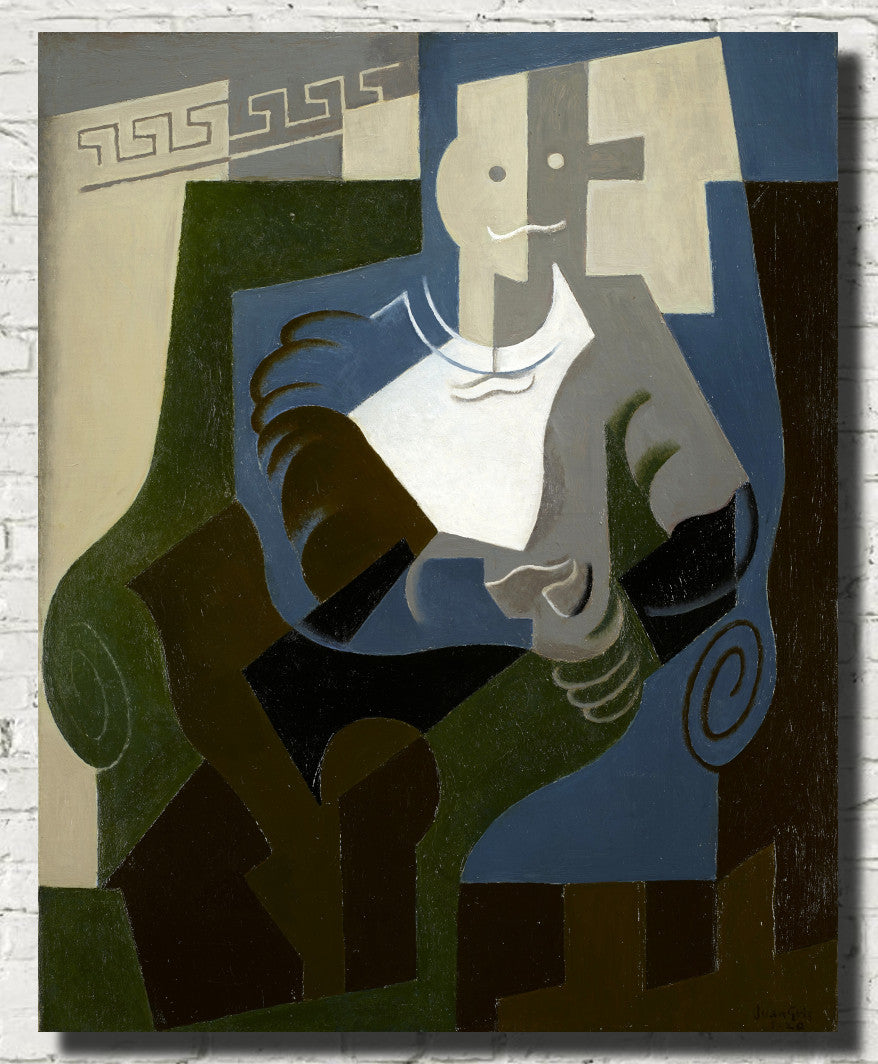
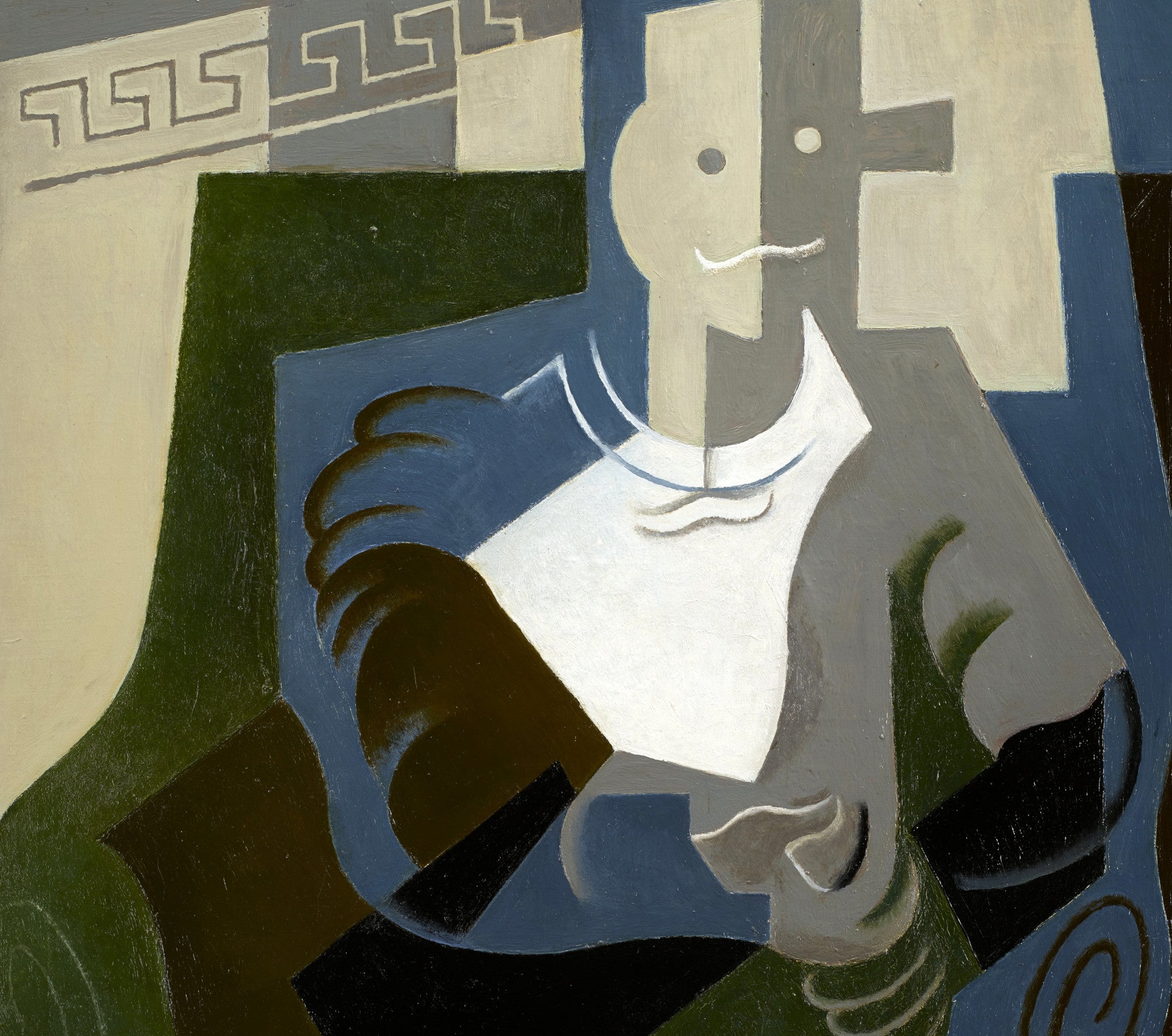
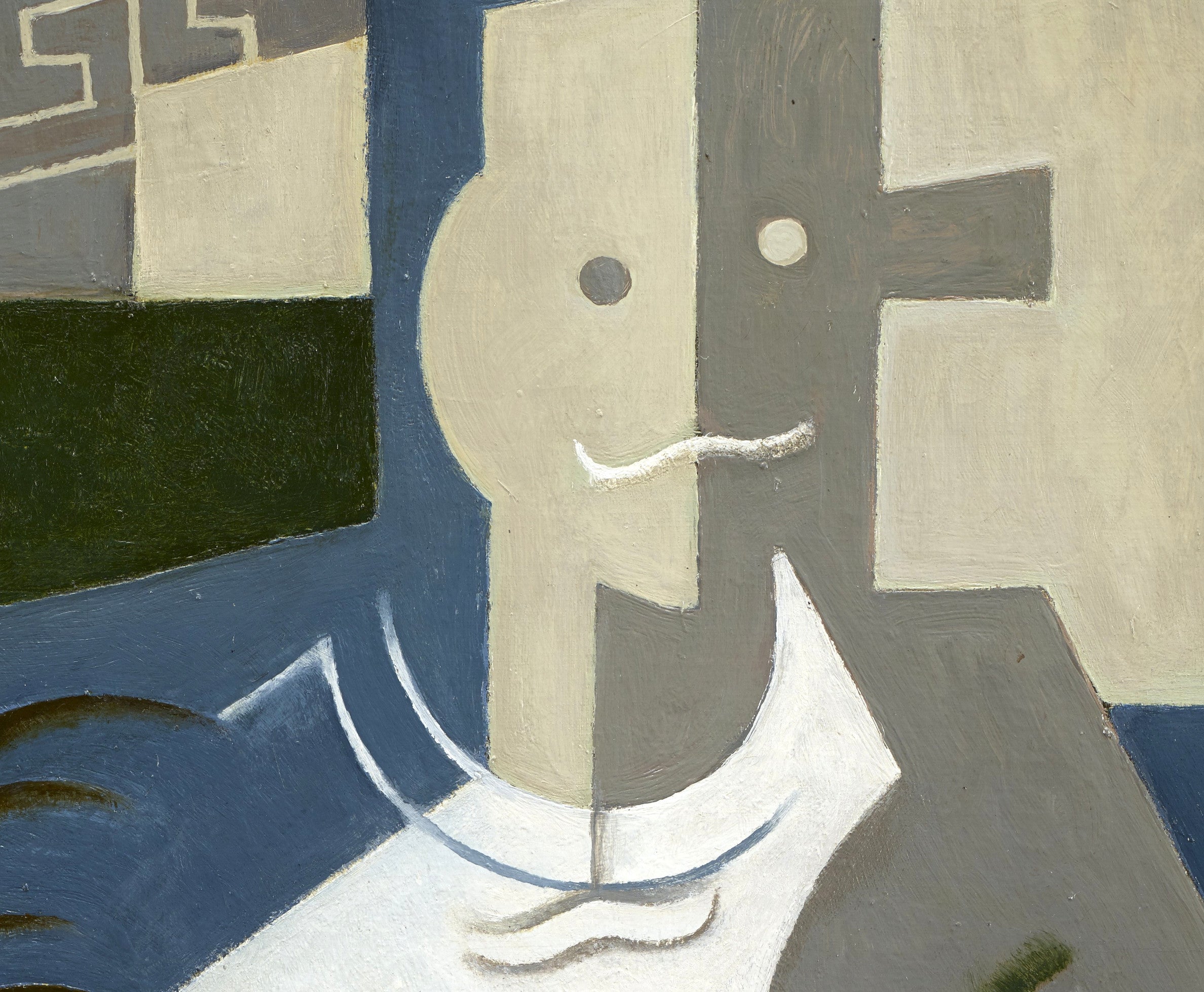
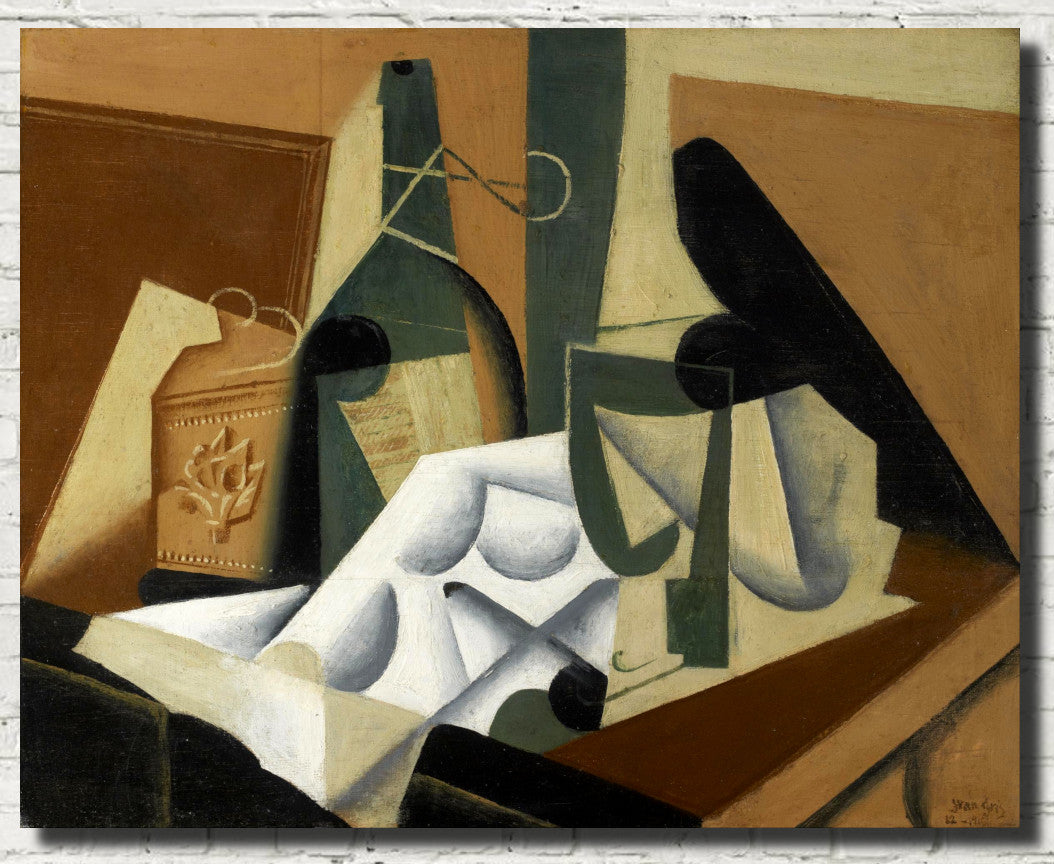
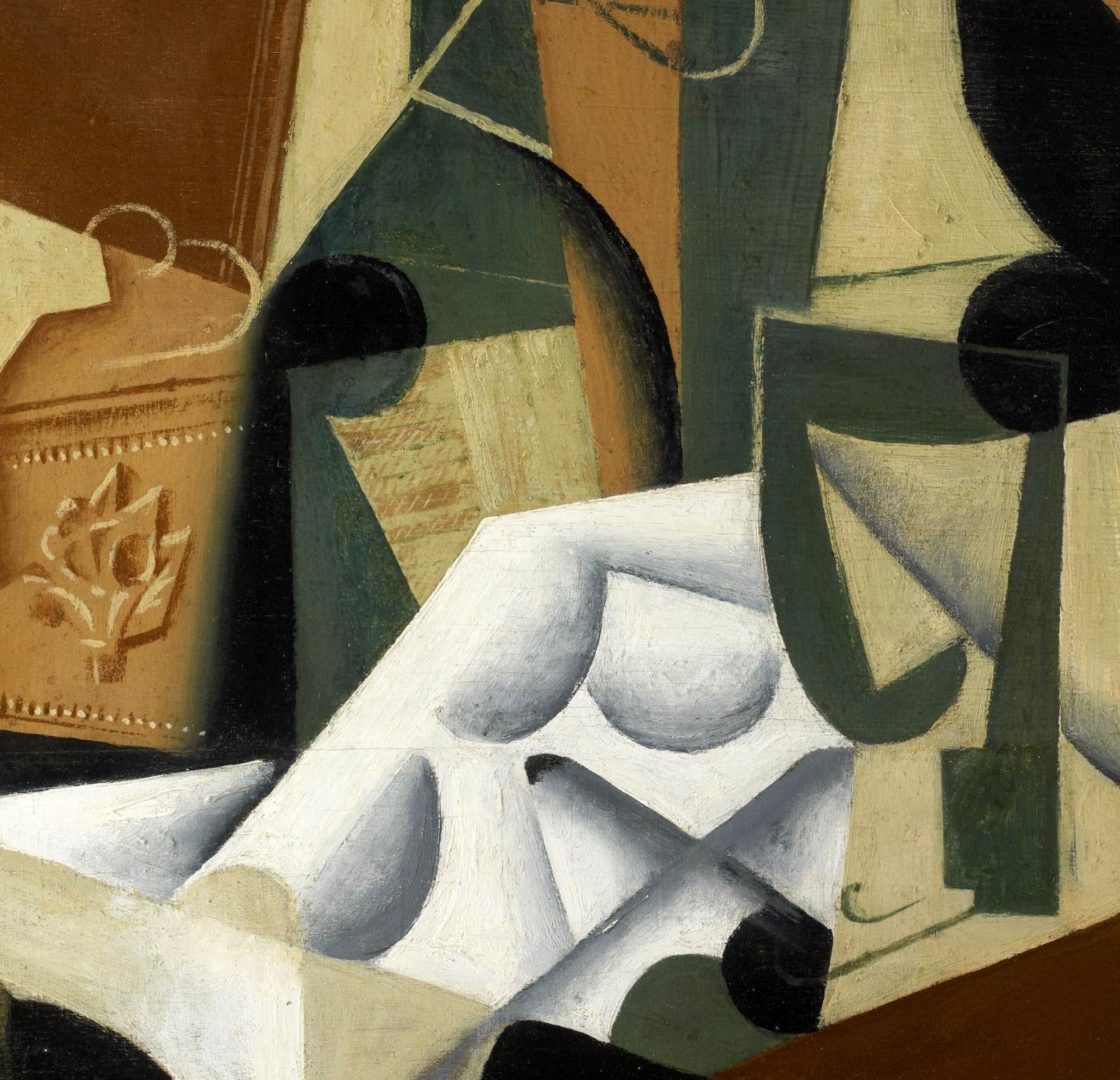
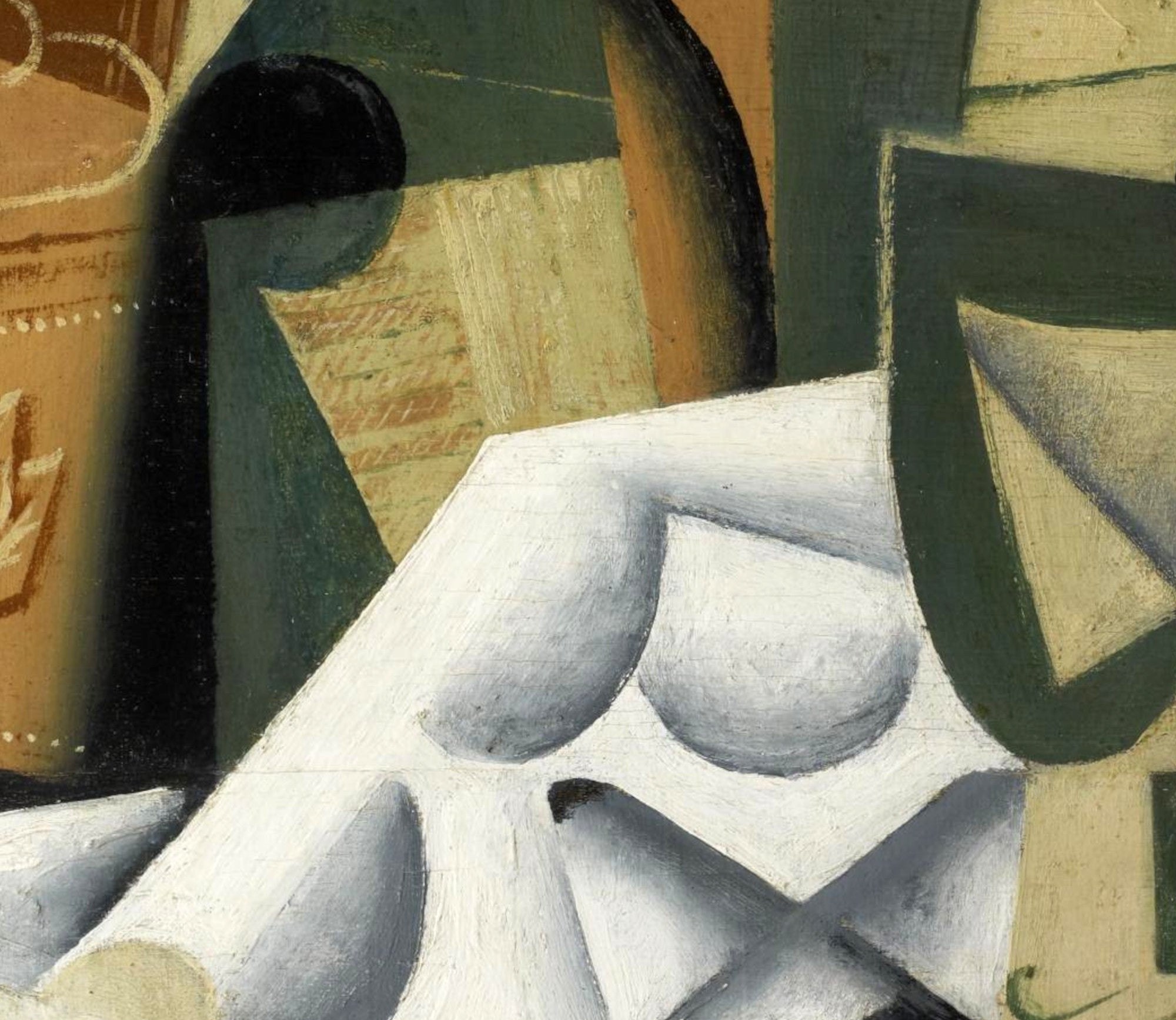
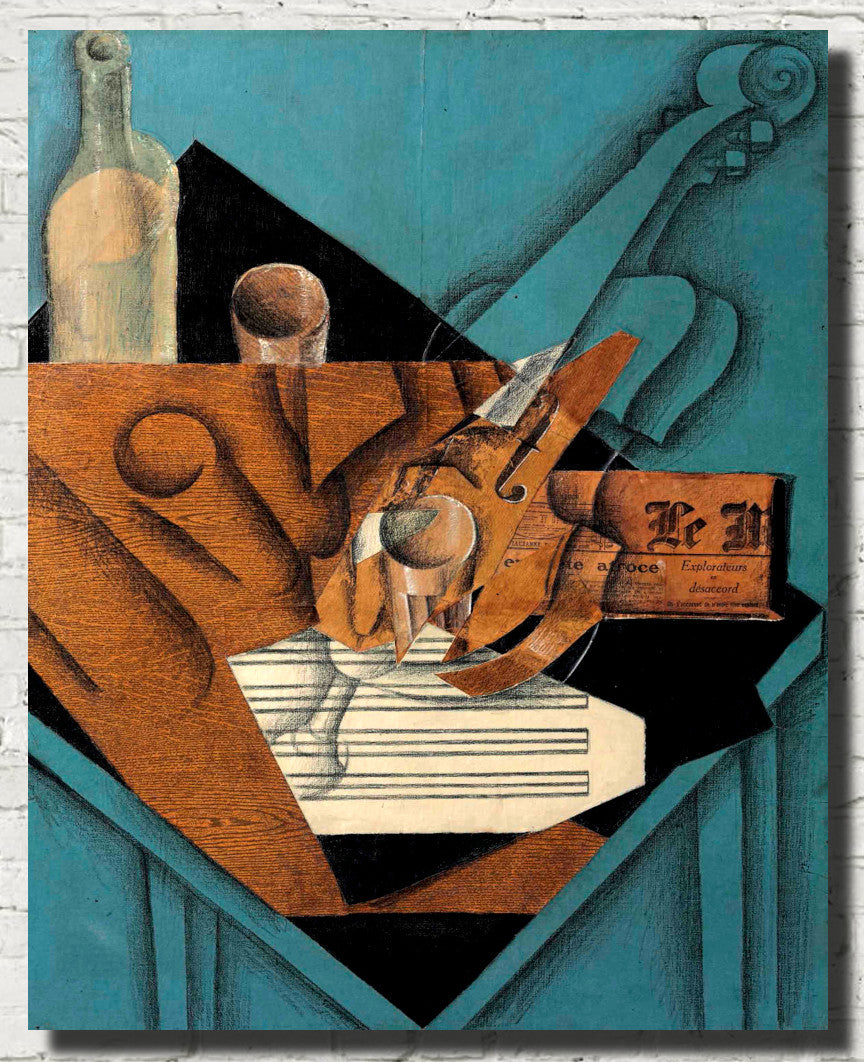
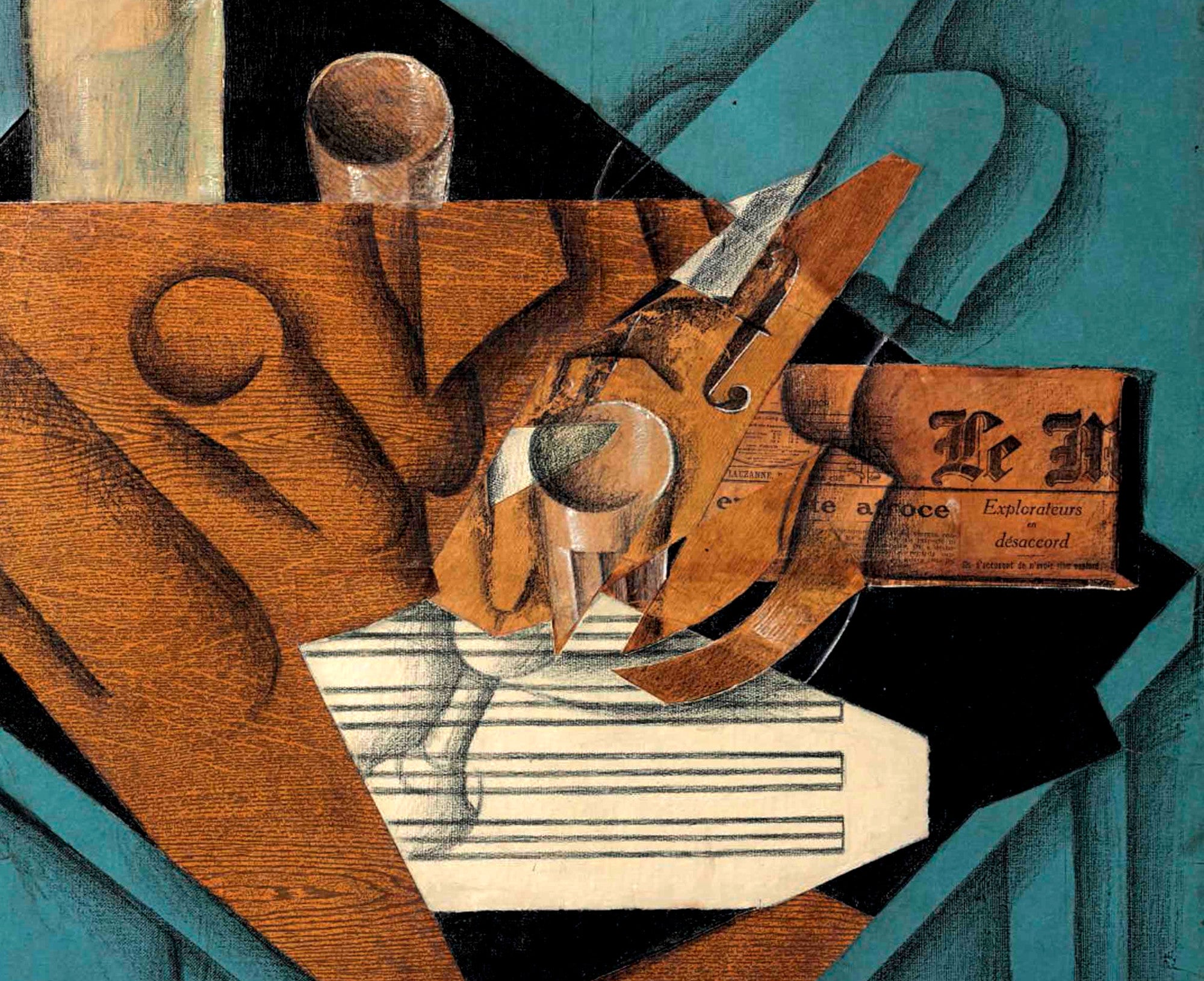
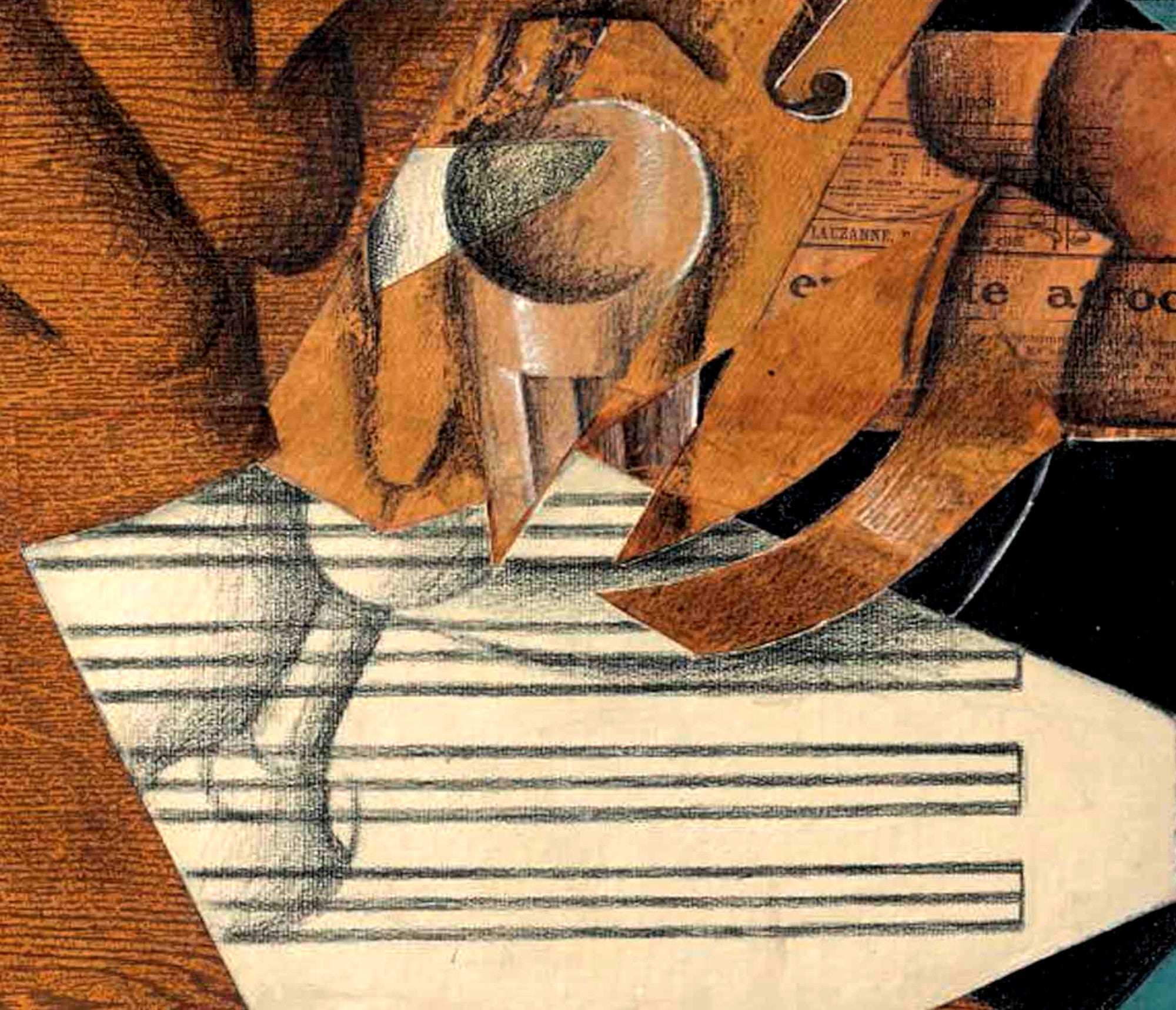
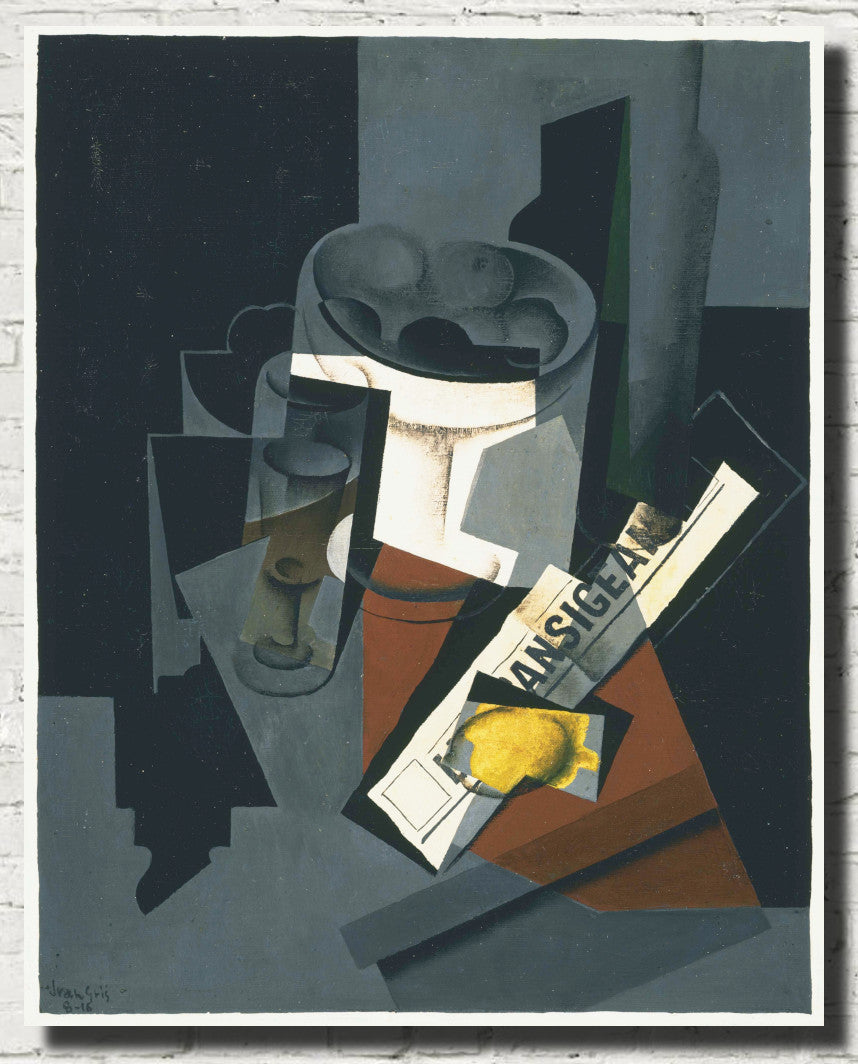
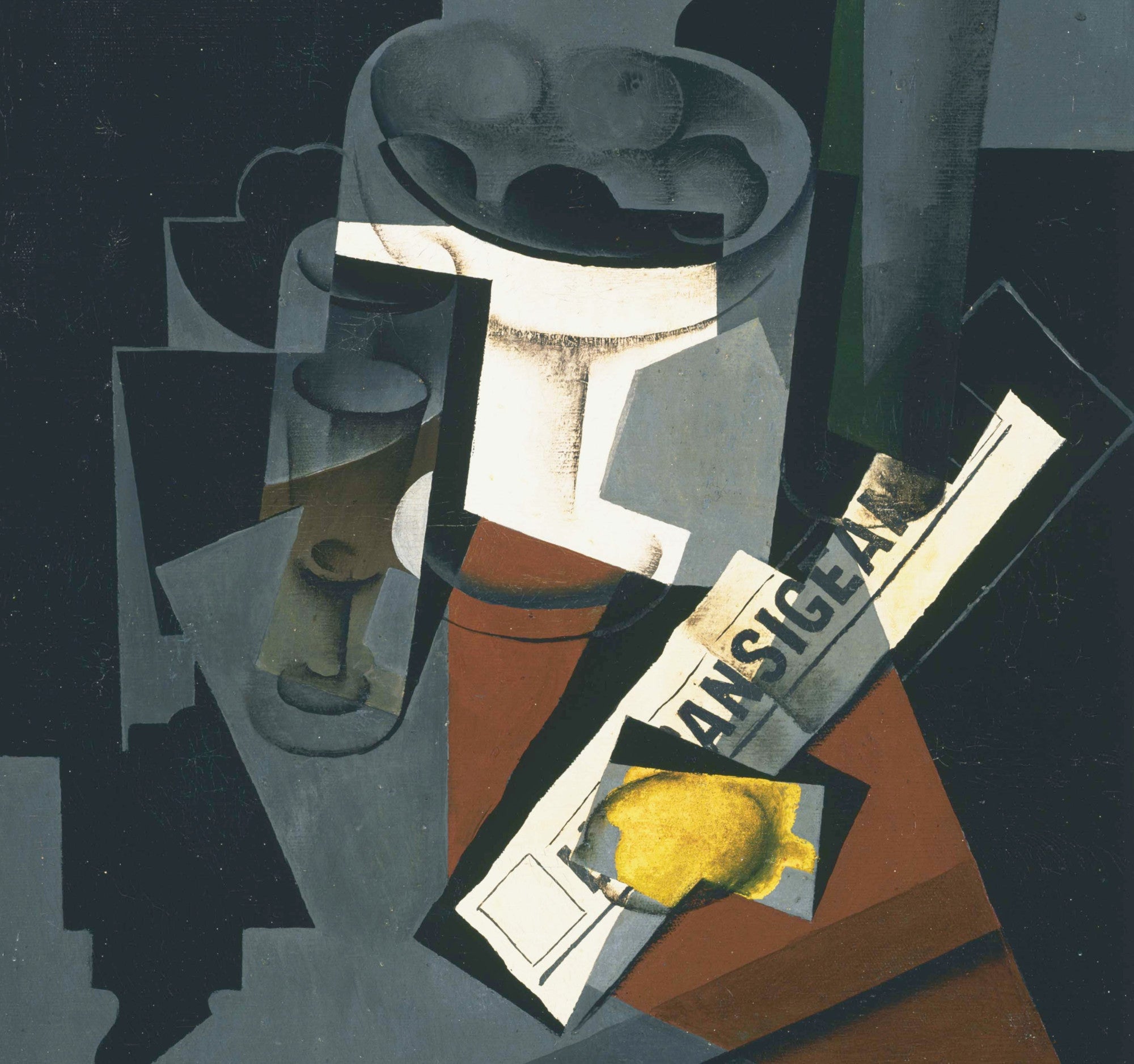
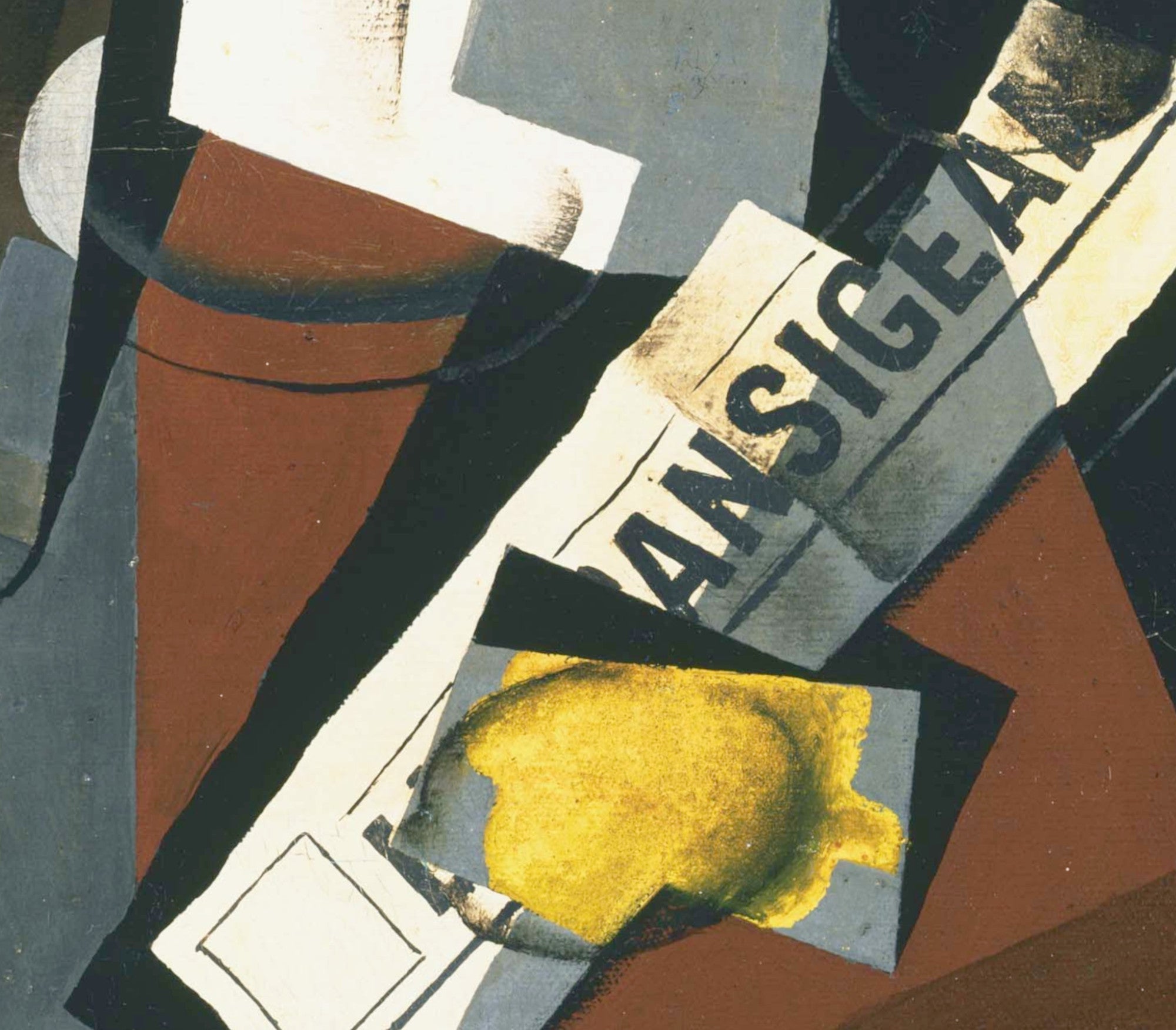
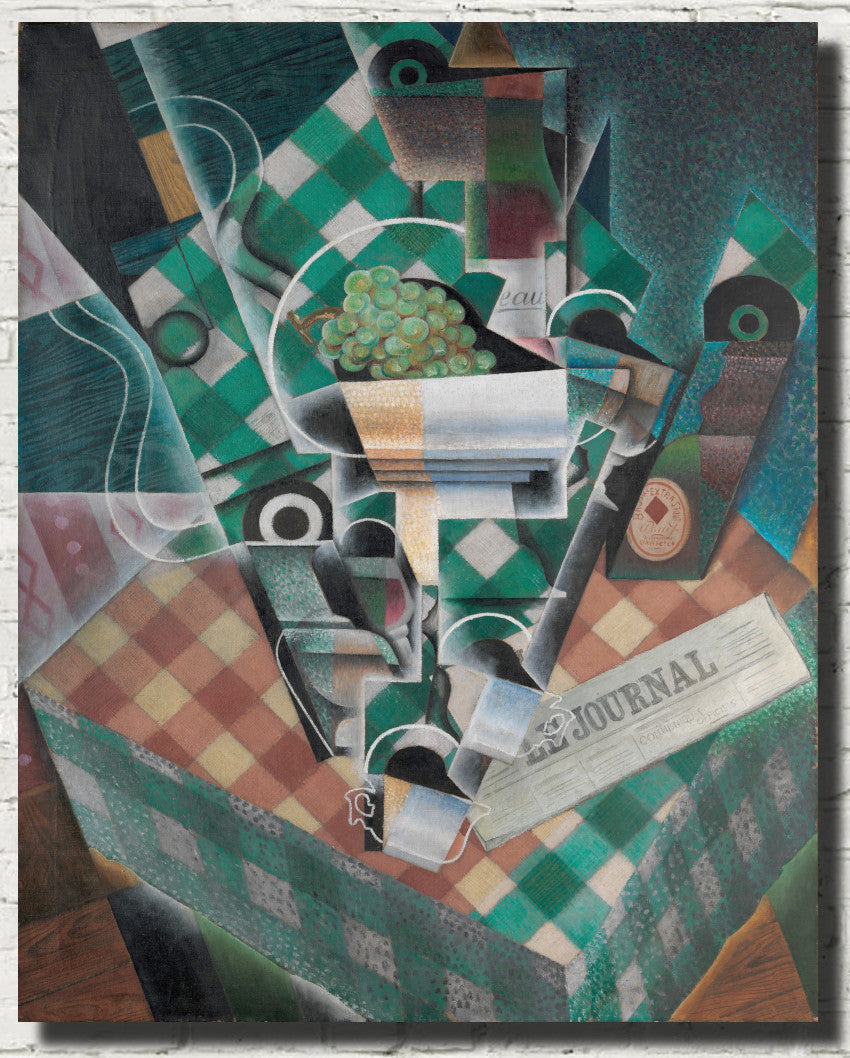
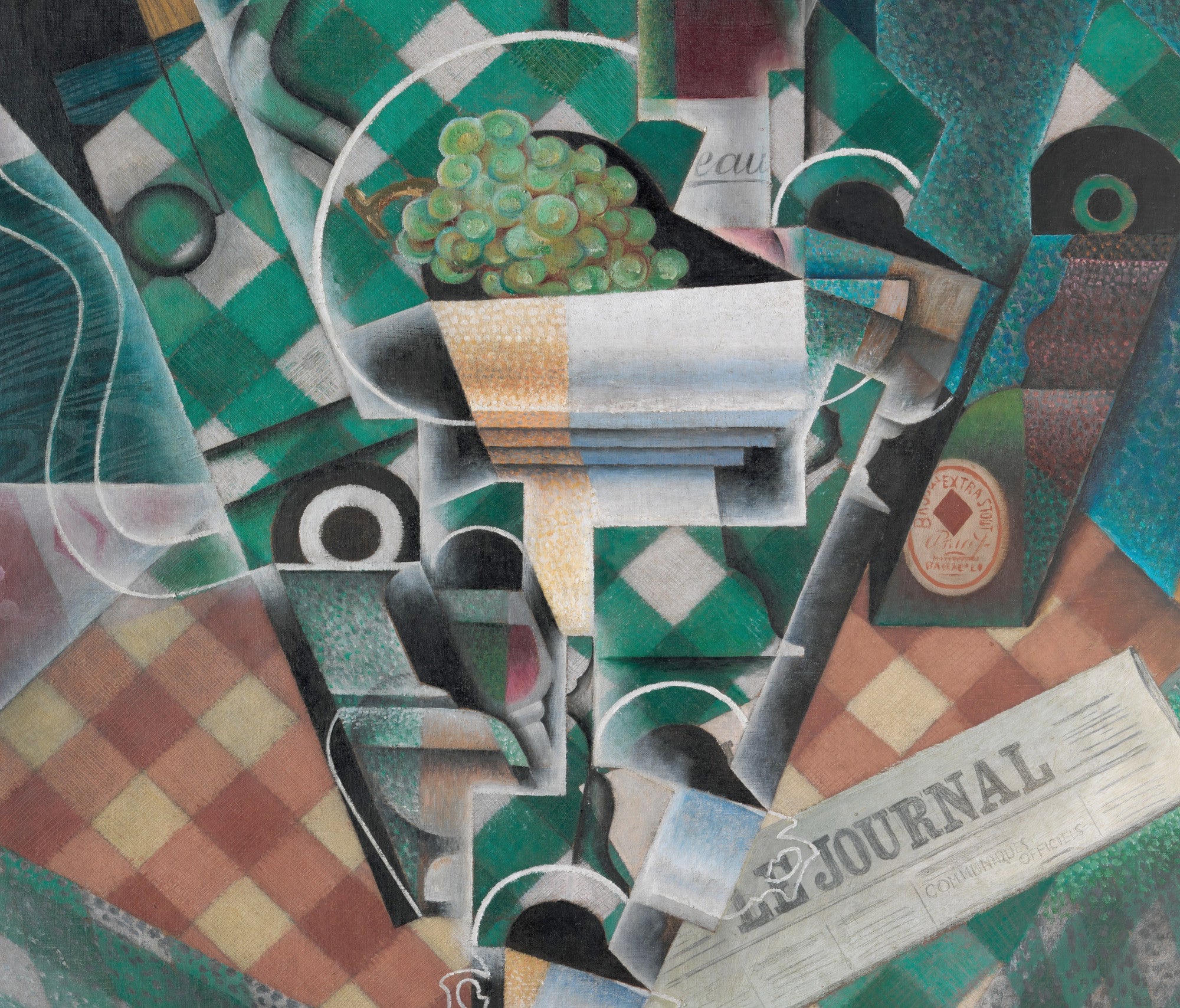
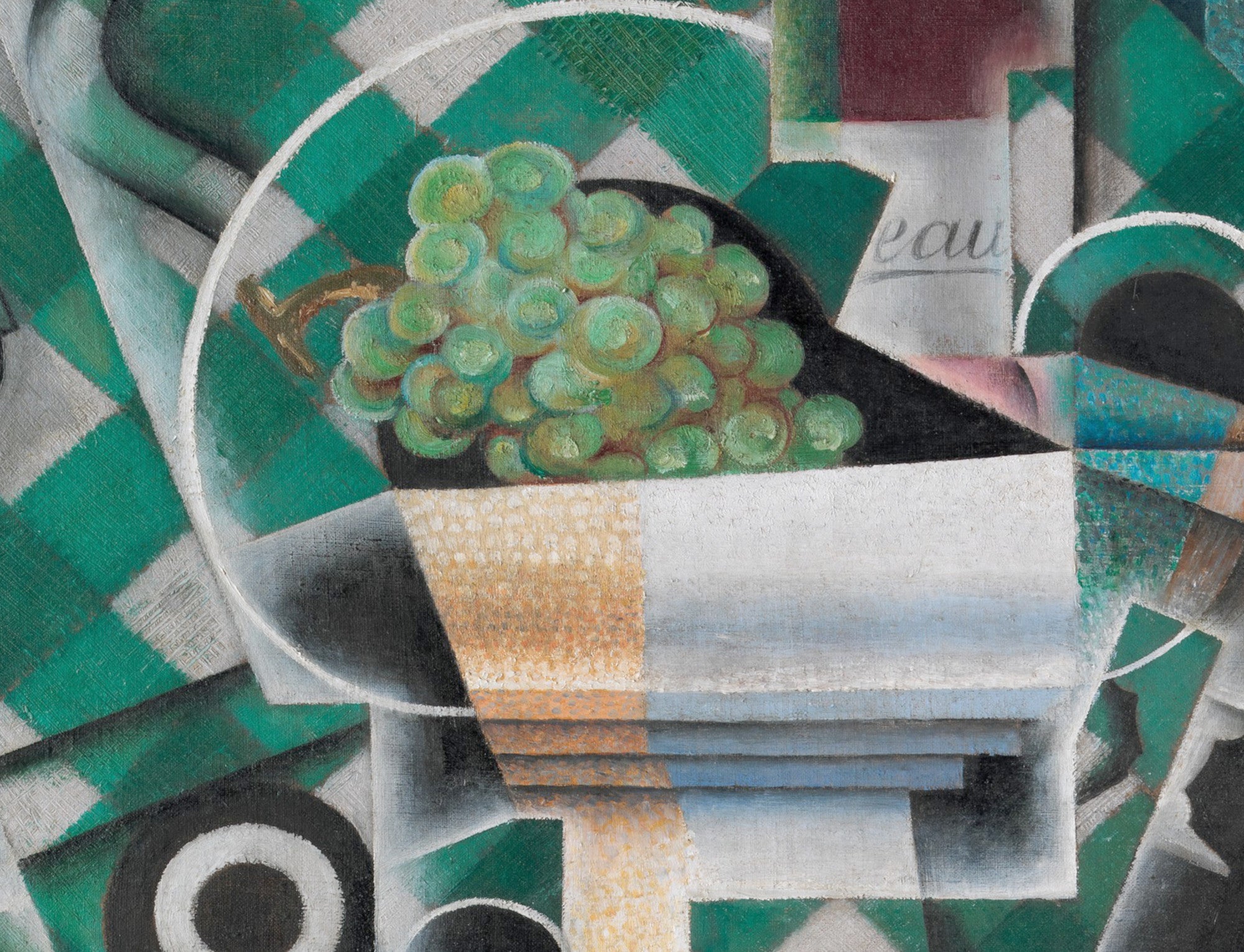
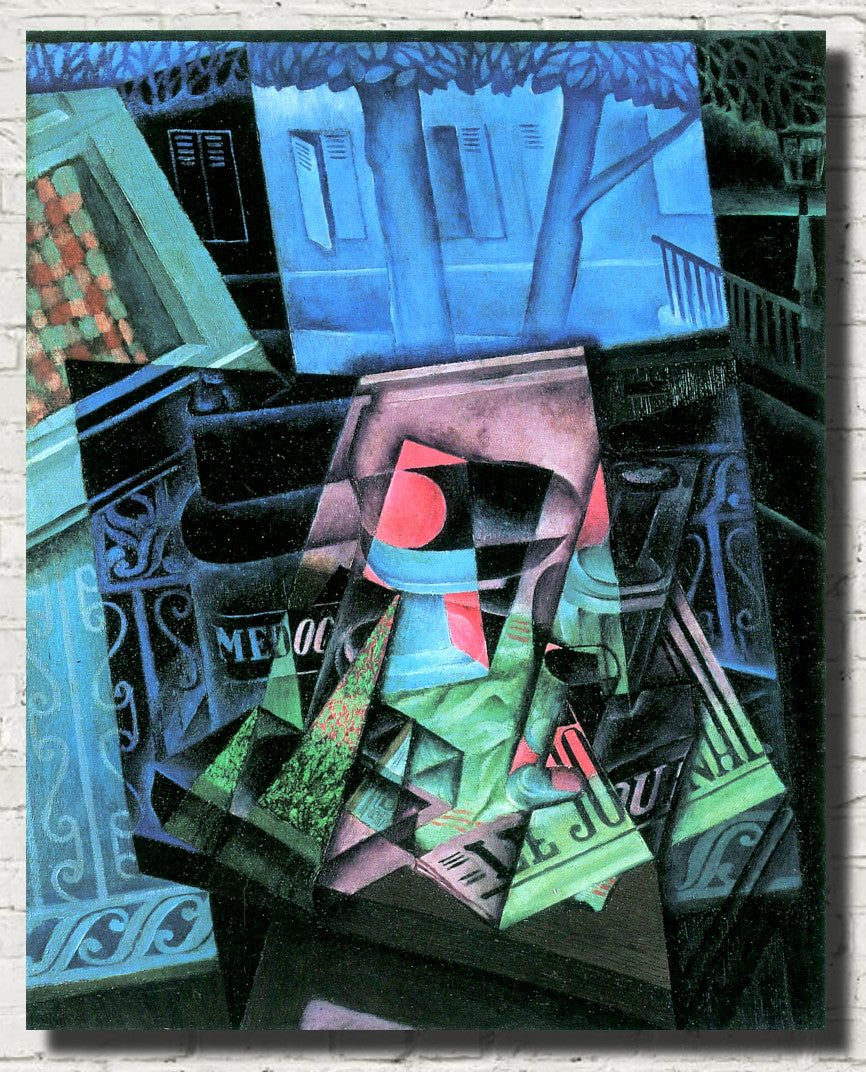
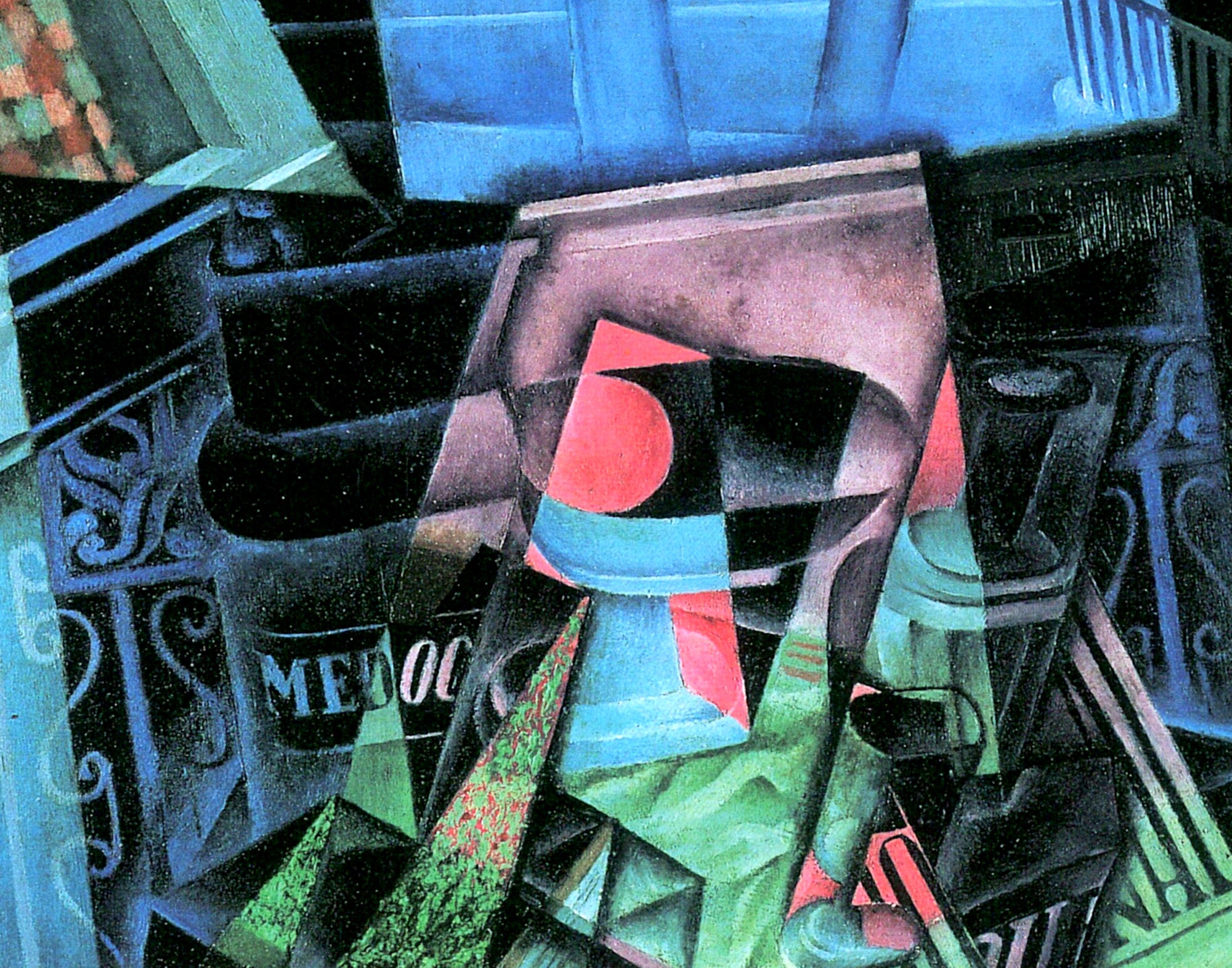
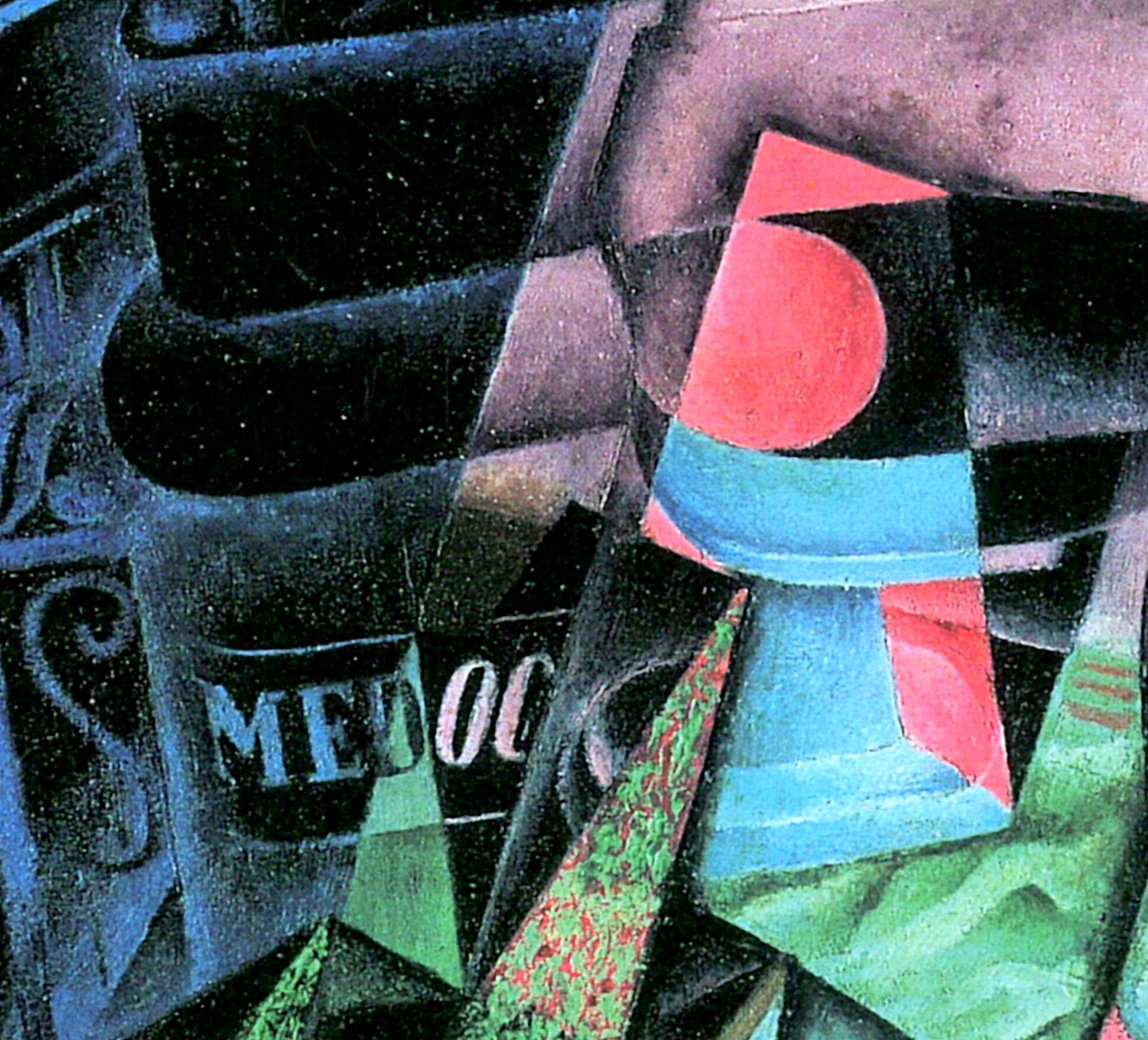
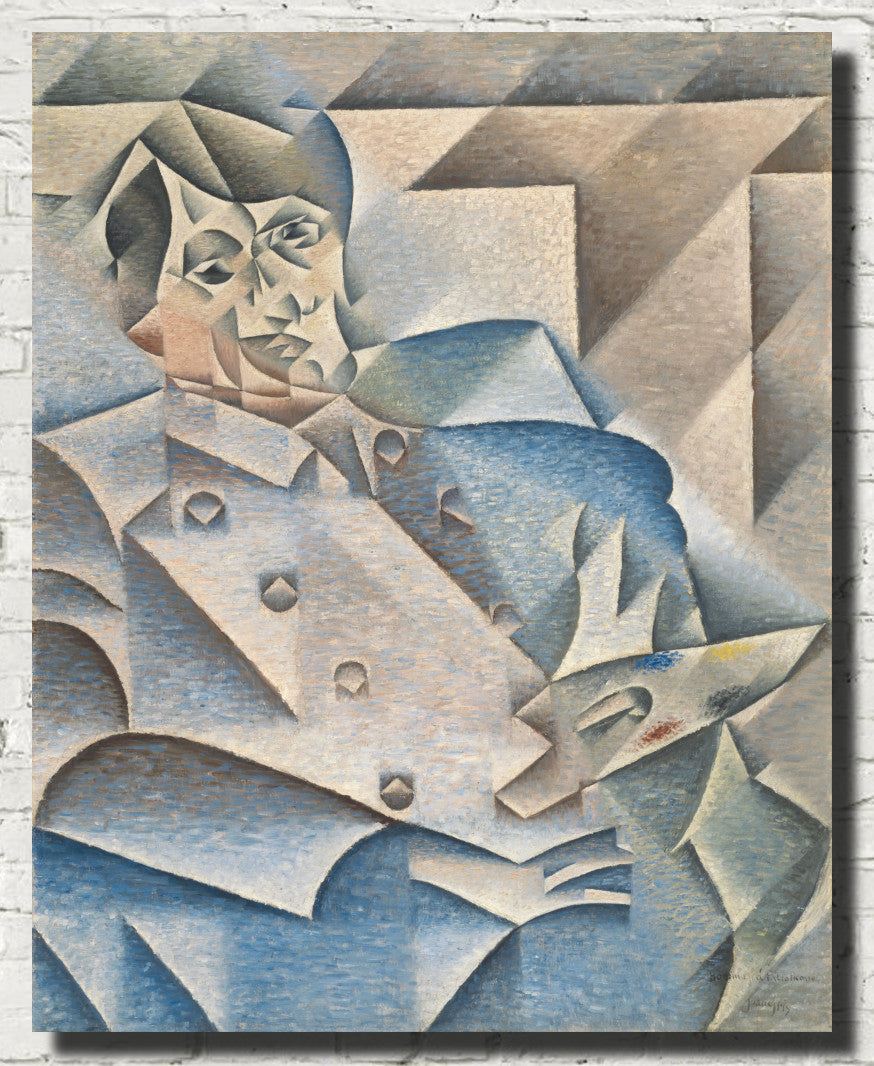
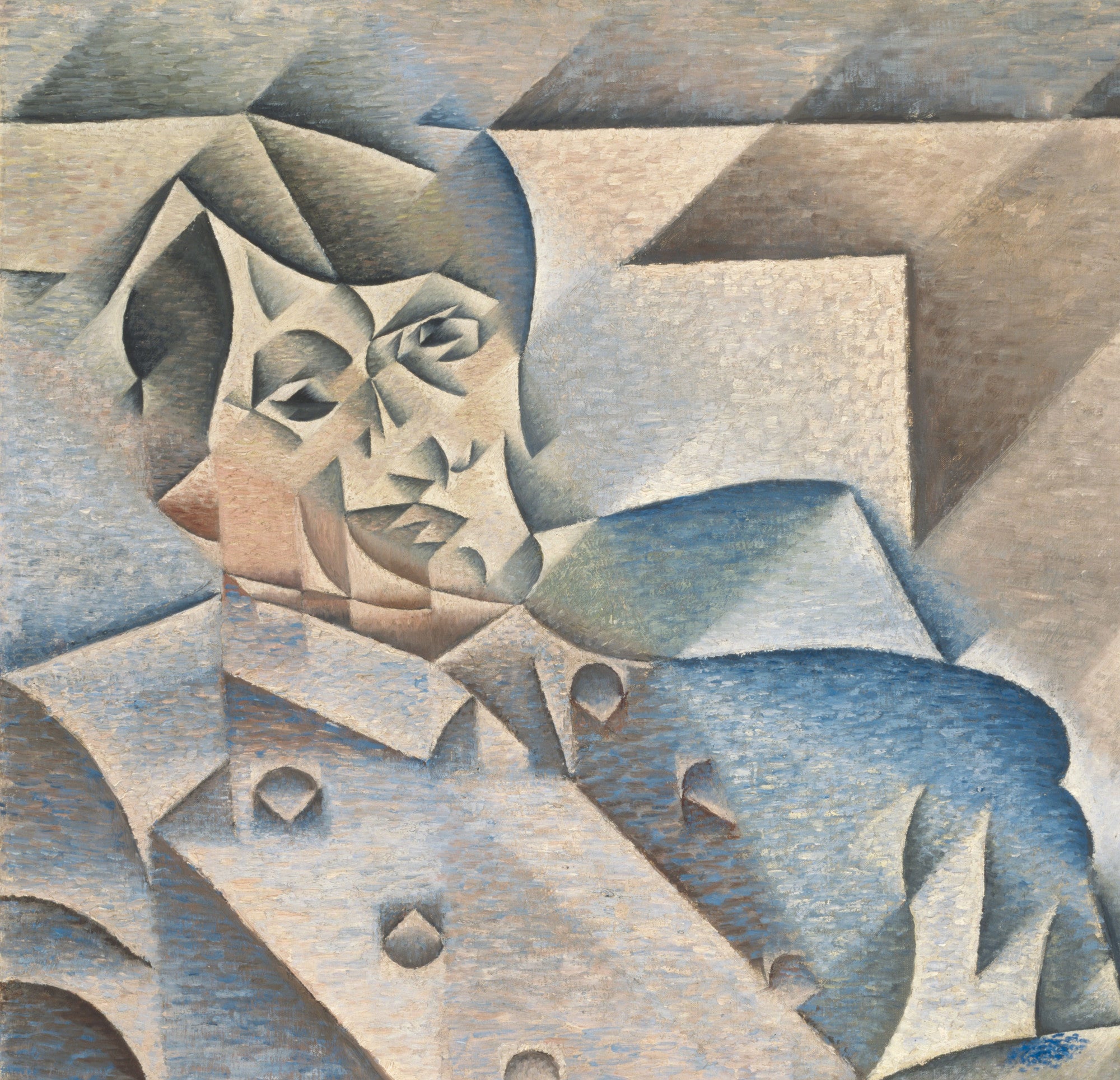
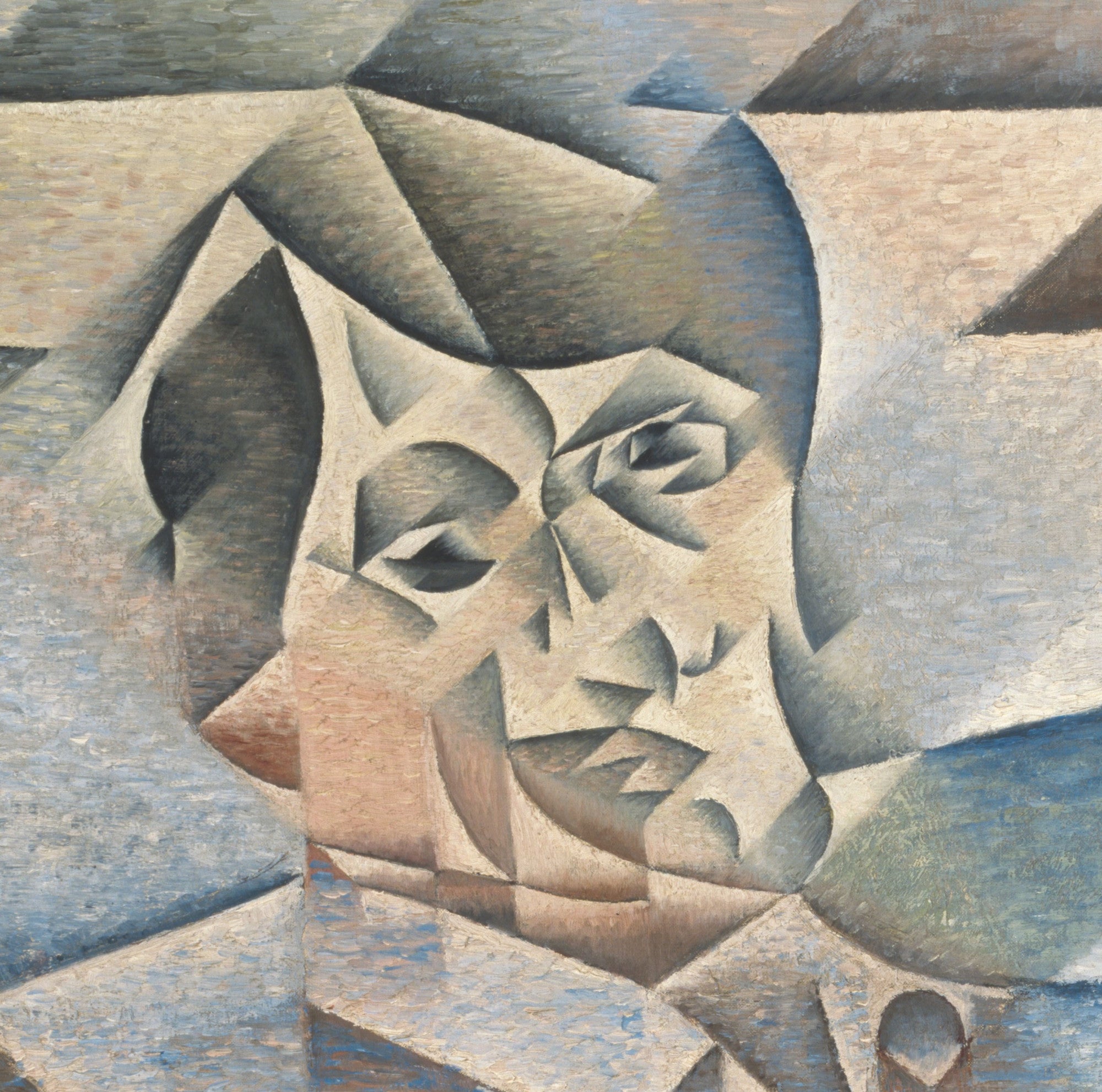
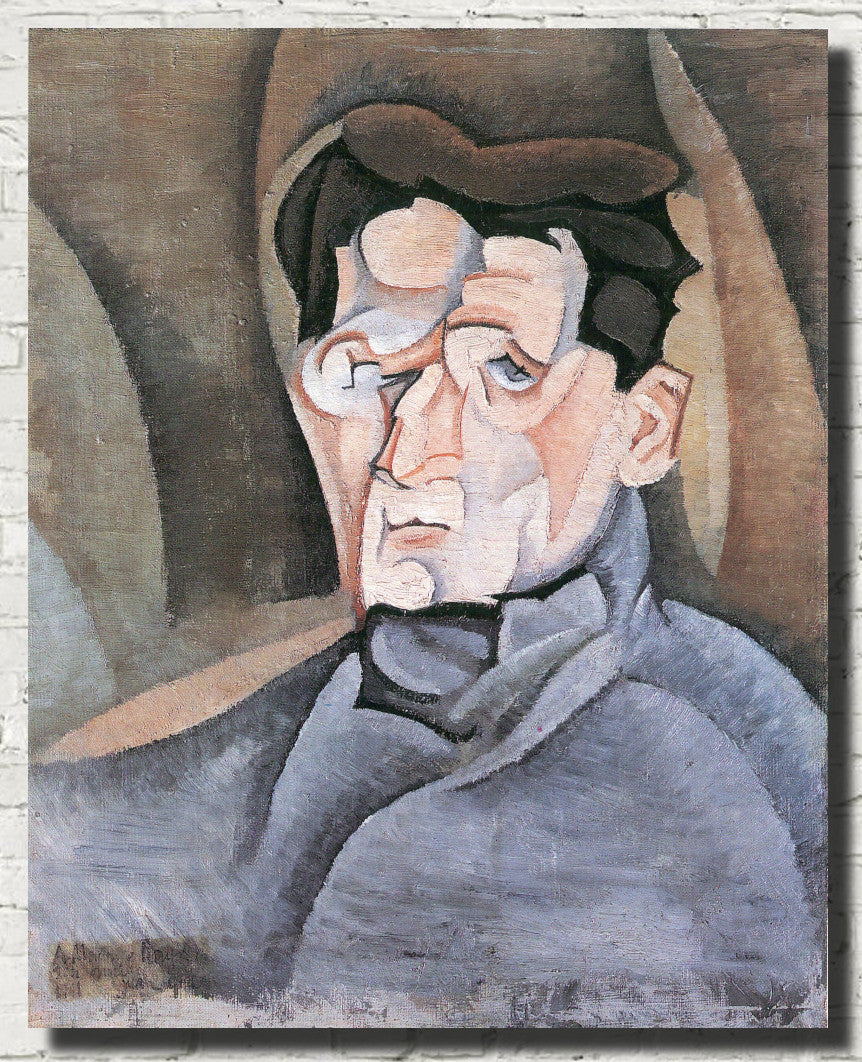
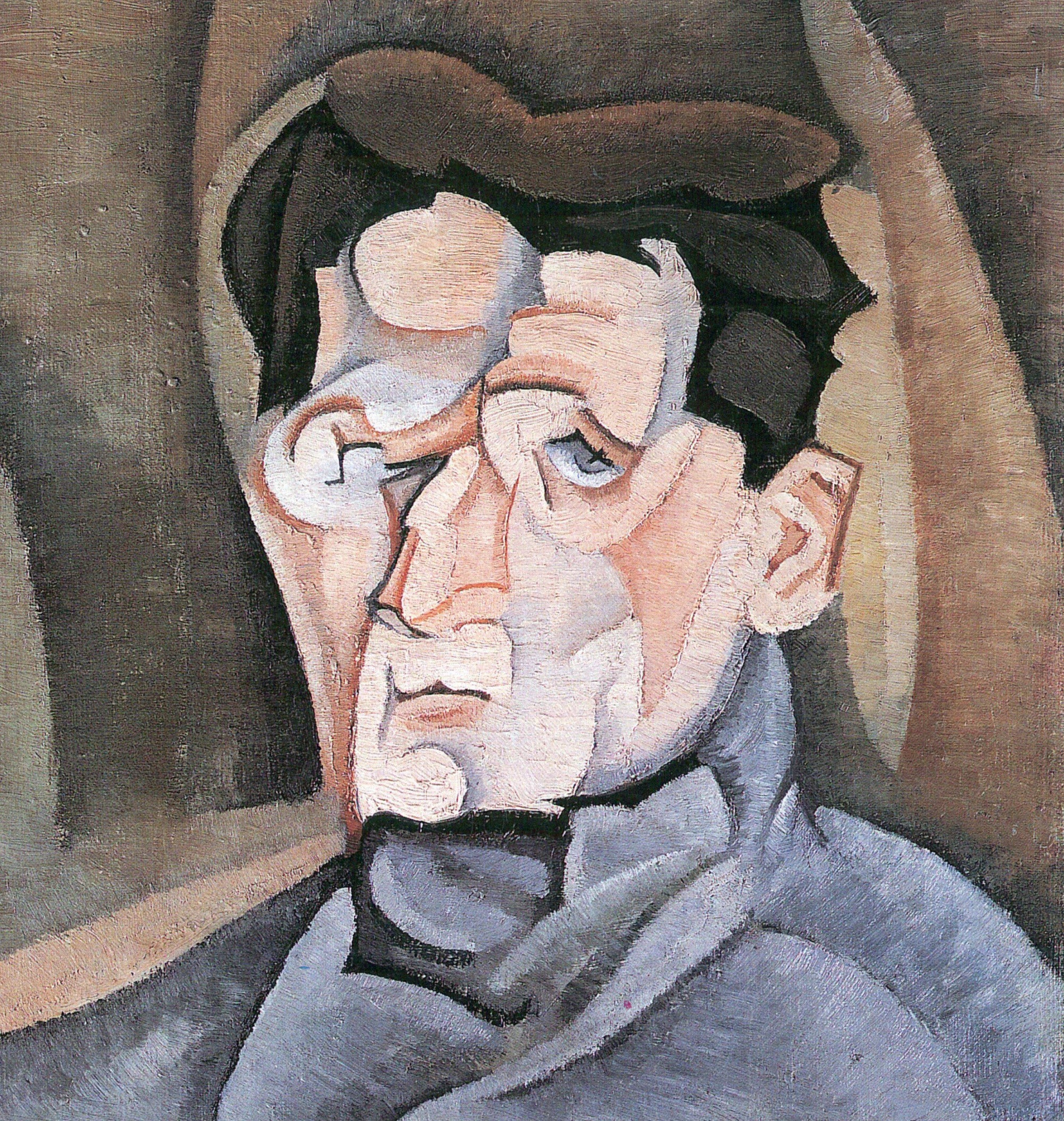
Juan Gris brought a different clarity to Cubism. His compositions often feel more ordered and architectural, even when they contain familiar café tables, bottles, newspapers, guitars and domestic objects.
His later paintings became associated with Crystal Cubism, characterised by strong underlying geometry and carefully organised forms.
Works such as The Green Carpet combine structure with richer colour, making Gris particularly appealing for modern living rooms, dining spaces and gallery walls.
The objects in his still lifes remain recognisable, but colour and shape are given an independence of their own.
Jean Metzinger, Albert Gleizes and the Wider Cubist Movement
Cubism quickly developed beyond the close partnership of Picasso and Braque.
Jean Metzinger and Albert Gleizes were both painters and important writers on the movement. Their work helped explain Cubist ideas to a wider audience and demonstrated how multiple viewpoints and geometric structure could be used with figures, portraits, landscapes and scenes of modern life.
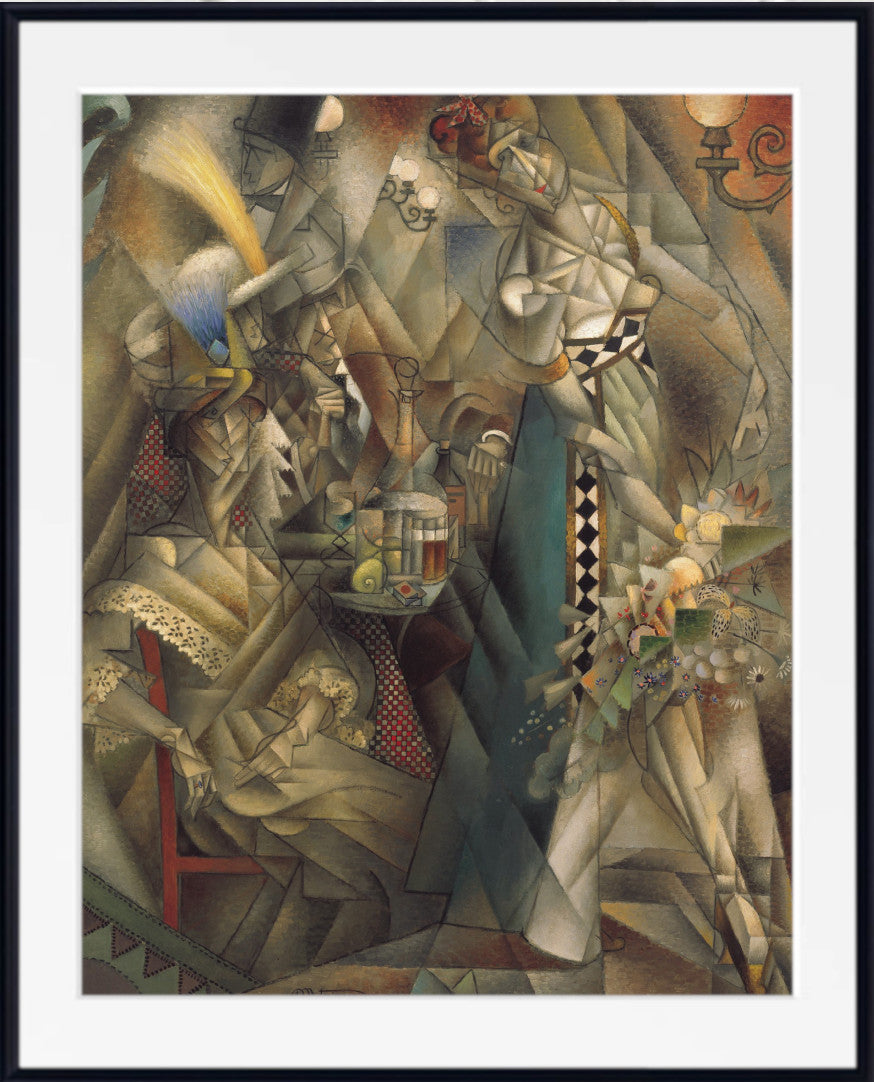
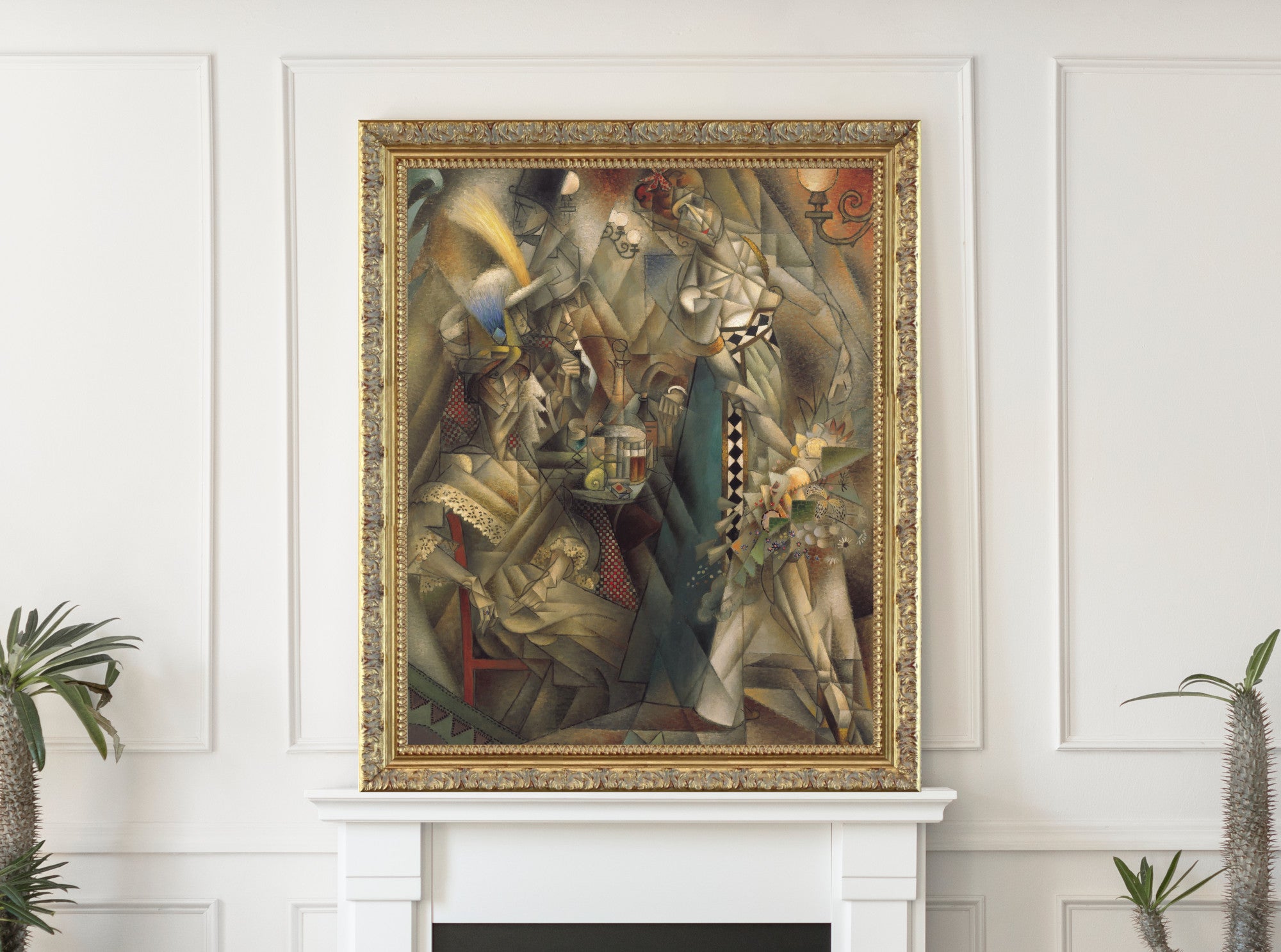
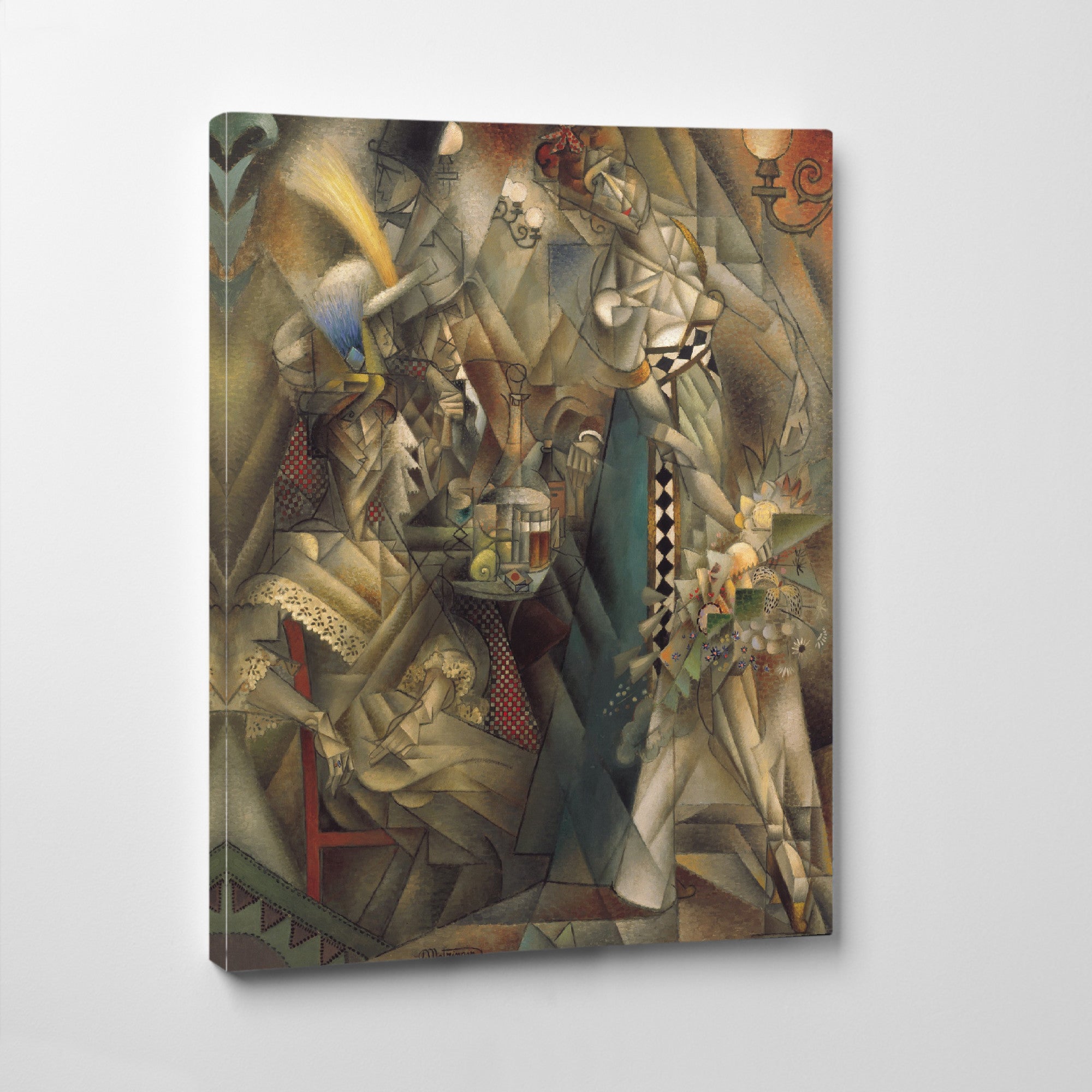
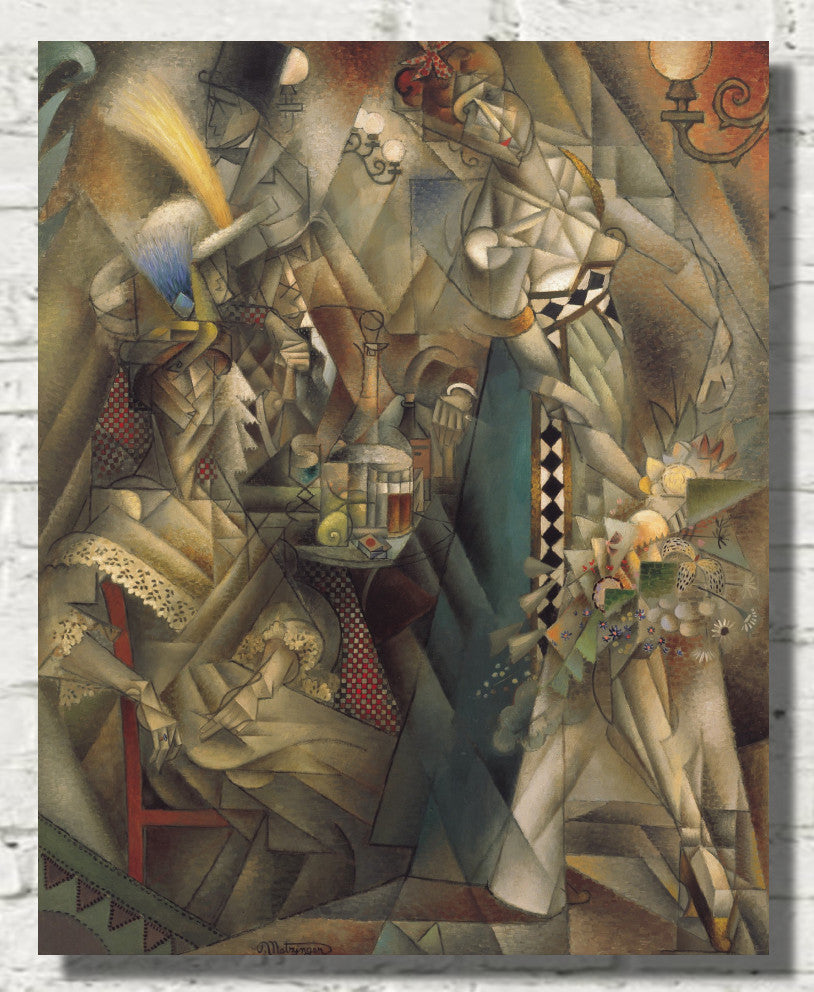
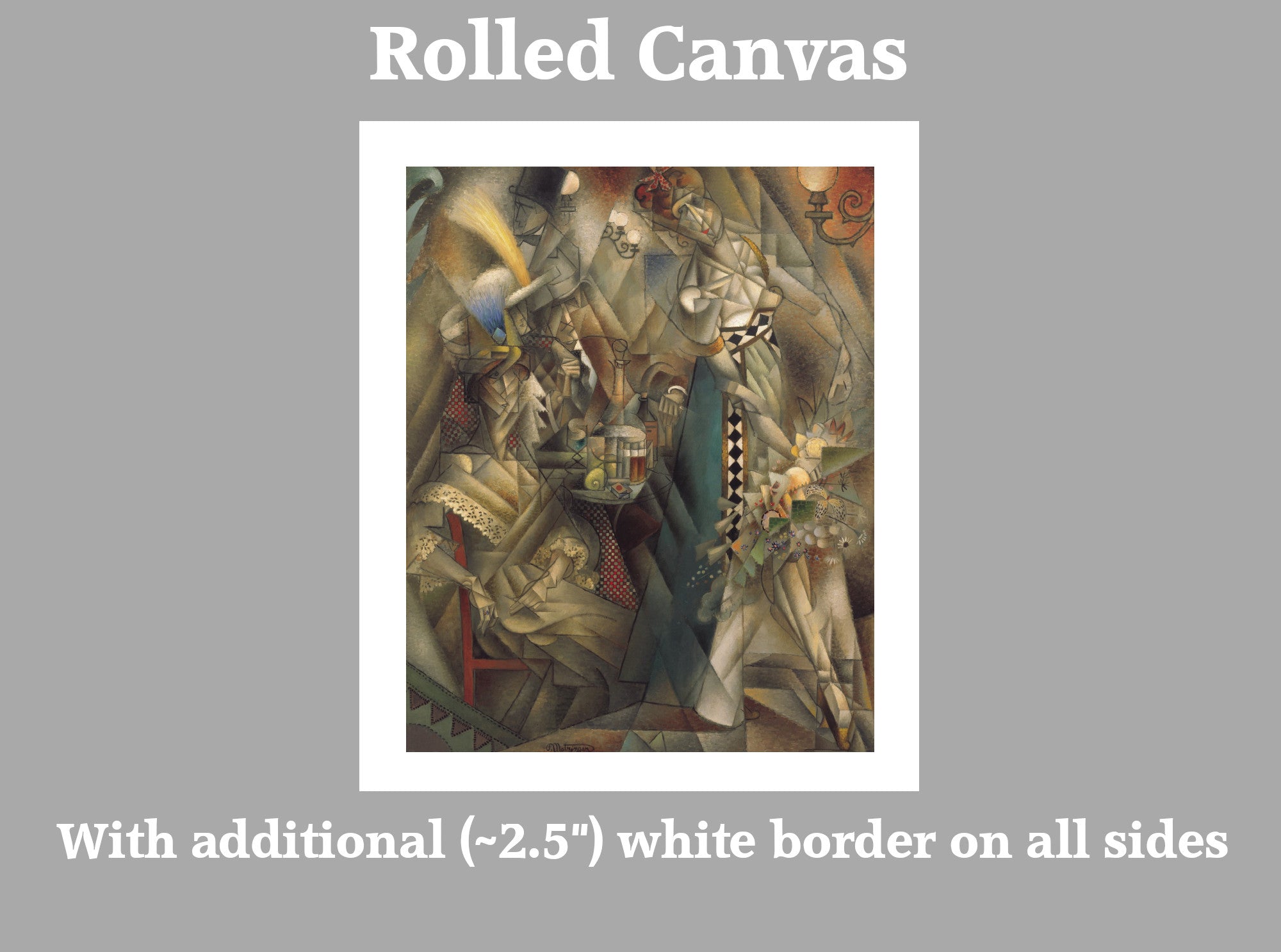
Metzinger's Dancer in the Café combines the atmosphere of Parisian café culture with shifting viewpoints and fractured form.
Gleizes pushed Cubist geometry into increasingly dynamic compositions, helping establish a route from recognisable subjects towards more abstract modern painting.
Fernand Léger and the Modern City
Fernand Léger developed one of the most distinctive branches of Cubism.
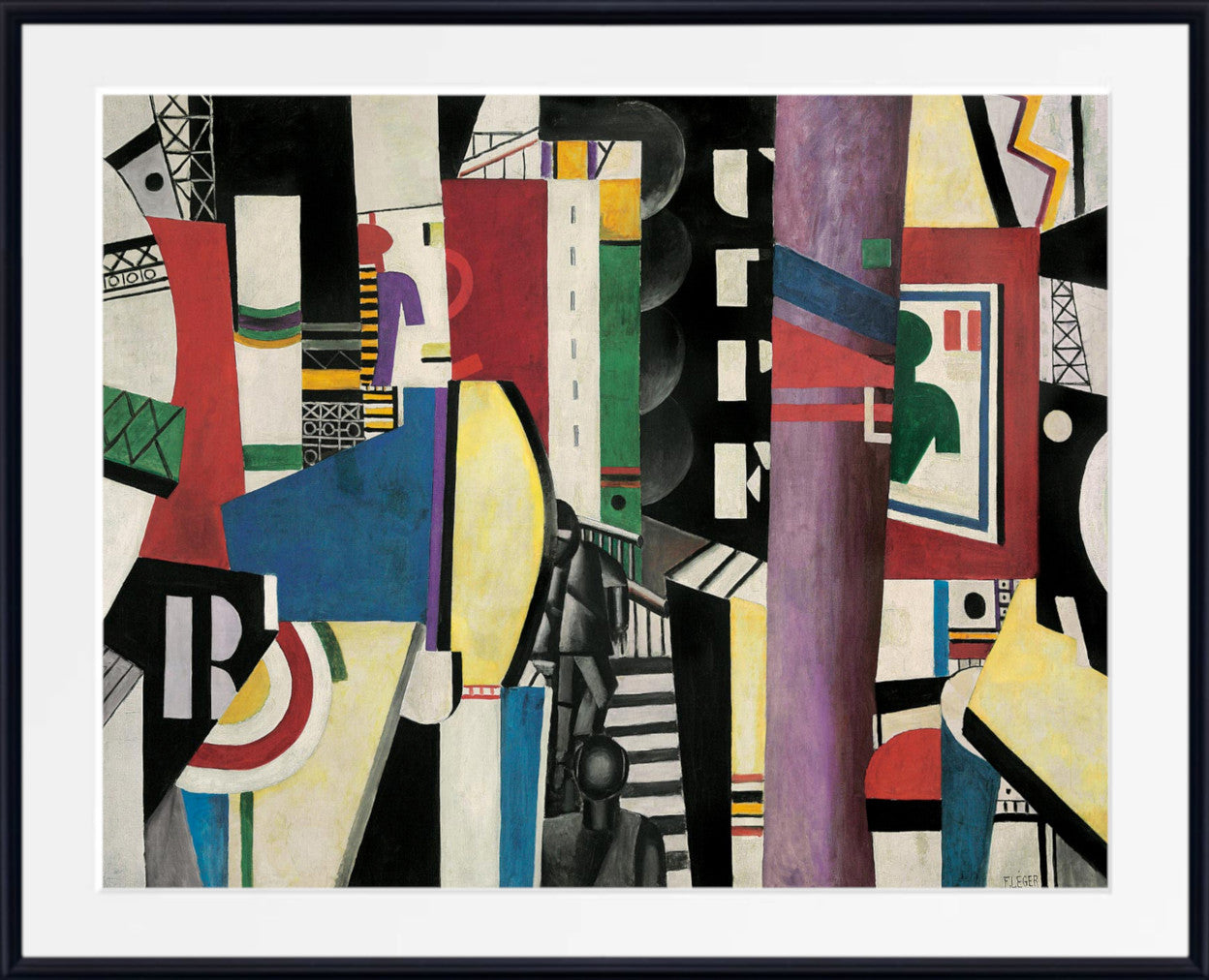
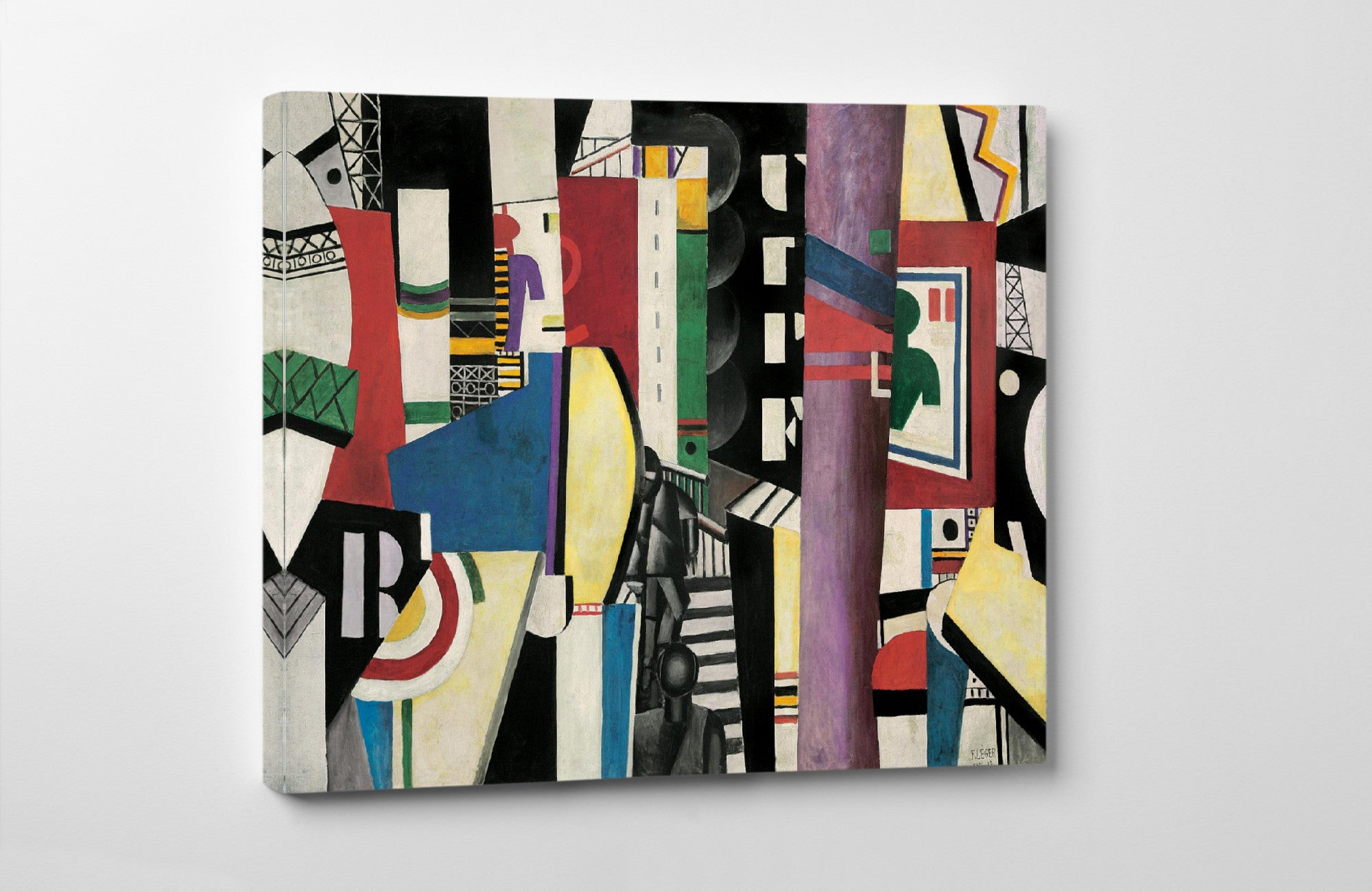
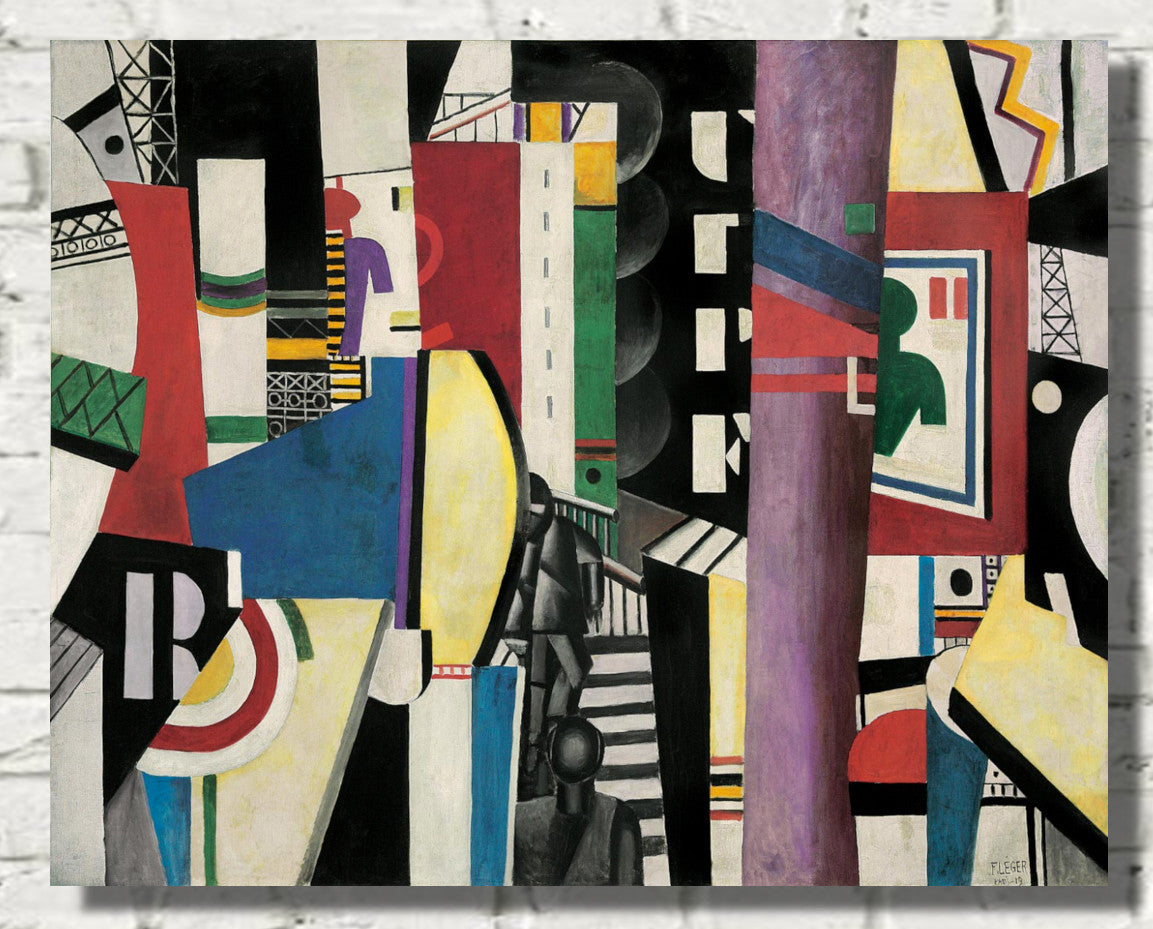
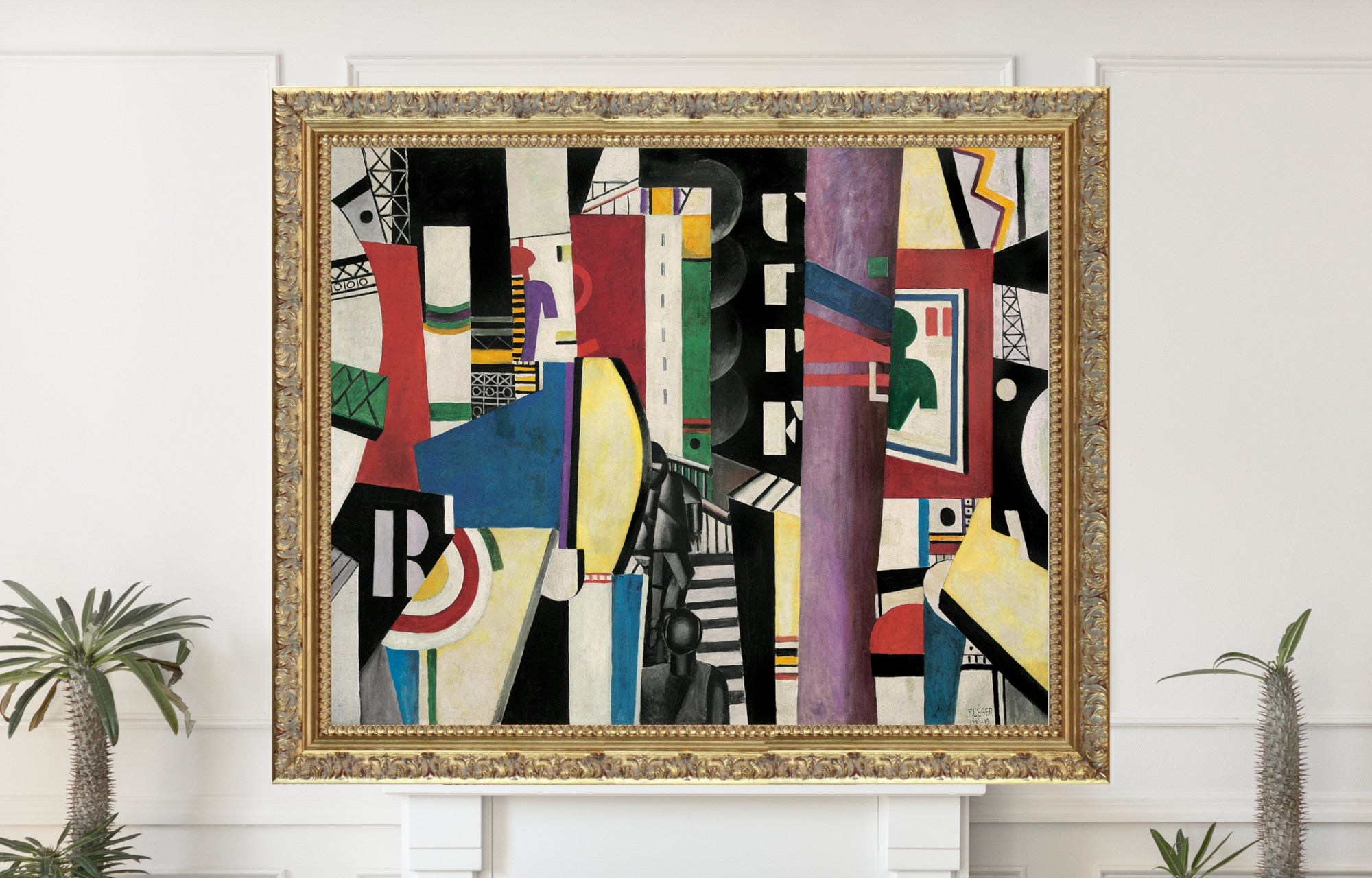
His figures, buildings and machines were often constructed from bold cylindrical forms, heavy outlines and increasingly vivid colour. Rather than looking backwards to traditional still-life painting, Léger embraced the visual energy of the modern city and machine age.
La Ville (The City) is a particularly strong example of this urban modernism, combining architecture, signs, figures and geometric forms into a dense rhythmic composition.
Cubist Still Life Prints
Still life became one of Cubism's most important subjects.
Violins, guitars, bottles, newspapers, fruit, glasses and café tables offered artists familiar shapes that could be dismantled and reconstructed without losing all connection to the original object.
This makes Cubist still lifes especially effective in dining rooms, kitchens and living spaces. They feel rooted in ordinary life while bringing a distinctly modern structure to the wall.
Browse further subjects in the Still Life Prints collection.
Choosing Cubist Wall Art
Cubist art can work in very different interiors because the movement includes both restrained neutral paintings and highly coloured modernist compositions.
For calm, understated rooms, Braque's browns, greys and ochres provide texture without dominating the space. Juan Gris introduces stronger colour while retaining precise geometry, while Metzinger, Gleizes and Léger can provide a more energetic focal point.
Large Cubist prints work particularly well above sofas, sideboards and desks. Smaller still lifes and portraits can be grouped into a gallery wall, especially when recurring geometric forms create relationships between different artists.
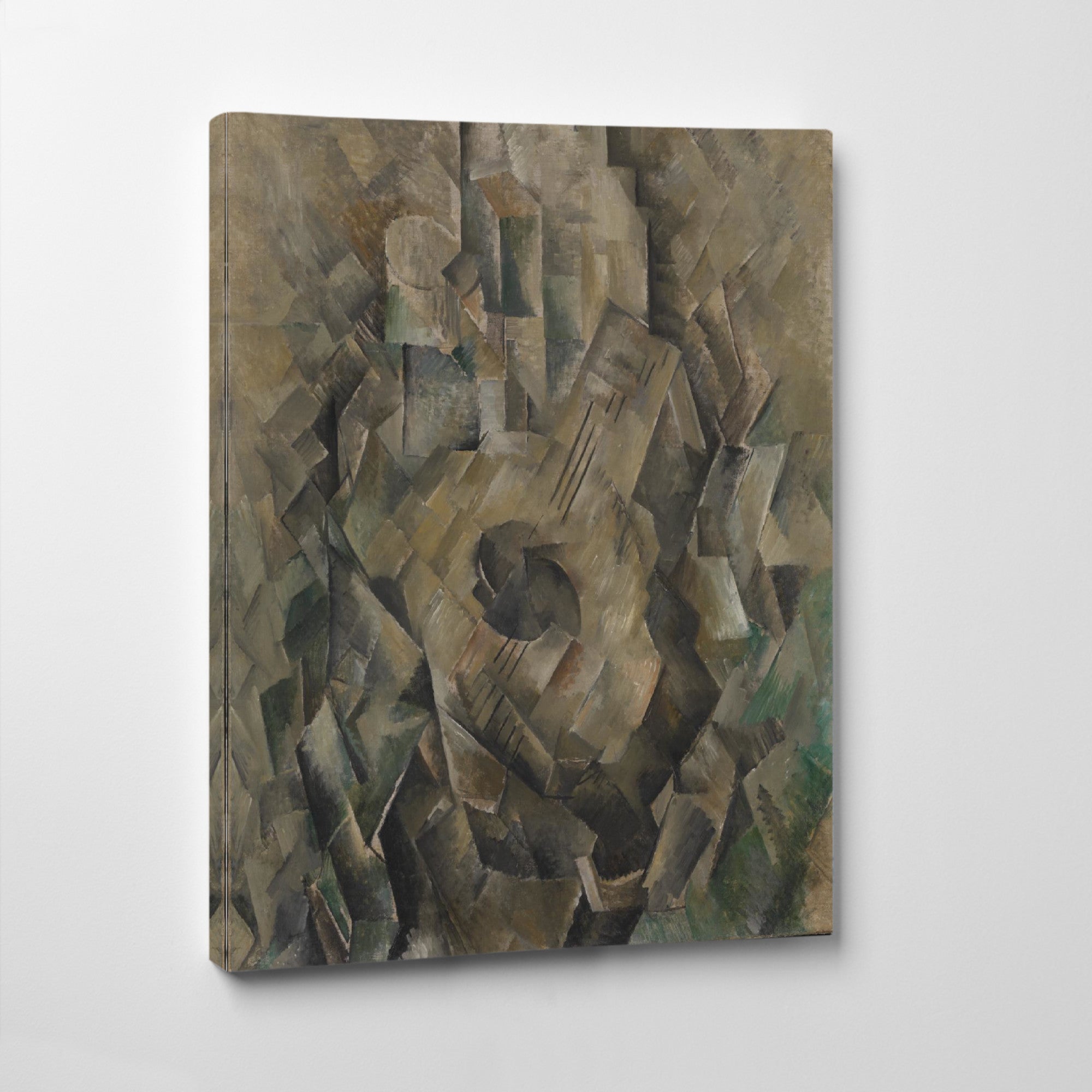
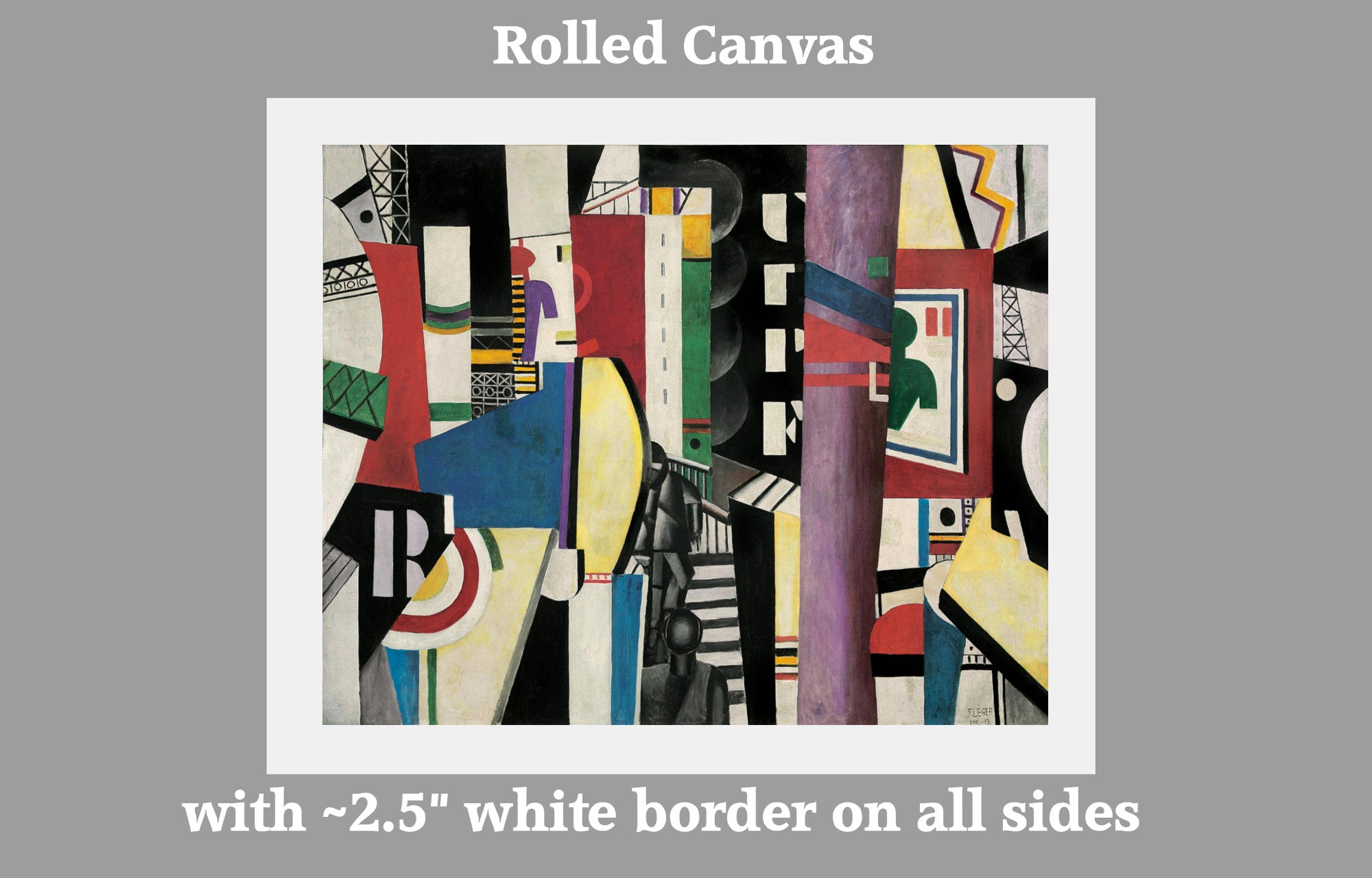
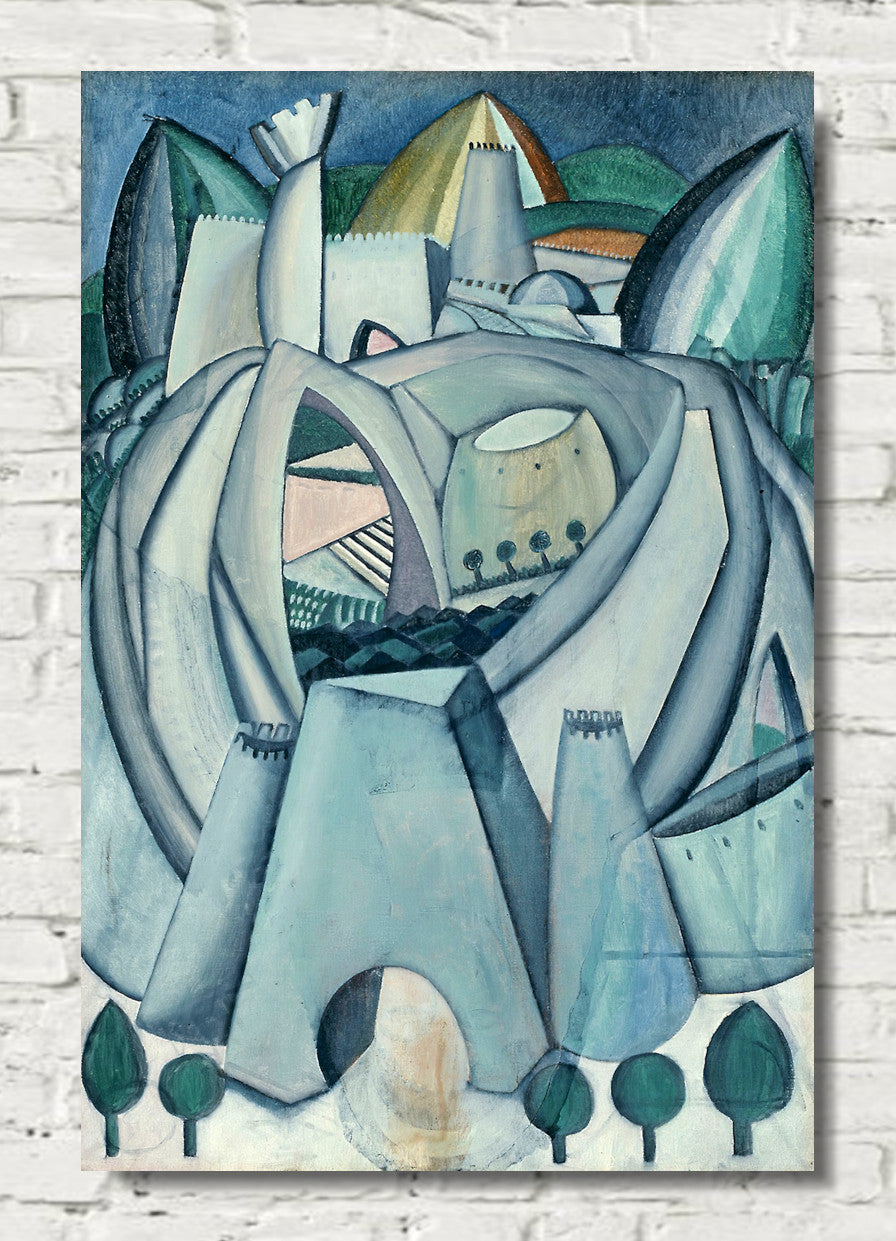
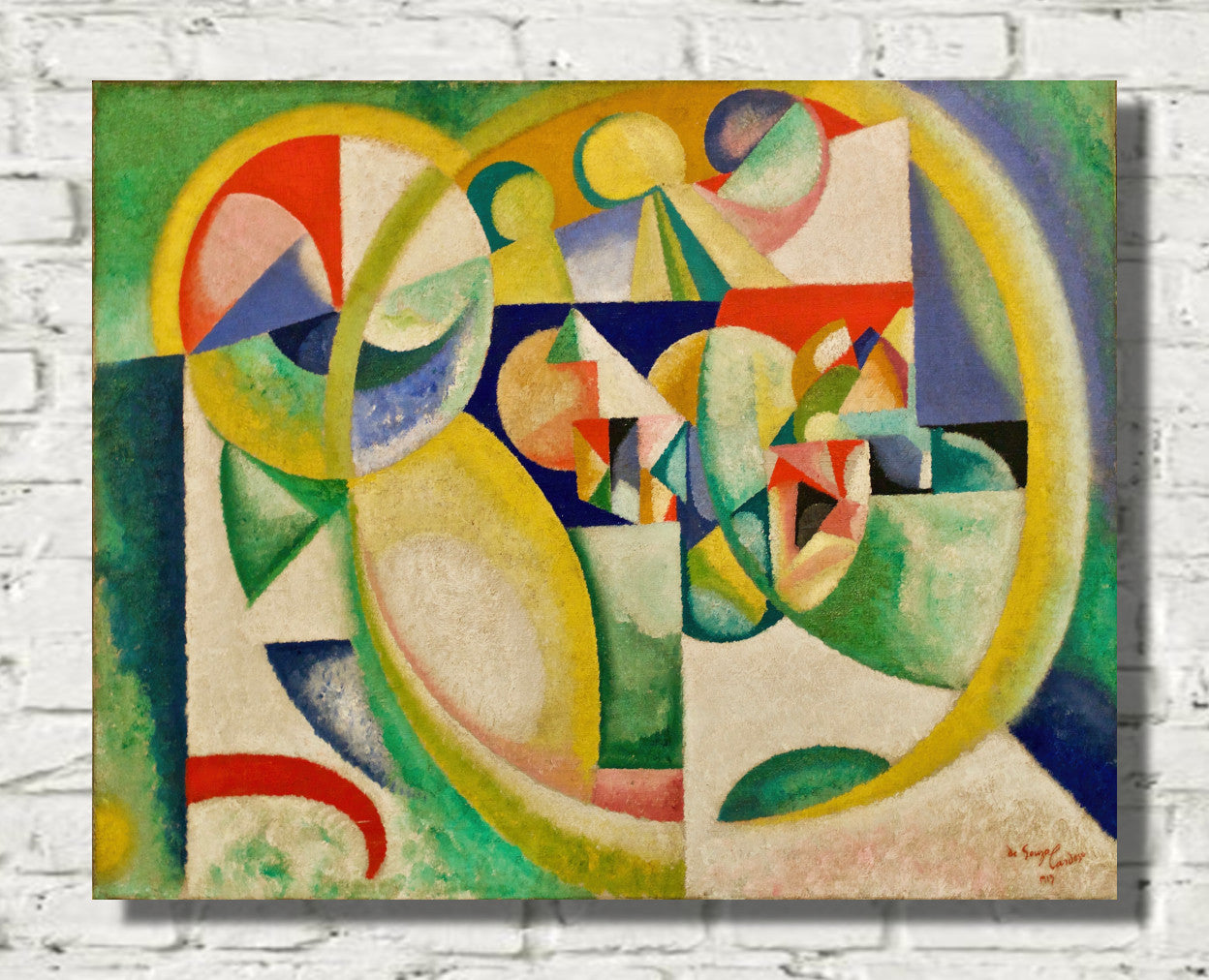
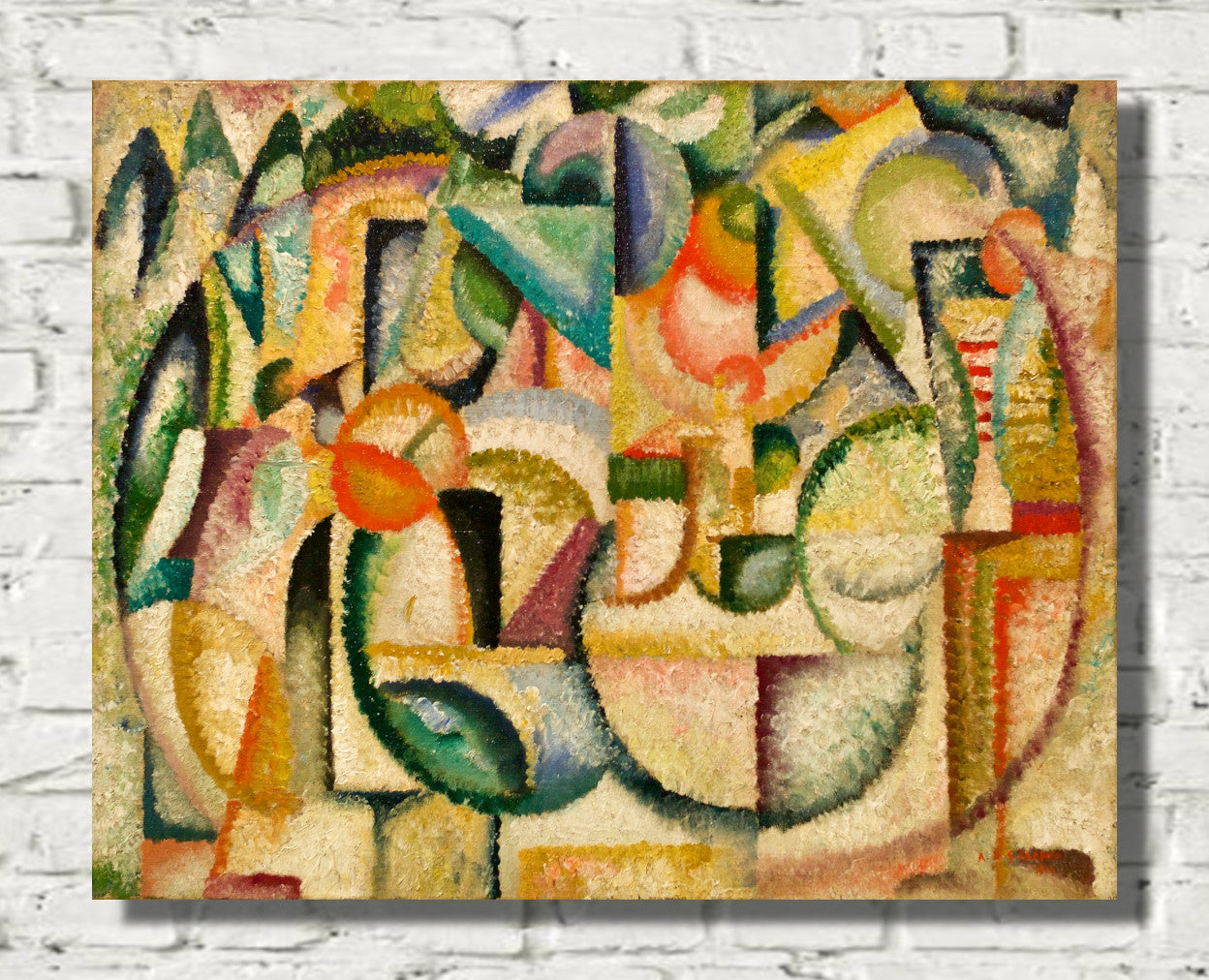
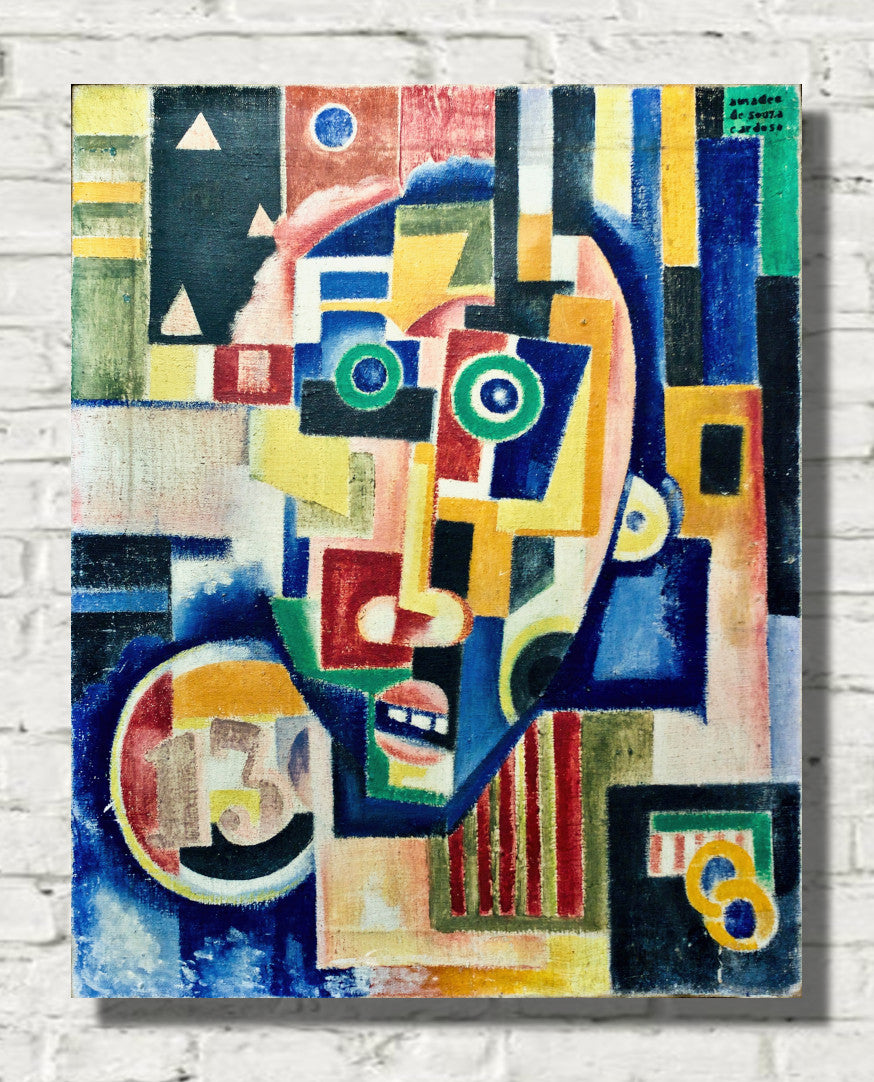
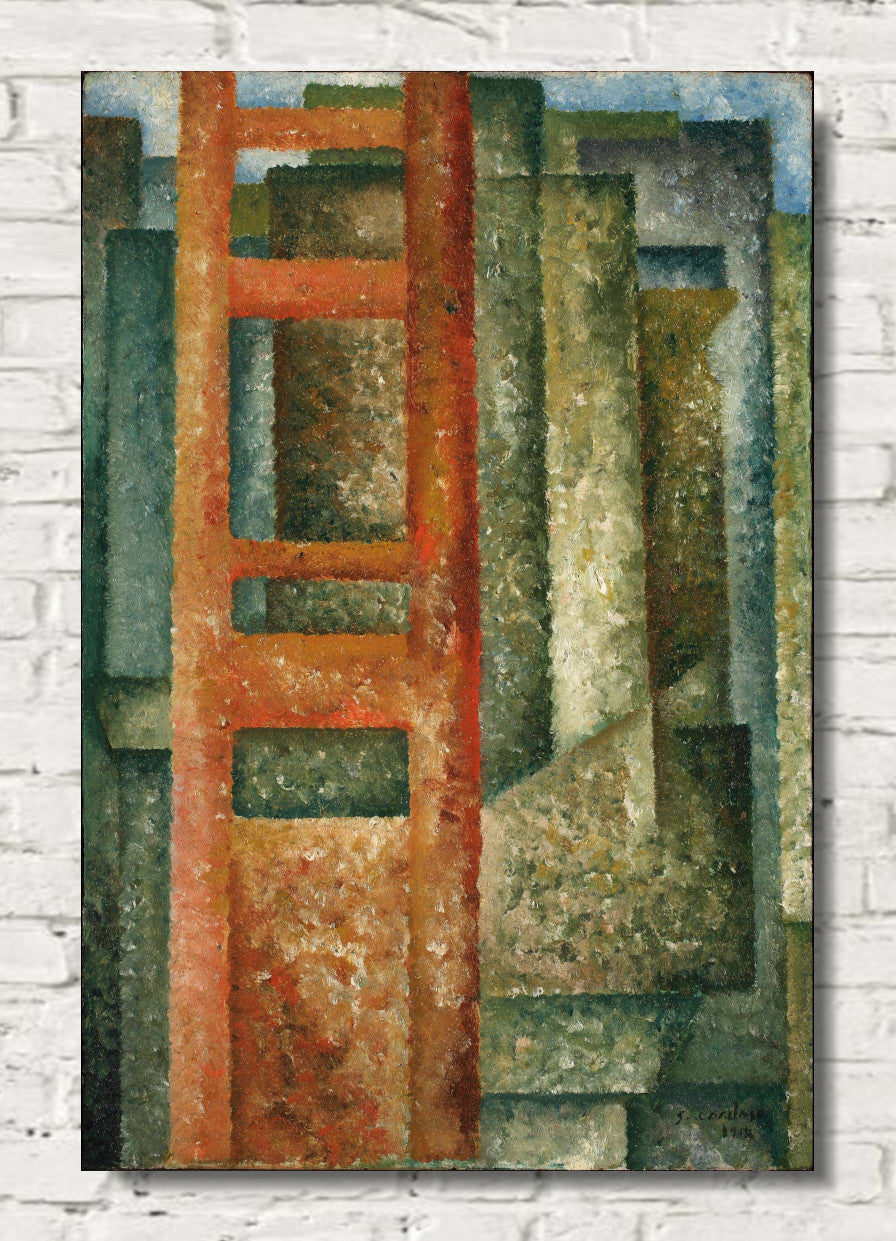
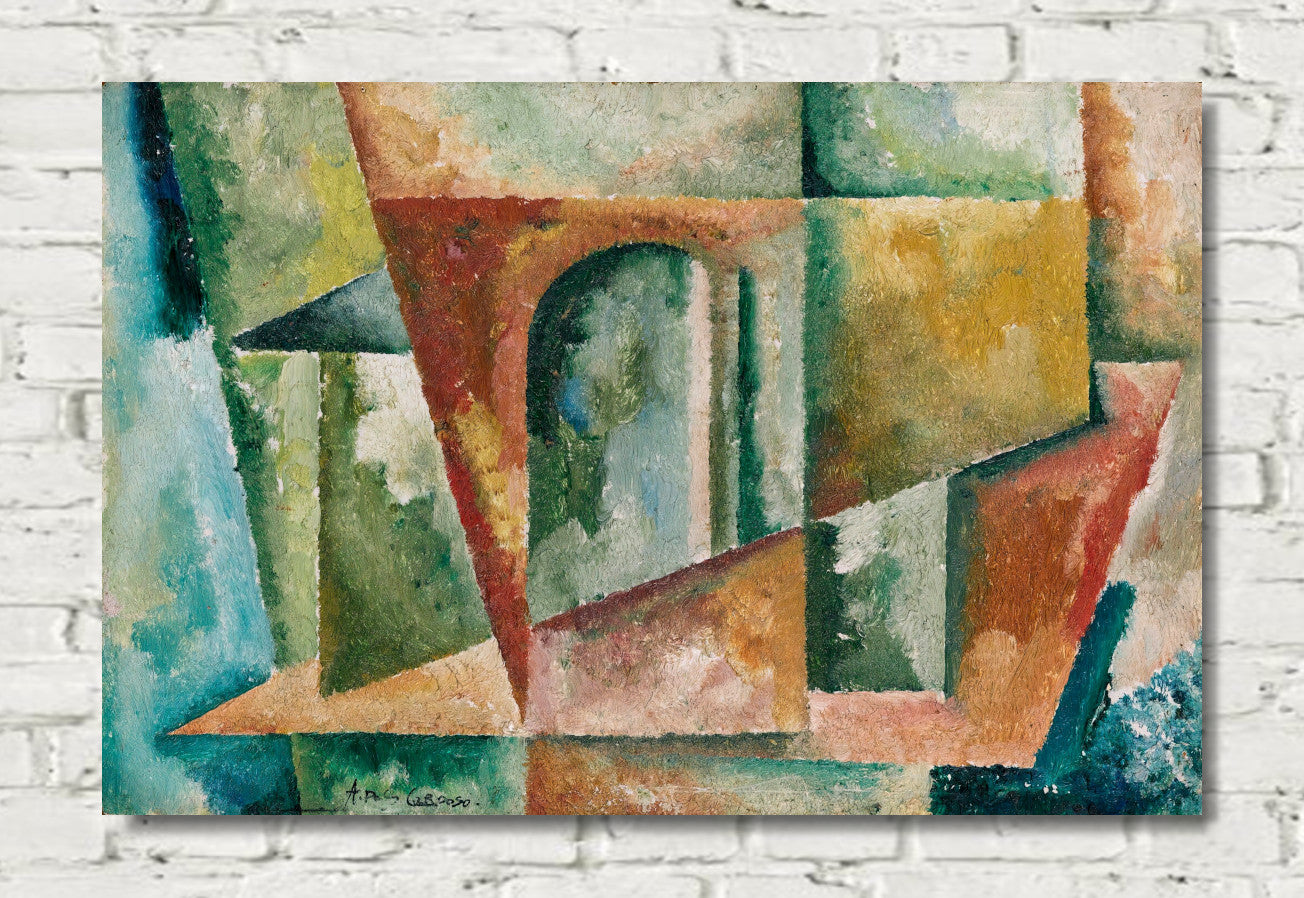
Black framing with a white mount gives Cubist work a clean presentation, while canvas panels can suit larger geometric compositions where a simpler contemporary finish is preferred.
Cubist Fine Art Prints, Framed Prints and Canvas Panels
GalleryThane Cubist works are available in a wide choice of sizes as fine art prints, framed prints and canvas panels.
Our prints and frames are produced in our Nottinghamshire workshop using archival-quality papers and UV-stable pigment inks. Framed options provide a complete ready-to-display presentation, while canvas panels offer a clean alternative for contemporary spaces.
Free UK delivery is included on all GalleryThane orders.
Frequently Asked Questions
What is Cubism?
Cubism is an early twentieth-century modern art movement in which artists rejected conventional single-point perspective and represented subjects through fragmented forms, geometry and multiple viewpoints.
Who founded Cubism?
Pablo Picasso and Georges Braque are generally regarded as the principal pioneers of Cubism, although many other artists rapidly developed the movement in different directions.
What is Analytical Cubism?
Analytical Cubism is the highly fragmented early phase associated particularly with Picasso and Braque around 1909–1912. Paintings often use restrained colours and break objects into numerous overlapping planes.
What is Synthetic Cubism?
Synthetic Cubism developed towards larger, simpler shapes, stronger colour and constructed imagery. Collage and printed materials also became important.
What is Crystal Cubism?
Crystal Cubism refers to a particularly ordered later development of Cubism, characterised by clear underlying geometry and carefully structured compositions. Juan Gris is strongly associated with this approach.
Are Cubist prints suitable for modern interiors?
Yes. Cubist art works particularly well with contemporary, minimalist, mid-century and eclectic interiors. Neutral Cubist paintings add structure and texture, while more colourful works can create a stronger statement.