Paul Klee Prints: Colour, Symbols and Imagination
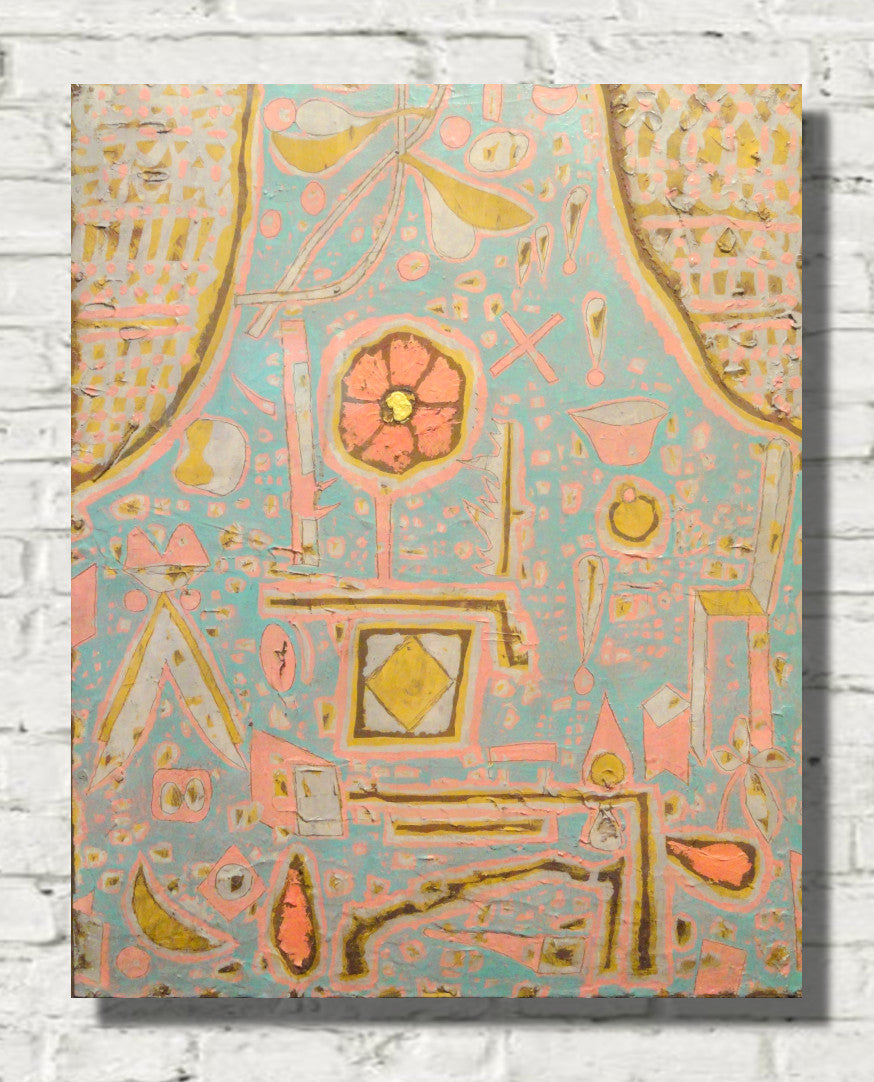
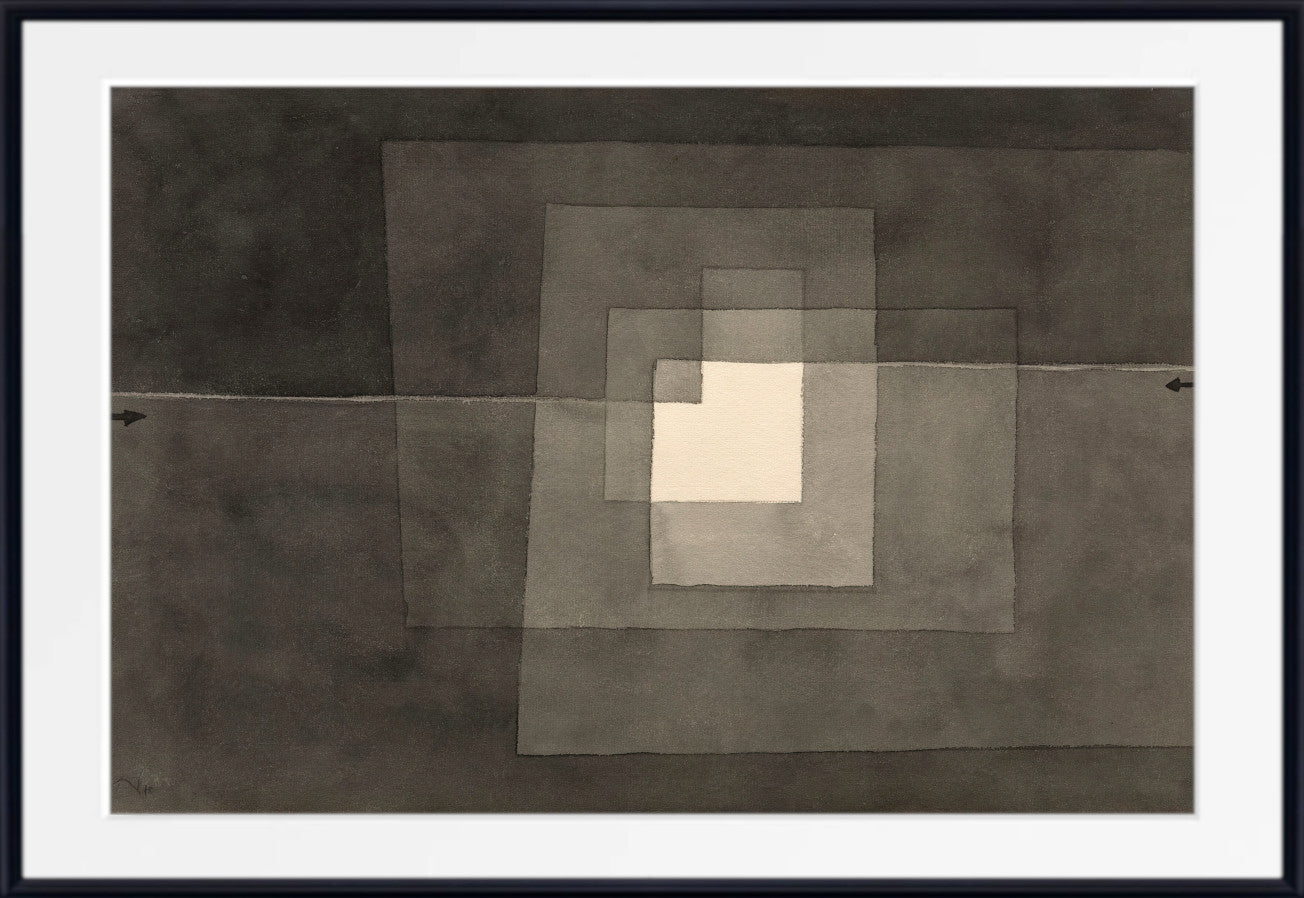
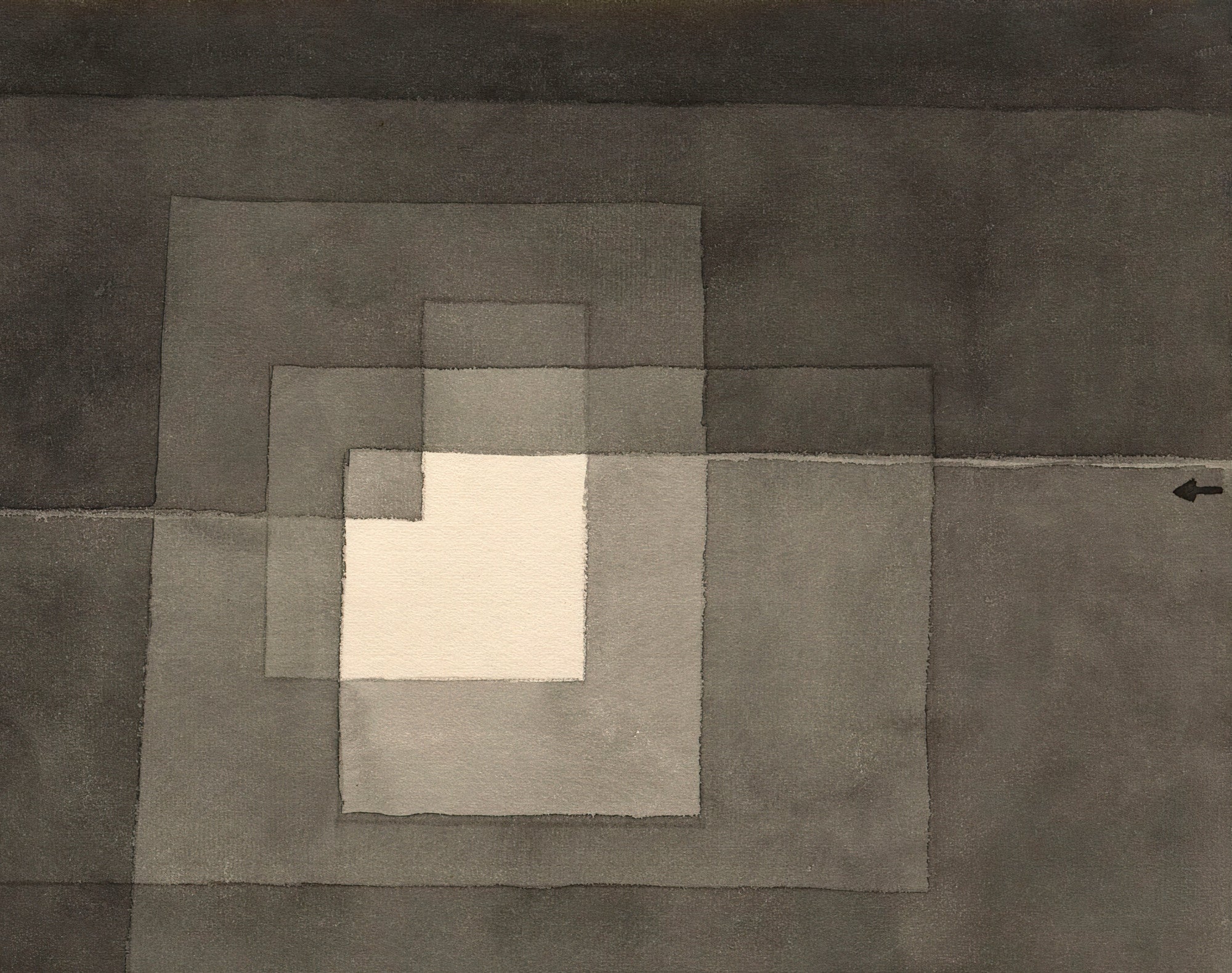
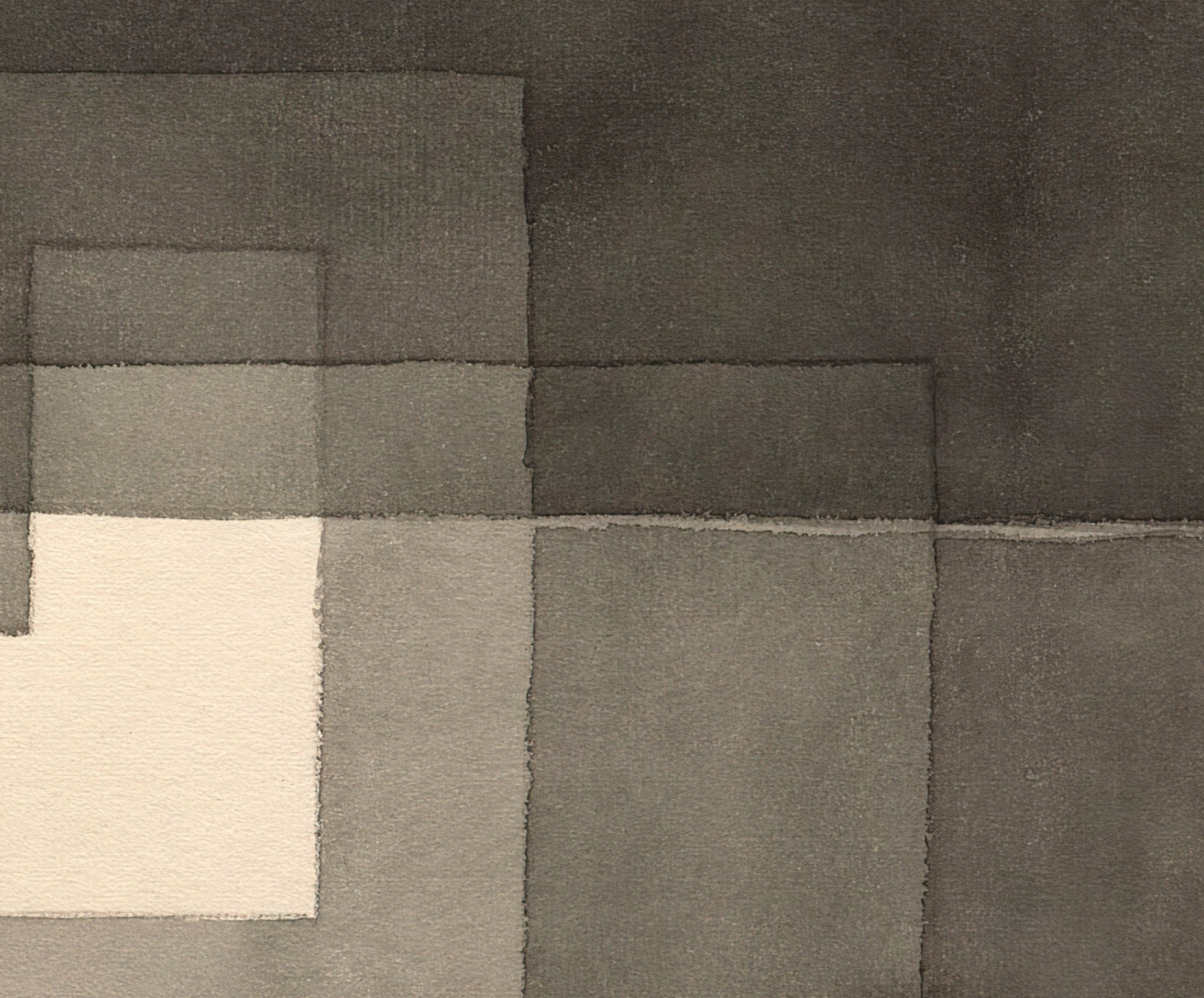
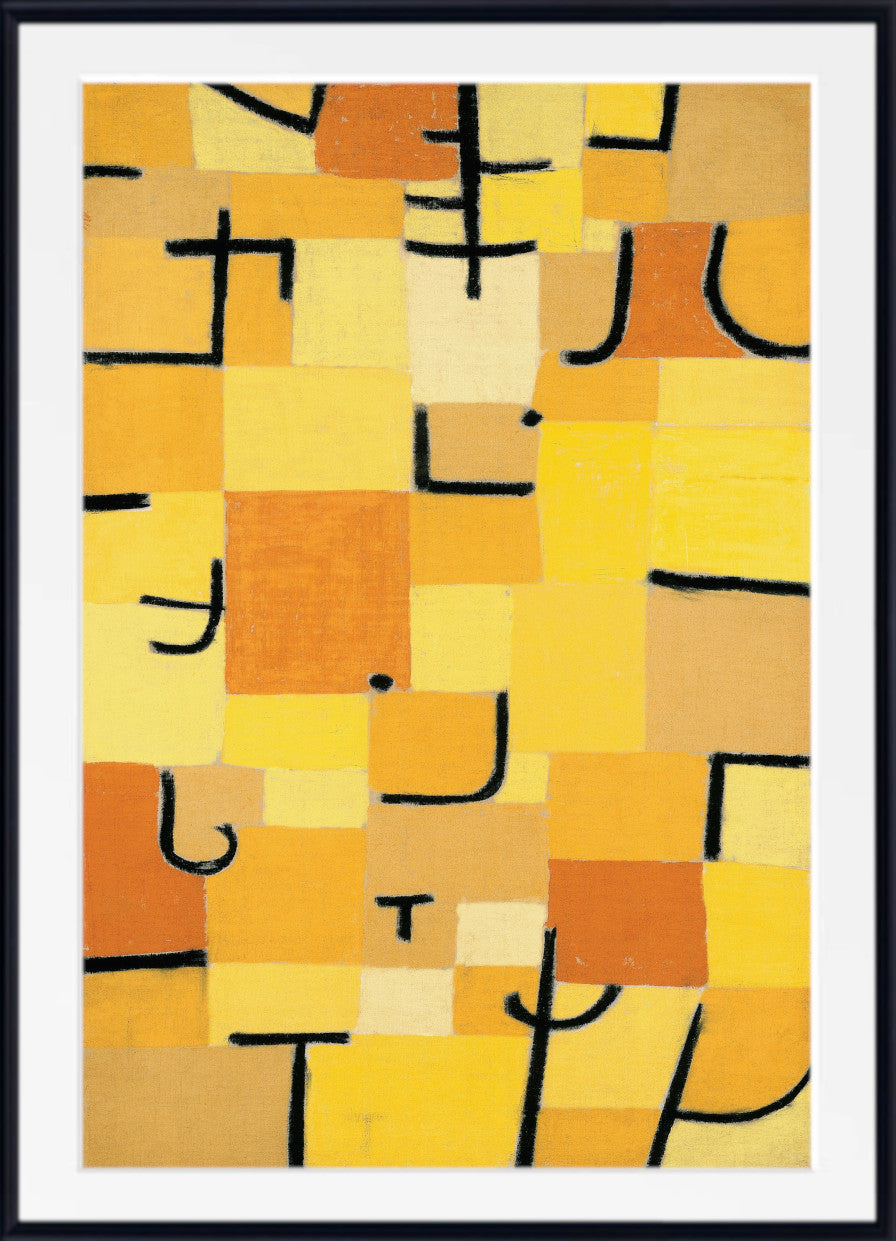
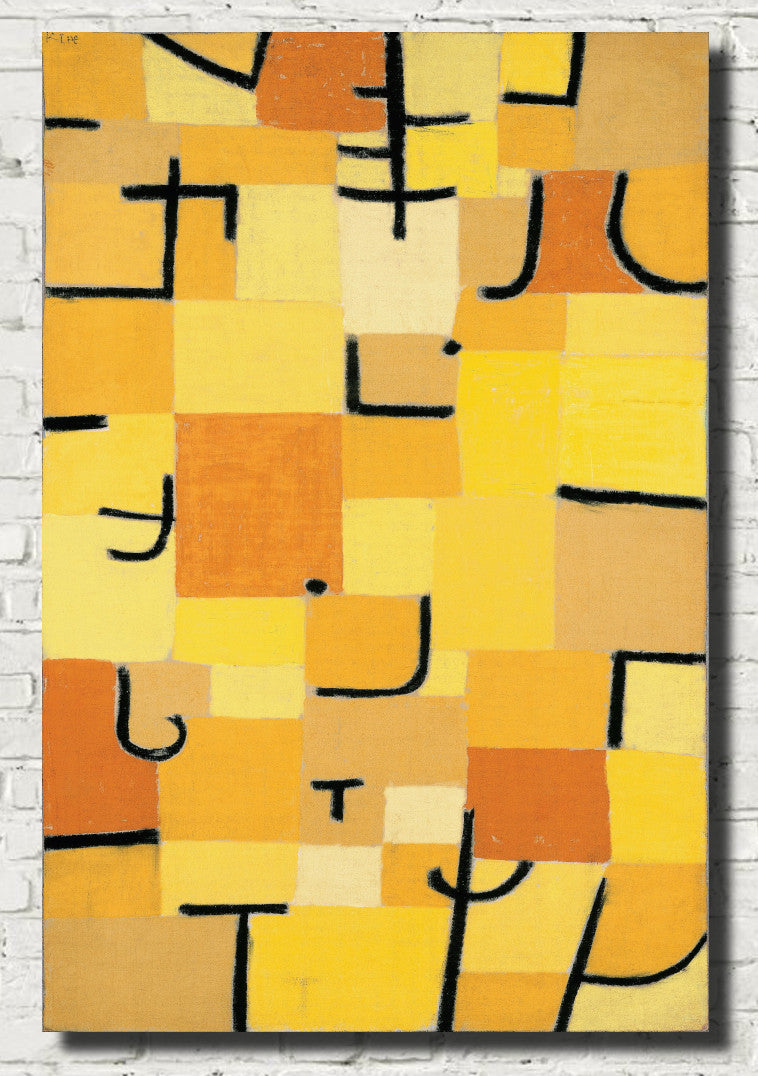
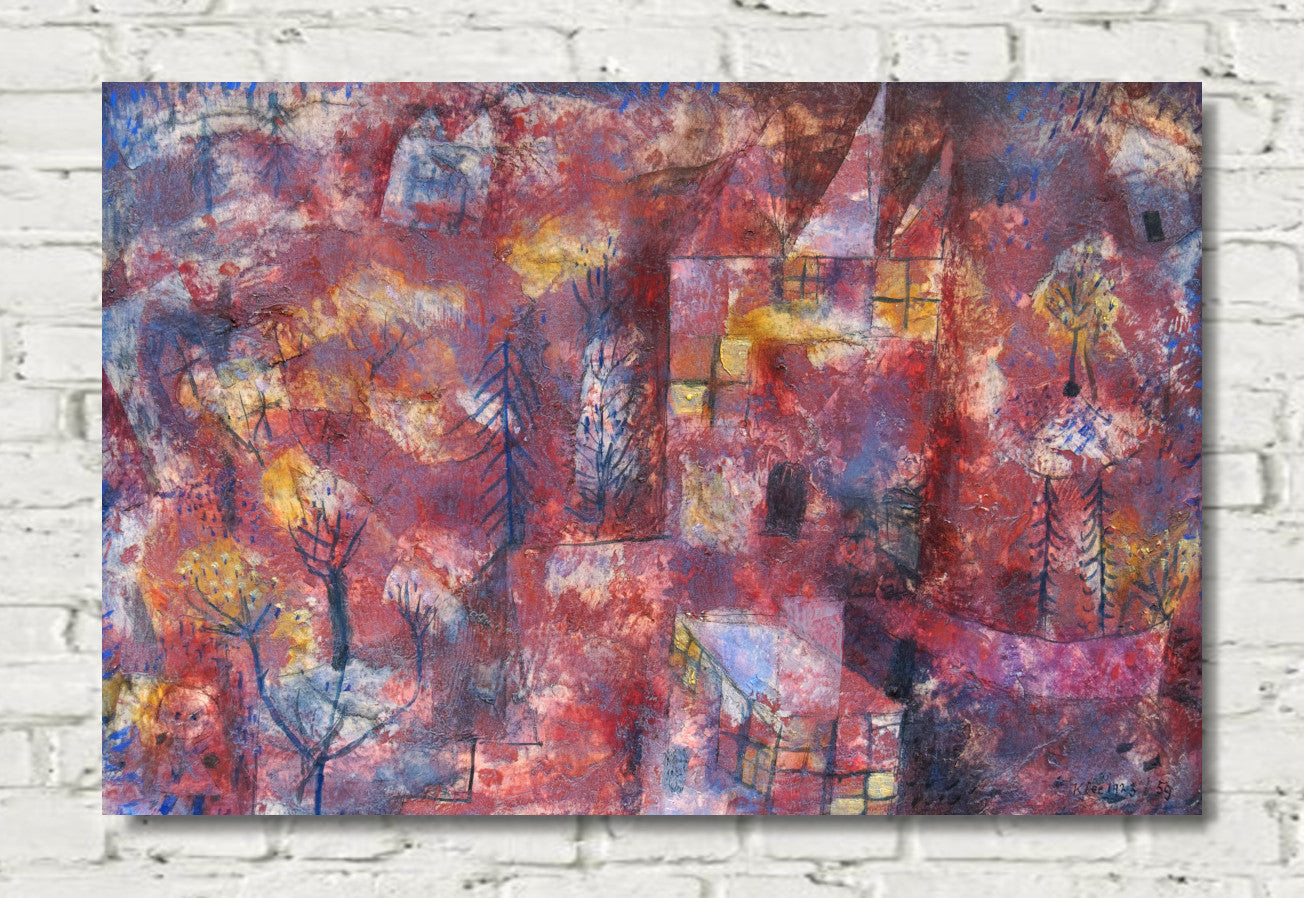
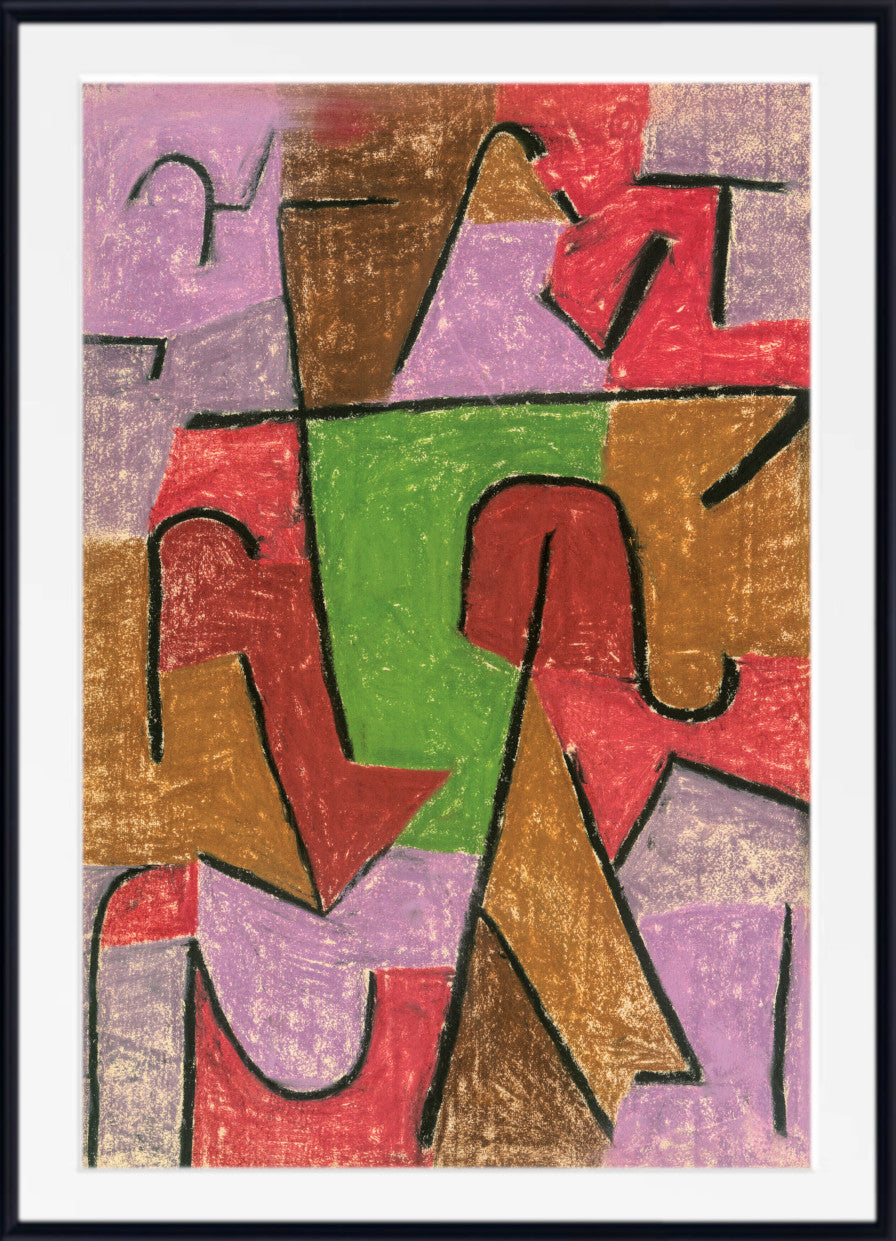
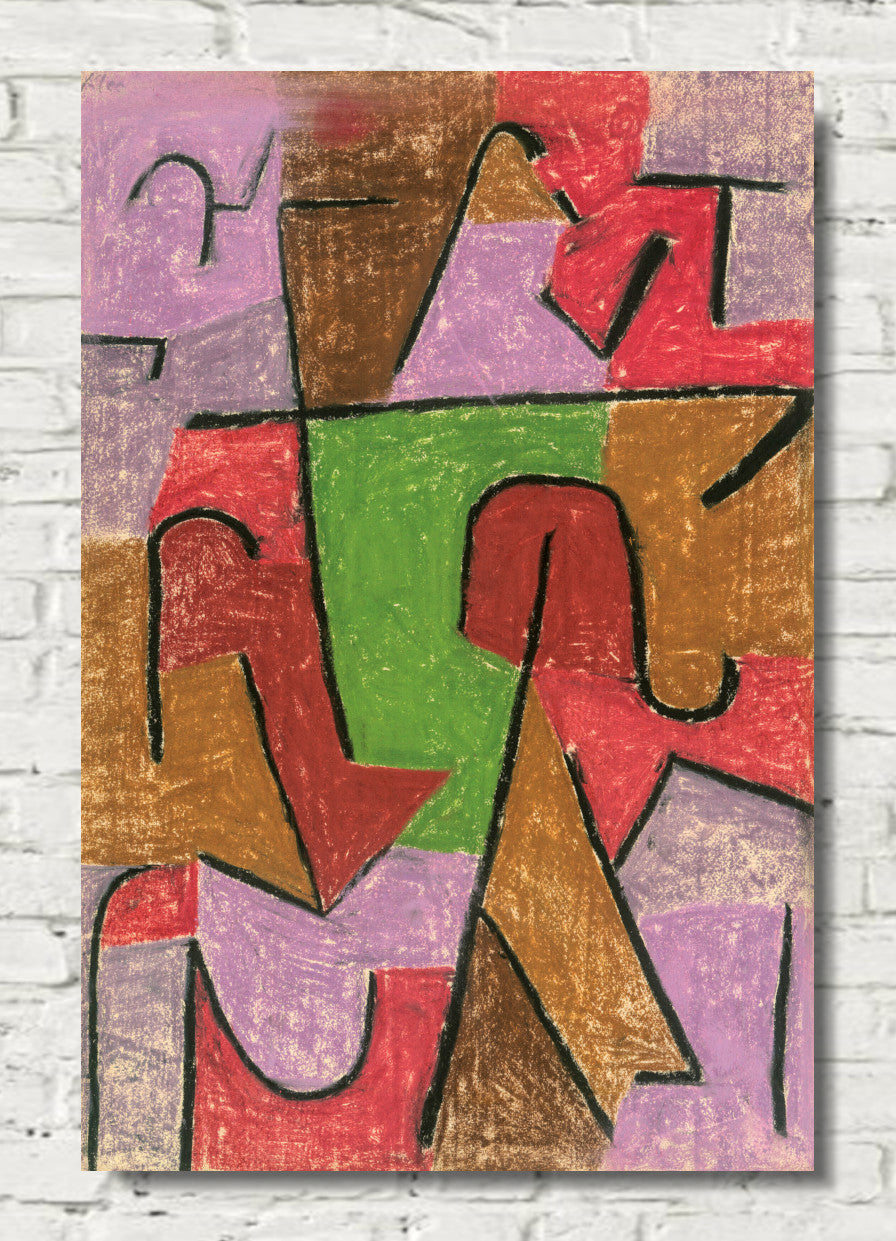
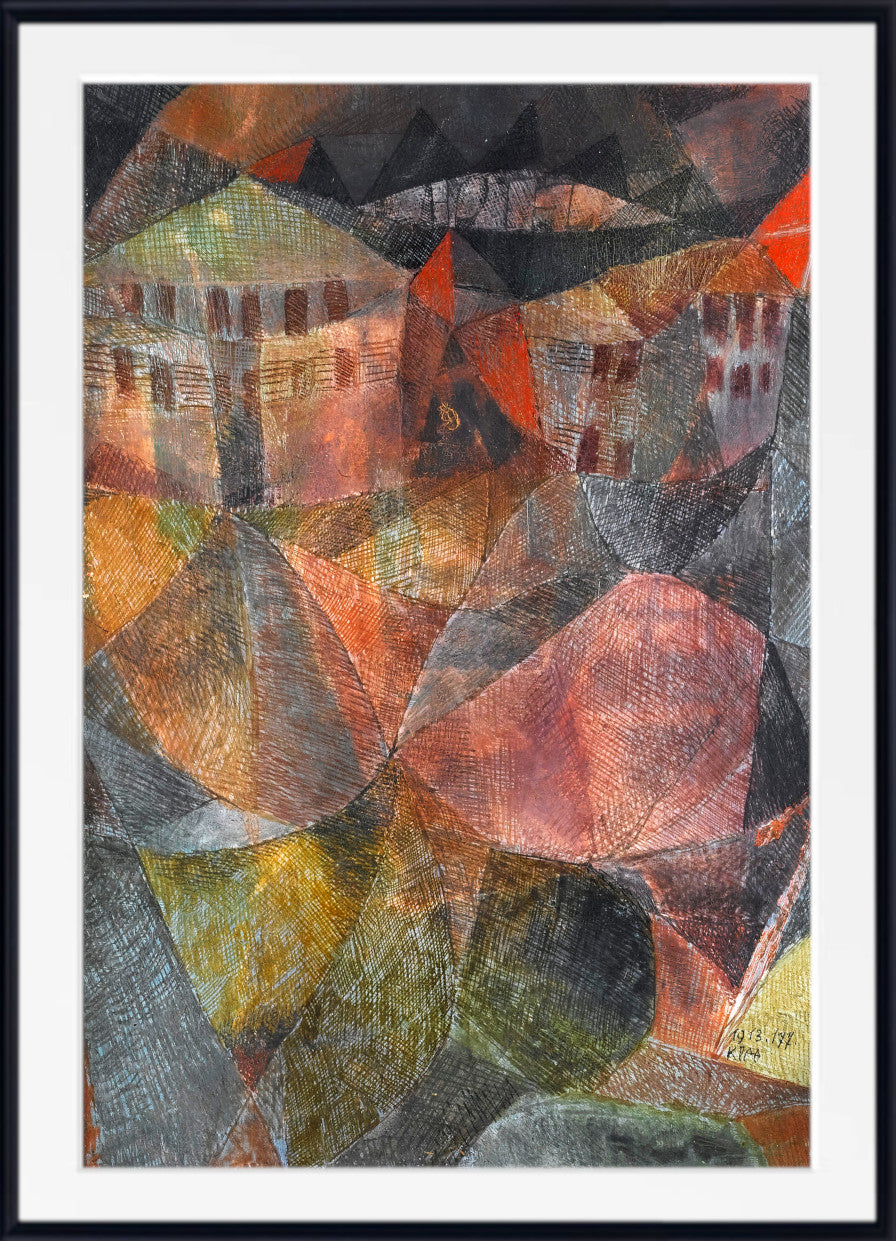
Paul Klee developed one of the most distinctive visual languages in modern art. His paintings combine fine lines, geometric structures, radiant areas of colour and signs that can resemble letters, faces, plants, buildings or musical notation. Some compositions feel carefully ordered; others seem playful, dreamlike or deliberately mysterious.
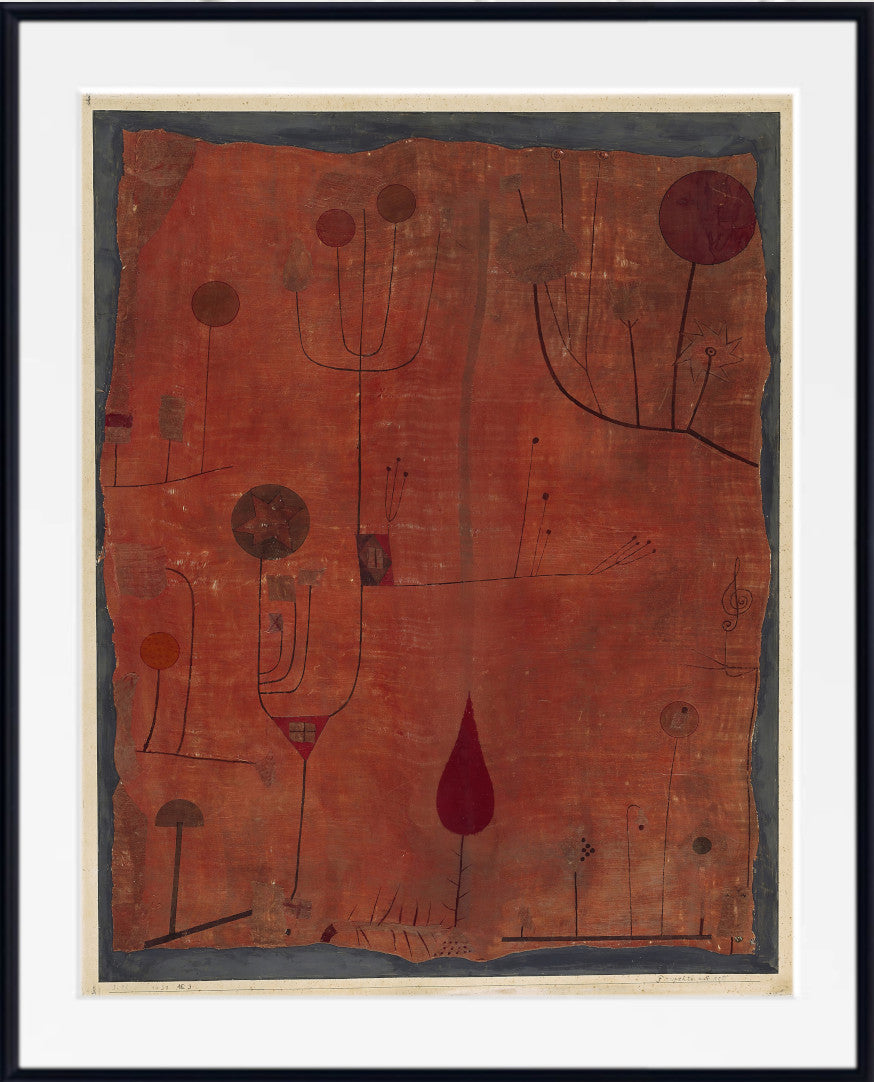
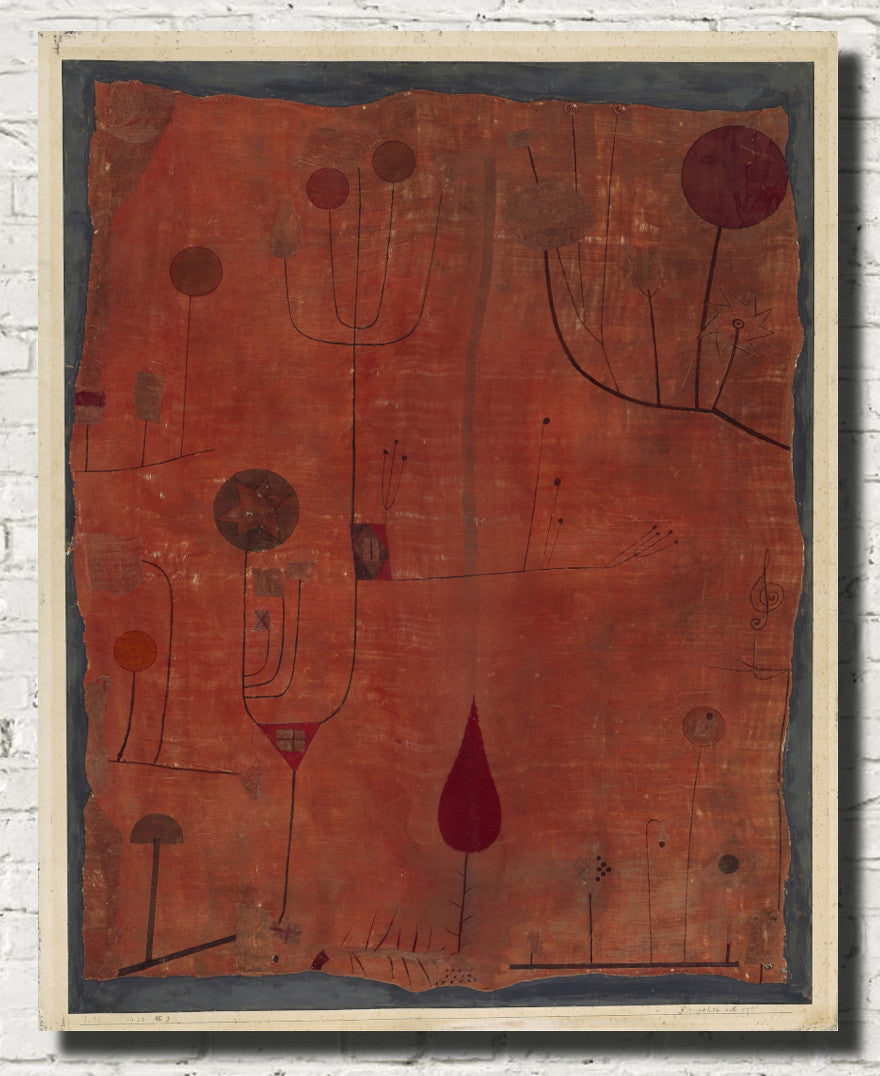
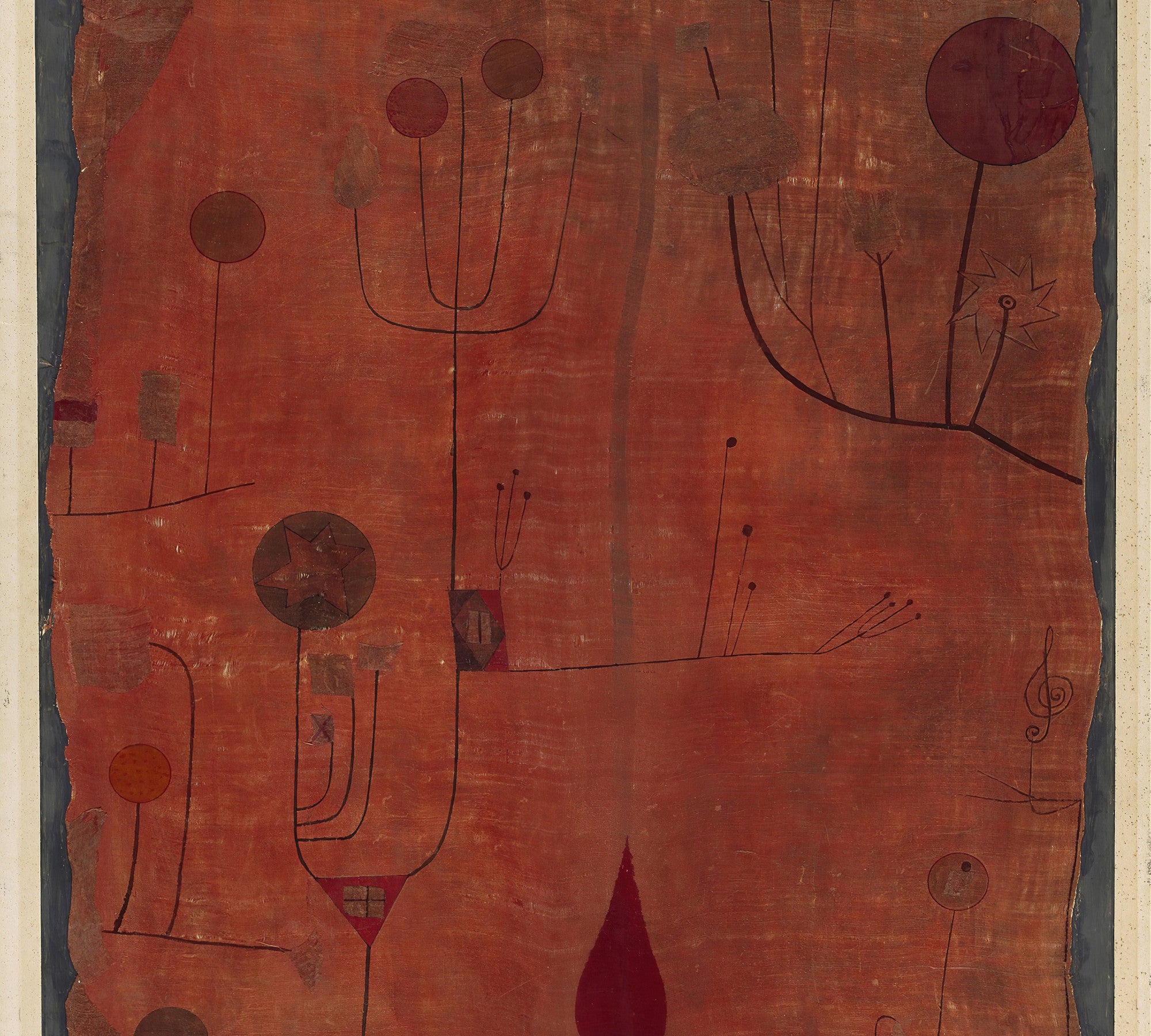
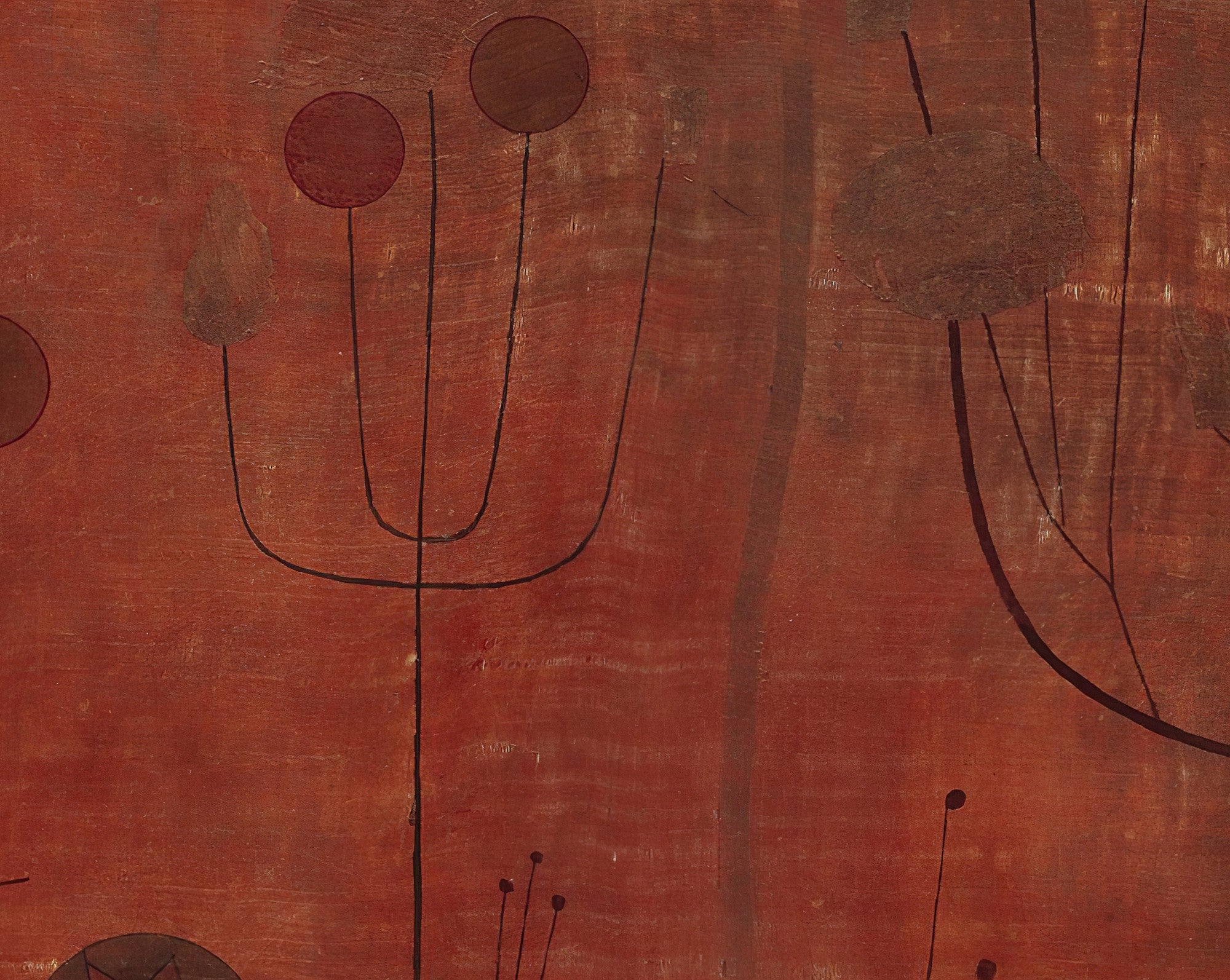
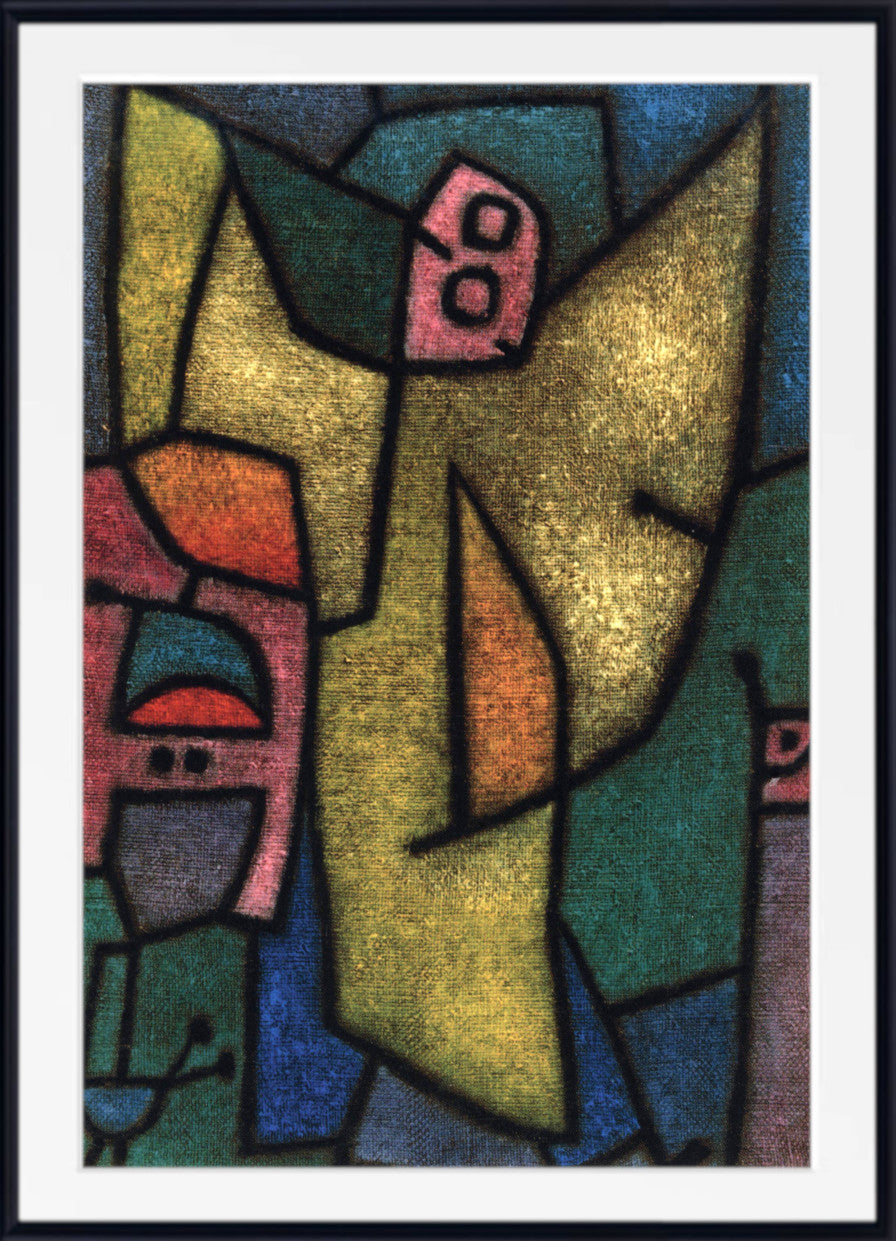
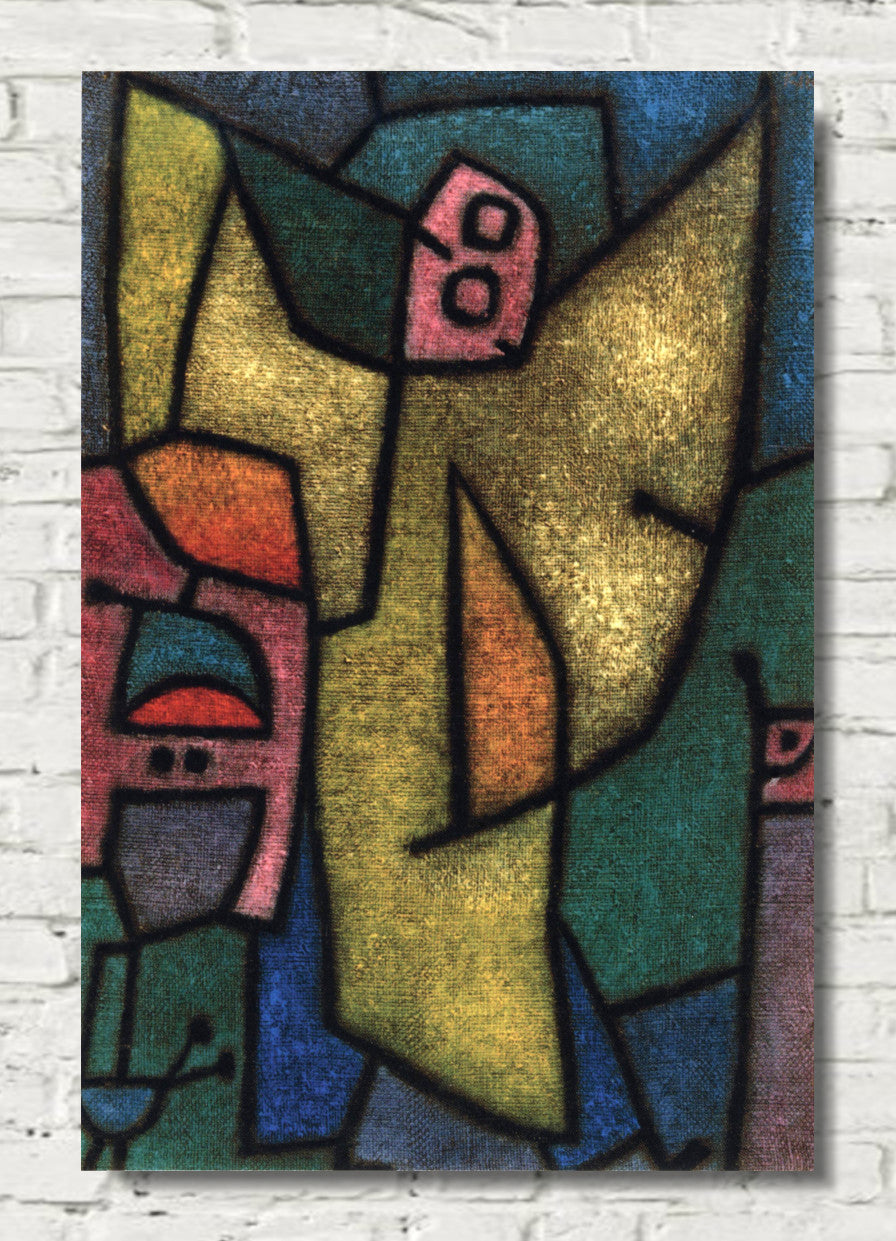
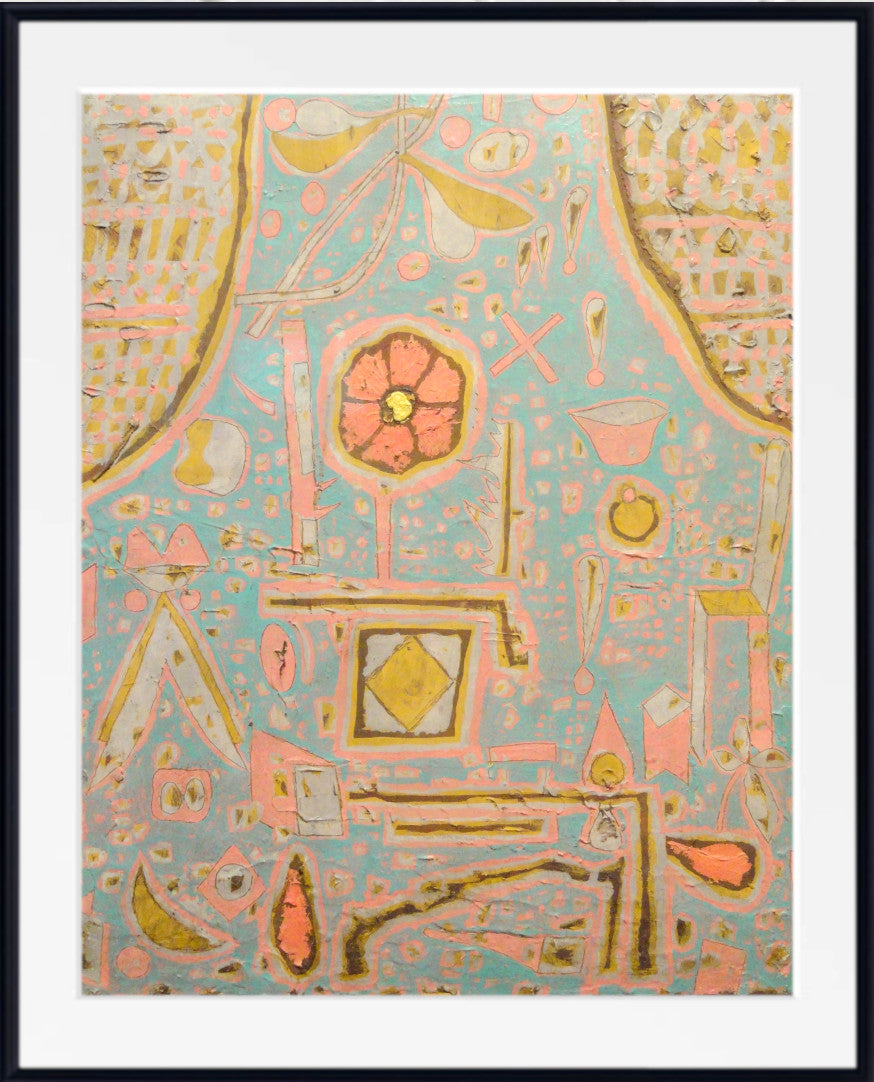
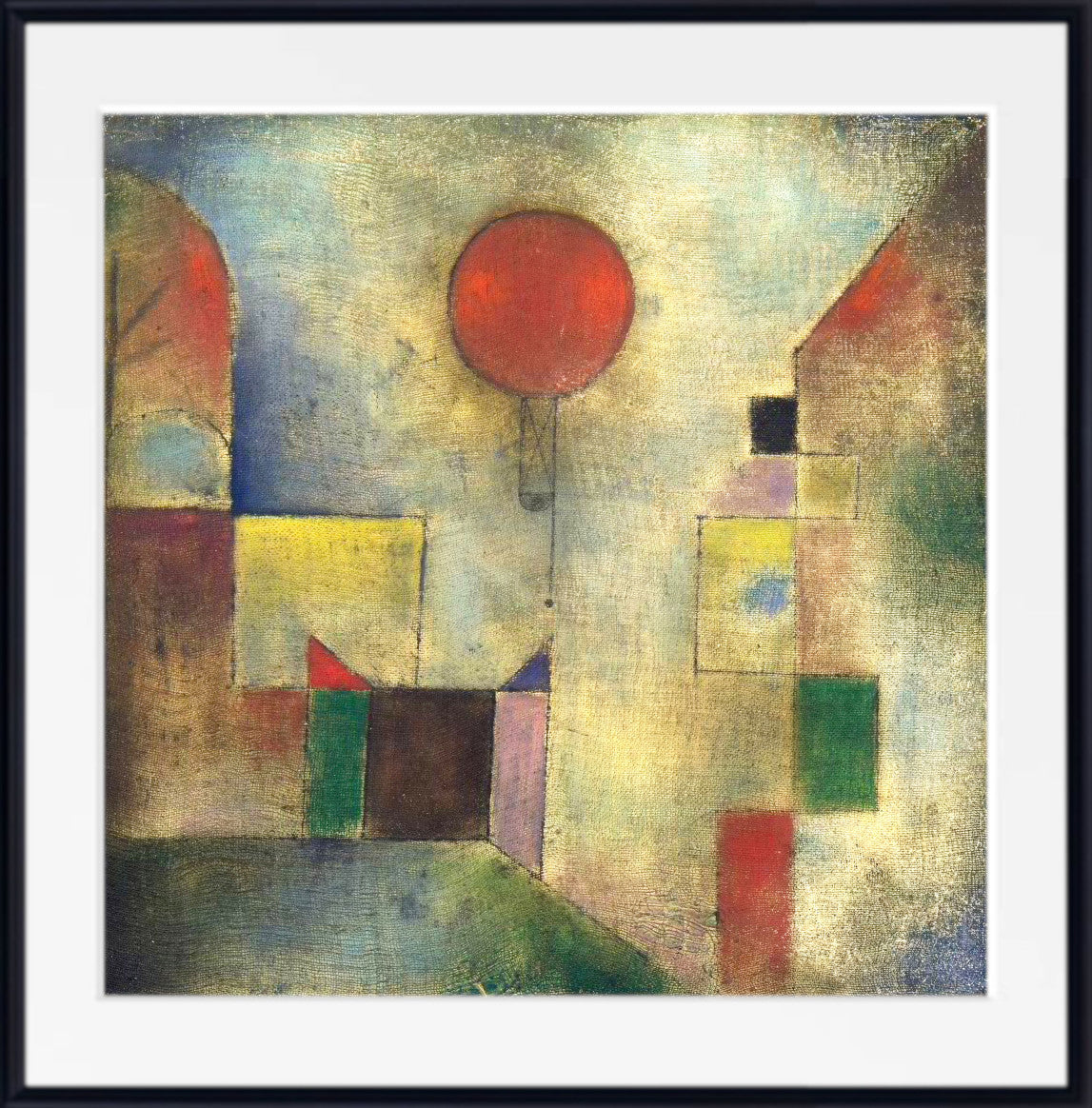
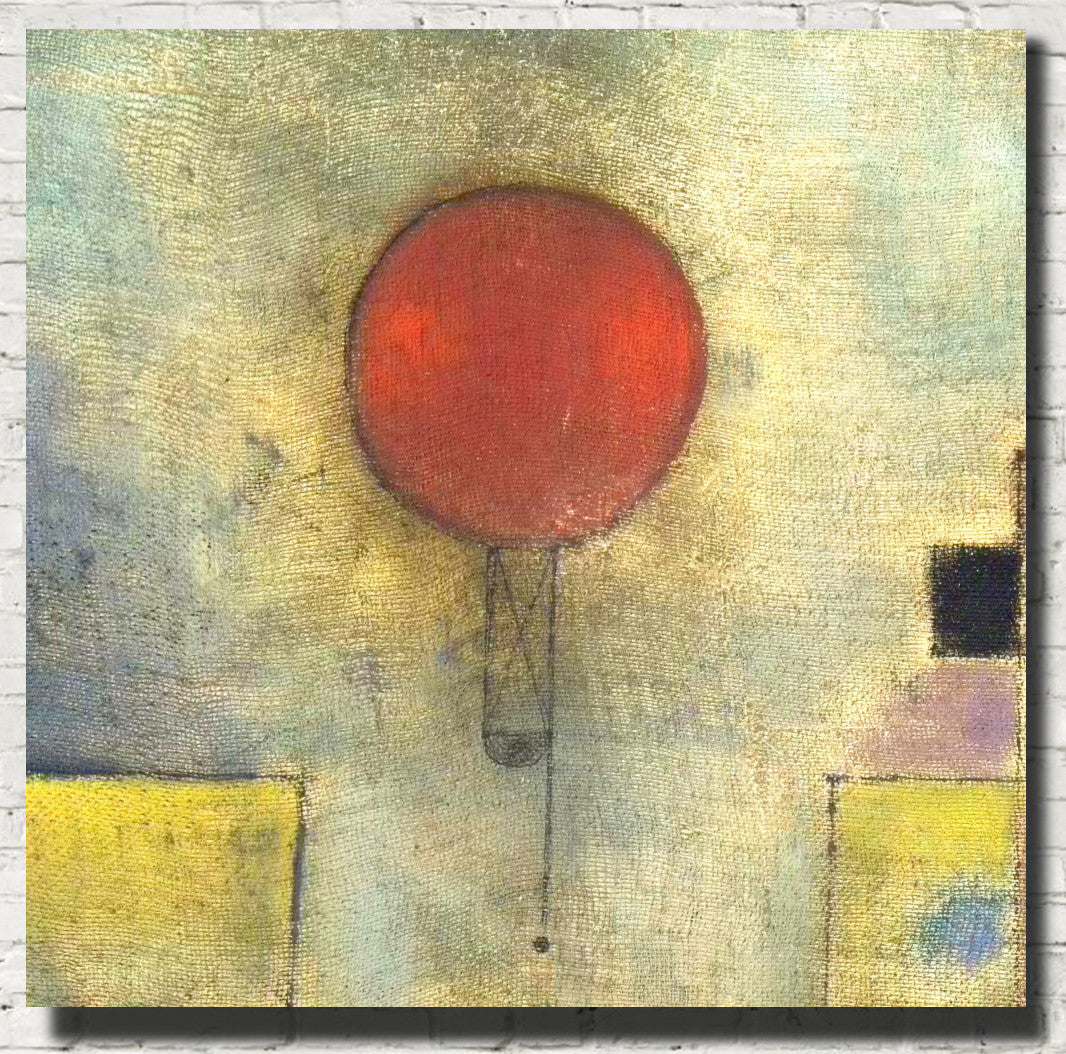
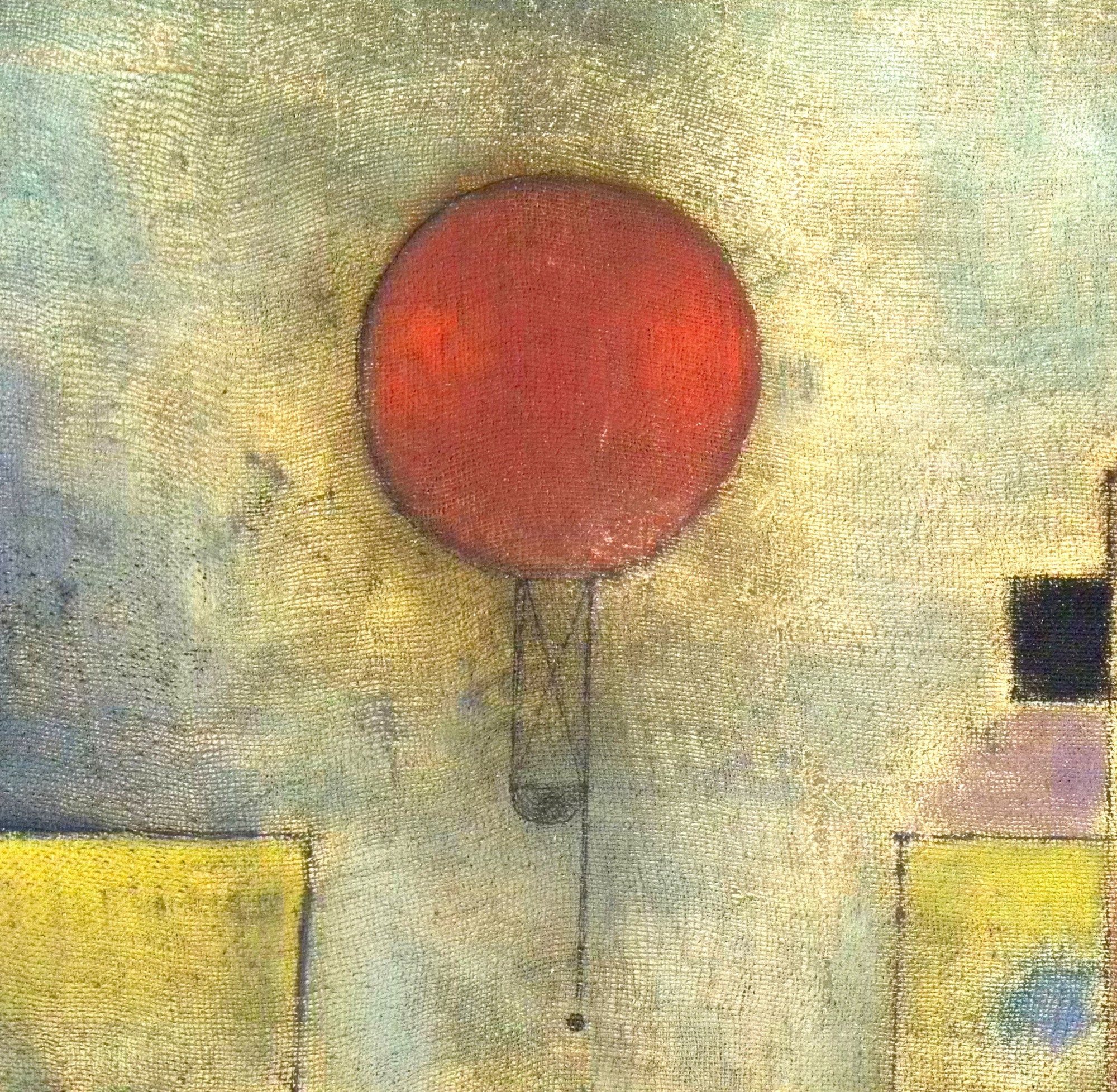
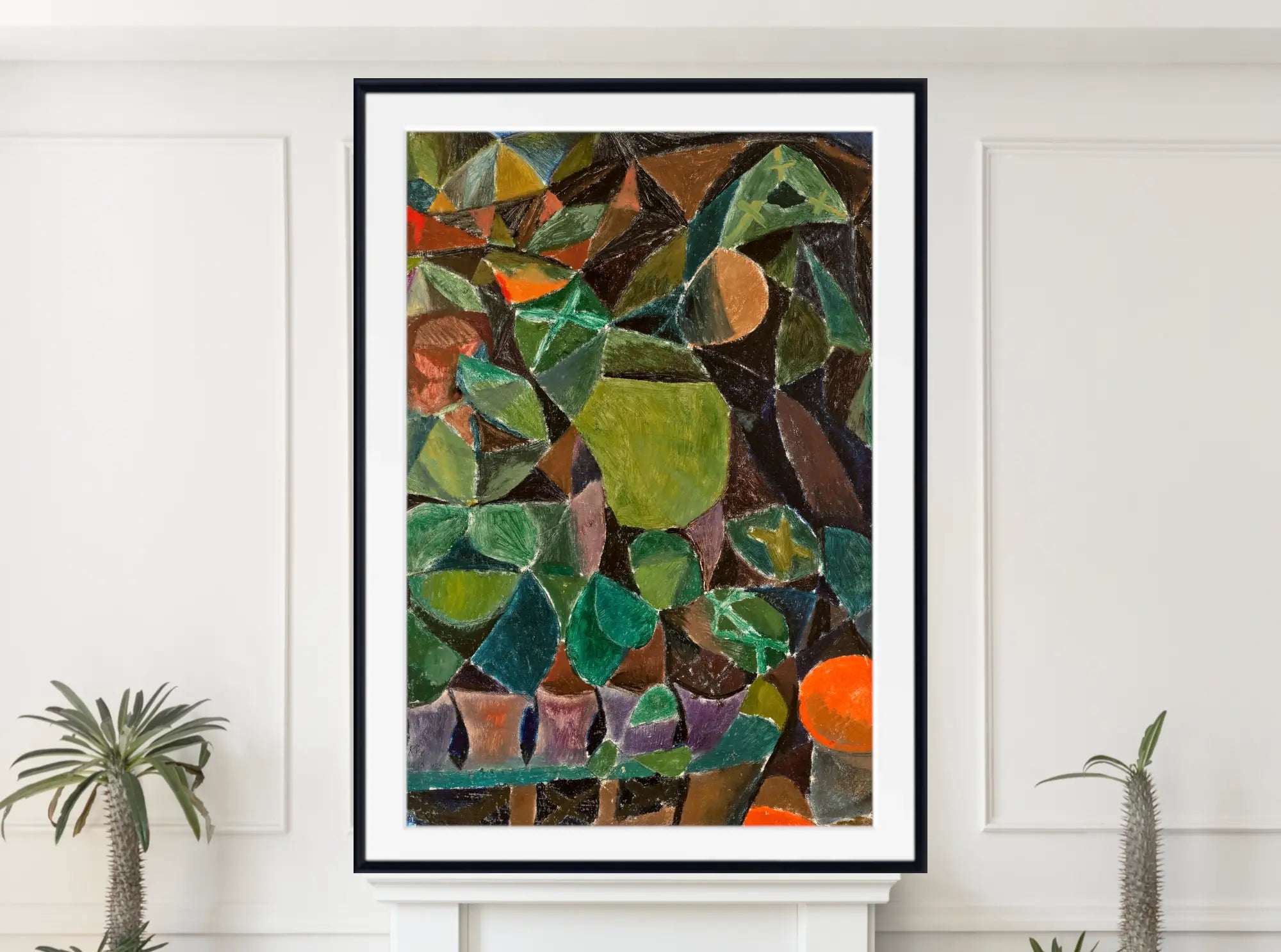
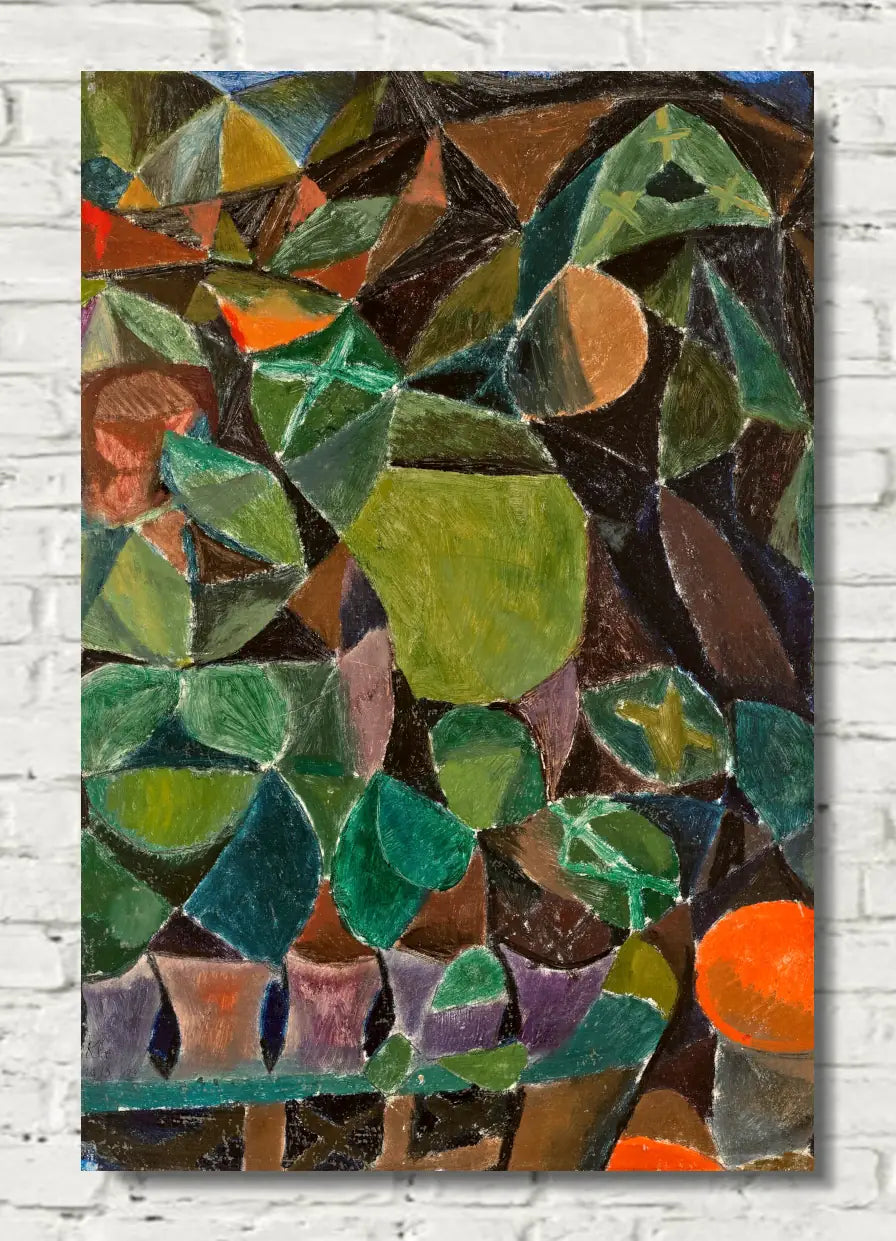
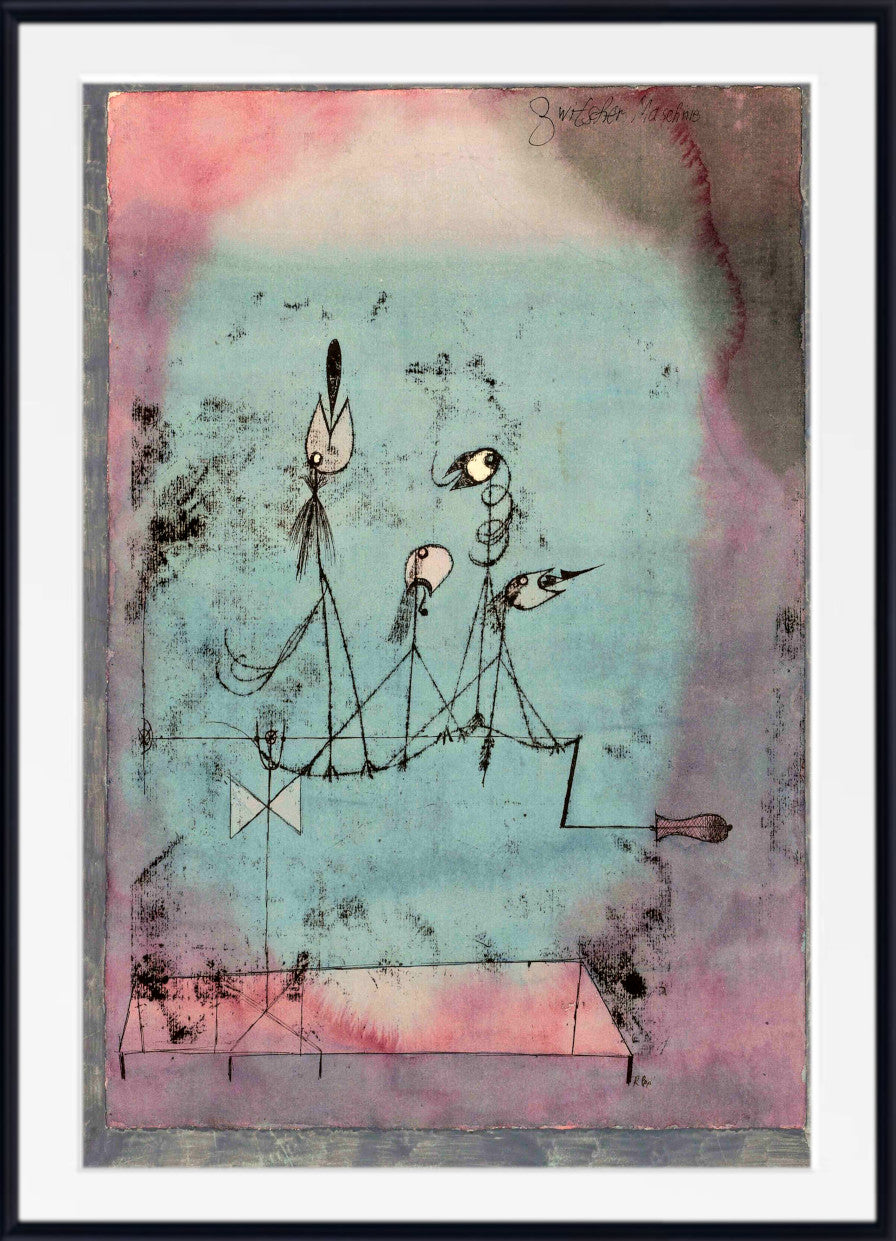
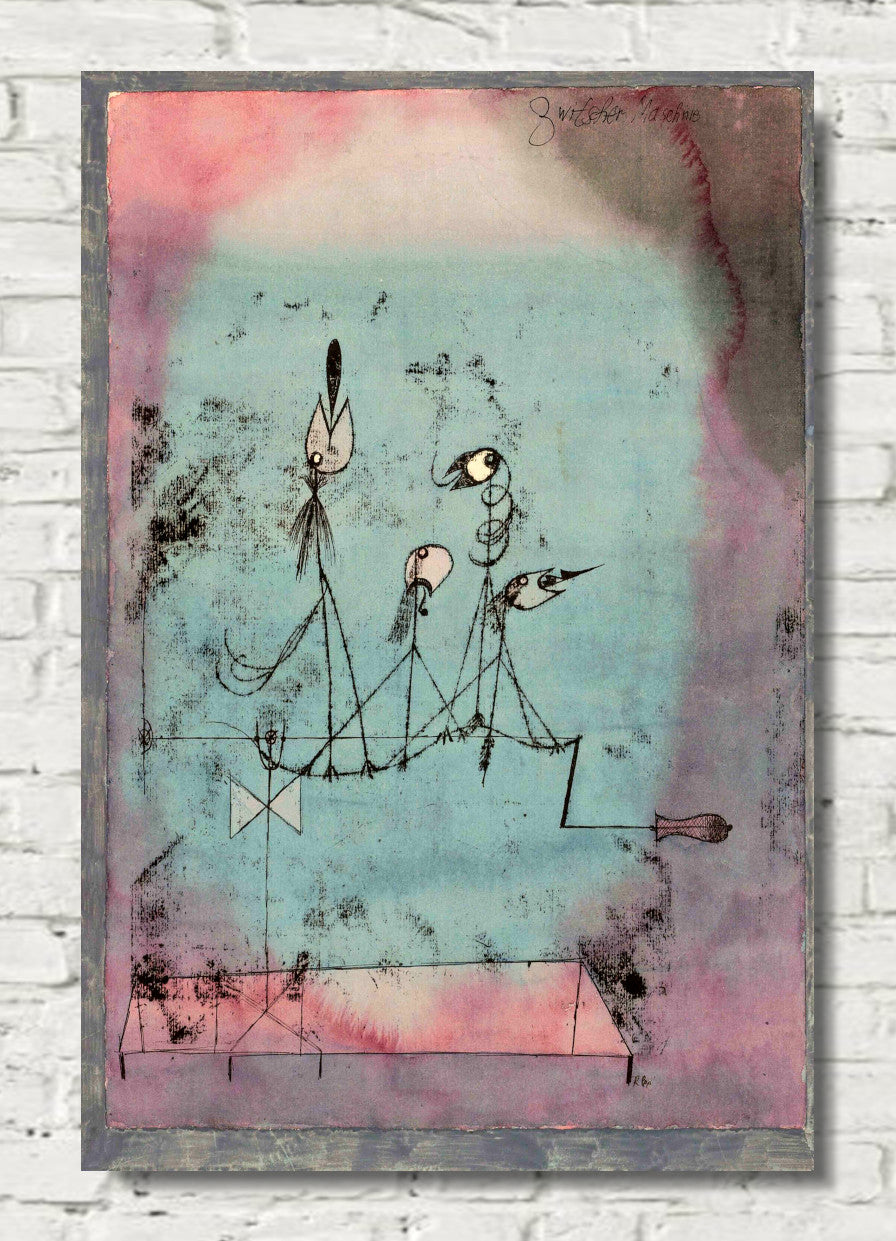
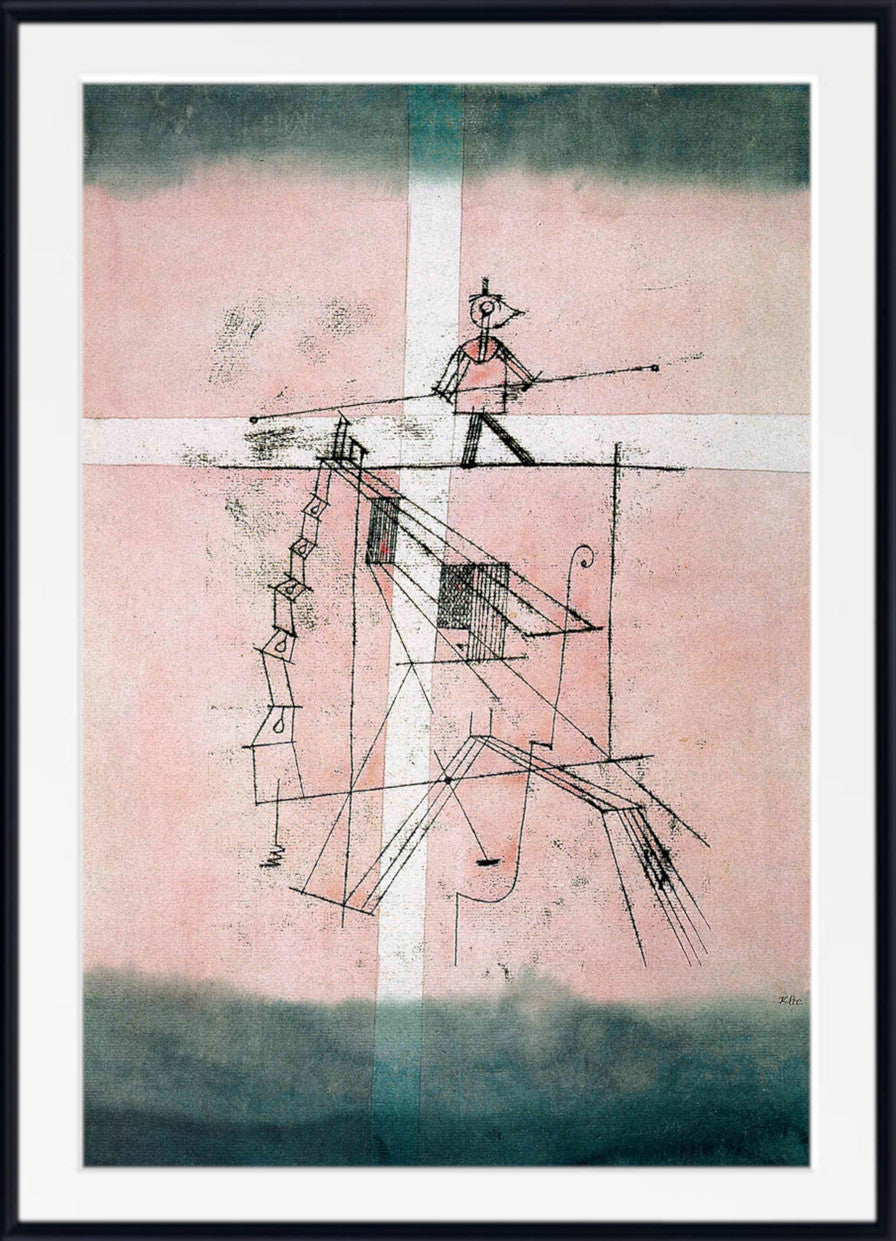
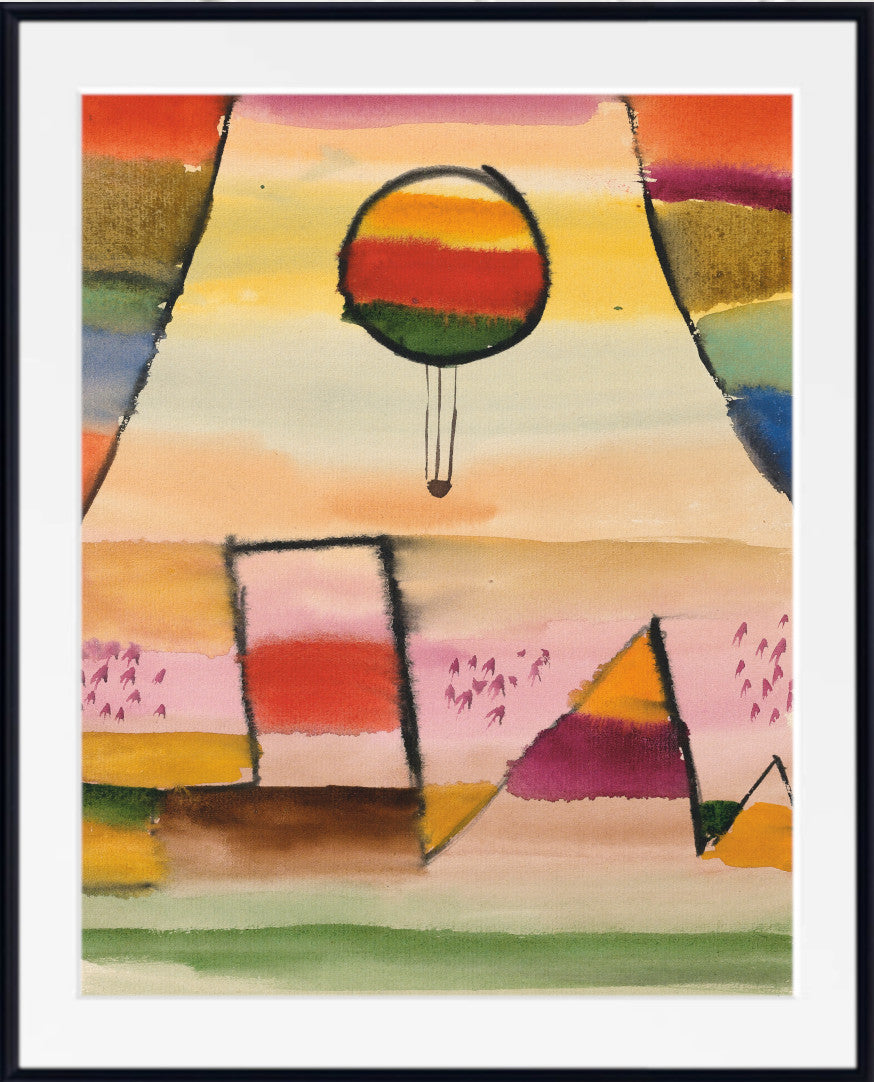
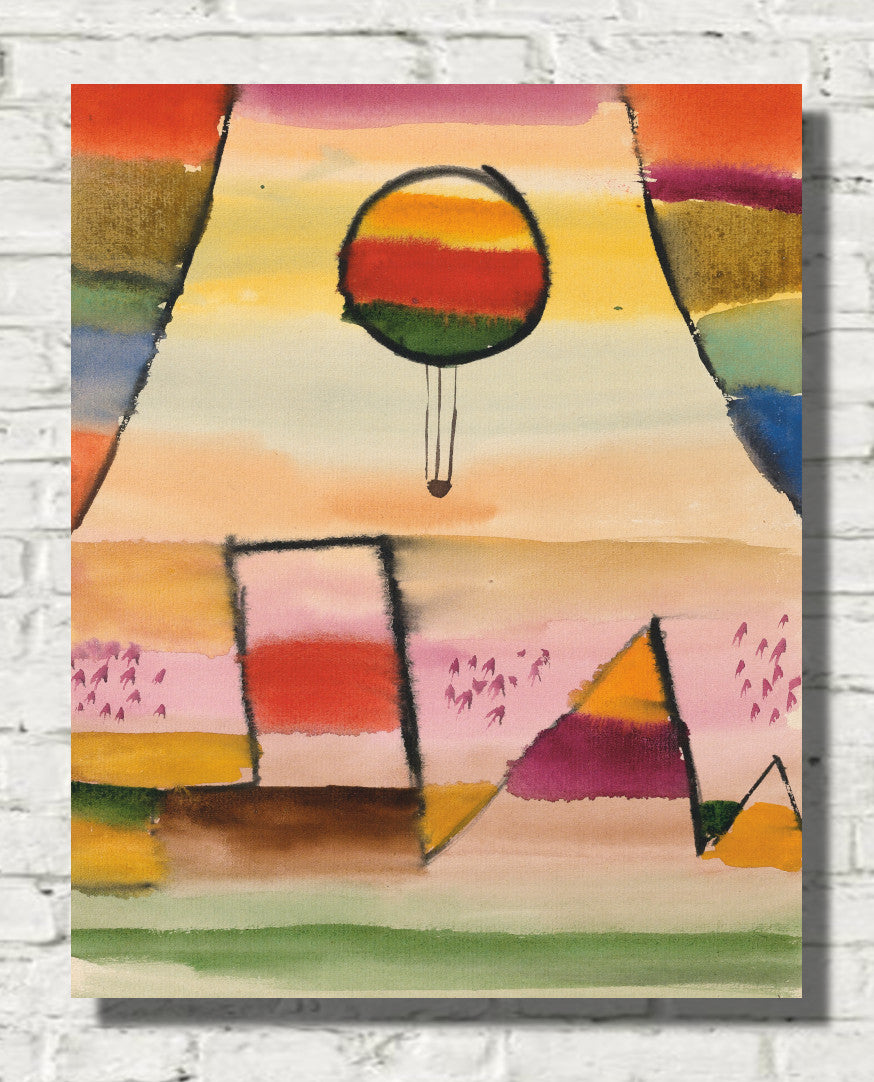
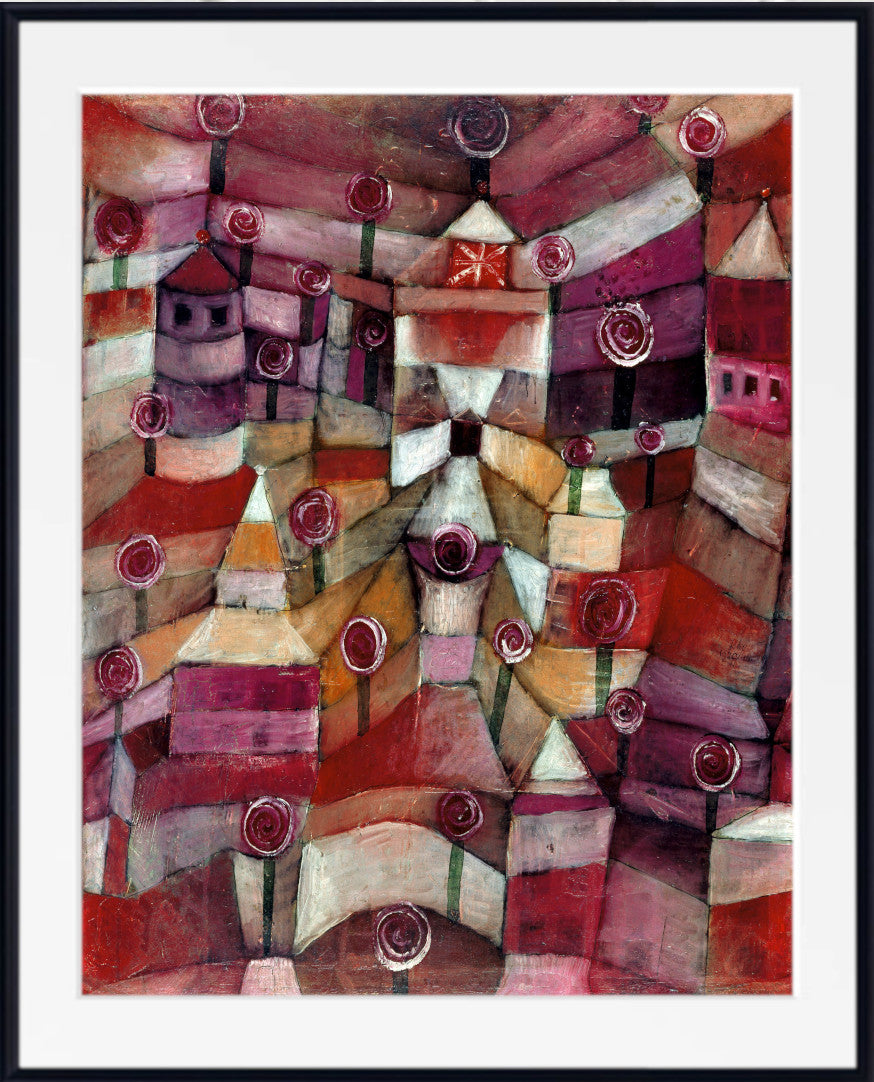
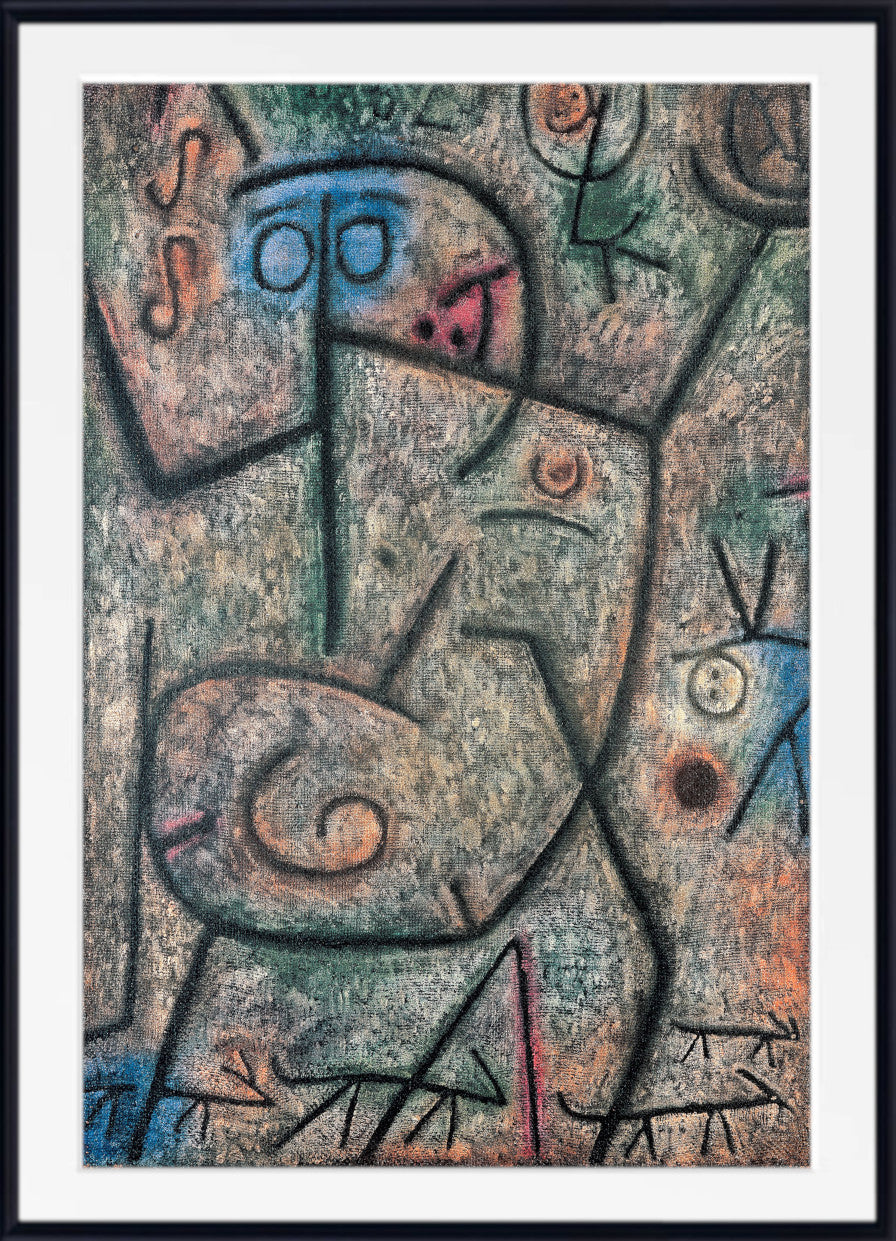
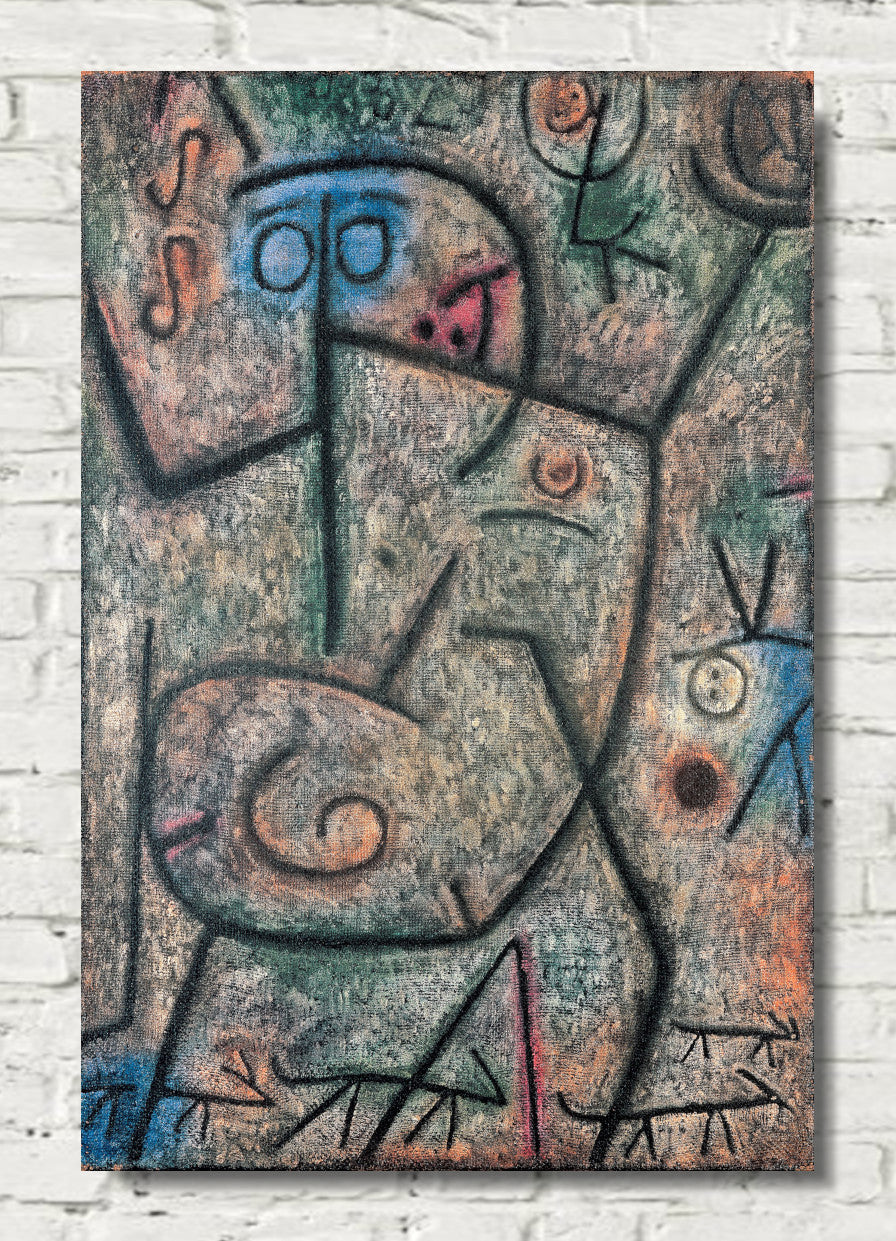
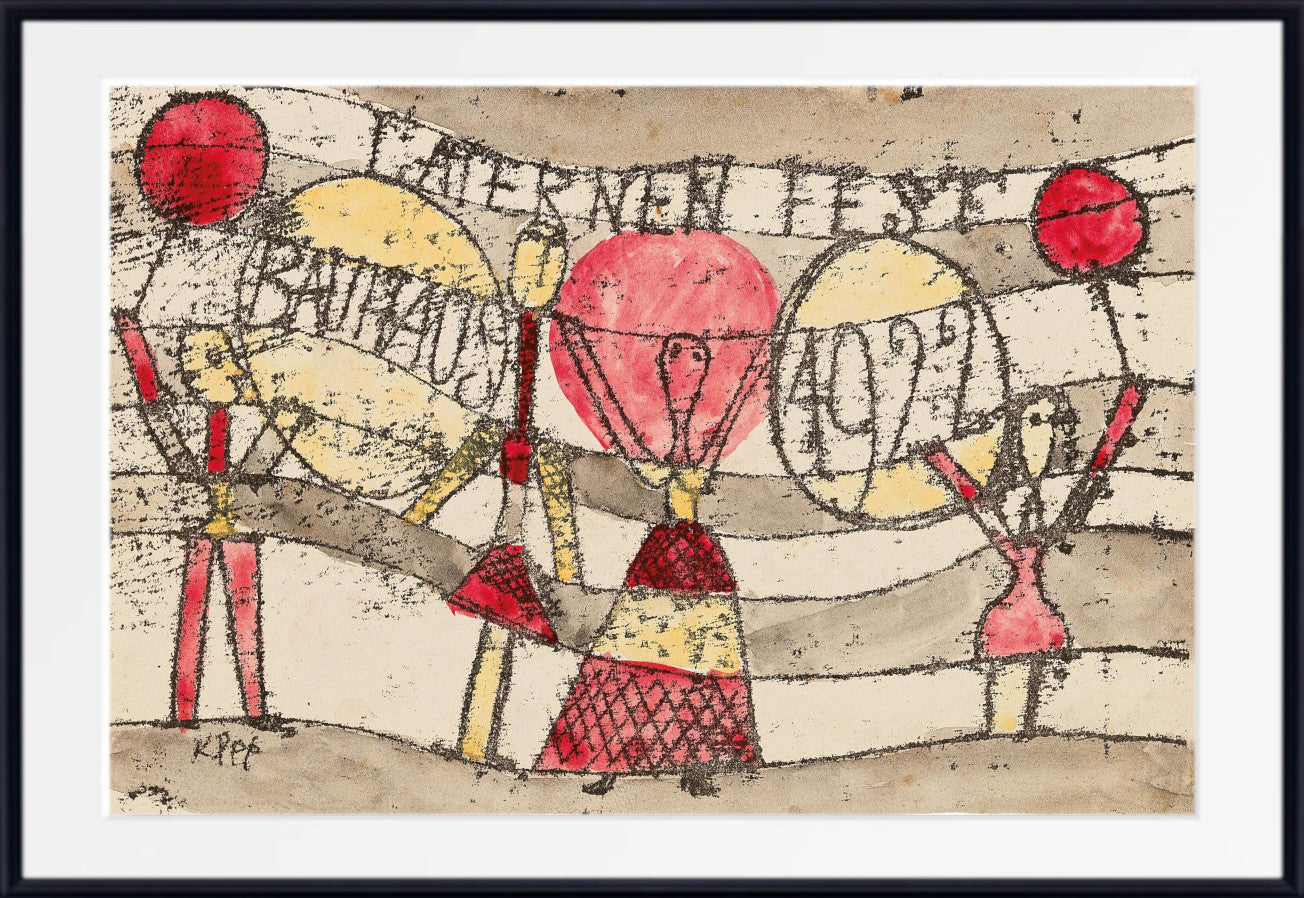
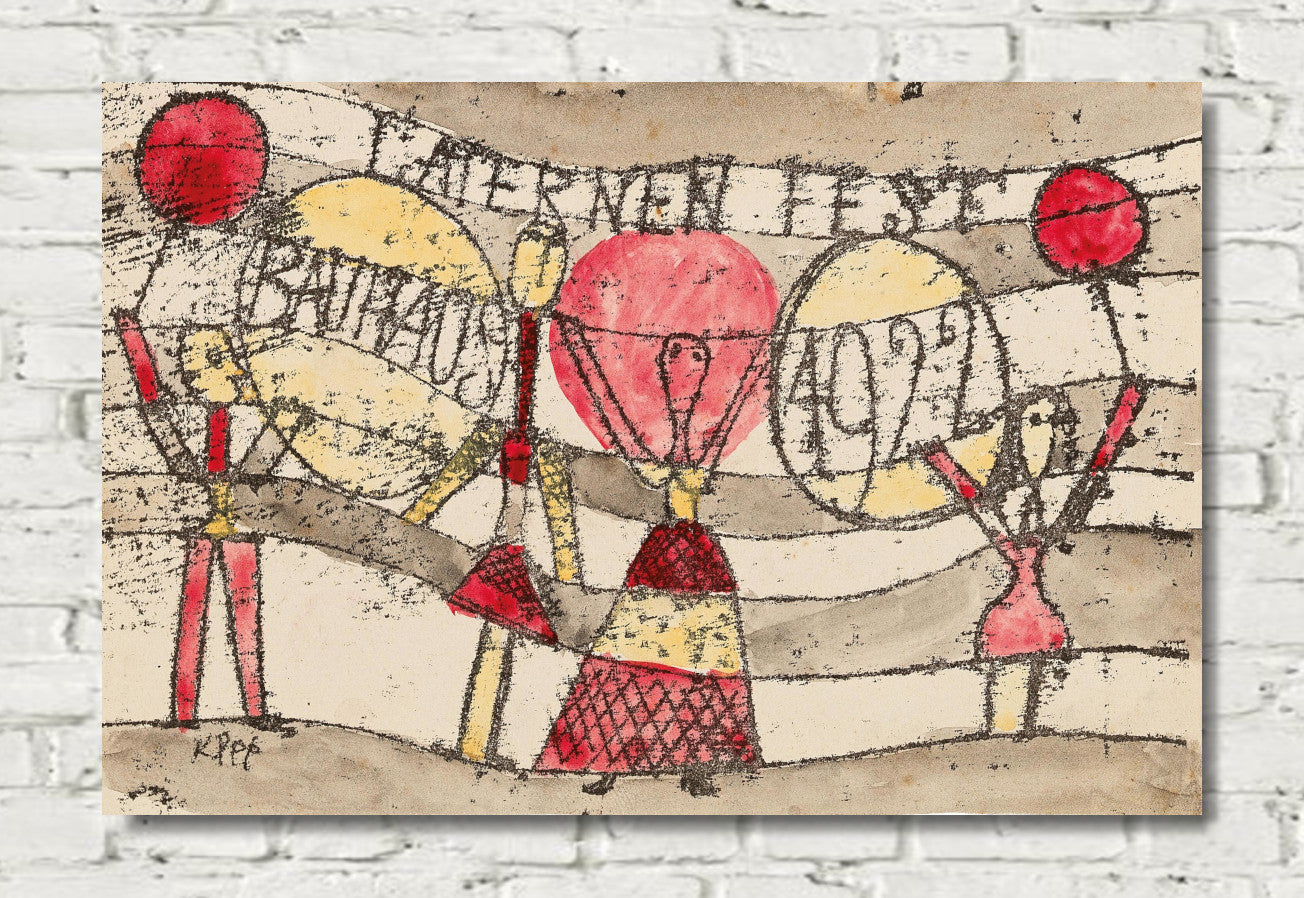
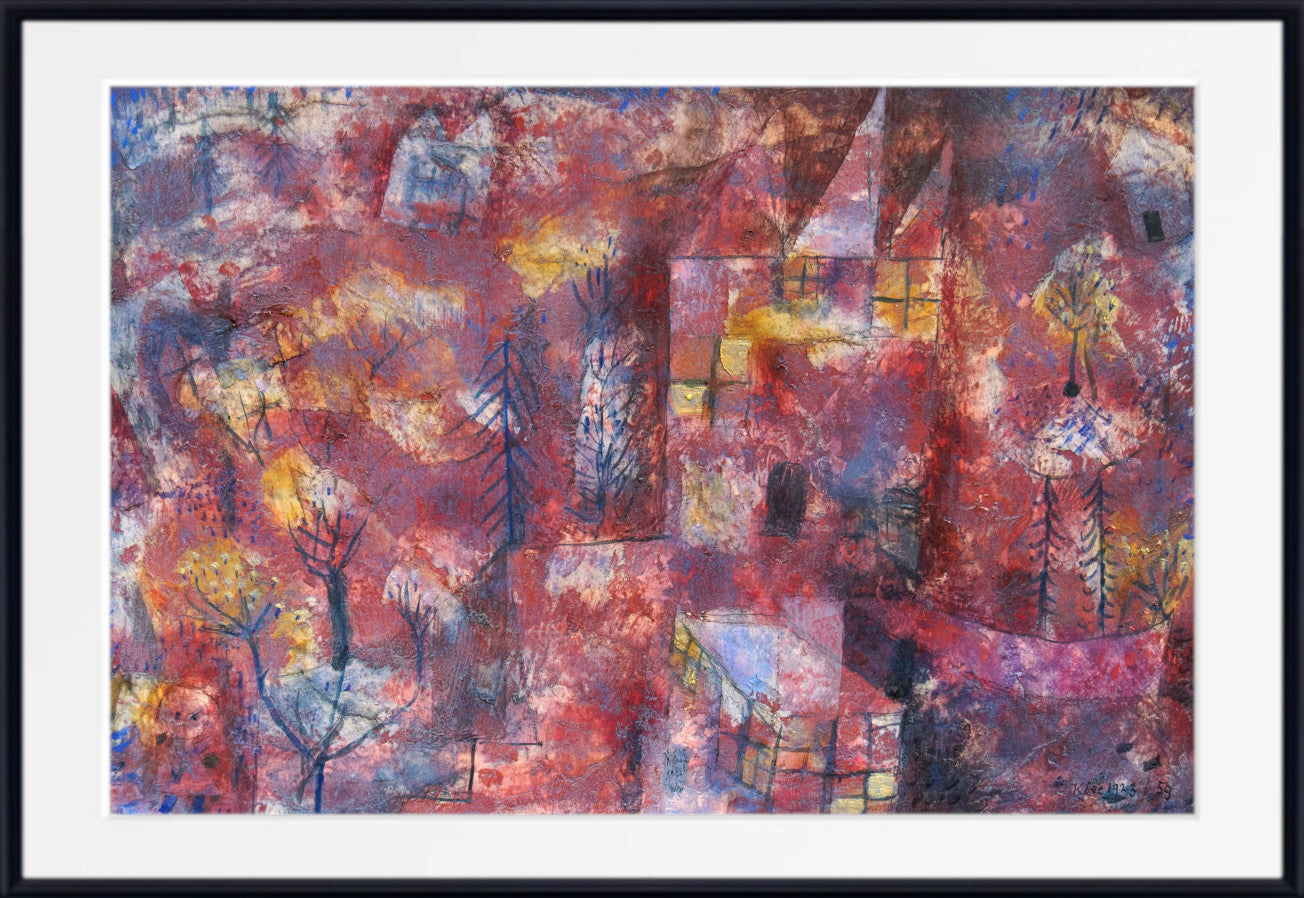
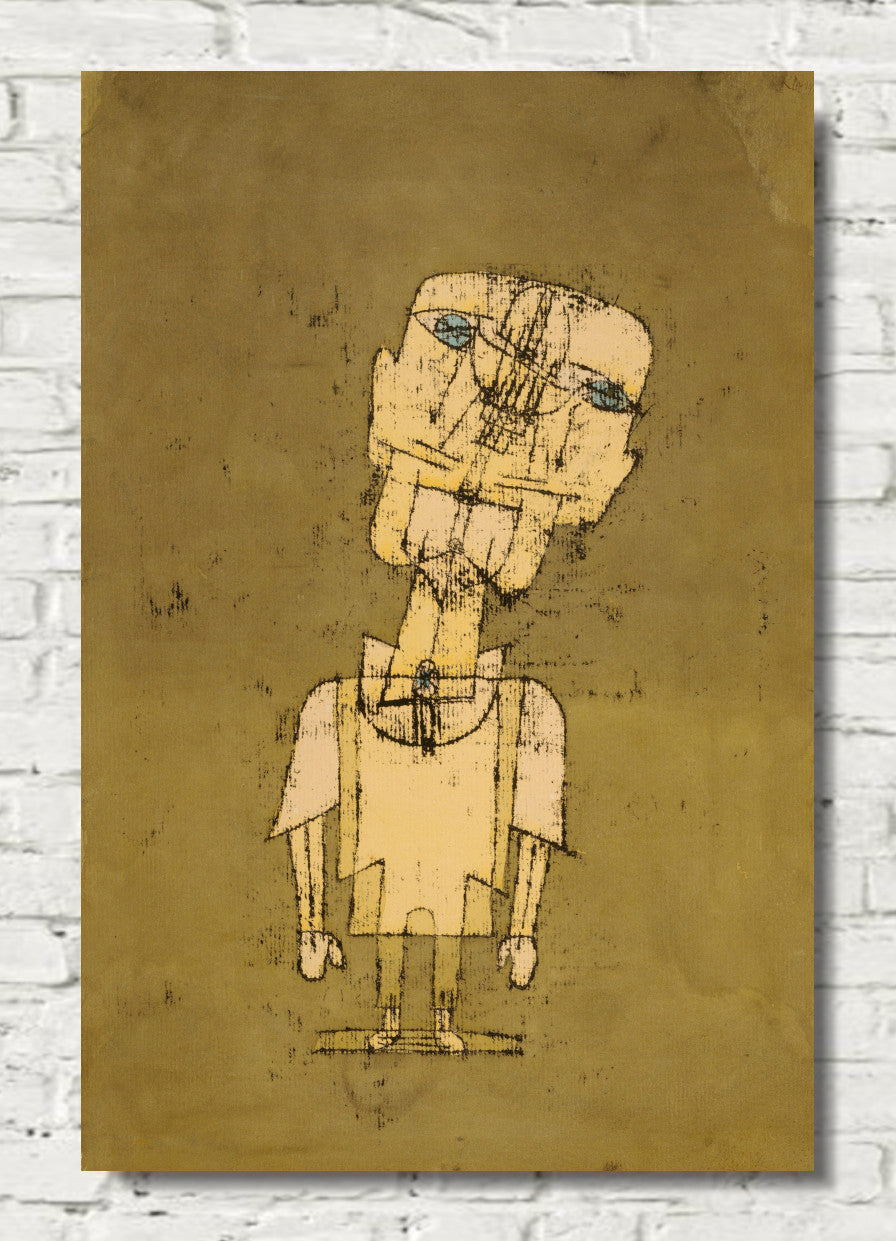
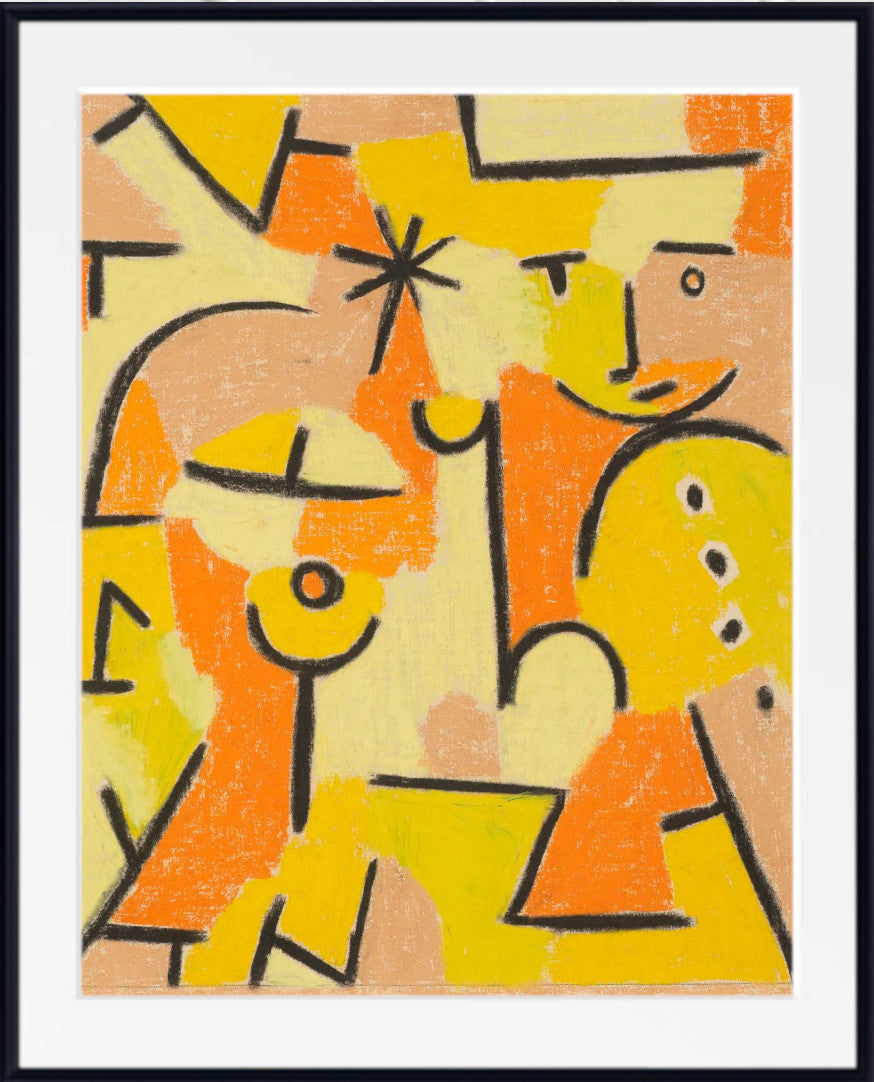
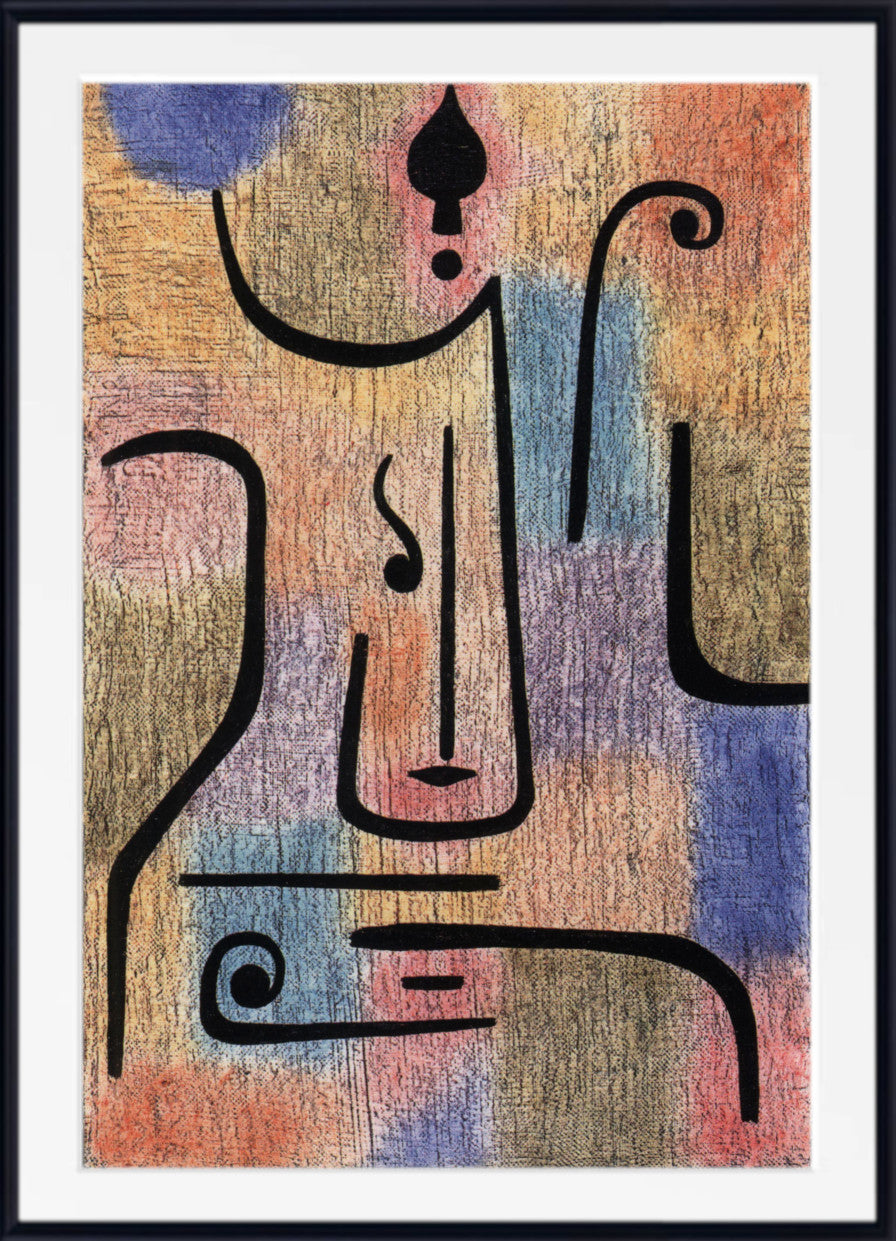
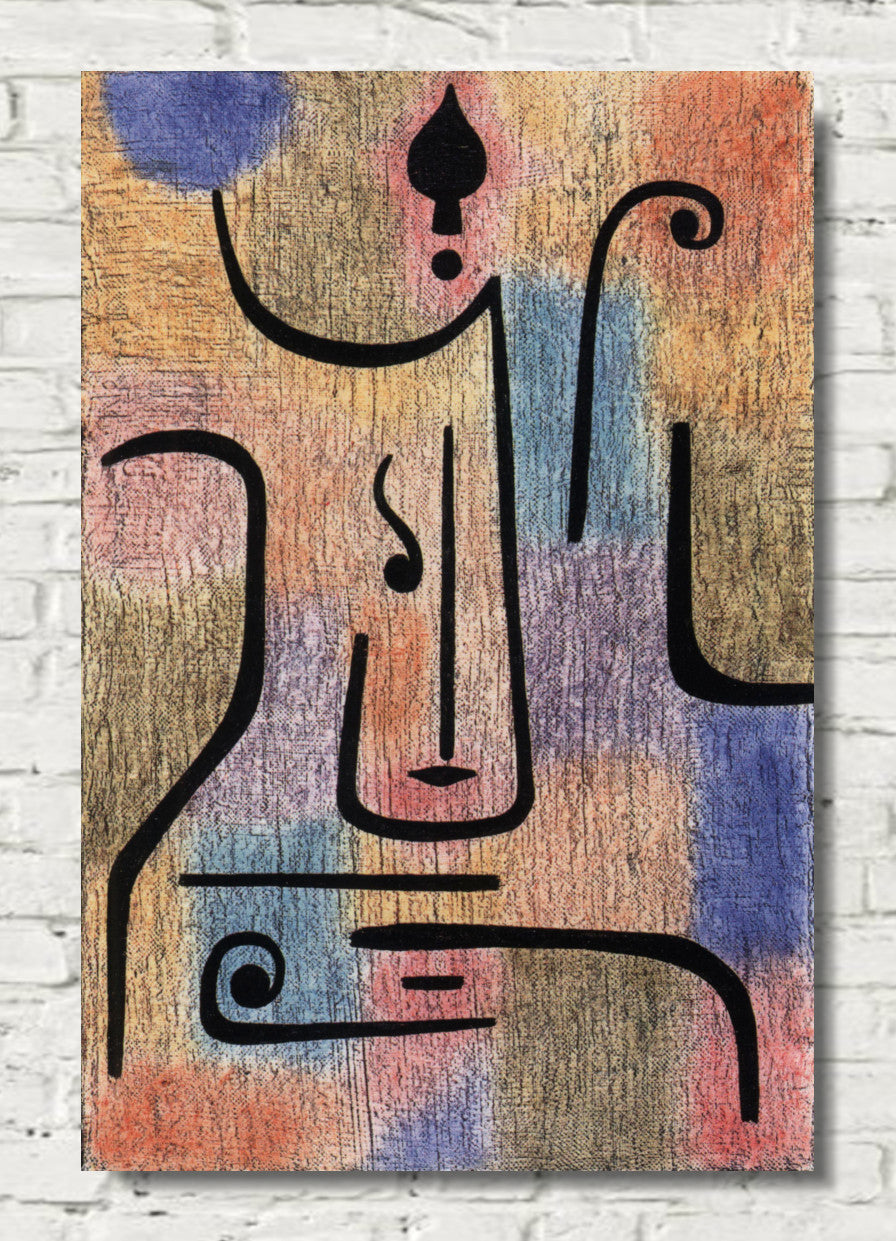
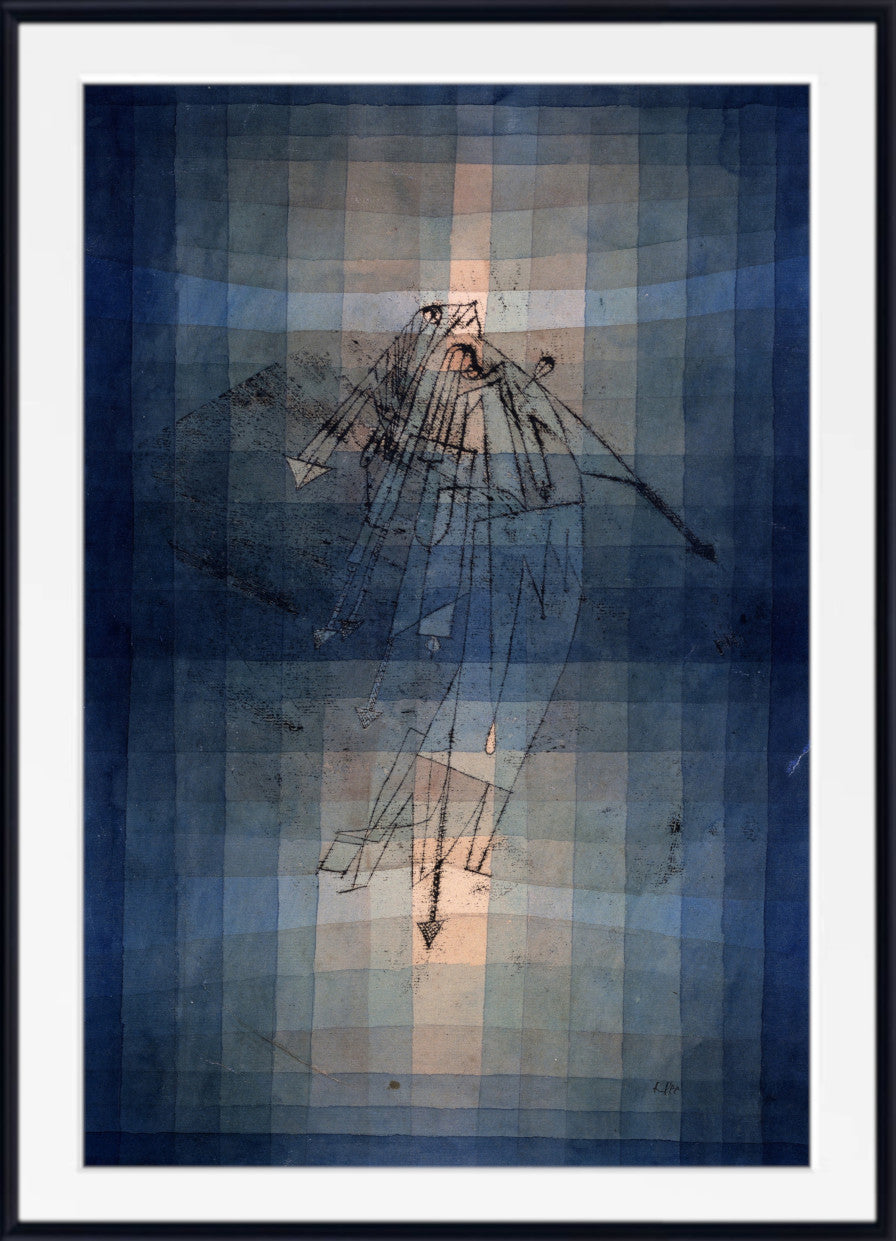
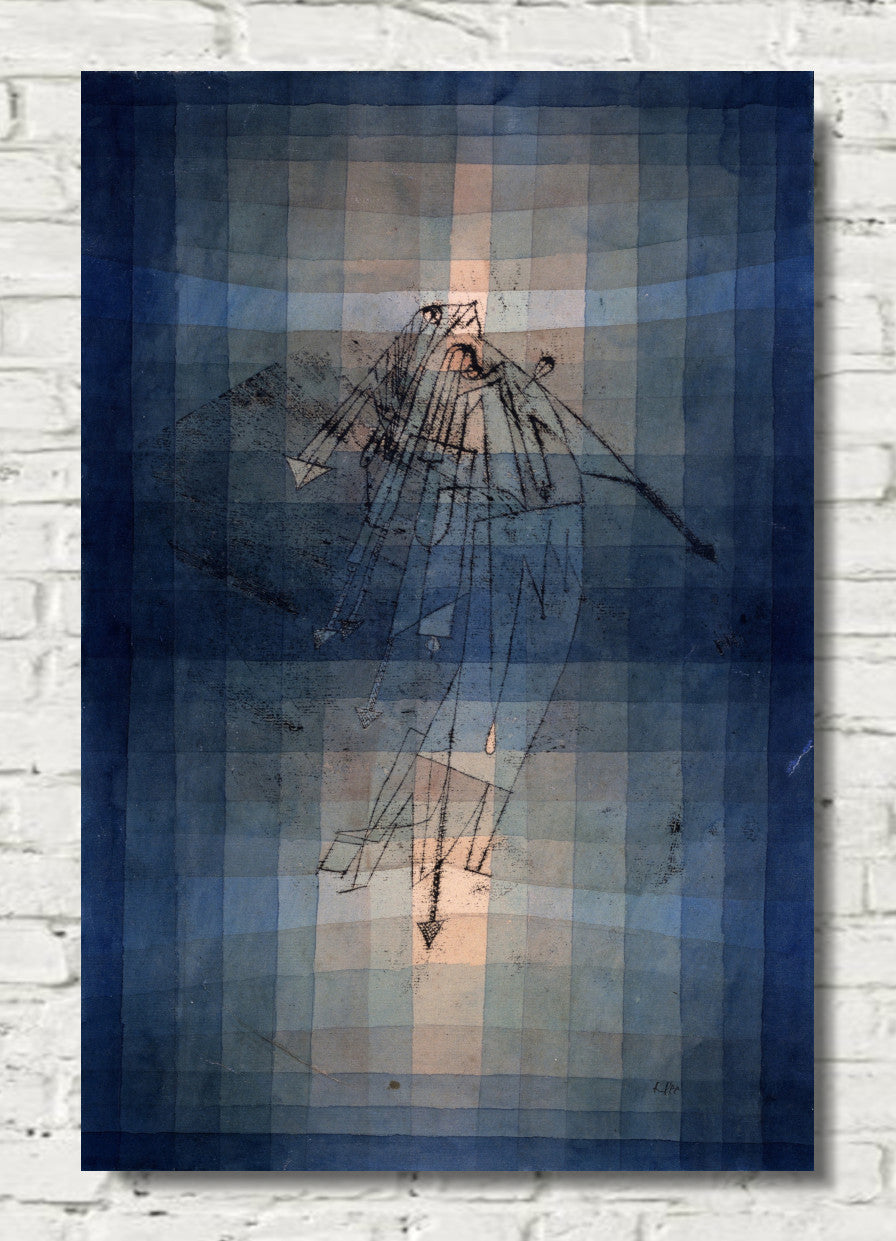
This collection brings together Paul Klee art prints spanning abstract compositions, imaginative figures, architectural scenes, gardens and poetic landscapes. Works such as Red Balloon, Fruits on Red, Twittering Machine and Astrological Fantasy demonstrate the variety within his art while retaining the wit, rhythm and delicacy that make his work immediately recognisable.
Paul Klee and Modern Art
Born in Switzerland in 1879, Klee trained and worked largely in Germany before returning to Switzerland during the 1930s. His art developed alongside several of the most influential movements of the early twentieth century, including Expressionism, Cubism and abstraction, although it never belonged completely to any single style.
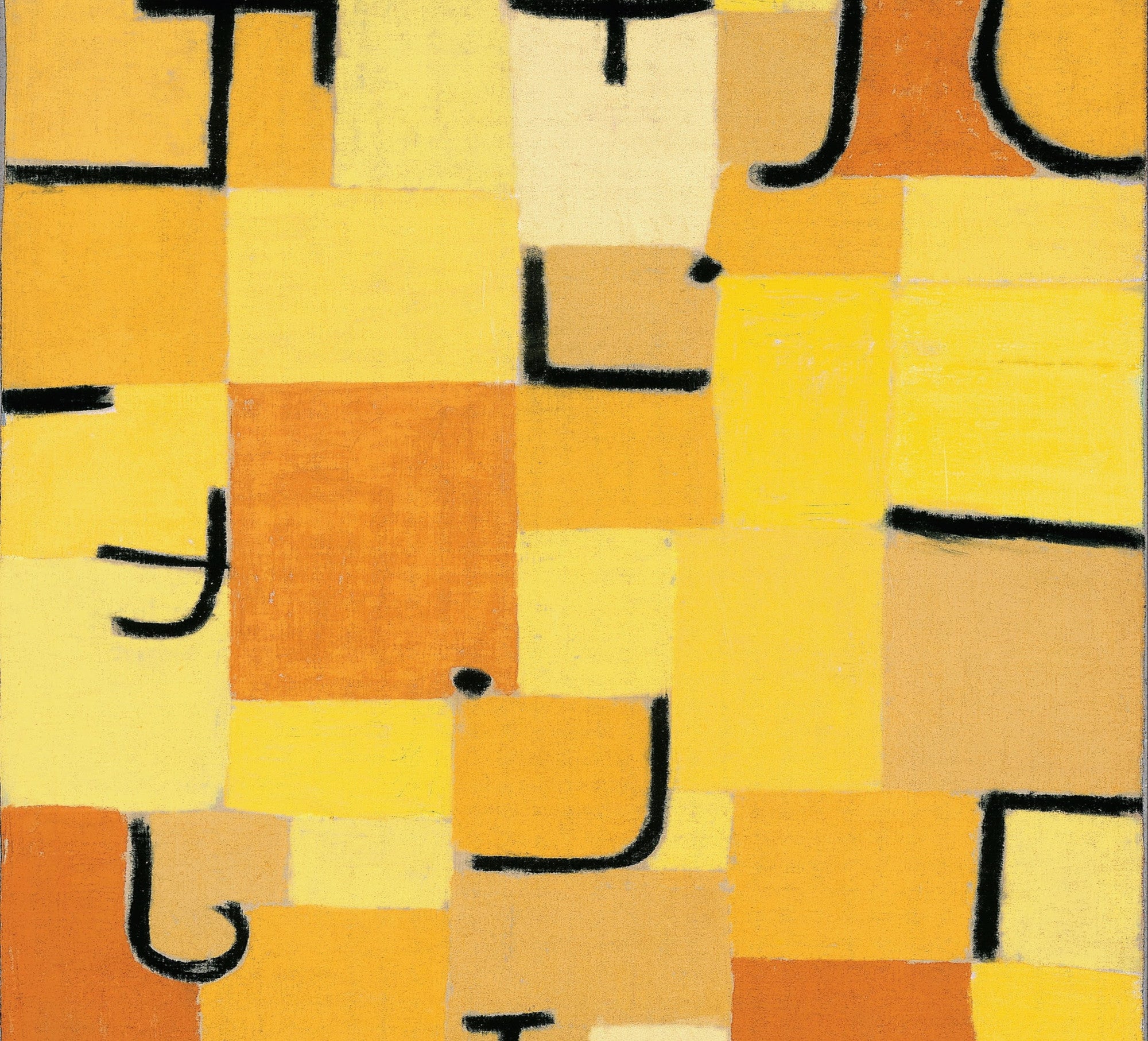
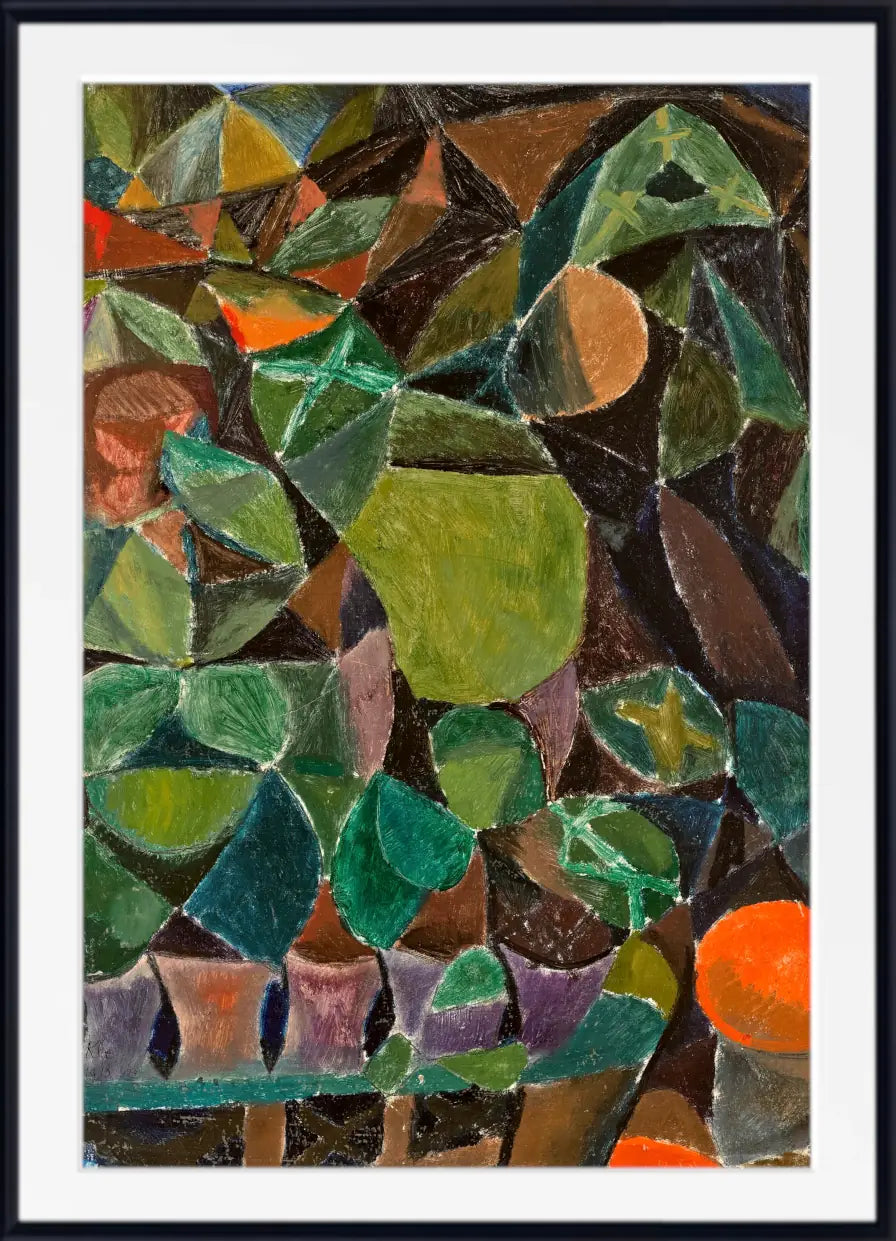
Klee was interested in how pictures grow from basic visual elements. Lines might become paths, plants or figures, while blocks of colour could suggest buildings, gardens or imaginary landscapes. Music was another important influence. The son of musicians and an accomplished violinist himself, Klee frequently approached colour, repetition and movement as if he were constructing a visual composition.
Explore GalleryThane’s wider Abstract Art Prints for more artwork built around colour, shape, rhythm and expressive form.
Paul Klee at the Bauhaus
Klee taught at the Bauhaus from 1921 until 1931. His teaching examined colour relationships, movement, structure and the process through which an image develops. These ideas became an important part of Bauhaus art education and helped shape later approaches to modern design and abstraction.
Unlike the harder-edged geometry often associated with Bauhaus design, Klee’s work can appear intimate, humorous and poetic. Grids, architectural forms and carefully balanced colours coexist with birds, plants, faces and invented symbols.
Browse the Bauhaus Prints collection for related work by Klee, Wassily Kandinsky, László Moholy-Nagy and Oskar Schlemmer.
Paul Klee and Der Blaue Reiter
Before the Bauhaus, Klee became connected with the progressive artistic circle surrounding Der Blaue Reiter in Munich. Encounters with artists including Wassily Kandinsky and Franz Marc encouraged his engagement with expressive colour and modern European art.
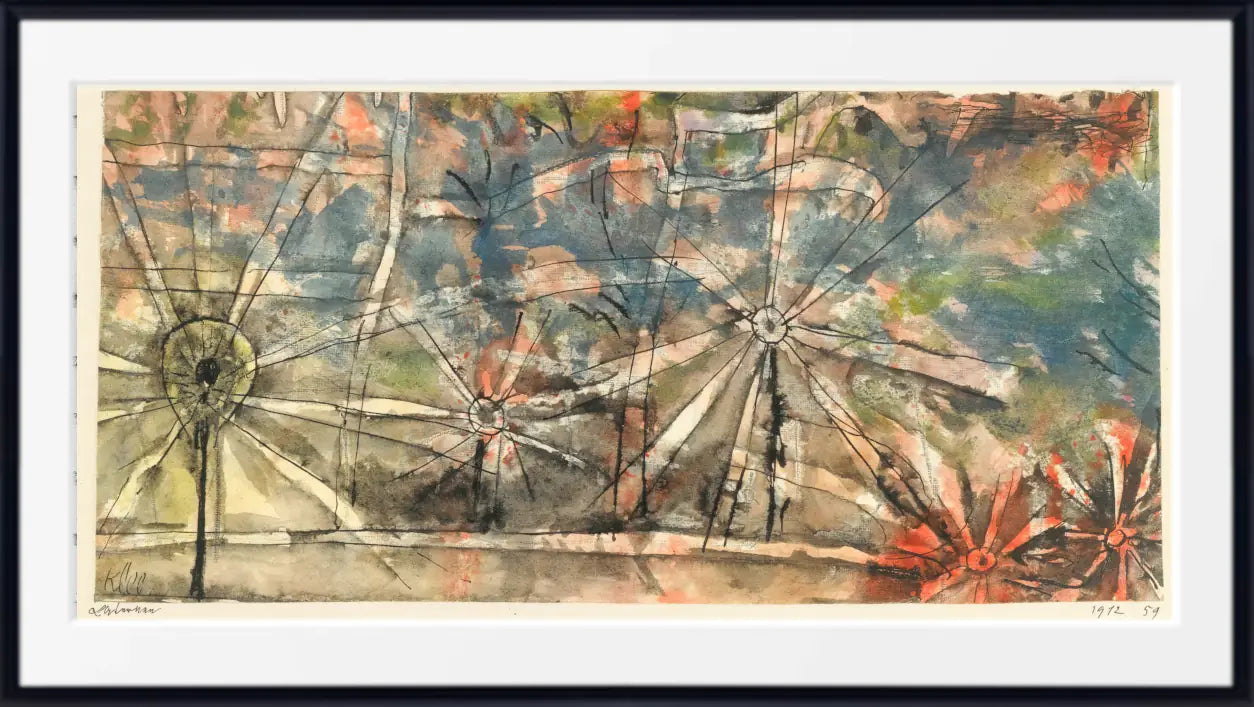
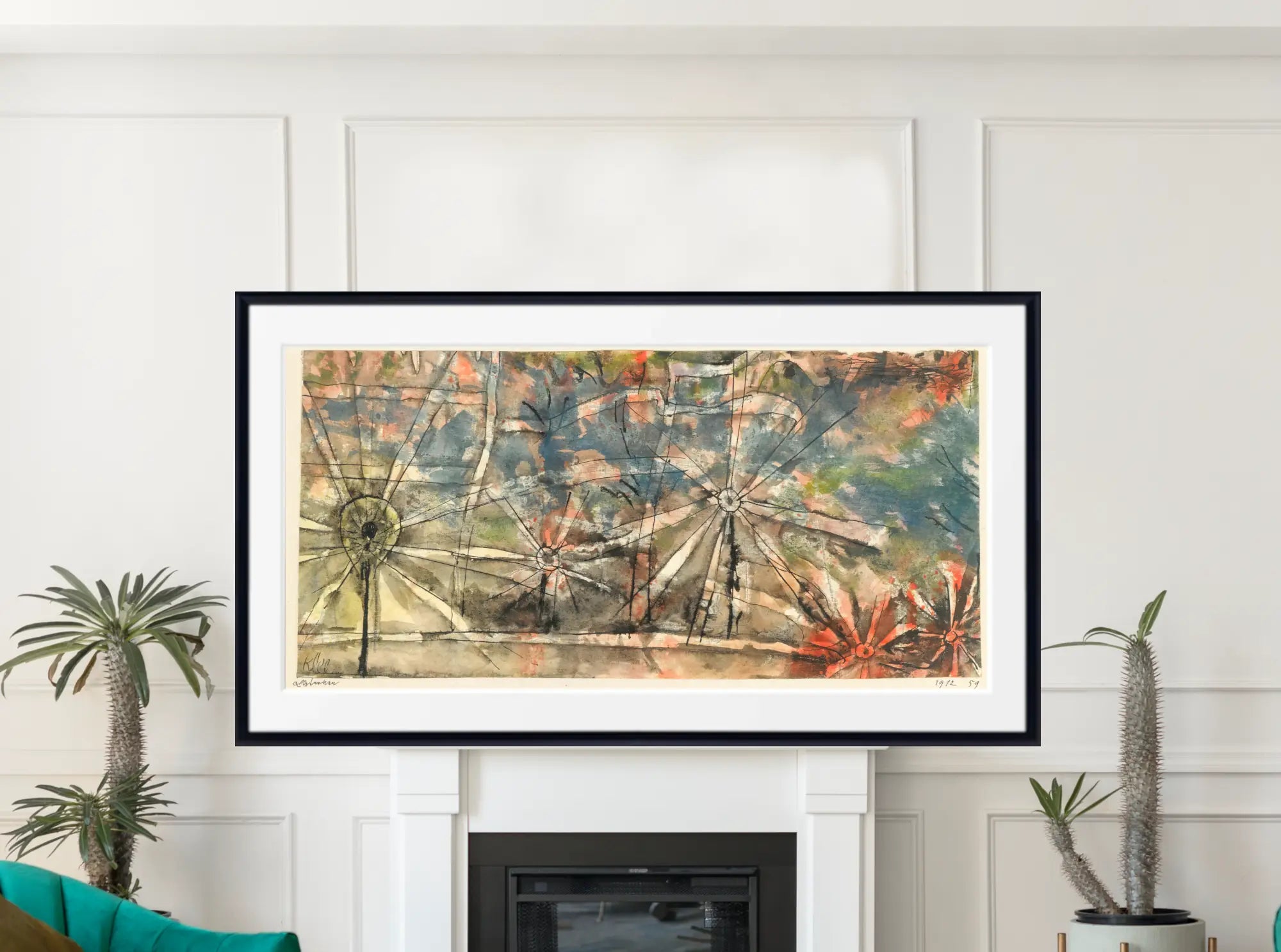
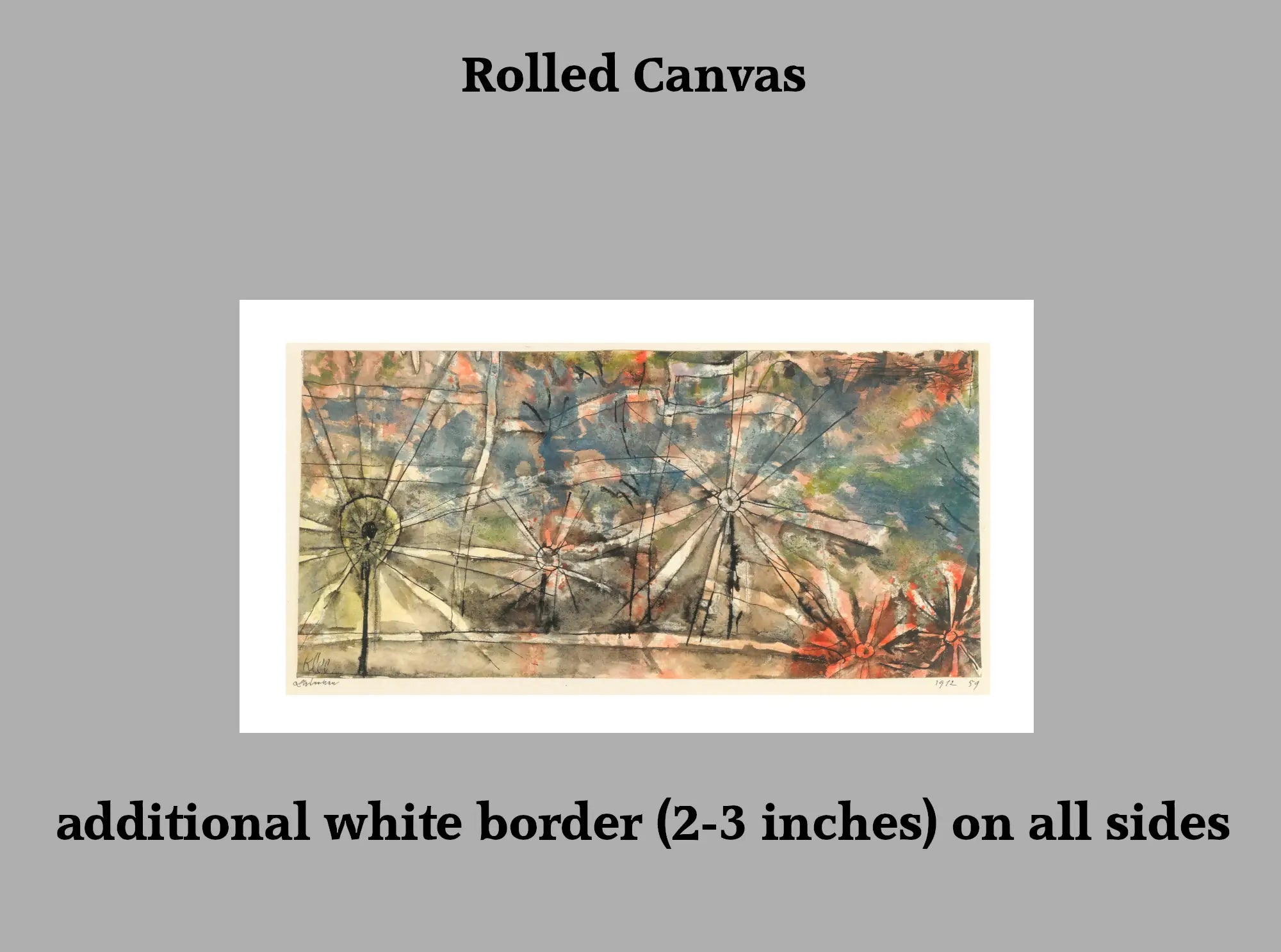
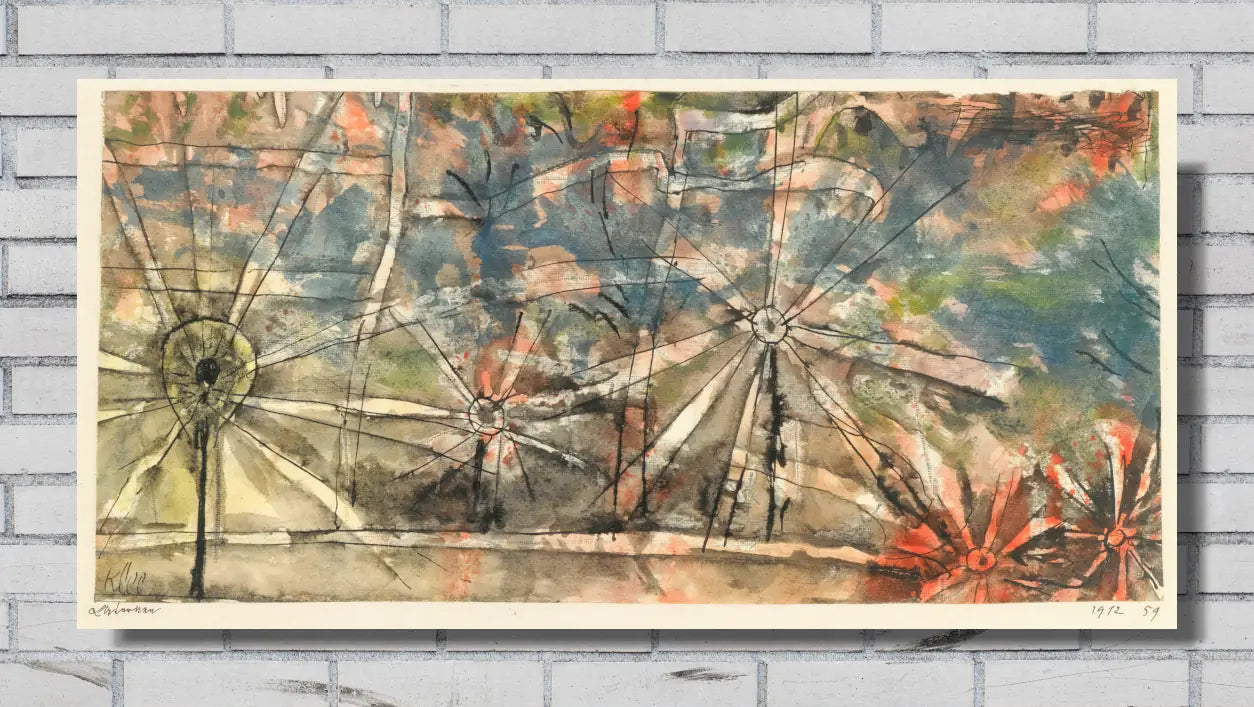
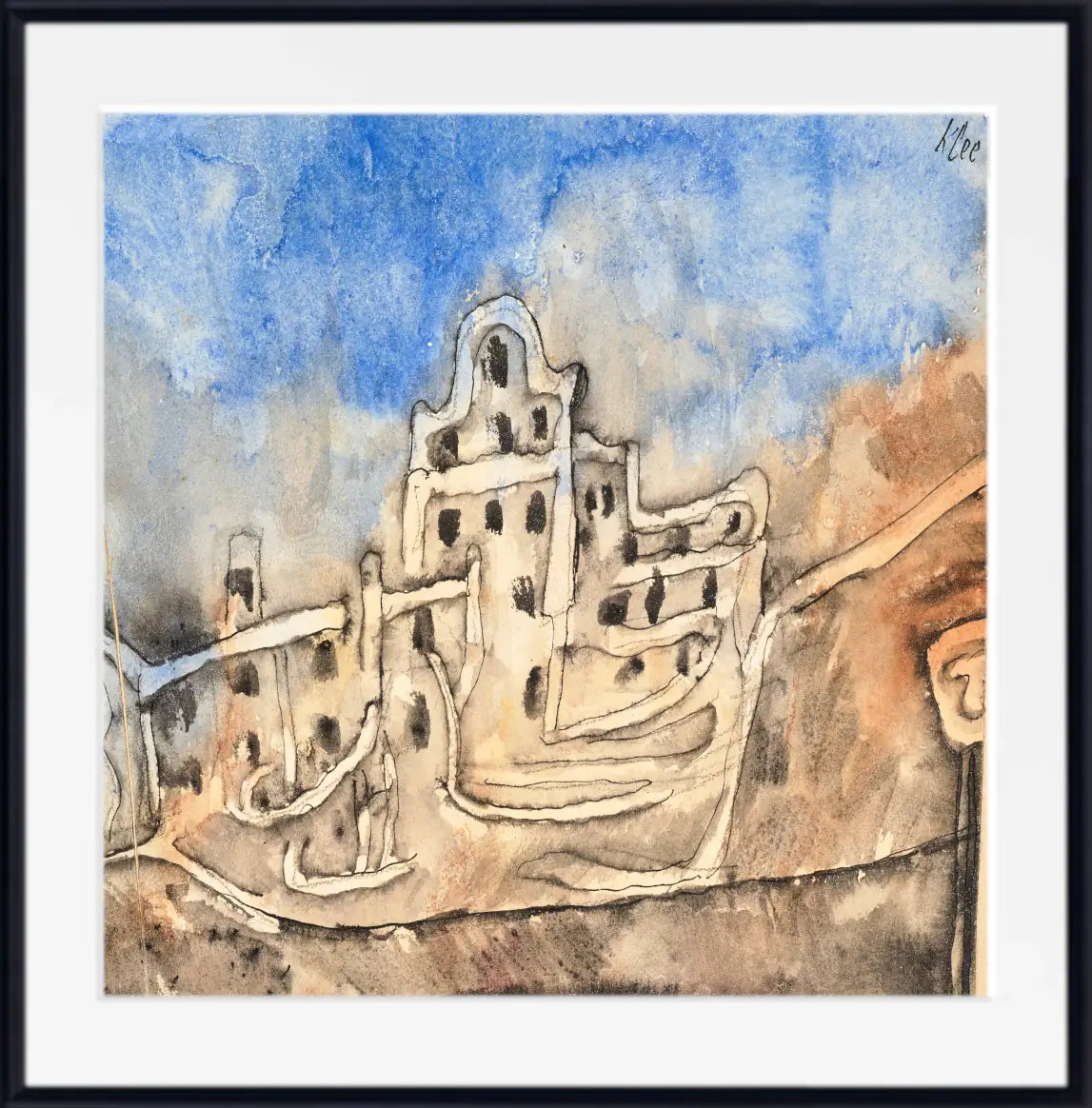
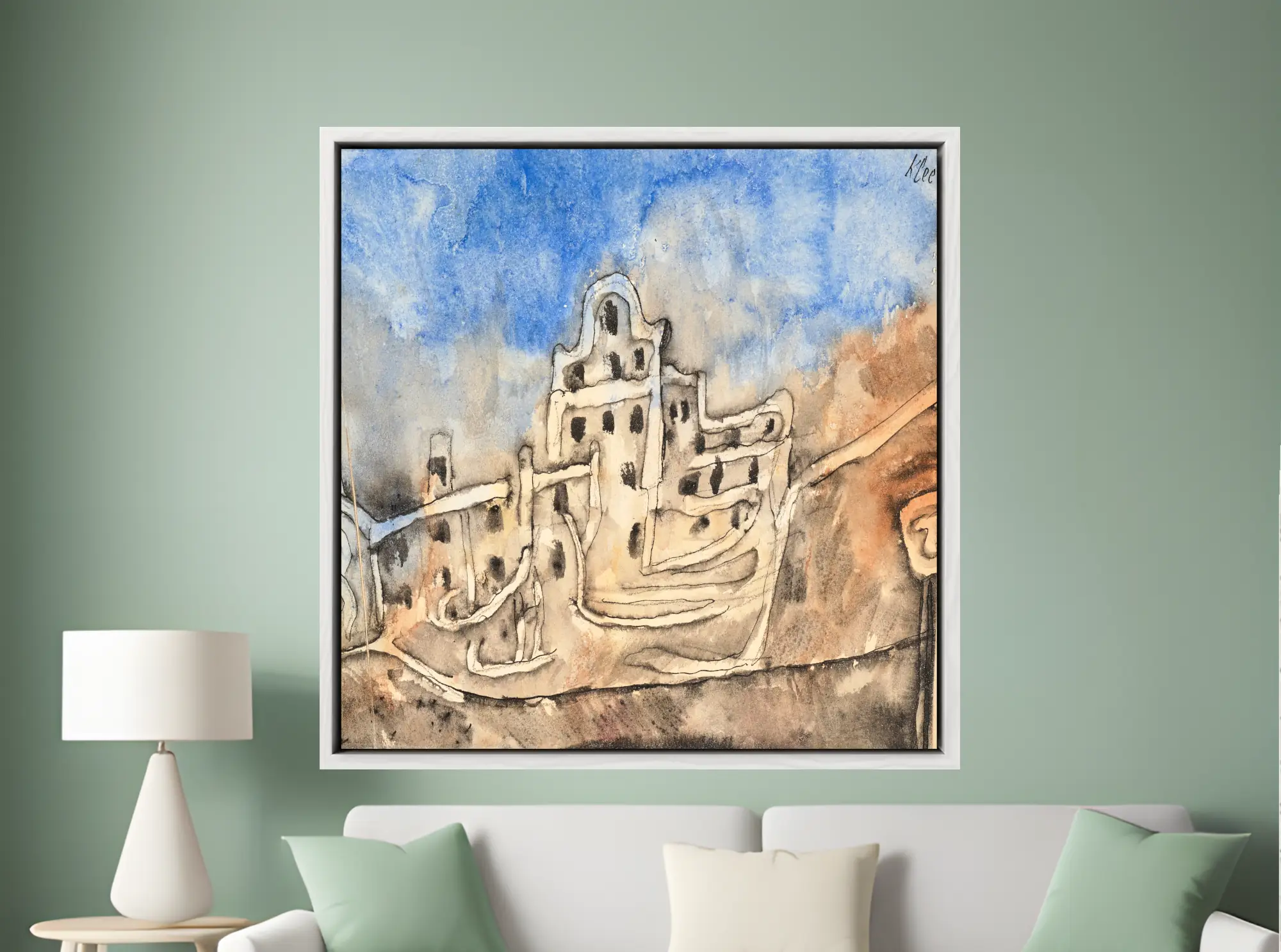
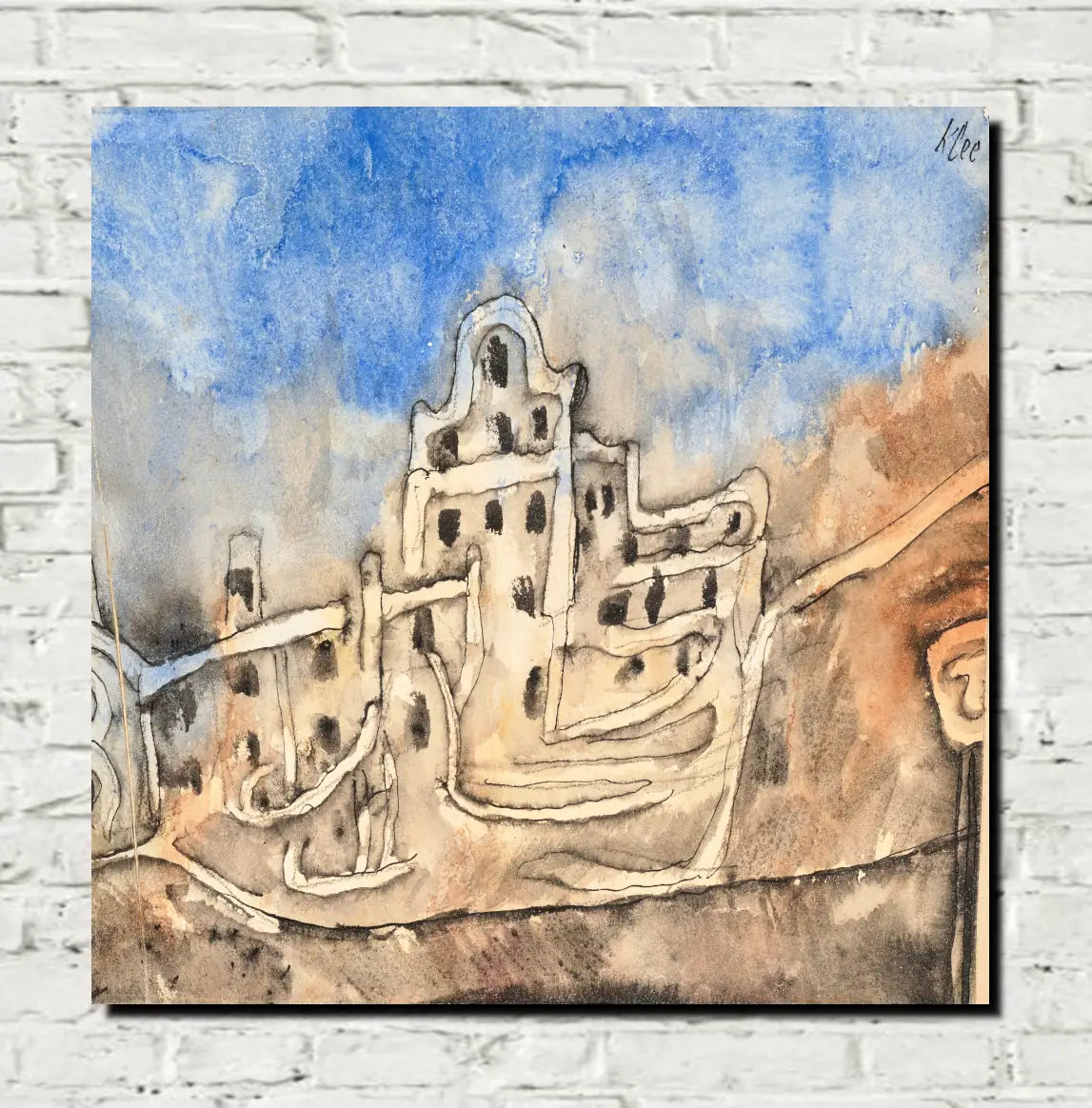
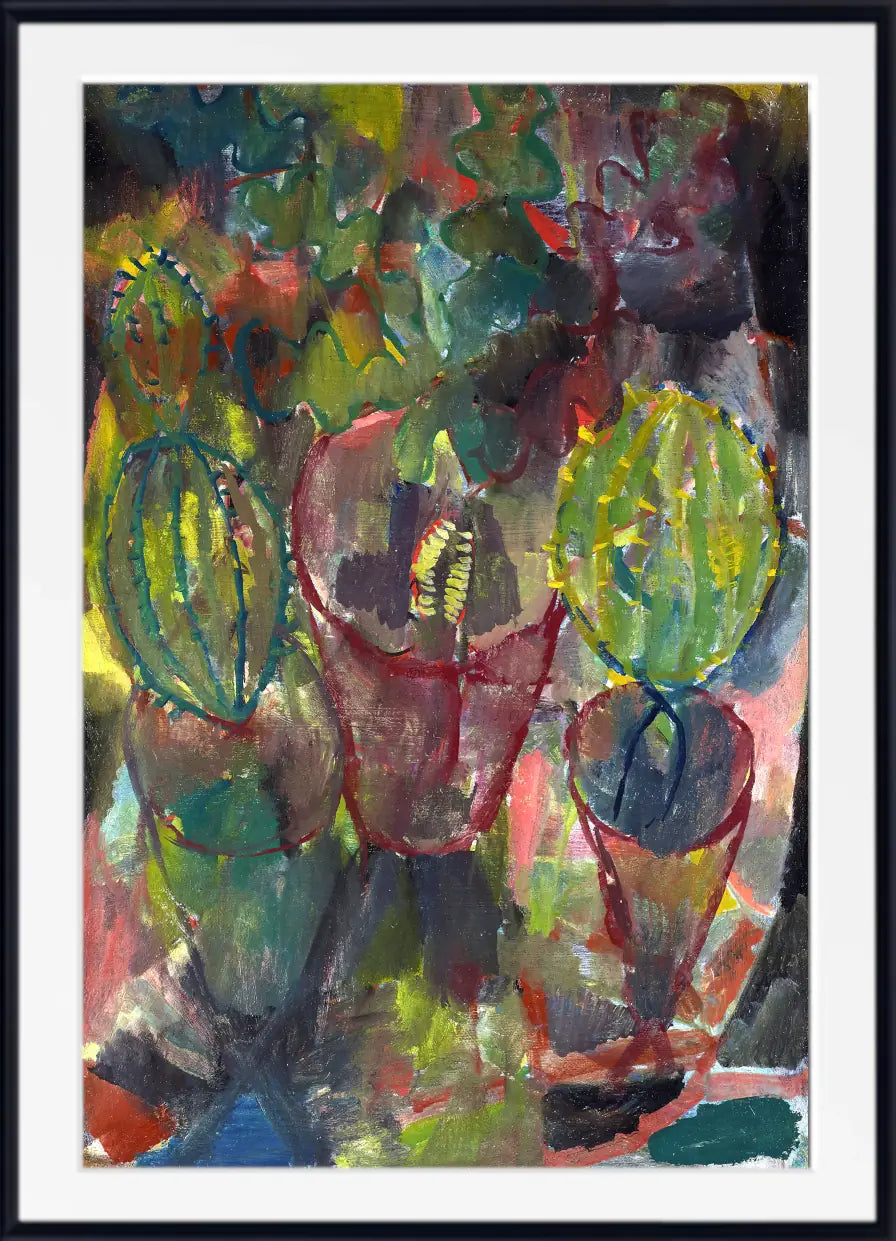
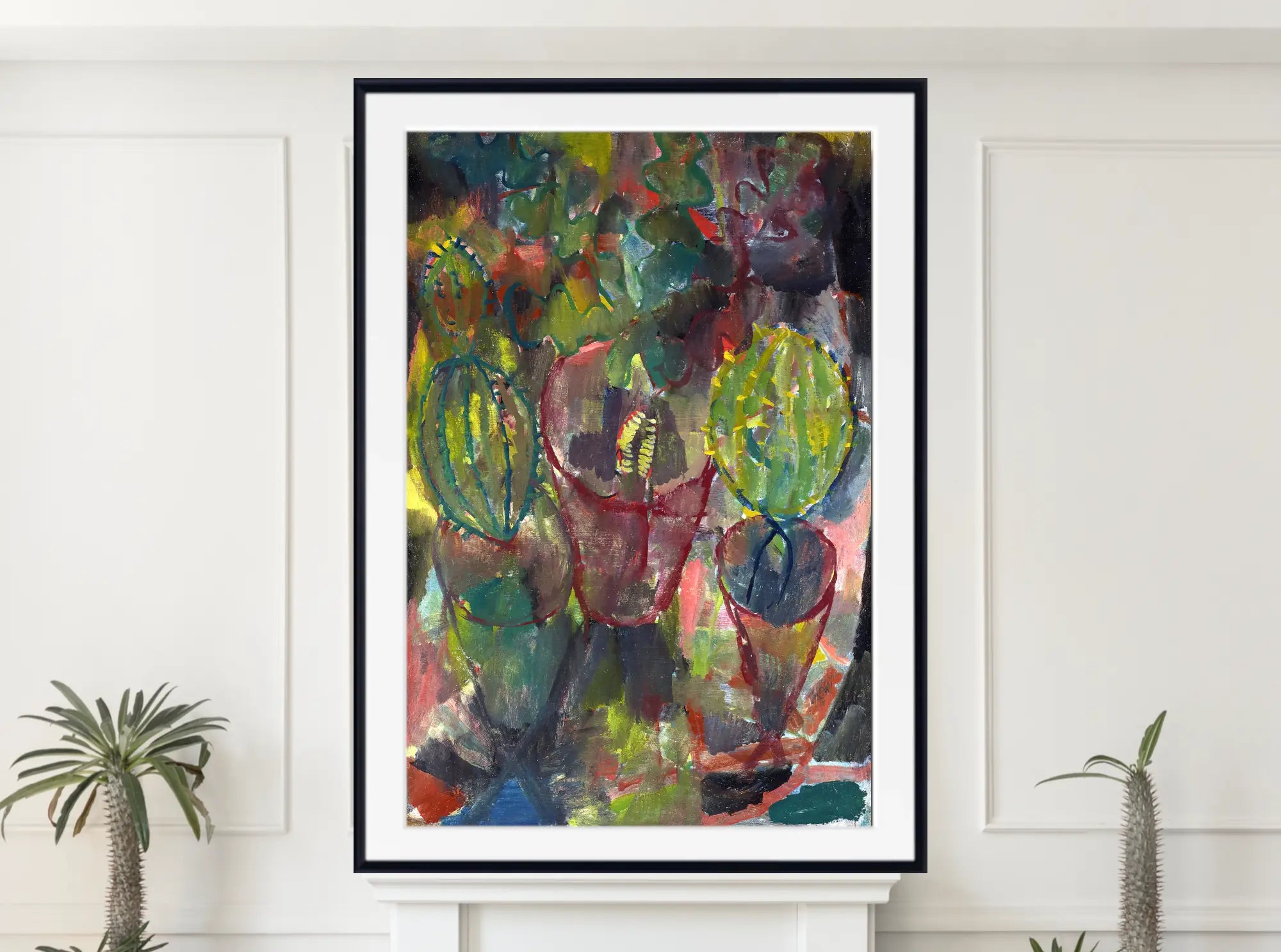
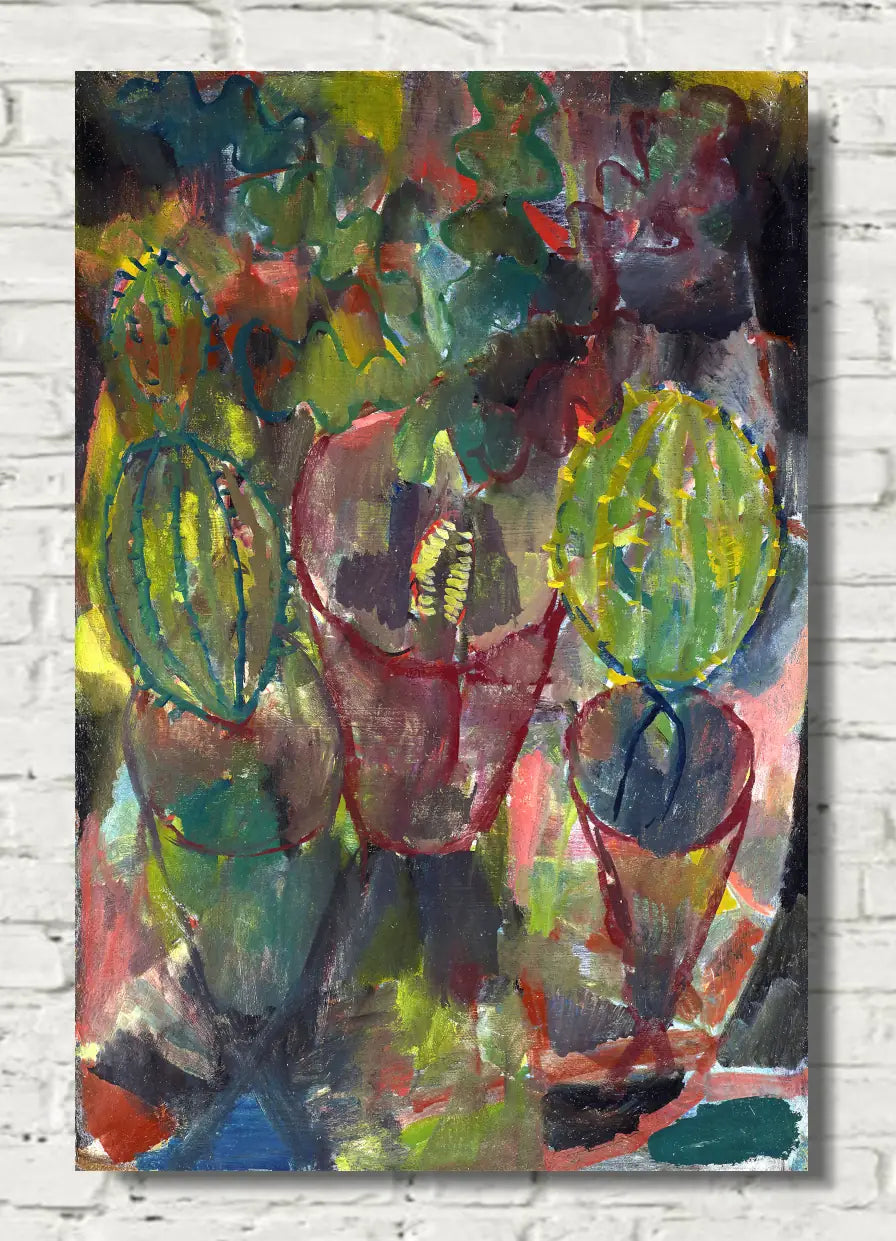
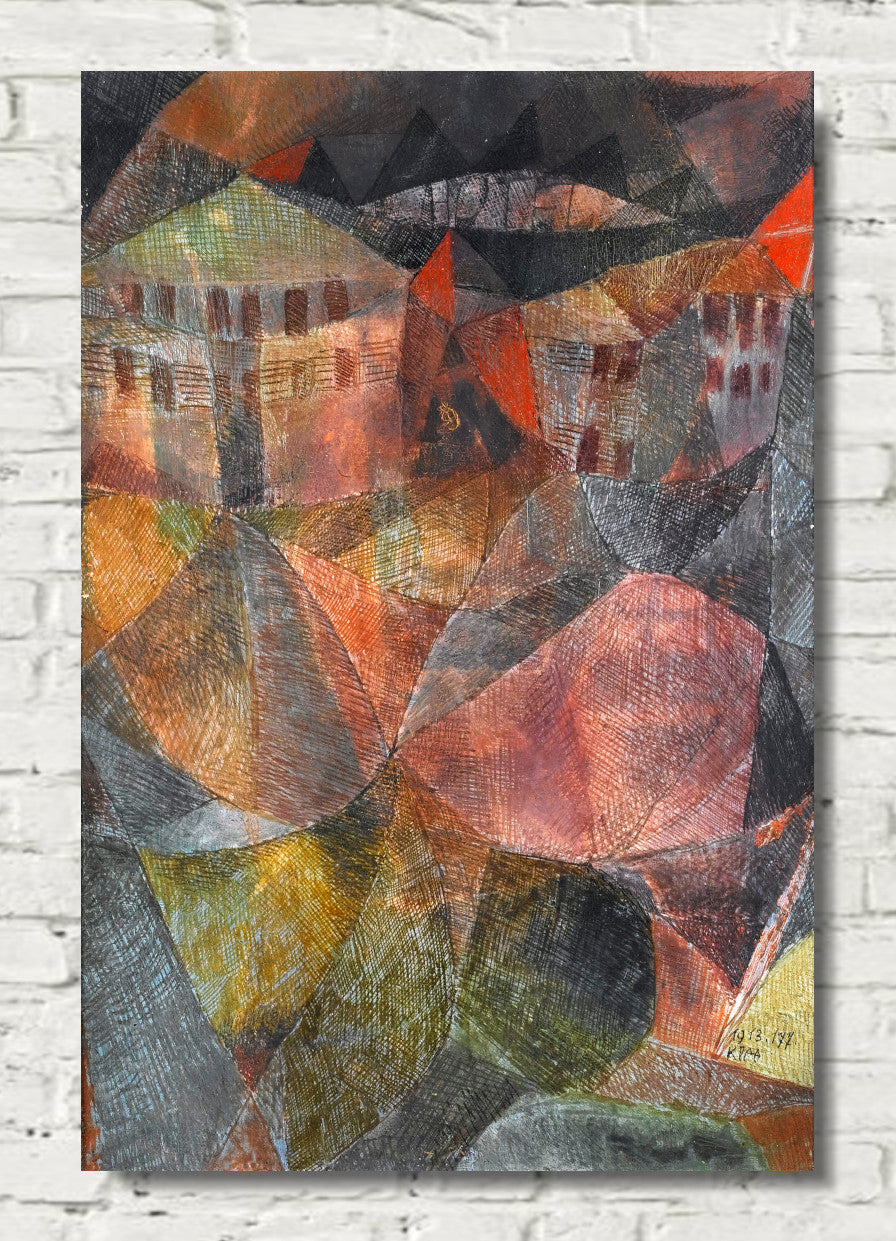
Selected works from 1912 and 1913—including Laternen (Street Lamps), Der Palast, Kakteen and Blumensteg—belong to this important early phase of his development. They reveal Klee moving towards the personal combination of colour, structure and imagination that would define his mature work.
Discover these works alongside Kandinsky, Marc, August Macke, Alexej von Jawlensky and Marianne von Werefkin in the Der Blaue Reiter Prints collection. You can also explore the broader development of expressive modern painting through Expressionist Art Prints.
Choosing a Paul Klee Print
Paul Klee prints are especially versatile because their visual impact can range from quiet and contemplative to colourful and playful.
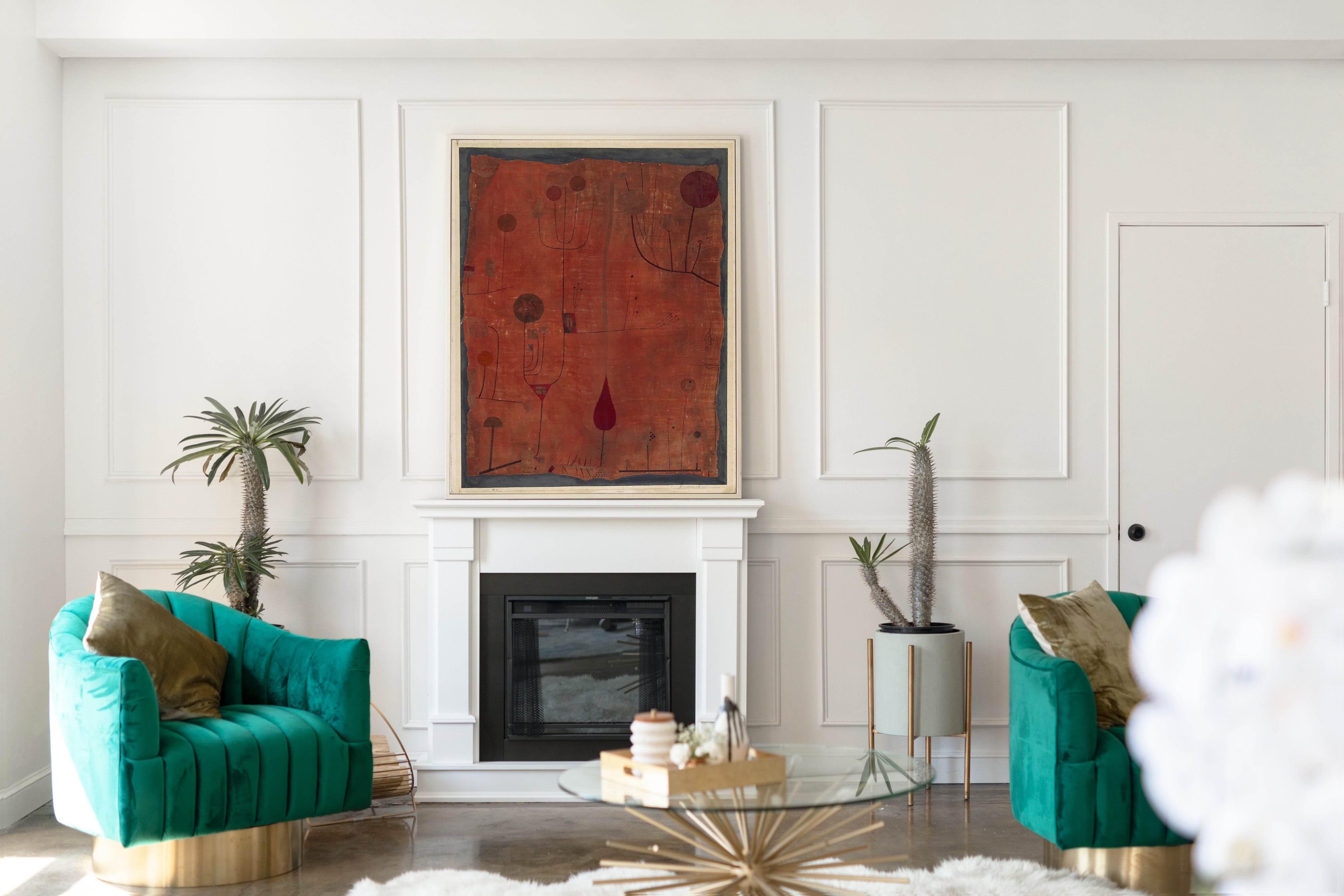
- Choose a strongly coloured composition such as Fruits on Red to introduce warmth and energy to a neutral room.
- Consider Red Balloon or Astrological Fantasy for a distinctive focal point built around colour and geometric structure.
- Select a finely detailed work such as Twittering Machine for a study, reading area or creative workspace.
- Combine several smaller Klee prints to create a coordinated modern-art gallery wall.
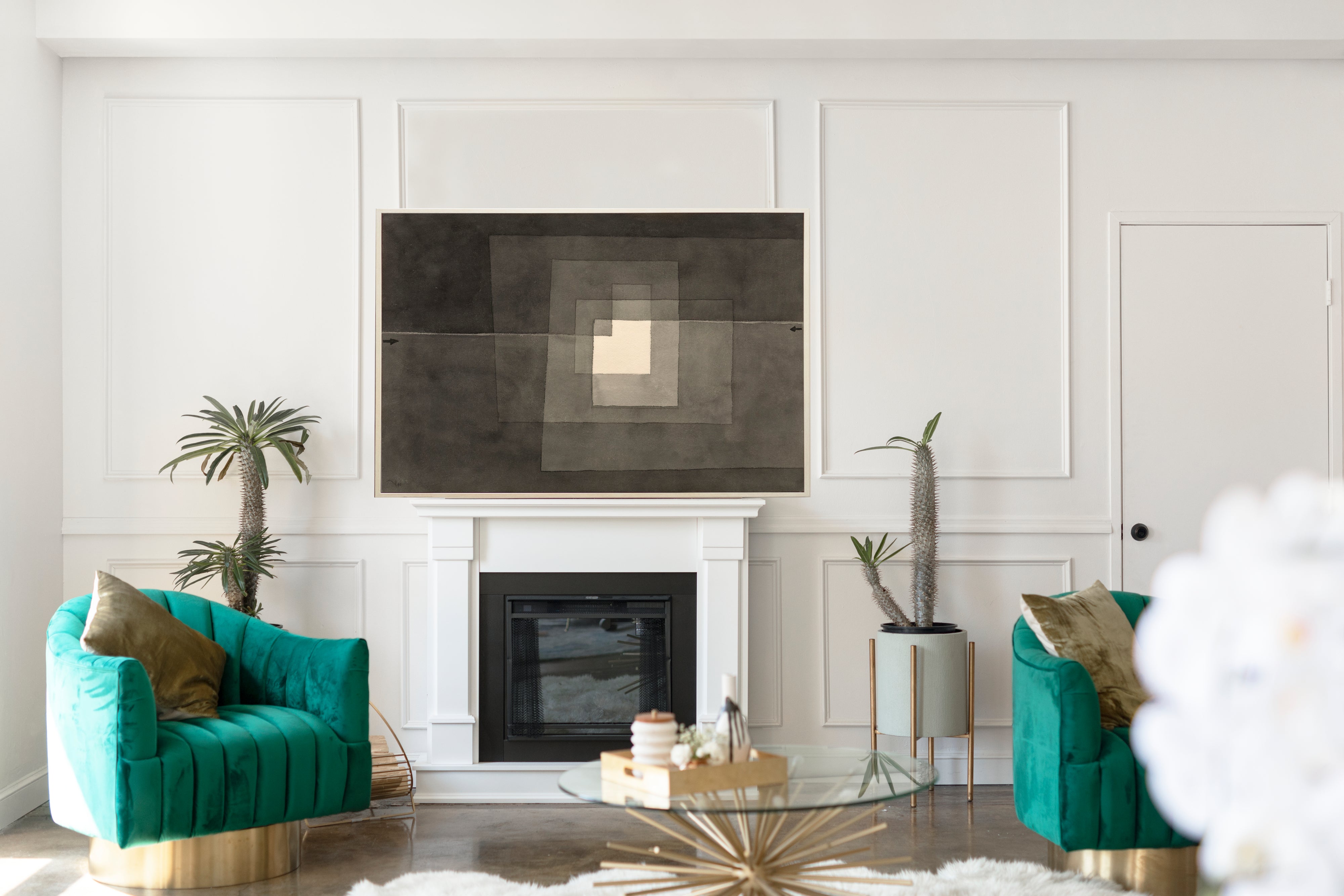
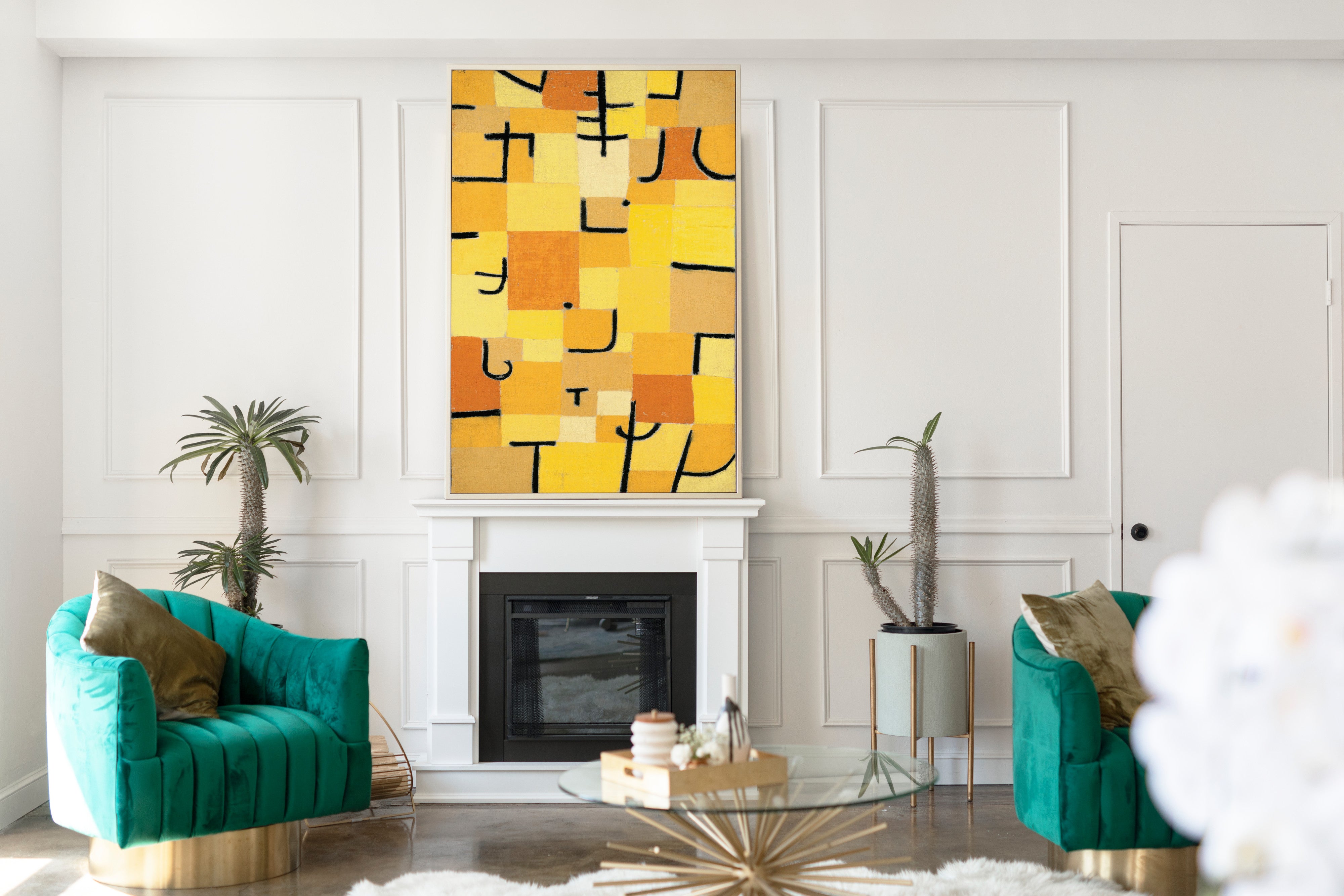
Klee’s gentler abstractions work particularly well in bedrooms, studies and reading spaces, while his stronger geometric compositions suit living rooms, hallways and contemporary offices. Natural wood, black and simple white frames all complement his work, depending on the colours already present in the room.
Fine Art Prints, Framed Prints and Canvas Panels
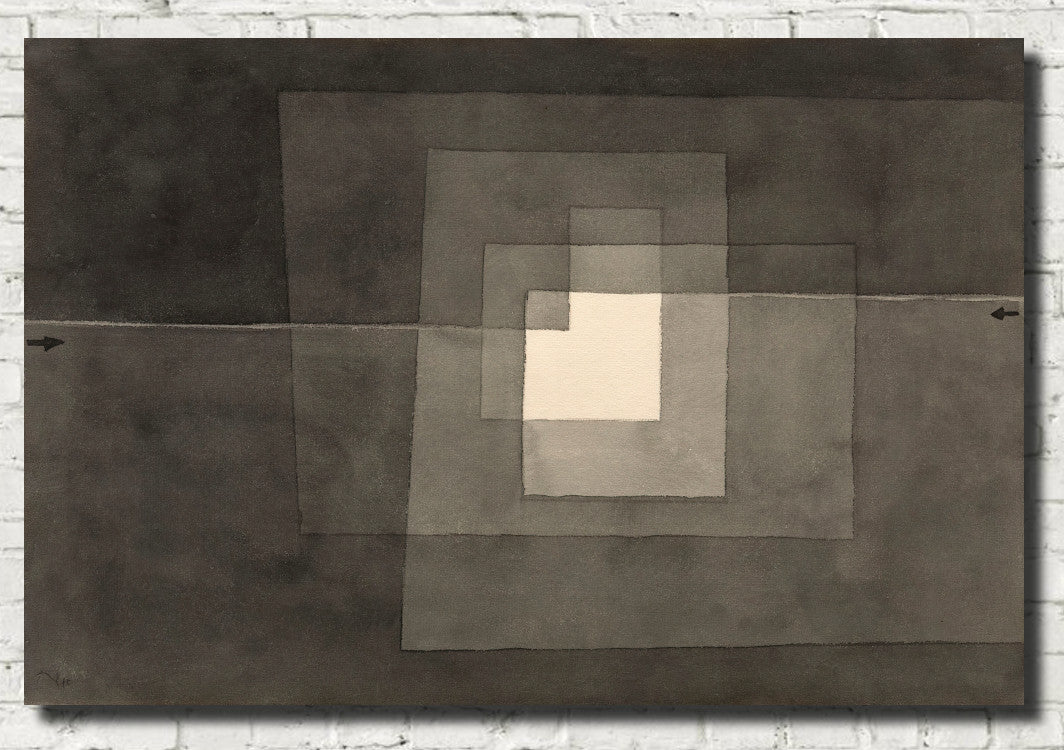
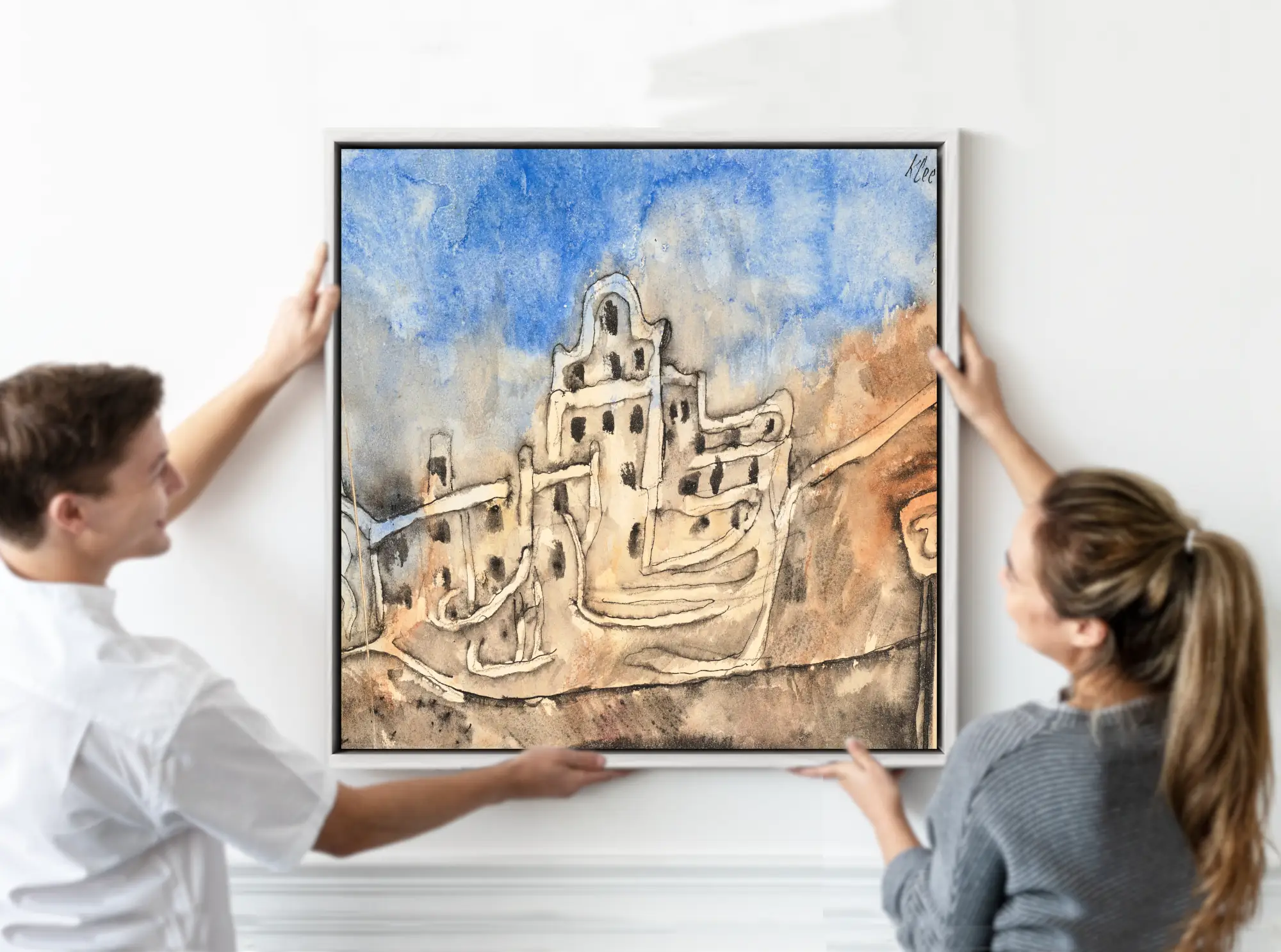
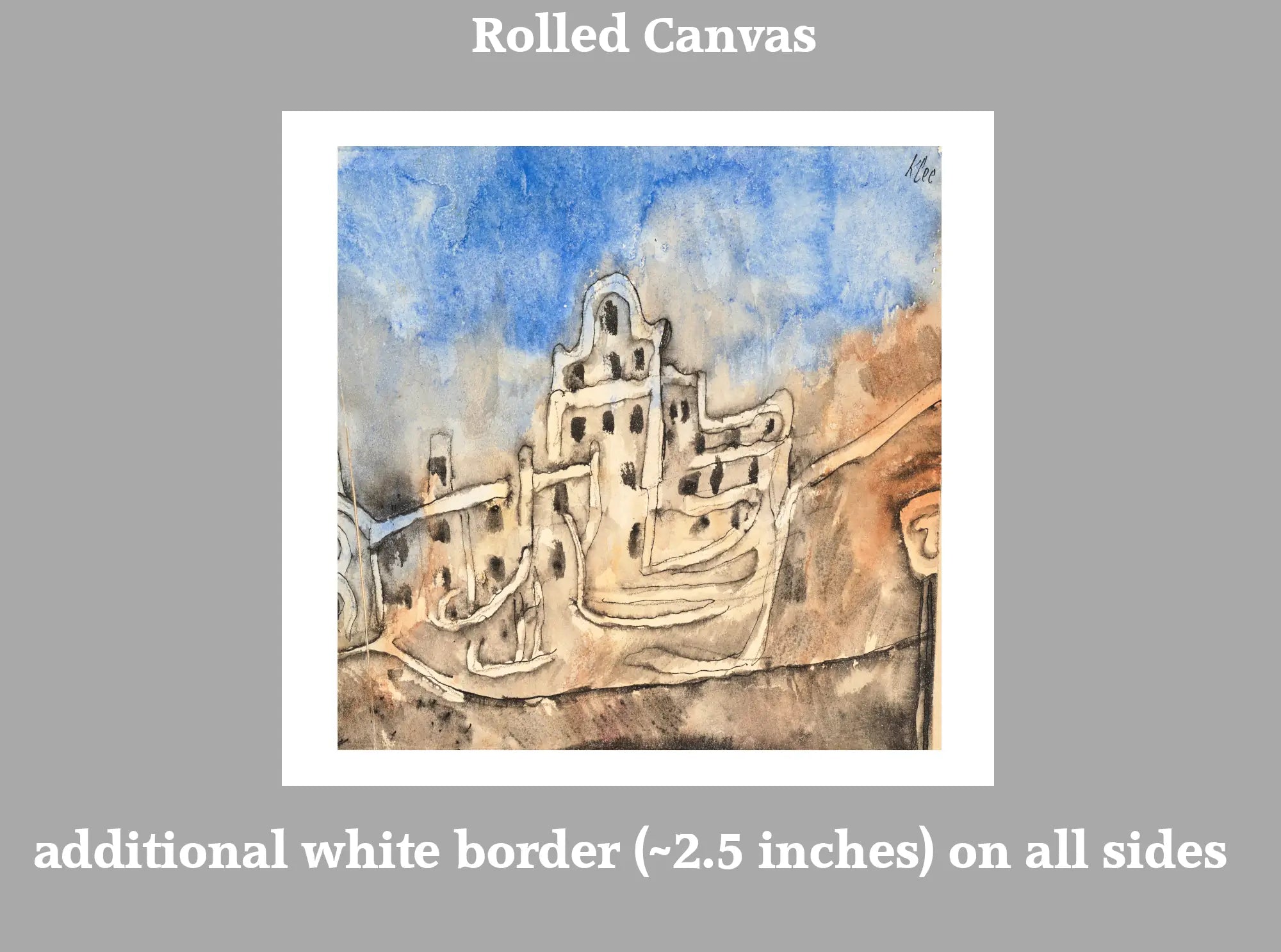
GalleryThane’s Paul Klee artwork is available in a choice of sizes and presentation formats. An unframed fine art print offers flexibility if you already have a suitable frame. A handmade framed print provides a complete gallery-style presentation, while a ready-to-hang canvas panel creates a clean contemporary finish.
Consider the proportions of both the artwork and the wall before choosing a size. A large individual print can serve as a focal point, while two or three smaller works can create a balanced arrangement above a desk, sideboard or reading chair.
Frequently Asked Questions
What style of art is Paul Klee known for?
Paul Klee developed a highly individual style influenced by Expressionism, Cubism, abstraction and Surrealism. His work frequently combines delicate drawing, geometric structure, symbols and imaginative use of colour.
Was Paul Klee a Bauhaus artist?
Yes. Klee taught at the Bauhaus from 1921 until 1931 and became one of the school’s most influential teachers. His lessons explored colour, form, movement and the creative process.
Was Paul Klee part of Der Blaue Reiter?
Klee was associated with the wider avant-garde circle surrounding Der Blaue Reiter and participated in important exhibitions connected with it. His relationship with artists such as Kandinsky and Marc influenced his early development, although he was not one of the group’s principal founders.
Which Paul Klee prints work well in modern interiors?
Colourful and geometric works such as Red Balloon, Fruits on Red and Astrological Fantasy complement modern, mid-century and Scandinavian-inspired rooms. More delicate compositions can work particularly well in bedrooms, studies and reading spaces.
Are Paul Klee prints available framed?
GalleryThane offers Paul Klee artwork as unframed fine art prints, framed prints and canvas panels. Available options vary by artwork and size.