



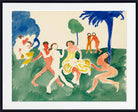
La gavotte, by André Derain
Couldn't load pickup availability
BUY WITH CONFIDENCE
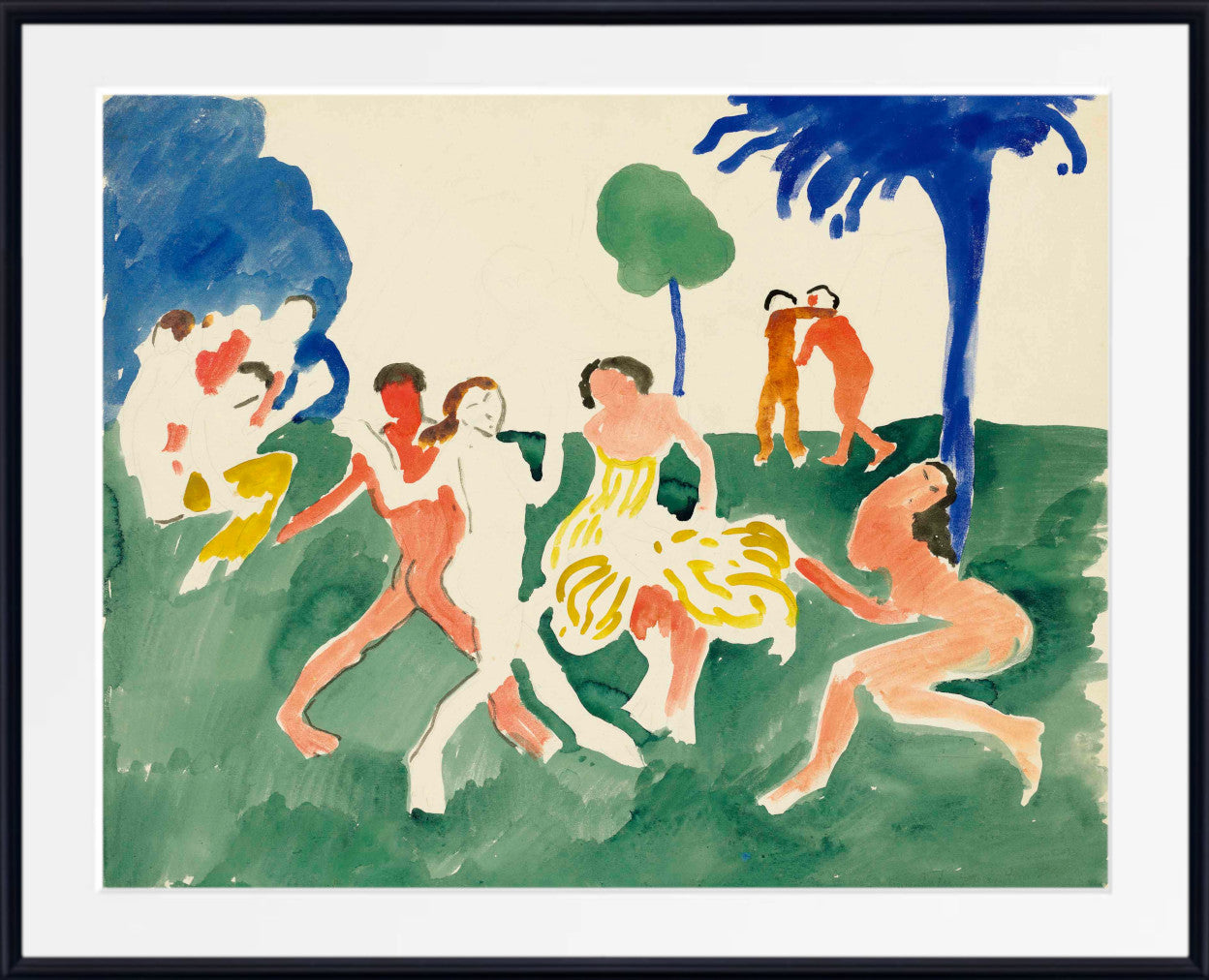
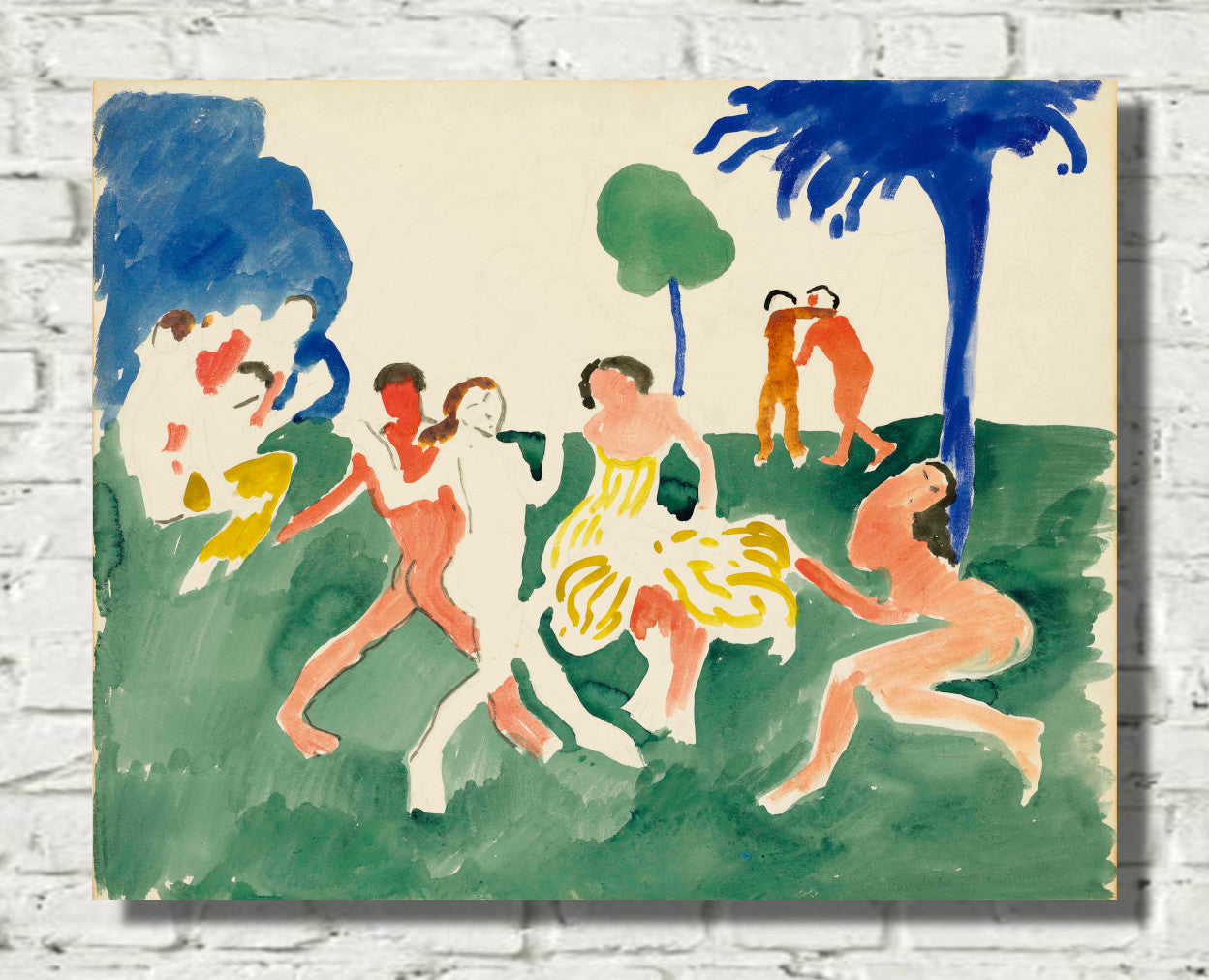
La Gavotte (1906) by André Derain is a remarkable Fauvist work in which dance becomes an expression of movement, colour and instinctive energy. Created during one of the most experimental years of Derain's career, the composition presents a group of figures moving through an Arcadian landscape, their bodies twisting, bending and turning in response to an imagined rhythm.
This André Derain La Gavotte print combines figurative art with the expressive freedom of Fauvism. Rather than depicting a formal dance with carefully ordered steps, Derain presents a scene that feels spontaneous and almost ritualistic. Available as a fine art print, framed print or canvas panel, La Gavotte is an especially distinctive choice for admirers of Derain, Fauvist art and colourful early twentieth-century figure painting.
La Gavotte – Dance, Rhythm and Movement
Although the title refers to the gavotte, a traditional French dance, Derain's composition is far removed from an orderly courtly performance. The figures appear absorbed in their own movements, each adopting a different pose as though responding individually to the rhythm.
Some stand upright while others bend, twist or crouch. The variations in posture create a continuous movement across the composition and give the group a sense of spontaneous activity rather than formal choreography.
Several figures are nude, reinforcing the timeless and Arcadian quality of the scene. Derain removes the dancers from an identifiable modern setting and places them within a simplified landscape, turning dance into something more elemental.
The fluidity of the figures is matched by the handling of the paint. Rapid strokes describe limbs and bodies without laborious modelling, allowing the entire scene to retain the immediacy of a drawing.
The Cambodian Dancers and Derain's Inspiration
An important source of inspiration for La Gavotte came during Derain's visit to Marseille in the summer of 1906.
At the Colonial Exhibition he encountered dancers from the entourage of King Sisowath of Cambodia. Their performance made a powerful impression on him and contributed to a series of drawings, watercolours and paintings in which dance became a central subject.
Derain was particularly interested in forms of movement that appeared more expressive and less constrained than conventional European academic dance. The unusual positions of the dancers' bodies, arms and legs gave him a new vocabulary of curved and angular forms.
In La Gavotte, the figure at the far right adopts an especially sinuous pose, bending her body dramatically while crossing her legs. This type of movement would also appear in Derain's larger and more ambitious composition La Danse.
The work therefore belongs to a broader exploration of dance undertaken by Derain during 1906, at the height of his Fauvist experimentation.
From La Gavotte to La Danse
La Gavotte is closely connected with Derain's celebrated painting La Danse. Both works explore groups of figures whose bodies create a rhythmic pattern across the composition.
Rather than simply recording movement, Derain uses the dancers to build the structure of the artwork. Curving backs, extended limbs and repeated poses guide the eye from one figure to another.
The spontaneous appearance of La Gavotte is particularly important. Created in gouache and watercolour, the work retains the freedom of a study while already containing ideas that Derain would develop more fully in his larger compositions.
This makes it especially revealing within his career. It shows the artist experimenting directly with movement and figure arrangement rather than beginning from a fixed academic composition.
Colour and the Fauvist Figure
Derain's use of colour during 1906 was shaped by the discoveries of Fauvism. Together with Henri Matisse, he had spent the previous summer at Collioure, where the two artists experimented radically with intense, non-naturalistic colour.
By the time he created La Gavotte, Derain no longer treated colour as something that simply described the appearance of a figure or landscape. Colour could organise the composition, create contrast and intensify the atmosphere of the scene.
The dancers are therefore defined through broad passages and rapid marks rather than subtle transitions of conventional flesh tone. Figure and landscape interact through the same expressive vocabulary of colour and line.
This treatment contributes to the timeless quality of the scene. The dancers do not appear as individually modelled portraits; instead, their bodies become part of a larger decorative rhythm.
André Derain's Fauvist Style
André Derain was one of the principal founders of Fauvism, alongside Henri Matisse and Maurice de Vlaminck. The movement emerged publicly in 1905 and became known for vivid colour, simplified forms, visible brushwork and a rejection of conventional naturalistic representation.
Derain's Fauvist works include Mediterranean landscapes, London cityscapes, portraits, bathers and figure compositions. Across these different subjects, colour became increasingly independent of observed reality.
La Gavotte demonstrates that Fauvism was not confined to brightly coloured landscapes. Derain applies the same freedom to the human figure, simplifying bodies and allowing movement itself to become an organising principle.
The fluid handling also distinguishes the work from his later painting. After 1907–08 Derain increasingly moved towards greater structural order and a more restrained palette, making the works of 1905–06 particularly important within his career.
About André Derain
André Derain (1880–1954) was a French painter, sculptor, printmaker and designer and one of the central figures in the development of Fauvism.
Born in Chatou near Paris, Derain initially studied engineering before committing himself to art. His friendship with Maurice de Vlaminck and later collaboration with Henri Matisse placed him at the centre of the radical developments transforming French painting during the opening years of the twentieth century.
In the summer of 1905, Derain worked with Matisse at Collioure, producing intensely coloured landscapes that helped establish the Fauvist visual language. He subsequently created important series of landscapes in southern France and London, as well as increasingly ambitious figure compositions.
Derain's artistic direction changed after the brief Fauvist period as he became more interested in Paul Cézanne, classical art and greater structural discipline. His early Fauvist paintings nevertheless remain among the most influential works of his career.
The Original La Gavotte
The original La Gavotte was executed in 1906.
Derain created the work in gouache and watercolour on paper. It measures approximately 49 × 62 cm.
The work carries an inscription at the lower right reading Pour André Derain Alice Derain.
La Gavotte also has an important history of ownership and exhibition. It was owned by the influential American collector John Quinn, an important supporter of European modern art who helped introduce American audiences to avant-garde artists during the early twentieth century.
The painting has subsequently appeared in exhibitions devoted to Fauvism and modern European art, reinforcing its significance within Derain's experimental work of 1906.
An André Derain La Gavotte Print for Your Interior
An André Derain La Gavotte print offers an unusual alternative to conventional figurative or dance wall art. Its combination of expressive figures, fluid drawing and Fauvist colour gives the image a distinctly modern character.
The horizontal format can work particularly well above sofas, console tables, sideboards and beds, where the procession of figures creates a natural visual rhythm across the wall.
Its warm and varied palette makes the work suitable for contemporary, Scandinavian-inspired, mid-century and eclectic interiors. Neutral walls allow the colour and movement of the dancers to become the principal focal point.
The work is particularly effective in living rooms, dining rooms, bedrooms, hallways, studies and creative spaces.
For collectors of Fauvist art, dance imagery or André Derain, La Gavotte also offers a fascinating insight into the artist's experiments with movement during one of the most innovative periods of his career.
Frequently Asked Questions
When did André Derain create La Gavotte?
Derain created La Gavotte in 1906, during the height of his Fauvist period.
What does La Gavotte depict?
The work depicts a group of figures dancing within a simplified landscape. Their varied poses create a strong sense of spontaneous rhythm and movement rather than formal choreography.
What inspired La Gavotte?
Derain became deeply interested in dance during 1906 after seeing Cambodian dancers from the entourage of King Sisowath perform at the Colonial Exhibition in Marseille. The experience contributed to a series of dance-related works.
Is La Gavotte related to Derain's La Danse?
Yes. La Gavotte belongs to the group of dance compositions Derain created during 1906 and contains figures and poses related to ideas subsequently developed in La Danse.
Is La Gavotte a Fauvist artwork?
Yes. The work dates from 1906, when Derain was one of the leading figures of Fauvism. Its simplified figures, fluid handling and expressive use of colour reflect the artistic freedom associated with the movement.
What medium did André Derain use for La Gavotte?
The original work was created in gouache and watercolour on paper.
What size is the original La Gavotte?
The original measures approximately 49 × 62 cm.
Why are the dancers shown in unusual poses?
Derain was interested in expressive movement rather than traditional choreographed poses. The twisting, bending bodies create rhythm across the composition and contribute to the energetic character of the work.
Who was John Quinn?
John Quinn was an influential American collector and supporter of modern European art who owned La Gavotte during the early twentieth century. He was also an important supporter of the 1913 Armory Show in New York.
Is La Gavotte available as a framed André Derain print?
Yes. GalleryThane offers La Gavotte in a choice of sizes and formats, including fine art paper prints, framed prints and canvas options.
Where would a La Gavotte print work well?
The horizontal composition and expressive figures make it particularly suitable for living rooms, dining rooms, bedrooms, hallways and creative spaces. It works especially well in contemporary, Scandinavian-inspired and eclectic interiors.
All orders for unframed fine art prints and original paintings are dispatched within 2 working days of receipt of payment.
Orders for custom framed prints are dispatched within 4 working days.
All orders are fully tracked from dispatch to delivery at your home or business.
All print and original painting orders are fully insured against loss or damage in transit. We refund or replace any damaged or lost orders.
Buy with confidence - read what our satisfied customers have to say - Reviews
Fine art papers are printed without any additional white border Please let us know at the time of ordering if you would like a small additional white border.
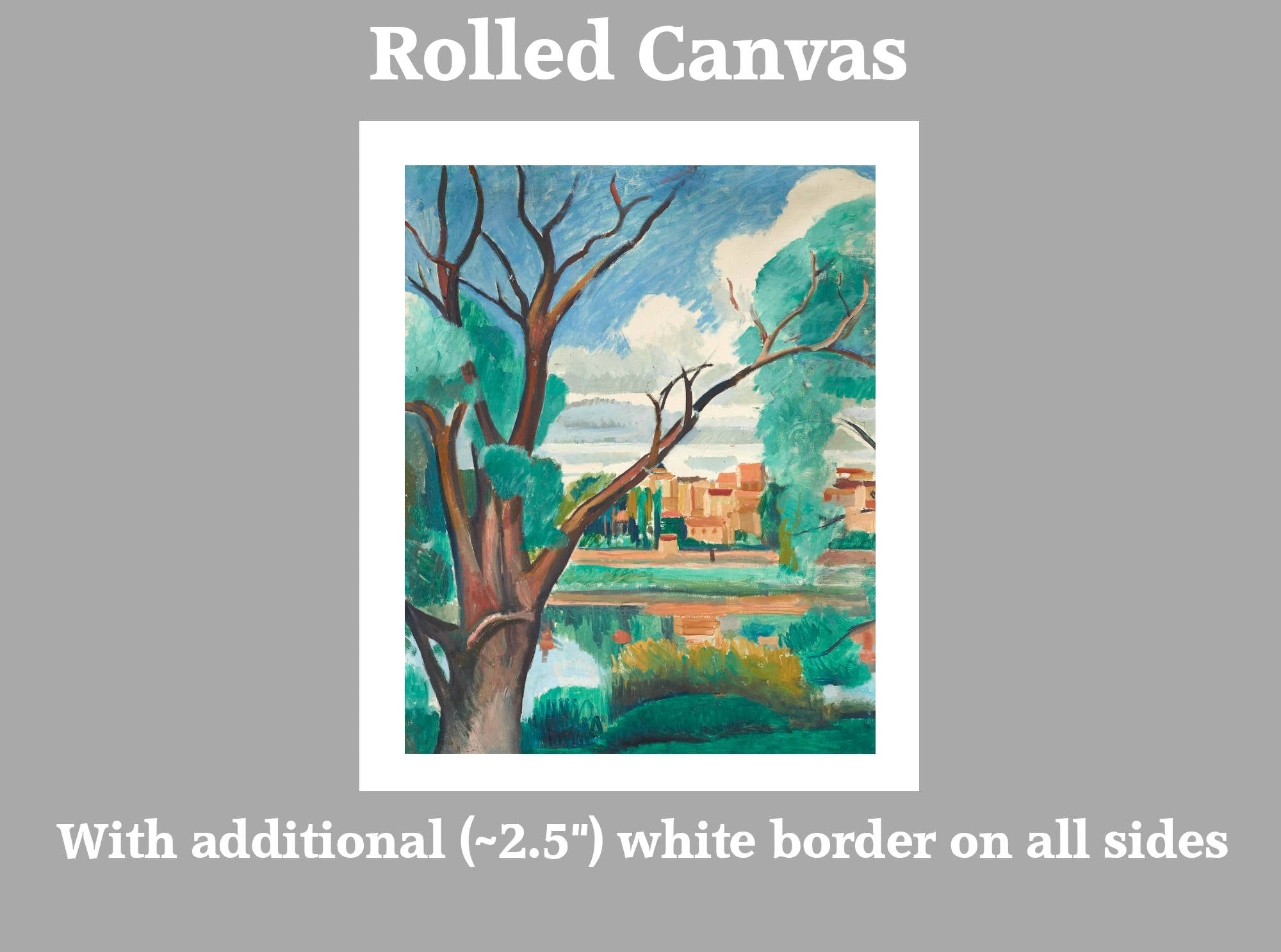
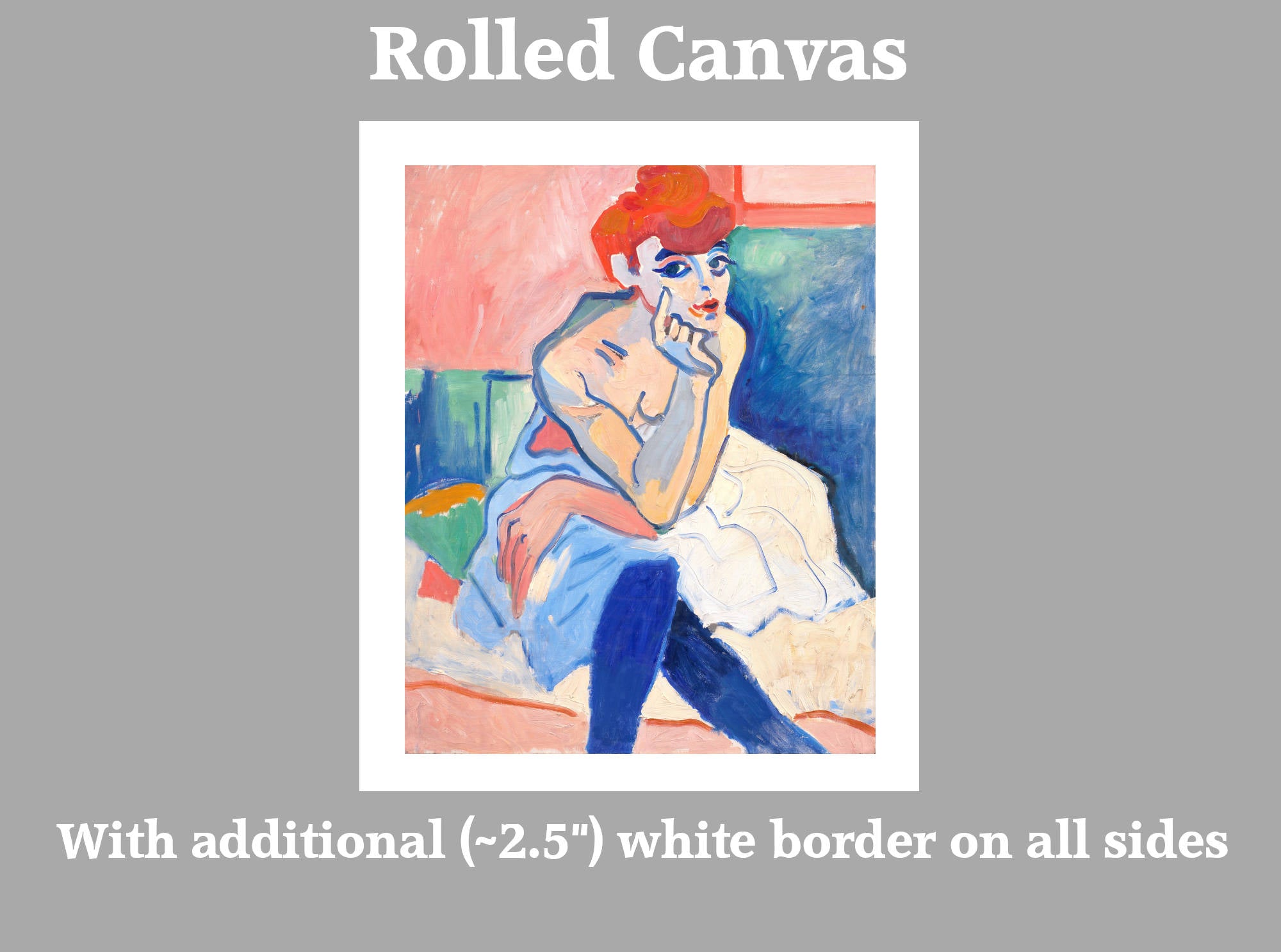
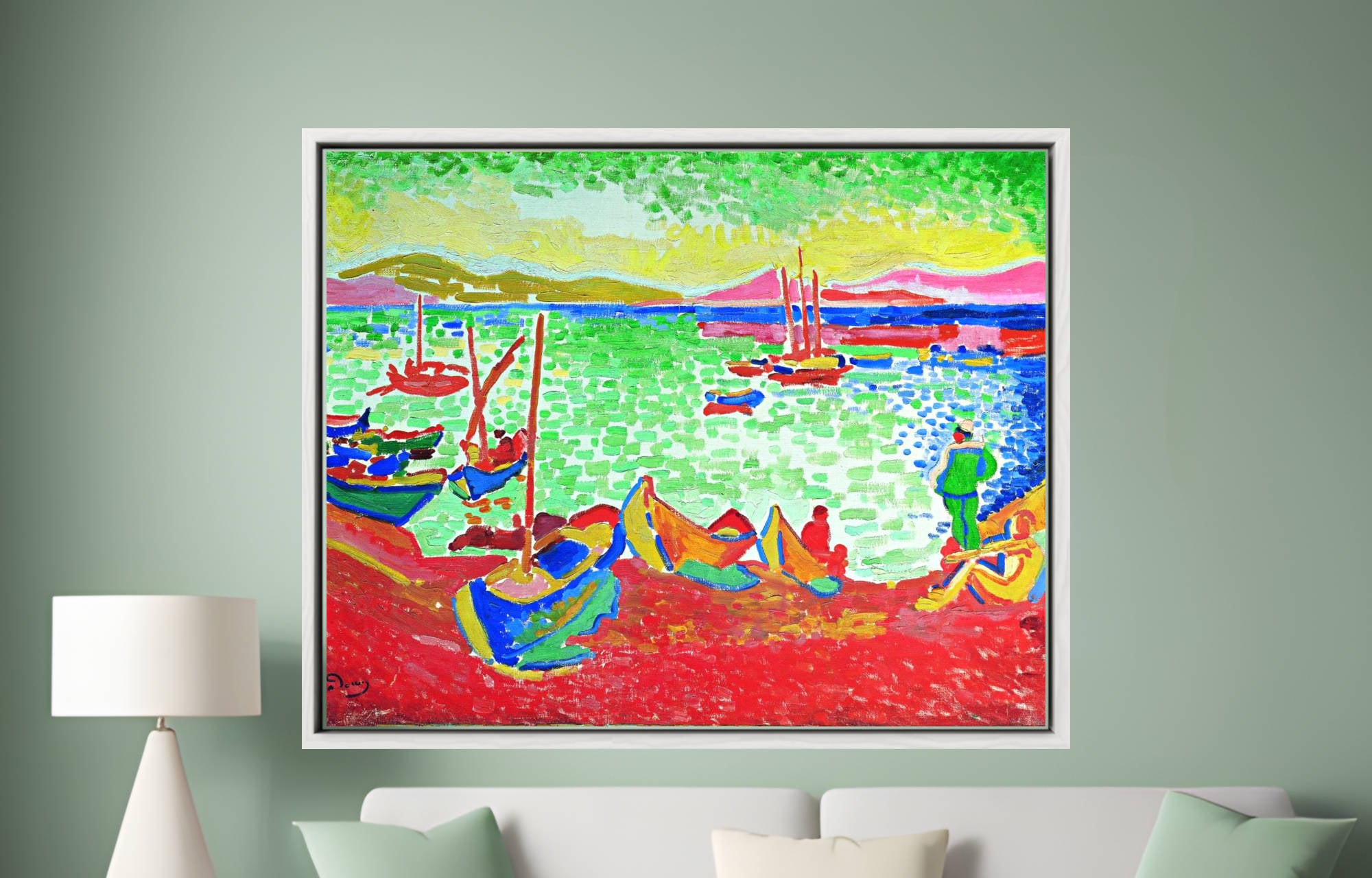
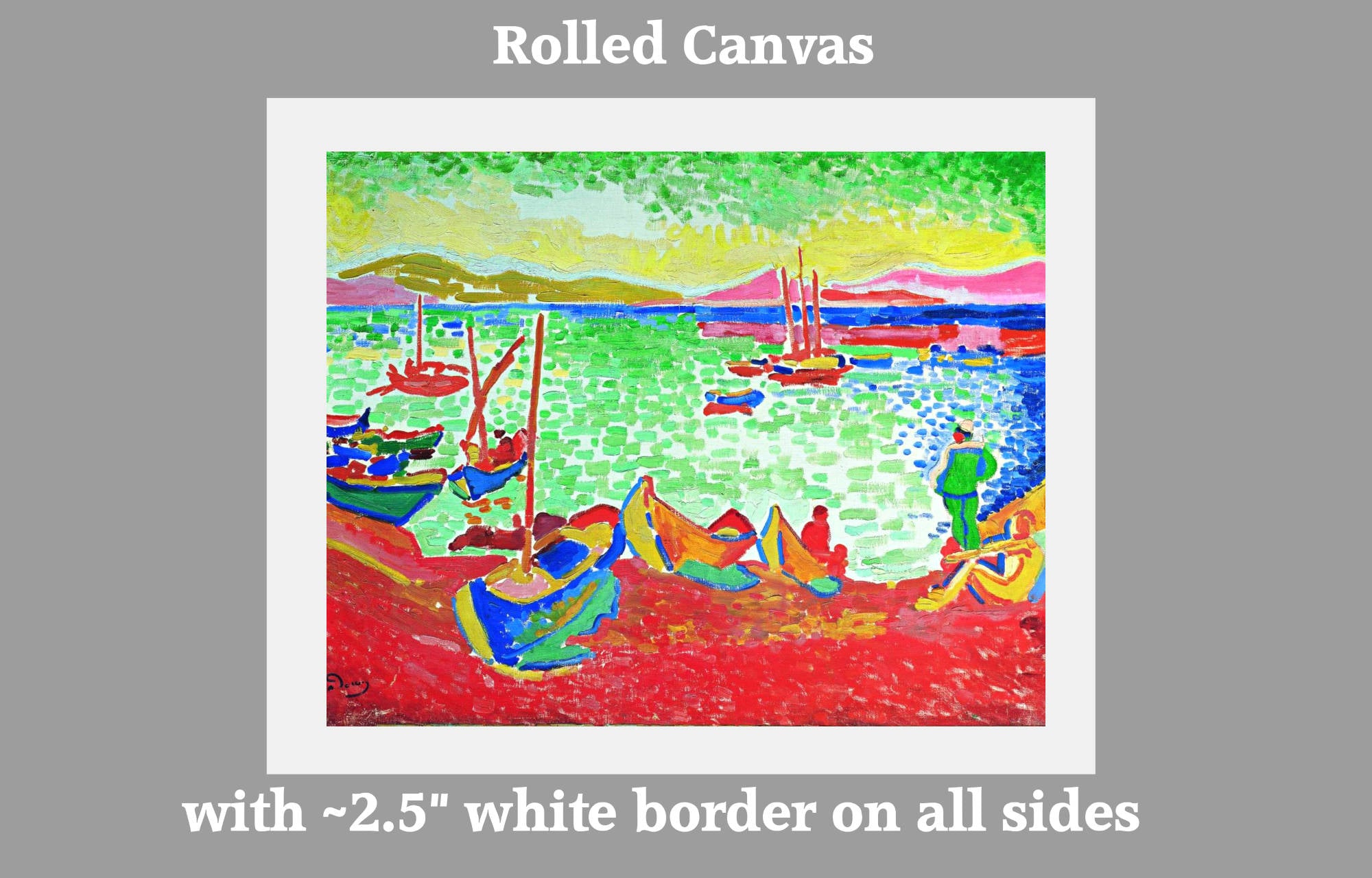
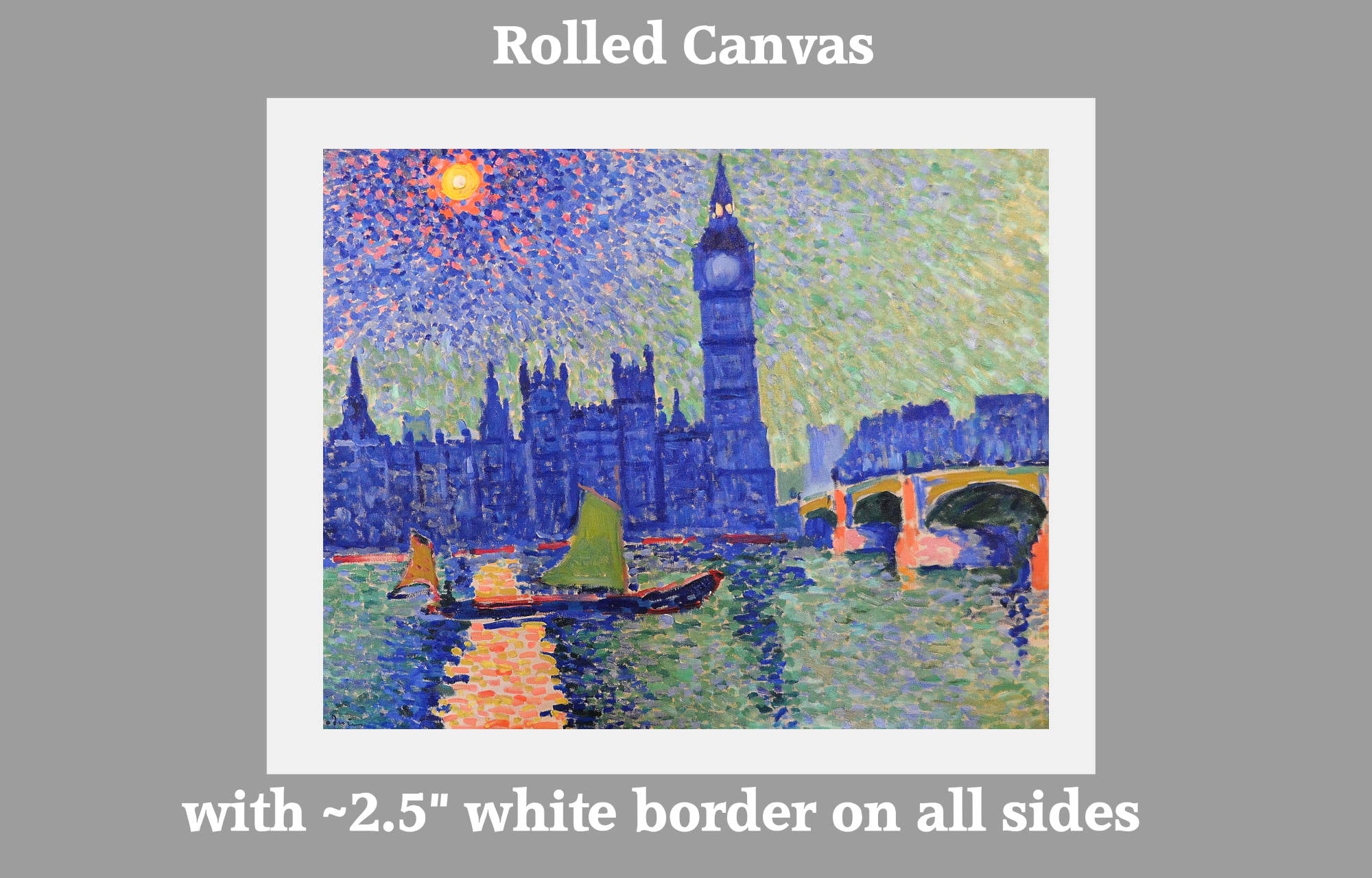
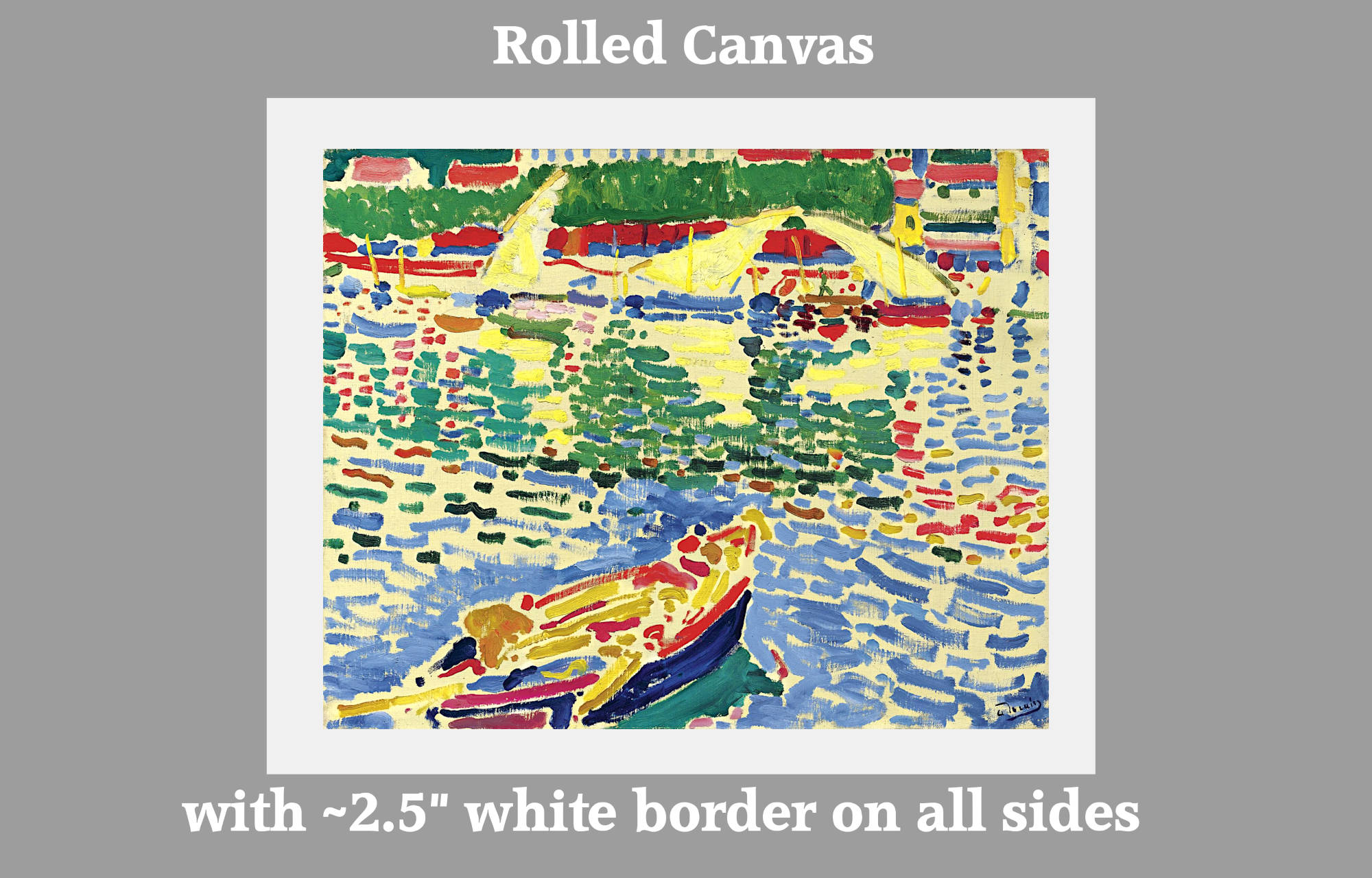
Rolled canvas options have an additional white border of approximately 2.5 inches (7cm) on all 4 sides to aid stretching.
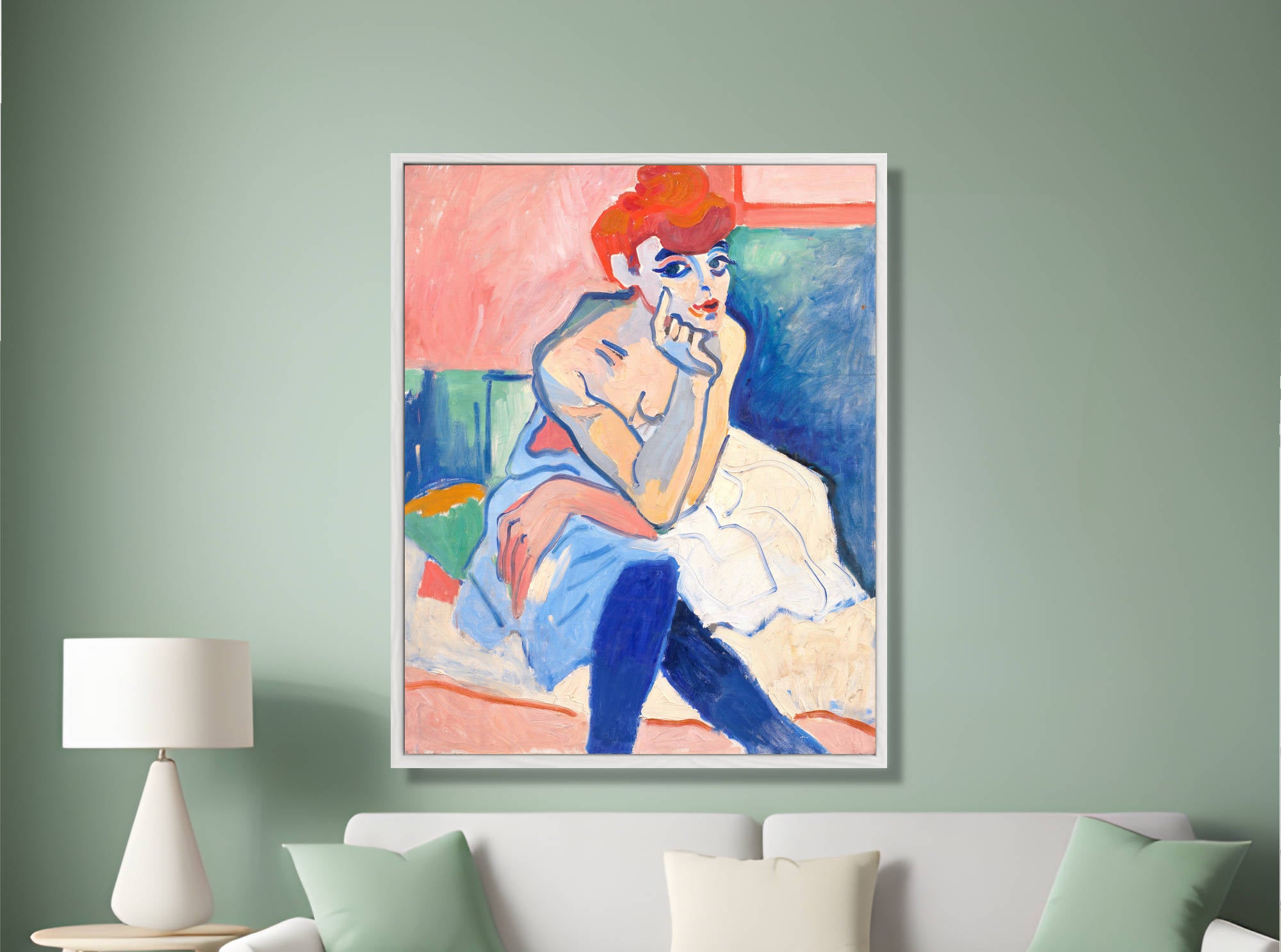
Ready to hang canvas panels are stretched on 1.5 inch deep solid pine frames from sustainable forestry sources. The image is mirrored on all 4 sides to give an aesthetically pleasing finish.
Why not have us gift wrap your order and attach a personalised message to the recipient. Available for all orders. Each order is hand wrapped in high quality gift wrap with meatllic ribbon and bow. Your personalised message is printed on a card which is included with your order.
Have your hand wrapped gift delivered directly to the recipient.
Full tracking and insurance included with every order.
Please note design may vary depending upon availability
Just purchase the gift wrap option HERE
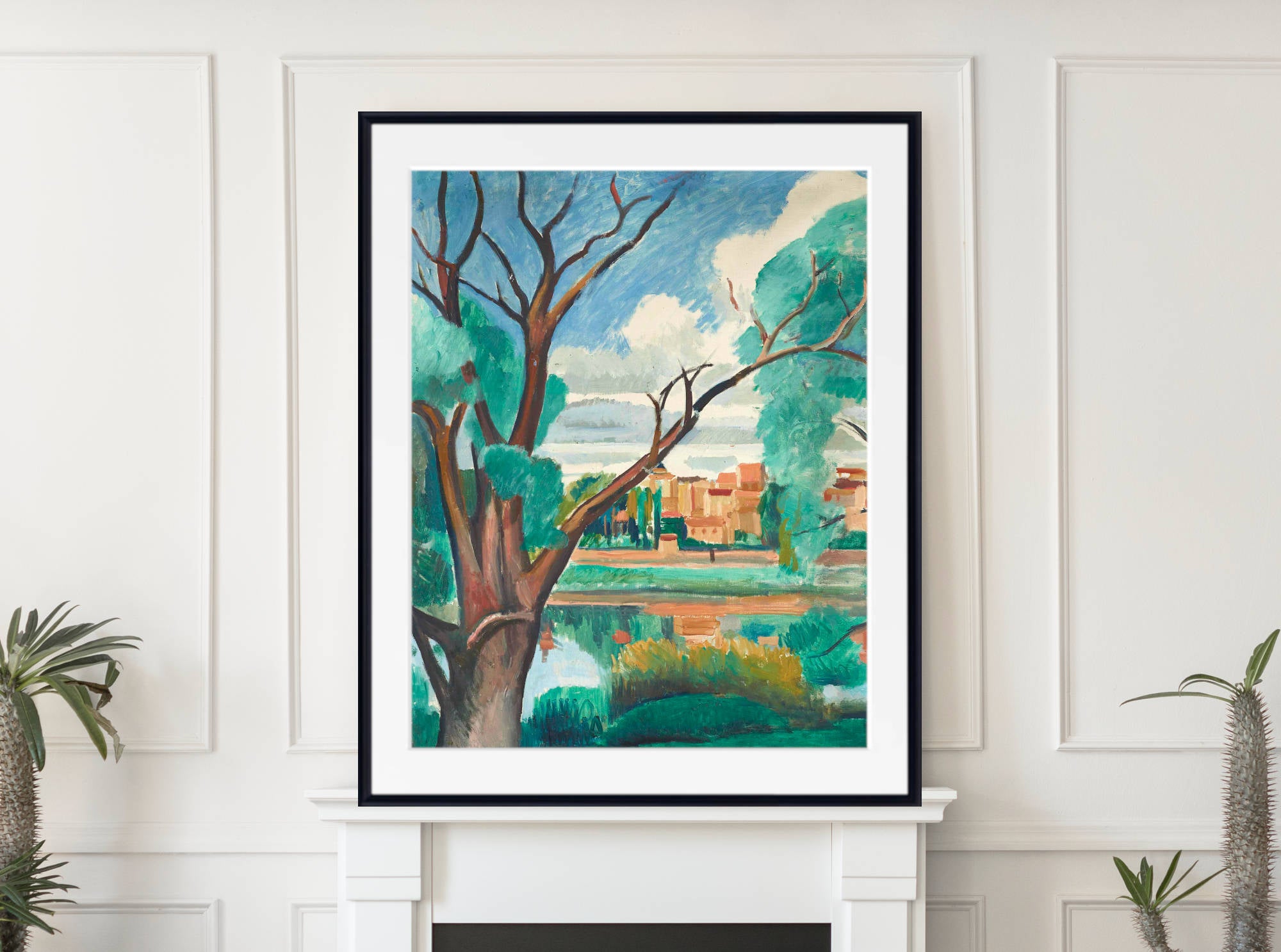
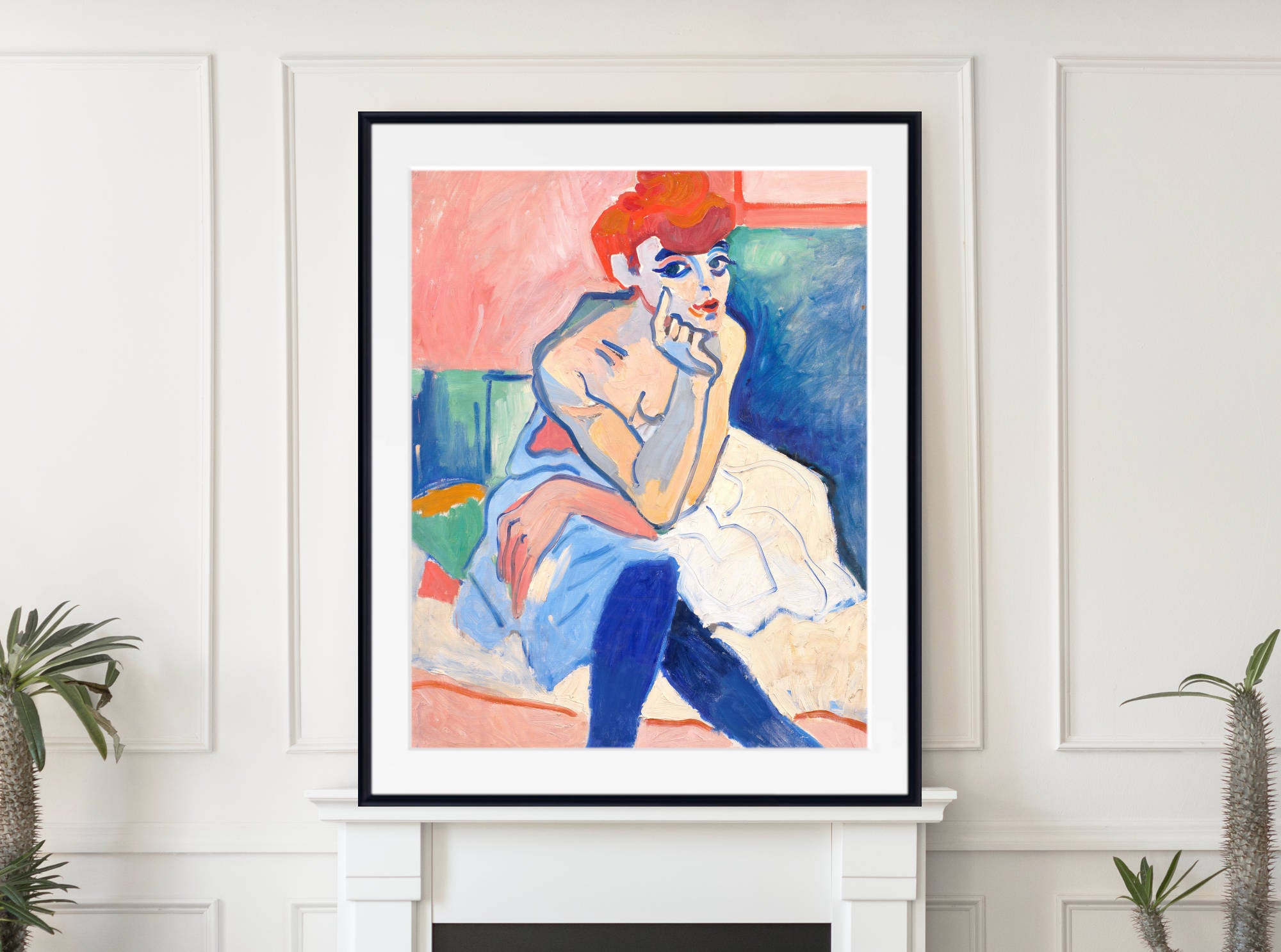
We have a wide range of frames in standard sizes and we also make custom size frames.
To order a framed print:
1. select the print size you would like along with the print materials (matte paper, fine art paper).
2. Add your print choice to the basket.
3. Choose from our range of frames
4. Select the same size as the print you have added to your basket. If the frame size you want is not listed please contact us
5. Choose from the mount or no-mount option
6. Add your frame choice to the basket
7. Proceed to checkout.
Why Choose GalleryThane?
- Printed and framed in-house
- Free UK delivery
- Free EU and USA delivery on orders over £200
- Tracking and insurance included in every order
- Fast 1-3 day dispatch
- Gift wrapping service available
- Gallery quality materials
- Sustainable, eco-friendly packaging
- Great customer support
Explore related collections

What makes our Prints and Canvas Panels so special

Latest Giclee Printing Technology
We have invested in the latest wide format print technology to produce museum quality giclee prints utilising the highest quality pigment inks to give outstanding colour reproduction.

Museum Quality Archival Fine Art Papers
We print on the finest quality fine art papers with textured, smooth and lustre finishes for prints which last a lifetime.
From aceo miniatures to 40x80 inch large format, every print has our lifetime quality guaranteee.

Solid Wood Frames, Cotton Canvas
All of the wood for our canvas panels and frames is responsibly sourced from manages forests. Our cotton canvas is completely seedless for the highest quality reproduction possible.

Have Your Gift Wrapped


