Post-Impressionist Prints: Colour, Expression and the Birth of Modern Art
Post-Impressionism describes the remarkable period in European art when painters began pushing beyond the achievements of Impressionism and developing increasingly individual approaches to colour, structure, symbolism and expression. Rather than representing one unified style, Post-Impressionism brought together artists who responded to Impressionism in very different ways.
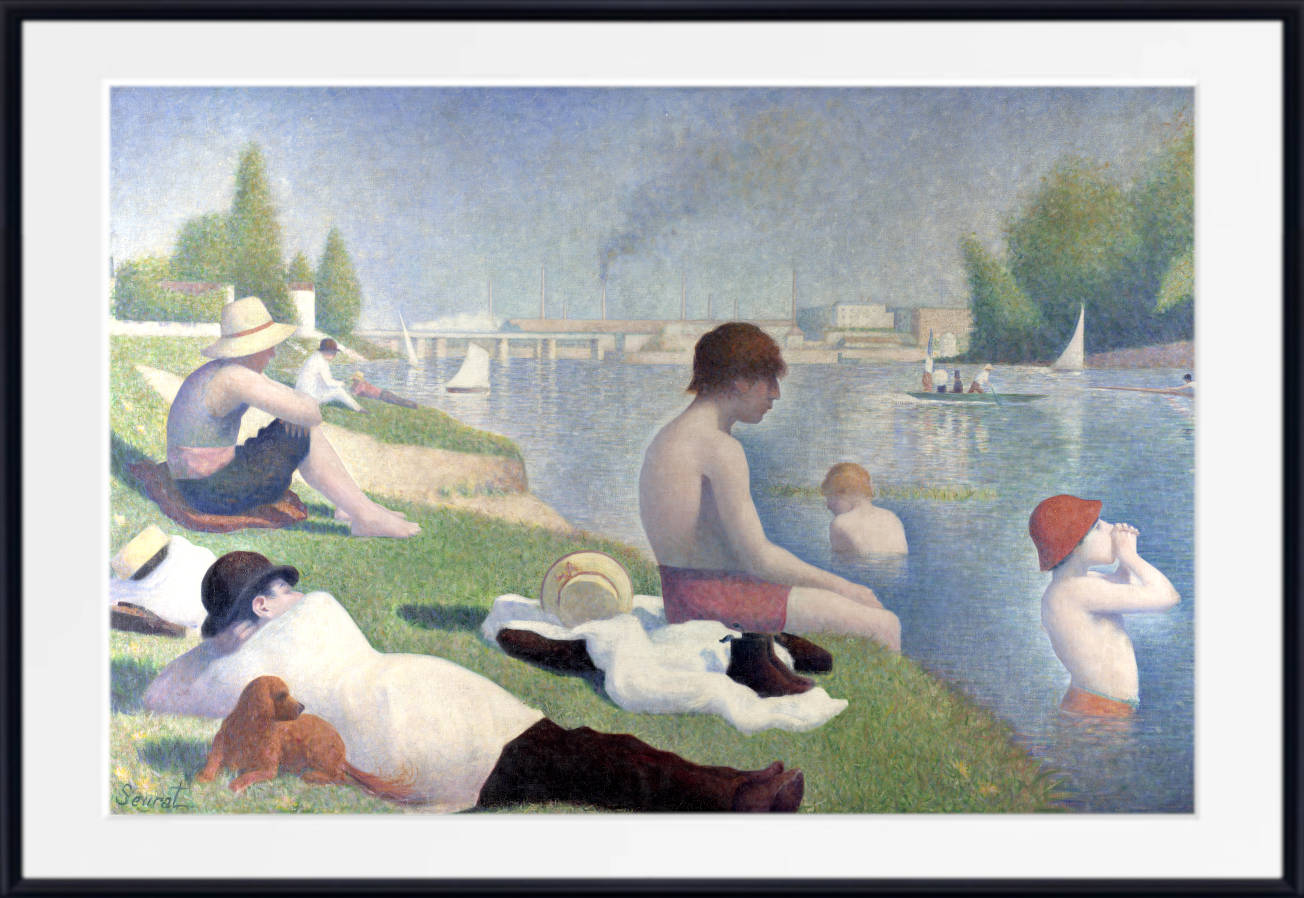
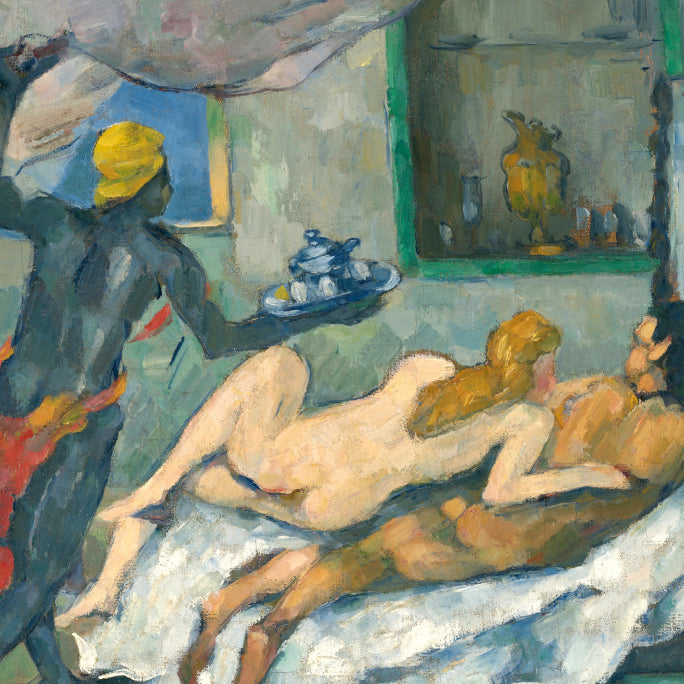
Vincent van Gogh transformed landscape, portraiture and still life through energetic brushwork and emotionally charged colour. Paul Cézanne investigated the underlying structure of objects and landscapes. Paul Gauguin pursued simplified forms, symbolic subjects and increasingly non-naturalistic colour, while Georges Seurat developed a highly systematic approach to colour that became central to Neo-Impressionism.
Together, these artists helped establish many of the ideas that would drive twentieth-century modern art.
What Is Post-Impressionism?
The term Post-Impressionism is used broadly for artists working after the emergence of Impressionism, particularly from the 1880s onwards. It was applied retrospectively rather than being the name of a single organised movement whose members followed one manifesto or technique.
The artists grouped under the term had learned from Impressionism's interest in modern life, outdoor painting, changing light and liberated brushwork, but they increasingly wanted painting to do something different.
Some pursued stronger emotional expression. Others concentrated on structure, symbolism, pattern or theories of colour. Perspective could be flattened, colours intensified and forms simplified. The visible world remained an important starting point, but artists felt increasingly free to transform it.
Visitors interested in the movement from which these developments emerged can also explore GalleryThane's Impressionist Art Prints.
Post-Impressionism vs Impressionism
Impressionist painters became famous for capturing fleeting effects of light, atmosphere and modern life through broken brushwork and rapidly observed colour. Post-Impressionist artists inherited many of those discoveries but used them as a starting point rather than an end point.
Cézanne wanted greater permanence and structure. Van Gogh intensified colour and brushwork to give landscape and still life an expressive force. Gauguin simplified forms and increasingly used colour symbolically rather than naturalistically. Seurat approached colour through a more systematic investigation of optical relationships.
There is therefore no single Post-Impressionist appearance. A Van Gogh landscape, Cézanne still life and Seurat figure painting can look radically different while all belonging to the wider transformation of painting that followed Impressionism.
Vincent van Gogh: Expressive Colour and Brushwork
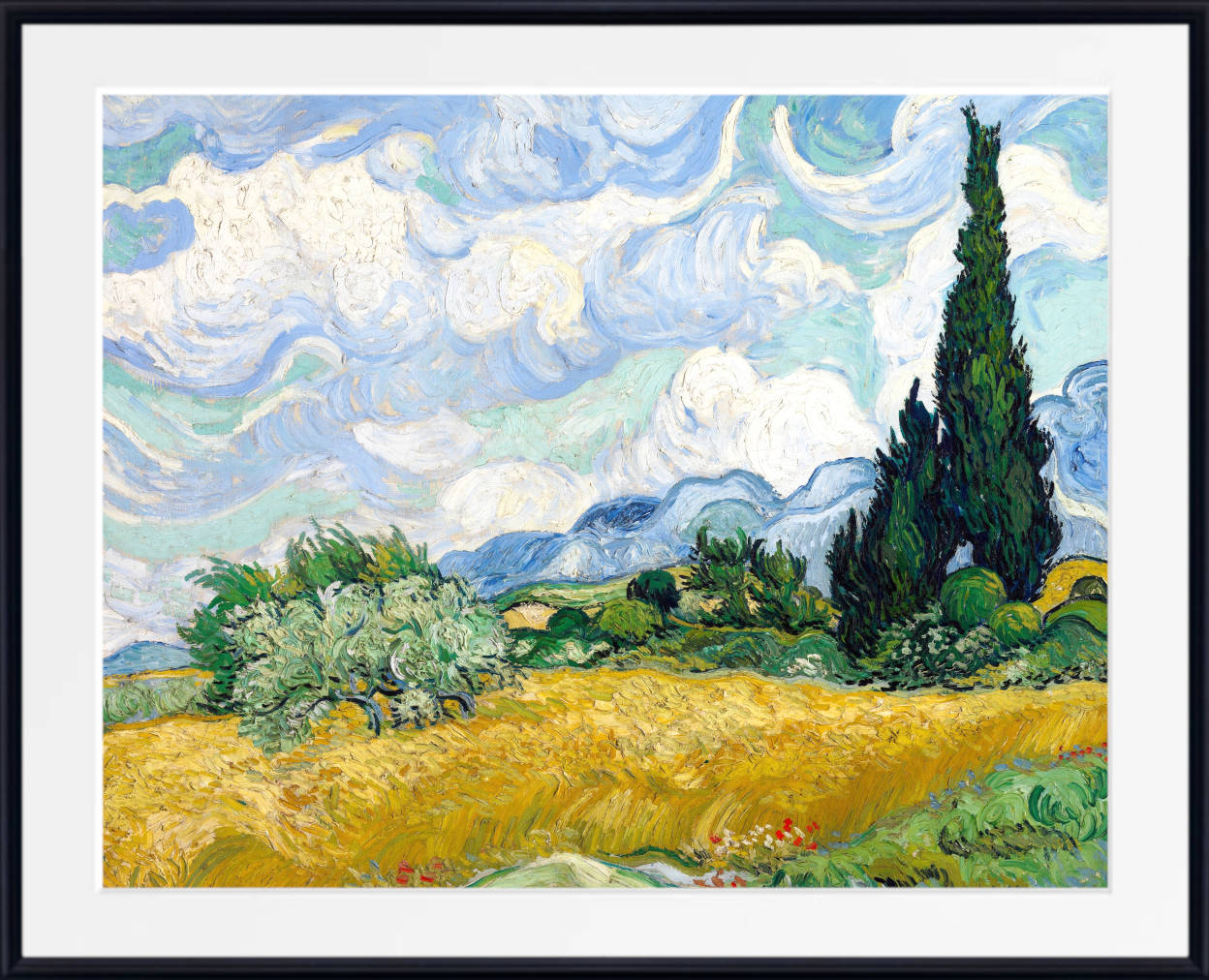
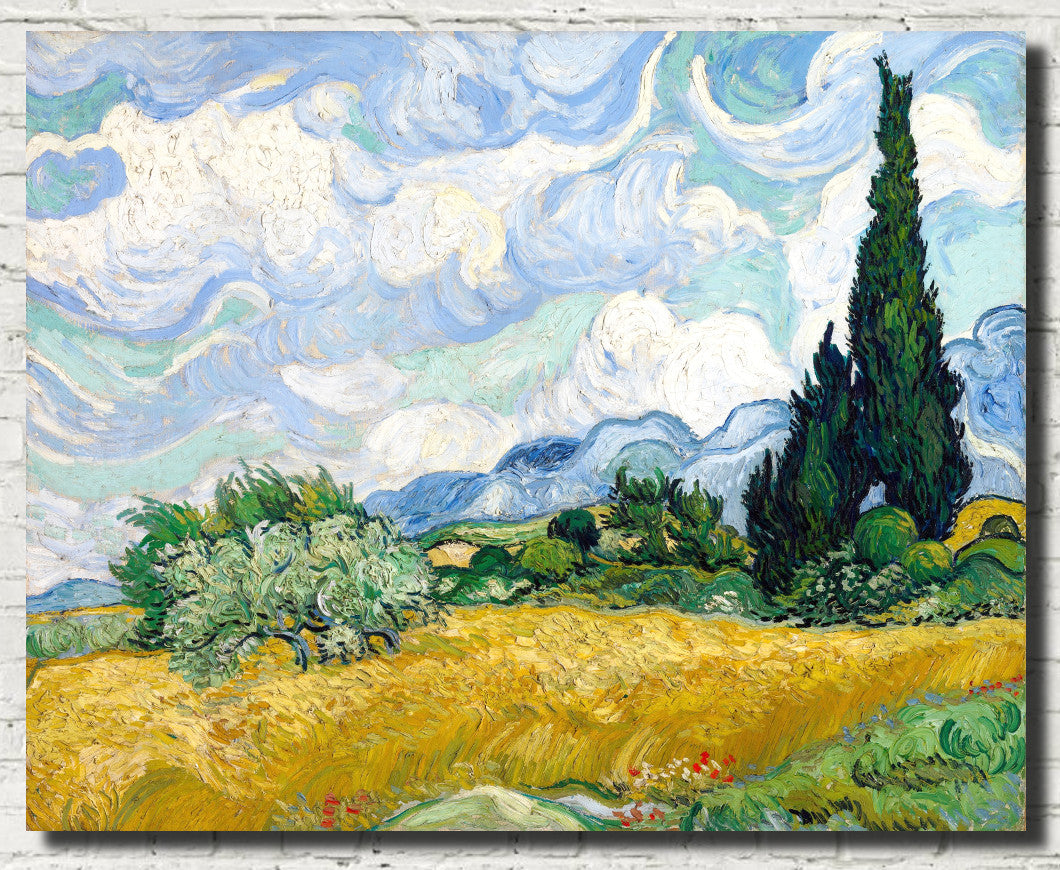
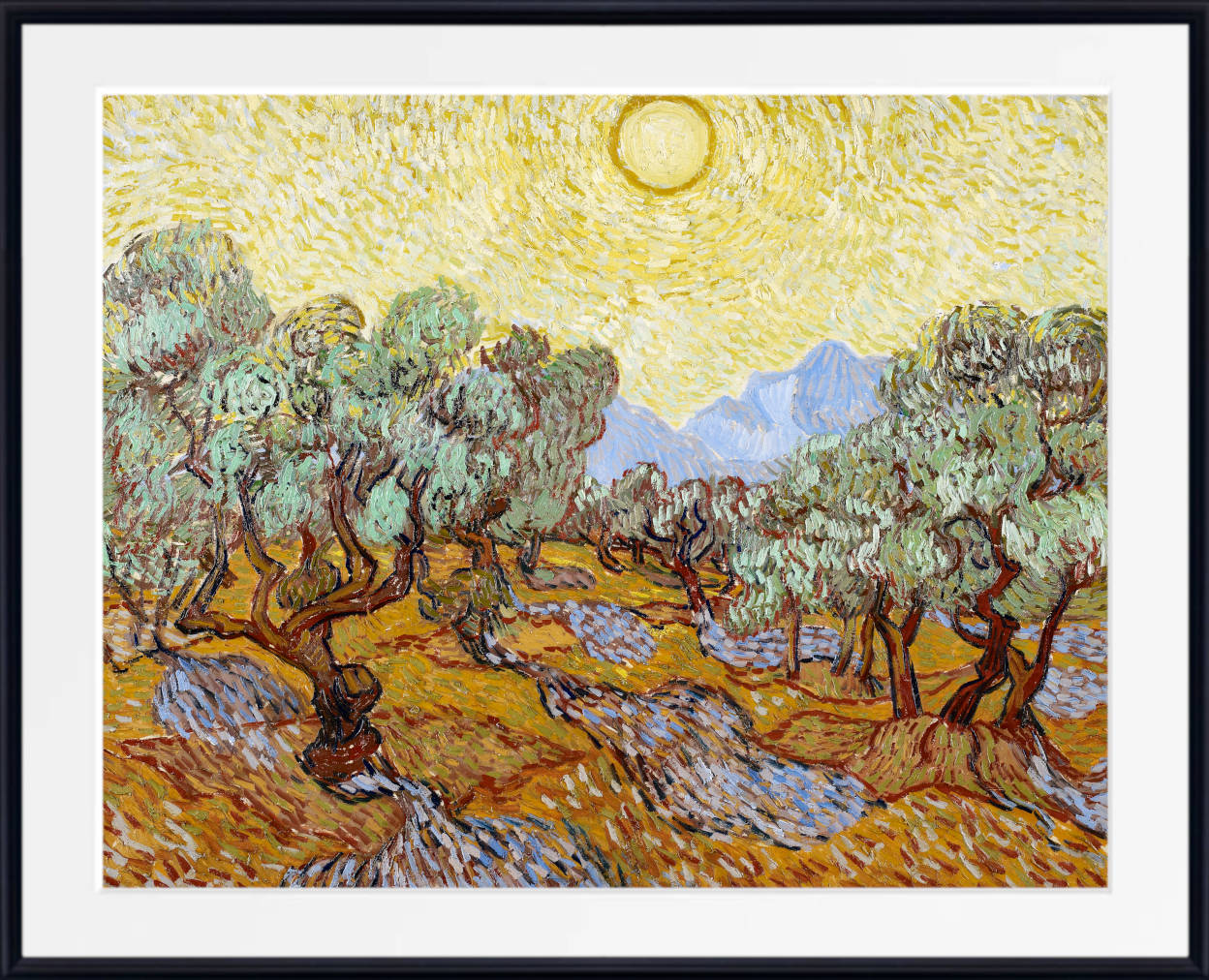
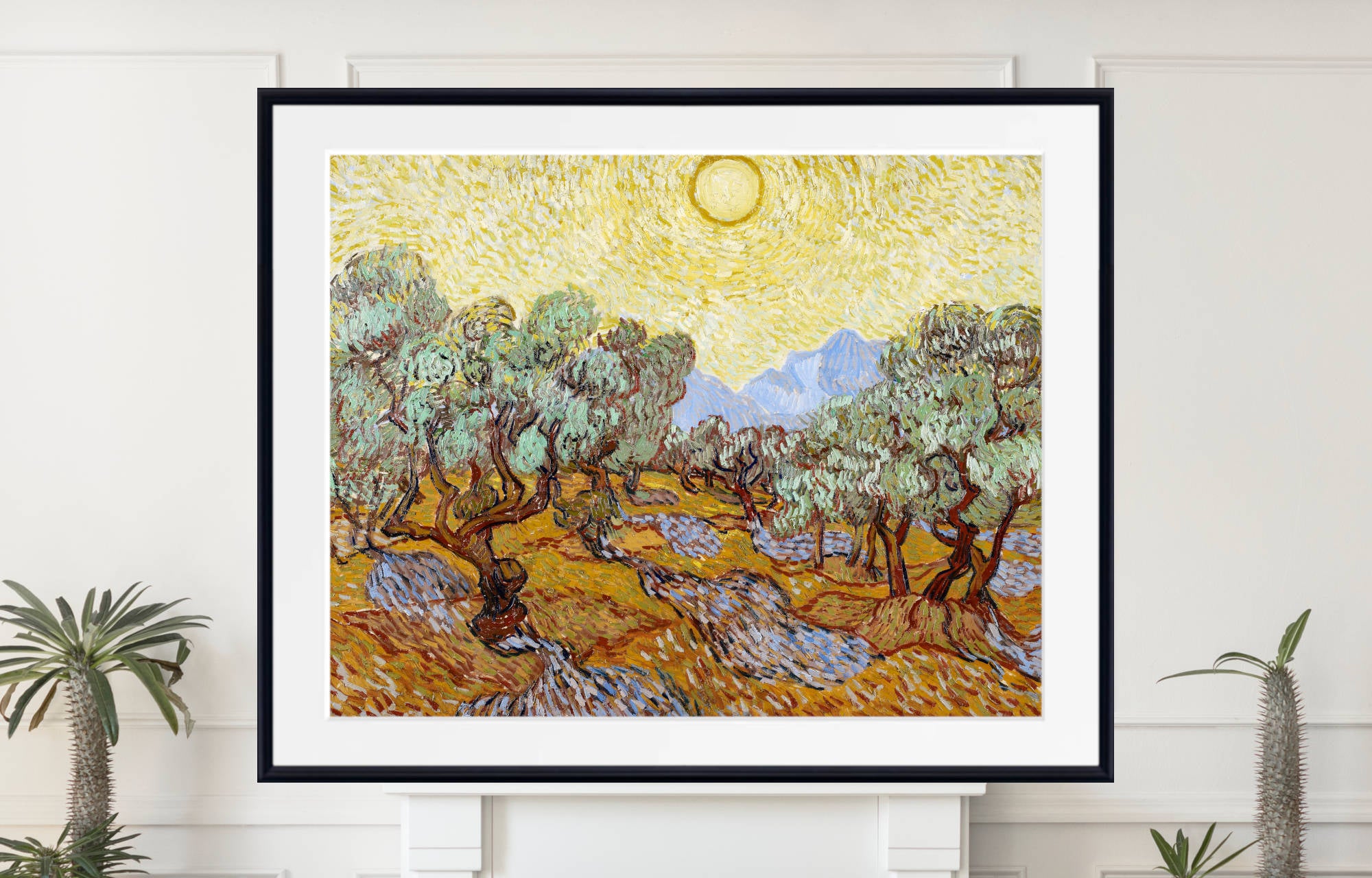
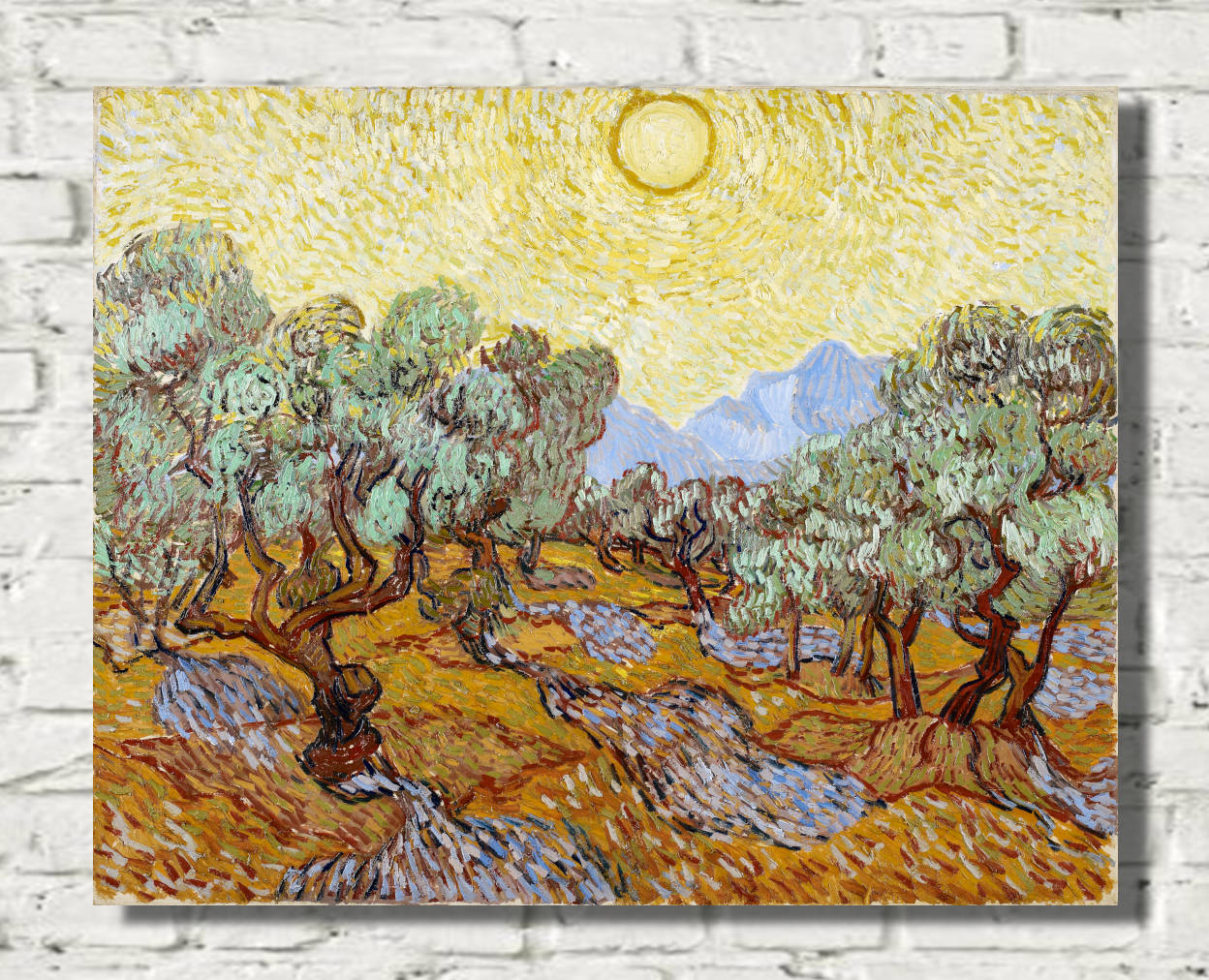
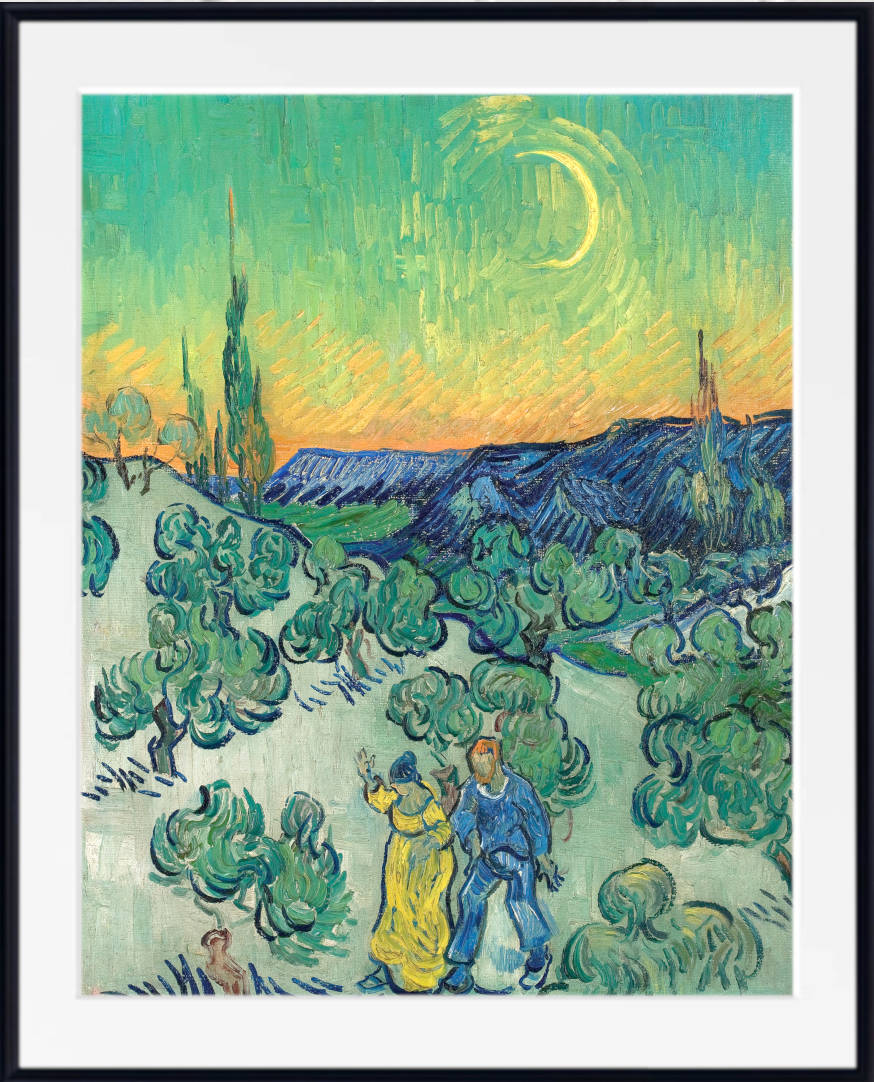
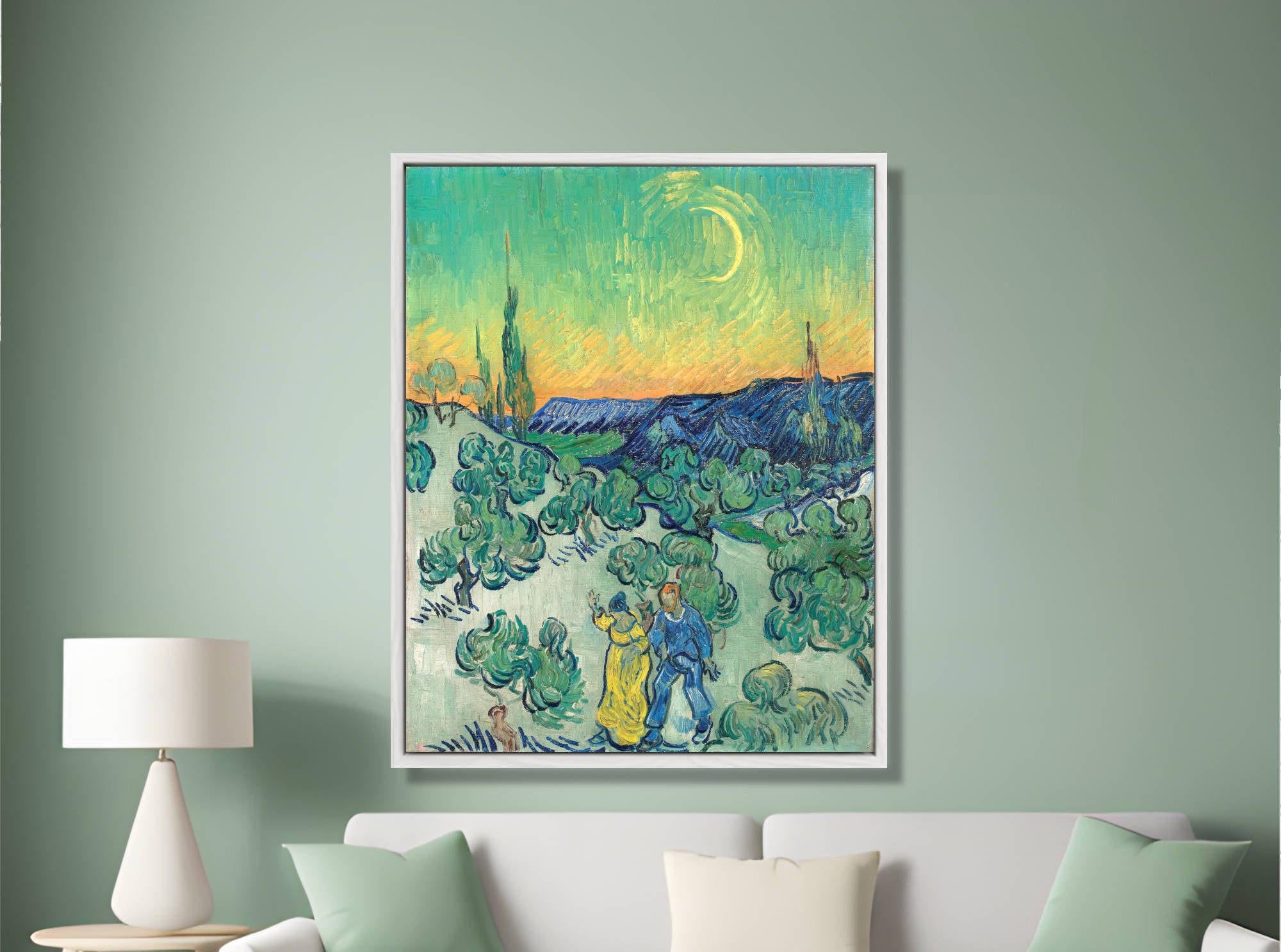
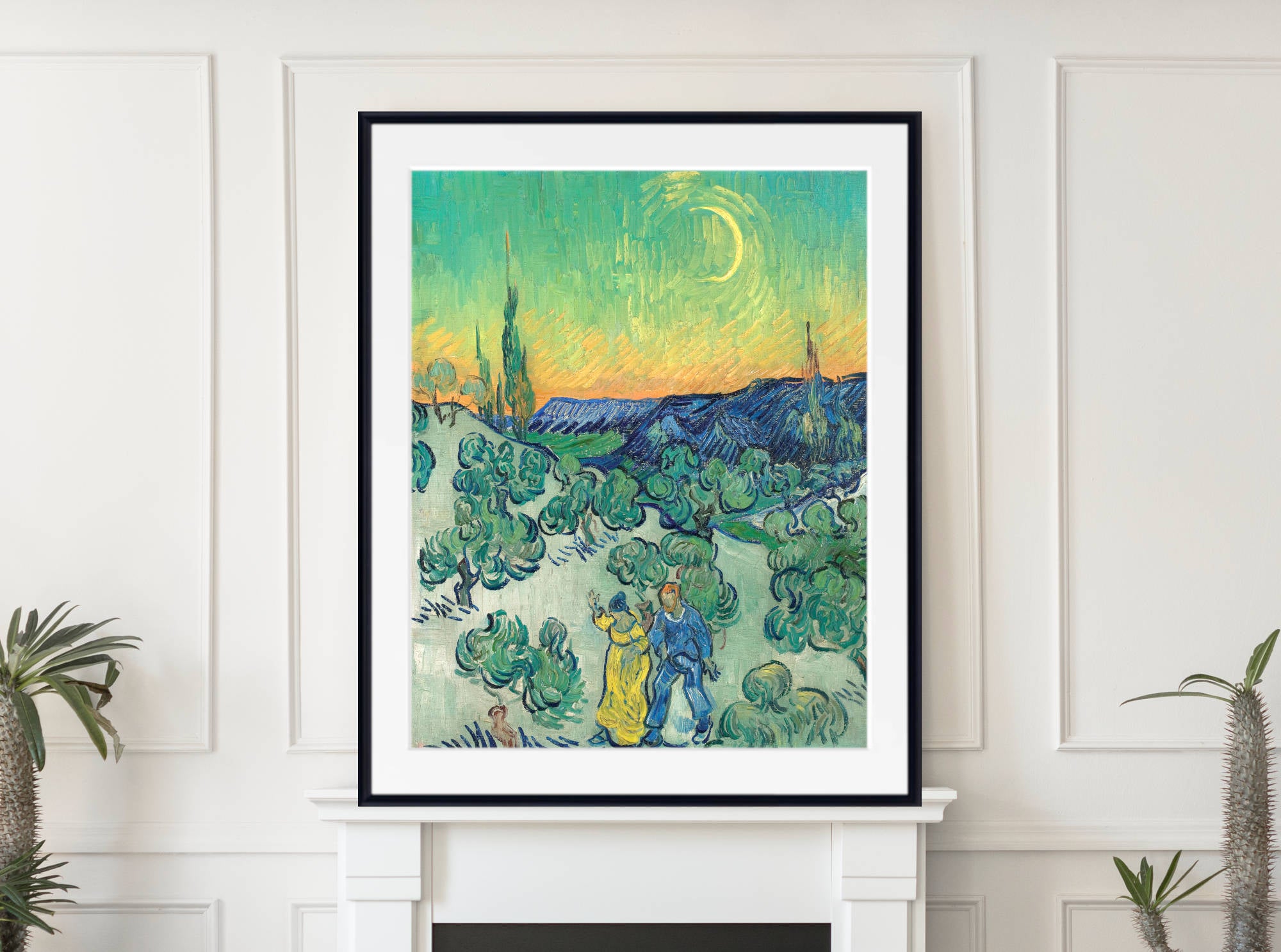
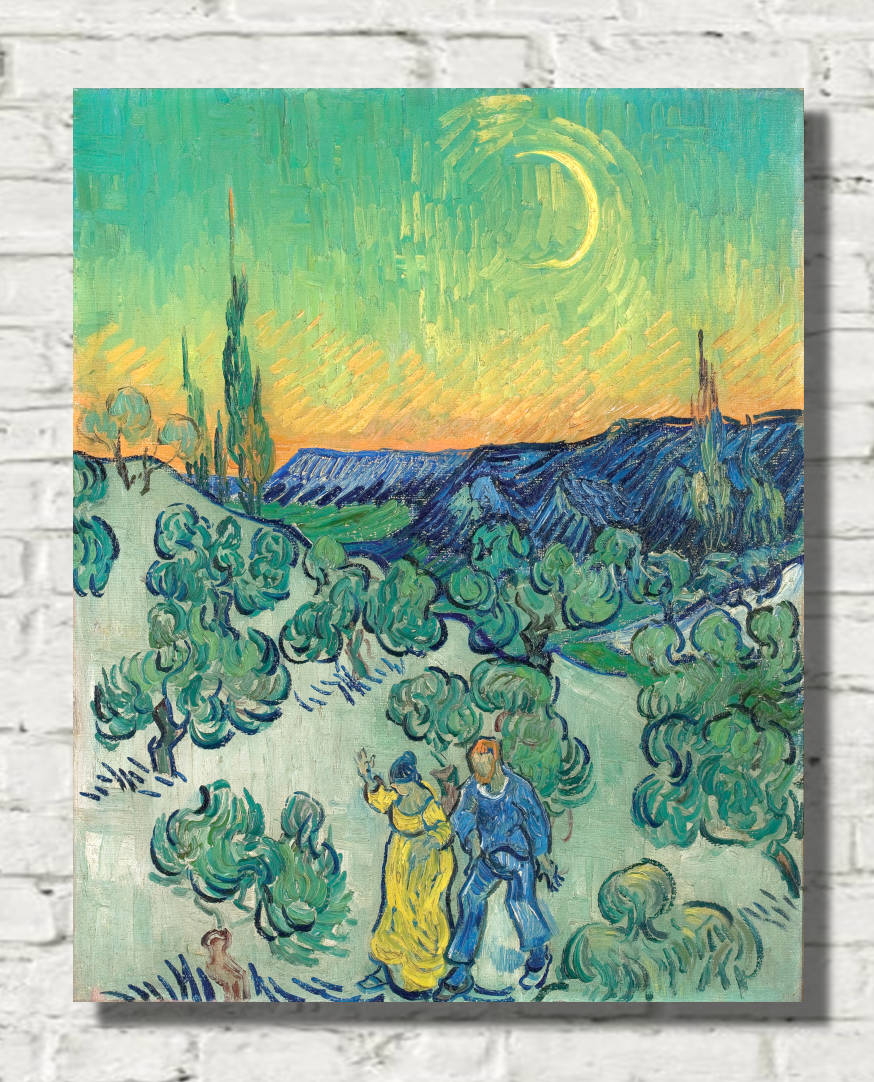
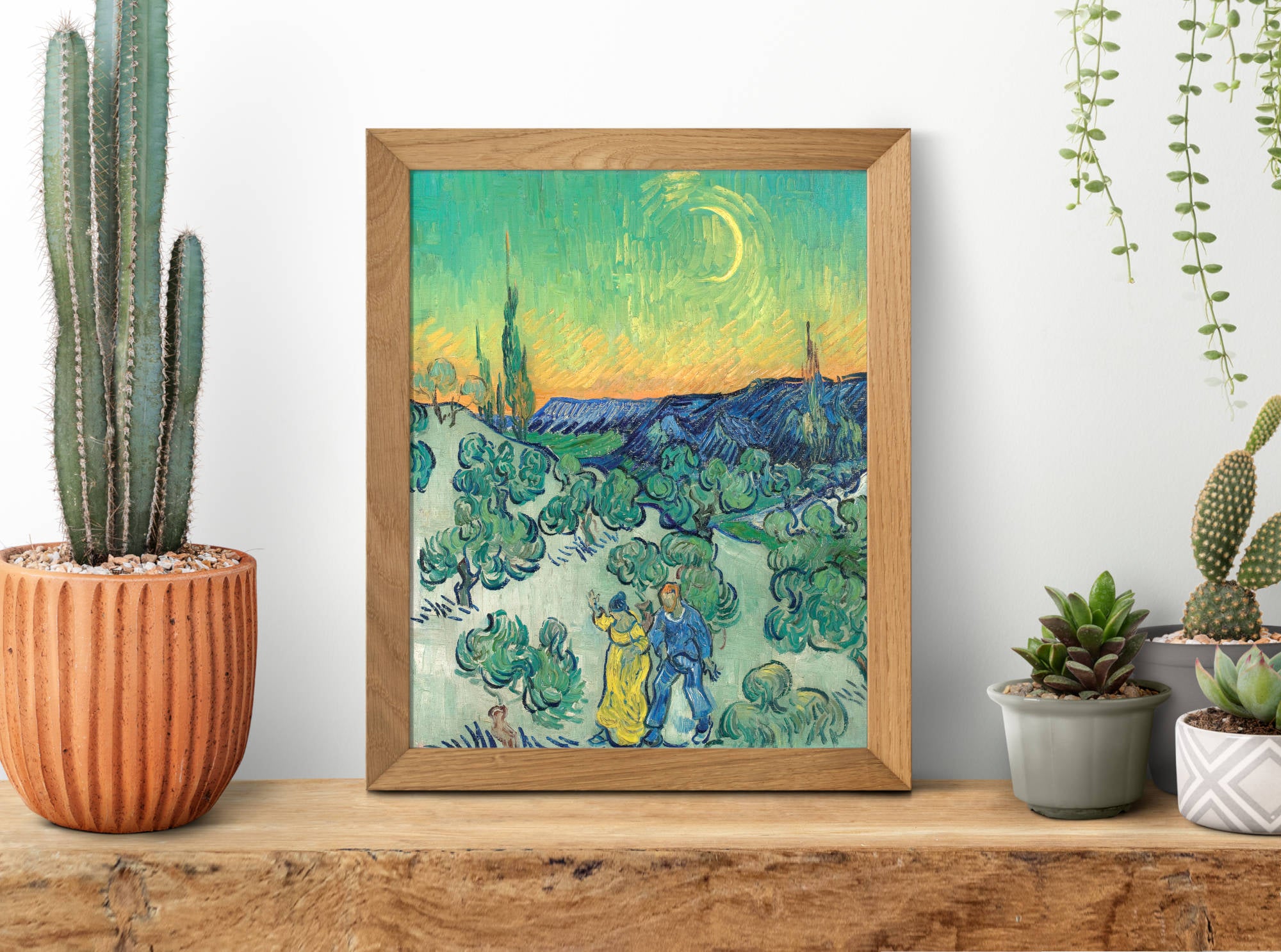
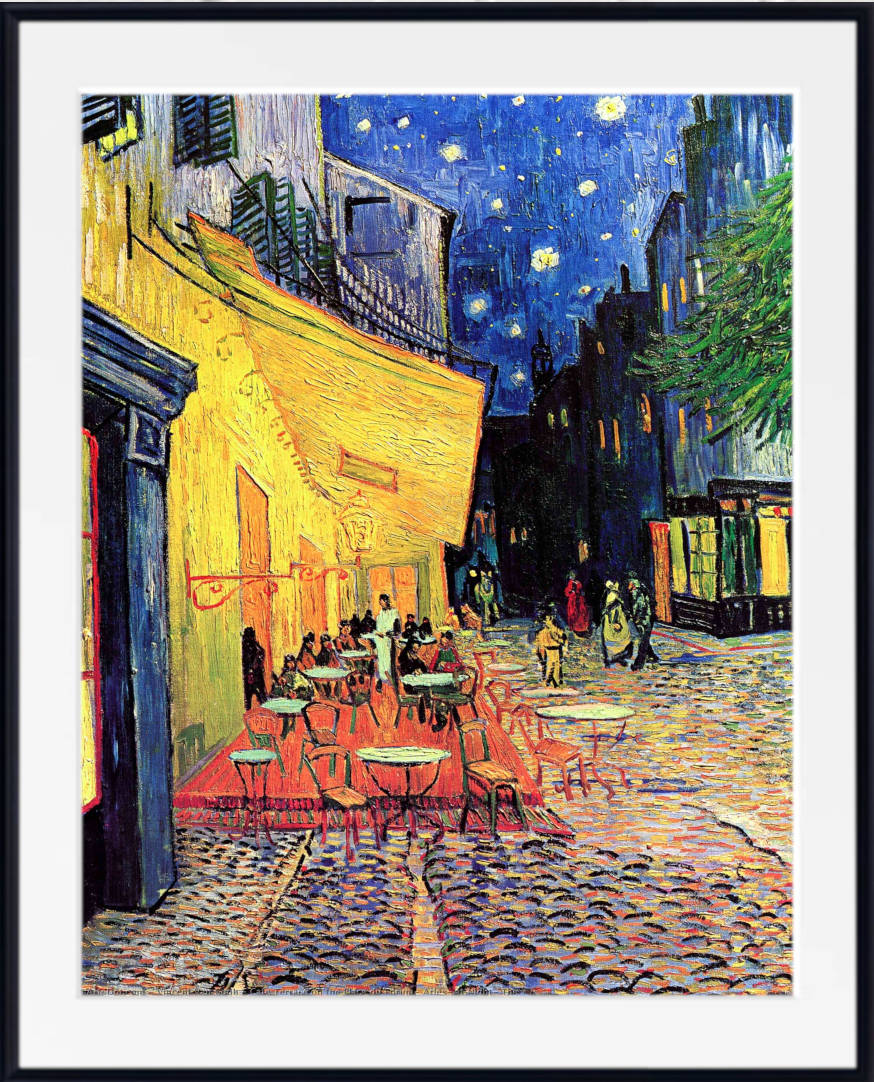
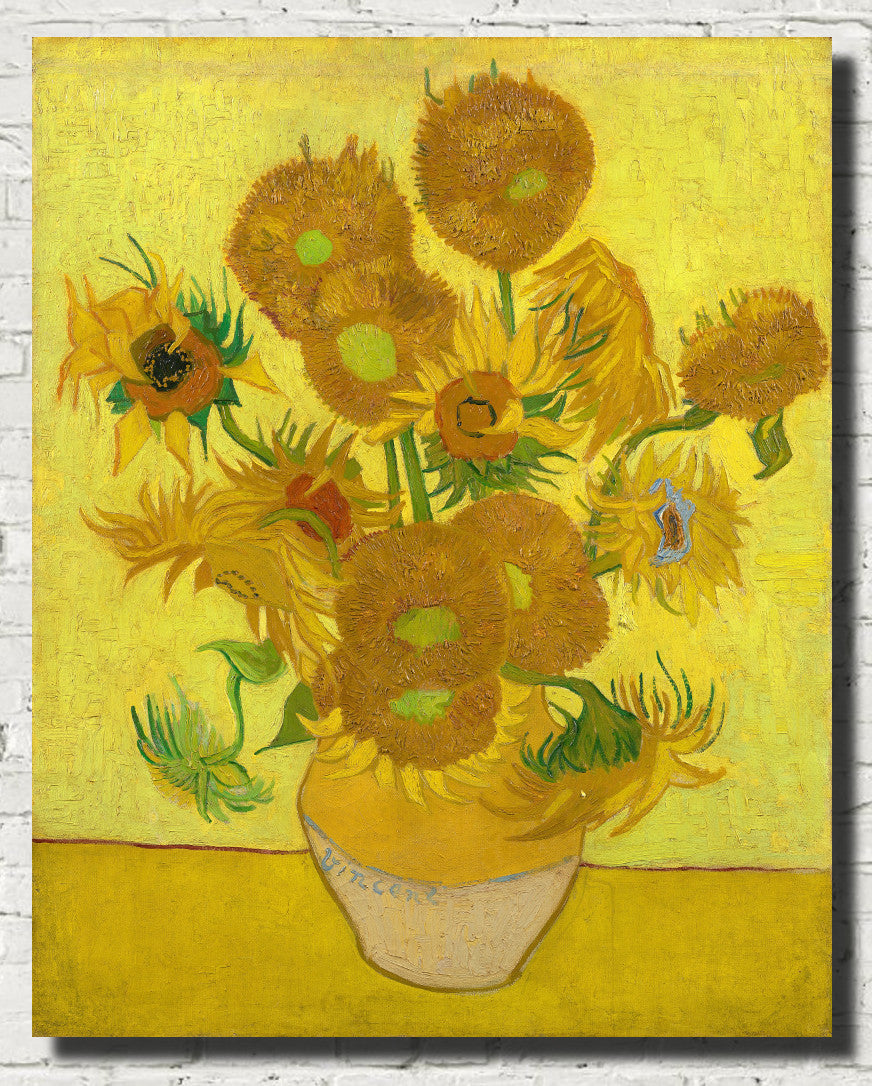
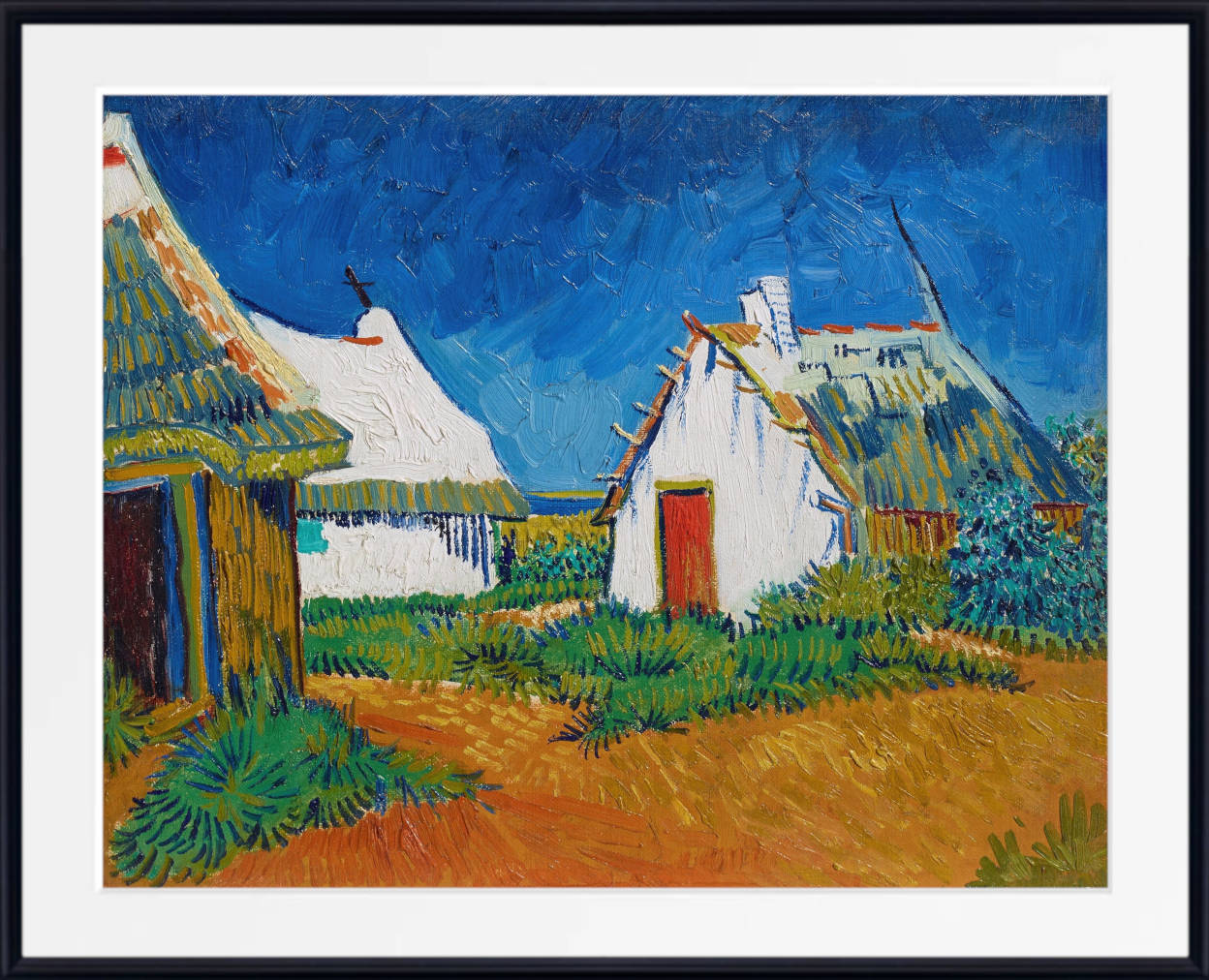
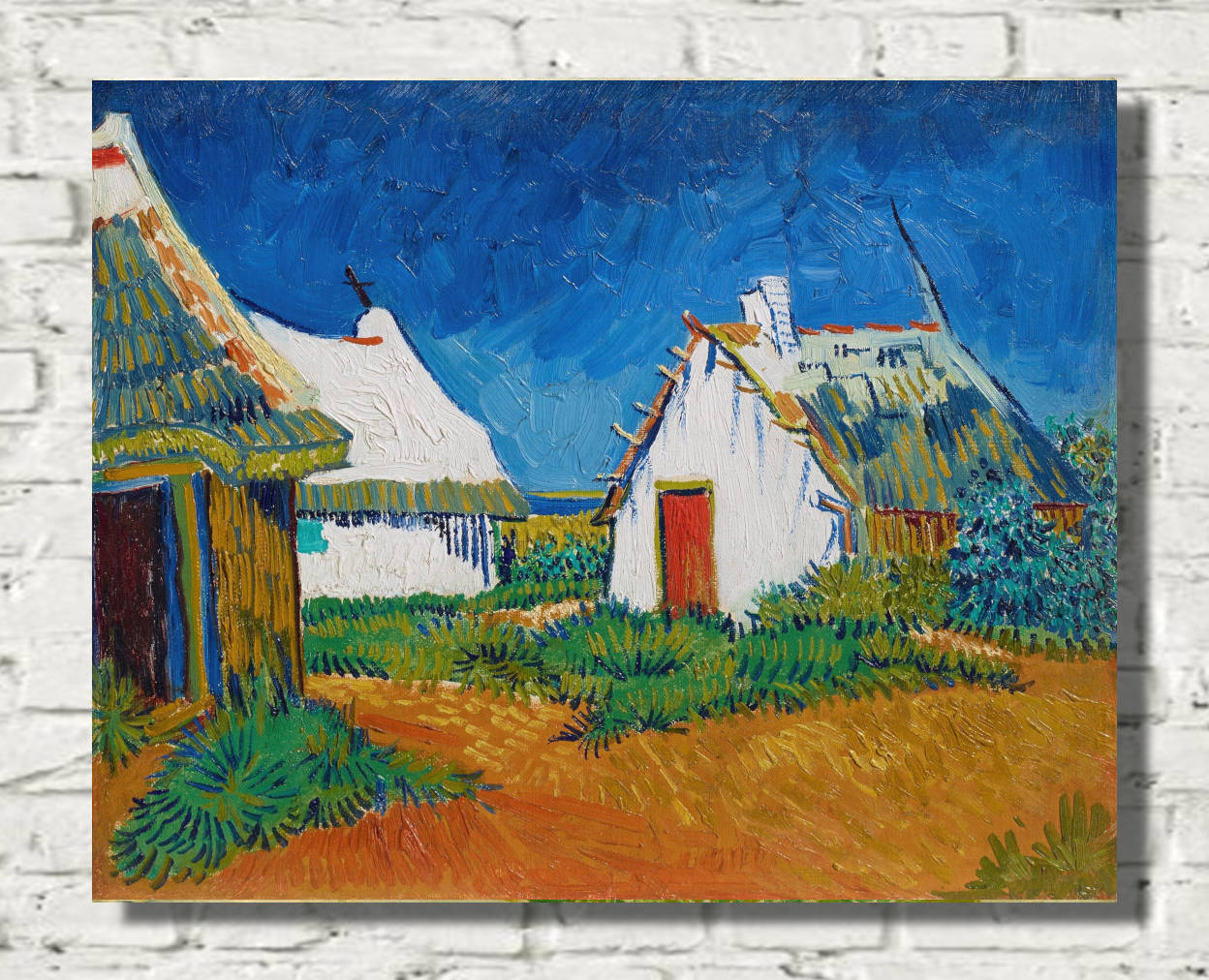
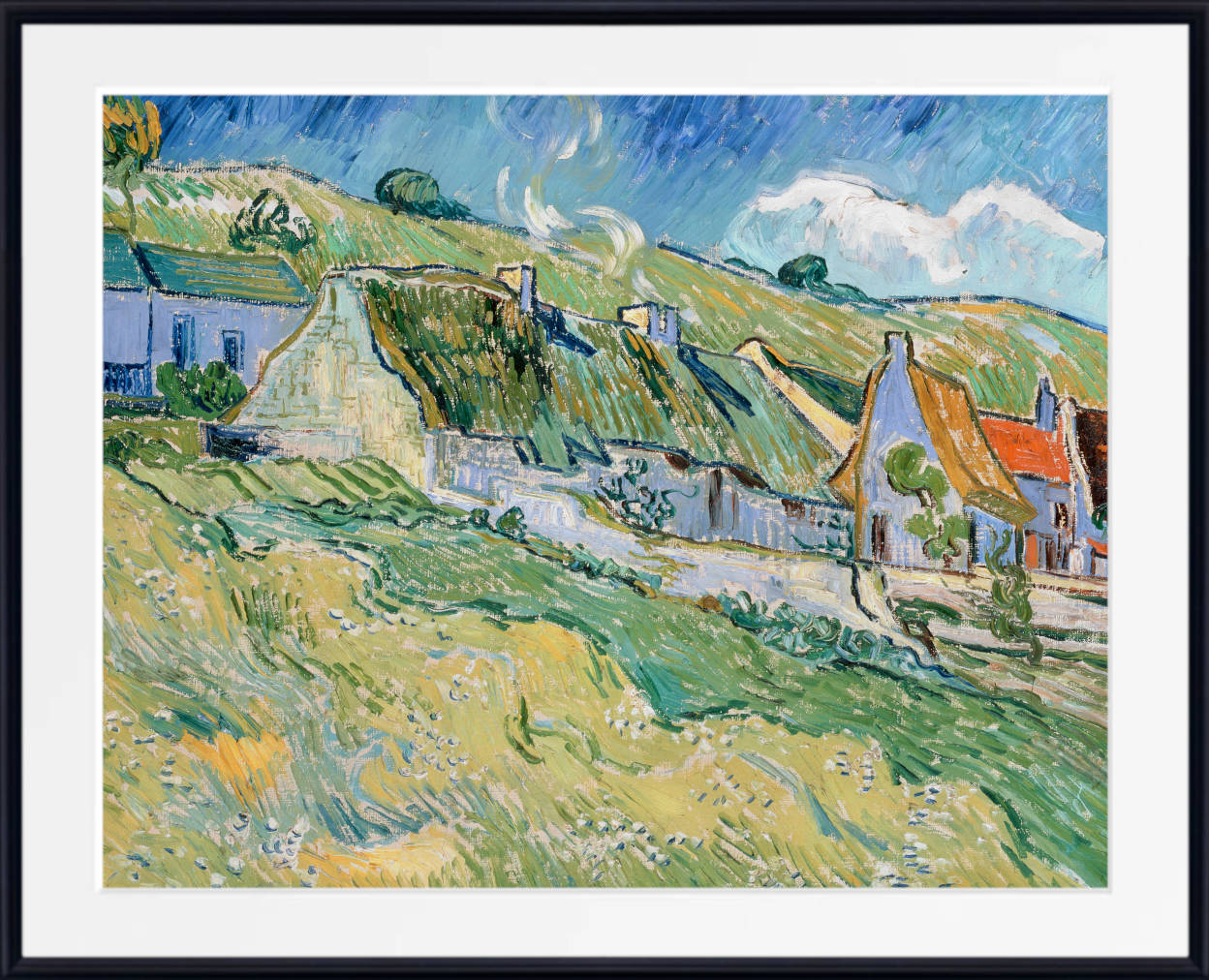
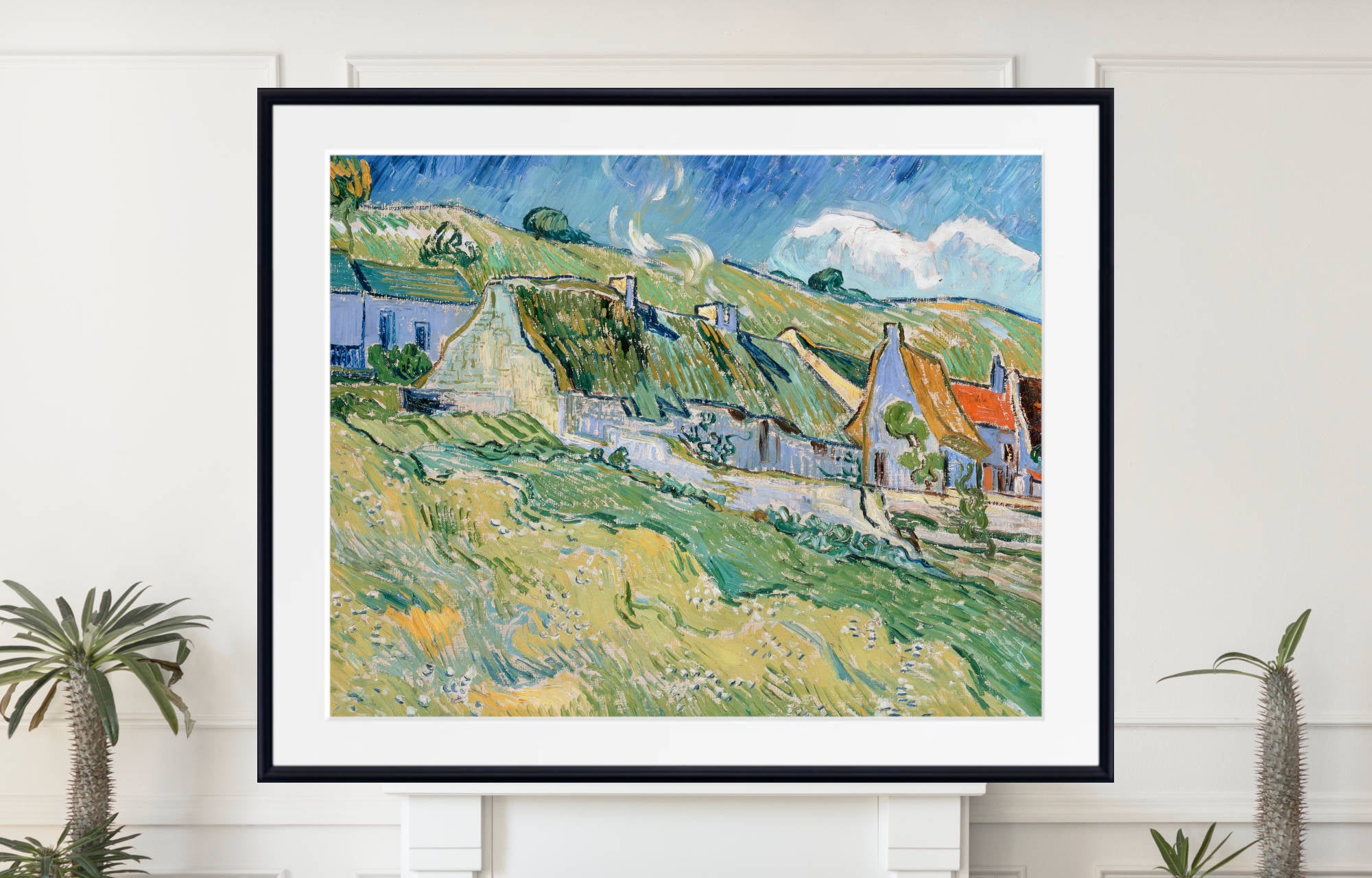
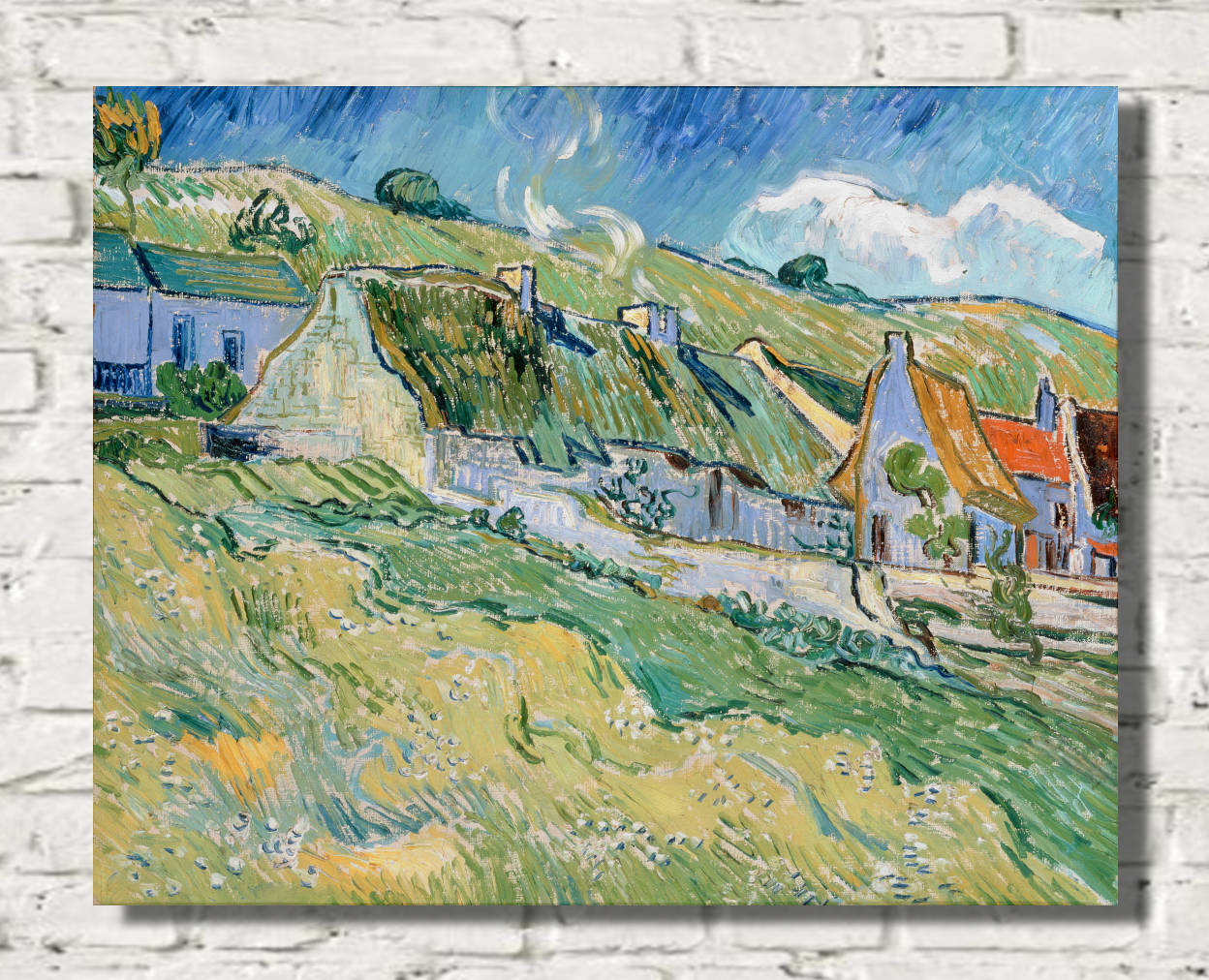
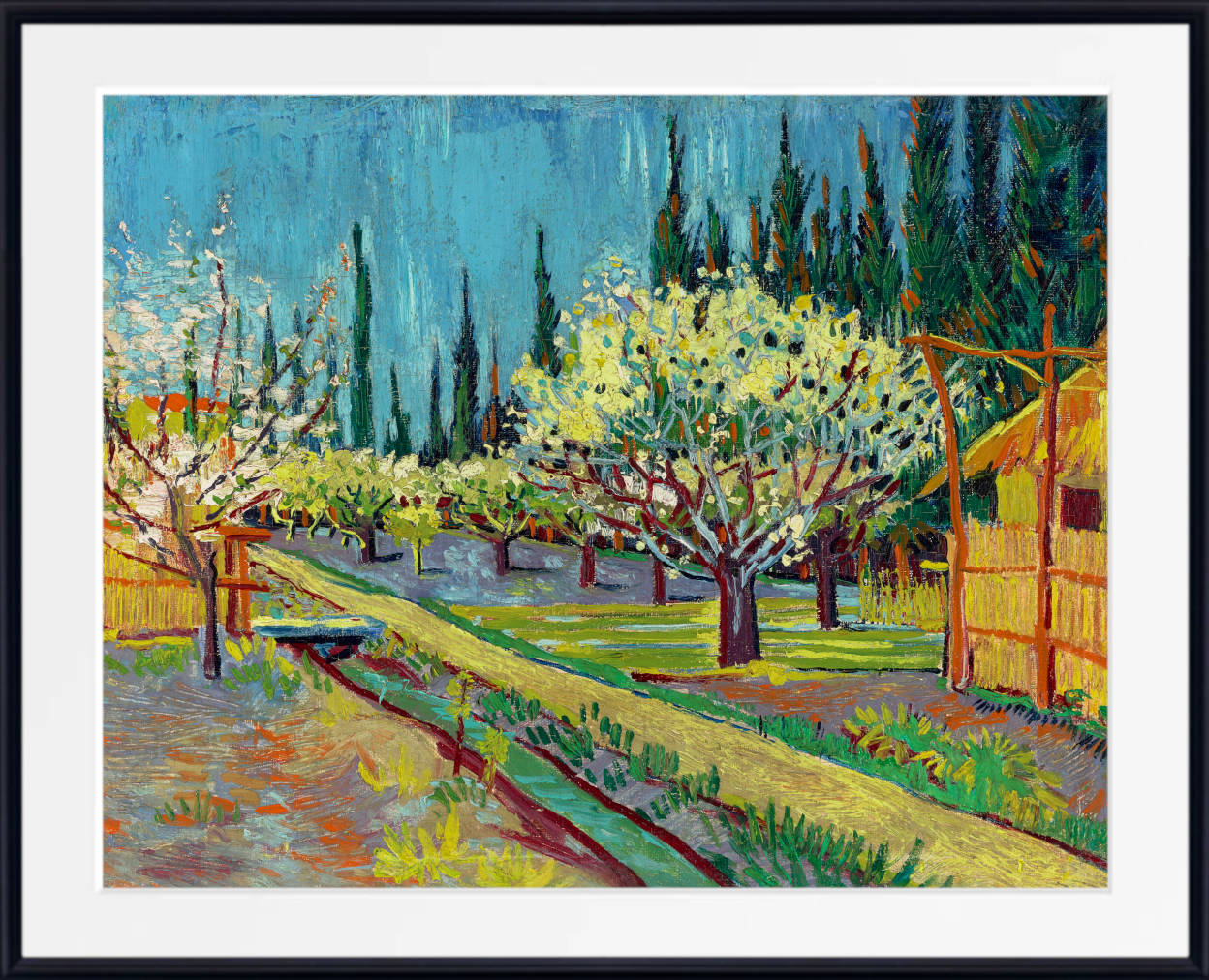
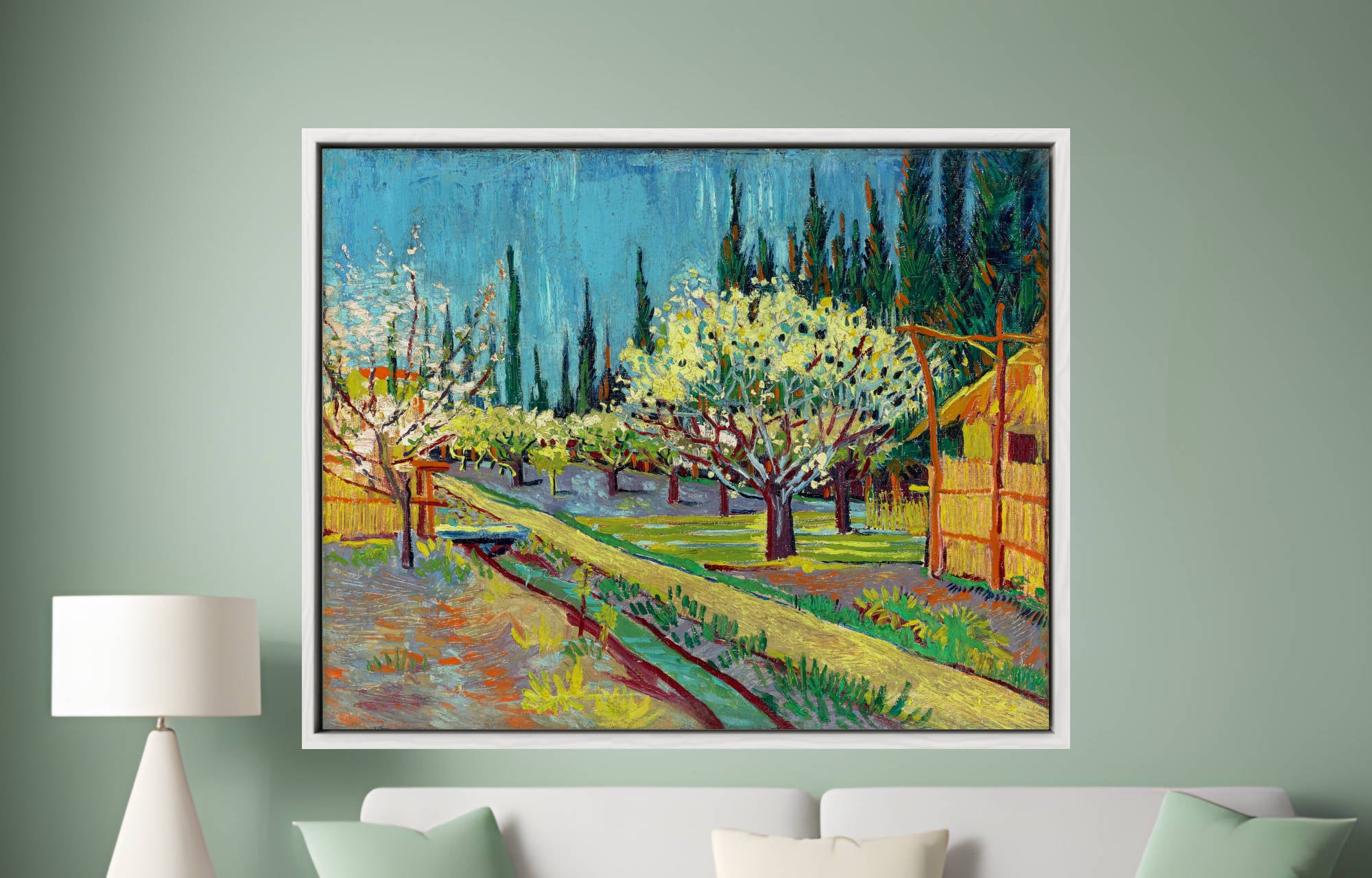
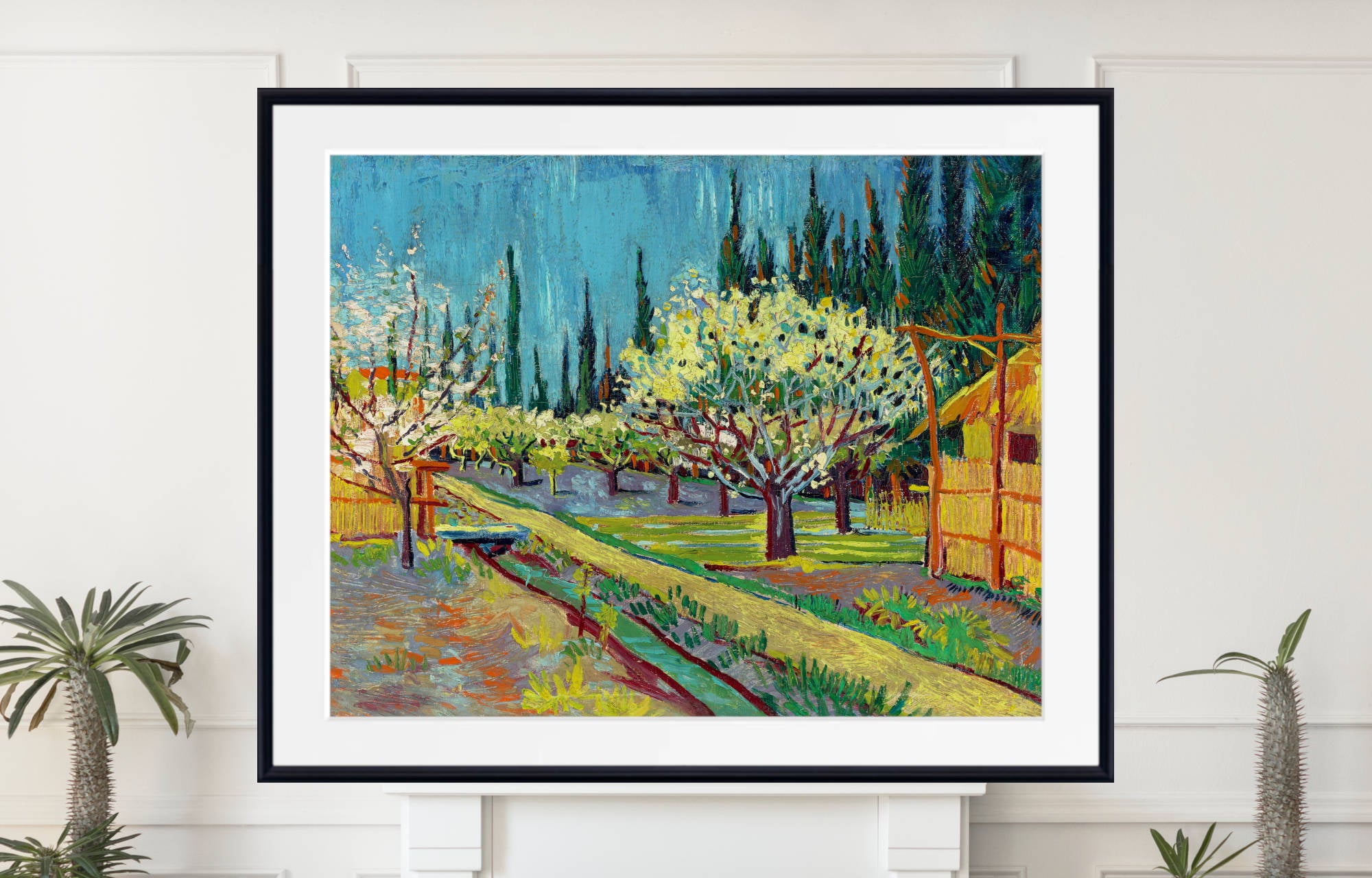
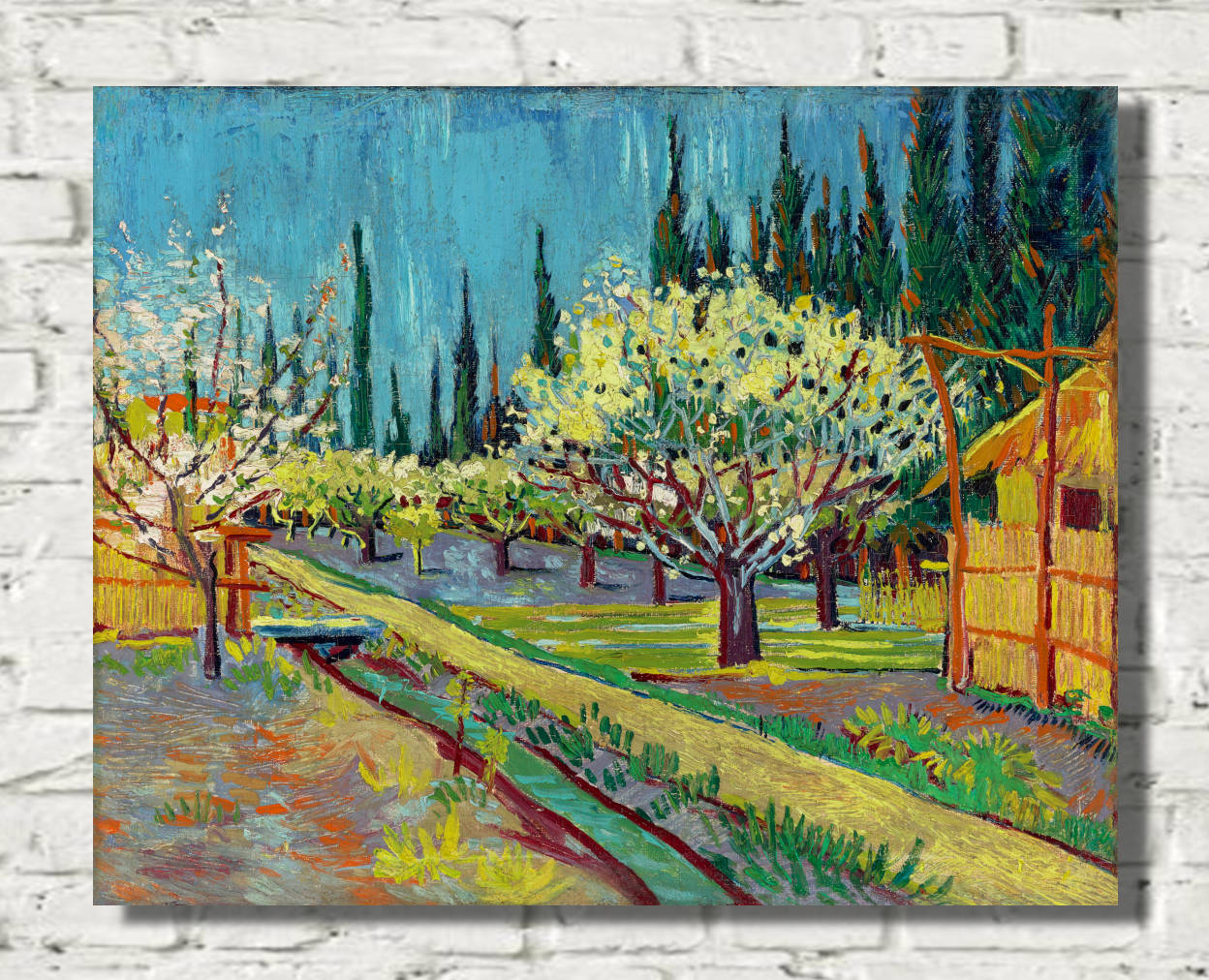
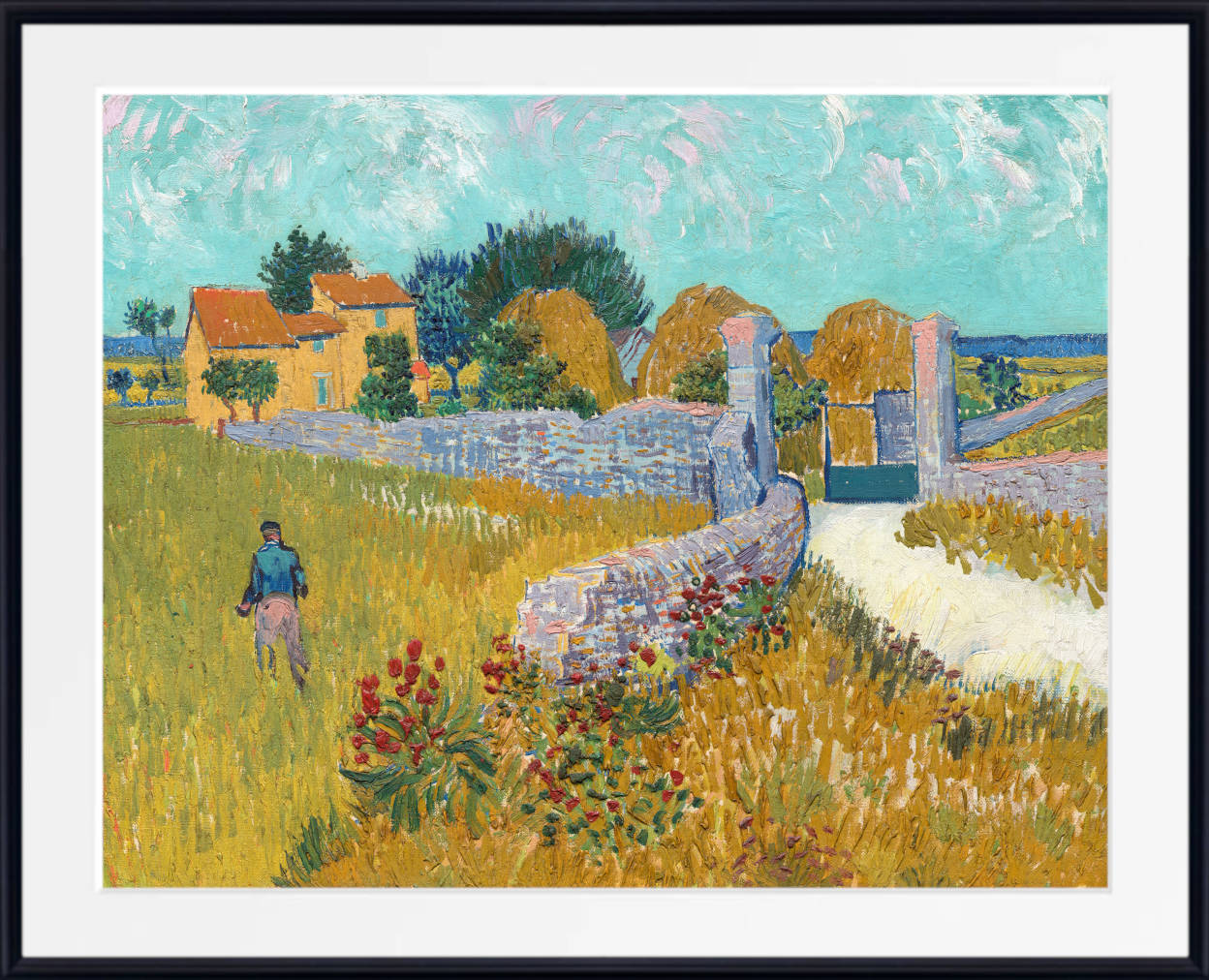
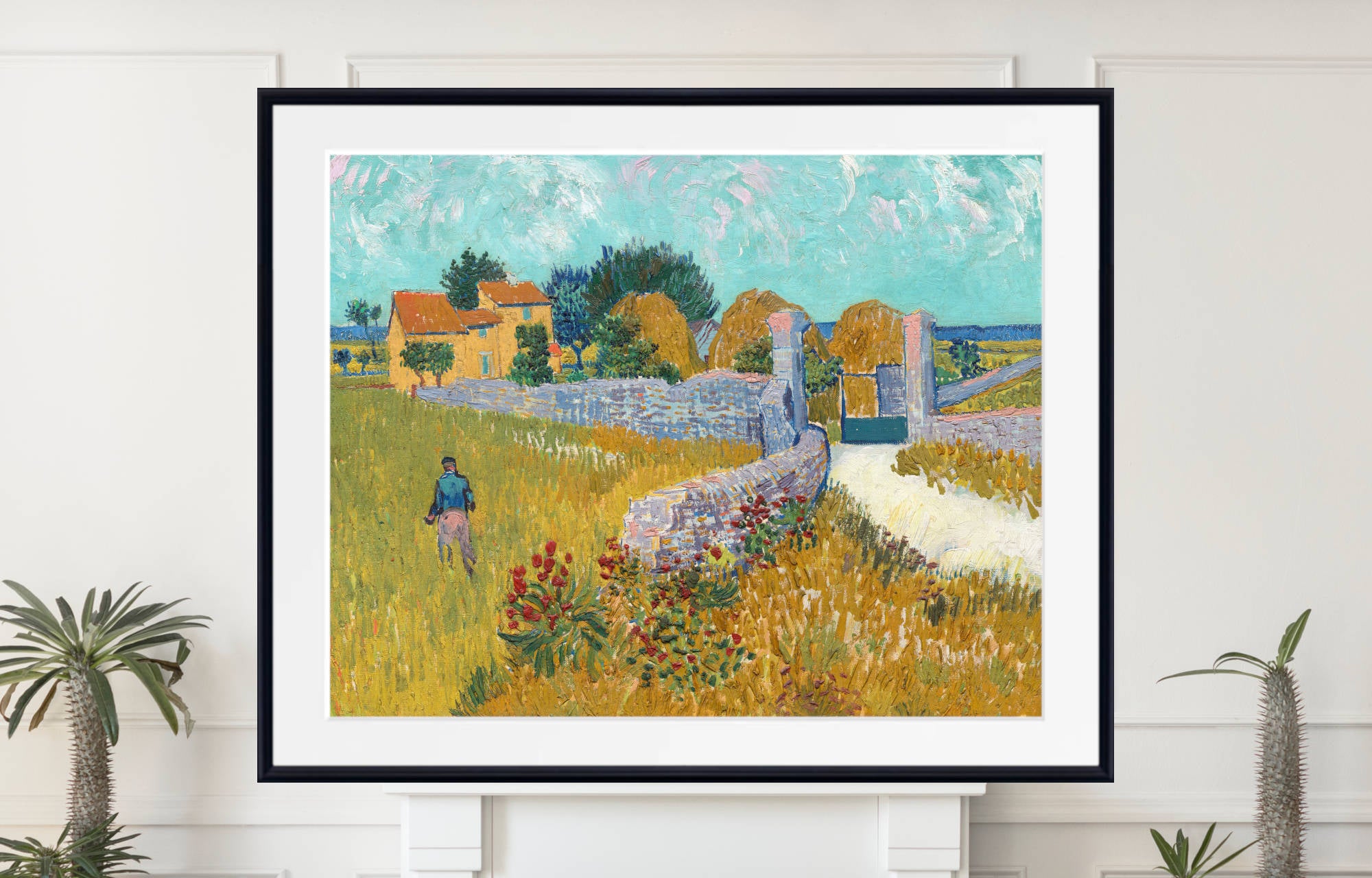
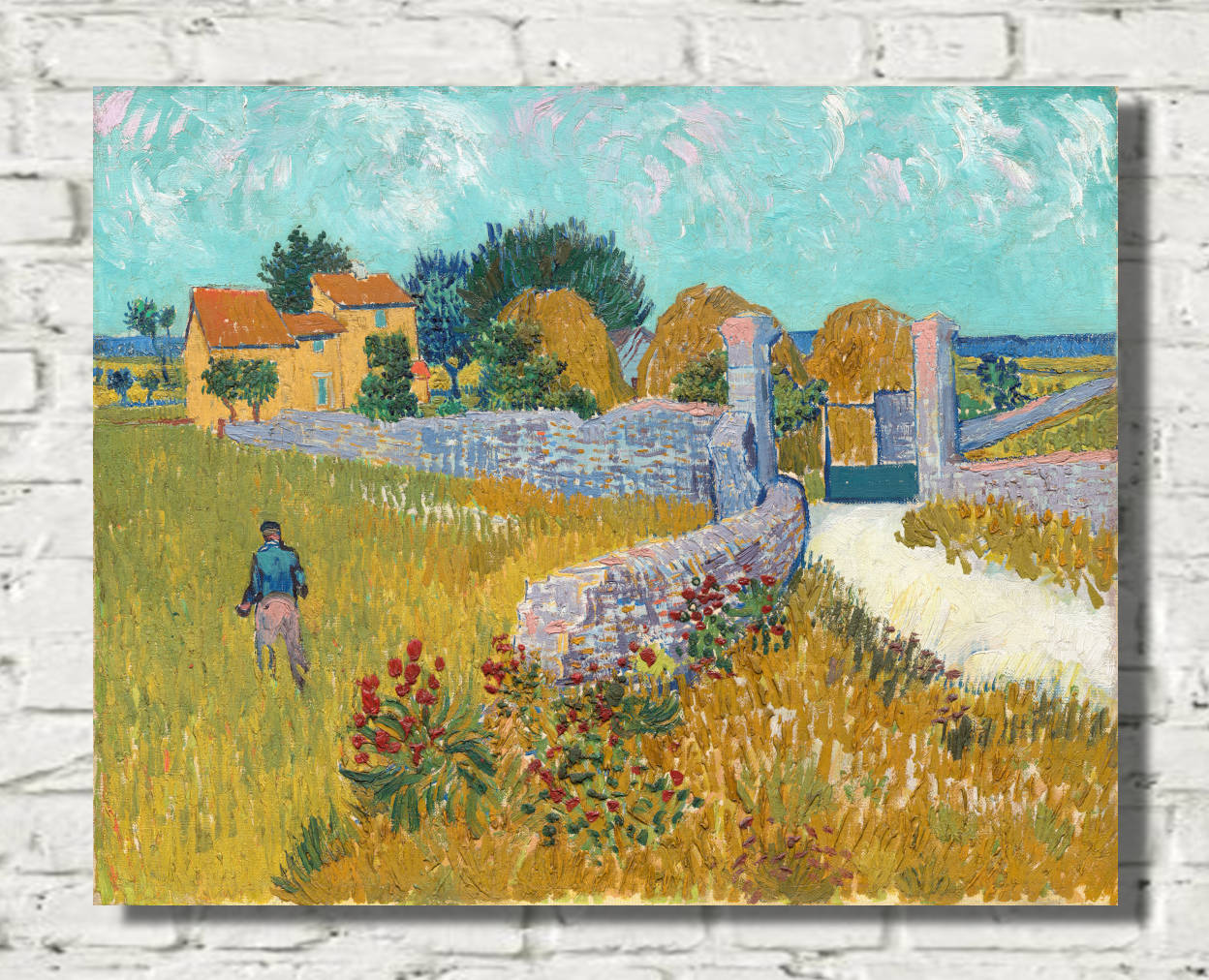
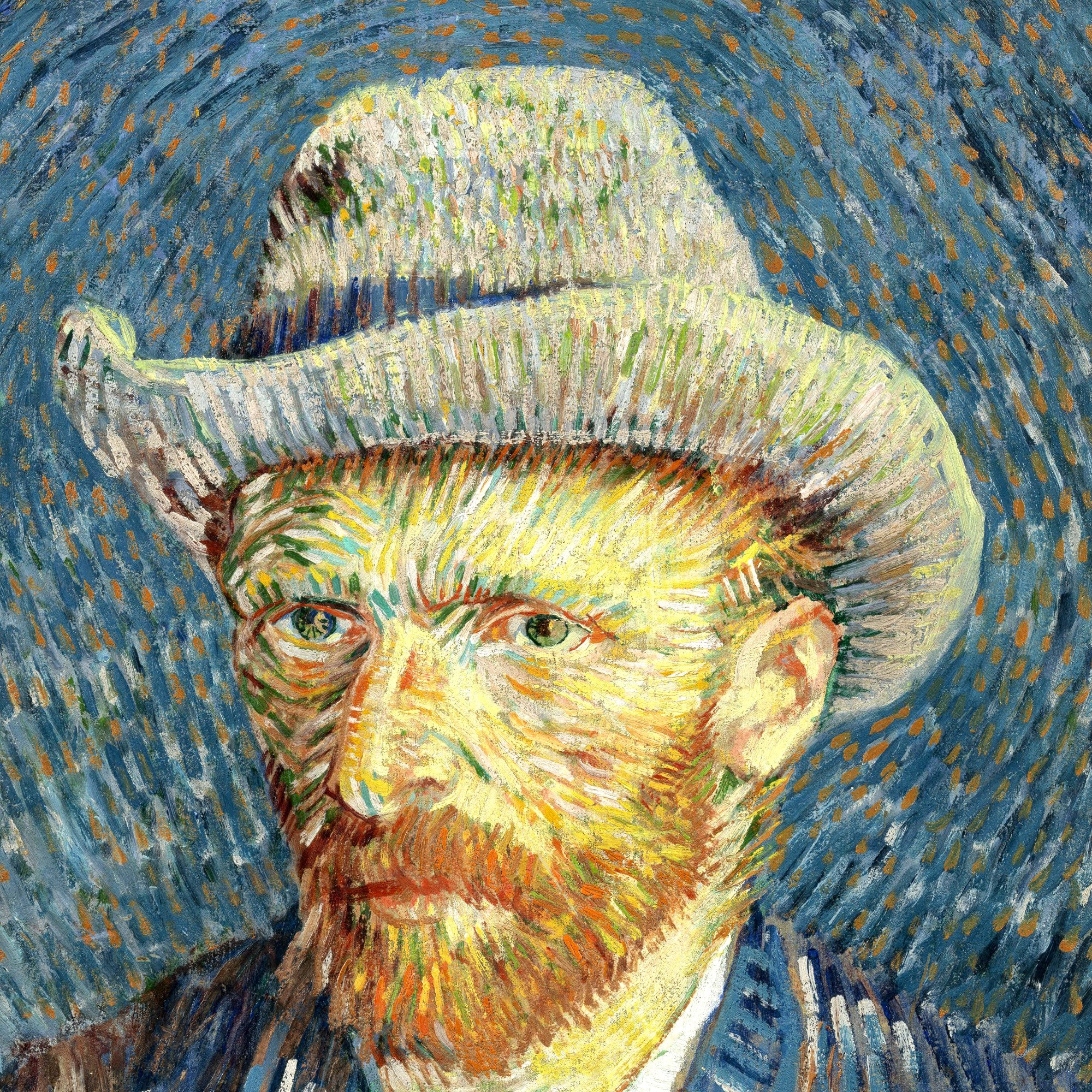
Vincent van Gogh prints provide one of the most immediately recognisable routes into Post-Impressionism. His landscapes, flowers, portraits and night scenes combine brilliant colour with brushwork that often appears to follow the energy and structure of the subject itself.
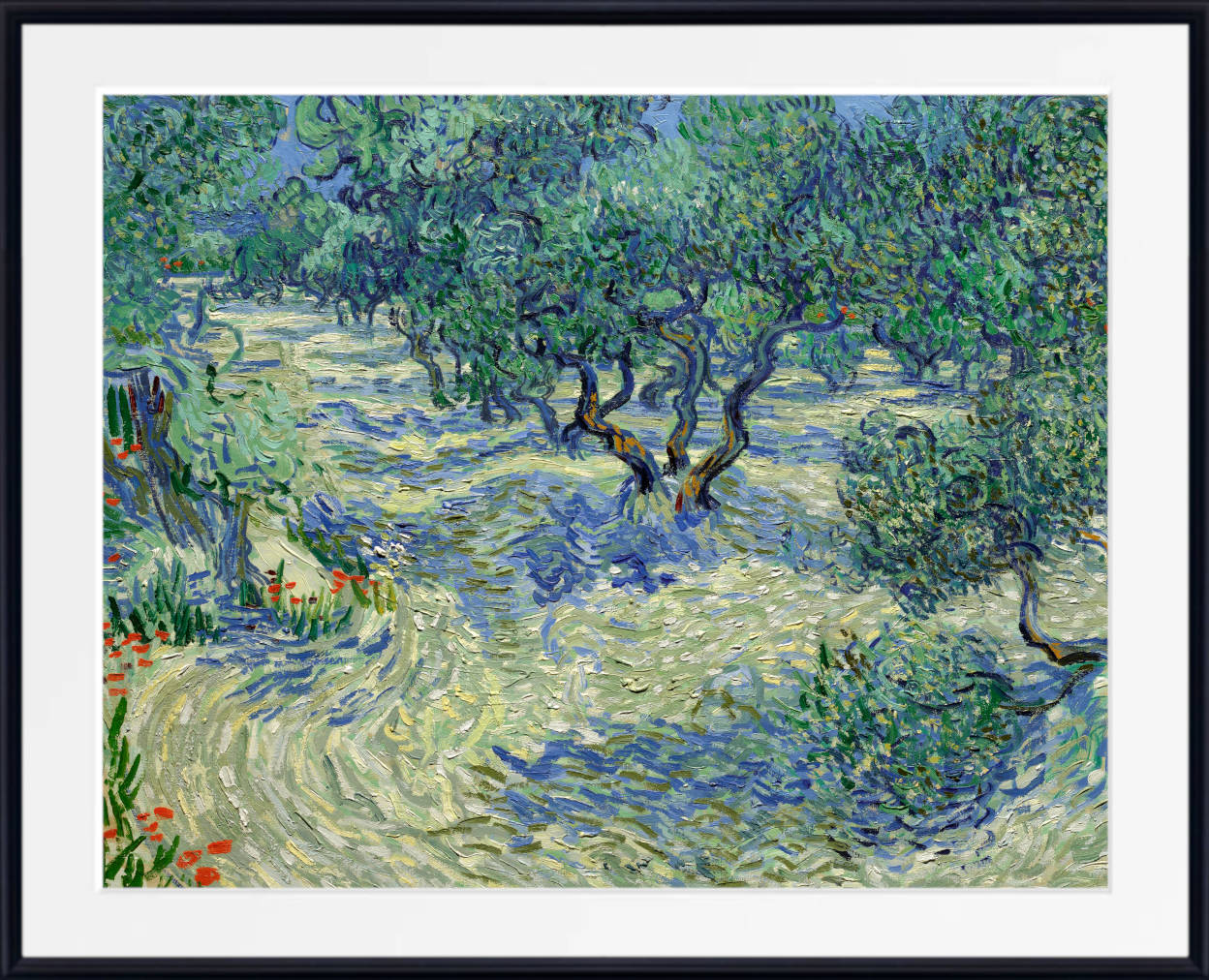
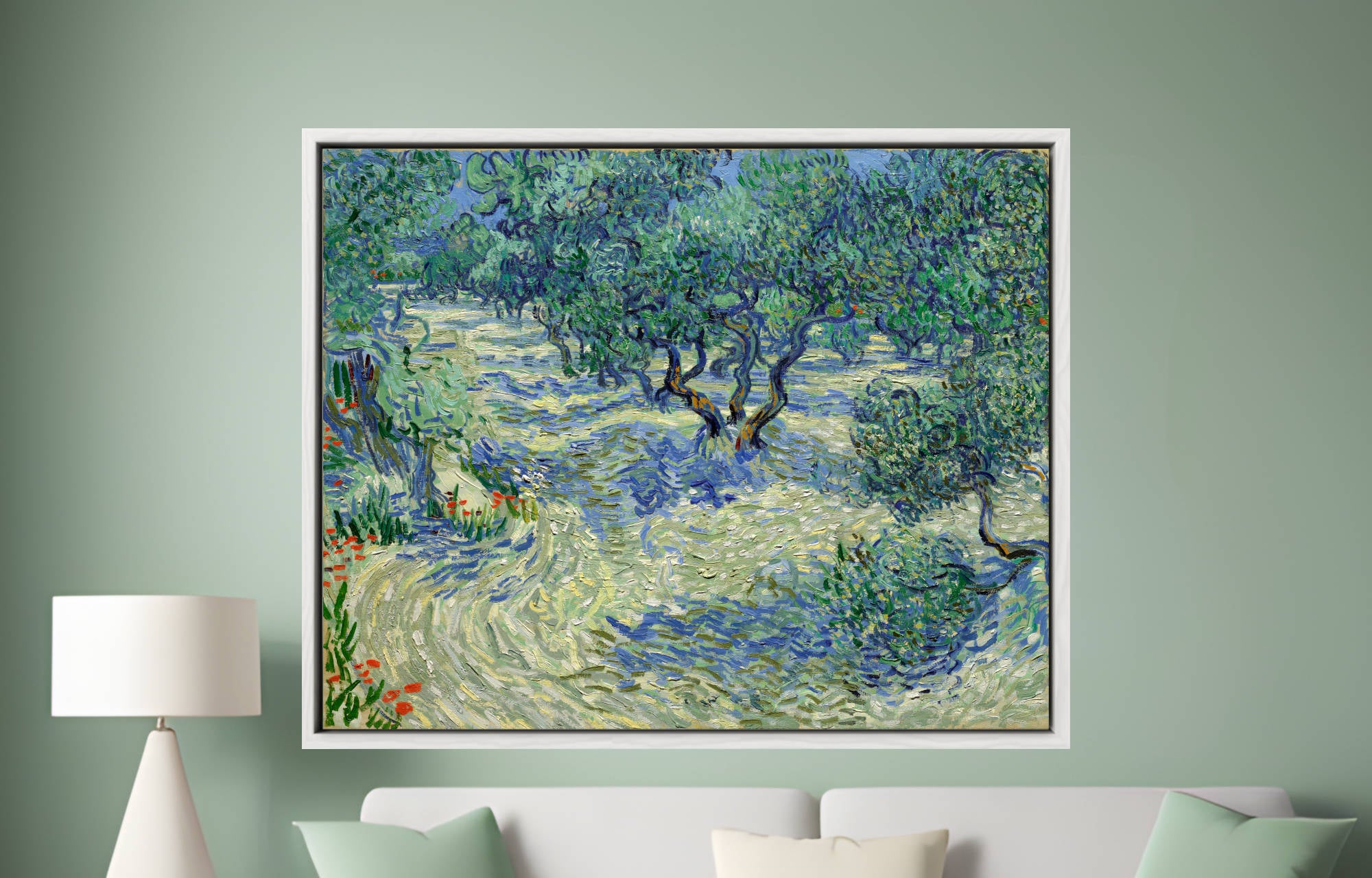
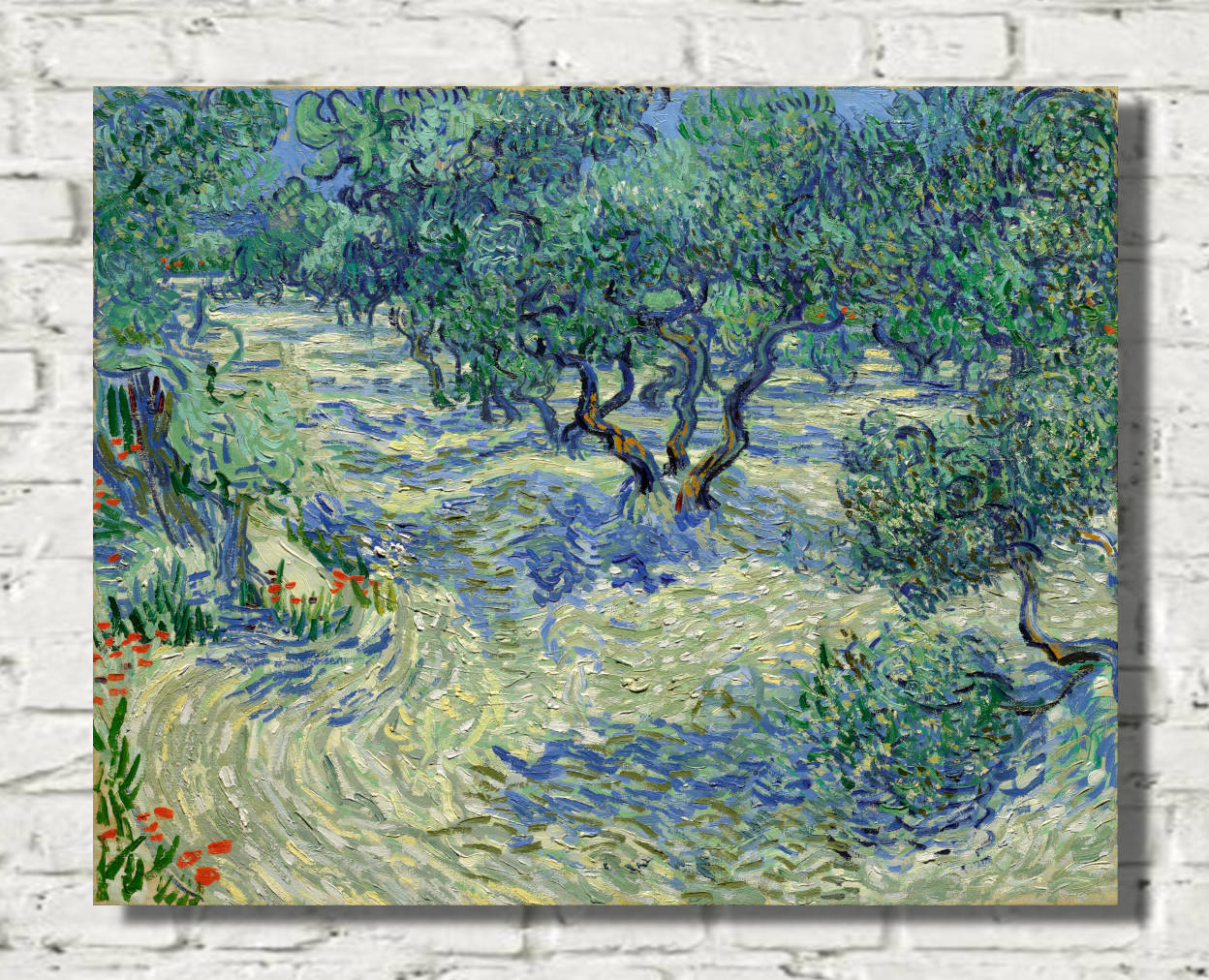
After encountering contemporary French painting and Japanese prints, Van Gogh's palette became increasingly intense. During his years in Arles and Saint-Rémy he produced many of the works now most closely associated with his art: sunflowers, orchards, olive trees, cypresses, wheat fields and views of Provence.
GalleryThane's main Van Gogh collection contains a large selection of these subjects and will act as the principal artist hub for more specialised Van Gogh series and thematic collections.
Paul Cézanne: Structure, Landscape and Still Life
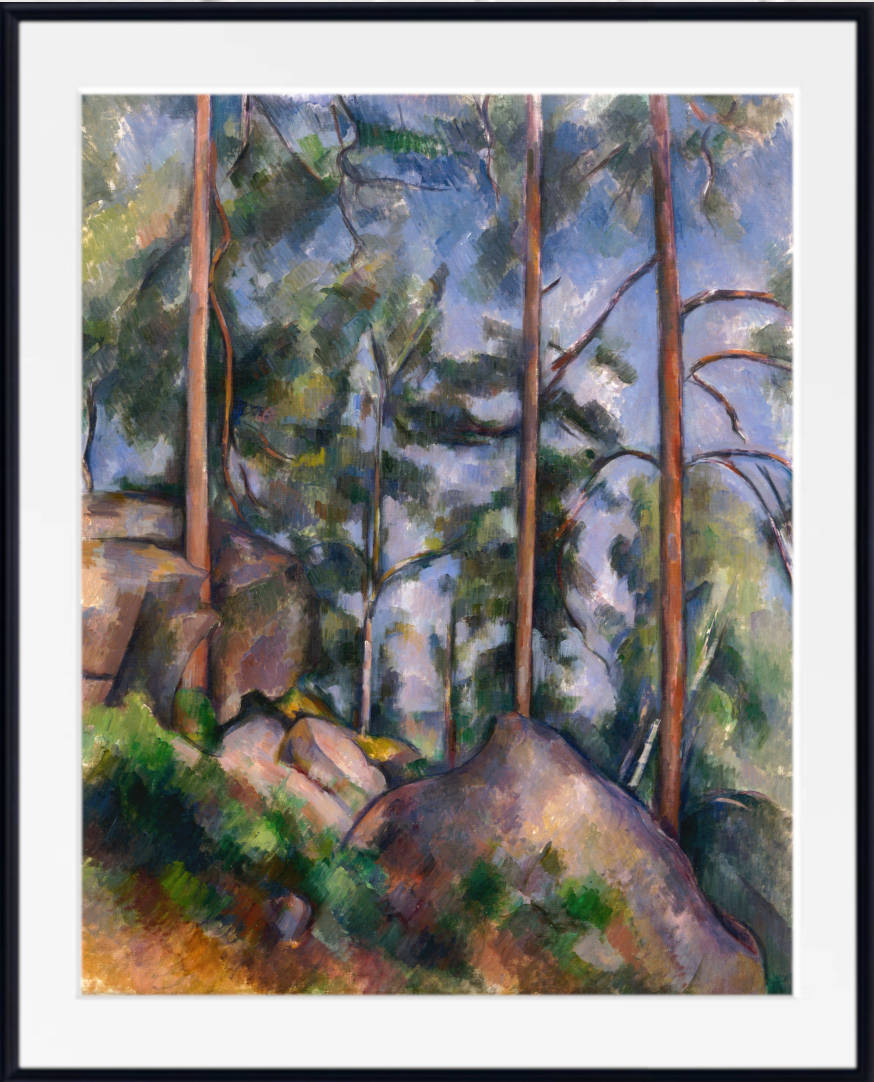
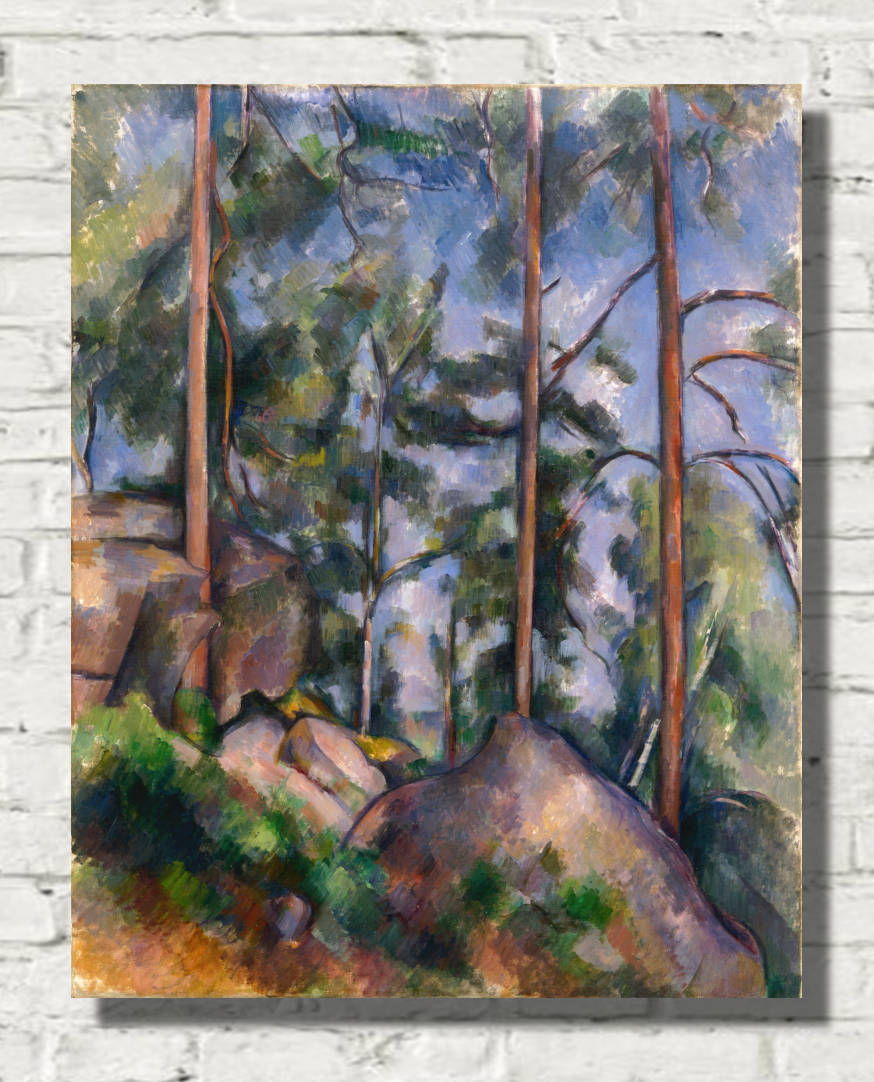
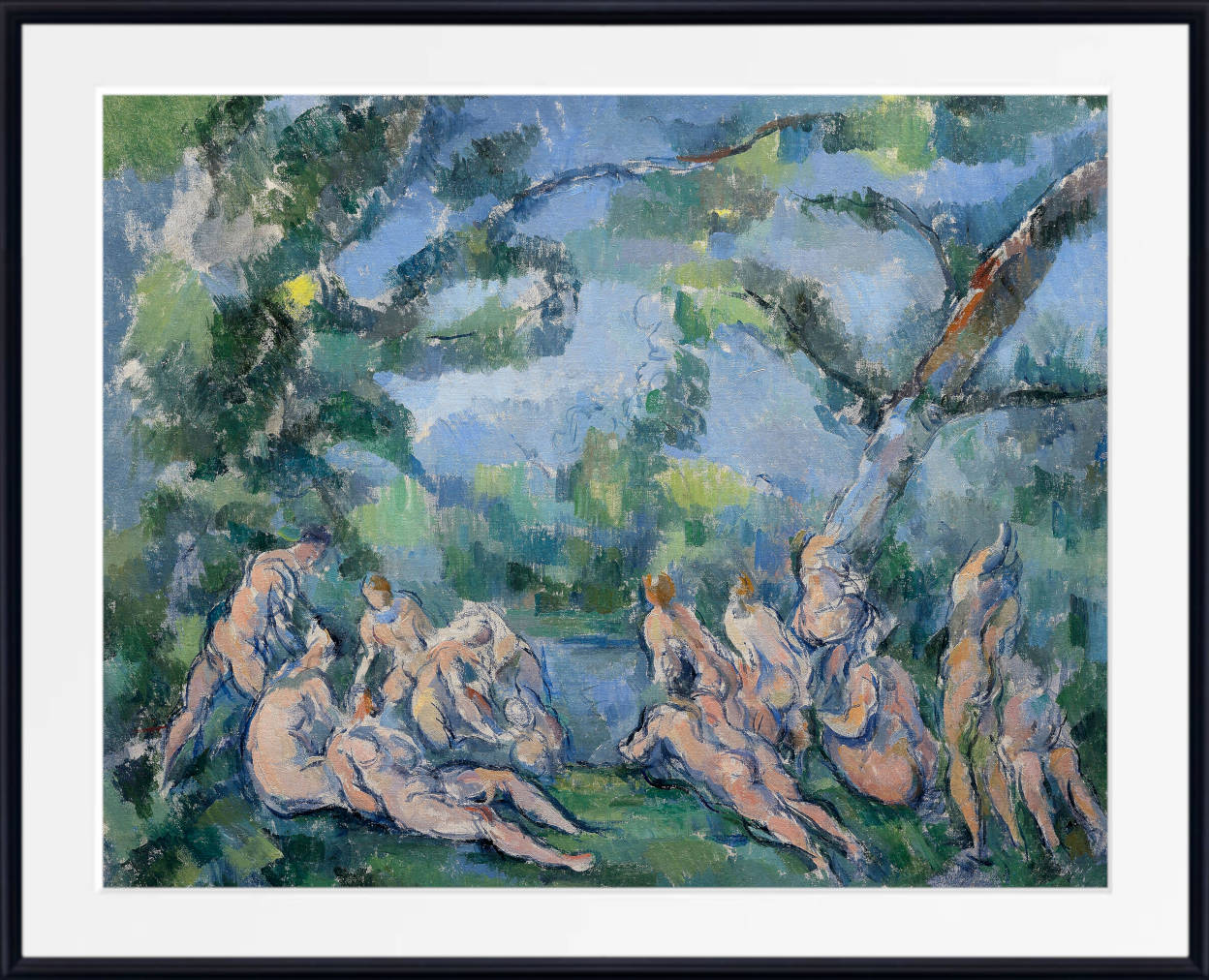
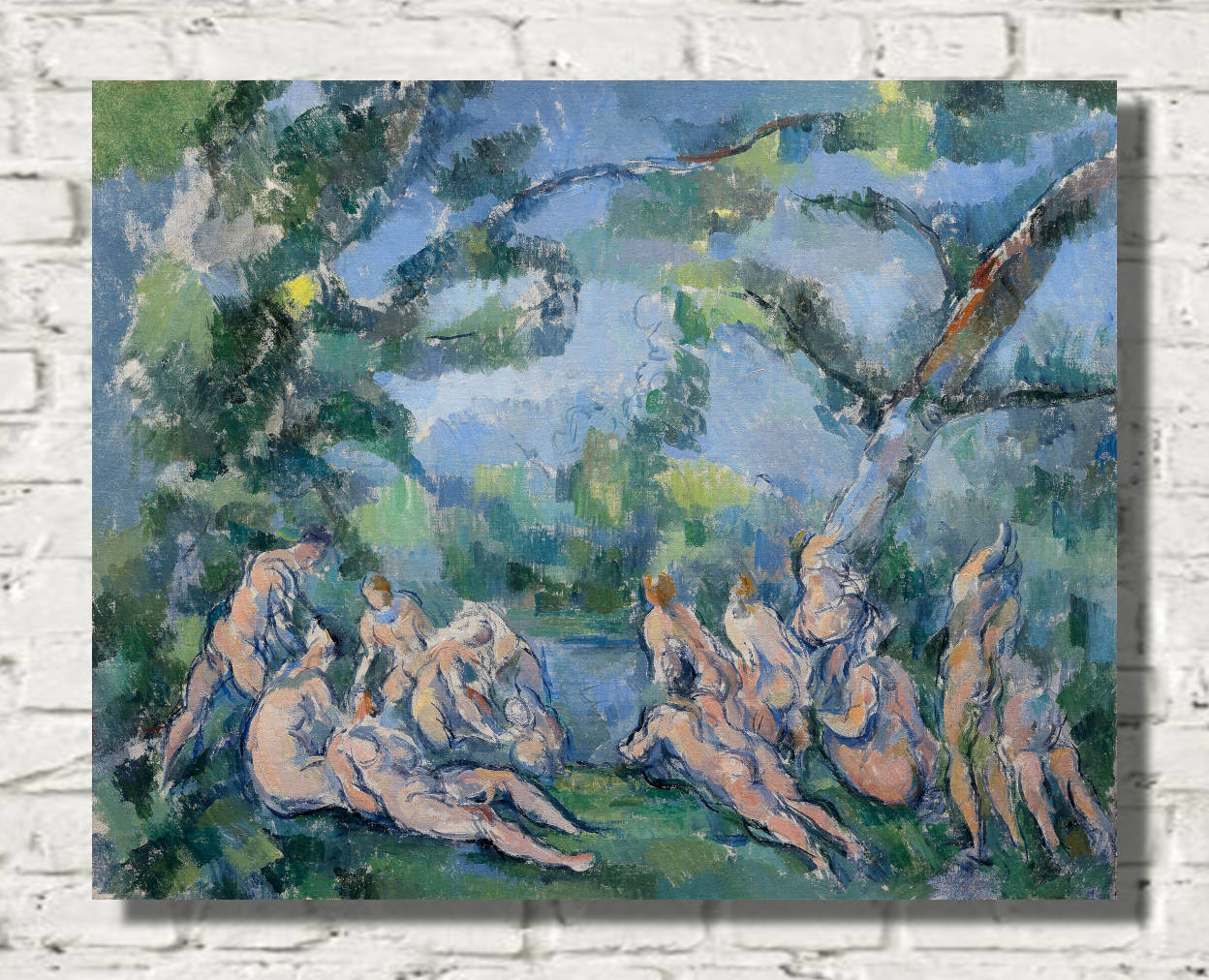
Paul Cézanne approached painting very differently. His landscapes, portraits and still lifes increasingly explored how colour and repeated brushstrokes could construct solid form without relying entirely on conventional modelling or perspective.
Mont Sainte-Victoire became one of his defining subjects. By returning repeatedly to the mountain and surrounding Provençal landscape, Cézanne could investigate relationships between trees, architecture, earth and sky while progressively simplifying the scene into interlocking areas of colour.
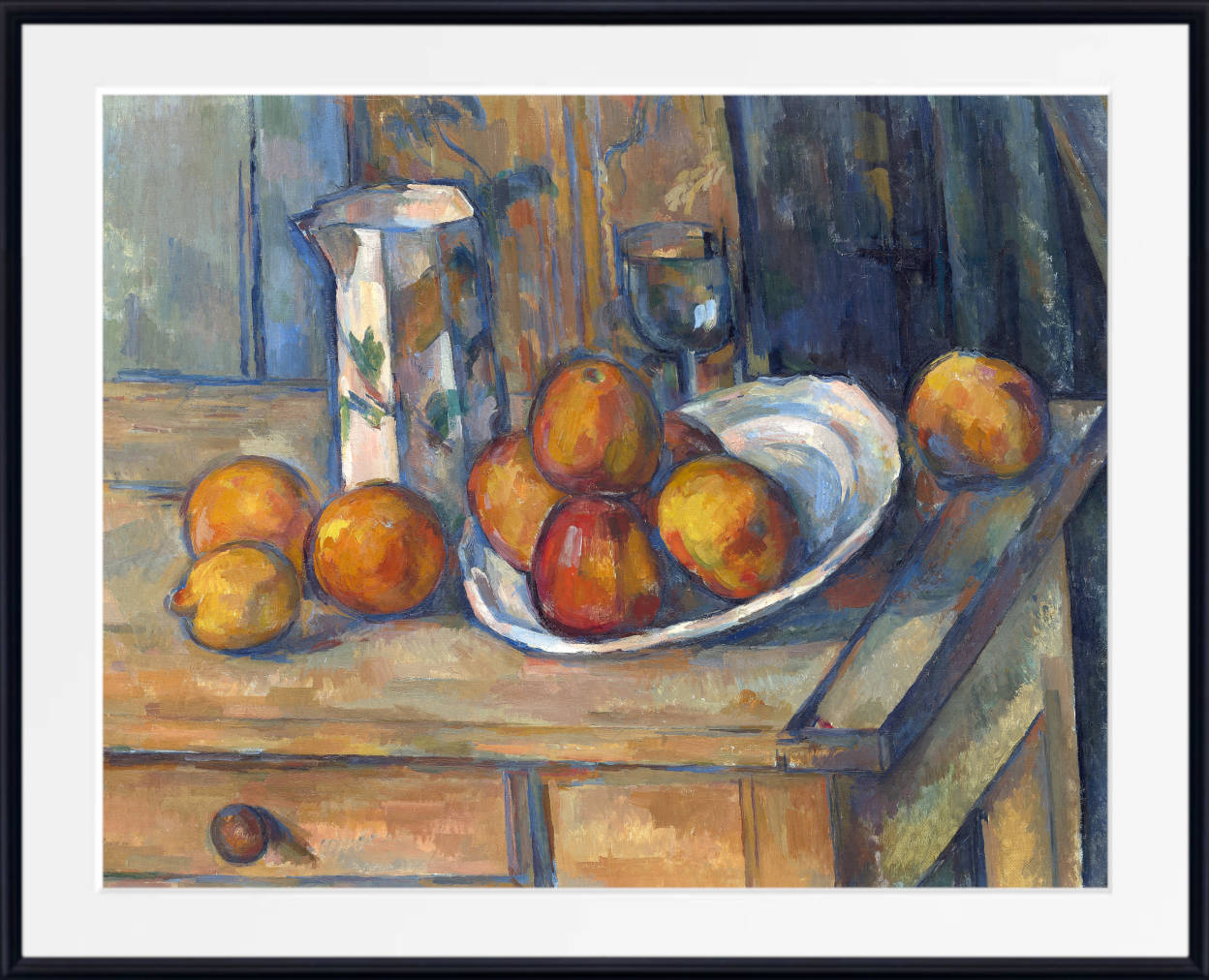
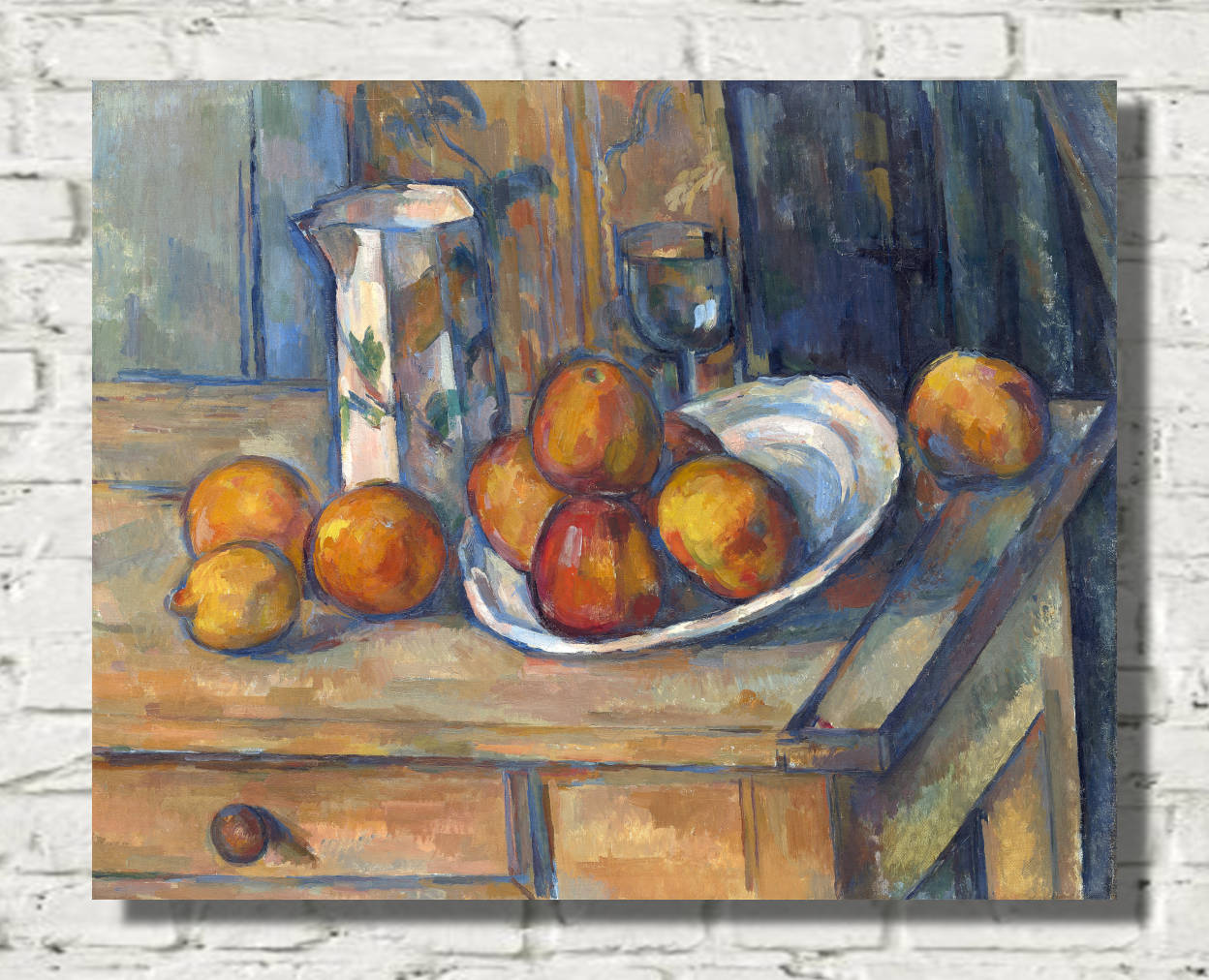
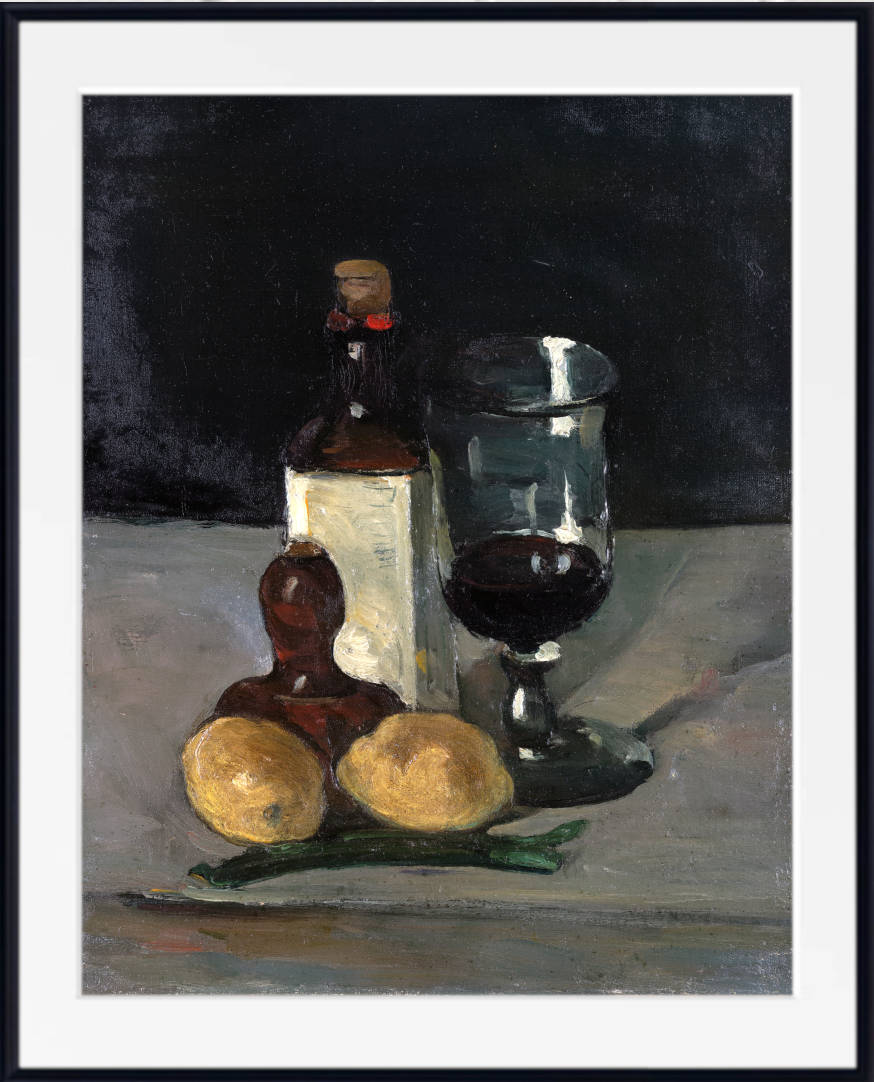
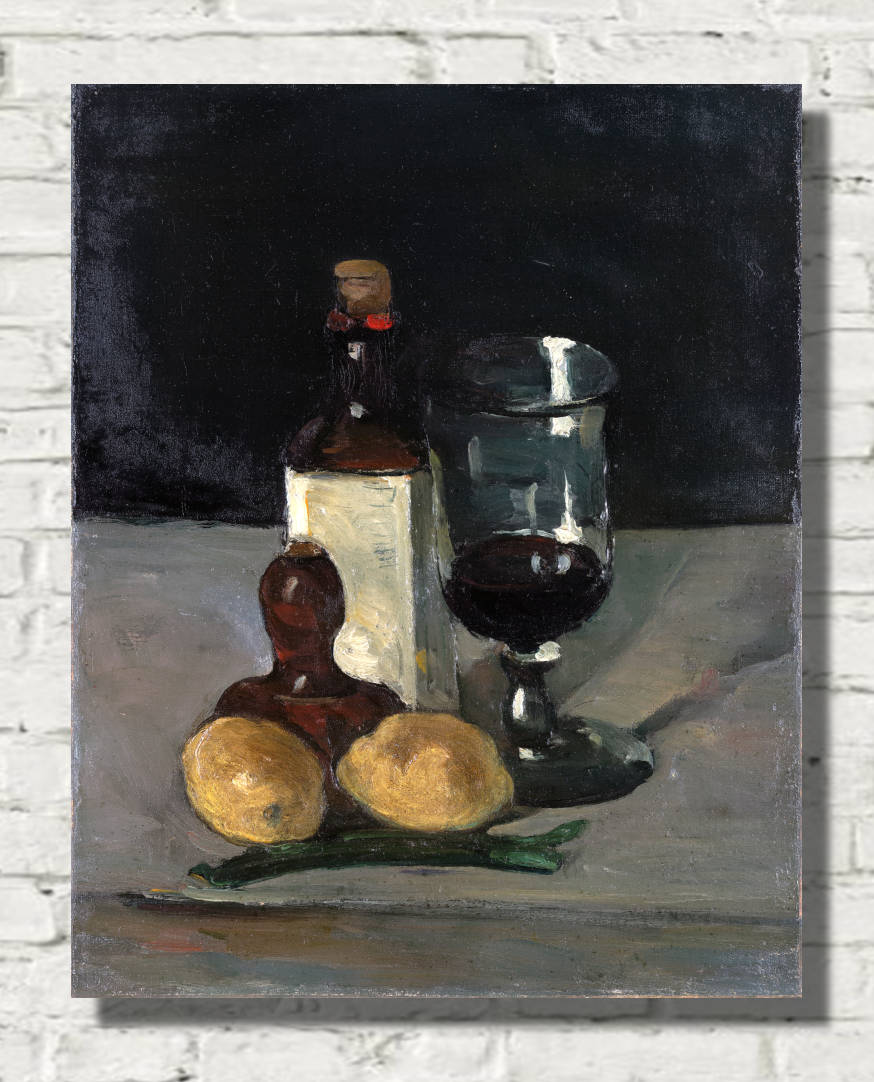
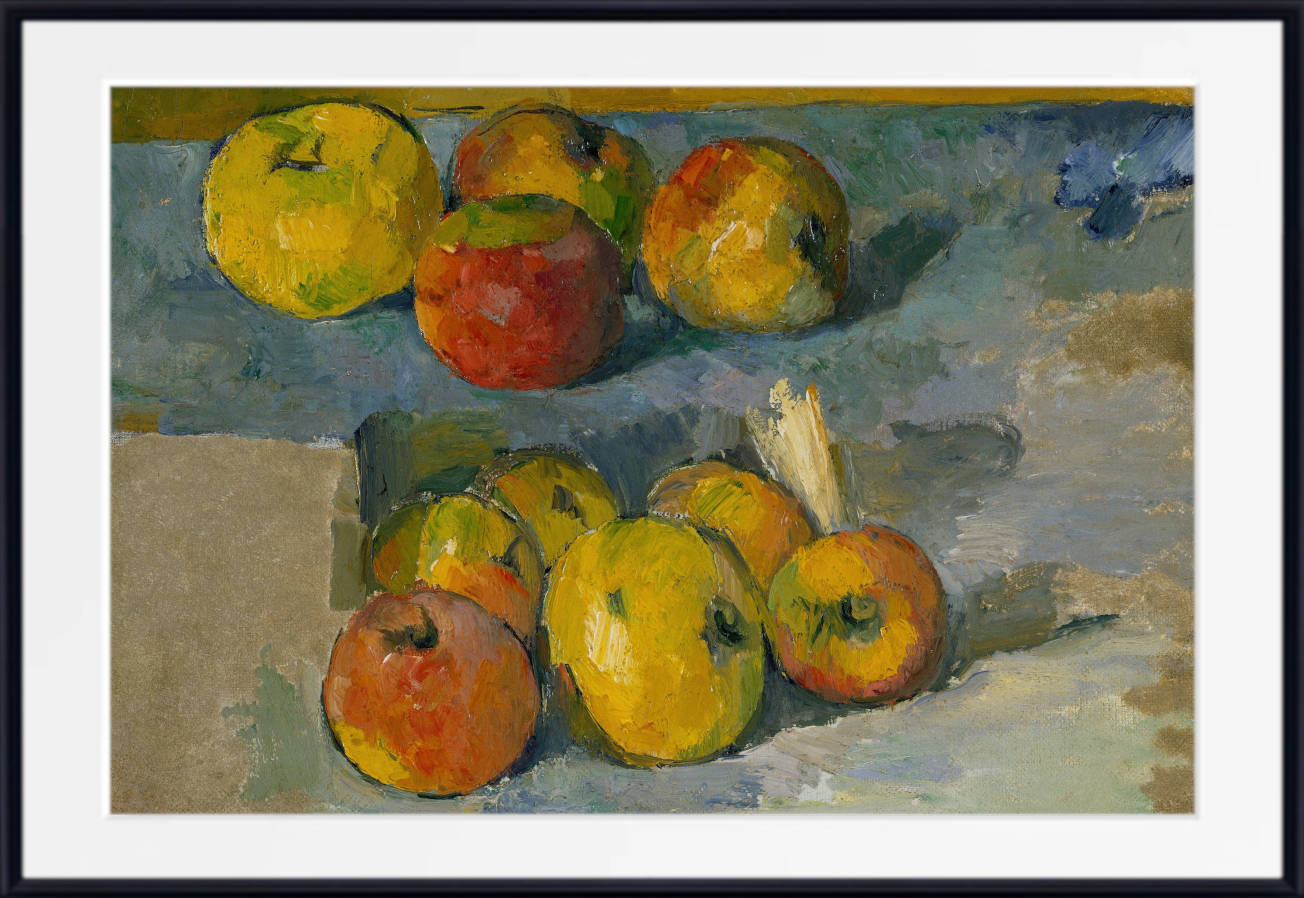
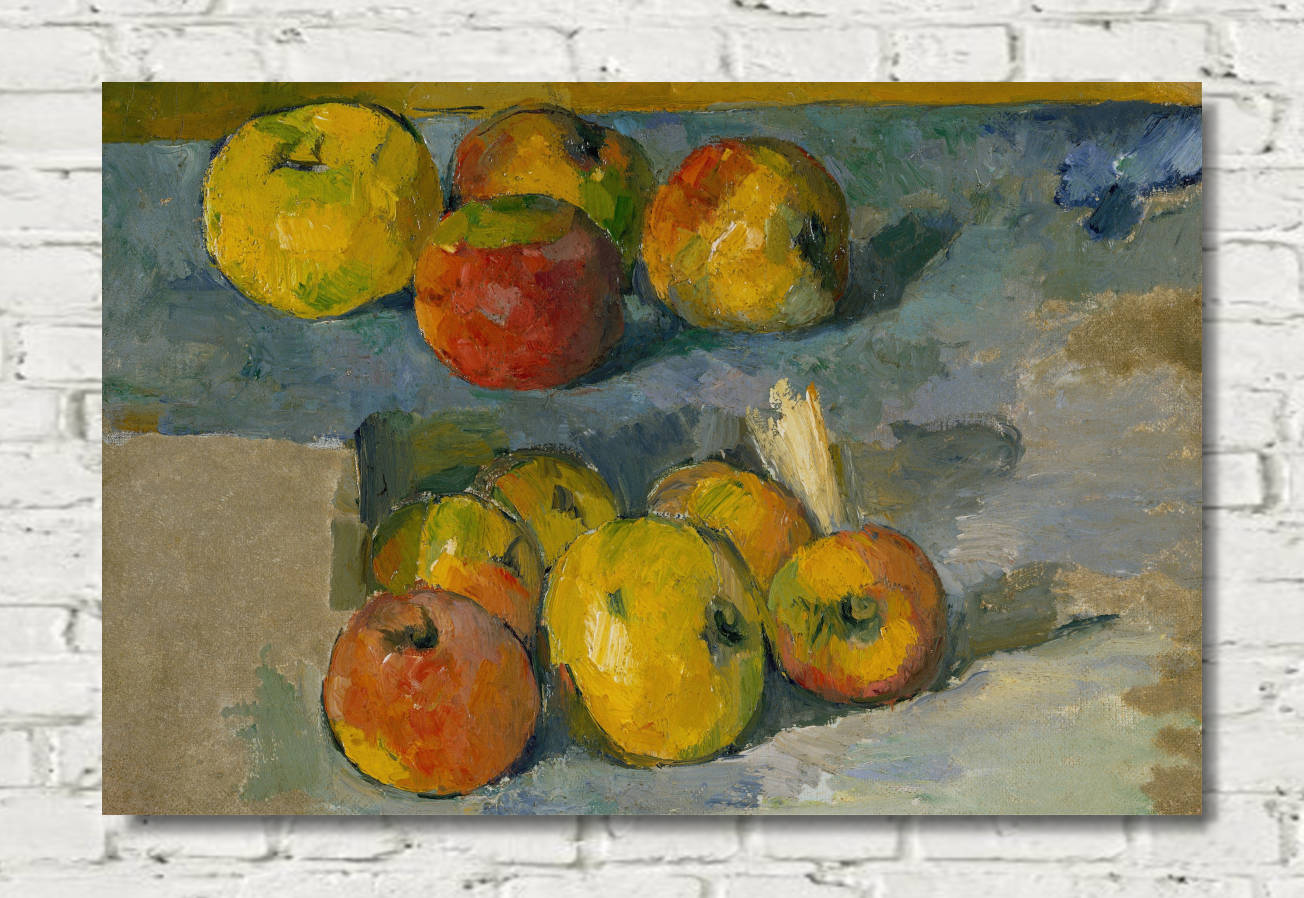
His still lifes were equally influential. Apples, bottles, tables and cloth could appear deceptively simple, yet shifts in viewpoint and carefully constructed colour relationships helped challenge established ideas about pictorial space.
Paul Gauguin: Symbolism and Non-Naturalistic Colour
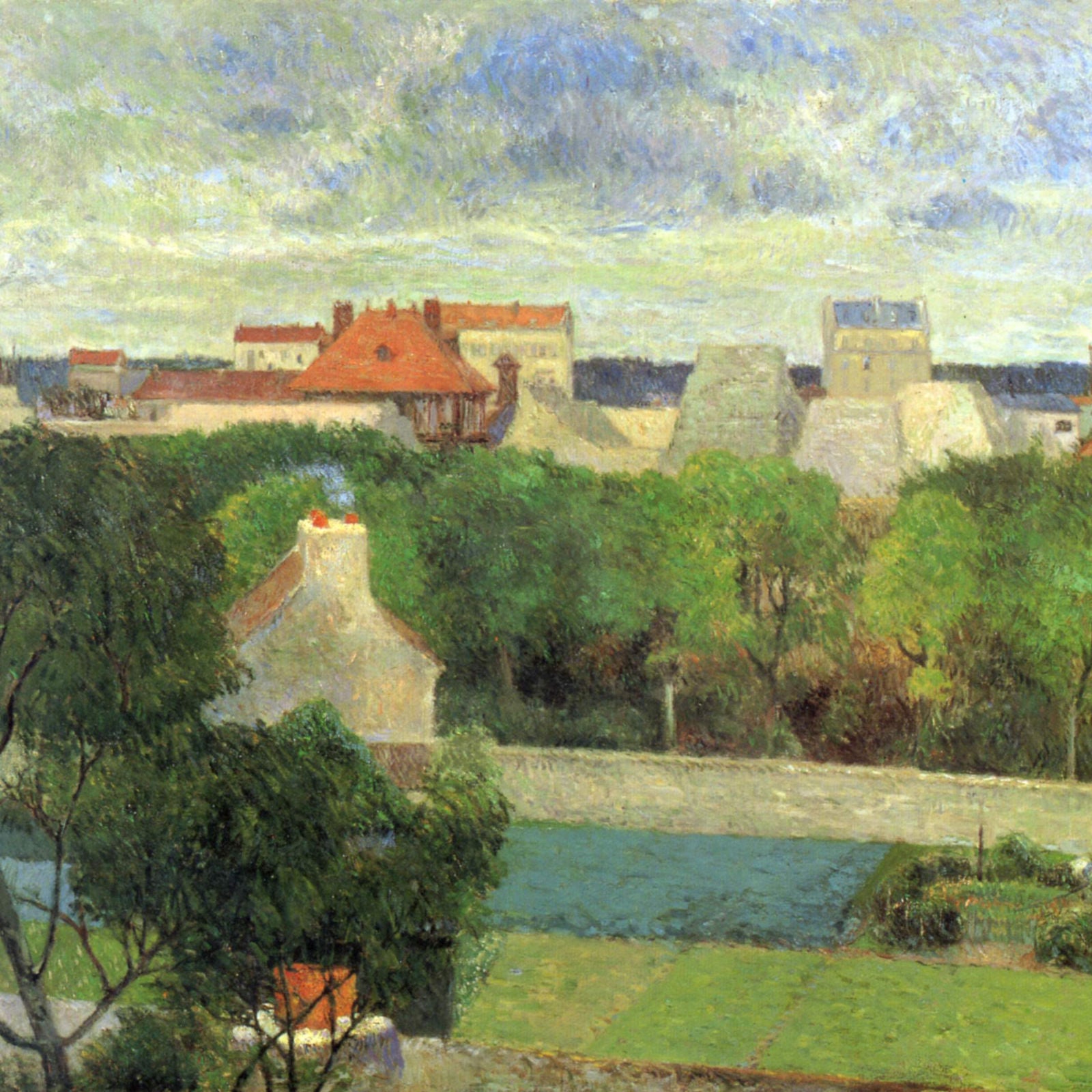
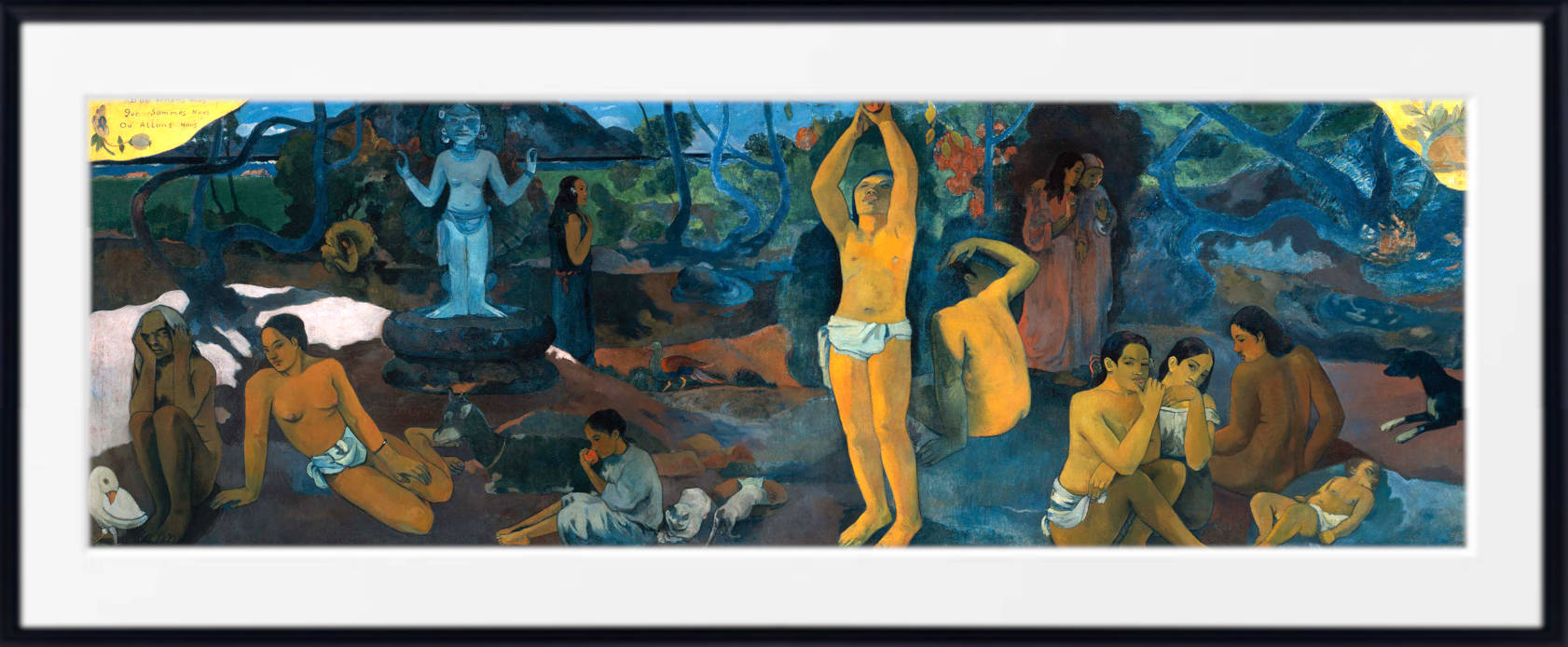
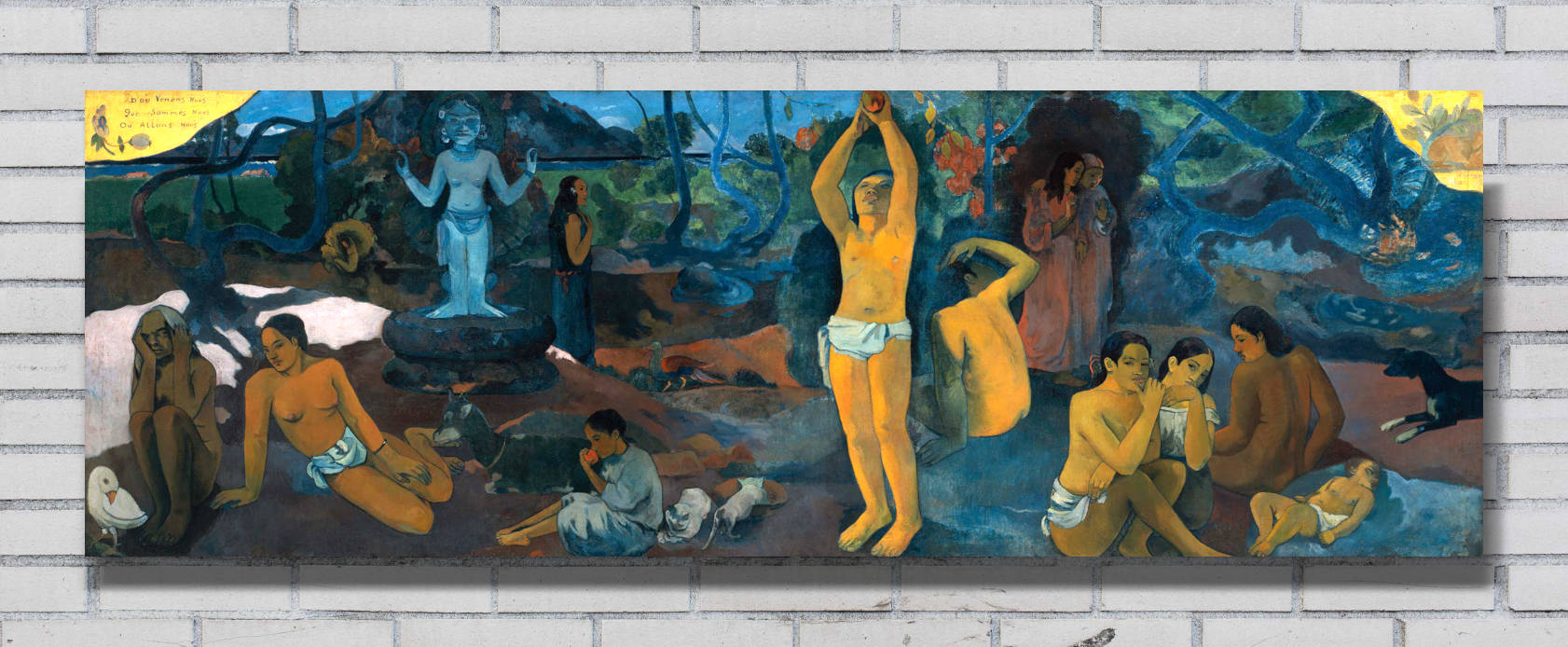
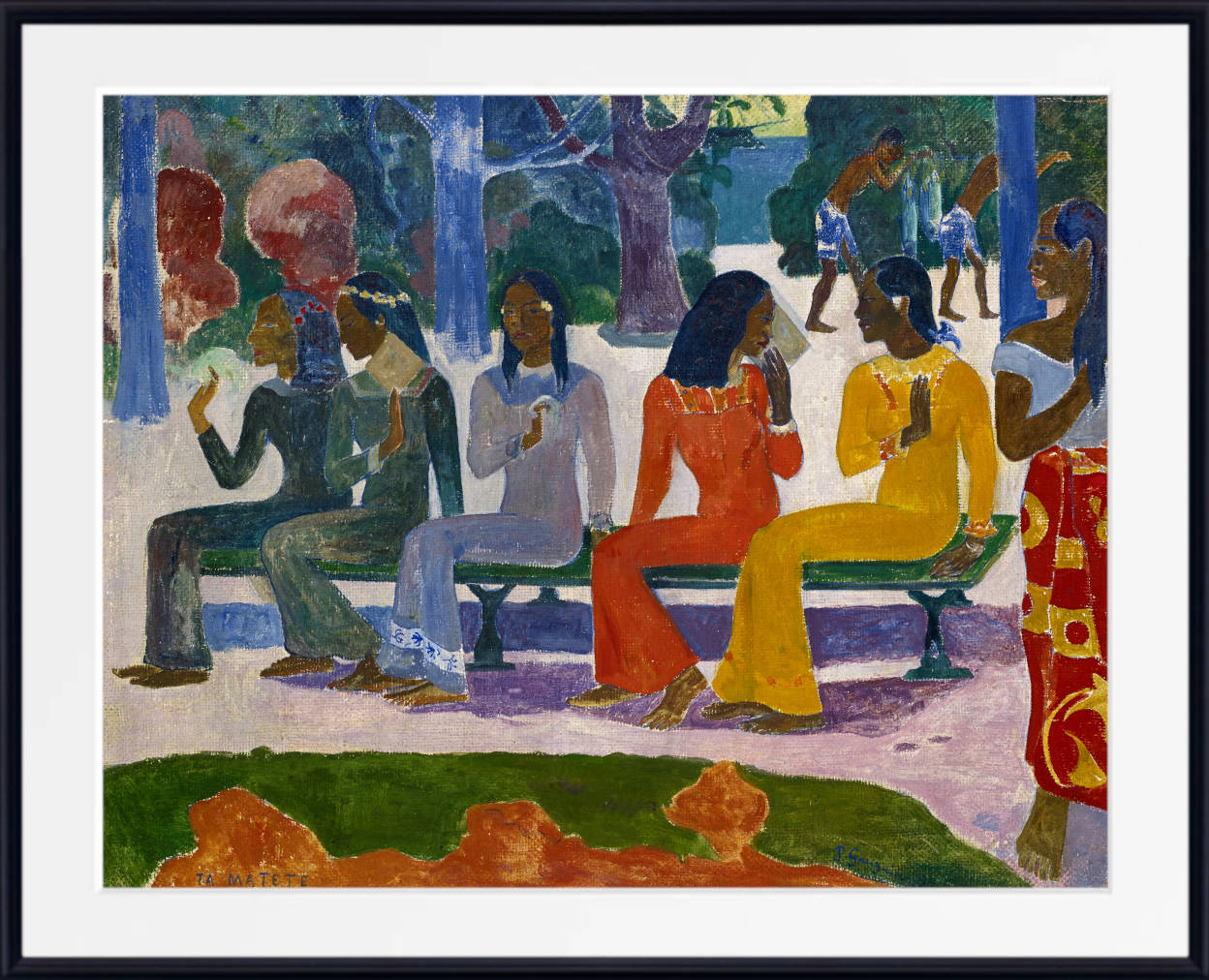
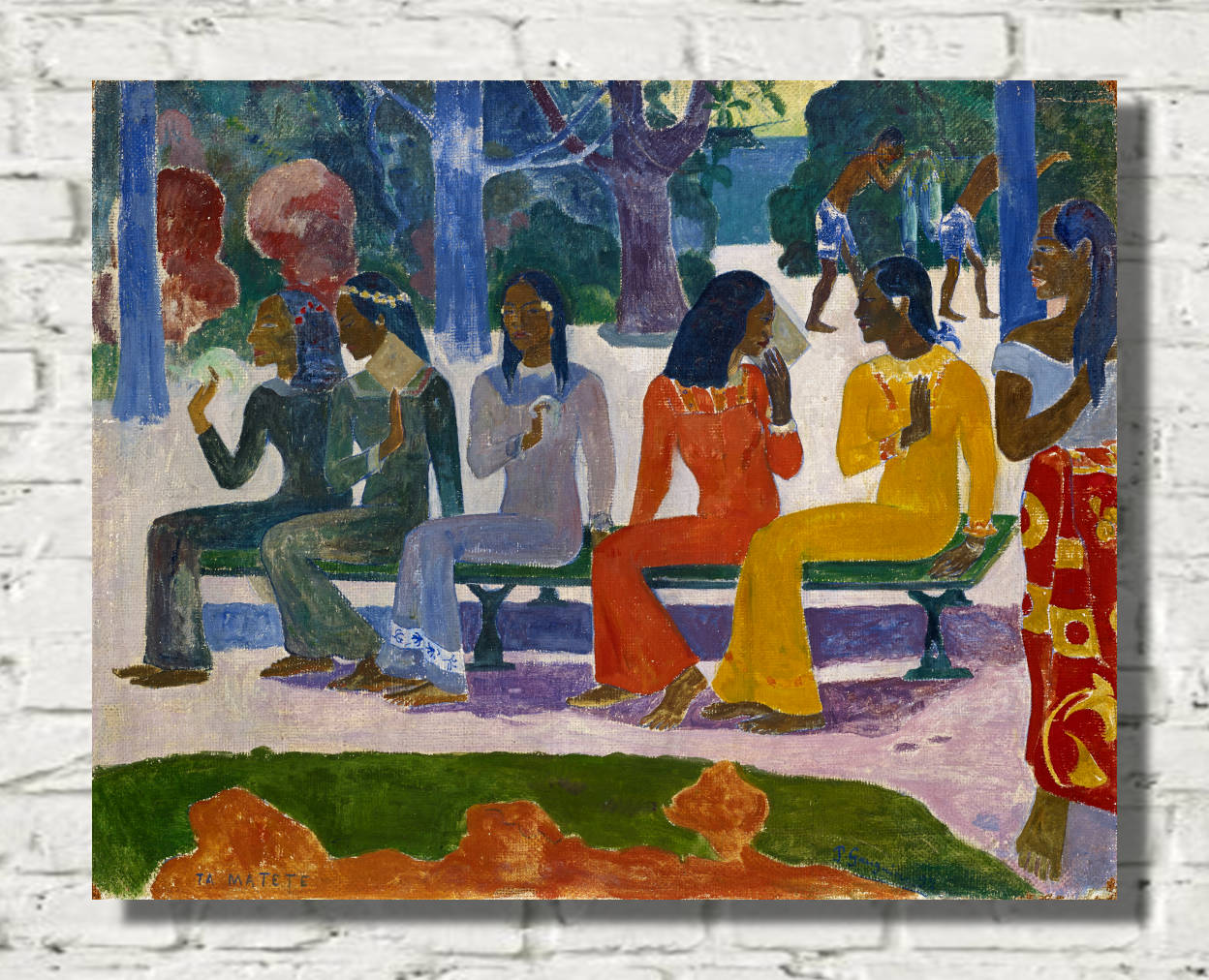
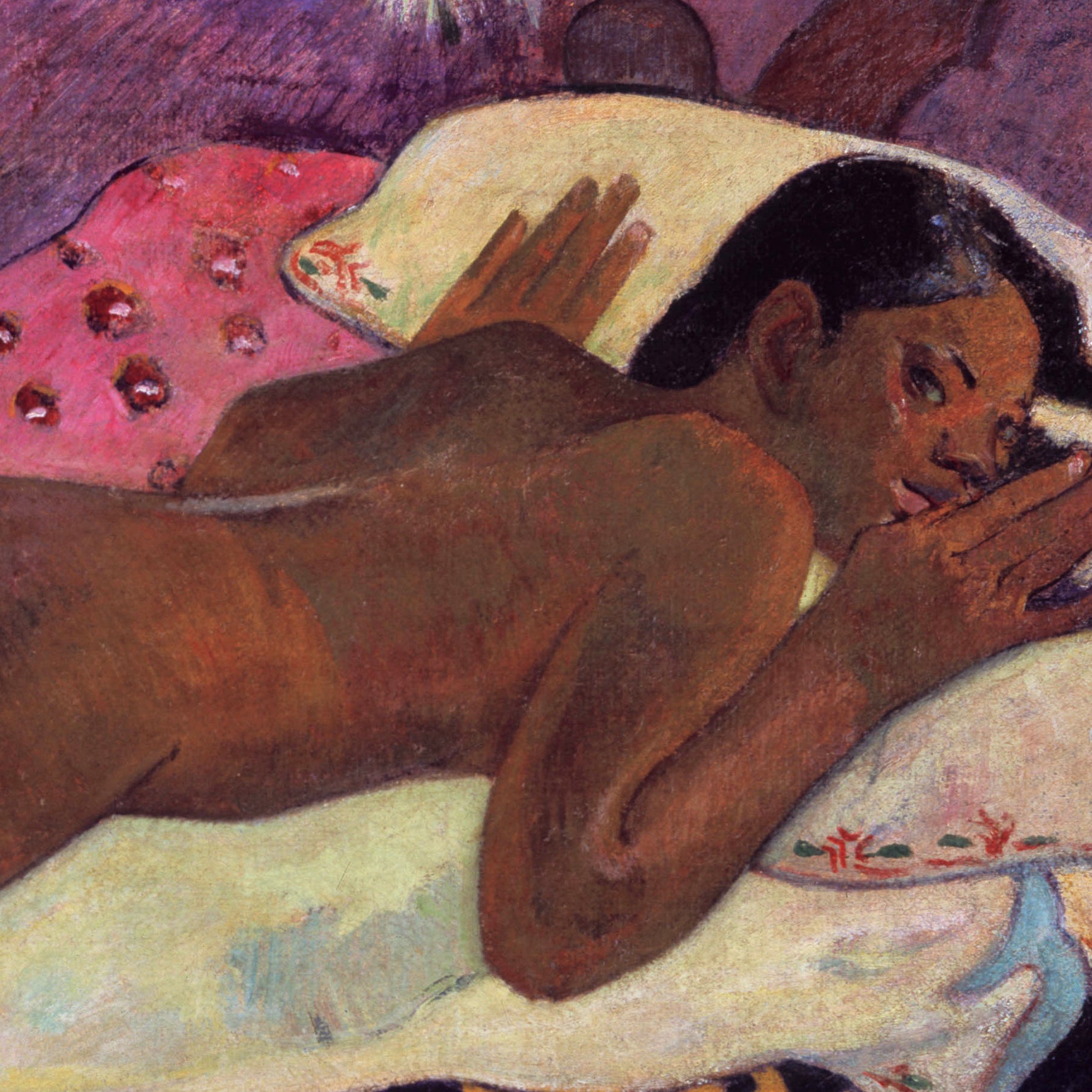
Paul Gauguin's prints demonstrate another route beyond Impressionism. He increasingly rejected straightforward naturalistic observation in favour of simplified shapes, broad areas of colour and subjects invested with symbolic meaning.
Works created in Brittany and later during his time in French Polynesia are among his most recognisable. Their flattened forms and heightened colours had a considerable impact on younger modern artists, although modern interpretation of his Polynesian work also requires awareness of the colonial circumstances in which it was produced.
Paintings such as Vision After the Sermon, The Yellow Christ and Where Do We Come From? What Are We? Where Are We Going? demonstrate how far Post-Impressionist painting could move from Impressionism's emphasis on immediate visual experience towards symbolism and personal meaning.
Georges Seurat and Neo-Impressionism
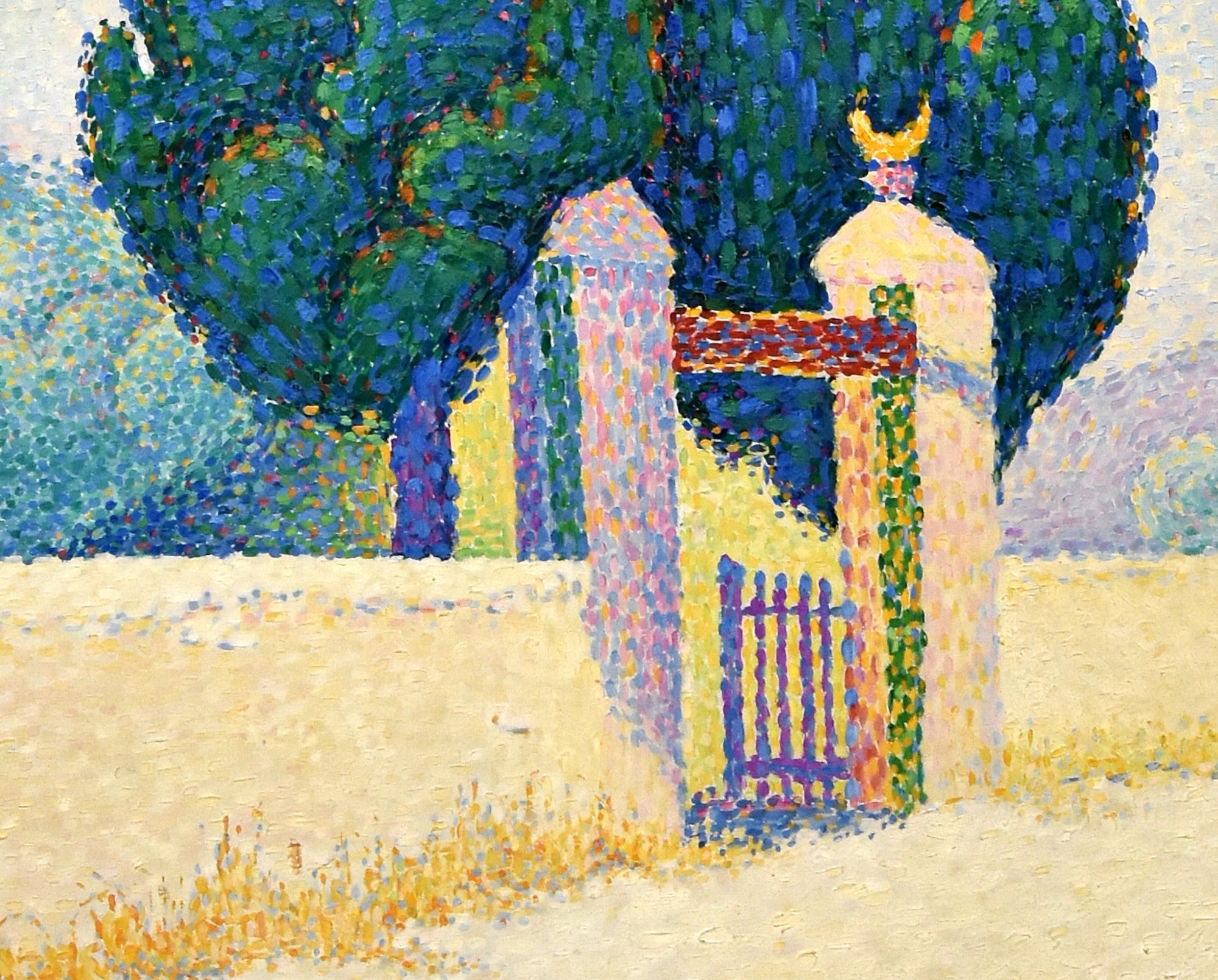
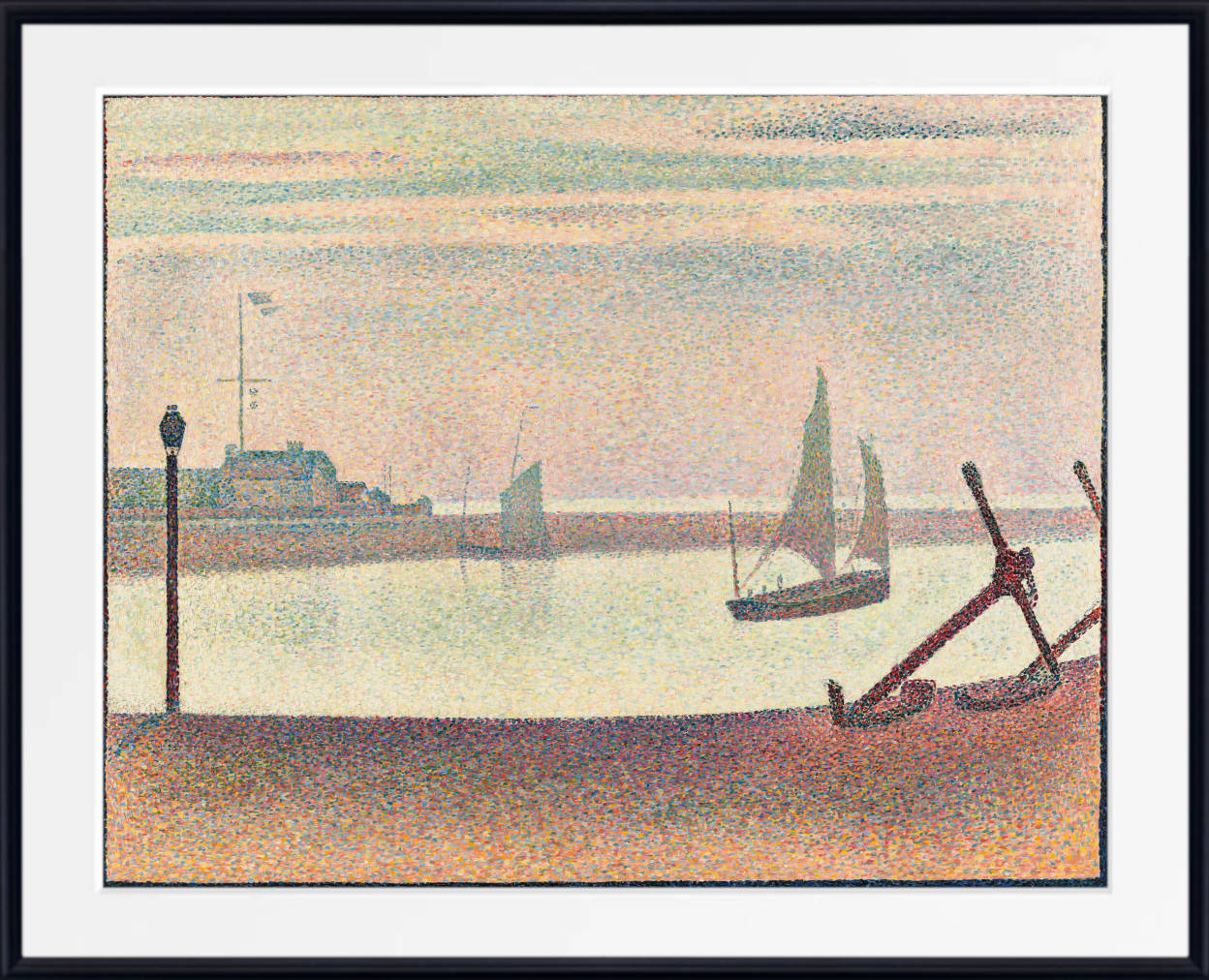
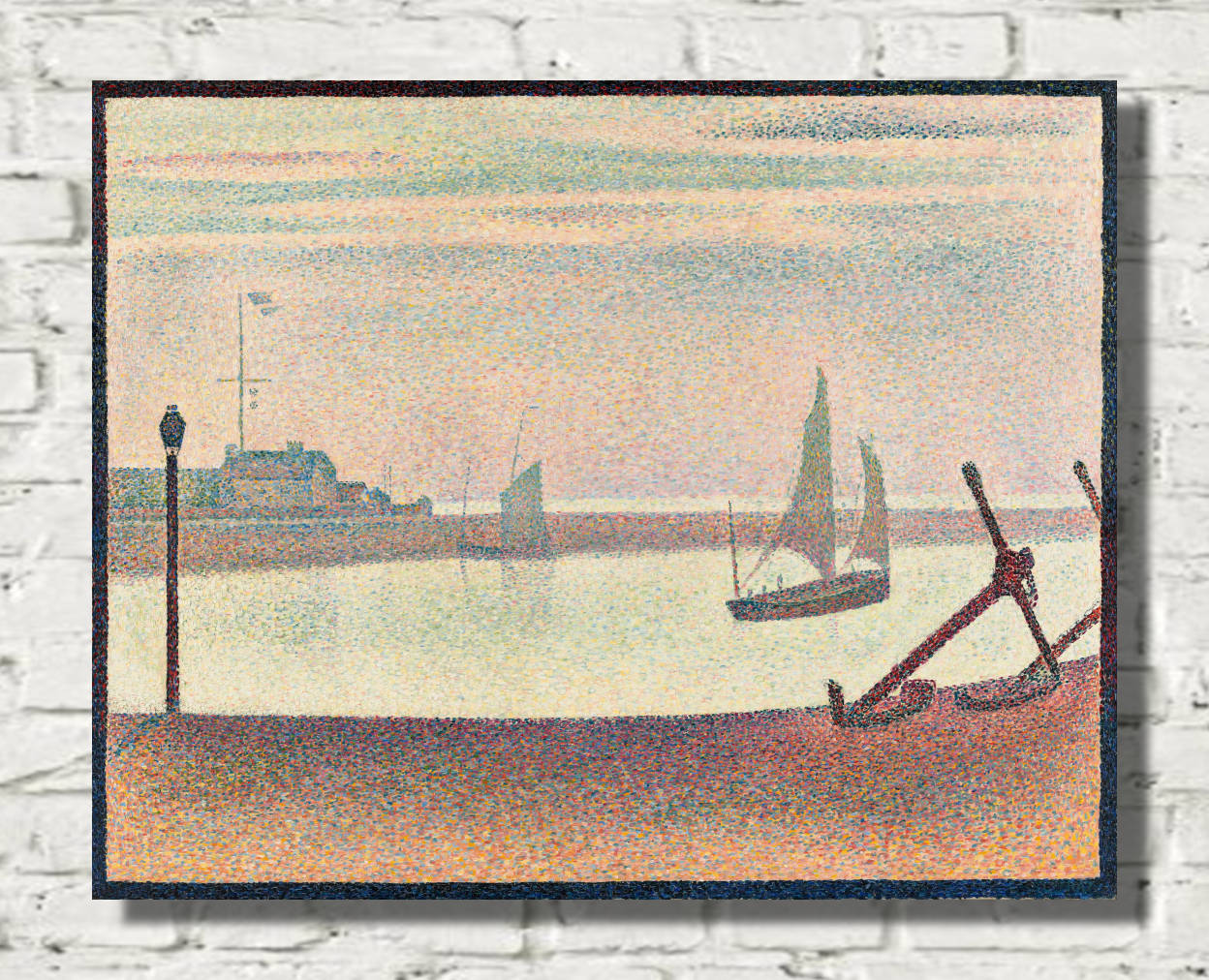
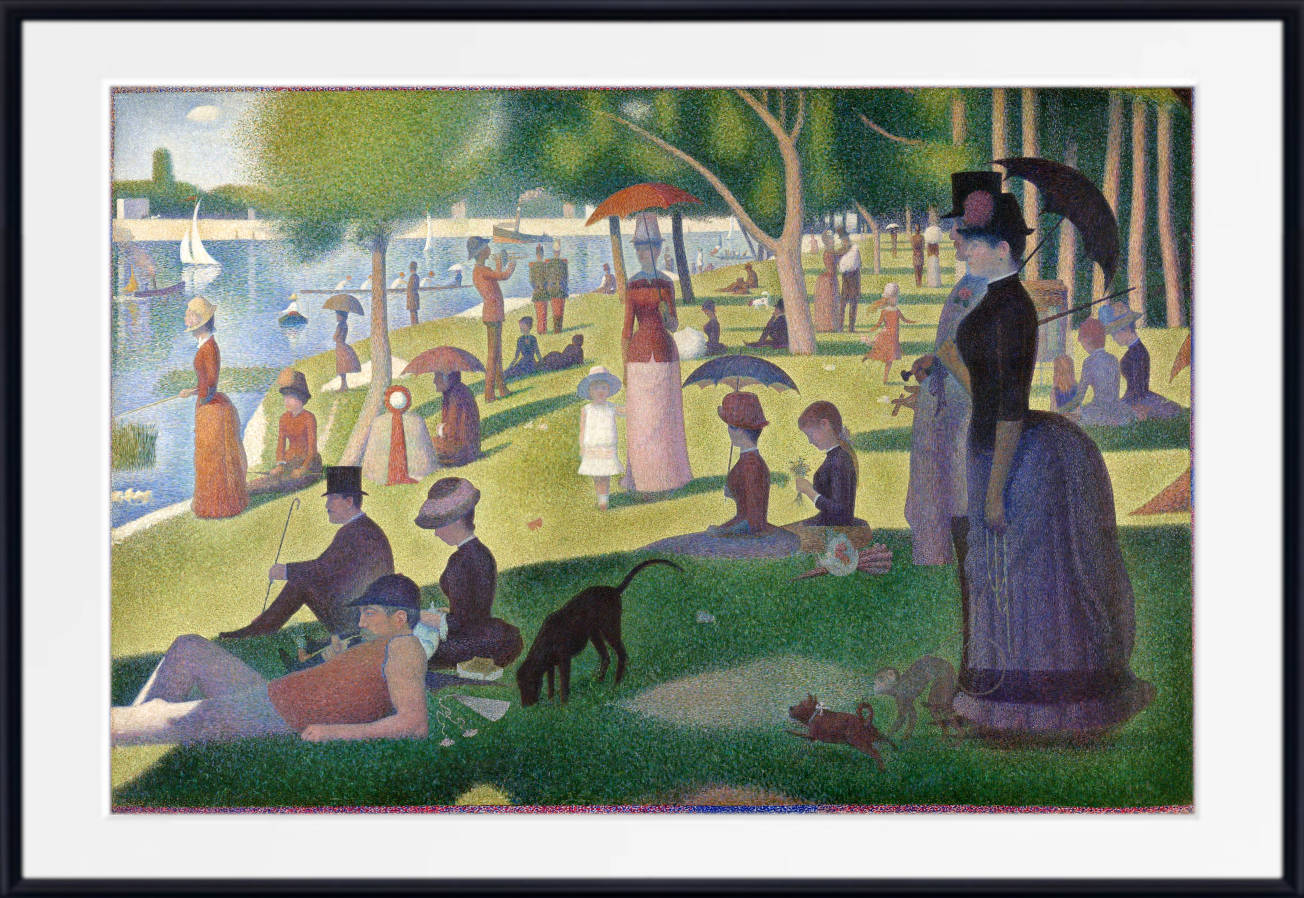
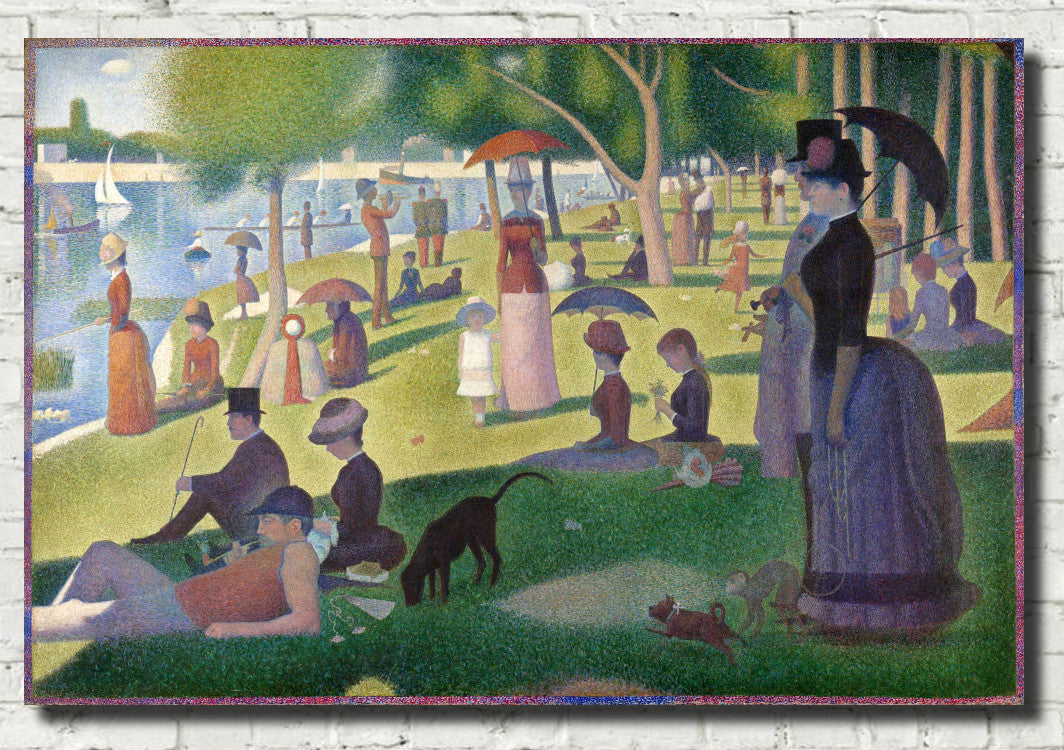
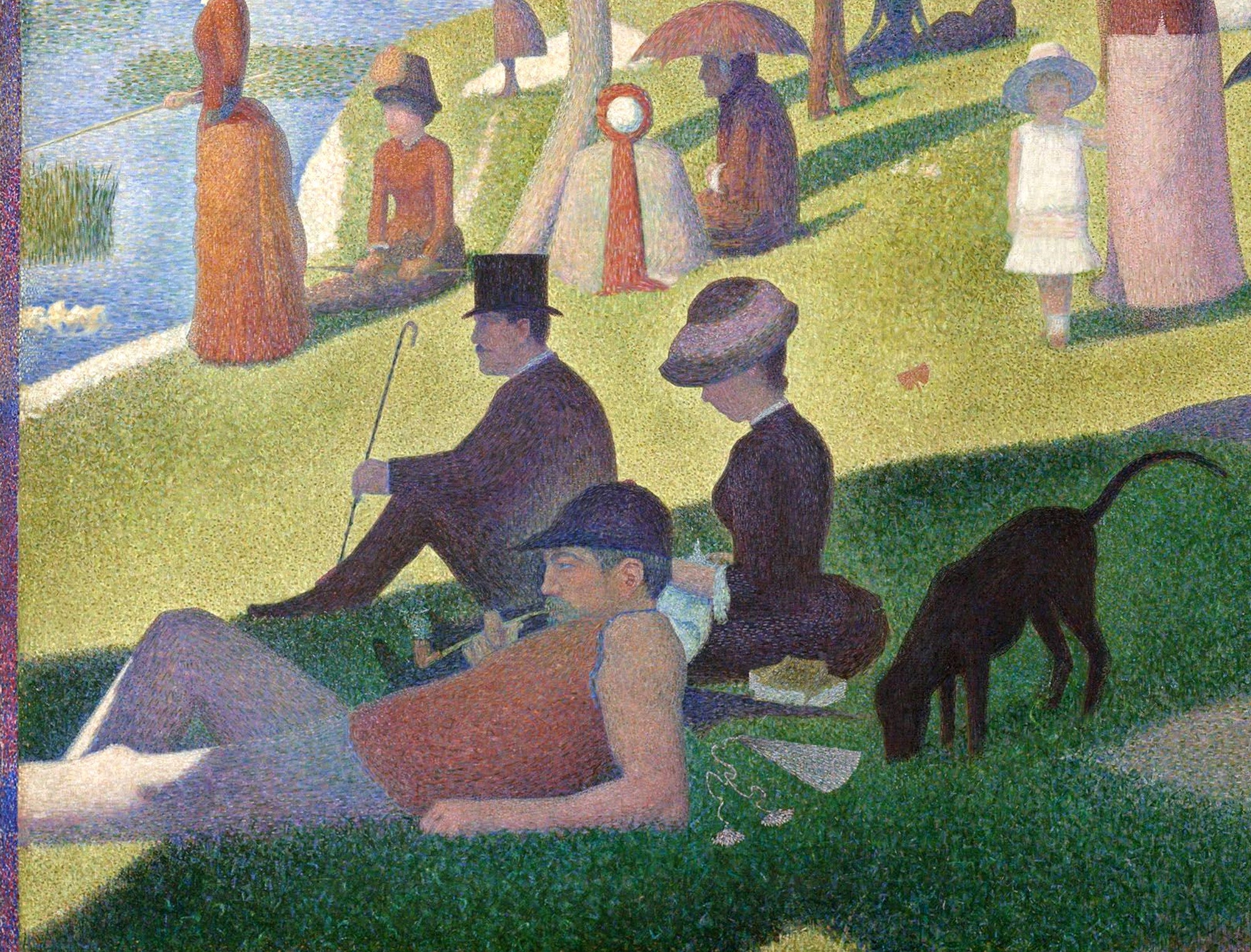
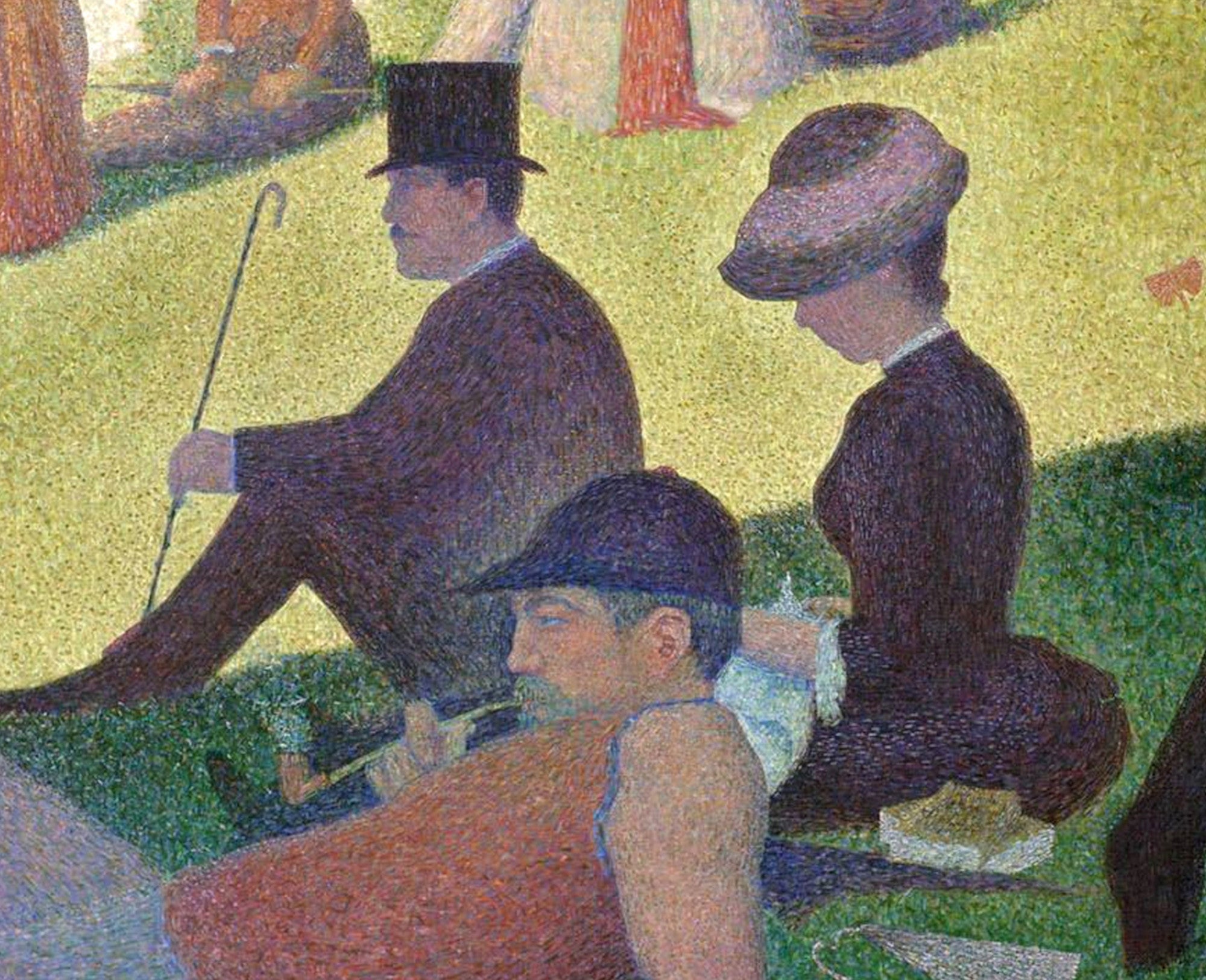
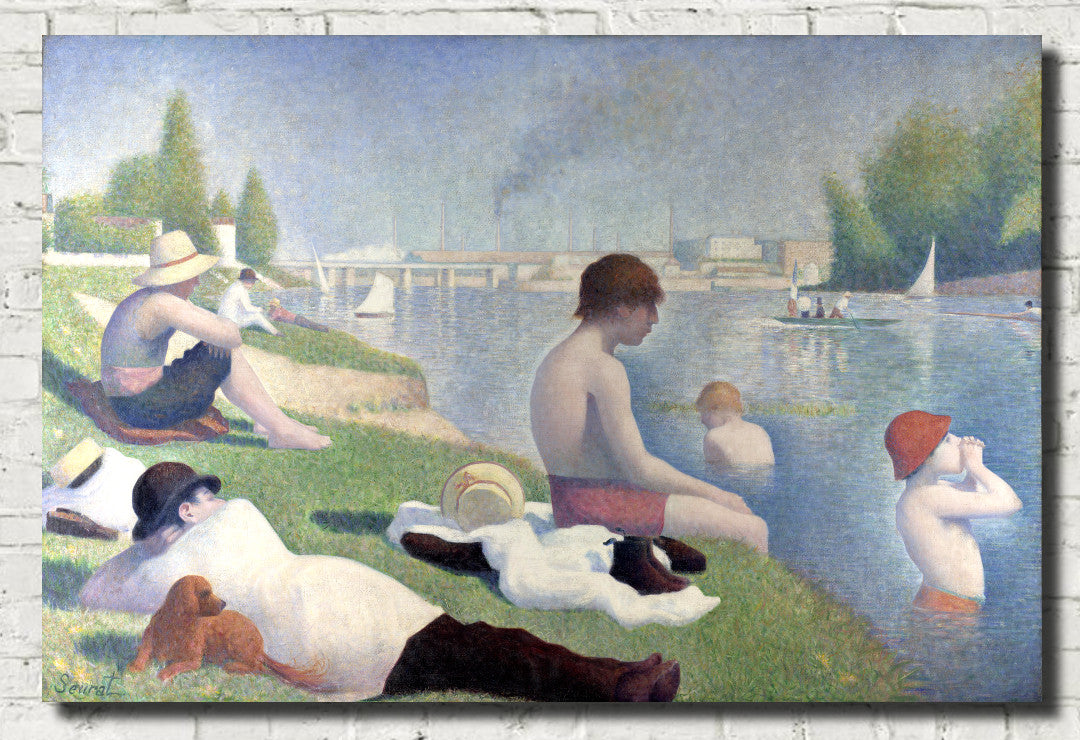
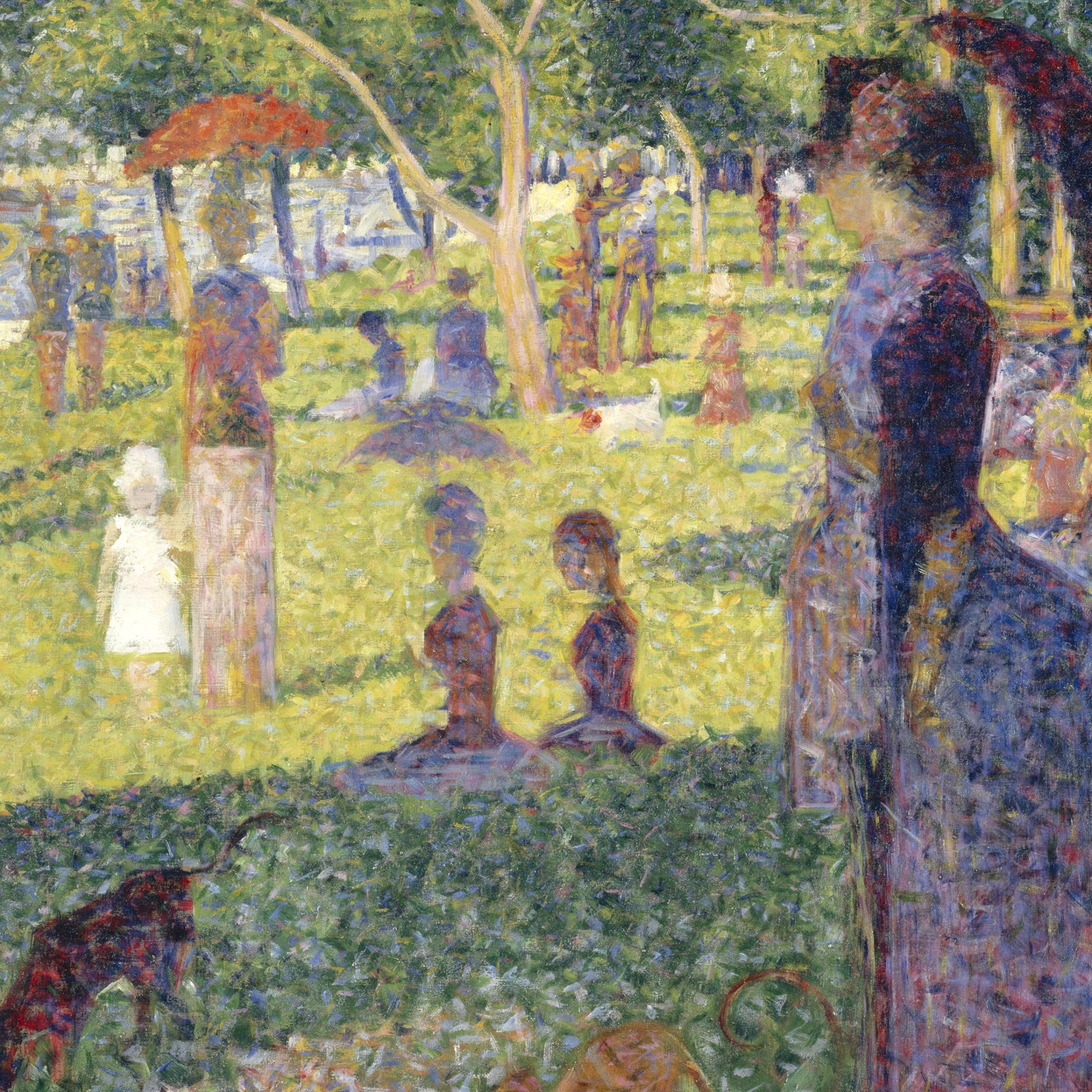
Georges Seurat pursued a far more systematic approach to colour. His paintings were constructed from carefully controlled touches of contrasting colour intended to interact optically when viewed together.
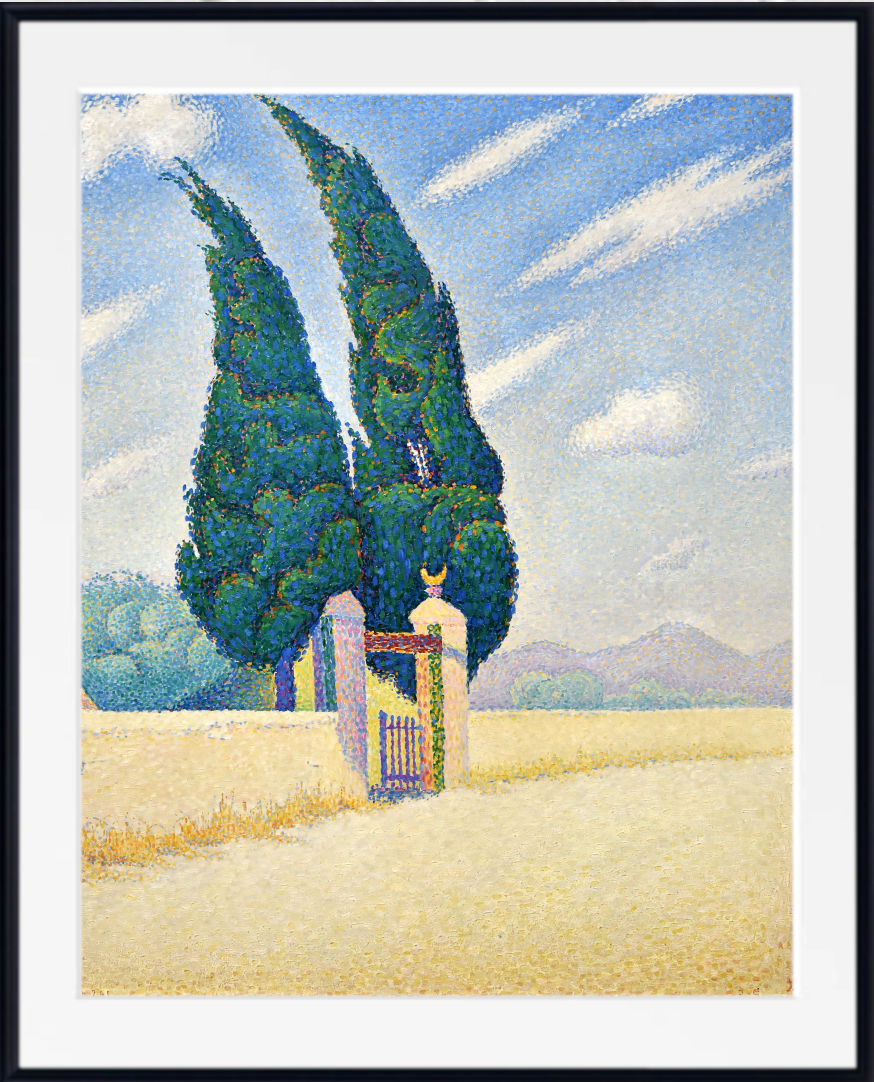
This approach became associated with Neo-Impressionism and with techniques commonly described as Pointillism or Divisionism. Seurat's monumental A Sunday on La Grande Jatte transformed the Impressionist theme of modern leisure into something highly structured and almost monumental.
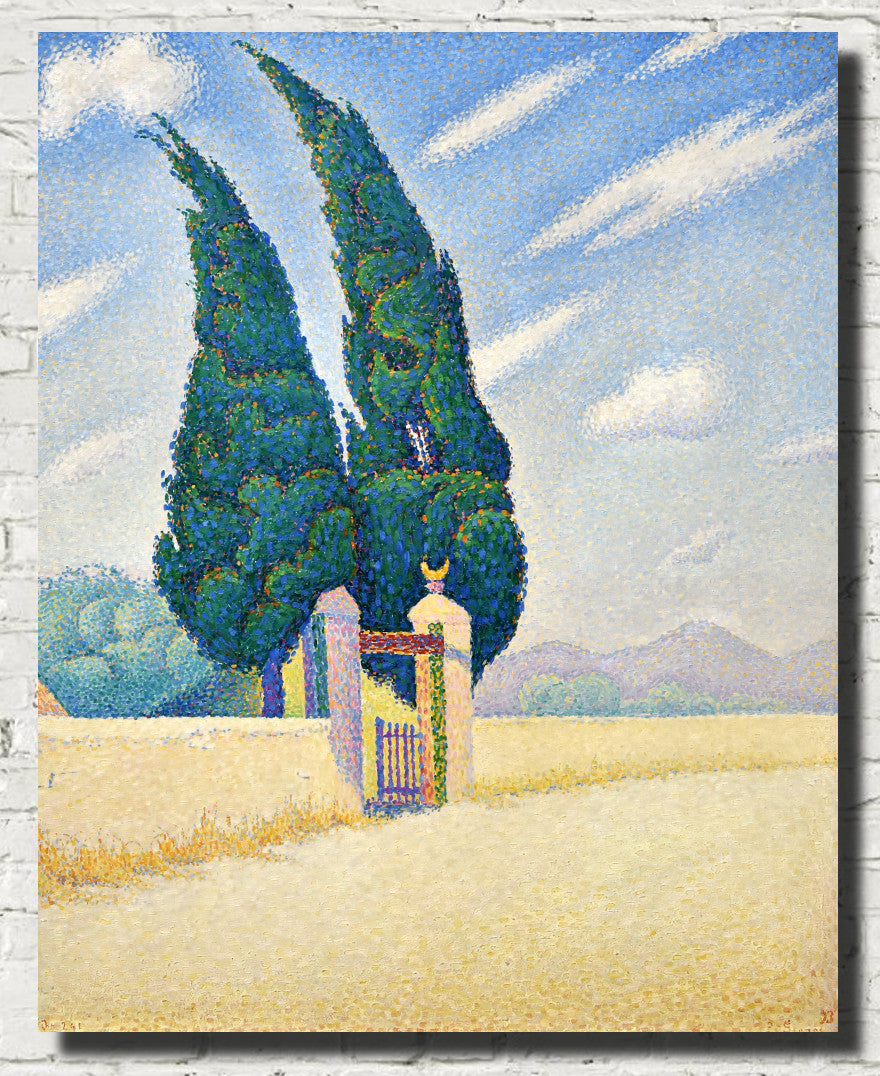
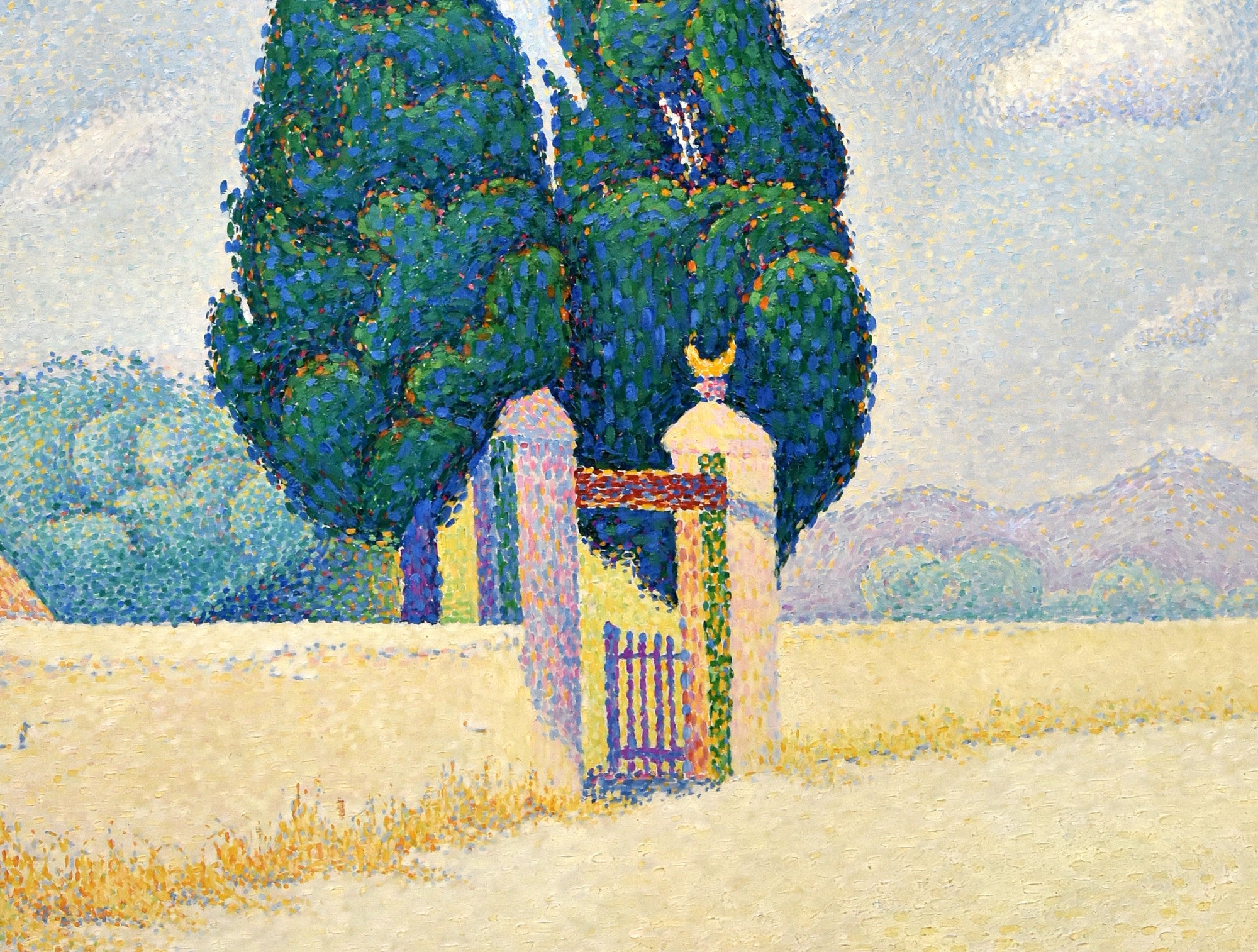
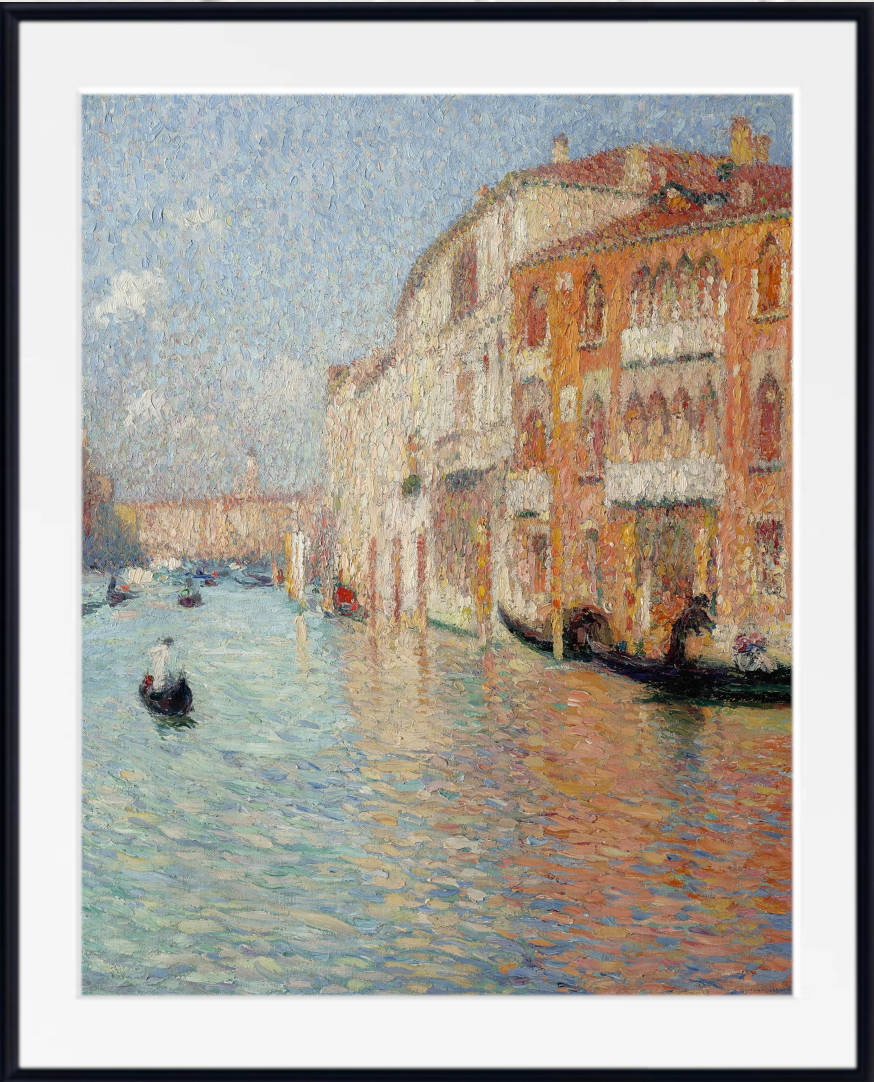
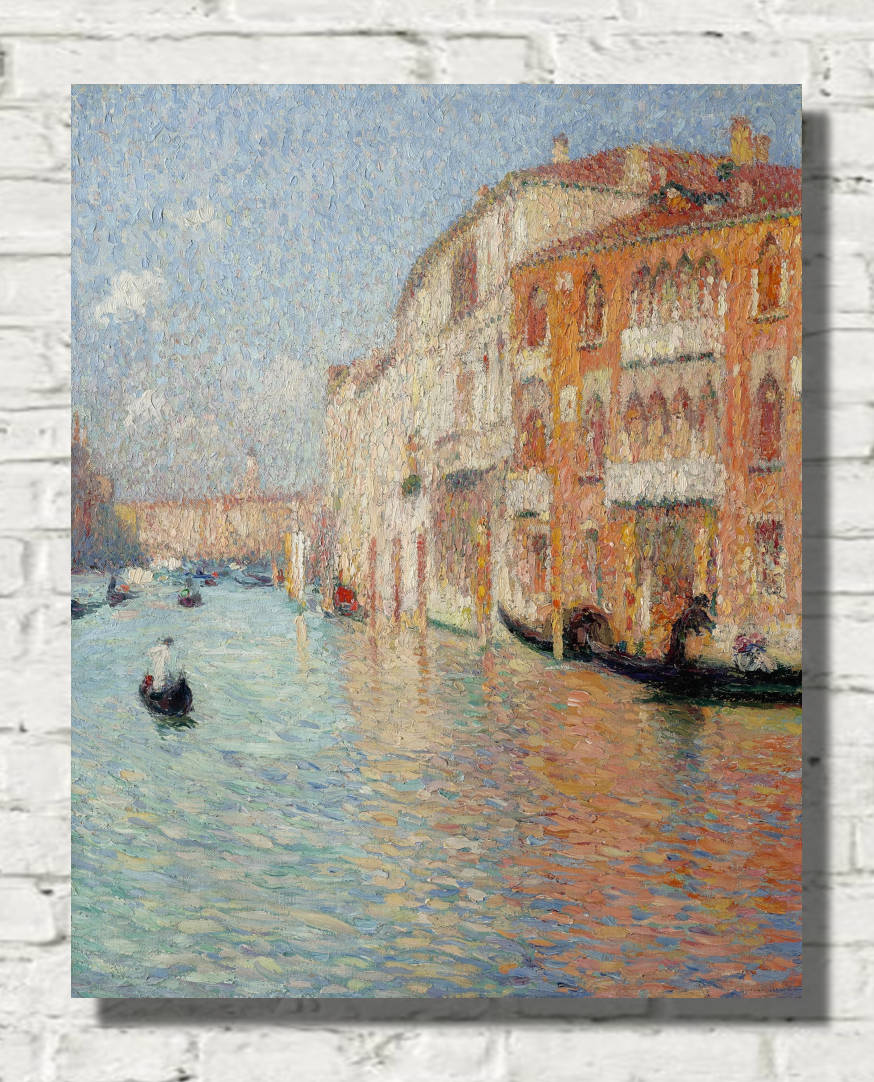
Paul Signac became another major Neo-Impressionist painter, applying separated colour to landscapes, harbours and coastal scenes with increasingly vivid decorative effects.
Beyond the Four Leading Post-Impressionists
Post-Impressionism was not a neatly bounded movement, and GalleryThane's collection also includes artists whose work overlaps with related developments around the end of the nineteenth century.
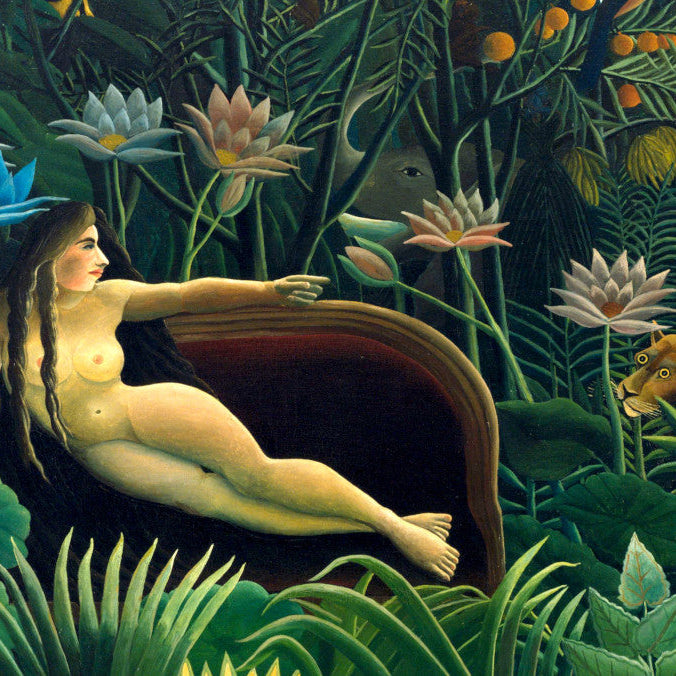
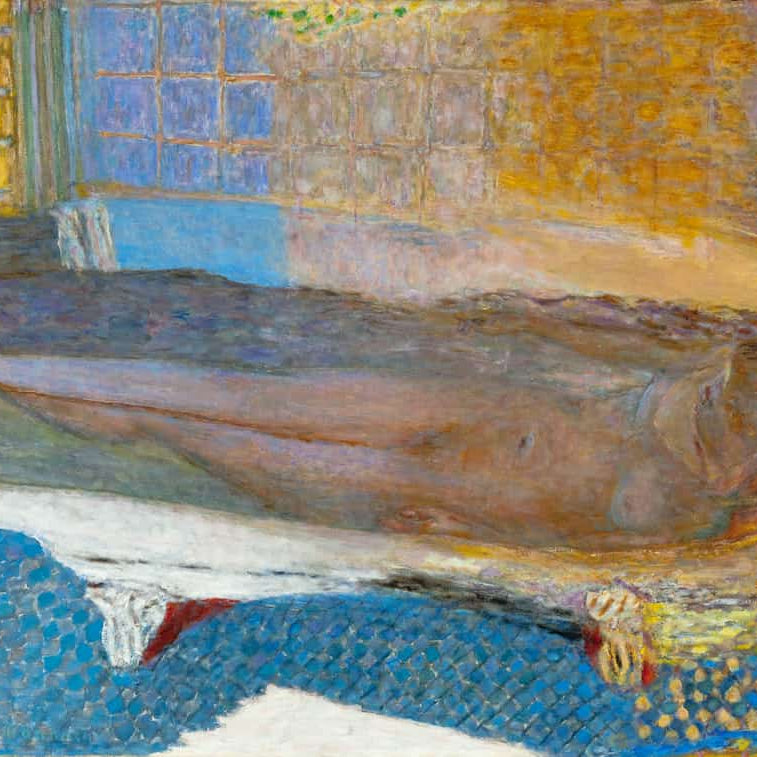
Pierre Bonnard and Paul Sérusier became associated with the Nabis, whose artists explored flattened surfaces, pattern and decorative colour. Odilon Redon brought a distinctly Symbolist imagination to flowers, figures and visionary subjects, while Henri Rousseau developed an independent style characterised by flattened form, unusual scale and extraordinary imagined landscapes.
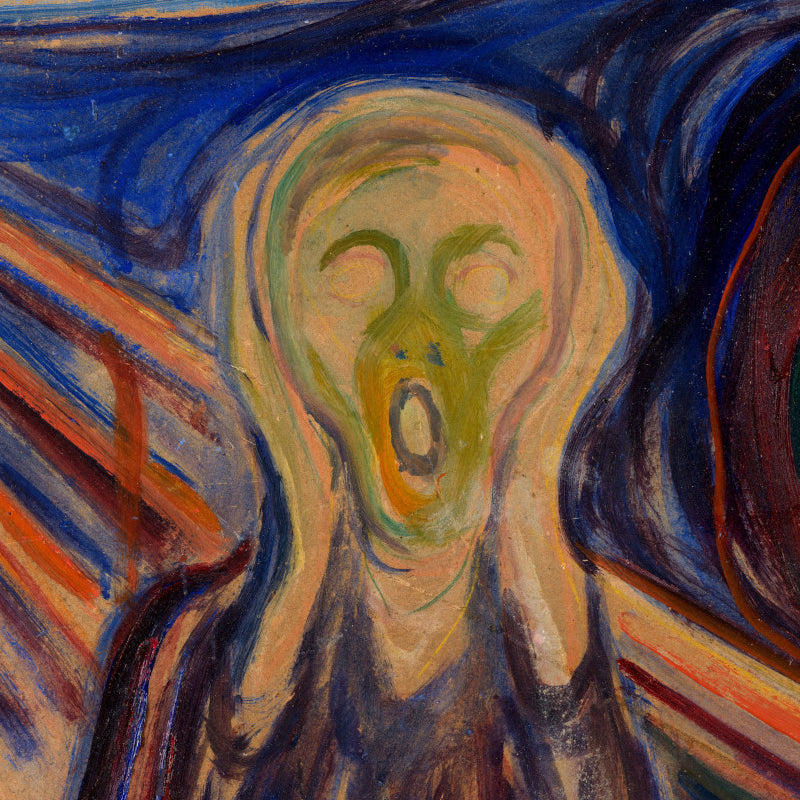
Edvard Munch belongs particularly to the development of Symbolism and Expressionism rather than to a narrow definition of French Post-Impressionism, but his emotionally charged use of colour demonstrates how rapidly late nineteenth-century painting was moving towards a more subjective modern language.
Post-Impressionism and the Road to Modern Art
The innovations developed during and after Post-Impressionism had an enormous influence on the art of the early twentieth century.
Van Gogh and Gauguin demonstrated the expressive possibilities of intense colour. Cézanne's investigation of structure became particularly important to painters searching for alternatives to conventional perspective. Seurat and Signac showed how colour itself could become the organising principle of a painting.
These experiments helped prepare the ground for movements including Fauvism and Expressionism, where colour and form would become increasingly independent from straightforward naturalistic representation.
Post-Impressionist Landscapes
Landscape remained one of the most important subjects of Post-Impressionism, but artists approached it in dramatically different ways.
Van Gogh transformed fields, cypresses, olive groves and night skies through intense colour and directional brushwork. Cézanne imposed greater structural order on the countryside around Aix-en-Provence. Gauguin simplified landscape towards broad areas of expressive colour, while Seurat and Signac explored more systematic relationships between colour and light.
This variety makes Post-Impressionist landscape prints particularly effective when creating a gallery wall: artworks can share a common period and subject while offering very different approaches to colour and composition.
Portraits, Figures and Modern Life
The human figure also changed substantially after Impressionism. Portraits did not have to depend solely on conventional likeness, and scenes of modern life could become more symbolic, decorative or psychologically intense.
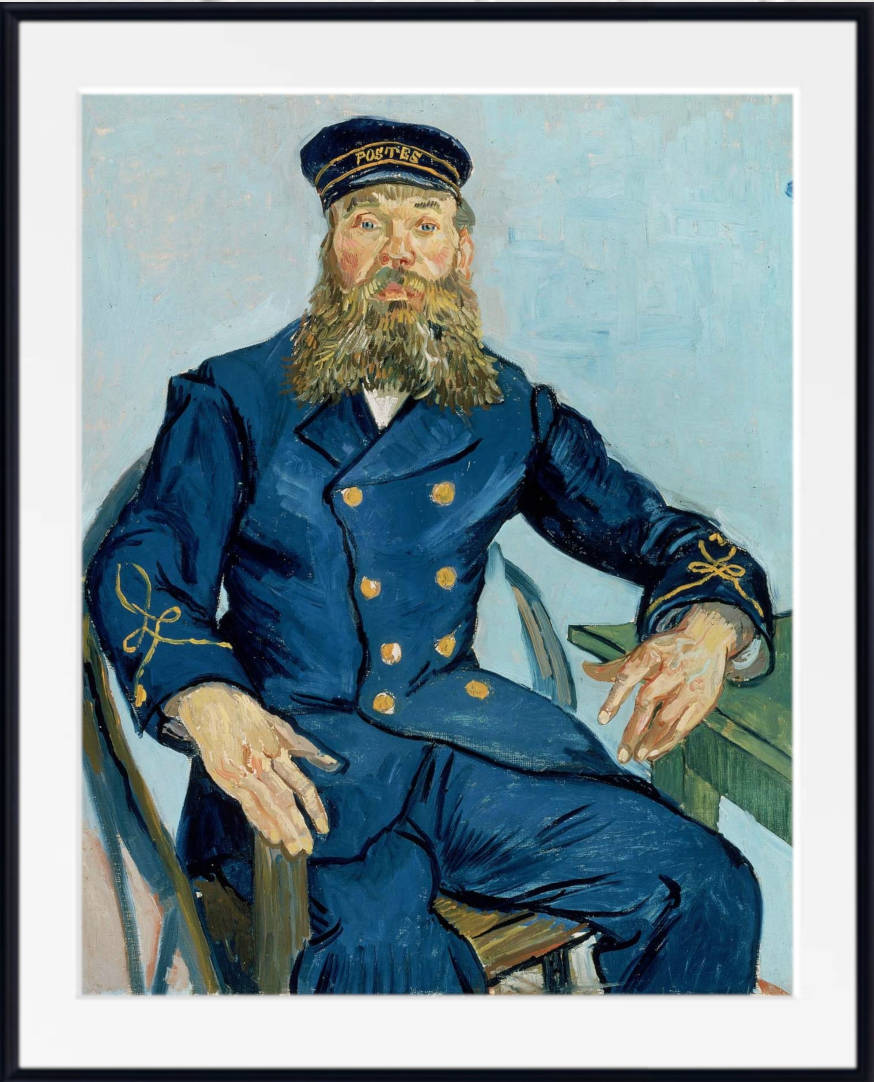
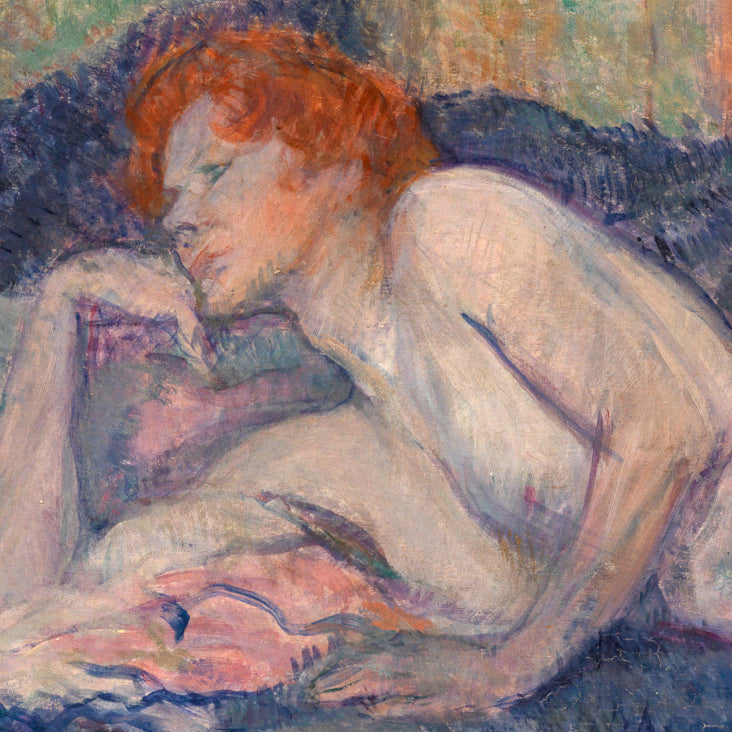
Van Gogh's portraits often use colour and brushwork to create an unusually direct sense of presence. Gauguin simplified figures into strong outlines and broad colour areas. Seurat imposed carefully measured rhythms on scenes of Parisian leisure, while artists such as Toulouse-Lautrec developed an immediately recognisable graphic language around cafés, theatres and performers.
Post-Impressionist Still Life and Flower Prints
Still life became another important field for experimentation. Cézanne's arrangements of fruit, bottles and domestic objects allowed him to investigate structure and spatial relationships, while Van Gogh transformed flowers and everyday objects through intense colour and physical brushwork.
These works are particularly versatile as wall art. Post-Impressionist flower and still-life prints can introduce strong colour into dining rooms, kitchens and living spaces without requiring the larger visual scale of a landscape or figurative scene.
Choosing Post-Impressionist Prints for Your Interior
The diversity of Post-Impressionism makes it particularly adaptable to contemporary interiors.
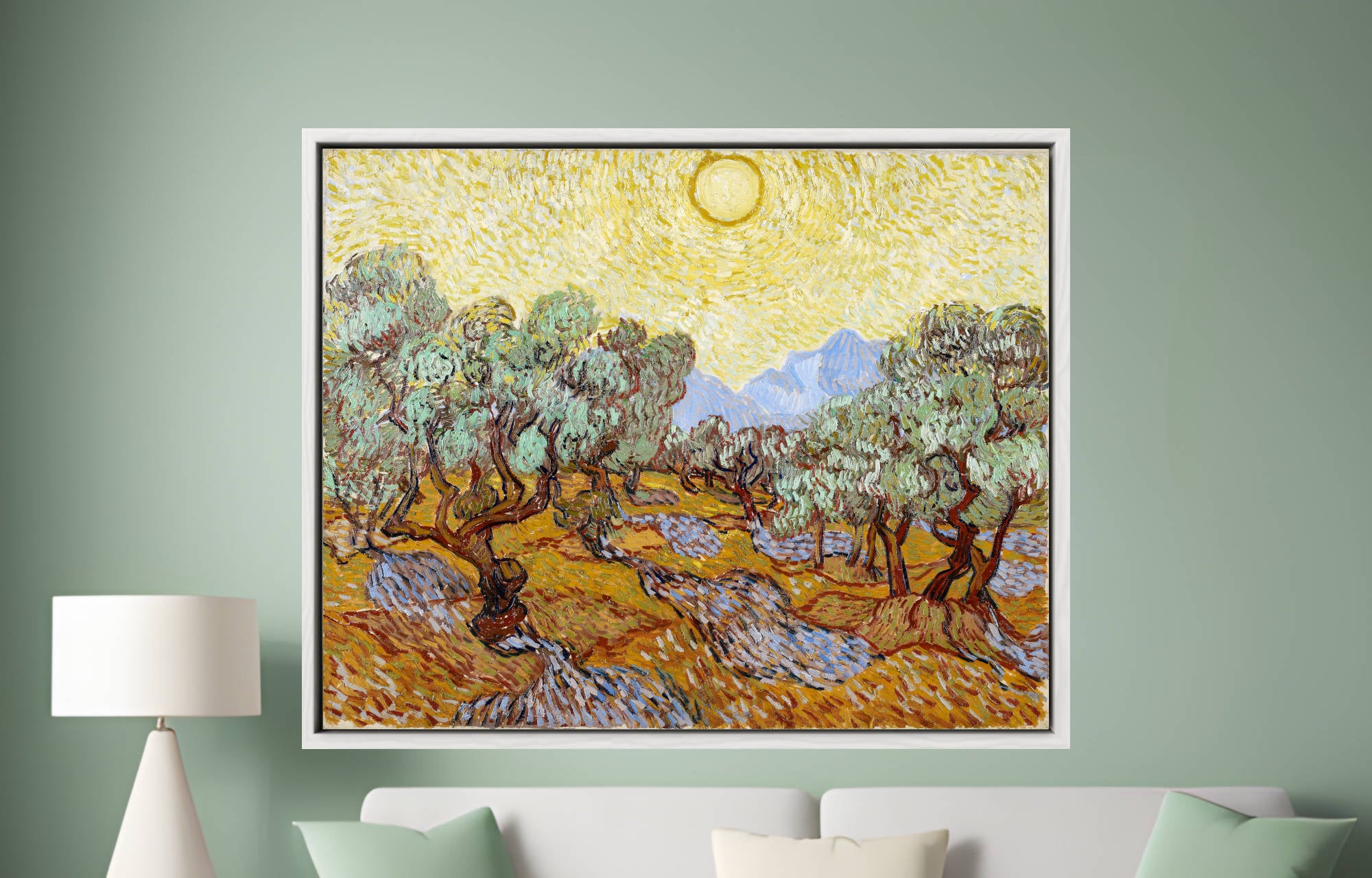
For strong yellow, blue and green colour, Van Gogh offers an immediate focal point. Cézanne's landscapes and still lifes tend to provide more muted combinations of green, blue, ochre and earth tones that complement natural timber and restrained interiors.
Gauguin can introduce more saturated and unconventional colour, while Seurat and Signac work particularly well where a room benefits from small repeated areas of contrasting colour.
Post-Impressionist prints can be especially effective in Japandi, Scandinavian, eclectic, traditional and modern interiors because many of the works combine recognisable subject matter with strong graphic structure and expressive colour.
Fine Art Prints, Framed Prints and Canvas Panels
GalleryThane's Post-Impressionist collection includes reproductions available in a wide range of sizes and presentation formats.
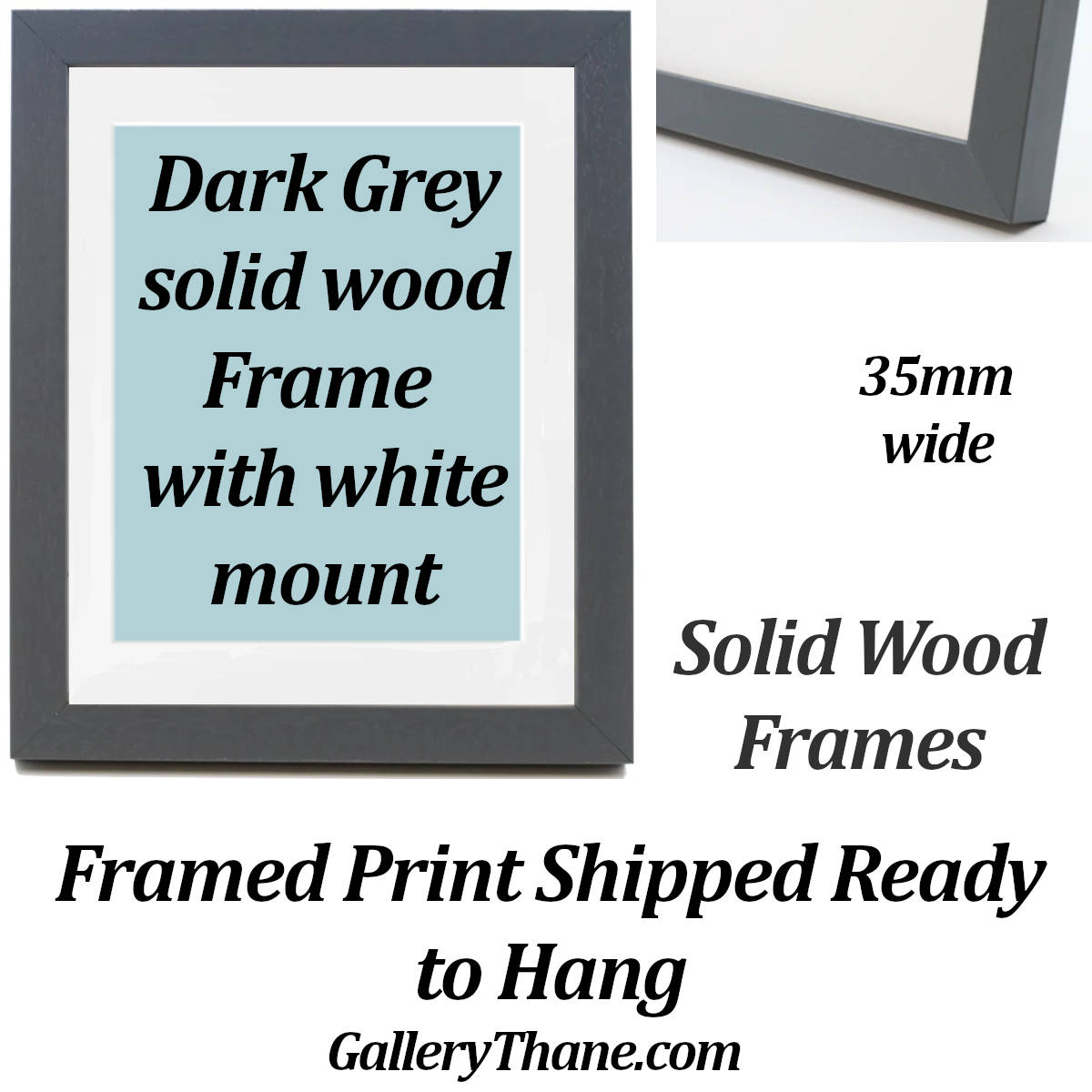
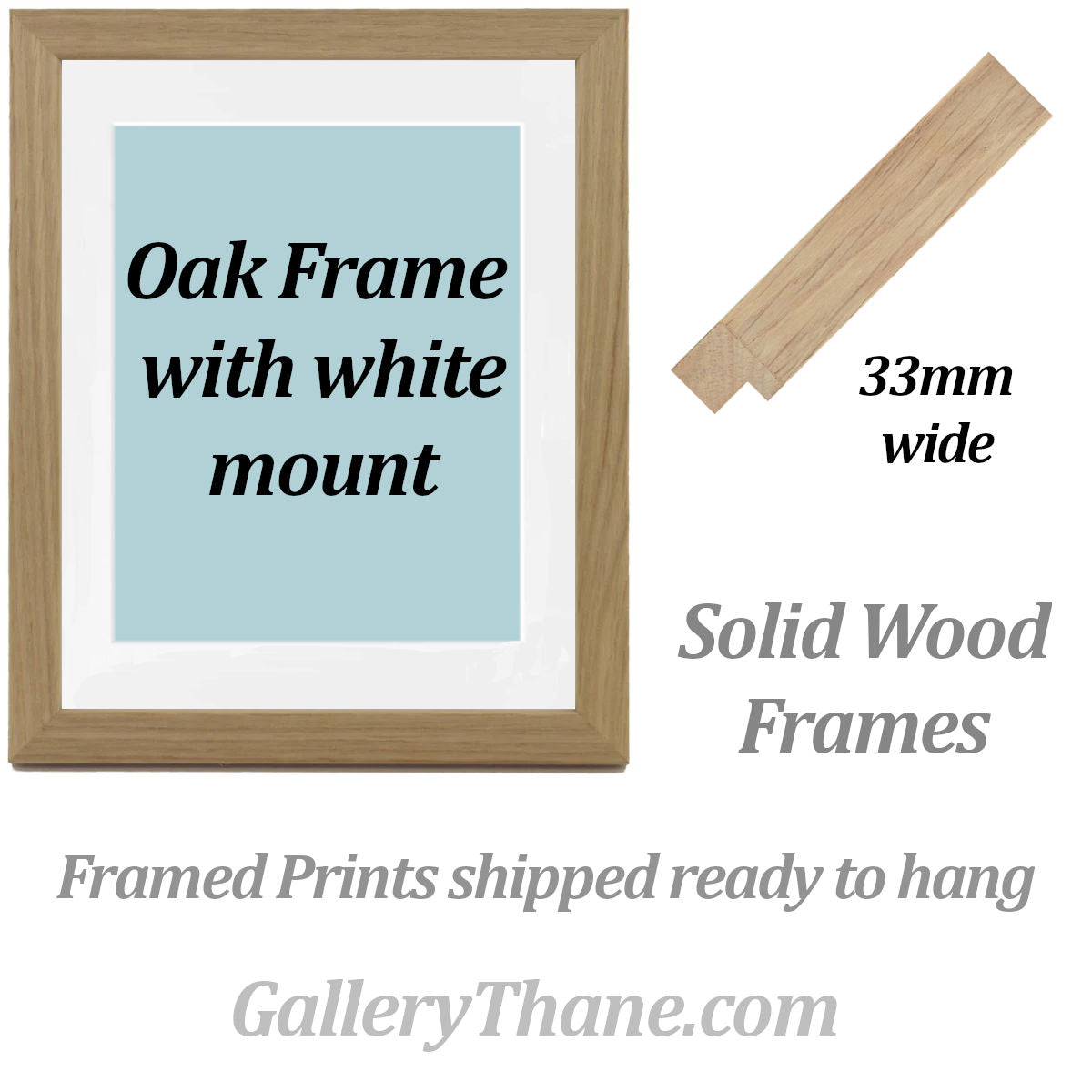
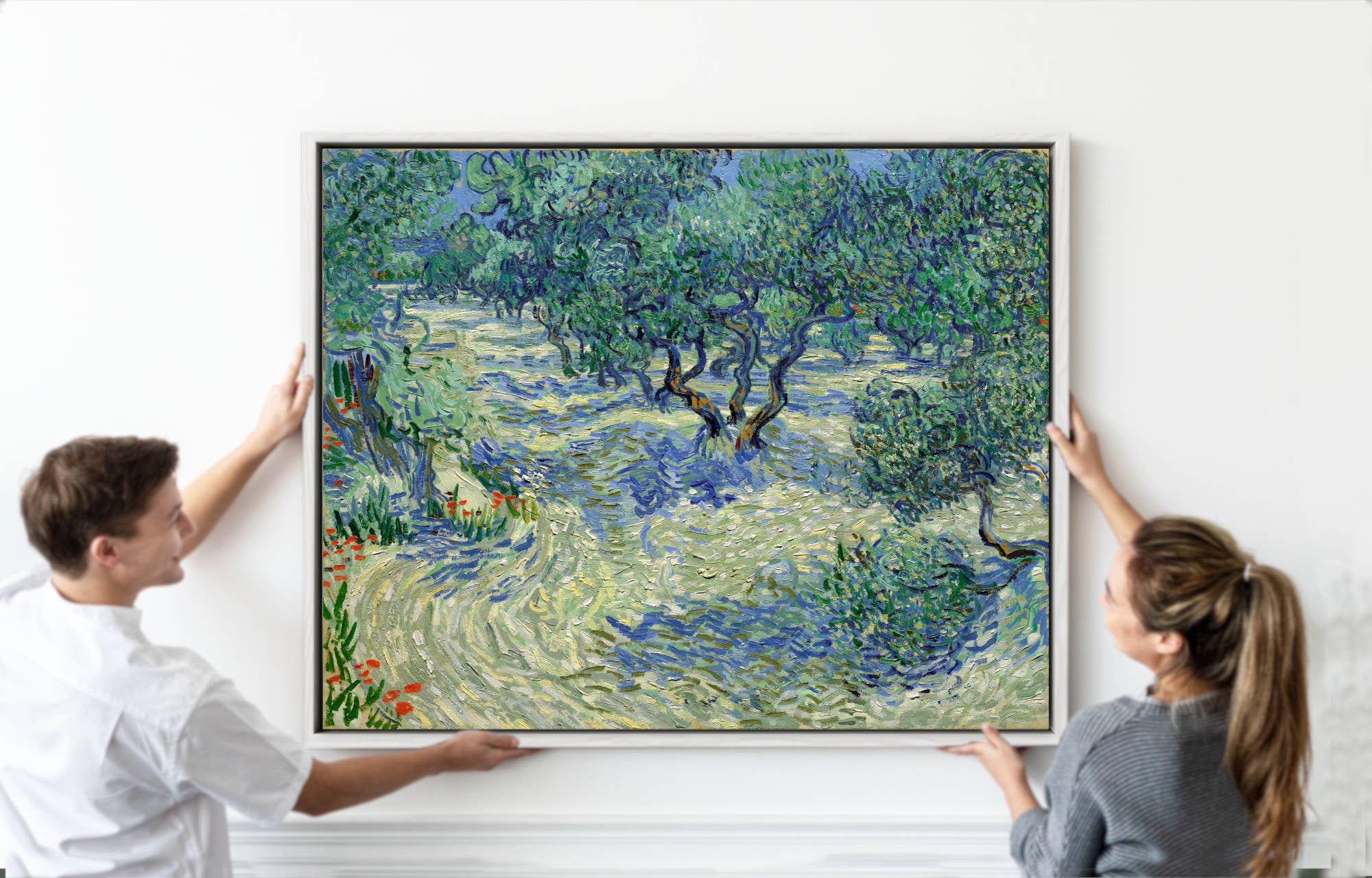
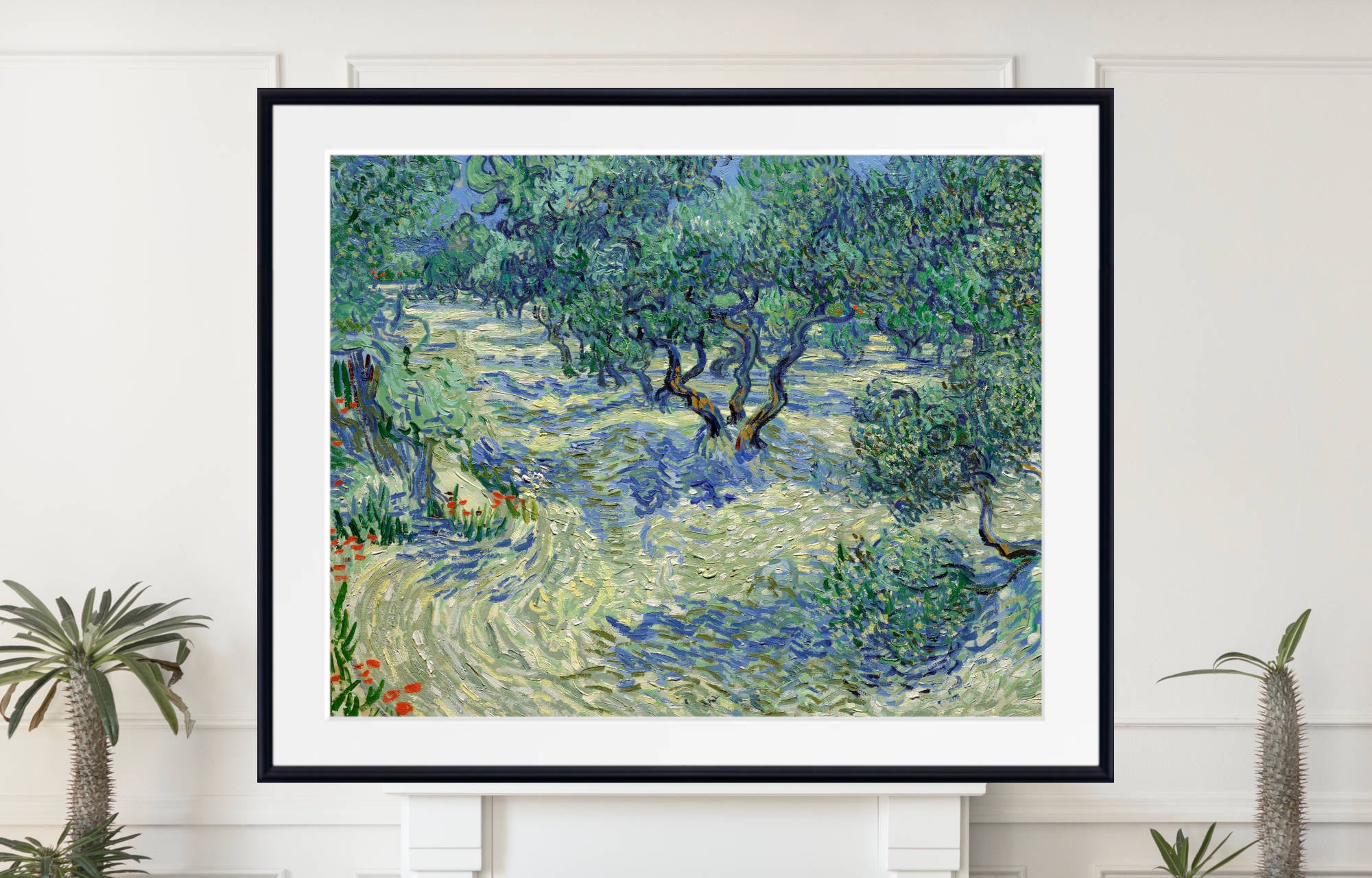
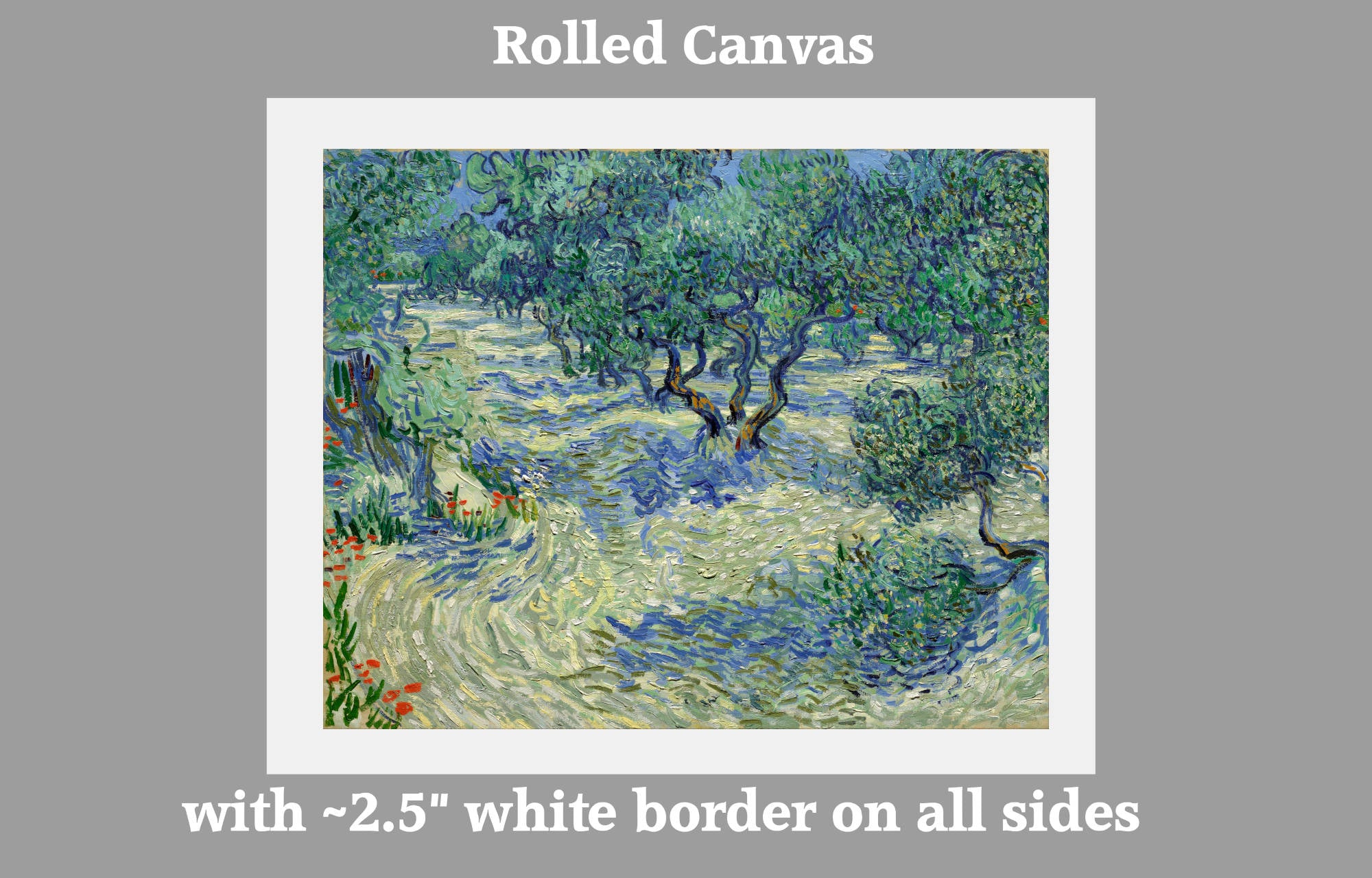
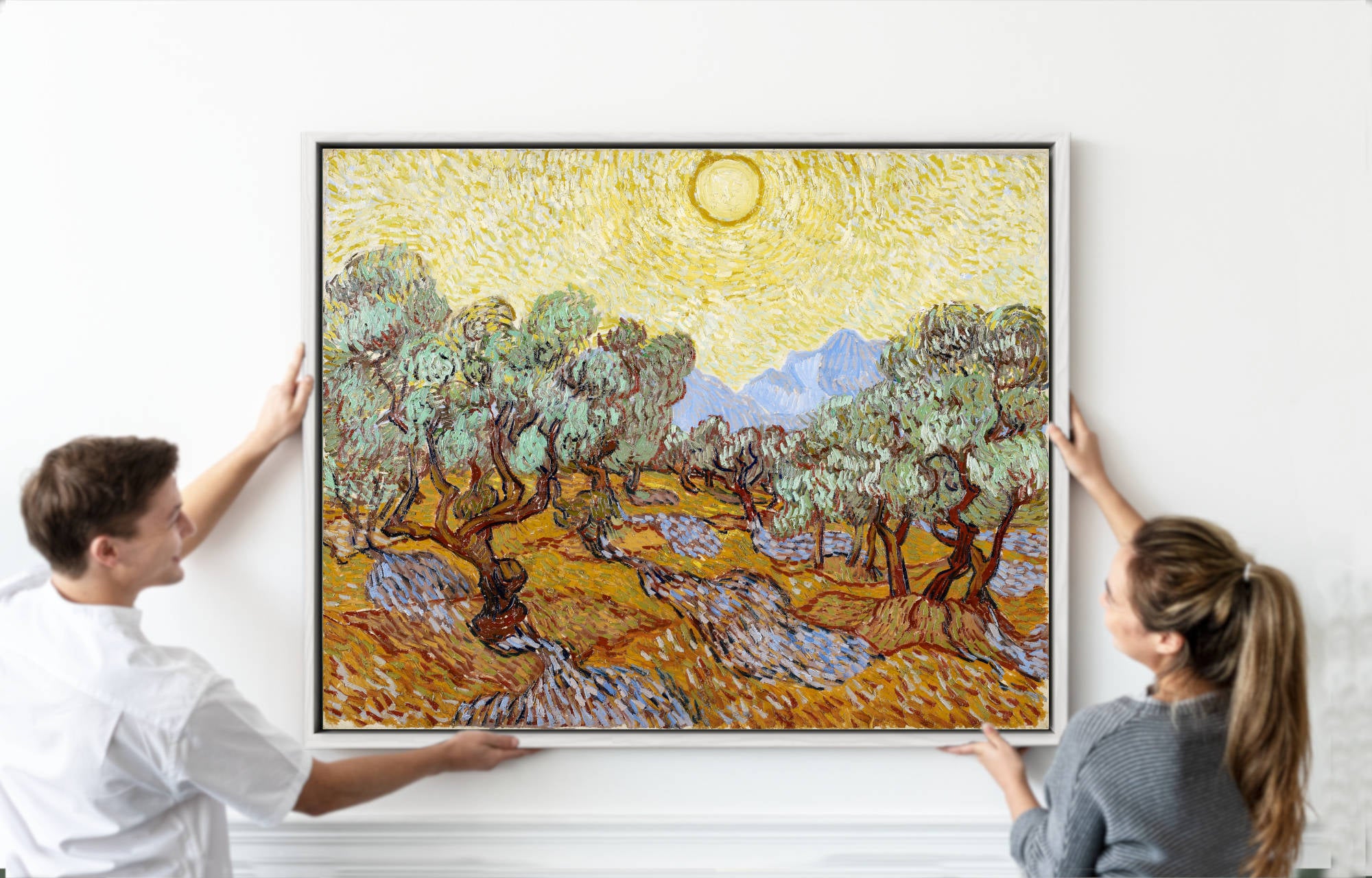
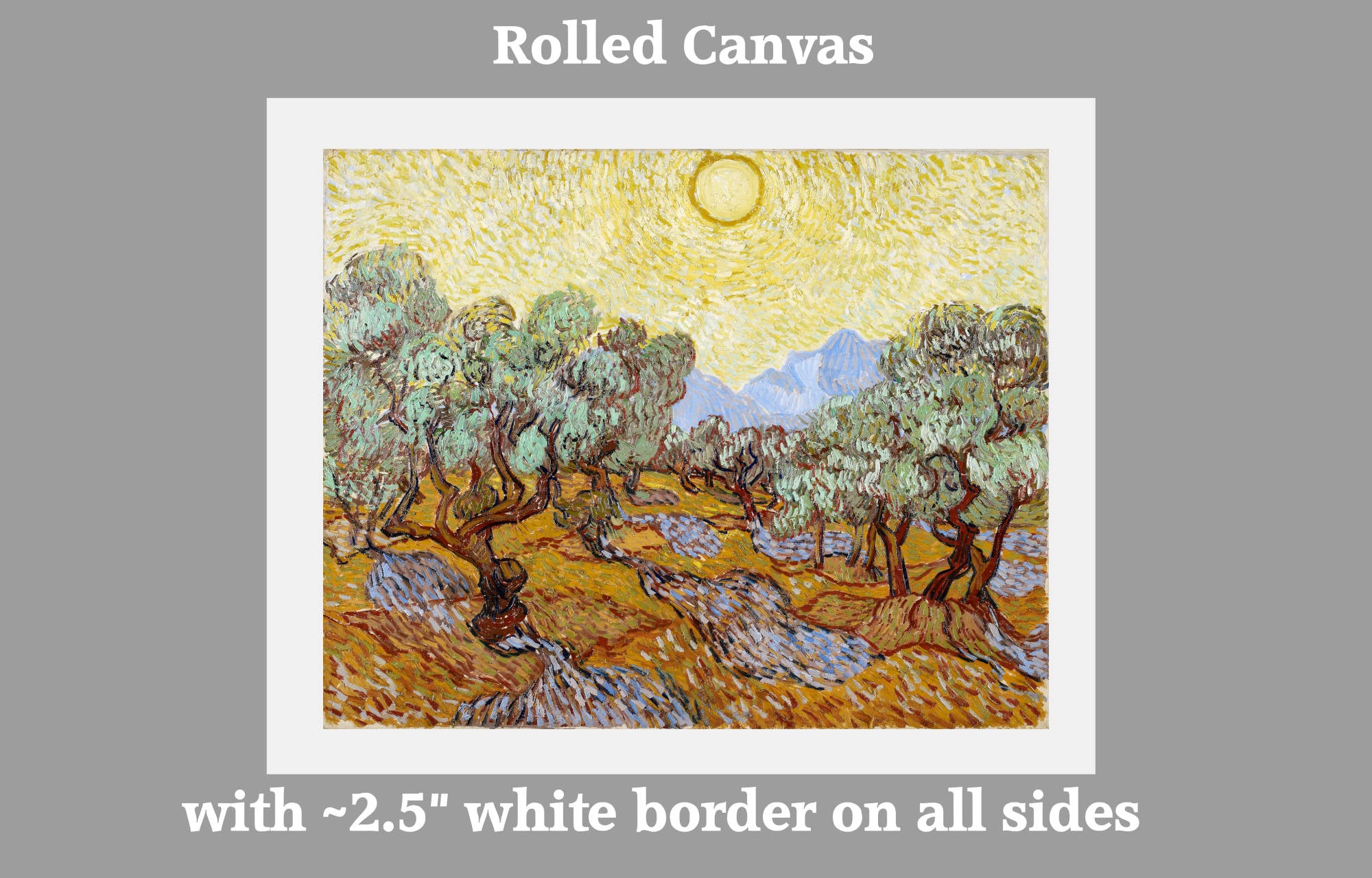
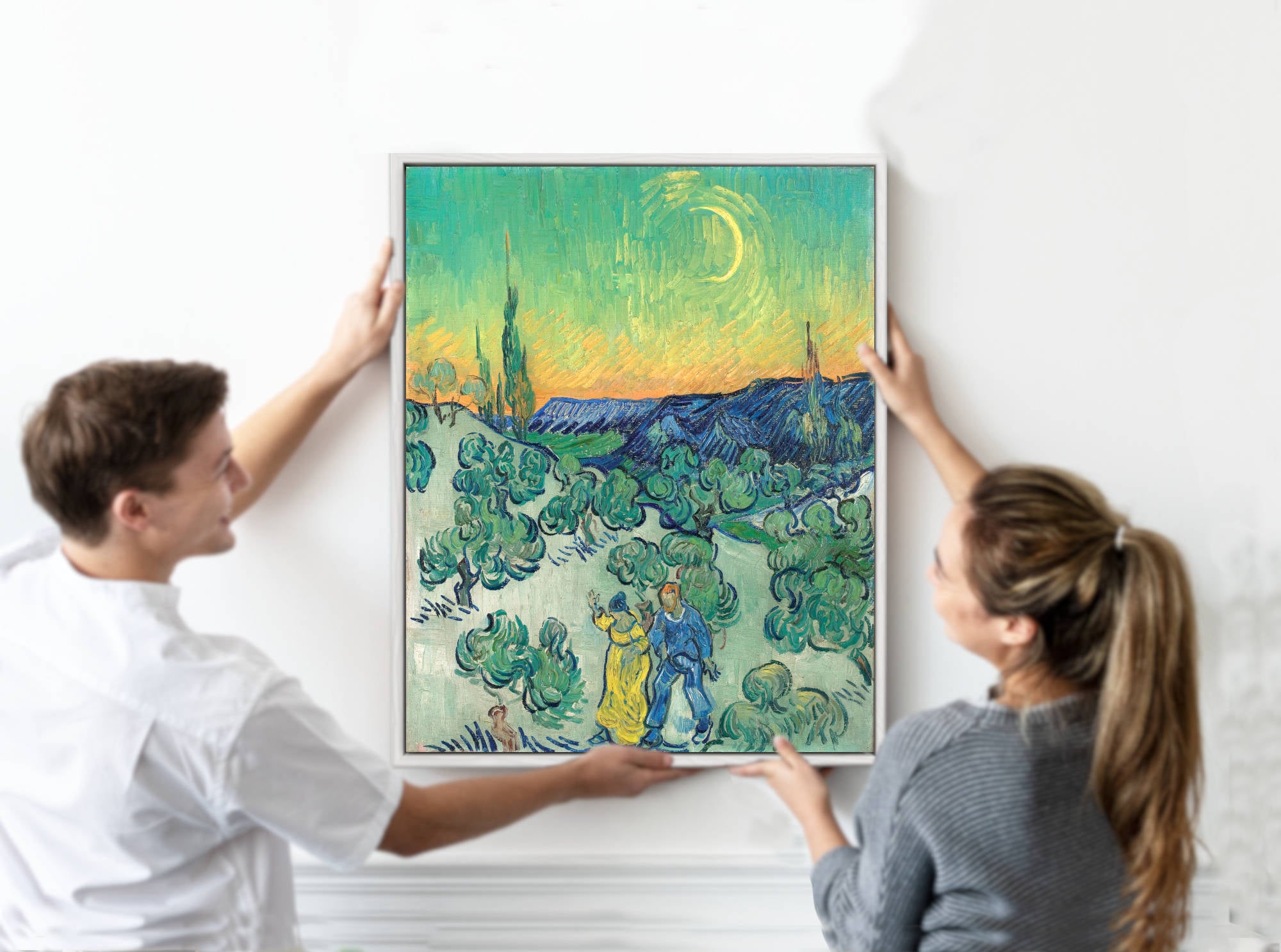
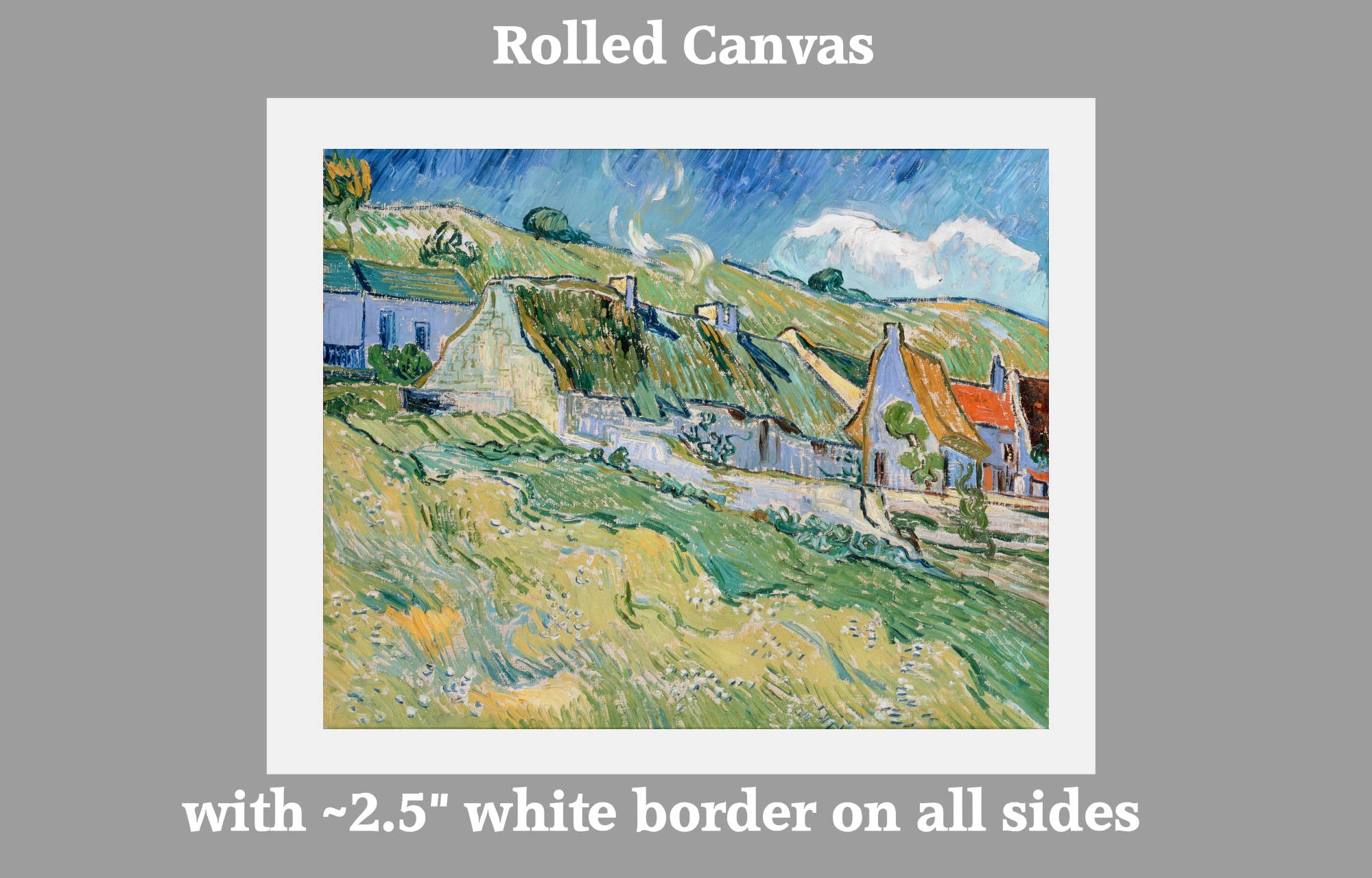
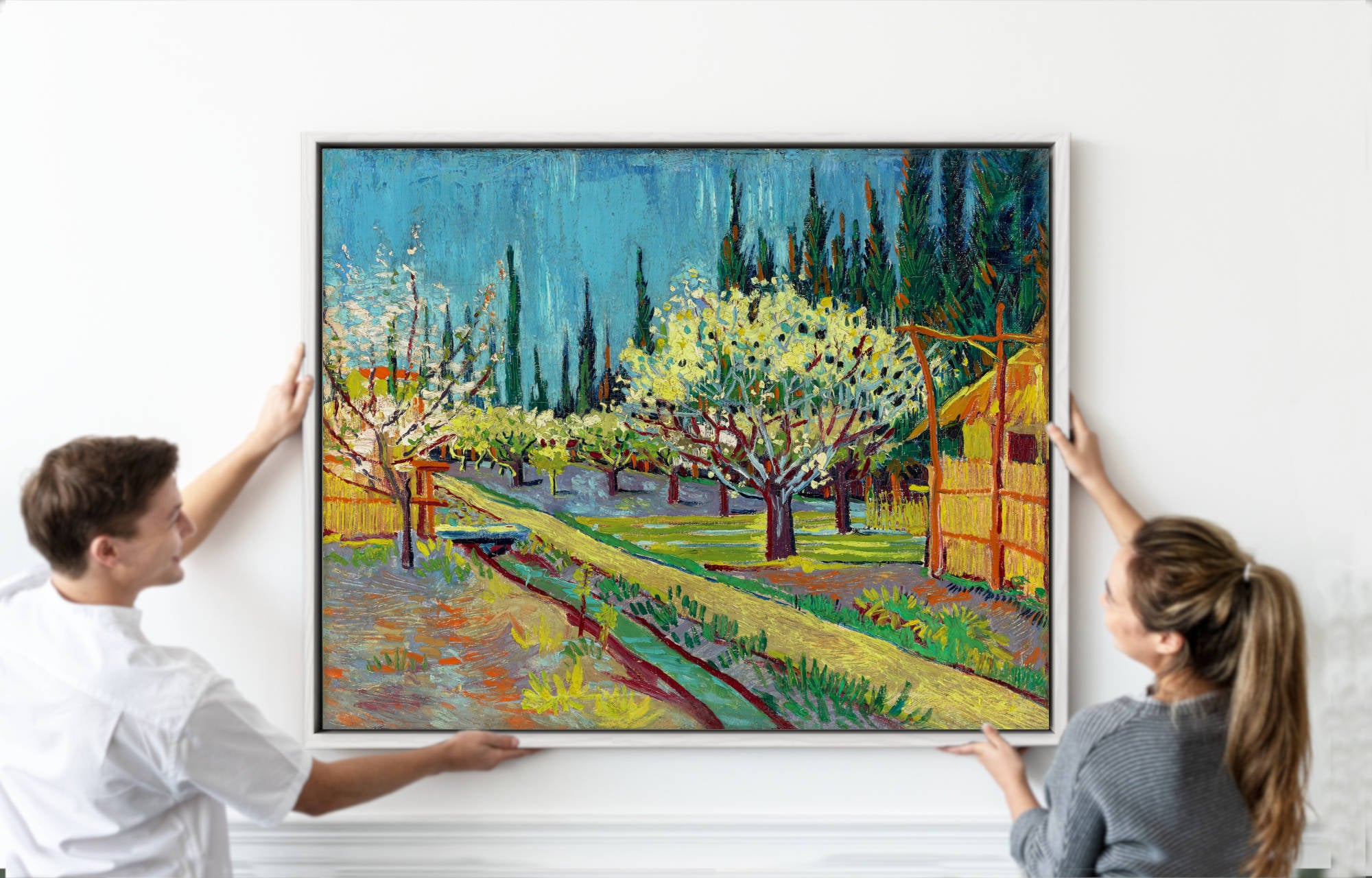
Choose fine art paper prints for flexible framing, professionally framed prints for a complete gallery-style presentation, or canvas panels for a clean contemporary alternative. Individual paintings can create strong statement pieces, while works linked by artist, palette or subject can be combined into coordinated gallery walls.
Frequently Asked Questions
What is Post-Impressionism?
Post-Impressionism is a broad term applied to artists who developed new approaches to painting after the emergence of Impressionism, particularly during the 1880s and 1890s. They explored stronger colour, structure, symbolism and individual expression rather than following one single style.
Who are the most famous Post-Impressionist artists?
Vincent van Gogh, Paul Cézanne, Paul Gauguin and Georges Seurat are generally regarded as four of the pivotal Post-Impressionist artists. Paul Signac, Henri de Toulouse-Lautrec and several other late nineteenth-century painters are also closely associated with related developments.
What is the difference between Impressionism and Post-Impressionism?
Impressionism concentrated strongly on changing light, atmosphere and immediate visual experience. Post-Impressionist artists learned from those innovations but moved towards more personal approaches involving expression, symbolic colour, structural form, pattern and theories of colour.
Was Vincent van Gogh a Post-Impressionist?
Yes. Vincent van Gogh is one of the artists most strongly associated with Post-Impressionism. His expressive brushwork, intense colour and highly individual approach to landscape, portraiture and still life became enormously influential on later modern art.
Was Georges Seurat a Post-Impressionist?
Yes. Seurat is generally grouped within Post-Impressionism and was the central figure in Neo-Impressionism, a related movement that investigated colour and optical effects through highly systematic painting techniques.
Is Pointillism the same as Post-Impressionism?
No. Pointillism describes a particular technique associated especially with Seurat and Signac. It developed within Neo-Impressionism, which forms one important strand of the wider Post-Impressionist period.
Did Post-Impressionism influence Fauvism and Expressionism?
Yes. The intensified colour, simplification and expressive freedom developed by artists such as Van Gogh, Gauguin and Cézanne contributed significantly to the development of early twentieth-century movements including Fauvism and Expressionism.
Which Post-Impressionist prints work well in modern interiors?
Van Gogh's landscapes and flowers create strong colourful focal points, Cézanne works particularly well with natural and earthy interiors, while Seurat, Signac and Gauguin offer different combinations of colour, geometry and decorative pattern. The best choice depends on the palette and atmosphere of the room.