André Derain Prints – Fauvism, Colour and Early Modern Art
André Derain was one of the central figures in the emergence of modern European painting. His brilliant landscapes of southern France and London helped define Fauvism, yet his career extended far beyond the brief life of the movement.
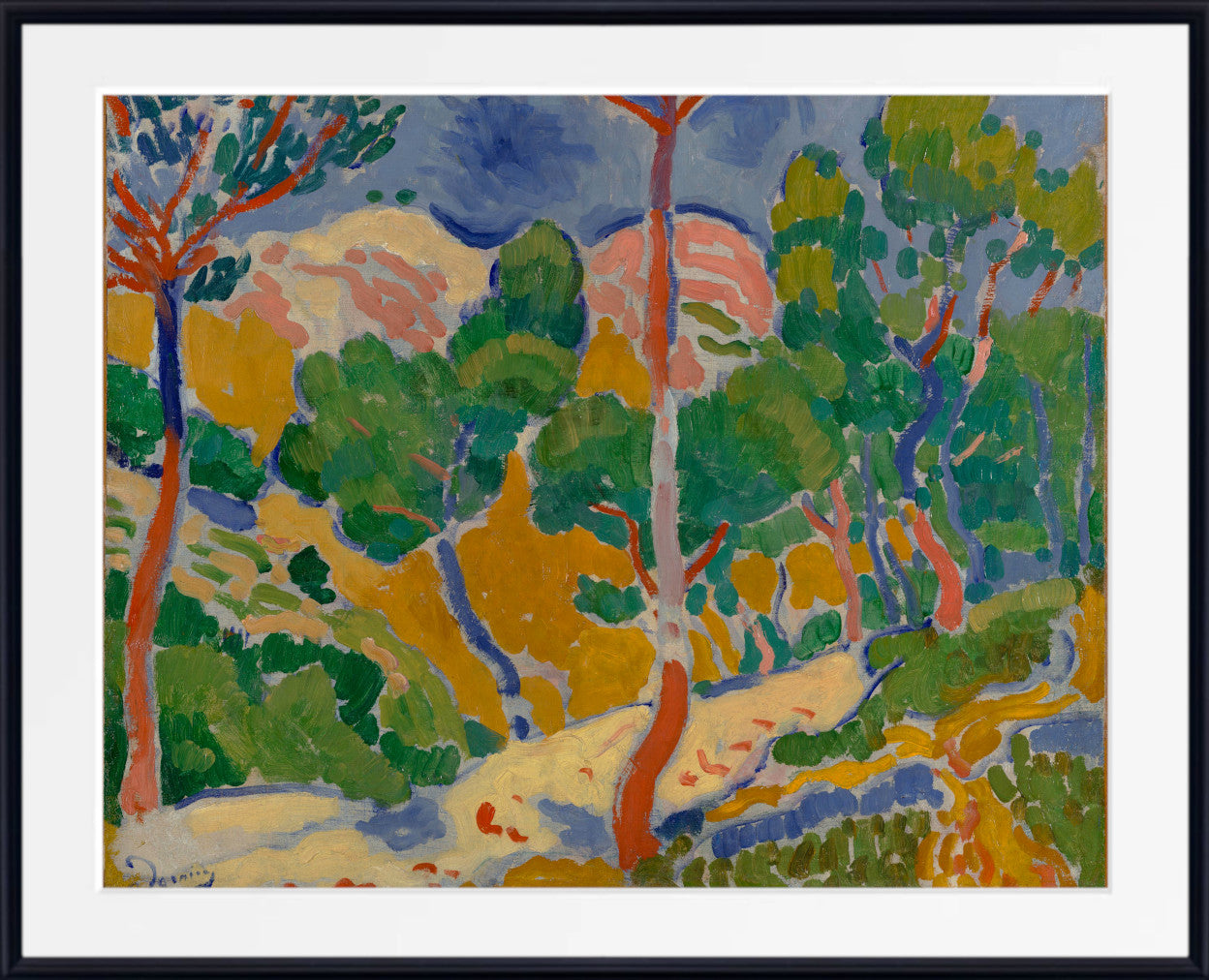
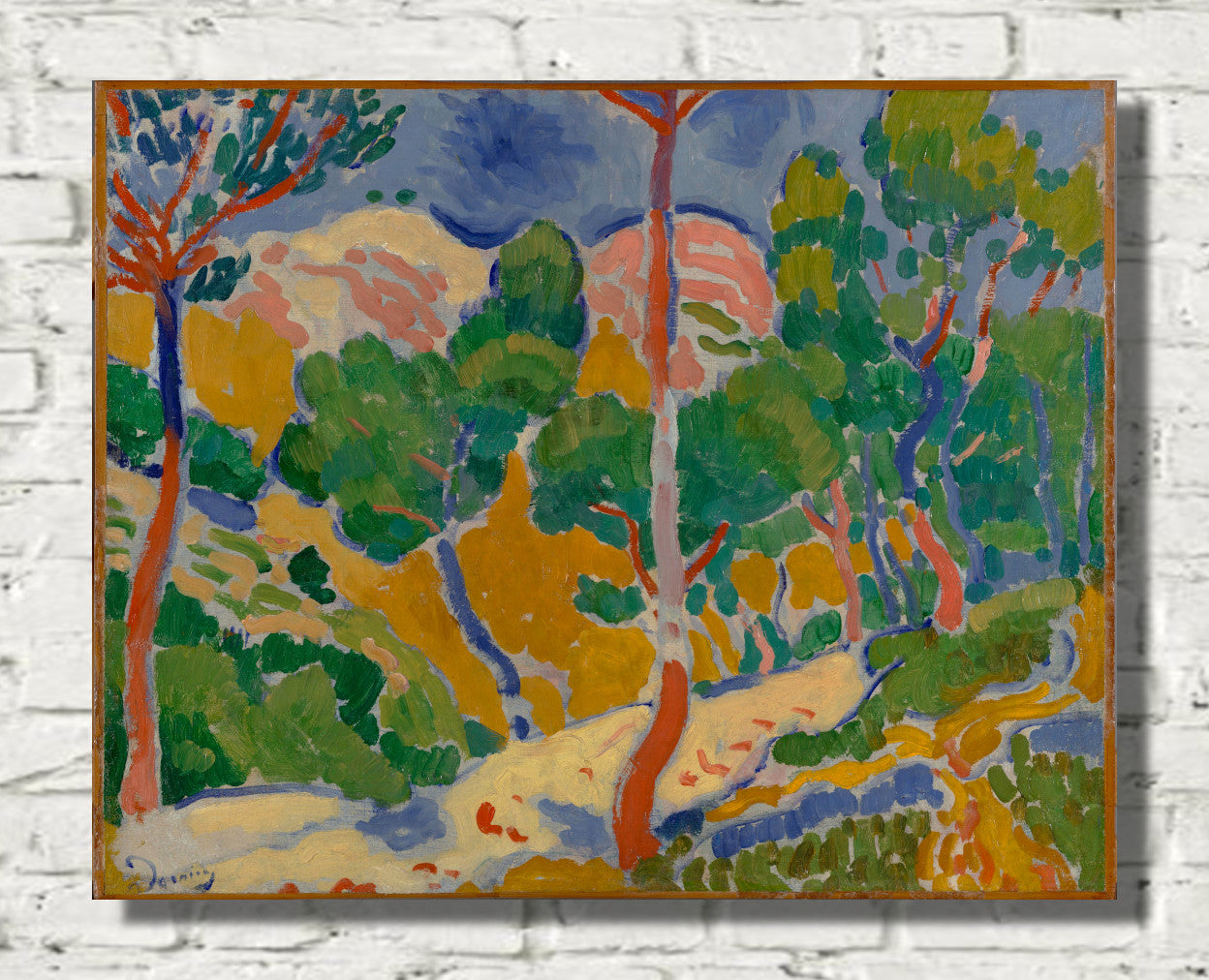
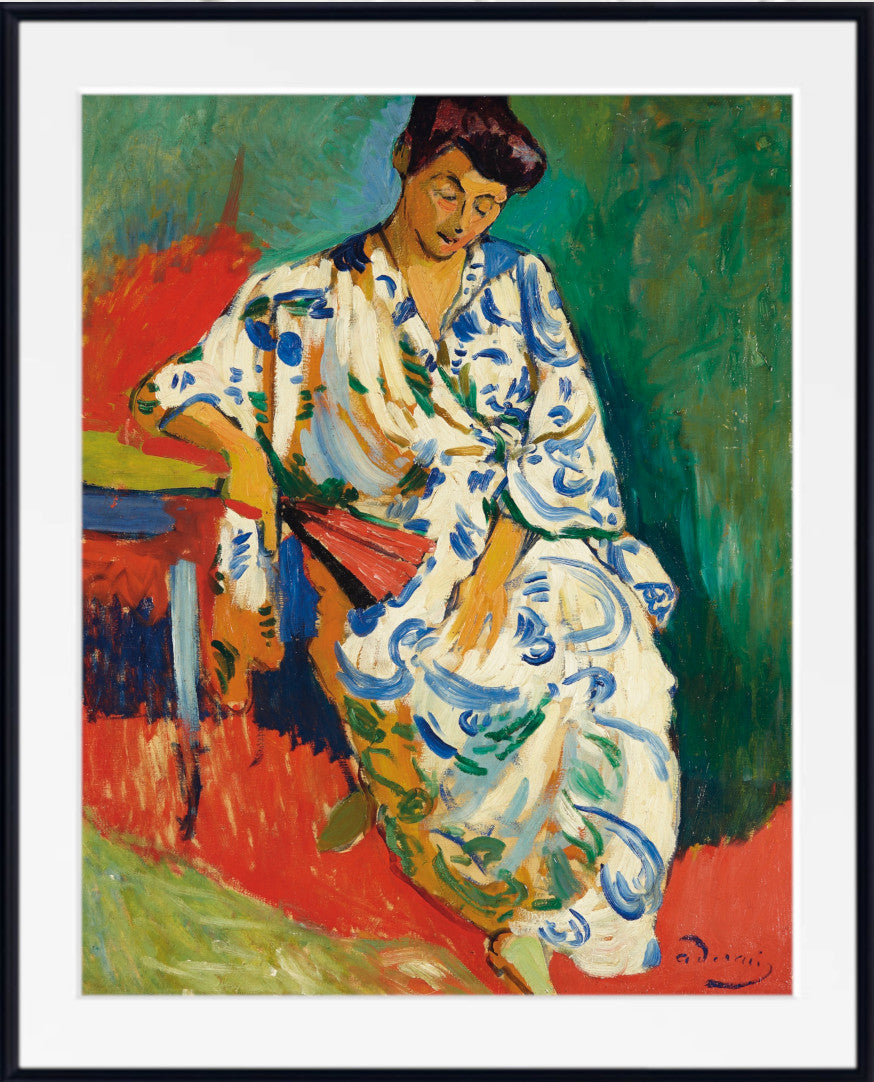
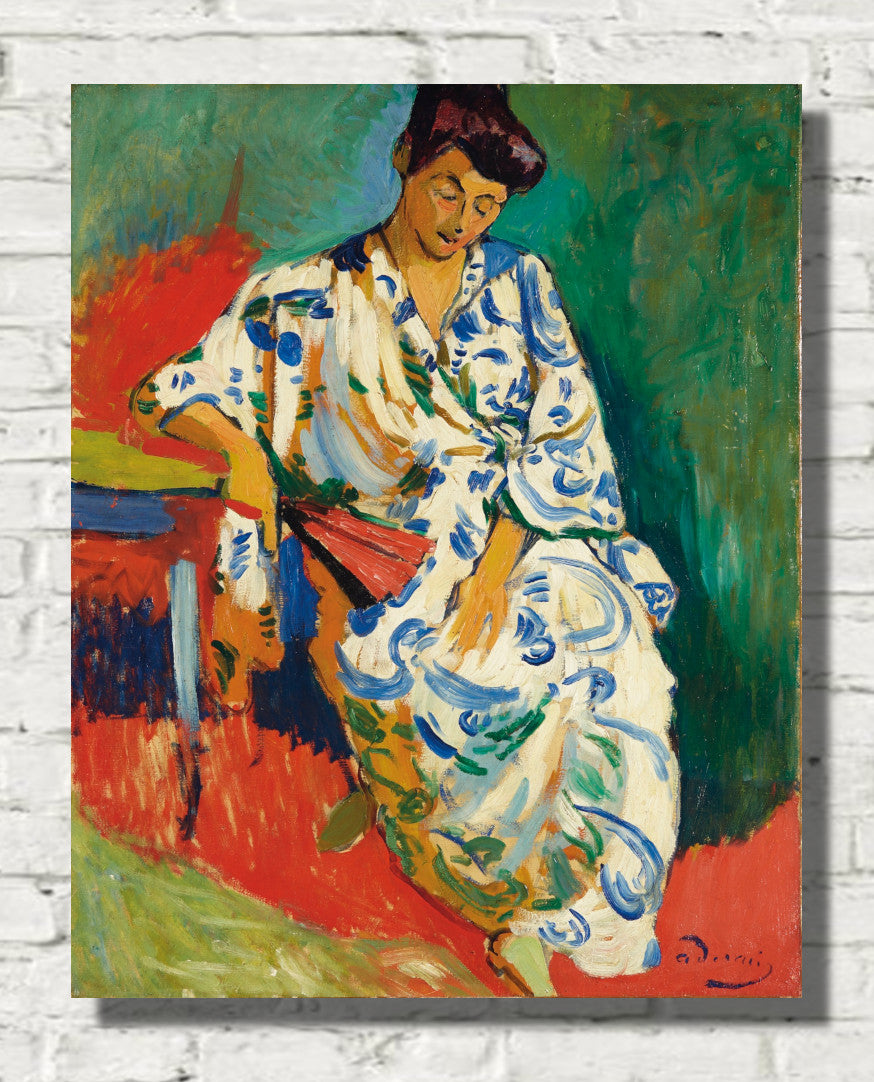
GalleryThane's collection of André Derain prints brings together landscapes, seascapes, figure paintings and city views from different stages of his career. Works range from the intensely coloured paintings associated with Fauvism to compositions in which Derain increasingly explored structure, classical form and a more restrained approach to colour.
Who Was André Derain?
André Derain was born in Chatou, near Paris, in 1880.
Although he initially studied engineering, painting increasingly became the centre of his life. His friendship with Maurice de Vlaminck and later association with Henri Matisse placed him among the small group of artists responsible for one of the most radical developments in early twentieth-century painting.
Derain rejected the idea that colour had to reproduce the visible world faithfully. Trees could become red or orange, water could be transformed into brilliant blue or green, and shadows could be expressed through complementary colours rather than conventional modelling.
This liberation of colour became one of the defining principles of Fauvism.
Explore the GalleryThane Fauvism Prints collection to see Derain's work alongside Henri Matisse, Raoul Dufy, Henri Manguin and other artists associated with the movement.
Derain, Matisse and Collioure
One of the decisive moments in Derain's career came during the summer of 1905, when he worked alongside Henri Matisse in the Mediterranean fishing village of Collioure.
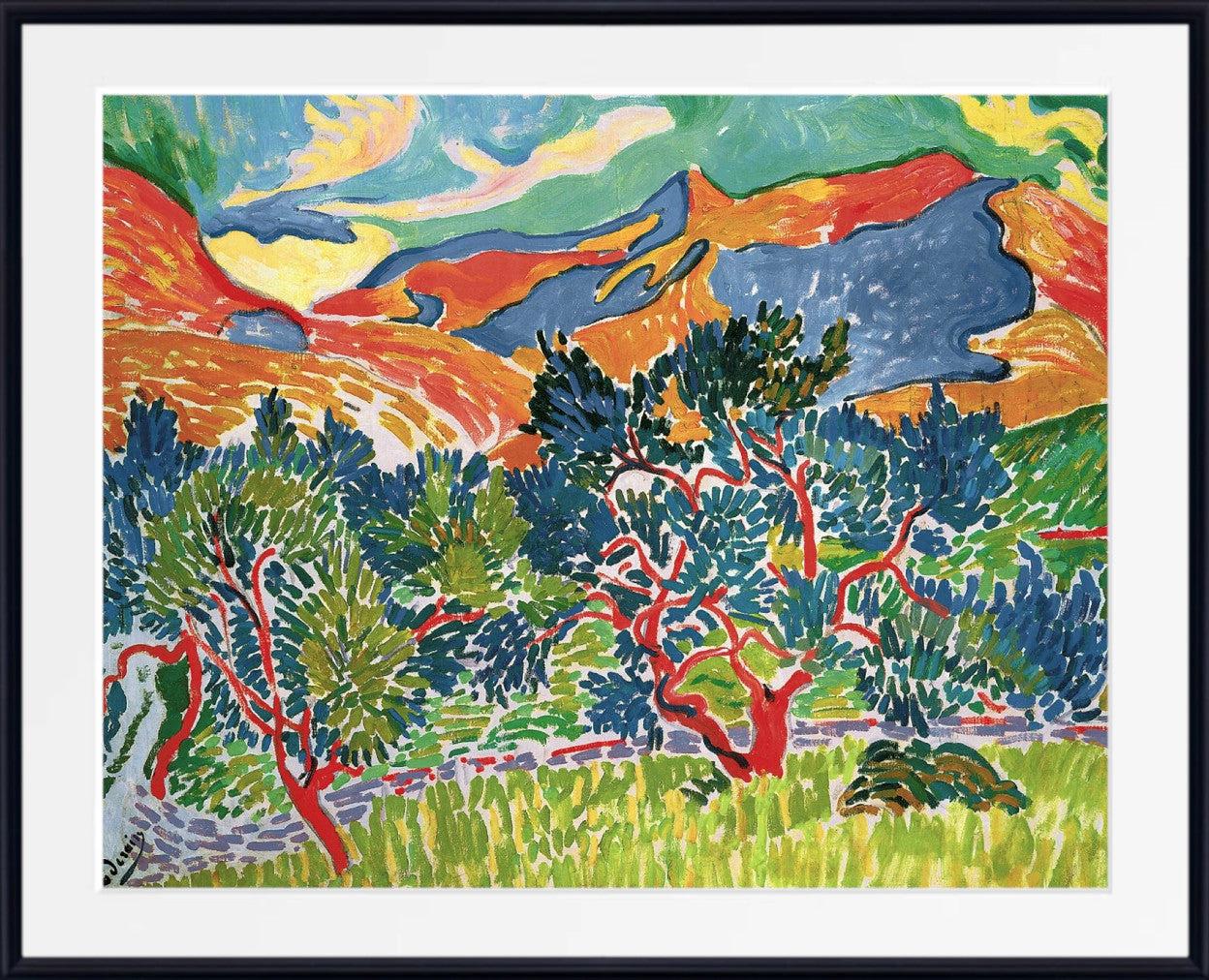
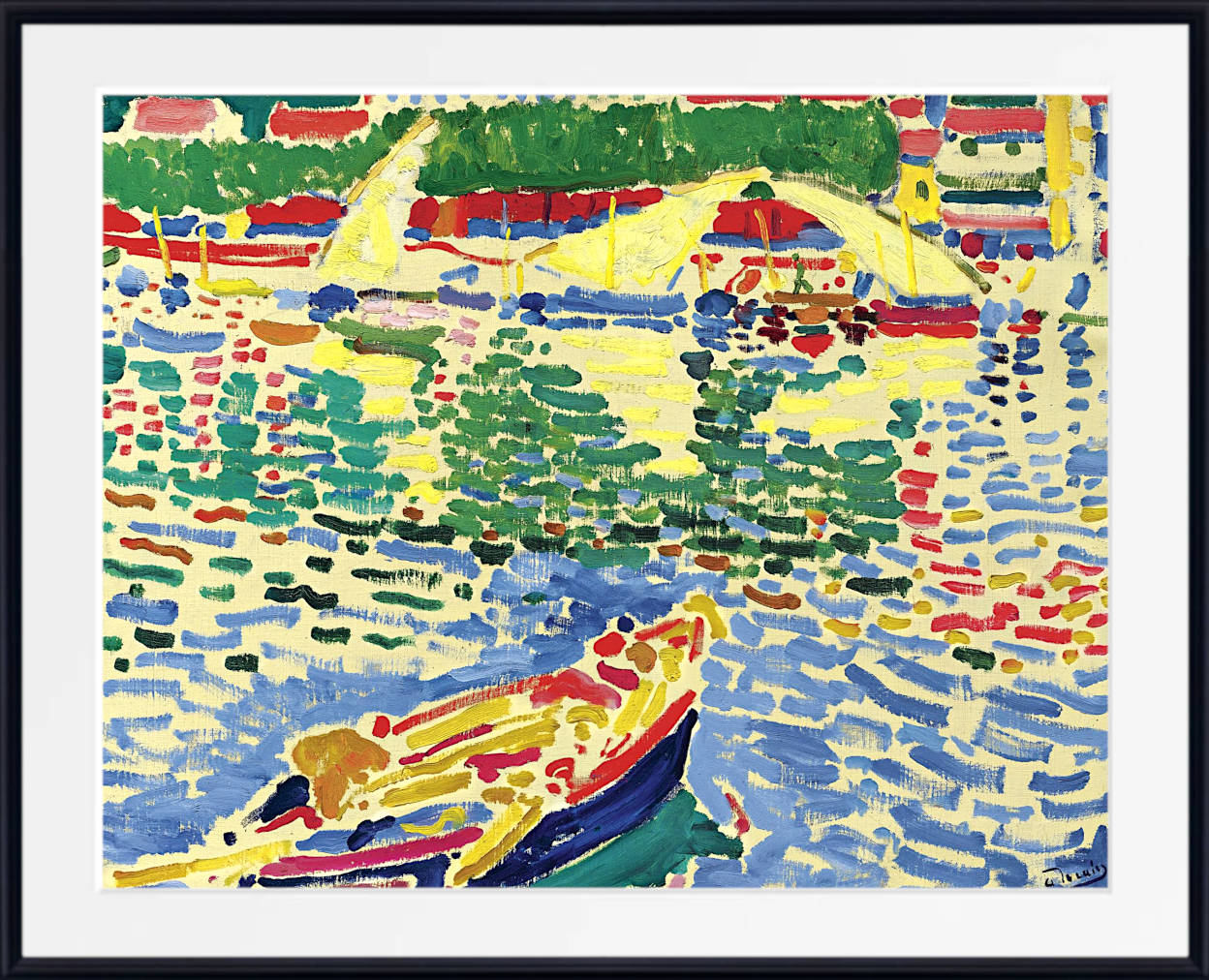
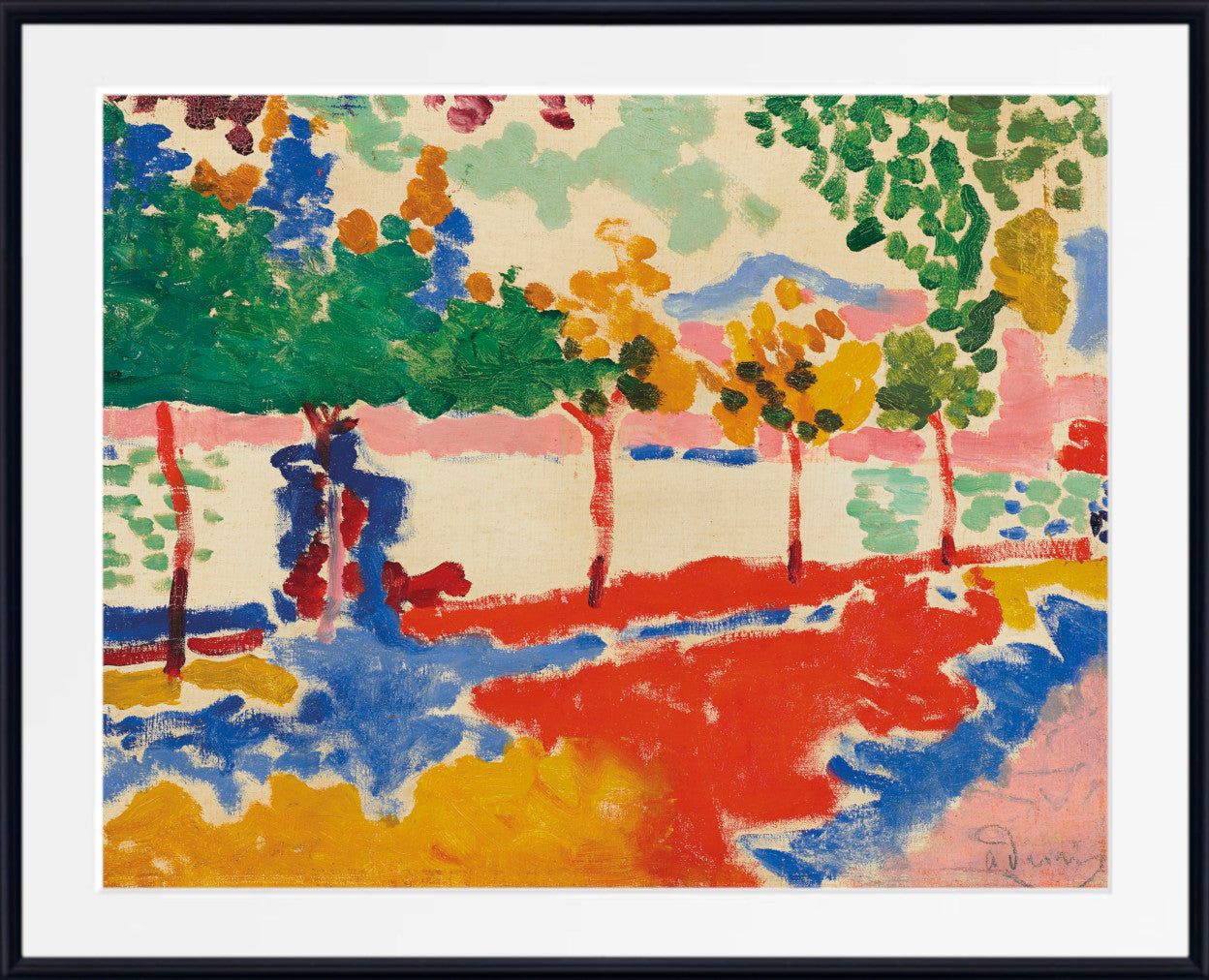
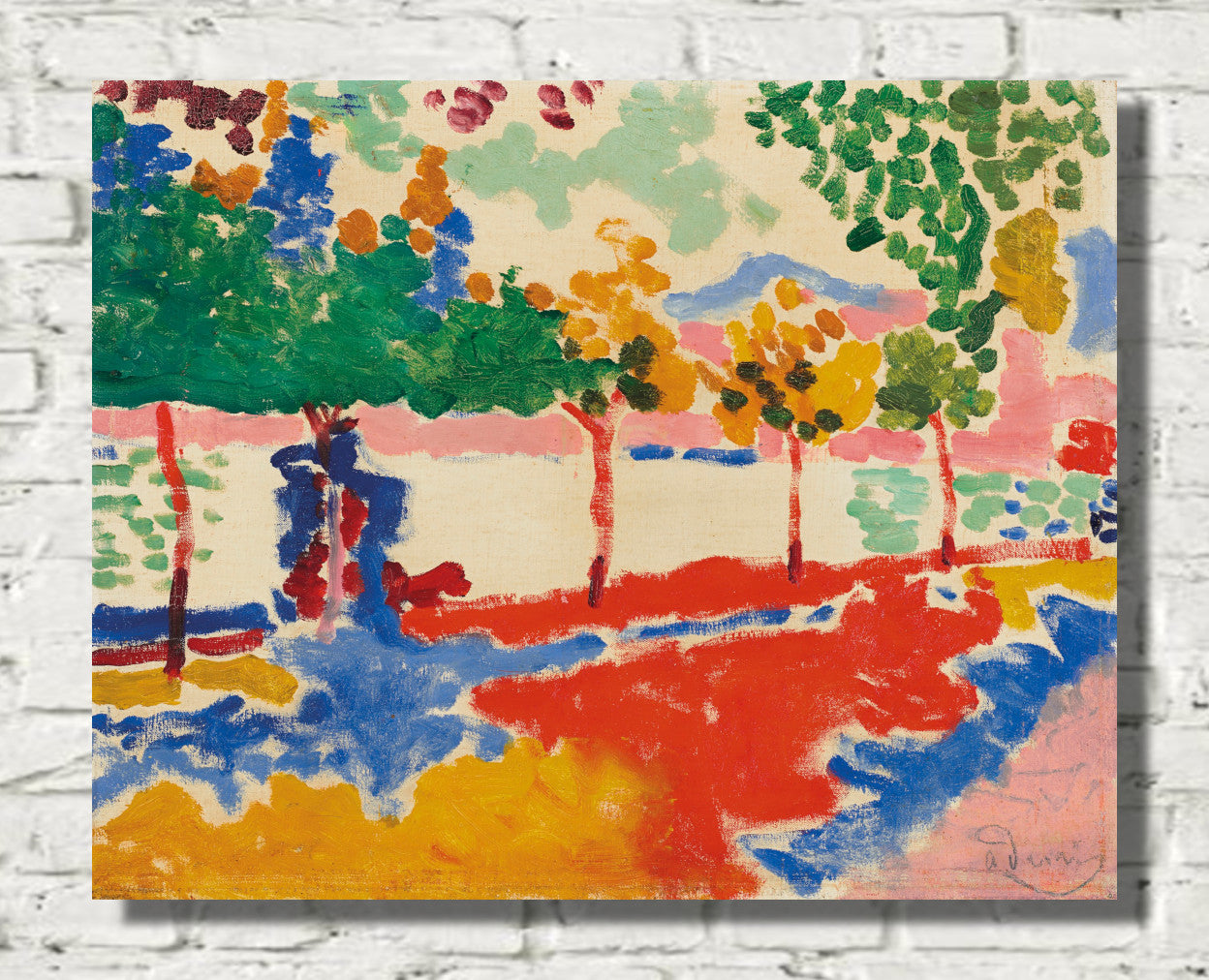
The brilliant southern light encouraged both artists to abandon conventional naturalistic colour. Landscapes were constructed from saturated reds, oranges, blues, yellows and greens, often applied in separate strokes that allowed areas of the canvas to remain visible.
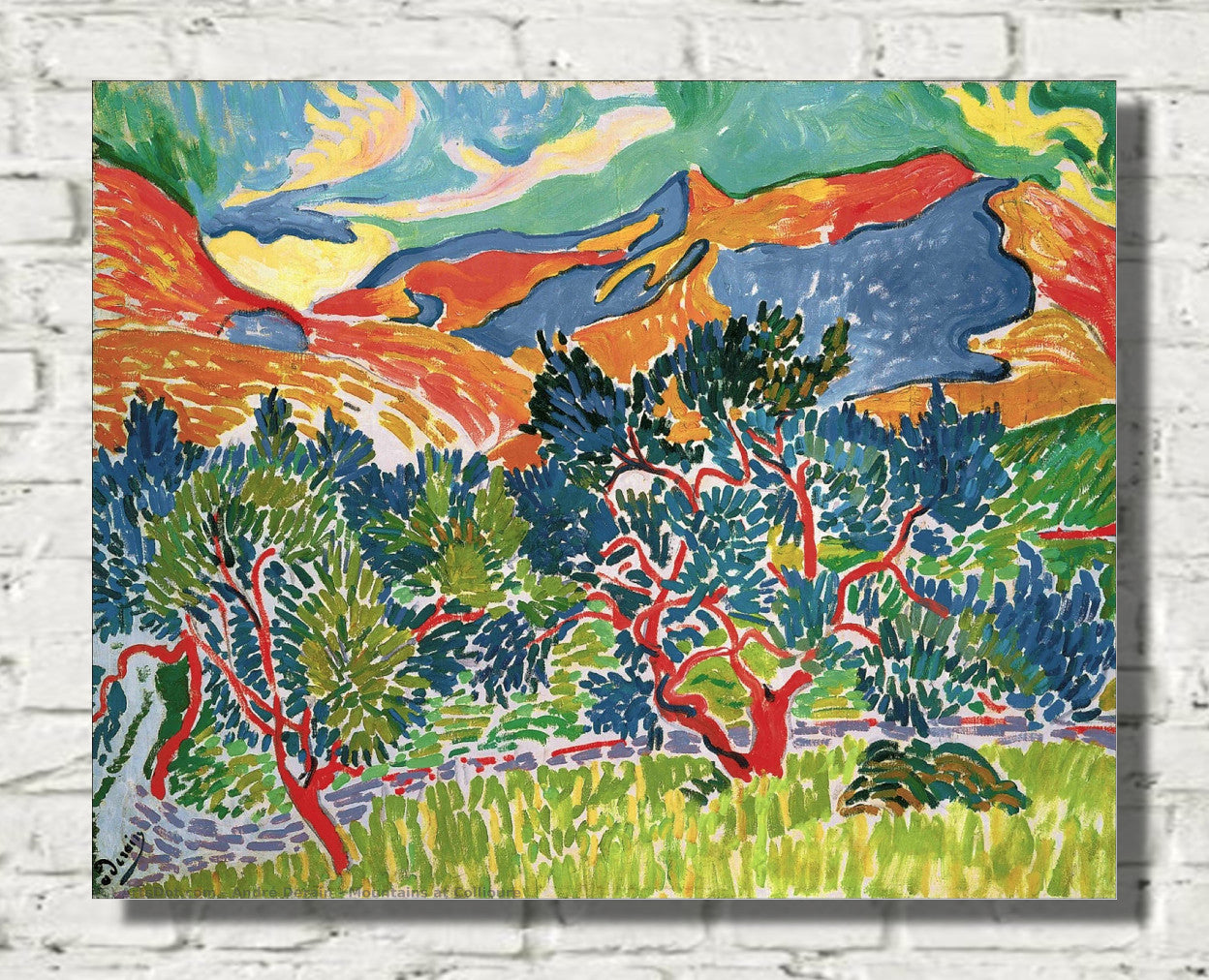
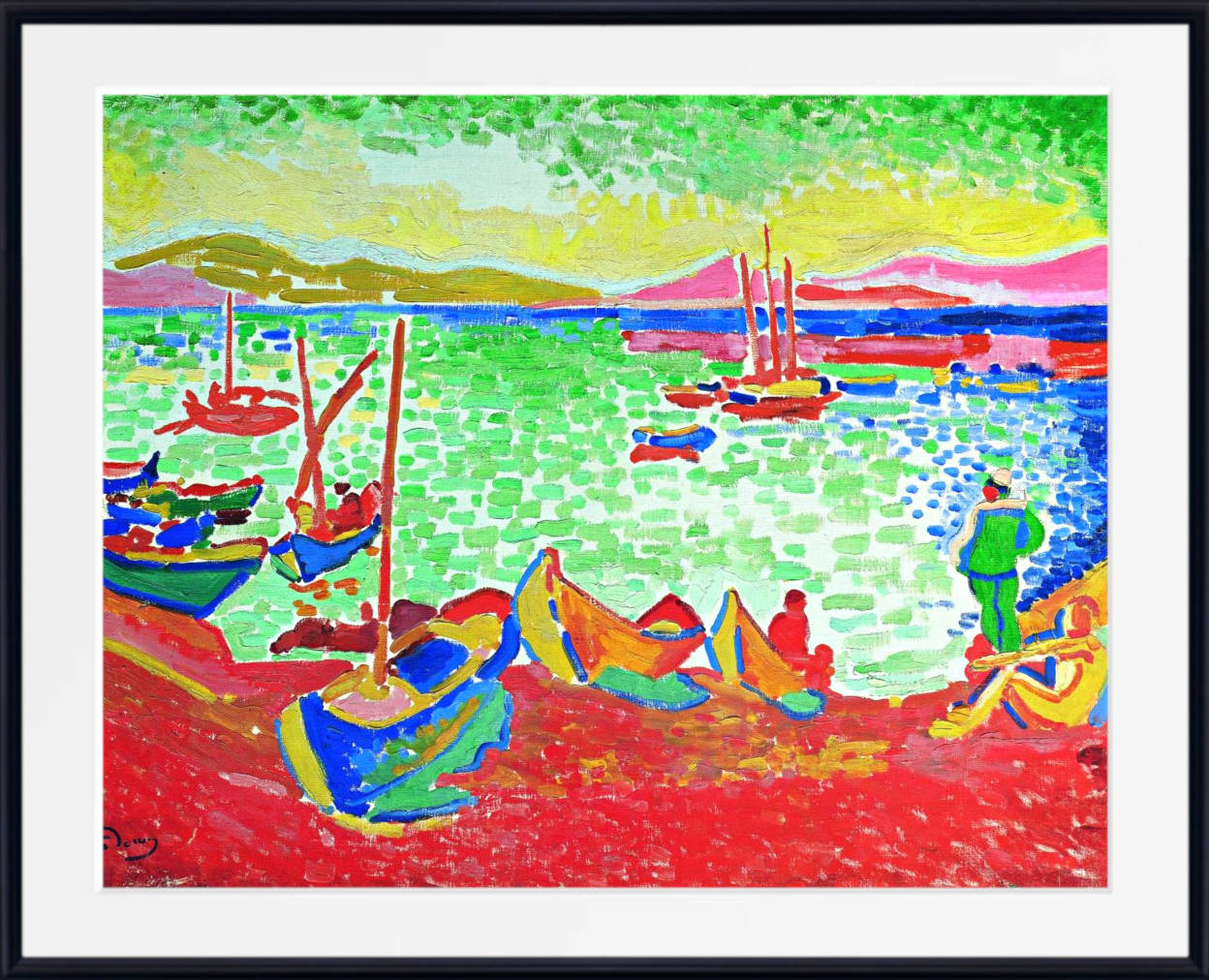
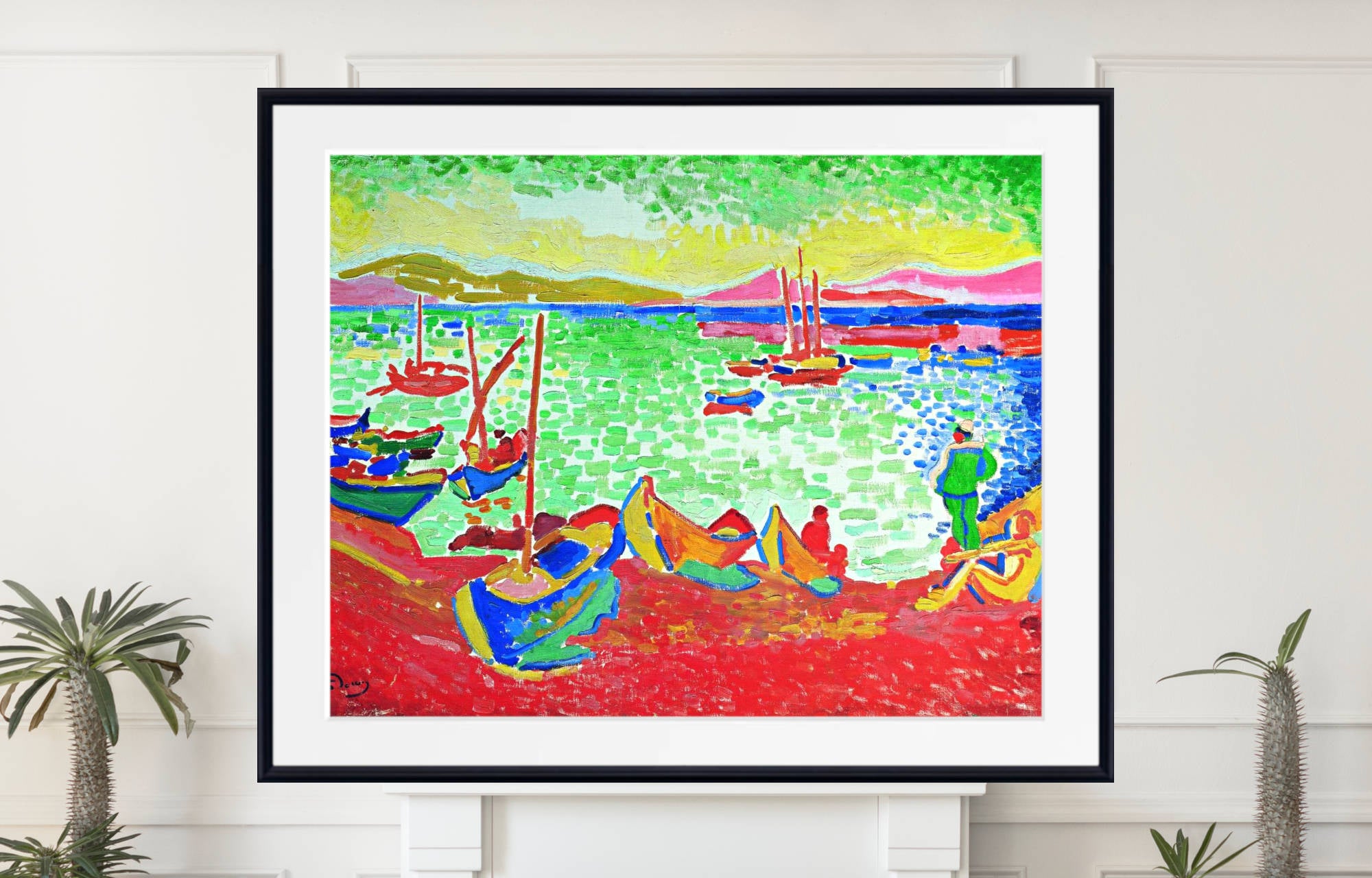
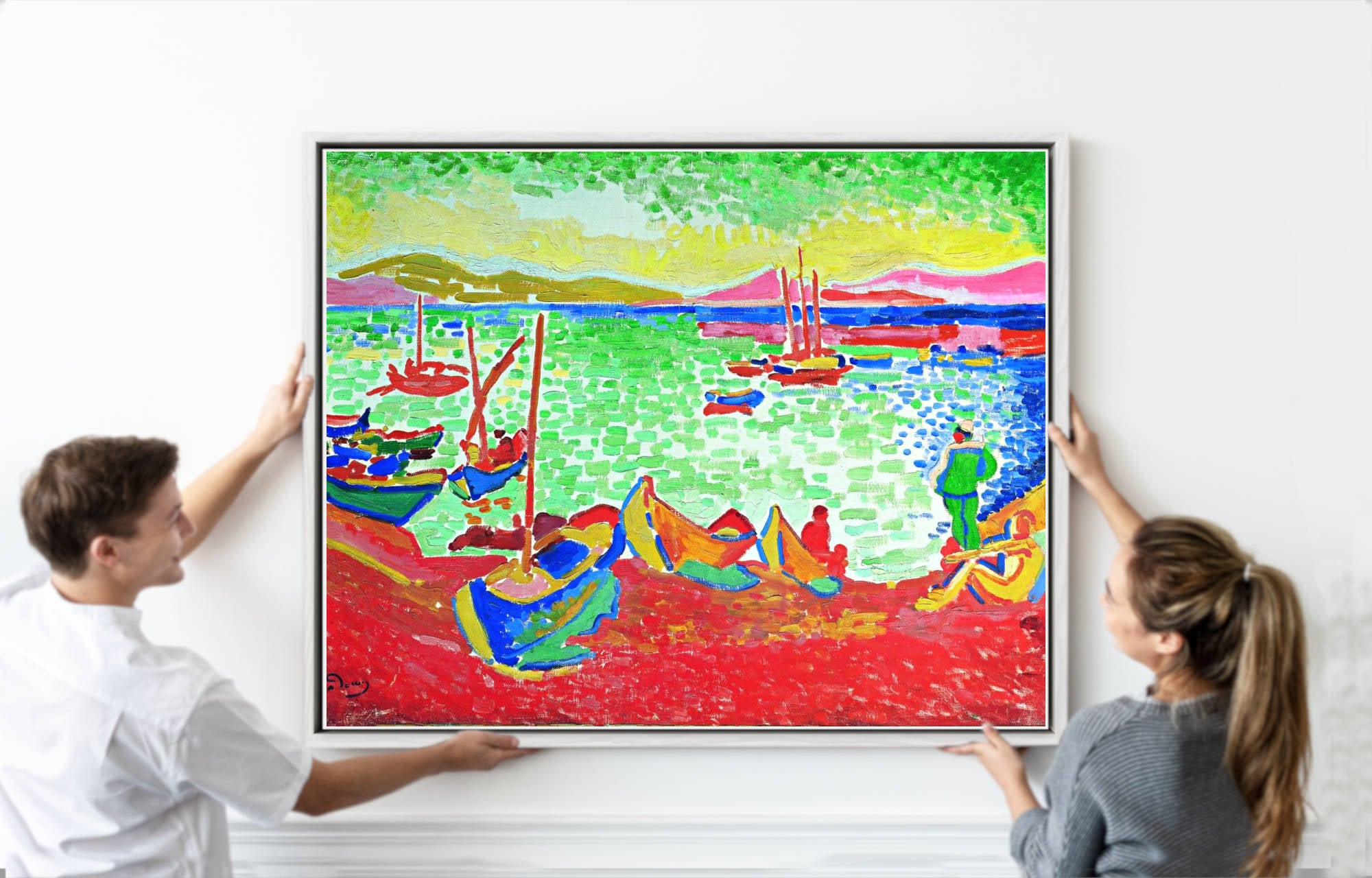
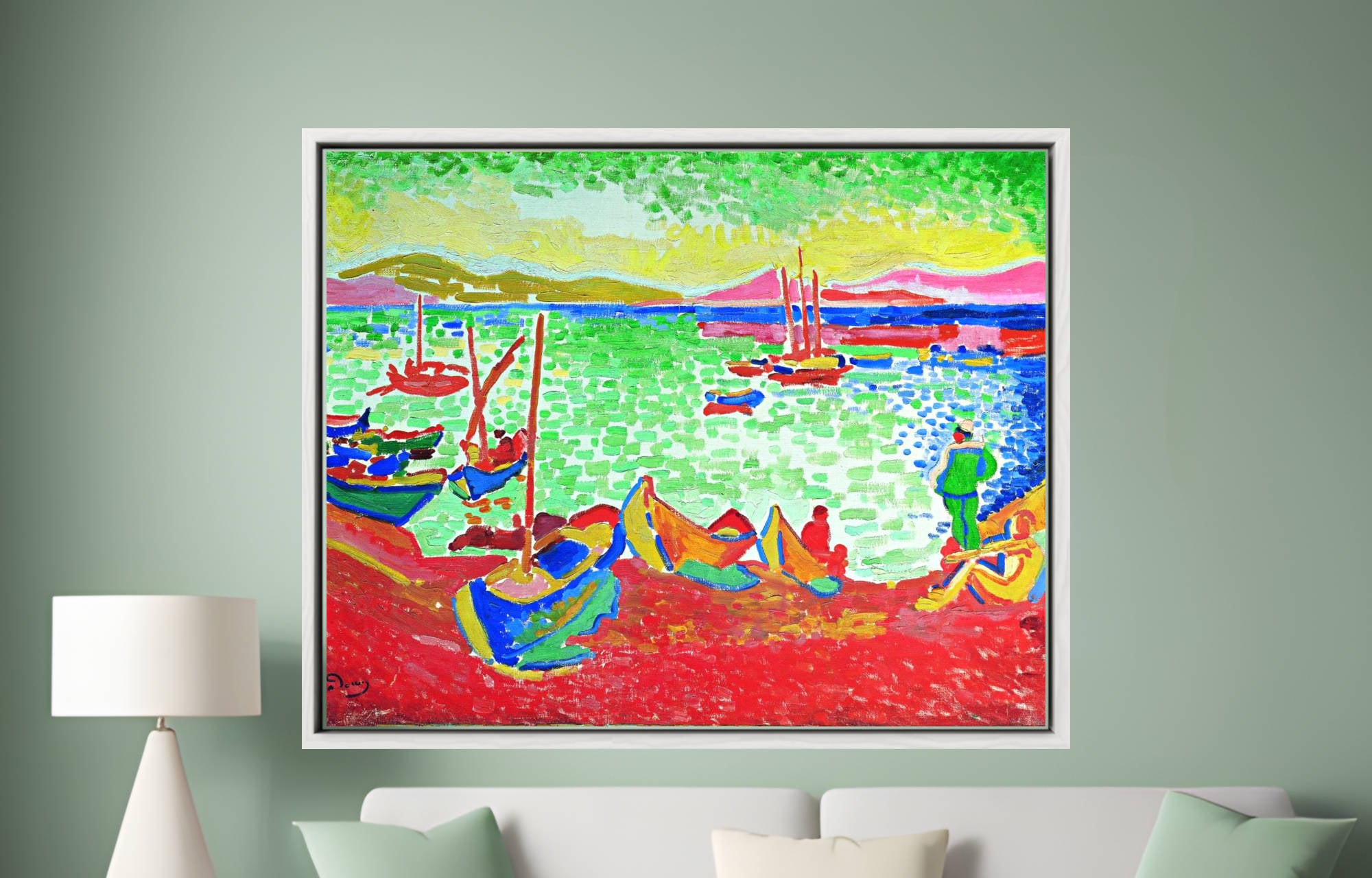
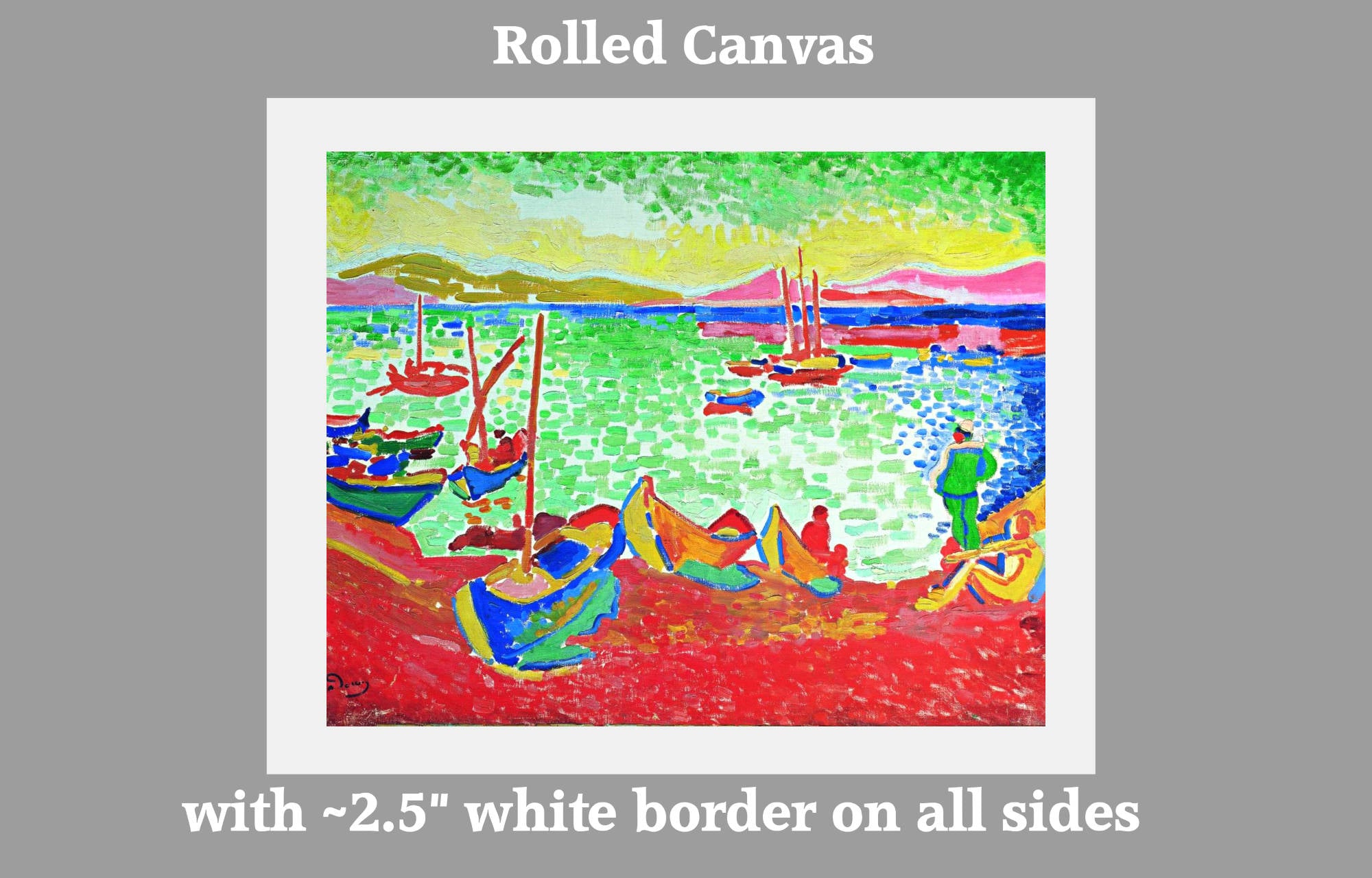
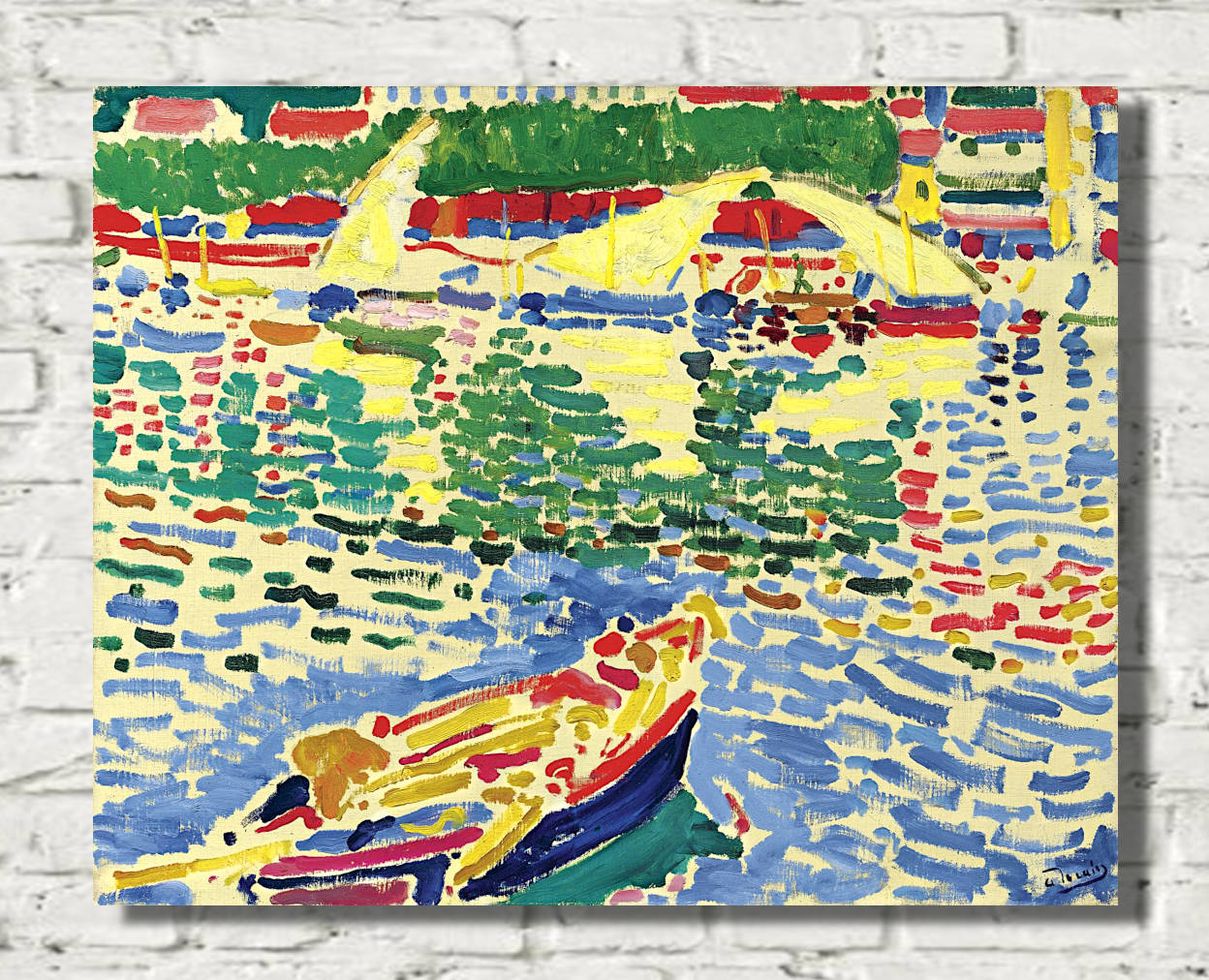
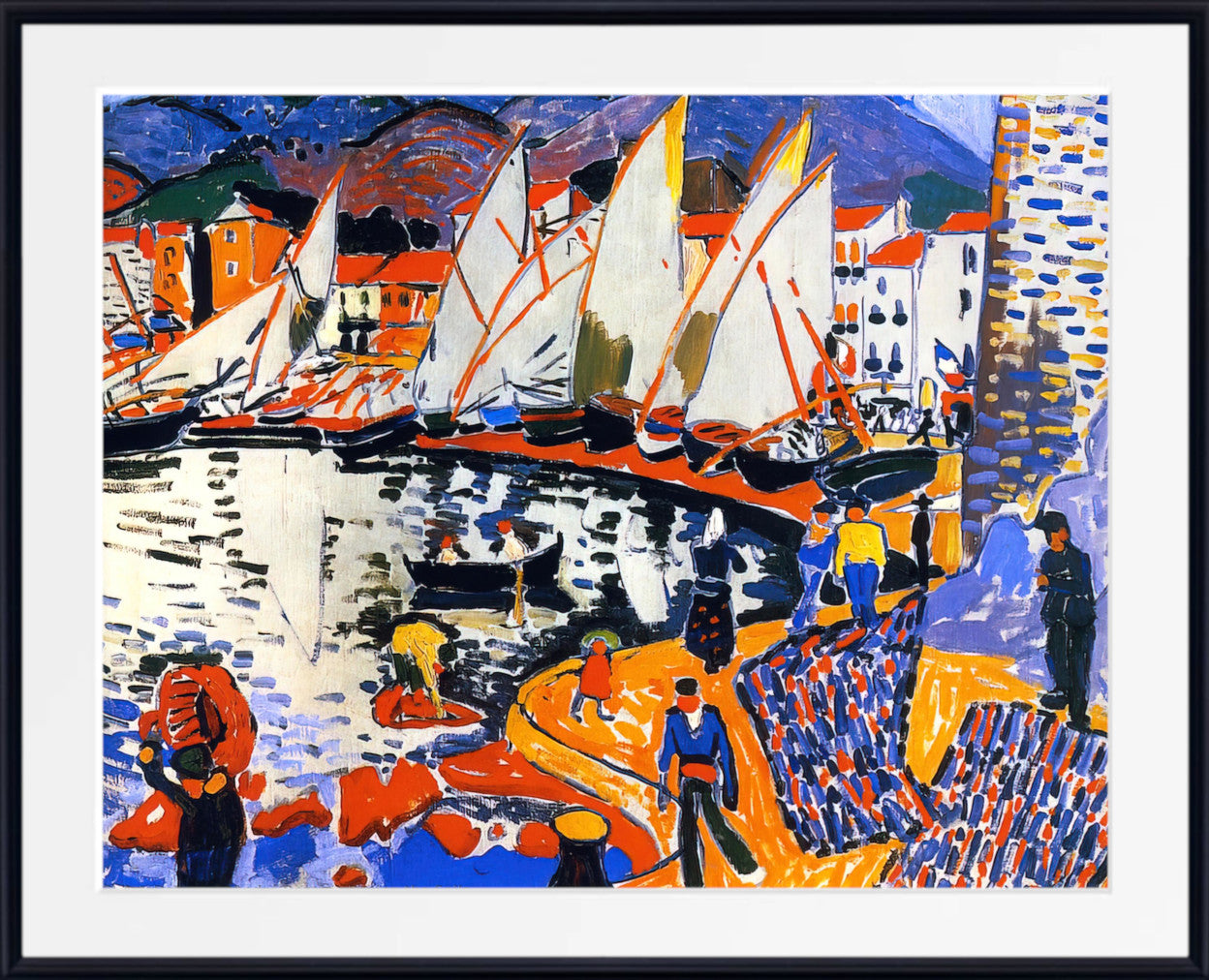
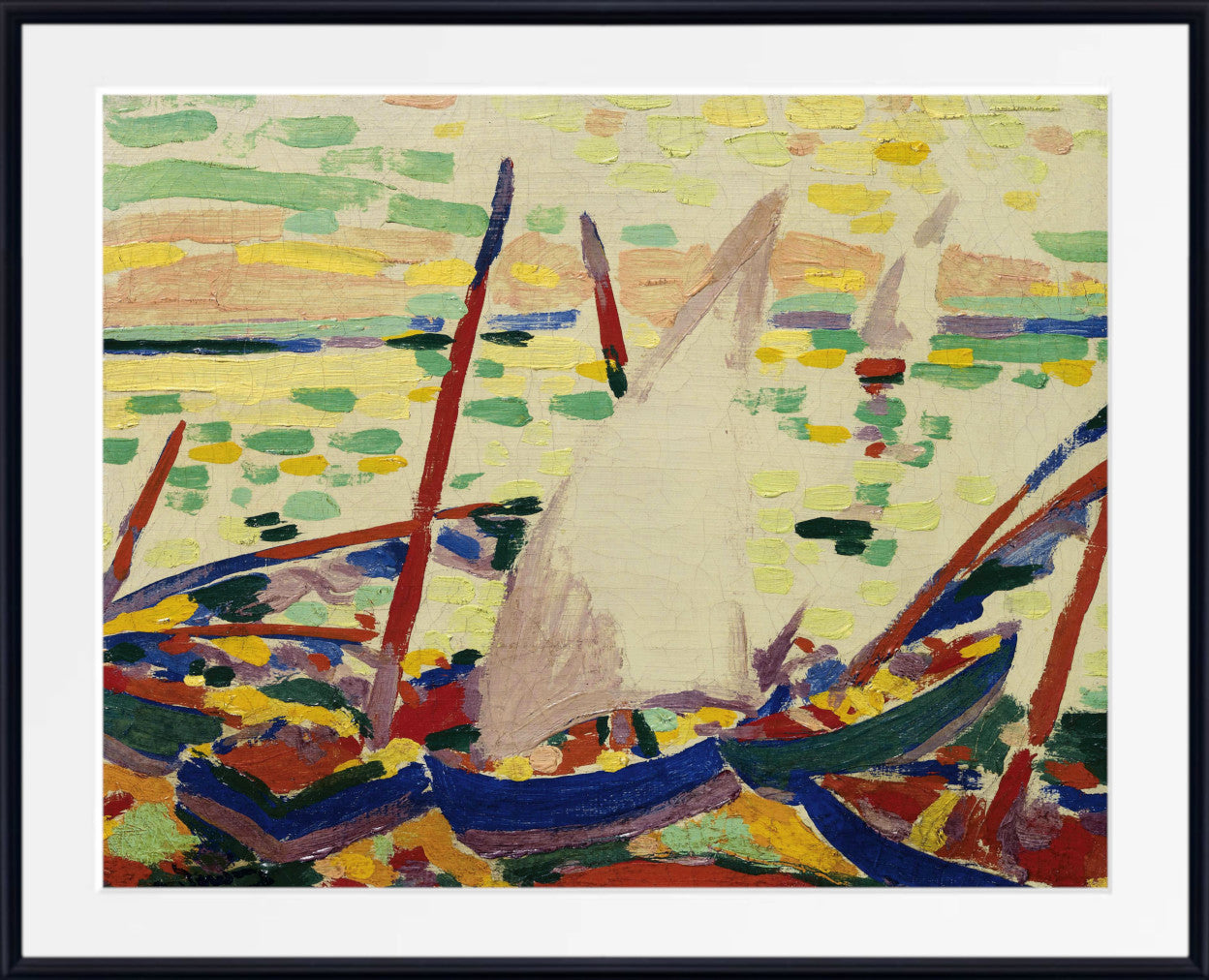
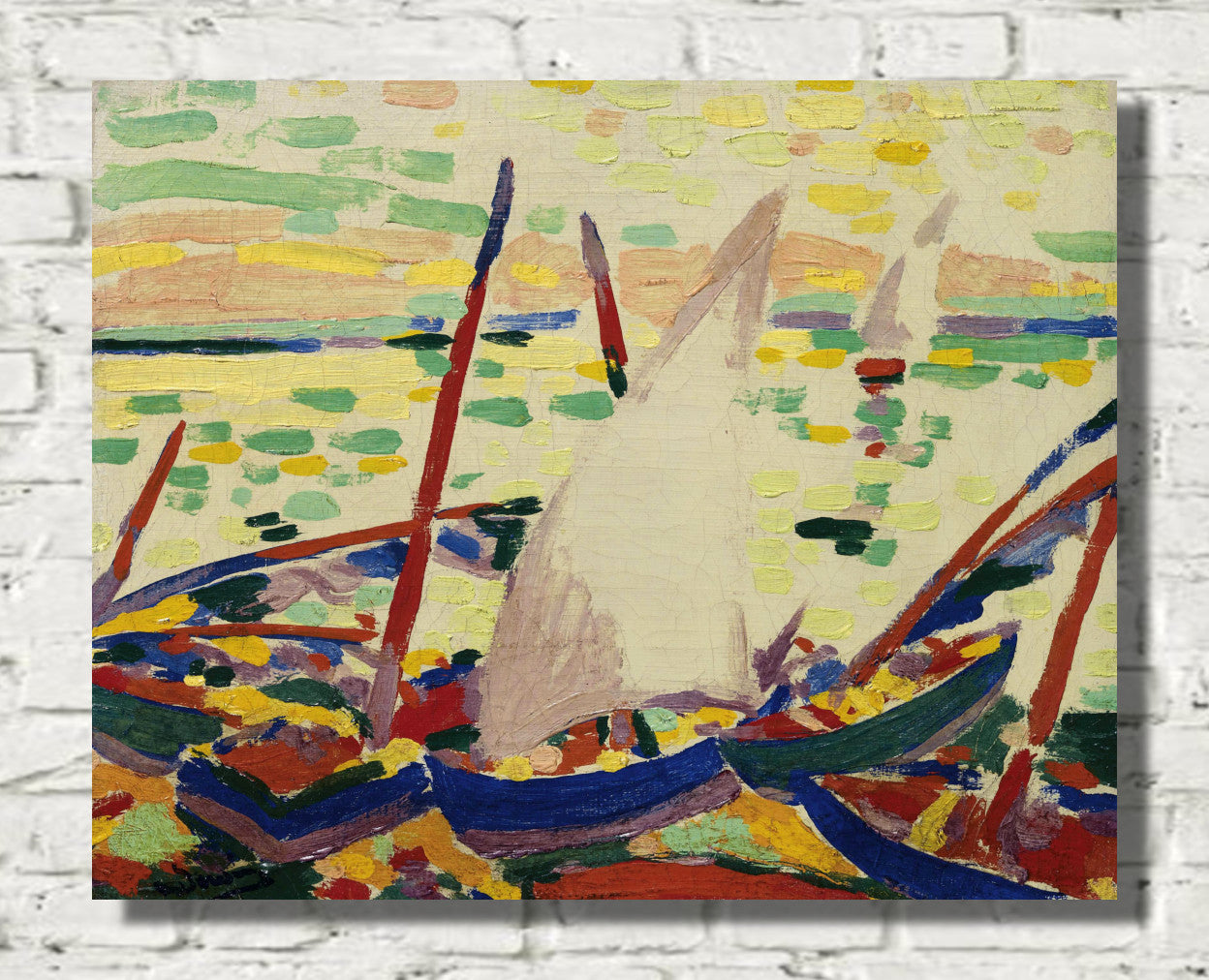
Derain's Collioure paintings include harbour scenes, boats, beaches and surrounding mountains. Works such as Barques au port de Collioure and Mountains at Collioure reveal how dramatically he transformed the landscape through colour.
Browse Henri Matisse prints to compare the work of the two artists whose experiments at Collioure became central to the development of Fauvism.
The Turning Road, L'Estaque
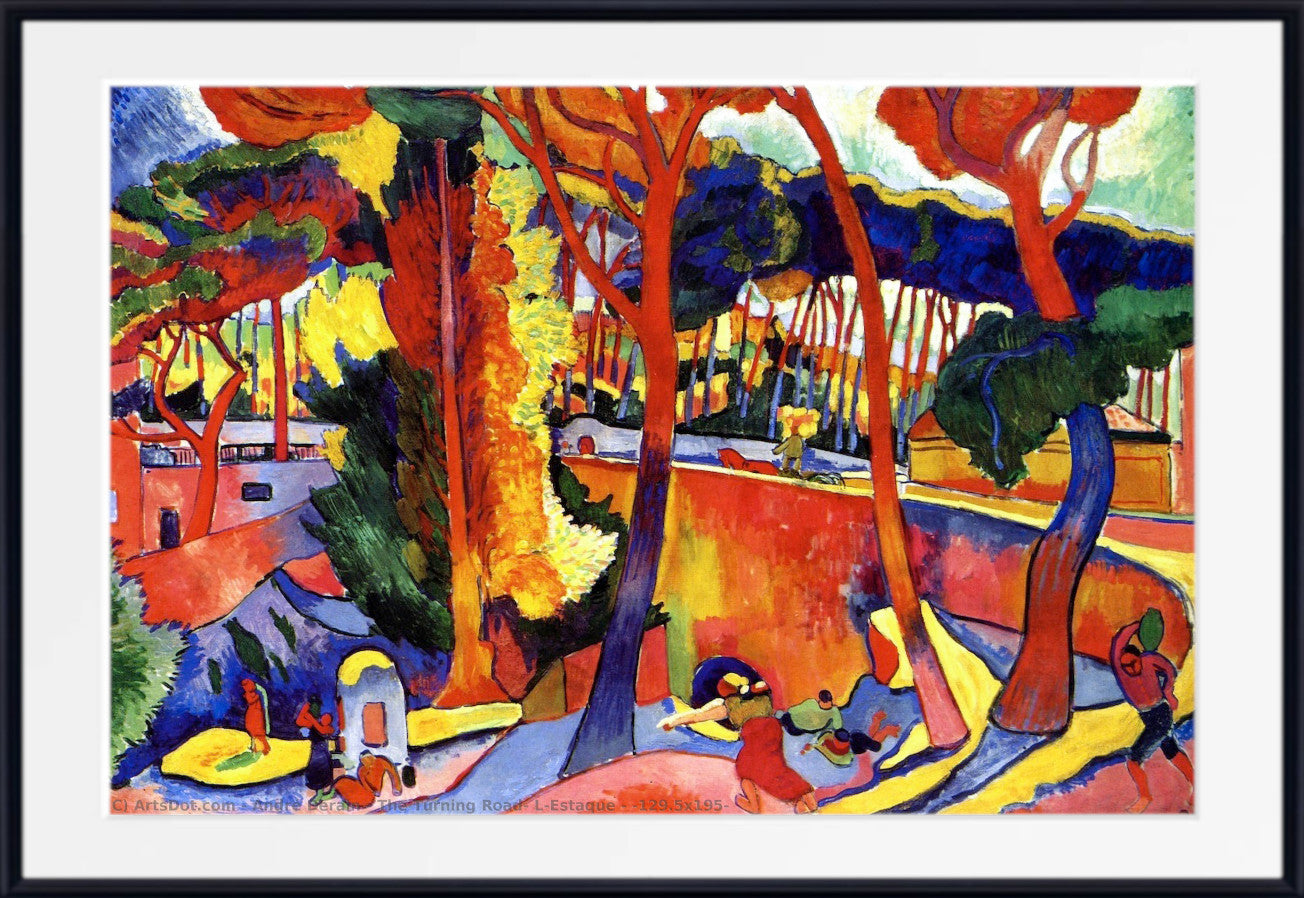
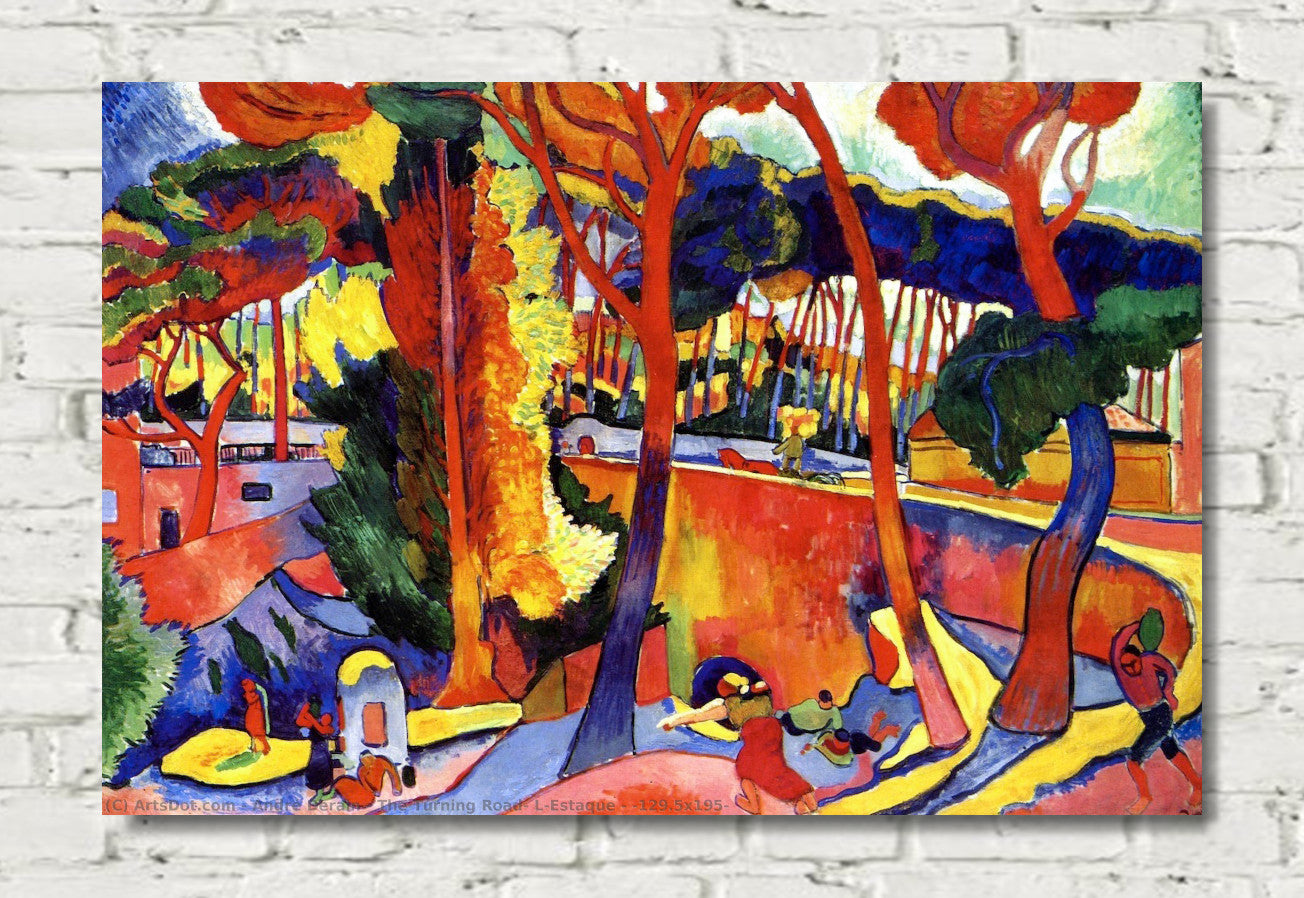
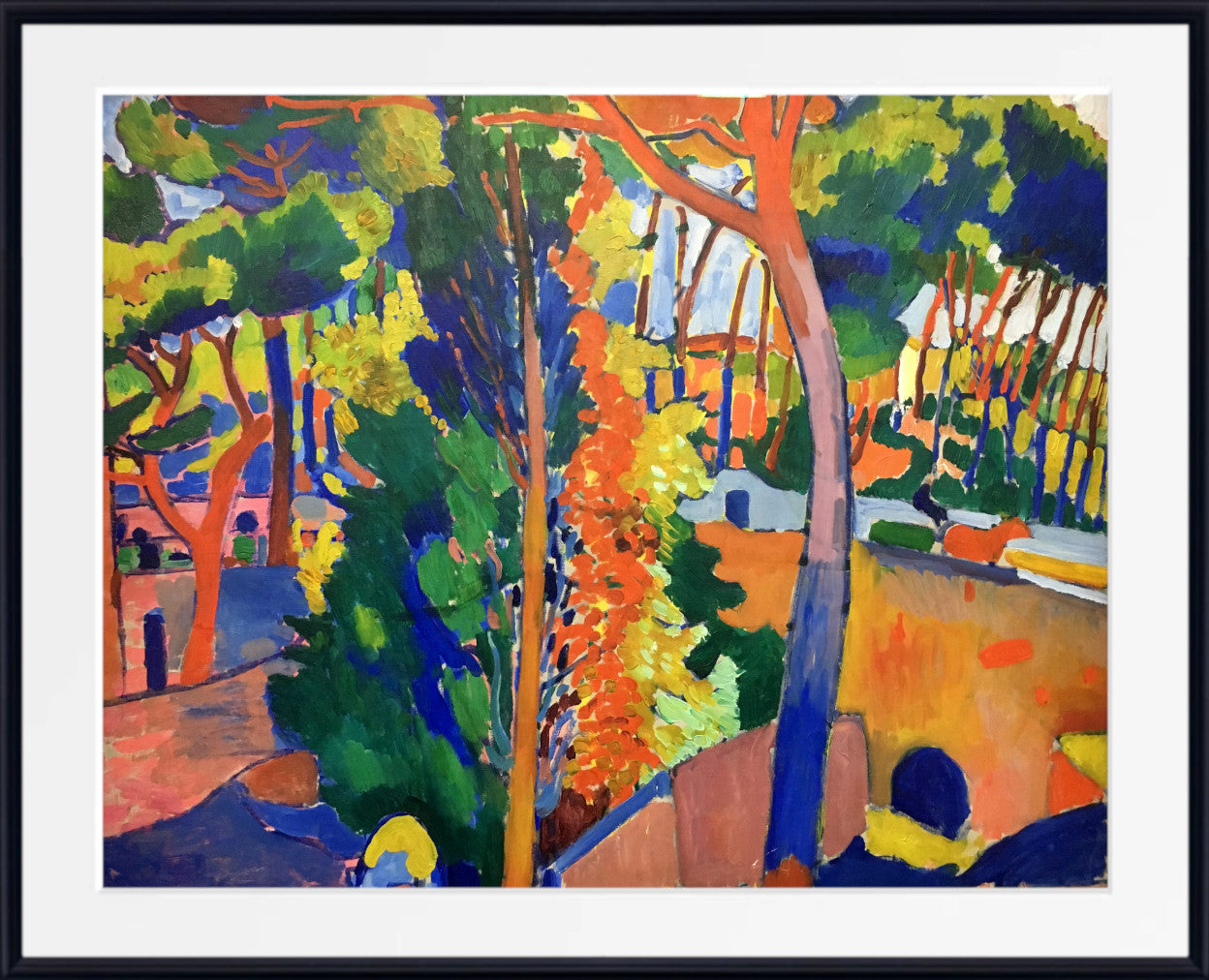
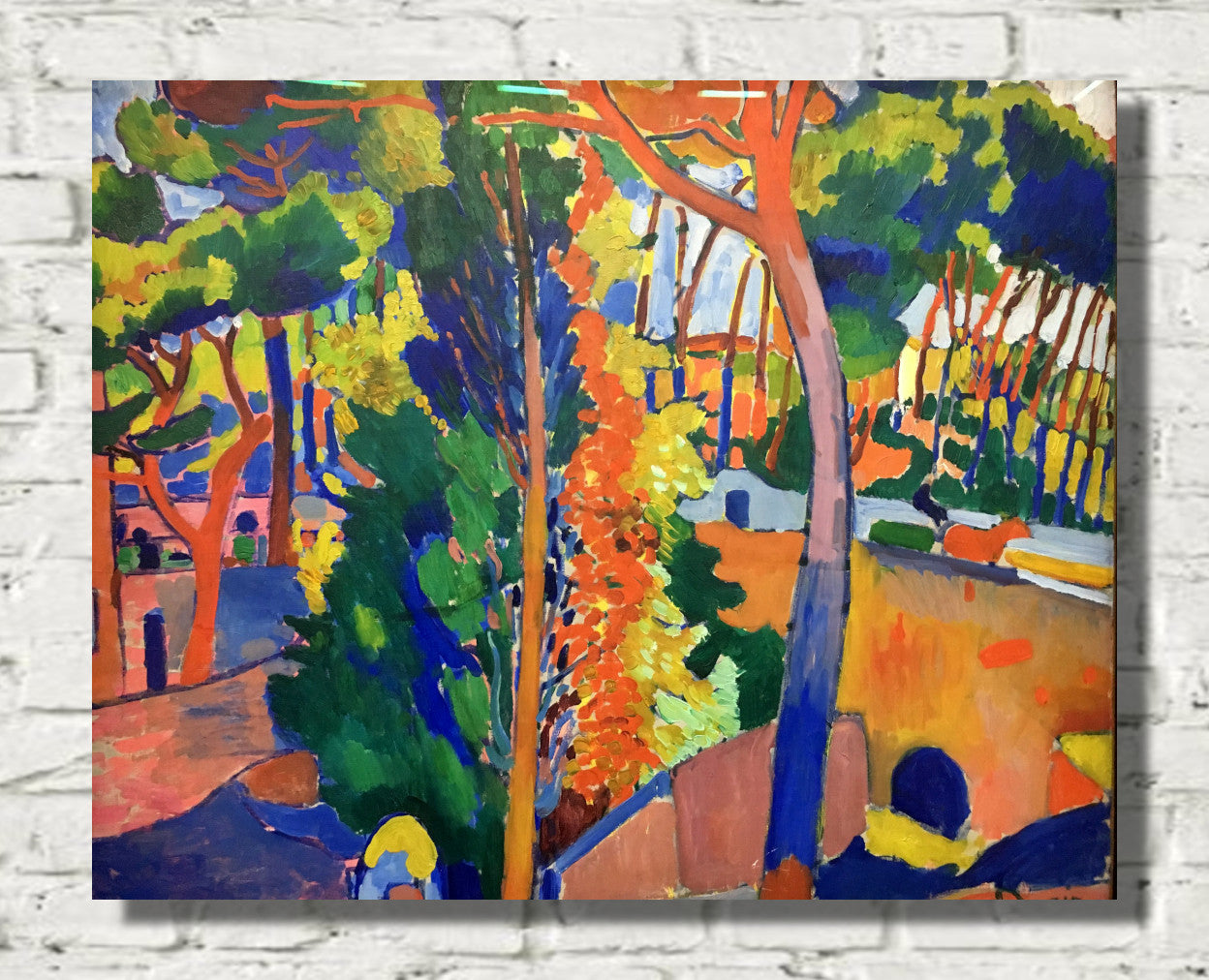
Among Derain's best-known landscapes is The Turning Road, L'Estaque, a work that demonstrates the confidence of his Fauvist period.
Roads, trees and buildings are simplified into strongly defined shapes while intense colour replaces conventional naturalism. Warm oranges and reds contrast with blues and greens, turning the landscape into an energetic arrangement of colour.
The painting demonstrates one of the essential ideas behind Fauvism: colour no longer had to describe what the eye literally saw. It could instead create structure, rhythm and emotion.
André Derain's London Paintings
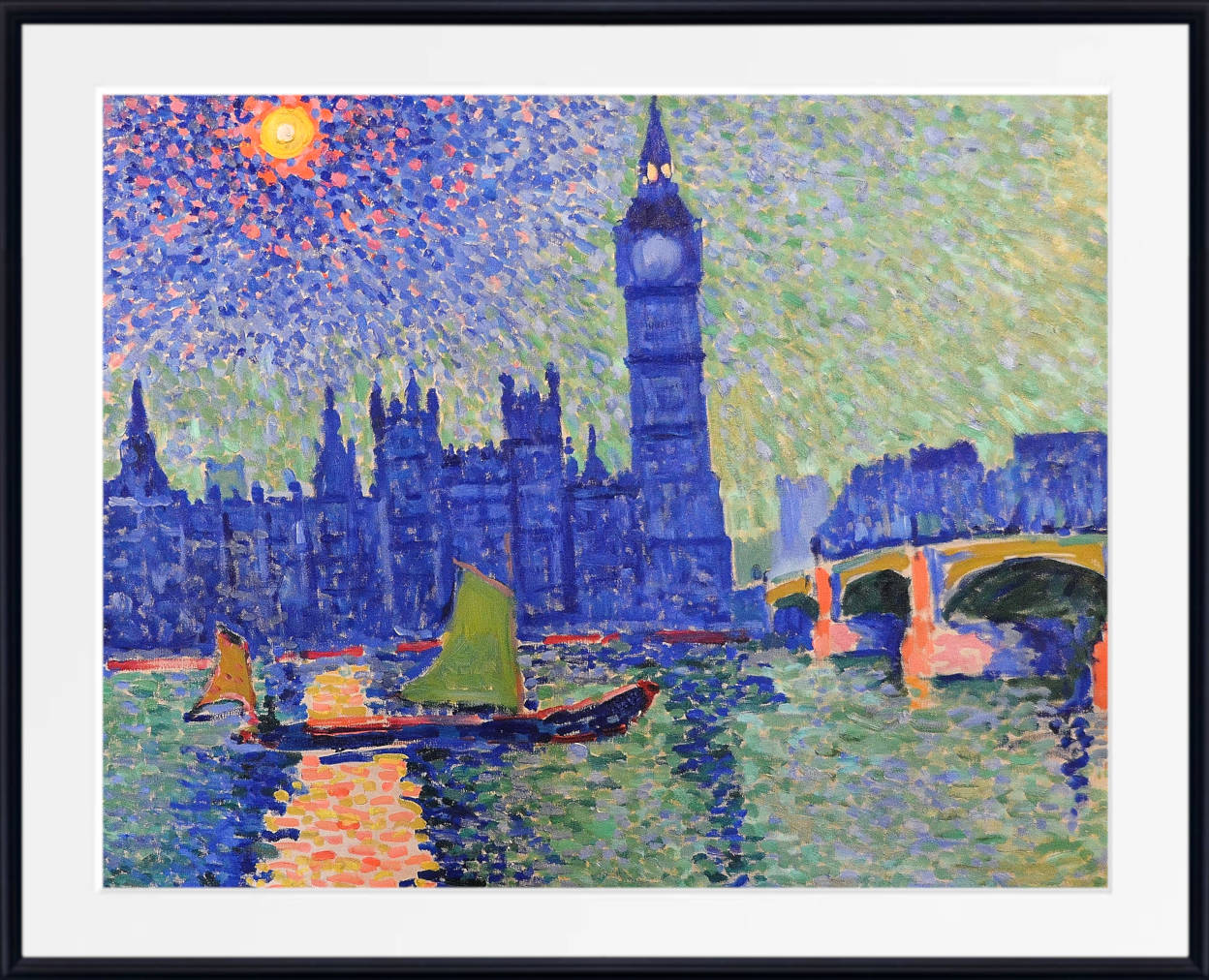
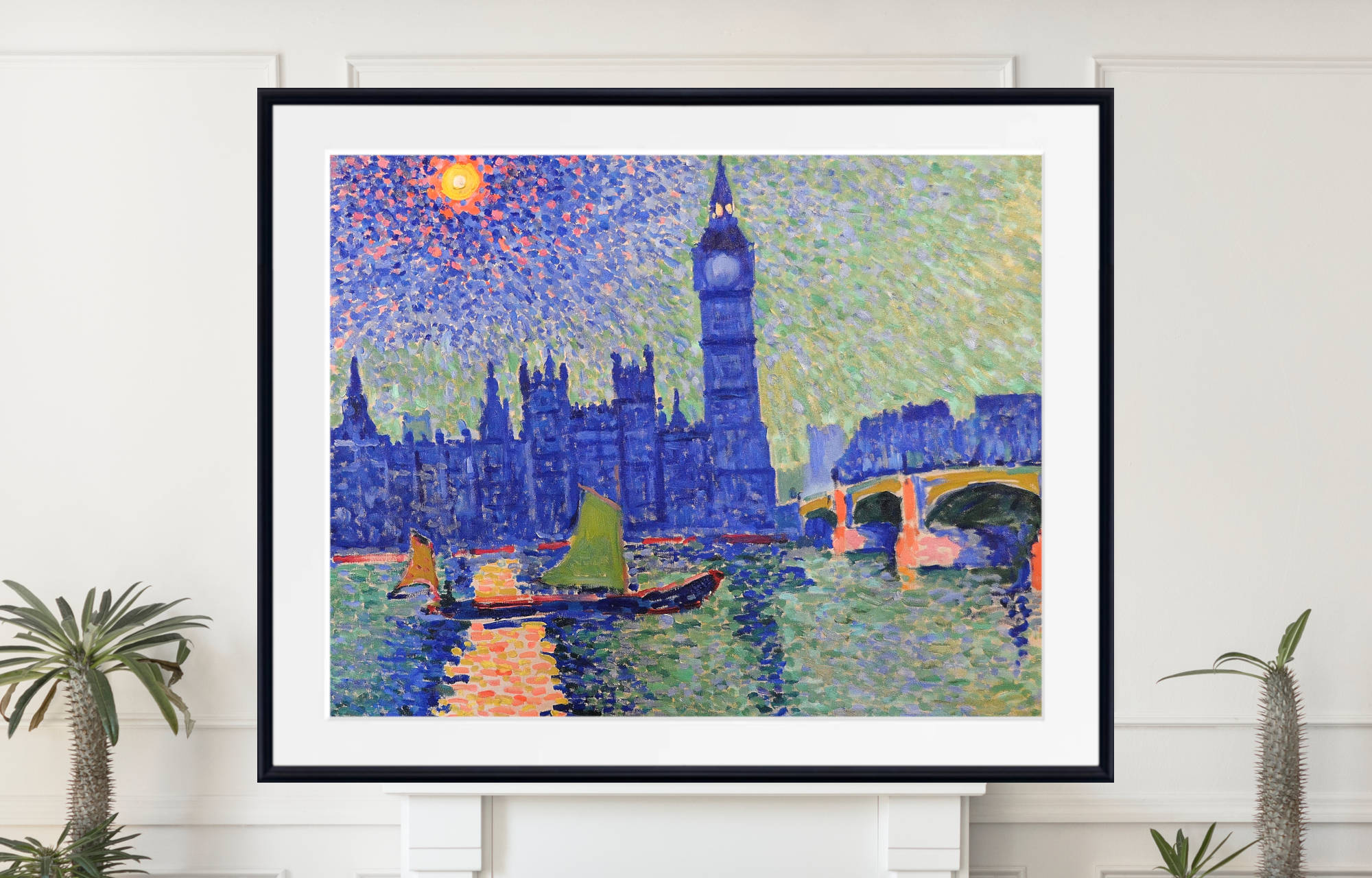
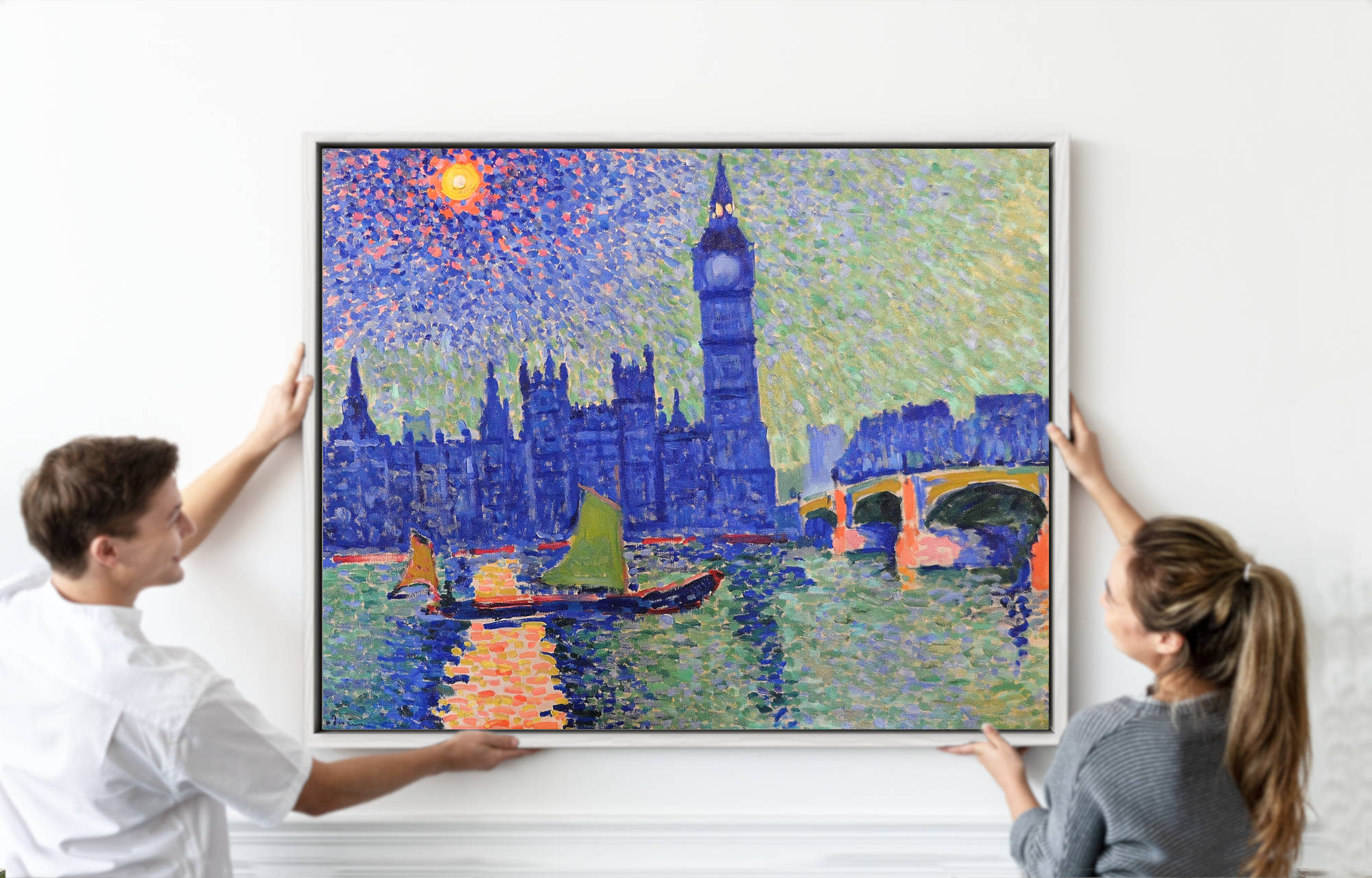
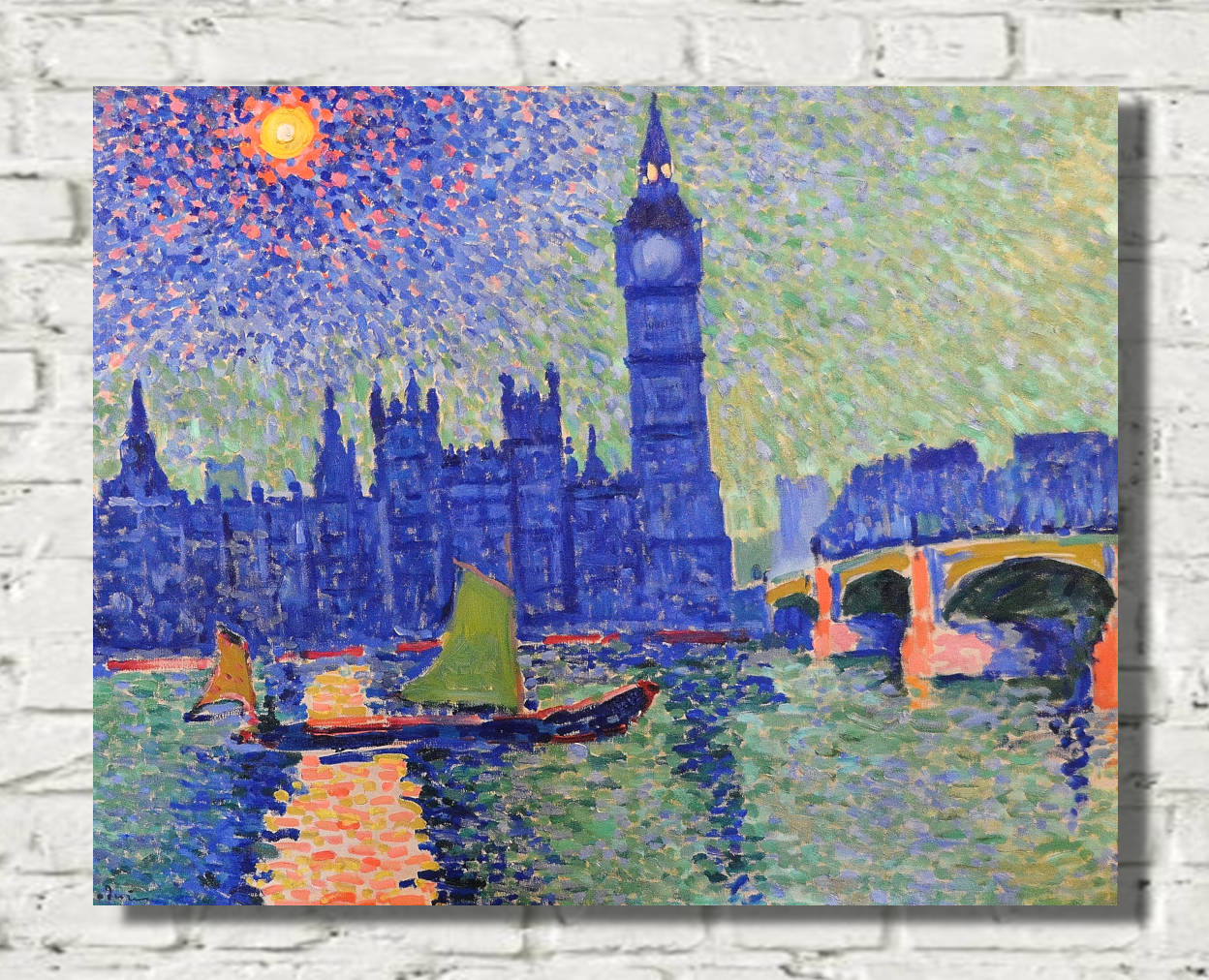
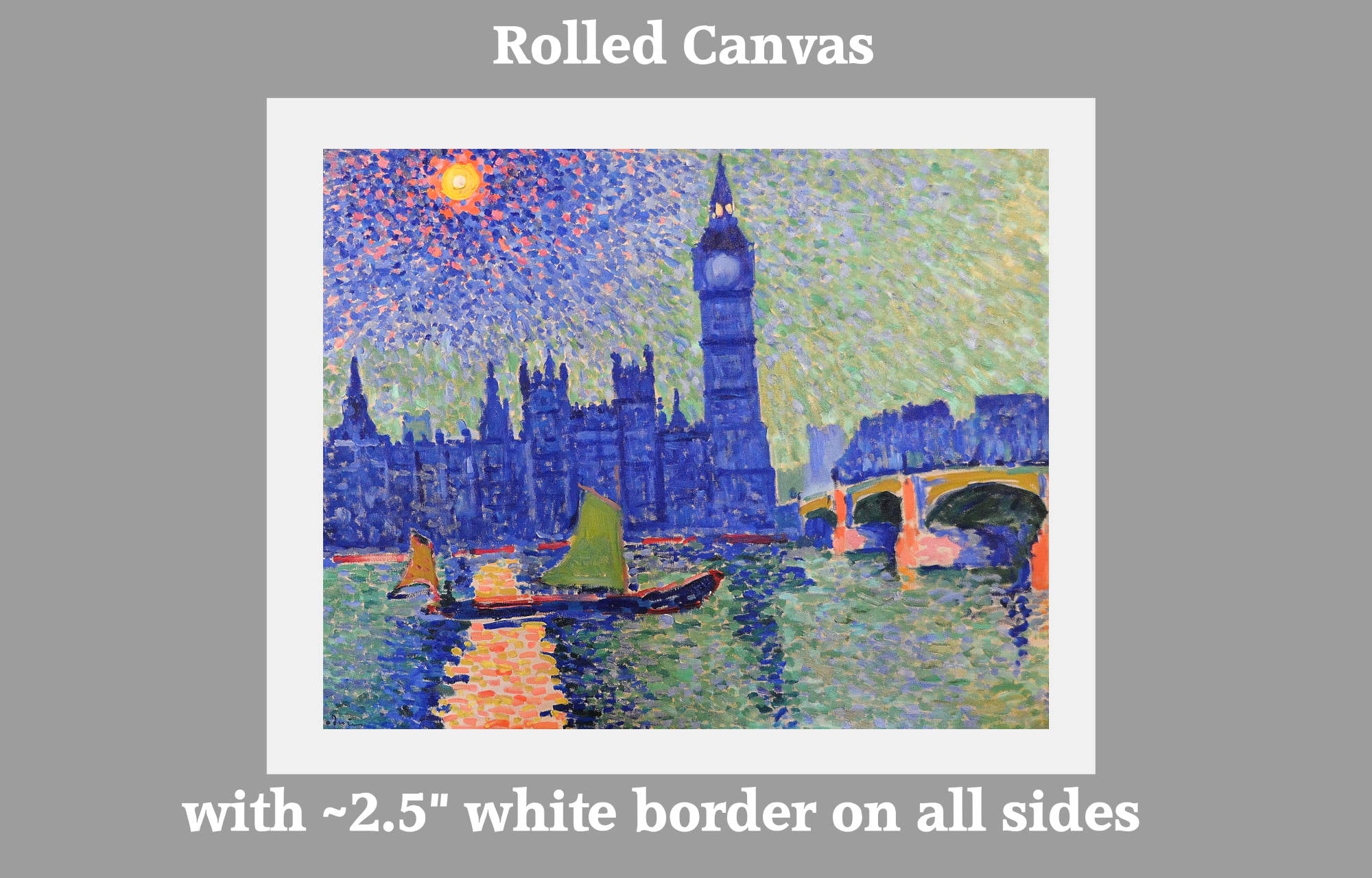
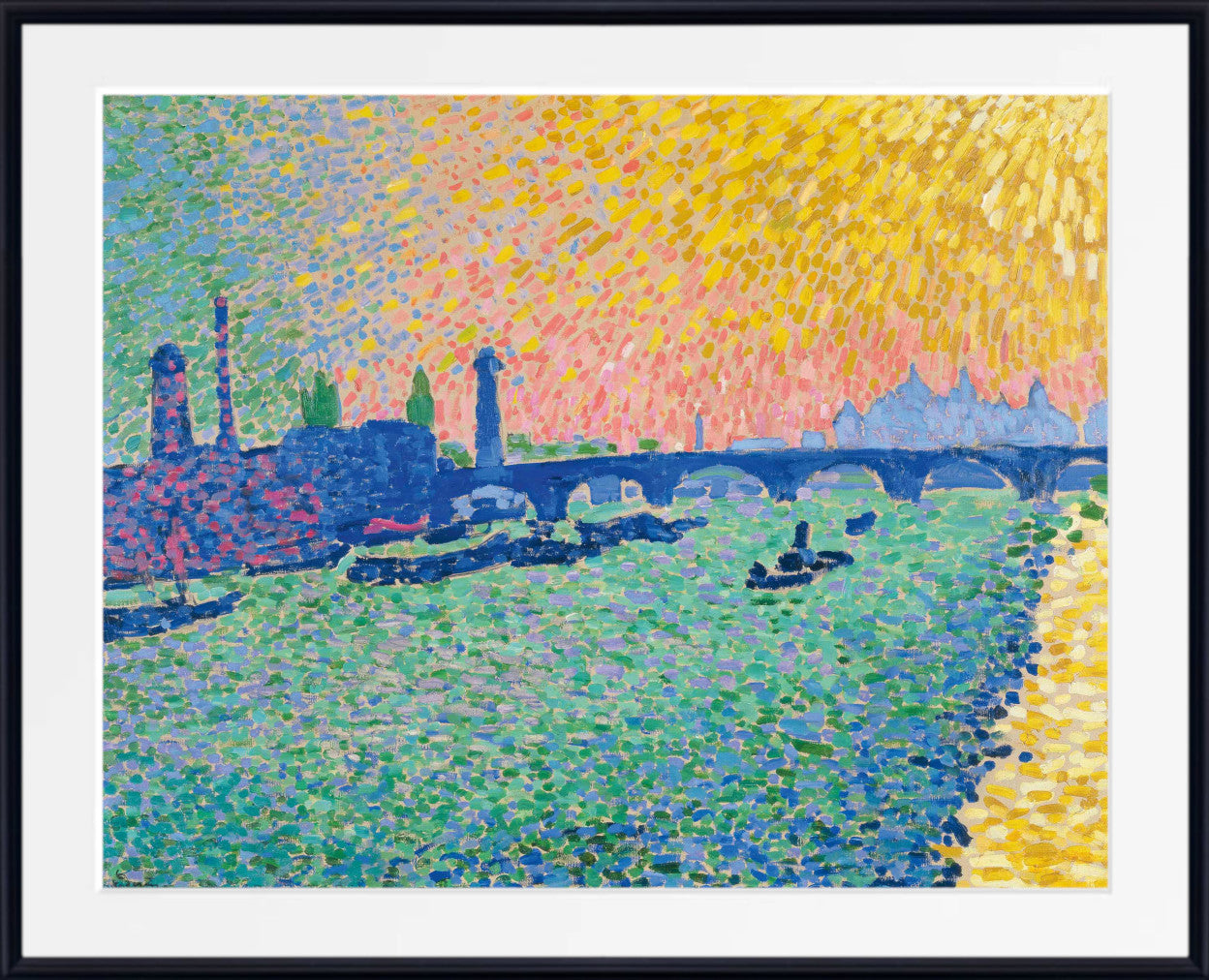
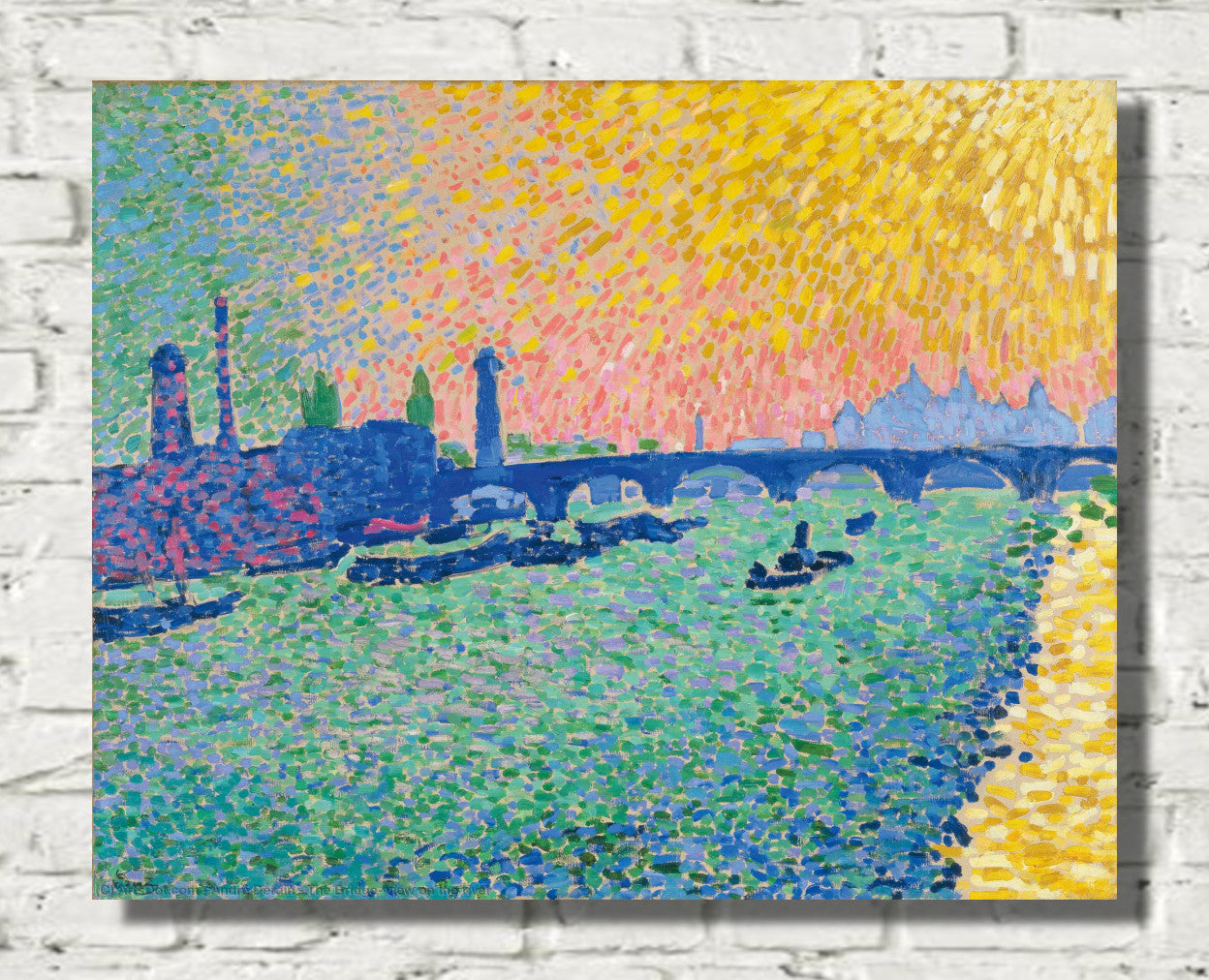
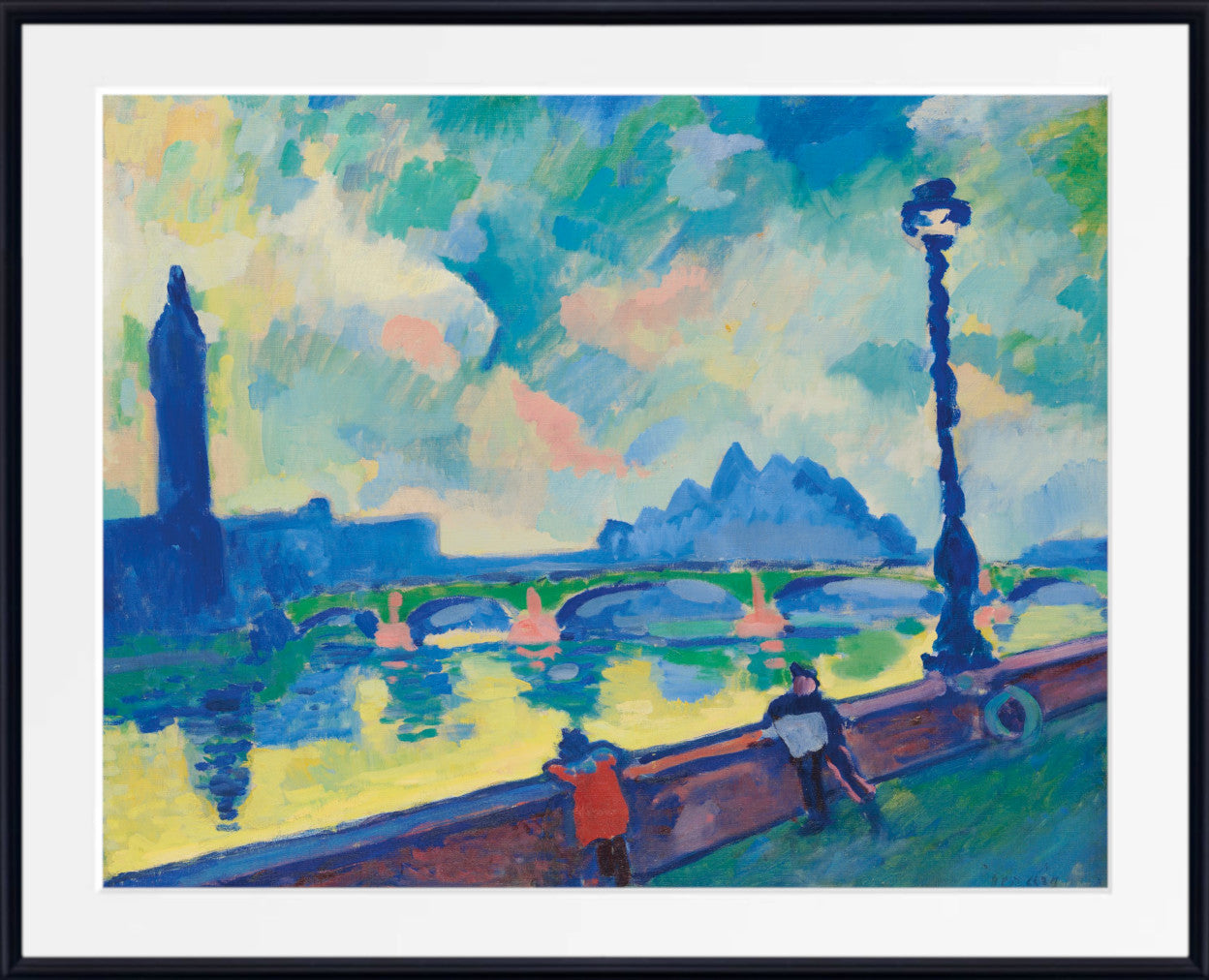
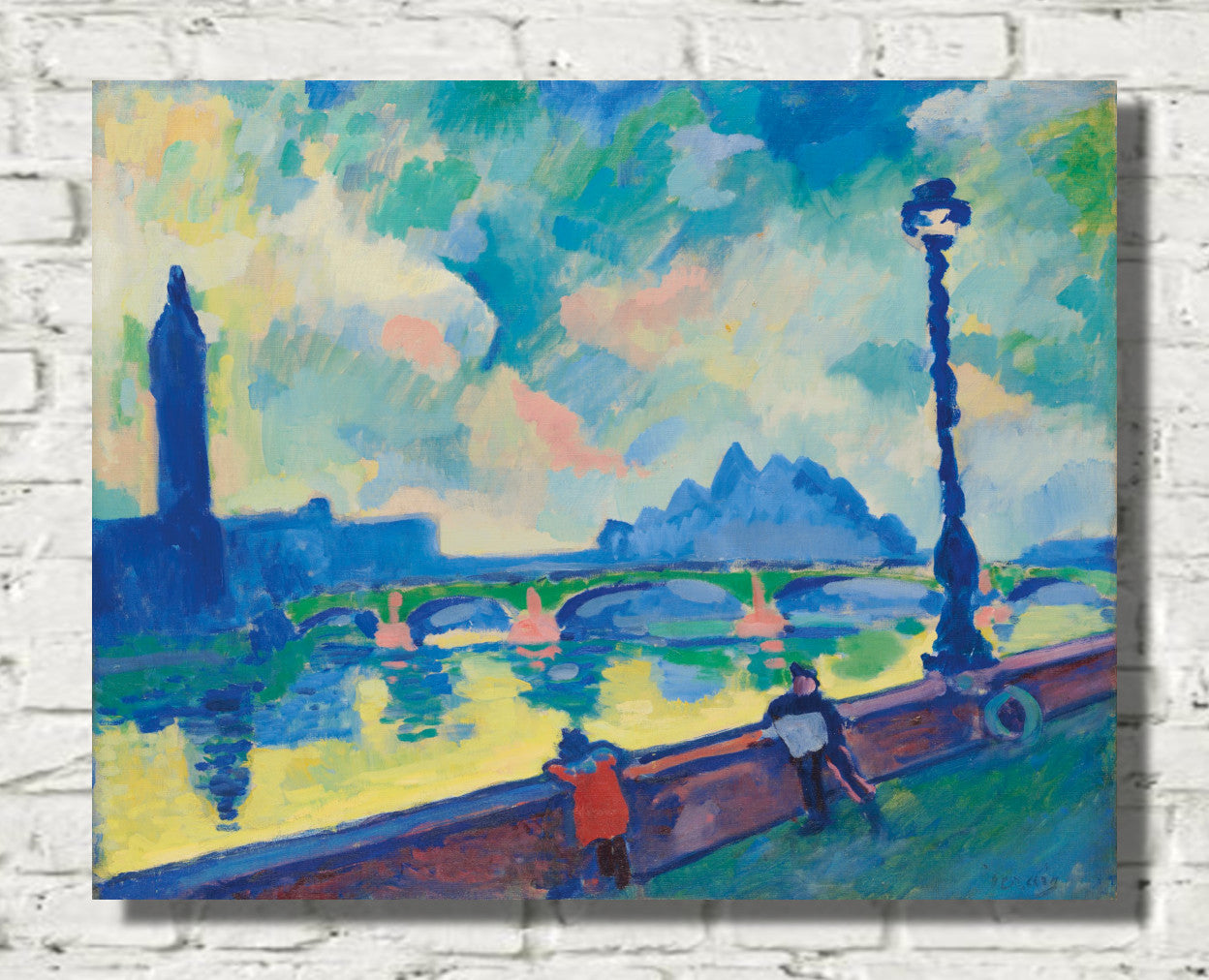
In 1906, the art dealer Ambroise Vollard sent Derain to London to produce a series of paintings of the city.
Claude Monet had painted the Thames only a few years earlier, but Derain approached London very differently. Instead of concentrating primarily on changing atmospheric effects, he transformed the river, bridges and surrounding architecture through intense Fauvist colour.
Works such as London Bridge combine recognisable urban subjects with brilliant blues, reds, greens and yellows. Buildings and boats are simplified, while strong colour gives the city an energy quite different from conventional representations of Edwardian London.
These paintings remain among the most distinctive interpretations of London produced during the early modern period.
Landscapes, Harbours and the Mediterranean
Landscape remained an important subject throughout Derain's early career.
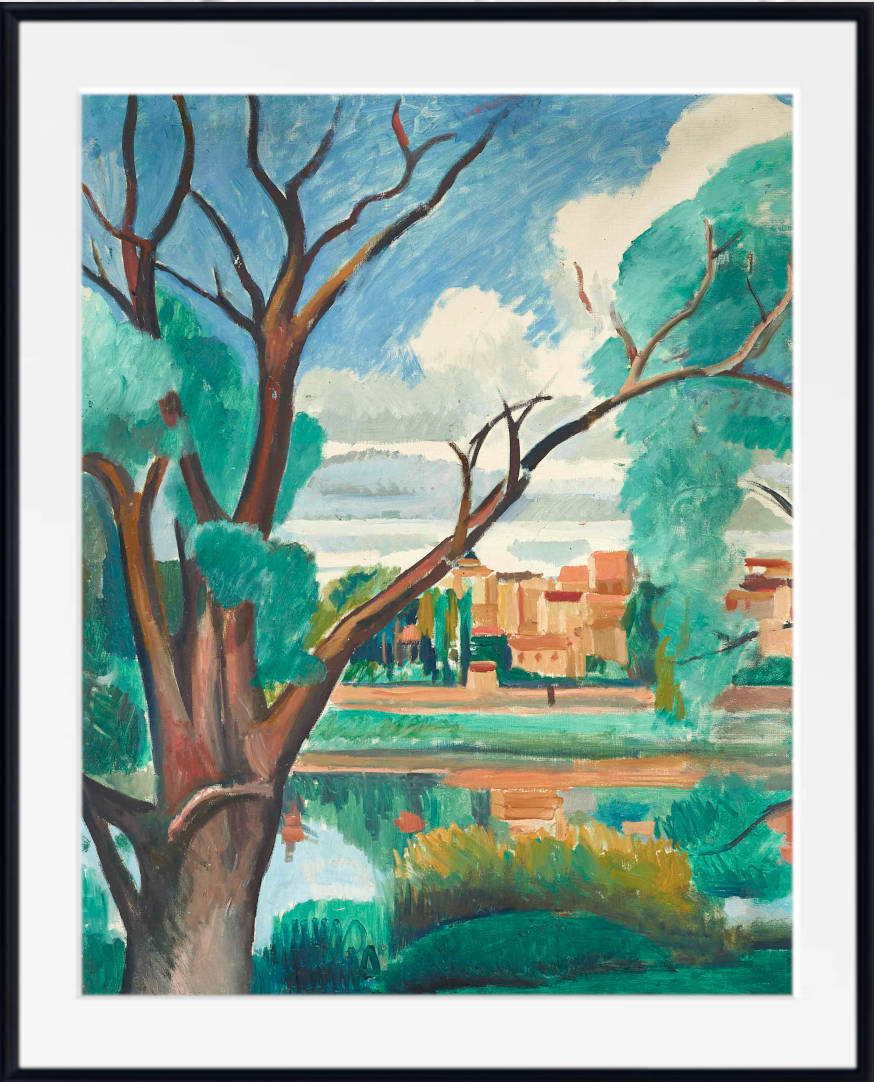
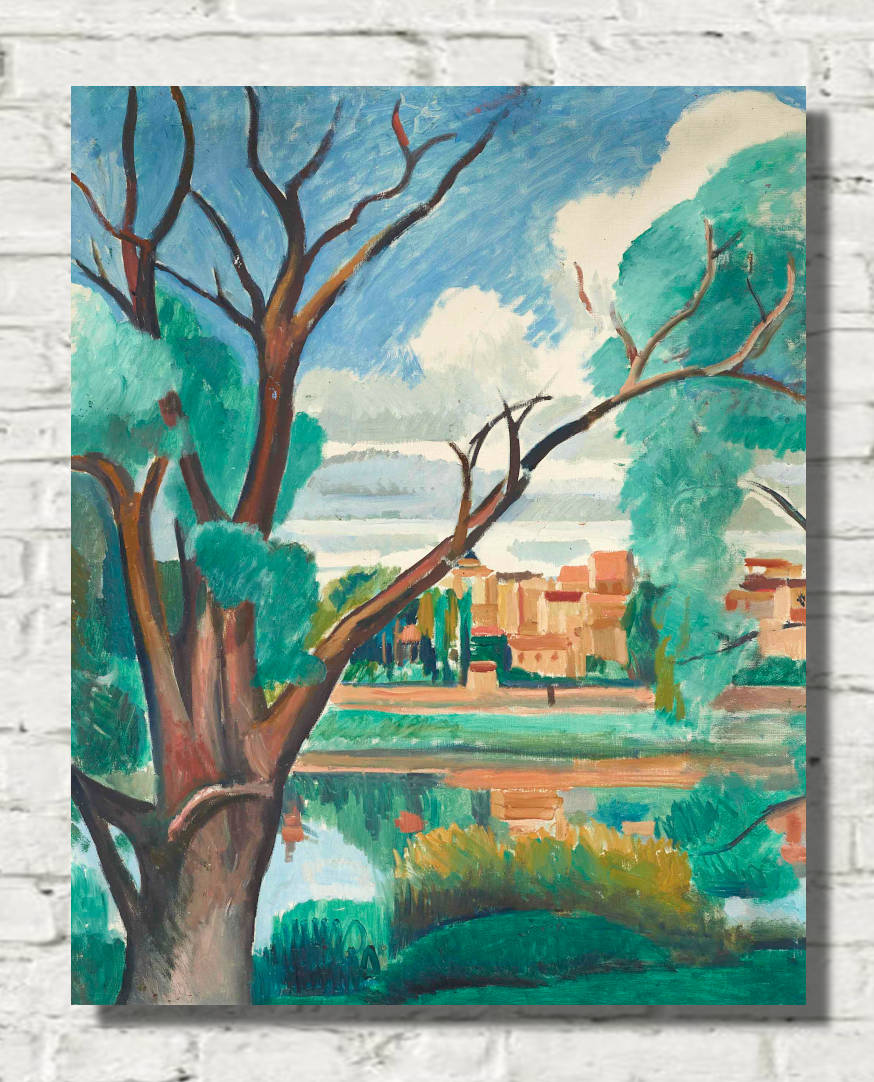
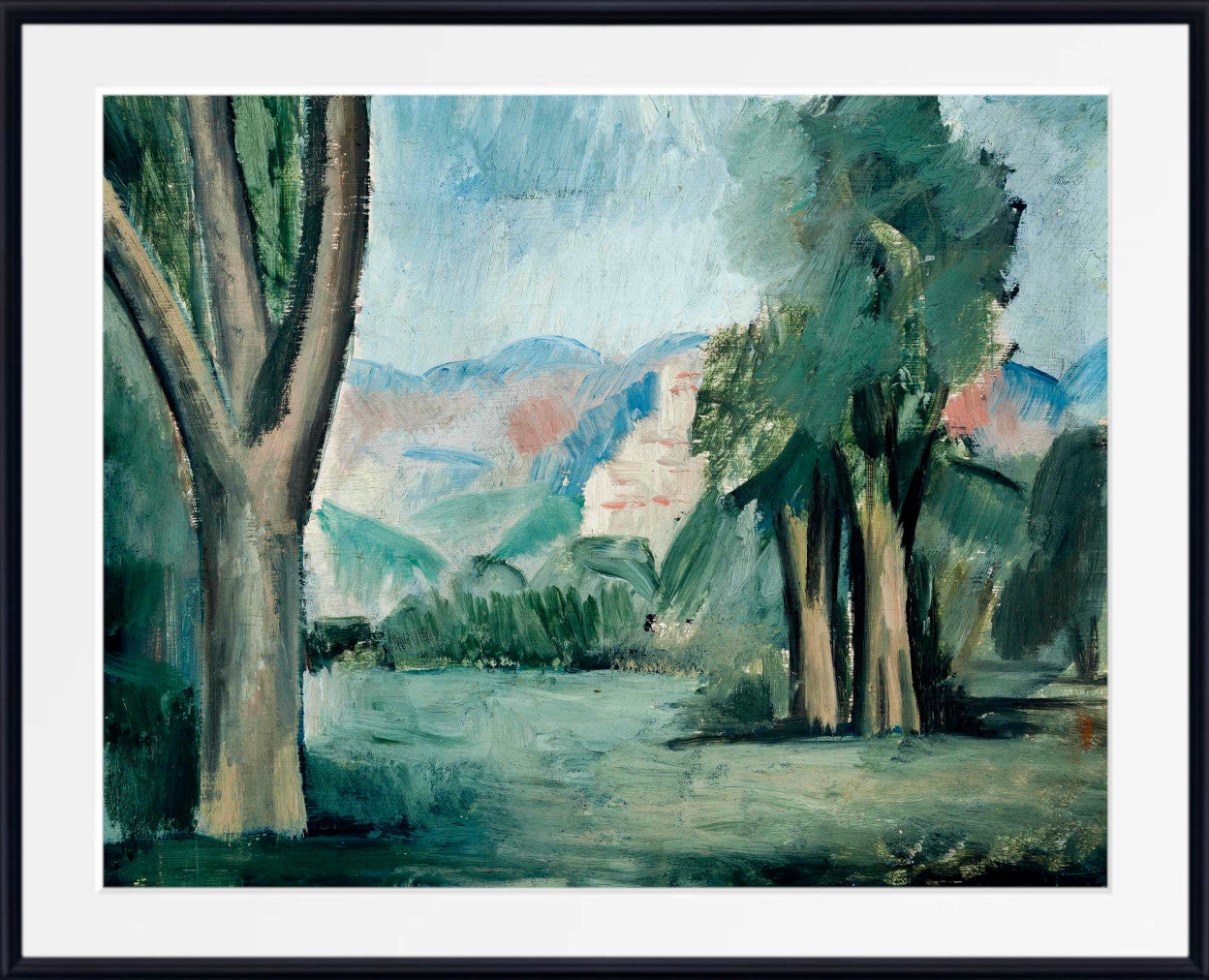
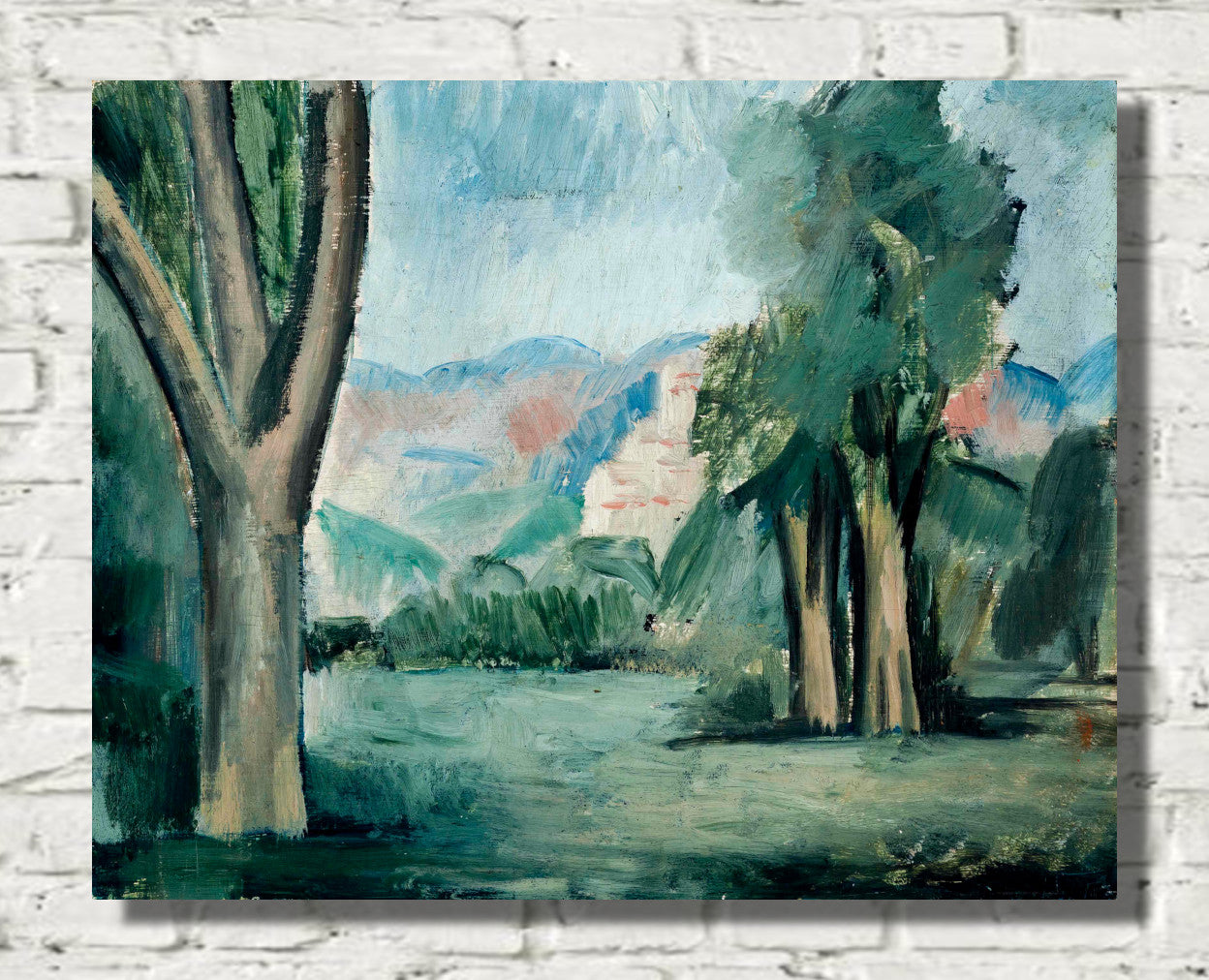
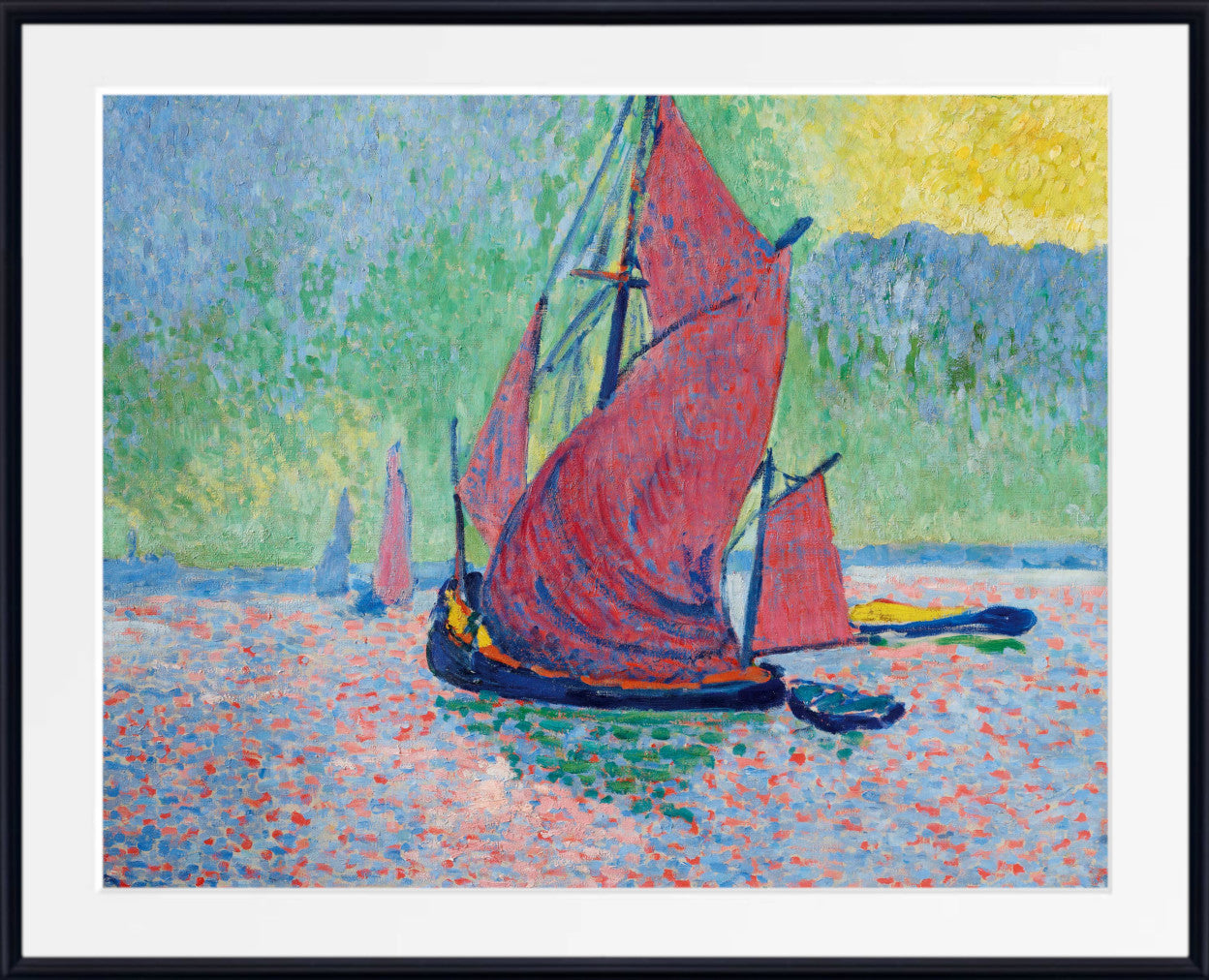
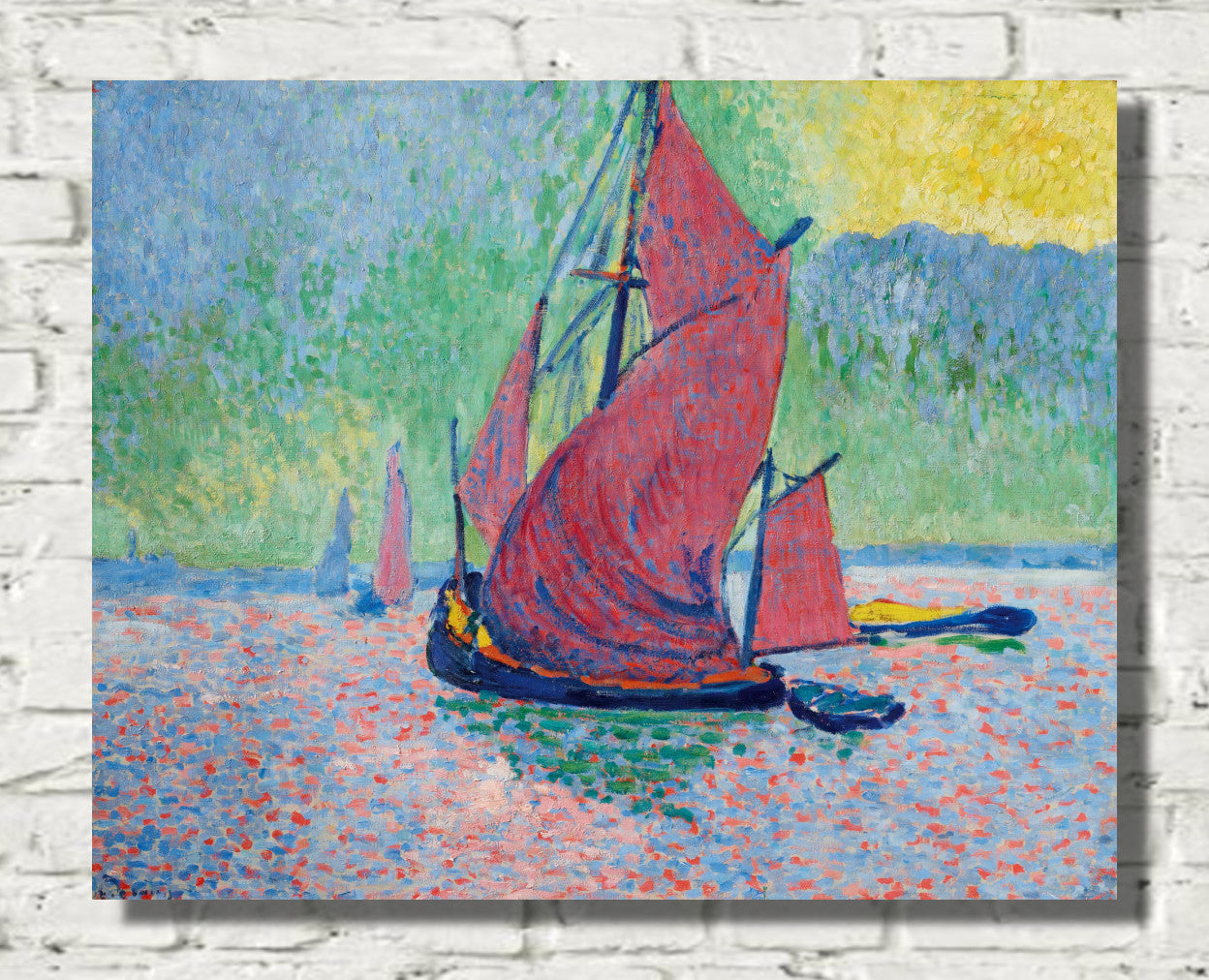
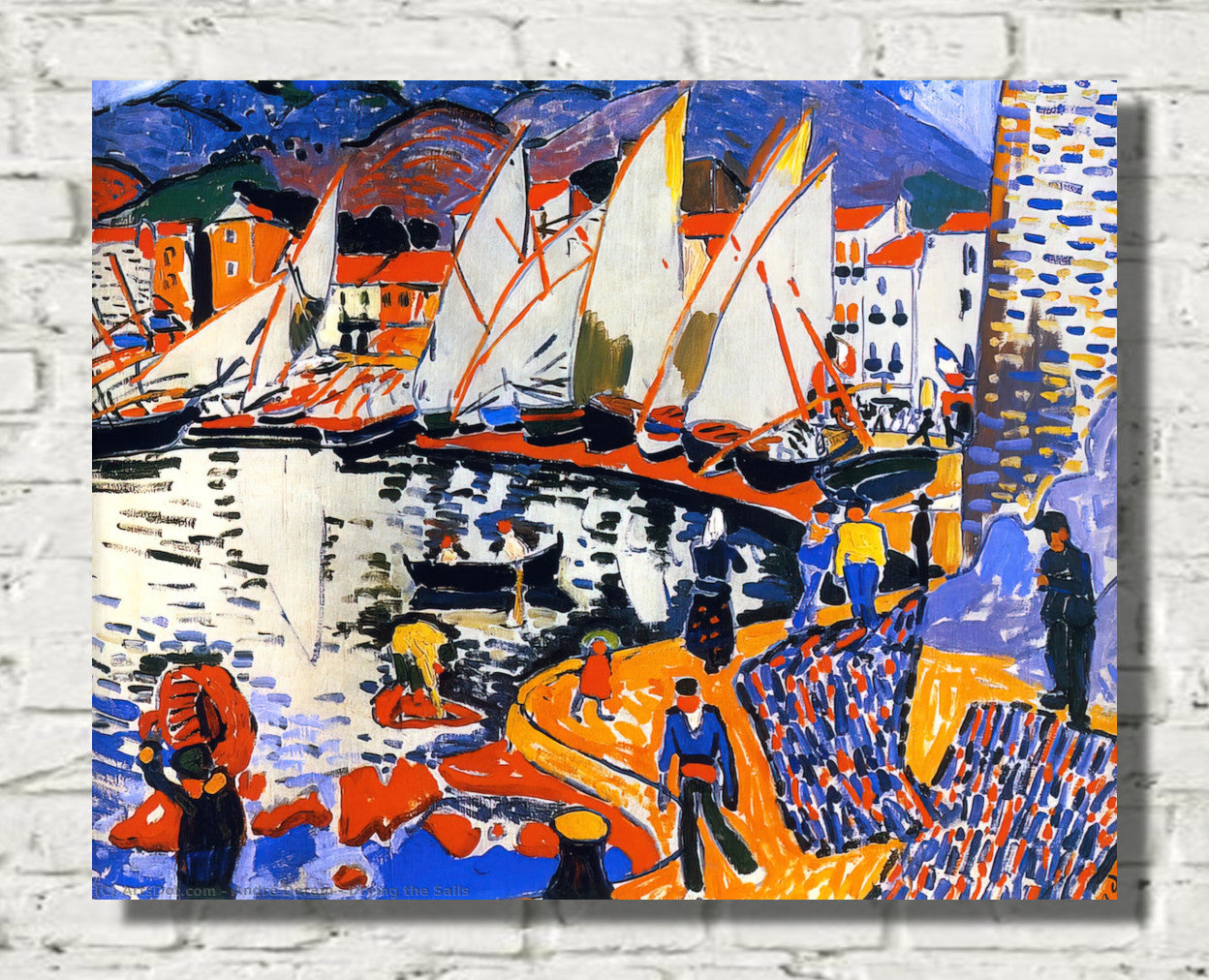
The Mediterranean coast was especially suited to his interest in colour. Boats, beaches, wooded hills and intensely illuminated water provided opportunities to construct compositions from contrasting areas of pigment.
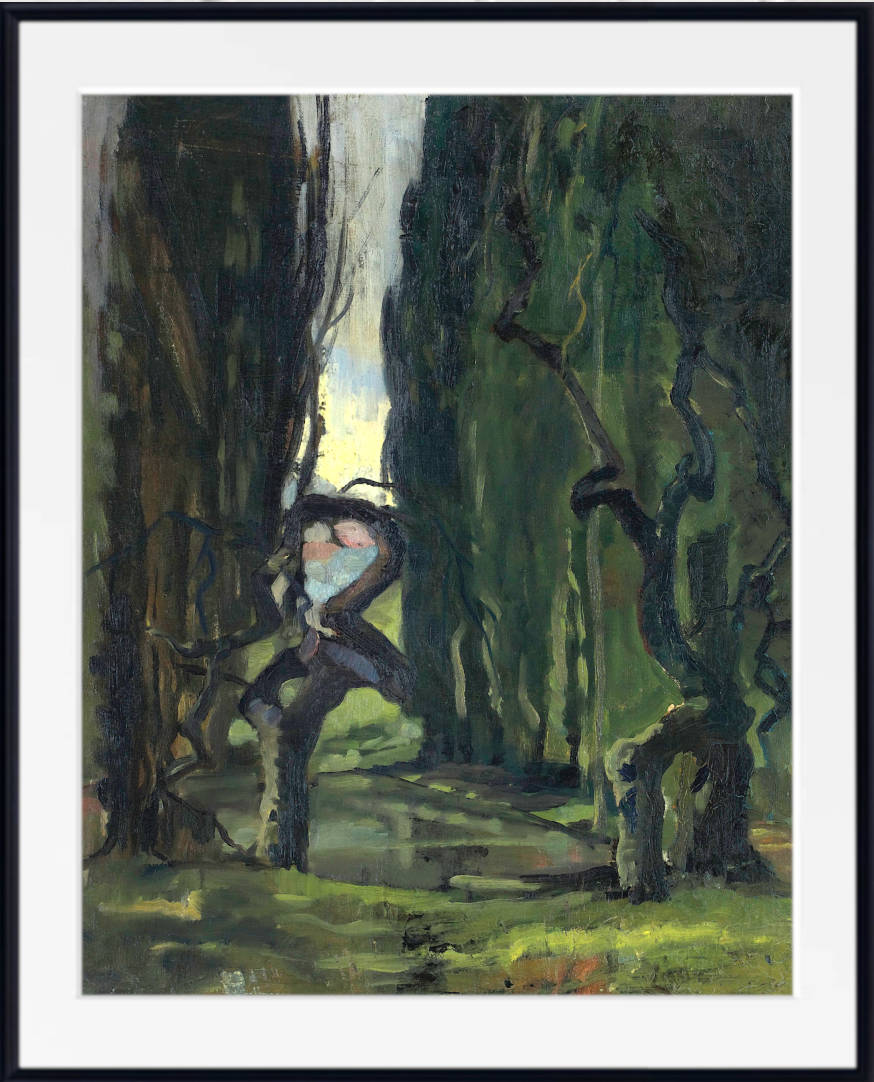
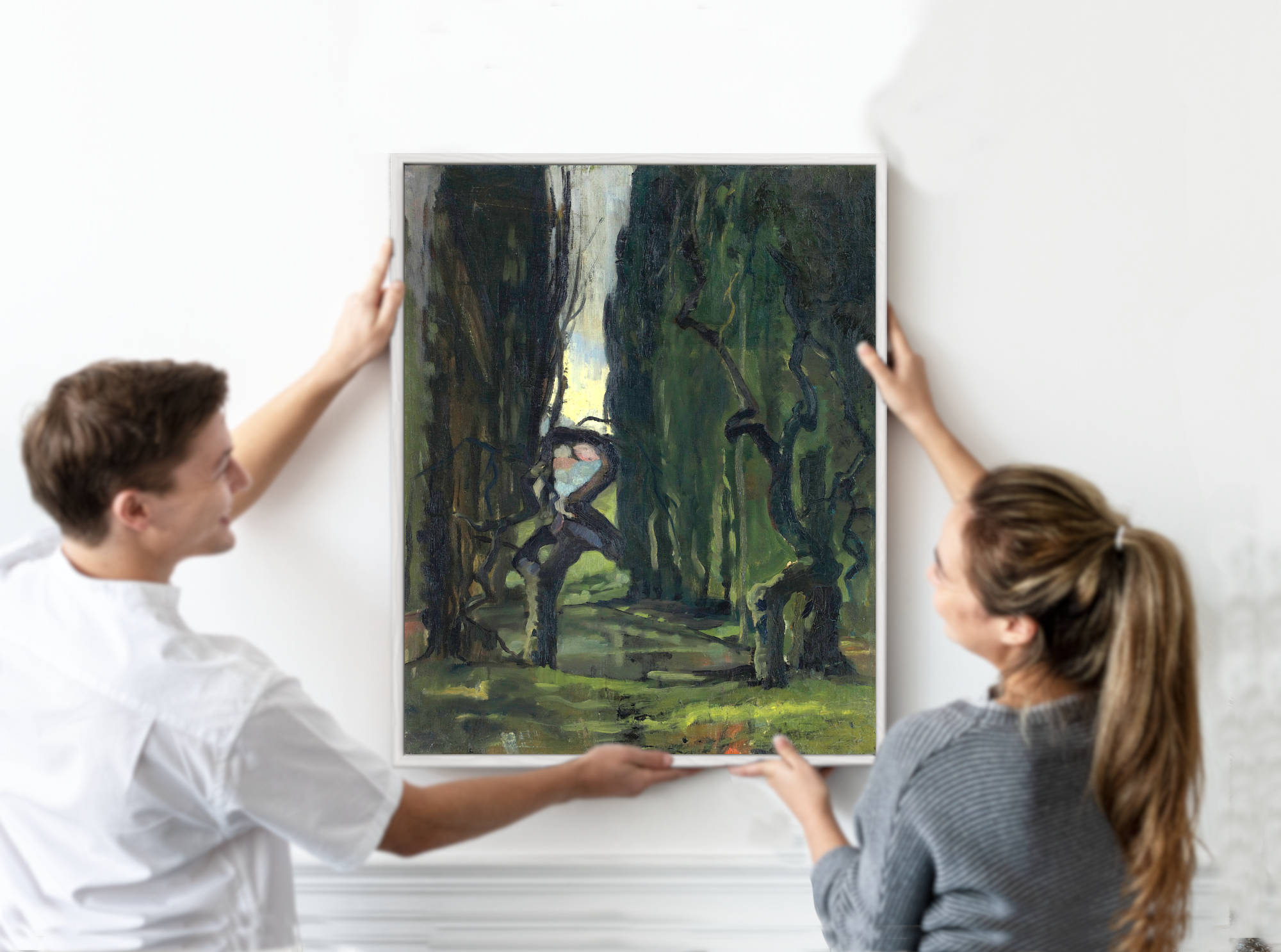
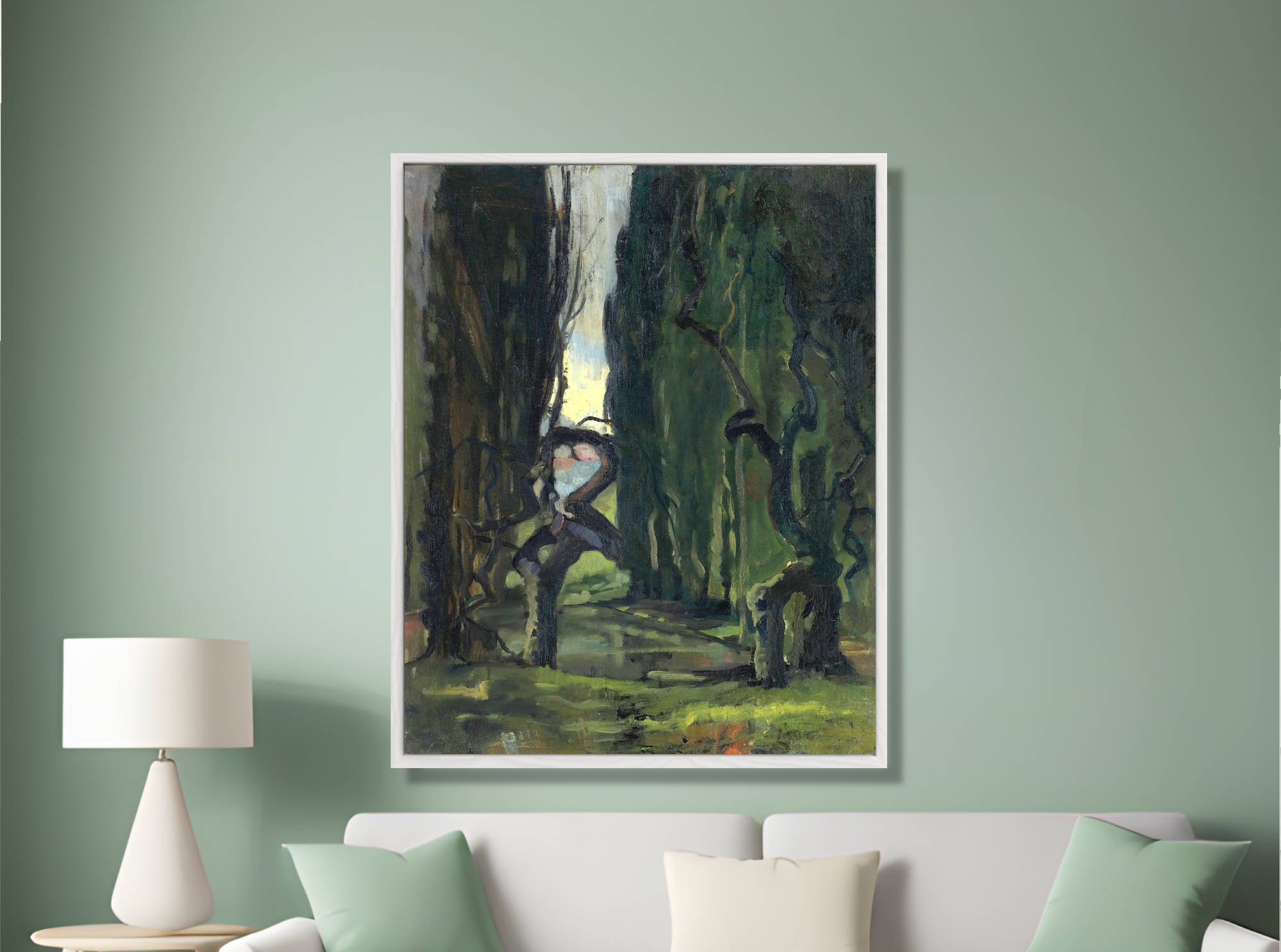
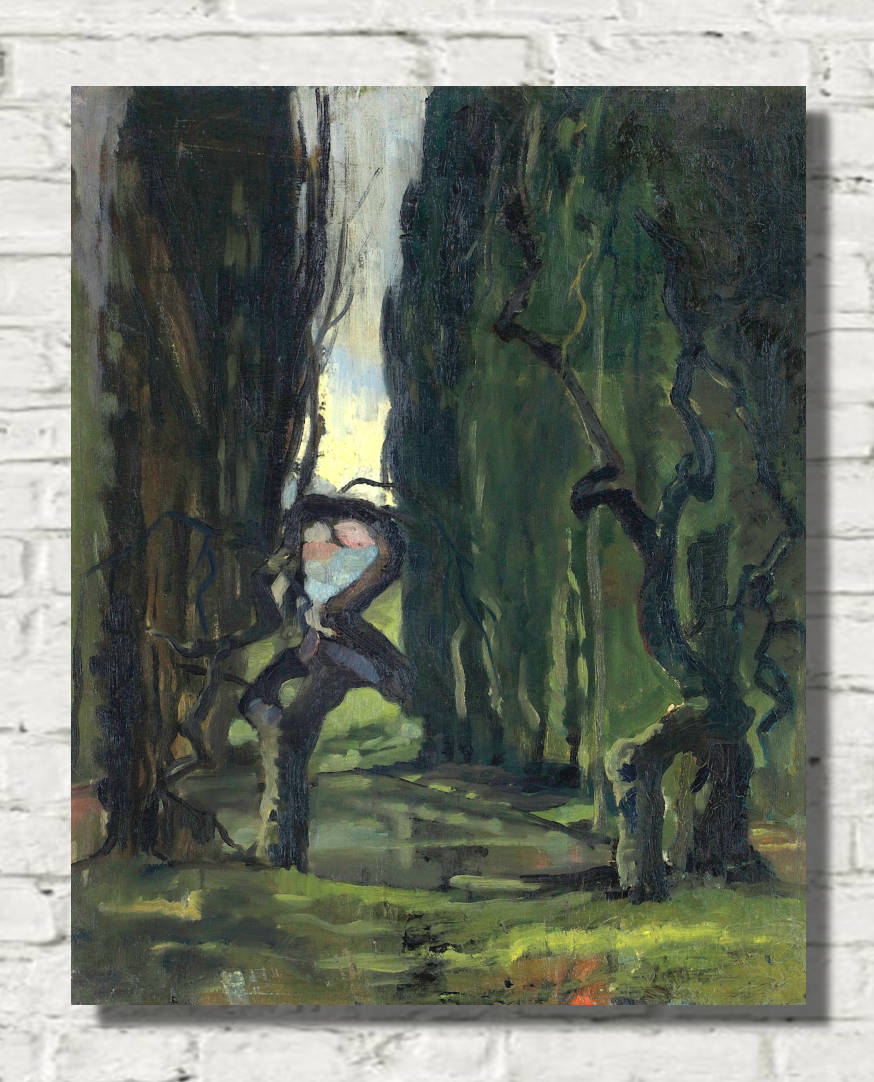
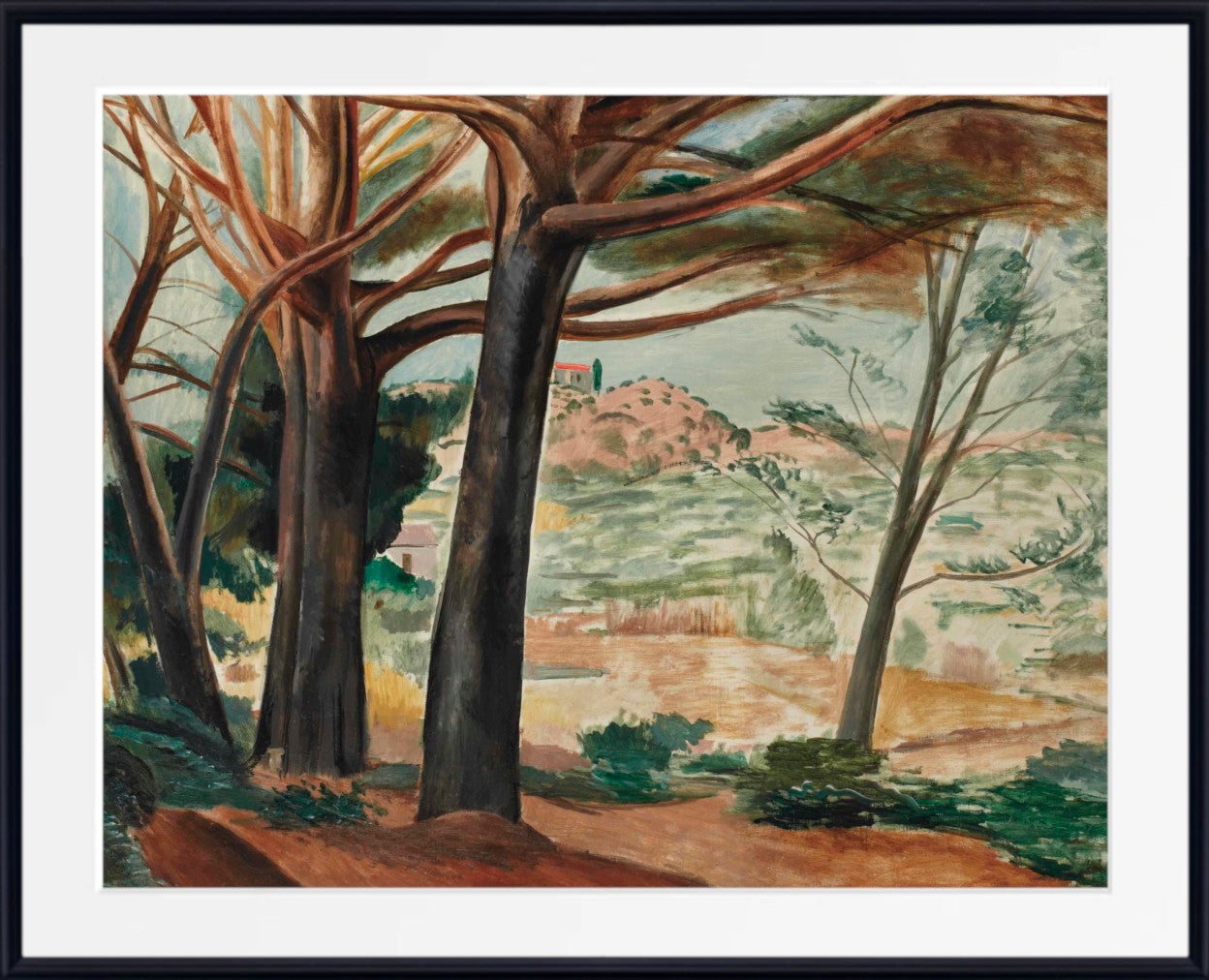
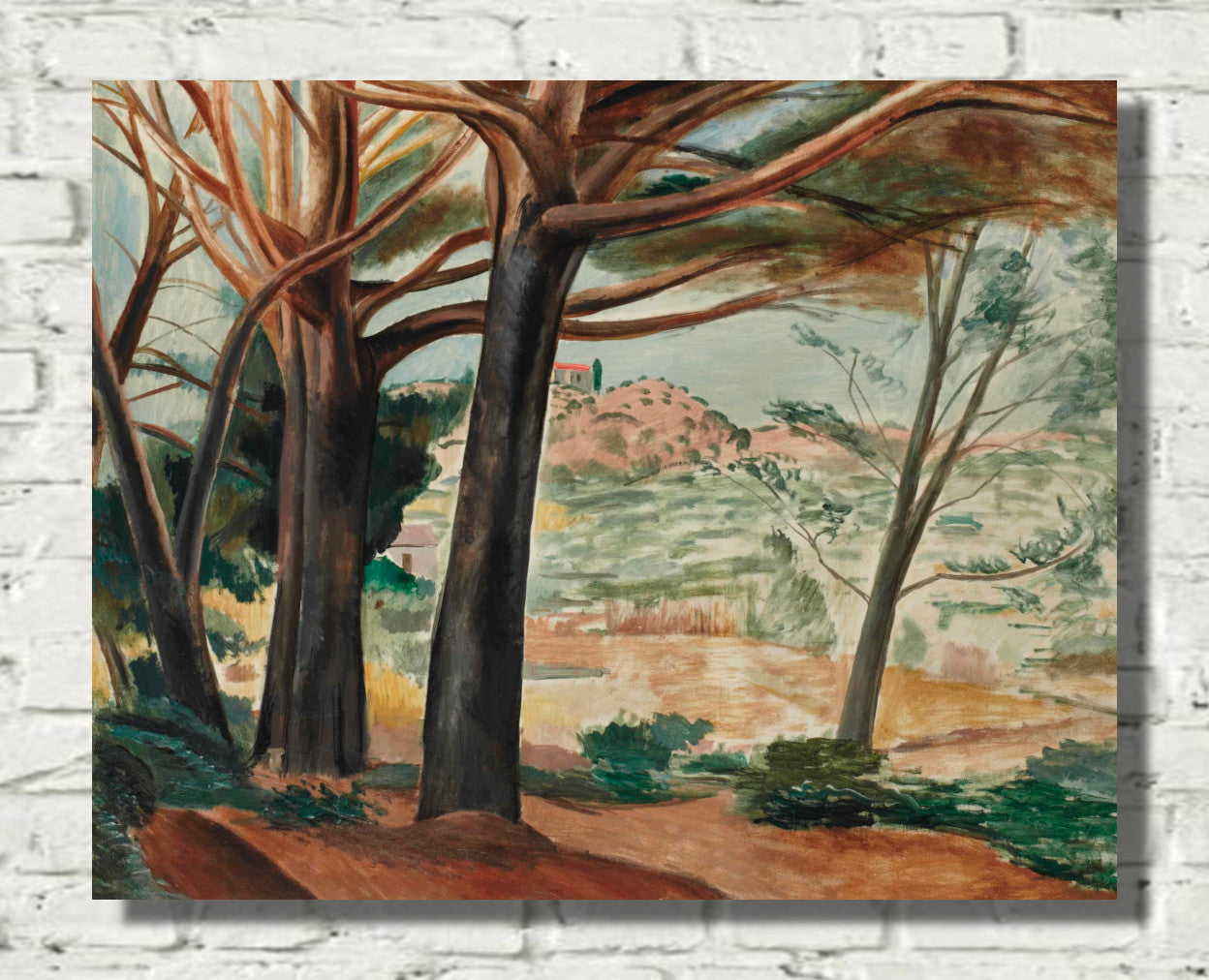
GalleryThane's Derain collection includes Mediterranean and southern French subjects such as Bateaux sur la plage à Collioure, The Red Sails, Paysage de Provence, Vue de Cagnes and The Forest of Martigues.
These works demonstrate that Fauvism was not a single fixed style. Derain continually altered the relationship between colour, drawing and structure as his painting developed.
Figures, Bathers and The Dance
Derain was not limited to landscape painting.
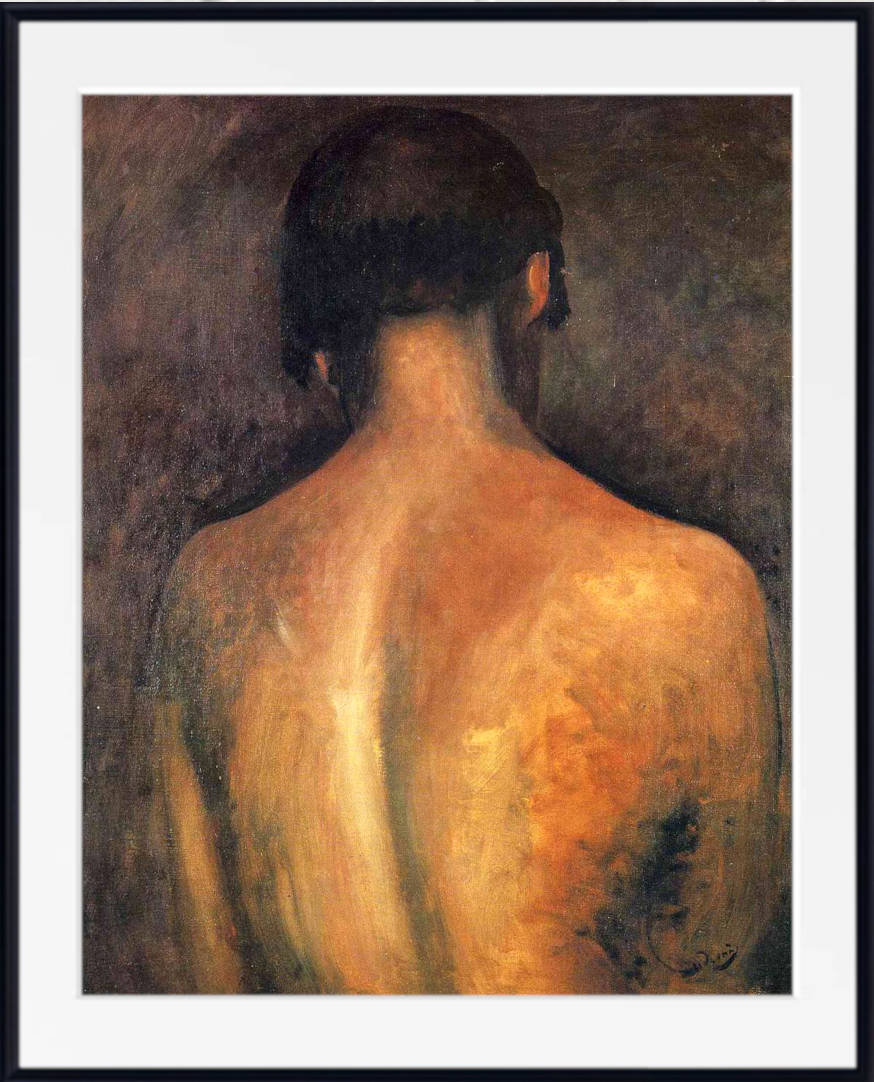
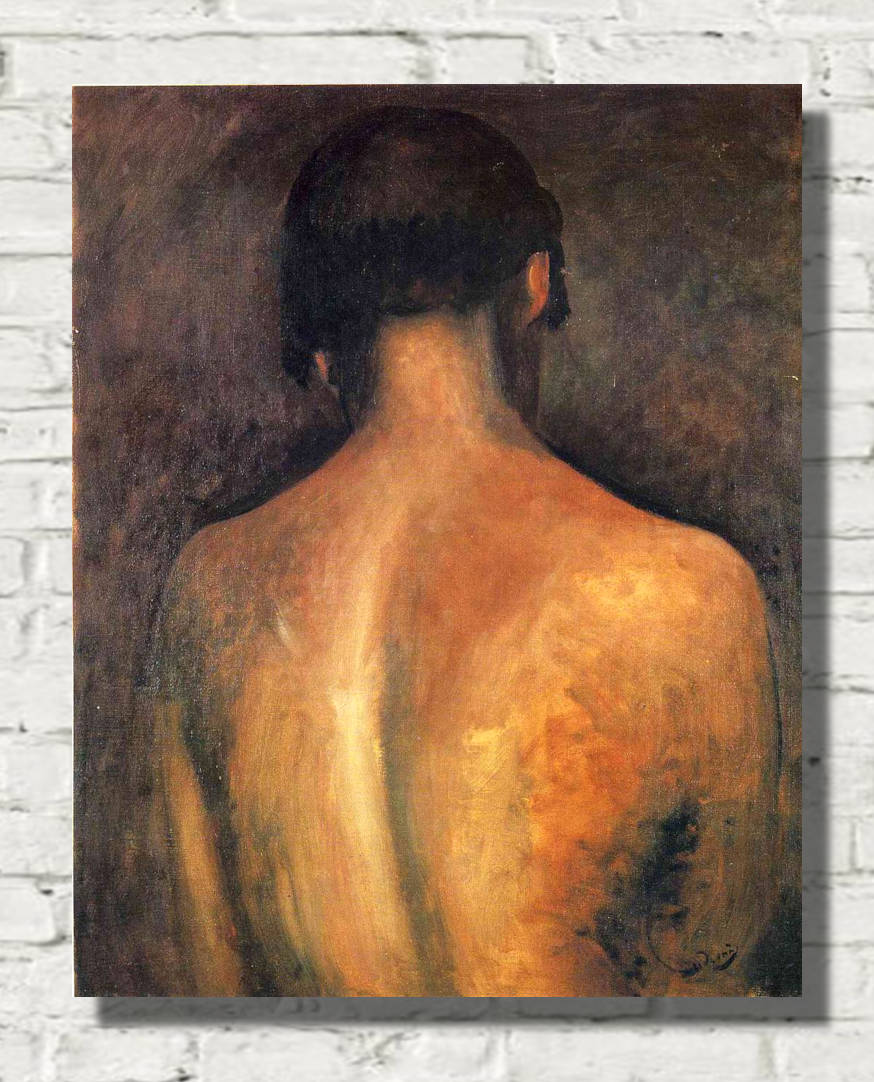
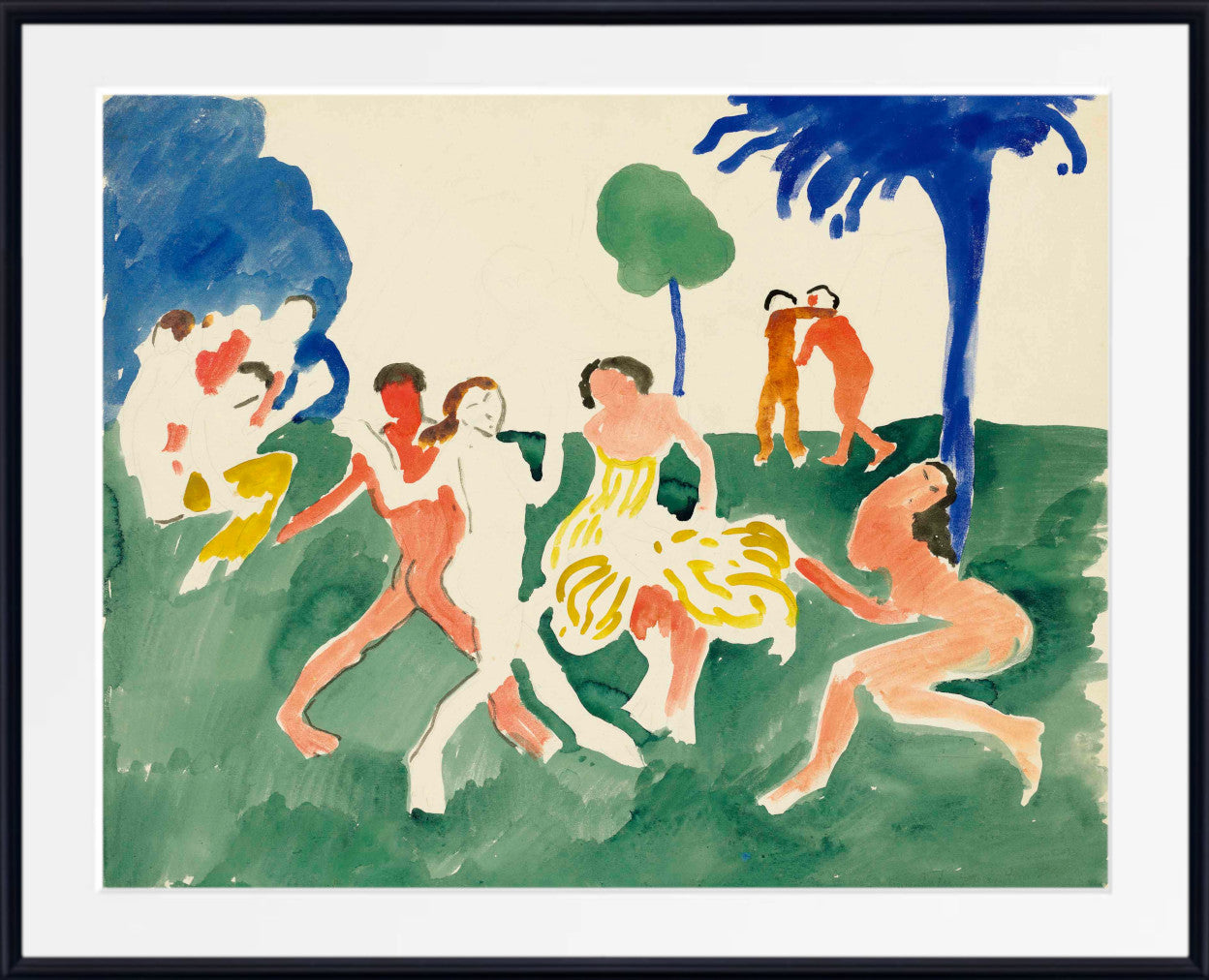
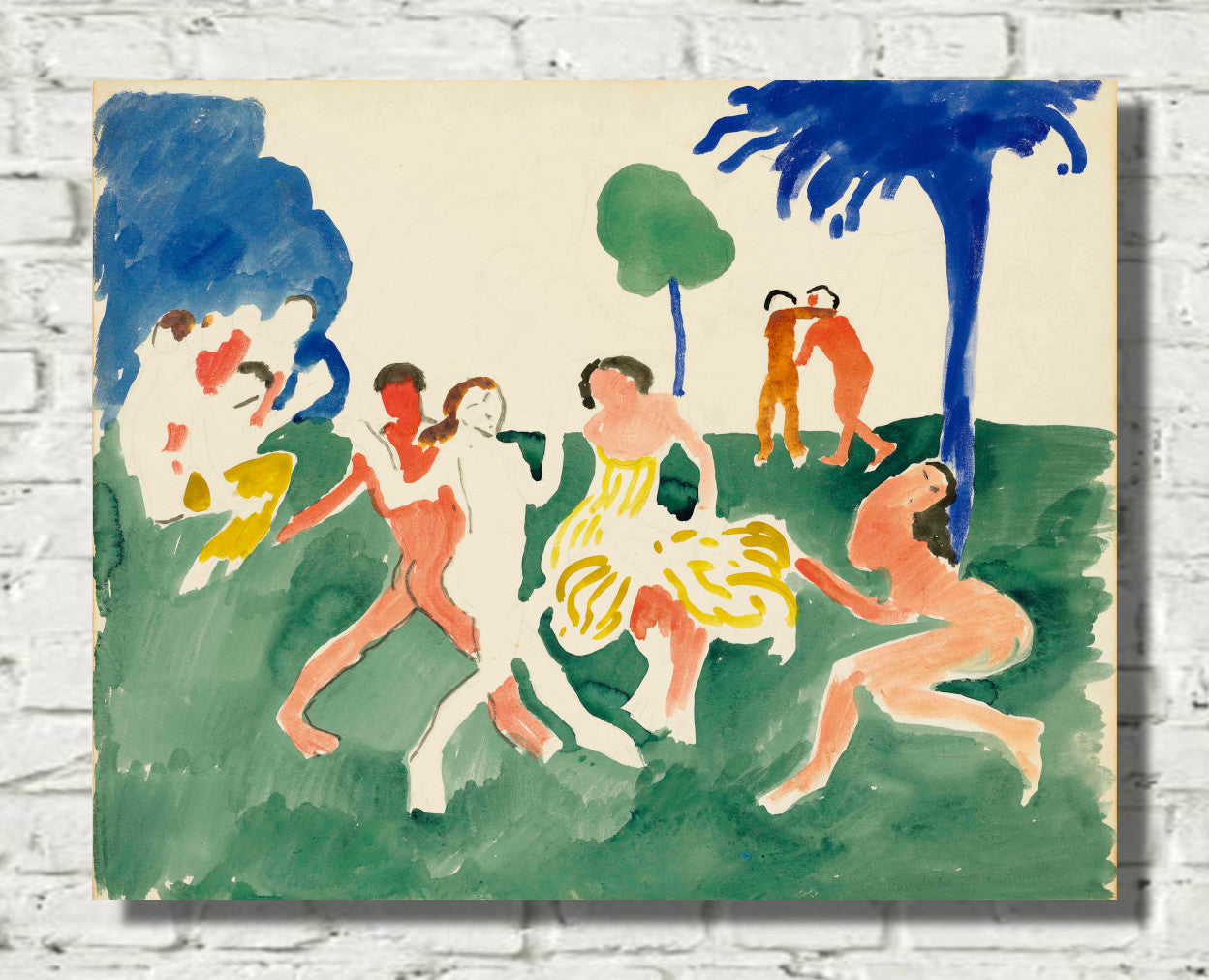
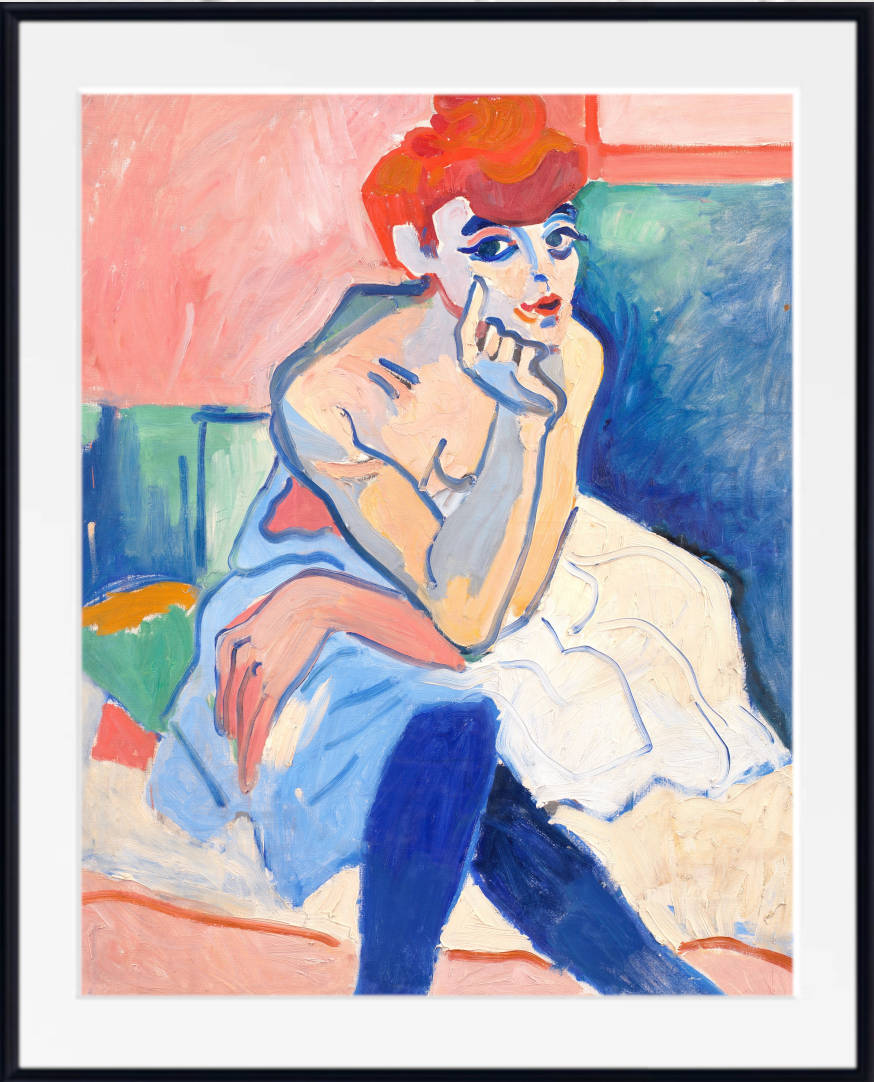
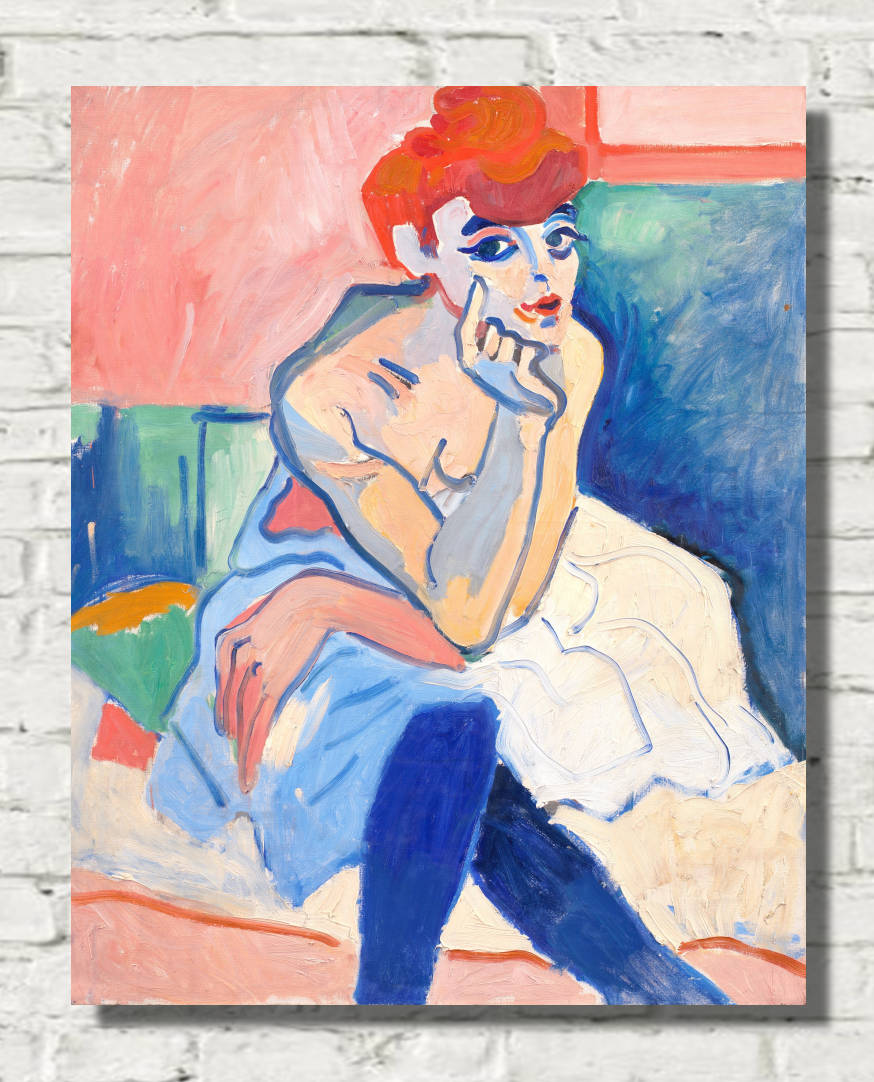
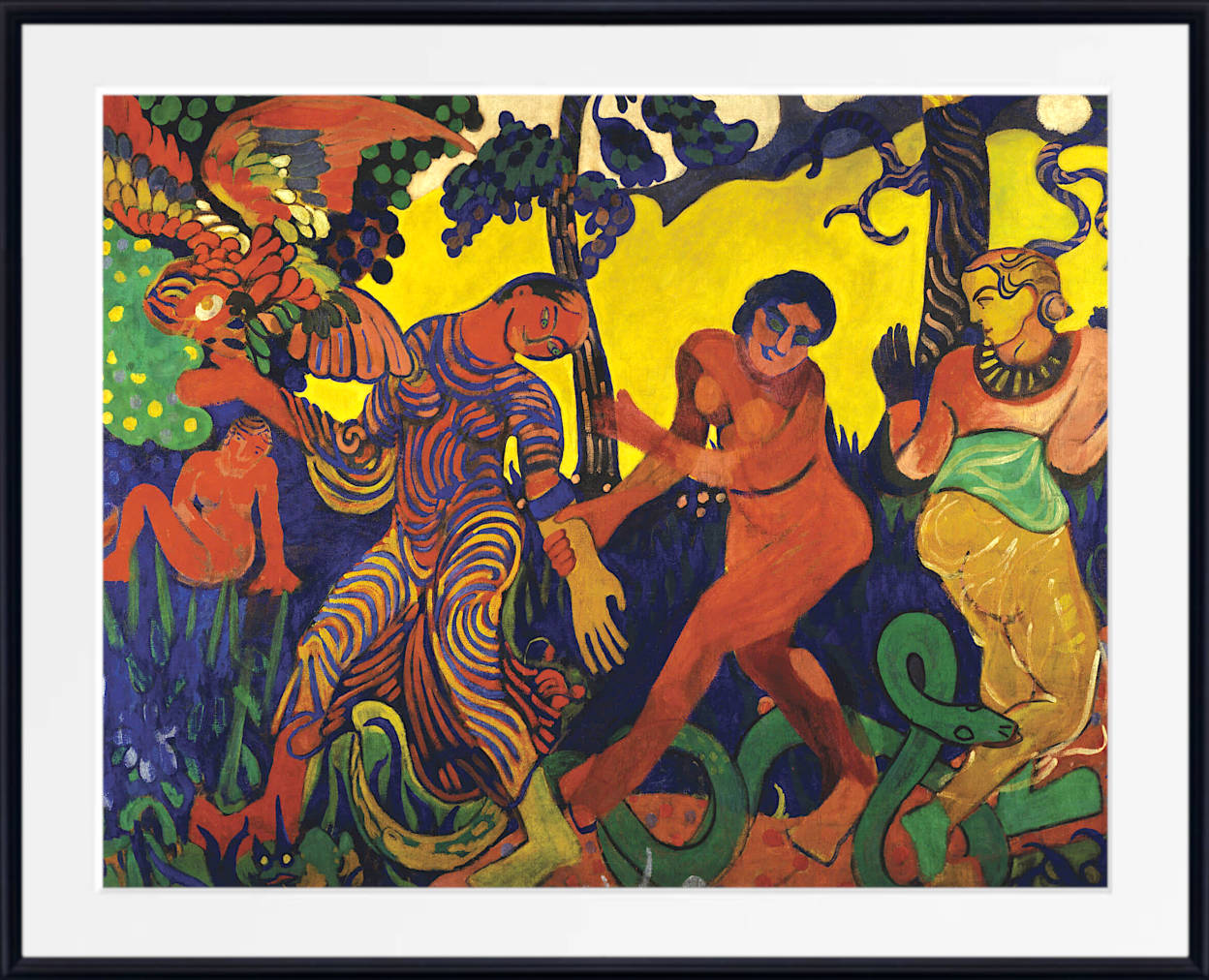
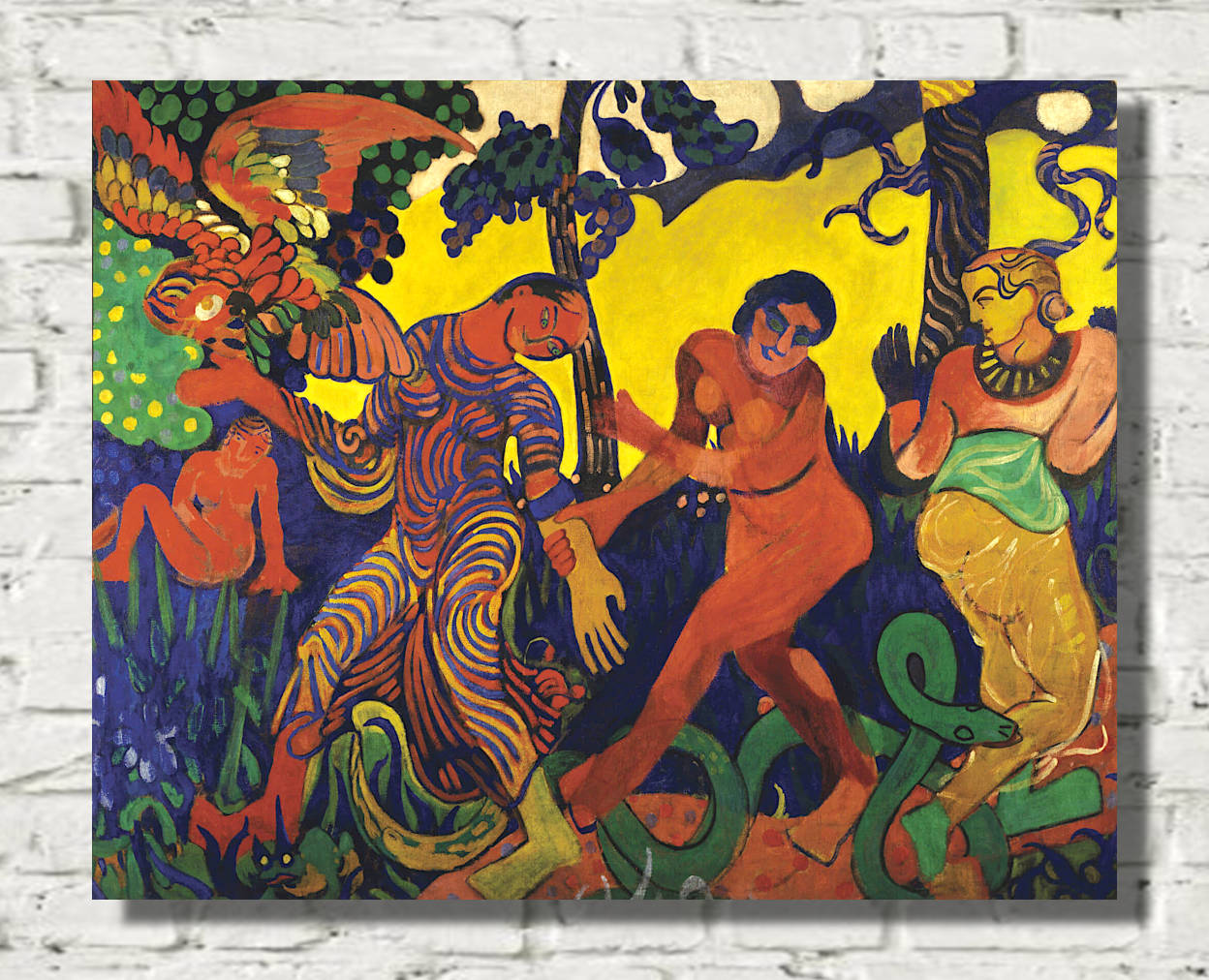
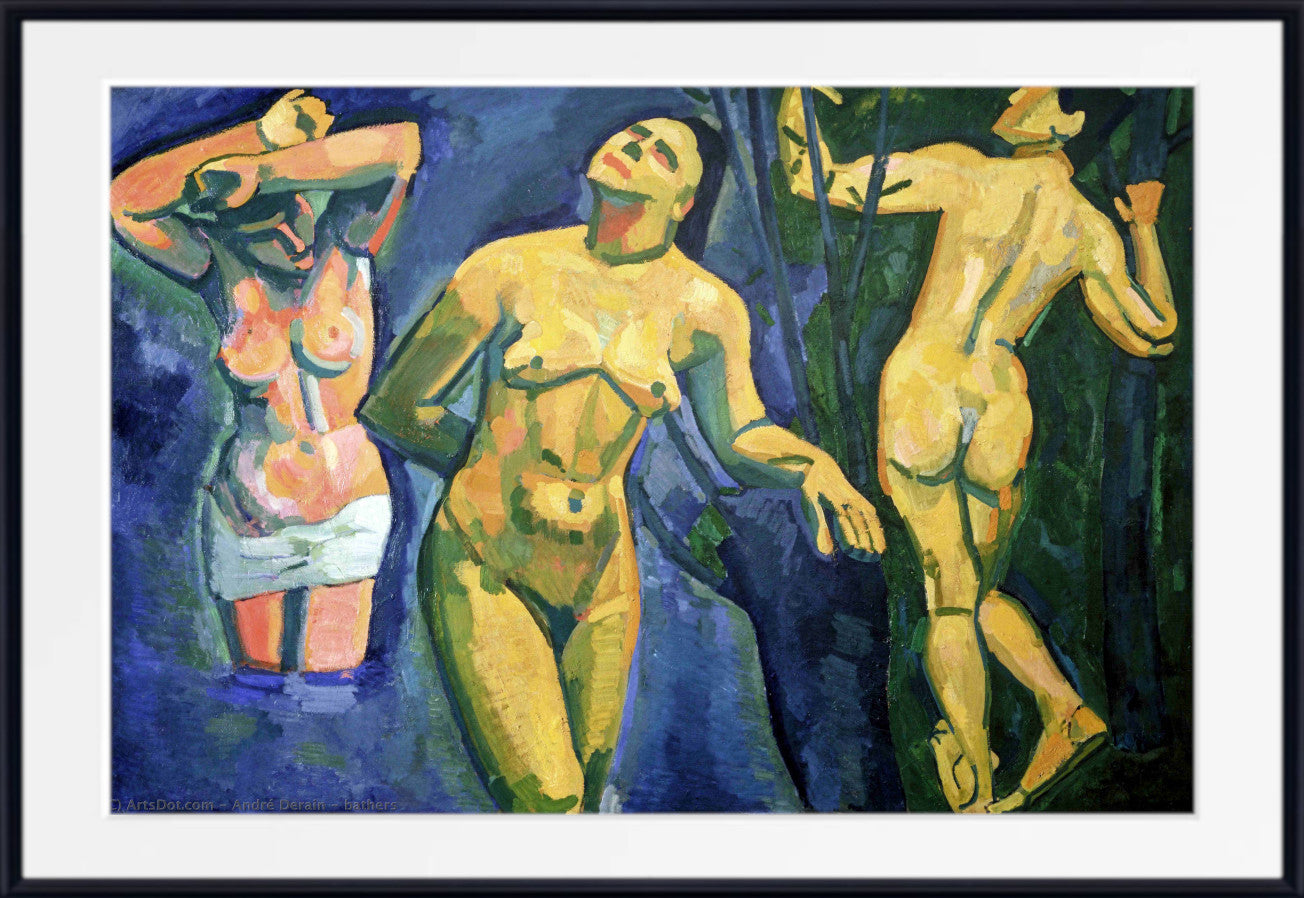
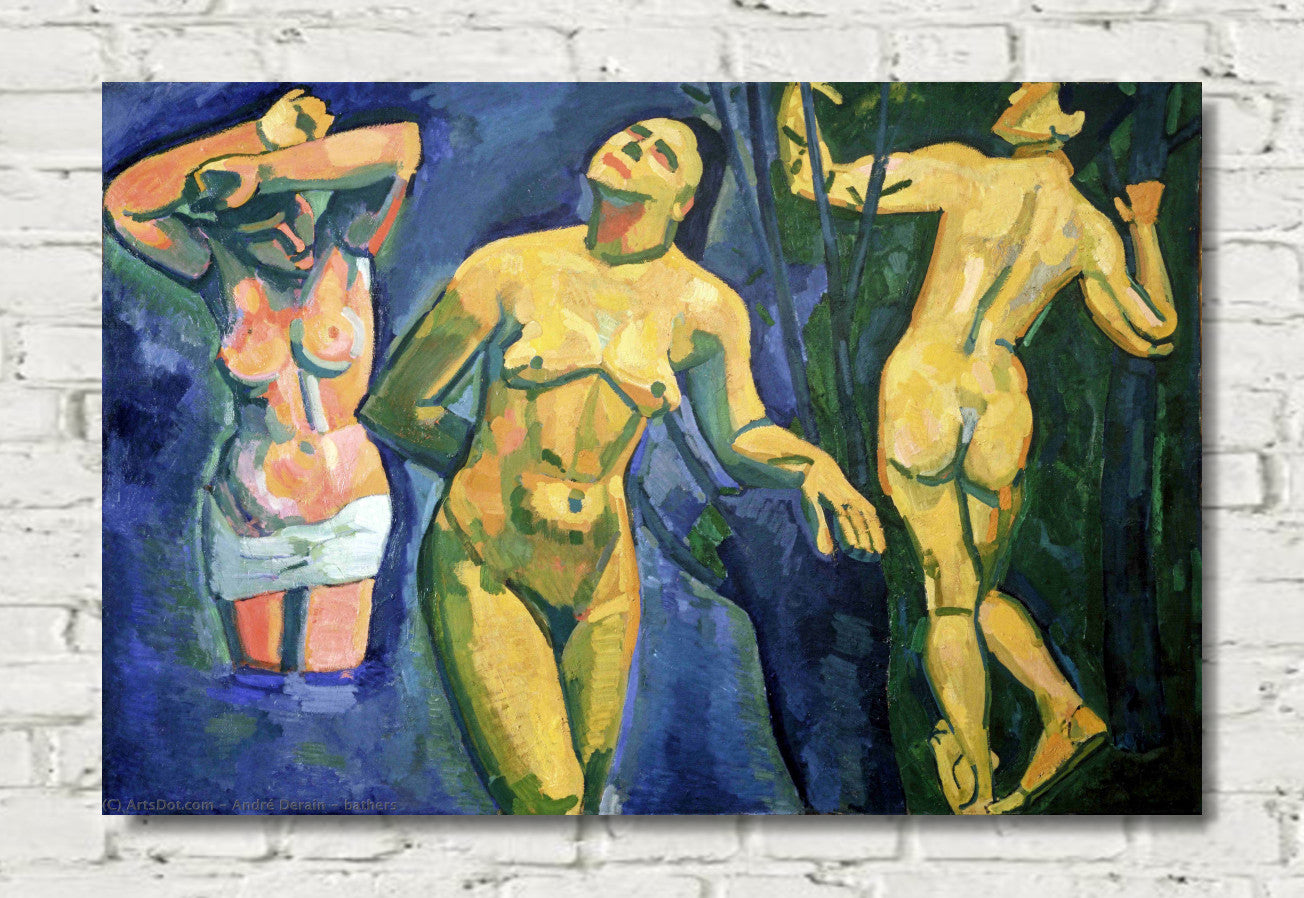
Figure compositions including Bathers, Back and The Dance reveal another side of his early modernist experimentation.
In these paintings, the human body is often simplified and deliberately removed from conventional academic naturalism. Derain became increasingly interested in the underlying structure of the figure and in artistic traditions outside mainstream European academic painting.
The Dance is particularly significant because its stylised figures, rhythmic movement and unconventional handling of space demonstrate Derain moving beyond the landscape-based Fauvism for which he was initially known.
Beyond Fauvism
Fauvism was remarkably short-lived.
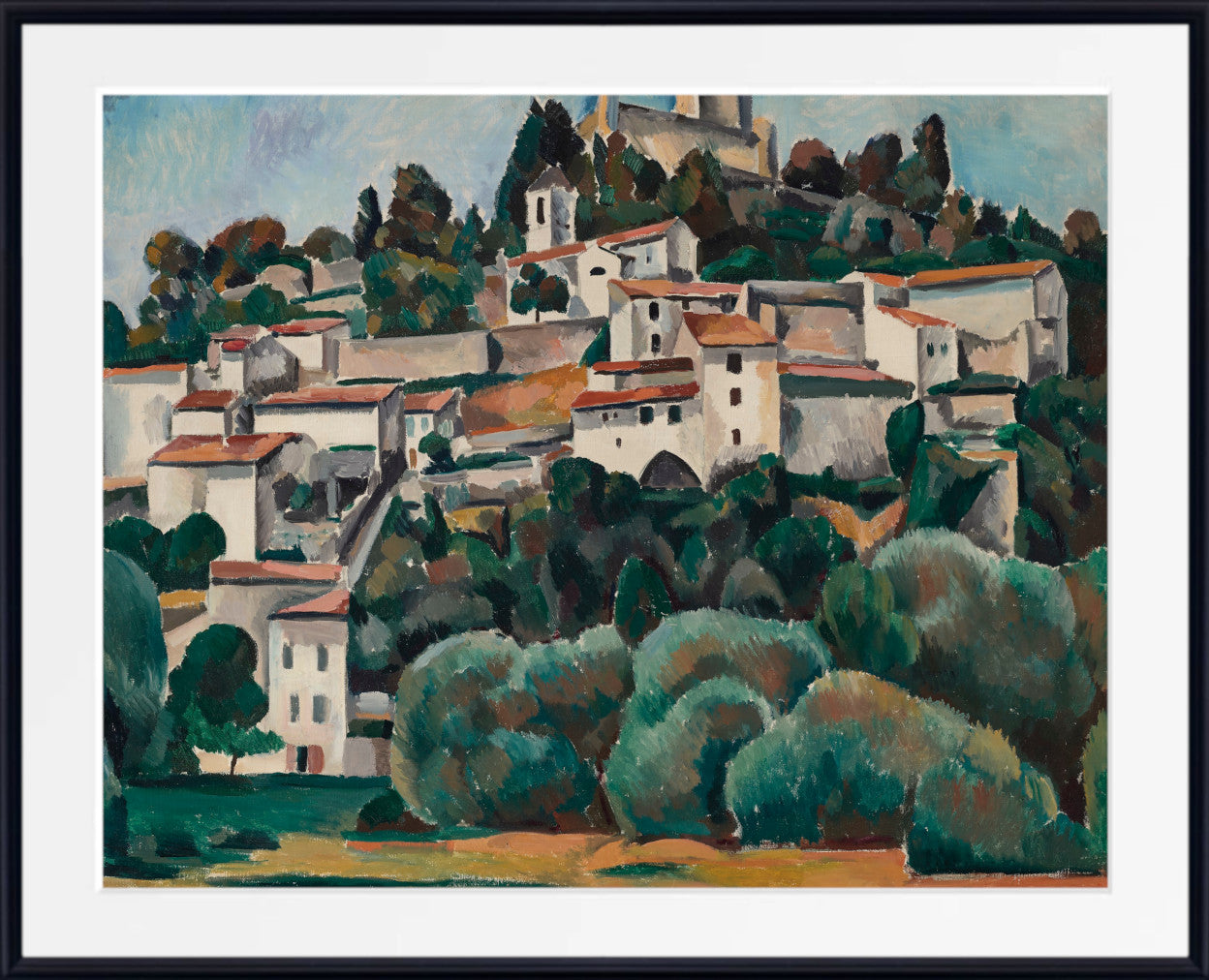
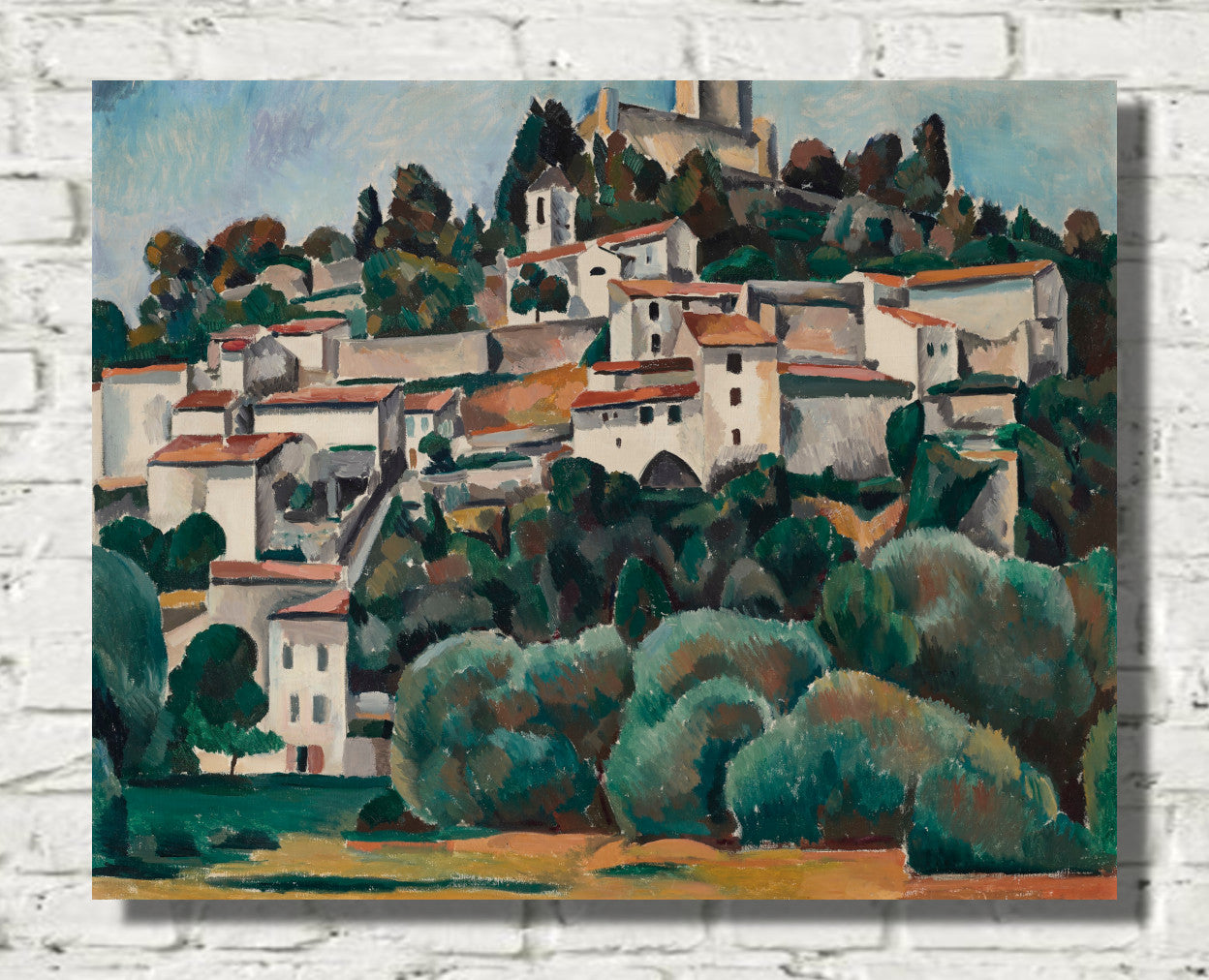
By around 1907–08, Derain was already reconsidering the extreme colour of his earlier work. The paintings of Paul Cézanne became increasingly important to him, encouraging greater attention to volume, structure and the organisation of pictorial space.
Derain's palette became more restrained and his compositions increasingly solid.
Later in his career he looked towards classical art and the European Old Masters. This development can make his body of work appear unusually varied: the painter responsible for some of Fauvism's most brilliant landscapes later produced deliberately traditional portraits, still lifes and figure paintings.
Rather than diminishing the importance of his earlier work, this evolution demonstrates how actively Derain questioned the direction modern art should take.
André Derain and the Development of Modern Art
Derain occupies an important position between several major developments in twentieth-century European art.
His experiments with Matisse helped establish Fauvism and demonstrated that colour could operate independently from realistic representation.
His later interest in Cézanne and increasingly structured forms coincided with the period in which Picasso and Braque were developing Cubism.
Derain ultimately chose a different path, but his work from the first decade of the twentieth century helped establish many of the questions about colour, representation and pictorial structure that would dominate modern painting.
His influence can also be understood alongside artists such as Raoul Dufy, who absorbed the lessons of Fauvism before developing a distinctive personal style based on brilliant colour and fluid drawing.
Explore Raoul Dufy prints for another important interpretation of colour in twentieth-century French art.
Choosing an André Derain Print
The best Derain print depends largely on the atmosphere and subject you want.
For the strongest expression of Fauvist colour, consider the landscapes of Collioure and L'Estaque.
For city imagery, Derain's London paintings combine recognisable architecture with some of the most adventurous colour of his career.
His harbour and boat paintings provide colourful coastal subjects, while The Dance, Bathers and Back offer more figurative alternatives.
Because Derain's work varies considerably across his career, the collection offers both intensely colourful statement pieces and more restrained compositions.
André Derain Prints for Modern Interiors
Derain's Fauvist paintings can work exceptionally well in contemporary interiors because their powerful colour remains remarkably fresh.
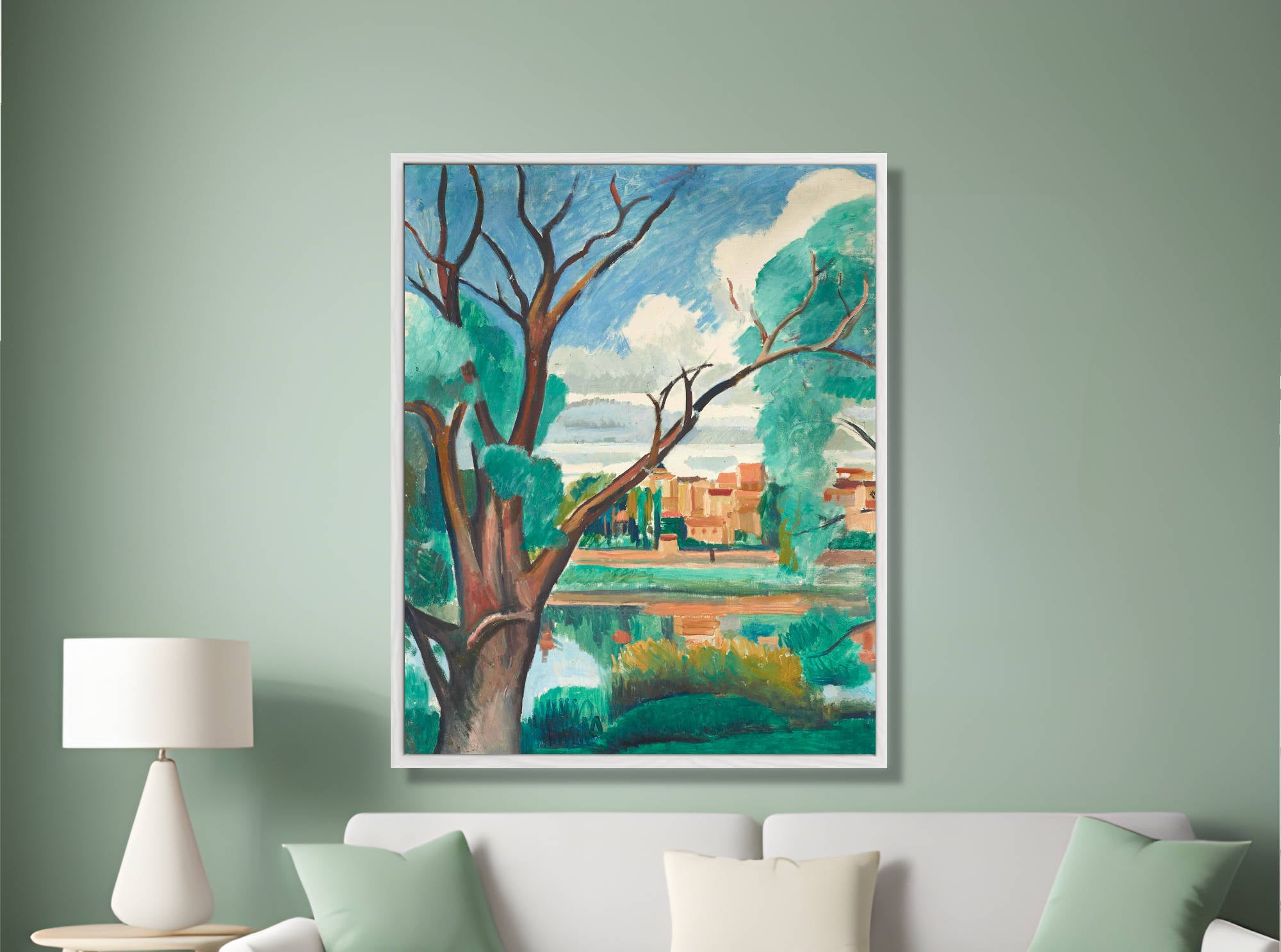
Mediterranean landscapes can introduce vivid blues, greens and warm reds to living rooms and dining spaces, while his London paintings provide an unusual option for hallways, studies and urban interiors.
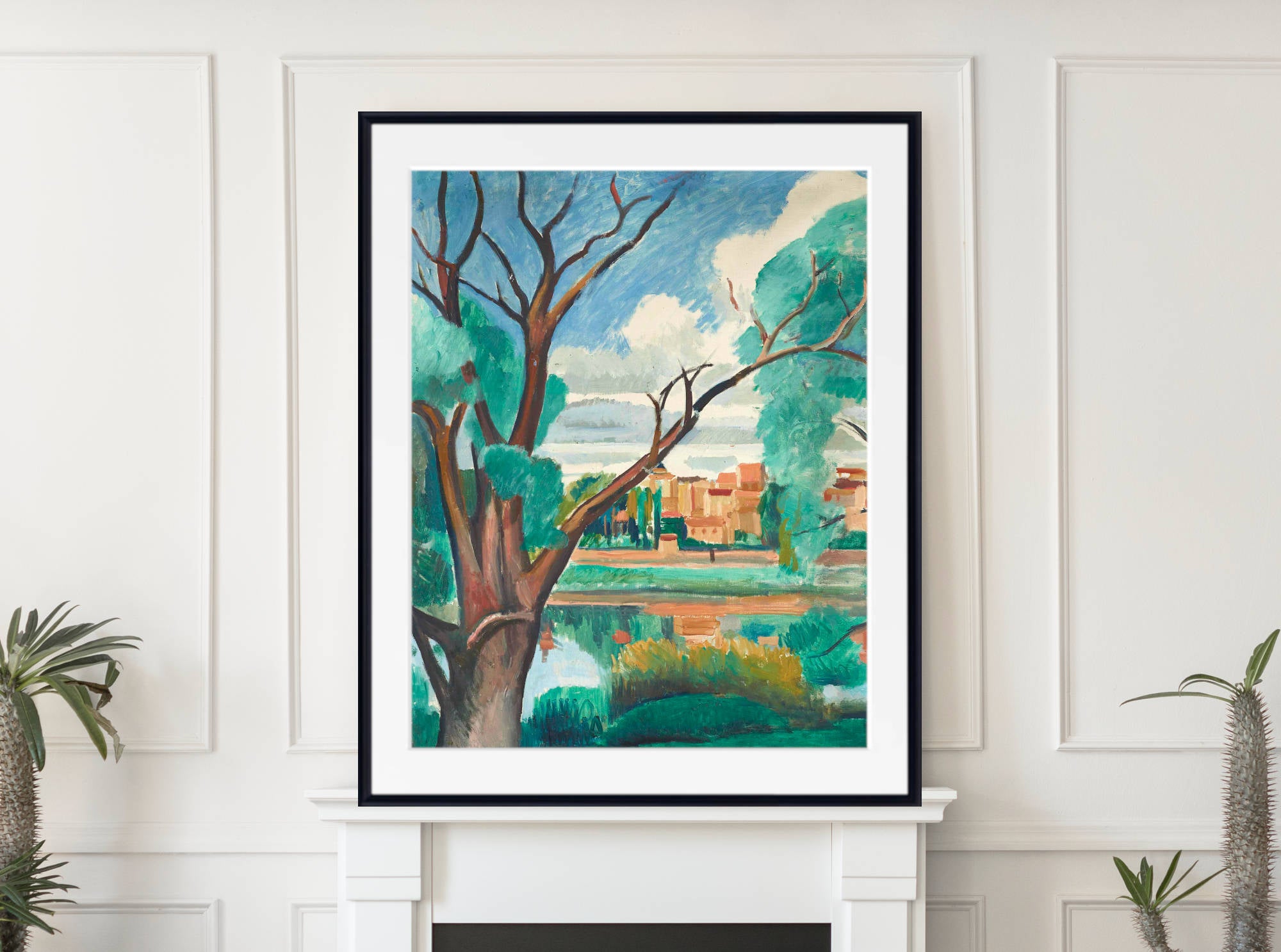
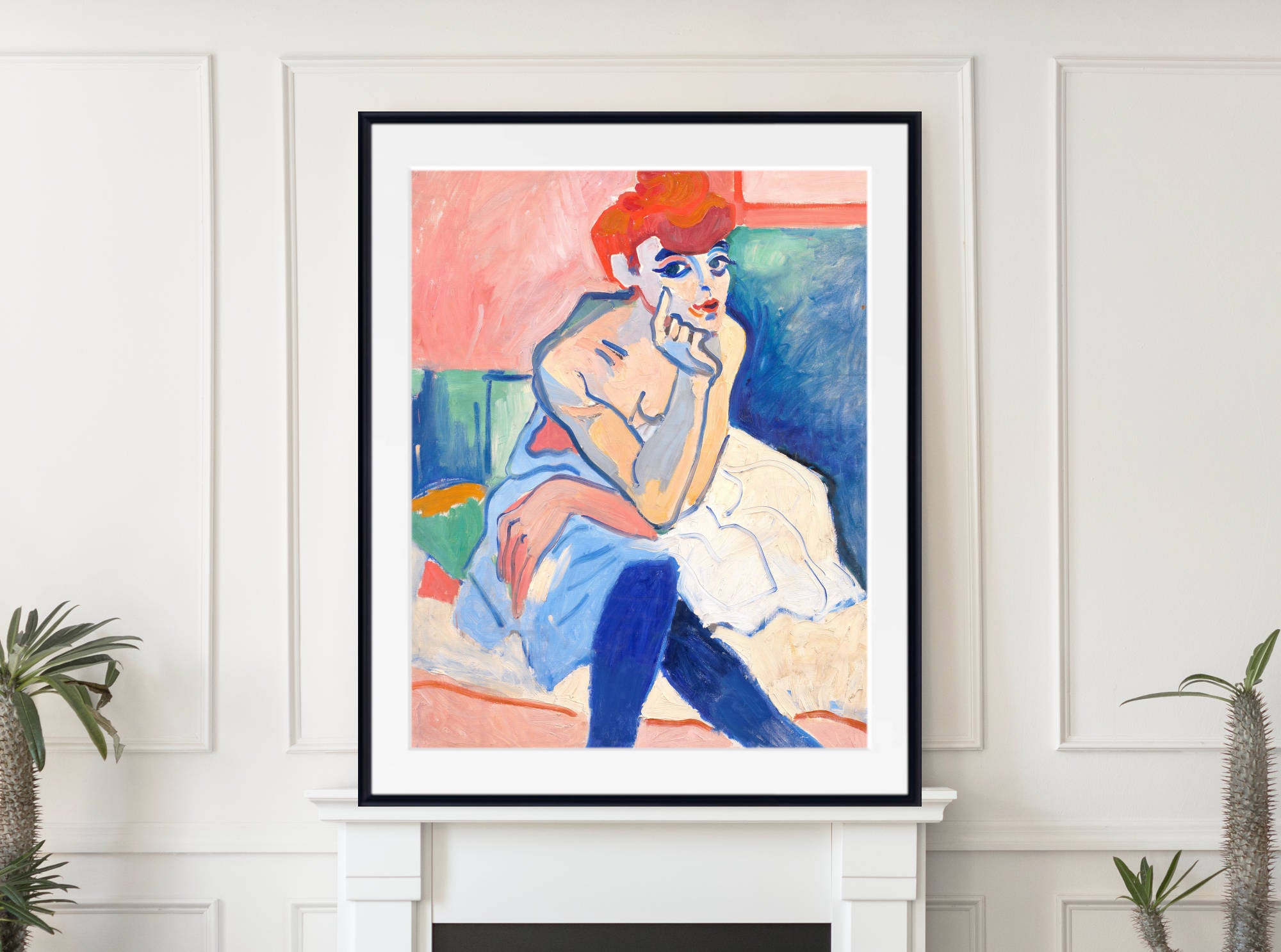
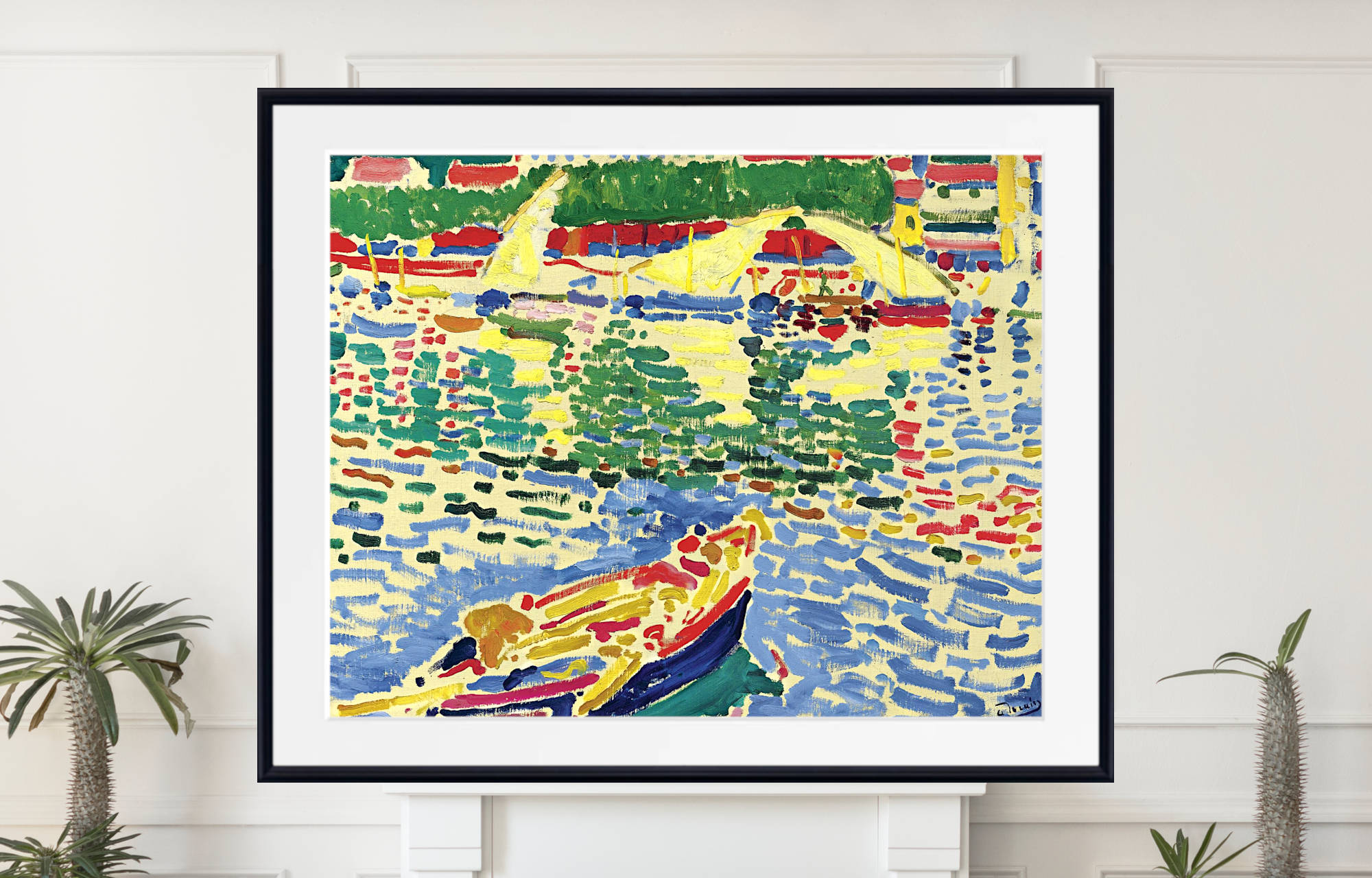
Larger compositions can work as a single focal point above a sofa, fireplace or sideboard. Smaller Derain works can be combined with Matisse, Dufy and other early modern artists to create a coordinated gallery wall.
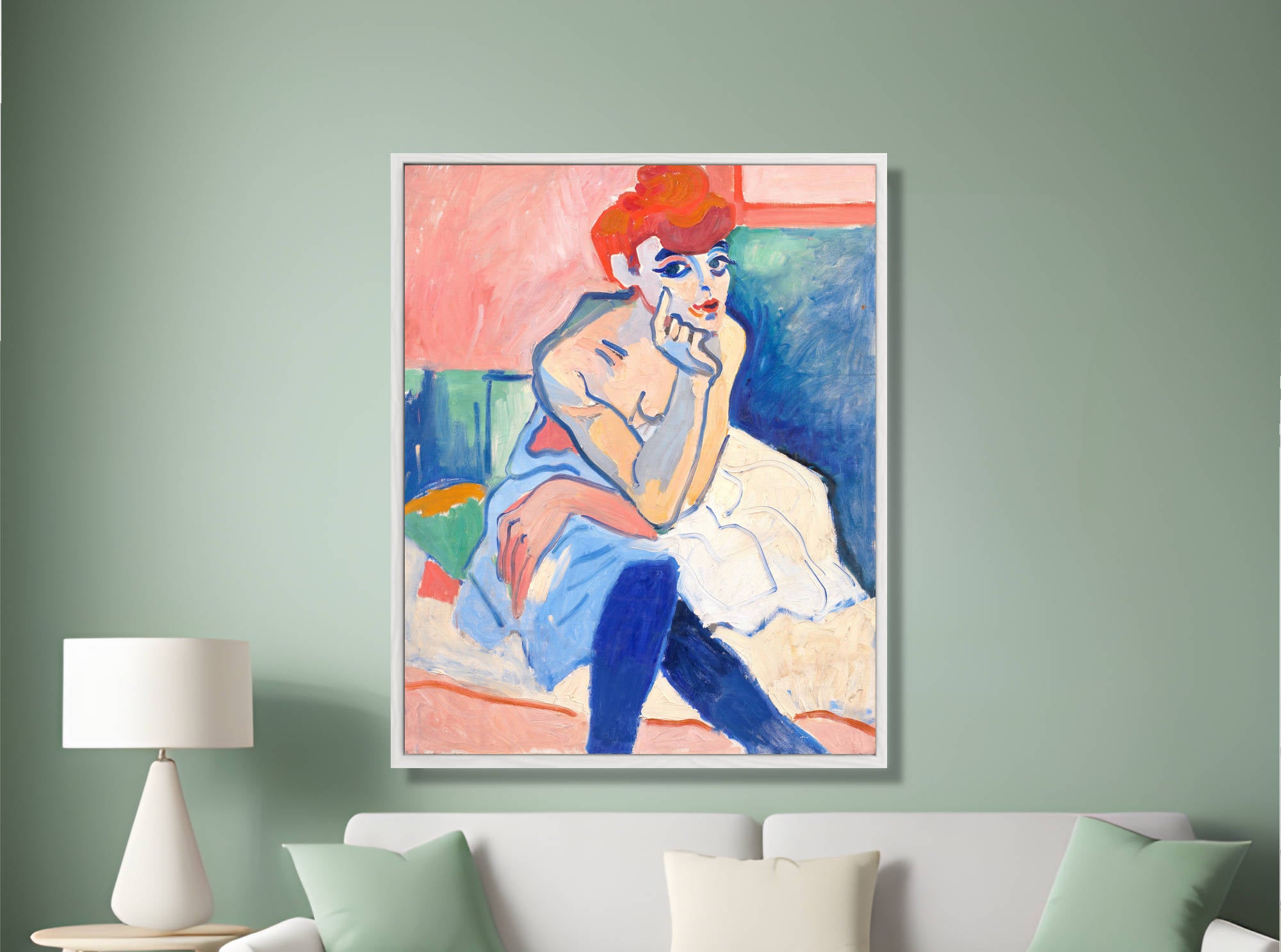
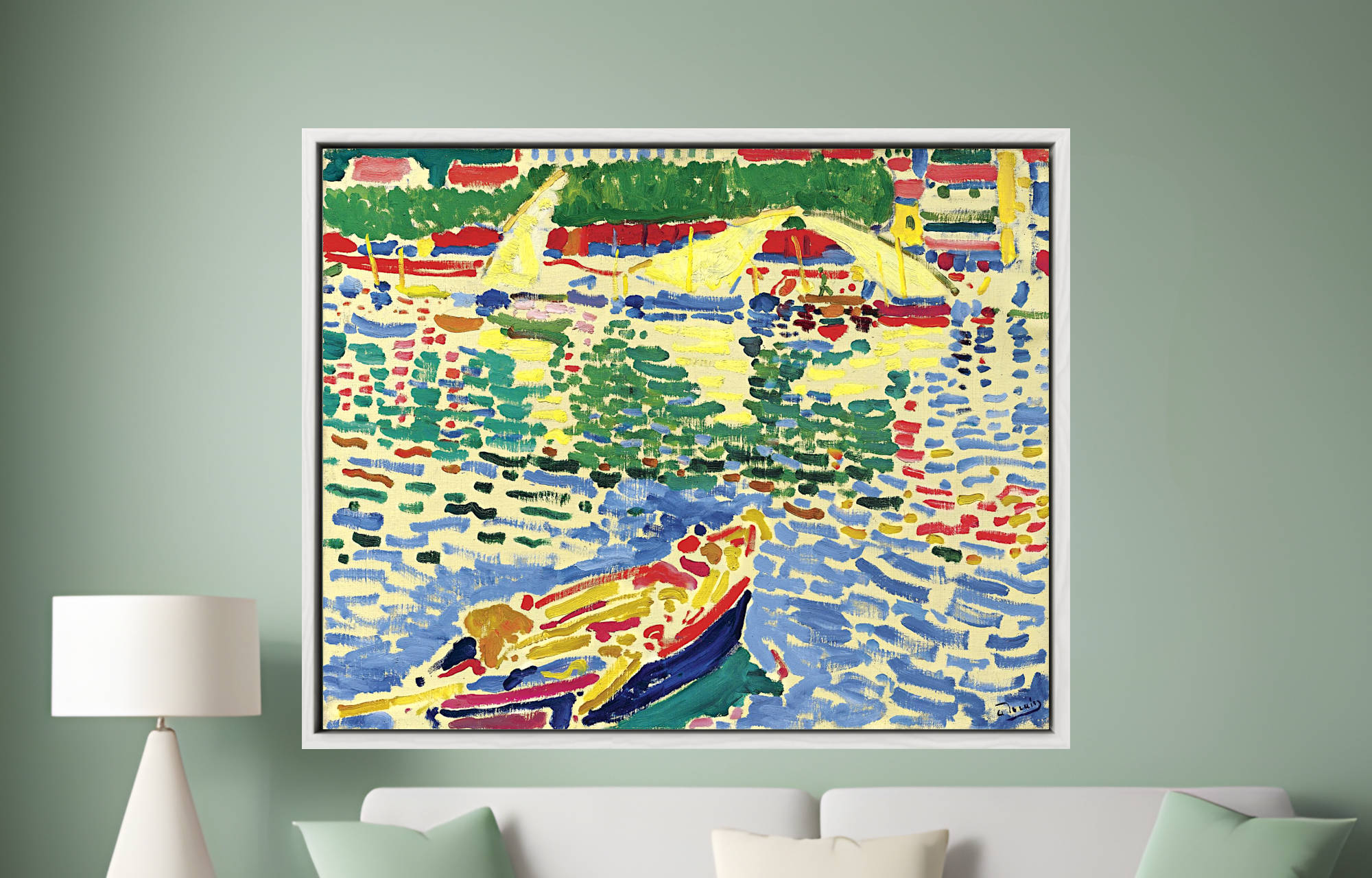
Neutral walls in white, cream, putty and warm grey allow Derain's strongest colours to dominate, while natural woods and understated furniture can provide an effective contrast with his energetic brushwork.
Fine Art Prints, Framed Prints and Canvas Panels
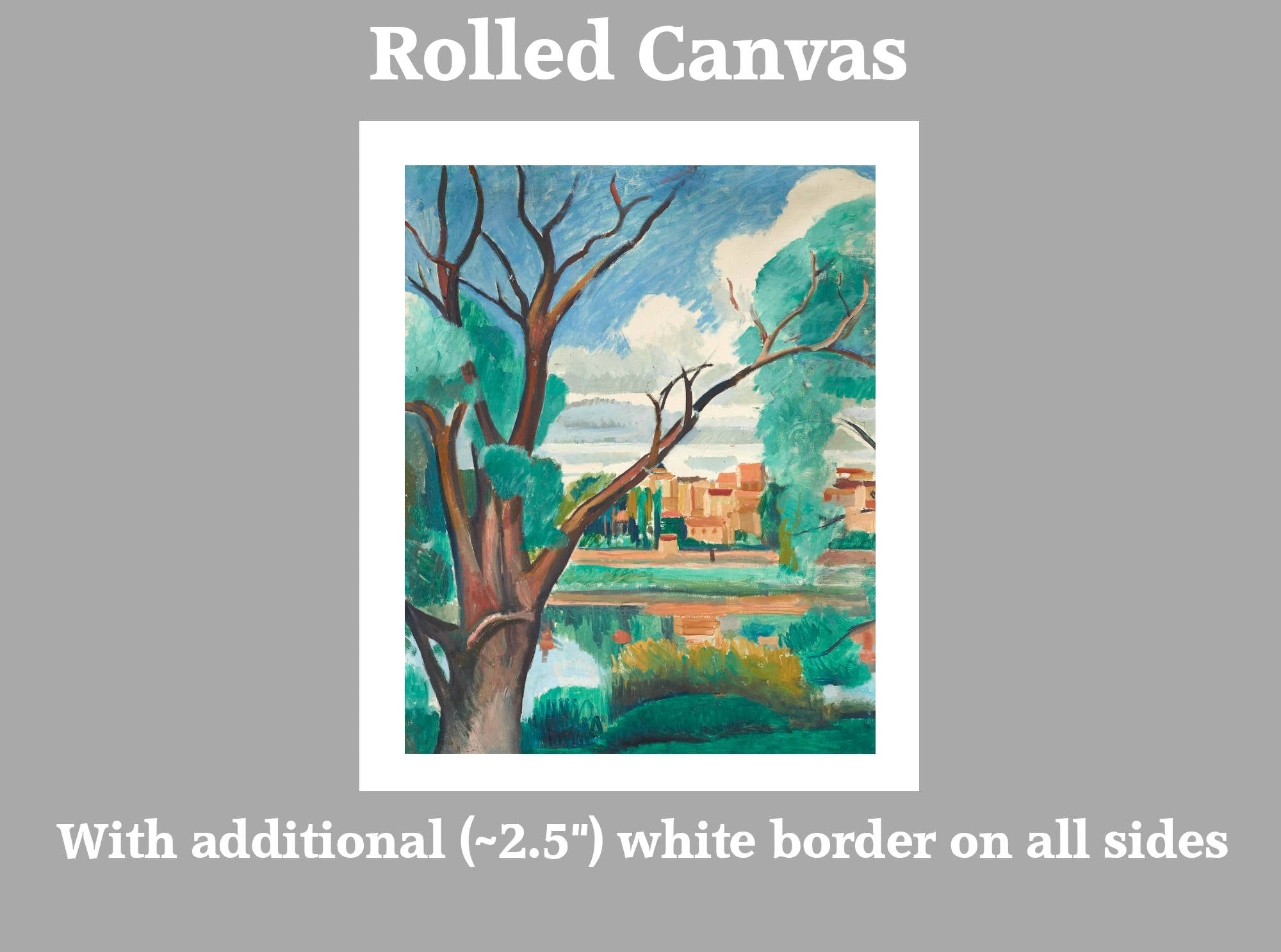
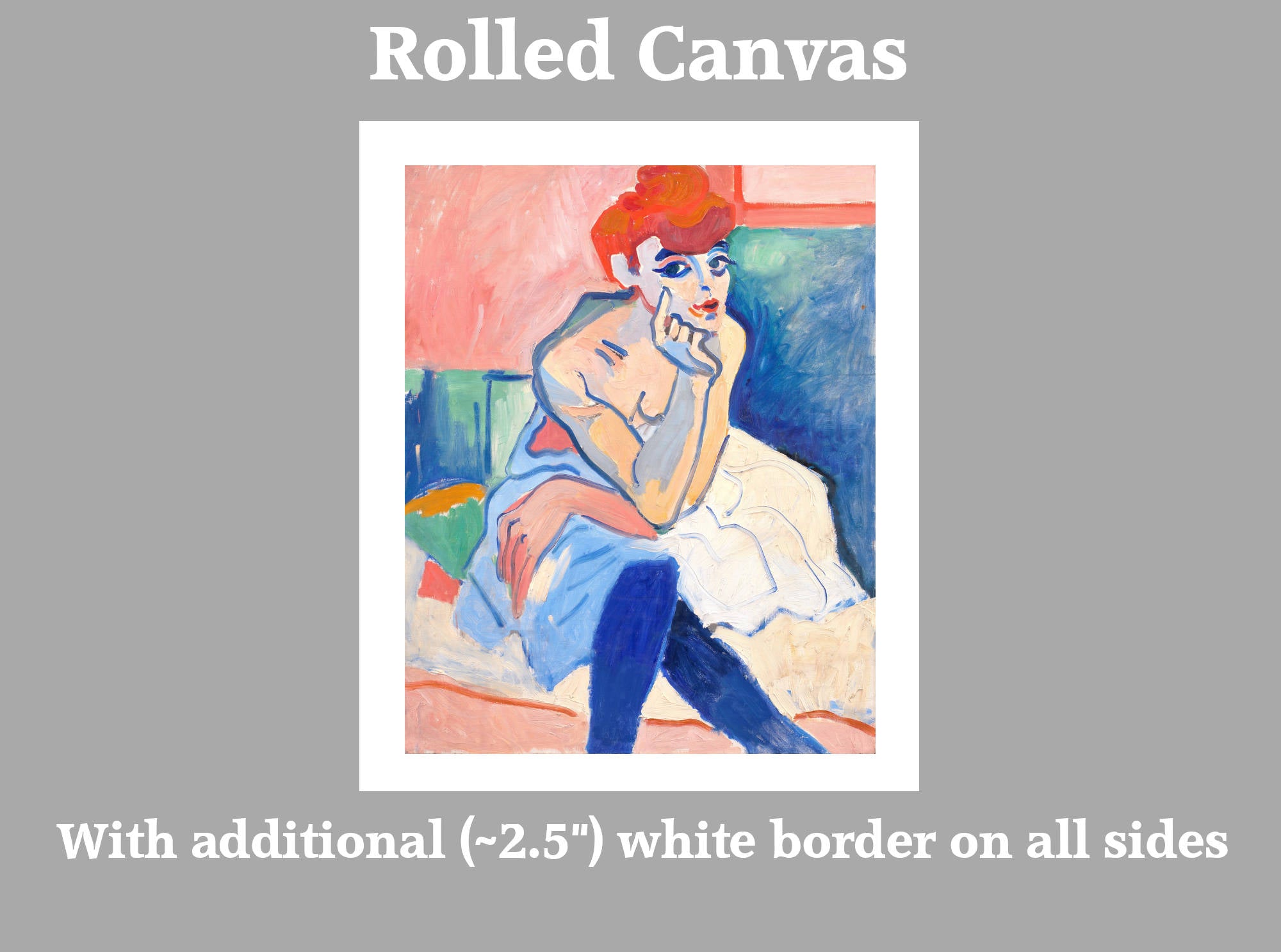
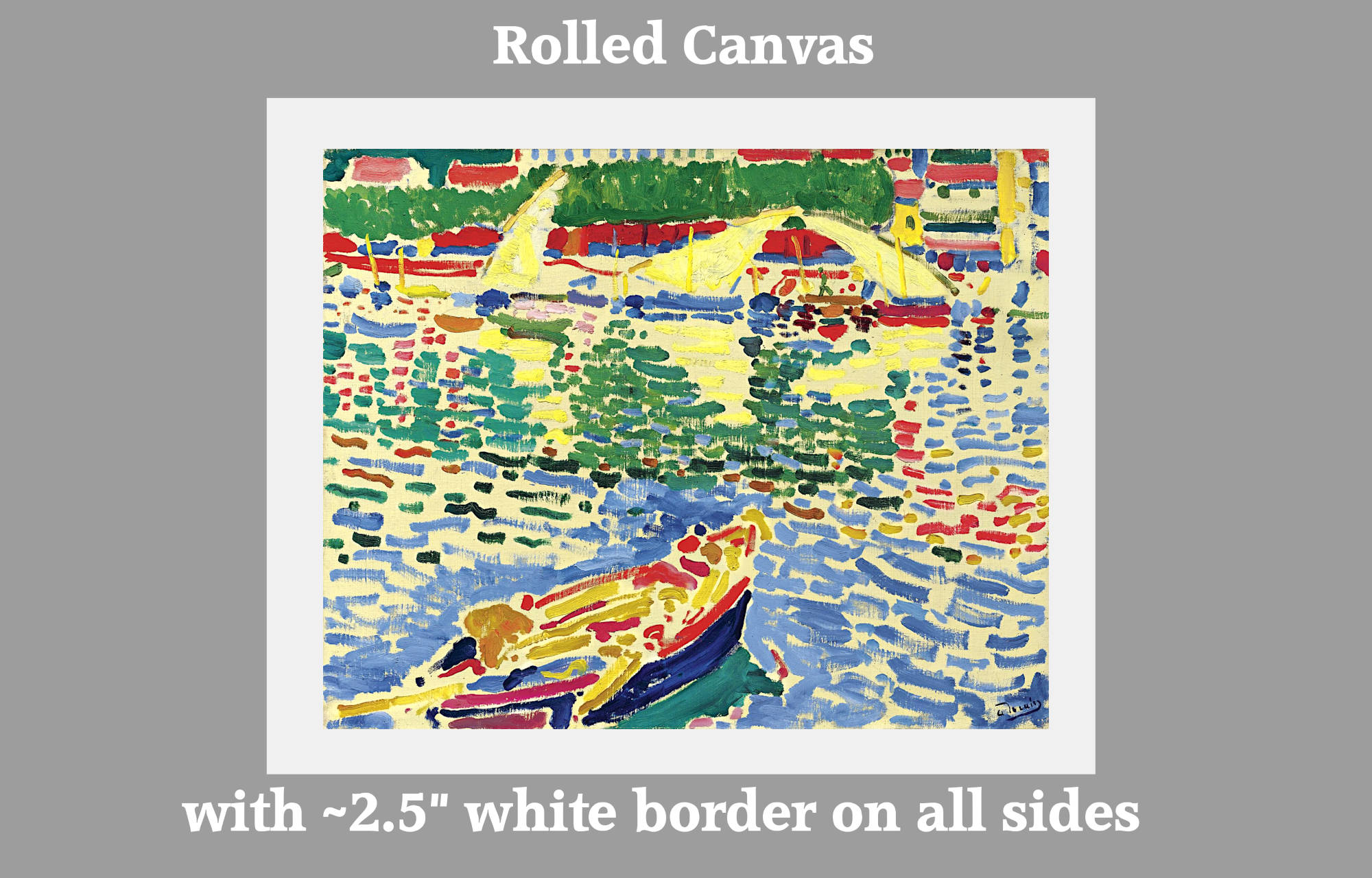
GalleryThane André Derain artworks are available as fine art prints, framed prints and canvas panels in a range of sizes.
Fine art paper prints provide flexibility for customers who already have a particular frame or presentation in mind.
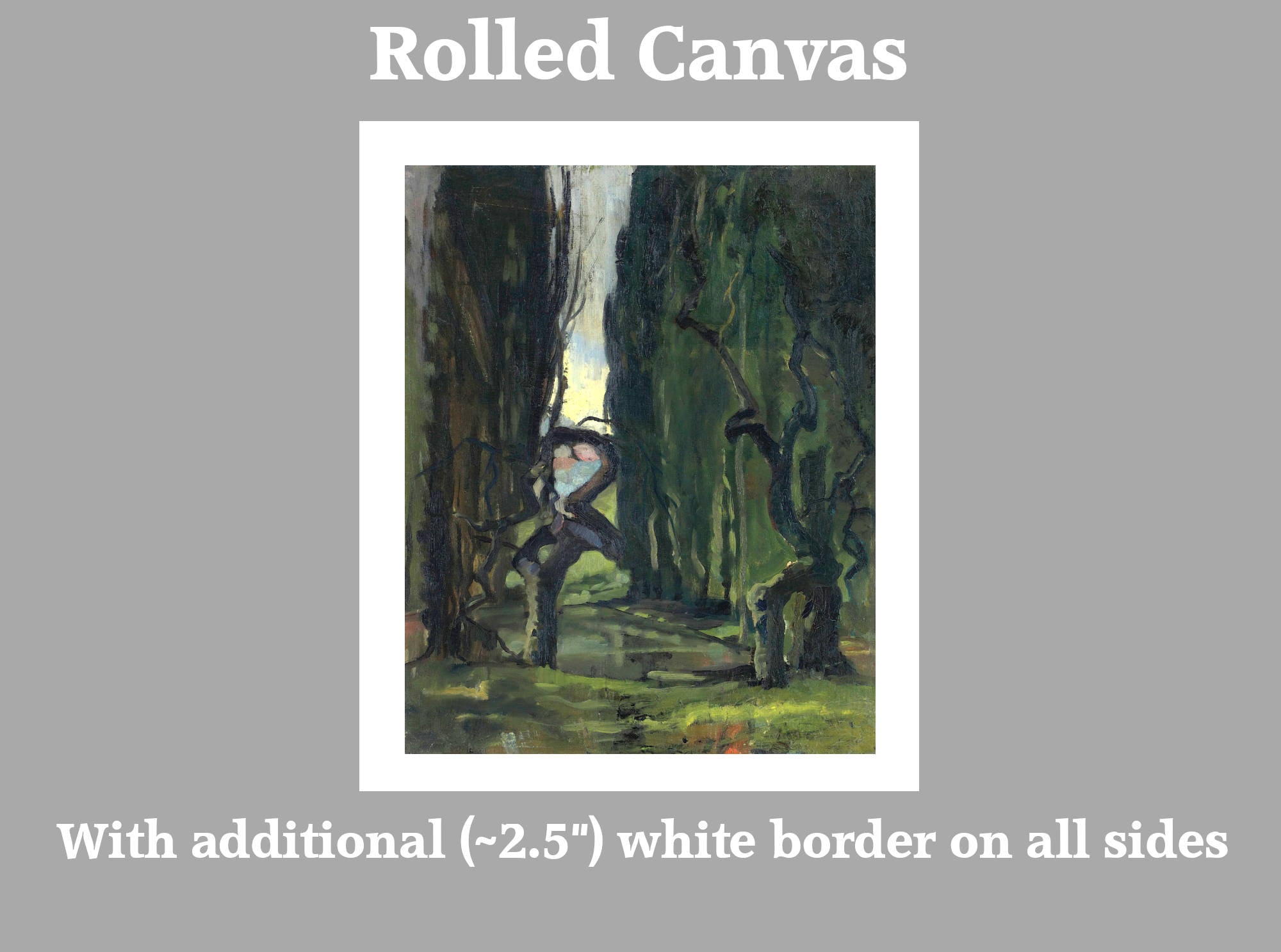
Framed prints provide a complete gallery-style presentation, while canvas panels offer a clean ready-to-hang alternative particularly well suited to Derain's strongly painted landscapes and figure compositions.
GalleryThane prints, frames and canvas panels are produced in our Nottinghamshire workshop using carefully selected printing and framing materials.
Frequently Asked Questions
Who was André Derain?
André Derain was a French painter, sculptor and printmaker born in 1880. He was one of the principal founders of Fauvism alongside Henri Matisse and Maurice de Vlaminck and later developed a more structured, classically influenced style.
Was André Derain a Fauvist?
Yes. Derain was one of the central figures of Fauvism. His paintings from Collioure, L'Estaque and London are among the movement's most important examples.
What is André Derain famous for?
Derain is particularly famous for his brilliantly coloured Fauvist landscapes, his London paintings, Mediterranean harbour scenes and his role in the development of early twentieth-century modern art.
Why did André Derain use such bright colours?
During his Fauvist period, Derain deliberately rejected naturalistic colour. He used intense reds, blues, greens, yellows and oranges for their expressive and compositional effect rather than simply reproducing the colours visible in nature.
Did André Derain paint with Henri Matisse?
Yes. Derain and Matisse worked together at Collioure in southern France during the summer of 1905. The paintings they produced there were crucial to the development of Fauvism.
Why did André Derain paint London?
The art dealer Ambroise Vollard commissioned Derain to paint London in 1906. The resulting series includes vivid interpretations of the Thames, bridges, boats and surrounding architecture.
What happened to Derain's style after Fauvism?
After the height of Fauvism, Derain became increasingly interested in structure, Cézanne and classical art. His palette became more restrained and his later work often drew upon traditional European painting.
What subjects did André Derain paint?
Derain painted landscapes, harbours, boats, London cityscapes, portraits, bathers, figure compositions and still lifes. His style changed considerably during his long career.
Which artists are most closely associated with André Derain?
Derain is particularly associated with Henri Matisse and Maurice de Vlaminck through Fauvism. Raoul Dufy, Henri Manguin and Albert Marquet were among other artists connected with the wider Fauvist movement.
Are André Derain prints suitable for contemporary interiors?
Yes. Derain's strong colour and simplified forms work particularly well in modern, Scandinavian, mid-century and eclectic interiors. His Fauvist landscapes are especially effective where artwork is intended to provide a strong focal point.