


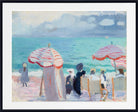
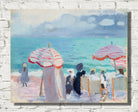
The Parasols (1905) by Raoul Dufy
Couldn't load pickup availability
BUY WITH CONFIDENCE
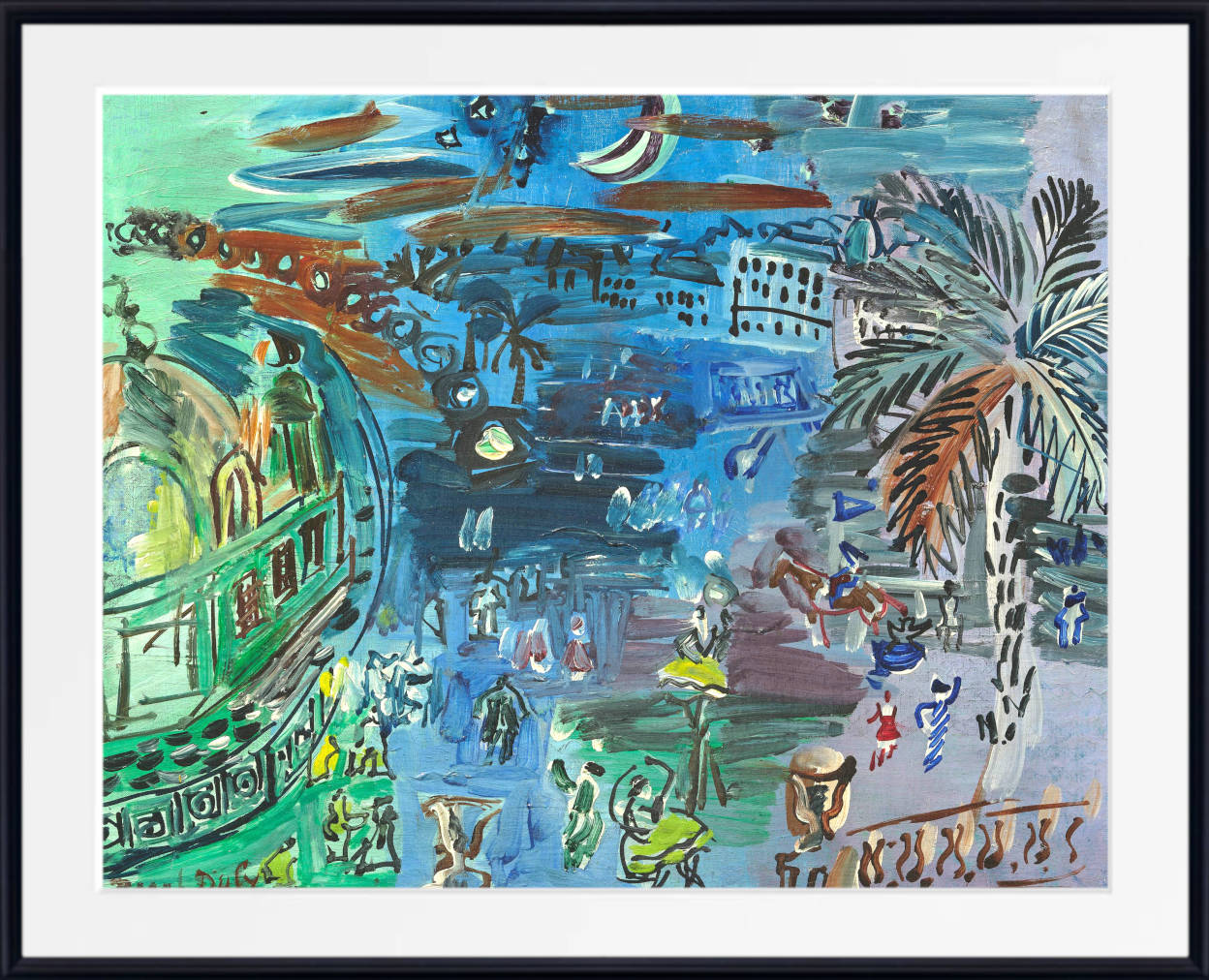
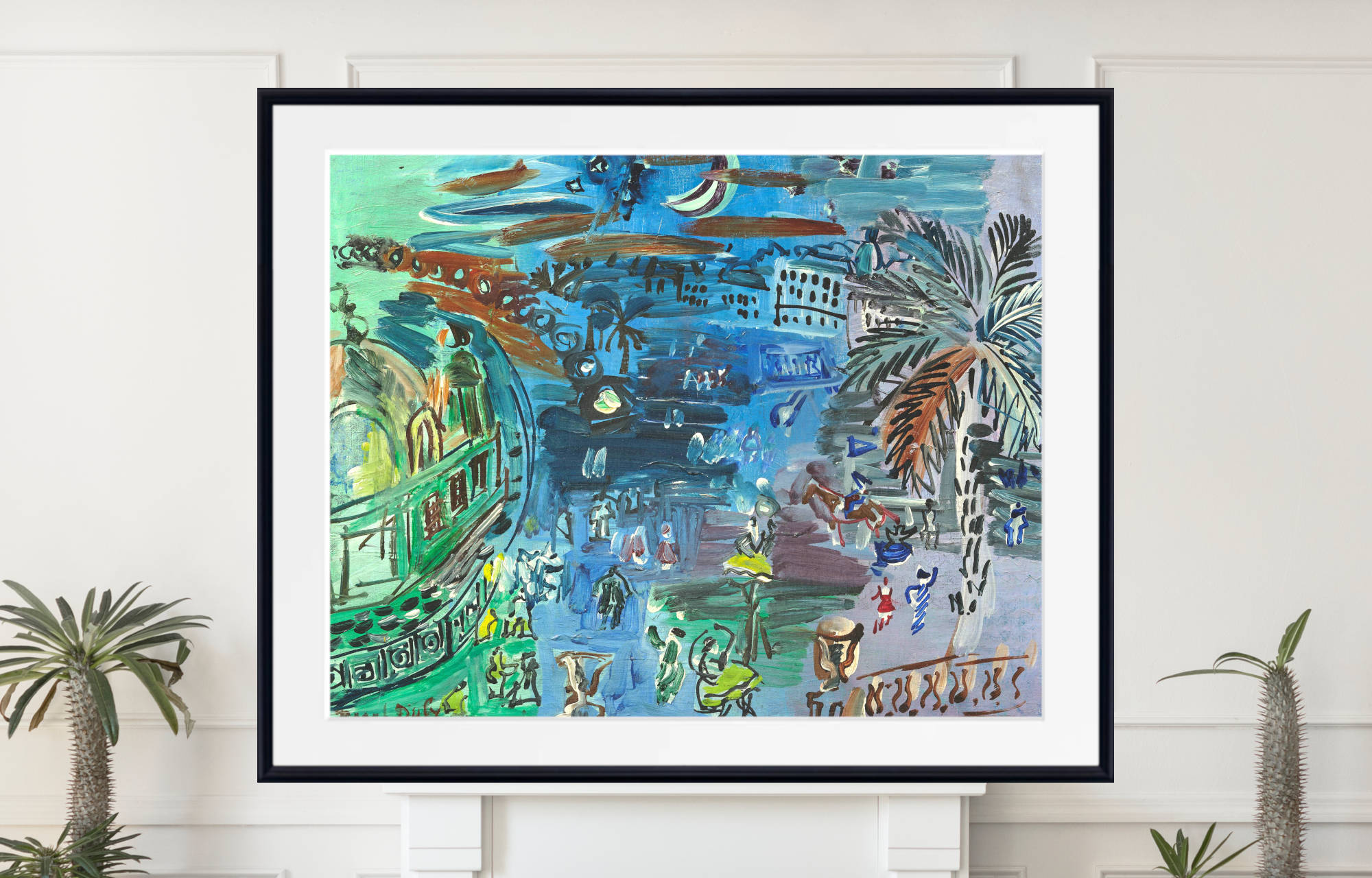
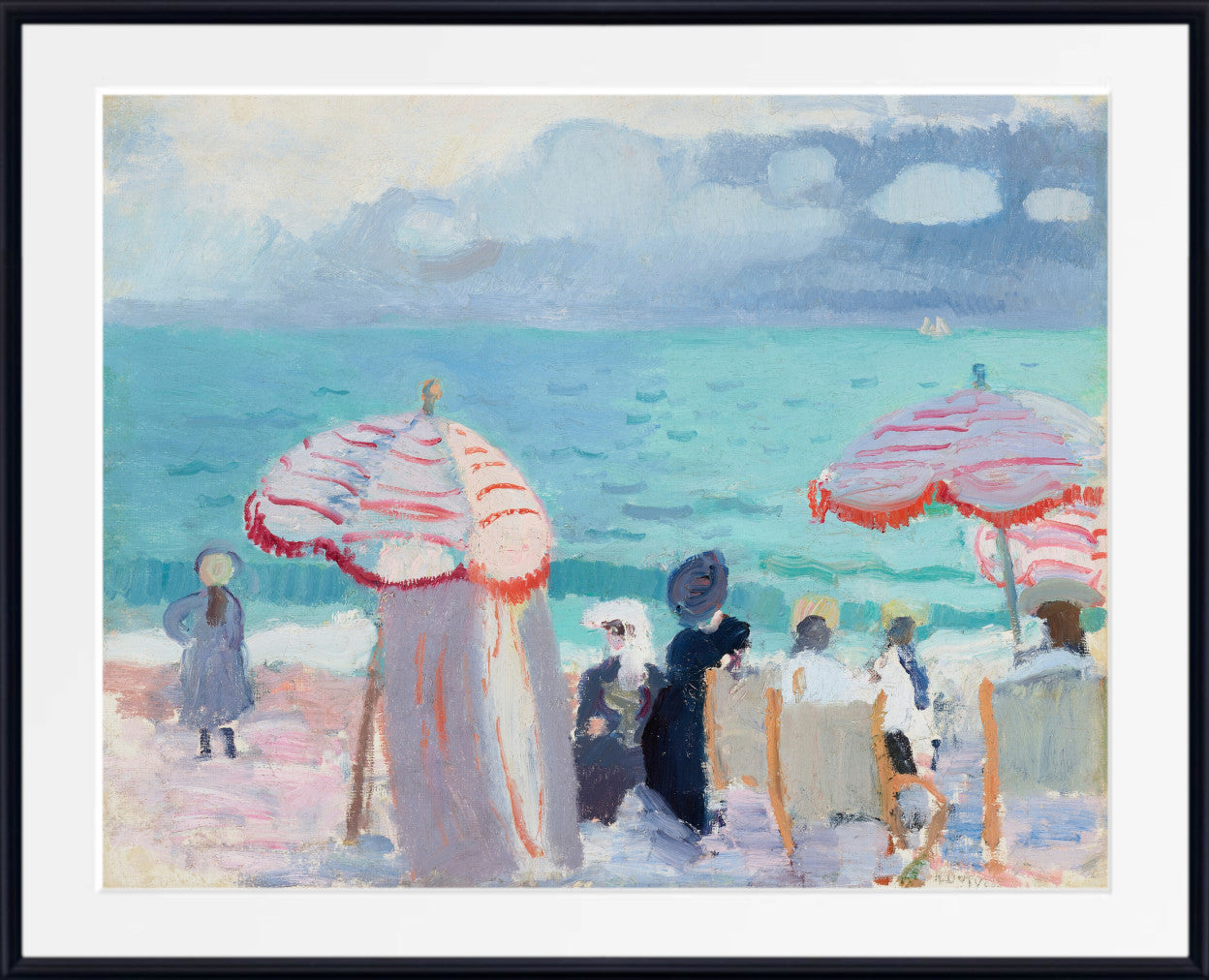
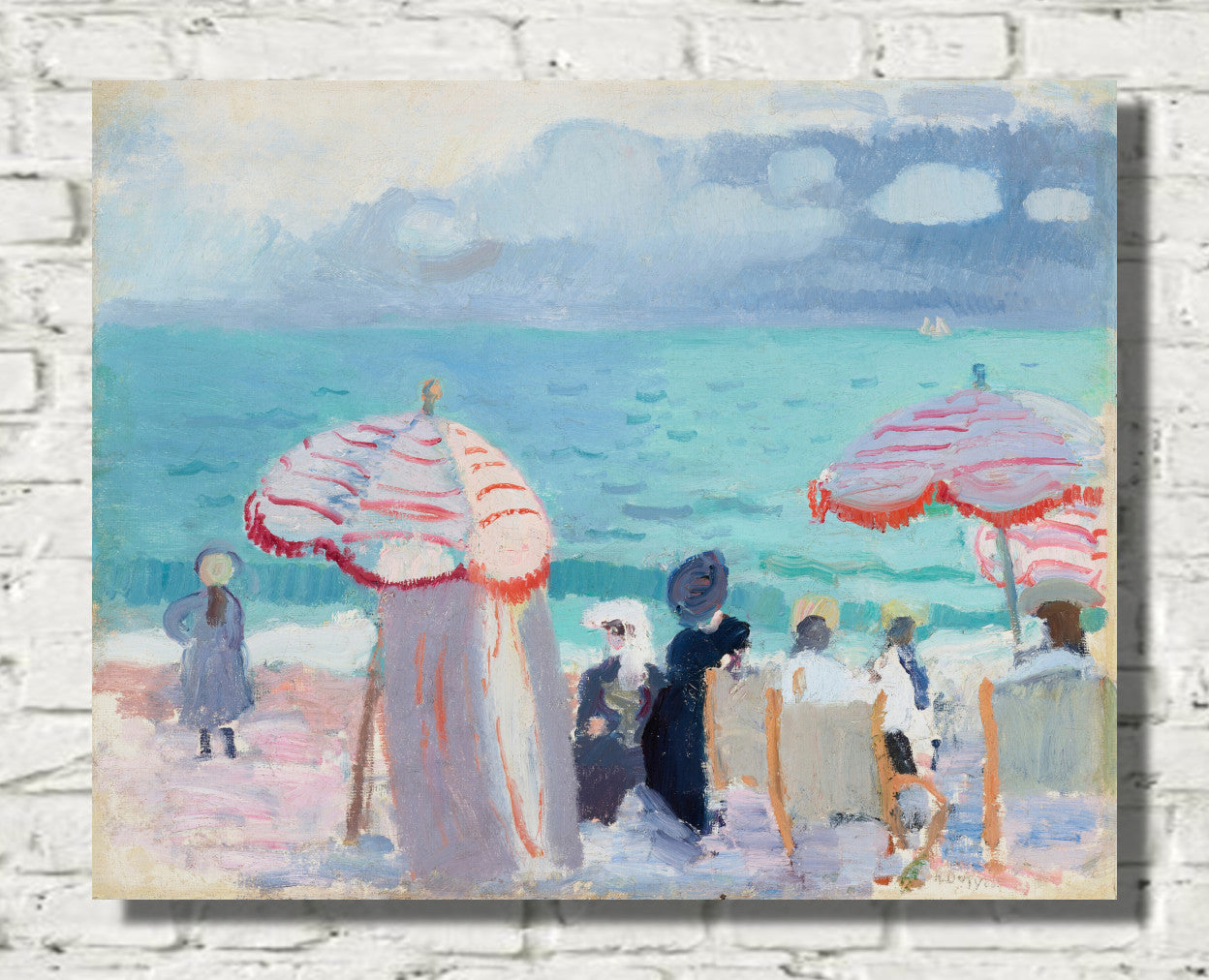
The Parasols (1905) by Raoul Dufy, originally titled Les Parasols, captures a Normandy beach at the precise moment when Dufy was abandoning his earlier Impressionist approach and discovering the brilliant colour of Fauvism. Figures relax and stroll beside the sea beneath colourful parasols, while the beach, water and sky are transformed through increasingly bold and simplified areas of colour.
This Raoul Dufy The Parasols print represents one of the turning points in the artist's early career. Painted in 1905, the same year that Fauvism emerged publicly in Paris, the work still retains Dufy's fascination with fashionable seaside life while introducing the freedom of colour that would become fundamental to his art. Available as a fine art print, framed print or canvas panel, The Parasols is an outstanding choice for admirers of Fauvist art, colourful beach scenes and modern French painting.
The Parasols – A Normandy Beach Transformed by Colour
Dufy grew up in Le Havre on the Normandy coast, and beaches, harbours and the sea naturally became important subjects from the beginning of his career.
By the early twentieth century, neighbouring resorts such as Sainte-Adresse and Trouville had become fashionable destinations where promenades, bathing facilities, casinos, sailing boats and elegantly dressed visitors provided artists with scenes of contemporary leisure.
The Parasols belongs to this world. Figures occupy the beach while colourful parasols create strong circular and striped forms across the composition. Beyond them, the open sea introduces a broad horizontal band that contrasts with the activity closer to the viewer.
Dufy does not attempt to describe every person individually. The figures are treated as part of the overall pattern of the scene, interacting visually with parasols, beach and water.
The result is both a recognisable seaside view and an increasingly modern arrangement of colour and form.
A Turning Point in Raoul Dufy's Career
The year 1905 was one of the most important in Dufy's artistic development.
Until this point, his paintings had been strongly influenced by Impressionism. He admired the Normandy tradition represented by artists such as Claude Monet and Eugène Boudin and initially concentrated on recording the appearance of light, atmosphere and changing weather.
That direction changed dramatically after Dufy visited the Salon des Indépendants in Paris during the spring of 1905.
There he encountered Henri Matisse's Luxe, calme et volupté. The painting's brilliant, subjective colour made a profound impression on him and helped convince Dufy that painting did not need to reproduce nature literally.
He later recalled that Impressionist realism suddenly lost its attraction when confronted with the possibilities of imaginative colour and drawing.
Returning to Normandy, Dufy began applying this new understanding to the beaches and coastal subjects he already knew intimately.
The Parasols is one of the earliest paintings in which this transformation becomes clearly visible.
From Impressionist Observation to Fauvist Expression
The subject of The Parasols could easily have appeared in an Impressionist painting. Beaches filled with holidaymakers, fashionable clothing, umbrellas and changing coastal light had fascinated French painters for decades.
What distinguishes Dufy's painting is the increasing independence of colour.
Instead of concentrating on subtle variations of natural light, Dufy begins simplifying the scene into stronger chromatic relationships. Parasols, clothing, sea and beach provide opportunities for contrasting patches of colour rather than detailed description.
The brushwork also becomes more direct. Individual marks remain visible and the shapes are increasingly simplified, giving the scene a stronger decorative structure.
This transition is particularly important because it shows Fauvism developing within Dufy's work rather than appearing as an established formula.
The Parasols therefore occupies a fascinating position between two artistic worlds: the modern-life subject matter inherited from Impressionism and the liberated colour of the emerging Fauvist movement.
The Parasols as a Fauvist Painting
Fauvism emerged in France during the opening years of the twentieth century and became publicly identified at the Salon d'Automne in Paris later in 1905.
Henri Matisse and André Derain were its central figures, while Maurice de Vlaminck, Henri Manguin, Albert Marquet and other painters contributed to its development. Dufy joined this wider circle after encountering Matisse's work.
The movement became known for brilliant colour, simplified forms and the freedom to depart from literal representation.
Several characteristics of the developing Fauvist approach are already apparent in The Parasols:
- stronger and increasingly independent colour
- simplified figures and forms
- visible, direct brushwork
- reduced emphasis on conventional tonal modelling
- a growing interest in the decorative structure of the image
- colour used to express the experience of the beach rather than merely copy it
The painting is especially valuable because it captures Dufy at the threshold of this transformation.
Parasols, Fashion and Modern Seaside Life
The parasols that give the painting its title were practical accessories as well as powerful visual elements.
At fashionable French seaside resorts, visitors often spent time on the beach fully dressed according to contemporary social conventions. Women carried parasols to protect themselves from the sun, creating colourful shapes that naturally attracted painters.
Dufy uses these parasols to structure the composition. Their rounded forms interrupt the broader horizontal bands of beach and sea, while their stripes and colours add decorative accents throughout the foreground.
The figures themselves are not treated as formal portraits. They represent the social life of the beach: people gathered outdoors, enjoying leisure beside the water.
This fascination with modern recreation would remain central to Dufy's art. In later decades he repeatedly painted regattas, racecourses, resorts, orchestras and fashionable gatherings.
The Parasols therefore introduces subjects that would become inseparable from his mature artistic identity.
Colour, Sea and the Normandy Coast
Normandy had played an exceptional role in the development of nineteenth-century French landscape painting.
Monet, Boudin and other Impressionists had repeatedly painted its beaches and ports, attracted by changing weather, reflections and coastal light.
Dufy inherited this tradition but increasingly wanted to move beyond it.
Instead of attempting to follow every subtle change in light, he sought to convey his own experience of the scene. The beach became an arrangement of coloured shapes, the sea a broad visual zone, and the figures part of an overall decorative rhythm.
The development is particularly significant because Dufy did not have to abandon familiar subjects in order to become a modern painter.
He changed the way he painted them.
The same Normandy coastline could therefore connect Boudin and Monet with Impressionism while providing Dufy with material for his first experiments in Fauvist colour.
The Le Havre Fauvist Circle
Dufy was not the only artist from Le Havre to become involved with Fauvism.
Othon Friesz, who had studied alongside Dufy, also embraced the movement during the middle years of the decade. Georges Braque, another artist closely connected with Le Havre, subsequently passed through a significant Fauvist phase before becoming one of the founders of Cubism.
These artists formed a distinctive Normandy strand within the wider Fauvist movement.
Their coastal backgrounds differed from the Mediterranean environment associated with Matisse and Derain at Collioure, yet harbours, beaches, sailing boats and seaside resorts proved equally suited to experiments with strong colour.
Dufy's transformation during 1905 was particularly rapid. Within a relatively short period, his beach paintings moved from subdued Impressionist observation towards increasingly vivid and simplified compositions.
Raoul Dufy's Fauvist Period
Dufy's involvement with Fauvism was relatively brief, but it permanently changed his understanding of colour.
During approximately 1905–07 he painted beaches, harbours, sailing boats and flag-decorated streets using increasingly saturated palettes and simplified forms.
Works from this period include The Parasols, 14 Juillet au Havre, The Casino, The Port of Le Havre and numerous coastal and sailing subjects.
Dufy subsequently became interested in the greater structural order found in the work of Paul Cézanne and temporarily moved away from the most spontaneous aspects of Fauvism.
Eventually he developed an unmistakably personal style based on elegant, calligraphic drawing combined with luminous areas of colour.
The freedom discovered during his Fauvist years, however, remained fundamental. Without the transformation visible in paintings such as The Parasols, Dufy's celebrated mature style would be difficult to imagine.
About Raoul Dufy
Raoul Dufy (1877–1953) was a French painter, draughtsman, printmaker and designer born in Le Havre, Normandy.
He studied at the École Municipale des Beaux-Arts in Le Havre before continuing his education at the École des Beaux-Arts in Paris.
His earliest paintings reflected the influence of Impressionism, especially the coastal traditions associated with Normandy. His encounter with the work of Henri Matisse in 1905 encouraged a dramatic move towards Fauvism and a much freer approach to colour.
After further experimentation with Cézanne-inspired structure, Dufy developed the distinctive style for which he became famous: fluid drawing, transparent colour and an atmosphere of lightness and movement.
Regattas, race meetings, Mediterranean resorts, concerts, gardens and fashionable social life became recurring themes.
Dufy also worked extensively beyond easel painting, producing illustrations, textile designs, ceramics, tapestries and monumental decorative projects. His ability to move between fine and decorative art became an important part of his contribution to twentieth-century visual culture.
The Original The Parasols
The original The Parasols, or Les Parasols, was painted in 1905.
Dufy created the work in oil on canvas. It measures approximately 46 × 55.3 cm and is signed and dated R. Dufy 05 at the lower right.
The painting has an important exhibition history. It was included in the major exhibition Le Fauvisme at the Musée National d'Art Moderne in Paris in 1951, where it was shown under the title La Plage.
It was subsequently exhibited in American museum exhibitions and appeared in the major international exhibition The Fauve Landscape: Matisse, Derain, Braque and Their Circle, 1904–1909, organised by the Los Angeles County Museum of Art, The Metropolitan Museum of Art and the Royal Academy of Arts.
The work has passed through a number of distinguished galleries and private collections and was offered at Christie's Paris in 2022.
A Raoul Dufy The Parasols Print for Your Interior
A Raoul Dufy The Parasols print combines the relaxed appeal of a beach scene with the historical interest and stronger colour of early Fauvism.
The composition's sea, figures and parasols make it particularly suitable for interiors where coastal imagery is wanted without the conventional appearance of traditional marine art.
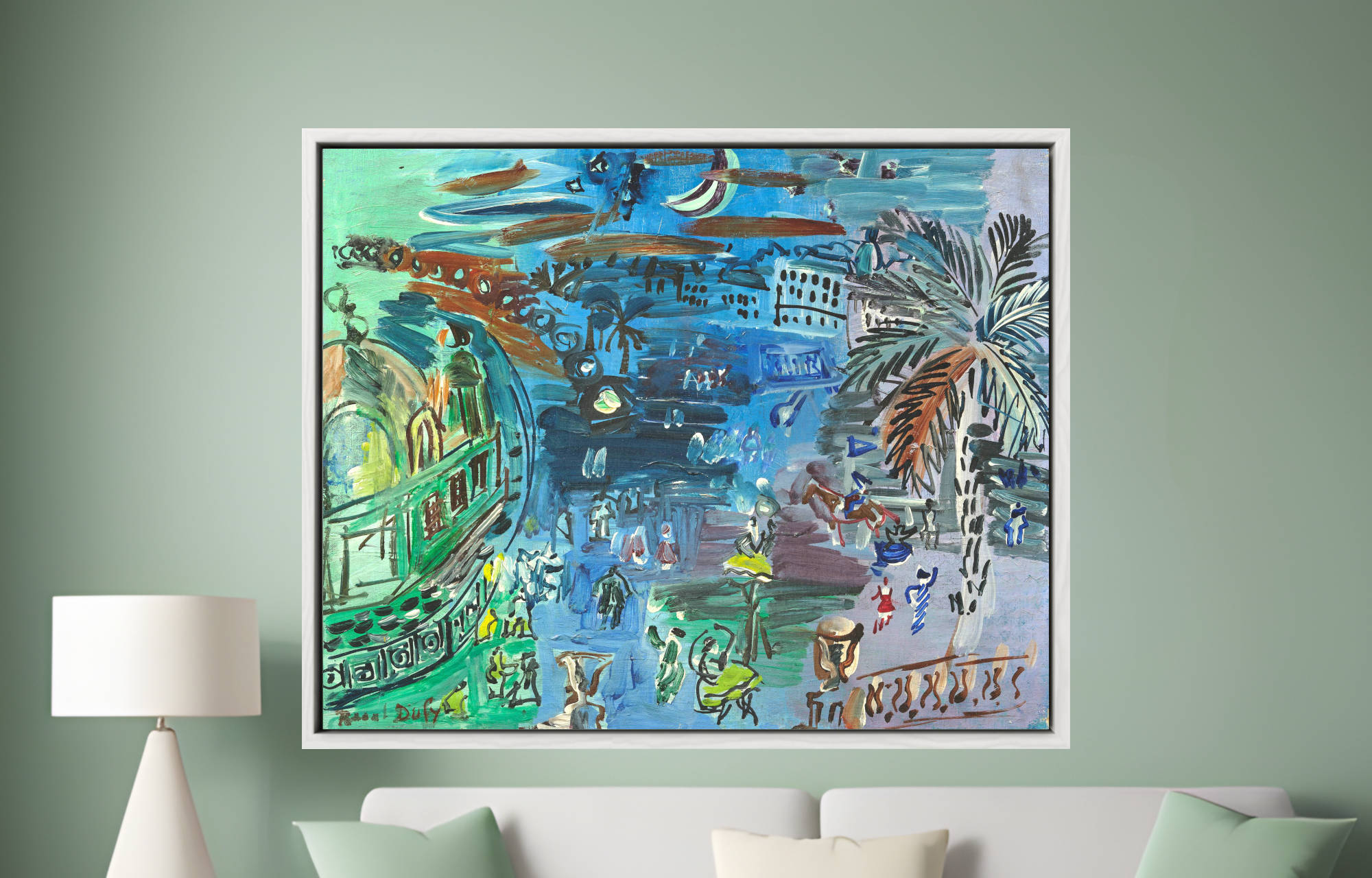
Its varied colour can enliven white, cream, putty, pale grey and other neutral walls, while the simplified forms suit contemporary and Scandinavian-inspired interiors particularly well.
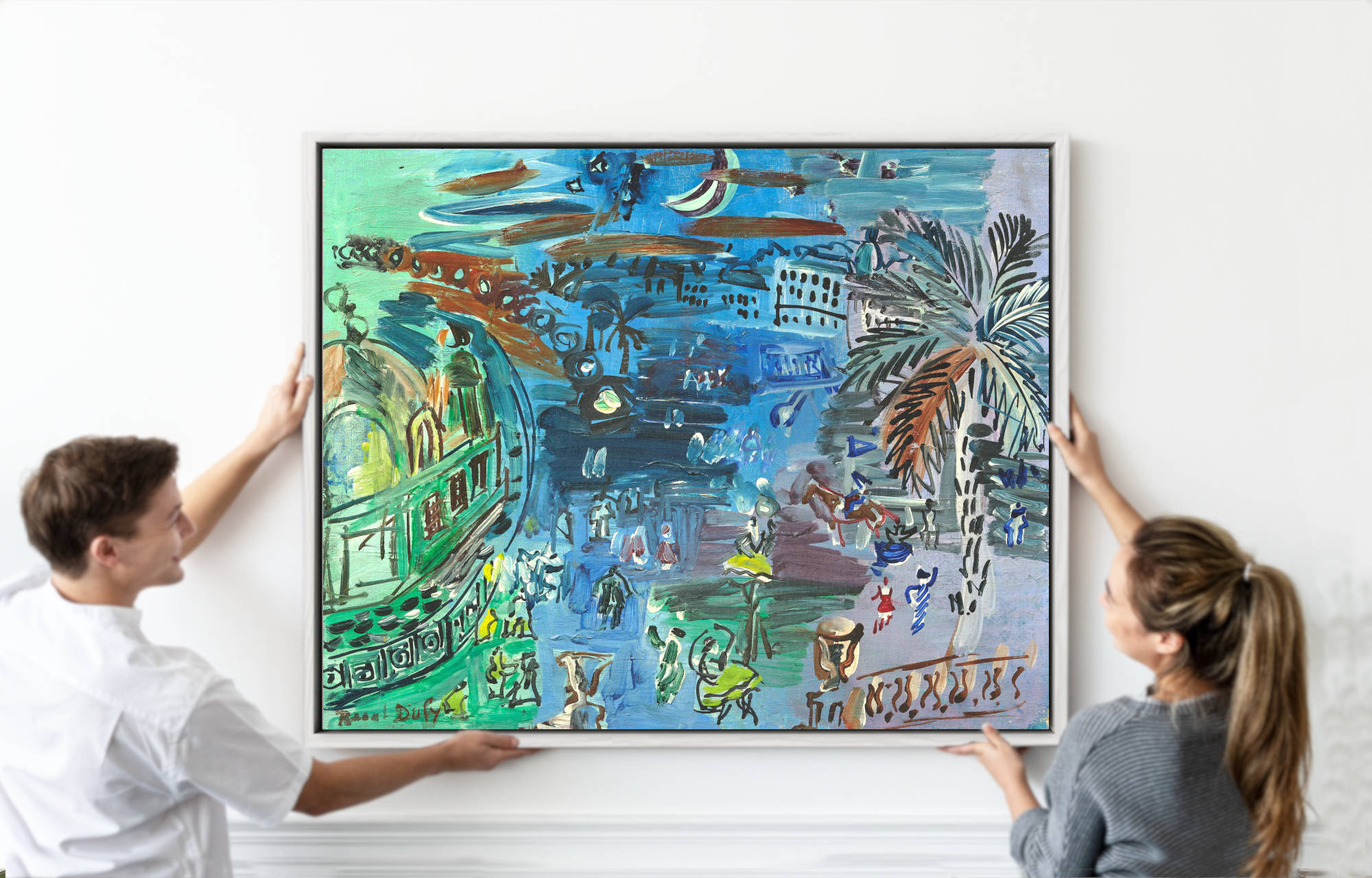
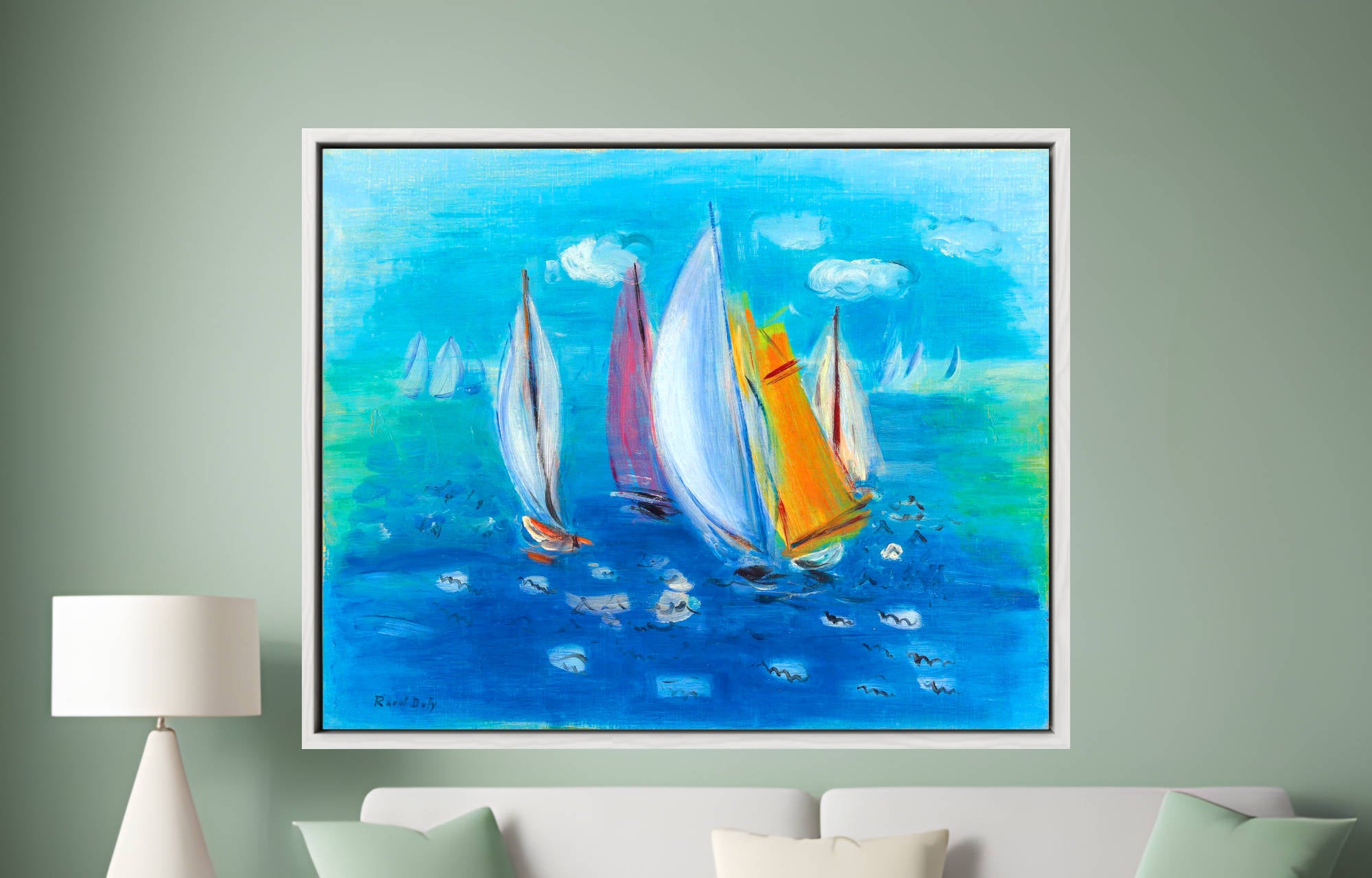
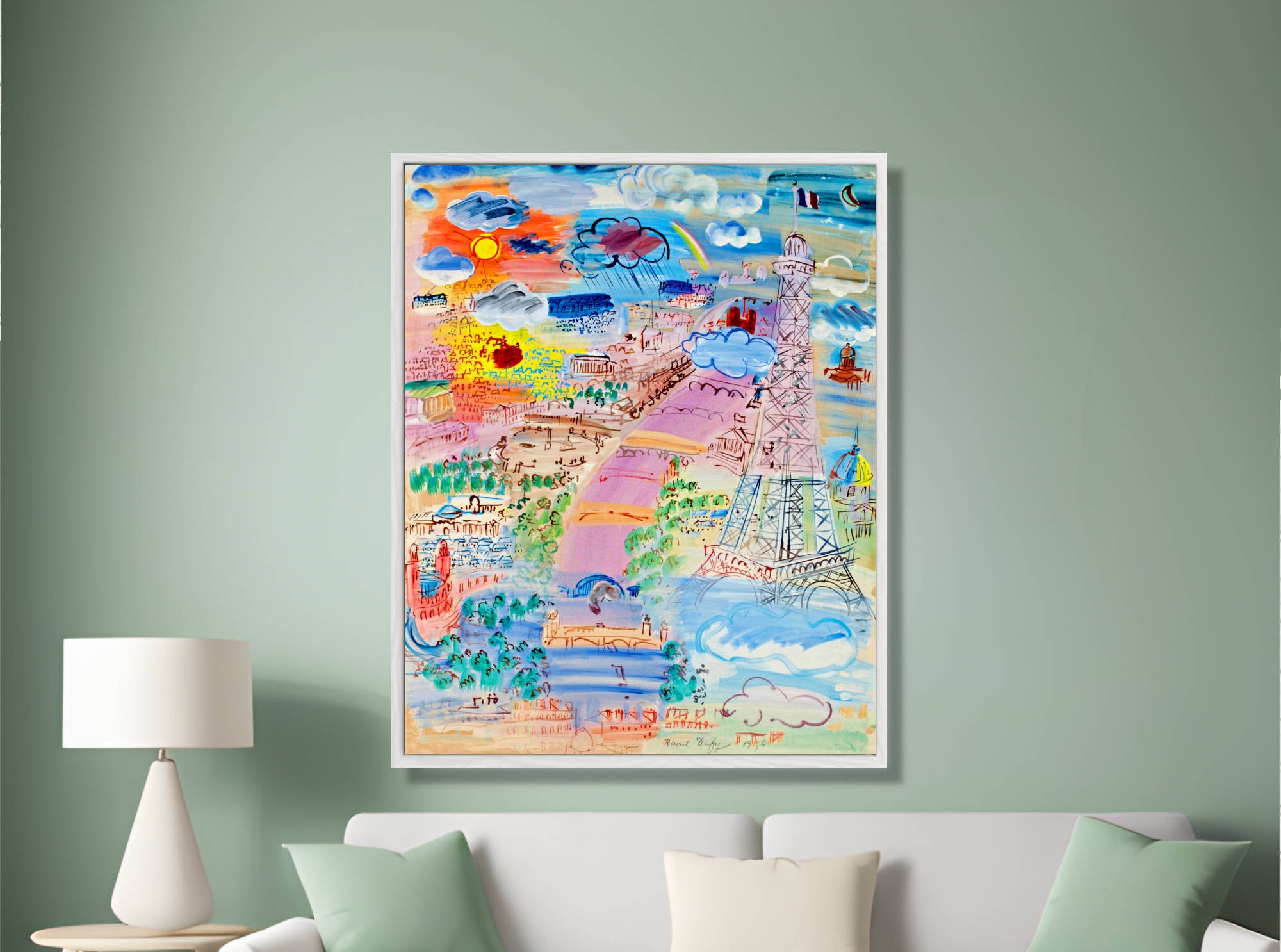
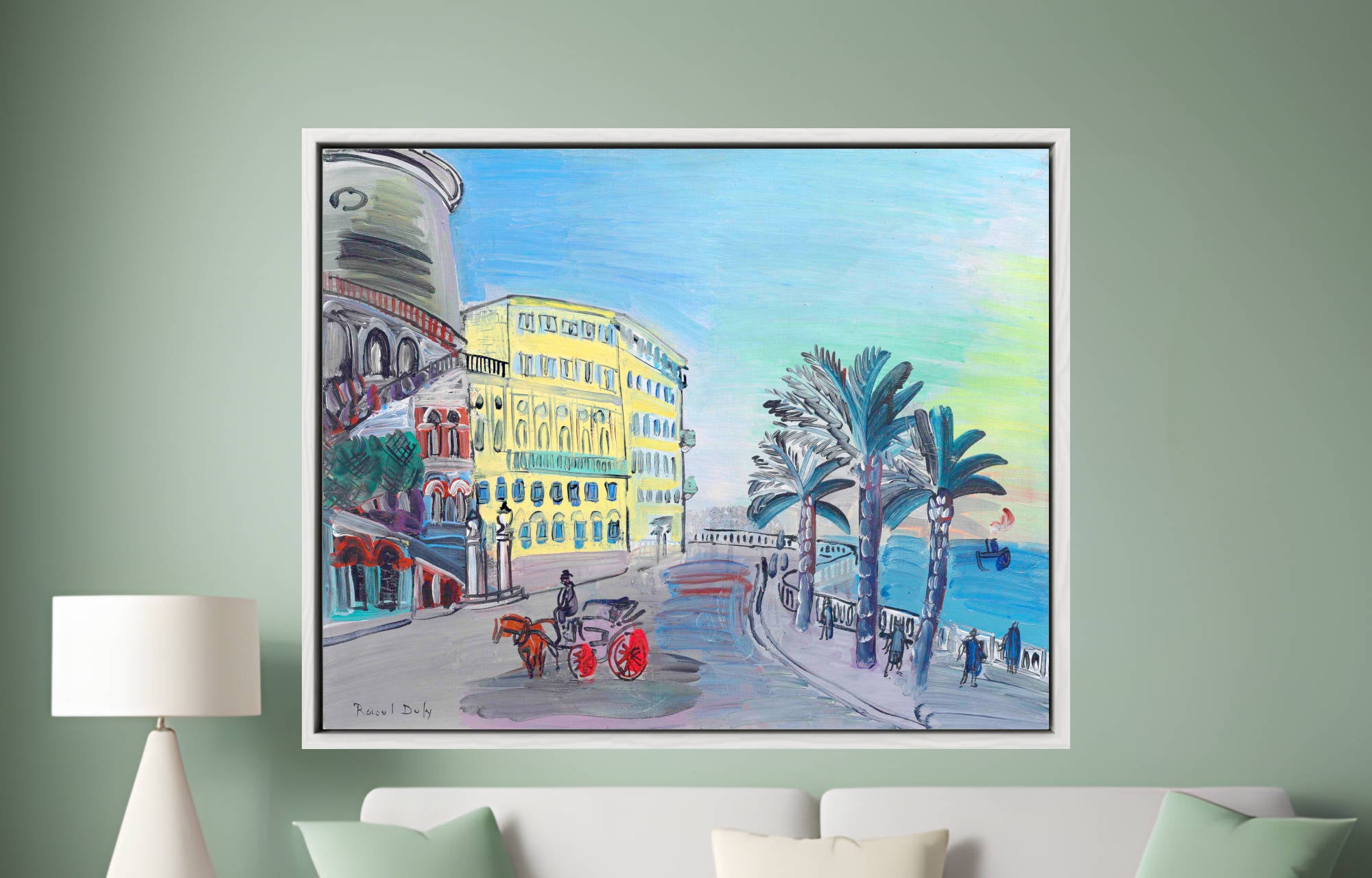
The landscape format works effectively above sofas, beds, sideboards and console tables. It can also become part of a larger gallery wall devoted to French modern art, Fauvism or coastal painting.
The Parasols is particularly well suited to living rooms, bedrooms, dining rooms, hallways, home offices and coastal homes.
For admirers of Raoul Dufy, the painting has additional importance because it captures the artist precisely when his approach to colour was undergoing one of the greatest transformations of his career.
Frequently Asked Questions
When did Raoul Dufy paint The Parasols?
Dufy painted The Parasols in 1905, during the crucial year in which his work began moving decisively from Impressionism towards Fauvism.
What is the French title of The Parasols?
The original French title is Les Parasols.
What does The Parasols depict?
The painting depicts a Normandy beach scene with figures gathered beside the sea beneath colourful parasols. Dufy simplifies the people, beach and water into an increasingly modern arrangement of colour and form.
Where was The Parasols painted?
The work belongs to Dufy's Normandy beach paintings of 1905 and has historically been associated with the seaside environment around Sainte-Adresse and Le Havre.
Is The Parasols a Fauvist painting?
Yes. It is regarded as one of the early paintings in which Dufy began adopting the vivid and liberated colour associated with Fauvism.
Why is The Parasols important in Dufy's career?
The painting dates from the moment when Dufy was abandoning his earlier Impressionist realism after encountering the work of Henri Matisse. It therefore documents a major transition in his artistic development.
What inspired Dufy to become a Fauvist?
A decisive moment came when Dufy saw Henri Matisse's Luxe, calme et volupté at the Salon des Indépendants in Paris in 1905. Matisse's use of colour encouraged him to rethink his own approach to painting.
What medium did Raoul Dufy use for The Parasols?
The original was painted in oil on canvas.
What size is the original The Parasols?
The original measures approximately 46 × 55.3 cm.
Was The Parasols included in important Fauvism exhibitions?
Yes. The painting was exhibited in the 1951 Le Fauvisme exhibition in Paris and later appeared in the major international exhibition The Fauve Landscape: Matisse, Derain, Braque and Their Circle, 1904–1909.
Did Raoul Dufy often paint beaches?
Yes. Beaches and seaside resorts were important subjects throughout Dufy's early career. Growing up in Le Havre gave him an enduring connection with Normandy's coastline, harbours and maritime life.
Is The Parasols available as a framed Raoul Dufy print?
Yes. GalleryThane offers The Parasols (1905) in a choice of sizes and formats, including fine art paper prints, framed prints and canvas options.
Where would a Raoul Dufy Parasols print work well?
Its colourful beach subject and horizontal composition make it particularly suitable for living rooms, bedrooms, dining rooms, hallways and coastal interiors. It also works well with contemporary and Scandinavian-inspired décor.
All orders for unframed fine art prints and original paintings are dispatched within 2 working days of receipt of payment.
Orders for custom framed prints are dispatched within 4 working days.
All orders are fully tracked from dispatch to delivery at your home or business.
All print and original painting orders are fully insured against loss or damage in transit. We refund or replace any damaged or lost orders.
Buy with confidence - read what our satisfied customers have to say - Reviews
Fine art papers are printed without any additional white border Please let us know at the time of ordering if you would like a small additional white border.
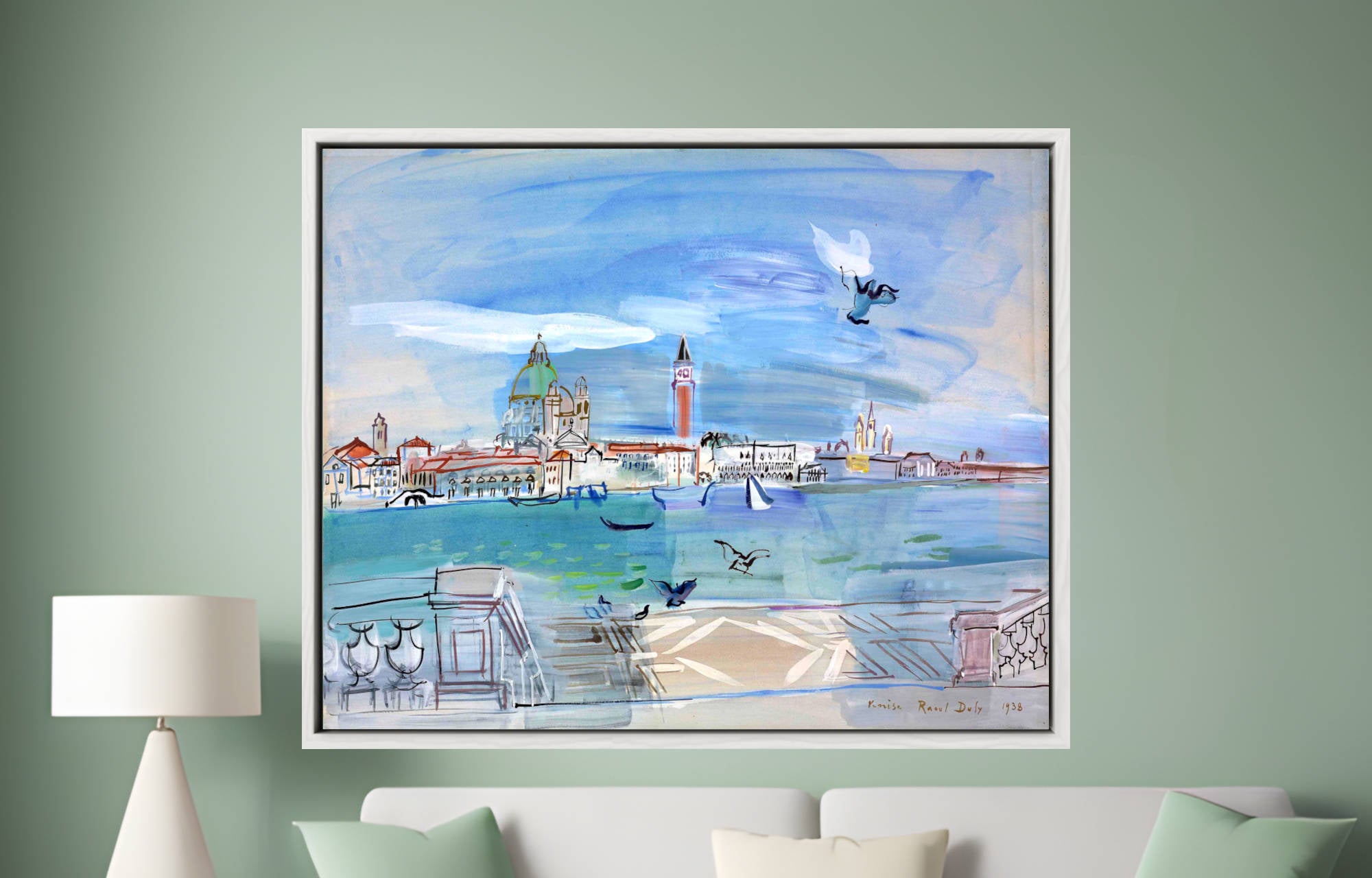
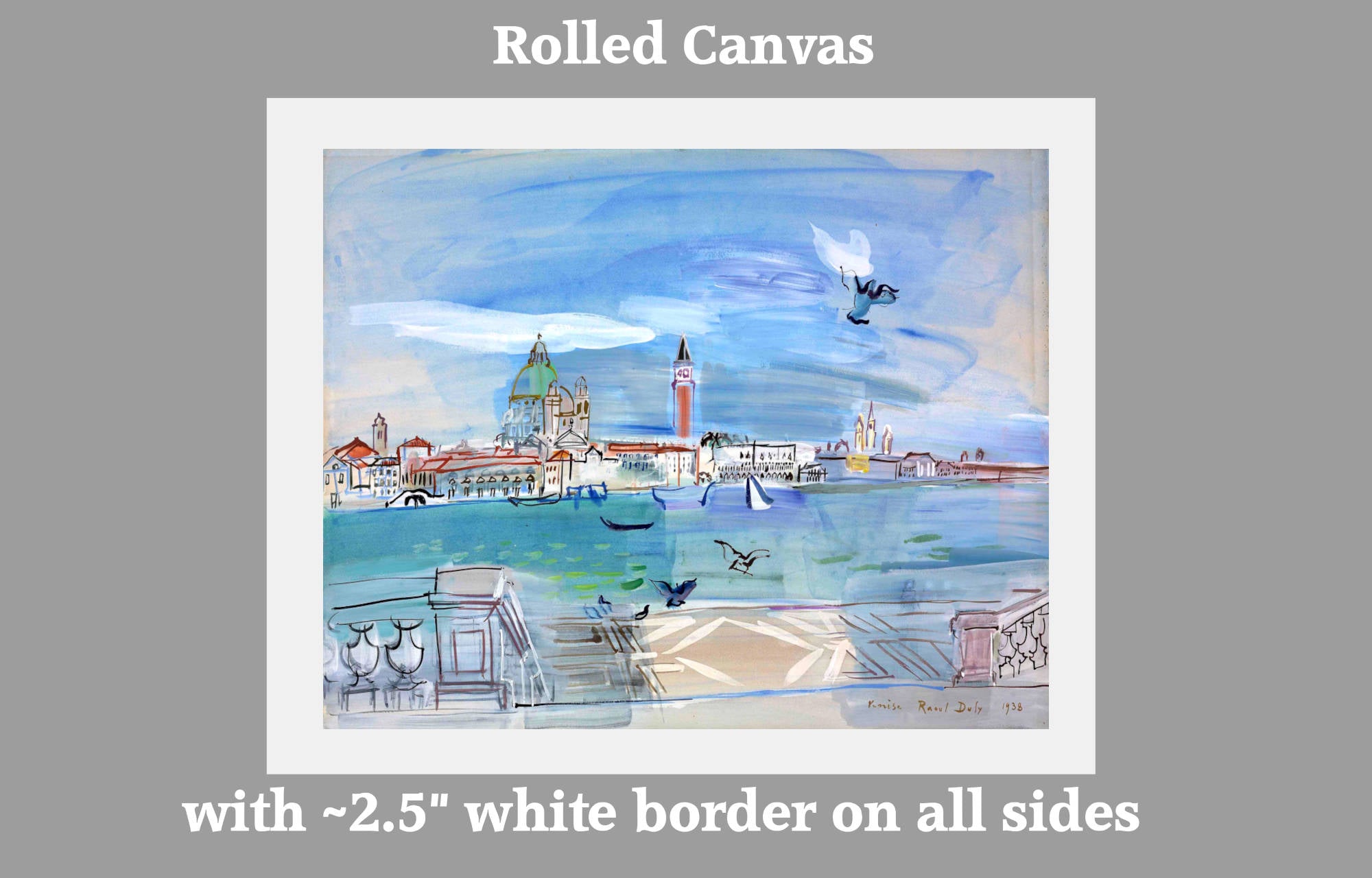
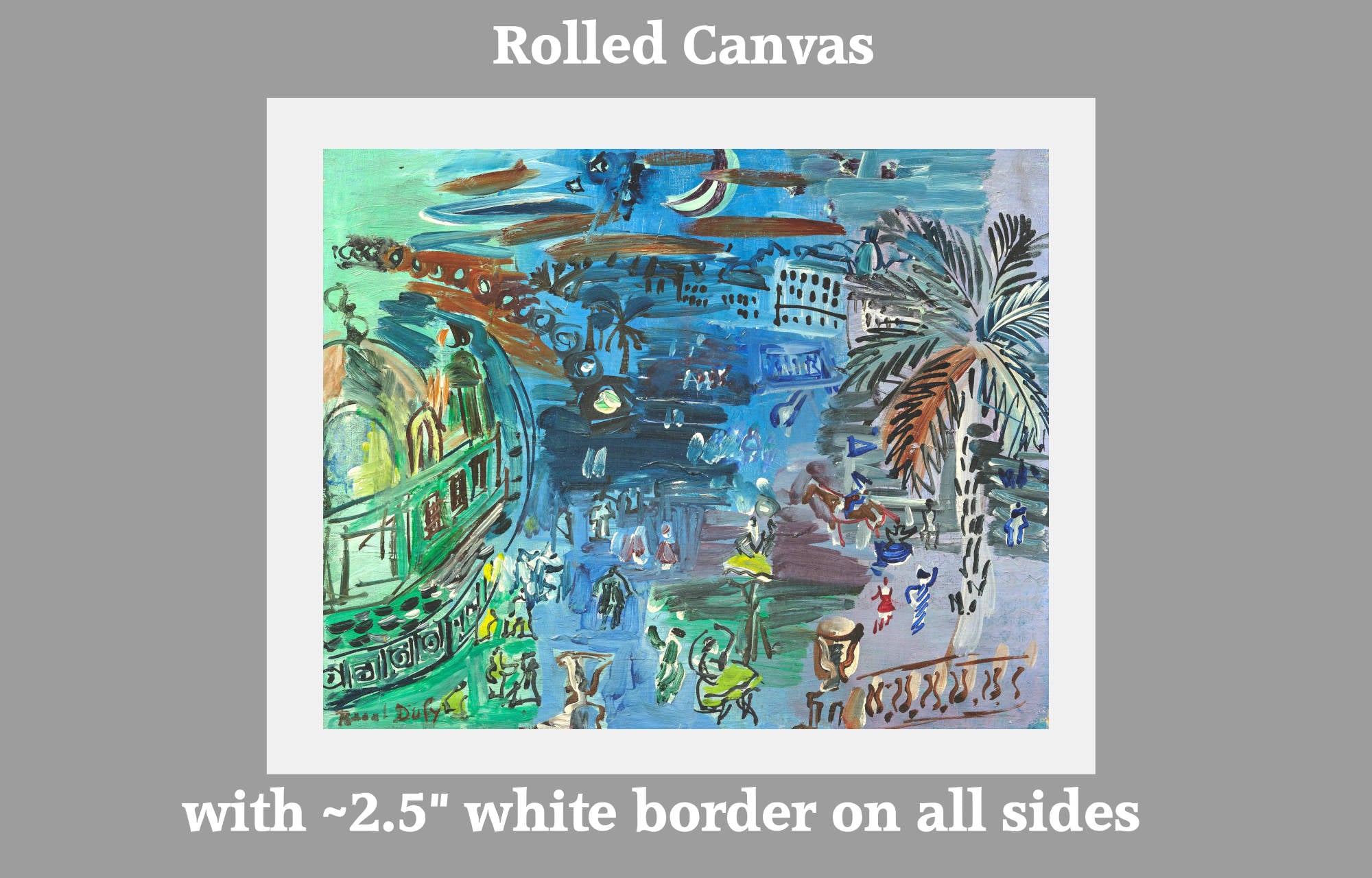
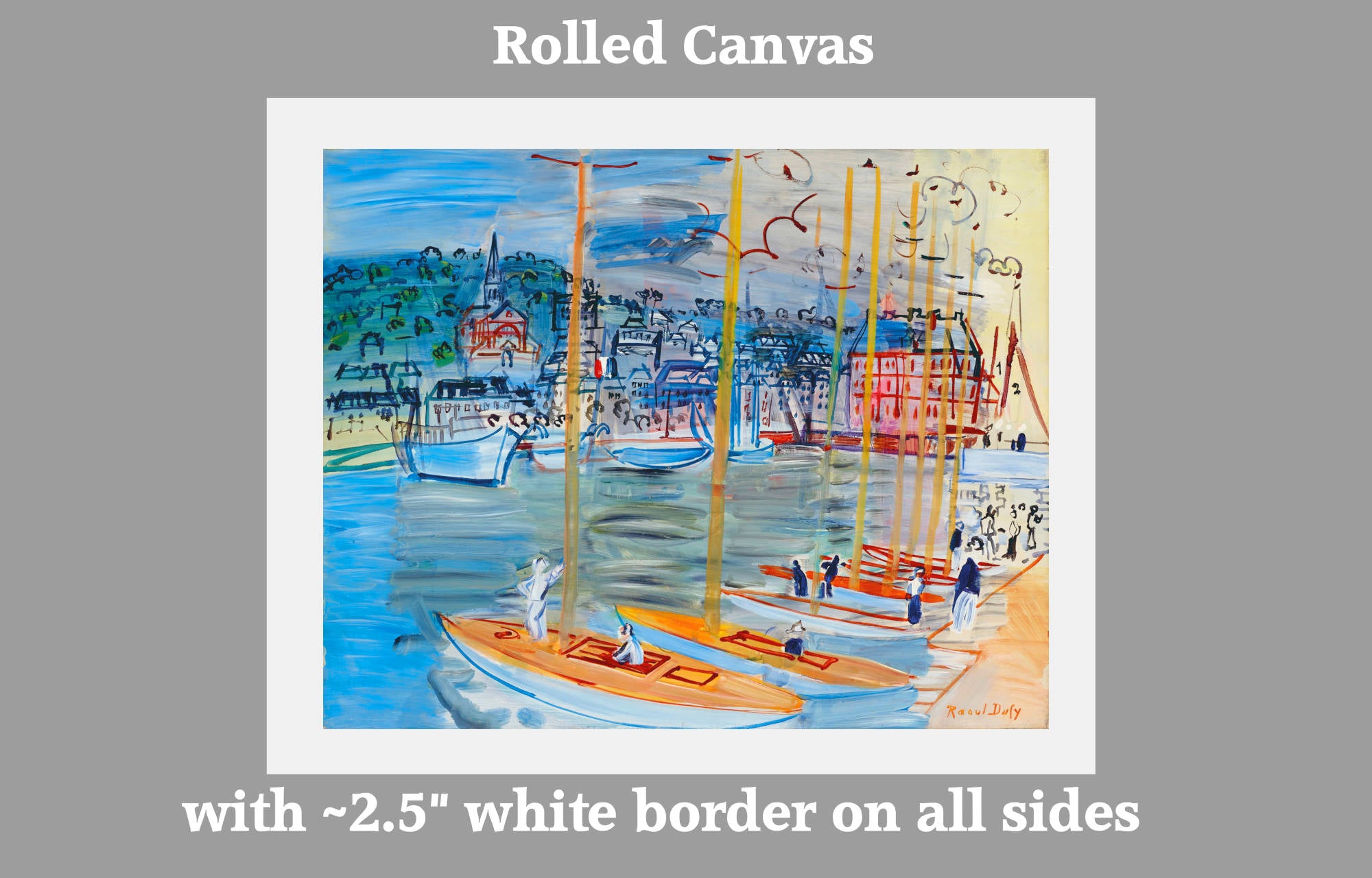
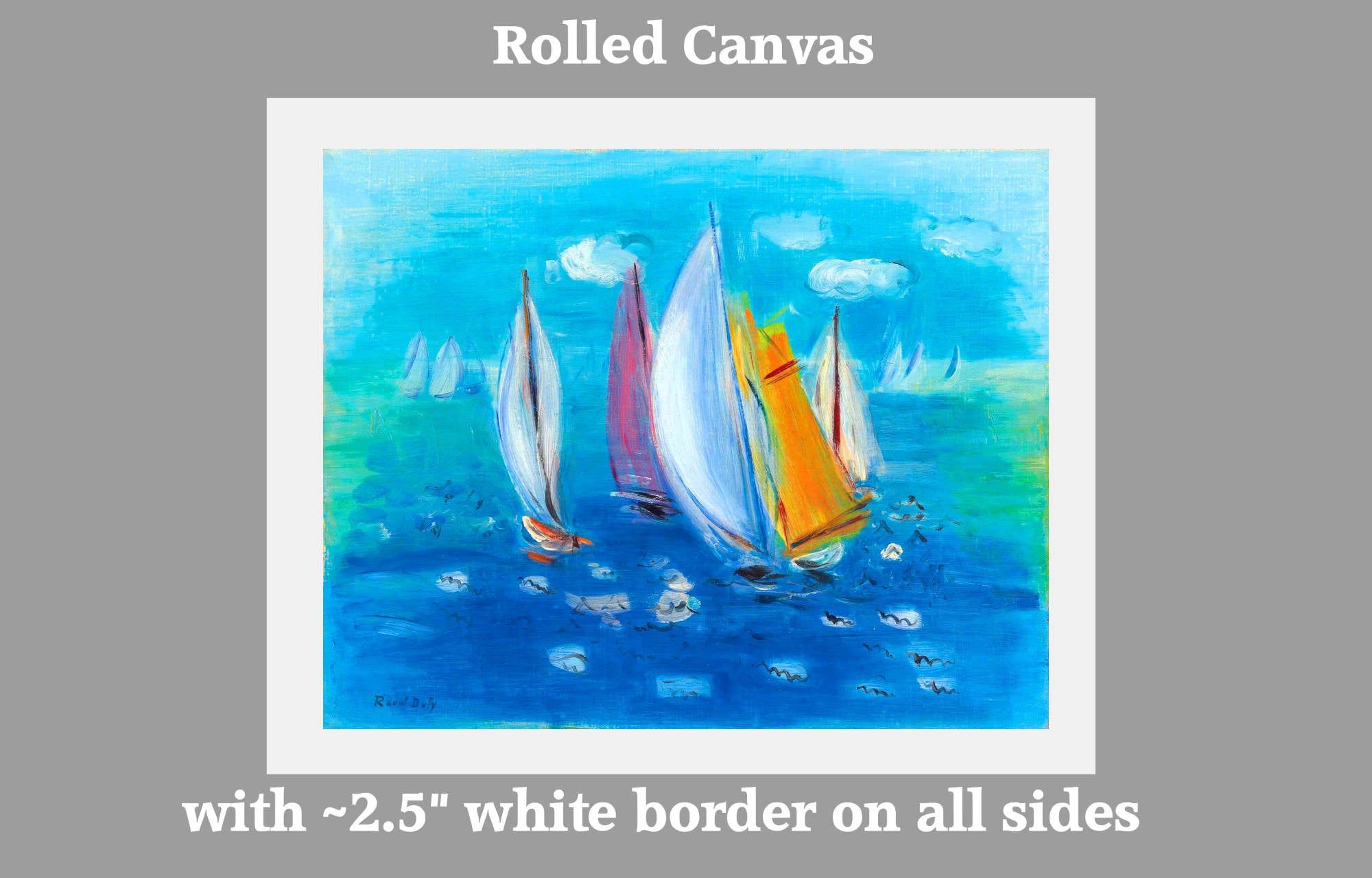
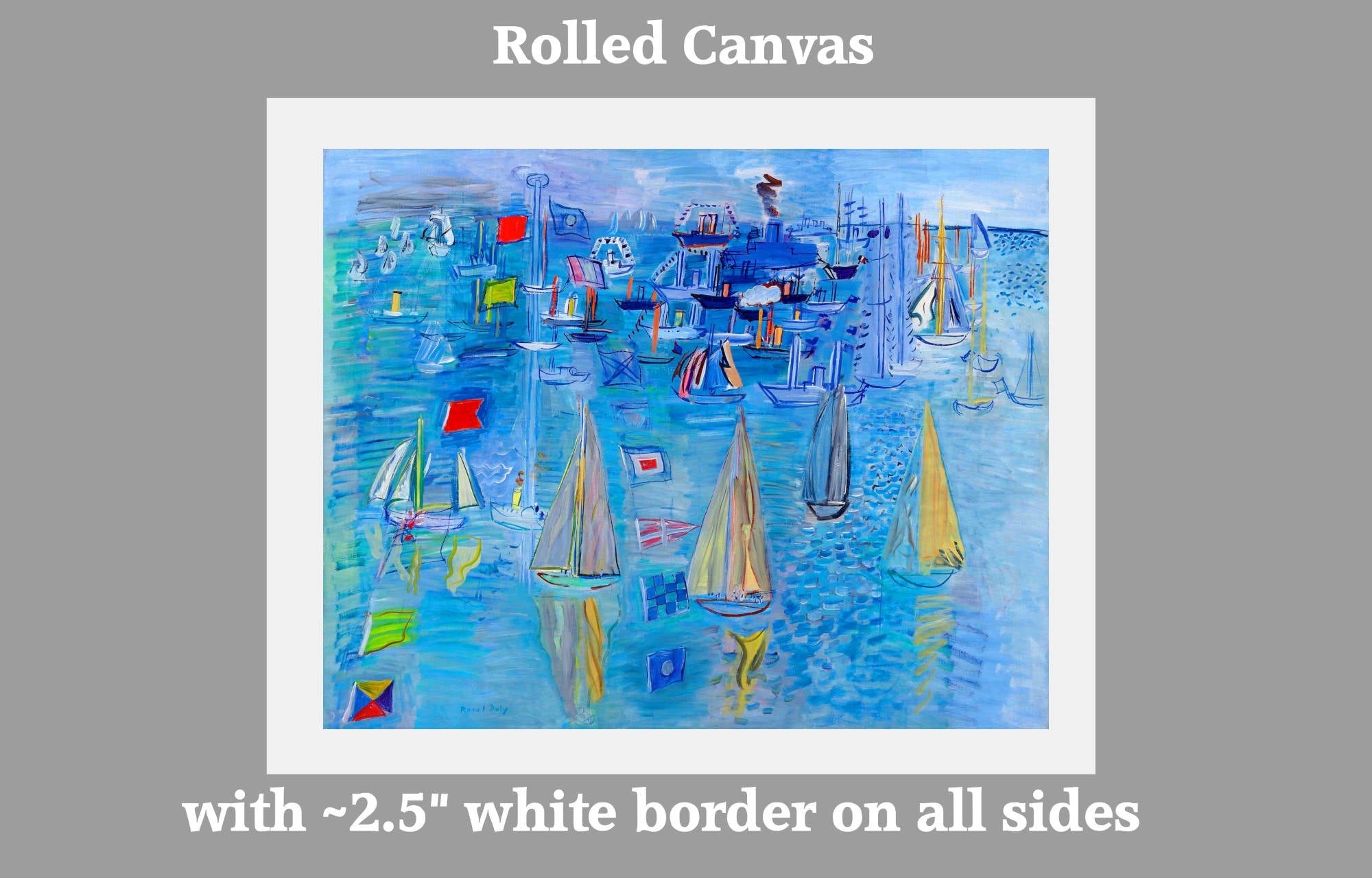
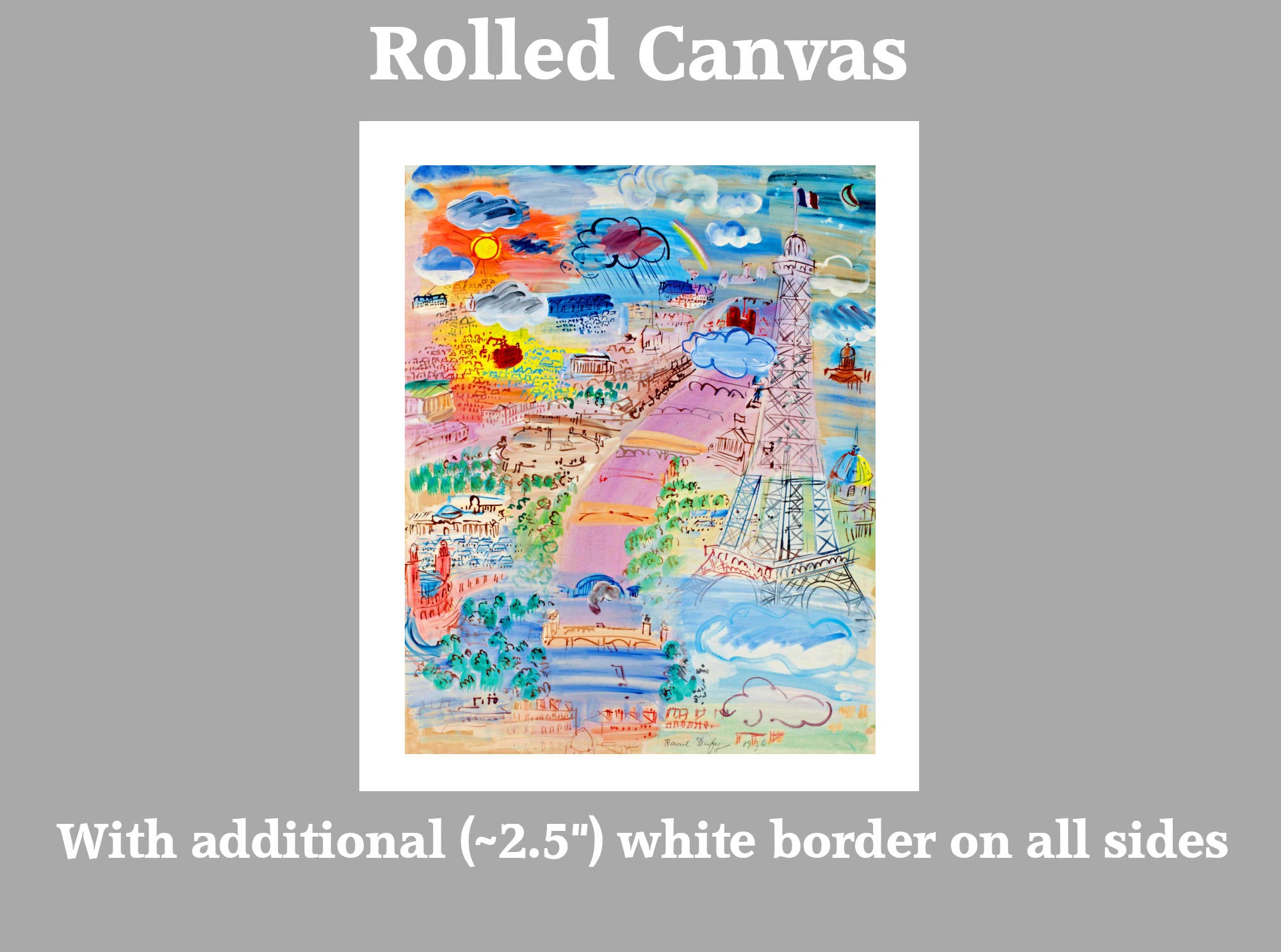
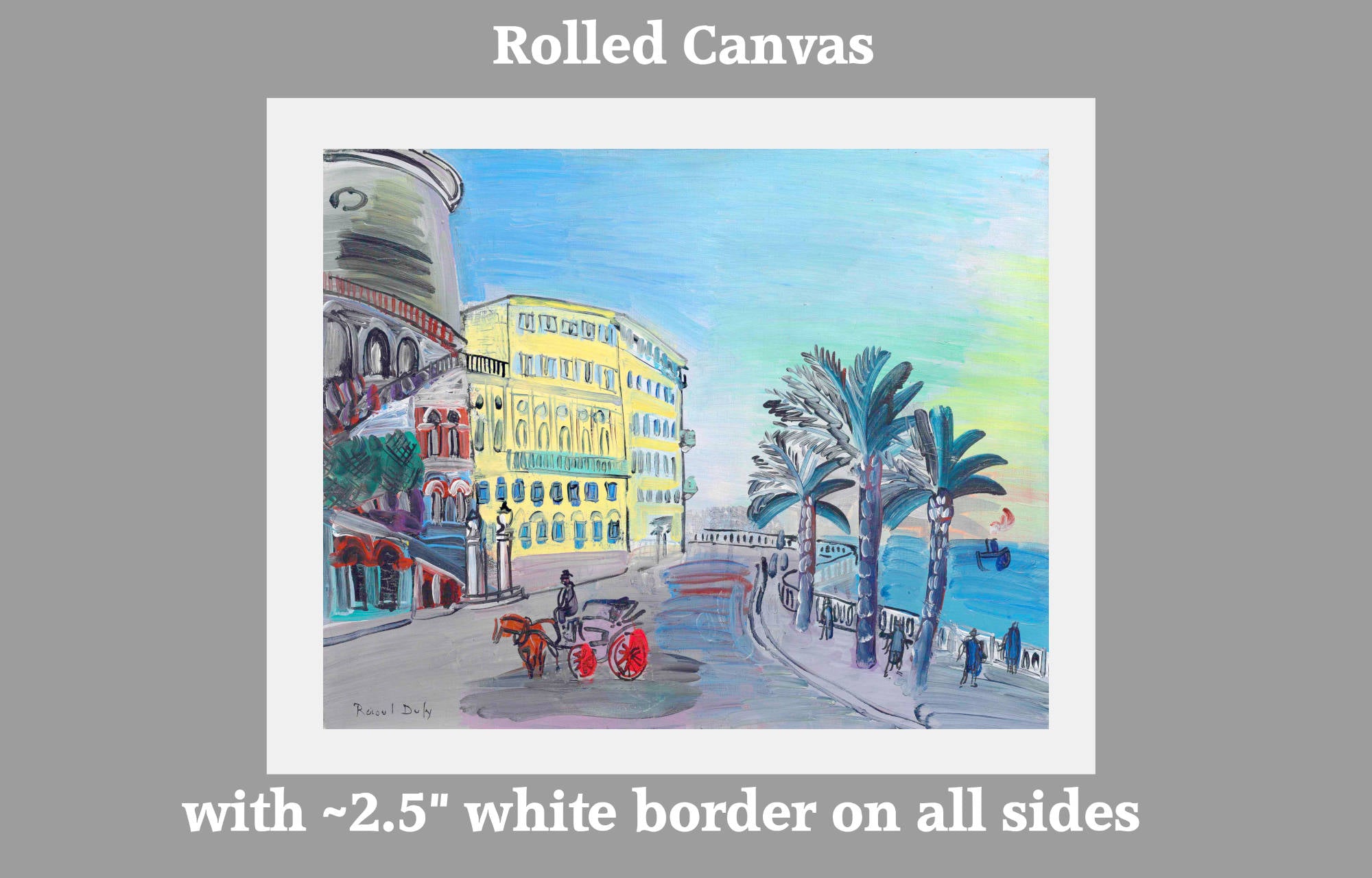
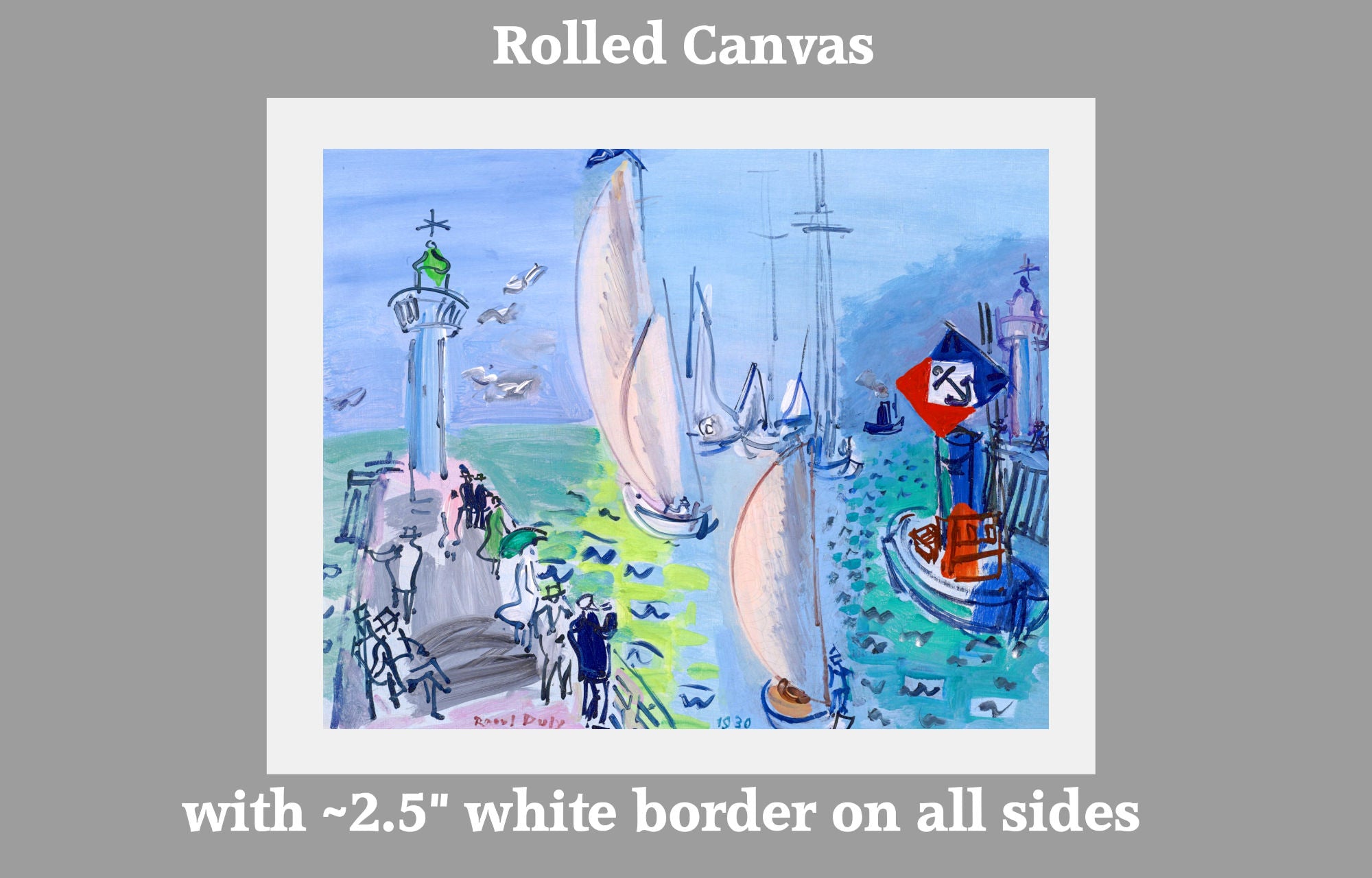
Rolled canvas options have an additional white border of approximately 2.5 inches (7cm) on all 4 sides to aid stretching.
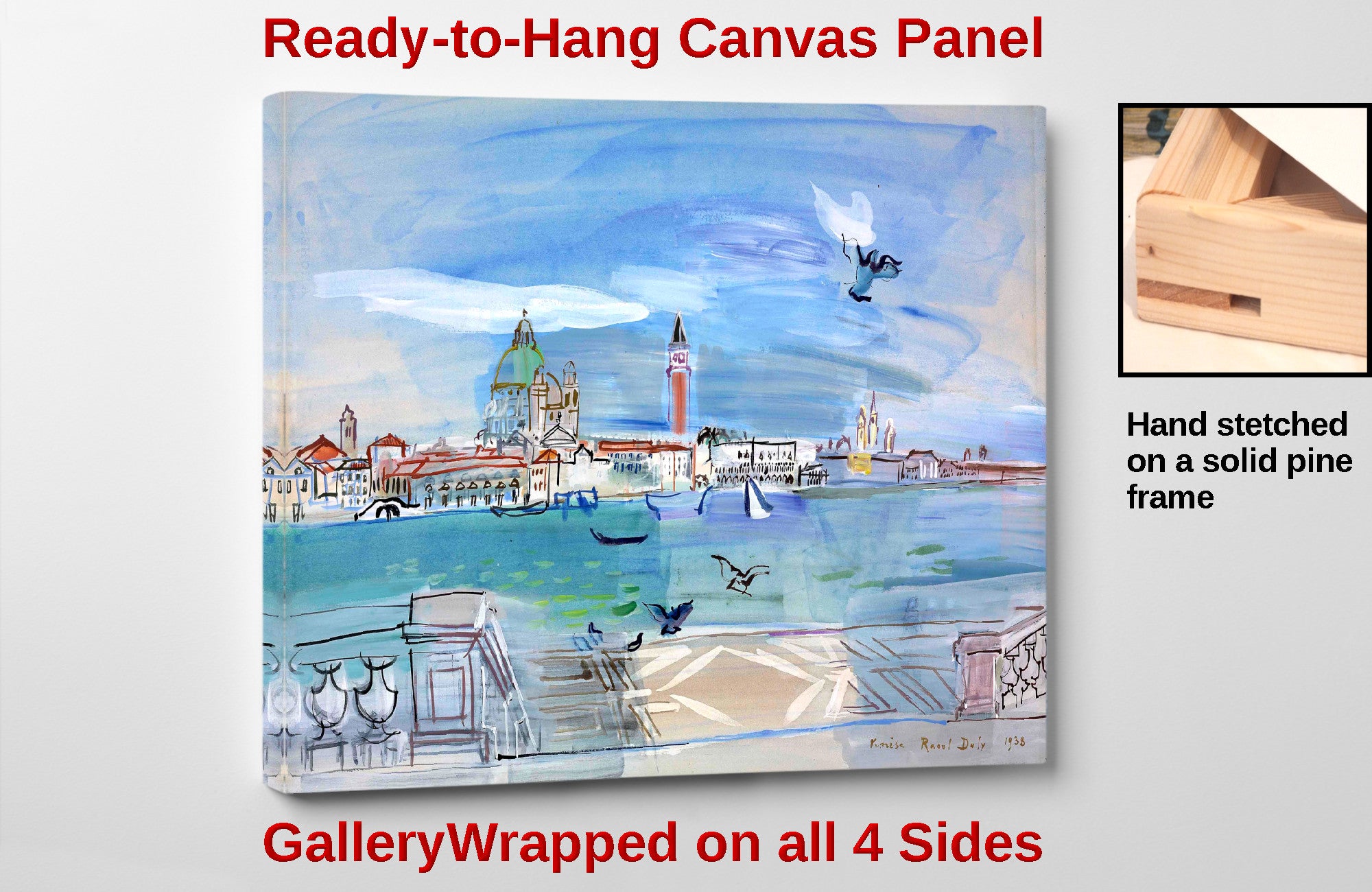
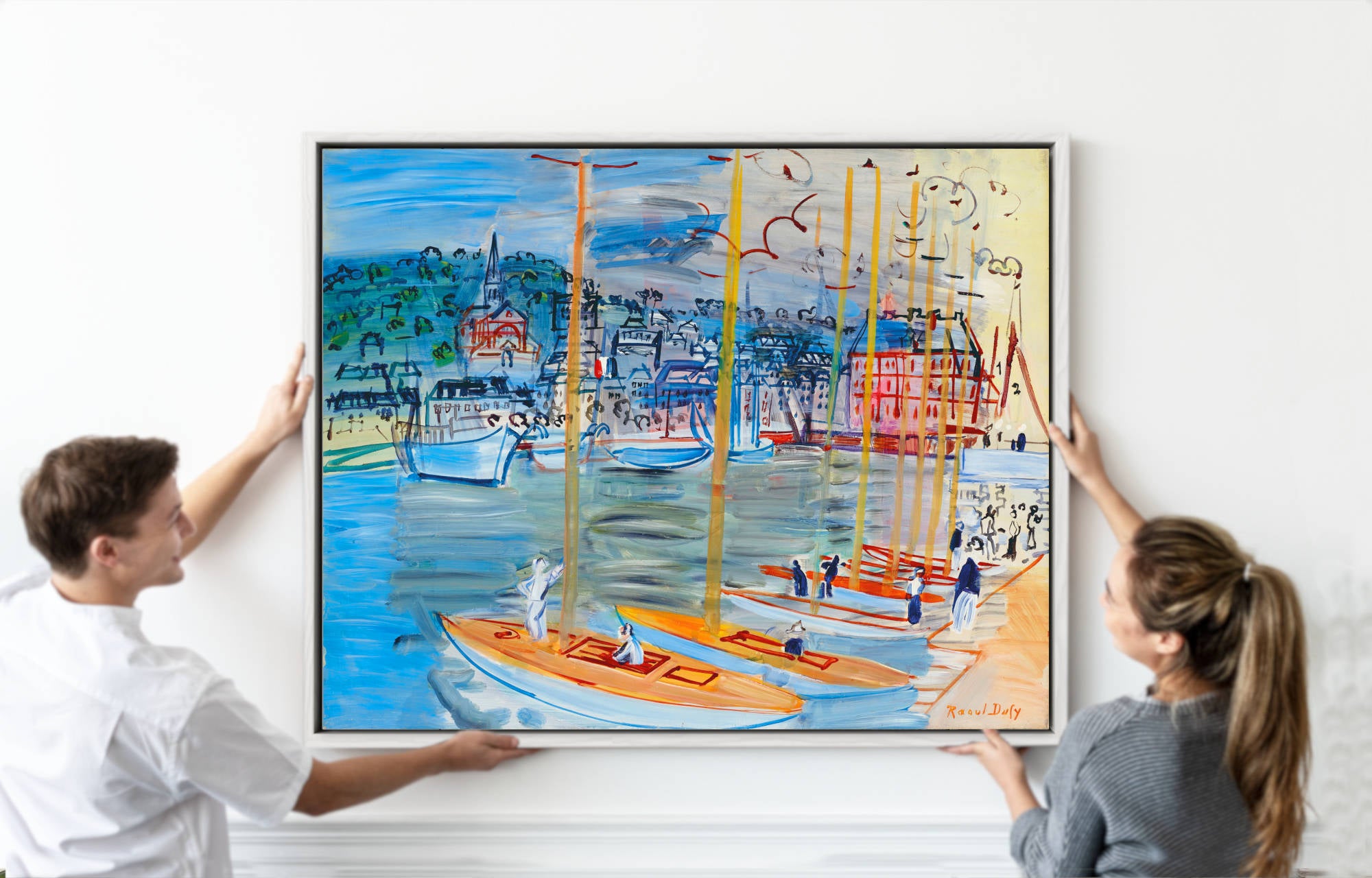
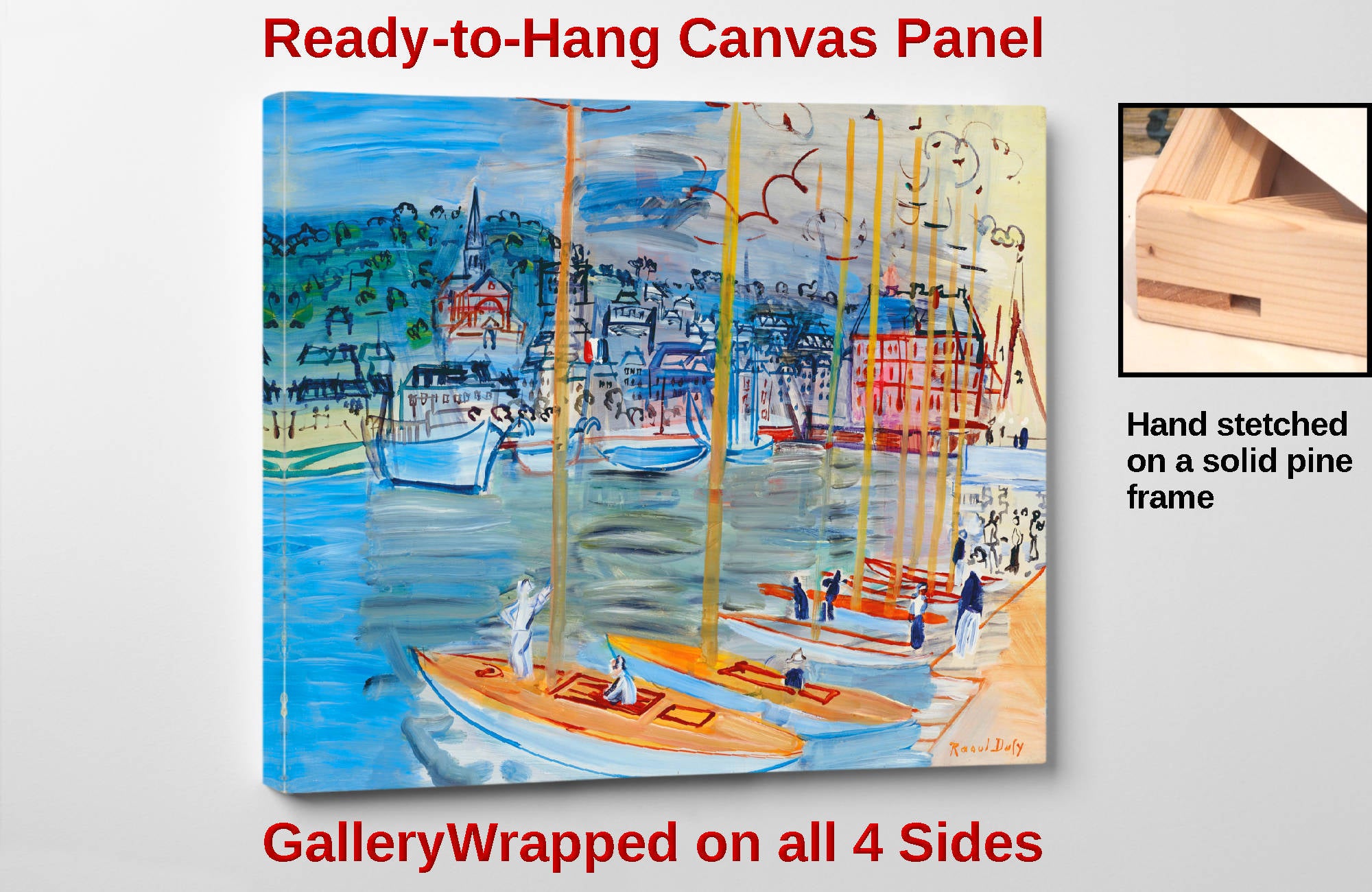
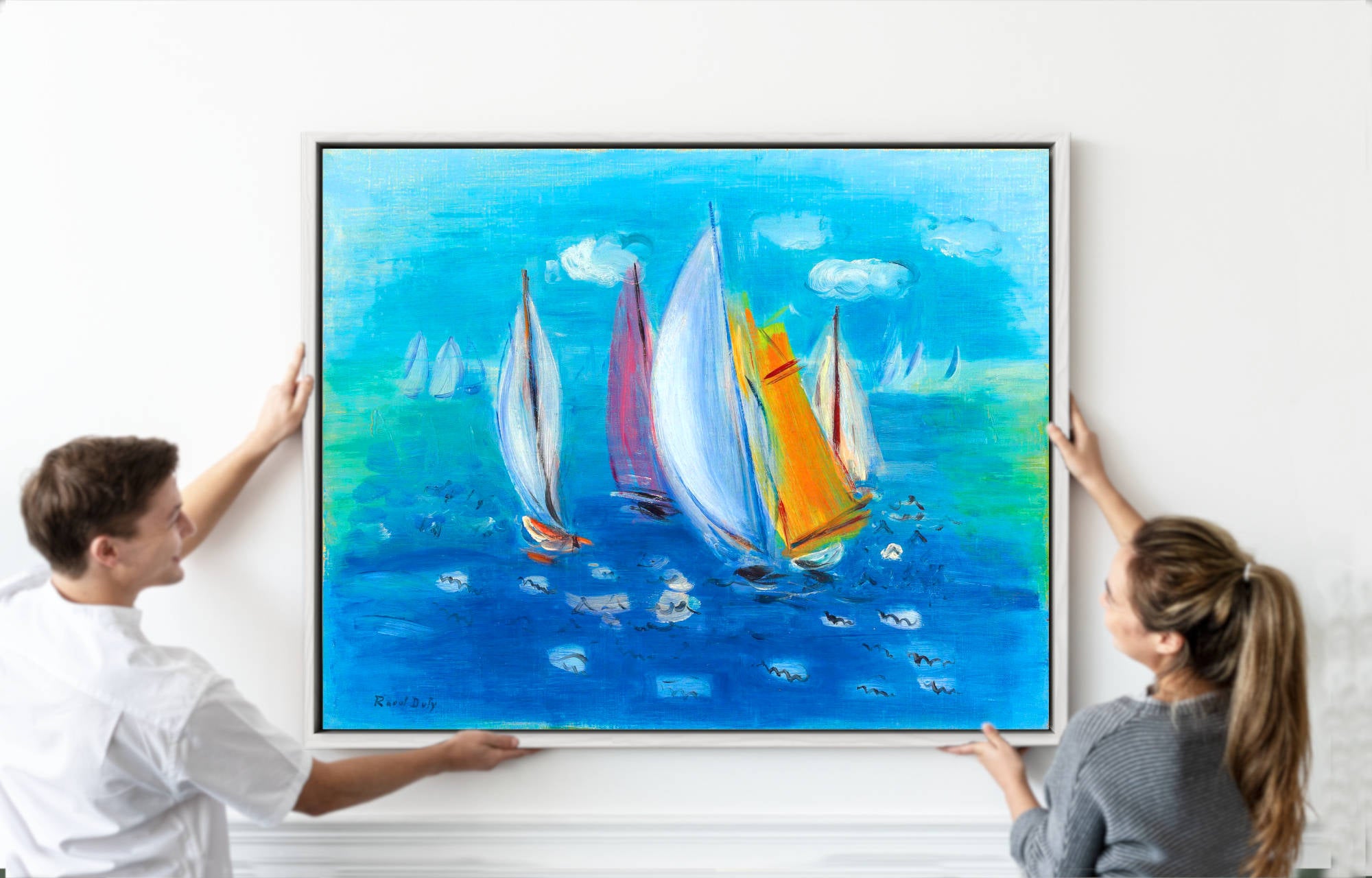
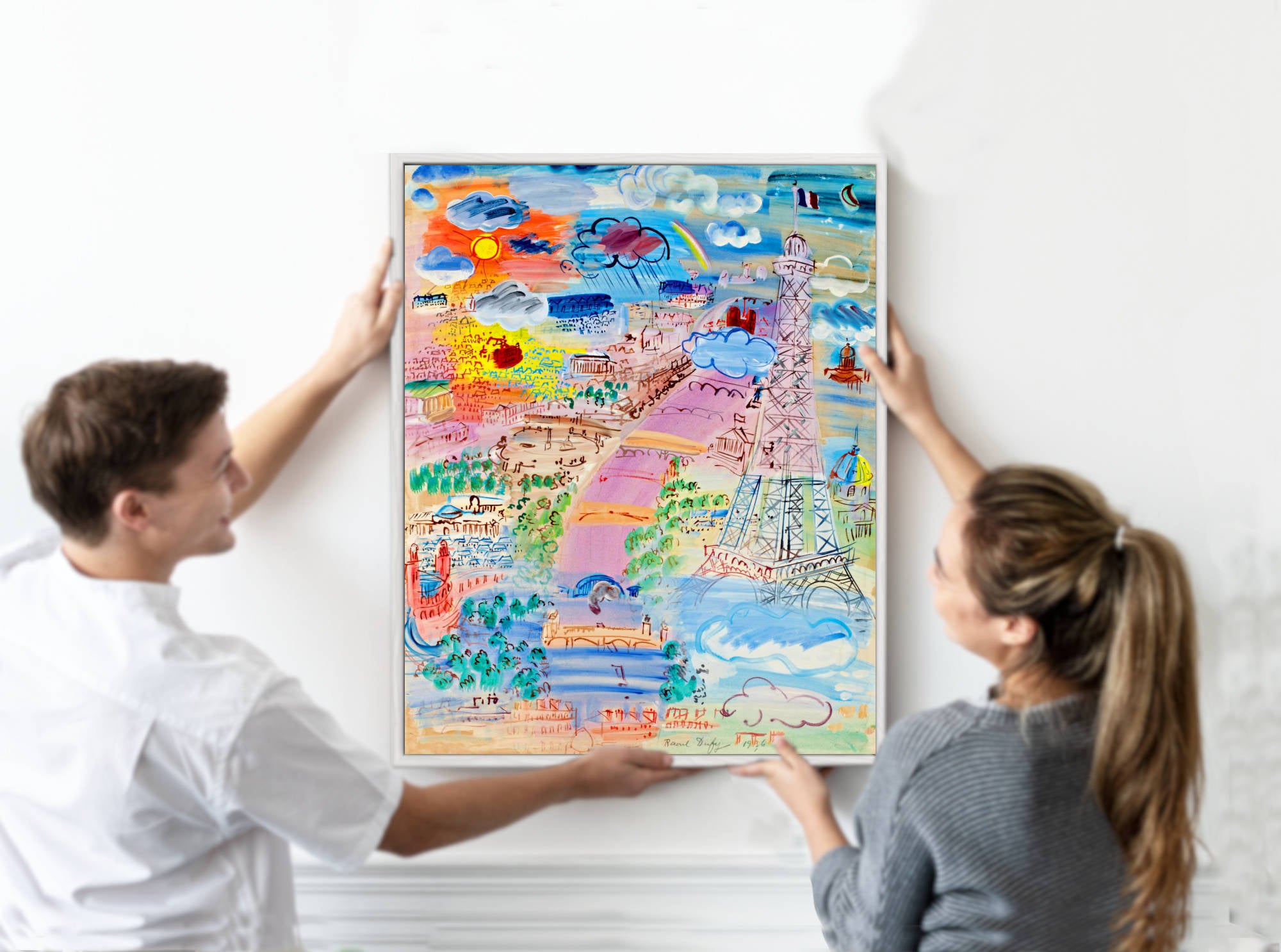
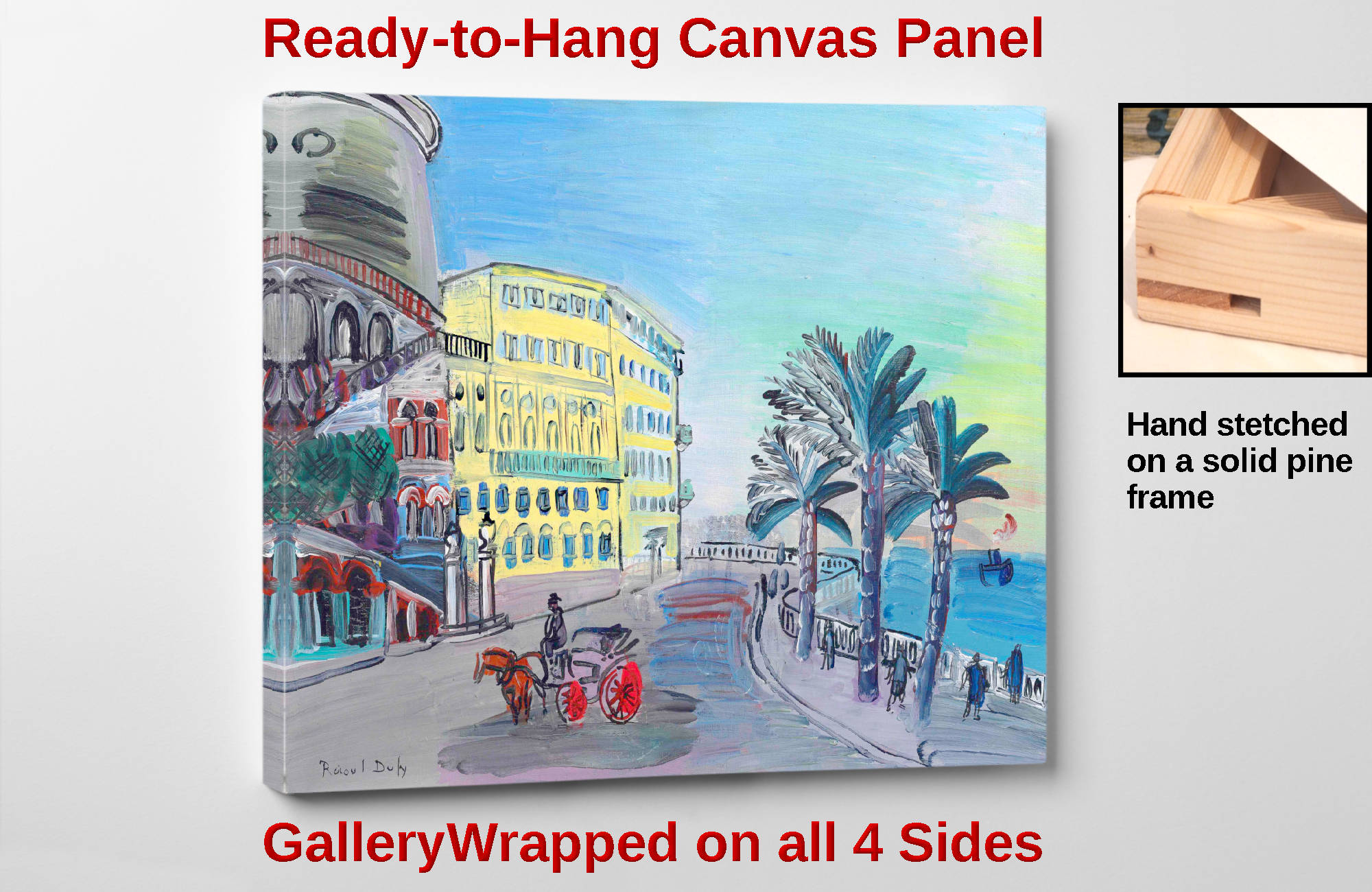
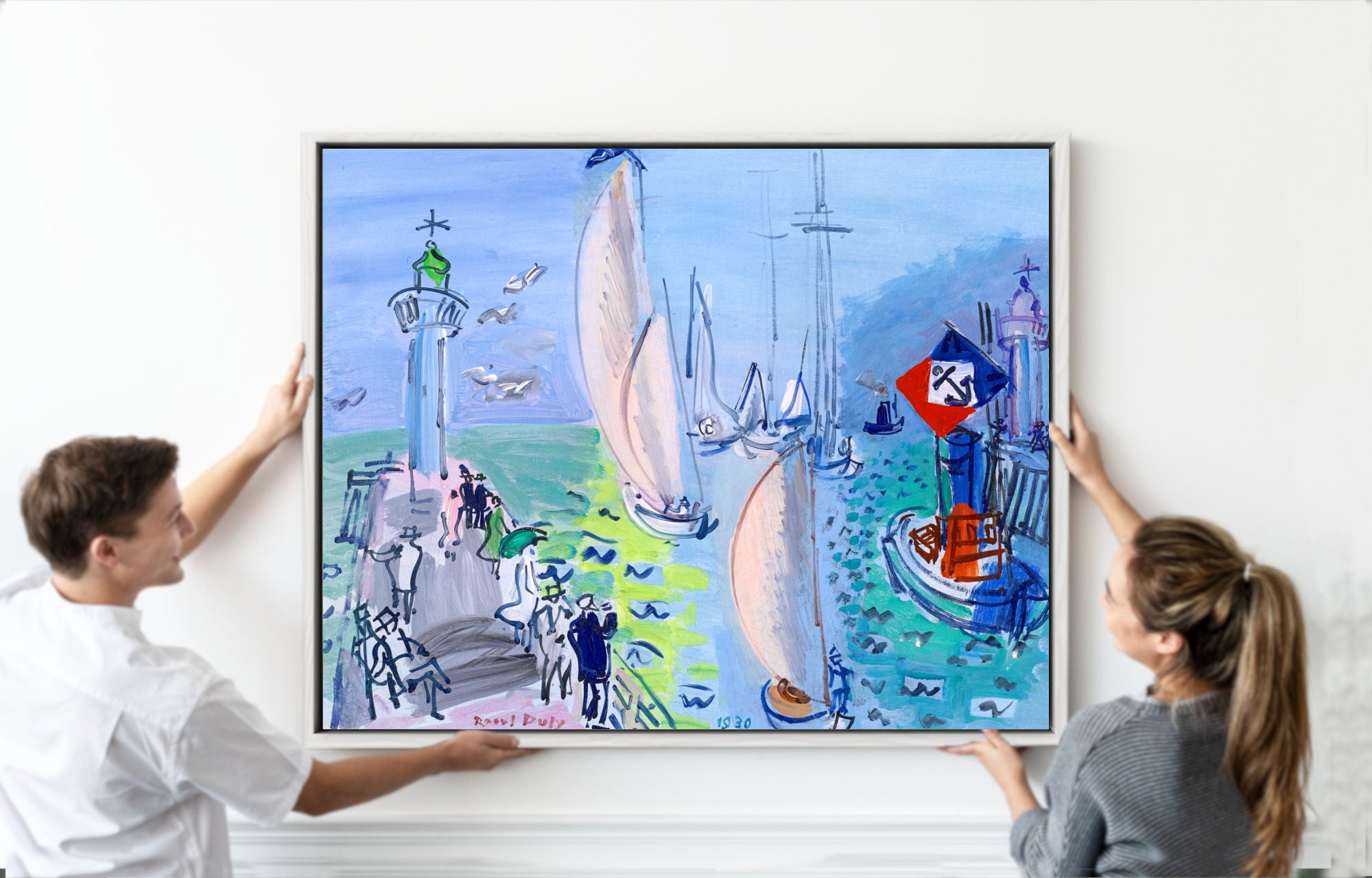
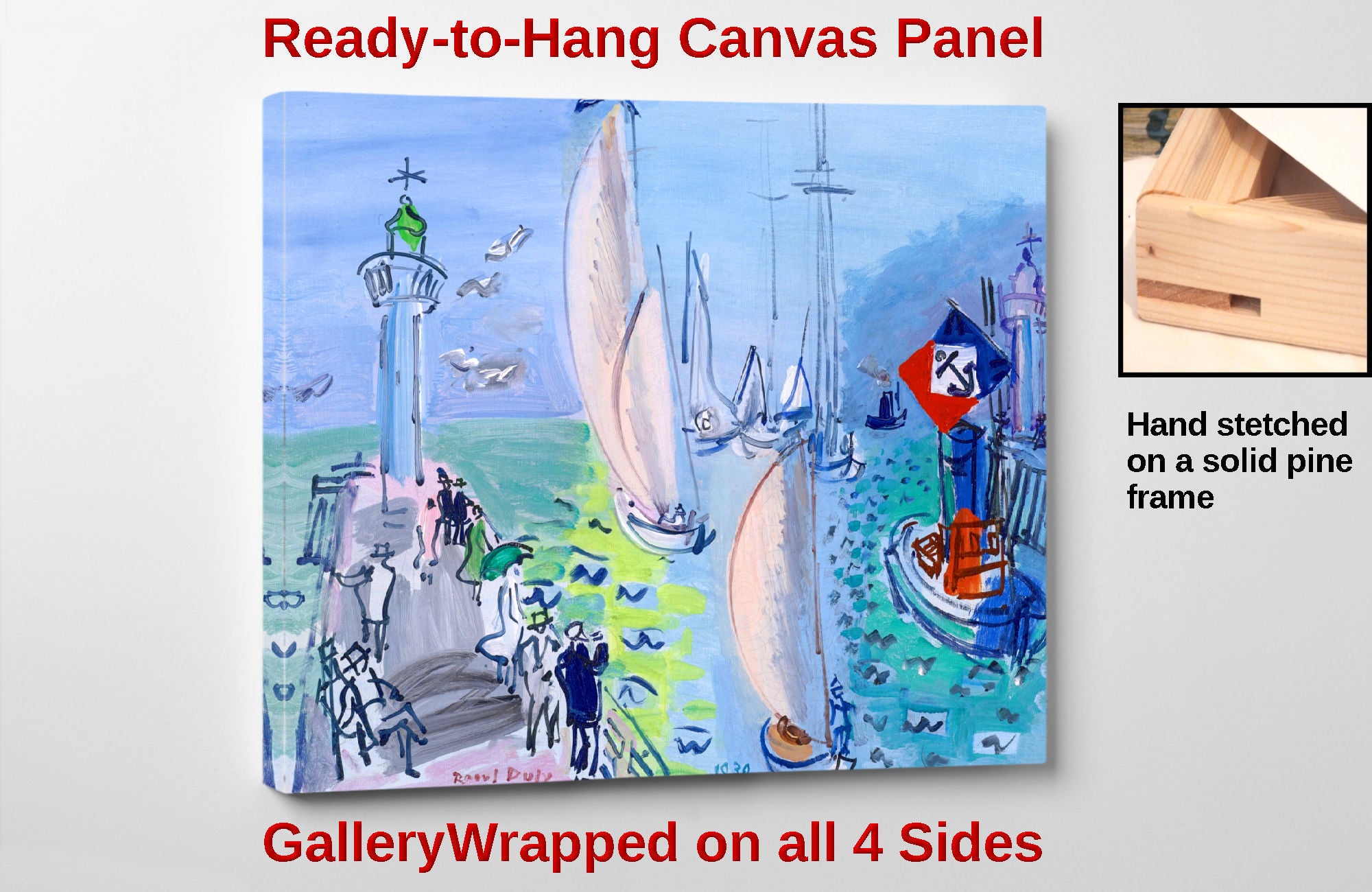
Ready to hang canvas panels are stretched on 1.5 inch deep solid pine frames from sustainable forestry sources. The image is mirrored on all 4 sides to give an aesthetically pleasing finish.
Why not have us gift wrap your order and attach a personalised message to the recipient. Available for all orders. Each order is hand wrapped in high quality gift wrap with meatllic ribbon and bow. Your personalised message is printed on a card which is included with your order.
Have your hand wrapped gift delivered directly to the recipient.
Full tracking and insurance included with every order.
Please note design may vary depending upon availability
Just purchase the gift wrap option HERE
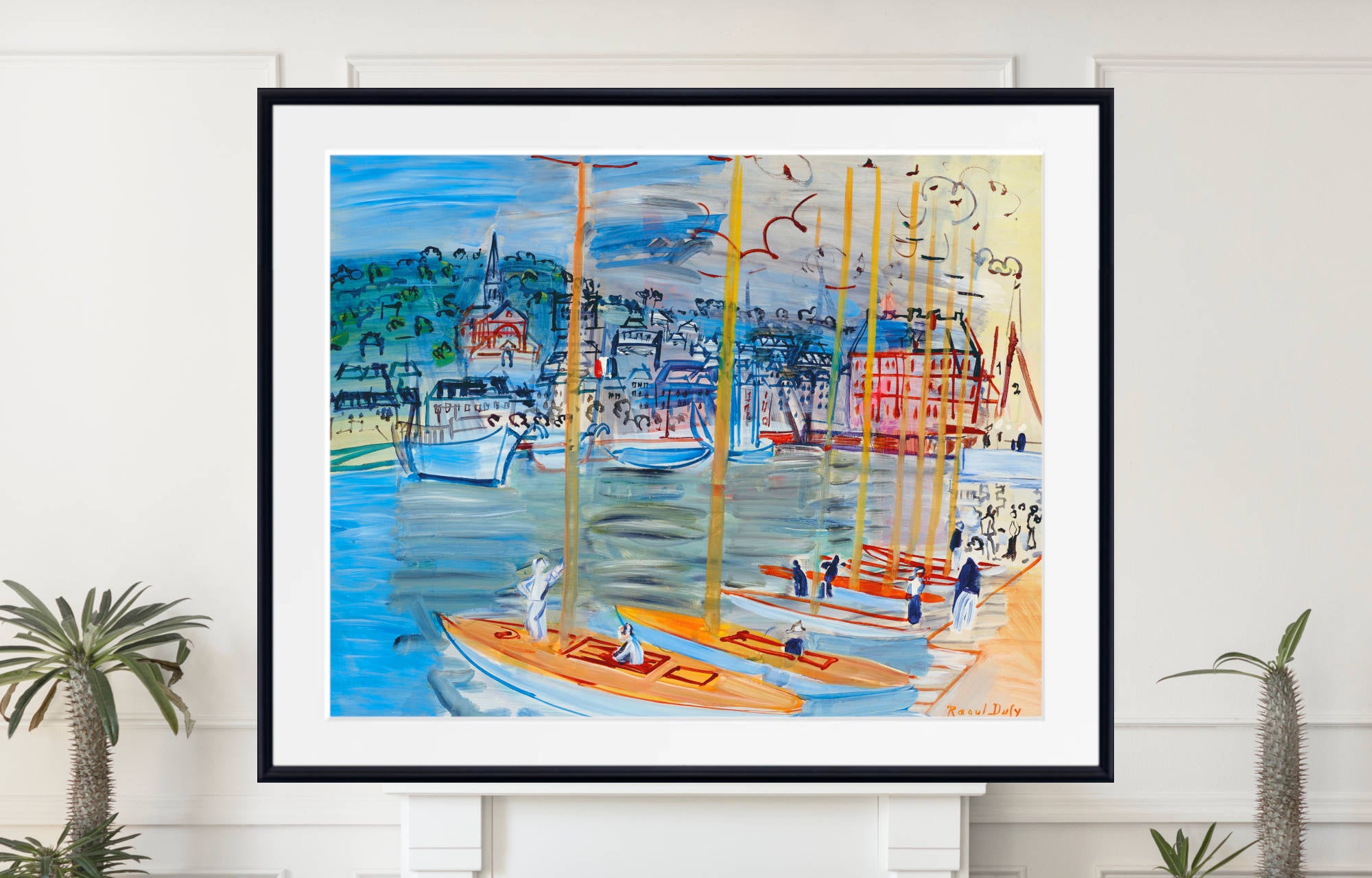
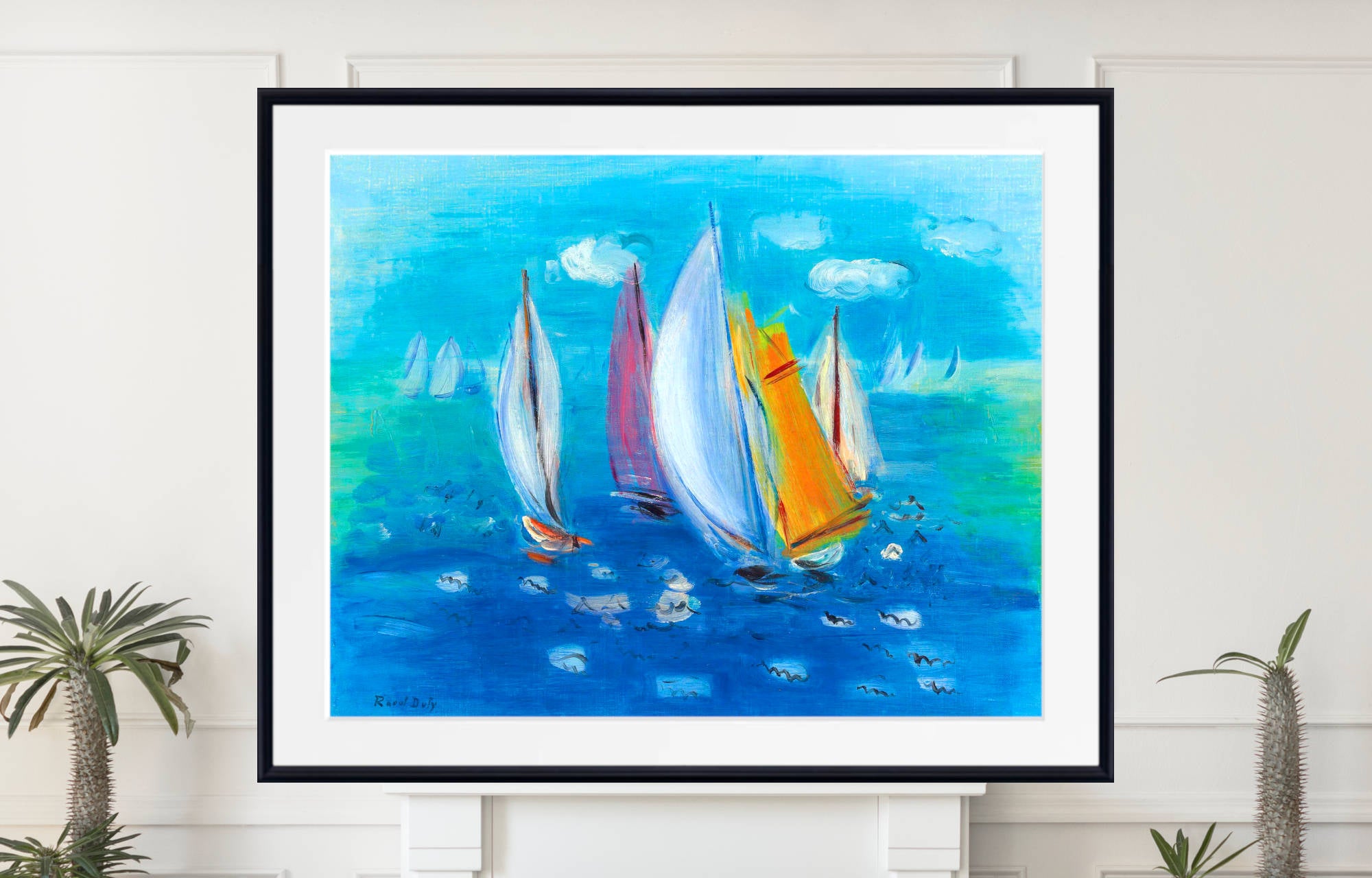
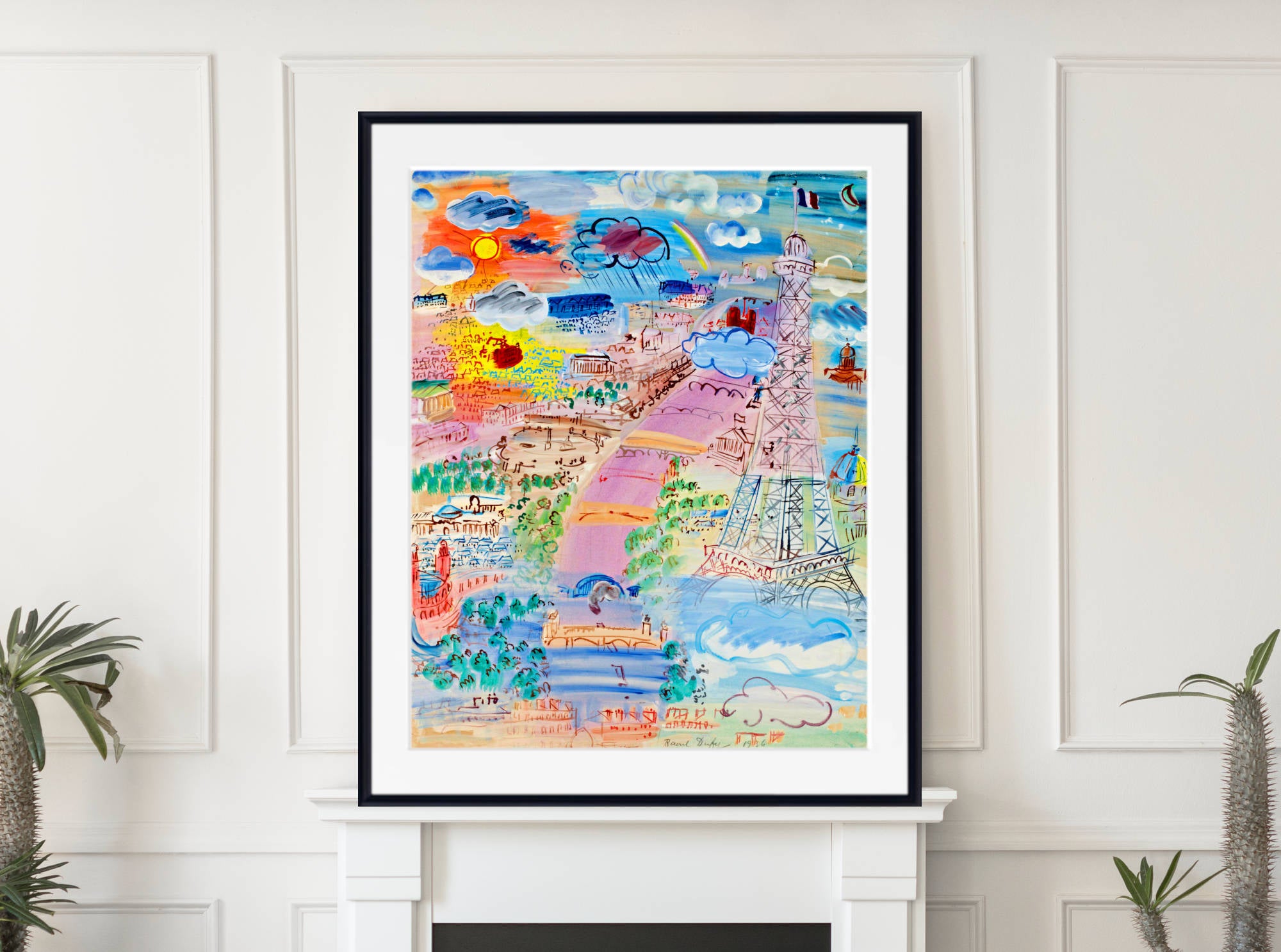
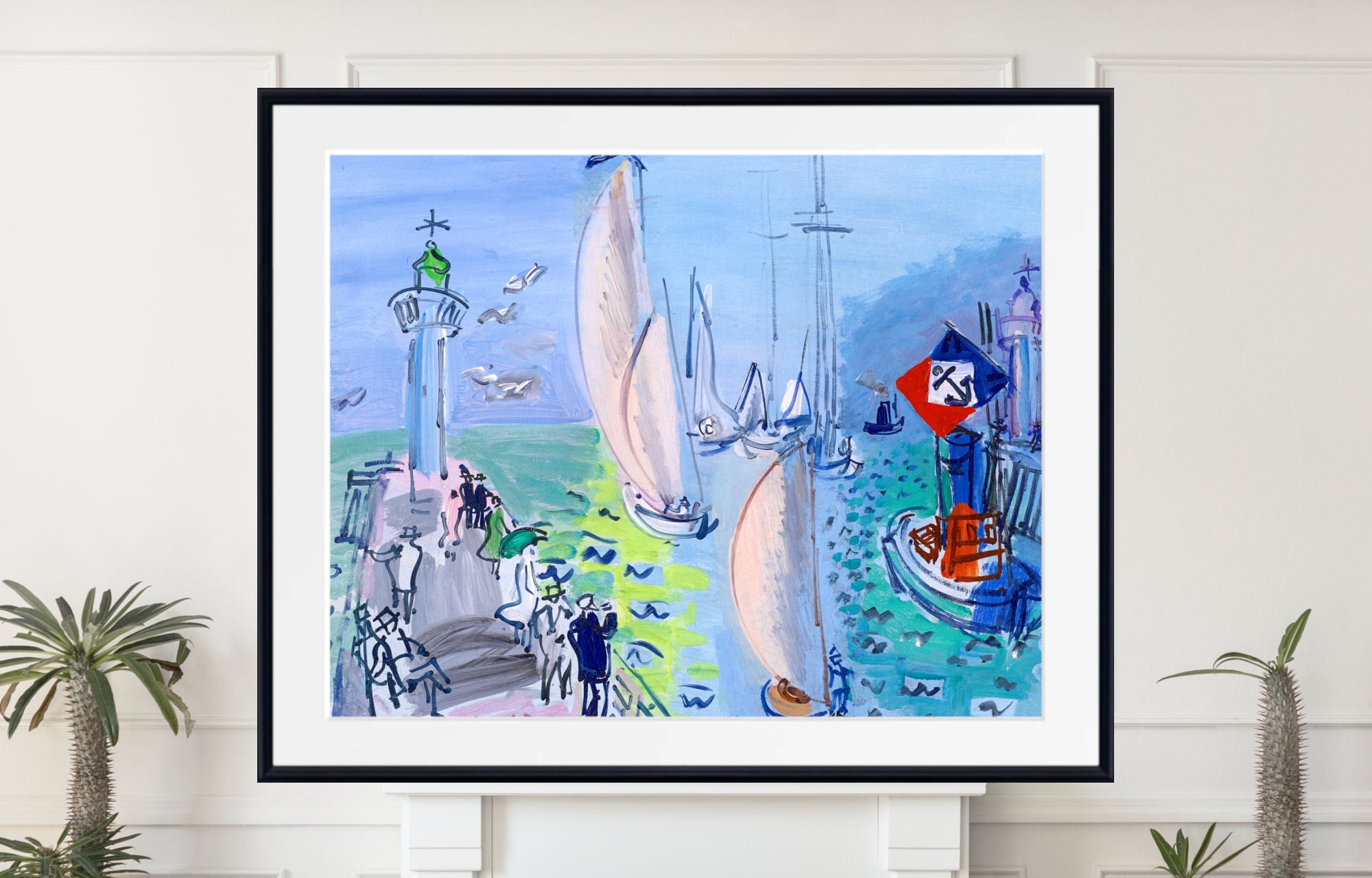
We have a wide range of frames in standard sizes and we also make custom size frames.
To order a framed print:
1. select the print size you would like along with the print materials (matte paper, fine art paper).
2. Add your print choice to the basket.
3. Choose from our range of frames
4. Select the same size as the print you have added to your basket. If the frame size you want is not listed please contact us
5. Choose from the mount or no-mount option
6. Add your frame choice to the basket
7. Proceed to checkout.
Why Choose GalleryThane?
- Printed and framed in-house
- Free UK delivery
- Free EU and USA delivery on orders over £200
- Tracking and insurance included in every order
- Fast 1-3 day dispatch
- Gift wrapping service available
- Gallery quality materials
- Sustainable, eco-friendly packaging
- Great customer support
Explore related collections
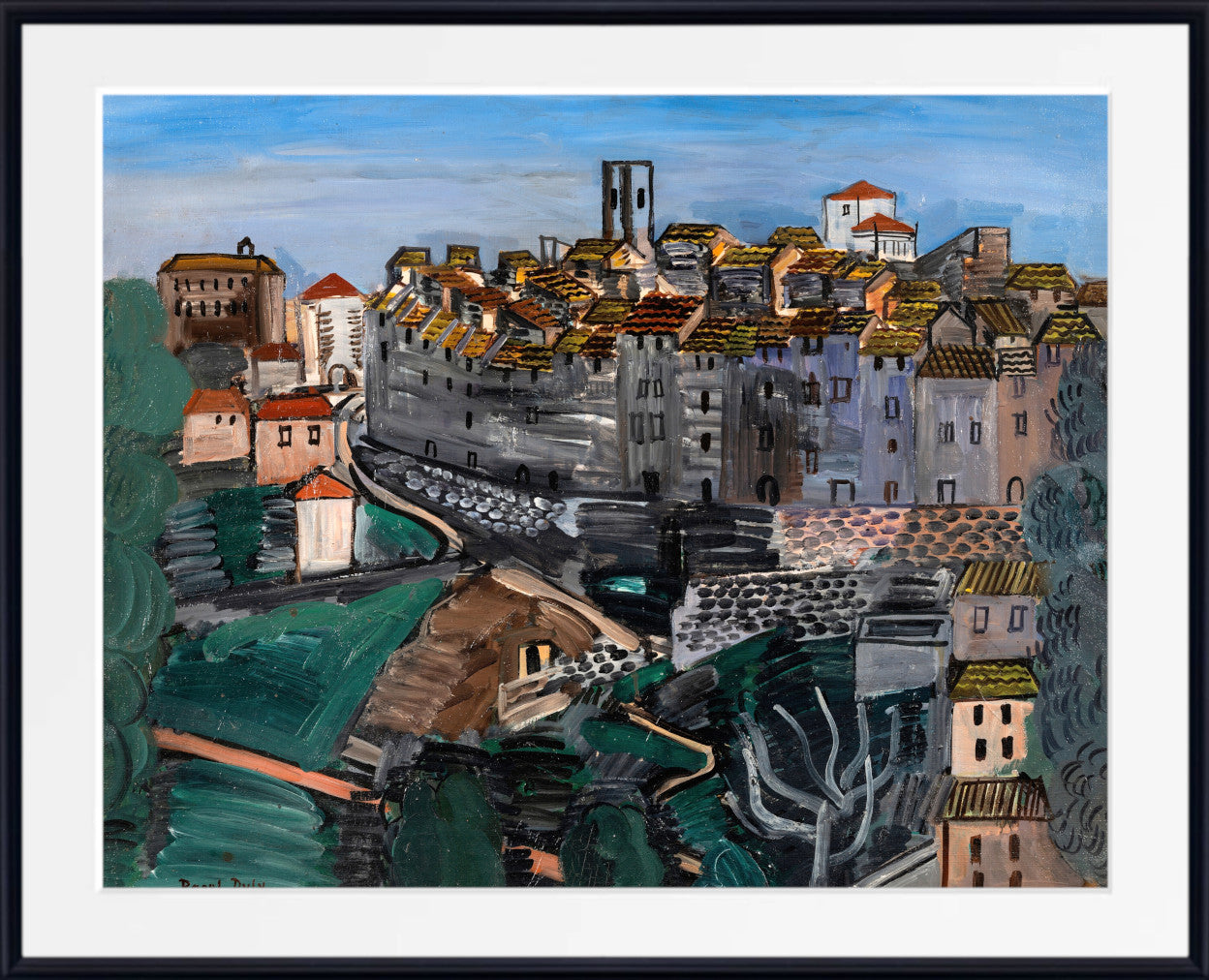
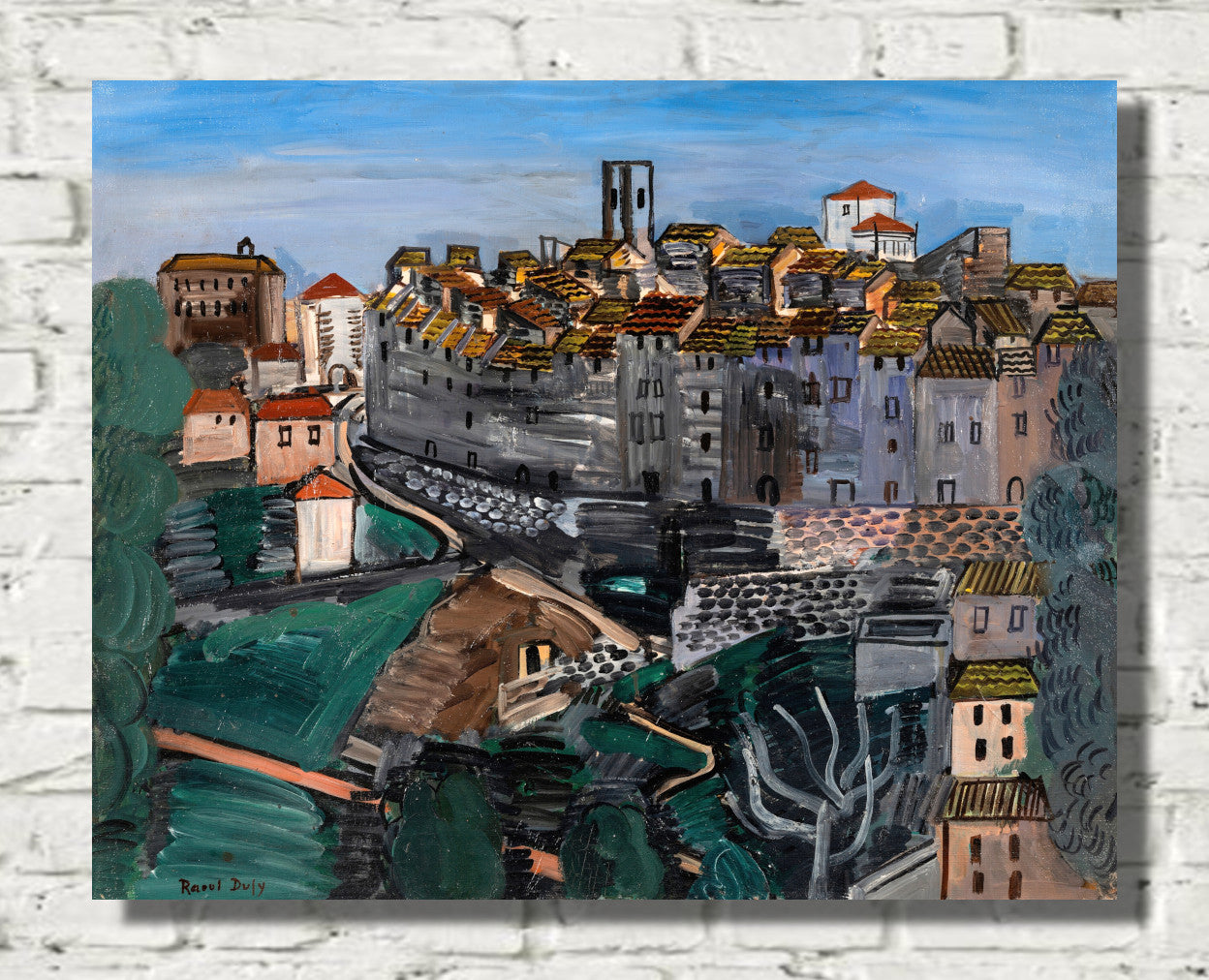
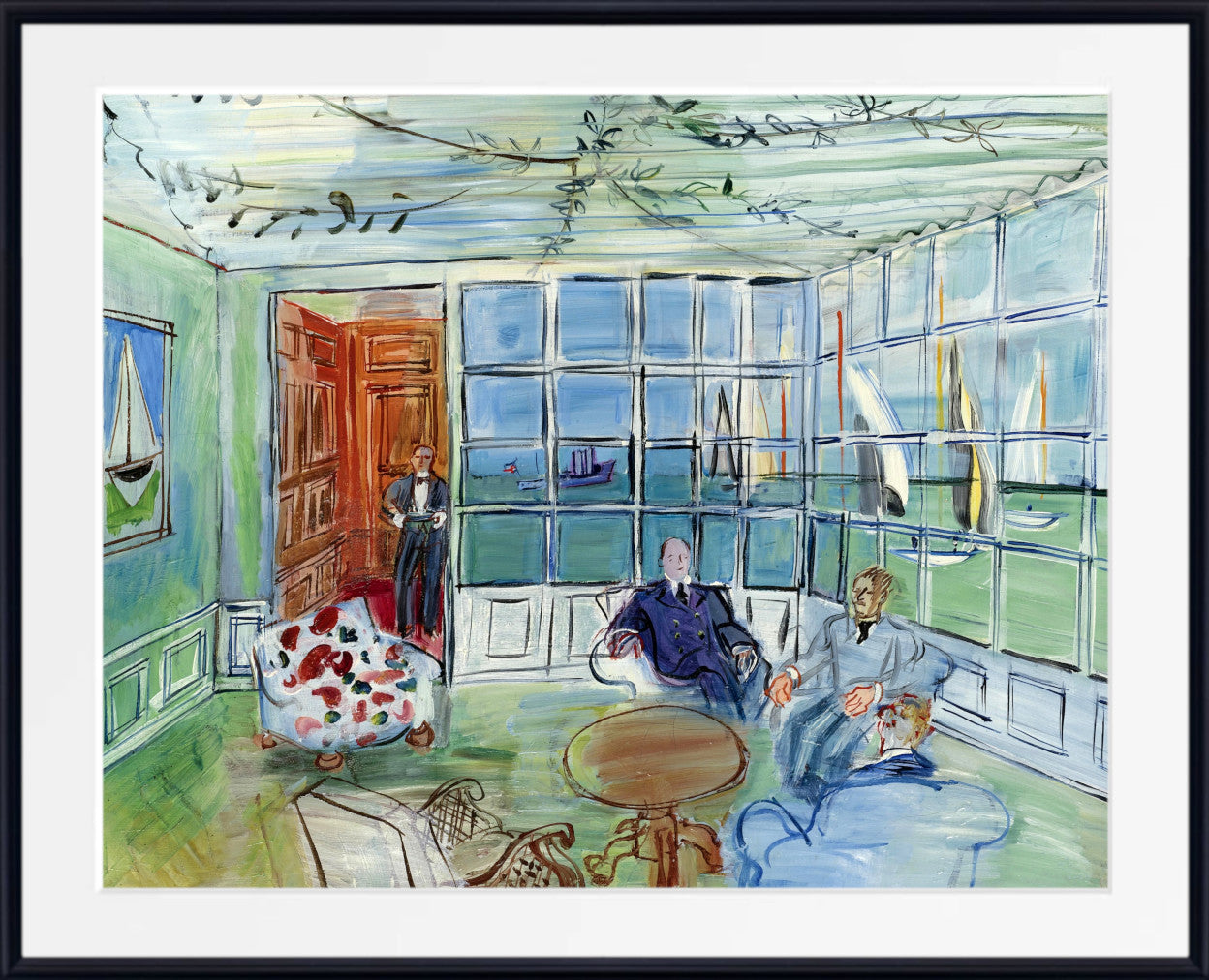
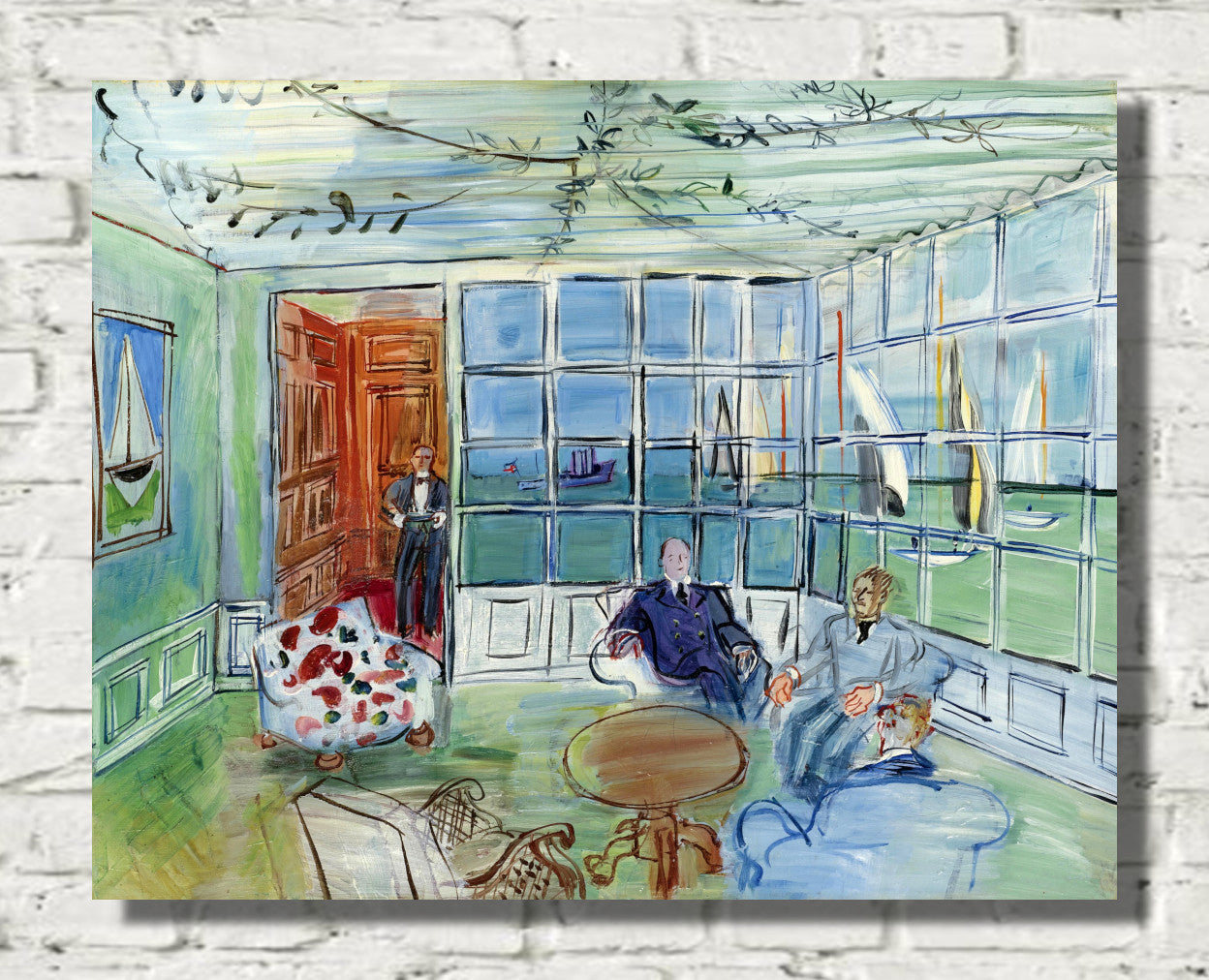
What makes our Prints and Canvas Panels so special

Latest Giclee Printing Technology
We have invested in the latest wide format print technology to produce museum quality giclee prints utilising the highest quality pigment inks to give outstanding colour reproduction.

Museum Quality Archival Fine Art Papers
We print on the finest quality fine art papers with textured, smooth and lustre finishes for prints which last a lifetime.
From aceo miniatures to 40x80 inch large format, every print has our lifetime quality guaranteee.

Solid Wood Frames, Cotton Canvas
All of the wood for our canvas panels and frames is responsibly sourced from manages forests. Our cotton canvas is completely seedless for the highest quality reproduction possible.

Have Your Gift Wrapped


Choose a Custom Frame
Popular Collections


EU Representative
Manufacturer
LucasAbstract t/a GalleryThane
15 Campion Way, Bingham NG13 8TR UK
sales@gallerythane.com
EU Authorised Representative
Westwood Sourcing
Fellenoordstraat 52, Unit 2.38
4811 TJ Breda, Netherlands
info@westwoodsourcing.com