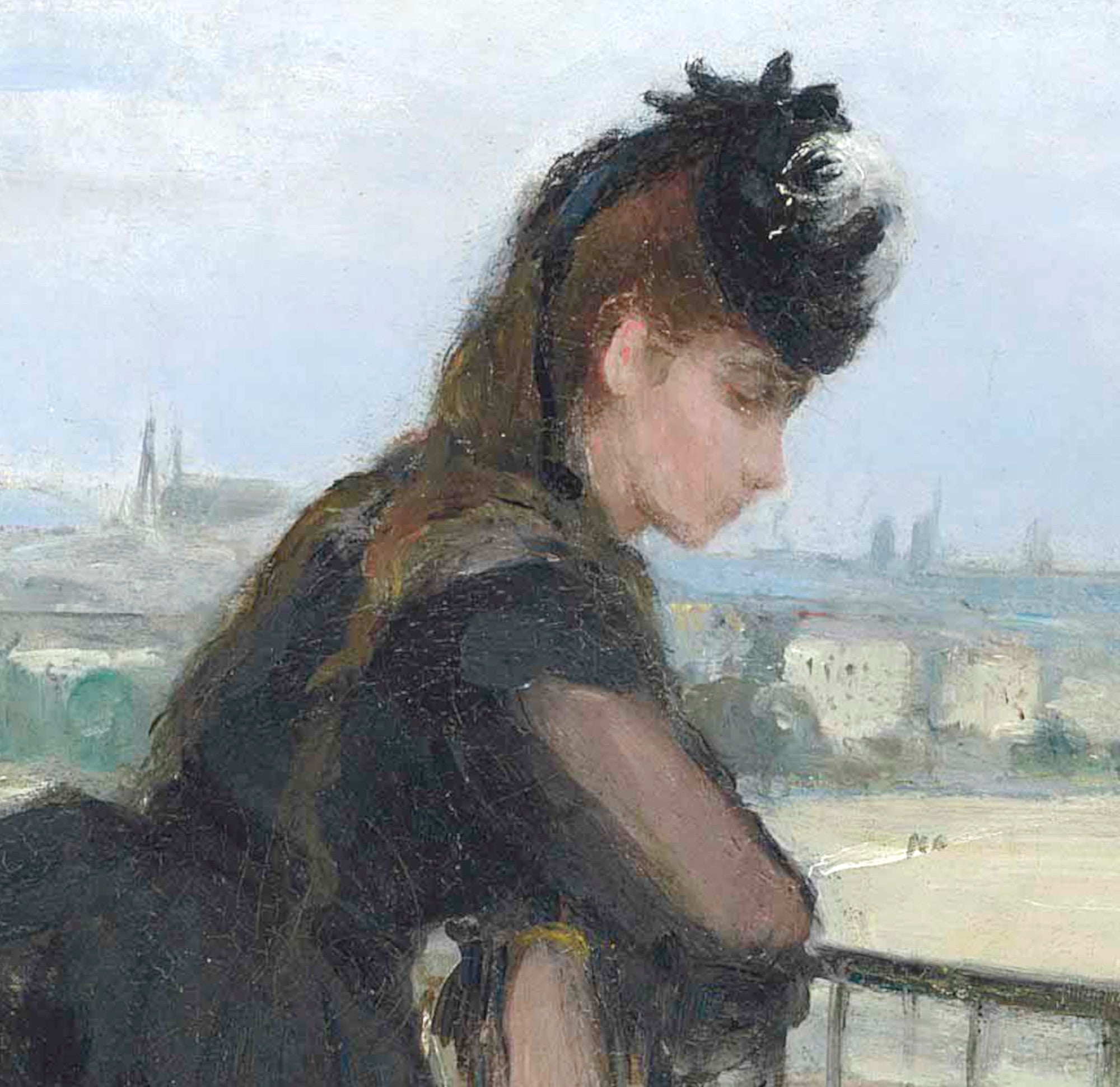
Impressionist Art Prints
Impressionism changed the direction of modern painting.
Rather than constructing highly finished historical scenes in the studio, the Impressionists turned their attention towards contemporary life and the constantly changing appearance of the world around them.
Landscapes, gardens, rivers, railway stations, Parisian boulevards, cafés, theatres, dancers and informal figures became subjects through which artists could explore natural light, atmosphere, colour and movement.
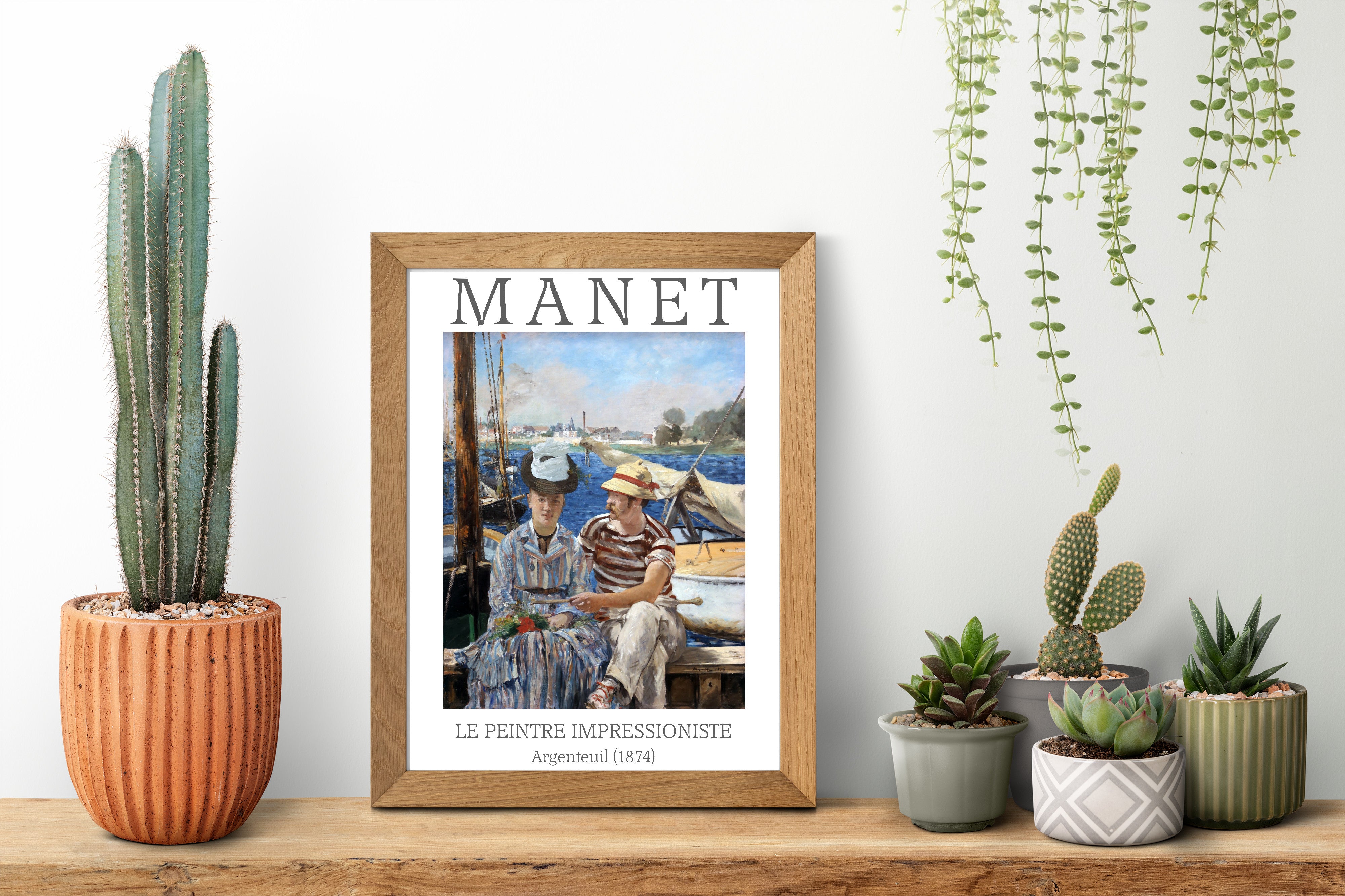
This collection concentrates on painters at the heart of the historic Impressionist movement, including Claude Monet, Pierre-Auguste Renoir, Camille Pissarro, Alfred Sisley, Edgar Degas, Berthe Morisot, Mary Cassatt and Gustave Caillebotte.
Together, their paintings show why Impressionism remains one of the most admired and recognisable movements in art history.
What Is Impressionism?
Impressionism developed in France during the second half of the nineteenth century.
The artists associated with the movement rejected many of the conventions promoted by the official academic art establishment. Instead of smoothing away every brushstroke, they allowed individual marks and touches of colour to remain visible.
Many Impressionist painters worked outdoors, where changing weather and sunlight encouraged a faster and more immediate approach.
Colour was equally important. Shadows did not need to be painted simply with brown, black or grey. Reflected light could introduce blue, violet, green and other colours into areas that earlier painters might have treated as uniformly dark.
The result was painting concerned not only with what a place or person looked like, but with the experience of seeing at a particular moment.
The Impressionist Exhibitions
The first independent Impressionist exhibition was held in Paris in 1874.
The participating artists were united less by a single rigid style than by a desire to exhibit outside the official Salon system and pursue new approaches to contemporary painting.
Over the series of independent exhibitions that followed, Impressionism developed into a remarkably varied movement.
Monet concentrated increasingly on landscape and changing light. Degas explored dancers, theatres and modern urban life. Renoir painted figures, leisure and social interaction. Pissarro moved between rural landscapes and city views. Morisot and Cassatt brought intimate and highly individual approaches to modern domestic and social experience.
This variety is one of the reasons Impressionist art remains so rewarding to explore.
Claude Monet and the Painting of Light
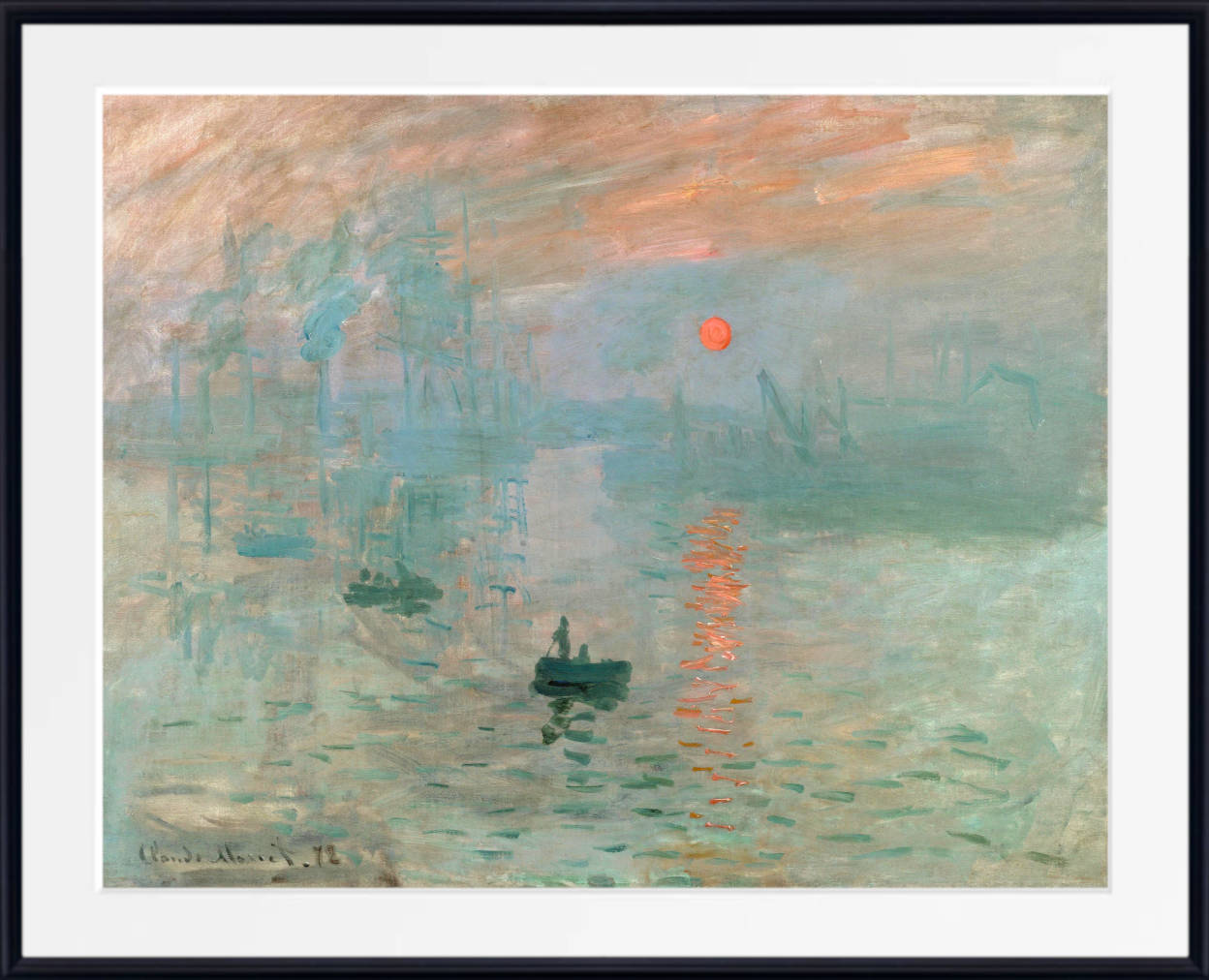
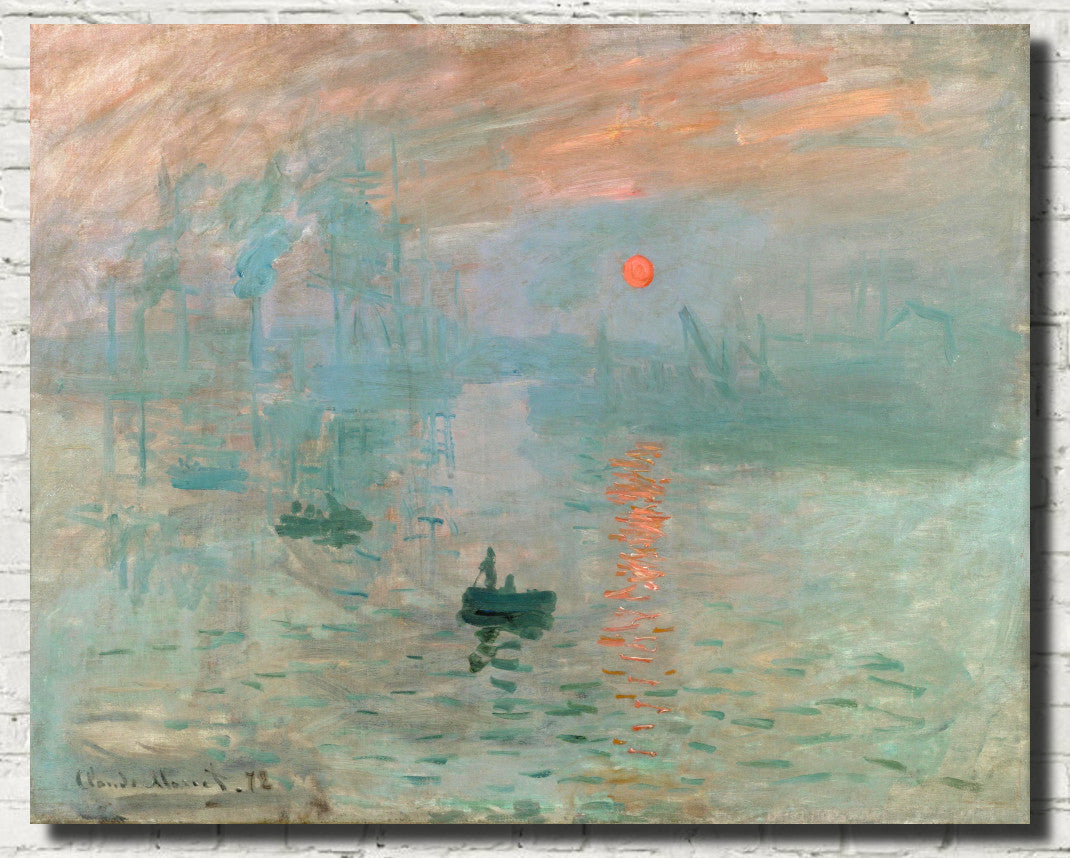
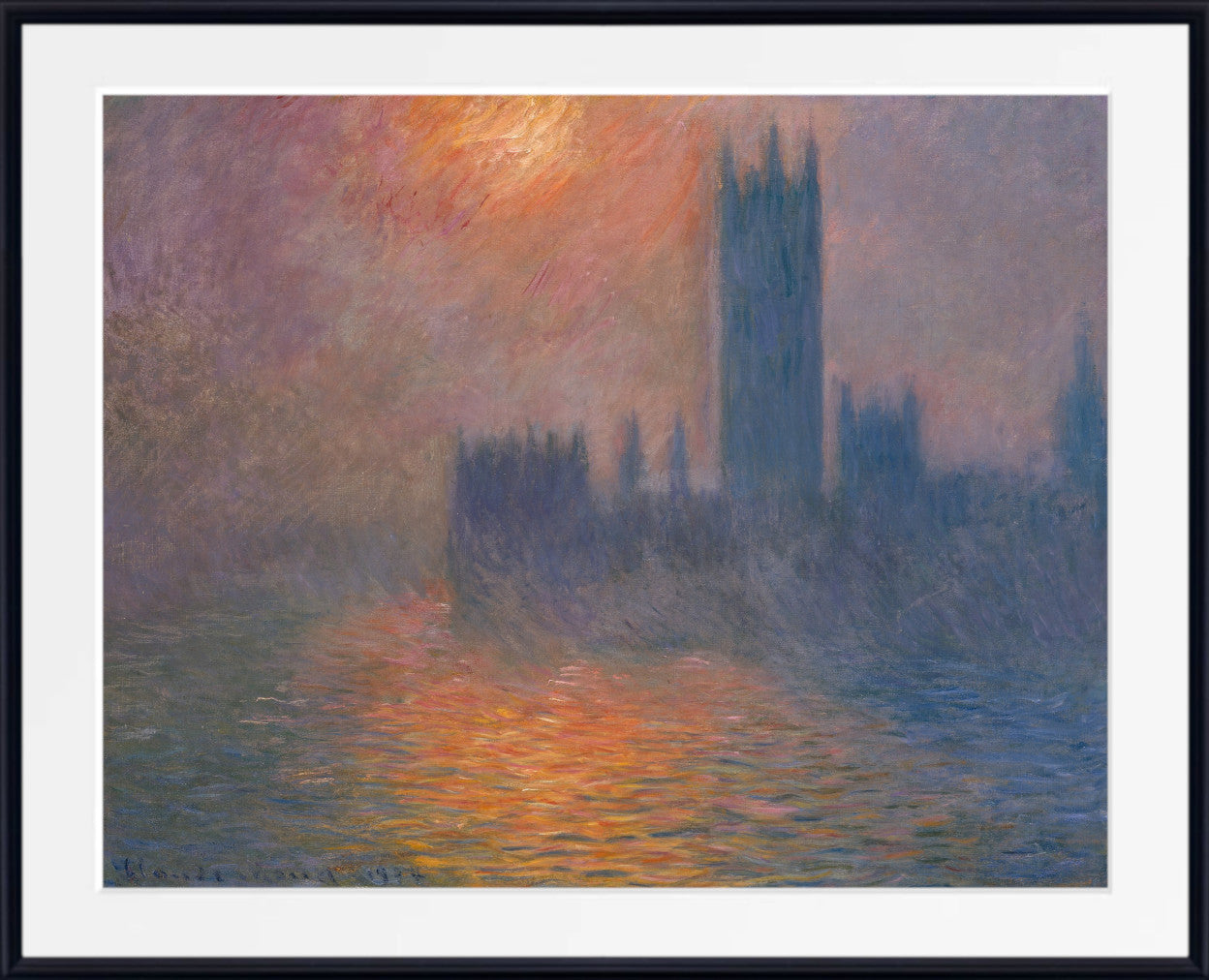
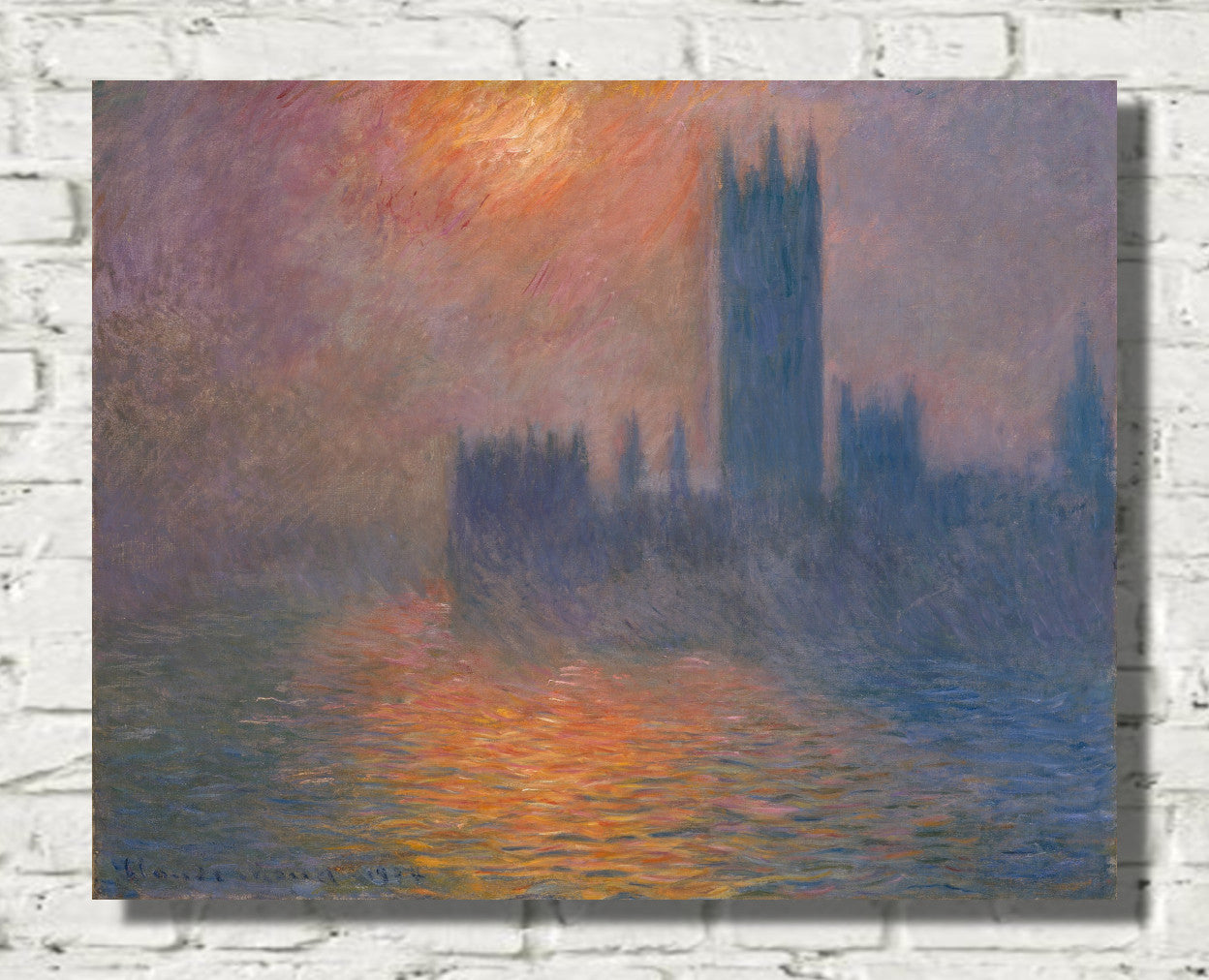
Claude Monet became the artist most closely identified with Impressionism.
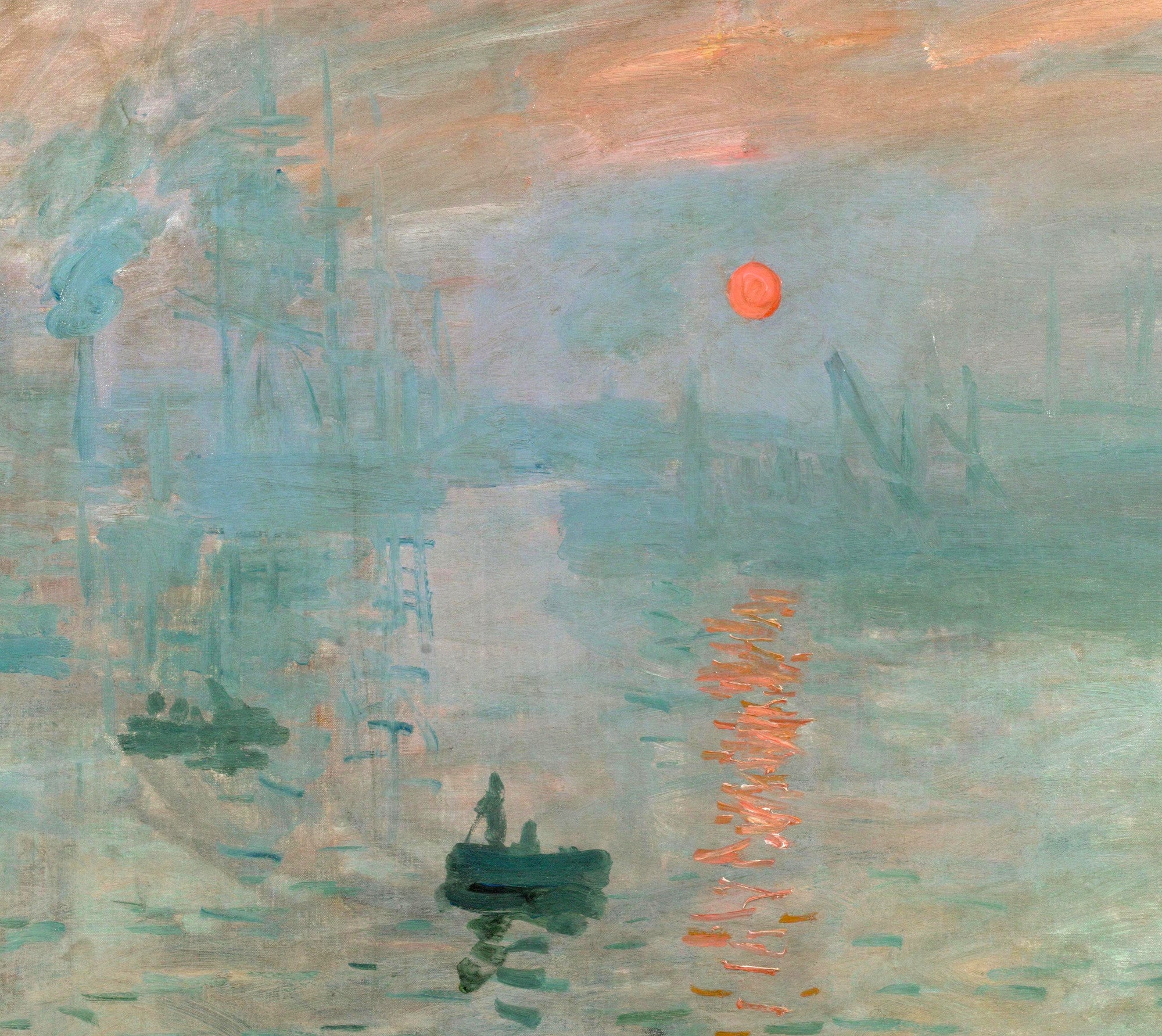
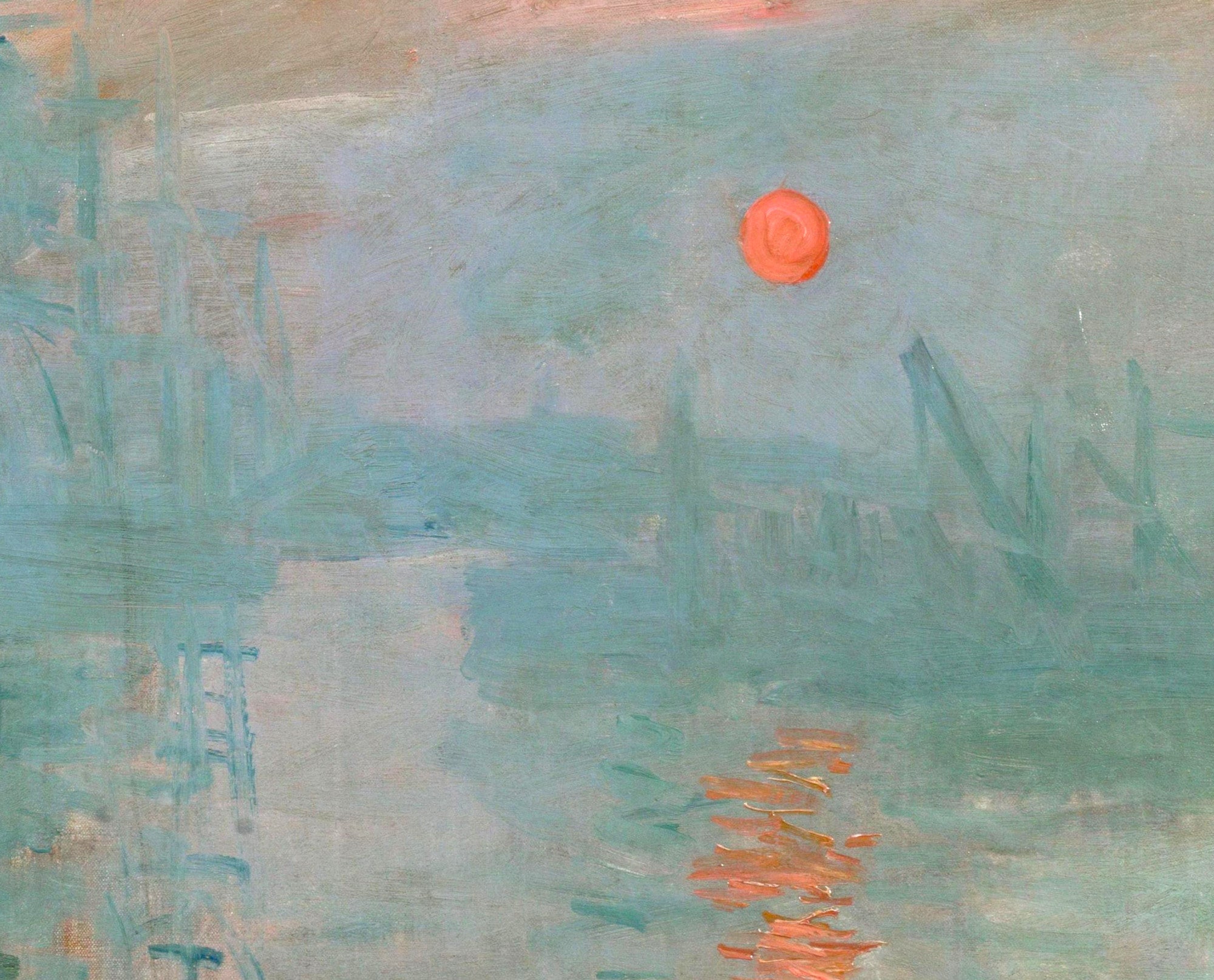
Throughout his career he returned repeatedly to subjects that allowed him to study changing conditions of light and atmosphere.
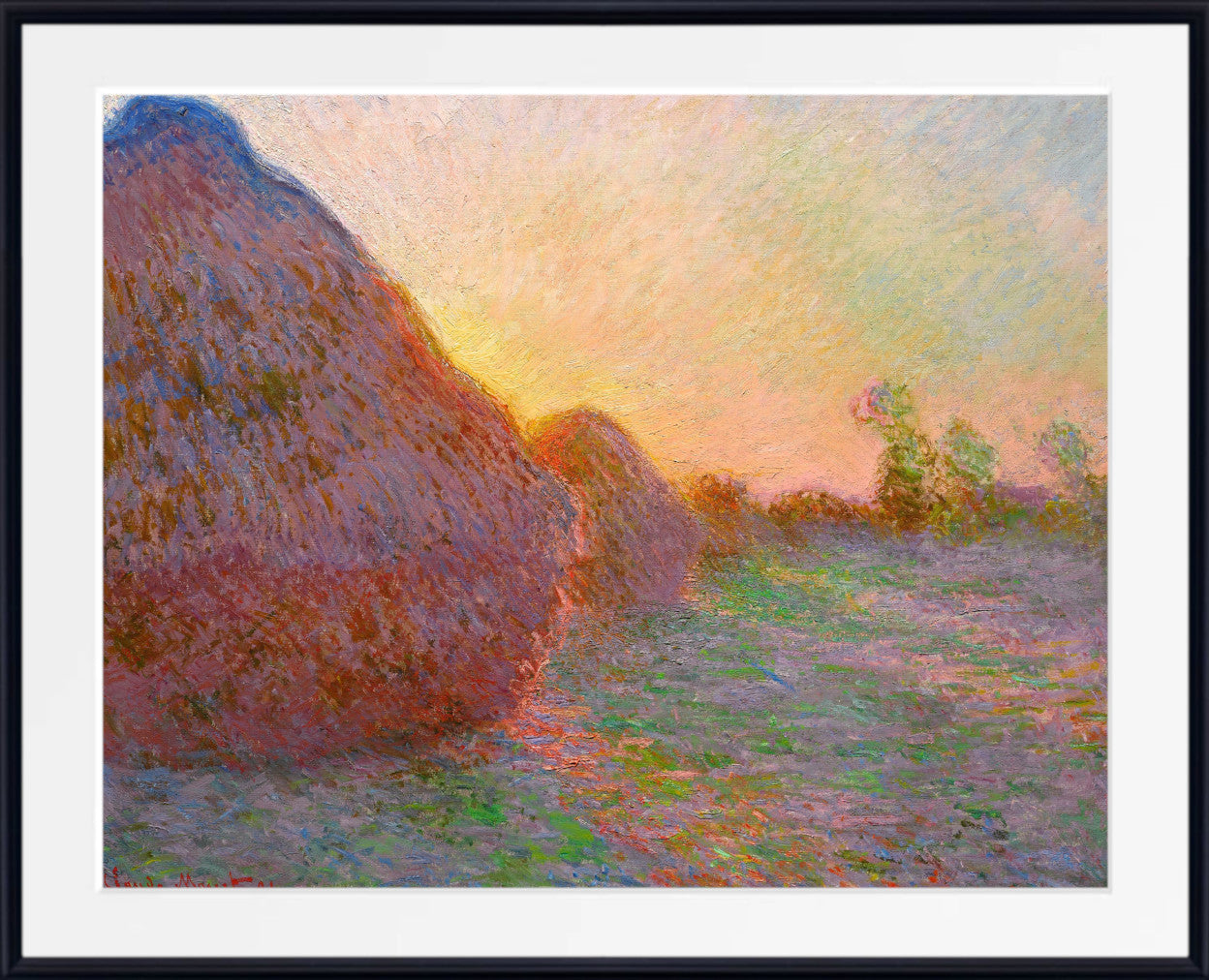
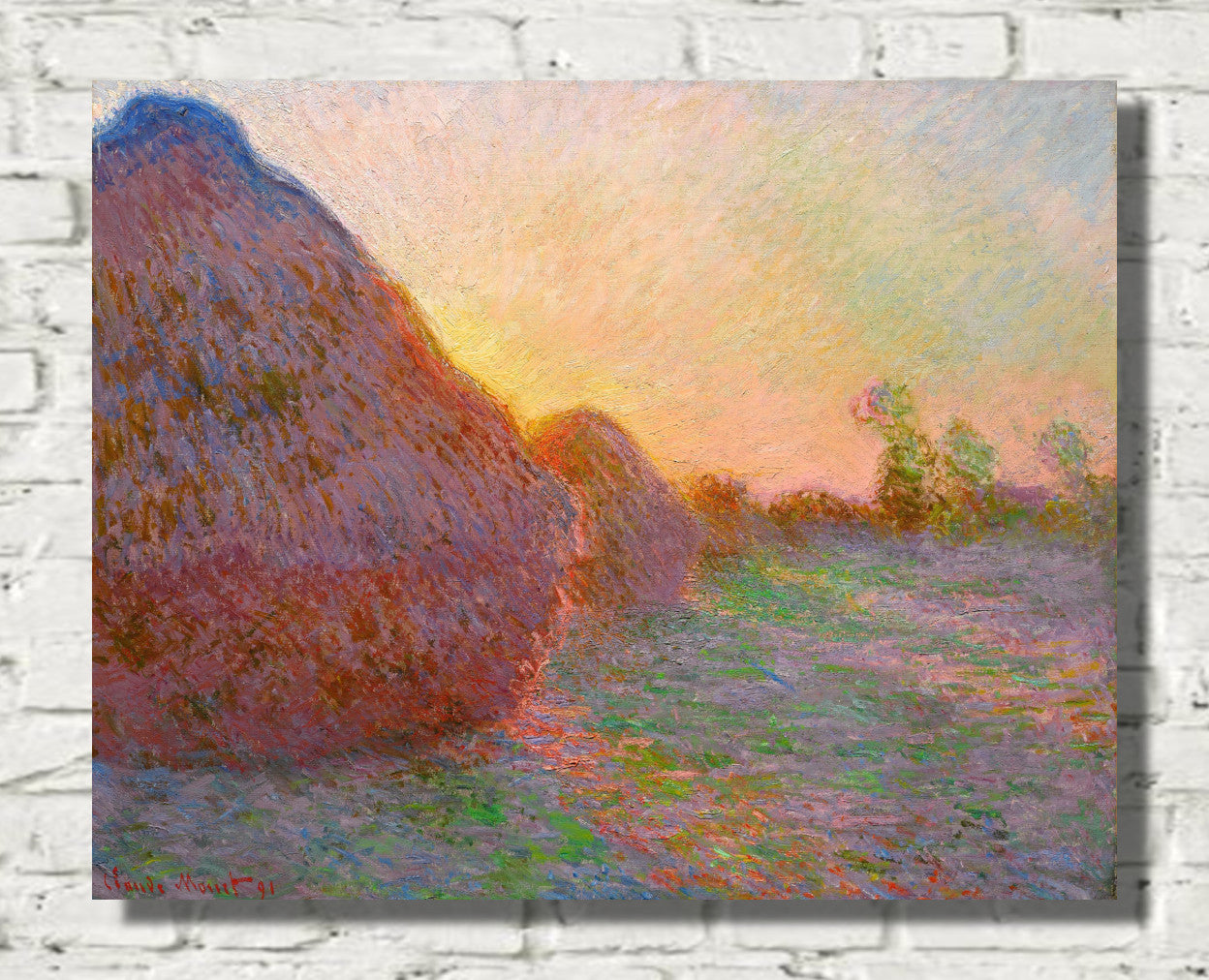
Rivers, coastlines, haystacks, poplars, railway stations and gardens could all become the basis for sustained observation.
Rather than searching constantly for new subjects, Monet often discovered new visual possibilities by painting the same place repeatedly under different weather, seasons and times of day.
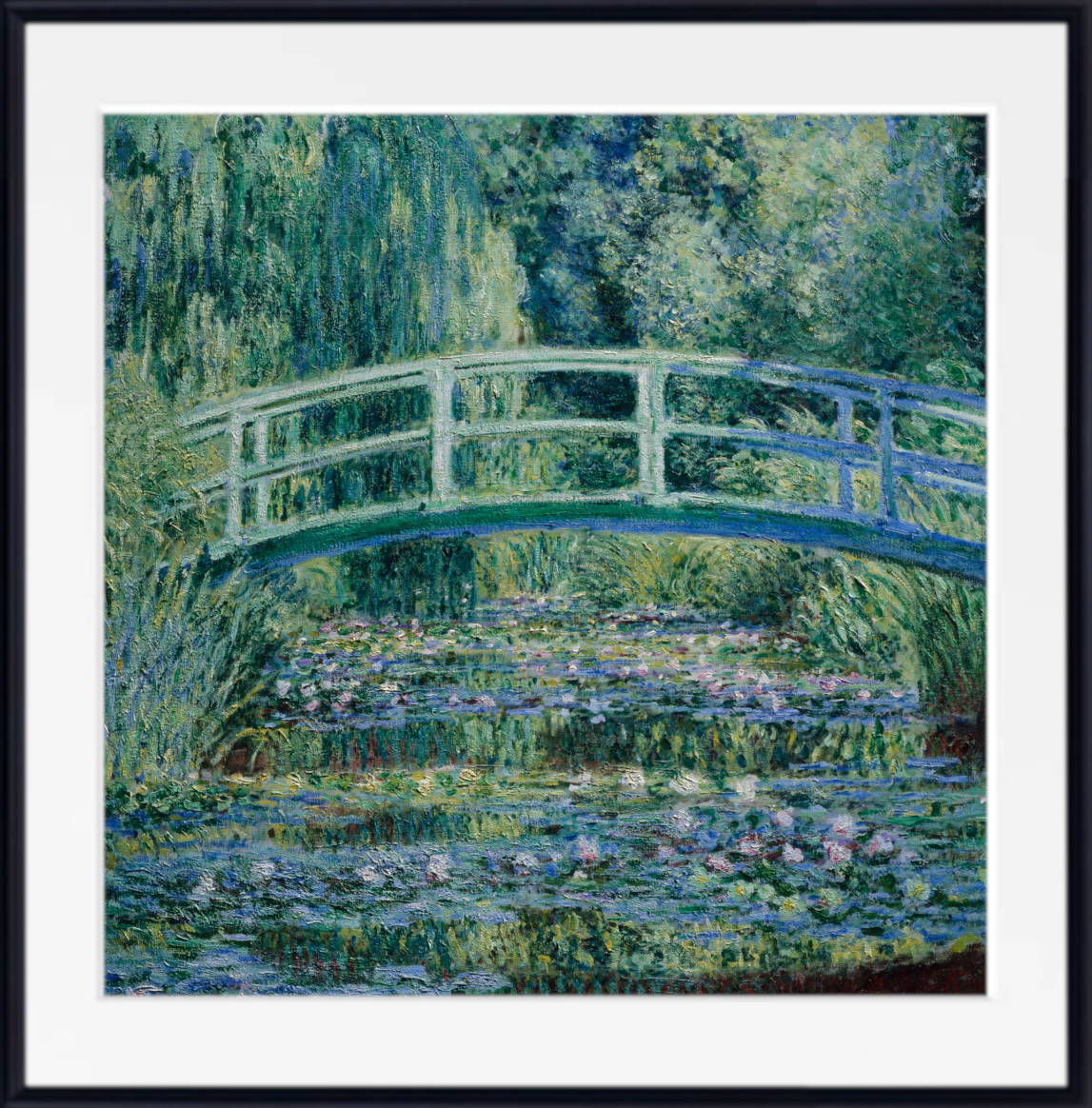
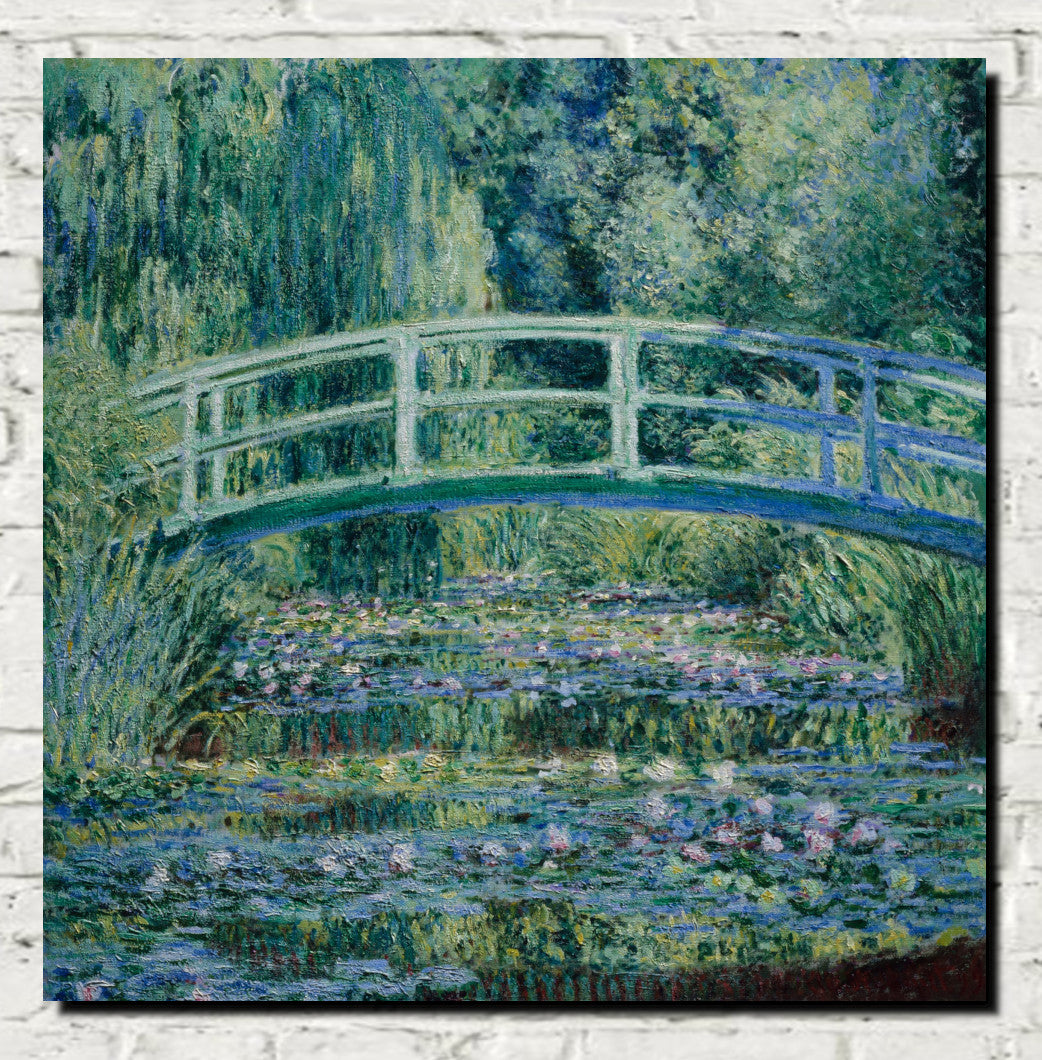
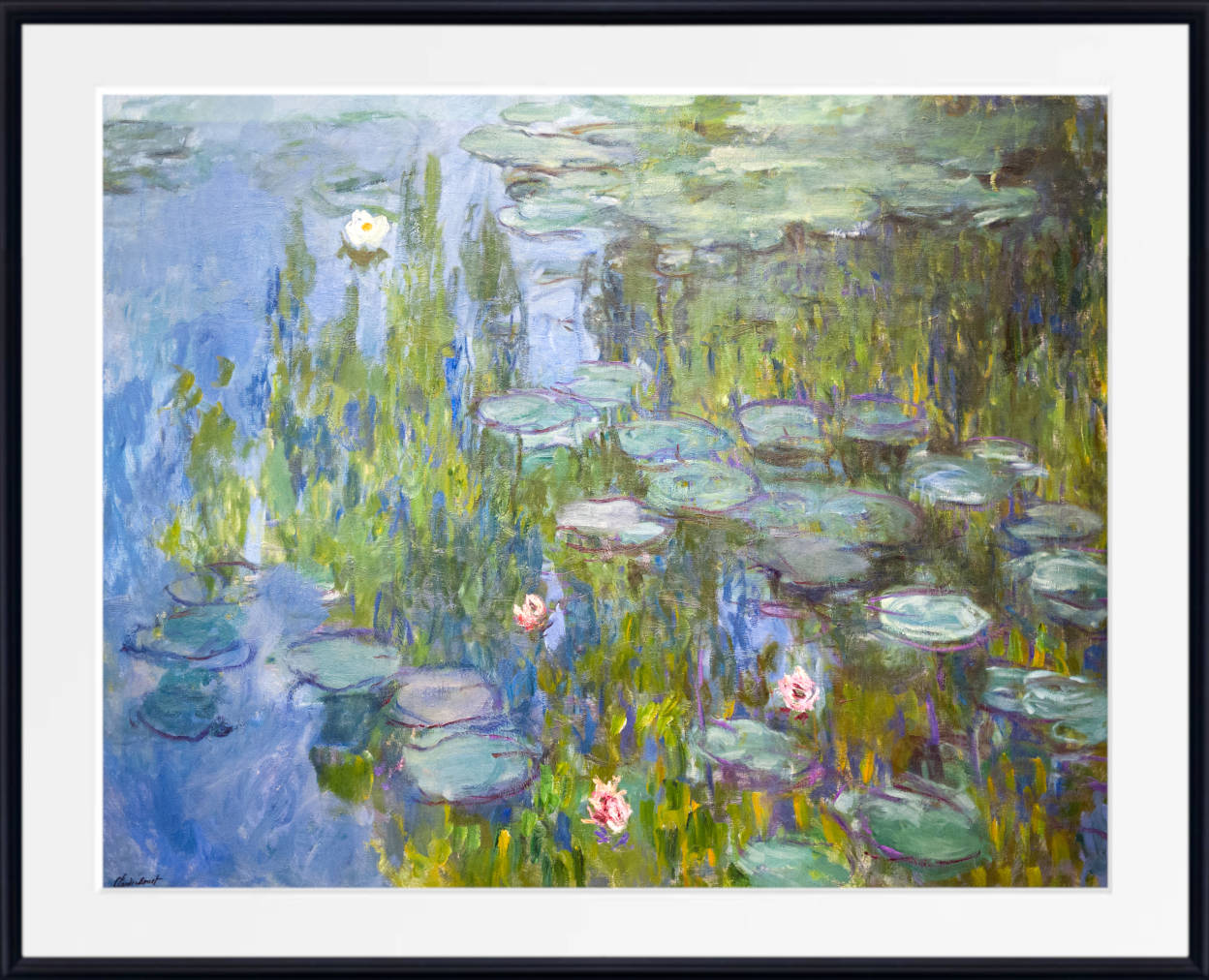
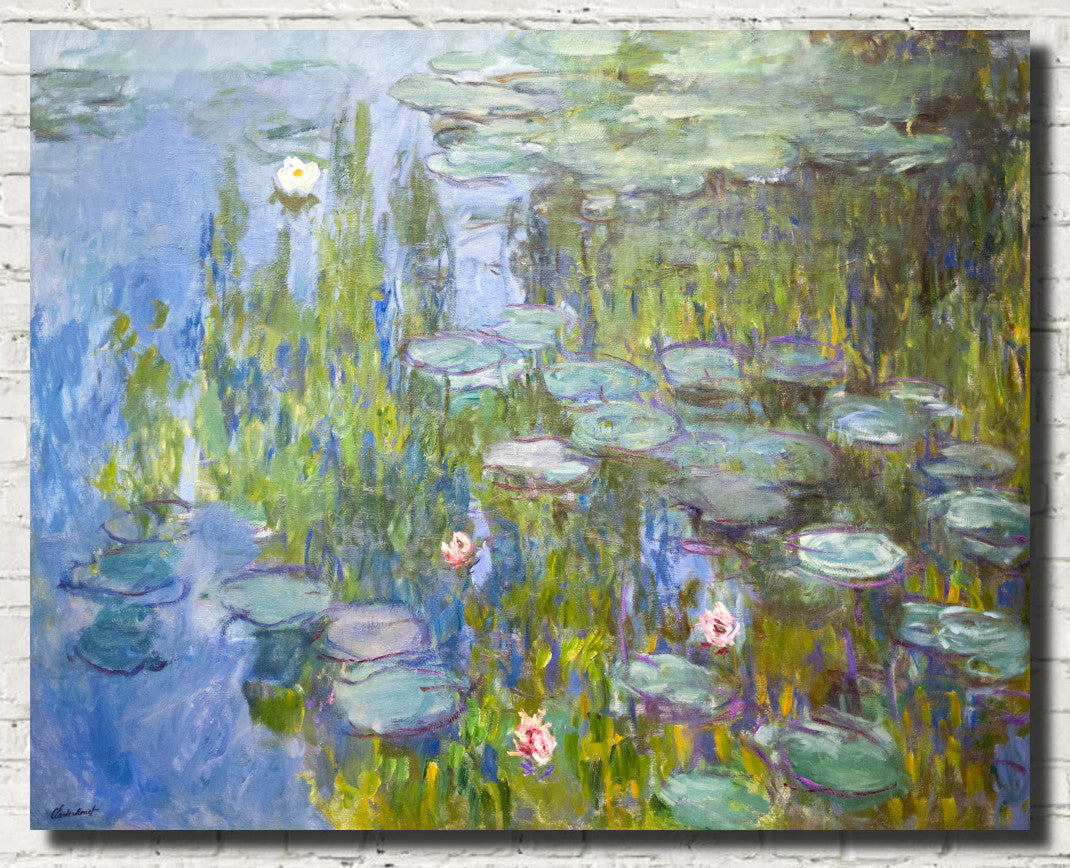
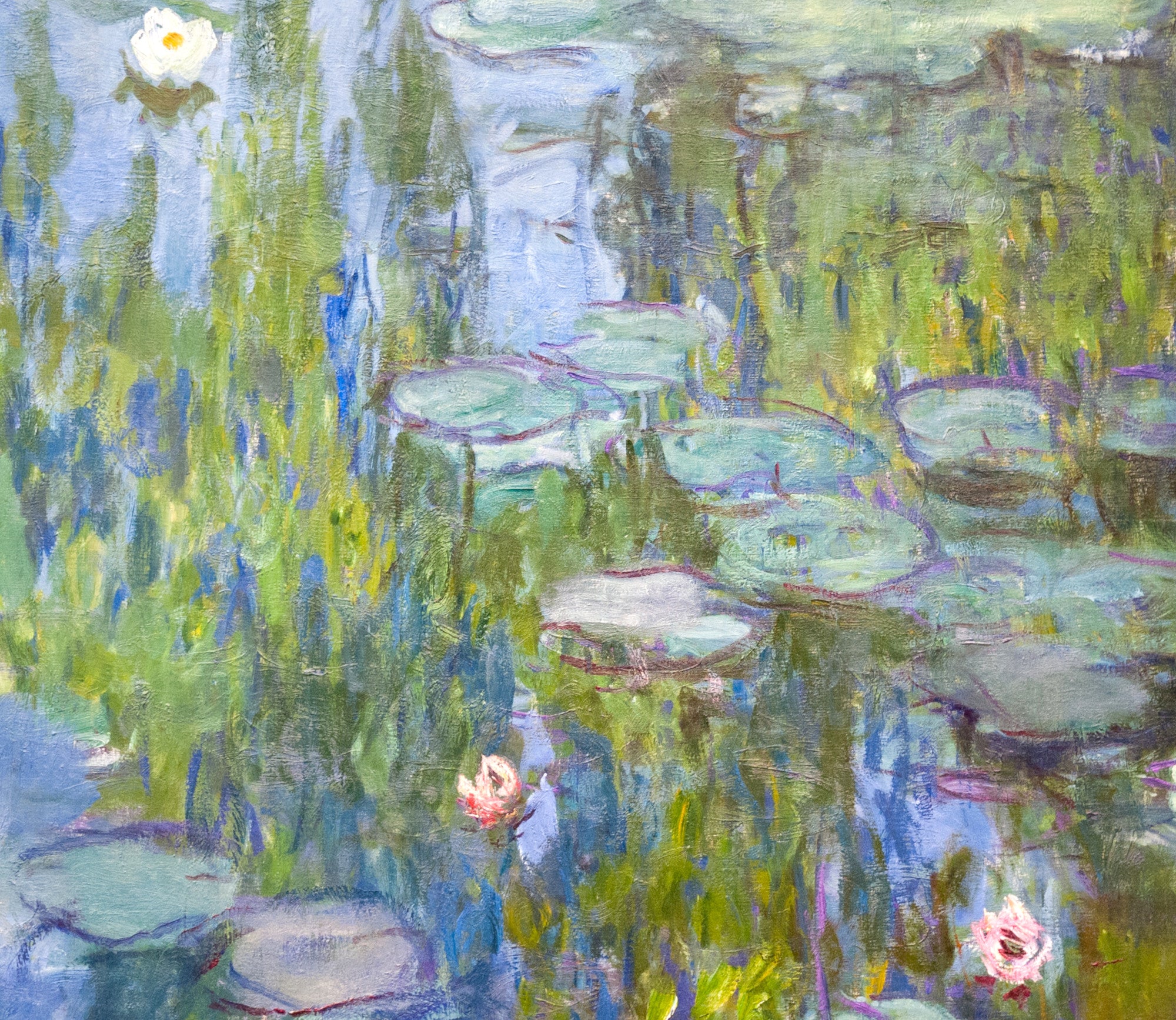
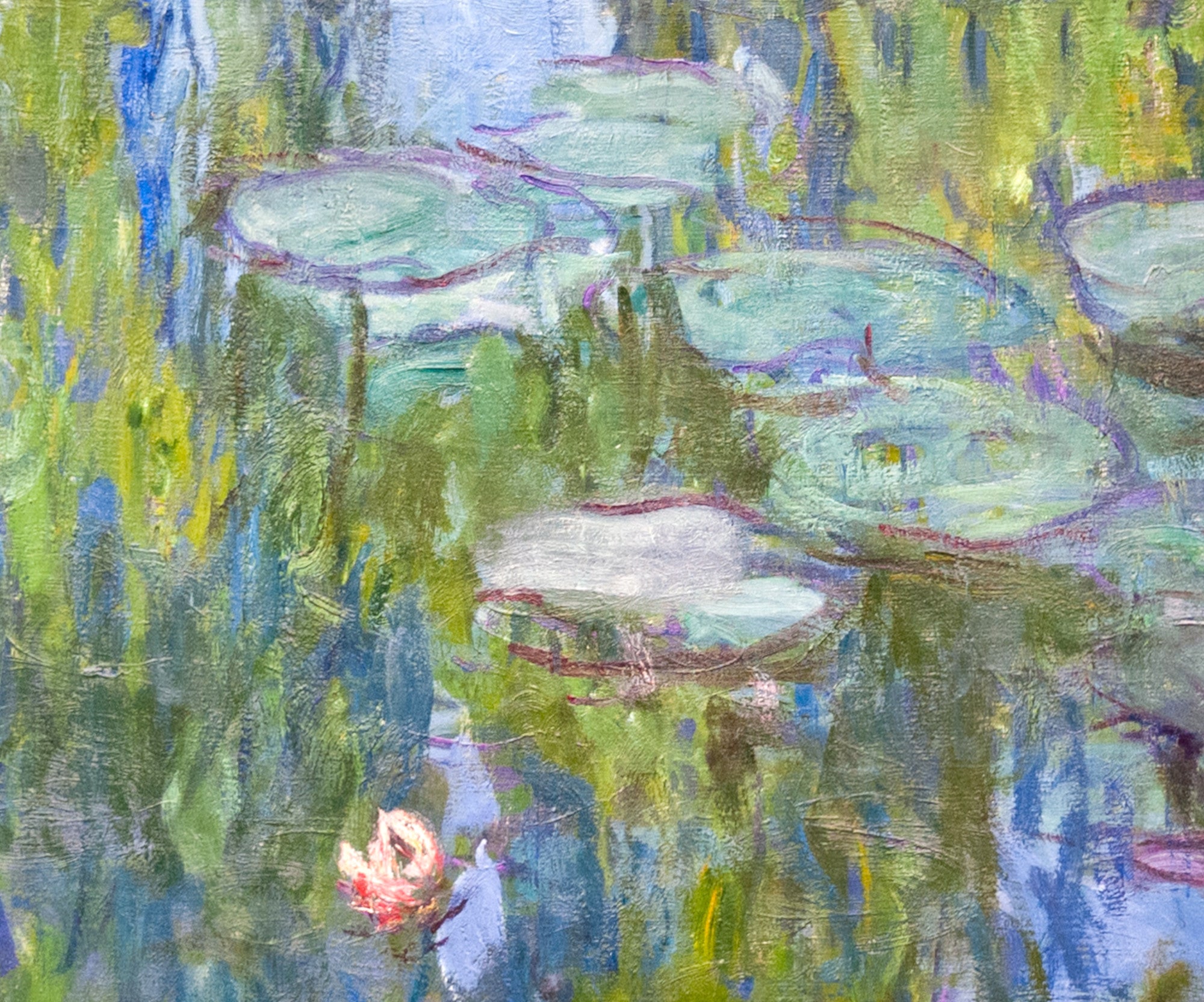
His garden at Giverny eventually became his most famous subject. Water lilies, reflections, flowering borders and the Japanese bridge allowed him to push Impressionist ideas about colour and perception in increasingly ambitious directions.
Explore the dedicated Monet's Garden at Giverny collection for paintings connected with the garden and landscape that dominated his later career.
Pierre-Auguste Renoir and Modern Leisure
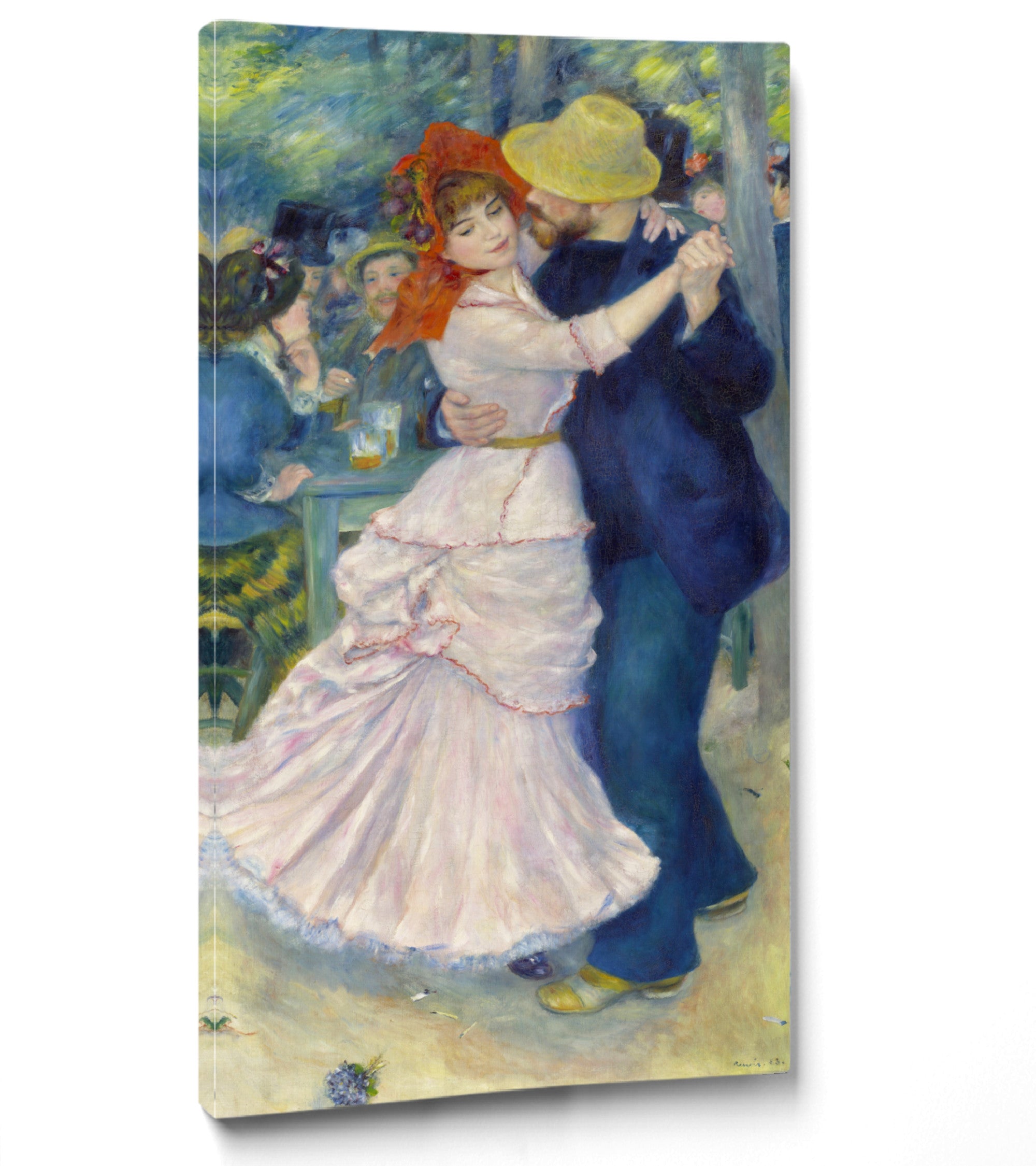
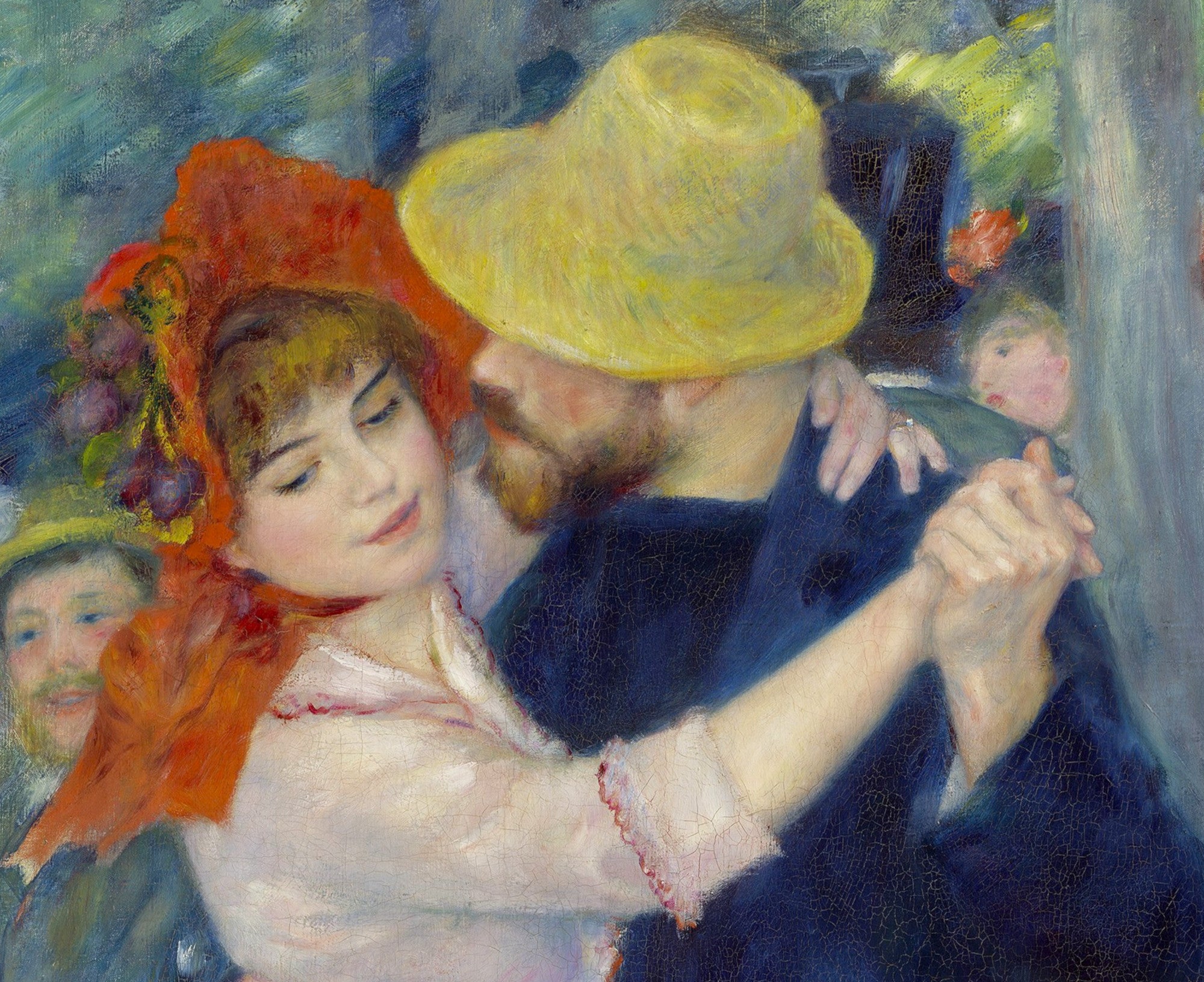
Pierre-Auguste Renoir brought warmth, colour and human interaction to Impressionism.
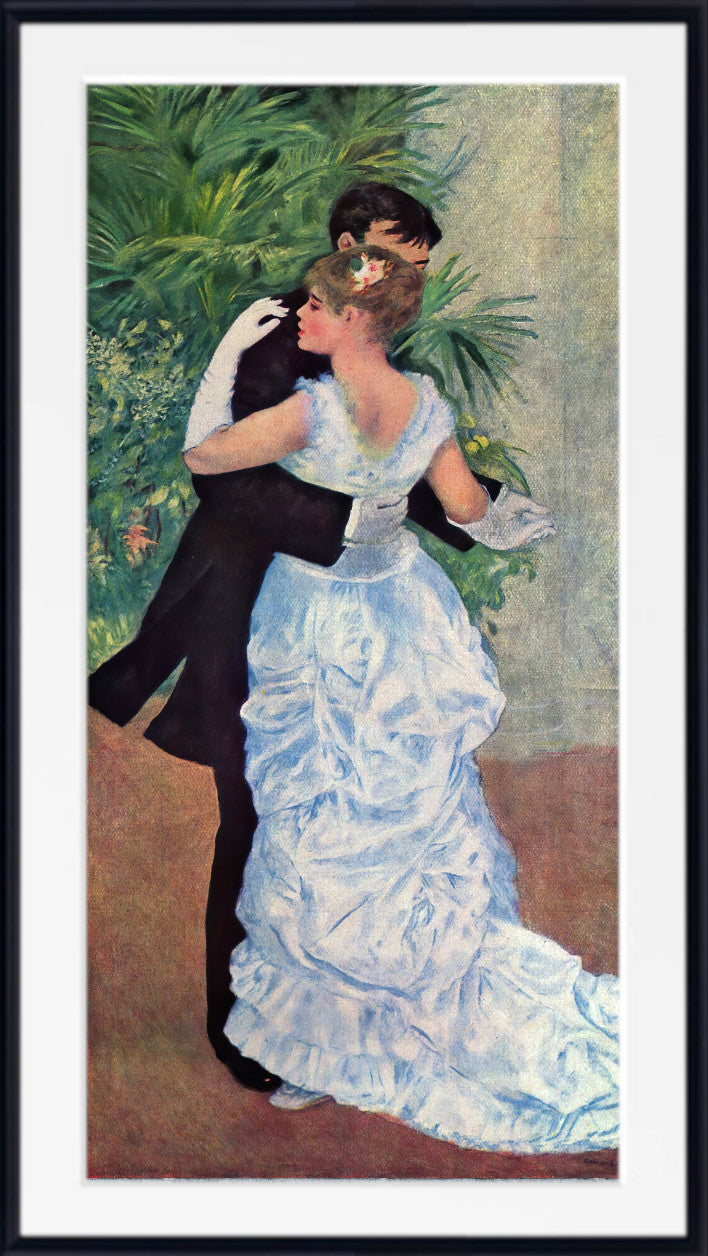
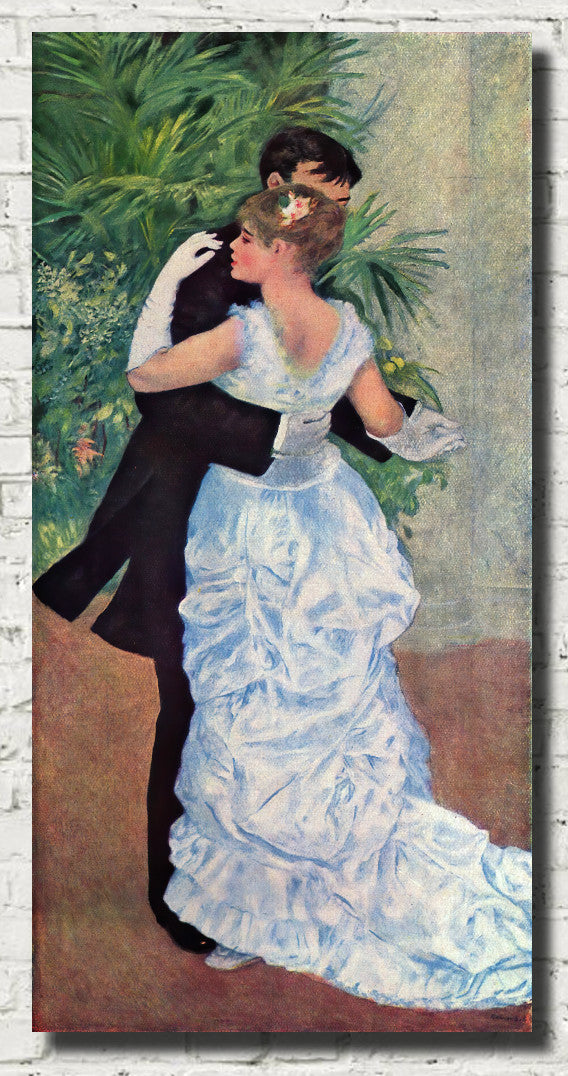
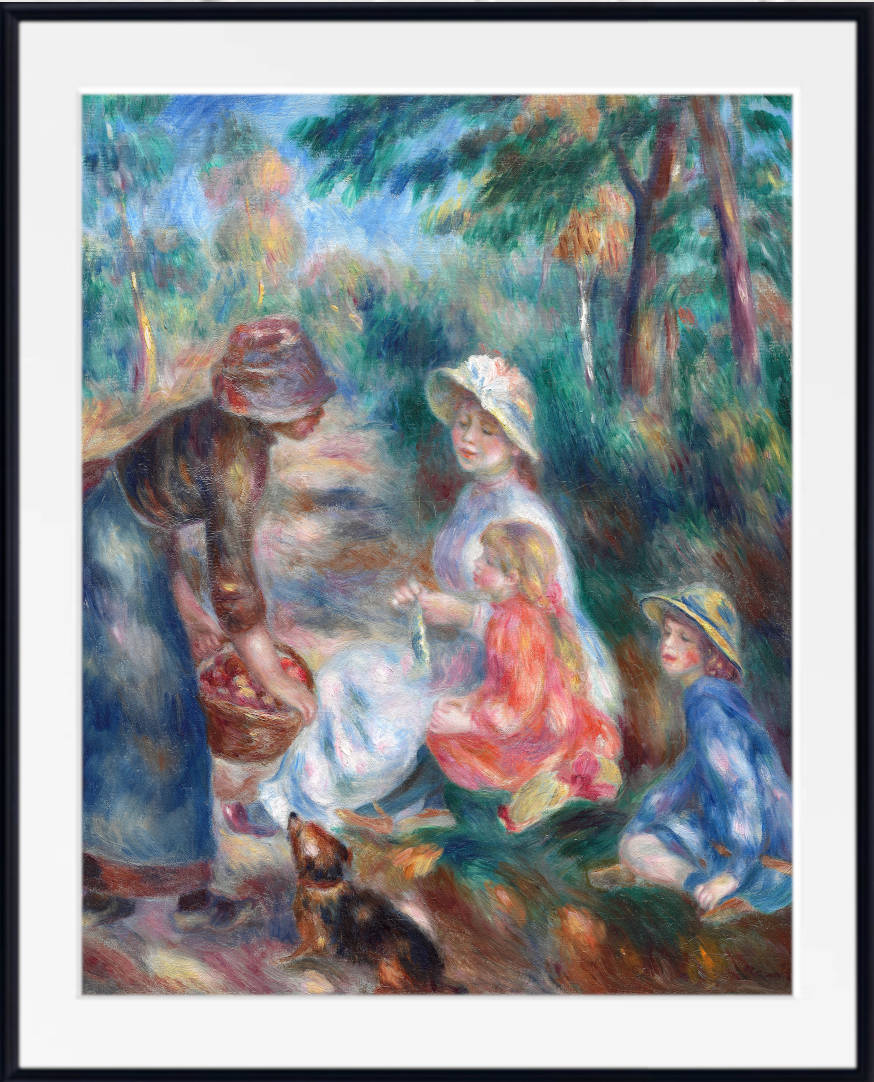
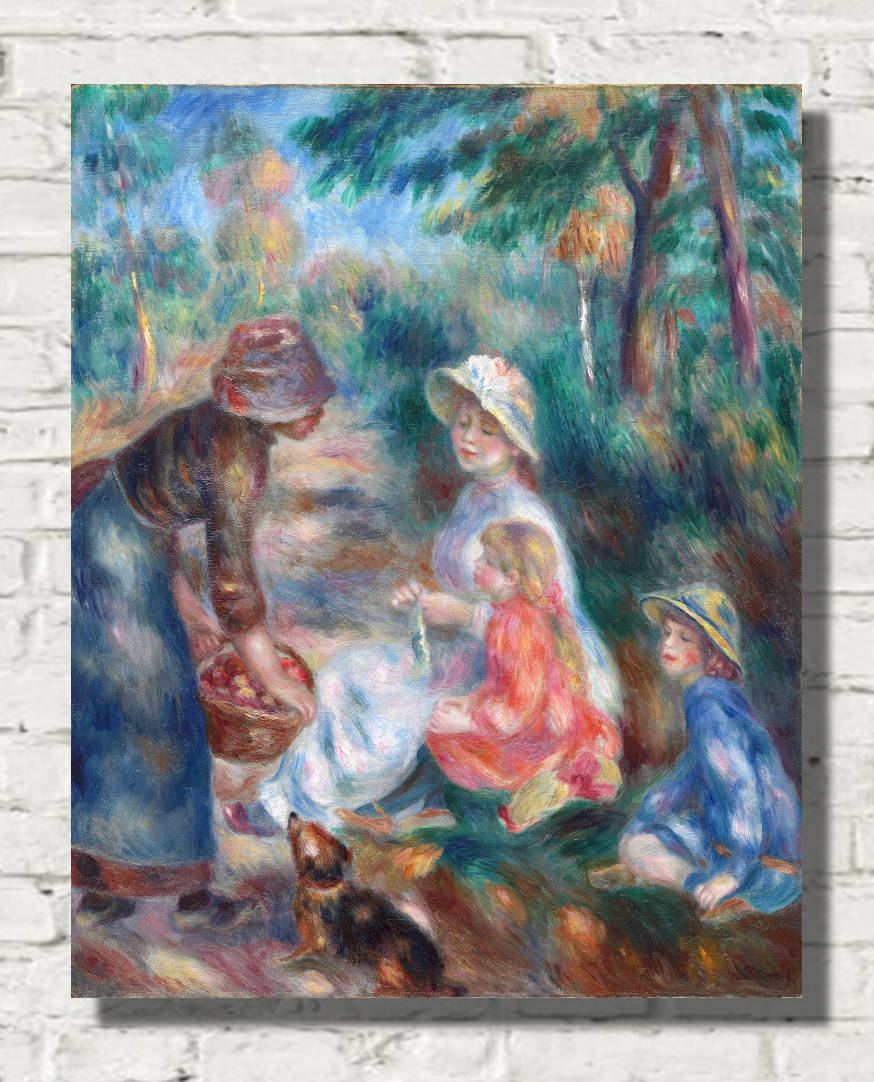
His paintings frequently show people enjoying theatres, cafés, dances, gardens, boating and other aspects of modern leisure.
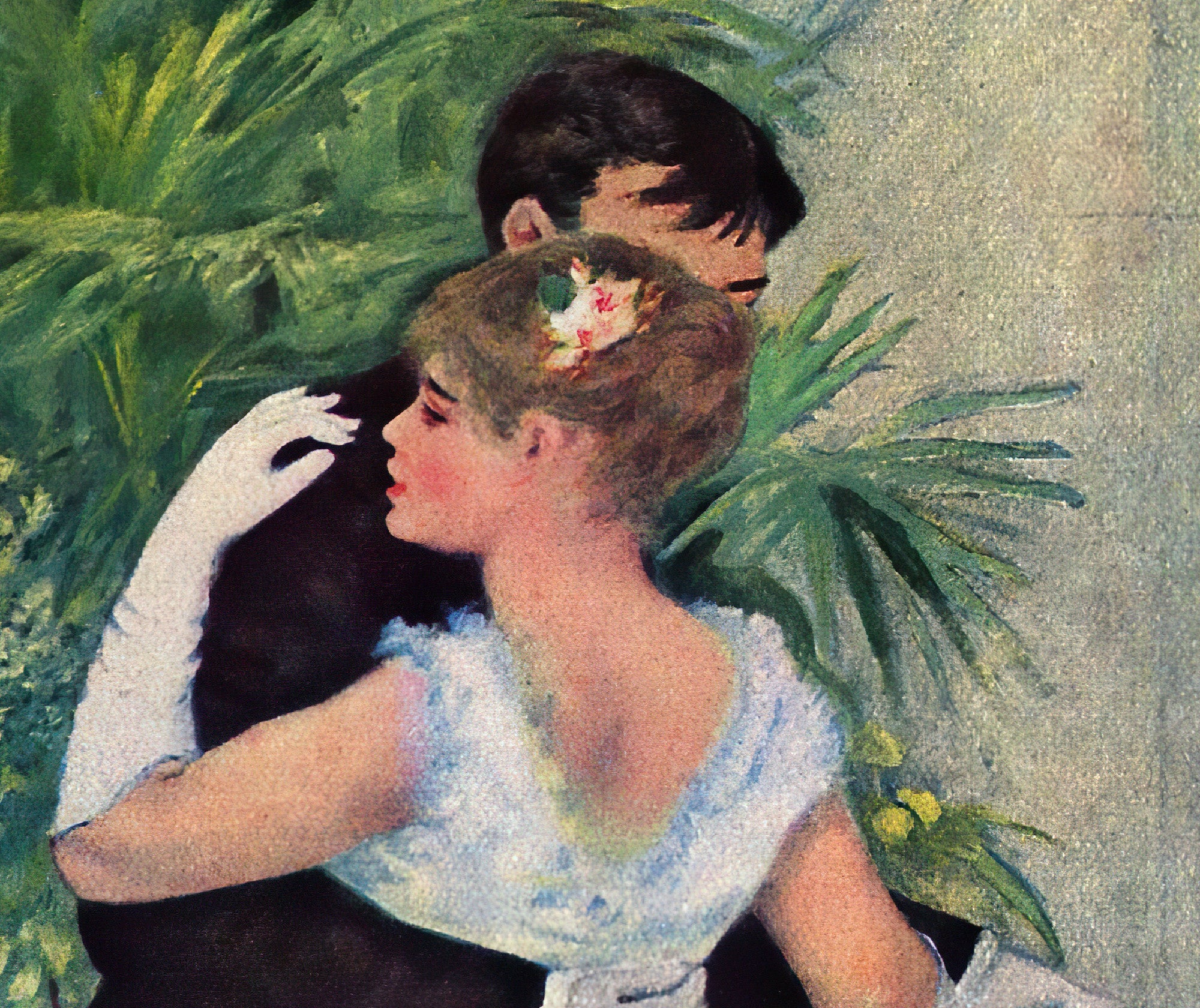
Rather than presenting figures as stiff formal portraits, Renoir often places them within social settings filled with movement and changing light.
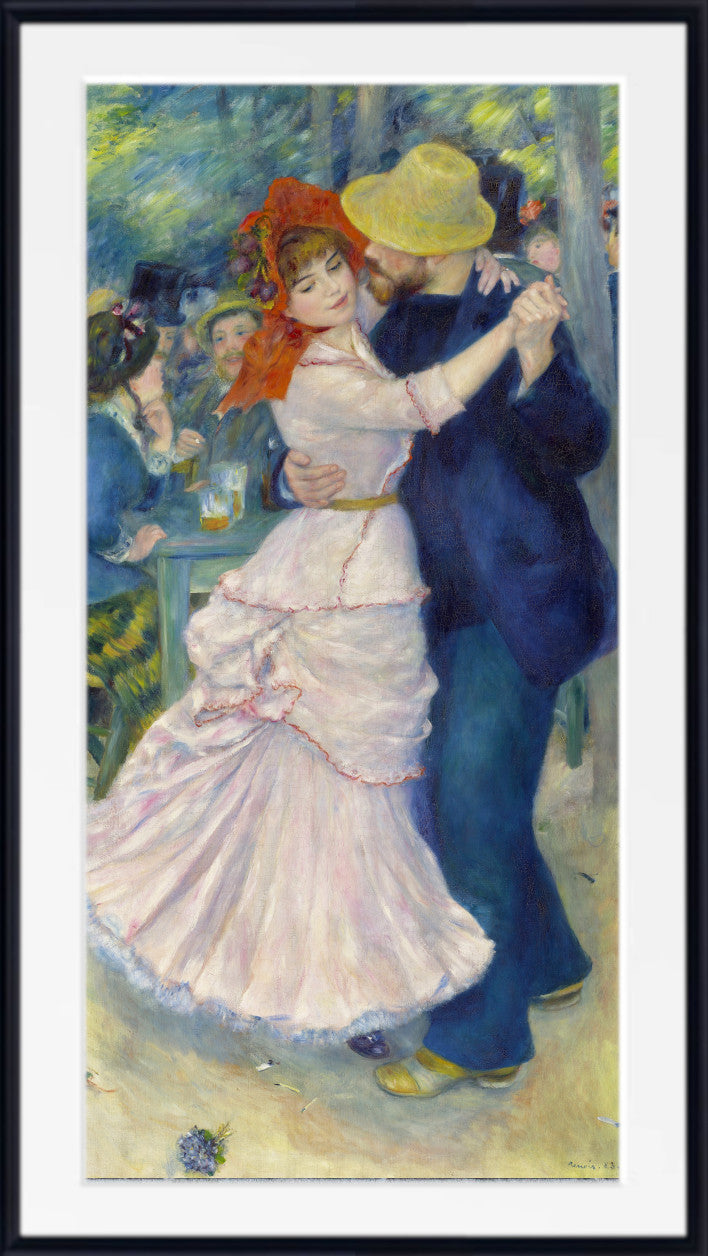
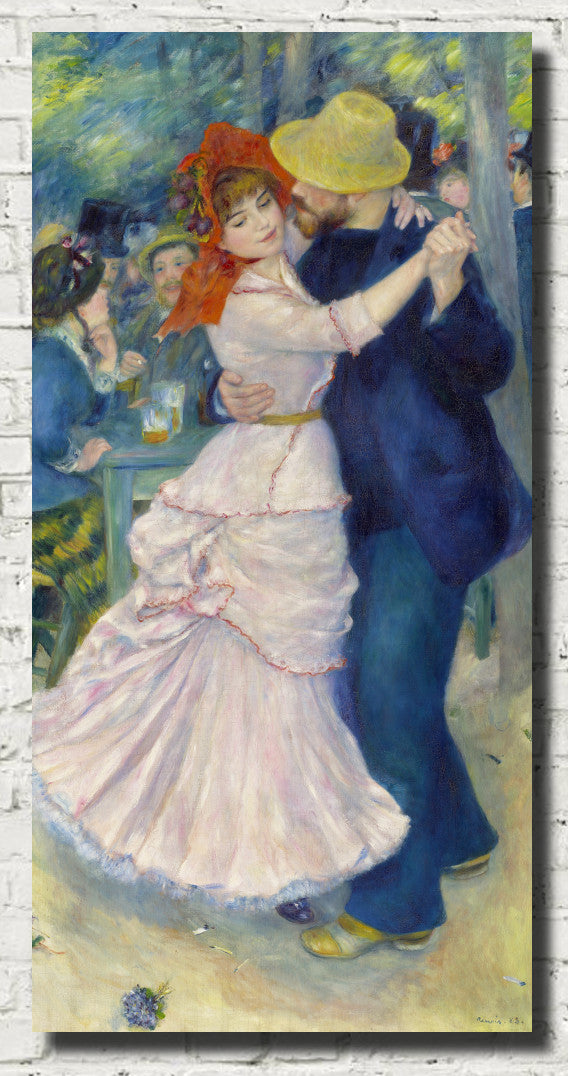
Works such as Dance at Le Moulin de la Galette became defining images of Impressionist modernity because the subject, brushwork and flickering sunlight all reinforce the sensation of a particular moment.
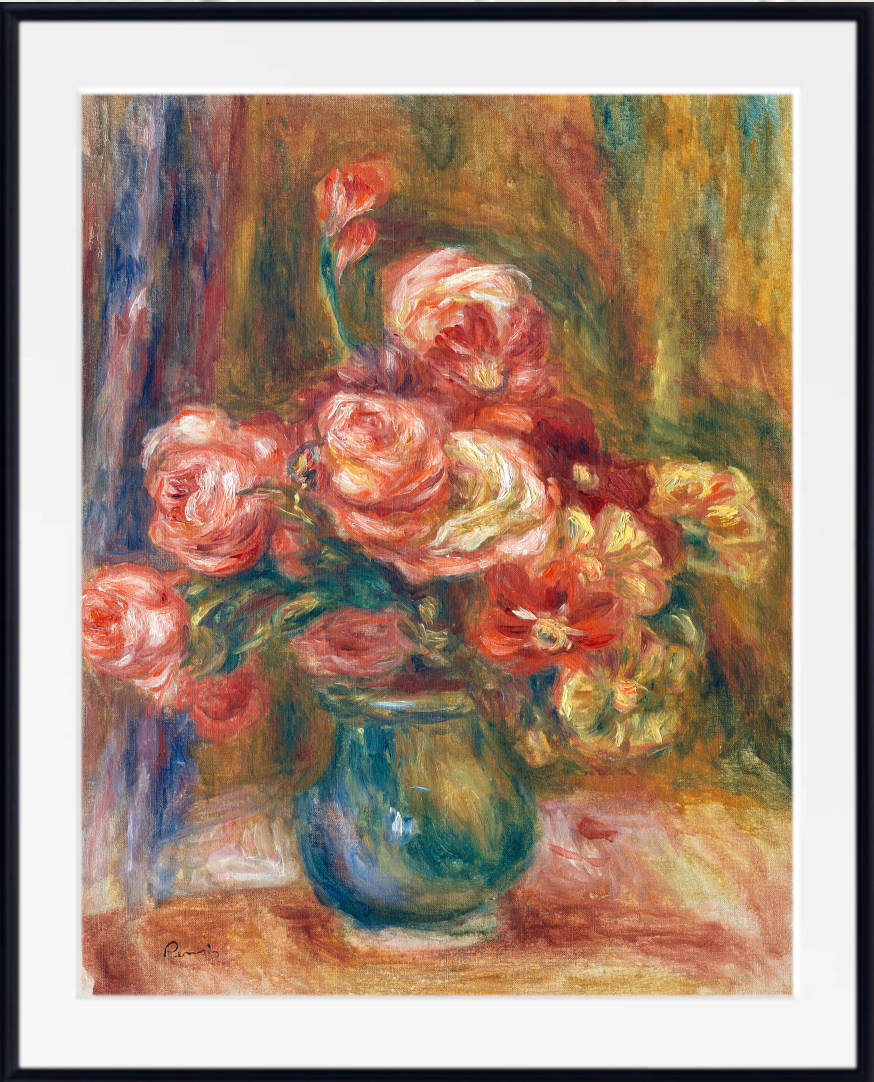
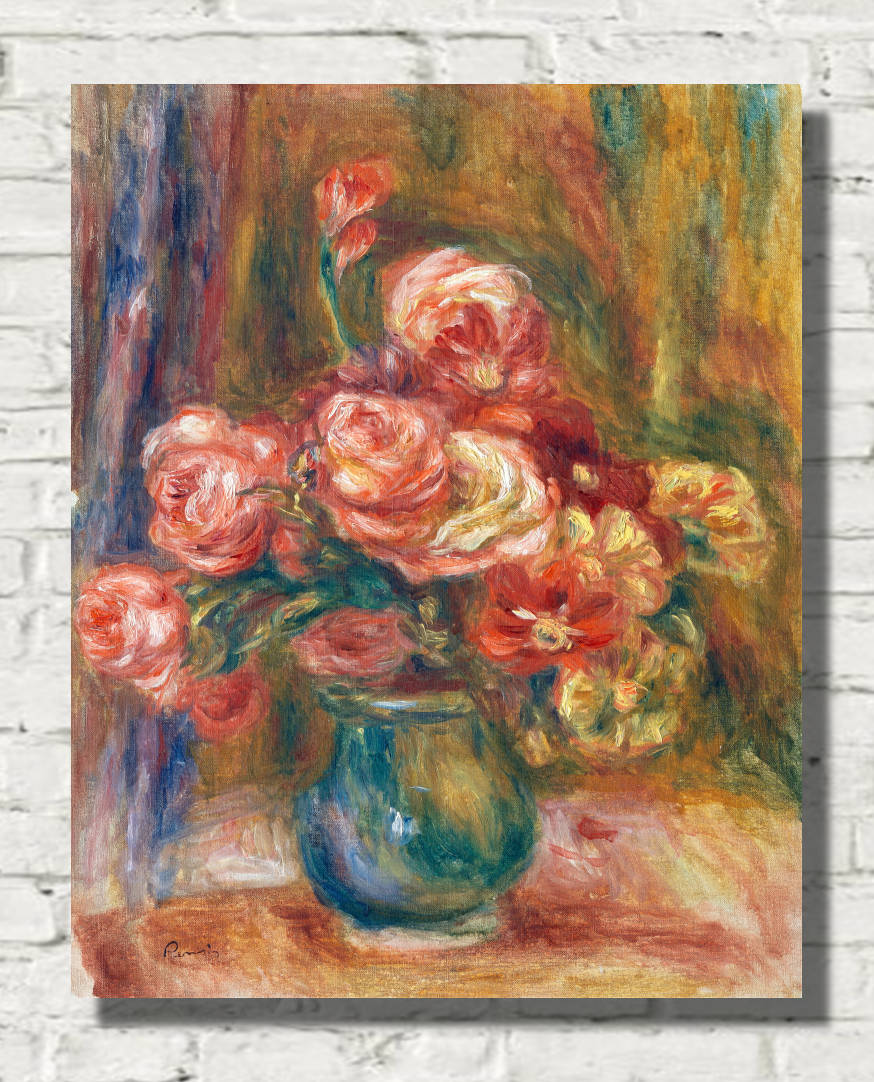
Renoir also painted portraits, bathers, landscapes, gardens and floral still lifes, giving his work considerable variety for collectors looking for Impressionist prints.
Camille Pissarro: Landscape and the Modern City
Camille Pissarro played a central role in the development of Impressionism.
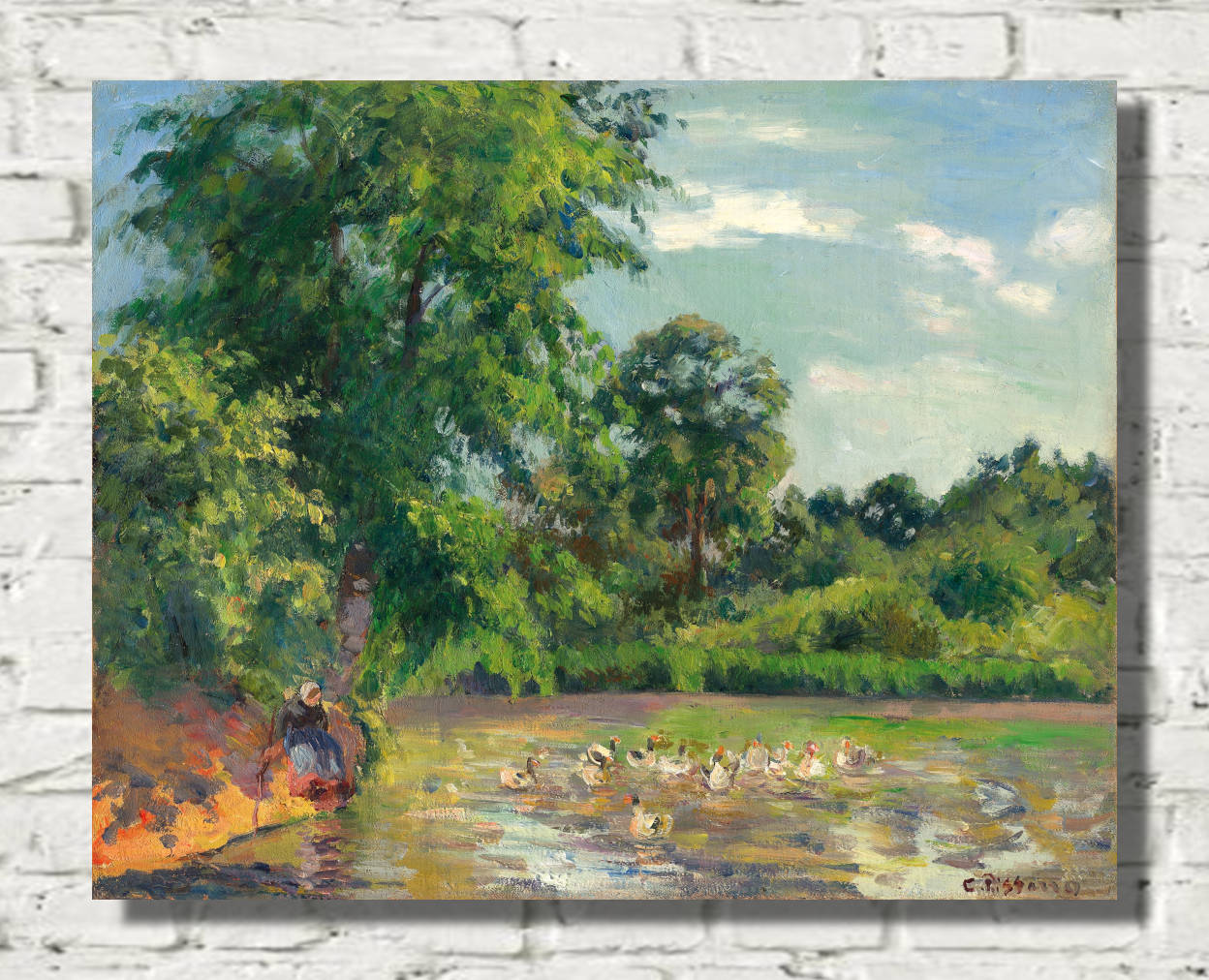
His rural paintings explore villages, fields, roads, orchards and river landscapes through subtle changes in weather and season.
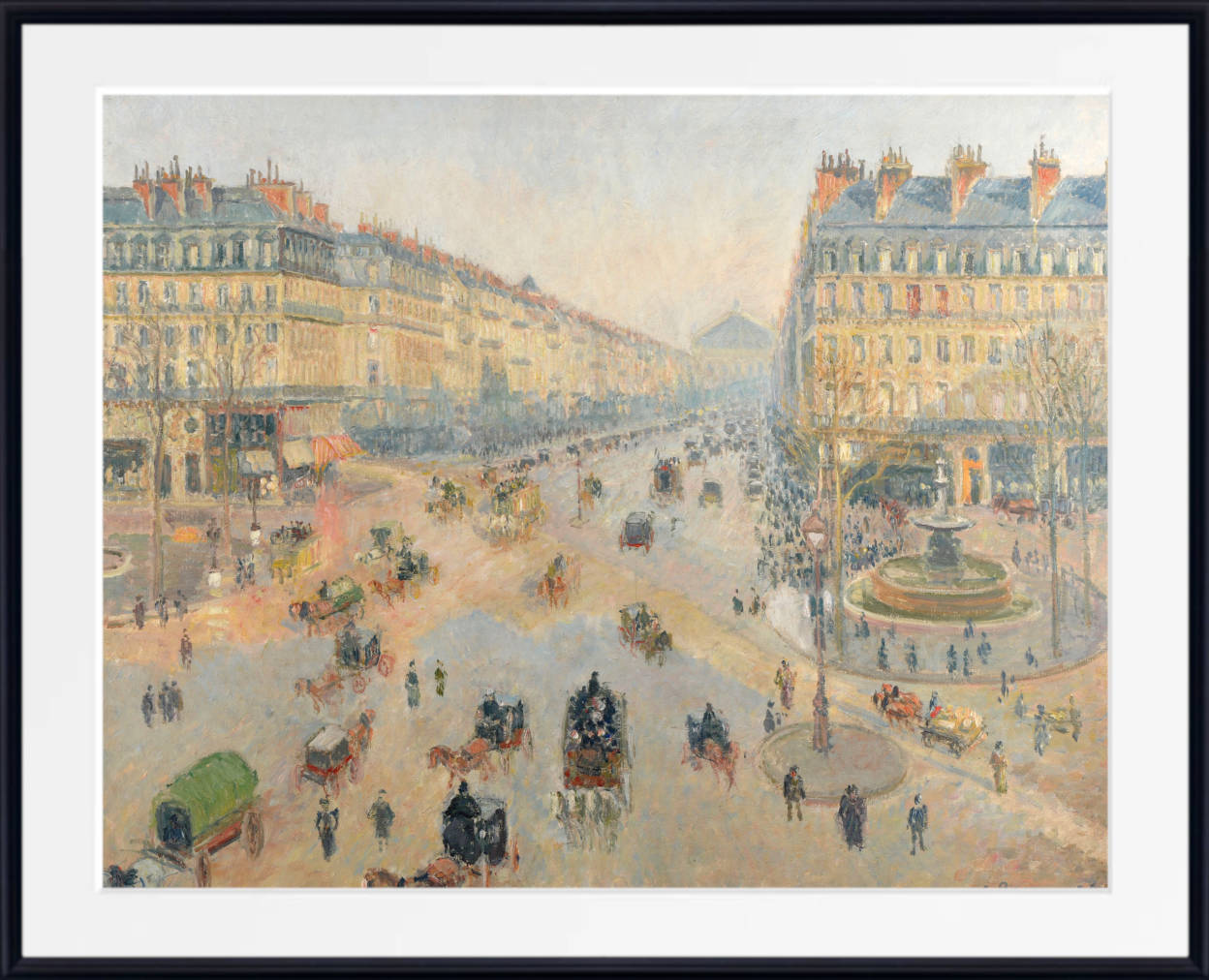
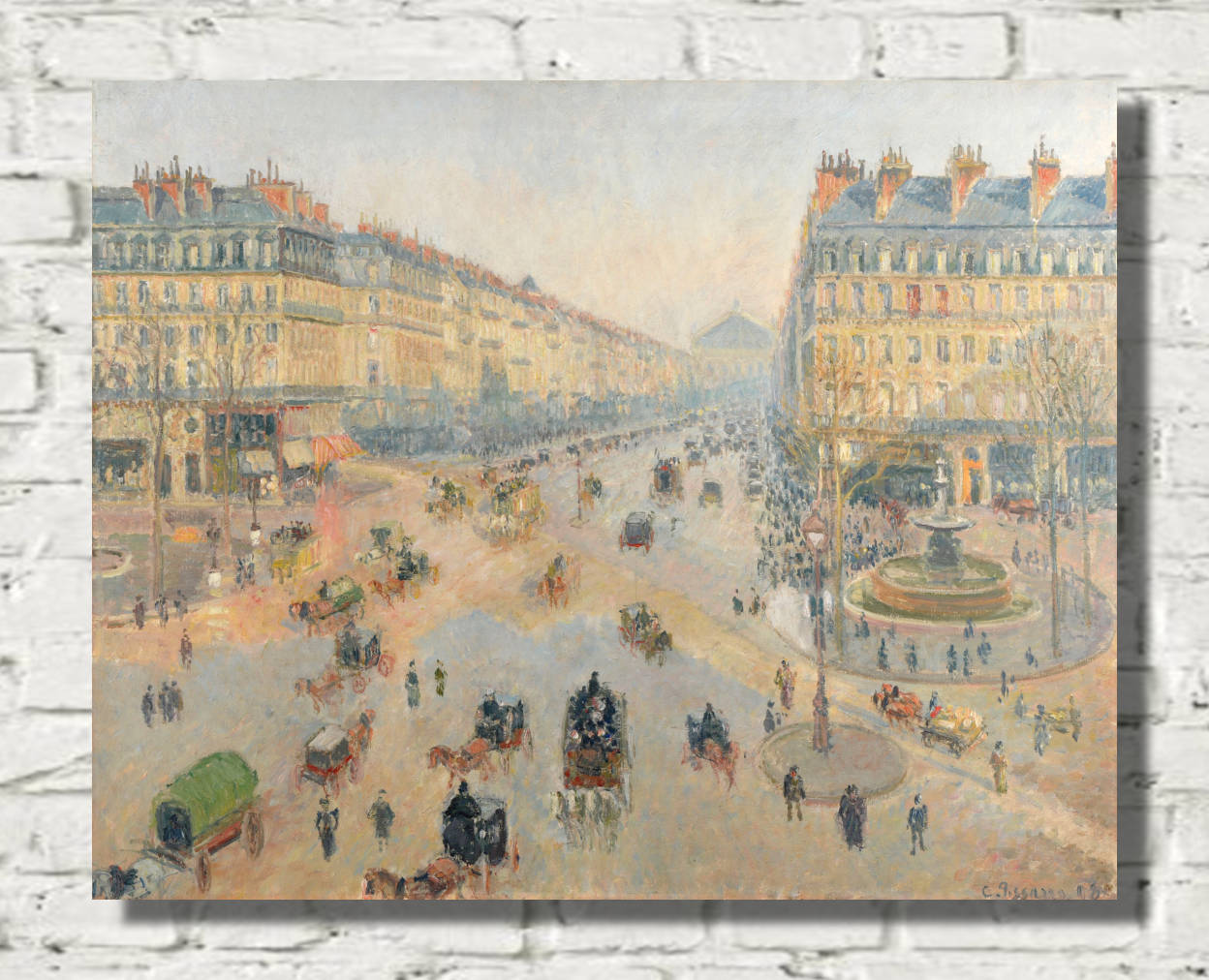
Later in his career, Pissarro also produced remarkable series of urban paintings from elevated viewpoints.
Parisian boulevards filled with pedestrians, carriages, snow, rain or changing sunlight allowed him to apply the Impressionist study of atmosphere to the modern city.
These works demonstrate that Impressionism was never confined to idyllic countryside. The transformation of Paris itself was one of the movement's great subjects.
Explore the related Paris and Modern Life collection for paintings inspired by the changing nineteenth-century city.
Alfred Sisley and Impressionist Landscape
Alfred Sisley devoted much of his career to landscape.
Riverbanks, villages, bridges, roads, snow and flooded landscapes provided subjects through which he could study open skies, weather and reflected light.
His paintings often have a quieter character than the crowded scenes associated with Renoir or Degas.
For anyone attracted primarily to the landscape side of Impressionism, Sisley's work offers some of the movement's purest explorations of atmosphere and place.
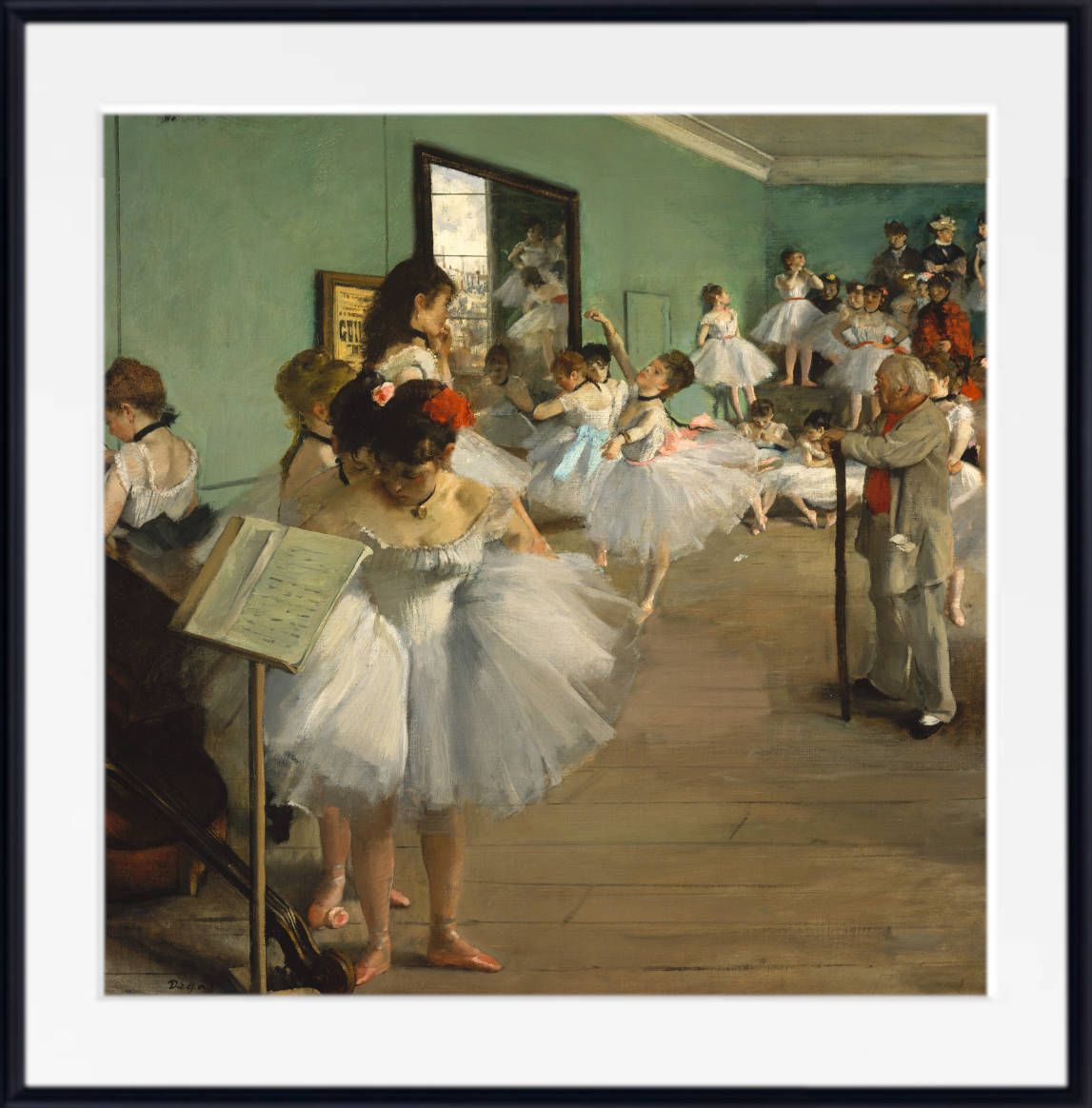
Edgar Degas: Ballet, Figures and Modern Life
Edgar Degas brought a highly distinctive perspective to Impressionism.
He was fascinated by movement, gesture and unusual viewpoints.
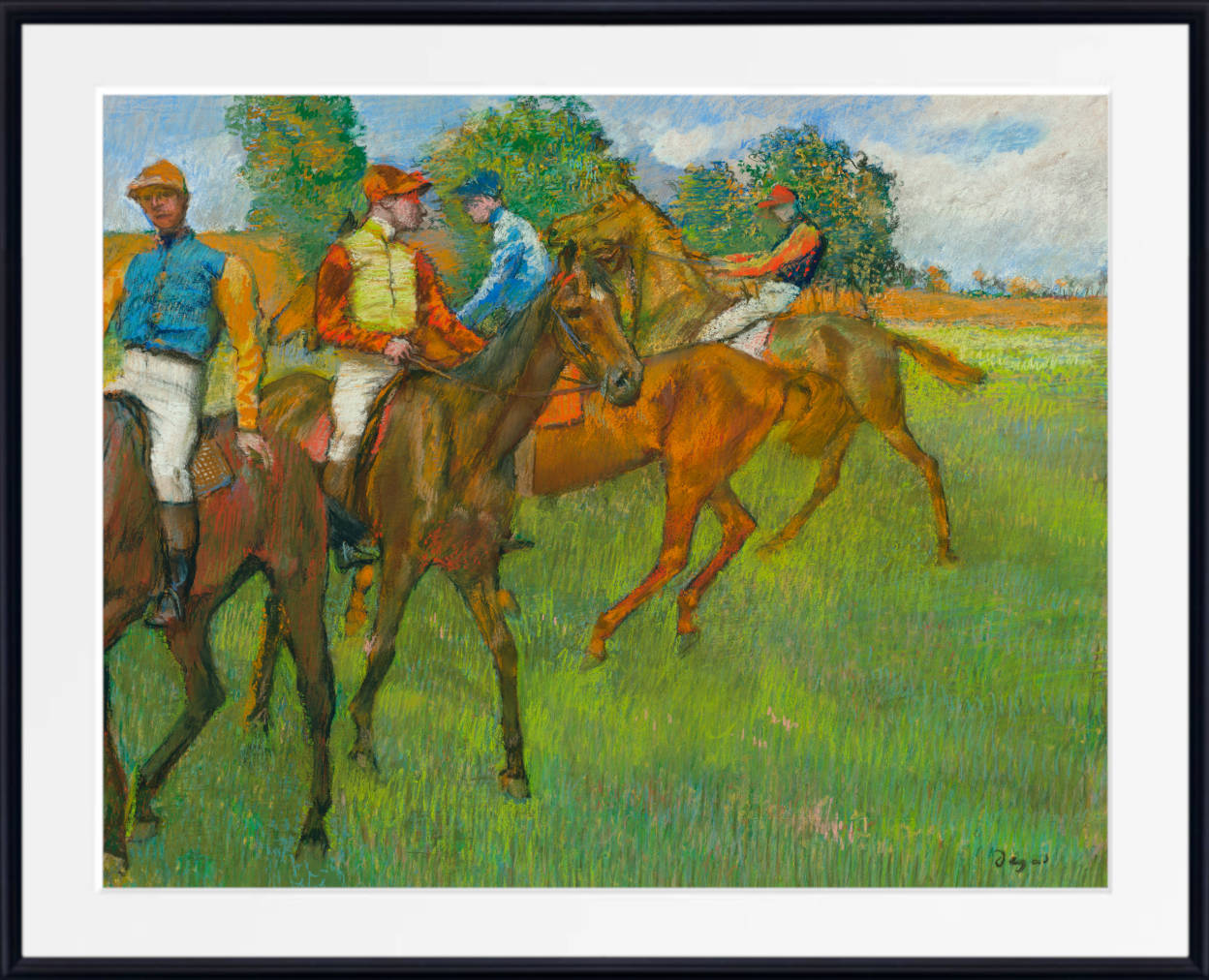
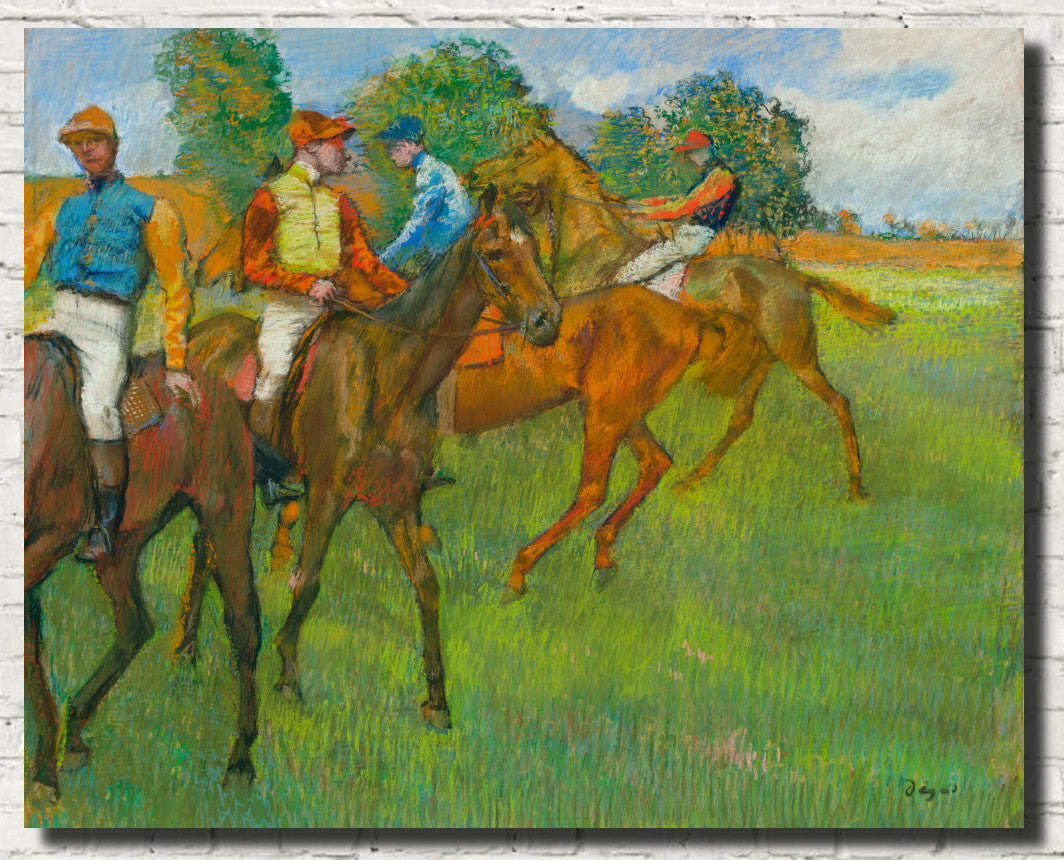
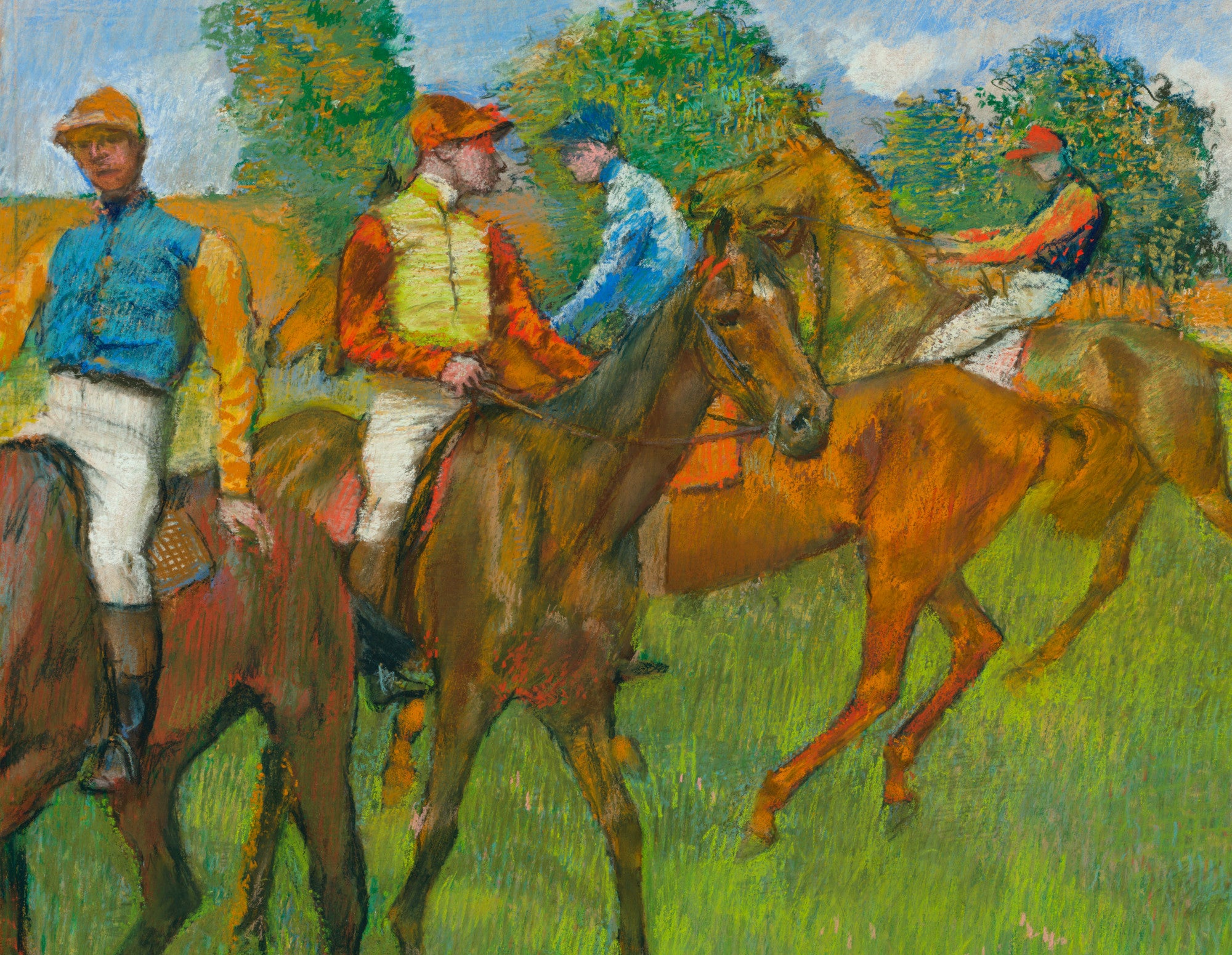
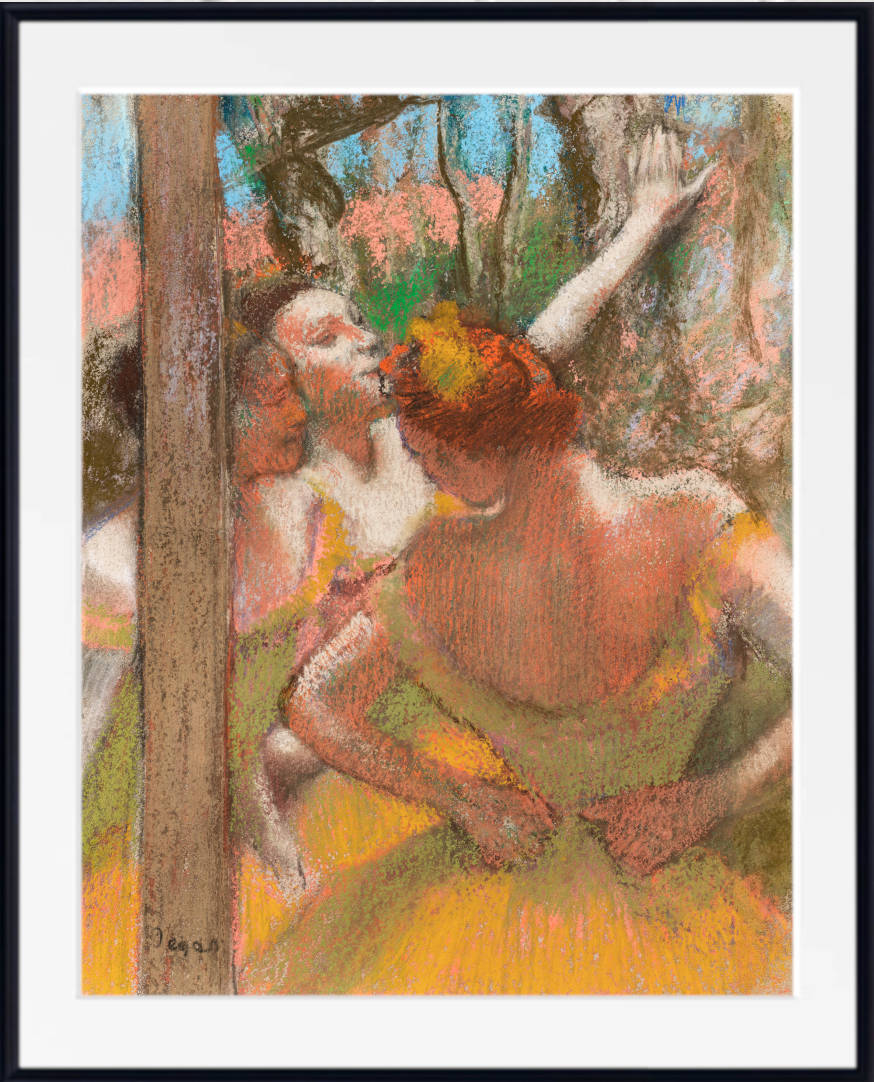
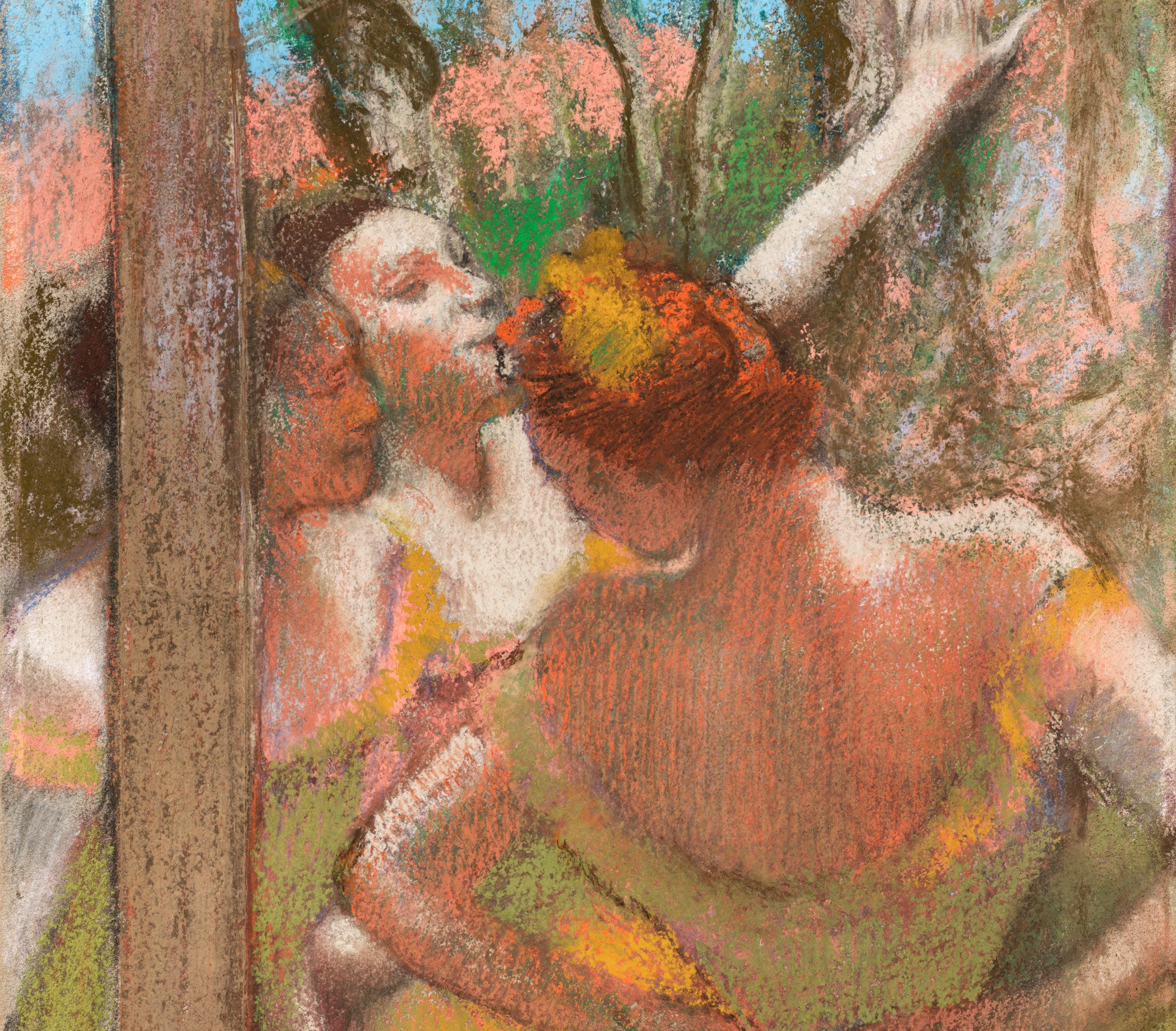
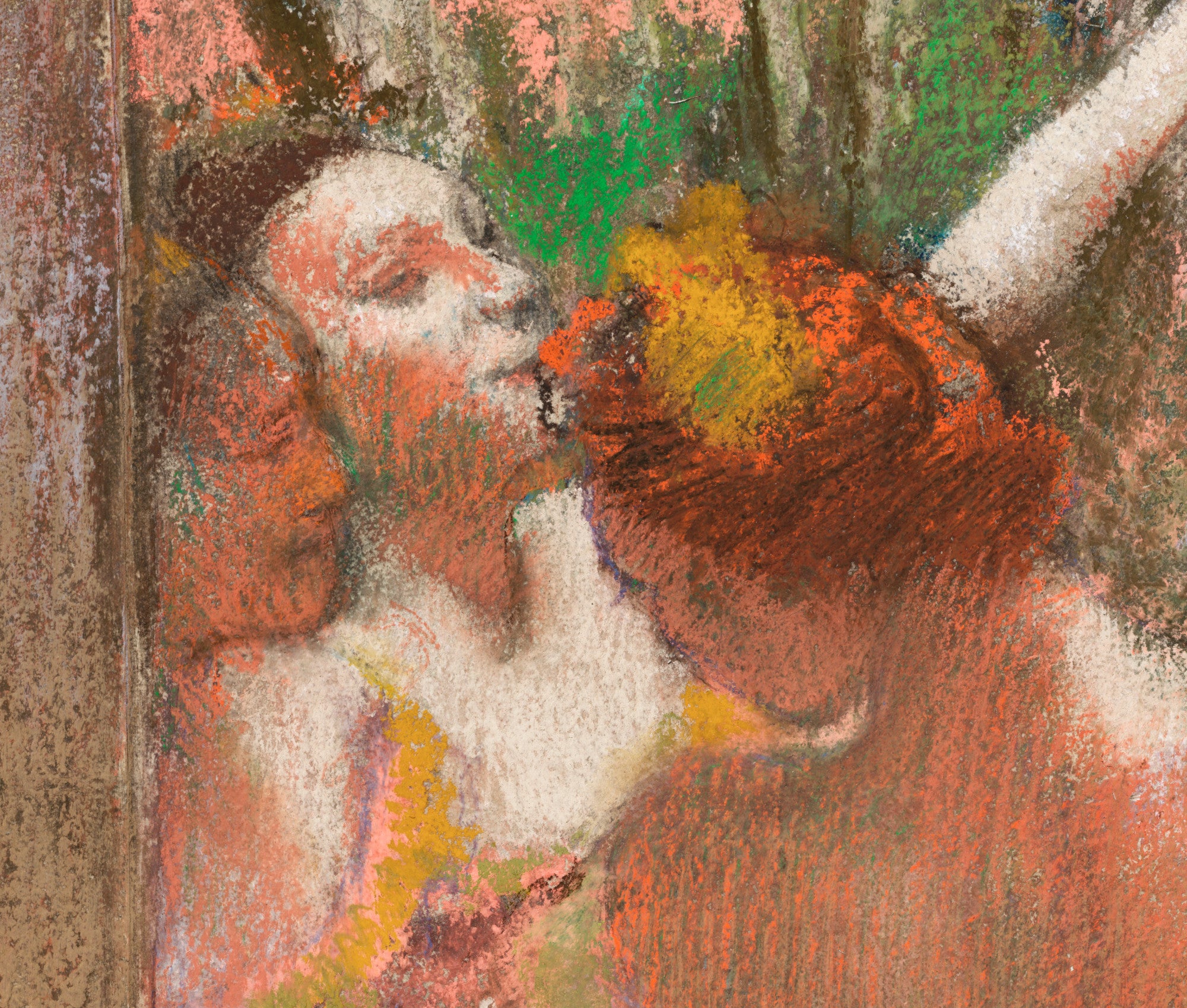
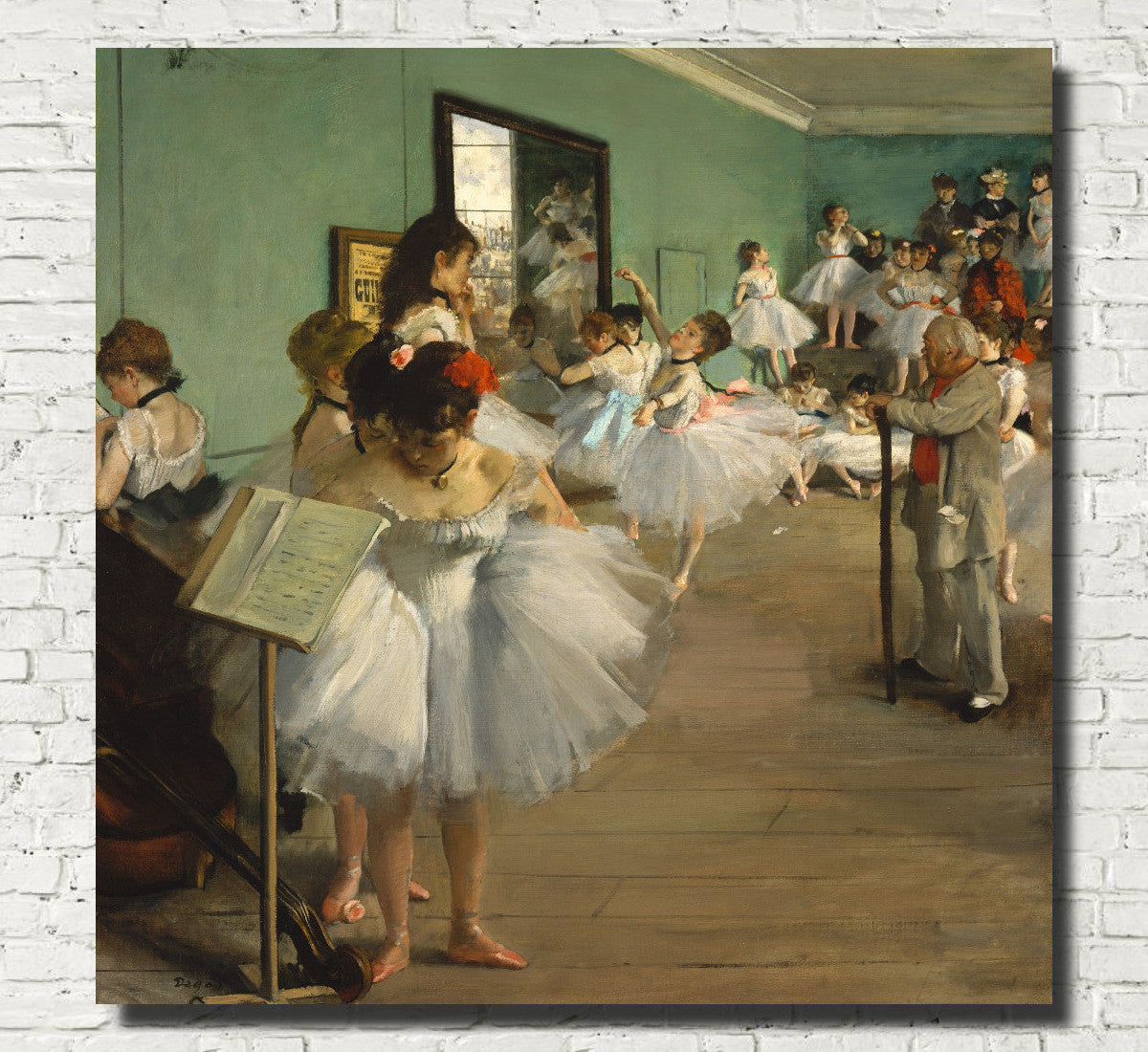
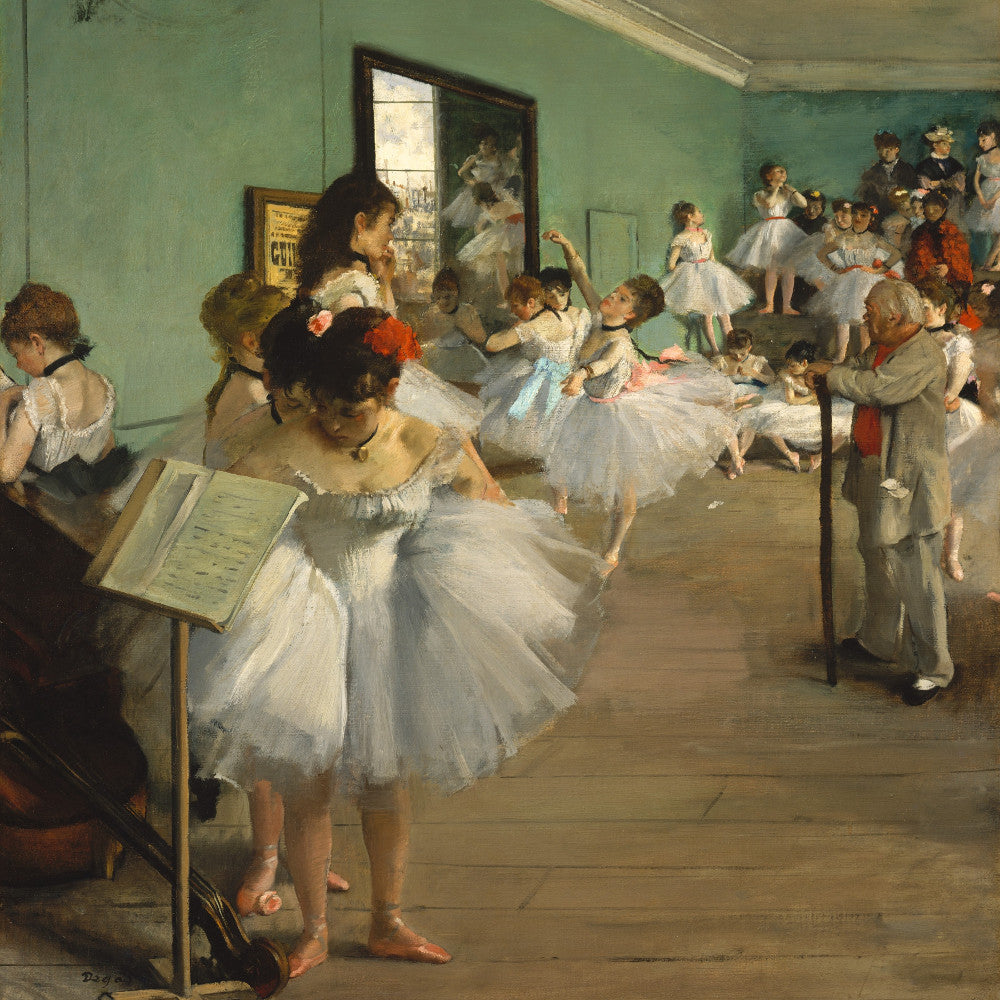
Ballet dancers became his most famous subject, but he also painted café scenes, racecourses, musicians, laundresses, bathers and portraits.
Degas frequently chose compositions that appear unexpectedly cropped or observed from the side, creating the sensation of modern life caught in passing.
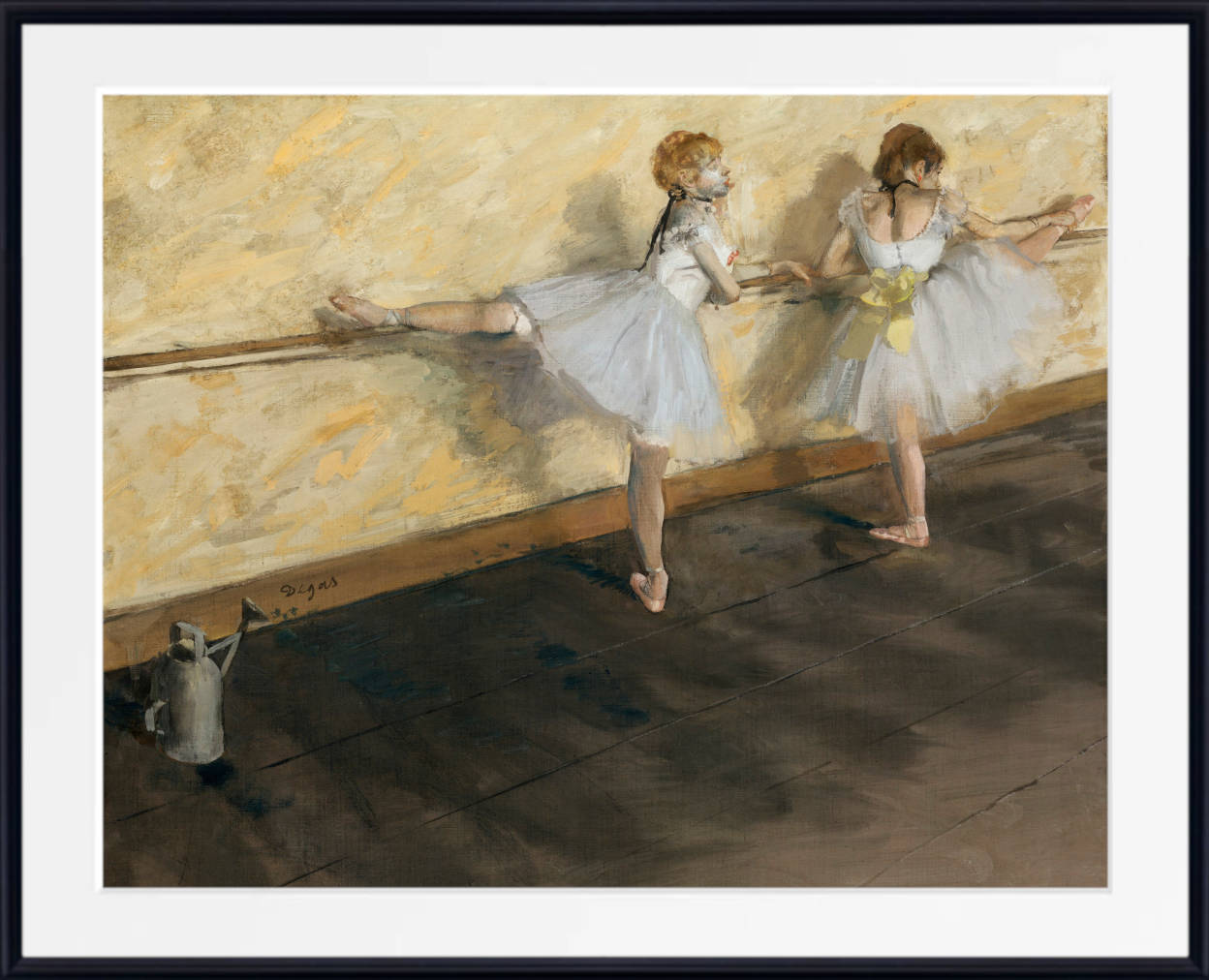
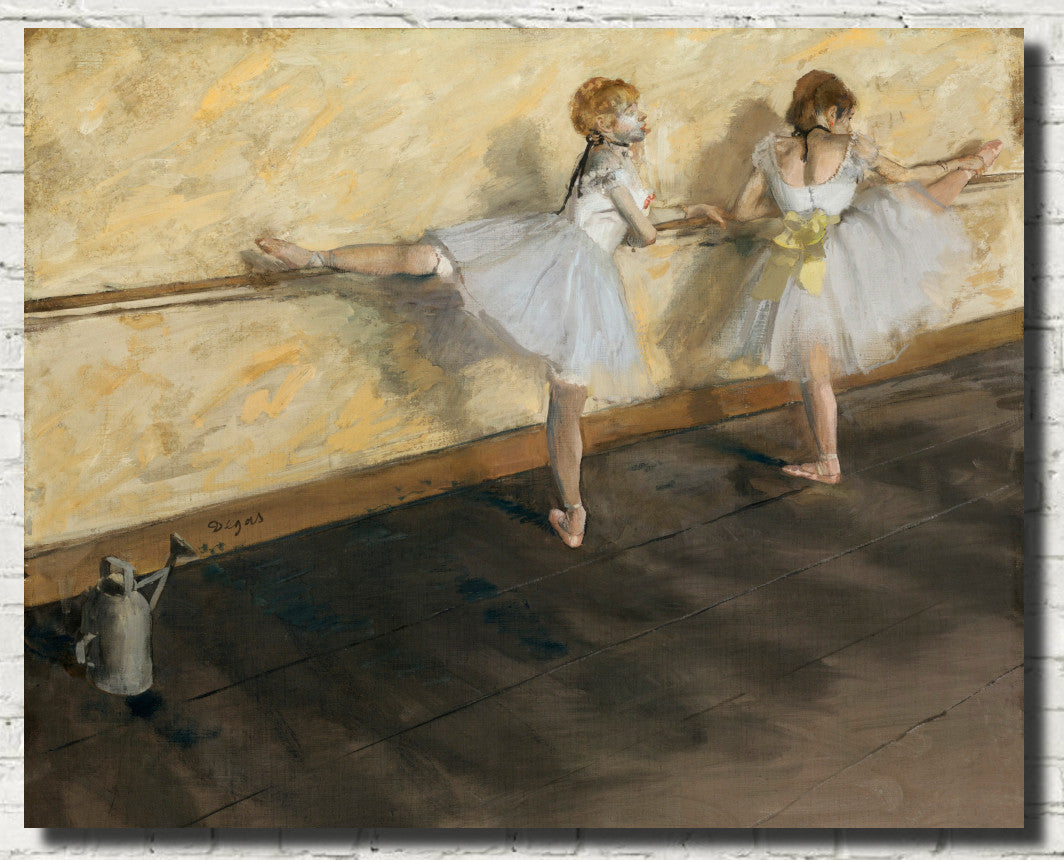
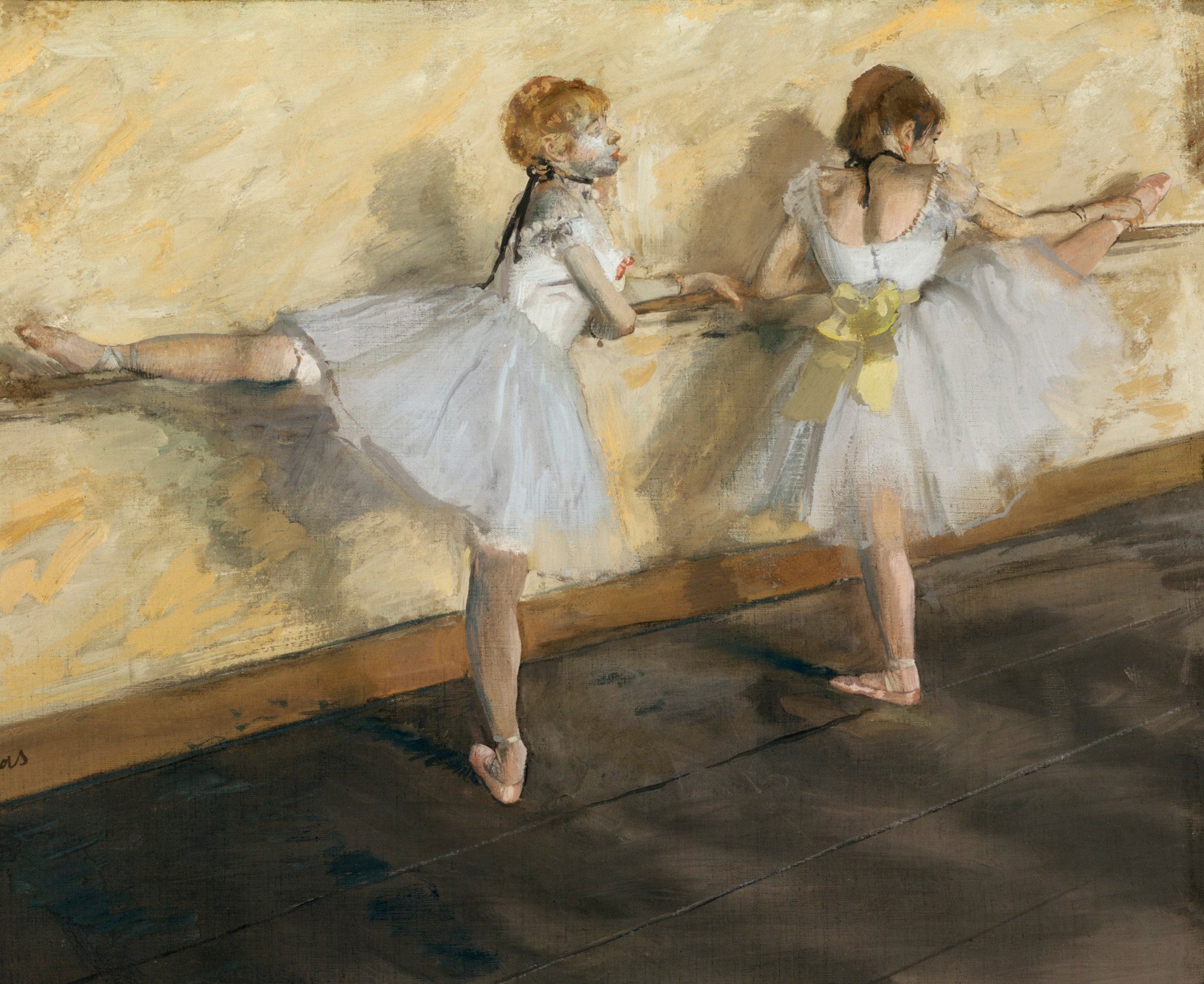
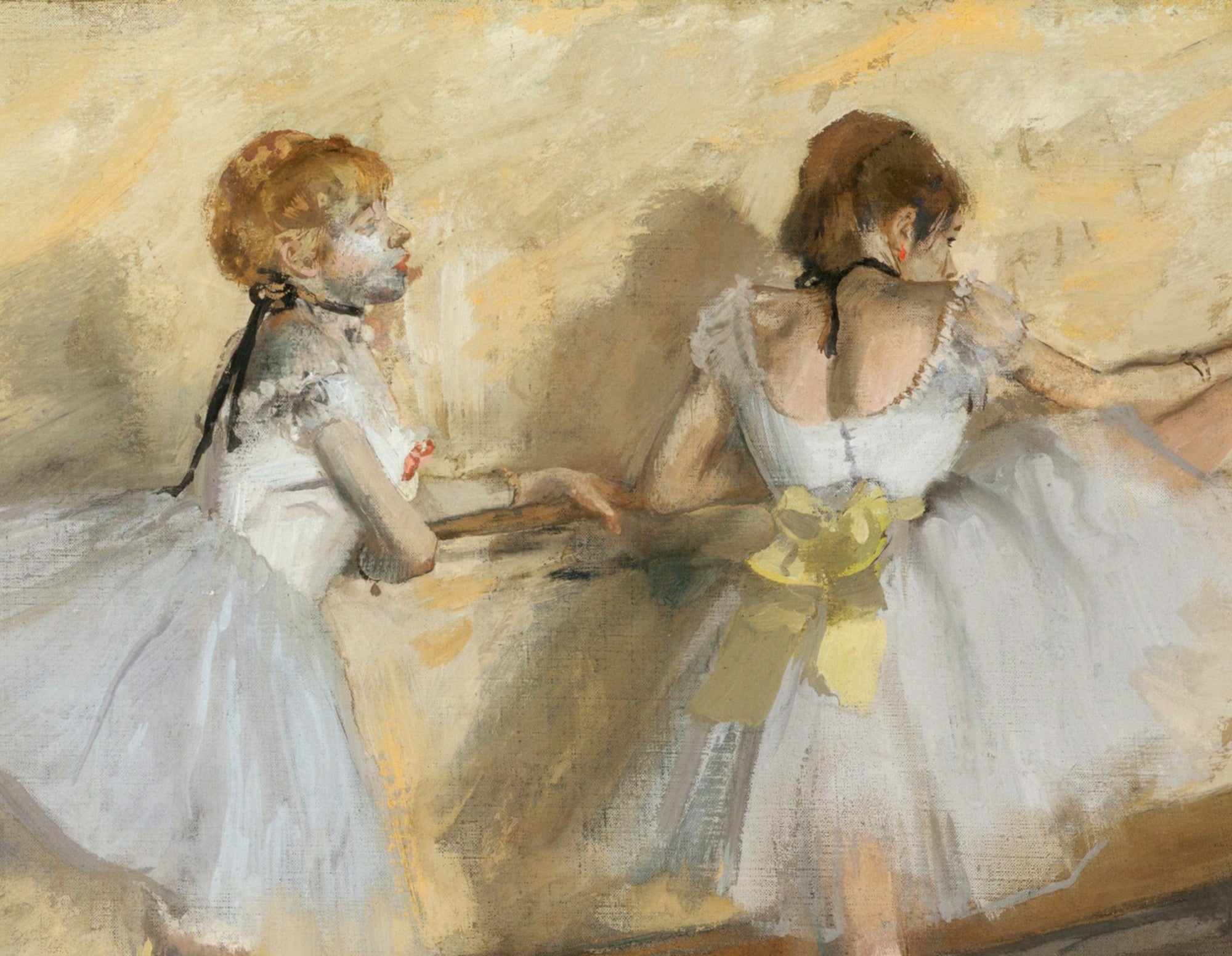
His dancers are particularly revealing. Rather than concentrating only on polished stage performances, Degas frequently depicted rehearsals, stretches, waiting and moments behind the scenes.
This interest in ordinary activity helped transform ballet into one of the most recognisable subjects associated with Impressionist art.
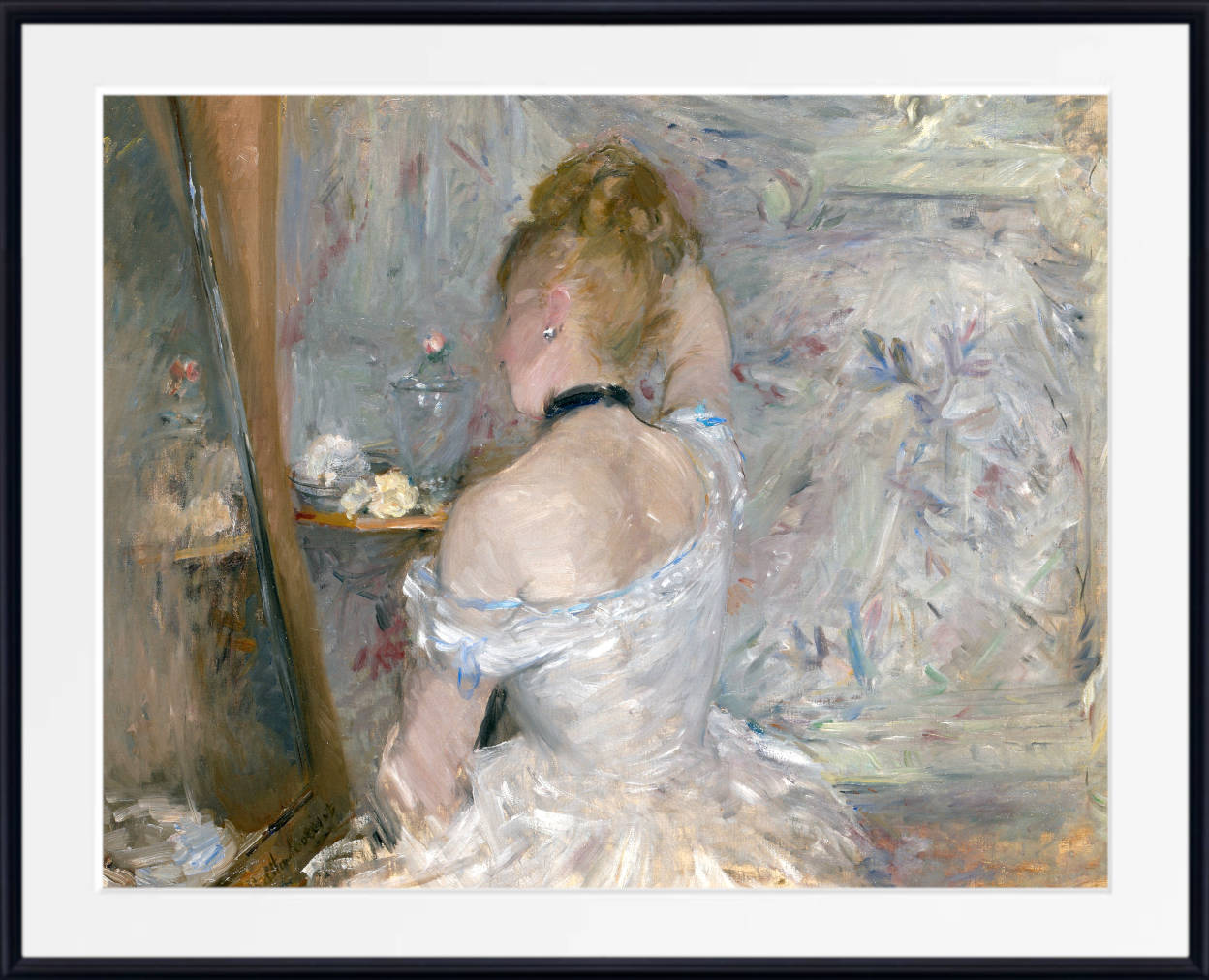
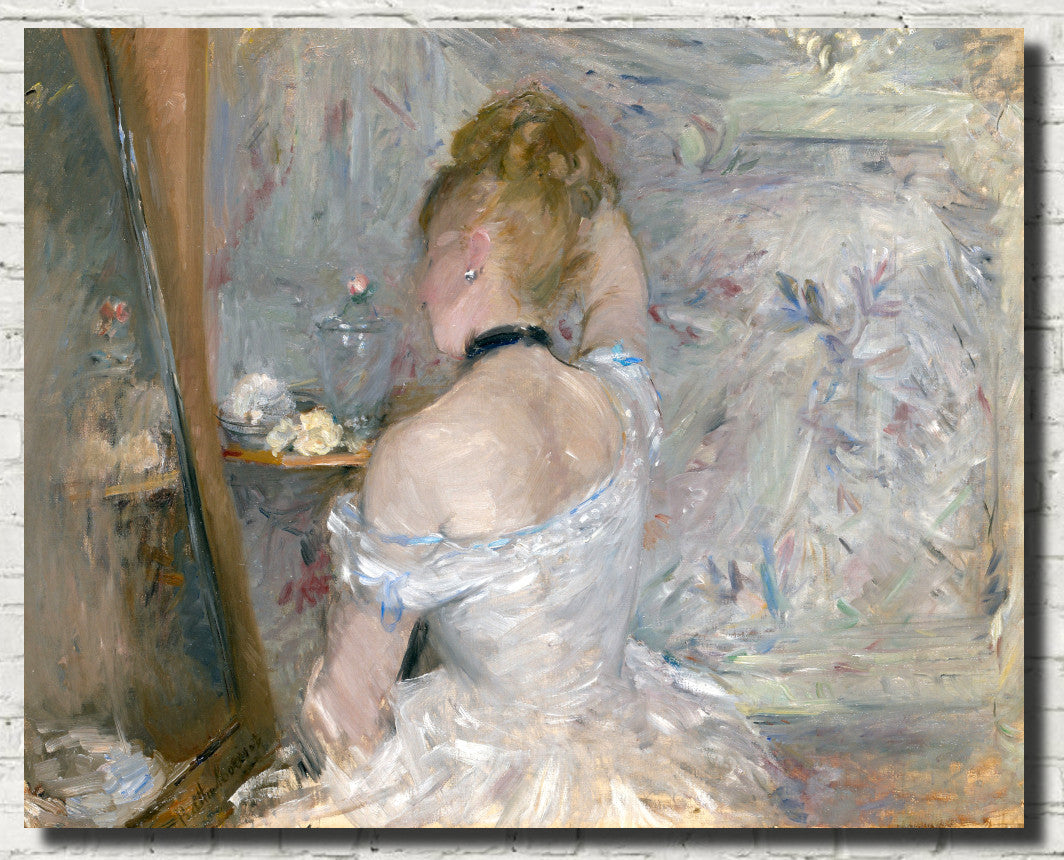
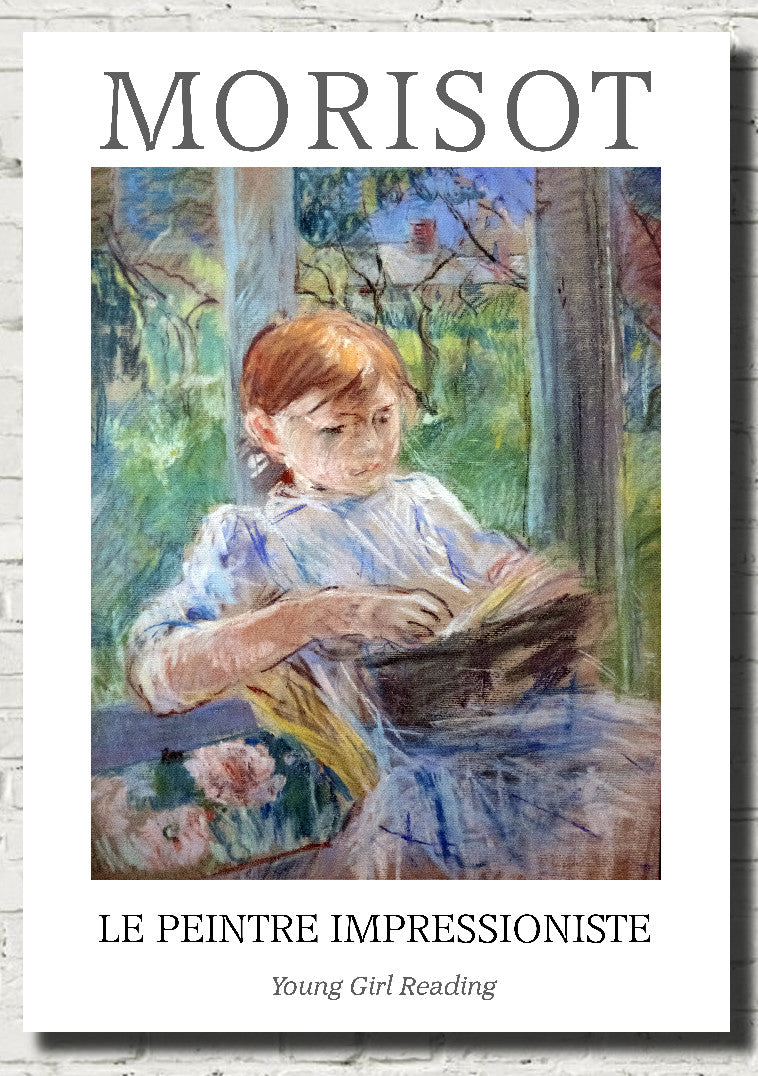
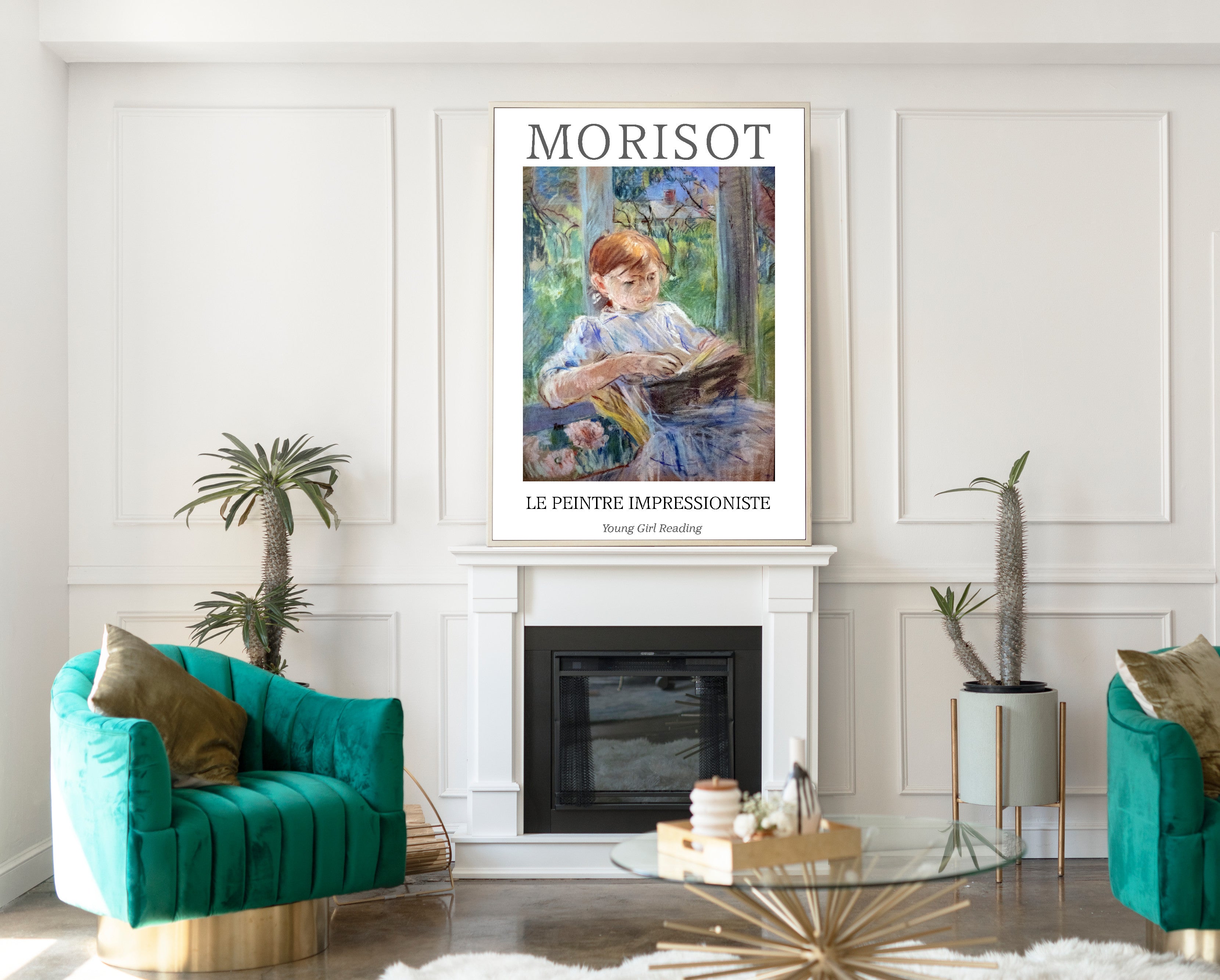
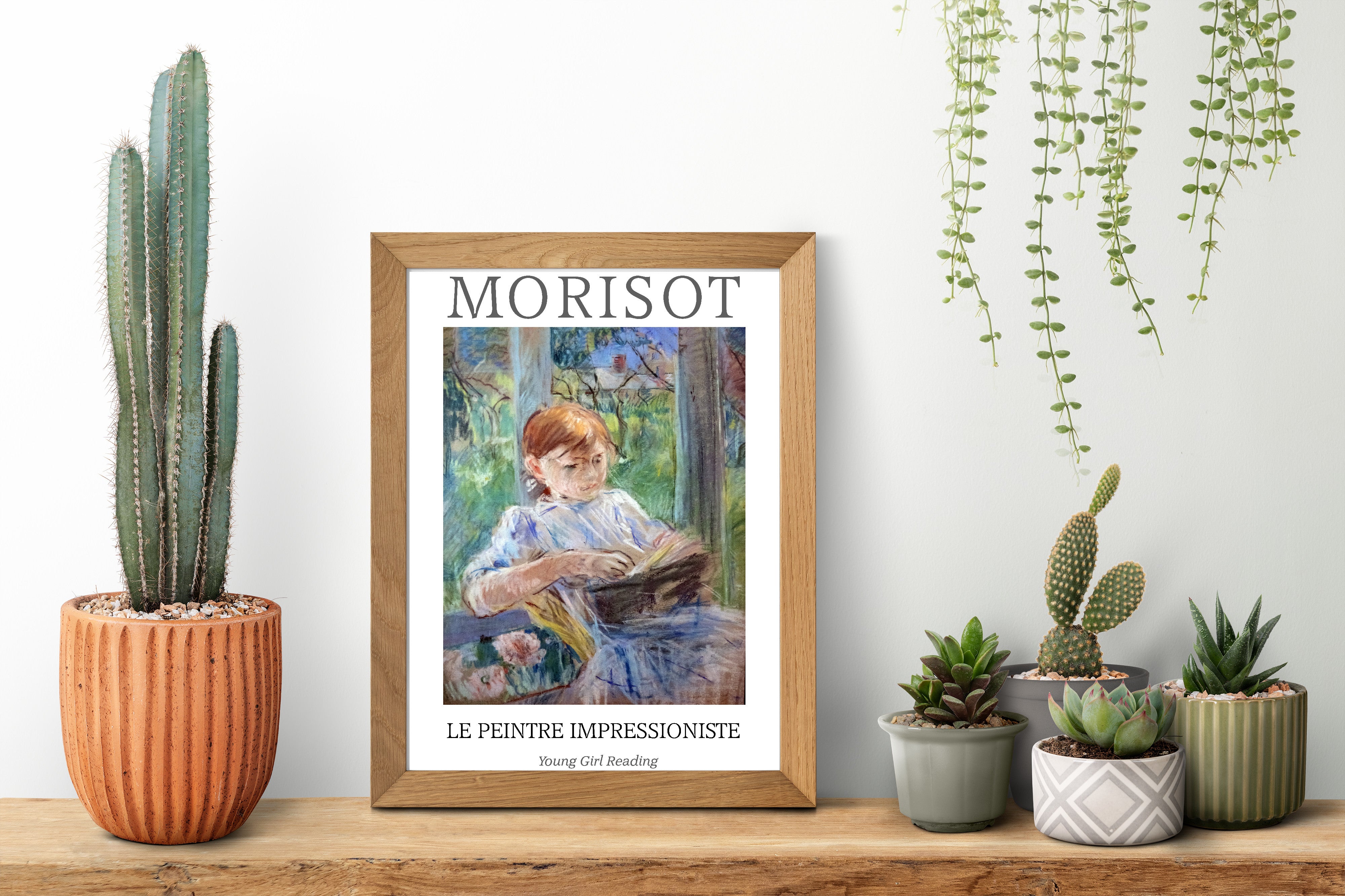
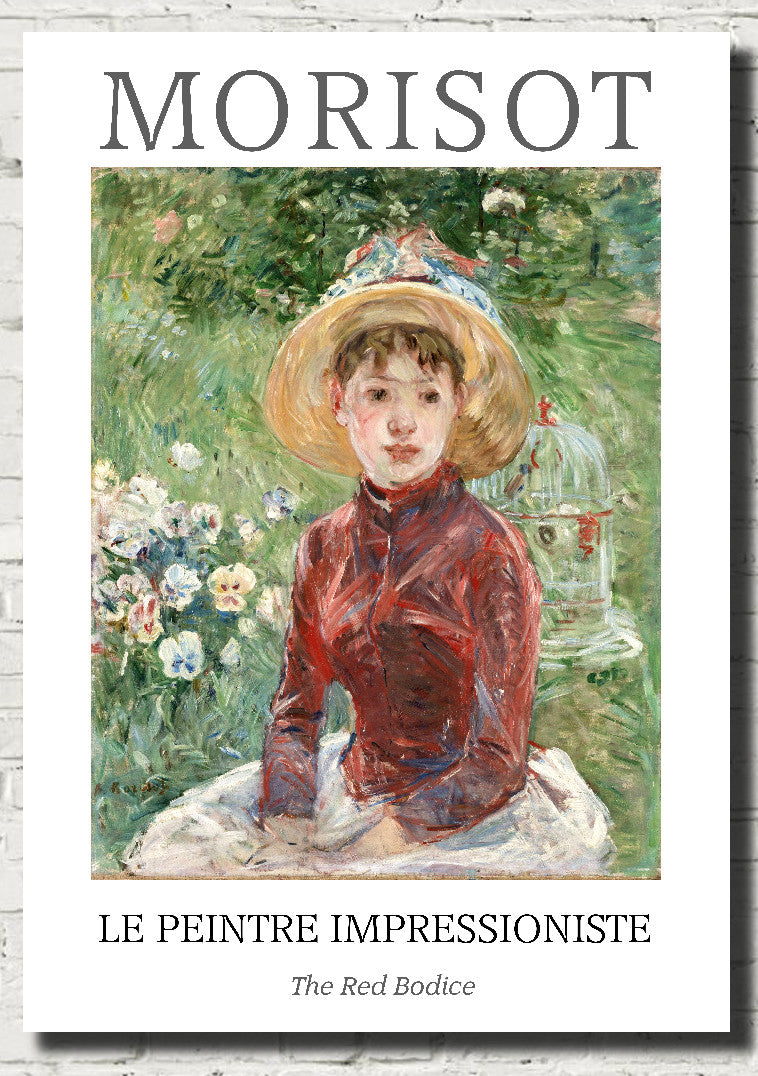
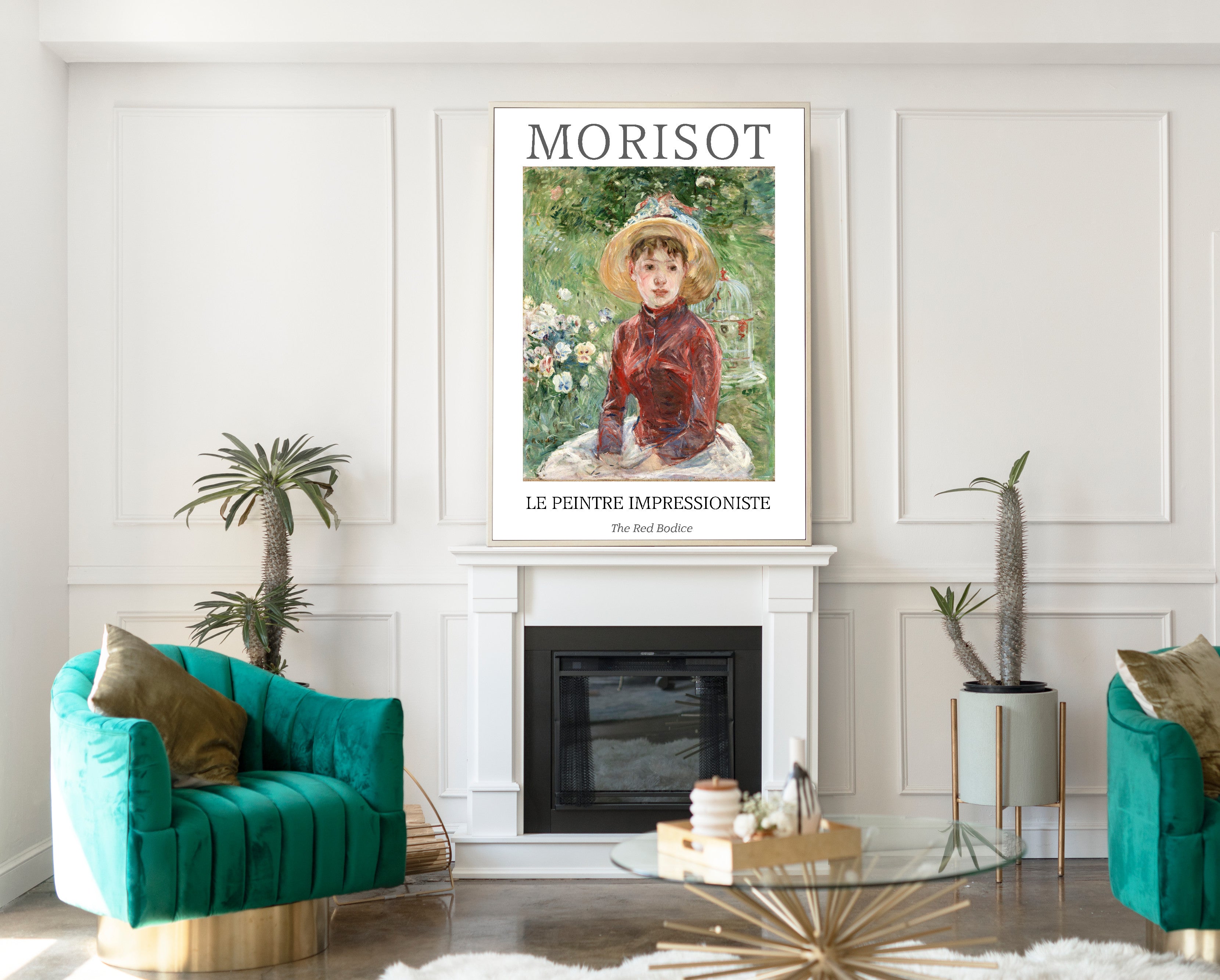
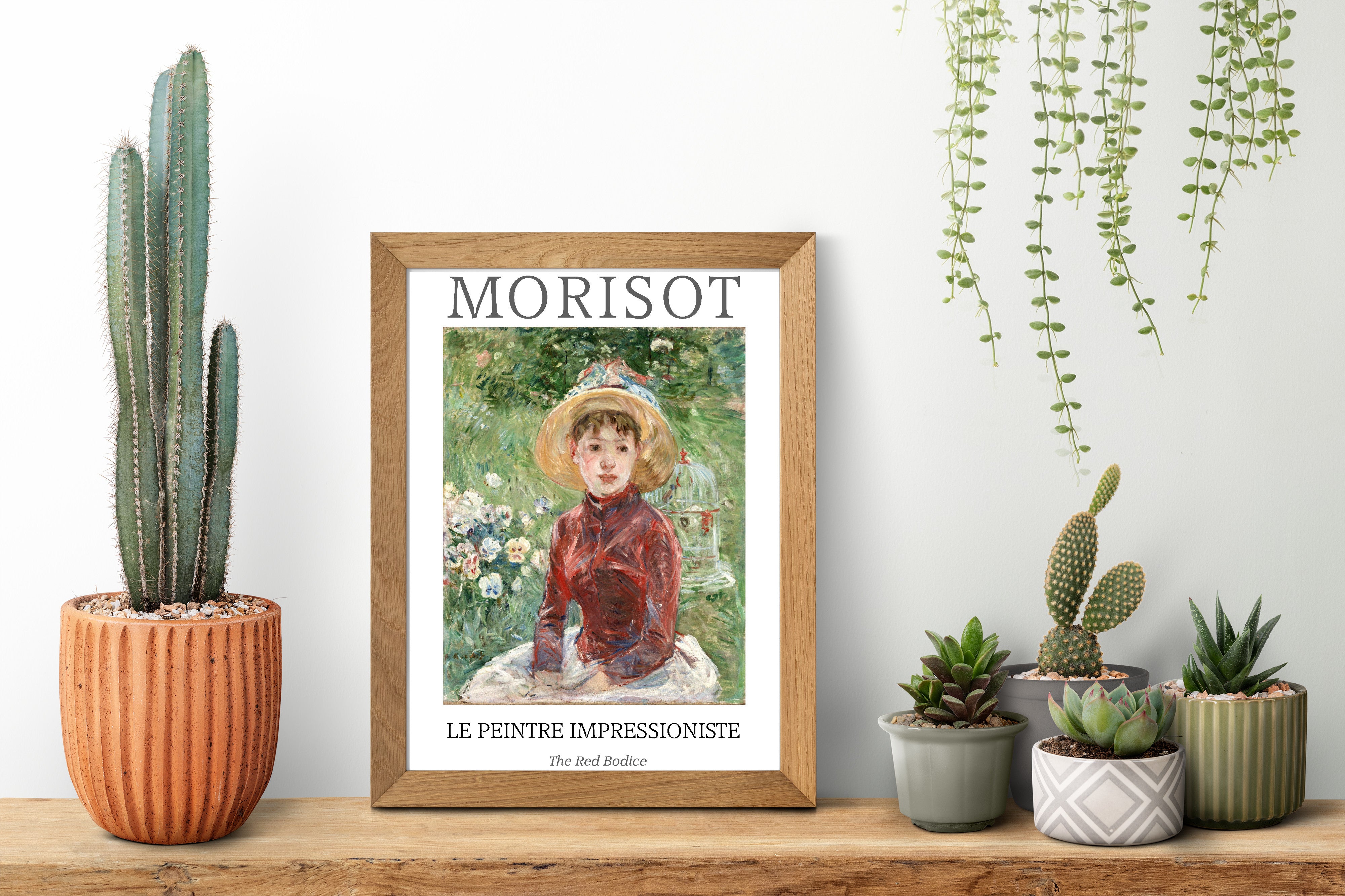
Berthe Morisot
Berthe Morisot was one of the central figures of the Impressionist group.
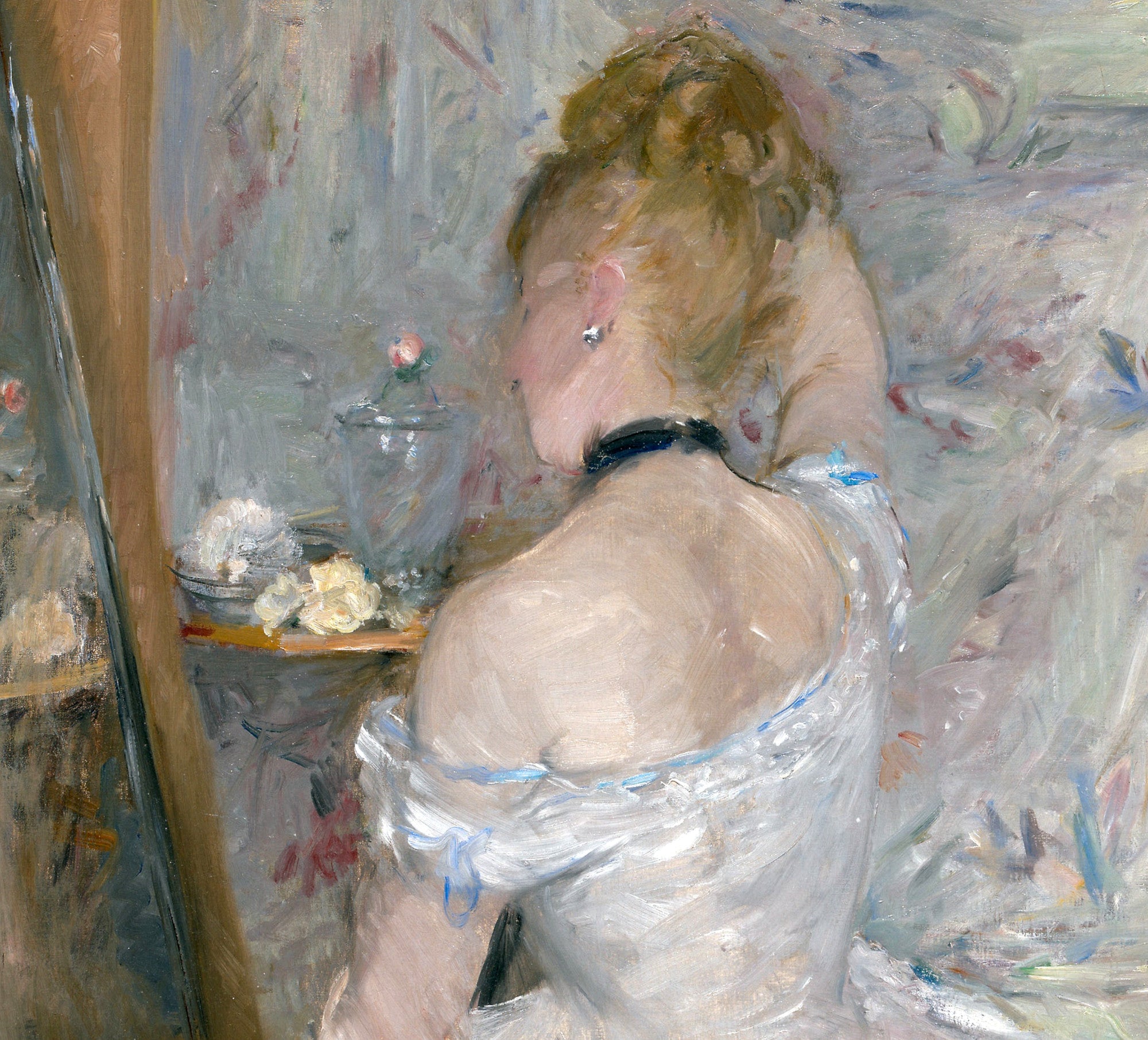
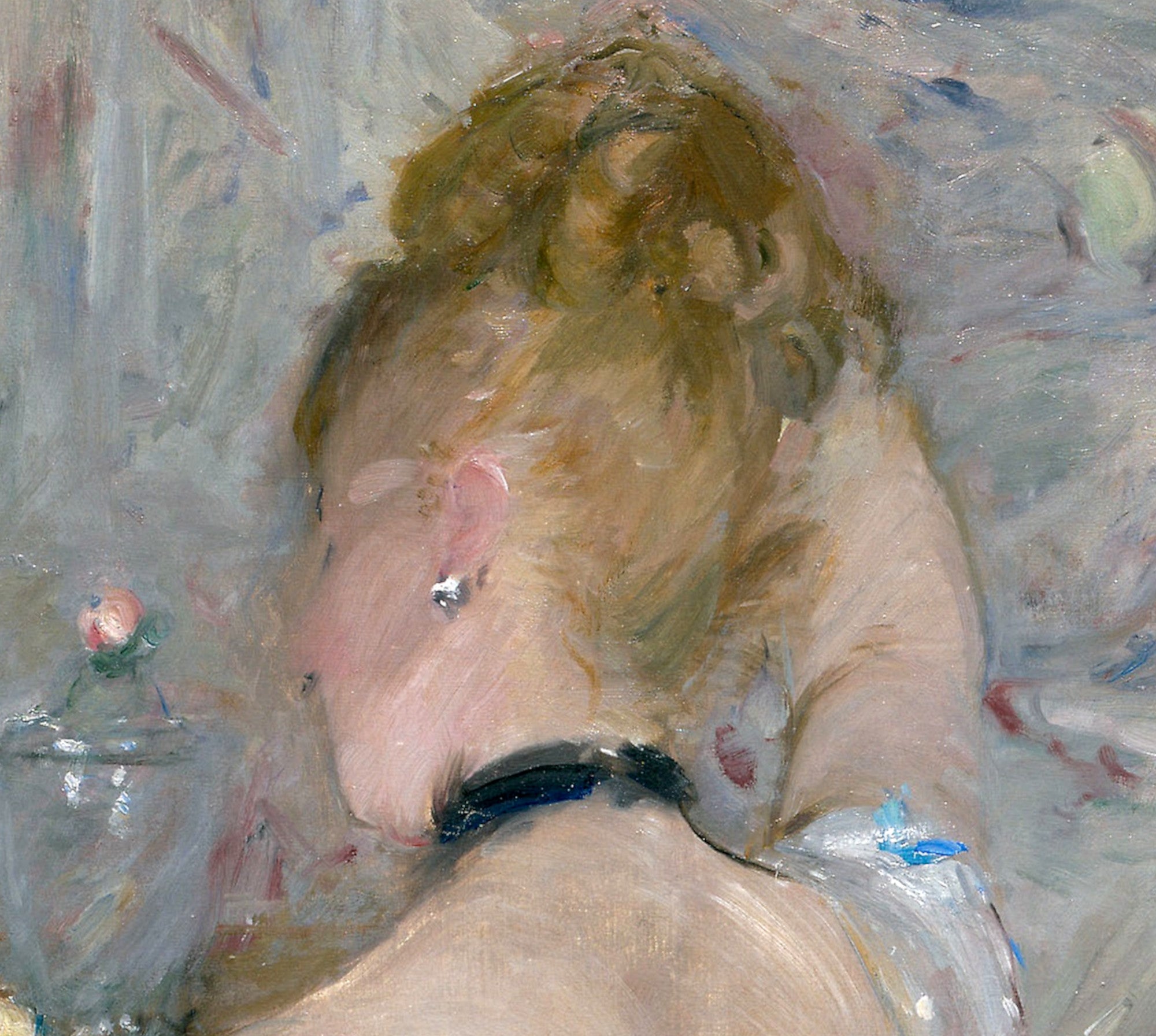
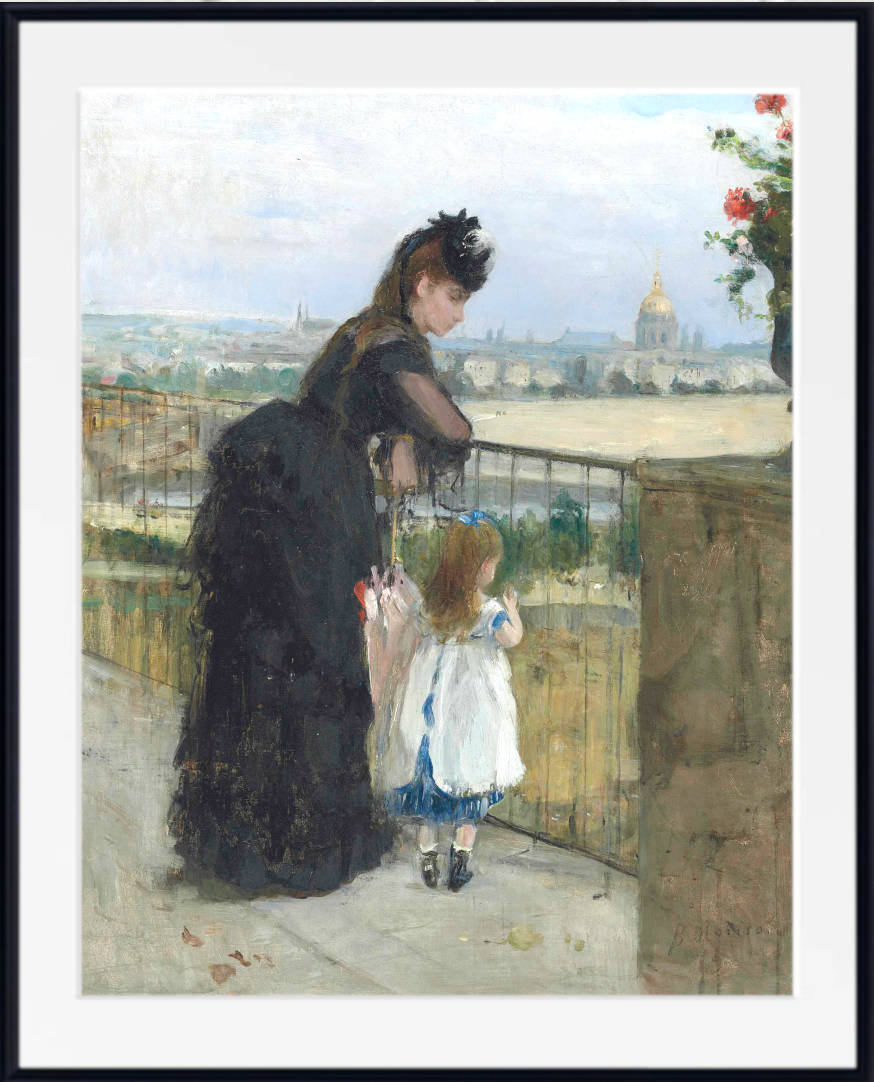
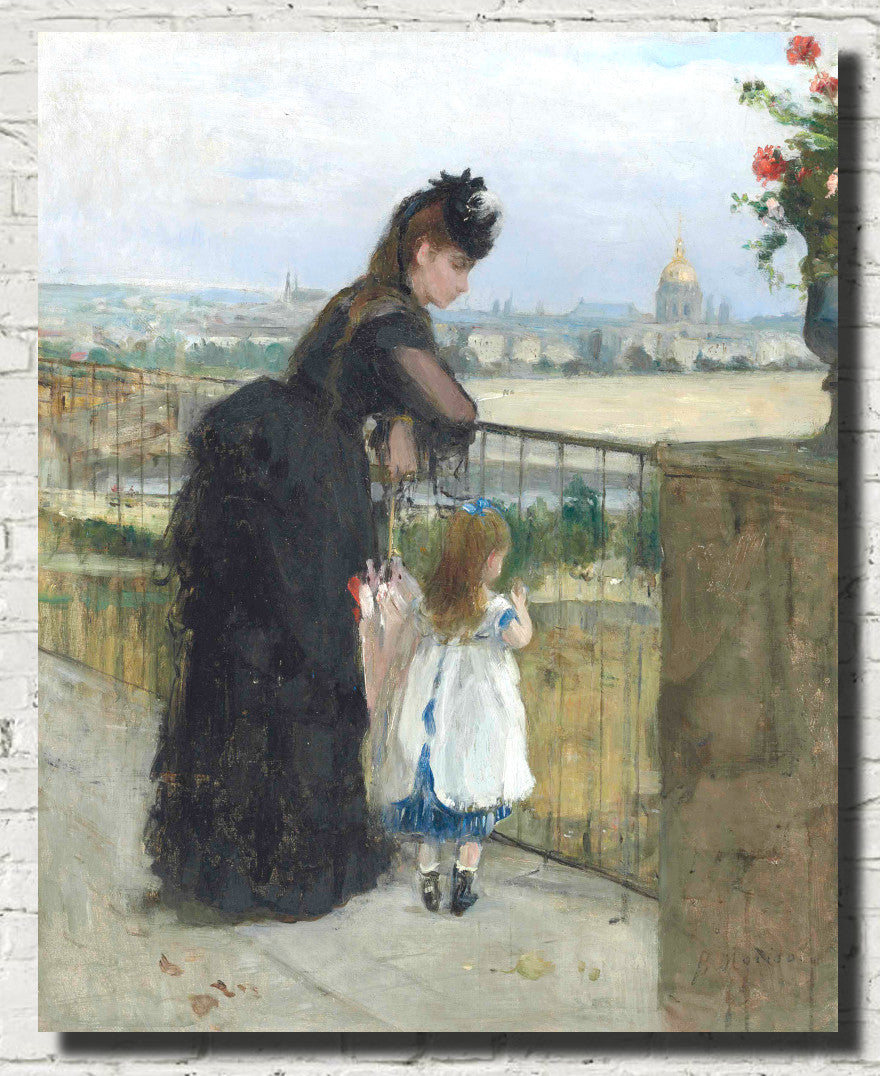
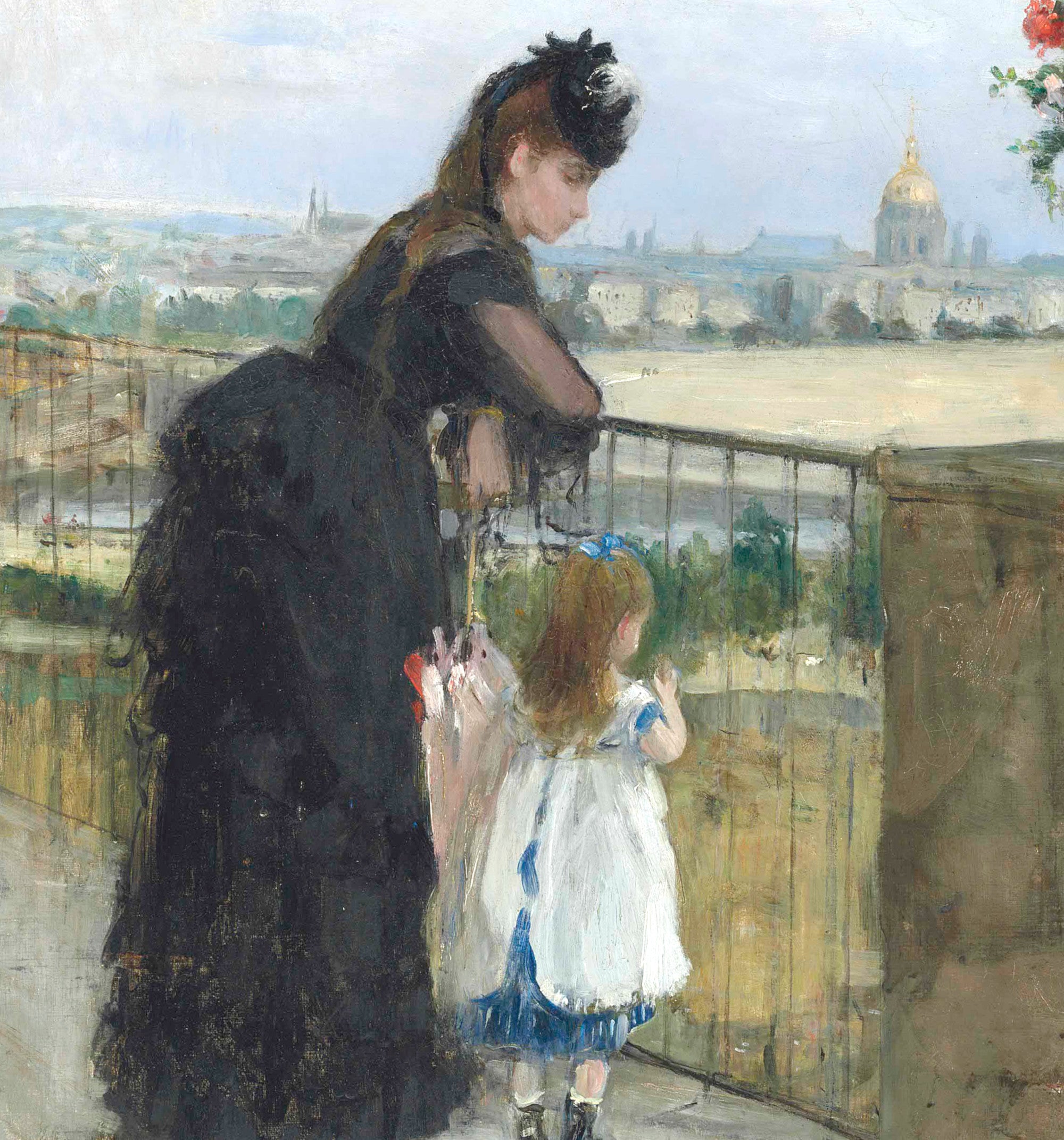
Her paintings are distinguished by exceptionally free brushwork, delicate but complex colour and a remarkable ability to suggest light and movement without excessive detail.
Morisot painted gardens, interiors, women, children and scenes of everyday life.
Many of her most powerful works explore spaces and experiences that were frequently overlooked by male painters of the period.
Her work demonstrates that Impressionism was not simply a movement of landscape painters. It could also transform portraiture, domestic life and intimate observation.
Mary Cassatt
Mary Cassatt was American by birth but became a genuine participant in the French Impressionist movement, exhibiting with the group and developing close artistic connections in Paris.
Her paintings frequently explore women, children, theatre audiences and modern domestic life.
Cassatt combined strong composition with an unusual sensitivity to gesture and relationships between figures.
Mother-and-child subjects became particularly important in her work, but her images are observational rather than sentimental. Small movements, glances and physical relationships give the paintings their psychological character.
Together, Cassatt and Morisot demonstrate how essential women artists were to the development of Impressionism.
Explore the curated Women of Impressionism Gallery Wall for a wider selection of paintings by women associated with Impressionism and its surrounding artistic circle.
Gustave Caillebotte and Modern Paris
Gustave Caillebotte brought an unusually structured approach to Impressionist painting.
His compositions often combine precise perspective with striking viewpoints and scenes of contemporary urban life.
Parisian streets, balconies, domestic interiors, boating and gardens all appear in his work.
Paris Street; Rainy Day has become one of the defining images of nineteenth-century Paris, combining the new architecture of the city with the transient weather and ordinary pedestrians that fascinated the Impressionists.
Caillebotte's paintings are particularly effective as wall art because their strong composition can feel unexpectedly modern even in contemporary interiors.
Famous Impressionist Subjects
The Impressionists transformed subjects that earlier artists might have considered too ordinary for major paintings.
Landscapes and Rivers
Landscape provided an ideal setting for studying changing light.
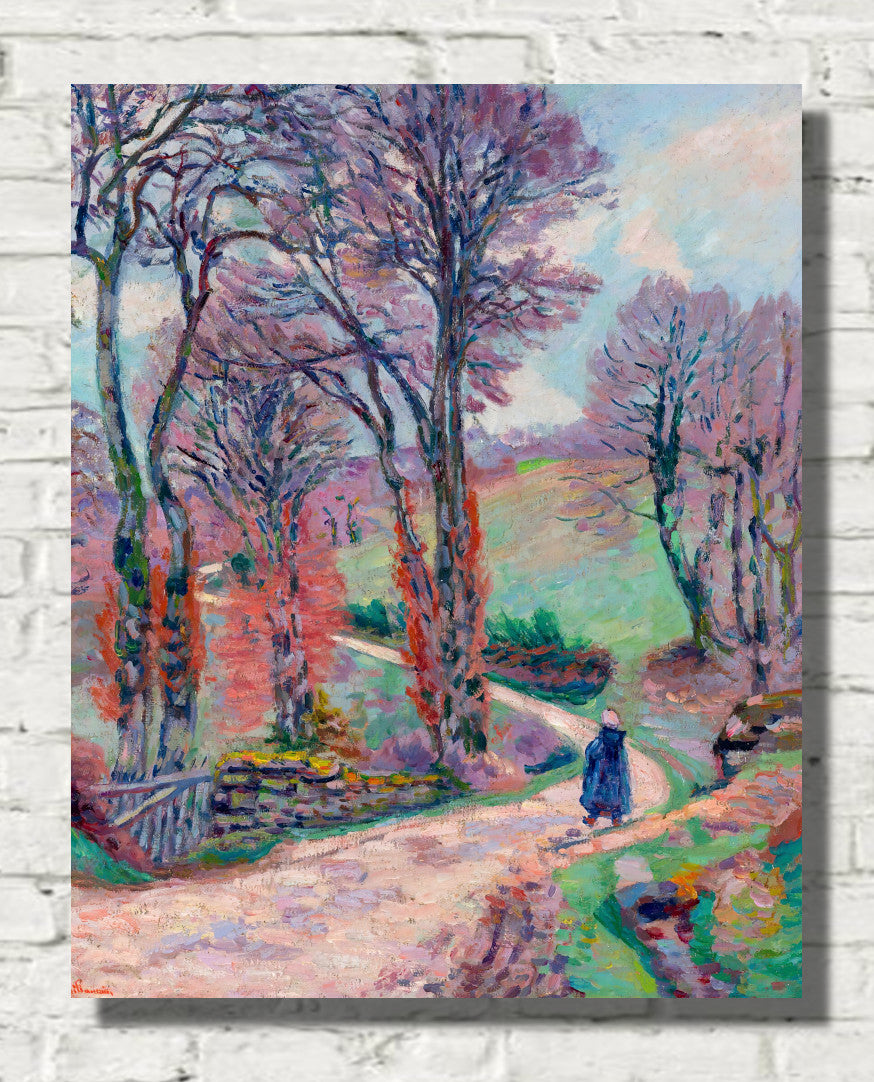
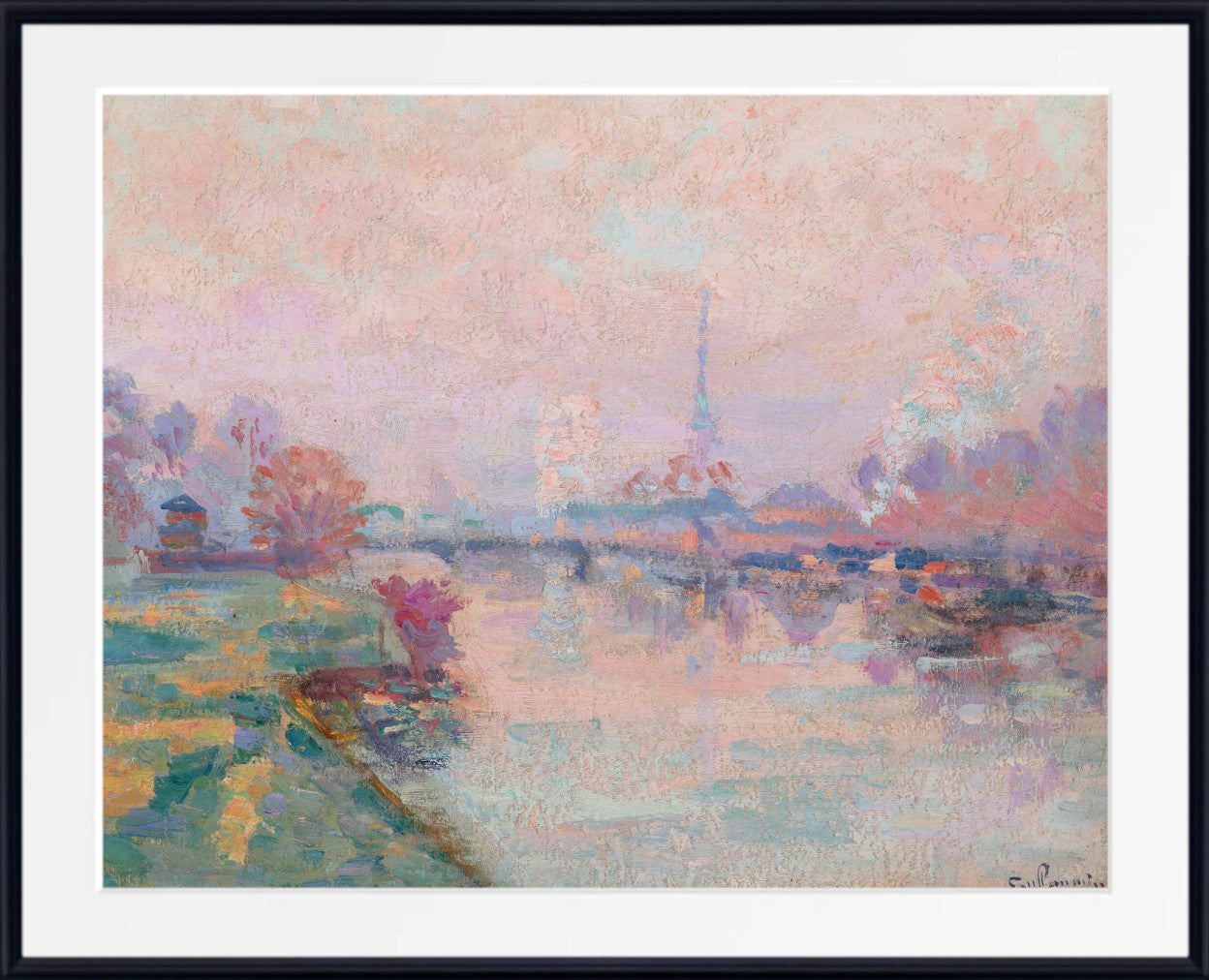
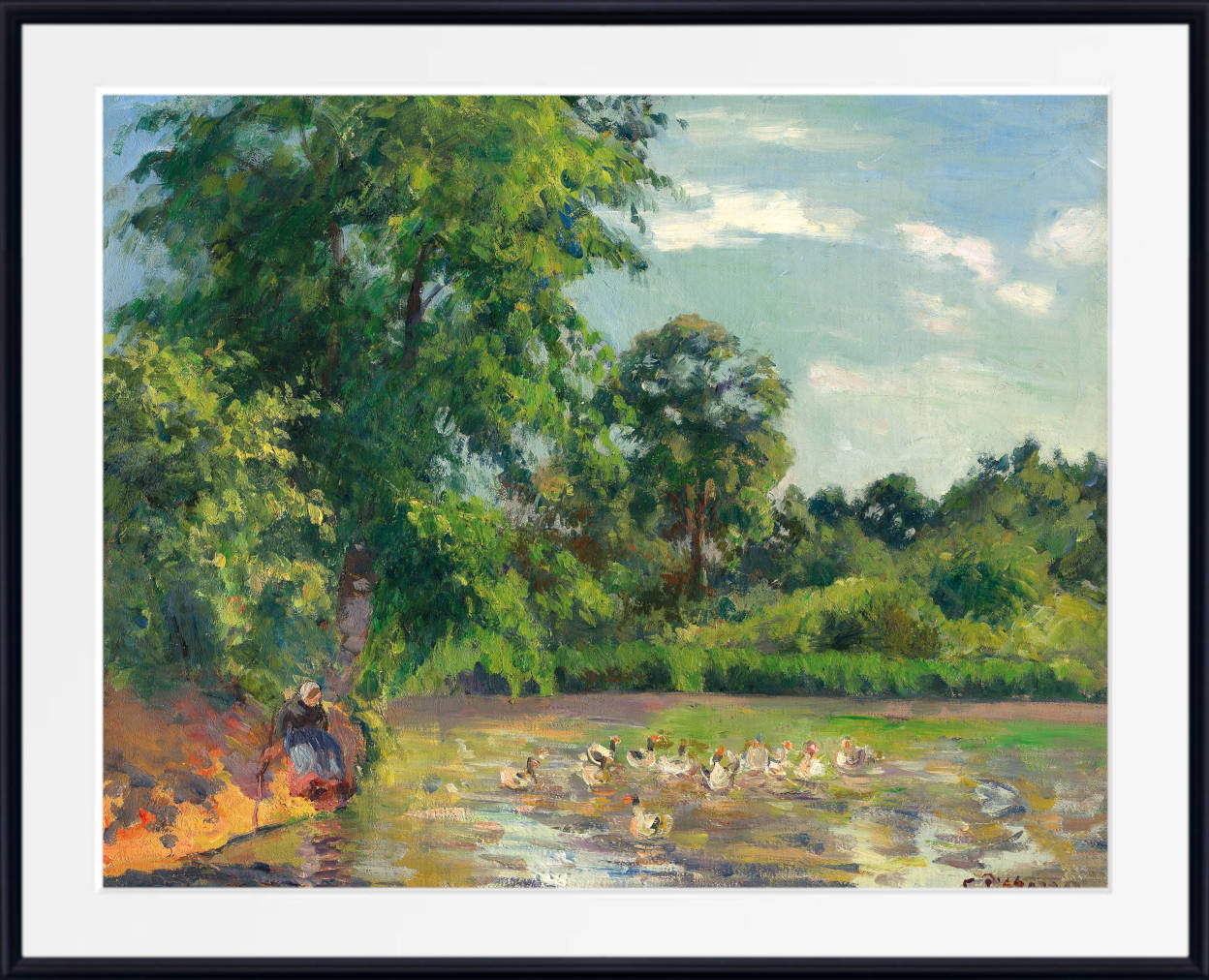
Monet, Pissarro and Sisley repeatedly painted rivers, fields, roads, villages, trees and open skies under different weather conditions.
These works remain popular choices for living rooms and bedrooms because their colour and sense of space can bring an open, calm quality to an interior.
Gardens and Flowers
Gardens allowed Impressionist artists to combine landscape, colour and close observation.
Monet's Giverny paintings are the most famous examples, but Renoir, Caillebotte and other painters also explored flowers and gardens.
Impressionist garden prints can introduce green, pink, blue, violet and softer natural tones without the precision of traditional botanical illustration.
Paris and Modern Life
Impressionism developed alongside the rapid transformation of nineteenth-century Paris.
Wide boulevards, cafés, theatres, railway stations and public spaces gave artists an entirely new range of subjects.
Pissarro's city views, Caillebotte's streets and Degas's theatres reveal different aspects of this fascination with contemporary life.
Ballet and Theatre
Degas made ballet one of the defining subjects of Impressionism.
His dancers appear performing, rehearsing and waiting backstage, allowing him to study movement and gesture from constantly changing viewpoints.
Theatre audiences and opera boxes also fascinated artists including Cassatt and Renoir, who used them to explore modern fashion, social life and public display.
Portraits and Everyday Life
Impressionist figure paintings often feel less formal than traditional portraiture.
Morisot, Cassatt and Renoir frequently represented people reading, sewing, resting, talking or enjoying gardens and social gatherings.
These everyday subjects give Impressionist figure paintings a sense of intimacy that makes them particularly easy to live with as art for the home.
Why Impressionist Wall Art Remains So Popular
Impressionist art combines historical importance with remarkable decorative versatility.
Many paintings contain light, natural colour and familiar subjects without becoming visually severe.
A Monet landscape can introduce soft blue and green tones to a bedroom.
A Renoir social scene can bring warmth and energy to a living or dining room.
Pissarro and Caillebotte city paintings can complement more architectural interiors, while Degas, Cassatt and Morisot introduce the human figure without the formality of conventional portraiture.
The movement also offers enormous variety while retaining a recognisable visual character, making it possible to combine several Impressionist prints without creating a disjointed display.
Impressionist Gallery Walls
Impressionist paintings work particularly well in grouped arrangements because recurring colours, subjects and approaches to light naturally connect works by different artists.
A gallery wall might be organised around Monet's gardens, Parisian modern life, women painters, landscapes or a selection of the best-known Impressionist masters.
For a ready-made starting point, explore The Great Impressionist Masters, which brings together celebrated works representing several of the movement's defining artists and subjects.
How to Choose Impressionist Prints for Your Home
Begin with the subject and mood that suit the room.
For a calm bedroom, consider water lilies, gardens, rivers or quieter landscapes.
Living rooms can accommodate larger and more colourful paintings by Monet, Renoir, Pissarro or Caillebotte.
Degas dancers, Cassatt figures and Morisot interiors work particularly well where you want the presence of the human figure.
In dining rooms and hallways, Parisian streets, cafés, social gatherings and more strongly coloured paintings can create greater visual energy.
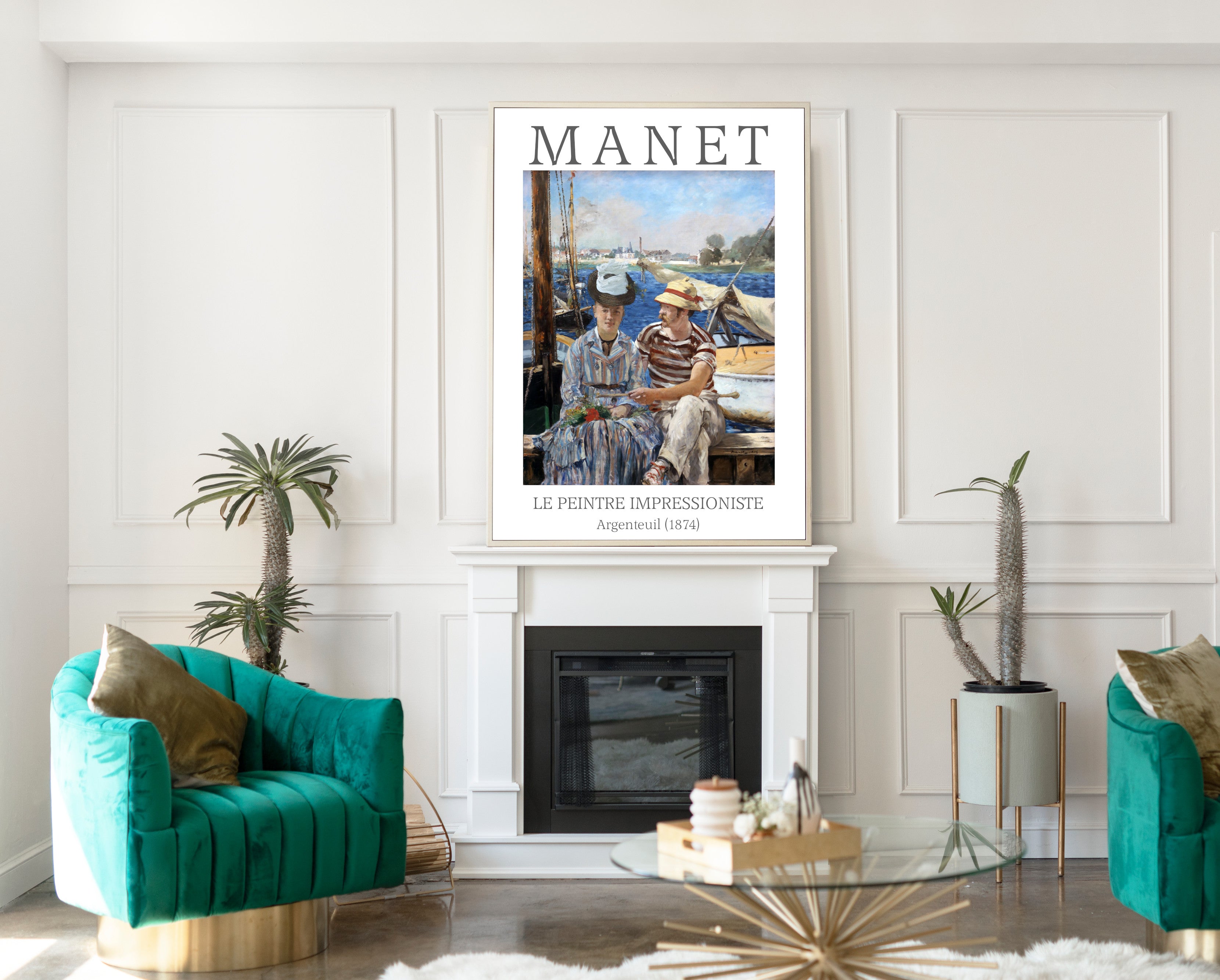
Scale matters as much as subject. One substantial framed print can become the principal artwork in a room, while smaller pieces can be combined as pairs or gallery walls.
Fine Art Prints, Framed Prints and Canvas Panels
GalleryThane Impressionist artworks are available in a range of sizes and formats.
Fine art paper prints give you the flexibility to choose your own frame and presentation.
Framed Impressionist prints provide a complete gallery-style finish and work particularly well for landscapes, portraits and city scenes.
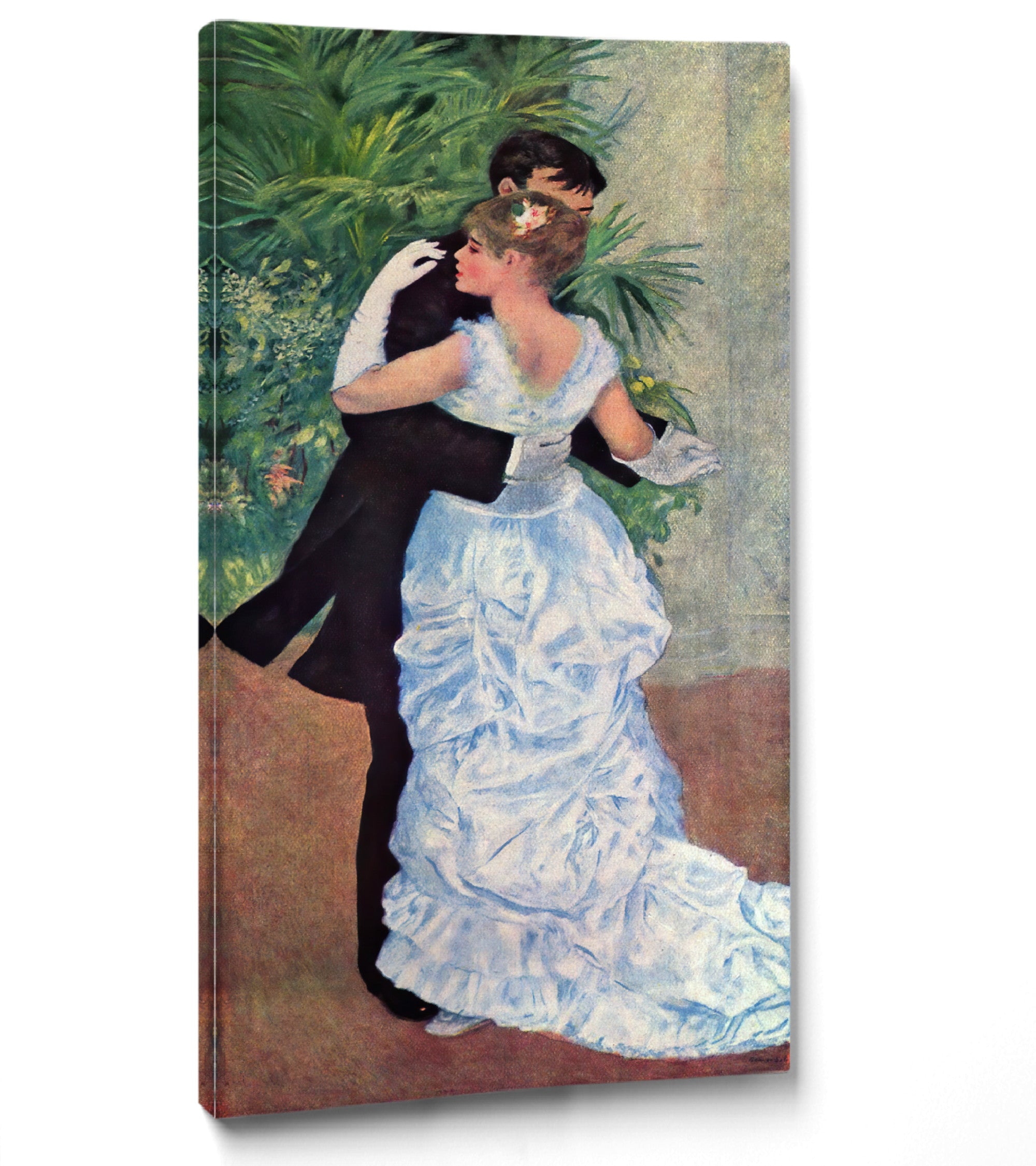
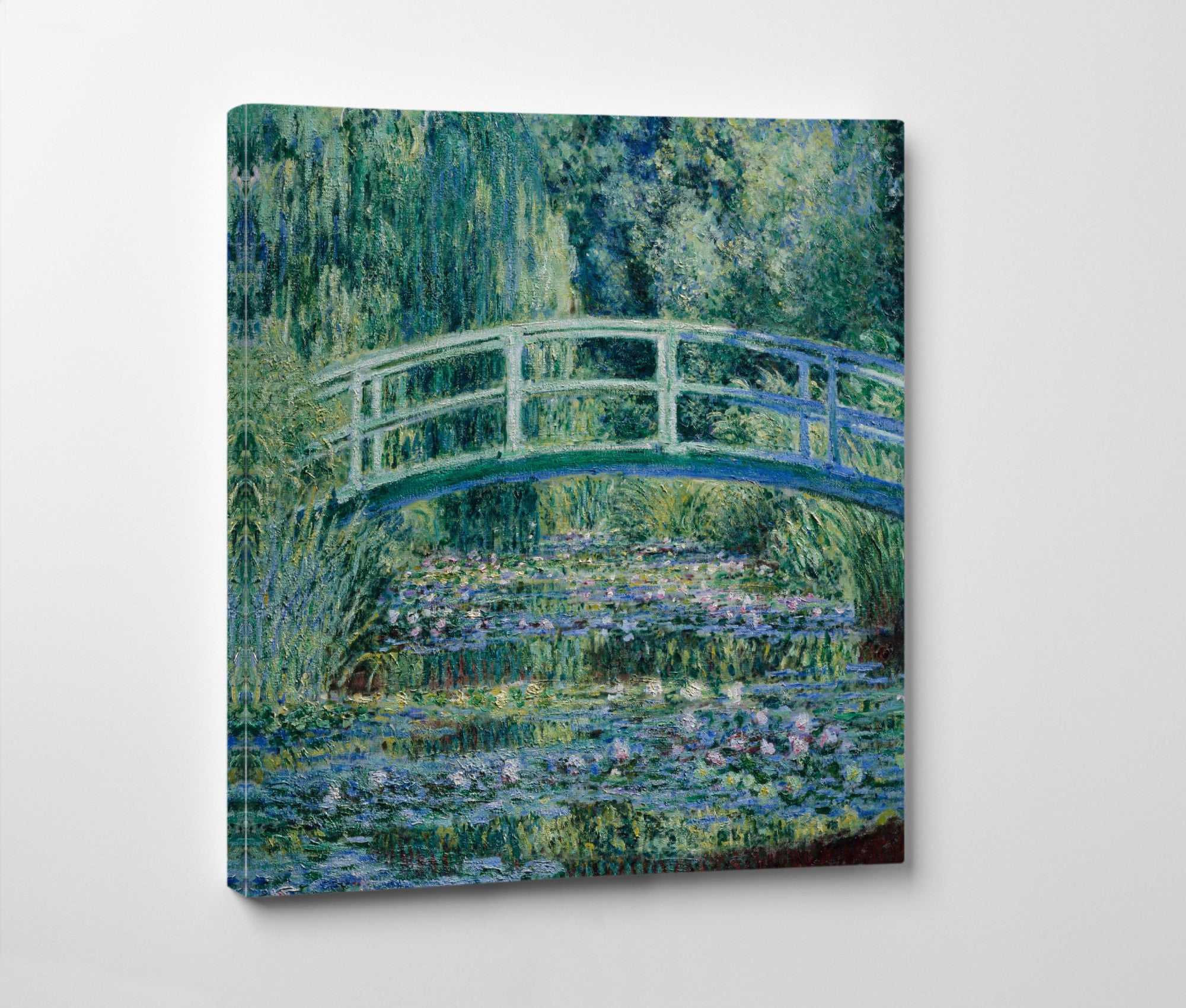
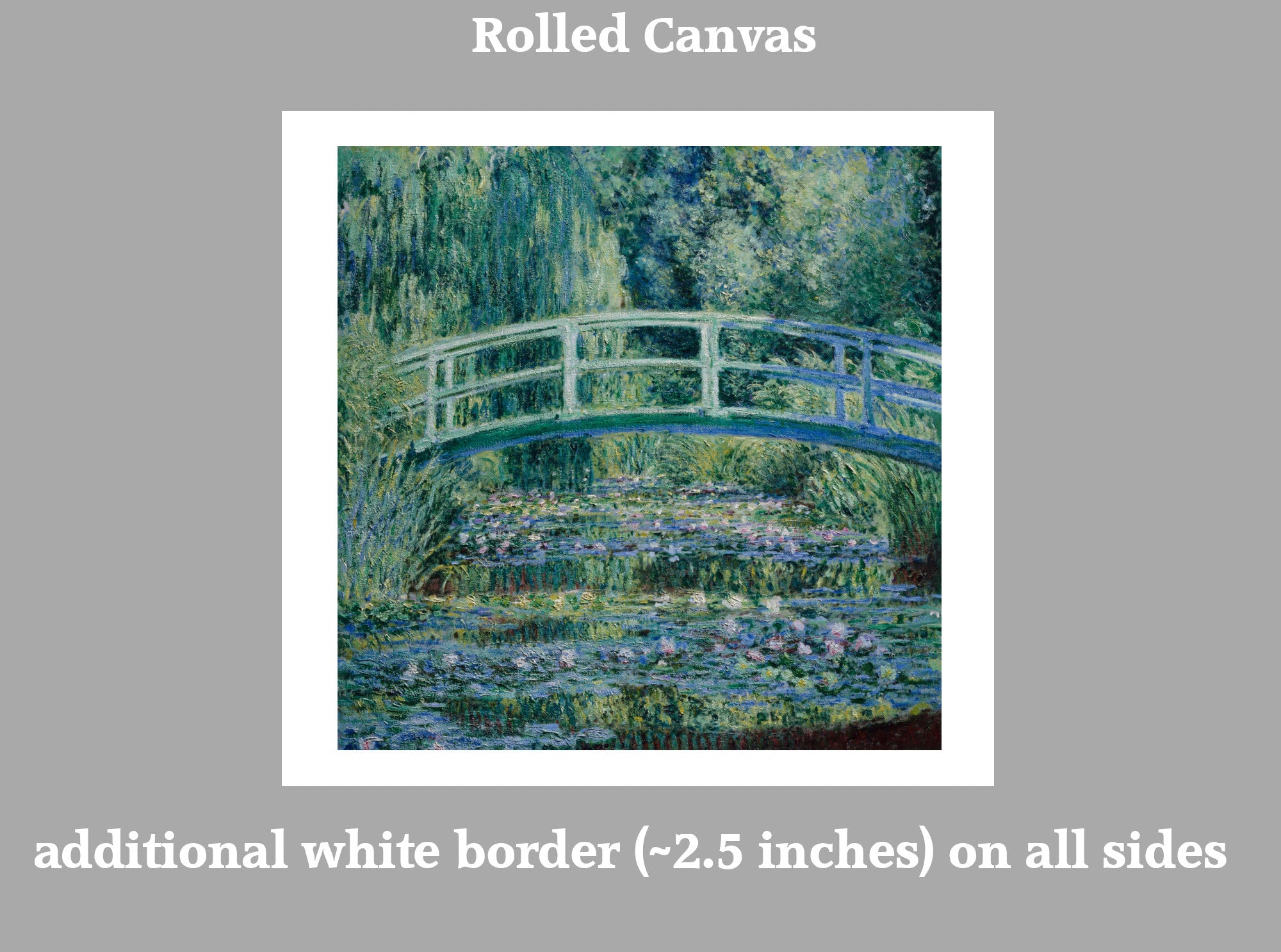
Canvas panels offer a clean, ready-to-hang alternative that allows the colour and brushwork of Impressionist paintings to remain the principal focus.
GalleryThane prints, frames and canvas panels are produced in our Nottinghamshire workshop using carefully selected fine art papers, pigment inks and framing materials.
Explore the Great Impressionists
Begin with Claude Monet for water lilies, gardens, rivers and changing natural light.
Explore Pierre-Auguste Renoir for figures, leisure, flowers and colourful social scenes.
Browse Camille Pissarro and Alfred Sisley for rural landscapes, villages, rivers and atmospheric weather.
Discover Edgar Degas for ballet, theatre and the observation of modern movement.
Explore Berthe Morisot and Mary Cassatt for intimate figure paintings and distinctive perspectives on modern life.
Browse Gustave Caillebotte for Parisian streets, gardens and striking modern compositions.
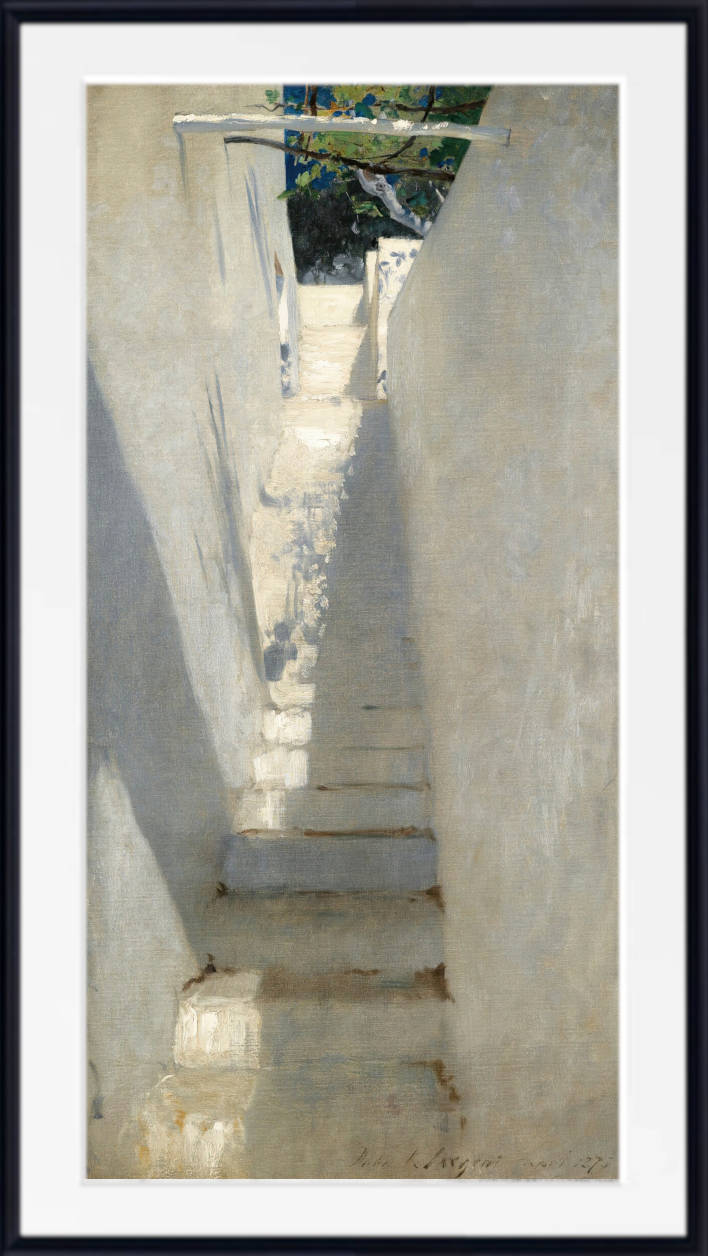
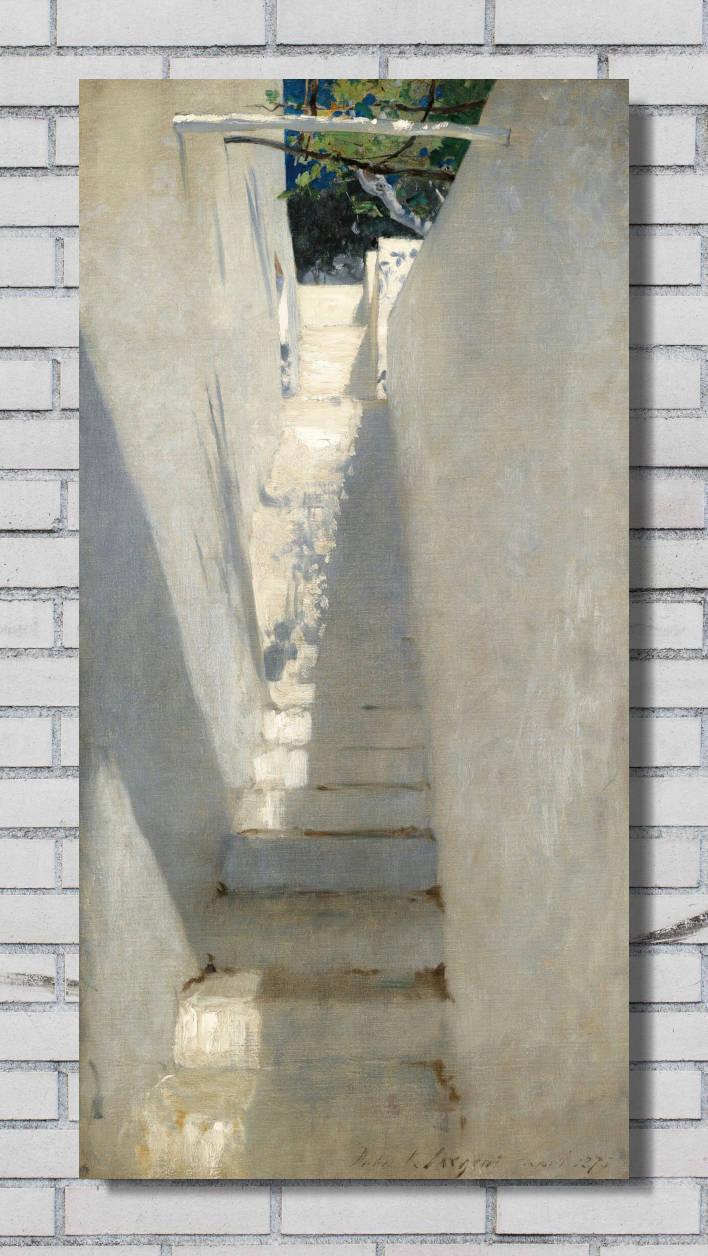
For artists who developed Impressionist ideas beyond the original French movement, explore our International Impressionist Art Prints collection, featuring American, Spanish and Scandinavian painters including Childe Hassam, Joaquín Sorolla, Frederick Carl Frieseke, William Merritt Chase and selected works by John Singer Sargent and P. S. Krøyer.
Frequently Asked Questions
What is Impressionist art?
Impressionist art emerged in France during the nineteenth century and is characterised by an interest in natural light, changing atmosphere, colour, visible brushwork and scenes of contemporary life. Impressionist painters often sought to capture the visual experience of a particular moment rather than produce a highly polished academic finish.
Who were the main Impressionist artists?
Artists at the heart of Impressionism included Claude Monet, Pierre-Auguste Renoir, Camille Pissarro, Alfred Sisley, Edgar Degas, Berthe Morisot, Mary Cassatt and Gustave Caillebotte.
Why is Claude Monet so closely associated with Impressionism?
Monet made the observation of changing light and atmosphere central to his work. His landscapes, haystacks, river views, gardens and Water Lilies demonstrate the Impressionist idea that the appearance of a subject changes constantly according to light, weather and time of day.
Was Mary Cassatt an Impressionist?
Yes. Although Cassatt was born in the United States, she lived and worked in France and exhibited with the Impressionists. She was a genuine participant in the historic movement rather than simply a later American painter influenced by Impressionism.
What subjects did Impressionist artists paint?
Common subjects include landscapes, gardens, rivers, coastlines, Parisian streets, cafés, theatres, ballet dancers, portraits, family life and scenes of modern leisure.
Which Impressionist prints are best for a living room?
Larger landscapes by Monet, Pissarro and Sisley work particularly well in living rooms, as do colourful social scenes by Renoir and architectural city paintings by Caillebotte. The best choice depends on the colours, scale and atmosphere of the room.
Are Impressionist prints suitable for modern interiors?
Yes. Impressionist paintings can work particularly well in contemporary rooms because their visible brushwork and natural colour prevent historic subjects from feeling overly formal. Simple framing can create an effective contrast between nineteenth-century painting and modern furniture.
Which Impressionist prints work well in bedrooms?
Monet's garden and water paintings, Sisley landscapes, quieter Pissarro scenes and softer works by Morisot and Cassatt are good choices for bedrooms where a calm, light atmosphere is preferred.
Should I choose a framed Impressionist print or canvas panel?
A framed print provides a more defined gallery-style presentation and works well across most Impressionist subjects. Canvas panels offer a simpler frameless appearance and can be particularly effective for larger landscapes and paintings where visible brushwork is an important part of the image.