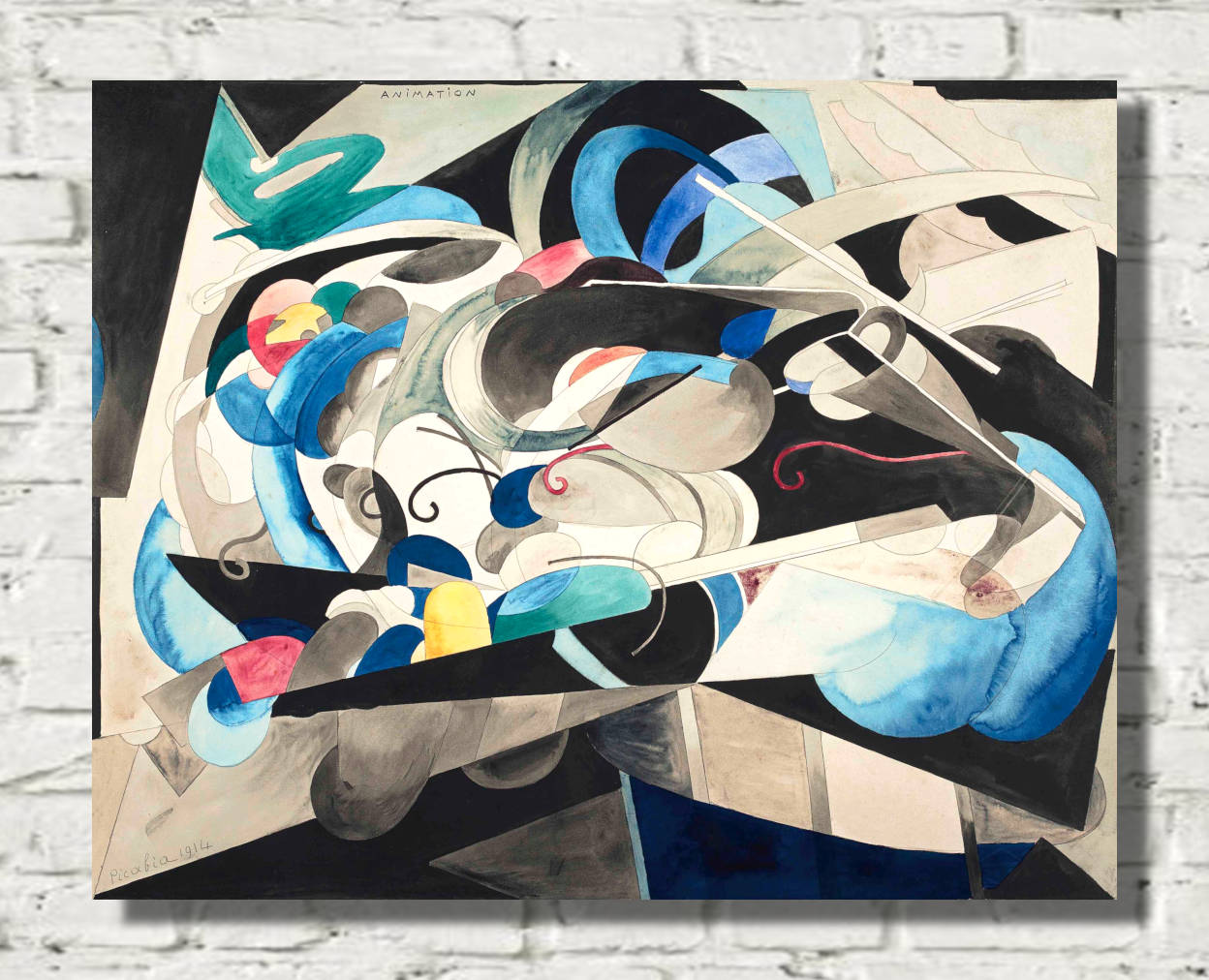
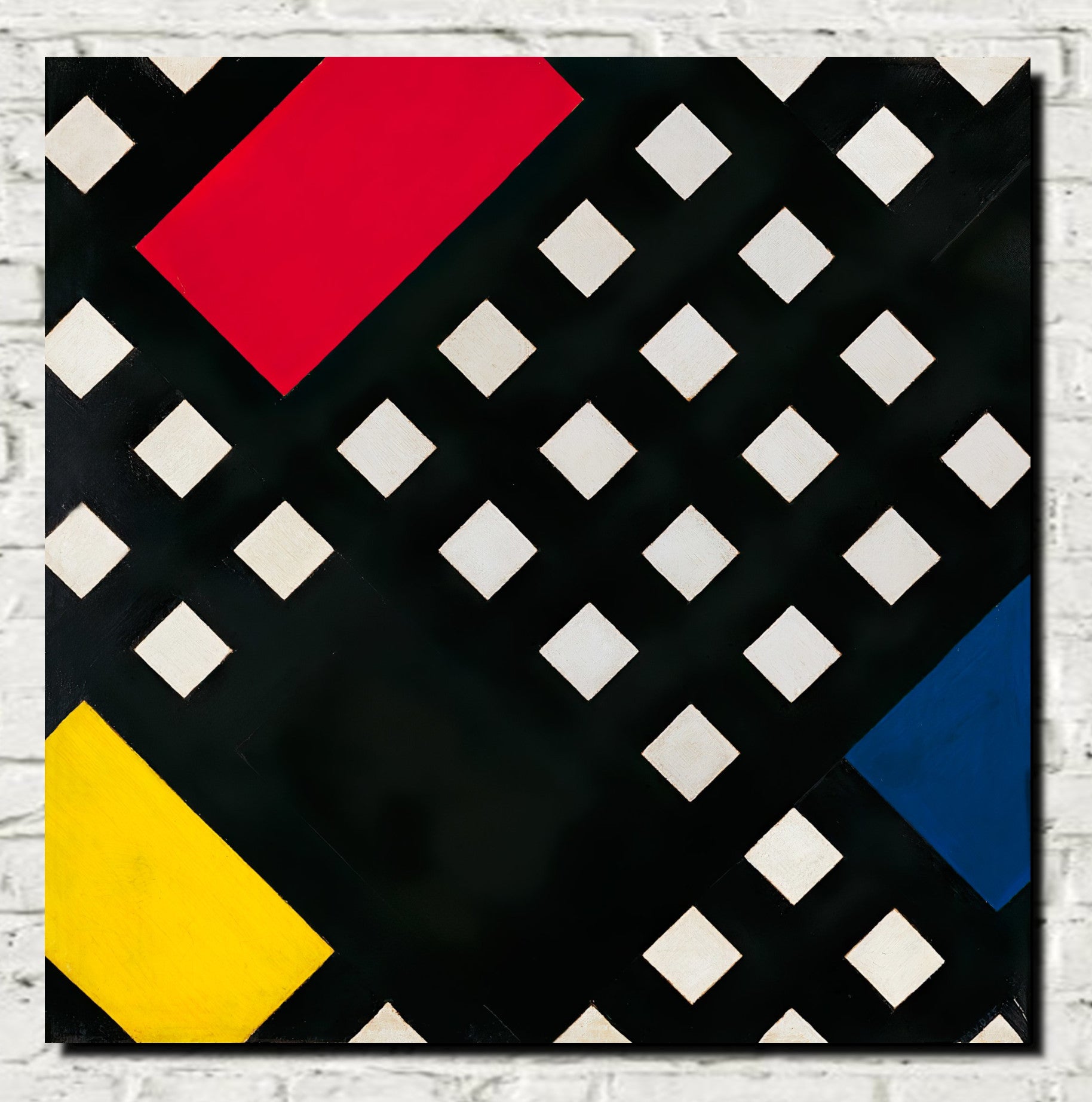
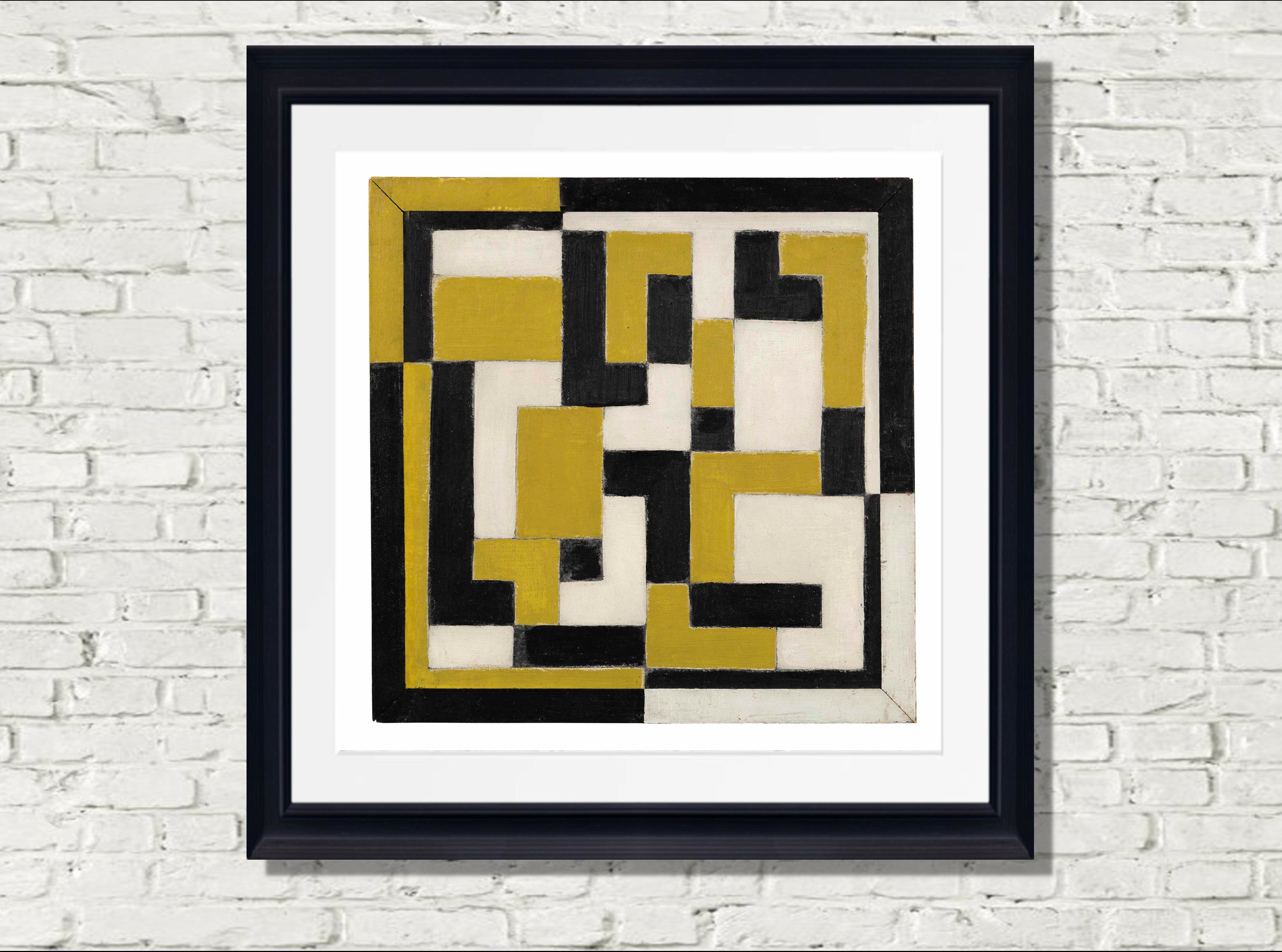
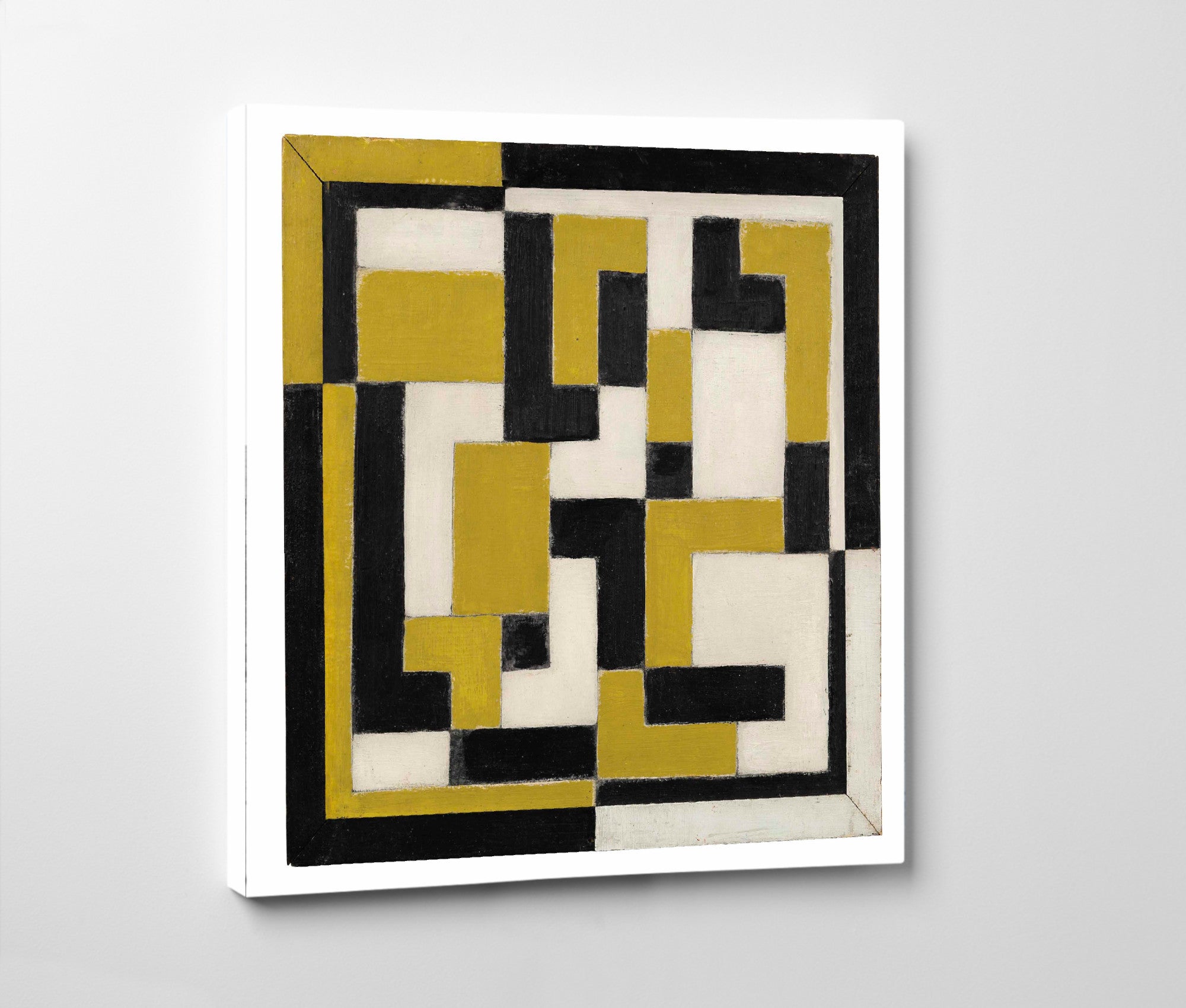
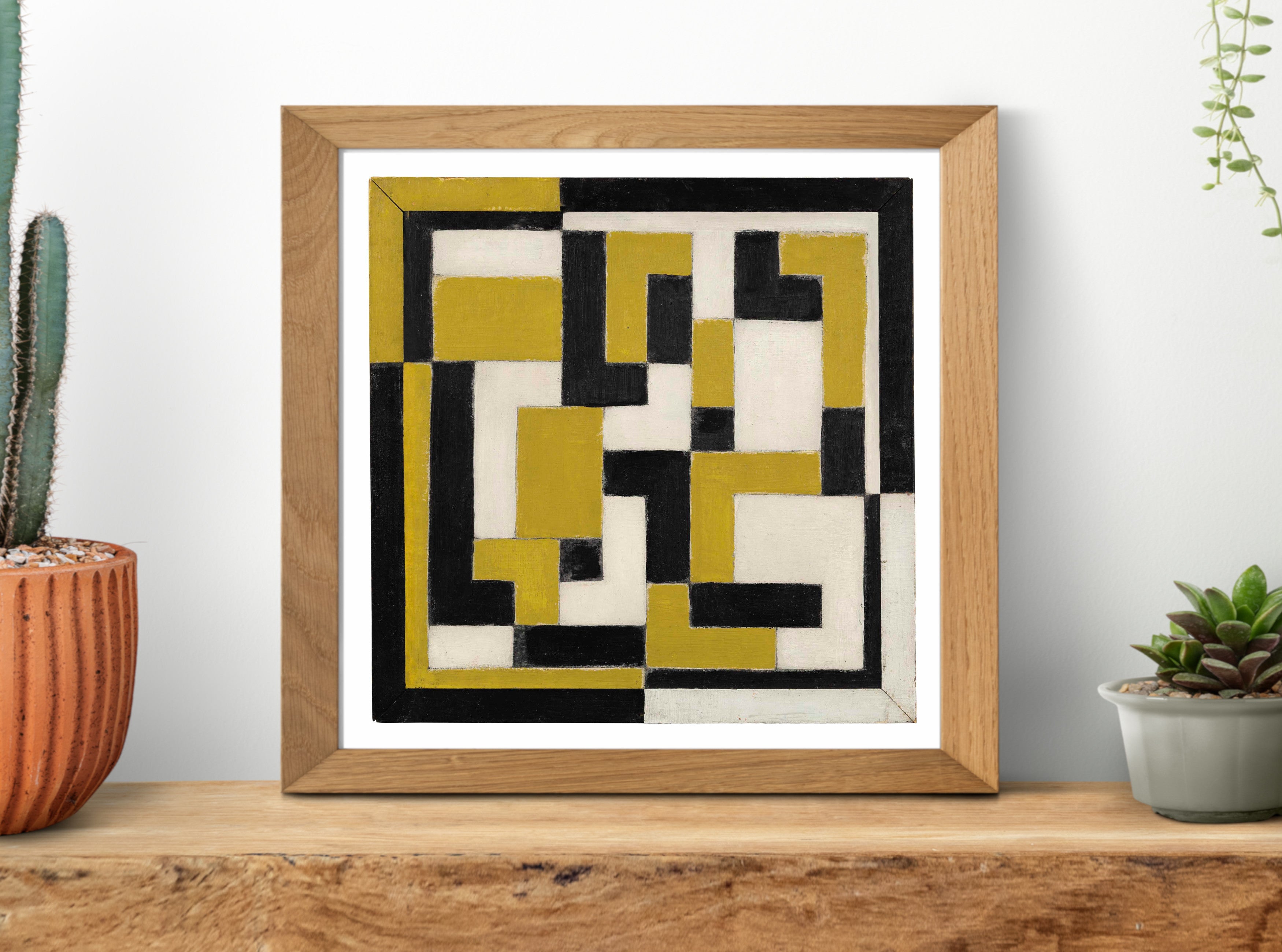
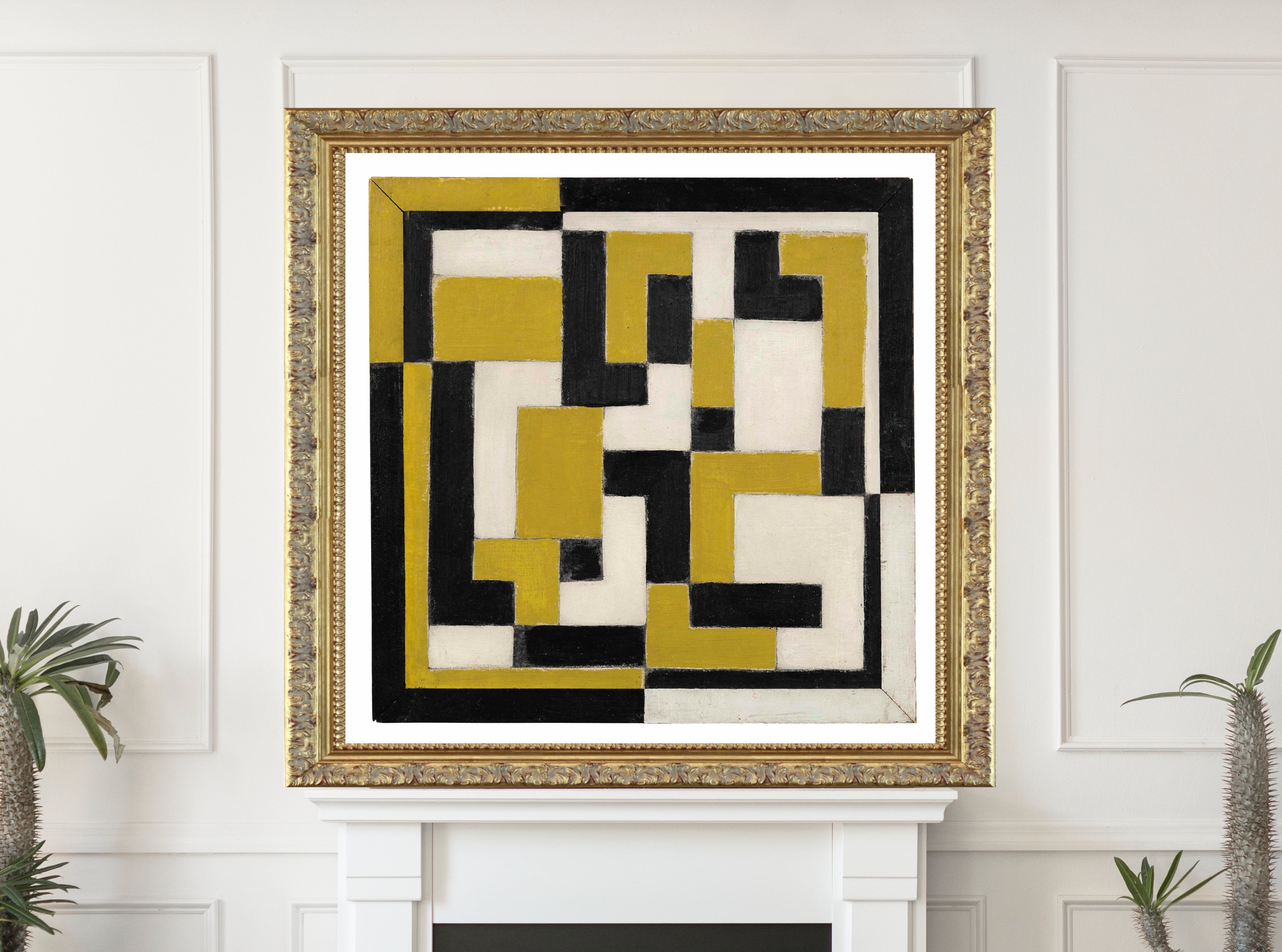
Black Abstract Wall Art: Contrast, Structure and Visual Power
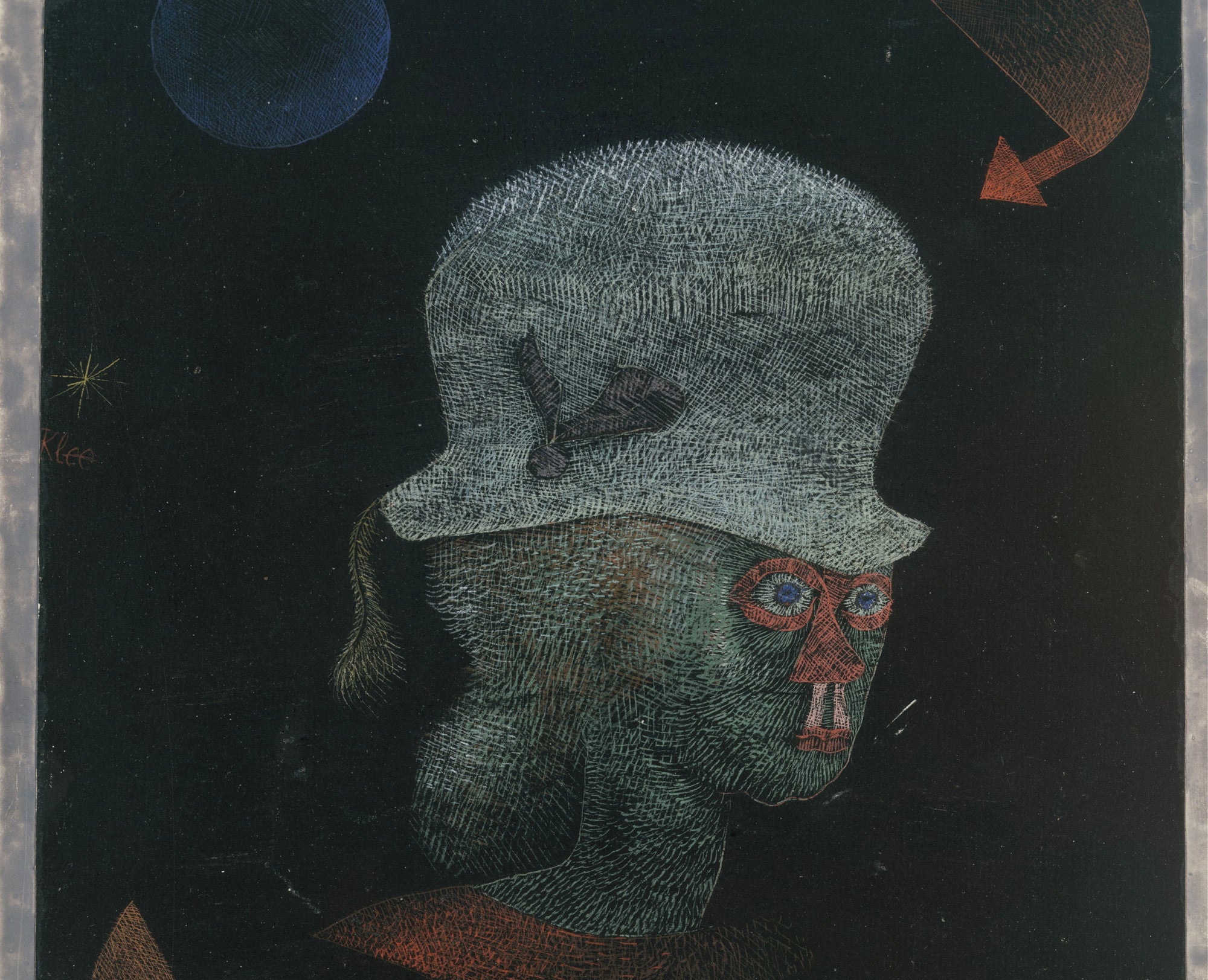
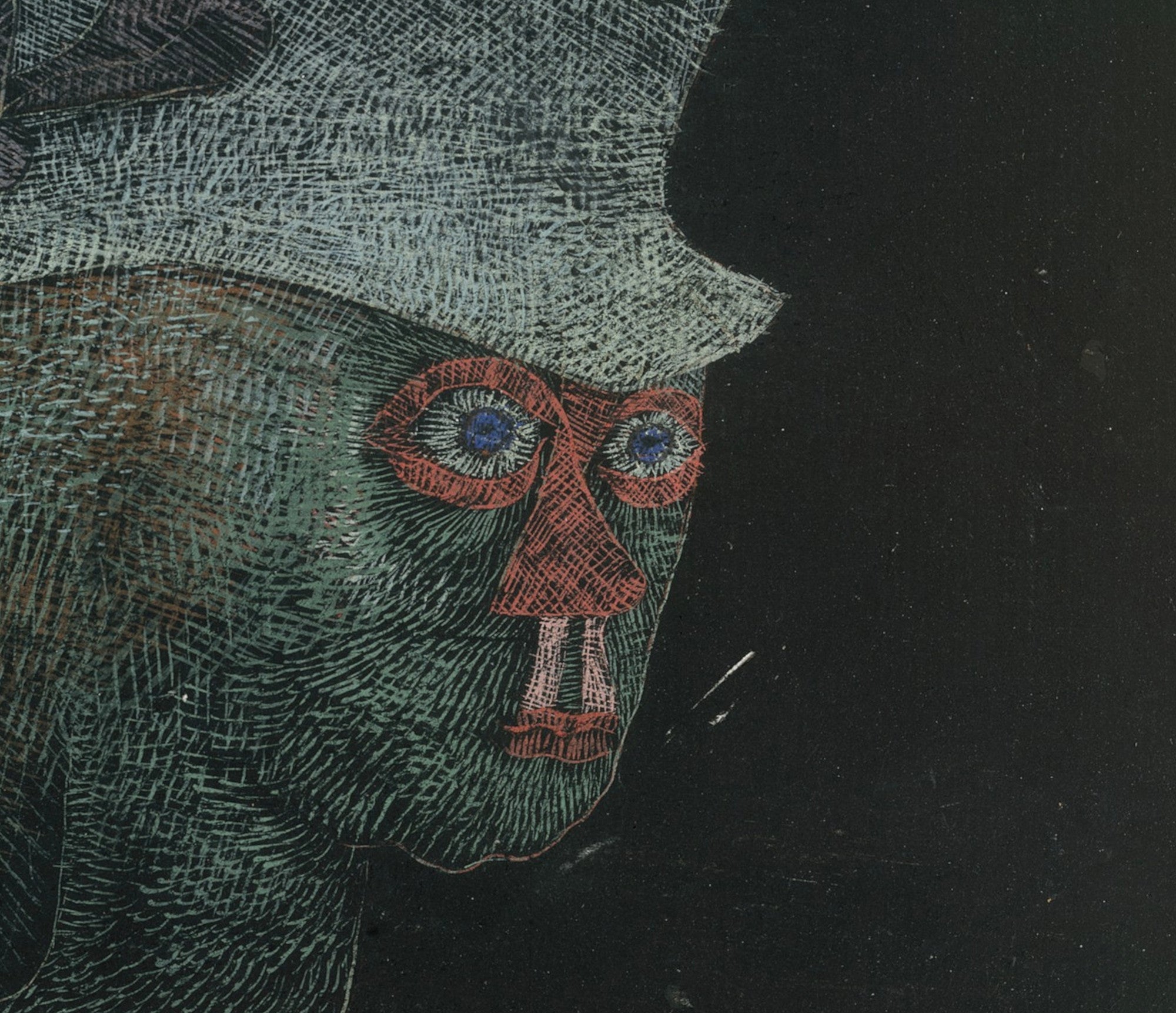
Black has a unique role in abstract art. It can function as colour, shadow, line, shape, boundary or empty space.
A single black square can dominate an entire composition, while a fine black line can organise a complex arrangement of colours and geometric forms.
In monochrome abstract art, differences between pure black, charcoal, grey and white become especially important. Without bright colour to attract attention, the eye becomes more sensitive to proportion, rhythm, texture, shape and the relationship between positive and negative space.
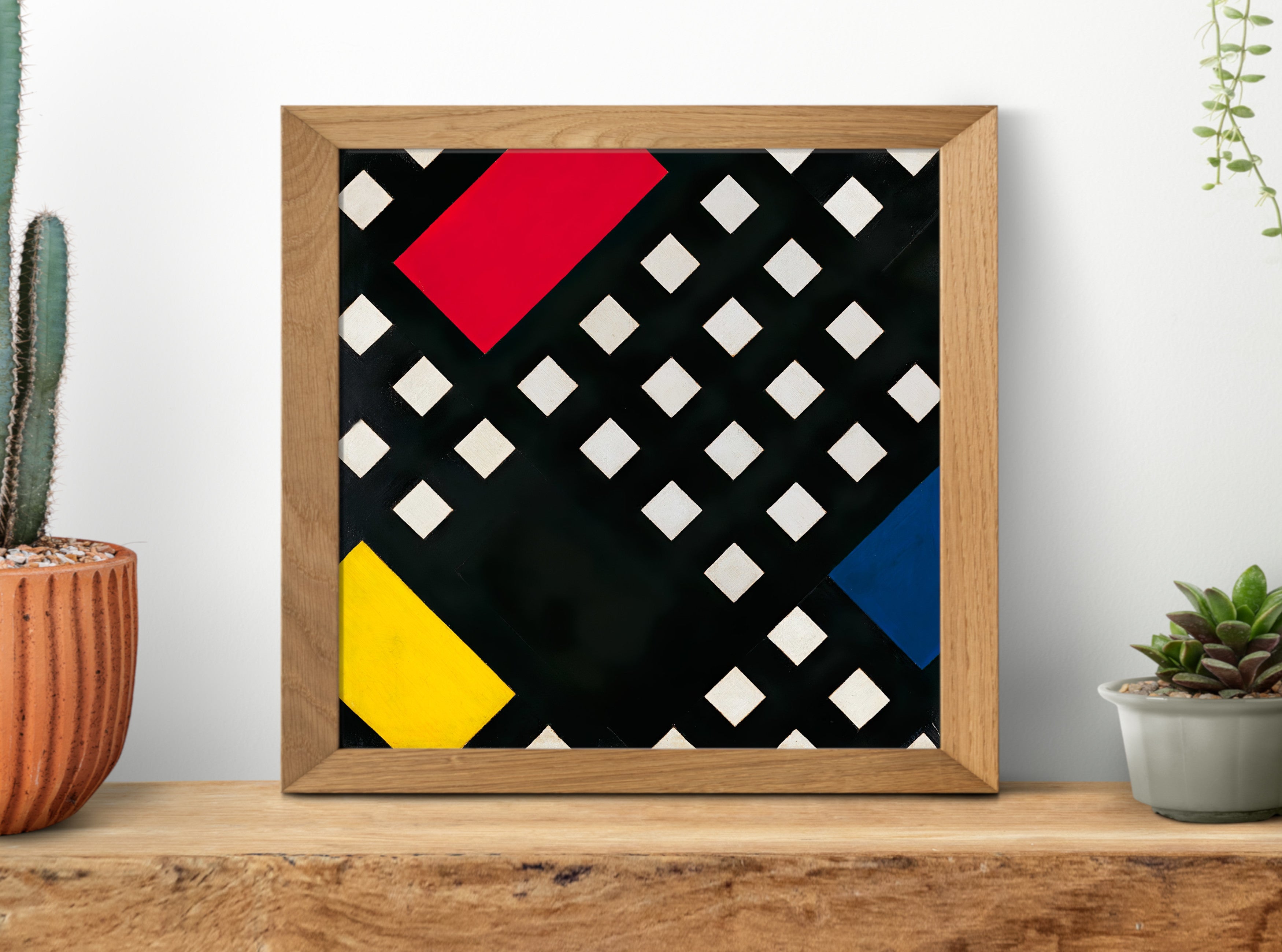
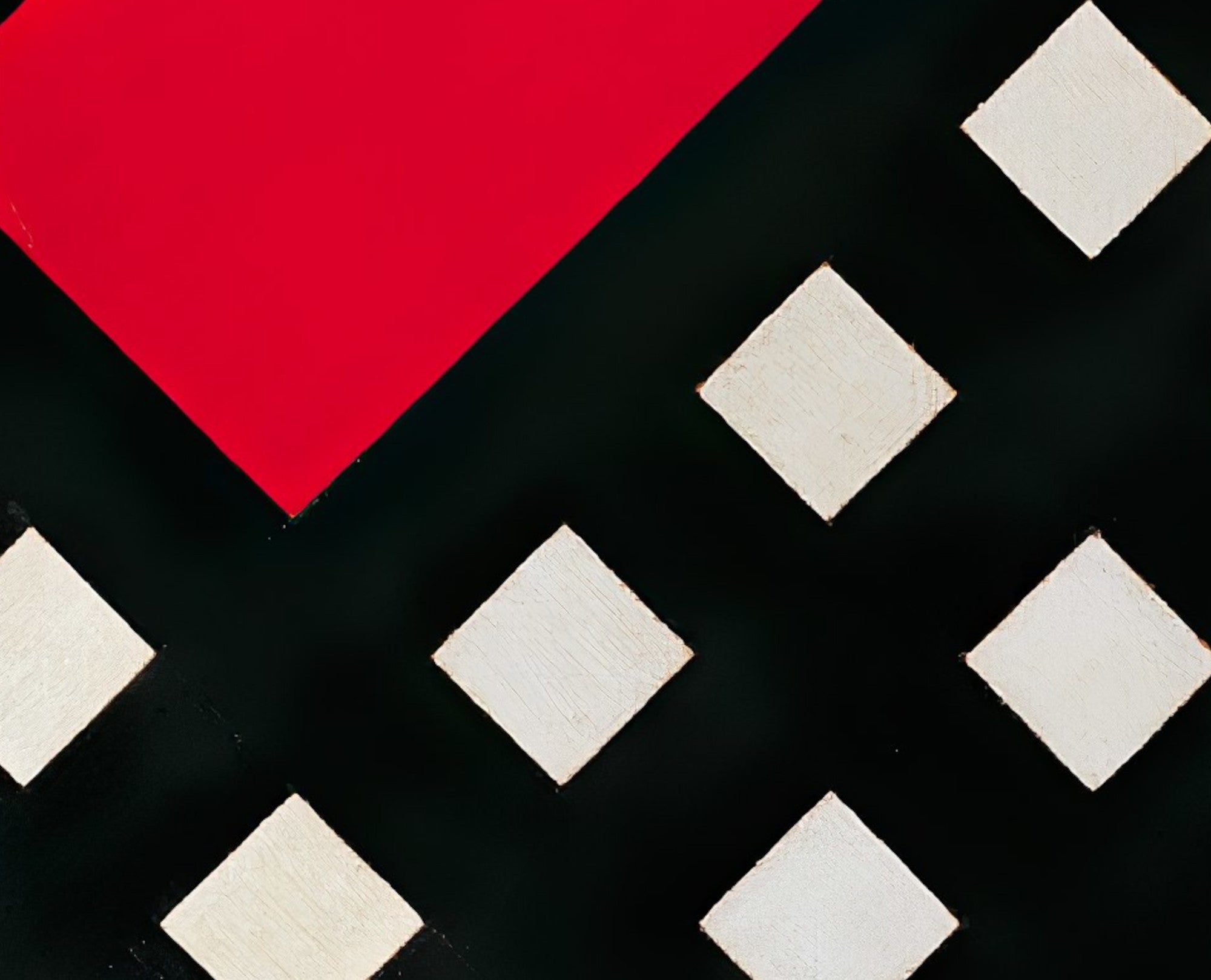
Black can also intensify surrounding colours. Red appears more vivid beside black, white becomes brighter, and pale colours gain additional definition.
This makes black particularly powerful within geometric abstraction, where carefully placed lines and blocks can organise the entire composition.
Black abstract prints are especially versatile in interiors because they can create impact without introducing an entirely new colour palette.
Kazimir Malevich: Black and the Radical Reduction of Art
Kazimir Malevich was one of the great pioneers of non-objective art.
His work pushed abstraction towards an extraordinary degree of simplicity, reducing painting to basic geometric forms, pure colour and carefully organised space.
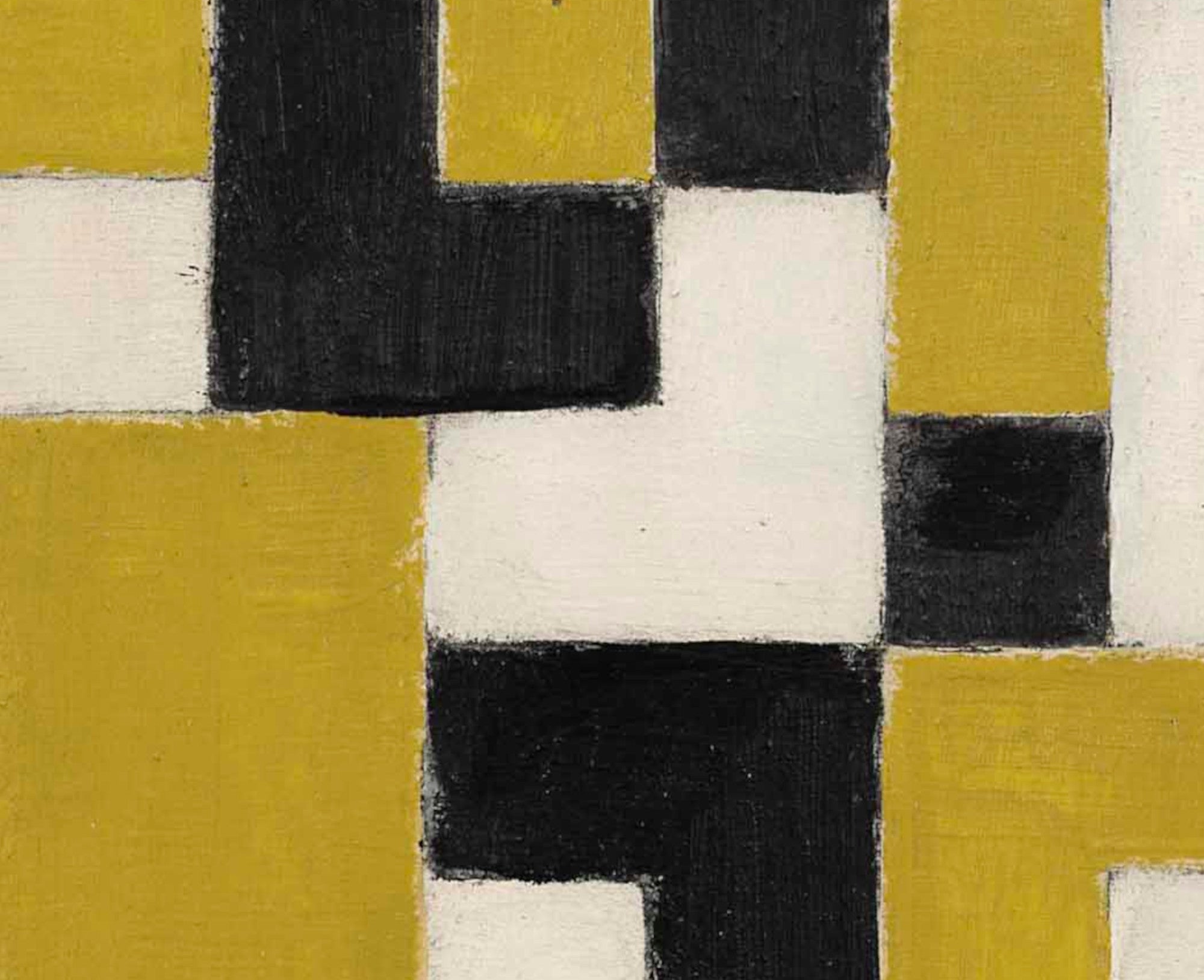
His famous Black Square transformed a simple geometric shape into one of the defining images of modern art. The work rejected conventional landscape, portraiture and narrative, presenting instead a black square against a pale ground.
Other Malevich works combine black rectangles, crosses, circles and dynamic geometric forms with white, red, yellow and other colours.
Malevich prints are particularly effective in minimalist living rooms, home offices, hallways and spaces with strong architectural lines.
Piet Mondrian: Black Lines, Balance and Geometric Order
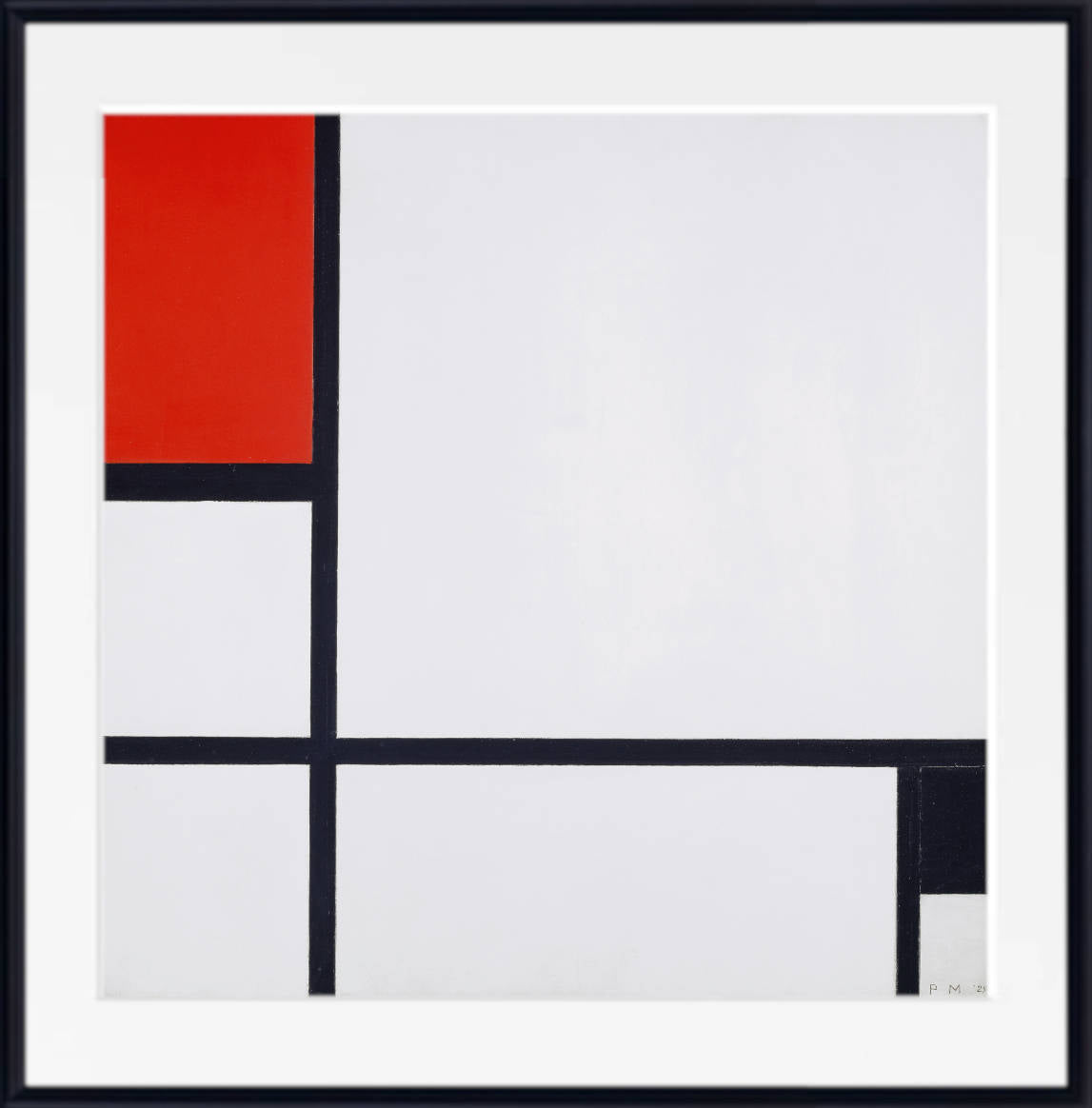
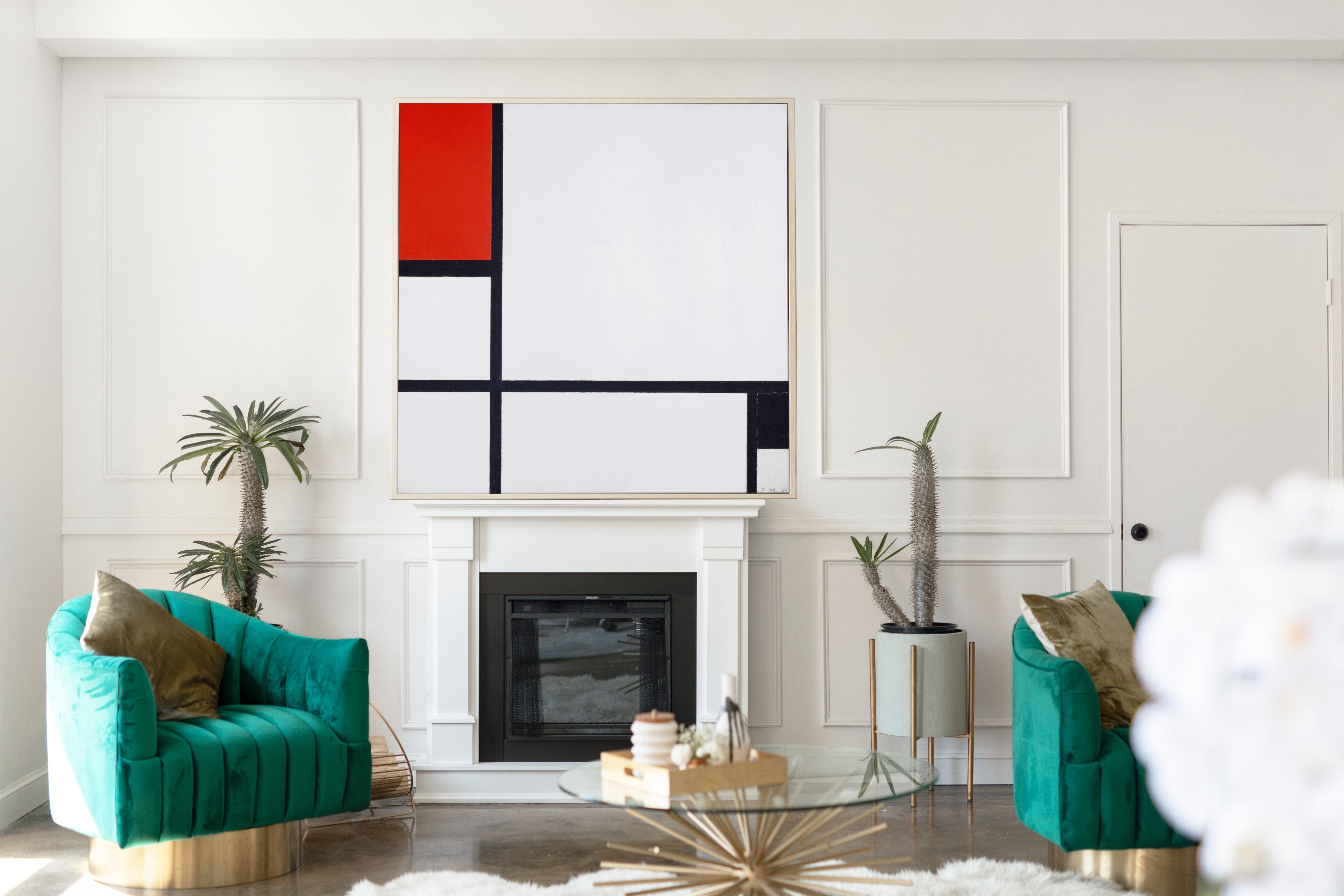
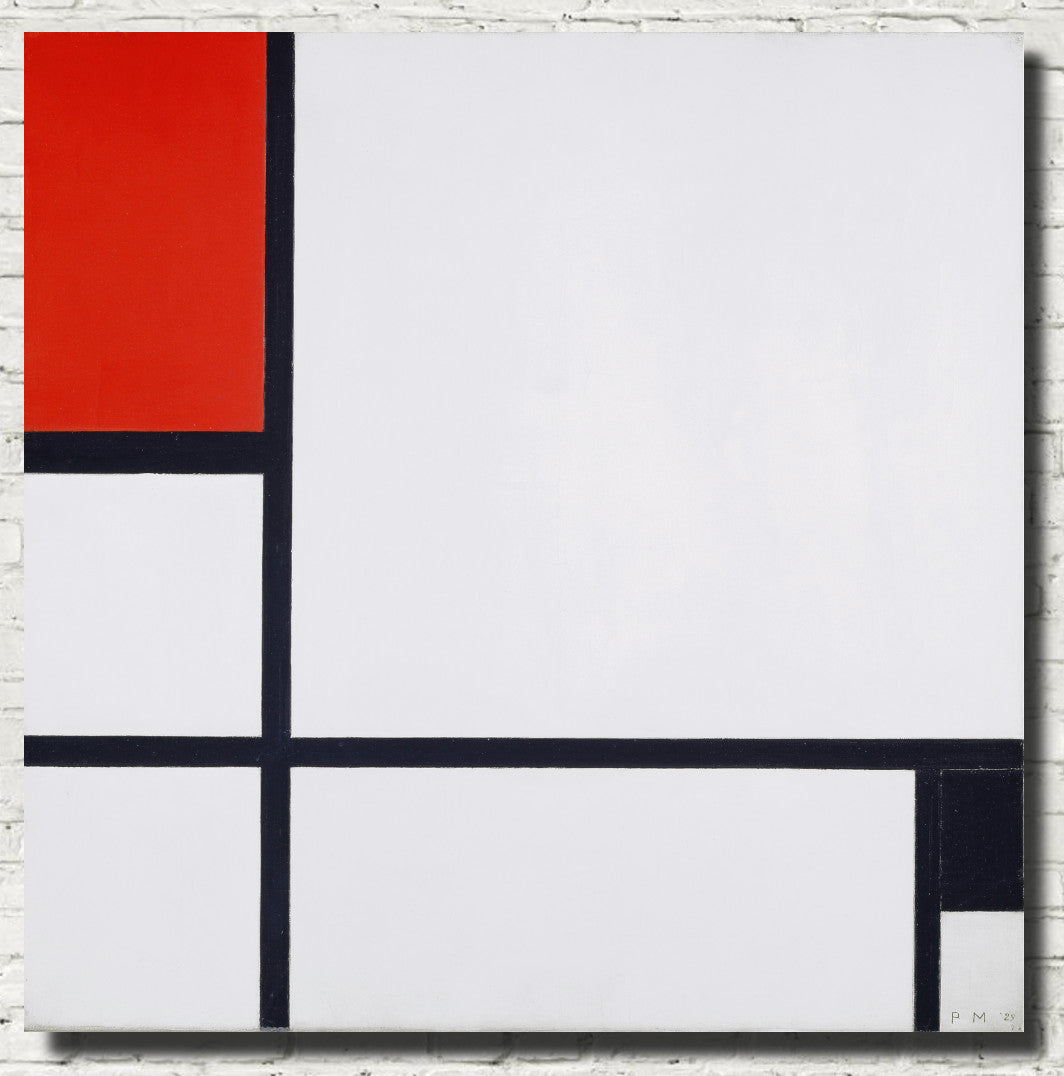
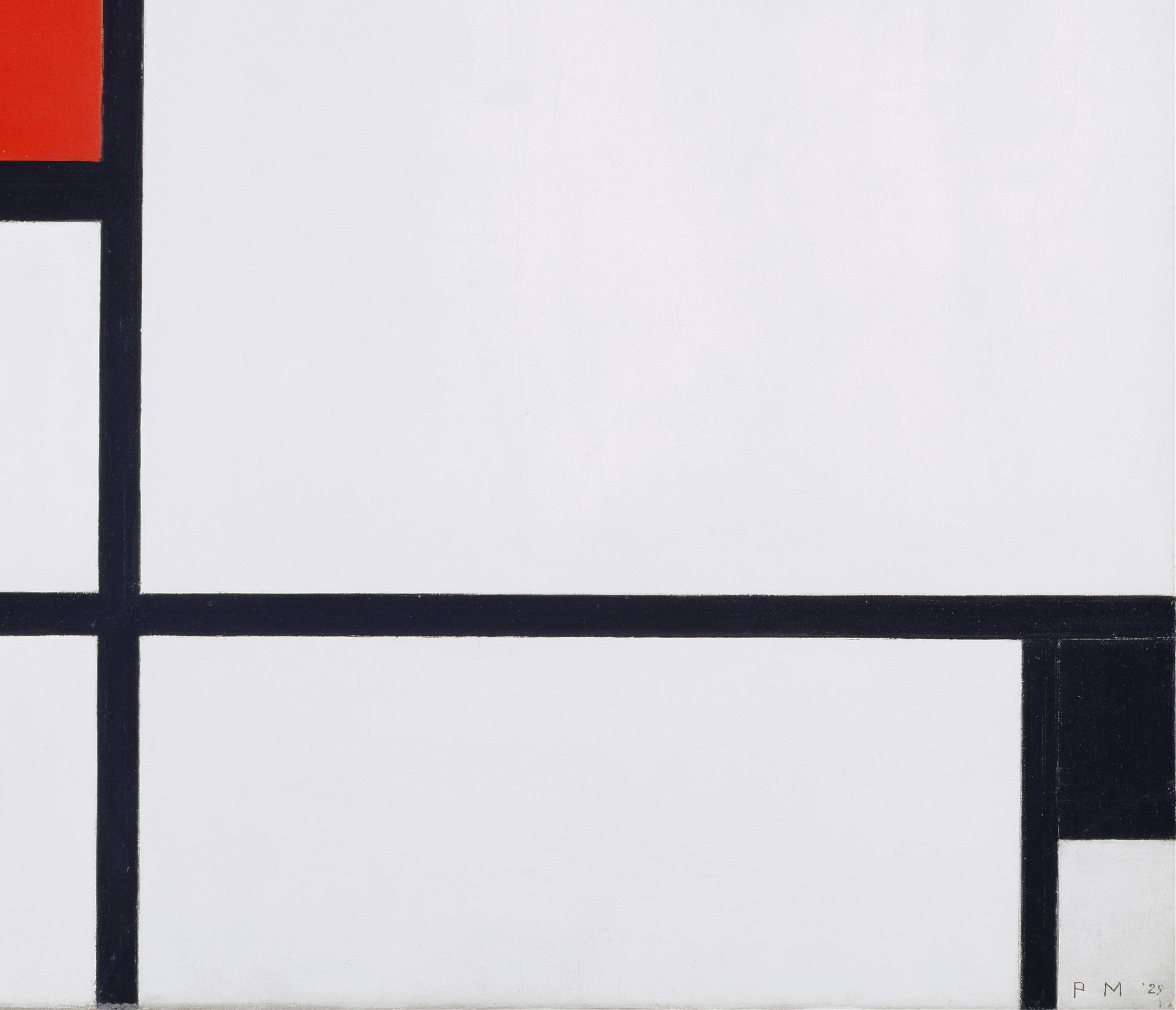
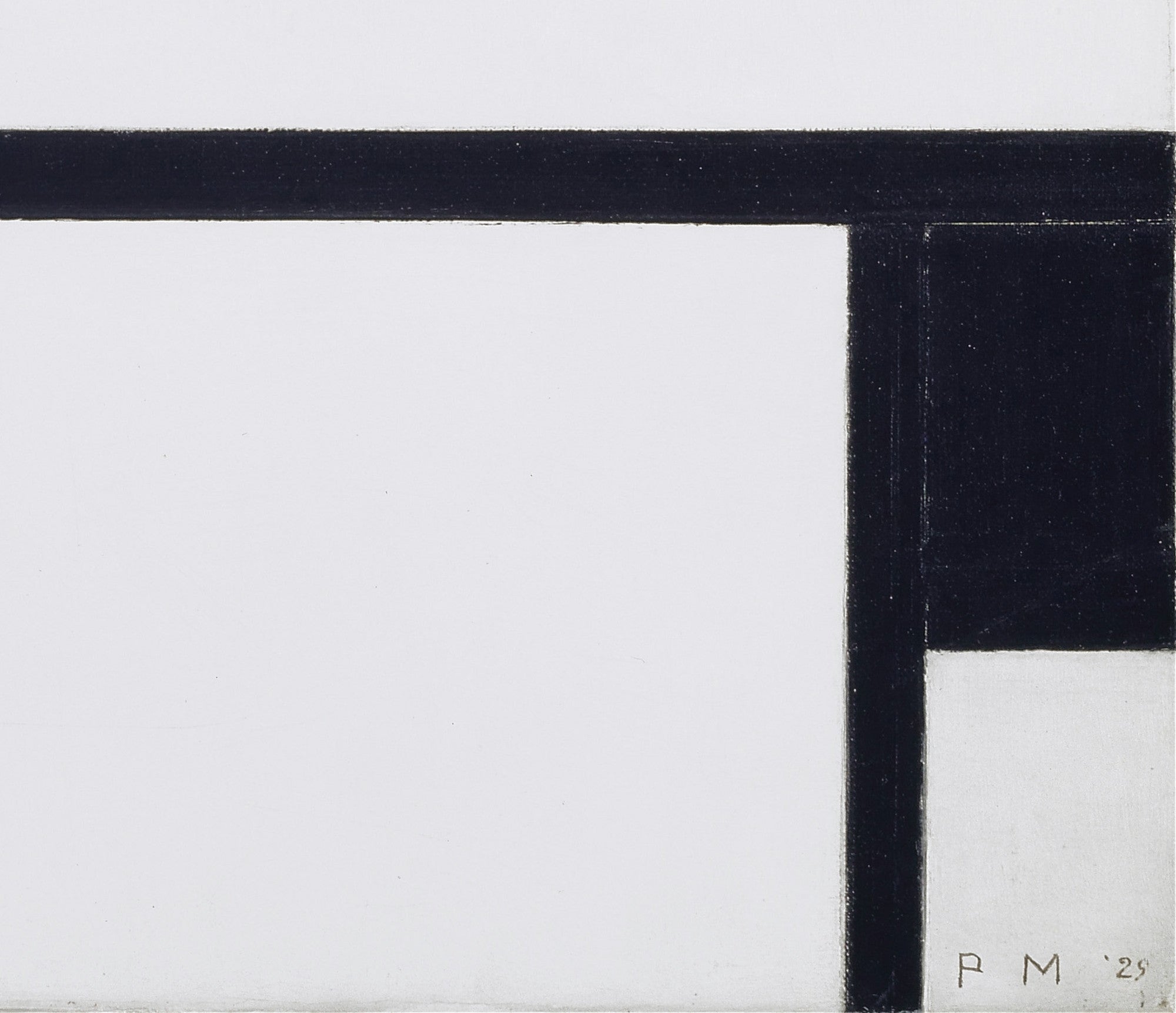
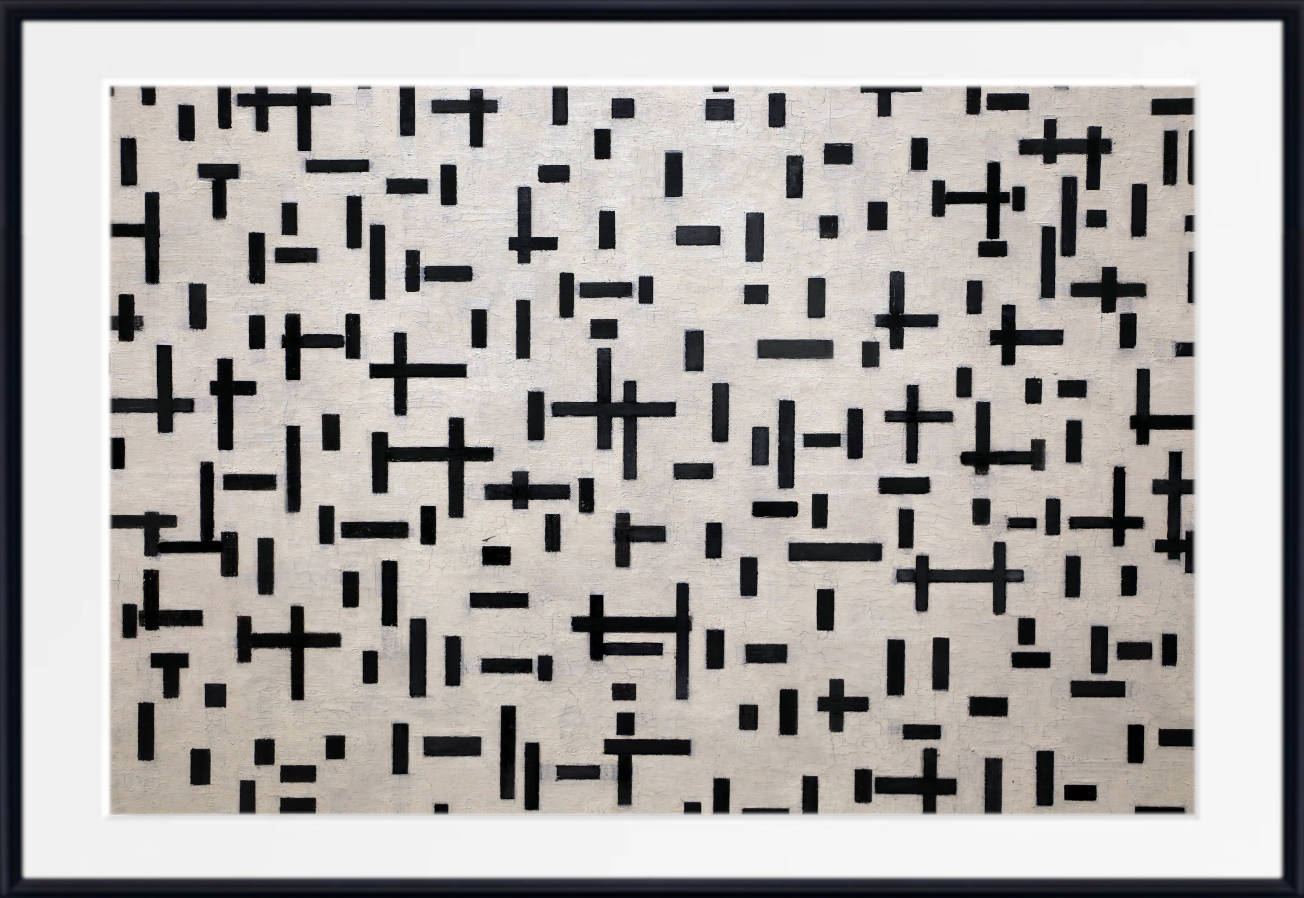
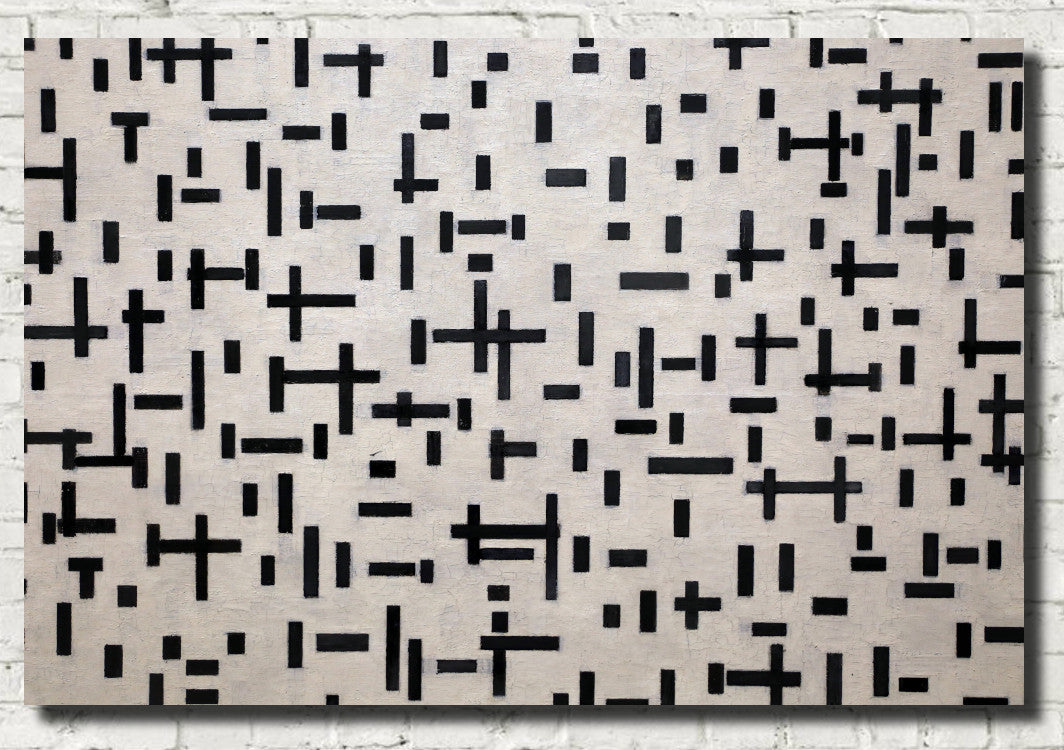
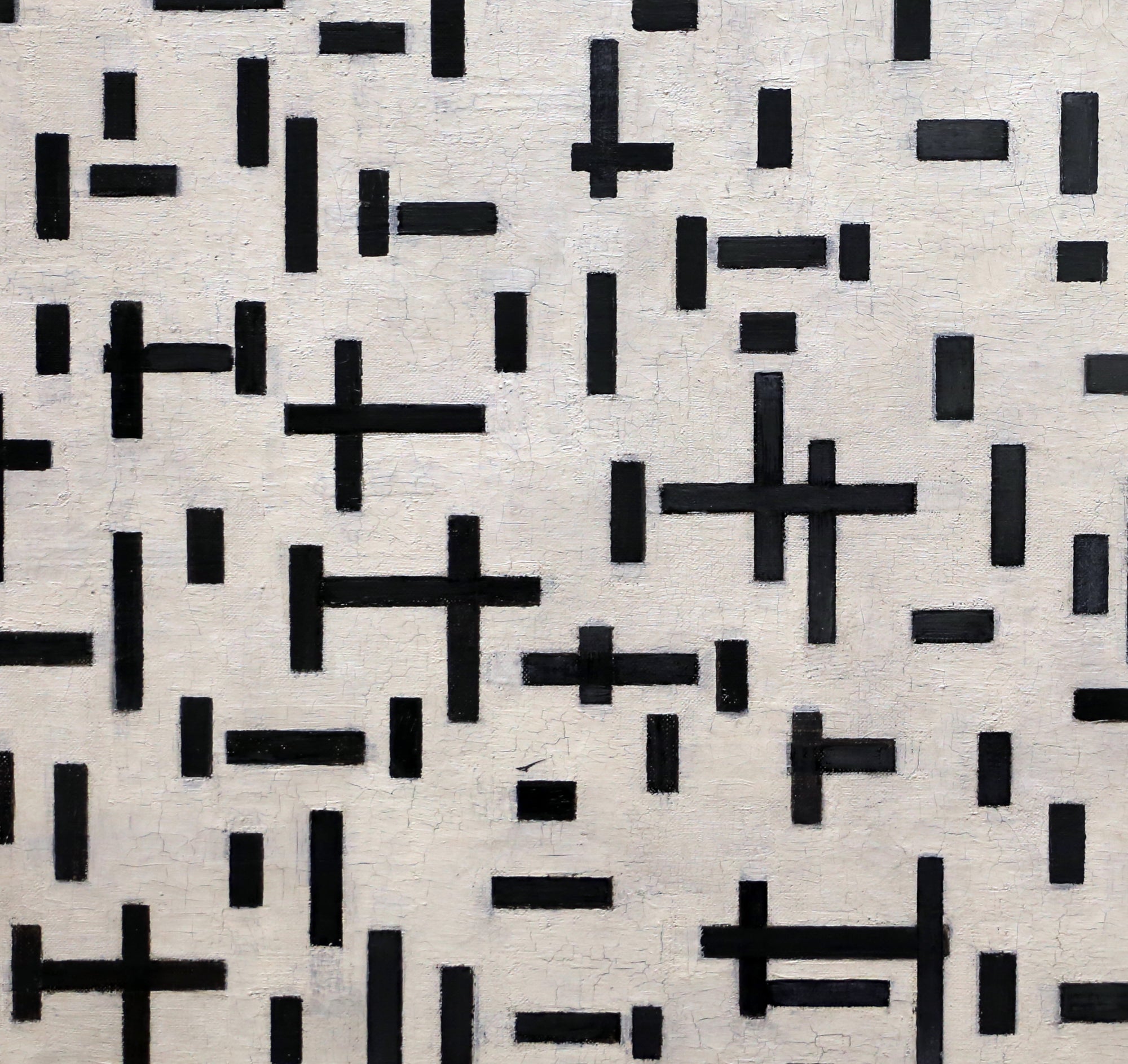
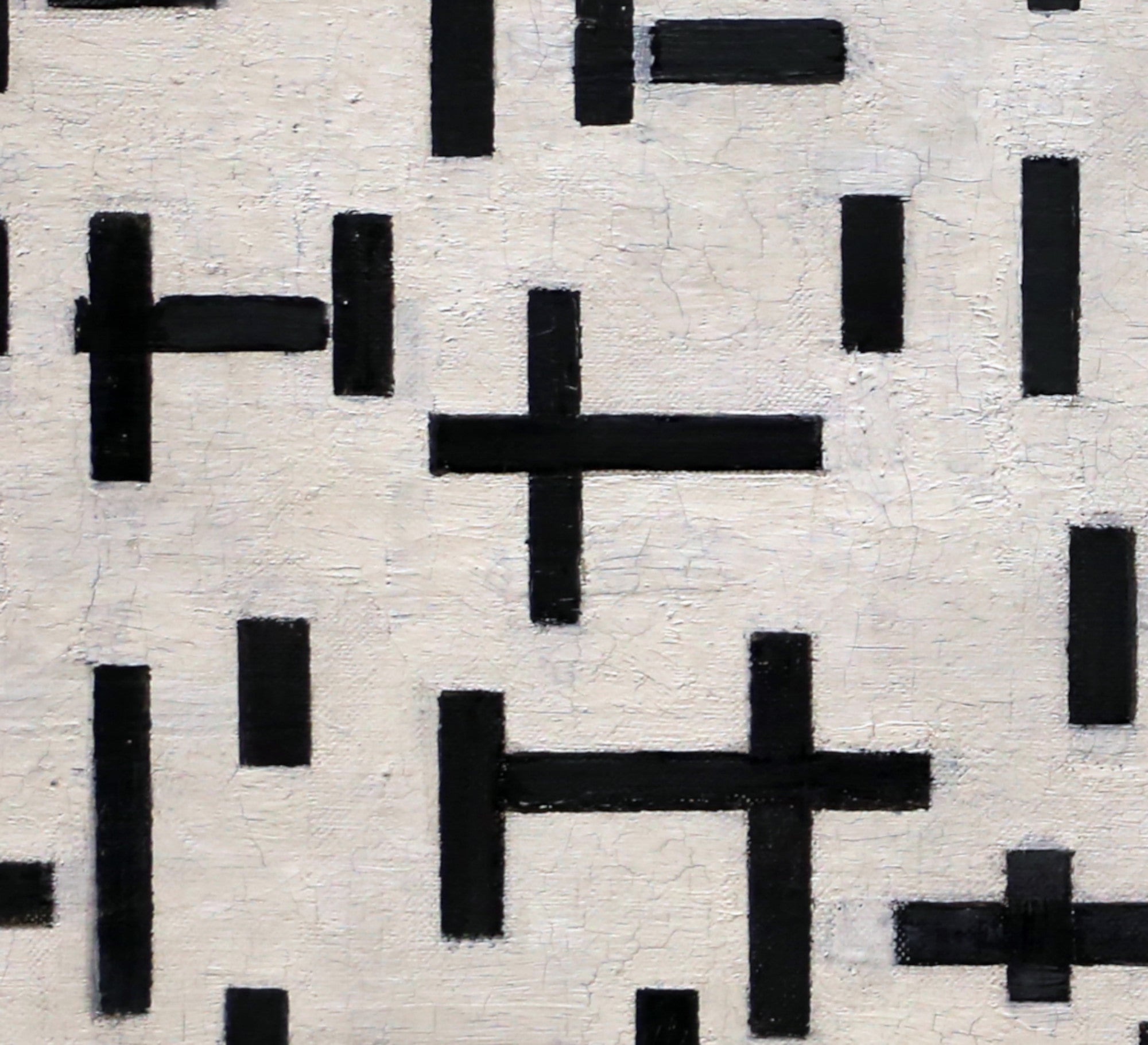
Piet Mondrian developed one of the most recognisable visual languages in modern art, using vertical and horizontal black lines to divide the picture surface into carefully balanced areas.
Although Mondrian is famous for red, blue and yellow, black is fundamental to the structure of his mature compositions.
Strong black lines define relationships between white spaces and blocks of primary colour, creating rhythm, balance and tension.
Mondrian prints work particularly well in contemporary interiors, offices and rooms with clean lines.
For more structured modern abstraction, explore our Geometric Abstract Prints.
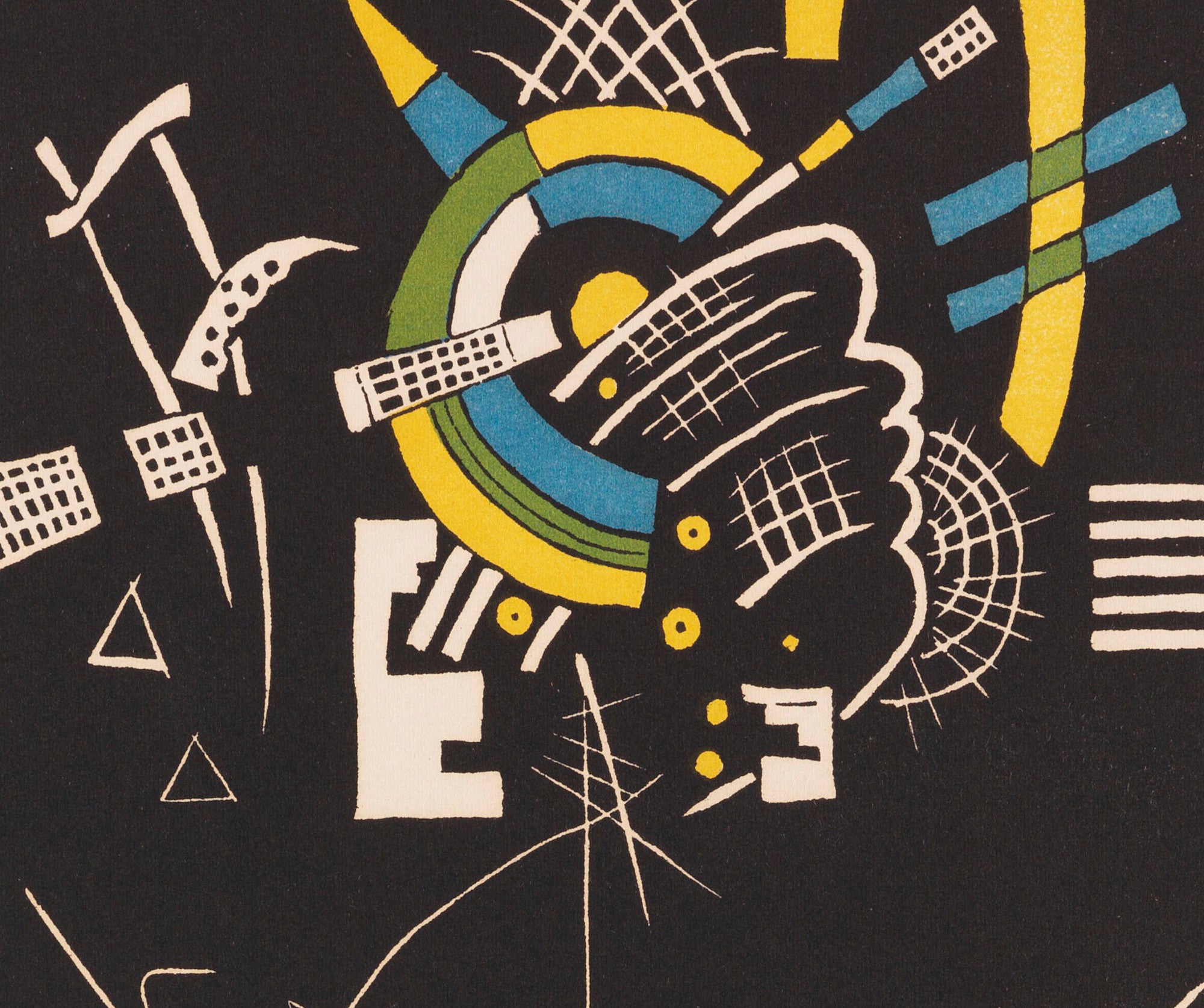
Wassily Kandinsky: Black Lines and Dynamic Abstraction
Wassily Kandinsky approached abstraction very differently.
His paintings explore colour, movement, line and form, often creating compositions that appear almost musical.
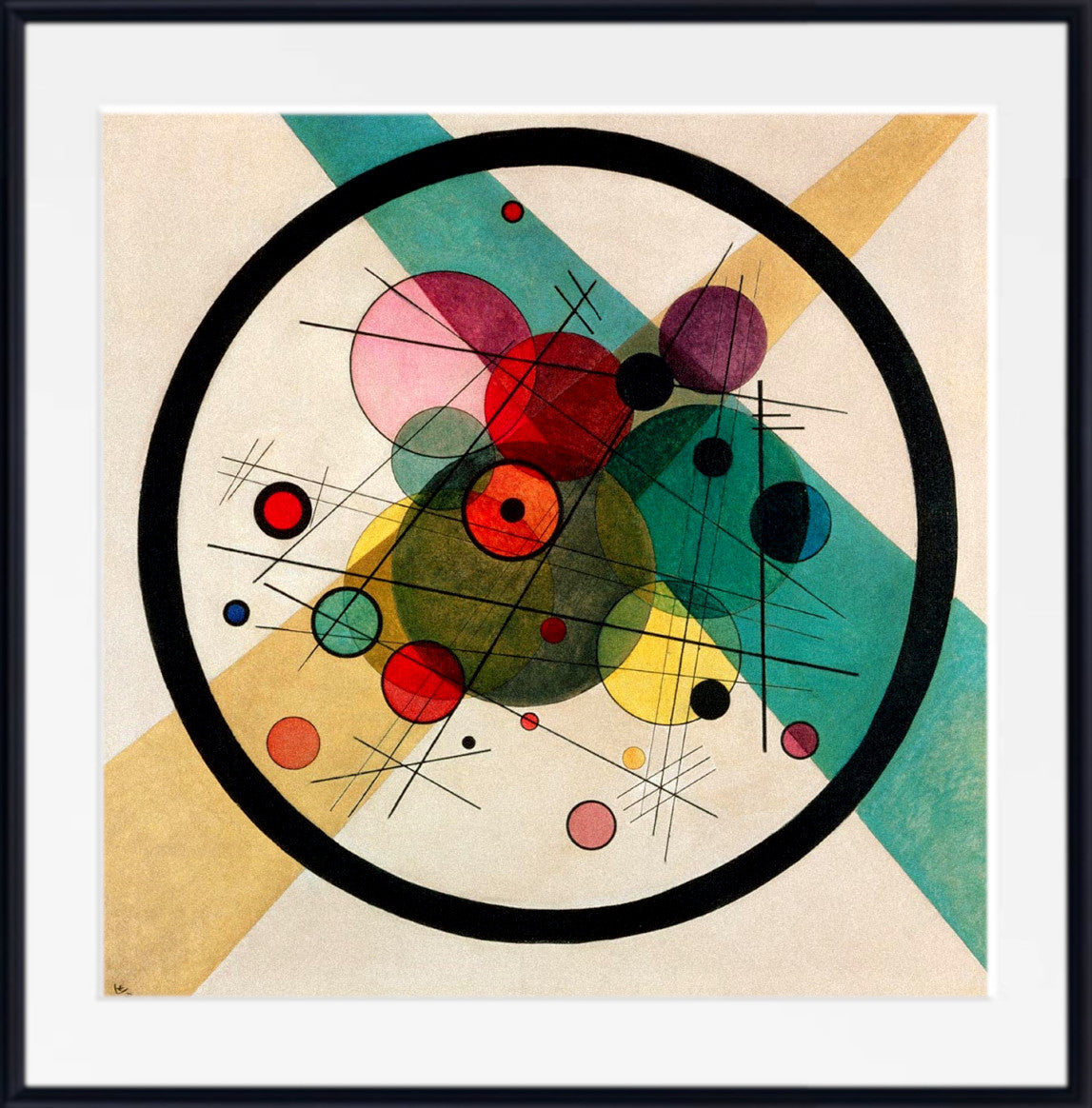
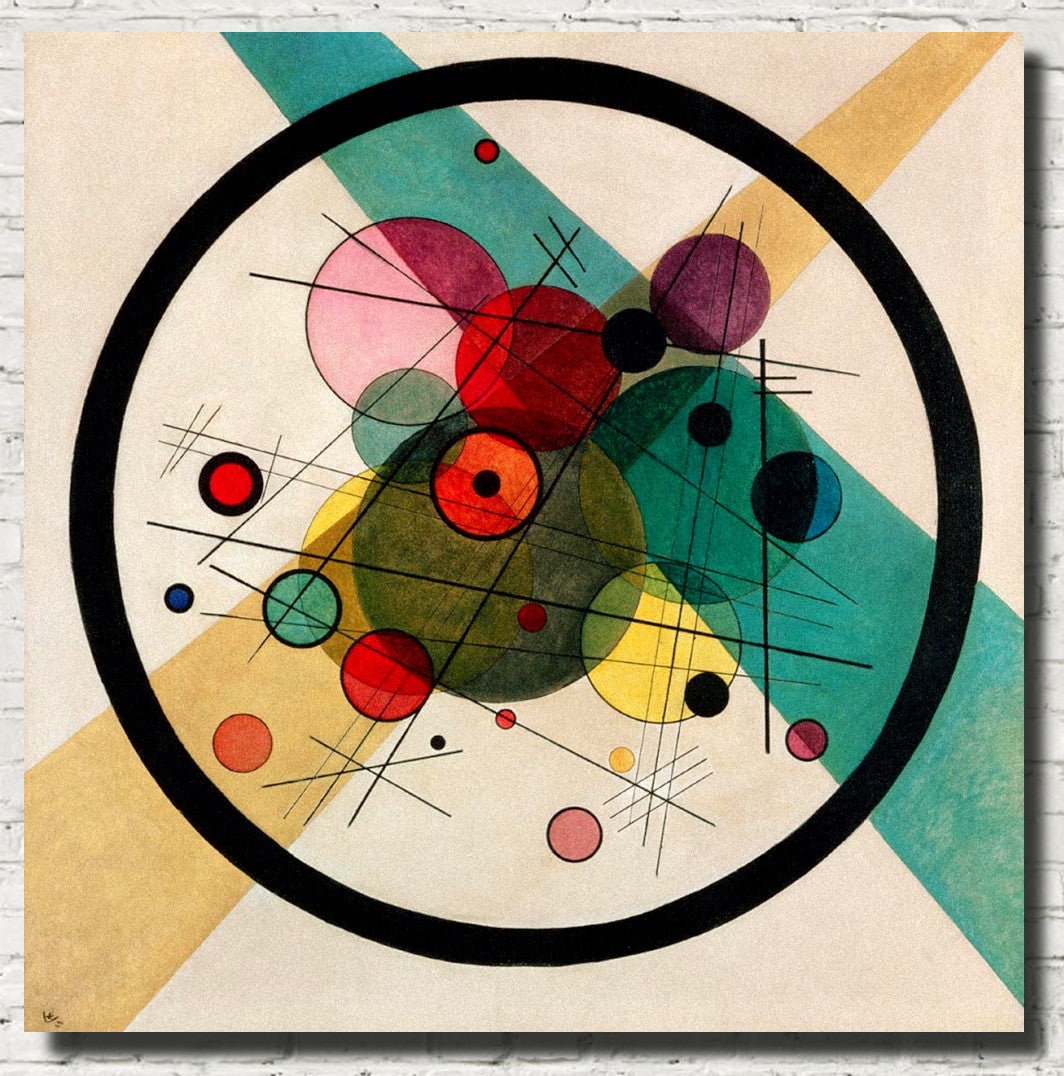
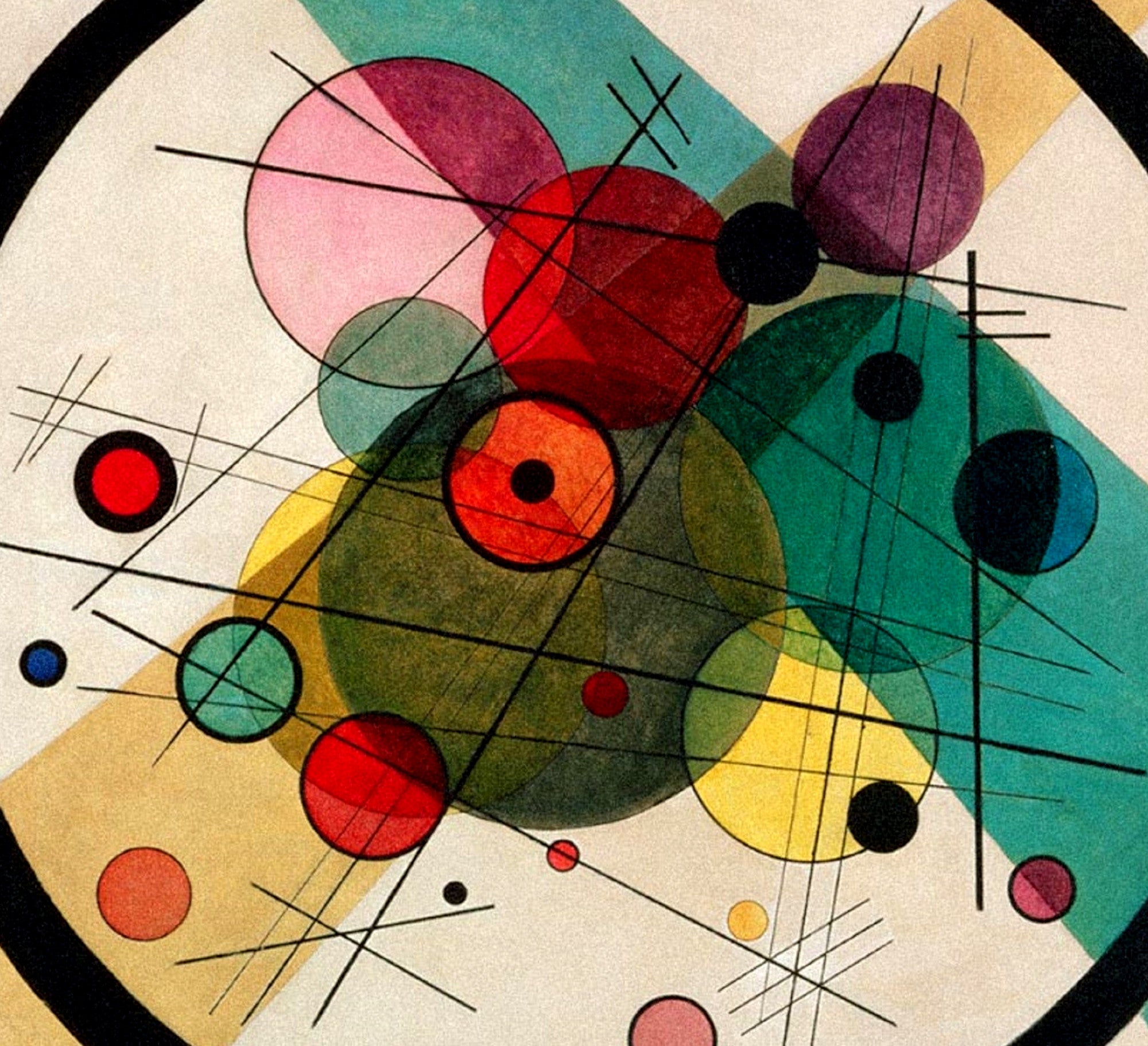
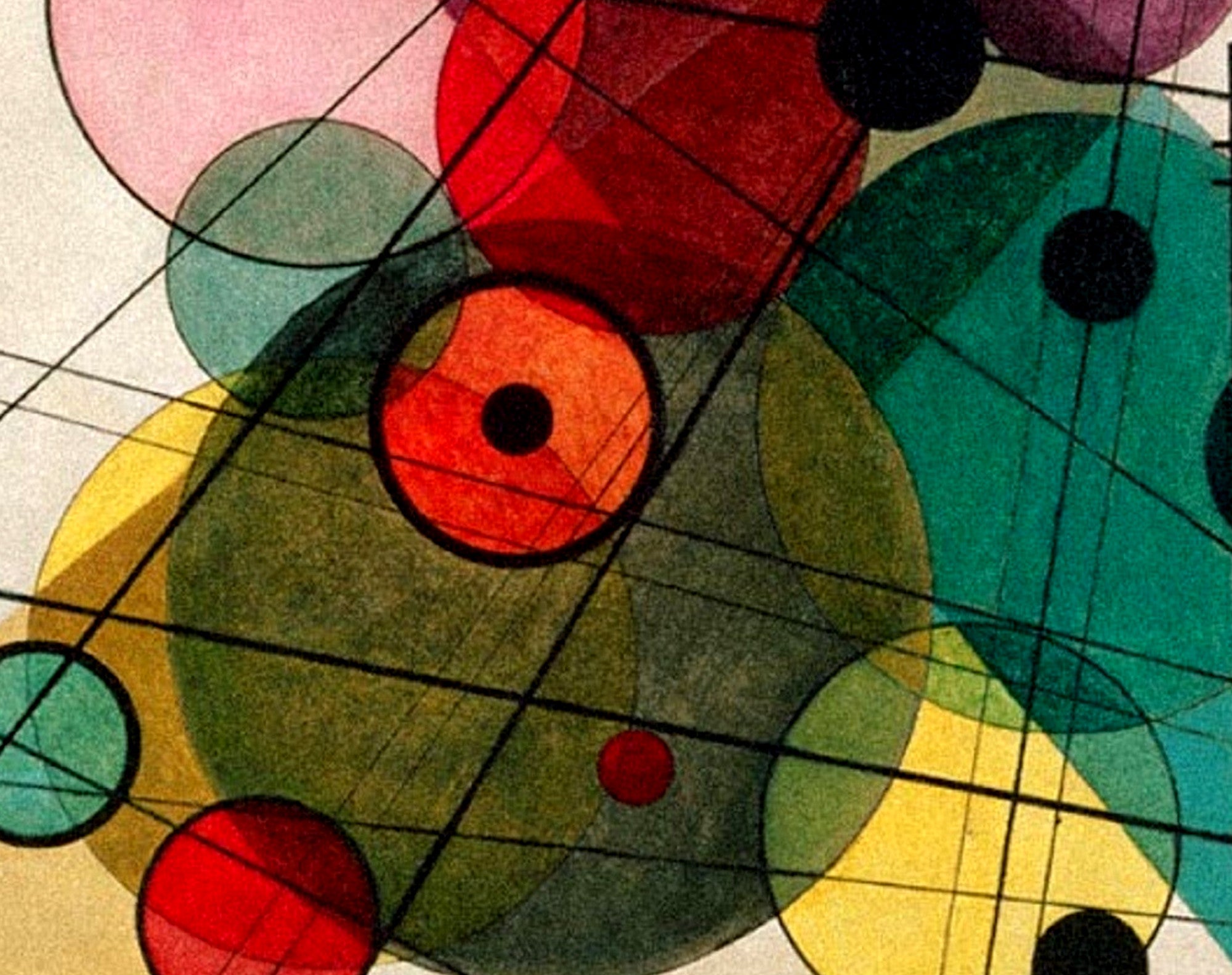
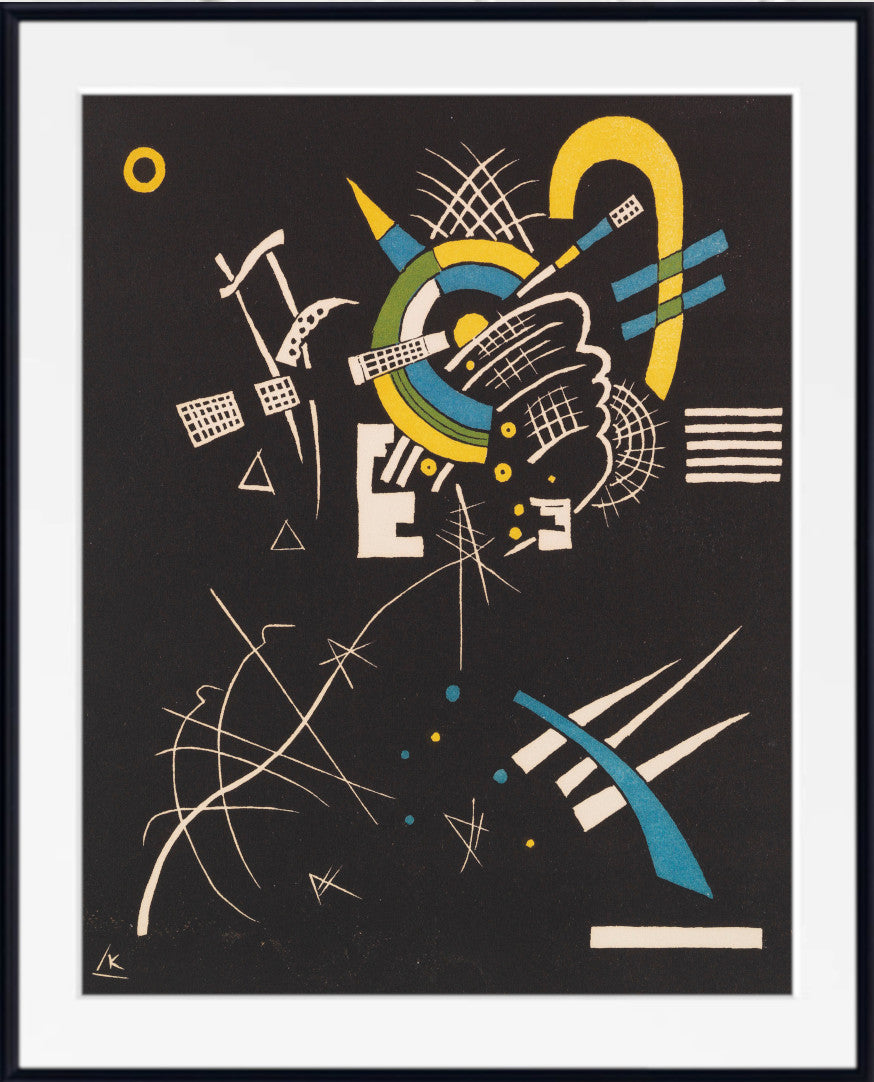
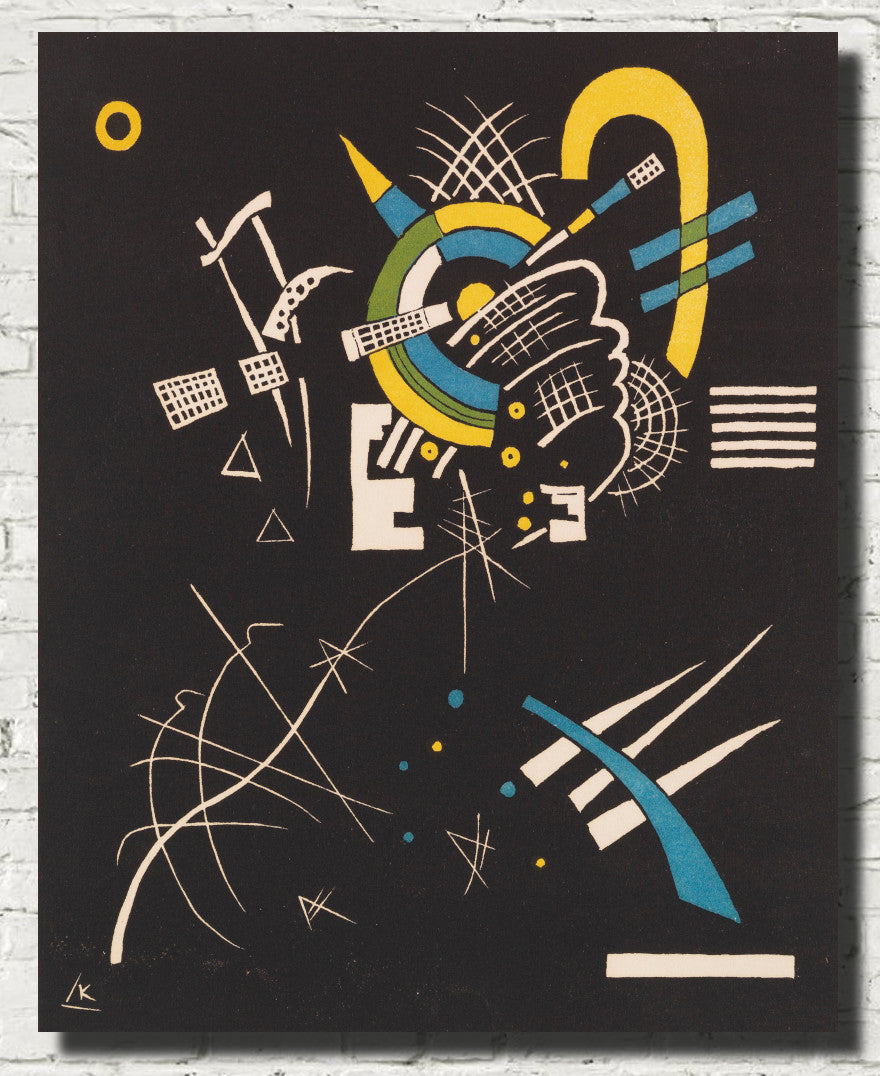
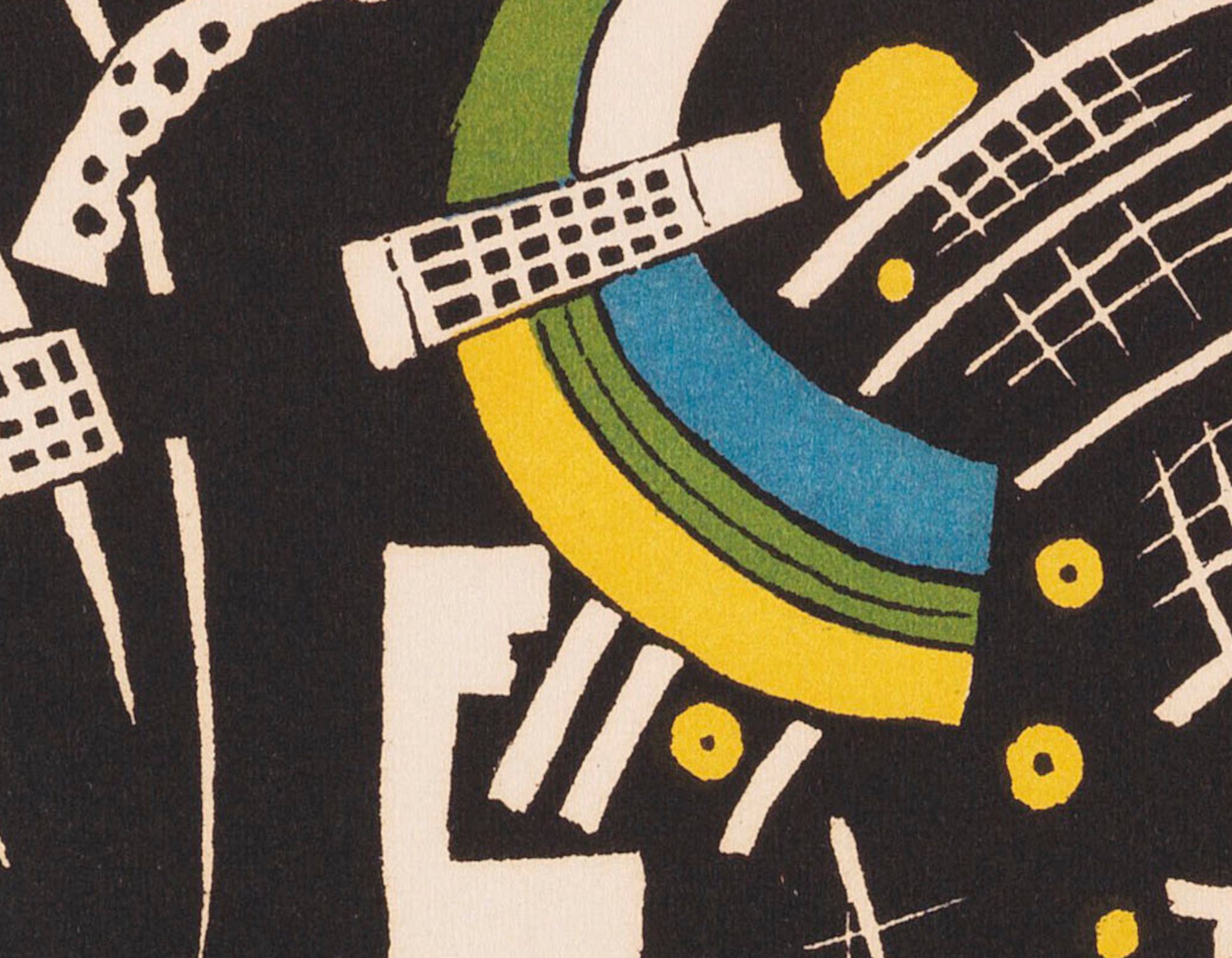
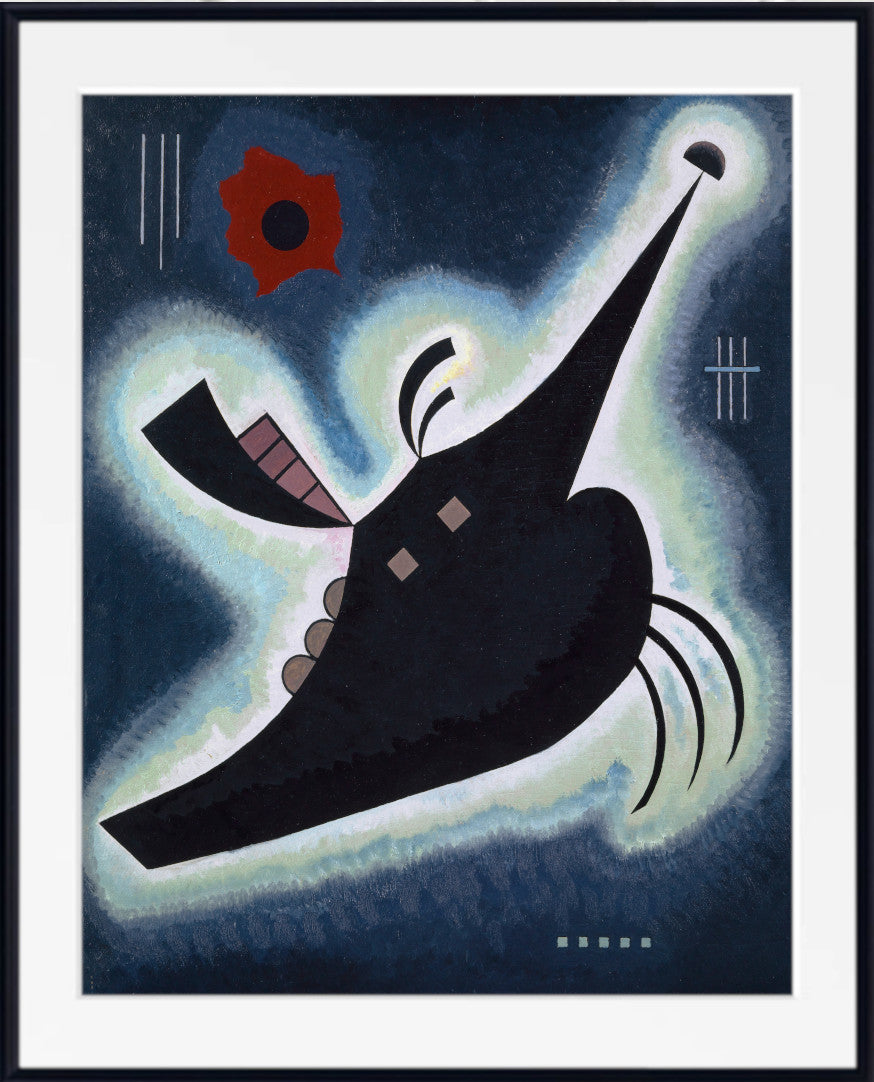
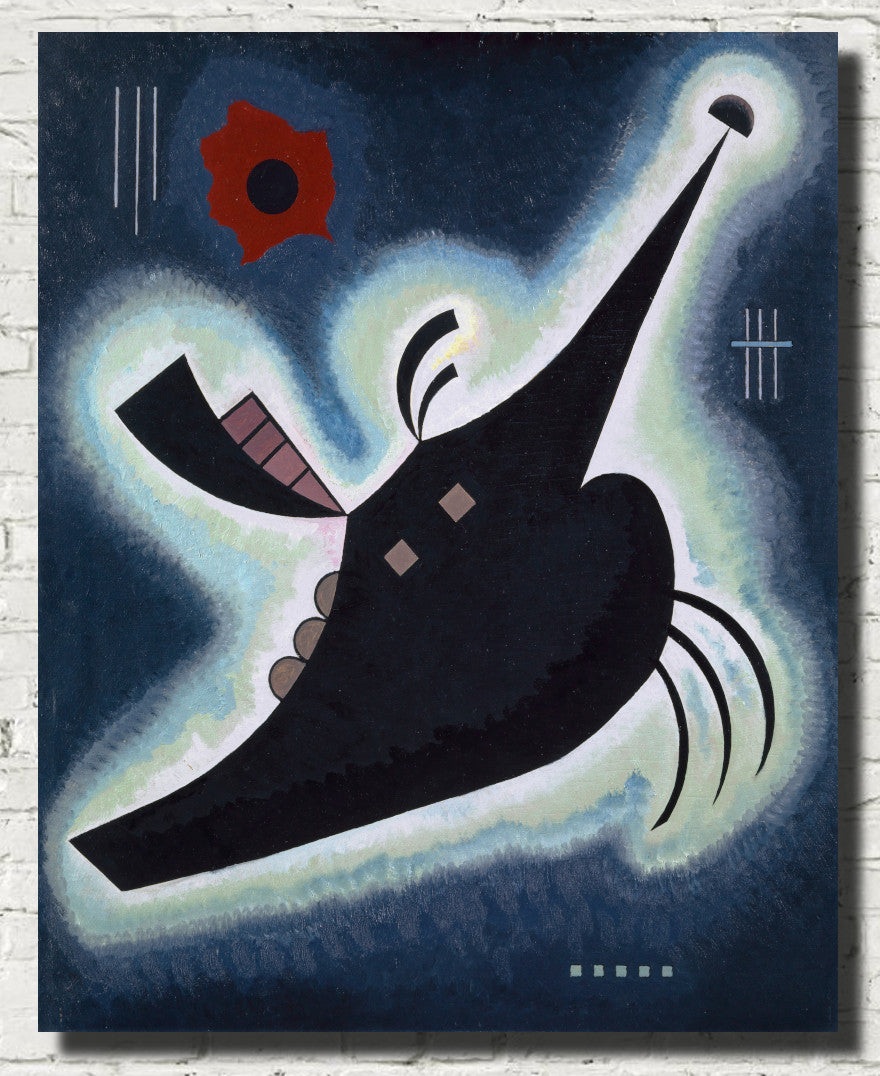
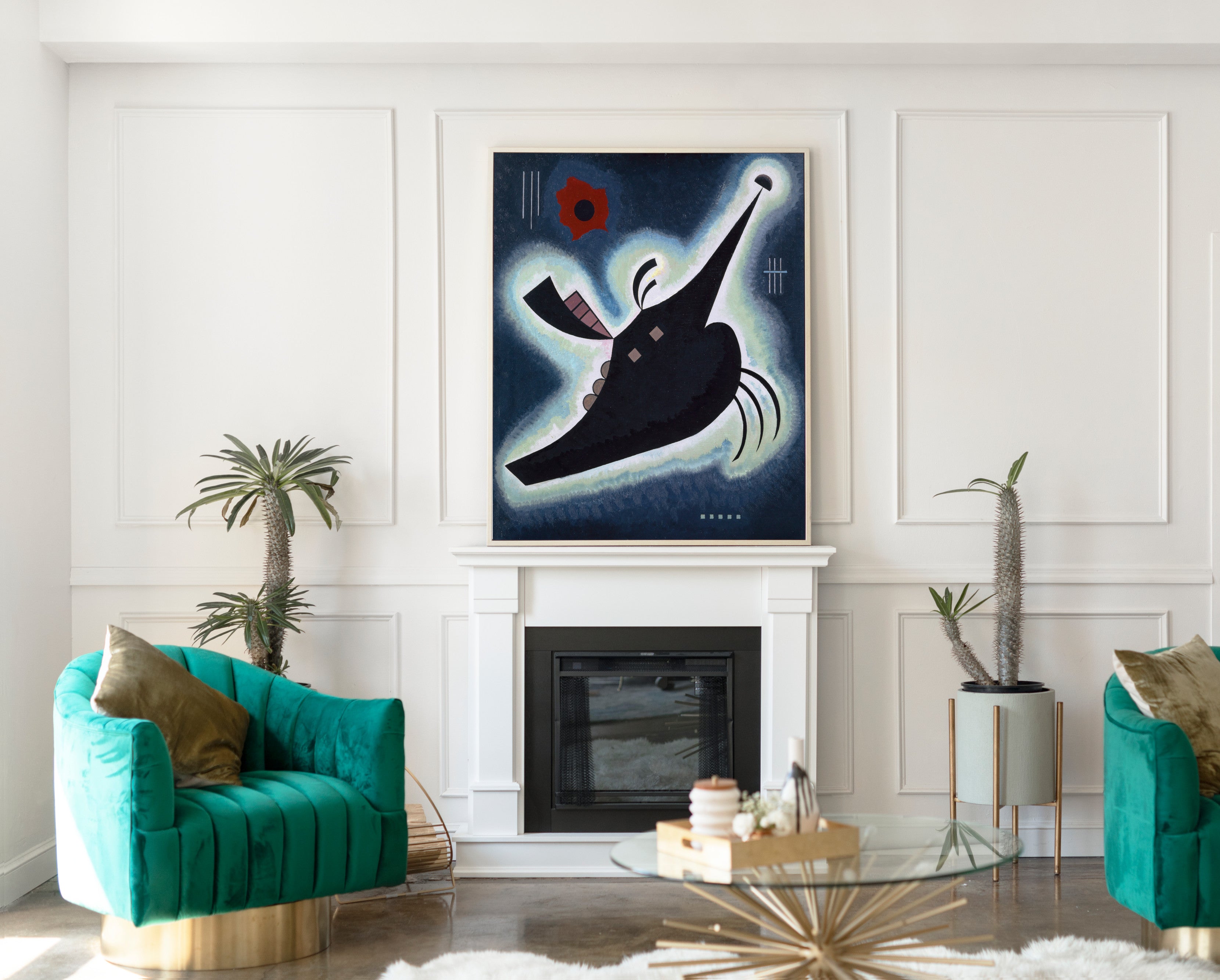
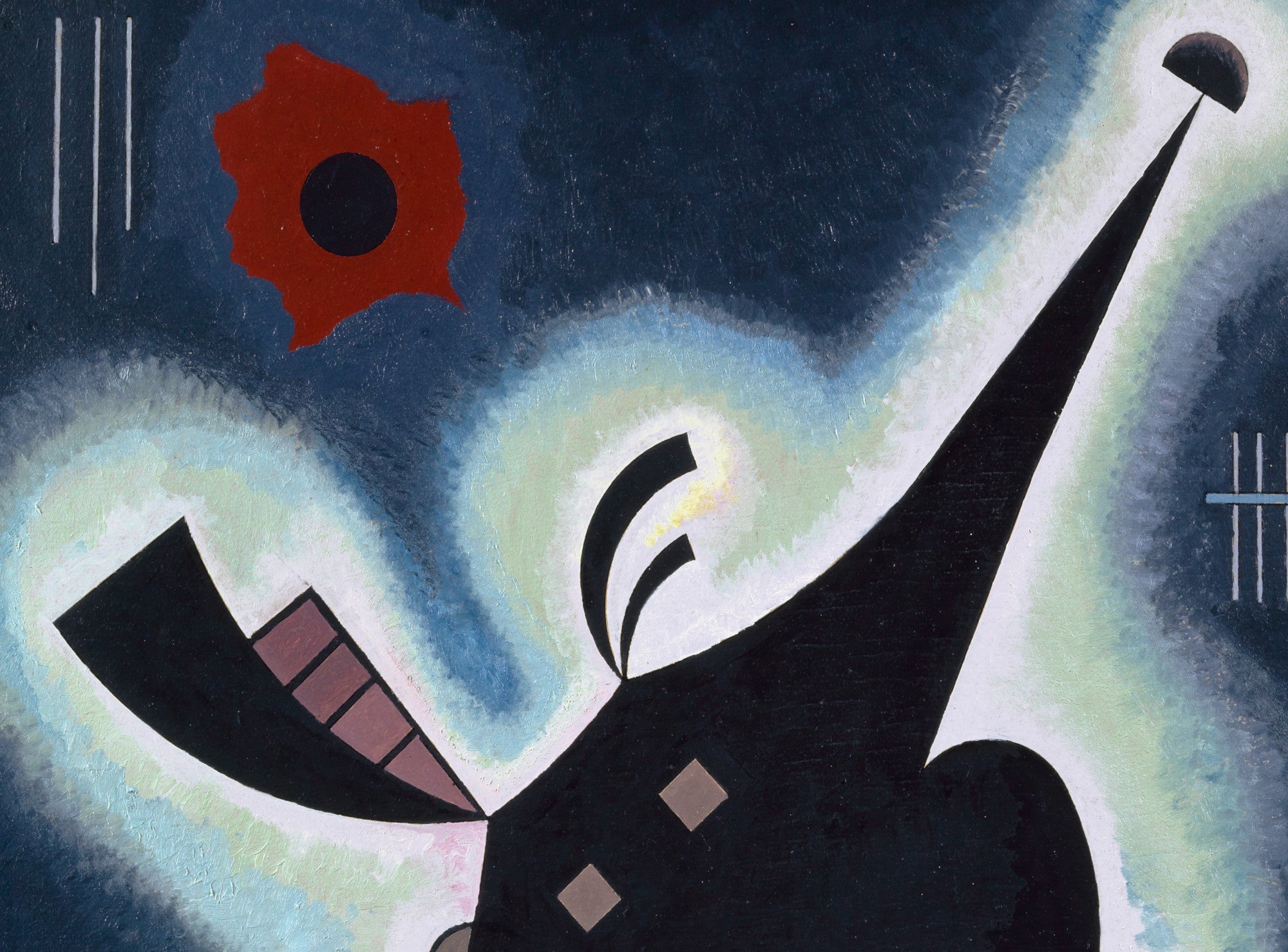
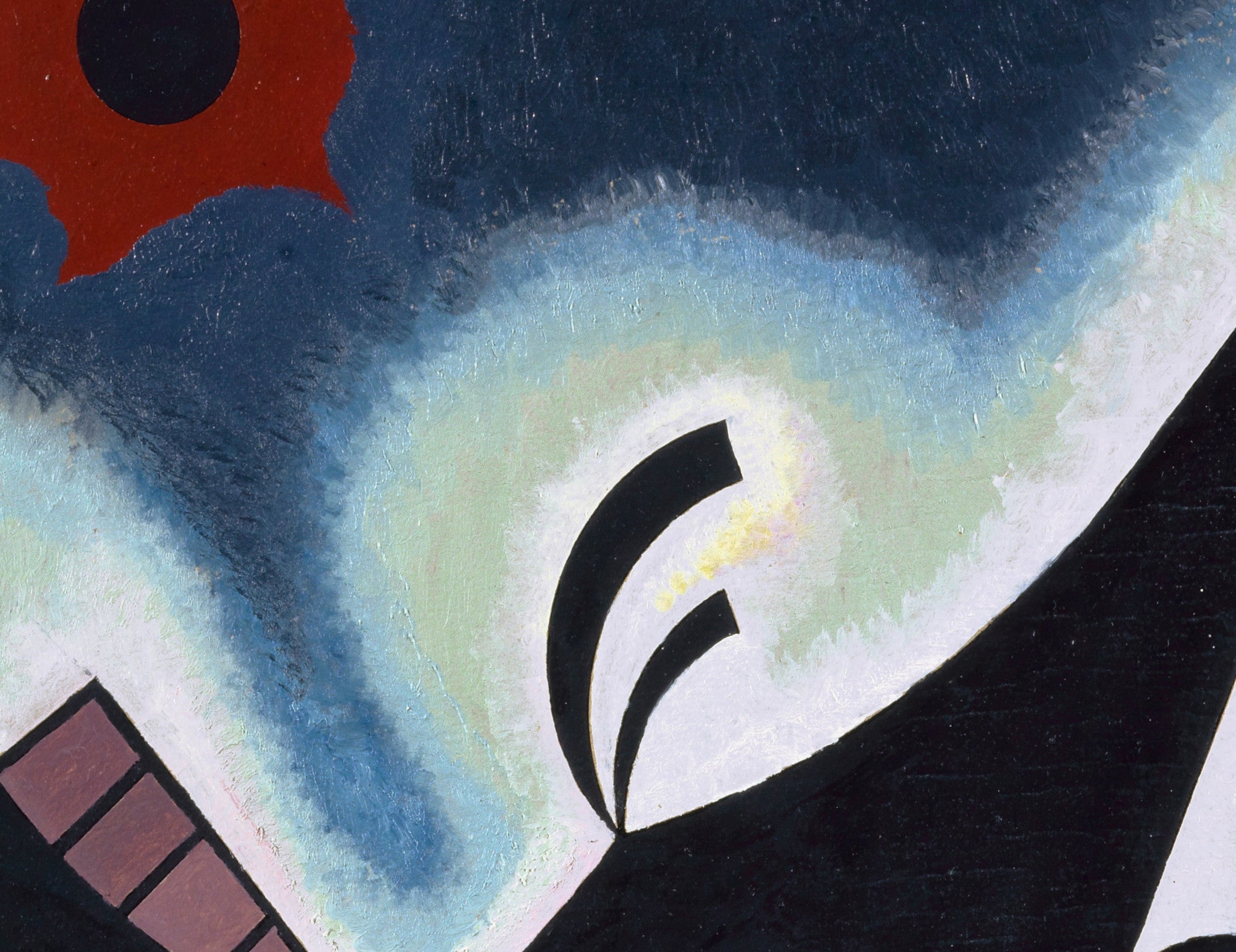
Black may appear as a strong circle, a sharply angled form, a sweeping line or a smaller visual accent among red, blue, yellow, green and violet.
In some compositions, black provides structure and contrast. In others, it creates dramatic visual weight against pale grounds and brightly coloured forms.
Kandinsky prints containing substantial areas of black are excellent choices for modern living rooms, dining spaces, offices and creative interiors.
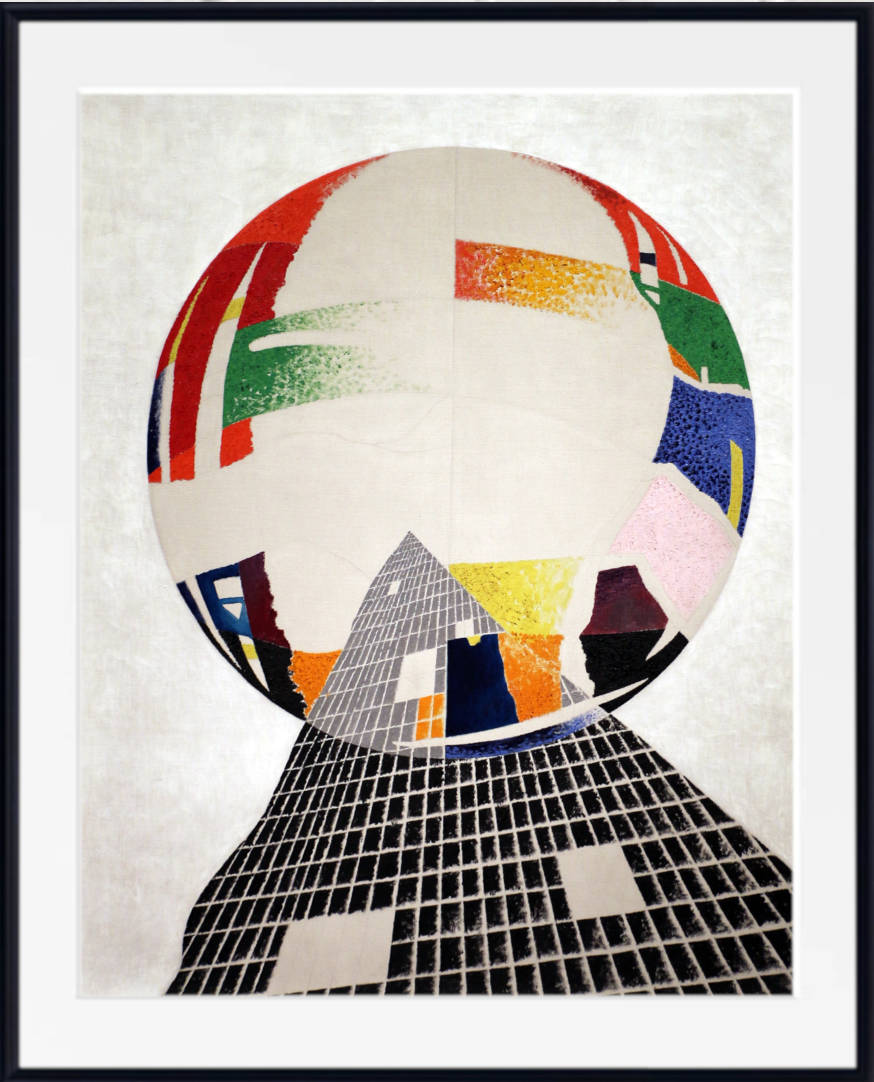
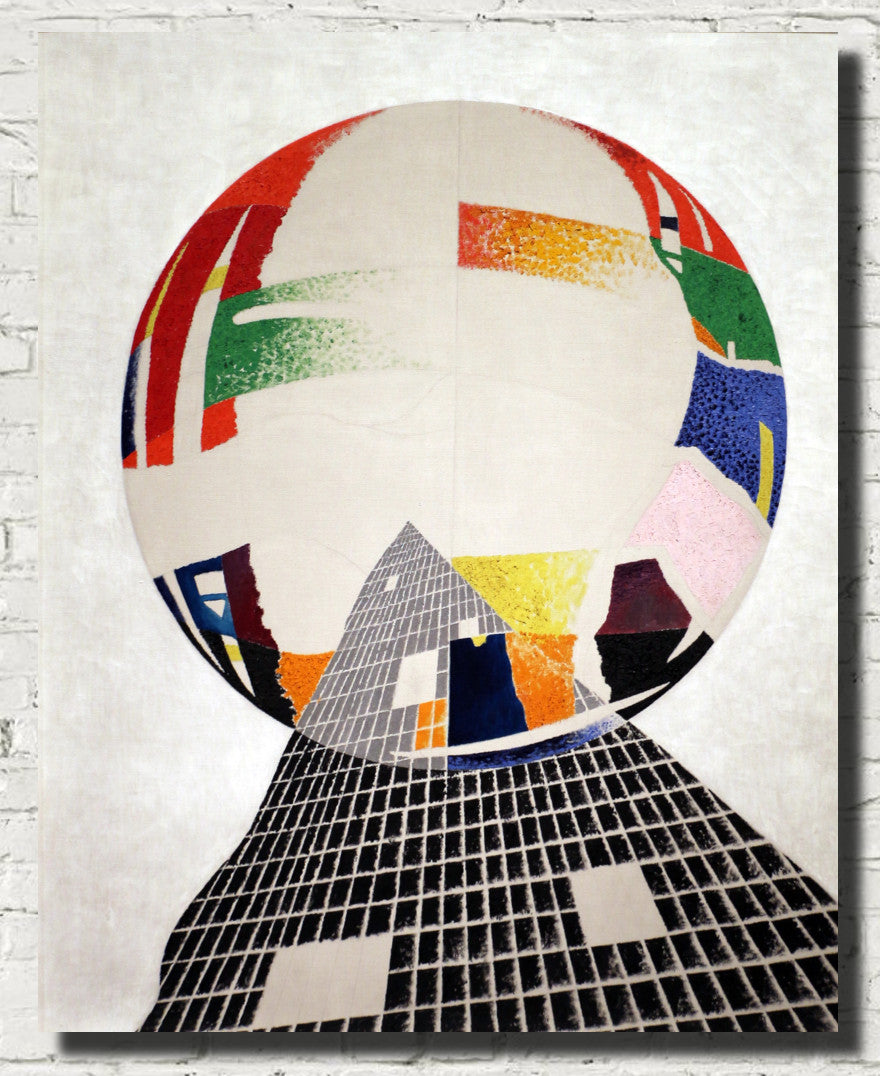
László Moholy-Nagy: Black, White and Bauhaus Geometry
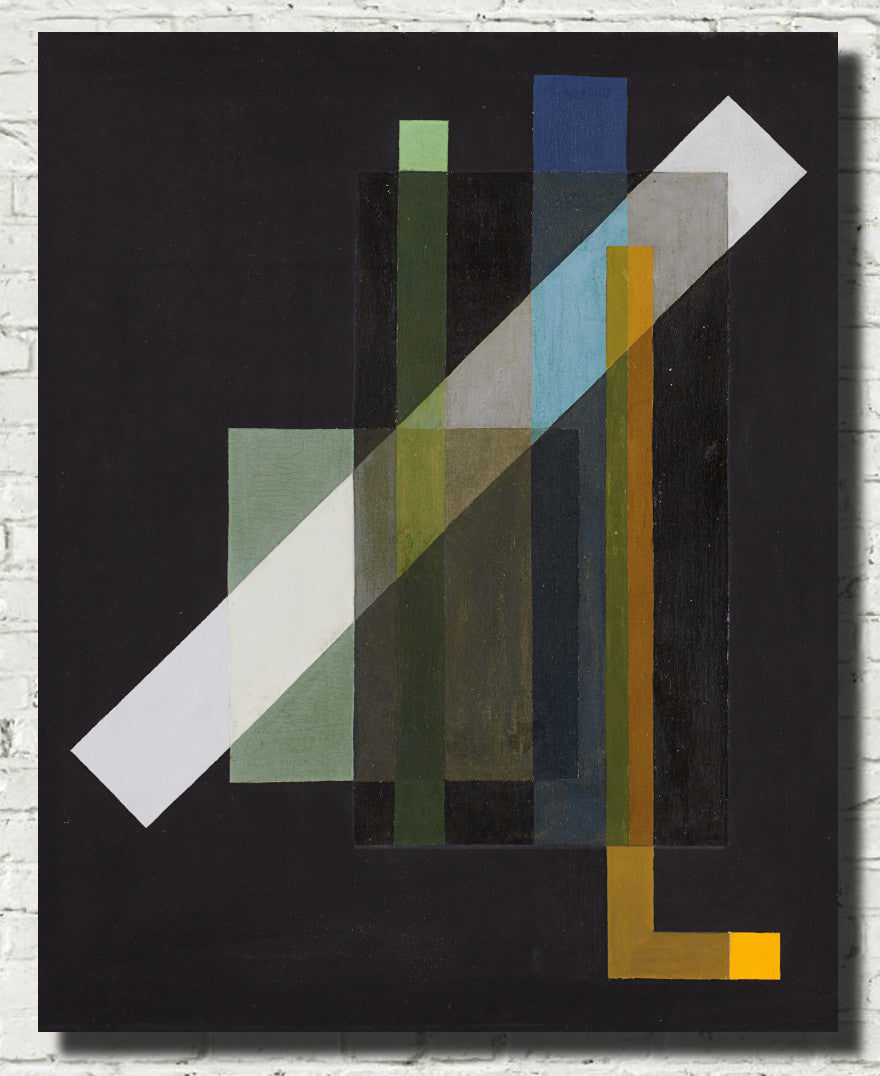
László Moholy-Nagy was an influential Bauhaus teacher whose experimental practice included painting, photography, collage, sculpture, film, design and typography.
He explored relationships between geometry, technology, light and modern materials.
Black circles, lines, bars and angular forms frequently appear against white or pale backgrounds, sometimes accompanied by carefully selected areas of red, yellow or other colour.
His work often has a clean, industrial character, making Moholy-Nagy prints particularly effective in contemporary homes, studios and offices.
You can explore more work associated with the school in our Bauhaus Prints collection.
Edward Wadsworth: Graphic Form and British Modernism
Edward Wadsworth was an important British modernist closely associated with Vorticism.
His work includes abstract compositions, coastal subjects, still lifes, wood engravings and striking designs connected with the dazzle camouflage used on ships during the First World War.
Strong black line, geometric structure and graphic contrast are central to many of Wadsworth's works.
His prints can combine the energy of abstraction with recognisable elements of ships, machinery, harbours and modern industrial life, making them particularly effective in offices, studies, hallways and contemporary living rooms.
Black and White Abstract Prints
Black and white abstract art reduces the palette to its strongest possible contrast.
Without intermediate colour, attention falls on line, shape, proportion, movement and the balance between dark and light areas.
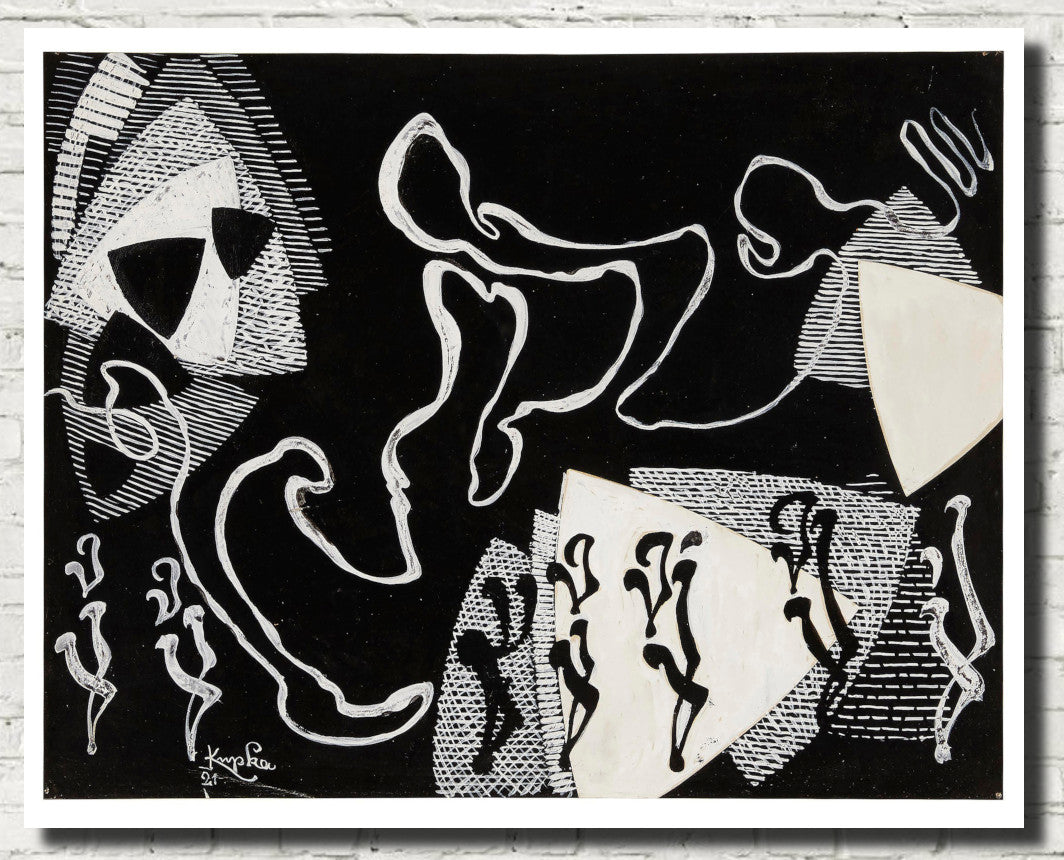
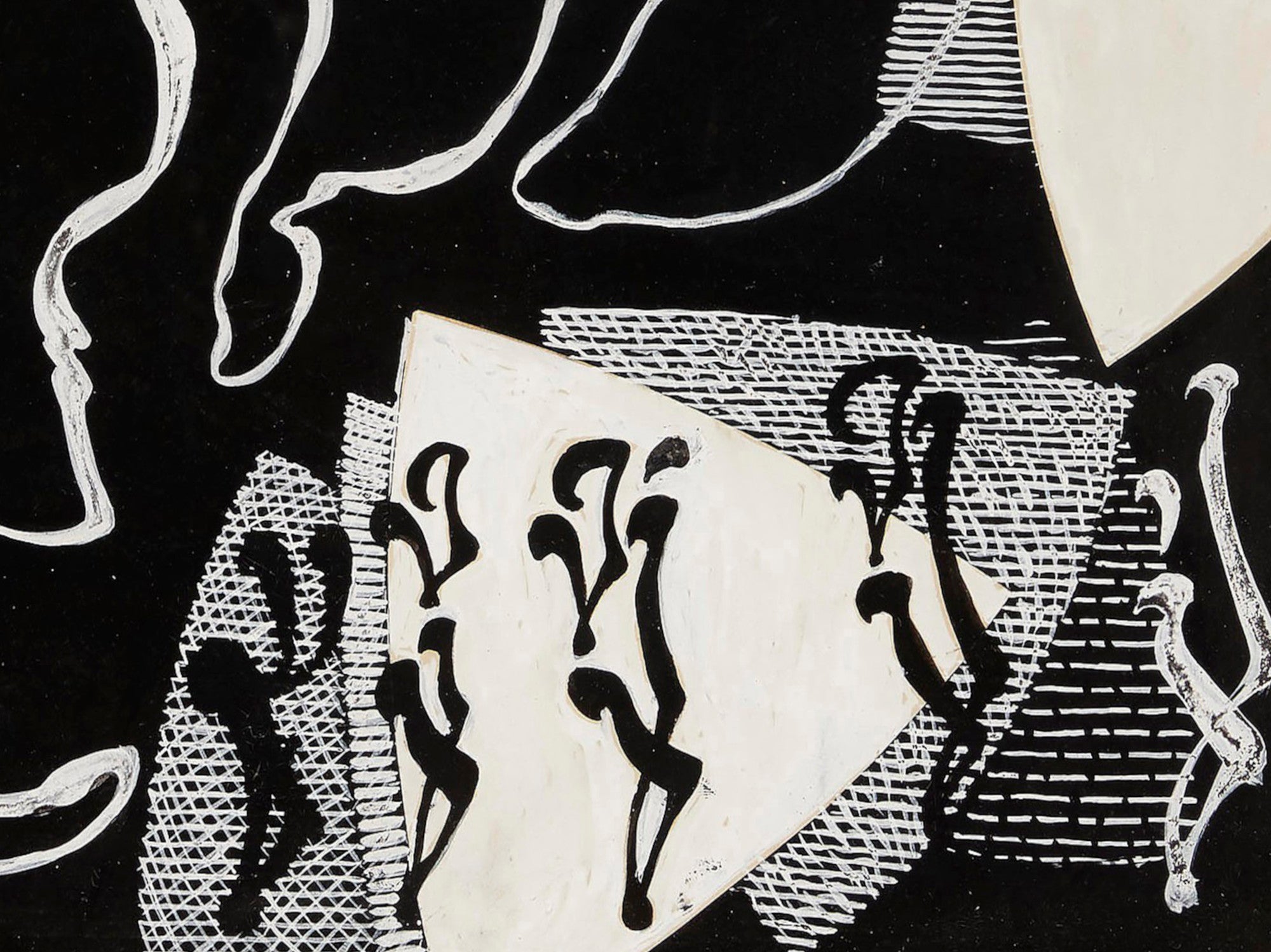
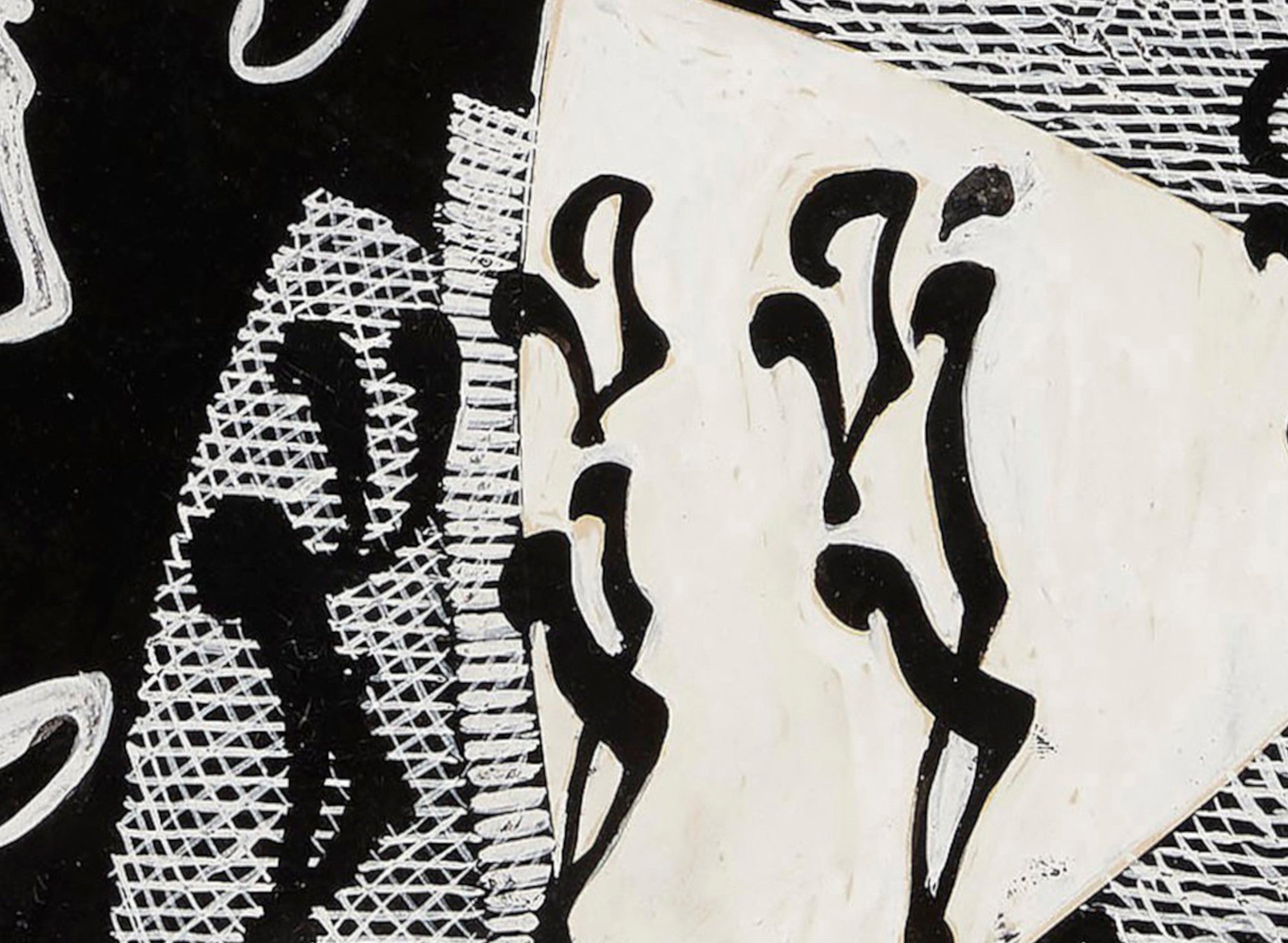
Some black and white abstract prints are stark and geometric, built from squares, circles, grids and angular forms. Others use irregular marks, sweeping lines or textured areas to create a more expressive effect.
Monochrome artwork is particularly useful in interiors because it works with almost any colour scheme.
A black and white print can sharpen a neutral room, provide balance in a colourful interior or create a striking focal point against a pale wall.
Black Geometric Abstract Prints
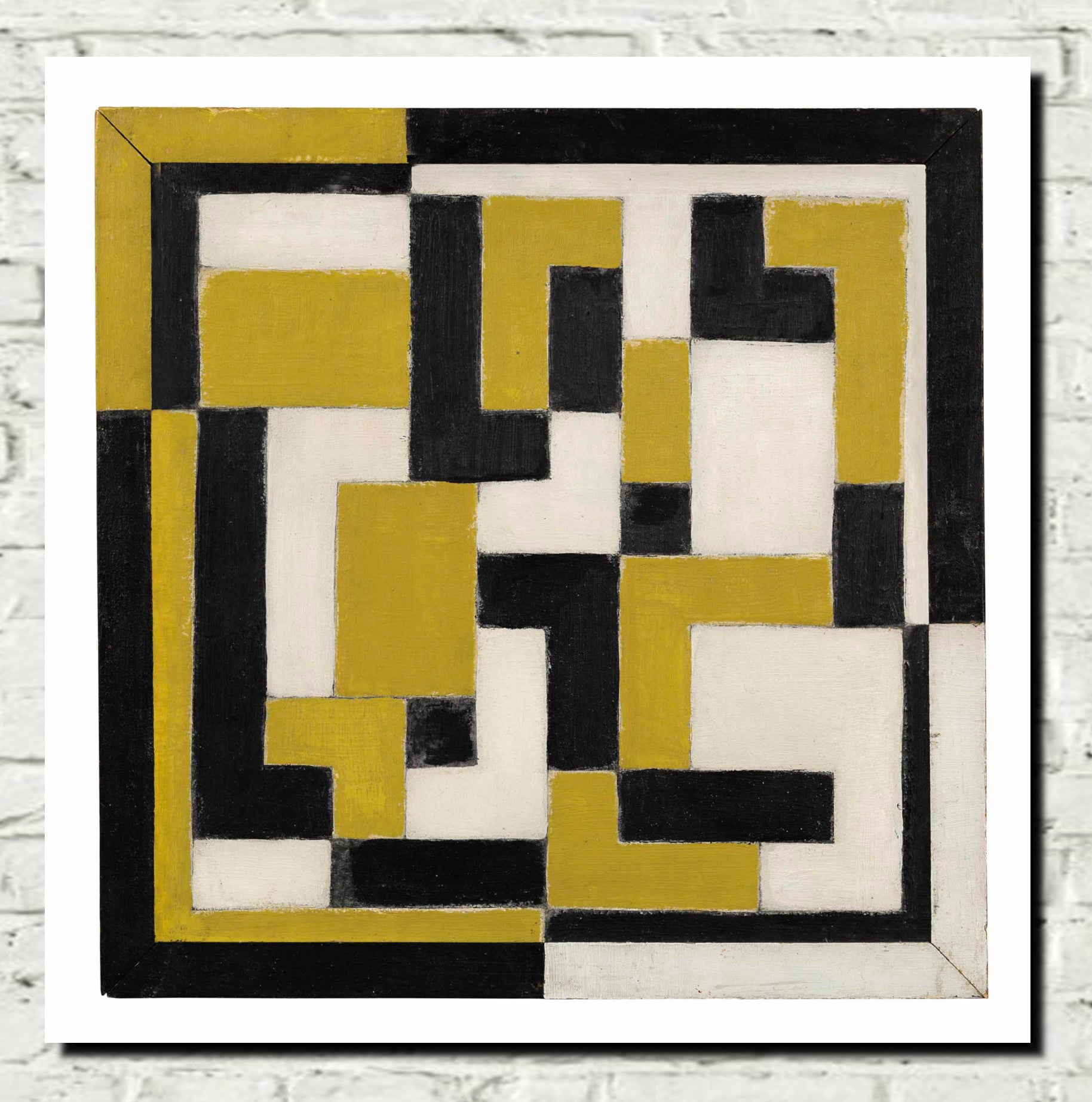
Geometric abstraction uses circles, squares, rectangles, grids, lines and other constructed forms to organise space.
Black is especially effective within this visual language because it gives shapes strong definition.
Malevich reduced painting to elemental geometric forms, while Mondrian used black lines to establish rhythm and balance. Moholy-Nagy introduced overlapping circles, diagonal structures and industrial precision, and Kandinsky combined geometry with freer, more expressive elements.
Black geometric abstract prints work beautifully in contemporary homes, offices and minimalist spaces.
For further geometric modern art, browse Geometric Abstract Prints.
Minimalist Black Abstract Art
Minimalist black abstract prints can create significant visual impact with very few elements.
A single black square, line, circle or small arrangement of forms may be enough to establish the entire composition.
In these works, empty space is just as important as the black marks themselves. The surrounding white, cream or pale background allows each shape to command attention and gives the artwork clarity.
Minimalist black art is particularly effective in bedrooms, hallways, offices and modern living rooms where you want artwork that feels deliberate without appearing visually crowded.
Black Abstract Line Art
Line is one of the simplest and most expressive elements in art.
A black line can divide space, suggest movement, outline a form or create rhythm across the surface.
In abstract art, lines do not need to describe recognisable objects. They may be straight and geometric, loose and spontaneous, thick and forceful or delicate and precise.
Black abstract line art is especially versatile because it can introduce structure without adding strong colour.
Black Abstract Prints for Living Rooms
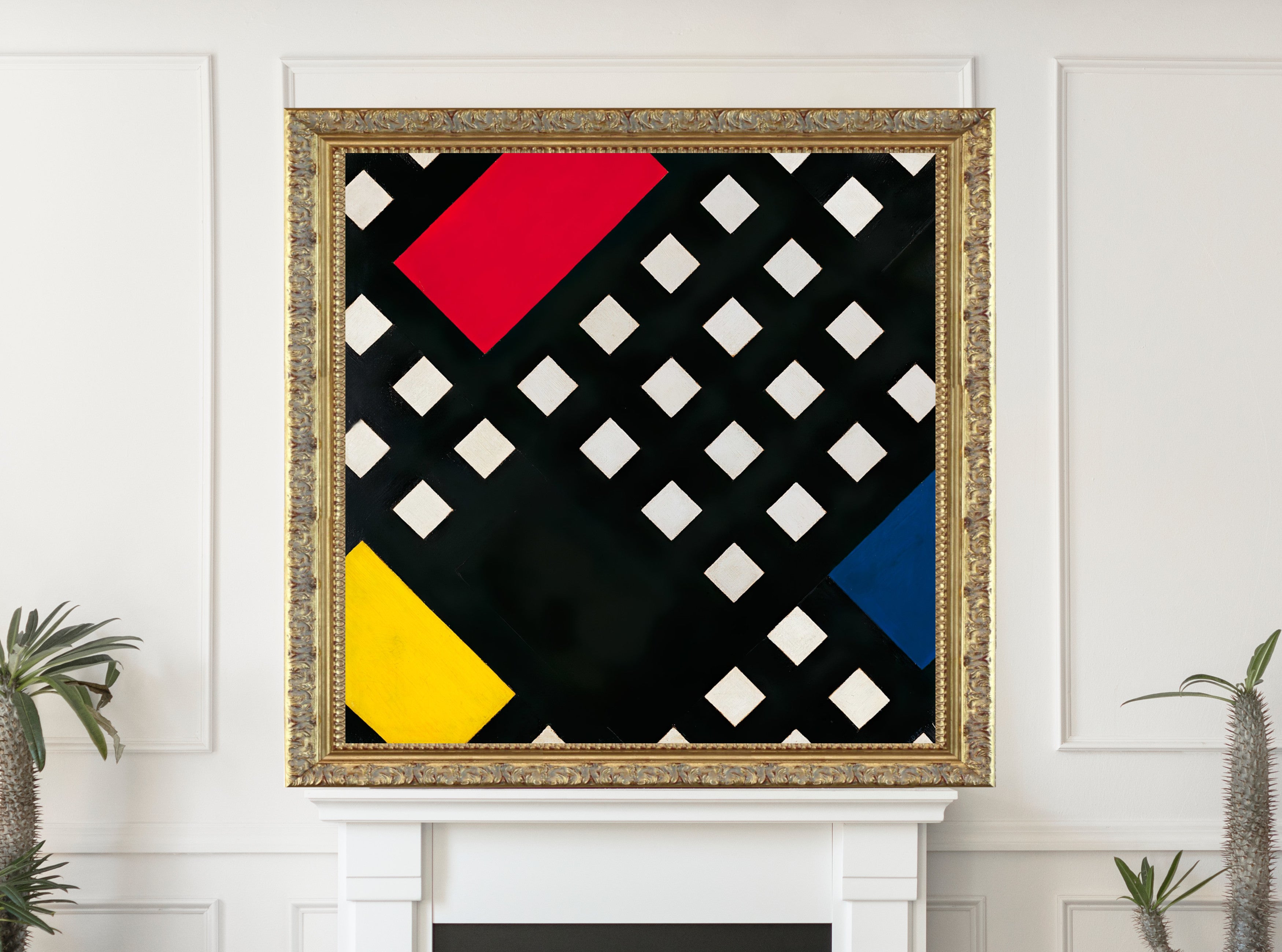
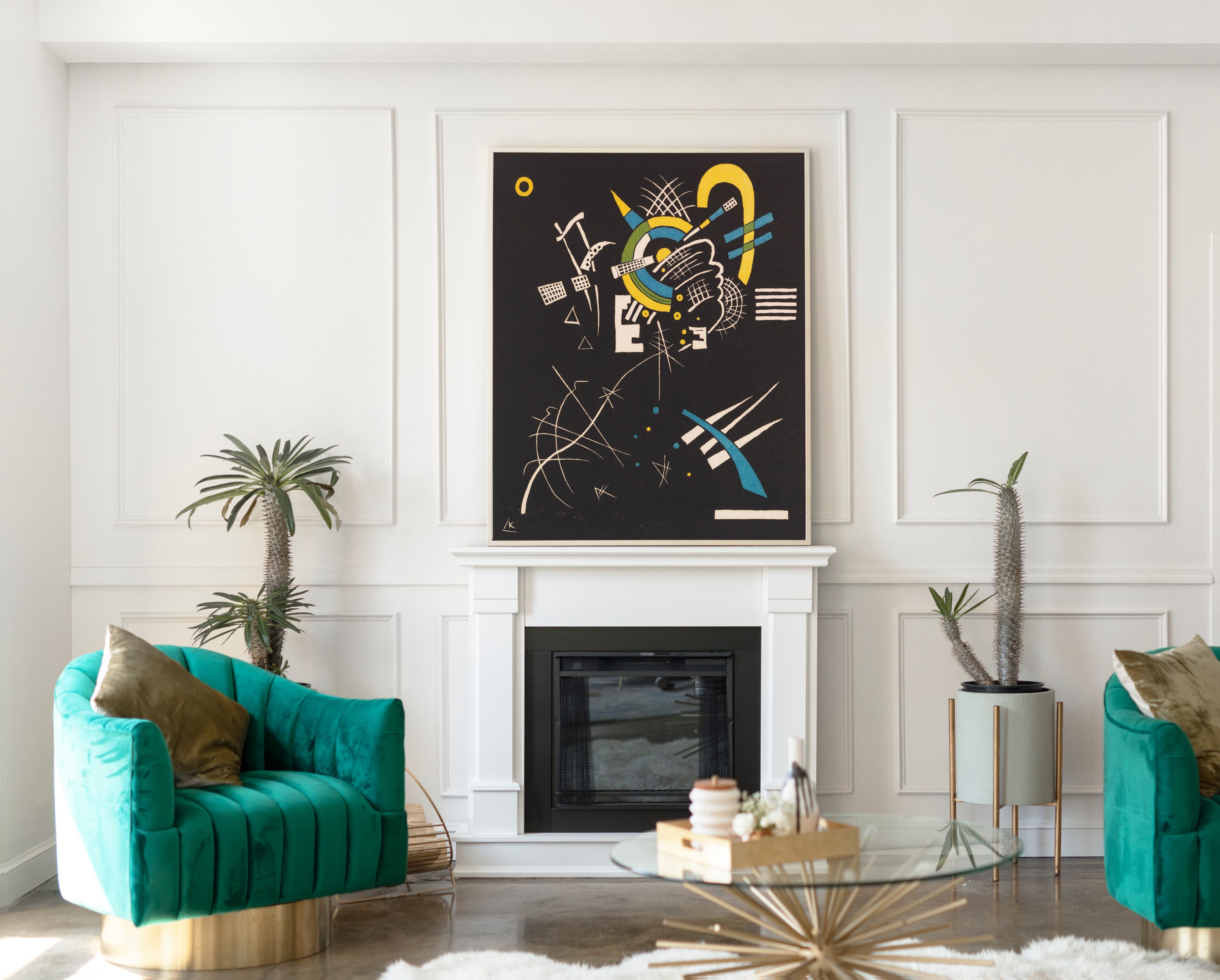
Black abstract wall art is an excellent choice for living rooms because it can create a strong focal point and help anchor the wider interior.
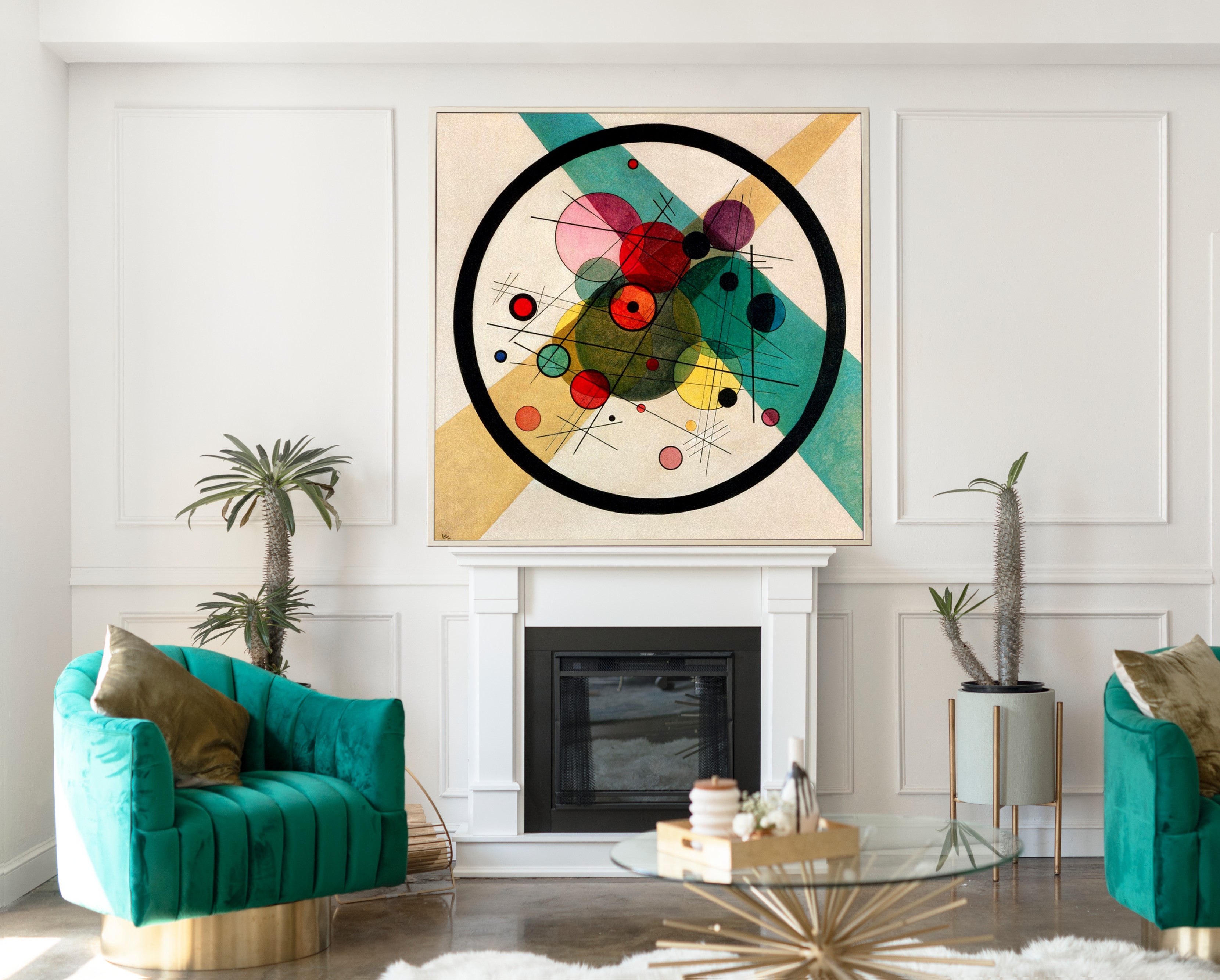
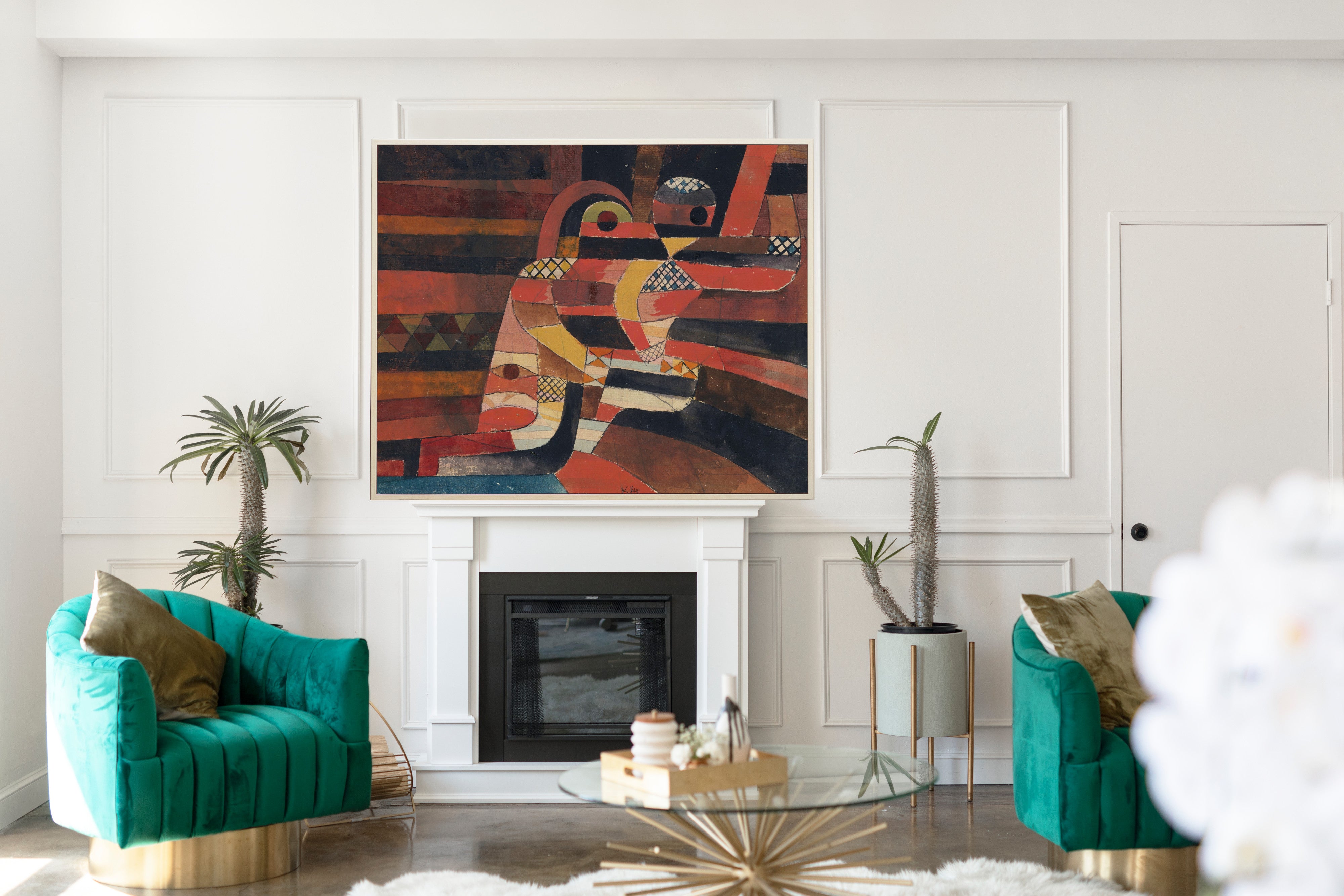
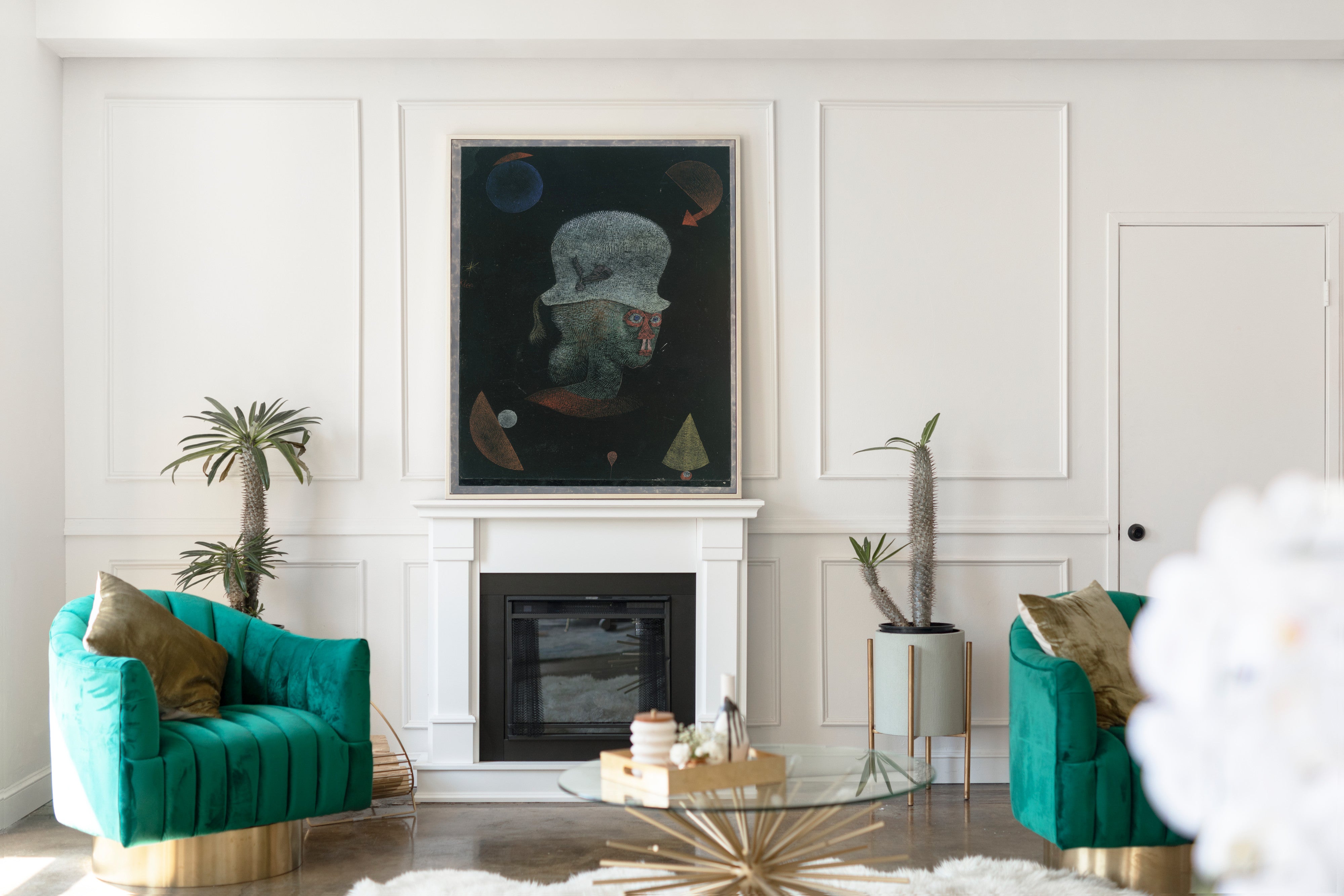
A substantial black geometric print above a sofa, fireplace or sideboard can give a room structure and visual confidence.
Against white, cream, beige or light grey walls, even a simple composition can have considerable presence.
In a colourful room, black can provide balance and connect with black lighting, furniture legs, frames or architectural details.
For a softer effect, combine black artwork with natural oak, linen and warm beige. For greater drama, pair it with charcoal, navy, deep green, red or darker wood.
Black Abstract Prints for Bedrooms
Black abstract prints can work beautifully in bedrooms when balanced with softer colours and textures.
White bedding, linen, cream, beige, warm wood and pale grey can prevent black artwork from feeling too heavy.
For a calmer bedroom, choose a composition with generous areas of white or neutral space and relatively simple forms.
Black line art, geometric prints and monochrome abstractions can create definition without overwhelming the room.
Black Abstract Prints for Dining Rooms and Offices
Dining rooms can accommodate stronger black abstract art particularly well.
A large geometric composition above a sideboard can create a sophisticated focal point, especially when combined with warm lighting, natural wood, brass or ceramic.
In offices and workspaces, black abstract prints can add structure without introducing a distracting narrative subject.
Geometric works by Malevich, Mondrian and Moholy-Nagy are particularly well suited to modern professional interiors, while Kandinsky and Wadsworth offer more energetic alternatives.
What Colours Work with Black Abstract Art?
Black is one of the most adaptable colours in interior design.
It works naturally with white, cream, beige, grey, brown and natural wood, but can also create dramatic relationships with red, blue, green, yellow, pink and other strong colours.
For a clean monochrome interior, combine black abstract prints with white walls and simple black frames.
For a warmer look, pair black with cream, oatmeal, beige, oak, walnut and brass.
Navy and forest green create deeper schemes, while terracotta, rust and ochre add warmth. Soft pink can provide an elegant contrast.
Black, Charcoal and Grey Abstract Art
Not every black abstract print is purely black and white.
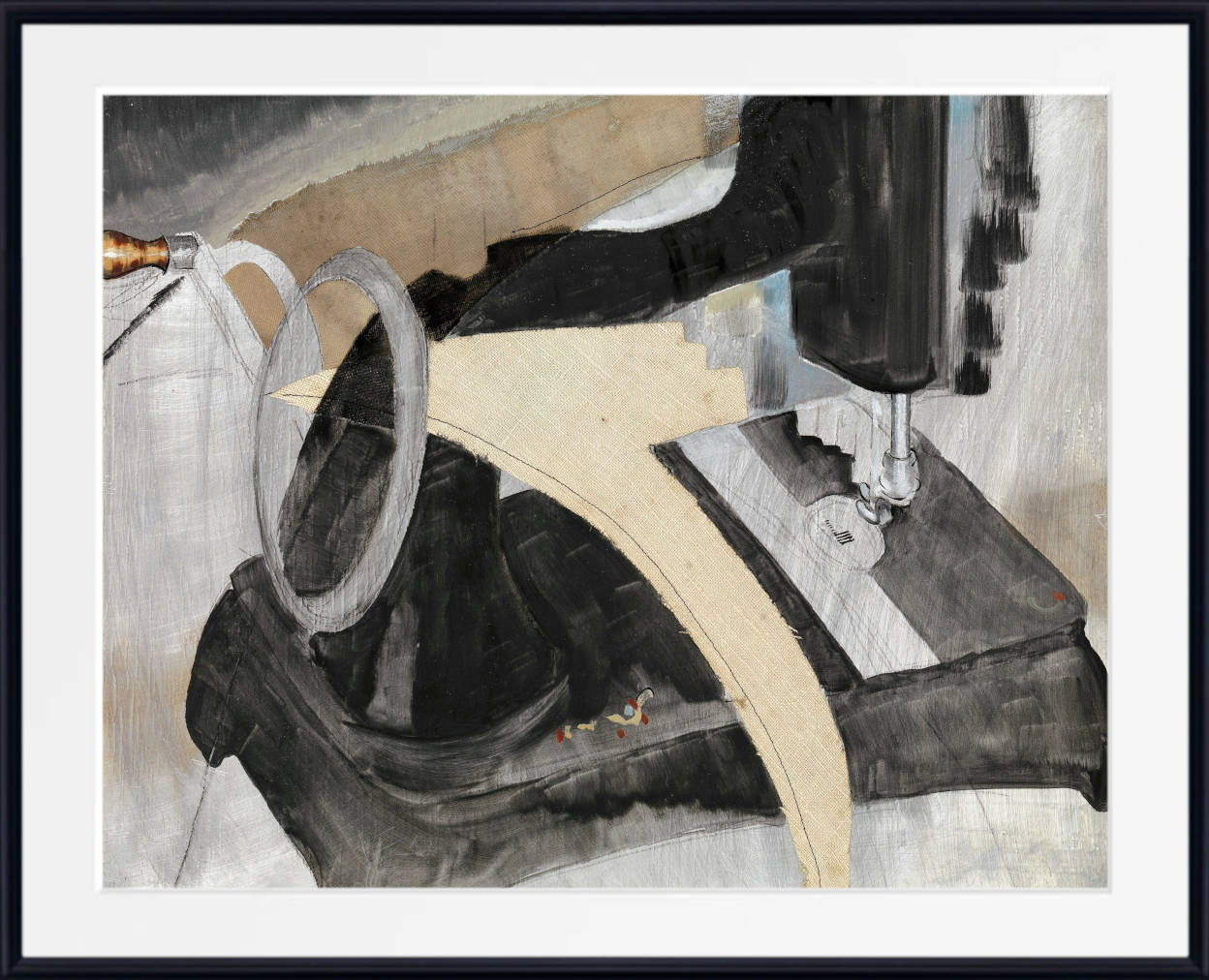
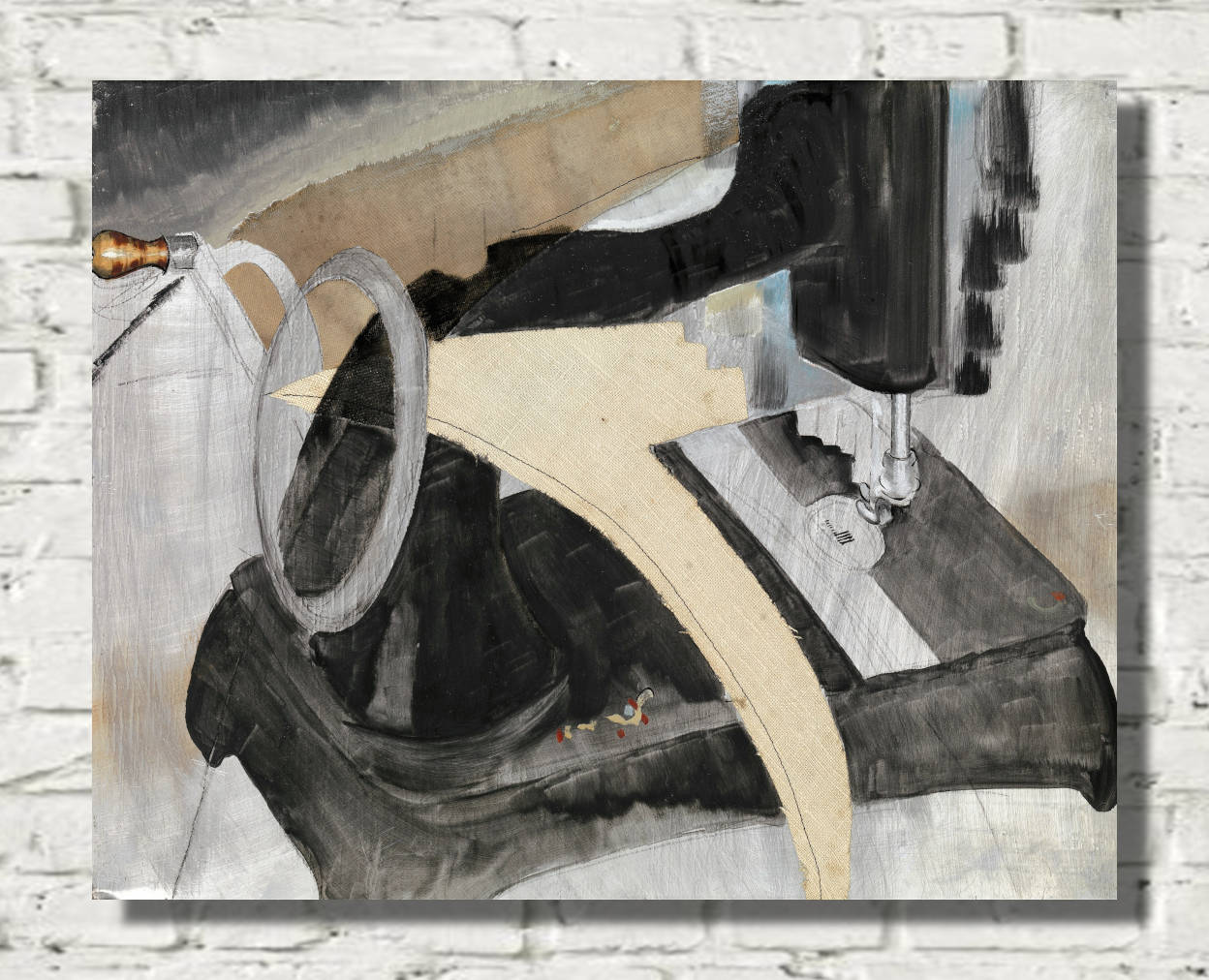
Many compositions include charcoal, slate, silver-grey and softer tonal variations that create depth between the darkest and lightest areas.
Charcoal can feel slightly softer than pure black, while grey introduces additional tonal variation and smoother transitions.
Black-grey abstract art is especially effective with stone, concrete, metal, pale wood and minimalist furniture.
For a wider selection of grey and charcoal artwork, explore Grey Wall Art.
Black Abstract Art with Colour
Black abstract art does not need to be monochrome.
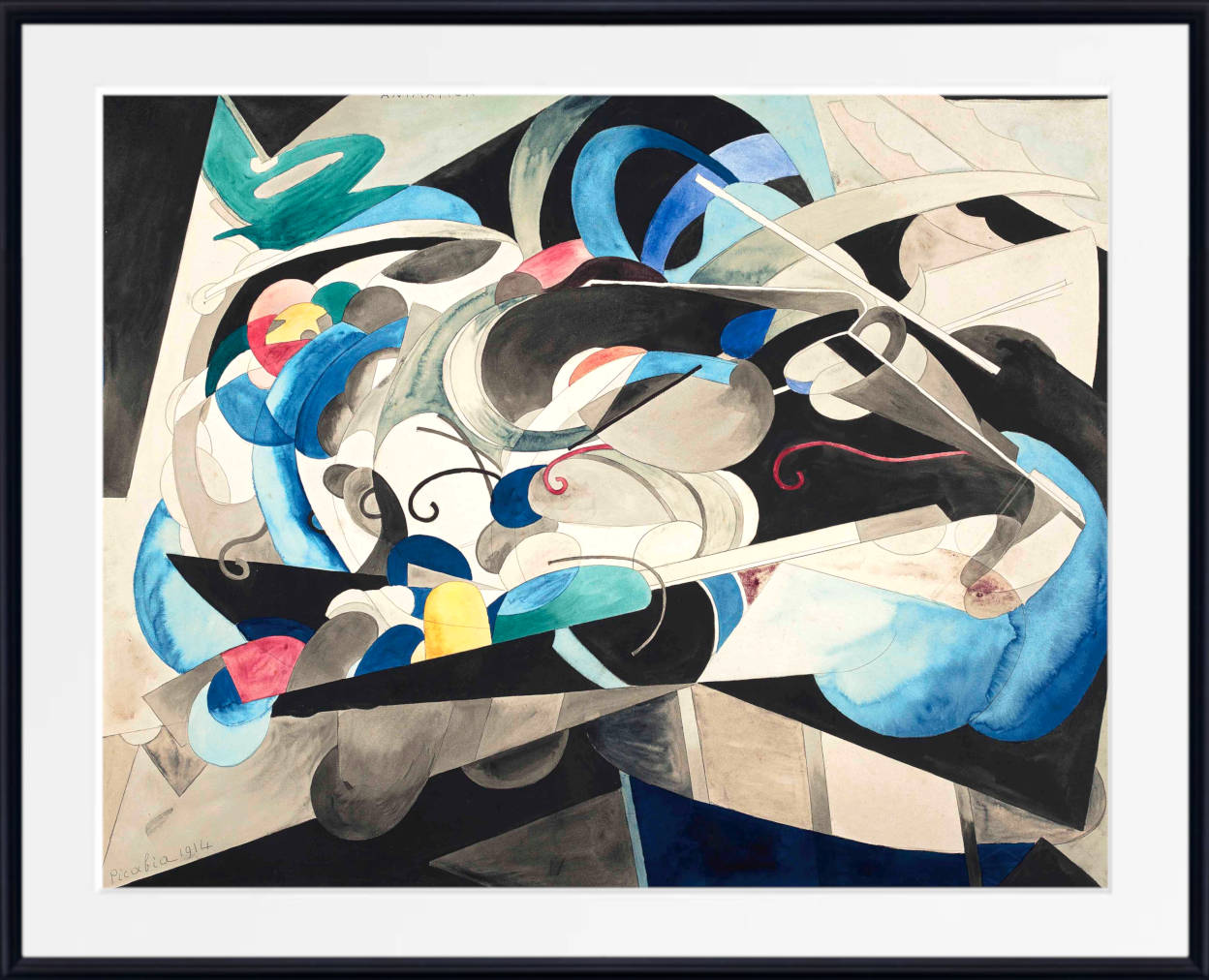
Black can provide structure and contrast within colourful compositions, helping reds, blues, yellows, greens and pinks appear brighter and more distinct.
Kandinsky frequently used black lines and shapes alongside brilliant colour, while Mondrian's black grids give order to areas of red, blue and yellow.
These works are particularly useful if you want colourful abstract art with stronger graphic definition.
For more vivid compositions, explore Colourful Abstract Prints.
Choosing the Right Size Black Abstract Print
Large black abstract prints work particularly well above sofas, beds, fireplaces and sideboards.
Strong geometric and monochrome compositions often benefit from generous scale because their shapes and proportions can become part of the architecture of the room.
Medium-sized framed prints are useful above desks, consoles and smaller pieces of furniture.
Smaller black abstract prints are ideal for gallery walls and can be combined with monochrome photography-style artwork, architectural prints or other geometric compositions.
Fine Art Prints, Framed Prints and Canvas Panels
GalleryThane black abstract artwork is available across a range of formats and sizes.
Choose an unframed fine art paper print if you want the flexibility to select your own frame, a framed print for a complete gallery-style presentation, or a canvas panel for a clean, ready-to-hang finish.
Our prints, frames and canvas panels are handmade in our Nottinghamshire workshop using carefully selected fine art papers, UV-stabilised pigment inks and quality framing materials.
Explore Related Abstract Art
Continue exploring abstract art by colour:
Blue Abstract Prints
Green Abstract Prints
Beige Abstract Prints
Pink Abstract Prints
Colourful Abstract Prints
For broader dark and monochrome artwork, explore Black Wall Art and Grey Wall Art.
For the wider category, browse Abstract Art Prints.
Frequently Asked Questions
What is black abstract art?
Black abstract art uses black, charcoal, grey, white or contrasting colour together with shape, line, texture, geometry or gesture without necessarily representing the visible world realistically. Styles can range from stark minimalist compositions to expressive, energetic abstraction.
Which artists are famous for black abstract art?
Important modern artists whose work makes significant use of black, geometry and graphic contrast include Kazimir Malevich, Piet Mondrian, Wassily Kandinsky, László Moholy-Nagy and Edward Wadsworth.
What is the most famous black abstract painting?
Kazimir Malevich's Black Square is one of the most famous and influential abstract paintings in modern art. Its radical simplicity helped redefine the possibilities of non-objective painting.
What colours go well with black abstract prints?
Black abstract prints work beautifully with white, cream, beige, grey, brown, navy, green, red, yellow, pink, warm metallic tones and natural wood.
Are black abstract prints suitable for living rooms?
Yes. Black abstract wall art is excellent for living rooms because it can create a strong focal point and give the room greater structure. Large geometric and monochrome compositions work particularly well above sofas, fireplaces and sideboards.
Are black abstract prints good for bedrooms?
Yes. Black abstract prints can work beautifully in bedrooms when balanced with softer colours and textures. Simple black line art, geometric compositions and prints with generous pale backgrounds can create contrast without making the room feel too heavy.
Does black abstract art work in minimalist interiors?
Yes. Black abstract art is particularly well suited to minimalist interiors because strong lines, simple geometry and high contrast can create visual interest without requiring decorative detail or a broad colour palette.
Should I choose a framed black abstract print or a canvas panel?
Choose a framed print for a structured, gallery-style presentation that clearly defines the artwork. Choose a canvas panel for a cleaner, frameless appearance that can work especially well with larger modern abstract compositions.
What size black abstract print should I choose?
Large prints are ideal above sofas, beds and sideboards, while medium-sized works suit smaller walls and furniture. Smaller abstract prints can be displayed in pairs, rows or gallery wall arrangements.