Geometric Abstract Prints and Modern Geometric Wall Art
Geometric abstract art transforms simple visual elements such as lines, circles, squares, rectangles, grids and planes of colour into striking compositions that can feel ordered, energetic, balanced or deliberately dynamic. This collection of geometric abstract prints brings together influential works by artists who helped redefine twentieth-century art, including Wassily Kandinsky, Piet Mondrian and Kazimir Malevich.
While each artist developed a highly individual visual language, their work shared a fascination with the expressive possibilities of shape, colour and composition. The result is geometric wall art that remains remarkably contemporary and works particularly well in modern interiors.
For a wider selection of non-representational artwork, explore our complete Abstract Art Prints collection.
Famous Geometric Abstract Artists
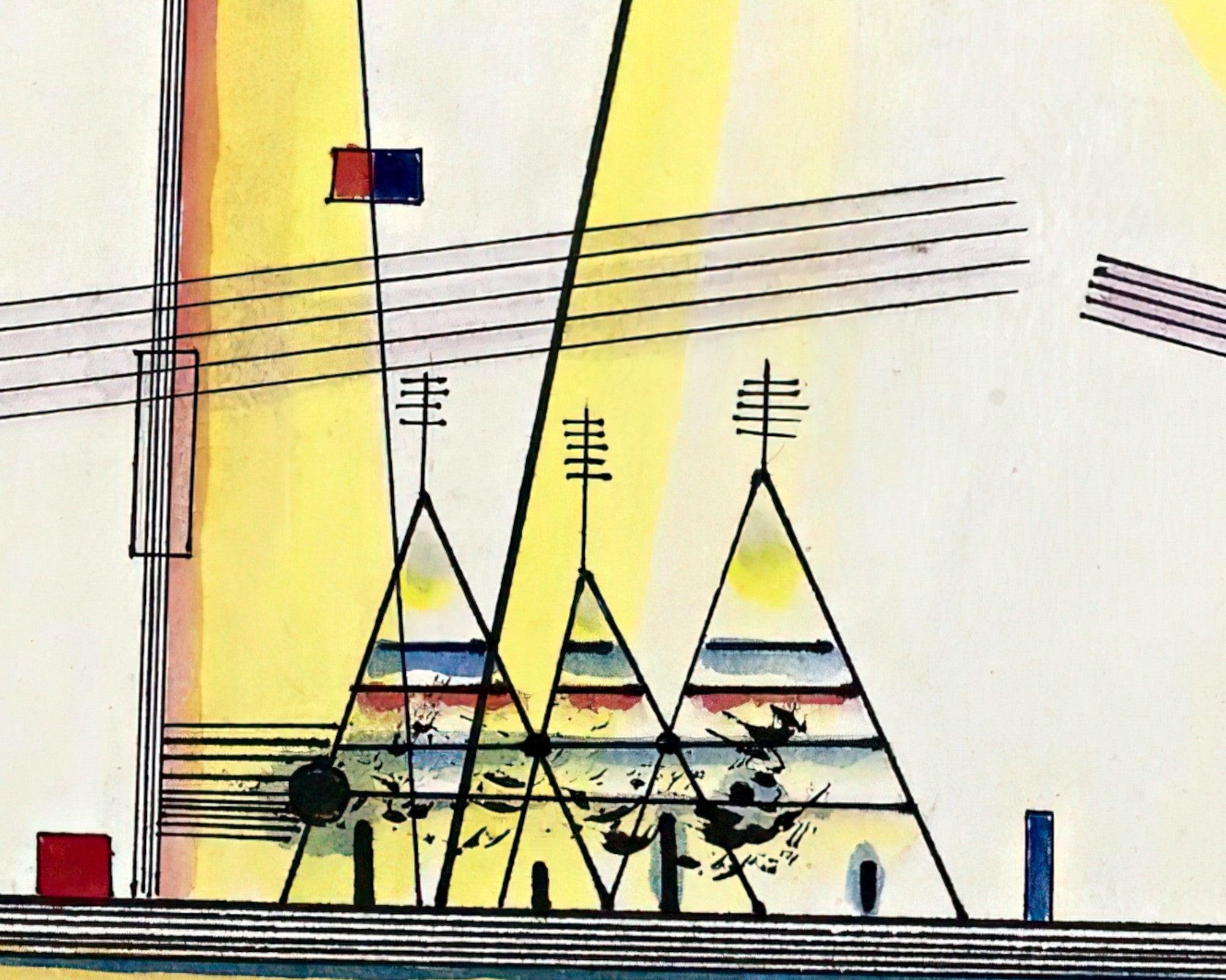
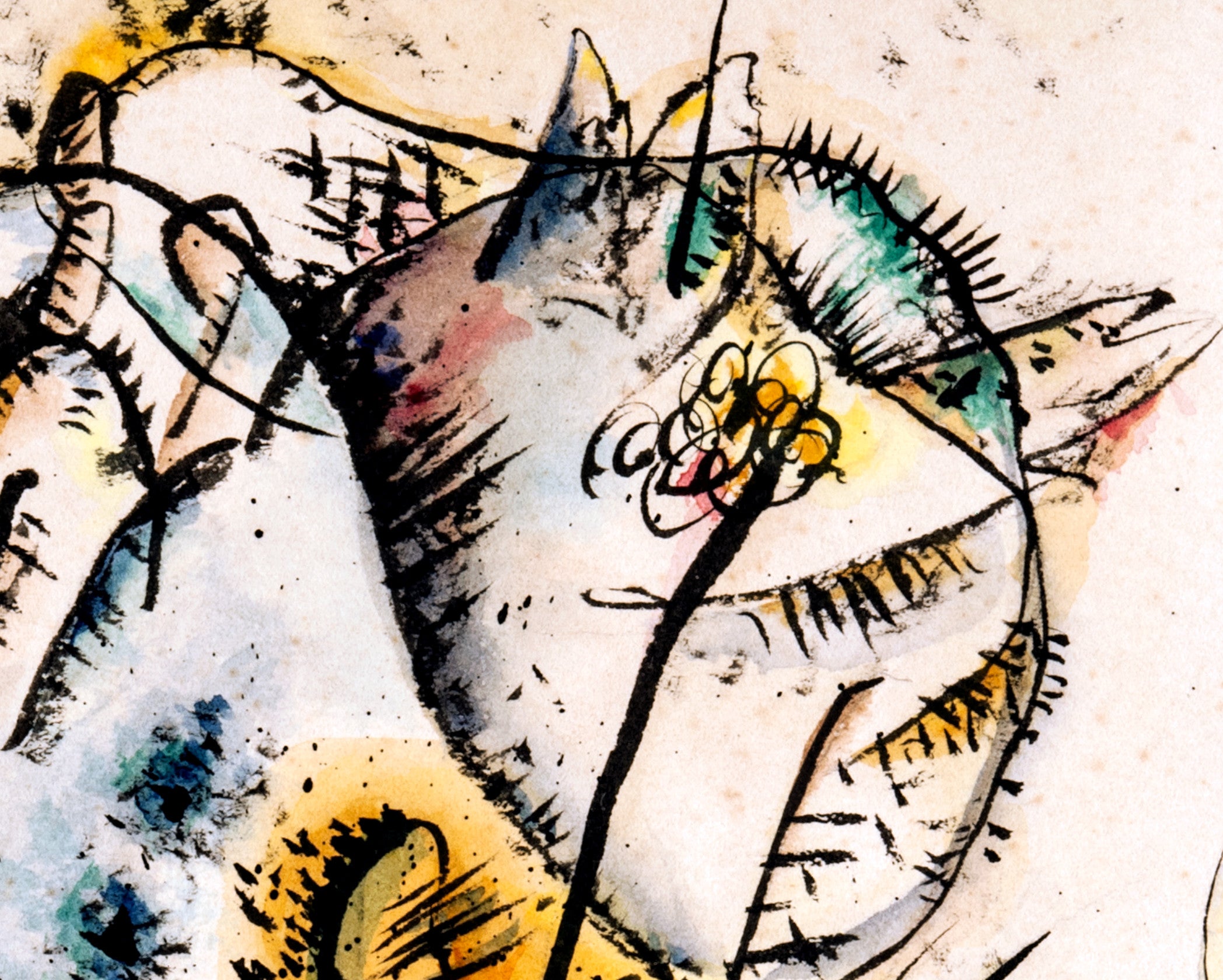
Wassily Kandinsky Geometric Prints
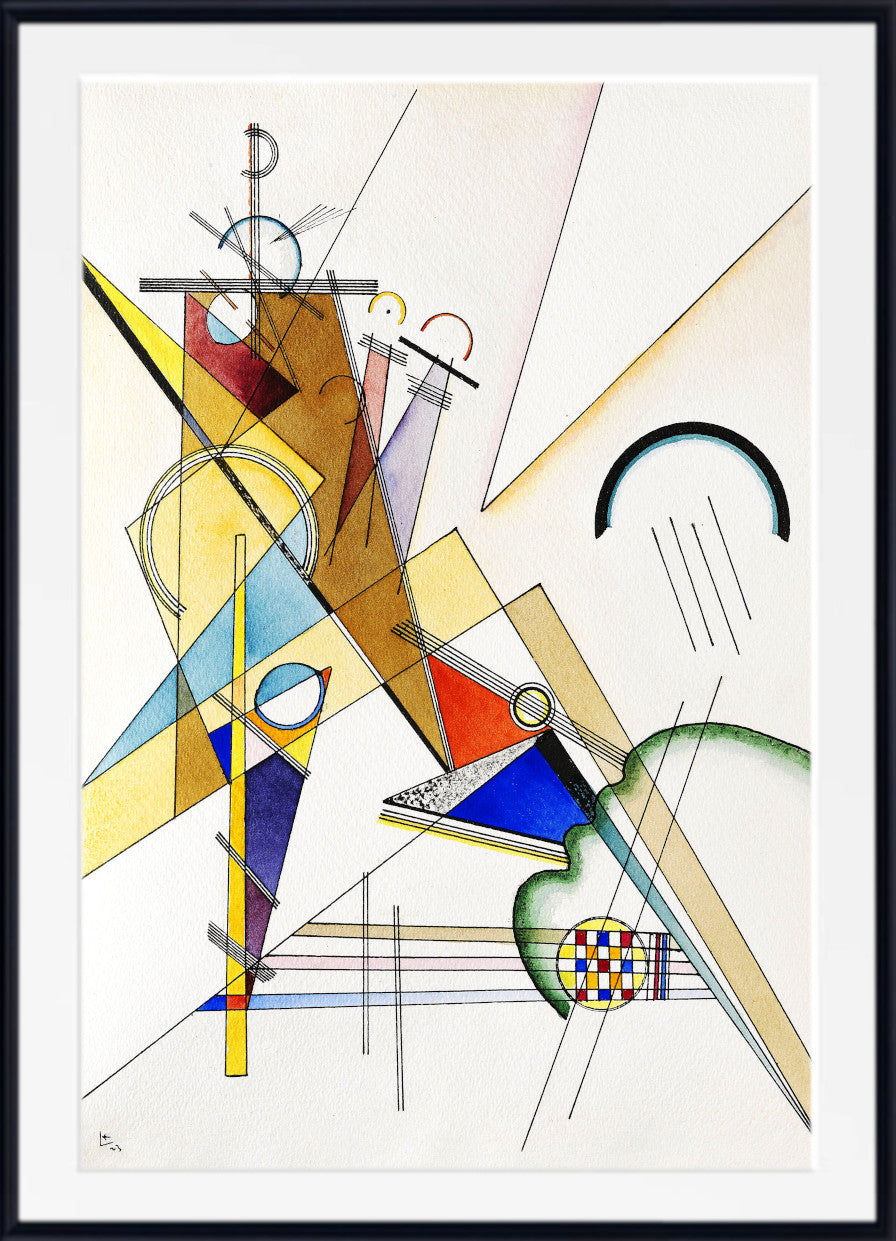
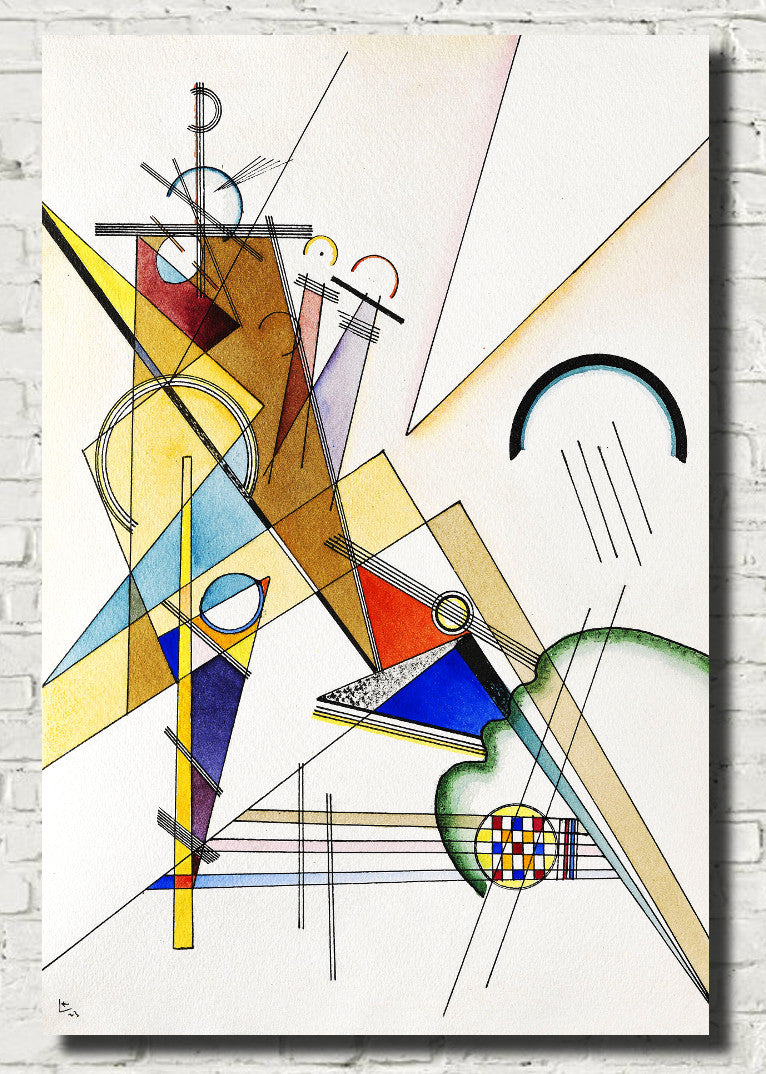
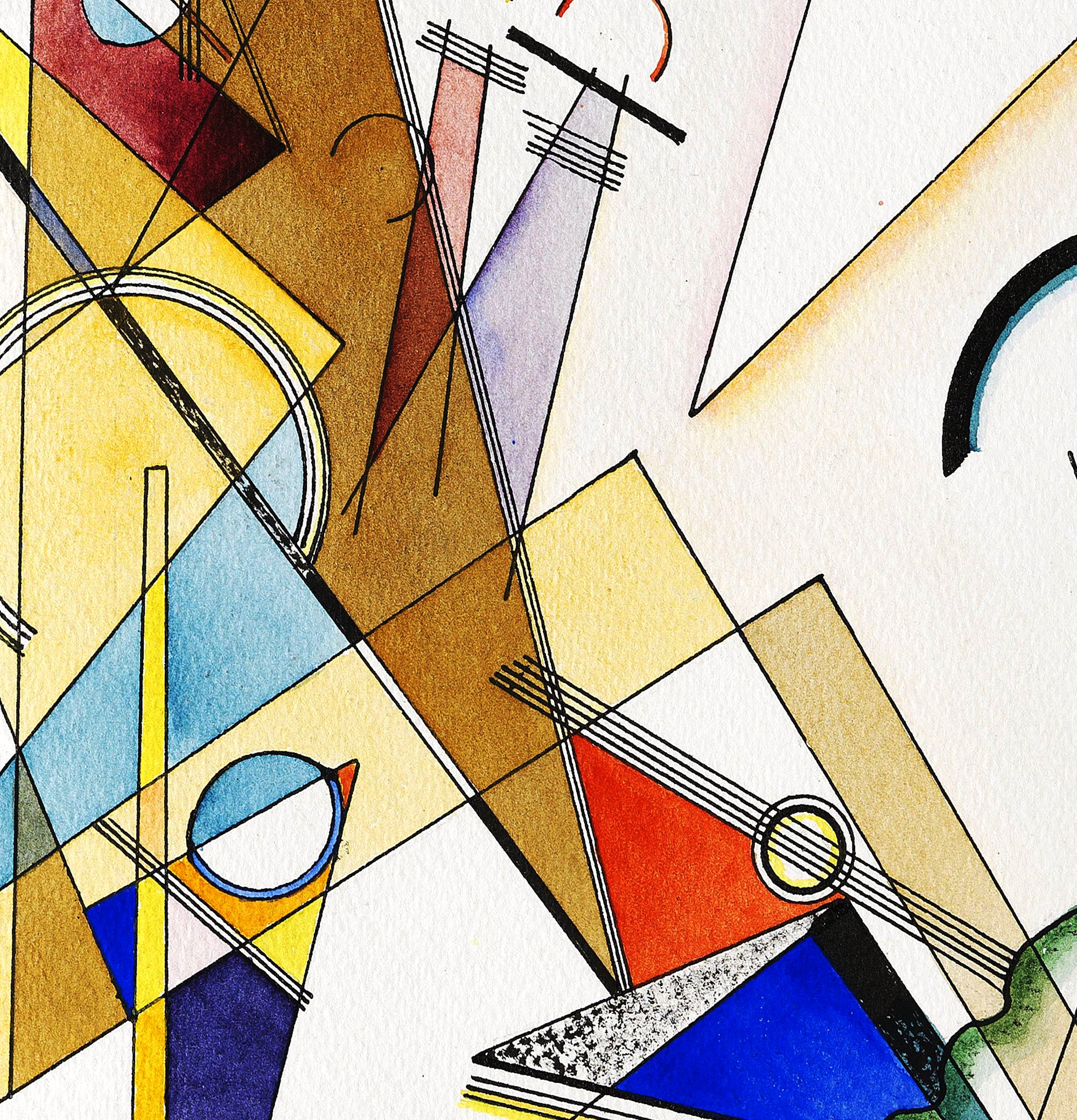
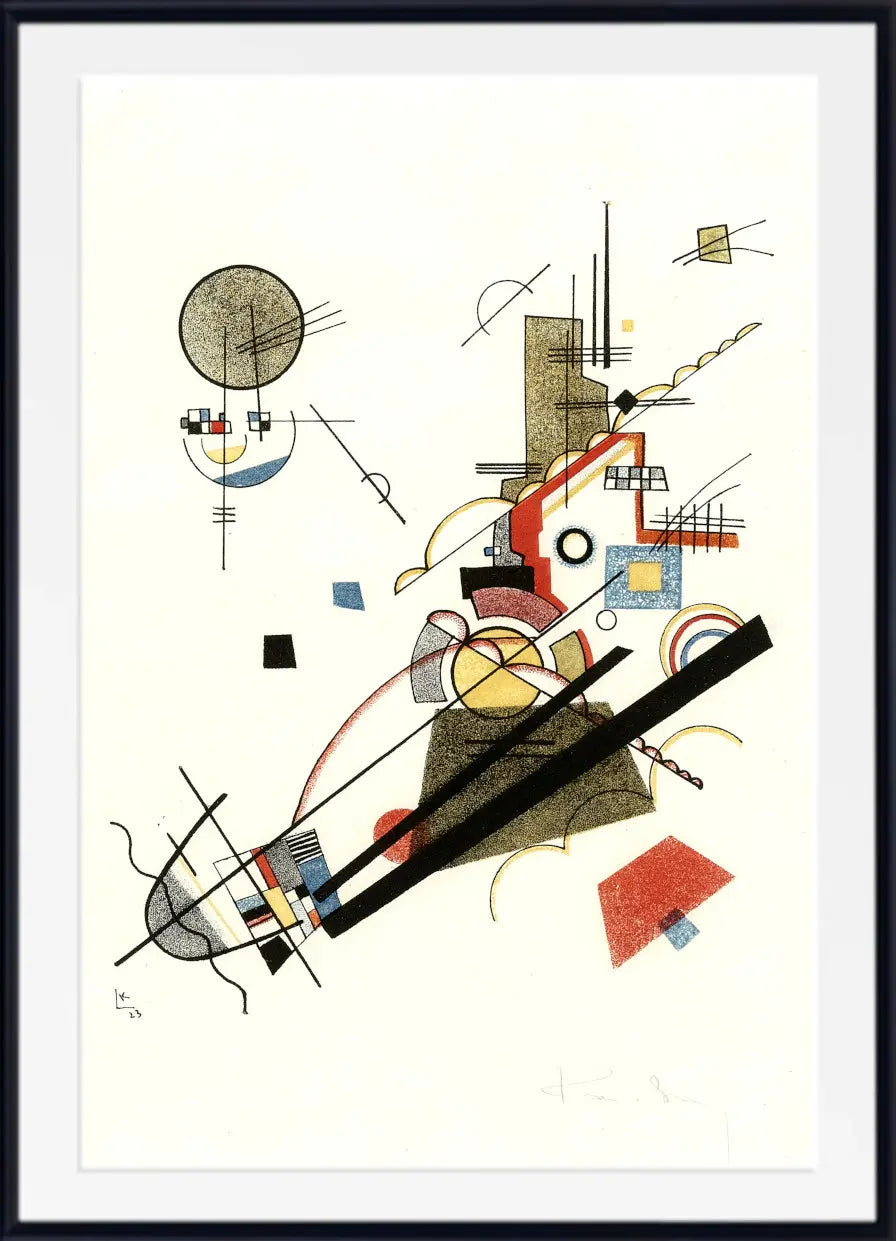
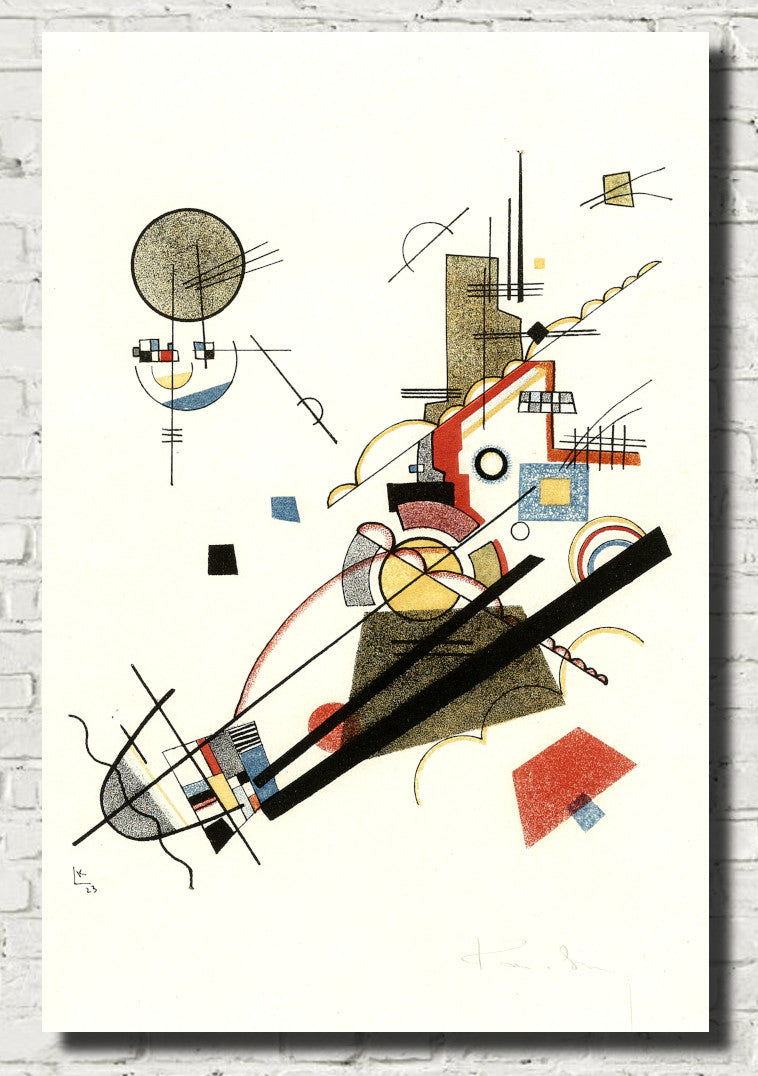
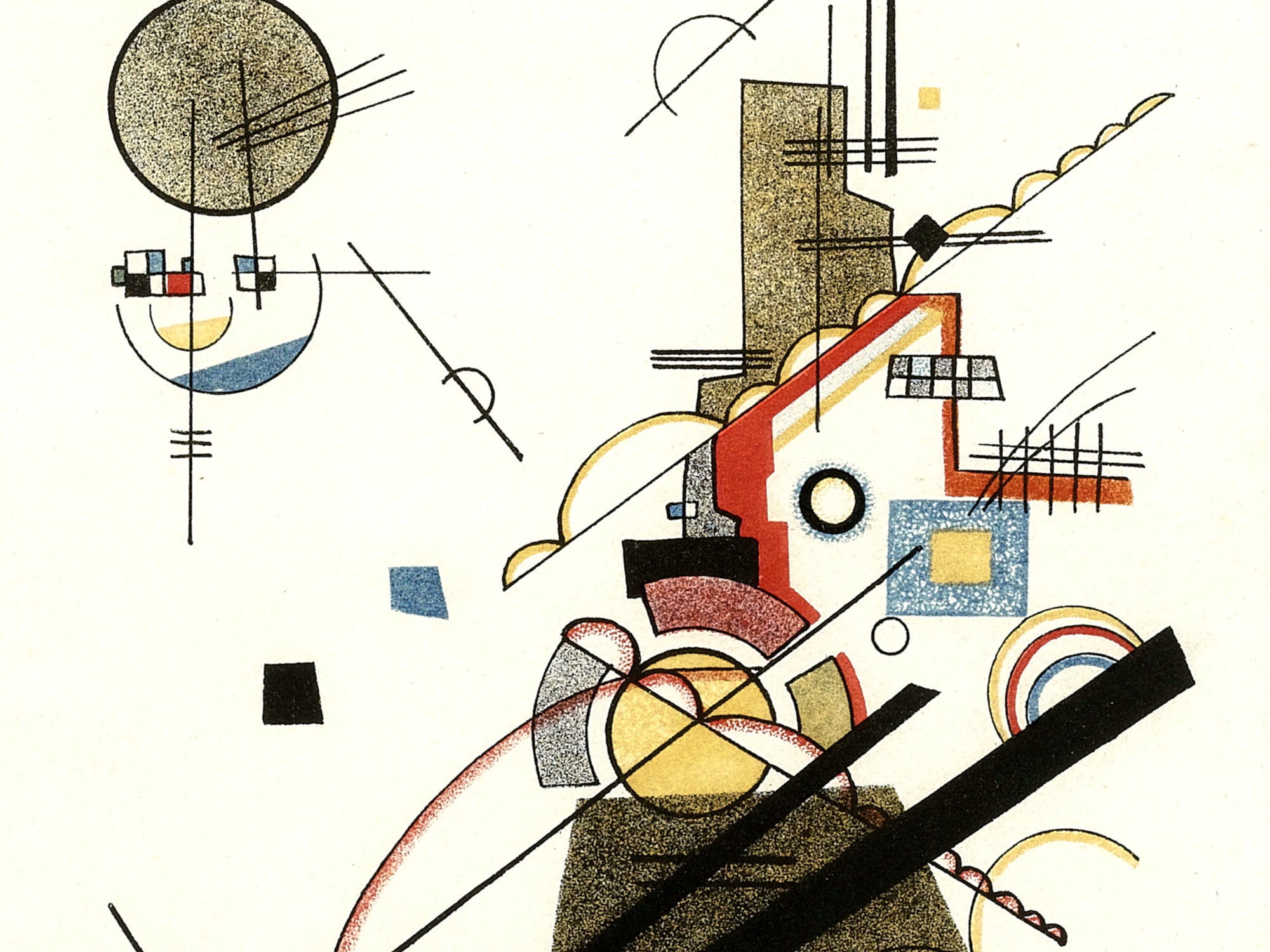
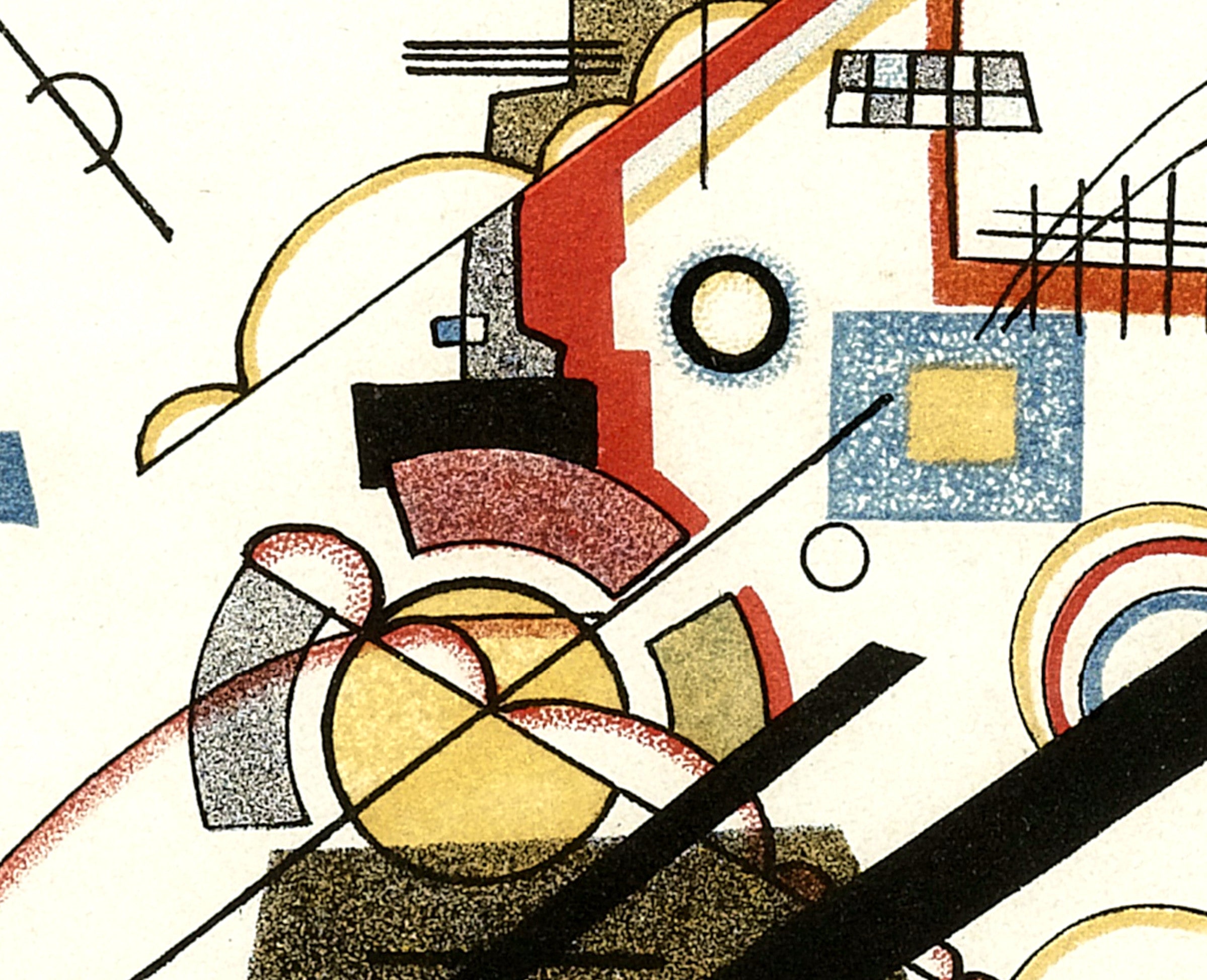
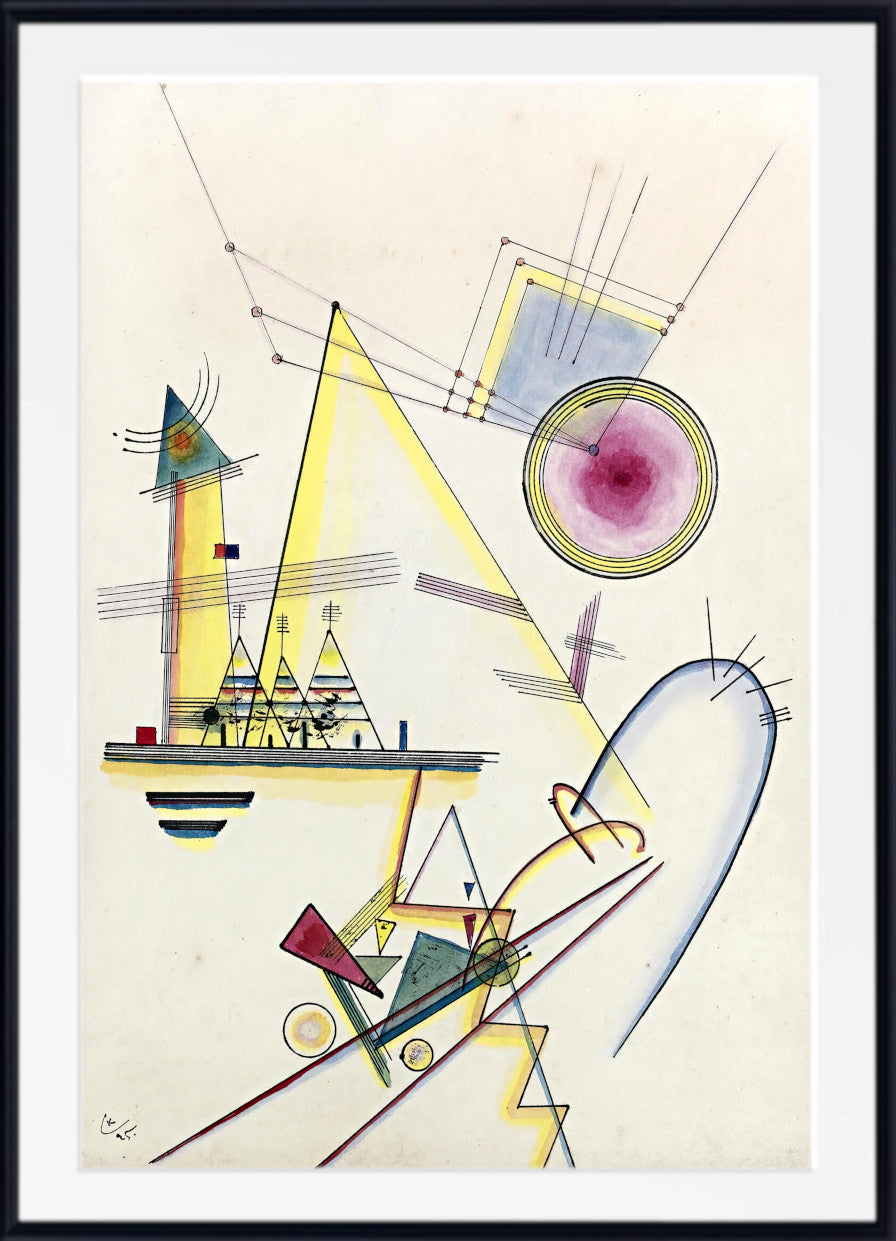
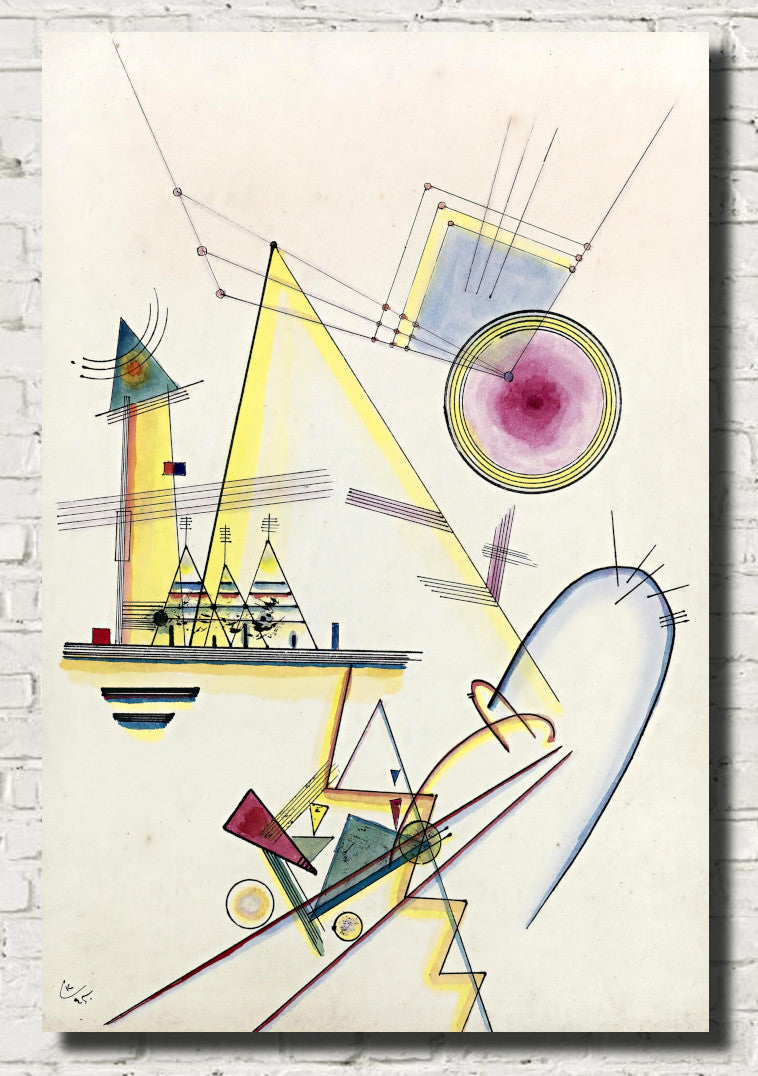
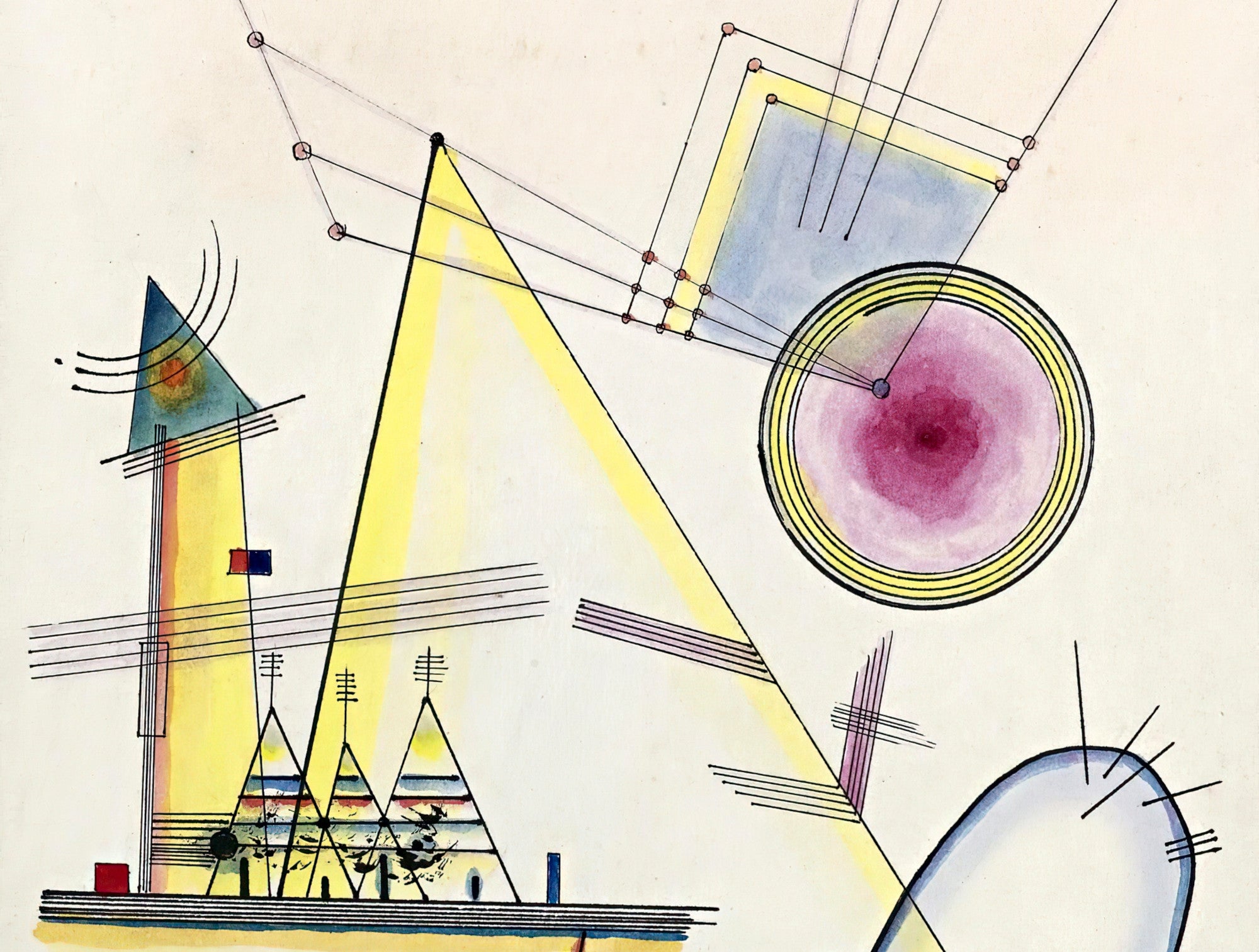
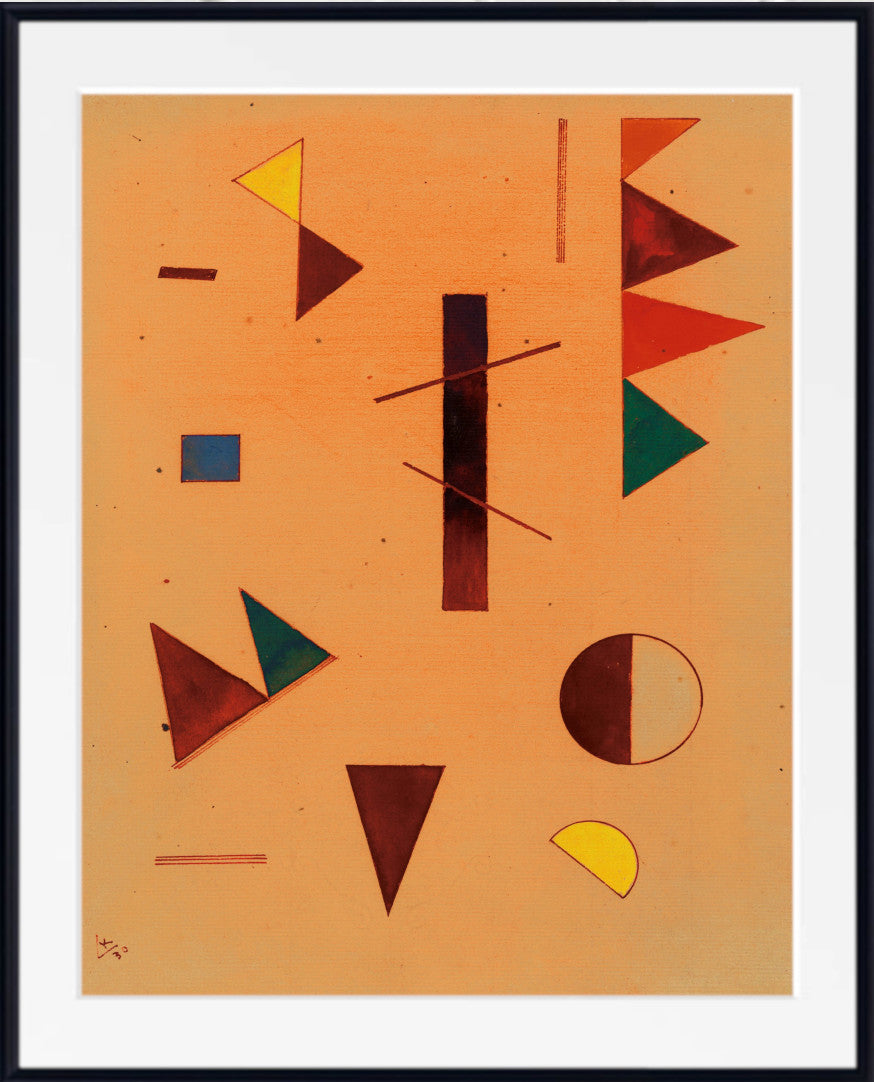
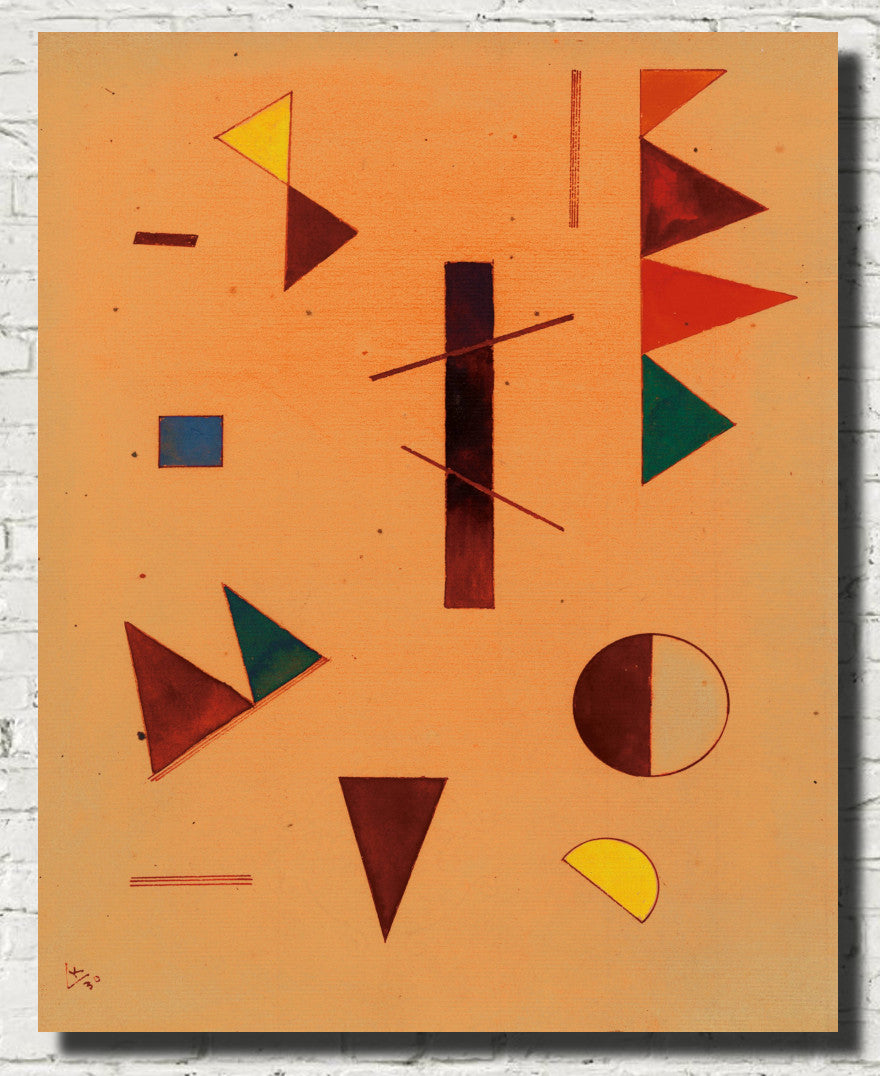
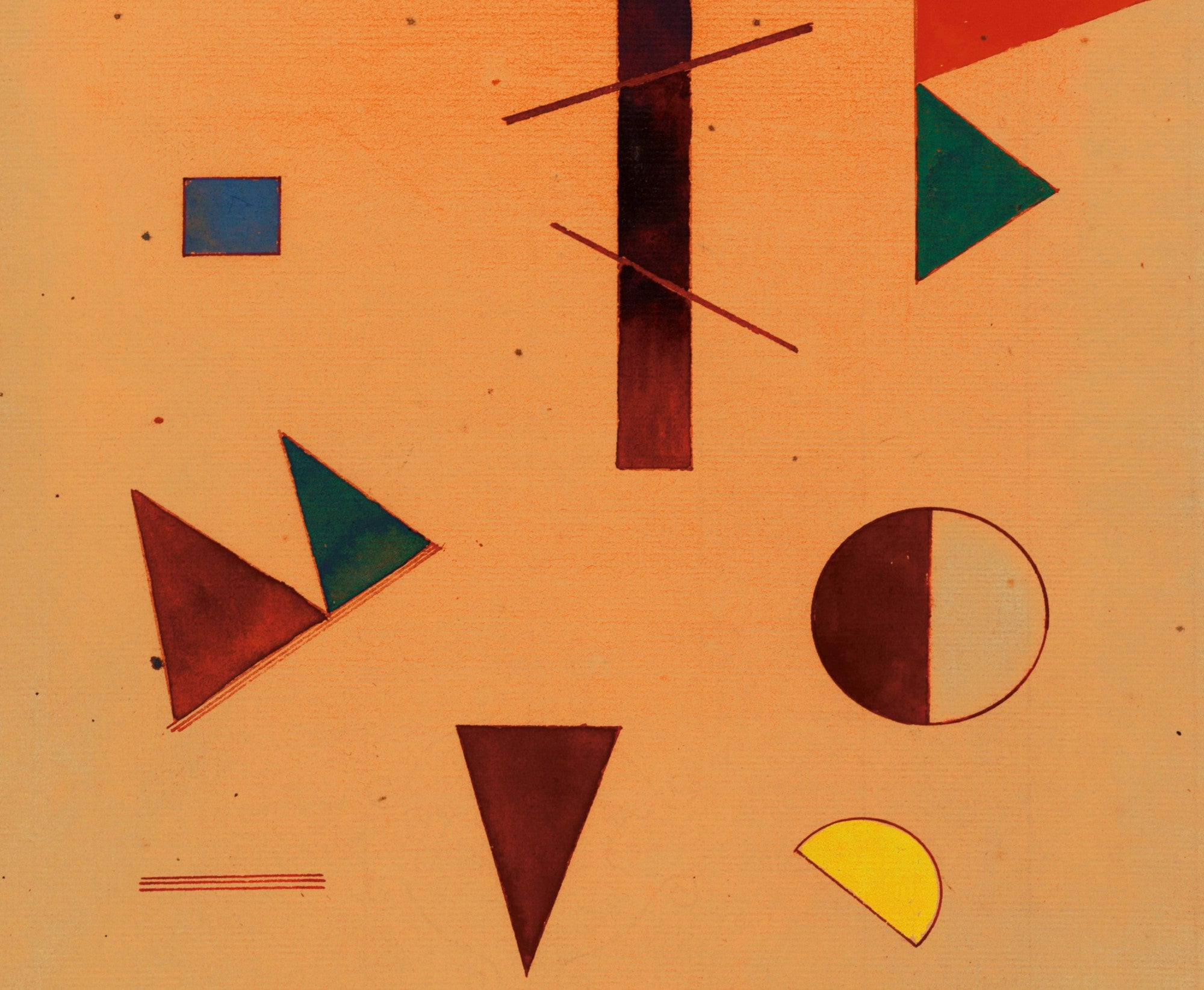
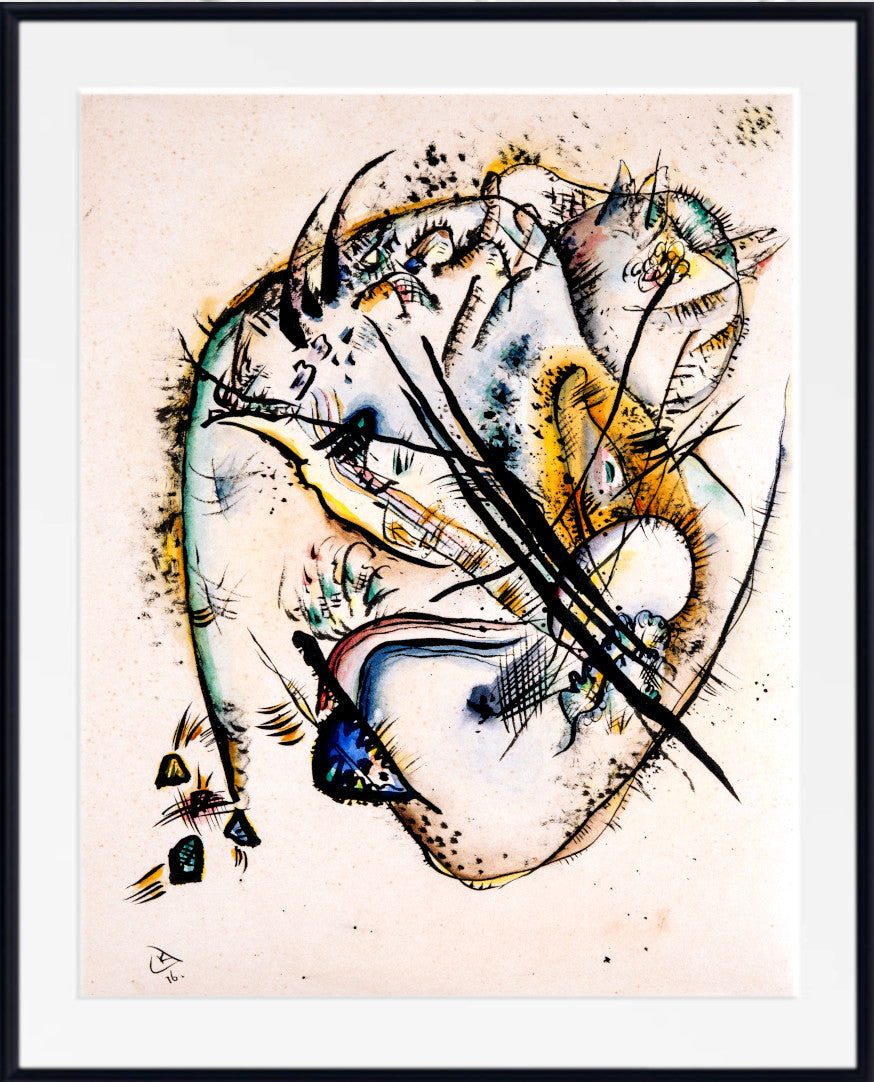
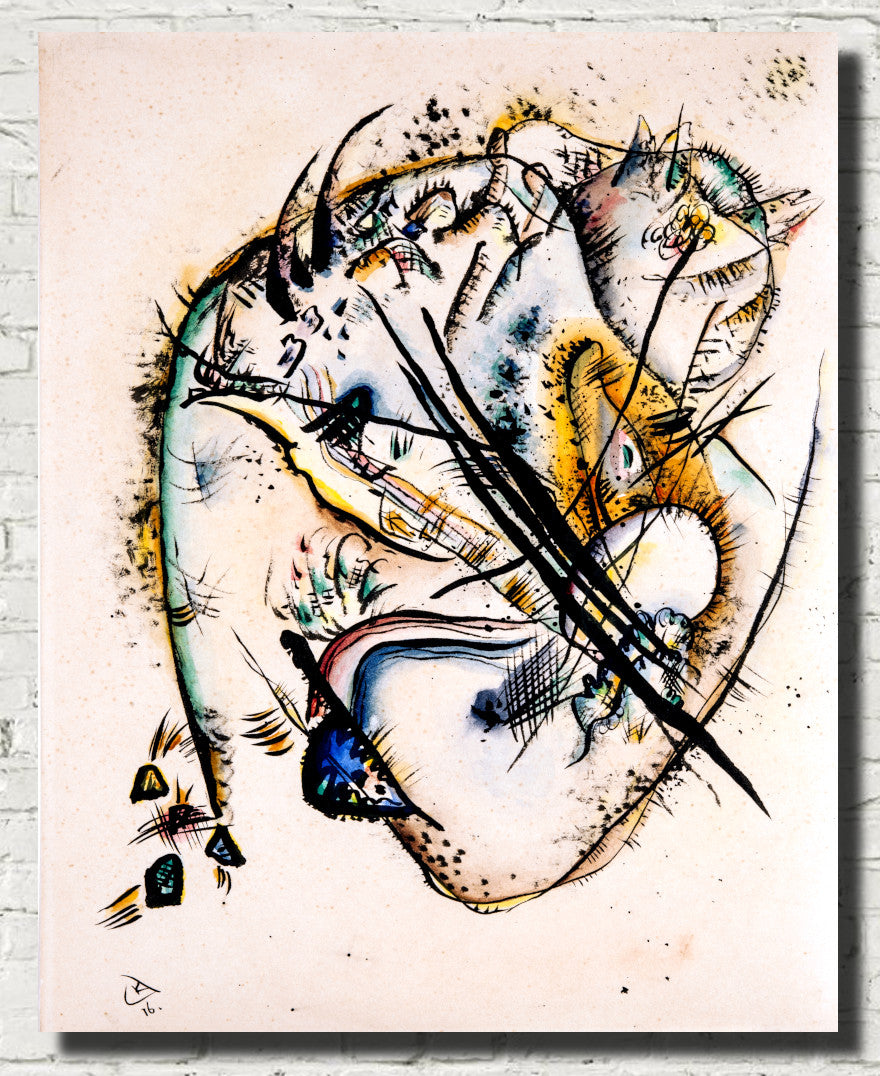
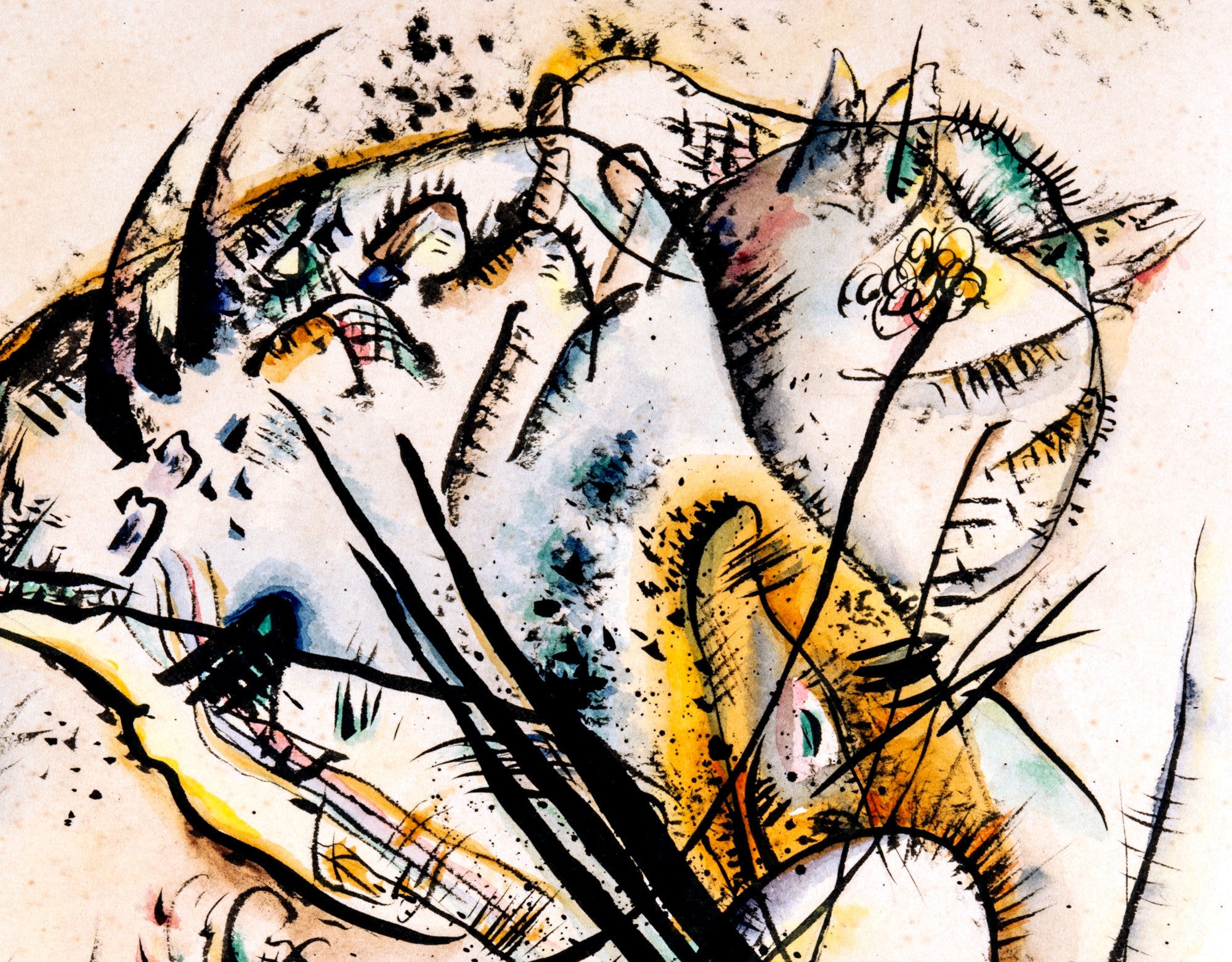
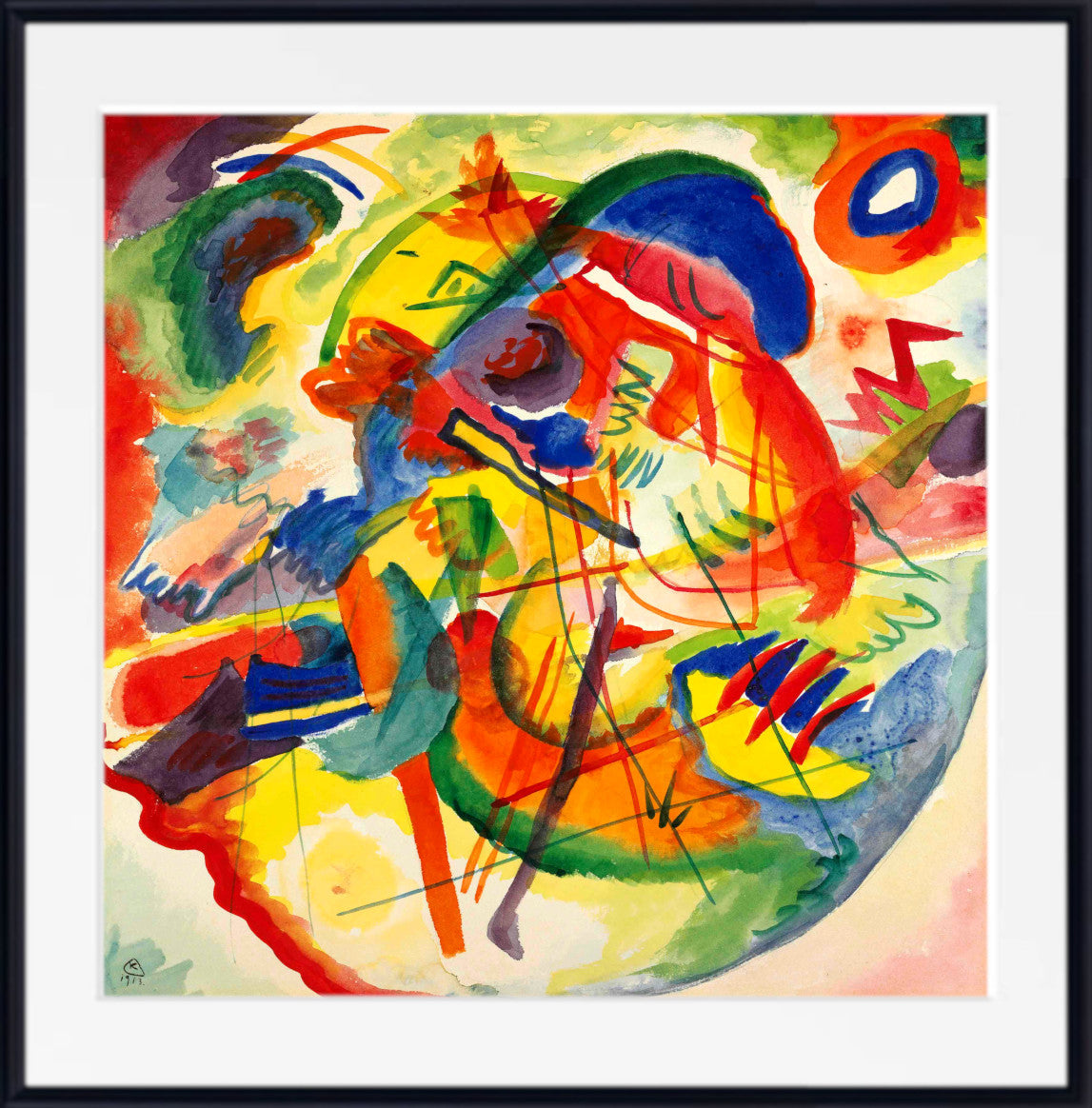
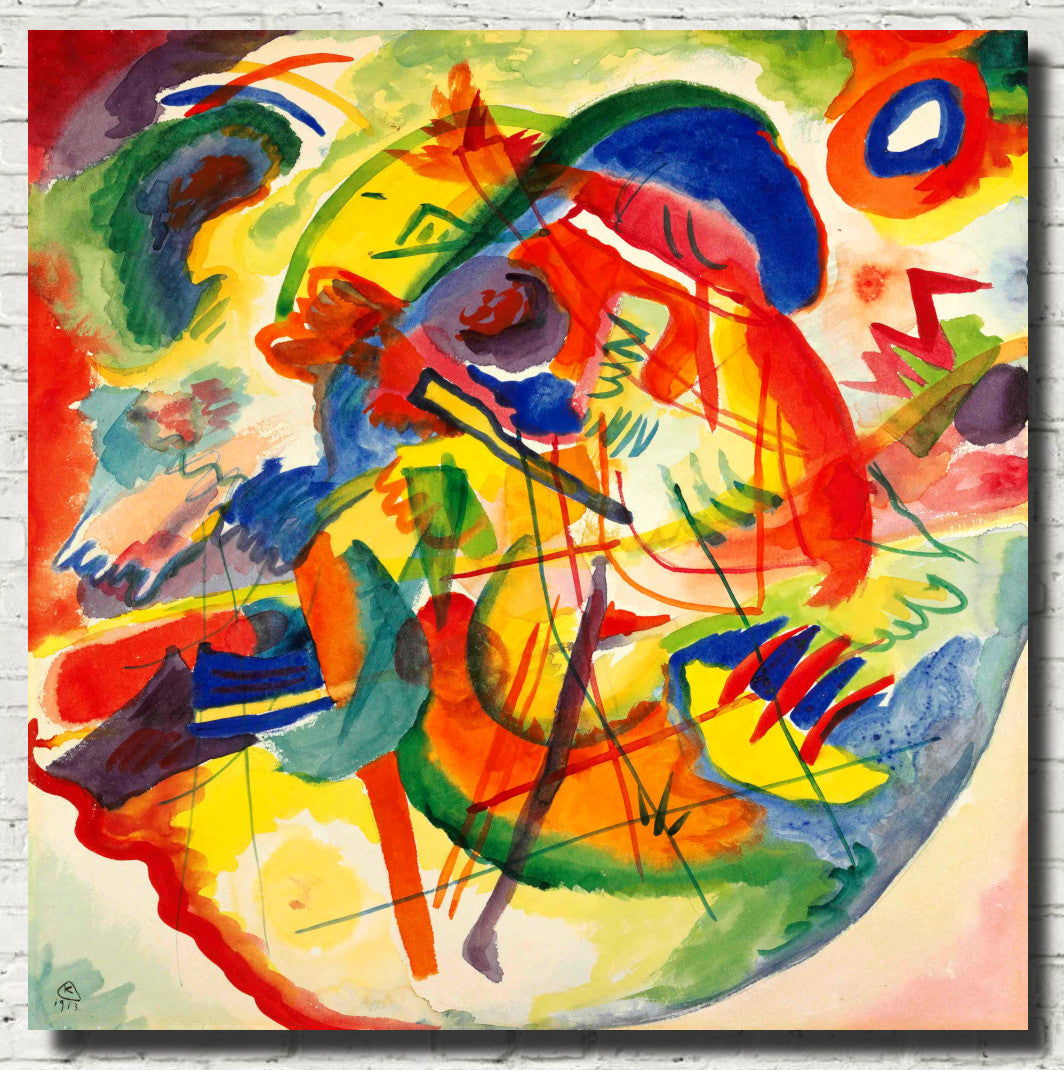
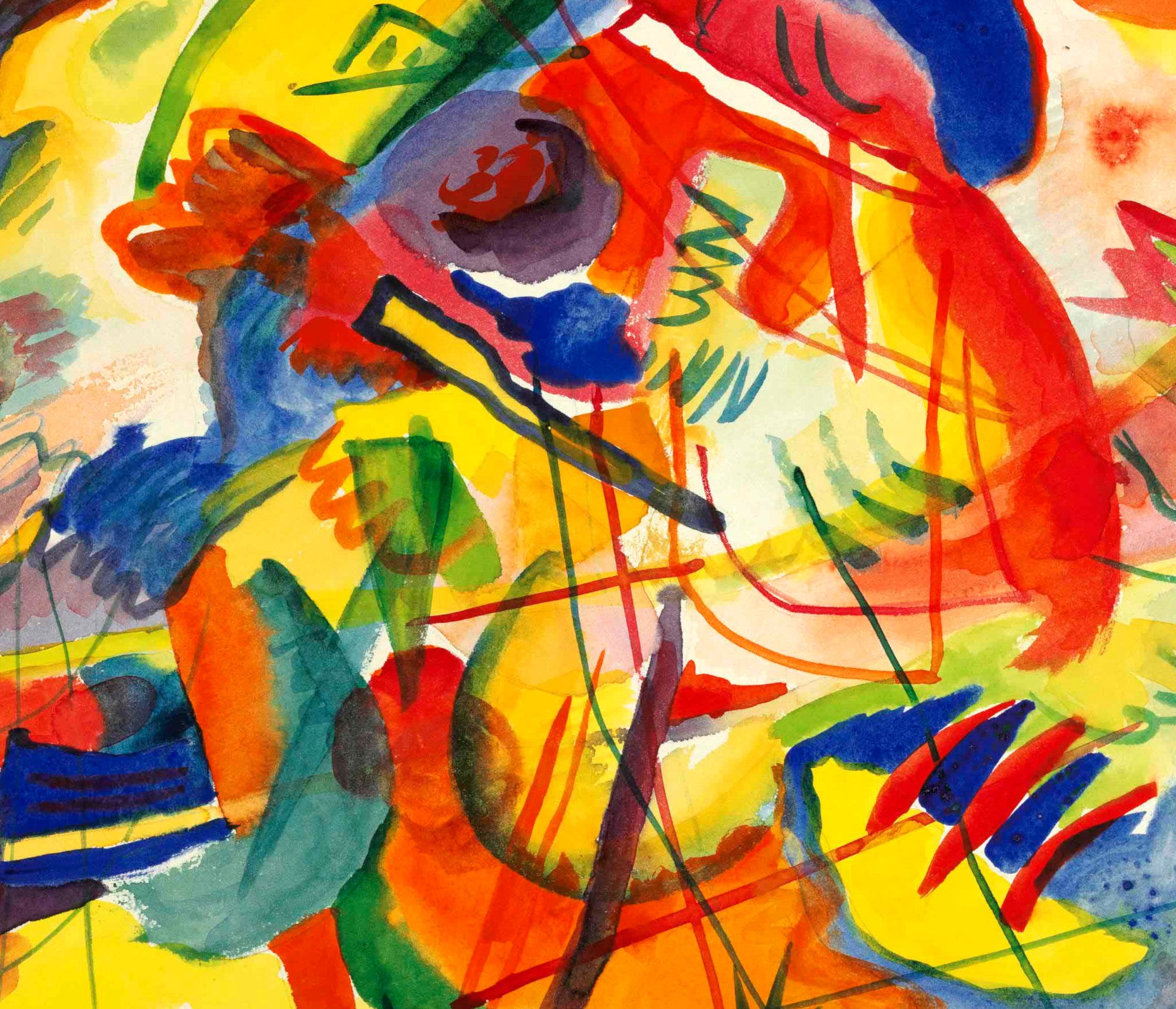
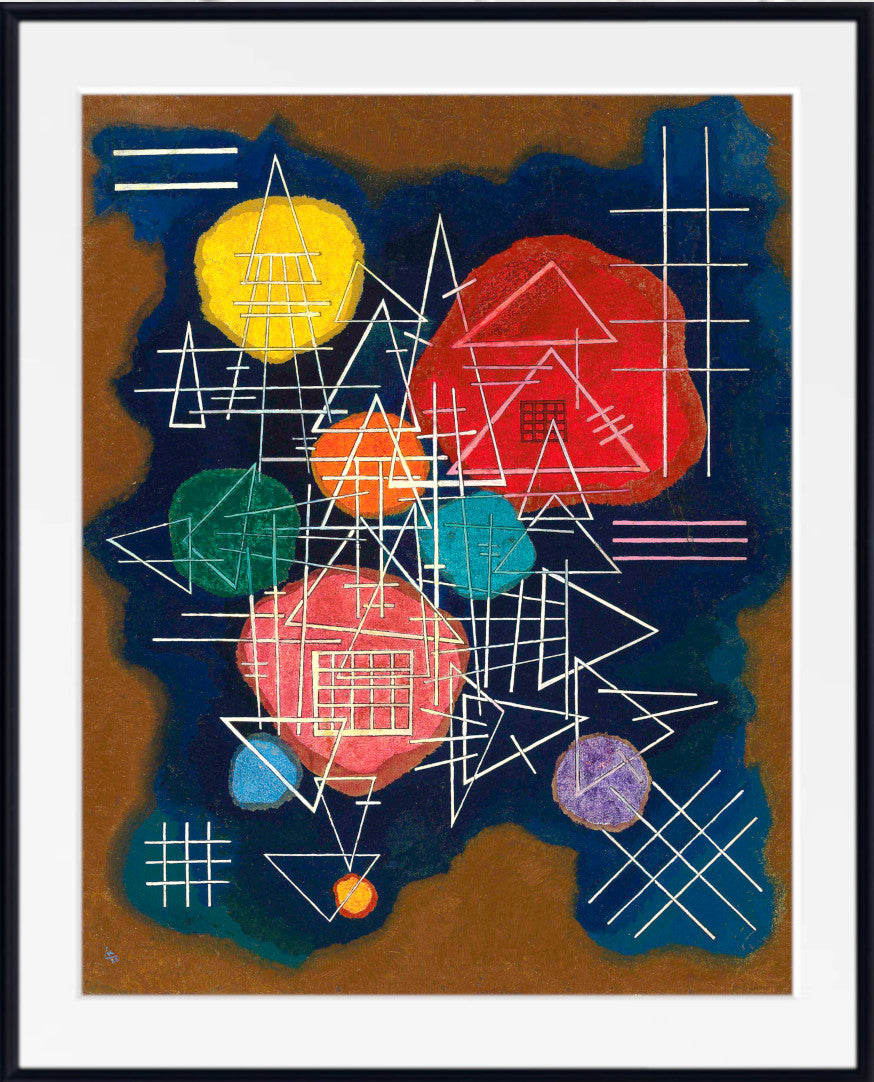
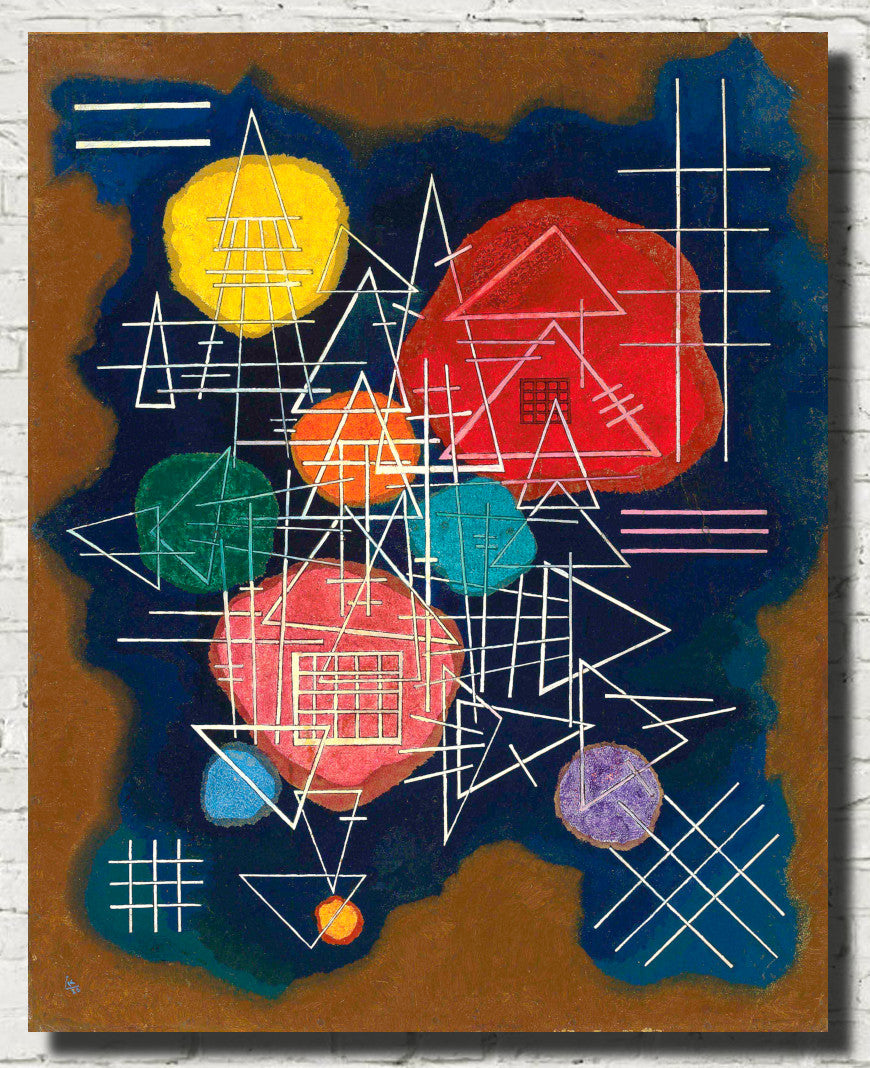
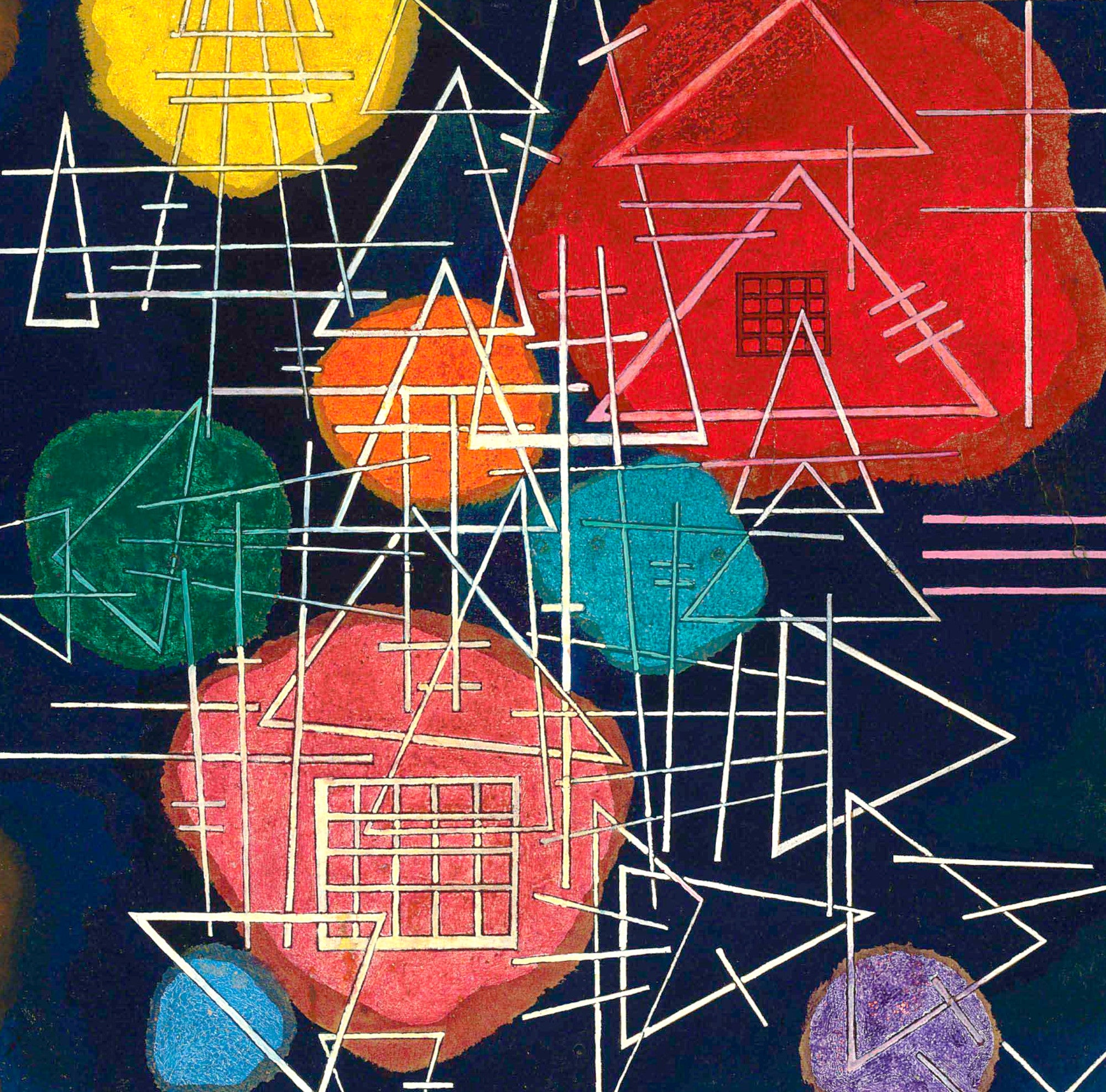
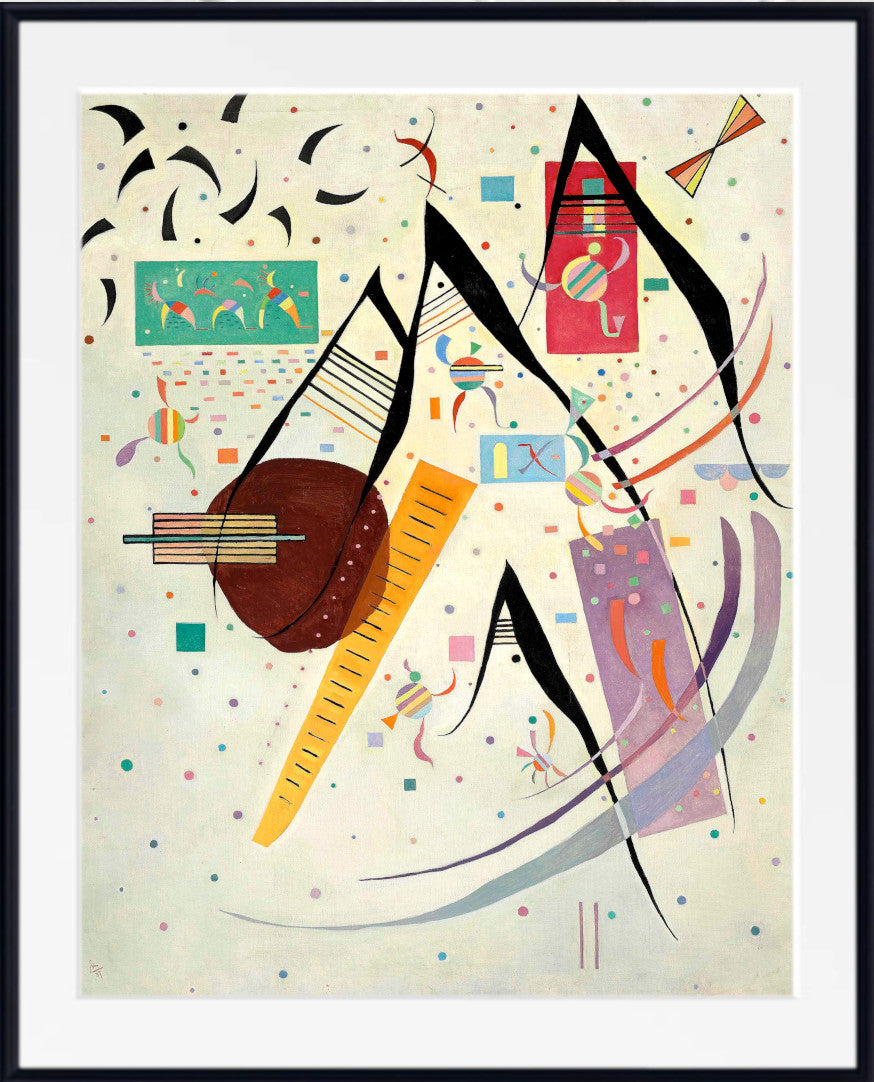
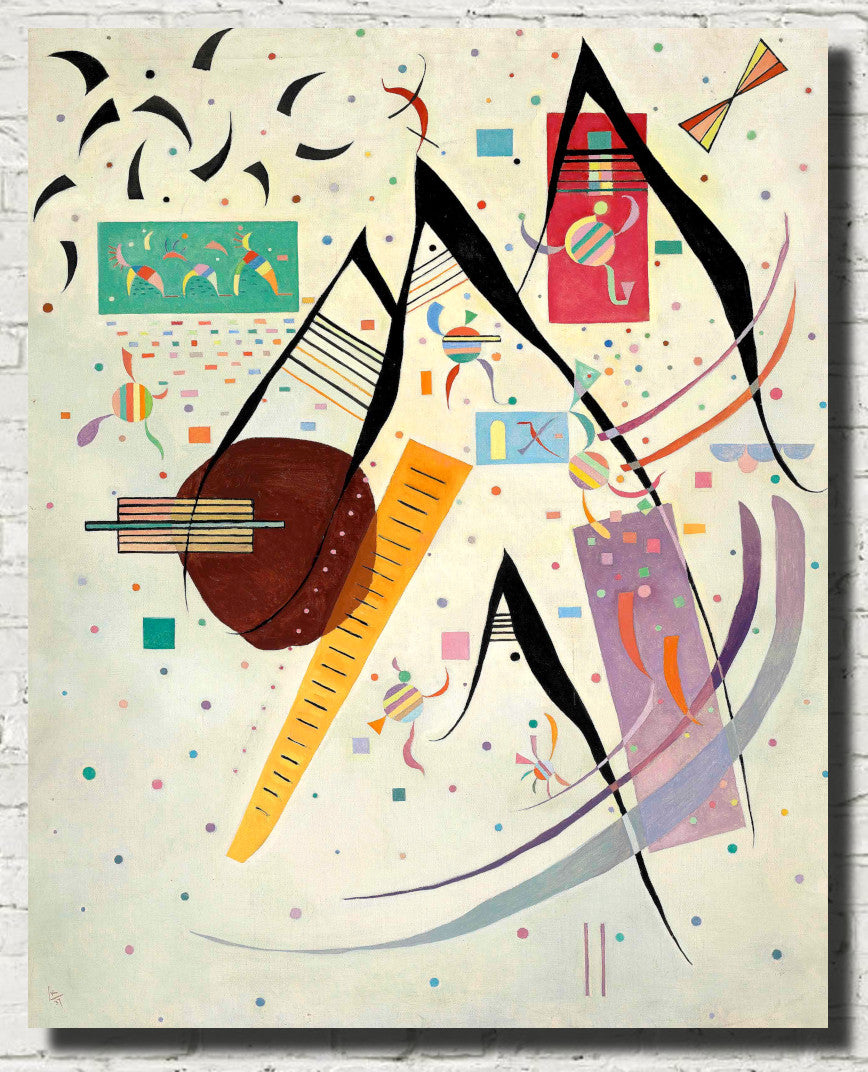
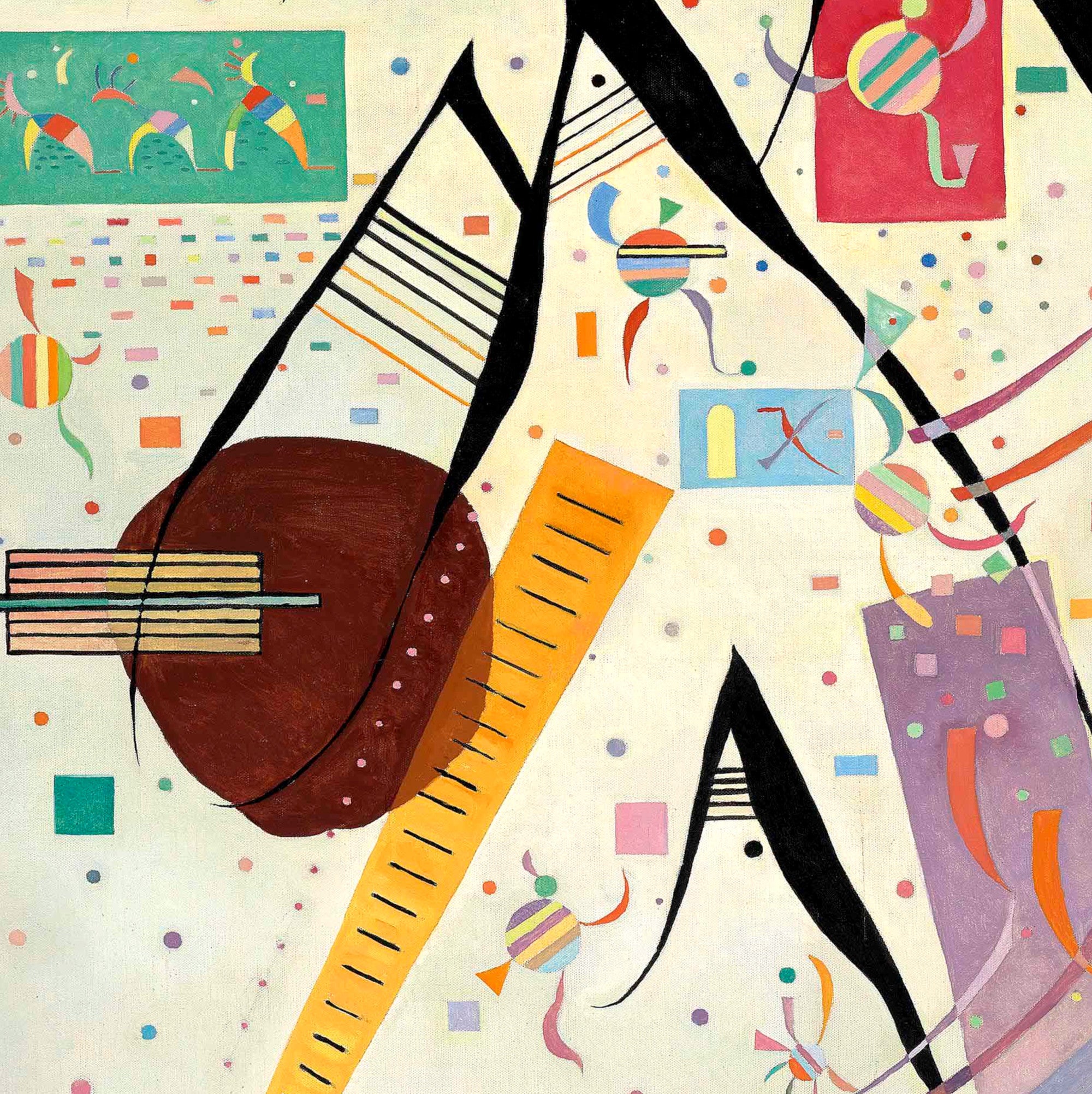
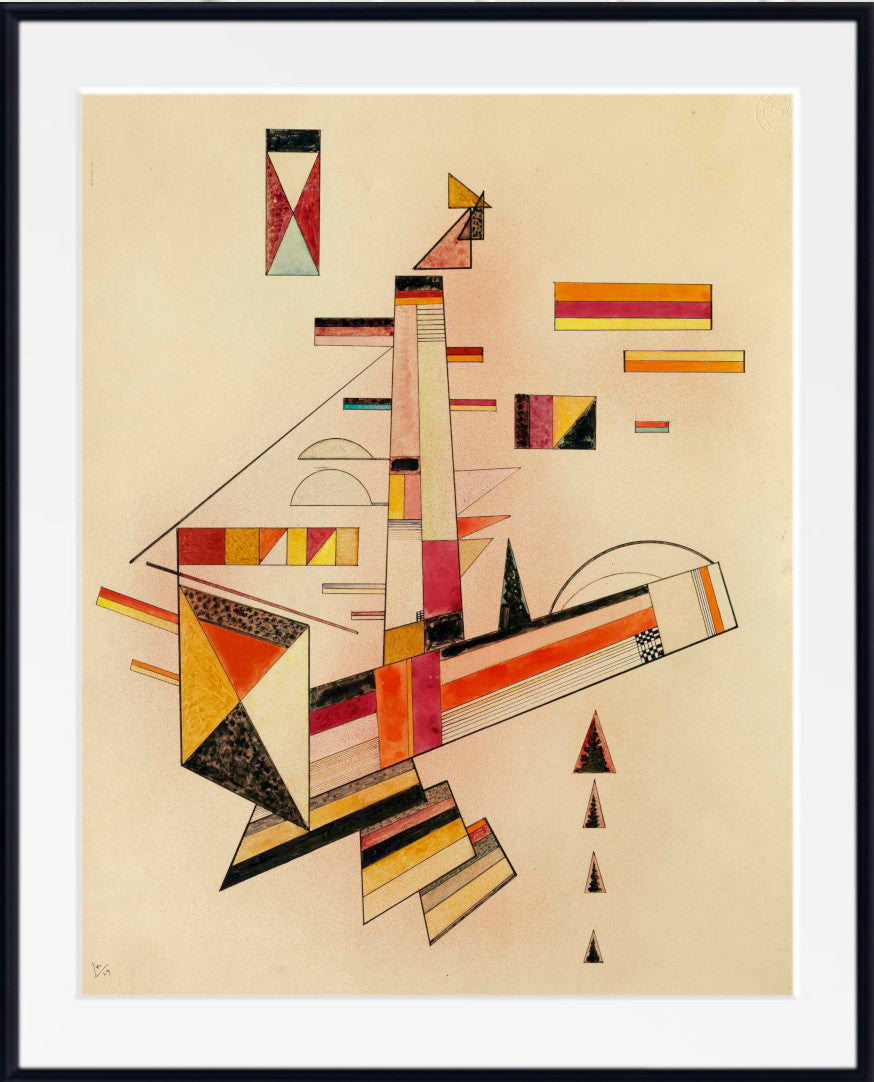
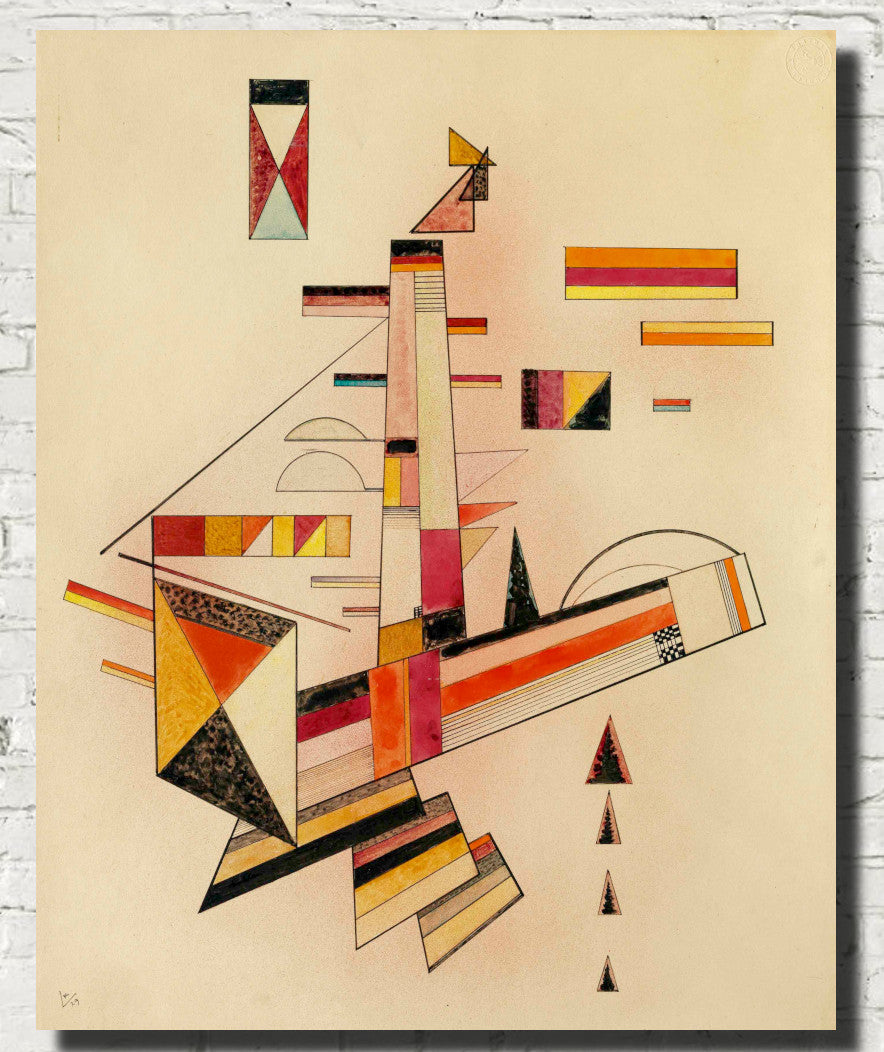
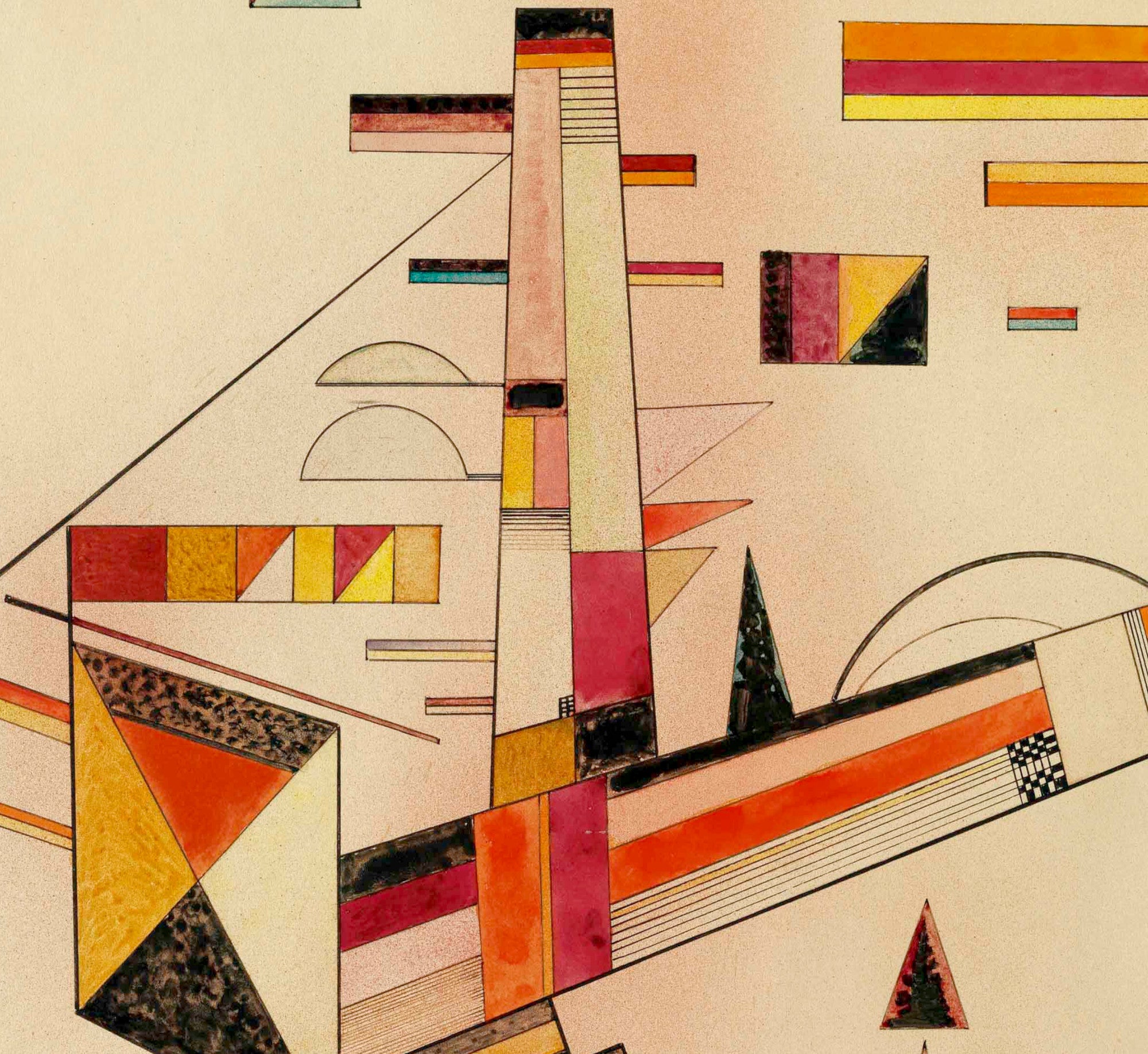
Wassily Kandinsky was one of the pioneers of abstract art and developed an increasingly geometric visual language during the 1920s. Circles, triangles, straight lines and floating forms became important components of his compositions, often combined with vivid colour and a strong sense of movement.
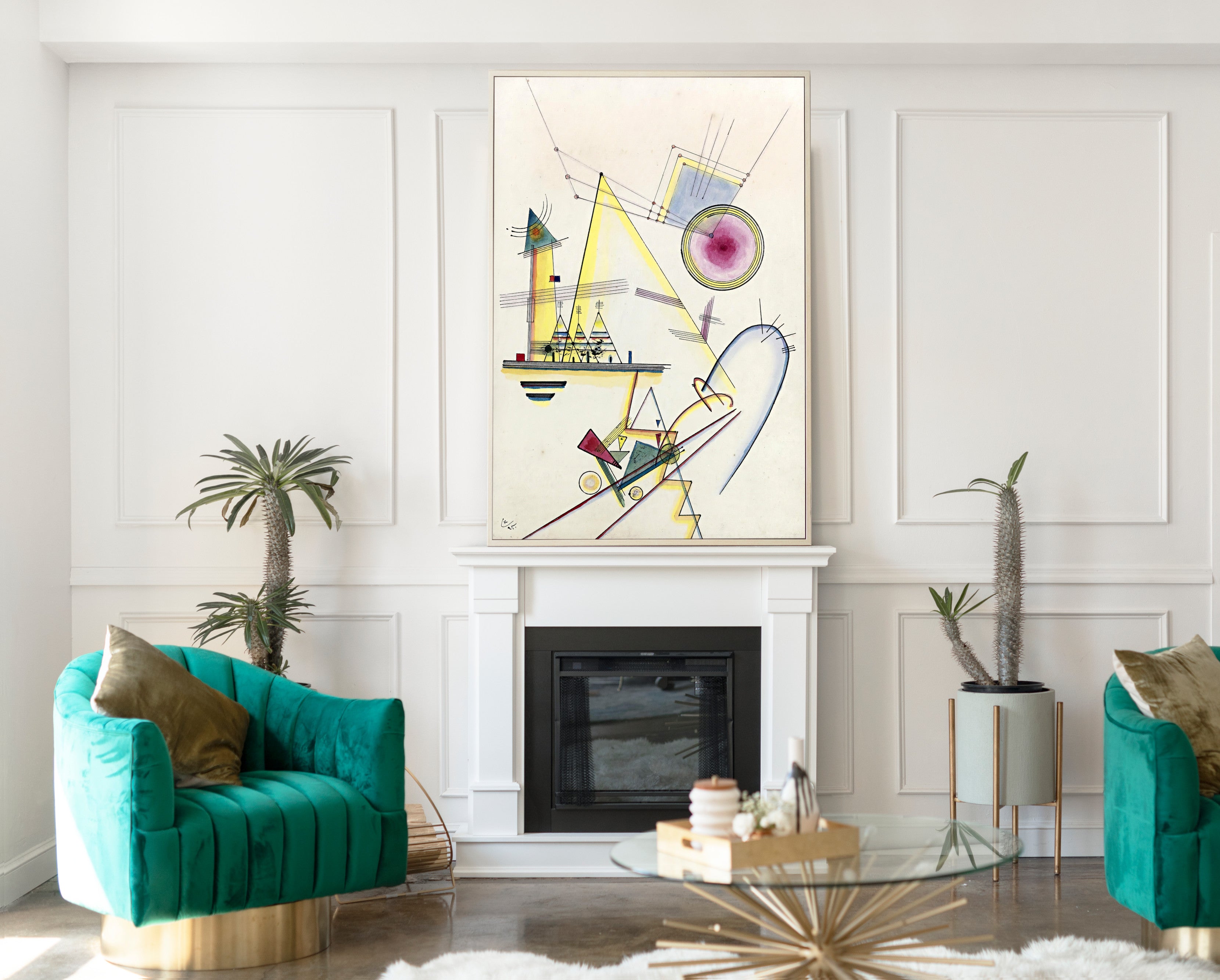
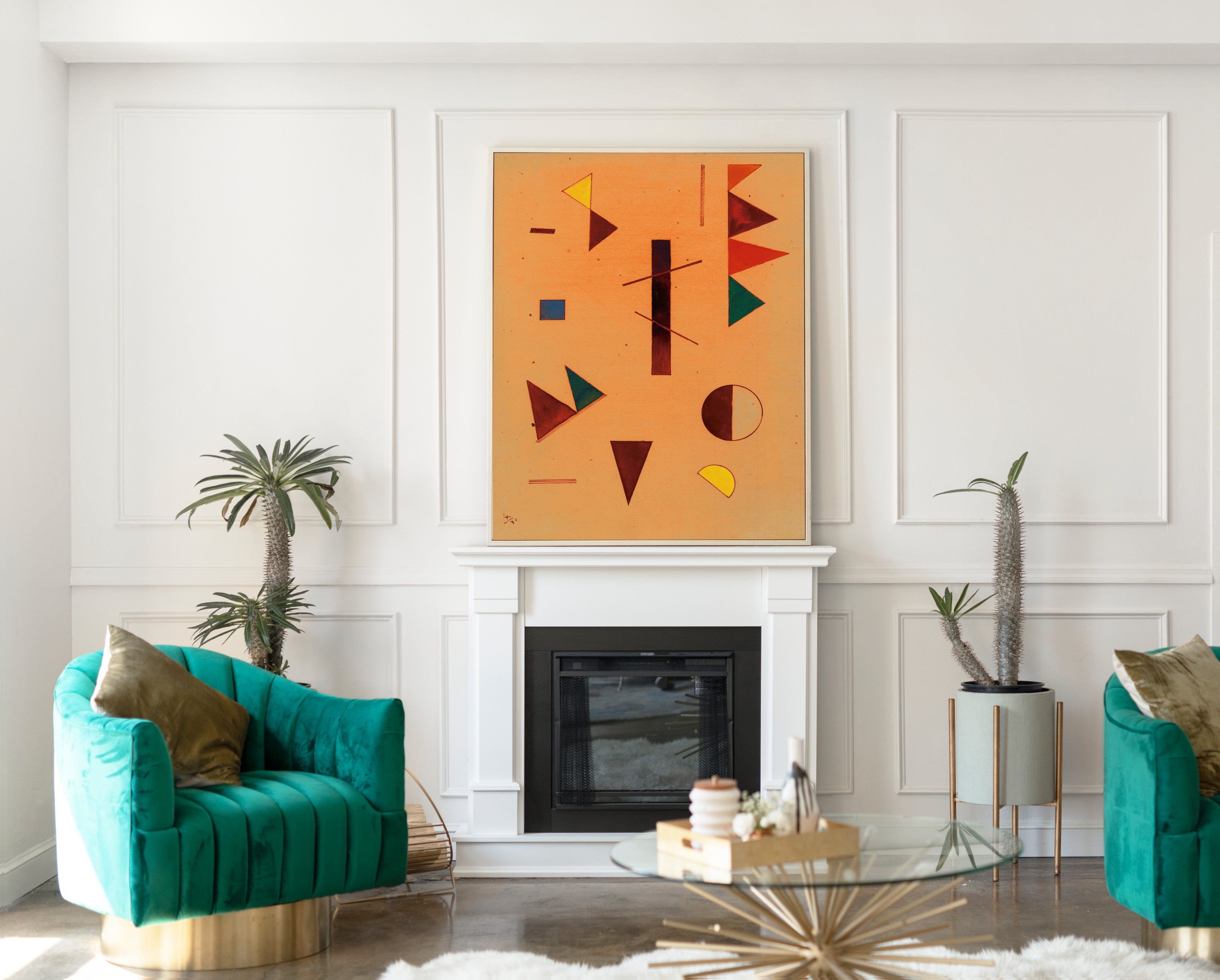
Kandinsky's geometric abstract prints are particularly effective when you want artwork that feels structured without becoming rigid. His compositions often balance precise shapes with apparently spontaneous arrangements, giving the work a distinctive visual rhythm. Colourful Kandinsky prints can make excellent statement pieces above a sofa, desk or sideboard and are particularly suited to contemporary, Bauhaus-inspired and creative interiors.
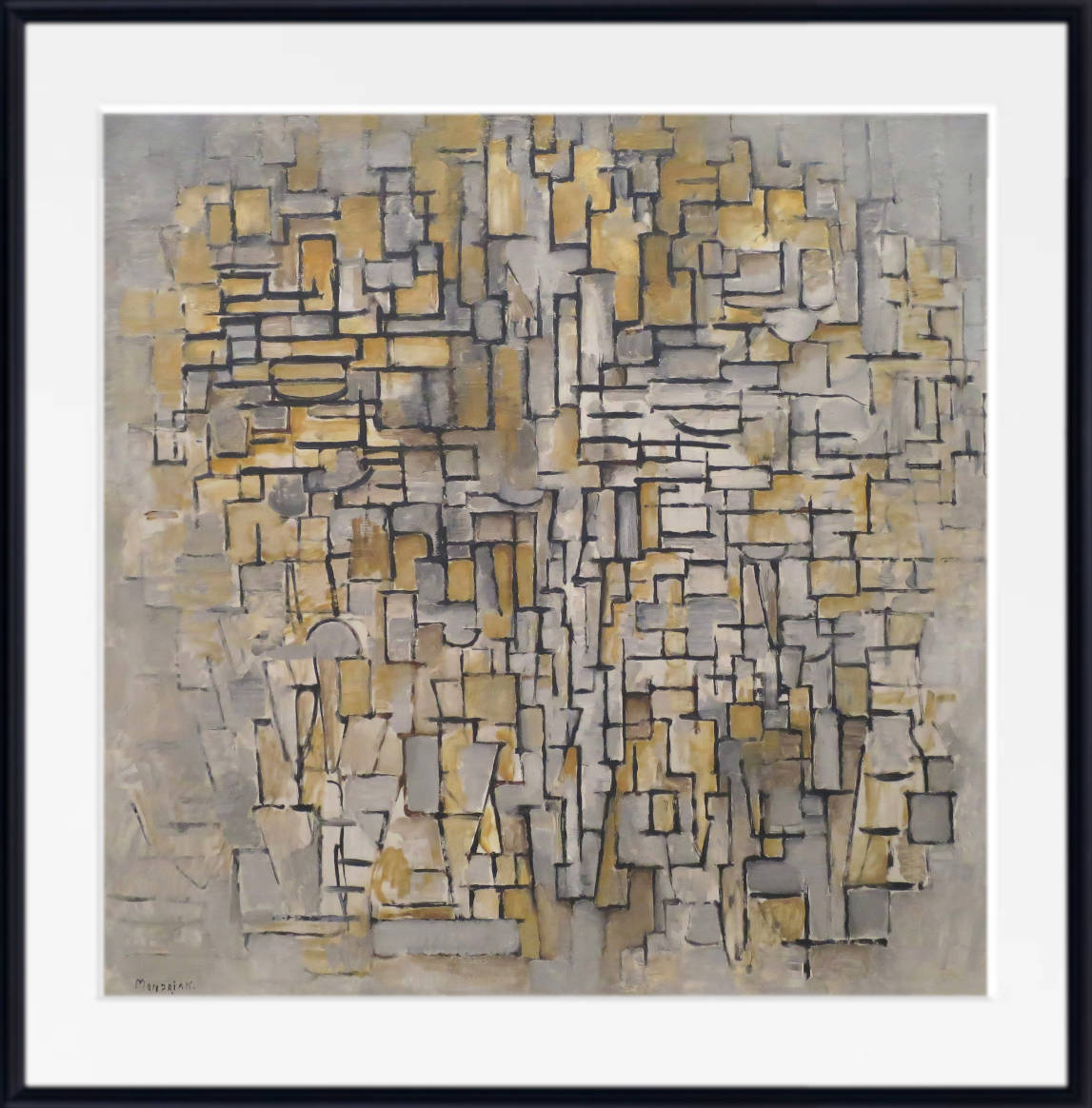
Piet Mondrian and Geometric Abstraction
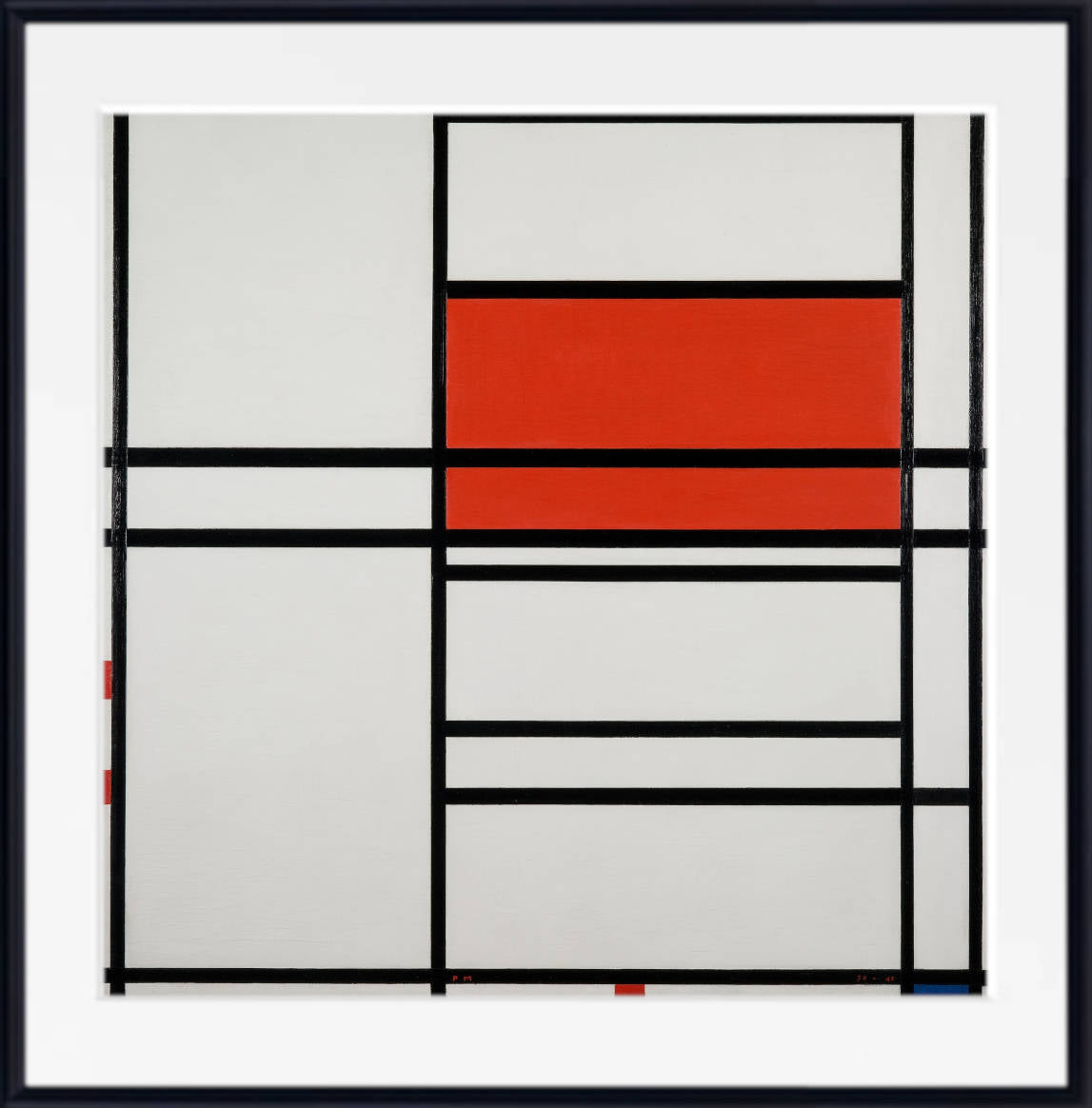
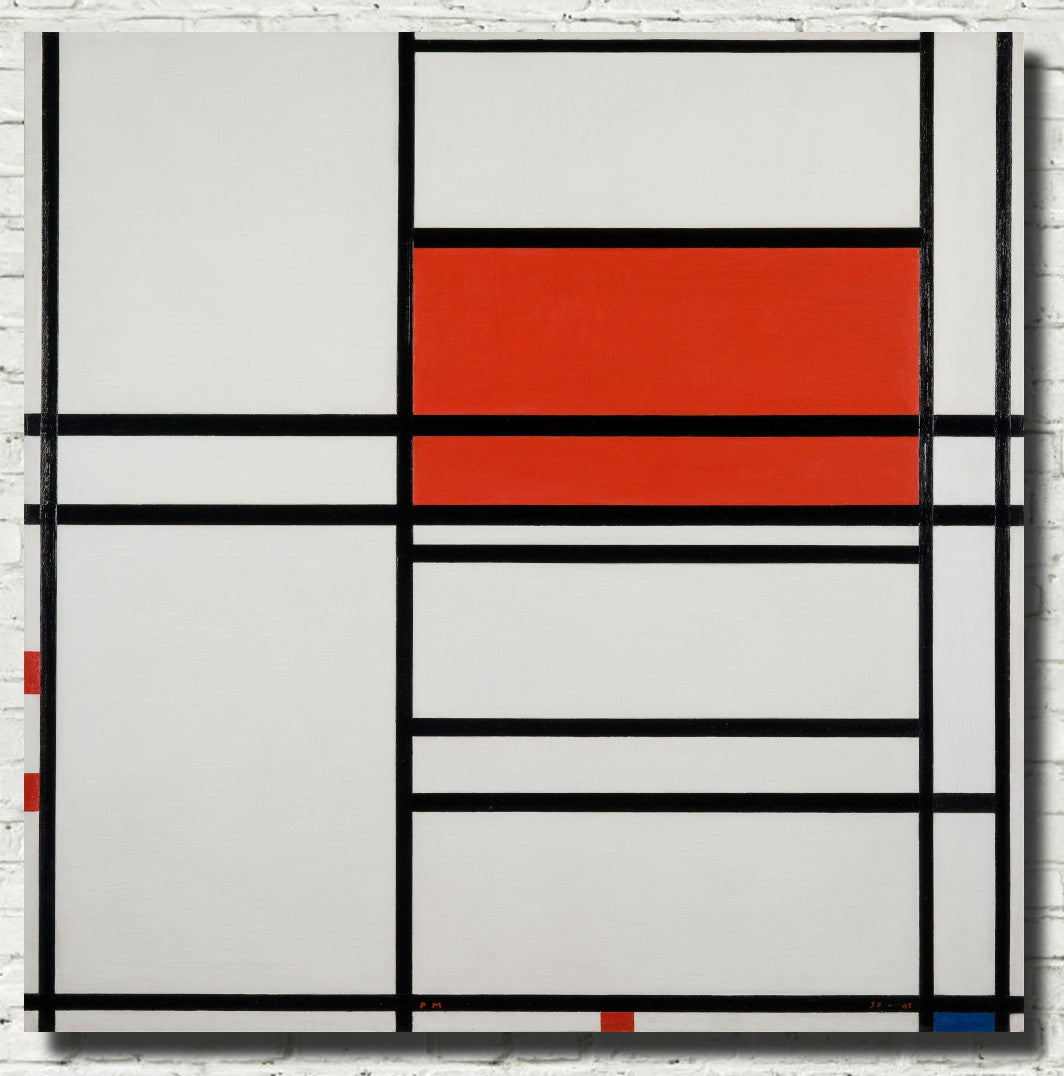
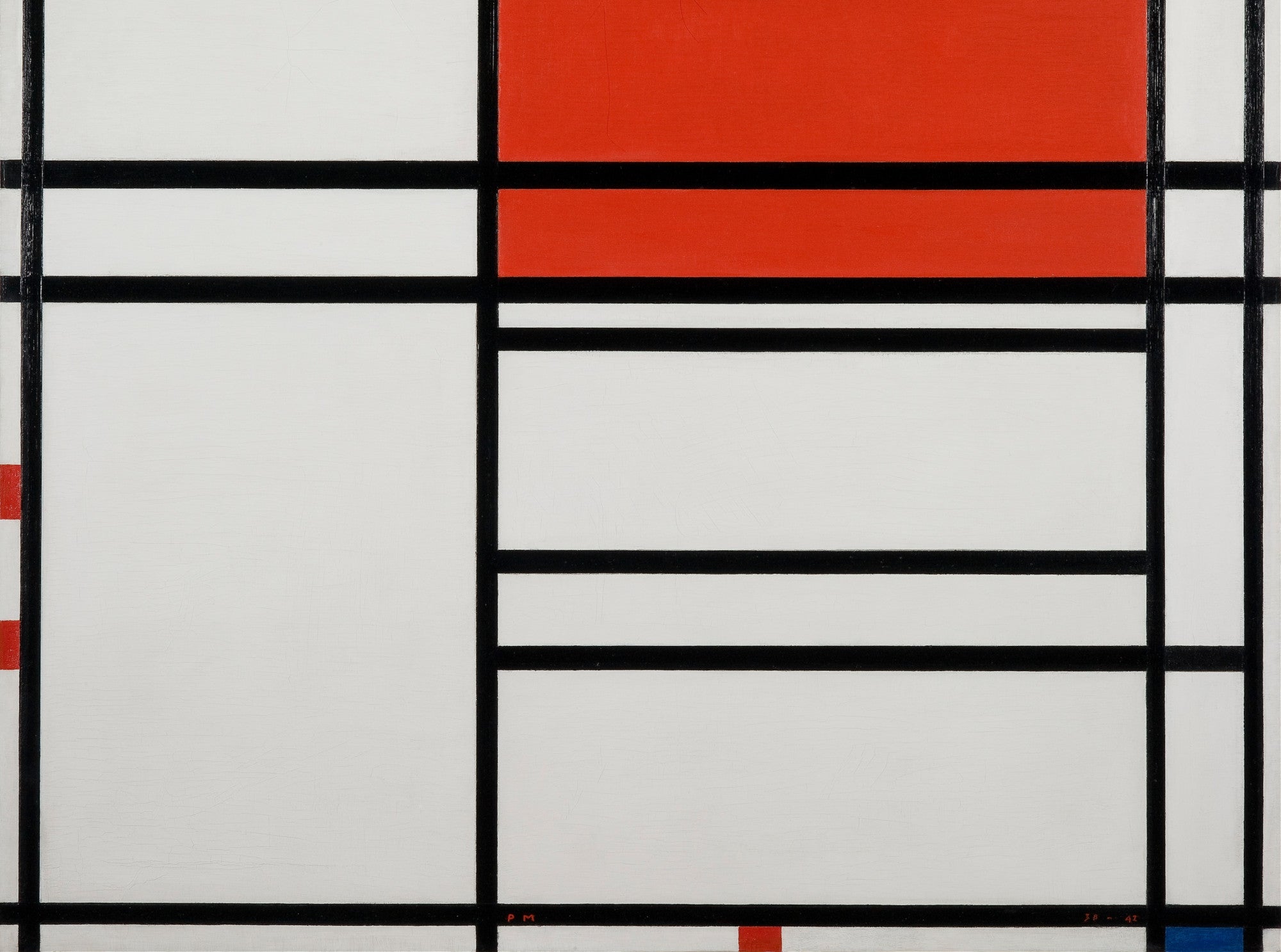
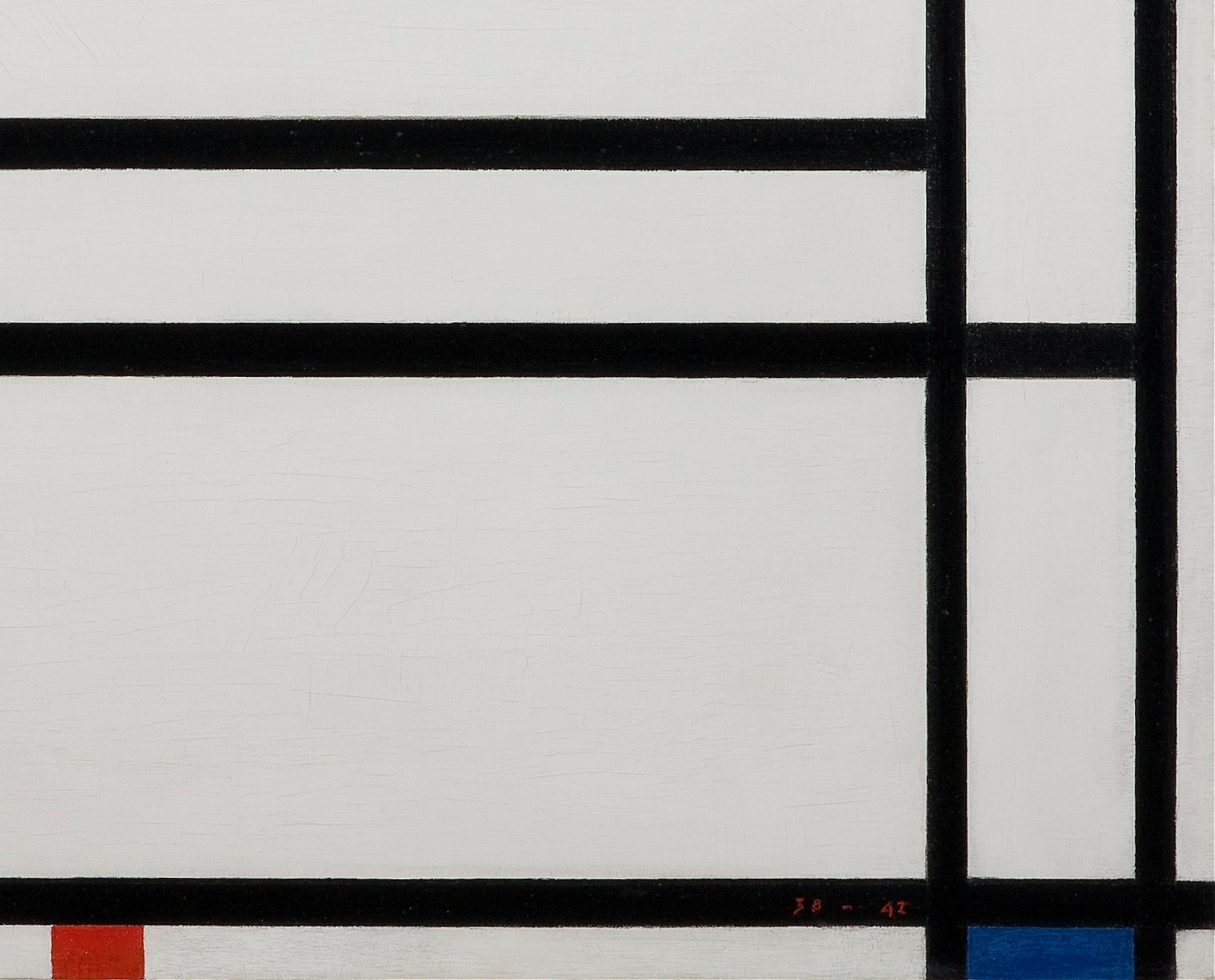
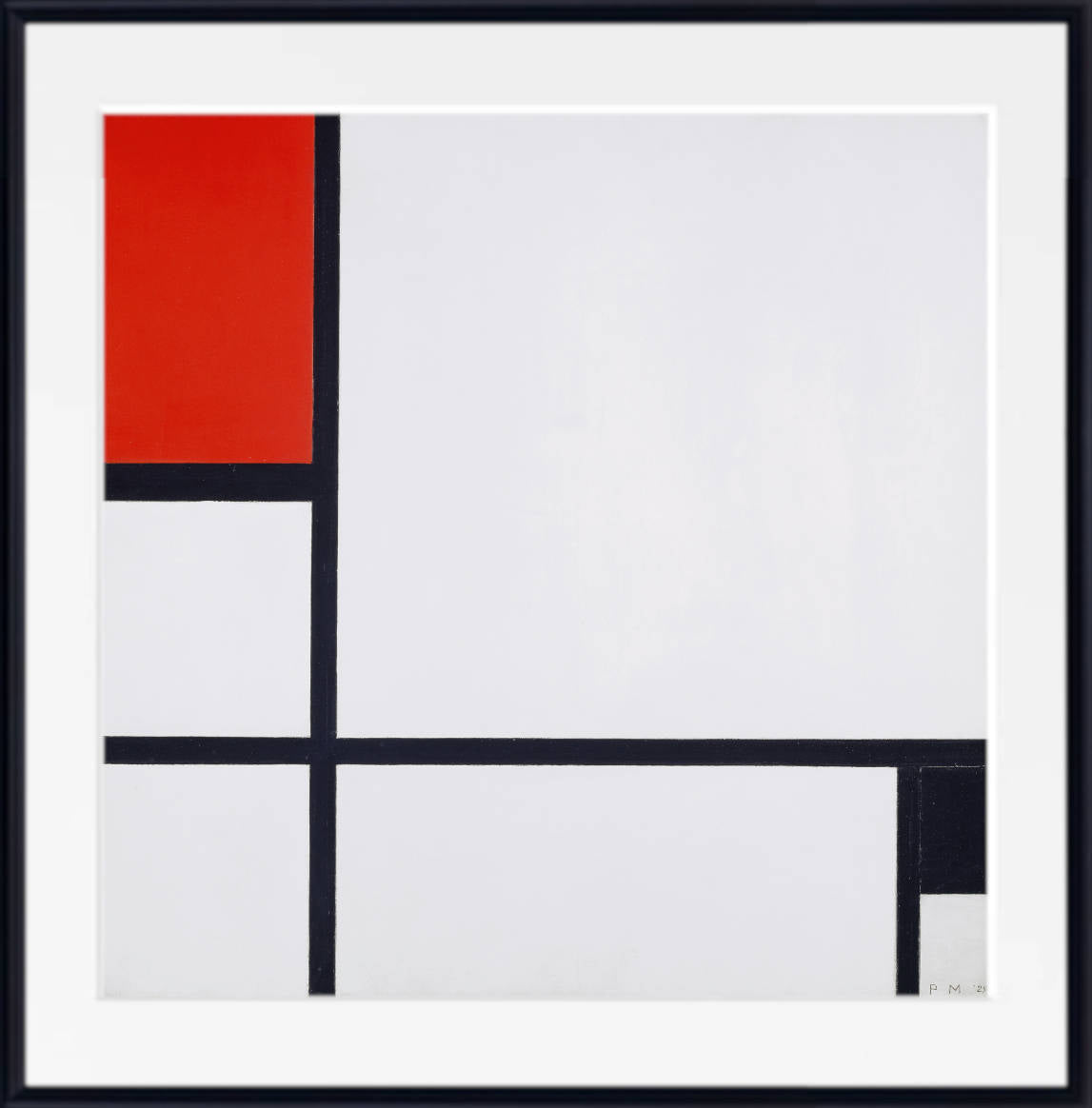
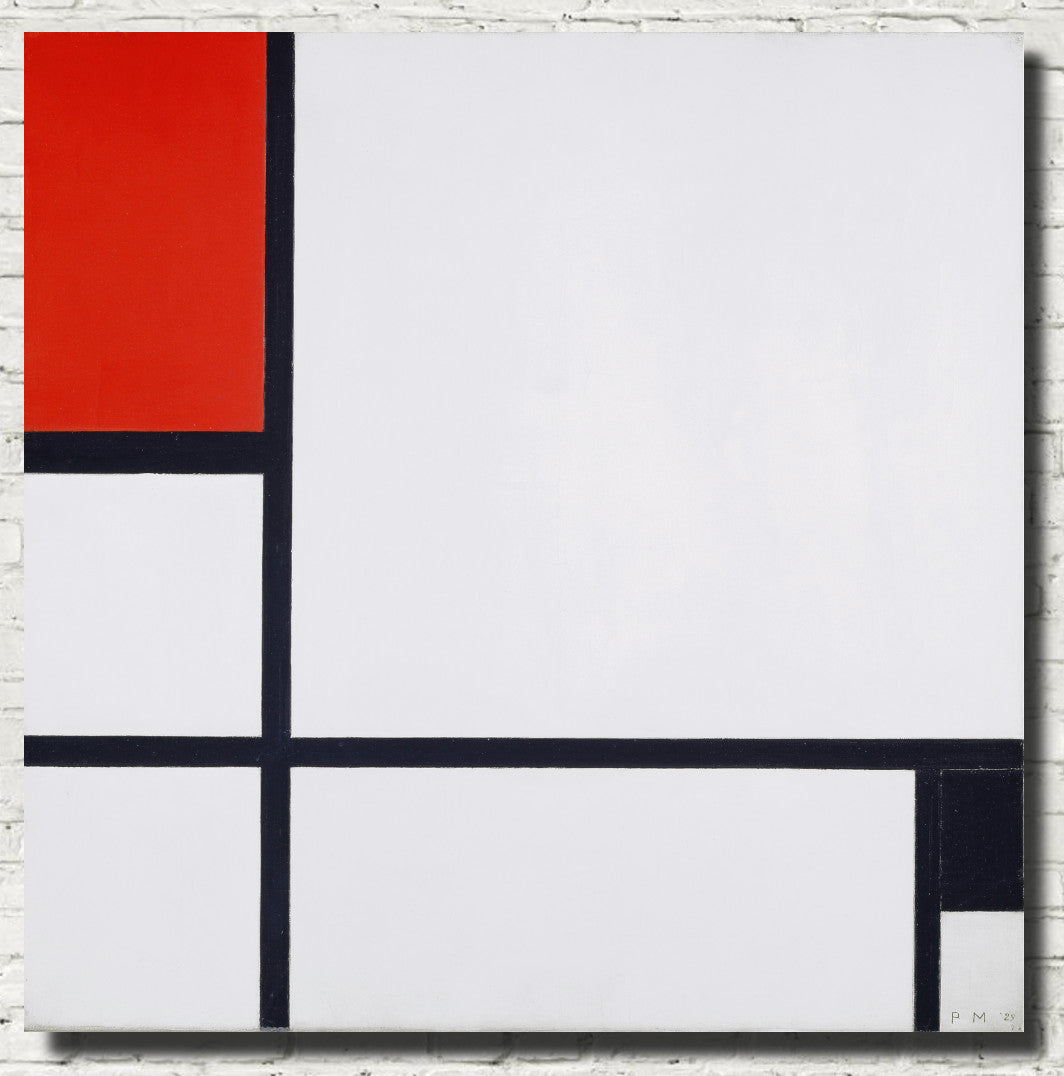
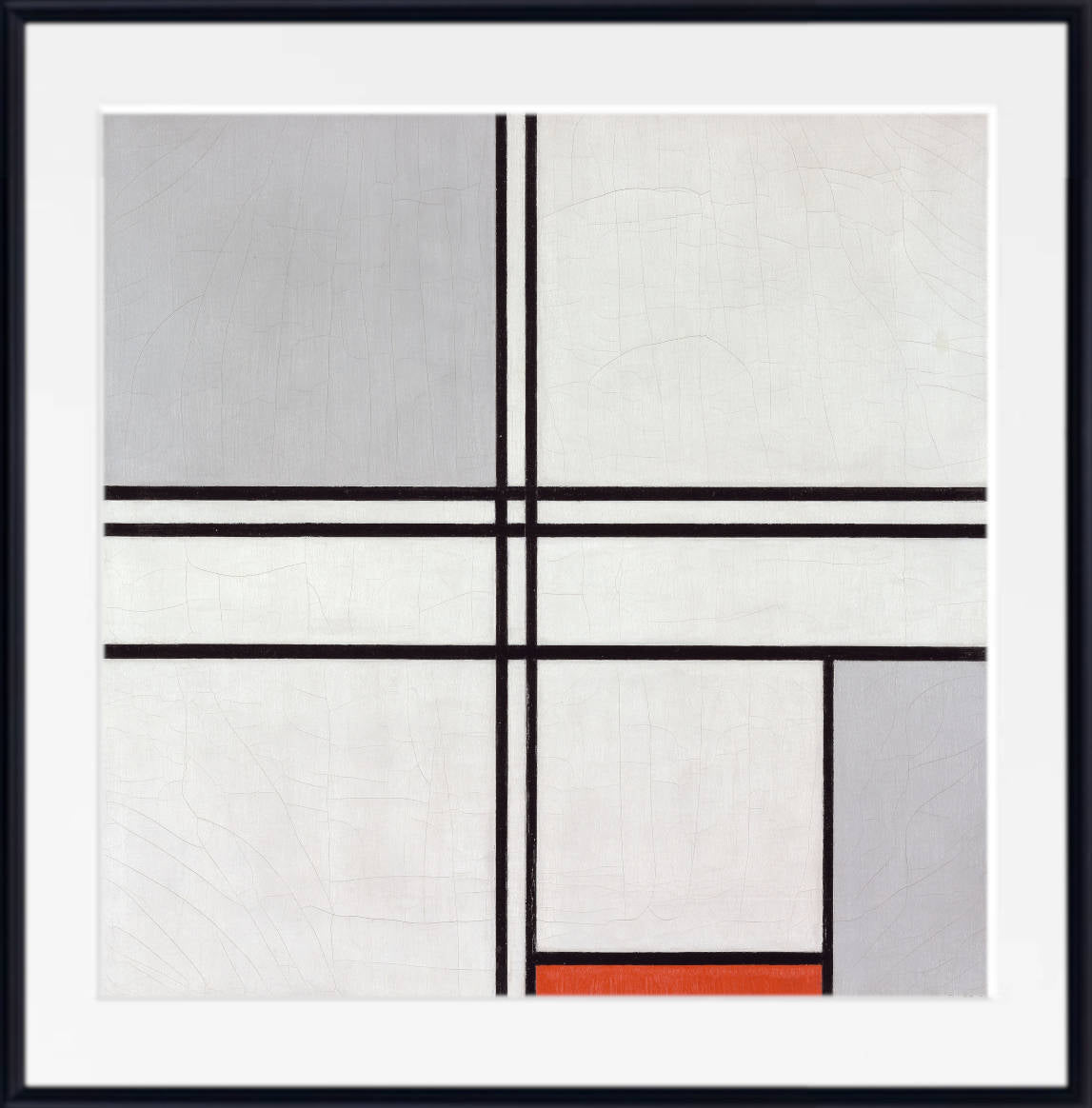
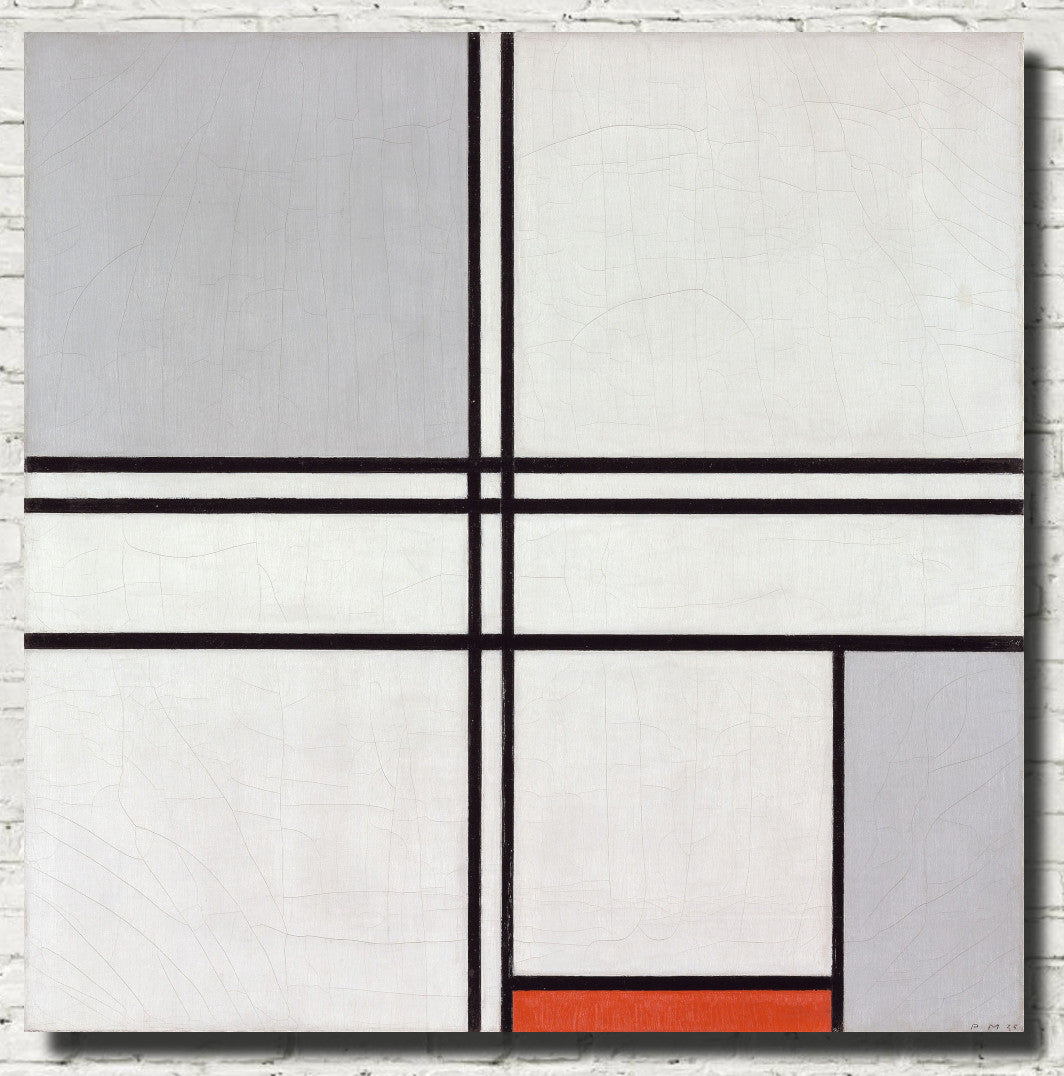
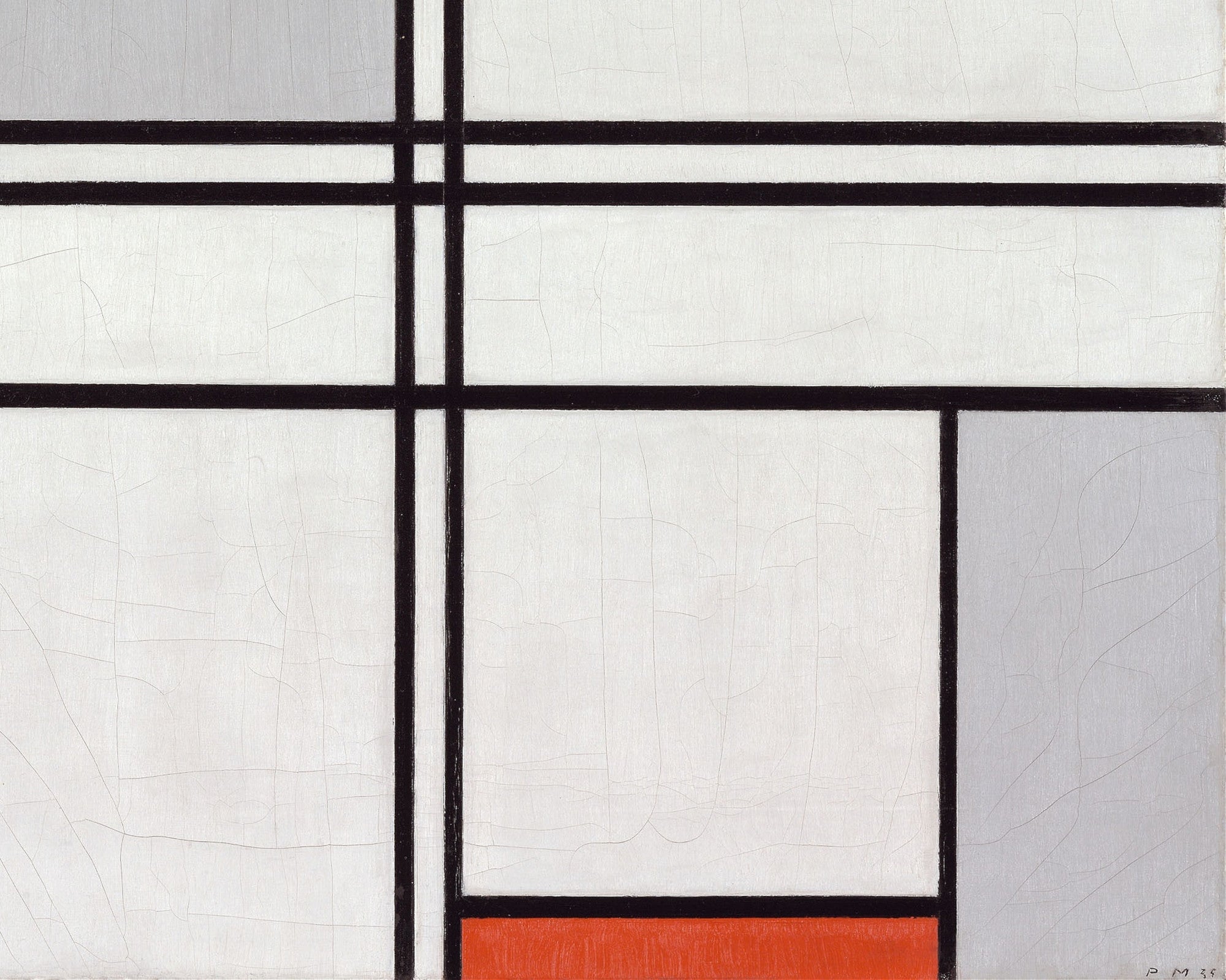
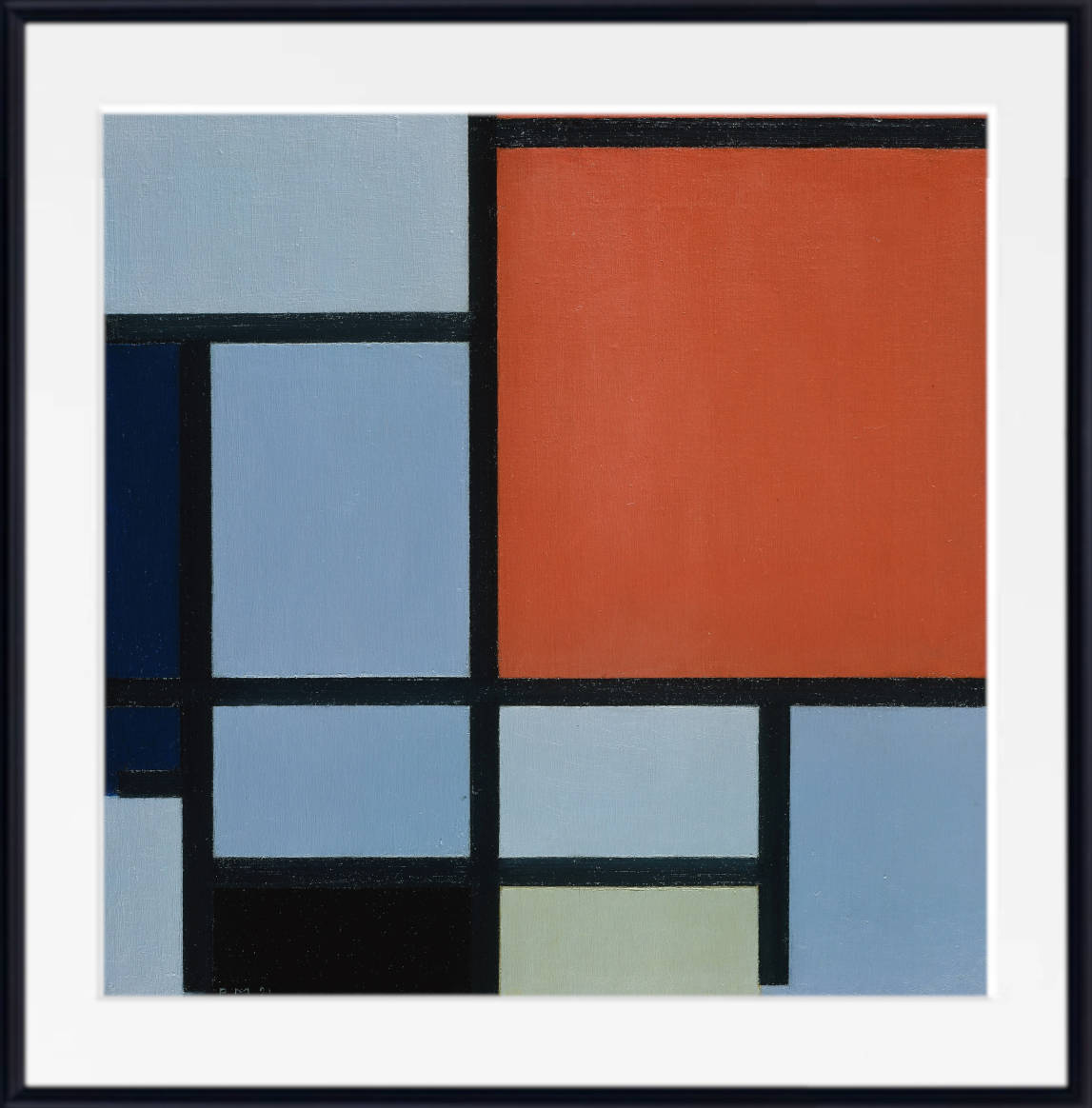
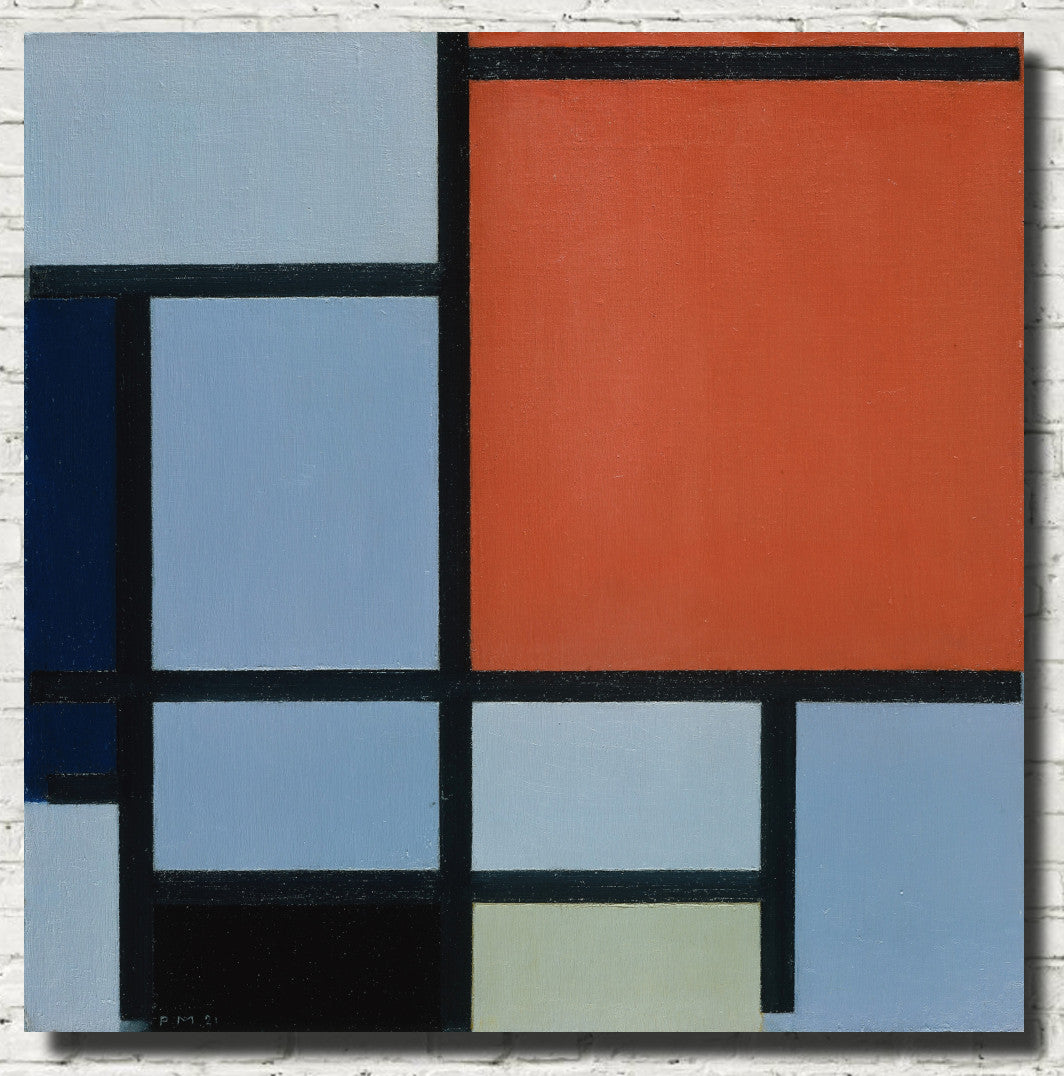
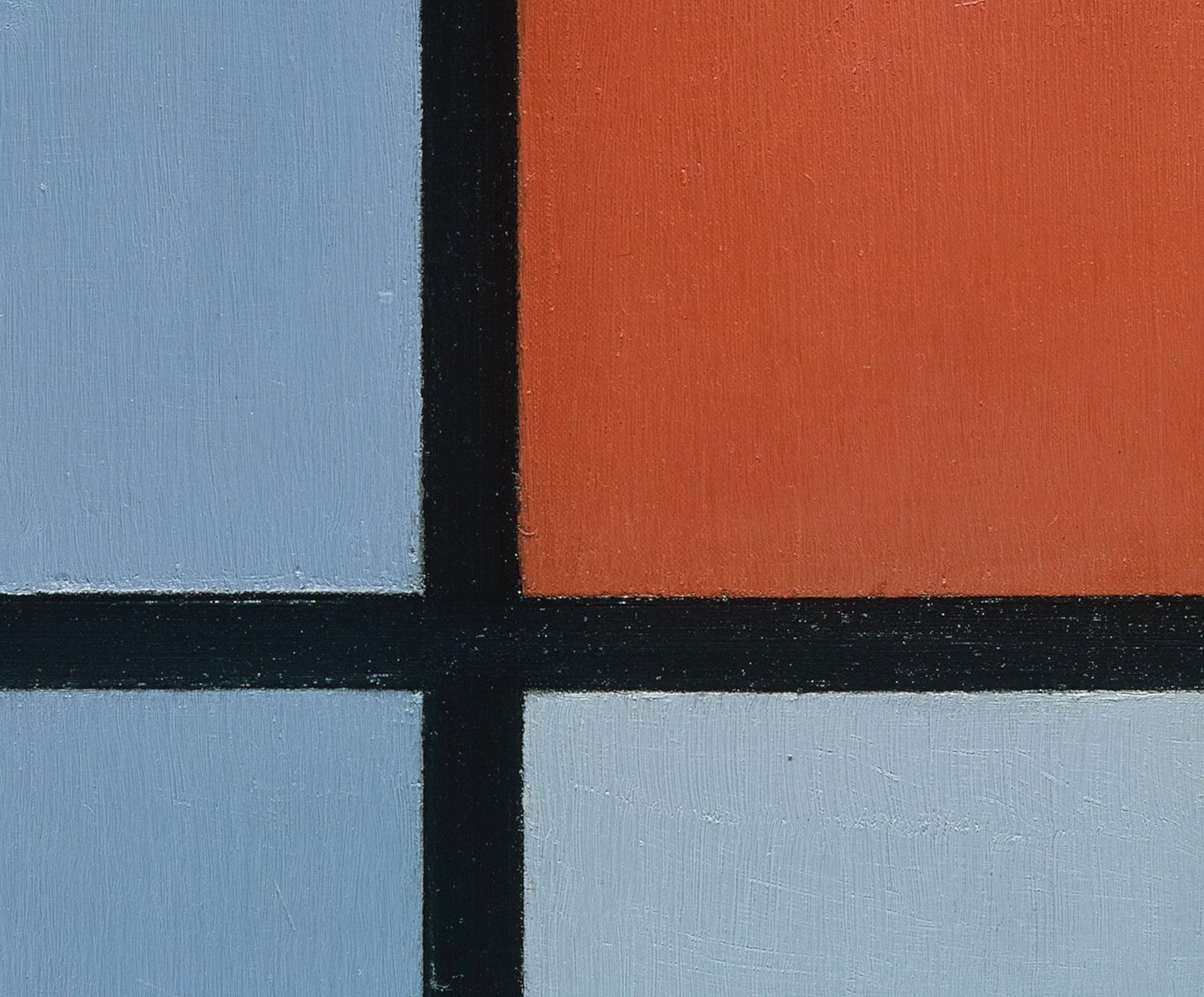
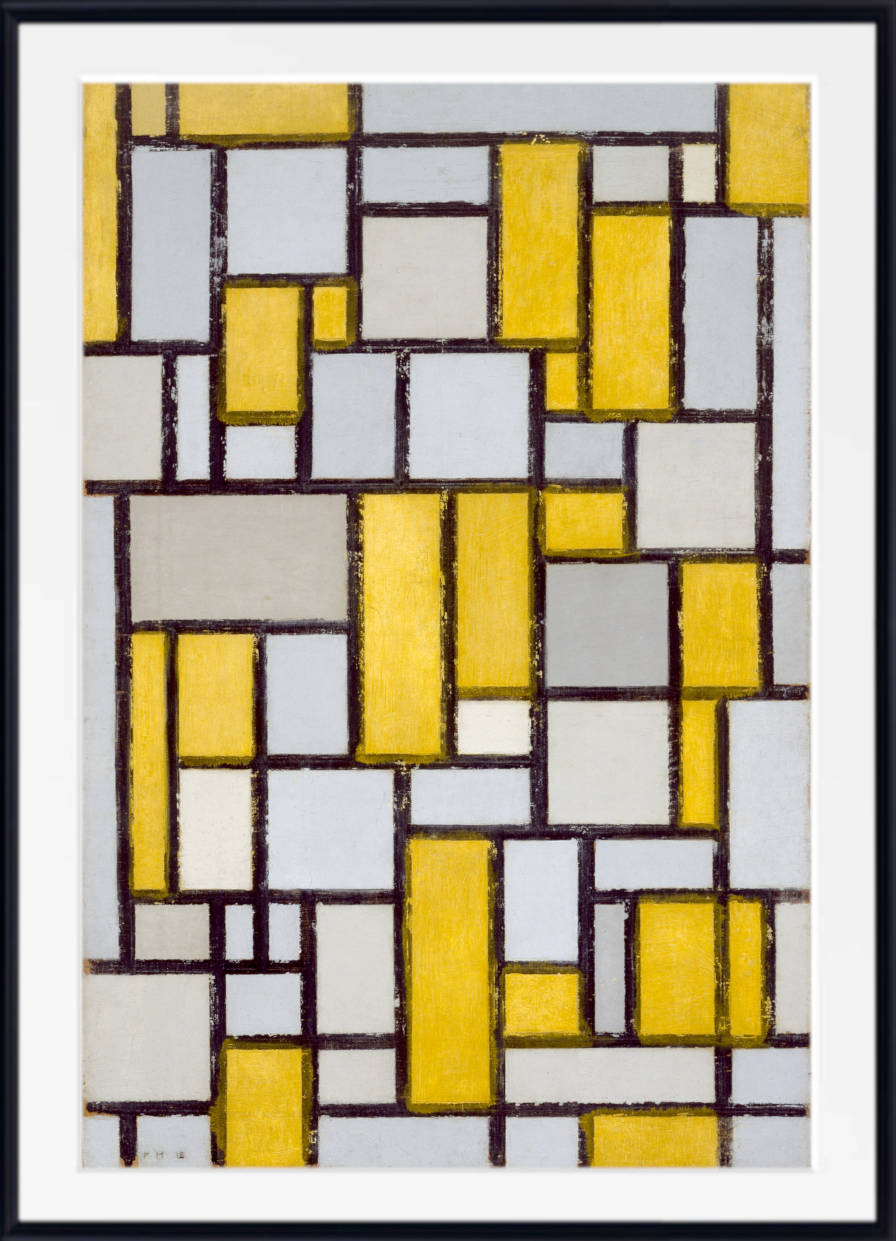
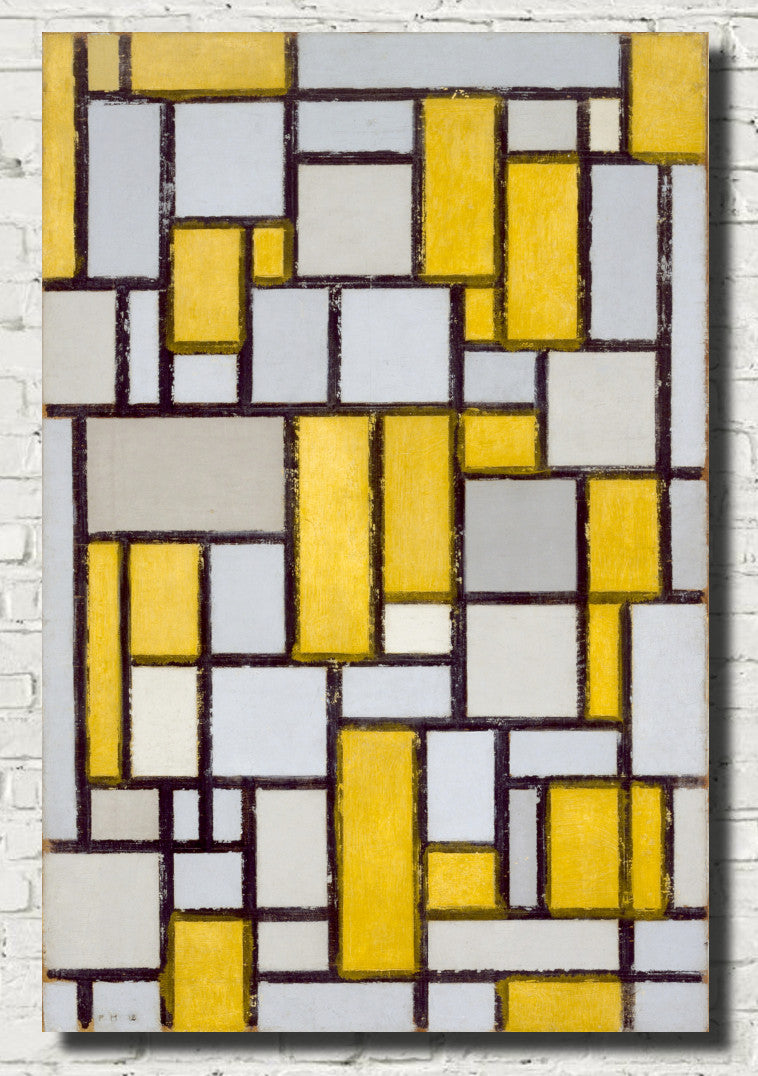
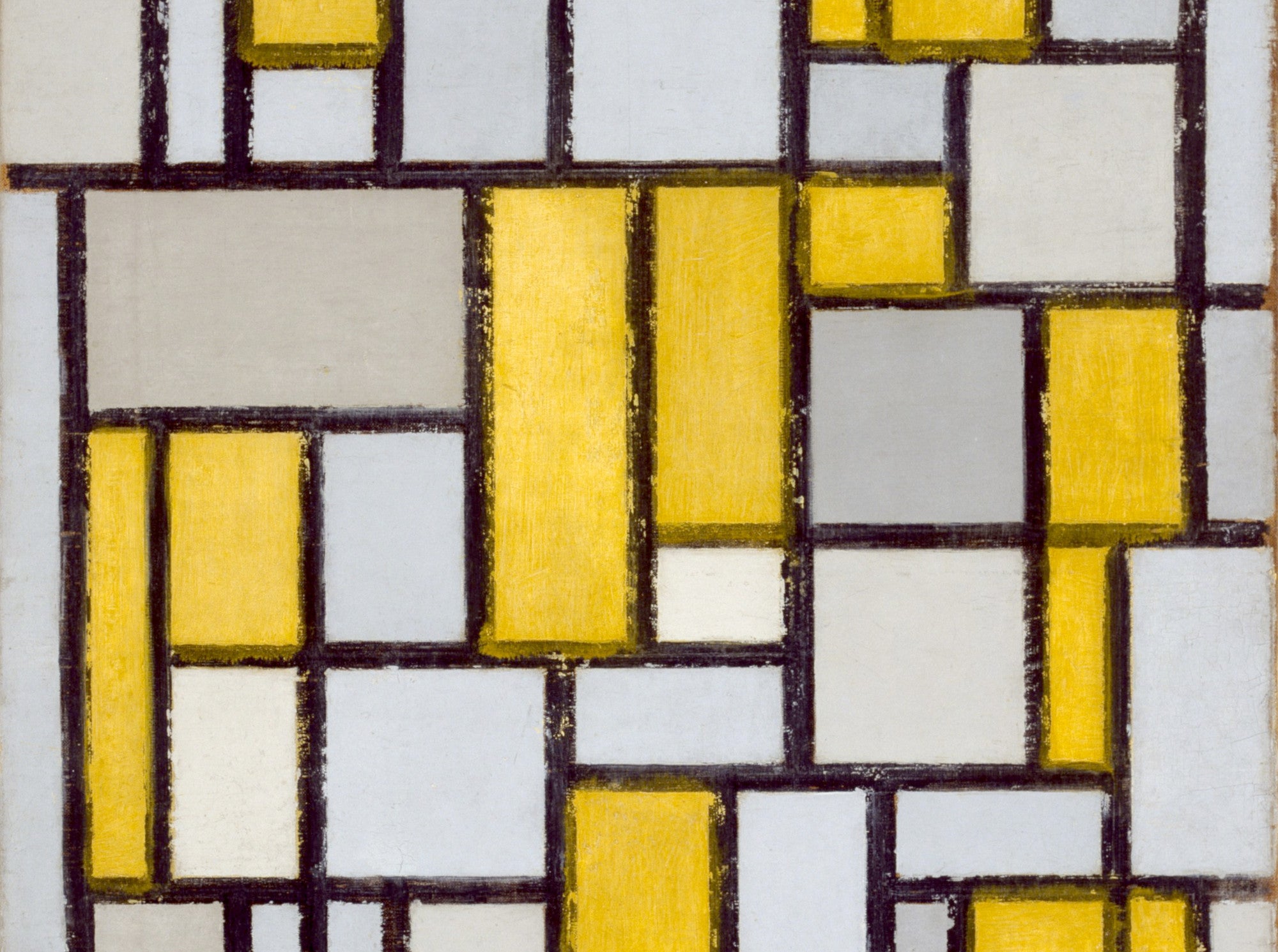
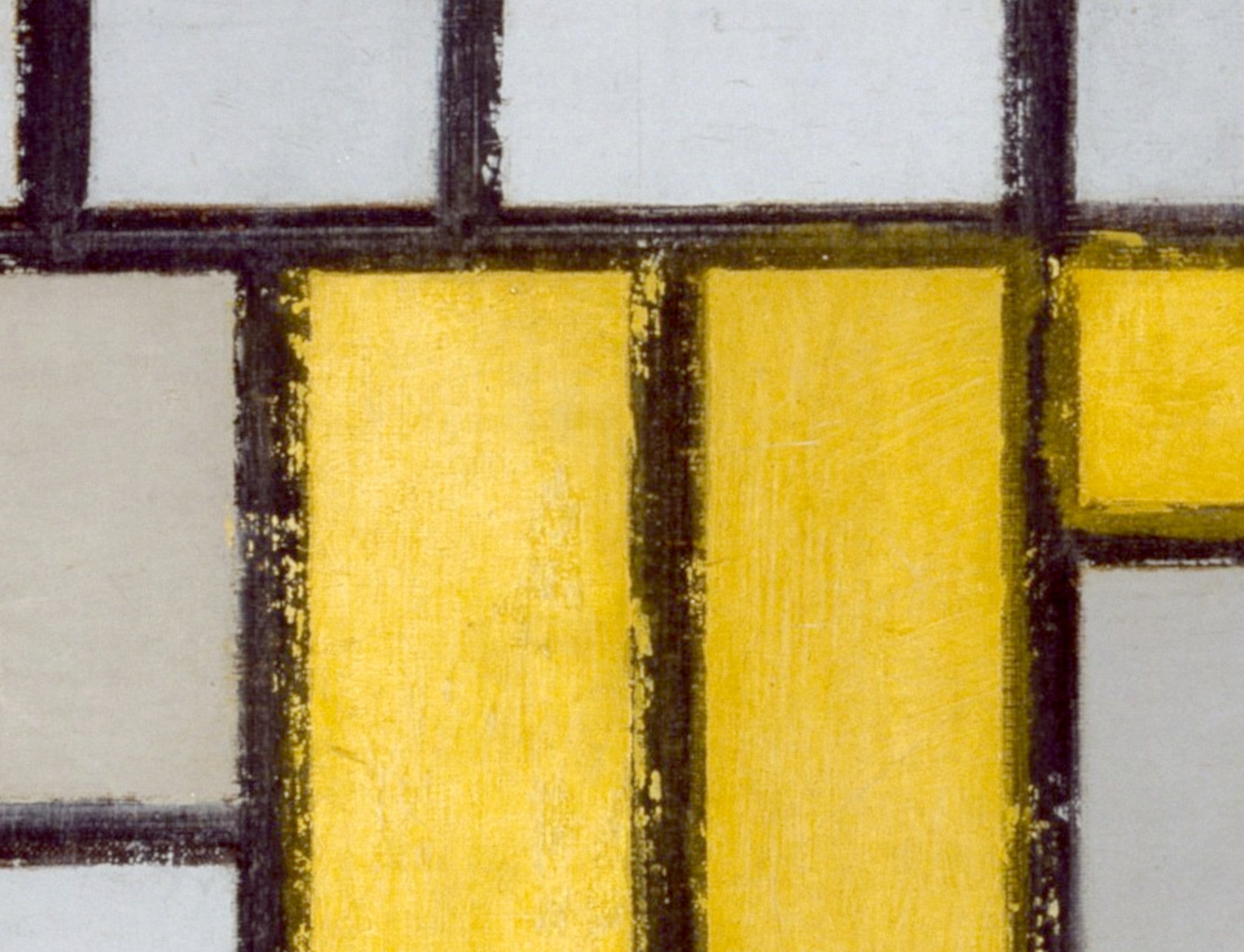
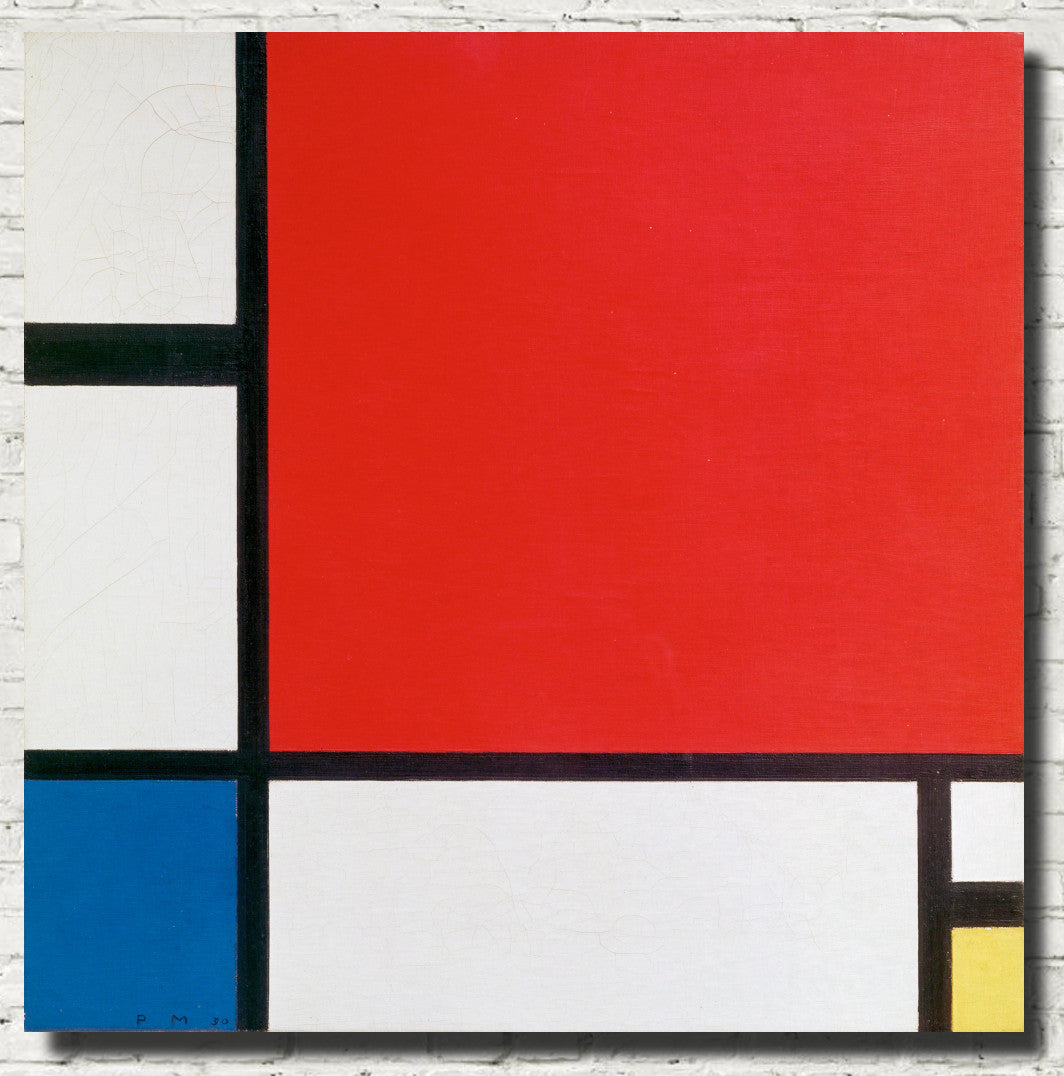
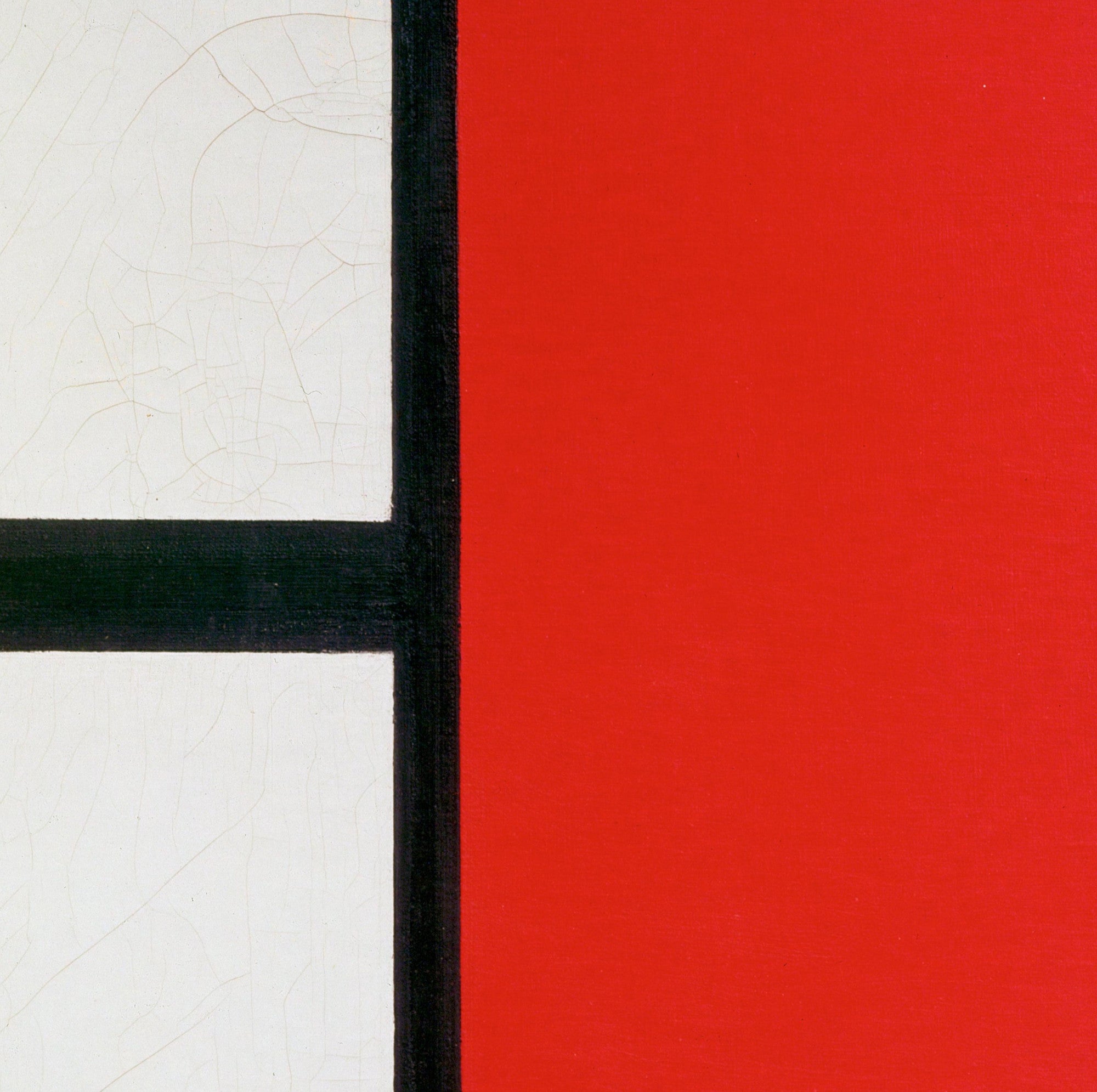
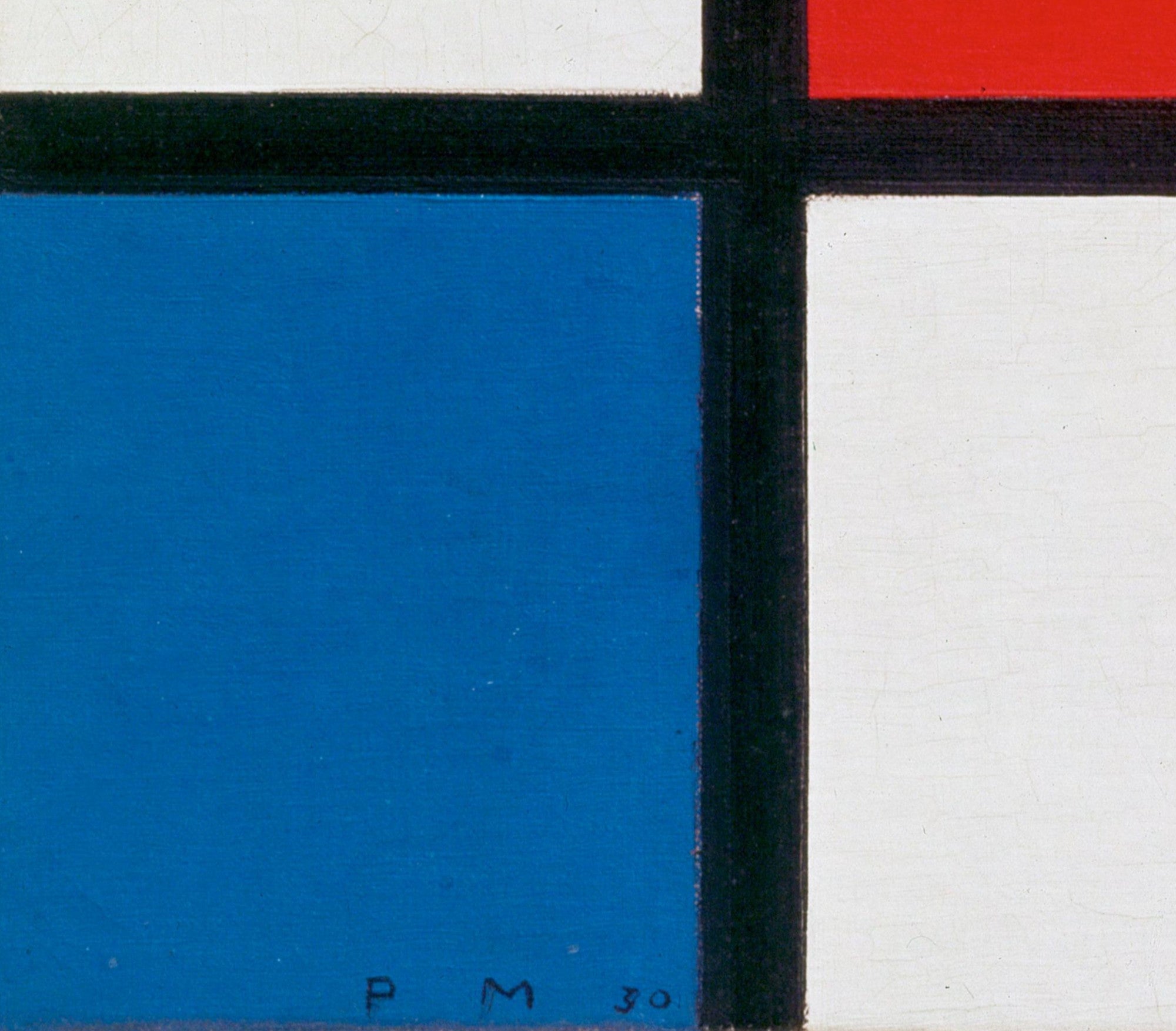
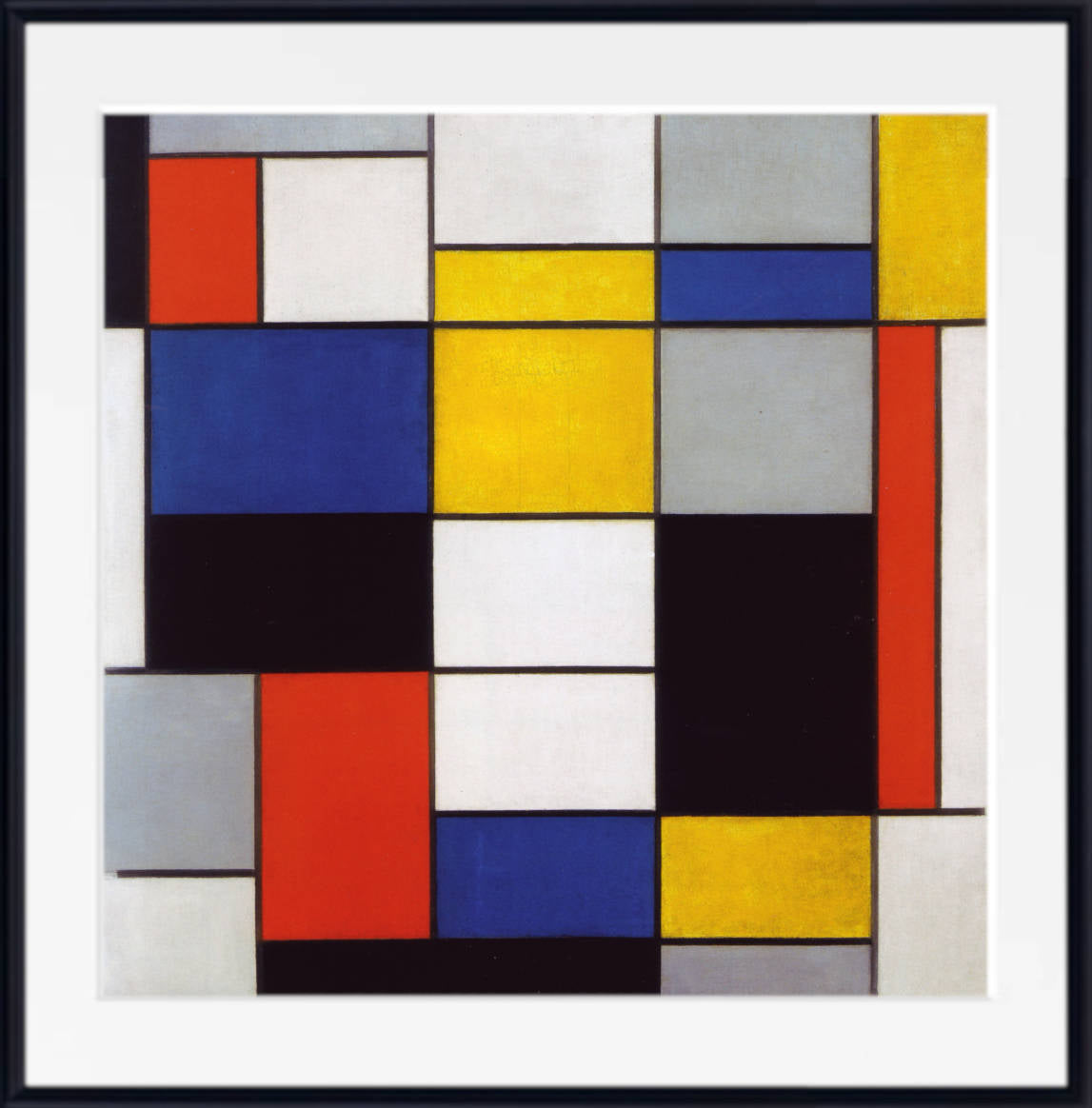
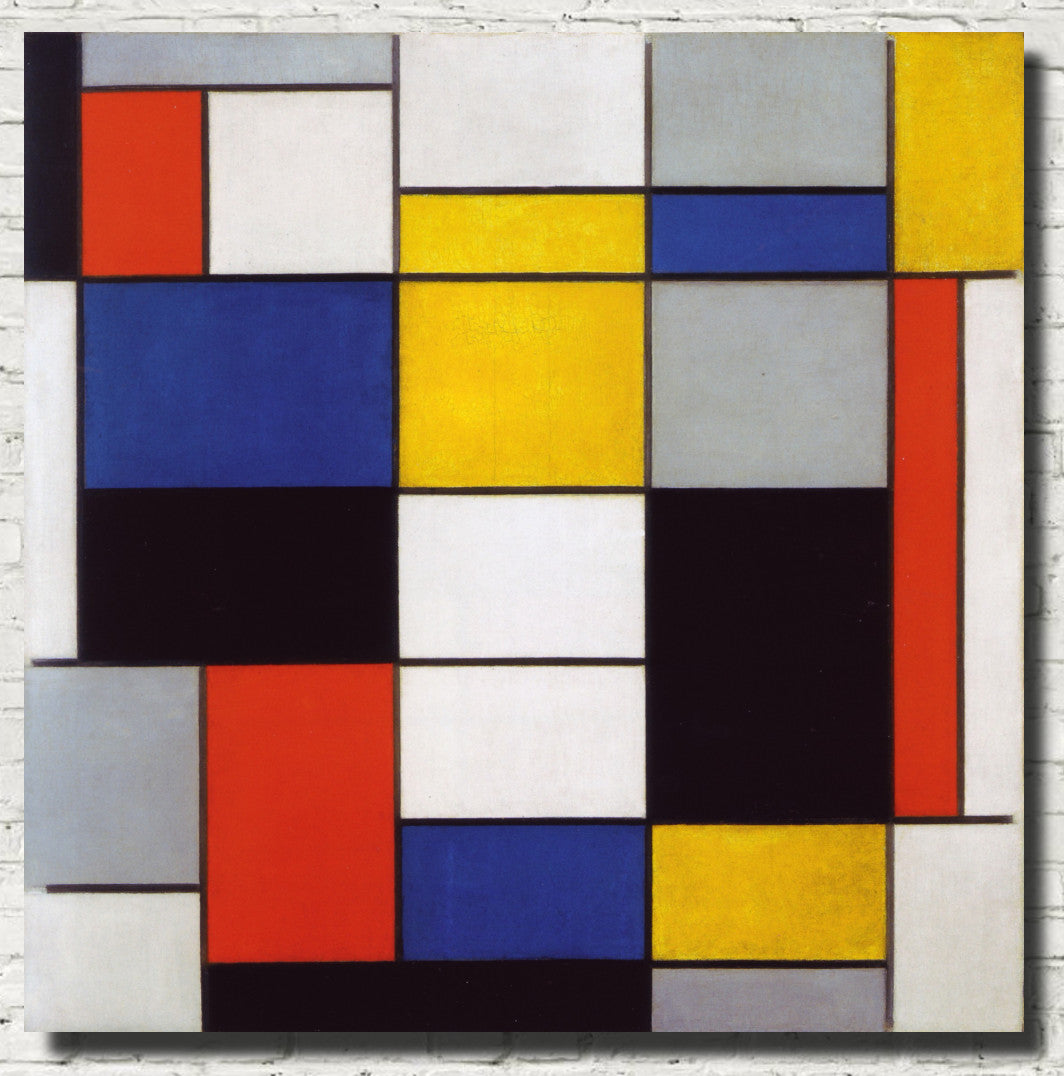
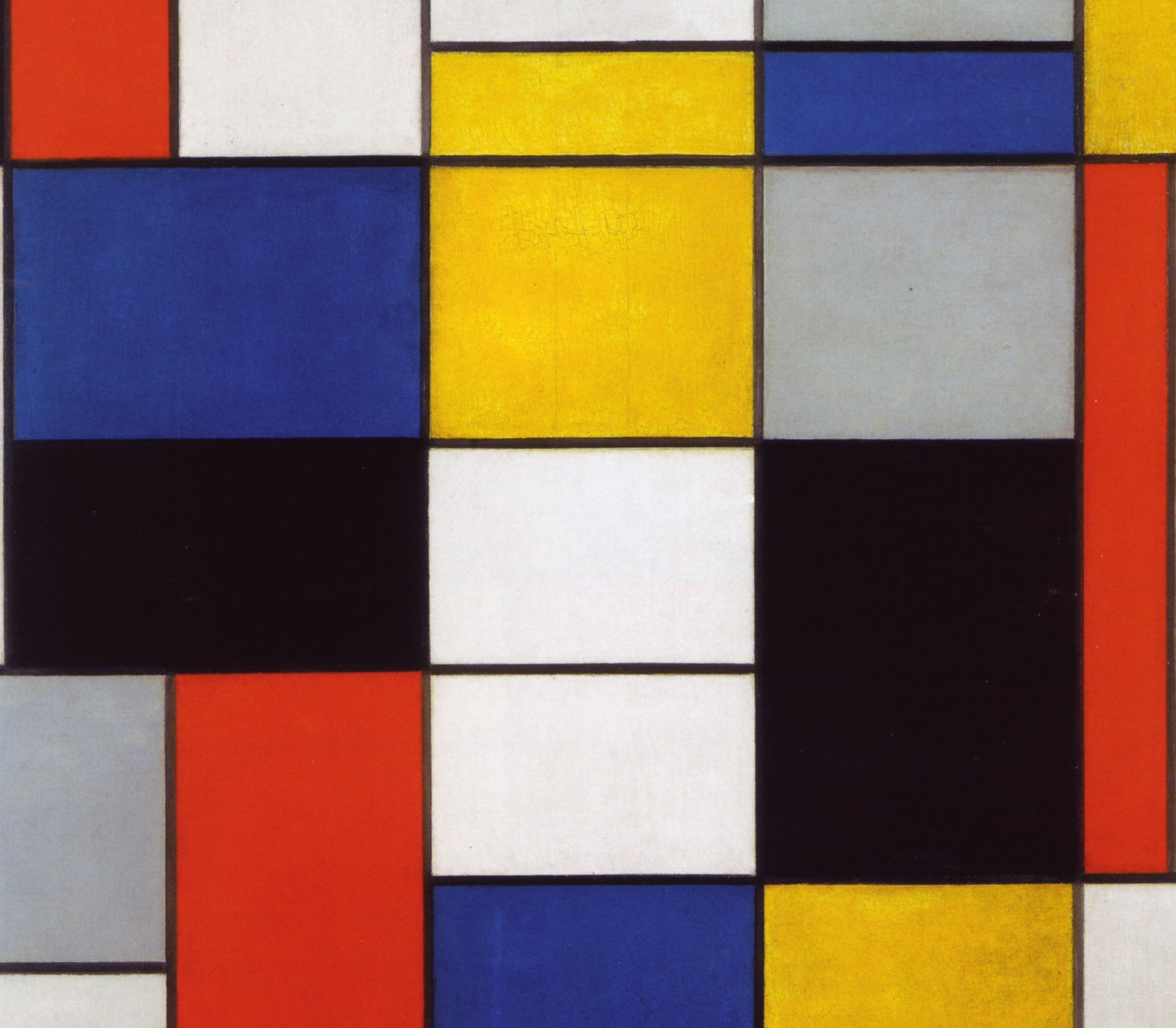
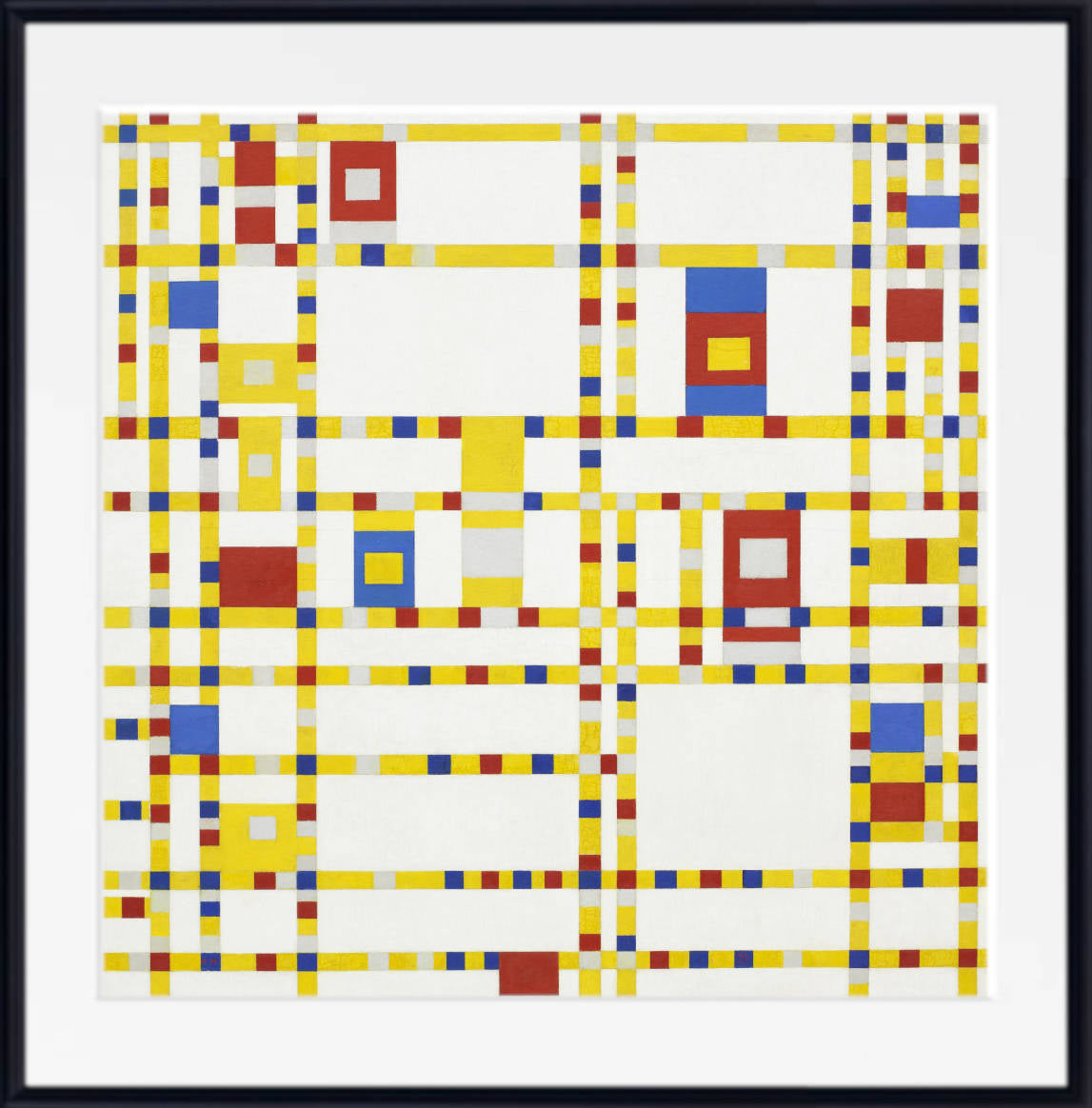
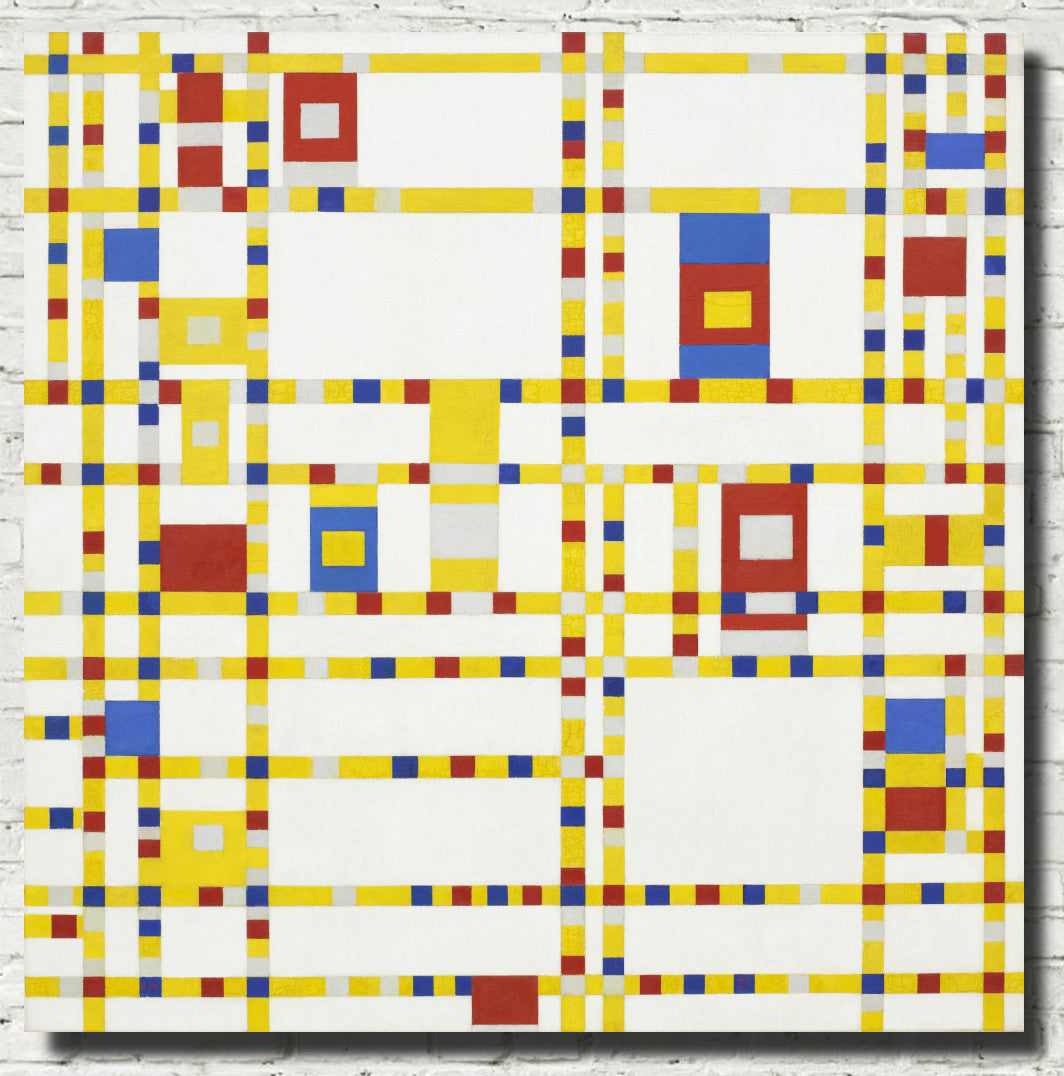
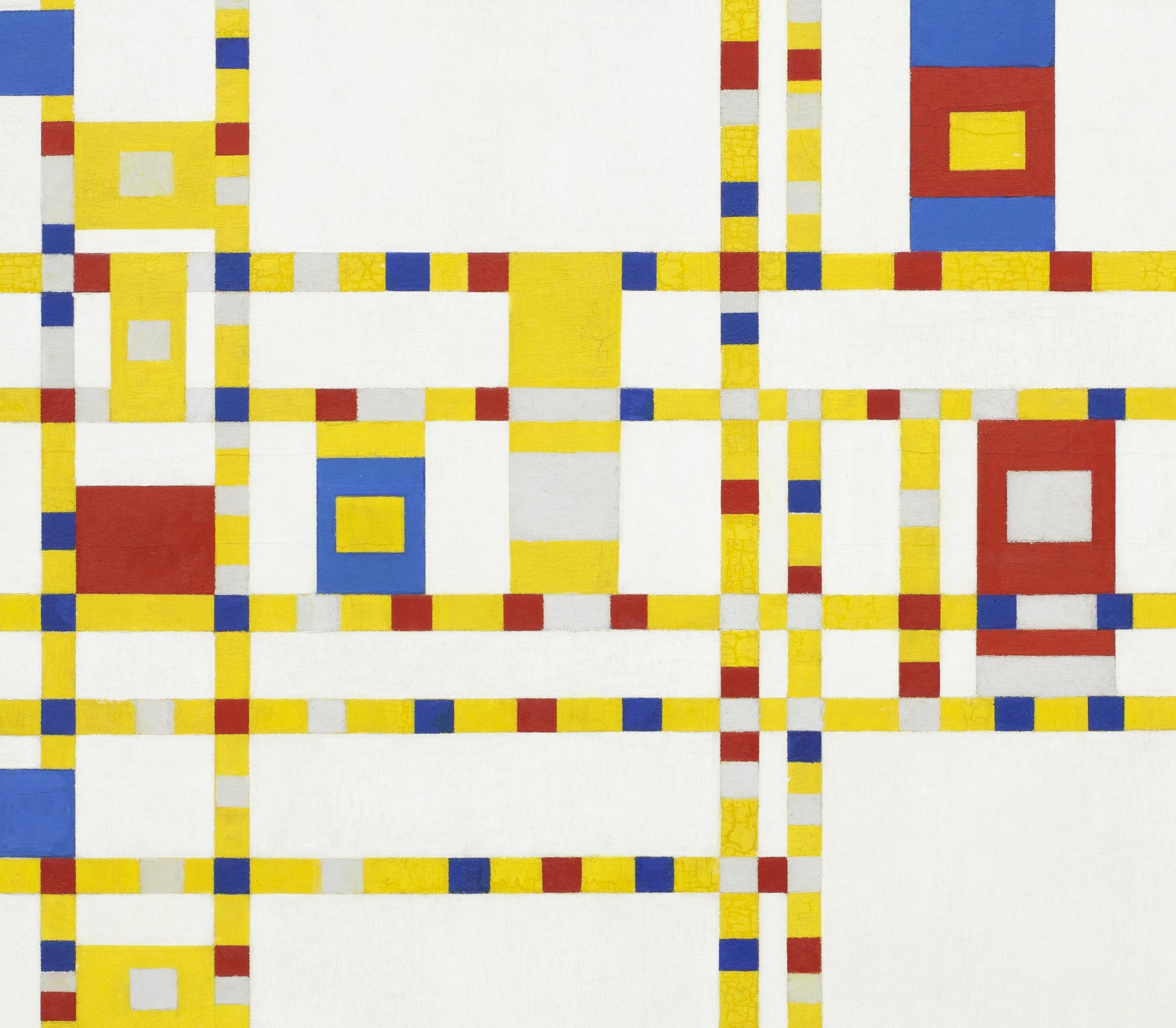
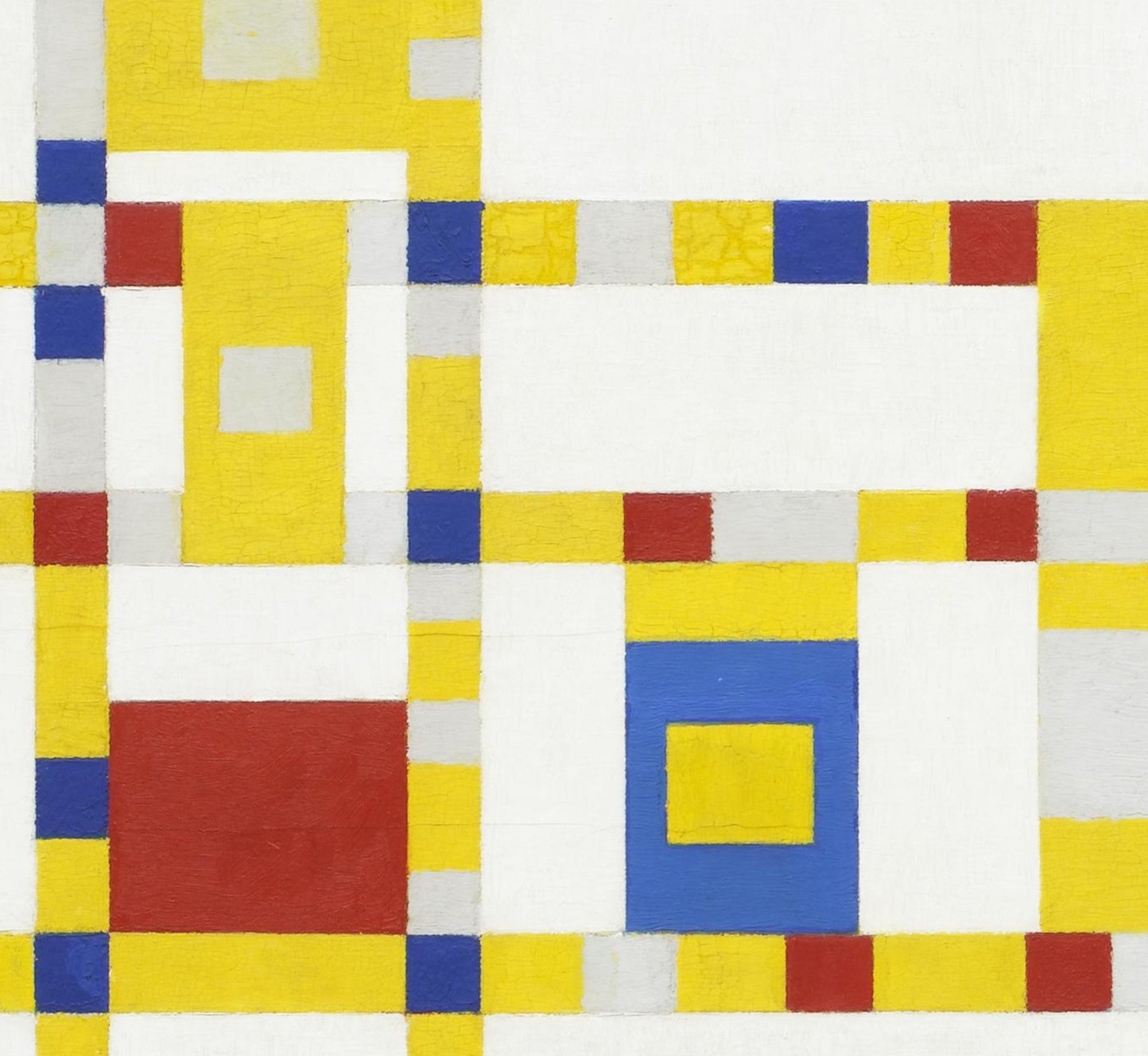
Piet Mondrian developed one of the most recognisable forms of geometric abstraction. By reducing his compositions to vertical and horizontal black lines combined with areas of white and primary colour, Mondrian created a visual language based on balance, proportion and harmony.
His geometric prints work particularly well in minimalist and modern interiors because their clean structure can complement architectural lines, simple furniture and uncluttered spaces. Famous compositions using red, blue, yellow, black and white can also introduce strong colour without overwhelming a room.
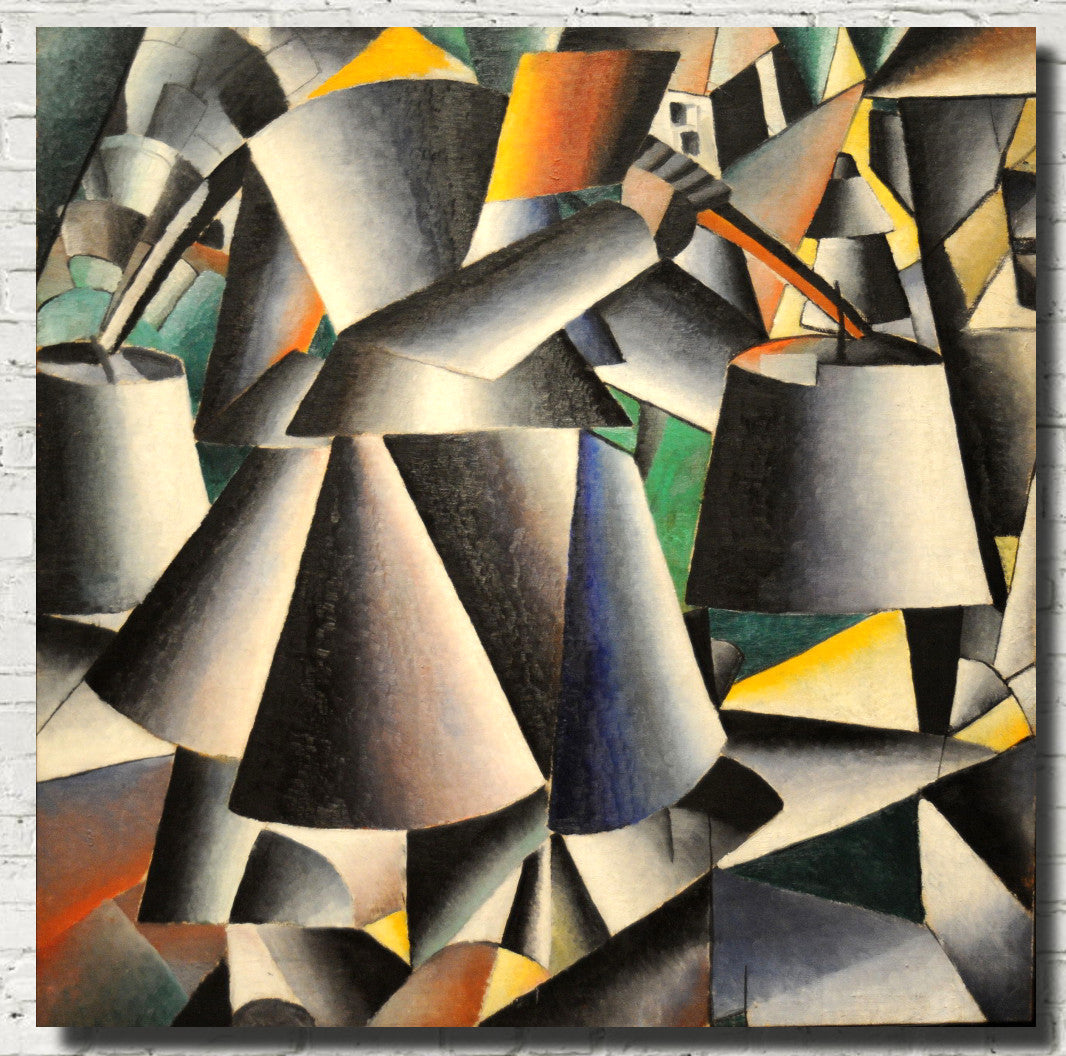
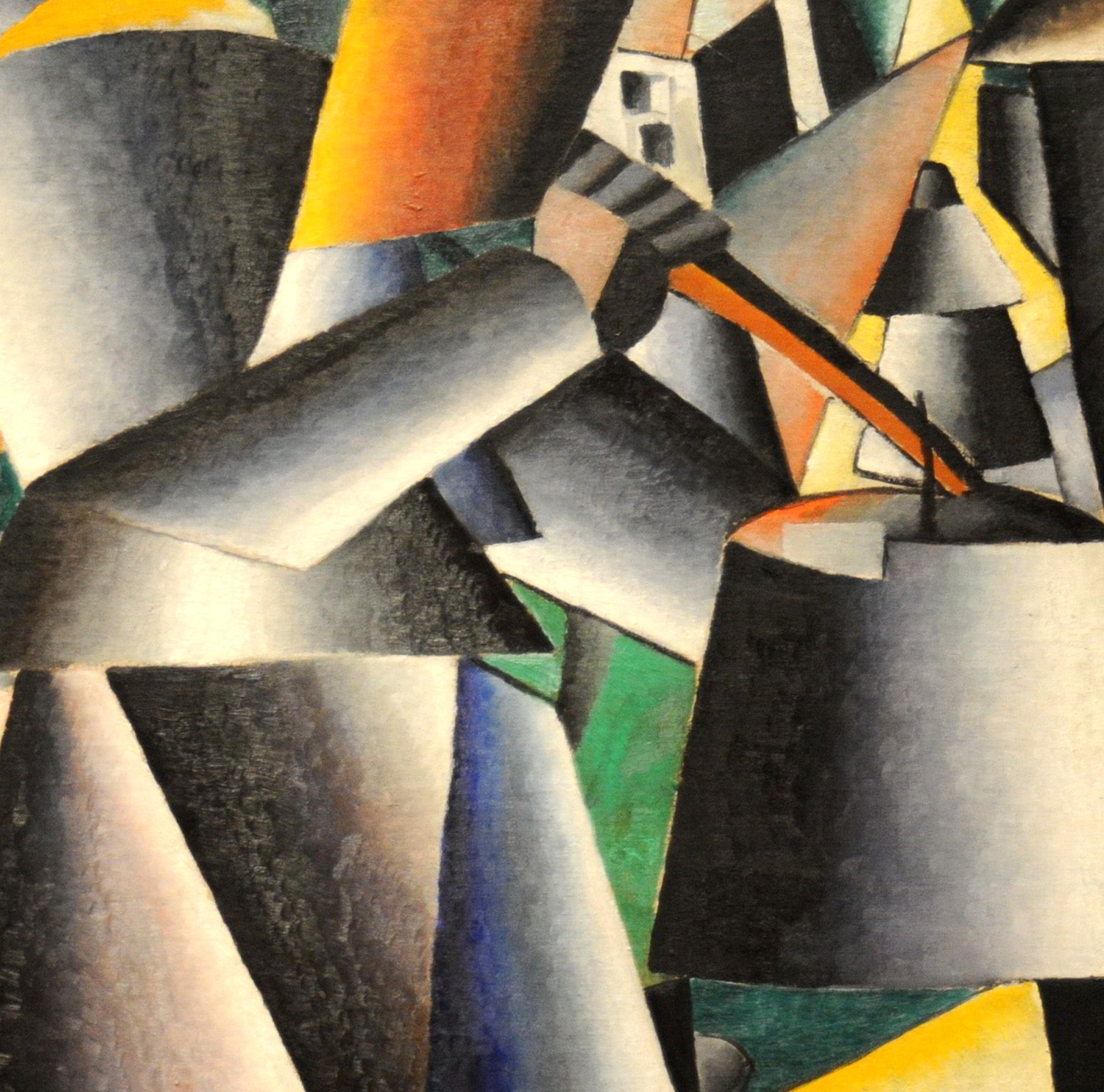
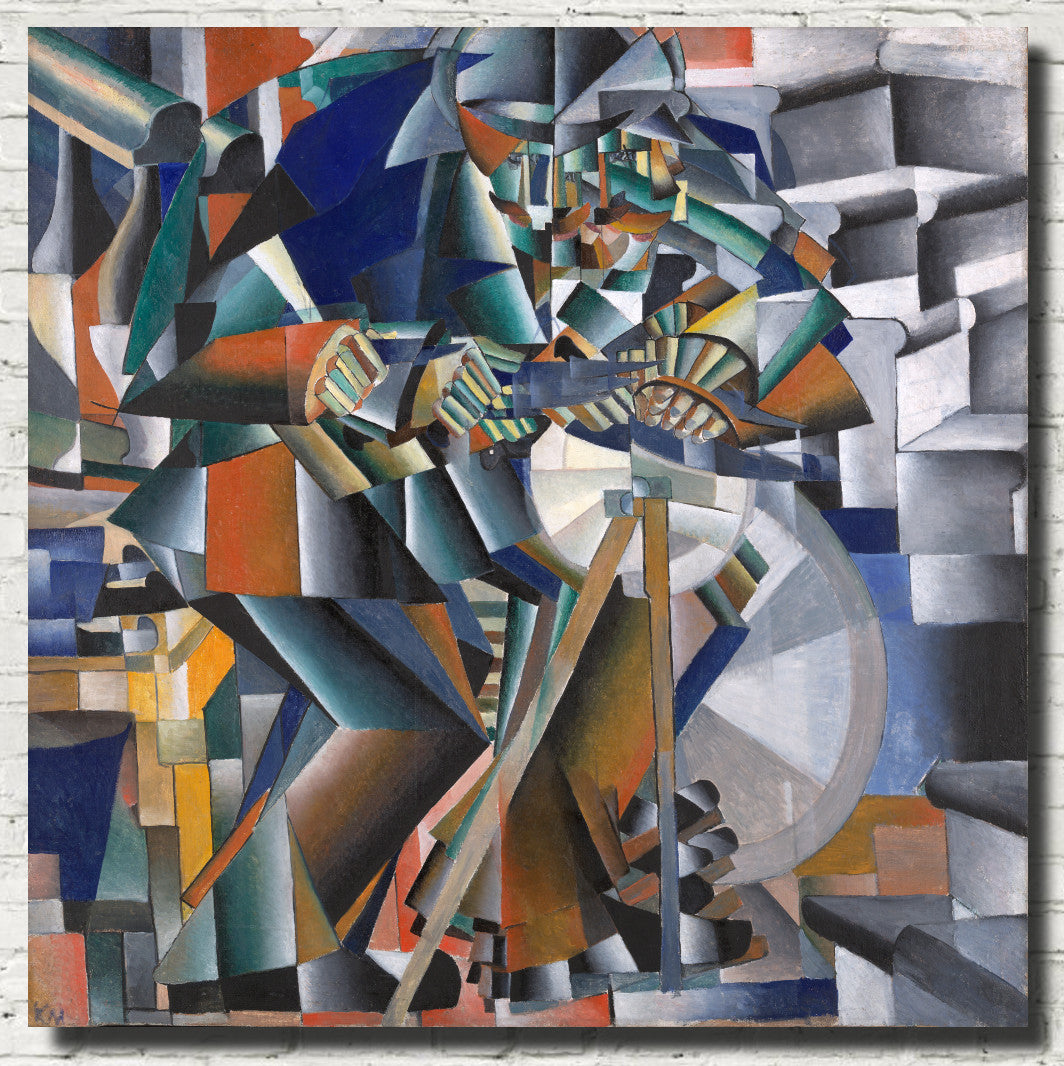
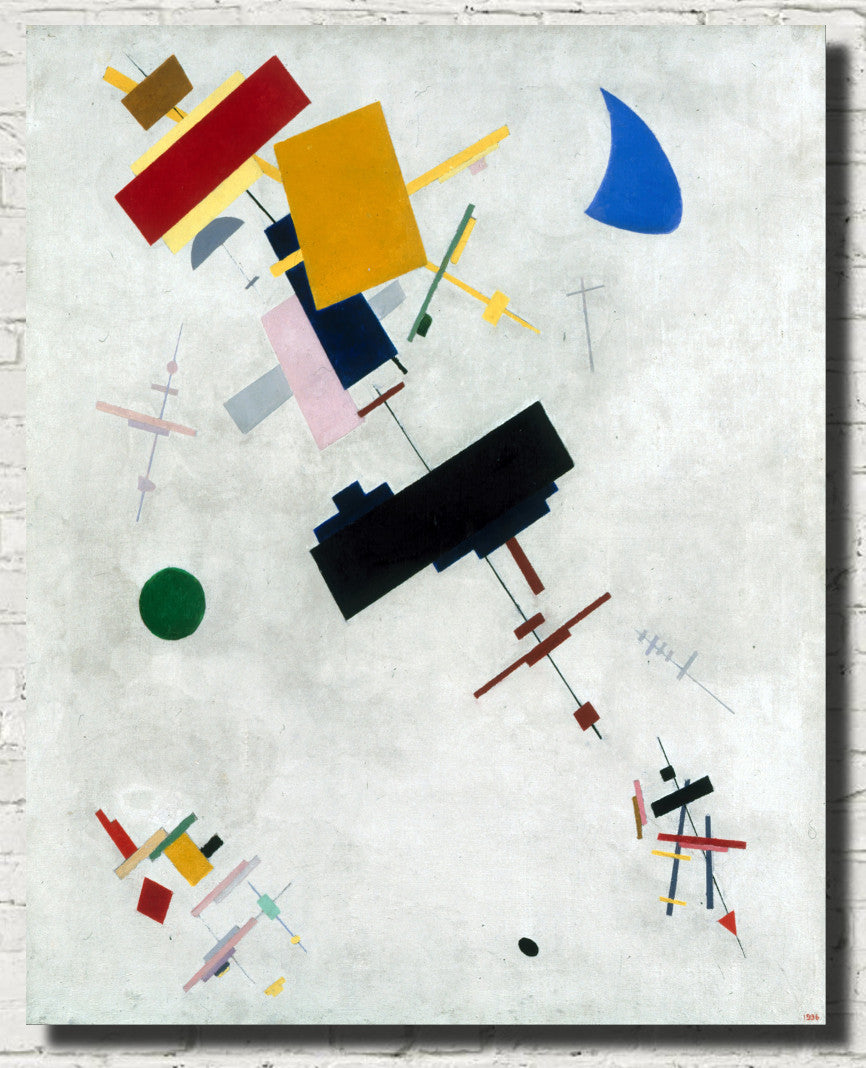
Kazimir Malevich and Suprematist Art
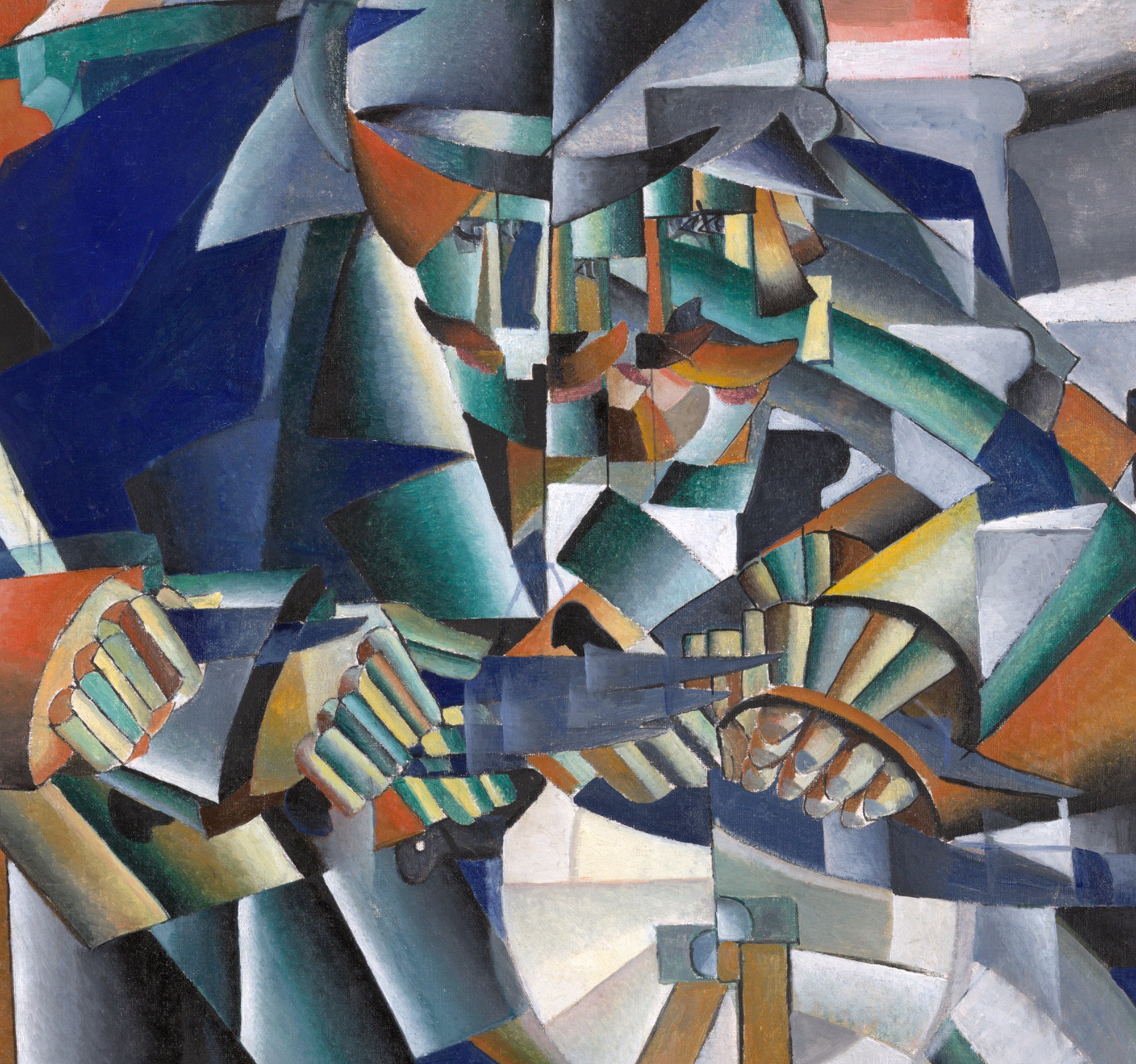
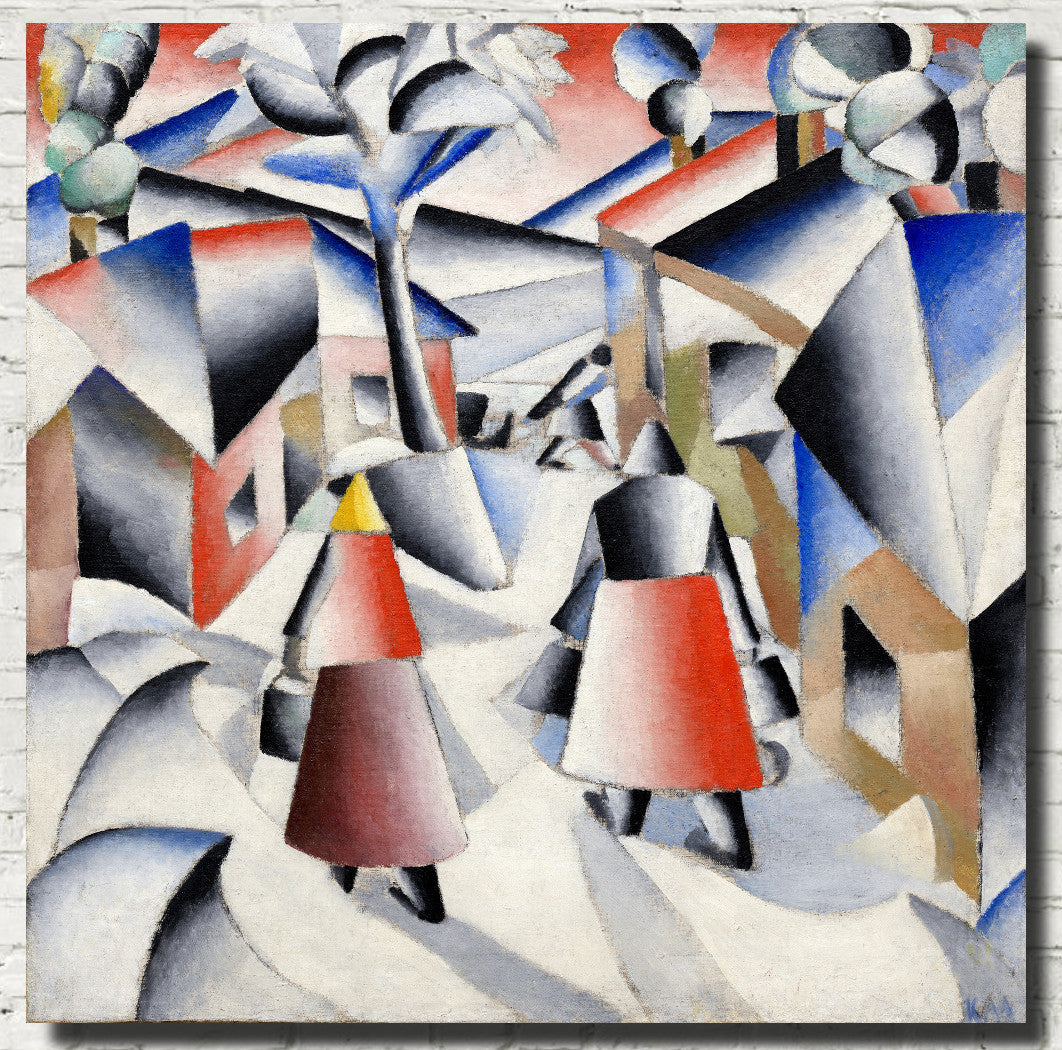
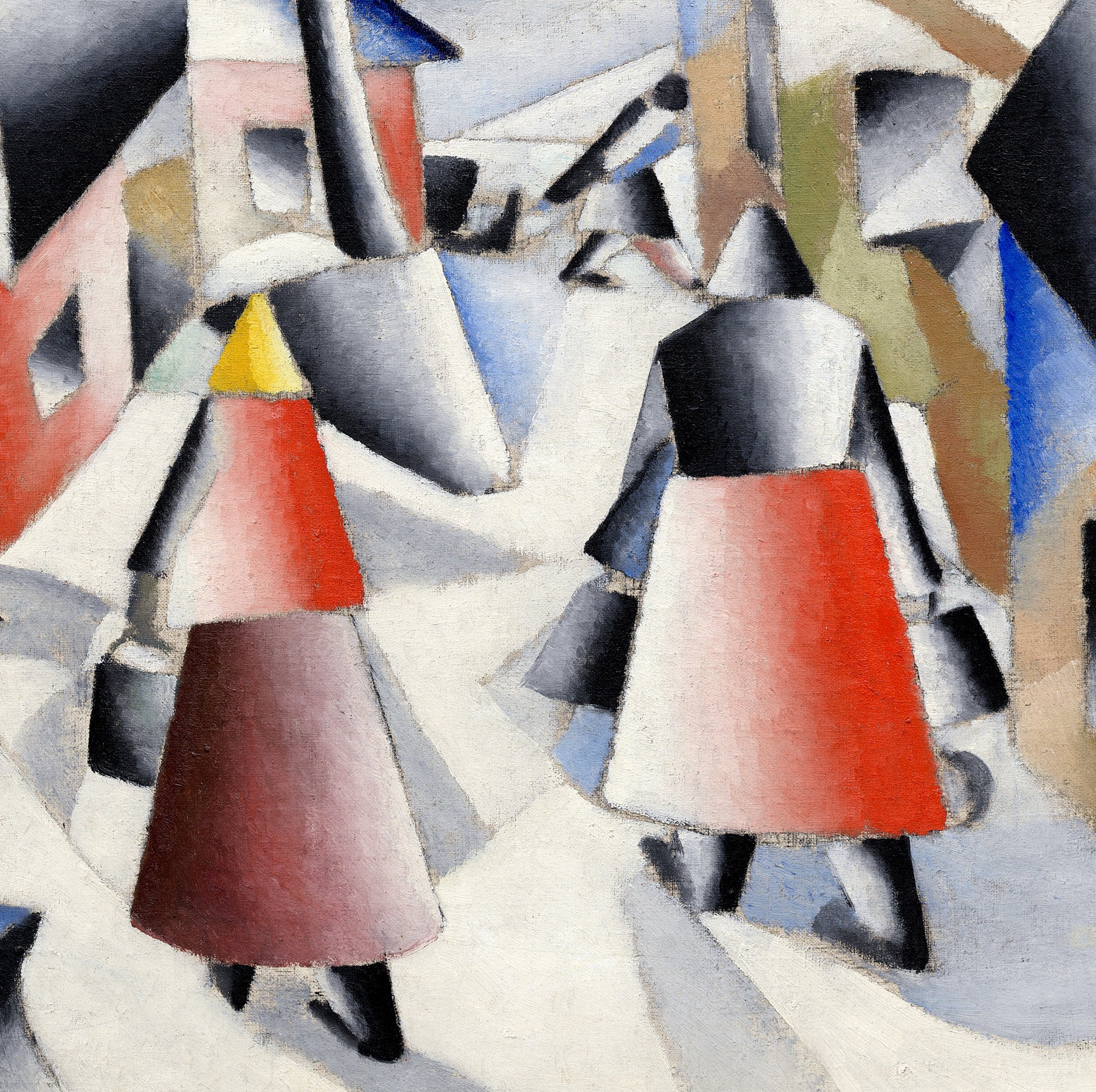
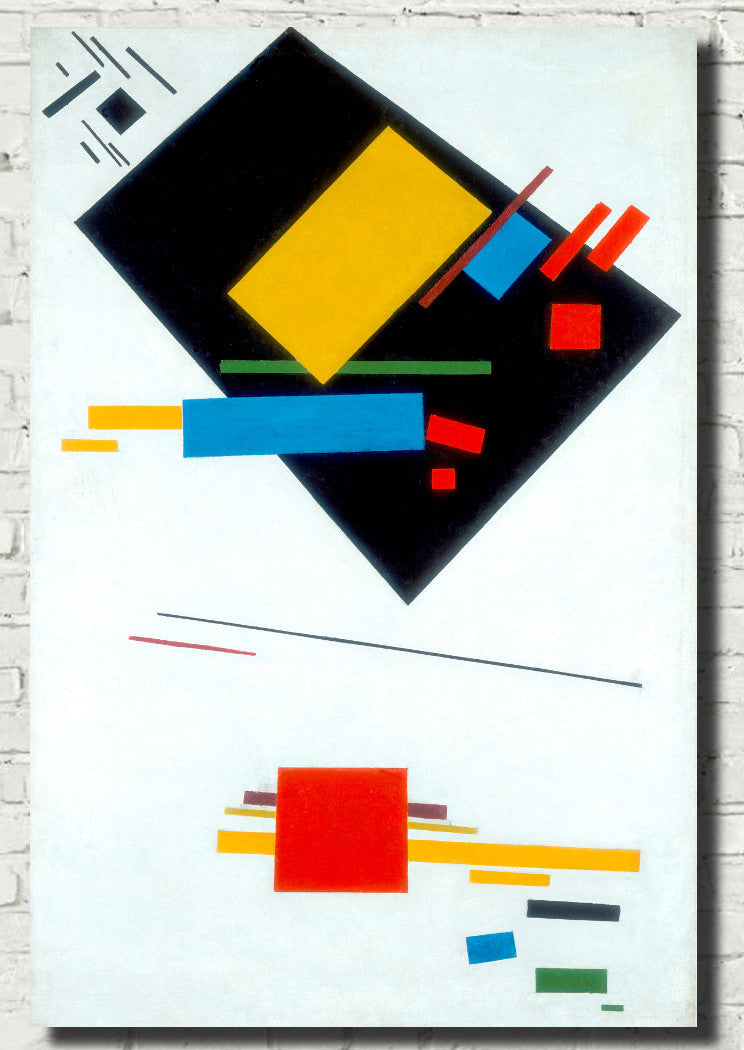
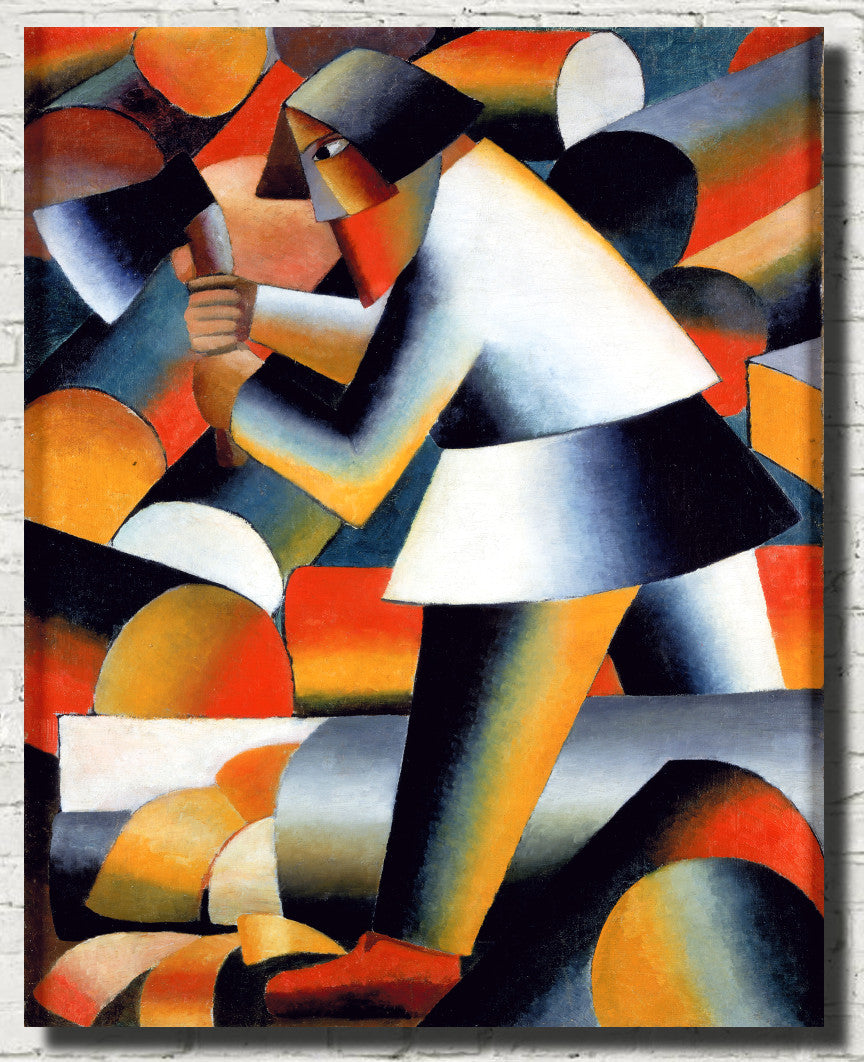
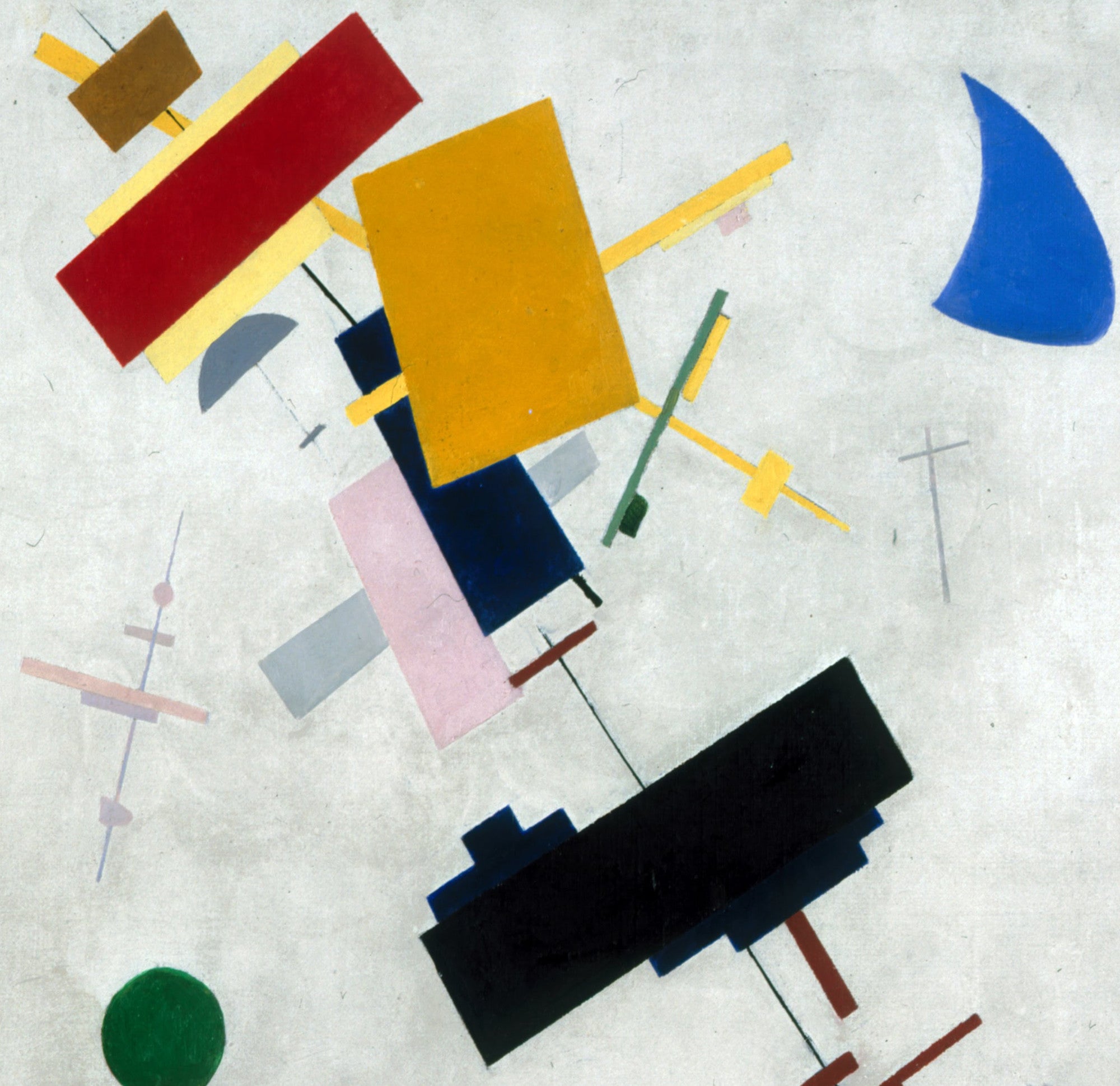
Kazimir Malevich pushed geometric abstraction in a different direction through Suprematism. His compositions used squares, rectangles, circles and other simplified forms to move art away from conventional representation and towards pure artistic feeling.
Malevich prints often combine strong geometric shapes with open areas of space, producing compositions that can feel simultaneously minimal and dynamic. They are an excellent choice for modern wall art schemes built around clean forms, graphic contrast and avant-garde design.
Geometric Abstraction, Bauhaus and Modern Design
Geometric abstract art became closely connected with some of the most important modernist movements of the twentieth century. Artists and designers increasingly explored how simple shapes, colour relationships and mathematical structure could create a universal visual language.
Another major development in geometric abstraction was De Stijl, the Dutch modernist movement associated with Piet Mondrian and Theo van Doesburg. De Stijl artists reduced compositions to carefully balanced geometric forms, straight lines and areas of primary colour, creating a visual language that had a lasting influence on modern art, architecture and design.
This approach became especially influential at the Bauhaus, where painting, architecture, typography, furniture and industrial design were brought together. Kandinsky's work became progressively more geometric during his years teaching at the school, while other Bauhaus artists explored similar relationships between colour, shape and structure.
If you enjoy geometric abstraction, explore our Bauhaus Prints collection for further works connected with this influential movement in modern art and design.
Choosing Geometric Abstract Wall Art for Your Home
One of the strengths of geometric wall art is its versatility. Because the compositions rely primarily on colour, shape and structure rather than realistic subject matter, geometric prints can work across a wide range of interiors.
Geometric Prints for Living Rooms
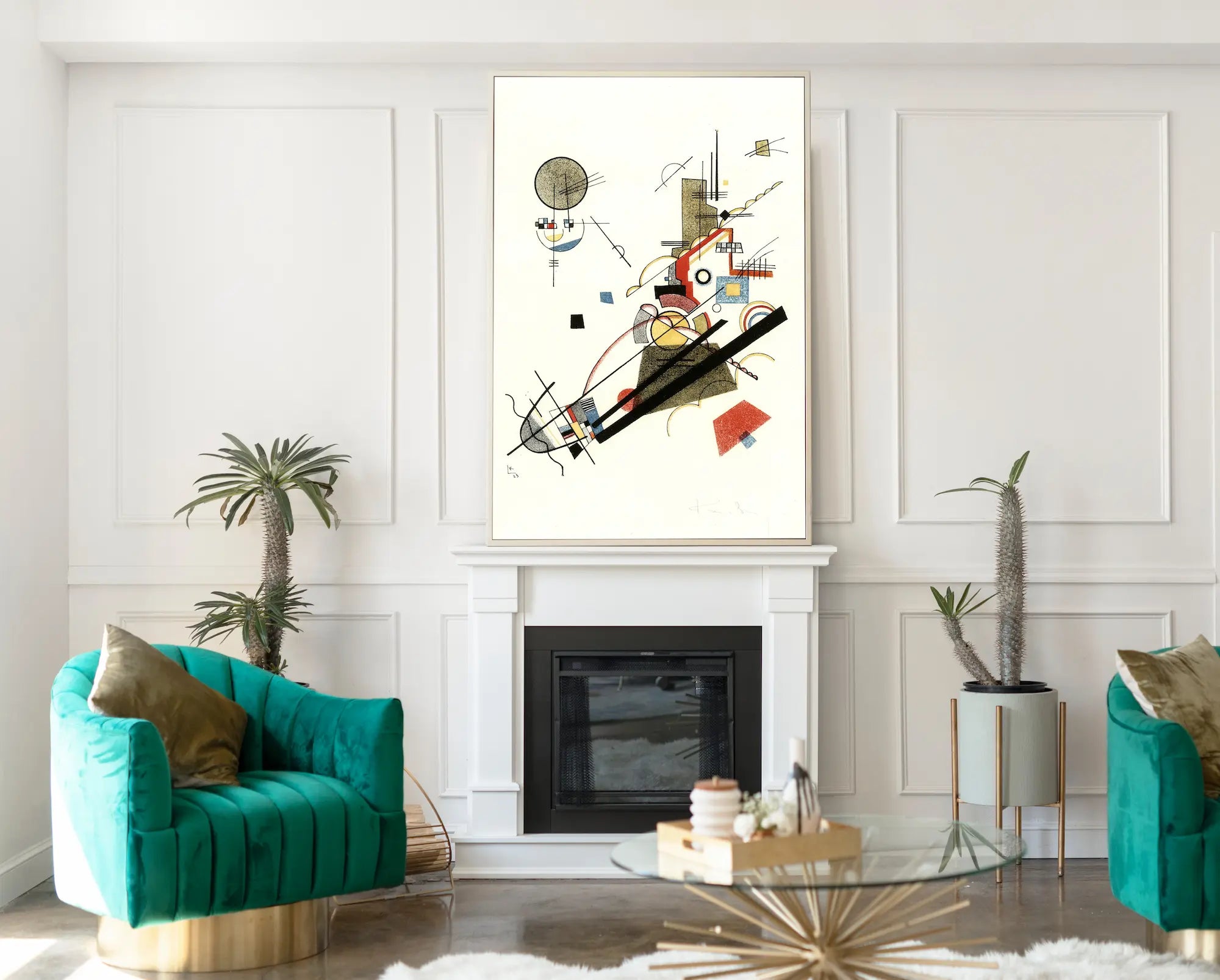
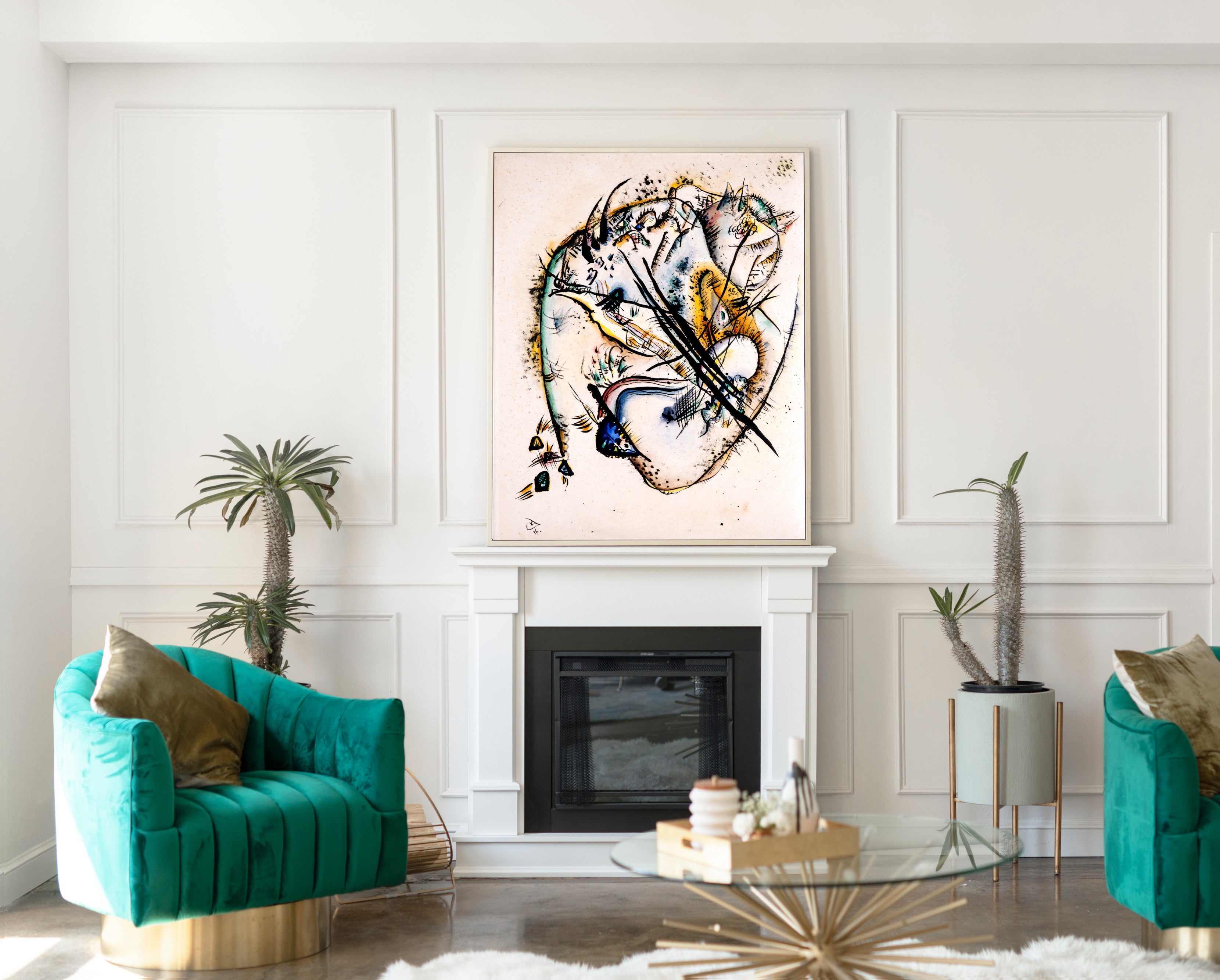
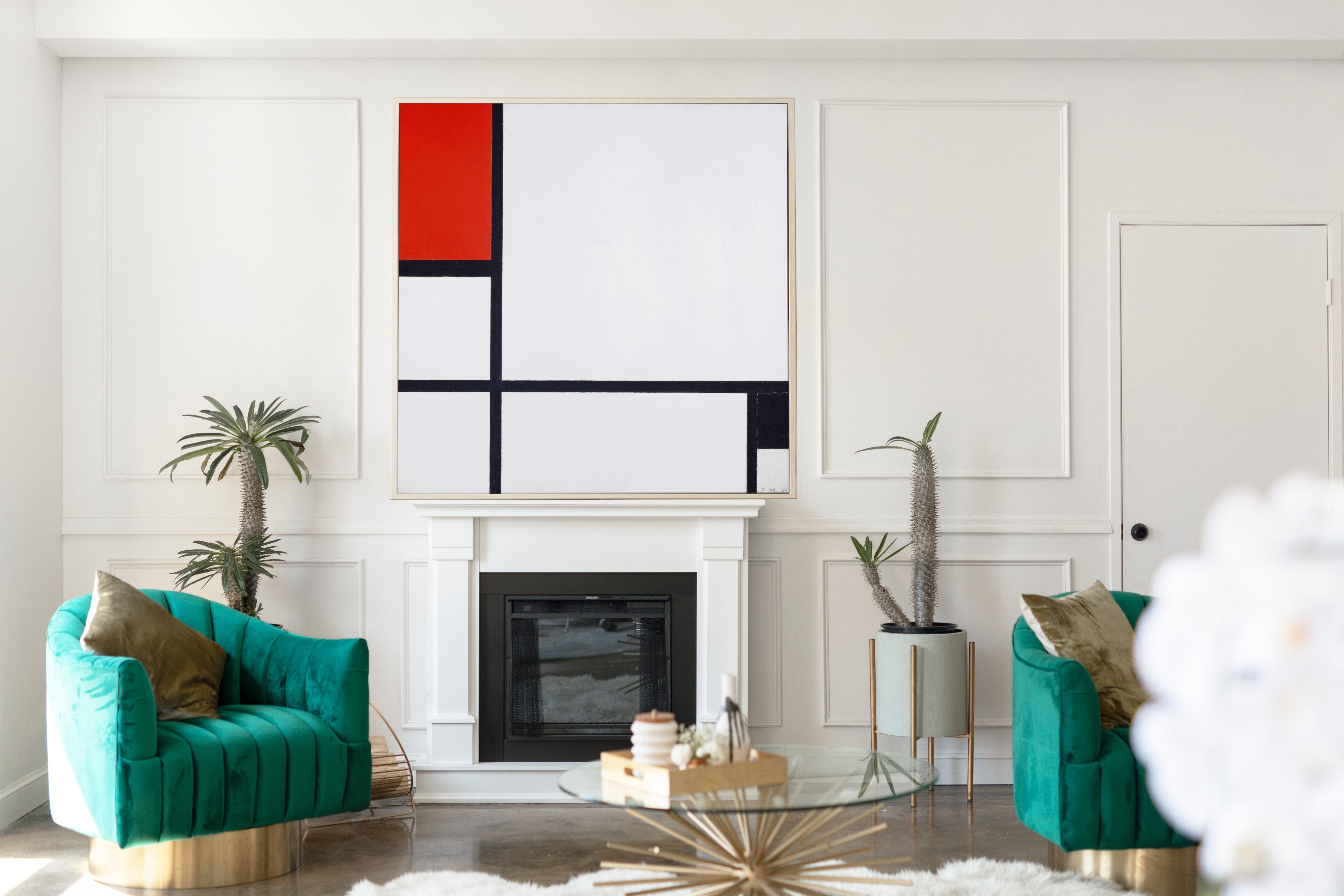
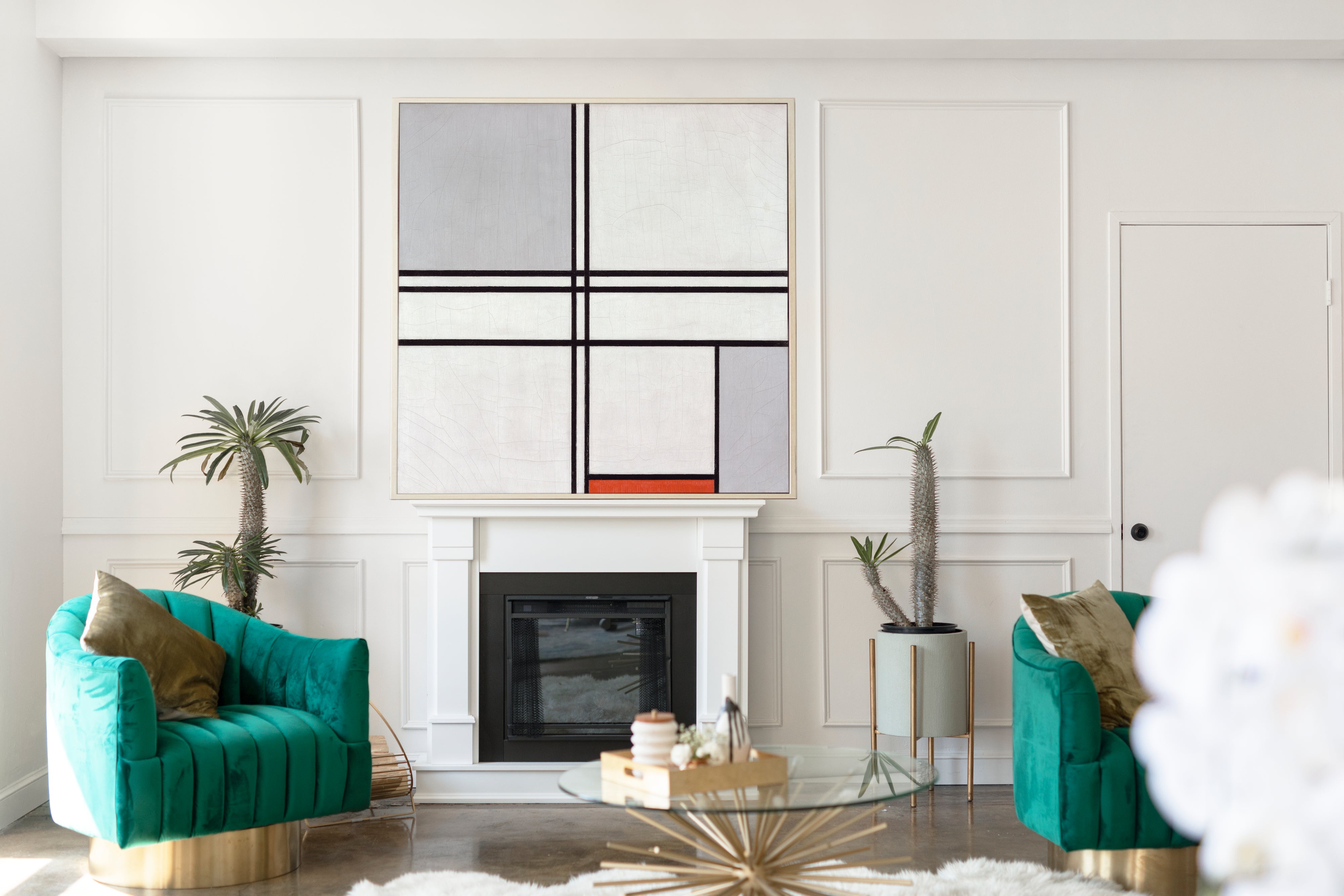
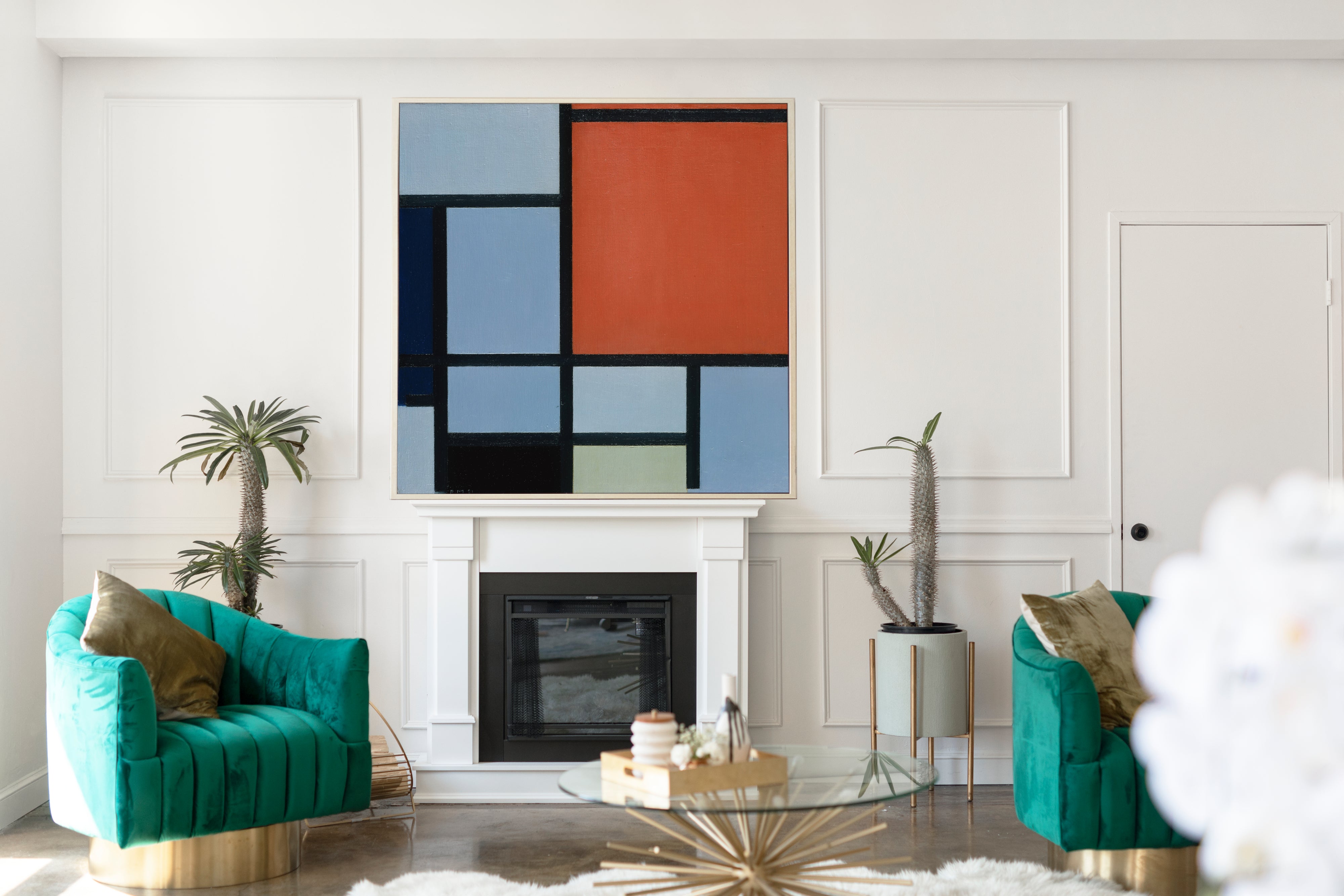
A large geometric abstract print can provide a strong focal point above a sofa, fireplace or sideboard. In a neutral living room, a colourful Kandinsky or Mondrian print can introduce energy and contrast, while a more restrained composition can reinforce a minimalist decorating scheme.
Modern Art for Offices and Workspaces
Geometric abstract prints are particularly effective in home offices, studios and professional workspaces. Structured compositions can add visual interest without introducing distracting subject matter, while bold shapes and colours can give a workspace a more creative and contemporary character.
Geometric Prints for Hallways and Minimalist Interiors
Hallways, entrances and minimalist rooms often benefit from artwork with a clear visual structure. Mondrian-style grids, Malevich-inspired forms and Kandinsky's more complex geometric compositions can echo architectural lines and complement simple furniture, natural wood, monochrome finishes and modern lighting.
How to Choose Colours in Geometric Abstract Art
Colour plays an important role in geometric abstraction. Bright red, blue and yellow can create an energetic focal point, while black, white, beige and muted tones offer a calmer and more architectural appearance.
Rather than trying to match every colour in a room, consider choosing an artwork containing one or two tones that already appear elsewhere in your interior. A small area of blue, red or yellow within a geometric print can connect visually with cushions, furniture, rugs or decorative objects while allowing the artwork to retain its own identity.
Geometric Abstract Prints, Framed Art and Canvas
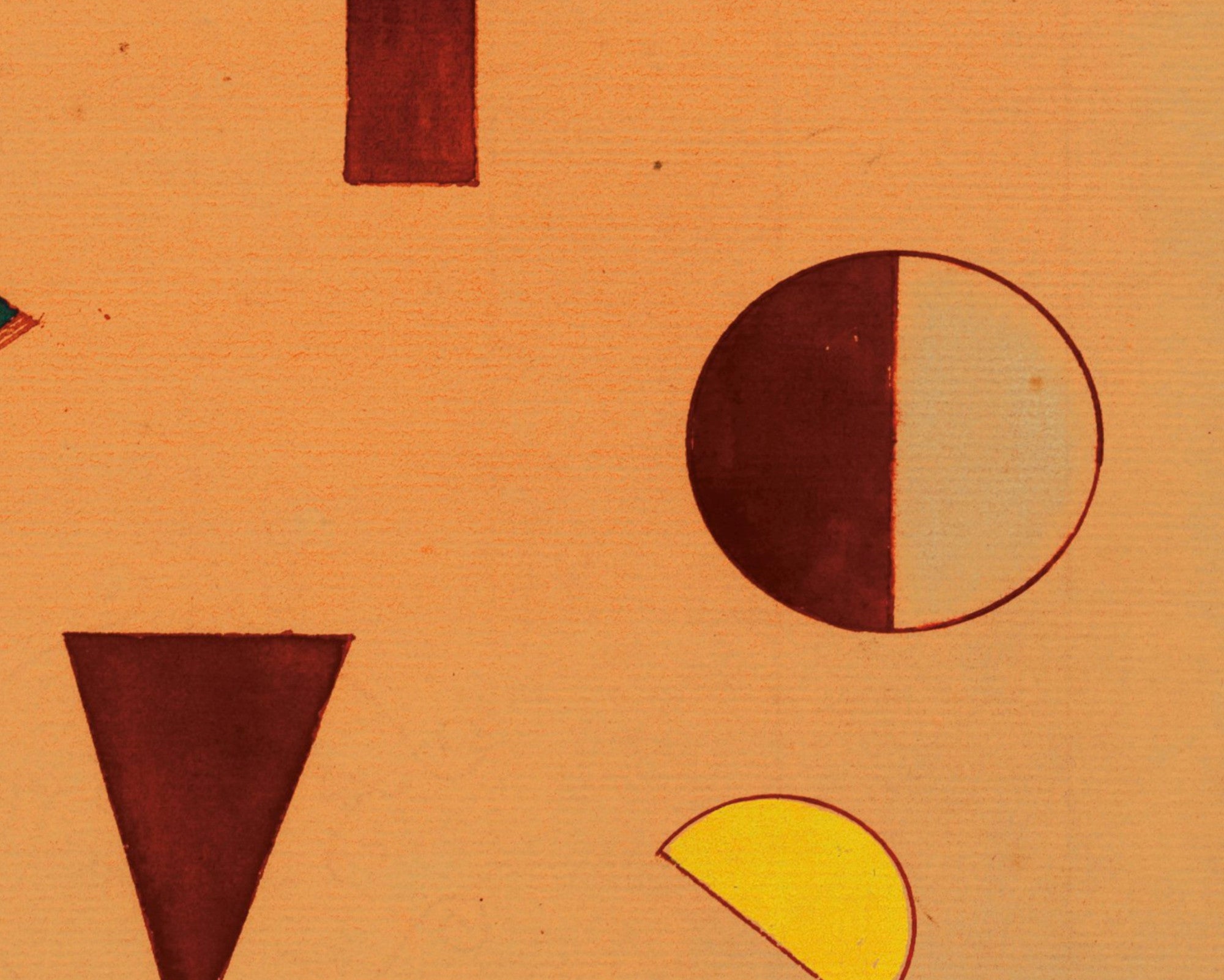
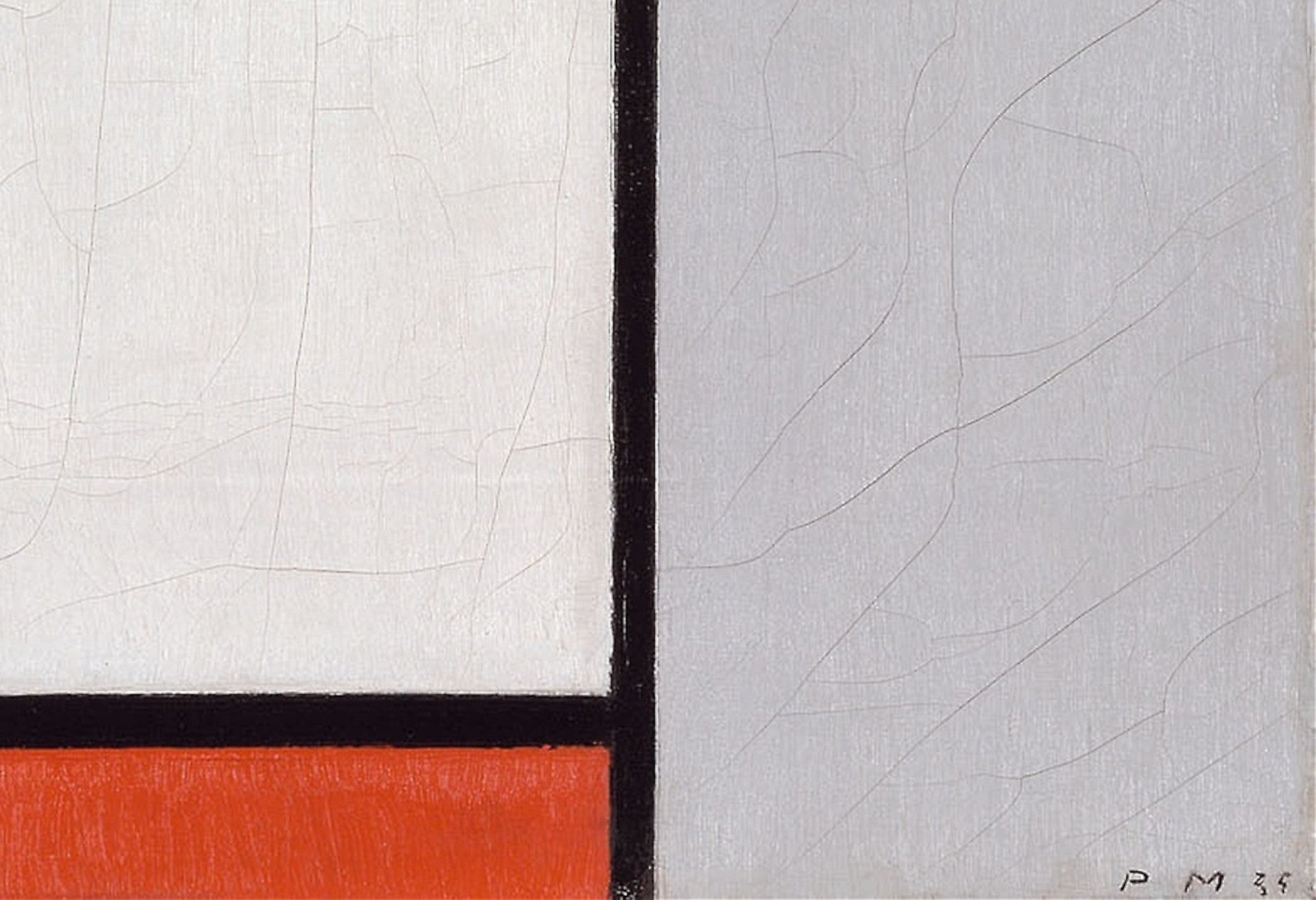
Geometric artwork benefits from sharp reproduction because clean edges, fine lines and areas of flat colour are often central to the composition. GalleryThane prints, frames and canvas panels are produced in our Nottinghamshire workshop using carefully selected materials and UV-stable pigment inks.
A black frame with a white mount can give geometric abstract art a crisp, gallery-style appearance, while canvas panels provide a clean contemporary alternative. Larger formats can create a dramatic statement, while smaller geometric prints can be displayed as pairs, grouped arrangements or part of a modern gallery wall.
Frequently Asked Questions
What is geometric abstract art?
Geometric abstract art uses shapes, lines, grids, circles, rectangles, colour and spatial relationships rather than realistic representation. It became particularly important within twentieth-century modernism and movements such as Suprematism, De Stijl and the Bauhaus.
Who are the most famous geometric abstract artists?
Important geometric abstract artists include Wassily Kandinsky, Piet Mondrian and Kazimir Malevich. Each developed a different approach, ranging from Kandinsky's colourful rhythmic compositions to Mondrian's ordered grids and Malevich's radical Suprematist forms.
Are geometric abstract prints suitable for modern interiors?
Yes. Their clean shapes and strong compositions make geometric abstract prints particularly suitable for contemporary, minimalist, mid-century, Scandinavian and Bauhaus-inspired interiors.
Where should I display geometric wall art?
Geometric prints work well in living rooms, bedrooms, hallways, home offices, studios and dining spaces. Larger prints can provide a focal point above a sofa or sideboard, while smaller works can be combined in pairs or gallery walls.
What colours work well with geometric abstract prints?
Geometric art can work with both neutral and colourful interiors. Black and white compositions suit minimalist spaces, while red, blue and yellow provide strong modernist accents. Multicoloured geometric prints can bring energy to rooms decorated in cream, beige, grey or natural wood tones.