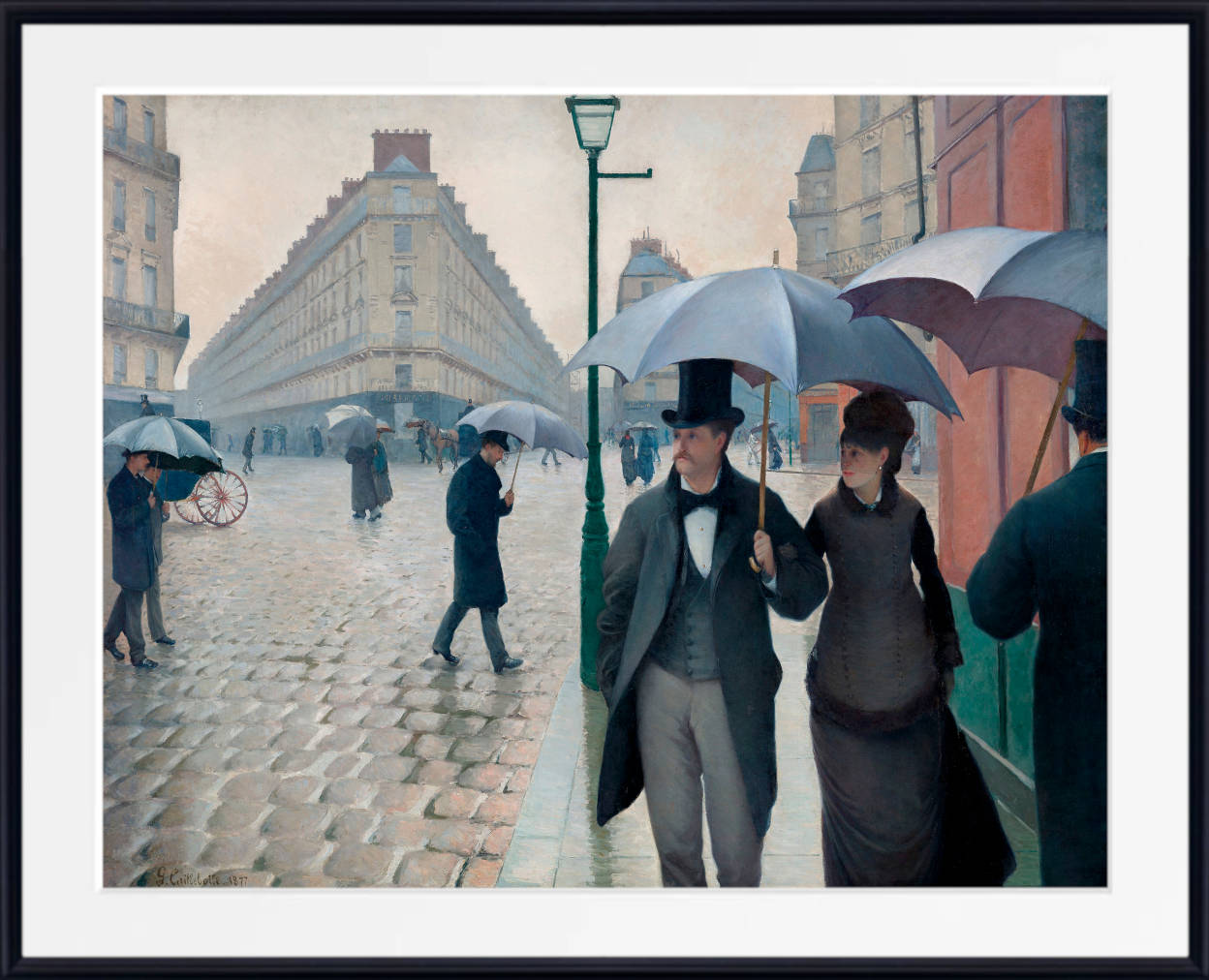
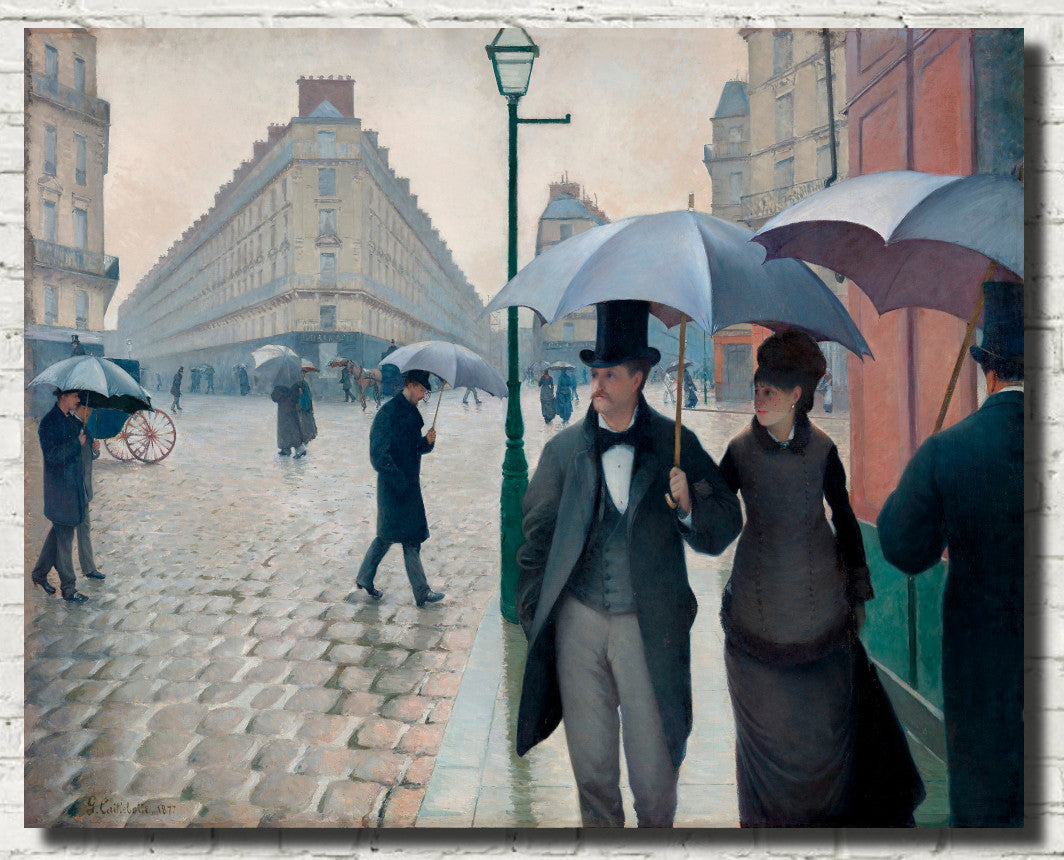
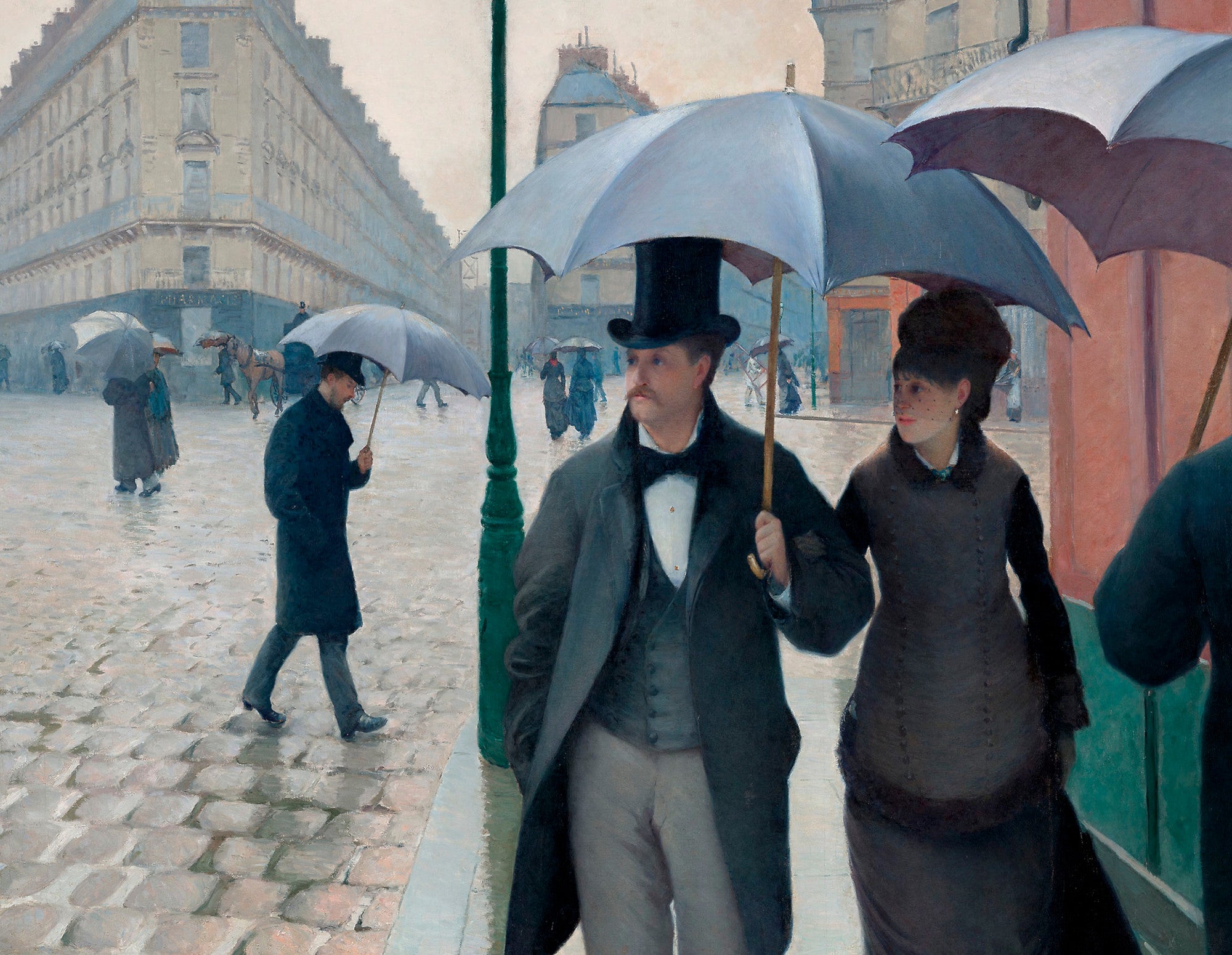
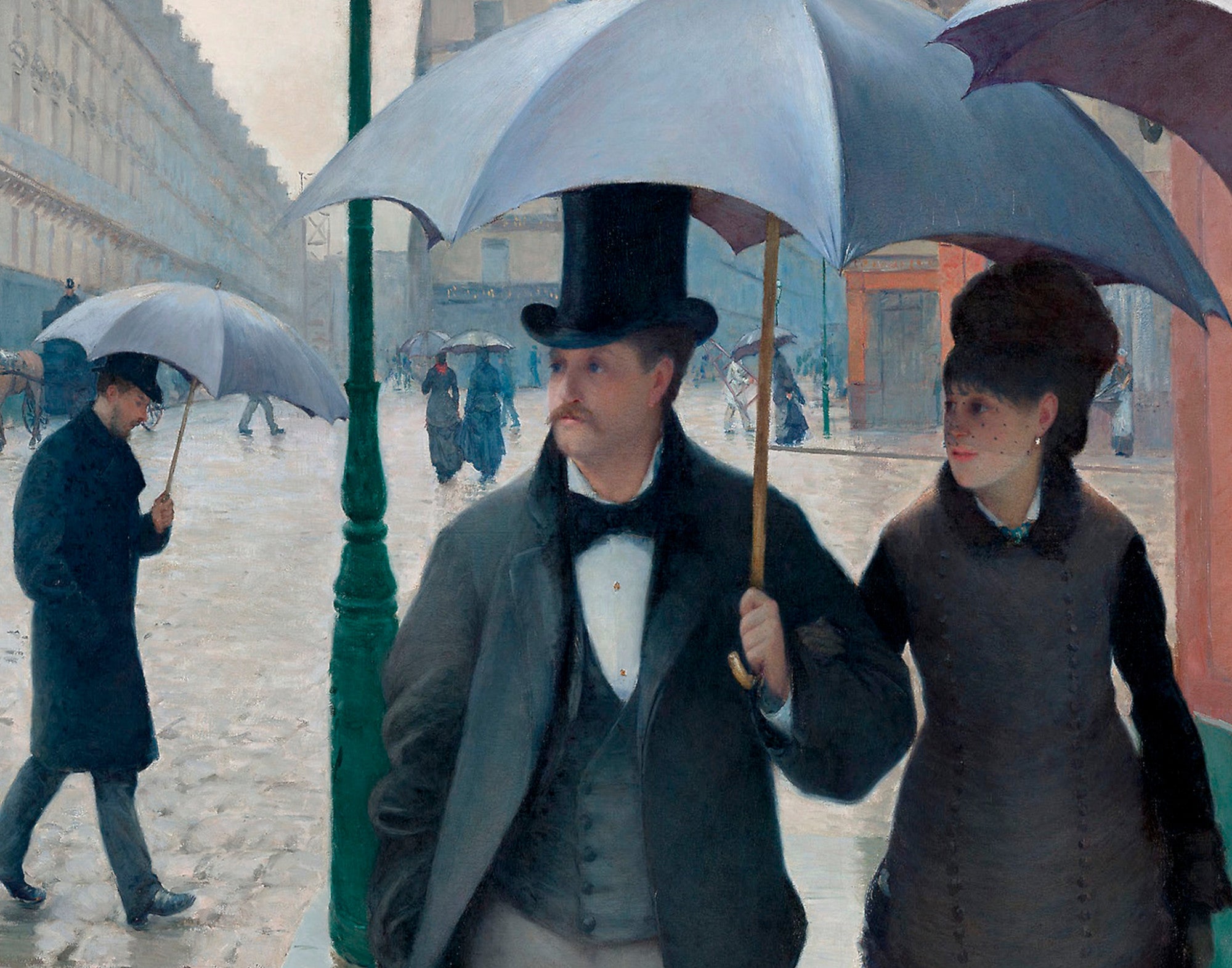
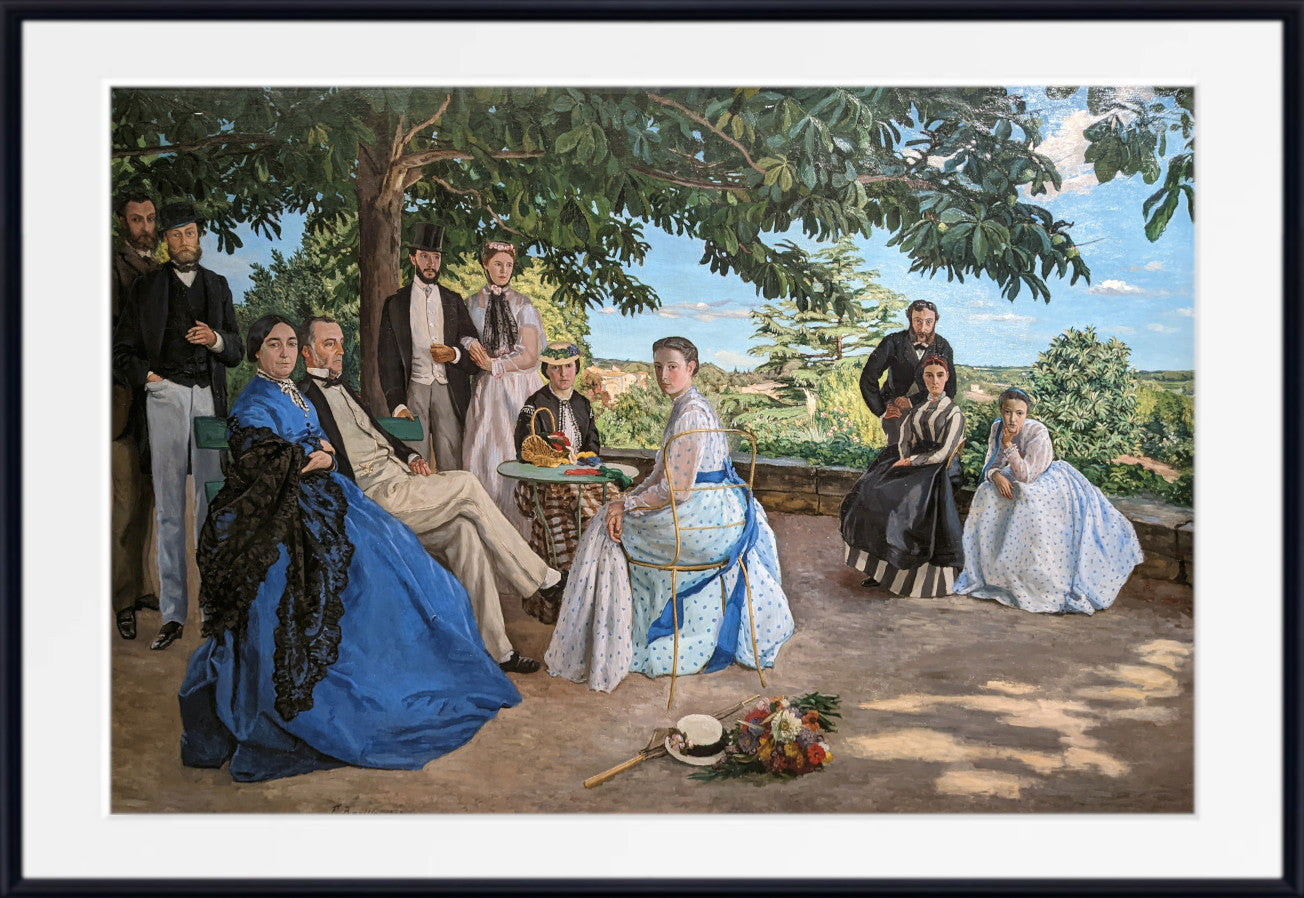
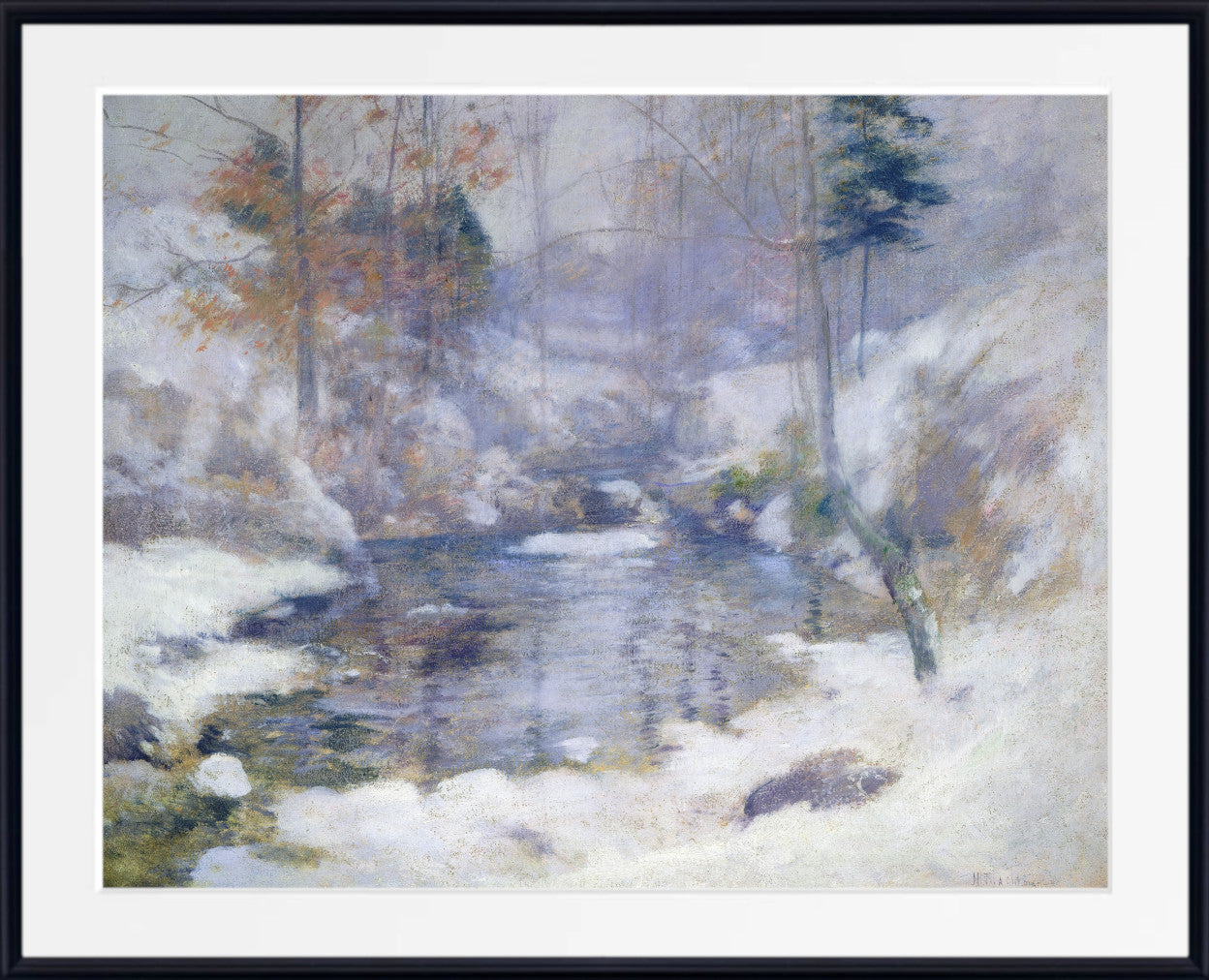
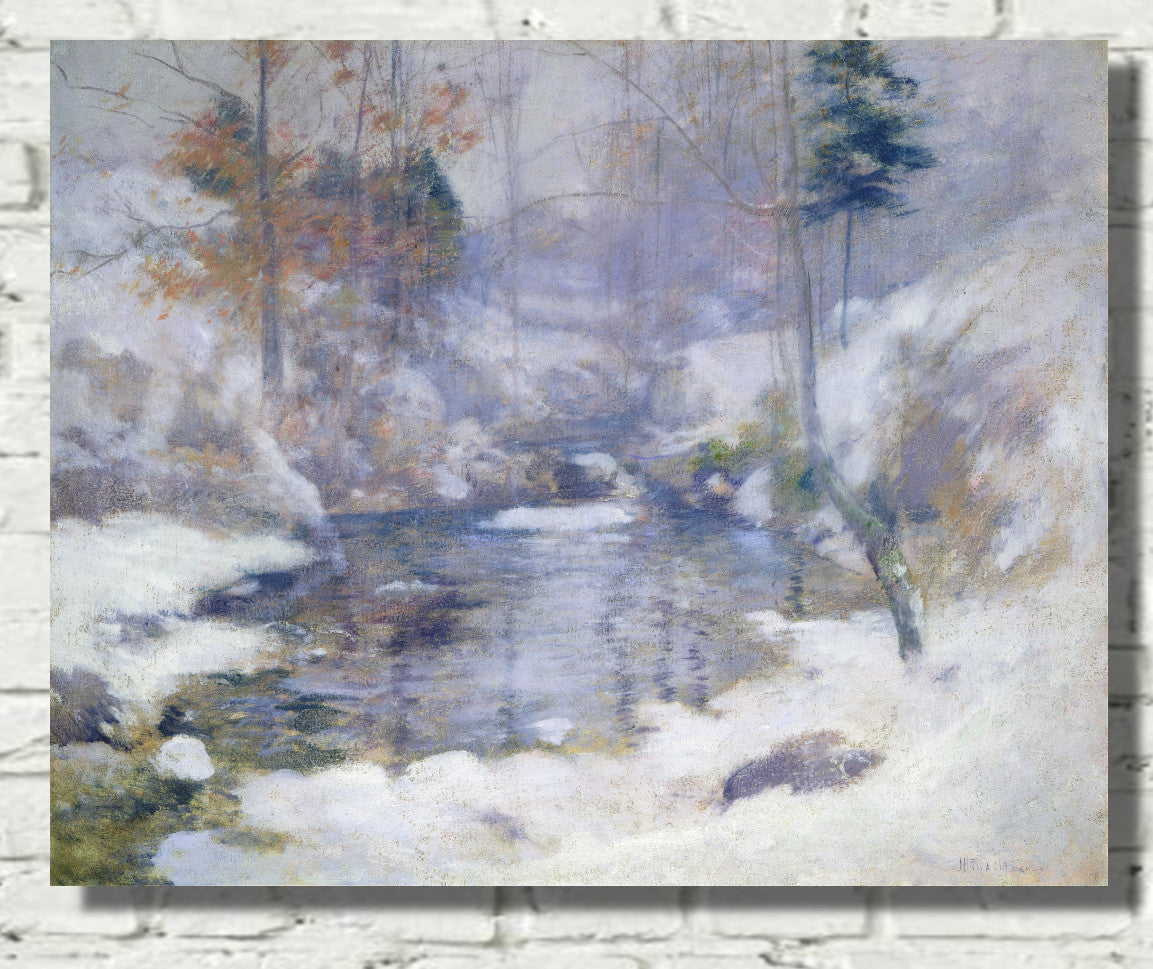
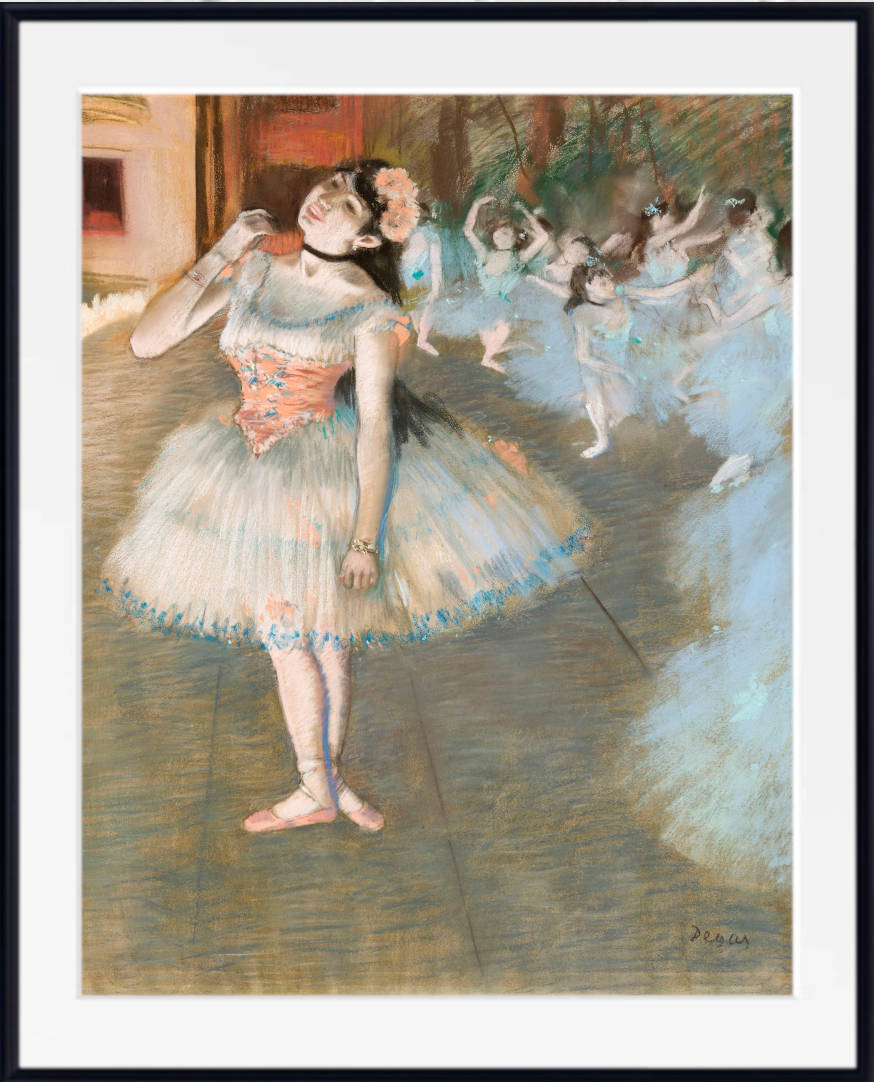
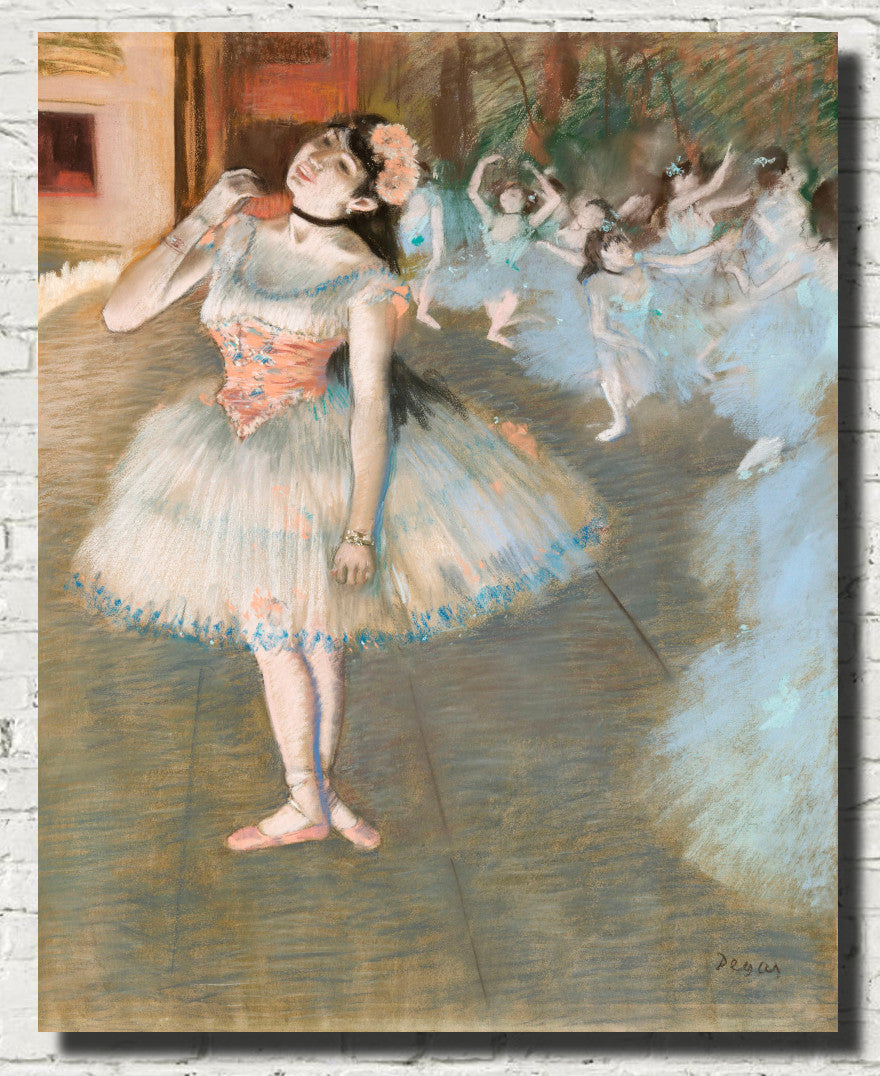
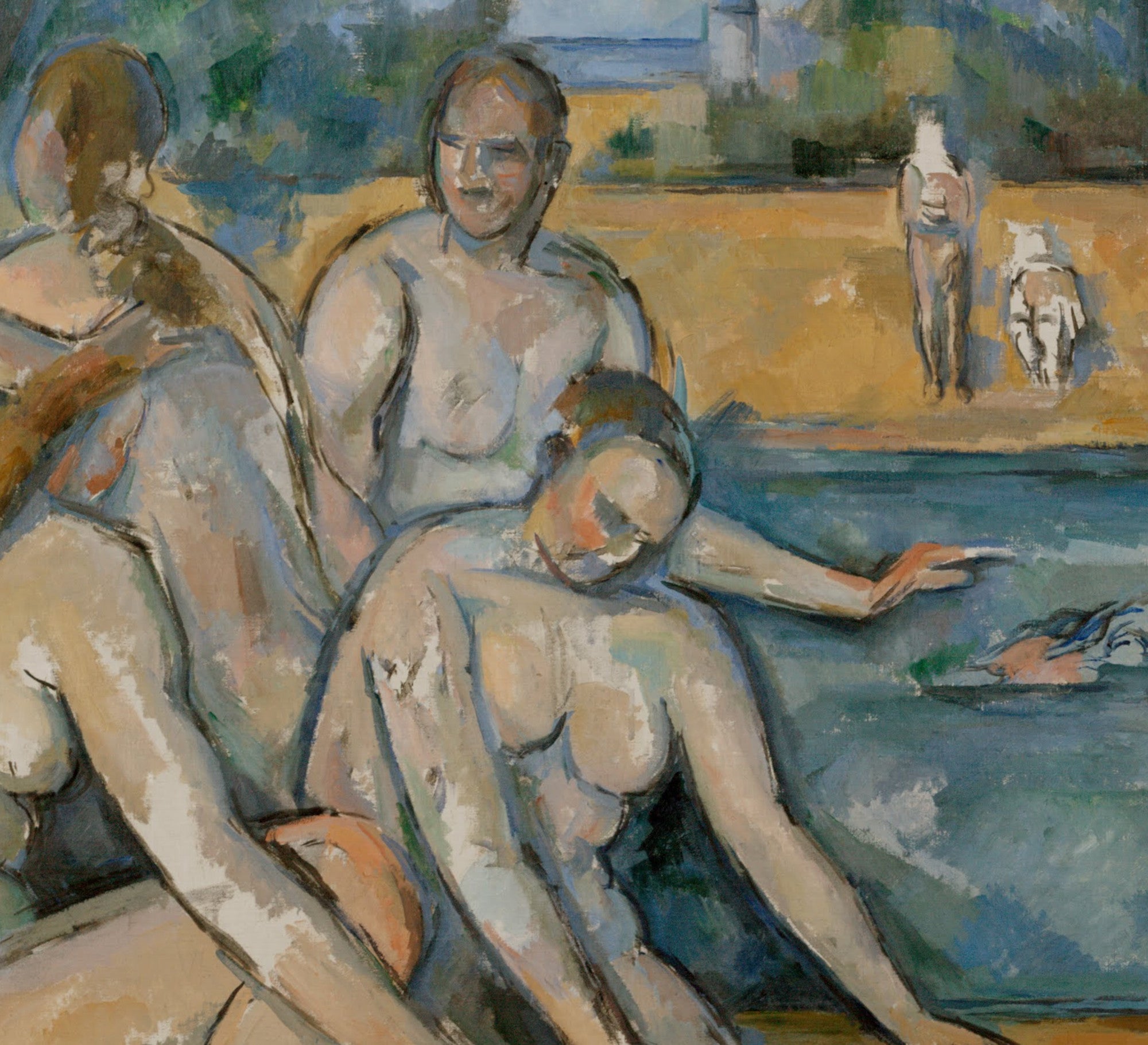
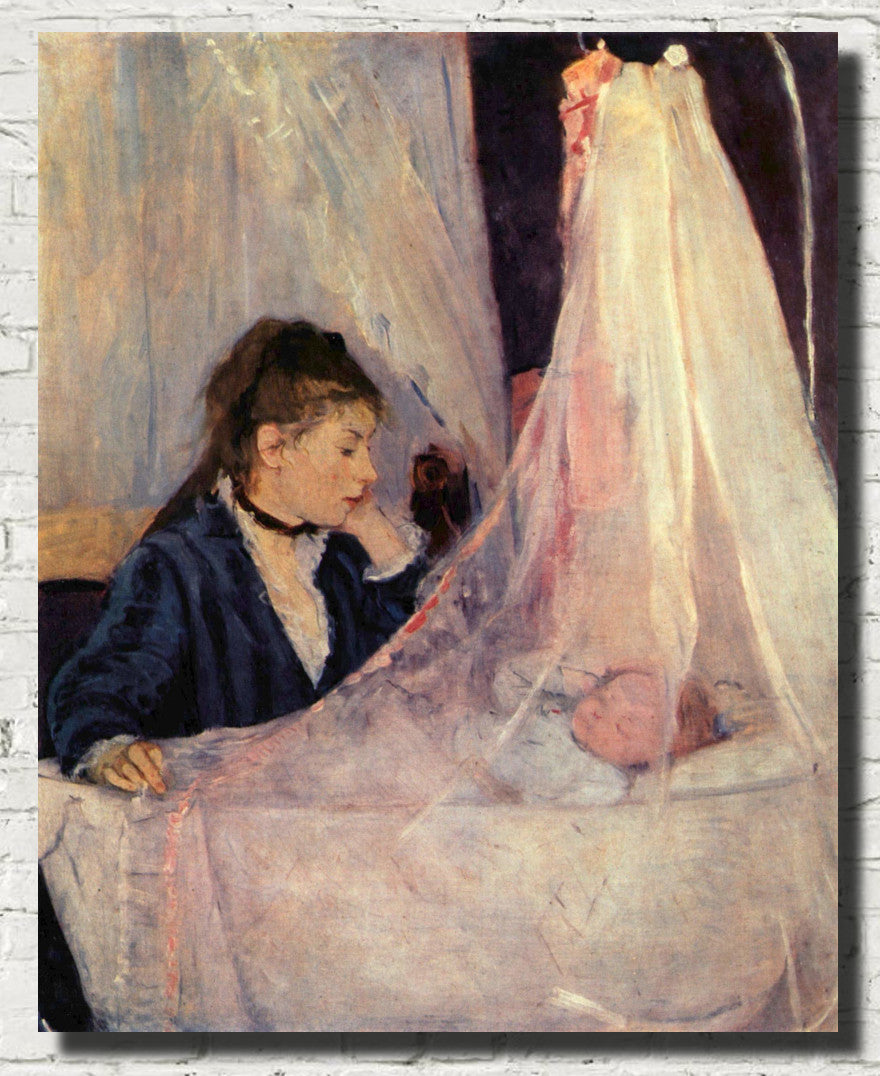
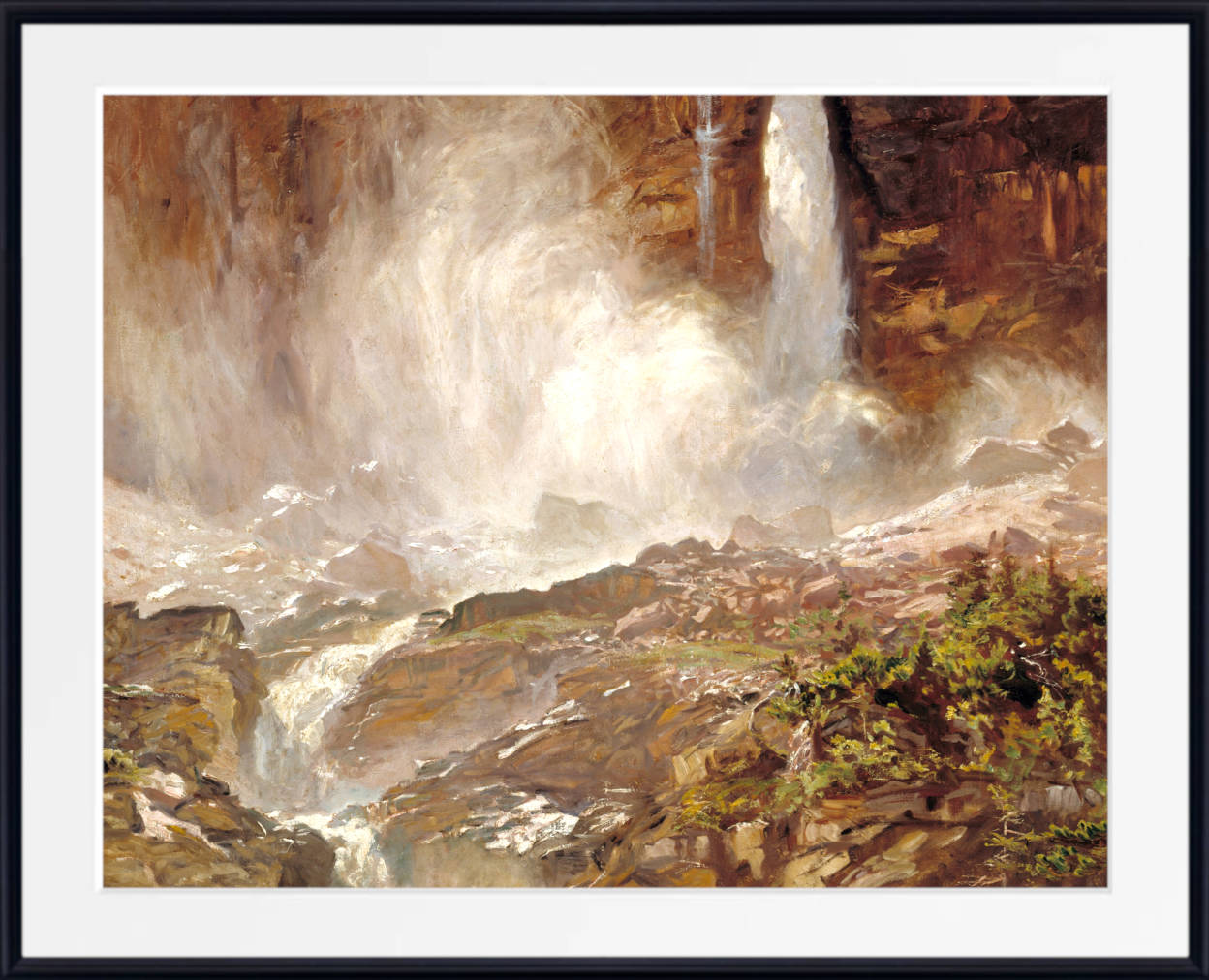
Few art movements are better suited to a gallery wall than Impressionism. Impressionist gallery wall art can bring together the soft light of Claude Monet, the intimate interiors of Mary Cassatt and Berthe Morisot, the lively streets of Paris painted by Camille Pissarro and Gustave Caillebotte, and the gardens, flowers and coastlines of artists across Europe and America to create a display that feels collected, harmonious and full of character.
This guide brings together eight curated Impressionist gallery wall ideas, each built around a distinct mood, palette or subject. Explore Monet's garden at Giverny, cool blue compositions, flower-filled gardens, women of Impressionism, Parisian modern life, coastal light, soft pink-and-green interiors and a selection of the great Impressionist masters.
Each gallery wall can be recreated with the featured prints, adapted with alternative works from the wider collection, or used simply as inspiration for building your own arrangement. Browse the full Impressionist Gallery Wall Prints and Ideas collection to explore the complete range.
How Do You Create an Impressionist Gallery Wall?
To create an Impressionist gallery wall, begin with one clear organising principle: a shared colour palette, artist, subject, location or mood. Choose one larger or visually dominant work as an anchor, then add complementary portrait, landscape or square-format prints around it. Keep the spacing between frames consistent and use either matching frames for a polished look or a restrained mix of finishes for a more collected interior.
Impressionist paintings combine particularly well because many share recurring qualities of broken colour, atmospheric light, natural subjects and everyday life. A Monet landscape can sit comfortably beside a Morisot garden, a Cassatt interior or a Pissarro street scene when colour, scale or visual rhythm creates a connection between them.
For paintings by Monet, Renoir, Degas, Pissarro, Morisot, Cassatt and the other artists at the heart of the historic movement, explore our Impressionist Art Prints. For artists who developed Impressionist ideas beyond the original French movement, browse International Impressionist Art Prints.
Eight Impressionist Gallery Wall Ideas
The following eight arrangements are designed as practical starting points rather than rigid sets. Each combines works that share a coherent visual relationship while retaining enough contrast in subject, orientation and composition to keep the wall interesting.
1. Monet's Garden at Giverny Gallery Wall

Claude Monet's garden at Giverny became one of the most important artistic environments in modern art. The house, flower borders, rose-covered paths, Japanese bridge and water-lily pond supplied Monet with subjects for more than four decades and inspired some of his most recognisable paintings.
A Giverny gallery wall works especially well because the paintings share a unified world of water, reflections, flowers and changing natural light. At the same time, the mixture of square, portrait and panoramic formats prevents the arrangement from feeling repetitive.
This seven-print display moves from the monumental horizontal sweep of Le bassin aux Nymphéas to more intimate views of the house, roses, garden paths and lily pond. Deep greens, mauves, rose pinks, blues and soft natural tones repeat across the group.
Explore the complete Monet's Garden at Giverny Gallery Wall collection.
Shop This Monet's Garden at Giverny Gallery Wall


Why These Monet Giverny Prints Work Together
The strong relationship between the paintings comes from place. Every work is connected to Monet's home and gardens at Giverny, yet the collection includes enough variation in scale, colour and viewpoint to create visual rhythm. The panoramic lily pond acts as an anchor, while square compositions create stability and the single portrait-format rose-covered house introduces vertical contrast.
For more on the artist and the garden that shaped his later career, explore the Claude Monet artist profile and the complete guide to Monet's Water Lilies.
2. Blue Impressionist Gallery Wall

A blue Impressionist gallery wall can feel calm, atmospheric and surprisingly varied. Blue appears throughout Impressionism in rivers, mist, evening streets, gardens, shadows, clothing and reflected skies, allowing paintings with very different subjects to be linked by colour.
This five-print arrangement moves from the almost nocturnal blues of Childe Hassam's Fifth Avenue Nocturne to the muted blue-grey atmosphere of Monet's Seine and the brilliant evening reflections in Theodore Earl Butler's Fireworks; Bridge at Vernon. The floral works by Frederick Carl Frieseke and Robert Reid soften the group with greens, whites and gentle natural tones.
Explore the complete Blue Impressionist Gallery Wall collection.
Shop This Blue Impressionist Gallery Wall


Why These Blue Impressionist Prints Work Together
The display is held together by cool blue, blue-grey and green tones rather than by a single subject. This creates freedom to mix landscape, cityscape, floral painting and figure painting without losing cohesion. The tall Hassam work provides a strong vertical accent, while the square compositions help stabilise the arrangement.
For a broader colour-led selection, browse Blue Impressionist Prints.
3. Impressionist Gardens and Flowers Gallery Wall

Flowers and gardens were central subjects for many Impressionist painters. They offered constantly changing combinations of colour, movement and light, whether painted outdoors in a garden or arranged in a vase inside the studio.
This gallery wall combines luxuriant chrysanthemums, geraniums, artichoke flowers and roses. The group is particularly effective because the subjects vary in scale: some paintings isolate a vase against an interior background, while others immerse the viewer in dense garden foliage.
Explore the complete Impressionist Gardens and Flowers collection.
Shop This Impressionist Gardens and Flowers Gallery Wall


Why These Impressionist Flower Prints Work Together
The repeating greens, reds, pinks and whites create an immediate relationship between the works, while the alternation between outdoor gardens and indoor floral arrangements adds variety. Portrait and landscape formats are mixed deliberately, making the composition feel organic rather than rigid.
For more garden and plant subjects, explore Botanical Prints and the wider Impressionist Art Prints collection.
4. Women of Impressionism Gallery Wall

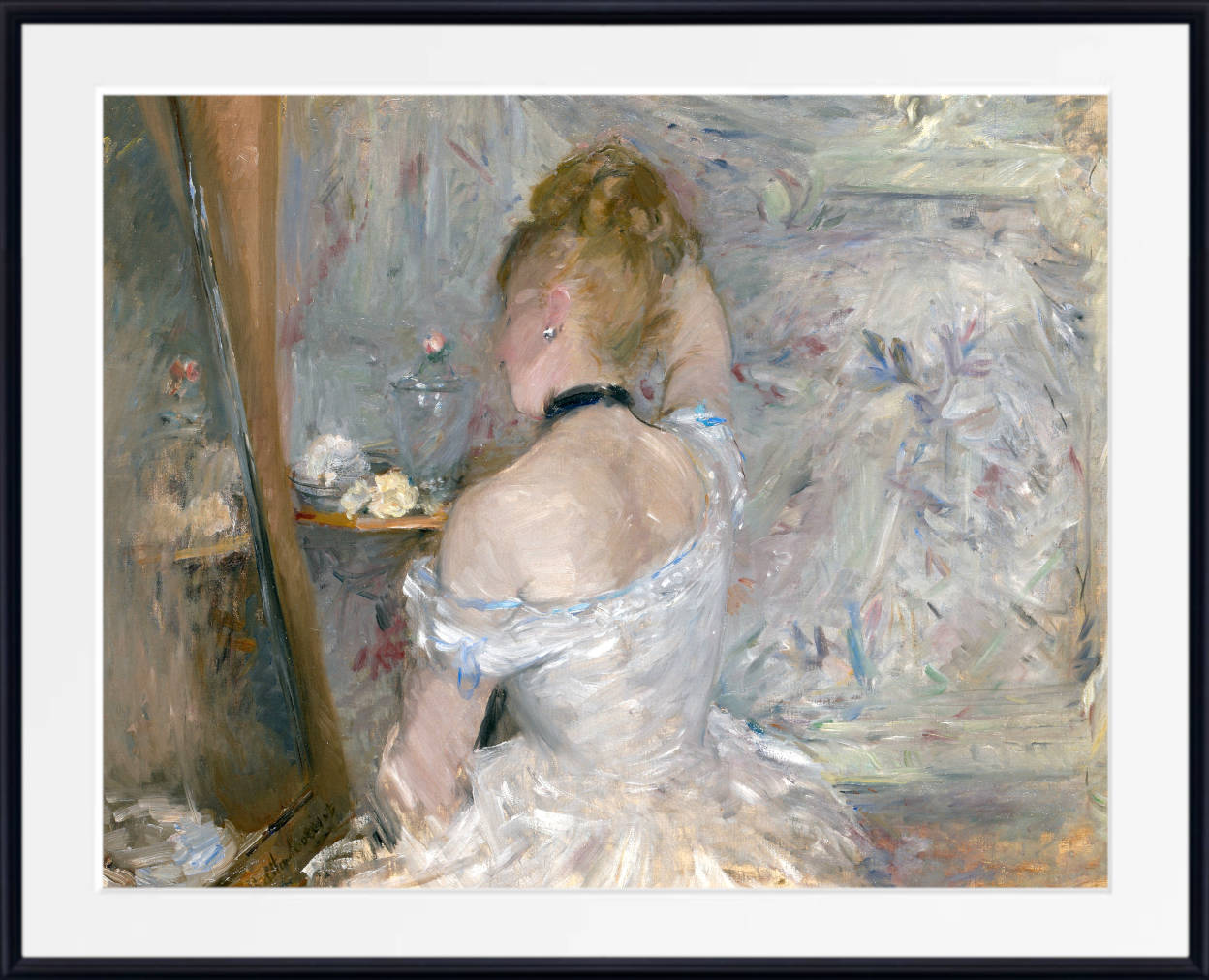
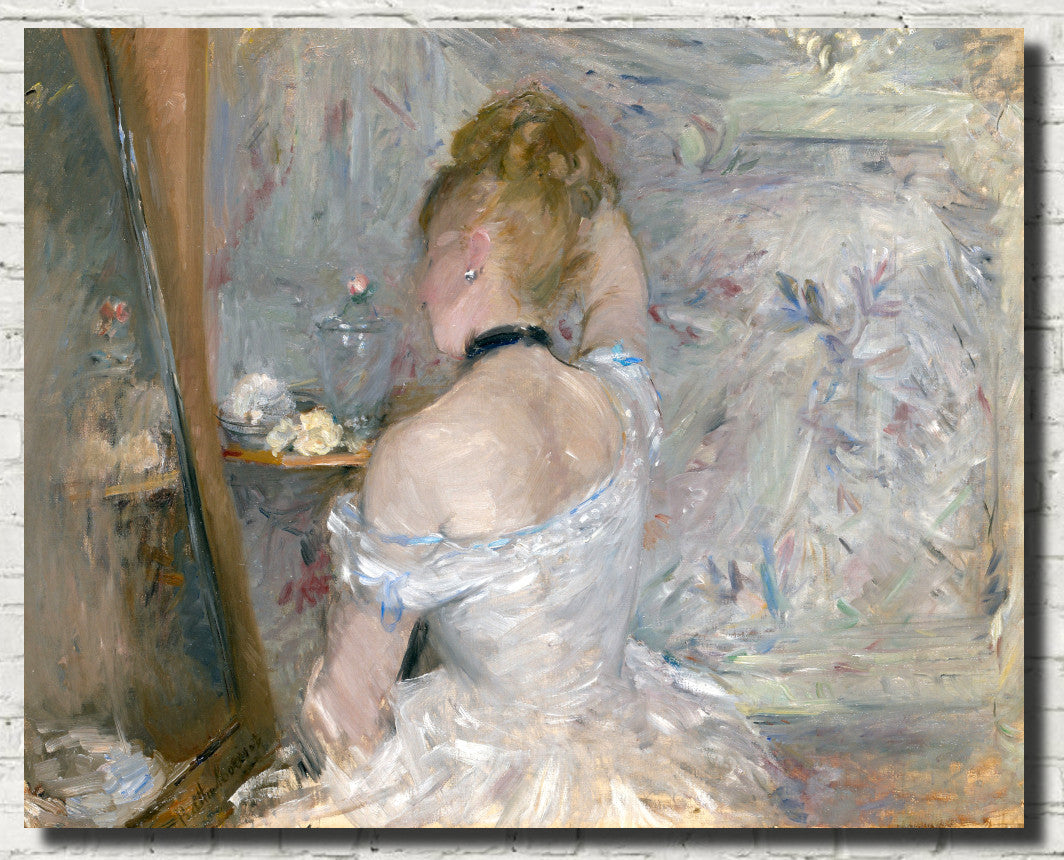
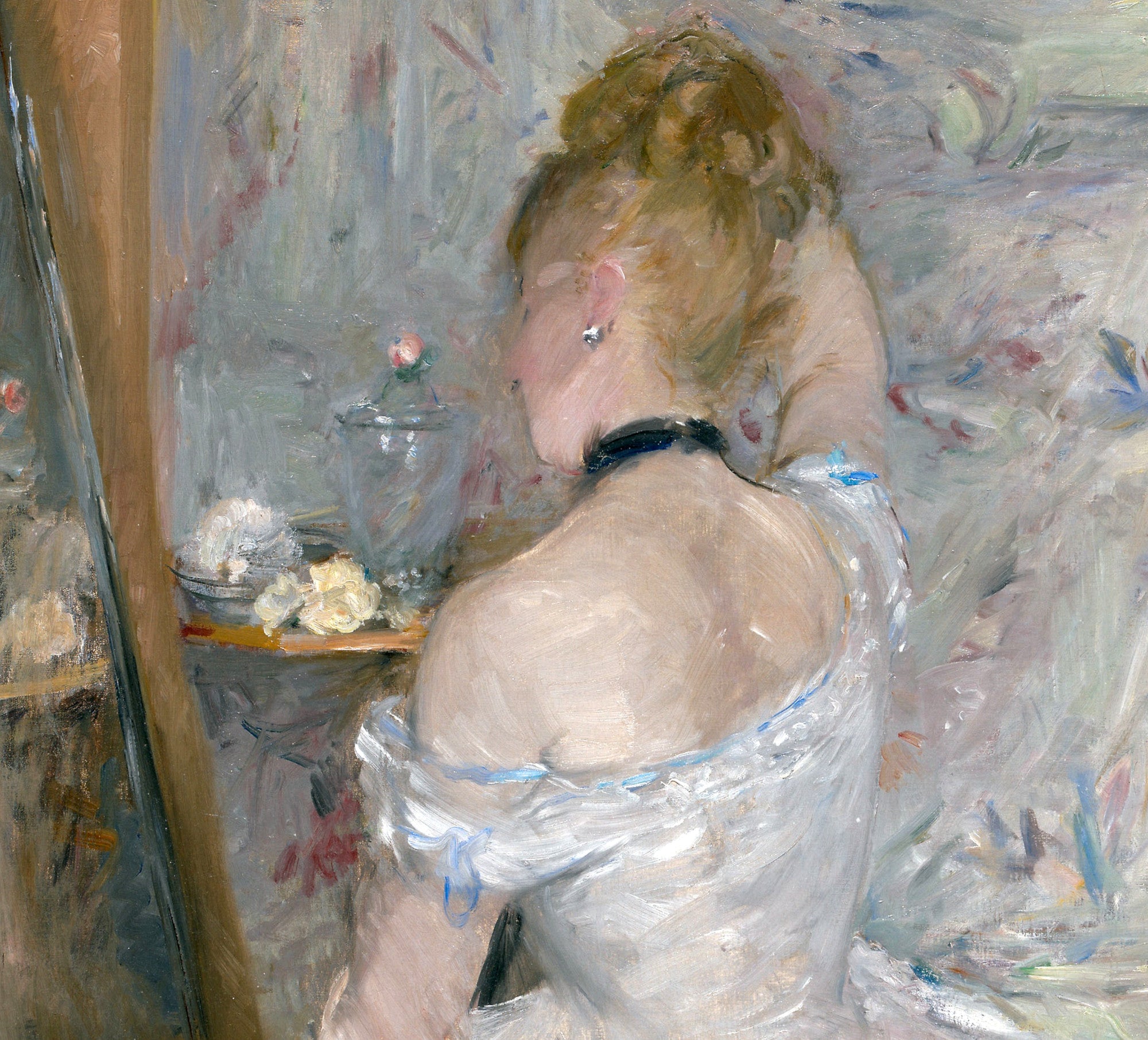
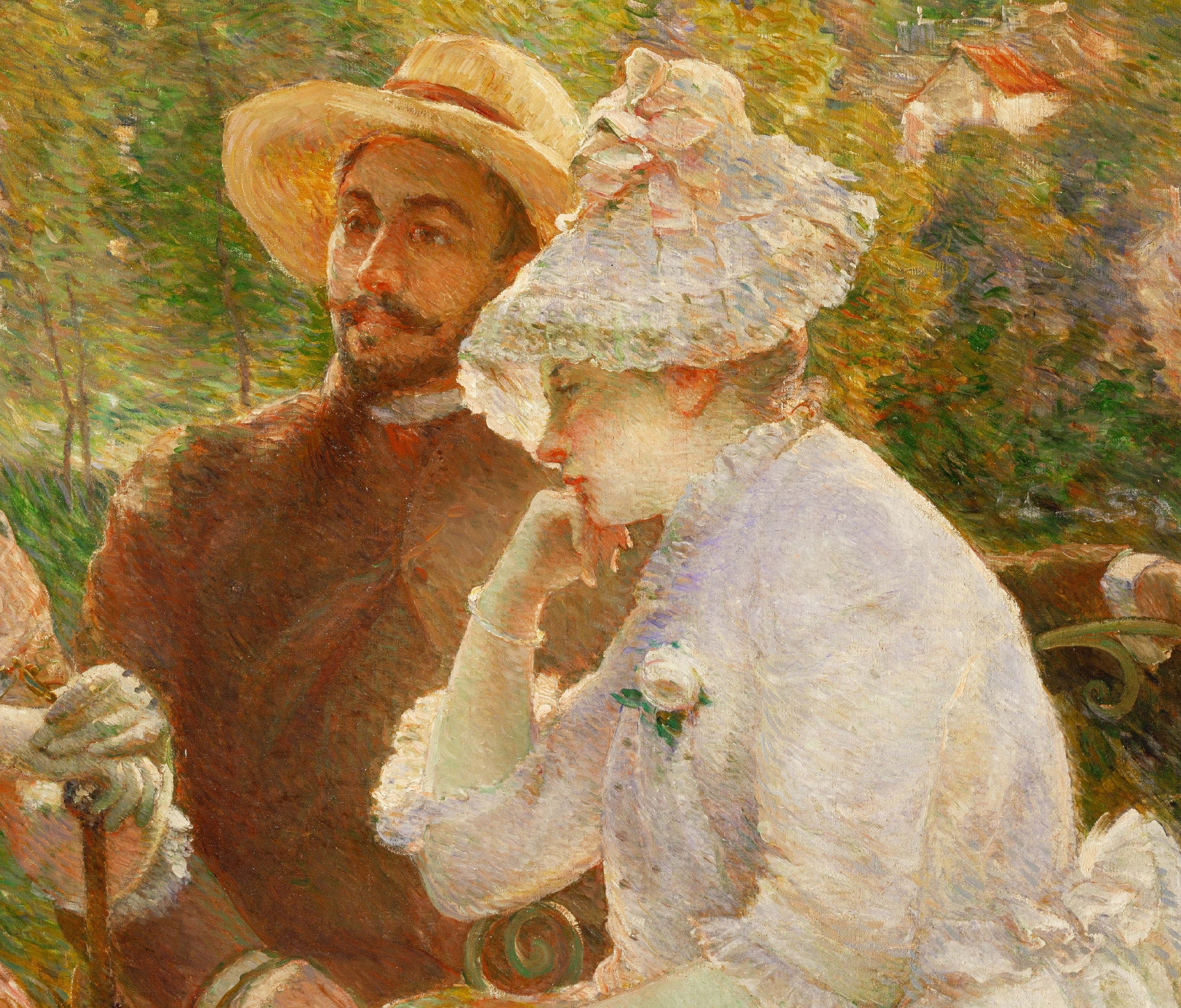
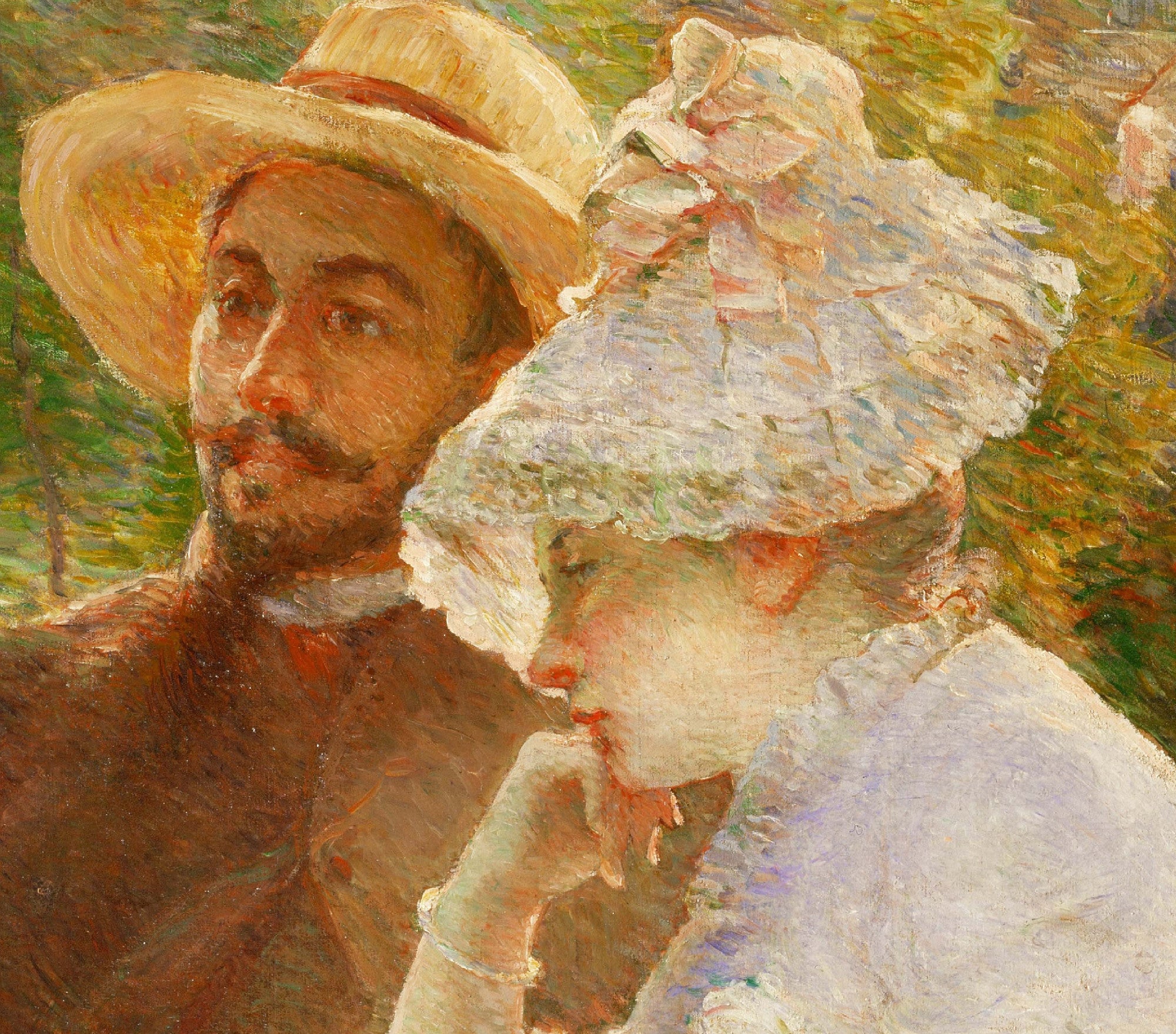
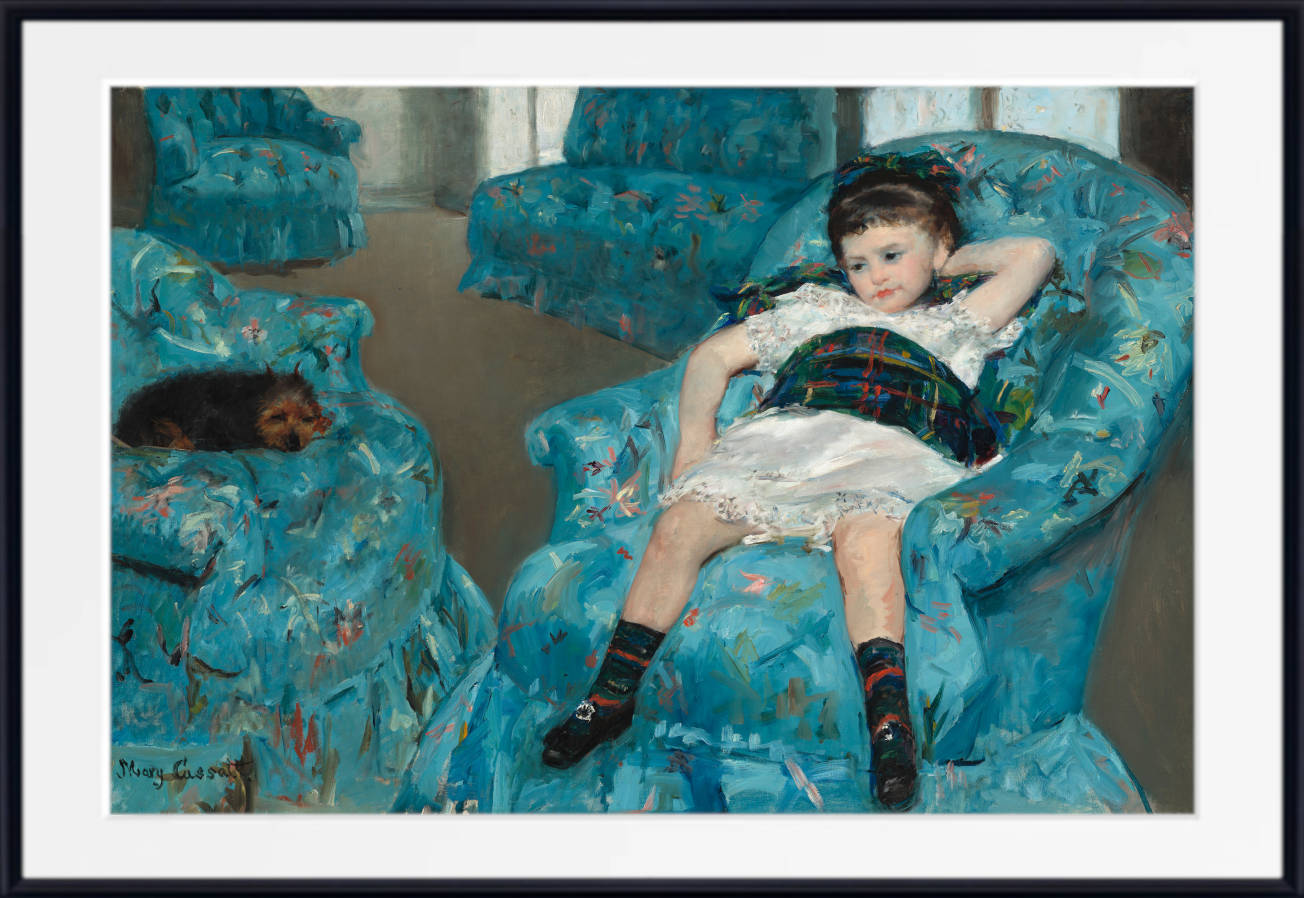
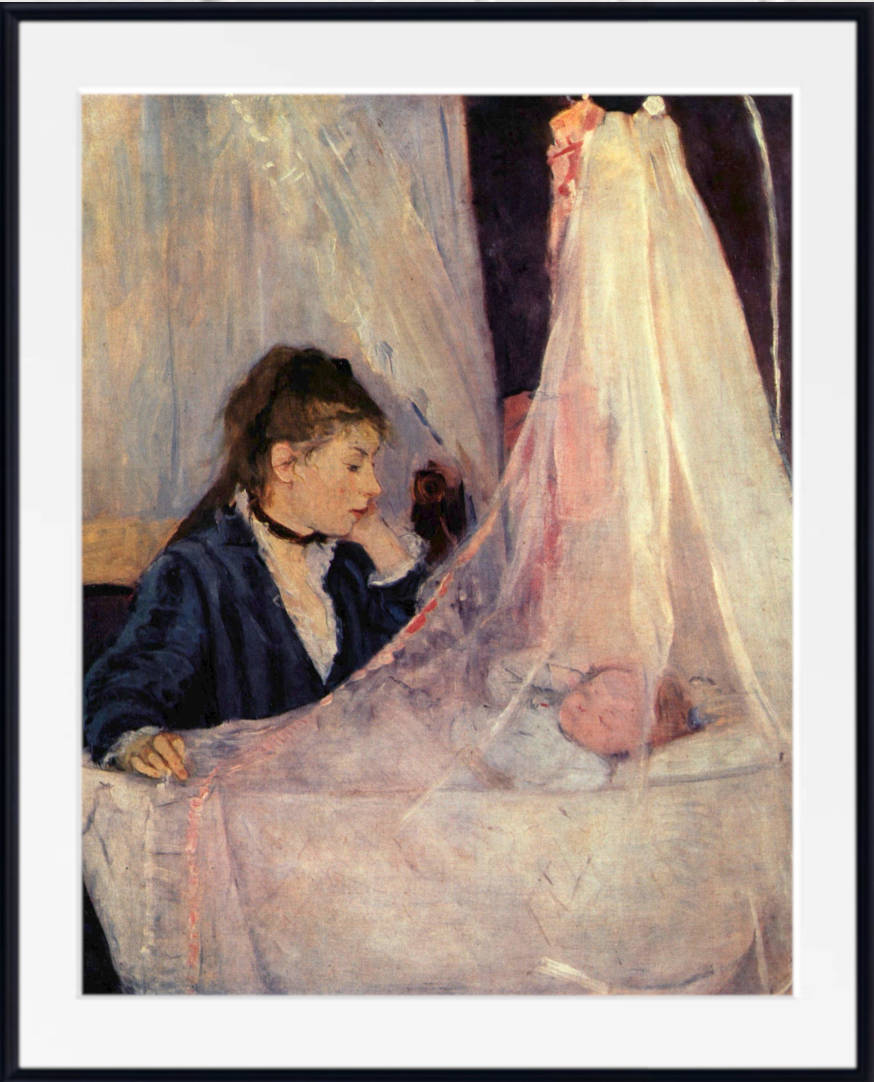
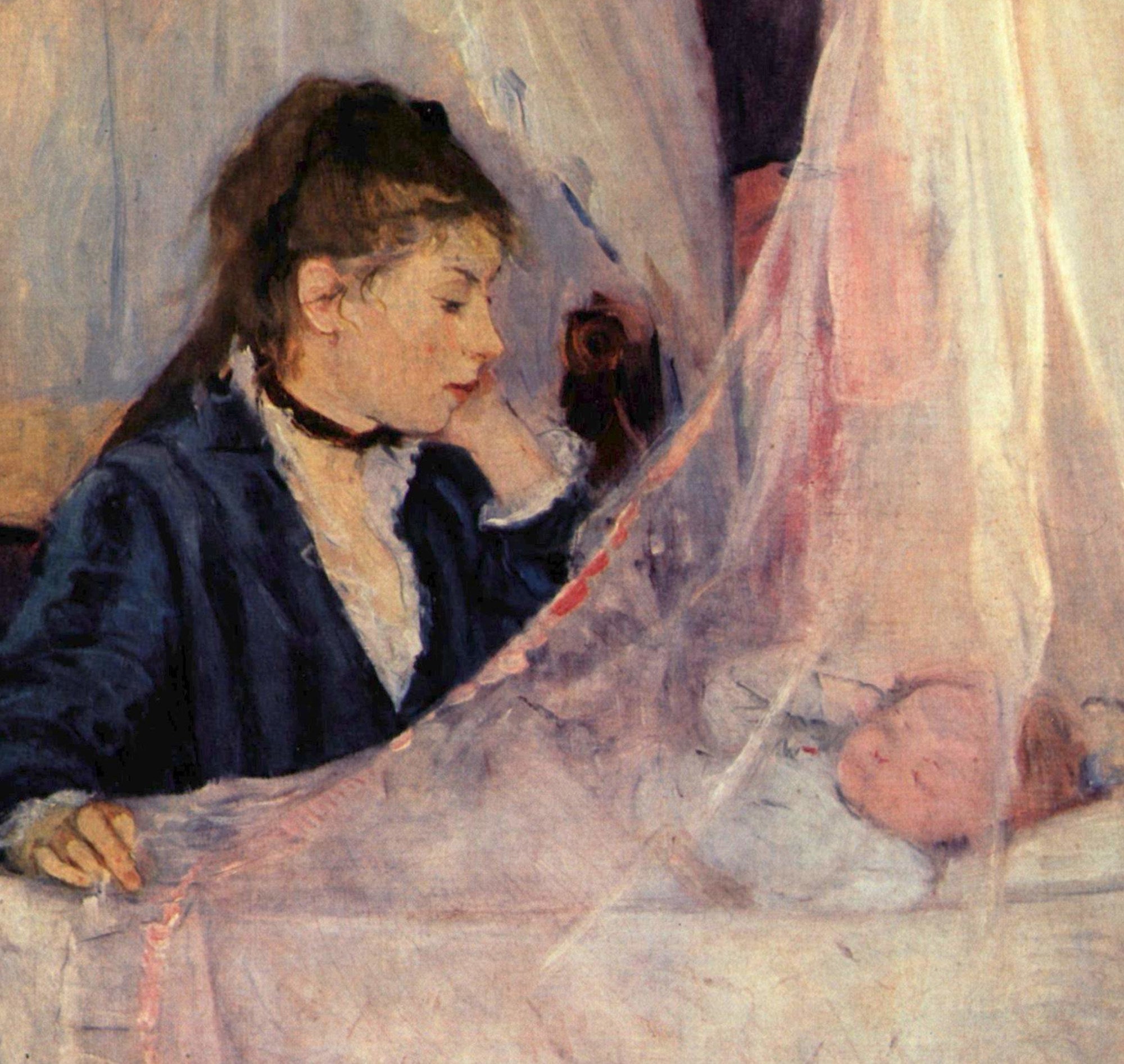
The story of Impressionism is incomplete without Berthe Morisot, Mary Cassatt, Eva Gonzalès and Marie Bracquemond. These artists brought distinctive approaches to portraiture, domestic life, gardens, fashion and modern experience, often working within a professional art world that offered women fewer opportunities and freedoms than their male contemporaries.
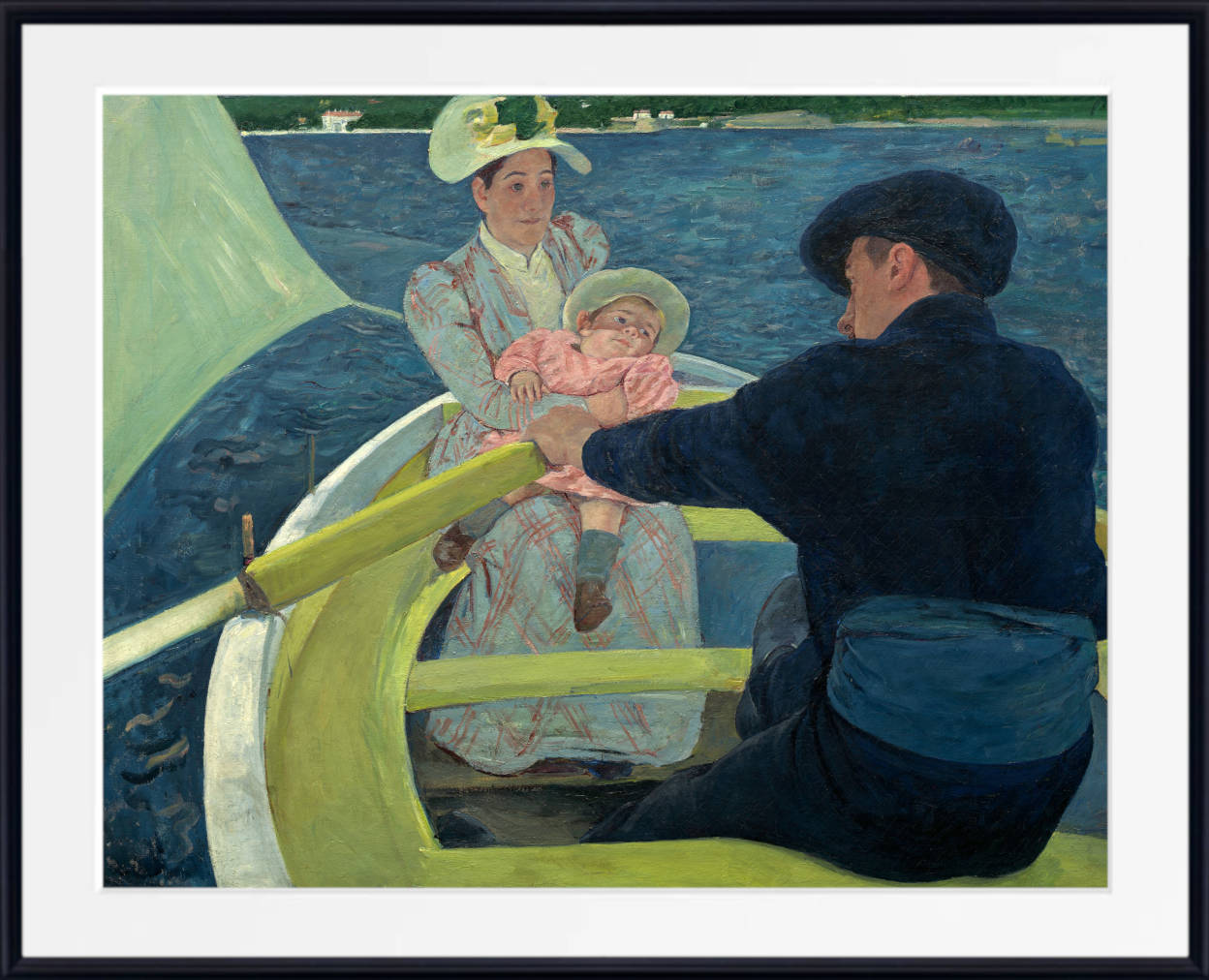
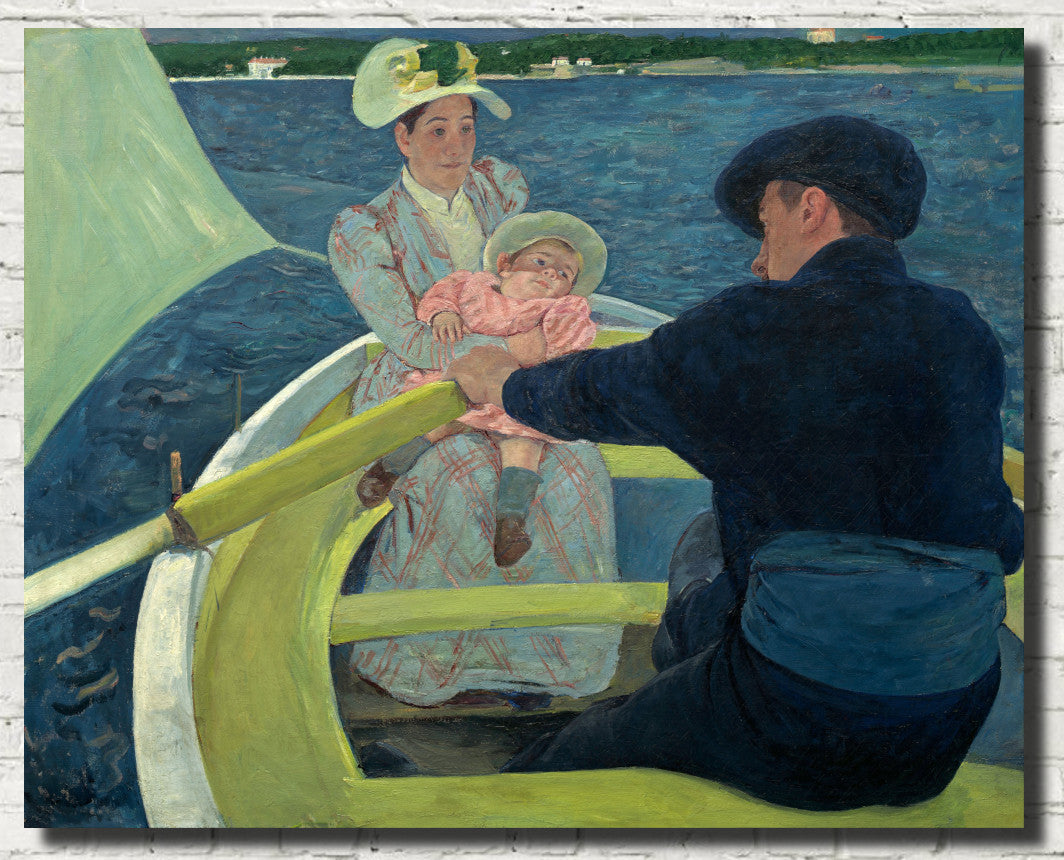
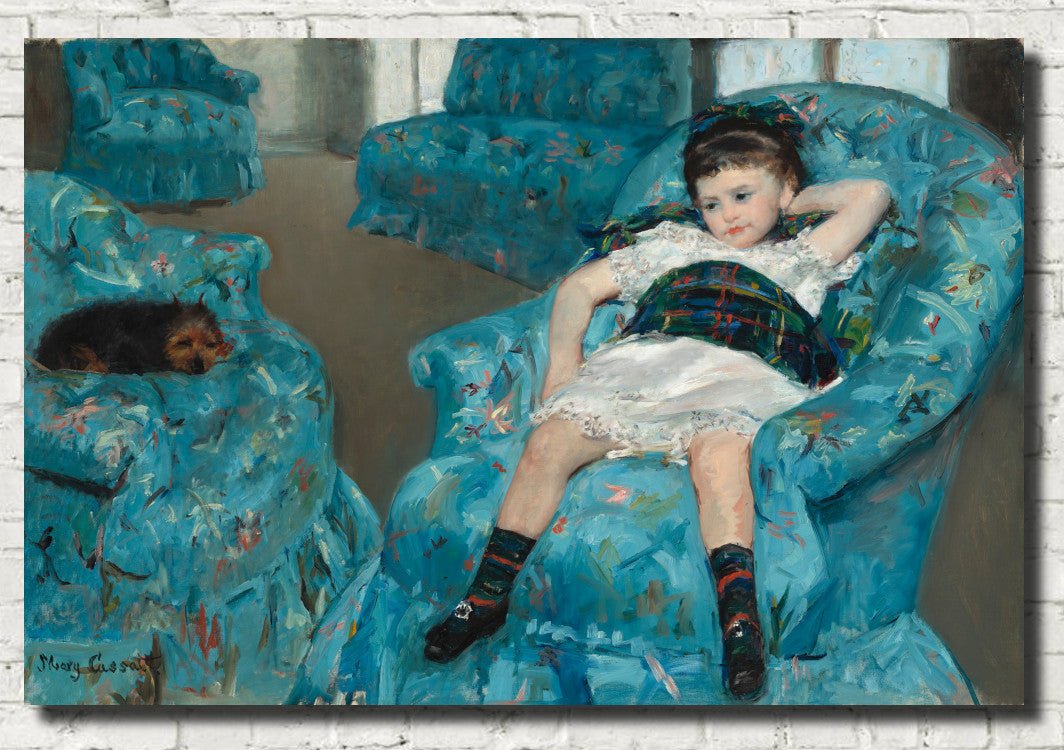
This gallery wall combines six figure paintings linked by quiet observation and intimate human presence. Cassatt's expansive blue interior creates the horizontal anchor, while portraits by Morisot, Gonzalès, Bracquemond and Cecilia Beaux introduce a varied sequence of vertical compositions.
Explore the complete Women of Impressionism Gallery Wall collection.
Shop This Women of Impressionism Gallery Wall


Why These Women of Impressionism Prints Work Together
The paintings are unified by their focus on figures, domestic spaces, leisure and closely observed human relationships. Their palettes move through blue, cream, green, pink and brown, creating subtle connections between paintings from different artists and decades.
The group also demonstrates the diversity of women working within and around Impressionism: from Morisot's free brushwork and Cassatt's psychological observation to Gonzalès's elegant portraiture, Bracquemond's luminous colour and Beaux's accomplished international portrait style.
5. Paris and Modern Life Gallery Wall

The modern city was one of the defining subjects of Impressionism. Newly widened boulevards, railway stations, bridges, cafés, theatres, crowds and rapidly changing weather gave artists countless opportunities to study movement, atmosphere and contemporary life.
This six-print wall creates a varied portrait of Paris. Monet and Pissarro look down upon the great boulevards from elevated viewpoints, Childe Hassam observes a rain-soaked street, Jean Béraud records an unexpected urban incident, Eugène Galien-Laloue evokes evening illumination and Stanislas Lépine turns to the quieter world of the Seine.
Explore the complete Paris and Modern Life collection.
Shop This Paris and Modern Life Gallery Wall


Why These Paris Impressionist Prints Work Together
Each work explores the city through a different atmospheric condition: winter, rain, evening light, traffic, crowds and river views. The repeated architecture and soft greys, creams, blues and warm city lights create cohesion, while differences in viewpoint and scale prevent monotony.
6. Coastal Light and Seaside Impressionism Gallery Wall

Seaside painting offered Impressionist artists a vast range of changing effects: sunlight on water, wet sand, evening skies, sea mist, fishing boats, beachgoers and the brilliant colours of coastal weather.
This five-print composition deliberately combines different coasts and traditions. Sorolla's monumental Valencian fishing scene forms the strongest horizontal anchor, Monet contributes dawn atmosphere, Hassam adds the rocky American shoreline, Krøyer brings the pale northern light of Skagen and Boudin introduces the fashionable beaches of Normandy.
Explore the complete Coastal Light and Seaside Impressionism collection.
Shop This Coastal Light and Seaside Impressionism Gallery Wall


Why These Coastal Impressionist Prints Work Together
The five works are connected by open skies, reflected light and the visual breadth of the coast. Their varied blues, sandy neutrals, whites and warmer sunset tones make the wall suitable for relaxed living rooms, bedrooms and coastal interiors without requiring a rigid blue-and-white scheme.
For more maritime subjects, explore Beach Scenes, Paintings and Prints.
7. Soft Pink and Green Impressionist Gallery Wall

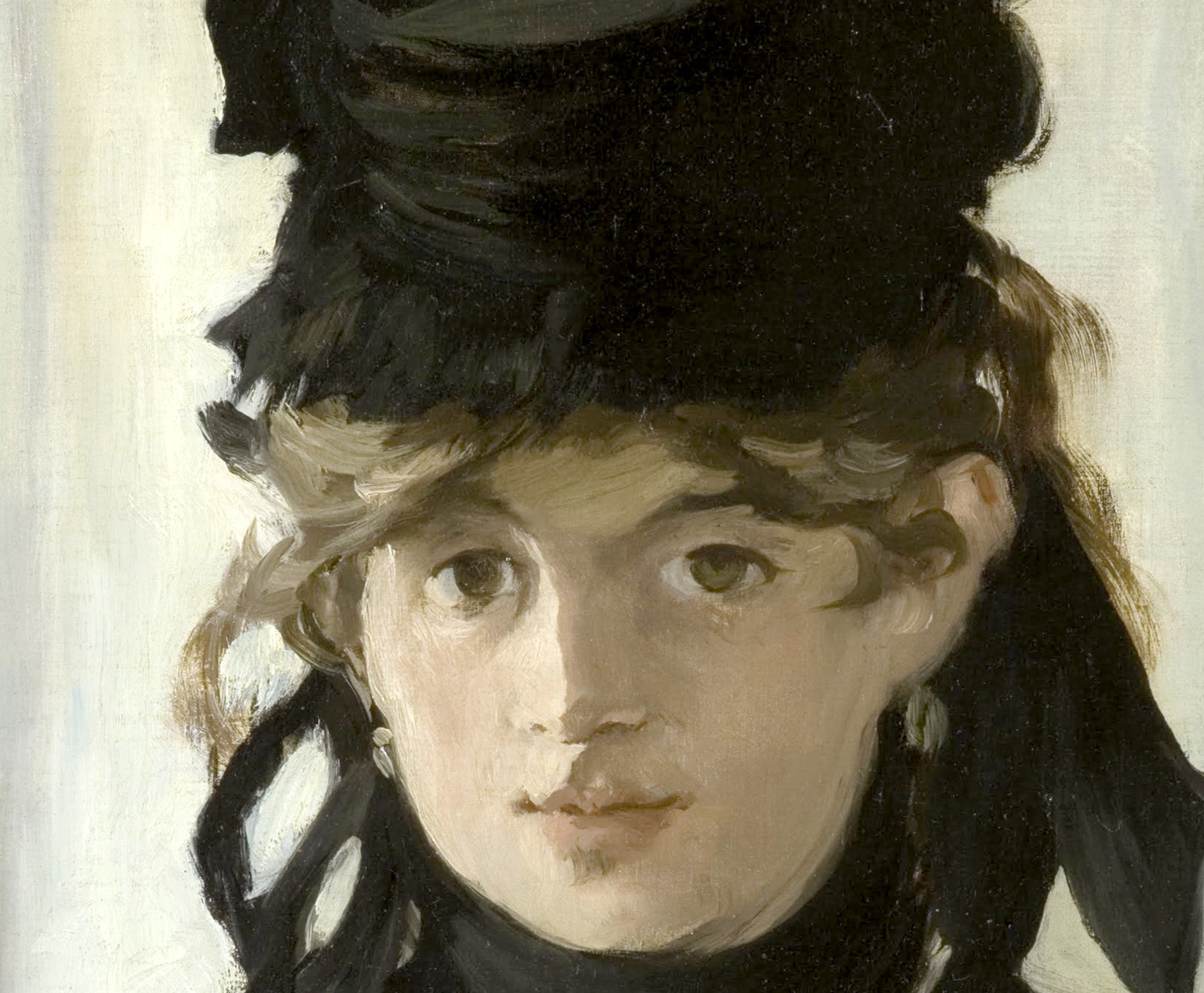
A soft pink and green Impressionist gallery wall creates a calm, elegant display through blush pink, muted rose, sage, soft olive and pale natural tones. This arrangement links portraits, landscape, flowers and domestic scenes through colour rather than a single artist or subject.
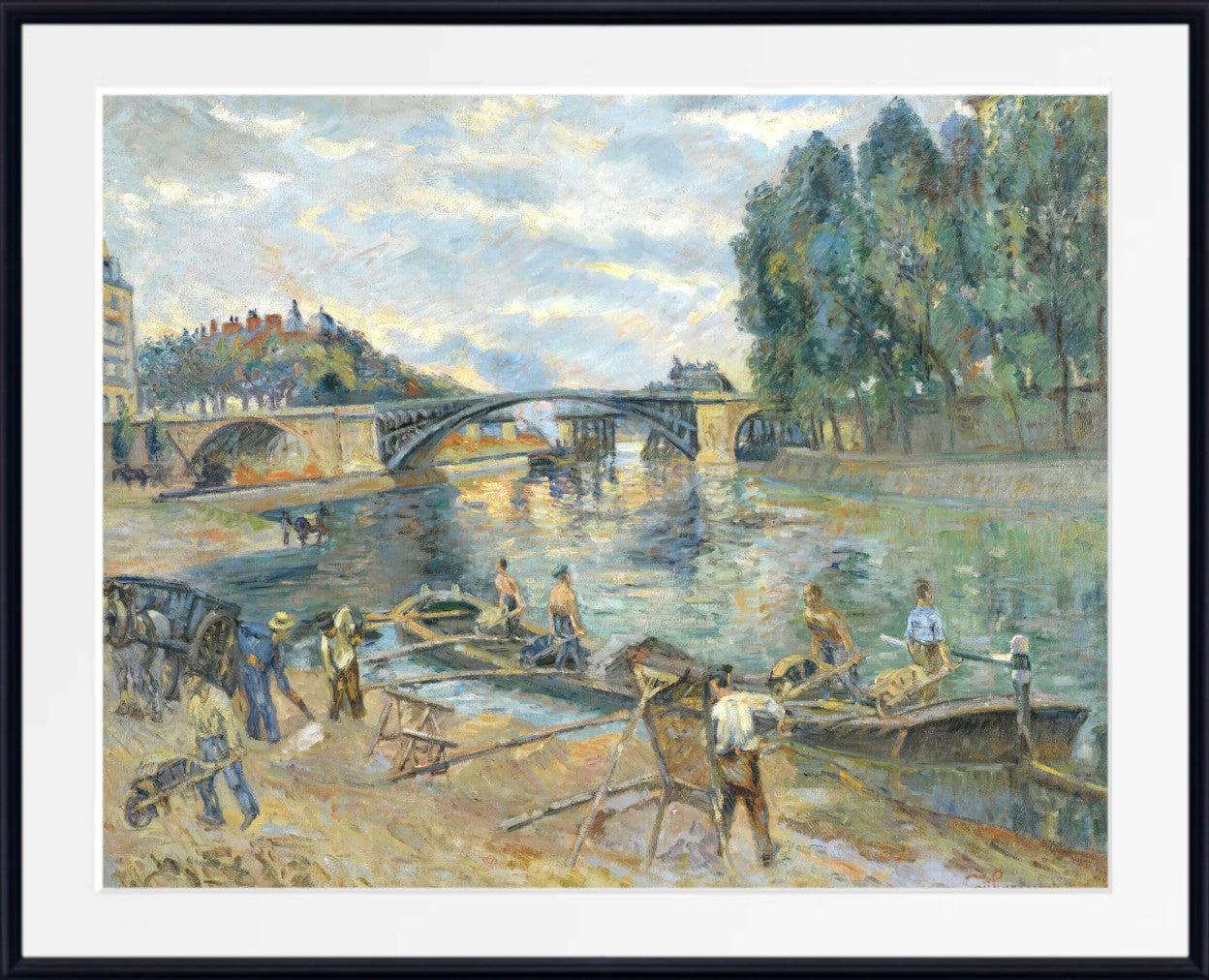
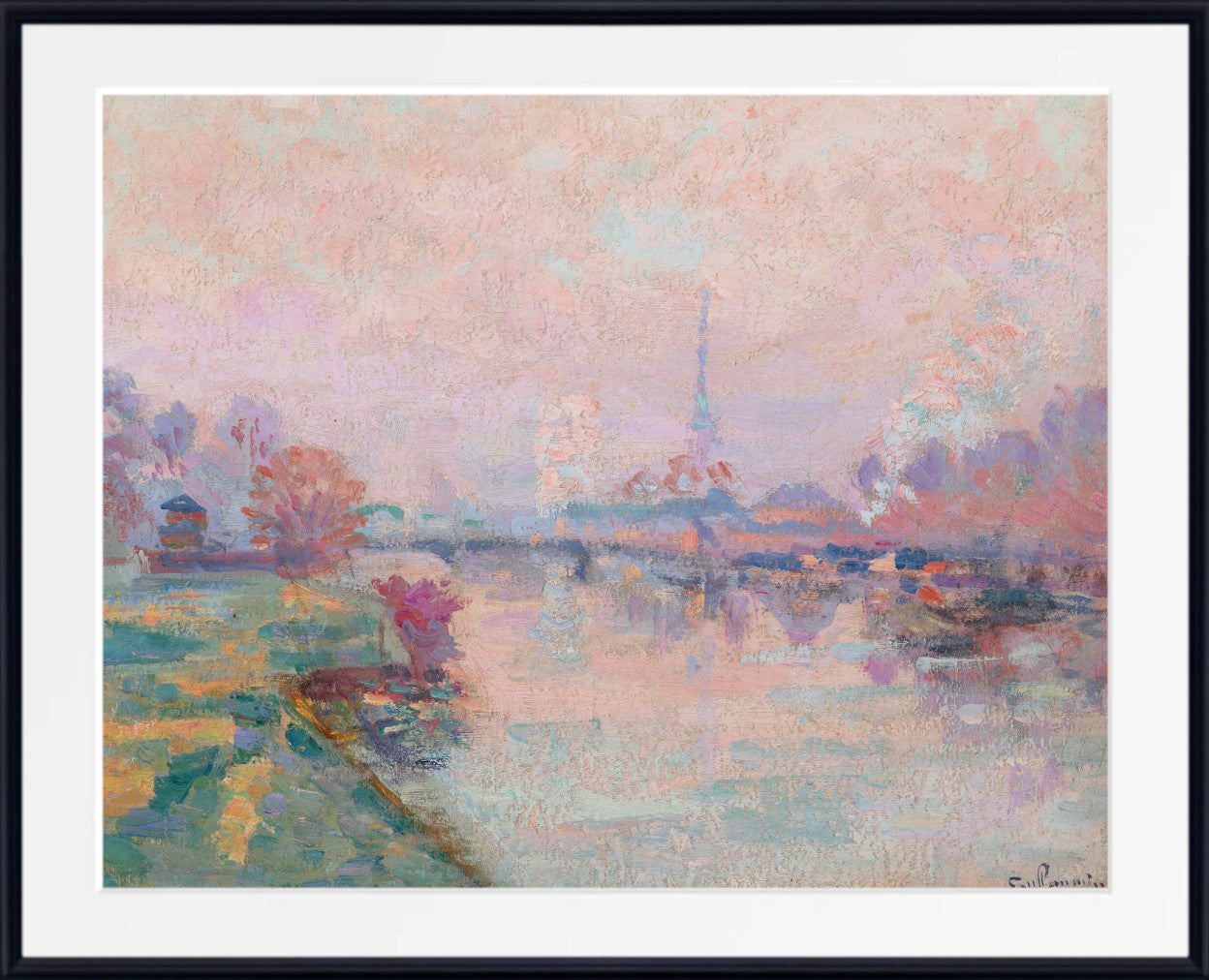
The result feels varied yet harmonious. Cecilia Beaux provides the tallest composition, Wilfrid Gabriel de Glehn introduces a broad reclining figure, Armand Guillaumin adds atmospheric Parisian colour, and works by Cassatt, Morisot, Gonzalès and Hassam bring intimate figures, gardens and flowers into the group.
Explore the complete Soft Pink and Green Impressionist Gallery Wall collection.
Shop This Soft Pink and Green Impressionist Gallery Wall


Why These Soft Pink and Green Impressionist Prints Work Together
The cohesion comes from repeated blush pinks, muted greens, creams and gentle natural tones. Although the seven paintings move between portrait, landscape, flowers and domestic life, their colours allow them to sit together without becoming overly uniform.
The mixture of formats also strengthens the composition. The unusually tall proportions of Dorothea and Francesca provide vertical drama, while three landscape works create horizontal balance and the remaining portraits establish rhythm across the wall.
For larger colour-led collections, explore Pink Impressionist Prints and Green Impressionist Prints.
Browse all Soft Pink and Green Impressionist Gallery Wall prints →
8. The Great Impressionist Masters Gallery Wall

For a gallery wall centred on the great names of Impressionism and its immediate circle, diversity matters. The strongest arrangement should not simply repeat several Monet or Renoir paintings but demonstrate how different artists interpreted modern life, landscape, movement, light and human experience.
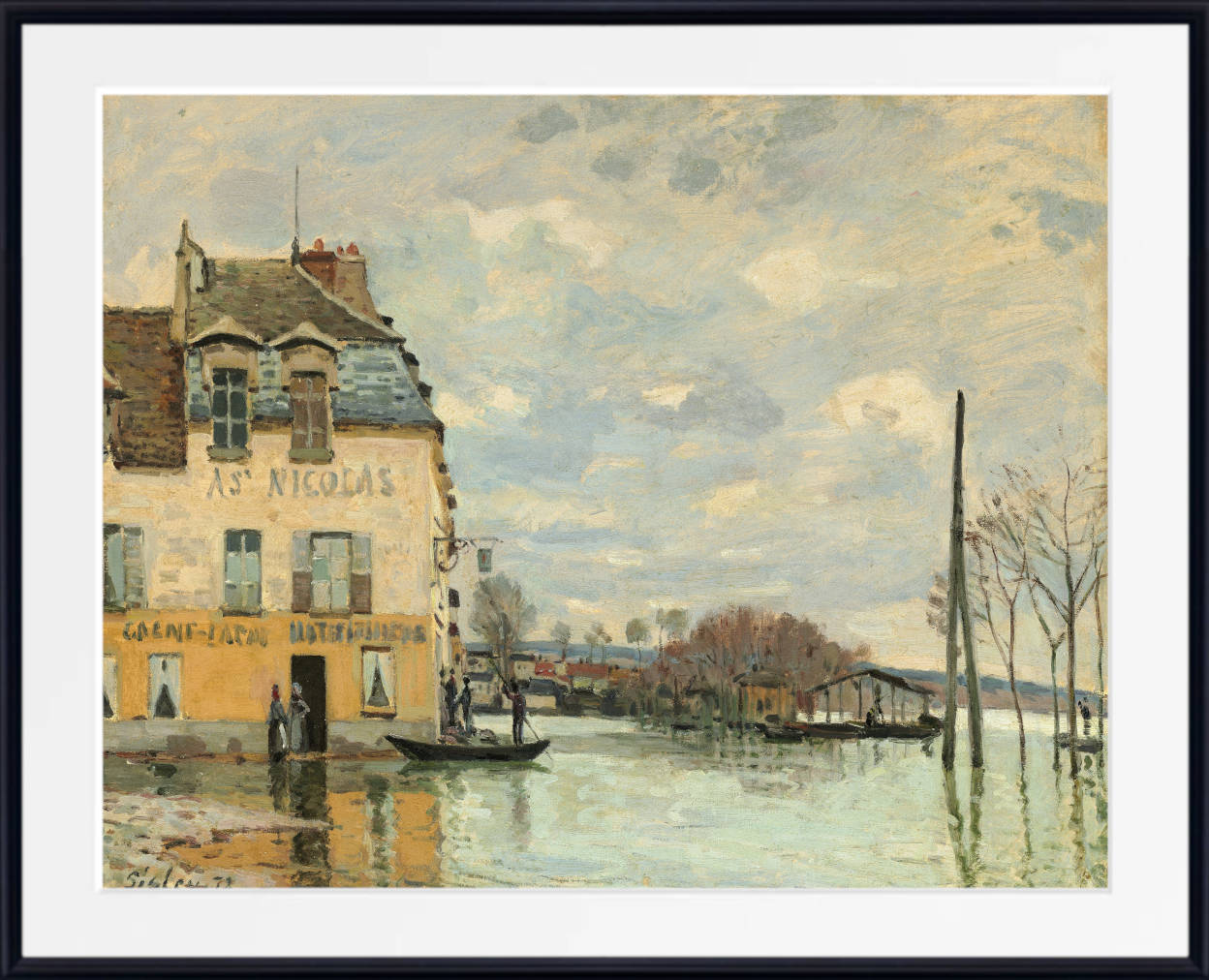
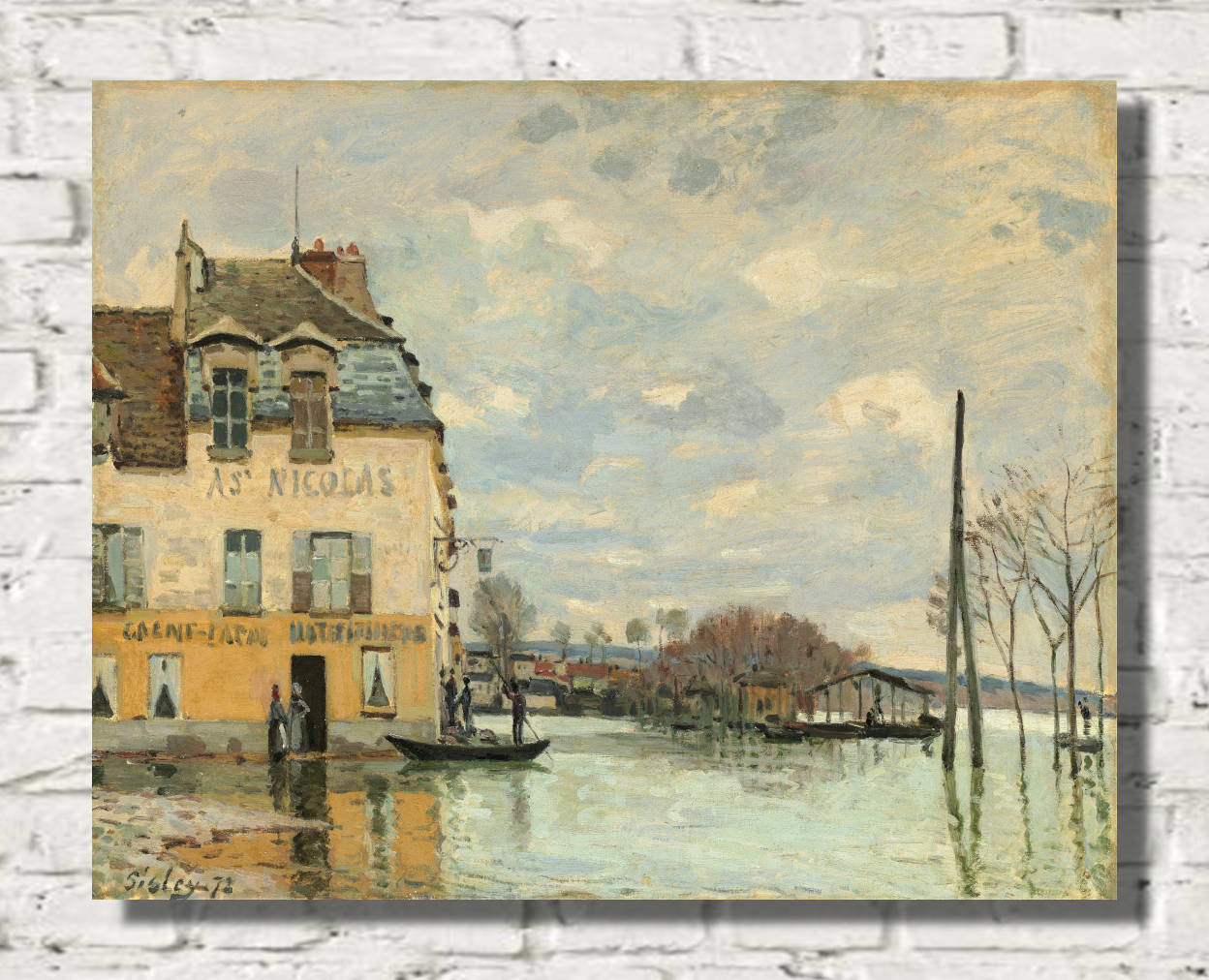
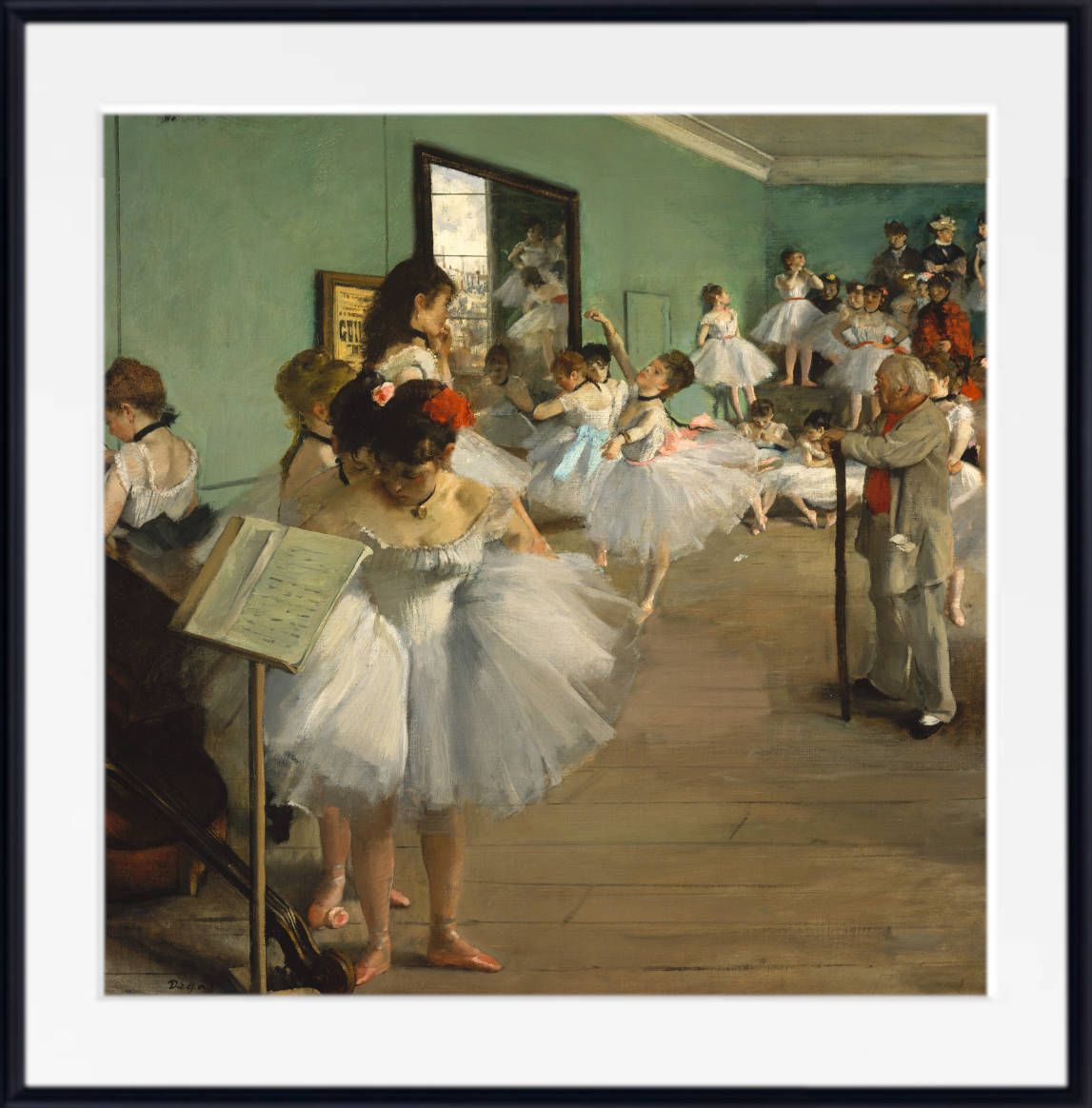
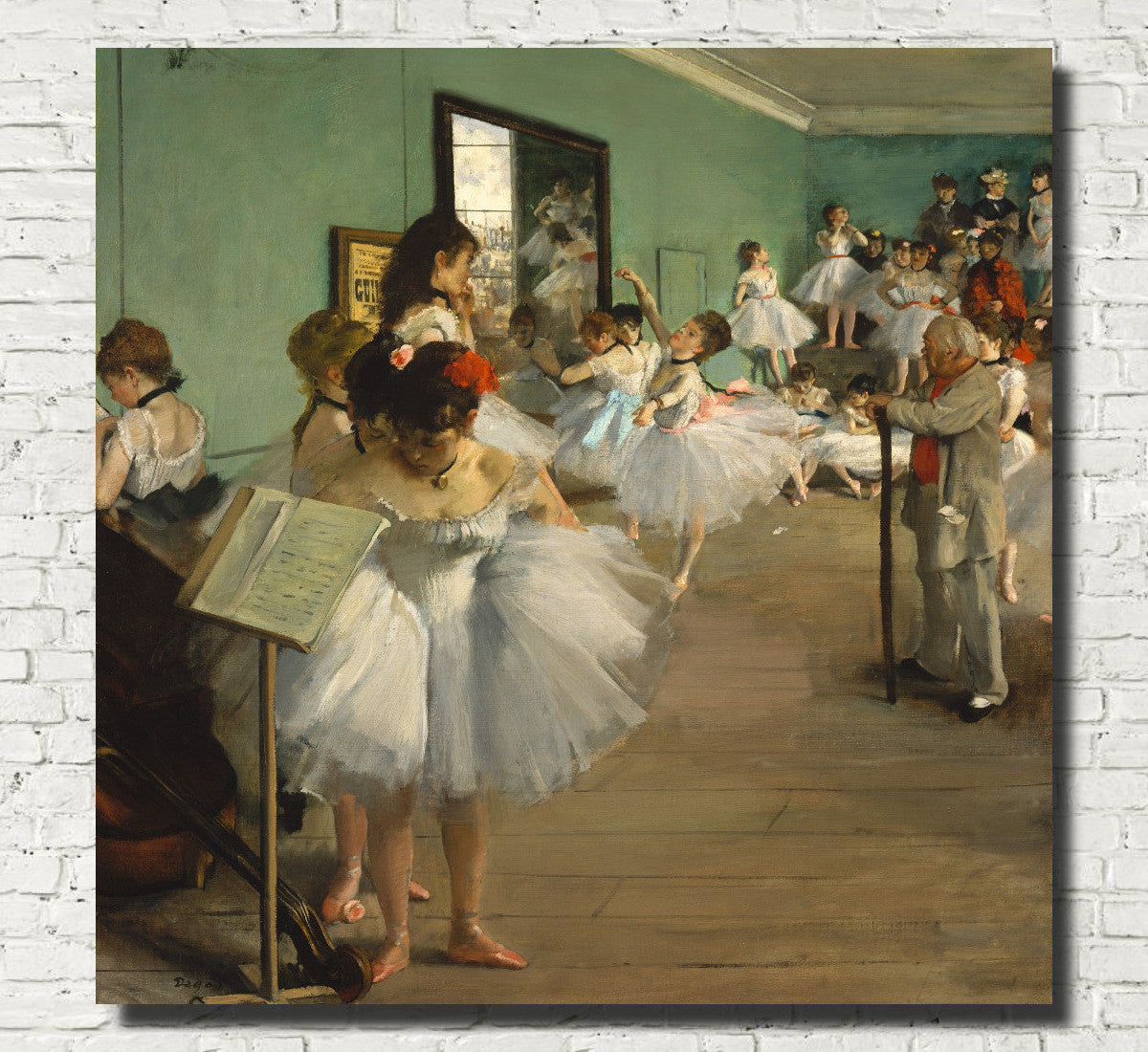
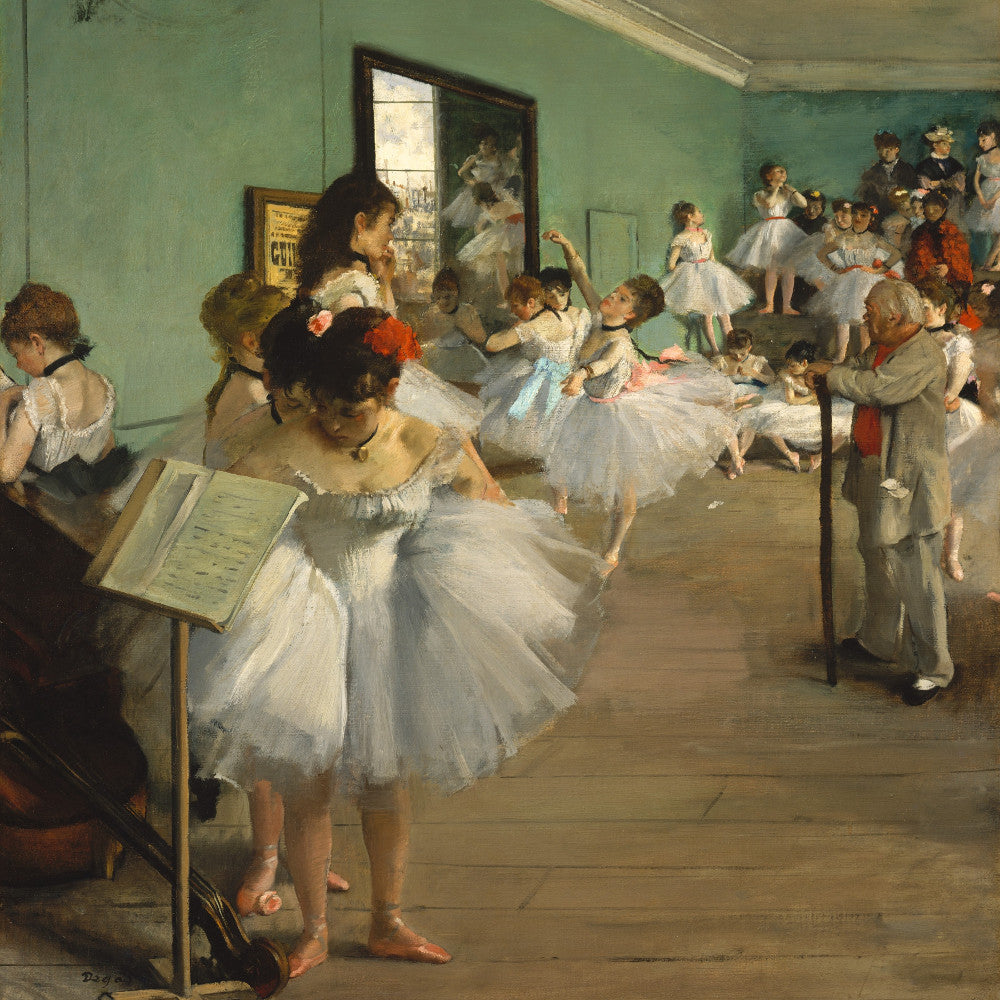
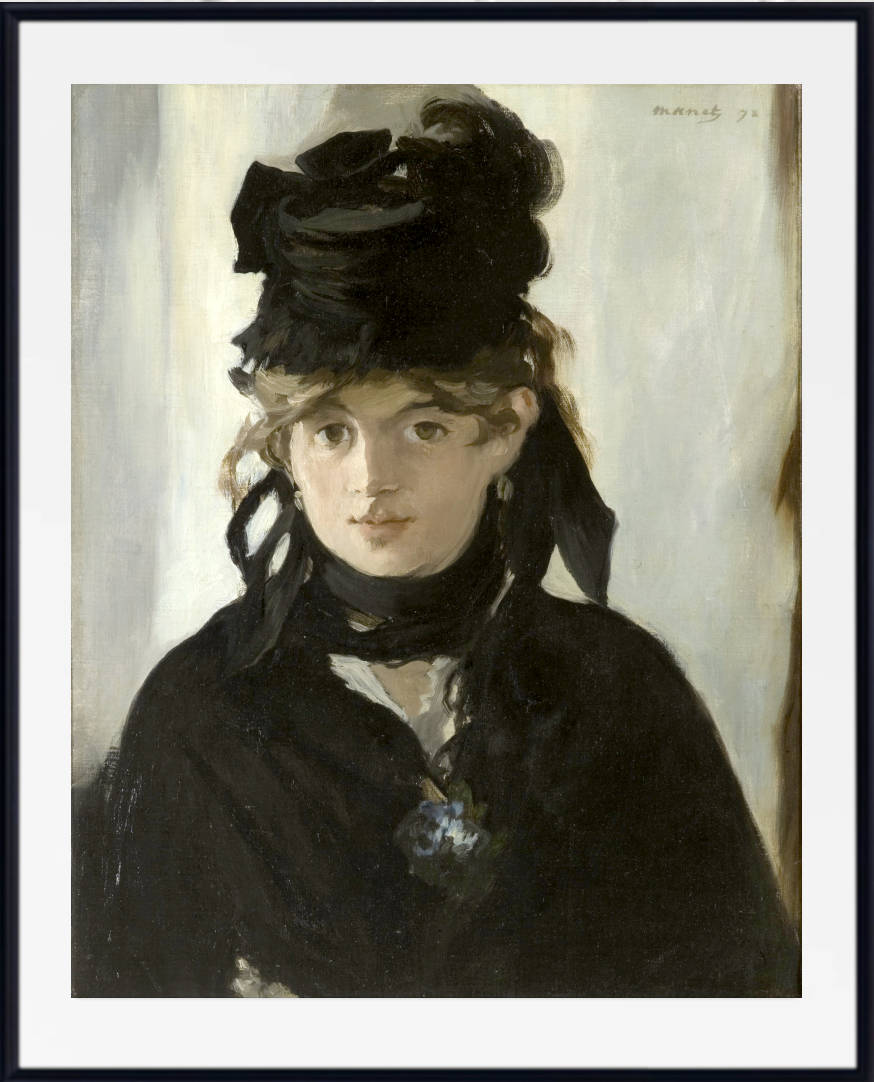
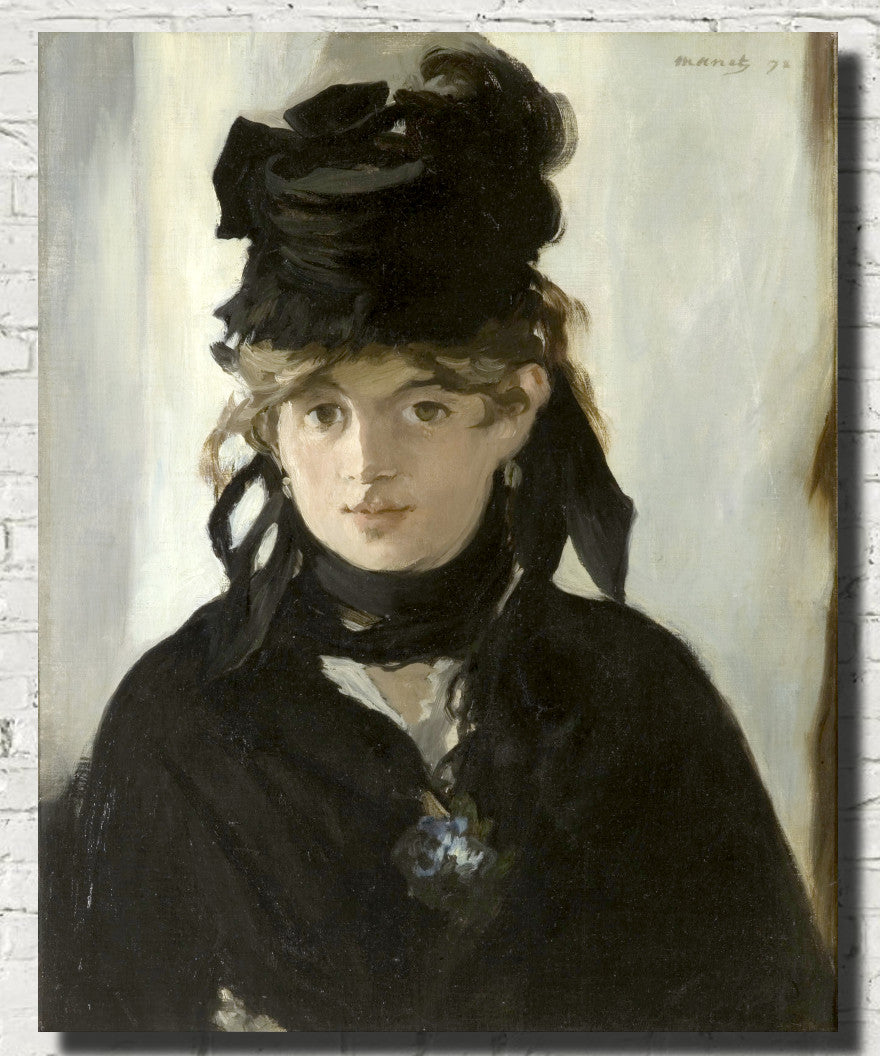
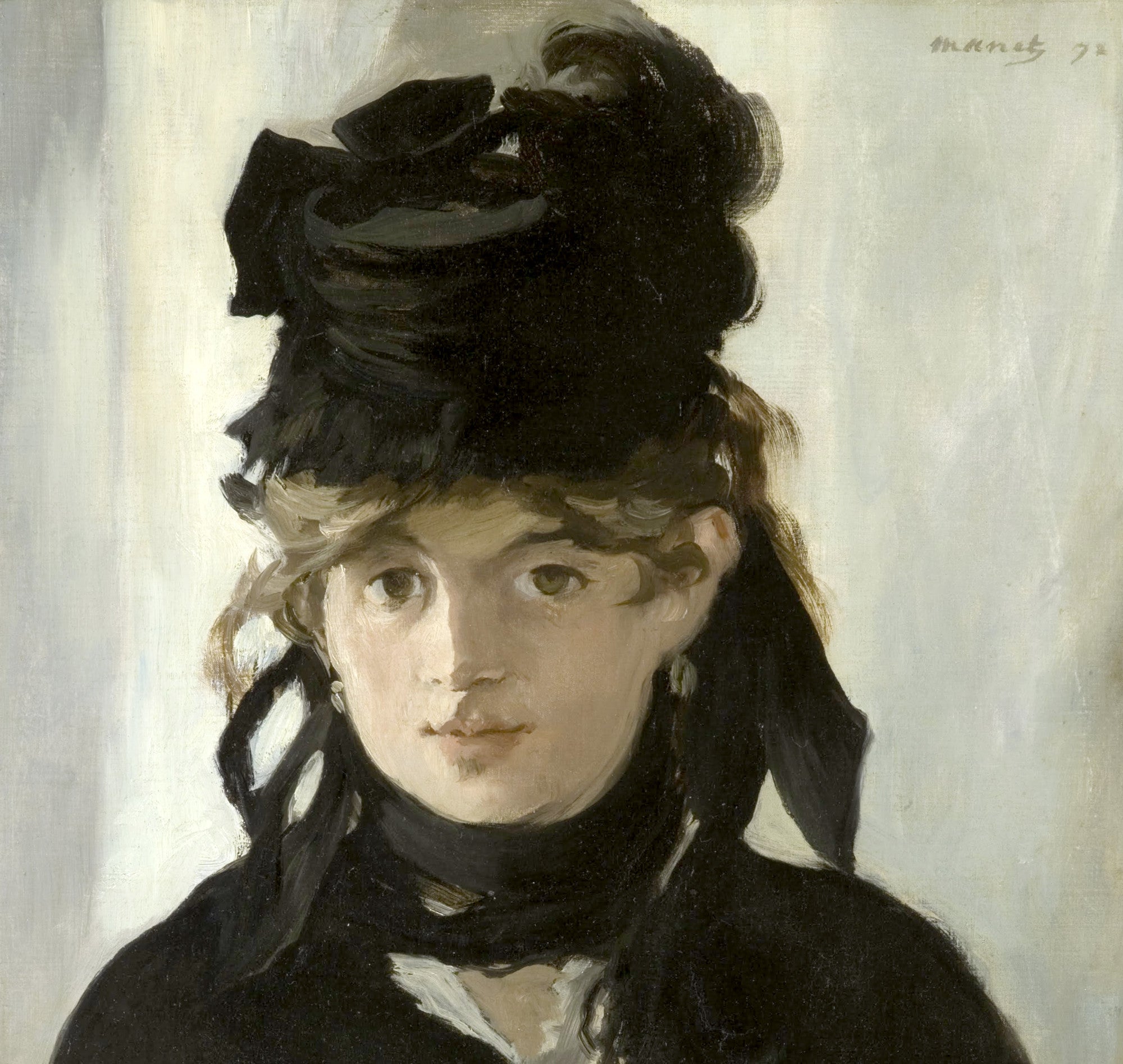
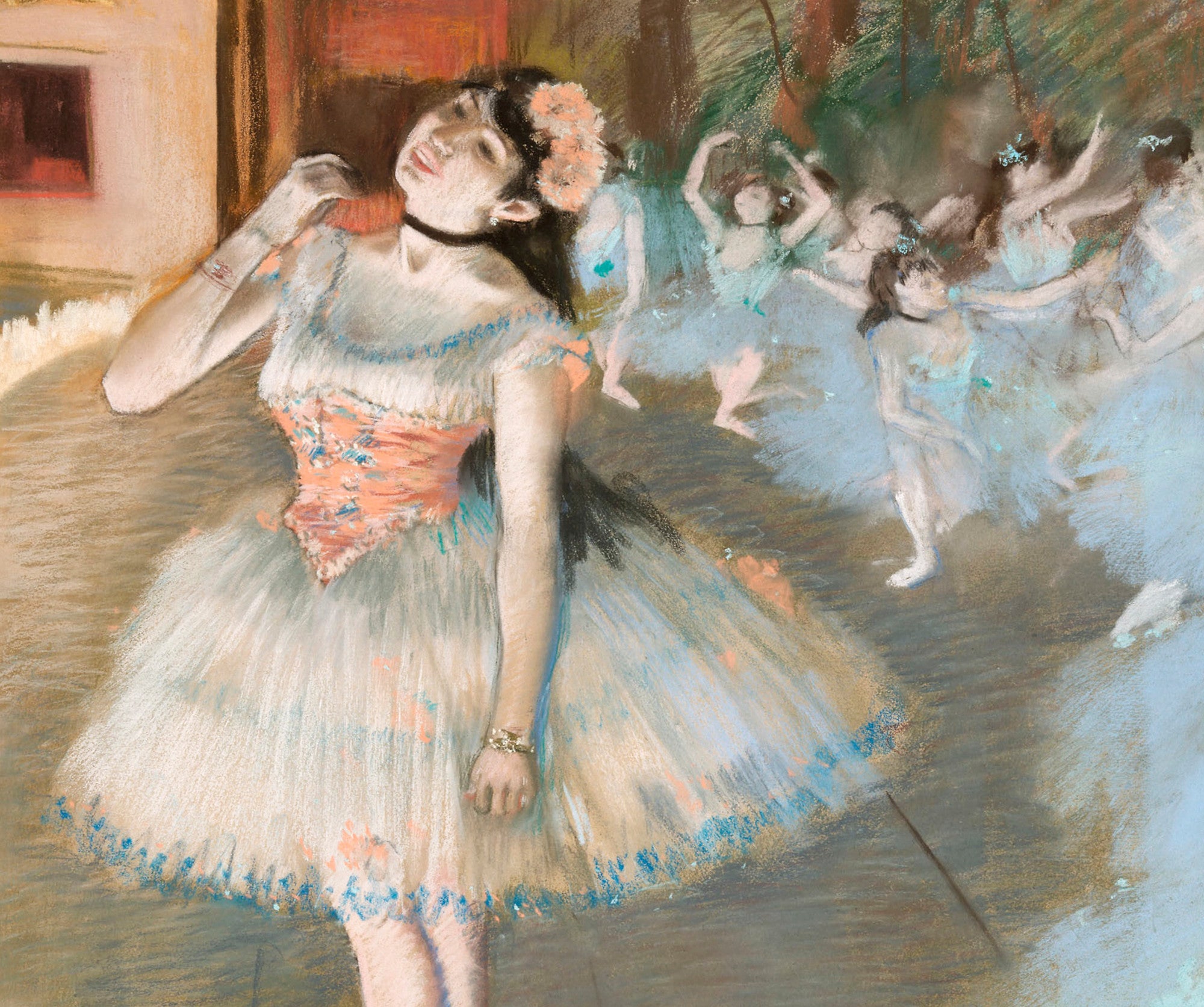
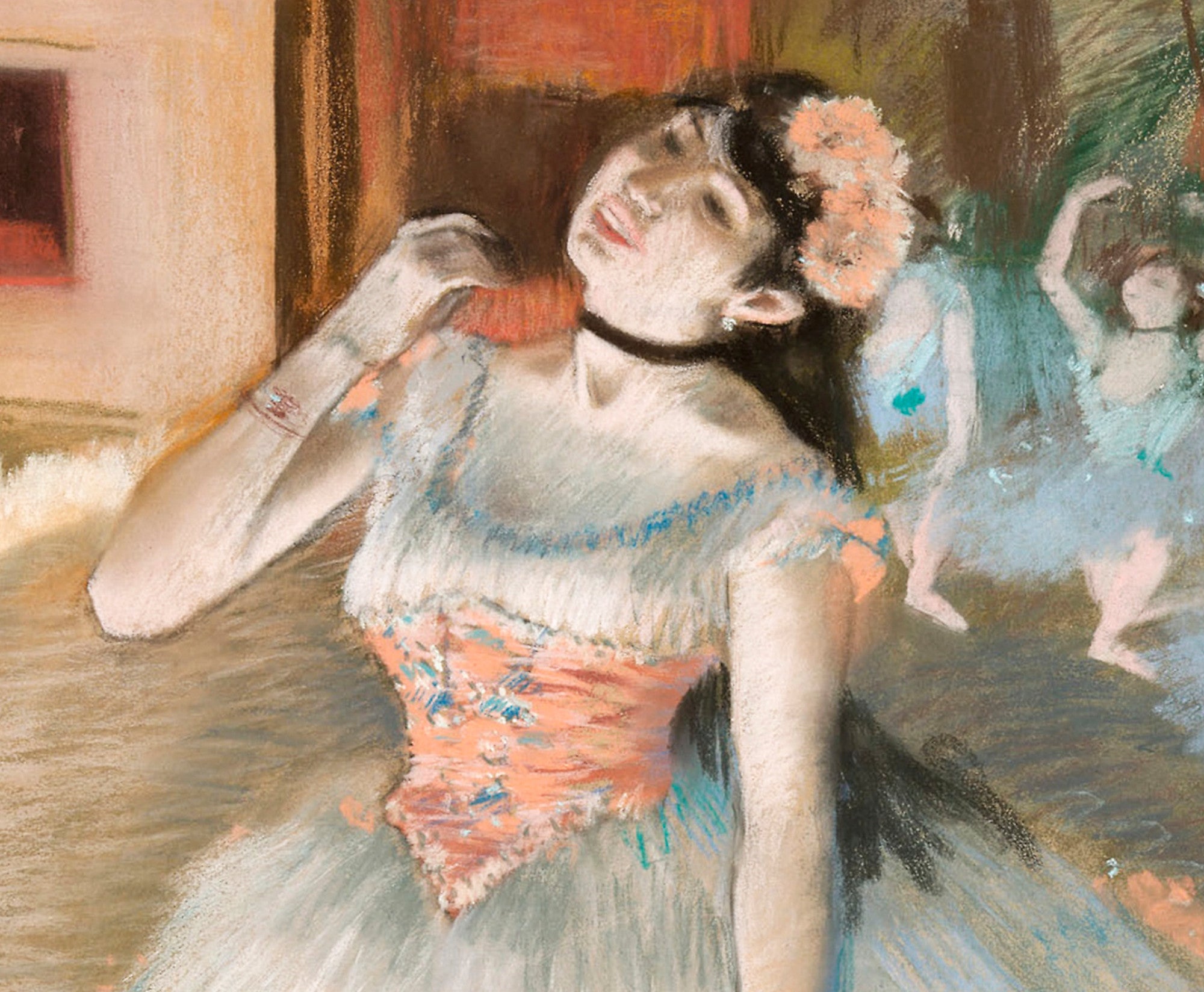
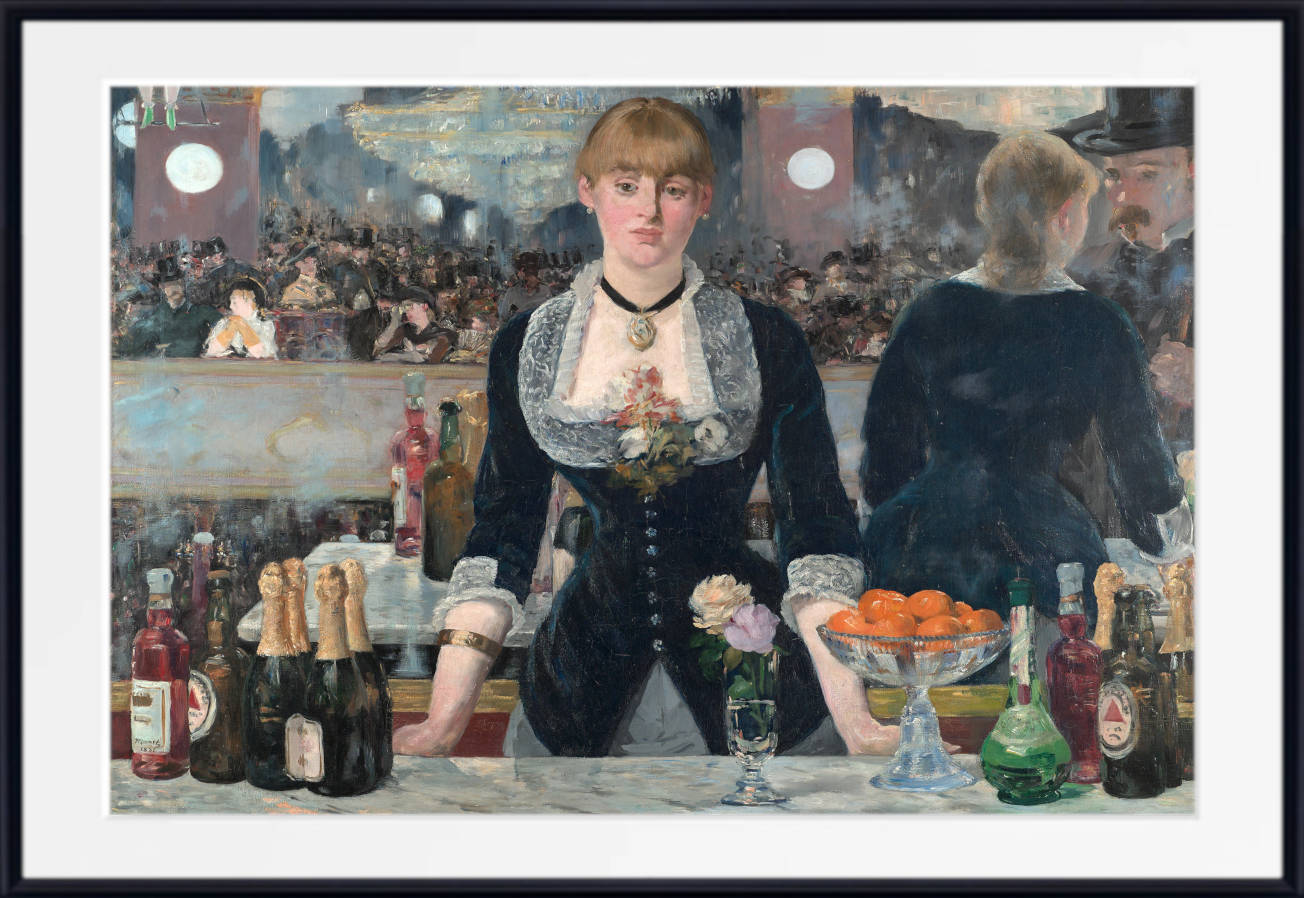
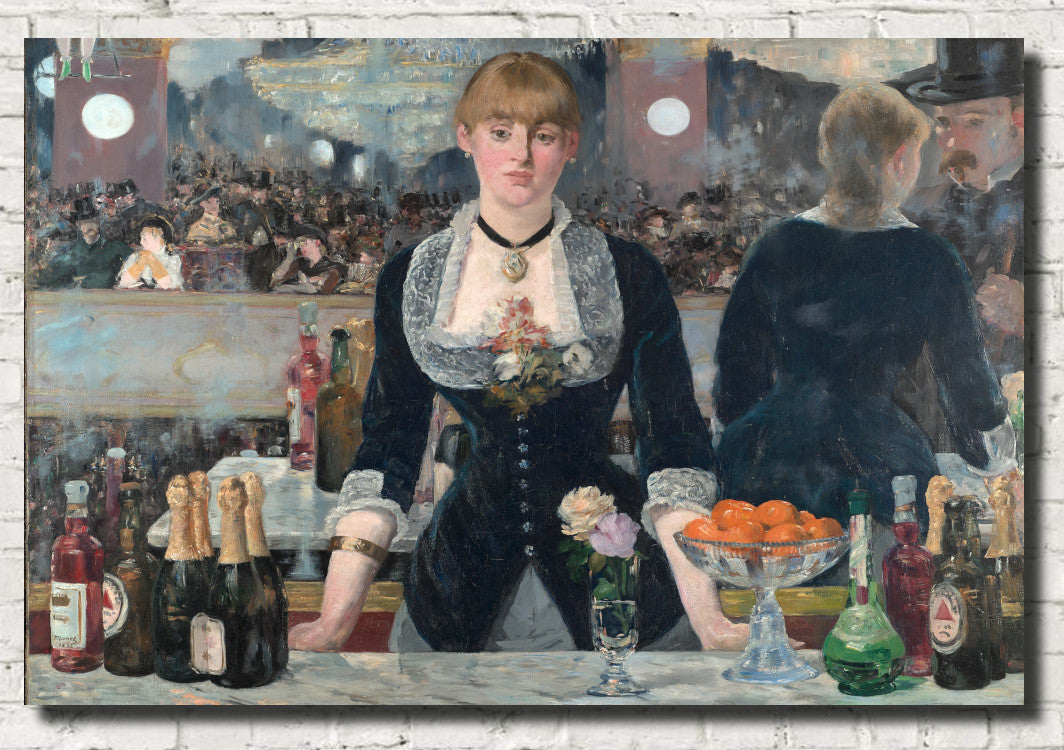
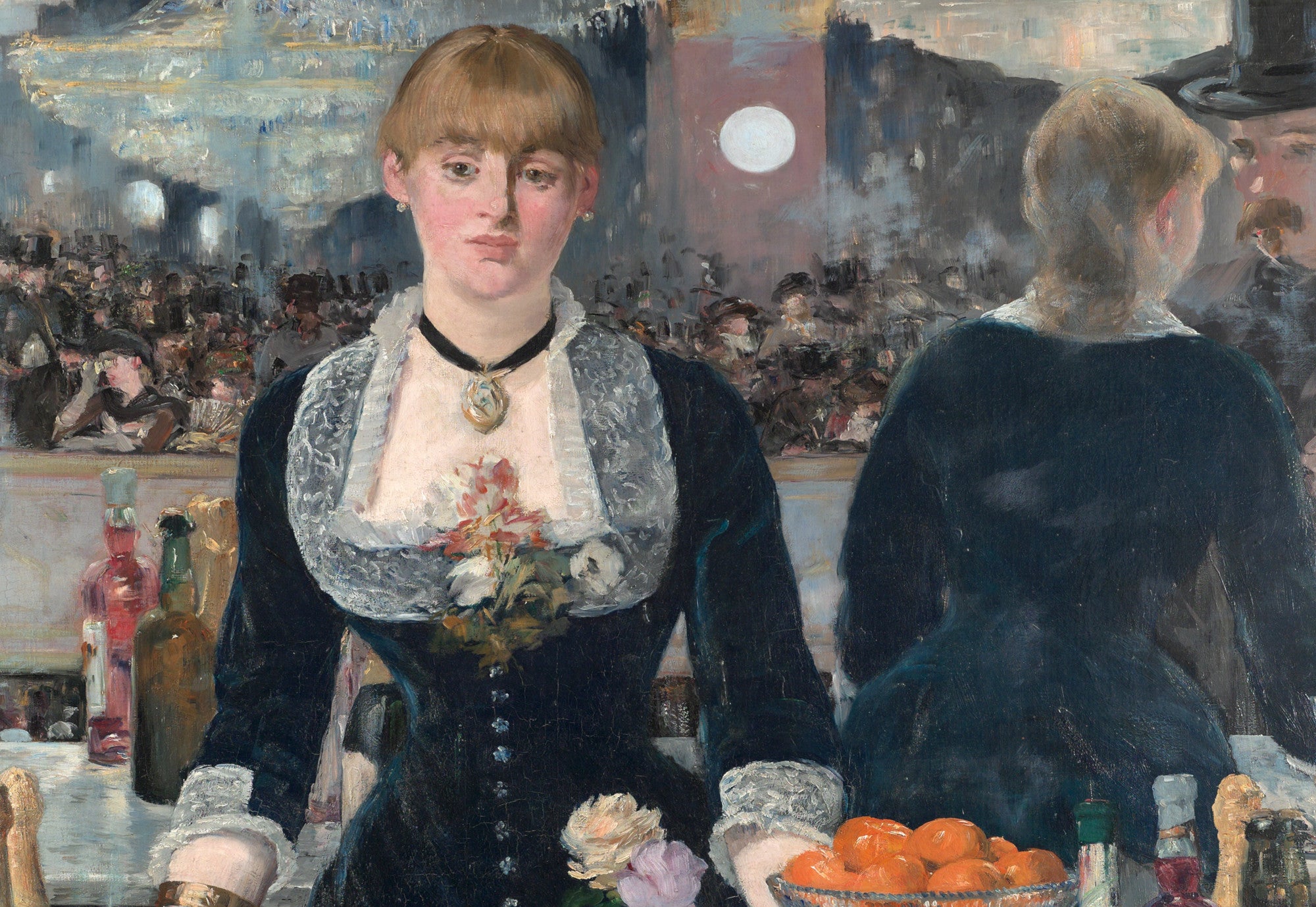
This seven-work selection brings together Edgar Degas, Édouard Manet—a crucial precursor and ally of the Impressionists—Claude Monet, Mary Cassatt, Pierre-Auguste Renoir, Camille Pissarro and Alfred Sisley. It balances instantly recognisable masterpieces with contrasting subjects and formats.
Explore the complete Great Impressionist Masters collection.
Shop This Great Impressionist Masters Gallery Wall


Why These Great Impressionist Masterpieces Work Together
The group represents seven different artists and several defining areas of Impressionist interest: modern leisure, ballet, portraiture, childhood, city life and landscape. The square Degas composition stabilises the arrangement, two portrait works provide vertical anchors and four landscape works create width and movement.
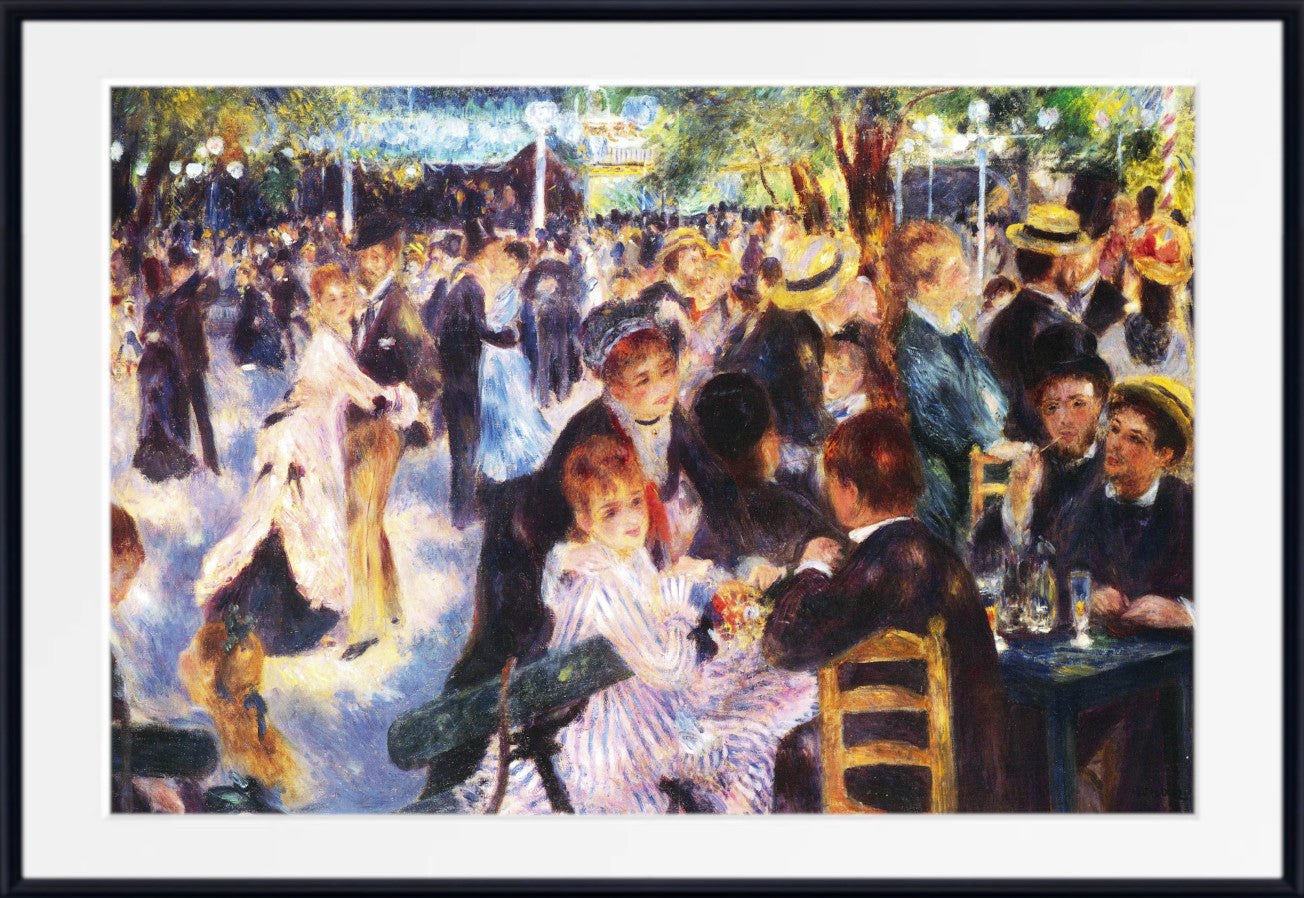
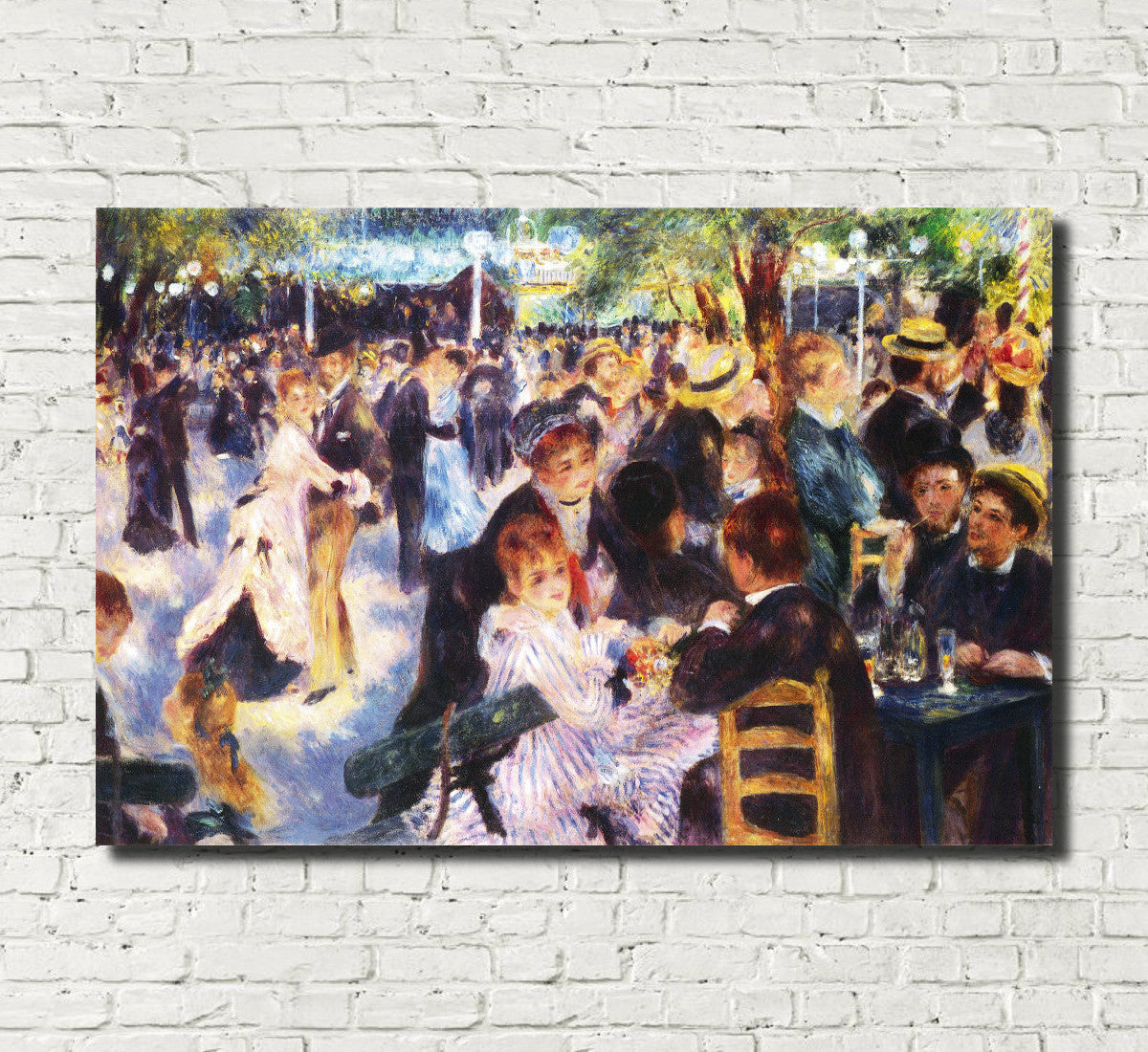
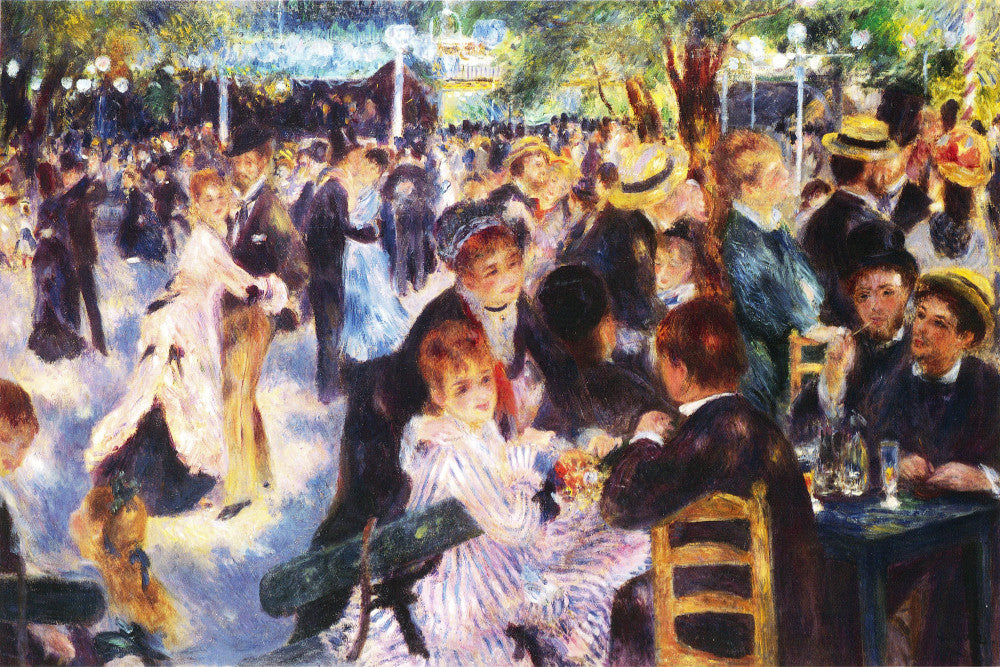
Renoir's Dance at Le Moulin de la Galette acts as the principal focal point because of its scale, crowd and brilliant broken light. Cassatt's blue interior provides a strong secondary colour anchor, while Monet, Pissarro and Sisley create quieter atmospheric intervals.
For a broader introduction to the painters who shaped the movement, read Impressionist Artists: The Complete List.
Browse all Great Impressionist Masters gallery-wall prints →
How to Arrange Impressionist Prints on a Gallery Wall
The best arrangement depends on the shape of the wall, the number of artworks and how formal or relaxed you want the final display to feel. Impressionist paintings are particularly flexible because the variety of portrait, landscape, square and panoramic formats can be used to create natural visual rhythm.
Use One Large Anchor Artwork
A strong starting point is to choose the largest or most visually dominant painting first. Position it near the centre of the overall arrangement, then build around it with smaller works. A large Renoir social scene, panoramic Monet water-lily painting or Sorolla coastal composition can provide the visual weight needed to hold a larger group together.
Create a Salon-Style Arrangement
A salon-style wall mixes several sizes and orientations in an apparently informal group. The arrangement should still be carefully controlled: keep spacing reasonably consistent, avoid accidental overlaps and balance darker or visually heavier works across the composition rather than clustering them all in one area.
Use a Symmetrical Grid for a More Formal Look
If your prints share similar dimensions, a two-by-two, two-by-three or three-by-three grid creates a clean architectural effect. Matching frames and equal spacing make this approach particularly effective in dining rooms, formal living rooms and above sideboards.
Combine Portrait, Landscape and Square Prints
Mixing orientations is one of the easiest ways to prevent a gallery wall from feeling repetitive. Tall portrait formats can define the outer edges of a composition, landscape works create horizontal movement and square prints can stabilise the centre.
Keep the Gaps Between Frames Consistent
Even spacing makes an arrangement feel deliberate. A gap of roughly 5 to 8 centimetres is a useful starting point for many medium-sized framed prints, although larger works may benefit from slightly more breathing room. The exact measurement matters less than consistency across the group.
Plan the Arrangement Before Hanging
Lay framed prints on the floor or make paper templates before fixing anything to the wall. Begin with the anchor artwork, add the largest remaining works, then use smaller prints to resolve the spaces between them. Step back regularly and judge the arrangement as one overall shape rather than as seven or eight independent objects.
How to Choose Impressionist Prints by Colour
Colour is one of the easiest ways to build a coherent Impressionist gallery wall. The paintings do not need to match exactly; repeating two or three dominant colours is usually enough to create a relationship across different artists and subjects.
Blue Impressionist Gallery Walls
Blue works well in calm bedrooms, living rooms and coastal interiors. Look for rivers, mist, nocturnes, sea views and blue clothing, then introduce grey, green, cream or violet to prevent the display from becoming overly monochromatic.
Browse Blue Impressionist Prints →
Green Impressionist Gallery Walls
Gardens, trees, meadows and riverbanks make green one of the richest colours within Impressionist painting. Green gallery walls combine especially well with neutral walls, timber furniture and natural materials.
Browse Green Impressionist Prints →
Pink Impressionist Gallery Walls
Soft pink appears in dresses, flowers, interiors, sunsets and reflected light. Pair blush and rose tones with cream, sage green, pale blue or muted brown for a sophisticated rather than overly decorative effect.
Browse Pink Impressionist Prints →
Yellow Impressionist Gallery Walls
Yellow brings warmth through sunlight, gardens, haystacks, interiors and evening illumination. A few yellow accents can enliven a neutral gallery wall without dominating it.
Where to Hang an Impressionist Gallery Wall
Living Room
Living rooms usually offer the largest uninterrupted wall areas and can accommodate more ambitious arrangements. Above a sofa or sideboard, use one substantial anchor painting and build outward with complementary works. Wide landscapes, panoramic Monet prints and social scenes by Renoir or Pissarro work particularly well in these positions.
Explore more Living Room Wall Art Ideas.
Bedroom
For bedrooms, softer gardens, flowers, water scenes and quiet figures often create the most restful atmosphere. Blue, green, blush pink and neutral palettes are particularly effective above a bed or chest of drawers.
Explore more Bedroom Wall Art Ideas.
Dining Room
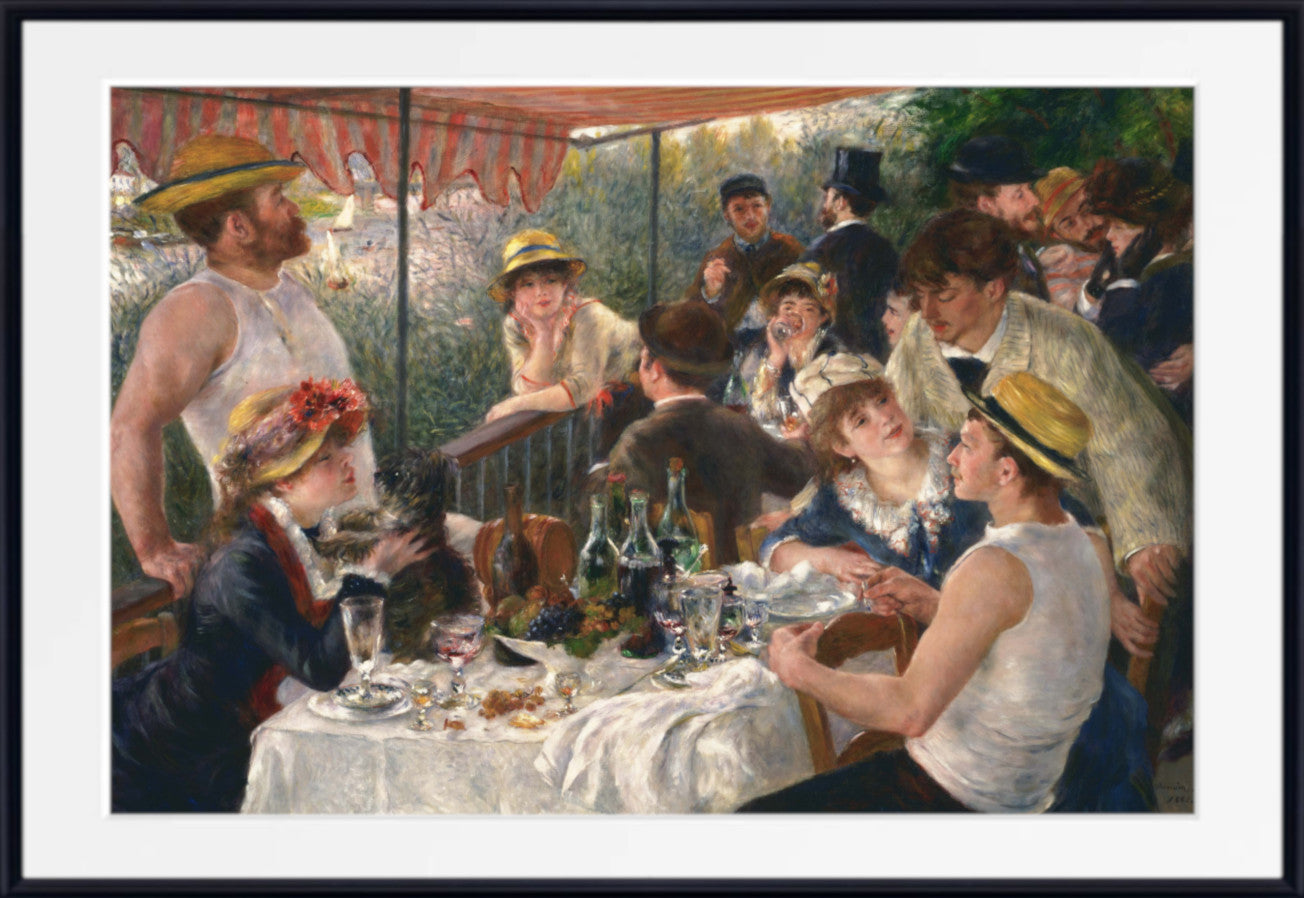
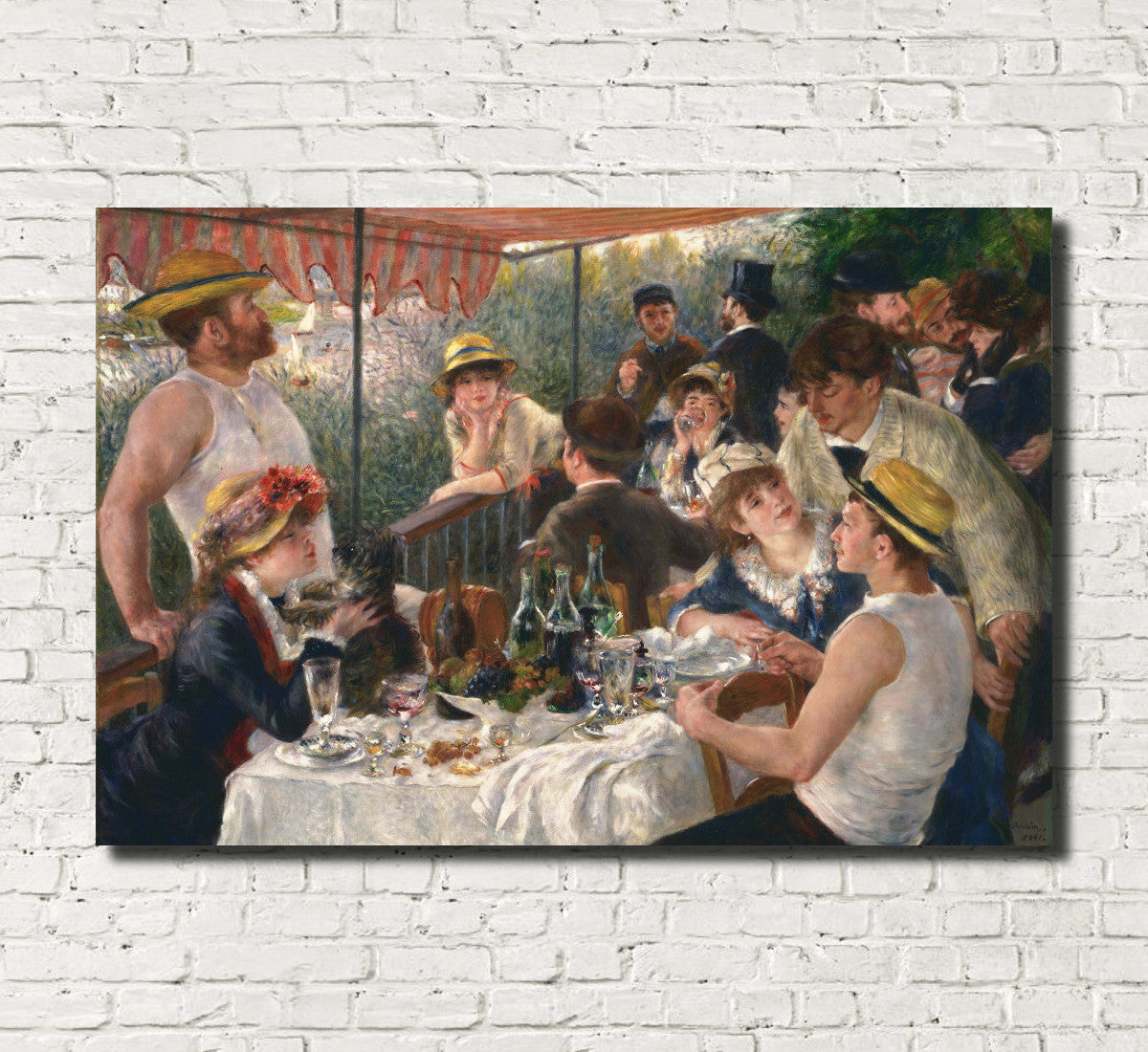
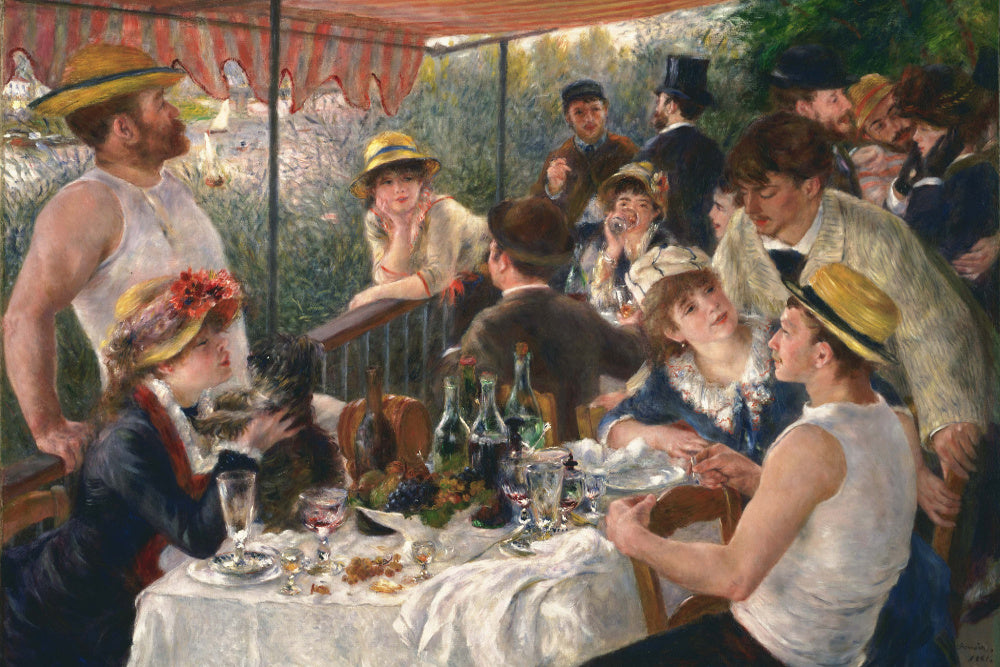
Dining rooms can support richer colour and more social subject matter. Renoir's cafés and gatherings, Parisian street scenes, floral still lifes and garden paintings can all create a lively but sophisticated background for entertaining.
Explore more Dining Room Wall Art Ideas.
Hallway and Stairway
Hallways and stairways are ideal for collections that unfold gradually. Vertical portraits can punctuate narrow wall spaces, while an ascending arrangement can follow the line of a staircase. Keep frame spacing consistent so the display feels intentional as it moves through the space.
Explore more Hallway and Stairway Wall Art Ideas.
Home Office or Study
A smaller group of three to five Impressionist prints can add colour and character without overwhelming a working space. Cityscapes, landscapes and artist-focused groups are particularly effective because they reward repeated viewing without demanding constant attention.
Choosing Frames and Sizes for an Impressionist Gallery Wall
Should All Gallery Wall Frames Match?
No. Matching frames create the cleanest and most formal result, but a controlled mixture can also work beautifully. Black frames provide definition, natural wood adds warmth and white frames can suit paler or more contemporary interiors. The safest mixed-frame approach is to limit the arrangement to two related finishes rather than combining many unrelated colours and profiles.
Choose a Clear Size Hierarchy
A gallery wall is easier to read when one or two works are visibly larger than the rest. These pieces become anchors. Medium works build the structure around them and smaller works resolve gaps or add detail.
Preserve the Artwork's Original Orientation
Do not force a landscape composition into a portrait-shaped space or crop a panoramic work merely to make the arrangement symmetrical. The proportions of the artwork are part of its composition. Instead, allow the differences between square, portrait, landscape and panoramic works to create the rhythm of the wall.
Use Mounts to Create Consistency
When paintings have very different proportions, similar white or off-white mounts can help unify the group. A repeated frame colour and consistent mount treatment can connect works by different artists and from different decades.
Consider the Overall Width of the Arrangement
Above a sofa, bed or sideboard, the complete gallery wall should feel visually connected to the furniture beneath it rather than floating as a small isolated cluster. A group covering roughly two-thirds to three-quarters of the furniture width is often a useful starting point, although the architecture of the room should always guide the final decision.
Impressionist Gallery Wall FAQs
What is an Impressionist gallery wall?
An Impressionist gallery wall is a grouped display of two or more Impressionist paintings shown together as framed prints or other wall art. The works may be linked by artist, colour, subject, location or mood.
Which Impressionist artists look good together?
Claude Monet, Pierre-Auguste Renoir, Berthe Morisot, Mary Cassatt, Alfred Sisley, Camille Pissarro, Gustave Caillebotte and Edgar Degas can all work well together when the selected paintings share complementary colours, formats or subjects.
Can I mix Monet and Renoir prints on the same wall?
Yes. Monet landscapes and gardens can combine effectively with Renoir figures, flowers and social scenes. Look for shared colours or balance a large Renoir composition with quieter Monet landscapes.
How many prints should an Impressionist gallery wall contain?
Three works can create a simple grouped display, while five to seven works suit many medium-sized walls. Larger salon-style arrangements can contain considerably more. The correct number depends on wall size, print dimensions and spacing.
Should all gallery-wall frames match?
Matching frames provide the most unified appearance, but they are not essential. A restrained mix of two compatible frame finishes can create a more collected look while maintaining cohesion.
Can I mix portrait and landscape prints?
Yes. Mixing portrait, landscape and square formats usually makes a gallery wall more visually interesting. Tall works can act as vertical anchors, while landscape prints provide width and square works create stability.
What colours work best for an Impressionist gallery wall?
Blue, green, cream, pink and muted natural tones are especially versatile because they occur throughout Impressionist landscapes, gardens, interiors and figure paintings. Brighter reds, oranges and yellows can be introduced as accents.
How do I arrange Impressionist prints above a sofa?
Begin with one larger anchor artwork positioned near the centre, then add supporting works around it. Keep the group visually connected to the sofa and maintain consistent gaps between frames.
Can I create a gallery wall using only Claude Monet prints?
Yes. Monet's extraordinary range of landscapes, gardens, water lilies, coastal scenes and city views makes him particularly well suited to artist-focused gallery walls. The Giverny group above is one example.
Which Impressionist paintings work well in a bedroom?
Quiet gardens, flowers, water scenes, pale landscapes and intimate interiors are particularly suitable for bedrooms. Monet, Morisot, Cassatt, Sisley and Frieseke offer many works in gentle blue, green, cream and pink palettes.
Create Your Own Impressionist Gallery Wall
An Impressionist gallery wall can be as focused or as varied as you choose. Build around one artist, such as Monet; follow a subject such as gardens, Paris or the coast; choose a colour palette; or combine different masters whose paintings share light, atmosphere and visual rhythm.
The eight arrangements above show how landscape, portrait, square and panoramic formats can work together when spacing, scale and colour are considered carefully. Use them as complete sets, adapt them with alternative paintings or start with one favourite work and build outward.
Explore the complete Impressionist Gallery Wall Prints and Ideas collection →