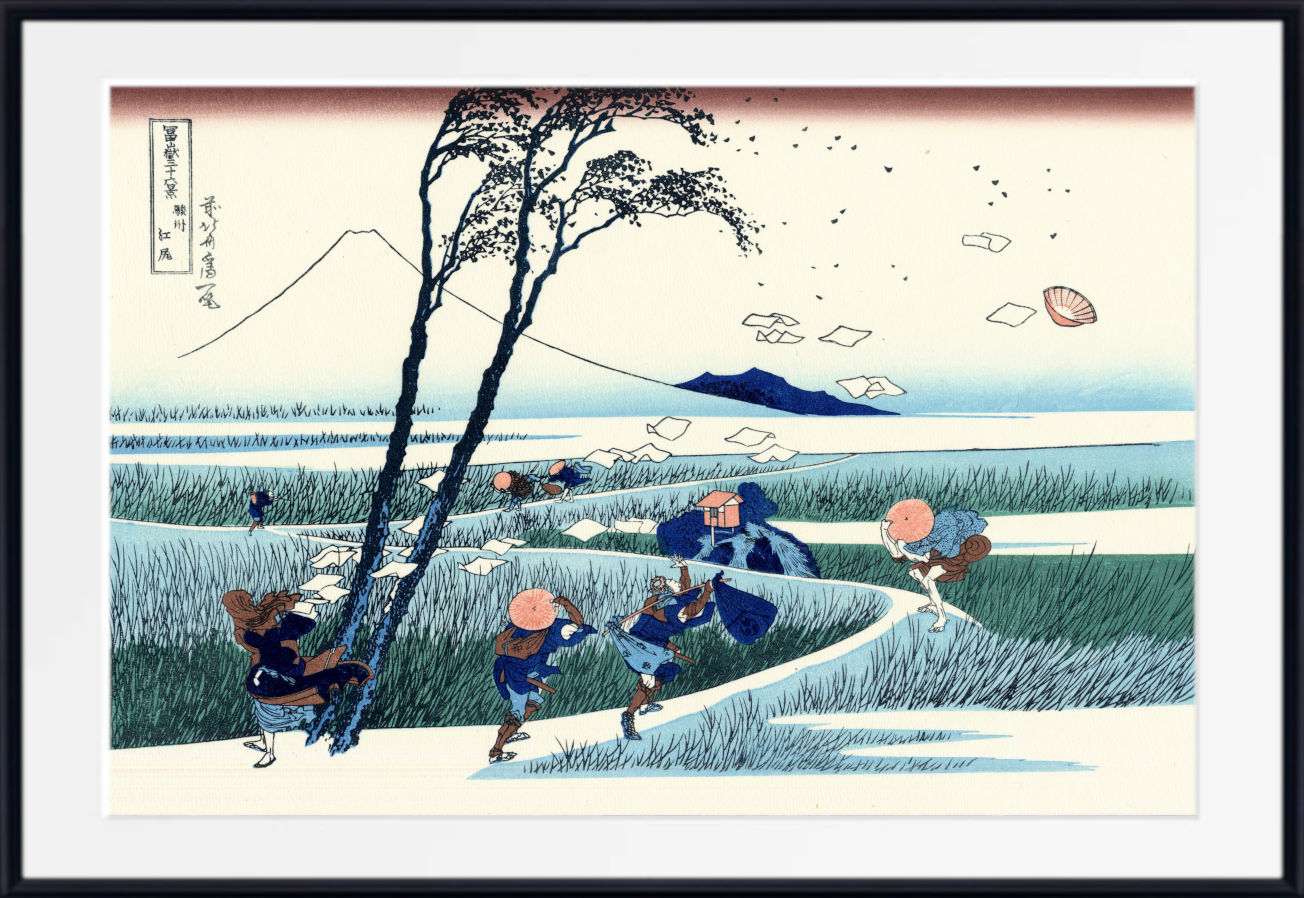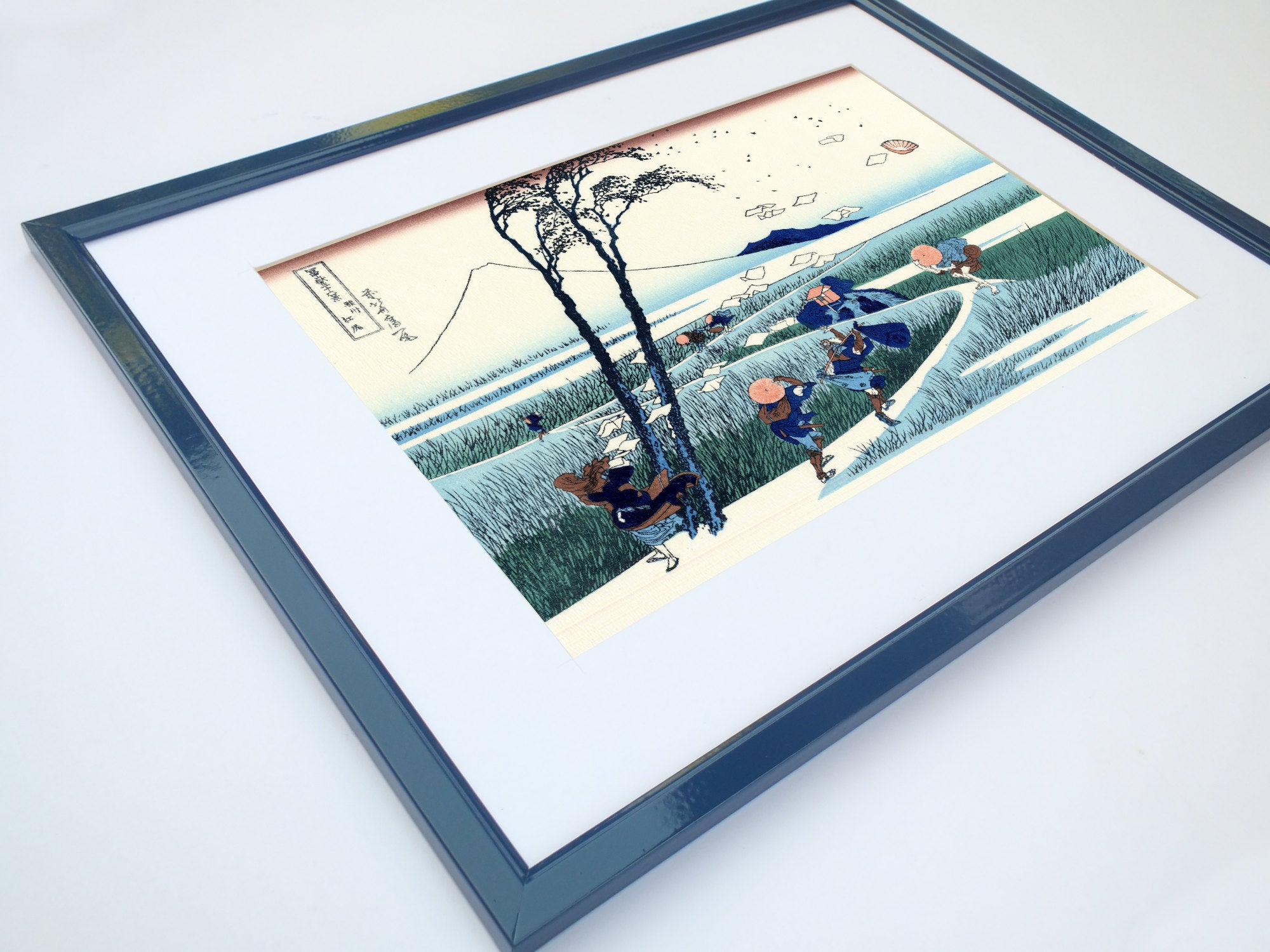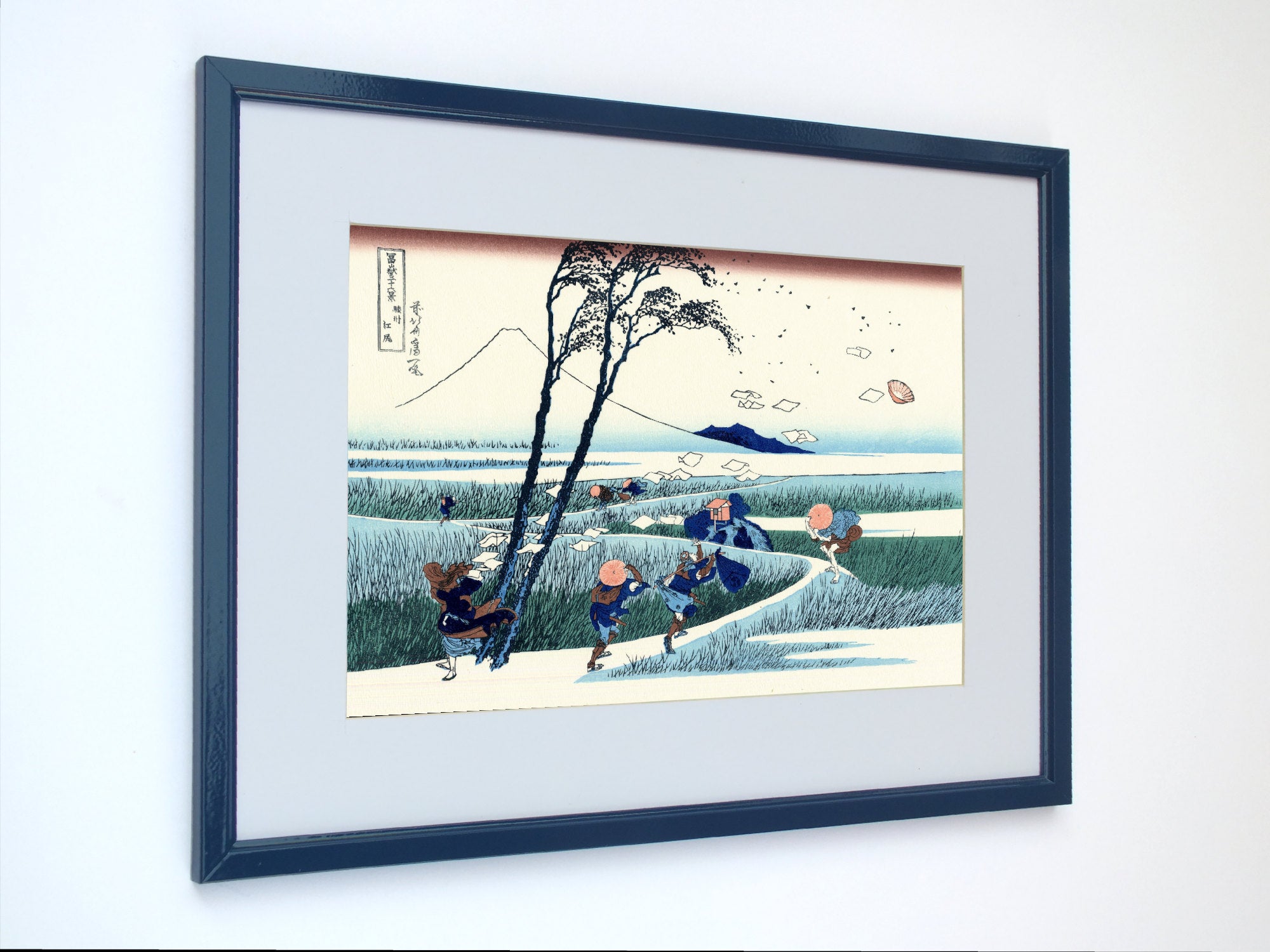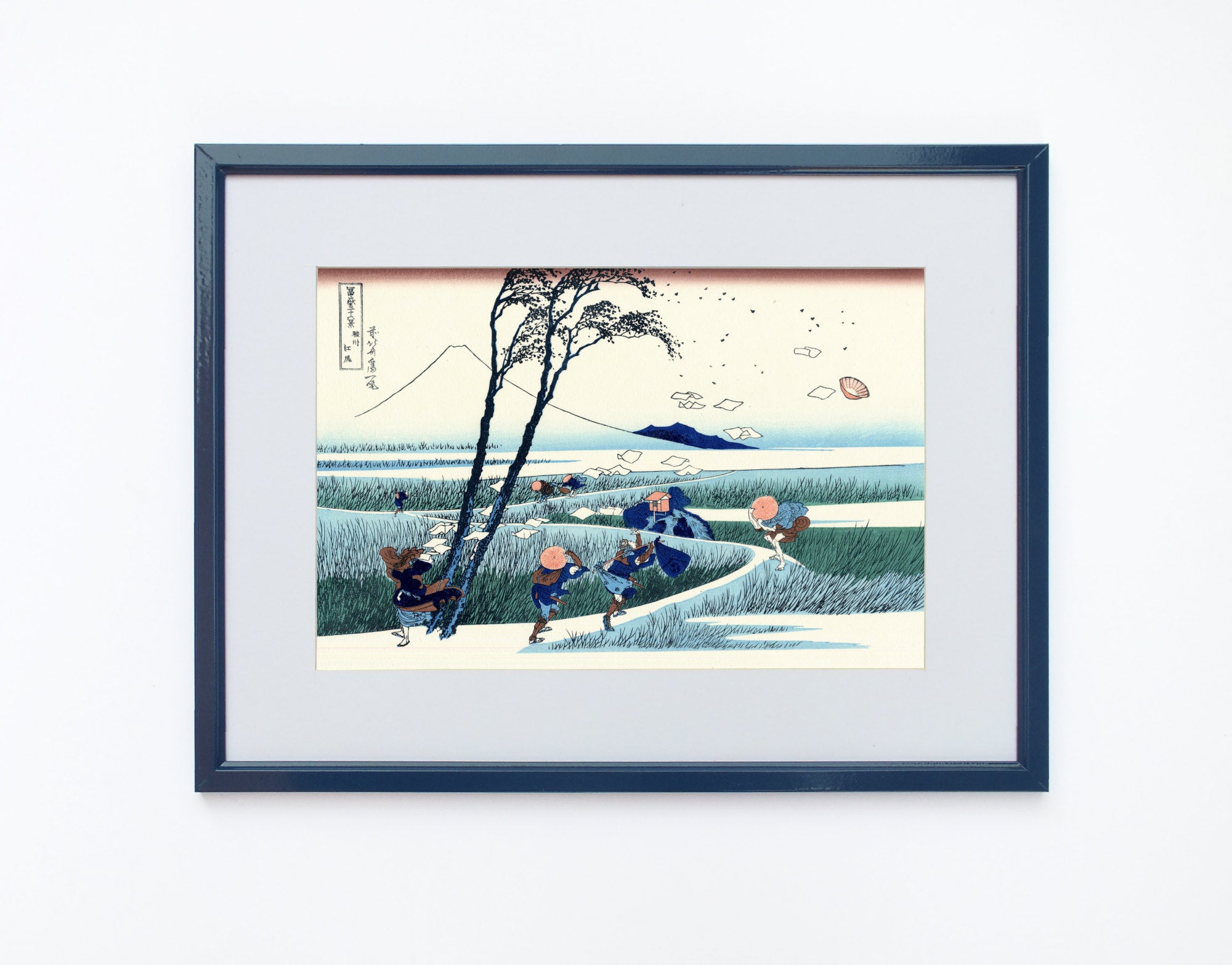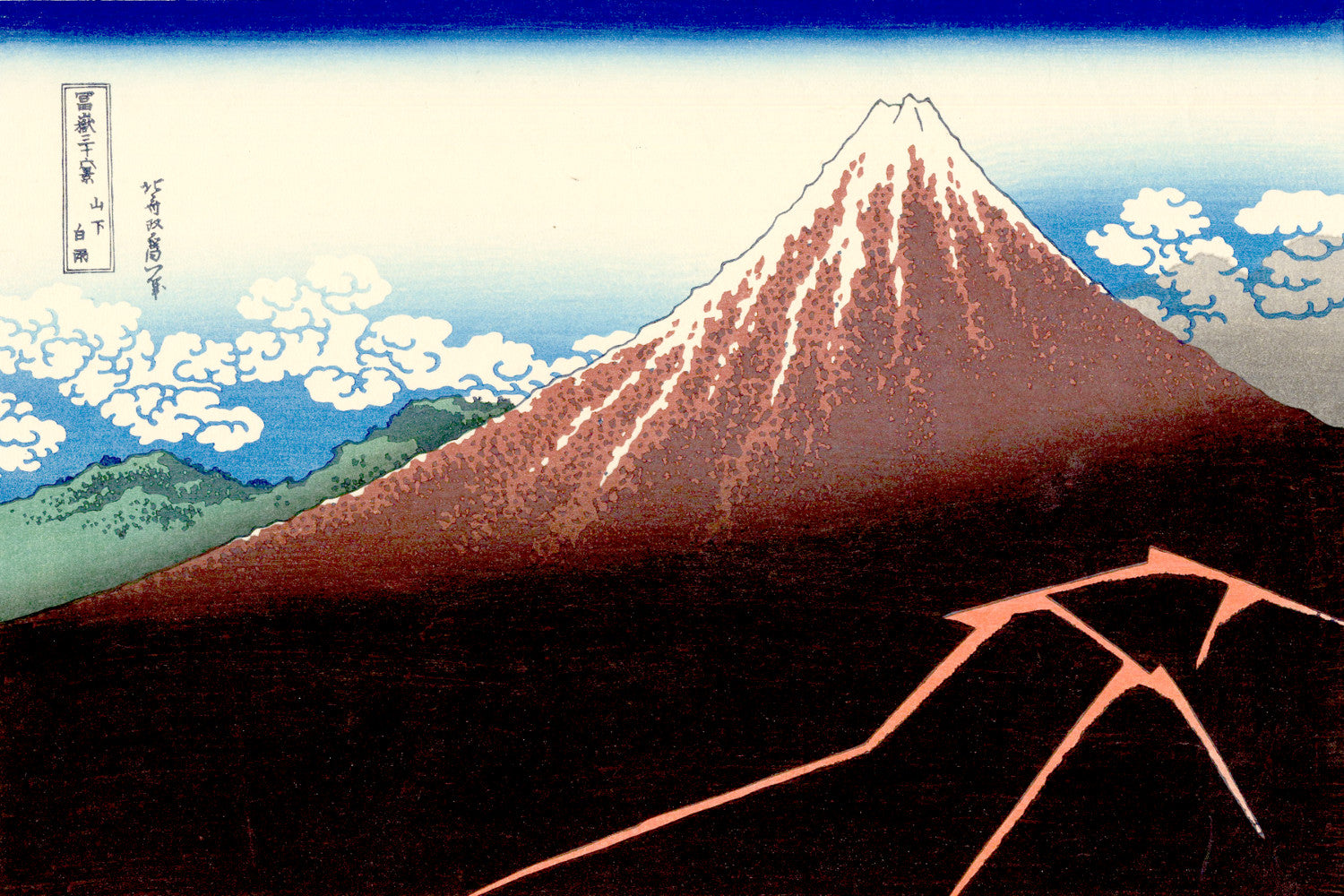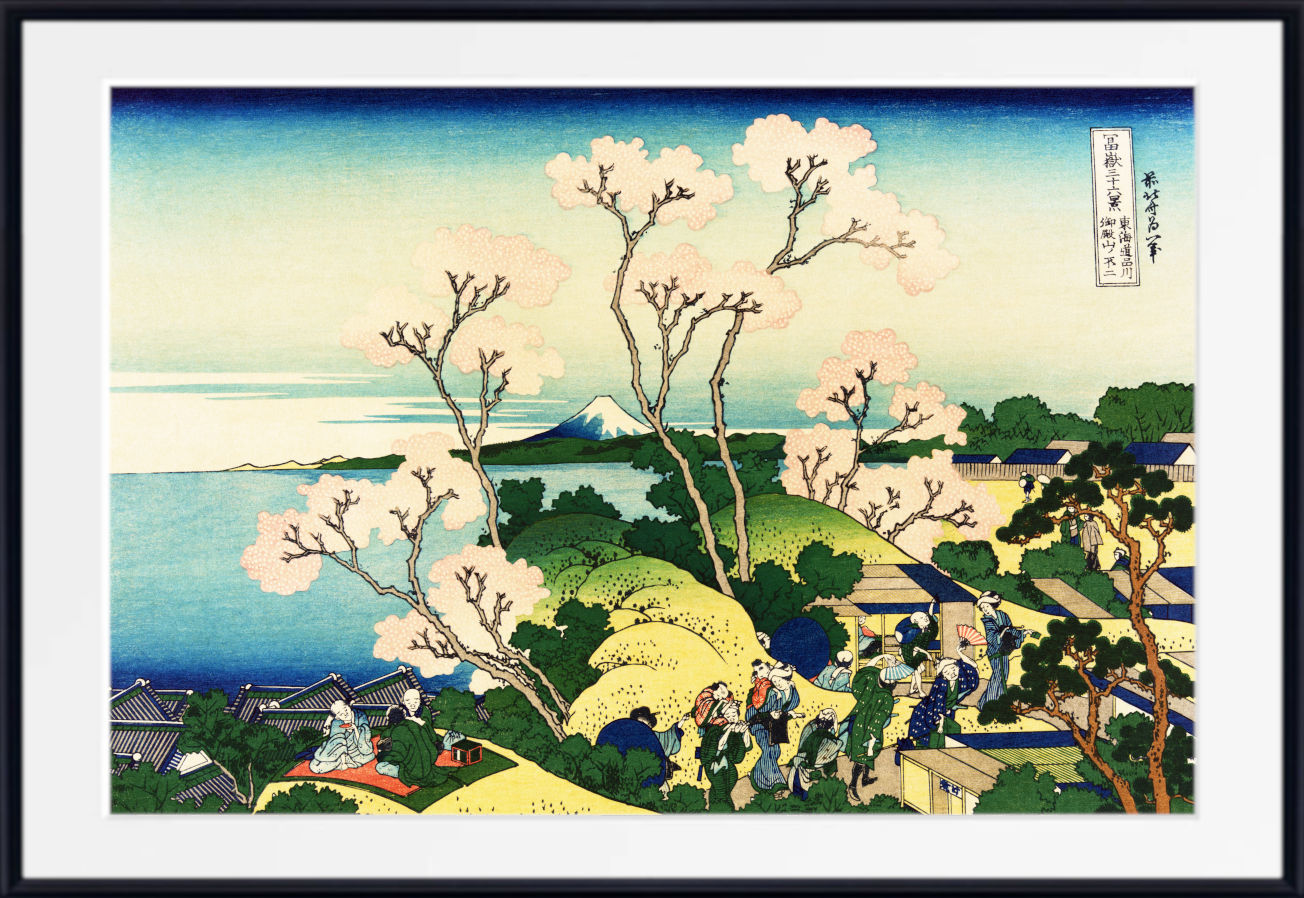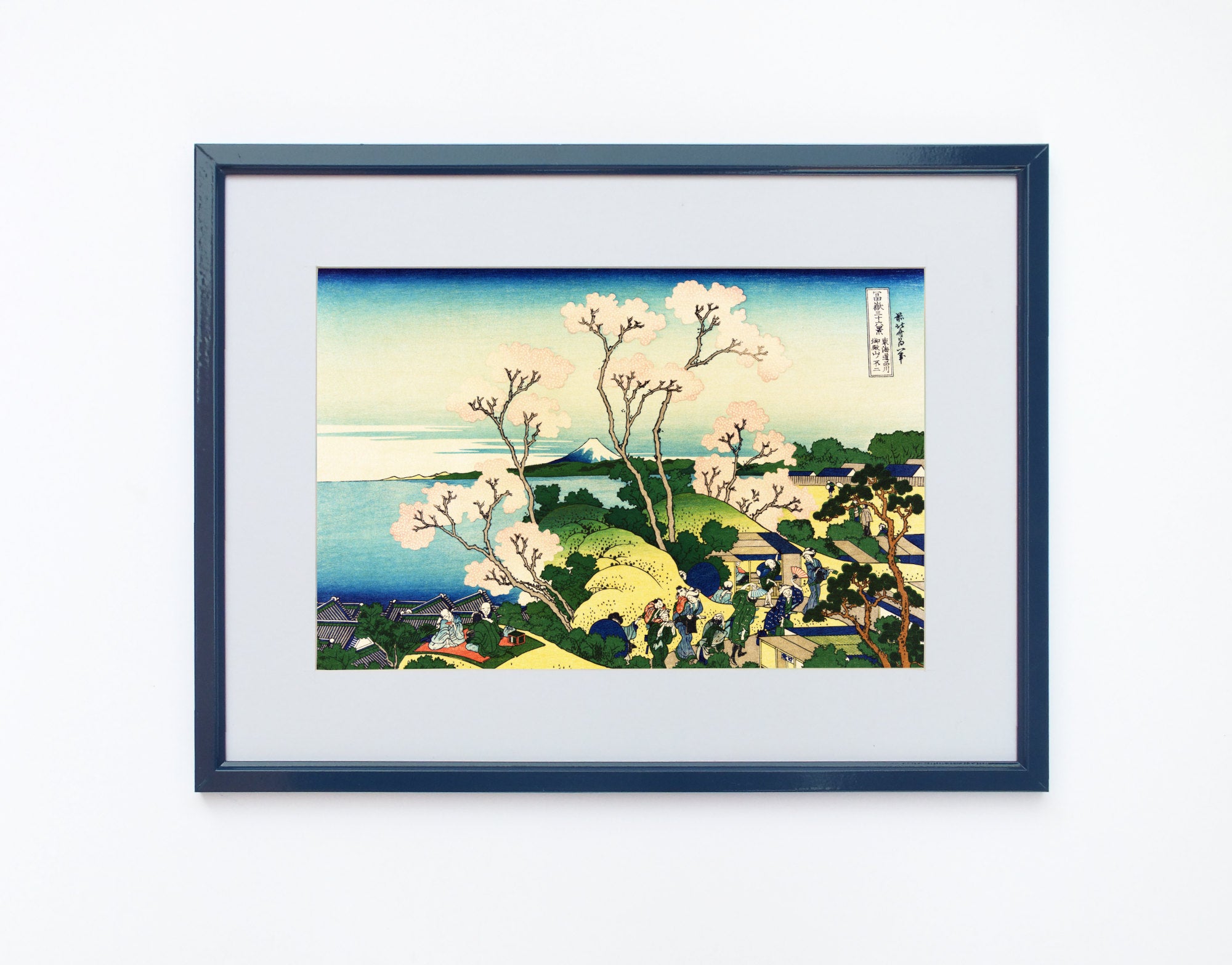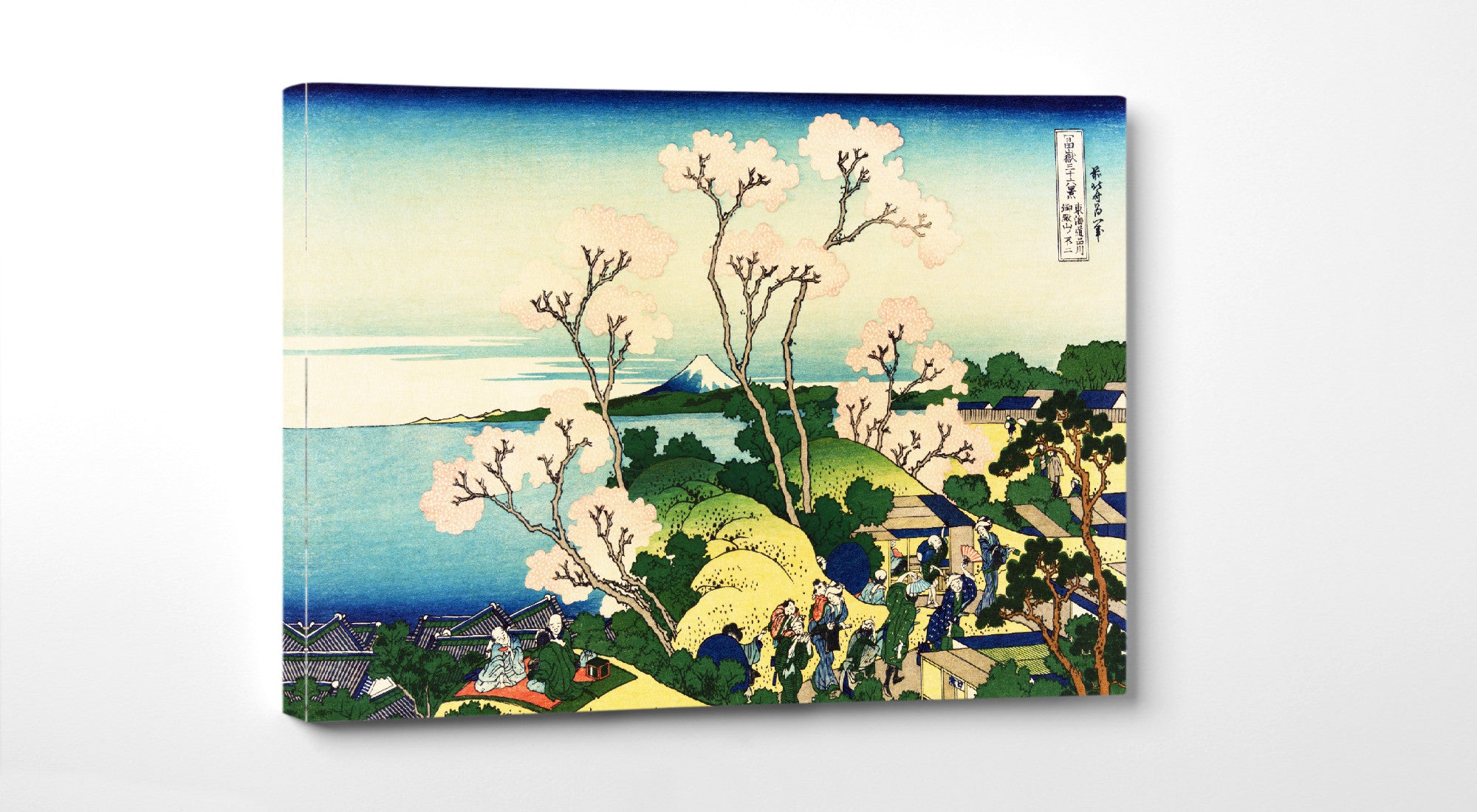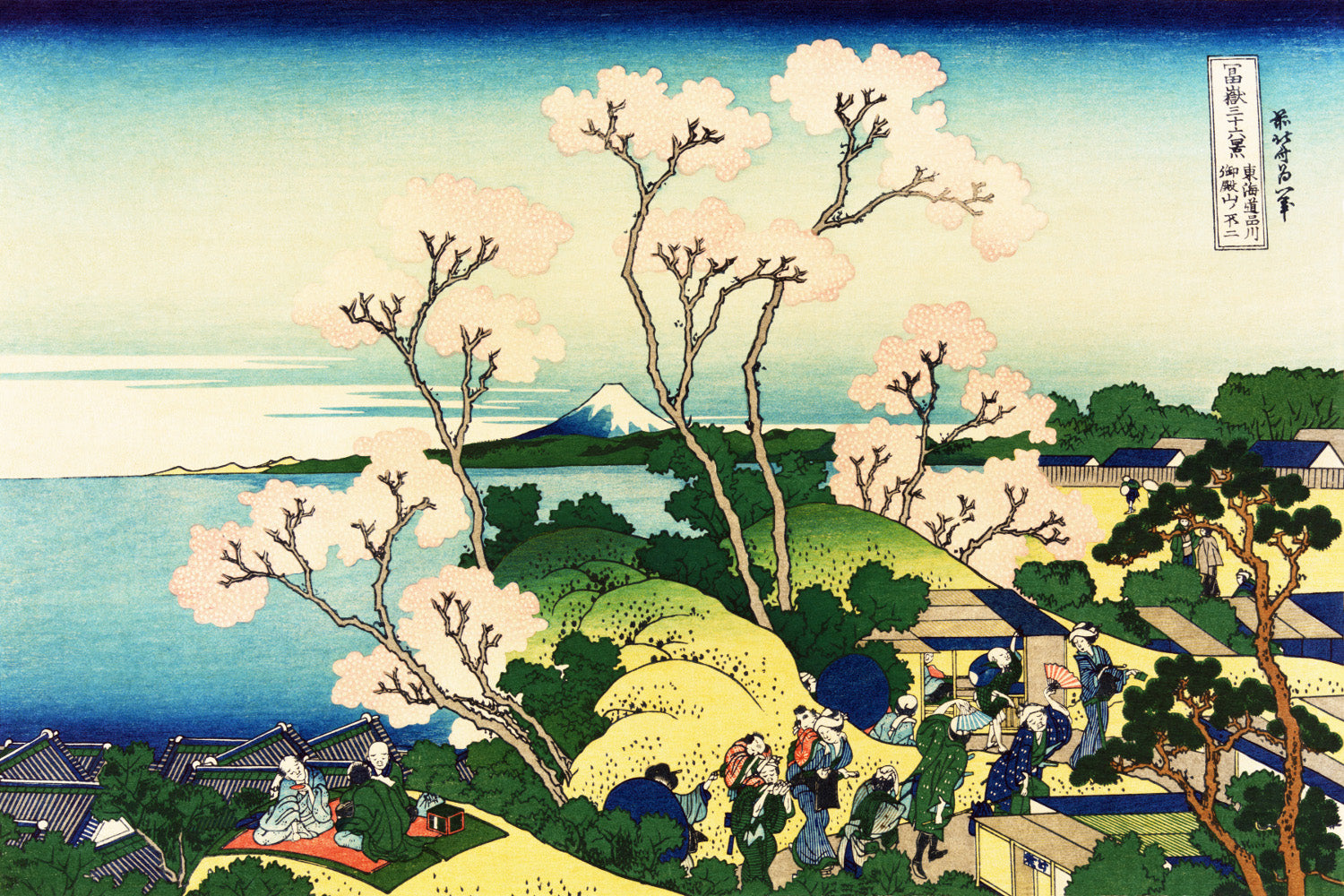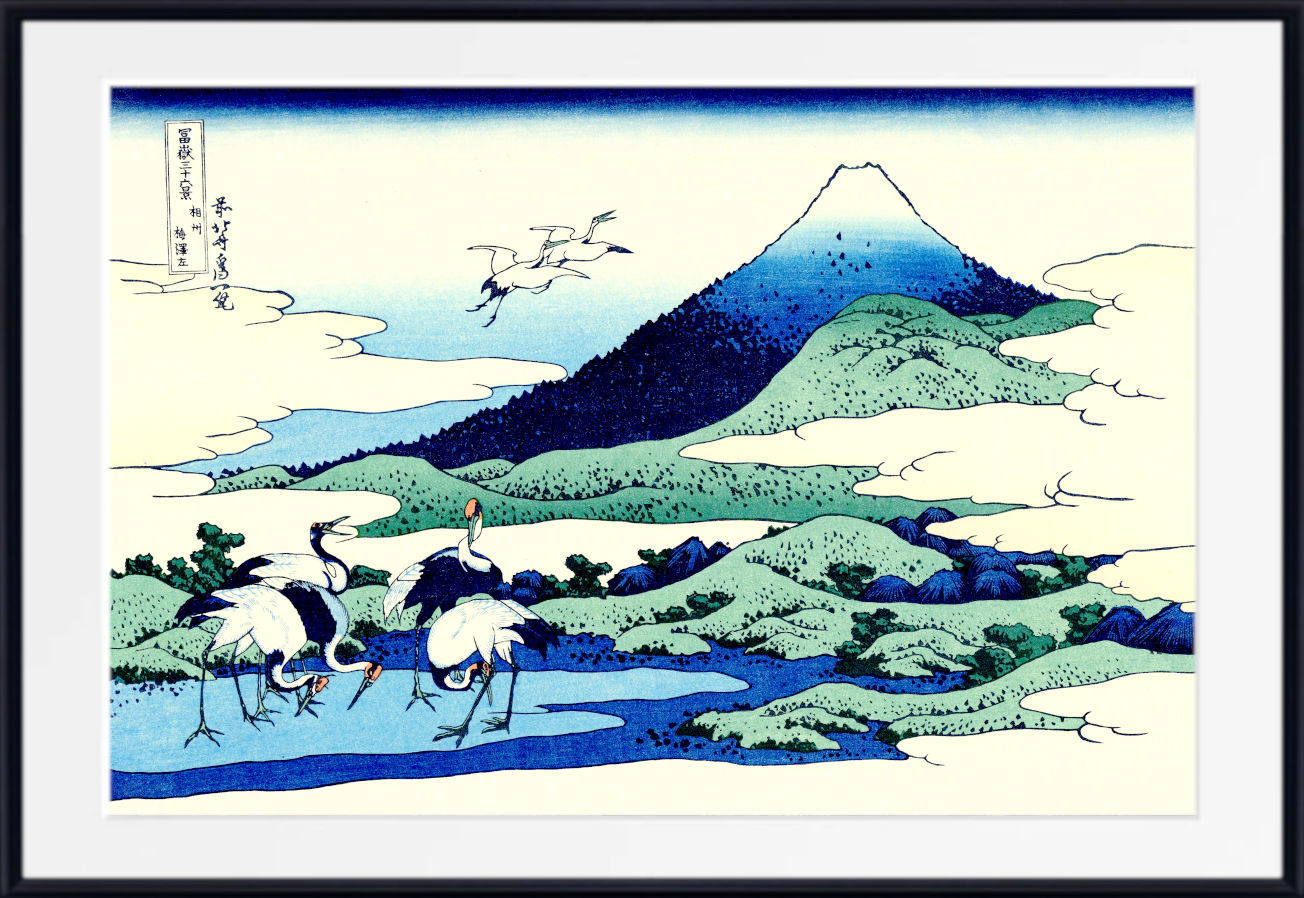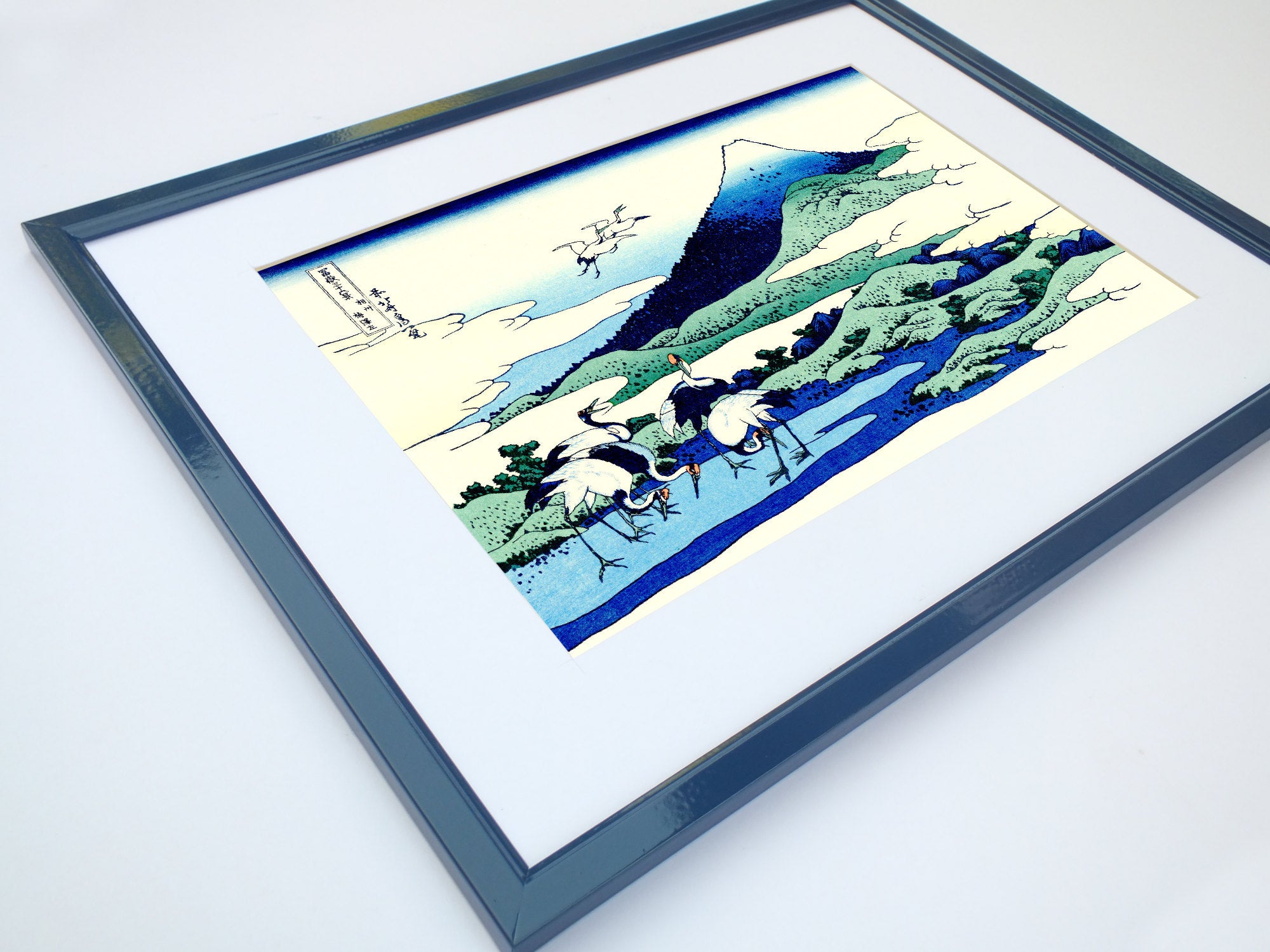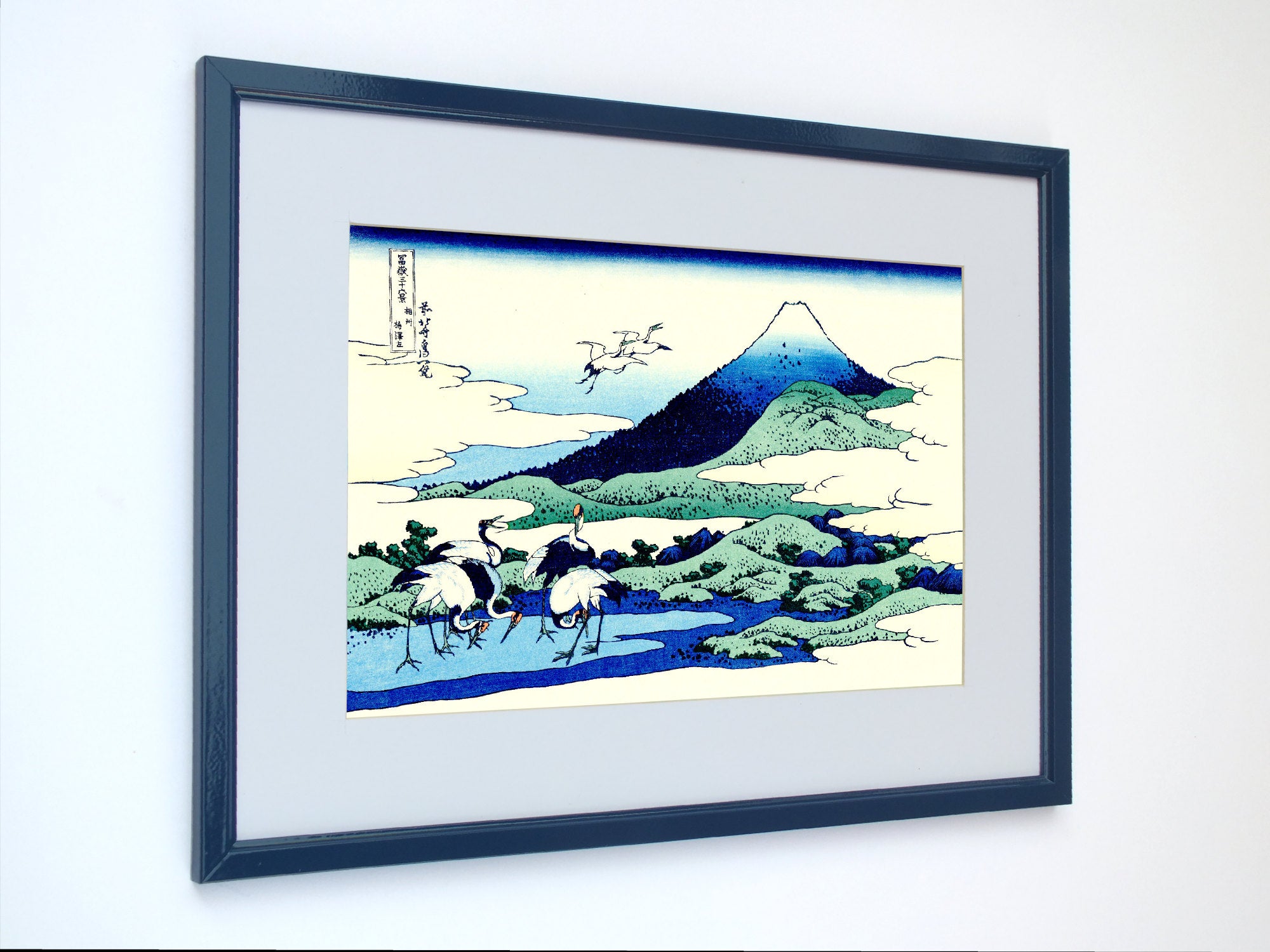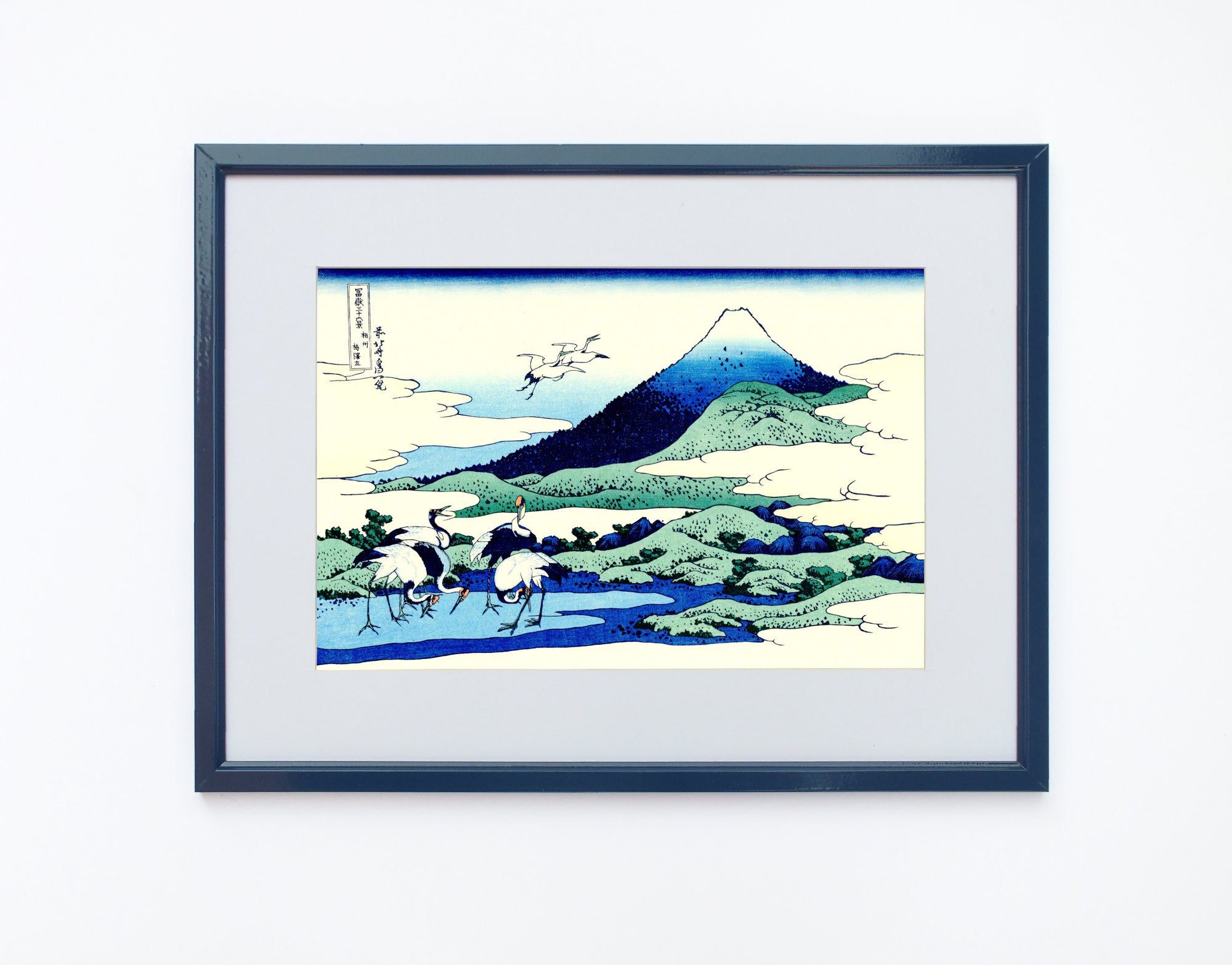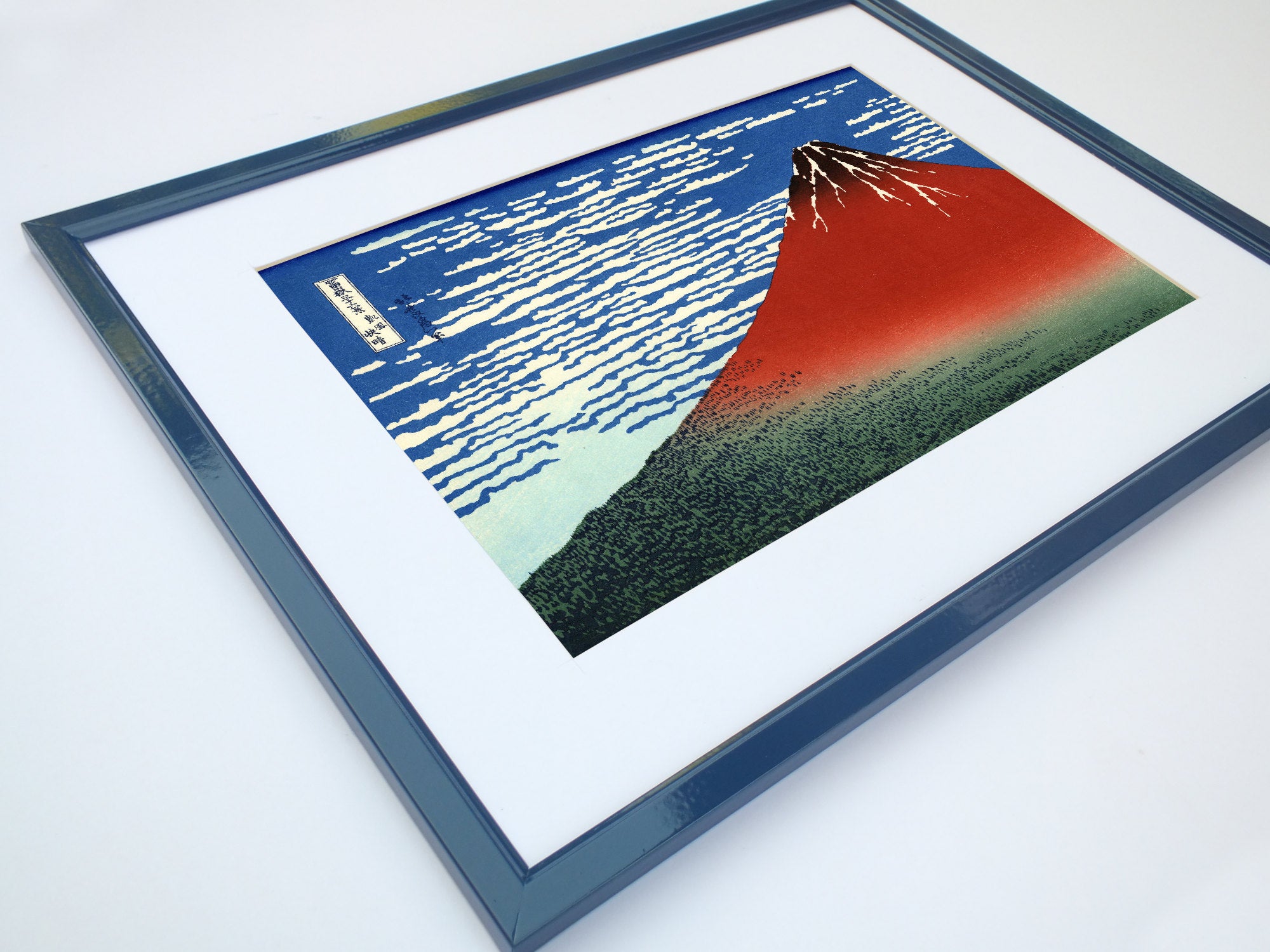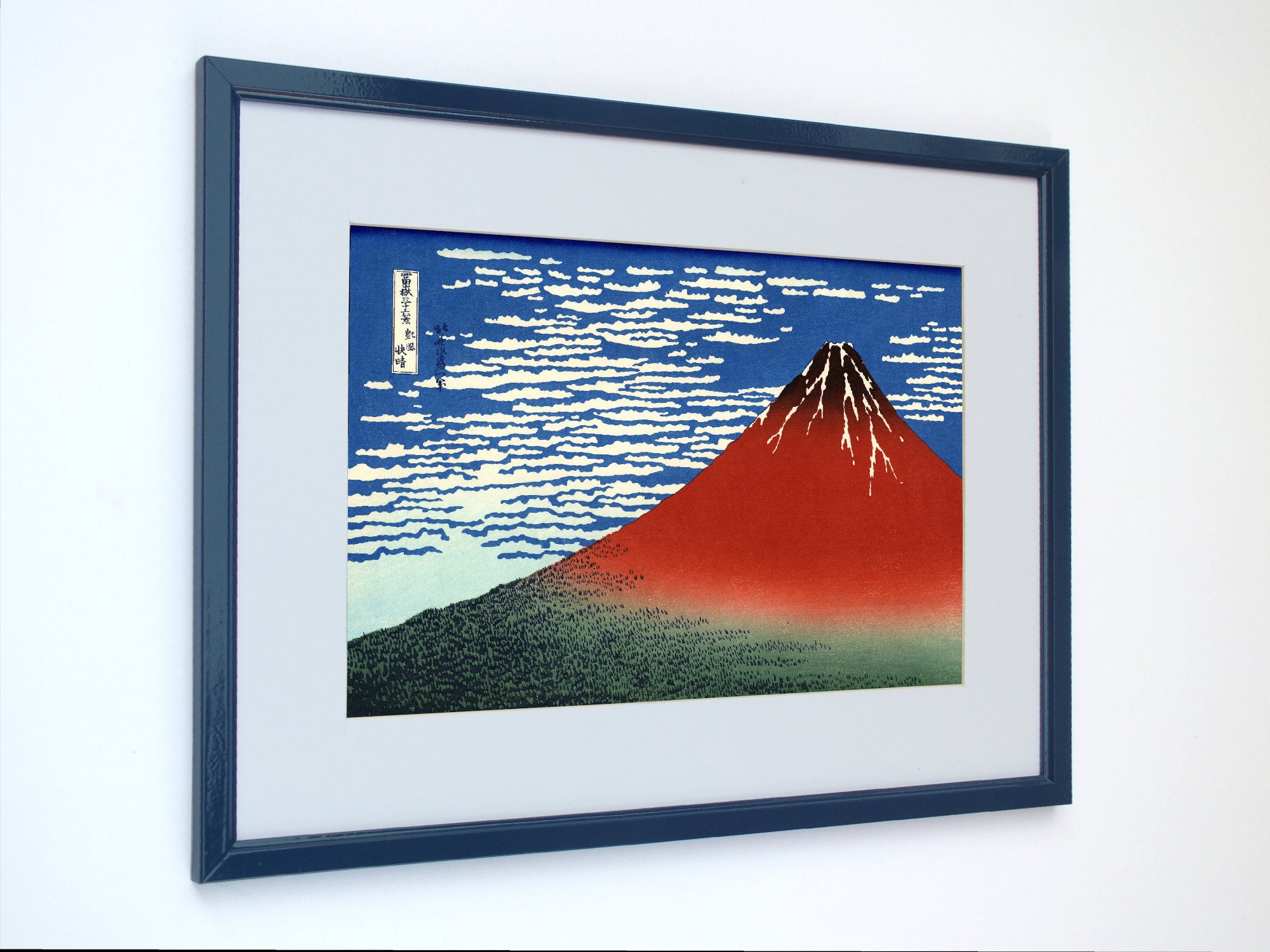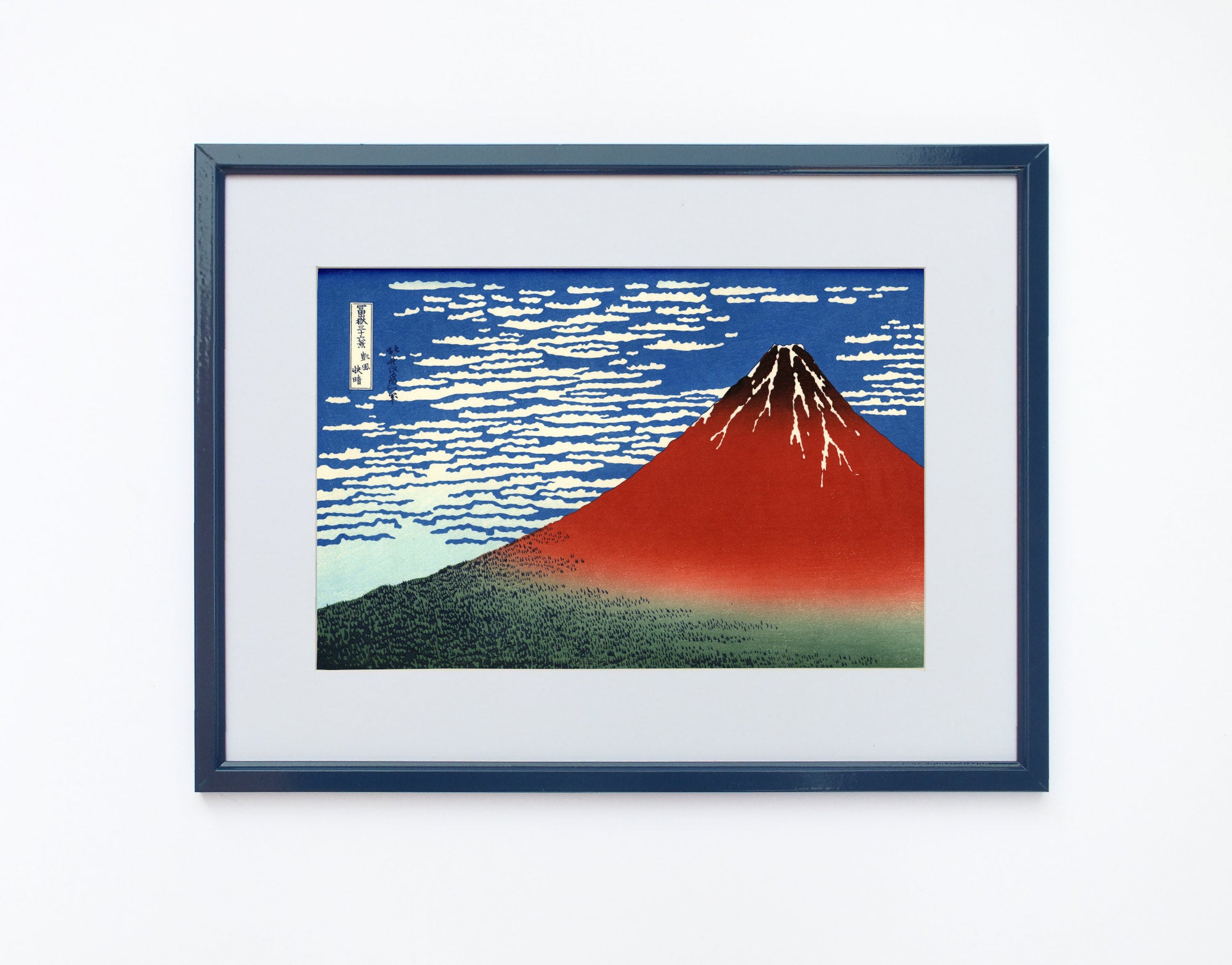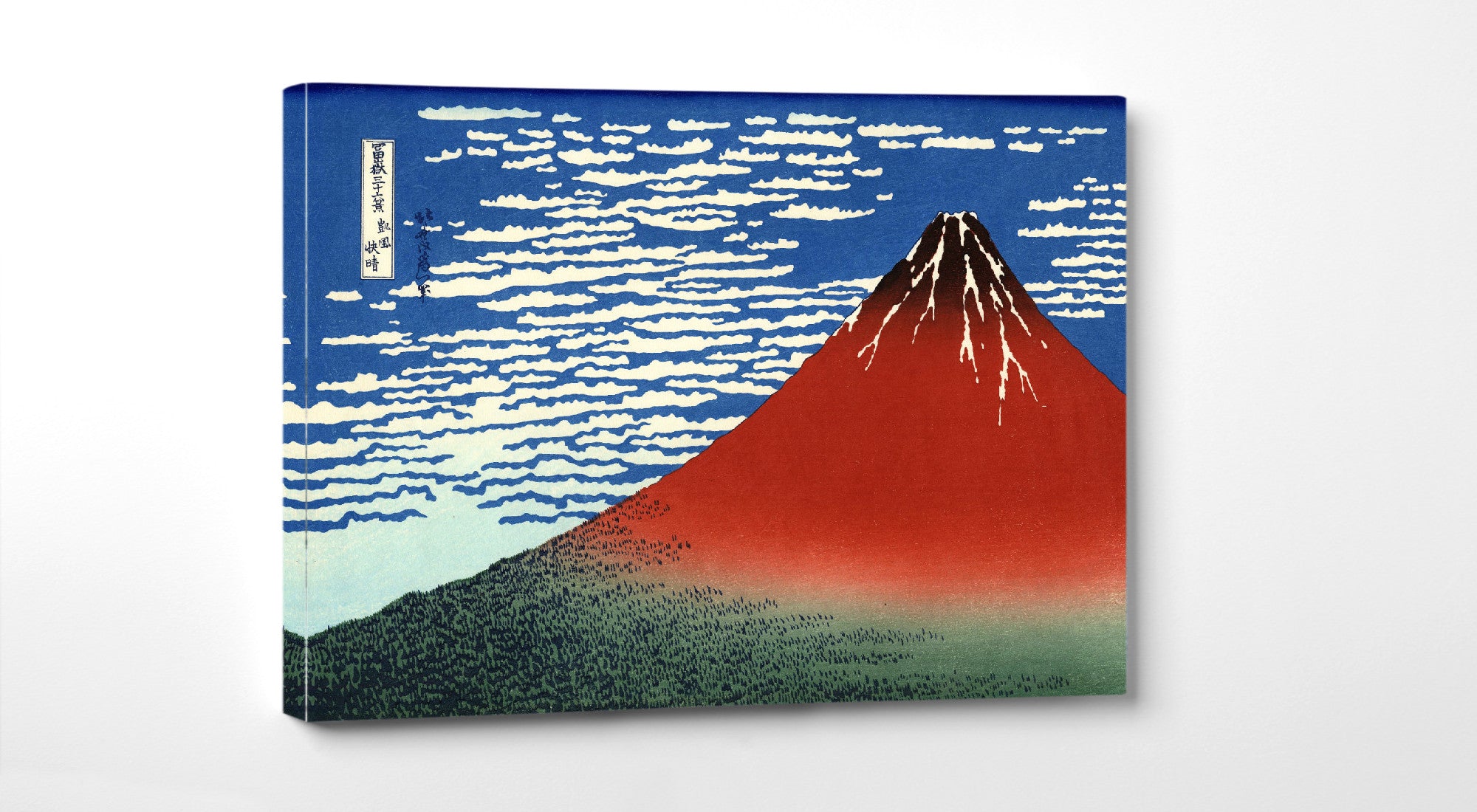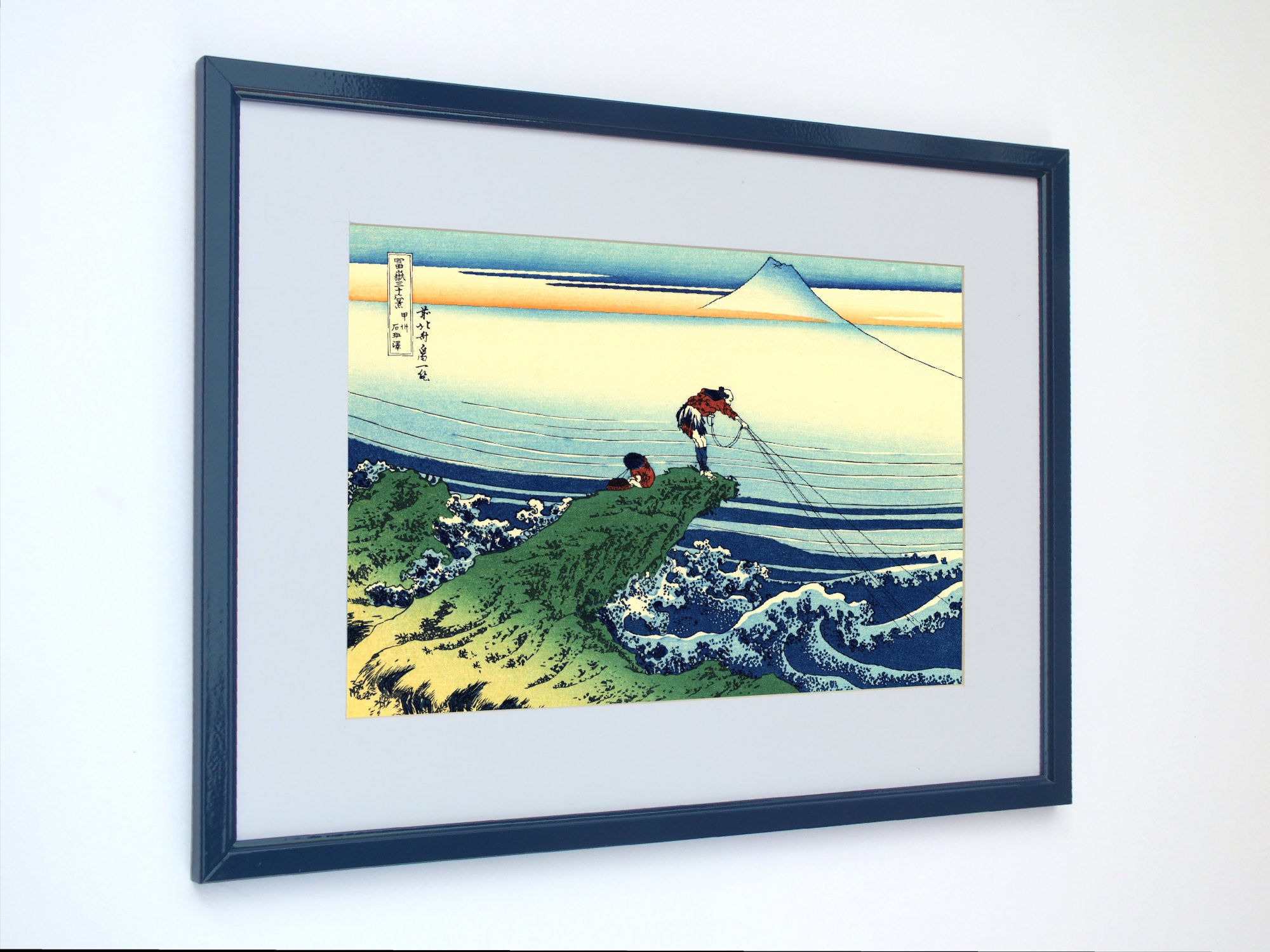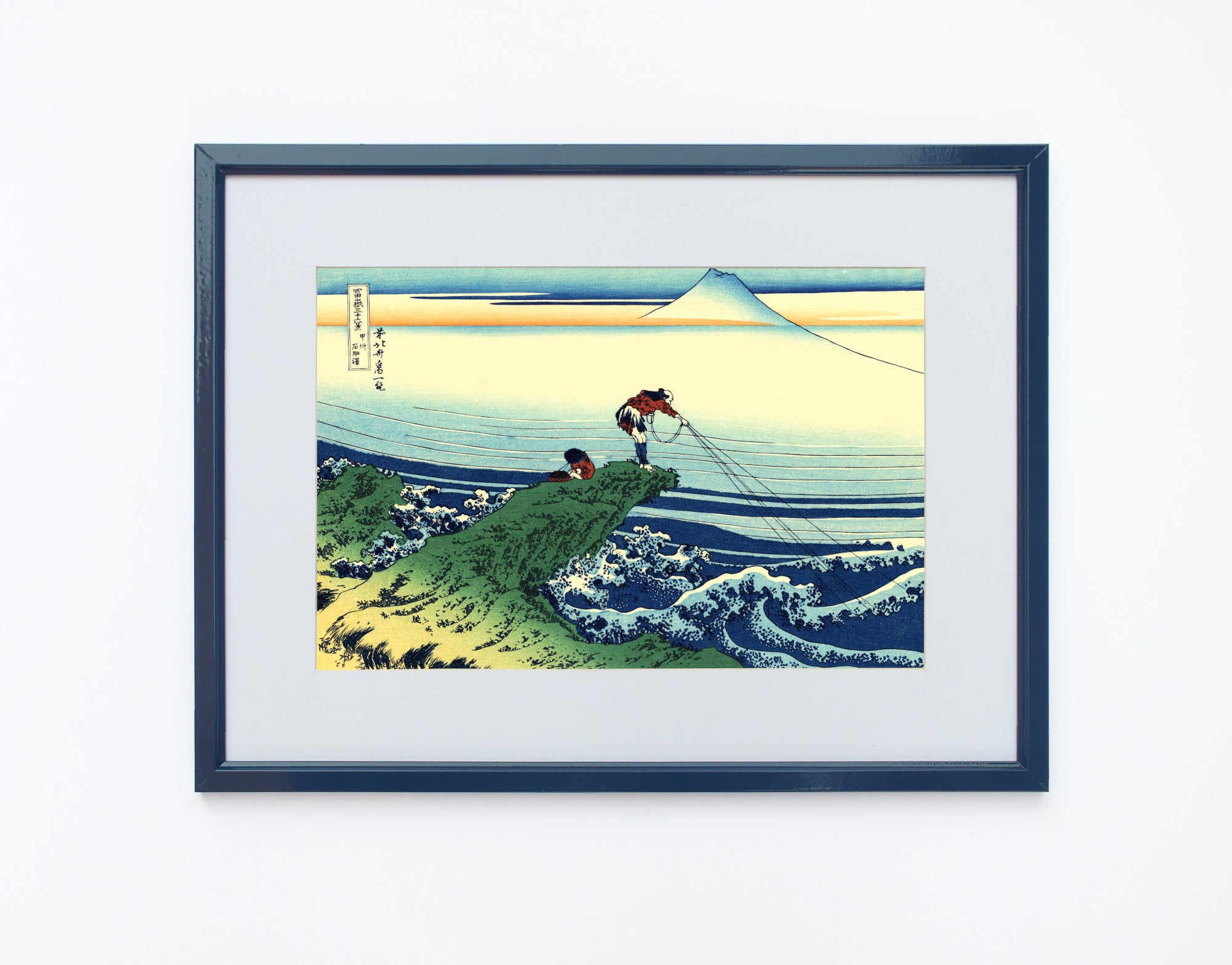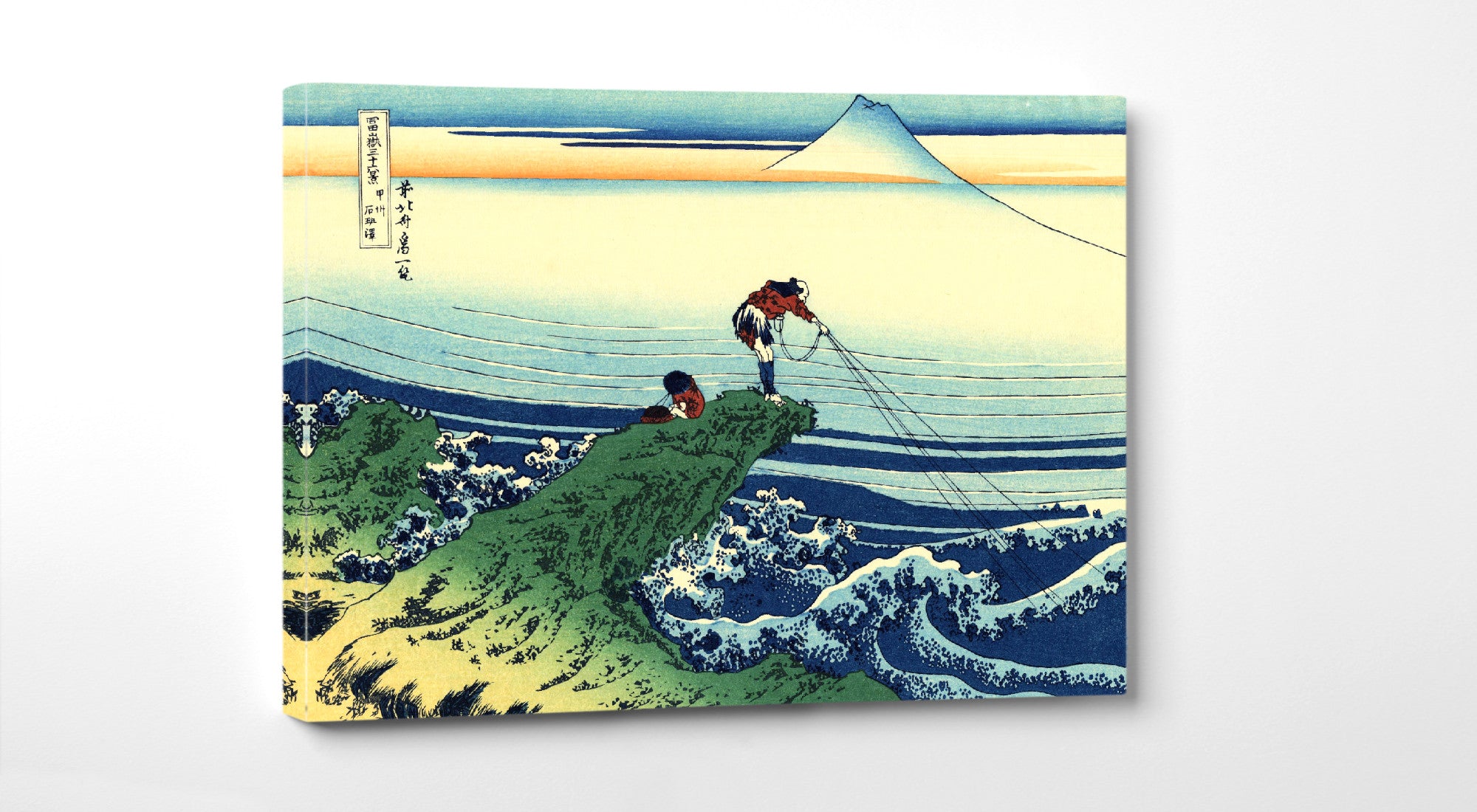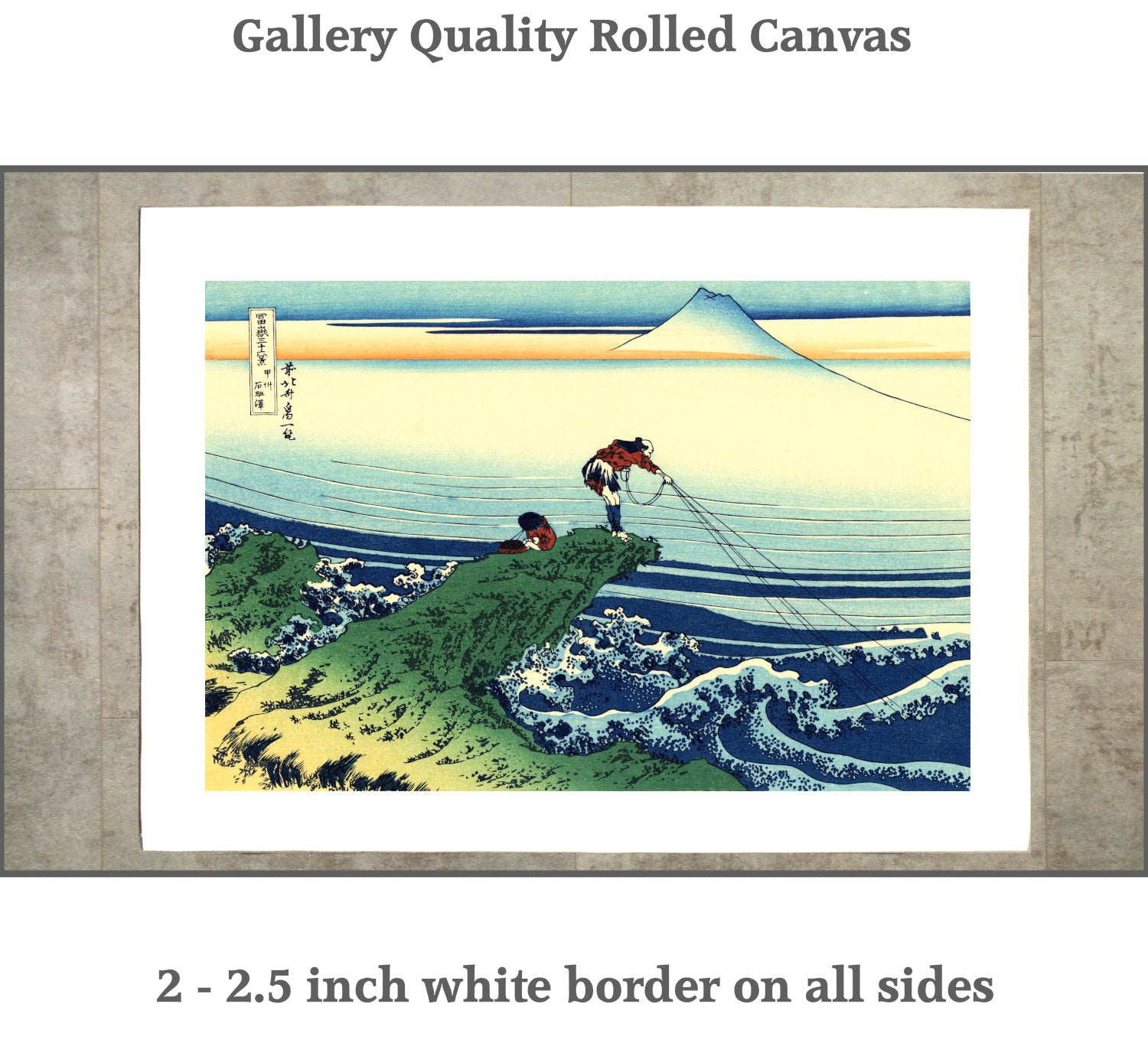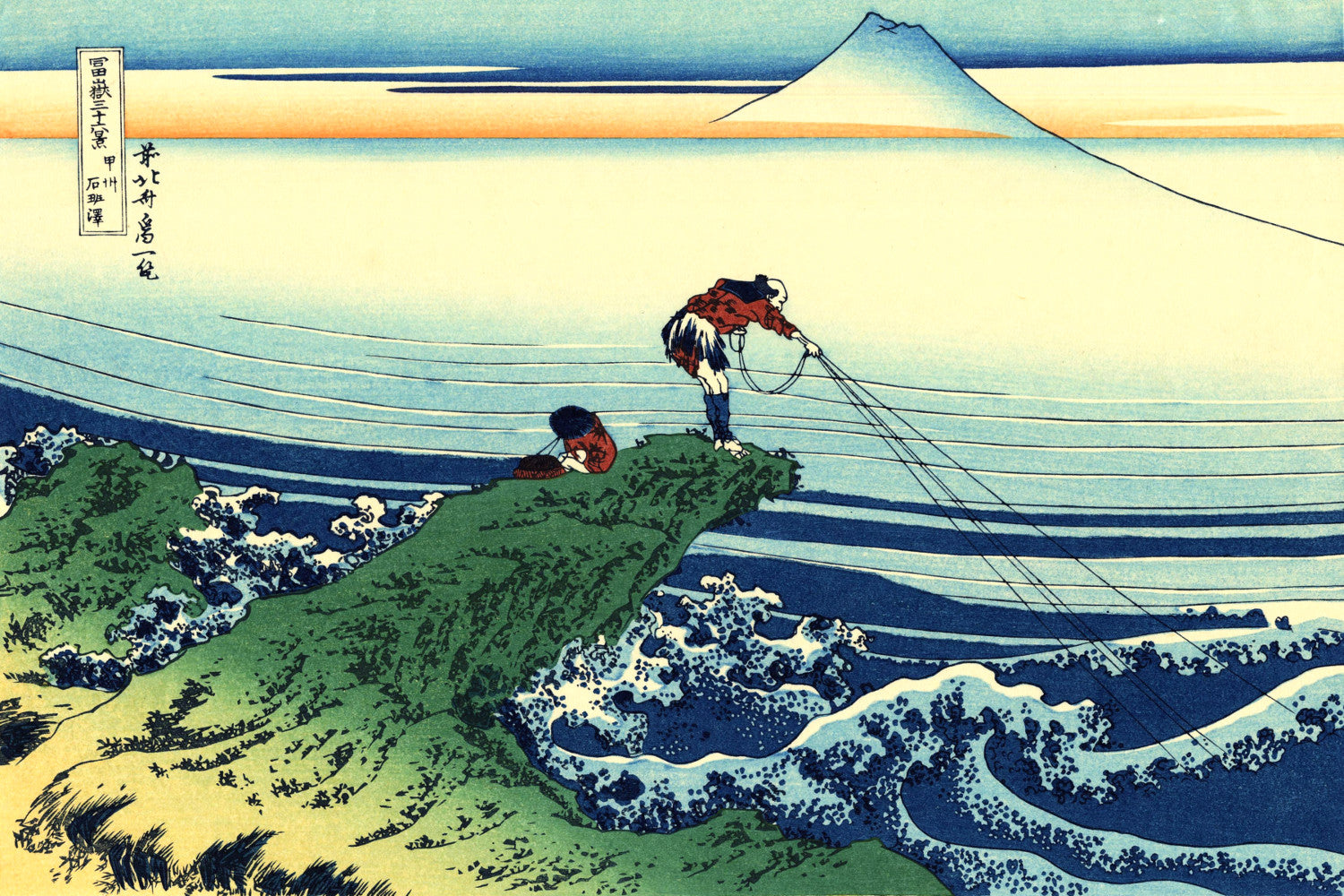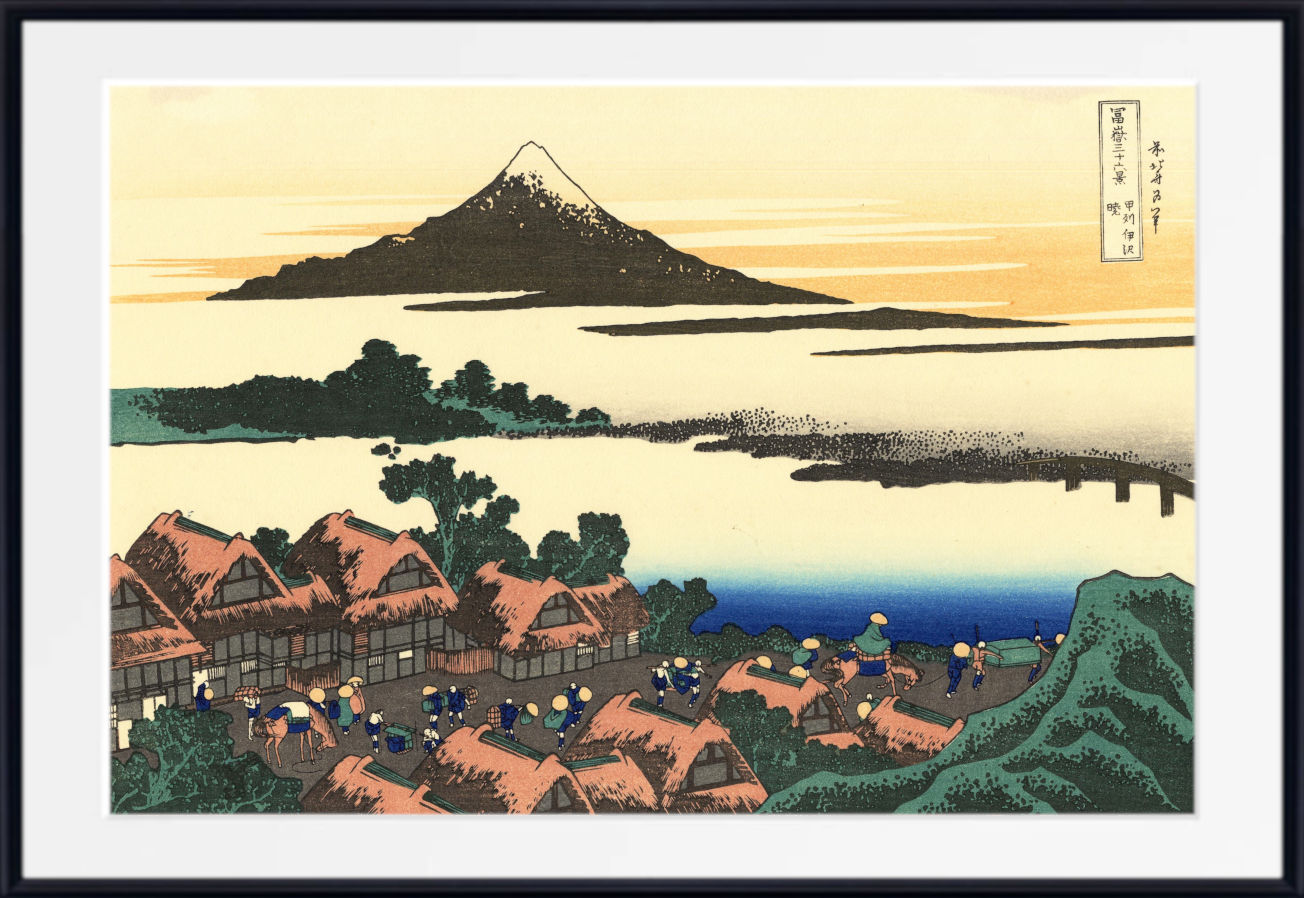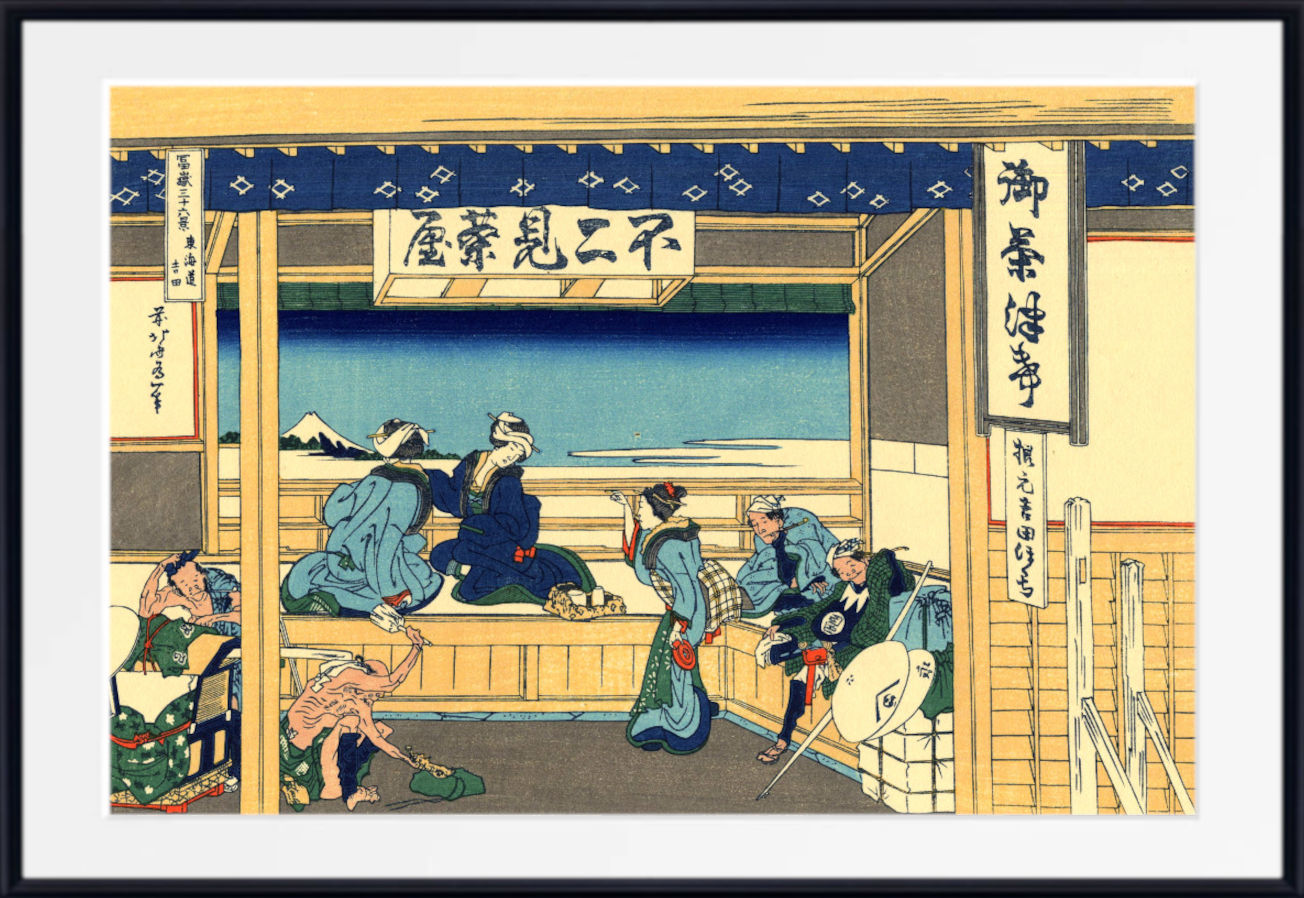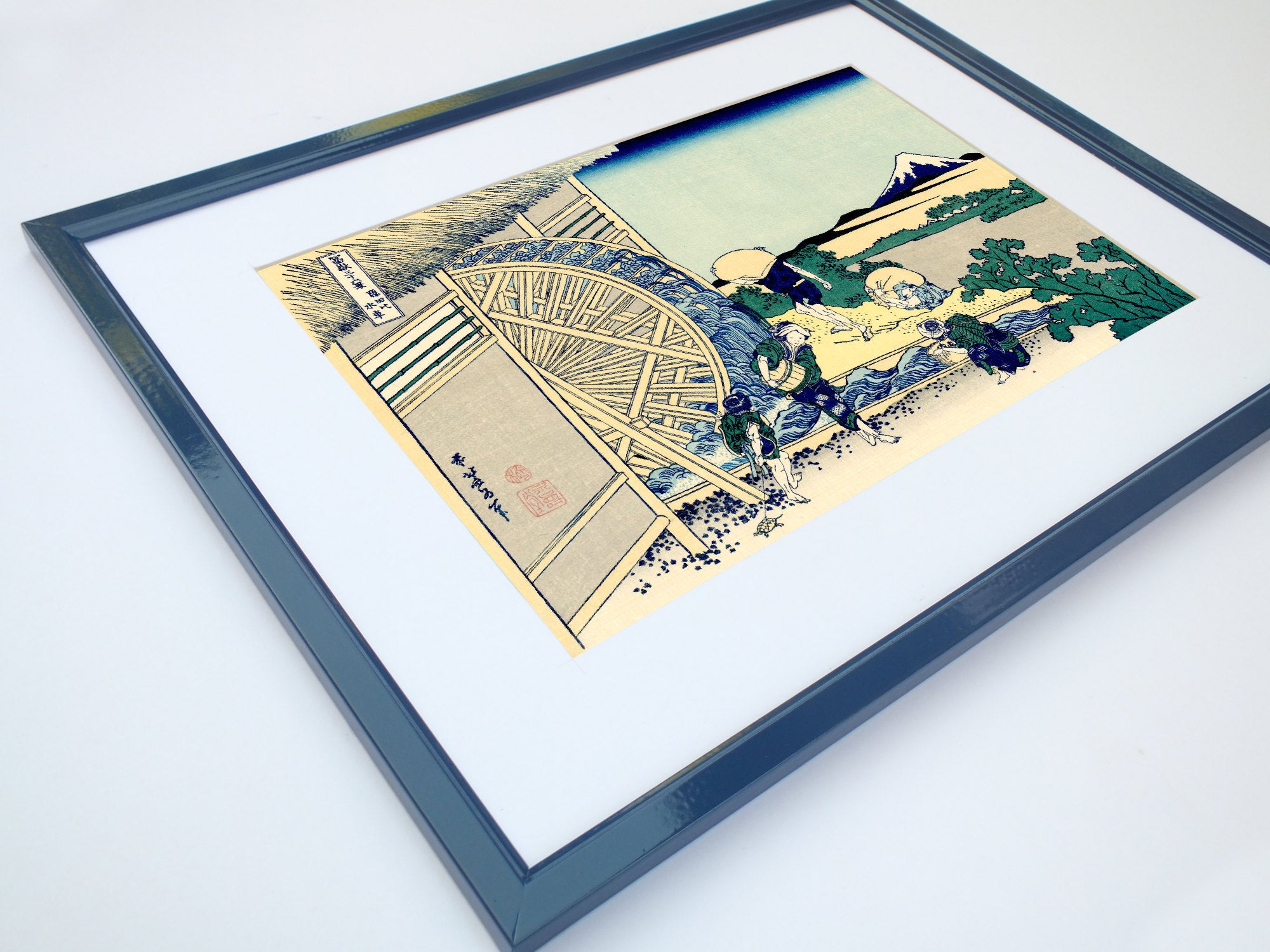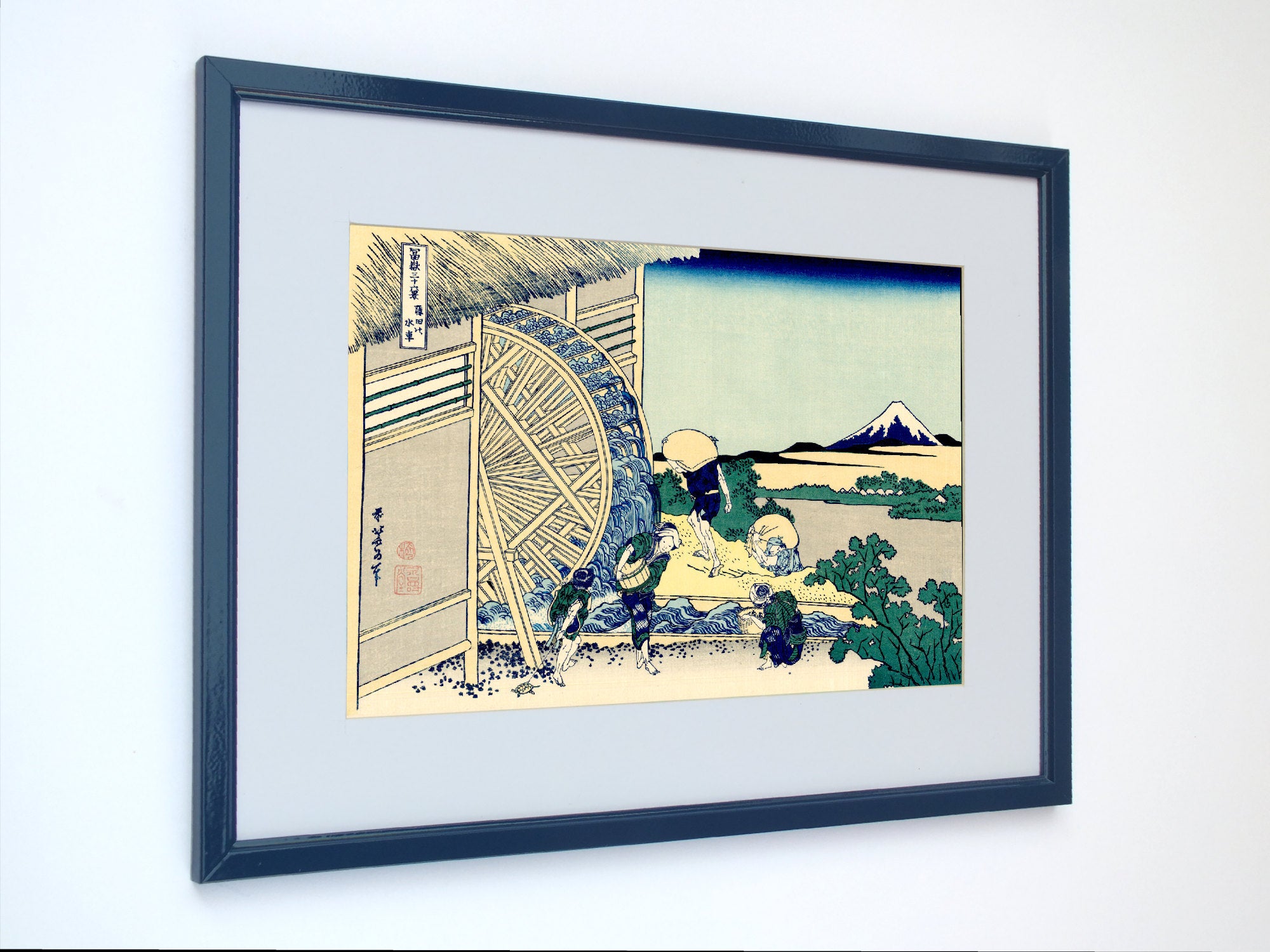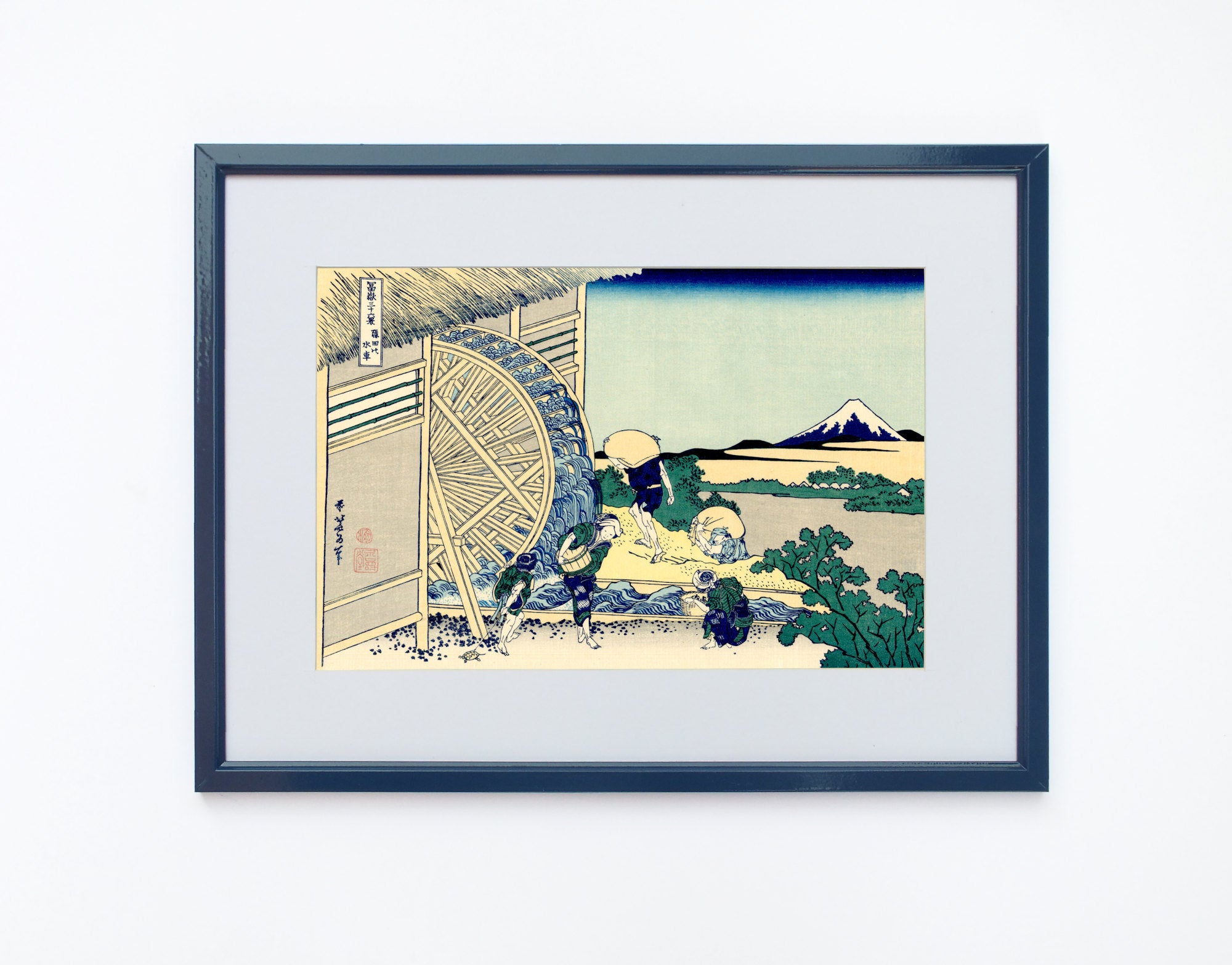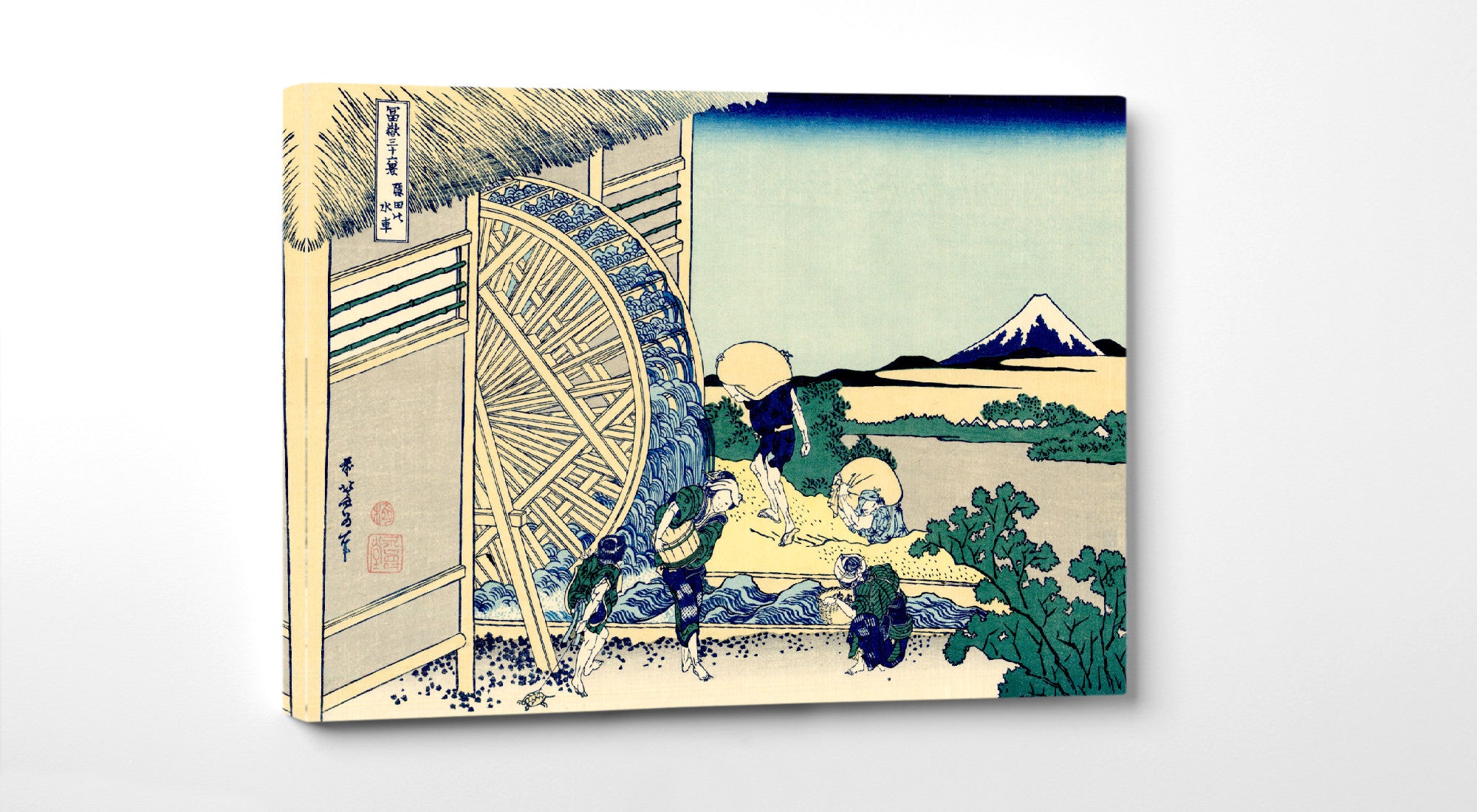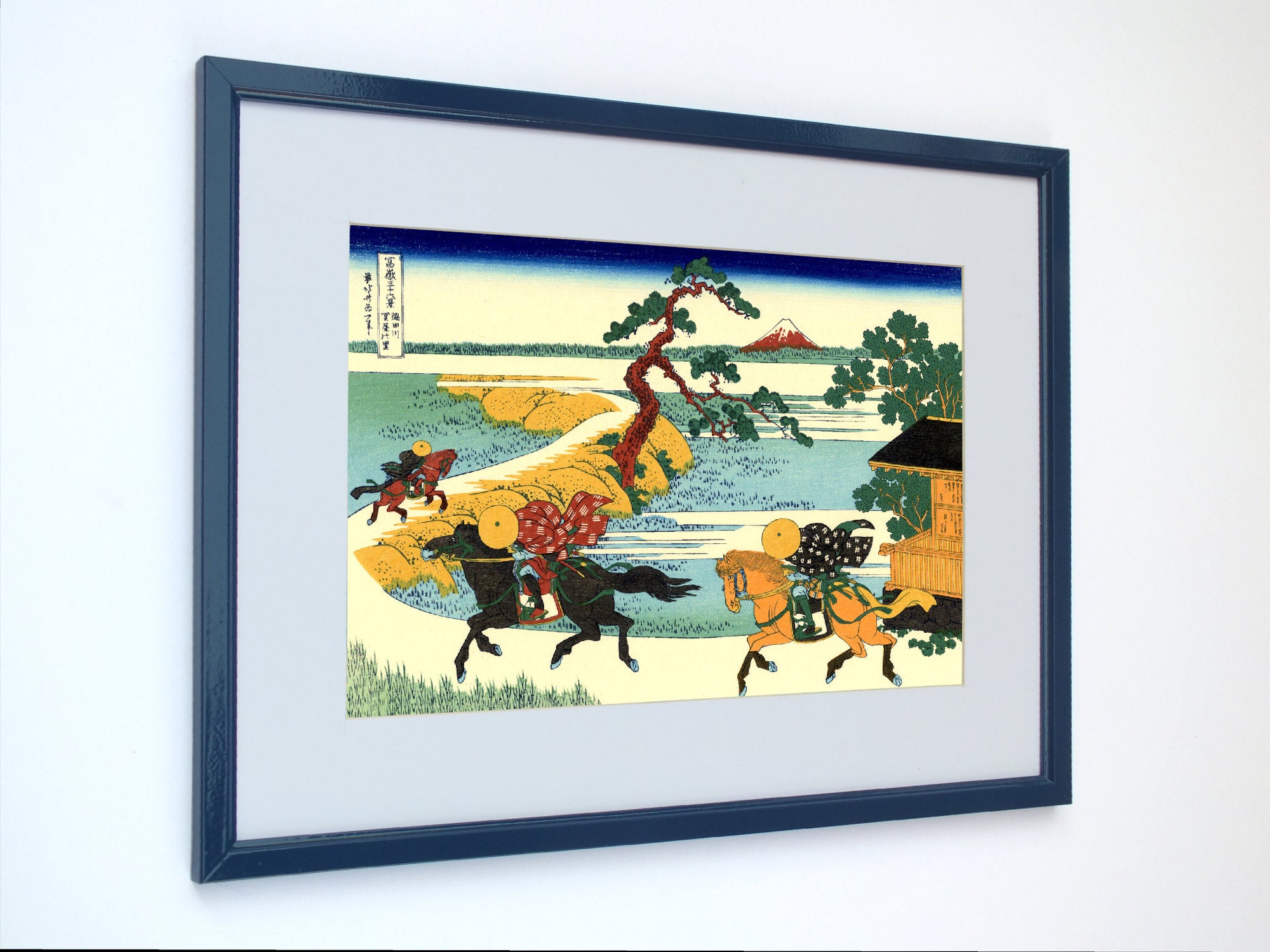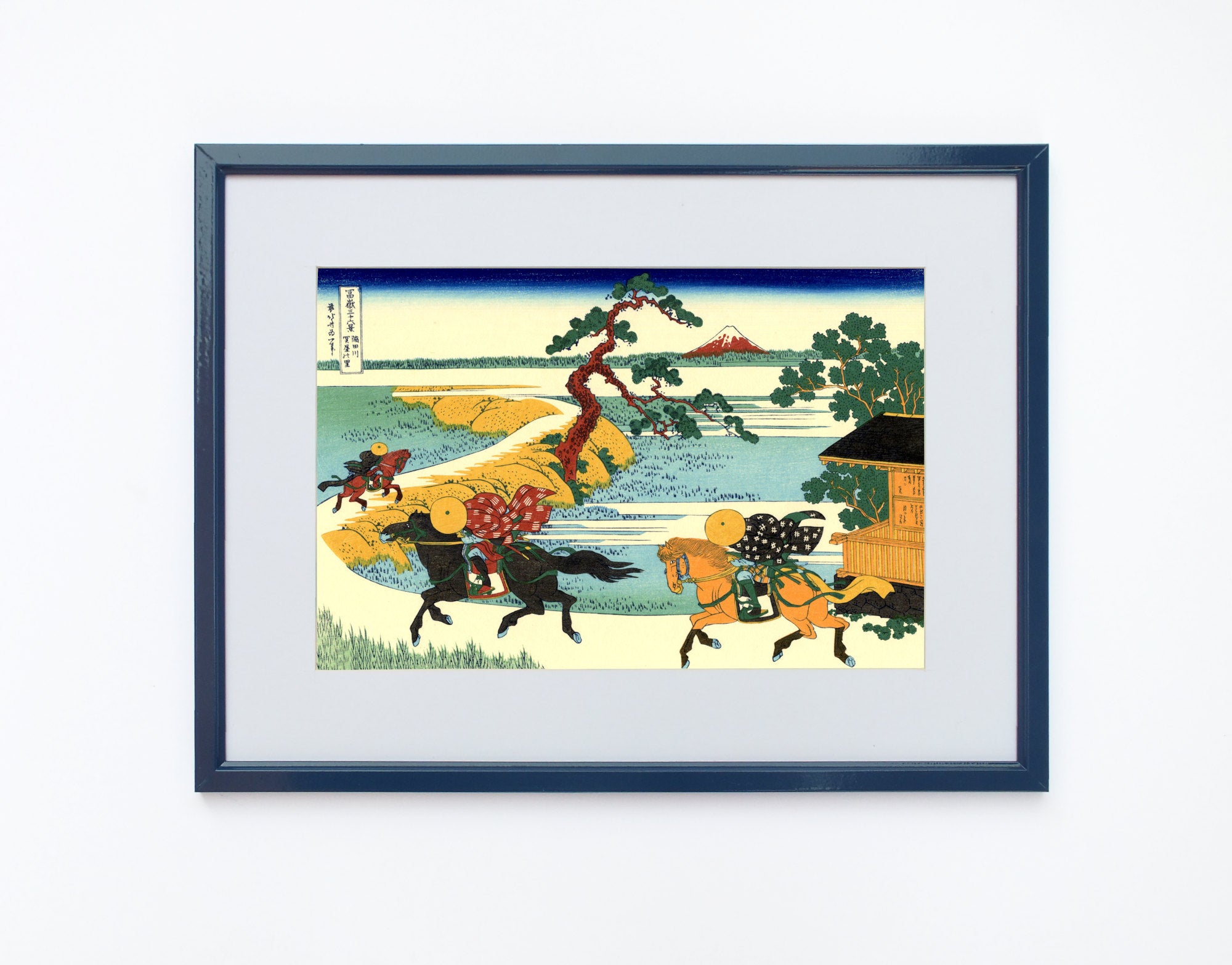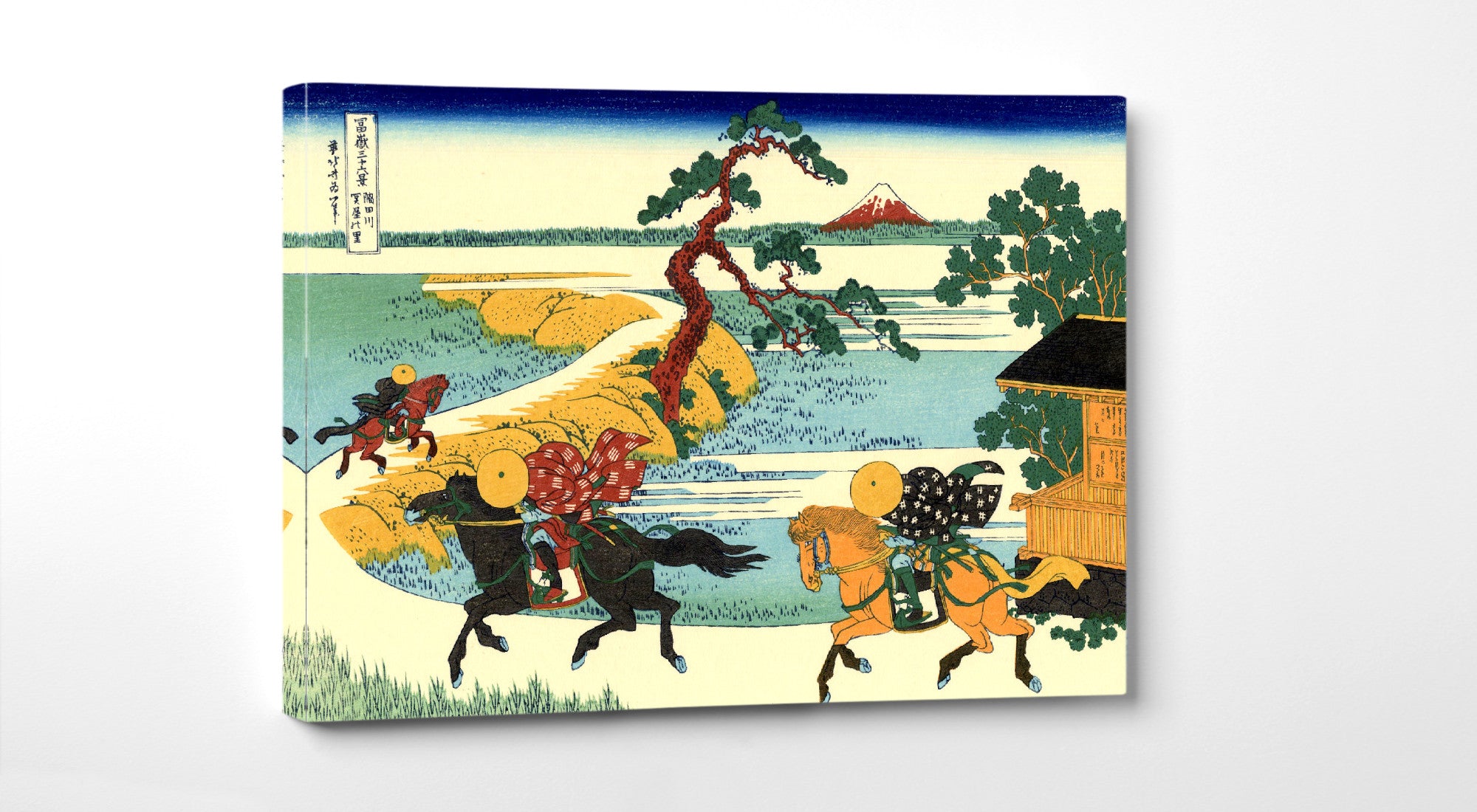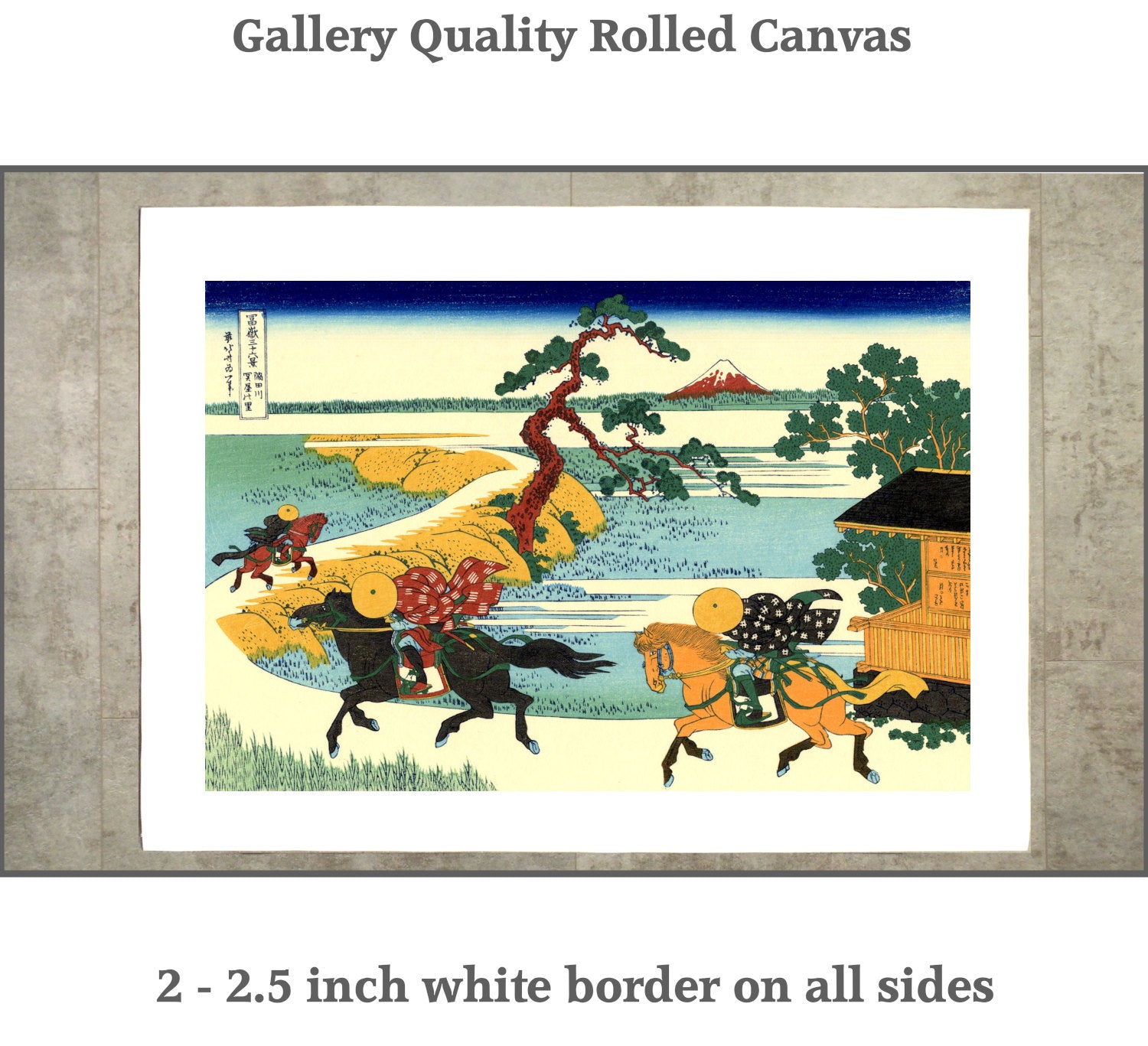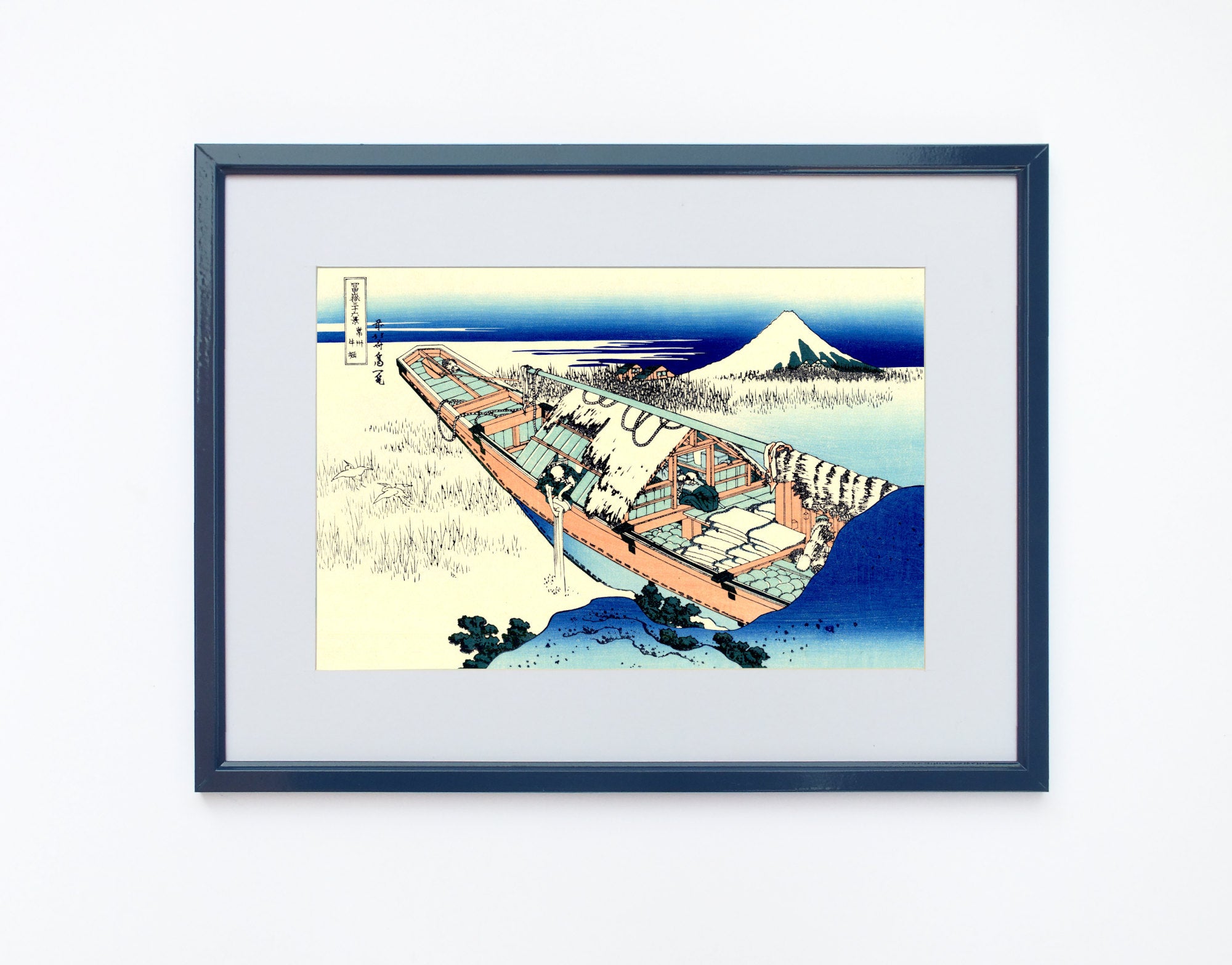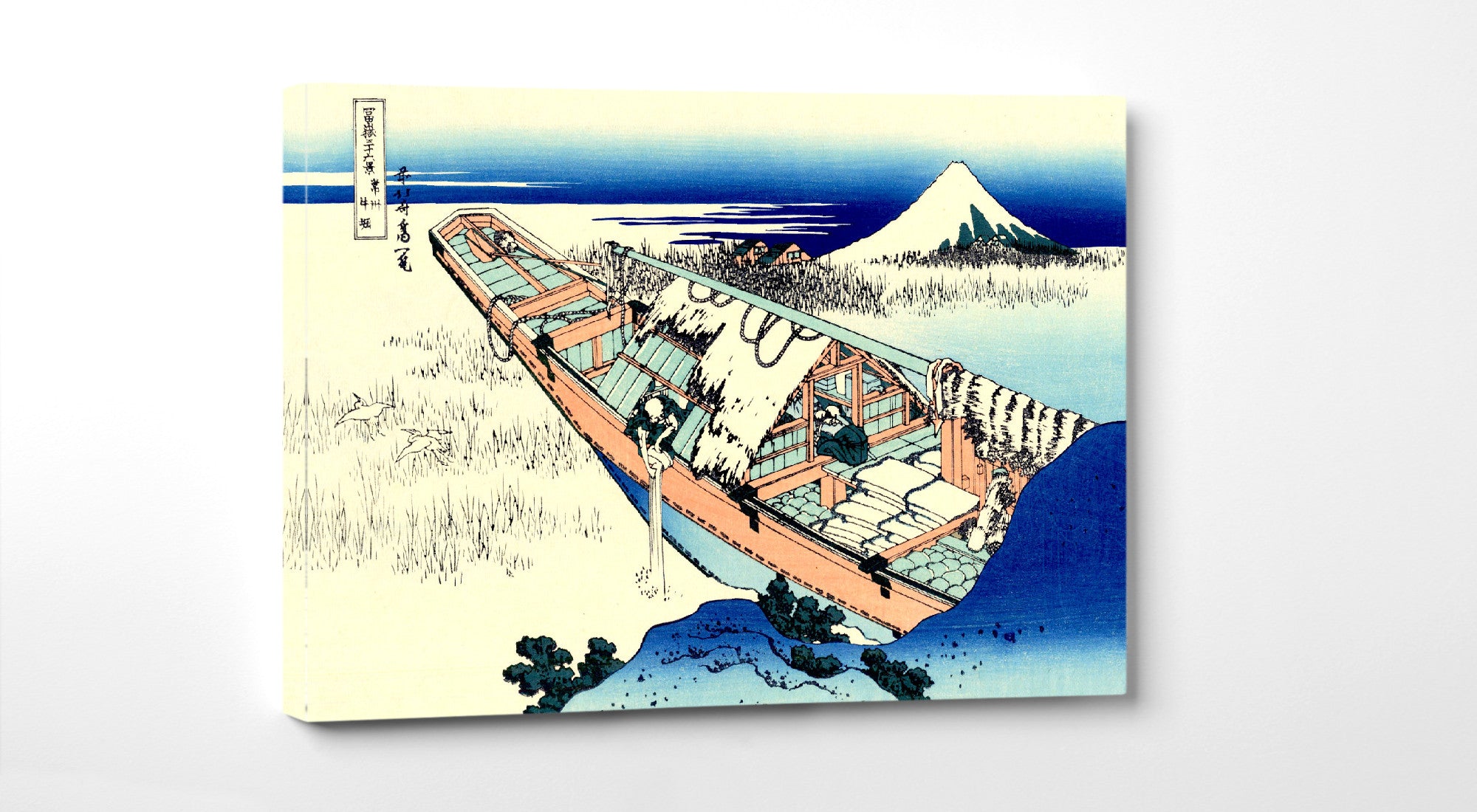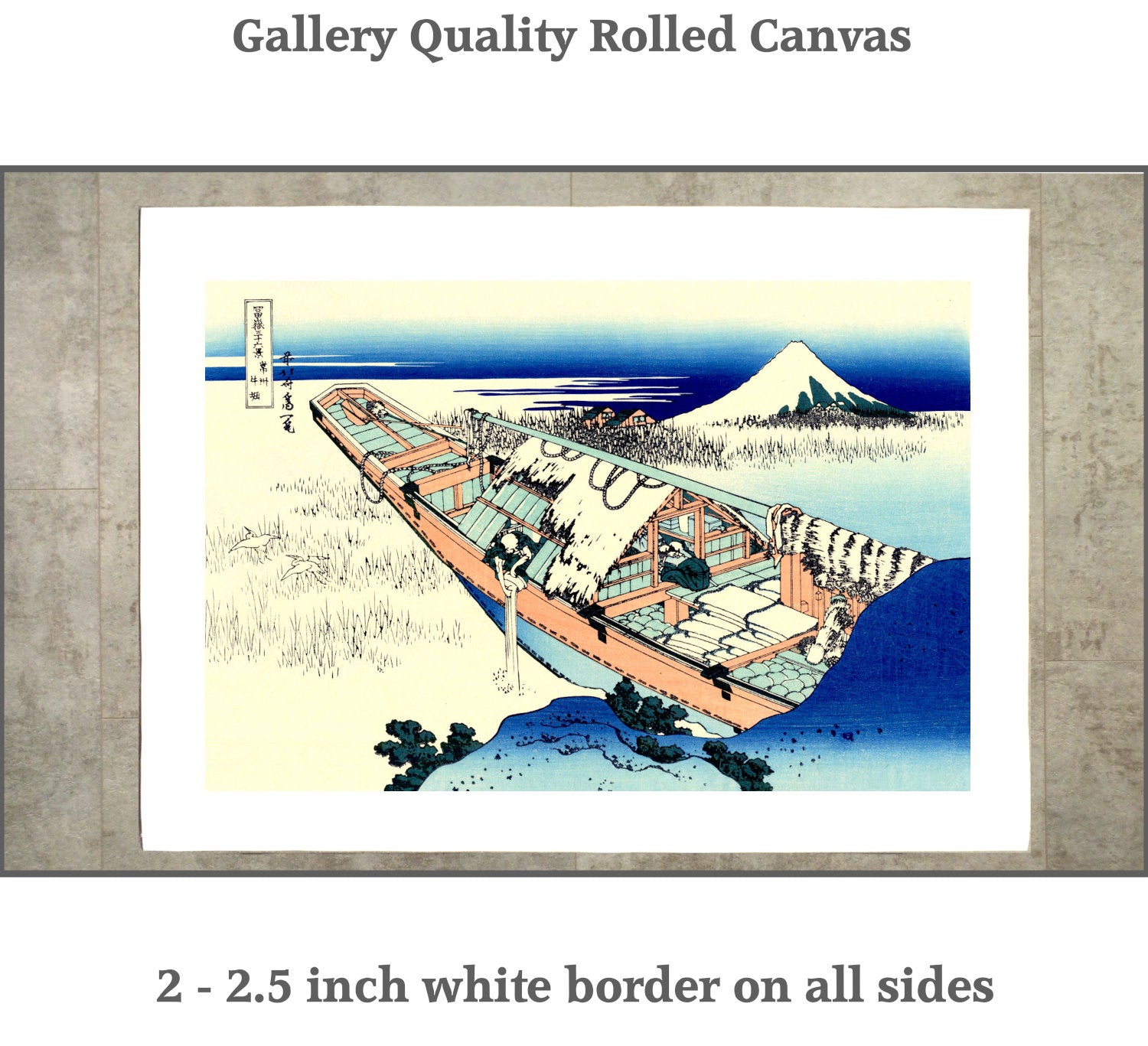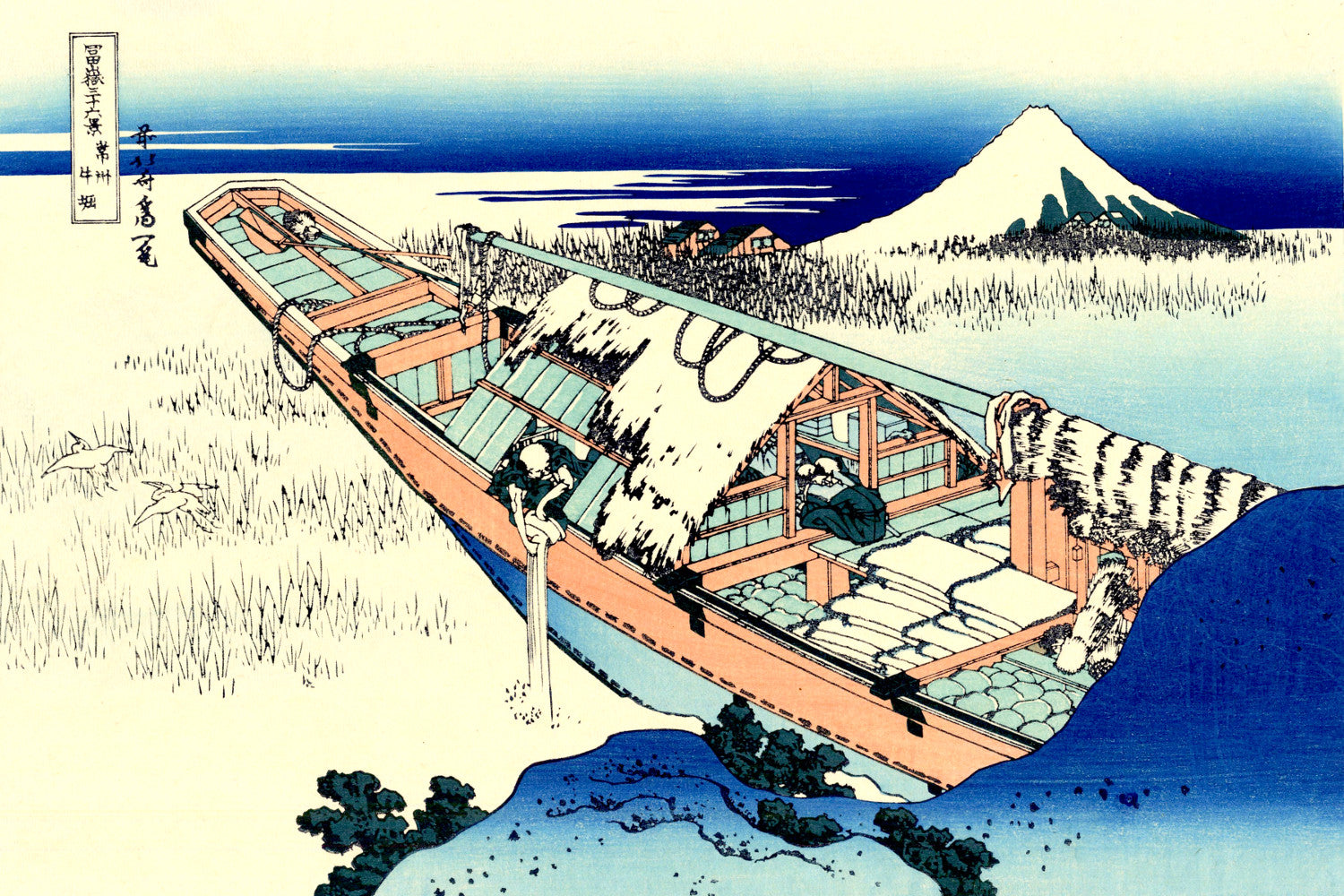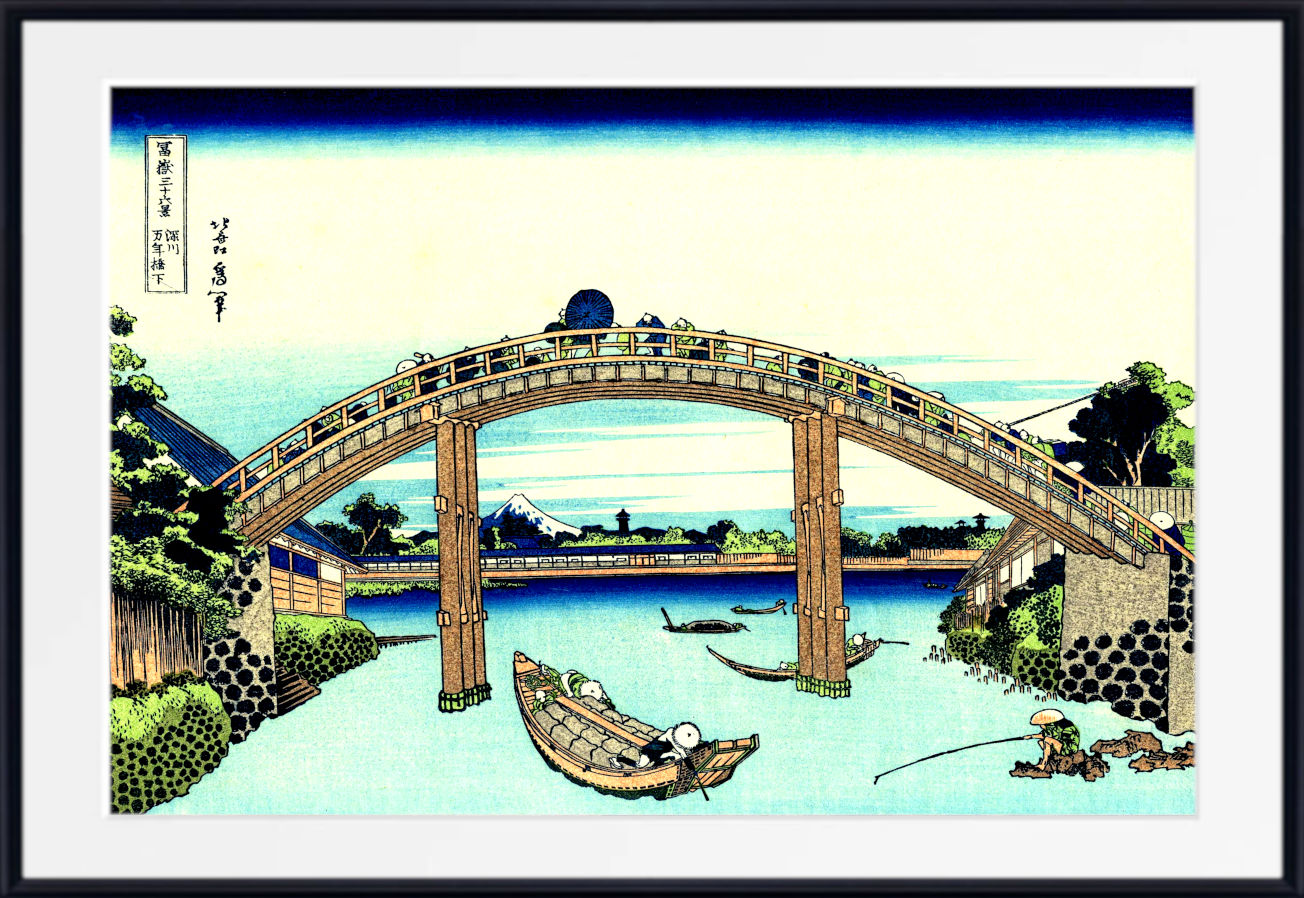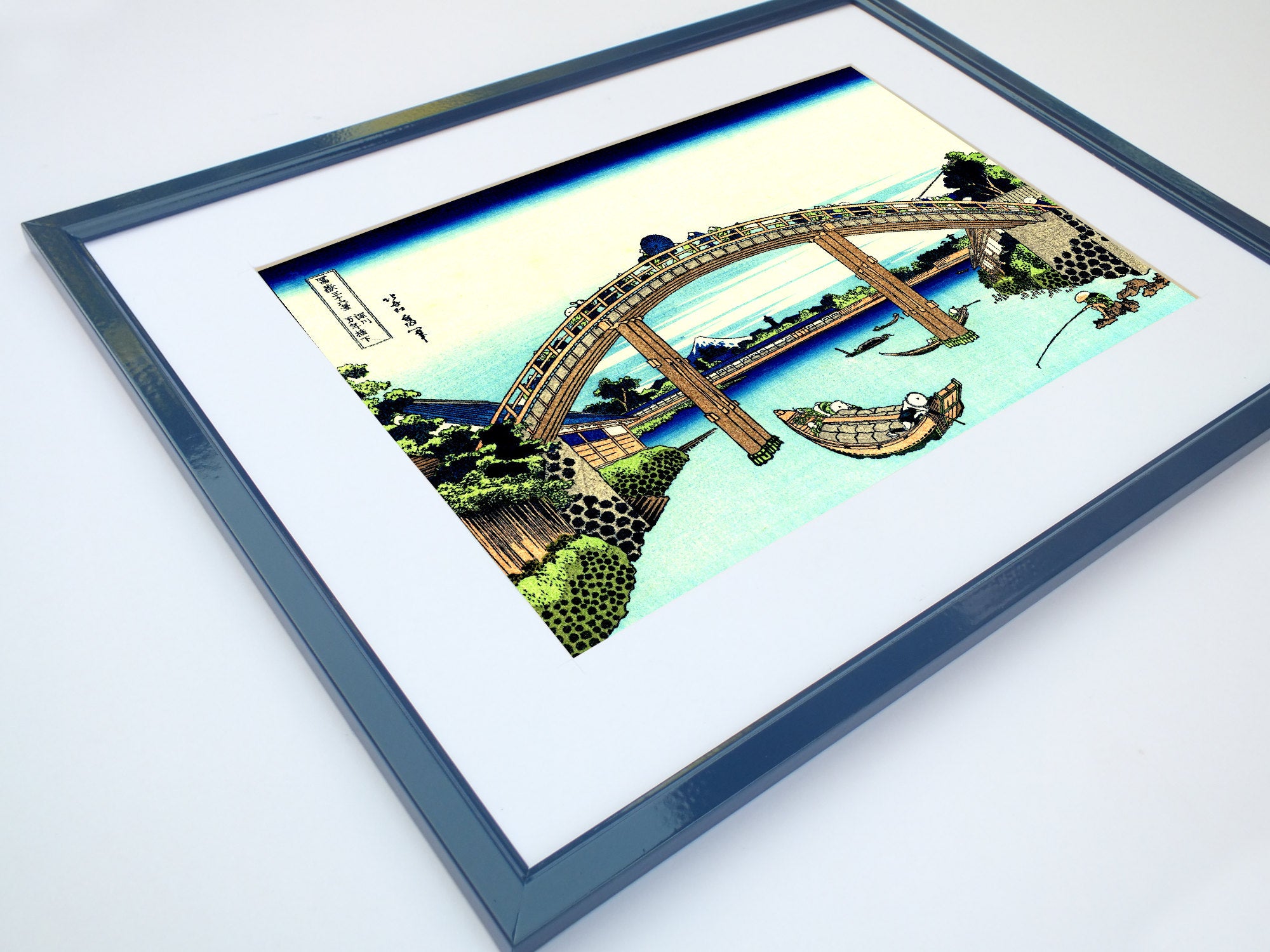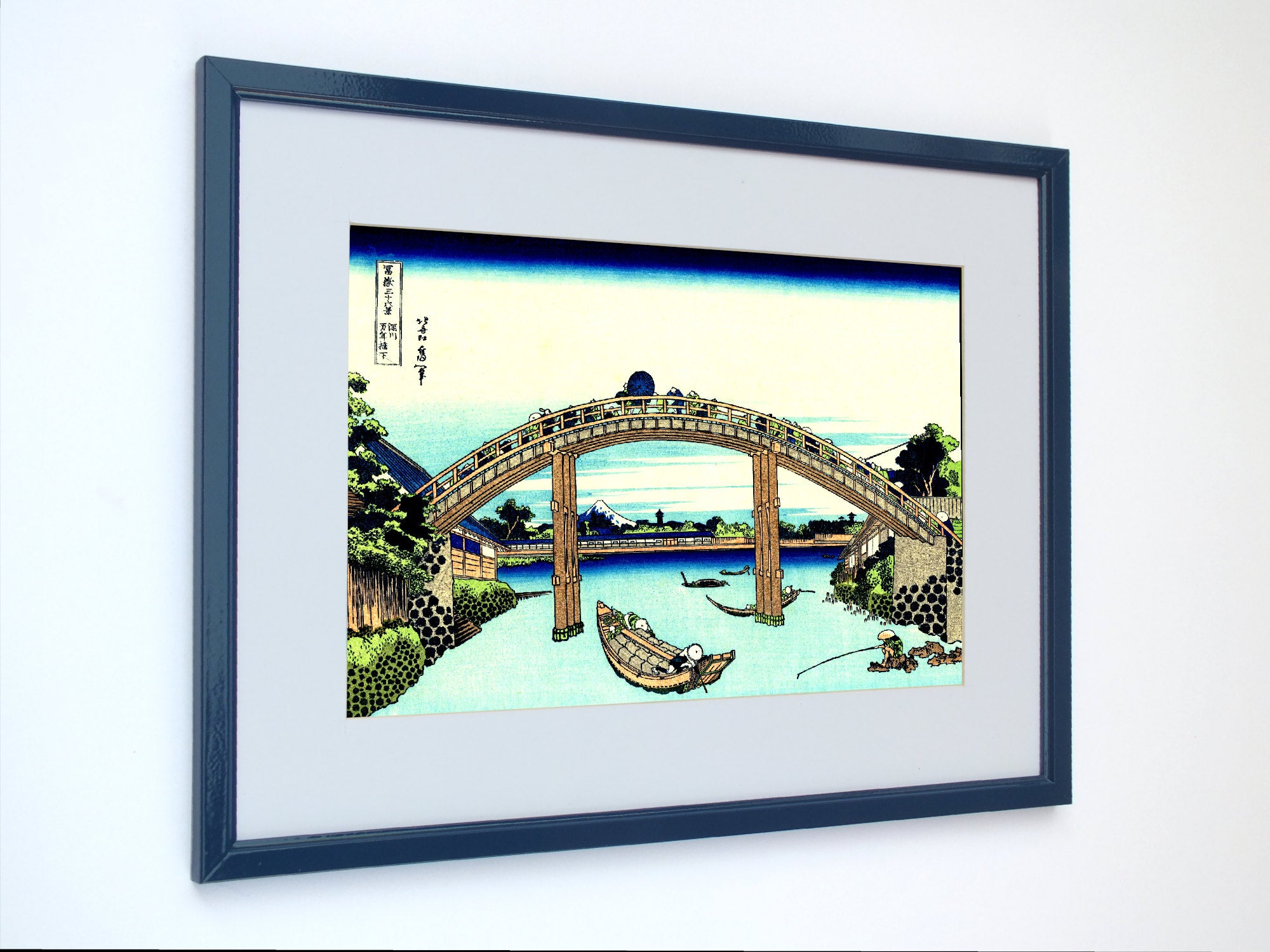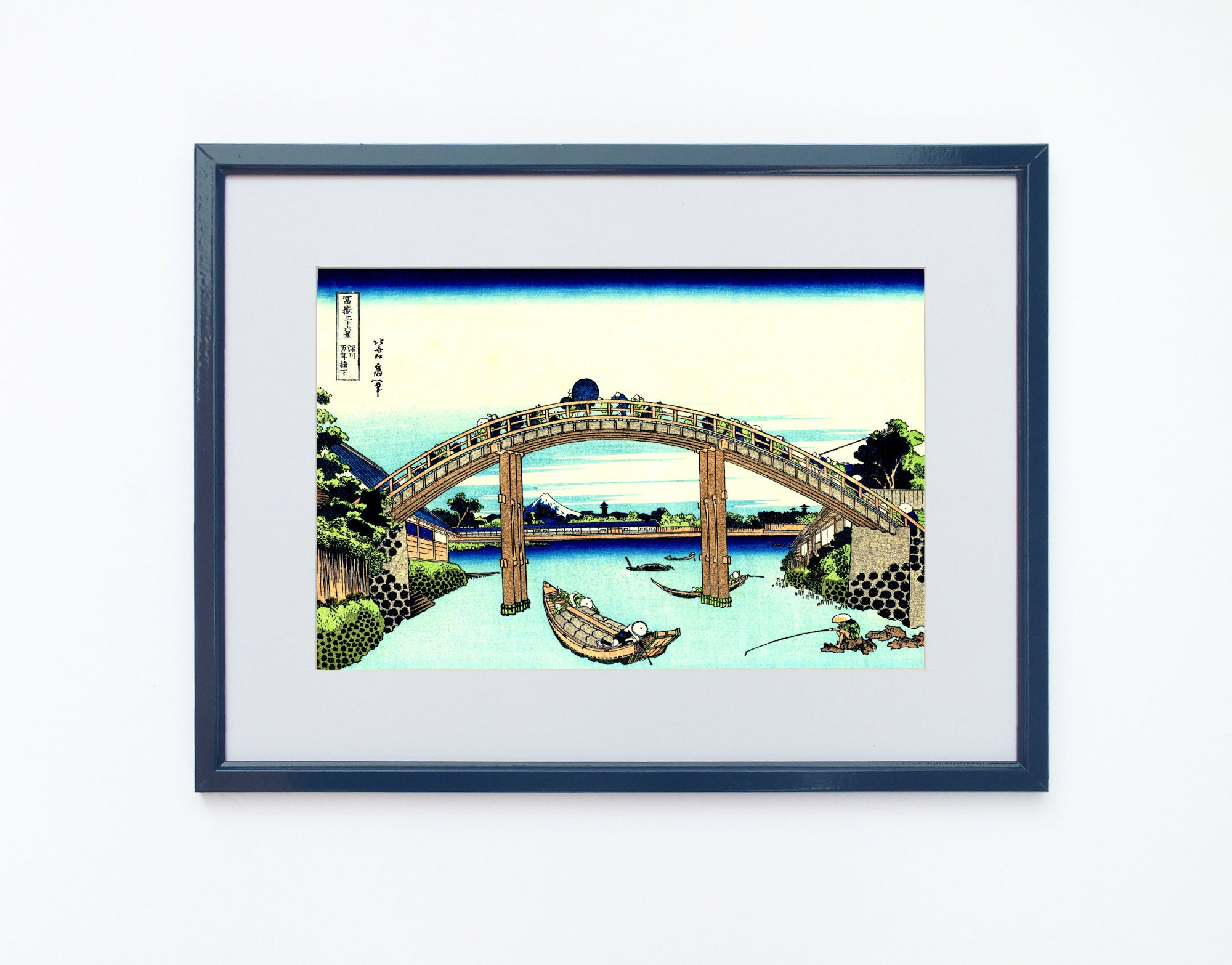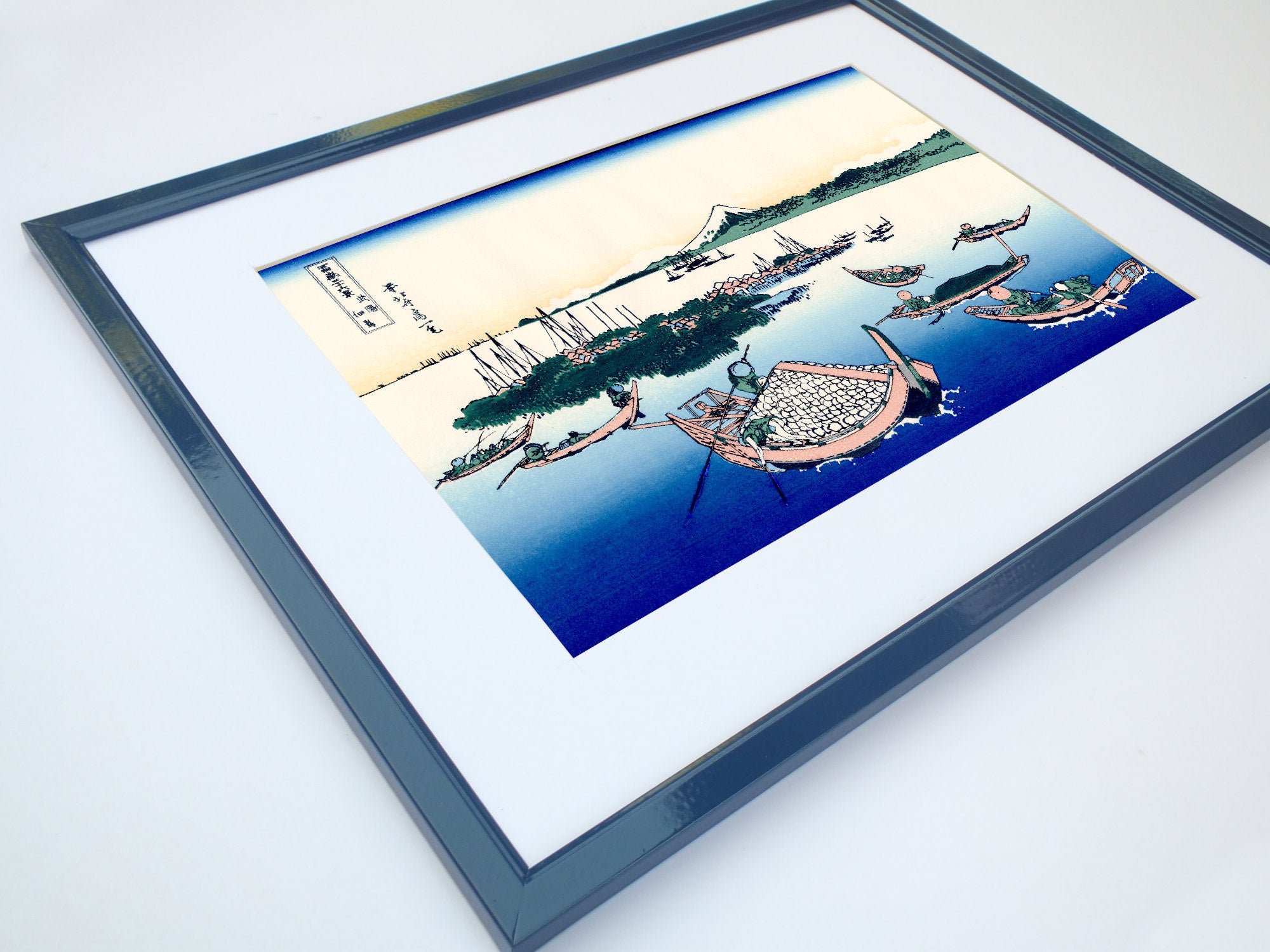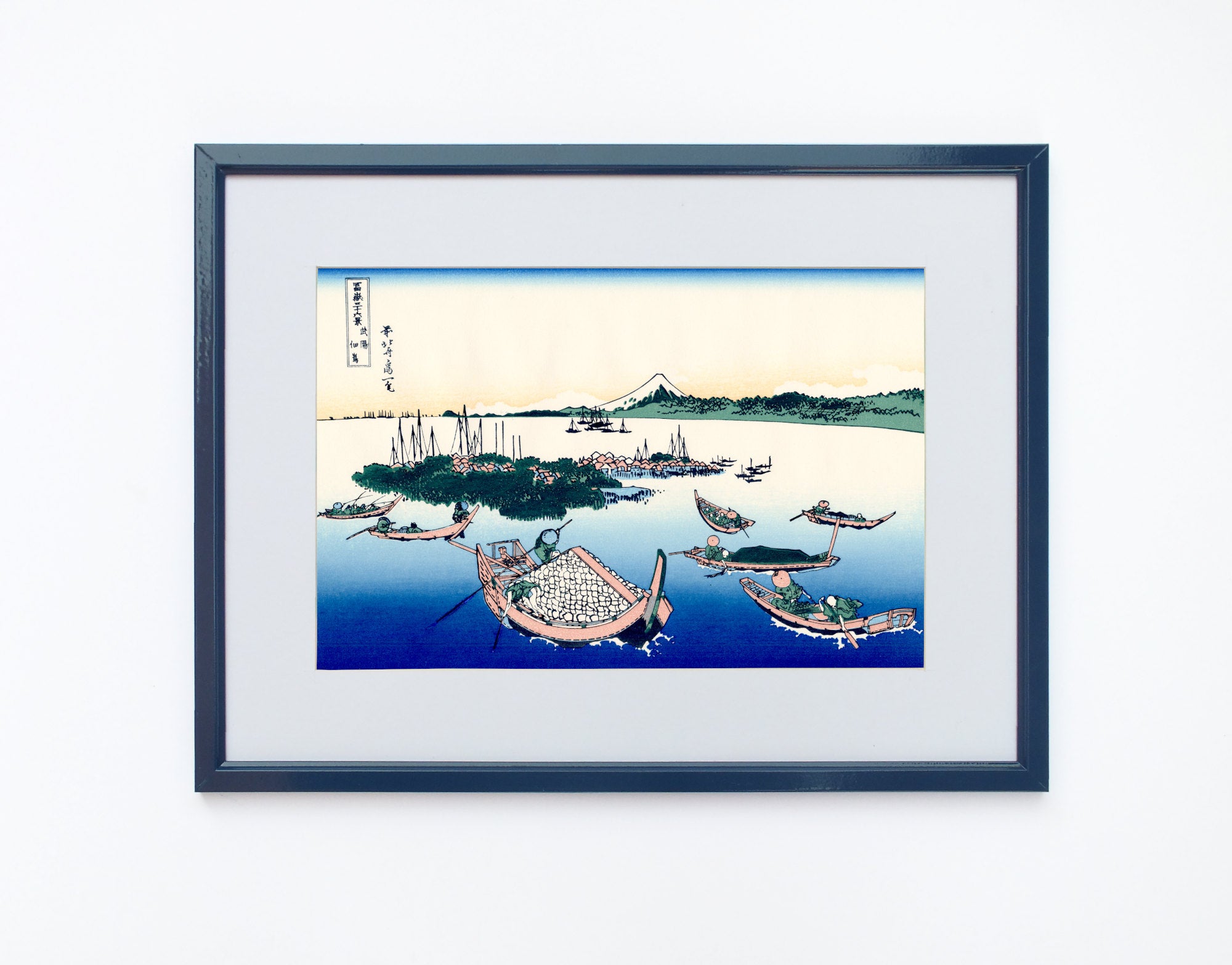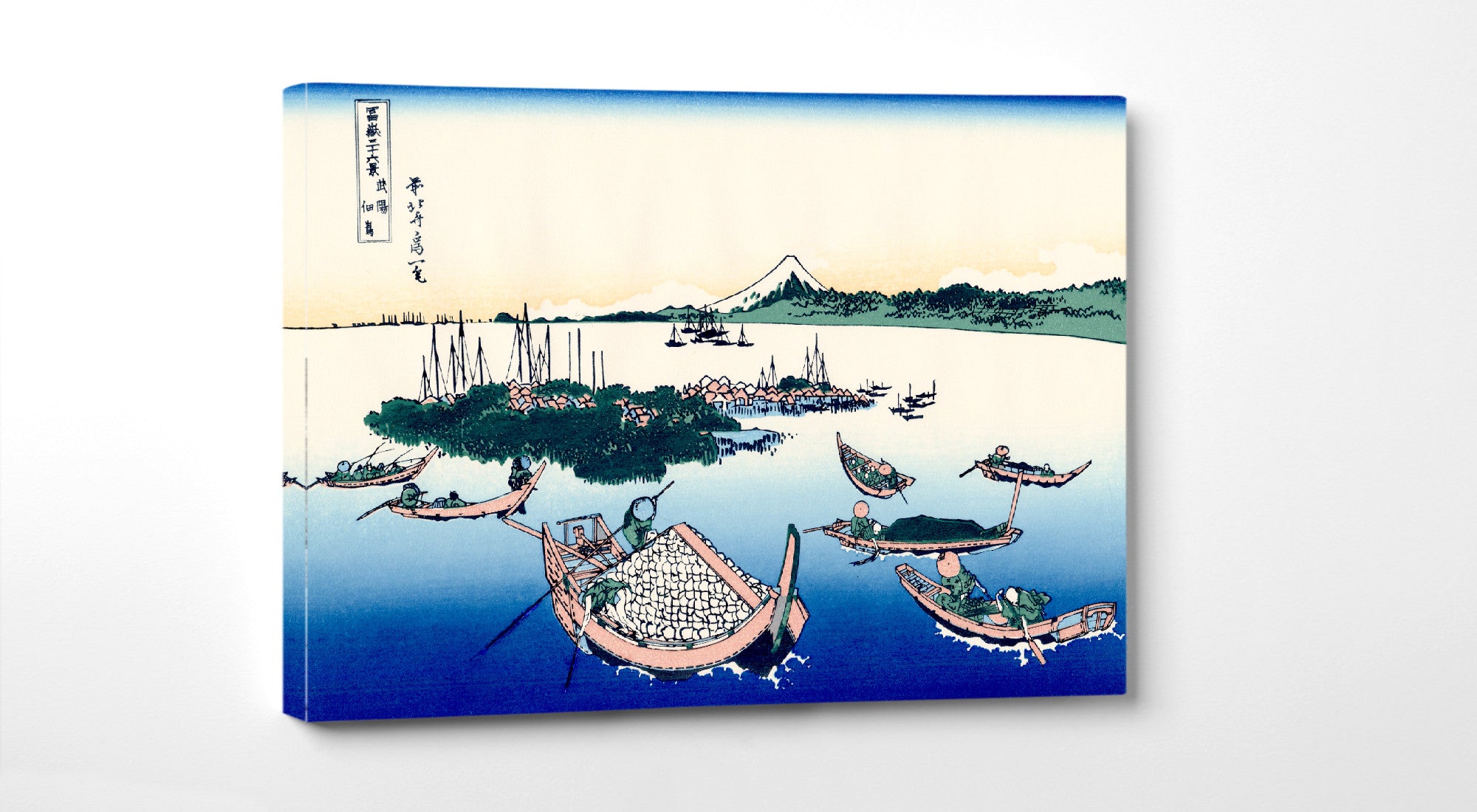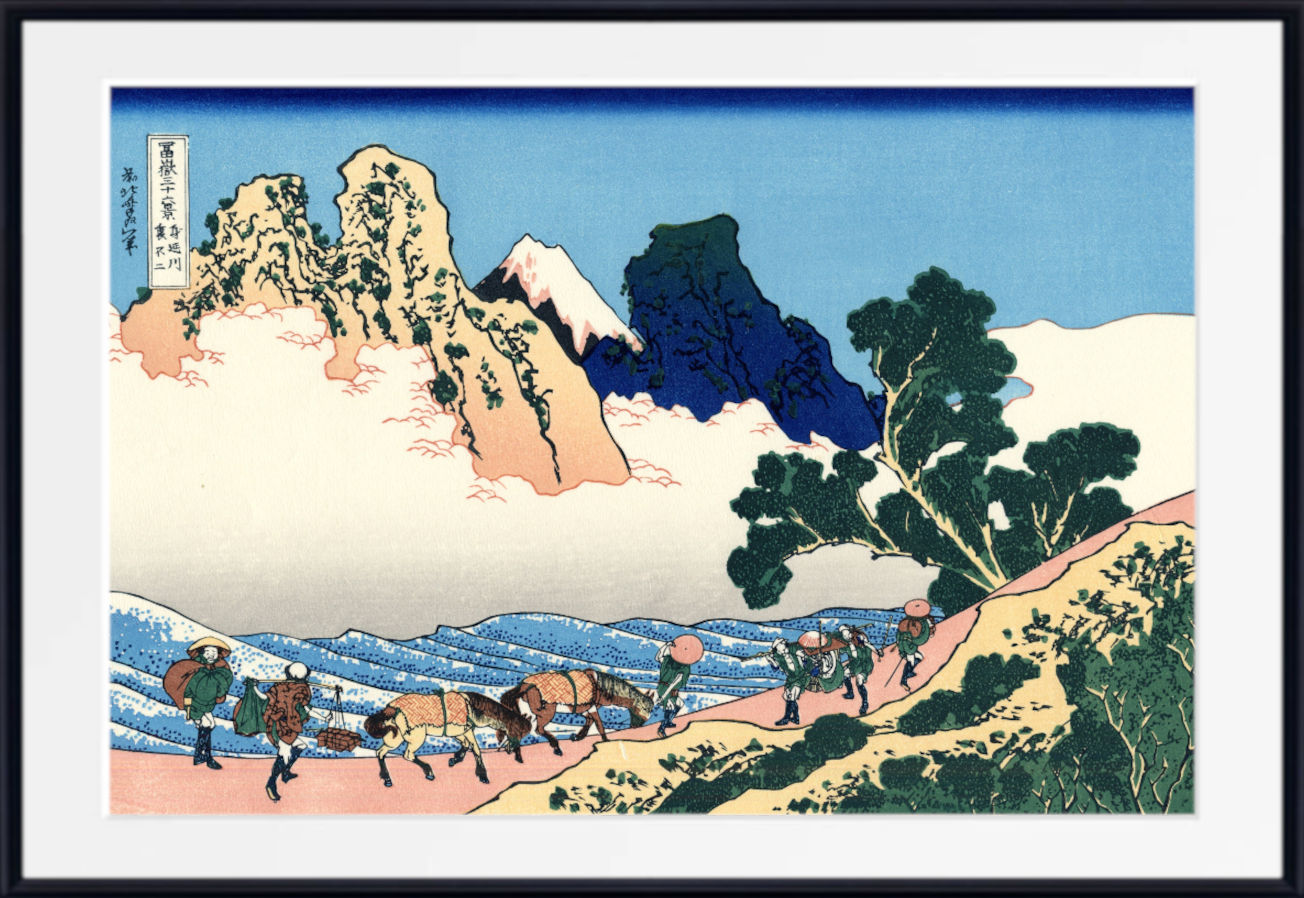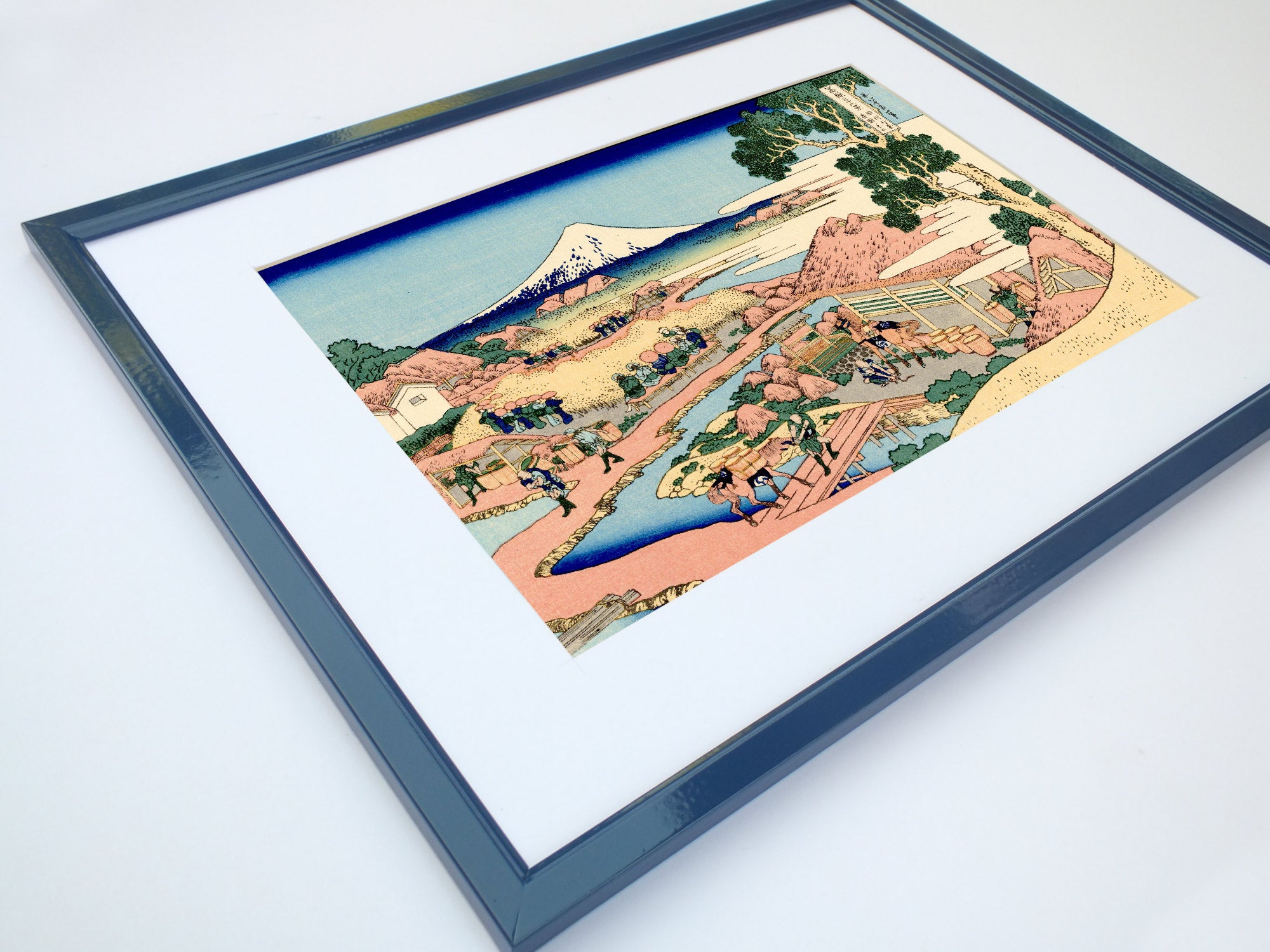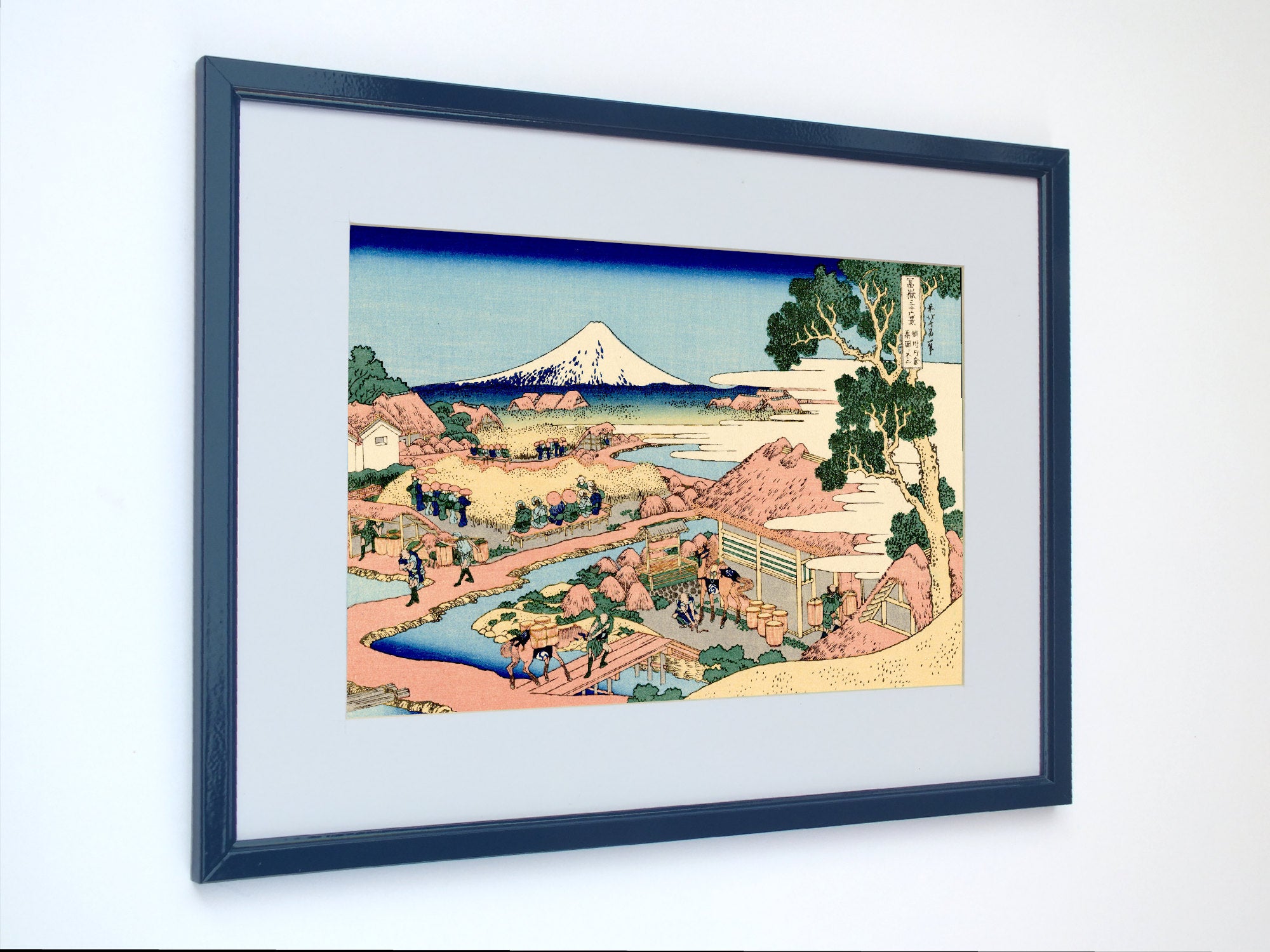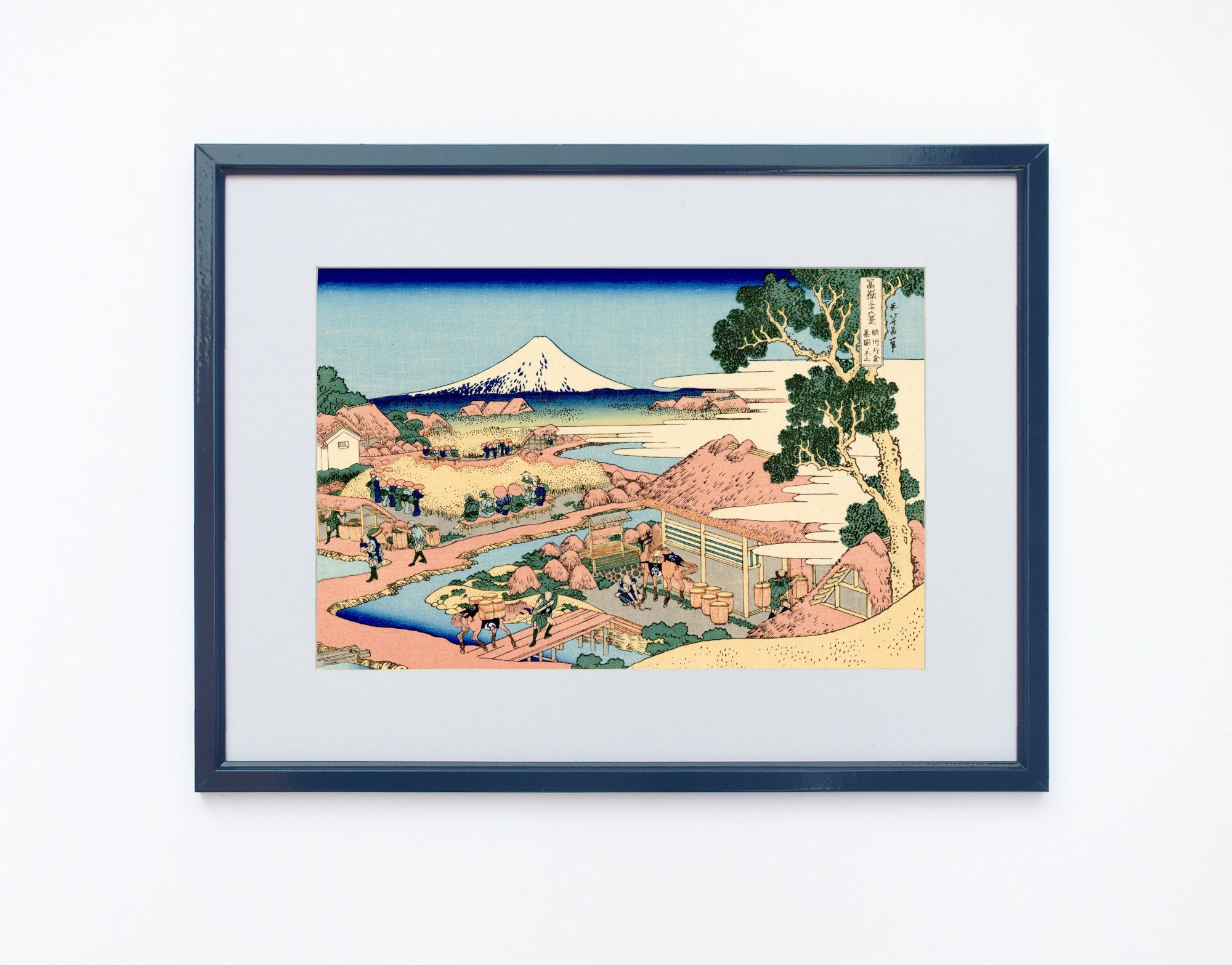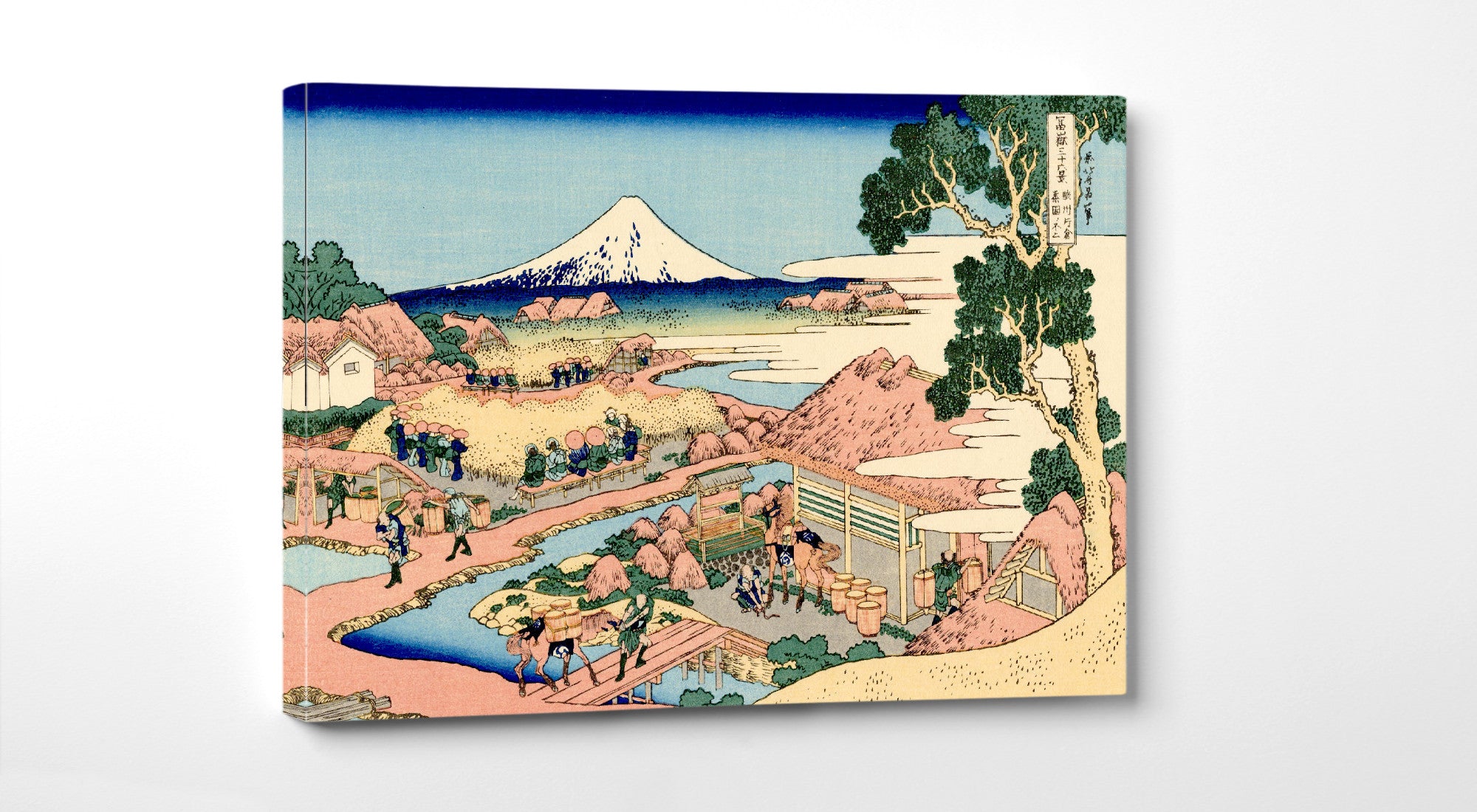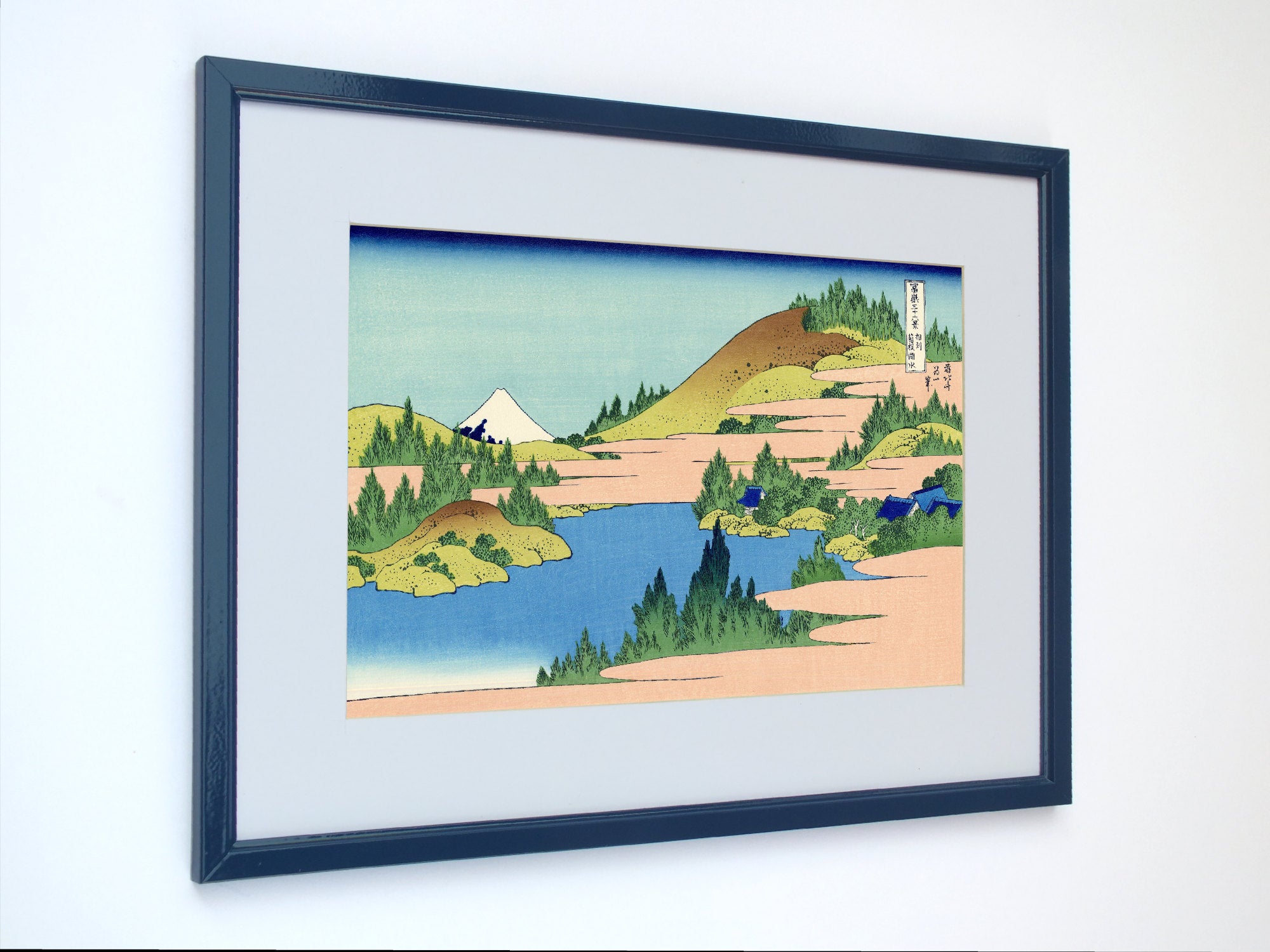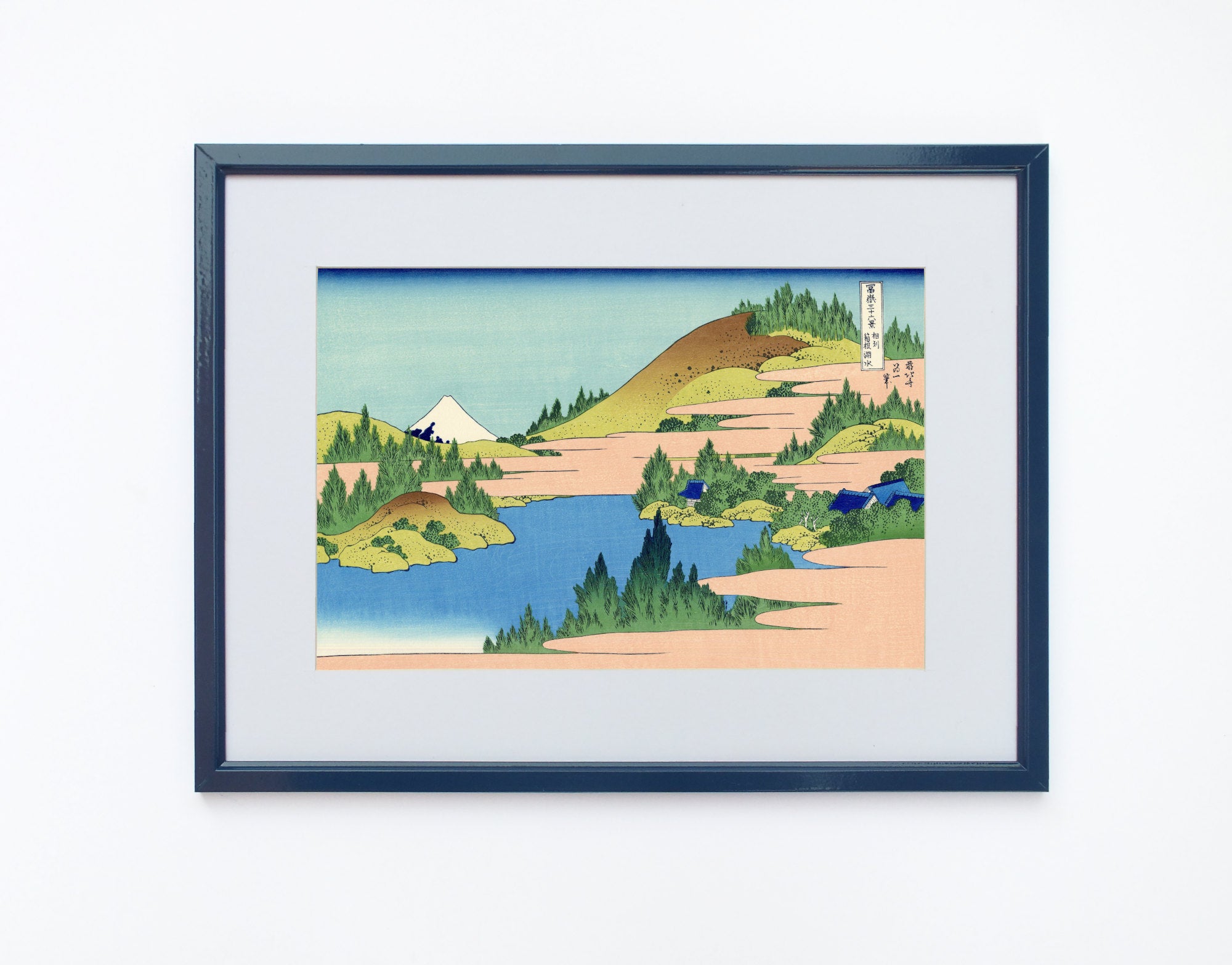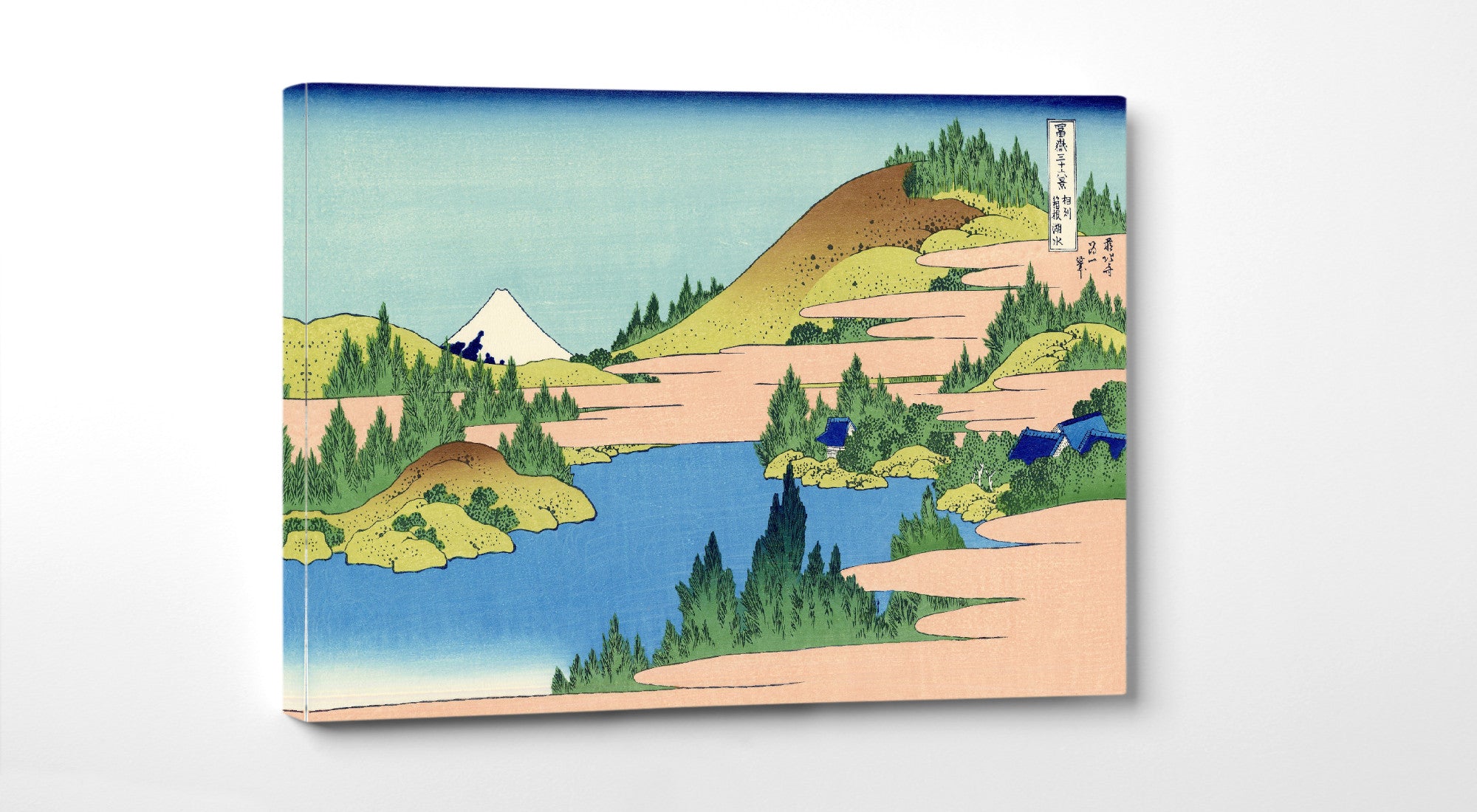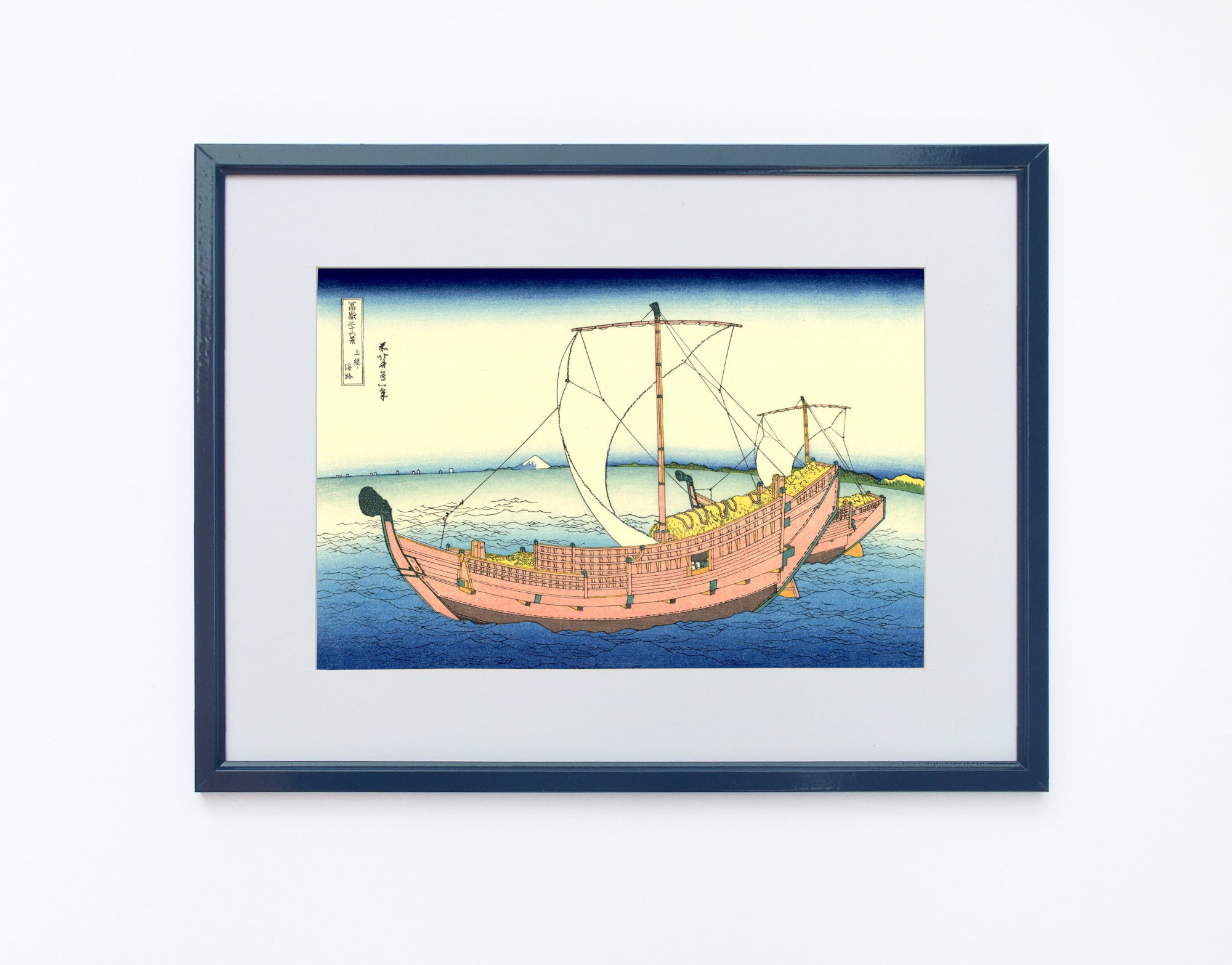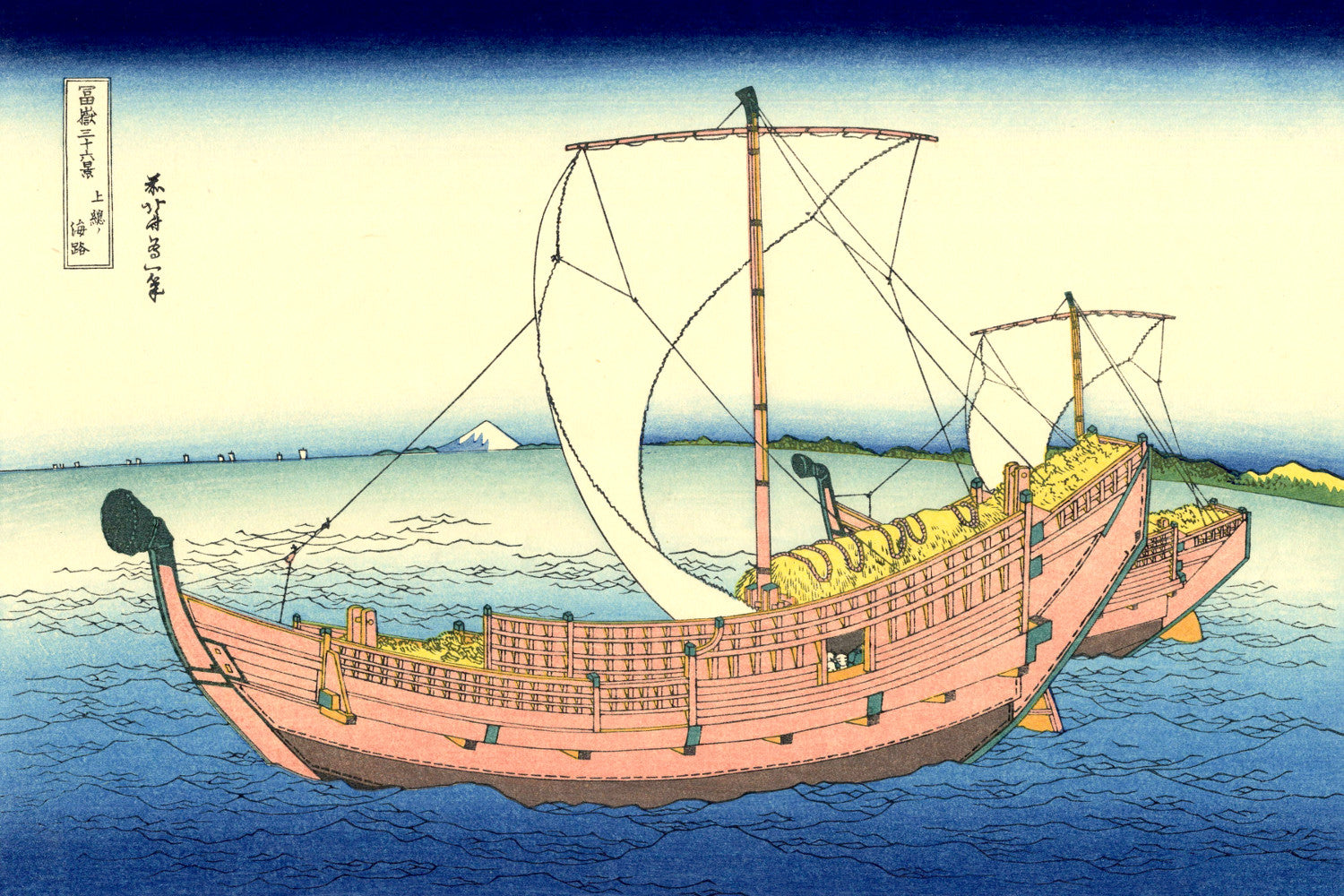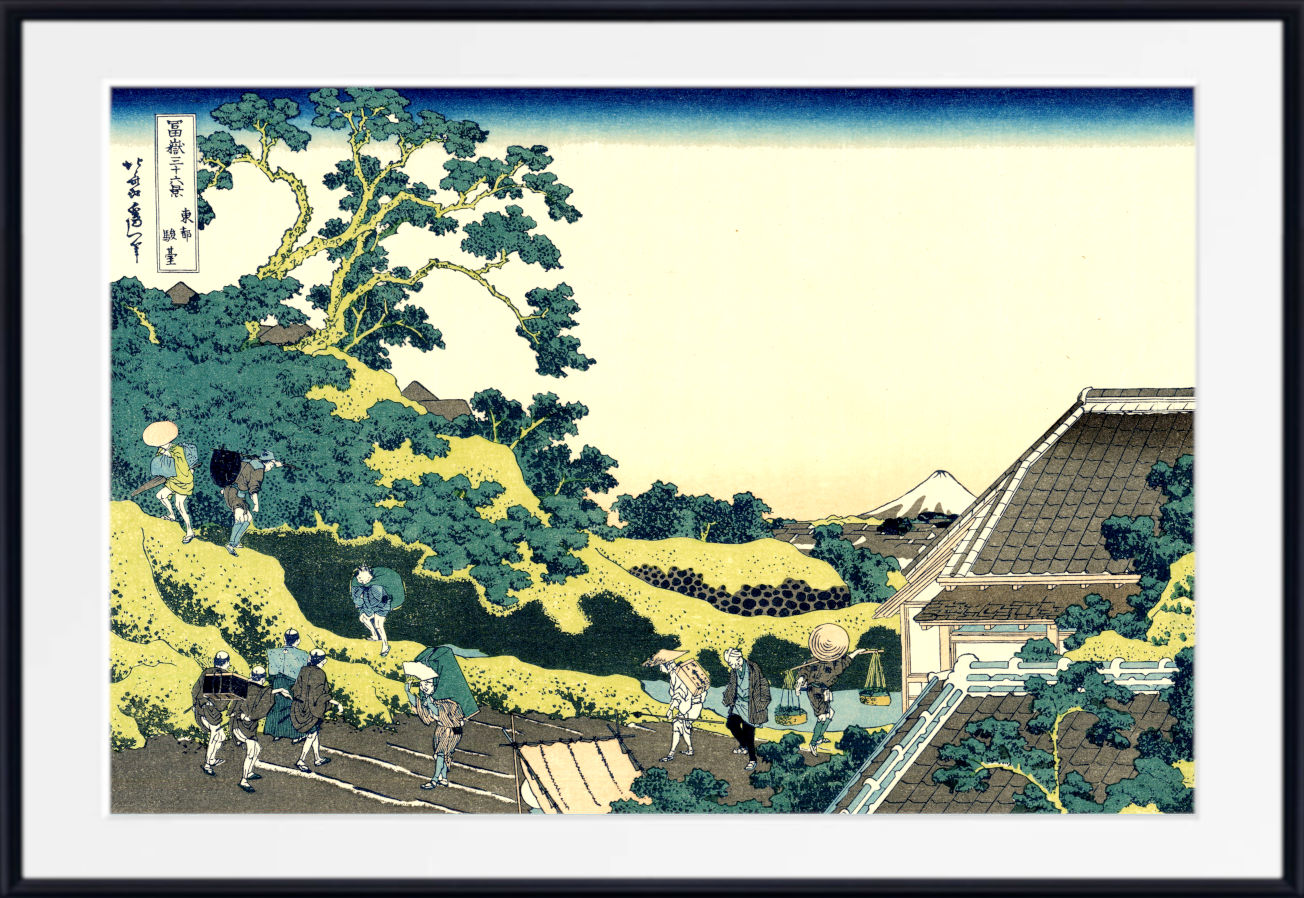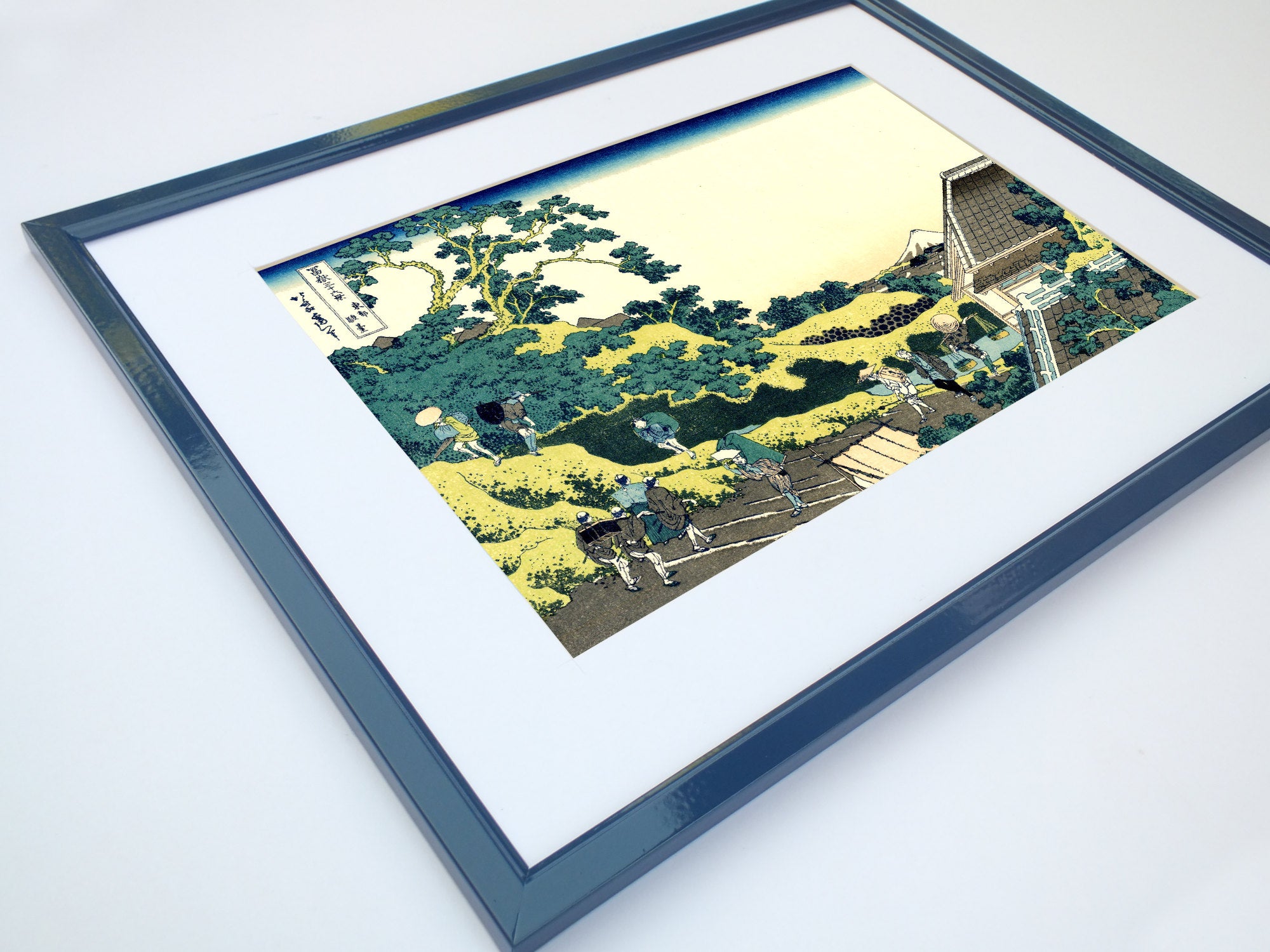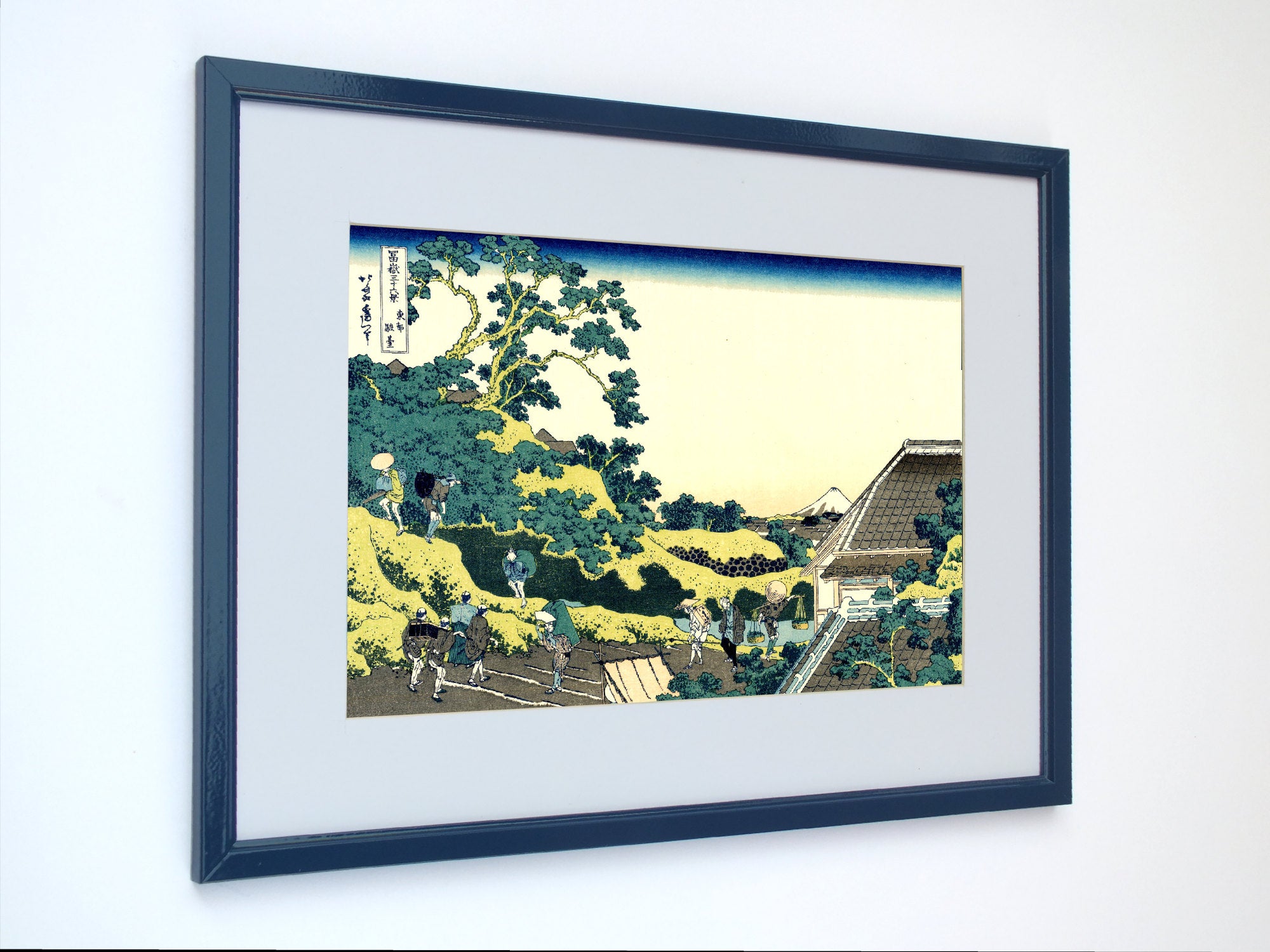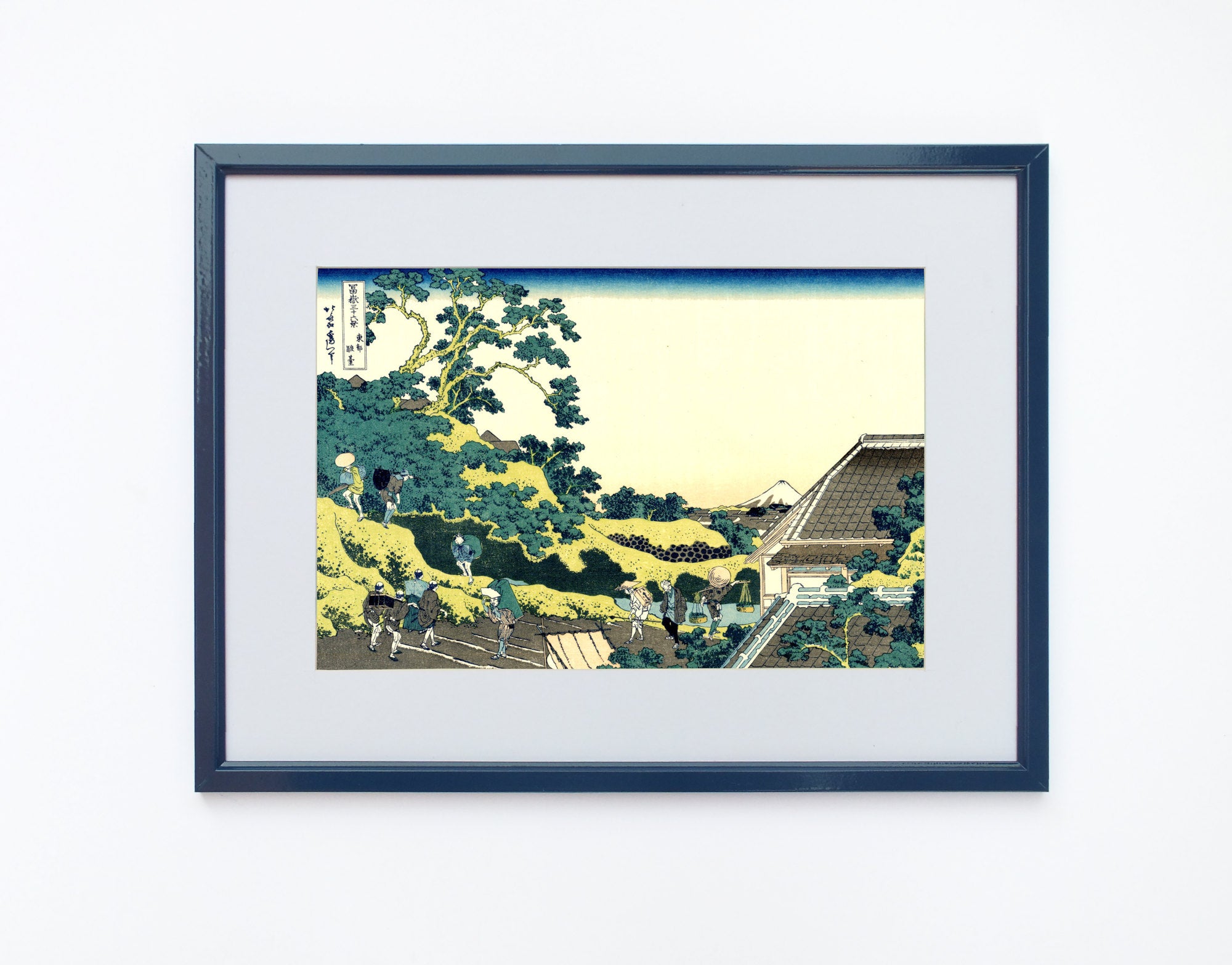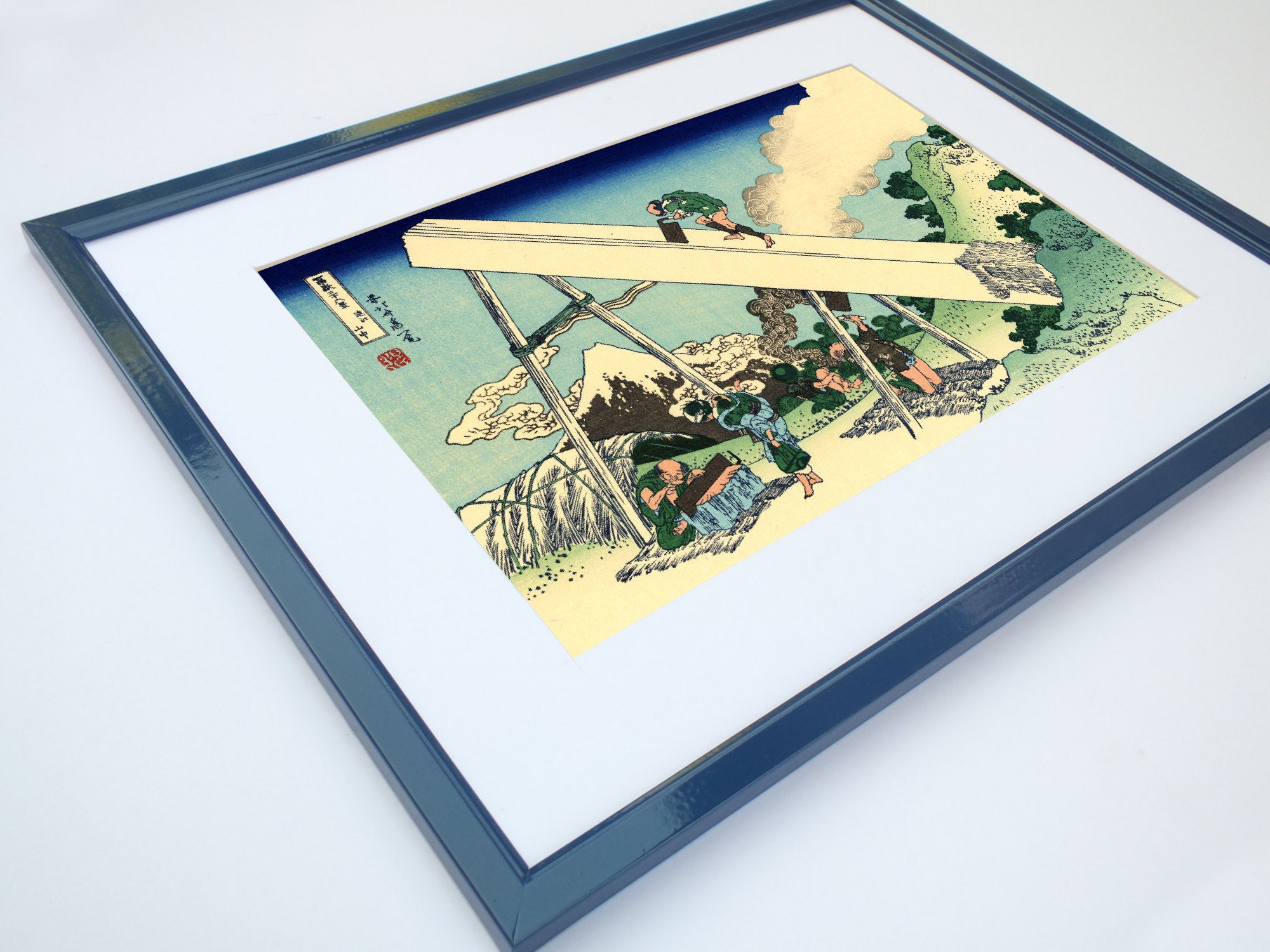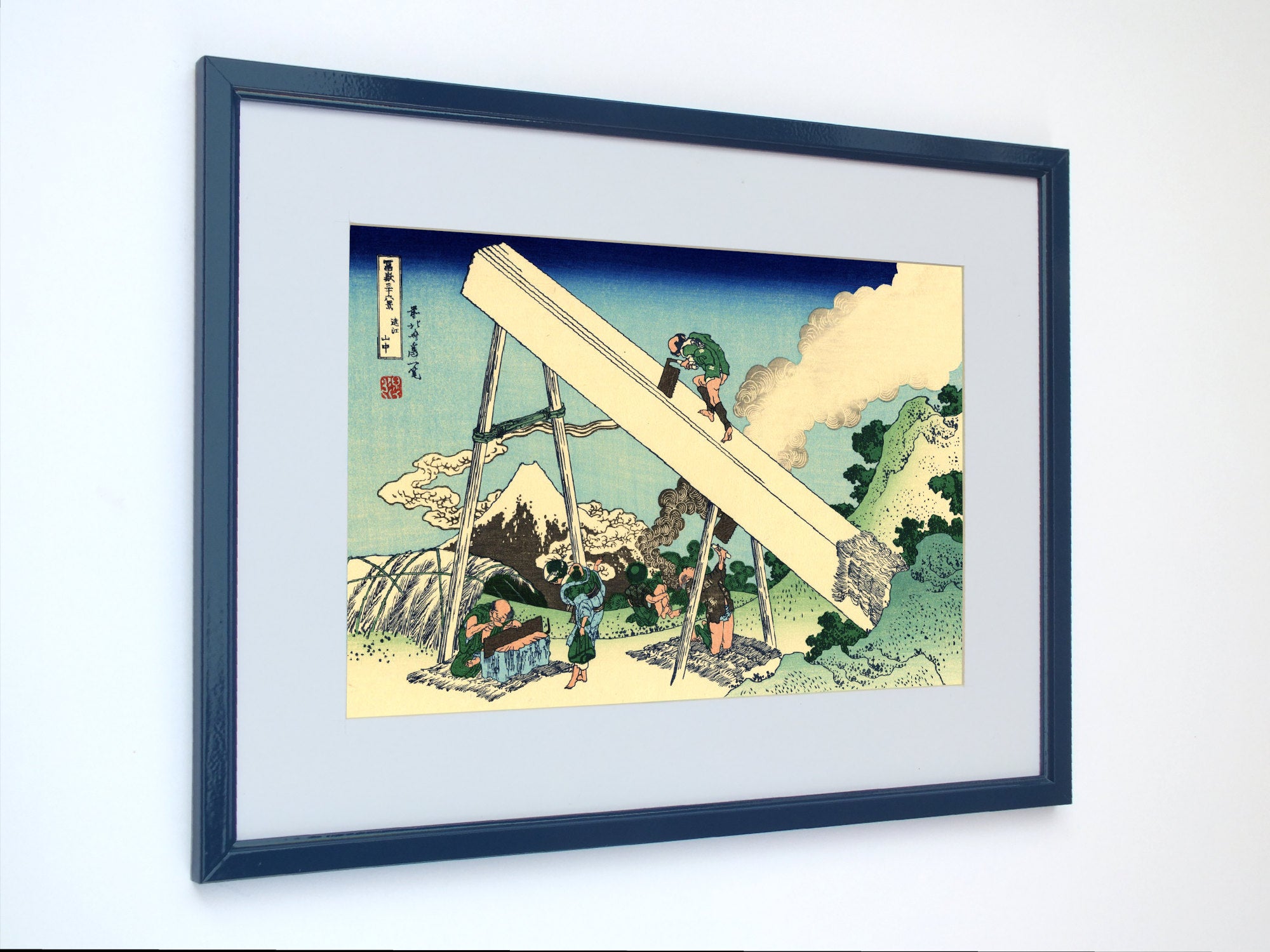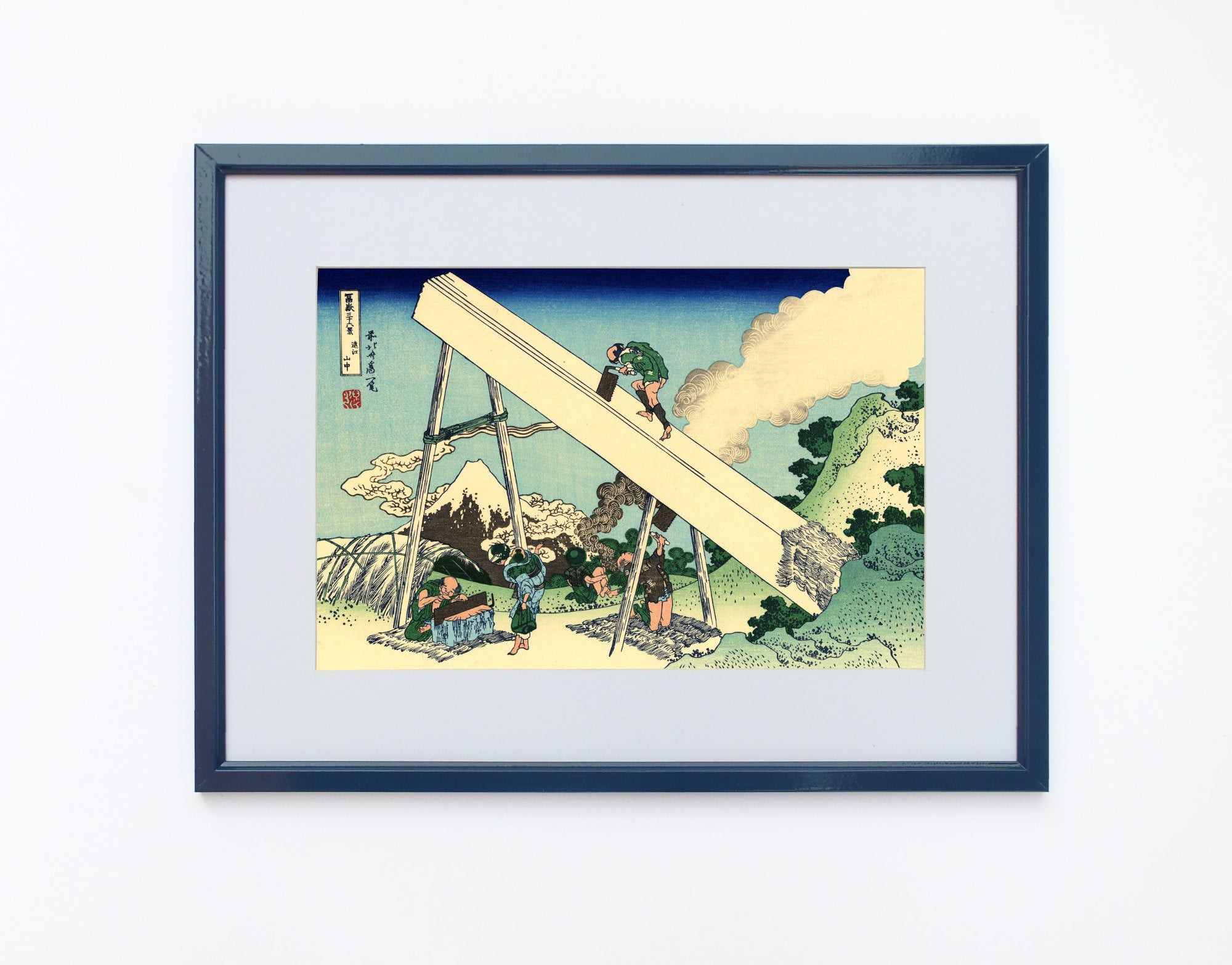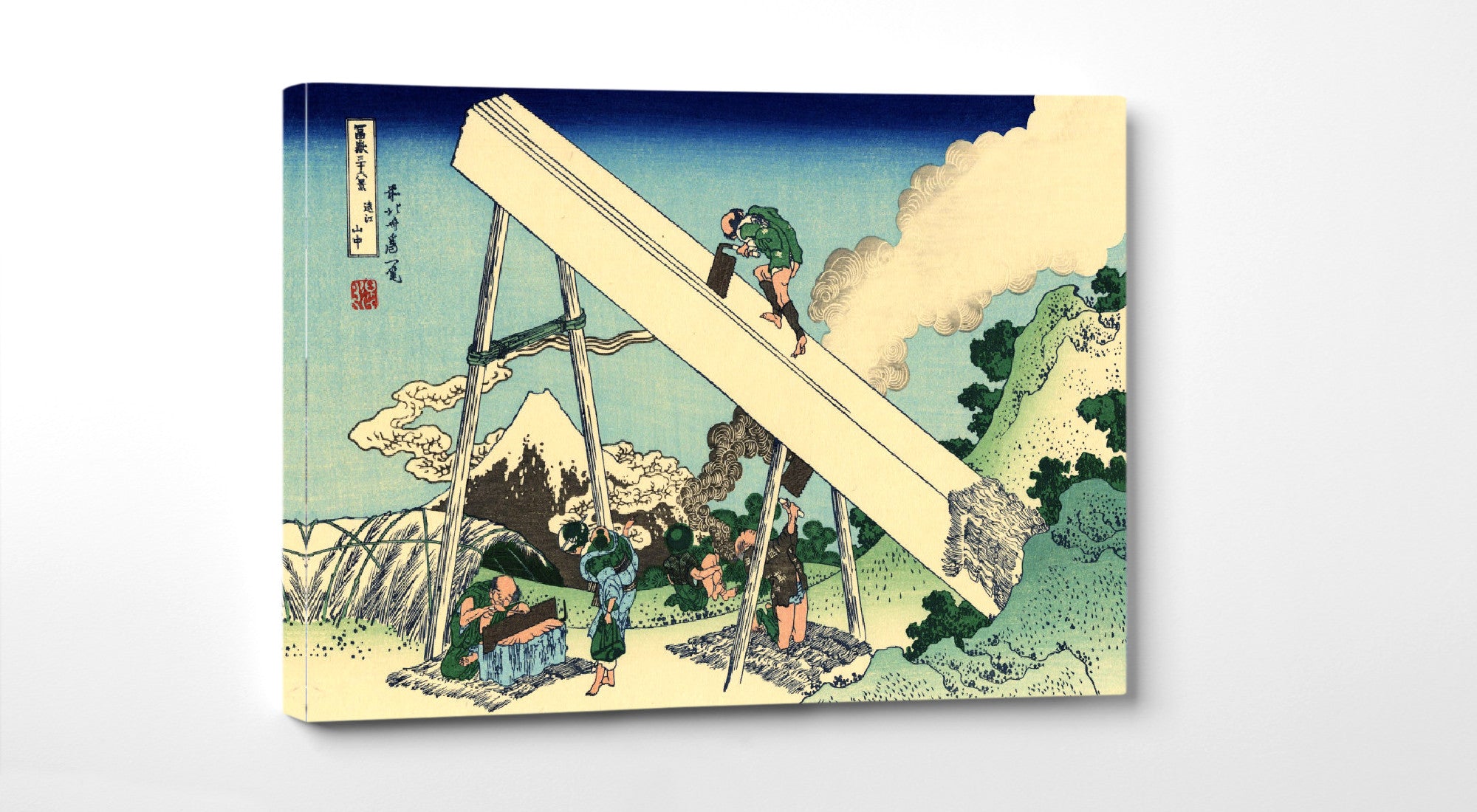
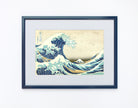
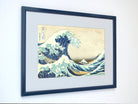
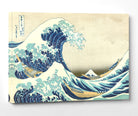
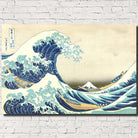
36 Views of Mount Fuji, Great Wave off Kanagawa, Katsushika Hokusai, Japanese Print
Couldn't load pickup availability
Details
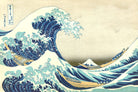
Katsushika Hokusai – The Great Wave off Kanagawa Prints
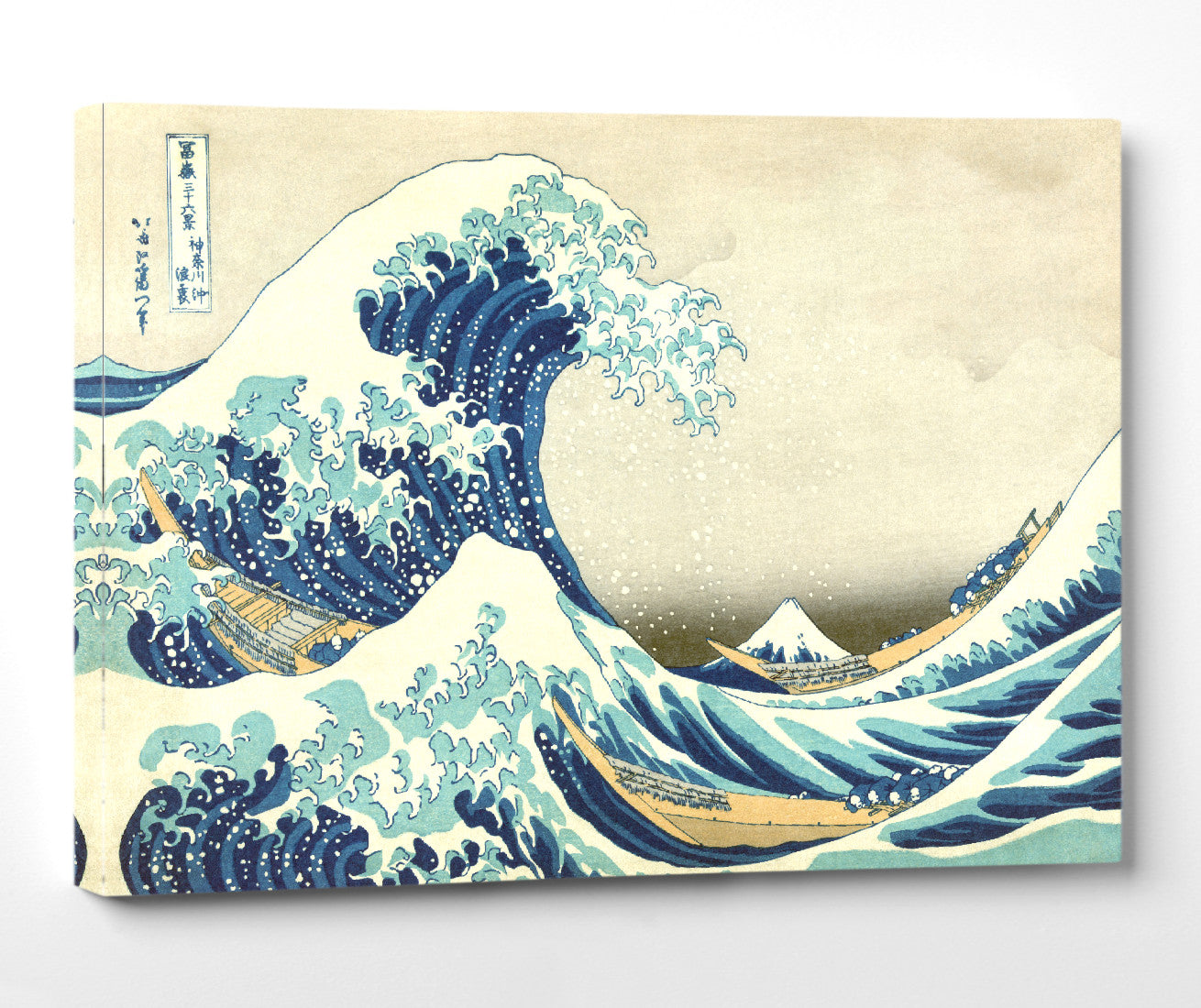
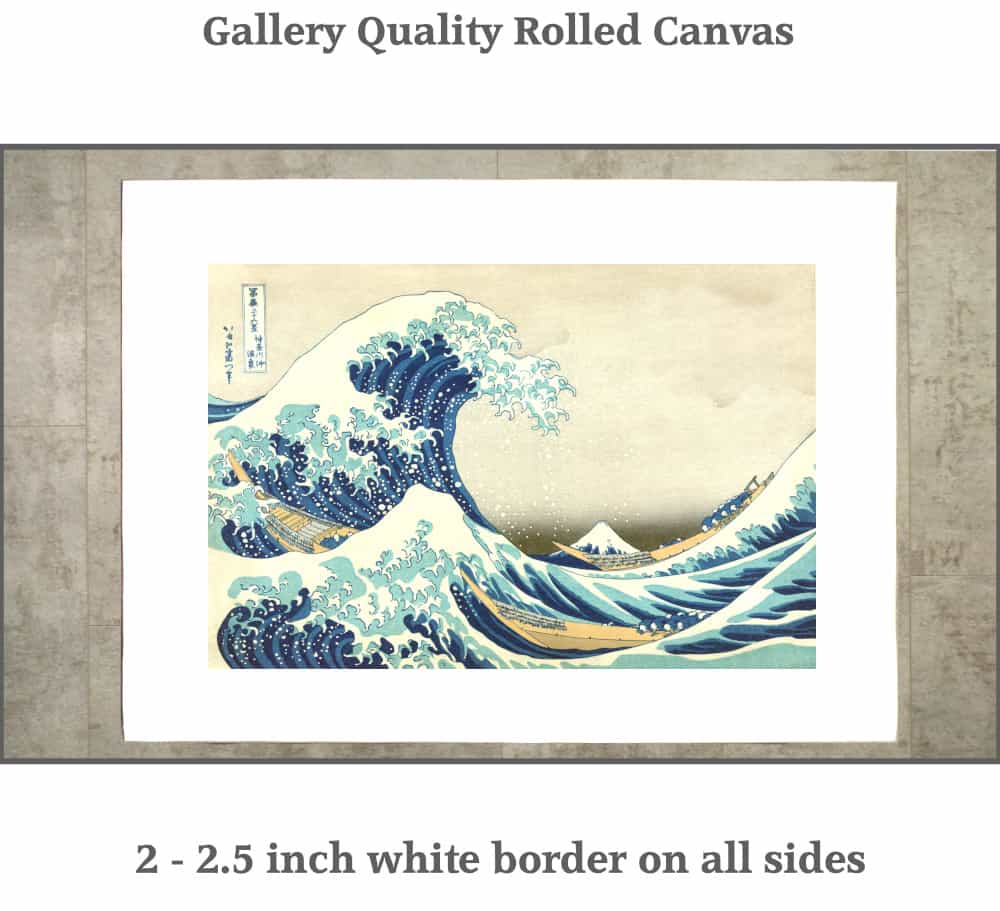
Discover one of the most celebrated images in the history of Japanese art with a Katsushika Hokusai Great Wave off Kanagawa print. Created around 1830–32, Under the Wave off Kanagawa – better known simply as The Great Wave – combines an immense breaking wave, three vulnerable boats and the distant form of Mount Fuji in a composition of extraordinary energy and precision.
Part of Hokusai's landmark Thirty-Six Views of Mount Fuji series, the design has become an international symbol of Japanese ukiyo-e. Available from GalleryThane as fine art prints, framed prints and canvas panels, it remains as visually powerful in a contemporary interior as it was revolutionary when first published in Edo-period Japan.
Under the Wave off Kanagawa
The original Japanese title, Kanagawa-oki nami ura, is usually translated as Under the Wave off Kanagawa.
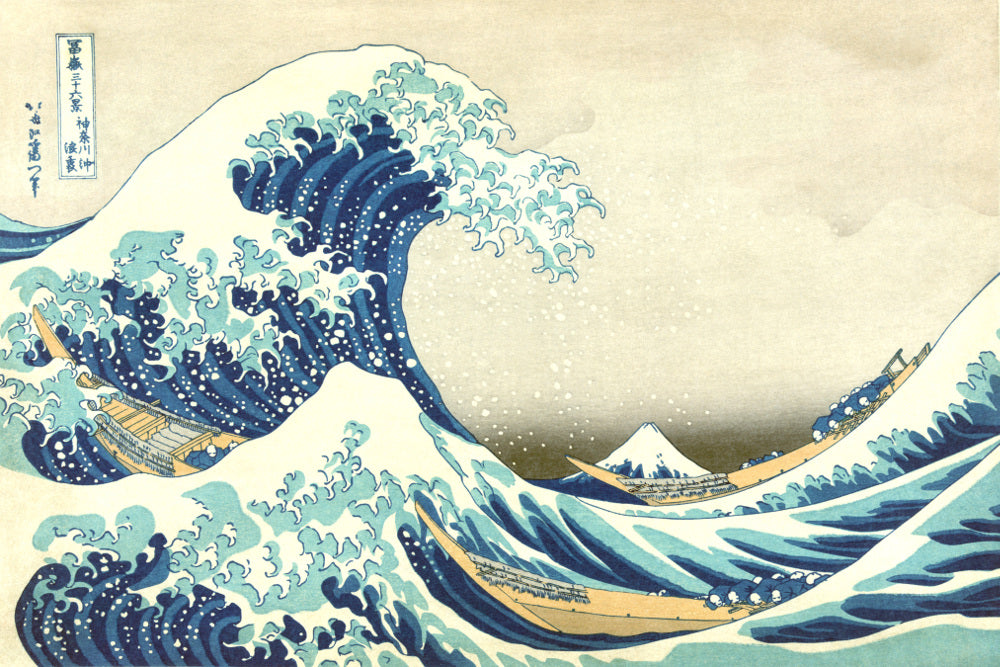
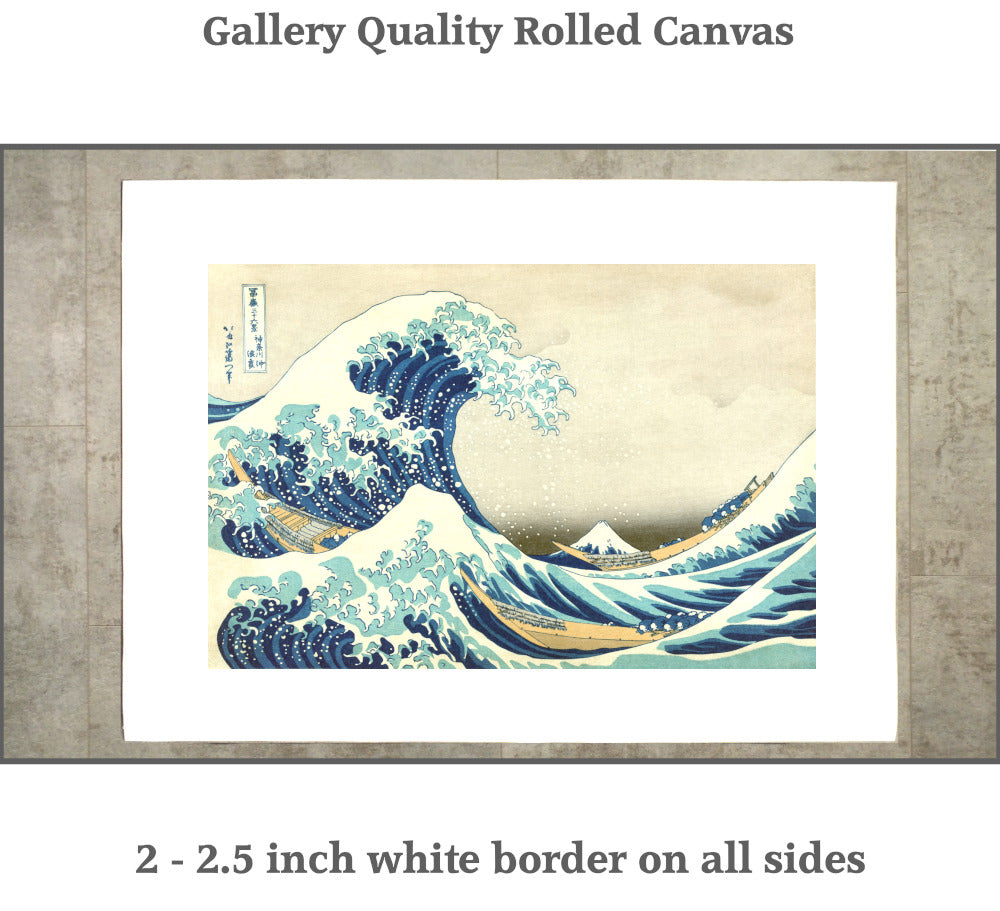
Three fast cargo boats are shown crossing turbulent water while a monumental wave rises above them. The fishermen crouch low within their vessels as the crest begins to curl and break.
Far beyond the immediate danger sits Mount Fuji. Hokusai's manipulation of perspective makes Japan's highest mountain appear surprisingly small, positioned beneath the hollow formed by the enormous wave.
The contrast is fundamental to the image. The wave is temporary, unstable and violent; Fuji is distant, still and enduring.
Painting Style and Composition
The Geometry of The Great Wave
Despite its apparent spontaneity, The Great Wave is an exceptionally controlled design.
The curving wave creates a great arc above the boats, while the smaller swell beneath them echoes the slopes of Mount Fuji. The boats themselves form long sweeping curves that direct the viewer's attention towards the distant mountain.
Even the foaming tips of the wave contribute to the tension. They divide into claw-like fragments that seem to reach down towards the fishermen.
Hokusai therefore creates movement not through blurred or imprecise forms but through extremely clear lines and repeated curves.
Mount Fuji – Small but Essential
Although Fuji occupies only a tiny part of the image, it is the reason the print belongs to Thirty-Six Views of Mount Fuji.
Hokusai repeatedly experimented with the apparent scale of the mountain throughout the series. Sometimes Fuji fills the composition; elsewhere it is reduced to a distant triangle glimpsed between people, buildings or natural forms.
In The Great Wave, the mountain's small scale makes the foreground sea appear even more immense while its stillness provides the perfect visual counterpoint to the breaking water.
Prussian Blue and Japanese Woodblock Printing
Blue is one of the defining visual features of the print.
Hokusai created the design at a time when imported **Prussian blue** had become increasingly available to Japanese print publishers. The intense synthetic pigment offered deeper and more durable blue tones than many traditional alternatives.
In The Great Wave, layers of blue distinguish different parts of the sea while dark blue outlines contribute to the graphic force of the composition.
The result helped make blue one of the colours most strongly associated with Hokusai's landscape prints.
A Masterpiece of Ukiyo-e
The Great Wave off Kanagawa is a colour woodblock print rather than a painting.
Hokusai designed the image, but Edo-period woodblock printing was collaborative. Specialist block cutters transferred the design to carved wooden blocks and professional printers applied individual colours before the finished sheets were published for sale.
This combination of artistic design and highly skilled craftsmanship allowed the image to circulate in multiple impressions rather than existing as a single unique painting.
The Great Wave Wall Art for Modern Interiors
A Hokusai Great Wave wall art print works particularly well in interiors where a strong focal image is required.
The deep blues complement white, putty, pale grey, navy and natural timber, making the design especially suitable for Scandinavian, minimalist, contemporary and Japanese-inspired rooms.
Its horizontal composition makes it effective above a sofa, bed, console table or sideboard, while the combination of blue and neutral tones allows it to introduce visual drama without becoming difficult to coordinate with existing furnishings.
About Katsushika Hokusai
Katsushika Hokusai (1760–1849) was a Japanese artist, print designer, painter and illustrator whose career extended across more than seven decades.
Born in Edo, present-day Tokyo, Hokusai became one of the great innovators of ukiyo-e. Although his enormous body of work included figures, mythology, animals, flowers and illustrated books, he played a particularly important role in establishing landscape as a major subject for Japanese colour woodblock prints.
Hokusai continually reinvented his artistic identity and adopted numerous names during his lifetime. His intense interest in drawing and observation continued into old age, producing some of his most ambitious work when he was already in his seventies and eighties.
Thirty-Six Views of Mount Fuji, created during this mature period, contains many of the works for which he is best known today.
Frequently Asked Questions
When did Hokusai create The Great Wave?
The Great Wave off Kanagawa is generally dated to around 1830–32.
Is The Great Wave a painting?
No. The original image was designed as a colour woodblock print using ink and colour on paper.
What is the original name of The Great Wave?
The Japanese title is Kanagawa-oki nami ura, commonly translated as Under the Wave off Kanagawa.
Is Mount Fuji visible in The Great Wave?
Yes. Mount Fuji appears as the small snow-covered triangular form in the distance beneath the curling wave.
What series does The Great Wave belong to?
It belongs to Hokusai's celebrated Thirty-Six Views of Mount Fuji series.
Why is The Great Wave blue?
The design makes important use of Prussian blue, a synthetic pigment that had become newly available to Japanese printmakers during the early nineteenth century.
What interiors suit a Great Wave print?
Its strong blue palette and graphic composition work particularly well with contemporary, Scandinavian, coastal, minimalist and Japanese-inspired interiors.
Frame Details
SIZING - FRAMED PRINTS:
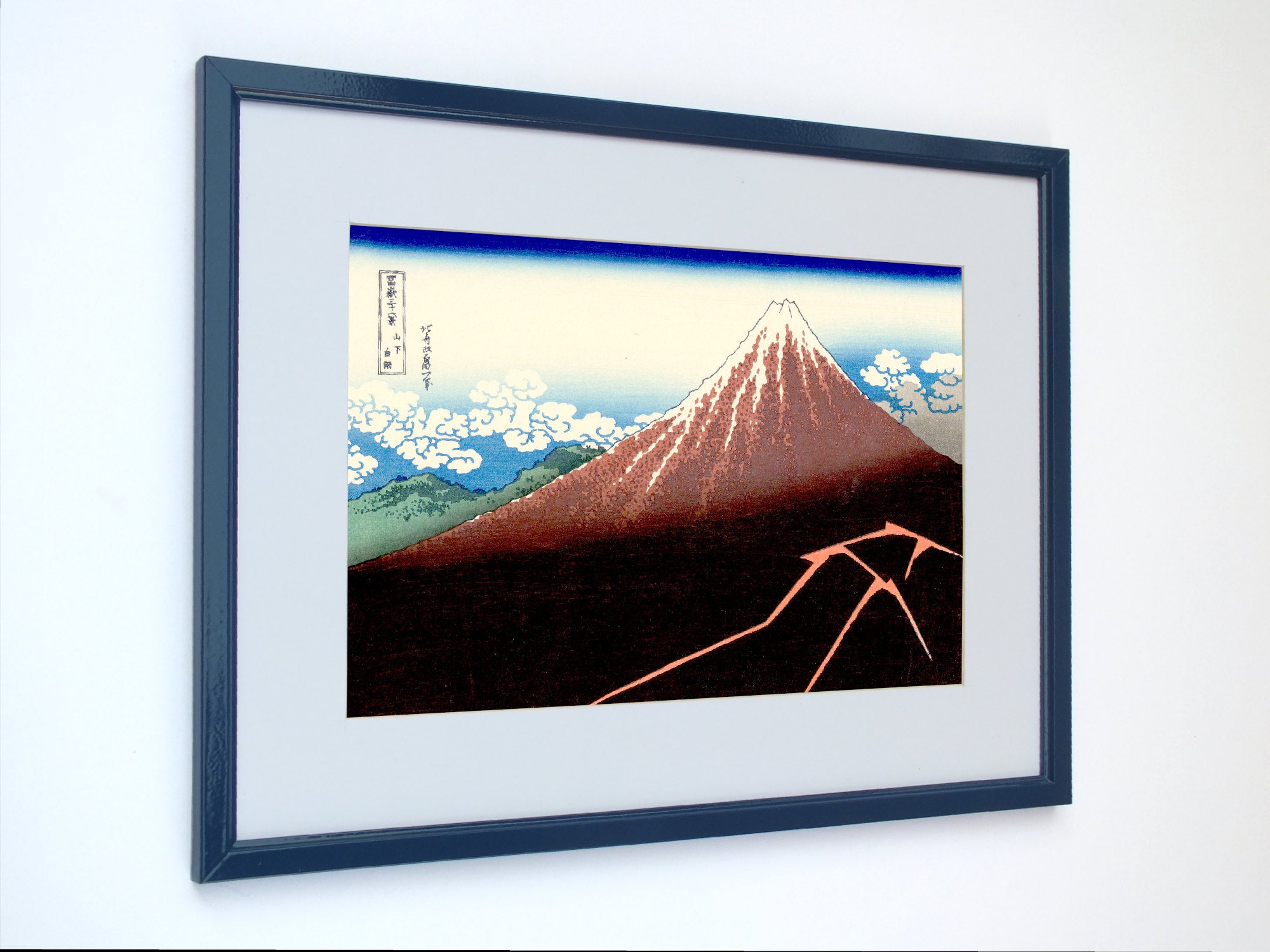
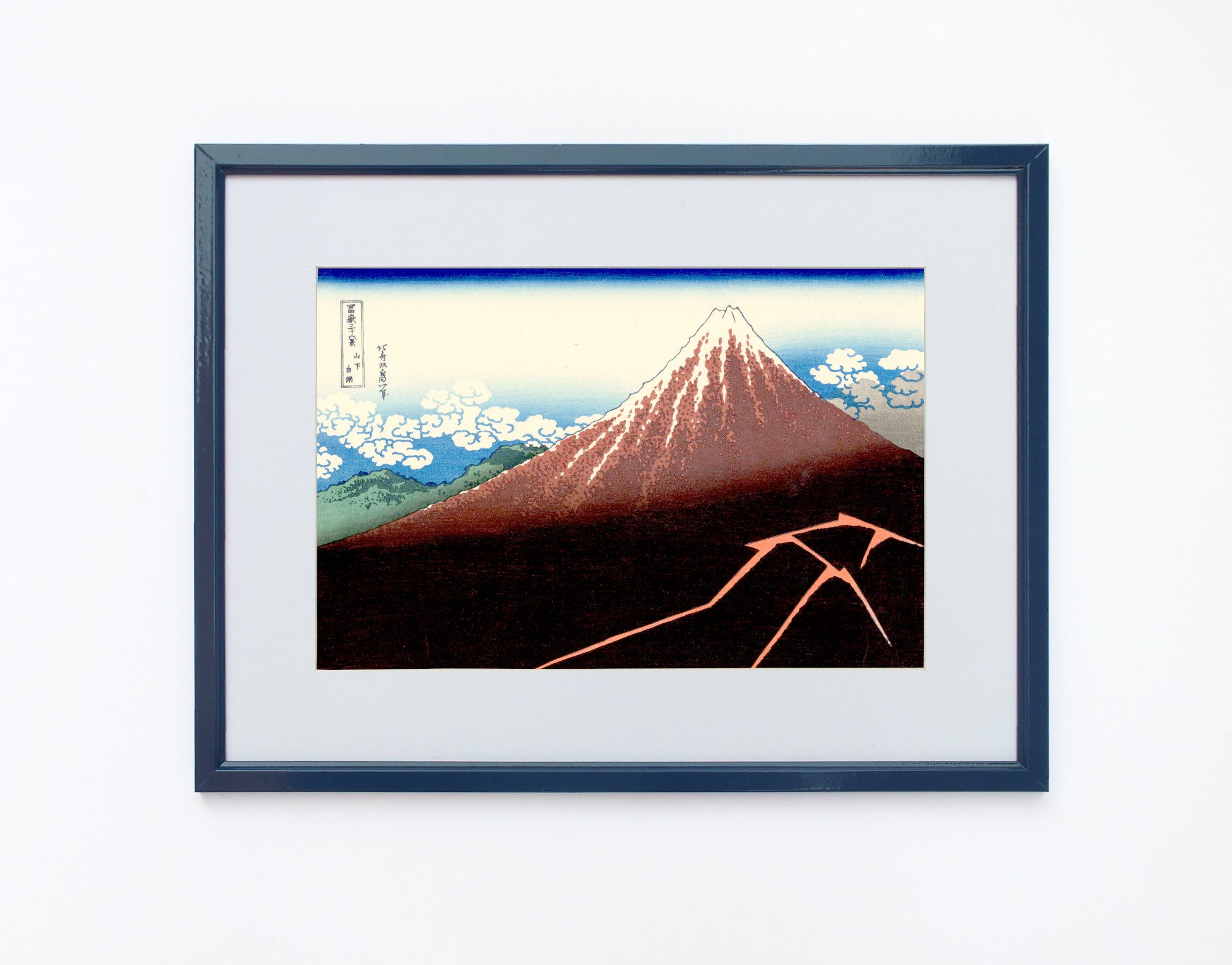
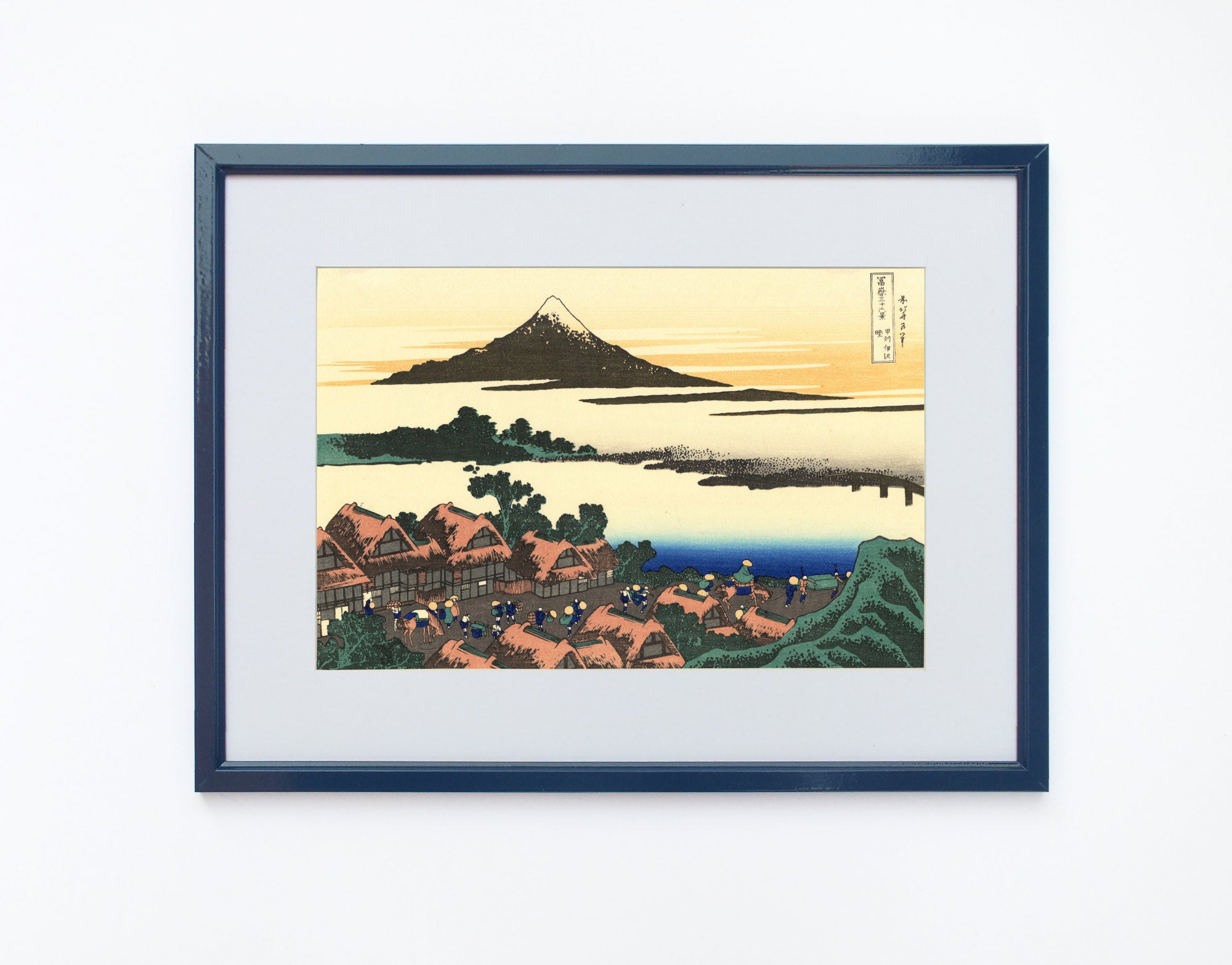
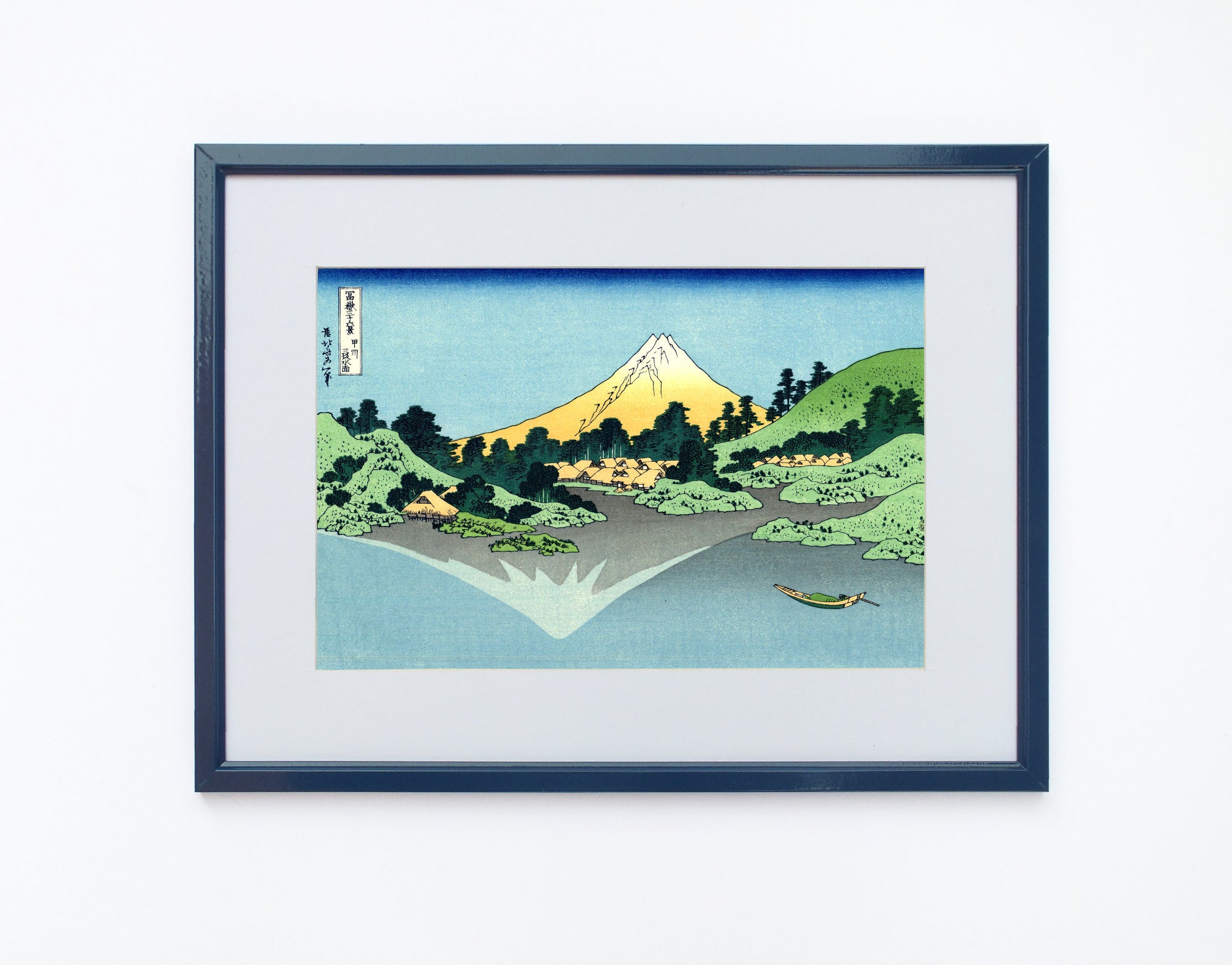
The sizes refer to the print area - framed prints have approx 2 inch wide white mount and approx 1 inch wide frame
Frames are made from responsibly sourced wood and gallery quality acrylic glazing.
Shipping
All orders for unframed fine art prints and original paintings are dispatched within 2 working days of receipt of payment.
Orders for custom framed prints are dispatched within 4 working days.
All orders are fully tracked from dispatch to delivery at your home or business.
All print and original painting orders are fully insured against loss or damage in transit. We refund or replace any damaged or lost orders.
Buy with confidence - read what our satisfied customers have to say - Reviews
Size Chart
SIZING - EUROPEAN A7 - A0:
A7 2-15/16 x 4-1/8 in 74 x 105 mm
A6 4-1/8 x 5-7/8 in 105 x 148 mm
A5 5-7/8 x 8-1/4 in 148 x 210 mm
A4 8-1/4 x 11-3/4 in 210 x 297 mm
A3 11-3/4 x 16-1/2 in 297 x 420 mm
A2 16-1/2 x 23-3/8 in 420 x 594 mm
A1 23-3/8 x 33-1/8 in 594 x 841 mm
A0 33-1/8 x 46-13/16 in 841 x 1188 mm
Explore related collections