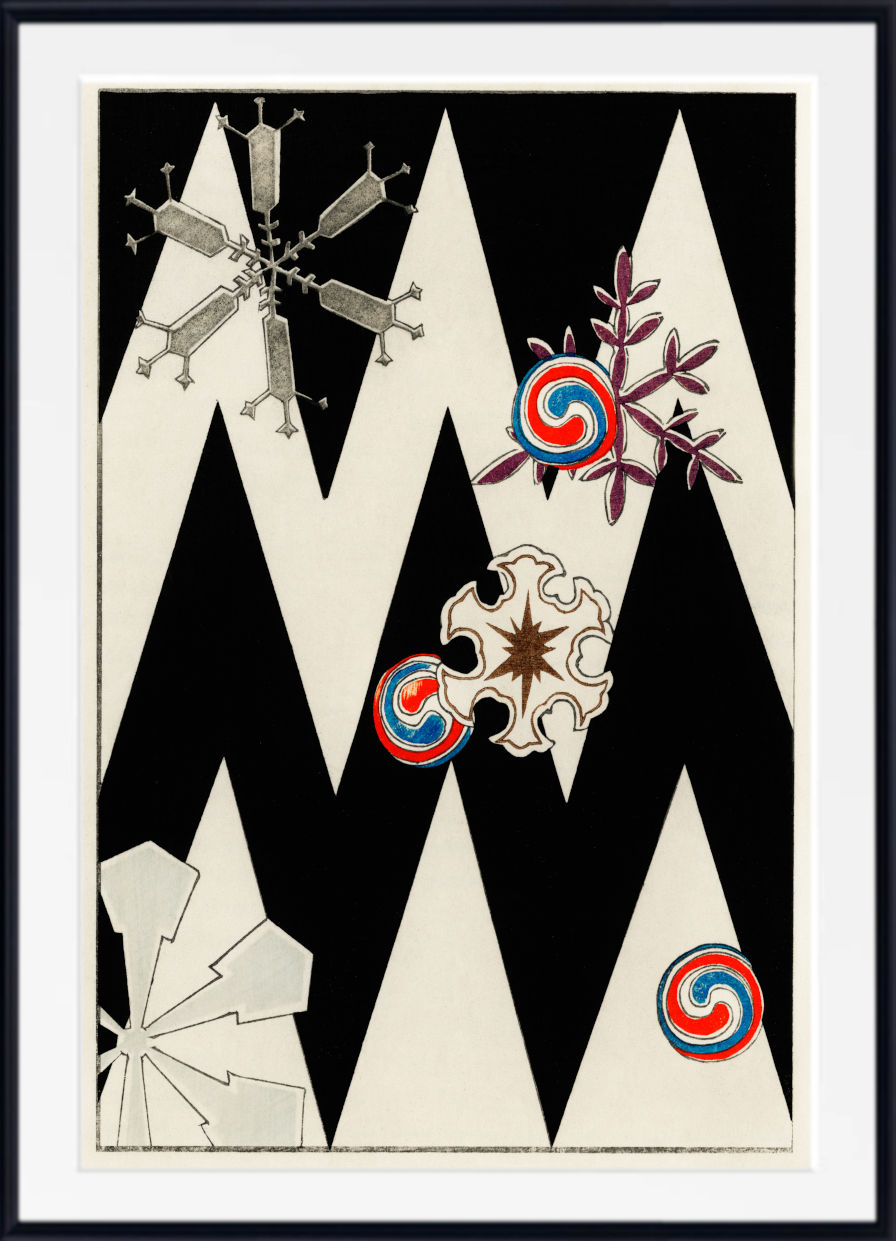
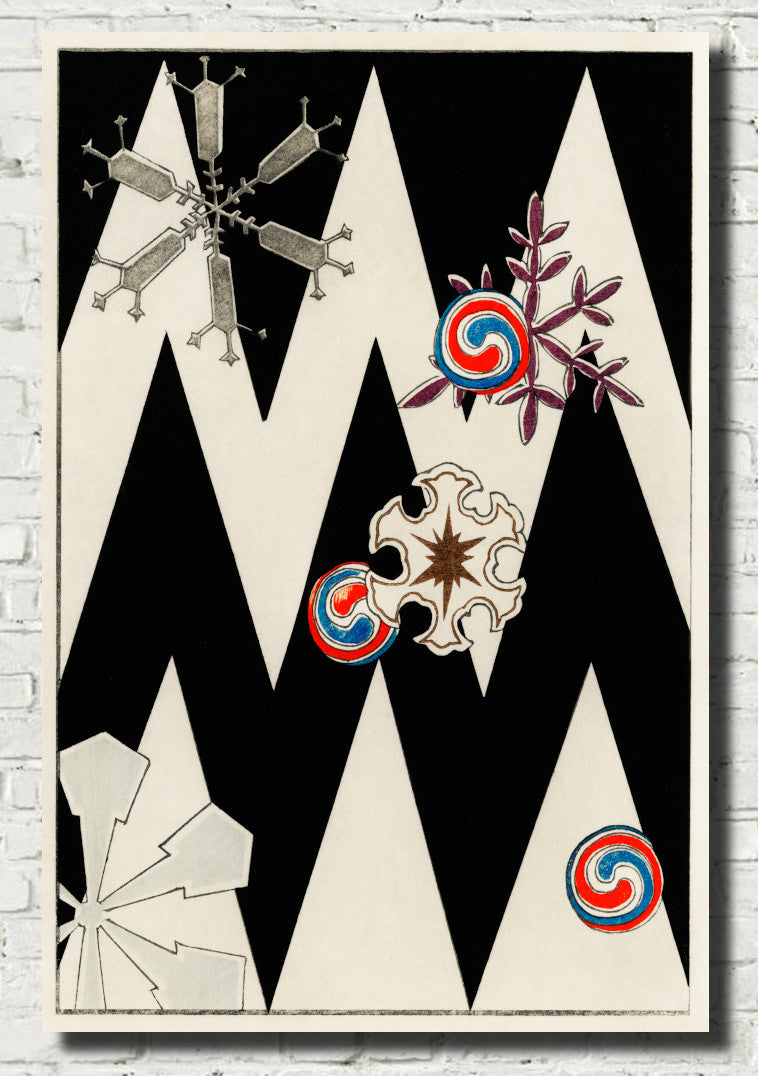
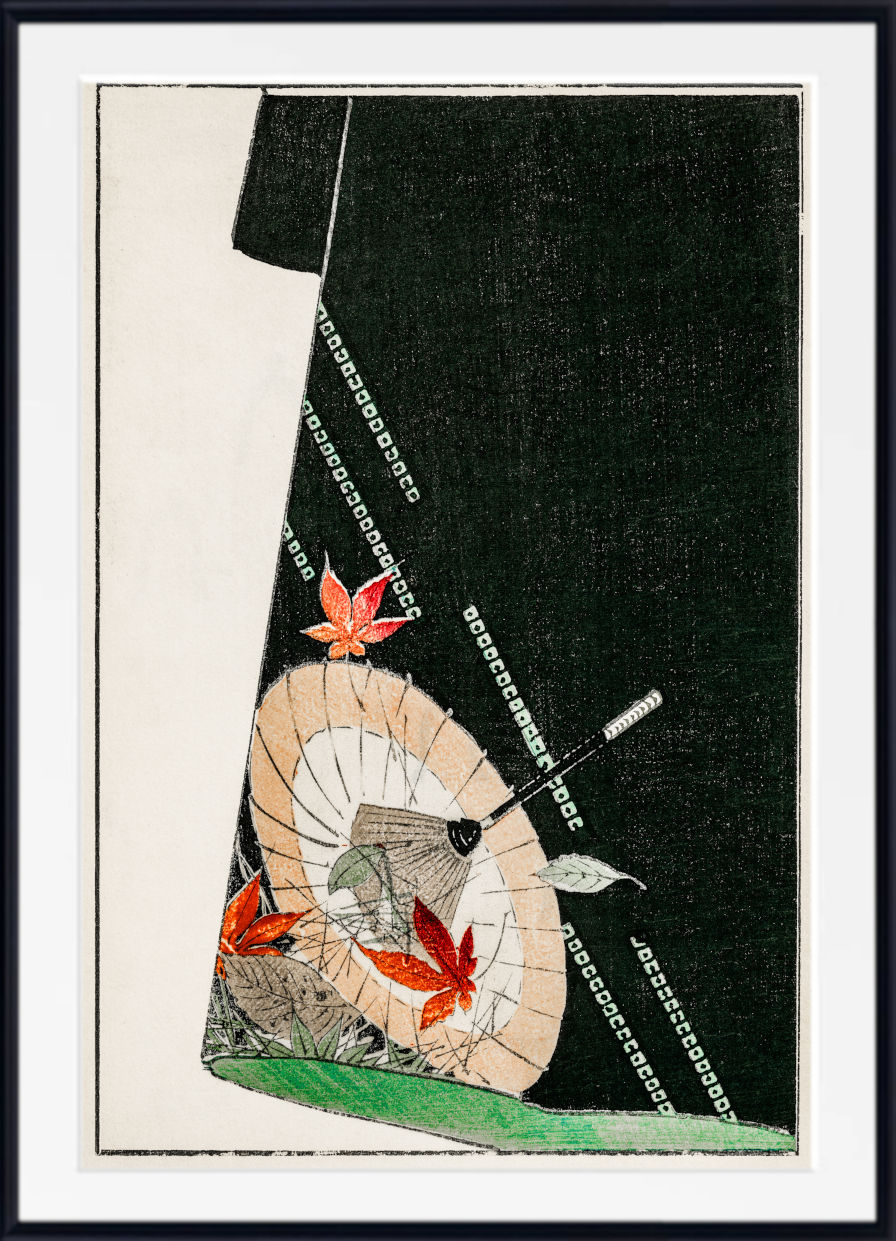
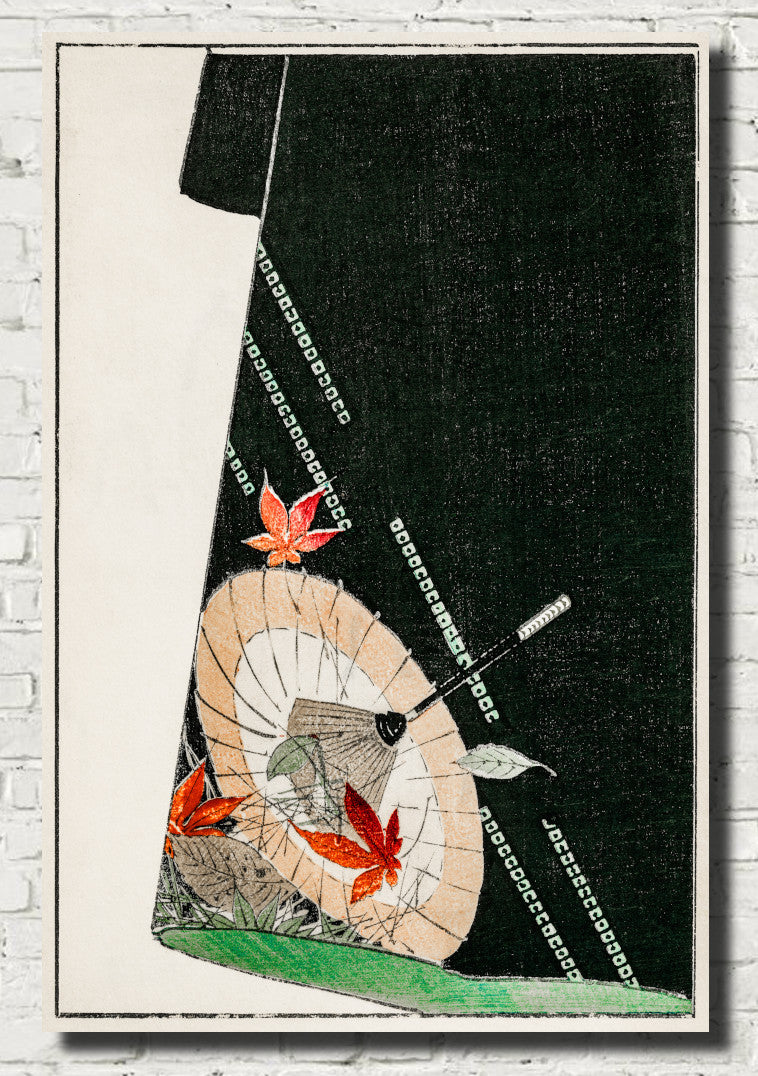
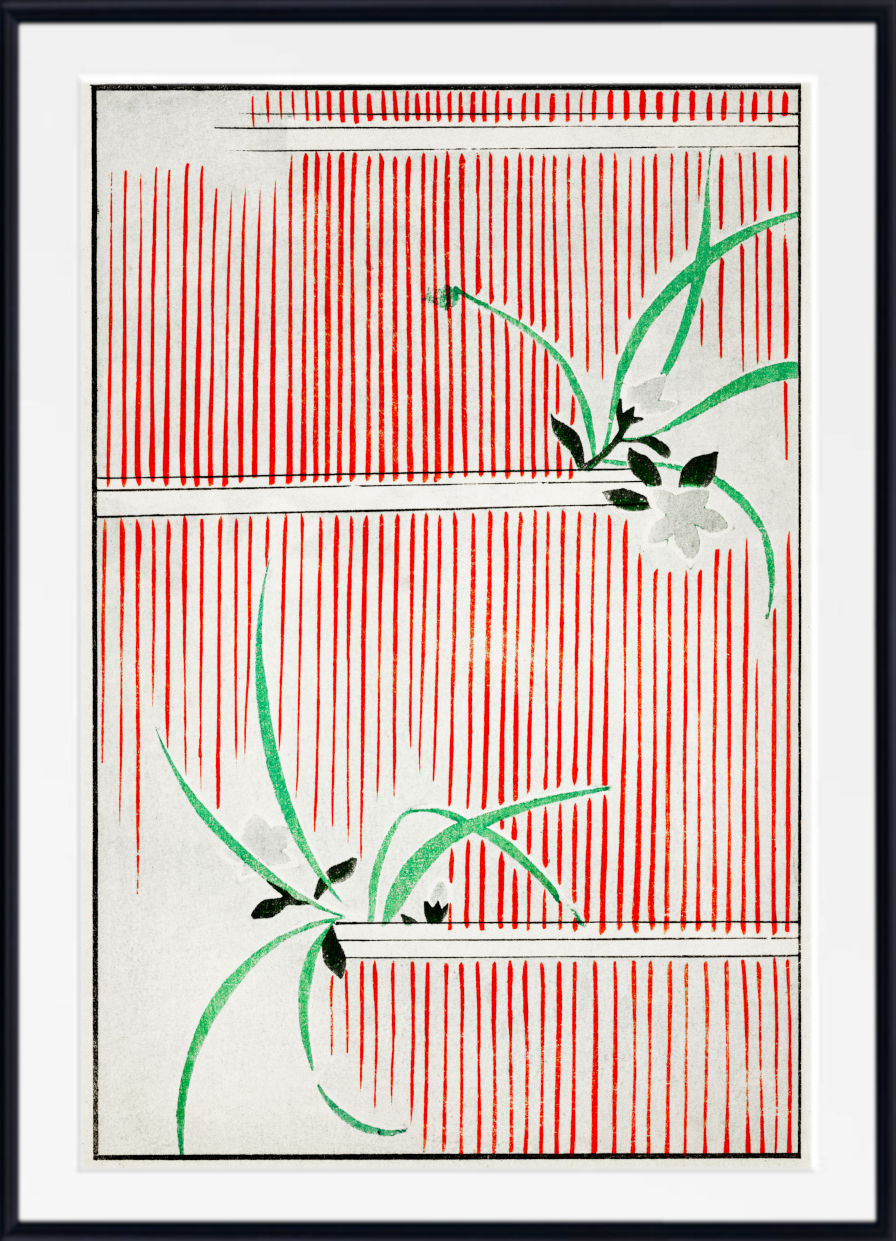
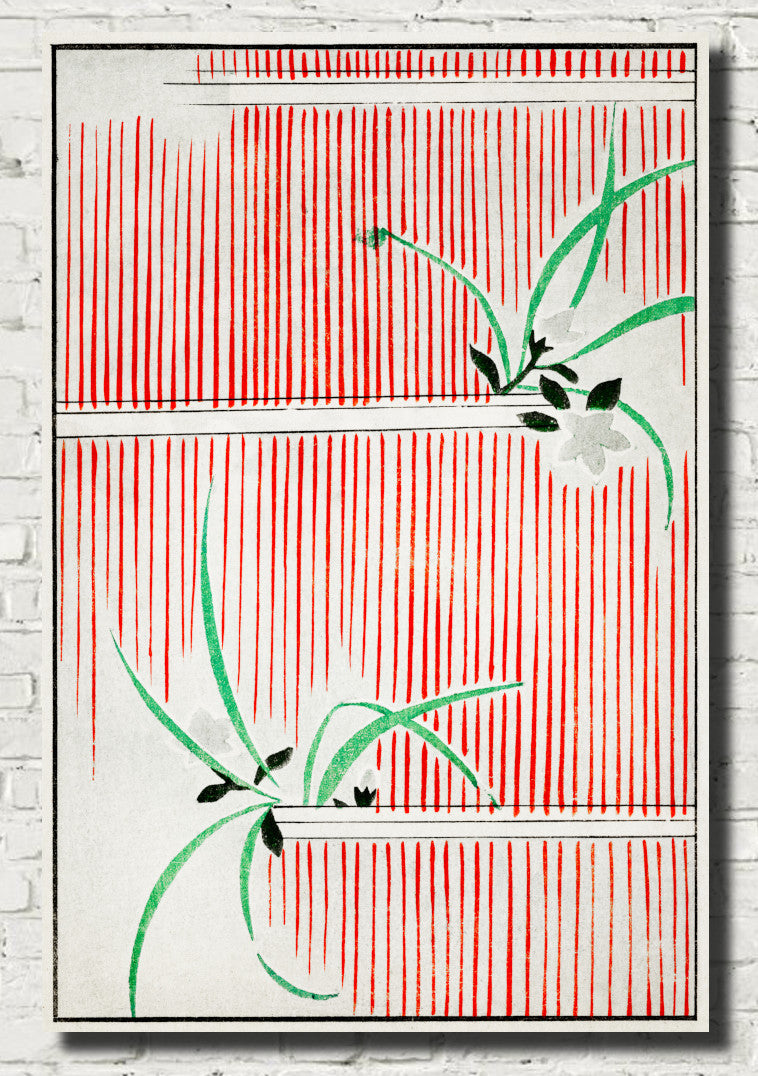
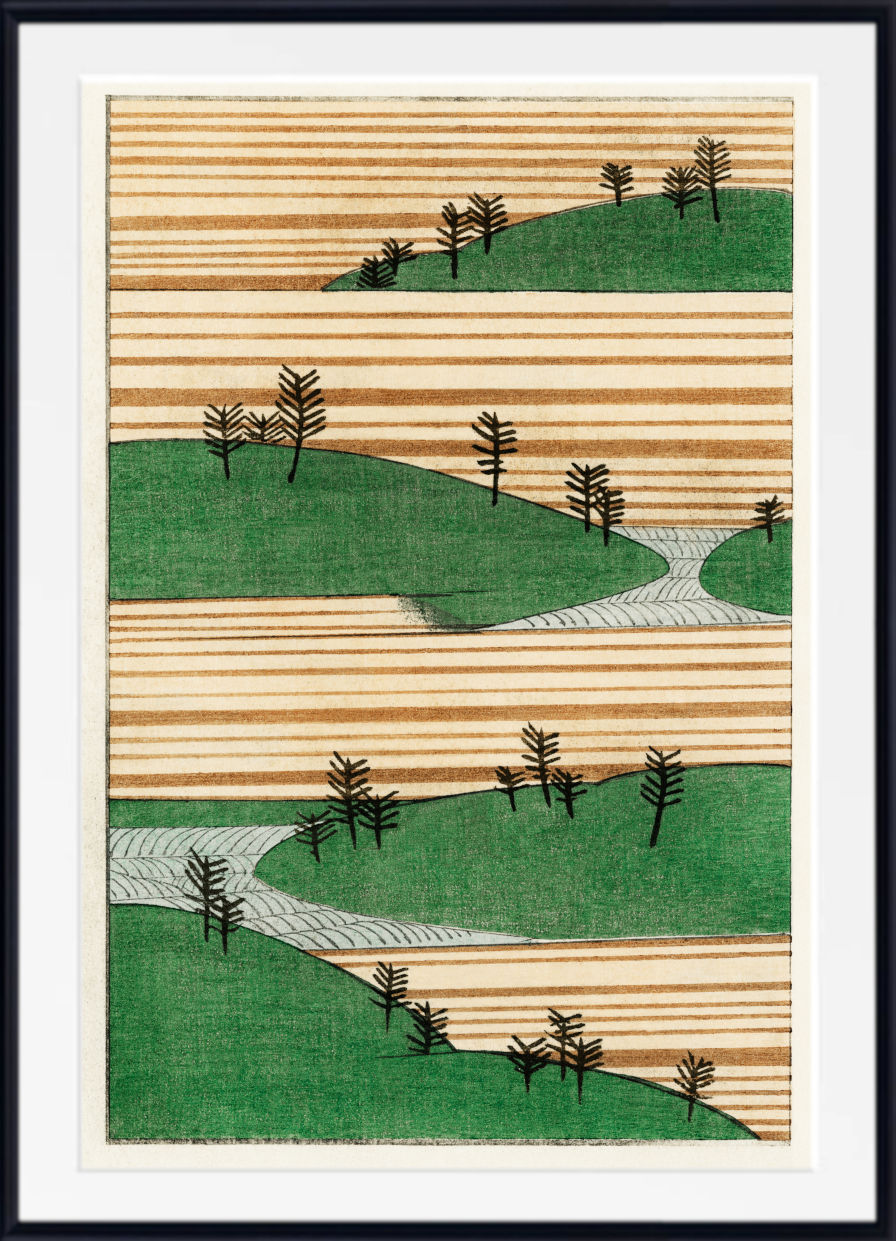
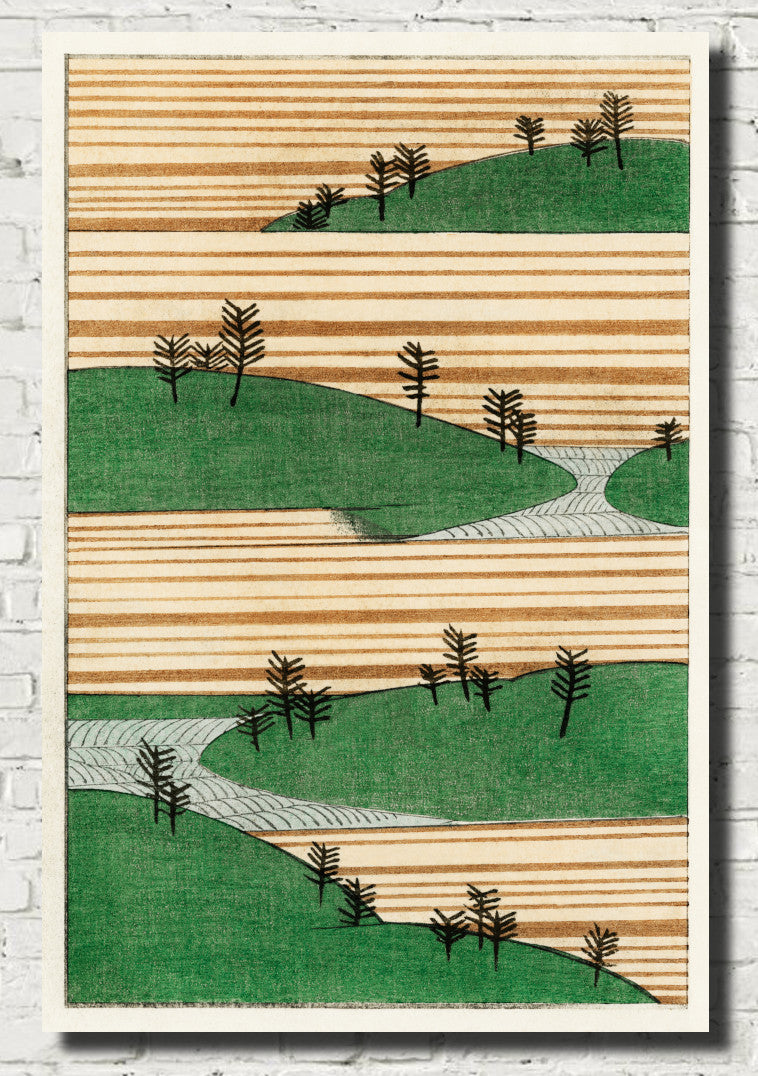
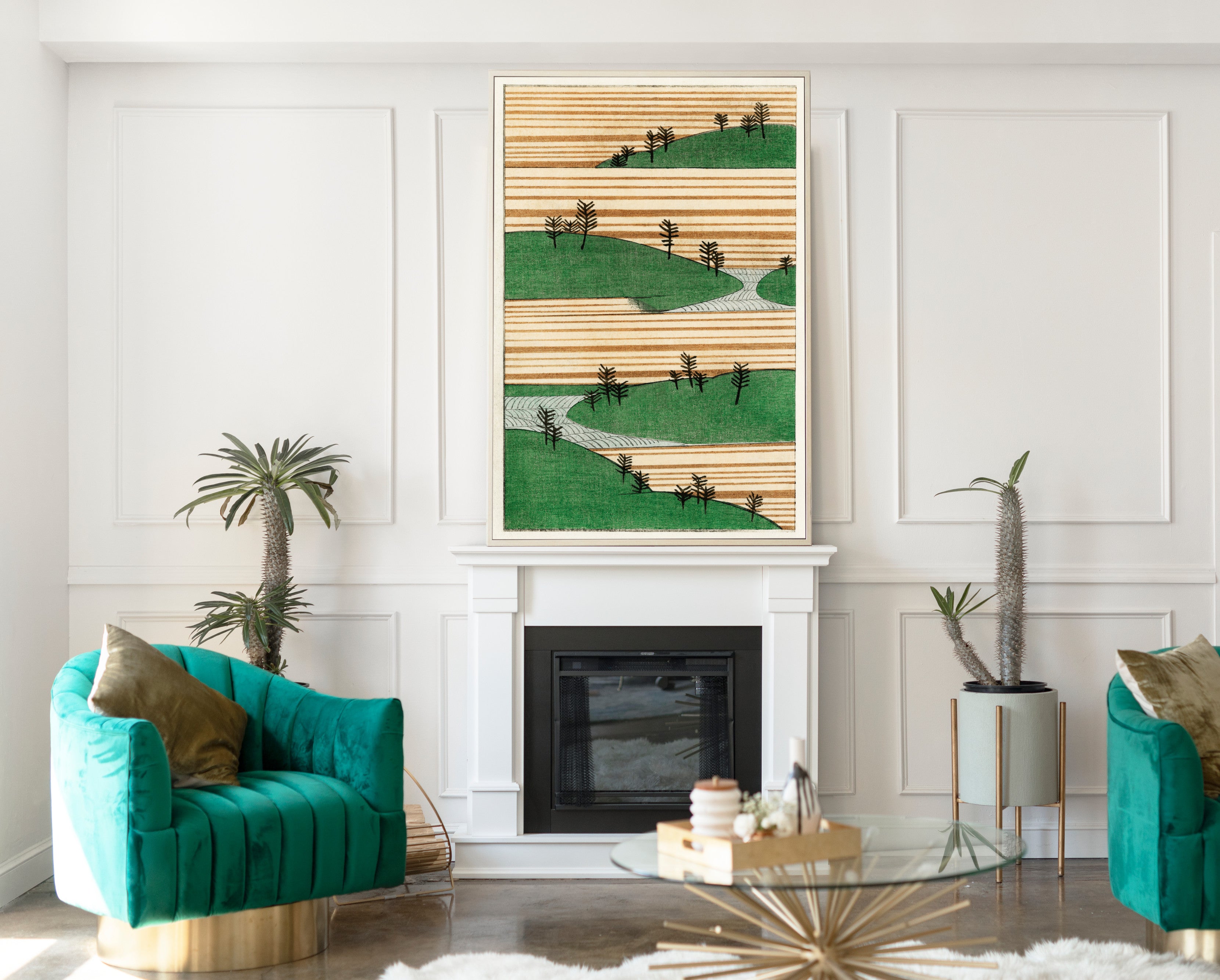
Watanabe Shōtei Prints – Japanese Birds, Flowers and Nature
Watanabe Shōtei prints bring together some of the most refined Japanese images of birds, flowers and the natural world created during the Meiji era.
Also widely known as Watanabe Seitei, Shōtei developed an individual approach to Japanese nature painting in which delicate colour, finely observed wildlife and expressive brushwork are combined with unusually spacious compositions.
Birds move through open skies, flowers emerge from uncluttered backgrounds, fish appear suspended within water and moonlit scenes are reduced to a handful of carefully chosen forms.
The result is Japanese art that can feel both traditional and strikingly modern.
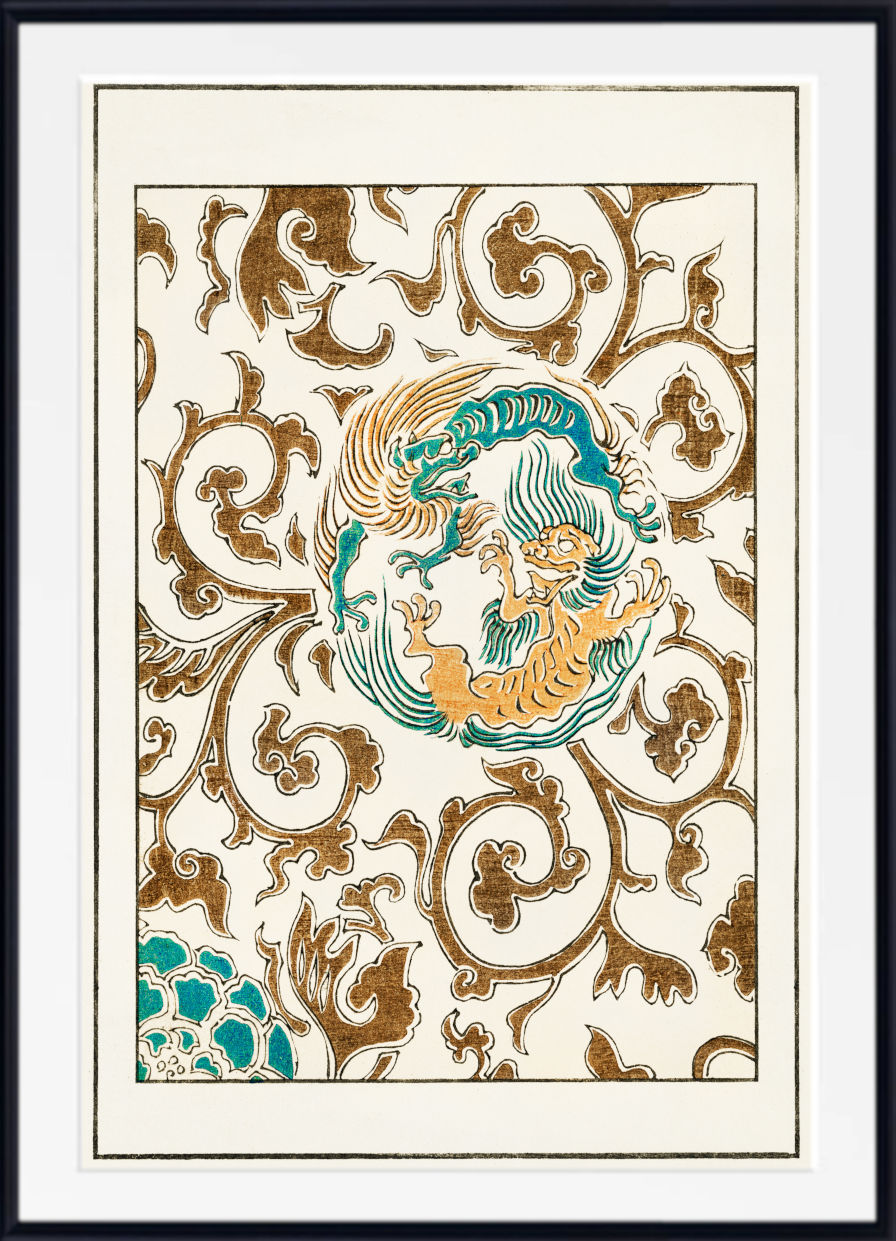
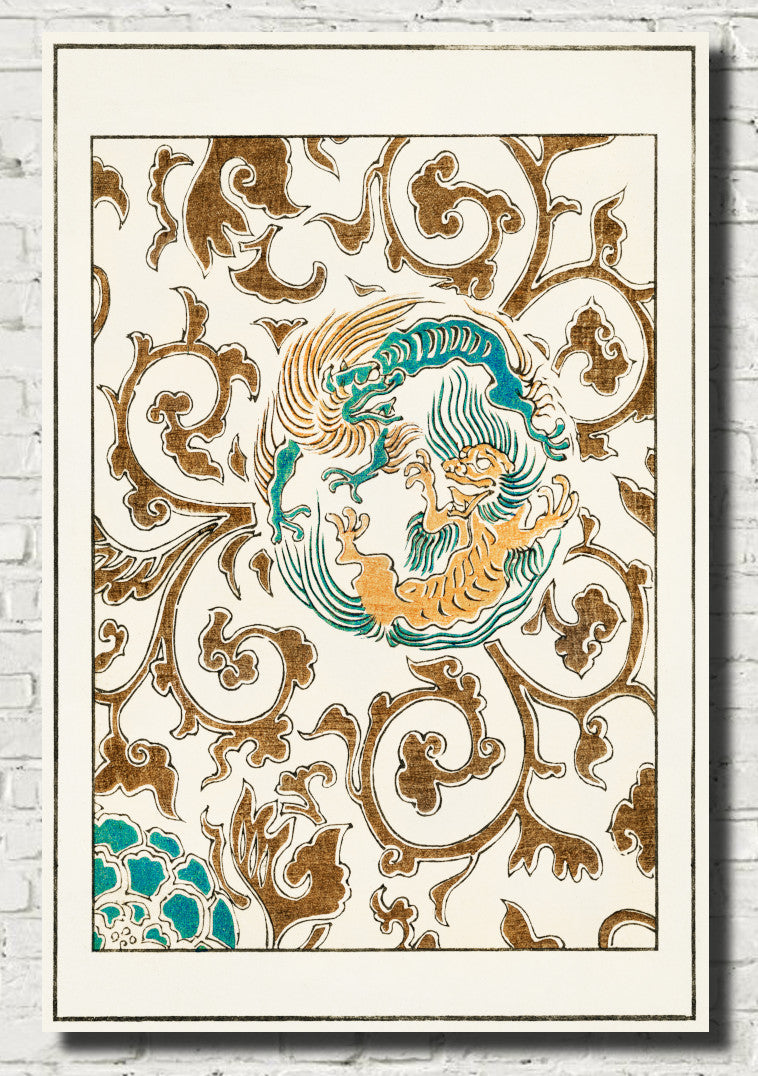
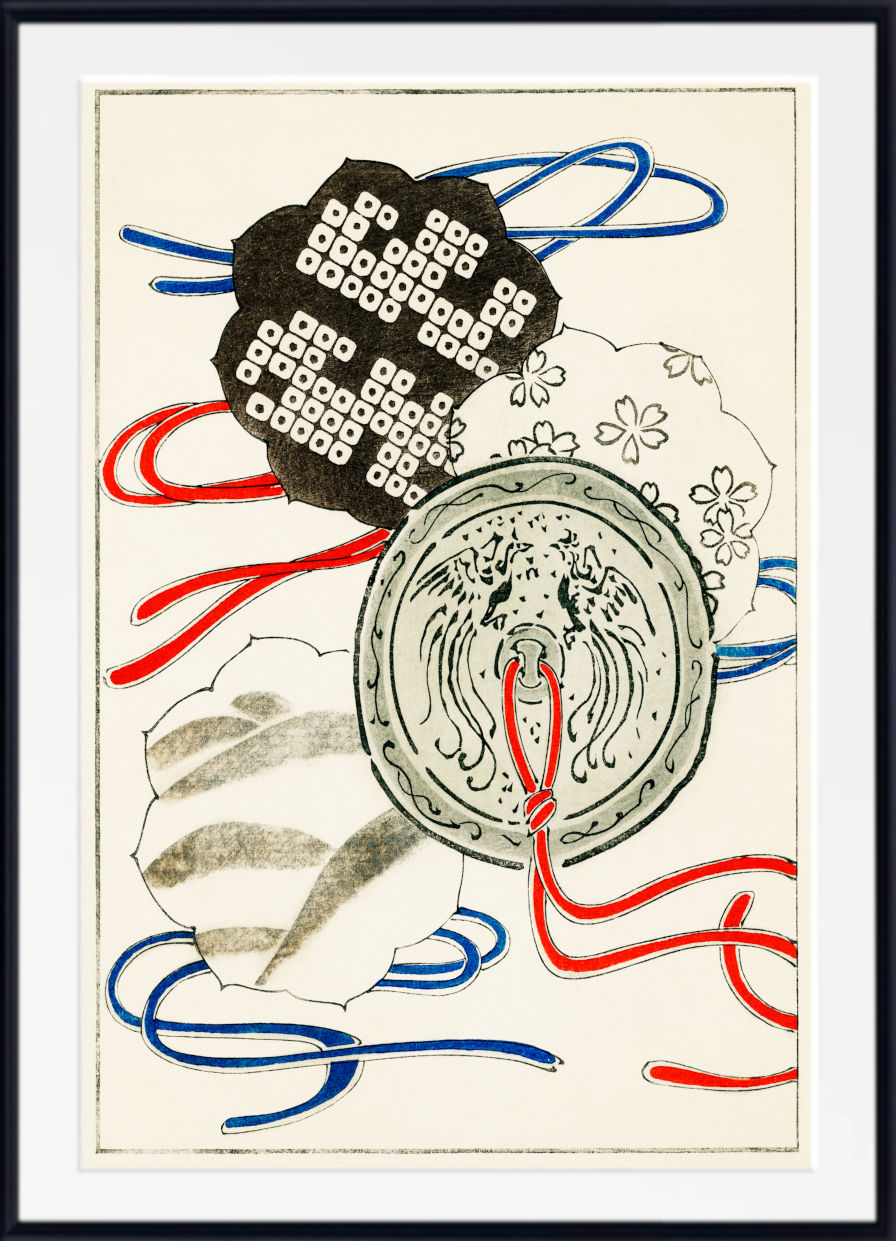
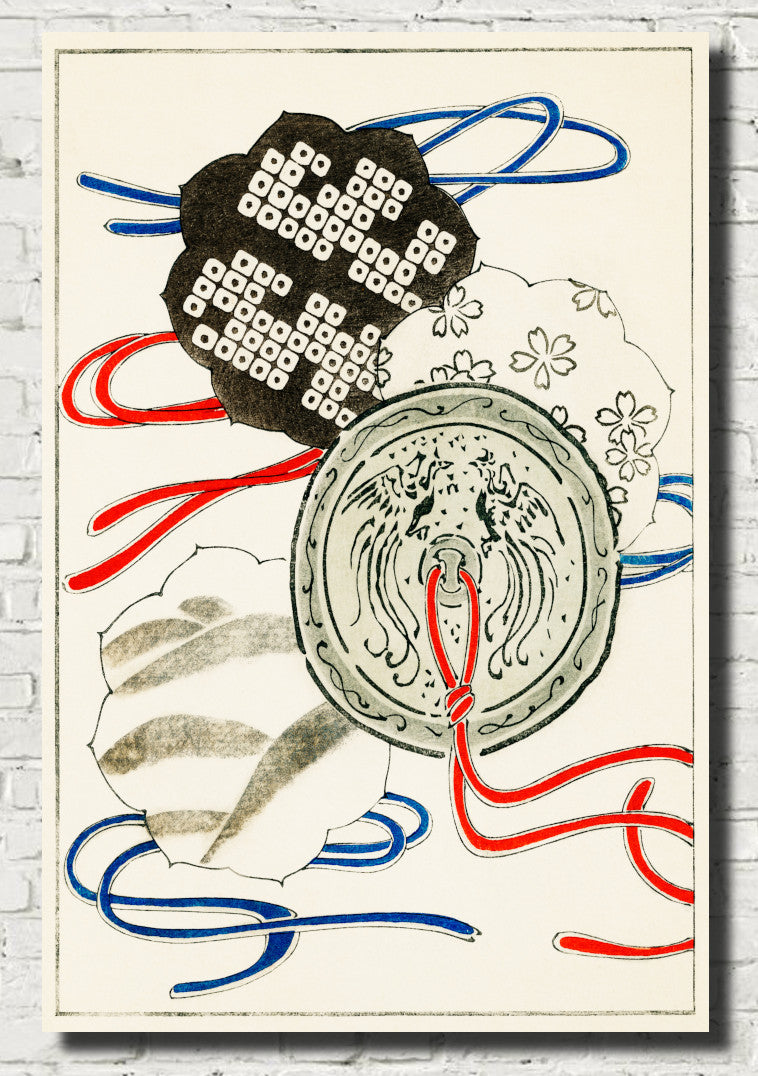
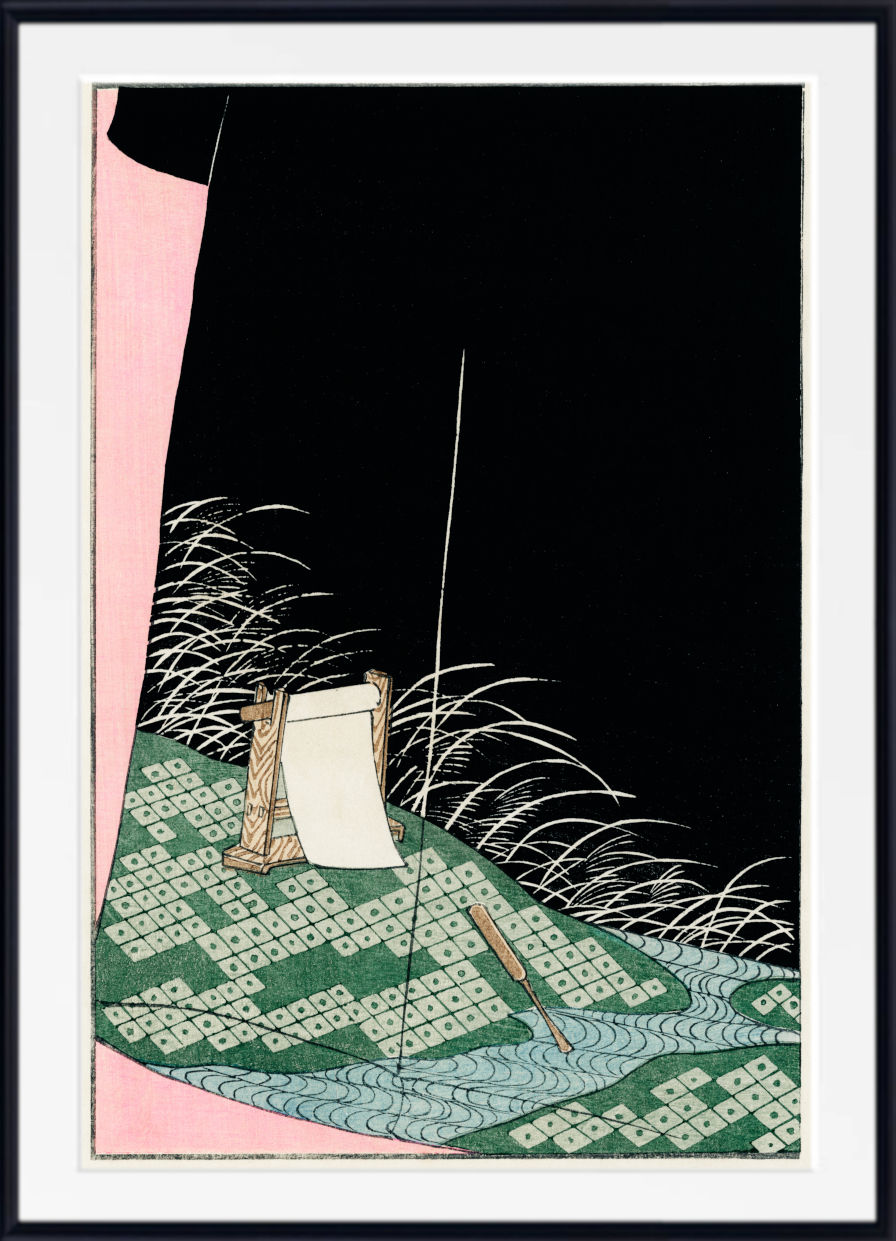
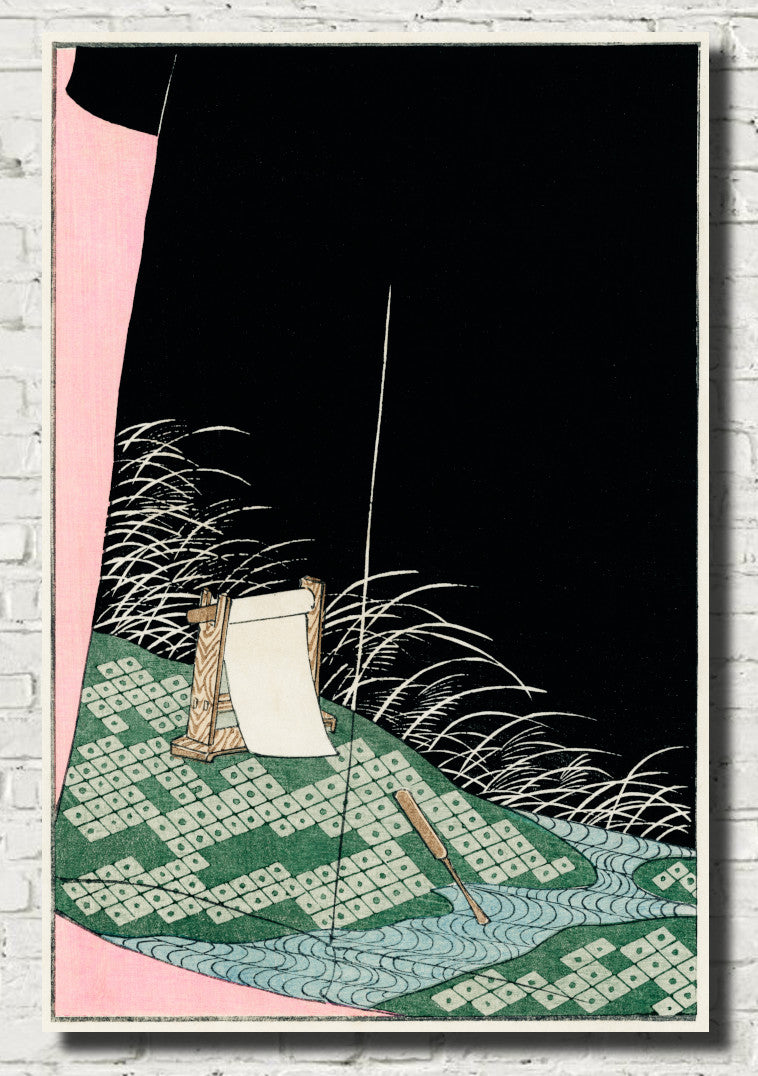
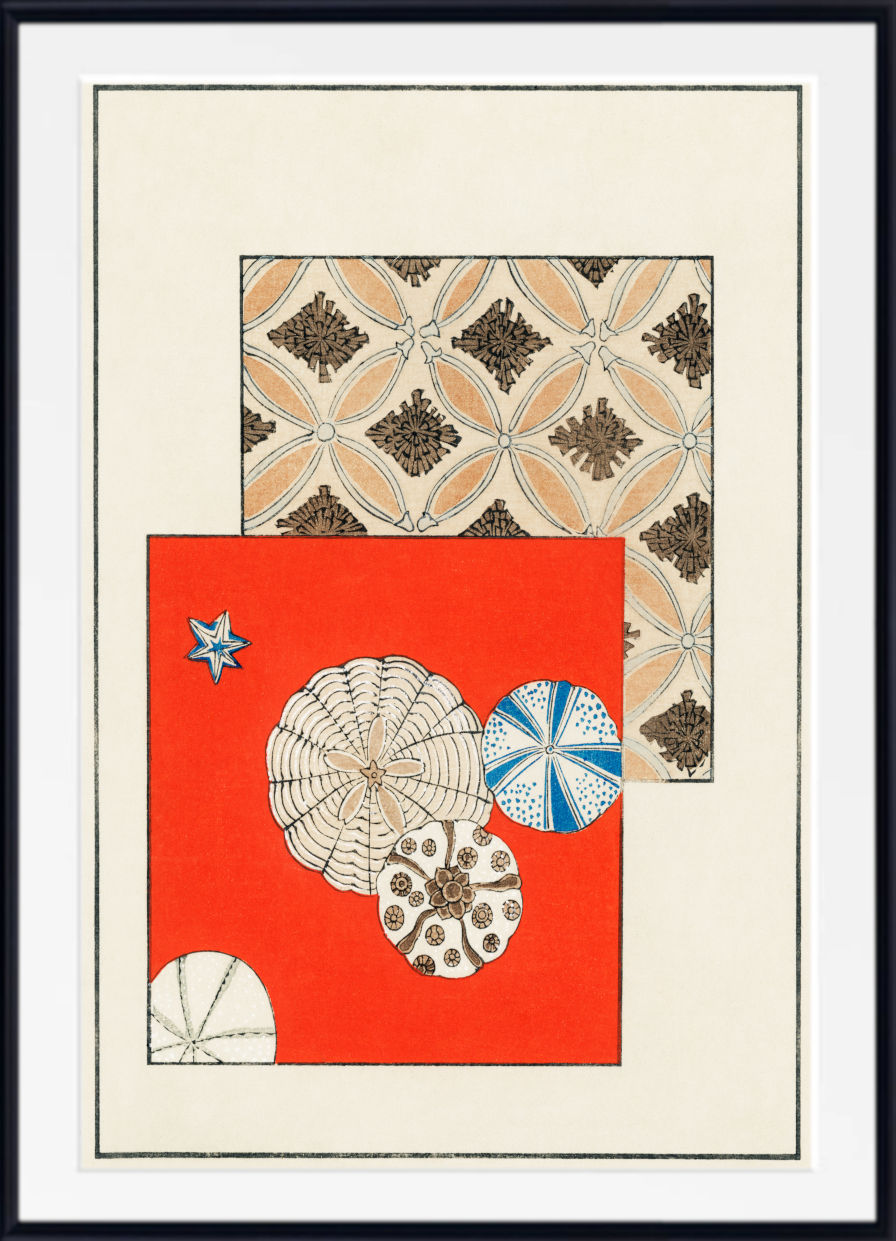
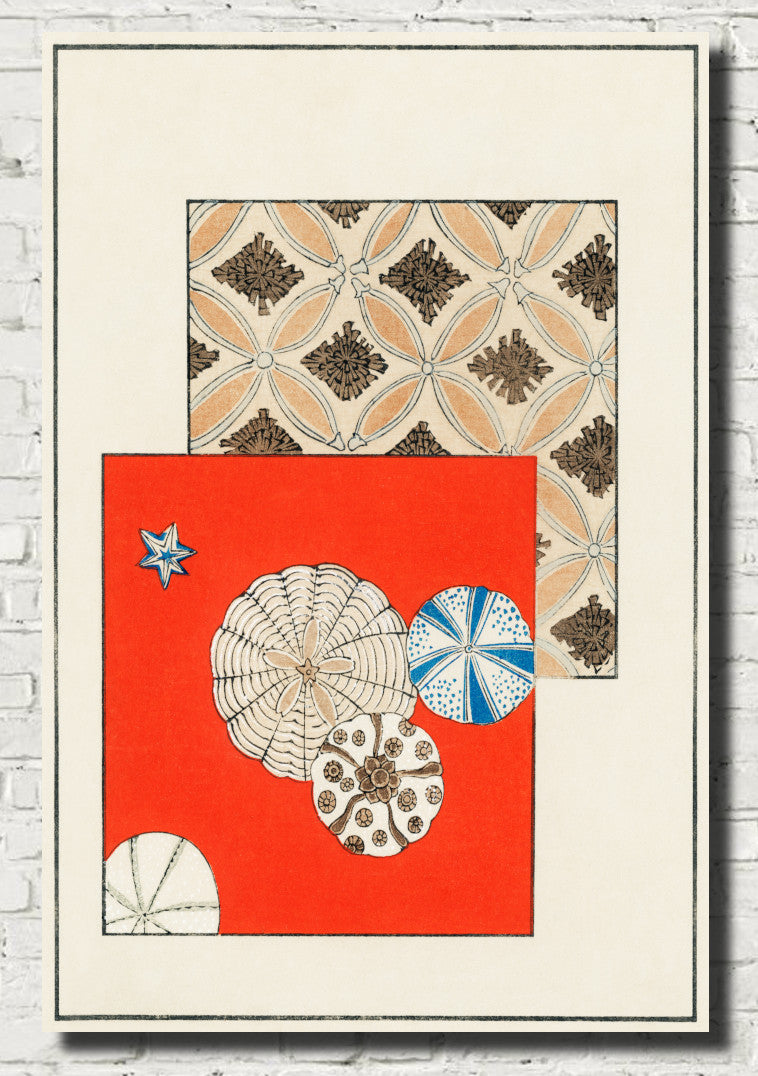
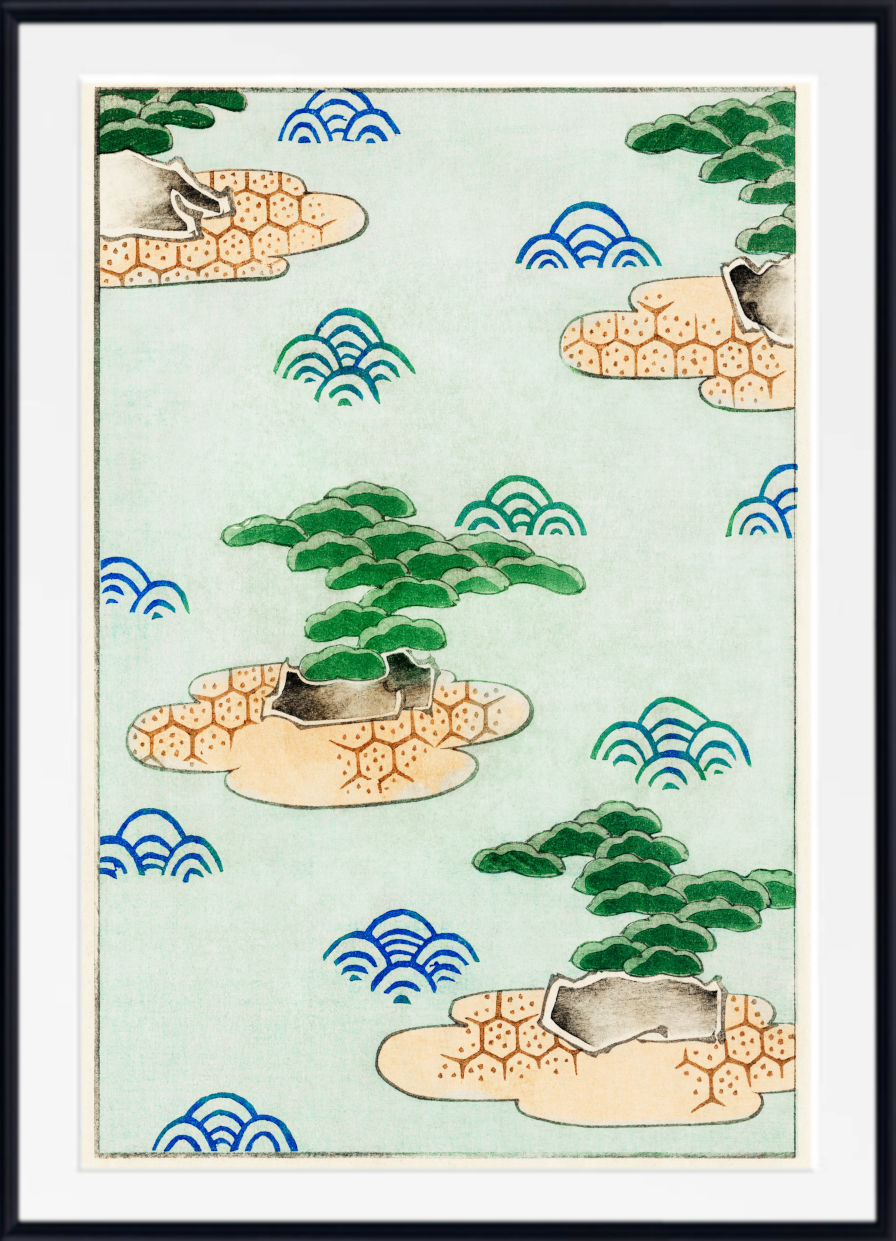
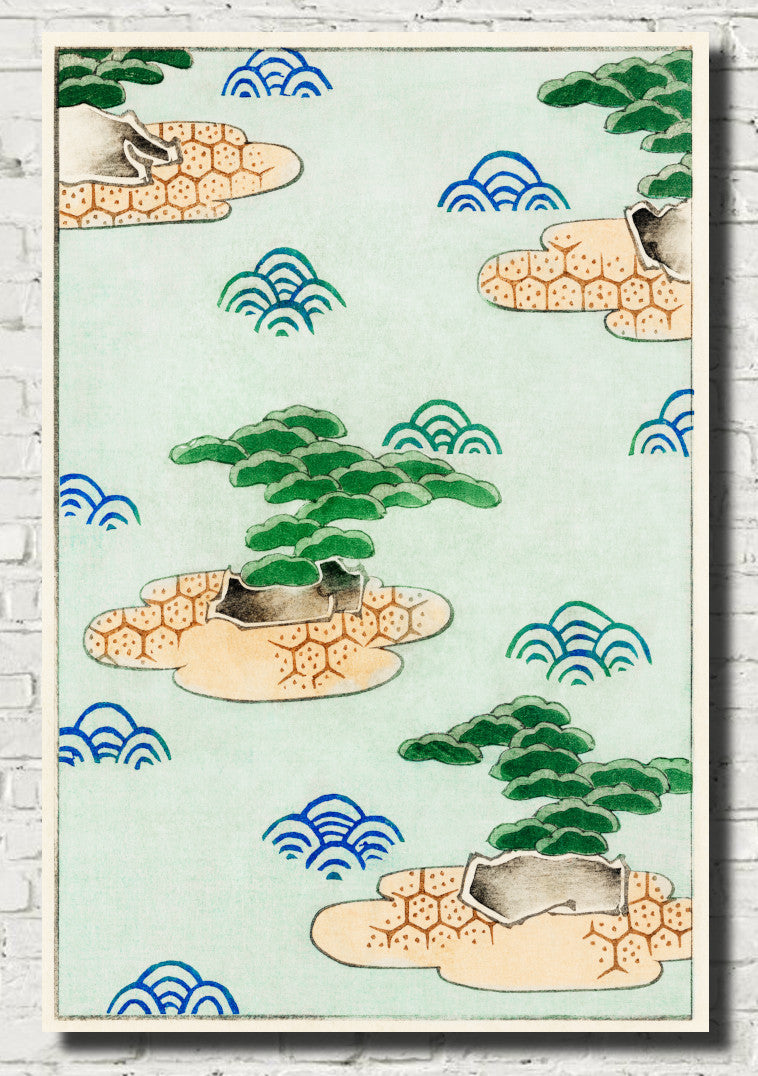
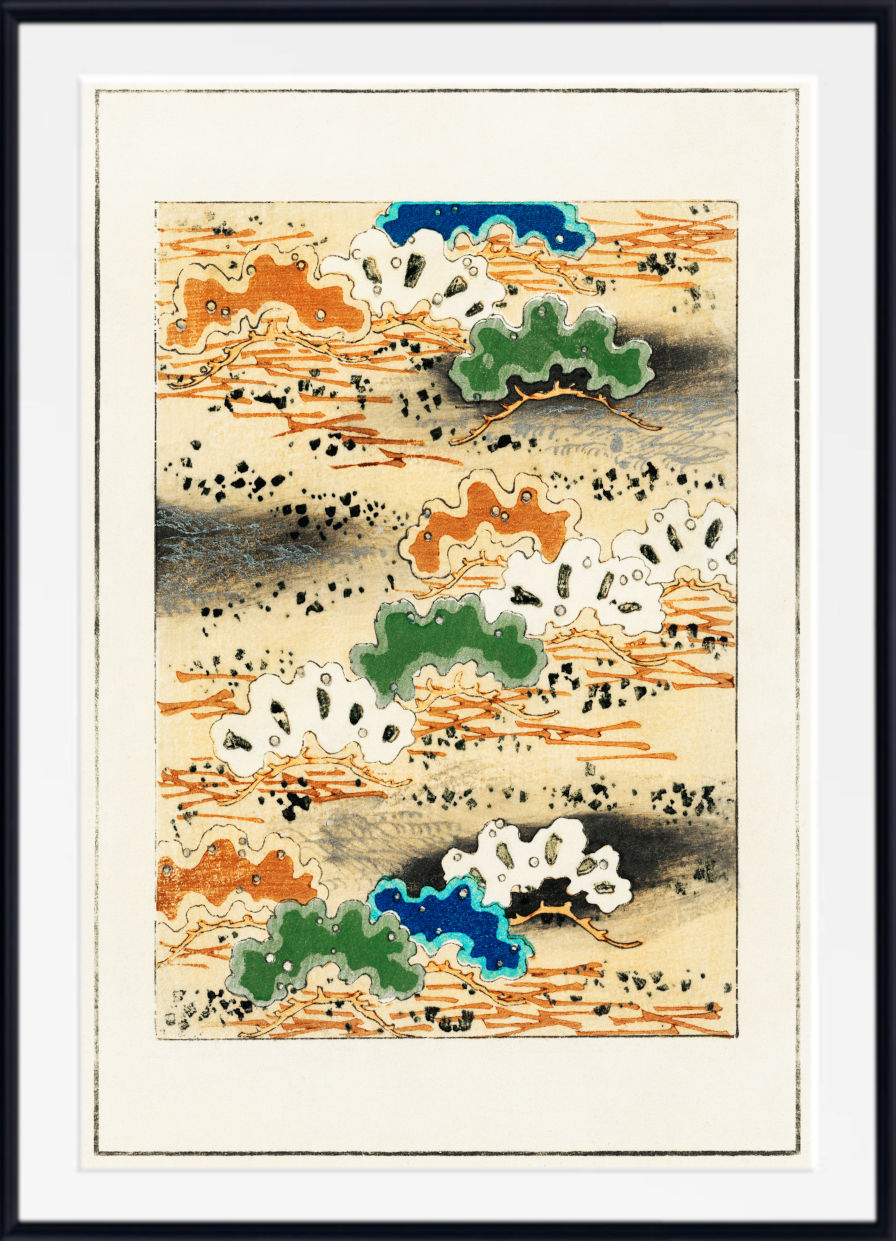
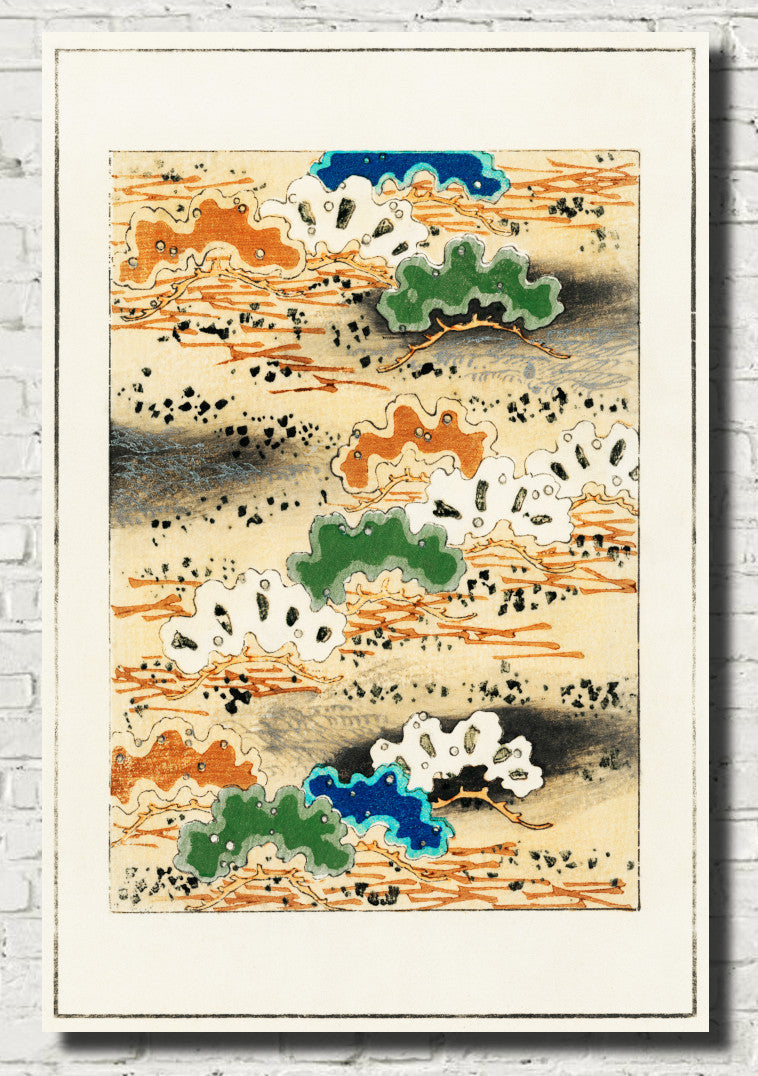
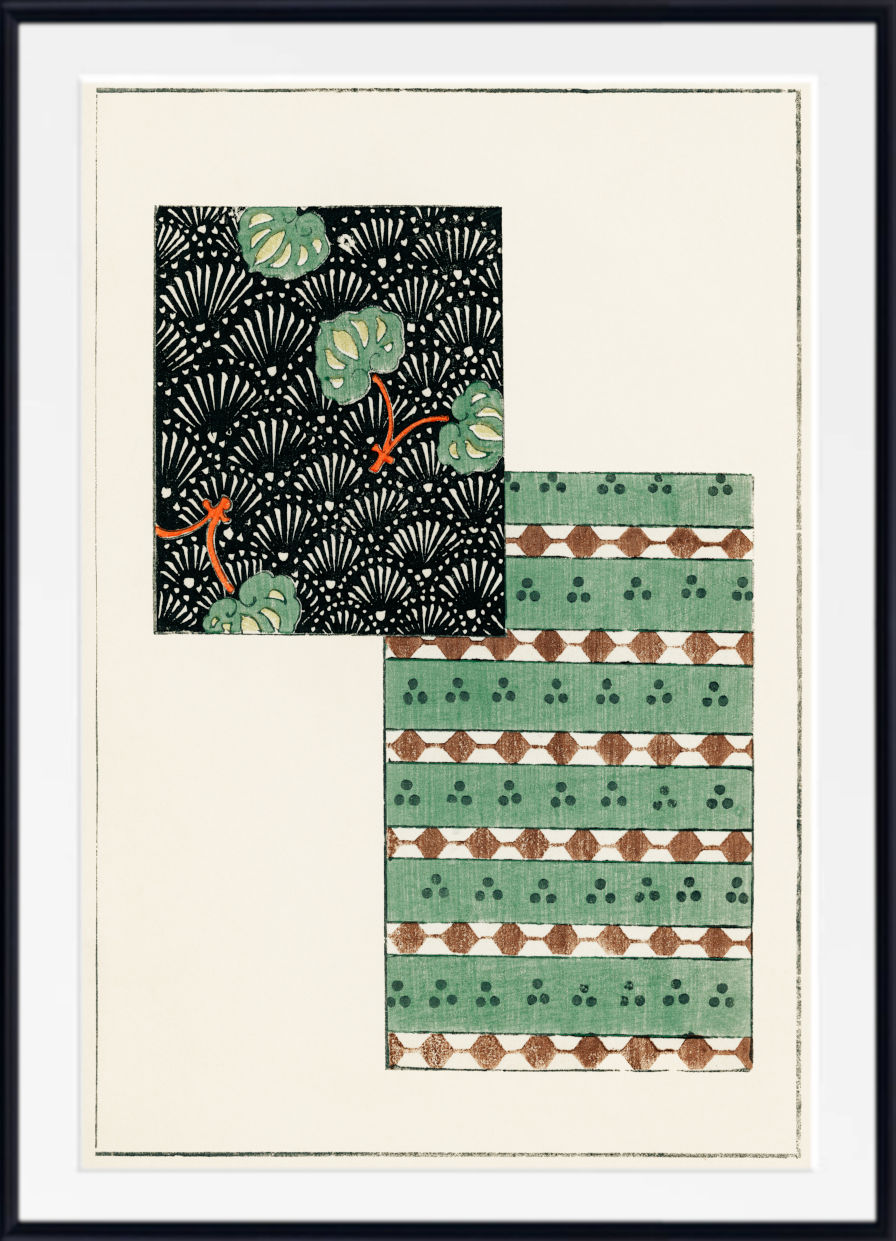
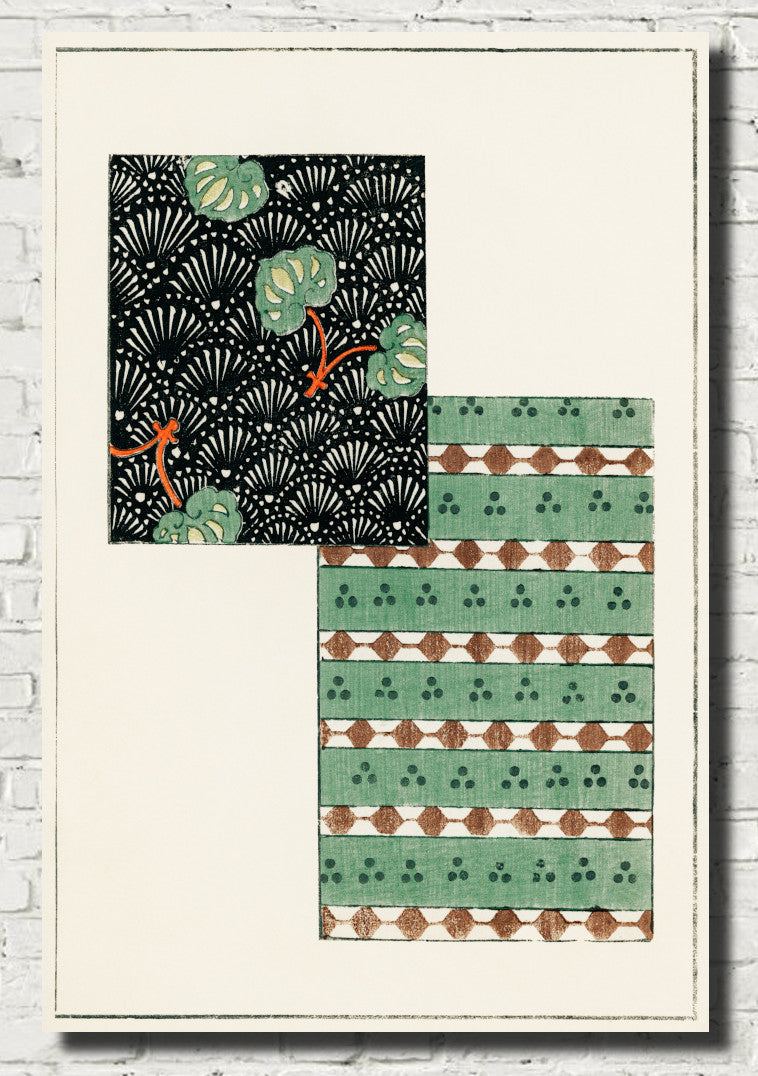
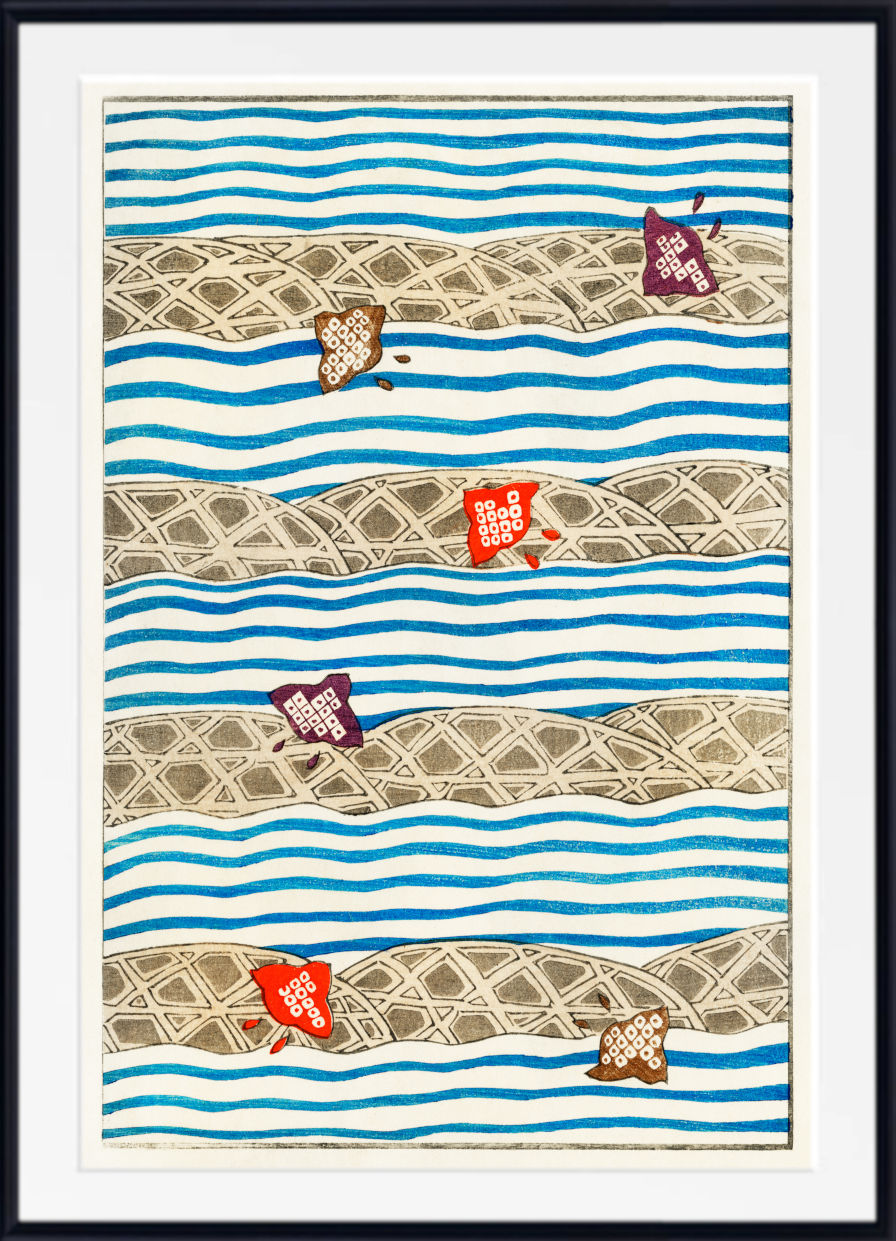
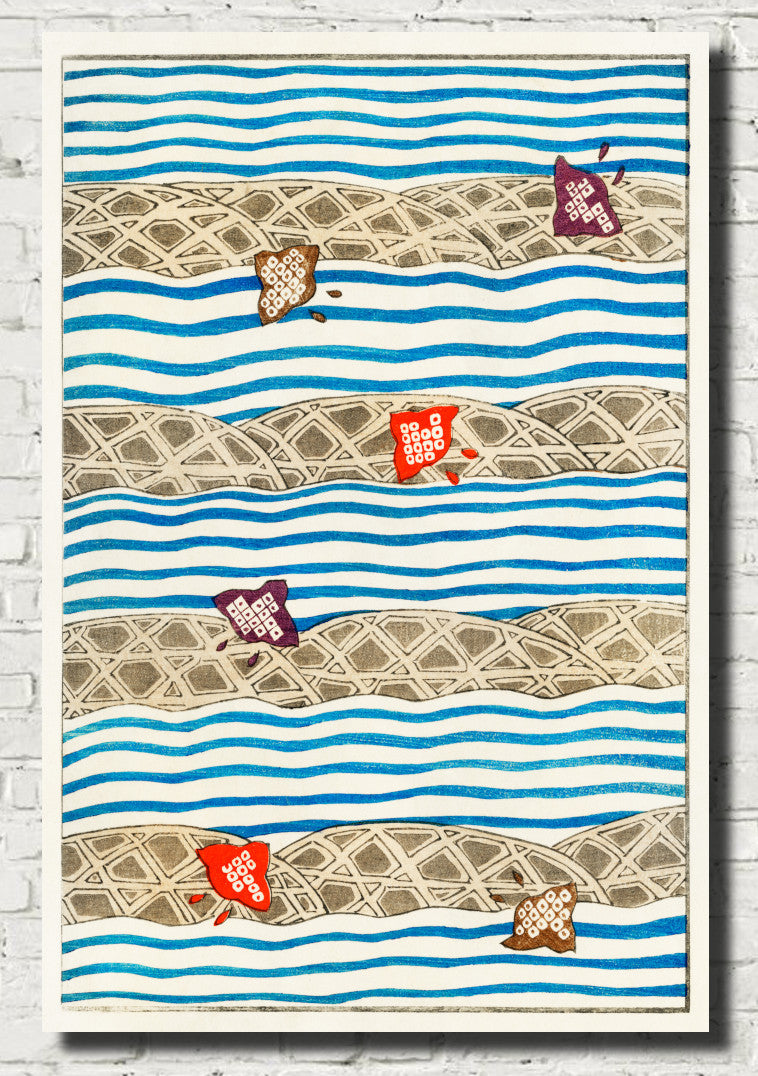
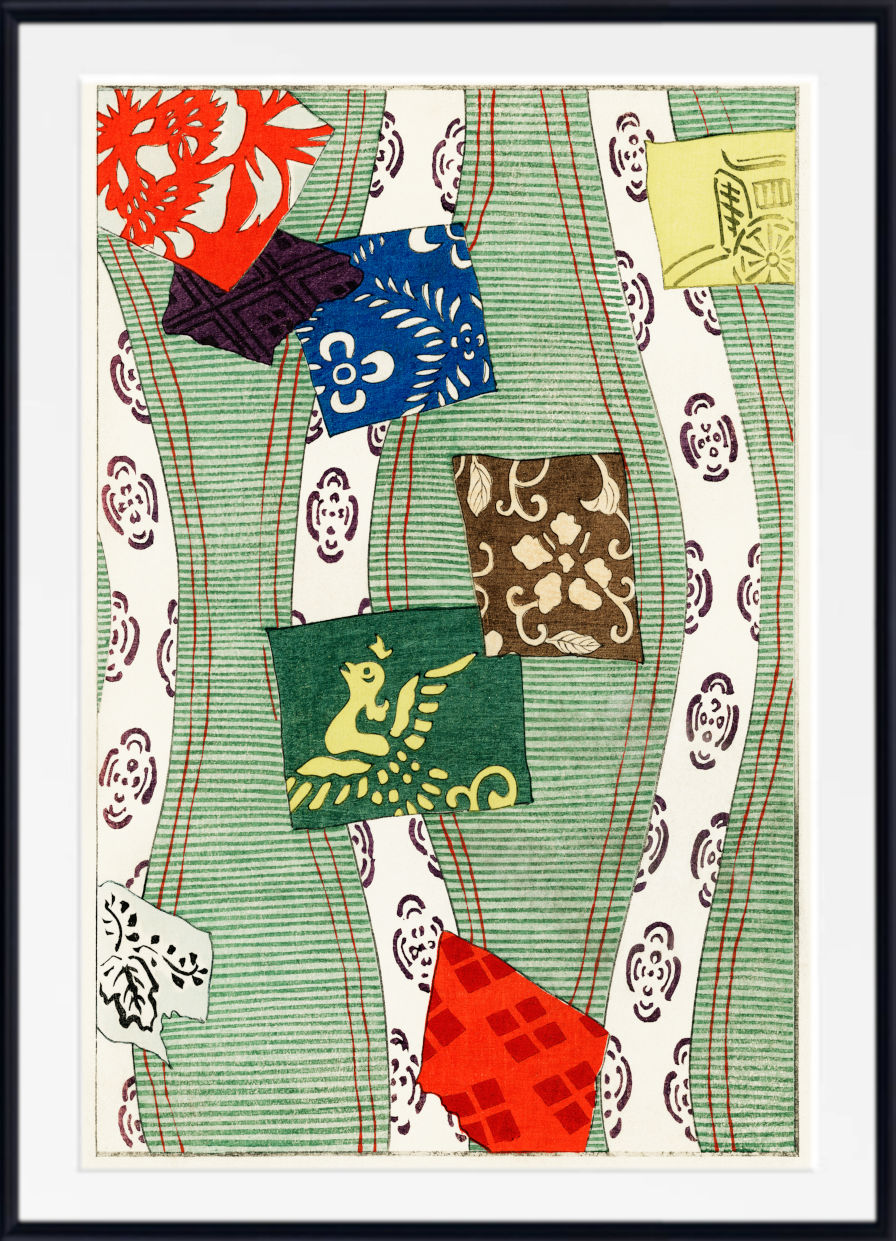
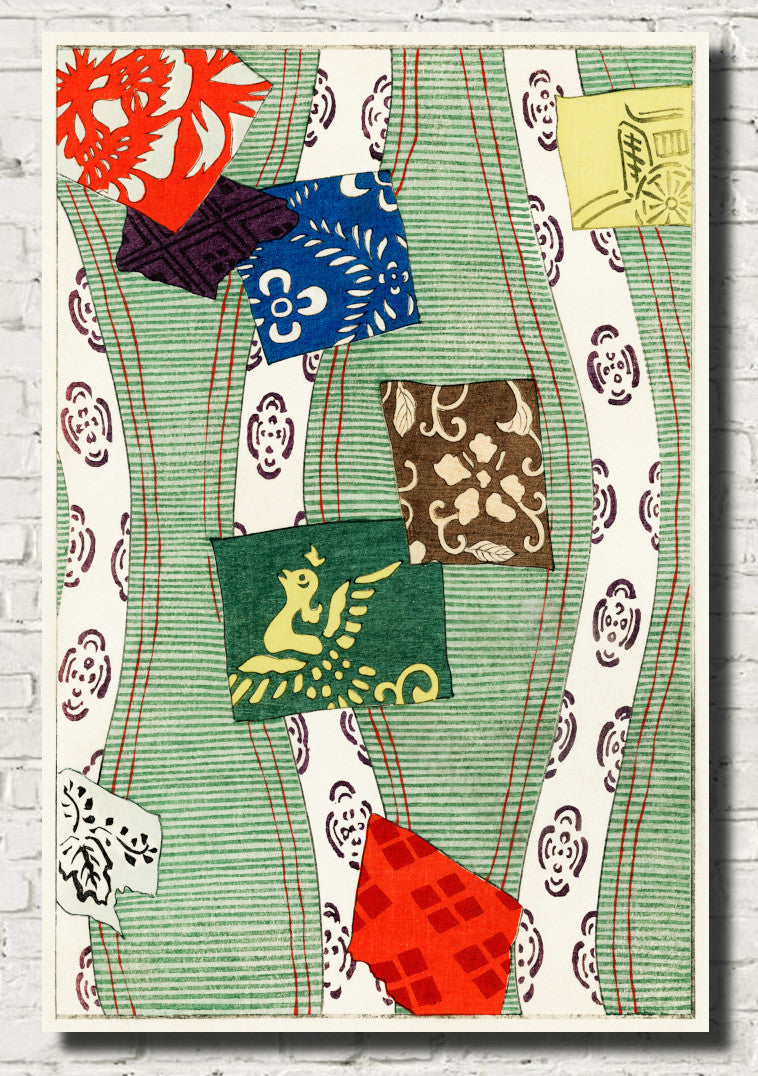
GalleryThane's Watanabe Shōtei collection includes floral studies, birds, fish, landscape details, decorative motifs and atmospheric nature imagery available as fine art prints, framed prints and canvas panels.
Explore related works in our Japanese Bird and Flower Prints and wider Japanese Art Prints collections.
Who Was Watanabe Shōtei?
Watanabe Shōtei, also commonly romanised as Watanabe Seitei, was a Japanese painter and print artist active during one of the most transformative periods in Japanese art.
Born in Edo in the early 1850s, he became especially associated with kachō-ga, the Japanese tradition of depicting birds, flowers and other aspects of nature.
Shōtei was among the first generation of modern Japanese painters to experience European art directly.
In 1878 he travelled to France for the Paris International Exhibition, where he received a bronze medal.
Exposure to Western art did not lead him to abandon Japanese painting traditions. Instead, he developed a distinctive synthesis in which naturalistic observation and a heightened sense of volume were combined with the delicacy, controlled washes and economy of Japanese painting.
This combination became one of the defining characteristics of his work.
What Is Kachō-ga?
Kachō-ga means pictures of birds and flowers.
The tradition encompasses far more than decorative floral painting. Artists could depict birds, insects, fish, flowers, grasses, trees and seasonal weather while exploring movement, behaviour and the changing atmosphere of nature.
Shōtei became one of the most accomplished modern artists working within this tradition.
His compositions often contain only a small number of elements: a bird crossing the sky, a flowering vine, fish against pale water or the moon emerging through an otherwise empty field.
These apparently simple arrangements depend on very precise observation and placement.
Shōtei's Birds and Flowers
Birds are central to Shōtei's reputation.
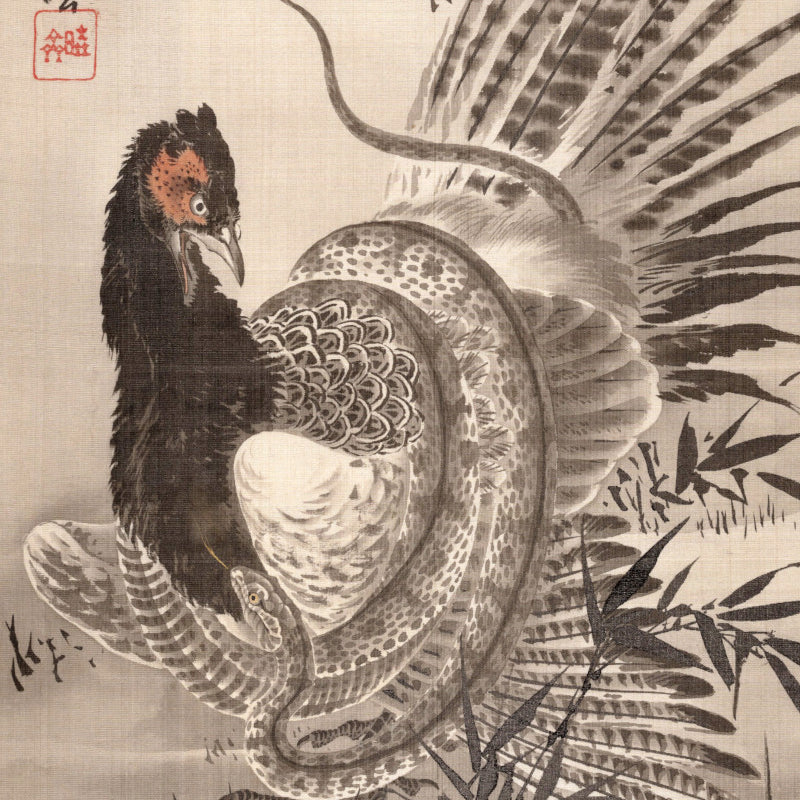
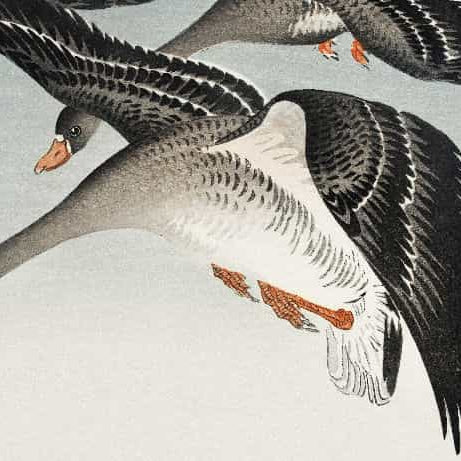
He was capable of suggesting the weight, movement and character of a bird with remarkably economical marks. Feathers might be described in detail around the head or wing before dissolving into looser strokes elsewhere.
The British Museum has noted the extraordinary ability of his brushwork to suggest movement and mass with very few apparently simple strokes.
Flowers are treated with similar sensitivity.
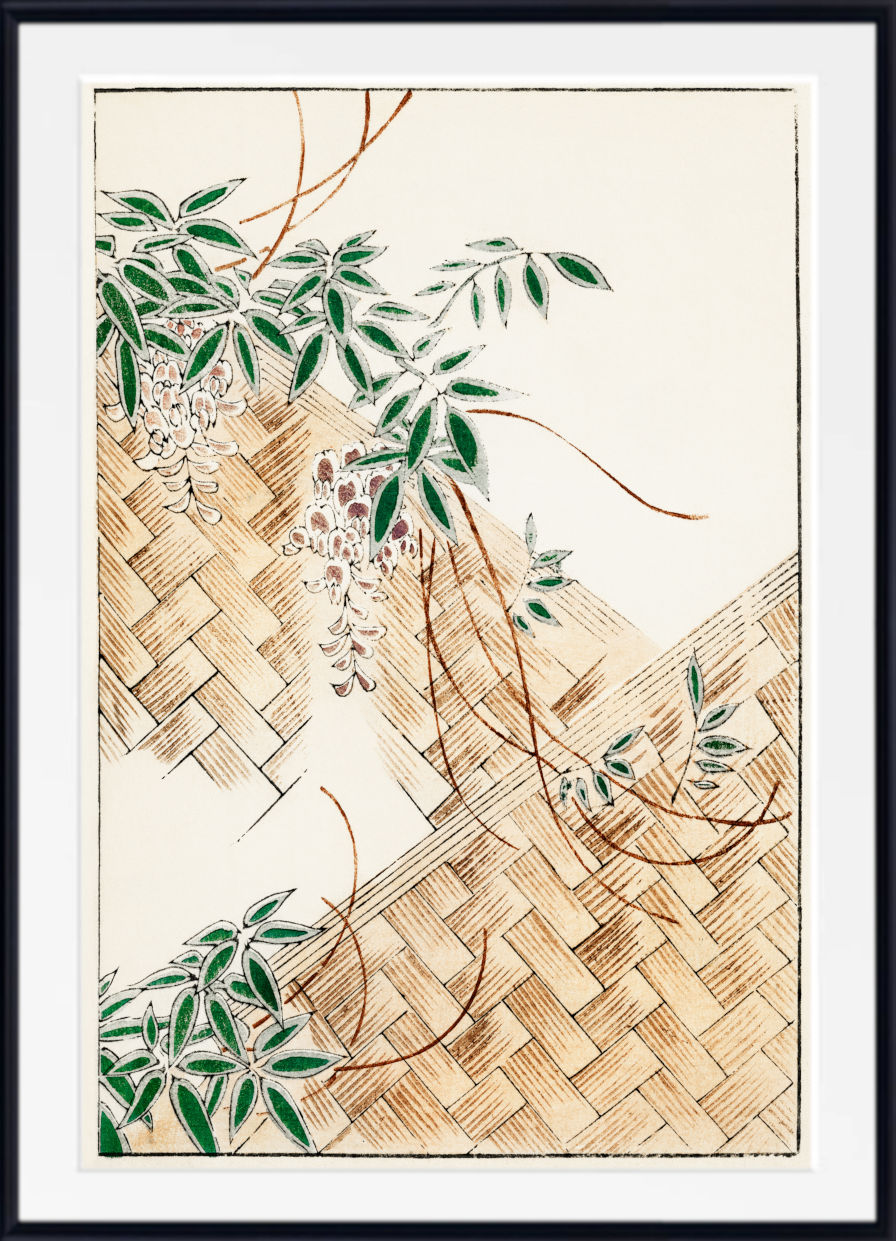
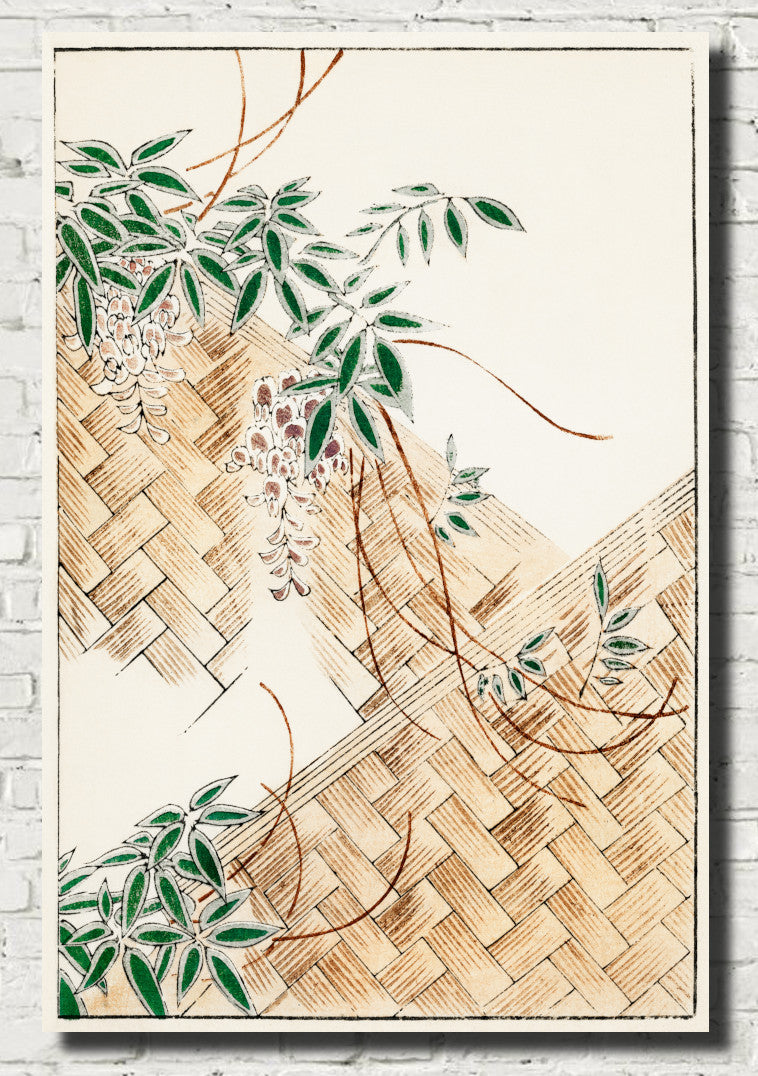
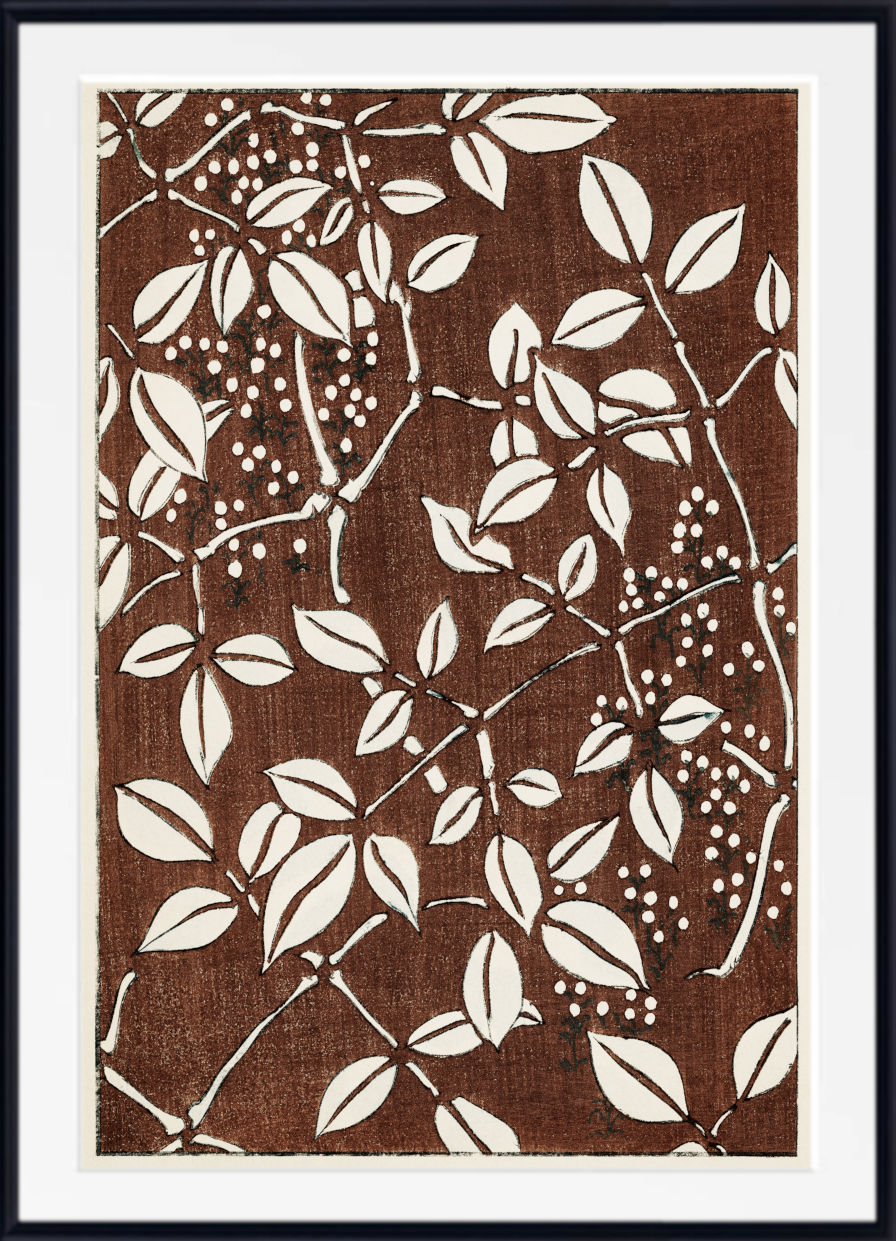
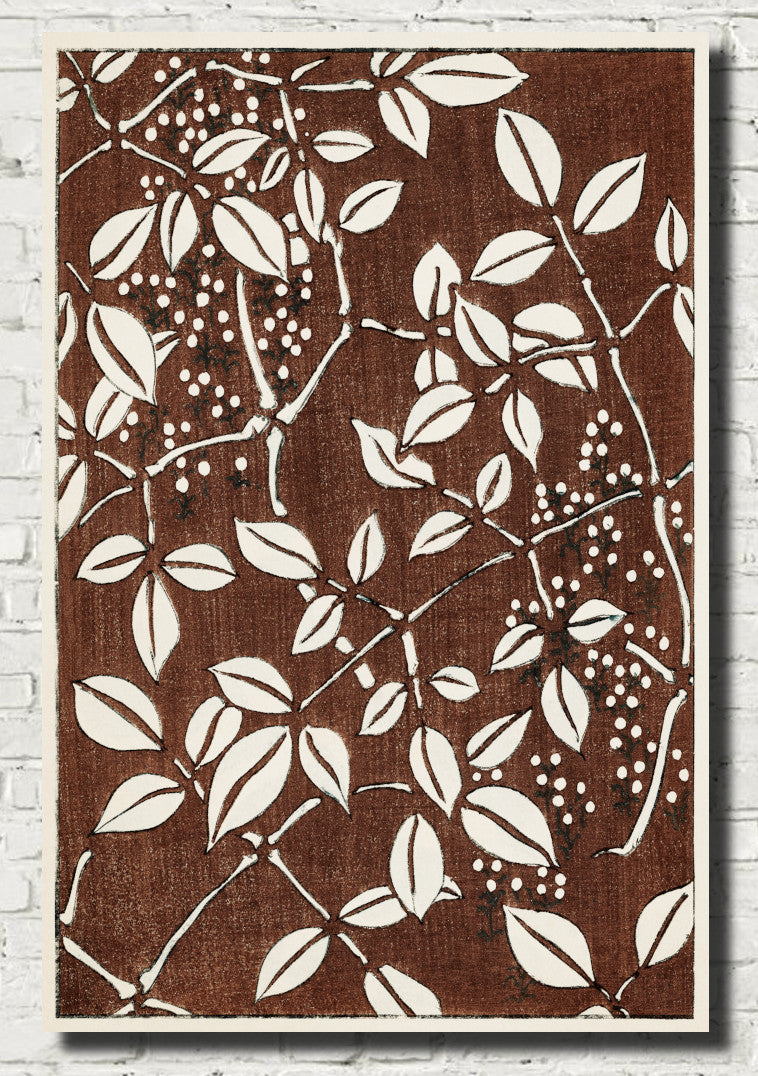
Wisteria, morning glory, blossom and other plants are not merely decorative backgrounds. Their stems, leaves and flowers create the structure through which the eye moves around the composition.
This close relationship between bird and plant is fundamental to Japanese bird-and-flower painting.
Wisteria and Flowering Plants
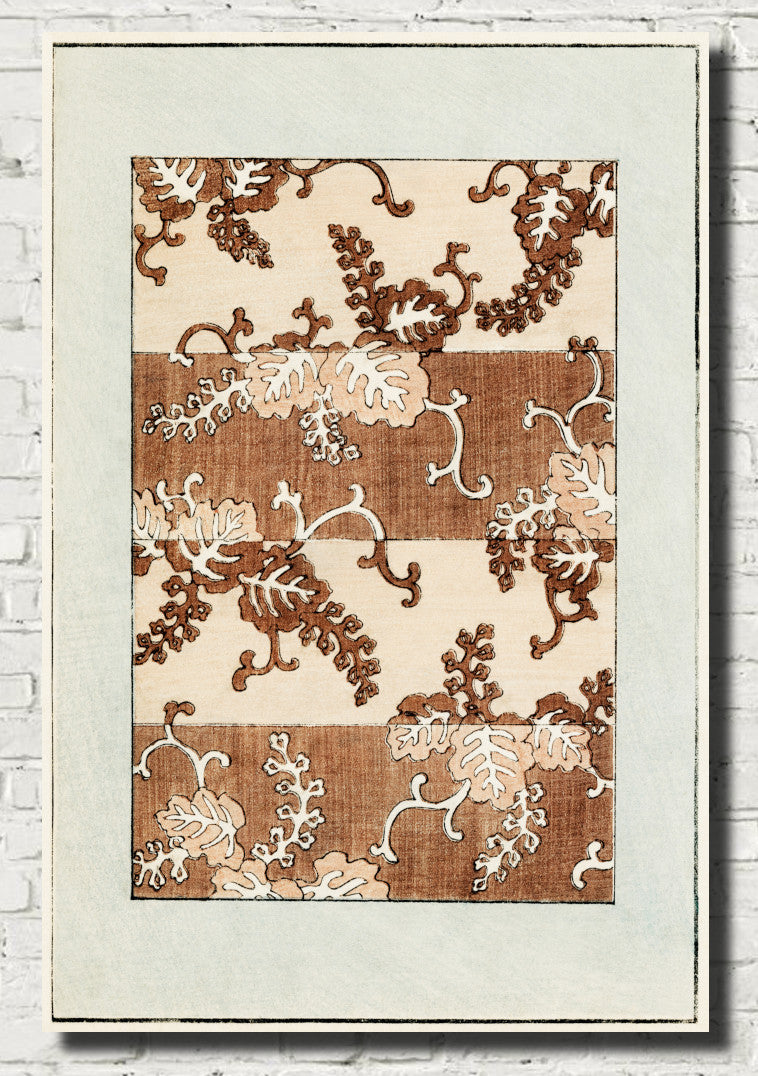
Shōtei's floral works demonstrate his ability to make a plant feel both natural and highly designed.
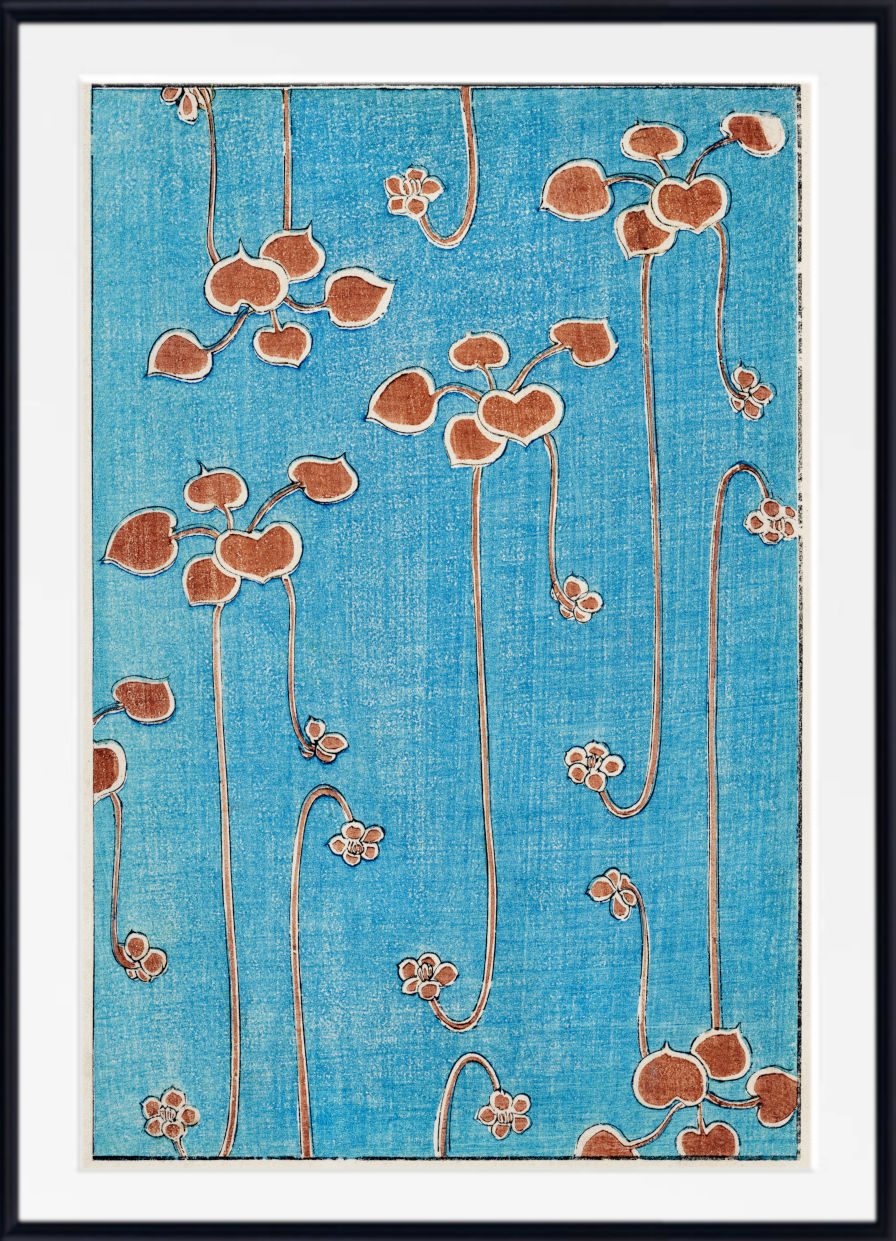
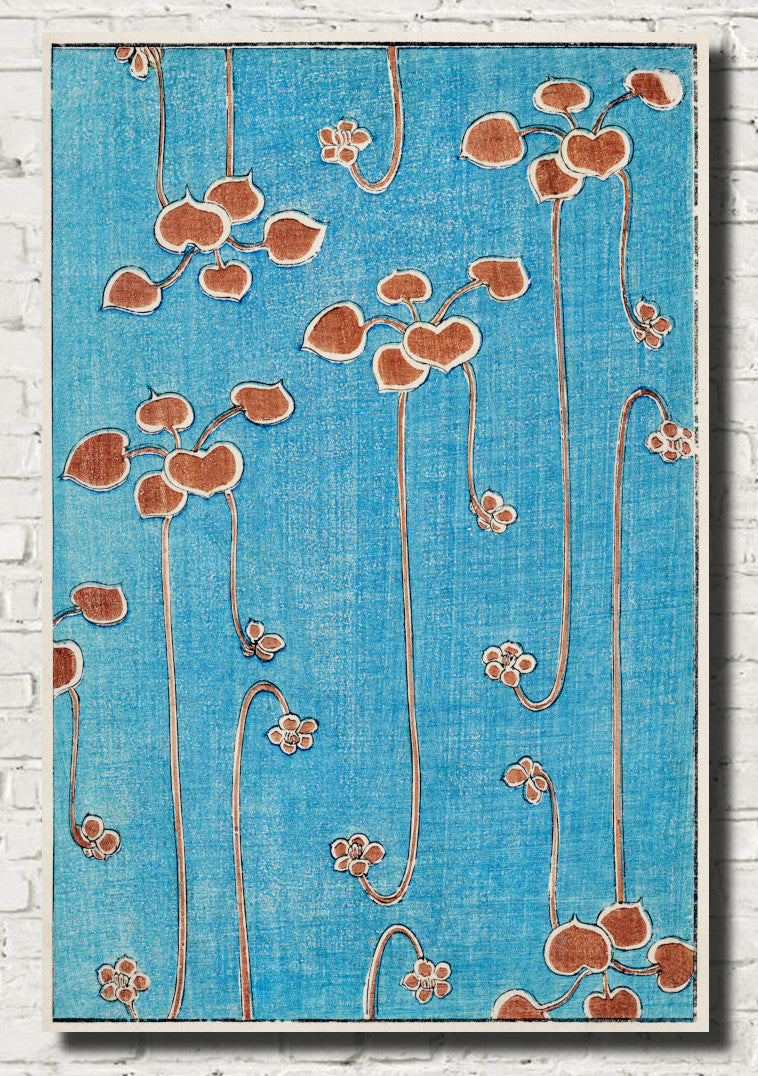
Hanging wisteria creates long downward rhythms, while climbing vines and morning glory produce looping stems, broad leaves and carefully placed flowers.
Rather than filling the entire image with foliage, Shōtei frequently allows large pale areas to remain untouched.
This negative space isolates individual blossoms and leaves, making their silhouettes much more important.
For interiors, these floral compositions offer colour and detail without the density of a conventional Western flower painting.
Full Moon and Atmospheric Japanese Art
Moon imagery appears naturally within Shōtei's restrained visual language.
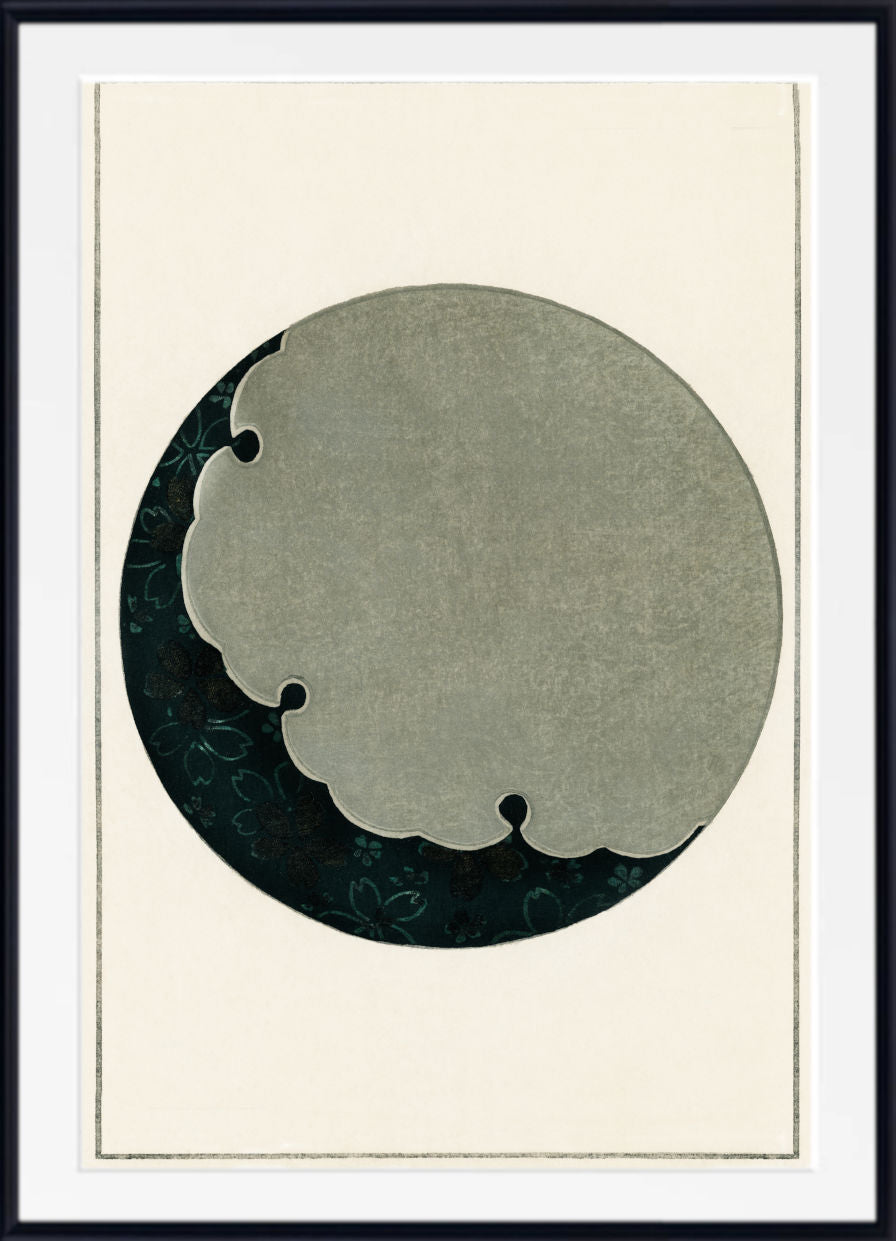
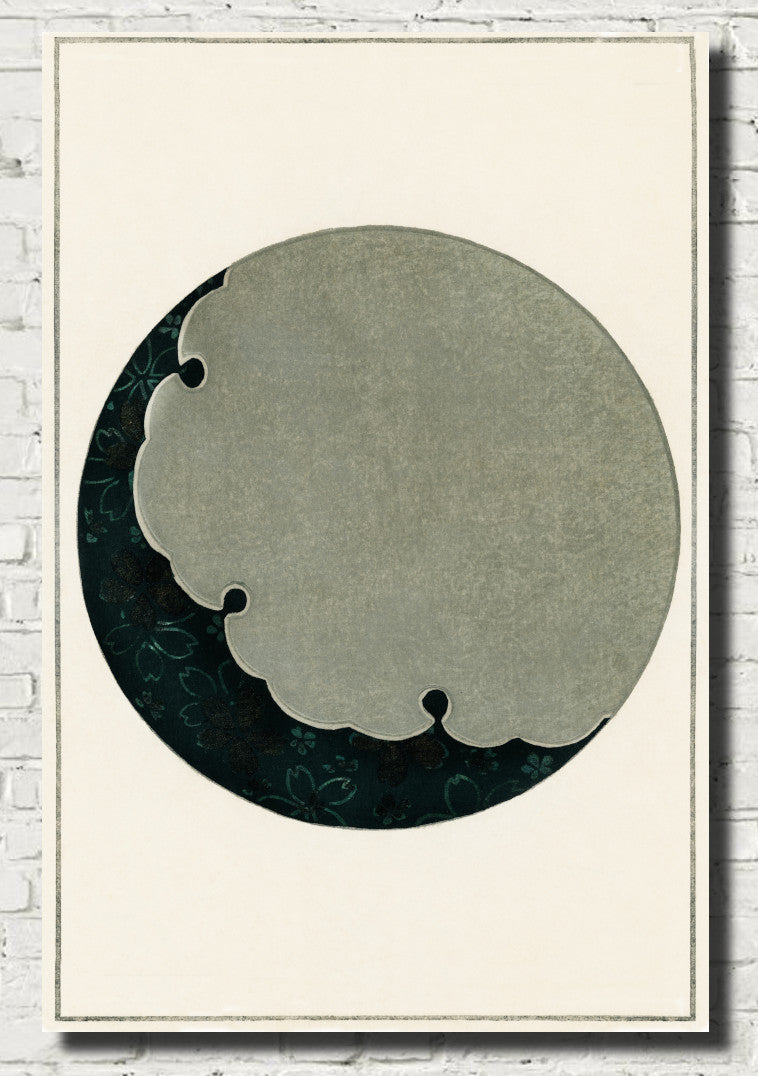
A simple circular moon can become one of the strongest elements in an otherwise sparse composition.
The moon's geometric form contrasts with irregular clouds, branches, plants or birds, while the surrounding empty space produces an atmosphere of distance and stillness.
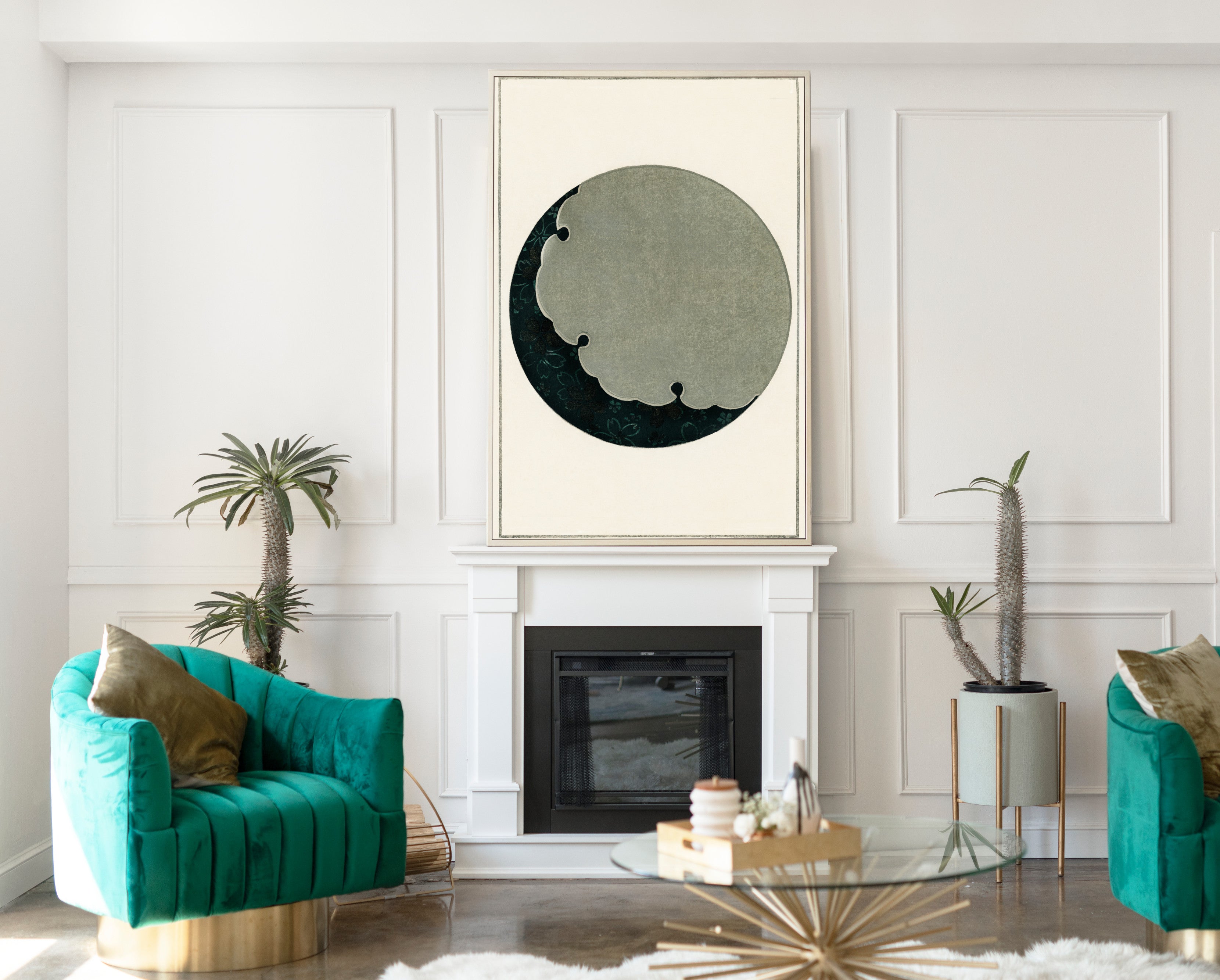
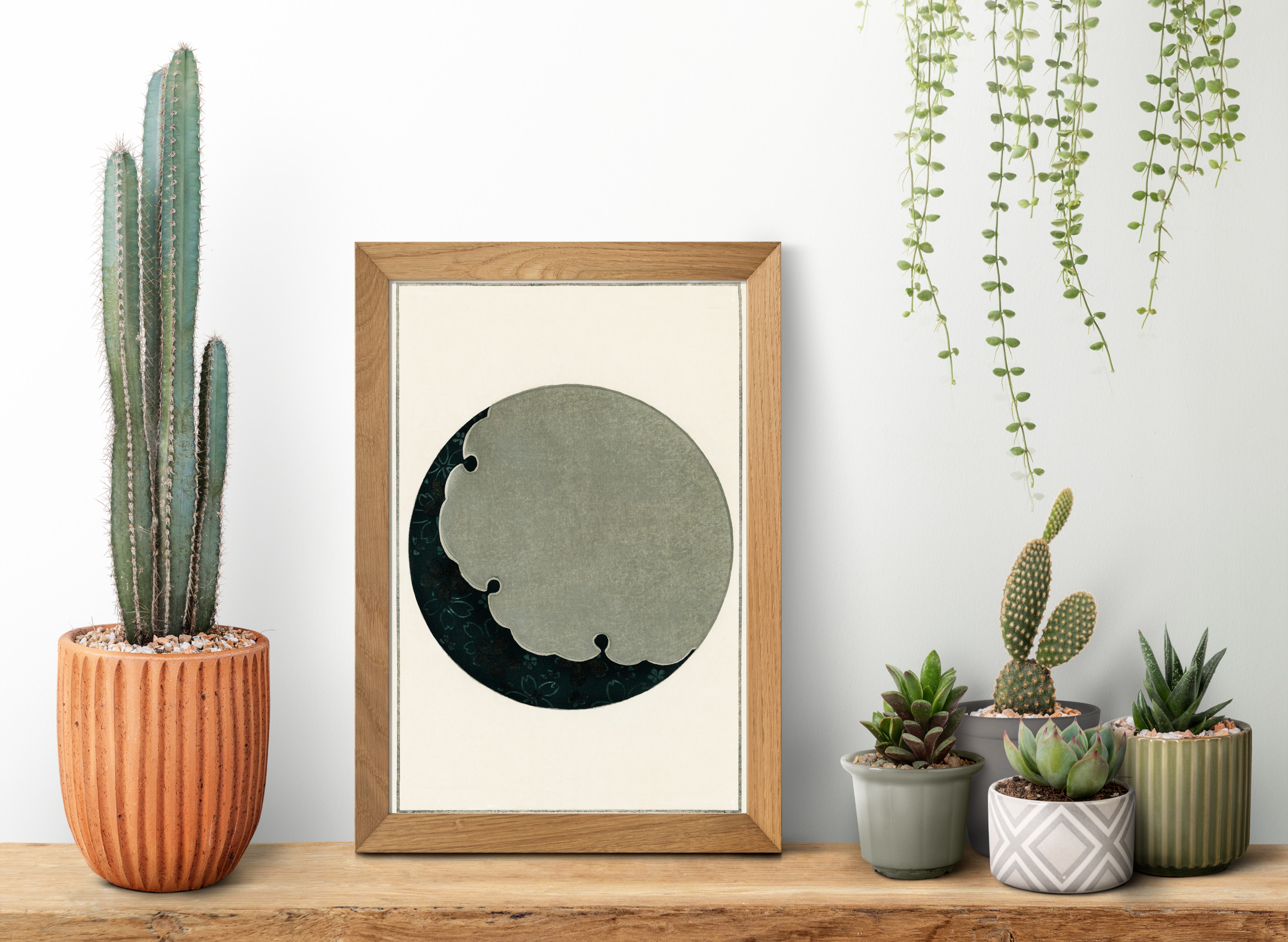
GalleryThane's Full Moon print is currently one of the most prominent works in the collection and demonstrates how little visual information Shōtei needed to create a memorable image.
Birds in Flight
Flying birds allowed Shōtei to explore movement more directly.
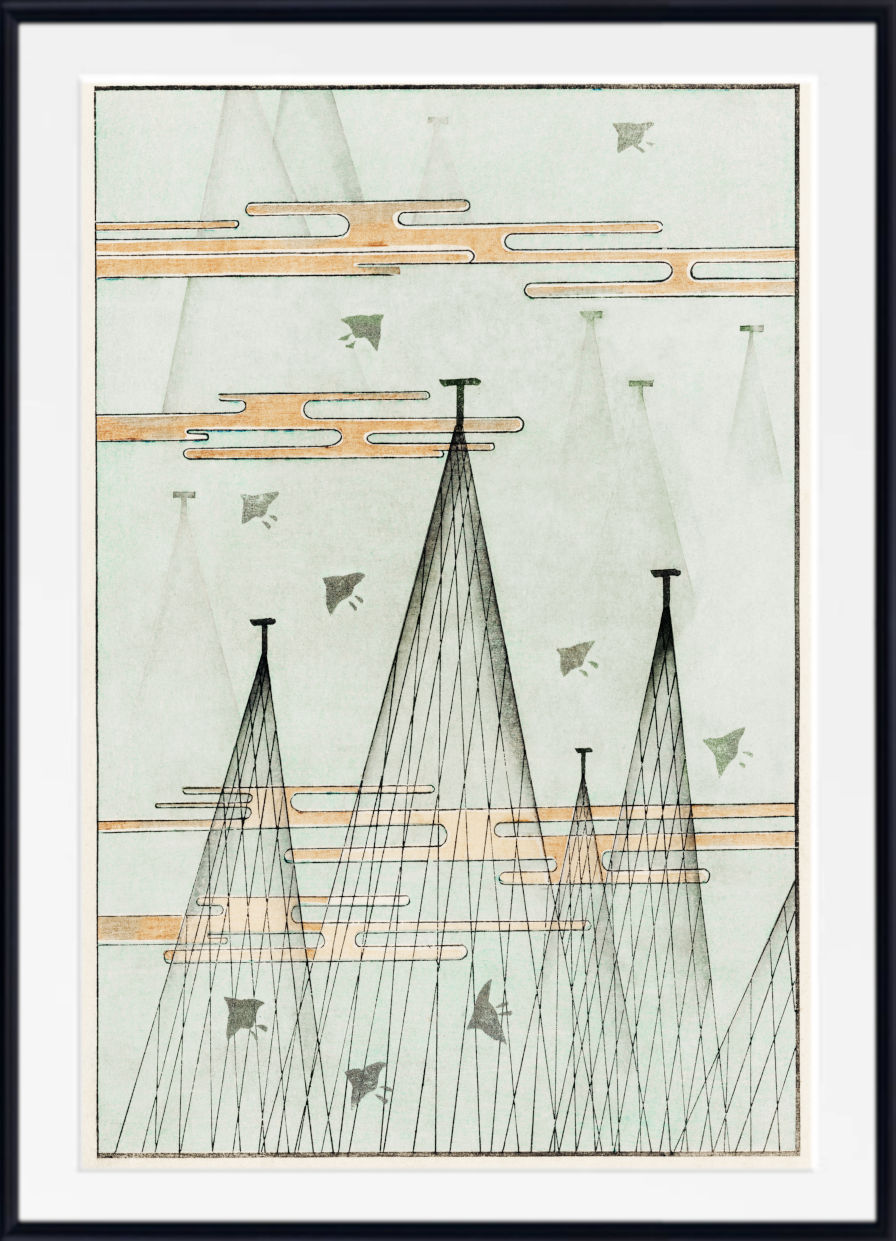
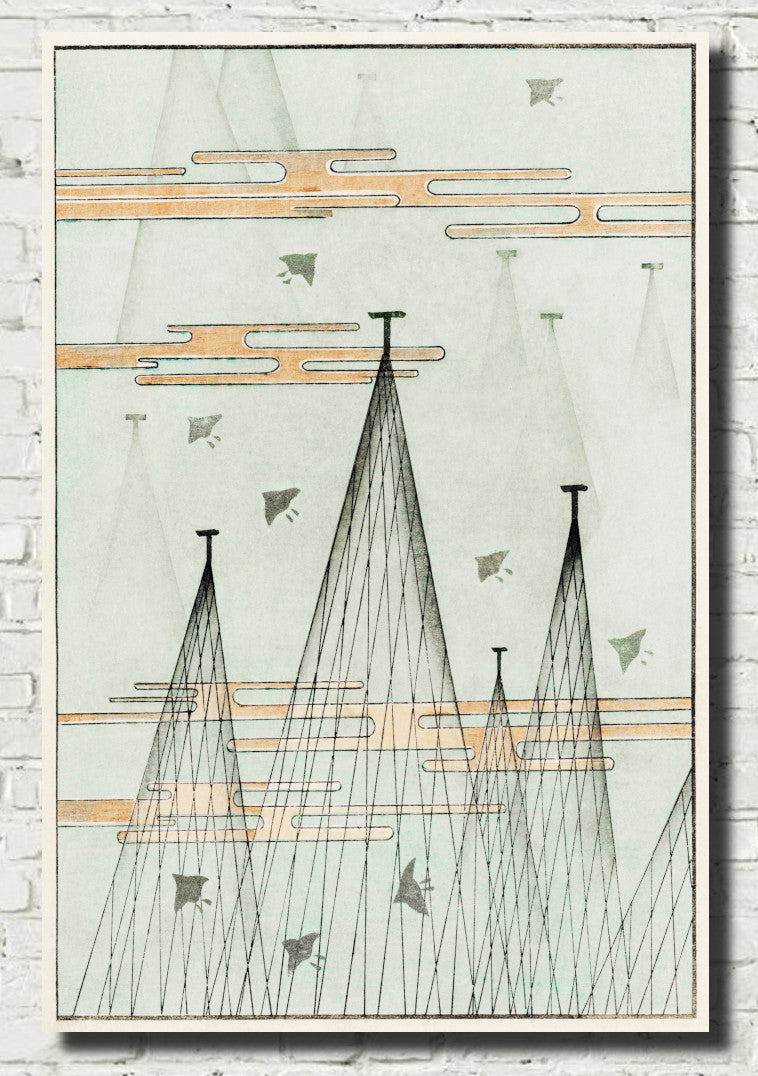
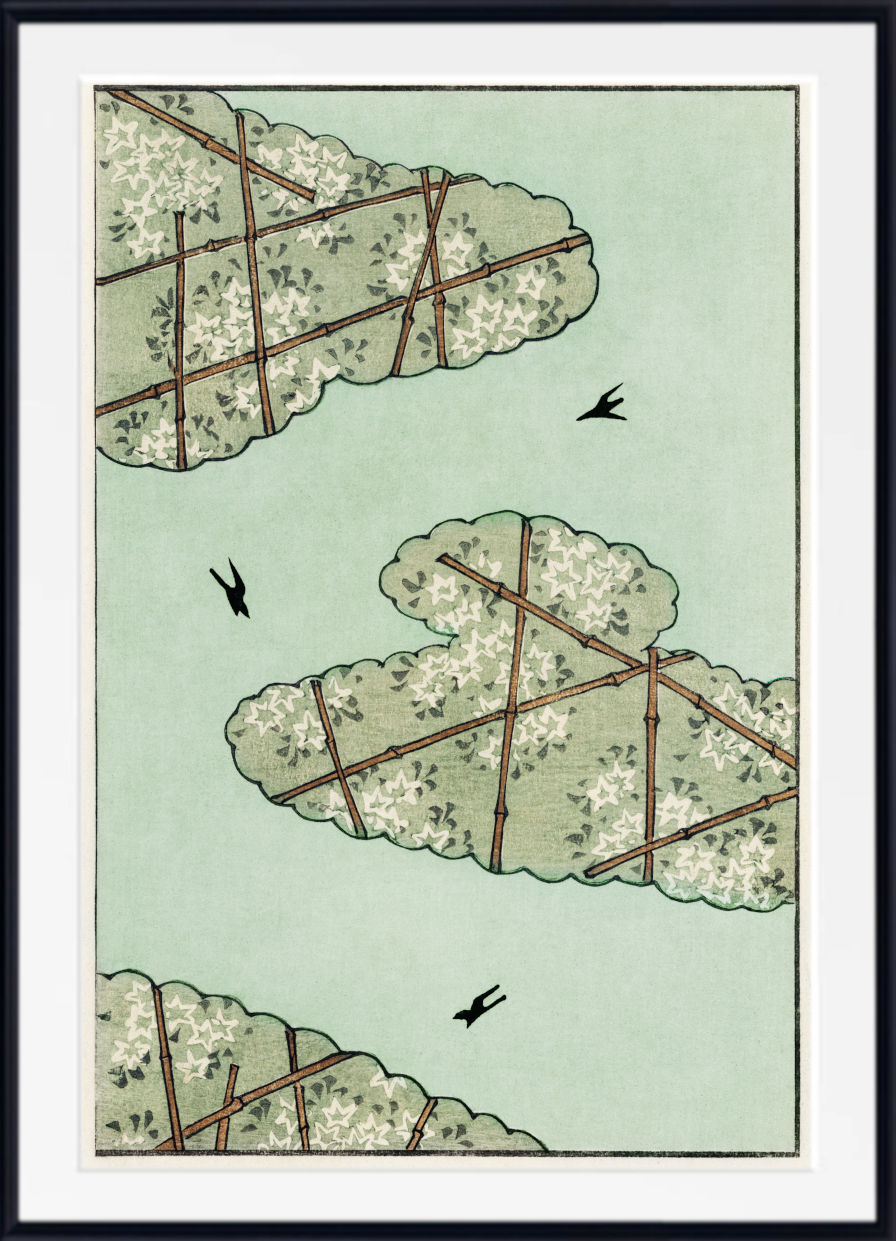
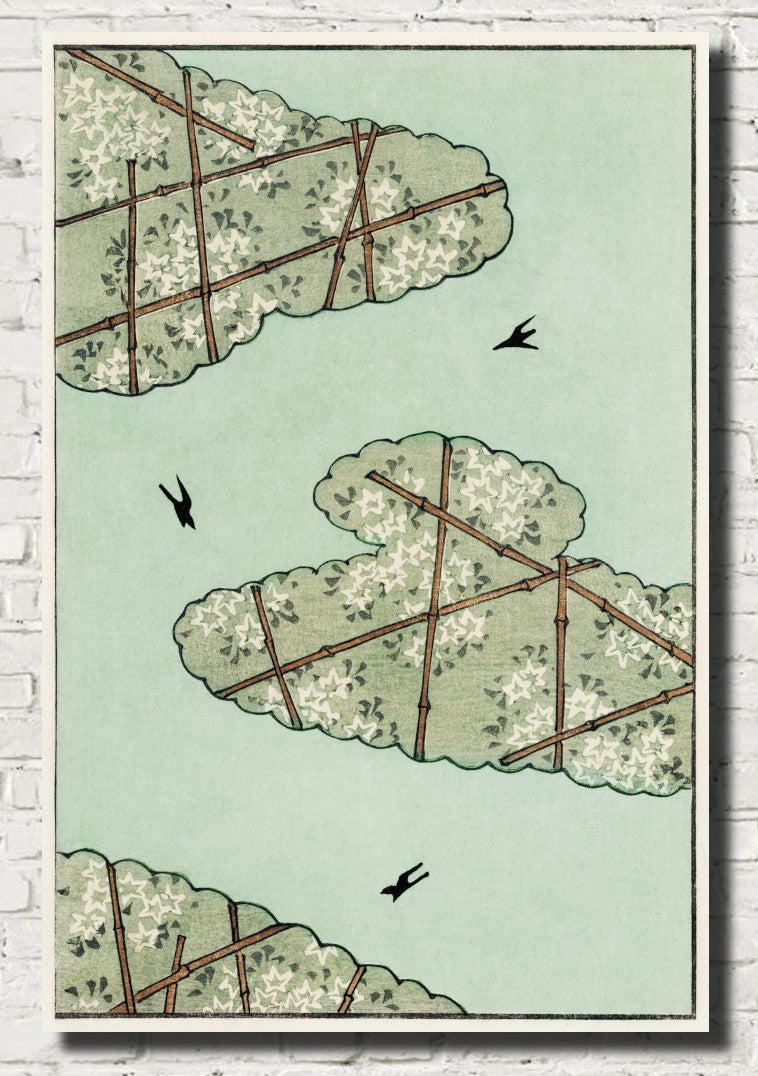
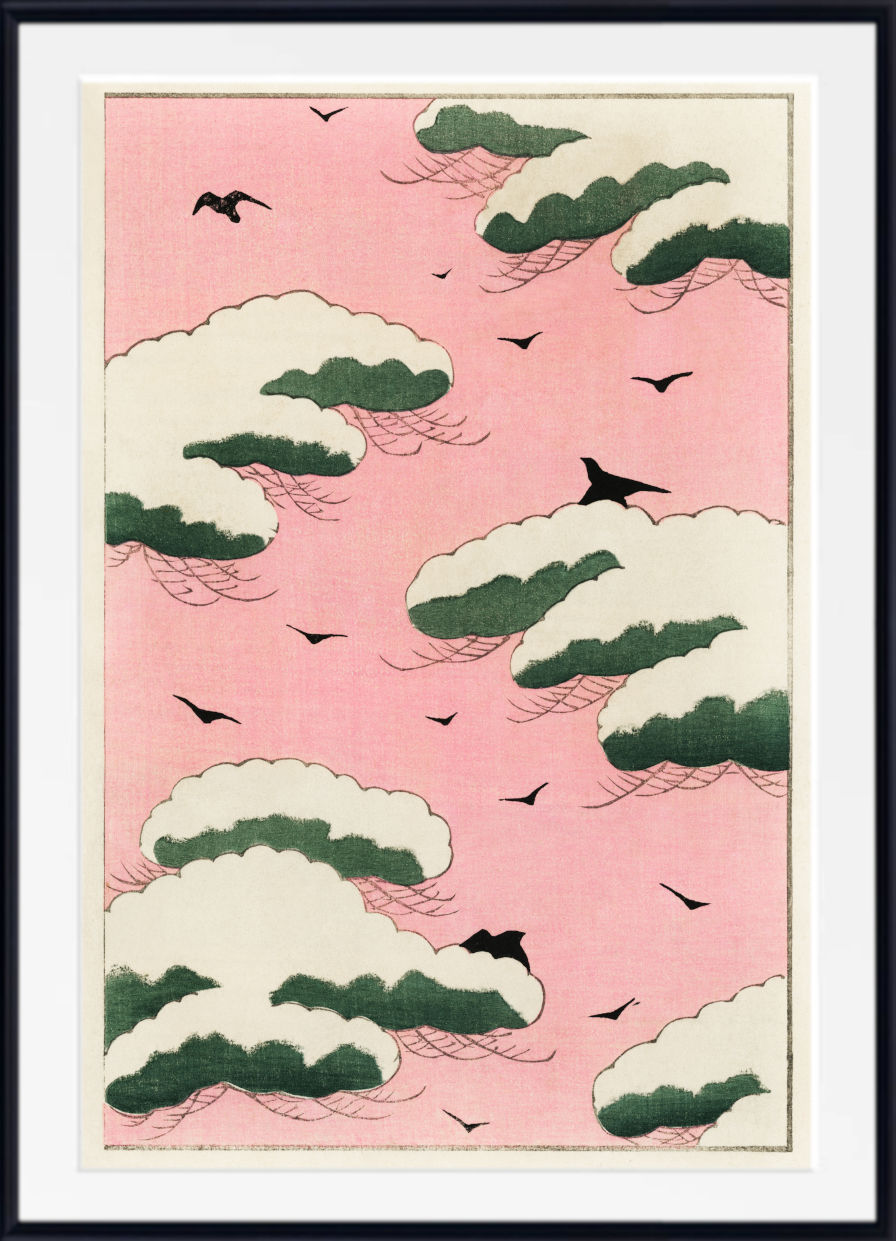
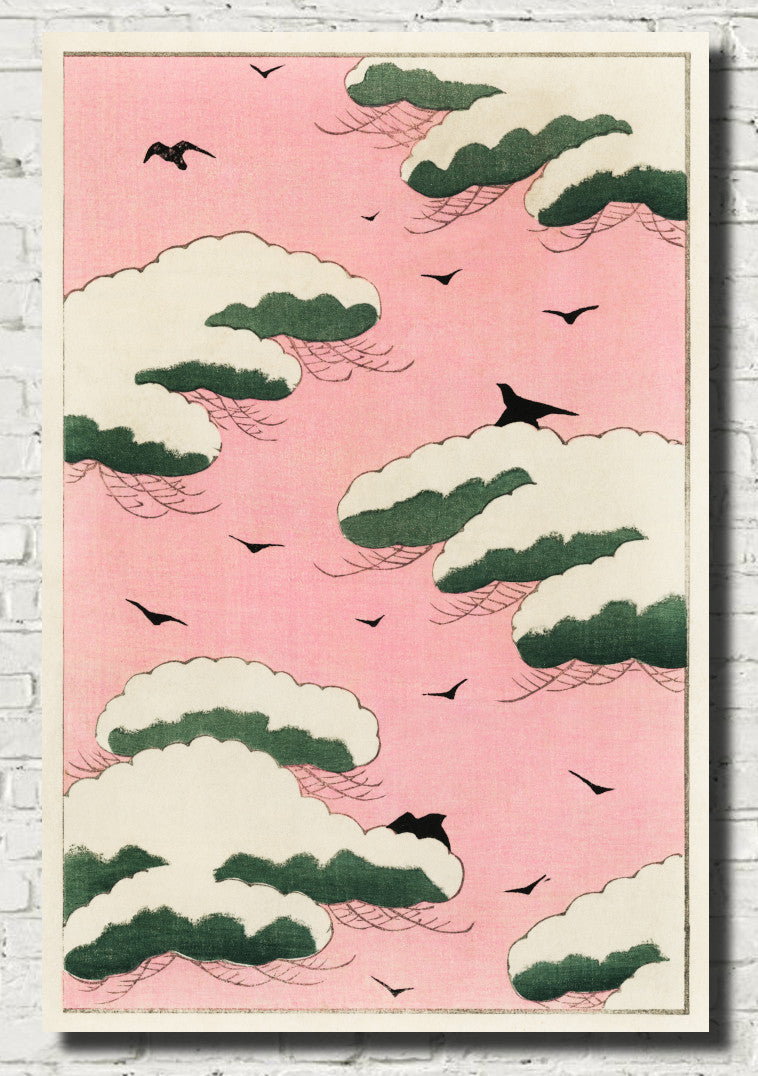
In a work such as Skyscape with Birds Flying, the open sky becomes almost as important as the birds themselves.
The absence of a detailed landscape gives the birds a greater sensation of height and distance.
This use of emptiness is characteristic of Japanese composition and helps explain why Shōtei's work sits so comfortably within modern minimalist interiors.
Fish and Aquatic Subjects
Shōtei also produced accomplished studies of fish.
The Metropolitan Museum of Art preserves several examples from around 1887, including Goldfish, Fishes and Jumping Fish.
Aquatic subjects offered different compositional possibilities from birds.
Fish can curve through space, overlap one another and appear partly suspended within pale water. Fins and tails provide movement while the surrounding environment can be suggested with remarkably little detail.
Shōtei's fish imagery therefore retains the same balance between close observation and visual economy found in his bird-and-flower works.
Japanese and Western Influences
Shōtei's European experience is important because it helped distinguish his naturalism from that of many earlier Japanese artists.
He did not simply imitate Western painting.
Instead, he absorbed aspects of Western observation and modelling while retaining the light colour, wash effects and compositional restraint of Japanese painting.
This allowed animals and plants to possess greater physical presence without losing the elegance associated with Japanese decorative art.
The result is a visual language that feels simultaneously traditional and experimental.
Shōtei, Seitei and the Artist's Name
Collectors may encounter the artist's name written as Watanabe Shōtei or Watanabe Seitei.
Both refer to the same artist.
Different systems for romanising Japanese names have produced several spellings in museum catalogues, books and art-market records.
GalleryThane principally uses Watanabe Shōtei, while major museums including the Metropolitan Museum of Art and British Museum frequently use Watanabe Seitei.
Watanabe Shōtei and Ohara Koson
Shōtei is often considered alongside the later Japanese bird-and-flower artist Ohara Koson.
Both artists specialised in closely observed birds and nature, but their work belongs to different generations.
Shōtei's career was centred principally on the Meiji period and helped develop a modern naturalistic approach to kachō-ga.
Koson later carried Japanese bird-and-flower imagery into the twentieth-century shin-hanga era.
Collectors interested in Shōtei may therefore enjoy exploring our Ohara Koson Prints collection as a complementary interpretation of Japanese nature art.
Colour and Negative Space
One of the strongest characteristics of Shōtei's art is restraint.
Instead of covering the entire surface, he frequently concentrates colour in a small area.
A flower may provide the principal burst of violet or red. A fish may introduce orange against pale water. Dark birds may become silhouettes within an otherwise open sky.
Large areas of quiet background then amplify these small concentrations of colour.
This balance makes Shōtei's prints particularly adaptable to contemporary rooms.
Watanabe Shōtei Prints for Modern Interiors
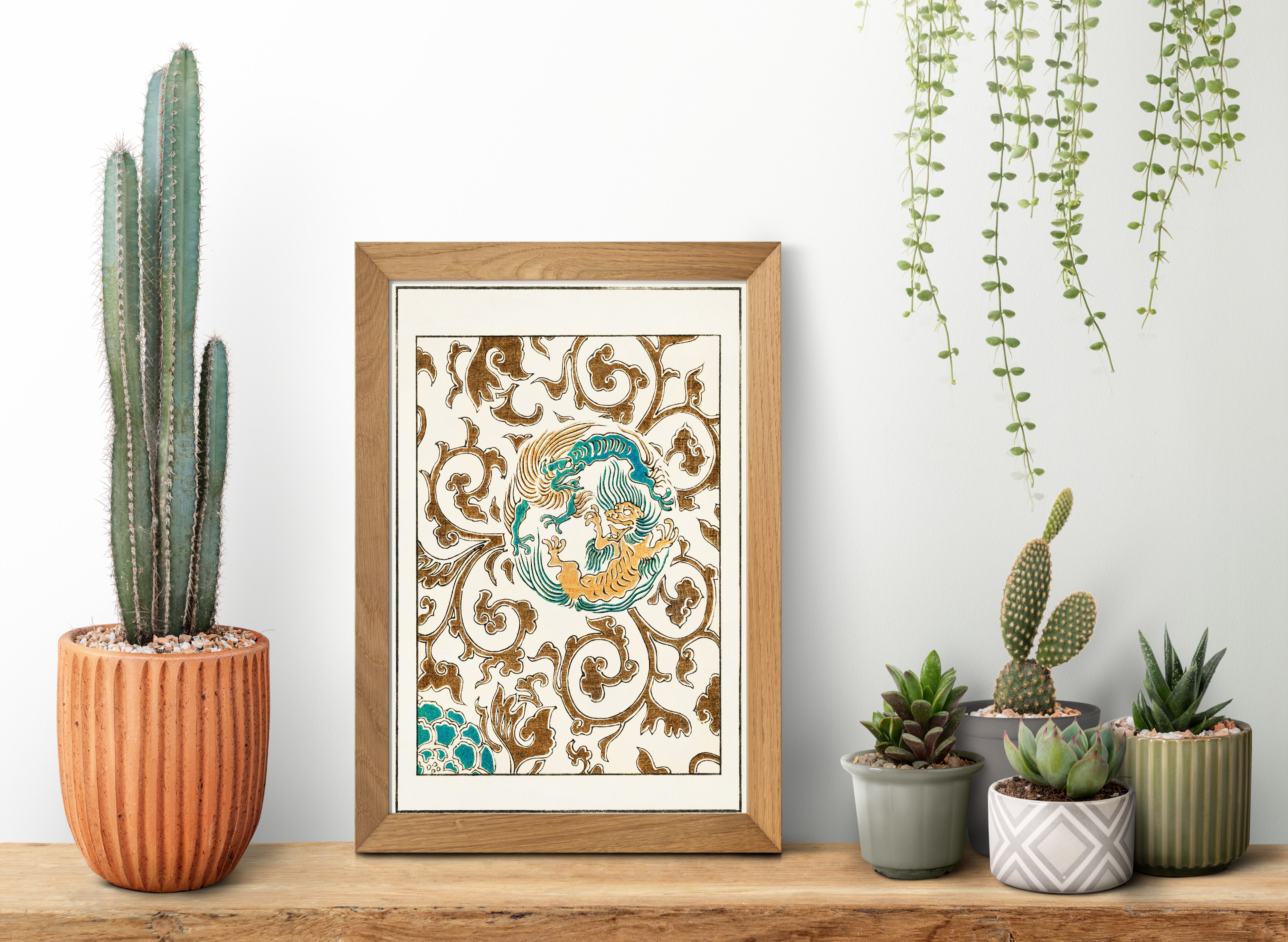
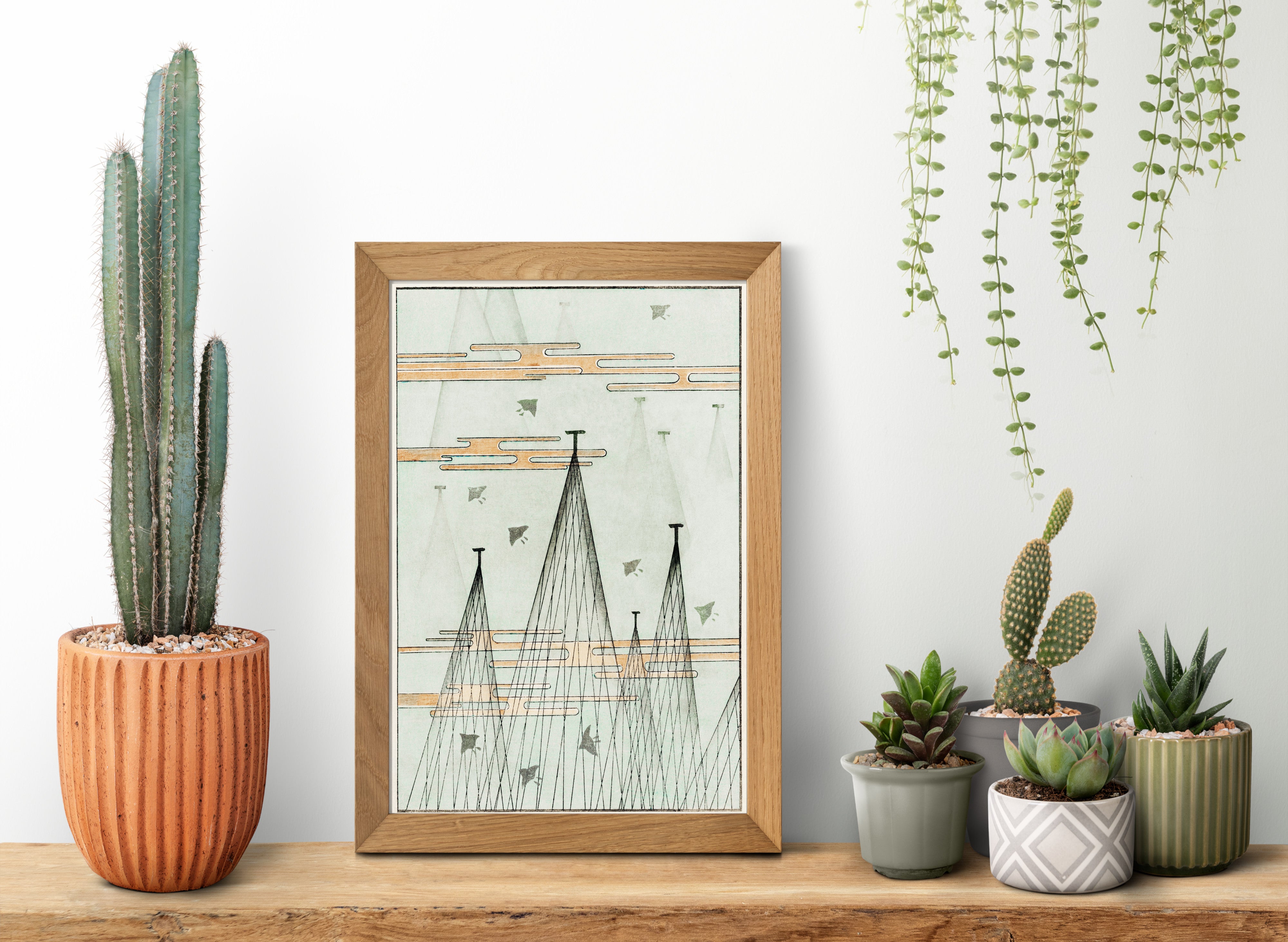
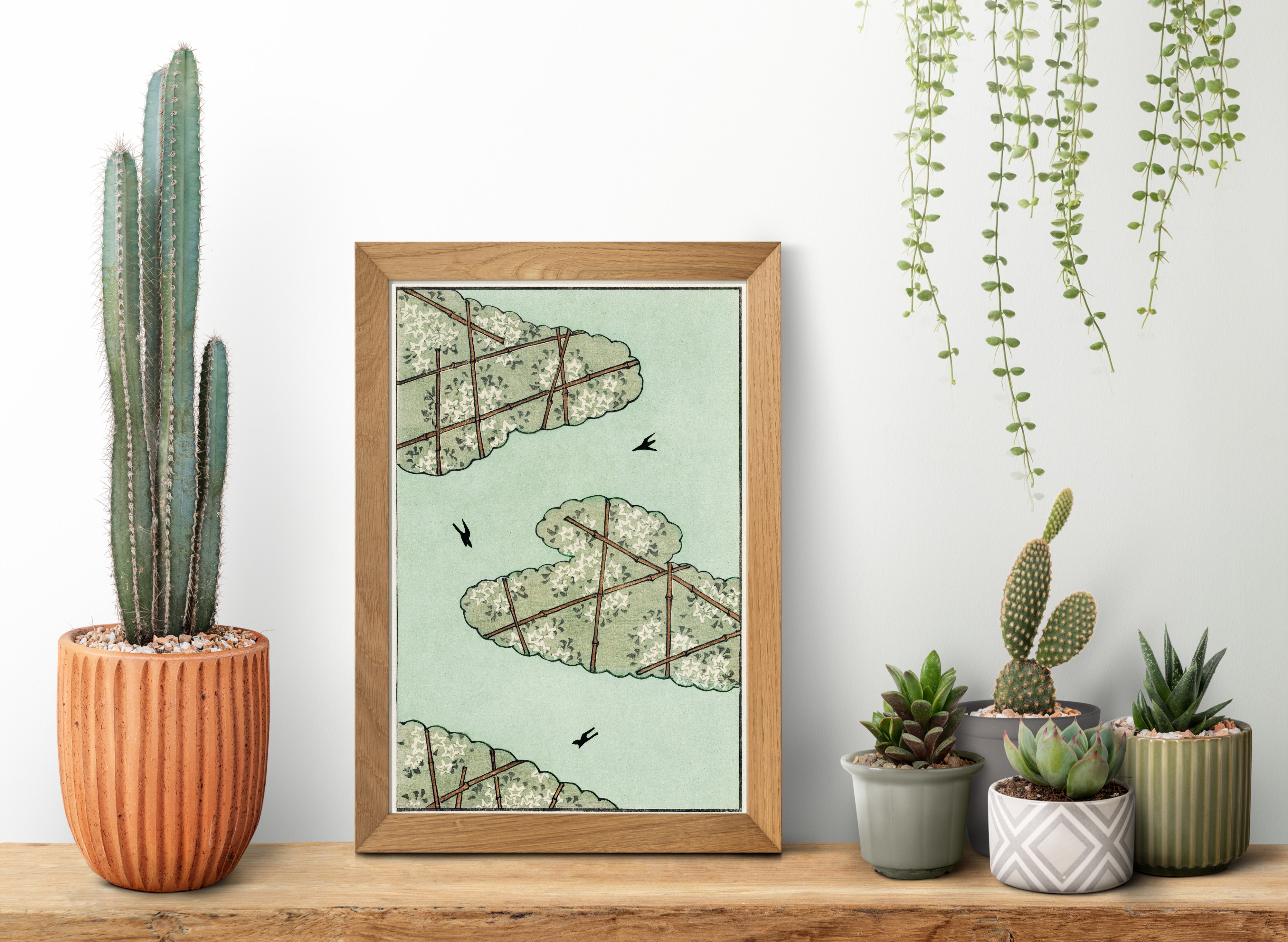
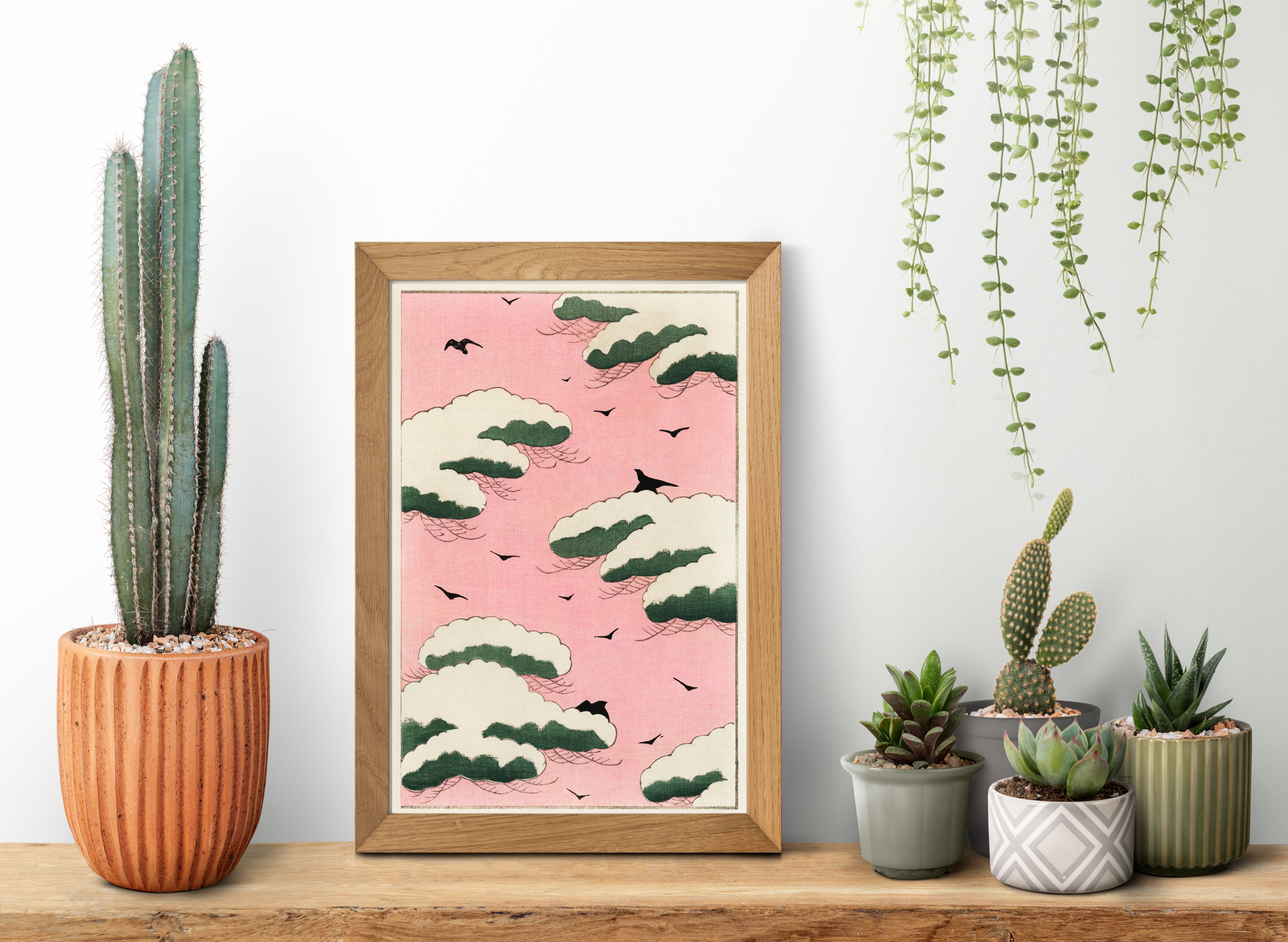
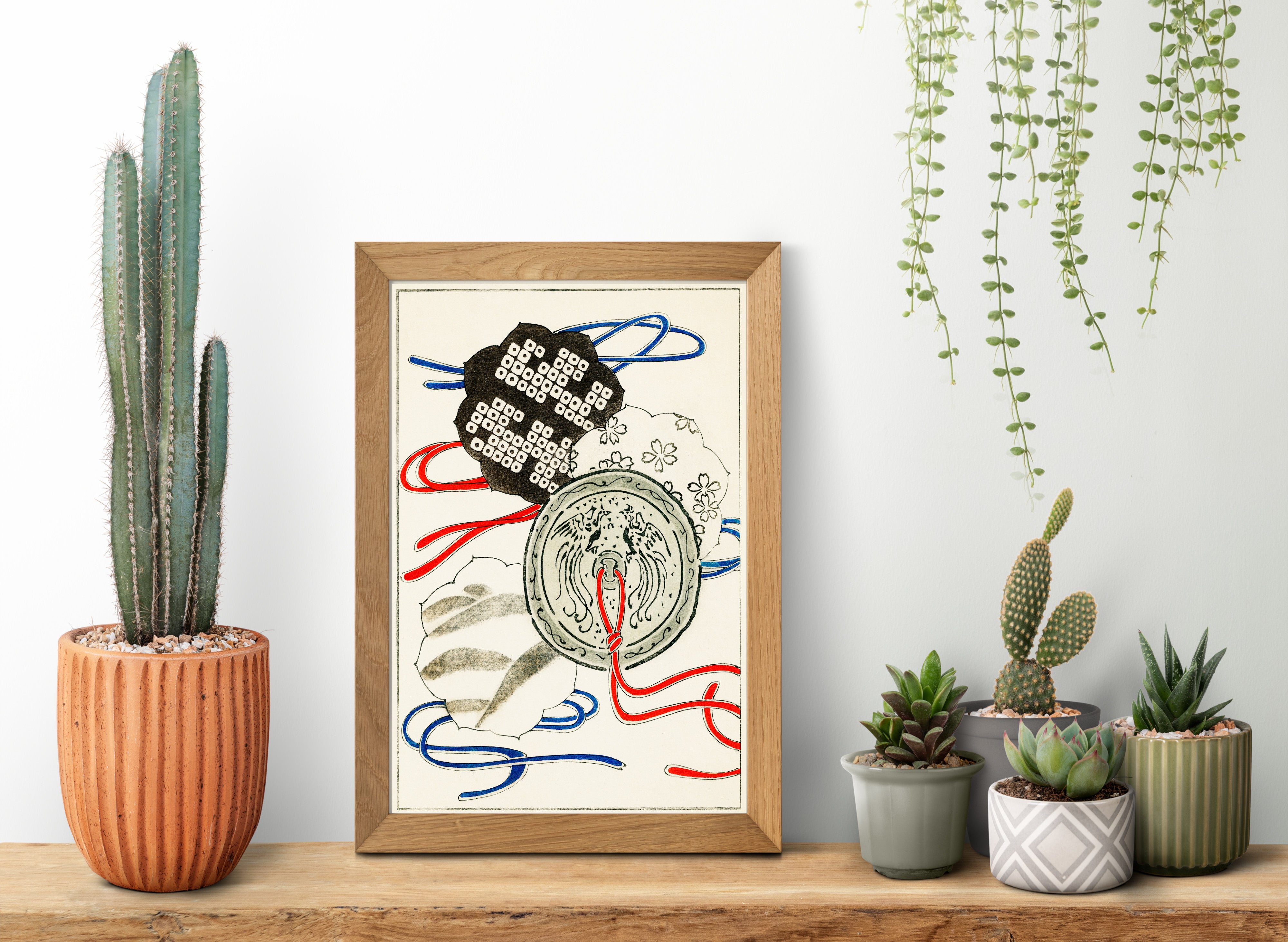
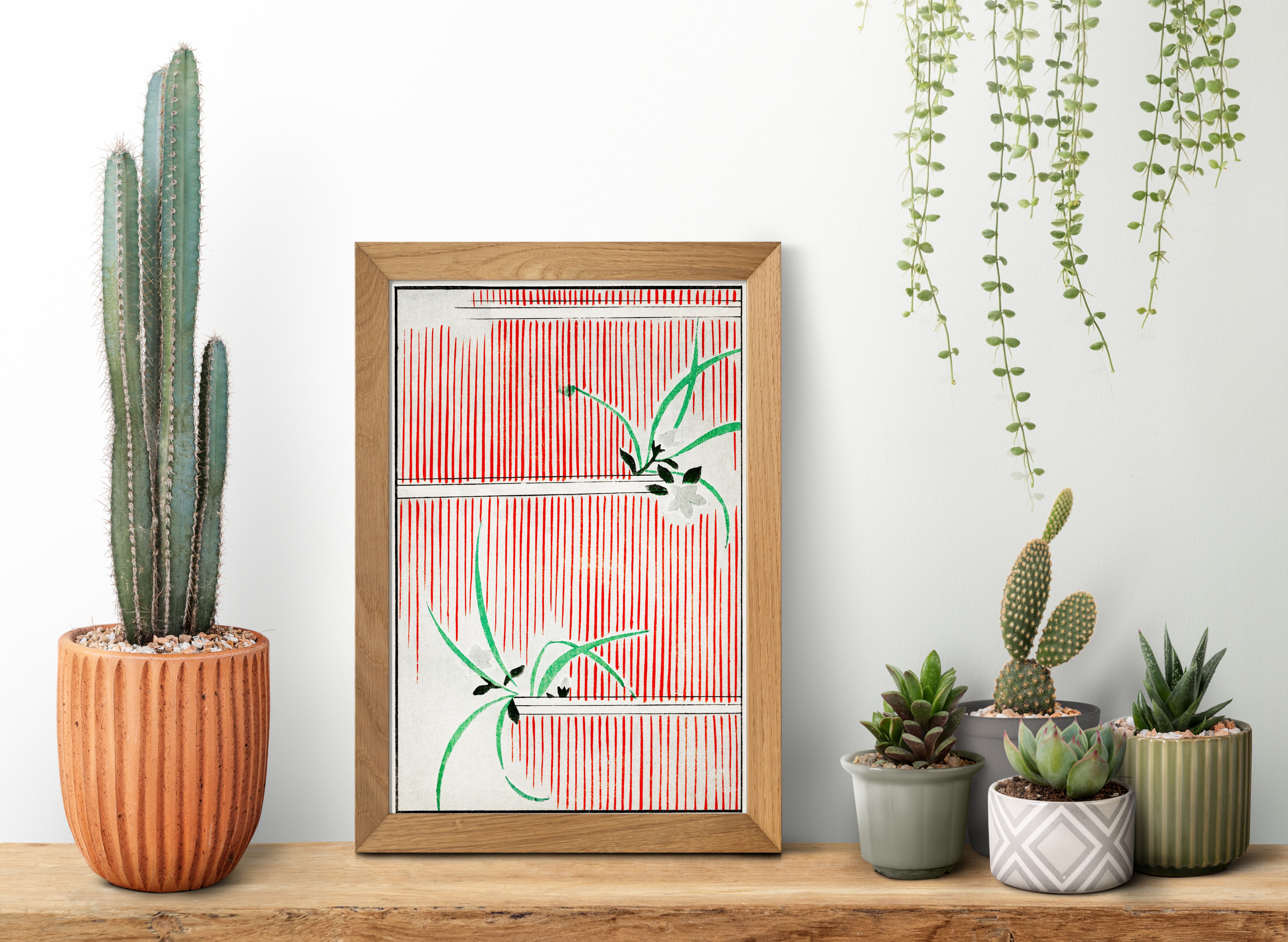
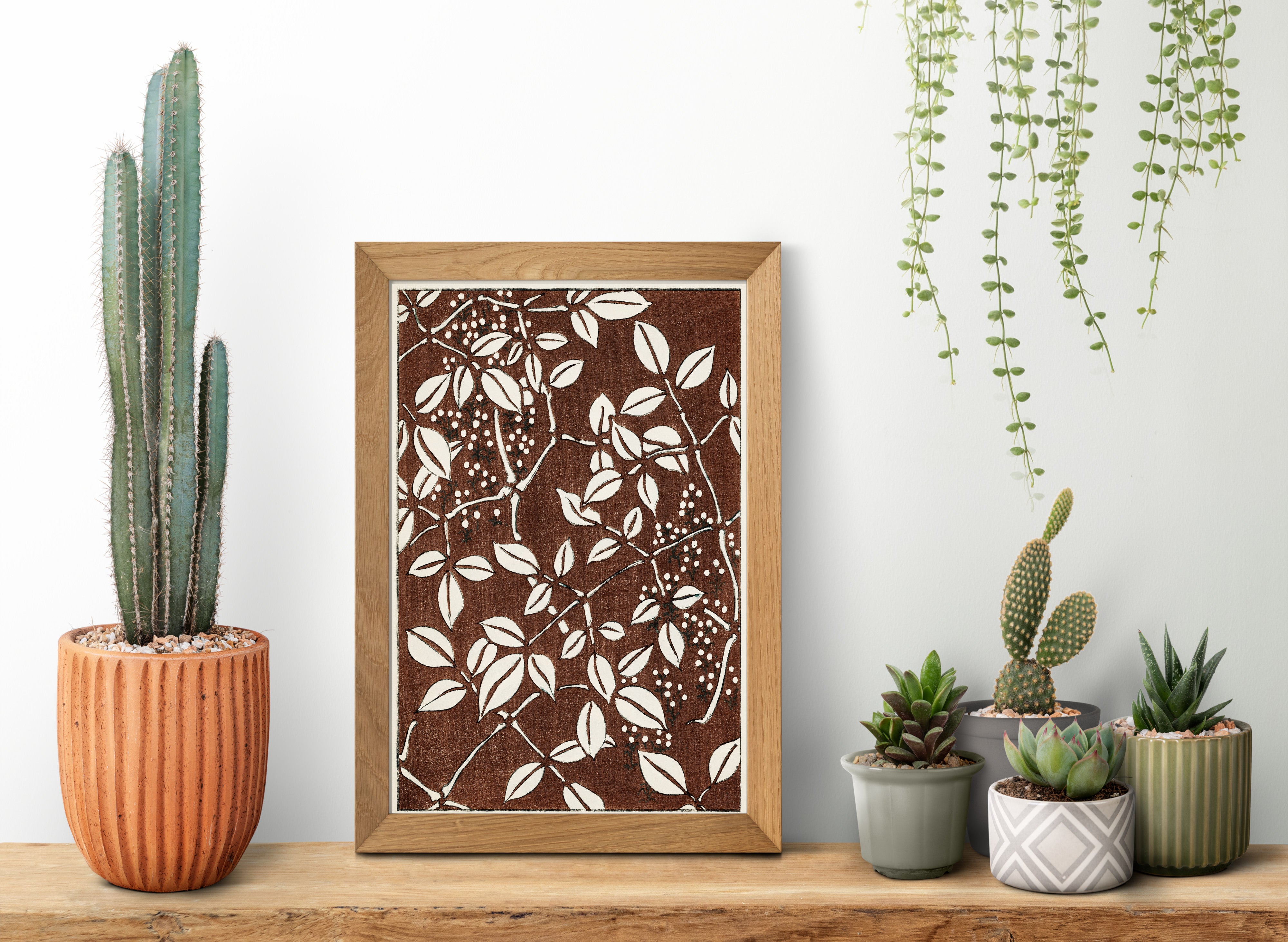
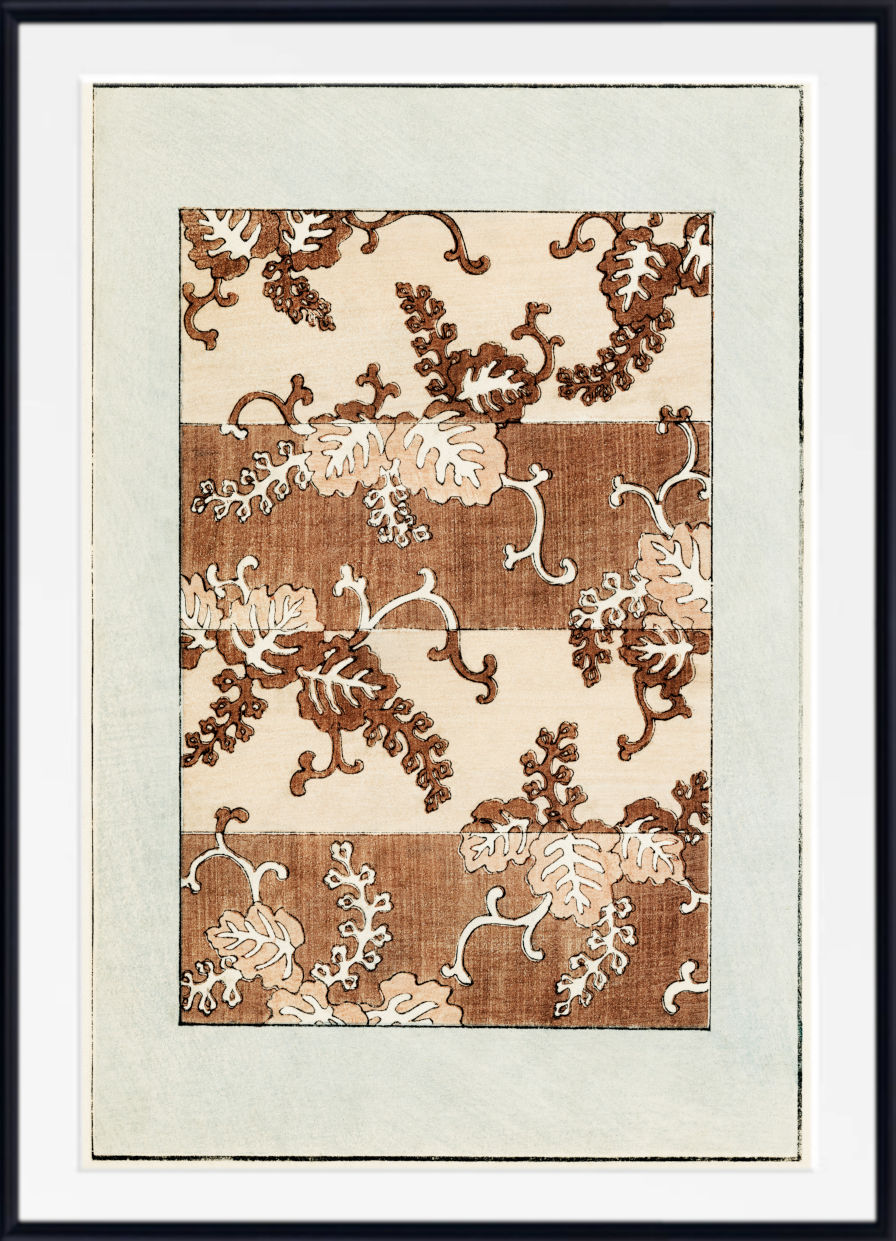
Shōtei's art works especially well in Japanese-inspired, Japandi, Scandinavian and minimalist interiors.
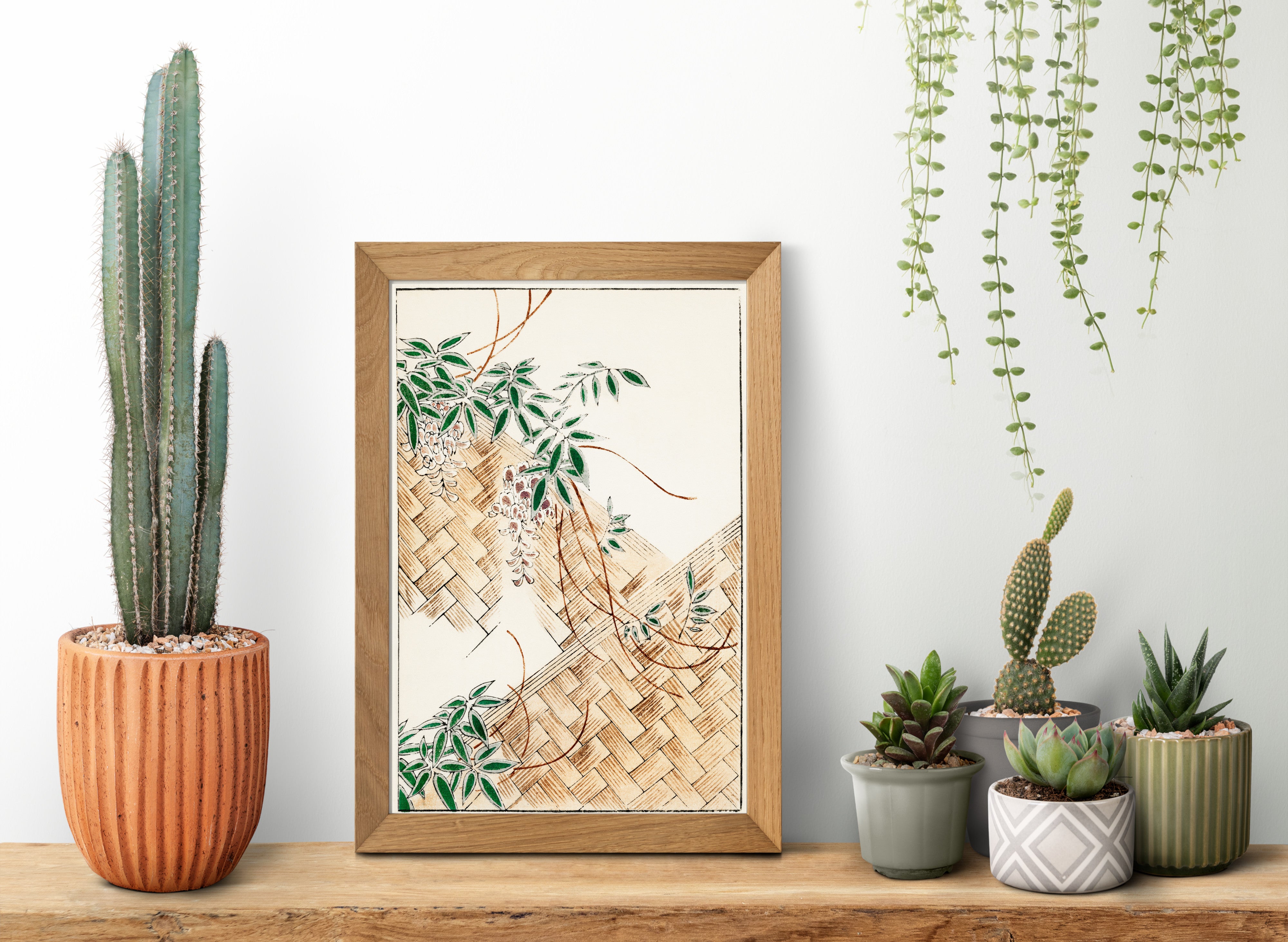
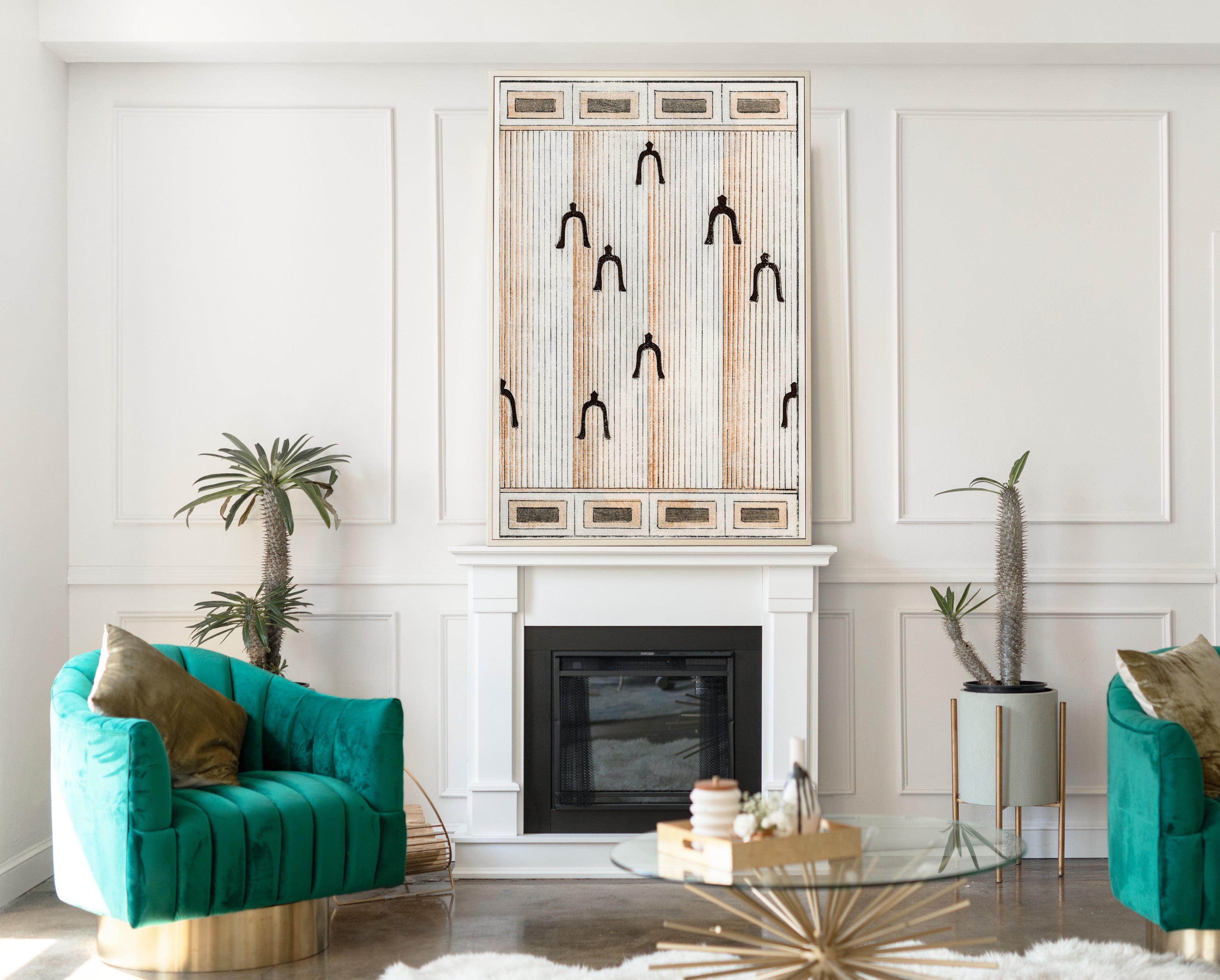
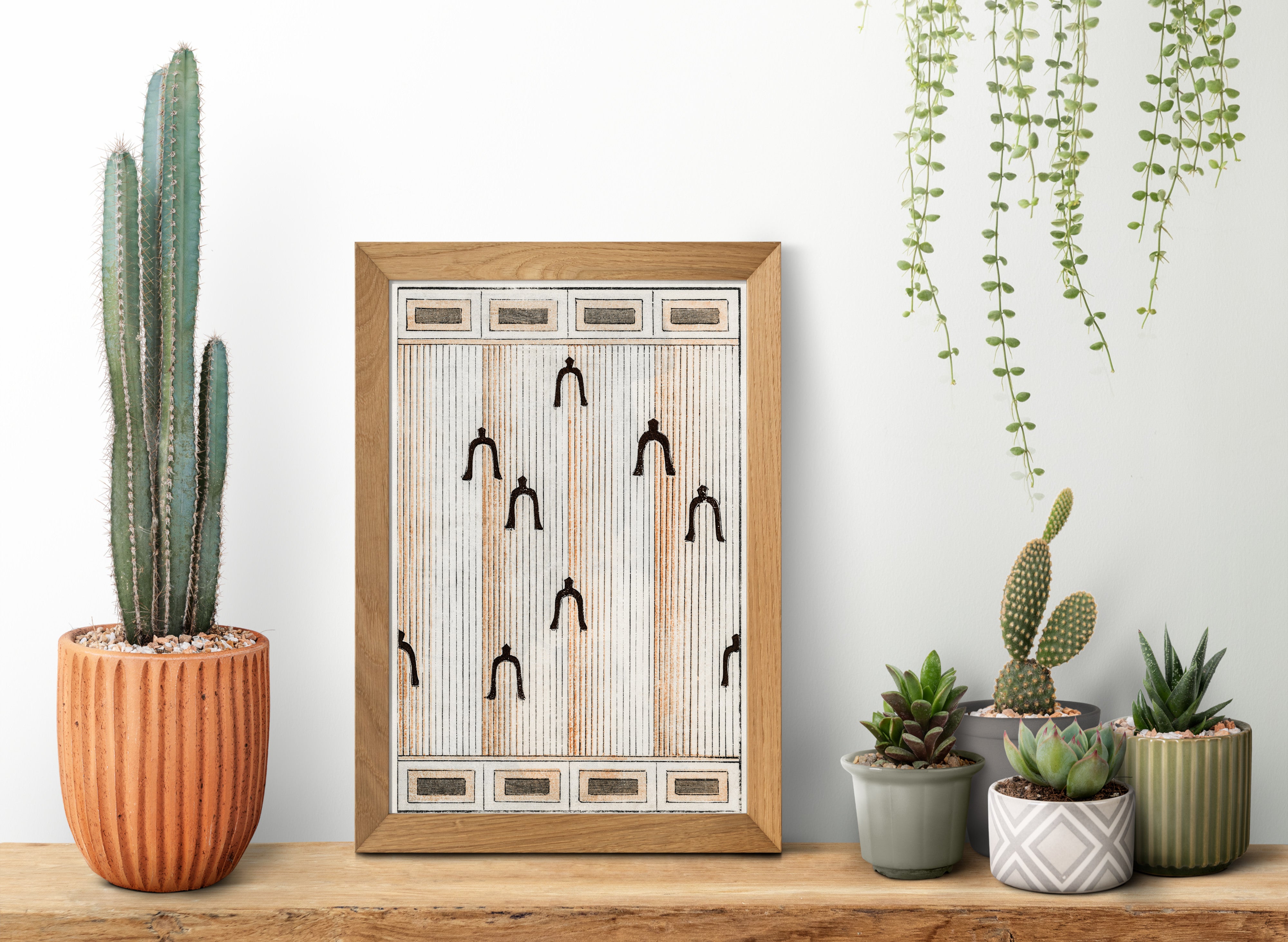
Natural subjects complement timber, linen, stone and other organic materials, while his limited palettes work comfortably with neutral wall colours such as cream, putty, stone, sage and soft grey.
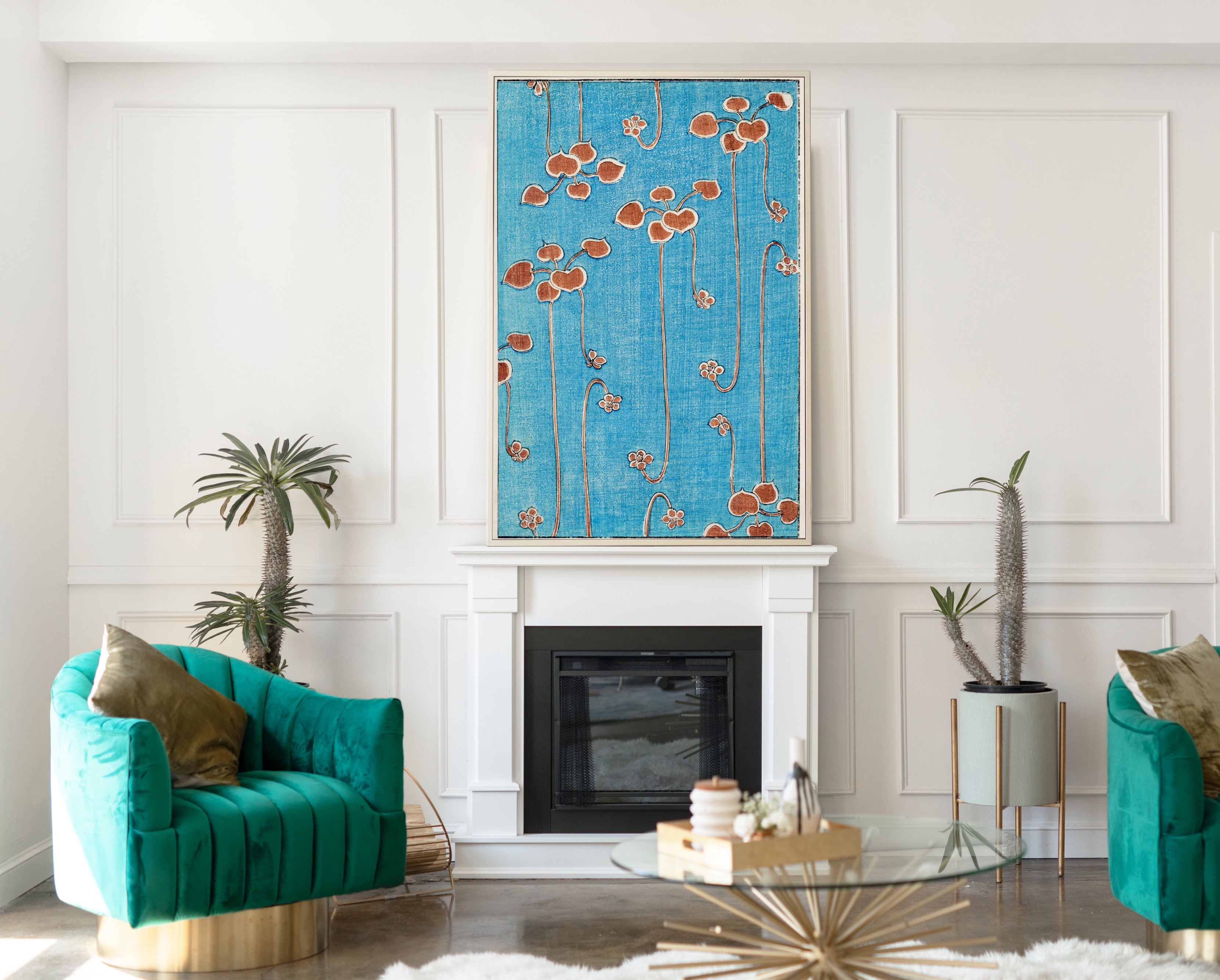
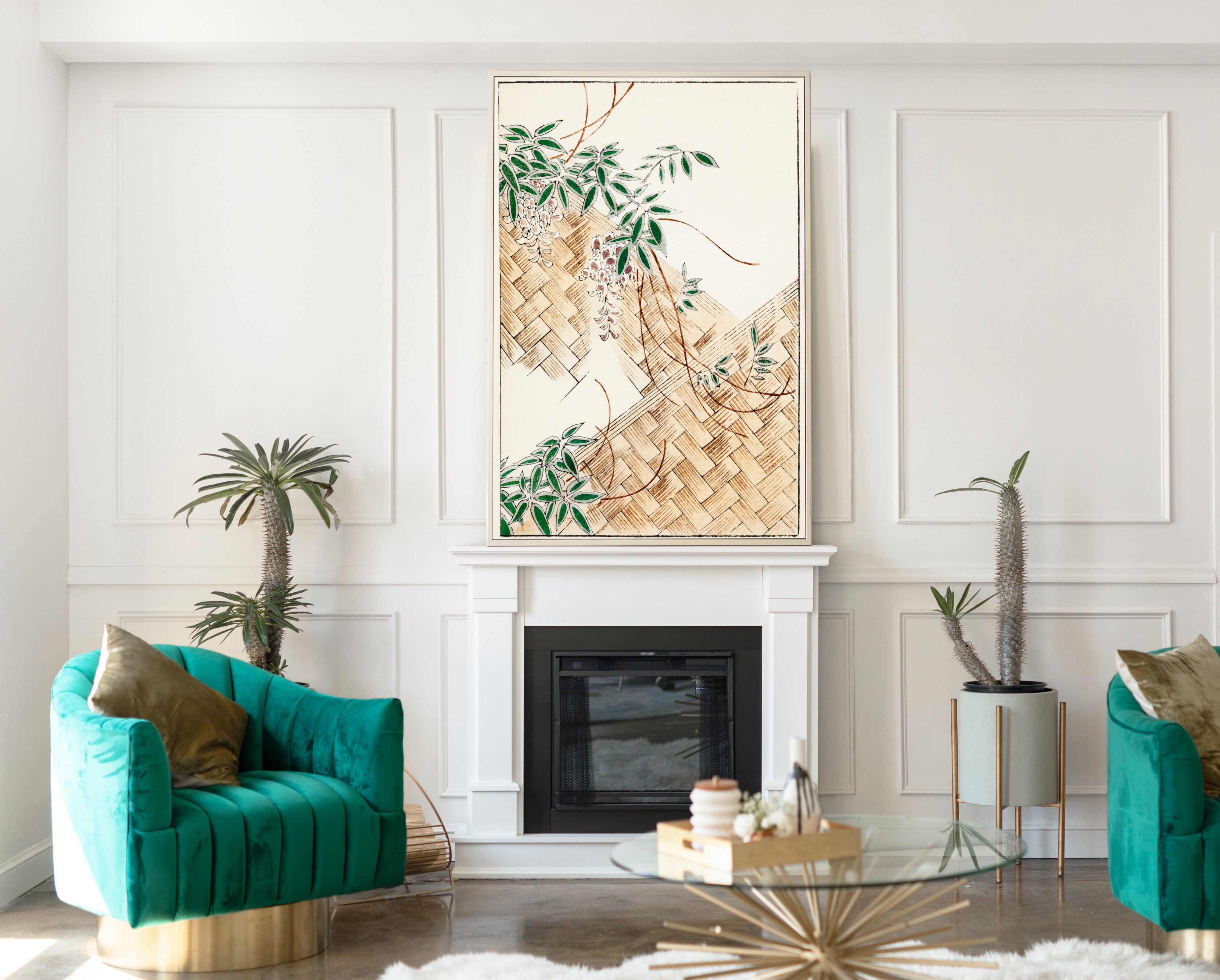
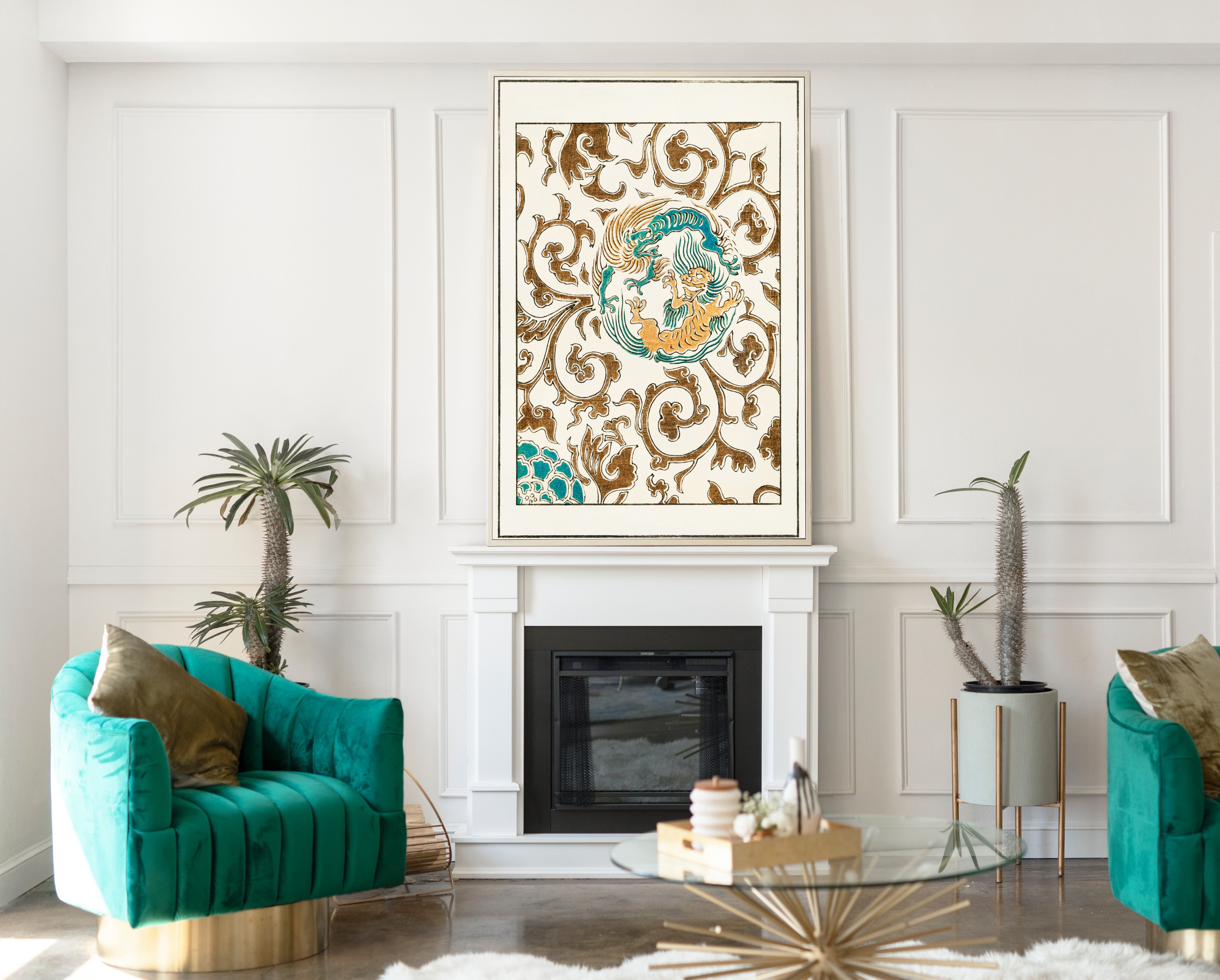
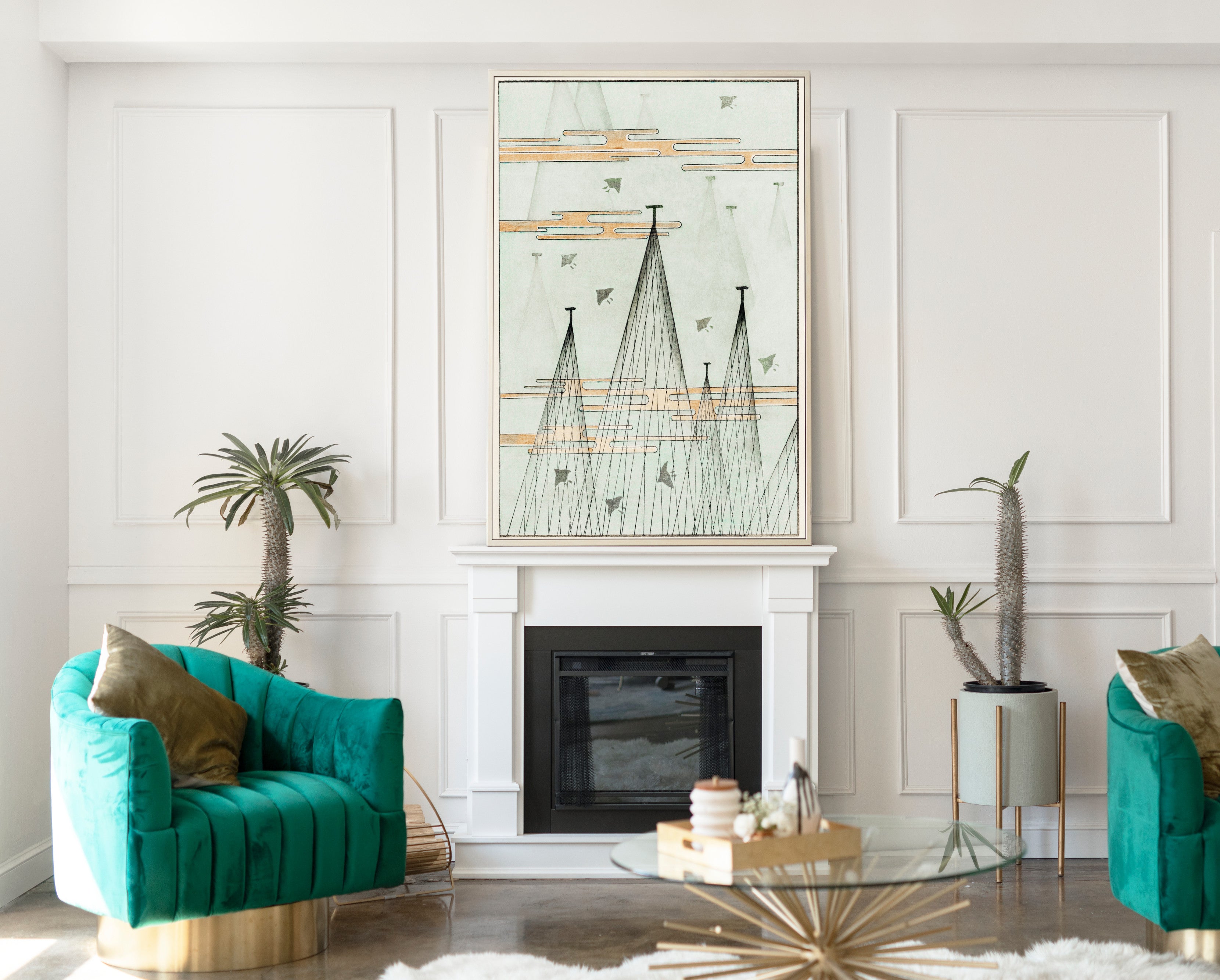
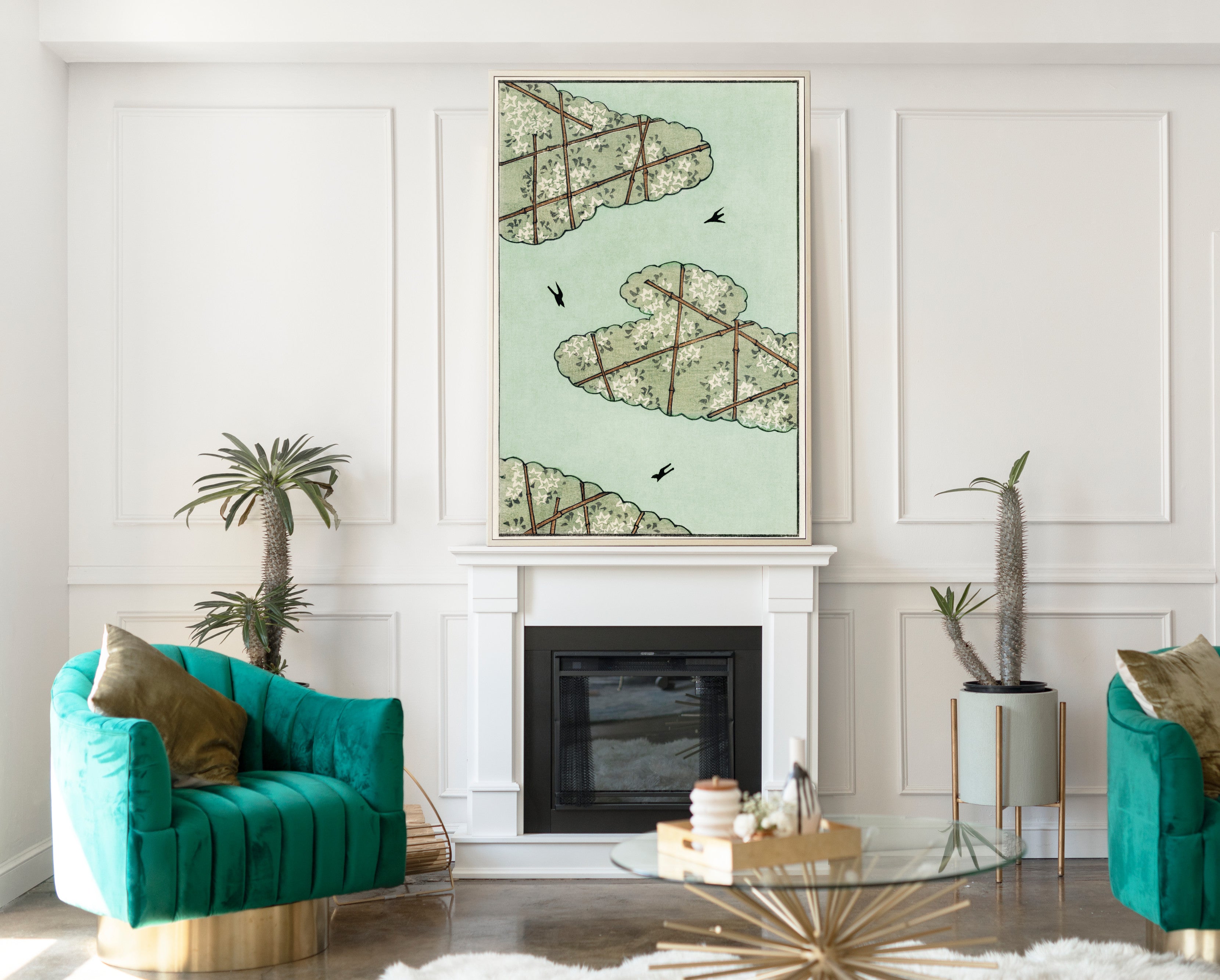
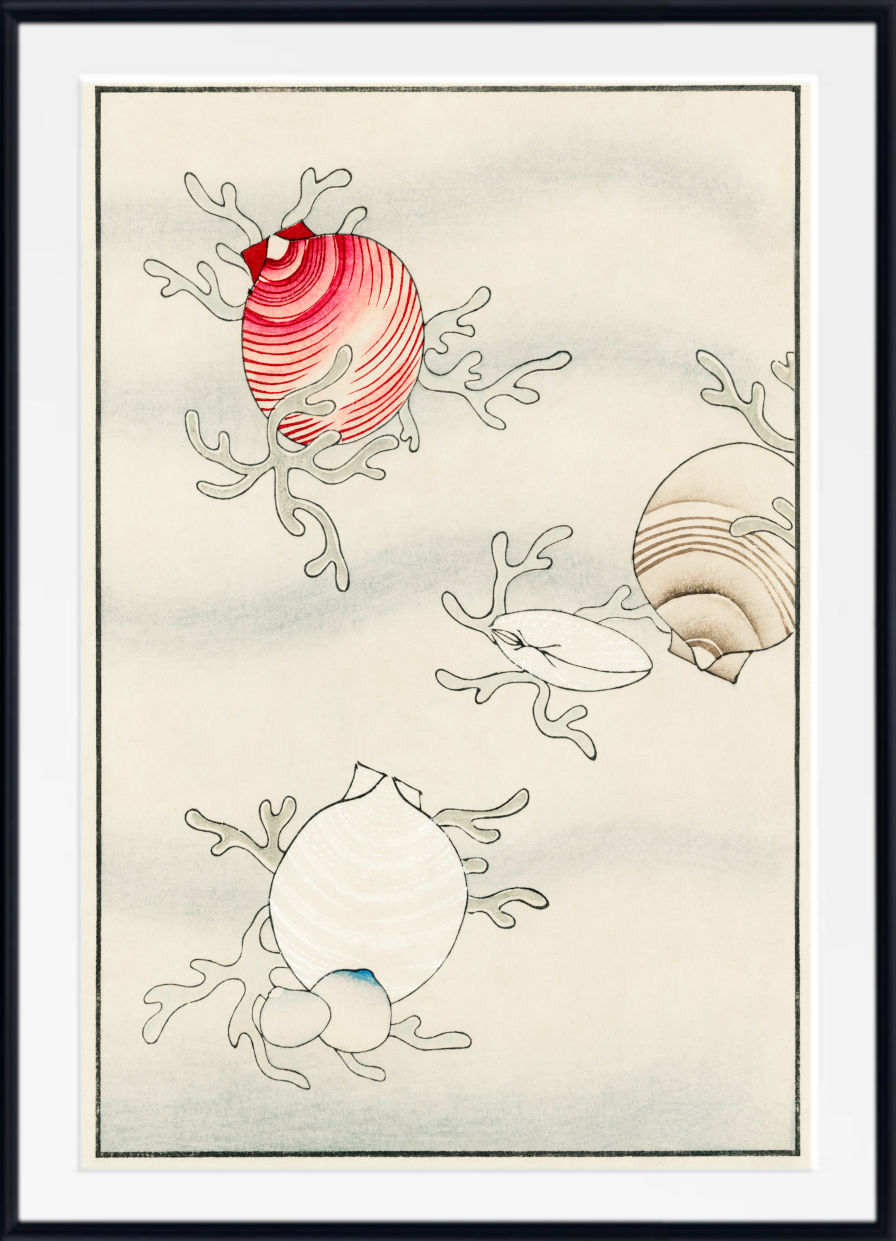
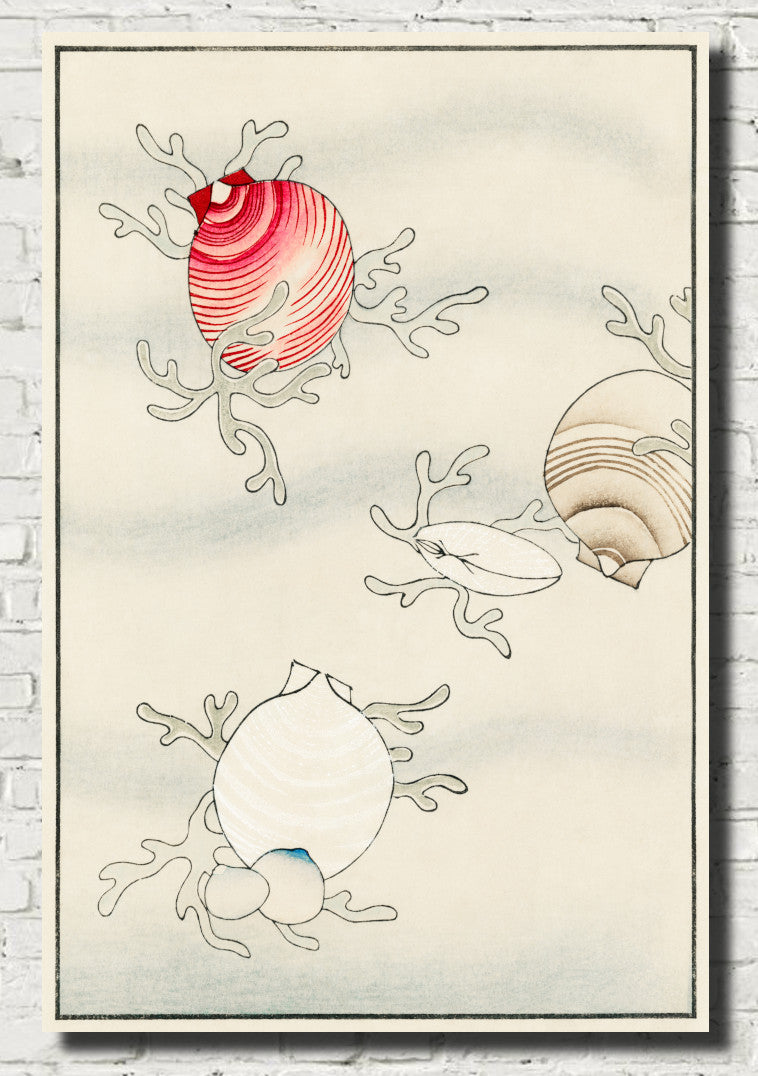
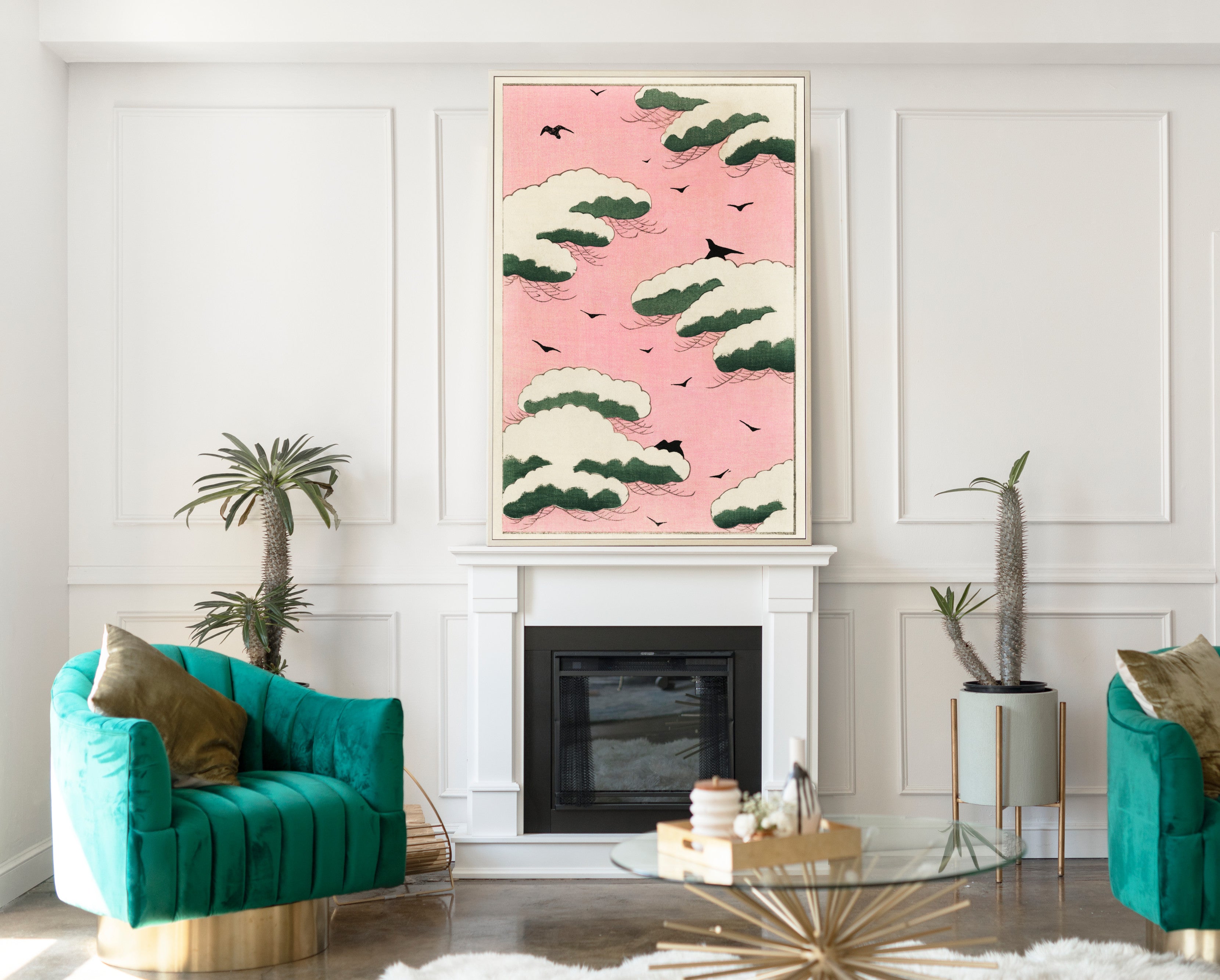
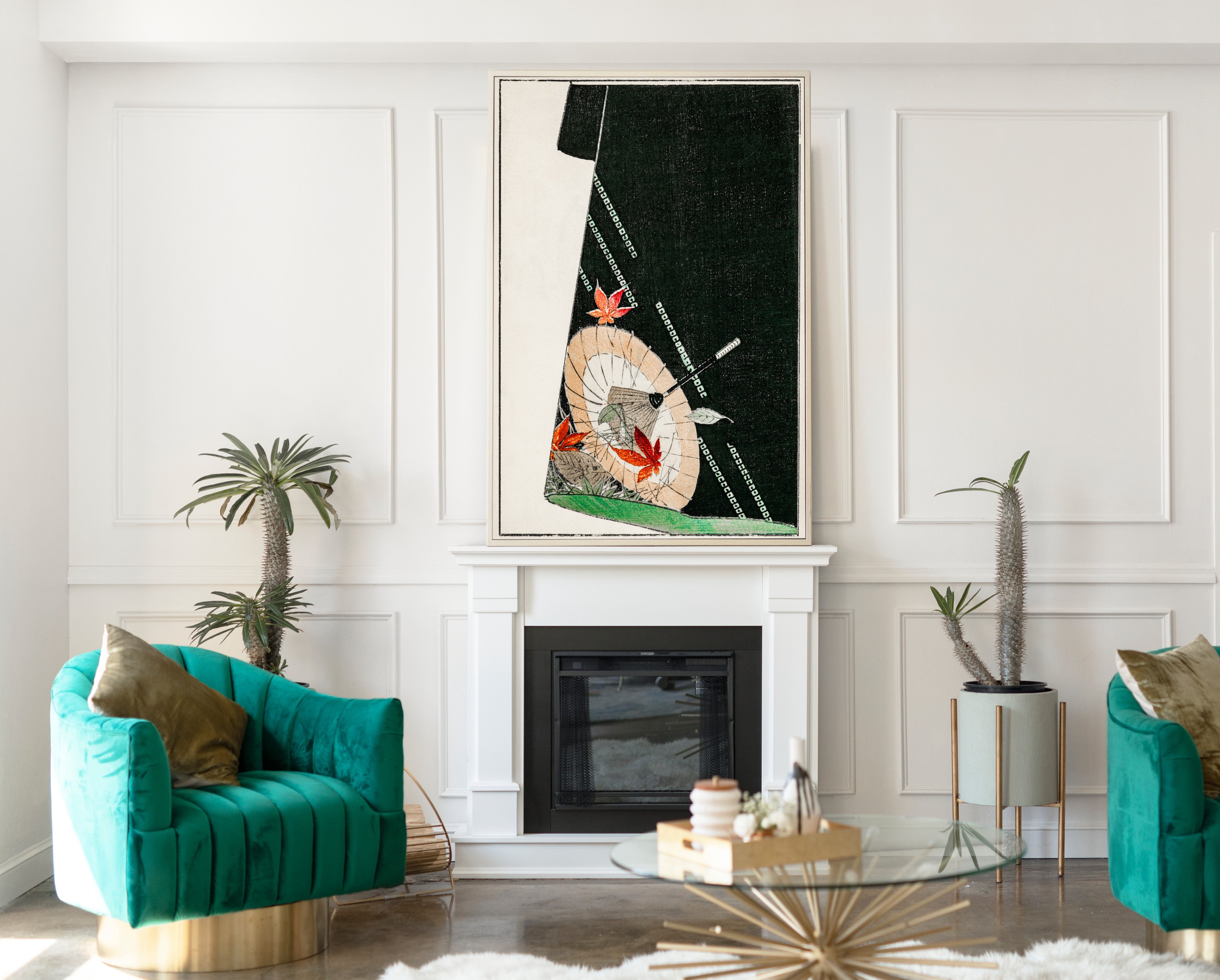
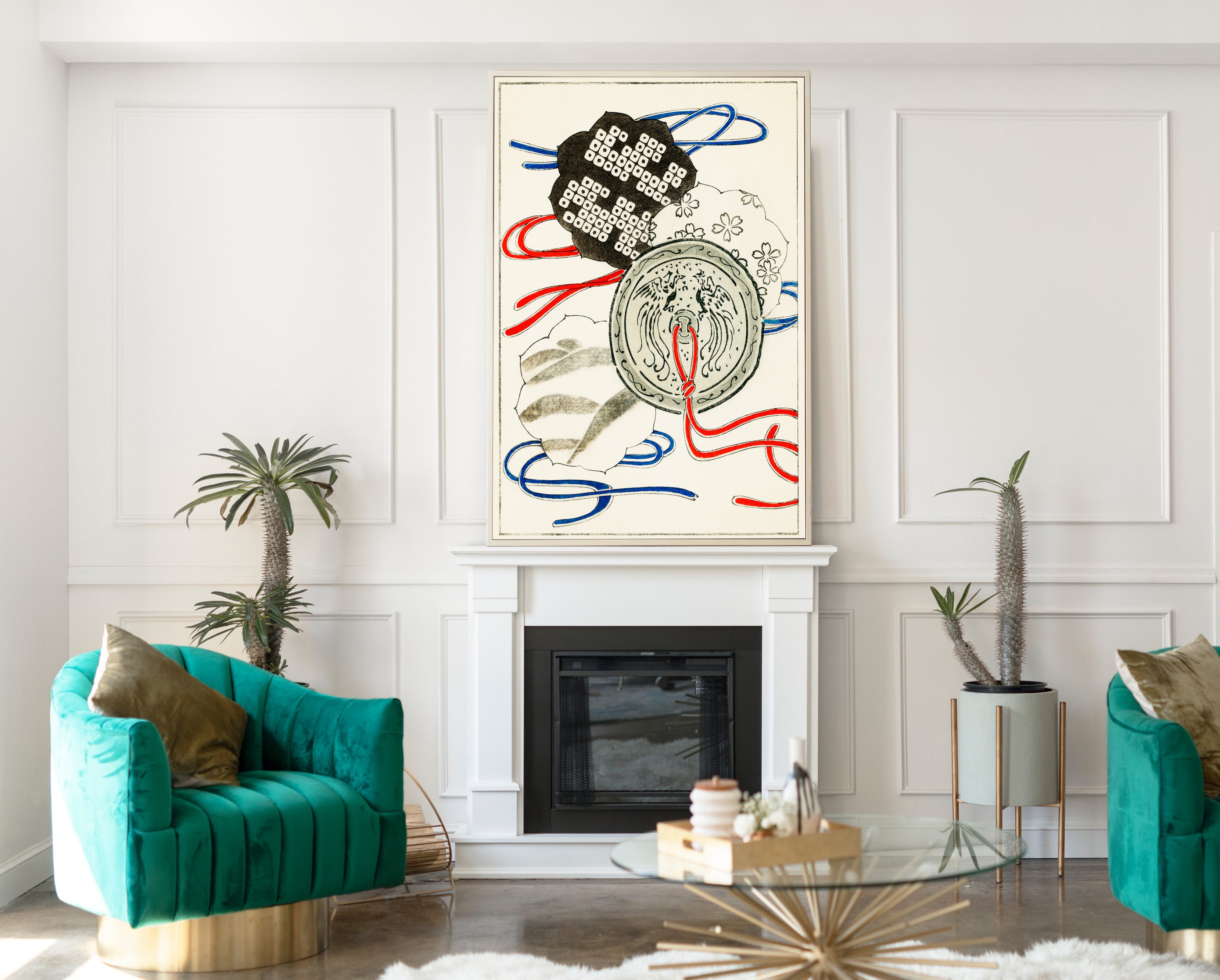
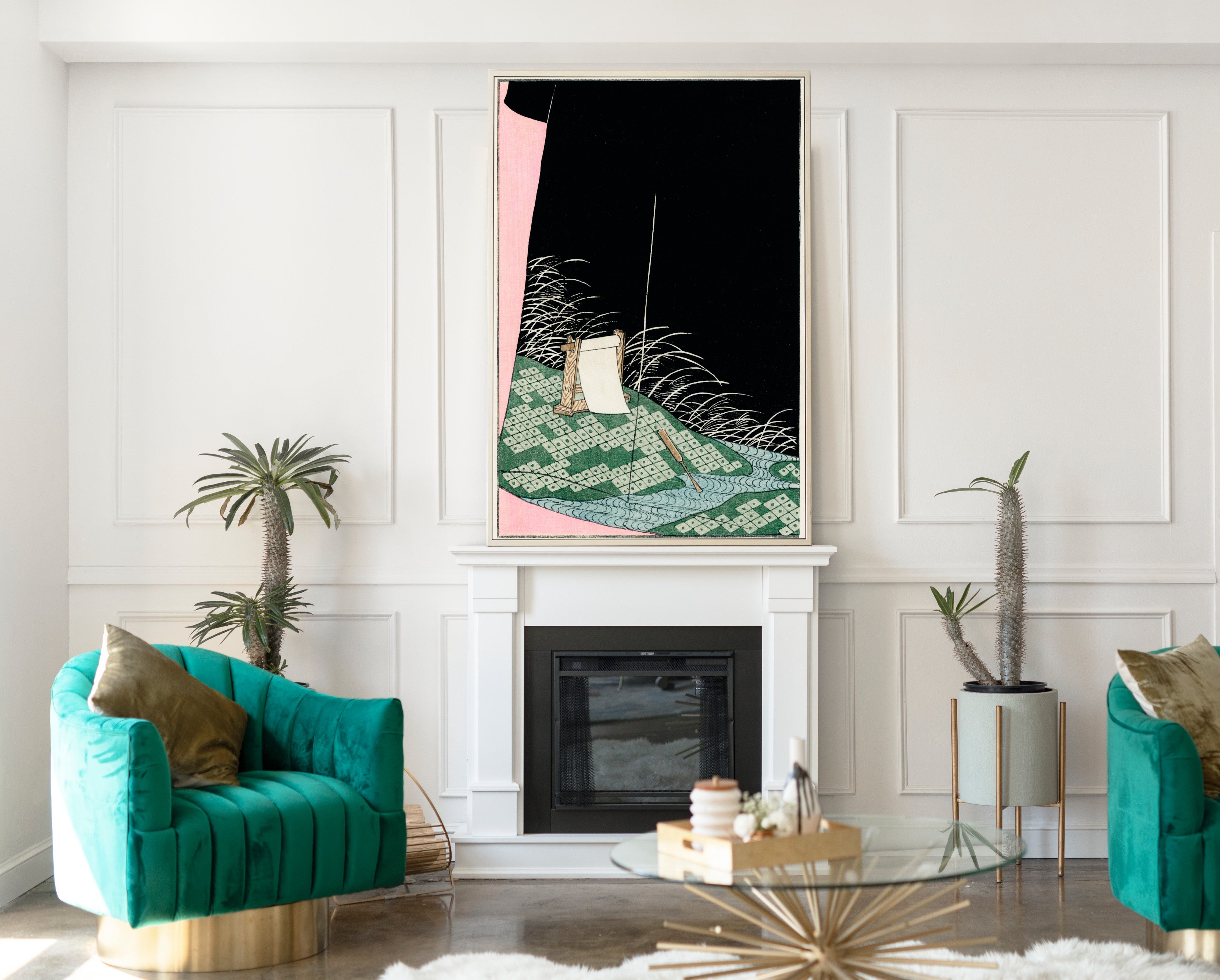
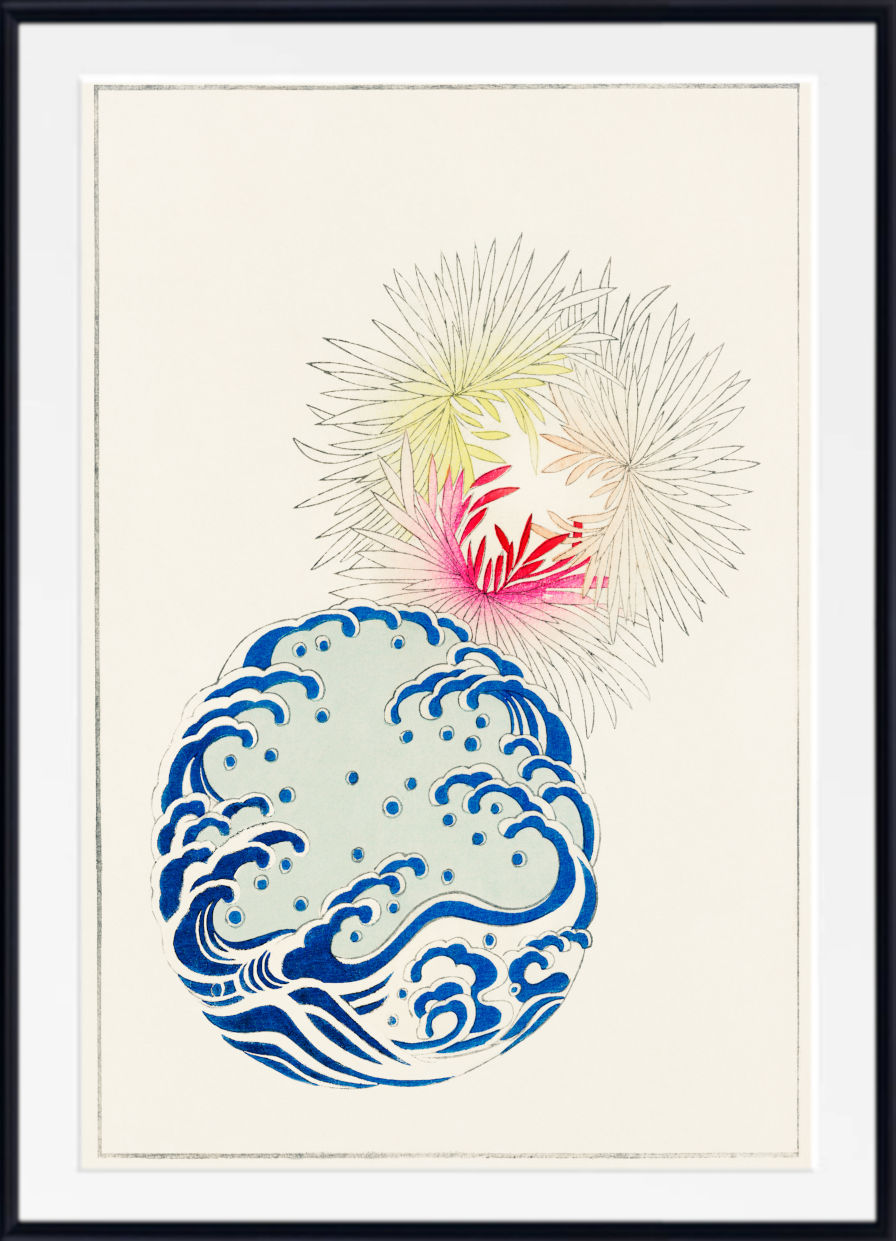
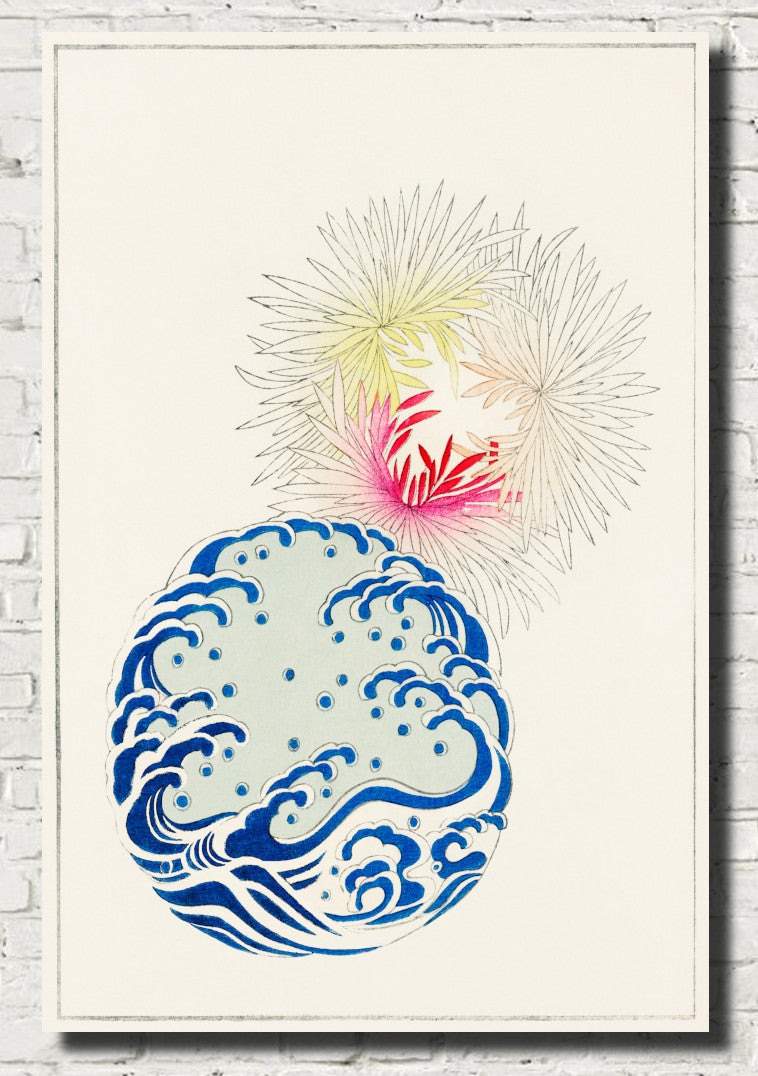
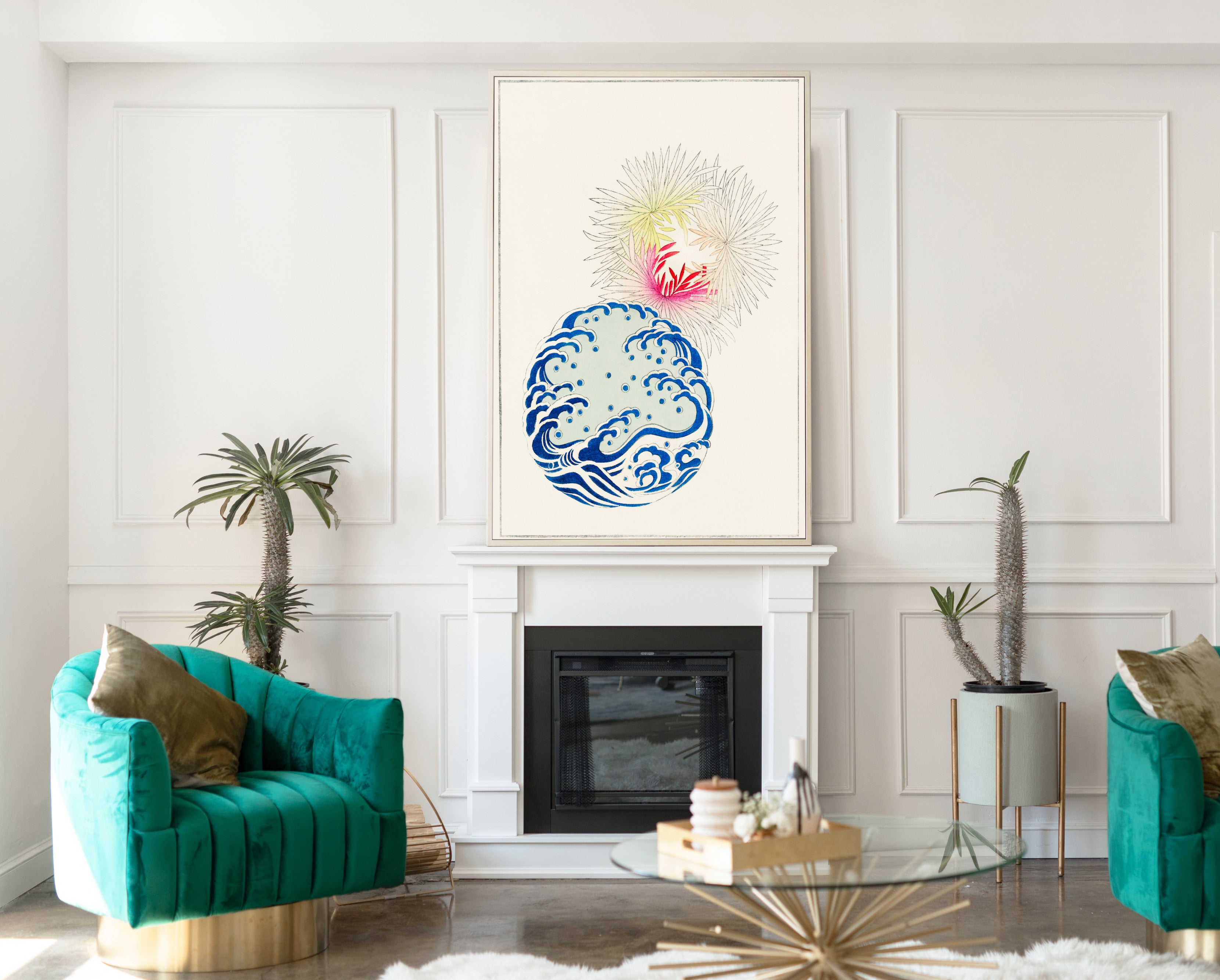
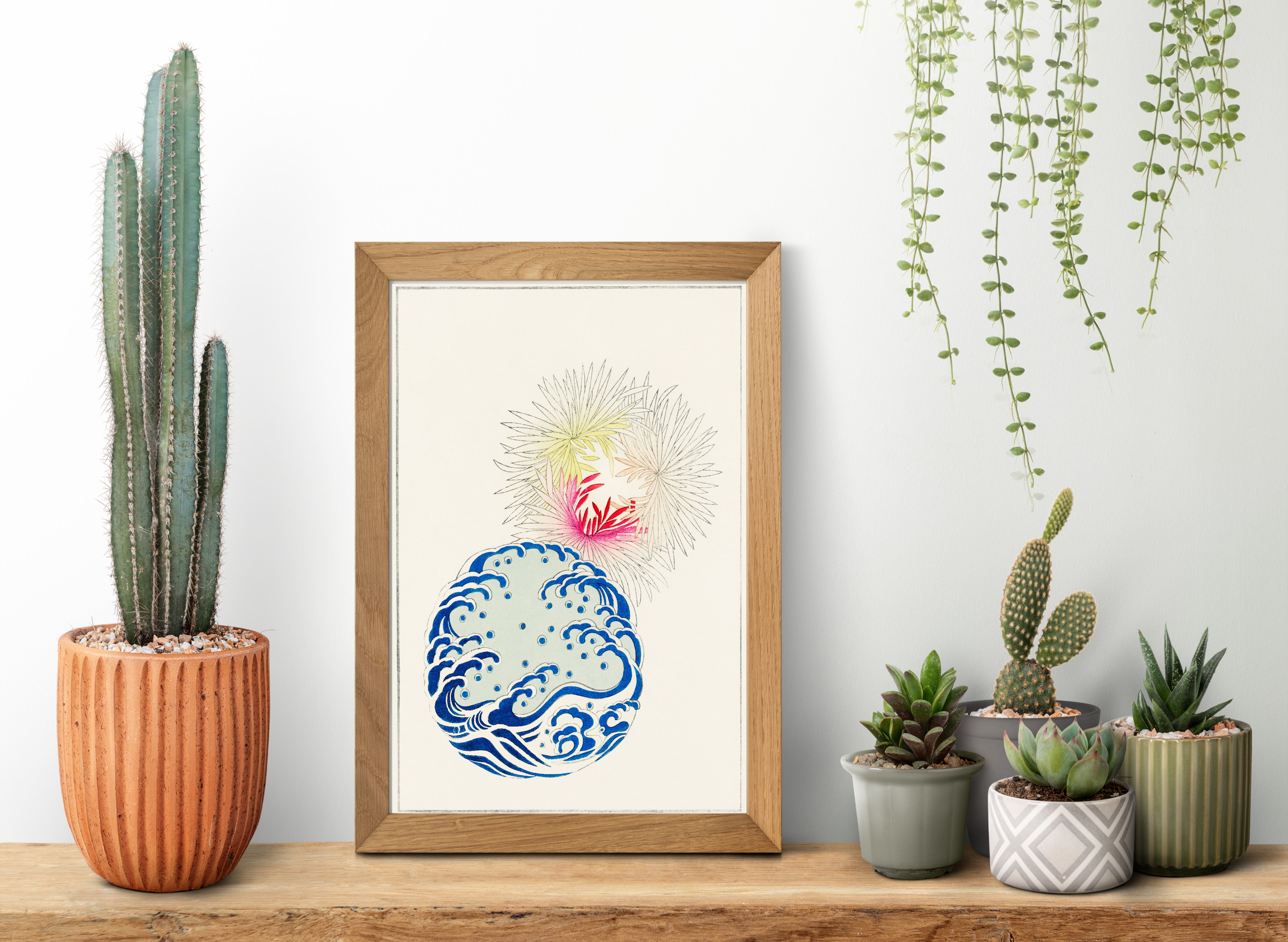
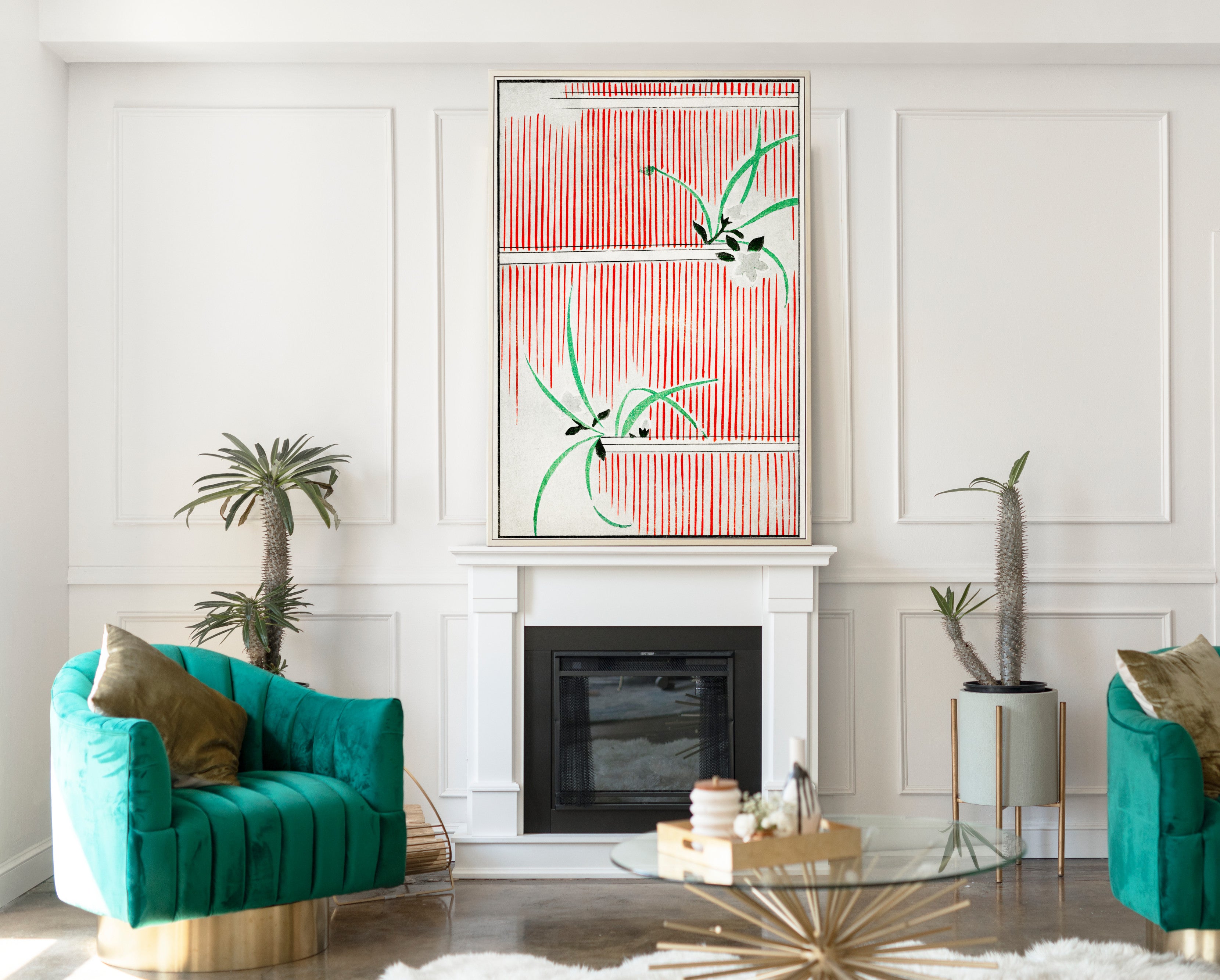
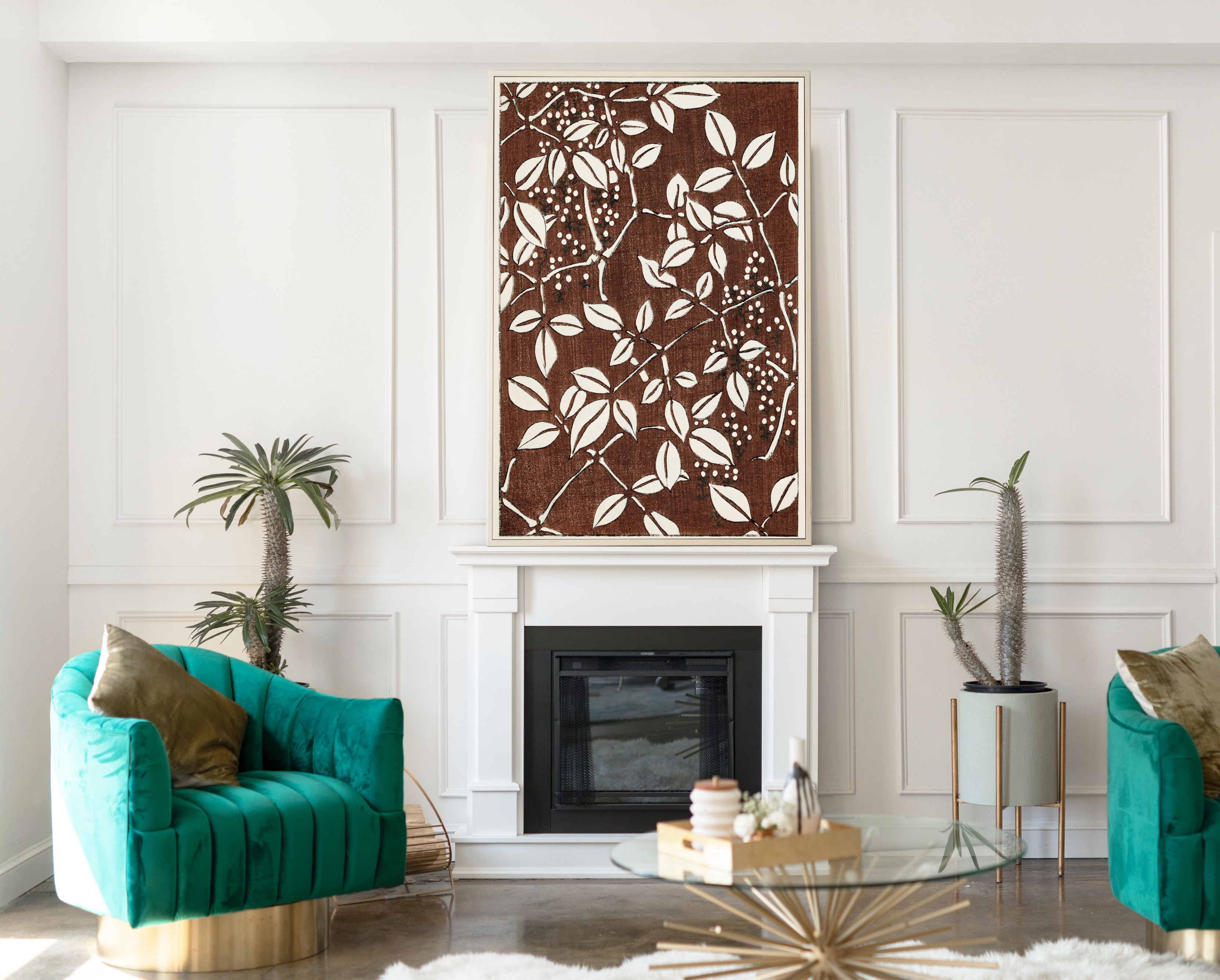
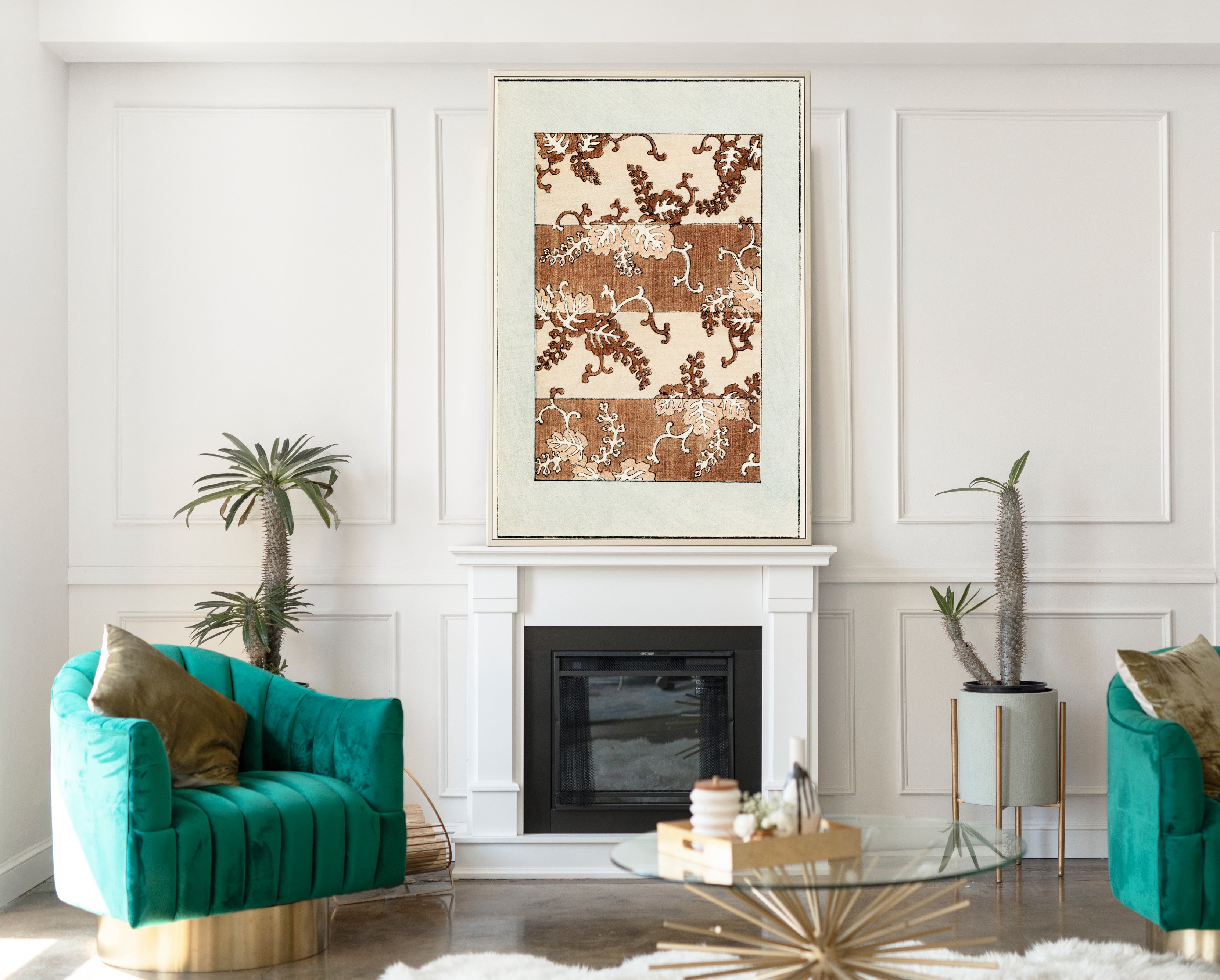
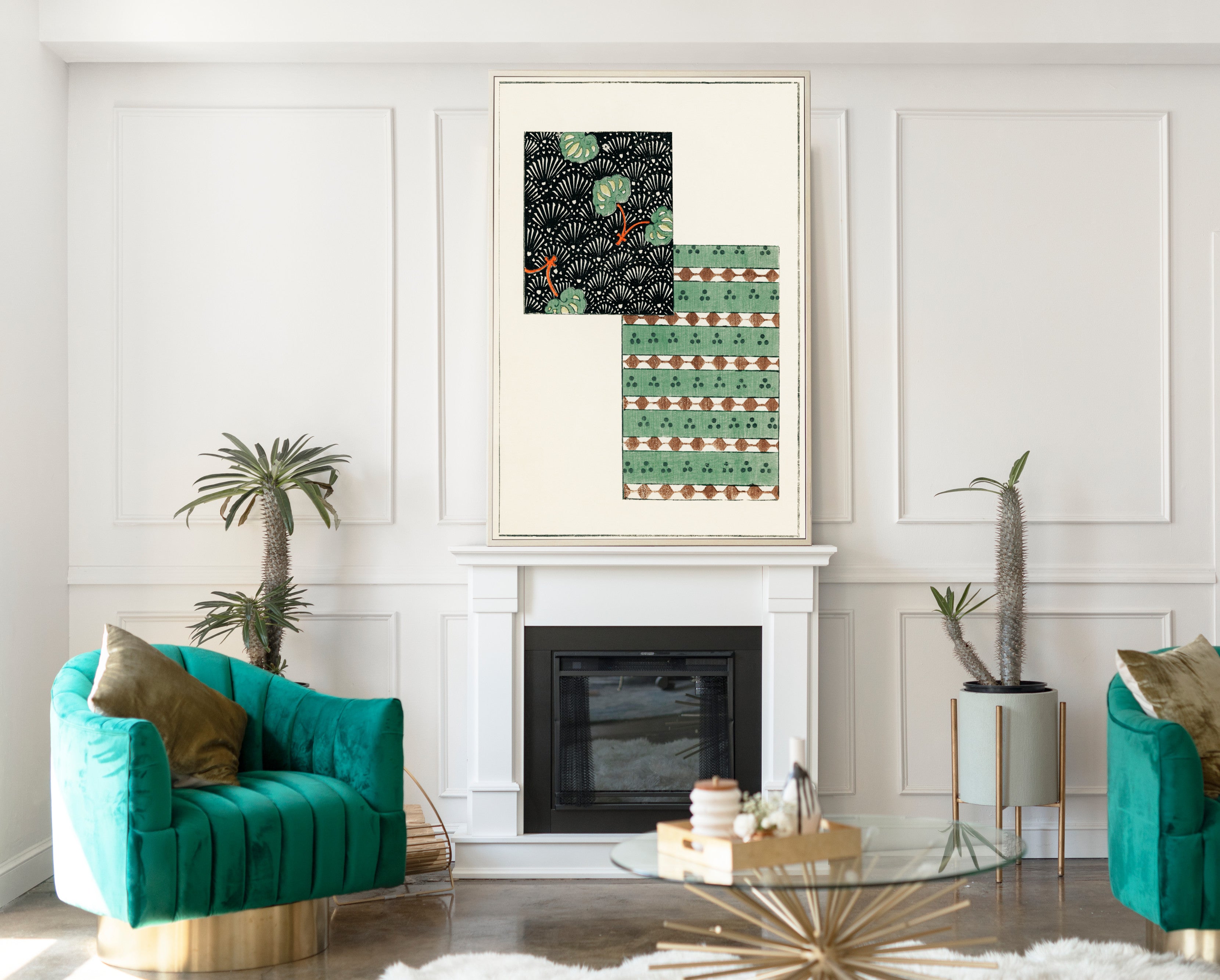
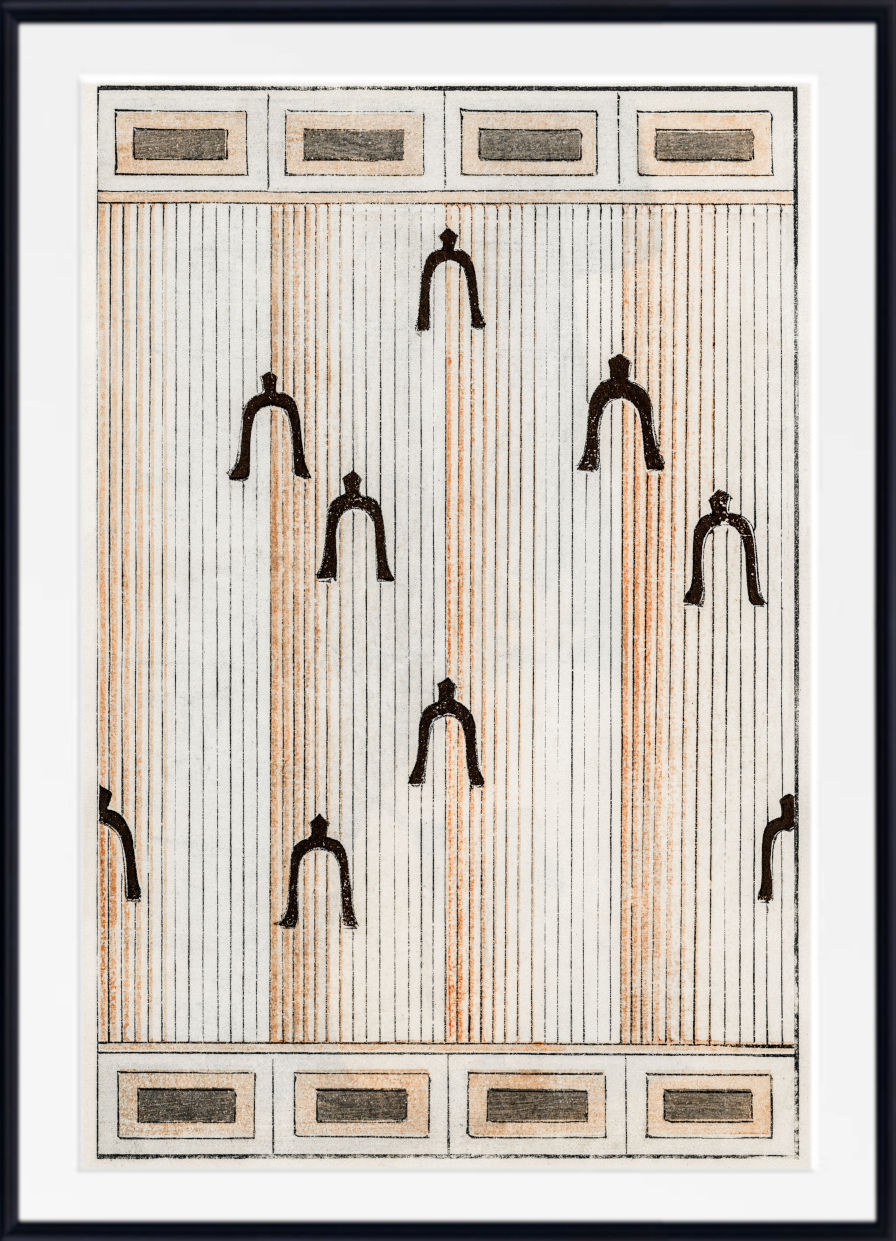
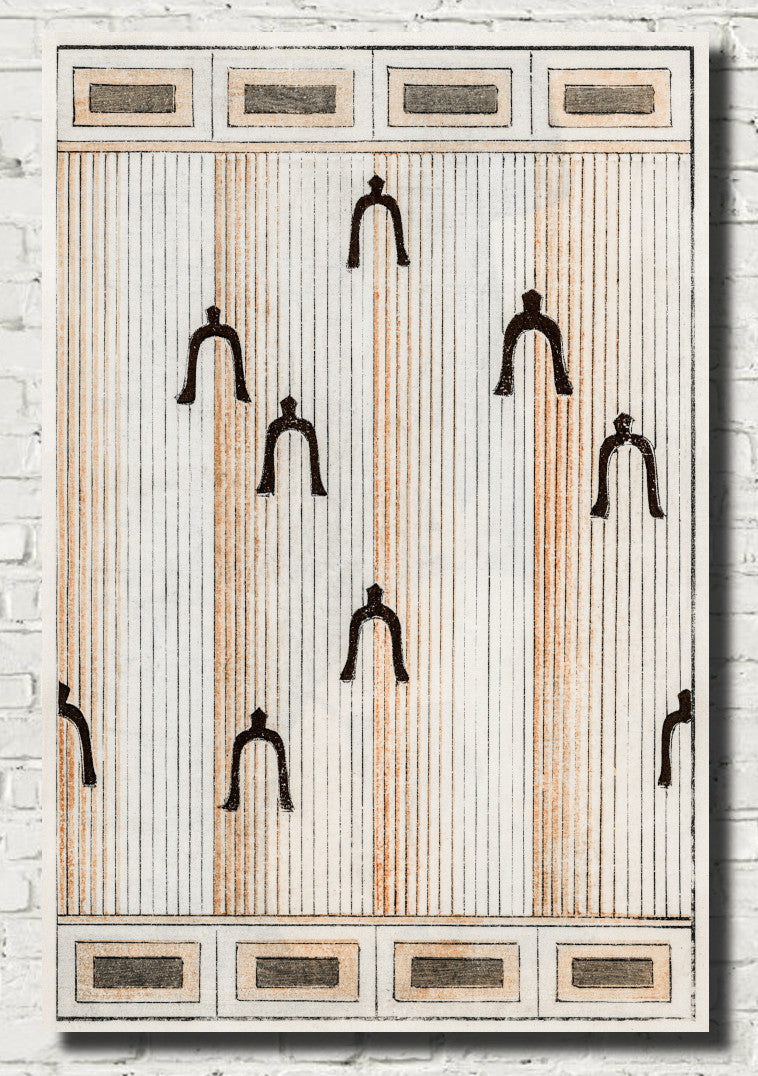
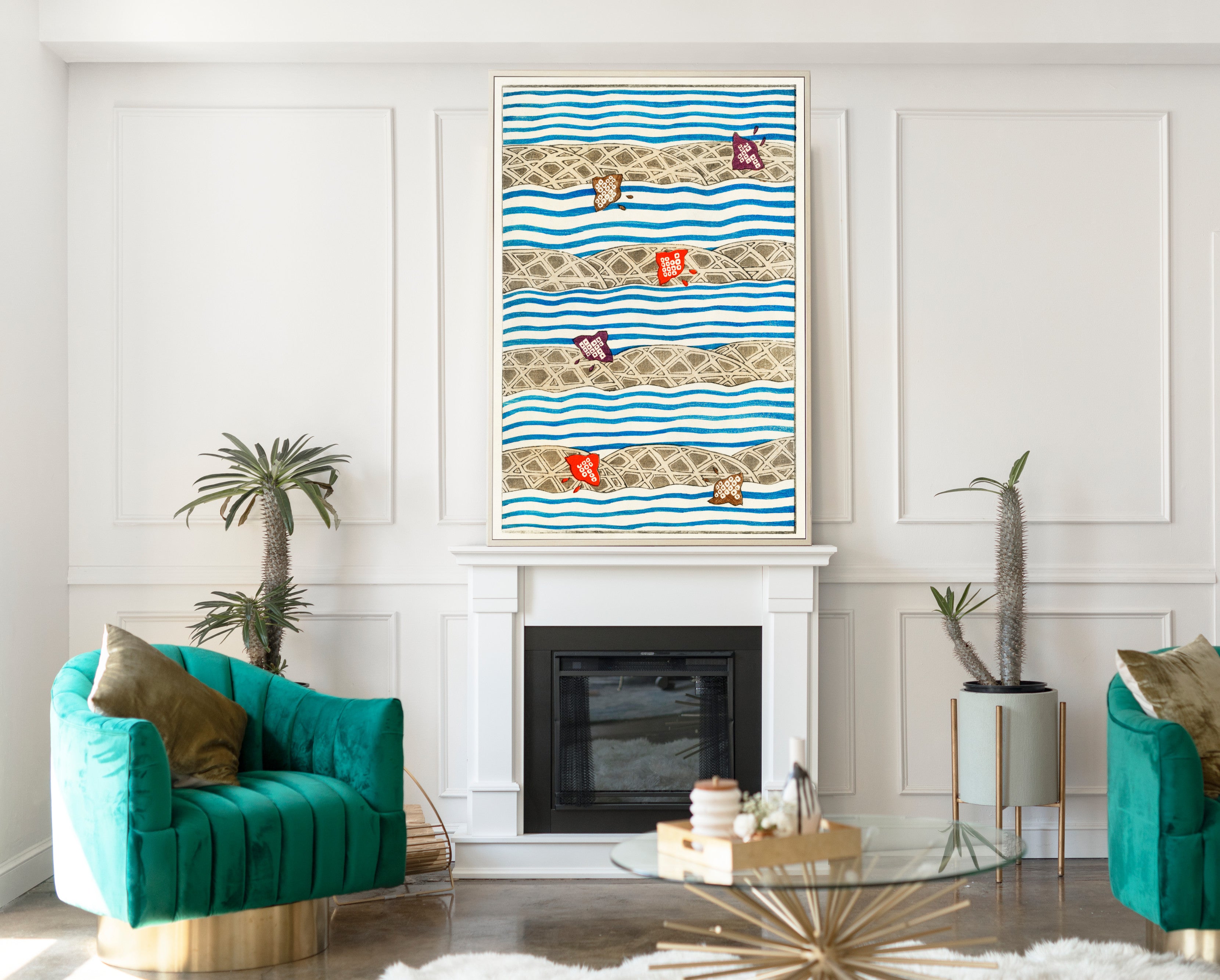
Vertical botanical and bird designs are particularly useful on narrow walls, beside fireplaces or above console tables.
More open moon and sky compositions can provide calm focal points in bedrooms and living rooms.
Floral works can also sit naturally within botanical interiors alongside other Botanical Prints.
Creating a Watanabe Shōtei Gallery Wall
Several Shōtei works can be grouped successfully because they share a consistent visual vocabulary.
For a nature-focused arrangement, combine flowers, birds and fish while varying the dominant colours and shapes.
A softer group might bring together Wisteria, Full Moon and pale botanical studies.
For greater movement, add Skyscape with Birds Flying or an aquatic composition such as Gold Fish.
The key is not to choose images that are identical, but to allow repeated qualities such as negative space, natural subjects and restrained colour to create visual unity.
Fine Art Prints, Framed Prints and Canvas Panels
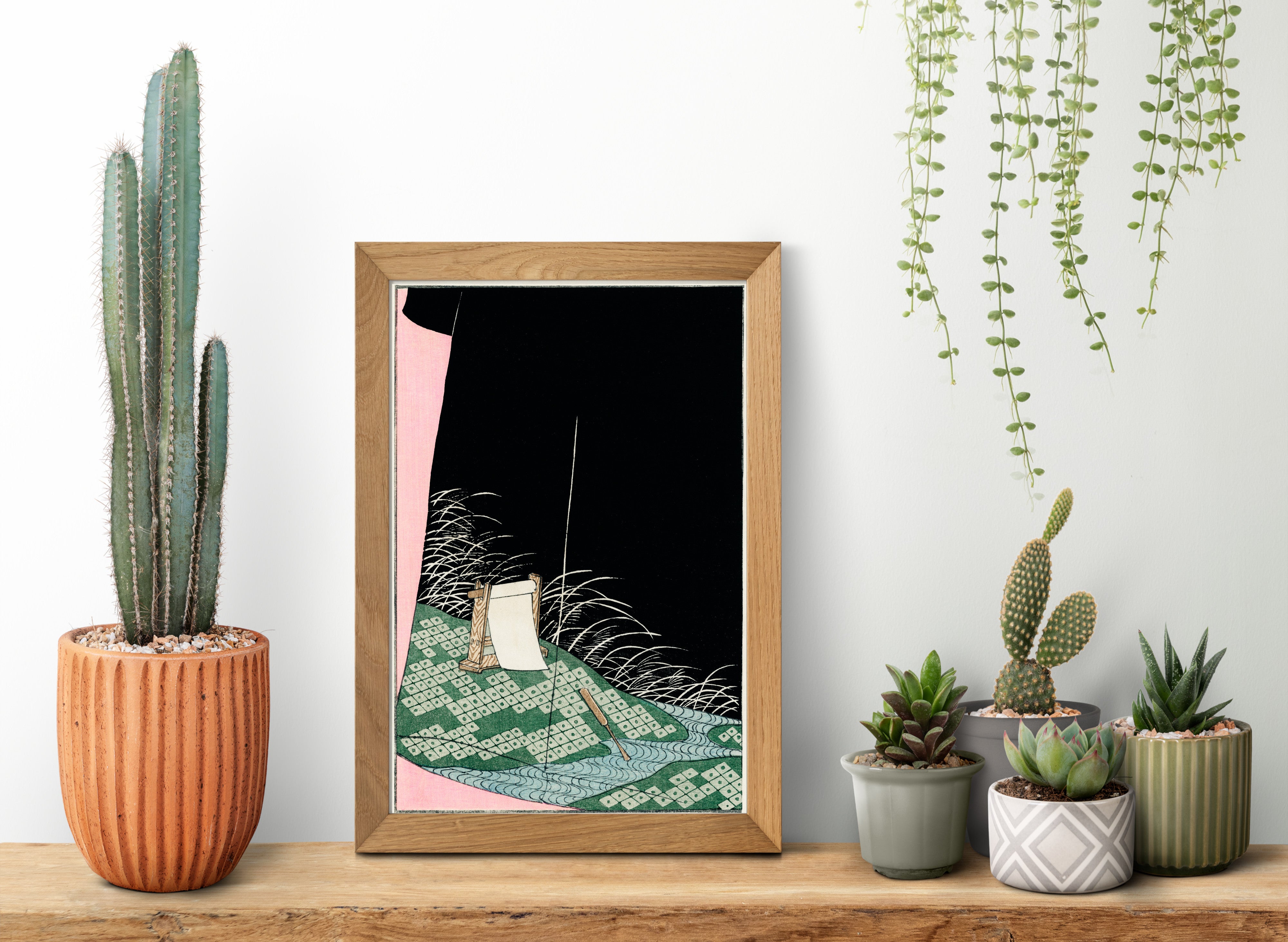
GalleryThane's Watanabe Shōtei artworks are available as gallery-quality fine art prints, framed prints and canvas panels depending on the individual design.
Fine art paper prints offer flexibility for customers who already have a preferred framing style, while framed versions provide a finished presentation for the wall.
Canvas panels offer a cleaner contemporary alternative for selected designs.
GalleryThane prints and frames are produced in our Nottinghamshire workshop using carefully selected fine art papers, pigment inks and framing materials.
Frequently Asked Questions
Who was Watanabe Shōtei?
Watanabe Shōtei, also known as Watanabe Seitei, was a Japanese painter and print artist particularly celebrated for bird-and-flower imagery during the Meiji period.
What is Watanabe Shōtei famous for?
He is best known for refined Japanese images of birds, flowers, fish and other natural subjects, combining close observation with delicate colour and economical composition.
Are Watanabe Shōtei and Watanabe Seitei the same artist?
Yes. Shōtei and Seitei are alternative romanisations used for the same Japanese artist.
What is kachō-ga?
Kachō-ga is the Japanese tradition of depicting birds, flowers and other elements of the natural world.
Did Watanabe Shōtei visit Europe?
Yes. He travelled to France for the 1878 Paris International Exhibition and received a bronze medal.
Was Shōtei influenced by Western art?
Yes. His exposure to European painting contributed to the naturalistic qualities of his work, although he continued to work within distinctly Japanese artistic traditions.
Did Watanabe Shōtei only paint birds?
No. Although bird-and-flower subjects are central to his reputation, his work also includes fish, plants, decorative patterns, landscapes and other natural imagery.
What are good Watanabe Shōtei prints for a gallery wall?
Wisteria, Full Moon, Skyscape with Birds Flying and Gold Fish provide a balanced combination of botanical, atmospheric, bird and aquatic subjects.
What interiors suit Watanabe Shōtei prints?
His restrained colours and spacious compositions work especially well in Japanese-inspired, Japandi, Scandinavian, botanical, minimalist and contemporary interiors.
Are Watanabe Shōtei prints available framed?
GalleryThane offers Shōtei artworks as fine art prints, with framed and canvas options available across selected designs.