


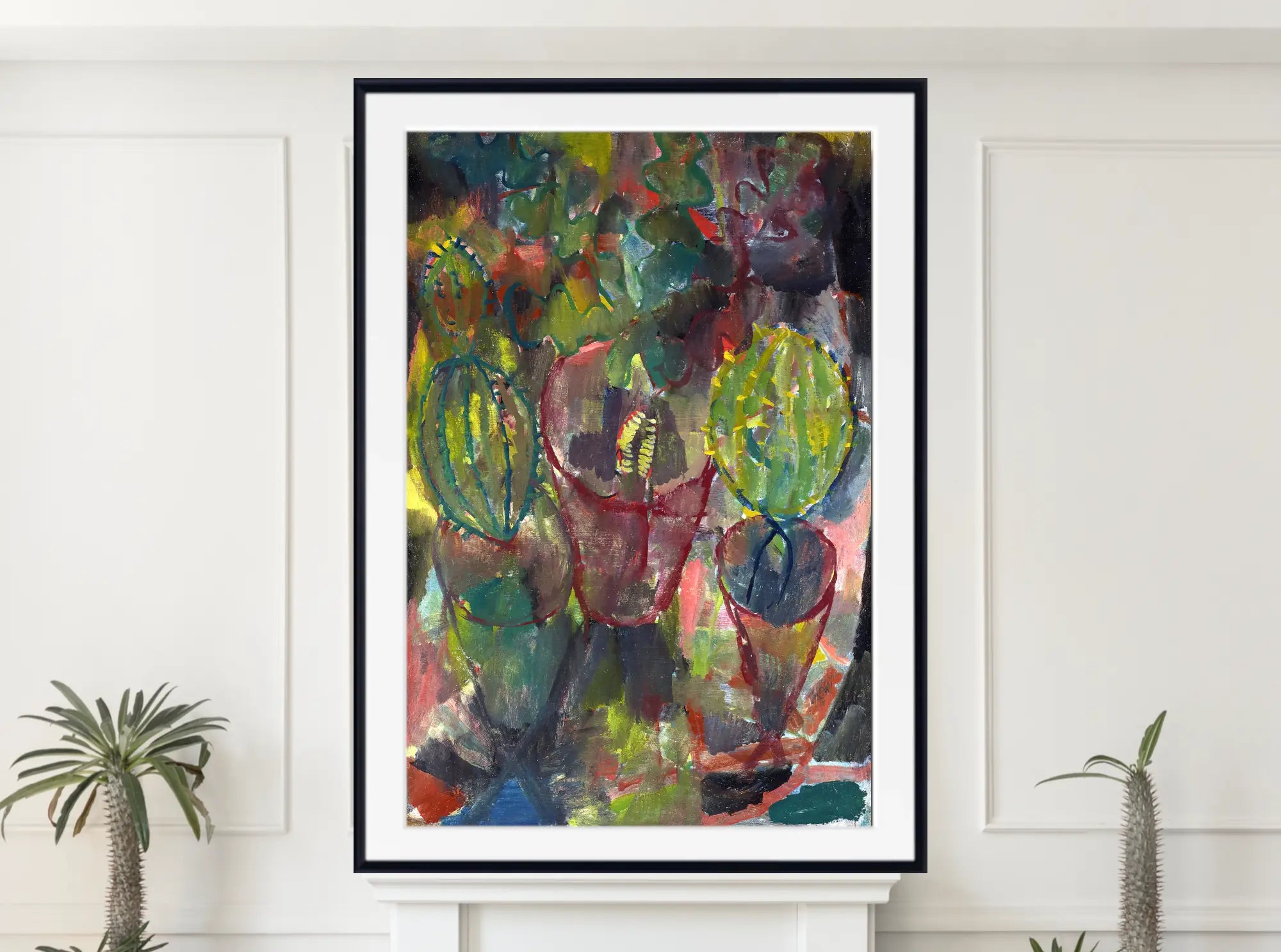
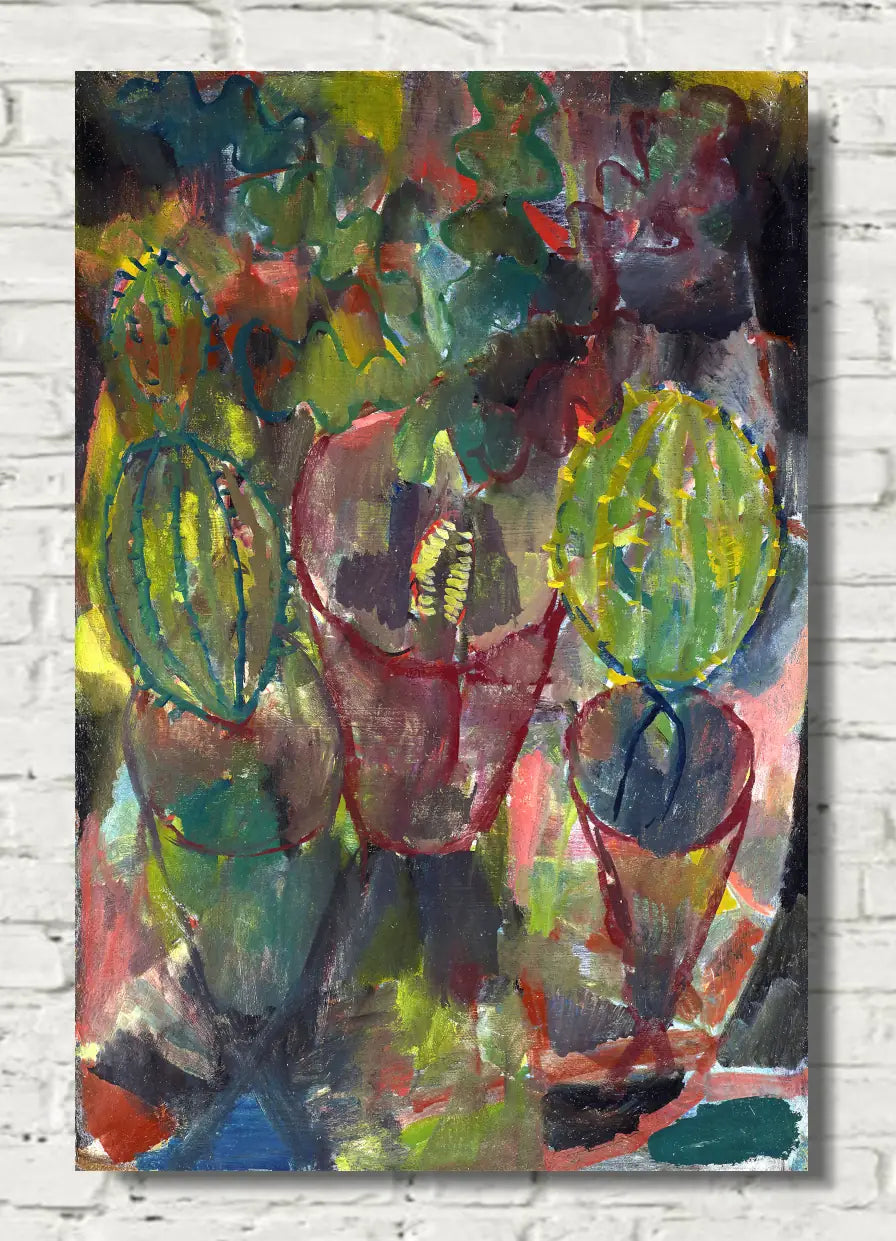
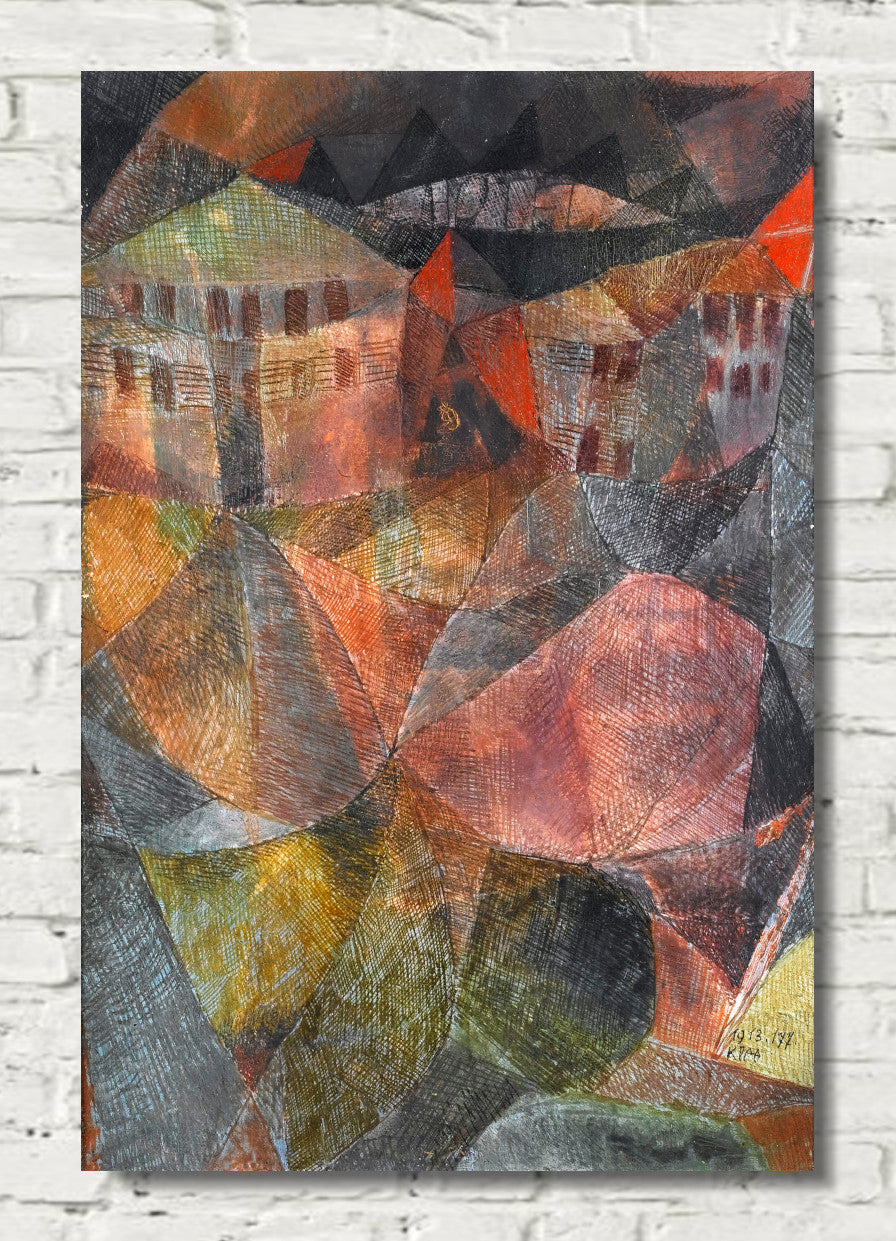
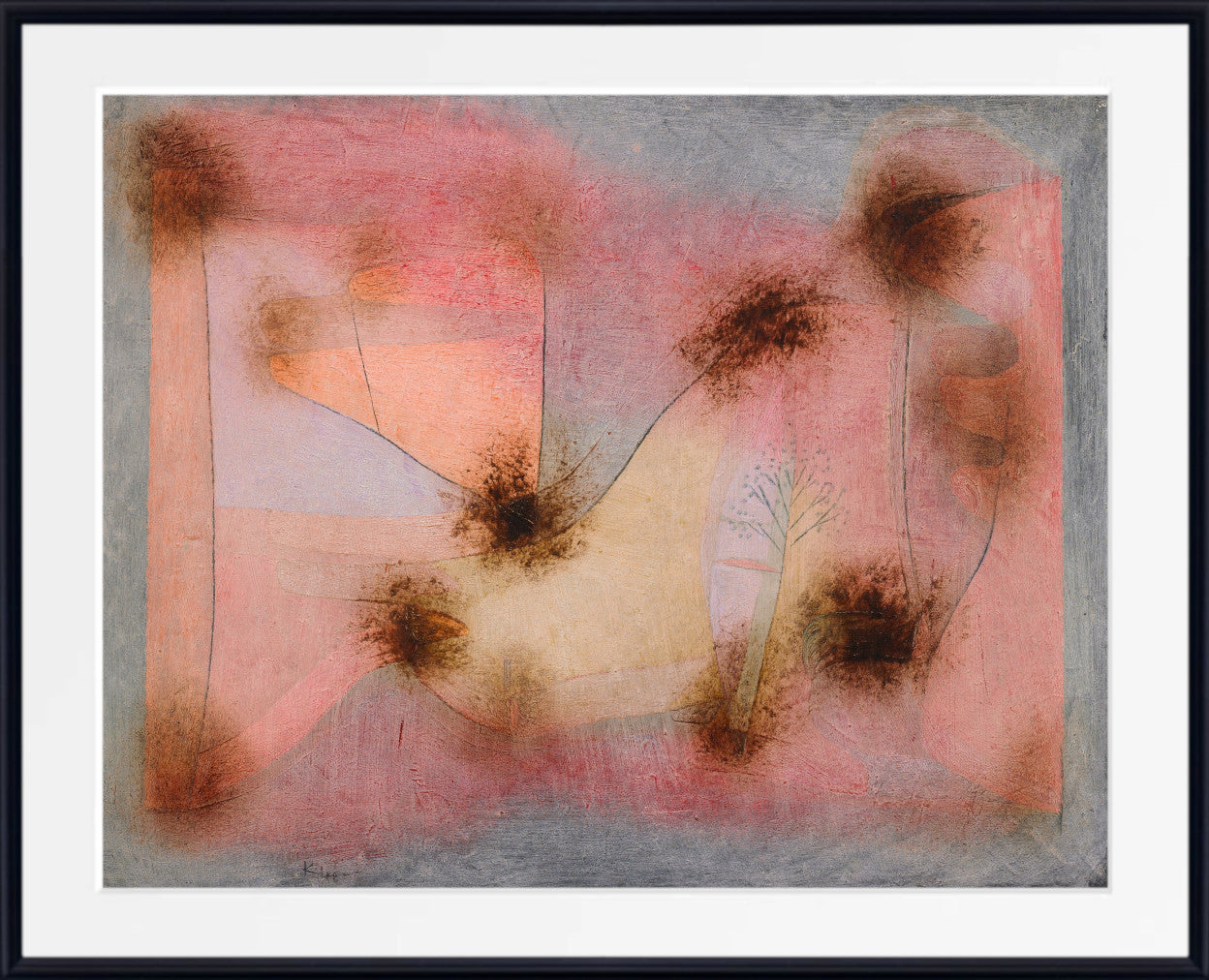
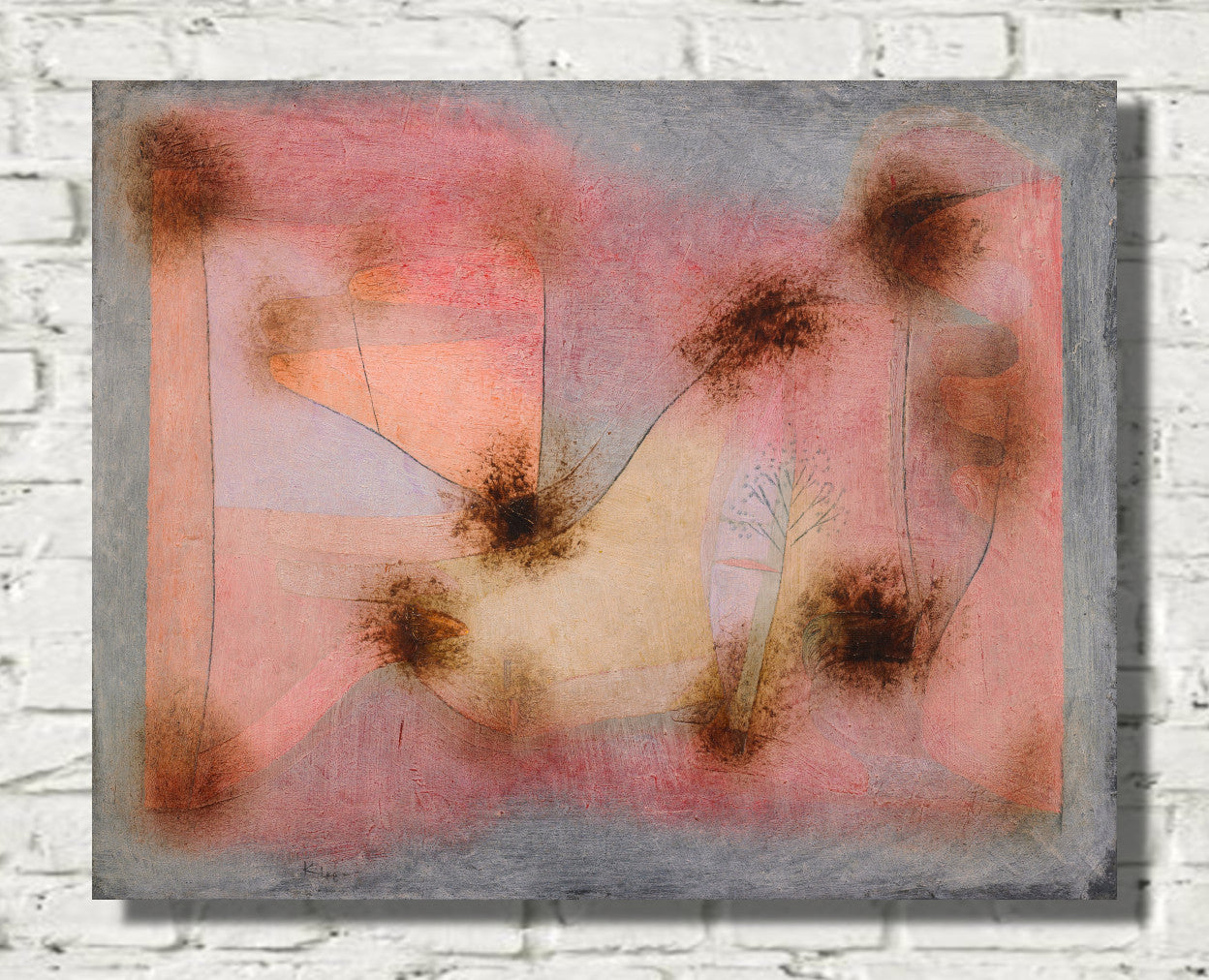
Paul Klee Fine Art Print, Kakteen (1912)
Couldn't load pickup availability
BUY WITH CONFIDENCE
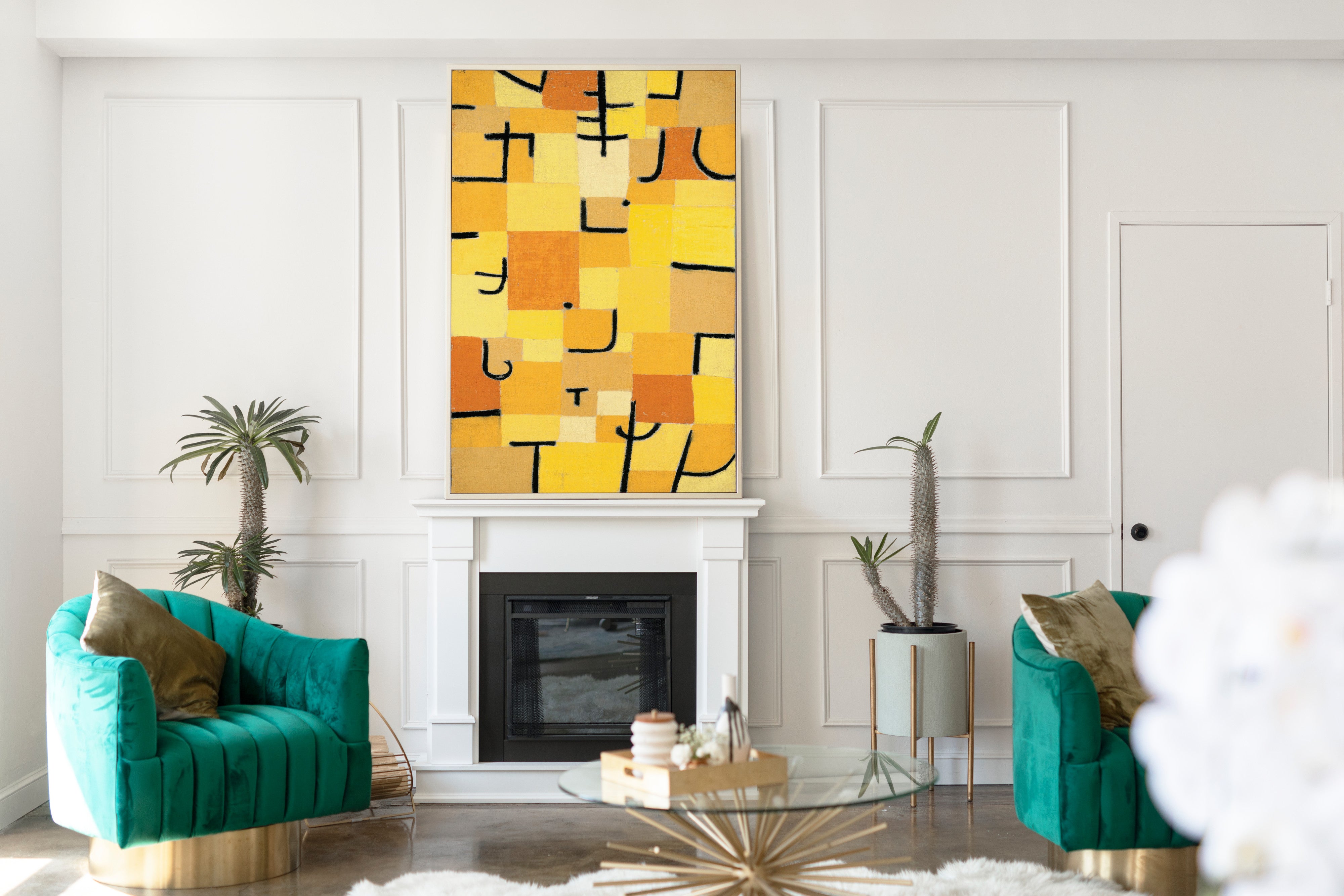
Paul Klee – Kakteen (1912) Art Prints & Canvas Panels
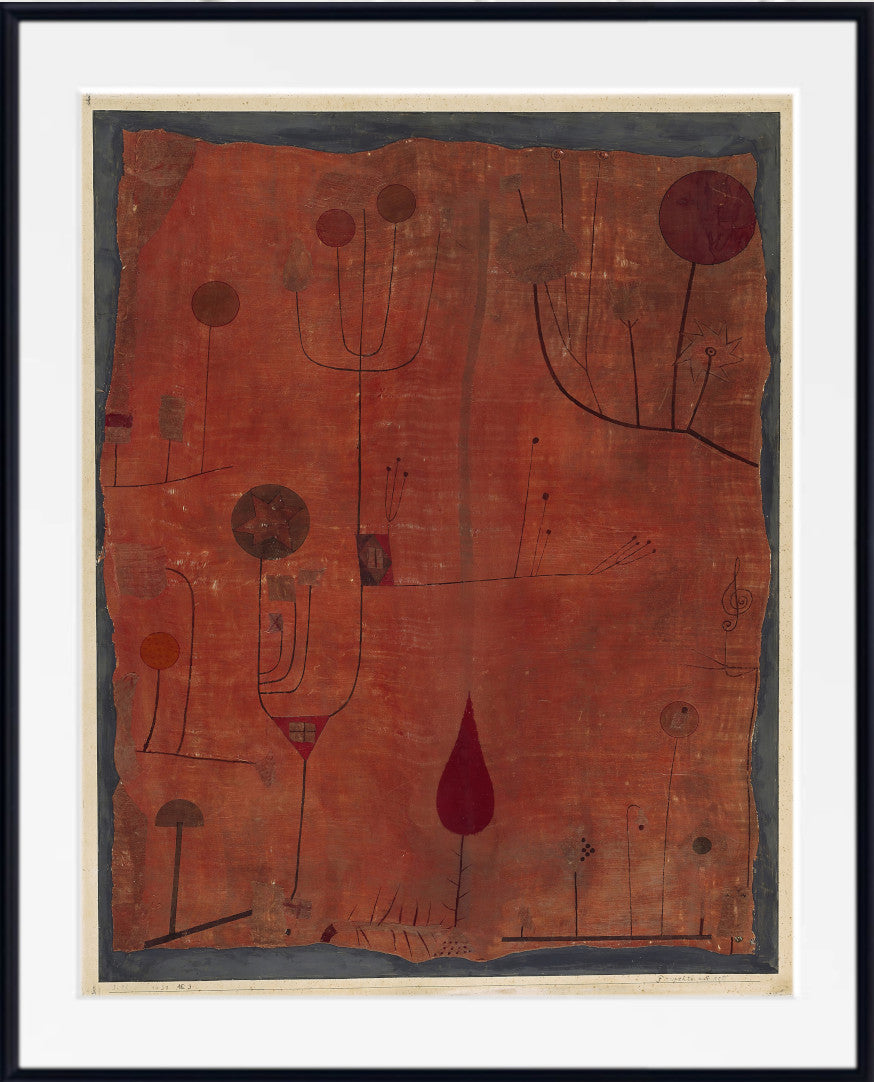
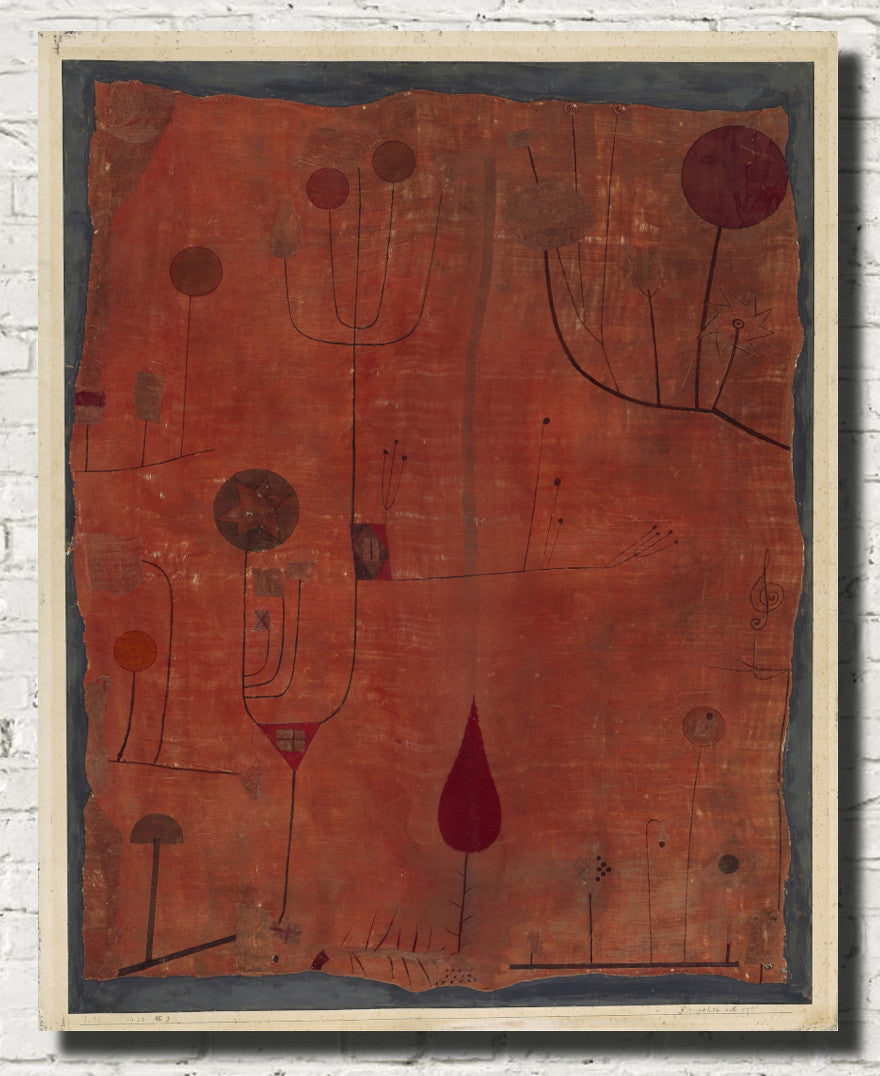
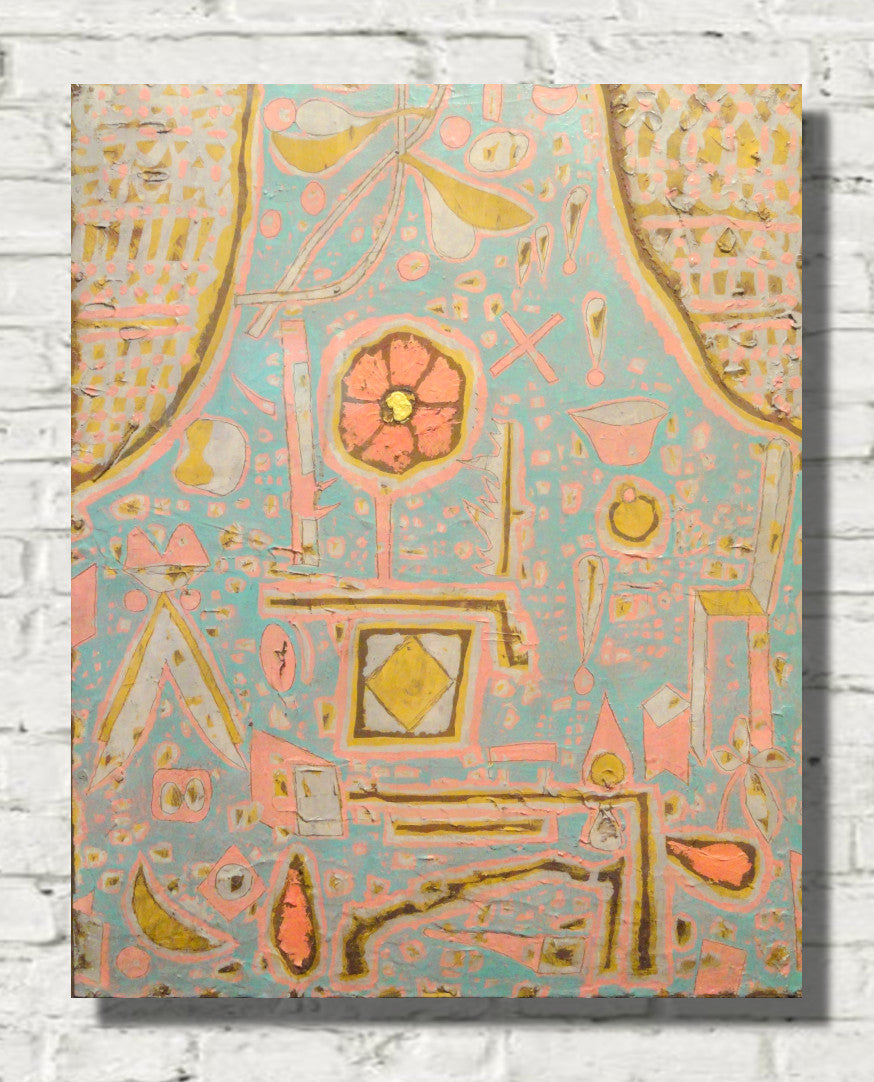
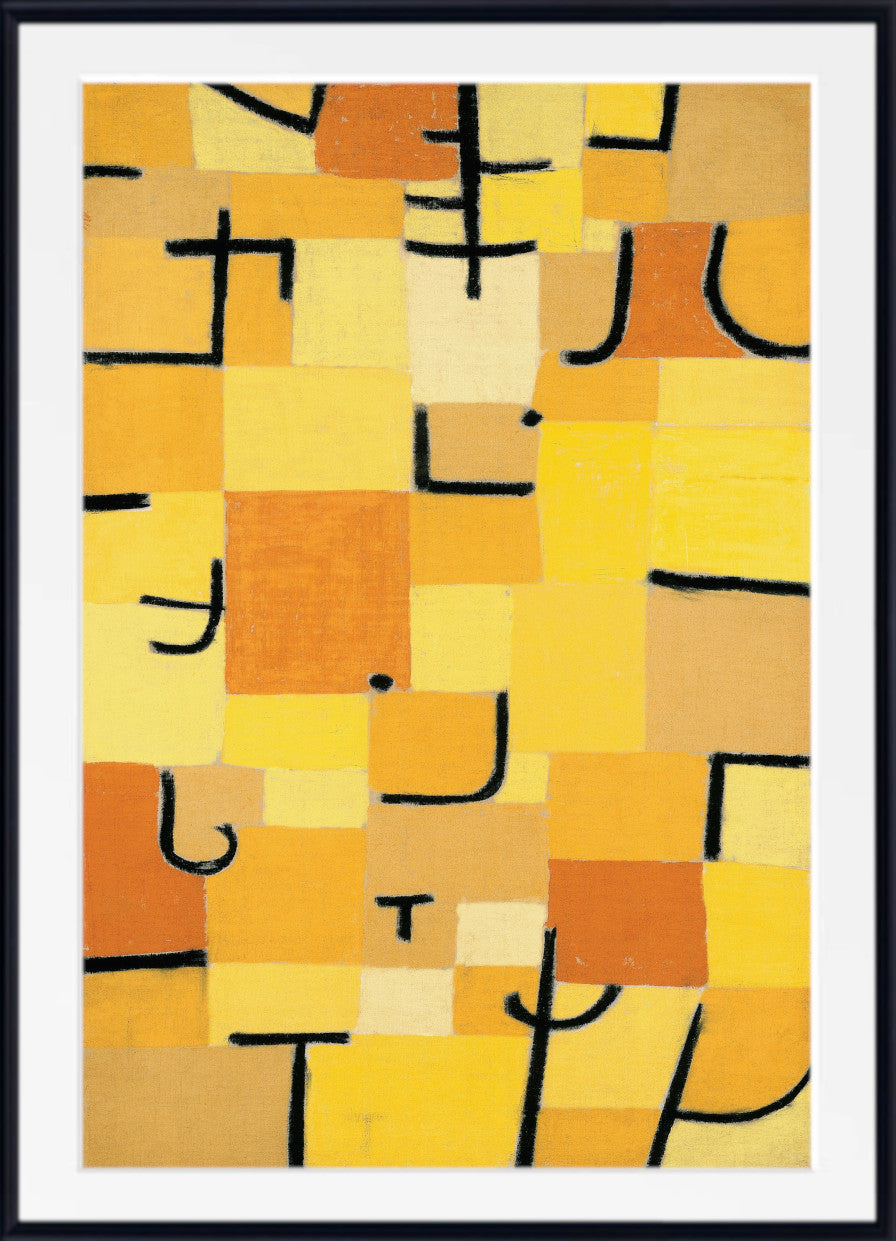
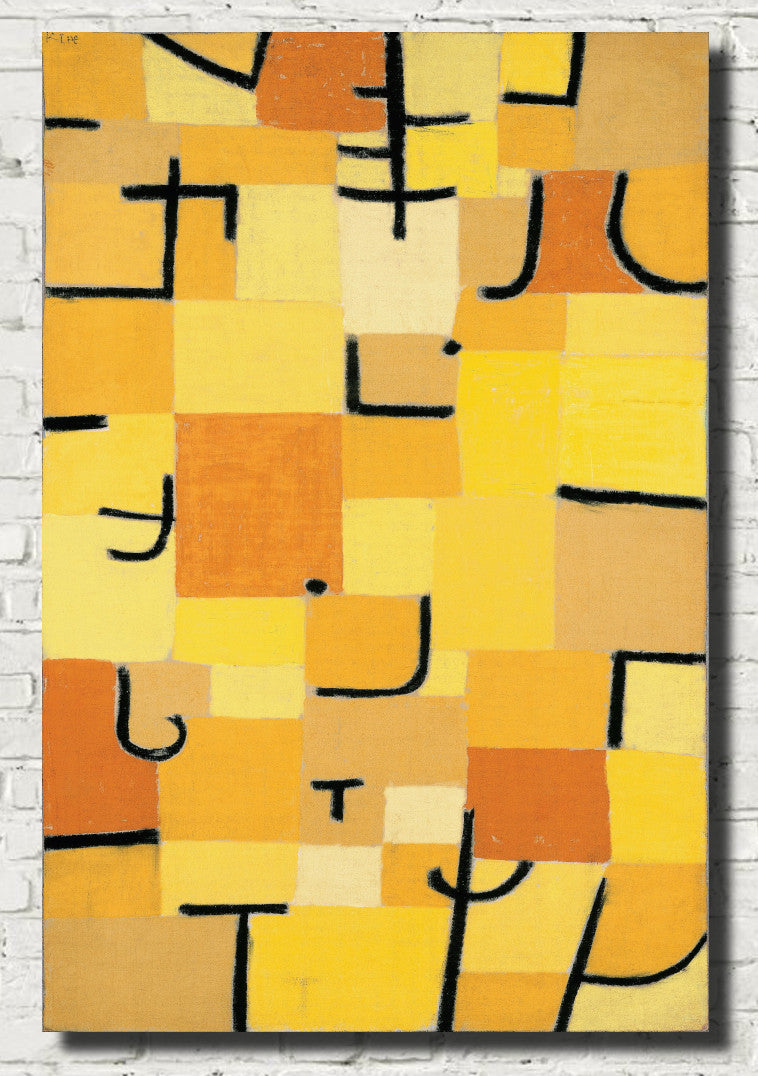
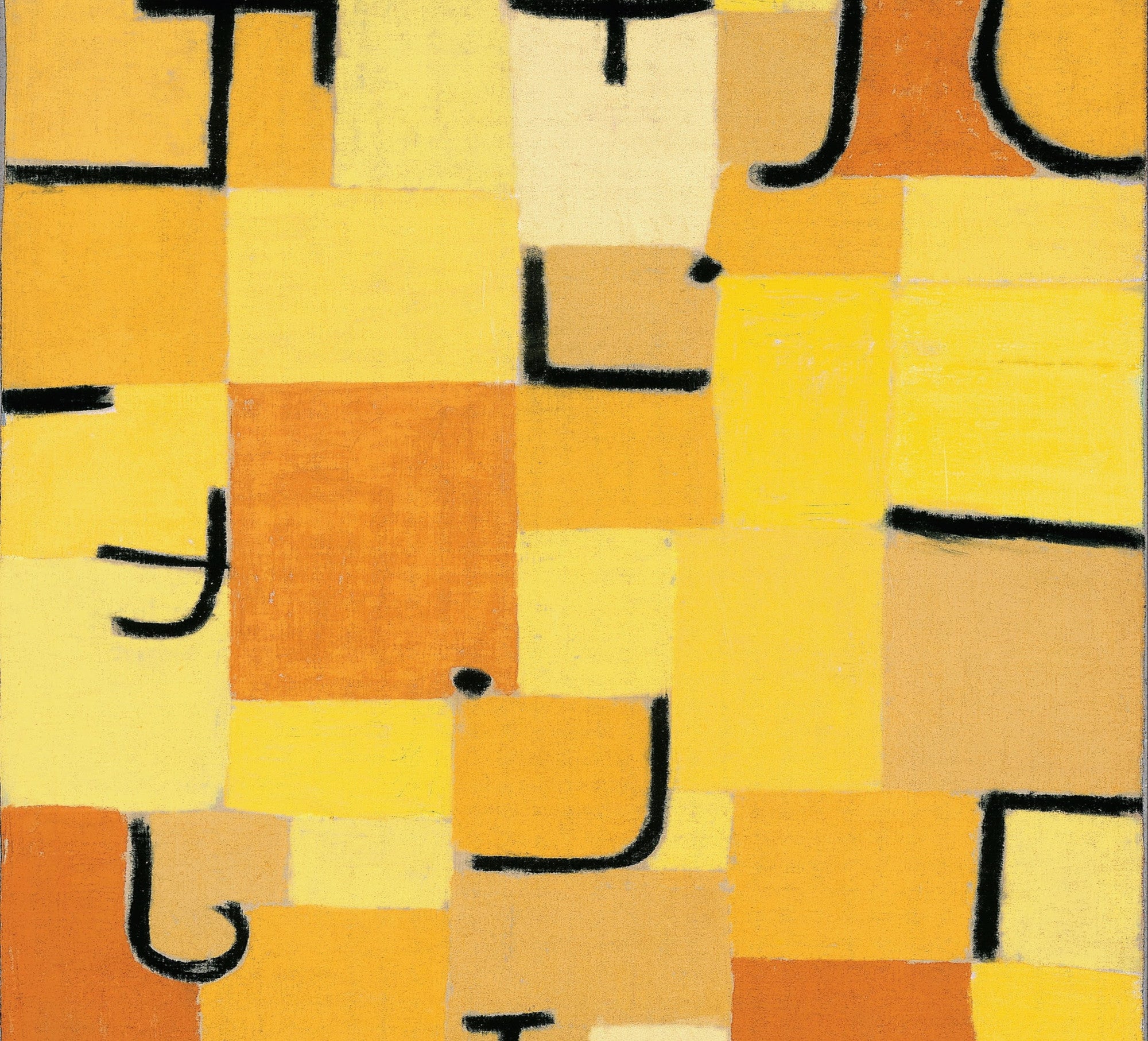
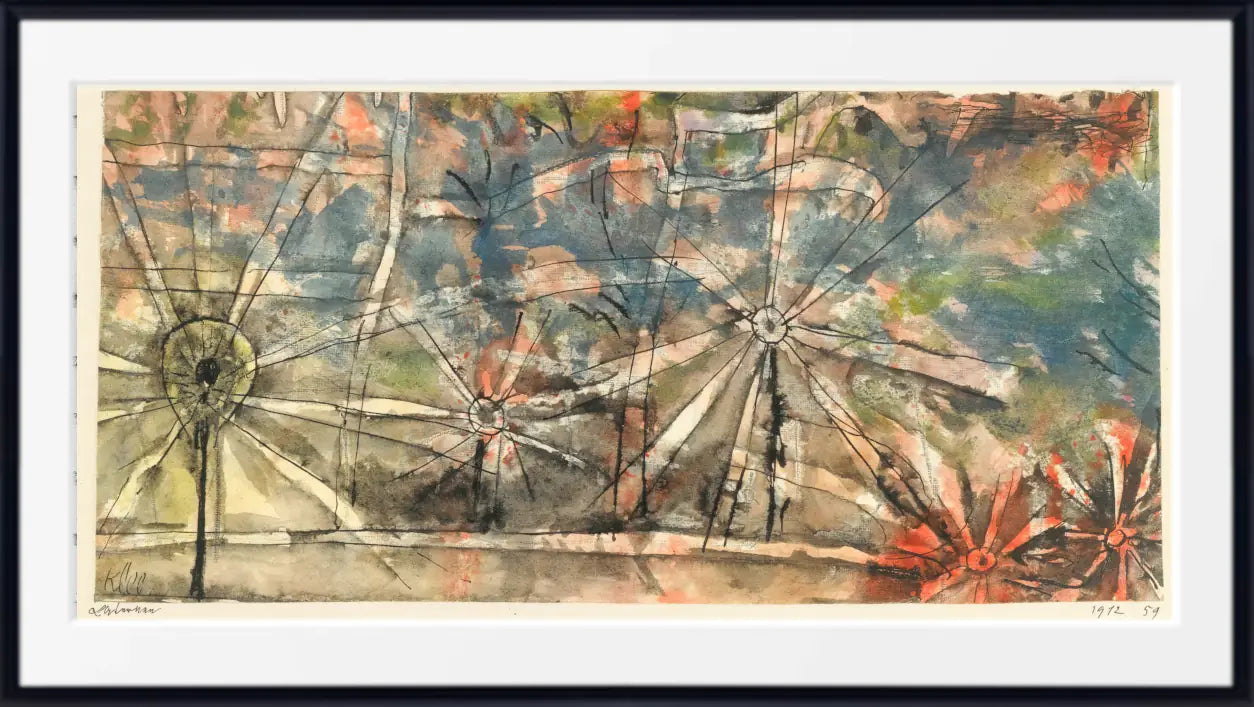
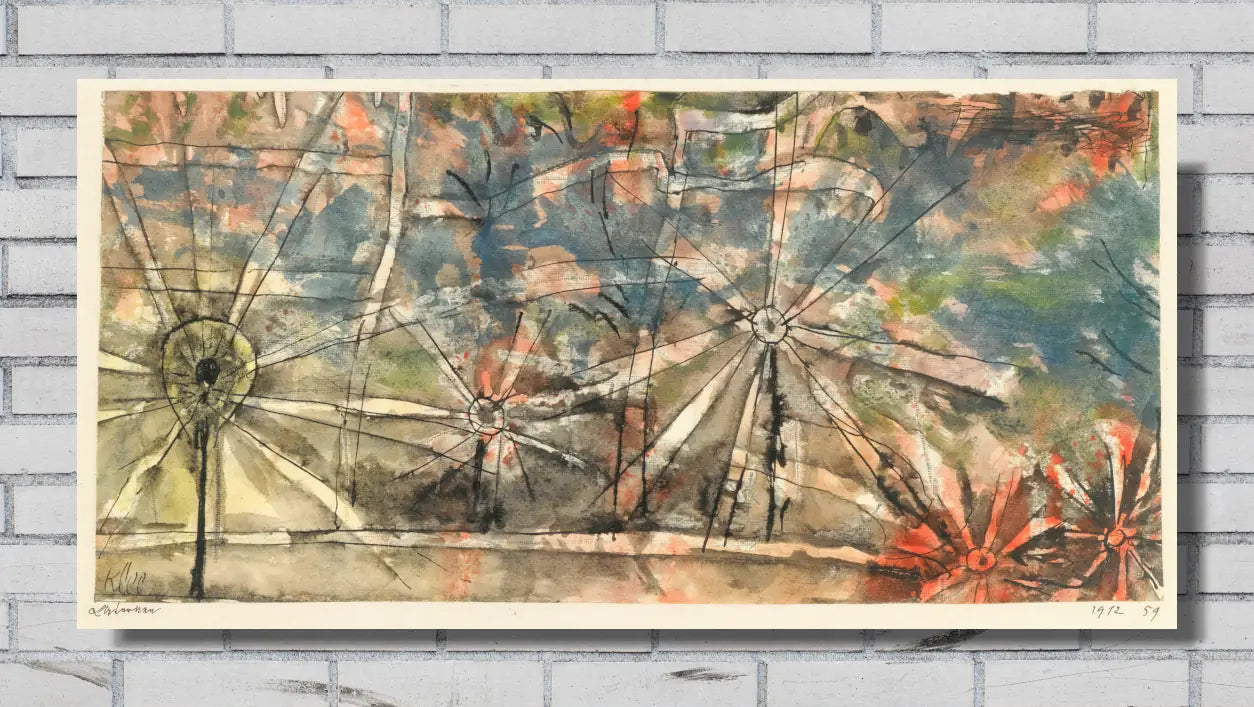
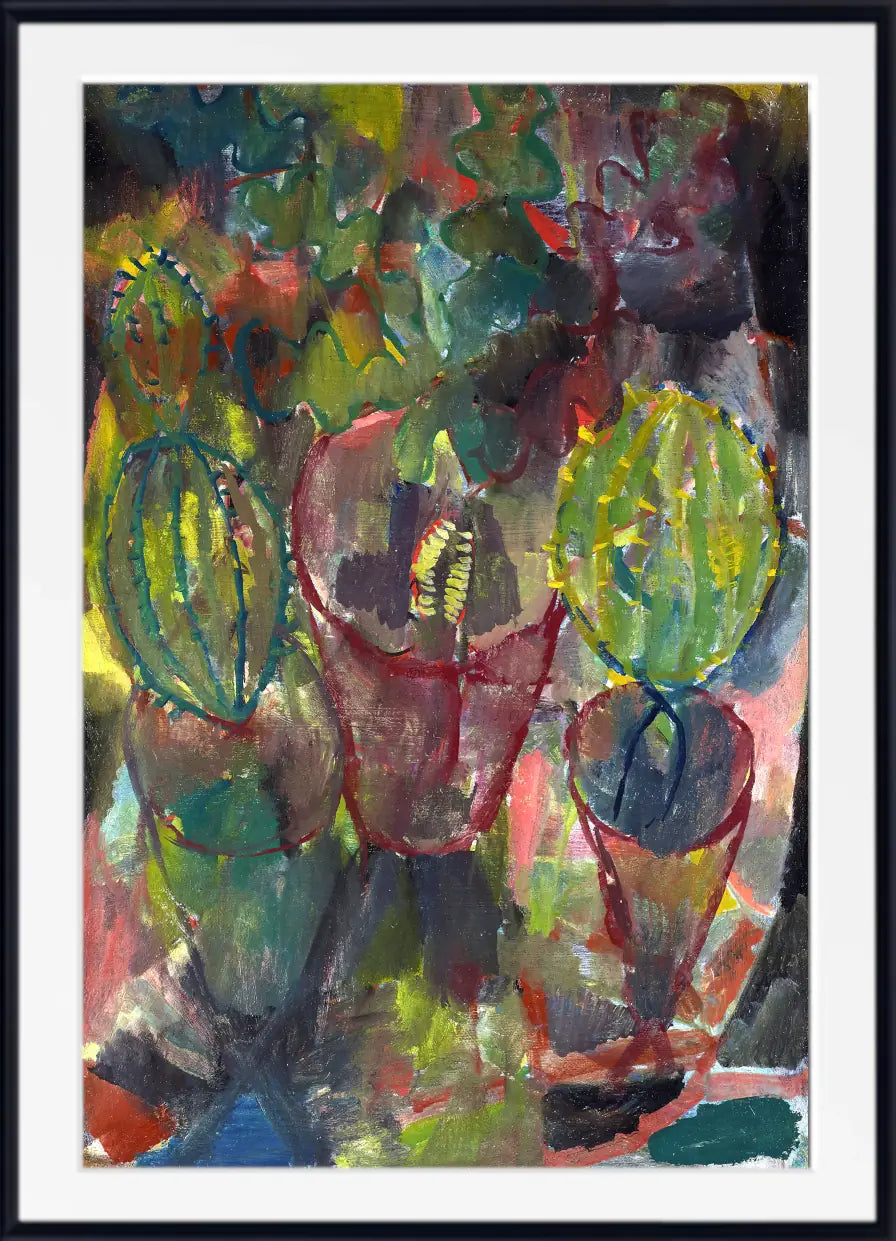
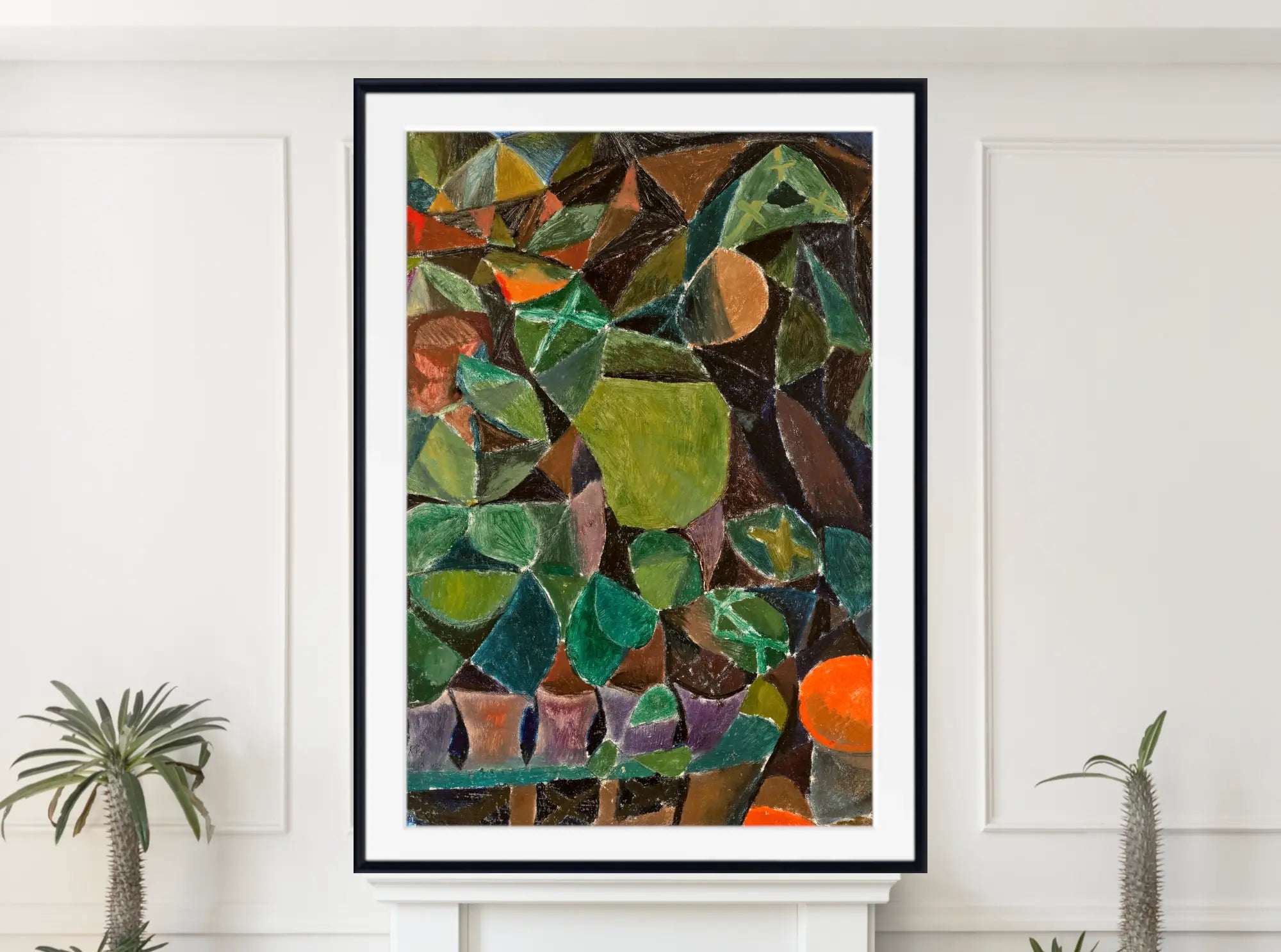
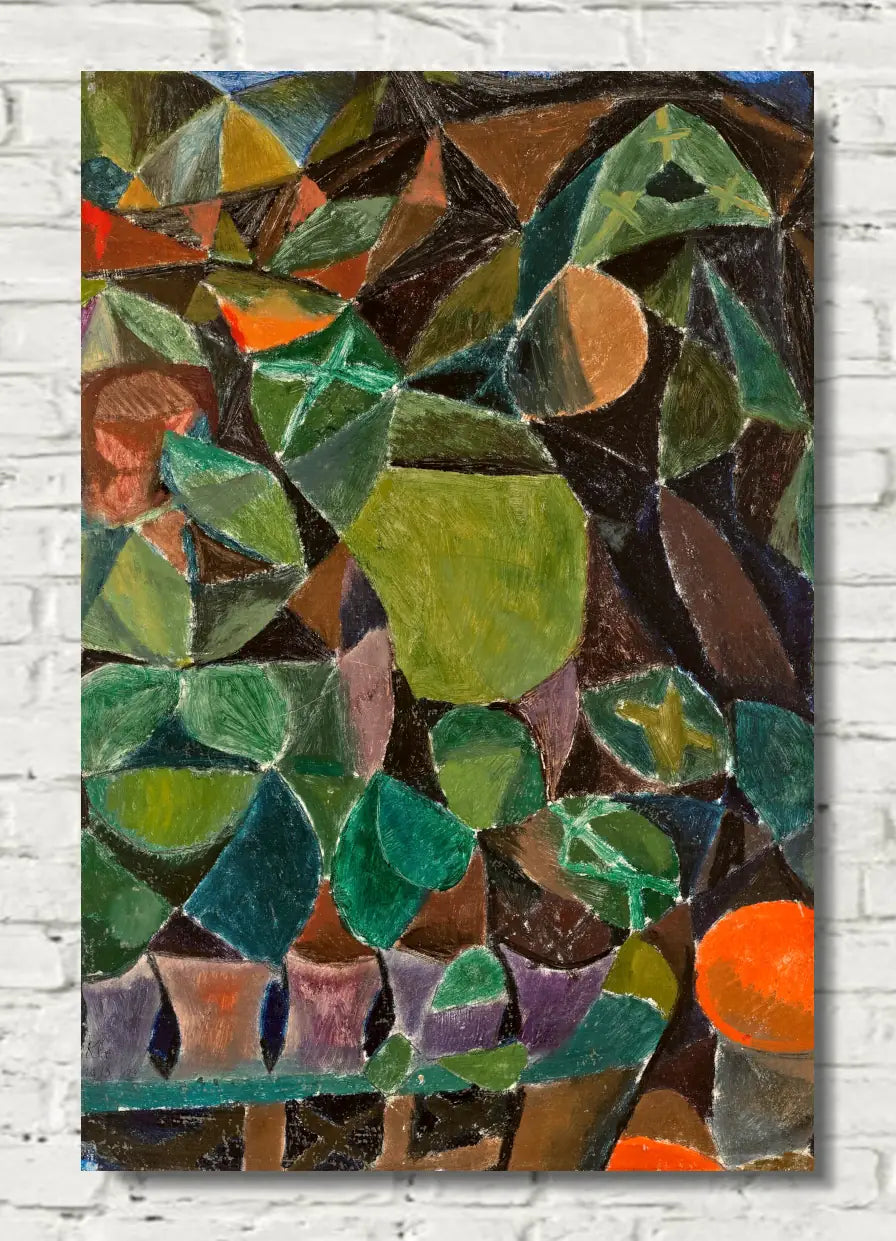
Bring the inventive colour, rhythm and playful modernism of Paul Klee into your home with a fine art reproduction of Kakteen (1912). Created during an important formative period in Klee’s career, this distinctive composition transforms the familiar shapes of cactus plants into an expressive arrangement of colour, line and simplified form.
Available as Paul Klee prints and canvas panels, Kakteen offers an appealing choice for collectors of early modern art and anyone looking for unusual botanical wall art with a distinctly avant-garde character. Its combination of natural subject matter and increasingly abstract visual language makes it particularly suited to contemporary, Scandinavian, eclectic and mid-century inspired interiors.
About Kakteen (1912)
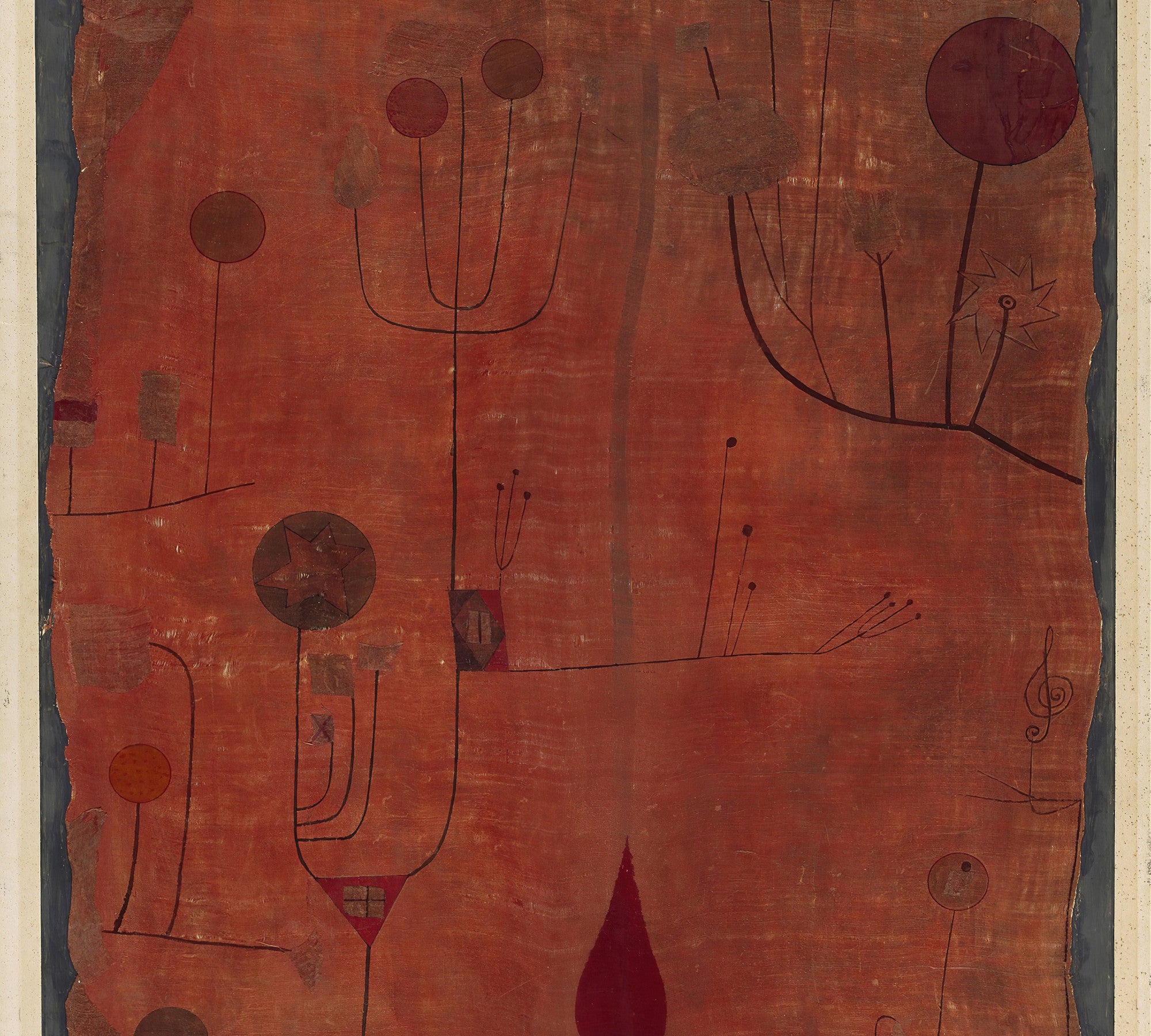
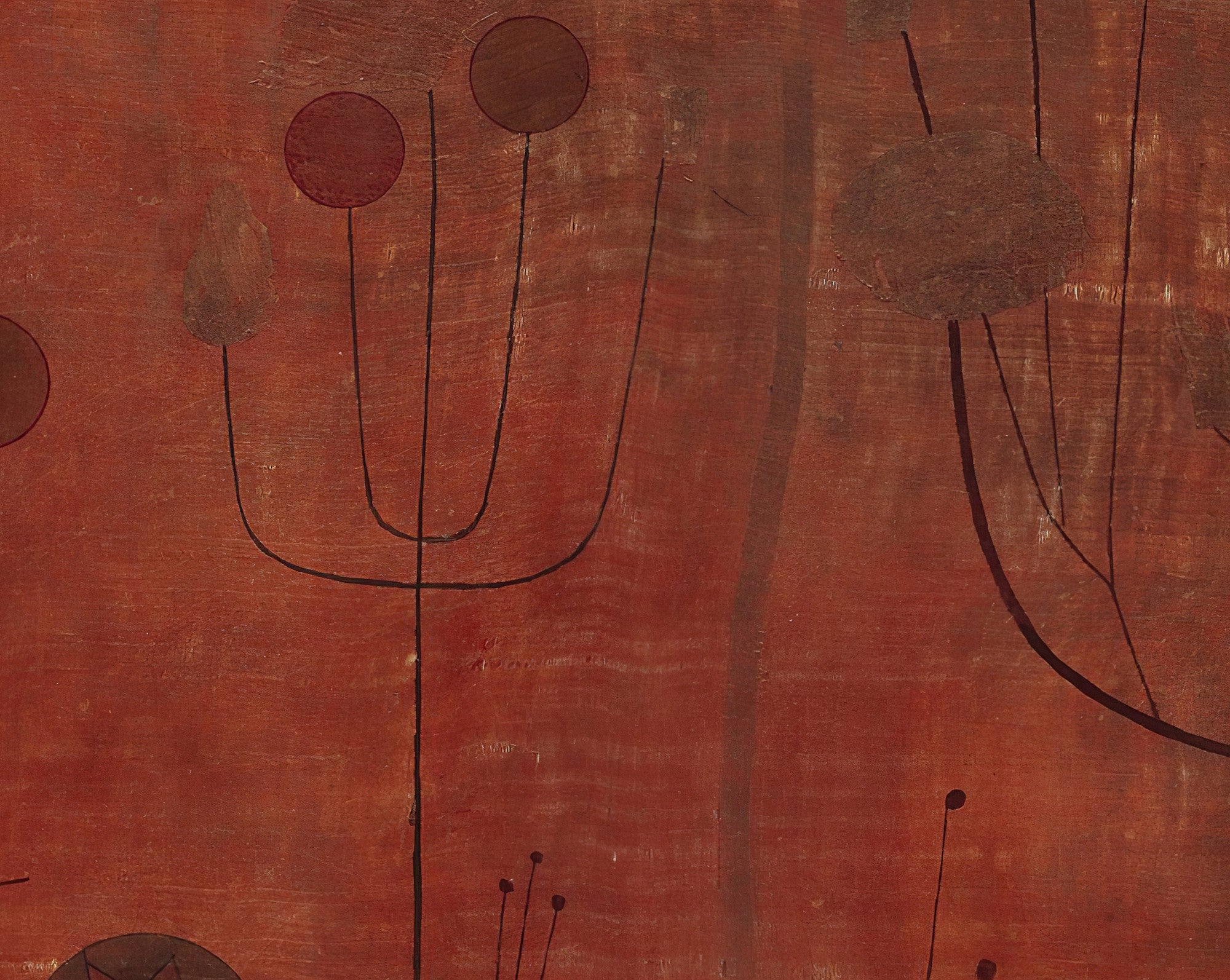
Kakteen – German for “Cacti” – dates from 1912, a pivotal year in Paul Klee’s artistic development. Rather than approaching the plants as a conventional botanical study, Klee explores their shapes through an increasingly personal vocabulary of simplified outlines, flattened space and expressive colour.
The cactus forms provide an ideal subject for Klee’s fascination with structure. Their upright stems, branching shapes and distinctive silhouettes become part of a carefully organised pictorial arrangement in which observation and imagination meet. The result has the recognisable qualities sought by admirers of Paul Klee artwork: playful geometry, intriguing colour relationships and an ability to make an apparently simple subject feel remarkably inventive.
For those searching for a Paul Klee cactus print, Paul Klee botanical wall art or a more unusual alternative to traditional floral artwork, Kakteen provides a fascinating glimpse into the artist’s developing modernist style.
Why Choose a Paul Klee Kakteen Print?
A Paul Klee Kakteen print combines one of modern art’s most distinctive artistic voices with a subject that works exceptionally well in contemporary interiors. The organic forms of the cacti are balanced by Klee’s underlying sense of geometry, giving the composition both decorative appeal and intellectual depth.
Distinctive Modern Botanical Art
Unlike conventional botanical prints, Kakteen interprets plant forms through the language of early twentieth-century modernism. This makes it an excellent choice for interiors where traditional flower illustrations might feel too formal or literal.
Ideal for Modern and Eclectic Interiors
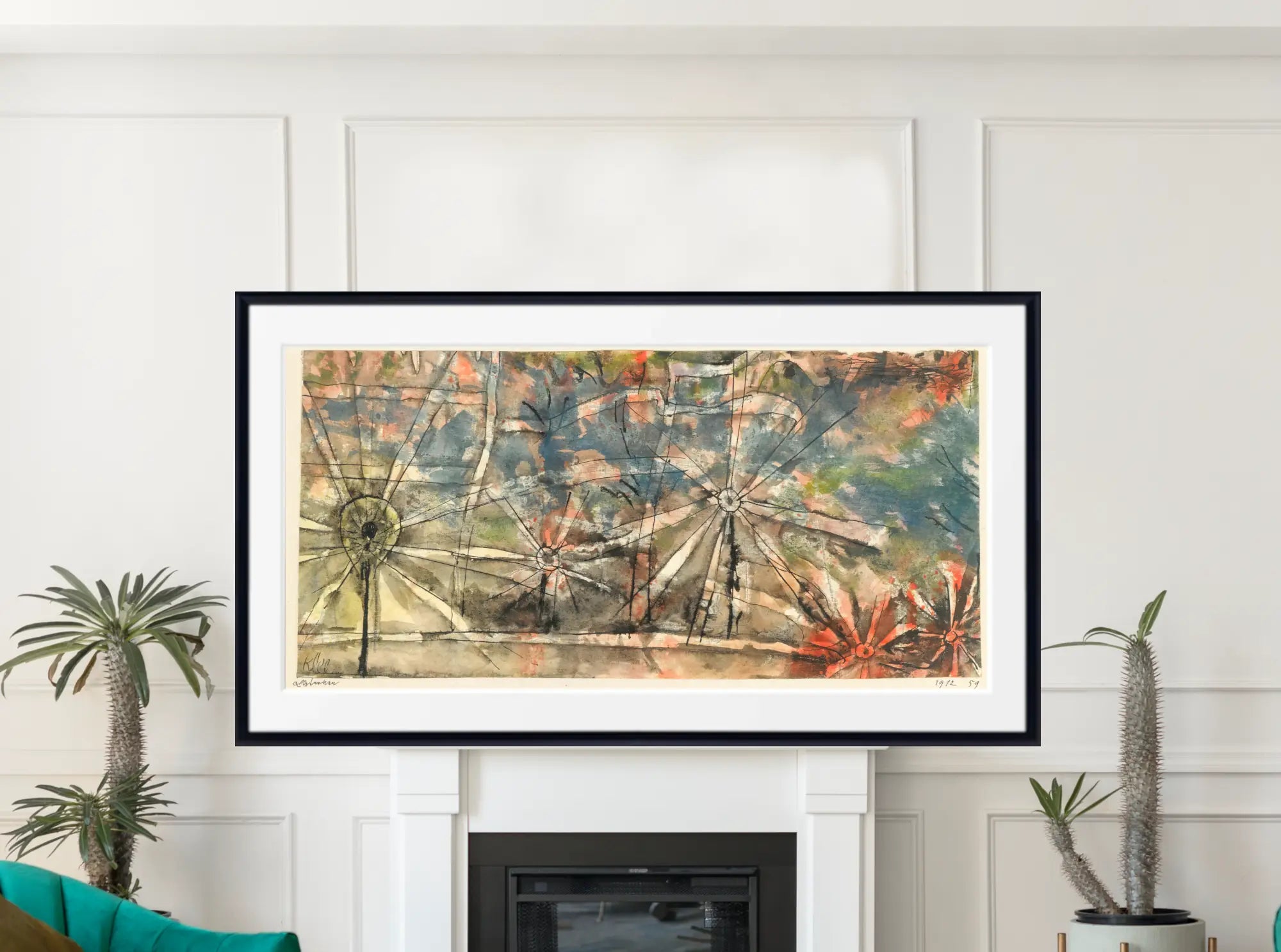
The combination of natural forms, abstraction and expressive colour allows this Paul Klee wall art to complement a wide variety of decorative schemes. Display it in a living room, bedroom, study, hallway or creative workspace to introduce colour and artistic personality without relying on purely decorative imagery.
Prints and Canvas Panels
Choose a Paul Klee art print for a classic fine-art presentation or select a canvas panel for a more contemporary display. Both formats allow the distinctive composition and unusual botanical character of Kakteen to become a striking feature within your interior.
Paul Klee and Der Blaue Reiter
Kakteen was created at a particularly significant moment in Klee’s relationship with the emerging European avant-garde. During 1912 he became increasingly connected with artists associated with Der Blaue Reiter, or The Blue Rider, the influential Munich-based circle centred around Wassily Kandinsky and Franz Marc.
Klee participated in the second Der Blaue Reiter exhibition in 1912, placing him within a movement that rejected straightforward naturalism in favour of colour, expression, experimentation and more subjective approaches to representation. Although Klee retained an exceptionally individual style throughout his career, these exchanges helped broaden his engagement with modernist ideas.
For collectors interested in Der Blaue Reiter prints, German Expressionism and early European modernism, Kakteen therefore has particular historical interest. Its transformation of recognisable natural forms into a more expressive visual language reflects many of the artistic questions being explored by Klee and his avant-garde contemporaries during this period.
Paul Klee Biography
Paul Klee (1879–1940) was a Swiss-born artist whose highly individual work became one of the defining achievements of twentieth-century modern art. Born near Bern, Switzerland, Klee studied at the Academy of Fine Arts in Munich before developing an artistic language that resisted simple classification.
His work absorbed ideas from Expressionism, Cubism, abstraction and Surrealism while remaining unmistakably his own. Klee experimented extensively with colour, symbols, geometry, music-inspired rhythms and apparently childlike forms, often combining humour and fantasy with sophisticated theories of artistic composition.
His connections with Wassily Kandinsky, Franz Marc and the wider Blue Rider movement brought him into close contact with some of the most radical artistic developments taking place in pre-war Europe. He later taught at the influential Bauhaus alongside Kandinsky, further establishing his importance within the development of modern art.
Today, Paul Klee prints remain popular with collectors and interior-design enthusiasts because of their extraordinary variety. From colourful abstract compositions and geometric works to landscapes, figures and imaginative interpretations of nature, Klee’s art combines visual accessibility with remarkable complexity.
Paul Klee’s Painting Style
Paul Klee developed one of the most recognisable visual languages in modern art. Rather than committing himself to a single movement, he continually experimented with the relationship between colour, line, shape, symbols and the natural world.
His compositions frequently reduce recognisable objects to essential forms, allowing geometry and colour to carry as much meaning as conventional representation. Plants, architecture, landscapes, faces and imaginary creatures could all become starting points for investigations into structure and visual rhythm.
Kakteen demonstrates this approach at an early stage. The cactus remains recognisable, yet Klee is already moving beyond straightforward observation towards the simplified forms and unconventional spatial relationships that would become characteristic of his mature work.
Decorating with Paul Klee Prints
A Paul Klee print can introduce colour and modernist character into an interior while remaining highly versatile. Kakteen is especially effective where botanical imagery is desired without the traditional appearance of botanical illustration.
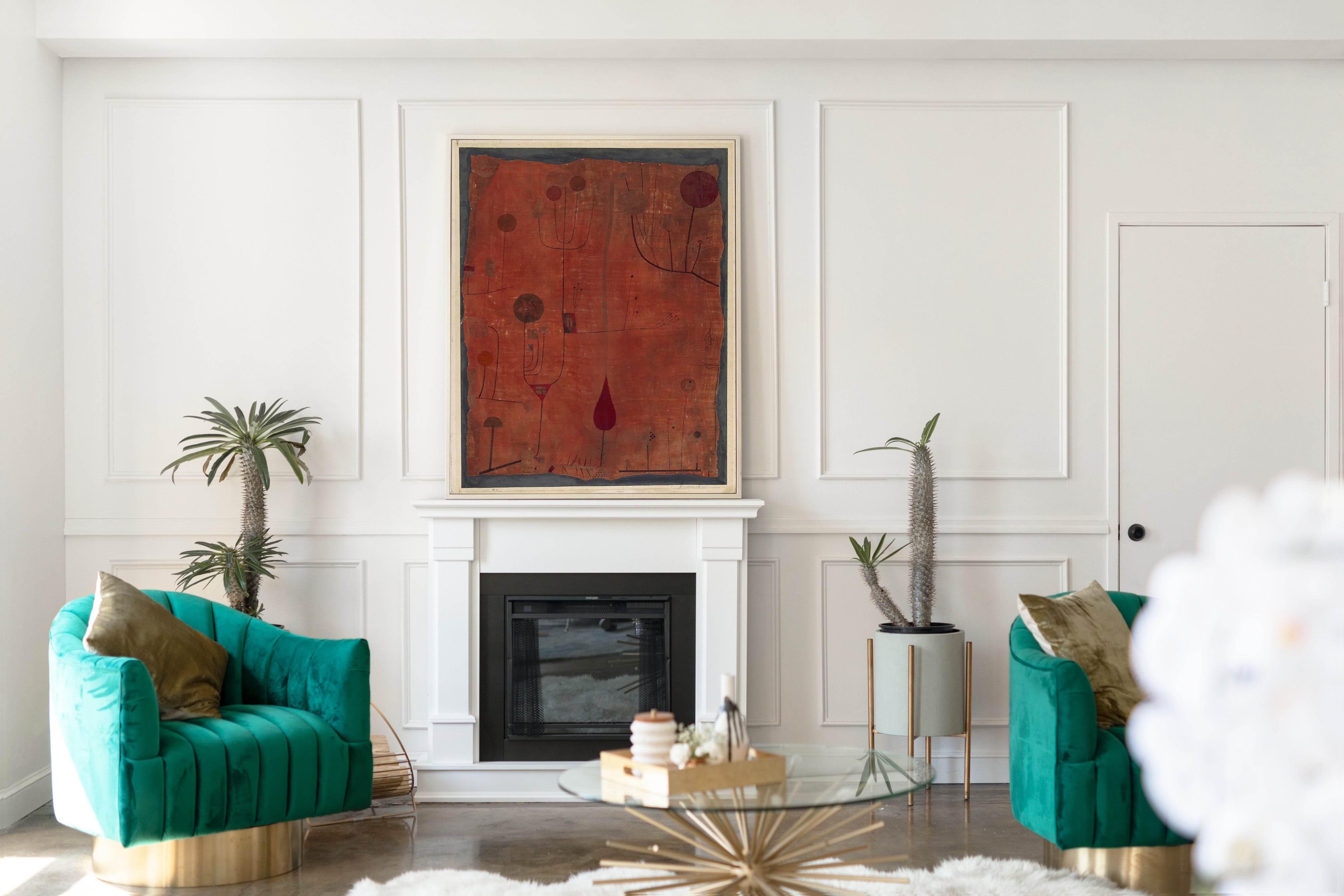
Its combination of plant forms and modernist abstraction works particularly well with natural wood, neutral walls, minimalist furniture and earthy decorative materials. It can also provide an engaging contrast within more colourful or eclectic interiors.
Display Kakteen individually as a focal artwork or combine it with other Paul Klee art prints, abstract artworks and early modernist pieces to create a carefully curated gallery wall.
Frequently Asked Questions
Who painted Kakteen?
Kakteen was created by Paul Klee in 1912. Klee became one of the most influential figures in twentieth-century modern art and was associated with both Der Blaue Reiter and the Bauhaus.
What does Kakteen mean?
Kakteen is the German word for “cacti”. The title refers to the distinctive cactus forms that provide the principal subject matter of the composition.
When did Paul Klee create Kakteen?
Paul Klee created Kakteen in 1912, during an important period in which he was increasingly engaging with avant-garde artists and modernist ideas in Munich.
Was Paul Klee a member of Der Blaue Reiter?
Klee was closely associated with the artists surrounding Der Blaue Reiter and participated in the group’s second exhibition in 1912. His relationship with figures including Wassily Kandinsky and Franz Marc formed an important part of his engagement with the European avant-garde.
What style of art is Kakteen?
Kakteen belongs to Klee’s early modernist period and shows his movement away from conventional representation towards simplified form, expressive colour and abstraction. It is particularly interesting for admirers of Expressionism, Der Blaue Reiter and early abstract art.
Where can I display a Paul Klee Kakteen print?
A Paul Klee Kakteen wall art print can work particularly well in living rooms, bedrooms, hallways, home offices and studies. Its combination of botanical imagery and modernist abstraction makes it suitable for Scandinavian, minimalist, mid-century and eclectic interiors.
Is Kakteen suitable for a botanical gallery wall?
Yes. Kakteen is an excellent choice for a botanical gallery wall where you want to combine plant imagery with modern art. Its stylised cactus forms can provide an effective contrast to more traditional botanical and floral prints.
Are Paul Klee prints suitable for modern interiors?
Yes. The simplified forms, expressive colour and geometric qualities found throughout Klee’s work make Paul Klee prints particularly compatible with contemporary interiors. Kakteen offers the additional versatility of a recognisable natural subject interpreted through a distinctly modernist approach.
All orders for unframed fine art prints and original paintings are dispatched within 2 working days of receipt of payment.
Orders for custom framed prints are dispatched within 4 working days.
All orders are fully tracked from dispatch to delivery at your home or business.
All print and original painting orders are fully insured against loss or damage in transit. We refund or replace any damaged or lost orders.
Buy with confidence - read what our satisfied customers have to say - Reviews
Fine art papers are printed without any additional white border Please let us know at the time of ordering if you would like a small additional white border.
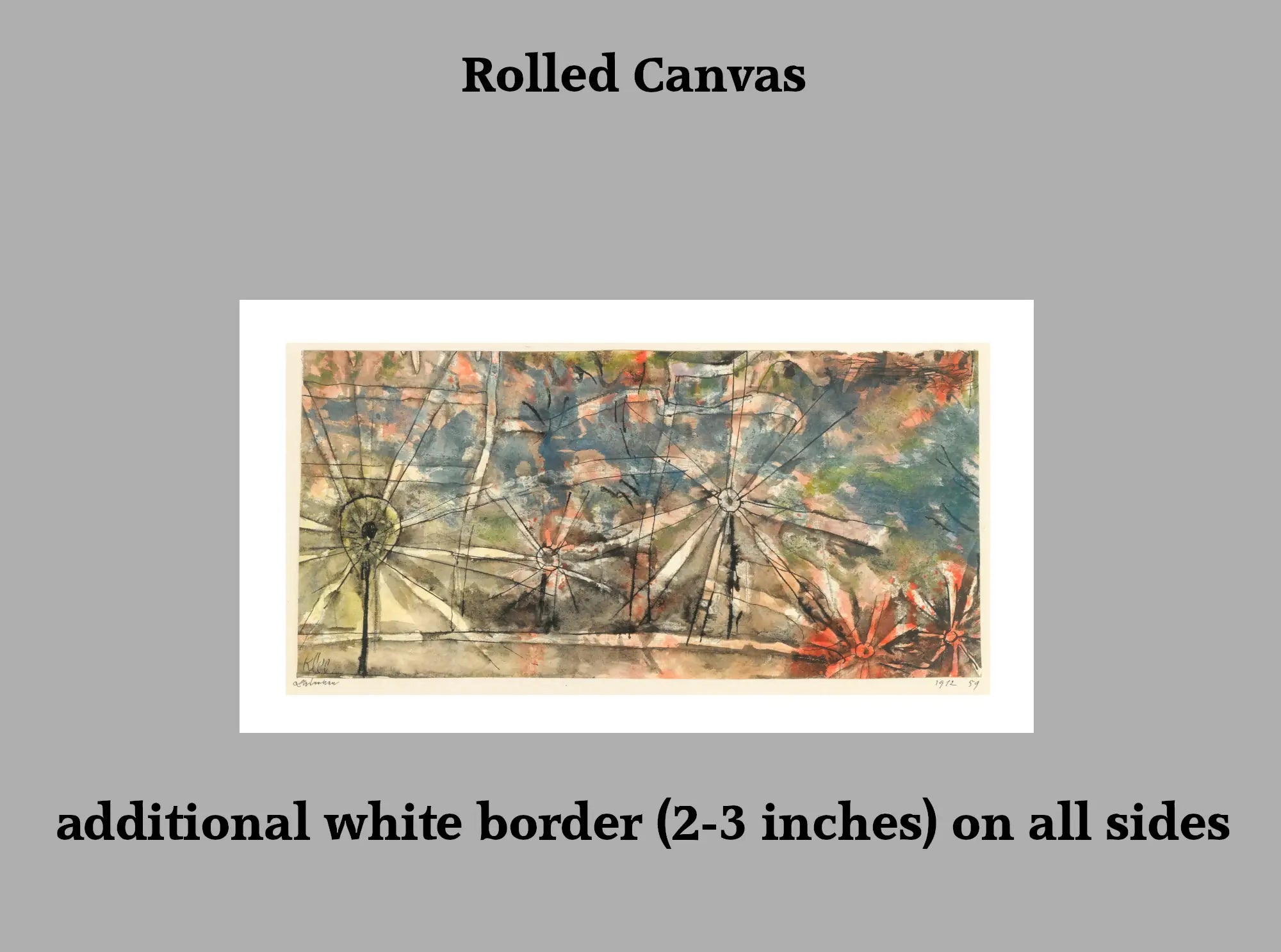
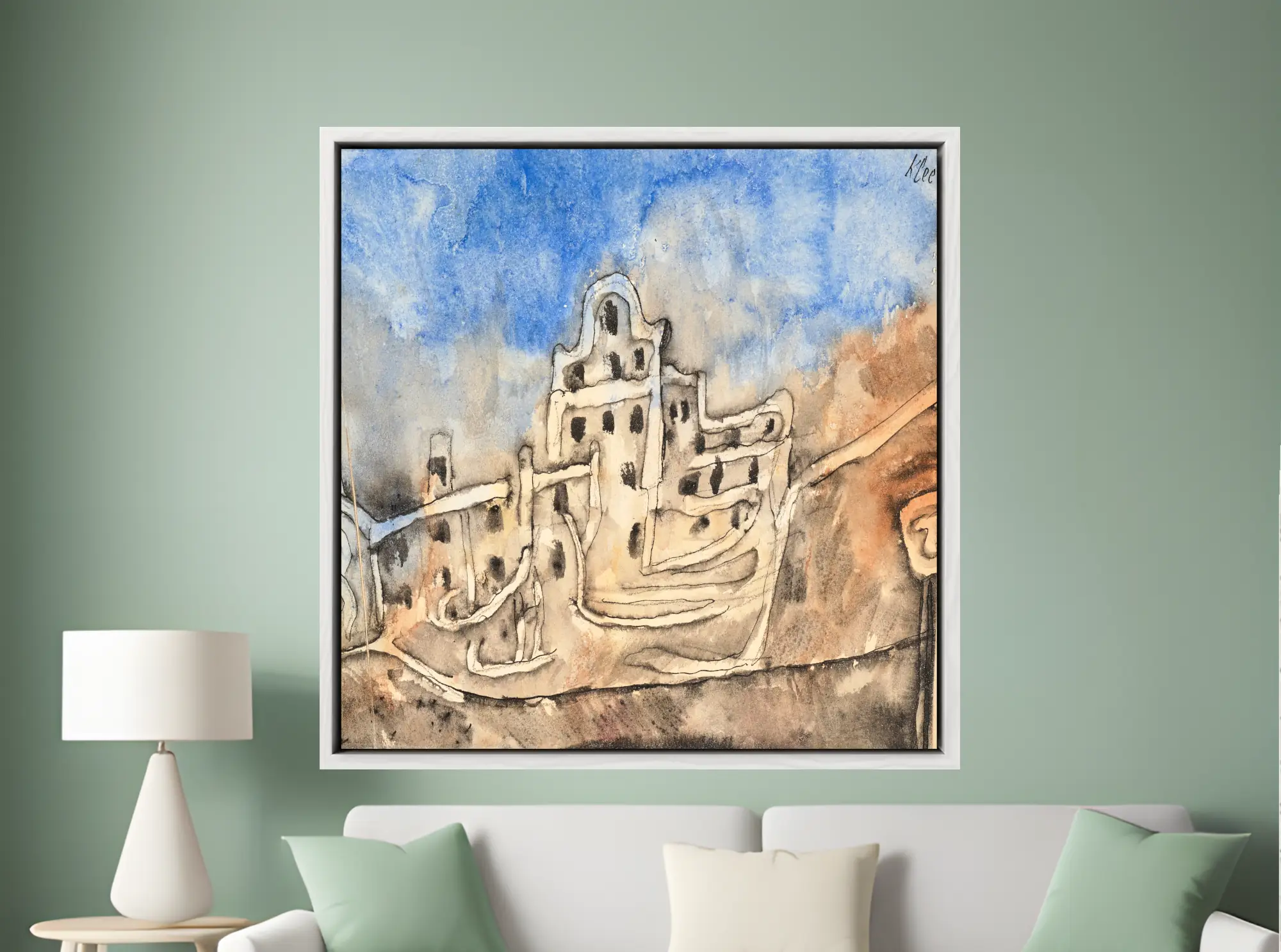
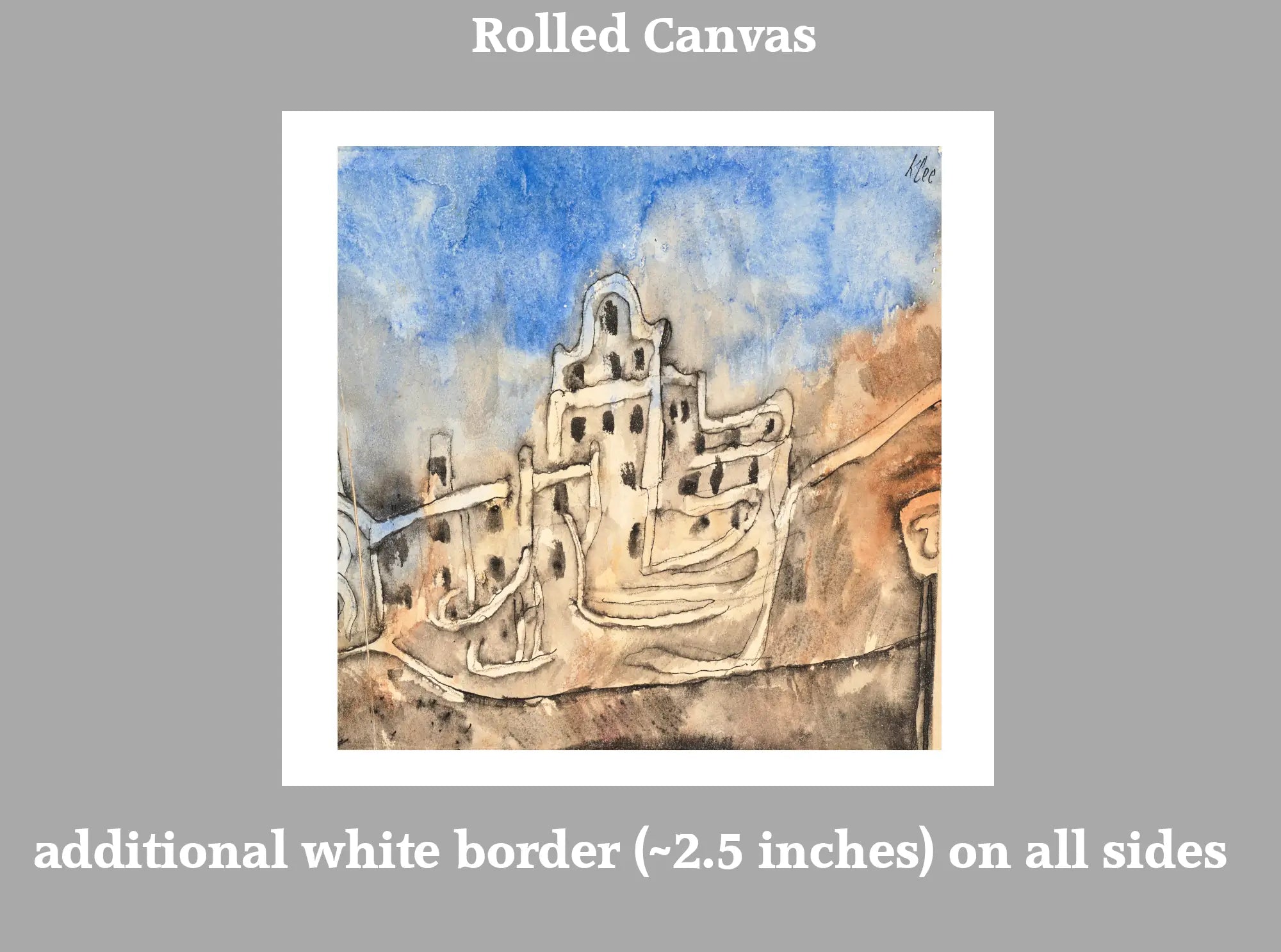
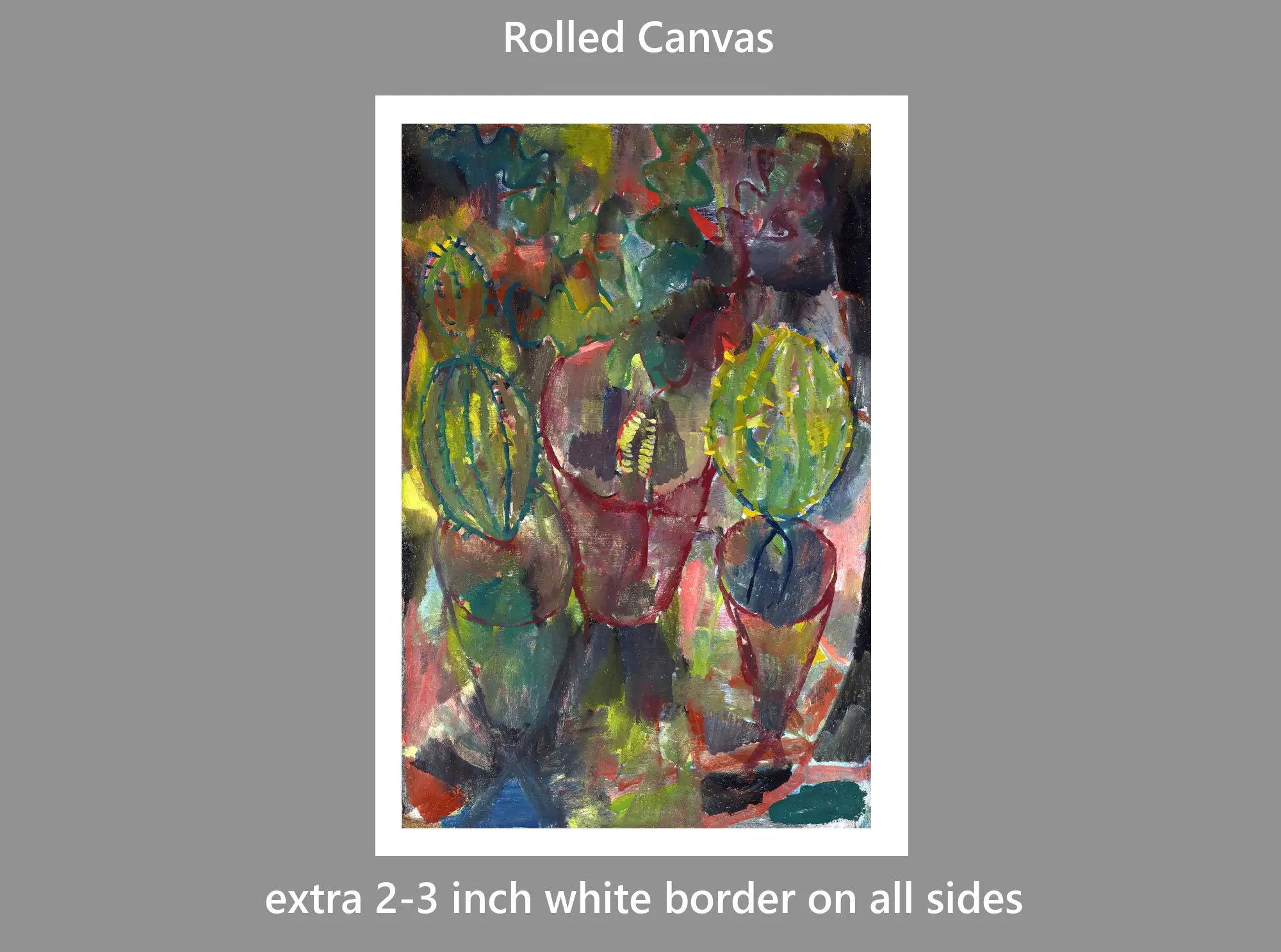
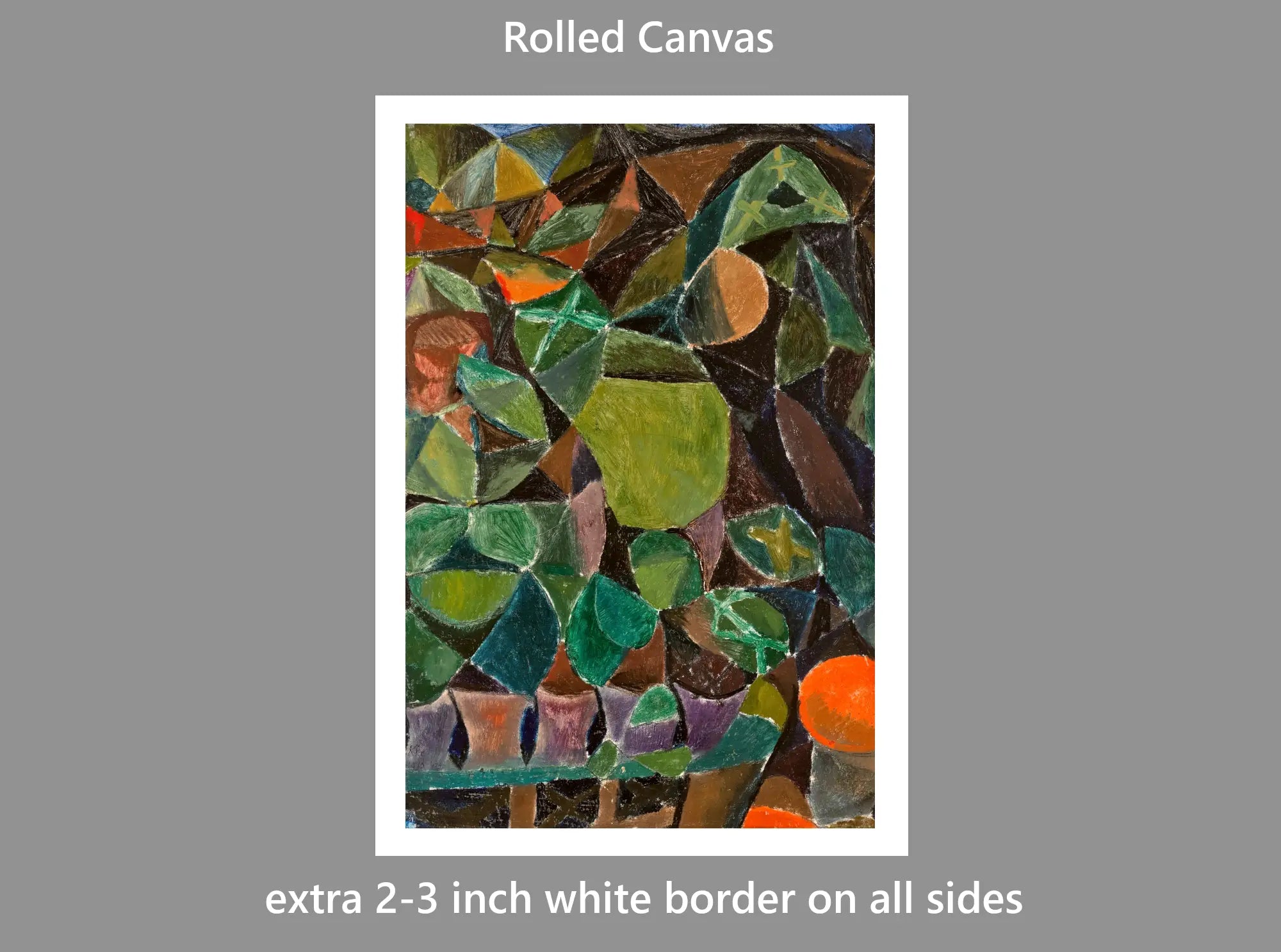
Rolled canvas options have an additional white border of approximately 2.5 inches (7cm) on all 4 sides to aid stretching.
Ready to hang canvas panels are stretched on 1.5 inch deep solid pine frames from sustainable forestry sources. The image is mirrored on all 4 sides to give an aesthetically pleasing finish.
Why not have us gift wrap your order and attach a personalised message to the recipient. Available for all orders. Each order is hand wrapped in high quality gift wrap with meatllic ribbon and bow. Your personalised message is printed on a card which is included with your order.
Have your hand wrapped gift delivered directly to the recipient.
Full tracking and insurance included with every order.
Please note design may vary depending upon availability
Just purchase the gift wrap option HERE
We have a wide range of frames in standard sizes and we also make custom size frames.
To order a framed print:
1. select the print size you would like along with the print materials (matte paper, fine art paper).
2. Add your print choice to the basket.
3. Choose from our range of frames
4. Select the same size as the print you have added to your basket. If the frame size you want is not listed please contact us
5. Choose from the mount or no-mount option
6. Add your frame choice to the basket
7. Proceed to checkout.
Why Choose GalleryThane?
- Printed and framed in-house
- Free UK delivery
- Free EU and USA delivery on orders over £200
- Tracking and insurance included in every order
- Fast 1-3 day dispatch
- Gift wrapping service available
- Gallery quality materials
- Sustainable, eco-friendly packaging
- Great customer support
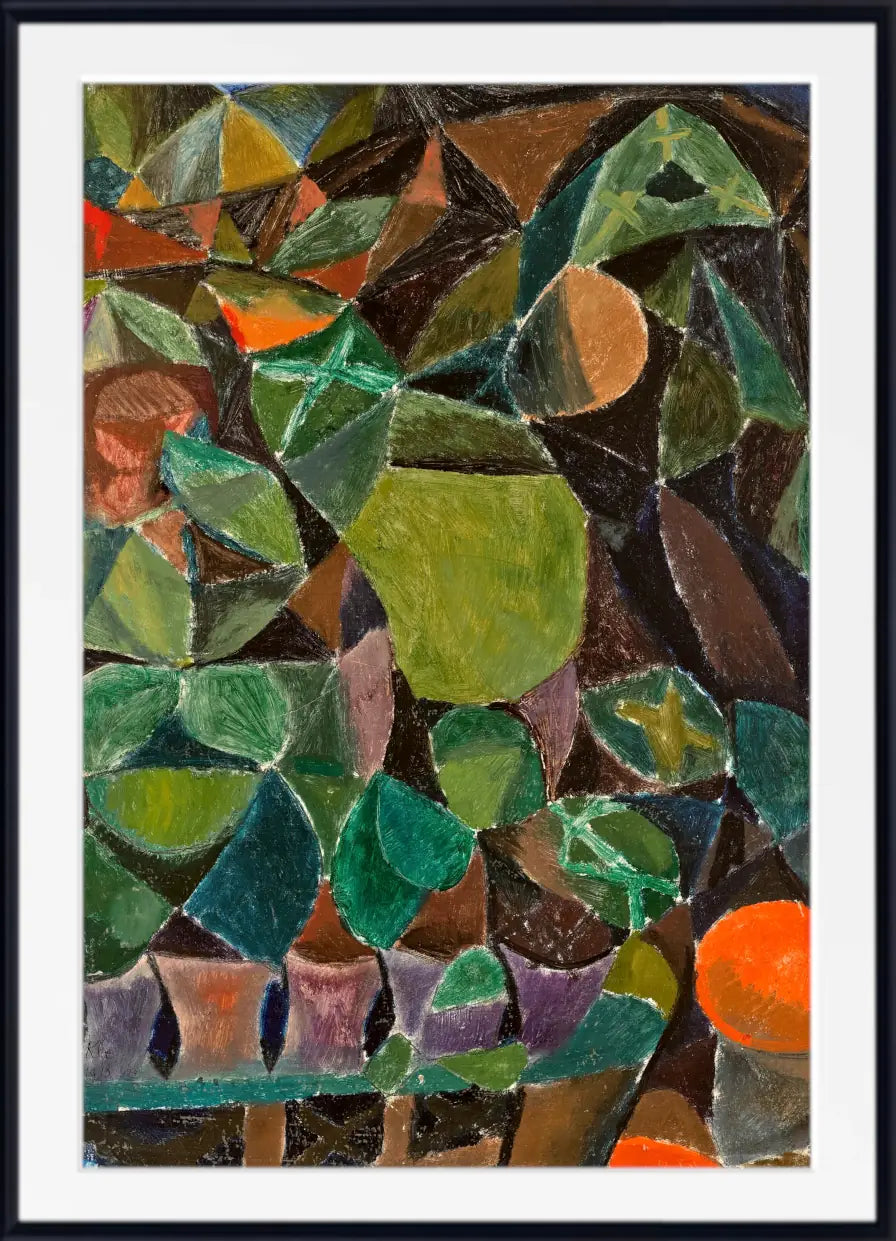
Explore related collections


What makes our Prints and Canvas Panels so special

Latest Giclee Printing Technology
We have invested in the latest wide format print technology to produce museum quality giclee prints utilising the highest quality pigment inks to give outstanding colour reproduction.

Museum Quality Archival Fine Art Papers
We print on the finest quality fine art papers with textured, smooth and lustre finishes for prints which last a lifetime.
From aceo miniatures to 40x80 inch large format, every print has our lifetime quality guaranteee.

Solid Wood Frames, Cotton Canvas
All of the wood for our canvas panels and frames is responsibly sourced from manages forests. Our cotton canvas is completely seedless for the highest quality reproduction possible.

Have Your Gift Wrapped


