


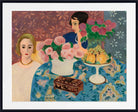
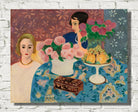


Henri Matisse Print, Chinese Casket (Le Coffret chinois) (1922)
Couldn't load pickup availability
BUY WITH CONFIDENCE
Henri Matisse – Chinese Casket (Le Coffret chinois) (1922) Prints
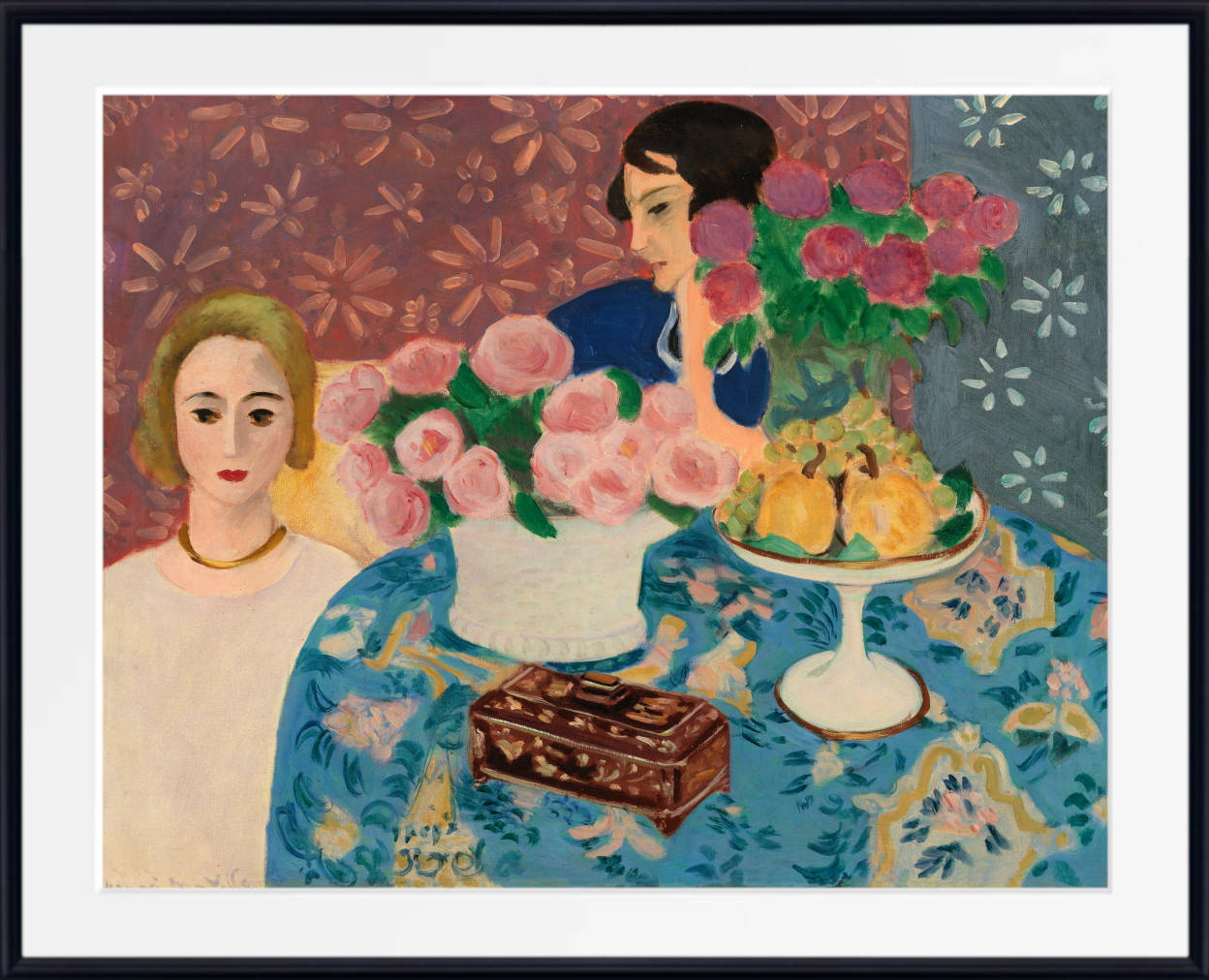
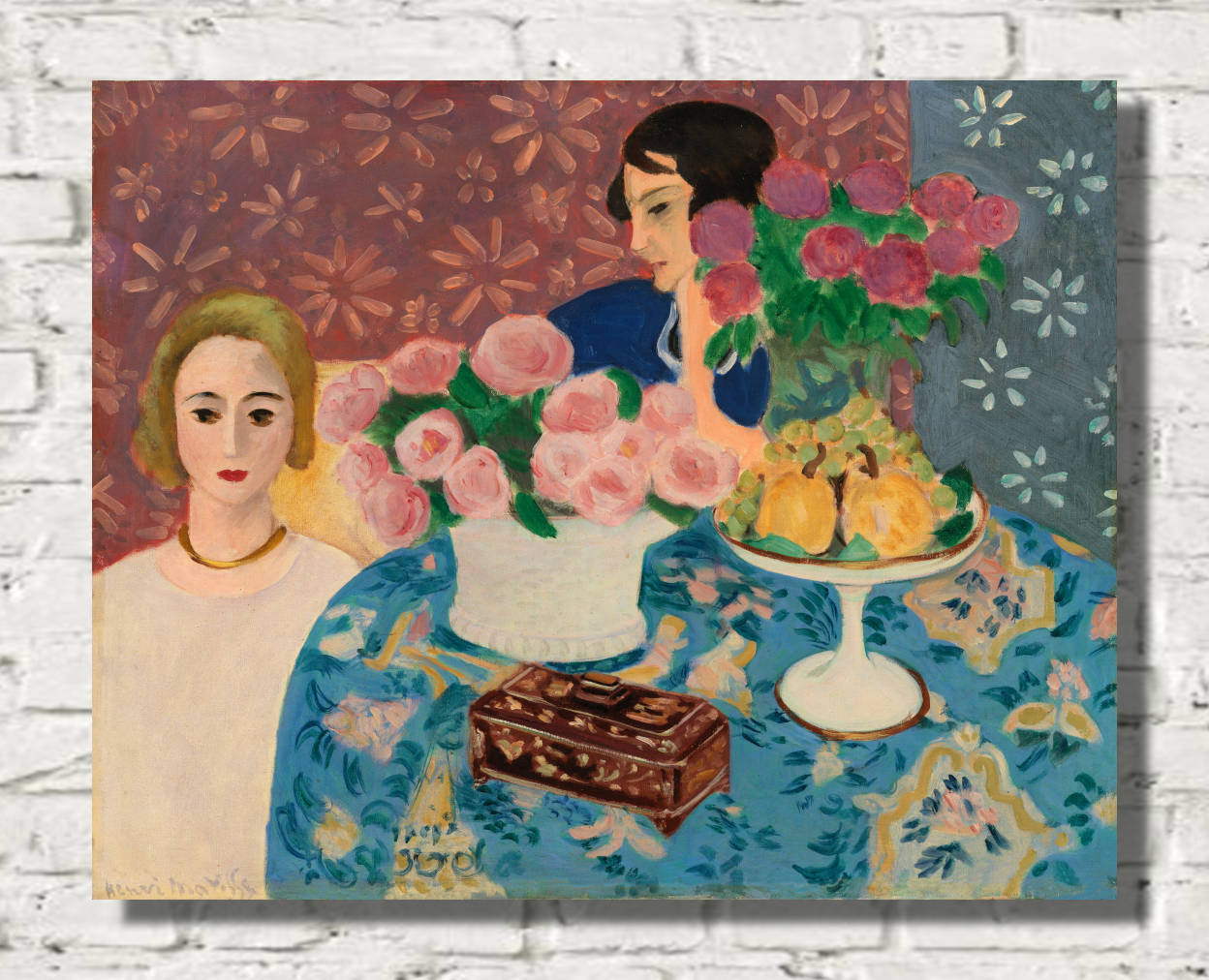
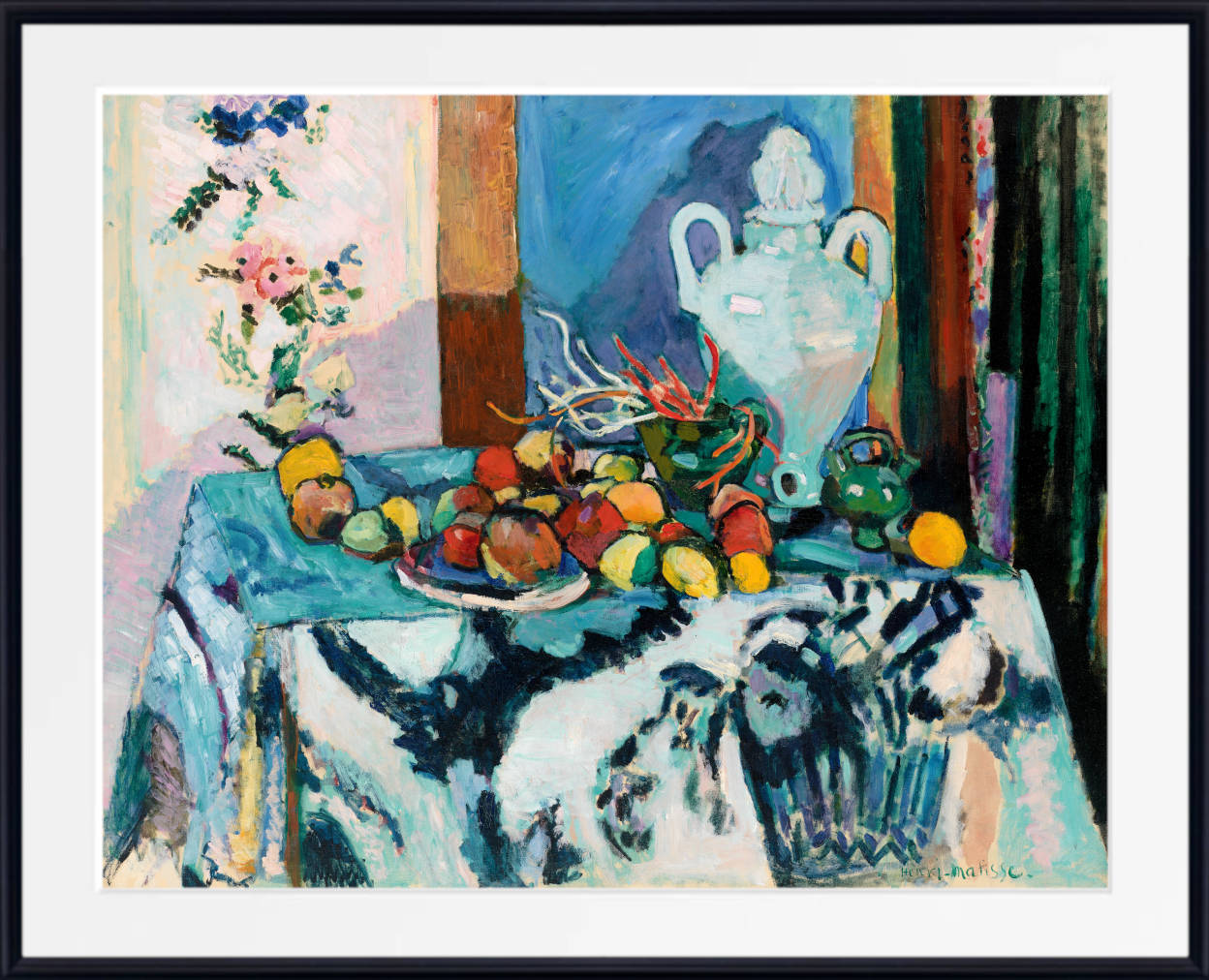
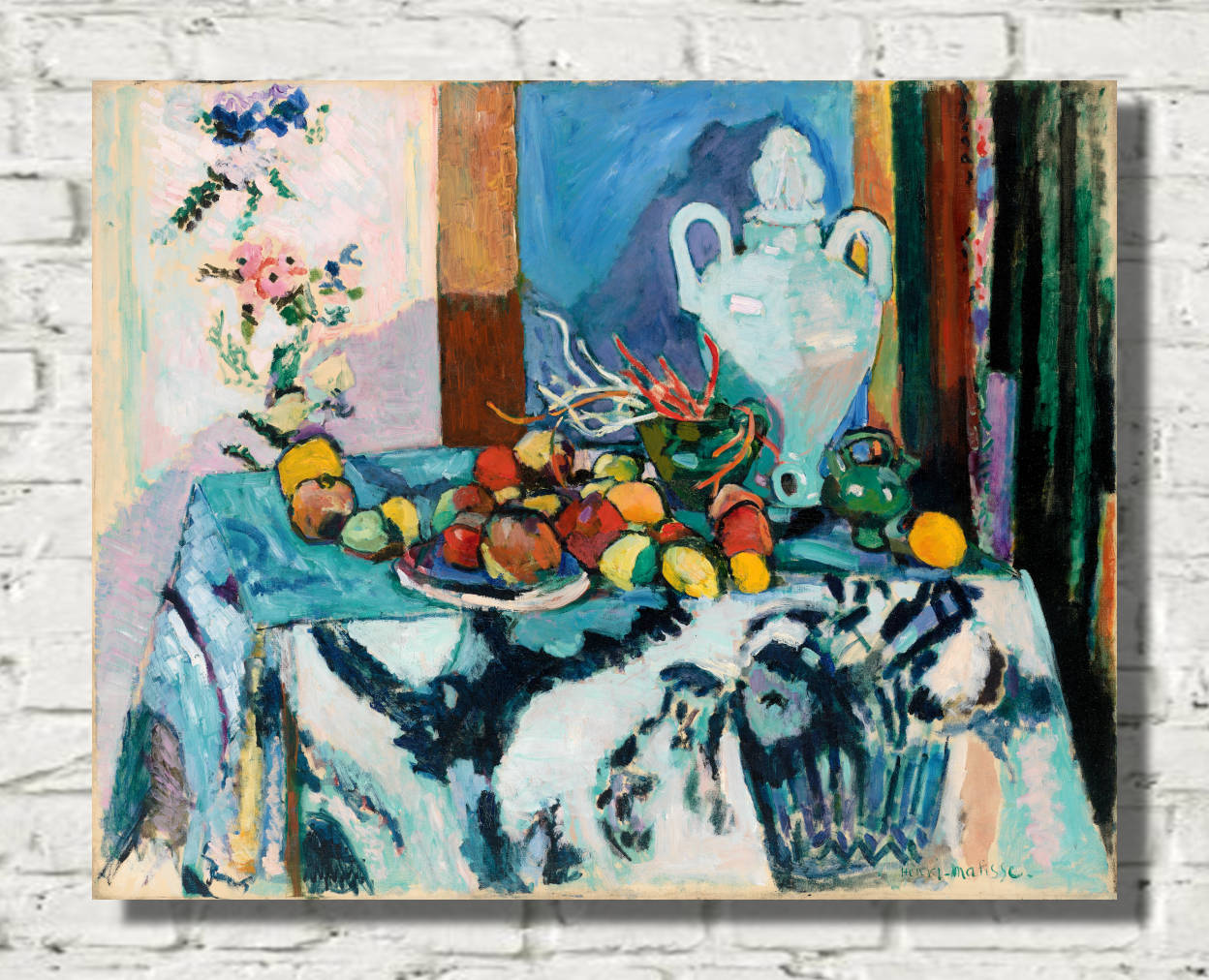
Bring the rich colour and decorative complexity of Henri Matisse’s celebrated Nice period into your home with a Henri Matisse Chinese Casket print. Painted between August and early autumn 1922, Chinese Casket (Le Coffret chinois) presents an intimate interior filled with patterned fabrics, wallpaper, flowers, fruit and two female figures gathered around a table.
Available as fine art prints and canvas panels, this evocative Matisse reproduction captures the artist’s fascination with interiors in which people, furnishings and decorative surfaces become part of a single visual tapestry. Strong colour, overlapping patterns and flattened space give the painting an unmistakably modern character while retaining the warmth and intimacy associated with Matisse’s work on the French Riviera.
A Richly Decorated Matisse Interior
Chinese Casket belongs to a period when Matisse was increasingly interested in transforming domestic interiors into elaborate arrangements of colour and pattern. Rather than treating furniture, wallpaper and textiles simply as background elements, he allowed them to compete visually with the human figures.
The patterned table covering stretches prominently across the foreground, while floral motifs and decorative surfaces continue through the surrounding room. Figures, objects and patterns overlap in a deliberately compressed pictorial space, creating the sense that almost every part of the canvas is active.
This dense decorative structure is one of the painting’s defining features. Matisse turns an ordinary interior scene into an intricate composition in which colour and pattern are as important as narrative or realistic perspective.
The Chinese Casket
The title Le Coffret chinois translates as The Chinese Casket or The Chinese Box. The decorative object becomes one element within the broader arrangement of figures, textiles, flowers and fruit that fills the composition.
Matisse had a lifelong fascination with decorative objects, textiles and works from different artistic traditions. Such objects frequently appeared in his studios and paintings, where their patterns, shapes and colours could become starting points for new compositions.
In Chinese Casket, the decorative object is therefore not merely a still-life accessory. It forms part of a wider visual world in which everyday possessions contribute to the rhythm and richness of the painted interior.
Henriette Darricarrère and Matisse’s Nice Period
The dark-haired woman in the painting is Henriette Darricarrère, one of the most important models in Matisse’s work during the 1920s. An aspiring actress, dancer and musician, Henriette appeared repeatedly in his paintings, drawings and sculptures during his years in Nice.
Matisse frequently portrayed her within carefully arranged interiors surrounded by patterned fabrics, furniture, flowers and decorative objects. These settings allowed him to explore the relationship between the human figure and its environment rather than presenting the sitter as an isolated portrait subject.
Chinese Casket is characteristic of this approach. The figures are embedded within the decoration of the room, becoming part of an elaborate composition built from repeated colours, shapes and patterns.
Colour and Pattern as Structure
Matisse believed that decorative elements could carry as much artistic significance as traditionally dominant subjects such as the human figure. In Chinese Casket, patterned wallpaper and textiles therefore play an unusually prominent role.
Instead of constructing the room through conventional linear perspective, Matisse uses changes of colour and pattern to organise the picture. Surfaces seem to tilt towards the viewer, patterns flow from one area into another and the distinction between foreground and background becomes deliberately unstable.
This flattening of space gives the painting its distinctly modern appearance. Although the subject remains recognisable as a domestic interior, the canvas can simultaneously be appreciated as an almost abstract arrangement of coloured shapes and decorative rhythms.
A Characteristic Work from Matisse’s Nice Years
Following the radical experiments of his Fauvist period, Matisse spent increasing amounts of time in Nice on the French Riviera from the late 1910s onwards. His paintings of the 1920s frequently concentrated on interiors, seated or reclining women, patterned textiles, flowers and decorative objects.
The brilliant Mediterranean light and the richly furnished rooms in which he worked encouraged a distinctive combination of figure painting and decorative design. The resulting works are often more intimate than his earlier Fauvist compositions but retain his fundamental belief in the expressive power of colour.
Chinese Casket exemplifies this important phase of Matisse’s career, combining human presence, still-life objects and elaborate decoration within one tightly integrated composition.
Chinese Casket Wall Art for Colourful Interiors
A Henri Matisse Chinese Casket wall art print is particularly suited to interiors where colour, pattern and visual richness are welcomed. Unlike the graphic simplicity of Matisse’s later cut-outs, this painting rewards closer viewing with an abundance of decorative detail.
Its varied palette can work beautifully within eclectic, contemporary, bohemian and mid-century modern interiors, as well as rooms influenced by Matisse’s own love of patterned textiles and decorative objects.
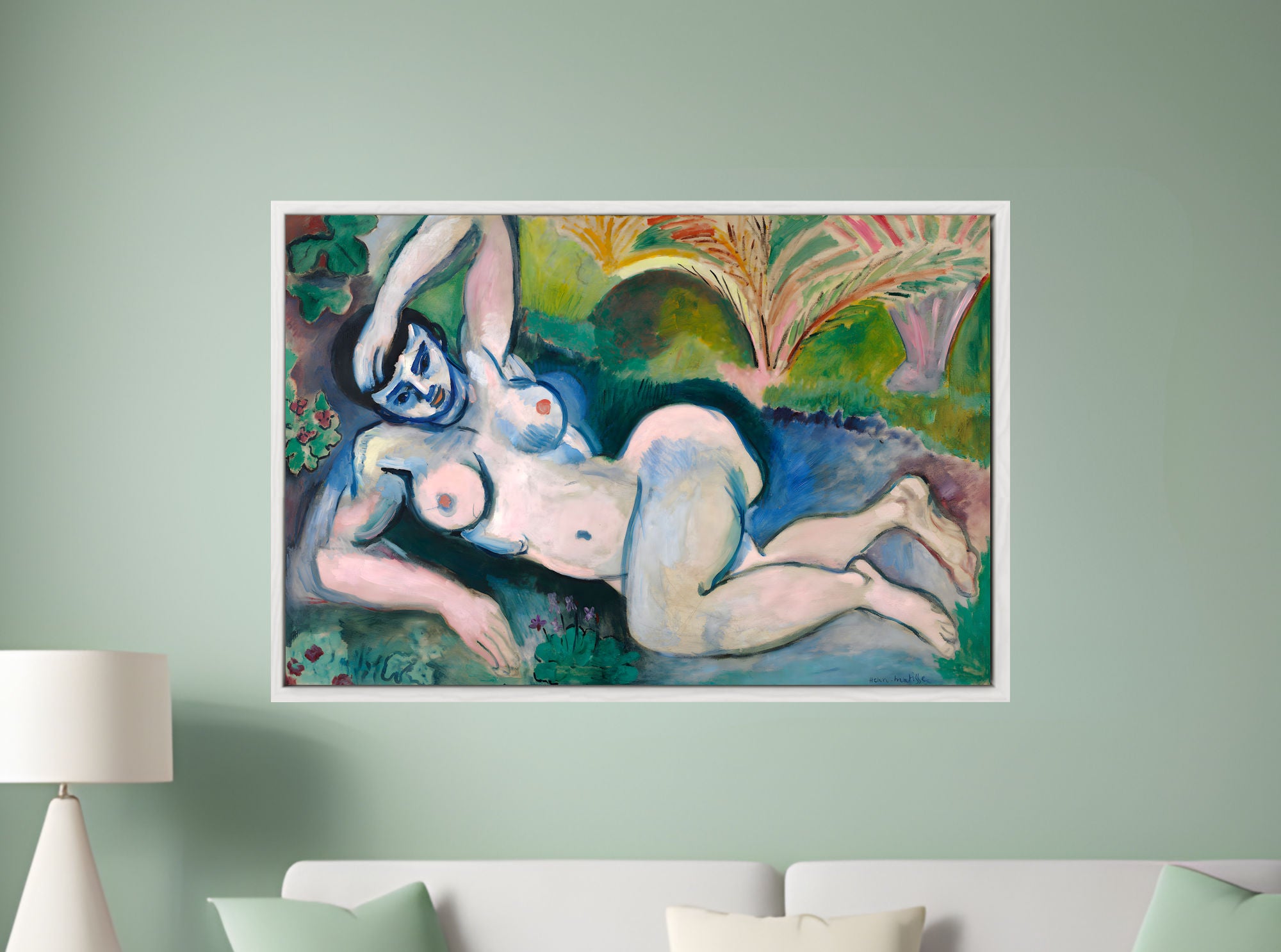
Displayed above a sofa, console table, sideboard or fireplace, a Chinese Casket Matisse print introduces warmth and artistic character without relying on a single dominant colour. It can also form part of a gallery wall alongside other Matisse interiors, still lifes and figurative works.
About Henri Matisse
Henri Matisse (1869–1954) was a French painter, draughtsman, sculptor and printmaker whose innovative treatment of colour and form established him as one of the leading figures of twentieth-century modern art.
Matisse first became internationally known during the early 1900s as a leader of Fauvism. Fauvist artists used intense, frequently non-naturalistic colours and simplified forms, challenging conventional approaches to realistic representation.
Colour remained central to Matisse throughout his career, but his methods continually evolved. During his Nice period, interiors became particularly important, allowing him to combine figures, patterned textiles, furniture, flowers and decorative objects within increasingly sophisticated compositions.
Later in life, Matisse simplified his visual language even further through his celebrated paper cut-outs, creating works such as Icarus and the Blue Nudes. Despite the enormous differences between these late compositions and richly patterned paintings such as Chinese Casket, both demonstrate the same lifelong concern with colour, rhythm and visual harmony.
Today, Henri Matisse prints remain popular because his work combines major significance within modern art with an extraordinary decorative vitality that continues to complement contemporary interiors.
Frequently Asked Questions
When did Henri Matisse paint Chinese Casket?
Henri Matisse painted Chinese Casket (Le Coffret chinois) between August and early autumn 1922, during his celebrated Nice period.
What is the French title of Chinese Casket?
The French title is Le Coffret chinois. The painting has also sometimes been referred to in English as The Chinese Box.
Who is the dark-haired woman in Chinese Casket?
The dark-haired model is Henriette Darricarrère, who posed frequently for Matisse during the 1920s. She became one of the most recognisable figures in his paintings from the Nice period.
What style is Matisse’s Chinese Casket?
Chinese Casket belongs to Matisse’s Nice period. It combines figurative painting, still-life elements and decorative interior design, with flattened perspective and extensive use of pattern and colour.
Why are there so many patterns in Chinese Casket?
Matisse treated decorative pattern as an essential part of a painting rather than simply background decoration. In Chinese Casket, patterned textiles and walls help organise the composition and visually connect the figures with their surroundings.
Is Chinese Casket a Fauvist painting?
The painting was created well after the height of Fauvism. However, Matisse’s earlier Fauvist experiments continued to influence his use of expressive colour. By 1922, his style had developed towards the richly decorated interiors associated with his Nice period.
Where is the original Chinese Casket by Henri Matisse?
The original oil painting is held by the Barnes Foundation in Philadelphia, where it forms part of the museum’s important collection of works by Henri Matisse.
What interiors suit a Chinese Casket print?
The painting works particularly well within eclectic, contemporary, bohemian and mid-century modern interiors. Its combination of figures, flowers, textiles and richly varied colour makes it an attractive choice for rooms where artwork is intended to provide warmth and decorative interest.
Is Chinese Casket available as a canvas panel?
GalleryThane offers Chinese Casket as fine art prints and canvas panels, providing different ways to display this richly decorated Henri Matisse interior within your home.
All orders for unframed fine art prints and original paintings are dispatched within 2 working days of receipt of payment.
Orders for custom framed prints are dispatched within 4 working days.
All orders are fully tracked from dispatch to delivery at your home or business.
All print and original painting orders are fully insured against loss or damage in transit. We refund or replace any damaged or lost orders.
Buy with confidence - read what our satisfied customers have to say - Reviews
Fine art papers are printed without any additional white border Please let us know at the time of ordering if you would like a small additional white border.
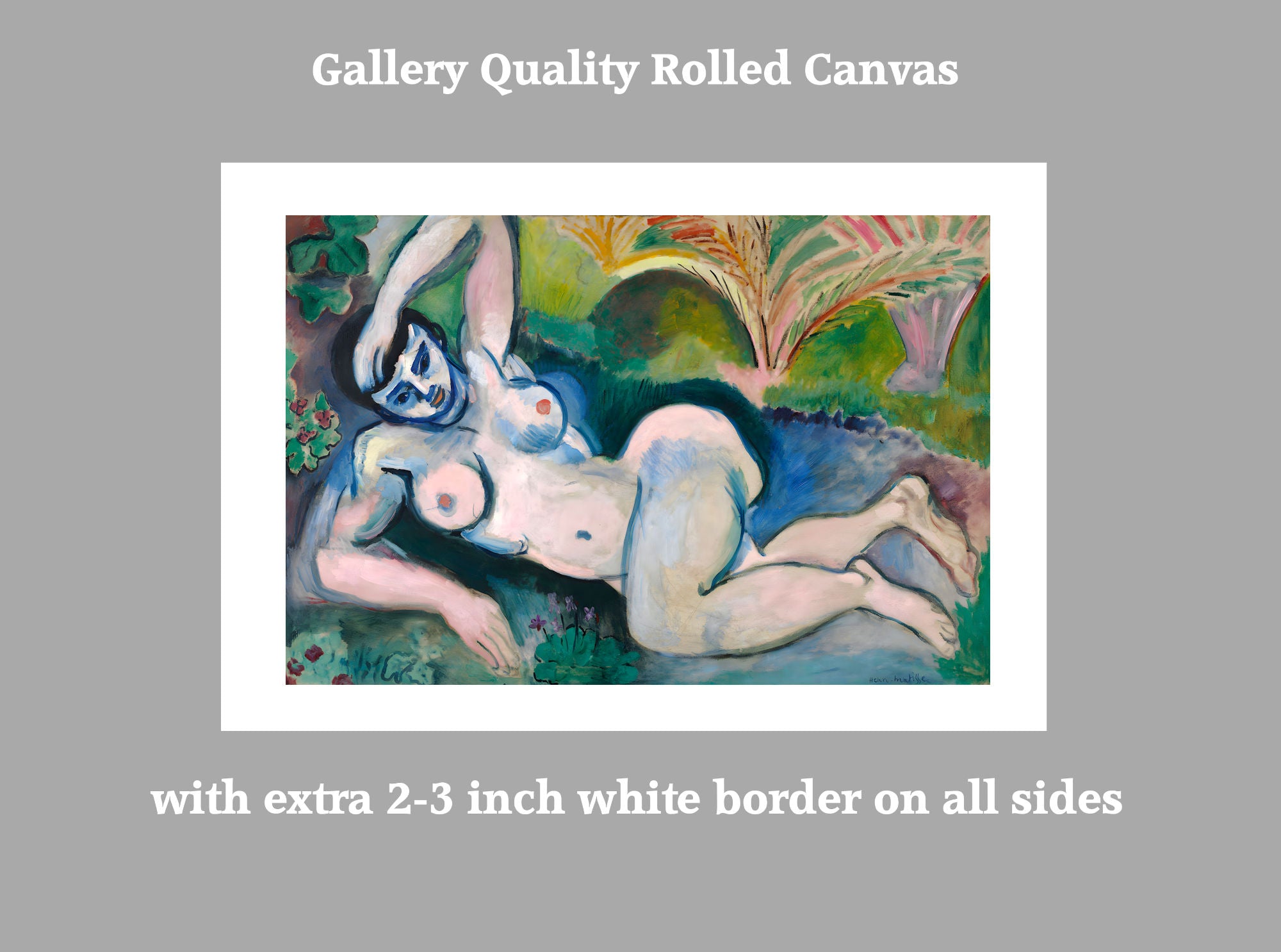
Rolled canvas options have an additional white border of approximately 2.5 inches (7cm) on all 4 sides to aid stretching.
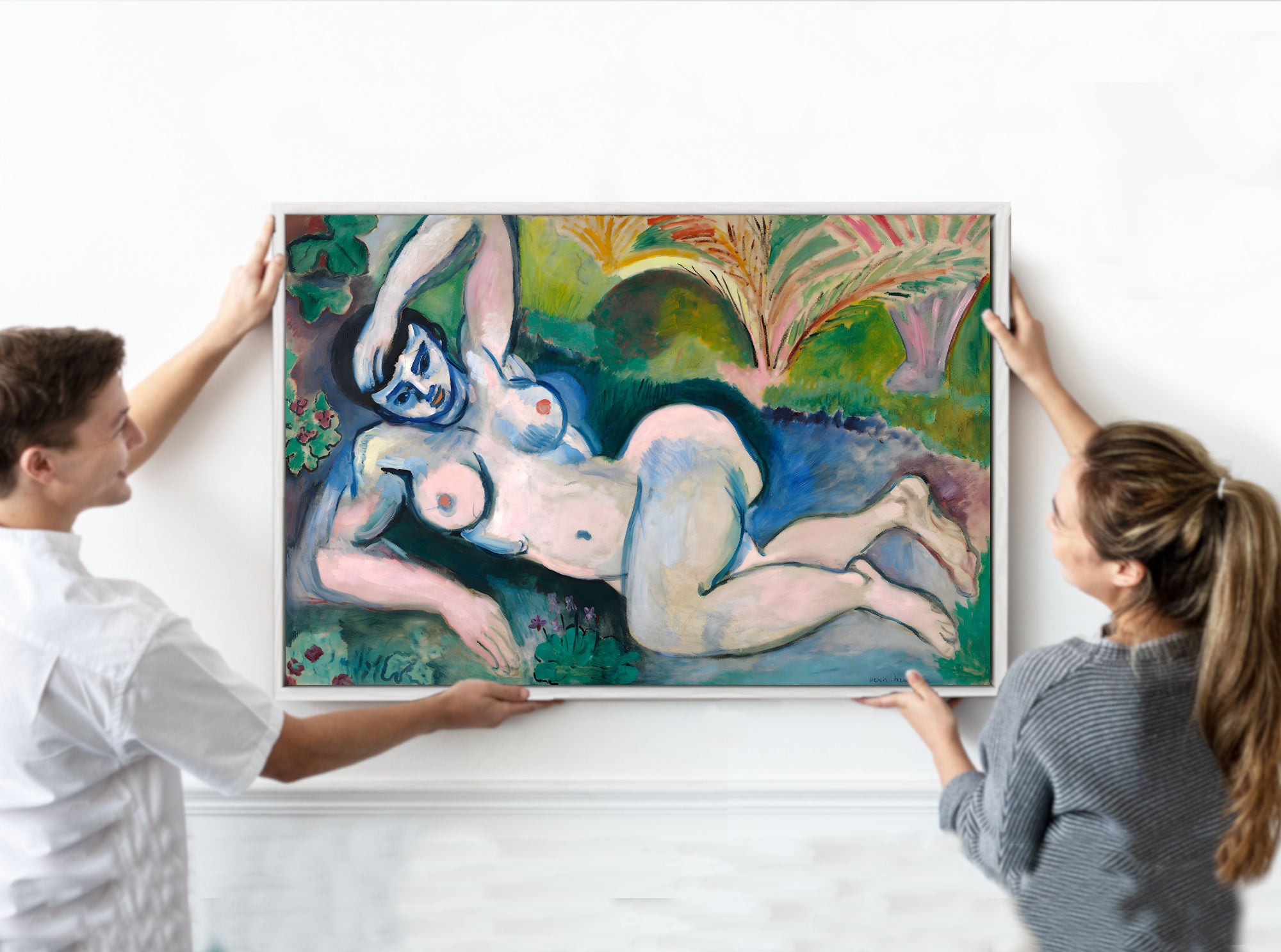
Ready to hang canvas panels are stretched on 1.5 inch deep solid pine frames from sustainable forestry sources. The image is mirrored on all 4 sides to give an aesthetically pleasing finish.
Why not have us gift wrap your order and attach a personalised message to the recipient. Available for all orders. Each order is hand wrapped in high quality gift wrap with meatllic ribbon and bow. Your personalised message is printed on a card which is included with your order.
Have your hand wrapped gift delivered directly to the recipient.
Full tracking and insurance included with every order.
Please note design may vary depending upon availability
Just purchase the gift wrap option HERE
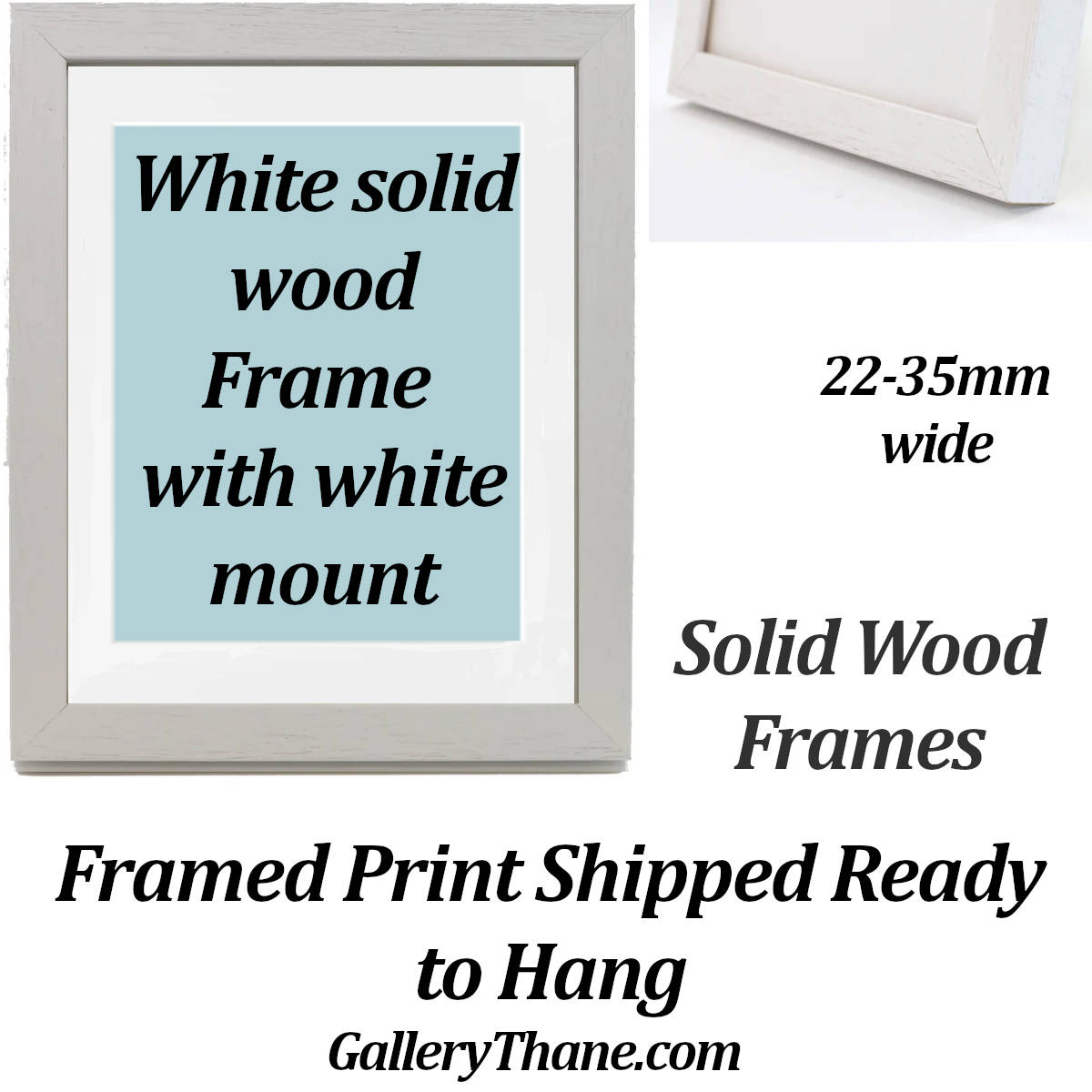
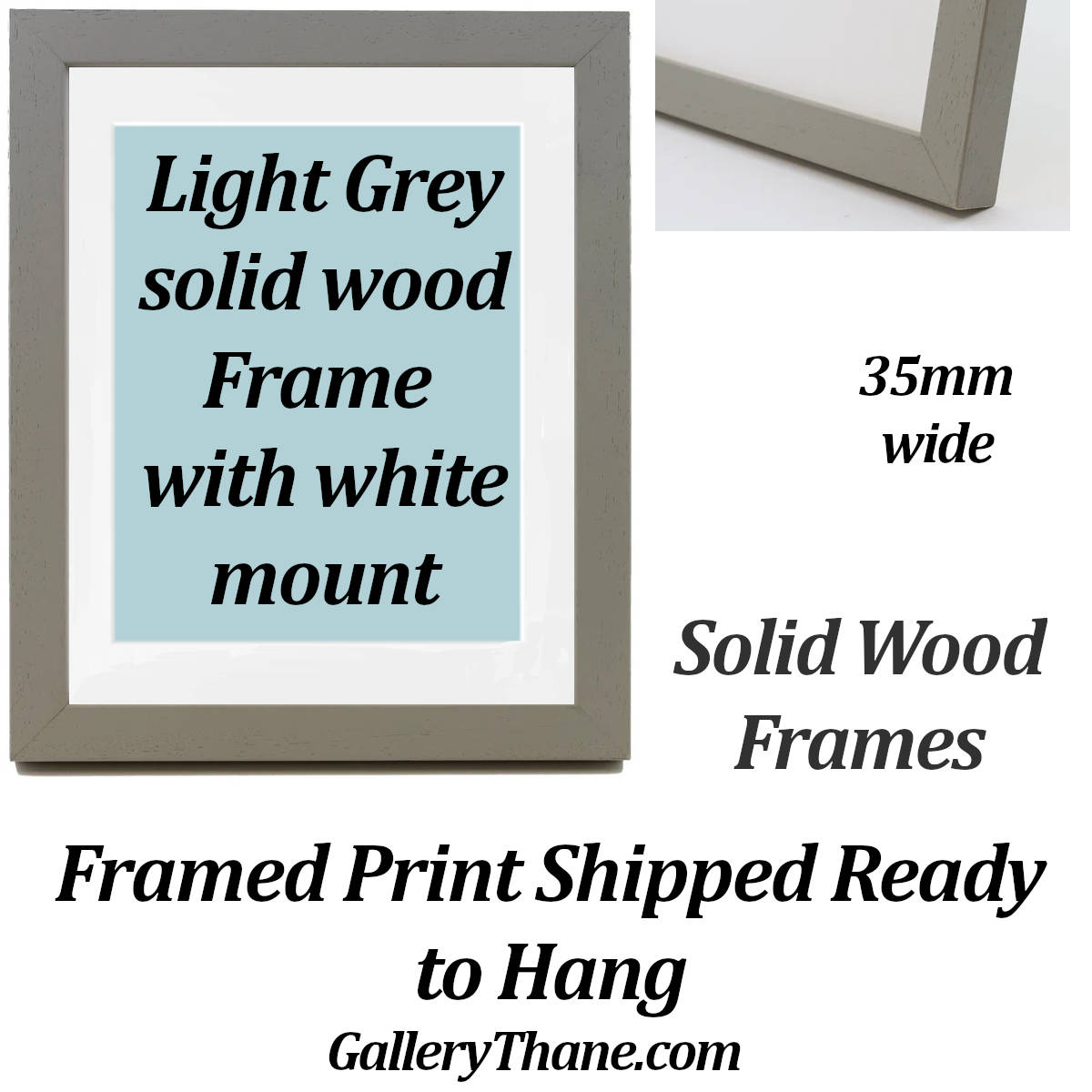
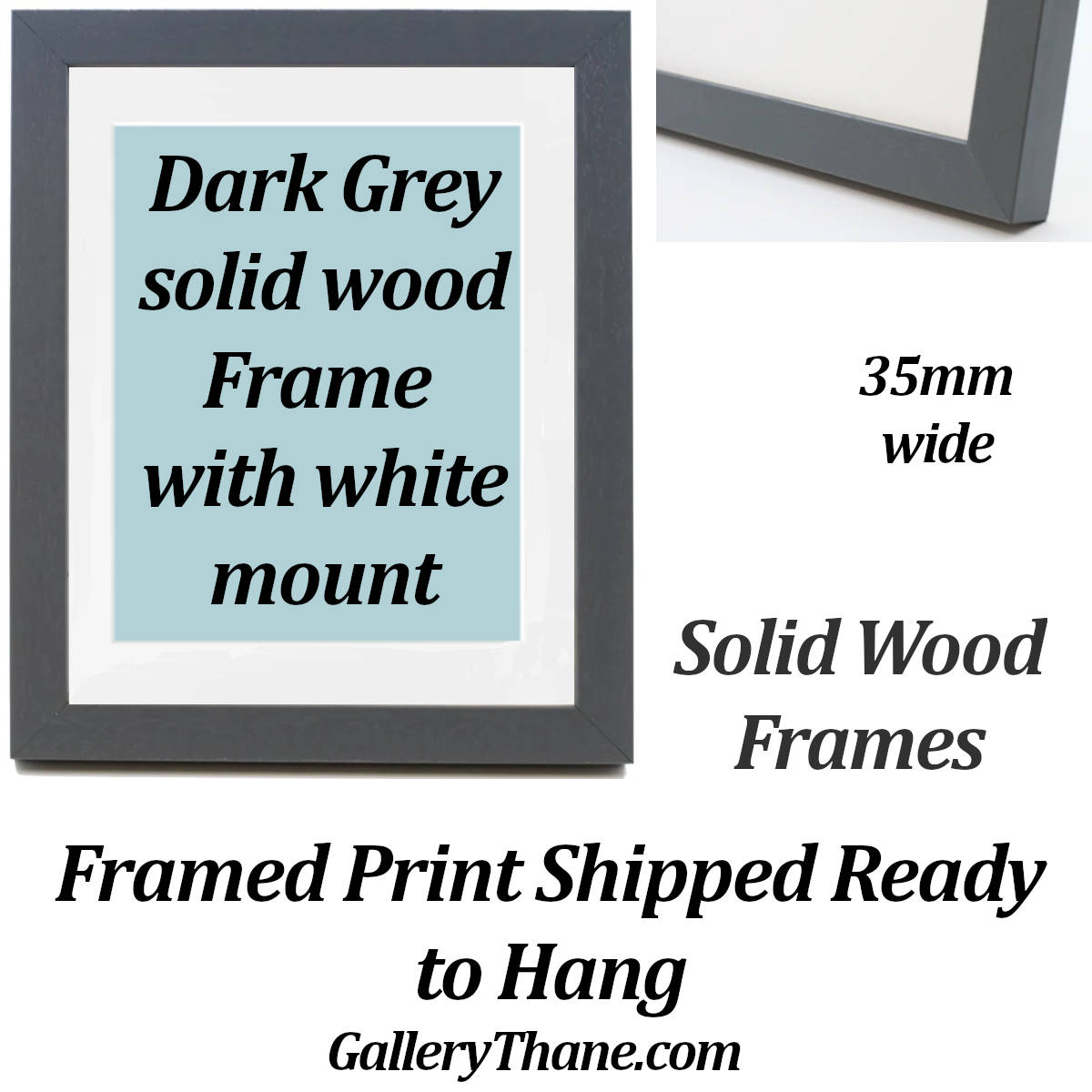
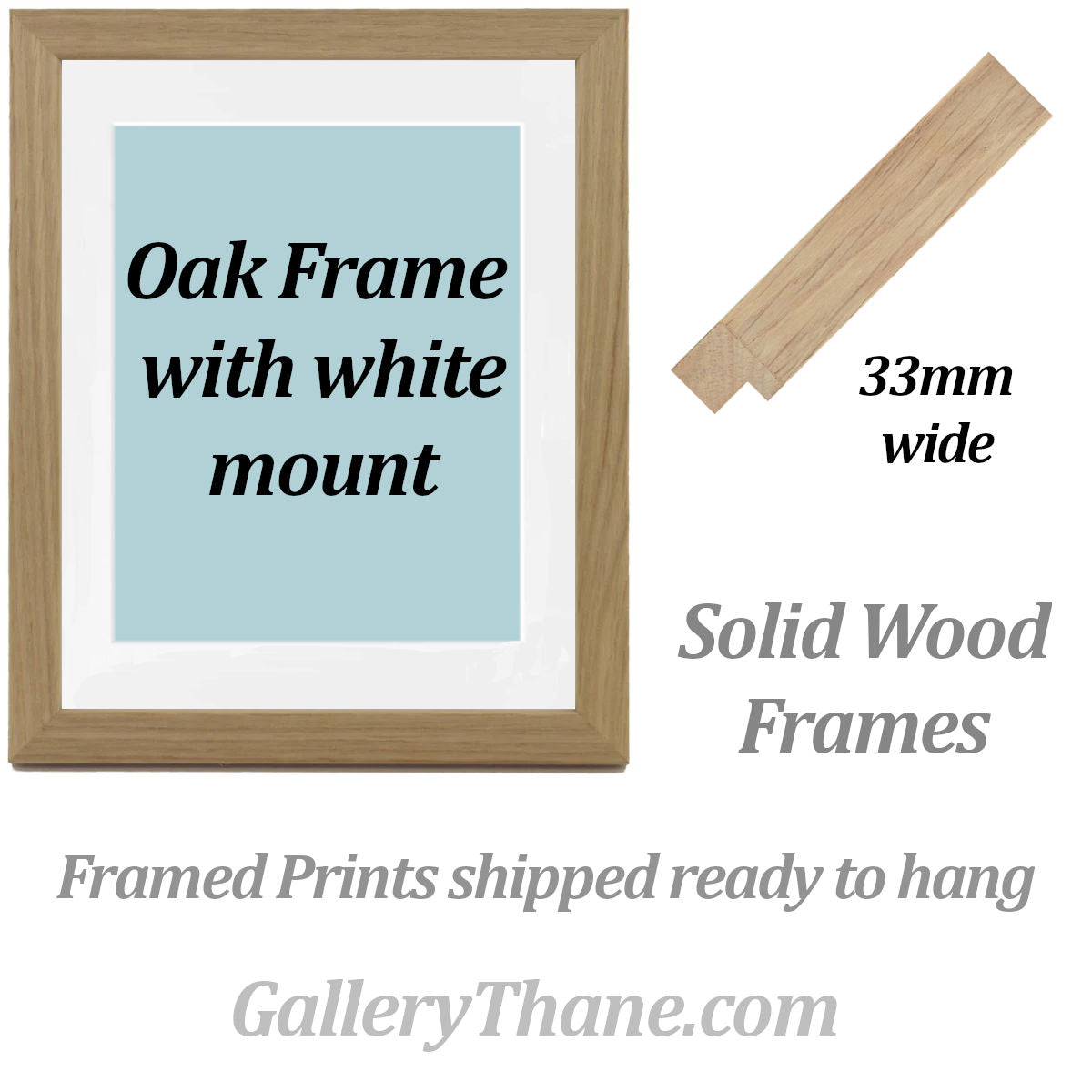
We have a wide range of frames in standard sizes and we also make custom size frames.
To order a framed print:
1. select the print size you would like along with the print materials (matte paper, fine art paper).
2. Add your print choice to the basket.
3. Choose from our range of frames
4. Select the same size as the print you have added to your basket. If the frame size you want is not listed please contact us
5. Choose from the mount or no-mount option
6. Add your frame choice to the basket
7. Proceed to checkout.
Why Choose GalleryThane?
- Printed and framed in-house
- Free UK delivery
- Free EU and USA delivery on orders over £200
- Tracking and insurance included in every order
- Fast 1-3 day dispatch
- Gift wrapping service available
- Gallery quality materials
- Sustainable, eco-friendly packaging
- Great customer support
Explore related collections

What makes our Prints and Canvas Panels so special

Latest Giclee Printing Technology
We have invested in the latest wide format print technology to produce museum quality giclee prints utilising the highest quality pigment inks to give outstanding colour reproduction.

Museum Quality Archival Fine Art Papers
We print on the finest quality fine art papers with textured, smooth and lustre finishes for prints which last a lifetime.
From aceo miniatures to 40x80 inch large format, every print has our lifetime quality guaranteee.

Solid Wood Frames, Cotton Canvas
All of the wood for our canvas panels and frames is responsibly sourced from manages forests. Our cotton canvas is completely seedless for the highest quality reproduction possible.

Have Your Gift Wrapped


