


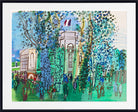
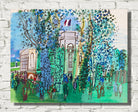
Weighing at Deauville (circa 1930) by Raoul Dufy
Couldn't load pickup availability
BUY WITH CONFIDENCE
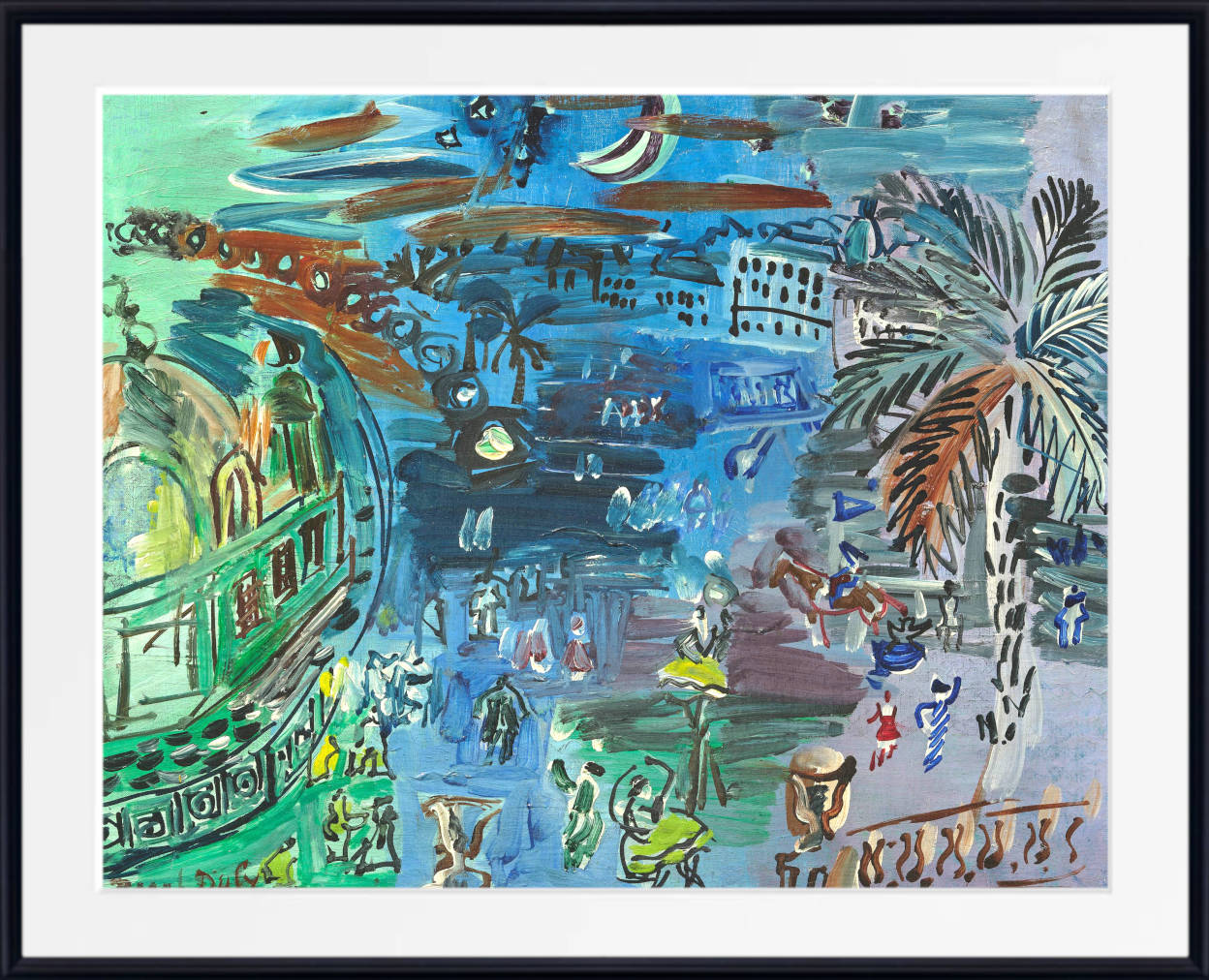
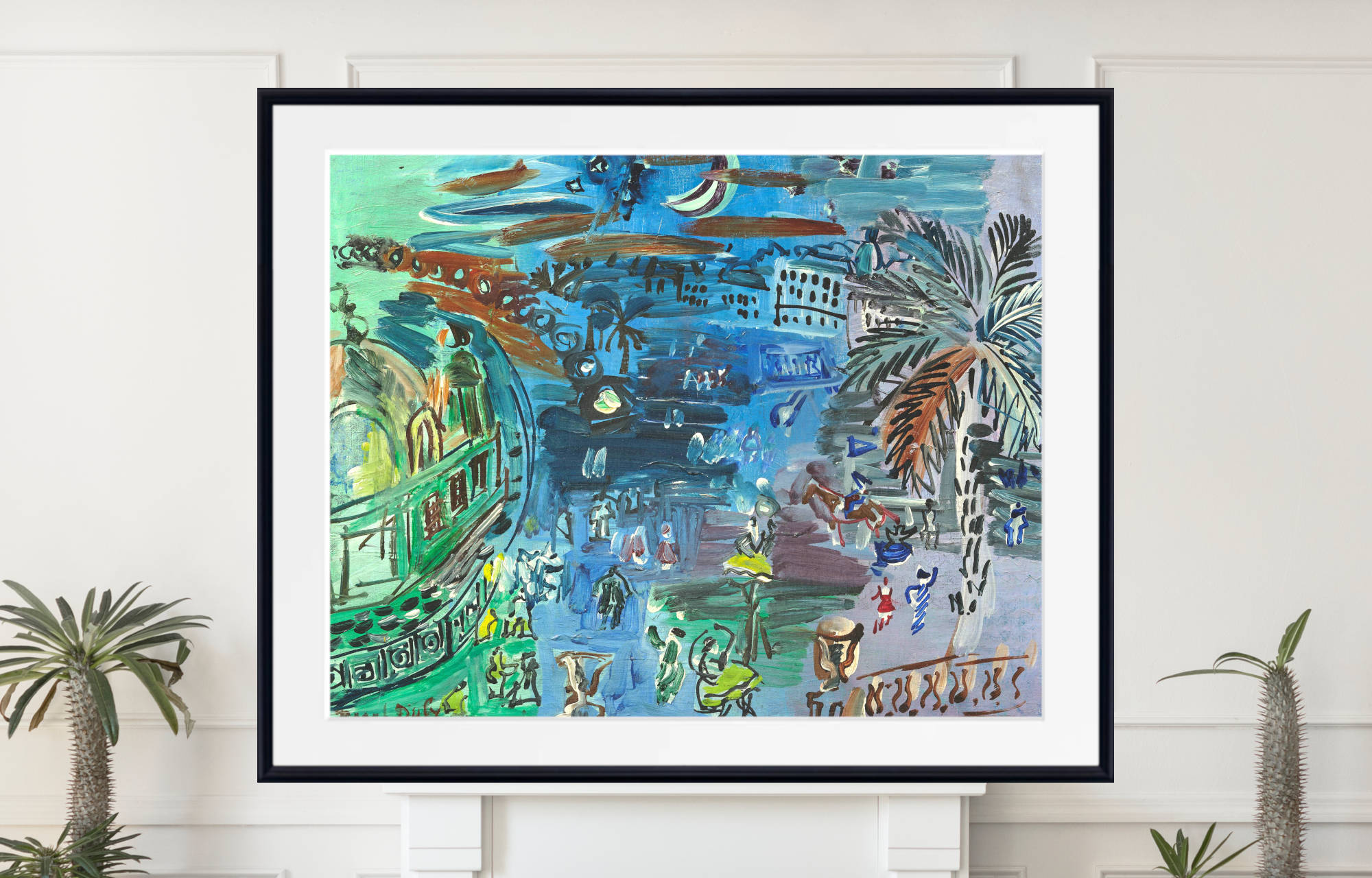
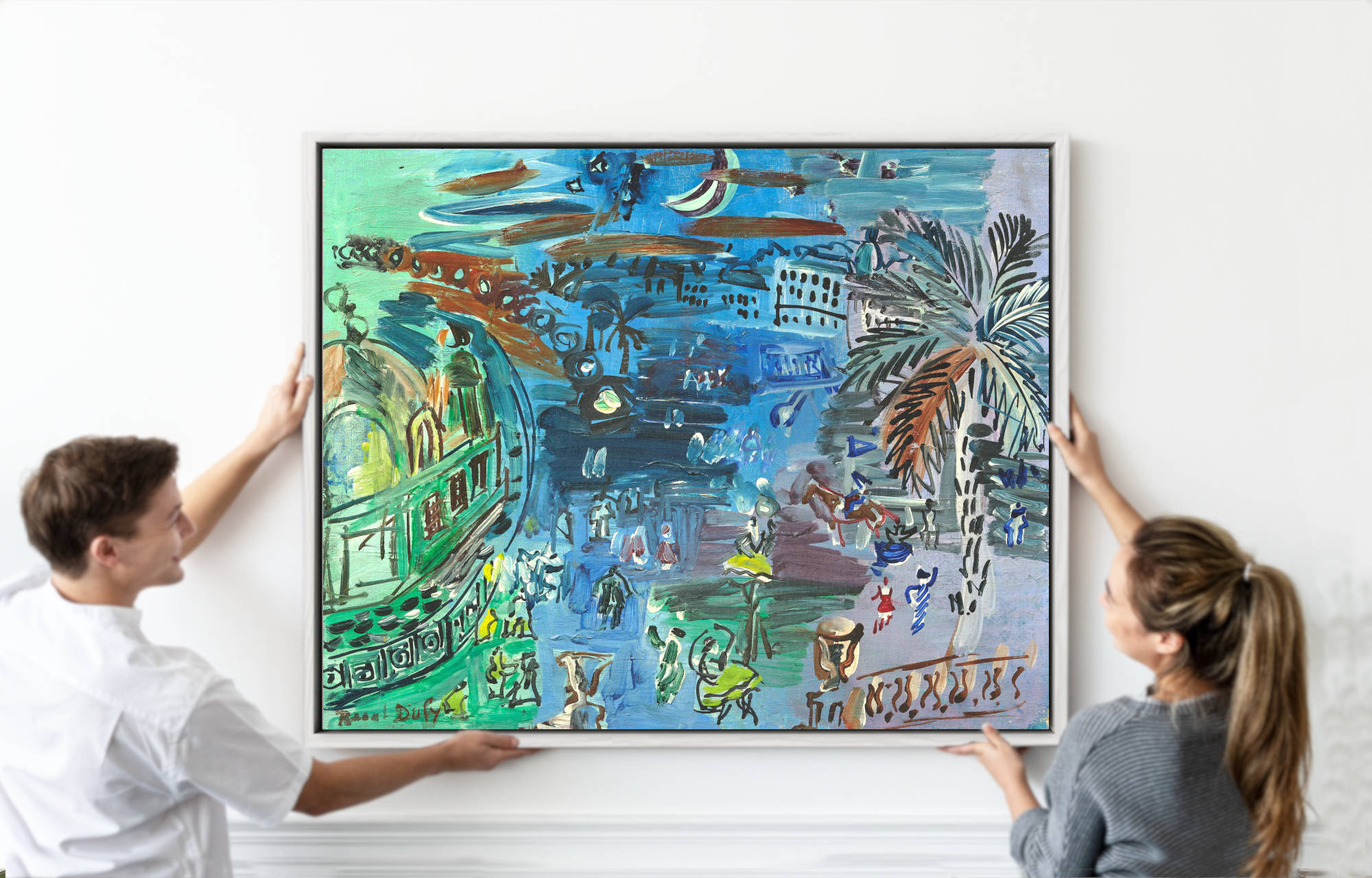
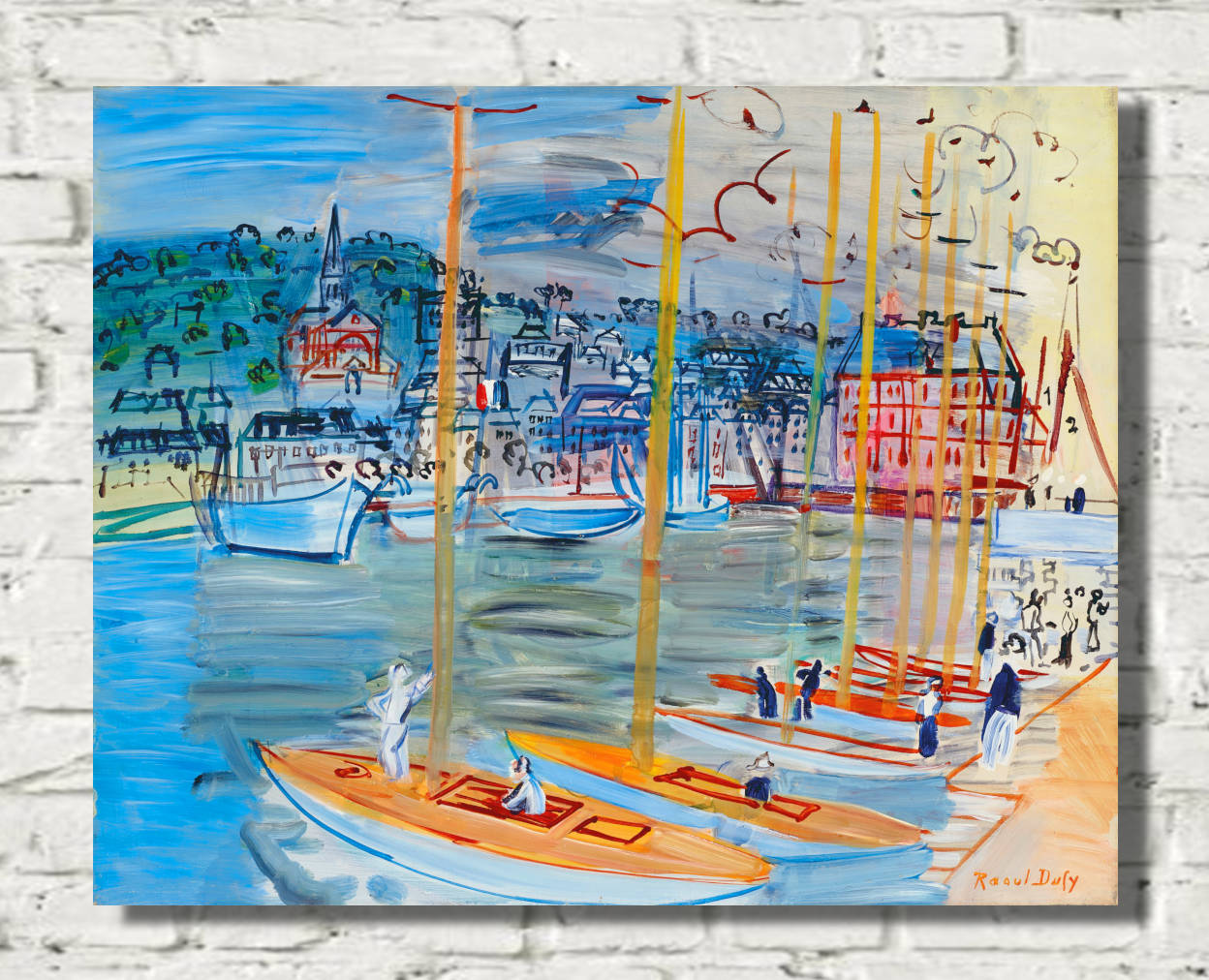
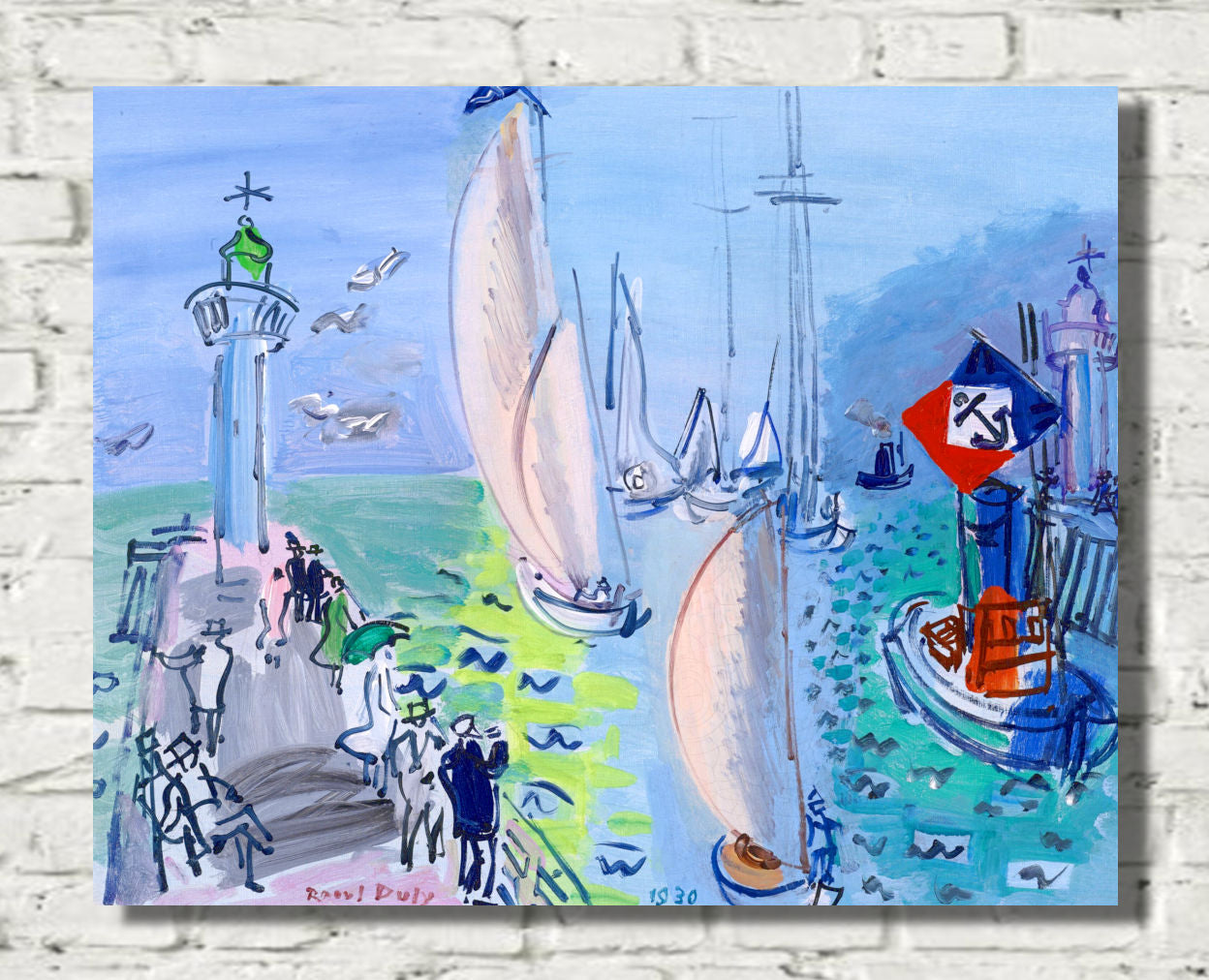
Weighing at Deauville (c.1930) by Raoul Dufy captures the fashionable world of horse racing at Deauville through the artist's distinctive combination of fluid drawing, brilliant colour and effortless movement. Set within the leafy surroundings of the Deauville racecourse, elegantly dressed spectators, jockeys, horses and architectural features are woven into a lively composition dominated by fresh greens, blues and rapidly drawn figures.
This Raoul Dufy horse racing print is much more than a sporting picture. It presents the racecourse as a social spectacle — a place where fashion, leisure, horses and modern society come together. Available as a fine art print, framed print or ready-to-hang canvas panel, Weighing at Deauville is an especially attractive choice for admirers of Dufy, equestrian art and colourful twentieth-century French painting.
Weighing at Deauville – Life at the Racecourse
The title Weighing at Deauville derives from the French Pesage à Deauville. In French horse racing, the pesage refers to the weighing enclosure associated with the area where jockeys are weighed before and after races. At Deauville, this became part of a broader racecourse environment incorporating the paddock, spectators and the fashionable social life surrounding the meeting.
Dufy was fascinated by precisely this kind of setting. Instead of concentrating solely on horses galloping around the track, he looked at the entire spectacle of racing: jockeys, owners, spectators, trees, buildings, racecourse enclosures and people moving between them.
In Weighing at Deauville, the eye wanders through a scene alive with activity. Small groups of figures gather beneath tall trees, horses and riders appear among the crowd, and the pale racecourse architecture provides a strong vertical focus within the composition. Above it, the French tricolour reinforces the distinctly French setting.
Rather than describing every person individually, Dufy reduces much of the activity to quick marks and abbreviated silhouettes. The result gives an immediate impression of a busy summer race meeting without sacrificing the decorative clarity of the overall design.
Raoul Dufy and the Deauville Racecourse
Deauville was one of Dufy's most productive recurring subjects. The fashionable Normandy resort combined many of the themes that interested him throughout his career: horse racing, sailing, beaches, elegant visitors and modern leisure.
Deauville-La Touques racecourse had been an important centre of French racing since the nineteenth century and attracted both leading racing figures and fashionable society. By Dufy's time, the summer meeting had become as much a social occasion as a sporting one.
This atmosphere suited Dufy perfectly. Just as his regatta paintings celebrate sailing rather than documenting individual yachts, his racing pictures concentrate on the visual excitement surrounding the event. Horses, jockeys, spectators and brightly coloured racing silks provide a vocabulary of forms that can be arranged across the surface with extraordinary freedom.
Dufy's interest in the Deauville racecourse around this period is well documented. A surviving sketchbook now in the Centre Pompidou contains studies associated with Deauville in August 1929, including a drawing entitled Le pesage. Such sketches show how close observation of the racecourse fed into the more elaborate compositions he developed around 1929–30.
Colour, Trees and Figures
One of the most striking features of Weighing at Deauville is the way Dufy turns the leafy racecourse setting into part of the rhythm of the painting. Tall tree trunks divide the scene vertically, while scattered leaves are suggested through countless rapid touches of blue, green and darker colour.
The architecture provides another layer of structure, but Dufy deliberately avoids rigid perspective or painstaking detail. Buildings are outlined economically, allowing them to coexist with the loose trees and rapidly described figures rather than dominate the composition.
Colour moves freely through the scene. Greens spread across the foreground and foliage, blues appear throughout the trees, clothing and surrounding atmosphere, while smaller areas of stronger colour animate individual figures and details.
This relationship between structure and freedom is central to Dufy's mature work. The scene remains legible — we recognise trees, people, horses and racecourse buildings — yet every element also participates in a larger decorative pattern.
The Elegance of Dufy's Horse Racing Art
Horse racing became one of Raoul Dufy's signature subjects. He painted racing scenes in France and Britain, including Deauville and Ascot, because the racecourse offered an exceptional combination of movement, colour and fashionable modern life.
Unlike traditional equestrian painters who often concentrated on the anatomy and power of the horse, Dufy was equally interested in everything happening around it. A jockey's racing colours, a spectator's clothing, the outline of a tree or the geometry of a grandstand could become just as visually important as the animals themselves.
This makes Weighing at Deauville particularly distinctive as equestrian wall art. It communicates the world of horse racing without becoming a conventional sporting illustration. The painting is as much about atmosphere and society as it is about the racecourse itself.
Raoul Dufy's Painting Style
Dufy's early career was influenced by Impressionism before his encounter with Henri Matisse and the Fauvist painters transformed his approach to colour. Fauvism demonstrated that colour did not need to reproduce nature literally; it could instead create energy, emotion and structure.
Although Dufy subsequently developed far beyond his early Fauvist phase, this freedom remained fundamental to his mature art. By the late 1920s, he had established a highly personal technique based on rapid, calligraphic outlines and expanses of colour that frequently operate independently of the drawing.
Figures could be indicated with only a handful of lines. Horses might be reduced to a few sweeping curves. Leaves, crowds and architectural details could be compressed into a lively shorthand that suggests rather than laboriously describes.
Weighing at Deauville demonstrates this approach exceptionally well. Despite the complexity of the racecourse scene, the composition feels open and spontaneous. Dufy's economy of line allows the eye to move easily through the crowd while colour binds the many individual elements together.
About Raoul Dufy
Raoul Dufy (1877–1953) was a French painter, draughtsman, printmaker and designer born in the Normandy port of Le Havre. He studied at the École des Beaux-Arts in Le Havre before continuing his artistic education in Paris.
His earliest work reflected the influence of Impressionism, but his encounter with the brilliant colour of Henri Matisse and other Fauvist painters radically changed his artistic direction. Dufy briefly embraced Fauvism before developing the lighter, more lyrical combination of expressive colour and fluid line for which he is now best known.
Modern leisure became one of the great themes of his career. Regattas, race meetings, Mediterranean resorts, beaches, concerts and fashionable gatherings provided subjects filled with colour and movement. Deauville, with its combination of racing, sailing and sophisticated seaside life, therefore became particularly important to him.
Dufy's creativity also extended well beyond painting. He produced textile designs, illustrations, ceramics and monumental decorative works, establishing an important connection between twentieth-century fine art, fashion and design.
The Original Weighing at Deauville
Weighing at Deauville, also catalogued under its French title Pesage à Deauville, dates from circa 1929–30. The documented original is a work on paper executed in watercolour and gouache, measuring approximately 49 × 65 cm and signed by Raoul Dufy at the lower right.
These media were particularly well suited to Dufy's style. Transparent watercolour enabled him to create light, rapidly applied passages, while gouache allowed stronger and more opaque colour to punctuate the composition.
The combination helps explain the exceptional freshness of the image. Even within a complex crowd scene, the colours retain a sense of immediacy and the drawing preserves the appearance of spontaneous observation.
A Raoul Dufy Horse Racing Print for Your Interior
A Weighing at Deauville print by Raoul Dufy is an excellent choice for anyone looking for equestrian art with a more sophisticated and modern character. The racing subject makes it particularly appealing to horse-racing enthusiasts, while the lush palette and elegant figures give it much broader decorative appeal.
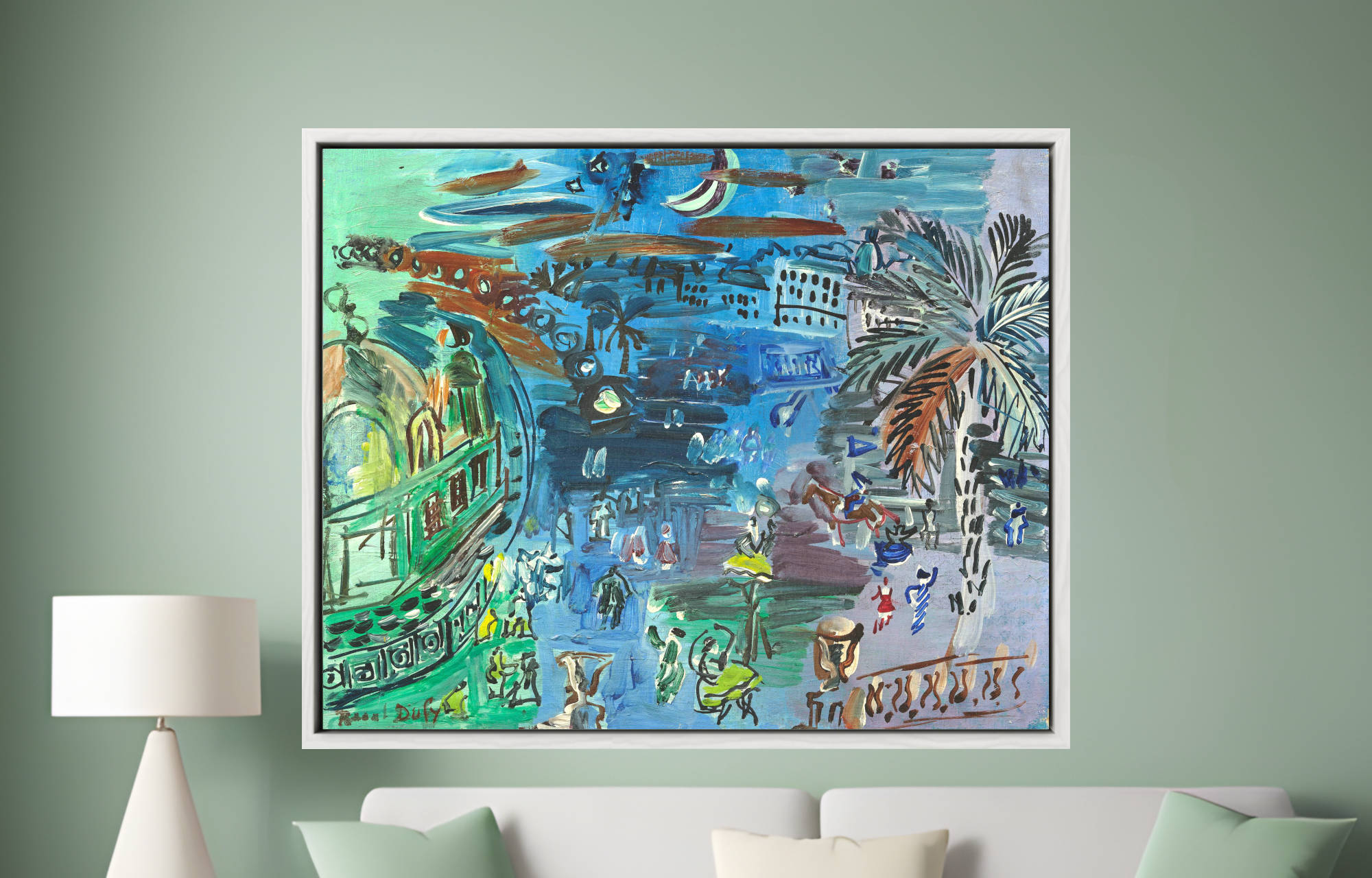
The greens and blues of the tree-filled composition work especially well with neutral walls, natural woods and understated furnishings. It can introduce substantial colour to a room without the visual heaviness of a darker traditional racing painting.
The work is particularly effective in living rooms, dining rooms, hallways, studies and home offices, as well as interiors inspired by French, Art Deco, eclectic or Scandinavian design.
For anyone with an interest in Deauville, French horse racing or the stylish leisure culture of the interwar period, the painting also carries a strong sense of place and period.
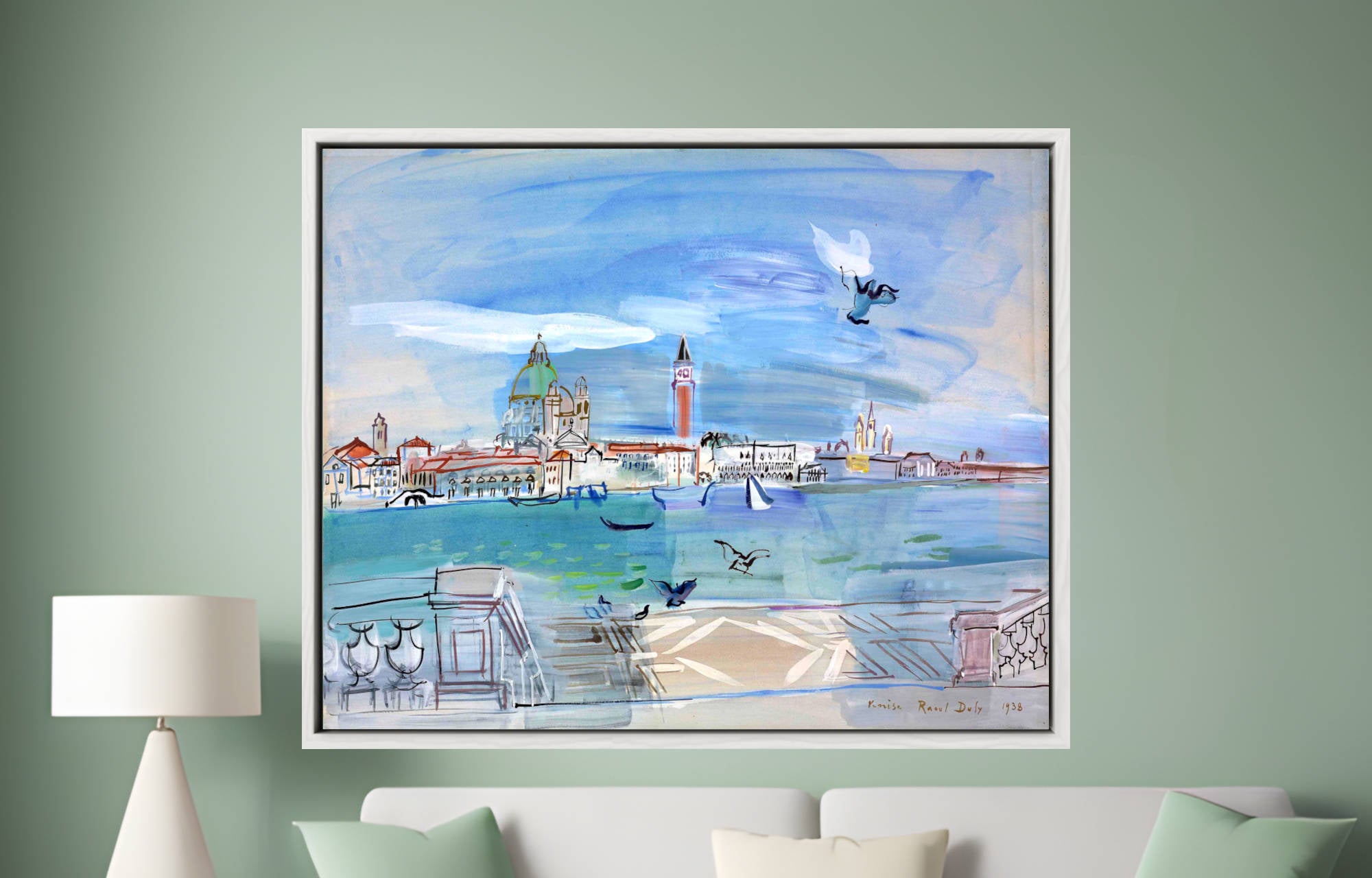
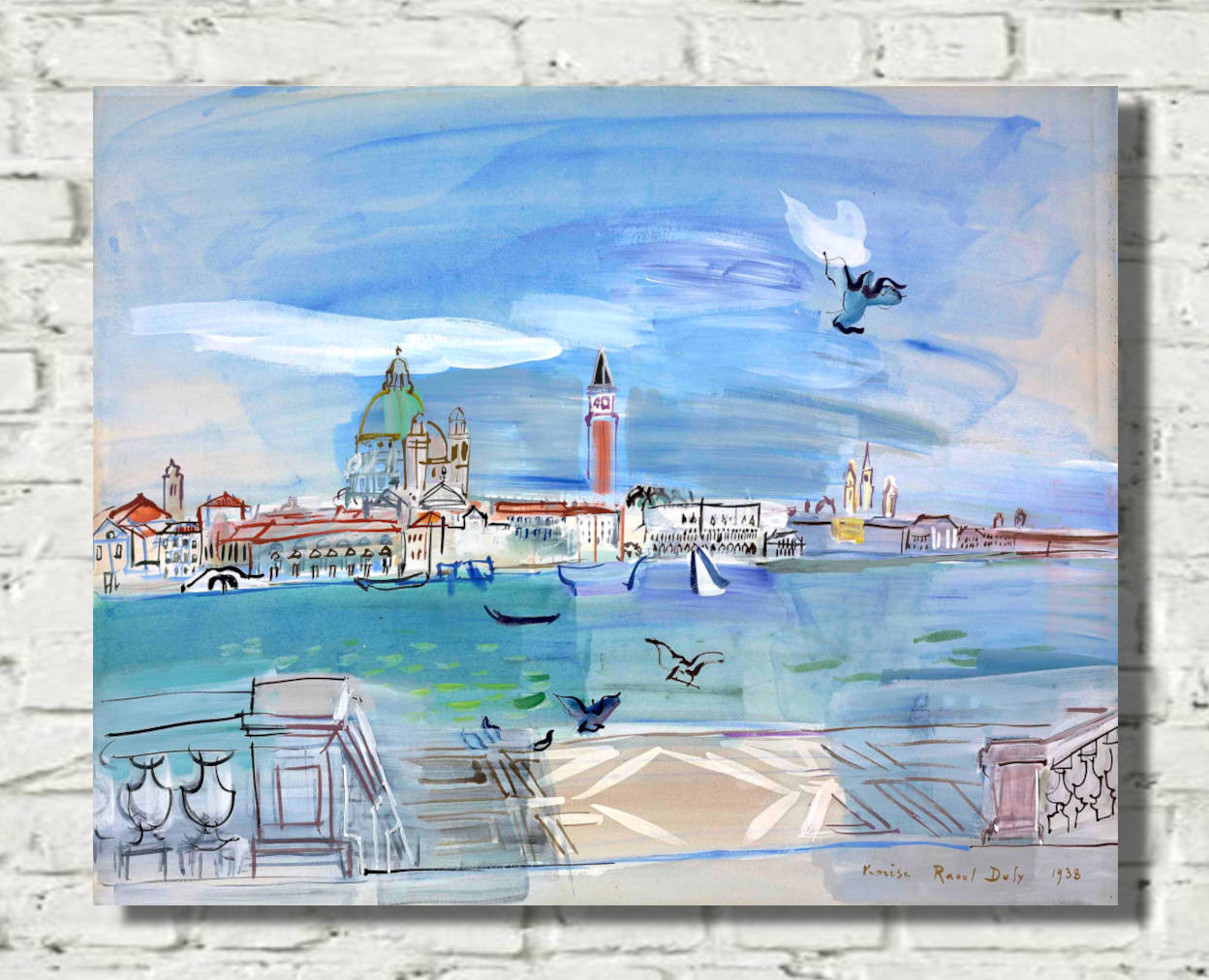
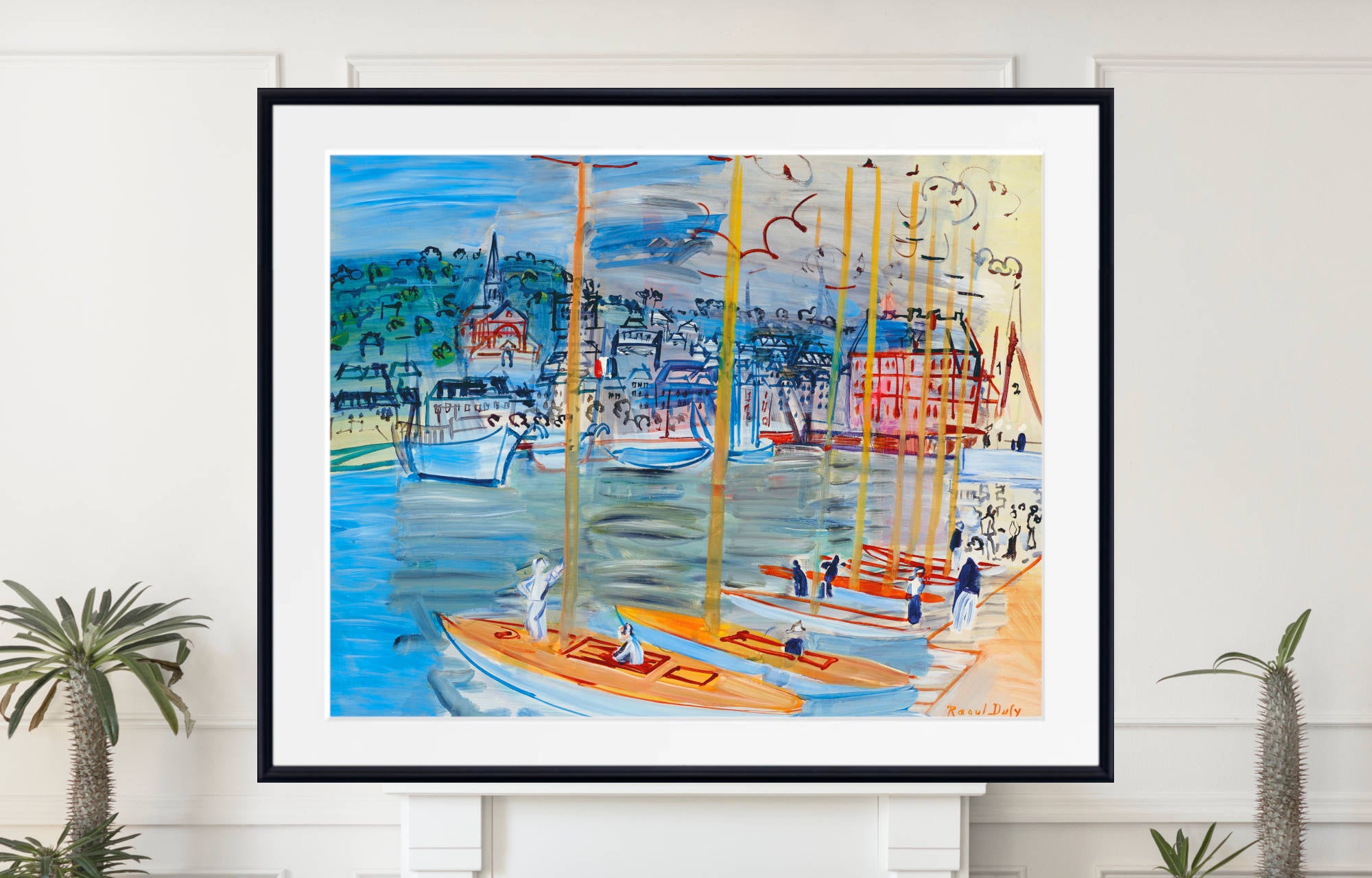
Available in a choice of sizes as a fine art paper print, framed print or canvas panel, Weighing at Deauville brings Dufy's colourful interpretation of one of France's great racing centres into the home.
Frequently Asked Questions
When did Raoul Dufy create Weighing at Deauville?
Weighing at Deauville, or Pesage à Deauville, is dated circa 1929–30. Dufy was studying and depicting the Deauville racing environment during this period.
What does Weighing at Deauville depict?
The work depicts the busy weighing and paddock area associated with the Deauville racecourse. Spectators, racing figures, horses, trees and racecourse architecture are combined into a lively scene of sporting and social life.
What does “weighing” mean in the title?
The title derives from the French pesage, referring to the racecourse weighing enclosure associated with the weighing of jockeys before and after races. The surrounding area was also an important gathering place for racing participants and spectators.
Where is Deauville?
Deauville is a fashionable seaside resort in Normandy in northern France. It is renowned for horse racing, sailing, beaches and its long association with elegant leisure and resort culture.
Why did Raoul Dufy paint Deauville so often?
Deauville brought together many of Dufy's favourite subjects in one place. Horse racing, regattas, beaches, fashionable crowds and seaside architecture gave him an exceptionally rich source of colour, movement and modern social life.
What medium was used for the original Weighing at Deauville?
The documented original dating from circa 1929–30 was executed in watercolour and gouache on paper and measures approximately 49 × 65 cm.
What style is Weighing at Deauville painted in?
The work displays the characteristic features of Dufy's mature style: rapid calligraphic drawing, simplified figures, freely applied colour and a deliberate separation between outline and painted areas.
Is Weighing at Deauville a Fauvist painting?
Dufy had been associated with Fauvism earlier in his career, but by around 1930 he had developed a distinctive mature style of his own. The freedom and brilliance of Fauvist colour remained an important influence, however.
Did Raoul Dufy paint other horse-racing scenes?
Yes. Horse racing was a major recurring theme in Dufy's work. He painted racecourses, jockeys, horses and spectators in France and Britain, including subjects associated with Deauville and Ascot.
Is Weighing at Deauville available as a framed Raoul Dufy print?
Yes. GalleryThane offers Weighing at Deauville in a choice of sizes and formats, including fine art paper prints, framed prints and canvas options.
Where would a Weighing at Deauville print work well?
The combination of equestrian subject matter, fresh greens and blues and fluid modern drawing makes it particularly suitable for living rooms, studies, hallways, dining rooms and home offices. It is also an attractive choice for horse-racing enthusiasts seeking something more distinctive than conventional equestrian wall art.
All orders for unframed fine art prints and original paintings are dispatched within 2 working days of receipt of payment.
Orders for custom framed prints are dispatched within 4 working days.
All orders are fully tracked from dispatch to delivery at your home or business.
All print and original painting orders are fully insured against loss or damage in transit. We refund or replace any damaged or lost orders.
Buy with confidence - read what our satisfied customers have to say - Reviews
Fine art papers are printed without any additional white border Please let us know at the time of ordering if you would like a small additional white border.
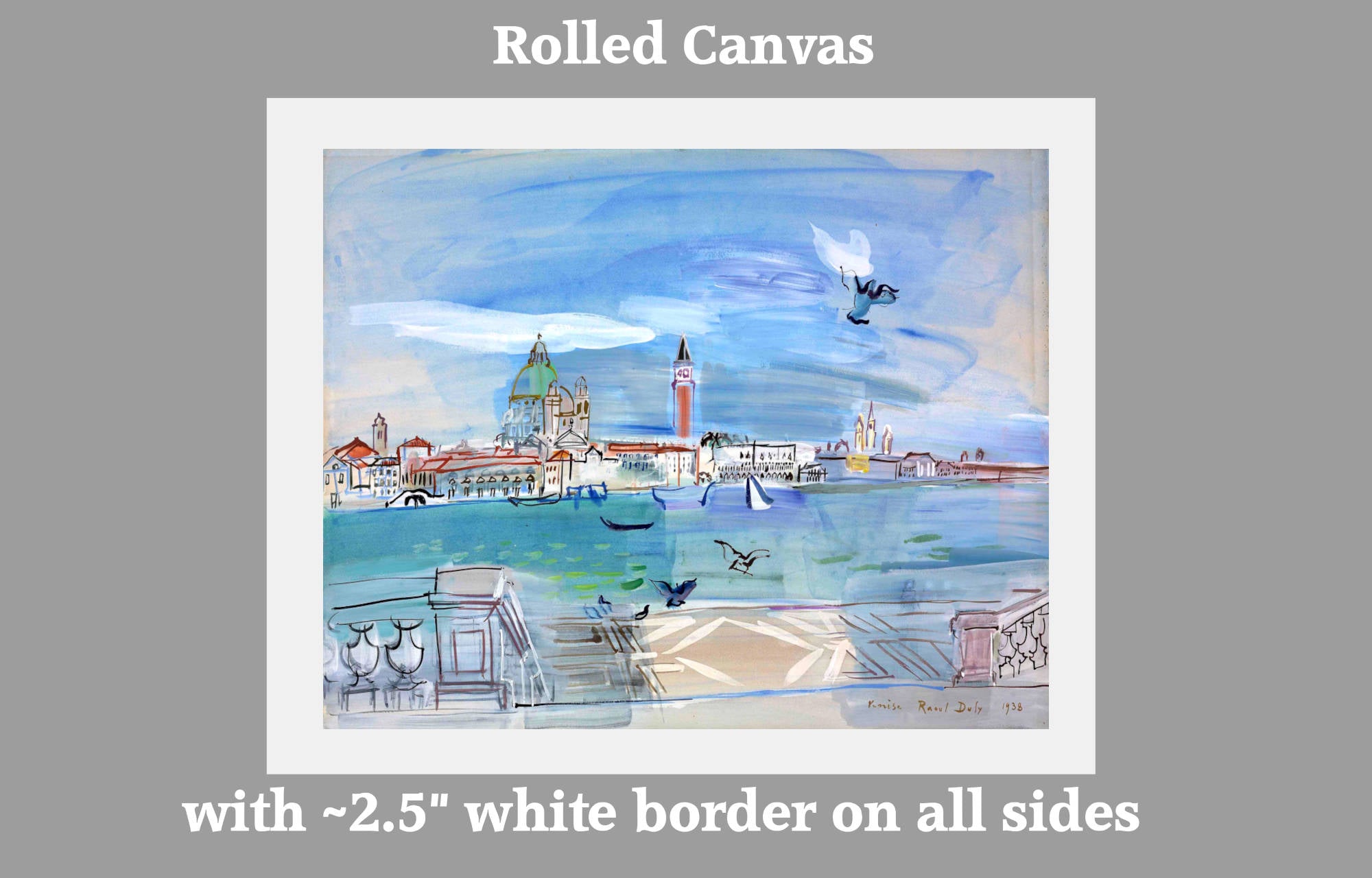
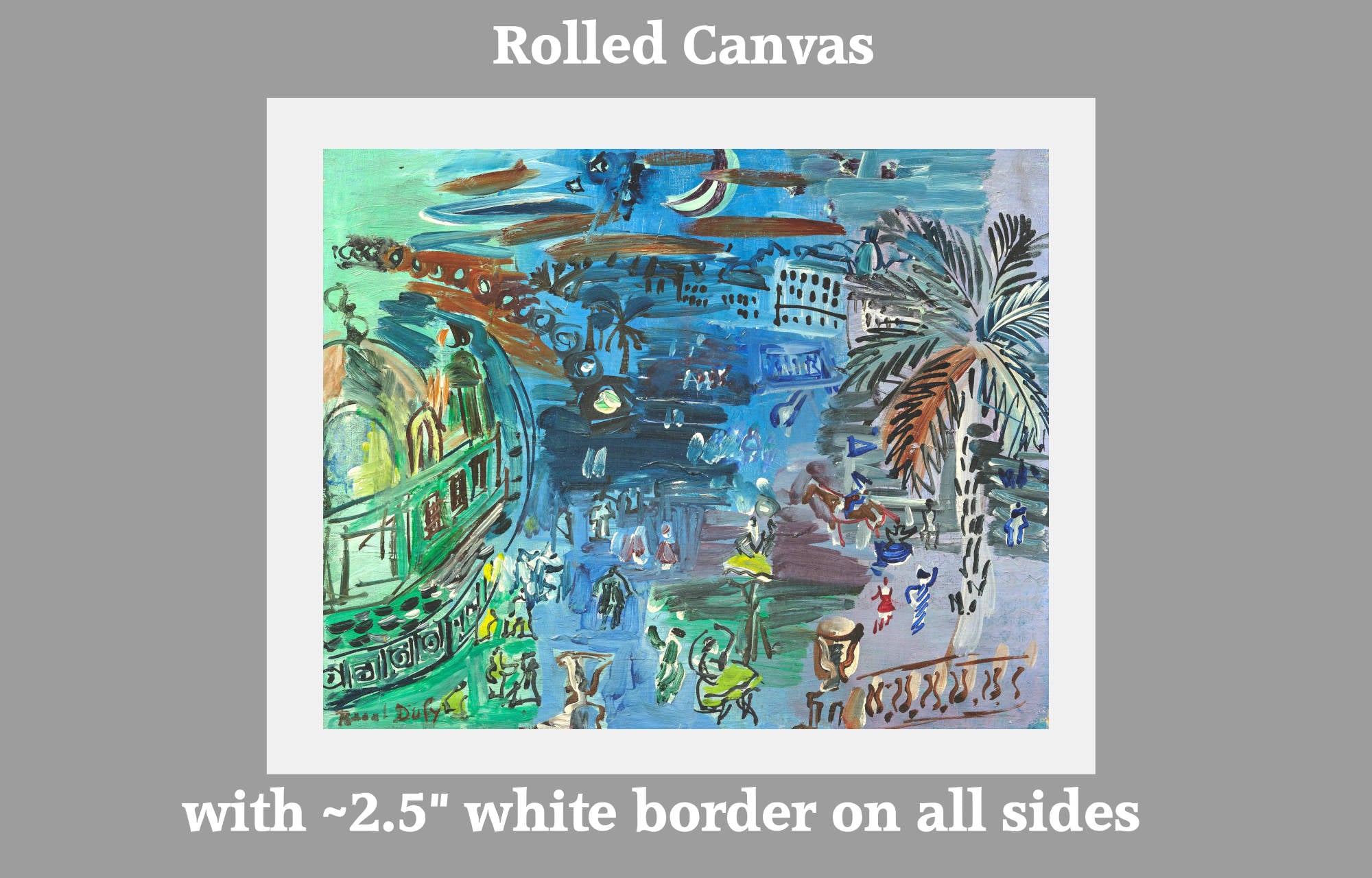
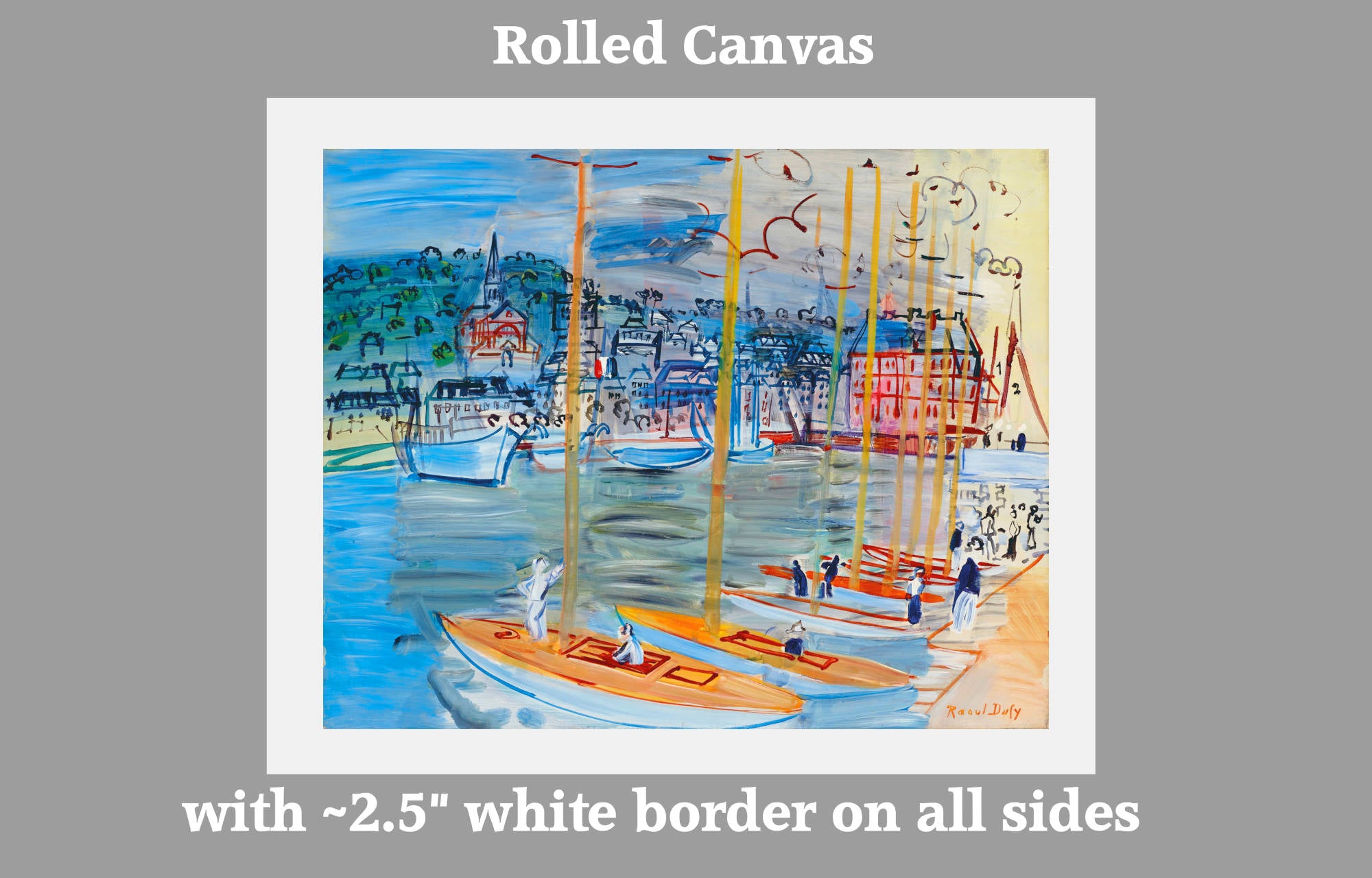
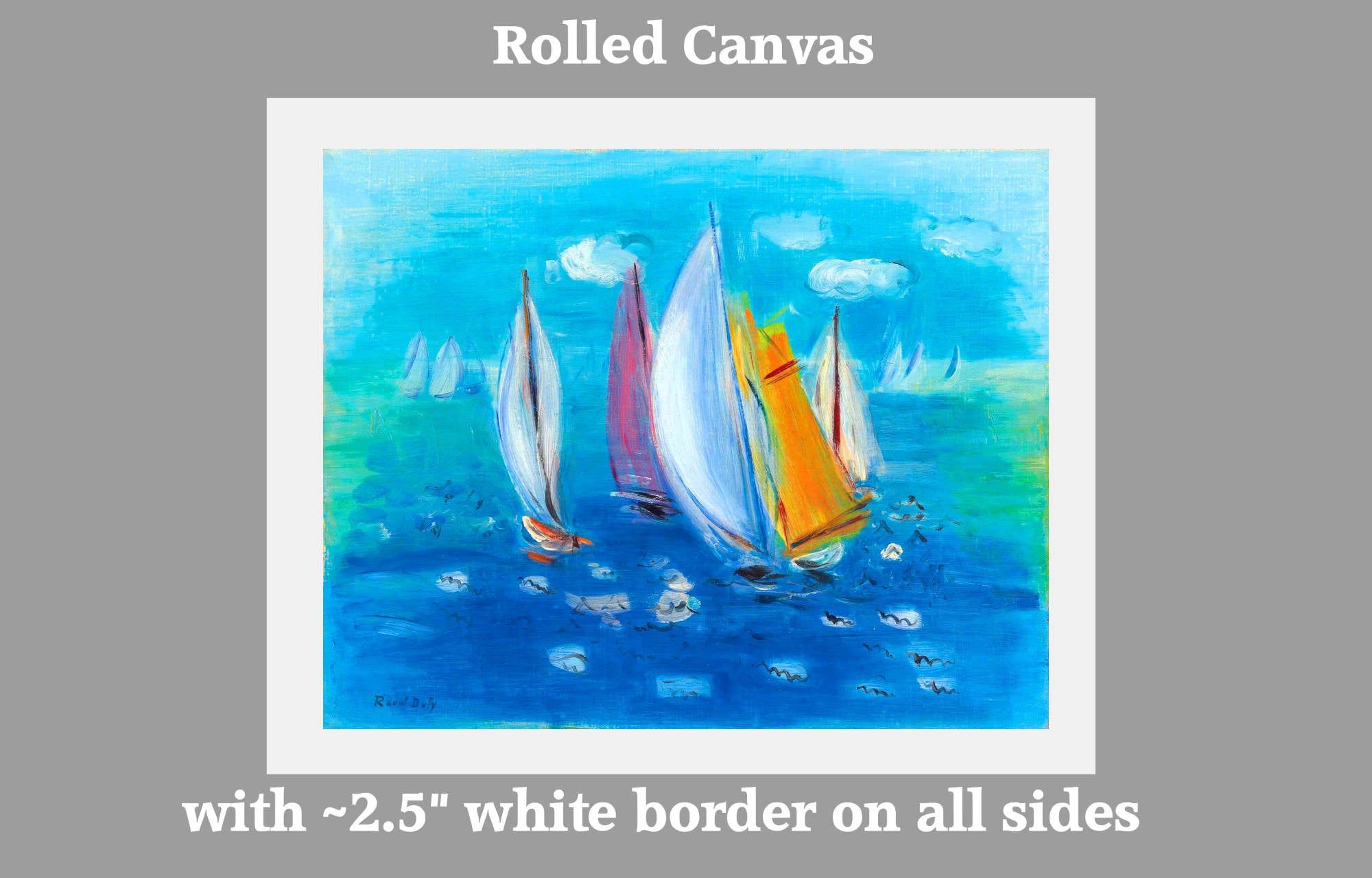
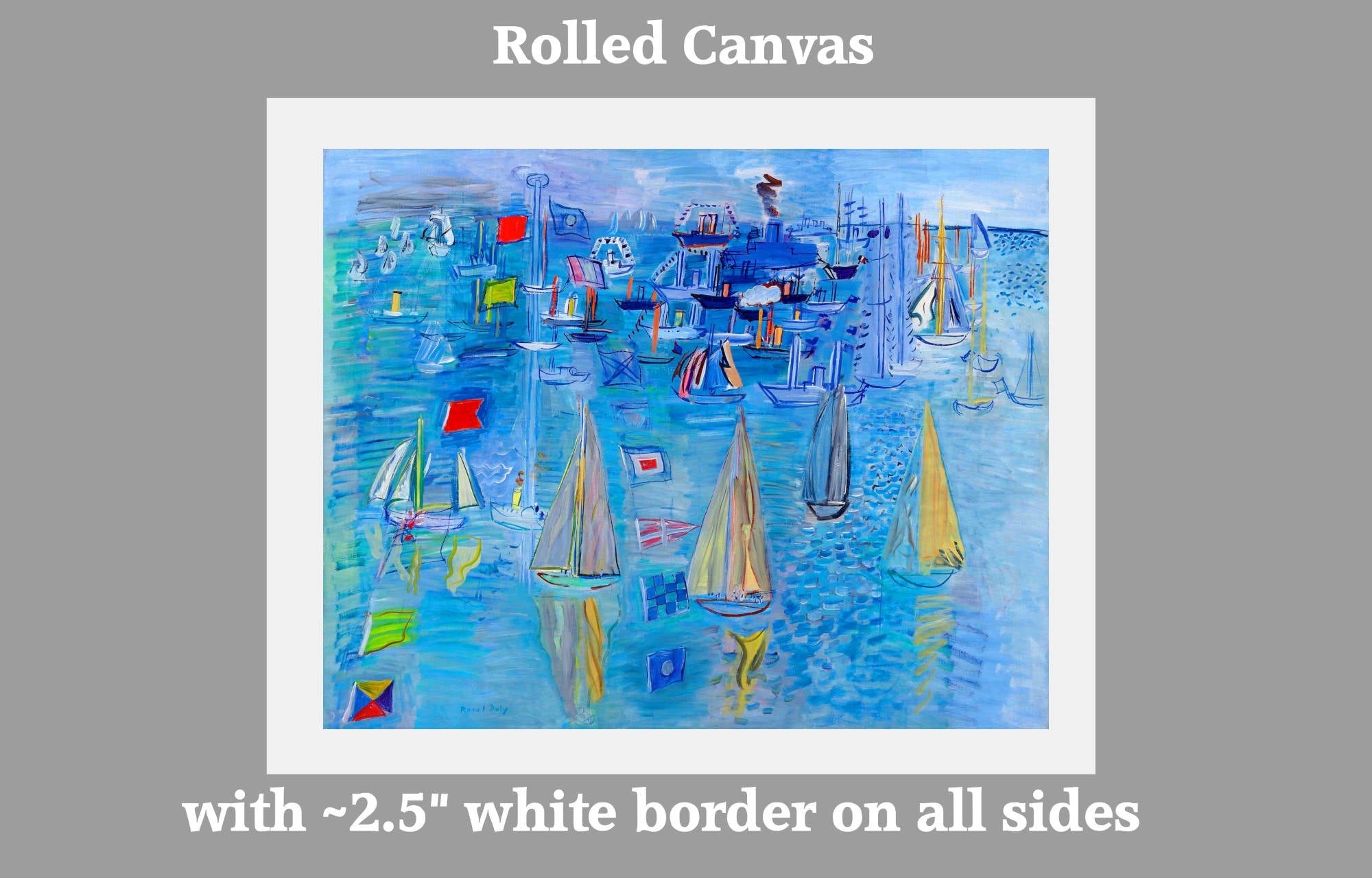
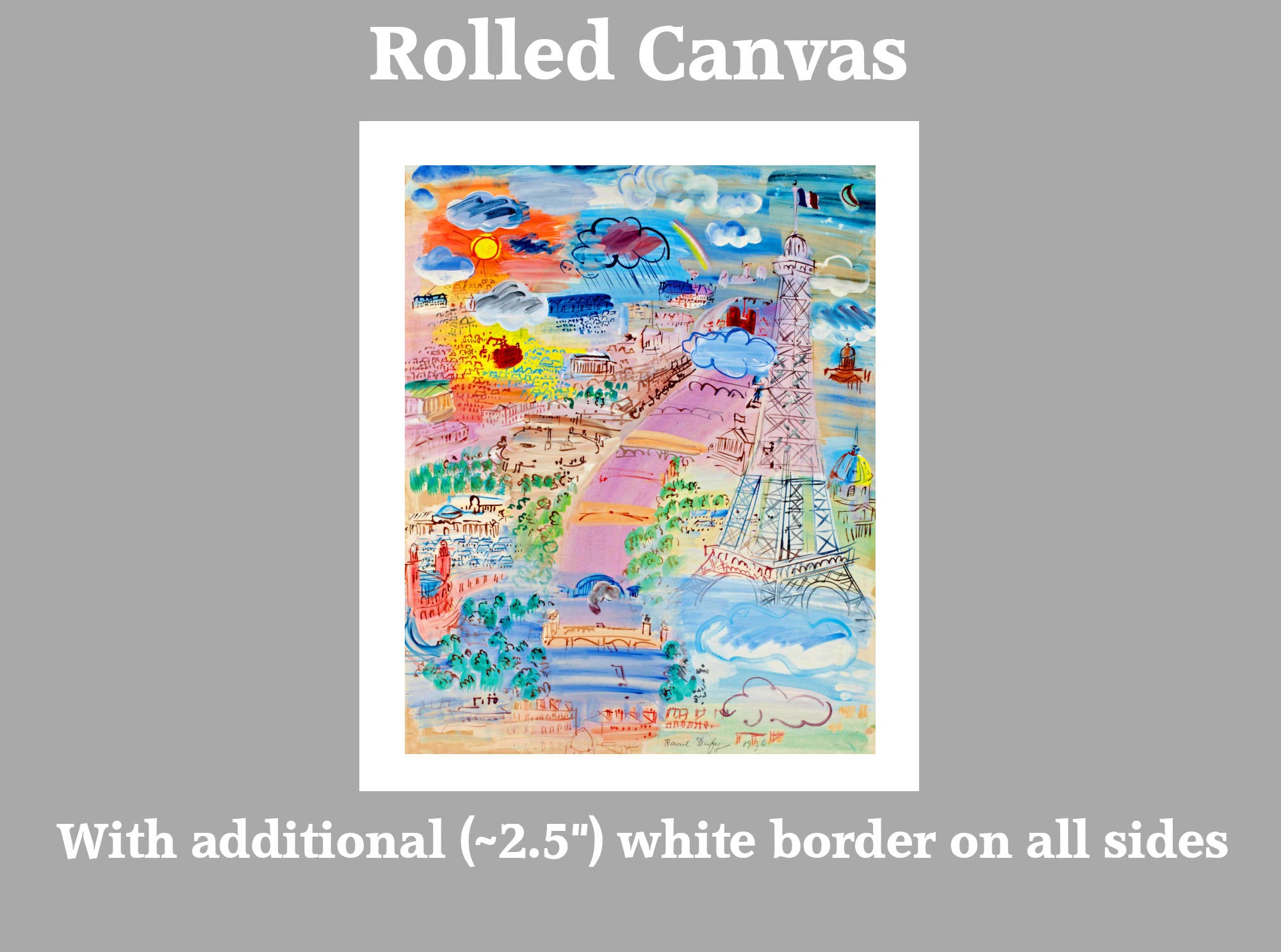
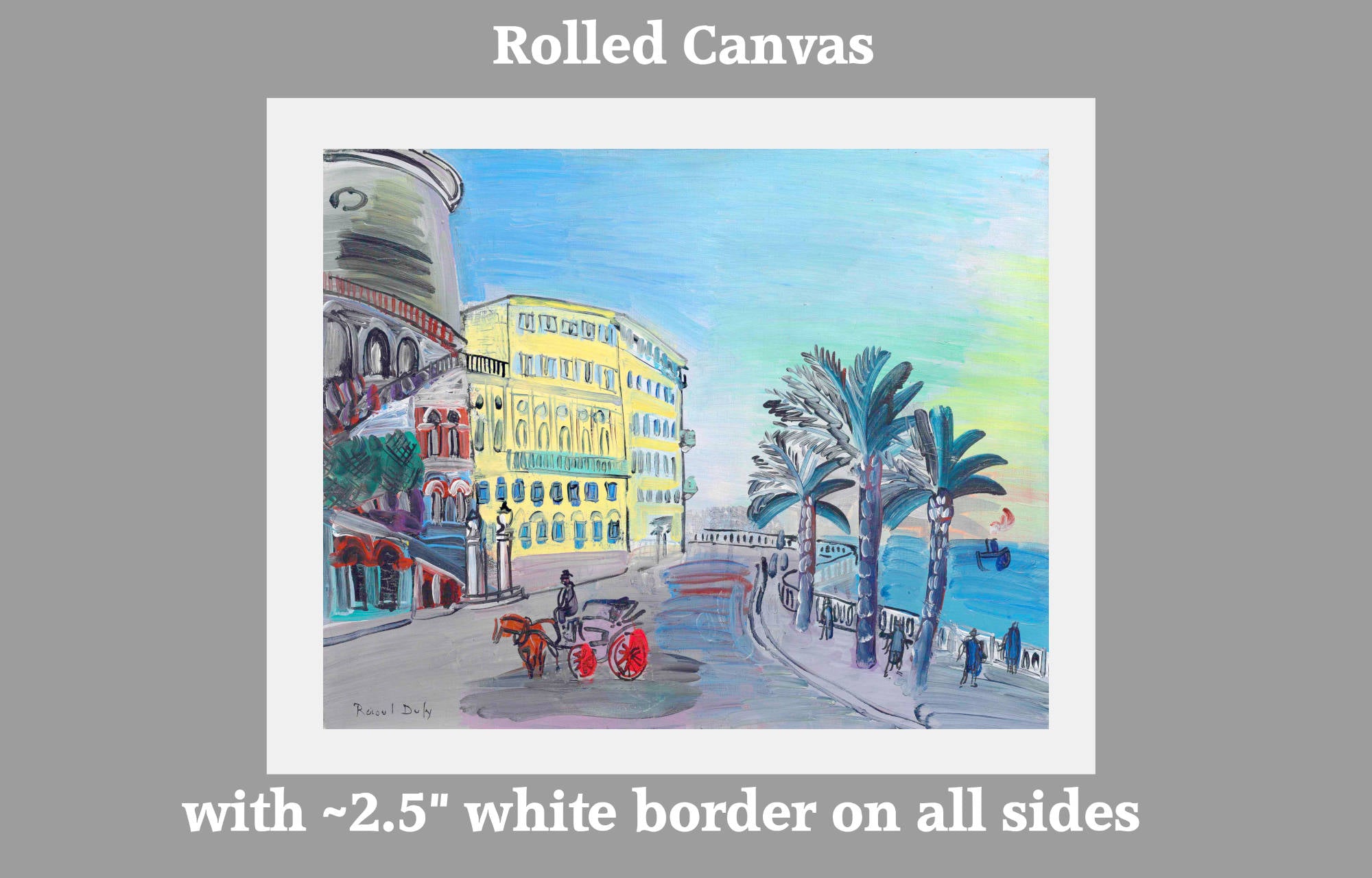
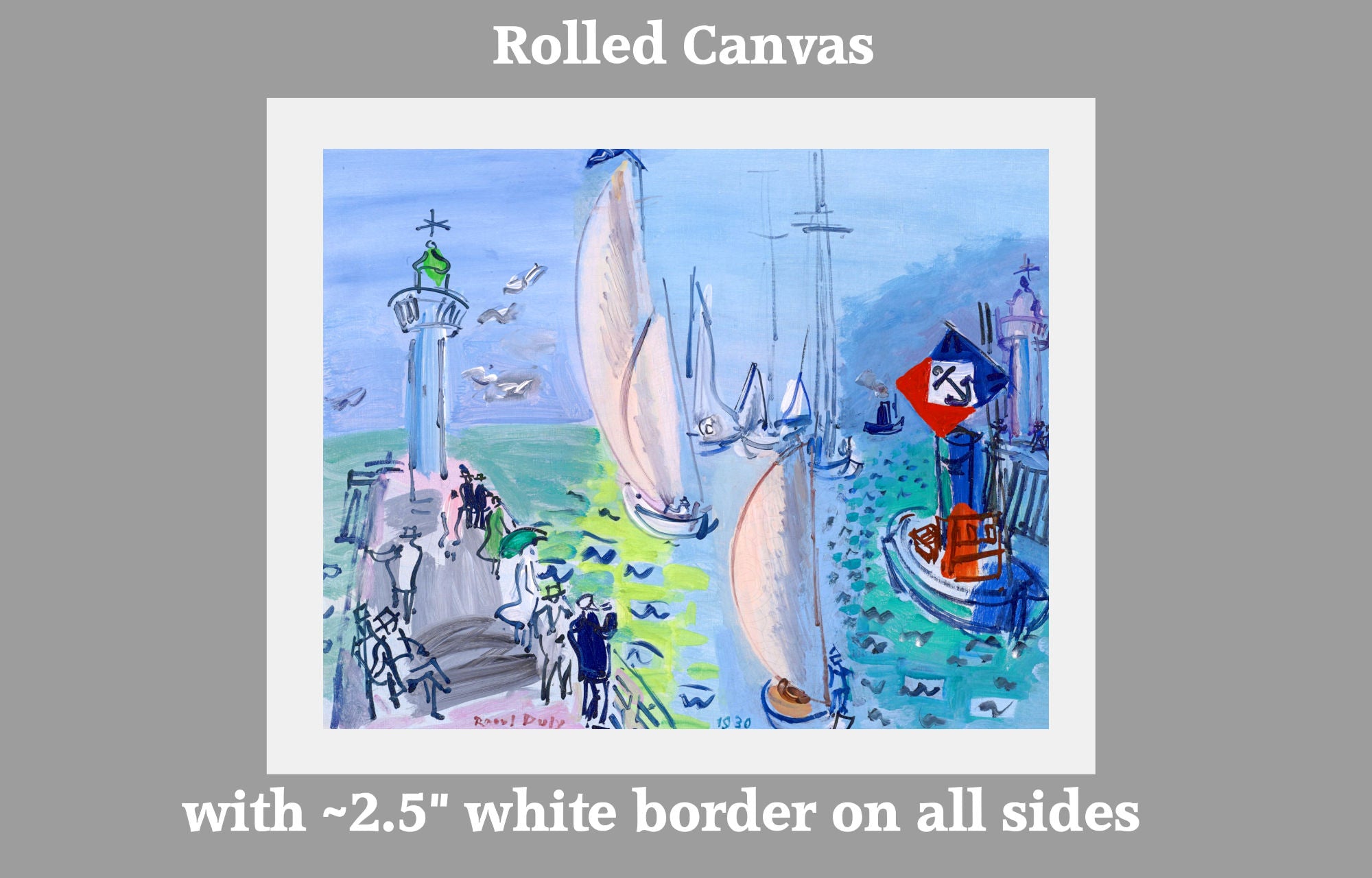
Rolled canvas options have an additional white border of approximately 2.5 inches (7cm) on all 4 sides to aid stretching.
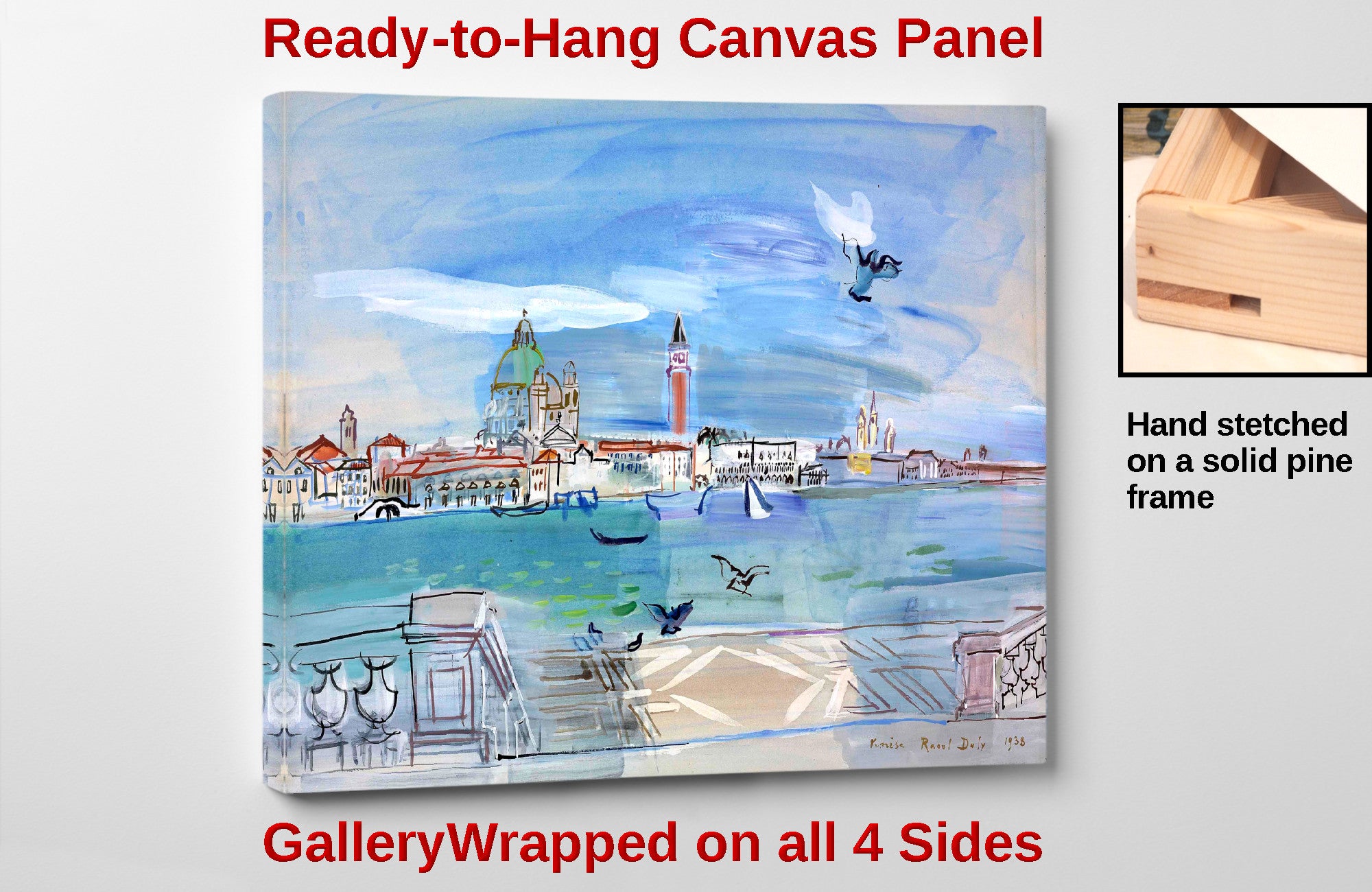
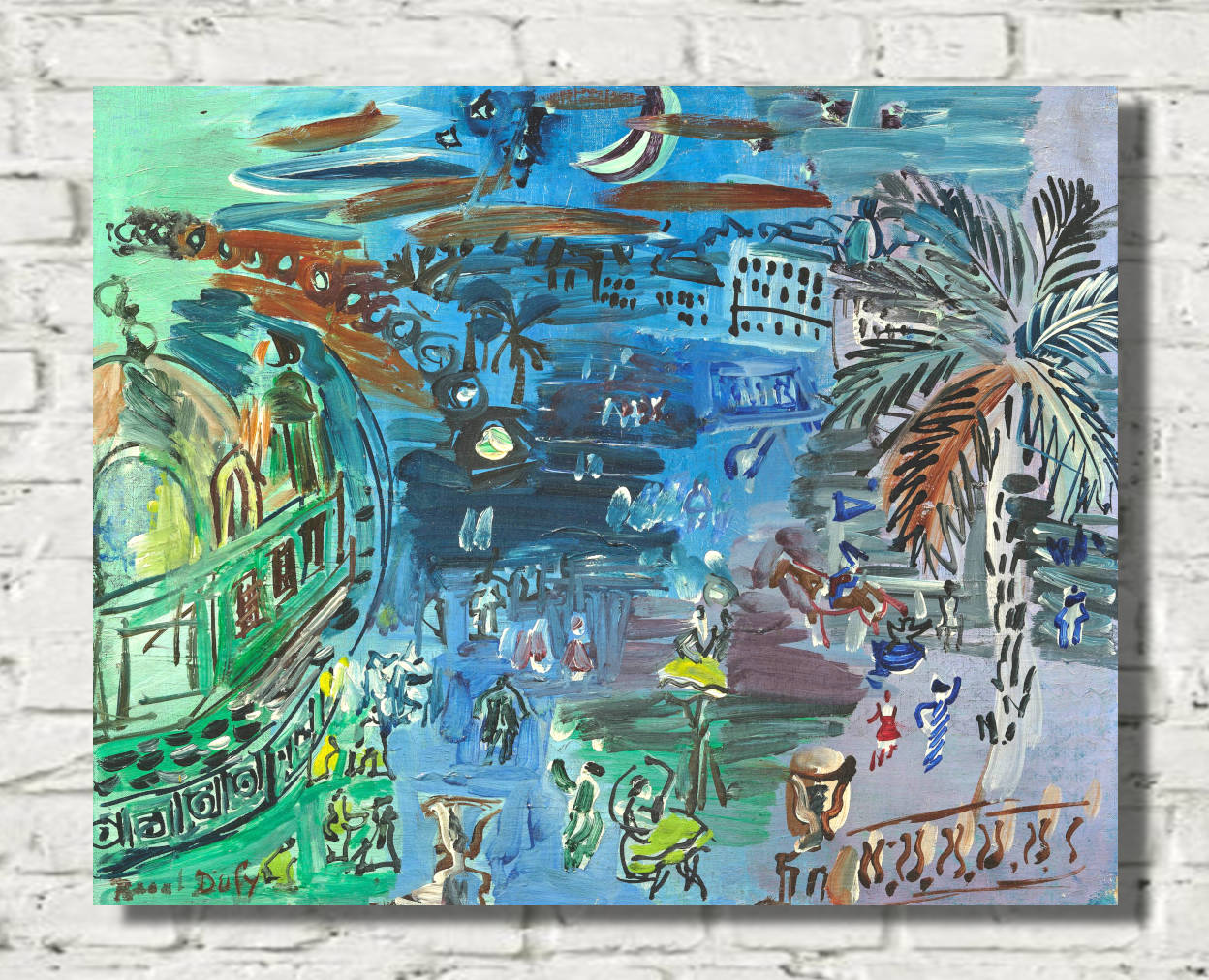
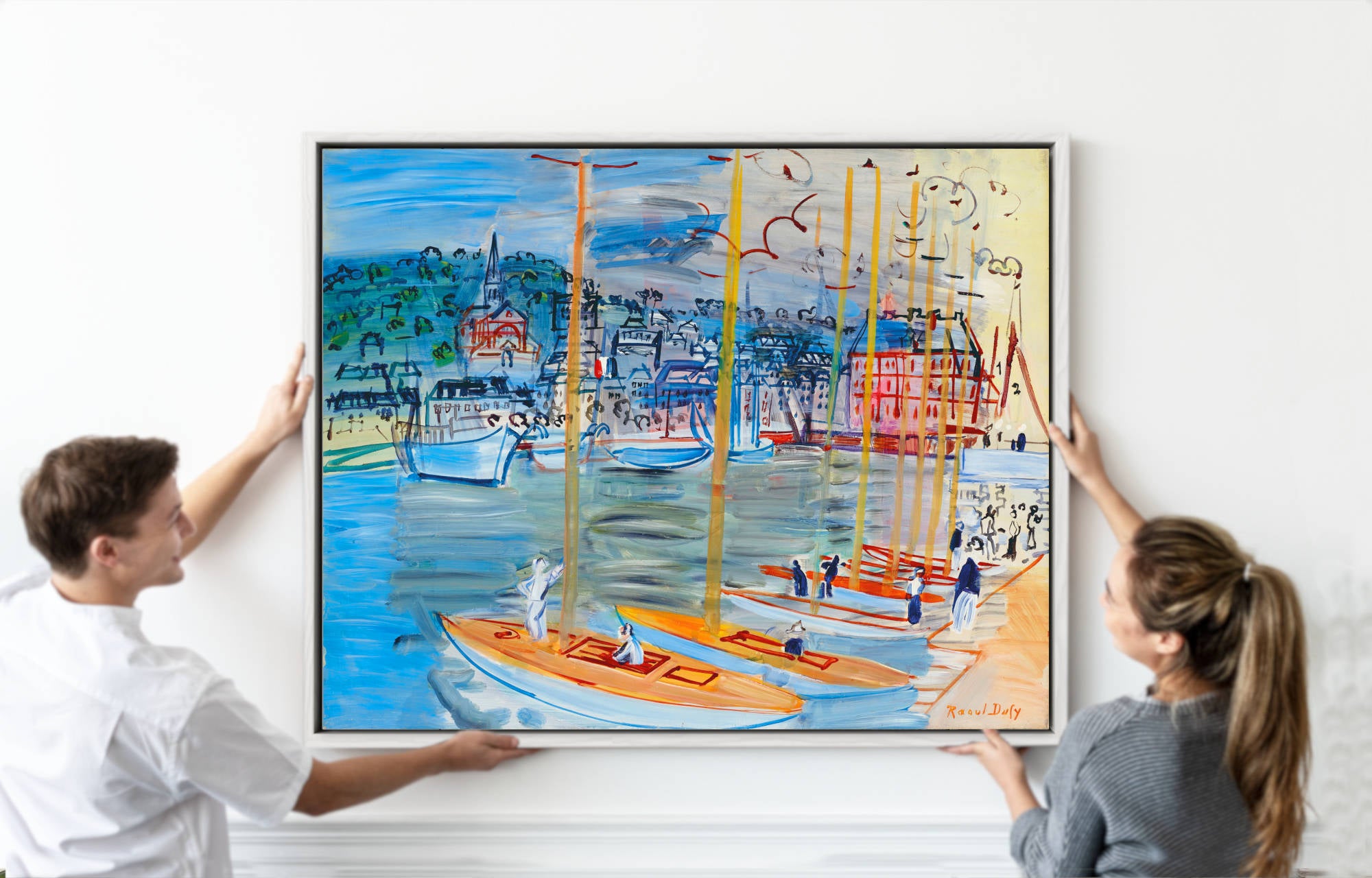
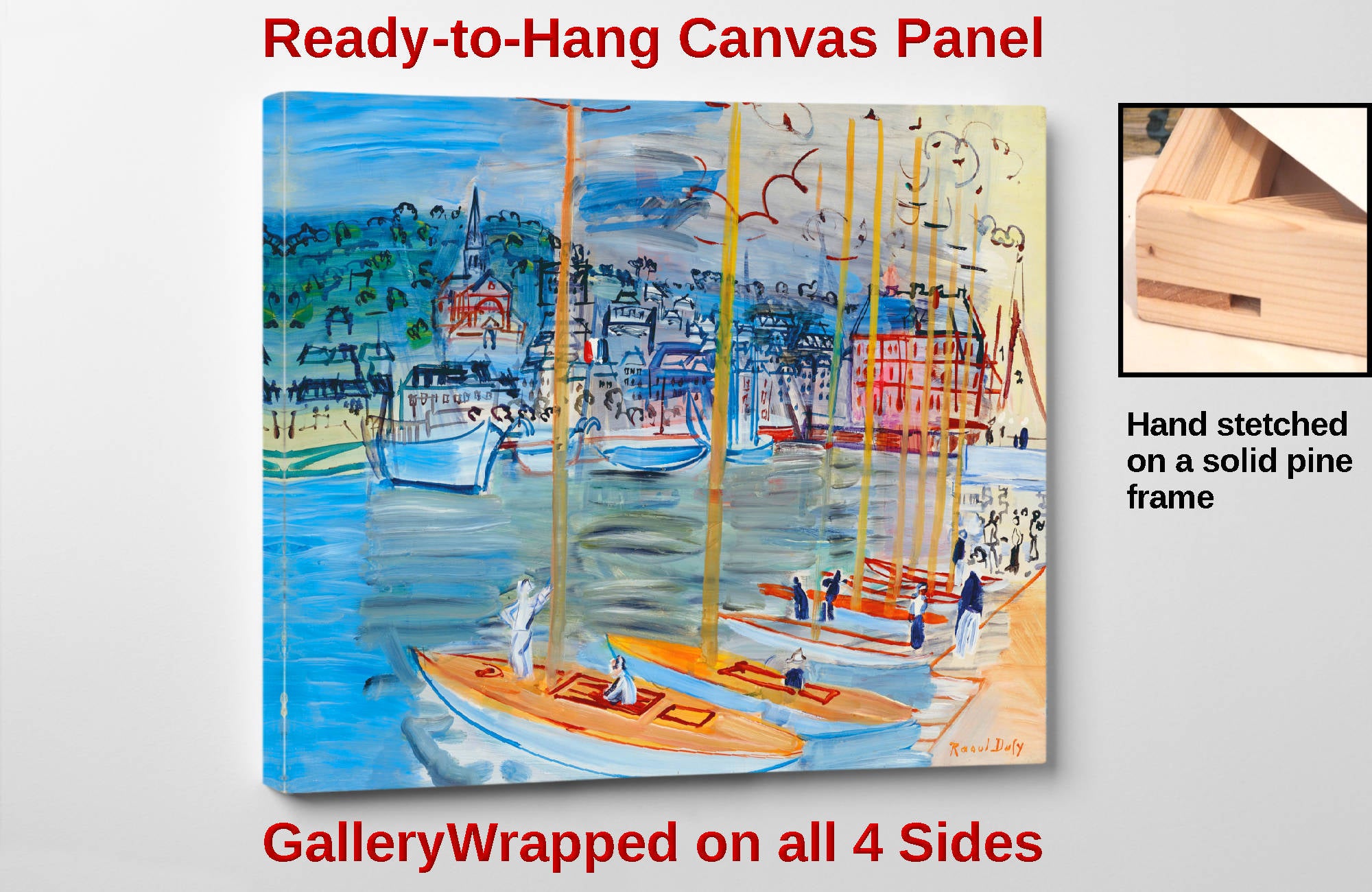
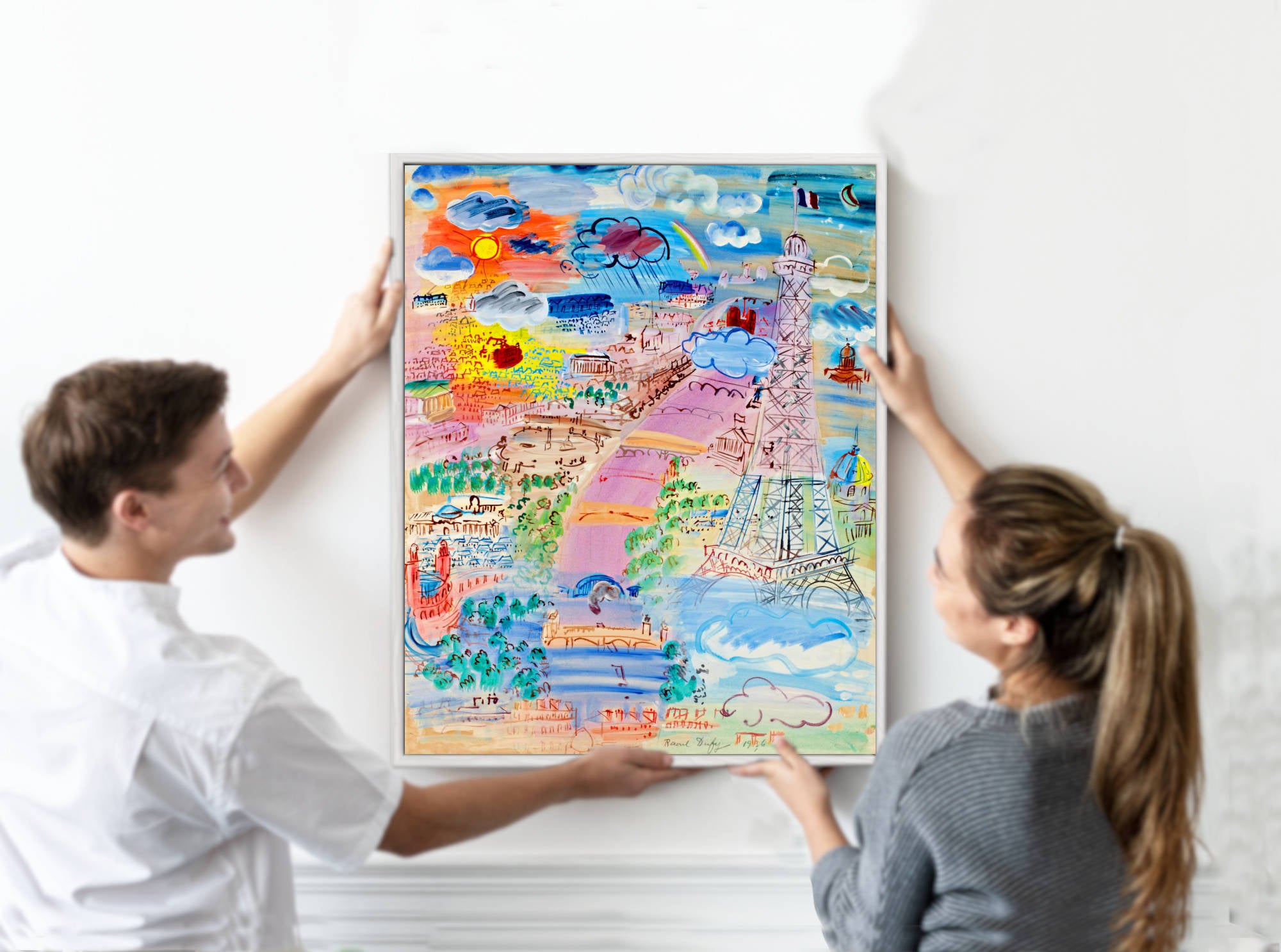
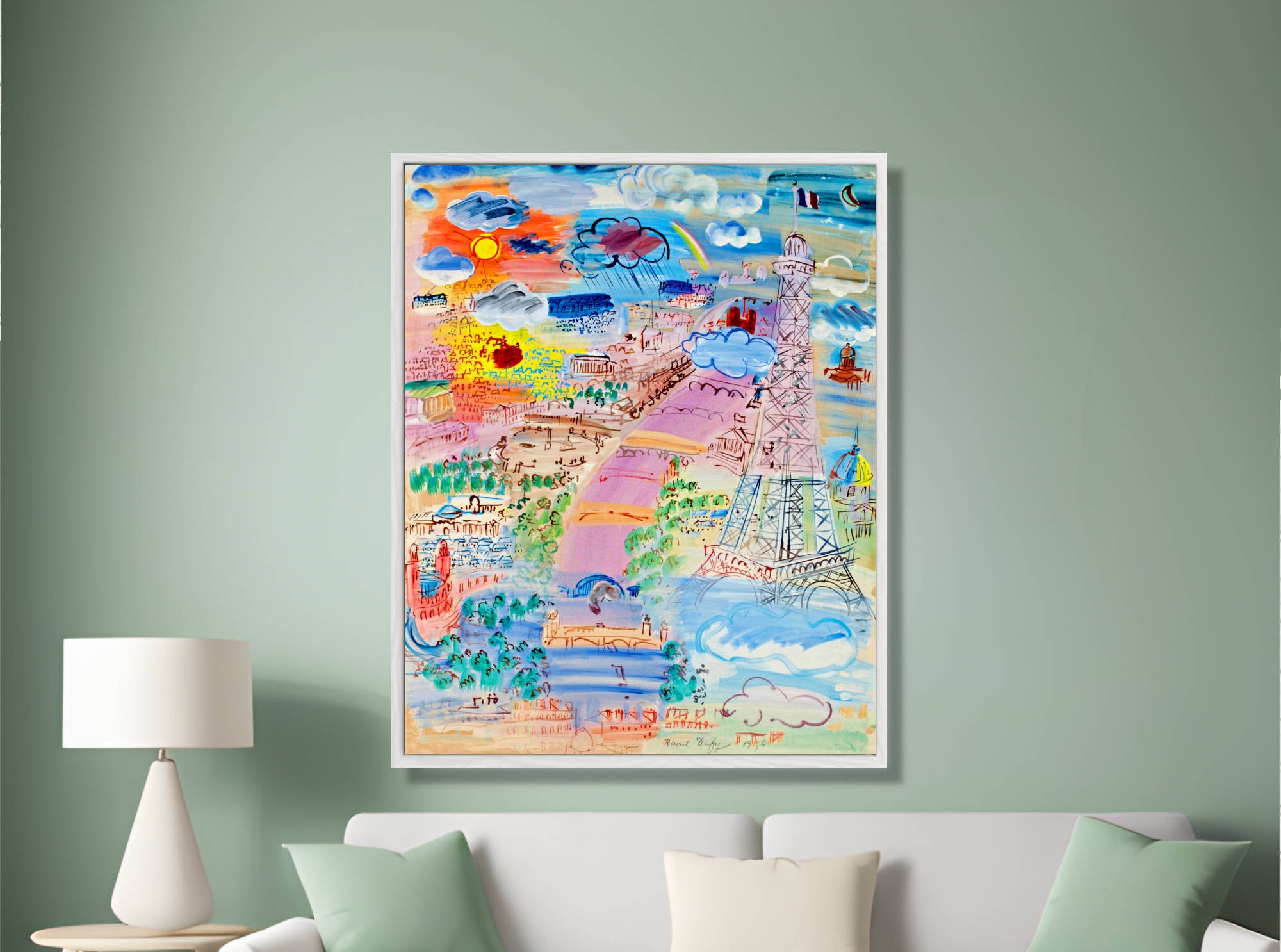
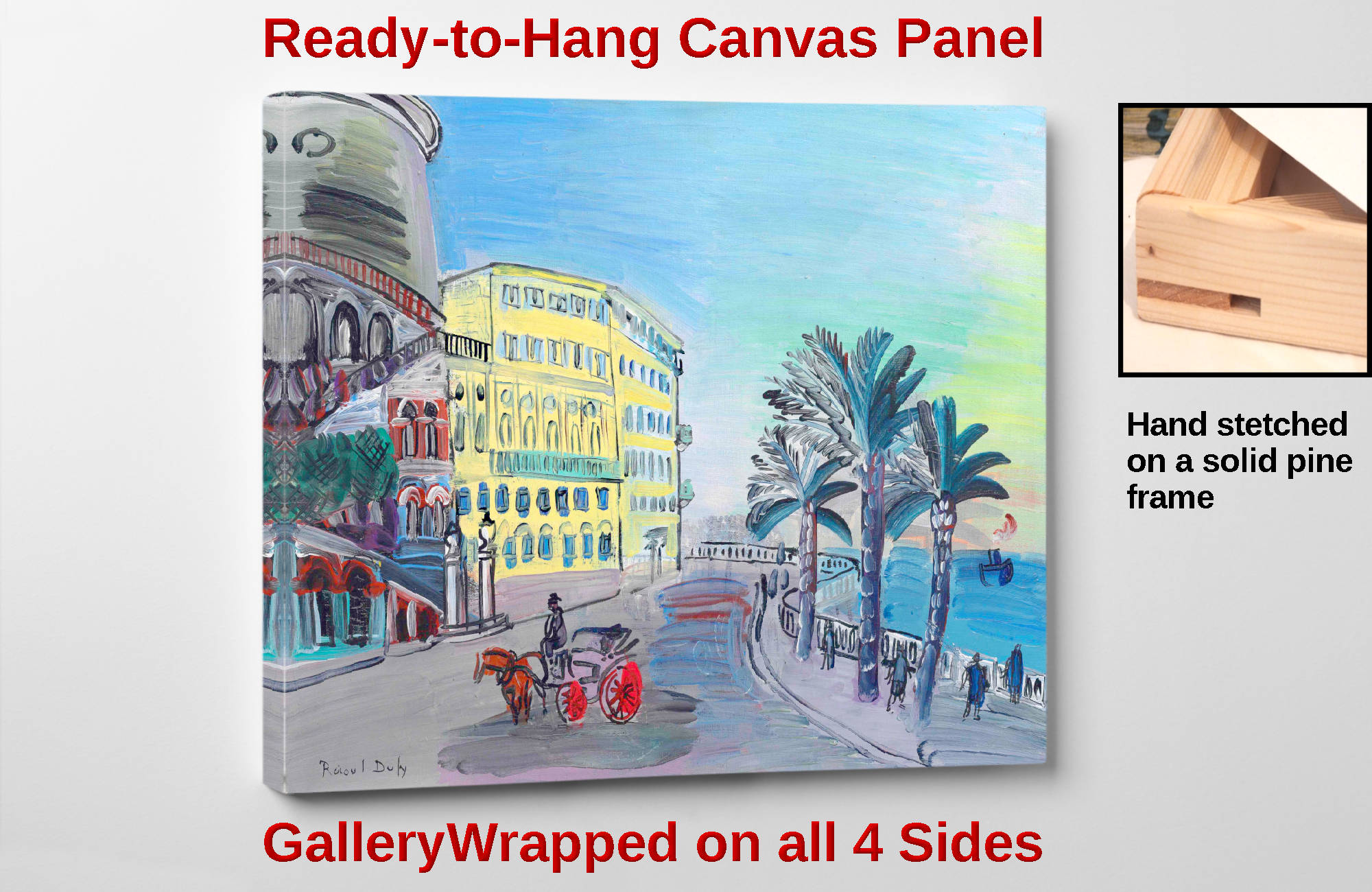
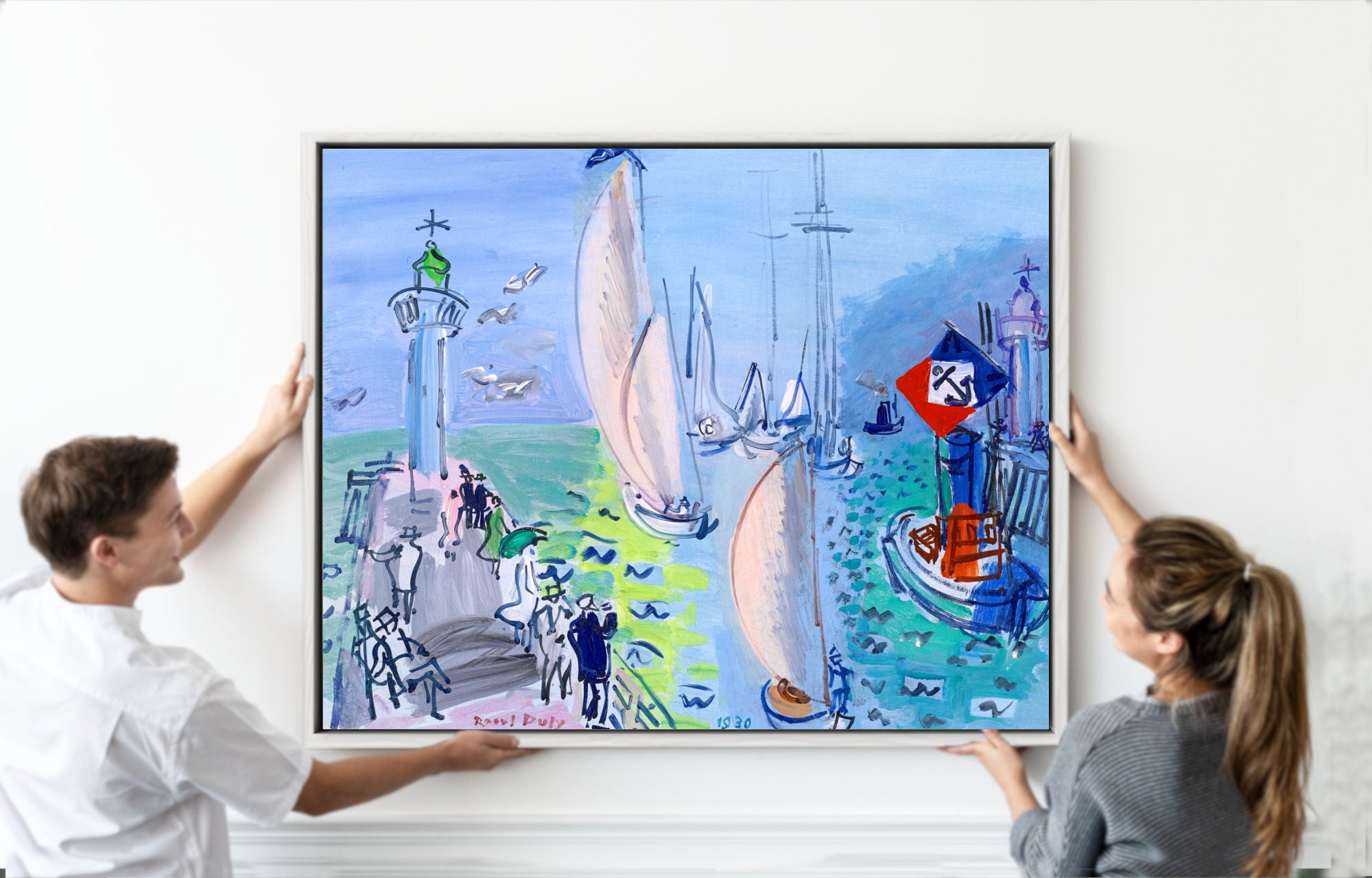
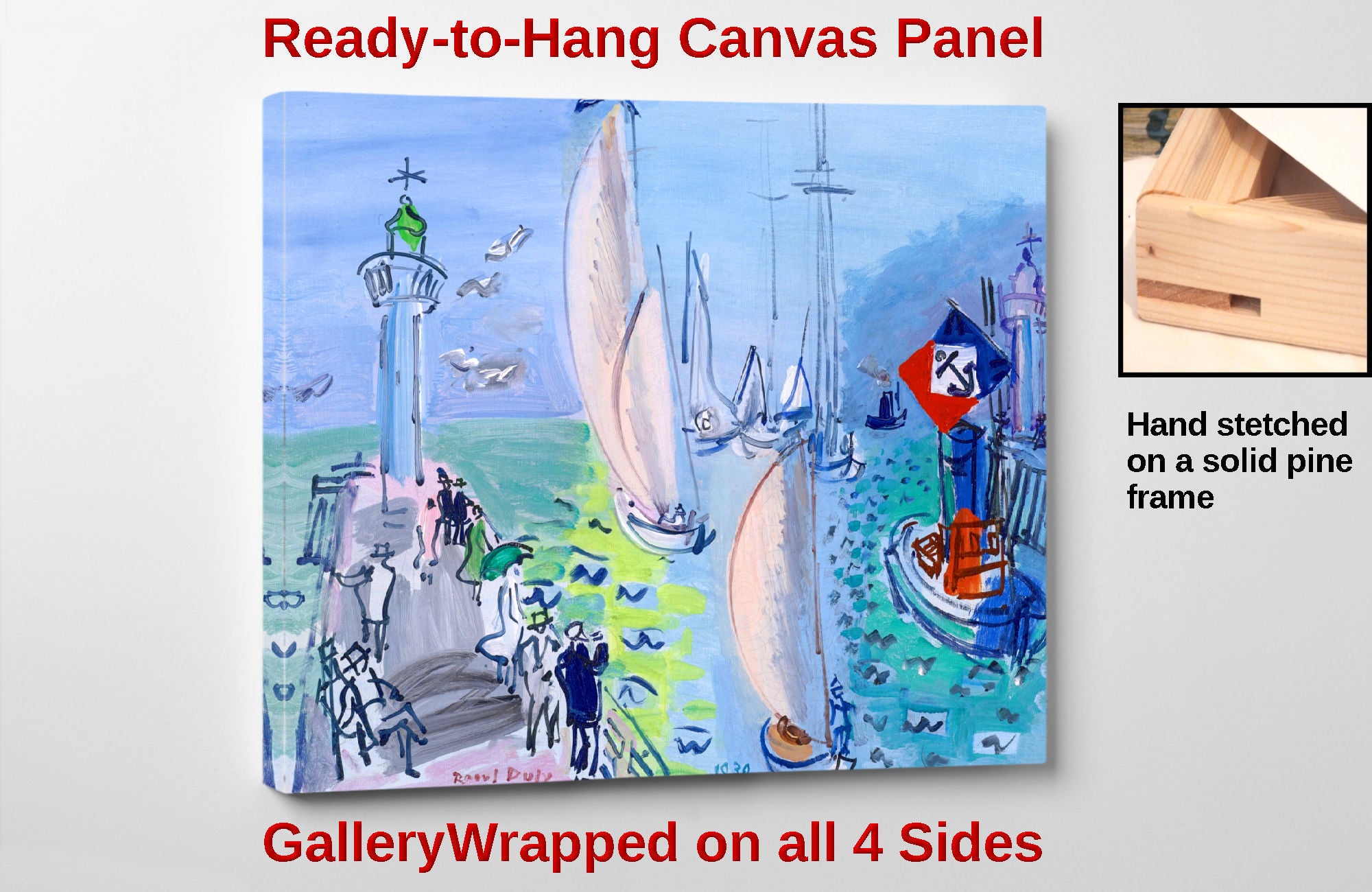
Ready to hang canvas panels are stretched on 1.5 inch deep solid pine frames from sustainable forestry sources. The image is mirrored on all 4 sides to give an aesthetically pleasing finish.
Why not have us gift wrap your order and attach a personalised message to the recipient. Available for all orders. Each order is hand wrapped in high quality gift wrap with meatllic ribbon and bow. Your personalised message is printed on a card which is included with your order.
Have your hand wrapped gift delivered directly to the recipient.
Full tracking and insurance included with every order.
Please note design may vary depending upon availability
Just purchase the gift wrap option HERE
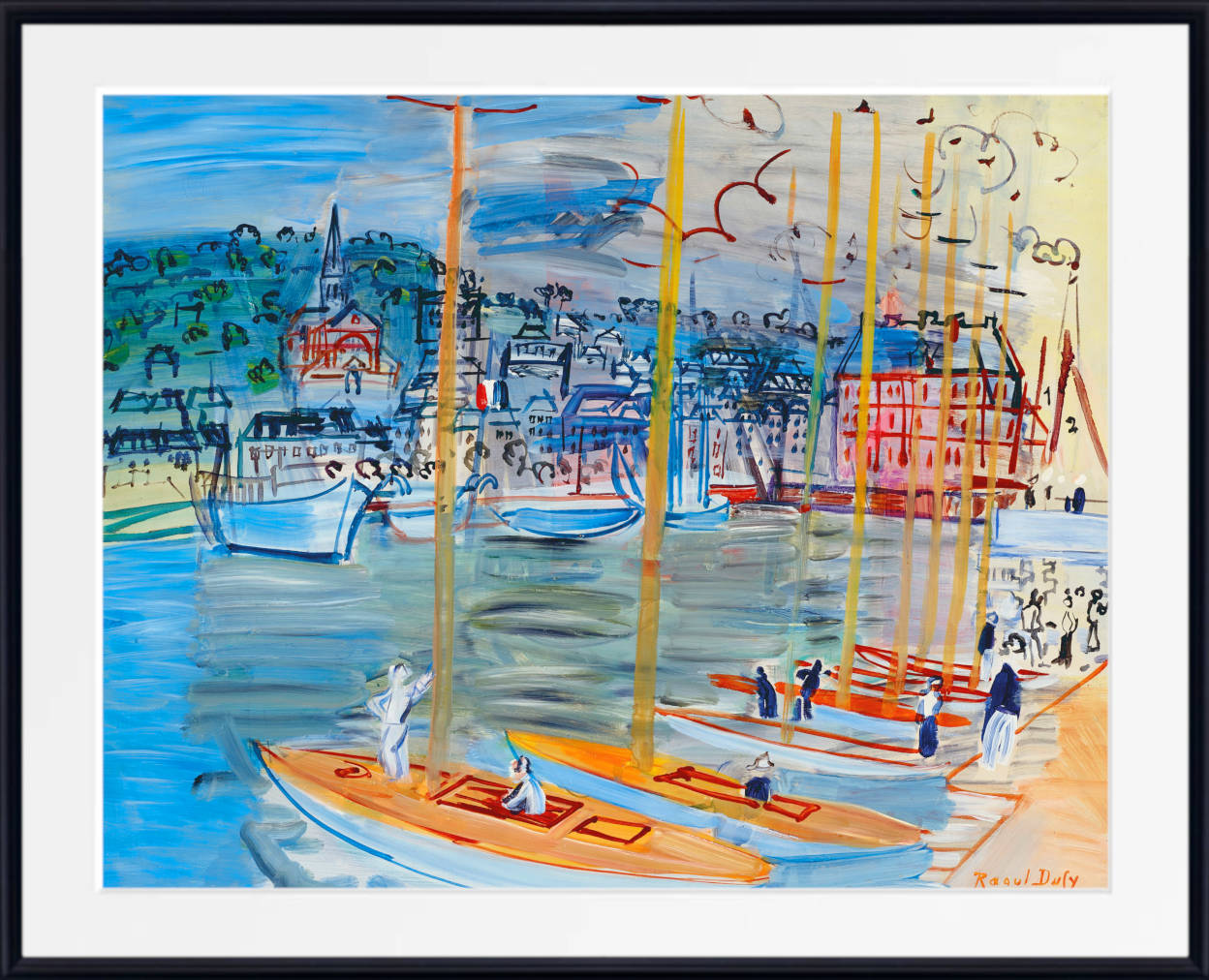
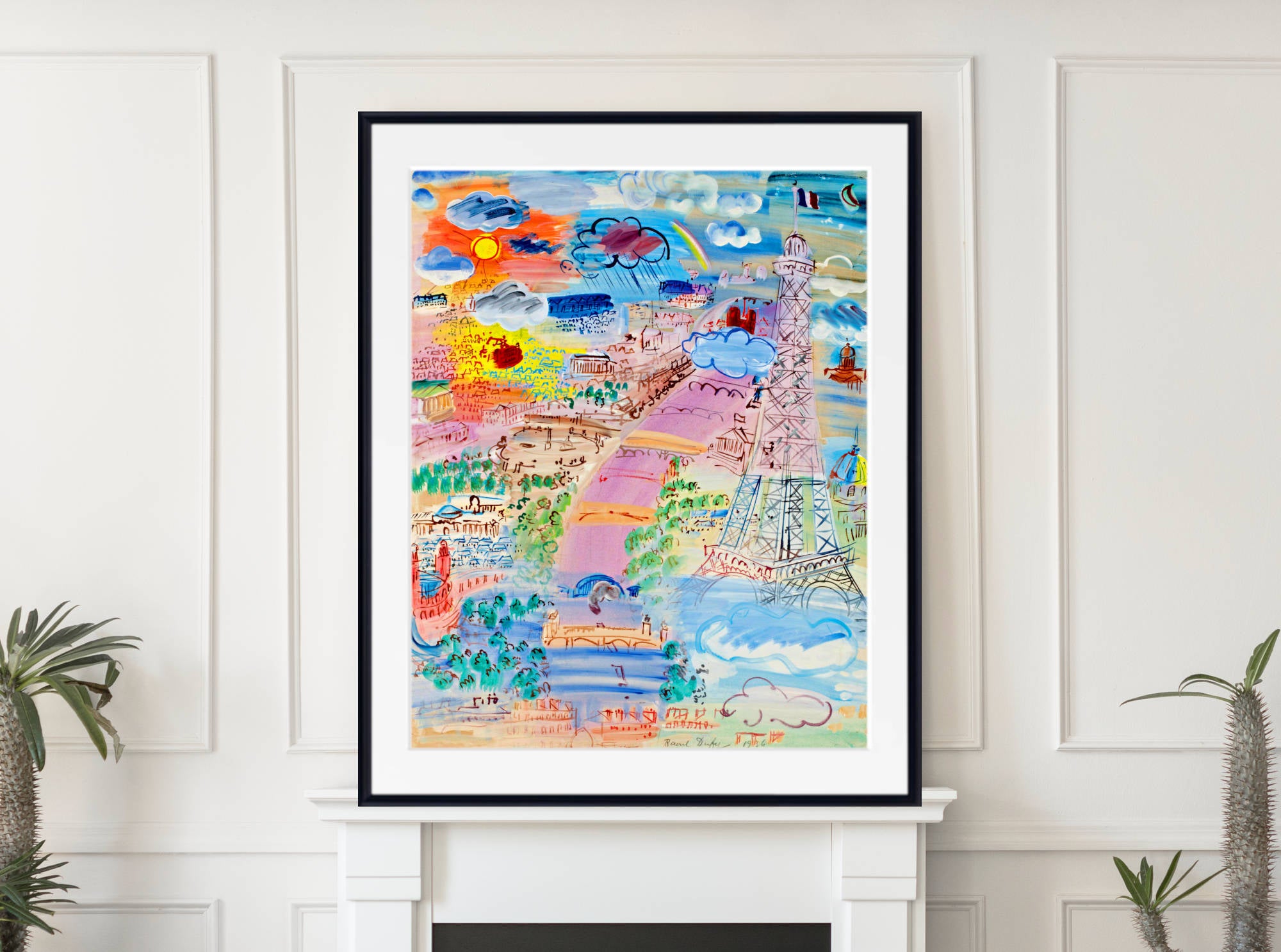
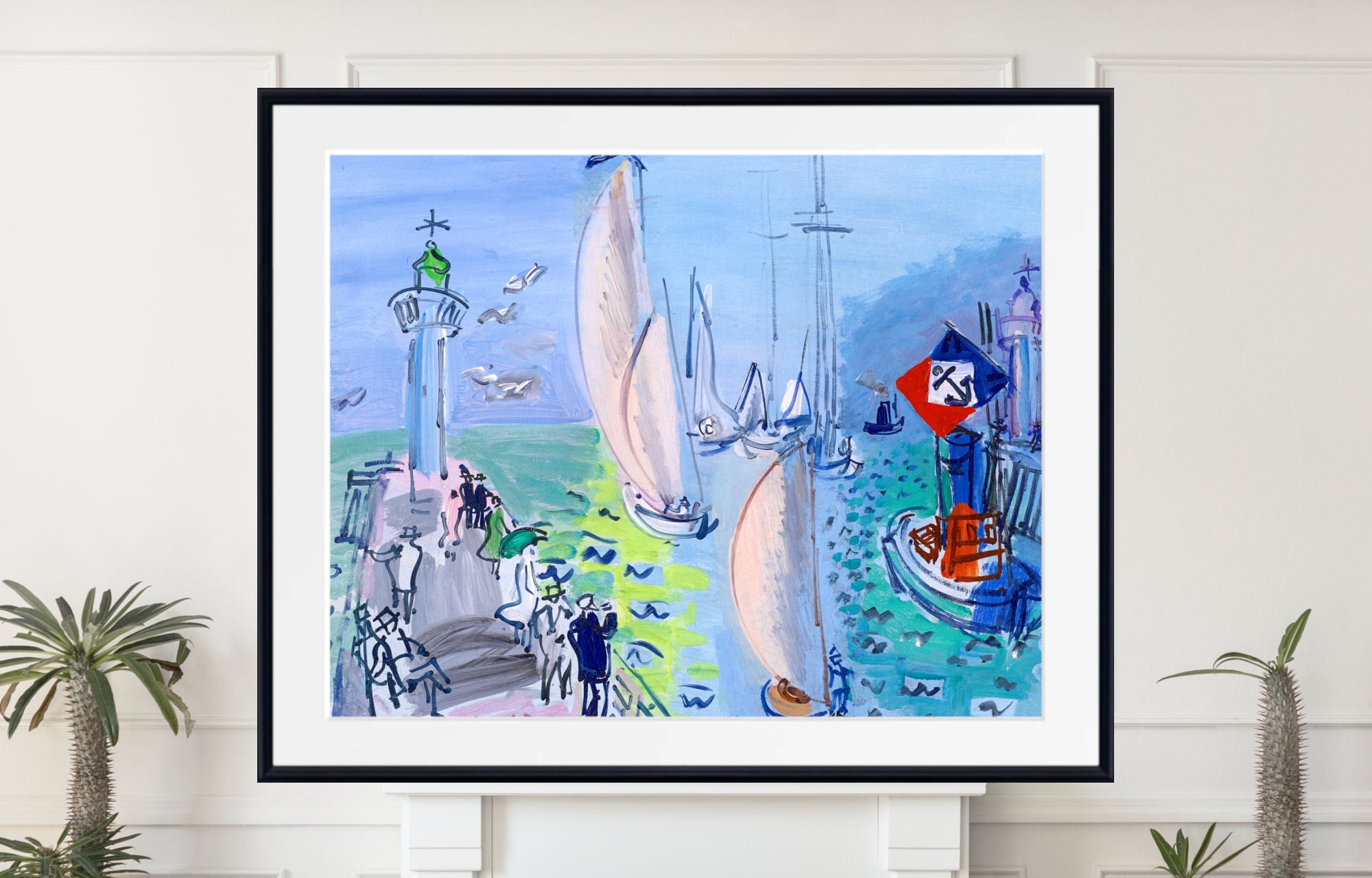
We have a wide range of frames in standard sizes and we also make custom size frames.
To order a framed print:
1. select the print size you would like along with the print materials (matte paper, fine art paper).
2. Add your print choice to the basket.
3. Choose from our range of frames
4. Select the same size as the print you have added to your basket. If the frame size you want is not listed please contact us
5. Choose from the mount or no-mount option
6. Add your frame choice to the basket
7. Proceed to checkout.
Why Choose GalleryThane?
- Printed and framed in-house
- Free UK delivery
- Free EU and USA delivery on orders over £200
- Tracking and insurance included in every order
- Fast 1-3 day dispatch
- Gift wrapping service available
- Gallery quality materials
- Sustainable, eco-friendly packaging
- Great customer support
Explore related collections
What makes our Prints and Canvas Panels so special

Latest Giclee Printing Technology
We have invested in the latest wide format print technology to produce museum quality giclee prints utilising the highest quality pigment inks to give outstanding colour reproduction.

Museum Quality Archival Fine Art Papers
We print on the finest quality fine art papers with textured, smooth and lustre finishes for prints which last a lifetime.
From aceo miniatures to 40x80 inch large format, every print has our lifetime quality guaranteee.

Solid Wood Frames, Cotton Canvas
All of the wood for our canvas panels and frames is responsibly sourced from manages forests. Our cotton canvas is completely seedless for the highest quality reproduction possible.

Have Your Gift Wrapped


Choose a Custom Frame
Popular Collections


EU Representative
Manufacturer
LucasAbstract t/a GalleryThane
15 Campion Way, Bingham NG13 8TR UK
sales@gallerythane.com
EU Authorised Representative
Westwood Sourcing
Fellenoordstraat 52, Unit 2.38
4811 TJ Breda, Netherlands
info@westwoodsourcing.com