


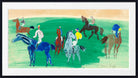
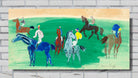
Six cavaliers et jockeys by Raoul Dufy
Couldn't load pickup availability
BUY WITH CONFIDENCE
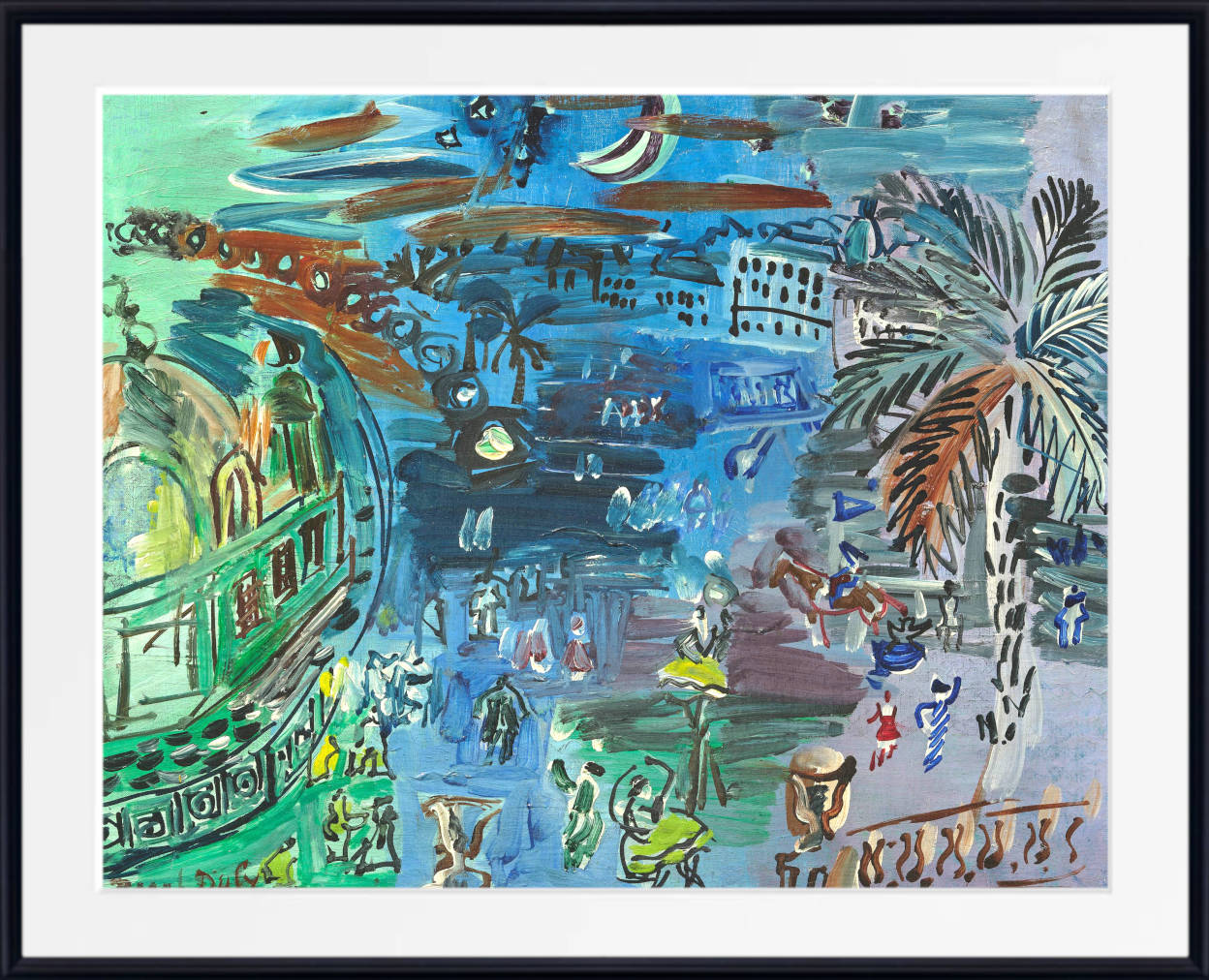
Six cavaliers et jockeys by Raoul Dufy captures the elegance, colour and movement of the racecourse through one of the artist's most characteristic subjects. Executed circa 1928, the work presents a procession of riders and jockeys in Dufy's unmistakable combination of fluid drawing, brilliant colour and rhythmic repetition.
This Raoul Dufy horse racing print offers a striking alternative to traditional equestrian art. Instead of concentrating on anatomical detail or dramatic sporting action, Dufy simplifies horses and riders into graceful forms that move across the composition almost like notes in a musical sequence. Available as a fine art print, framed print or canvas panel, Six cavaliers et jockeys is particularly appealing for admirers of Dufy, horse racing and colourful twentieth-century French art.
Six Cavaliers et Jockeys – Horses and Riders in Motion
The French title Six cavaliers et jockeys translates broadly as Six Riders and Jockeys. Rather than depicting a single dramatic moment during a race, Dufy focuses on a group of mounted figures, allowing the repetition of horses and riders to create the structure of the composition.
Each figure is described with remarkable economy. A few sweeping lines establish the curve of a horse's neck, the angle of a rider's body or the position of a leg. Dufy does not attempt to model every muscle or piece of tack in detail. Instead, he reduces the subject to the essential forms needed to suggest movement and character.
This simplification gives the work its distinctive elegance. The riders appear almost weightless as they progress across the page, while variations in posture and colour prevent the repeated forms from becoming monotonous.
The result is both an equestrian study and a decorative composition. Horses and jockeys remain immediately recognisable, but they also operate as a sequence of shapes, lines and colour across the surface.
Raoul Dufy and Horse Racing
Horse racing became one of the recurring themes of Dufy's mature career. He was fascinated not only by the horses themselves but by the entire visual culture surrounding the racecourse: jockeys in brightly coloured silks, owners, spectators, paddocks, grandstands and fashionable social gatherings.
Race meetings gave Dufy many of the elements he valued most as a painter. Horses provided movement and graceful line, racing colours introduced vivid accents, and the surrounding spectacle brought together sport, fashion and modern leisure.
His interest extended to important racing locations in both France and Britain. Deauville was particularly significant, but Dufy also depicted English racing subjects and other scenes involving jockeys, riders and racecourse life.
Six cavaliers et jockeys belongs naturally within this broader fascination. By isolating the mounted figures rather than surrounding them with a complex crowd or landscape, Dufy concentrates attention on the rhythmic qualities of horse and rider themselves.
Colour, Repetition and Rhythm
One of the most compelling qualities of Six cavaliers et jockeys is its repeated sequence of mounted figures. Dufy uses this repetition to create rhythm rather than simple duplication. Each horse and rider differs subtly in posture, outline and colour, giving the composition a sense of progression.
The work was created in gouache and watercolour on paper, media particularly suited to Dufy's rapid handling. Transparent watercolour could establish light, freely brushed passages, while gouache allowed him to introduce stronger and more opaque areas of colour.
Colour does not merely describe the jockeys' clothing or the horses themselves. It helps separate one figure from another and guides the eye across the horizontal composition.
Dufy's line is equally important. His drawing has an almost calligraphic quality, appearing spontaneous while remaining highly controlled. A small number of carefully judged marks can suggest the weight of a horse, the forward inclination of a rider or the movement of the group as a whole.
Raoul Dufy's Painting Style
Dufy's artistic development began under the influence of Impressionism before his encounter with Henri Matisse and the Fauvist painters transformed his approach to colour. Fauvism encouraged artists to use colour expressively rather than simply reproducing the tones they observed in nature.
Although Dufy's direct association with Fauvism belonged to an earlier period, its freedom remained fundamental to his mature work. By the late 1920s he had developed an increasingly individual style based on simplified forms, rapid outlines and freely applied colour.
Line and colour often appear to operate independently. An outline may establish the essential shape of a horse while colour extends beyond or across it. This deliberate looseness gives Dufy's work its characteristic sense of immediacy.
Six cavaliers et jockeys demonstrates this mature visual language particularly clearly. The subject could easily have become a conventional equestrian study, but Dufy transforms it into an elegant modern composition built from repetition, movement and colour.
About Raoul Dufy
Raoul Dufy (1877–1953) was a French painter, draughtsman, printmaker and designer born in Le Havre, Normandy. He studied at the École des Beaux-Arts in Le Havre before continuing his artistic education in Paris.
His earliest work reflected the influence of Impressionism, but encountering the paintings of Henri Matisse and the Fauves changed his artistic direction. Dufy embraced stronger, more expressive colour before gradually developing the light, fluid style for which he is now best known.
Modern leisure became one of the defining themes of his career. Horse races, regattas, beaches, resorts, concerts and fashionable gatherings provided subjects filled with movement and colour and allowed Dufy to transform everyday social life into decorative modern art.
His creative work also extended far beyond painting. Dufy worked in textile design, illustration, ceramics and large-scale decorative projects, giving him an unusually sophisticated understanding of pattern, repetition and colour.
The Original Six Cavaliers et Jockeys
The original Six cavaliers et jockeys was executed circa 1928 in gouache and watercolour on paper. It measures approximately 24.8 × 50.2 cm and is signed Raoul Dufy at the lower right.
The unusually wide horizontal format is particularly well suited to the subject. It allows the six mounted figures to progress naturally across the composition, reinforcing the impression of movement and repetition.
The work was also reproduced in early literature on Dufy under the title Chevaux de course, or Racehorses, confirming its close association with the racing imagery that became such an important part of his artistic identity.
A Raoul Dufy Horse Racing Print for Your Interior
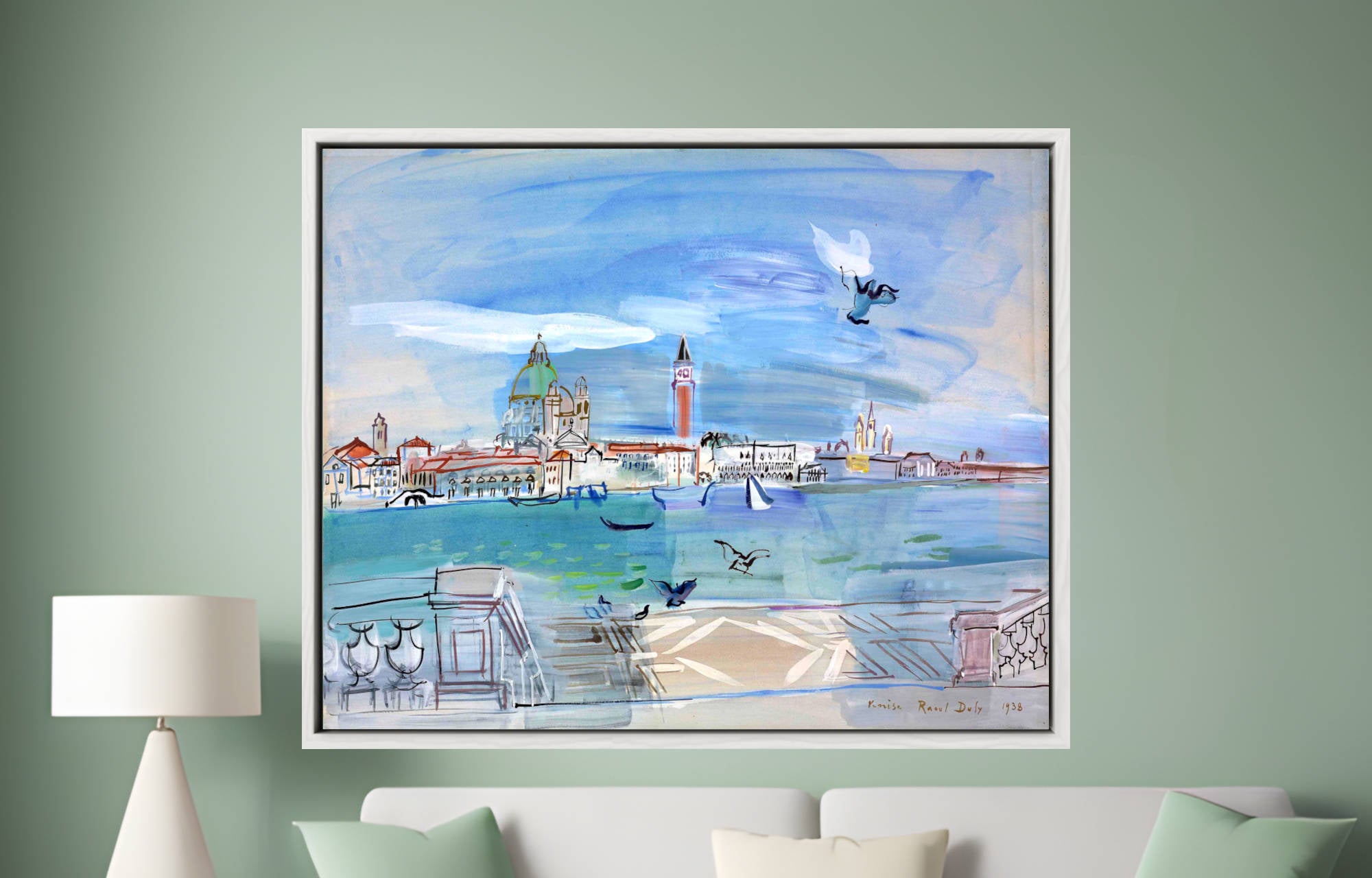
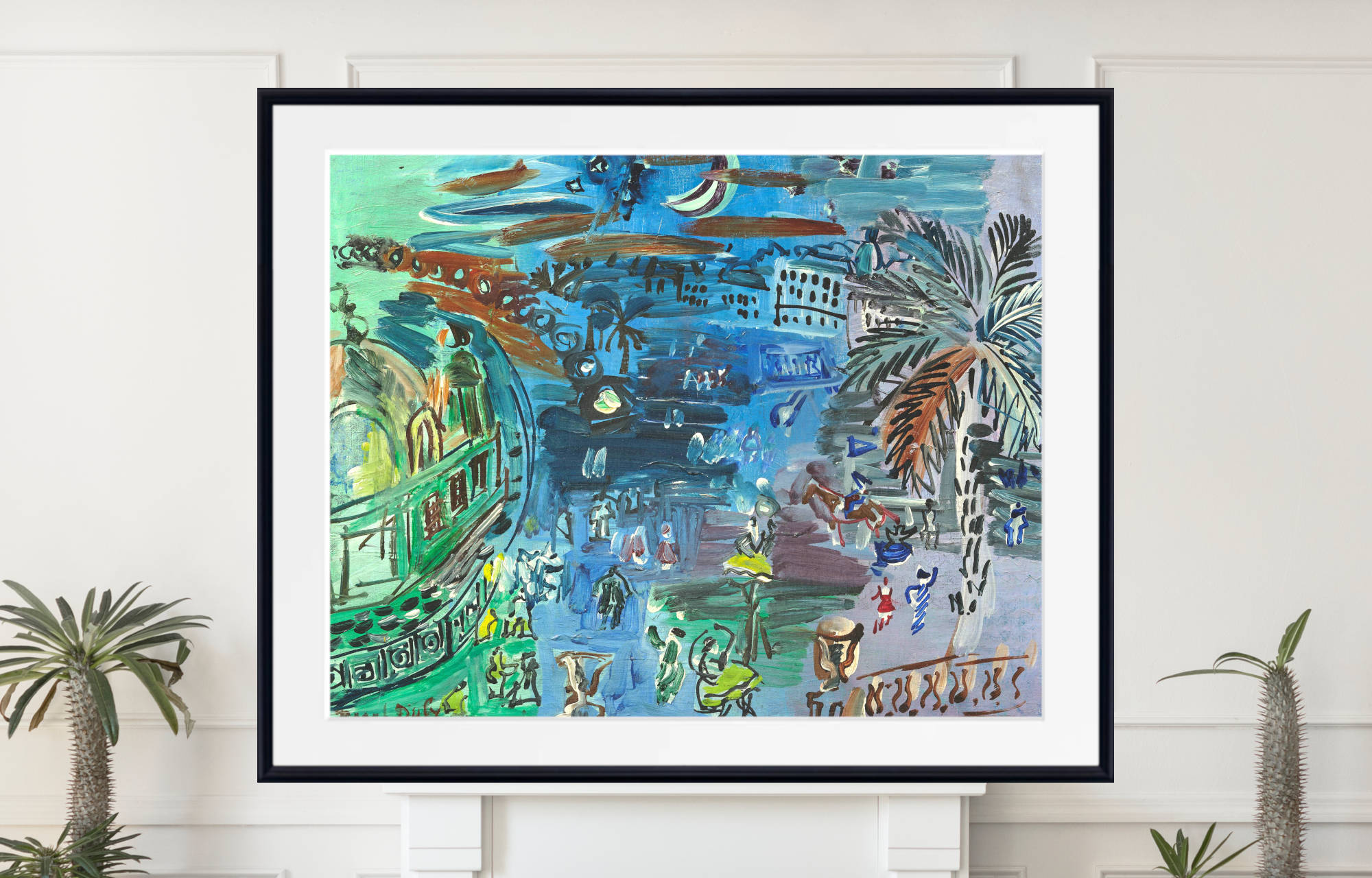
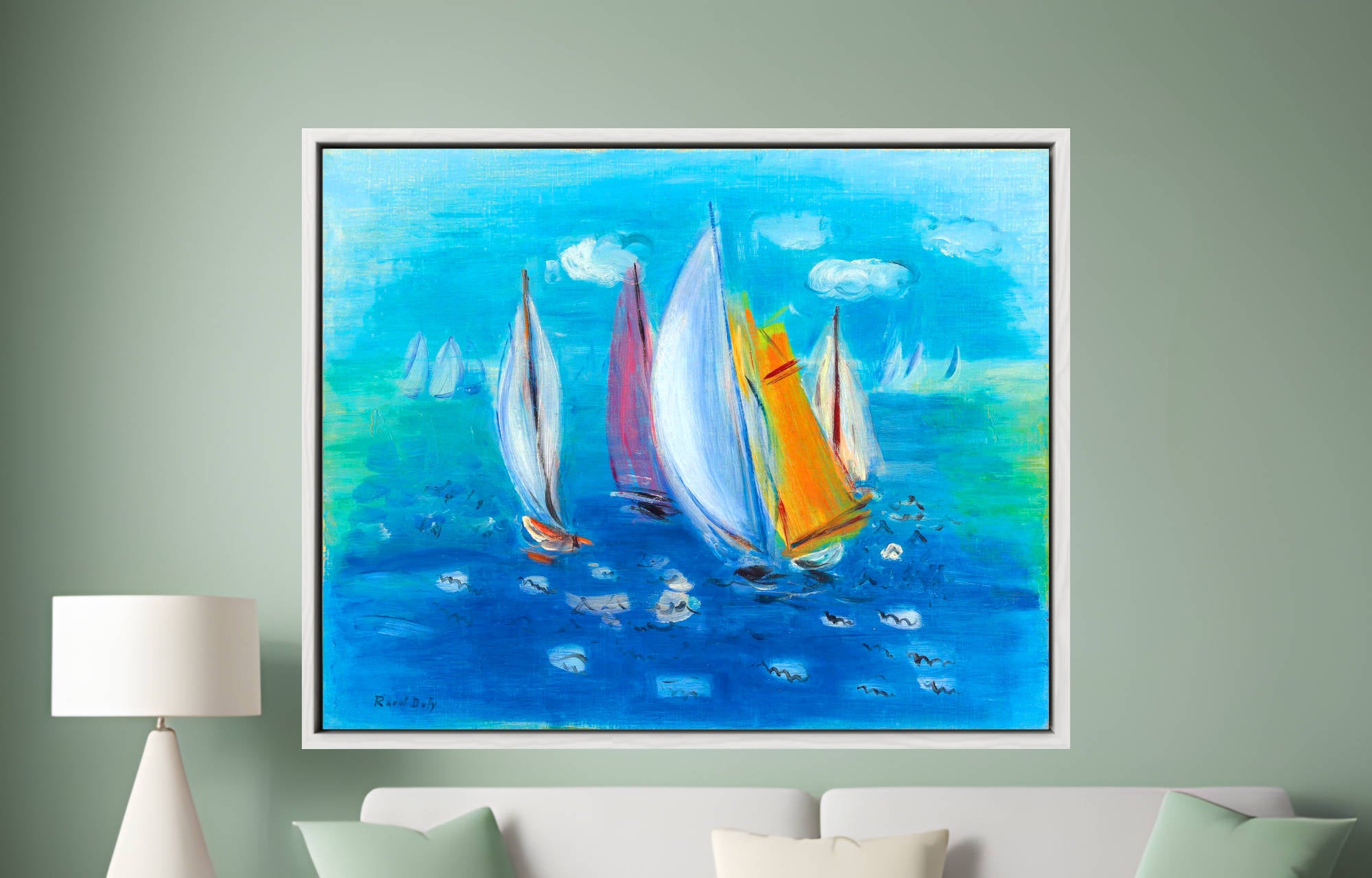
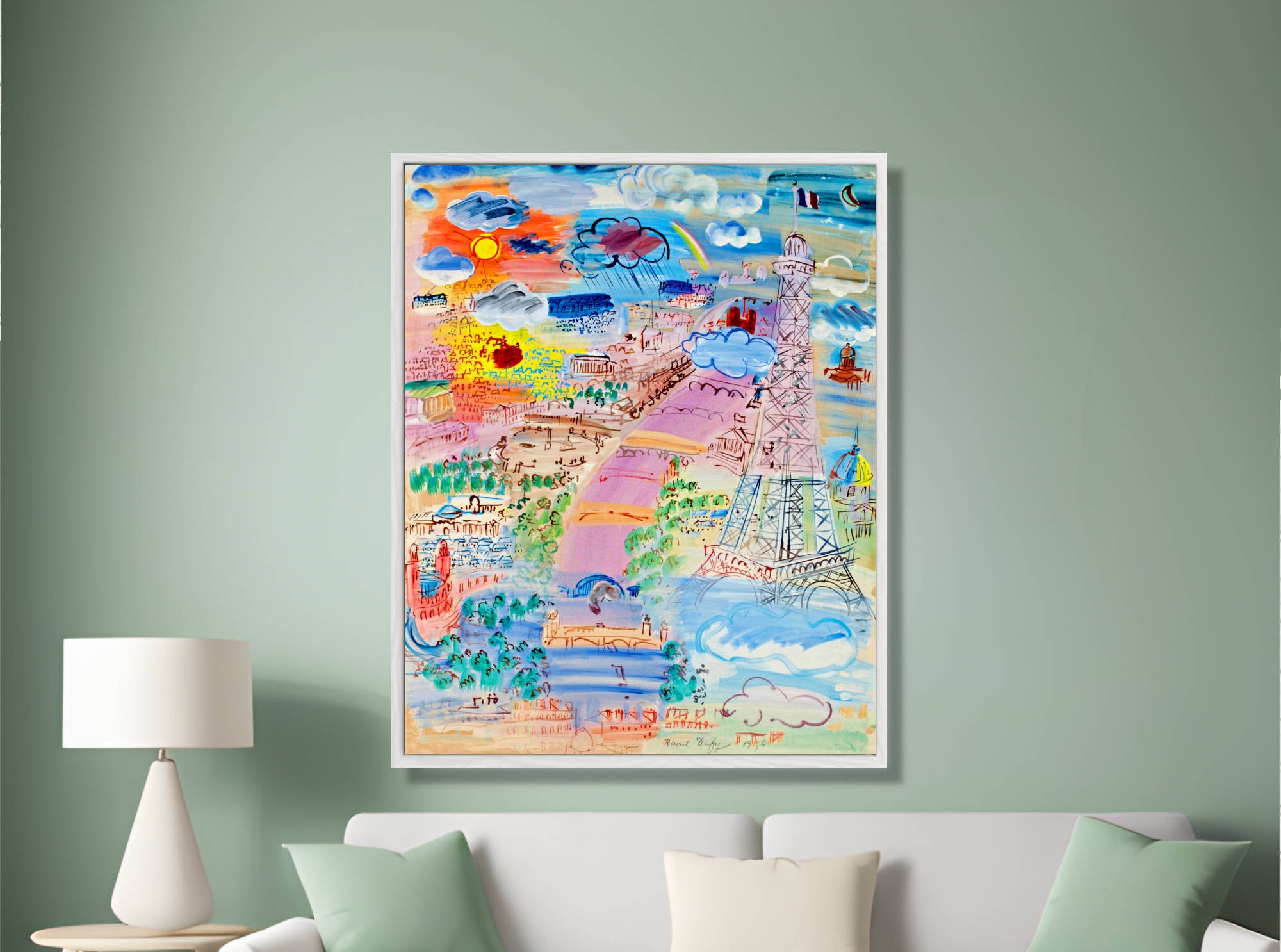
A Six cavaliers et jockeys print by Raoul Dufy is particularly well suited to anyone looking for equestrian wall art with a modern and decorative character. The long horizontal composition makes it especially effective above sofas, console tables, sideboards and beds, where its proportions can complement wider pieces of furniture.
The combination of horses, riders and expressive colour allows the artwork to work naturally in living rooms, studies, bedrooms, hallways and home offices. It is an obvious choice for horse-racing enthusiasts, yet Dufy's simplified treatment gives it much wider appeal than conventional sporting art.
The fluid outlines work particularly well in contemporary and Scandinavian-inspired interiors, while the equestrian subject can also complement traditional, country-house and eclectic decorative schemes.
Available in a choice of sizes as a fine art paper print, framed print or canvas panel, Six cavaliers et jockeys brings Dufy's elegant interpretation of horse racing into the home.
Frequently Asked Questions
When did Raoul Dufy create Six cavaliers et jockeys?
Six cavaliers et jockeys was executed circa 1928, during the period when Dufy was developing the fluid combination of expressive line and colour associated with his mature work.
What does Six cavaliers et jockeys mean?
The French title translates broadly as Six Riders and Jockeys. The composition presents six mounted figures arranged across a wide horizontal format.
What does Six cavaliers et jockeys depict?
The work depicts a group of horses with riders and jockeys. Dufy simplifies each figure into expressive outlines and areas of colour, concentrating on rhythm and movement rather than detailed equestrian realism.
What medium did Raoul Dufy use for Six cavaliers et jockeys?
The original work was executed in gouache and watercolour on paper.
What size is the original Six cavaliers et jockeys?
The original measures approximately 24.8 × 50.2 cm, giving it the distinctive elongated horizontal proportions that suit the procession of horses and riders.
Why did Raoul Dufy paint horse racing subjects?
Horse racing brought together many elements that fascinated Dufy: movement, colourful jockey silks, elegant spectators and the social spectacle of modern leisure. Racing therefore became one of the recurring themes of his mature career.
What style is Six cavaliers et jockeys painted in?
The work displays Dufy's mature style, characterised by rapid calligraphic drawing, simplified forms and colour that is applied with considerable freedom rather than being rigidly confined within outlines.
Is Six cavaliers et jockeys a Fauvist painting?
Dufy's direct involvement with Fauvism belonged to an earlier phase of his career. By circa 1928 he had developed his own distinctive mature style, although the Fauvist emphasis on expressive colour remained an important influence.
Did Raoul Dufy create other horse racing paintings?
Yes. Racing was one of Dufy's major recurring subjects. He produced numerous works featuring jockeys, racehorses, paddocks and race meetings, particularly scenes associated with fashionable racing centres such as Deauville.
Is Six cavaliers et jockeys available as a framed Raoul Dufy print?
Yes. GalleryThane offers Six cavaliers et jockeys in a choice of sizes and formats, including fine art paper prints, framed prints and canvas options.
Where would a Six cavaliers et jockeys print work well?
Its wide horizontal format makes it particularly suitable above sofas, console tables, beds and sideboards. The combination of equestrian imagery and modern expressive drawing works well in living rooms, studies, bedrooms and hallways, as well as contemporary, Scandinavian-inspired and traditional interiors.
All orders for unframed fine art prints and original paintings are dispatched within 2 working days of receipt of payment.
Orders for custom framed prints are dispatched within 4 working days.
All orders are fully tracked from dispatch to delivery at your home or business.
All print and original painting orders are fully insured against loss or damage in transit. We refund or replace any damaged or lost orders.
Buy with confidence - read what our satisfied customers have to say - Reviews
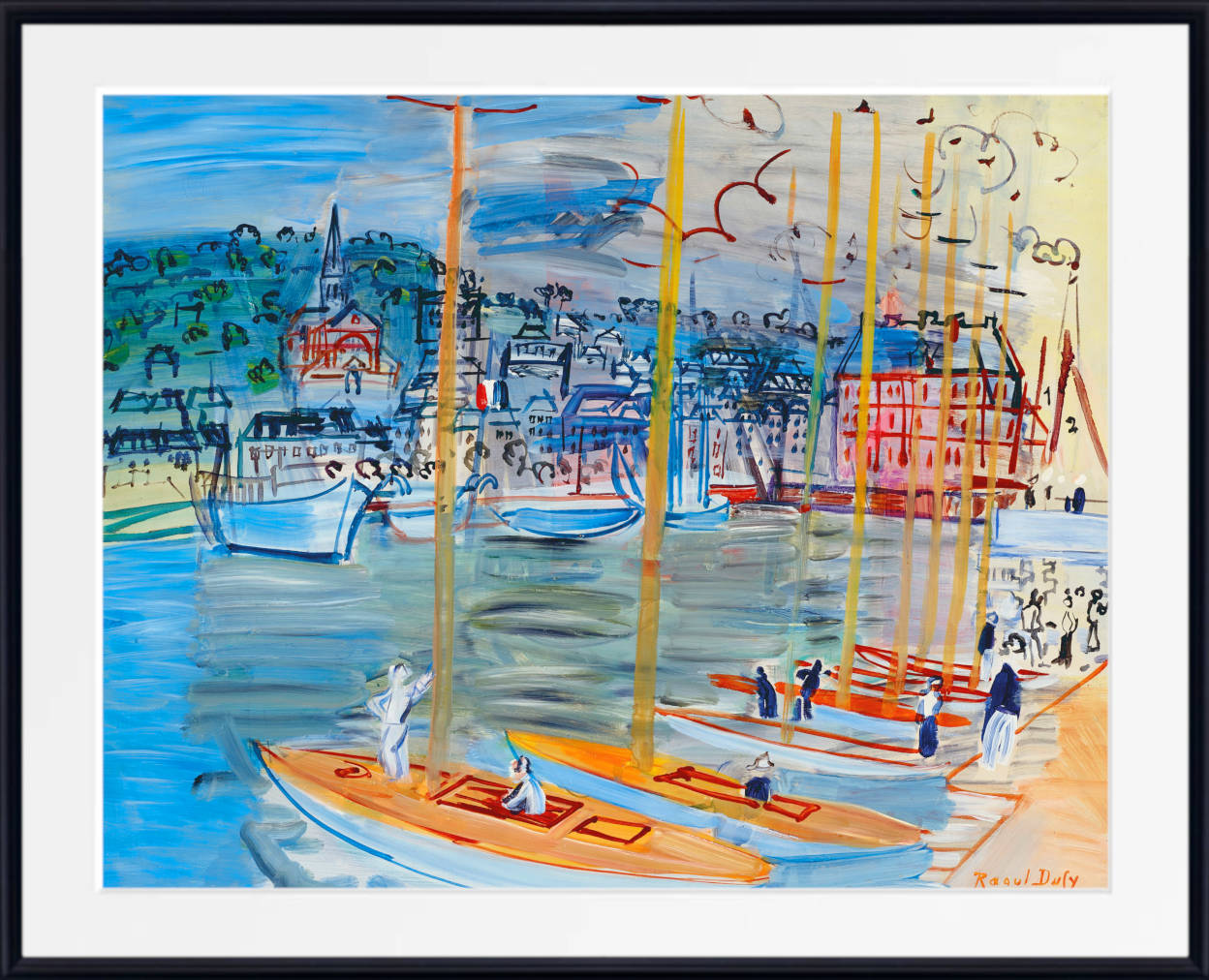
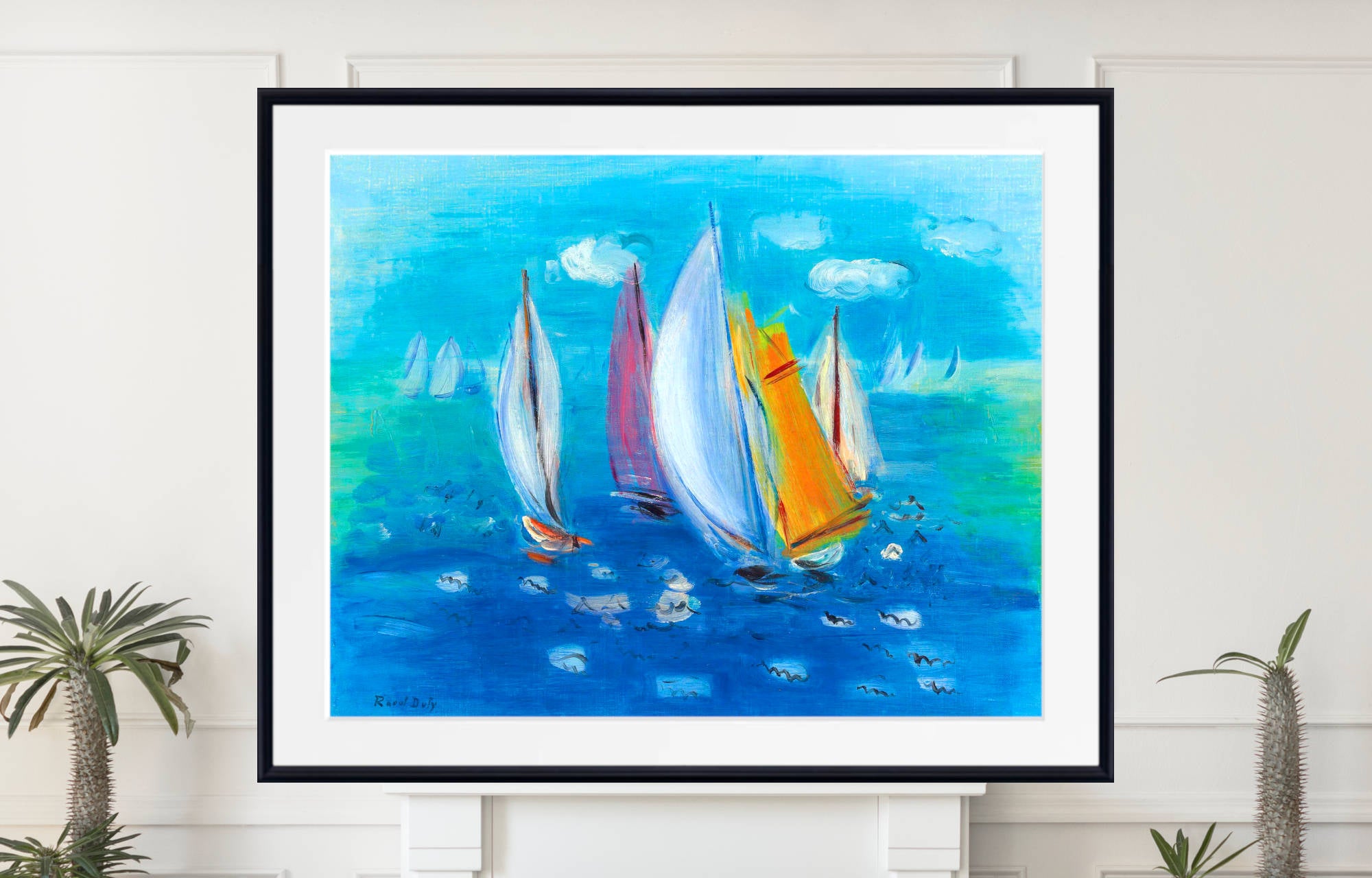
Fine art papers are printed without any additional white border Please let us know at the time of ordering if you would like a small additional white border.
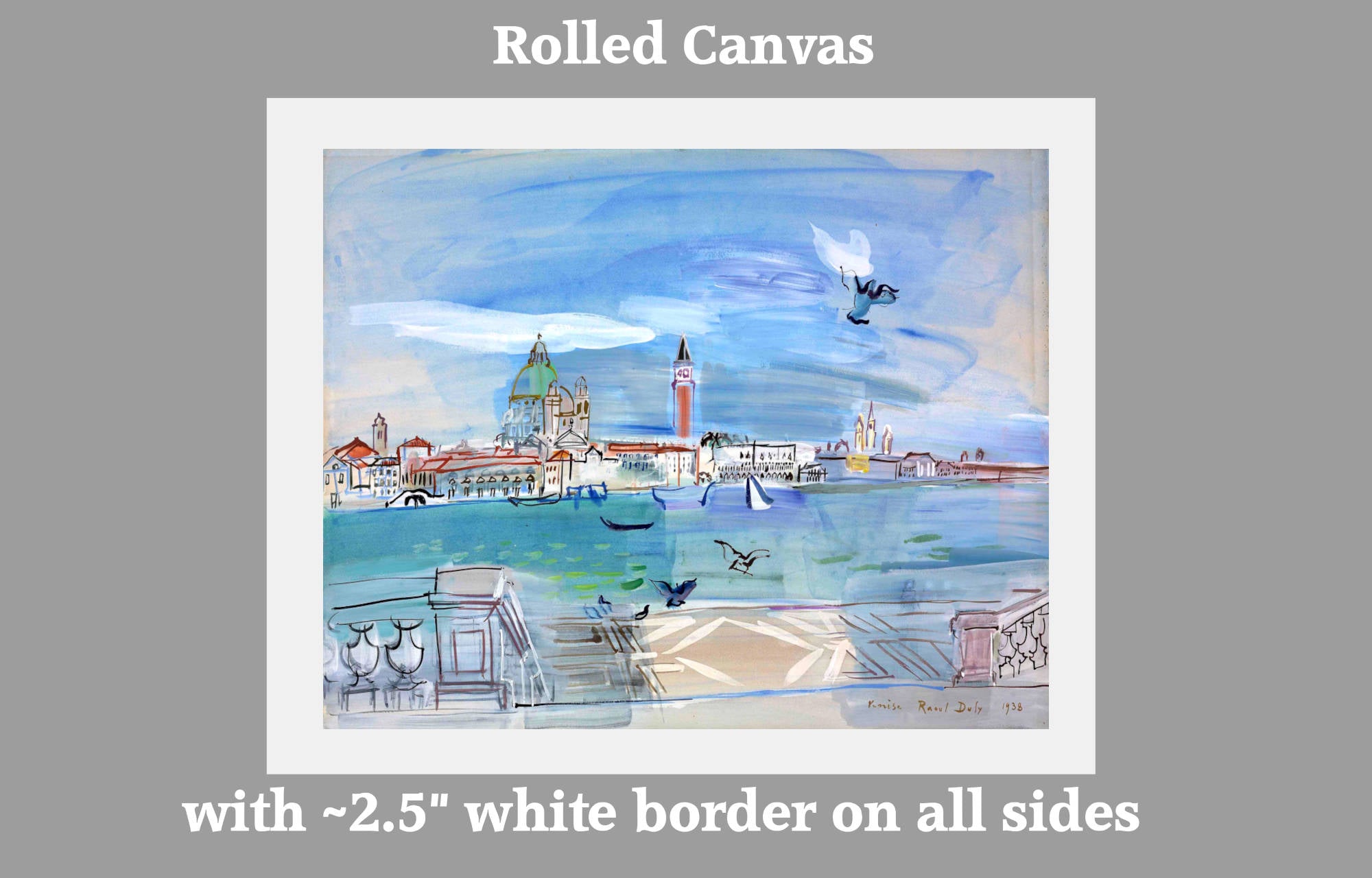
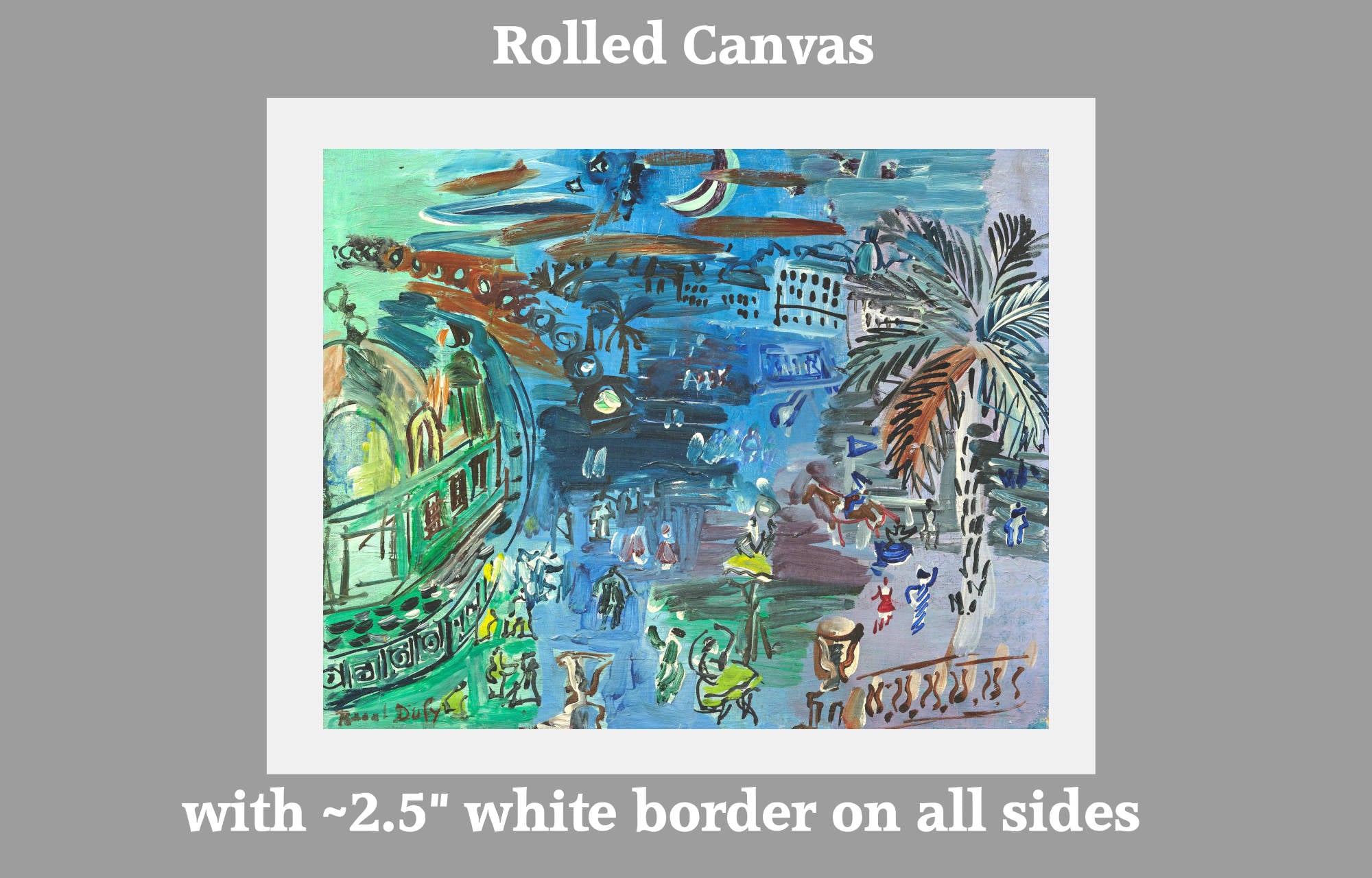
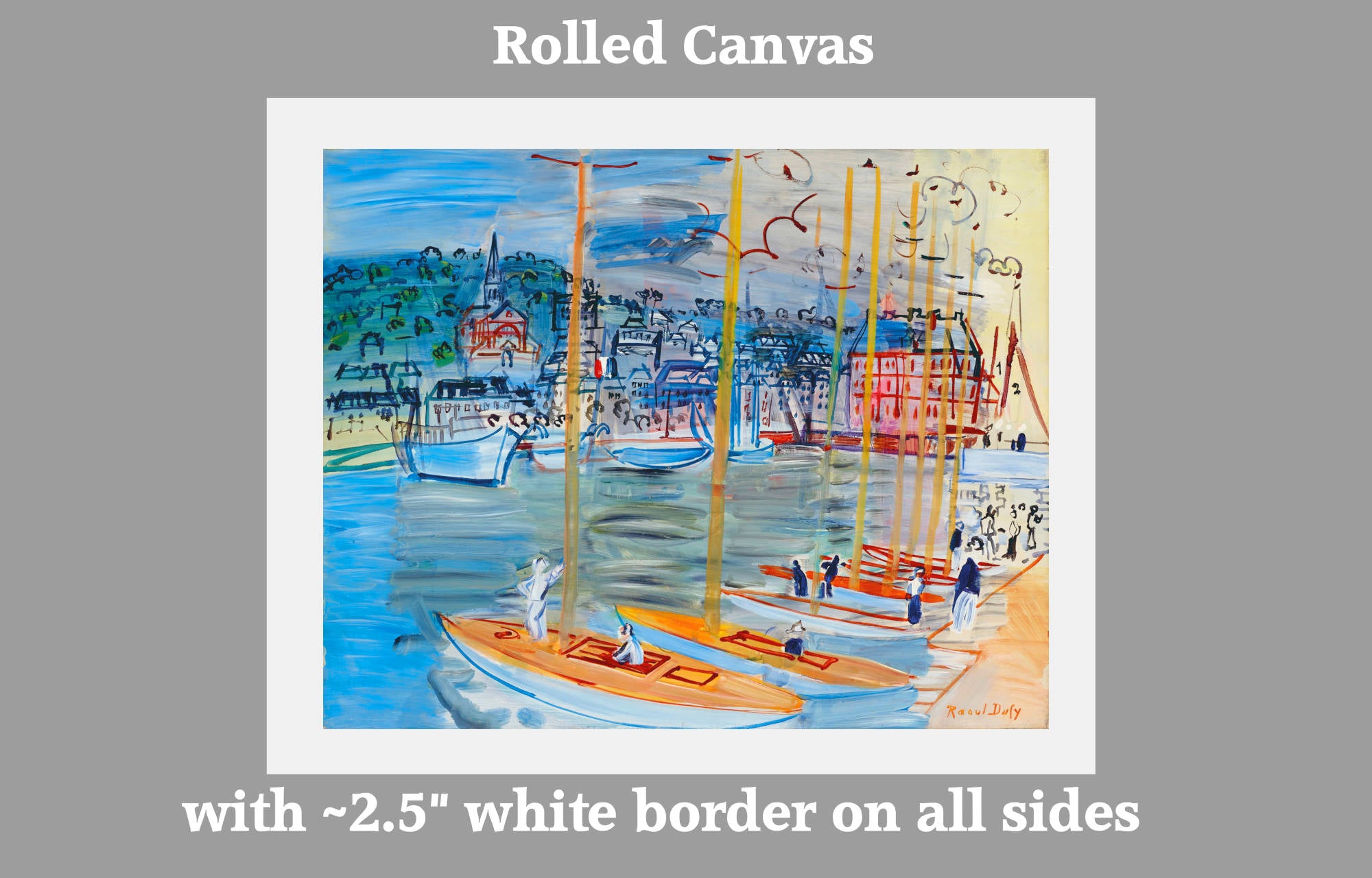
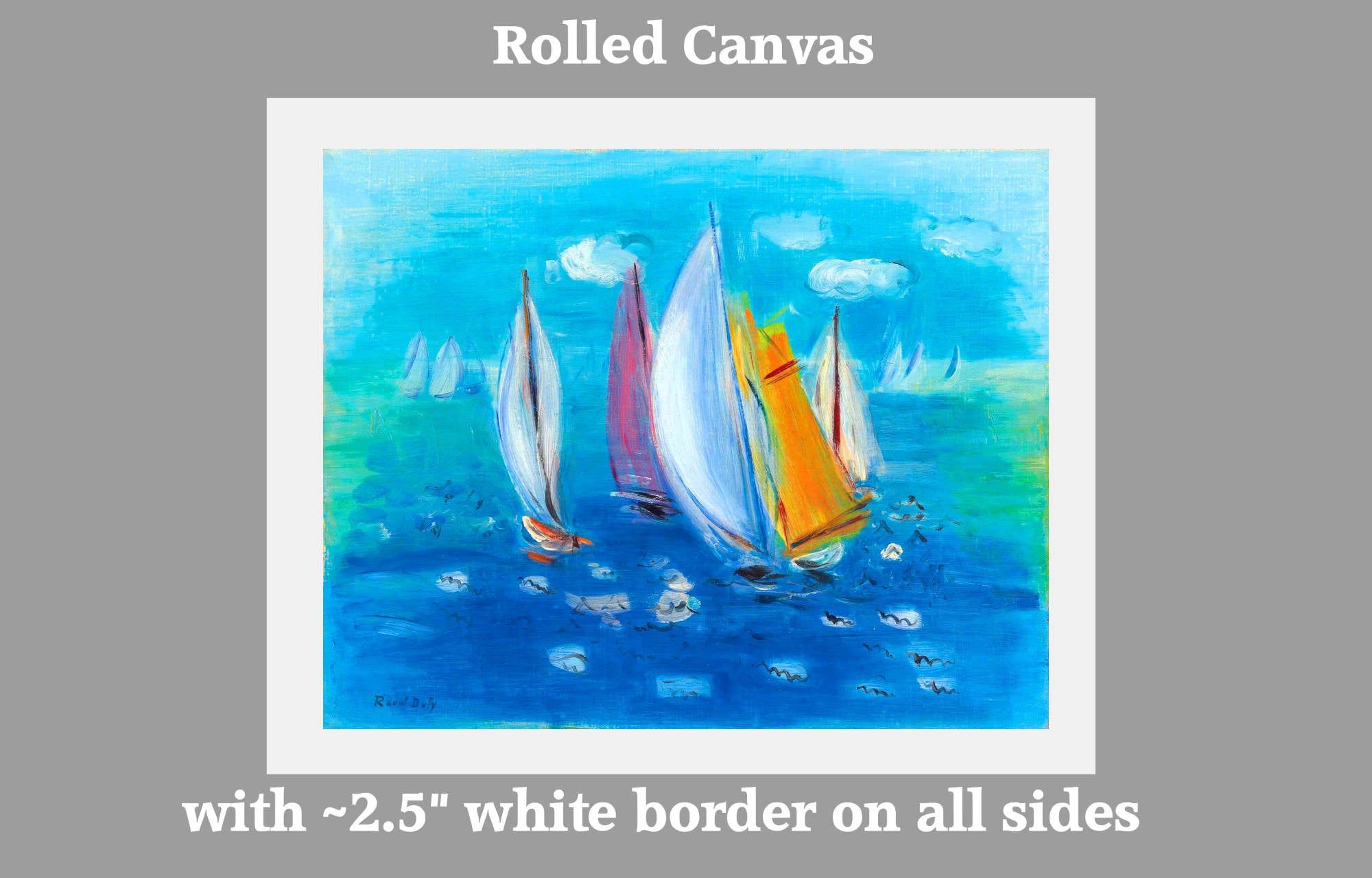
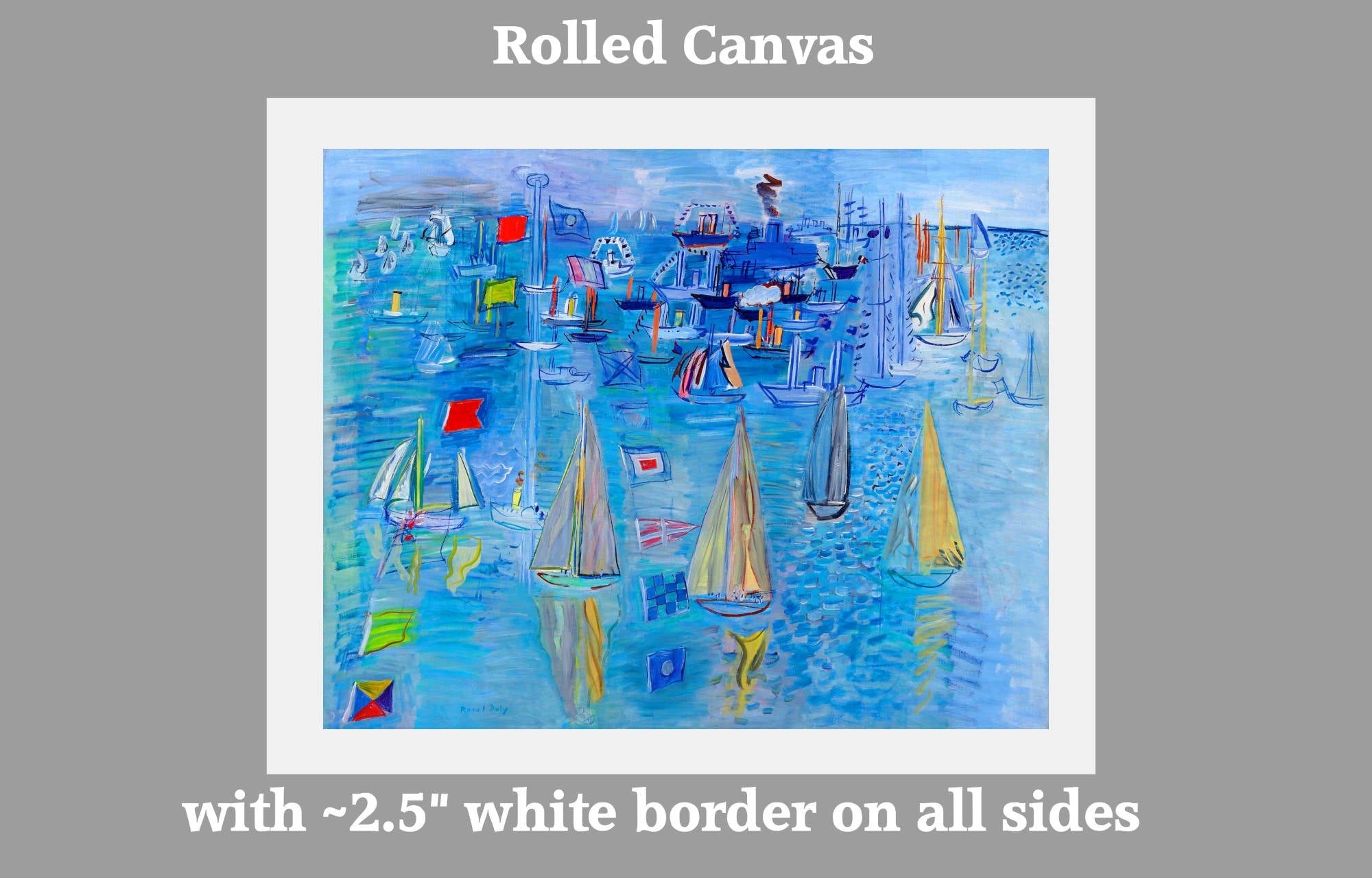
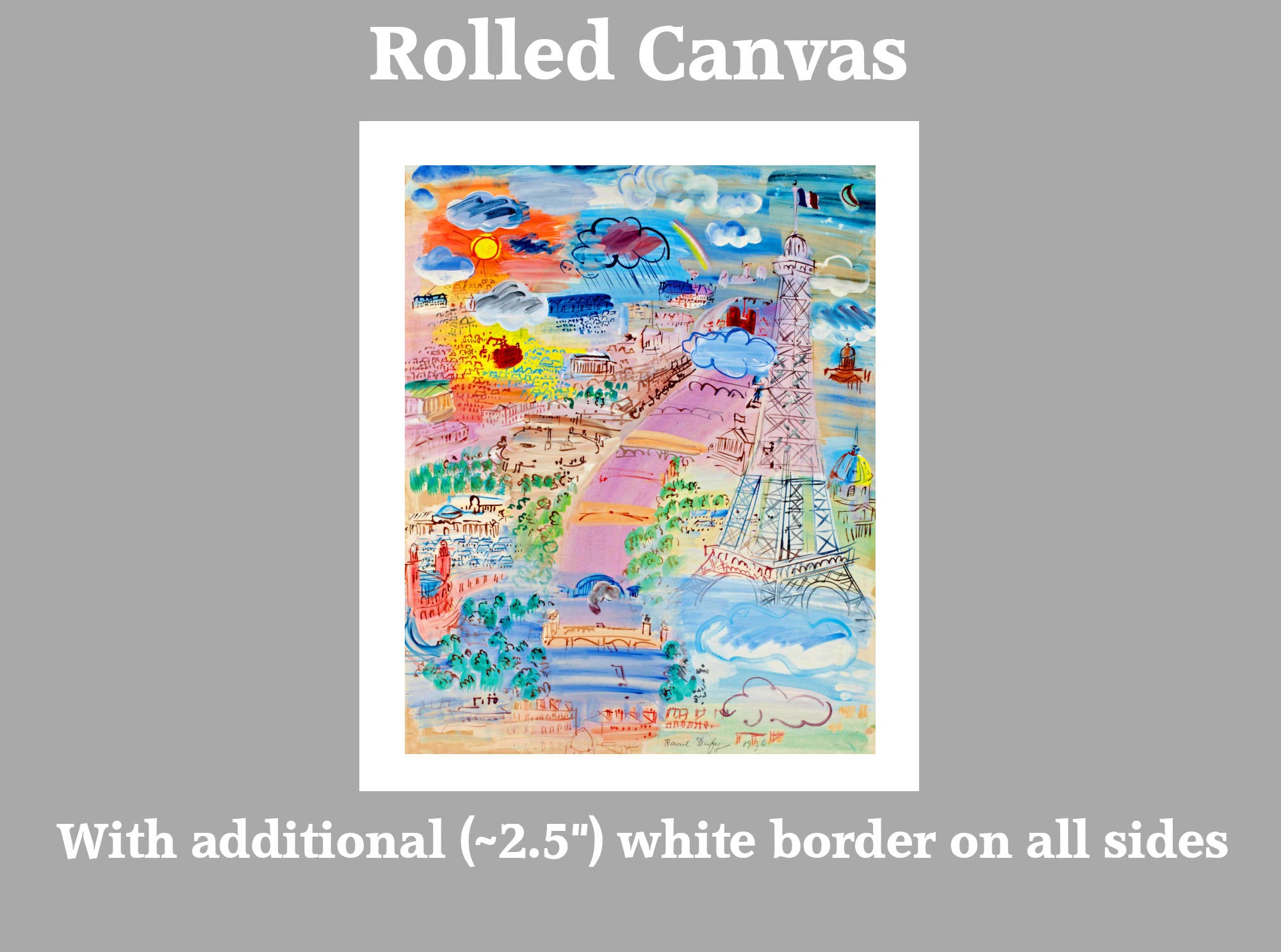
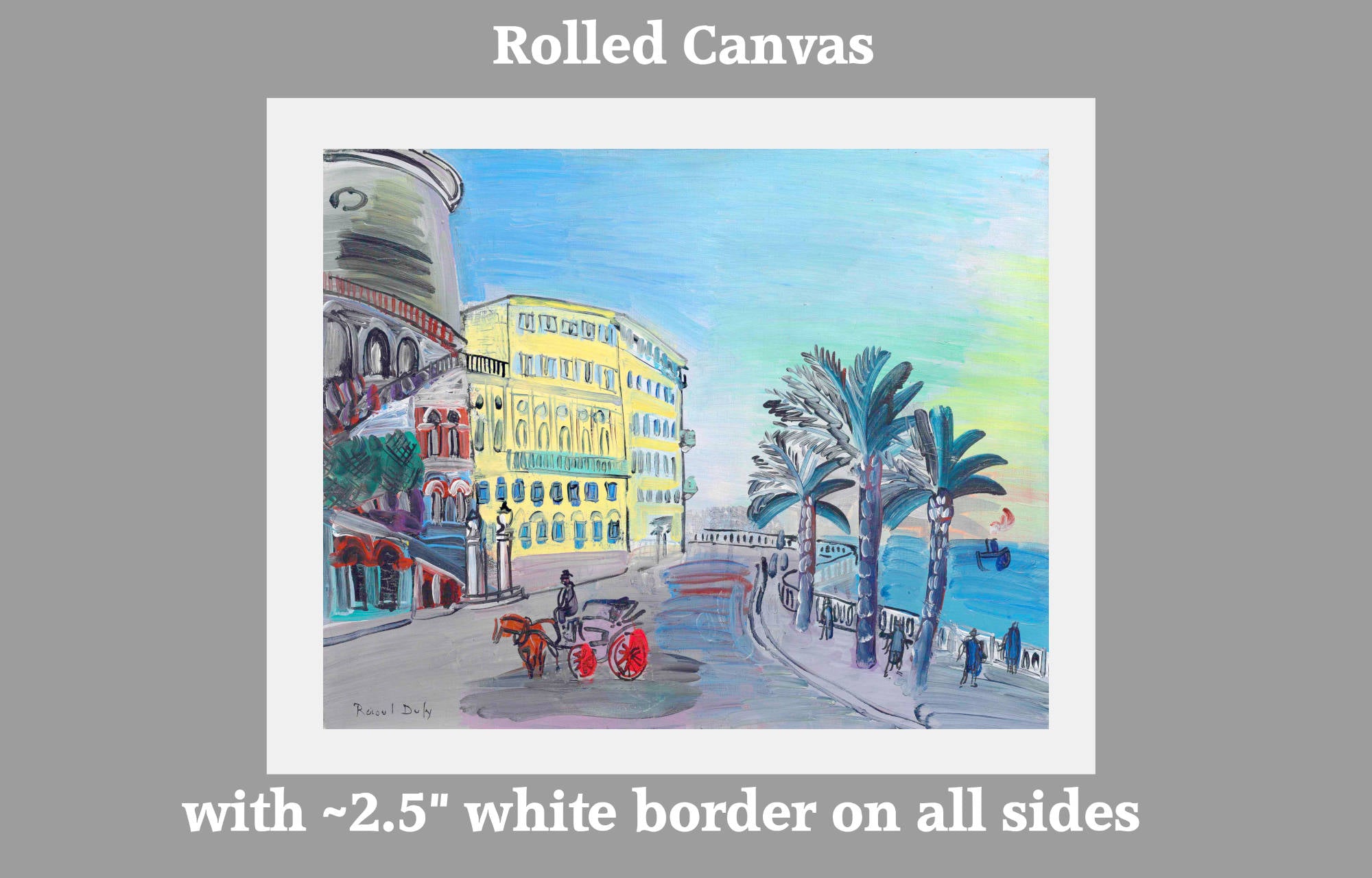
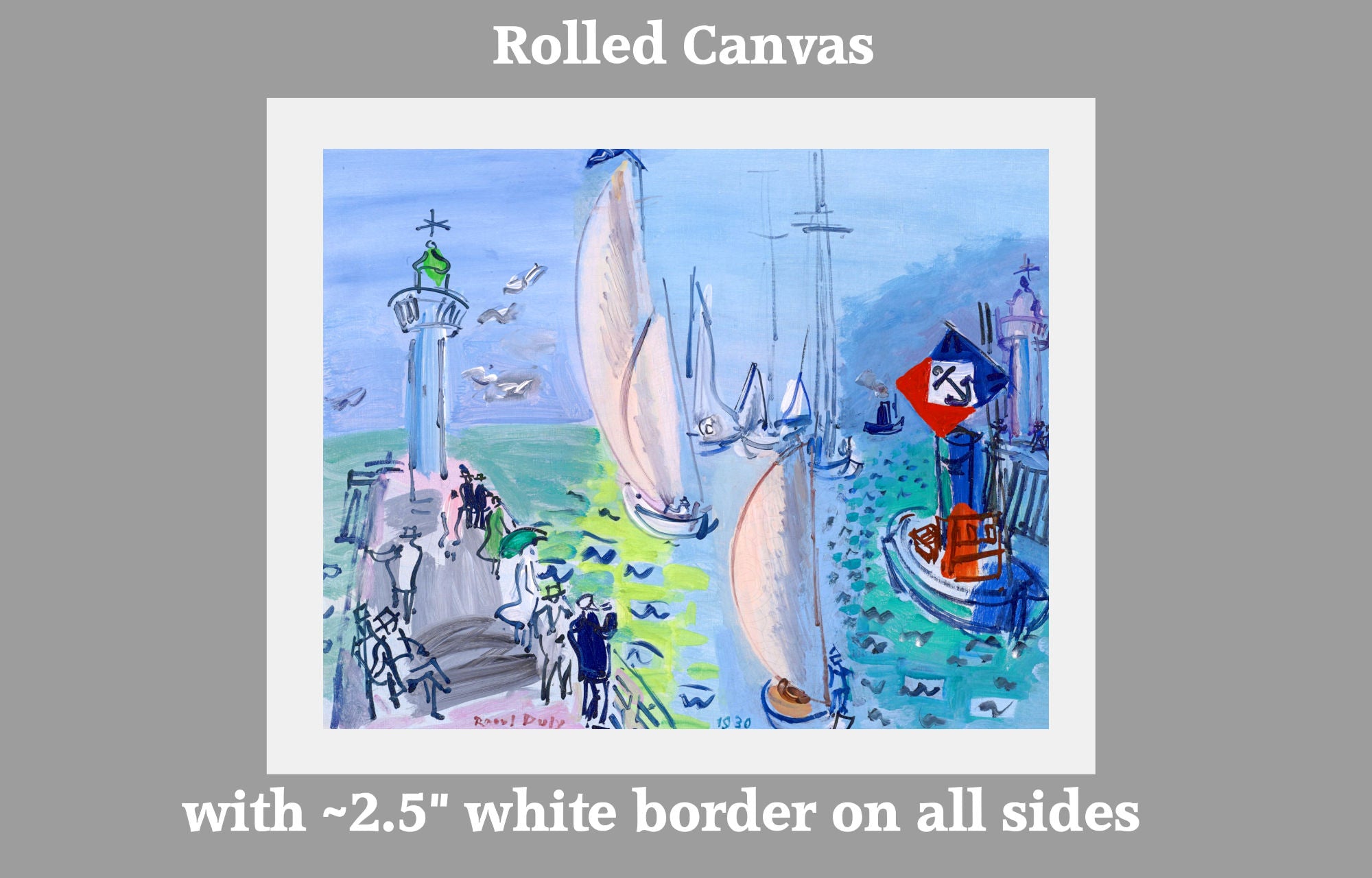
Rolled canvas options have an additional white border of approximately 2.5 inches (7cm) on all 4 sides to aid stretching.
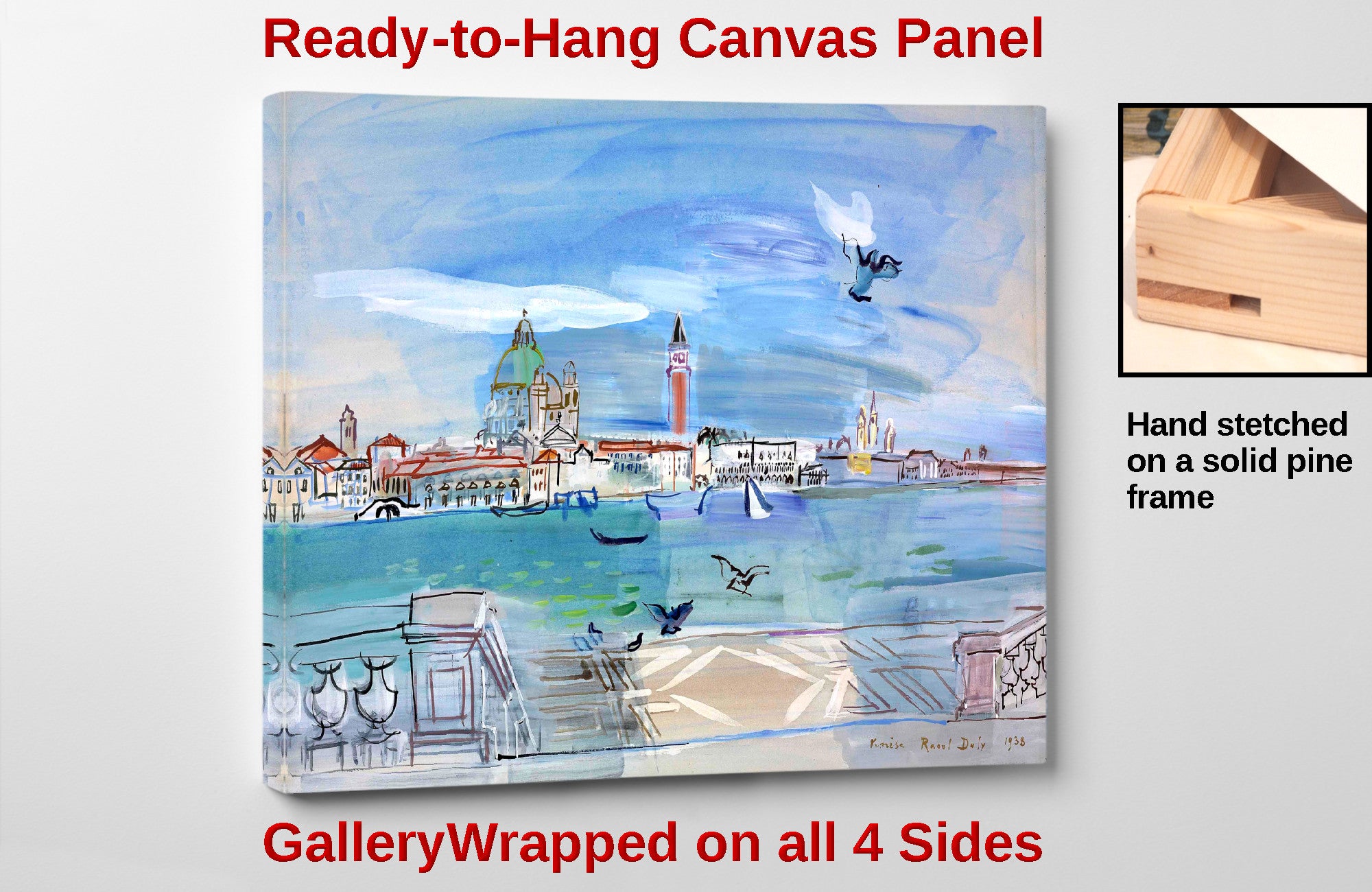
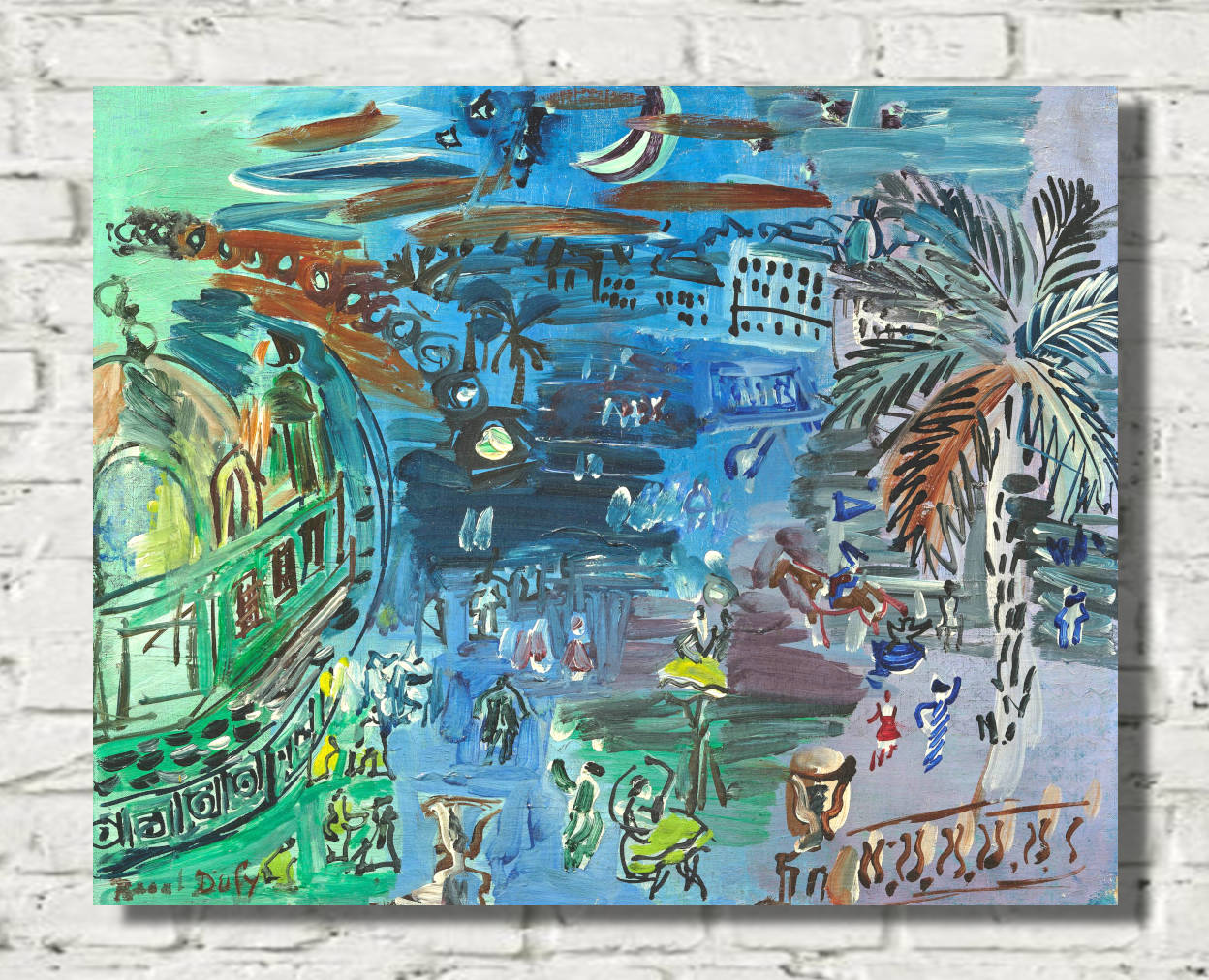
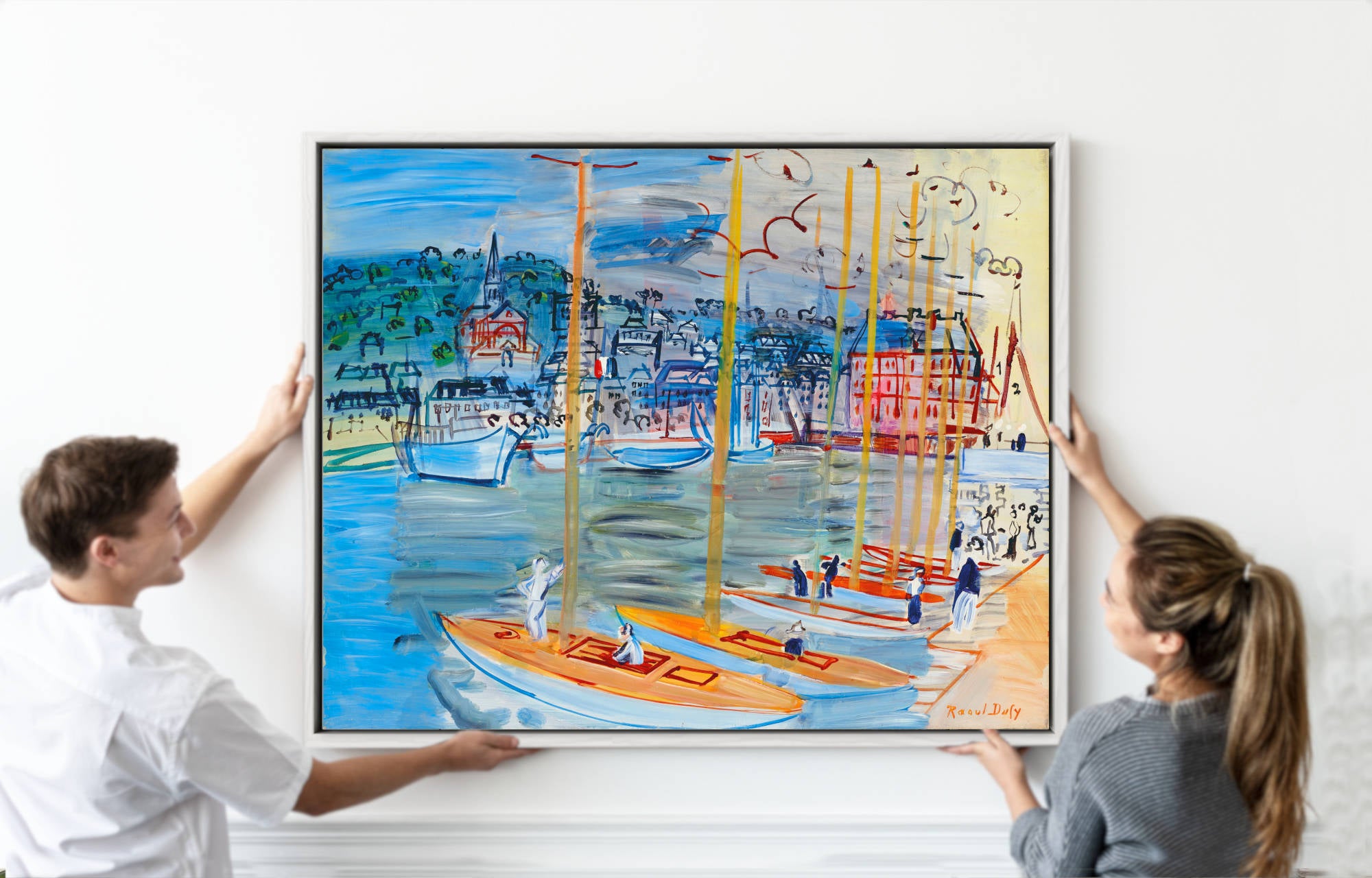
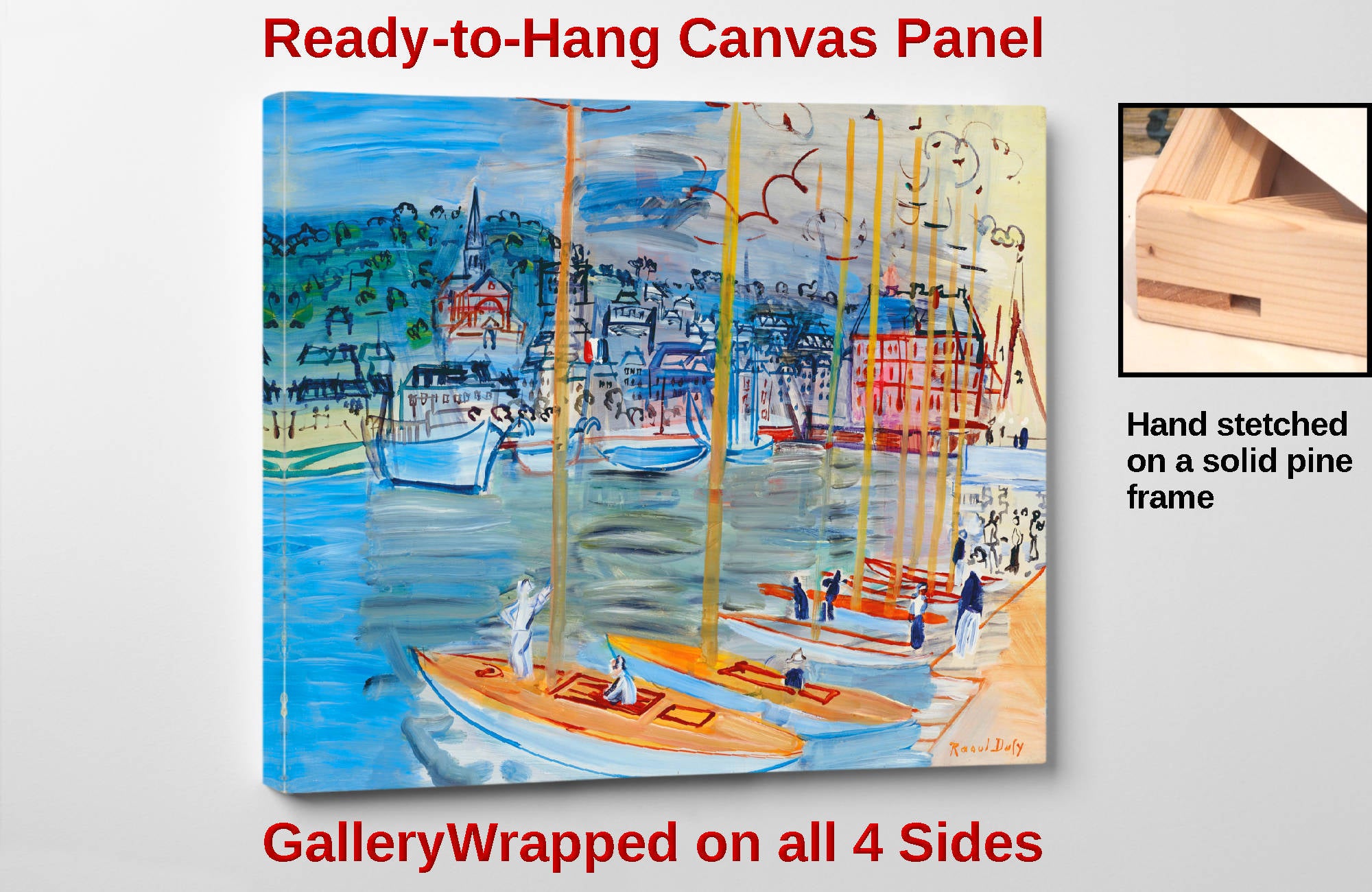
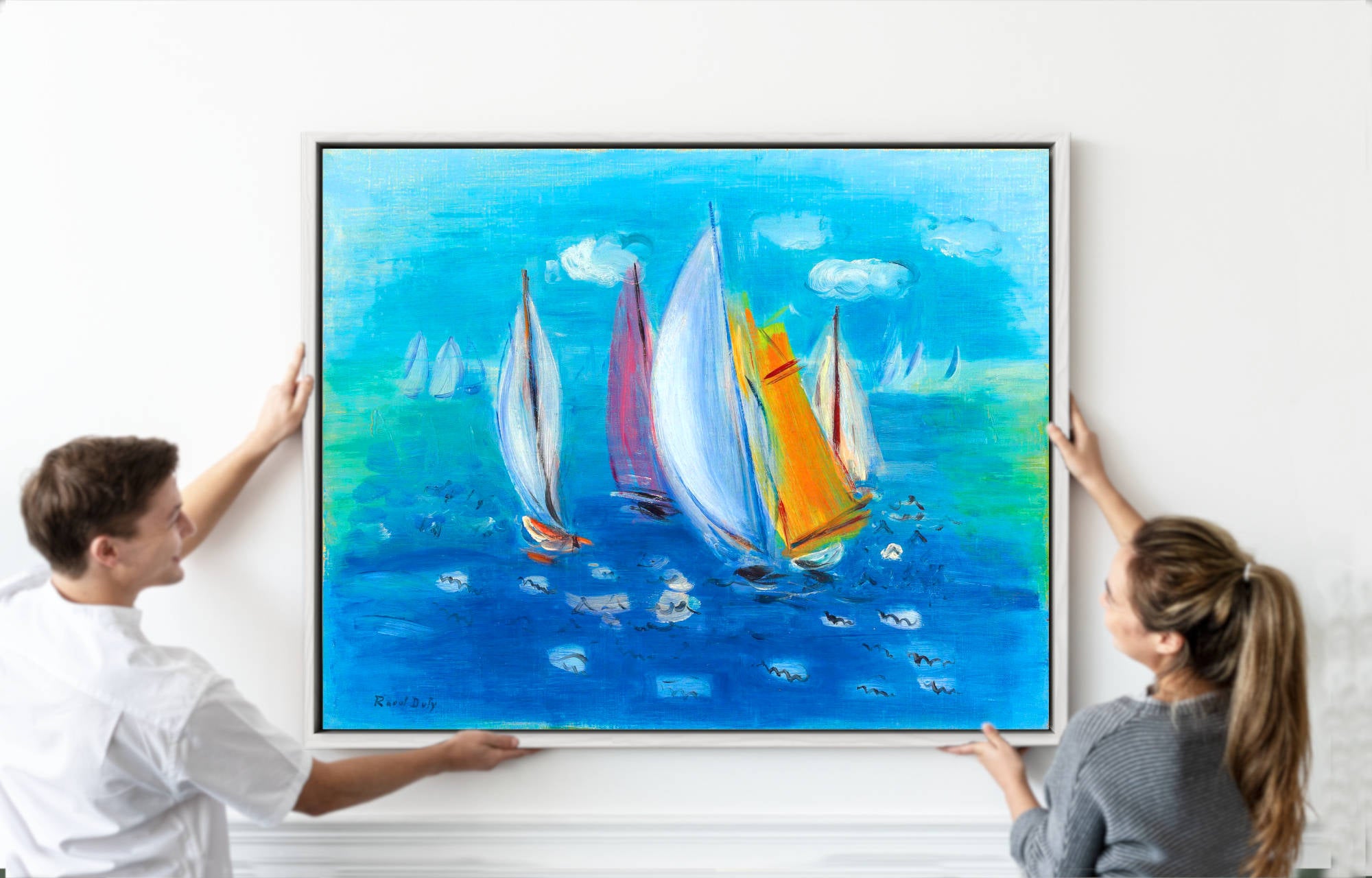
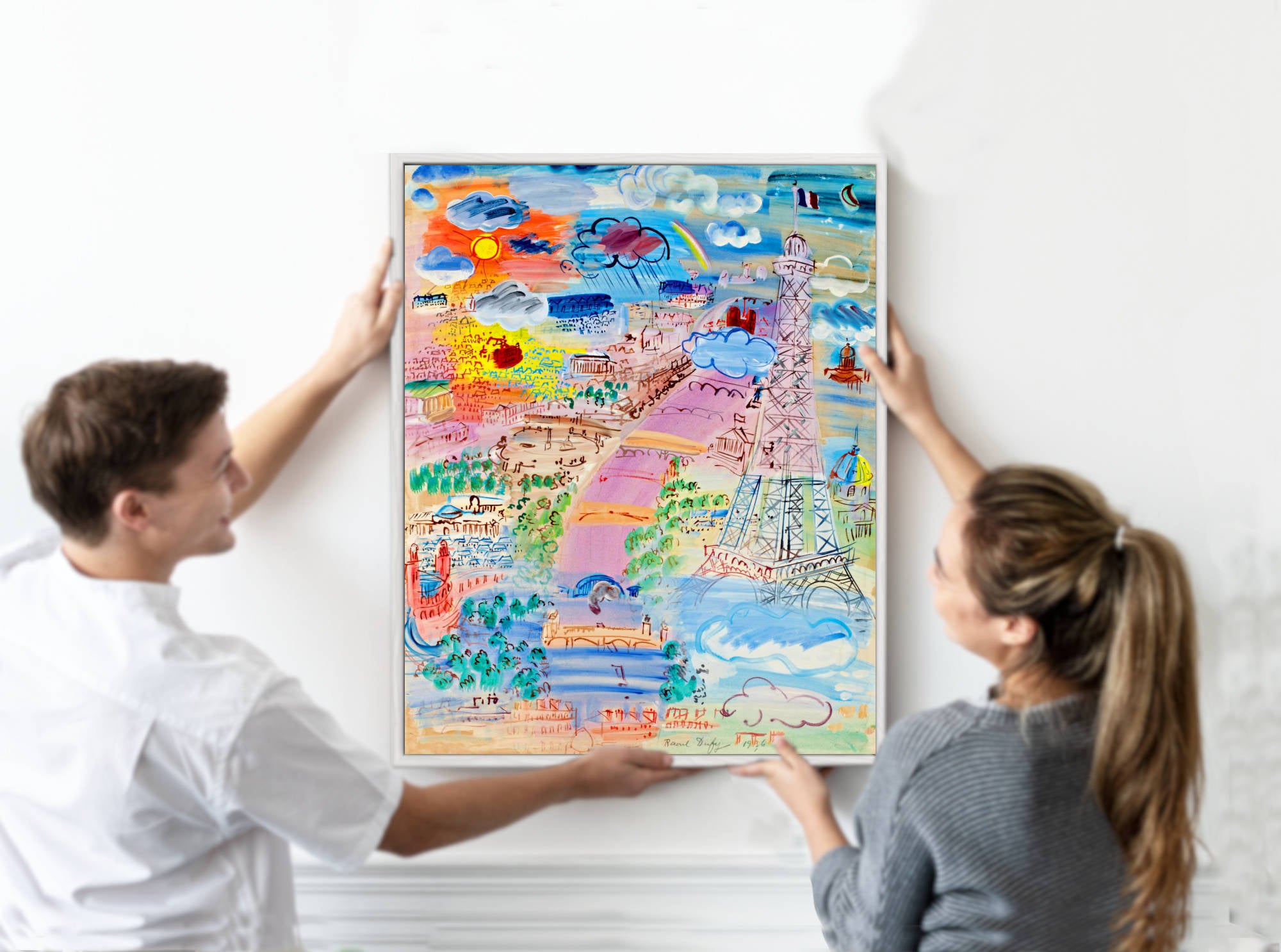
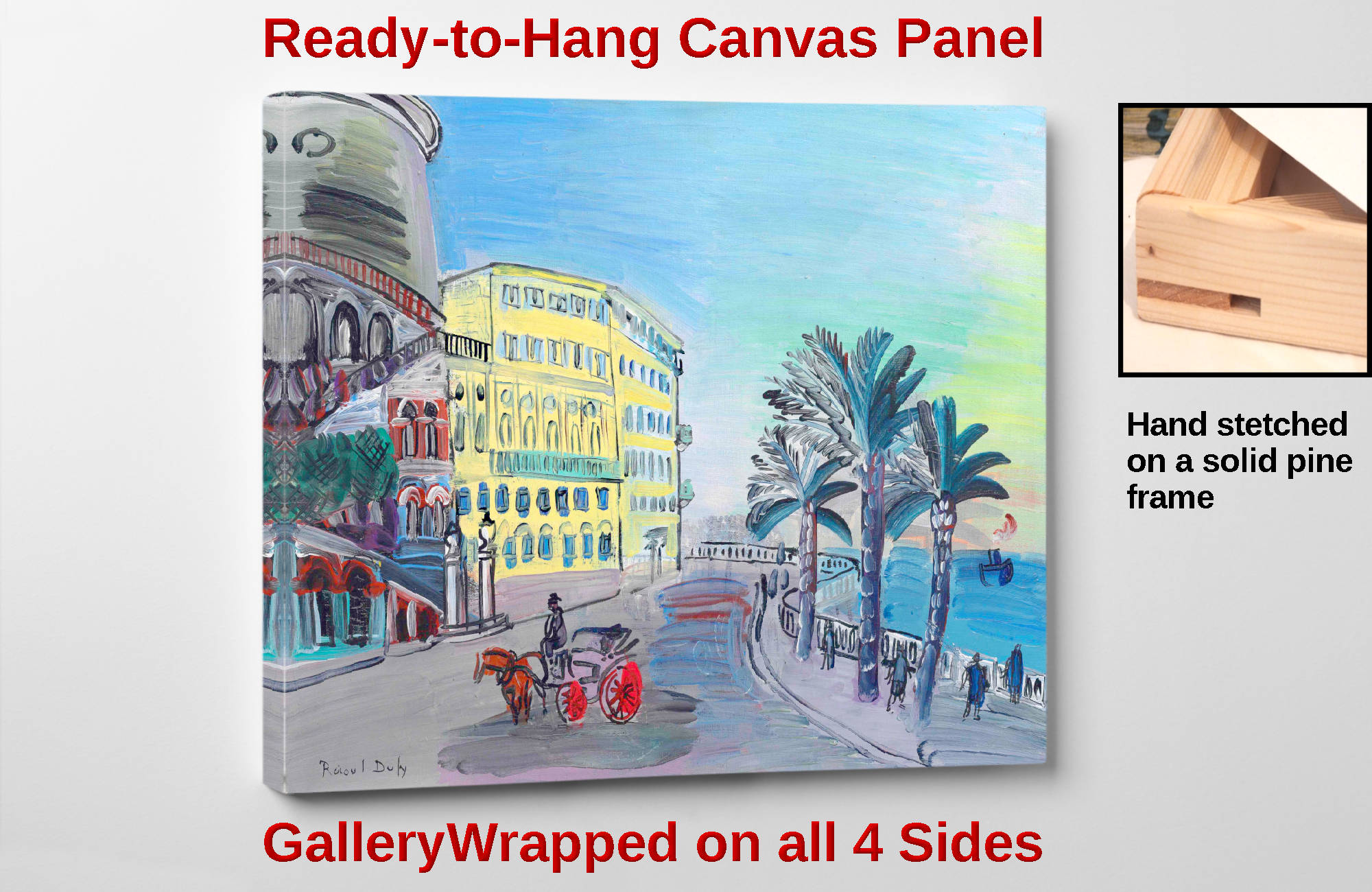
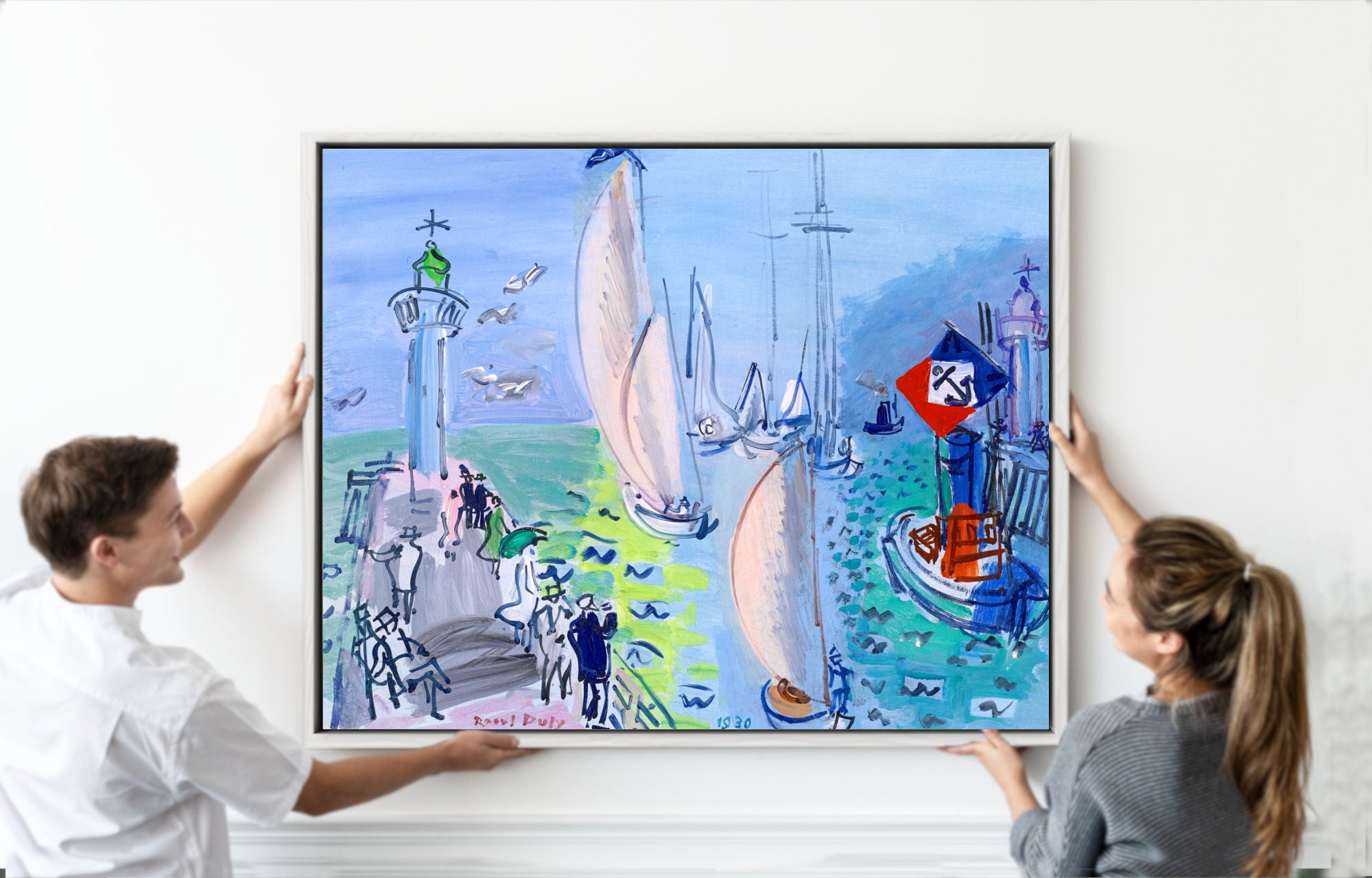
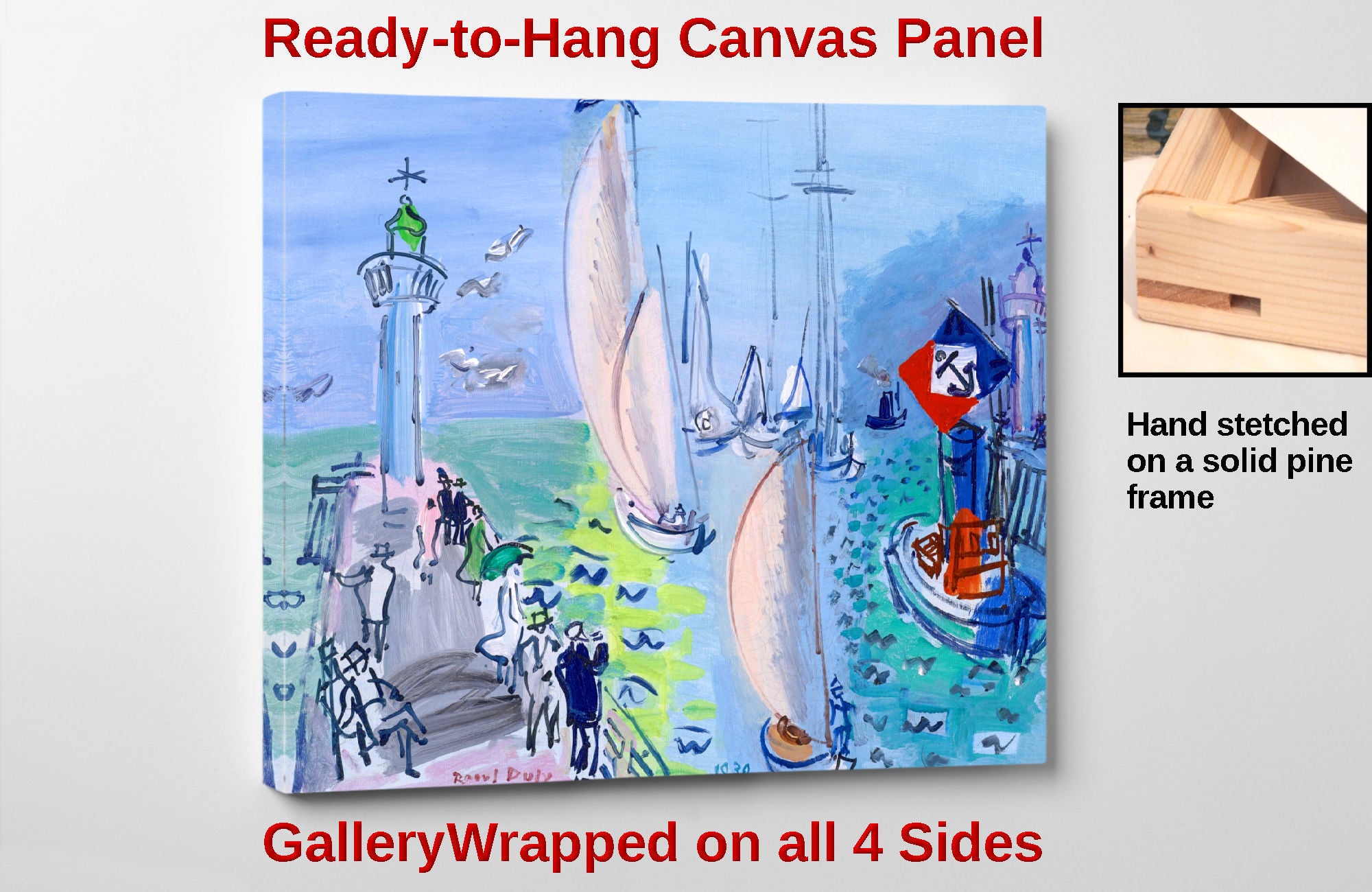
Ready to hang canvas panels are stretched on 1.5 inch deep solid pine frames from sustainable forestry sources. The image is mirrored on all 4 sides to give an aesthetically pleasing finish.
Why not have us gift wrap your order and attach a personalised message to the recipient. Available for all orders. Each order is hand wrapped in high quality gift wrap with meatllic ribbon and bow. Your personalised message is printed on a card which is included with your order.
Have your hand wrapped gift delivered directly to the recipient.
Full tracking and insurance included with every order.
Please note design may vary depending upon availability
Just purchase the gift wrap option HERE
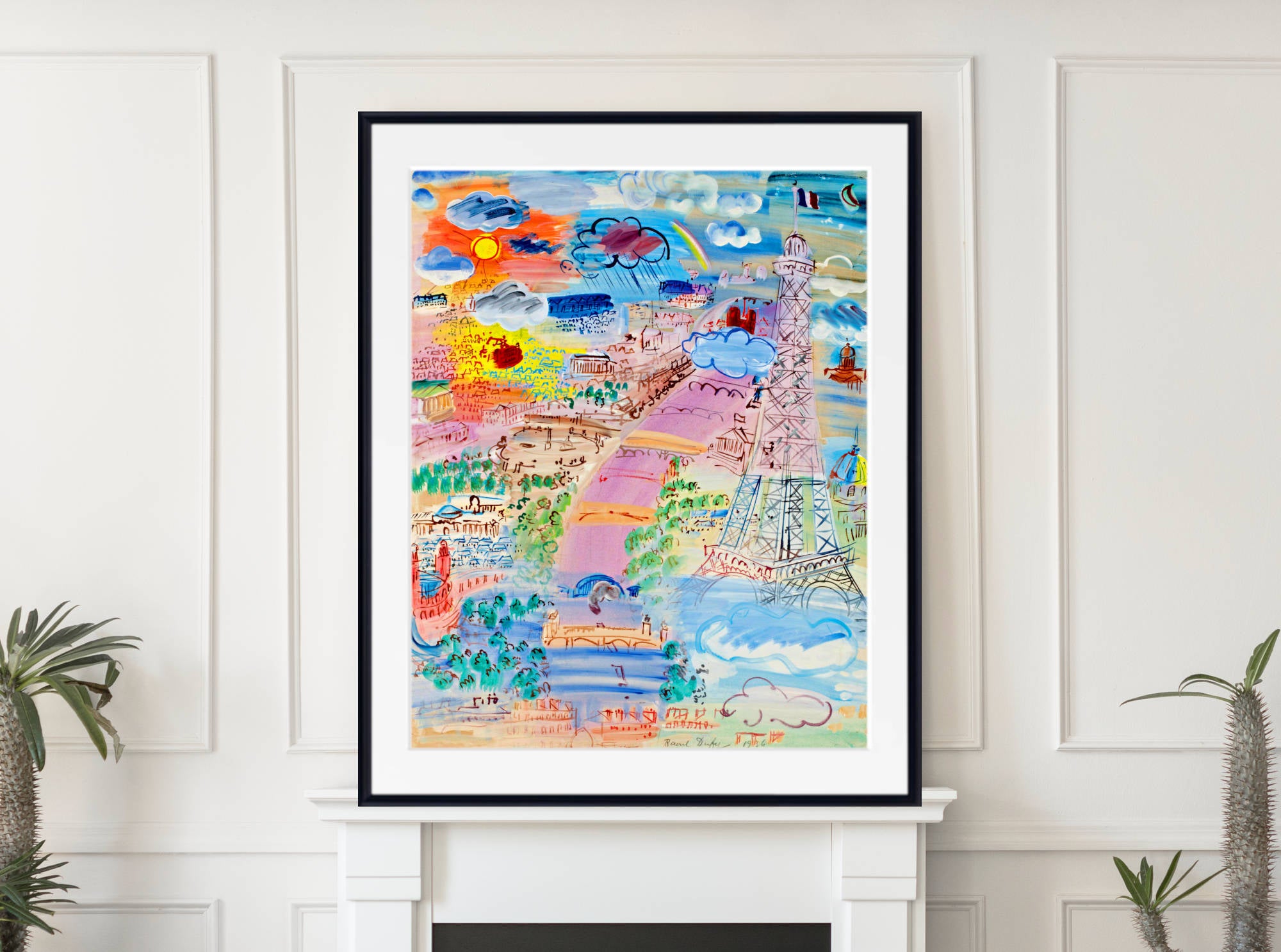
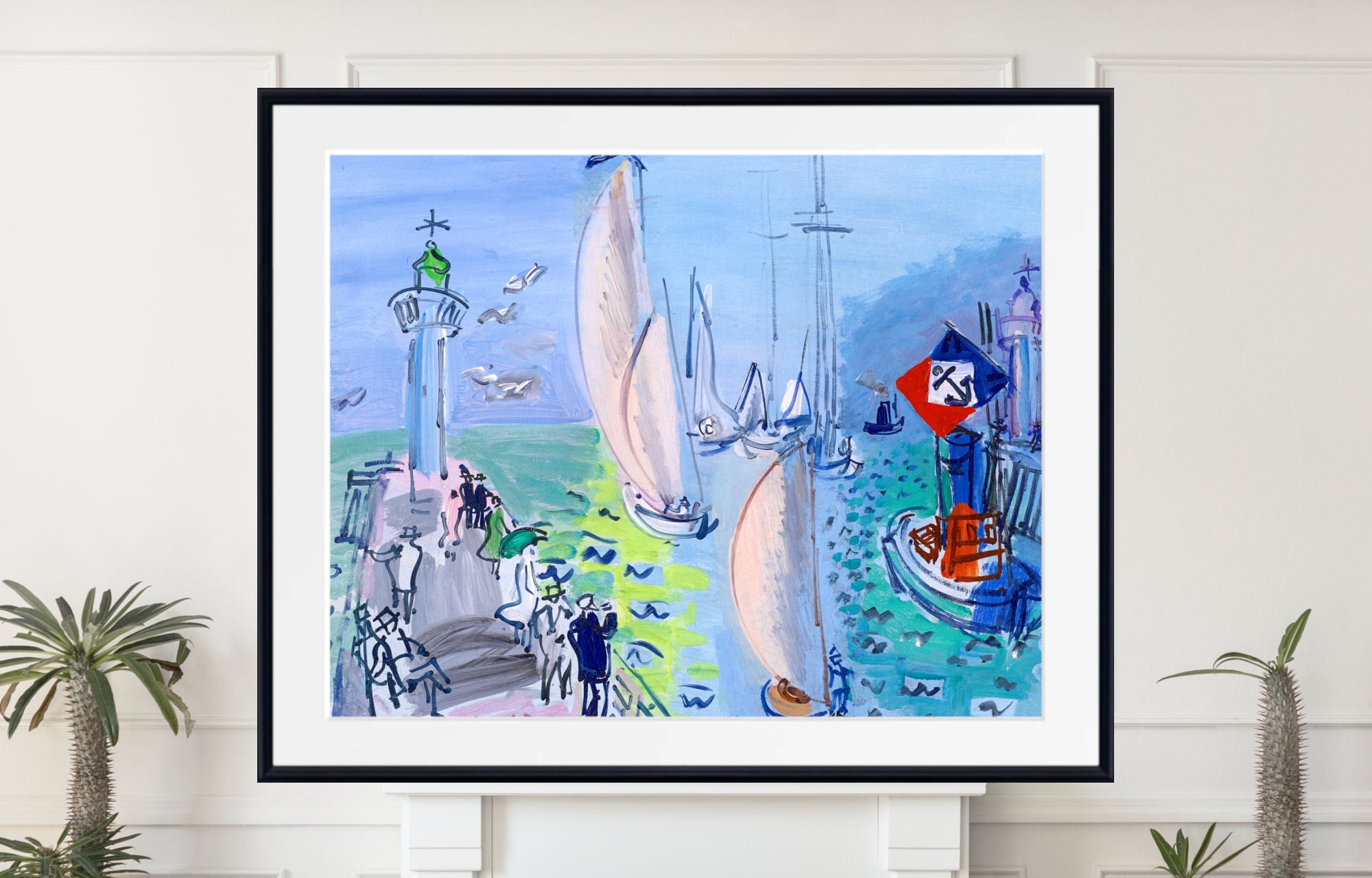
We have a wide range of frames in standard sizes and we also make custom size frames.
To order a framed print:
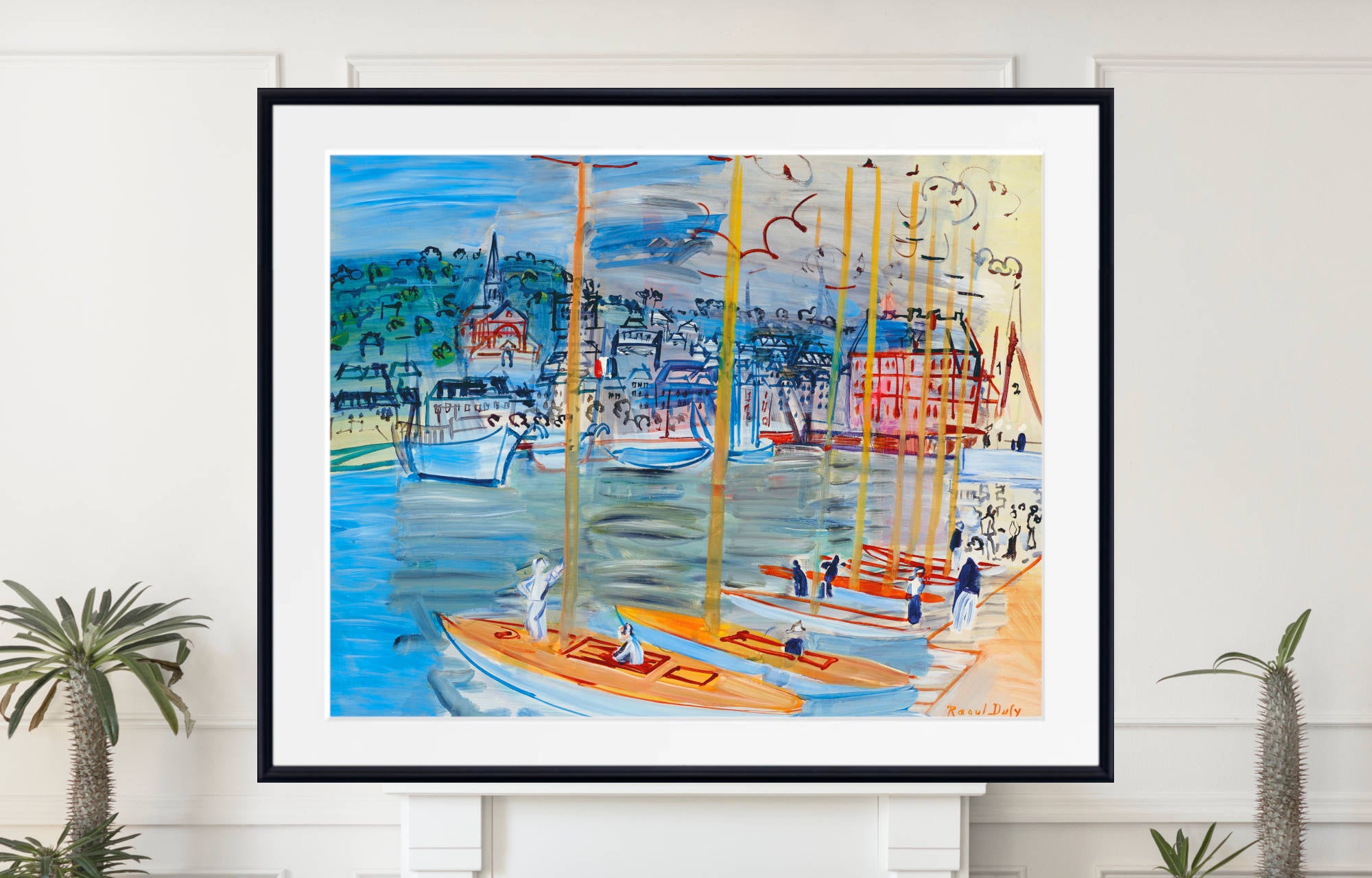
1. select the print size you would like along with the print materials (matte paper, fine art paper).
2. Add your print choice to the basket.
3. Choose from our range of frames
4. Select the same size as the print you have added to your basket. If the frame size you want is not listed please contact us
5. Choose from the mount or no-mount option
6. Add your frame choice to the basket
7. Proceed to checkout.
Why Choose GalleryThane?
- Printed and framed in-house
- Free UK delivery
- Free EU and USA delivery on orders over £200
- Tracking and insurance included in every order
- Fast 1-3 day dispatch
- Gift wrapping service available
- Gallery quality materials
- Sustainable, eco-friendly packaging
- Great customer support
Explore related collections
What makes our Prints and Canvas Panels so special

Latest Giclee Printing Technology
We have invested in the latest wide format print technology to produce museum quality giclee prints utilising the highest quality pigment inks to give outstanding colour reproduction.

Museum Quality Archival Fine Art Papers
We print on the finest quality fine art papers with textured, smooth and lustre finishes for prints which last a lifetime.
From aceo miniatures to 40x80 inch large format, every print has our lifetime quality guaranteee.

Solid Wood Frames, Cotton Canvas
All of the wood for our canvas panels and frames is responsibly sourced from manages forests. Our cotton canvas is completely seedless for the highest quality reproduction possible.

Have Your Gift Wrapped


Choose a Custom Frame
Popular Collections


EU Representative
Manufacturer
LucasAbstract t/a GalleryThane
15 Campion Way, Bingham NG13 8TR UK
sales@gallerythane.com
EU Authorised Representative
Westwood Sourcing
Fellenoordstraat 52, Unit 2.38
4811 TJ Breda, Netherlands
info@westwoodsourcing.com