


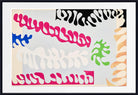
Henri Matisse Print, The lagoon (1947) III (Jazz Folio)
Couldn't load pickup availability
BUY WITH CONFIDENCE
Henri Matisse – The Lagoon III (1947) (Jazz Folio) Prints
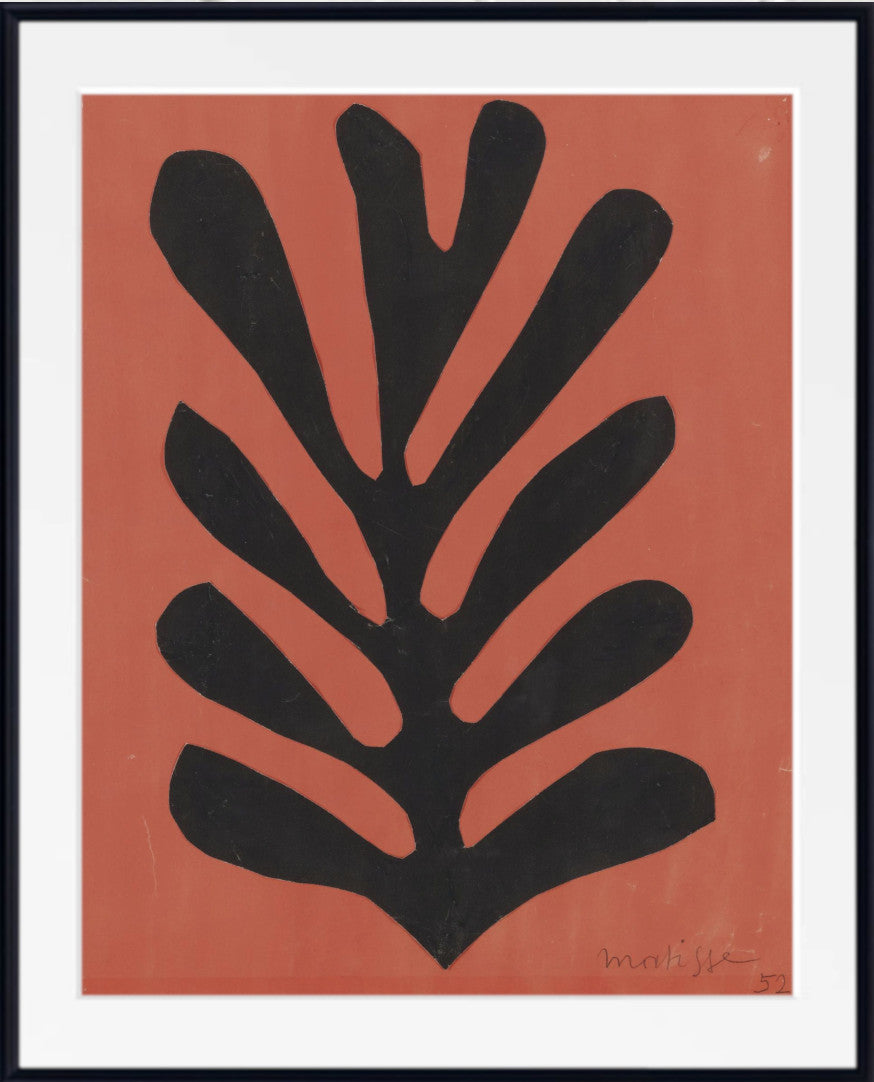
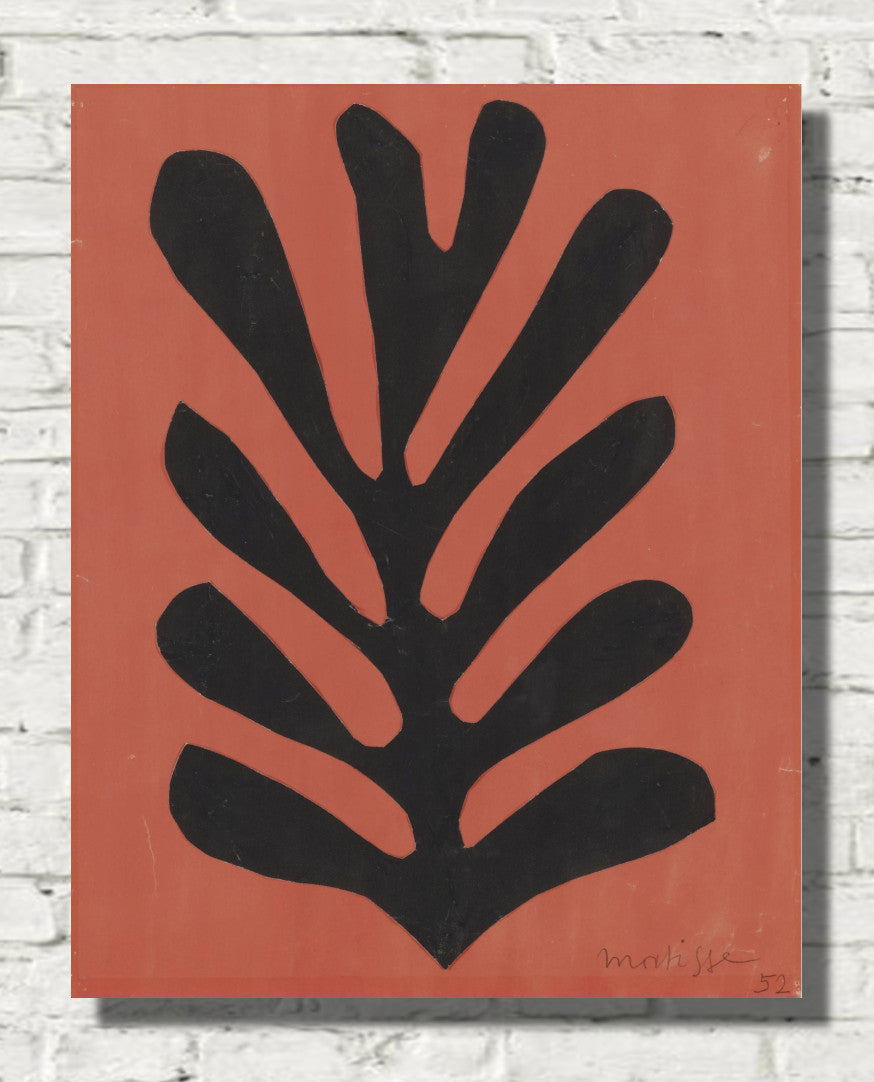
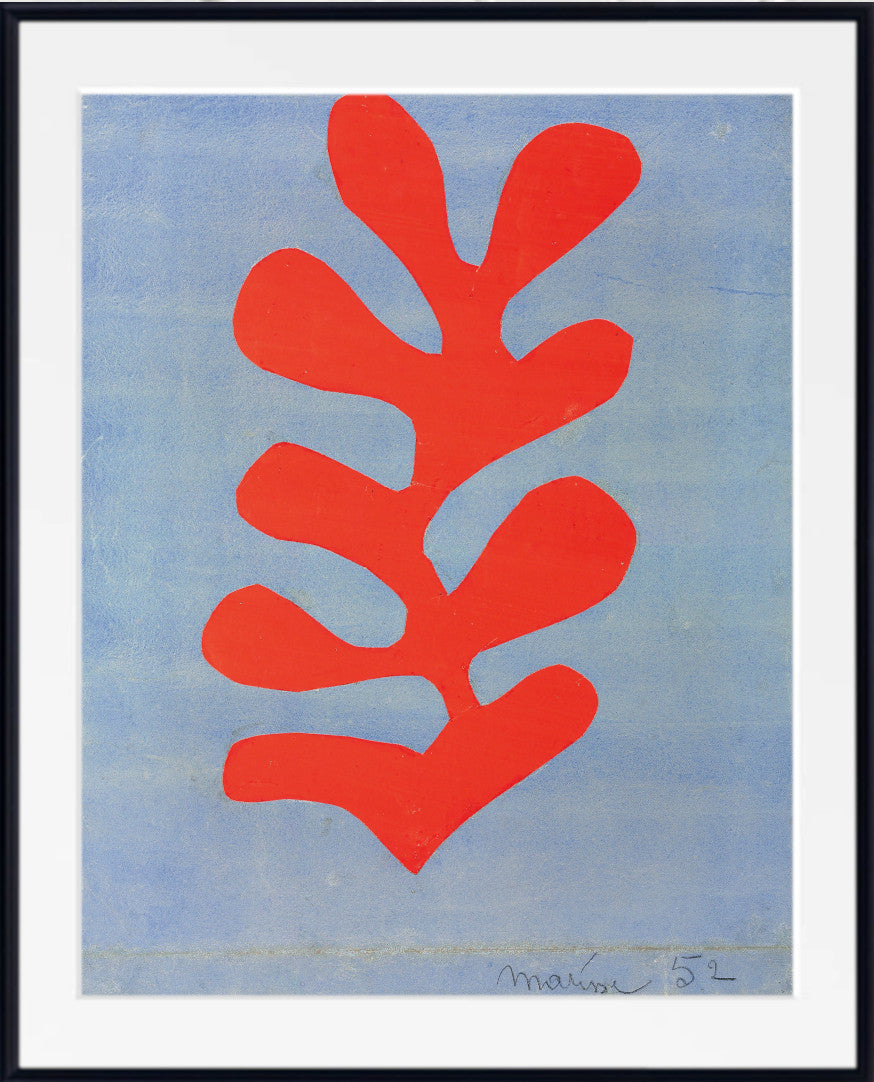
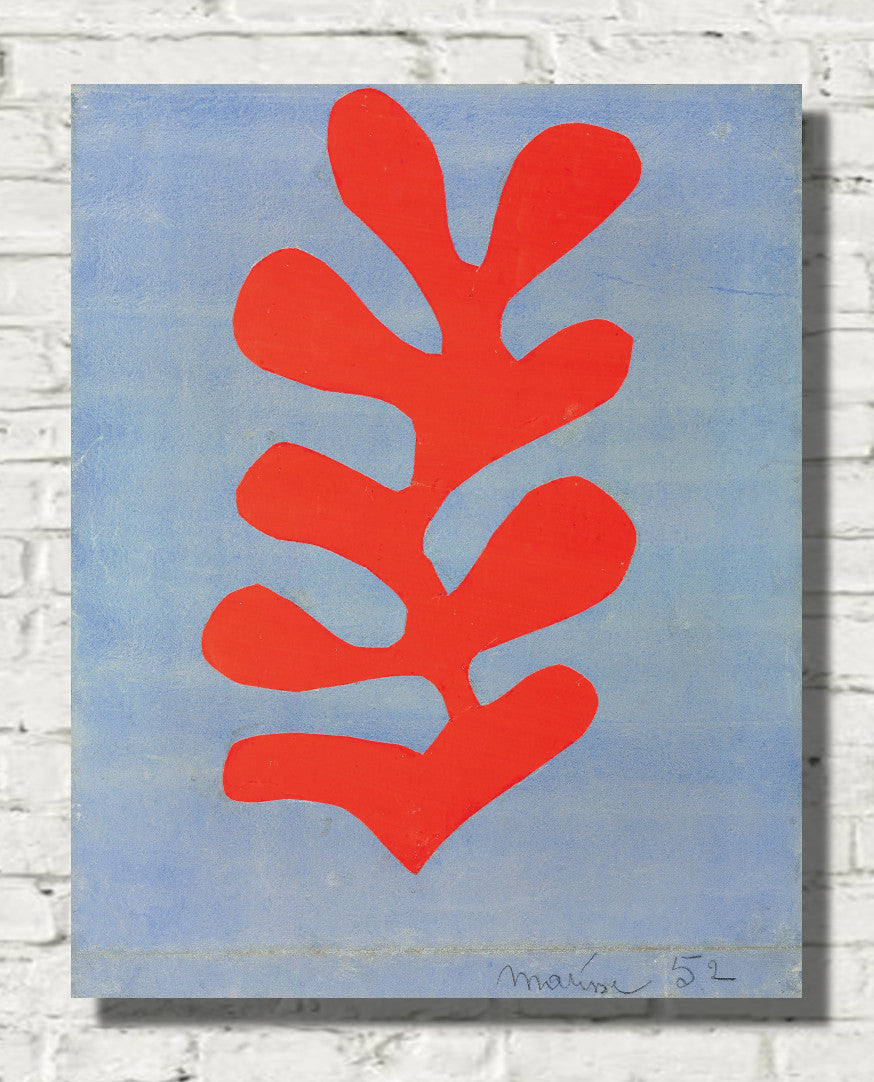
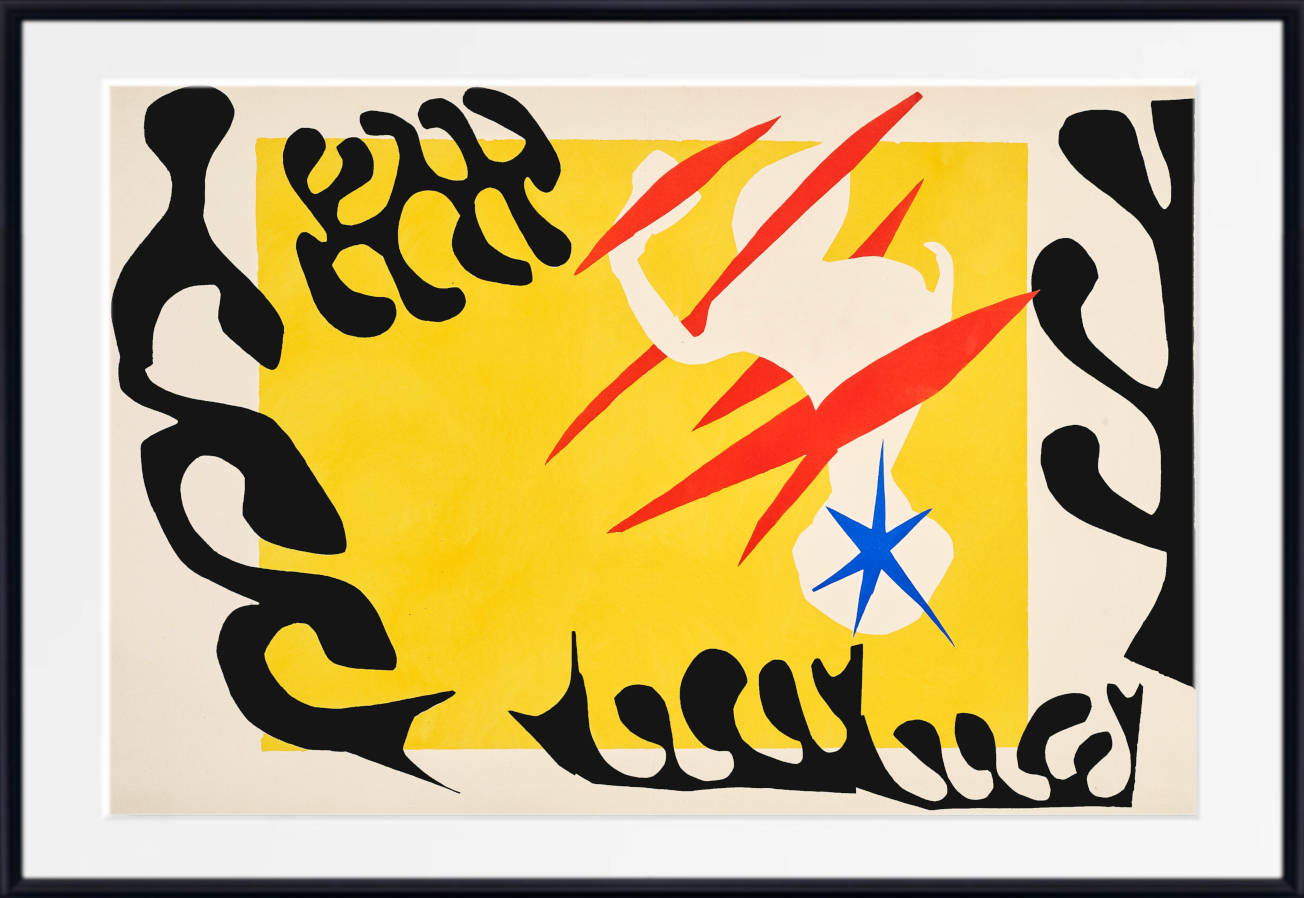
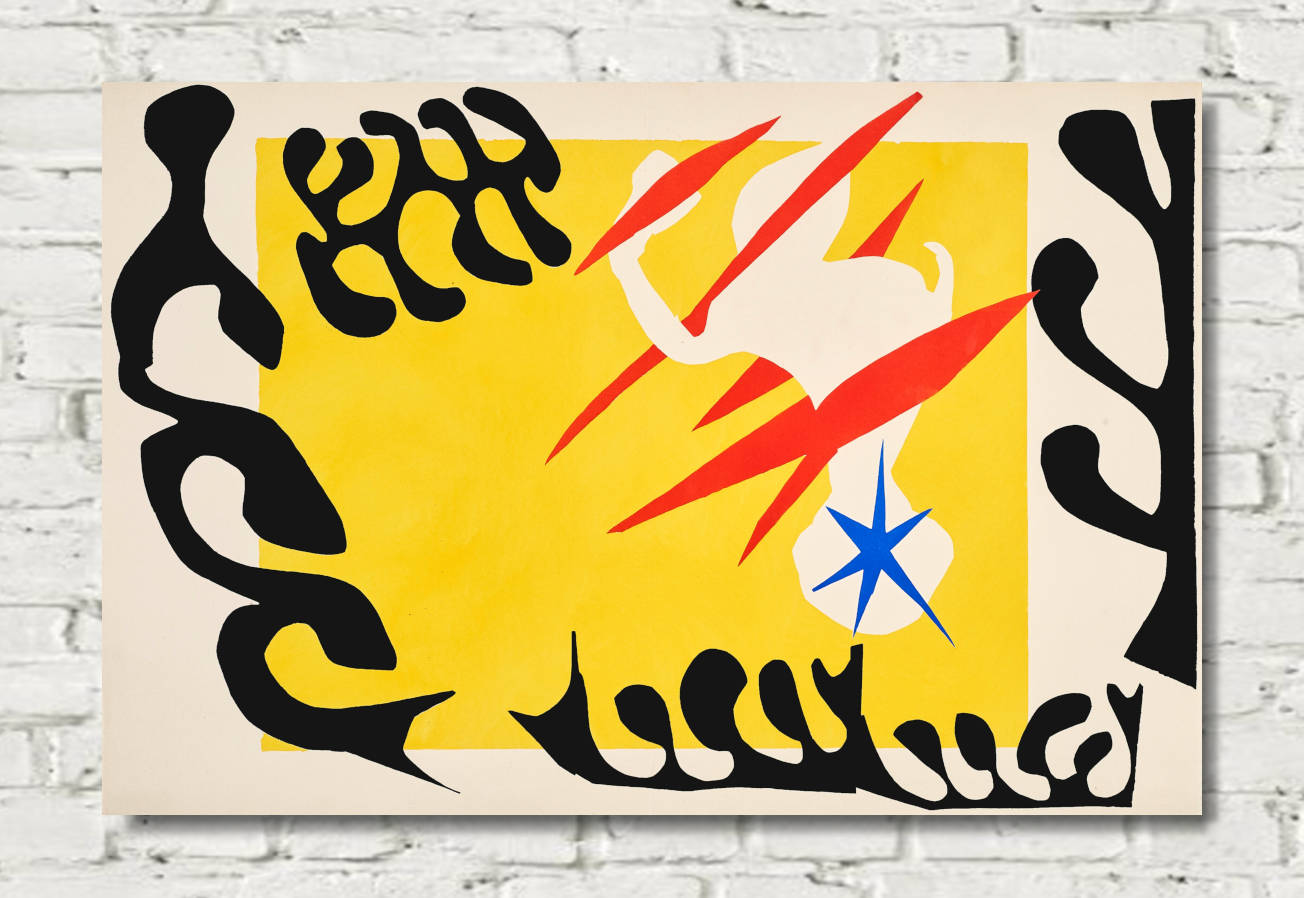
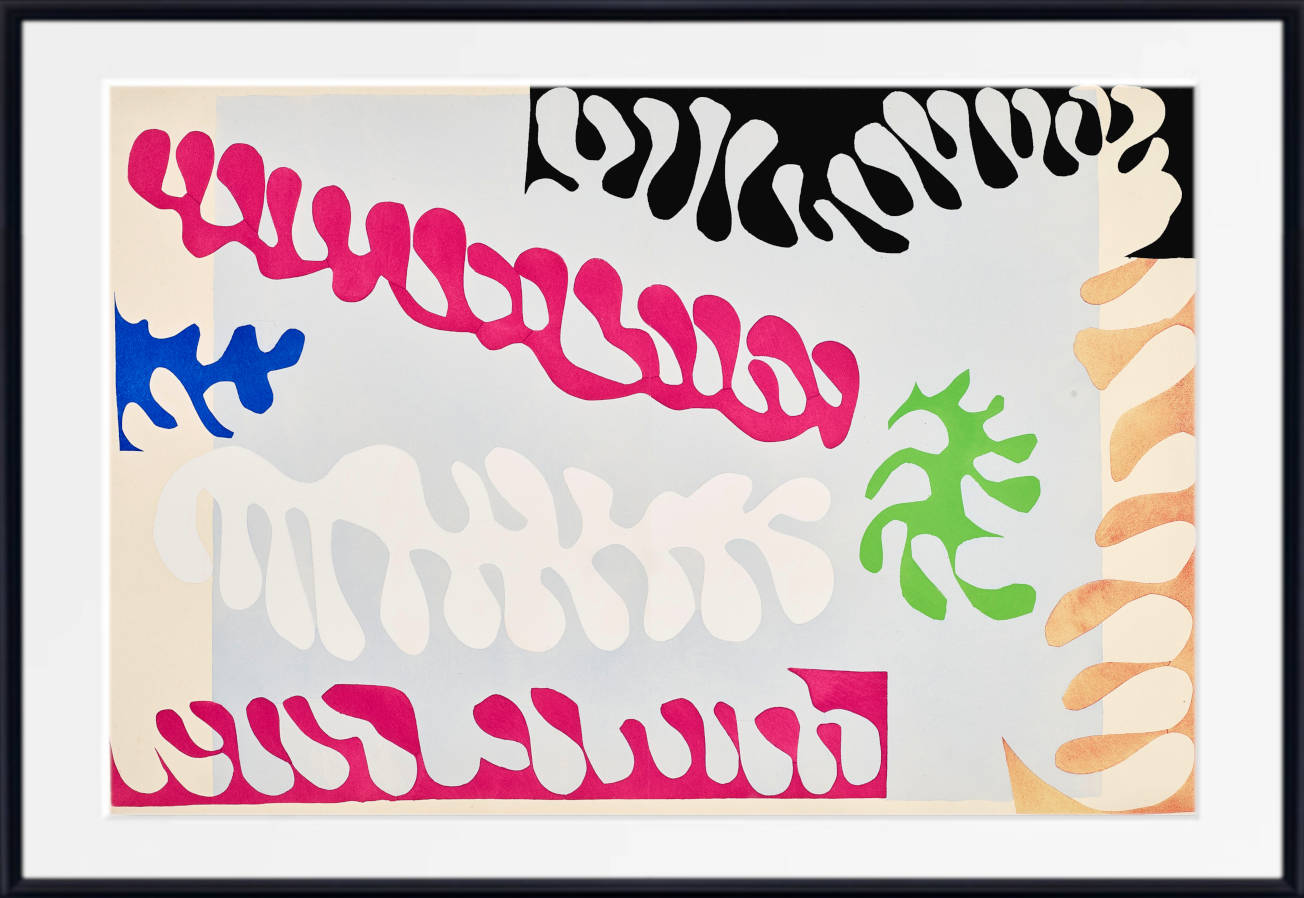
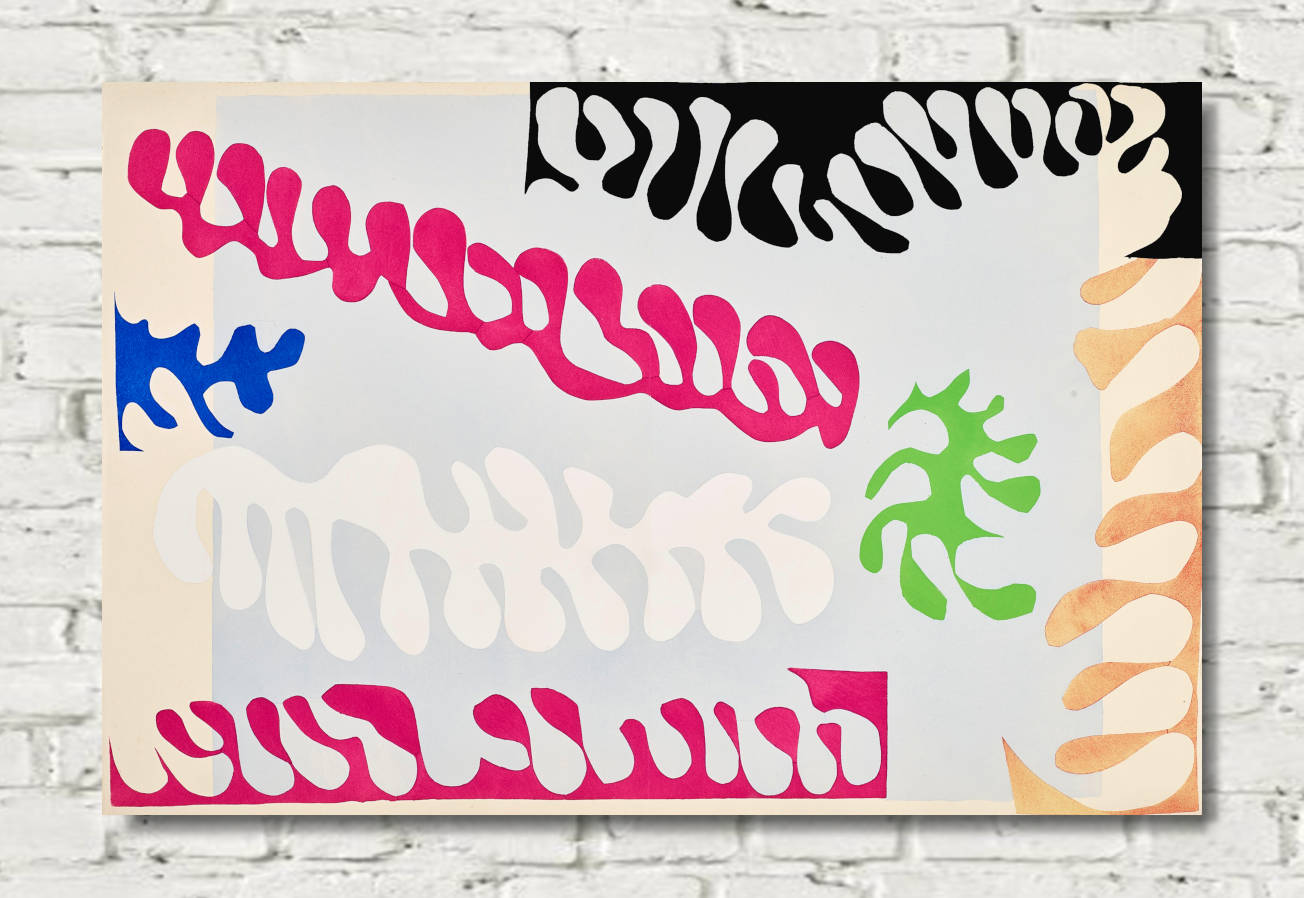
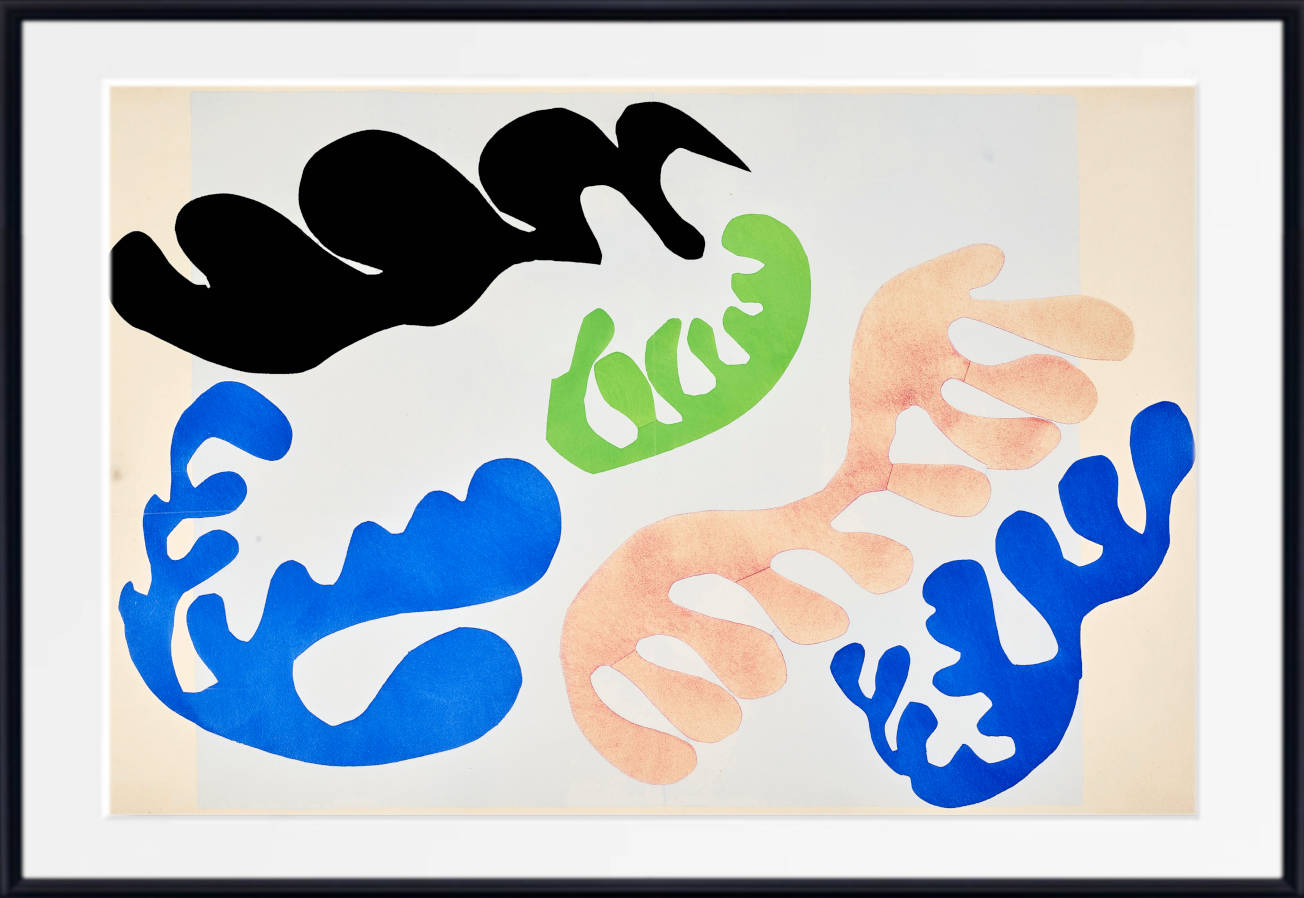
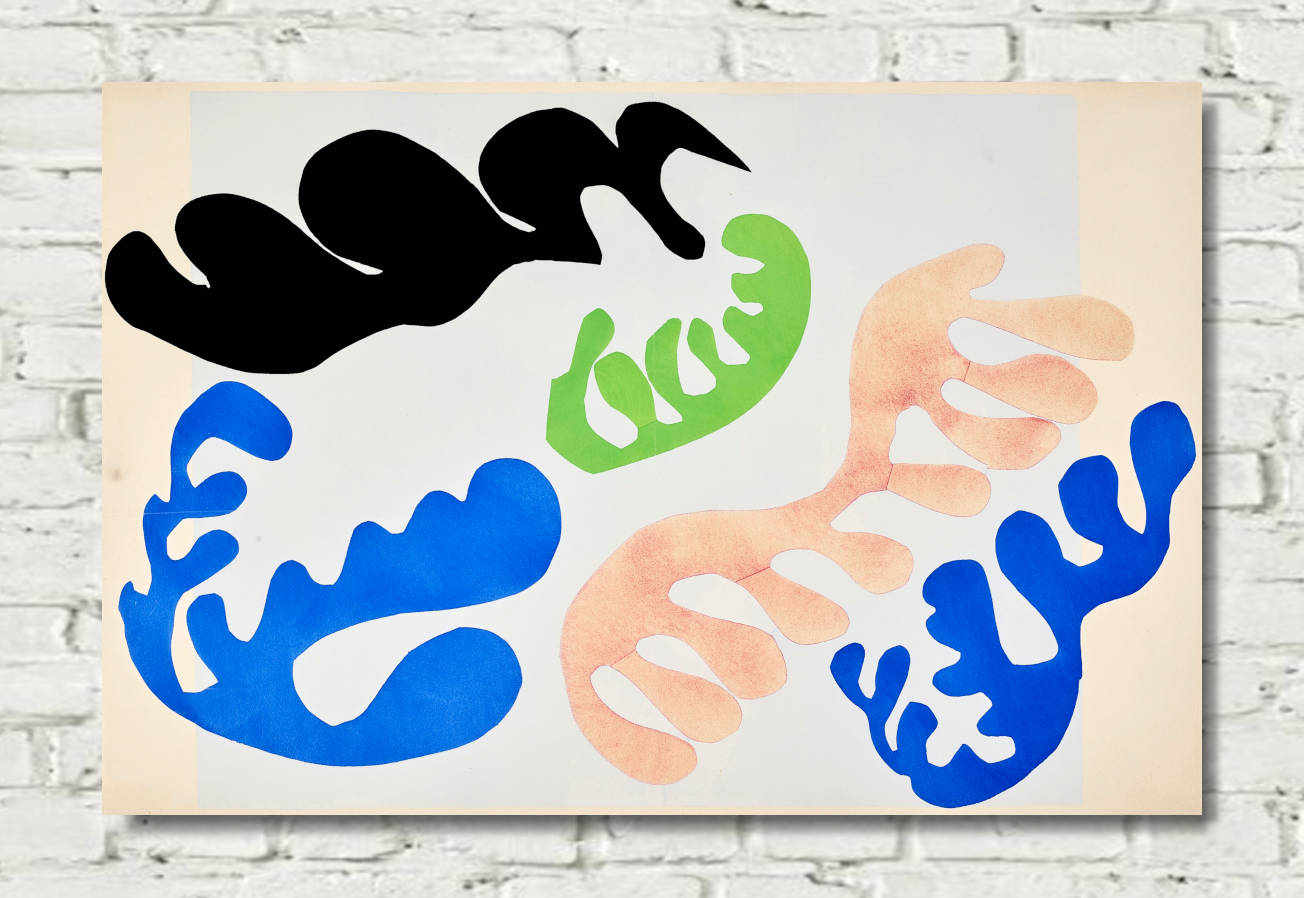
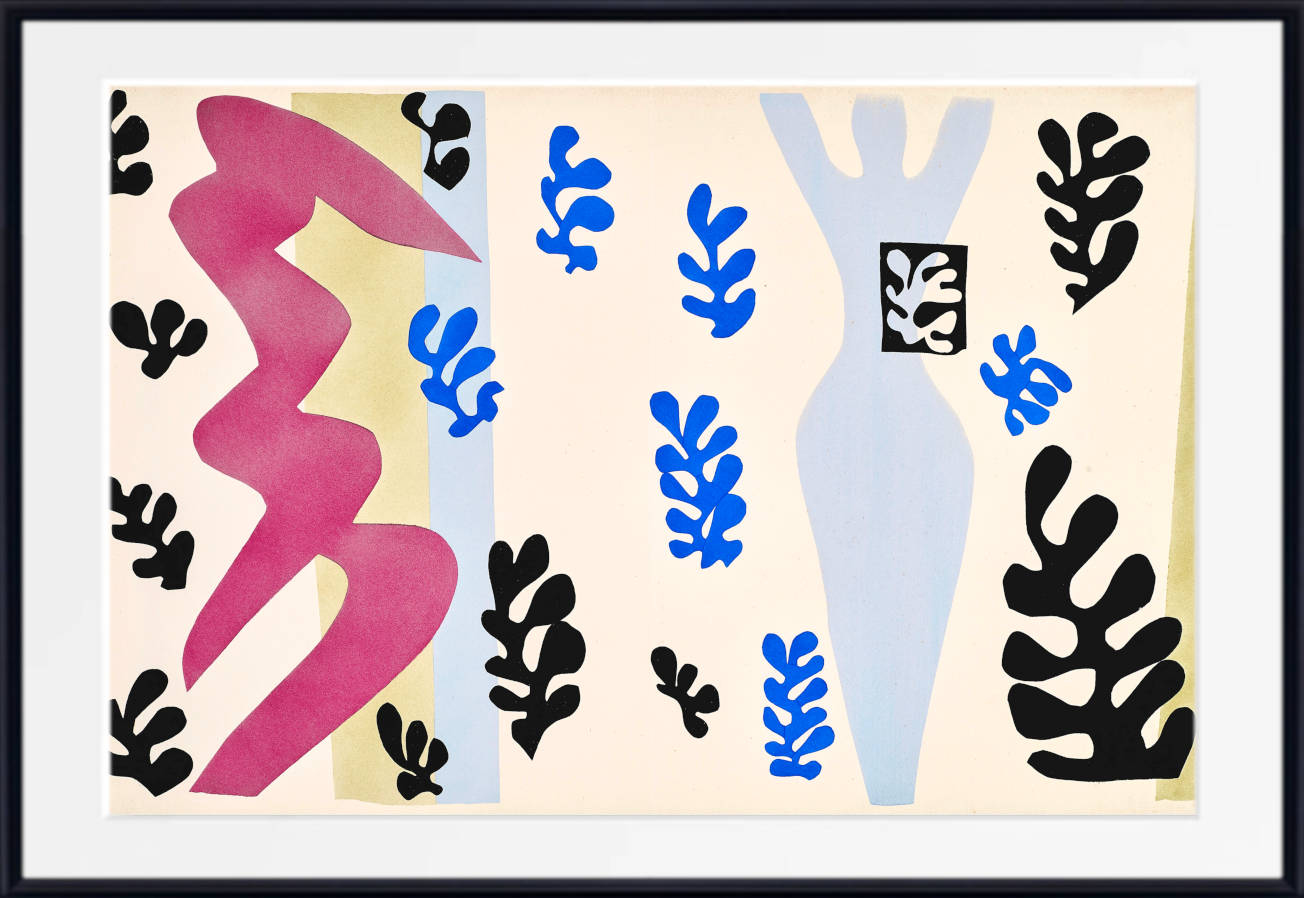
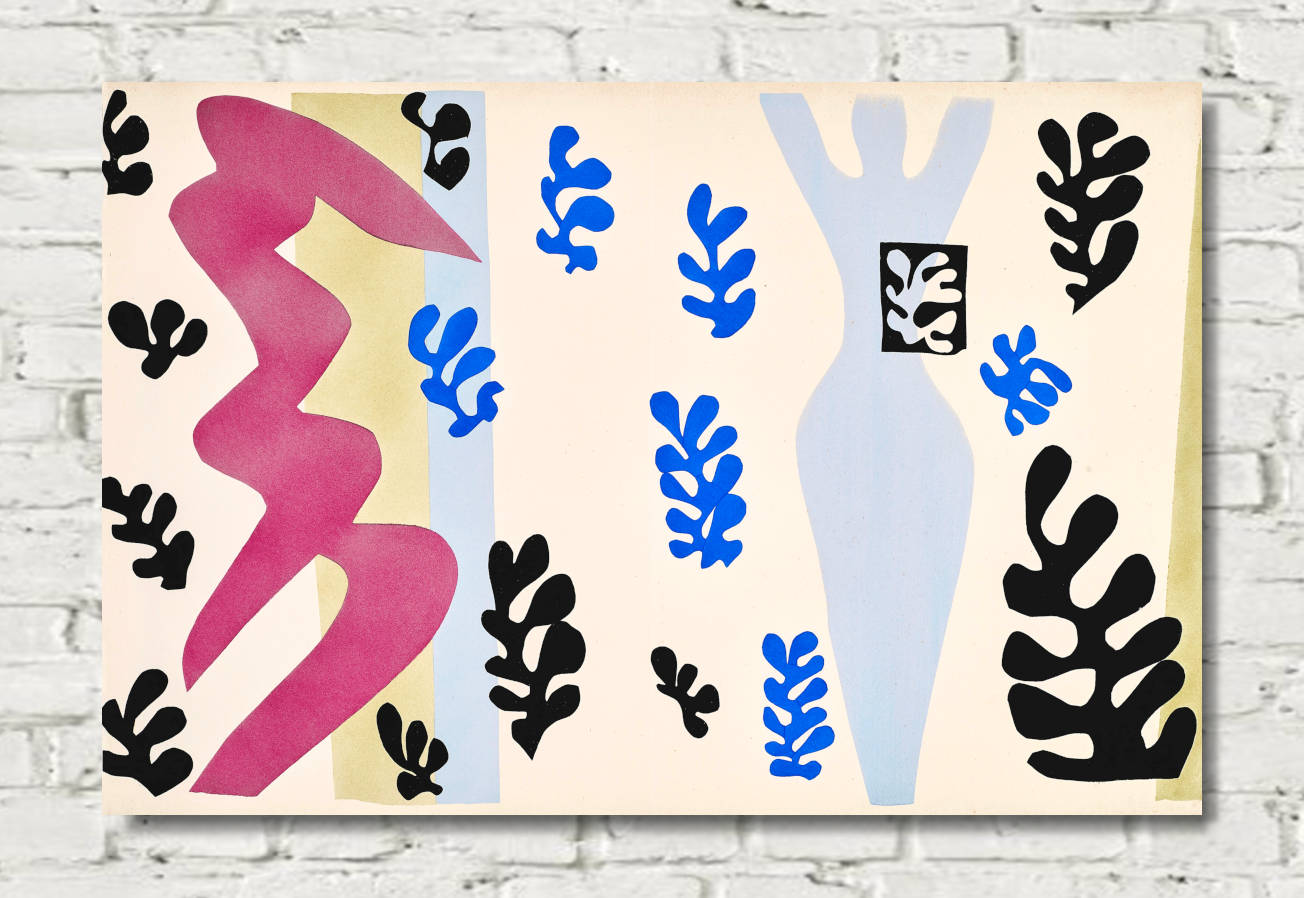
Bring the bold colour and lyrical movement of Henri Matisse’s late cut-out period into your home with a Henri Matisse The Lagoon III print. Published in 1947 as part of Matisse’s celebrated Jazz portfolio, The Lagoon III presents a vivid arrangement of simplified organic forms that suggest marine life, aquatic plants and drifting movement beneath the water’s surface.
Available as fine art prints and canvas panels, this striking composition captures the freedom and visual intelligence of Matisse’s mature style. Flat areas of intense colour, flowing contours and carefully balanced negative space combine to create an image that feels at once playful, decorative and unmistakably modern.
Painting Style
The Third of the Lagoon Compositions
The Lagoon III is the third and final work in Matisse’s sequence of Lagoon images within Jazz. These related compositions are often identified as The Lagoon I, The Lagoon II and The Lagoon III, and together they form one of the most rhythmically inventive sections of the portfolio.
Rather than simply repeating the same design, Matisse varied the arrangement, scale and colour relationships of similar organic forms across the three plates. The third composition has a particularly lively, expansive quality, as if the shapes have been allowed to spread and breathe more freely across the page.
This sense of variation within repetition is one of the reasons the Lagoon sequence feels so closely aligned with the spirit of Jazz: themes return, change and improvise while retaining an underlying unity.
Drawing with Scissors
Matisse created the designs for Jazz using his famous cut-paper method, which he described as “drawing with scissors”. Sheets of paper were painted in gouache and then cut into shapes, allowing colour and contour to emerge at the same moment.
This technique gave Matisse an extraordinary level of directness. Instead of sketching an outline and then filling it with paint, he could create the final form in a single decisive action. The resulting shapes retain an immediacy and spontaneity that is central to the appeal of his late work.
In The Lagoon III, the cut edges feel fluid and alive. Every curve contributes to the composition’s movement, while the relationships between the forms create a sense of rhythm that is almost musical.
Organic Forms and an Underwater Atmosphere
Although highly abstract, The Lagoon III remains strongly connected to the natural world. Matisse’s shapes can suggest seaweed, coral, leaves, fins or floating plant forms without becoming literal illustrations.
This ambiguity is part of the work’s lasting charm. The composition evokes an underwater world, yet it does so through pure shape and colour rather than descriptive detail. The viewer is invited to recognise echoes of nature while also appreciating the image as an abstract design.
The result is a work that feels open, imaginative and full of visual energy. It belongs to a period in which Matisse was distilling forms to their essence while preserving their emotional and decorative power.
Colour, Contrast and Visual Rhythm
Matisse’s understanding of colour remained one of the defining features of his art throughout his career, and The Lagoon III demonstrates how powerful that understanding remained in his later years. Contrasting colours animate the cut forms, while open areas of pale ground allow the composition to breathe.
The balance between filled and unfilled space is particularly important. Matisse does not crowd the entire surface; instead, he lets the background play an active role, helping each shape stand out more clearly and giving the composition its airy, floating quality.
This use of contrast and spacing makes The Lagoon III especially effective as wall art. It is colourful and lively, yet still visually clean and balanced.
A Key Work from the Jazz Portfolio
Matisse’s Jazz portfolio, published in 1947 by Tériade, is one of the landmark achievements of his late career. Combining brilliantly coloured images with the artist’s handwritten text, the publication brought together themes of movement, performance, memory, mythology and imaginative transformation.
The Lagoon sequence forms an important part of this portfolio, showing how Matisse could turn a handful of recurring cut-paper forms into a rich series of variations. The Lagoon III, as the final composition in the trio, has a particularly resolved and expansive character.
For collectors of Henri Matisse prints, it offers a superb example of the clarity, confidence and decorative sophistication that define his late paper cut-outs.
The Lagoon III Wall Art for Modern Interiors
A Henri Matisse The Lagoon III wall art print works beautifully in contemporary, Scandinavian, mid-century modern and eclectic interiors. Its simplified forms make it easy to place within clean, design-led spaces, while its lively colours introduce movement and personality.
The composition looks especially effective against white, cream, putty and other neutral wall colours, where the cut forms can stand out clearly. It also pairs well with natural wood, modern upholstery and minimalist décor.
Displayed above a sofa, bed, console table, sideboard or fireplace, a The Lagoon III print creates an elegant focal point. It can also be used as part of a gallery wall alongside other Matisse cut-outs, Jazz images and colourful modern art prints.
About Henri Matisse
Henri Matisse (1869–1954) was a French painter, draughtsman, sculptor and printmaker whose treatment of colour and form made him one of the central figures of modern art. Over the course of a long career, he continually refined his visual language, moving from the vivid colour experiments of Fauvism to the extraordinary simplicity of his late cut-outs.
Matisse first achieved international recognition in the early twentieth century as the leading figure of Fauvism, a movement associated with intense, non-naturalistic colour and expressive simplification. His early works transformed the possibilities of painting and helped shape the direction of modernism.
As his work evolved, Matisse became increasingly interested in decorative harmony, rhythm and the relationship between colour and line. During the final years of his life, physical limitations led him to work extensively with gouache-painted paper cut into shapes and arranged into compositions.
This late method allowed him to unite drawing and colour with exceptional directness. Works such as Icarus, the Blue Nudes and the Lagoon plates from Jazz are now regarded among the most important achievements of his career.
Today, Henri Matisse prints remain highly sought after for their combination of art-historical significance, strong decorative appeal and enduring relevance within modern interiors.
Frequently Asked Questions
What is The Lagoon III by Henri Matisse?
The Lagoon III is the third of three related Lagoon compositions included in Henri Matisse’s Jazz portfolio. It is one of the artist’s late cut-paper designs and is known for its flowing organic shapes and vivid colour.
When was The Lagoon III published?
The Lagoon III was published in 1947 as part of Matisse’s Jazz folio, one of the most important artist’s books of the twentieth century.
Is The Lagoon III part of the Jazz portfolio?
Yes. It belongs to the group of works reproduced in Matisse’s Jazz portfolio and is the final image in the sequence of three Lagoon compositions.
What does The Lagoon III represent?
The work is highly abstract, but its organic cut-paper forms suggest an underwater world of algae, seaweed, coral or floating marine shapes. Matisse leaves the imagery open enough to allow both natural and abstract readings.
How did Matisse create The Lagoon III?
Matisse developed the design using sheets of paper painted with gouache, which he cut into shapes with scissors and arranged into a composition. The image was then reproduced in the 1947 Jazz publication.
What style of art is The Lagoon III?
The Lagoon III belongs to Matisse’s late modernist cut-out period. It combines abstraction, organic imagery, bold flat colour and the visual rhythm characteristic of his final works.
Why is The Lagoon III important?
The work is important because it forms part of the groundbreaking Jazz portfolio and shows Matisse at the height of his late cut-paper practice, using simplified shapes and colour with remarkable confidence and elegance.
What interiors suit a The Lagoon III print?
A The Lagoon III print works especially well in contemporary, Scandinavian, mid-century modern and eclectic interiors. Its strong colours and clean forms make it ideal for living rooms, bedrooms, hallways and design-led spaces.
Is The Lagoon III available as a canvas panel?
GalleryThane offers The Lagoon III as fine art prints and canvas panels, giving you different ways to display this vibrant work from Henri Matisse’s celebrated Jazz folio.
All orders for unframed fine art prints and original paintings are dispatched within 2 working days of receipt of payment.
Orders for custom framed prints are dispatched within 4 working days.
All orders are fully tracked from dispatch to delivery at your home or business.
All print and original painting orders are fully insured against loss or damage in transit. We refund or replace any damaged or lost orders.
Buy with confidence - read what our satisfied customers have to say - Reviews
Fine art papers are printed without any additional white border Please let us know at the time of ordering if you would like a small additional white border.
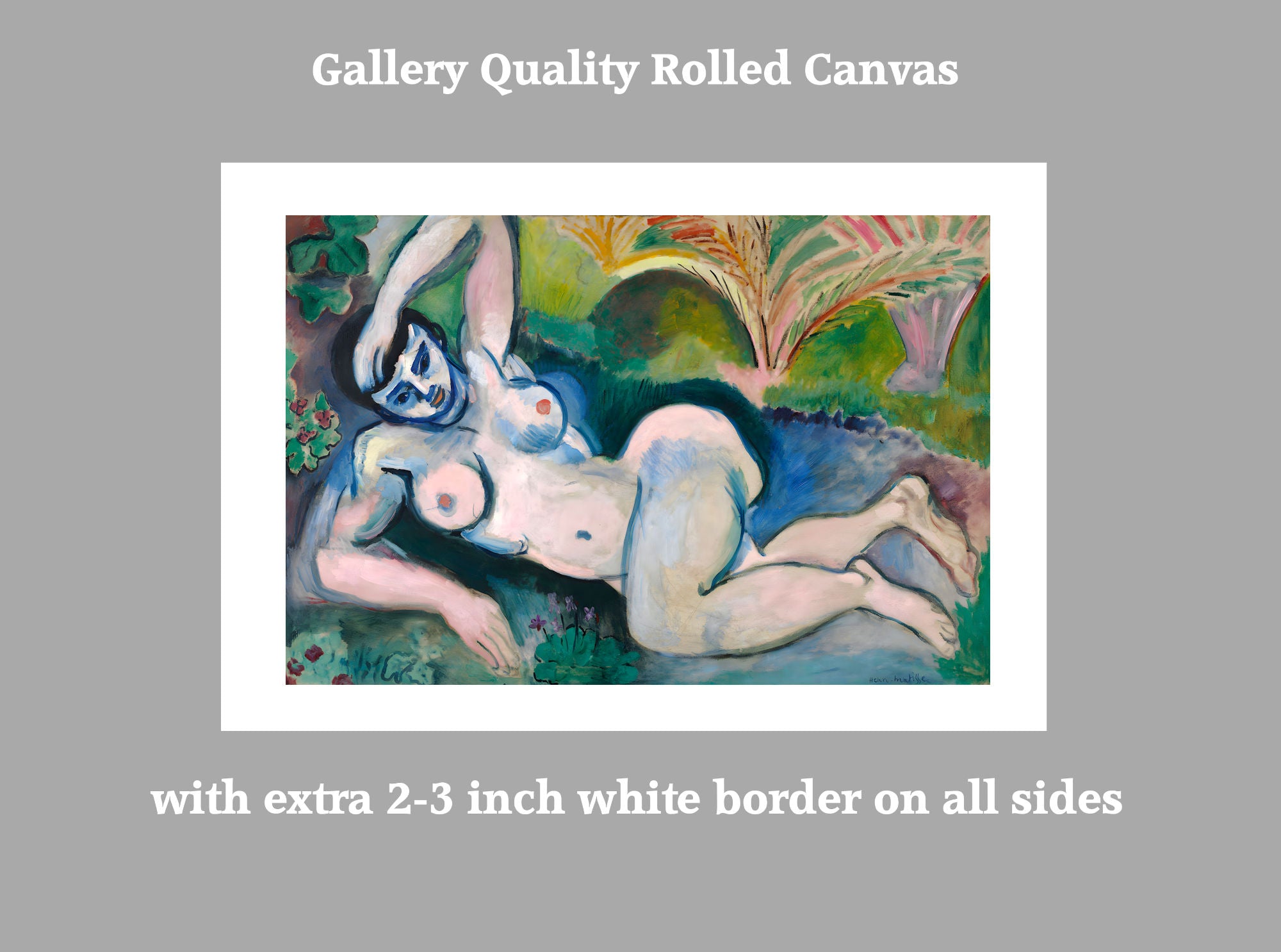
Rolled canvas options have an additional white border of approximately 2.5 inches (7cm) on all 4 sides to aid stretching.
Ready to hang canvas panels are stretched on 1.5 inch deep solid pine frames from sustainable forestry sources. The image is mirrored on all 4 sides to give an aesthetically pleasing finish.
Why not have us gift wrap your order and attach a personalised message to the recipient. Available for all orders. Each order is hand wrapped in high quality gift wrap with meatllic ribbon and bow. Your personalised message is printed on a card which is included with your order.
Have your hand wrapped gift delivered directly to the recipient.
Full tracking and insurance included with every order.
Please note design may vary depending upon availability
Just purchase the gift wrap option HERE
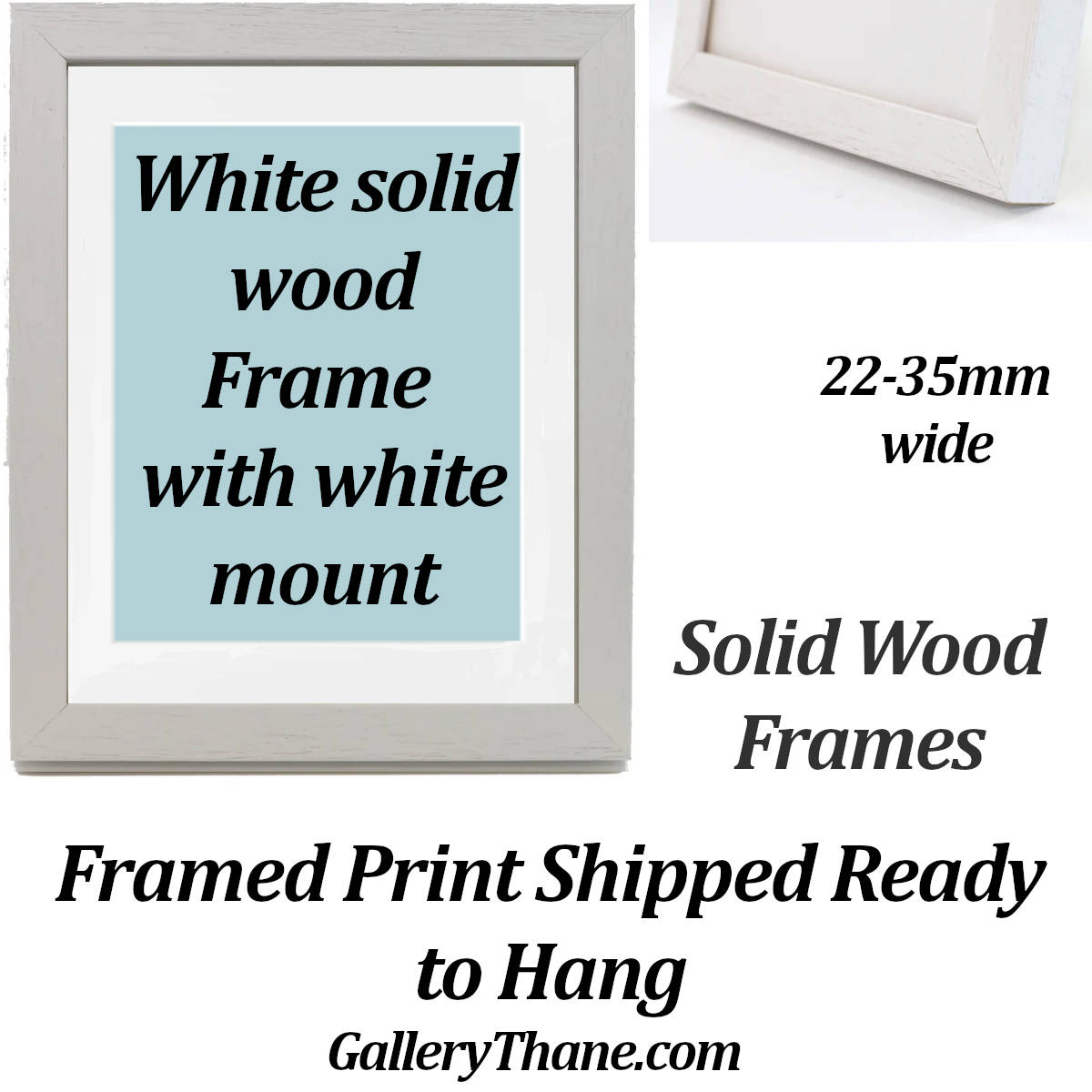
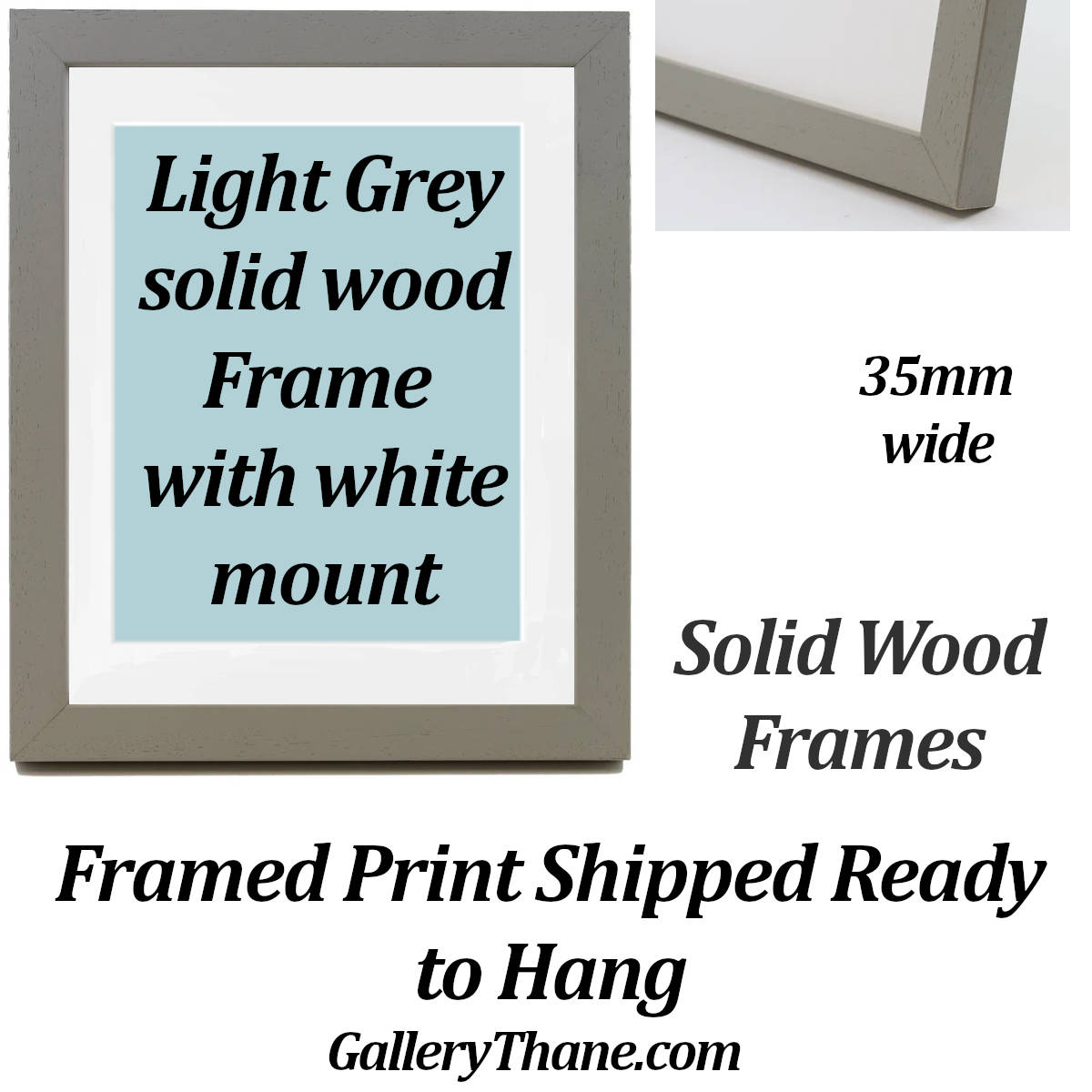
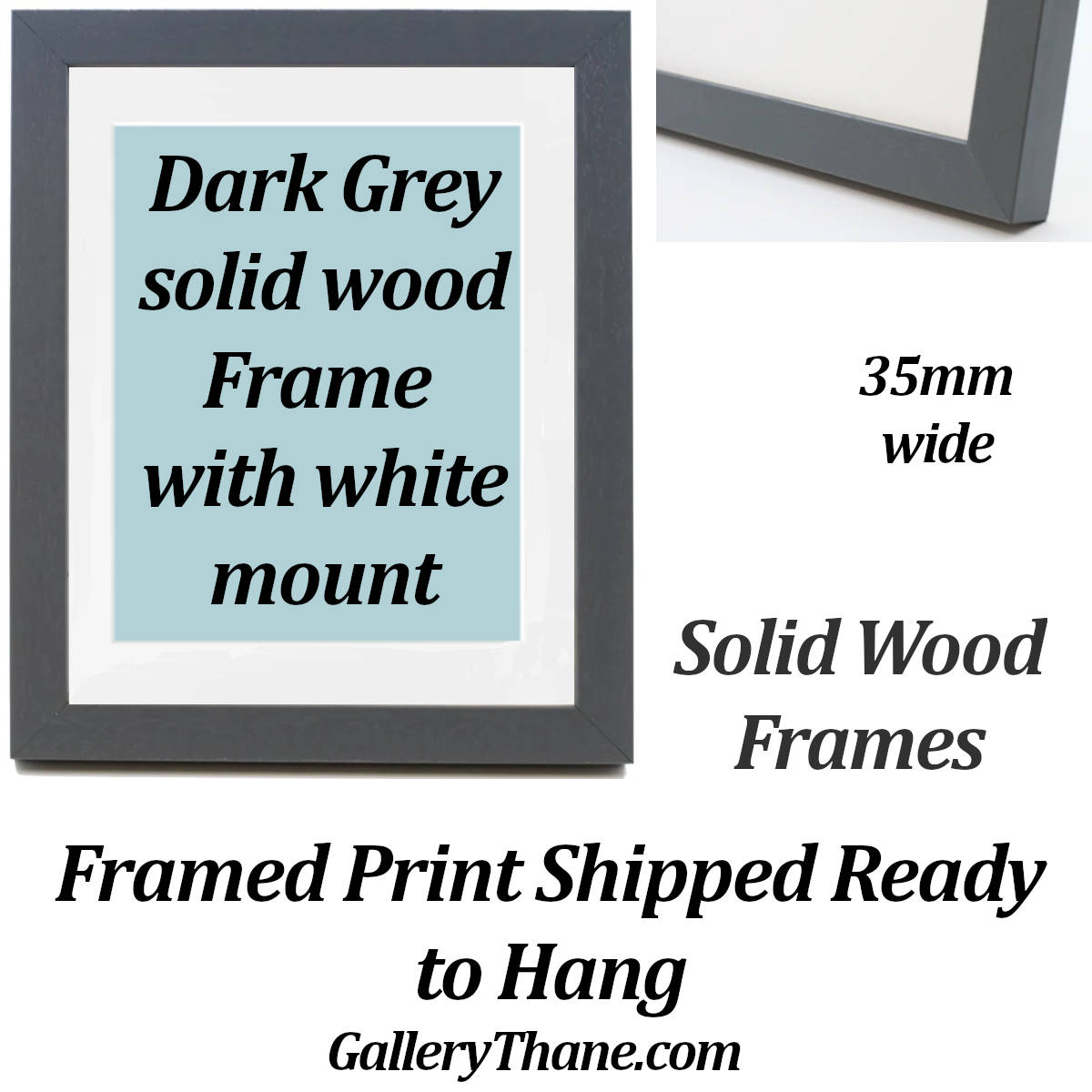
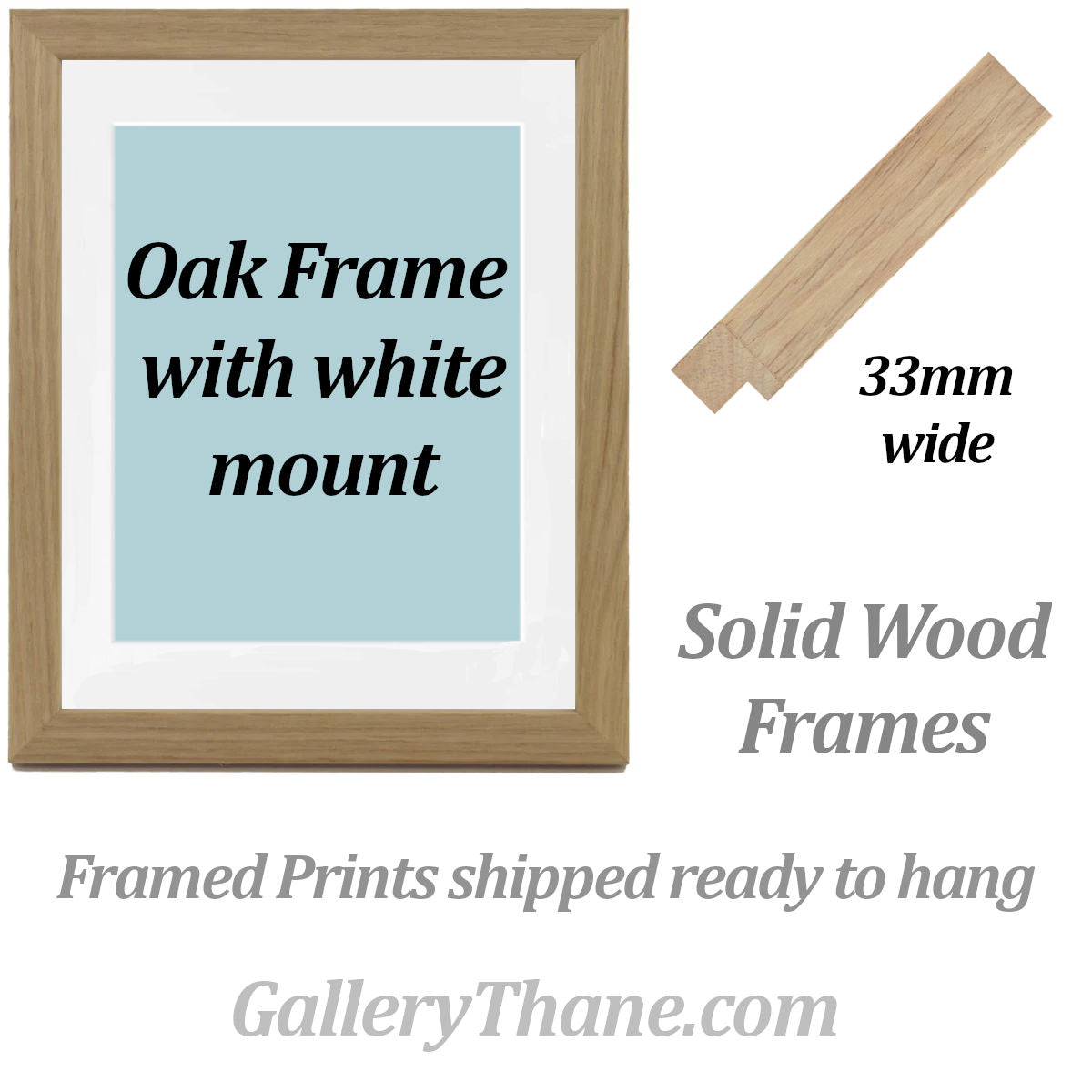
We have a wide range of frames in standard sizes and we also make custom size frames.
To order a framed print:
1. select the print size you would like along with the print materials (matte paper, fine art paper).
2. Add your print choice to the basket.
3. Choose from our range of frames
4. Select the same size as the print you have added to your basket. If the frame size you want is not listed please contact us
5. Choose from the mount or no-mount option
6. Add your frame choice to the basket
7. Proceed to checkout.
Why Choose GalleryThane?
- Printed and framed in-house
- Free UK delivery
- Free EU and USA delivery on orders over £200
- Tracking and insurance included in every order
- Fast 1-3 day dispatch
- Gift wrapping service available
- Gallery quality materials
- Sustainable, eco-friendly packaging
- Great customer support
Explore related collections

What makes our Prints and Canvas Panels so special

Latest Giclee Printing Technology
We have invested in the latest wide format print technology to produce museum quality giclee prints utilising the highest quality pigment inks to give outstanding colour reproduction.

Museum Quality Archival Fine Art Papers
We print on the finest quality fine art papers with textured, smooth and lustre finishes for prints which last a lifetime.
From aceo miniatures to 40x80 inch large format, every print has our lifetime quality guaranteee.

Solid Wood Frames, Cotton Canvas
All of the wood for our canvas panels and frames is responsibly sourced from manages forests. Our cotton canvas is completely seedless for the highest quality reproduction possible.

Have Your Gift Wrapped


