


Raoul Dufy – Baccarat (1925) Fine Art Prints & Canvas Panels
Couldn't load pickup availability
BUY WITH CONFIDENCE
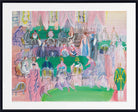
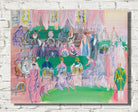
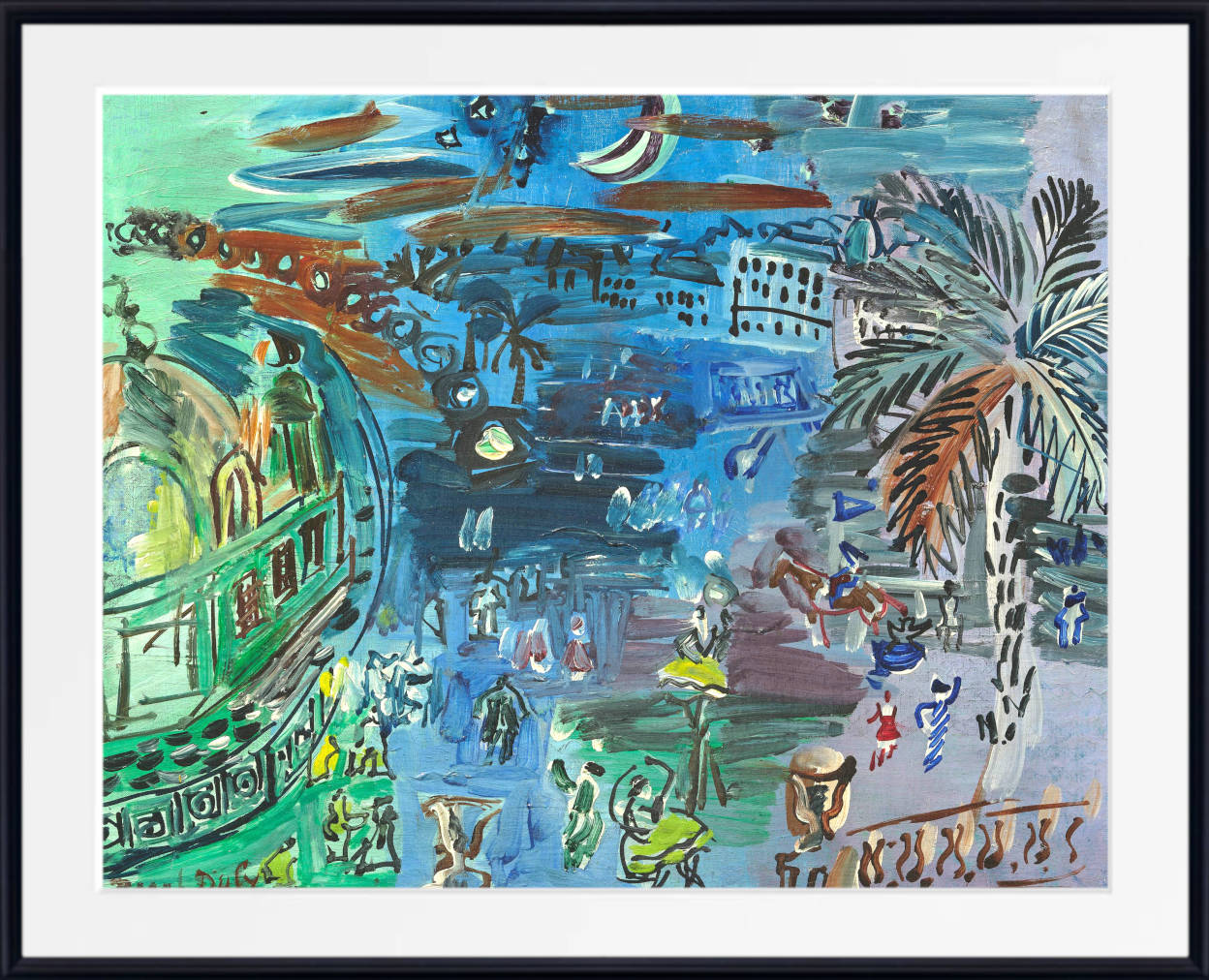
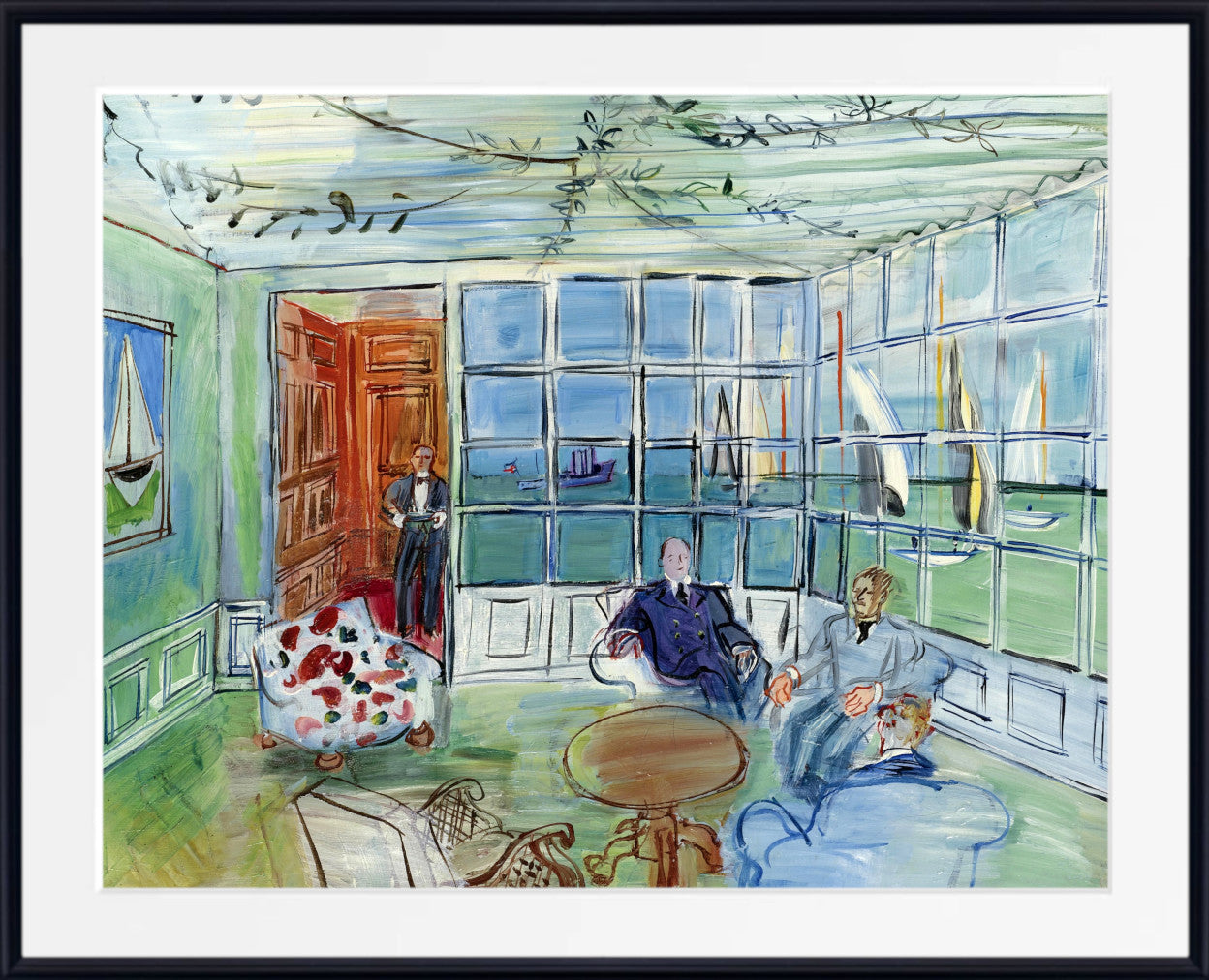
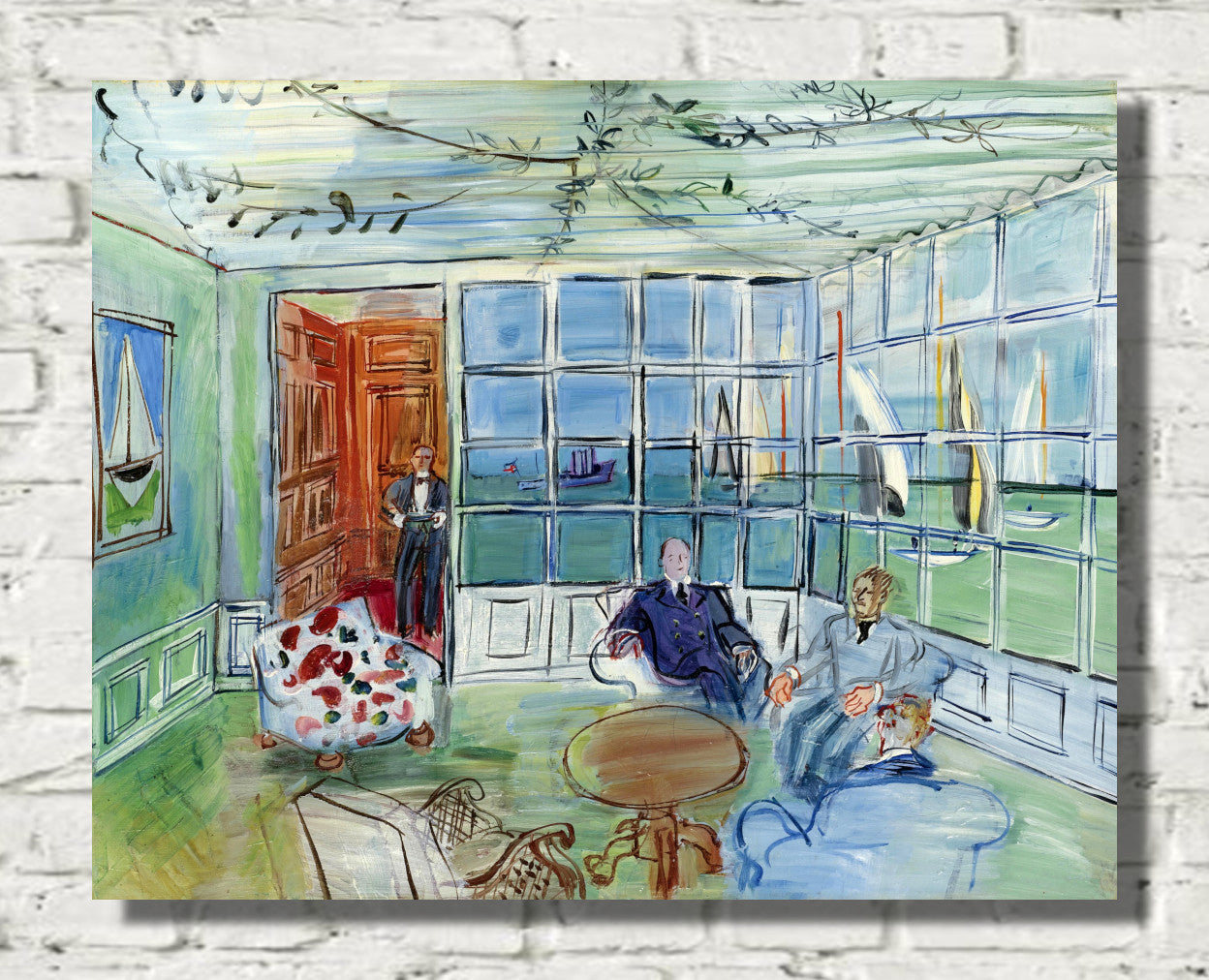
Baccarat (1925) by Raoul Dufy captures the colour, elegance and social theatre of a fashionable card game through the artist's unmistakable combination of fluid drawing and luminous colour. Groups of elegantly dressed figures gather around the gaming tables, transforming the casino interior into a lively pattern of people, chairs, gestures and brilliant areas of colour.
This Raoul Dufy Baccarat print offers a particularly distinctive example of the artist's fascination with modern leisure and fashionable society. Rather than describing the scene with meticulous realism, Dufy concentrates on atmosphere, movement and visual rhythm. The result is sophisticated yet playful: an image of 1920s social life interpreted through one of the most recognisable styles in twentieth-century French art.
Baccarat – Fashionable Life and the Gaming Table
Baccarat was closely associated with elegant casino culture and fashionable society, making it an ideal subject for Dufy. The card game provided more than an opportunity to depict gambling; it created a ready-made stage filled with figures, formal clothing, decorative furniture and the subtle drama of people gathered around a green gaming table.
In Baccarat, the human figures are central to the composition. Dufy suggests their poses, clothing and interactions with rapid, economical lines rather than laborious detail. Seated and standing figures create a continuous rhythm across the image, while the tables and chairs organise the busy interior into a series of overlapping shapes.
The scene possesses the character of a social gathering as much as a card game. Dufy's interest lies in the spectacle surrounding the activity: fashionable dress, conversation, observation and the constantly changing arrangement of people within the room.
This combination of everyday activity and decorative elegance is characteristic of Dufy's wider interest in modern leisure. Regattas, racecourses, concerts, resorts and casinos all allowed him to portray contemporary life as a colourful visual performance.
Colour, Figures and the Casino Interior
The original Baccarat was executed in watercolour and gouache on paper, media particularly suited to Dufy's mature technique. Watercolour enabled him to create transparent passages and a sense of lightness, while gouache provided stronger areas of colour and greater visual emphasis.
Dufy frequently allowed colour and drawing to operate with a degree of independence. Outlines establish figures, furniture and architectural elements, but the colour is not rigidly confined within them. Instead it spreads across larger areas of the composition, helping to unify the crowded scene.
This deliberate separation of line and colour produces the sensation of movement so characteristic of Dufy's work. The eye moves rapidly between individual figures and across the broader fields of colour rather than becoming fixed on minute details.
In a subject such as Baccarat, the technique is especially effective. A casino interior filled with numerous people could easily become visually complicated, but Dufy reduces the scene to its essential rhythms. Colour provides coherence while his fluid drawing preserves the individuality and animation of the figures.
Baccarat and the Decorative Culture of the 1920s
Created around 1925, Baccarat belongs to an important period in Dufy's career when the boundary between fine art and decorative design was particularly fluid. Dufy was already an accomplished painter, but he was also deeply involved with textiles, interiors and fashion.
His experience as a designer sharpened his sensitivity to pattern, repetition and the decorative possibilities of colour. Chairs, costumes, figures and gaming tables could therefore operate simultaneously as recognisable objects and as elements within a larger visual design.
The fashionable casino subject also reflects the broader culture of the 1920s: an era associated with travel, entertainment, elegant interiors and new forms of public leisure. Dufy did not simply document this environment. He translated its energy into a visual language of simplified forms and expressive colour.
This decorative quality helps explain why Baccarat remains particularly effective as wall art. Even without knowing the precise setting or individual participants, the viewer can immediately respond to its colour, movement and sophisticated social atmosphere.
Raoul Dufy's Painting Style
Dufy's early artistic development was influenced by Impressionism before his encounter with Henri Matisse and the Fauvist painters transformed his approach to colour. Fauvism encouraged artists to move beyond naturalistic colour and use vivid tones for expressive and structural purposes.
Although Dufy's direct association with Fauvism was relatively brief, that freedom remained fundamental to his mature work. During the 1920s he increasingly developed the characteristic combination of rapid outlines and independent colour that would become his artistic signature.
His drawing often has an almost calligraphic quality. A few lines can suggest a face, a chair, an evening dress or the posture of a seated figure. Colour then operates on a broader level, establishing mood and compositional rhythm rather than merely filling those outlines.
Baccarat demonstrates this method particularly well. The many figures and pieces of furniture remain clearly identifiable, yet the image never becomes heavy or overworked. Instead, Dufy's economy of line creates an impression of immediacy, as though the scene has been captured in a moment of continuous social activity.
About Raoul Dufy
Raoul Dufy (1877–1953) was a French painter, draughtsman, printmaker and designer born in Le Havre, Normandy. He studied at the École des Beaux-Arts in Le Havre before continuing his artistic education in Paris.
His earliest paintings reflected the influence of Impressionism, but exposure to the brilliant colour of Henri Matisse and other Fauvist artists changed his artistic direction. Dufy embraced the expressive possibilities of colour before gradually developing the lighter and increasingly individual style for which he is now best known.
Modern leisure became one of the defining subjects of his career. He painted regattas, horse races, concerts, beaches, casinos, fashionable gatherings and European resorts, repeatedly choosing scenes filled with movement and social activity.
Dufy's creativity also extended beyond painting. His work in textile design, fashion, illustration, ceramics and monumental decoration gave him an unusually broad understanding of pattern and colour and helped establish an important connection between modern painting and decorative art.
The Original Baccarat by Raoul Dufy
The original Baccarat is a work on paper executed circa 1925 in watercolour and gouache. Measuring approximately 50.1 × 65.6 cm, it is signed by Raoul Dufy at the lower right.
The combination of watercolour and gouache is particularly appropriate to the subject. Transparent washes create lightness across the composition, while more opaque passages reinforce the stronger colours of the gaming tables, clothing and interior.
The work belongs to a wider group of casino and card-playing subjects that interested Dufy during this period. These scenes allowed him to bring together fashionable modern life with the decorative qualities that increasingly characterised his mature art.
A Raoul Dufy Baccarat Print for Your Interior
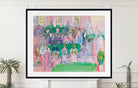
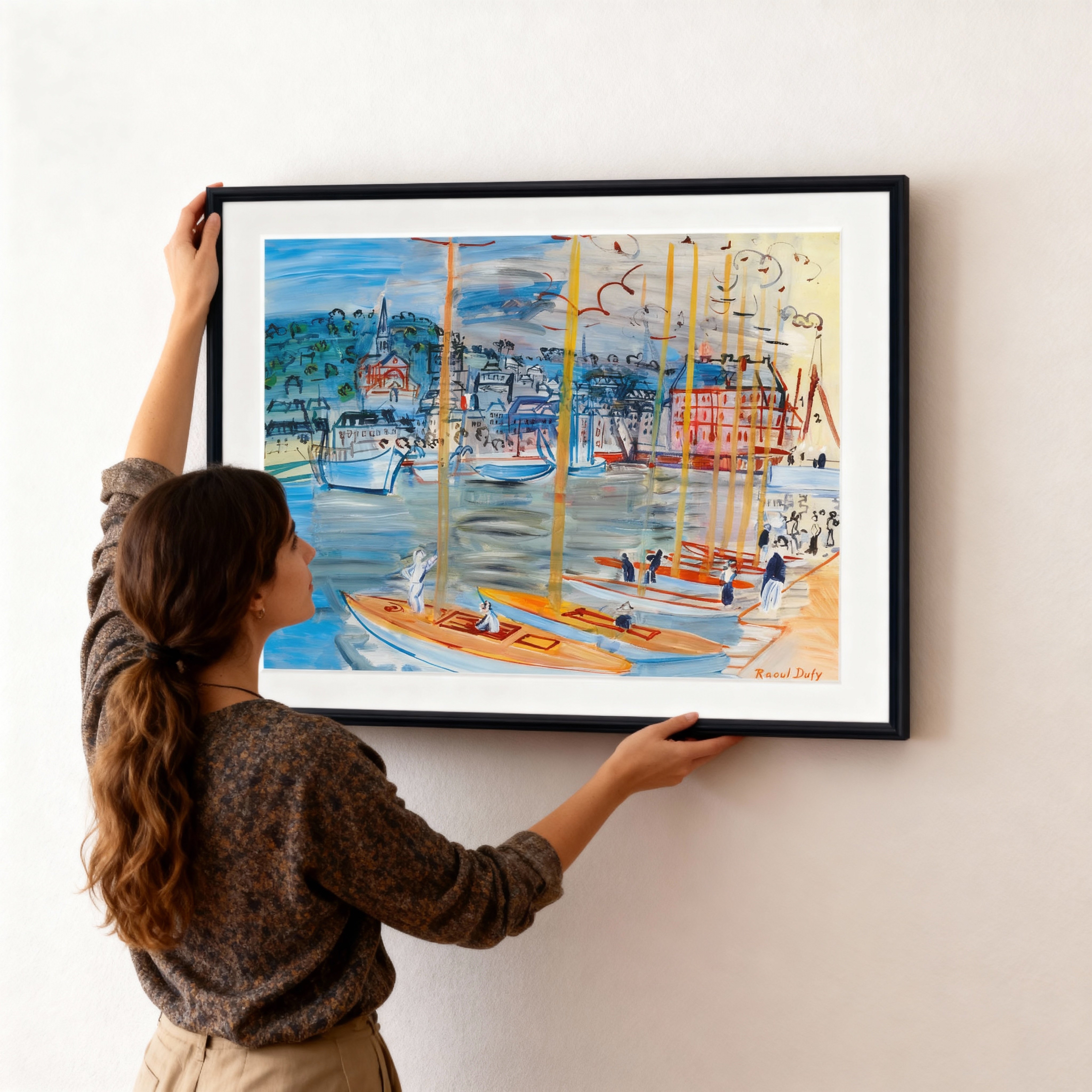
A Baccarat print by Raoul Dufy is particularly suited to interiors where colourful figurative art is wanted without the formality of traditional portraiture. The combination of figures, elegant furniture and vibrant colour creates visual interest while retaining the lightness characteristic of Dufy's work.
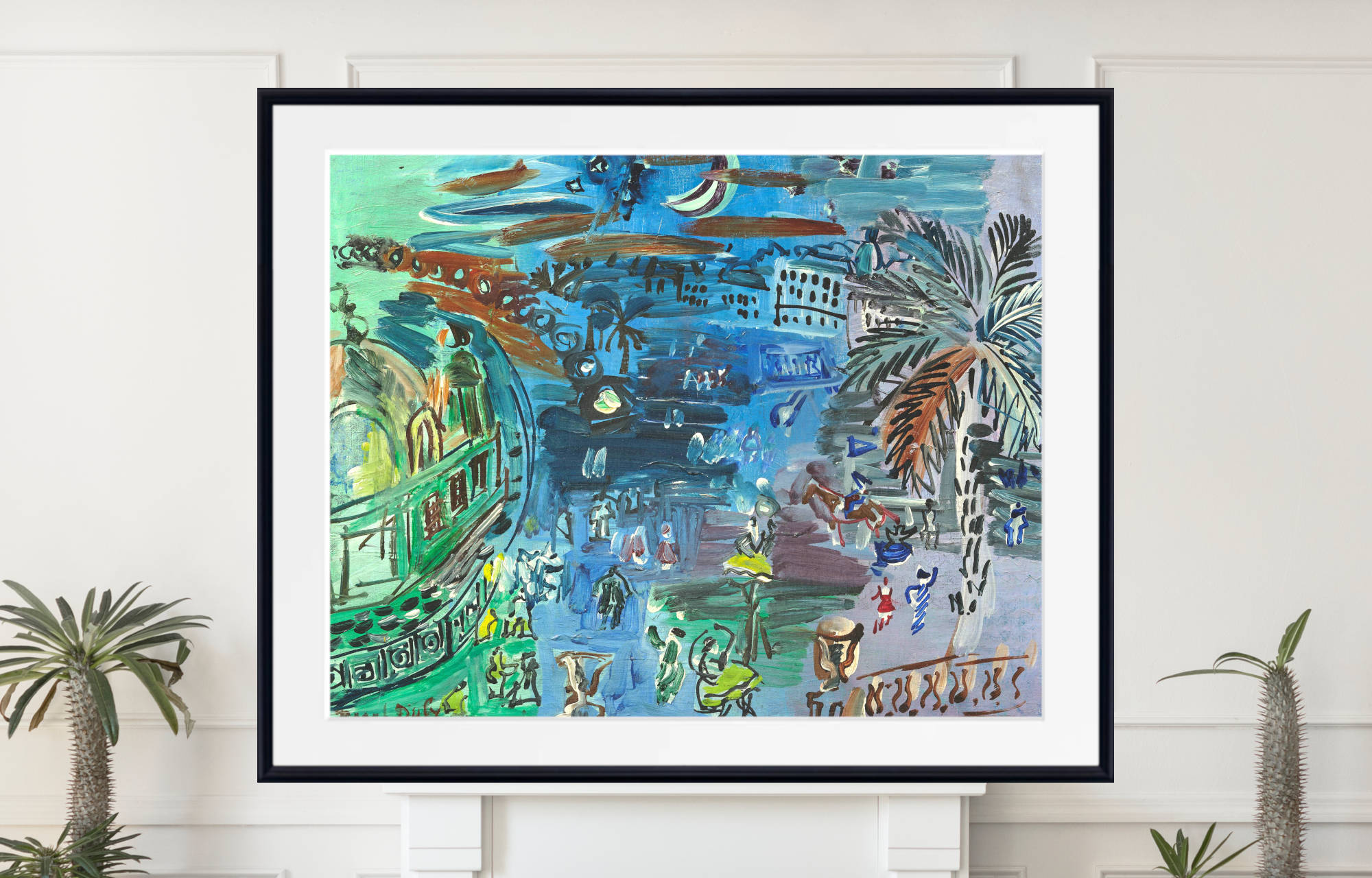
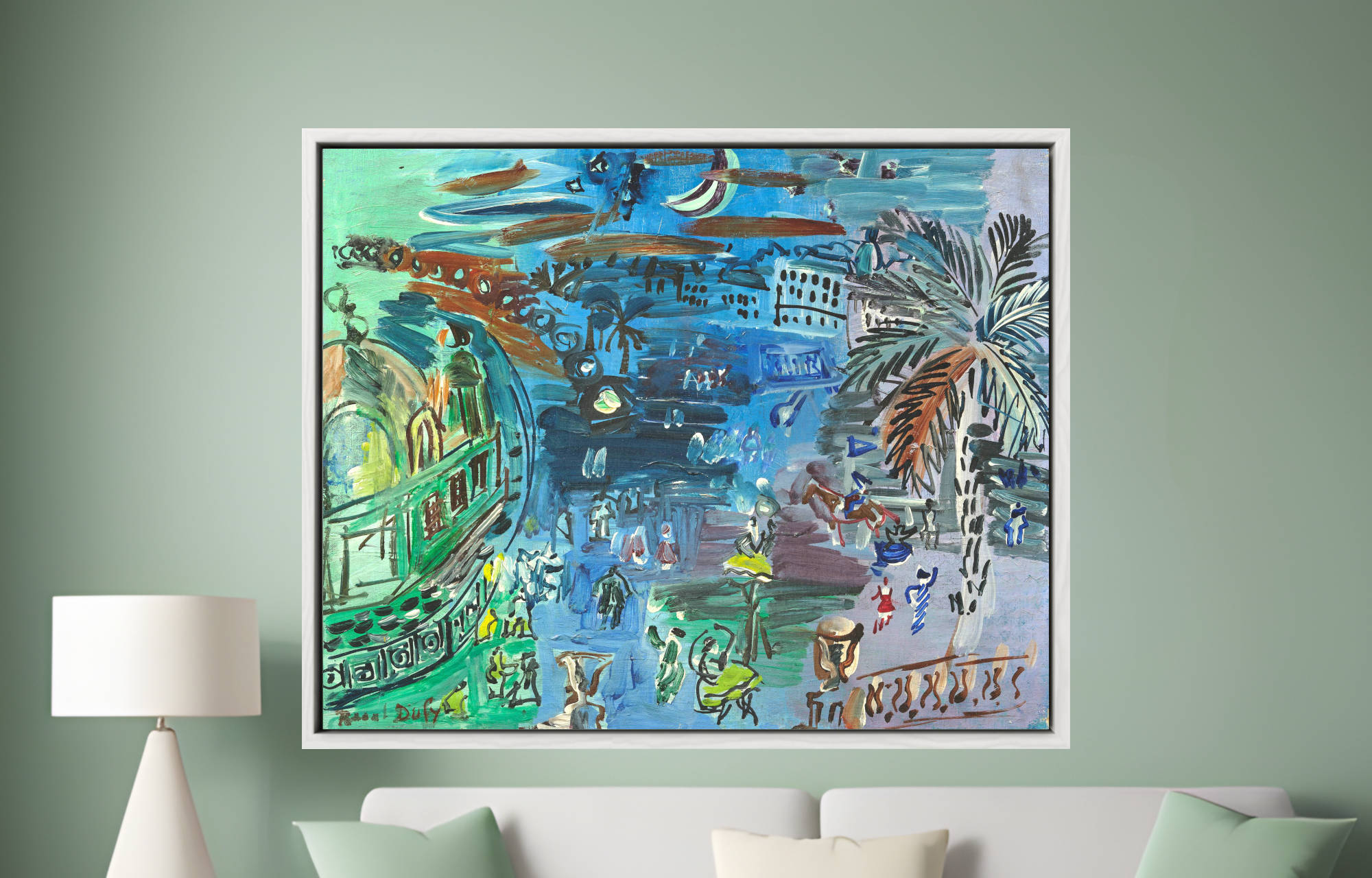
The painting can make an effective focal point in living rooms, dining rooms, hallways, bedrooms, studies and entertaining spaces. Its sophisticated 1920s atmosphere also works particularly well with Art Deco-inspired, eclectic and contemporary interiors.
In rooms with neutral walls and restrained furnishings, the strong areas of colour can provide an immediate visual lift. Equally, the work can complement more richly decorated interiors where its fashionable subject and decorative quality sit naturally alongside patterned fabrics, period furniture and metallic accents.
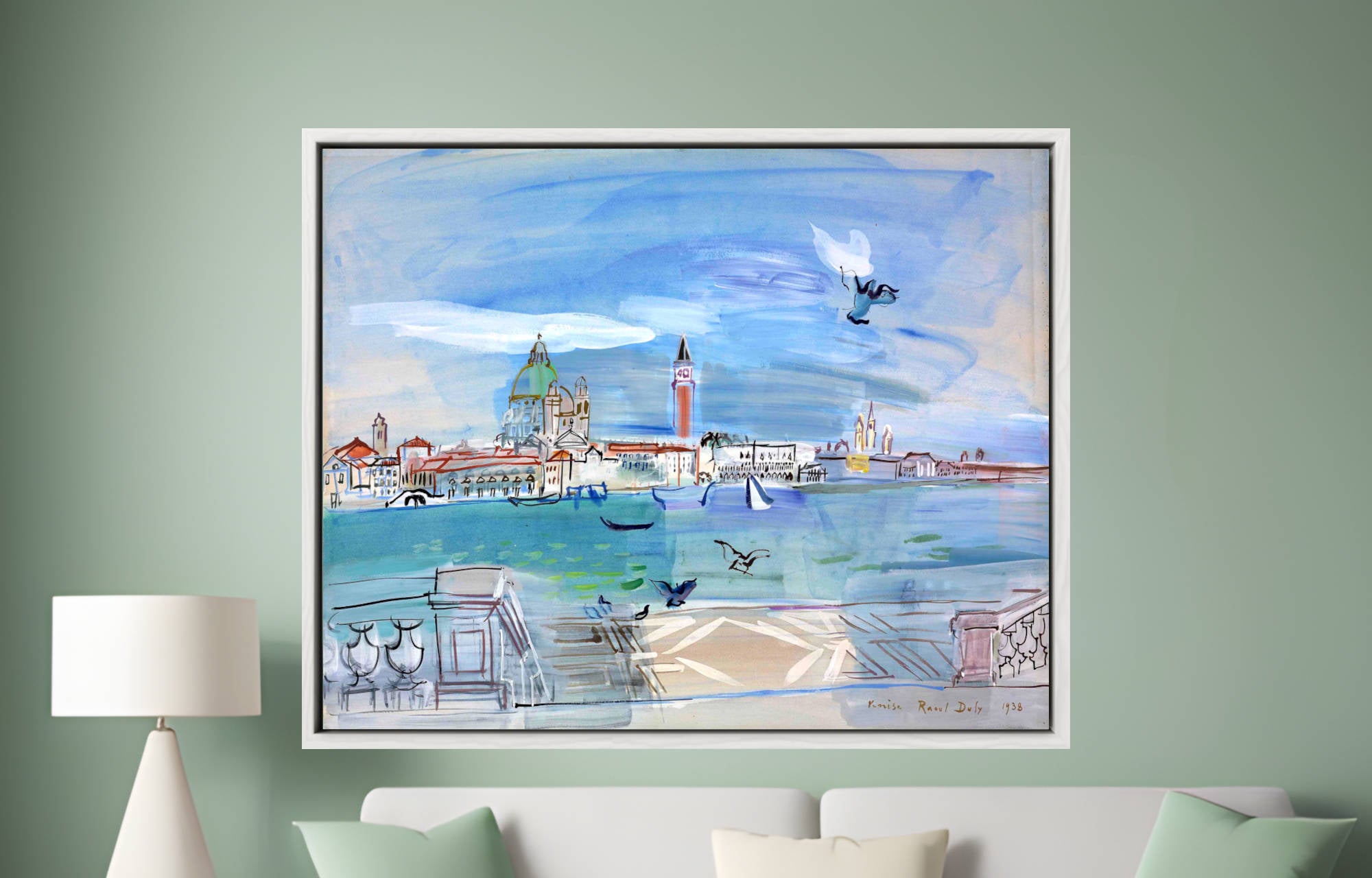
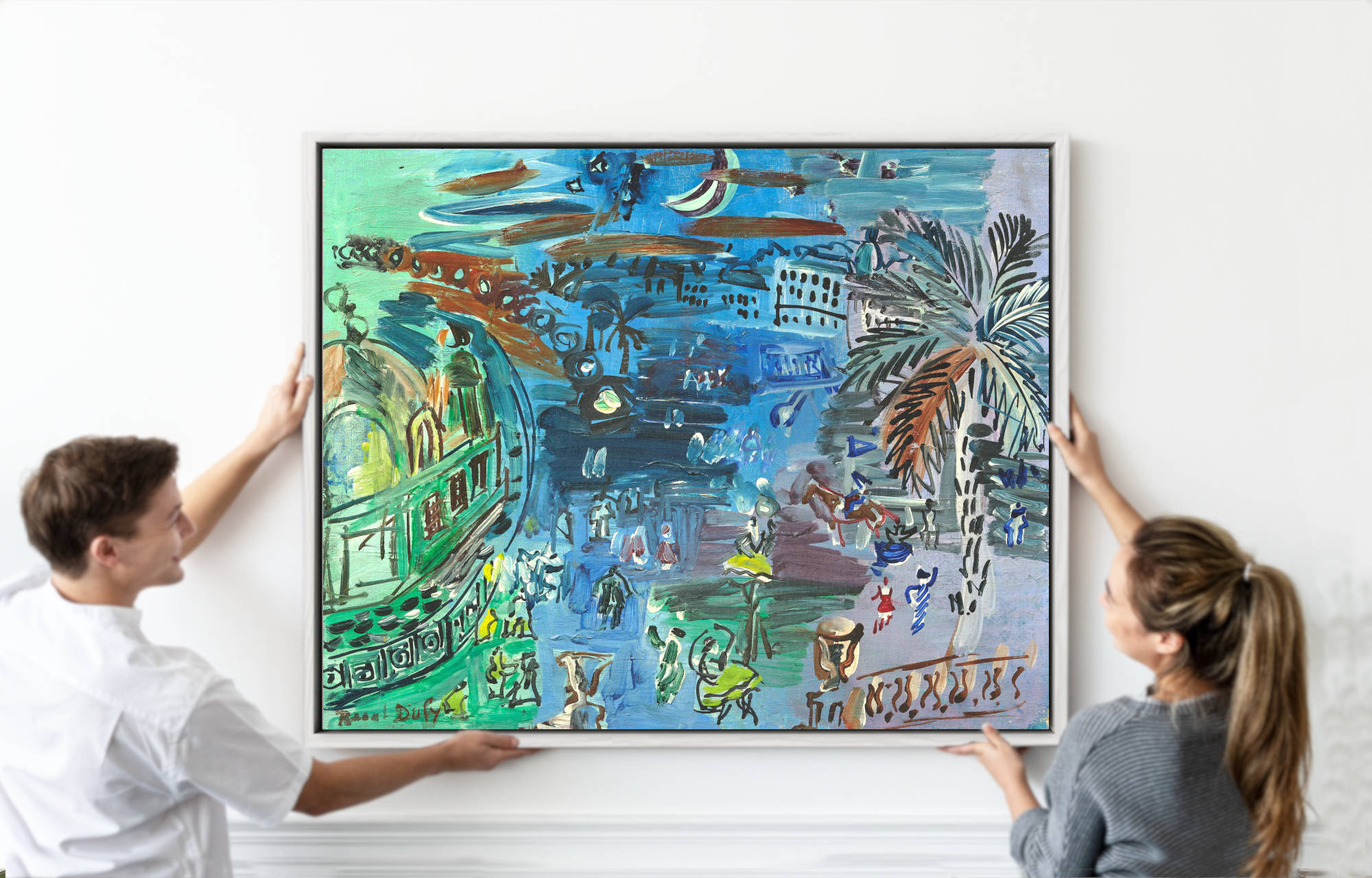
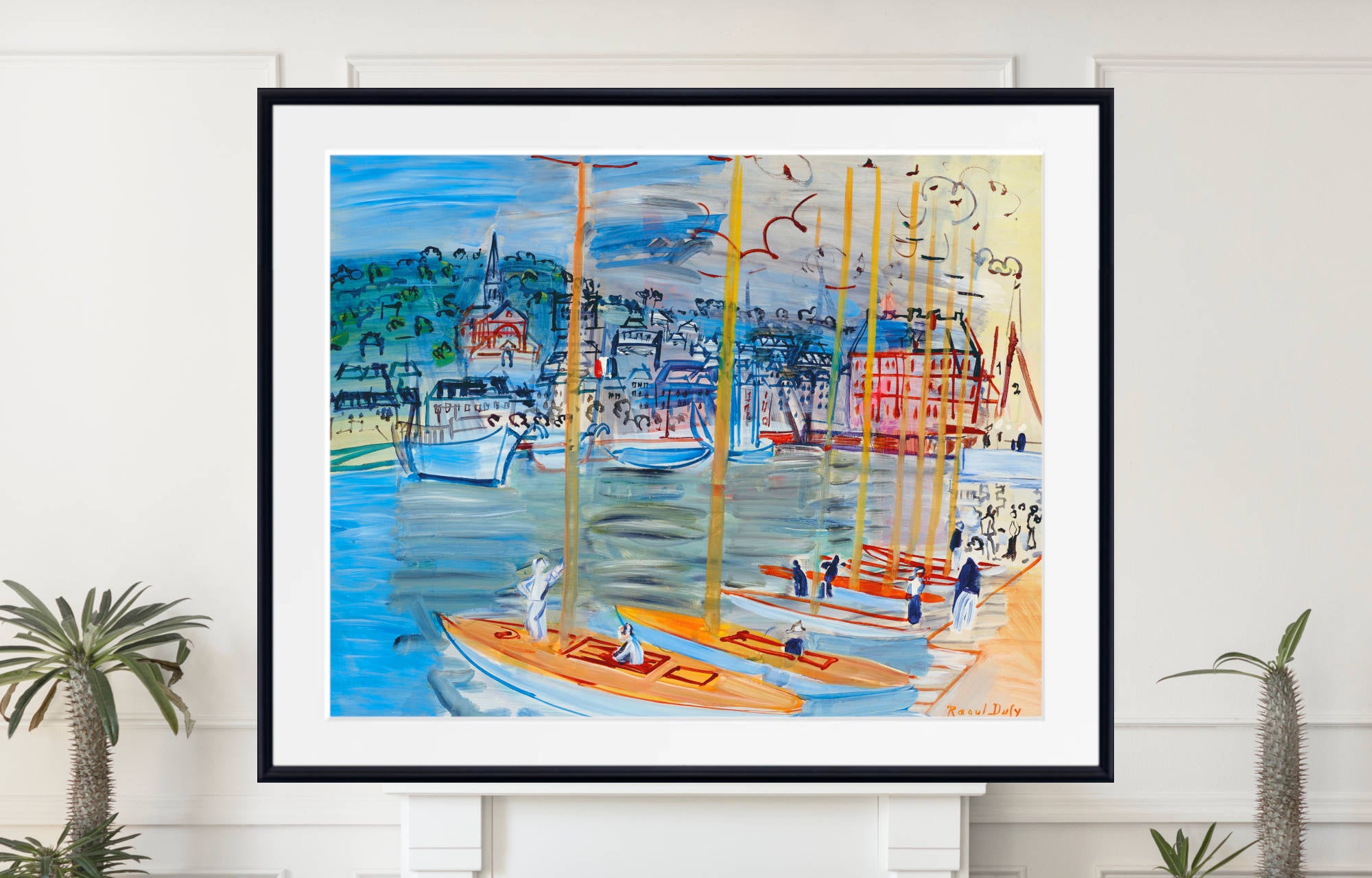
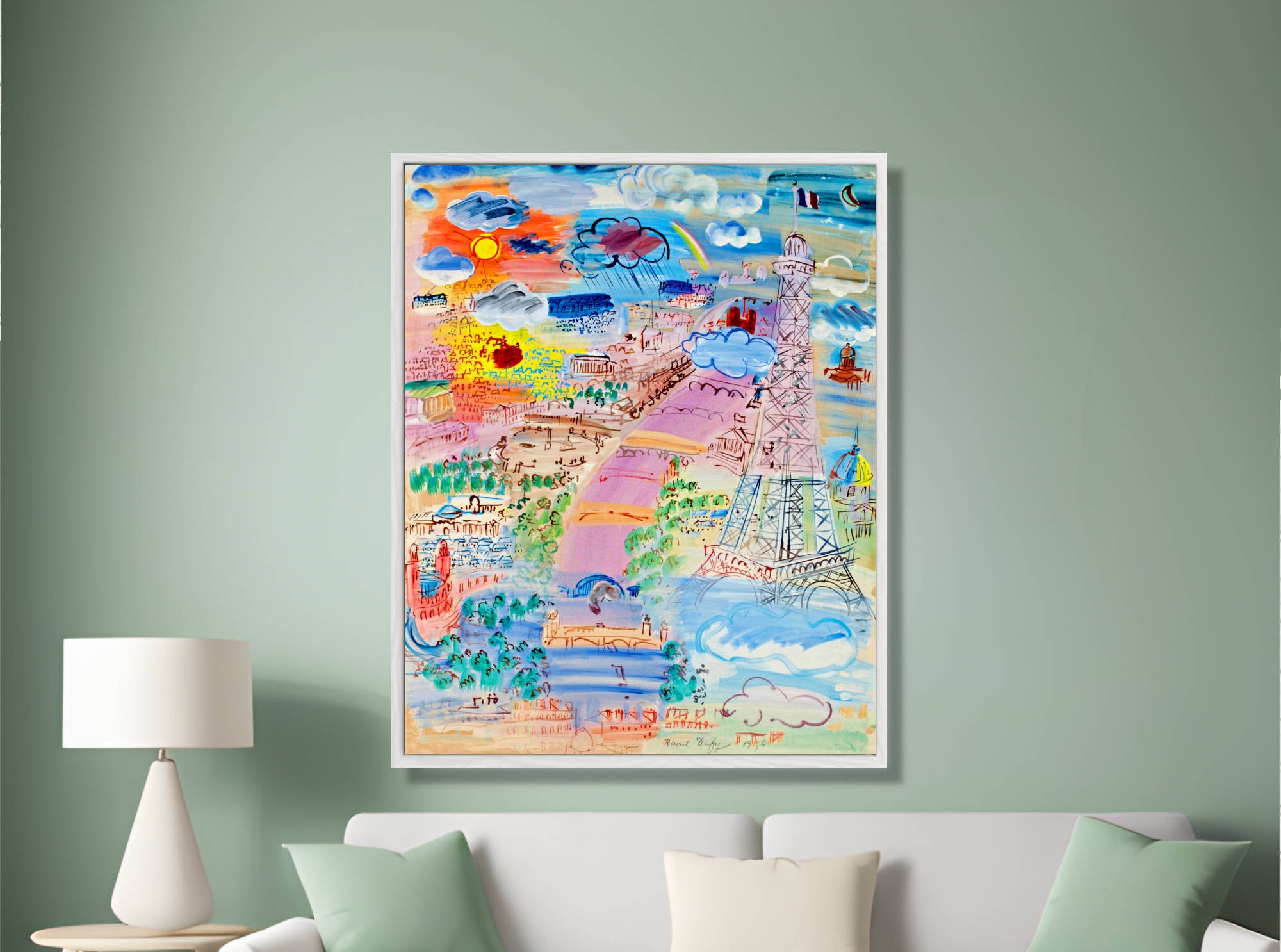
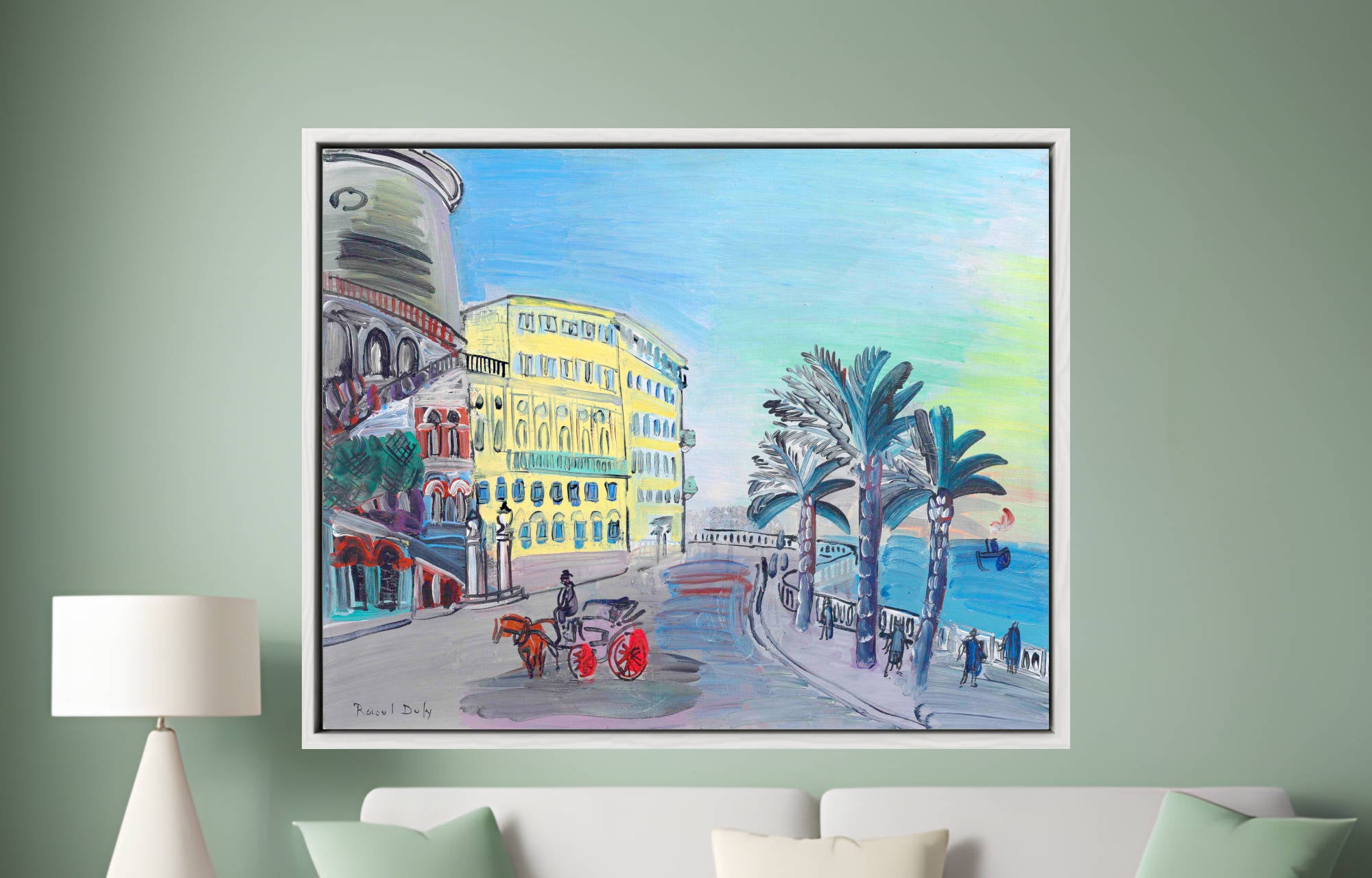
Available in a choice of sizes as a fine art paper print, framed print or canvas panel, Baccarat (1925) brings Dufy's colourful interpretation of French social life into the home.
Frequently Asked Questions
When did Raoul Dufy create Baccarat?
Baccarat was executed circa 1925, during a particularly important period in which Dufy was developing the distinctive combination of expressive colour and fluid line associated with his mature work.
What does Baccarat by Raoul Dufy depict?
The work depicts elegantly dressed figures gathered around gaming tables in a casino or fashionable social setting. Dufy focuses on the interaction of figures, furniture, colour and movement rather than providing a precisely detailed record of the room.
What is baccarat?
Baccarat is a traditional card game historically associated with casinos and fashionable gambling circles. Its elegant social setting made it particularly suitable for Dufy's interest in modern leisure and sophisticated public life.
What medium did Raoul Dufy use for Baccarat?
The original work was created in watercolour and gouache on paper. These media allowed Dufy to combine transparent colour with stronger opaque passages while preserving the spontaneity of his drawing.
What size is the original Baccarat?
The original measures approximately 50.1 × 65.6 cm.
What style is Baccarat painted in?
Baccarat displays the defining characteristics of Dufy's mature style: rapid calligraphic outlines, simplified figures, luminous colour and a deliberate freedom between drawing and painted areas.
Is Baccarat a Fauvist painting?
Dufy had been associated with Fauvism earlier in his career, but by around 1925 he was developing a highly individual mature style. Baccarat retains the Fauvist freedom of colour while demonstrating Dufy's increasingly distinctive use of fluid line and decorative composition.
Why did Dufy paint scenes of leisure and fashionable society?
Regattas, racecourses, casinos, concerts and resorts offered Dufy subjects filled with movement, colour and human activity. They allowed him to represent modern life while exploring the decorative possibilities of figures, clothing, architecture and surrounding space.
Is Baccarat suitable for an Art Deco interior?
Yes. Although Dufy's work has its own distinct artistic identity, the painting's circa-1925 date, fashionable social subject, elegant figures and decorative use of colour make it particularly compatible with Art Deco-inspired interiors.
Is Baccarat available as a framed Raoul Dufy print?
Yes. GalleryThane offers Baccarat (1925) in a choice of sizes and formats, including fine art paper prints, framed prints and canvas options.
All orders for unframed fine art prints and original paintings are dispatched within 2 working days of receipt of payment.
Orders for custom framed prints are dispatched within 4 working days.
All orders are fully tracked from dispatch to delivery at your home or business.
All print and original painting orders are fully insured against loss or damage in transit. We refund or replace any damaged or lost orders.
Buy with confidence - read what our satisfied customers have to say - Reviews
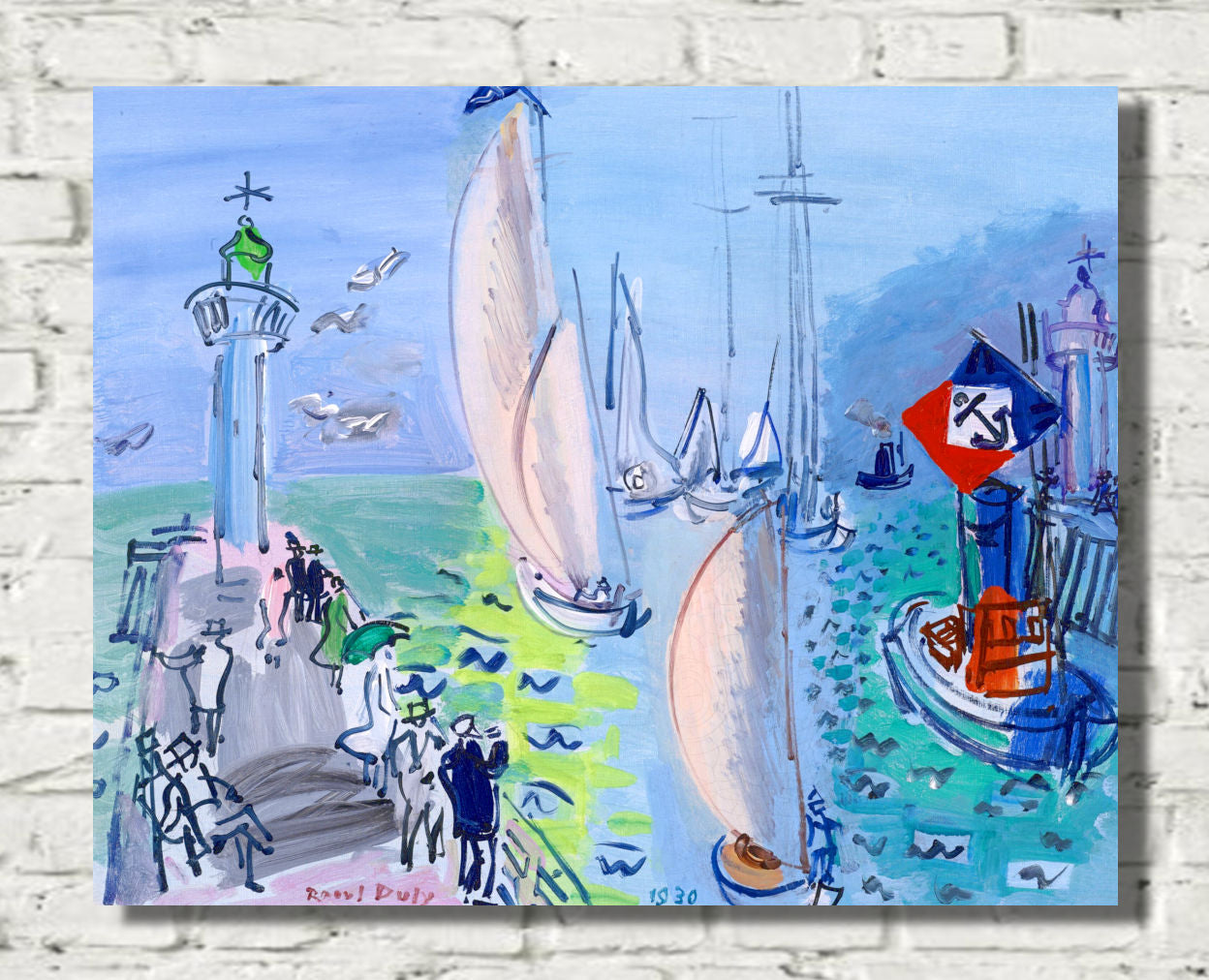
Fine art papers are printed without any additional white border Please let us know at the time of ordering if you would like a small additional white border.
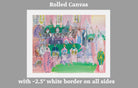
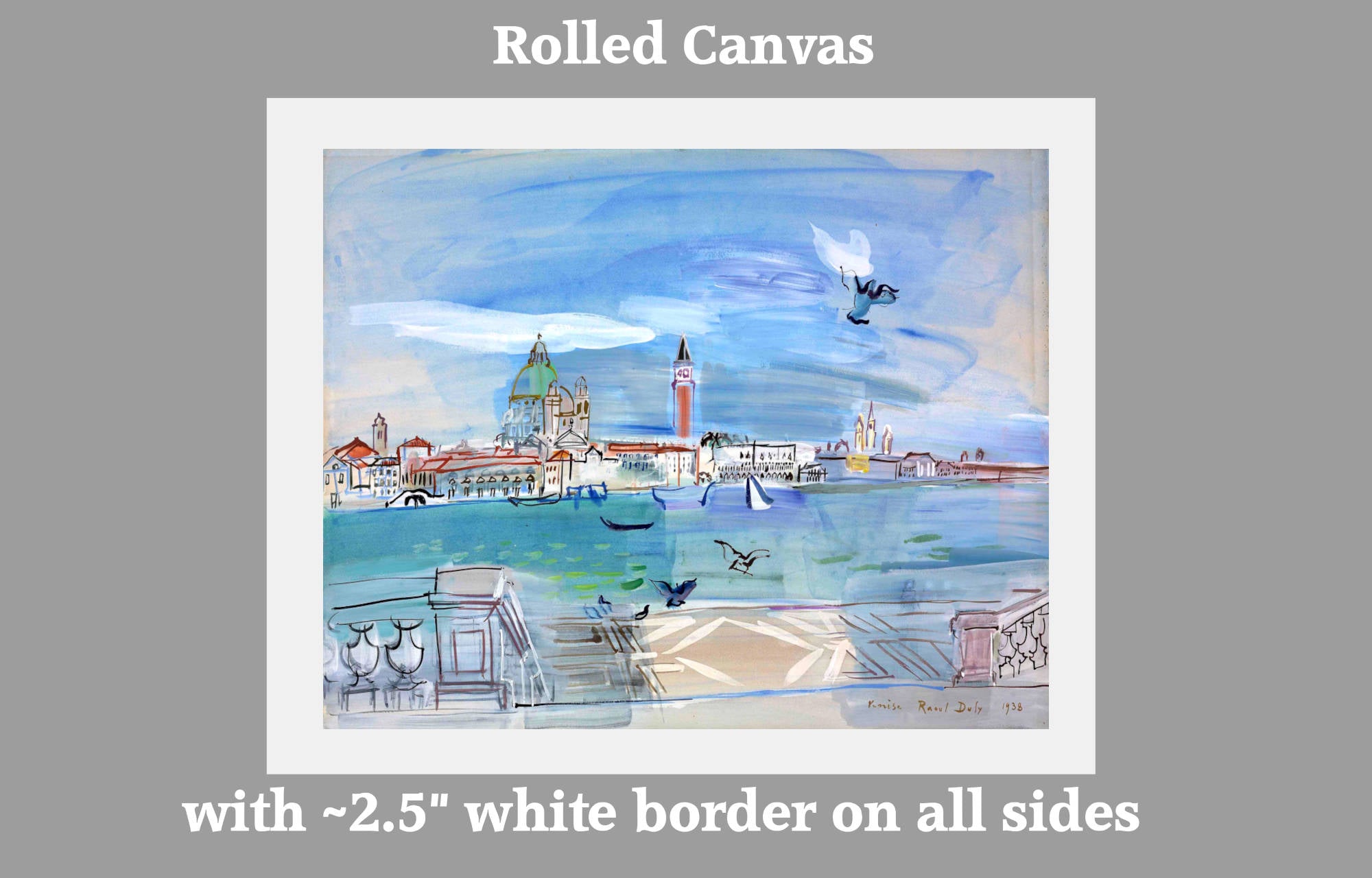
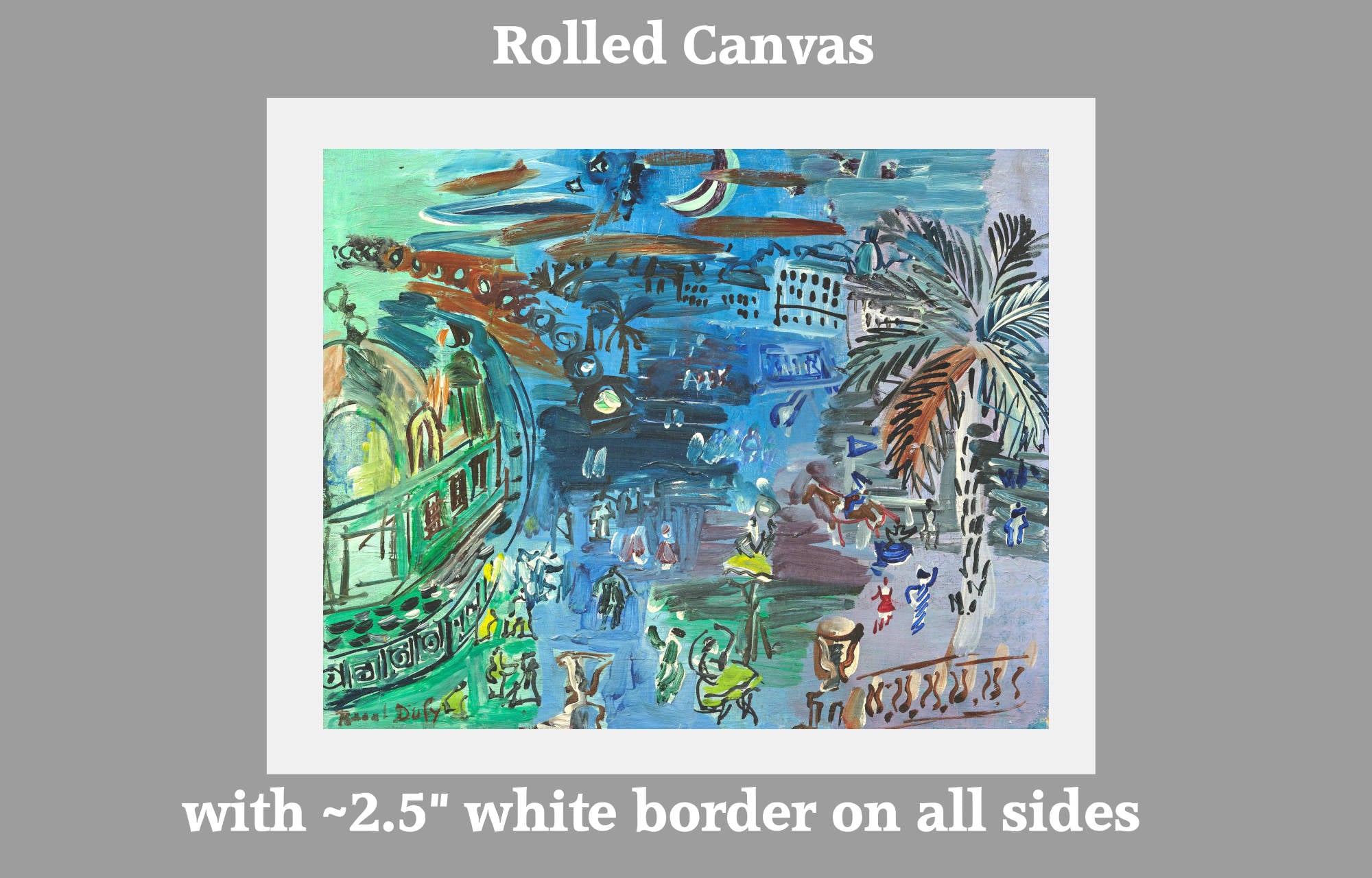
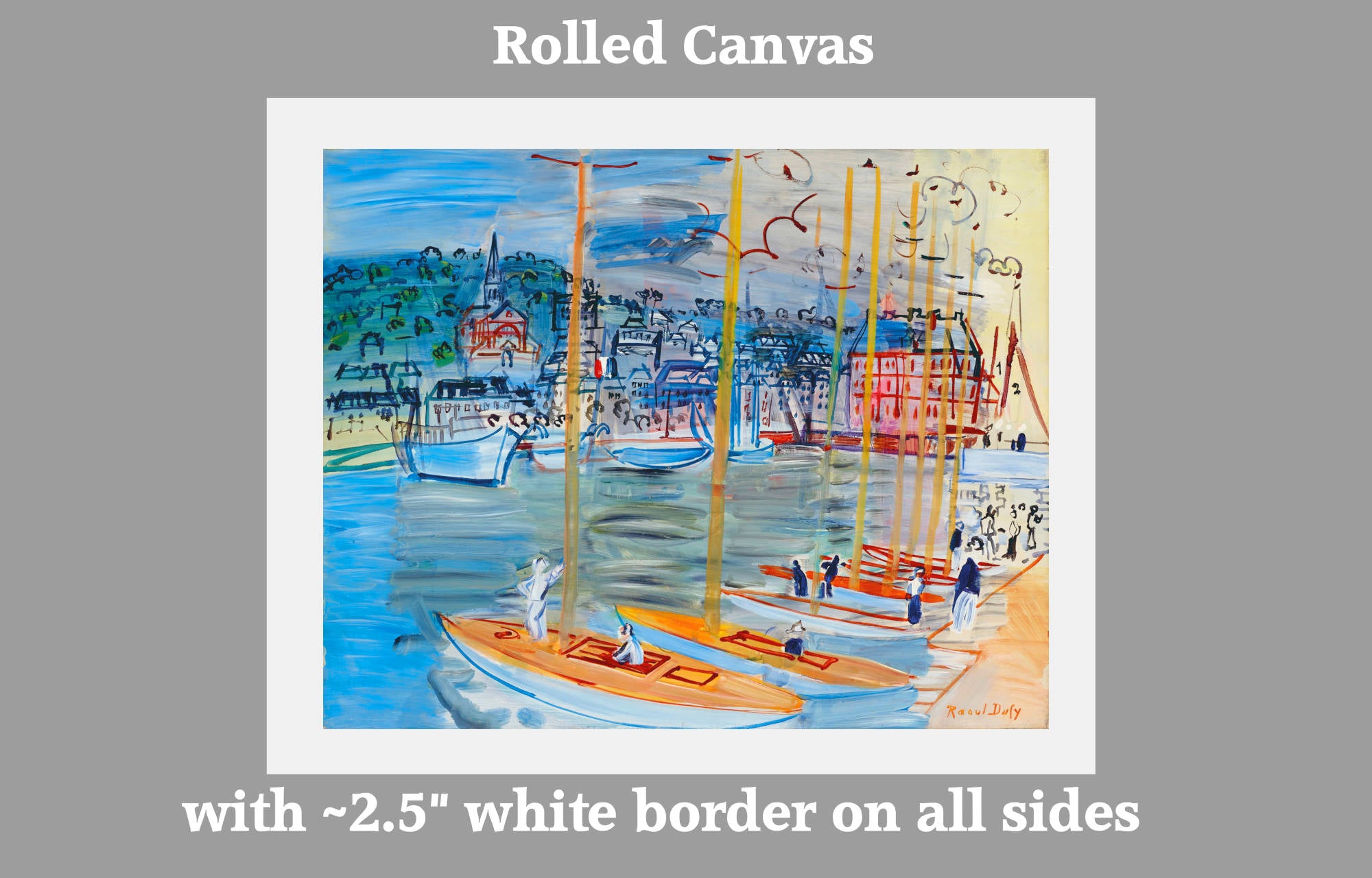
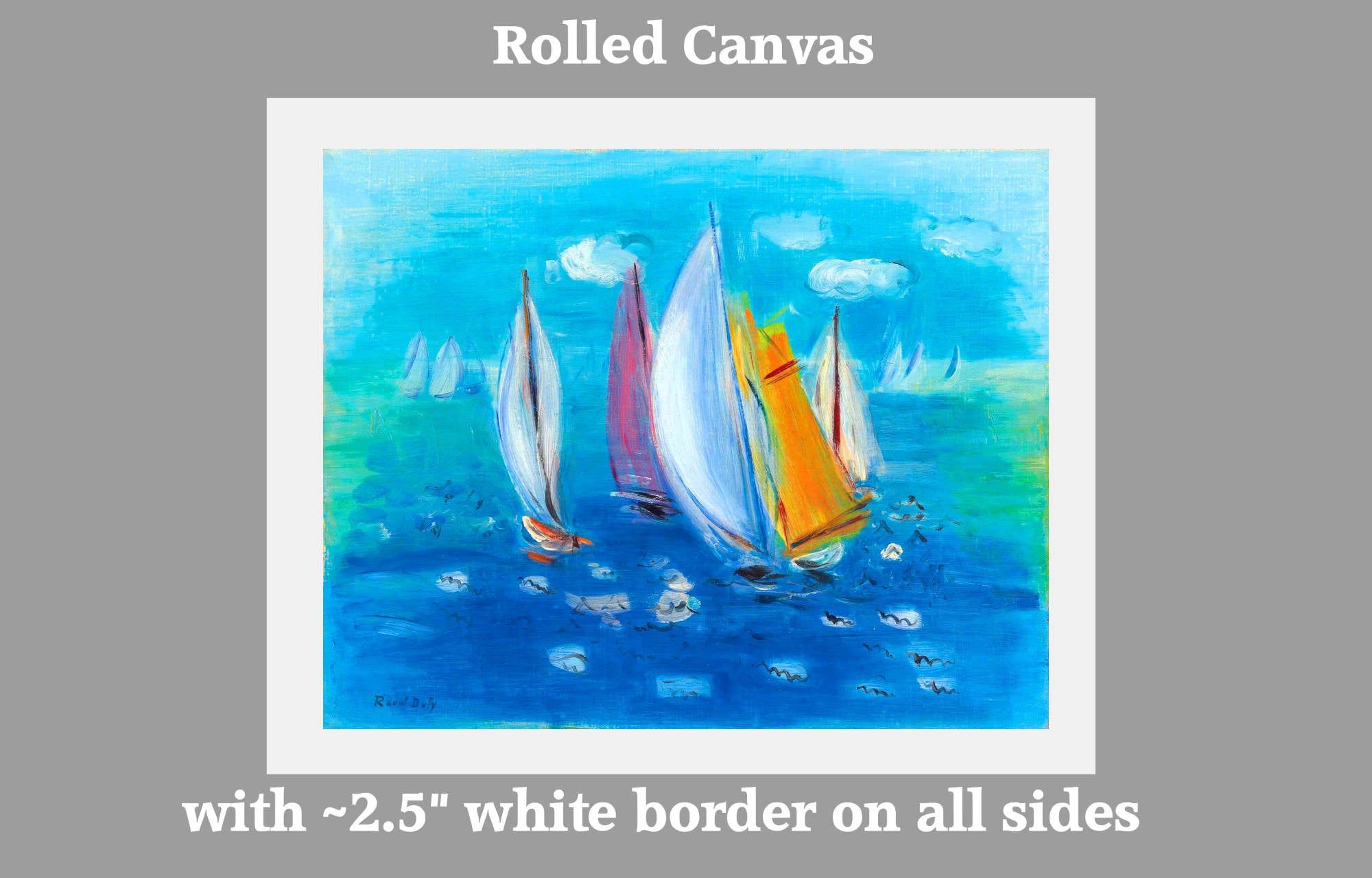
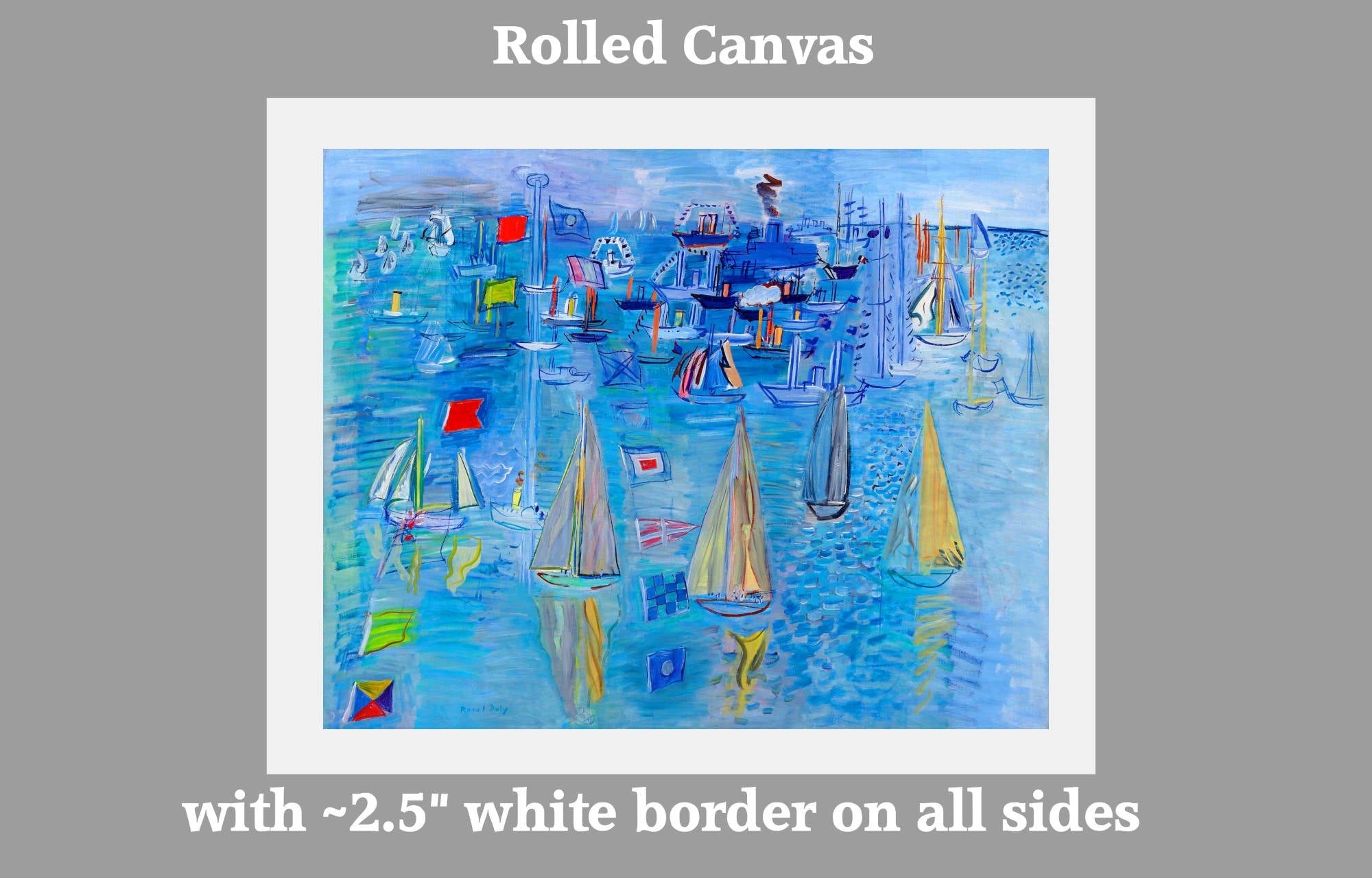
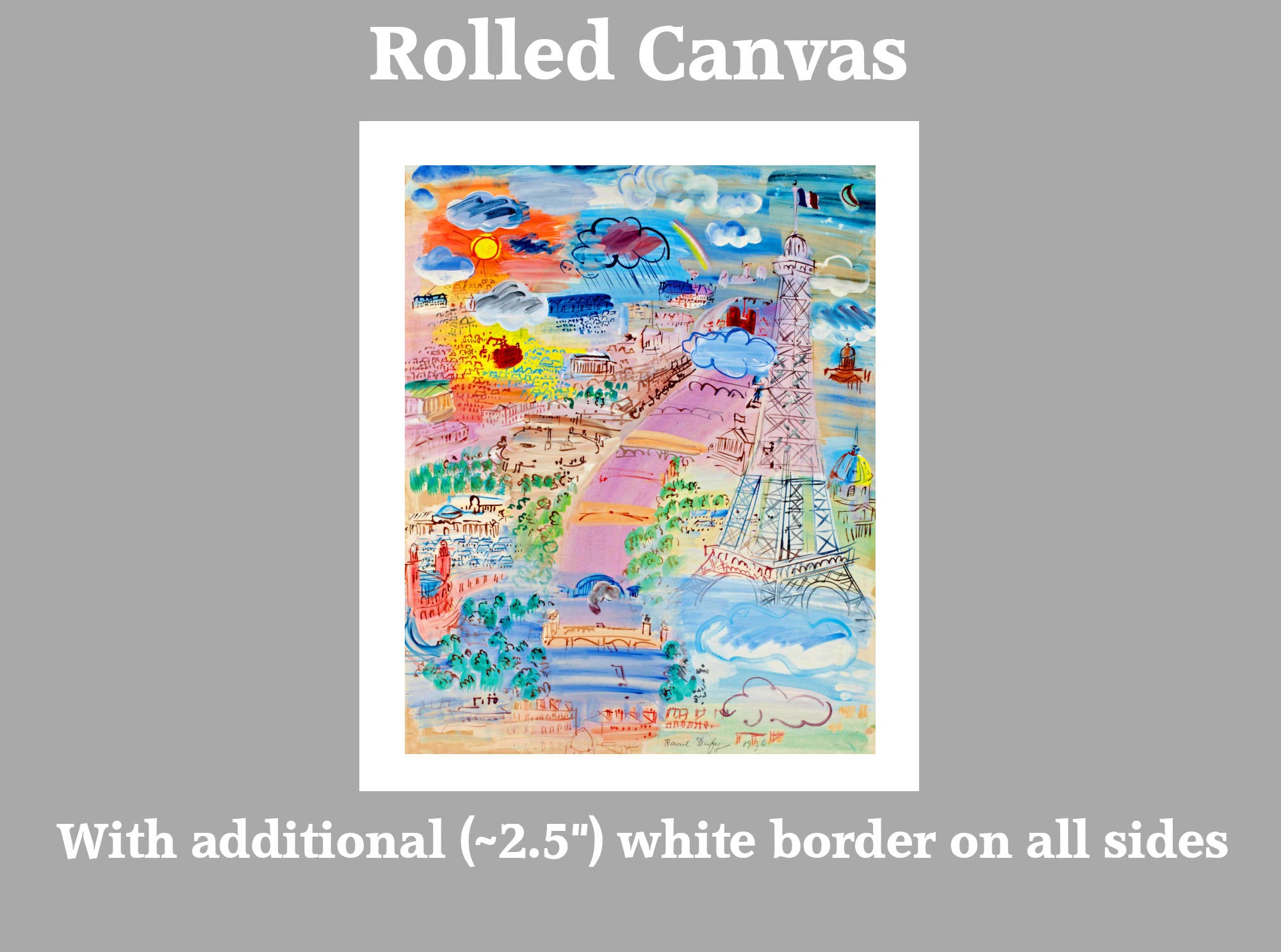
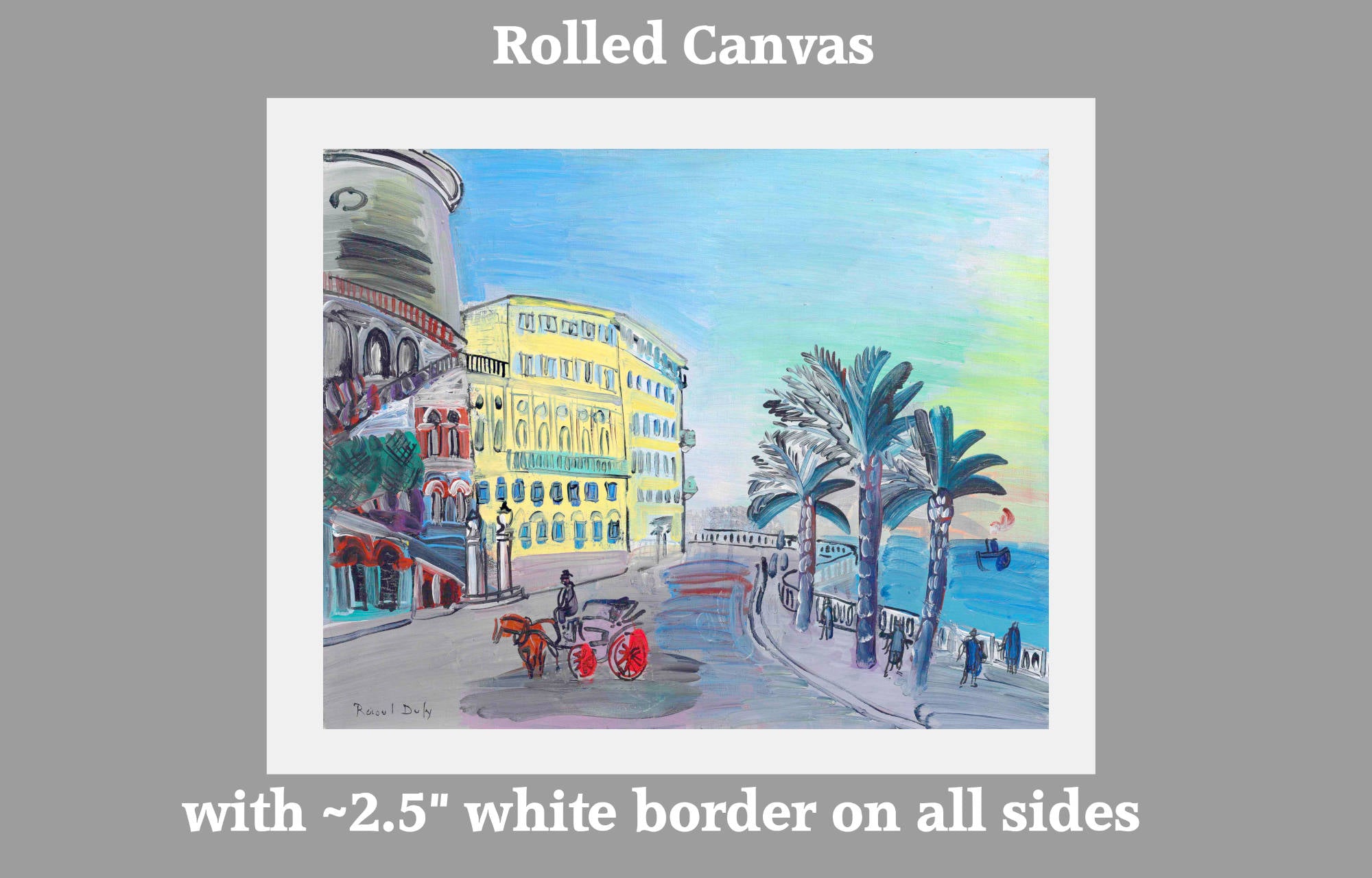
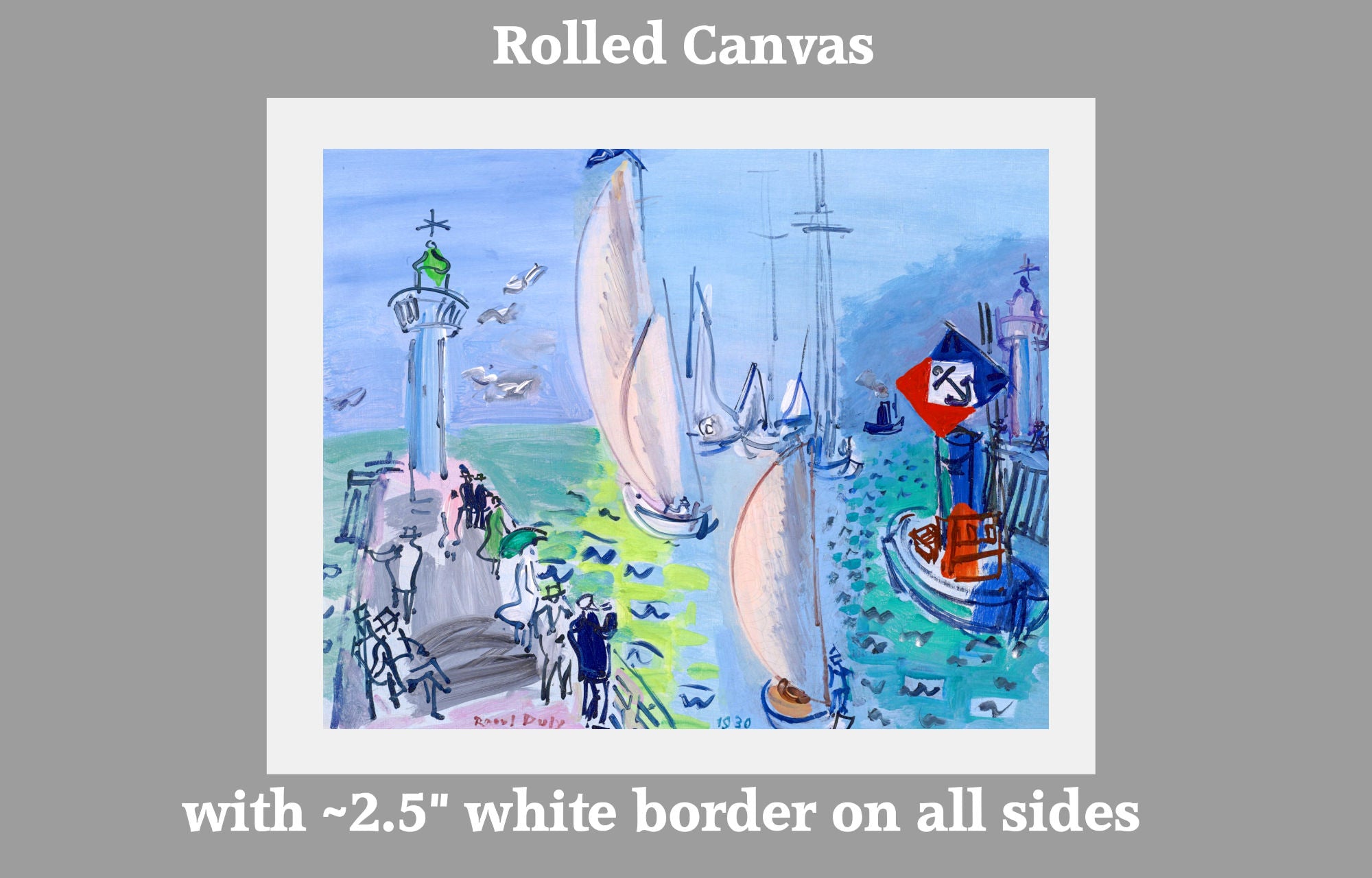
Rolled canvas options have an additional white border of approximately 2.5 inches (7cm) on all 4 sides to aid stretching.
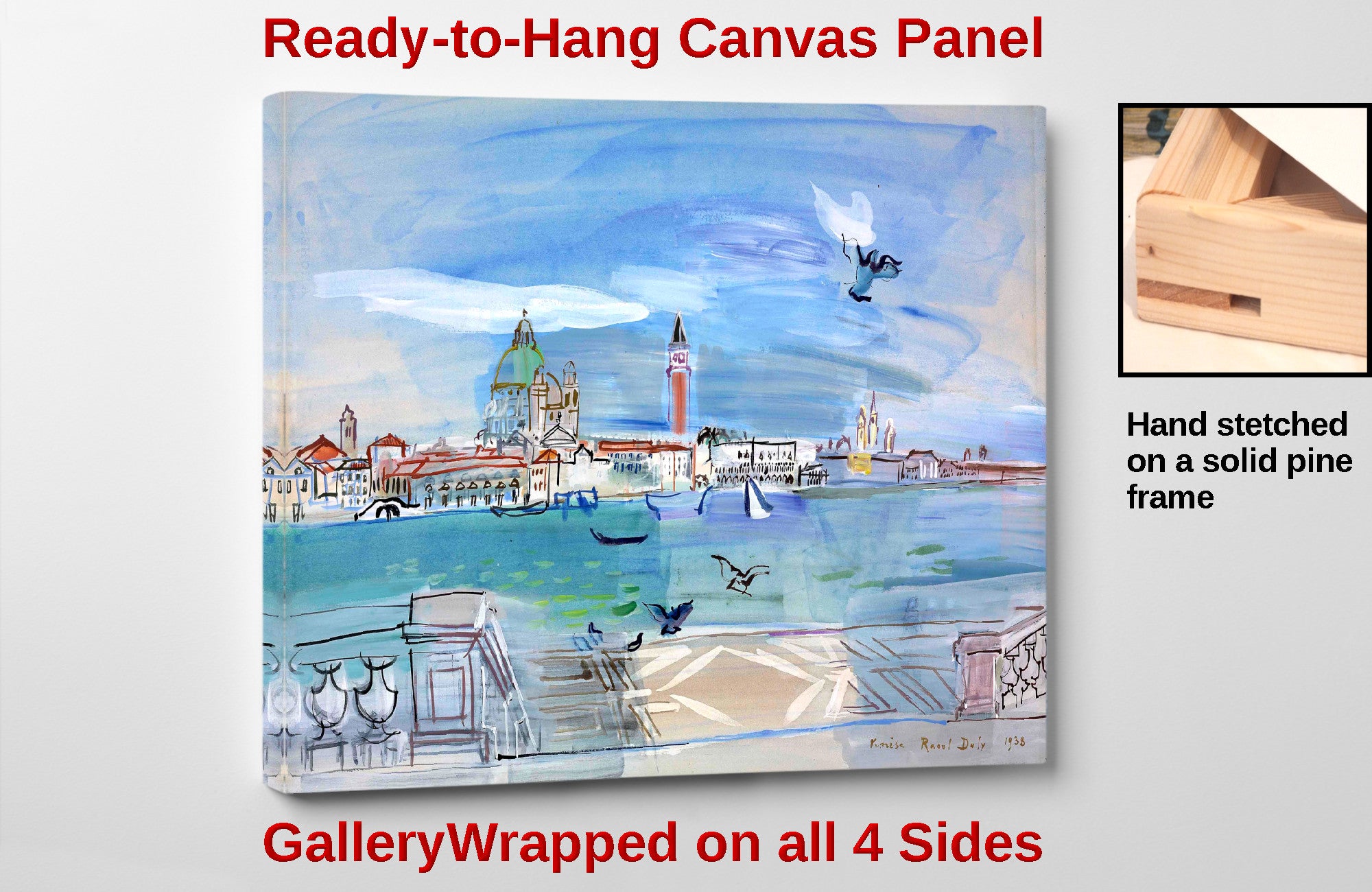
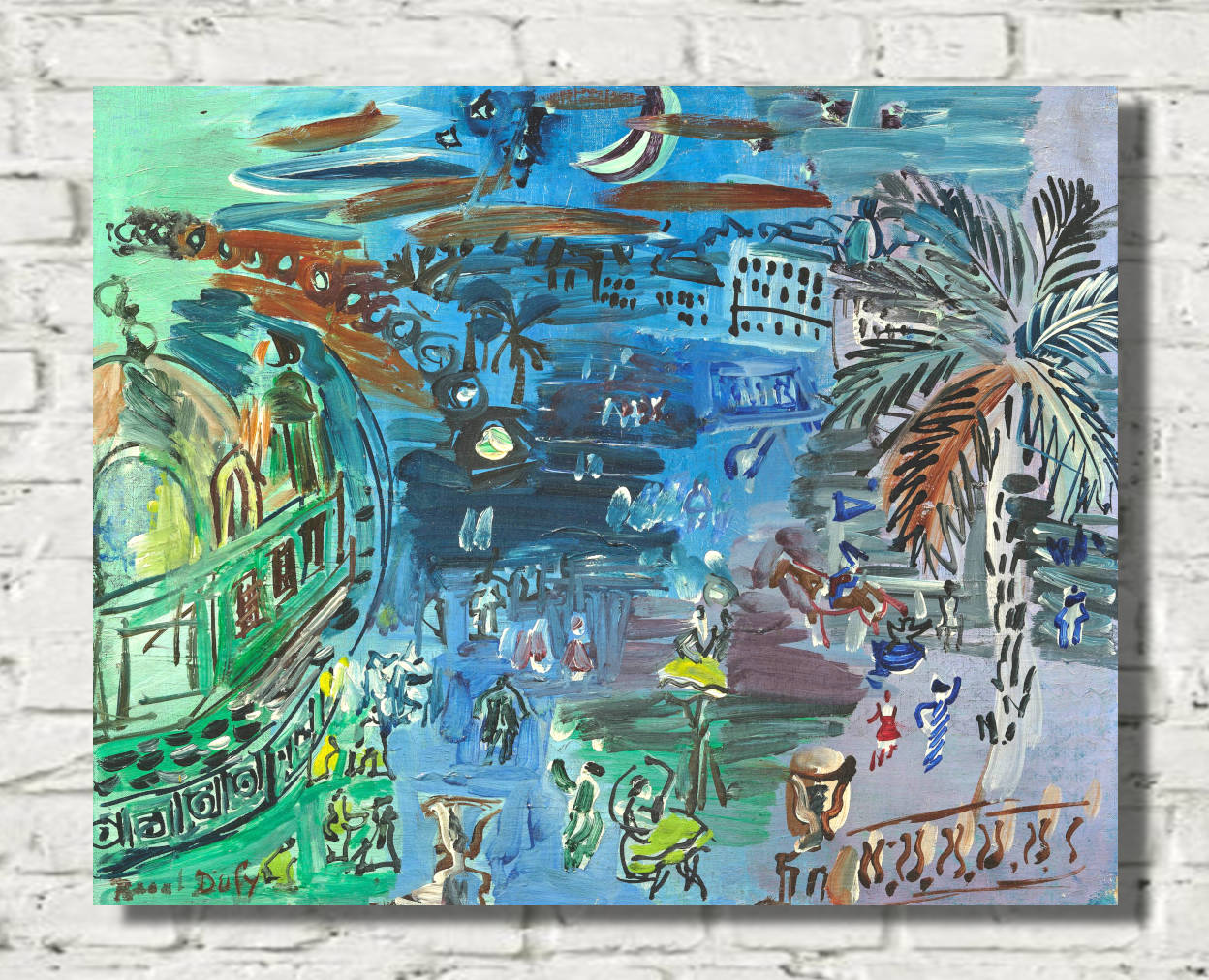
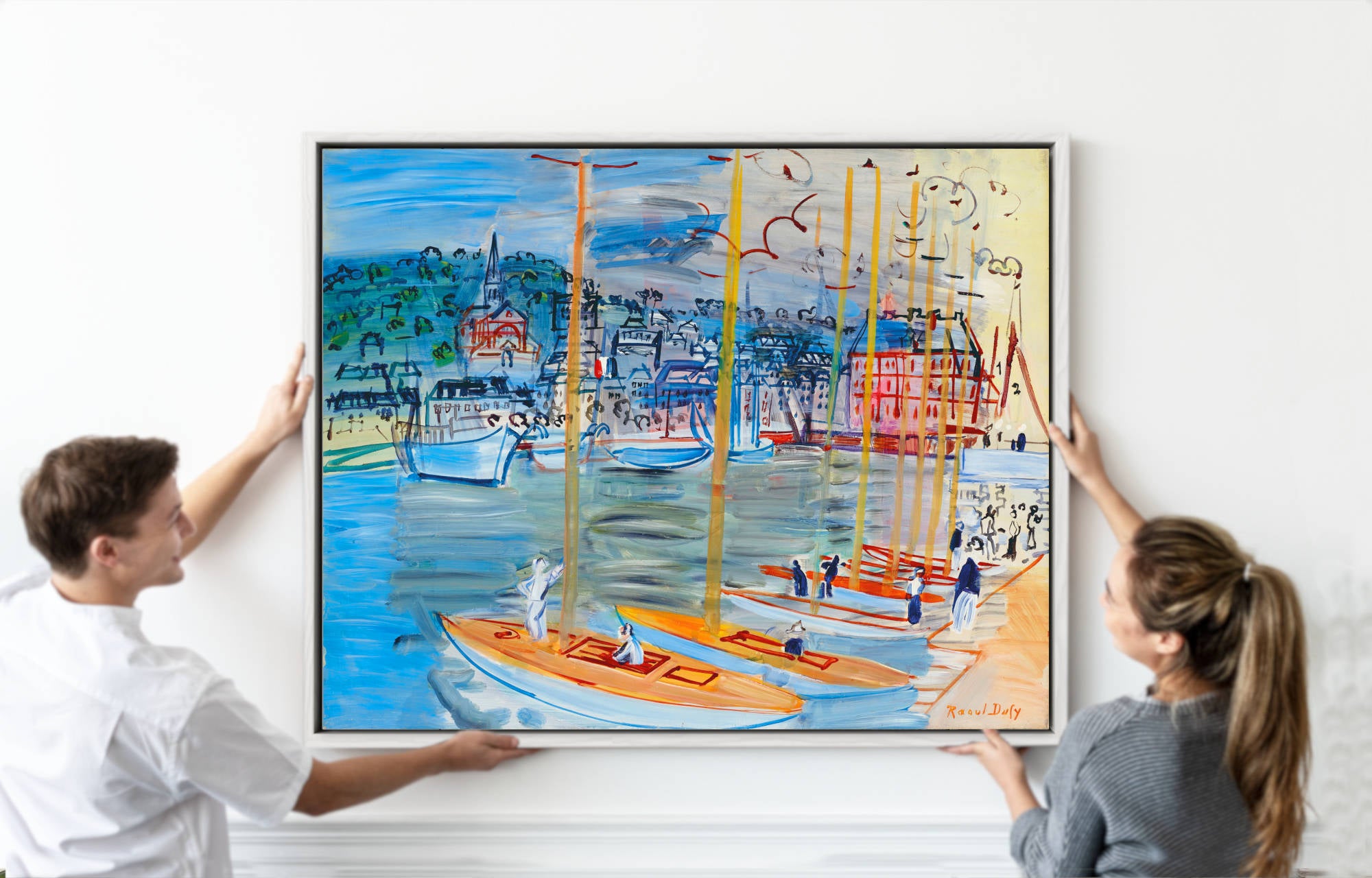
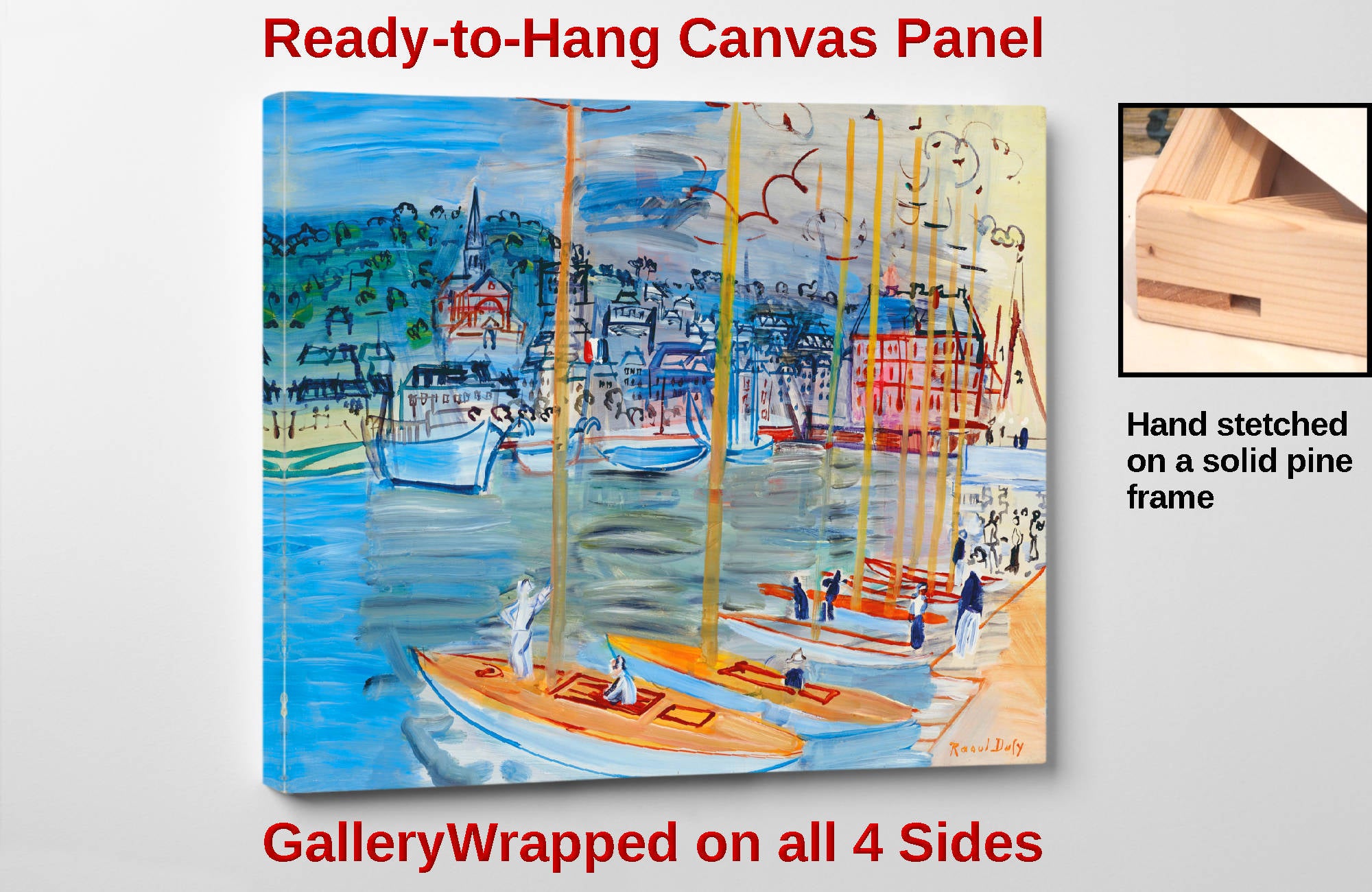
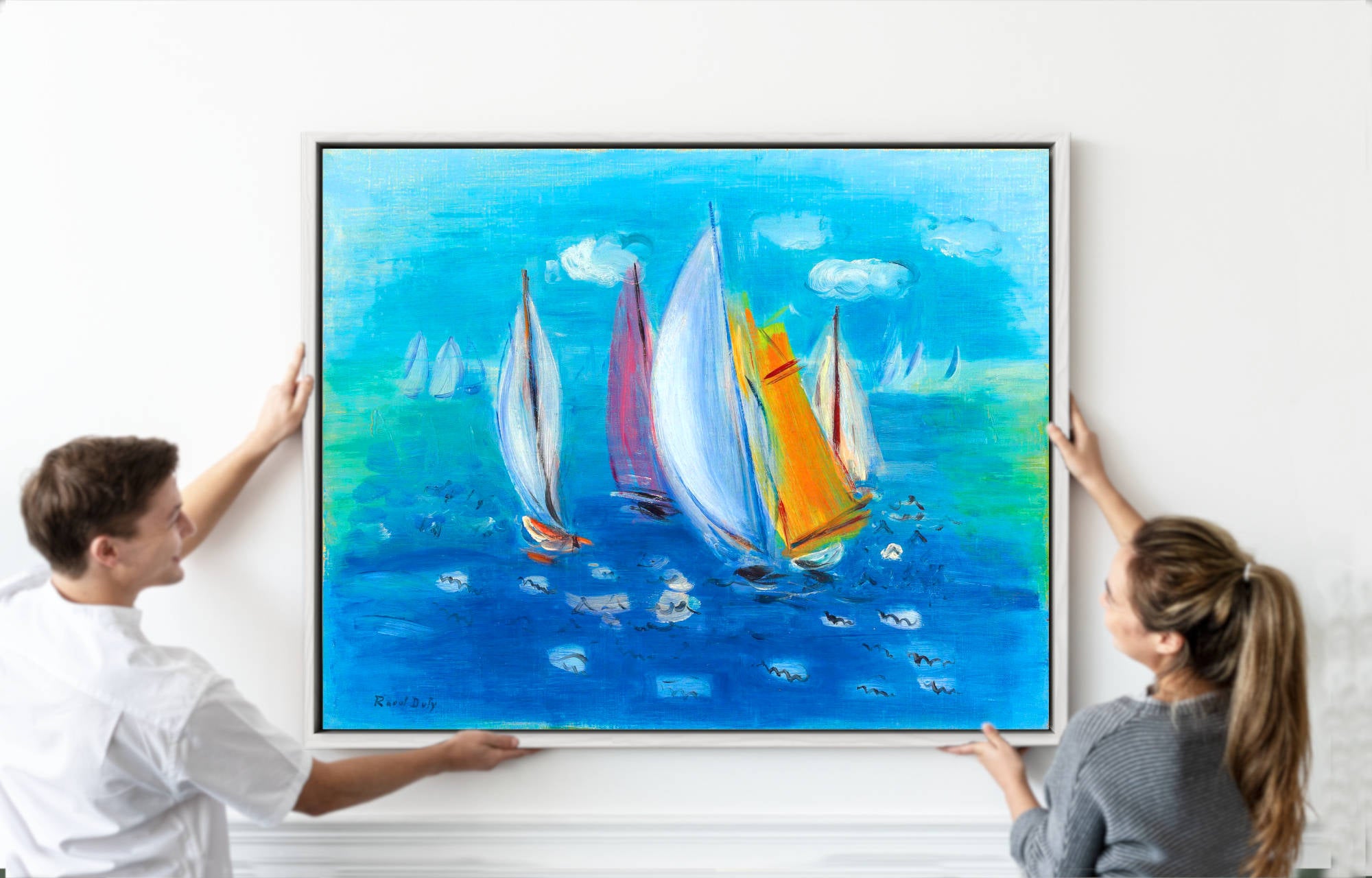
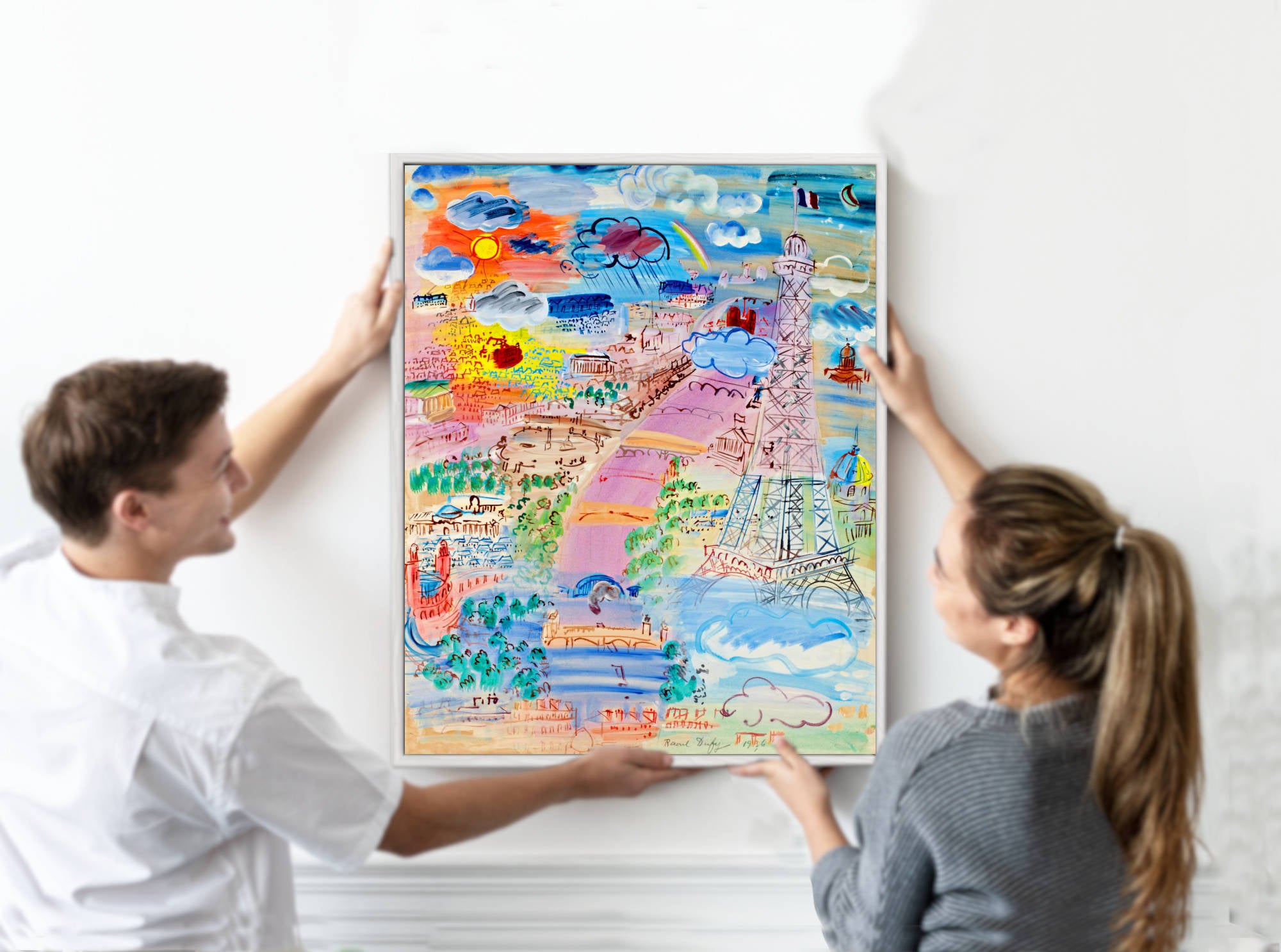
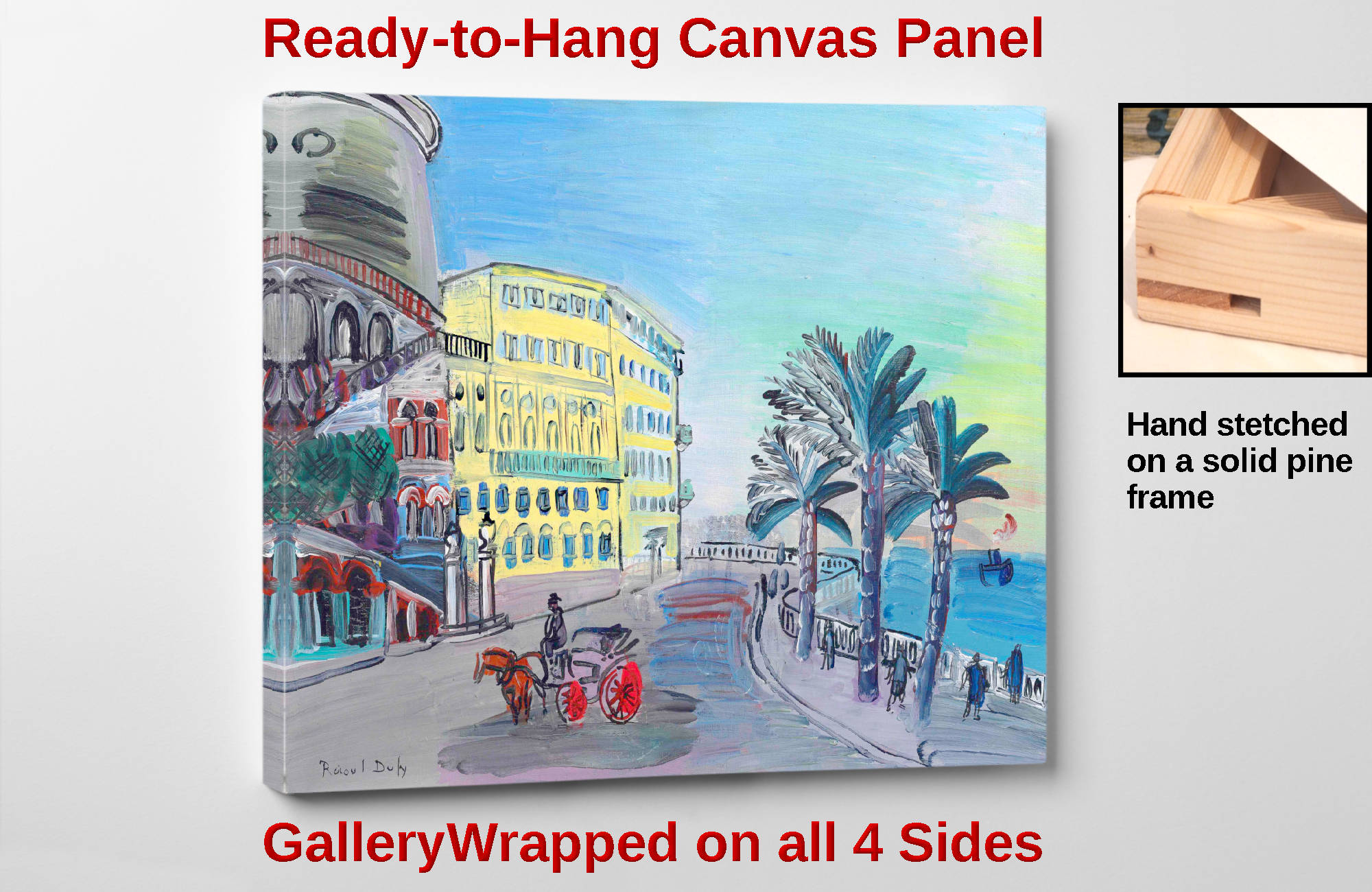
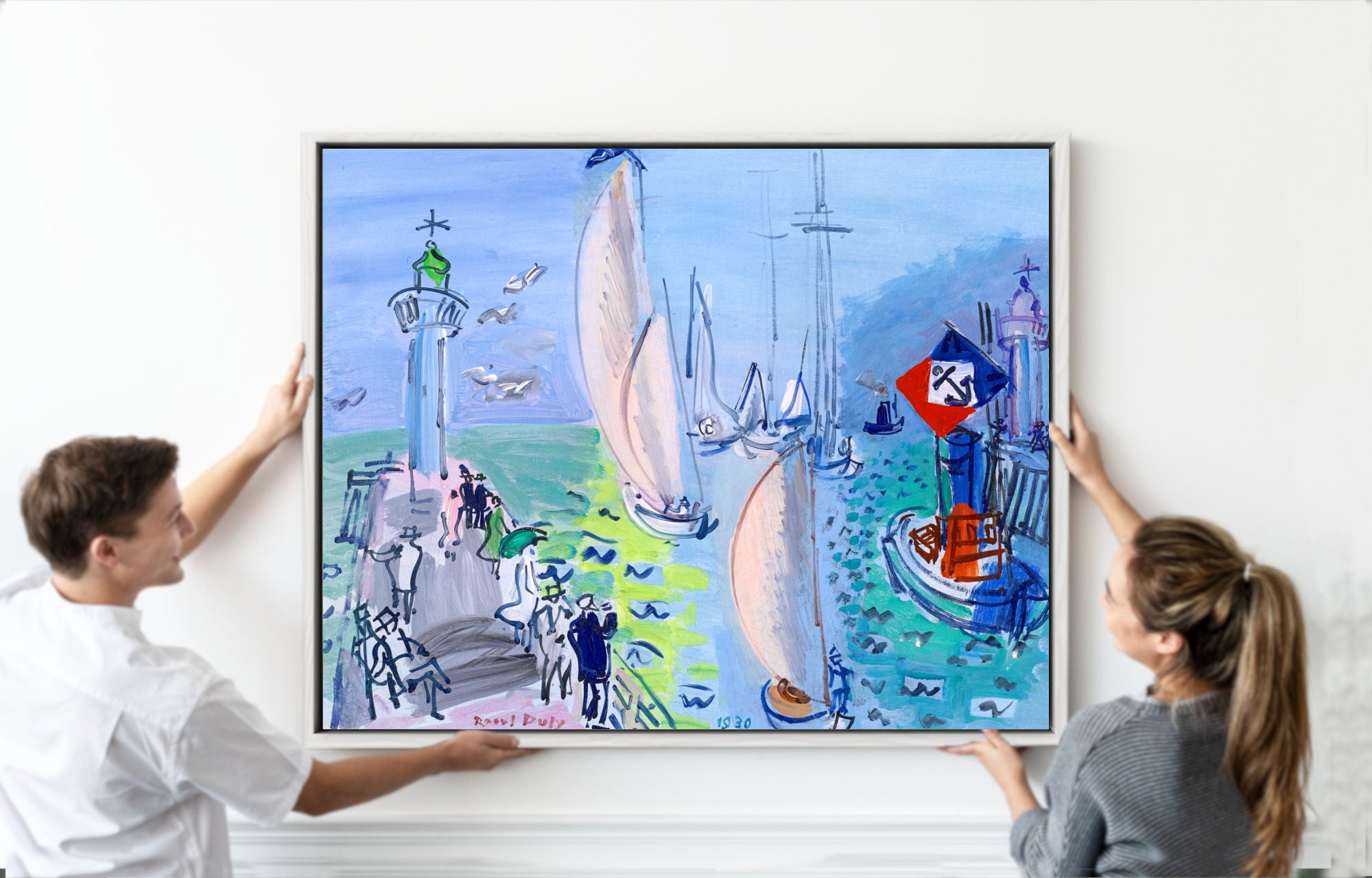
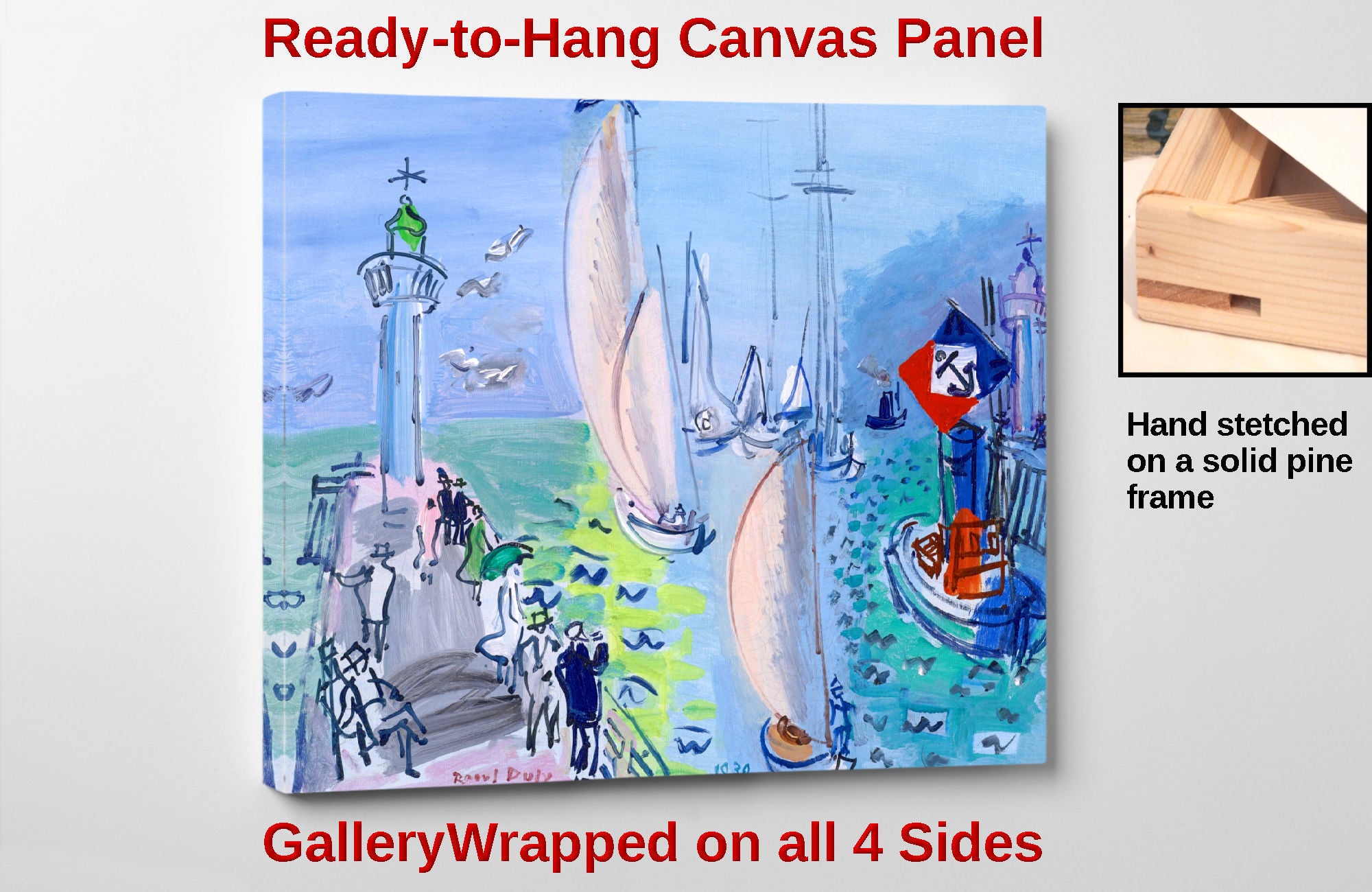
Ready to hang canvas panels are stretched on 1.5 inch deep solid pine frames from sustainable forestry sources. The image is mirrored on all 4 sides to give an aesthetically pleasing finish.
Why not have us gift wrap your order and attach a personalised message to the recipient. Available for all orders. Each order is hand wrapped in high quality gift wrap with meatllic ribbon and bow. Your personalised message is printed on a card which is included with your order.
Have your hand wrapped gift delivered directly to the recipient.
Full tracking and insurance included with every order.
Please note design may vary depending upon availability
Just purchase the gift wrap option HERE
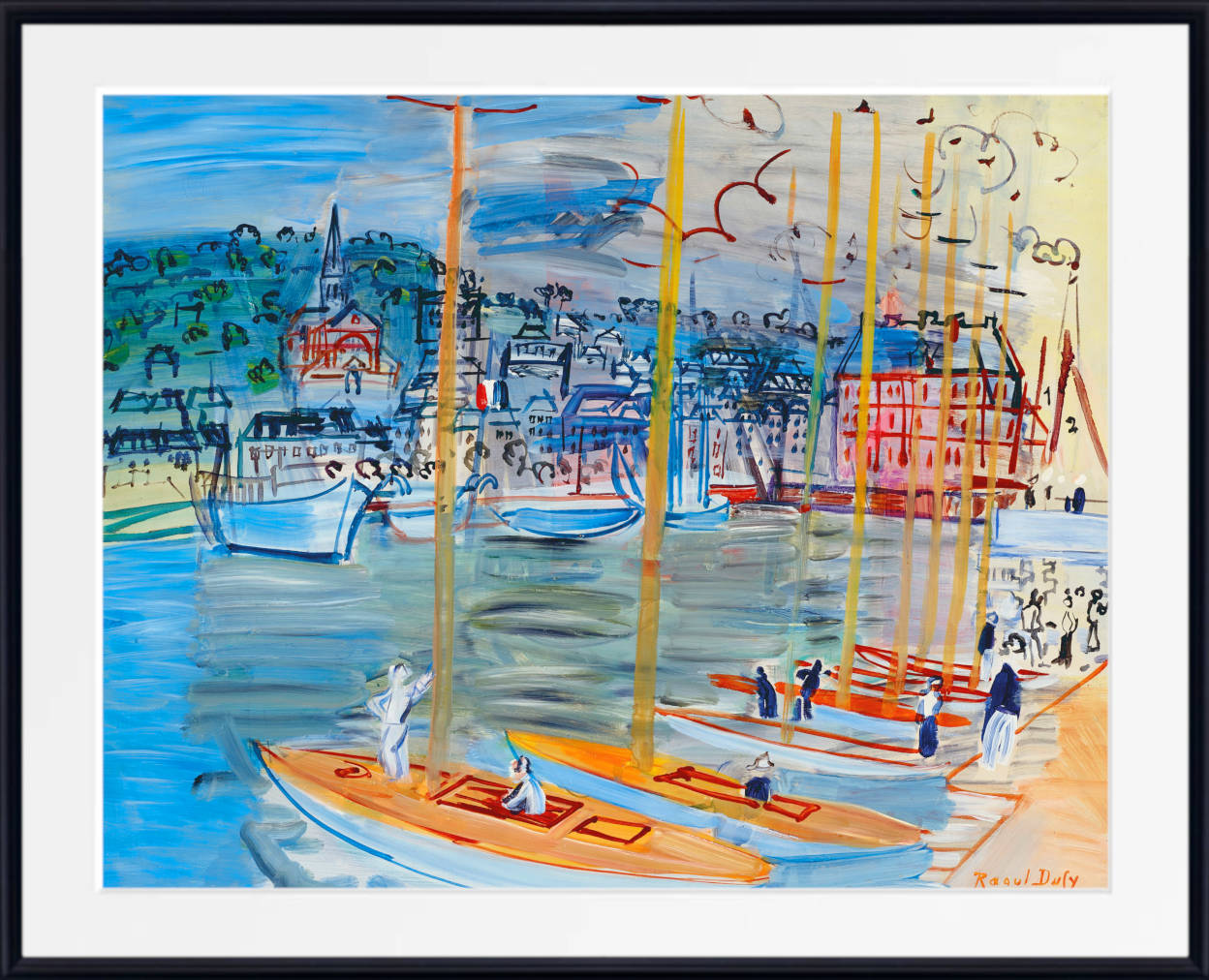
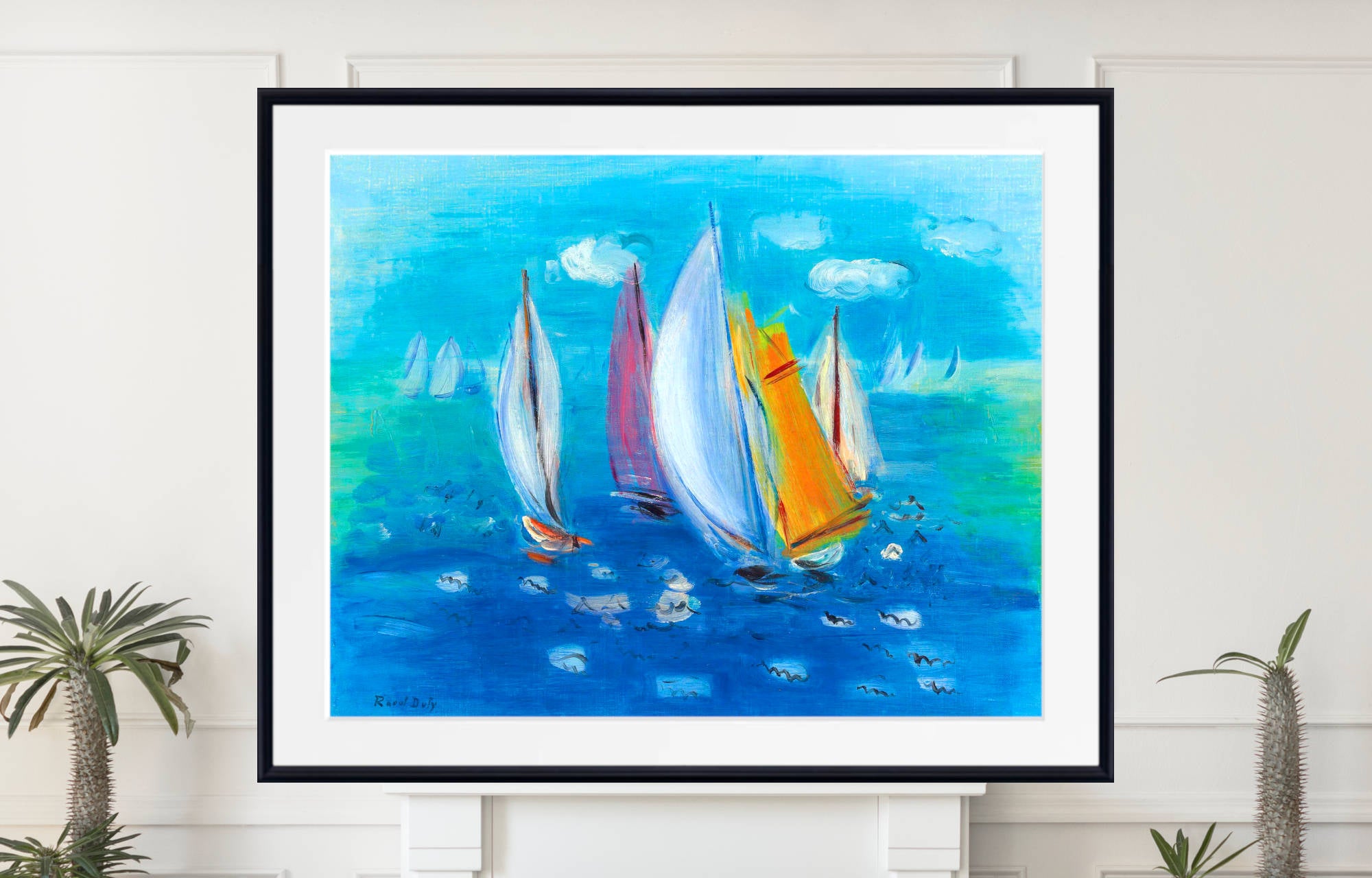
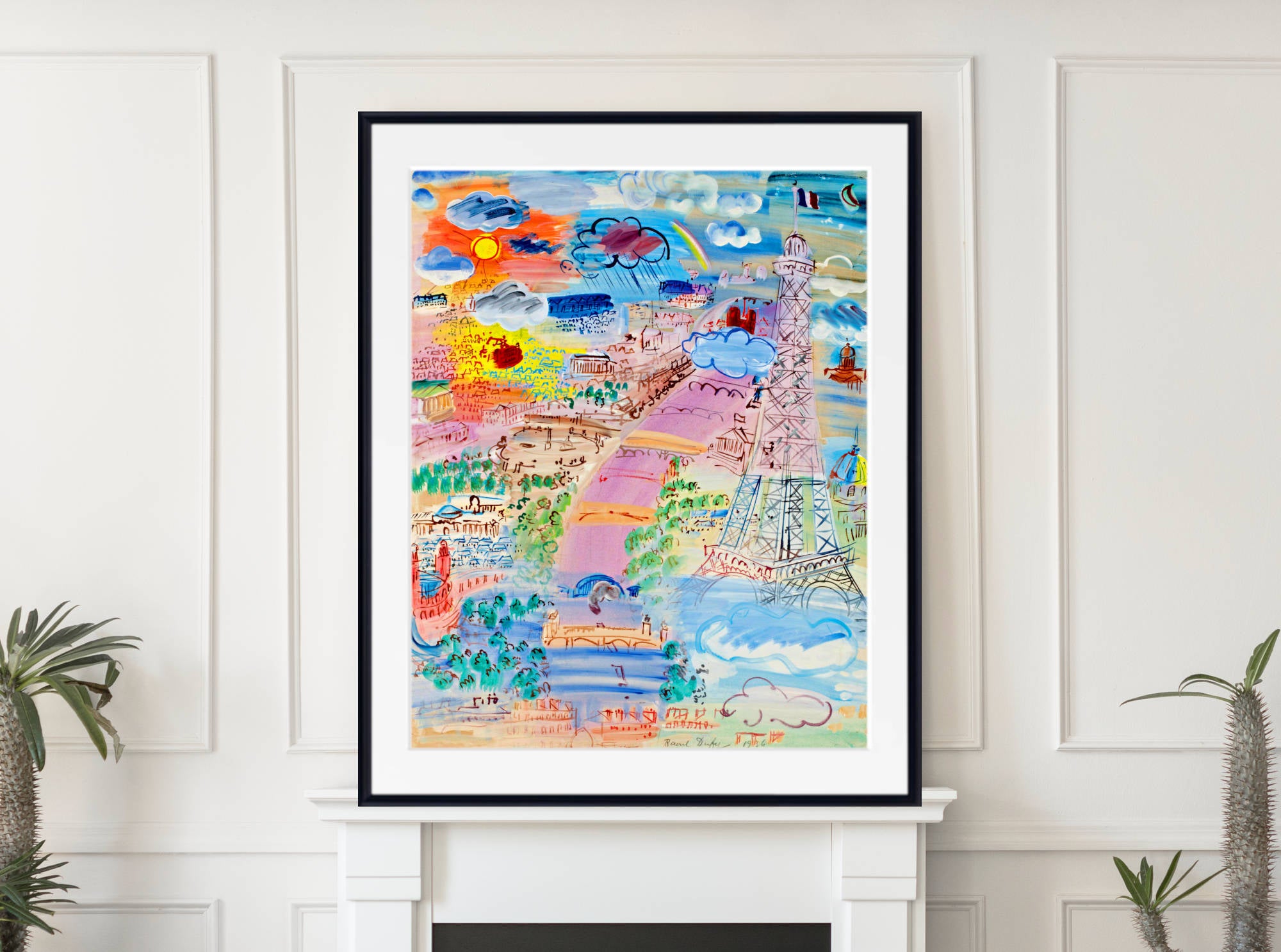
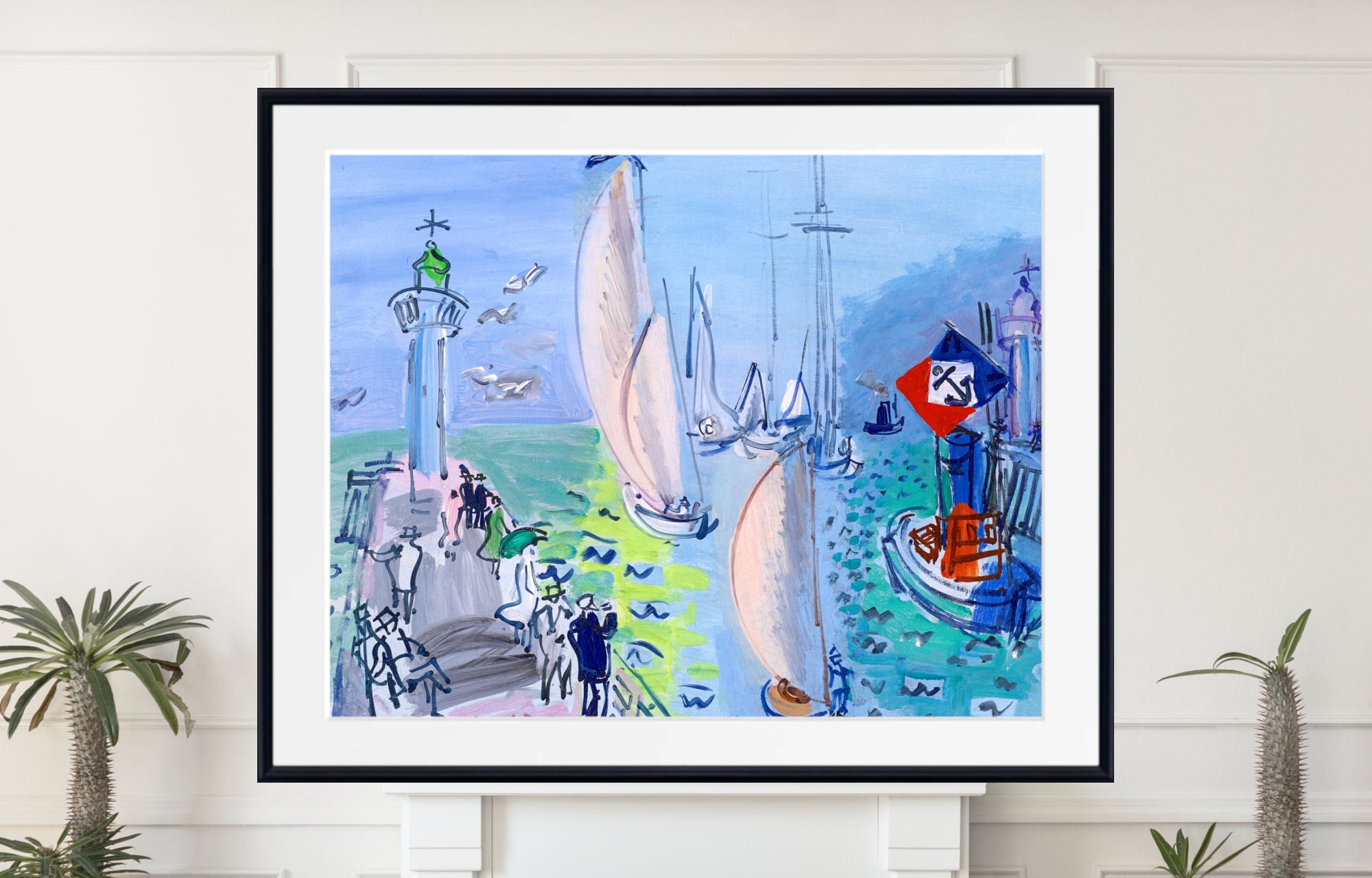
We have a wide range of frames in standard sizes and we also make custom size frames.
To order a framed print:
1. select the print size you would like along with the print materials (matte paper, fine art paper).
2. Add your print choice to the basket.
3. Choose from our range of frames
4. Select the same size as the print you have added to your basket. If the frame size you want is not listed please contact us
5. Choose from the mount or no-mount option
6. Add your frame choice to the basket
7. Proceed to checkout.
Why Choose GalleryThane?
- Printed and framed in-house
- Free UK delivery
- Free EU and USA delivery on orders over £200
- Tracking and insurance included in every order
- Fast 1-3 day dispatch
- Gift wrapping service available
- Gallery quality materials
- Sustainable, eco-friendly packaging
- Great customer support
Explore related collections
What makes our Prints and Canvas Panels so special

Latest Giclee Printing Technology
We have invested in the latest wide format print technology to produce museum quality giclee prints utilising the highest quality pigment inks to give outstanding colour reproduction.

Museum Quality Archival Fine Art Papers
We print on the finest quality fine art papers with textured, smooth and lustre finishes for prints which last a lifetime.
From aceo miniatures to 40x80 inch large format, every print has our lifetime quality guaranteee.

Solid Wood Frames, Cotton Canvas
All of the wood for our canvas panels and frames is responsibly sourced from manages forests. Our cotton canvas is completely seedless for the highest quality reproduction possible.

Have Your Gift Wrapped


