


The beach and the Trouville pier (1905) by Raoul Dufy
Couldn't load pickup availability
BUY WITH CONFIDENCE
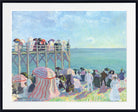
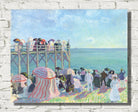
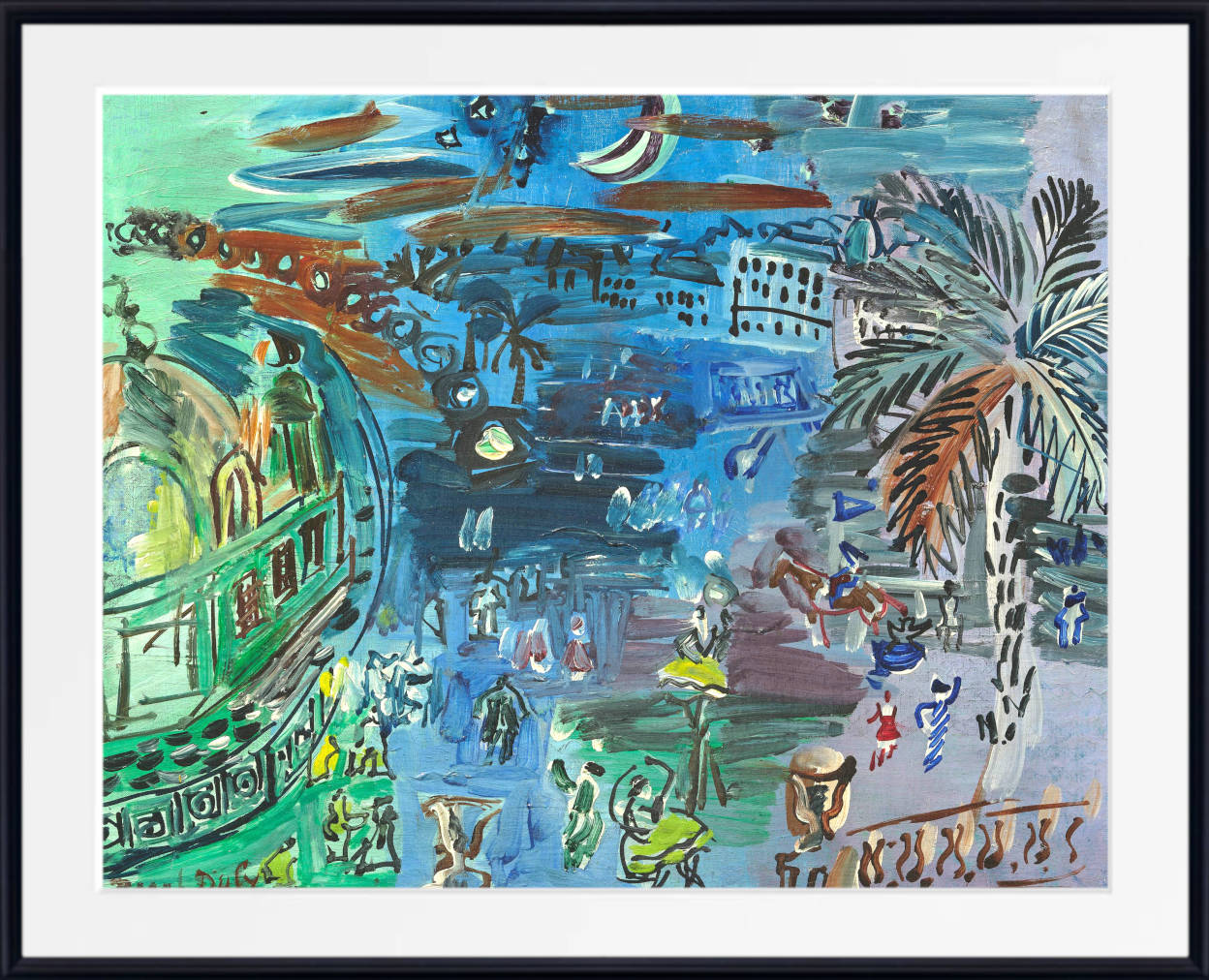
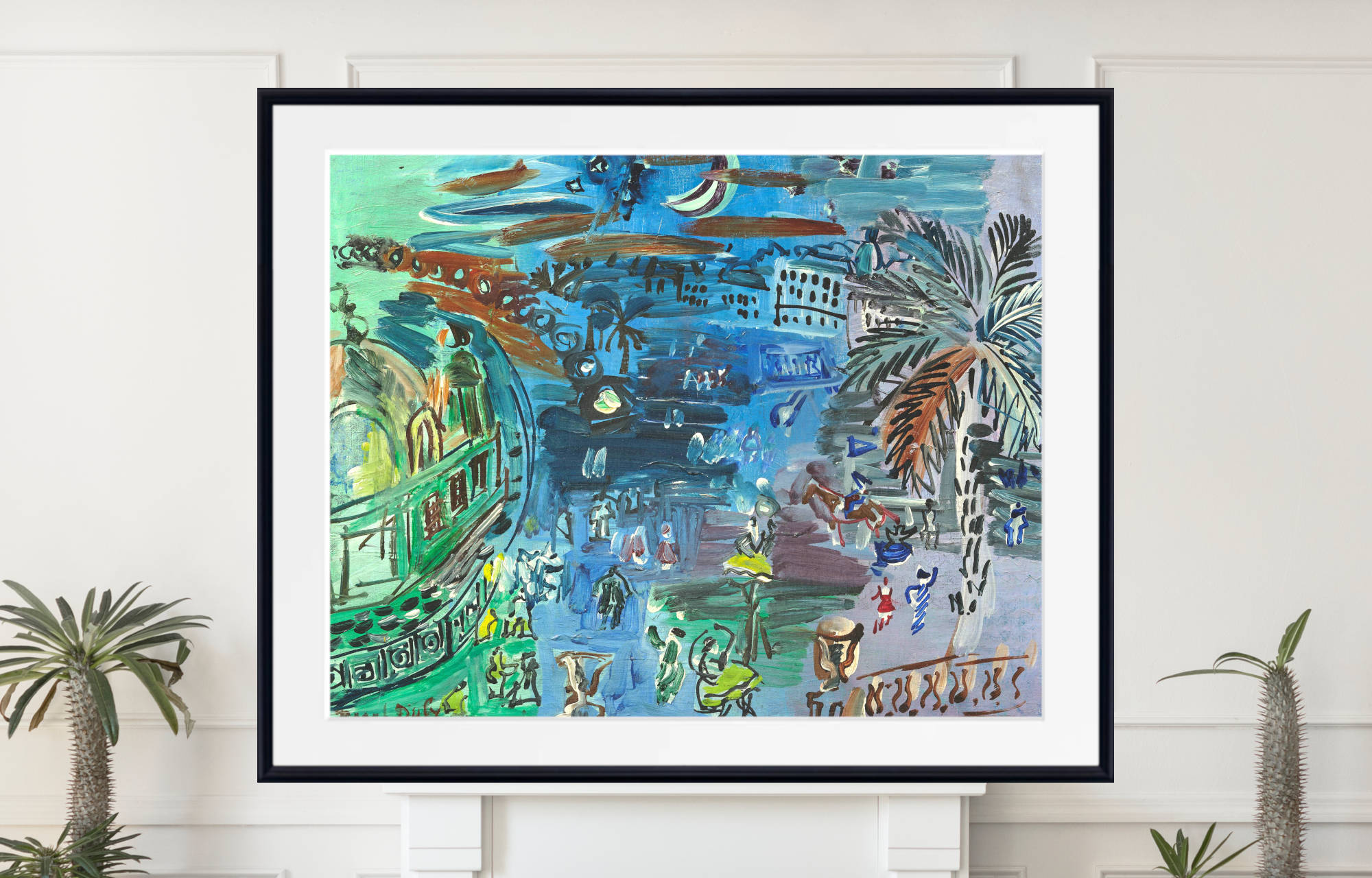
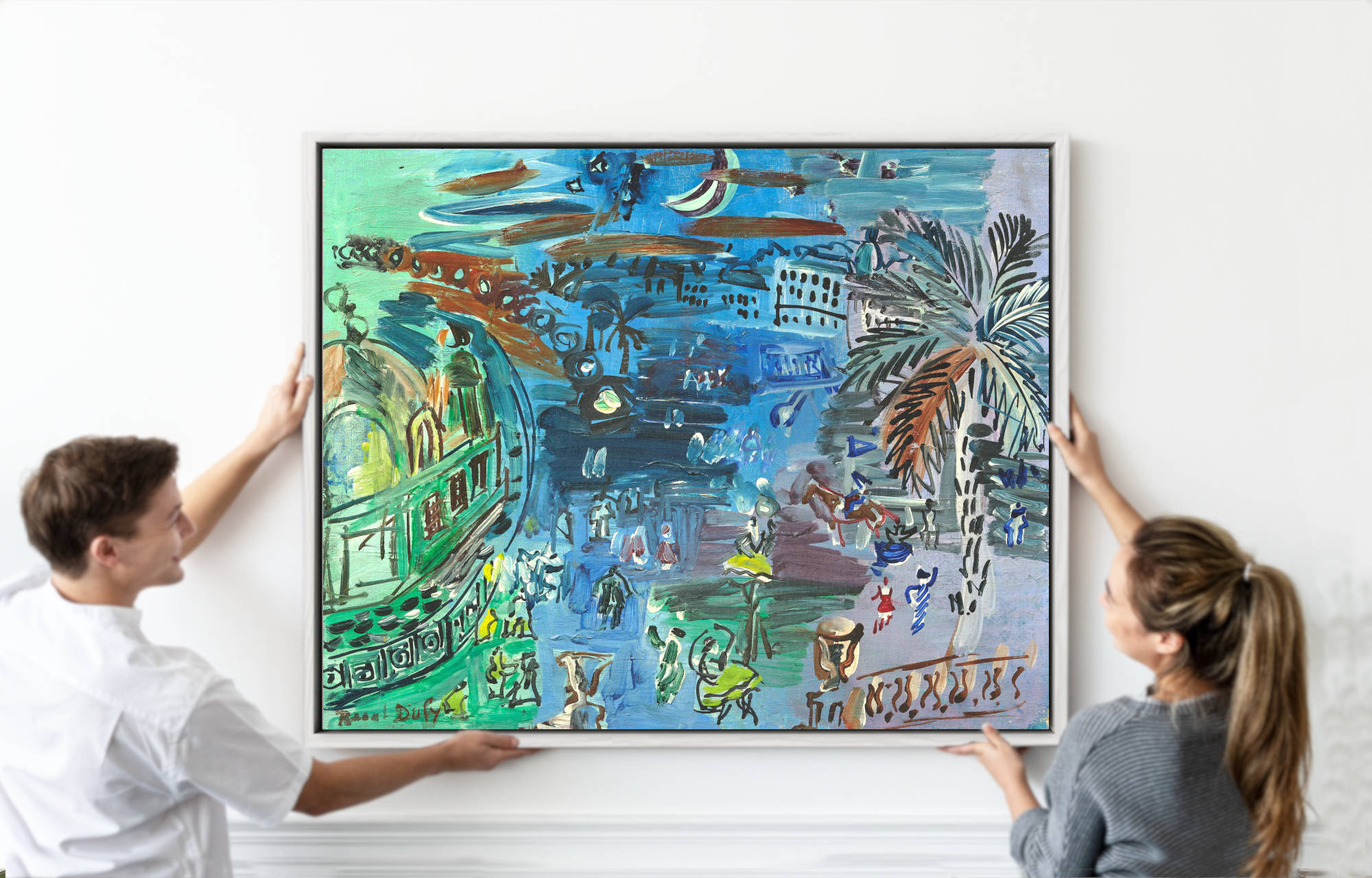
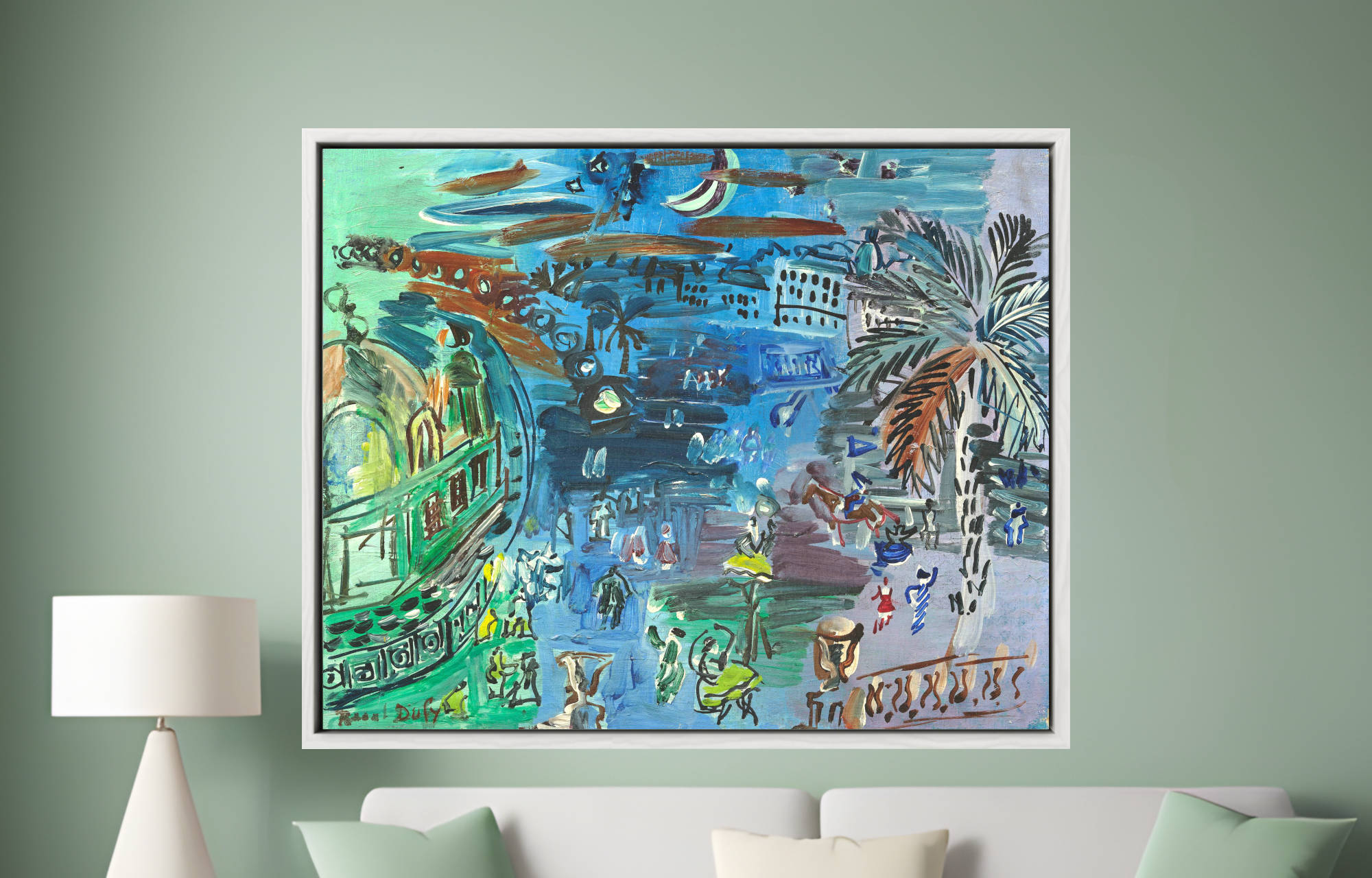
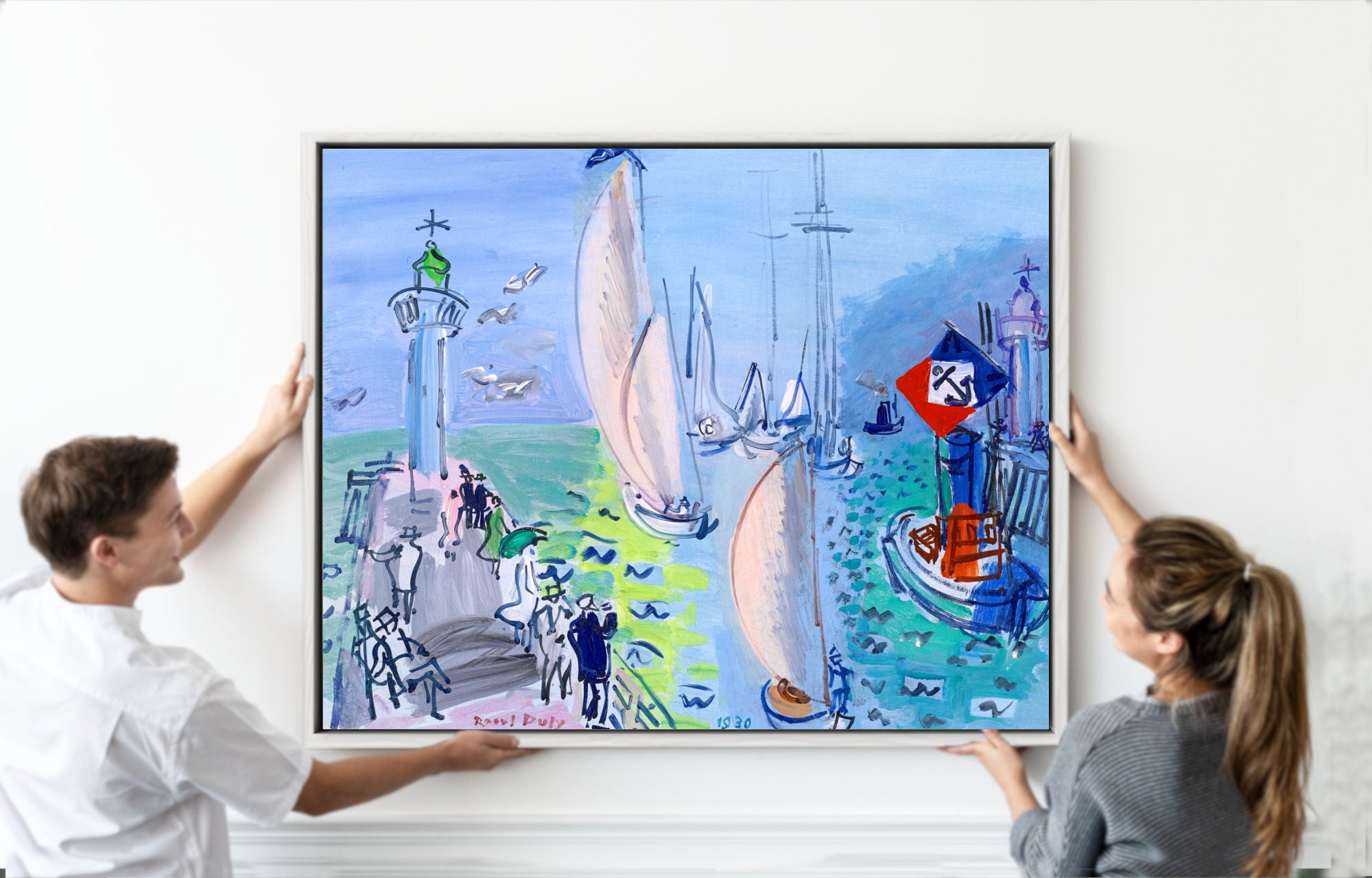
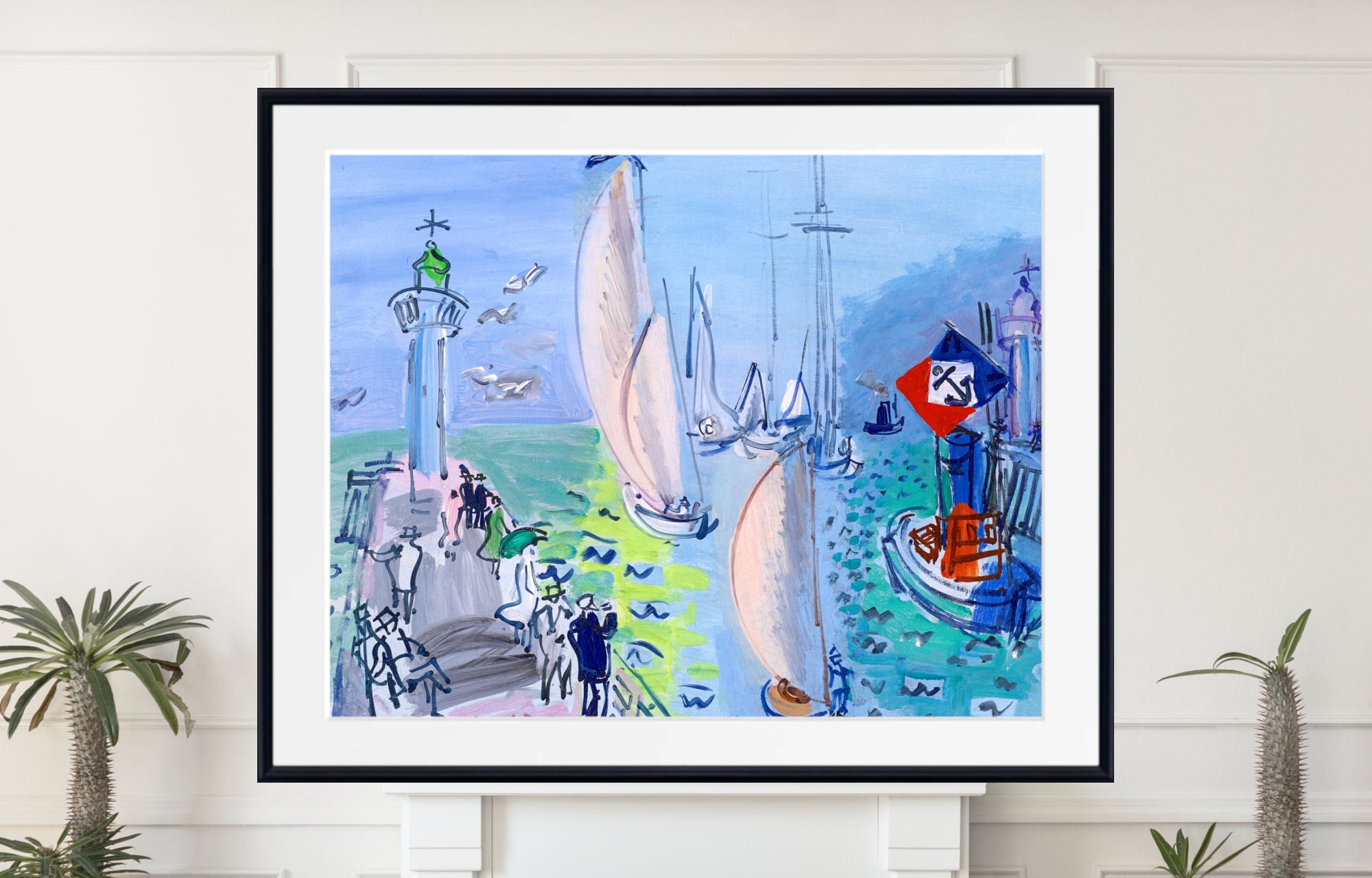
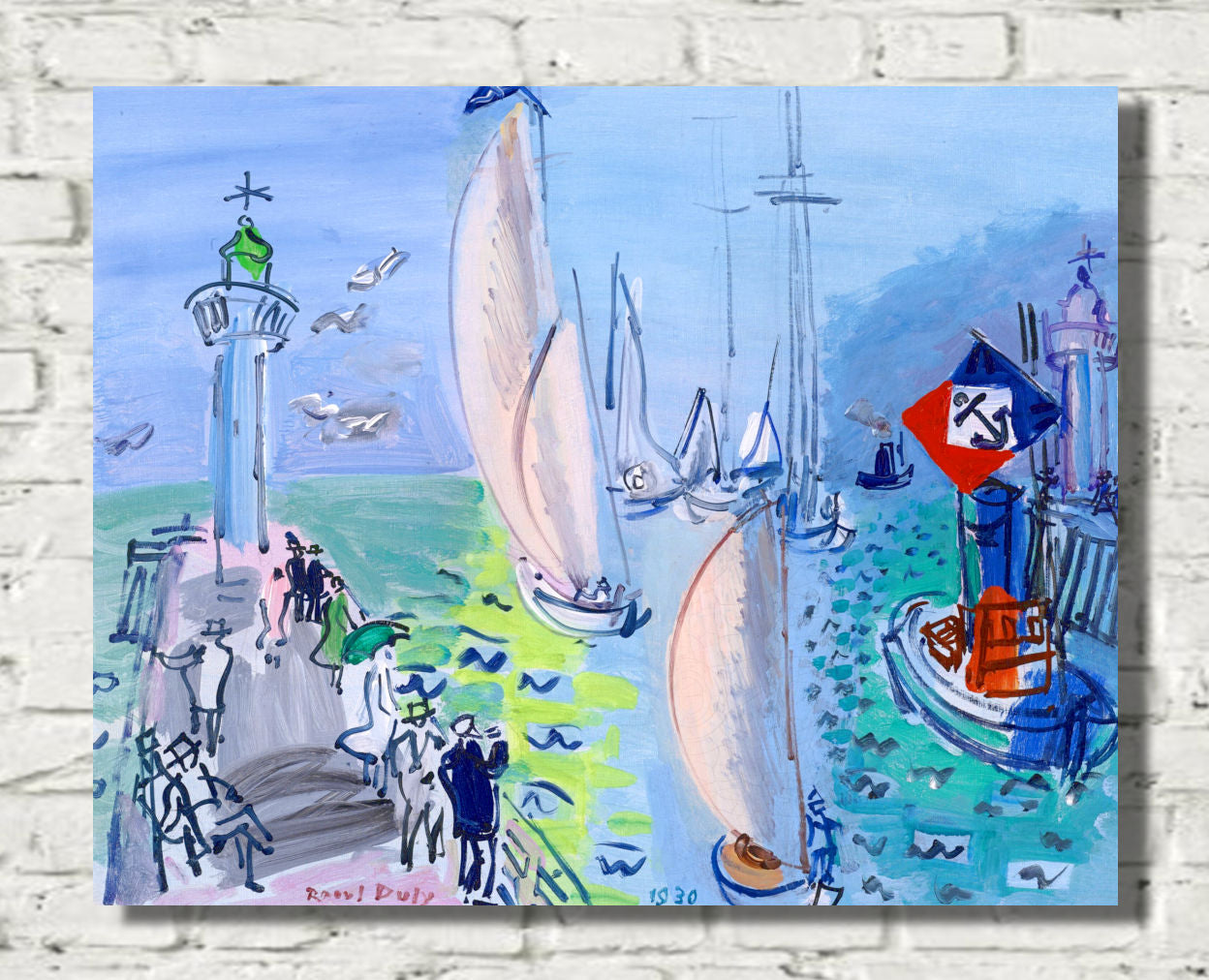
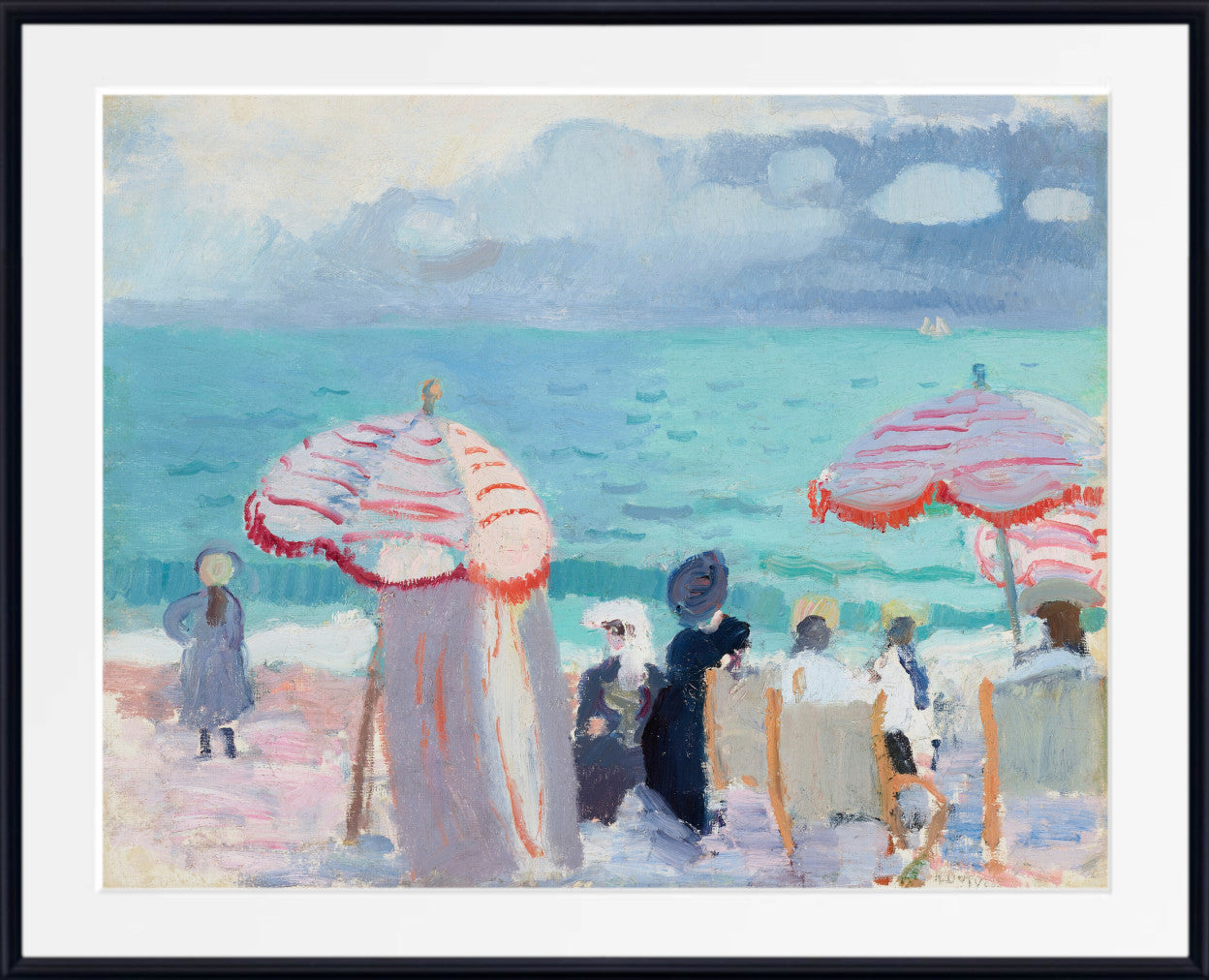
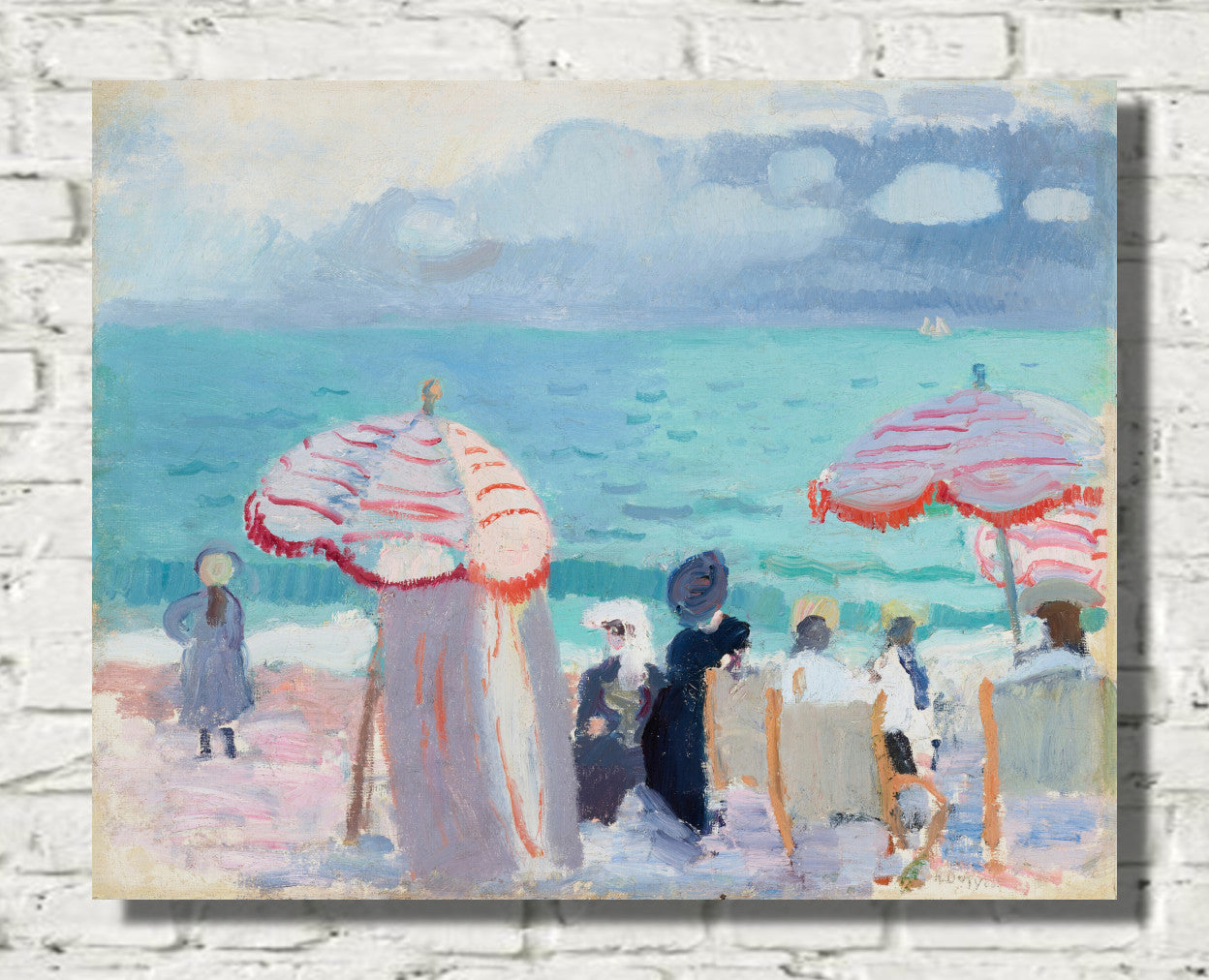
The Beach and Pier at Trouville (1905) by Raoul Dufy, also known as La plage et l’estacade de Trouville, captures fashionable seaside life on the Normandy coast at a pivotal moment in the artist's development. Crowds gather along the beach and wooden pier beneath colourful parasols, while sea and sky stretch across the composition in broad horizontal bands. Painted as Dufy was moving away from Impressionism towards the freedom of Fauvism, the work combines observation of modern leisure with increasingly simplified forms and stronger colour.
This Raoul Dufy Beach and Pier at Trouville print offers an appealing combination of French coastal scenery, early modern painting and relaxed seaside atmosphere. The animated crowd, striped parasols, open sea and prominent pier create a composition rich in movement without losing its sense of calm. Available as a fine art print, framed print or canvas panel, it is particularly suited to admirers of Dufy, colourful beach art and the artistic transformation taking place in France around 1905.
The Beach and Pier at Trouville – Normandy Seaside Life
Dufy's subject is Trouville-sur-Mer, one of the best-known seaside resorts on the Normandy coast. Together with neighbouring Deauville, Trouville became fashionable during the nineteenth century as improved rail connections brought visitors from Paris to the Channel coast.
Its beach, hotels, villas, harbour and long promenade provided artists with a distinctly modern subject: people enjoying leisure beside the sea.
In The Beach and Pier at Trouville, Dufy looks across a busy stretch of beach populated by numerous figures. Parasols punctuate the foreground, while the pier extends forcefully towards the sea.
The crowd is not presented as a collection of individual portraits. Instead, figures are reduced to quick marks and coloured shapes, allowing them to become part of the rhythm of the overall composition.
The result is both observational and decorative. We recognise the beach, visitors and pier immediately, yet the painting is increasingly concerned with the arrangement of colour, line and shape across the canvas.
The Pier as the Structure of the Composition
The wooden pier is one of the most important elements in the painting.
Its long diagonal leads the viewer away from the crowded beach and towards the sea, creating depth within an otherwise strongly horizontal composition.
The beach, water and sky form broad stacked zones. Against these horizontal areas, the pier creates a strong directional movement, while upright figures and parasols introduce smaller vertical accents.
This construction allows Dufy to balance two opposing qualities: the openness of the coastal landscape and the concentrated activity of the crowd.
The pier is therefore more than part of the scenery. It acts as an organising device that helps give the image its structure.
Colourful Parasols and the Modern Beach
The parasols scattered across the beach contribute much of the painting's colour and visual character.
In early twentieth-century seaside resorts, visitors often remained formally dressed even while spending time on the beach. Parasols offered shade and became familiar accessories within fashionable coastal life.
For artists, they also provided ideal shapes and colours. Their rounded profiles, stripes and strong tones could interrupt the relatively flat expanse of sand and create repeated decorative motifs.
Dufy makes full use of this opportunity. Pinks, greens and other light colours enliven the foreground, while the crowd is suggested through rapid strokes rather than laborious detail.
This interest in fashionable recreation would continue throughout Dufy's career. Regattas, horse racing, seaside resorts, concerts and public celebrations eventually became some of his most characteristic subjects.
Dufy Between Impressionism and Fauvism
The Beach and Pier at Trouville was painted in 1905, during a particularly important transitional year.
Dufy's earlier work had been strongly influenced by Impressionism. Growing up in Le Havre meant that he was surrounded by the Normandy landscape tradition associated with artists such as Claude Monet and Eugène Boudin.
Like the Impressionists, Dufy initially concentrated on beaches, ports, changing light and contemporary life.
During 1905, however, his artistic direction began to change dramatically.
At the Salon des Indépendants in Paris, Dufy encountered Henri Matisse's Luxe, calme et volupté. Matisse's brilliant use of colour demonstrated that painting could move beyond the careful reproduction of observed light.
Dufy subsequently began using colour more freely and simplifying the forms within his compositions.
The Beach and Pier at Trouville belongs to this transition. It retains the atmosphere and modern-life subject matter of Impressionism while anticipating the stronger colour and simplification of Dufy's Fauvist paintings of 1906 and 1907.
Why This Painting Matters in Dufy's Development
The importance of The Beach and Pier at Trouville lies partly in its position between artistic styles.
It does not yet display the extreme colour contrasts found in Dufy's most strongly Fauvist paintings. At the same time, it is moving away from purely Impressionist observation.
Forms are becoming flatter and more economical. Figures are treated with increasing speed, and the painting begins to depend upon large compositional zones rather than detailed modelling.
The work therefore shows Dufy discovering how familiar coastal subjects could be transformed through a more modern pictorial language.
This makes the painting especially revealing when viewed alongside later works such as 14 Juillet au Havre, The Casino, The Fishermen and Sailboats and Boats in the Harbor.
Across only a few years, the progression from Impressionist-influenced beach painting towards increasingly liberated Fauvist colour becomes remarkably clear.
Trouville and the History of French Painting
Trouville had already attracted several important French painters before Dufy arrived.
Eugène Boudin repeatedly painted holidaymakers on the Normandy beaches, while Claude Monet worked in and around Trouville during the development of Impressionism.
The resort therefore connected Dufy with an important artistic tradition.
Yet his generation approached the same environment differently.
Where Boudin and Monet had been deeply concerned with atmosphere and changing natural light, Dufy was beginning to treat colour and composition with greater independence.
The contrast is historically significant. The same beaches that helped generate nineteenth-century Impressionism subsequently provided material for artists exploring the much freer visual language of twentieth-century modernism.
Beach, Sea and Crowd
The relationship between the populated foreground and the open water beyond is central to the character of the painting.
The crowd creates visual activity close to the viewer. Figures overlap, parasols interrupt one another and the beach becomes densely occupied.
Beyond this activity, the sea and sky establish much calmer horizontal areas.
This contrast gives the composition balance. The human world is busy and animated while the Channel beyond provides openness and visual relief.
Dufy would continue using similar contrasts in later coastal works, often setting lively figures, boats or regattas against broad expanses of water.
Such compositions allowed him to combine his fascination with modern society and his enduring attachment to the sea.
Raoul Dufy and the Normandy Coast
The Normandy coast remained fundamental to Dufy's artistic identity.
He was born in Le Havre in 1877 and grew up surrounded by docks, beaches, fishing boats and commercial shipping.
Nearby Sainte-Adresse, Trouville, Honfleur and other coastal towns provided an extraordinary variety of subjects.
Early in his career these places allowed him to explore Impressionist ideas about light and atmosphere. Later, the same locations became testing grounds for Fauvist colour and simplified design.
Dufy therefore did not need to abandon the subjects of his youth in order to become a modern artist.
Instead, he transformed how he painted them.
The Beach and Pier at Trouville represents that process particularly clearly.
The Emerging Fauvist Style
Although the painting retains significant Impressionist characteristics, several elements anticipate the direction Dufy would soon take through Fauvism:
- increasingly simplified figures
- clearly organised bands of beach, sea and sky
- strong decorative use of parasols
- visible, rapid brushwork
- reduced dependence on detailed modelling
- greater emphasis on the overall design of the composition
- colour beginning to operate more independently
Fauvism emerged publicly later in 1905 at the Salon d'Automne, where the intensely coloured works of Henri Matisse, André Derain and their associates caused a sensation.
Dufy's encounter with this new painting accelerated his development dramatically.
By the following year his palette had become much stronger, and by 1907 he was producing harbour and beach paintings firmly within the Fauvist idiom.
About Raoul Dufy
Raoul Dufy (1877–1953) was a French painter, draughtsman, printmaker and designer whose long career crossed the boundaries between fine and decorative art.
Born in Le Havre, he studied at the École Municipale des Beaux-Arts before continuing his education at the École des Beaux-Arts in Paris.
His early paintings developed from Impressionism and the coastal tradition of Normandy. The discovery of Matisse and Fauvism around 1905 dramatically intensified his colour and encouraged him to simplify his compositions.
After his Fauvist period, Dufy briefly absorbed the structural influence of Paul Cézanne before developing the distinctive mature style for which he is now best known.
Fluid, calligraphic lines, transparent colour and a sense of effortless movement became characteristic of paintings depicting regattas, race meetings, orchestras, Mediterranean resorts, gardens and fashionable society.
Dufy's creativity also extended to textiles, ceramics, illustration, theatre design and monumental decorative projects.
The Original The Beach and Pier at Trouville
The original The Beach and Pier at Trouville, or La plage et l’estacade de Trouville, was painted in 1905.
Dufy created the work in oil on canvas.
It measures approximately 64.8 × 80.9 cm.
The original is currently recorded as being held in a private collection.
The painting has been reproduced and discussed in the context of Dufy's early work and the development of Fauvism, demonstrating the importance of these Normandy beach subjects within his transition towards modern colour.
A Raoul Dufy Beach and Pier at Trouville Print for Your Interior
A Raoul Dufy Beach and Pier at Trouville print combines relaxed seaside imagery with the sophistication of early twentieth-century French painting.
The scene is colourful without being overwhelmingly intense, making it particularly versatile for interior display.
Its mixture of pale blues, soft greens, pinks and beach tones can work especially well against white, cream, putty and other neutral walls.
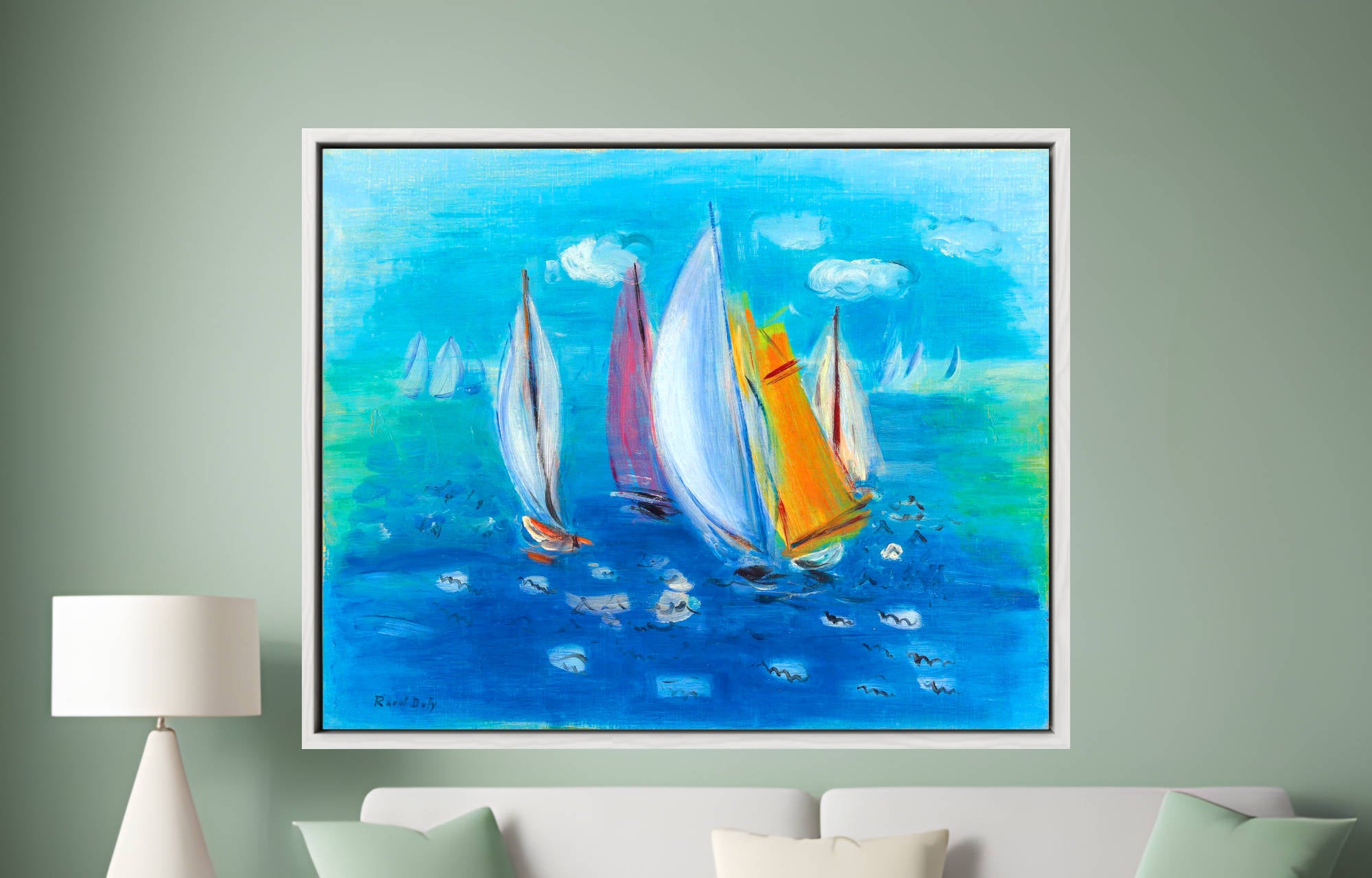
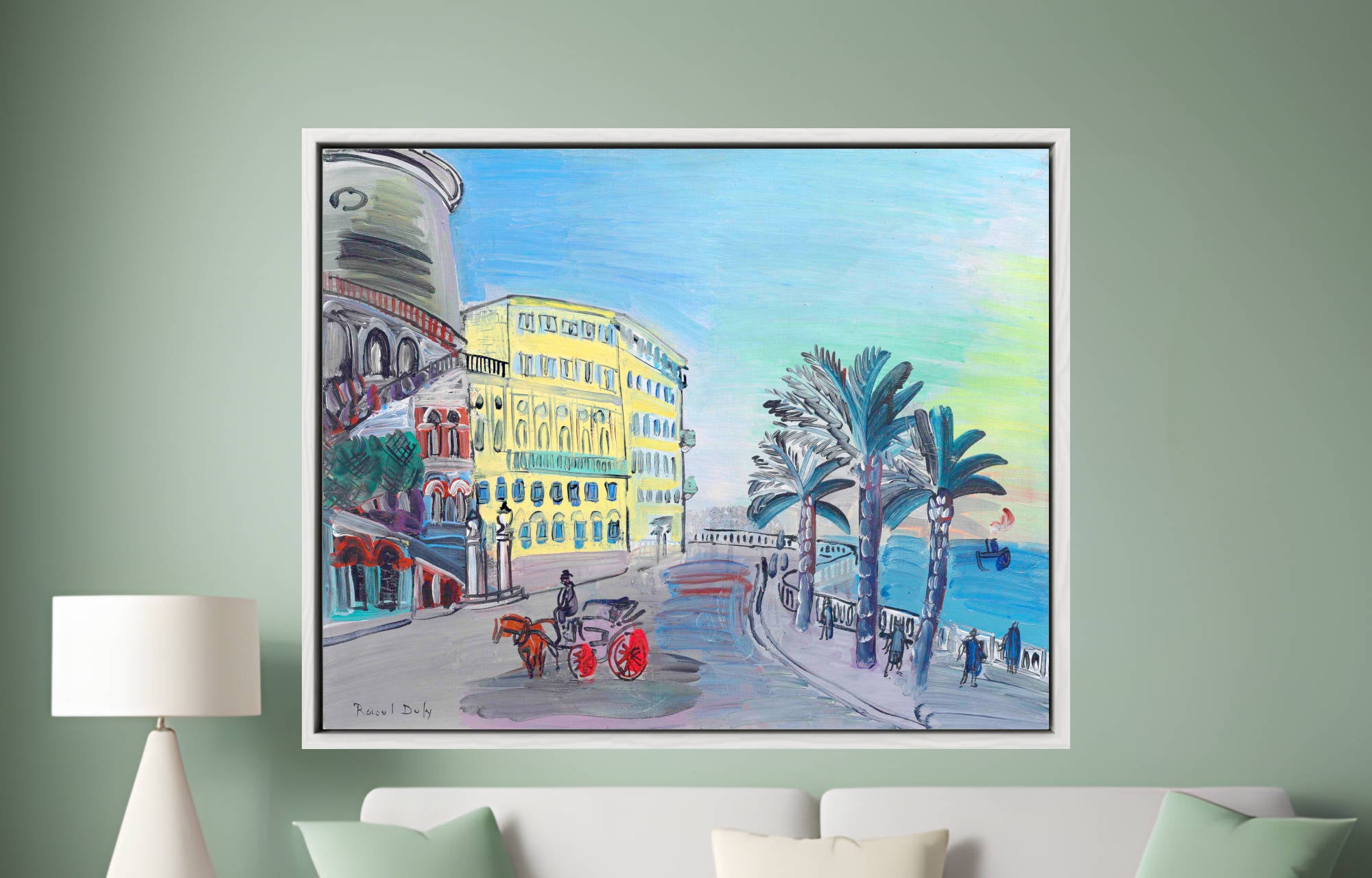
The horizontal format makes the artwork suitable for display above sofas, beds, console tables and sideboards.
Its coastal subject also makes it a natural choice for beach houses and seaside interiors, while the modern handling prevents it from feeling like conventional nautical decoration.
The work can be displayed effectively in living rooms, dining rooms, bedrooms, hallways and home offices and complements contemporary, Scandinavian-inspired, traditional and eclectic interiors.
For admirers of Dufy, The Beach and Pier at Trouville offers something particularly interesting: a view of the artist at the moment when his Impressionist inheritance was beginning to evolve into the freer colour and simplified forms of Fauvism.
Frequently Asked Questions
When did Raoul Dufy paint The Beach and Pier at Trouville?
Dufy painted The Beach and Pier at Trouville in 1905, during an important transitional period between his earlier Impressionist-influenced painting and his adoption of Fauvism.
What is the French title of the painting?
The work is known in French as La plage et l’estacade de Trouville.
Where is Trouville?
Trouville-sur-Mer is a historic seaside resort on the Normandy coast of northern France, beside Deauville and close to the mouth of the River Touques.
What does The Beach and Pier at Trouville depict?
The painting shows crowds of visitors gathered on the beach and around the pier at Trouville, with colourful parasols scattered across the foreground and the sea beyond.
Is The Beach and Pier at Trouville a Fauvist painting?
The work was painted during Dufy's transition towards Fauvism. It retains clear connections with Impressionist beach painting while introducing the simplified forms, stronger design and freer colour that became increasingly important in his Fauvist work.
Why were Trouville and Normandy important to Dufy?
Dufy was born in nearby Le Havre and grew up surrounded by the Normandy coast. Beaches, harbours, boats and seaside resorts therefore became recurring subjects from the beginning of his career.
Did Impressionist painters also work at Trouville?
Yes. Trouville was an important location for artists including Eugène Boudin and Claude Monet, making Dufy's painting part of a longer tradition of modern French coastal art.
What medium did Raoul Dufy use?
The original painting was created in oil on canvas.
What size is the original The Beach and Pier at Trouville?
The original measures approximately 64.8 × 80.9 cm.
Where is the original painting?
The original is recorded as being held in a private collection.
Why are the parasols important in the painting?
The parasols provide colour and repeated rounded forms throughout the crowded beach. They help organise the foreground while also identifying the fashionable seaside culture of the period.
How did Dufy's style change after 1905?
After encountering the work of Henri Matisse and the emerging Fauvist movement, Dufy began using stronger, increasingly independent colour and simplifying forms more dramatically.
Is The Beach and Pier at Trouville available as a framed Raoul Dufy print?
Yes. GalleryThane offers The Beach and Pier at Trouville (1905) in a choice of sizes and formats, including fine art paper prints, framed prints and canvas options.
Where would a Raoul Dufy Trouville print work well?
Its horizontal composition and relaxed coastal subject make it particularly suitable for living rooms, bedrooms, dining rooms, hallways, home offices and coastal interiors.
All orders for unframed fine art prints and original paintings are dispatched within 2 working days of receipt of payment.
Orders for custom framed prints are dispatched within 4 working days.
All orders are fully tracked from dispatch to delivery at your home or business.
All print and original painting orders are fully insured against loss or damage in transit. We refund or replace any damaged or lost orders.
Buy with confidence - read what our satisfied customers have to say - Reviews
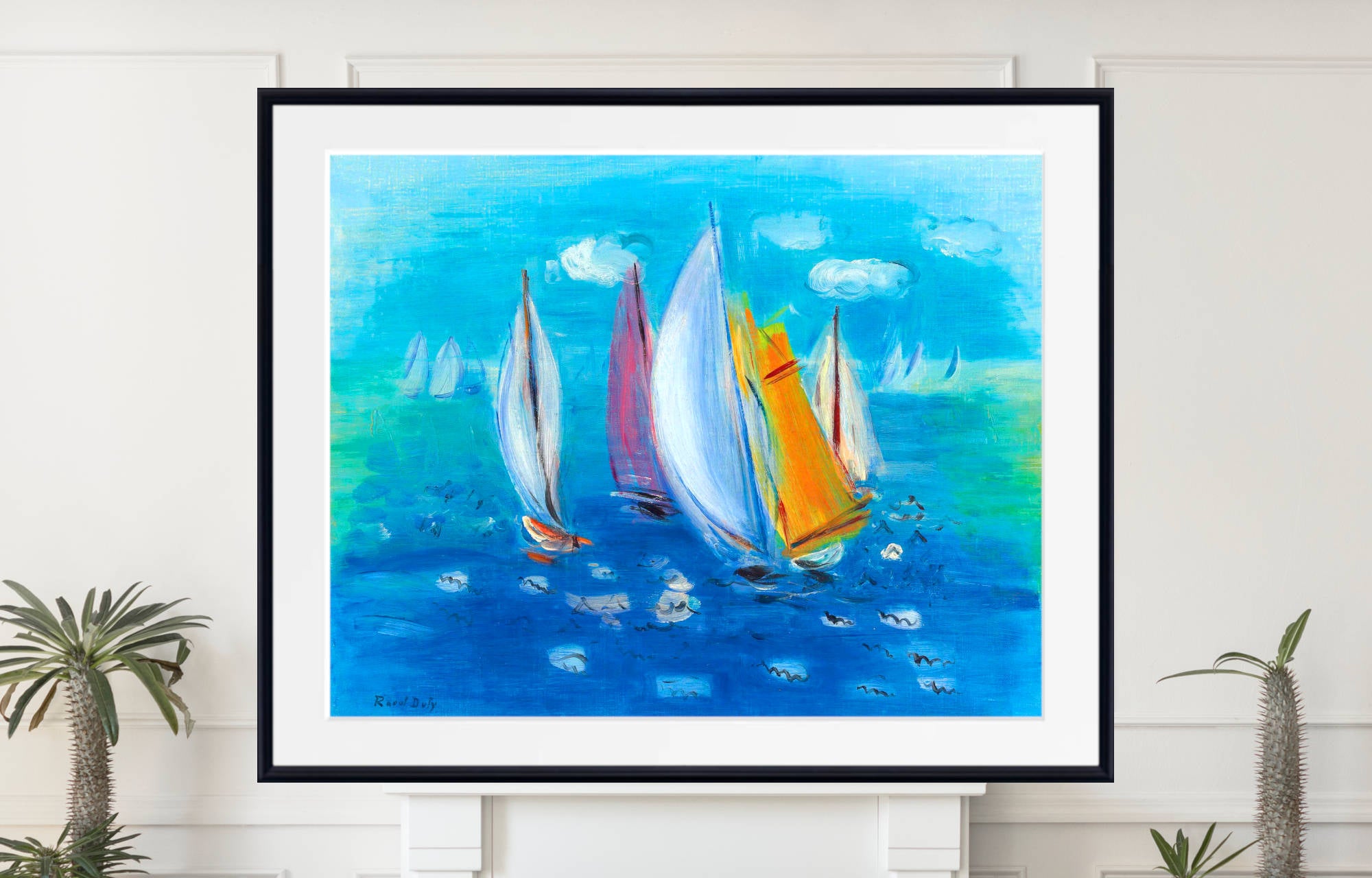
Fine art papers are printed without any additional white border Please let us know at the time of ordering if you would like a small additional white border.
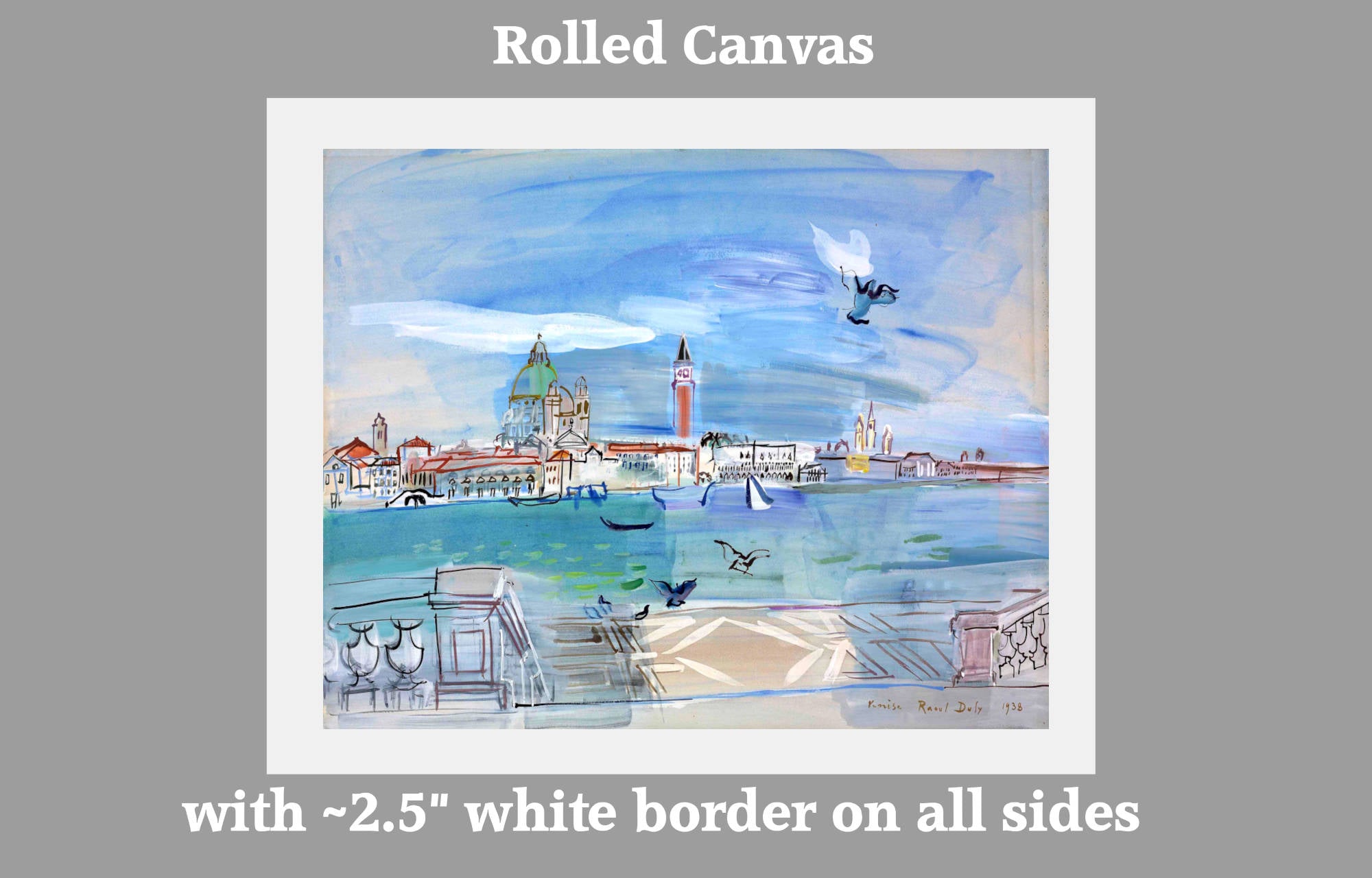
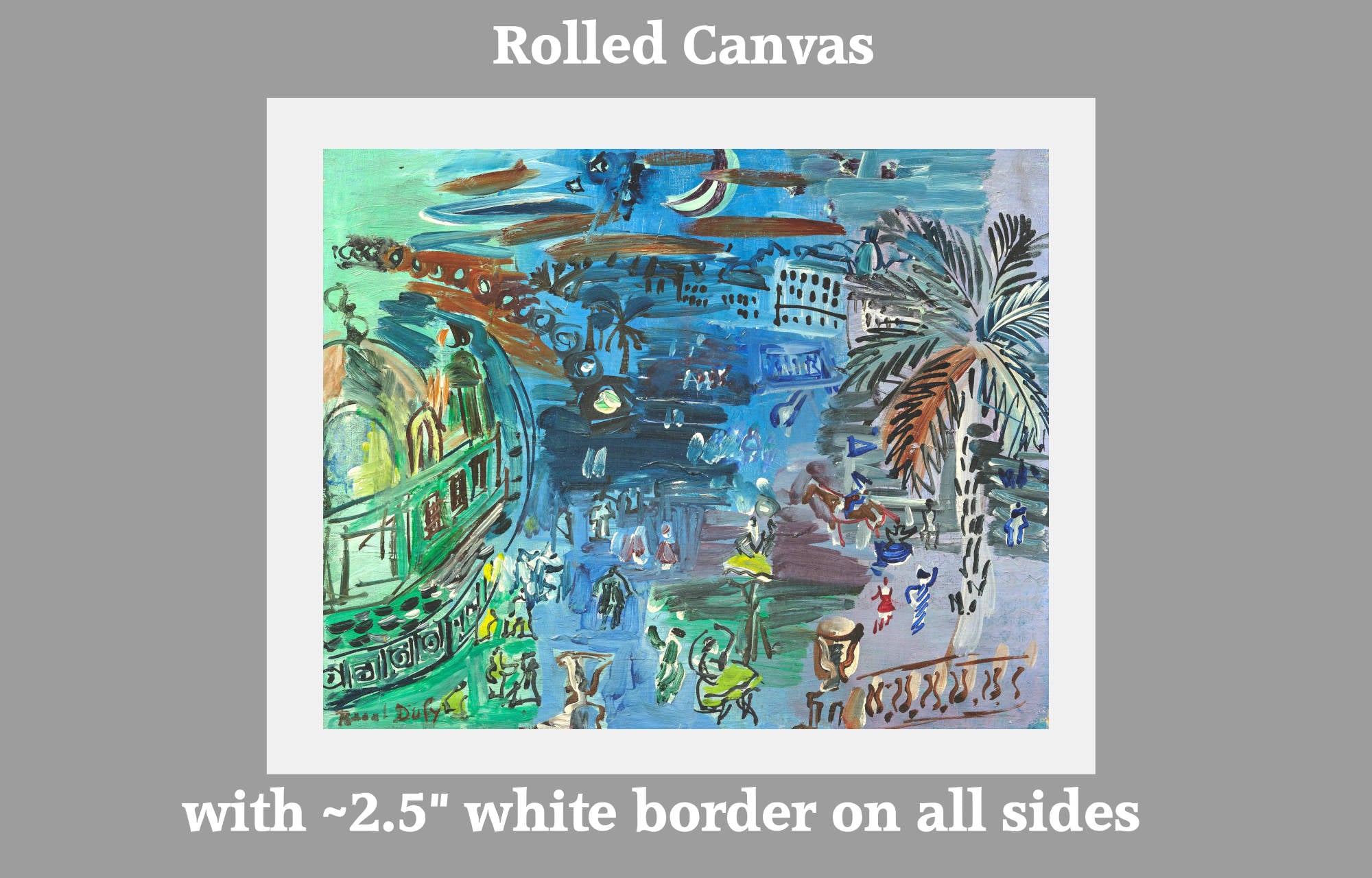
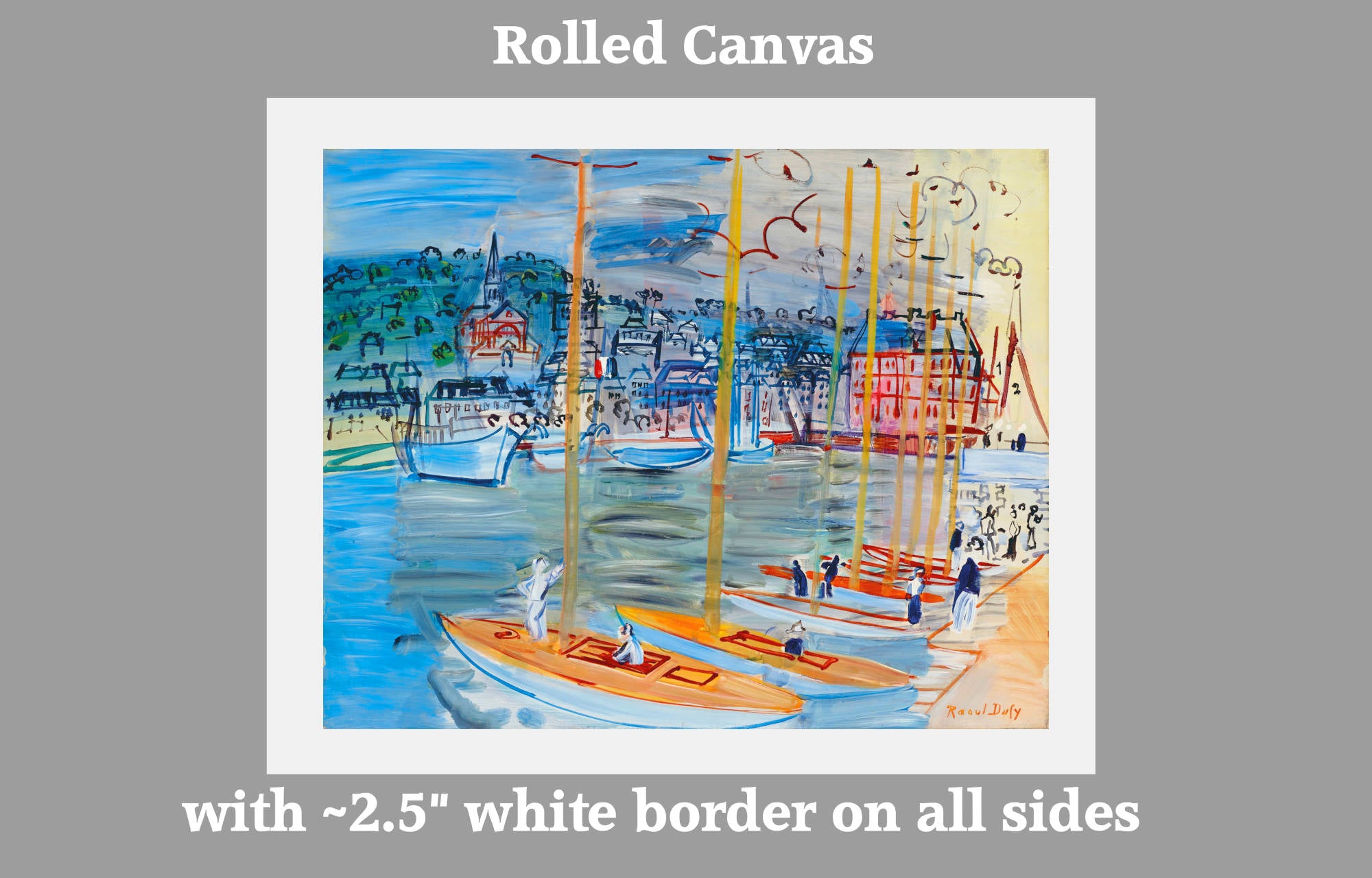
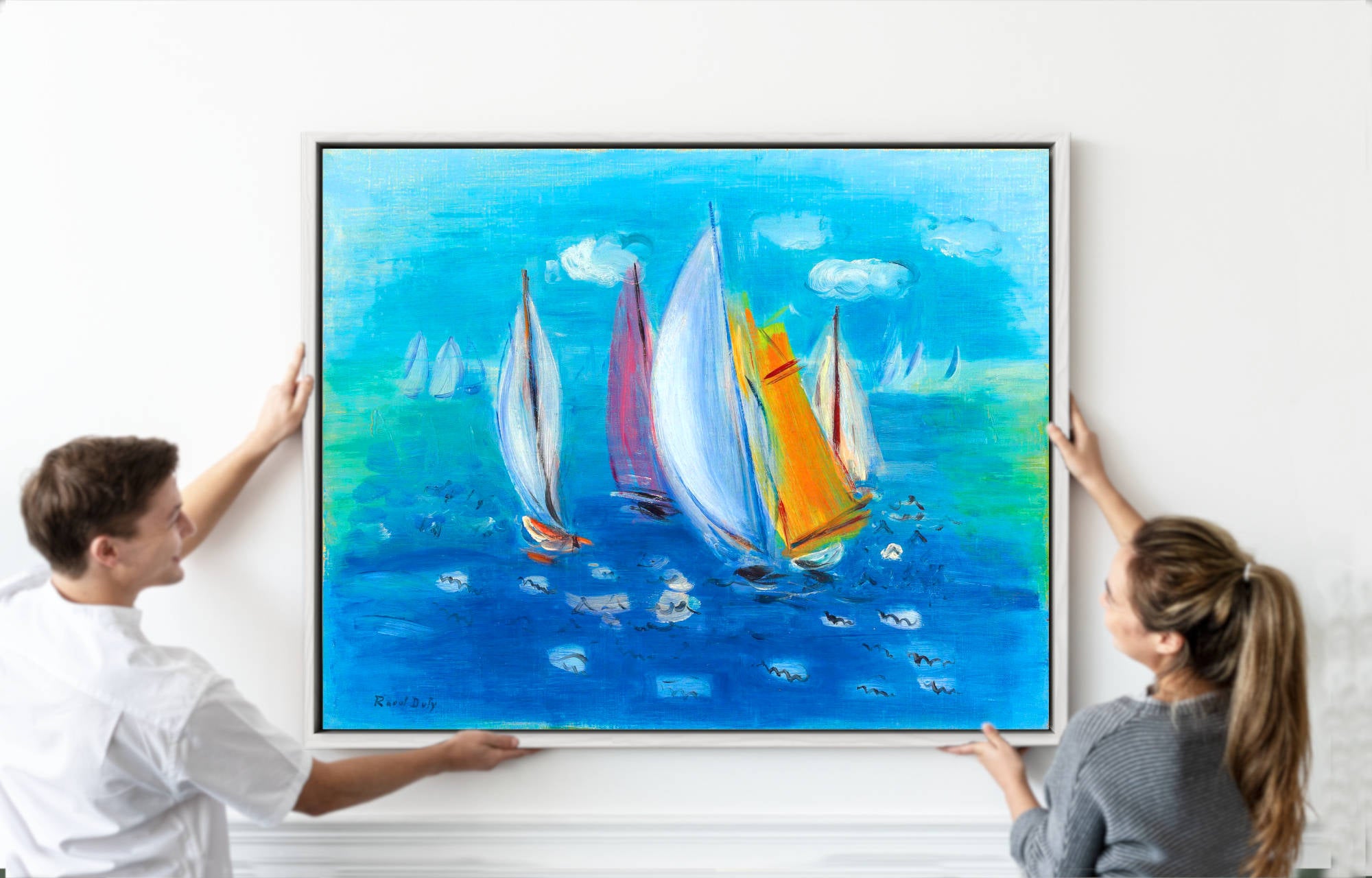
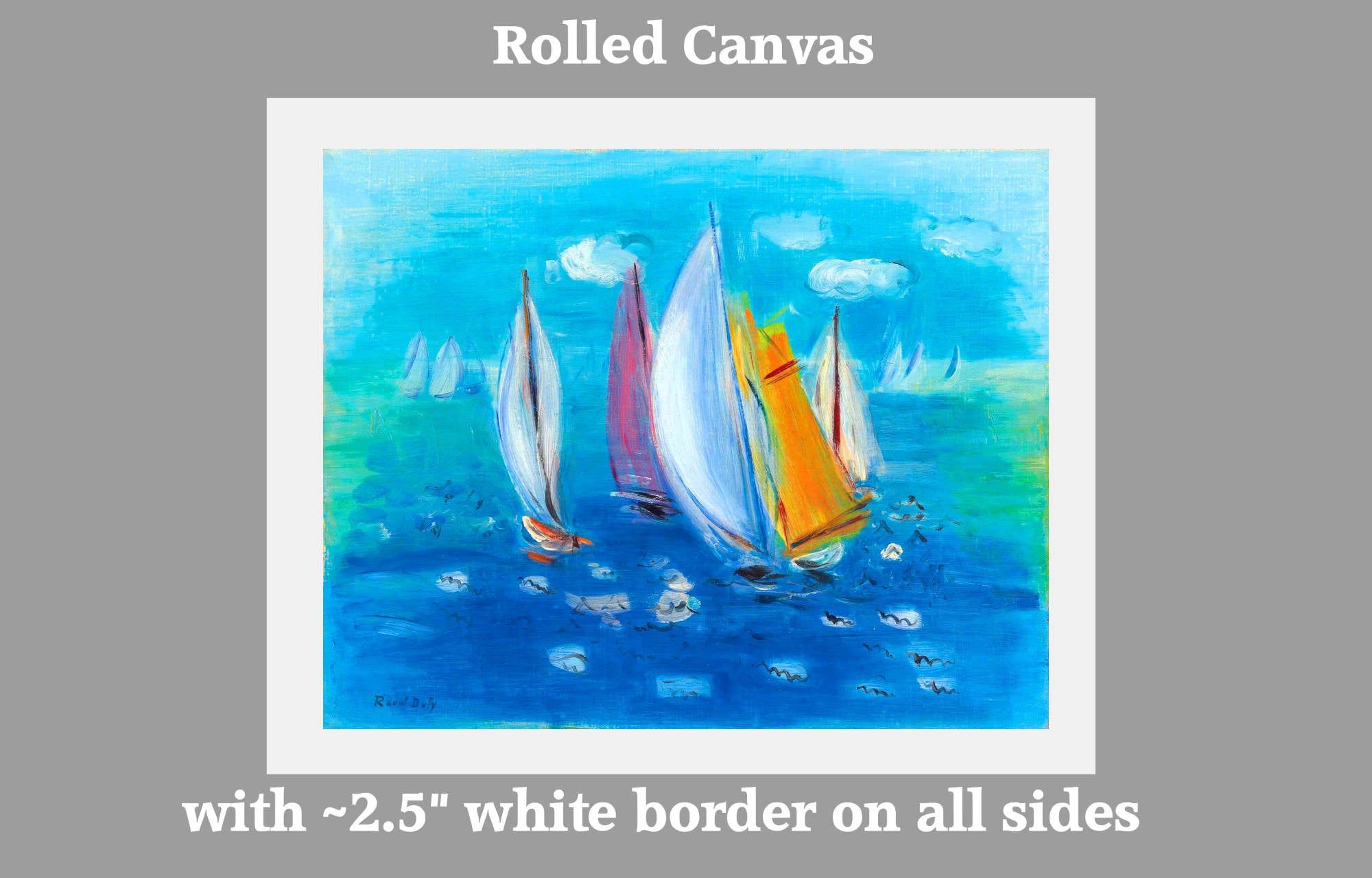
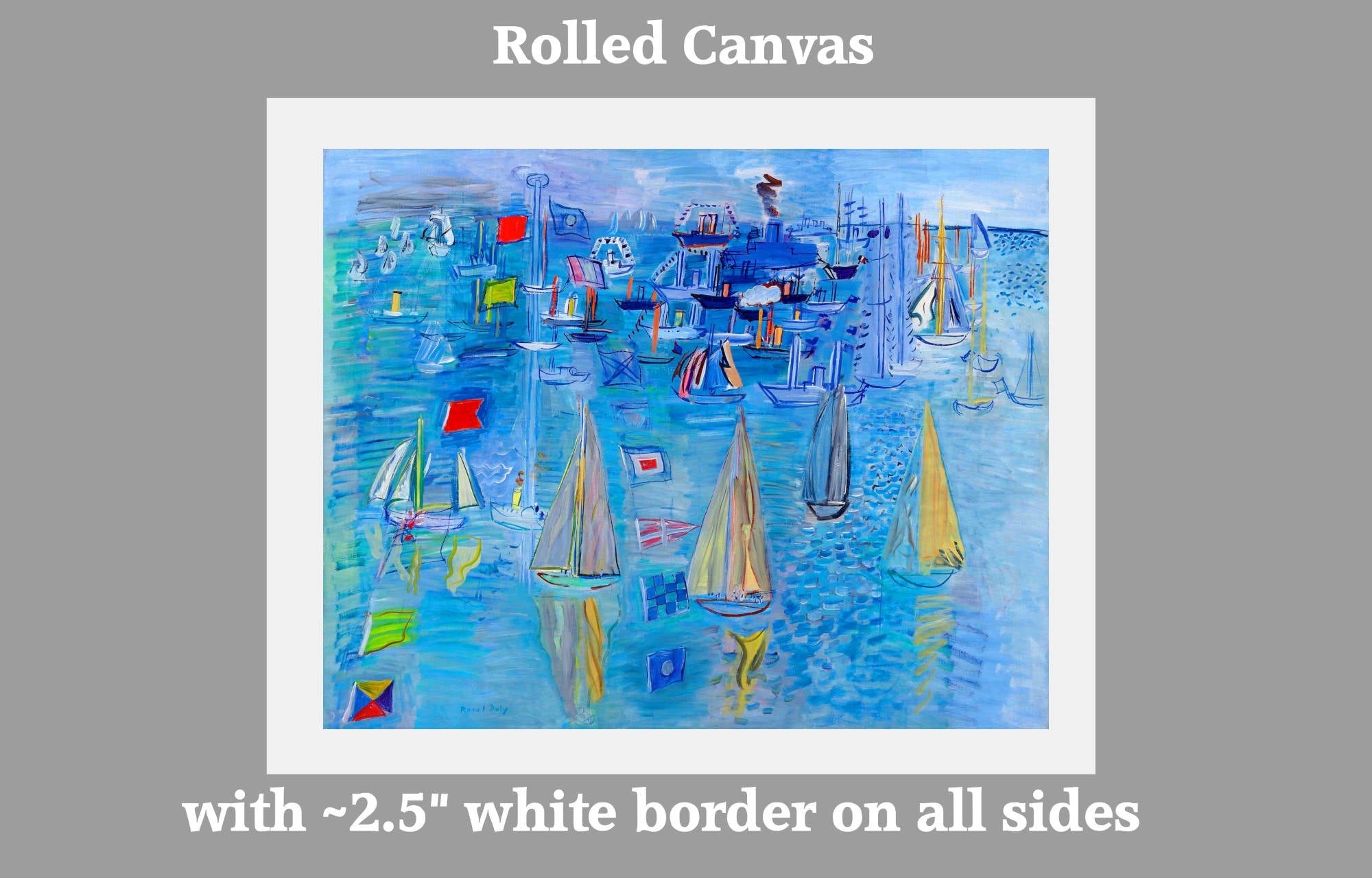
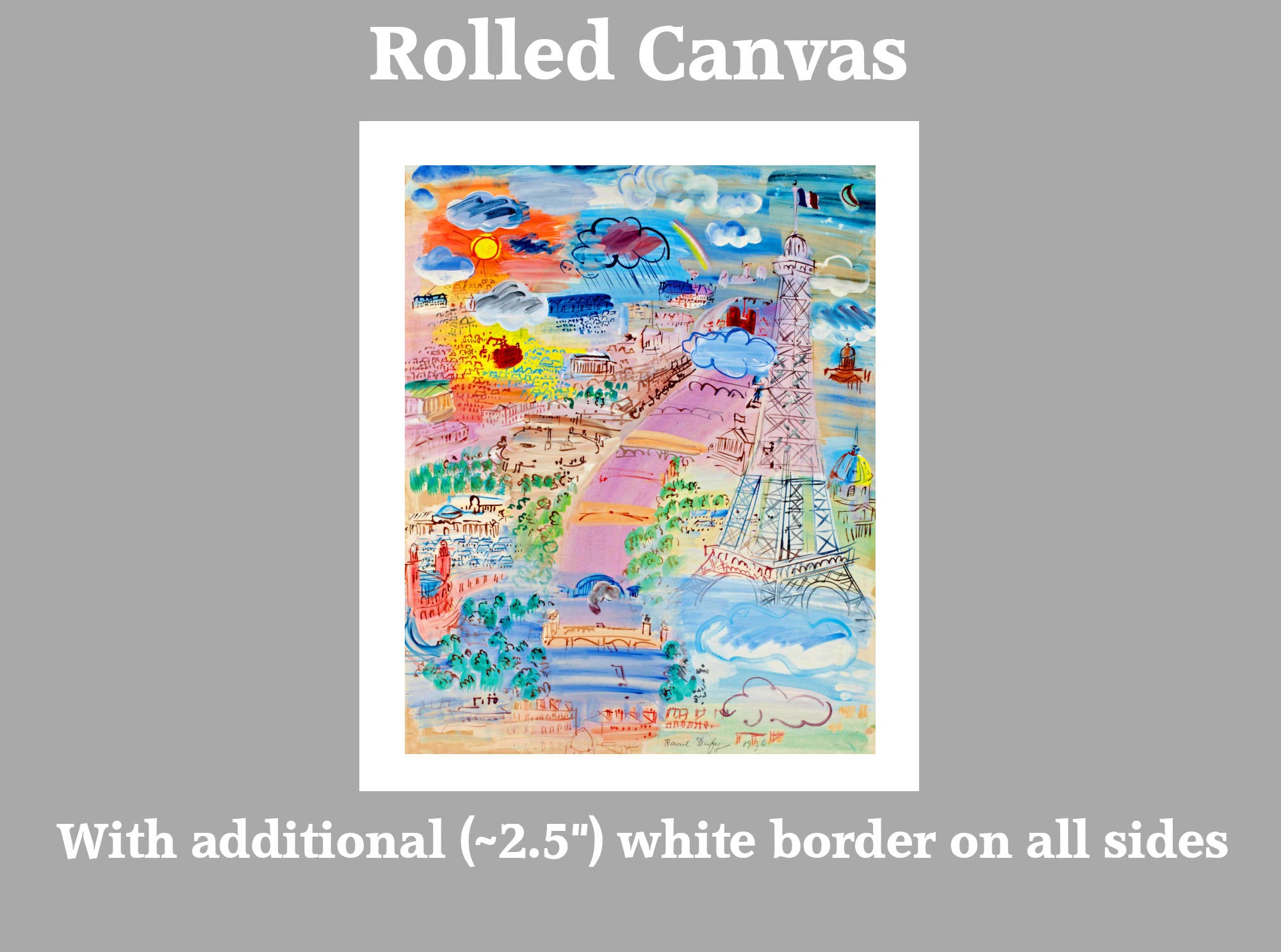
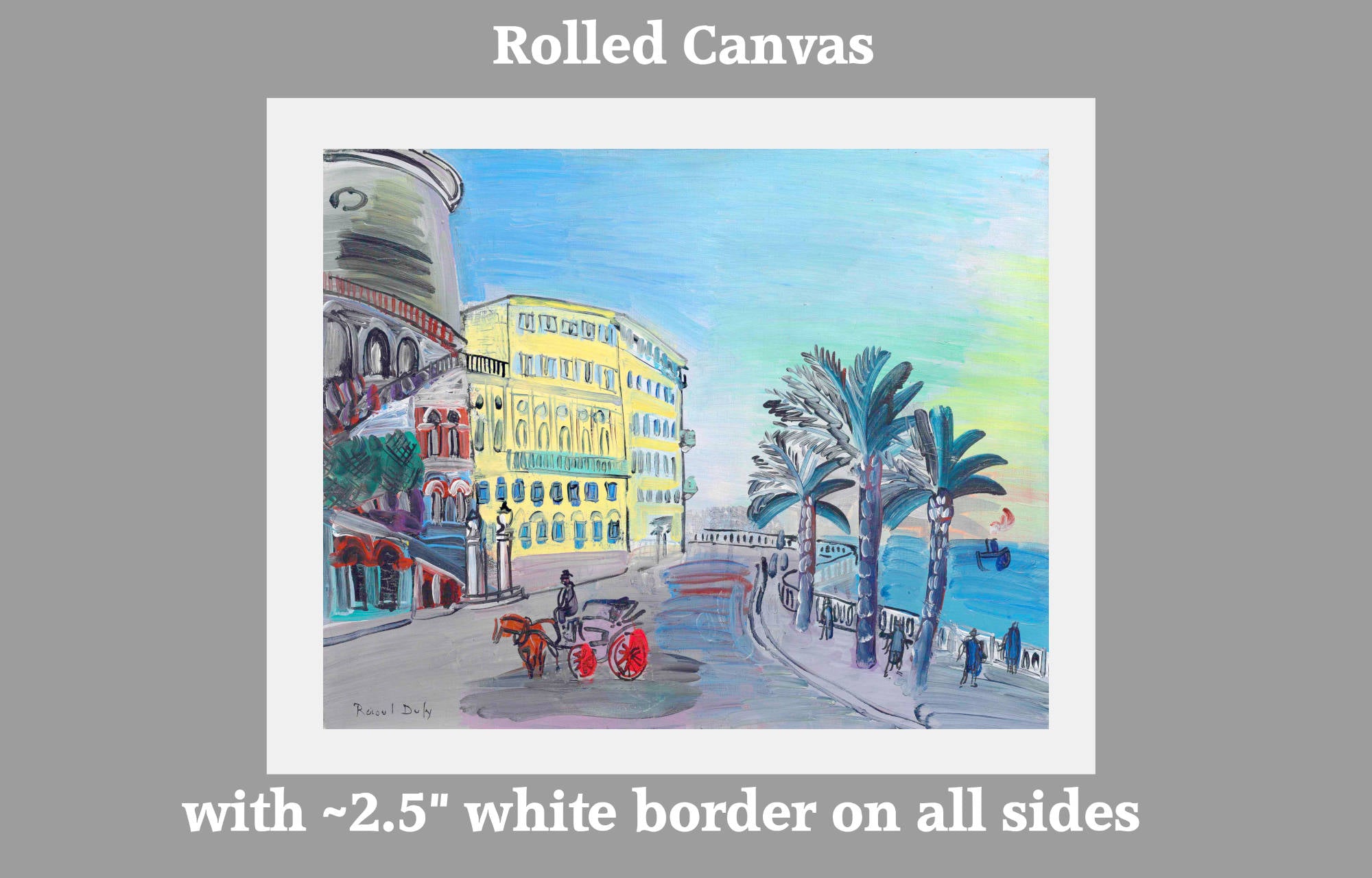
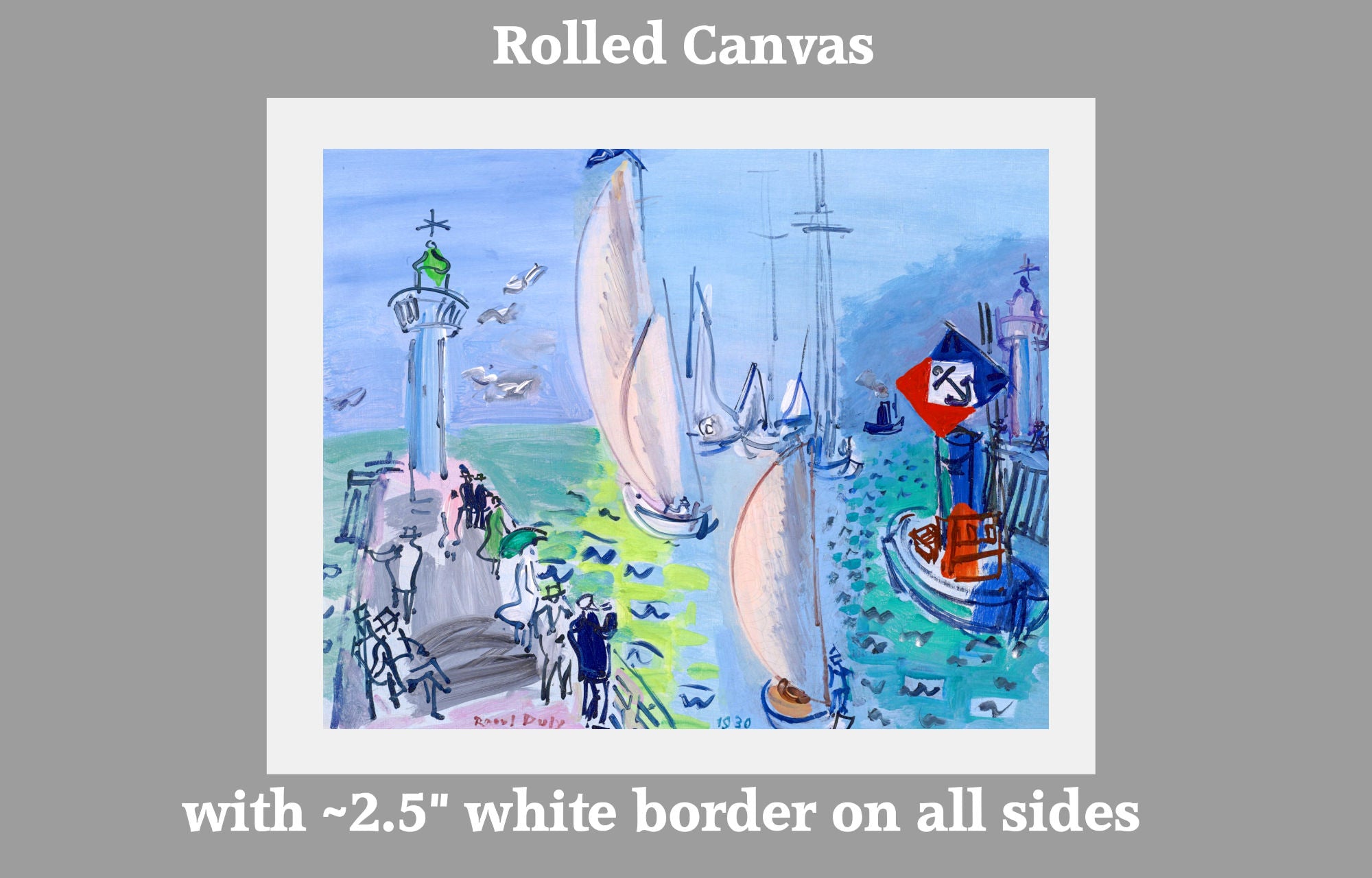
Rolled canvas options have an additional white border of approximately 2.5 inches (7cm) on all 4 sides to aid stretching.
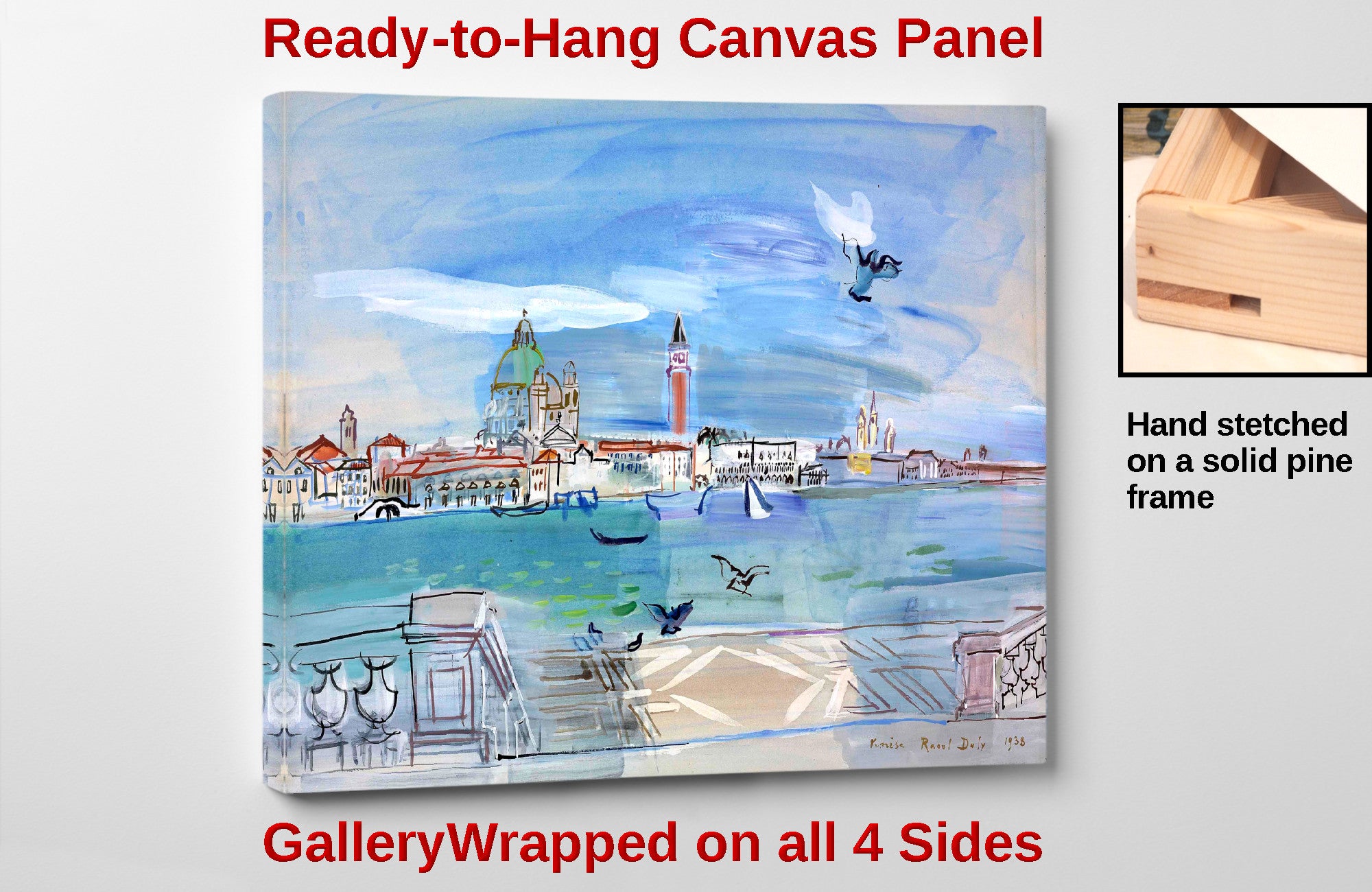
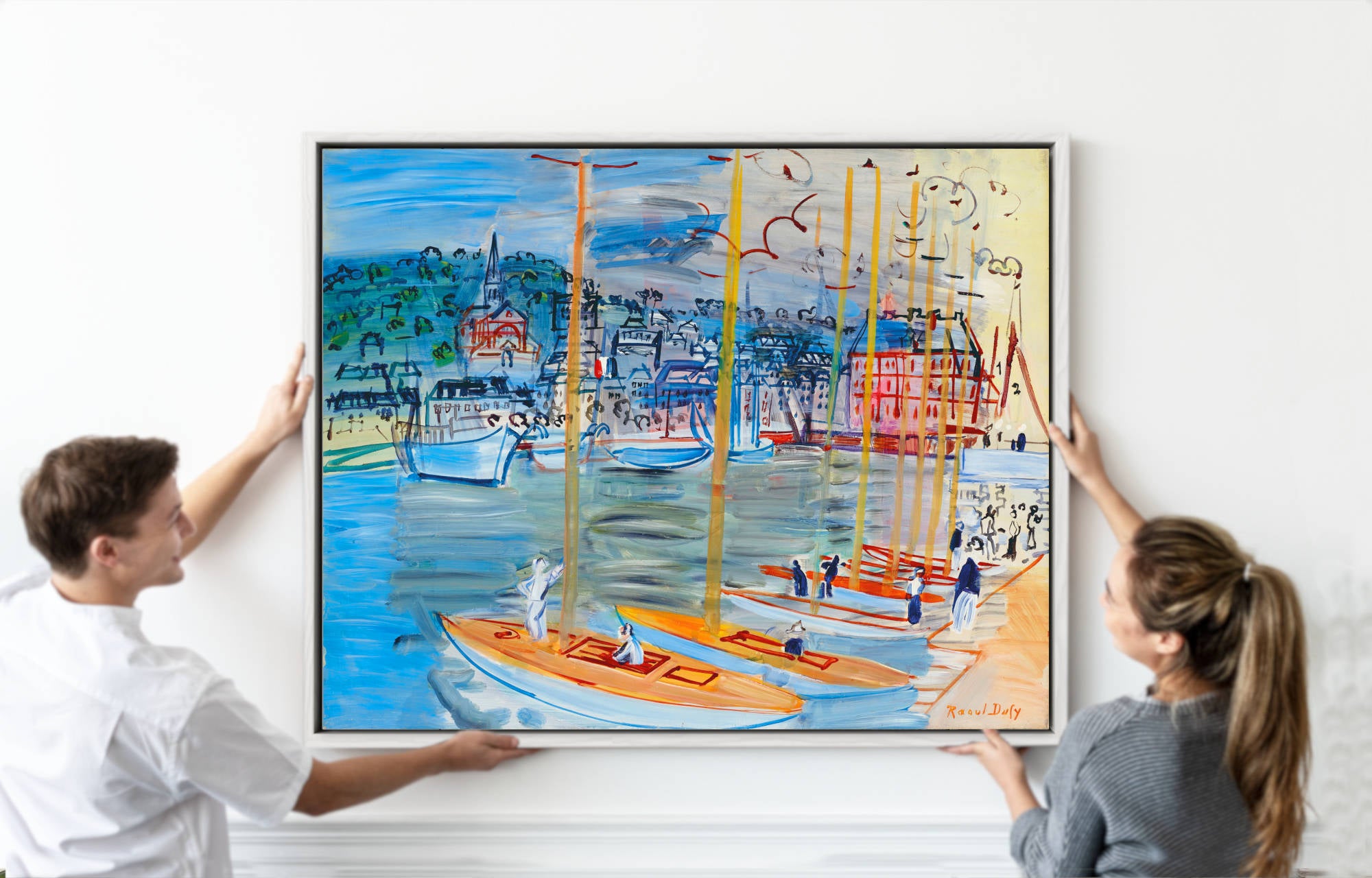
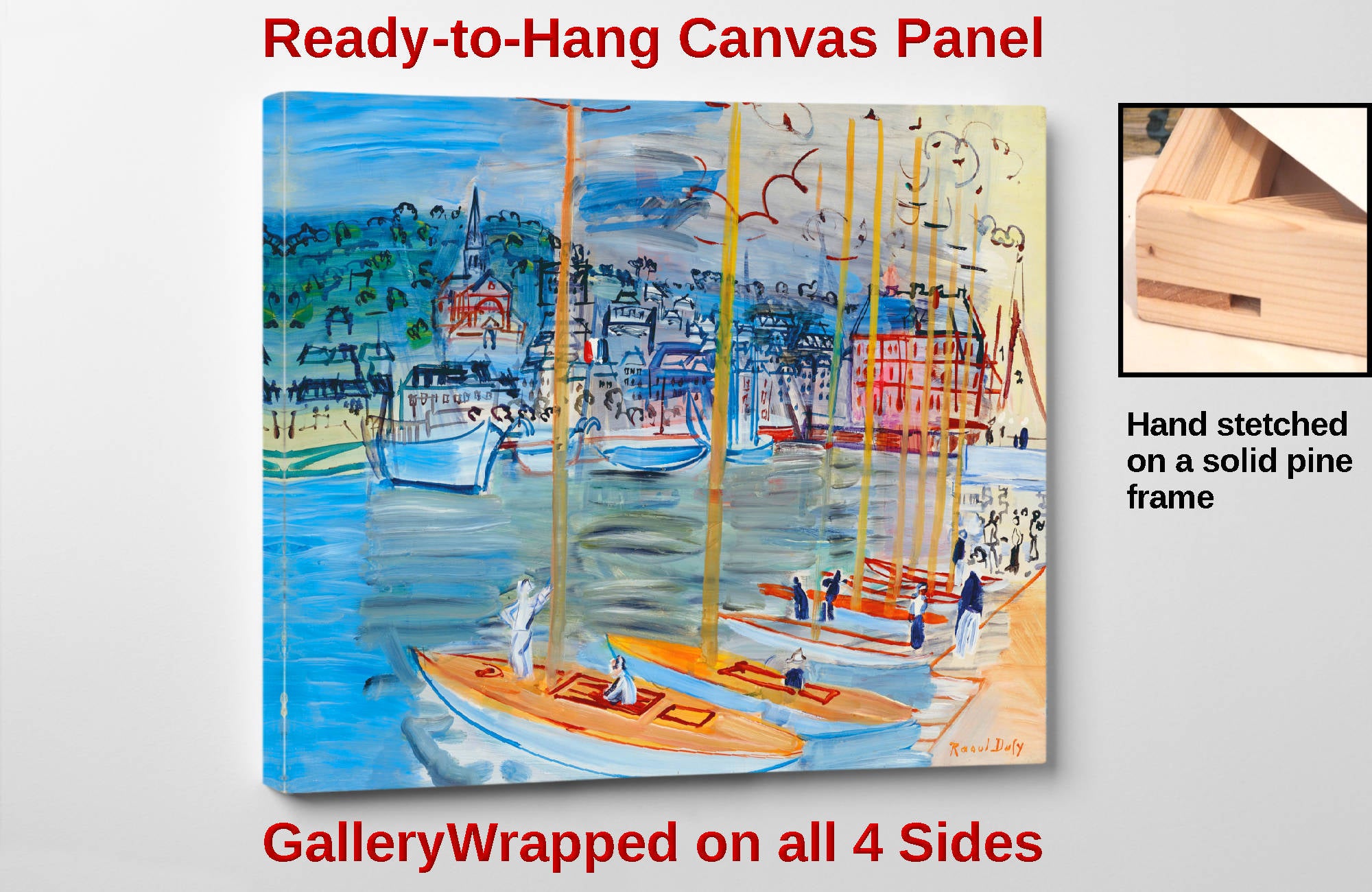
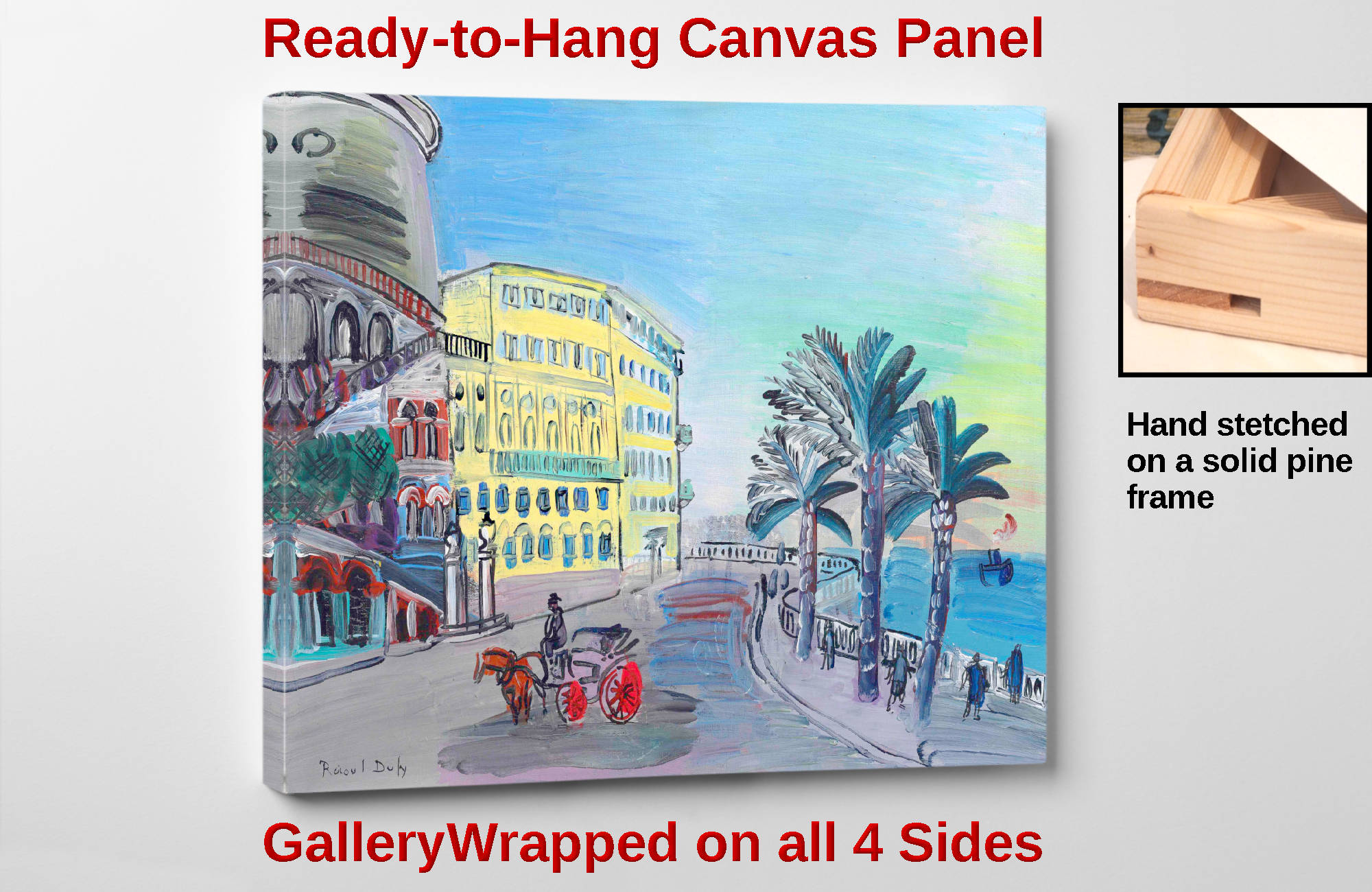
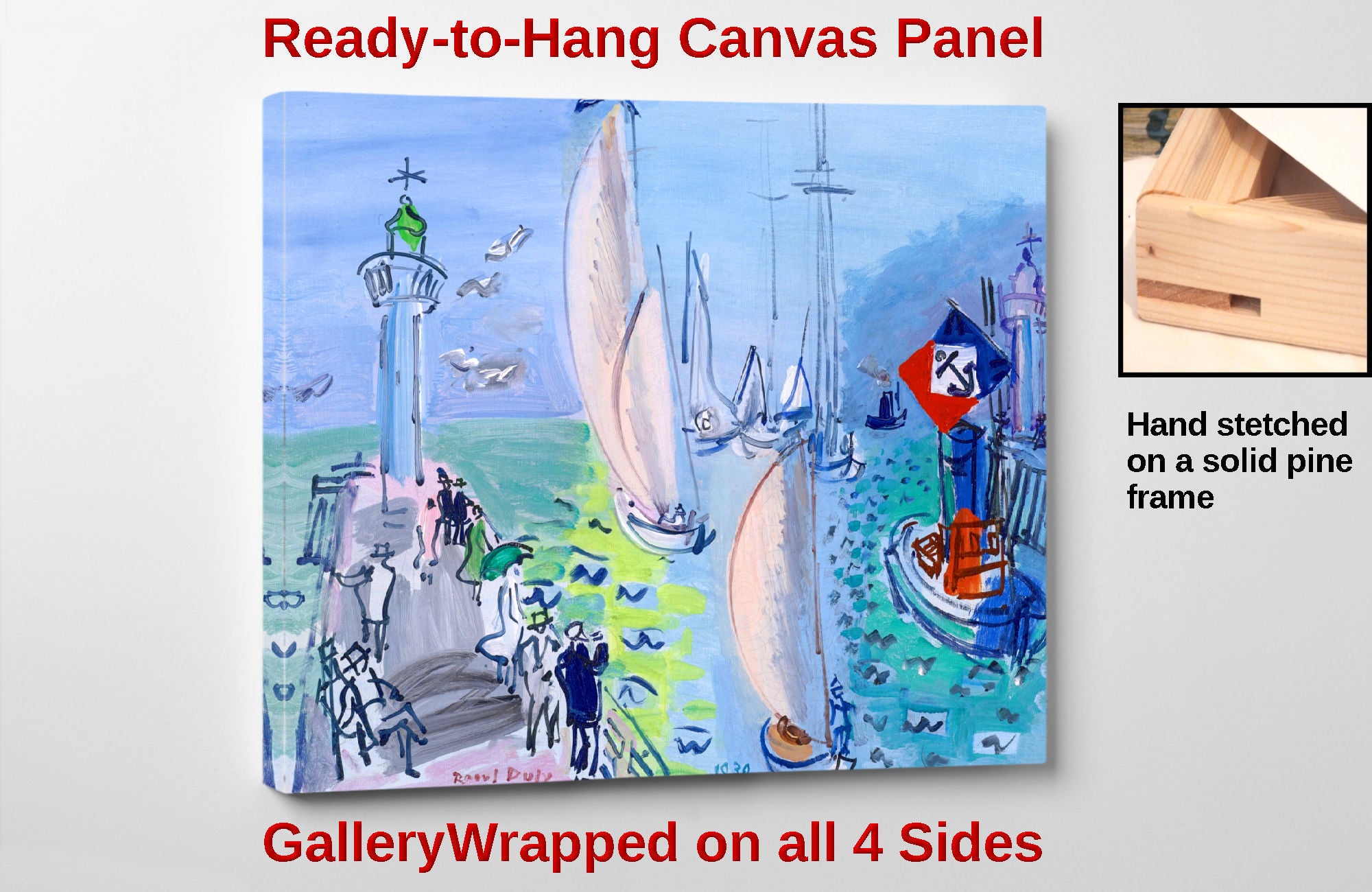
Ready to hang canvas panels are stretched on 1.5 inch deep solid pine frames from sustainable forestry sources. The image is mirrored on all 4 sides to give an aesthetically pleasing finish.
Why not have us gift wrap your order and attach a personalised message to the recipient. Available for all orders. Each order is hand wrapped in high quality gift wrap with meatllic ribbon and bow. Your personalised message is printed on a card which is included with your order.
Have your hand wrapped gift delivered directly to the recipient.
Full tracking and insurance included with every order.
Please note design may vary depending upon availability
Just purchase the gift wrap option HERE
We have a wide range of frames in standard sizes and we also make custom size frames.
To order a framed print:
1. select the print size you would like along with the print materials (matte paper, fine art paper).
2. Add your print choice to the basket.
3. Choose from our range of frames
4. Select the same size as the print you have added to your basket. If the frame size you want is not listed please contact us
5. Choose from the mount or no-mount option
6. Add your frame choice to the basket
7. Proceed to checkout.
Why Choose GalleryThane?
- Printed and framed in-house
- Free UK delivery
- Free EU and USA delivery on orders over £200
- Tracking and insurance included in every order
- Fast 1-3 day dispatch
- Gift wrapping service available
- Gallery quality materials
- Sustainable, eco-friendly packaging
- Great customer support
Explore related collections
What makes our Prints and Canvas Panels so special

Latest Giclee Printing Technology
We have invested in the latest wide format print technology to produce museum quality giclee prints utilising the highest quality pigment inks to give outstanding colour reproduction.

Museum Quality Archival Fine Art Papers
We print on the finest quality fine art papers with textured, smooth and lustre finishes for prints which last a lifetime.
From aceo miniatures to 40x80 inch large format, every print has our lifetime quality guaranteee.

Solid Wood Frames, Cotton Canvas
All of the wood for our canvas panels and frames is responsibly sourced from manages forests. Our cotton canvas is completely seedless for the highest quality reproduction possible.

Have Your Gift Wrapped


Choose a Custom Frame
Popular Collections


EU Representative
Manufacturer
LucasAbstract t/a GalleryThane
15 Campion Way, Bingham NG13 8TR UK
sales@gallerythane.com
EU Authorised Representative
Westwood Sourcing
Fellenoordstraat 52, Unit 2.38
4811 TJ Breda, Netherlands
info@westwoodsourcing.com