
William Quiller Orchardson Prints – Quiet Rooms & Human Encounters
William Quiller Orchardson prints use the distance between figures to make a room expressive. A gathered audience, separated pair or close parent and child creates a different arrangement of attention. Browse these interiors alongside figurative art, James Tissot and Augustus Leopold Egg, following gesture, furniture and shared space.
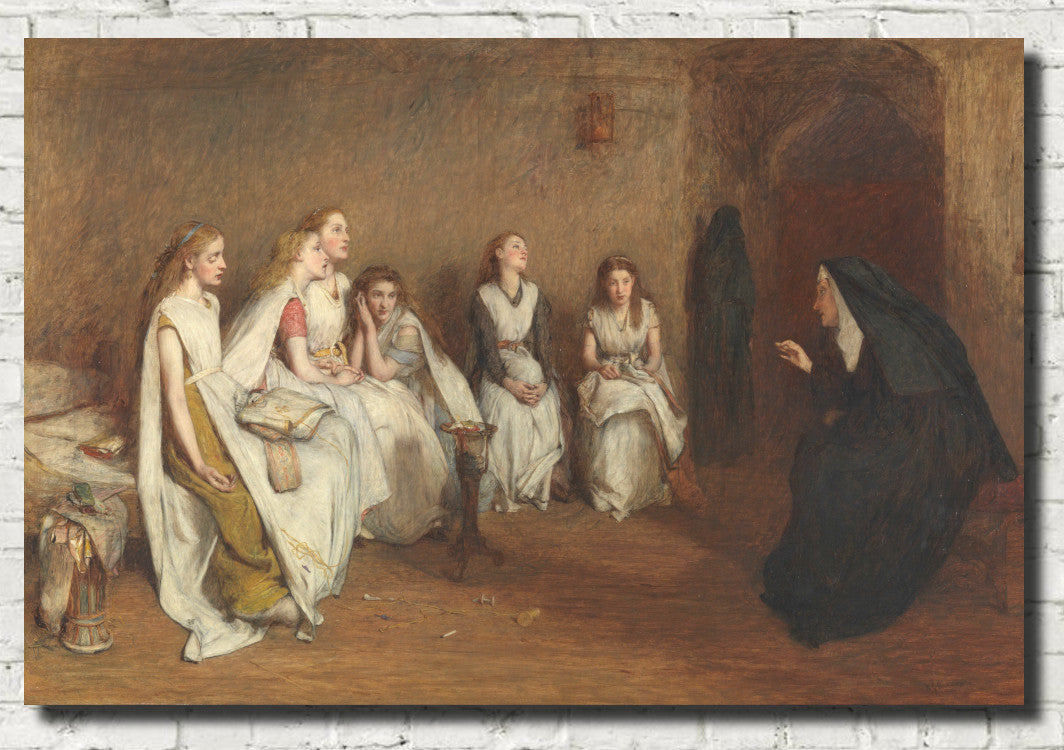
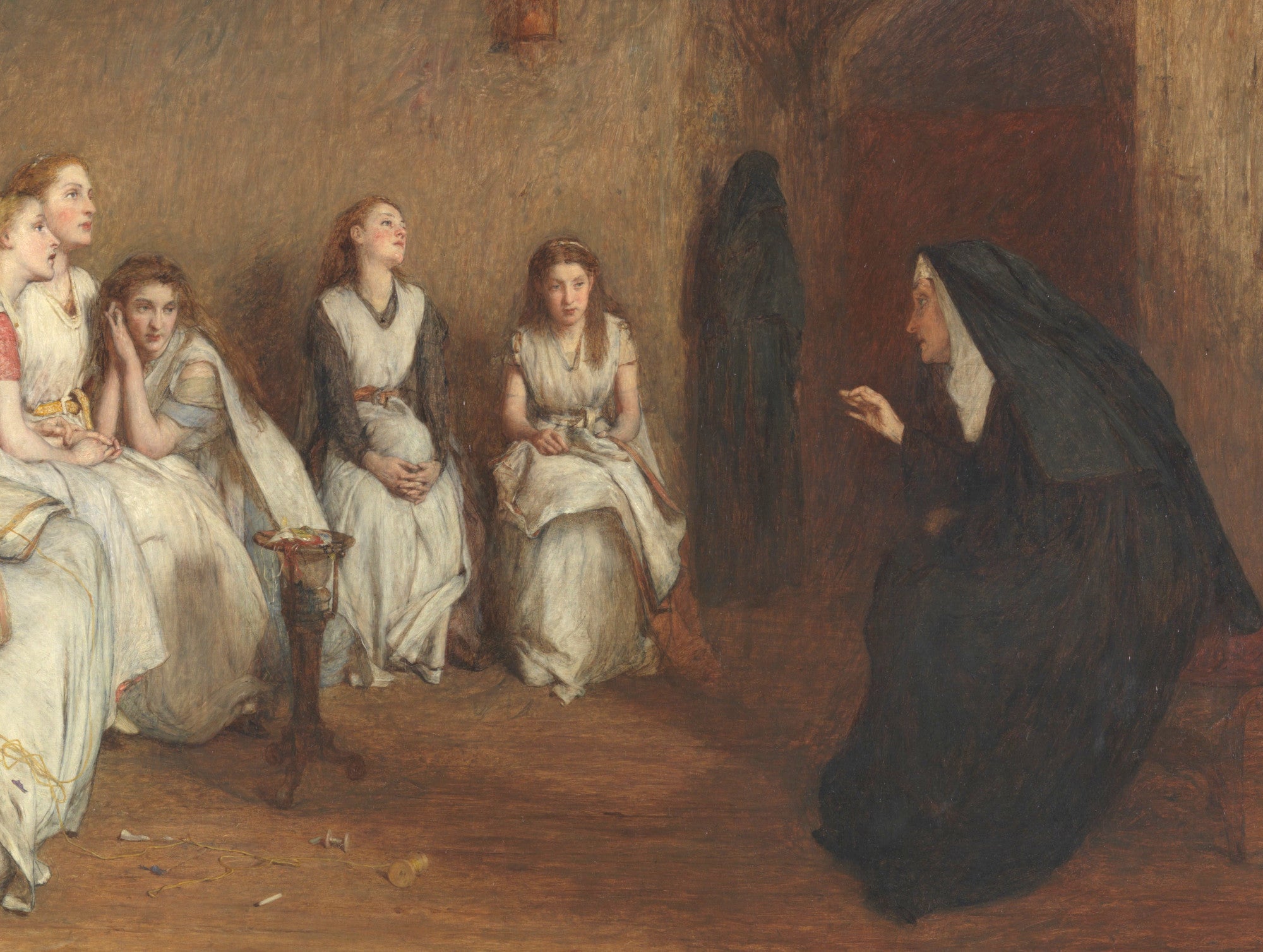
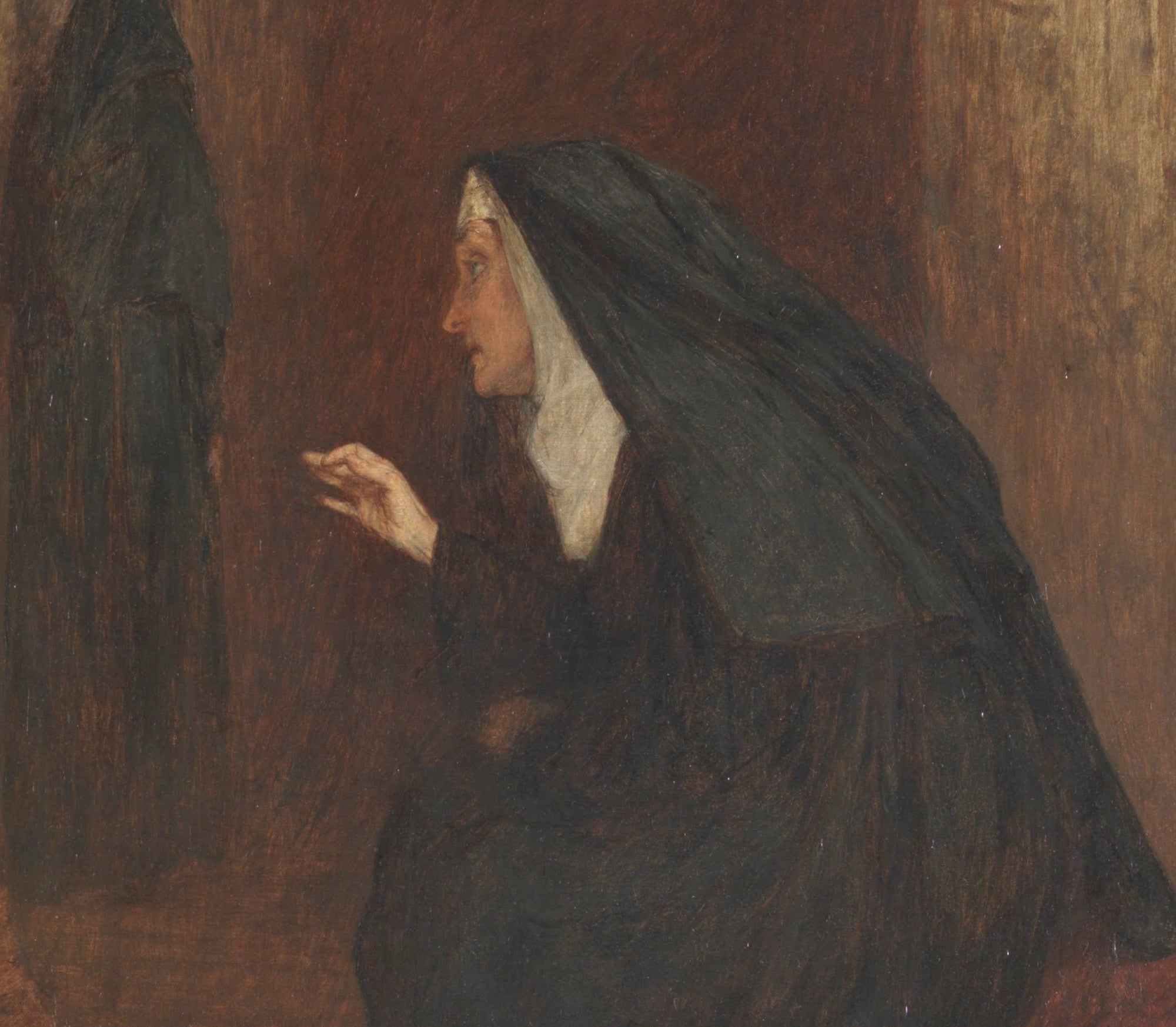
A listening group opposite a dark figure
The Story of a Life places the pale-clothed audience together on one side of a subdued room, facing the storyteller at the right. Different seated heights create a linked sequence of heads and hands. The relatively open central floor makes the gap between speaker and listeners an important part of the scene.
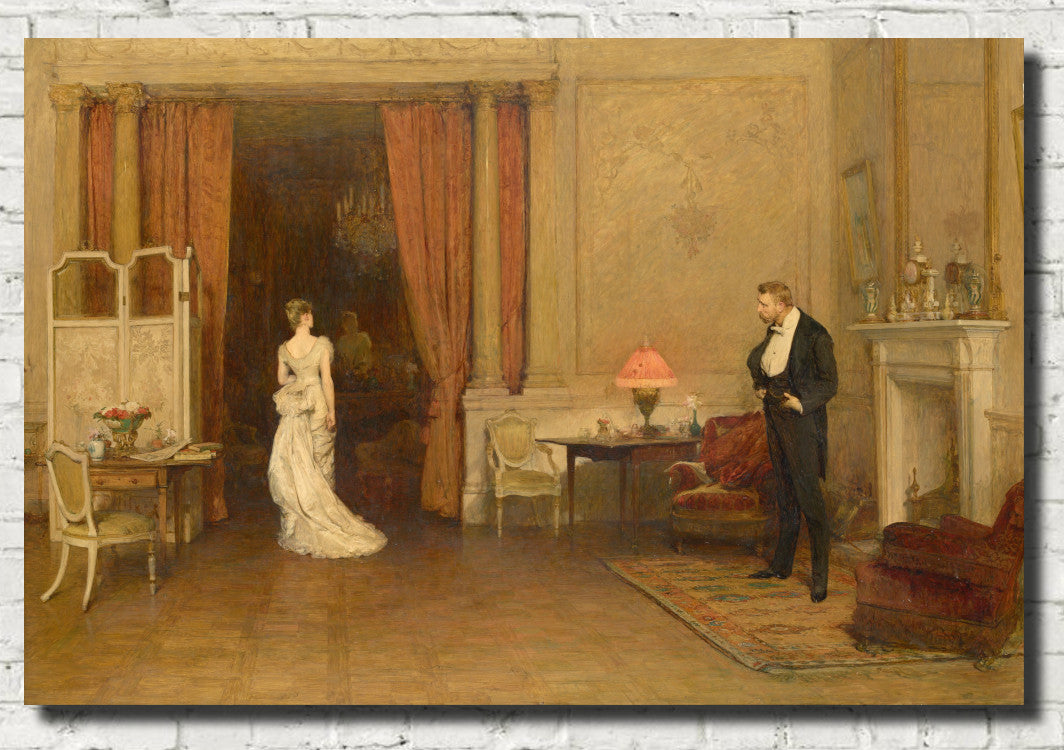
A separated pair within a spacious room
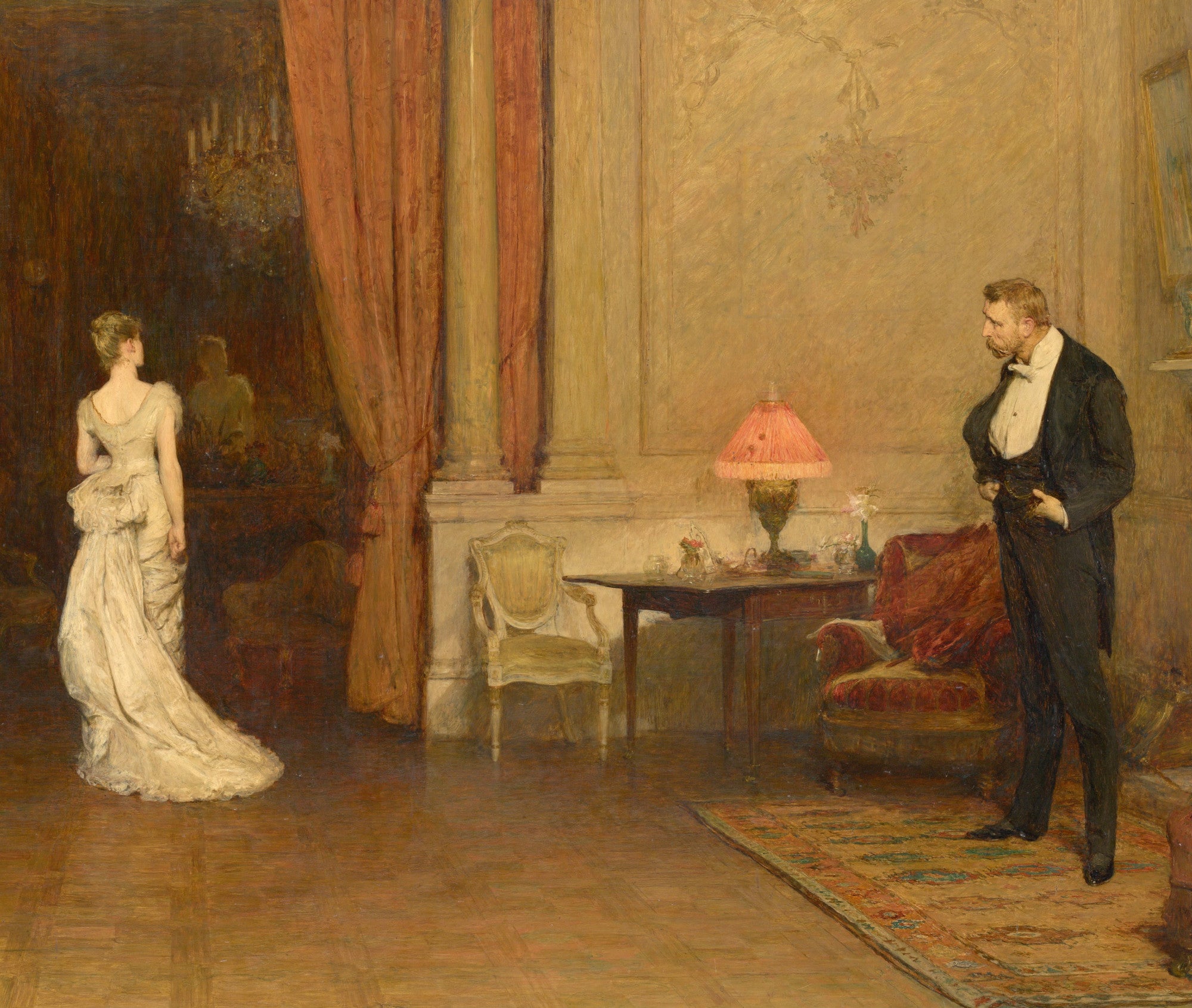
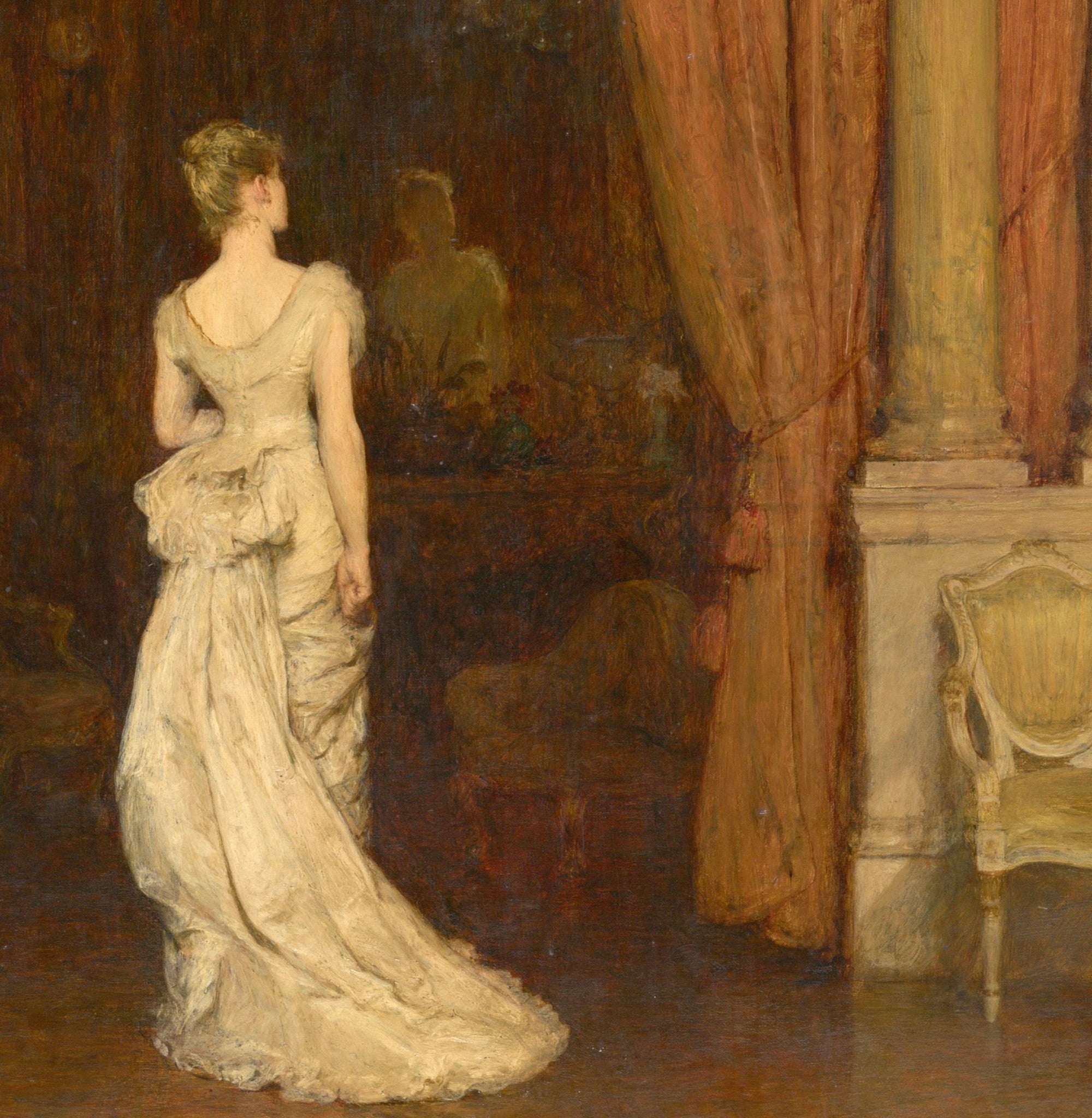
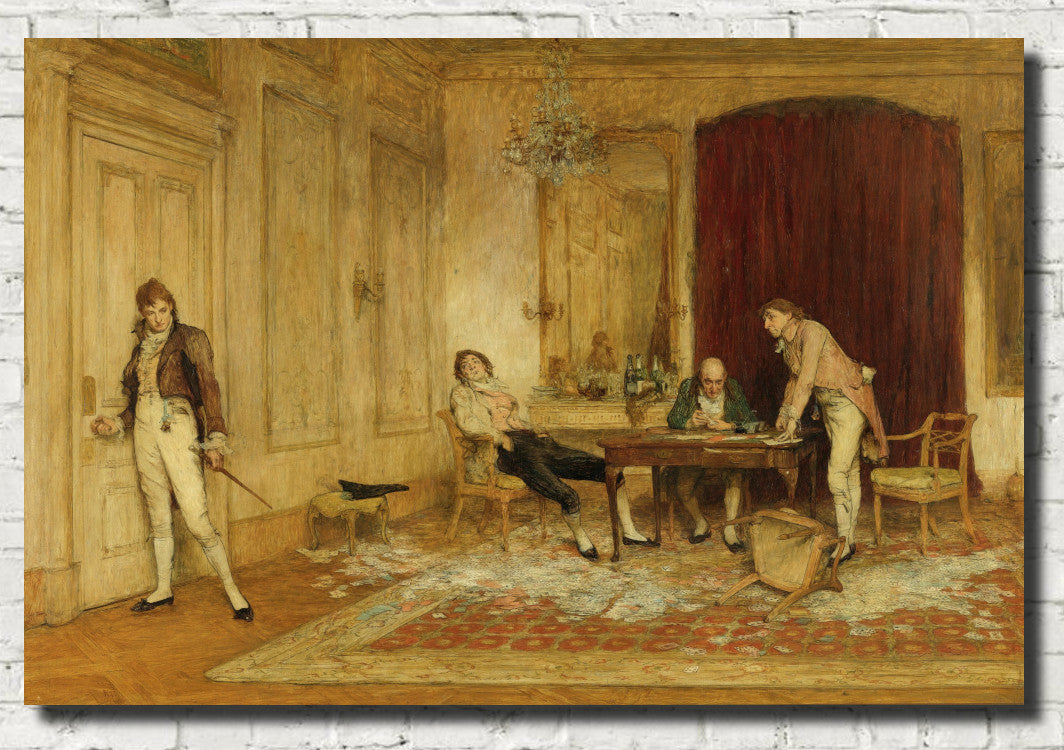
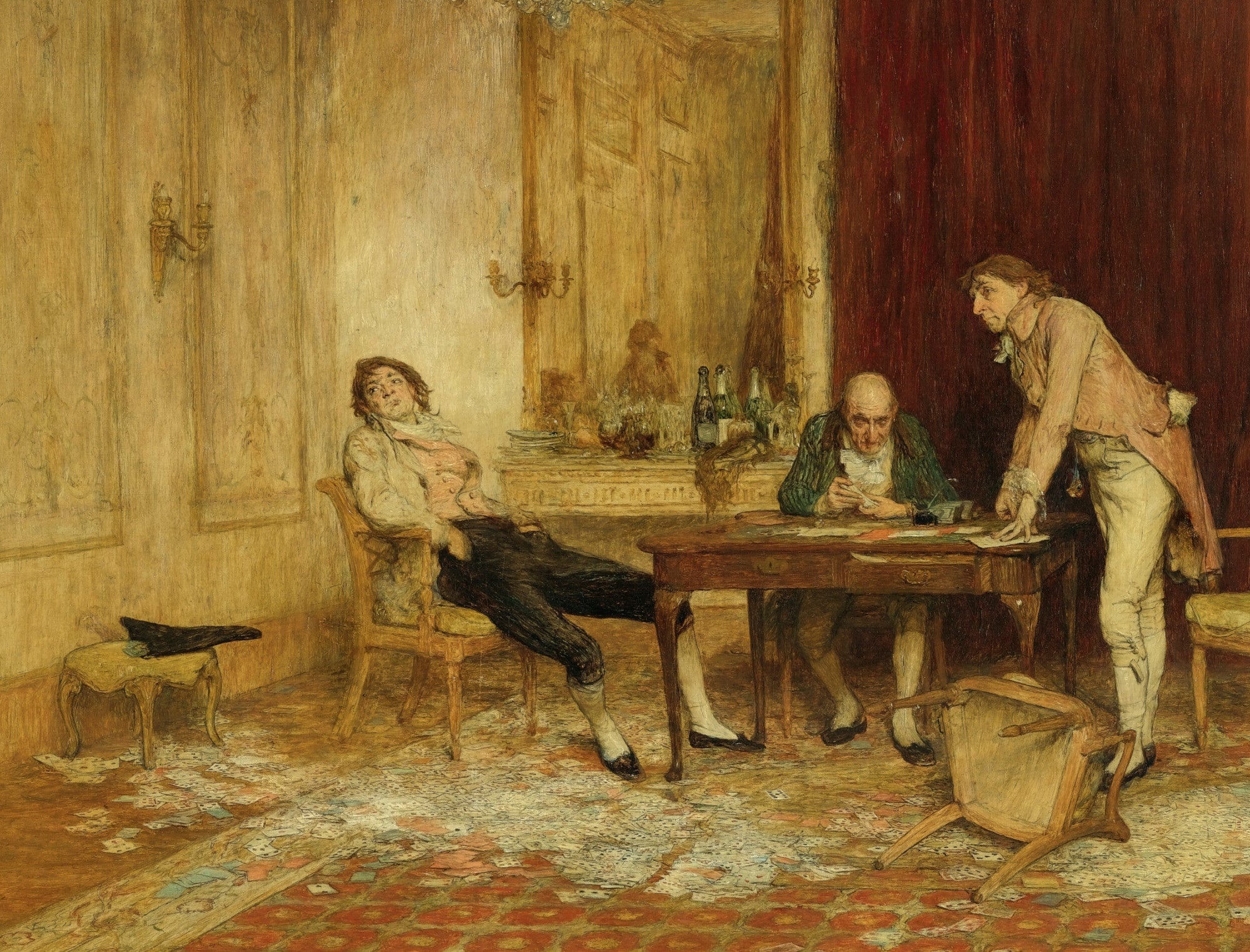
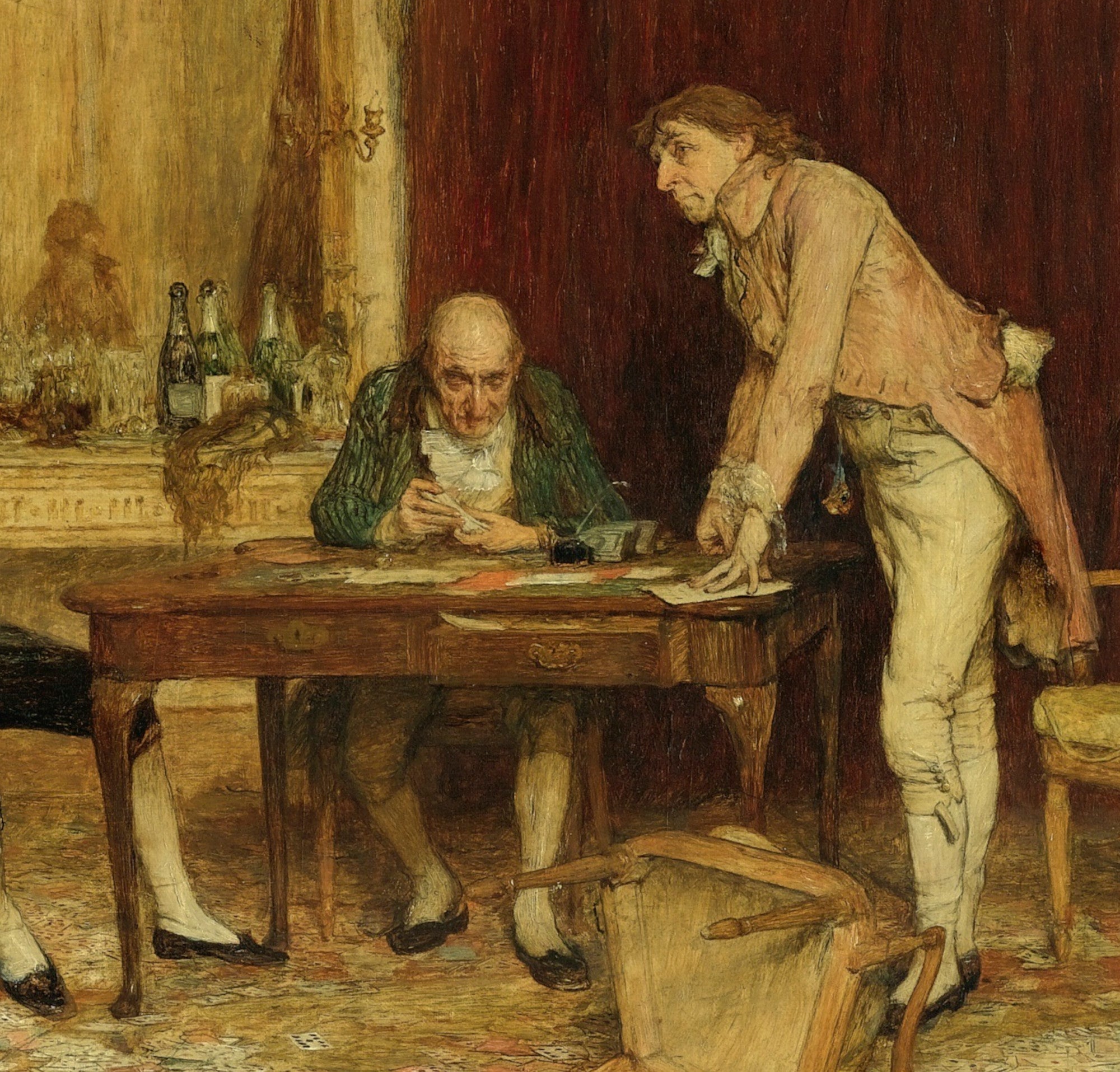
The First Cloud sets one figure near the dark curtained opening and the other farther right beside the furniture. Warm walls and a broad clear floor keep the bodies apart. Their small scale within the room makes the physical distance especially visible, giving the interior more than a decorative role.
A small object held above a reclining child
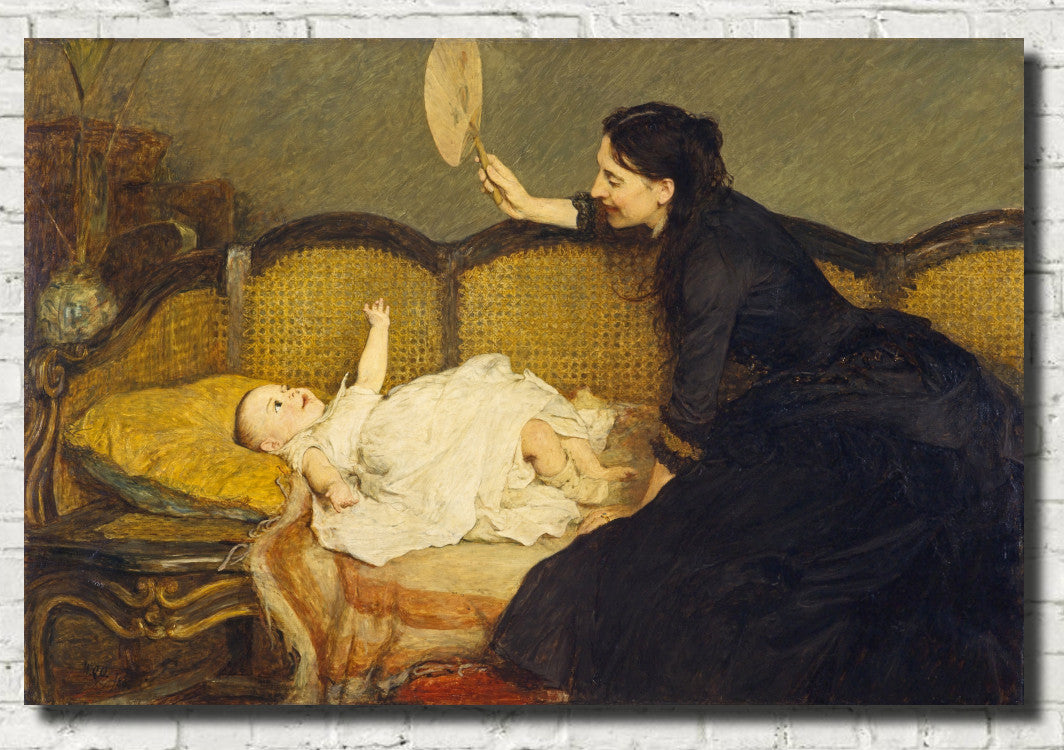
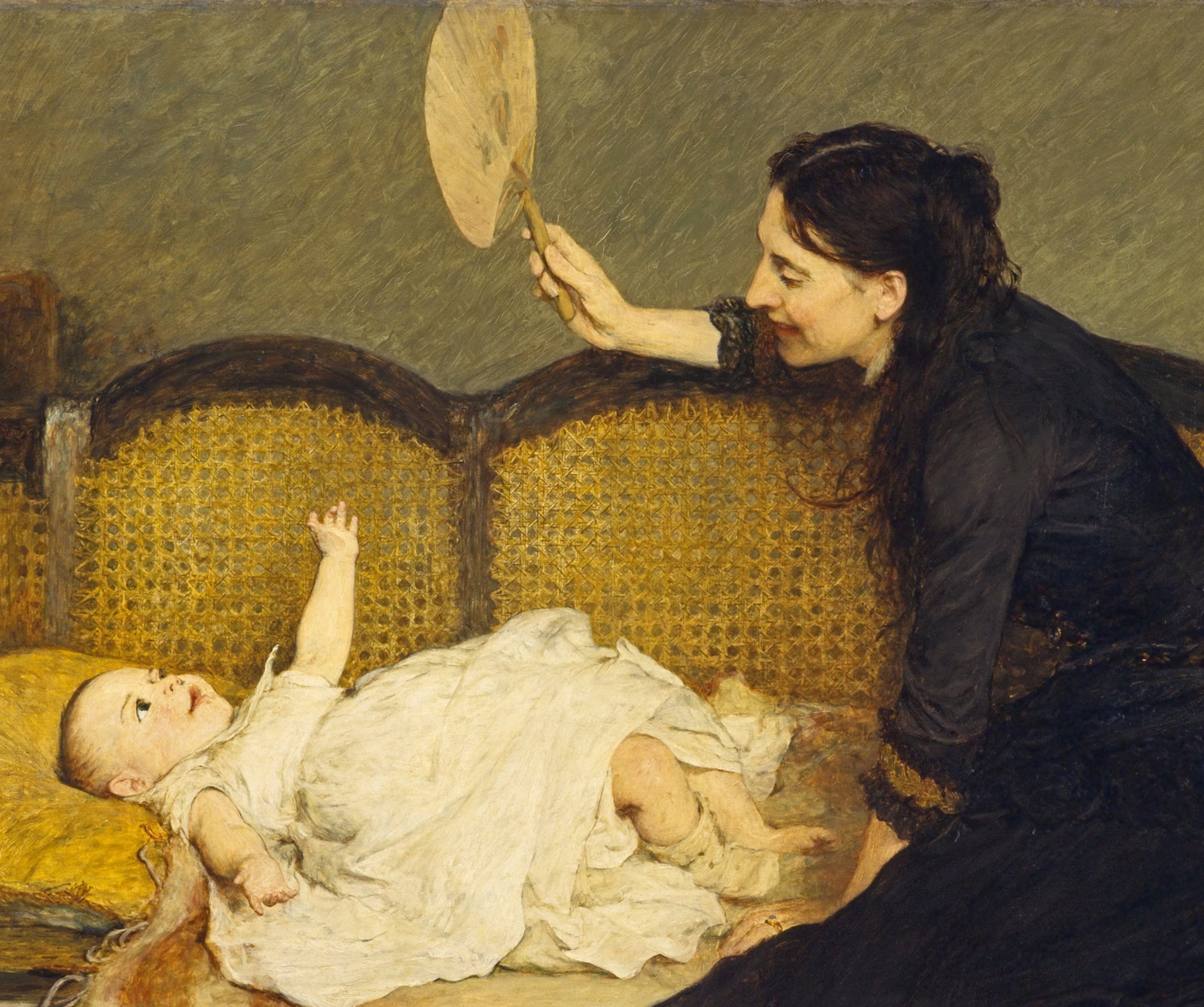
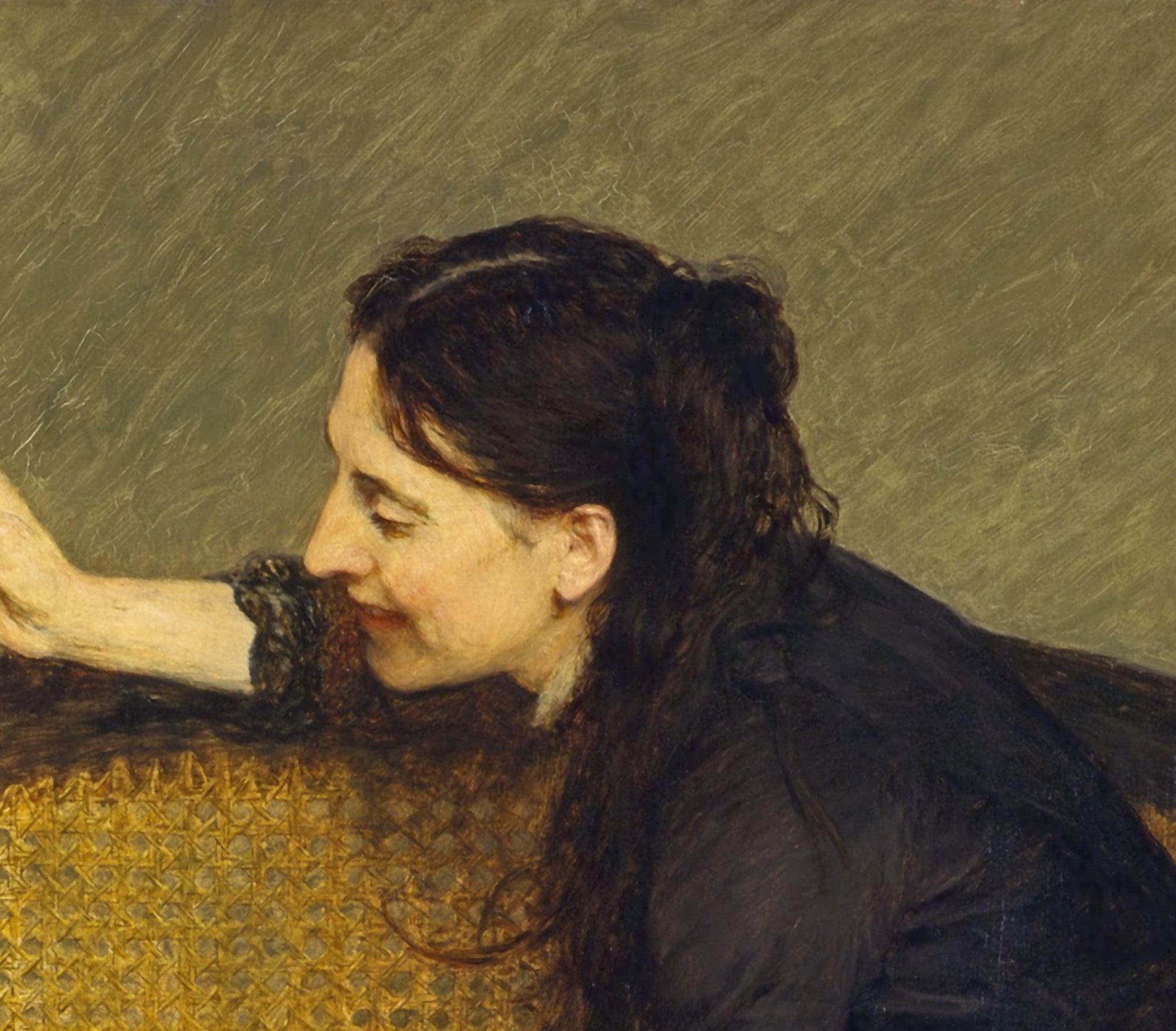
Master Baby brings the adult close to the infant on a yellow upholstered sofa. A raised hand presents the object while the child reaches upwards. The woven chair back and pale bedding provide a detailed setting around the simple exchange between lifted arms and turned faces.
Related artists and collections
Compare narrative rooms in Augustus Leopold Egg, private encounters in James Tissot and domestic figures in Mary Cassatt. Further figure prints follows the relationships between bodies, while academic art develops the staged interiors and their carefully placed objects.
Read more in our Mary Cassatt guide to domestic figures.