
Louis Michel Eilshemius Prints
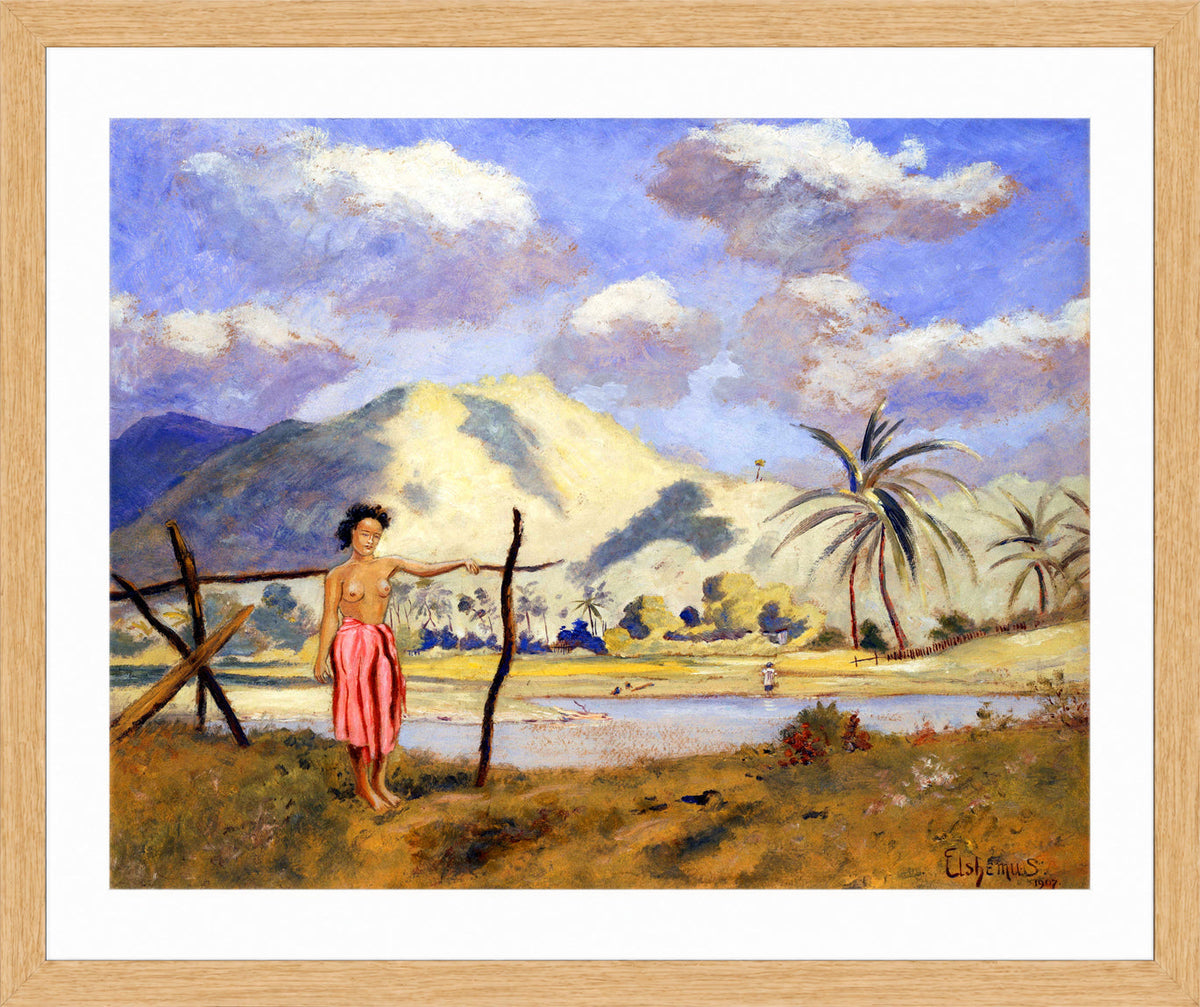
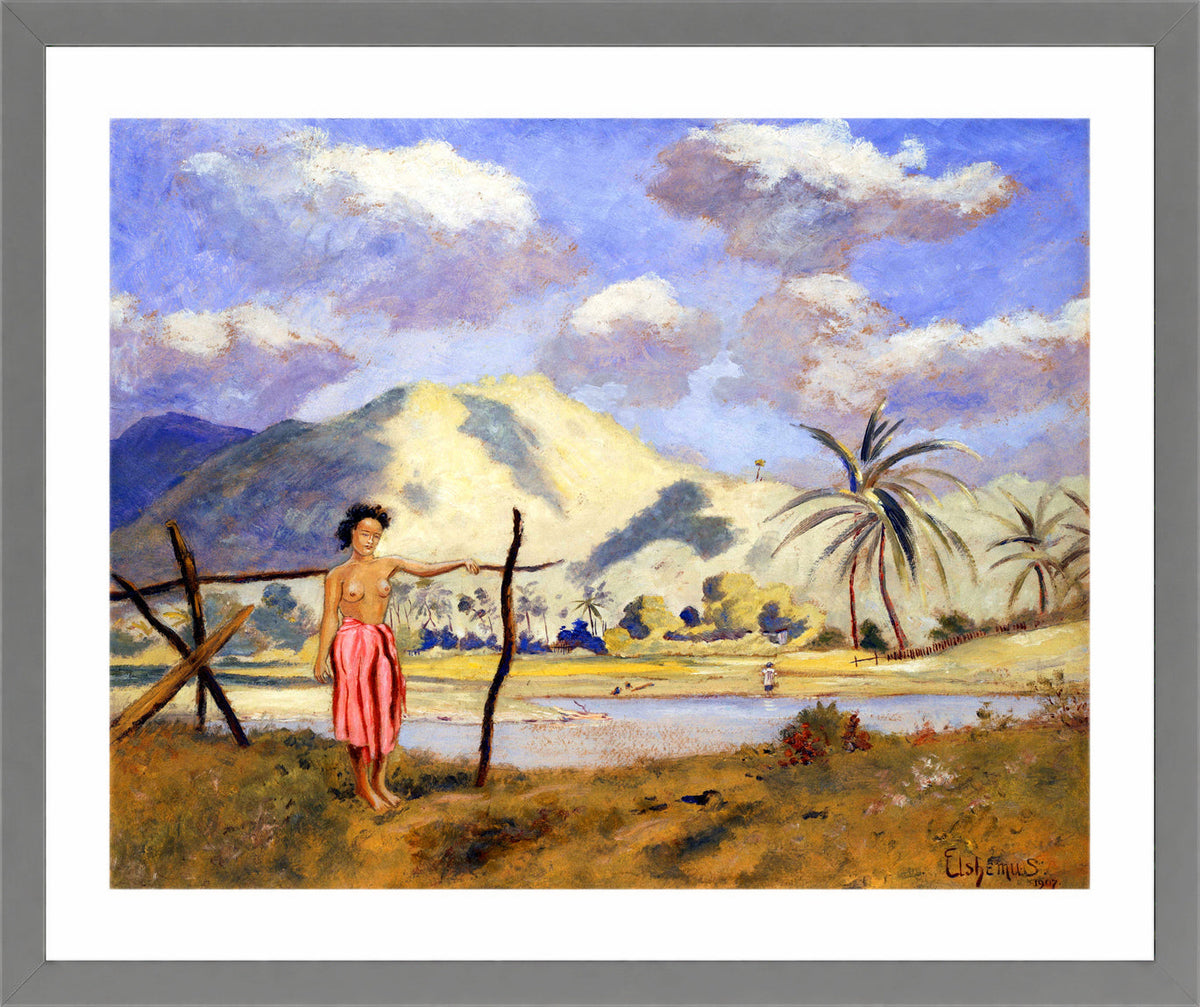
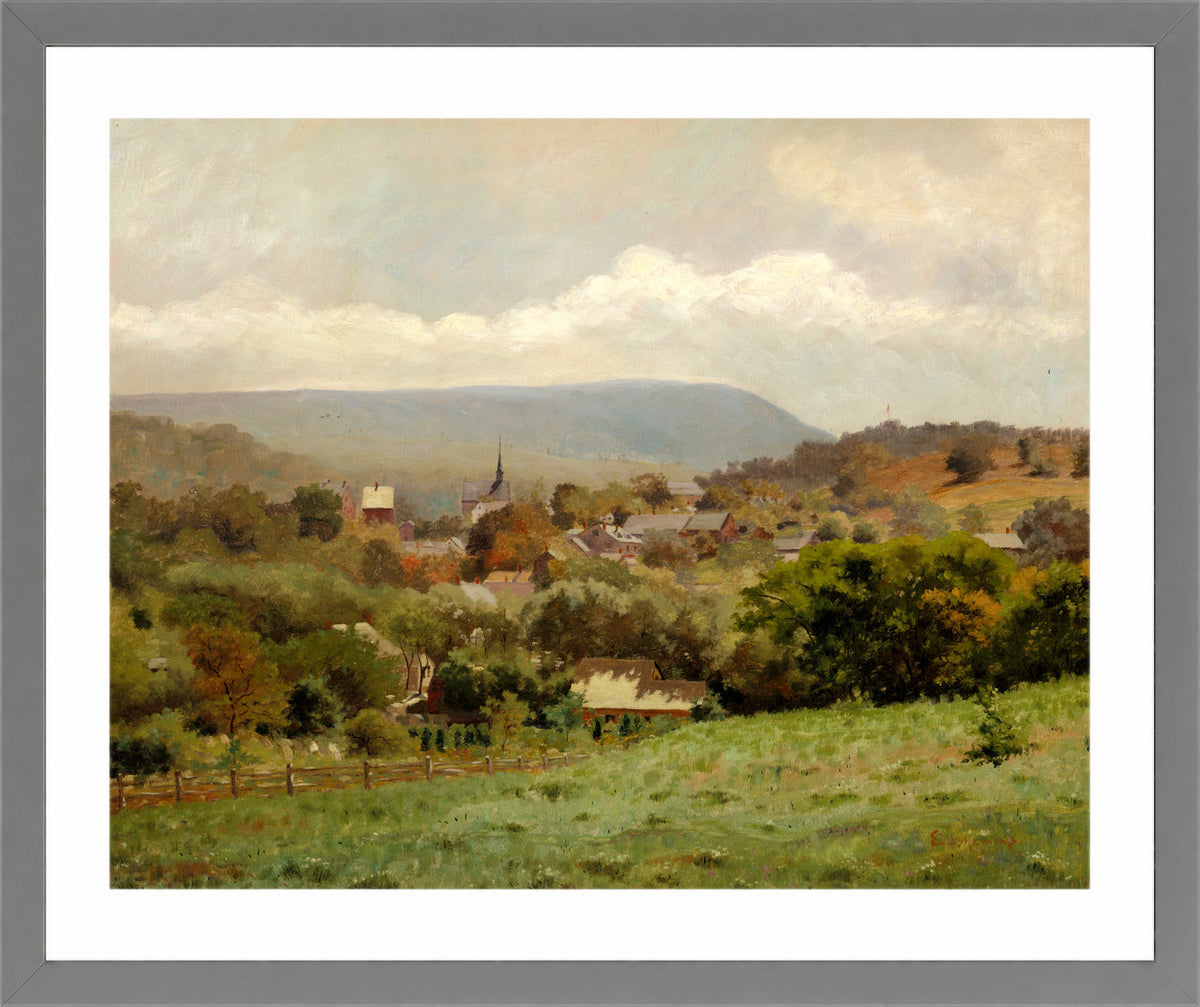
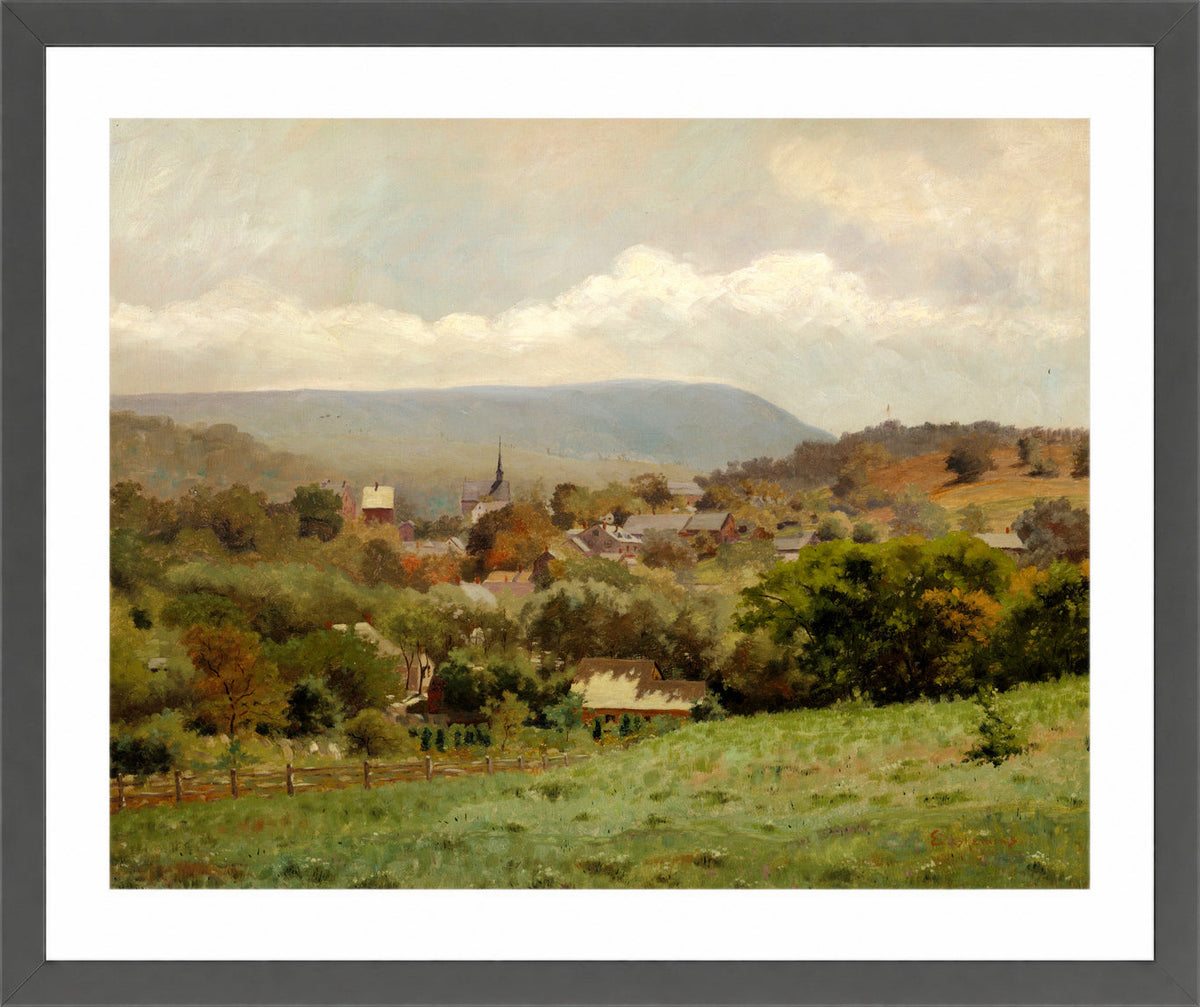
Explore Louis Michel Eilshemius prints, from the landscapes of the Adirondacks and Delaware Water Gap to New York street scenes, Samoan shores and woodland nymphs. The American painter (1864–1941) brought an imaginative sensibility to both familiar places and invented subjects, moving between observed scenery and dreamlike worlds.
Browse his landscapes, coastal views and figure paintings as fine art prints, framed prints and canvas panels.




































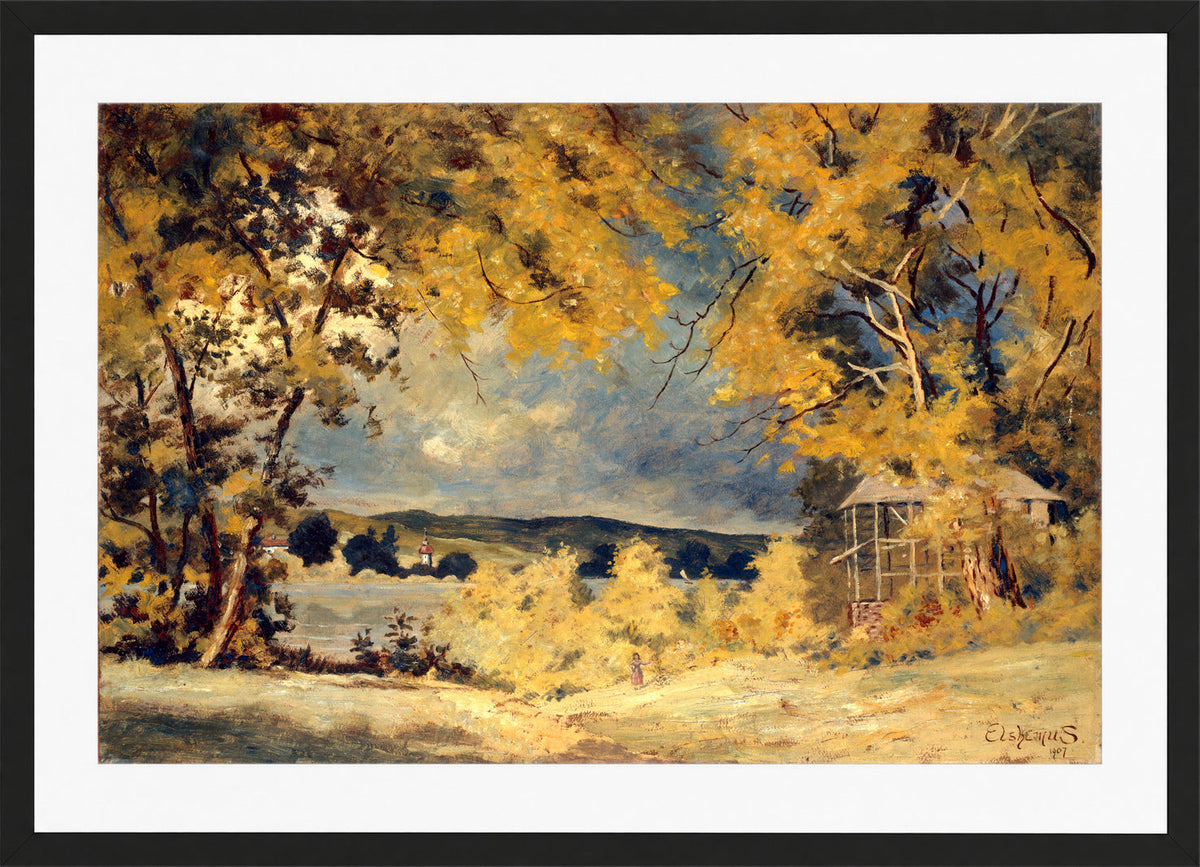




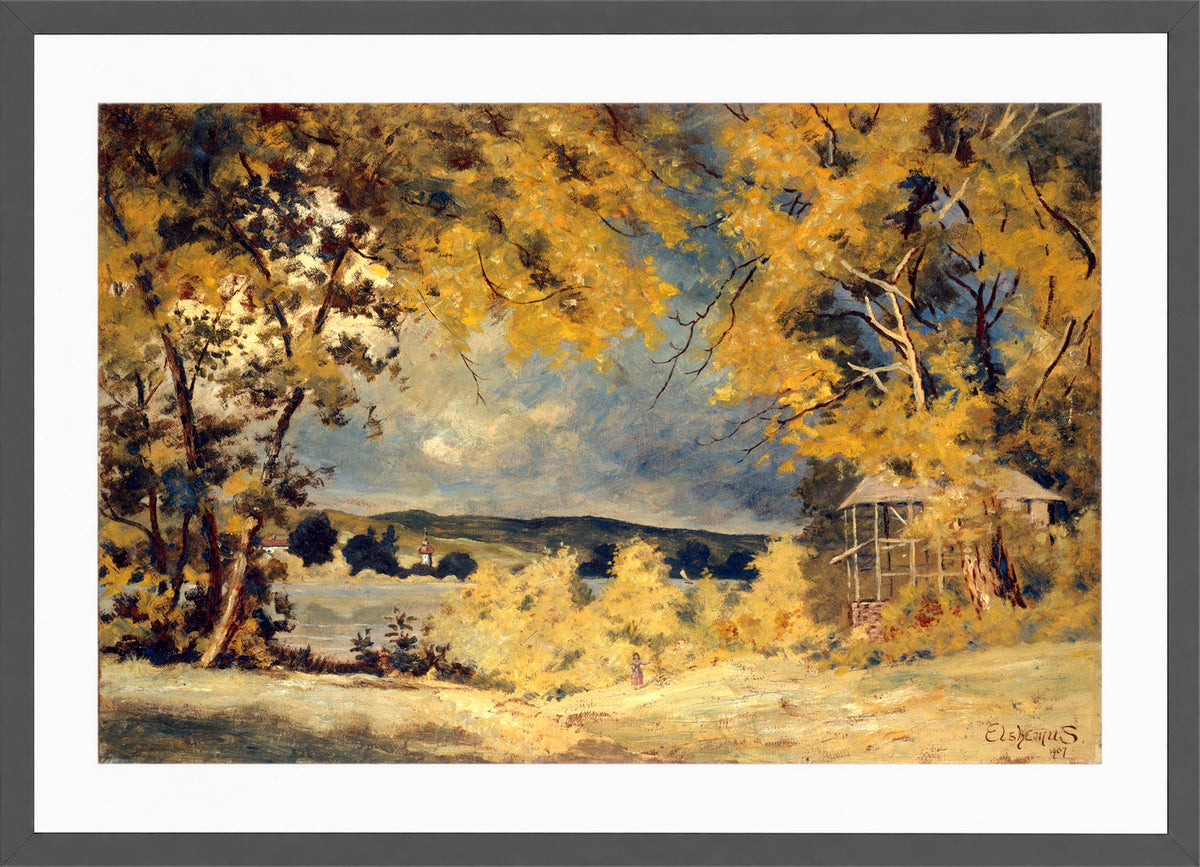


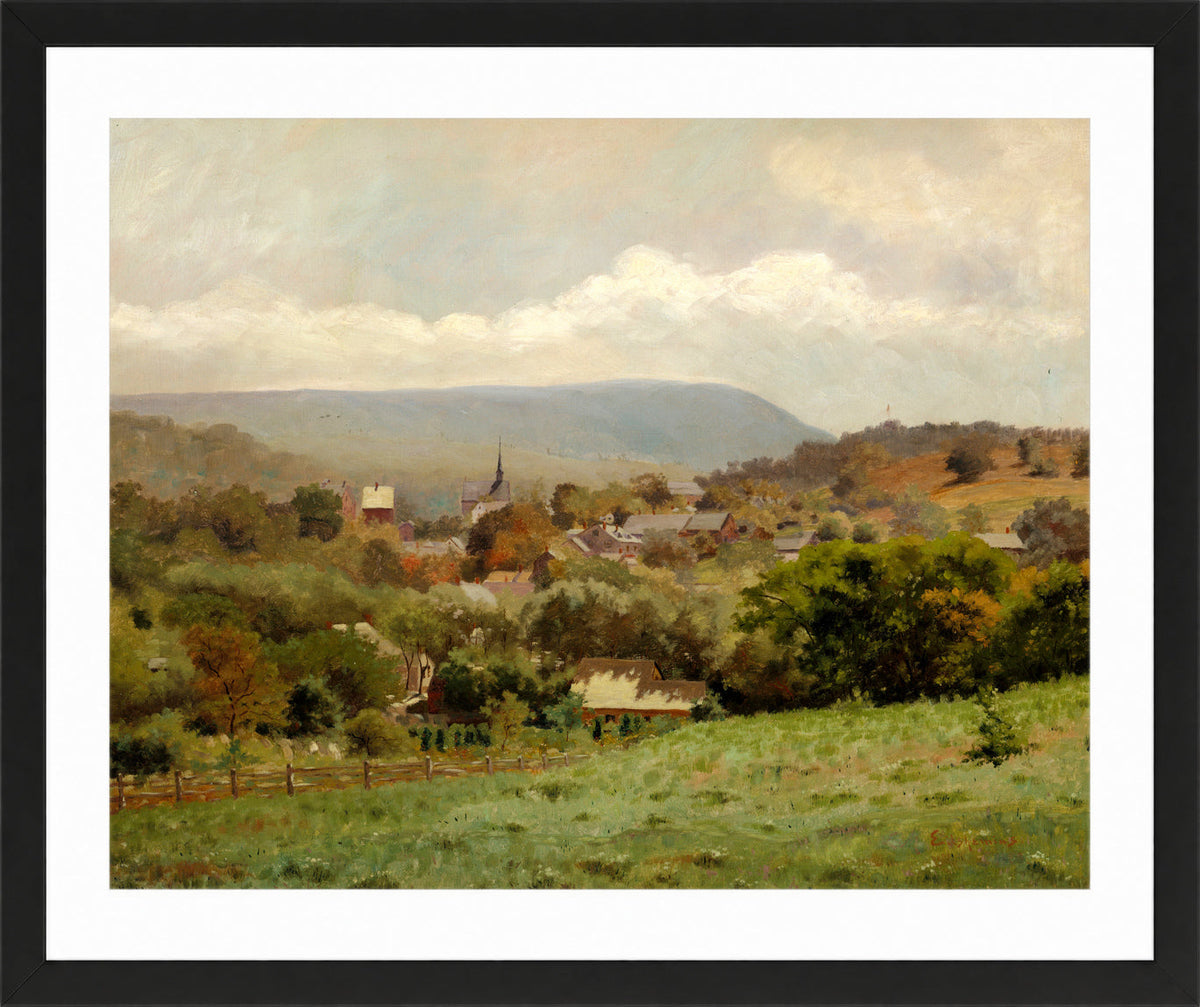






Louis Michel Eilshemius: Landscapes, City Scenes and Imagined Worlds
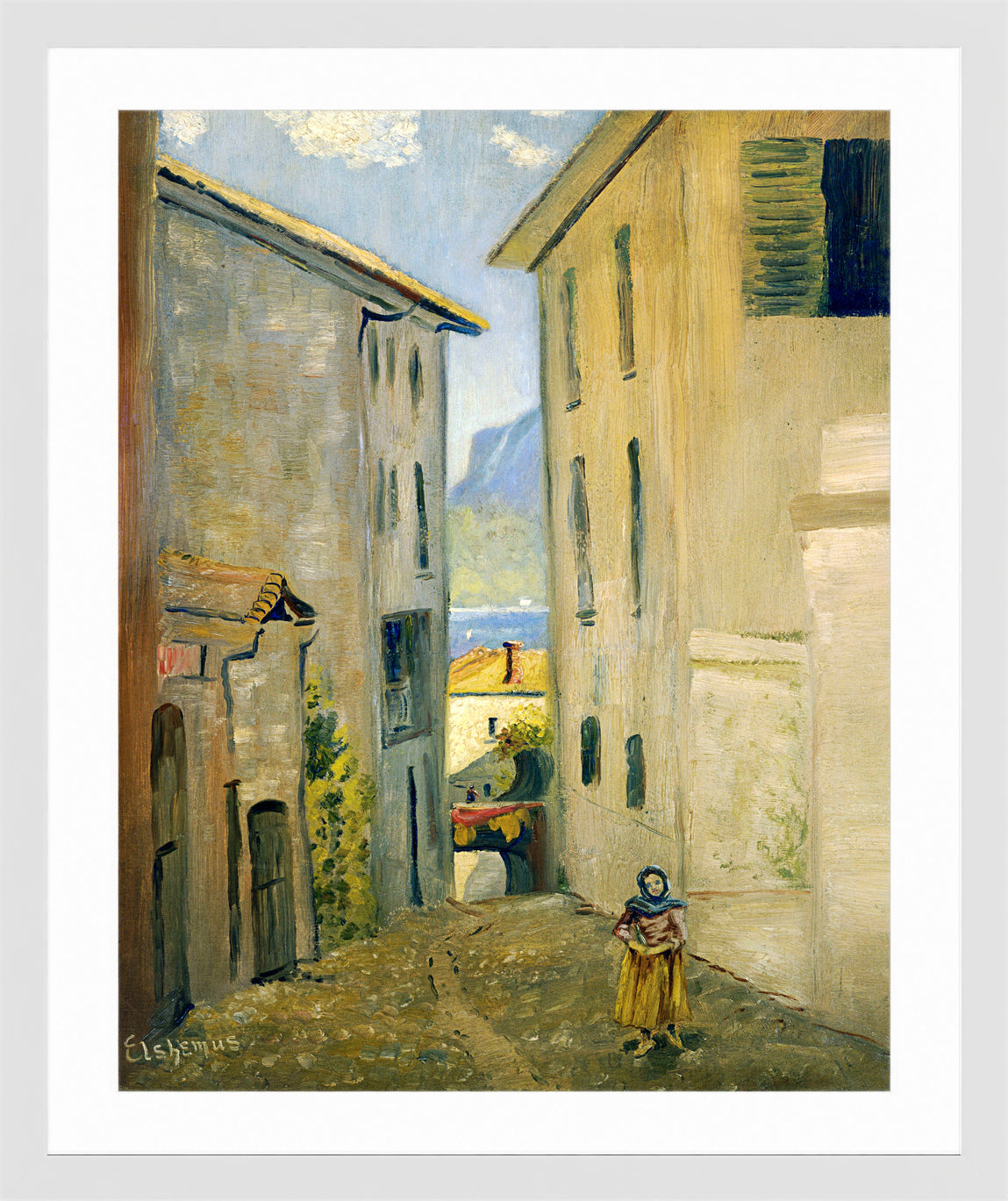
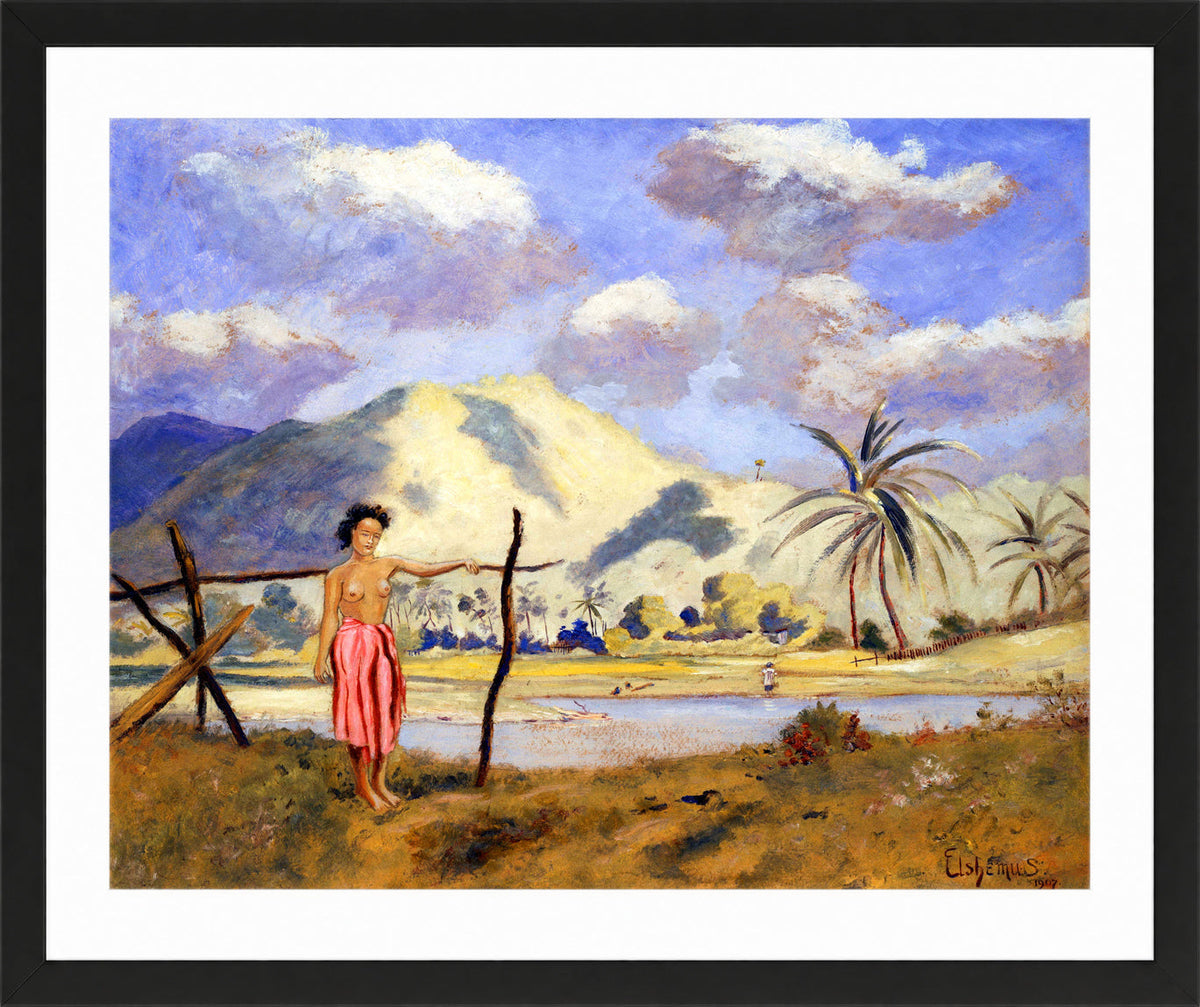
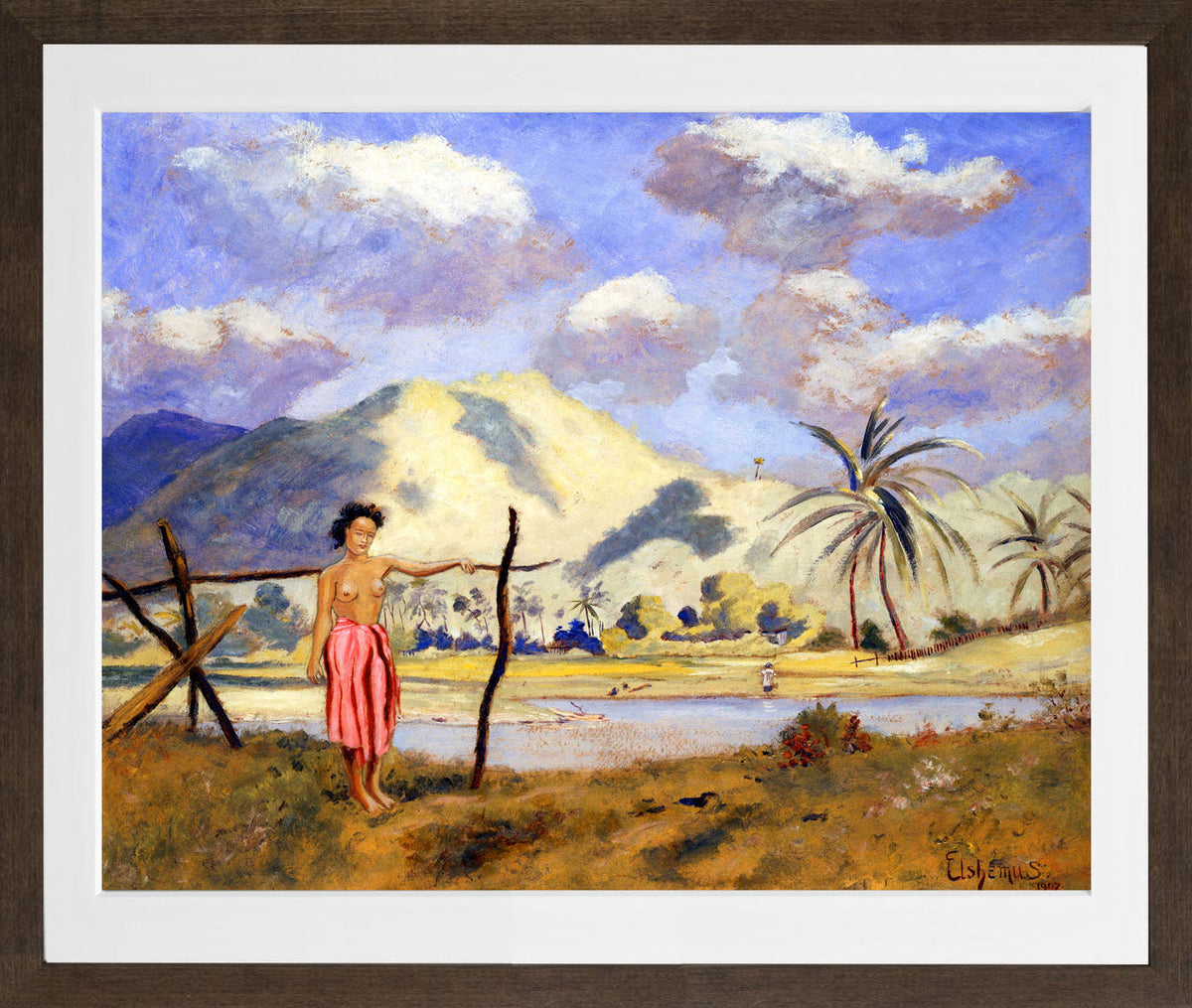
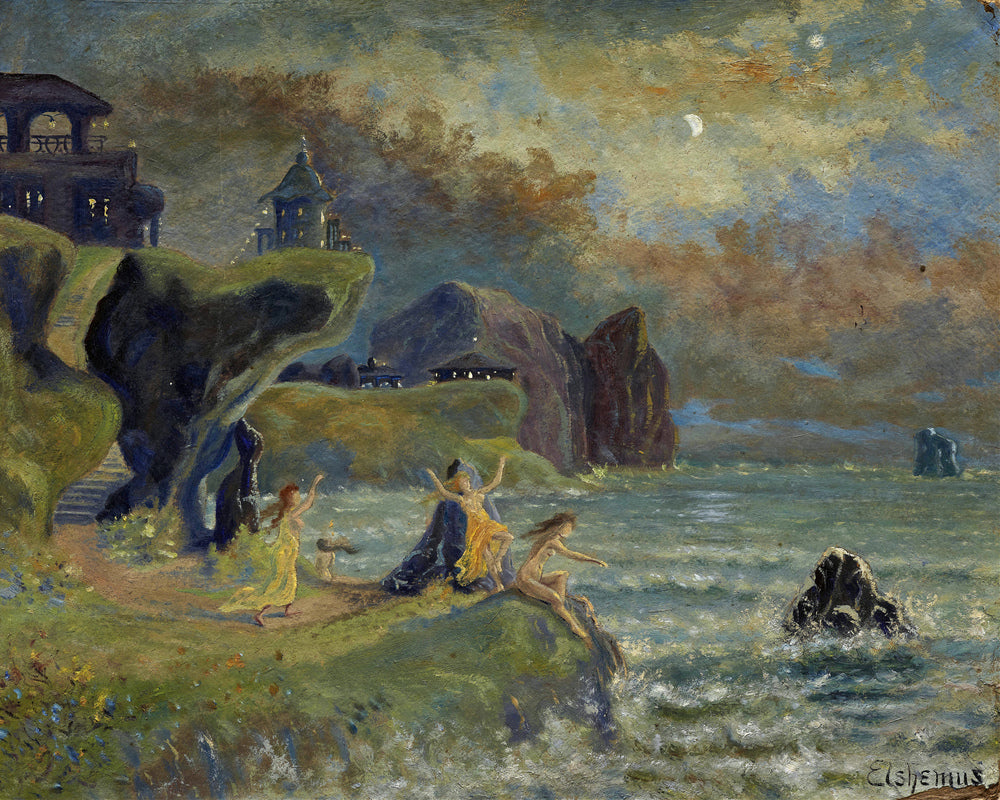
Louis Michel Eilshemius painted subjects that ranged from New York rooftops to secluded pools and distant coastlines. His work brings together two interests: the places he encountered and the scenes he imagined. Alongside views of the Delaware Water Gap, the Adirondacks and Samoa are paintings of nymphs and sirens, where landscape becomes the setting for a more elusive story.
About the Artist
Born in New Jersey in 1864, Eilshemius studied in Europe and at the Art Students League in New York. His early landscapes drew on the French Barbizon tradition and the American Hudson River School, while Albert Pinkham Ryder’s moonlit paintings helped shape his interest in atmosphere and imaginative subjects. He attracted the attention of Marcel Duchamp at the Society of Independent Artists exhibition in 1917, gaining recognition after years of relative obscurity. He stopped painting in 1921 and died in New York in 1941.
From American Landscapes to New York Streets
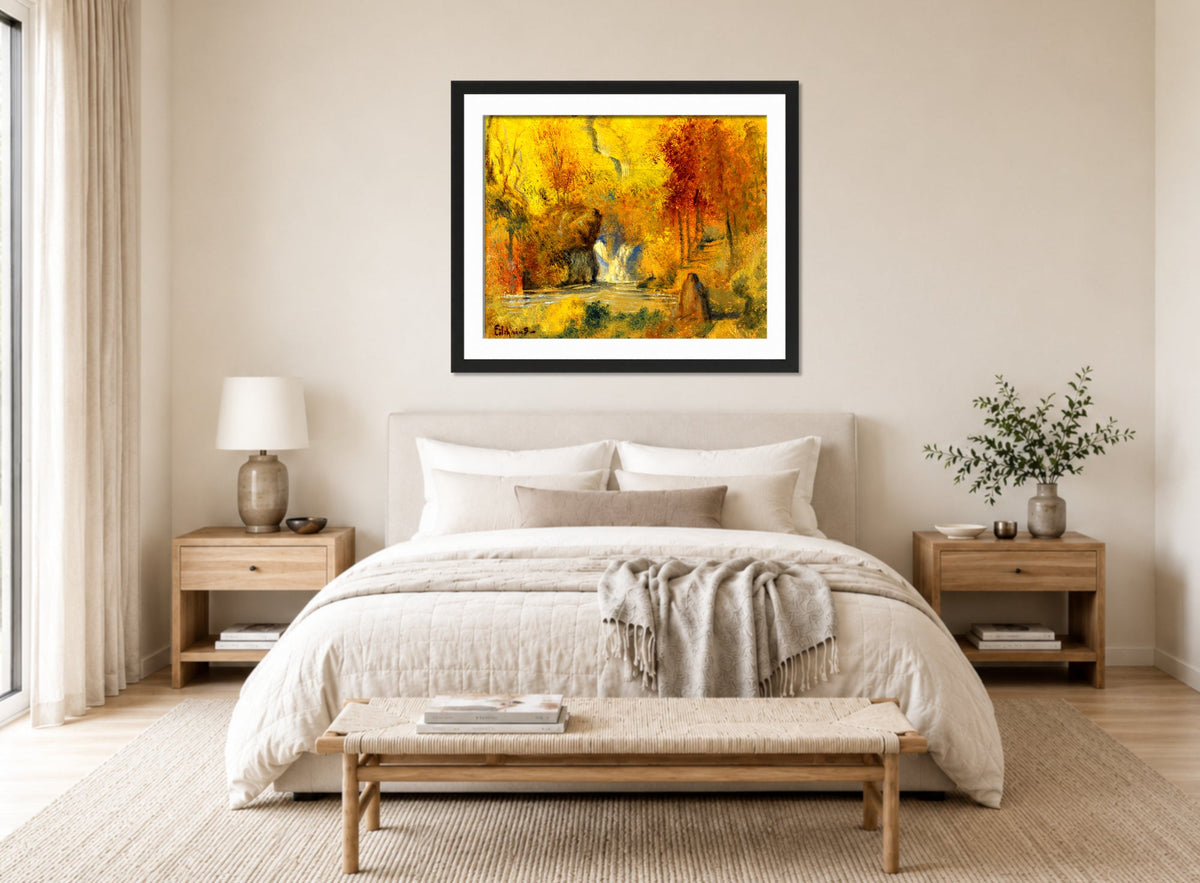
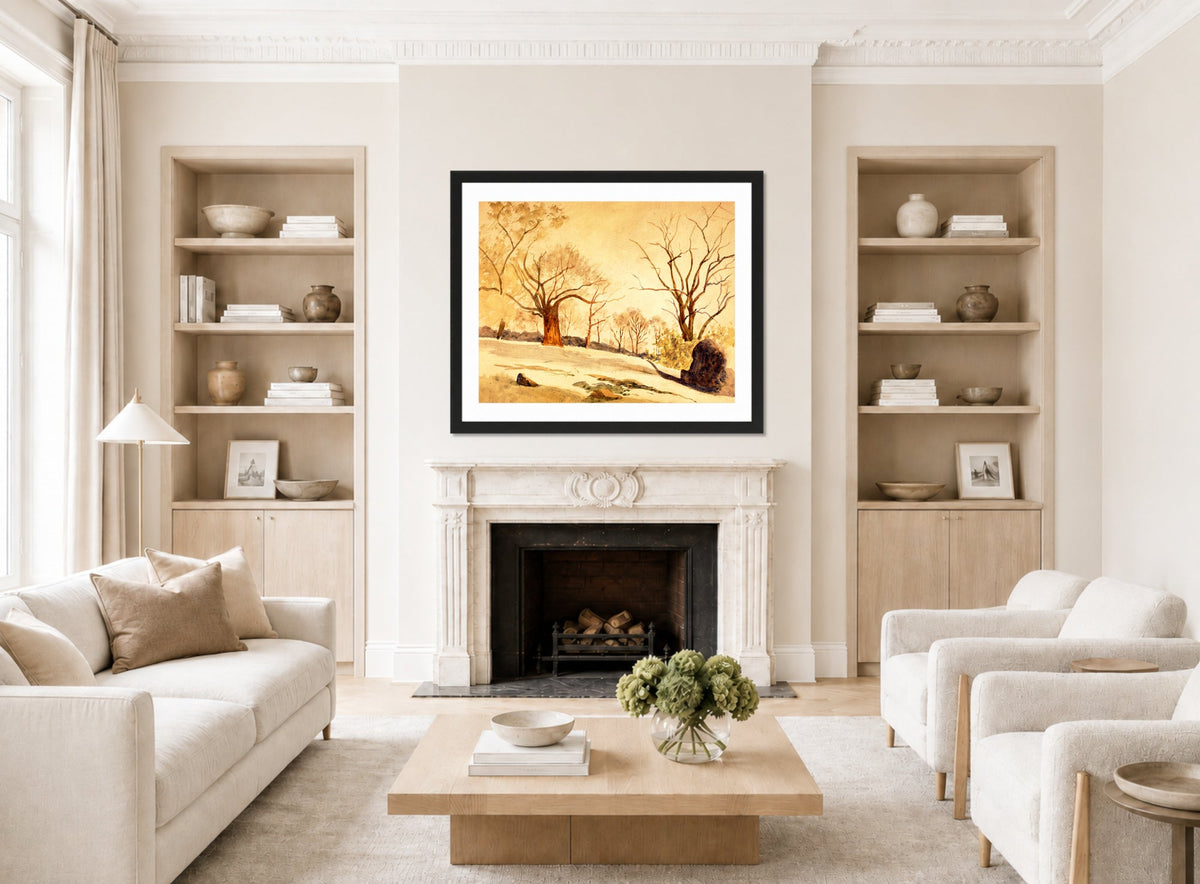
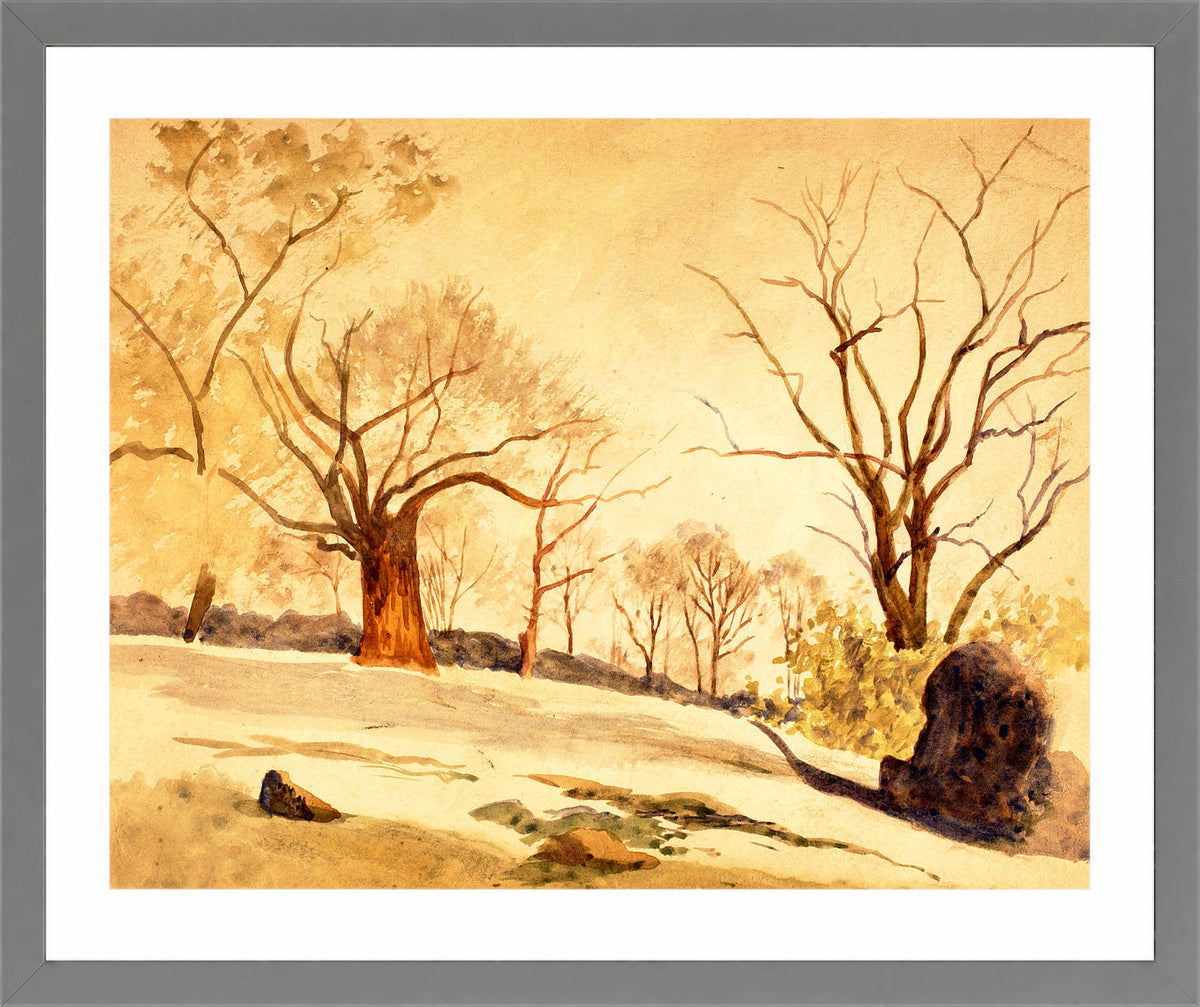
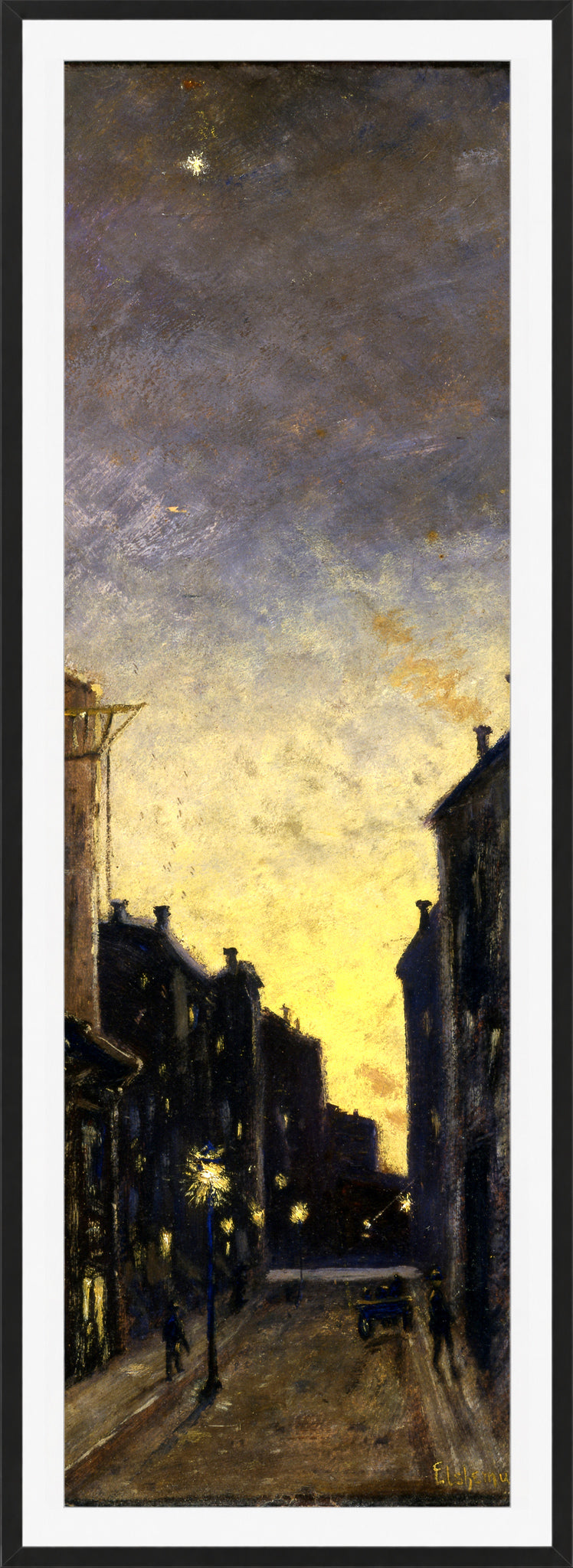
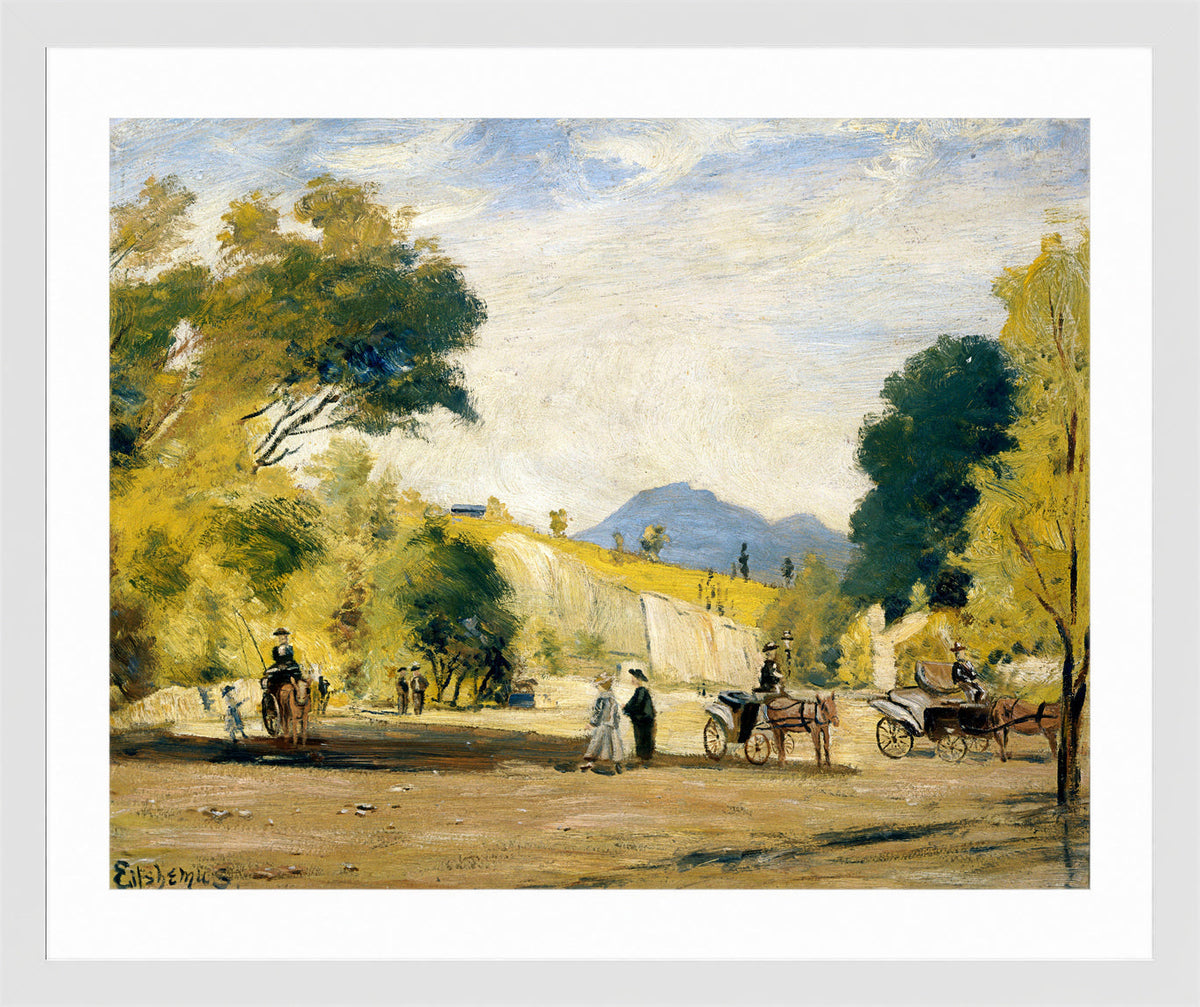
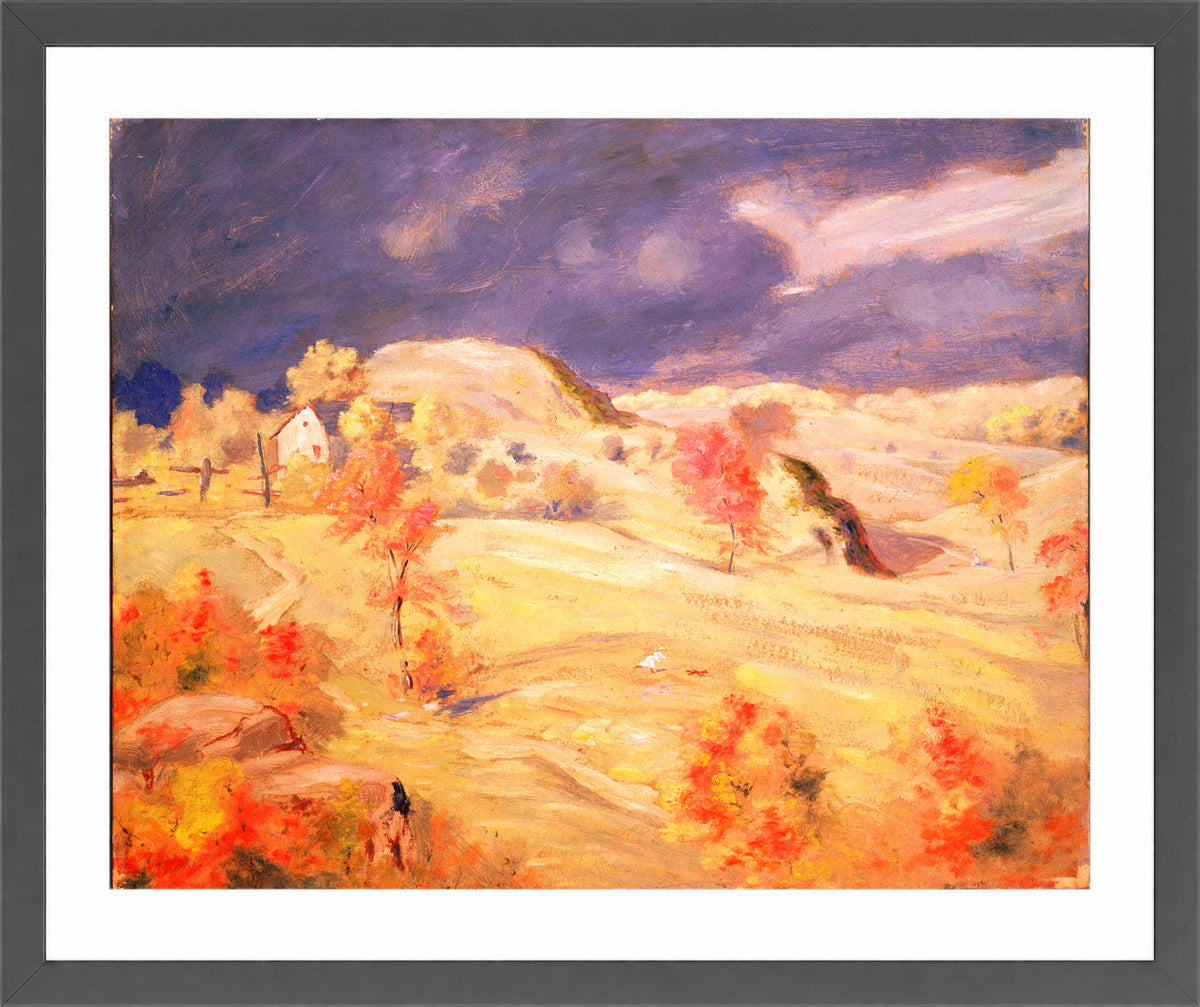
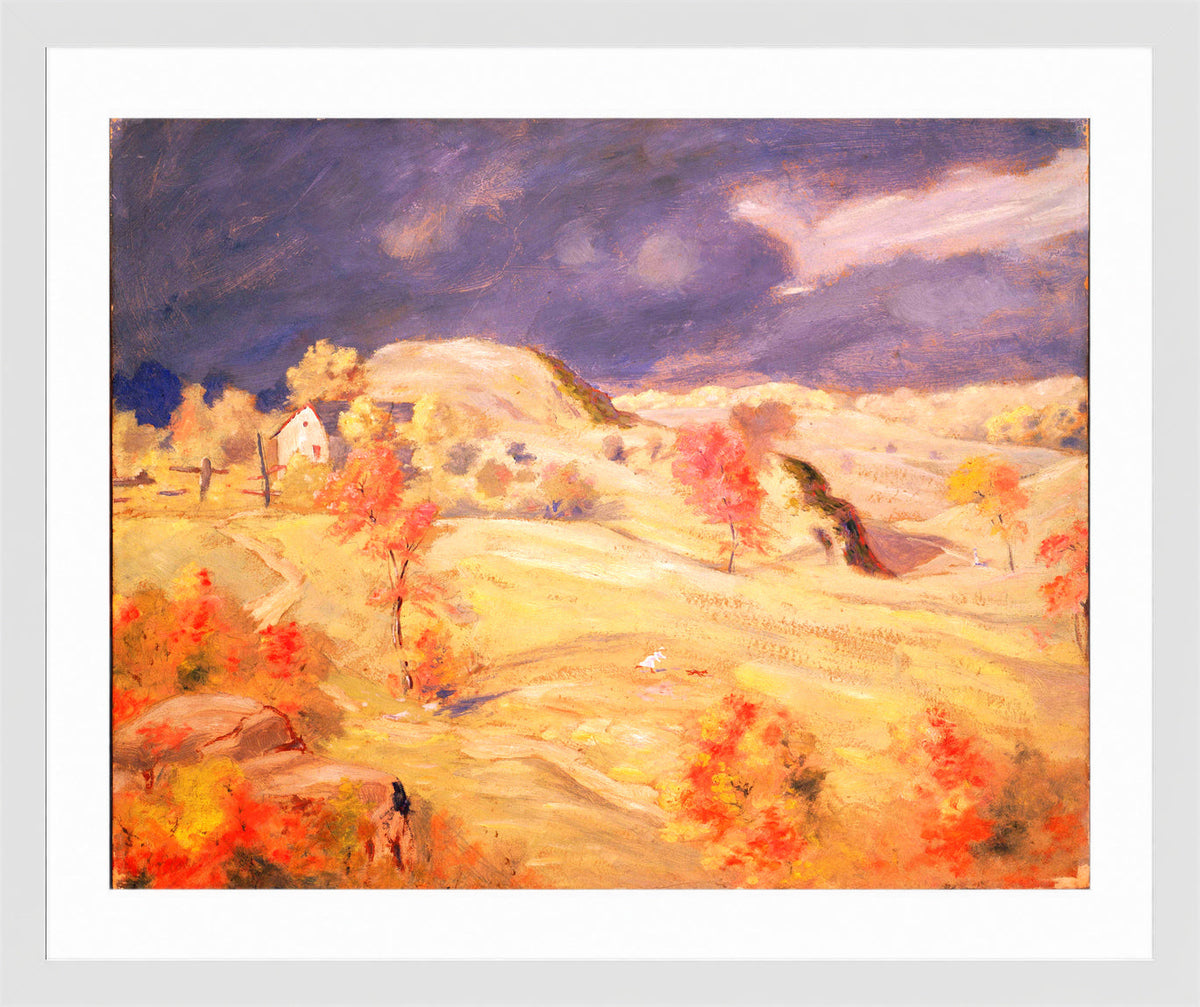
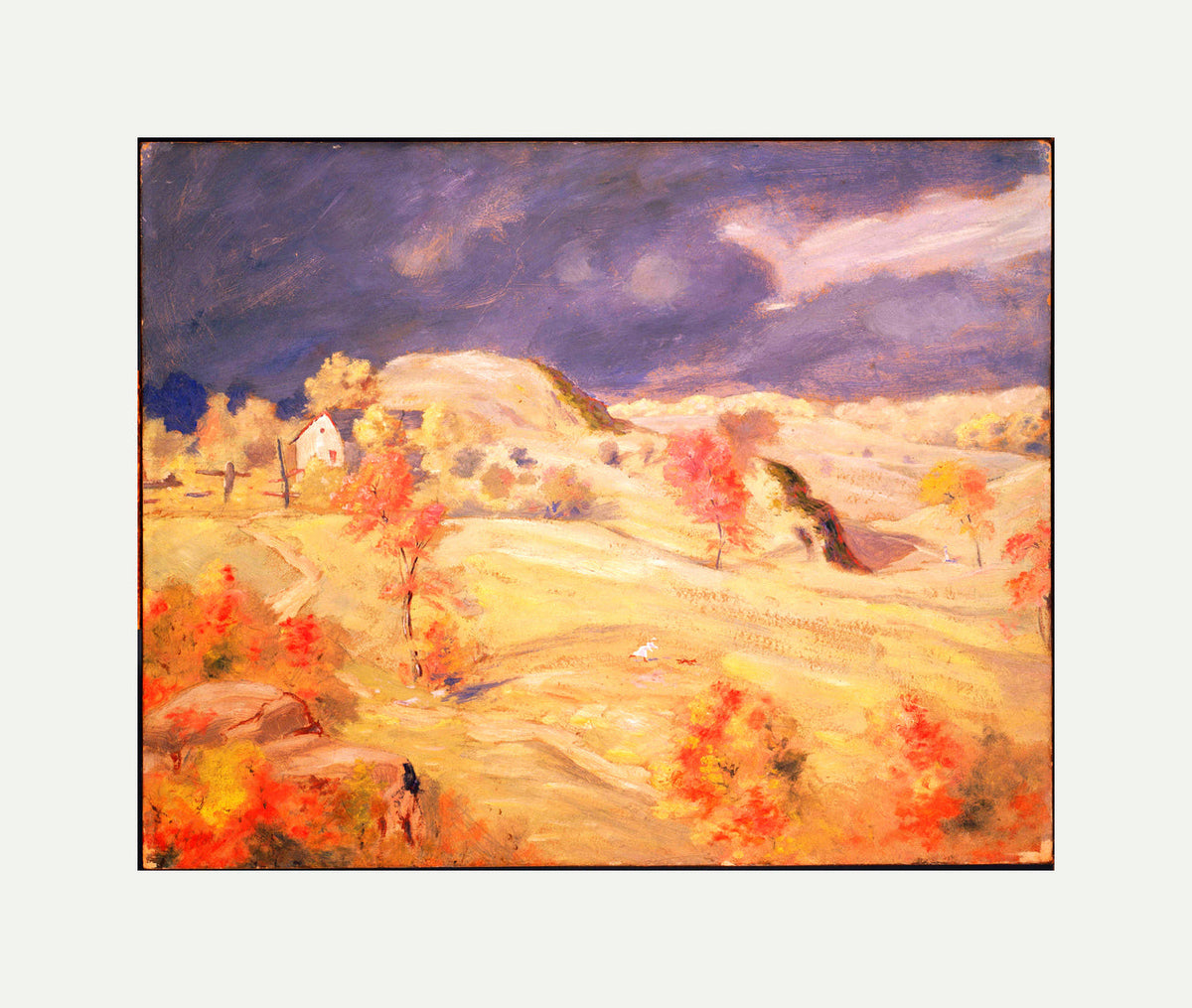
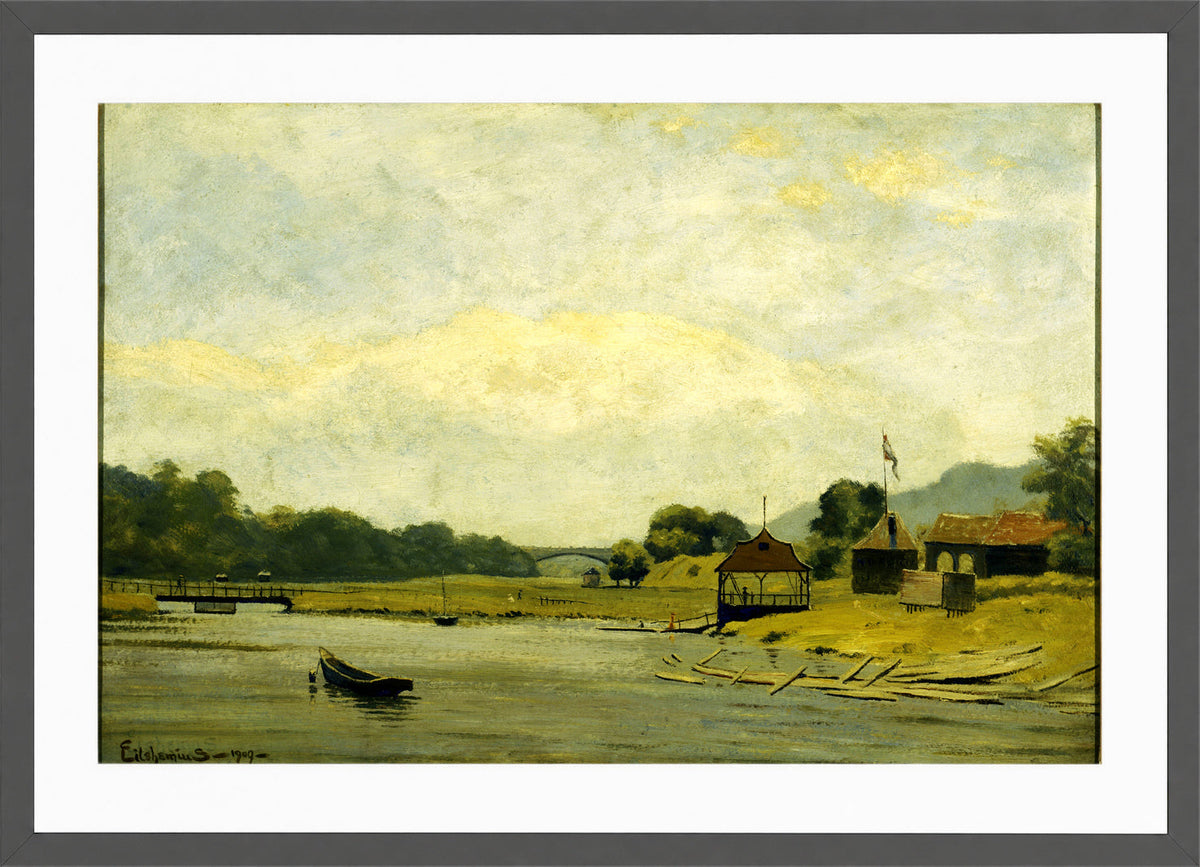
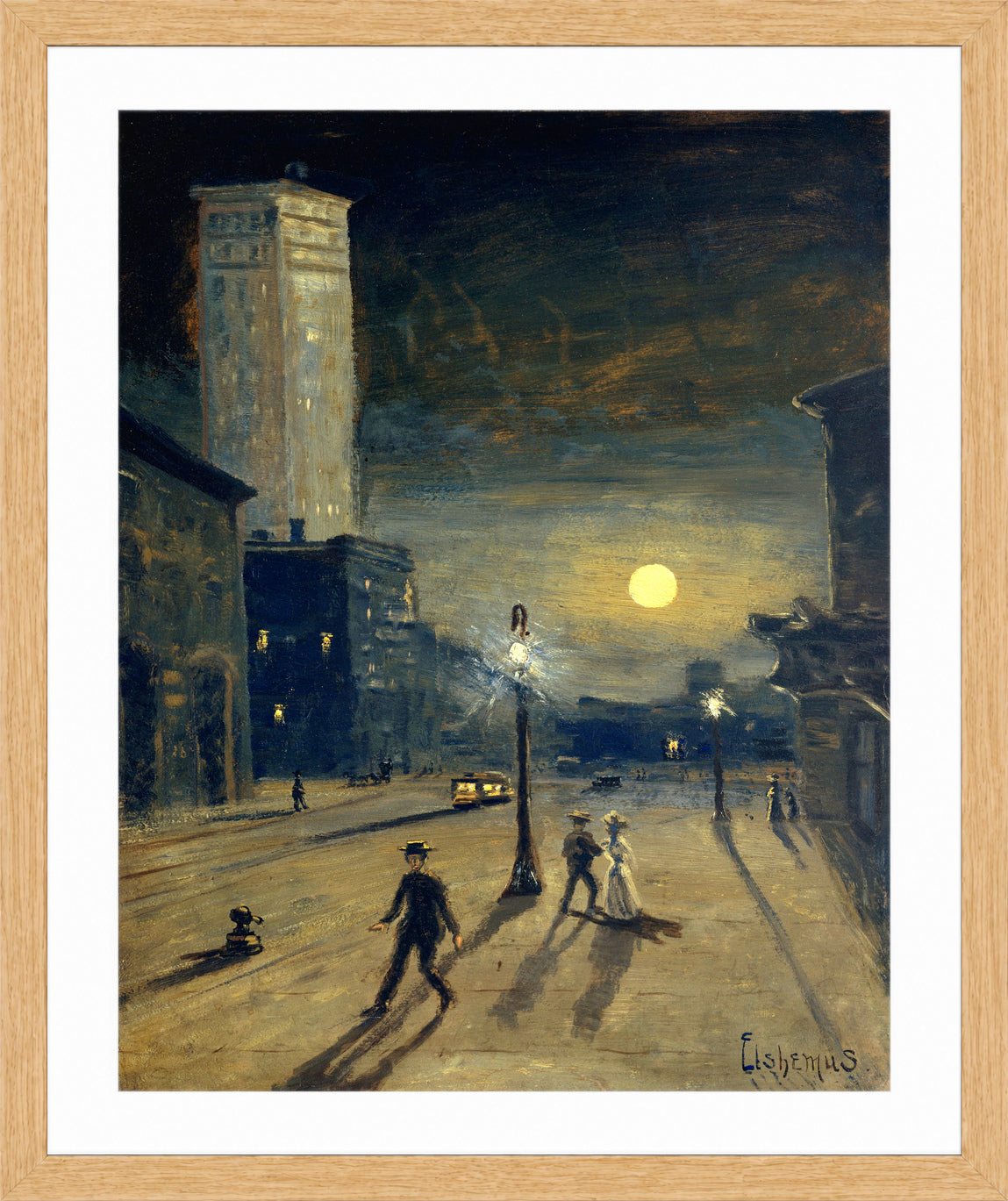
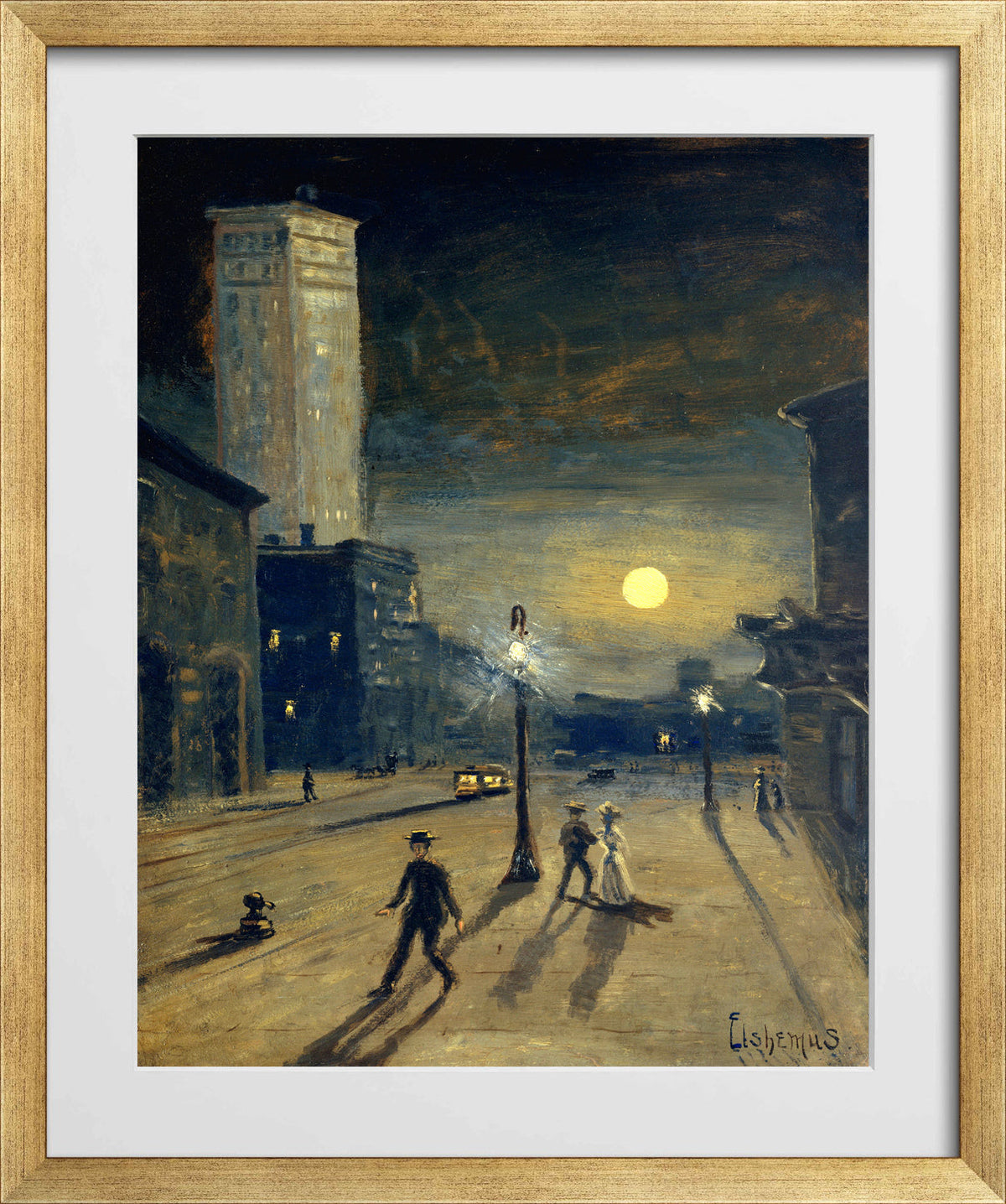
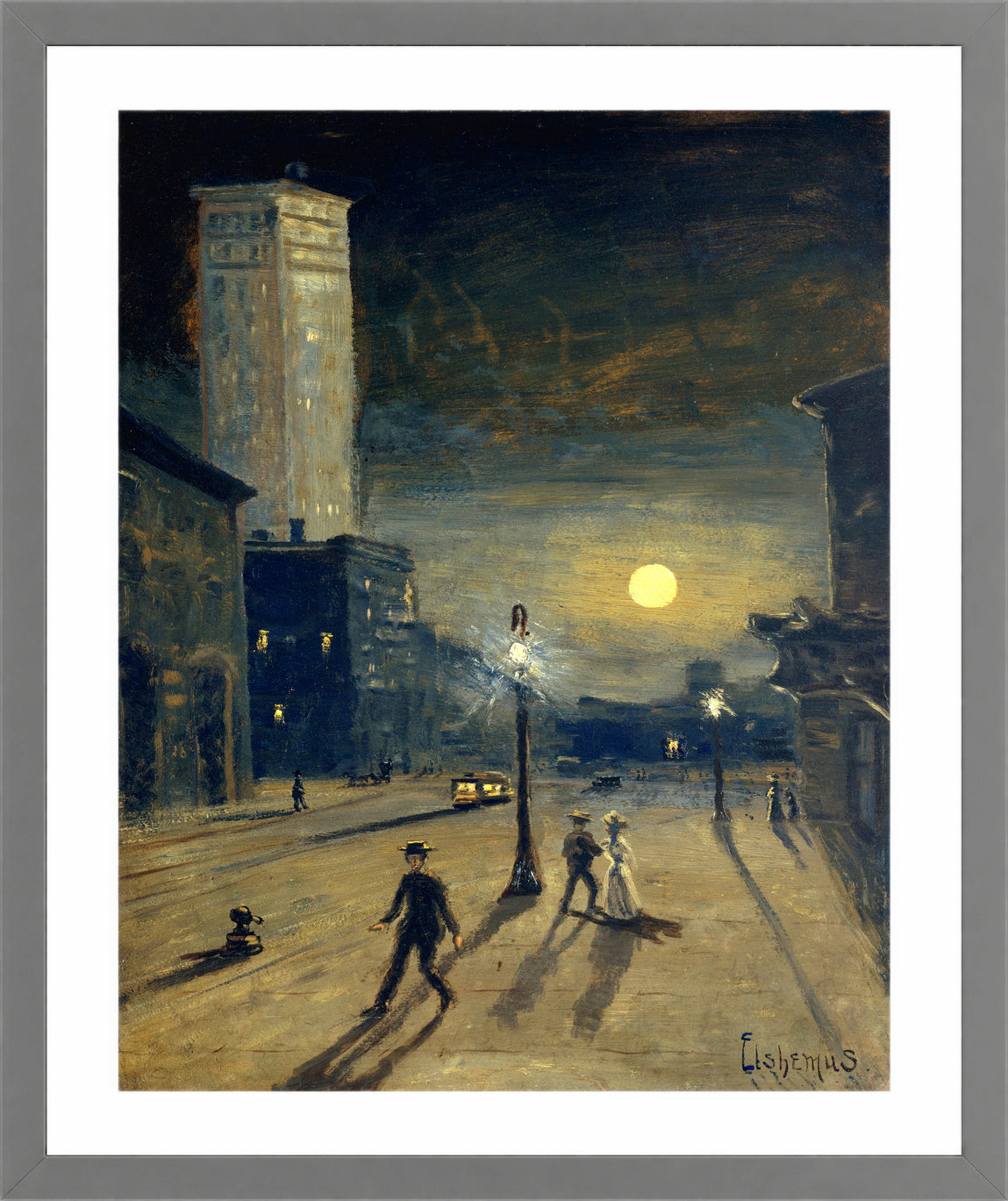
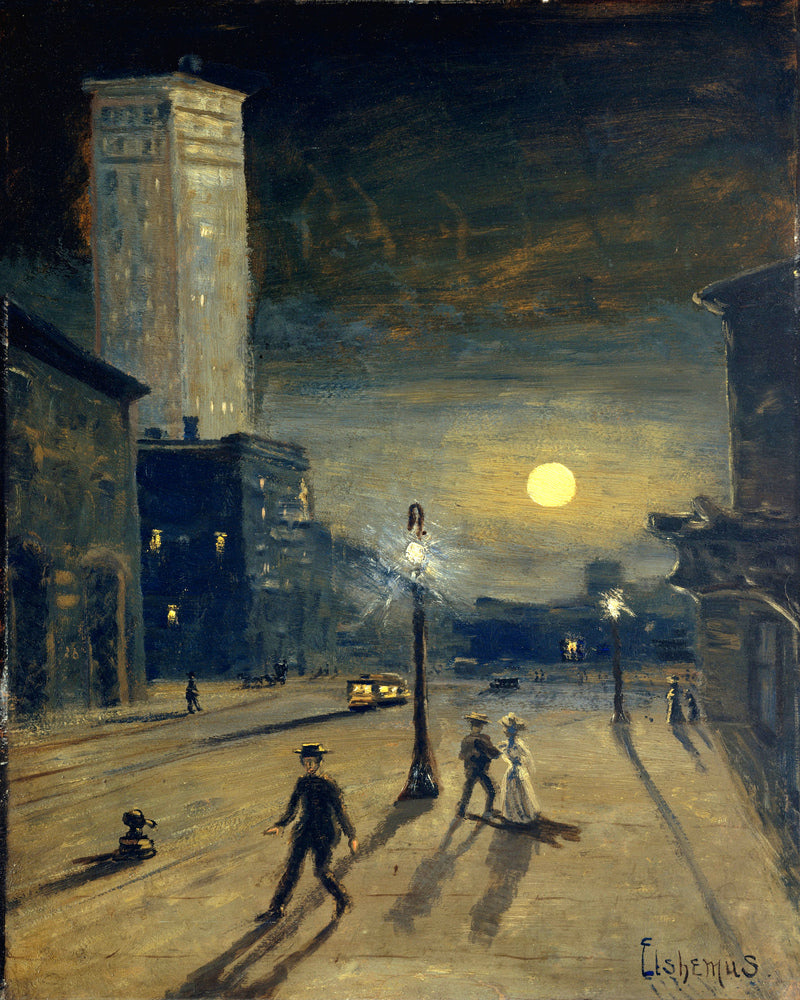
Works such as Green Meadow, Stormy Landscape and Adirondacks: Bridge for Fishing reflect his sustained interest in the natural world. Elsewhere, Fifty-Seventh Street, New York Street at Dusk and New York Roof Tops turn towards the city. Together, these subjects offer a varied picture of an artist whose attention moved between countryside, urban life and places encountered through travel.
For another approach to American landscape painting, explore George Inness prints, where light and atmosphere give familiar scenery a contemplative character. The wider Hudson River School collection provides context for the landscape tradition that influenced Eilshemius’s early work.
Coastal Views and Mythological Subjects
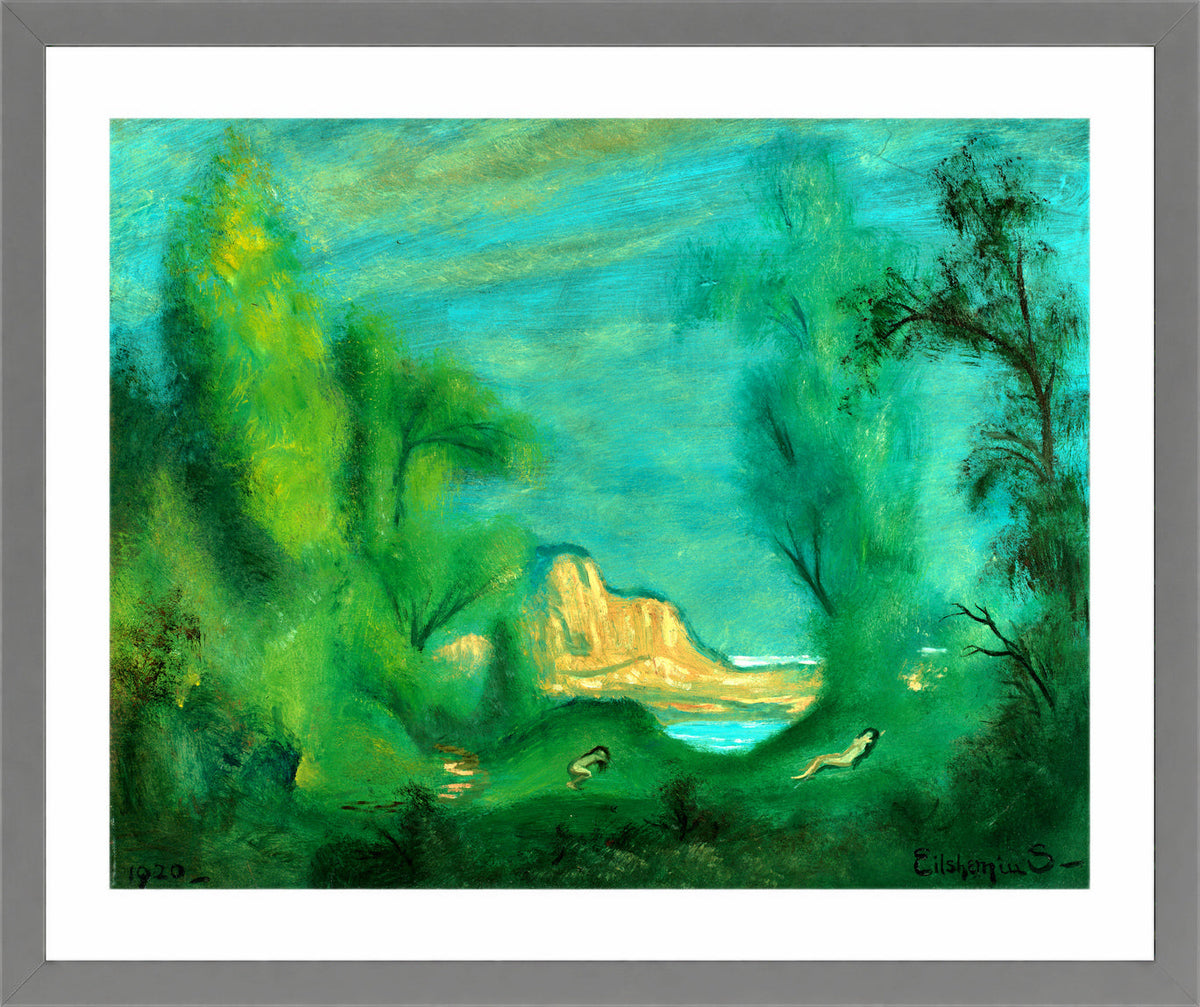
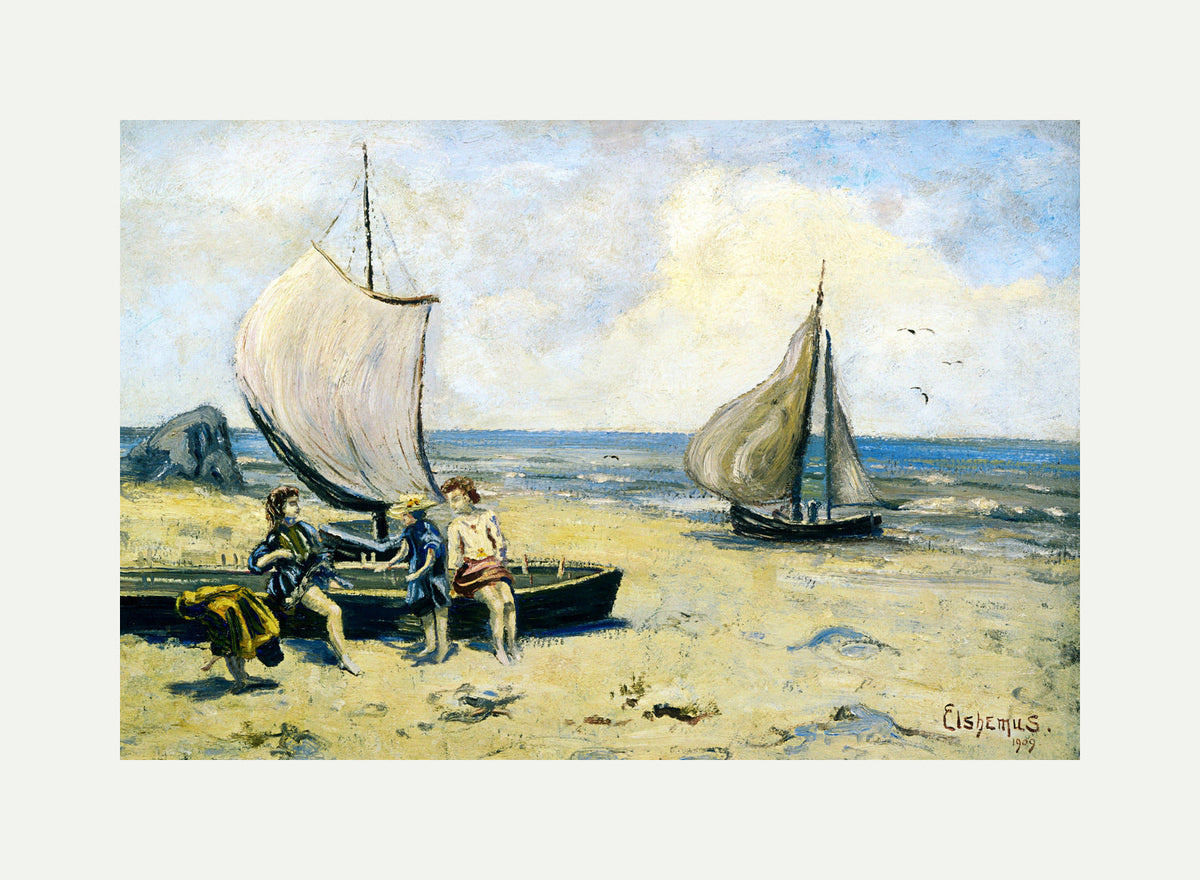
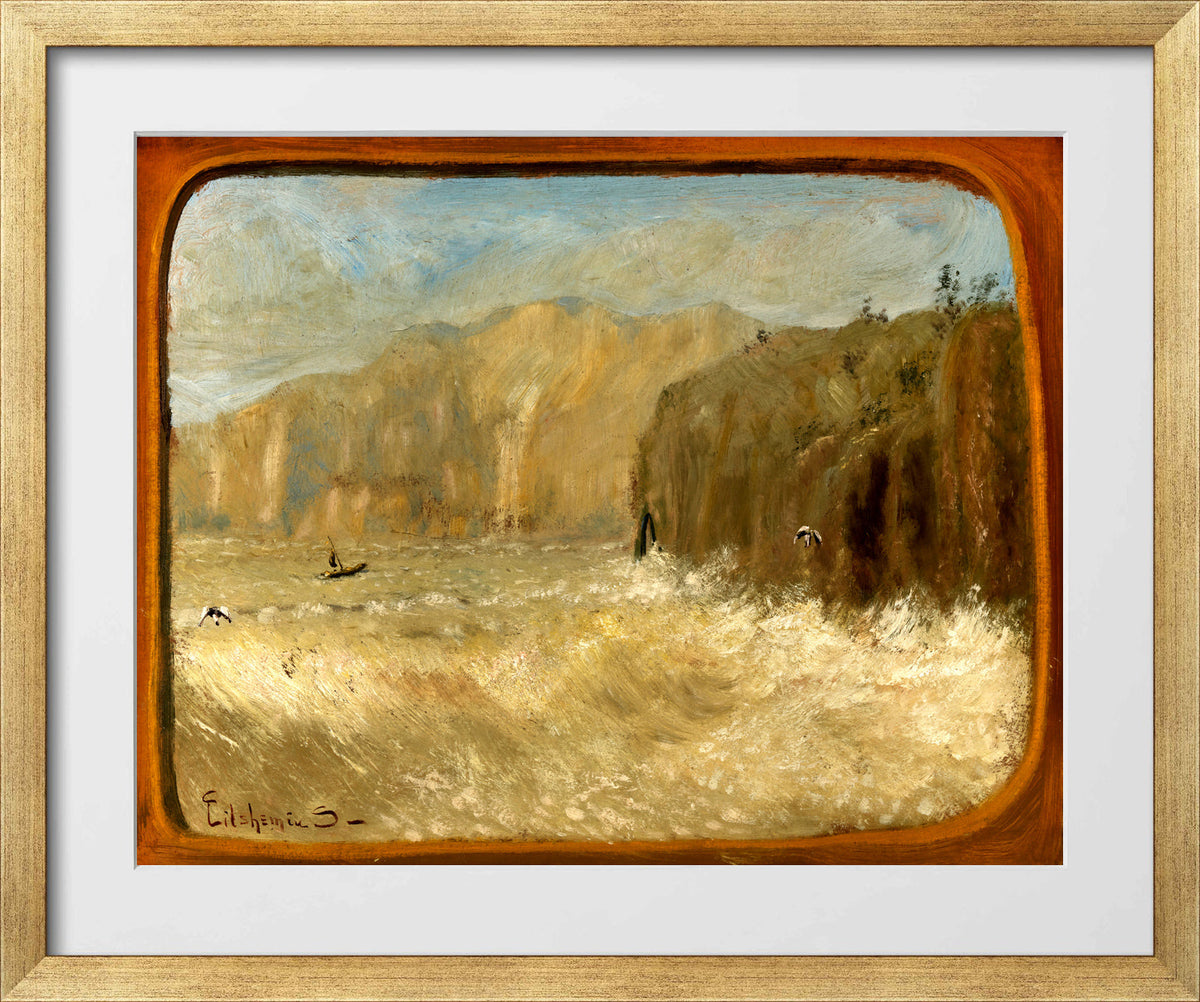
Beach at Apia, Samoa and Rocky Seashore sit alongside more imaginative works such as Sirens of the Sea and Standing and Reclining Nymphs. This movement between recognisable locations and invented scenes is central to his work: nature can be a subject in itself or a place for figures drawn from the imagination.
To explore a different treatment of shorelines and coastal light, browse Alfred Thompson Bricher prints. For landscapes with a stronger narrative or allegorical dimension, discover Thomas Cole prints.