


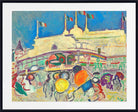
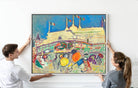
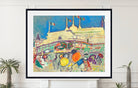
The Casino (1906) by Raoul Dufy
Couldn't load pickup availability
BUY WITH CONFIDENCE
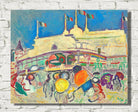
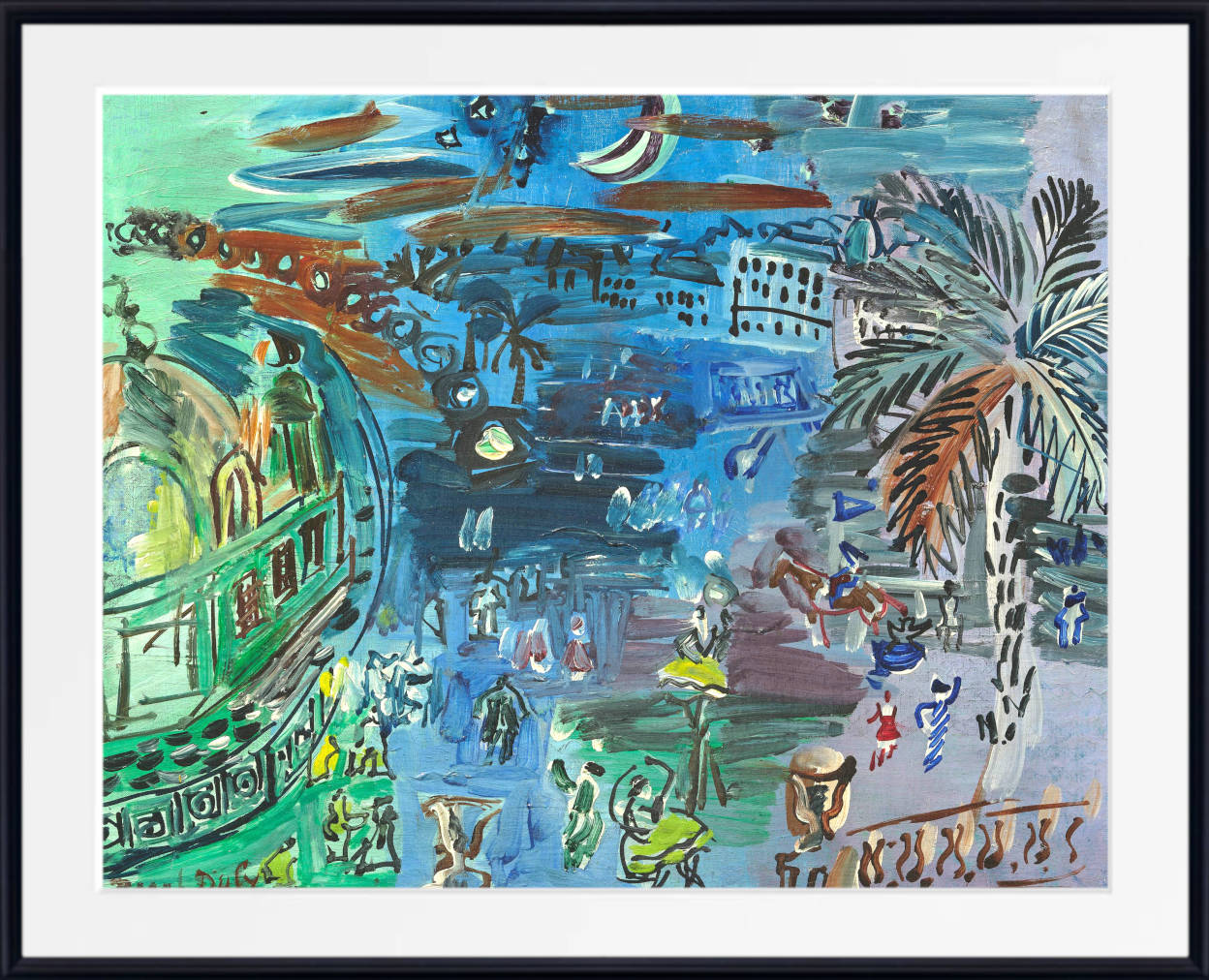
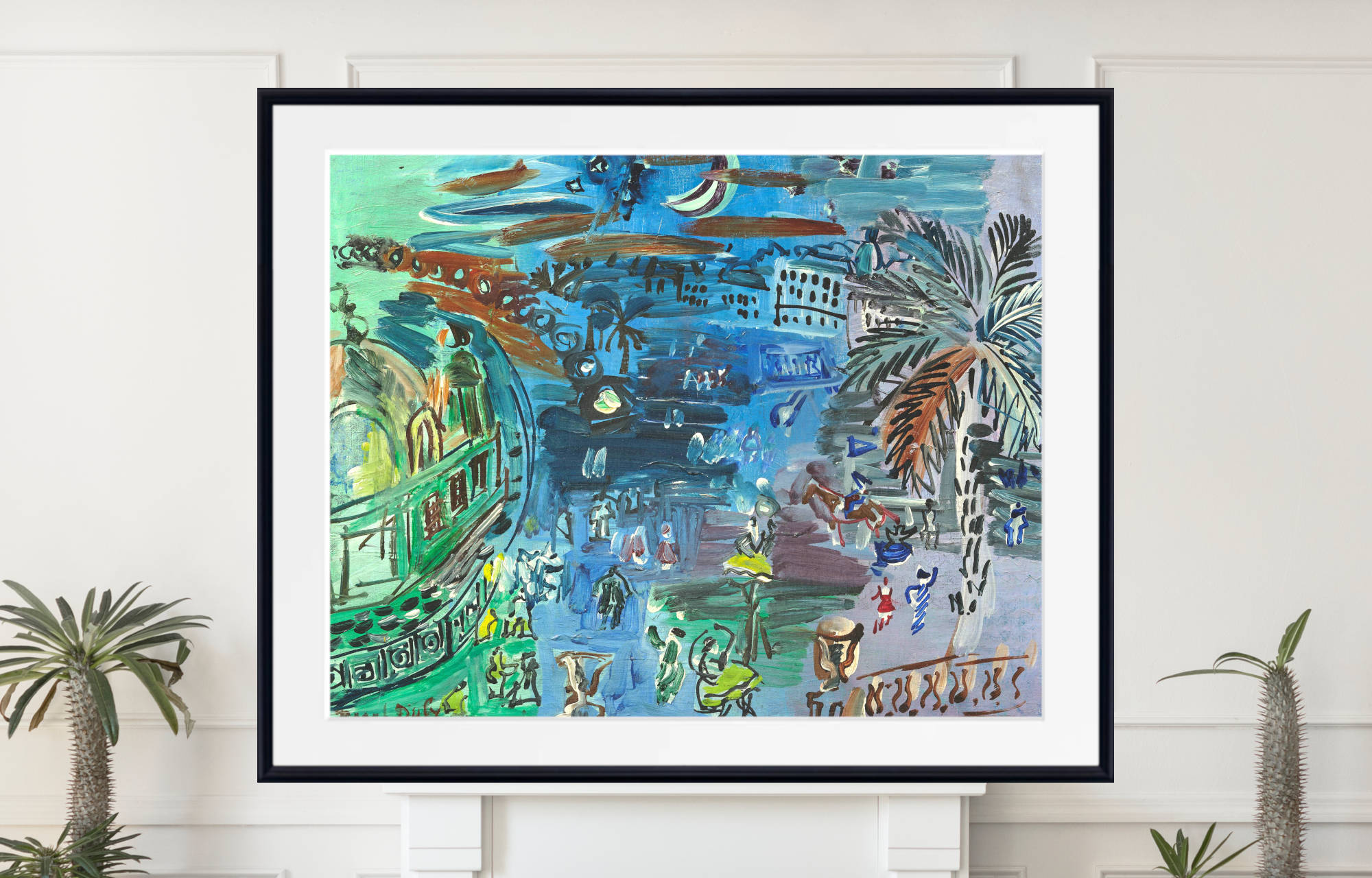
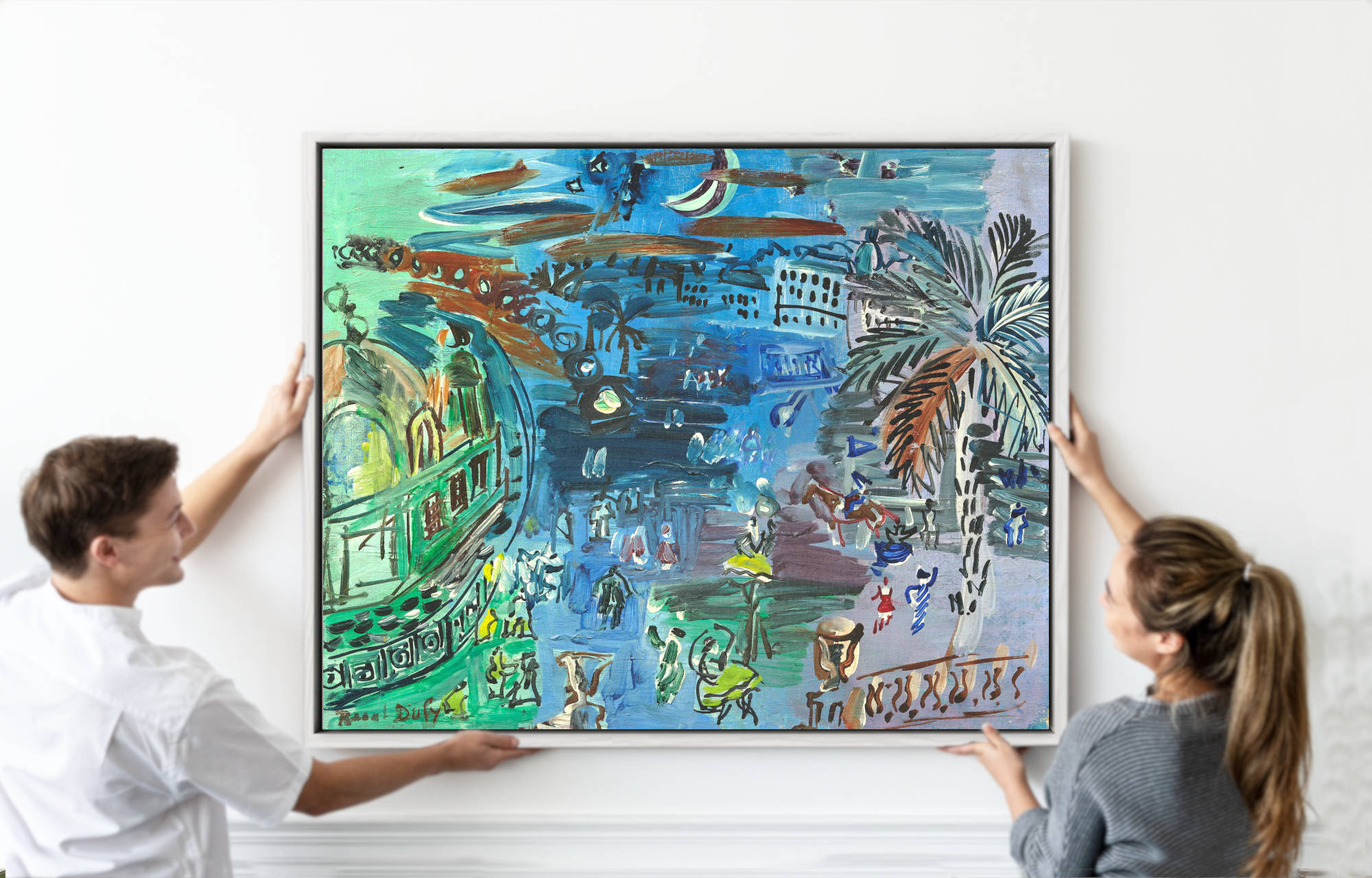
The Casino (1906) by Raoul Dufy, also known as Le Casino, is a vibrant Fauvist view of the Casino Marie-Christine at Sainte-Adresse, the fashionable seaside resort adjoining the artist's native Le Havre. Painted during the summer of 1906, the work transforms the casino, promenade and holiday crowds into an energetic composition of brilliant colour, rapid brushwork and simplified architectural forms.
This Raoul Dufy The Casino print captures a crucial moment in the artist's development, when he was abandoning his earlier Impressionist palette and embracing the intense colour of Fauvism. Flags flutter above the distinctive domed casino, figures gather beneath parasols and umbrellas, and the entire seaside scene seems animated by the excitement of modern leisure. Available as a fine art print, framed print or canvas panel, The Casino is an outstanding choice for admirers of Dufy, Fauvist art and colourful French coastal scenes.
The Casino – Sainte-Adresse in the Summer of 1906
Dufy's subject is the Casino Marie-Christine at Sainte-Adresse, a fashionable coastal resort situated immediately north of Le Havre in Normandy.
During the late nineteenth and early twentieth centuries, Sainte-Adresse attracted visitors to its beaches, bathing facilities, hotels and entertainment venues. The casino occupied a prominent position overlooking the coast and formed part of the modern leisure culture that fascinated painters working around Le Havre.
Dufy knew the area intimately. Born in Le Havre in 1877, he had been painting the beaches, jetties and surrounding coastline since the beginning of his career. He had depicted the casino's wooden jetty and nearby bathing beach several times before 1906, but The Casino represents his earliest known painting centred on the casino building itself.
The architecture provides an imposing focal point. Its long façade, columned arcade and distinctive dome rise behind a foreground alive with visitors, parasols and movement.
Dufy does not, however, treat the casino as an architectural study. The building becomes one element within a much broader sensation of colour, sunlight and seaside activity.
From Impressionism to Fauvism
The Casino was painted during one of the most important transitions in Raoul Dufy's career.
During his early years, Dufy had been strongly influenced by Impressionism. This was hardly surprising for an artist raised in Le Havre, the Normandy port closely associated with Claude Monet and Eugène Boudin. His early landscapes and beach scenes often used relatively subdued colours to record changing light and atmosphere.
A decisive change came in 1905 when Dufy saw Henri Matisse's Luxe, calme et volupté at the Salon des Indépendants in Paris. Matisse's use of brilliant, independent colour encouraged him to reconsider his own approach to painting.
The Salon d'Automne later that year confirmed the importance of this new direction. Paintings by Matisse, André Derain and their associates shocked critics with their intense colour, earning the artists the name les fauves — “the wild beasts”.
By early 1906 Dufy had adopted a fully Fauvist manner. Instead of attempting to reproduce the subtle colours of Normandy light, he began using saturated pigments in bold, direct passages.
The Casino belongs precisely to this moment of transformation.
Colour and Energy in The Casino
Colour gives The Casino much of its immediate visual excitement.
Dufy simplifies the architecture, figures and surrounding landscape so that strong areas of colour can operate with greater freedom. Instead of relying on carefully modelled forms and gradual tonal transitions, he builds the image through energetic brushstrokes and contrasting hues.
The bright sky creates an expansive background against which the casino and its distinctive dome stand clearly. Flags punctuate the architecture with additional flashes of colour, while the crowd below is represented through quick marks rather than individual portraits.
Parasols and umbrellas provide circular and curved forms that contrast with the stronger horizontal and vertical structure of the casino.
The result is a painting that appears spontaneous but remains carefully organised. Architecture establishes the composition, while colour and brushwork create movement across its surface.
The Modern Seaside as a Fauvist Subject
Fauvism is frequently associated with Mediterranean landscapes painted by Matisse and Derain at Collioure and L'Estaque. Dufy demonstrated that the cooler northern coast of Normandy could provide equally effective material for the movement.
The Casino Marie-Christine gave him more than a landscape. It combined architecture, sea air, fashion and the social rituals of the modern resort.
Visitors gather beneath umbrellas, flags animate the skyline and the building itself represents a distinctly modern form of leisure. Dufy was therefore painting not an untouched natural landscape but contemporary French life.
This interest would remain important throughout his career. Regattas, racecourses, fashionable resorts, concerts and public celebrations later became some of his favourite subjects.
The Casino is an early indication of that fascination with spectacle and recreation, expressed here through the intense colour of his Fauvist period.
Dufy and Albert Marquet in Normandy
During the summer of 1906, Dufy remained in Normandy rather than following several other Fauvist painters to the Mediterranean.
He worked alongside Albert Marquet, another artist closely associated with the Fauvist circle. Together they painted around Le Havre and other Normandy coastal locations including Sainte-Adresse, Trouville, Honfleur, Dieppe and Fécamp.
The partnership is important because Dufy and Marquet were interpreting landscapes already deeply associated with Impressionism through the newly intensified palette of Fauvism.
Rather than rejecting Impressionism completely, Dufy combined its interest in contemporary life and direct observation with Fauvism's greater freedom of colour.
This mixture gives paintings such as The Casino their distinctive character. The scene has the immediacy of an observed moment, but its colour has been deliberately heightened beyond straightforward naturalism.
The Normandy Fauves
Dufy belonged to a group sometimes described as the Normandy or Le Havre Fauves, alongside Othon Friesz and Georges Braque.
These artists approached Fauvism from a somewhat different background to Matisse, Derain and Maurice de Vlaminck. Their early training and surroundings had connected them strongly to the legacy of Impressionism.
When they encountered the much more intense colour of Fauvism, they incorporated it into an existing interest in landscape, harbours and the changing effects of light.
Dufy's paintings of 1906 are among the clearest products of this encounter. Works depicting beaches, harbours, flag-decorated streets and seaside resorts show him experimenting rapidly with stronger colour and more simplified forms.
The Casino is therefore significant not merely as an attractive coastal scene but as a document of the moment when one generation of French modern painting gave way to another.
Raoul Dufy's Fauvist Style
Dufy's Fauvist period was relatively brief, concentrated mainly around 1905–07, but it fundamentally changed his approach to colour.
Several characteristics associated with Fauvism appear clearly in The Casino:
- strong, highly saturated colour
- visible and energetic brushwork
- simplified architecture and figures
- reduced tonal modelling
- colour used expressively rather than purely descriptively
- an emphasis on the overall decorative organisation of the picture
Yet Dufy's version of Fauvism retains something of his Impressionist background. The painting still conveys the immediacy of an outdoor scene observed amid changing light and social activity.
This combination would eventually lead him towards a highly personal style. After passing through a more structured phase influenced by Paul Cézanne, Dufy developed the light, fluid outlines and transparent colour for which his mature paintings became famous.
About Raoul Dufy
Raoul Dufy (1877–1953) was a French painter, draughtsman, printmaker and designer born in Le Havre, Normandy.
He studied at the École Municipale des Beaux-Arts in Le Havre before moving to Paris, where he continued his training at the École des Beaux-Arts. His early work reflected the influence of Impressionism and the coastal painting tradition of Normandy.
His encounter with Fauvism in 1905 dramatically intensified his palette. Paintings made during the following two years rank among the boldest works of his early career.
Dufy subsequently explored the structural ideas of Cézanne before developing the distinctive mature manner for which he is now particularly celebrated: elegant drawing combined with broad, transparent areas of luminous colour.
His subjects included regattas, horse racing, Mediterranean resorts, orchestras, gardens, fashionable society and European cities. He also worked extensively as a textile designer, illustrator, ceramicist and creator of monumental decorative schemes.
The Original The Casino
The original The Casino, or Le Casino, was painted in 1906.
Dufy created the work in oil on canvas, and it measures approximately 60 × 72.5 cm.
The painting depicts the Casino Marie-Christine at Sainte-Adresse and was painted during the summer of 1906 at the height of Dufy's Fauvist experimentation.
The work remained with the artist's family before passing through several distinguished private collections. It has also been exhibited publicly, including at the National Gallery of Art in Washington, D.C., where it was shown under the title The Casino at Le Havre.
The original is held in a private collection.
A Raoul Dufy The Casino Print for Your Interior
A Raoul Dufy The Casino print offers an appealing combination of architecture, coastal scenery, human activity and strong modern colour.
Unlike a conventional seaside painting dominated by open water and sky, the casino provides a substantial architectural focal point. The crowds, parasols and flags introduce additional movement and decorative detail.
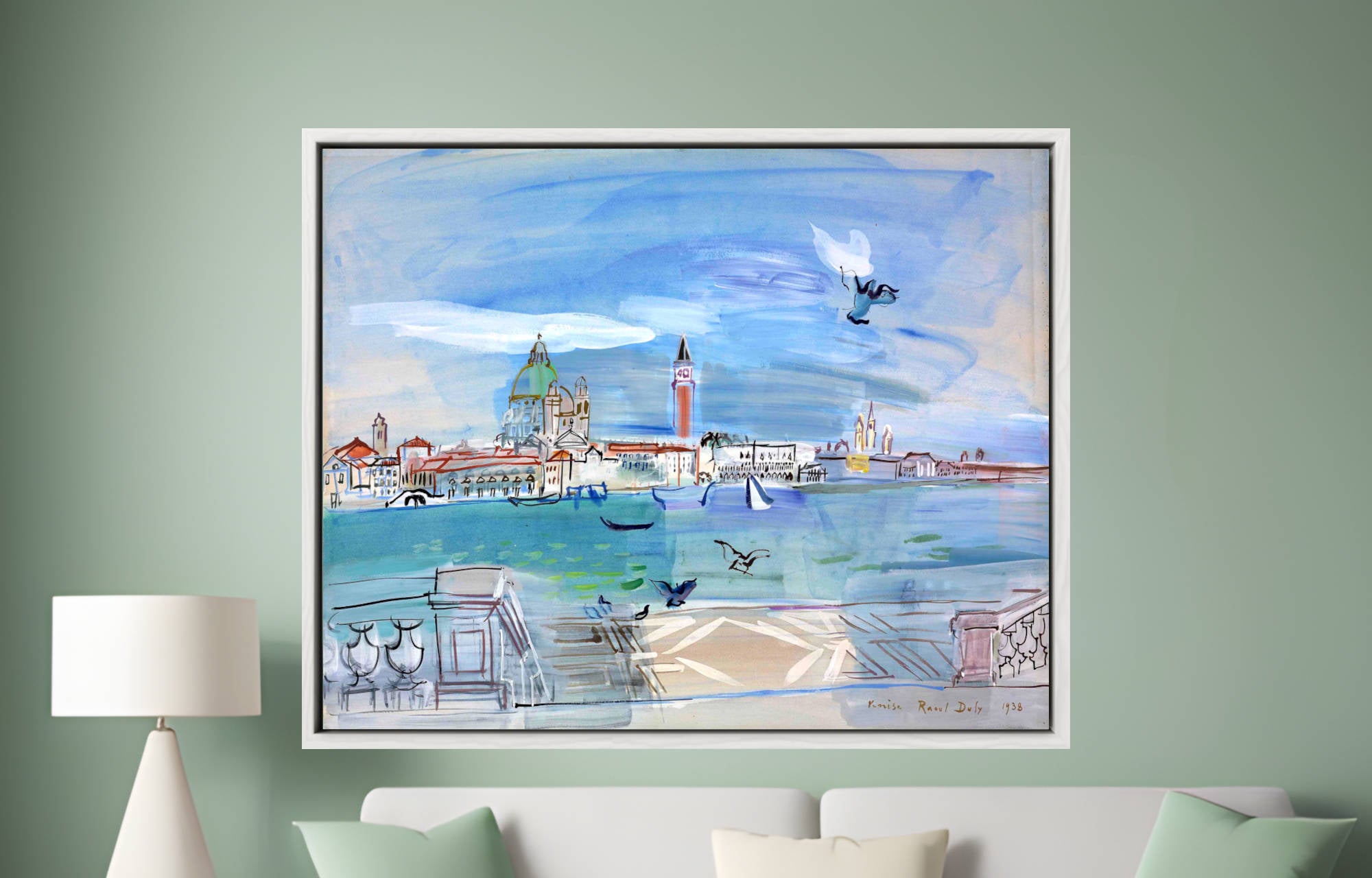
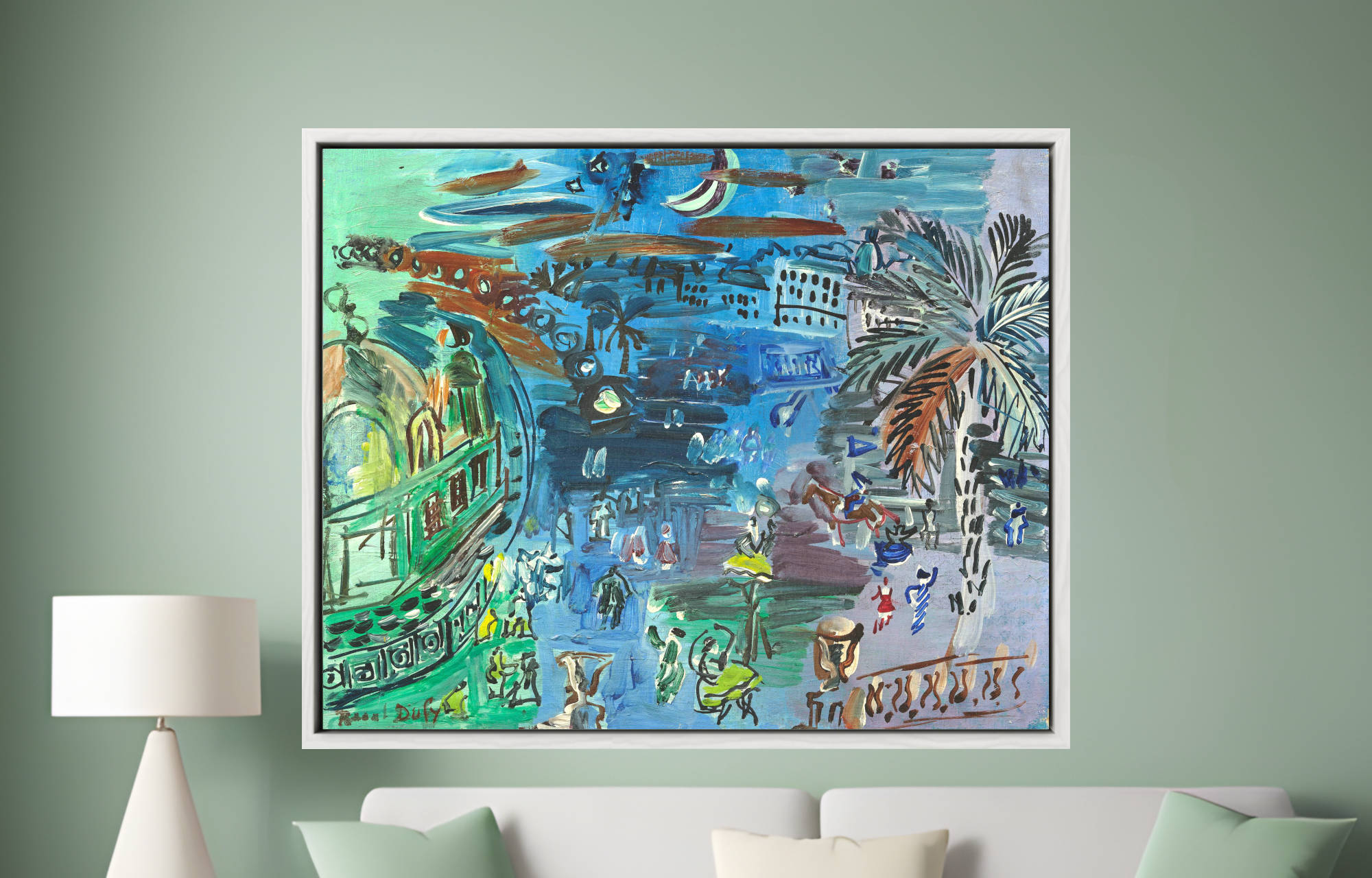
The horizontal format works particularly well above sofas, sideboards, console tables and beds, while its colourful palette can enliven neutral interiors without depending on a purely abstract image.
White, cream, putty and pale grey walls provide particularly effective backgrounds for the stronger Fauvist colours. The painting can also complement natural timber, restrained Scandinavian furniture and mid-century-inspired interiors.
The Casino is suitable for living rooms, dining rooms, hallways, bedrooms, home offices and coastal homes, while its historical connection with fashionable French seaside culture gives it additional appeal for collectors of French art.
For admirers of Dufy's later regattas and resort scenes, the painting is especially interesting because it shows many of those lifelong subjects emerging during the radical Fauvist phase of his early career.
Frequently Asked Questions
When did Raoul Dufy paint The Casino?
Dufy painted The Casino in the summer of 1906, during the height of his involvement with Fauvism.
What is the French title of The Casino?
The painting is commonly known in French as Le Casino.
Which casino did Raoul Dufy paint?
The painting depicts the Casino Marie-Christine at Sainte-Adresse, a seaside resort immediately north of Dufy's native Le Havre in Normandy.
Is The Casino a Fauvist painting?
Yes. It was painted in 1906, when Dufy had fully embraced the intense colour and direct brushwork associated with Fauvism.
Why is The Casino important in Dufy's career?
The painting belongs to the crucial period when Dufy was moving away from his earlier Impressionist manner and adopting the stronger colour of Fauvism. It also anticipates his lifelong interest in resorts, fashionable leisure and public spectacle.
What medium did Raoul Dufy use for The Casino?
The original was painted in oil on canvas.
What size is the original The Casino?
The painting measures approximately 60 × 72.5 cm.
Where is the original The Casino by Raoul Dufy?
The original painting is currently held in a private collection.
Did Dufy paint other views of the Casino Marie-Christine?
Yes. Dufy repeatedly painted the beaches, jetty and casino area at Sainte-Adresse. He later returned to the casino itself in works produced after his Fauvist period.
Who did Dufy paint with in Normandy in 1906?
Dufy worked alongside Albert Marquet during the summer of 1906, painting around Le Havre and other Normandy coastal locations.
What changed Dufy's painting style around 1905?
Seeing the work of Henri Matisse, particularly Luxe, calme et volupté, encouraged Dufy to abandon the more subdued palette of his earlier Impressionist-influenced work and experiment with the brilliant colour of Fauvism.
Is The Casino available as a framed Raoul Dufy print?
Yes. GalleryThane offers The Casino (1906) in a choice of sizes and formats, including fine art paper prints, framed prints and canvas options.
Where would a Raoul Dufy Casino print work well?
Its horizontal composition, colourful coastal setting and architectural subject make it particularly effective in living rooms, dining rooms, bedrooms, hallways, offices and coastal interiors.
All orders for unframed fine art prints and original paintings are dispatched within 2 working days of receipt of payment.
Orders for custom framed prints are dispatched within 4 working days.
All orders are fully tracked from dispatch to delivery at your home or business.
All print and original painting orders are fully insured against loss or damage in transit. We refund or replace any damaged or lost orders.
Buy with confidence - read what our satisfied customers have to say - Reviews
Fine art papers are printed without any additional white border Please let us know at the time of ordering if you would like a small additional white border.
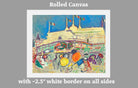
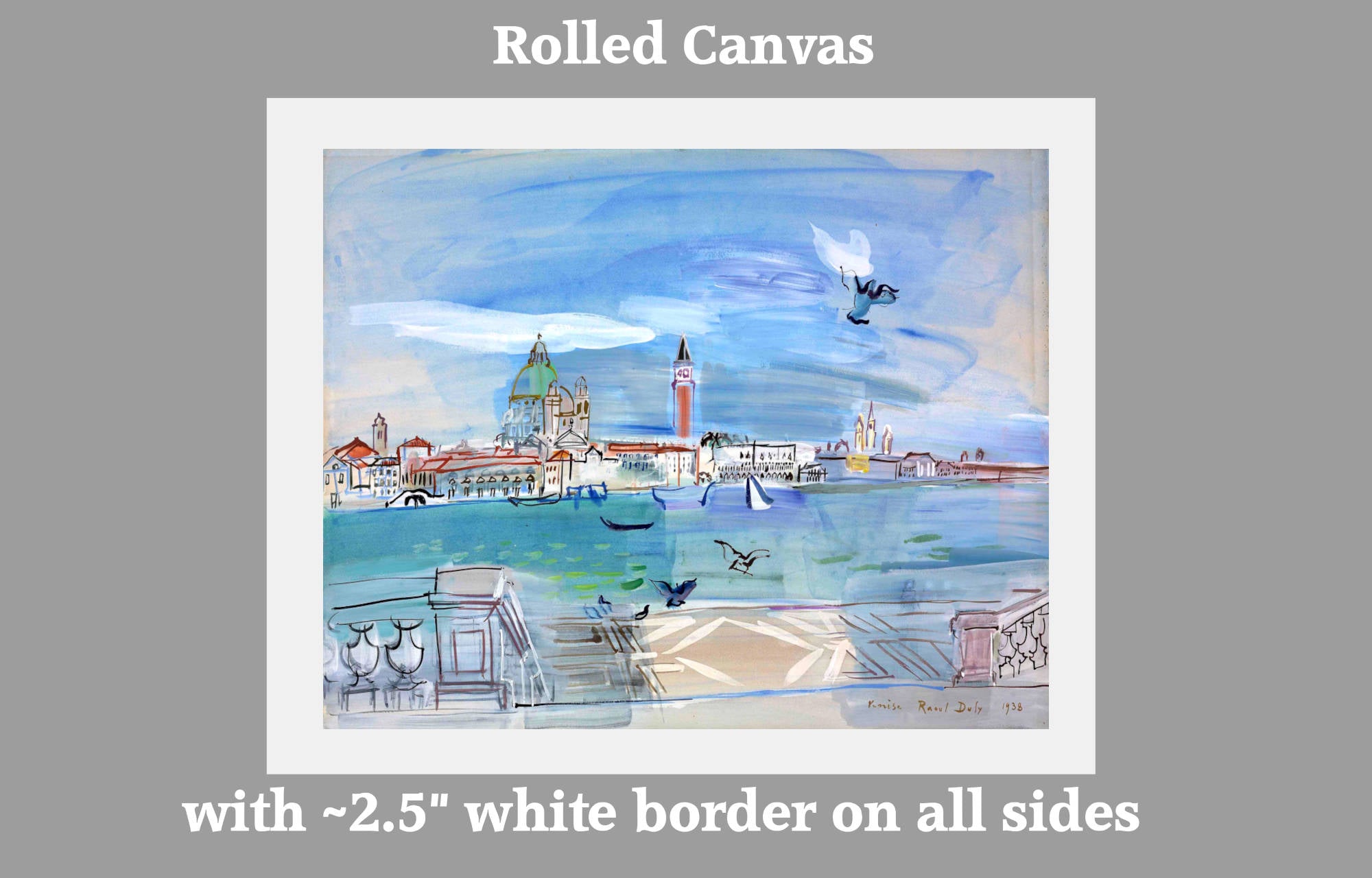
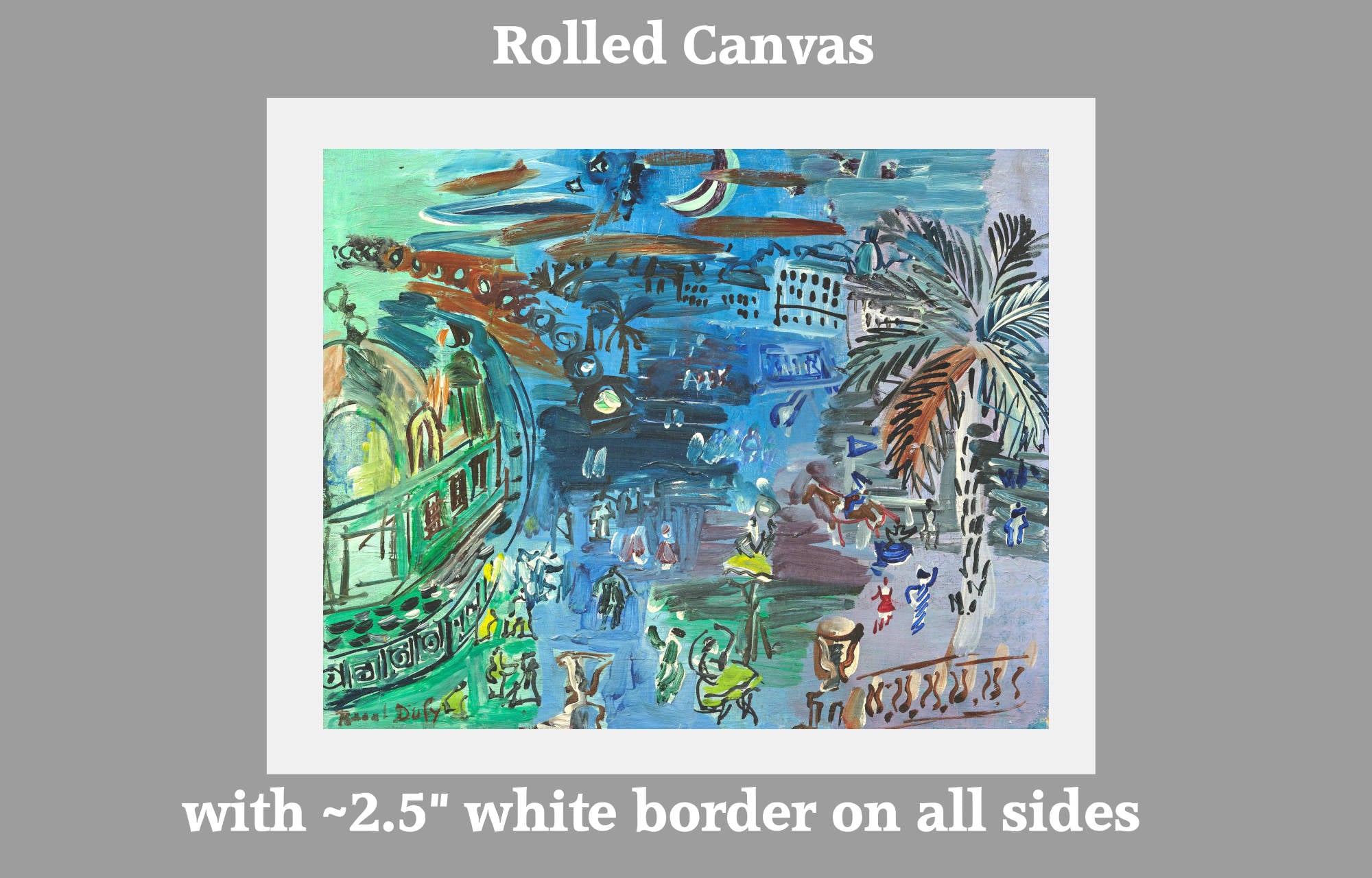
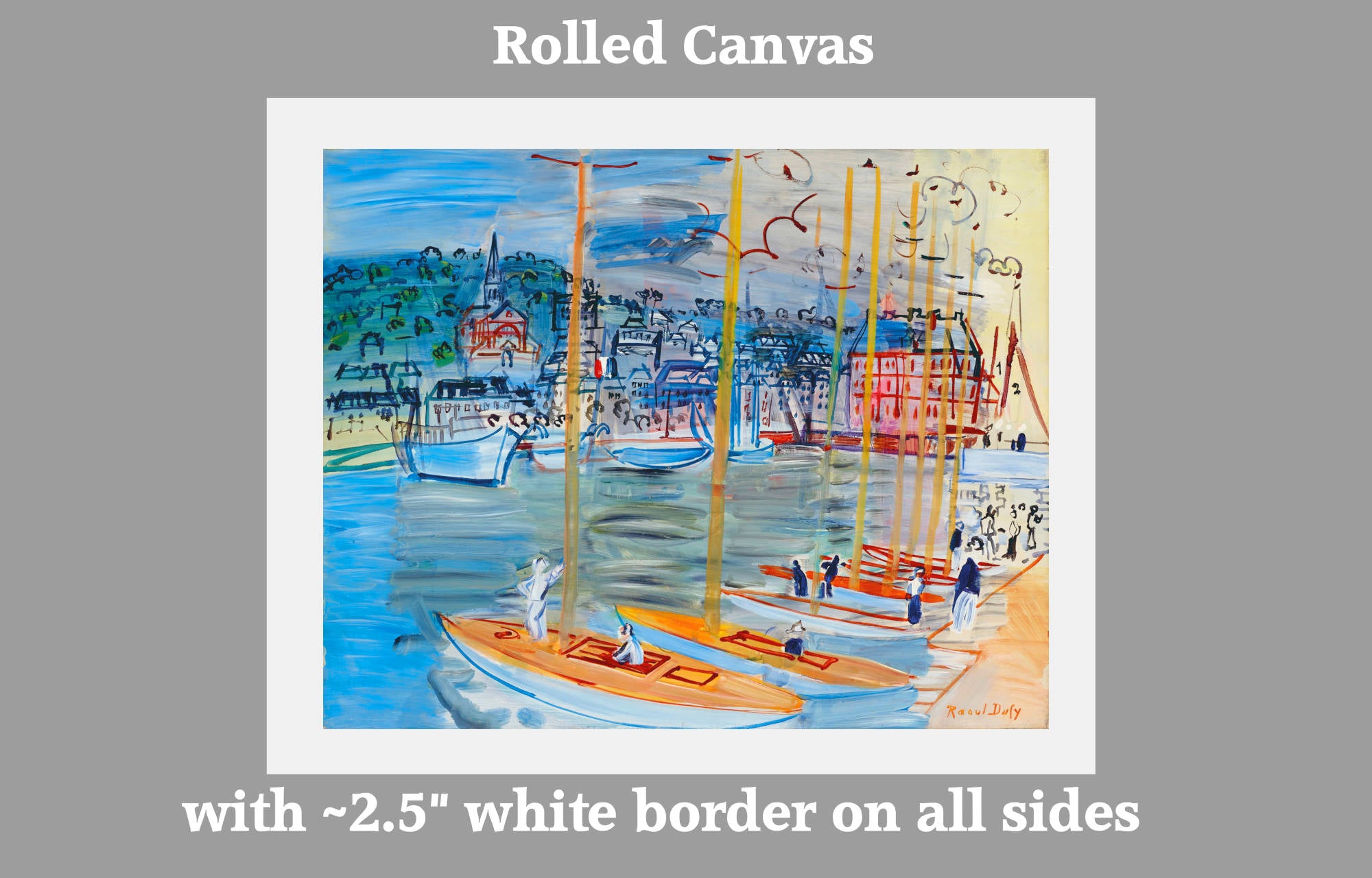
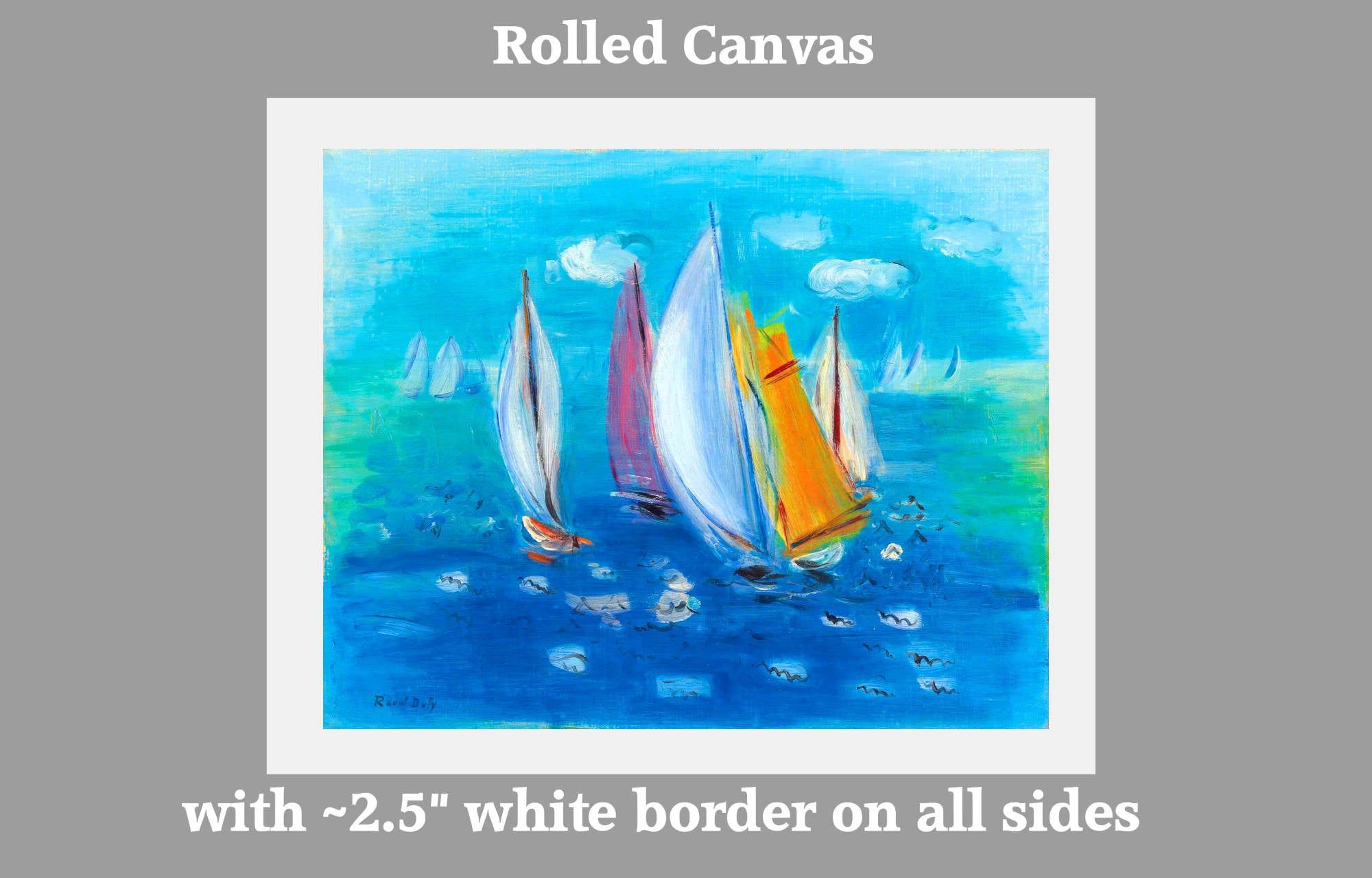
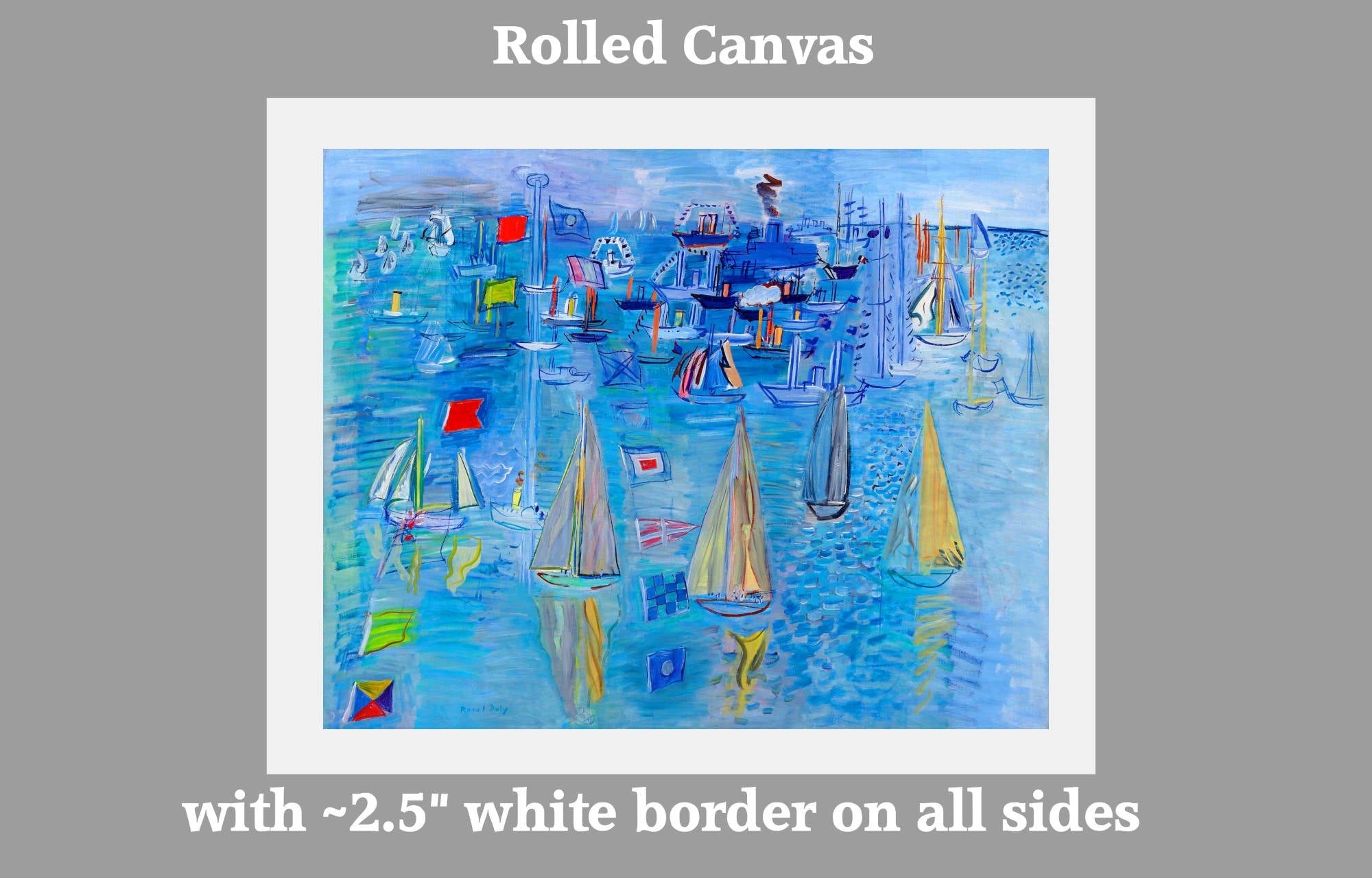
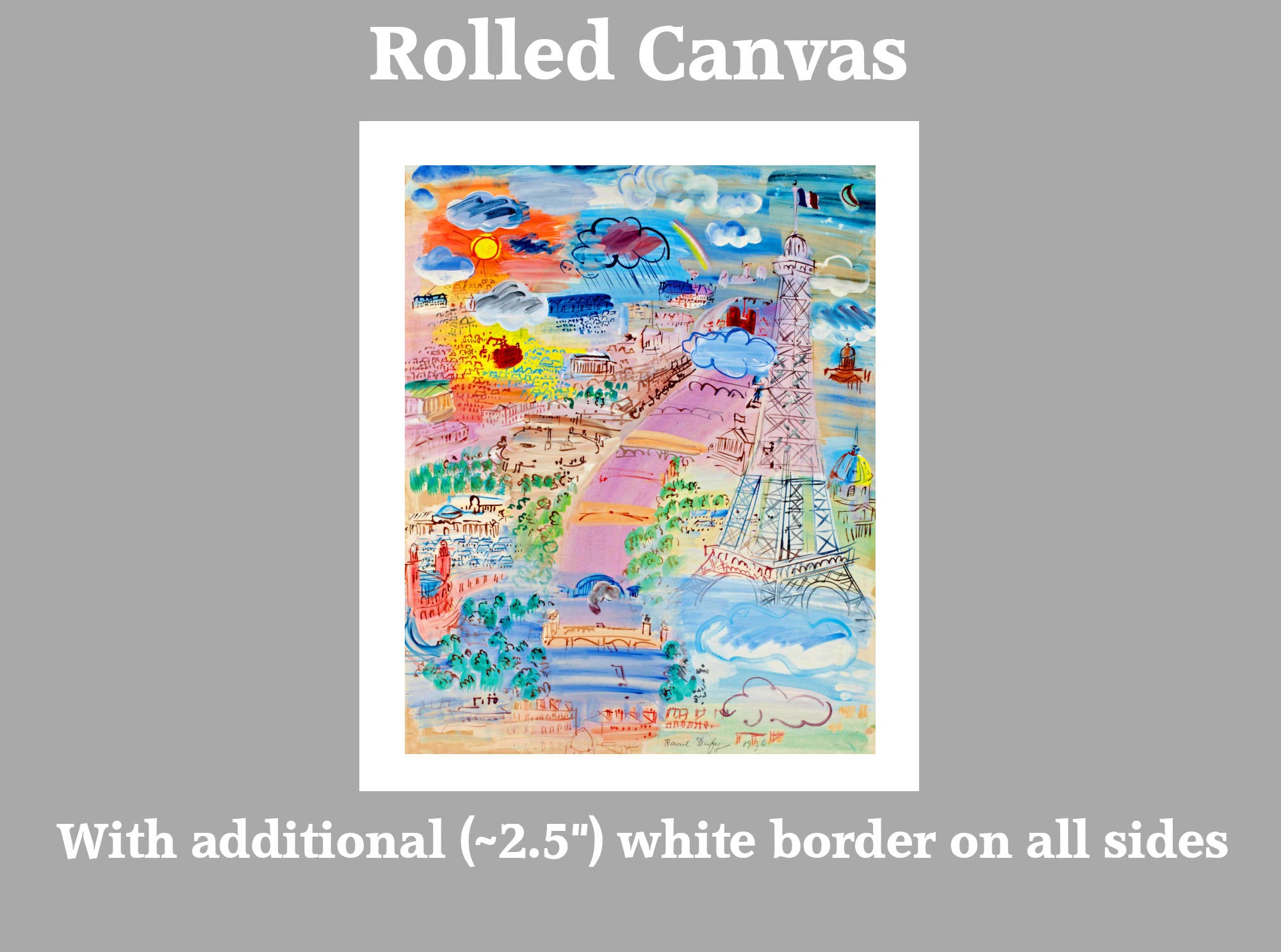
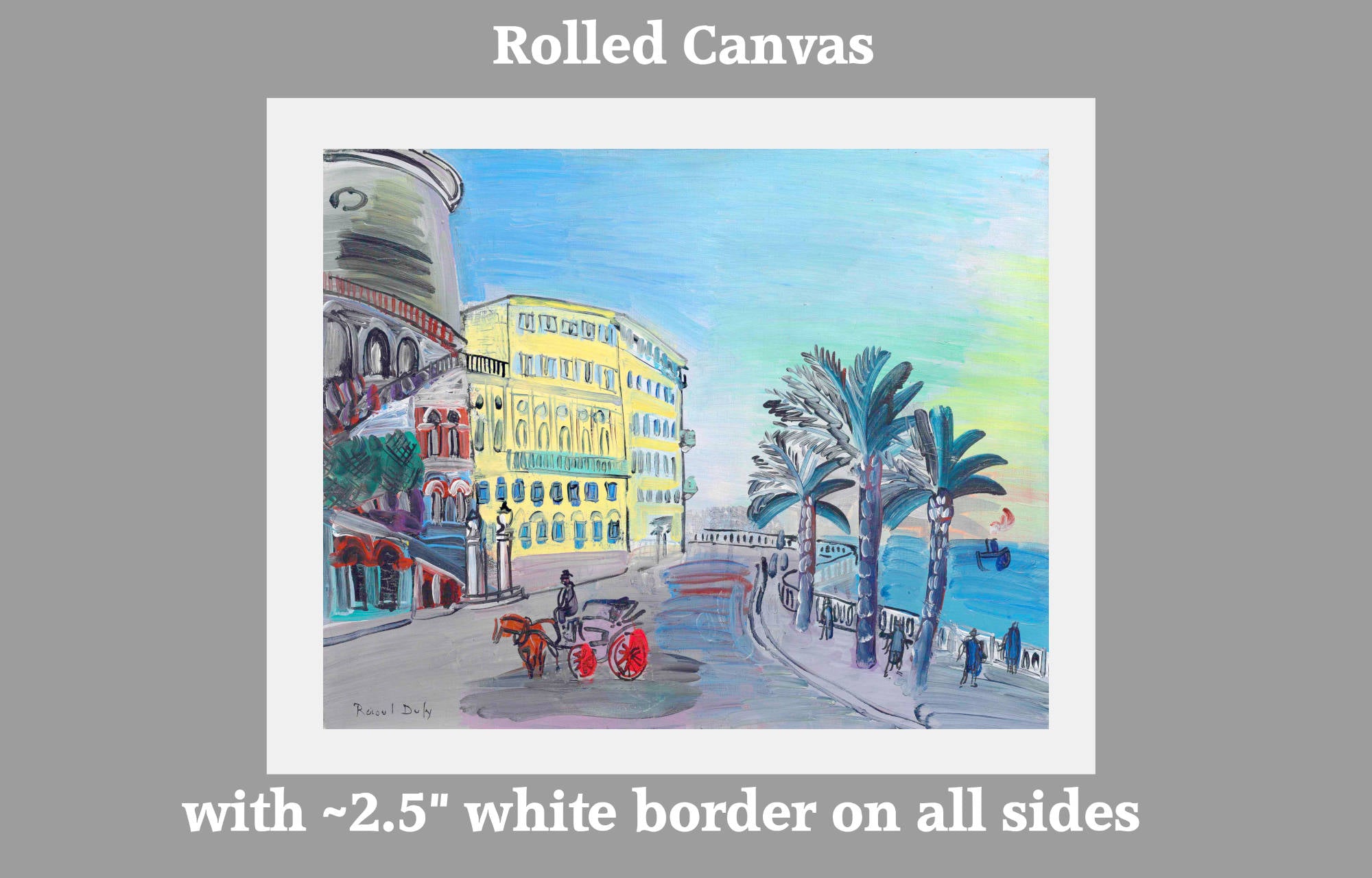
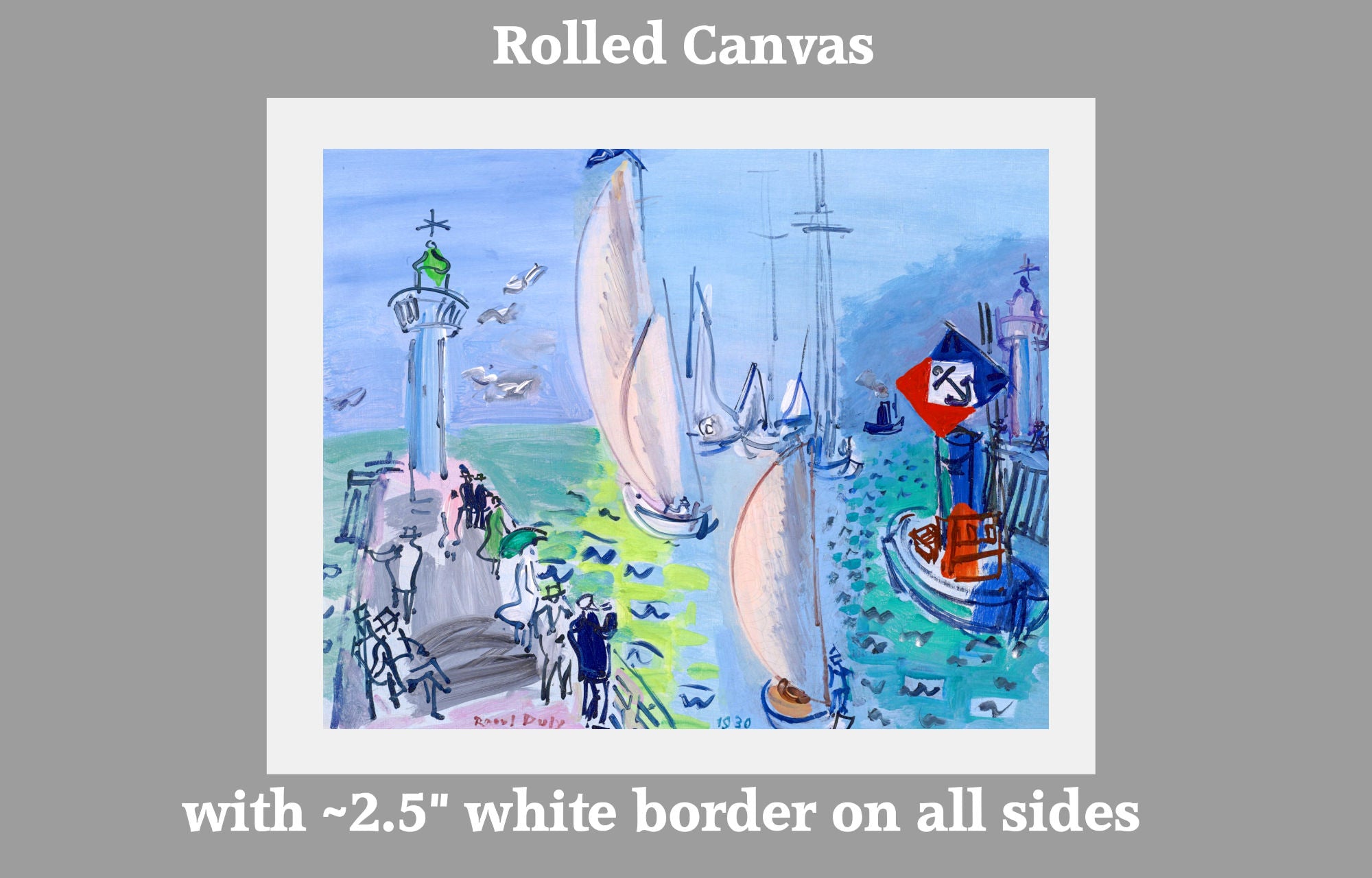
Rolled canvas options have an additional white border of approximately 2.5 inches (7cm) on all 4 sides to aid stretching.
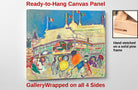
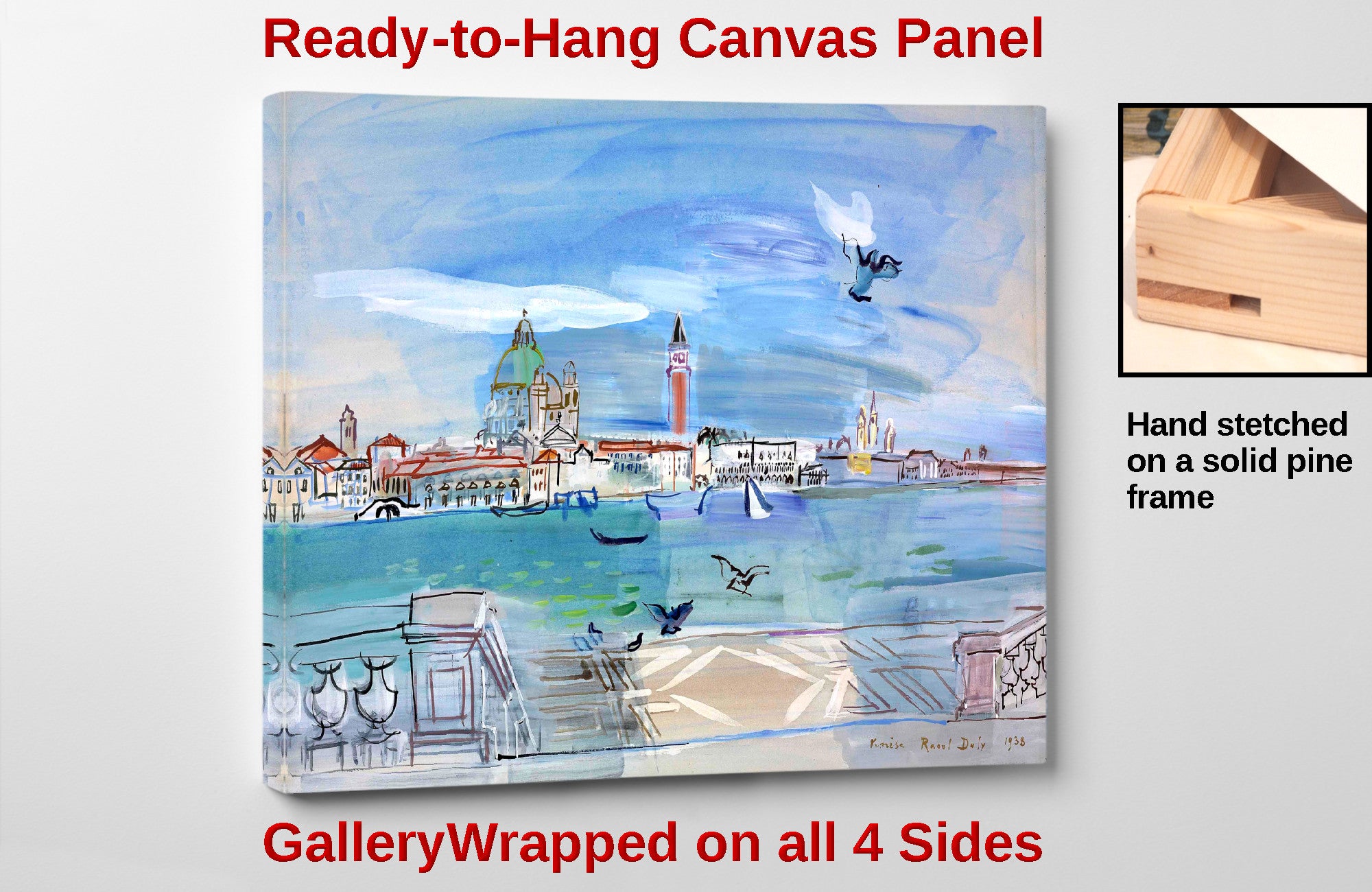
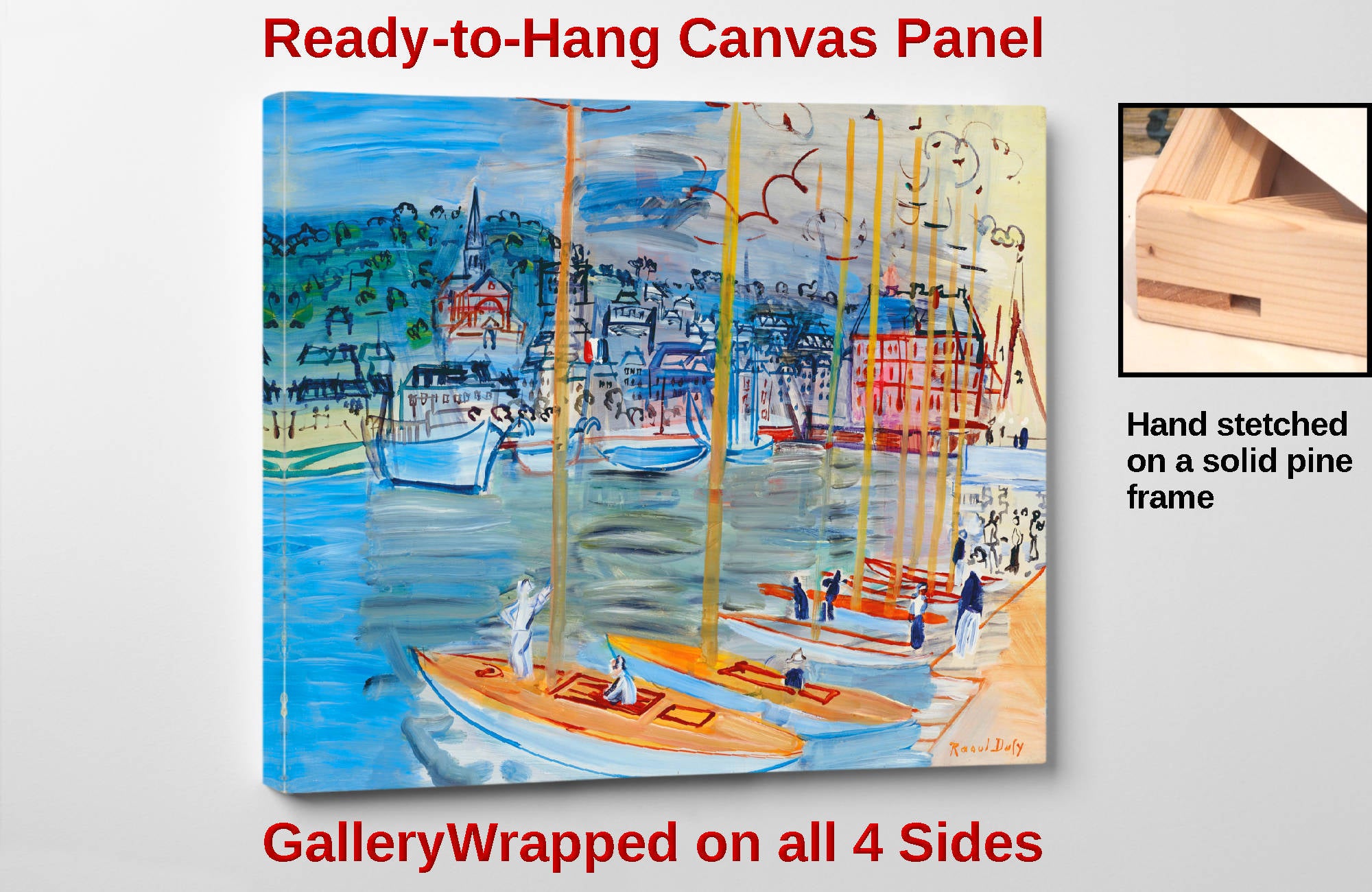
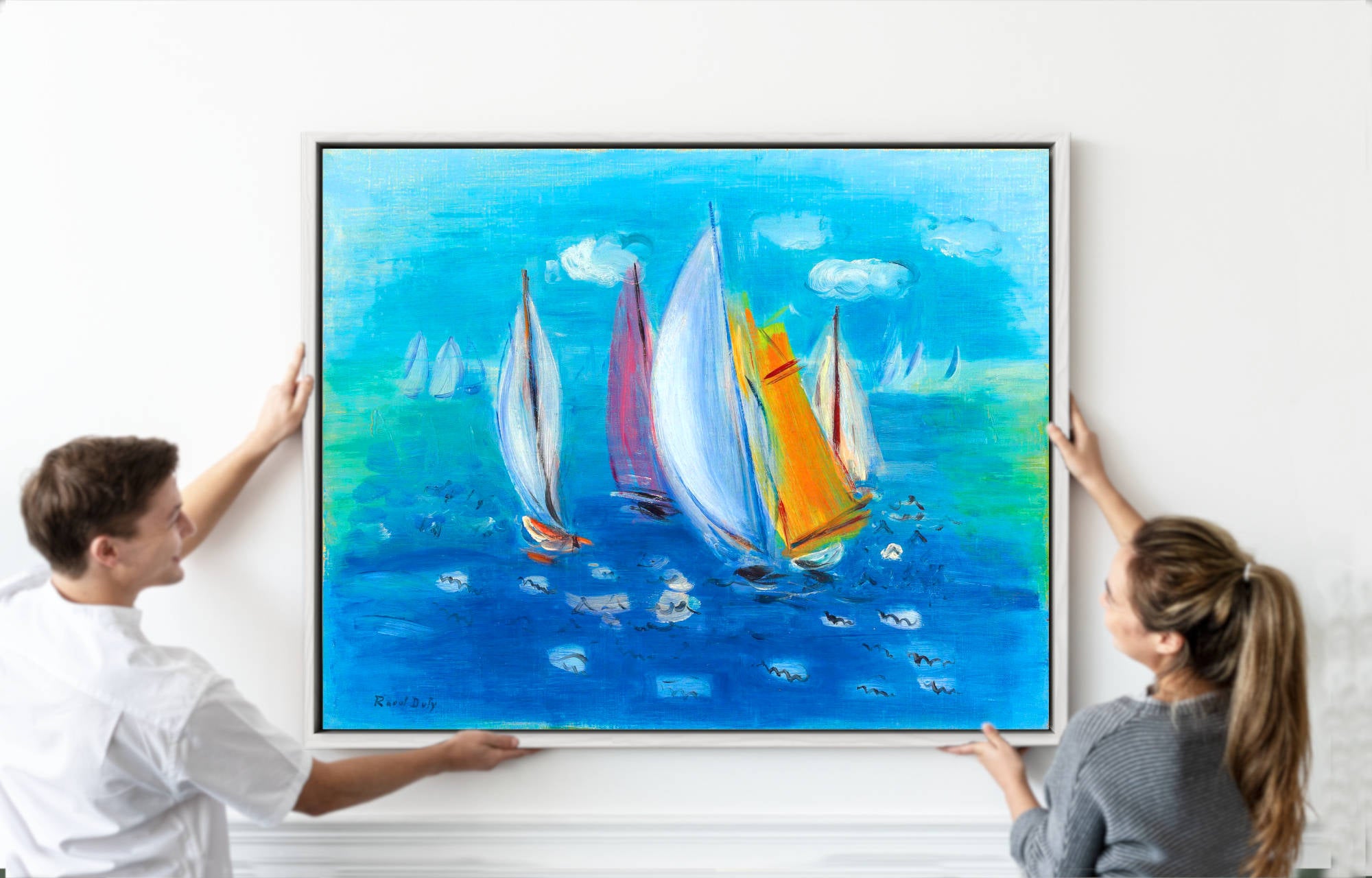
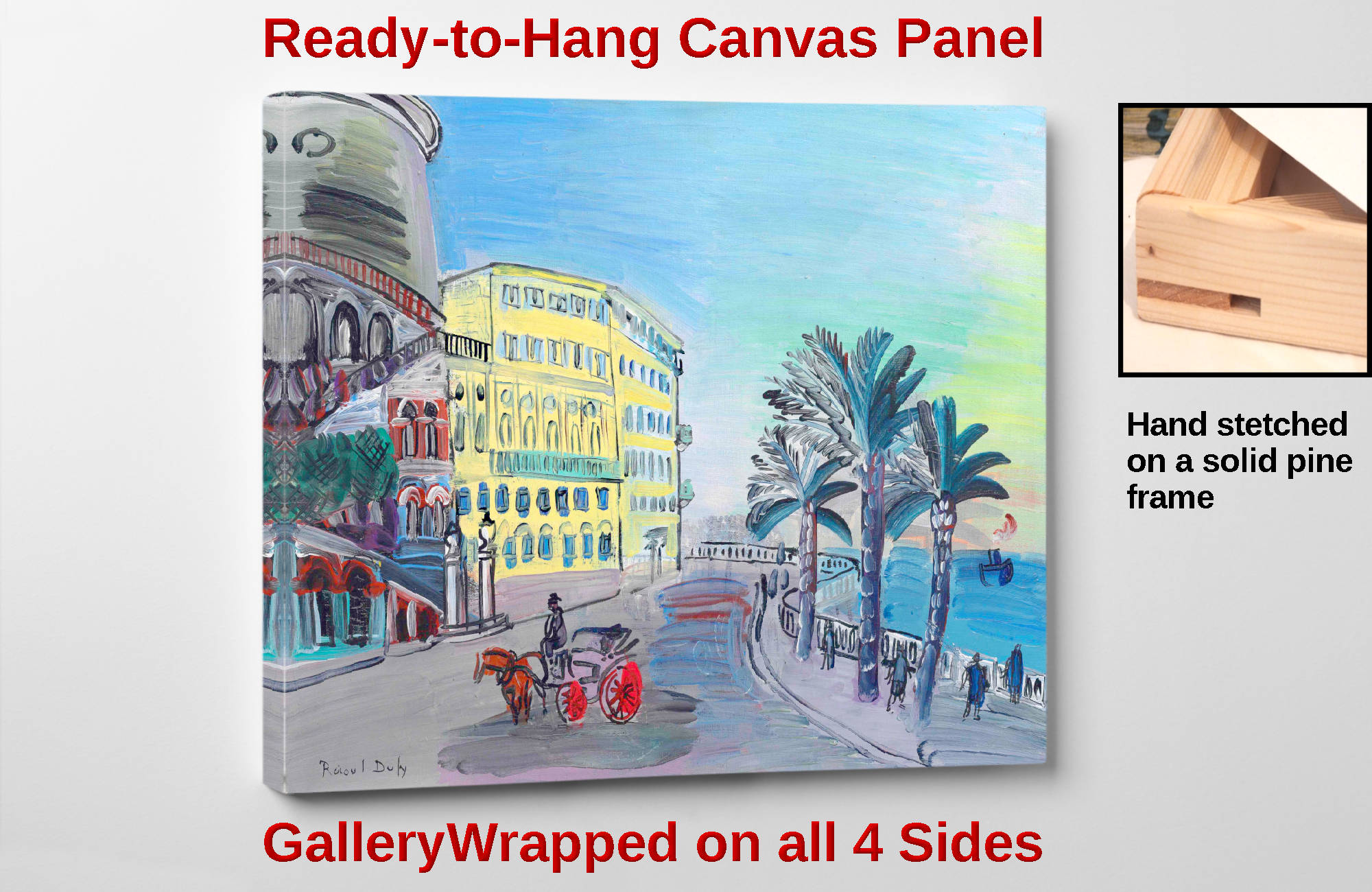
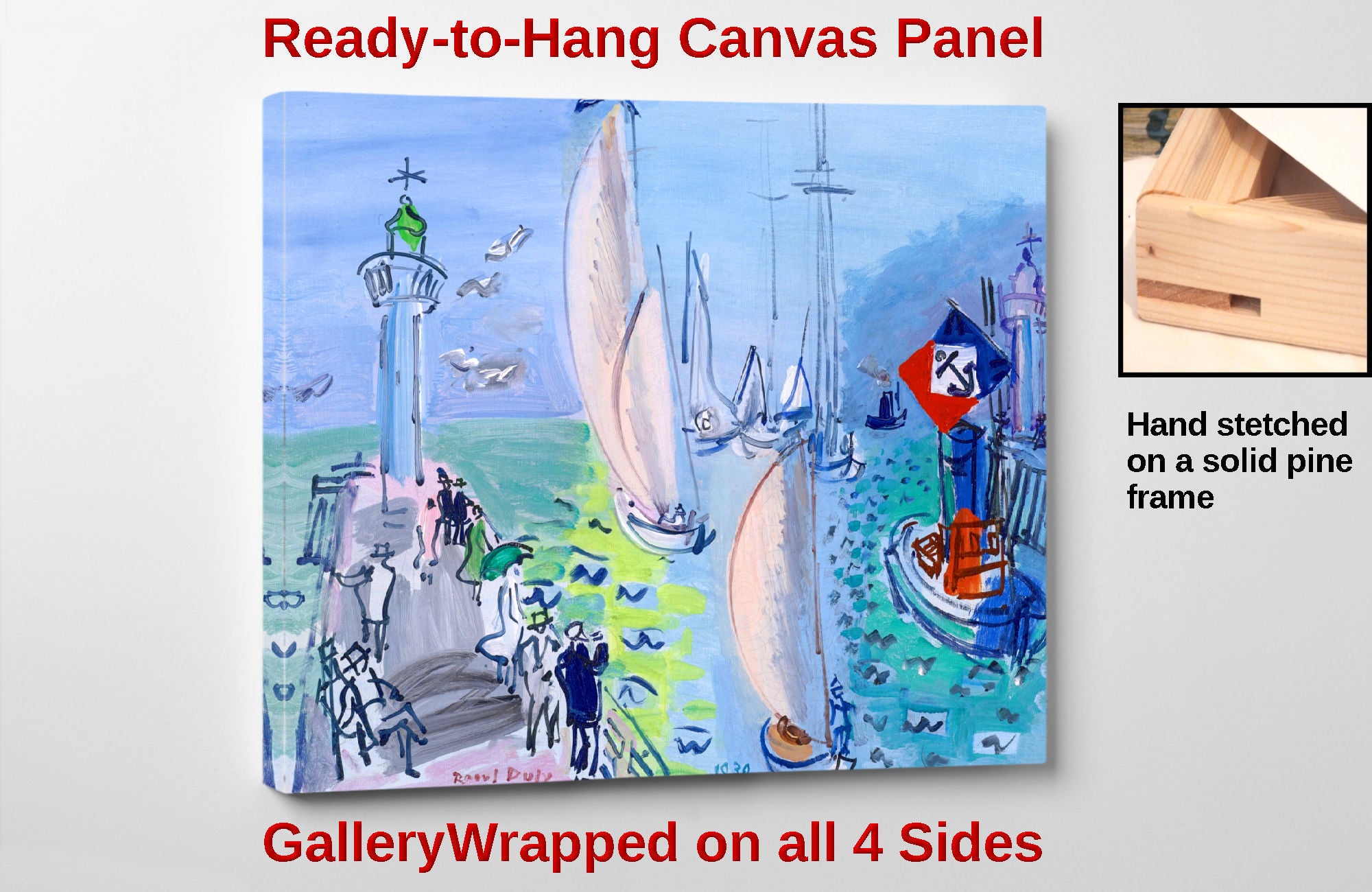
Ready to hang canvas panels are stretched on 1.5 inch deep solid pine frames from sustainable forestry sources. The image is mirrored on all 4 sides to give an aesthetically pleasing finish.
Why not have us gift wrap your order and attach a personalised message to the recipient. Available for all orders. Each order is hand wrapped in high quality gift wrap with meatllic ribbon and bow. Your personalised message is printed on a card which is included with your order.
Have your hand wrapped gift delivered directly to the recipient.
Full tracking and insurance included with every order.
Please note design may vary depending upon availability
Just purchase the gift wrap option HERE
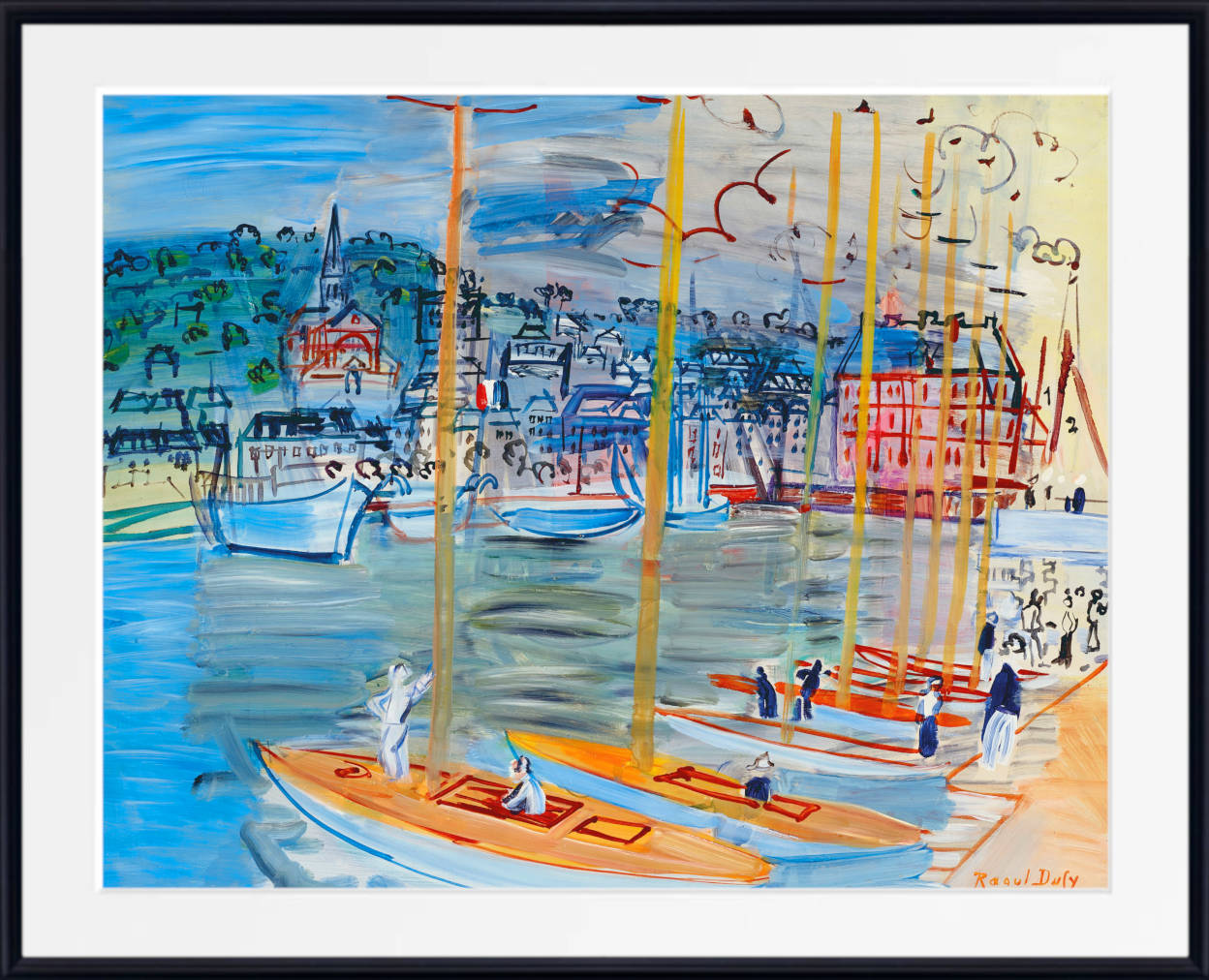
We have a wide range of frames in standard sizes and we also make custom size frames.
To order a framed print:
1. select the print size you would like along with the print materials (matte paper, fine art paper).
2. Add your print choice to the basket.
3. Choose from our range of frames
4. Select the same size as the print you have added to your basket. If the frame size you want is not listed please contact us
5. Choose from the mount or no-mount option
6. Add your frame choice to the basket
7. Proceed to checkout.
Why Choose GalleryThane?
- Printed and framed in-house
- Free UK delivery
- Free EU and USA delivery on orders over £200
- Tracking and insurance included in every order
- Fast 1-3 day dispatch
- Gift wrapping service available
- Gallery quality materials
- Sustainable, eco-friendly packaging
- Great customer support
Explore related collections
What makes our Prints and Canvas Panels so special

Latest Giclee Printing Technology
We have invested in the latest wide format print technology to produce museum quality giclee prints utilising the highest quality pigment inks to give outstanding colour reproduction.

Museum Quality Archival Fine Art Papers
We print on the finest quality fine art papers with textured, smooth and lustre finishes for prints which last a lifetime.
From aceo miniatures to 40x80 inch large format, every print has our lifetime quality guaranteee.

Solid Wood Frames, Cotton Canvas
All of the wood for our canvas panels and frames is responsibly sourced from manages forests. Our cotton canvas is completely seedless for the highest quality reproduction possible.

Have Your Gift Wrapped


Choose a Custom Frame
Popular Collections


EU Representative
Manufacturer
LucasAbstract t/a GalleryThane
15 Campion Way, Bingham NG13 8TR UK
sales@gallerythane.com
EU Authorised Representative
Westwood Sourcing
Fellenoordstraat 52, Unit 2.38
4811 TJ Breda, Netherlands
info@westwoodsourcing.com