


14 Juillet au Havre (1906) by Raoul Dufy
Couldn't load pickup availability
BUY WITH CONFIDENCE
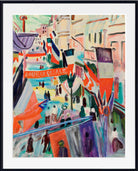
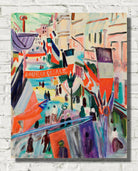
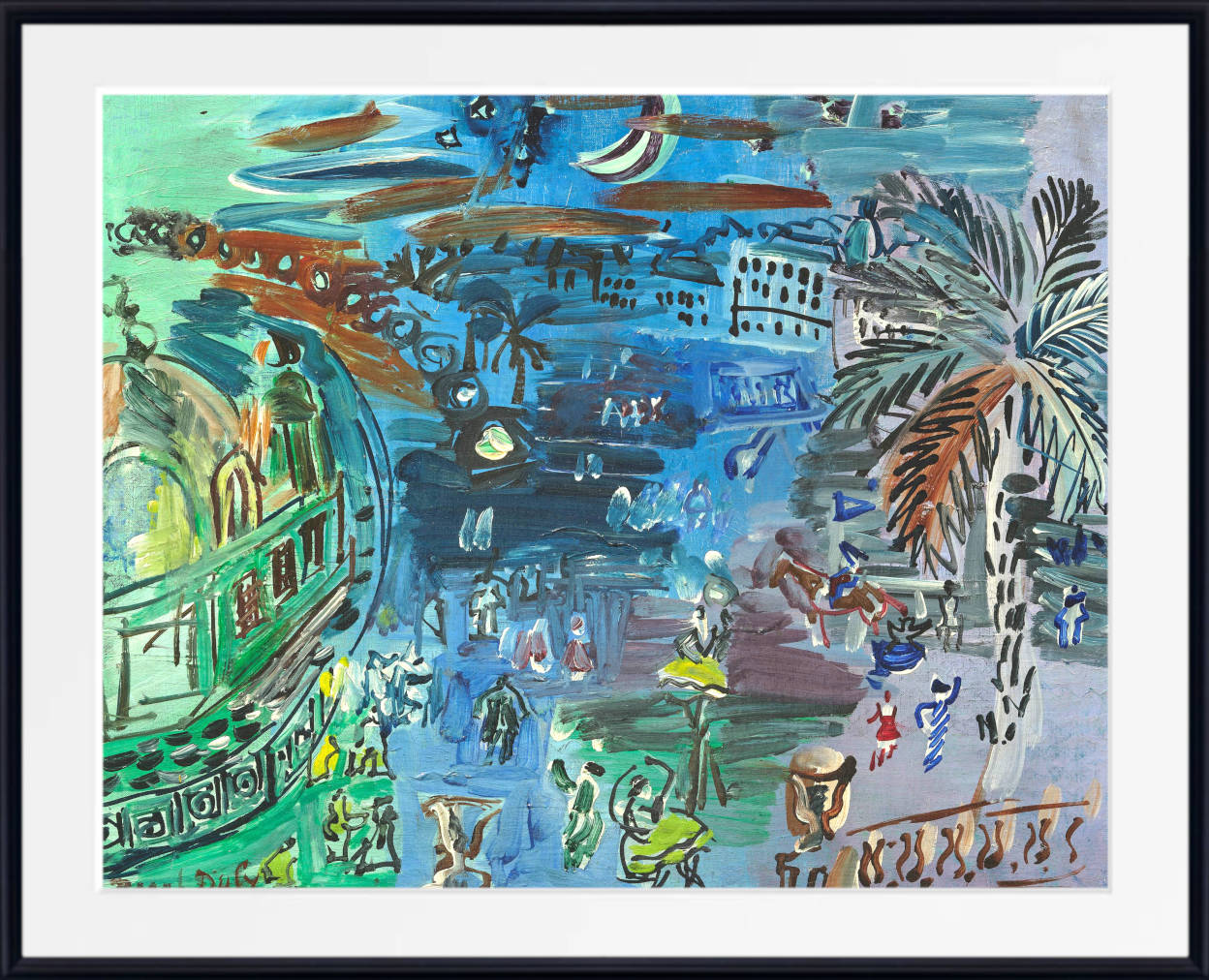
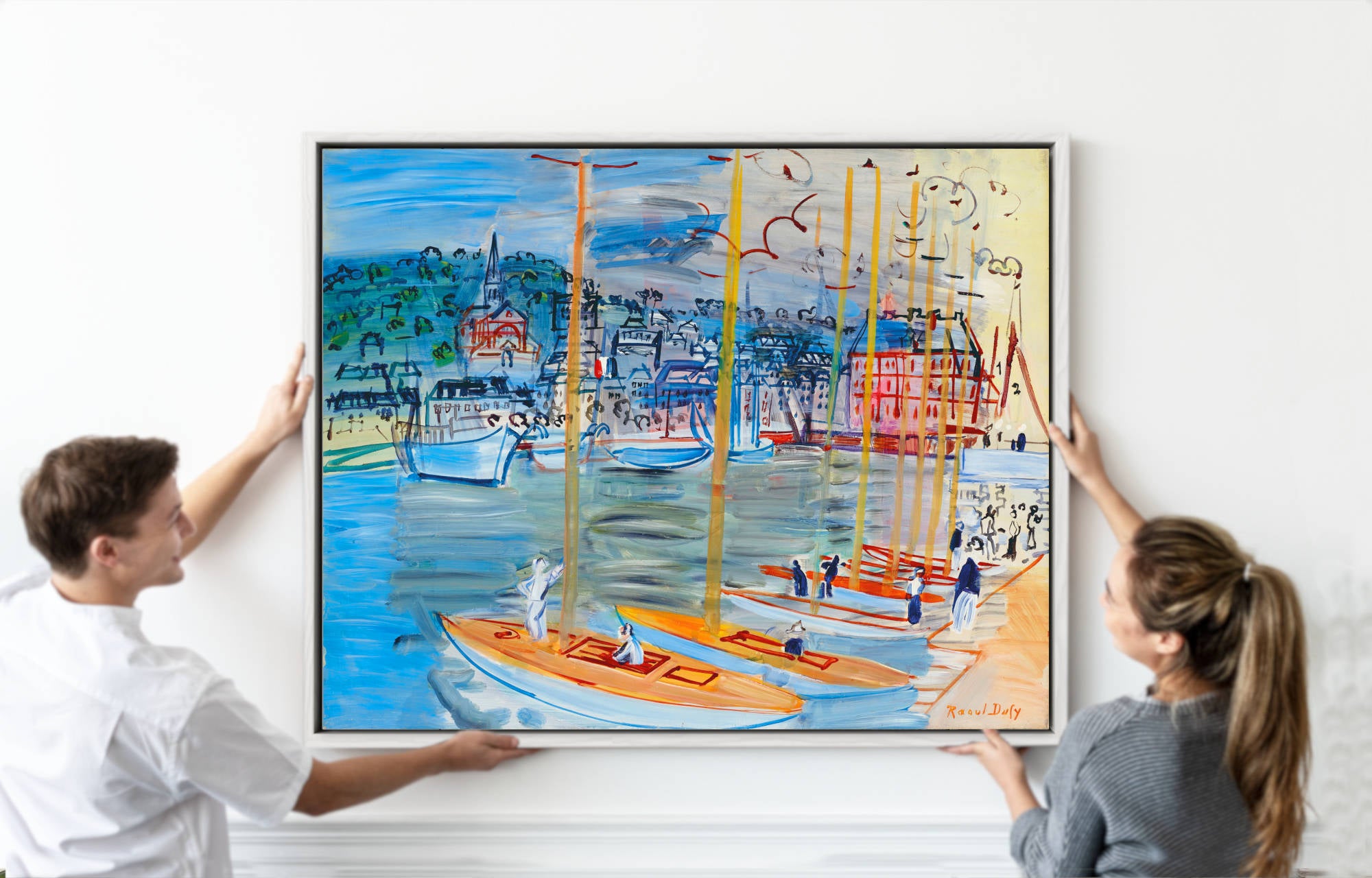
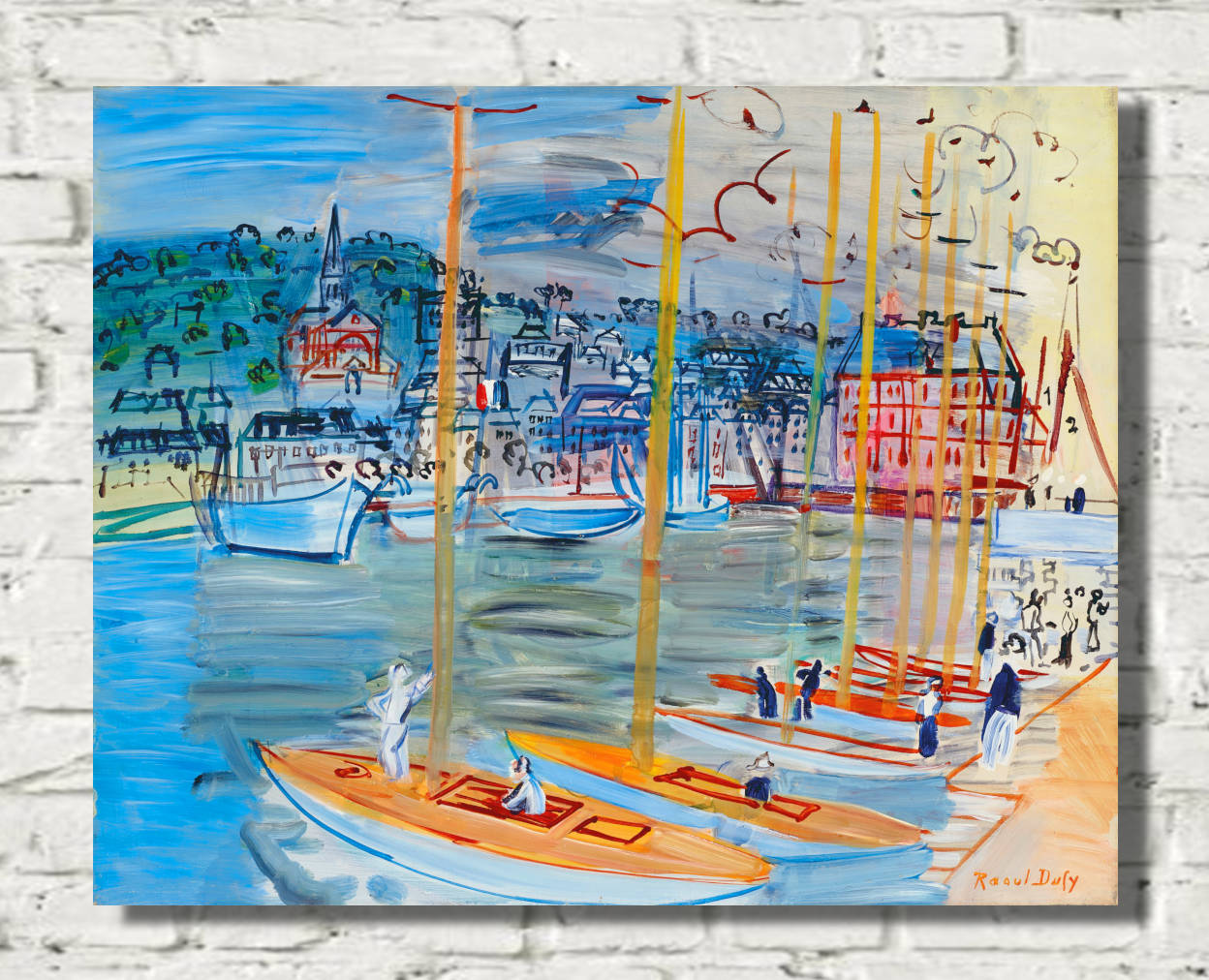
14 Juillet au Havre (1906) by Raoul Dufy transforms a street decorated for the French national holiday into an exhilarating display of flags, colour and urban movement. Painted in Dufy's native Le Havre during his early Fauvist period, the work captures the excitement of Bastille Day while demonstrating the increasingly bold approach to colour that was changing his art during 1906.
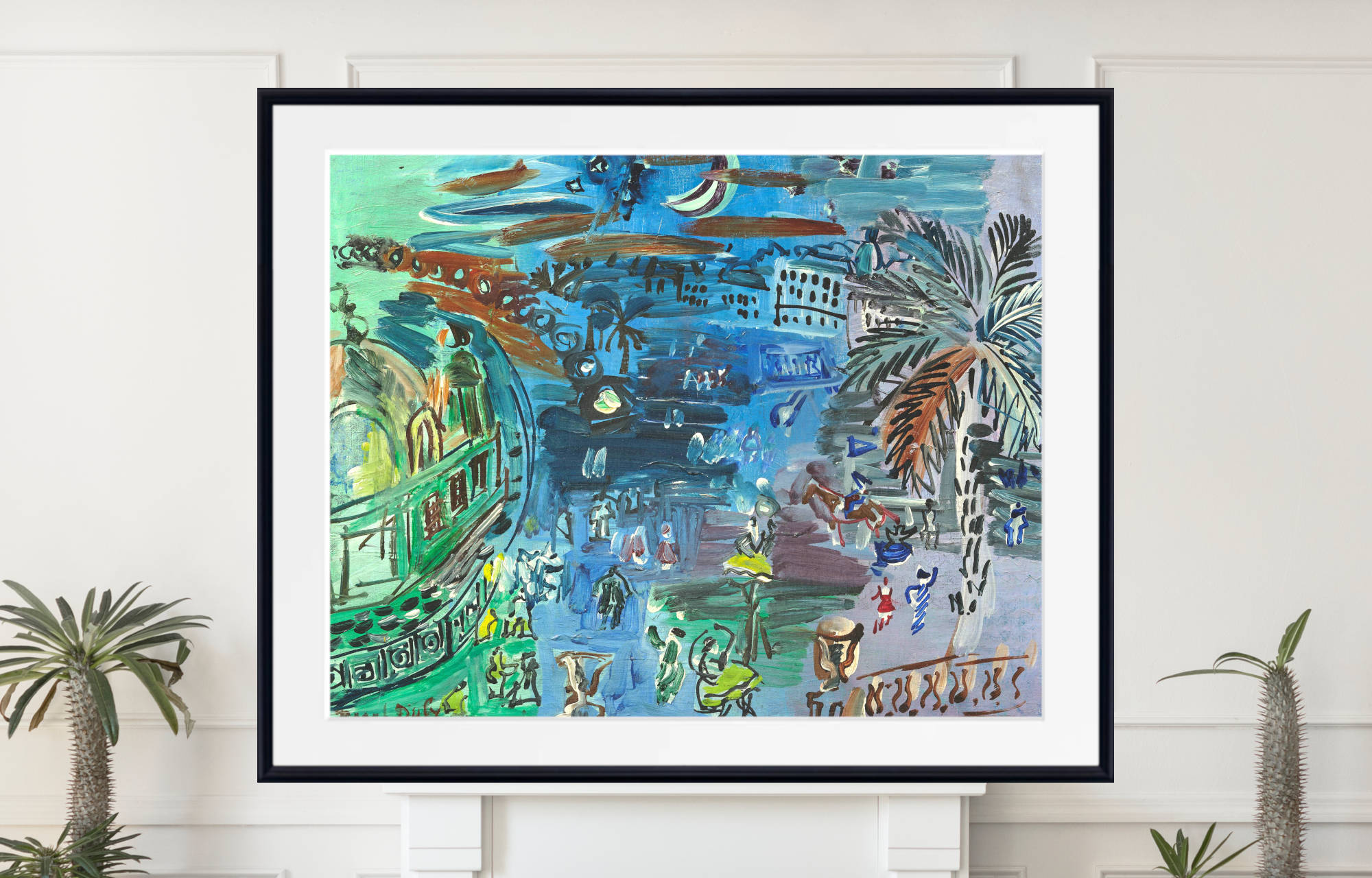
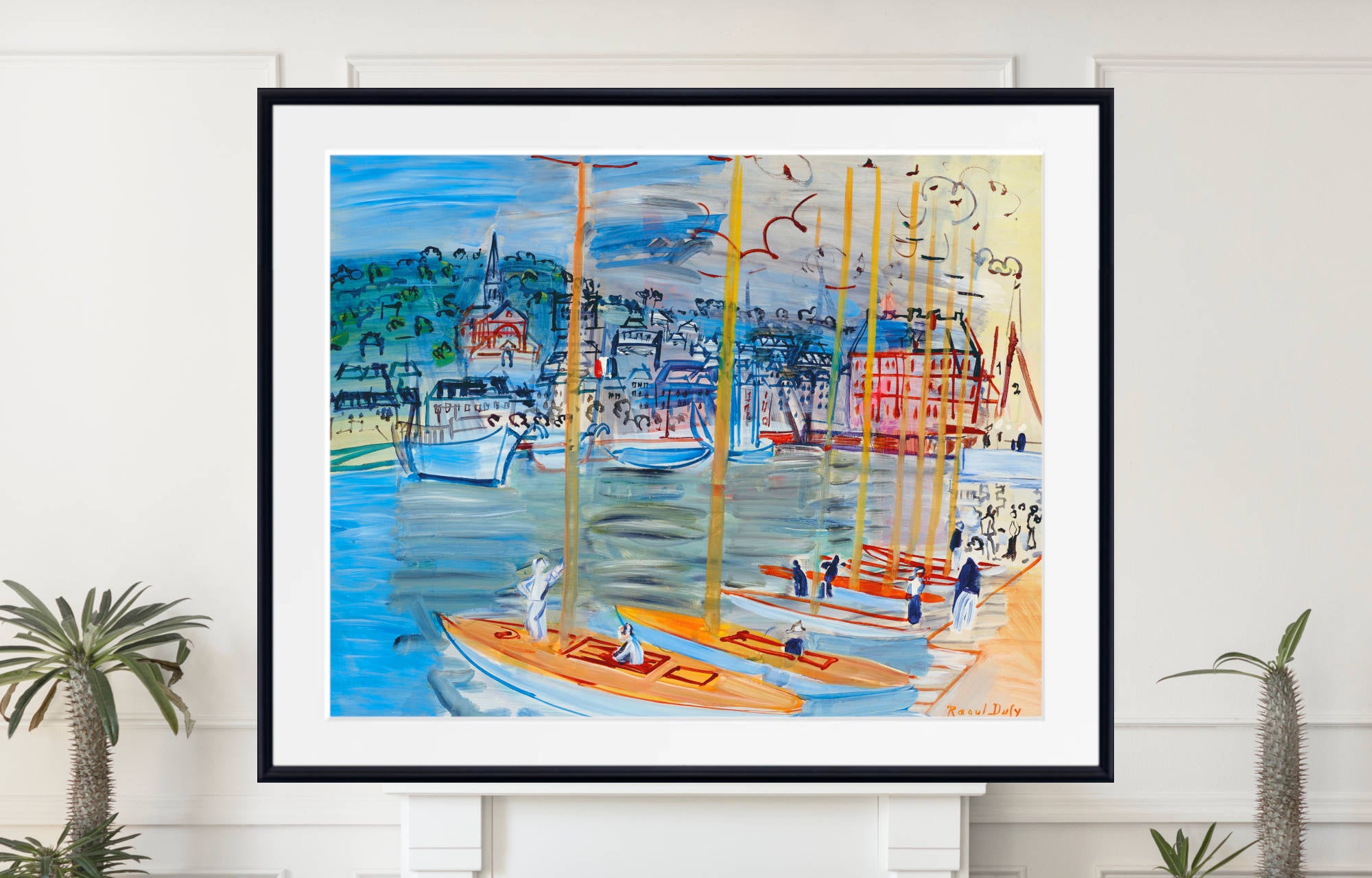
This Raoul Dufy 14 Juillet au Havre print combines French history, city life and one of the artist's most important periods of experimentation. Rows of tricolour flags animate the street while buildings, figures and sky are simplified into a vibrant composition that feels both celebratory and distinctly modern. Available as a fine art print, framed print or canvas panel, it is an especially appealing choice for admirers of Dufy, Fauvism and colourful French wall art.
14 Juillet au Havre – Bastille Day Through Dufy's Eyes
The title 14 Juillet au Havre refers to 14 July, France's national day, commonly known in English as Bastille Day. Streets throughout France are traditionally decorated for the occasion, and in Dufy's painting the flags themselves become one of the dominant elements of the composition.
The scene is set in Le Havre, the Normandy port where Dufy was born in 1877. During July 1906 the city was particularly animated. Streets and ships were decorated with flags during a period that also coincided with the Grande Semaine maritime française, giving Dufy an unusually colourful urban spectacle to paint.
Instead of carefully recording each building or pedestrian, Dufy concentrates on the visual rhythm created by the decorated street. Flags project repeatedly from the buildings, carrying the eye into the distance while their reds, whites and blues introduce bursts of colour throughout the scene.
The elevated viewpoint strengthens the effect. The street becomes a narrow channel through which buildings, people and flags are compressed into an energetic pattern. What might otherwise have been an ordinary urban view is transformed into a celebration of colour and movement.
Dufy, Marquet and Le Havre in 1906
The summer of 1906 was particularly important in Dufy's artistic development. His friend and fellow painter Albert Marquet joined him in Le Havre, and the two artists worked side by side around the city's streets and harbour.
Historical photographs and research into Dufy's Le Havre paintings locate the artists at the Café du Nord in the old rue des Drapiers, where they painted views of the street decorated for the national celebrations. Marquet produced his own interpretation of the same subject, providing a fascinating comparison between two painters associated with Fauvism responding to an identical urban scene.
Dufy's version is particularly animated by the repeated flags. They do not function merely as descriptive details; they become structural elements that organise the painting and create a powerful sense of movement.
This period also placed Dufy among a remarkable group of modern artists connected with Le Havre, including Othon Friesz and Georges Braque. In 1906 Dufy helped establish the Cercle de l'Art Moderne, an organisation created to promote progressive modern painting in the city.
Colour, Flags and the Fauvist City
14 Juillet au Havre belongs to the period when Dufy was embracing the expressive colour of Fauvism.
His artistic direction had changed dramatically after seeing Henri Matisse's Luxe, calme et volupté at the Salon des Indépendants in 1905. The experience encouraged Dufy to move away from the more subdued tones of his earlier work and experiment with stronger, less naturalistic colour.
By 1906 that transformation was clearly visible. In 14 Juillet au Havre, colour is not simply used to describe buildings, sky and flags. It creates the energy of the scene.
The tricolours provide repeated red and blue accents, while the surrounding architecture is simplified into broad planes. Strong contrasts allow individual elements to remain visually distinct even within the crowded street.
The result demonstrates how effectively Fauvism could be applied to an urban subject. Although landscapes and coastal scenes are closely associated with the movement, Dufy shows that a modern city street could provide equally fertile material for expressive colour.
A Modern Interpretation of the French National Holiday
The decorated street had important precedents in French painting. Claude Monet had famously depicted a flag-filled Paris street in La Rue Montorgueil, fête du 30 juin 1878, using an elevated viewpoint and repeated tricolours to convey the excitement of a public celebration.
Dufy's interpretation belongs to a later generation. Where Monet was interested in the flickering effects of light and atmosphere associated with Impressionism, Dufy increasingly uses stronger colour contrasts and simplified forms.
The comparison demonstrates the shift from Impressionism towards early twentieth-century modernism. Dufy retains the fascination with contemporary urban life but allows colour and design to become more independent of direct observation.
Flags therefore become something more than patriotic symbols. Their repeated triangular and rectangular shapes help construct the painting itself, turning the street into a decorative field of movement and colour.
Raoul Dufy's Fauvist Style
Dufy's involvement with Fauvism was relatively brief but extremely important. During approximately 1905–07 he experimented with increasingly intense colour, simplified forms and direct brushwork, particularly in paintings of Le Havre, Sainte-Adresse and other Normandy coastal locations.
The Fauvist movement had emerged publicly at the 1905 Salon d'Automne in Paris, where the brilliant paintings of Henri Matisse, André Derain and their associates prompted critic Louis Vauxcelles to refer to the artists as les fauves — “the wild beasts”.
Dufy was strongly affected by this liberation of colour. His paintings from 1906 and 1907 demonstrate a confidence and chromatic intensity very different from his earlier Impressionist-influenced work.
He would later move beyond Fauvism and develop the fluid, calligraphic style for which he became famous, but the freedom he discovered during these early years remained fundamental to his mature art.
About Raoul Dufy
Raoul Dufy (1877–1953) was a French painter, draughtsman, printmaker and designer born in Le Havre, Normandy. He began studying at the École Municipale des Beaux-Arts in Le Havre before continuing his artistic education in Paris.
His earliest paintings reflected the influence of Impressionism, particularly the landscapes and coastal subjects associated with Normandy. Exposure to the new Fauvist painting of Matisse and Derain subsequently transformed his use of colour.
After his Fauvist period, Dufy developed an increasingly distinctive visual language based on rapid drawing, transparent colour and simplified forms. Regattas, horse racing, Mediterranean resorts, concerts, European cities and fashionable social life became recurring subjects.
His creativity extended far beyond easel painting. Dufy also worked extensively in textile design, illustration, ceramics and monumental decoration, establishing an important connection between twentieth-century fine art and decorative design.
The Original 14 Juillet au Havre
Dufy produced closely related views of the decorated streets of Le Havre during July 1906, making care necessary when distinguishing between individual versions and similarly titled works.
The work represented here is dated 1906 and belongs securely to the group of Le Havre paintings created during Dufy's Fauvist period. Contemporary museum research documents his work on these flag-filled street subjects alongside Albert Marquet during July of that year.
The original was painted in oil on canvas, a medium that allowed Dufy to combine strongly coloured passages with the direct, energetic brushwork characteristic of his Fauvist experimentation.
A Raoul Dufy Fauvist Print for Your Interior
A 14 Juillet au Havre print by Raoul Dufy is particularly effective where colourful wall art is wanted with a strong sense of movement and history. The French tricolours and animated street give it a character quite different from Dufy's later regattas and Mediterranean landscapes.
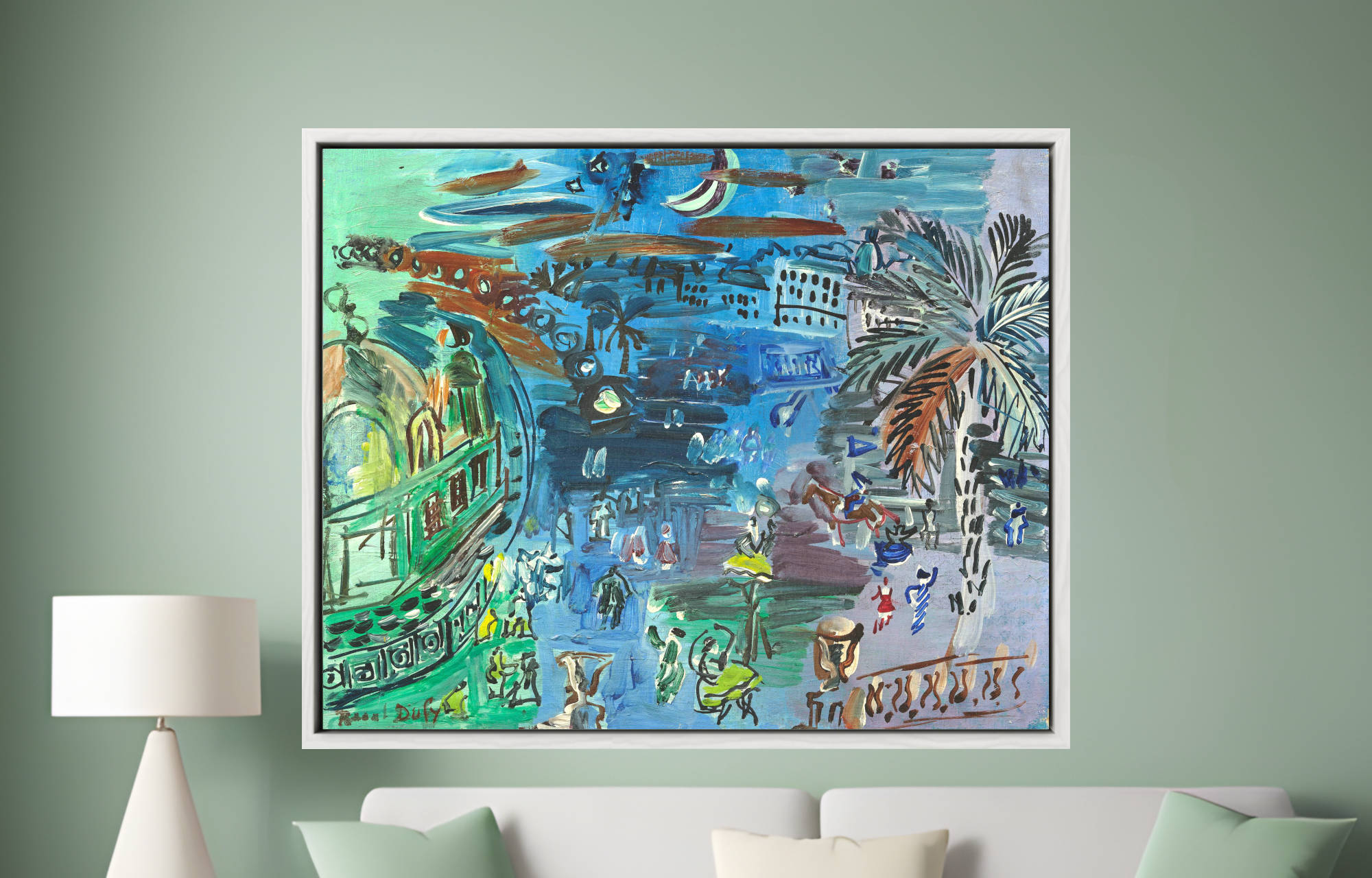
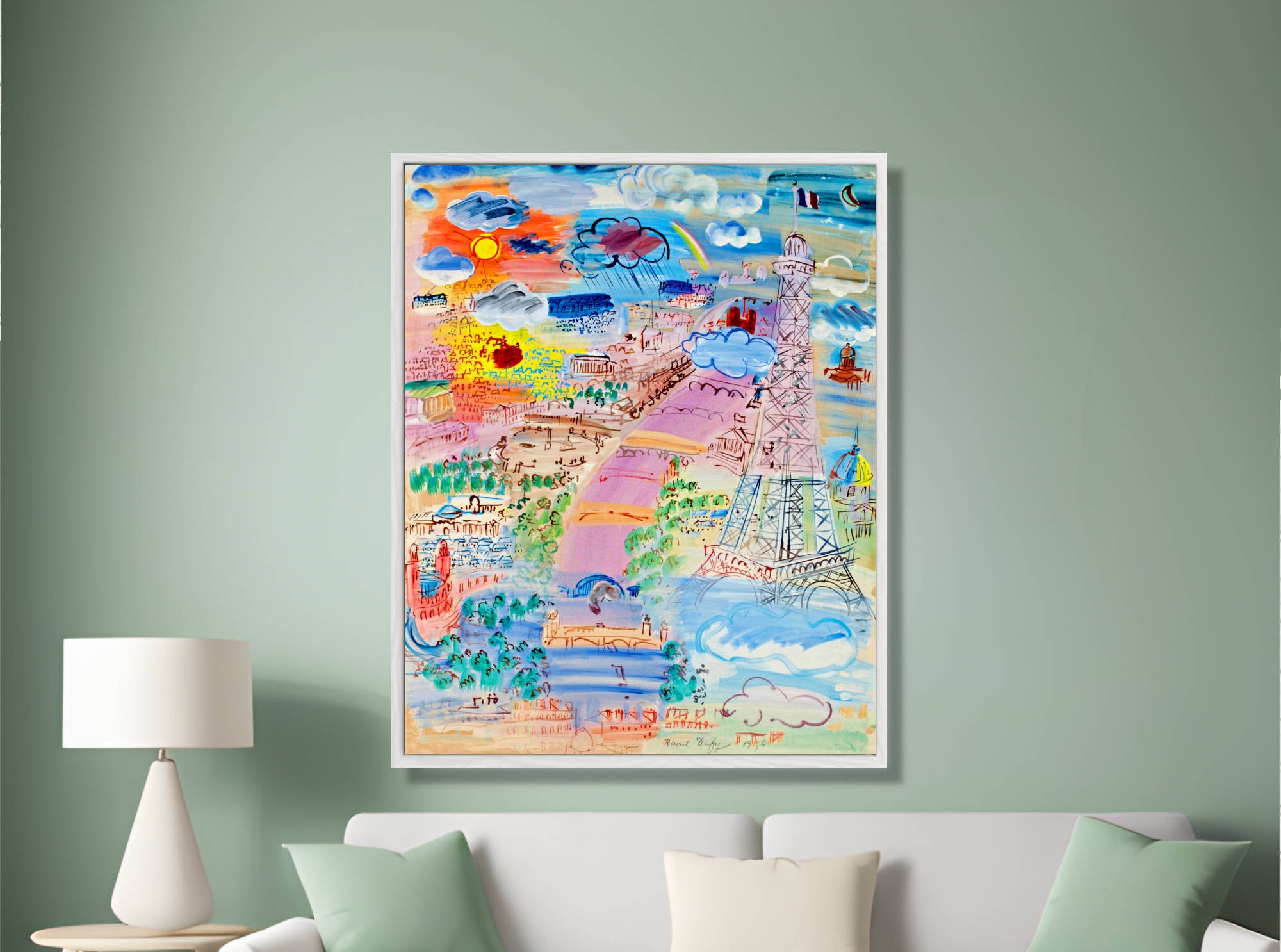
The combination of red, white and blue accents with energetic architecture makes the work suitable for living rooms, dining rooms, hallways, studies and home offices. Against neutral walls, the repeated flags can create an immediate focal point without overwhelming the surrounding space.
Its simplified forms and modern treatment work especially well with contemporary, Scandinavian-inspired and eclectic interiors, while its connection with Bastille Day and historic Le Havre gives it additional appeal for collectors of French art and French-themed wall décor.
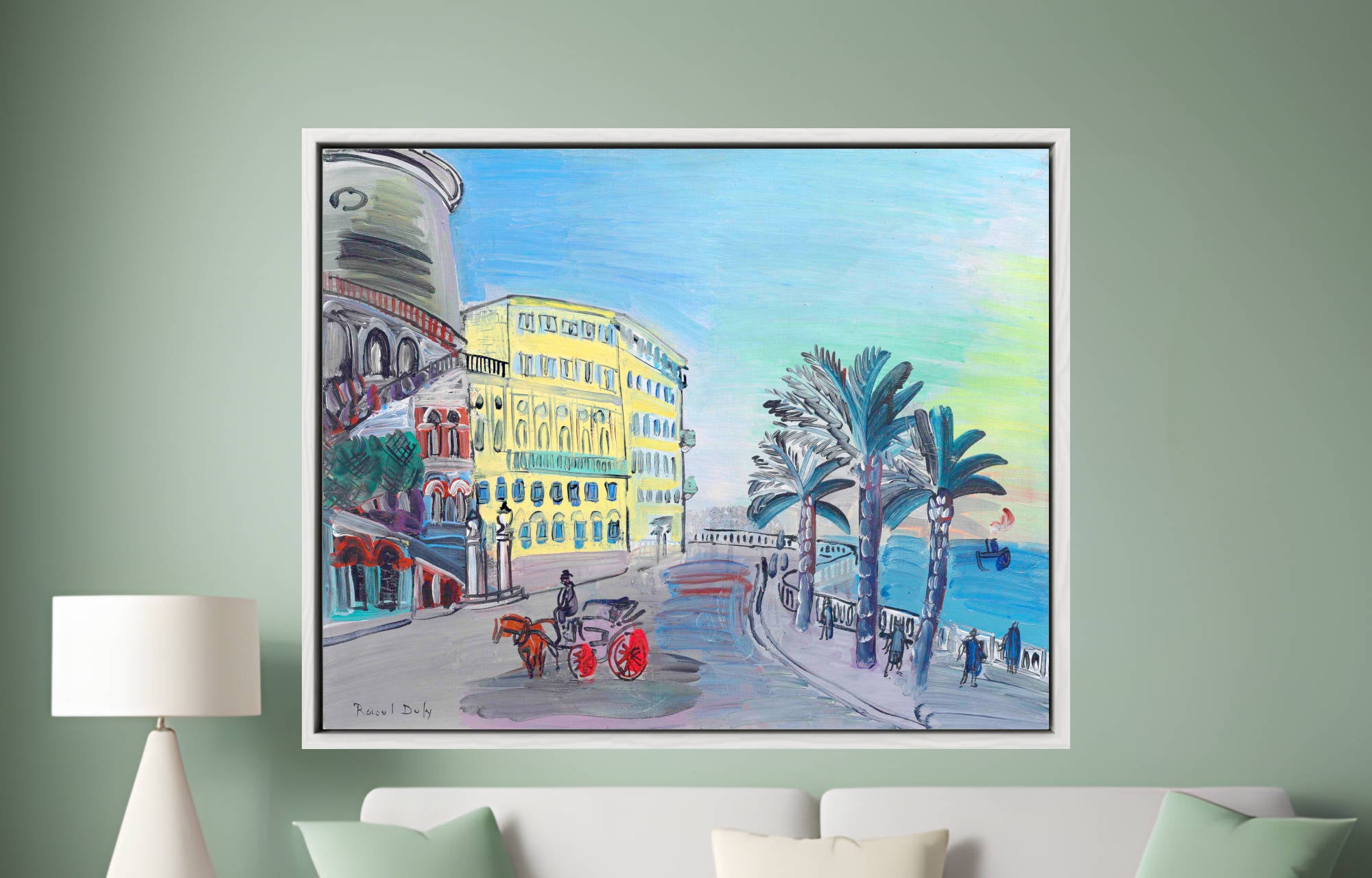
Available in a choice of sizes as a fine art paper print, framed print or canvas panel, 14 Juillet au Havre (1906) captures a decisive moment in Dufy's development from Normandy painter to one of the distinctive figures of modern French art.
Frequently Asked Questions
When did Raoul Dufy paint 14 Juillet au Havre?
Dufy painted the work in 1906 during an important period of Fauvist experimentation in his native city of Le Havre.
What does 14 Juillet au Havre mean?
The title means “14 July at Le Havre”. The date refers to France's national holiday, commonly known in English as Bastille Day.
What does the painting depict?
The painting depicts a street in Le Havre decorated with numerous French tricolour flags for the national celebrations. Dufy transforms the busy street into a rhythmic composition dominated by colour and movement.
Did Albert Marquet paint the same scene?
Yes. Dufy and Albert Marquet worked together in Le Havre during July 1906 and both painted views of streets decorated for the national holiday. Their related paintings provide an interesting comparison between two artists working within the broader Fauvist circle.
Is 14 Juillet au Havre a Fauvist painting?
Yes. The work belongs to Dufy's important Fauvist period around 1905–07, when he adopted stronger colour and simplified forms following his encounter with the work of Henri Matisse and other Fauvist painters.
Why are there so many flags in the painting?
The streets of Le Havre were decorated for the 14 July national celebrations. Dufy uses the repeated French flags both to identify the occasion and to create rhythm, colour and movement across the composition.
What medium was used for the original?
The 1906 work was painted in oil on canvas.
Was Raoul Dufy born in Le Havre?
Yes. Dufy was born in Le Havre in 1877 and the Normandy port remained an important subject throughout the early stages of his career.
Is 14 Juillet au Havre available as a framed Raoul Dufy print?
Yes. GalleryThane offers 14 Juillet au Havre (1906) in a choice of sizes and formats, including fine art paper prints, framed prints and canvas options.
Where would a 14 Juillet au Havre print work well?
Its strong colour and animated urban subject make it particularly effective in living rooms, dining rooms, hallways, studies and offices. It works especially well in contemporary, Scandinavian-inspired and eclectic interiors.
All orders for unframed fine art prints and original paintings are dispatched within 2 working days of receipt of payment.
Orders for custom framed prints are dispatched within 4 working days.
All orders are fully tracked from dispatch to delivery at your home or business.
All print and original painting orders are fully insured against loss or damage in transit. We refund or replace any damaged or lost orders.
Buy with confidence - read what our satisfied customers have to say - Reviews
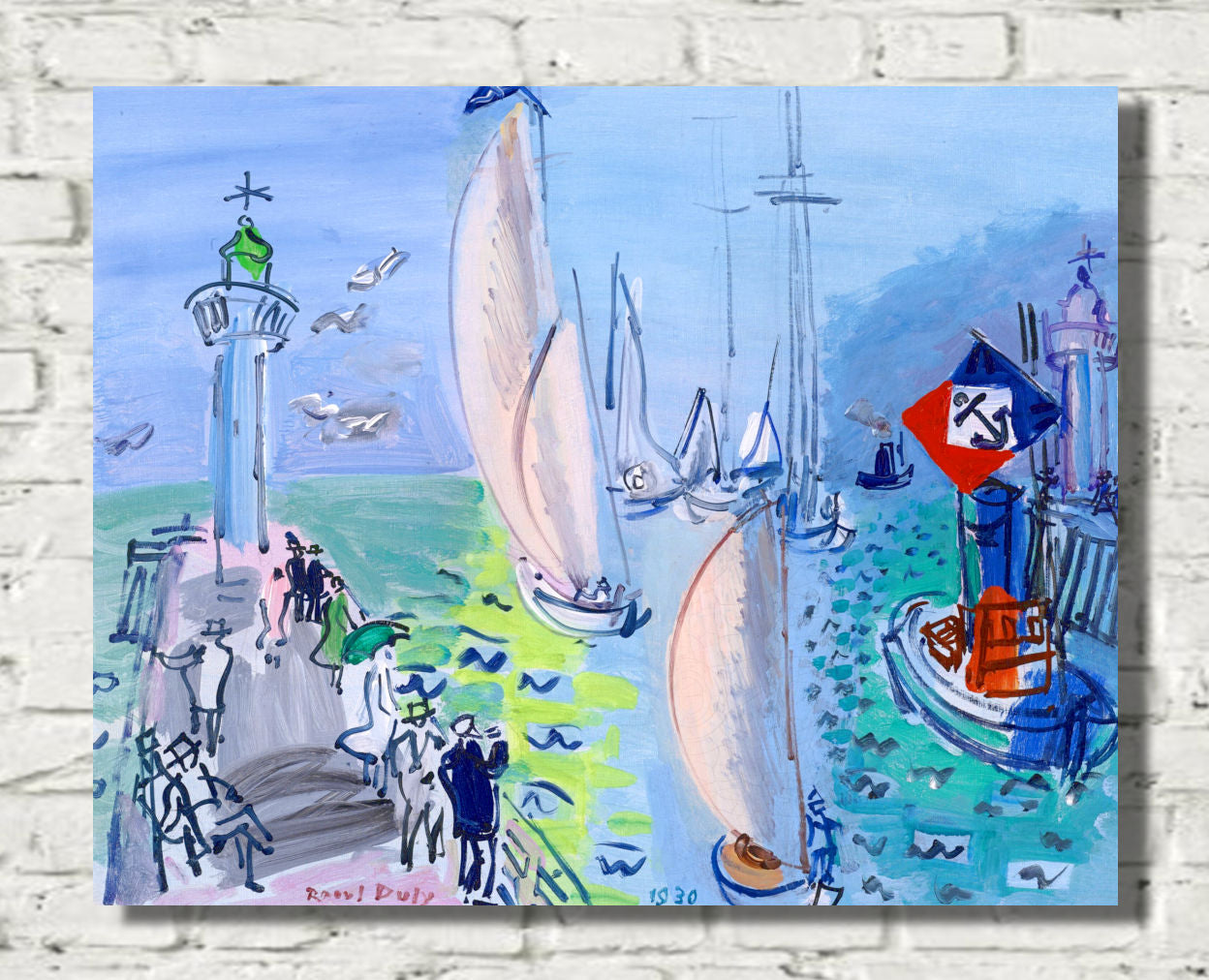
Fine art papers are printed without any additional white border Please let us know at the time of ordering if you would like a small additional white border.
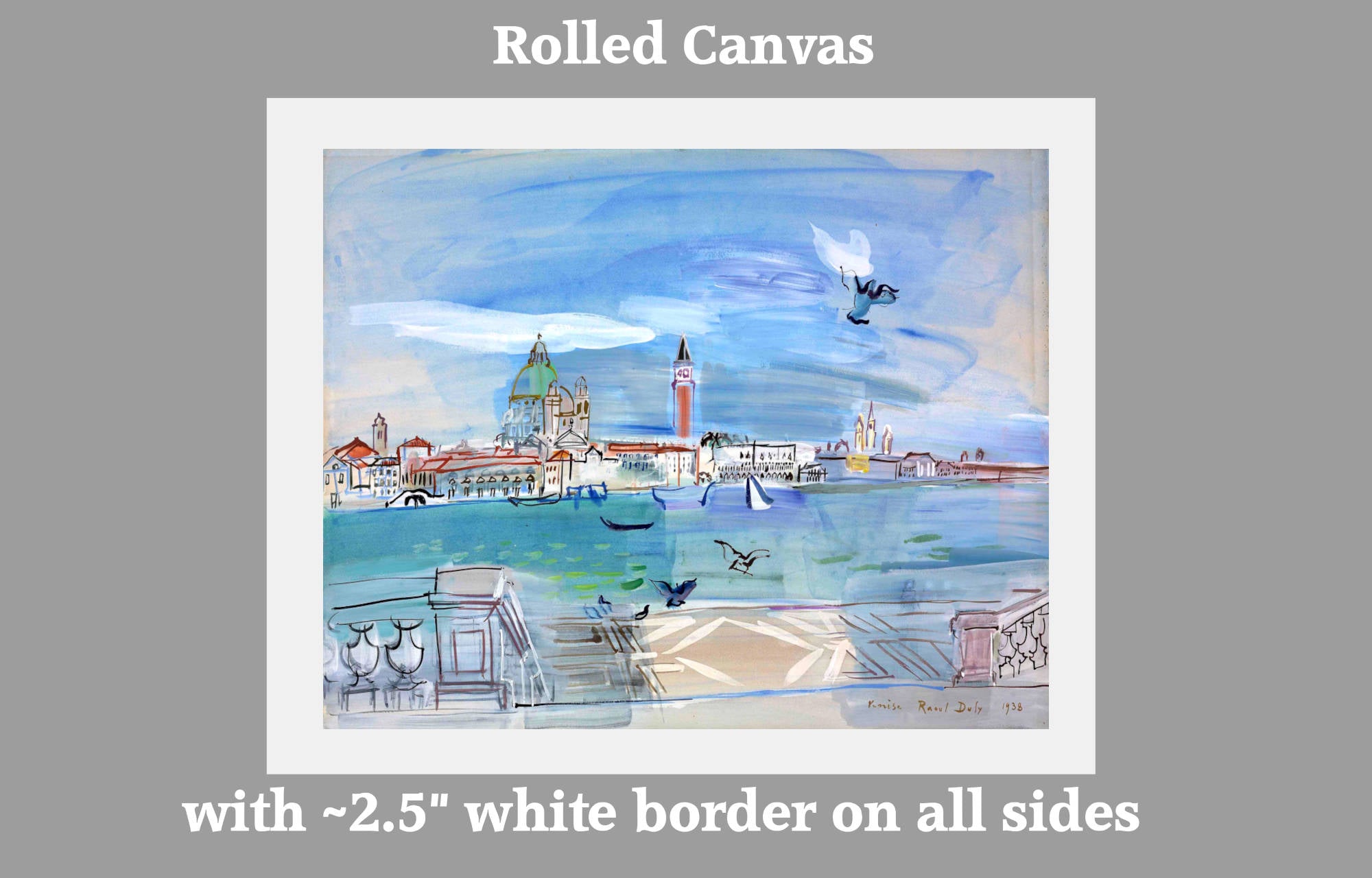
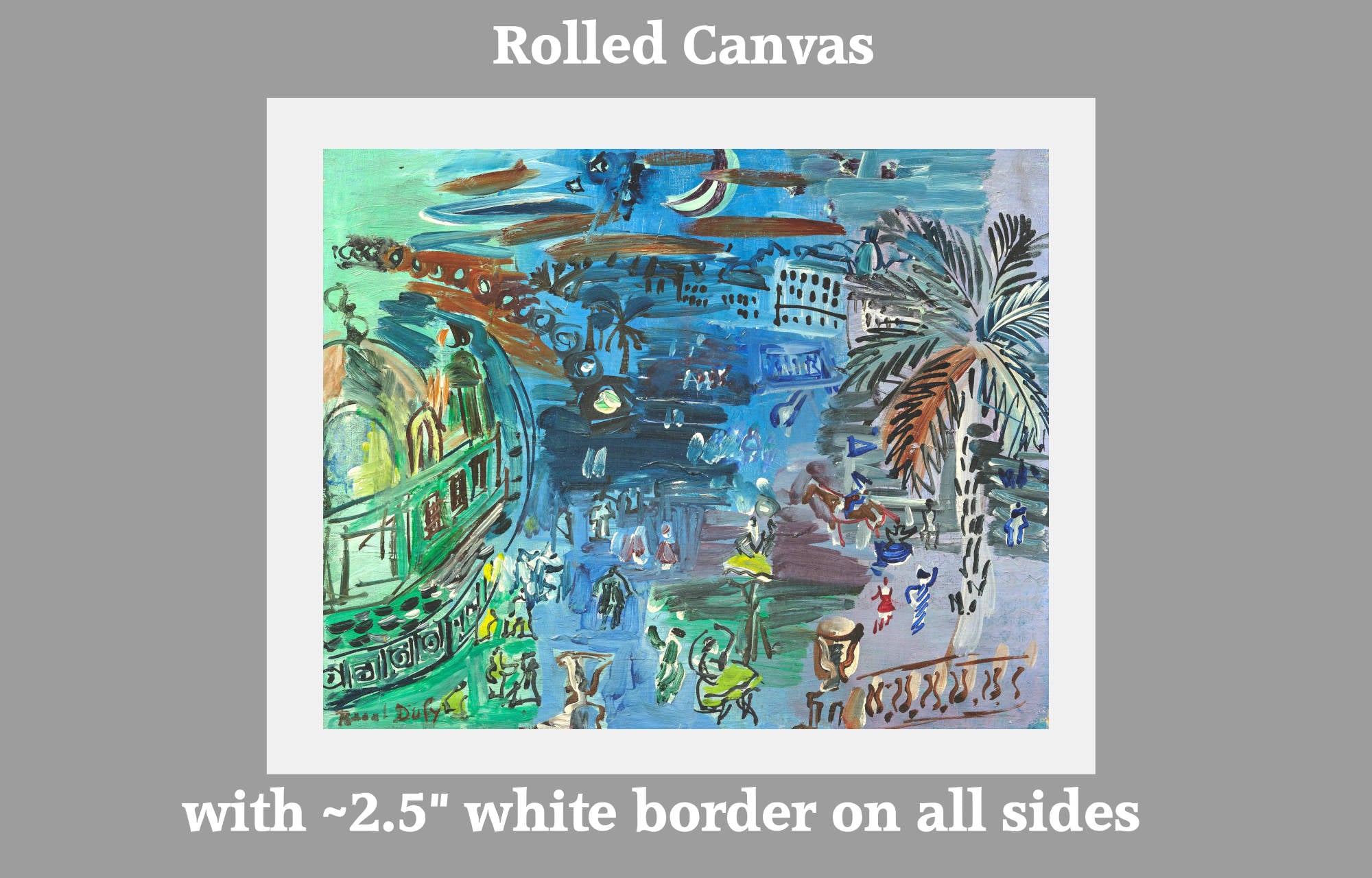
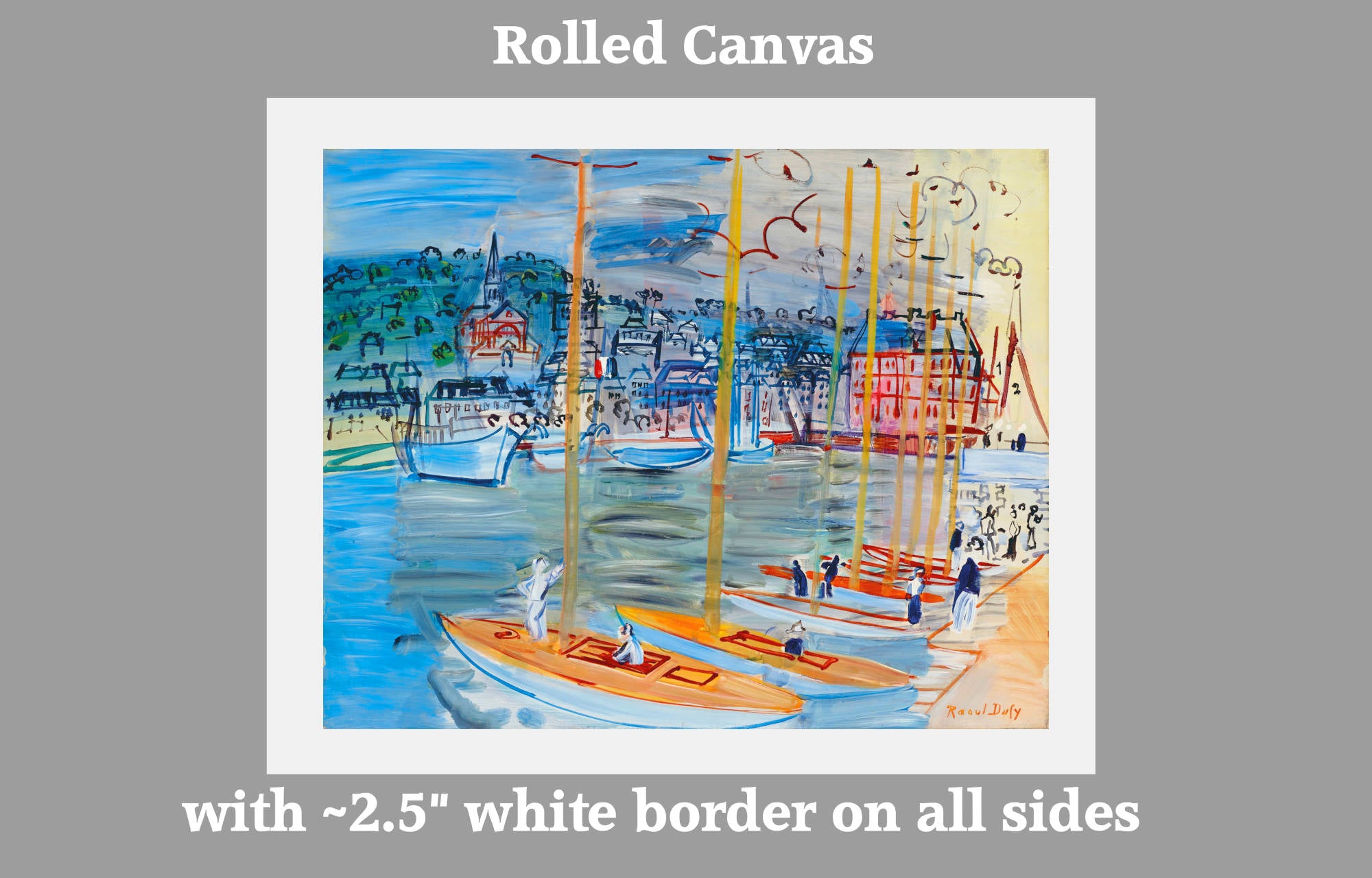
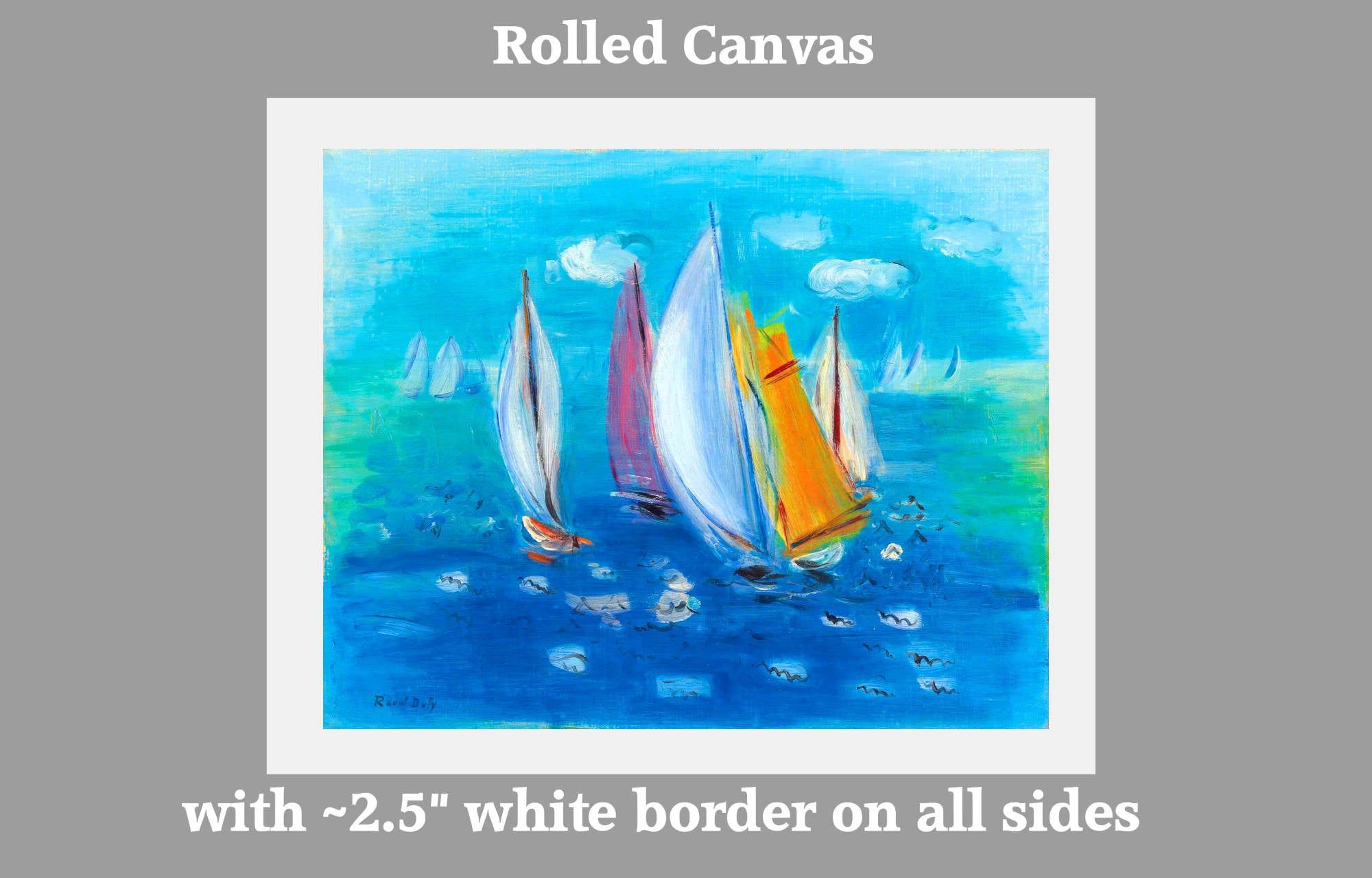
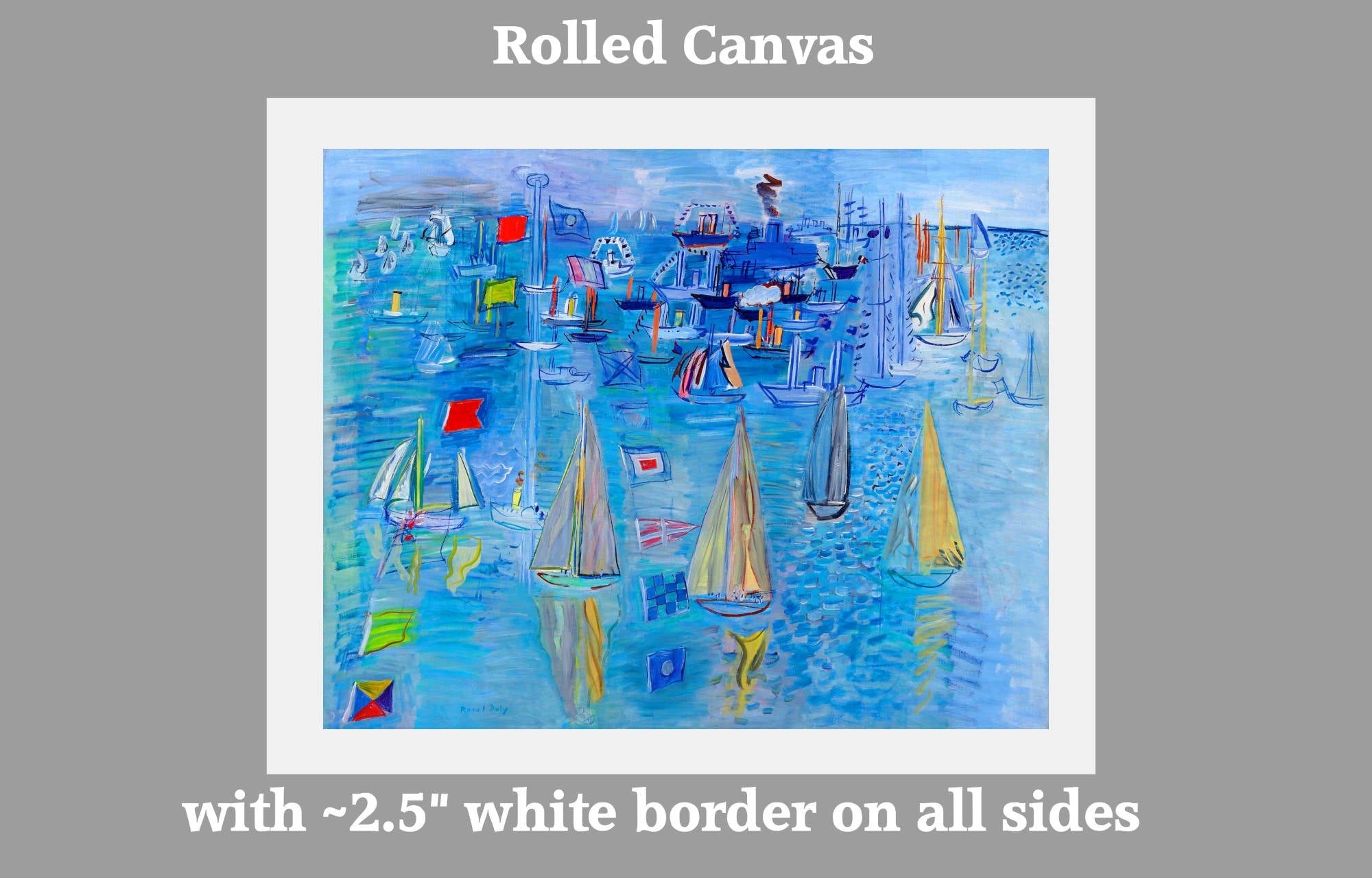
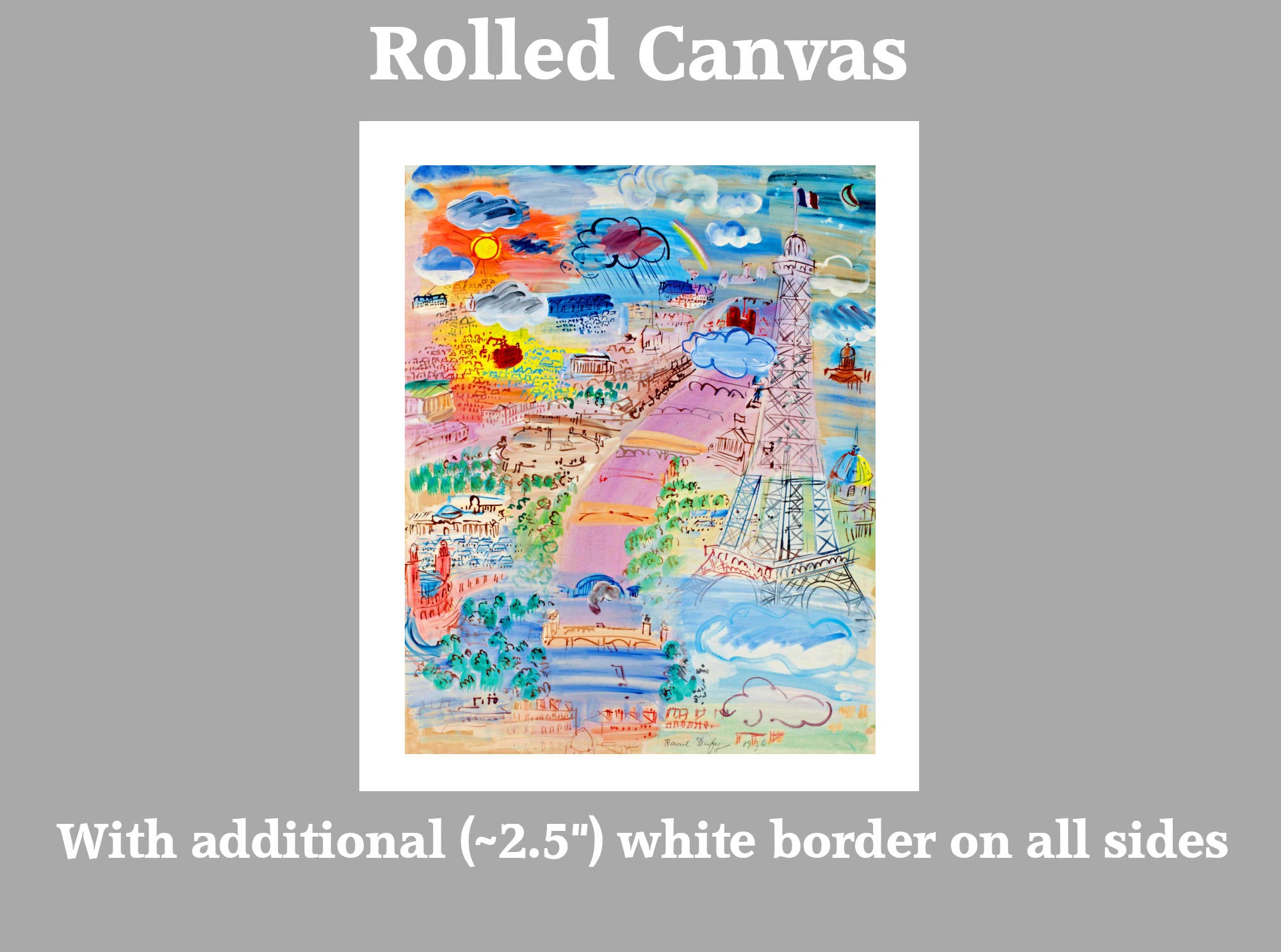
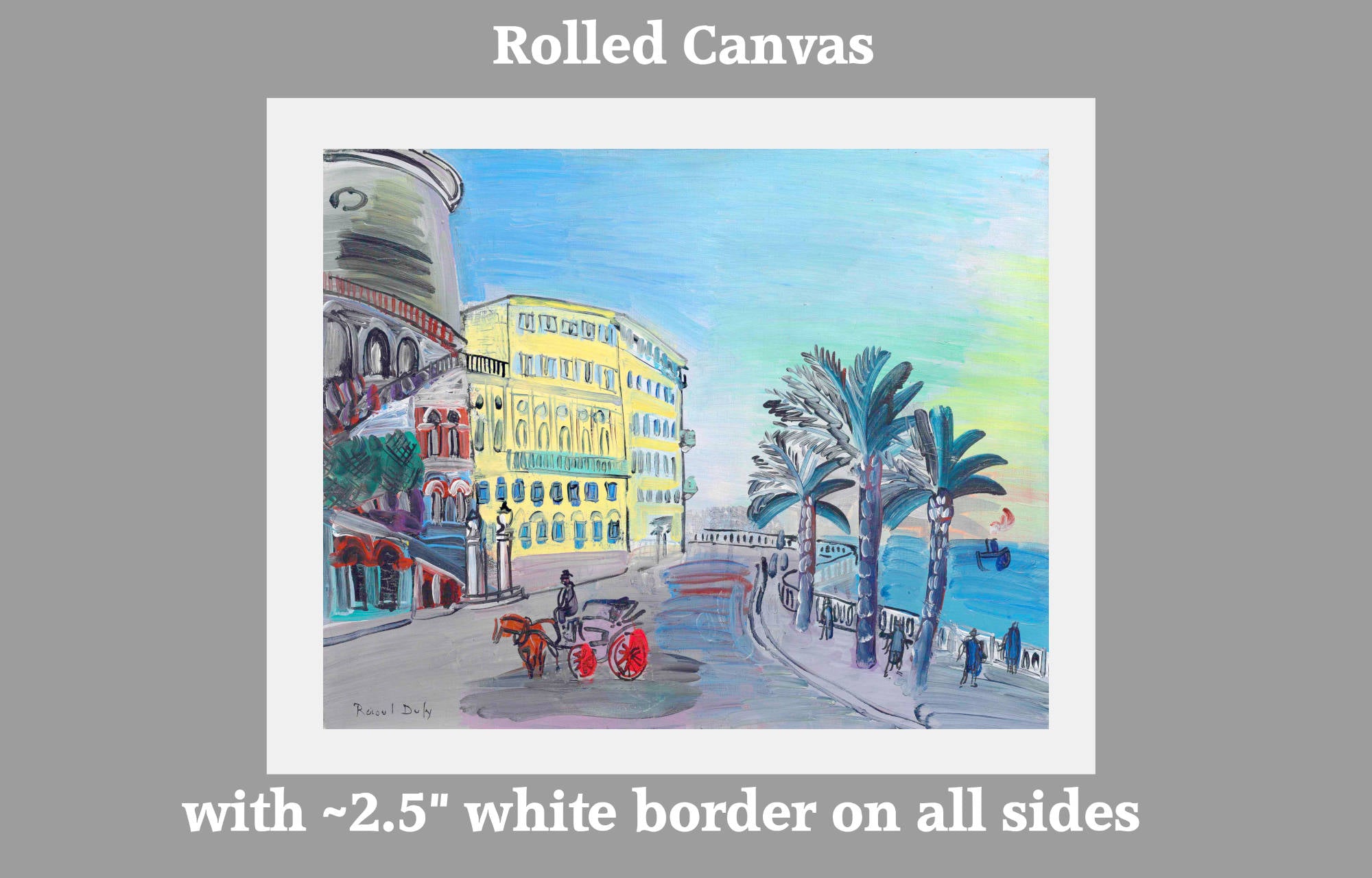
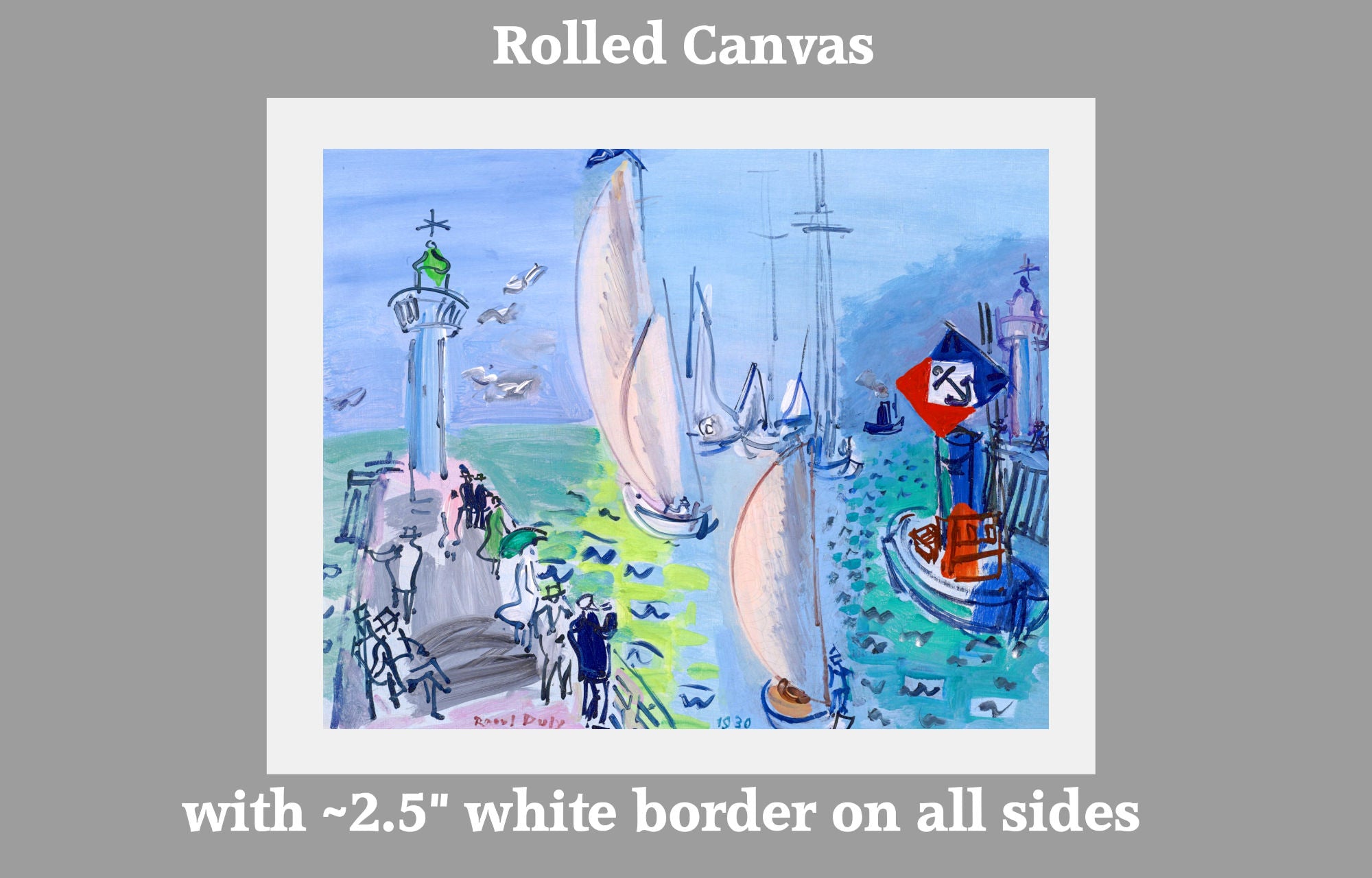
Rolled canvas options have an additional white border of approximately 2.5 inches (7cm) on all 4 sides to aid stretching.
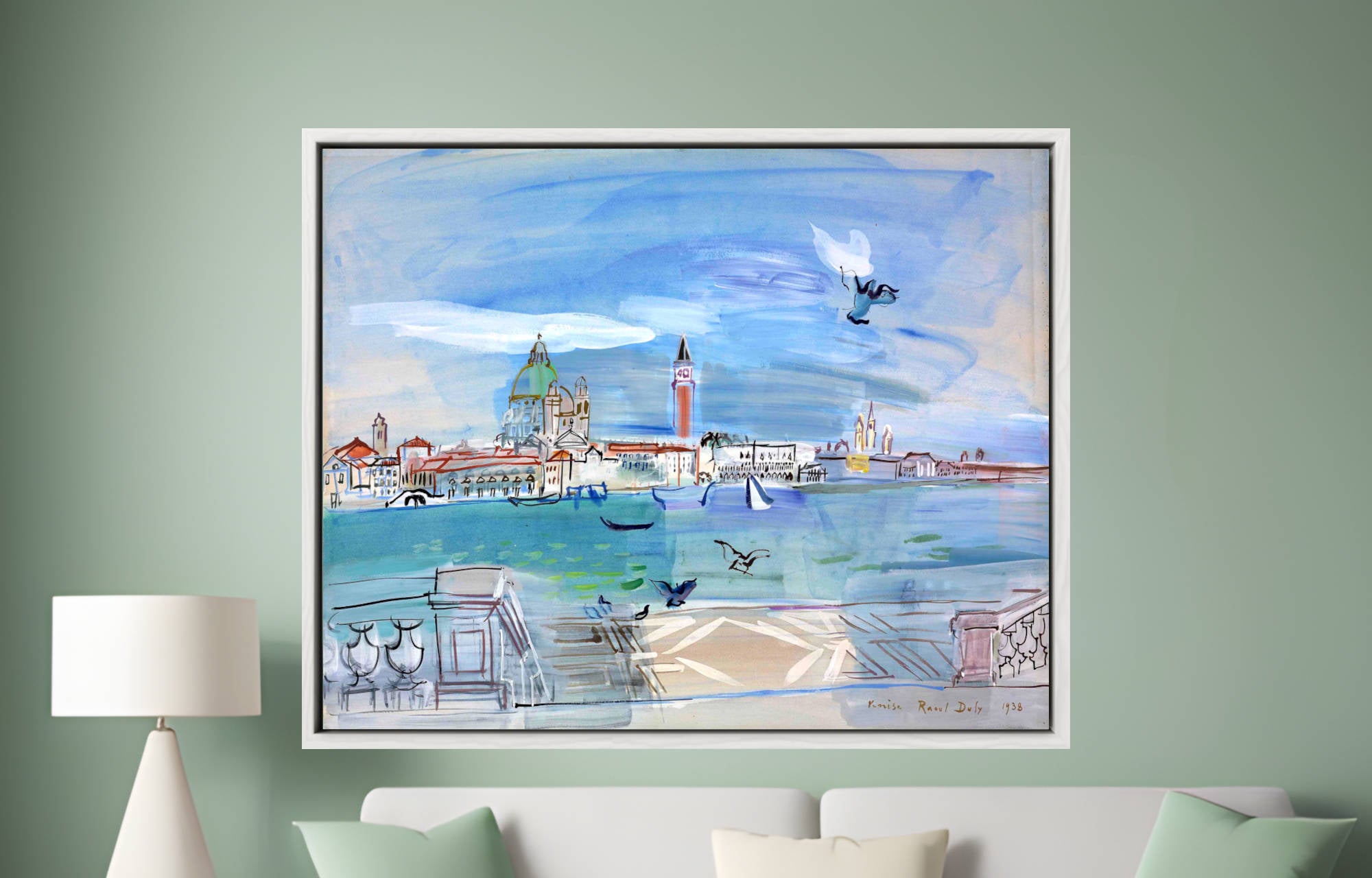
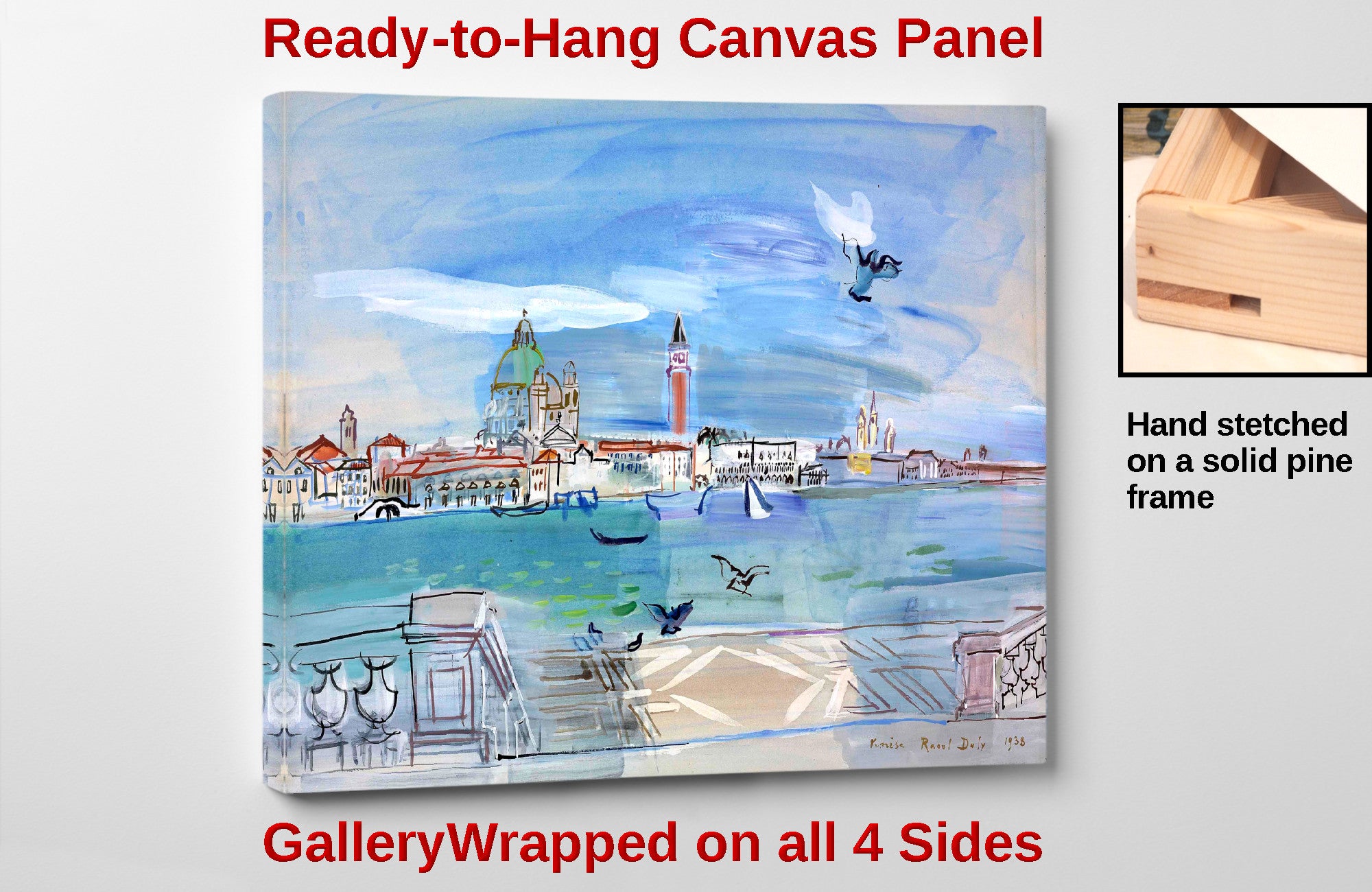
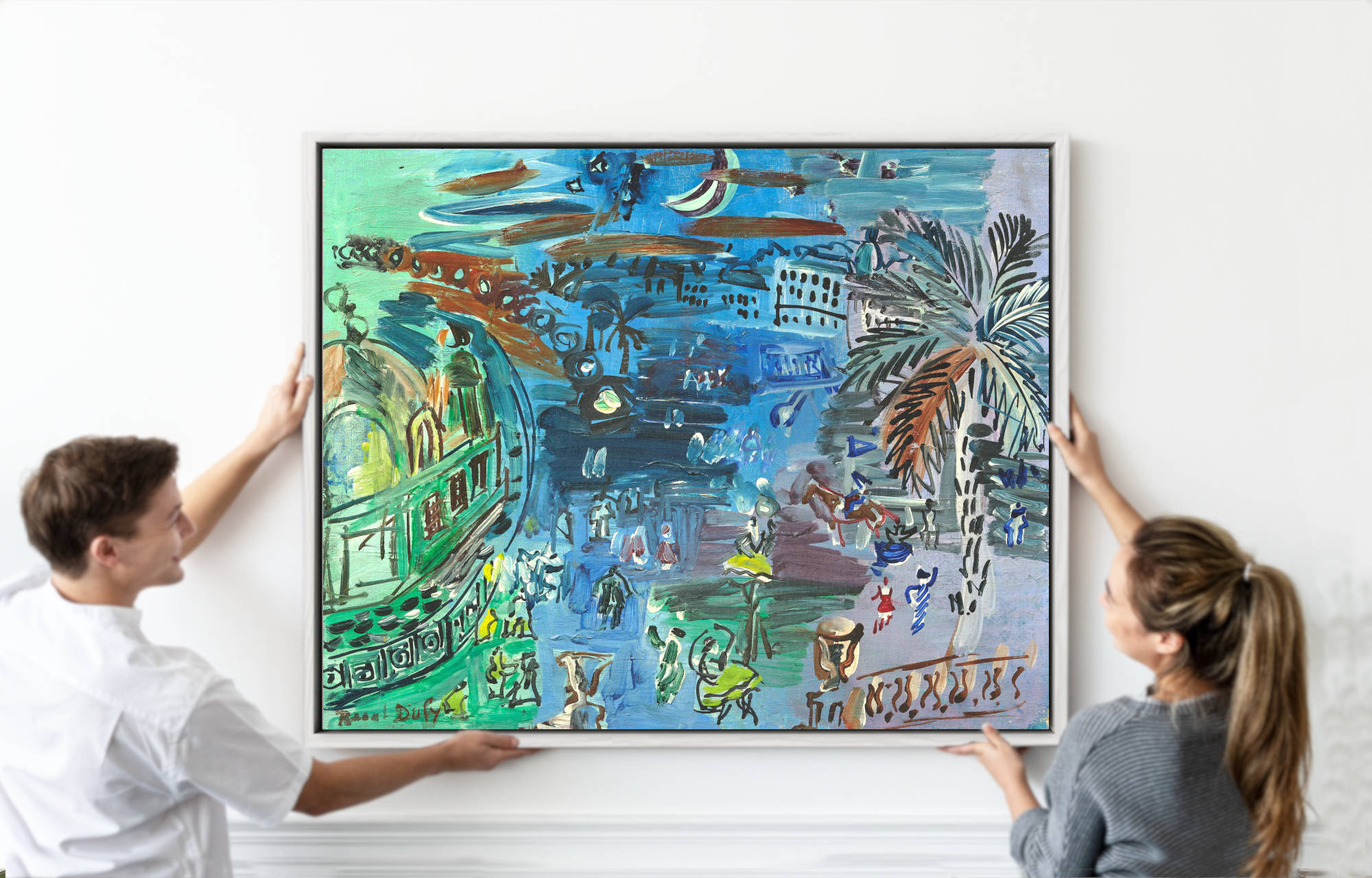
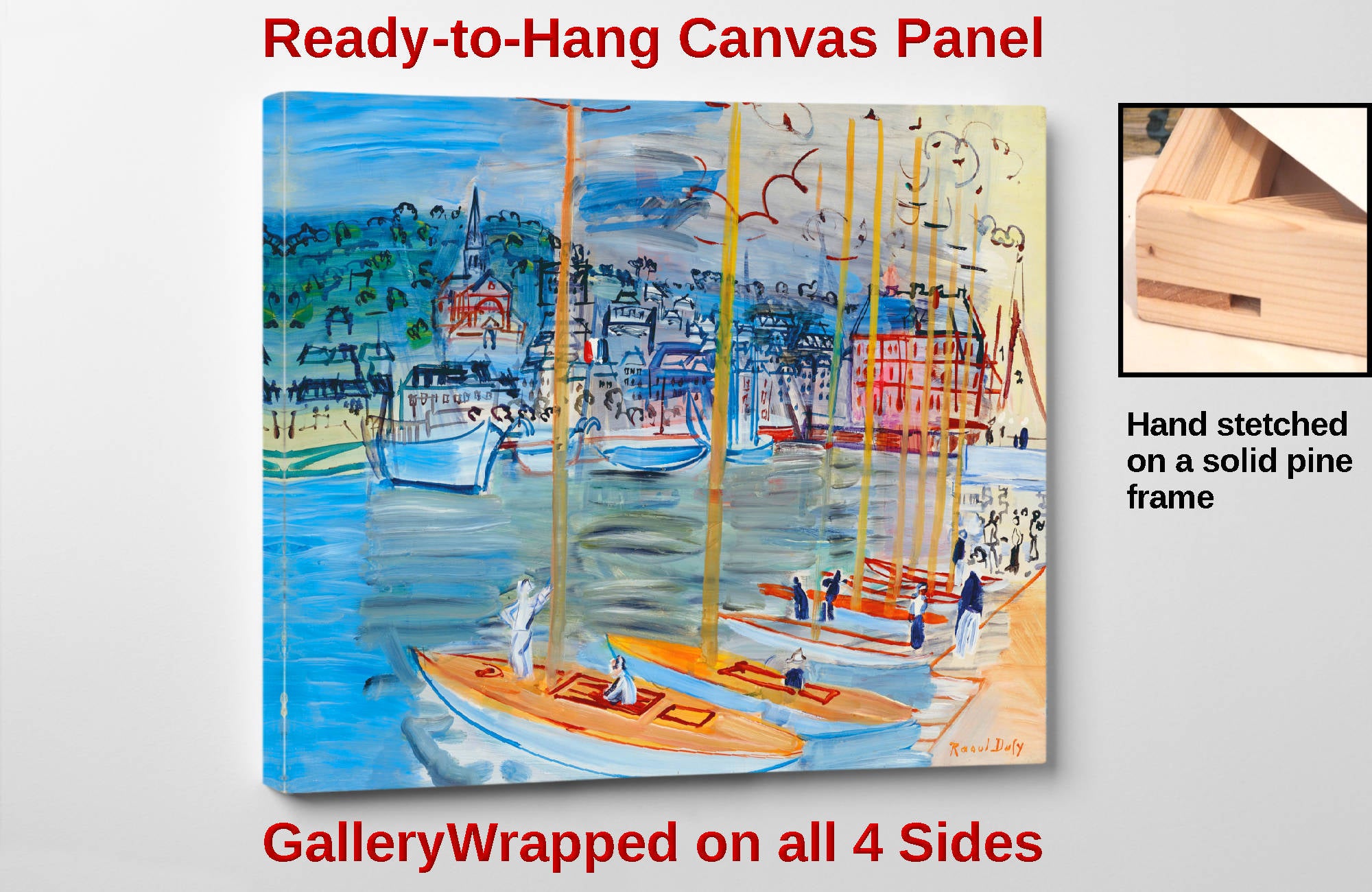
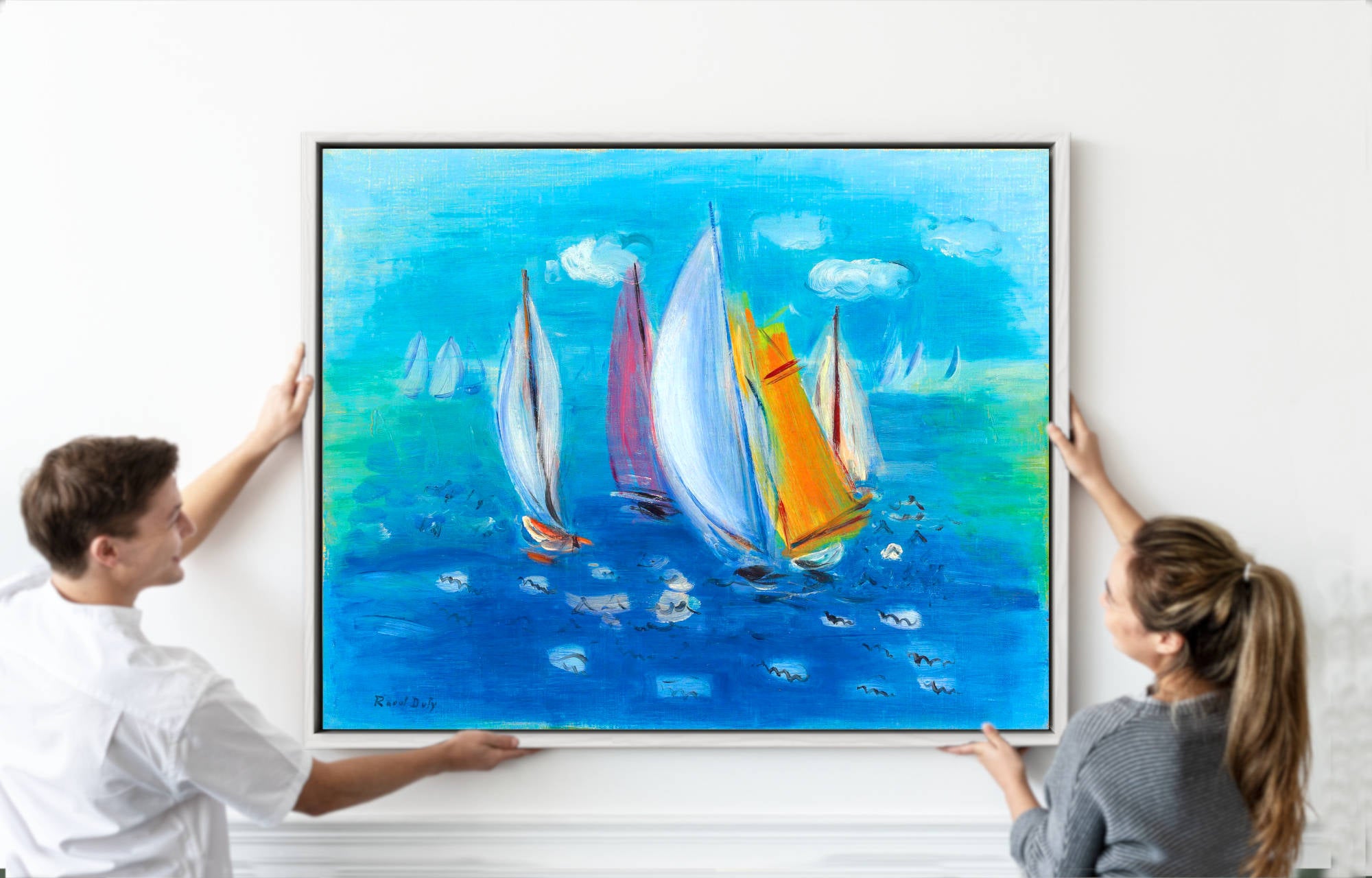
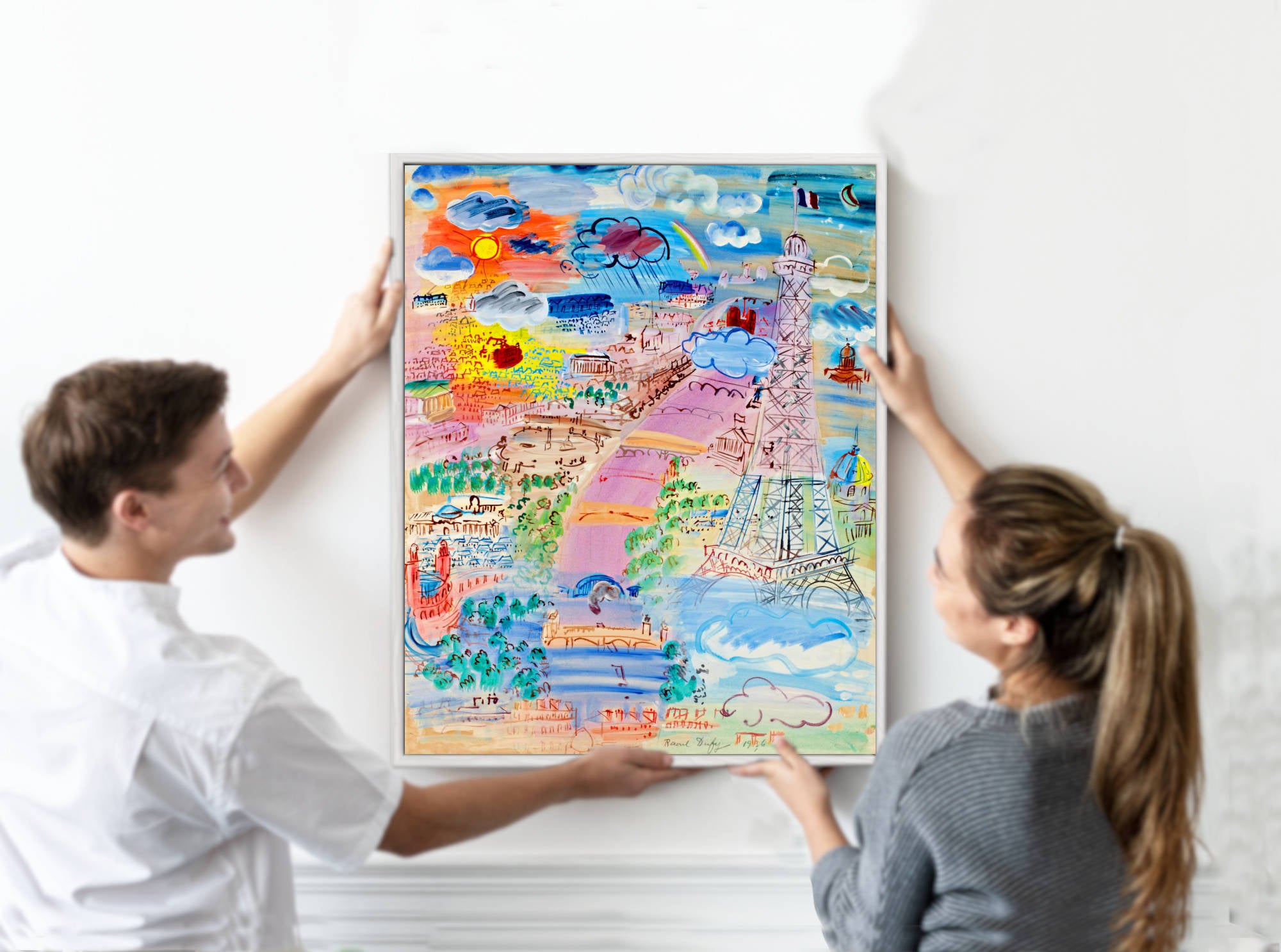
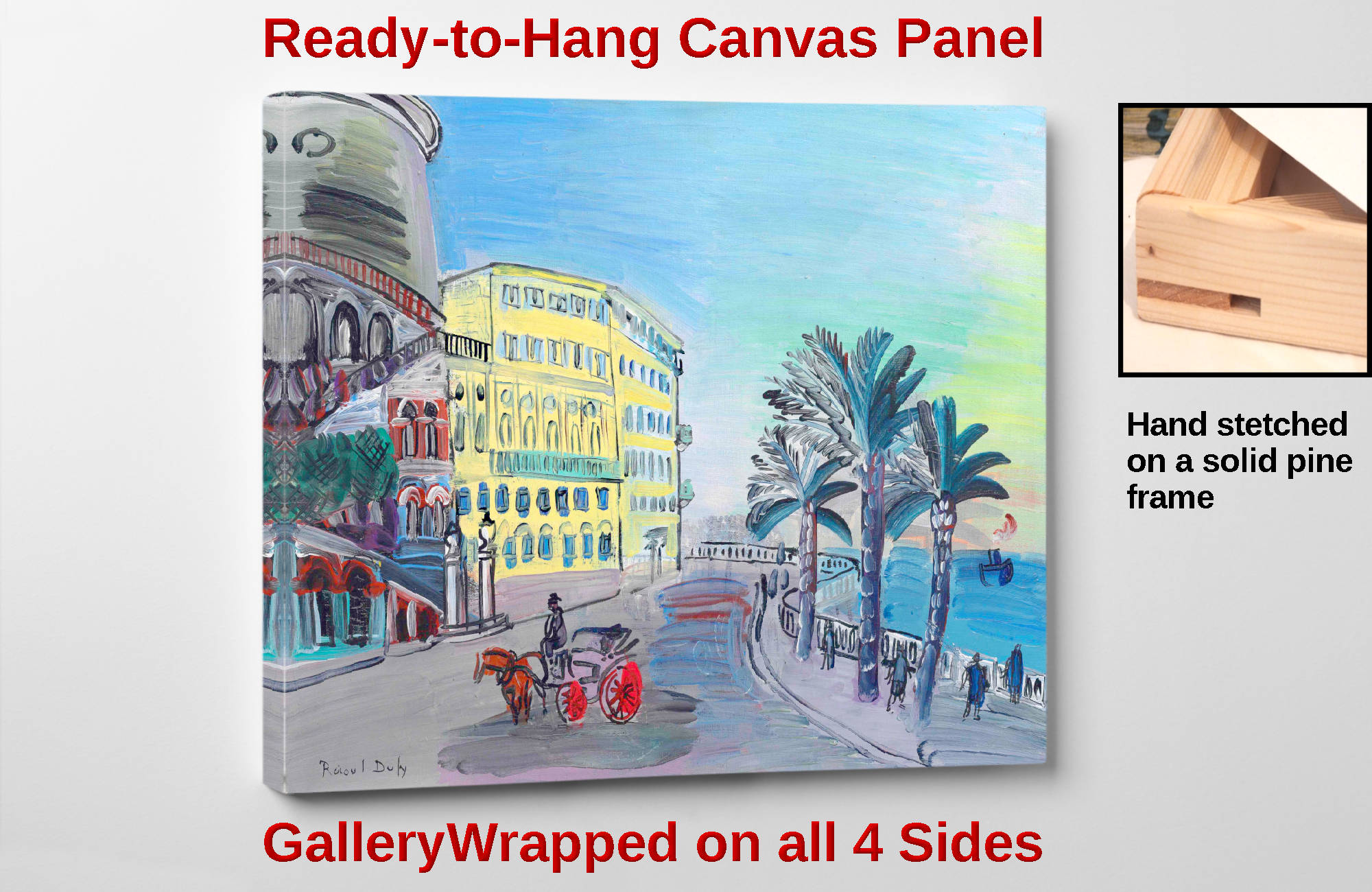
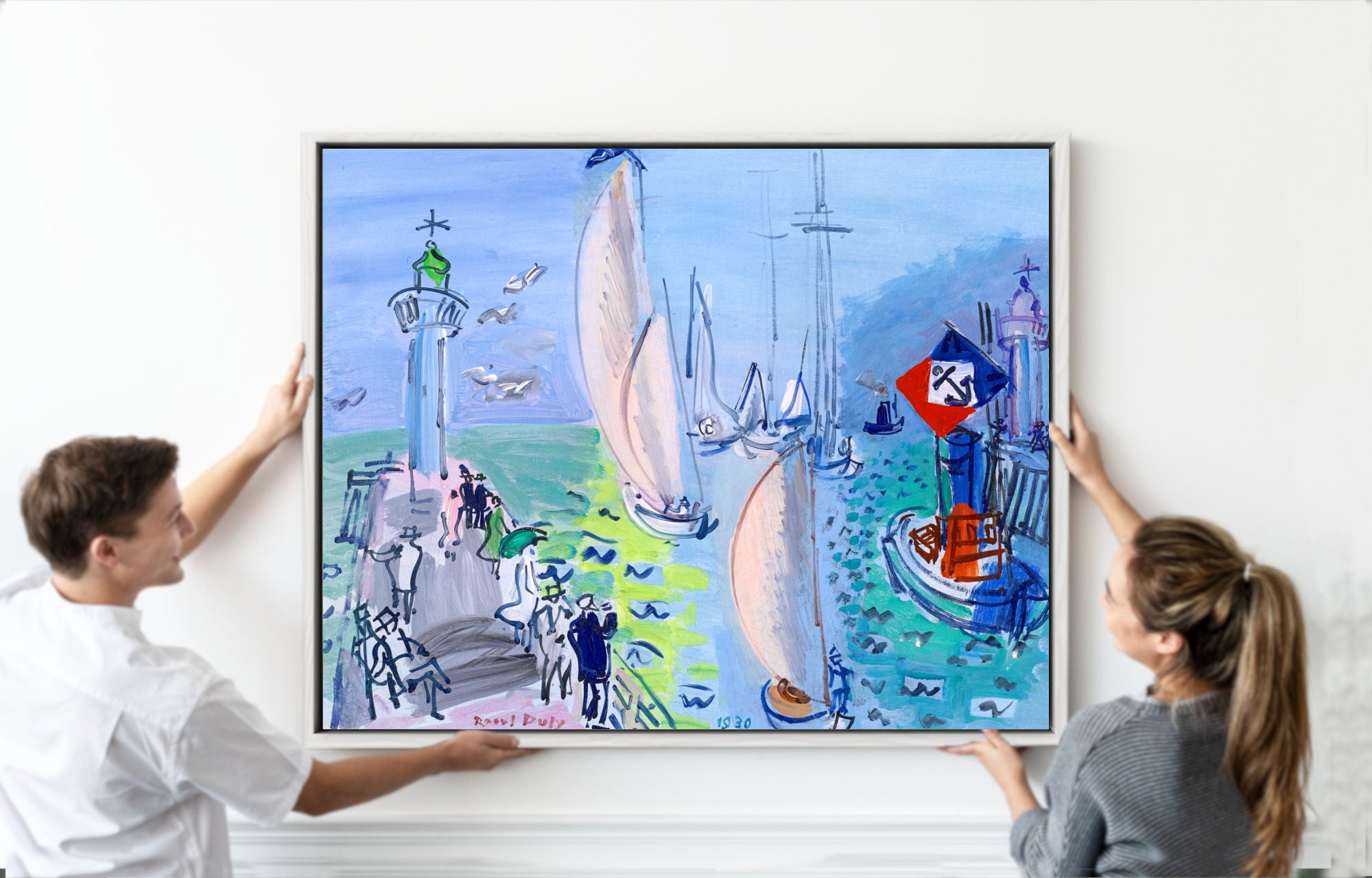
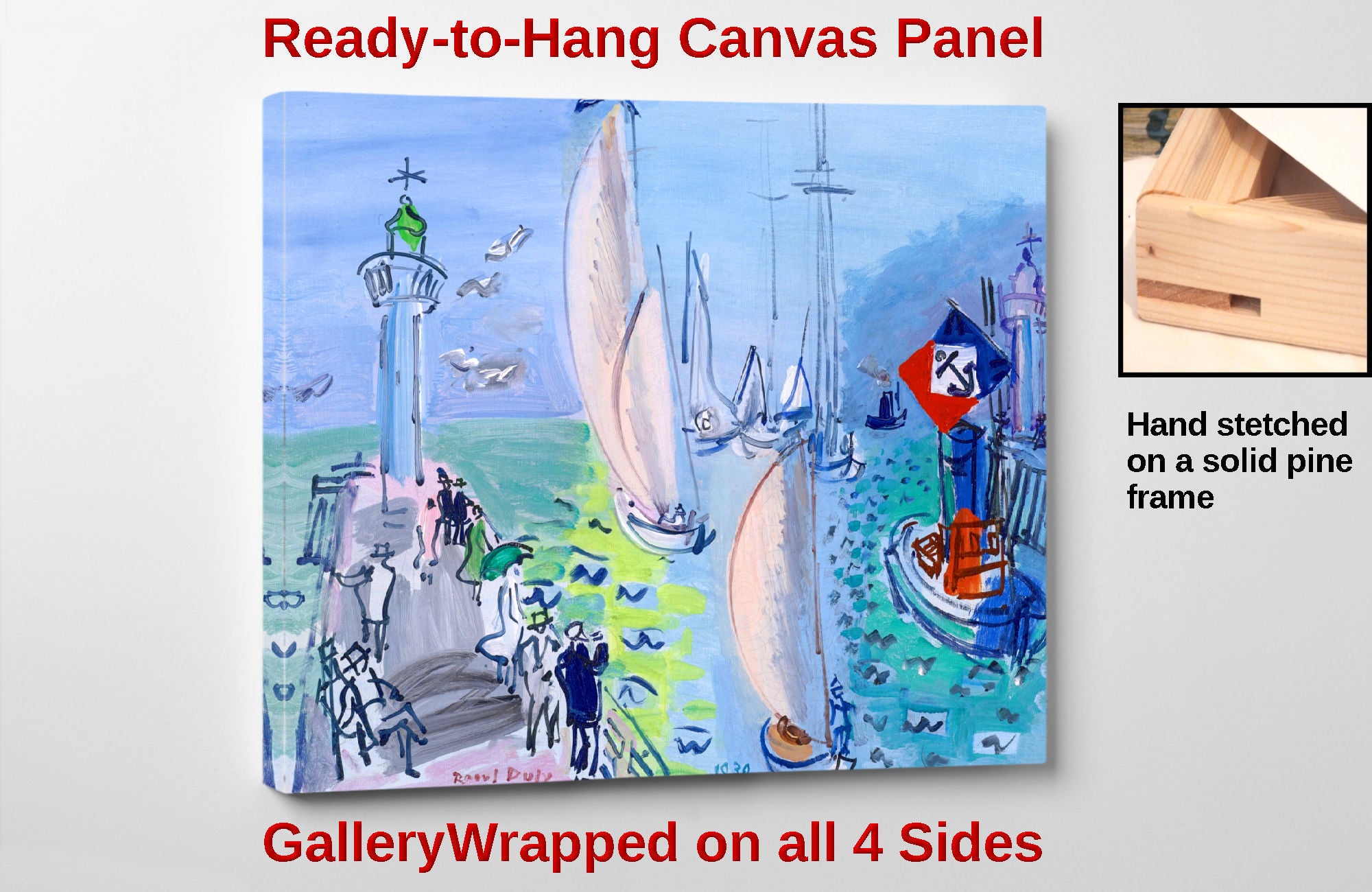
Ready to hang canvas panels are stretched on 1.5 inch deep solid pine frames from sustainable forestry sources. The image is mirrored on all 4 sides to give an aesthetically pleasing finish.
Why not have us gift wrap your order and attach a personalised message to the recipient. Available for all orders. Each order is hand wrapped in high quality gift wrap with meatllic ribbon and bow. Your personalised message is printed on a card which is included with your order.
Have your hand wrapped gift delivered directly to the recipient.
Full tracking and insurance included with every order.
Please note design may vary depending upon availability
Just purchase the gift wrap option HERE
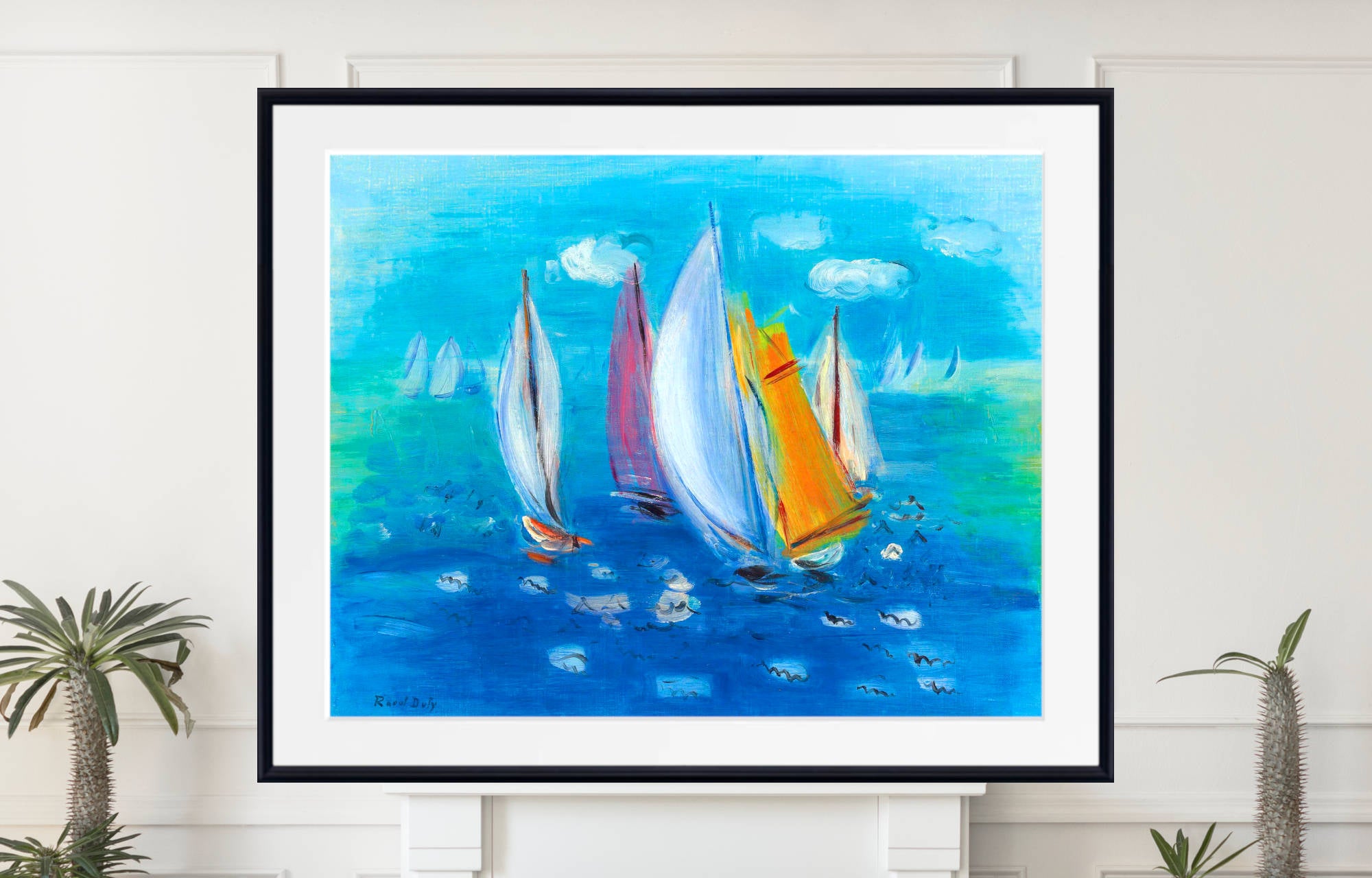
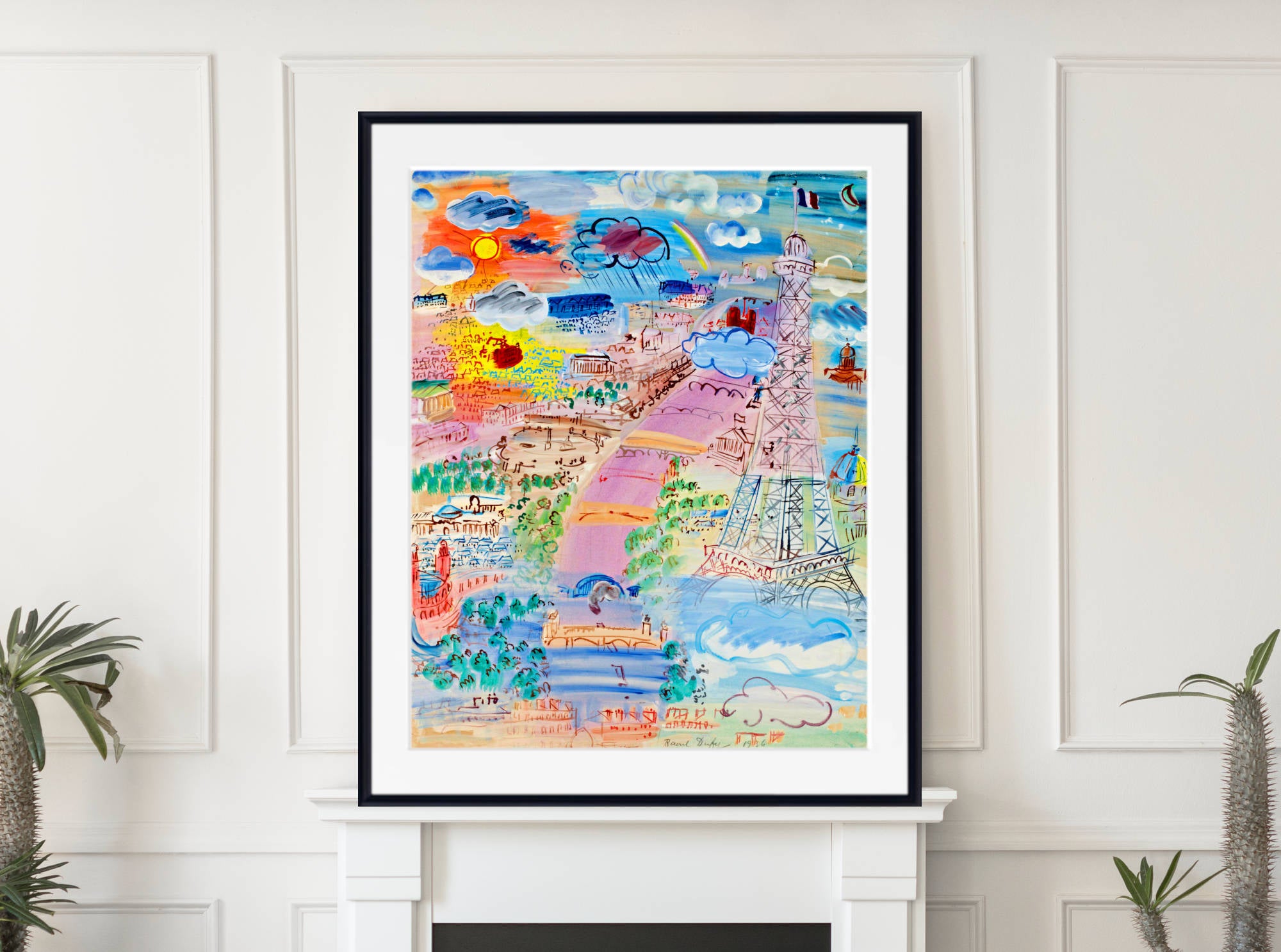
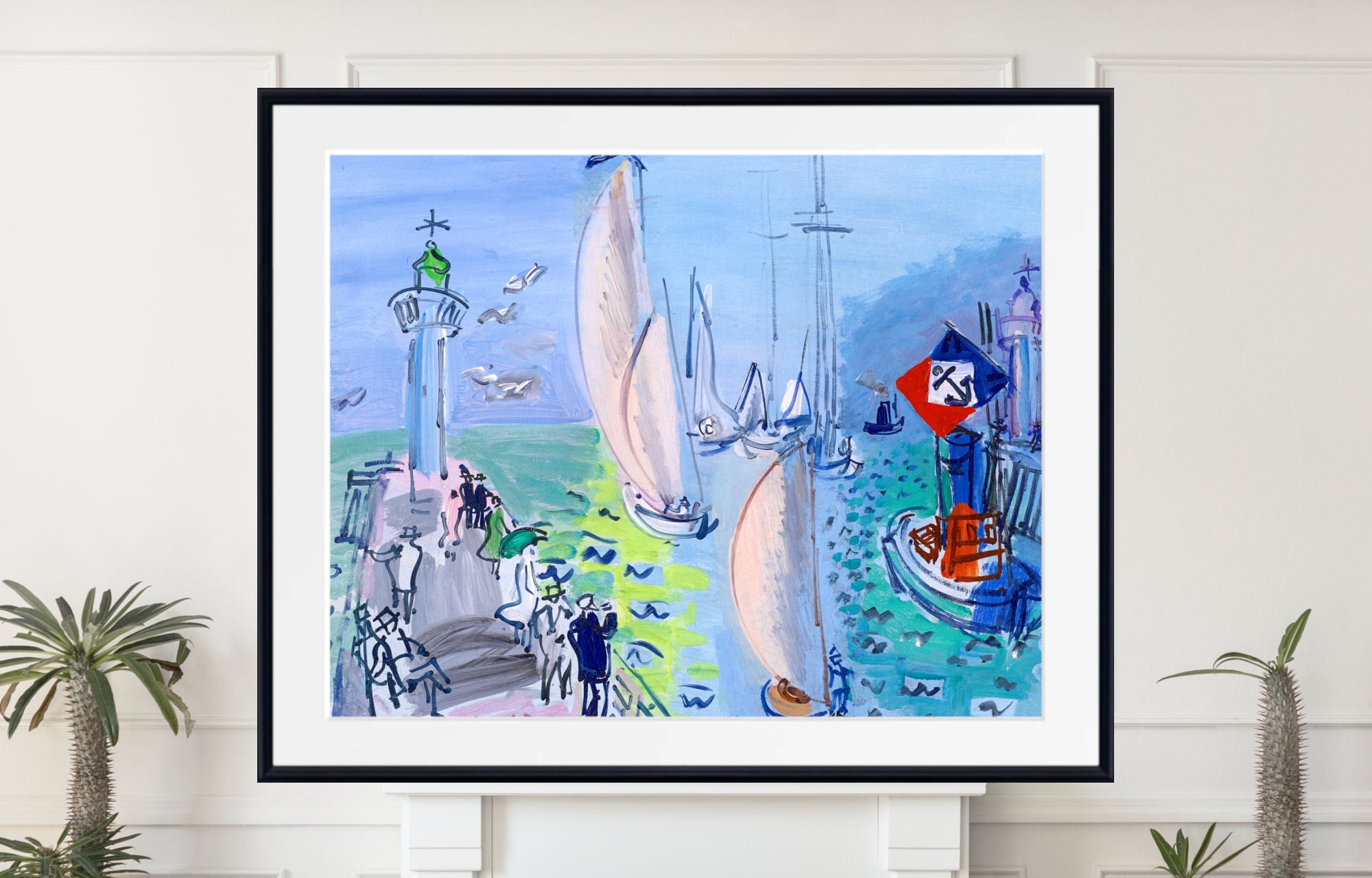
We have a wide range of frames in standard sizes and we also make custom size frames.
To order a framed print:
1. select the print size you would like along with the print materials (matte paper, fine art paper).
2. Add your print choice to the basket.
3. Choose from our range of frames
4. Select the same size as the print you have added to your basket. If the frame size you want is not listed please contact us
5. Choose from the mount or no-mount option
6. Add your frame choice to the basket
7. Proceed to checkout.
Why Choose GalleryThane?
- Printed and framed in-house
- Free UK delivery
- Free EU and USA delivery on orders over £200
- Tracking and insurance included in every order
- Fast 1-3 day dispatch
- Gift wrapping service available
- Gallery quality materials
- Sustainable, eco-friendly packaging
- Great customer support
Explore related collections
What makes our Prints and Canvas Panels so special

Latest Giclee Printing Technology
We have invested in the latest wide format print technology to produce museum quality giclee prints utilising the highest quality pigment inks to give outstanding colour reproduction.

Museum Quality Archival Fine Art Papers
We print on the finest quality fine art papers with textured, smooth and lustre finishes for prints which last a lifetime.
From aceo miniatures to 40x80 inch large format, every print has our lifetime quality guaranteee.

Solid Wood Frames, Cotton Canvas
All of the wood for our canvas panels and frames is responsibly sourced from manages forests. Our cotton canvas is completely seedless for the highest quality reproduction possible.

Have Your Gift Wrapped


Choose a Custom Frame
Popular Collections


EU Representative
Manufacturer
LucasAbstract t/a GalleryThane
15 Campion Way, Bingham NG13 8TR UK
sales@gallerythane.com
EU Authorised Representative
Westwood Sourcing
Fellenoordstraat 52, Unit 2.38
4811 TJ Breda, Netherlands
info@westwoodsourcing.com