
Art News and Articles
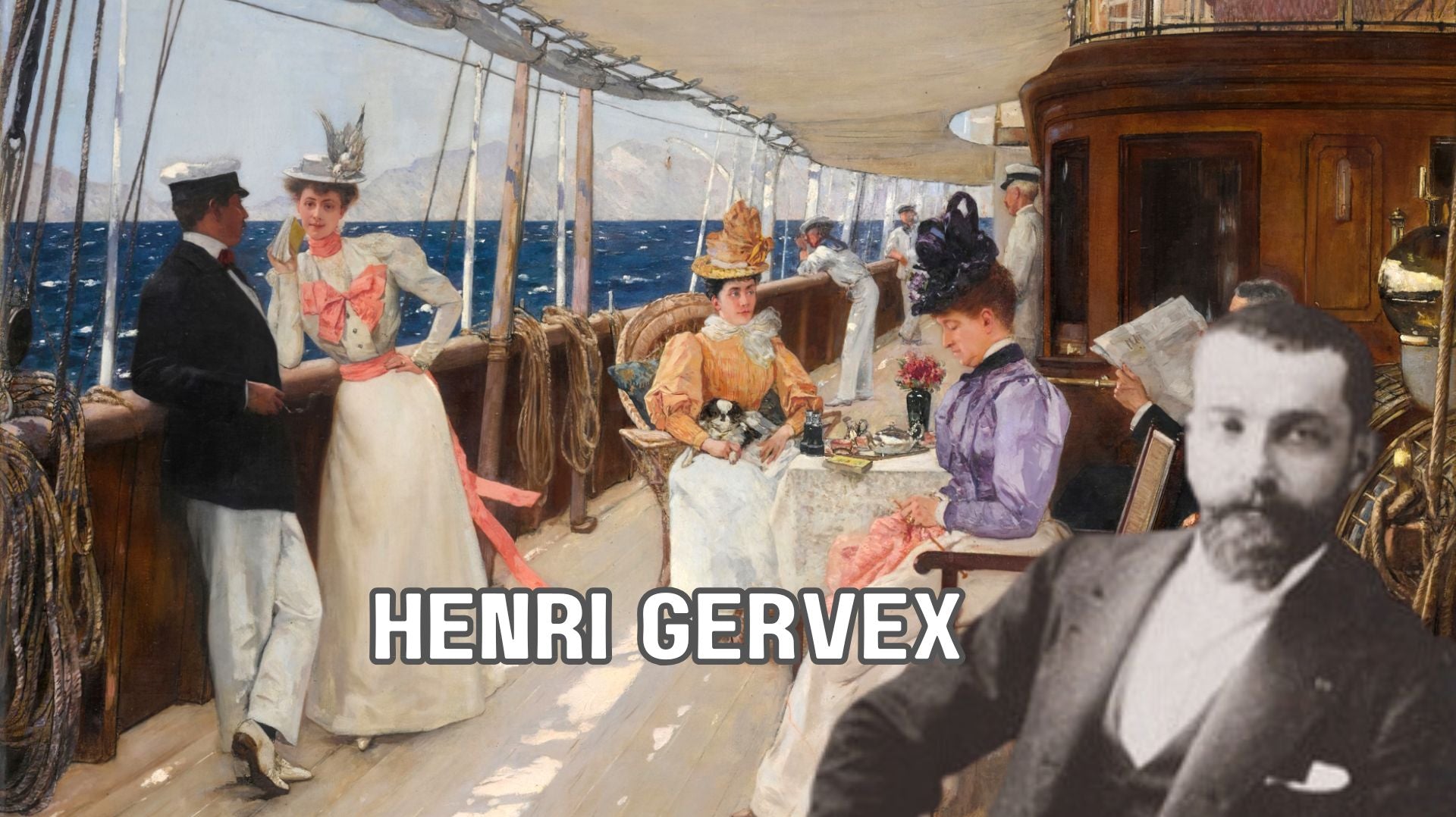
Henri Gervex: Master of Belle Époque Paris
Henri Gervex (1852-1929) was a masterful French painter who defined the Belle Époque era through his blend of academic precision and modern sensibility. From his scandalous "Rolla" to prestigious society portraits, he captured Paris's golden age with technical brilliance and psychological insight. His legacy provides an invaluable window into a transformative period of French art and culture.
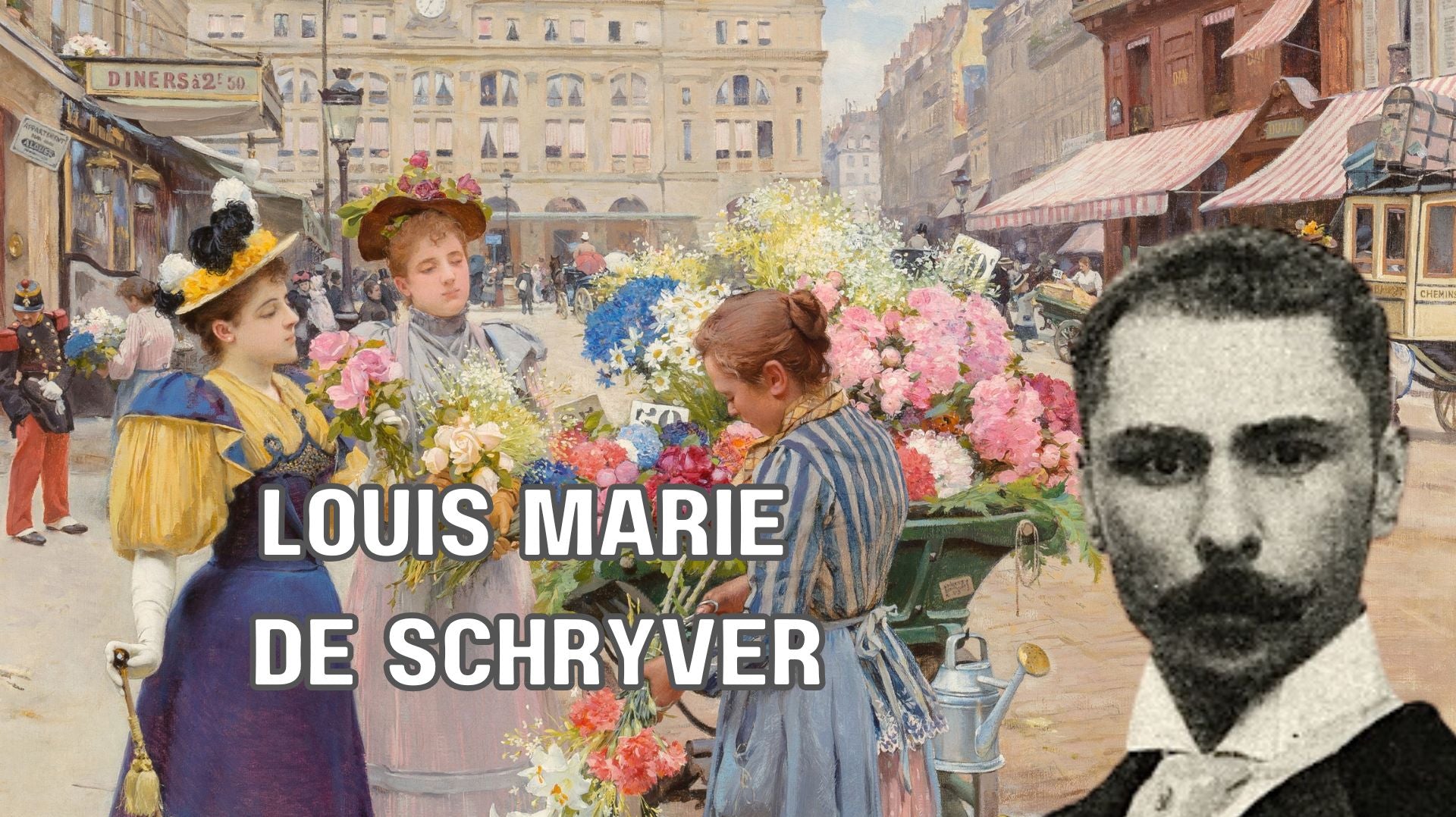
Louis Marie de Schryver: Master of Parisian Belle Époque Street Scenes
Discover the magnificent world of Louis Marie de Schryver (1862-1942), the French master who captured Paris's Belle Époque through vibrant street scenes and flower markets. From his prodigious debut at age 13 to his masterful depictions of the Champs-Élysées, explore how this artistic genius documented the elegance and energy of turn-of-the-century Paris.
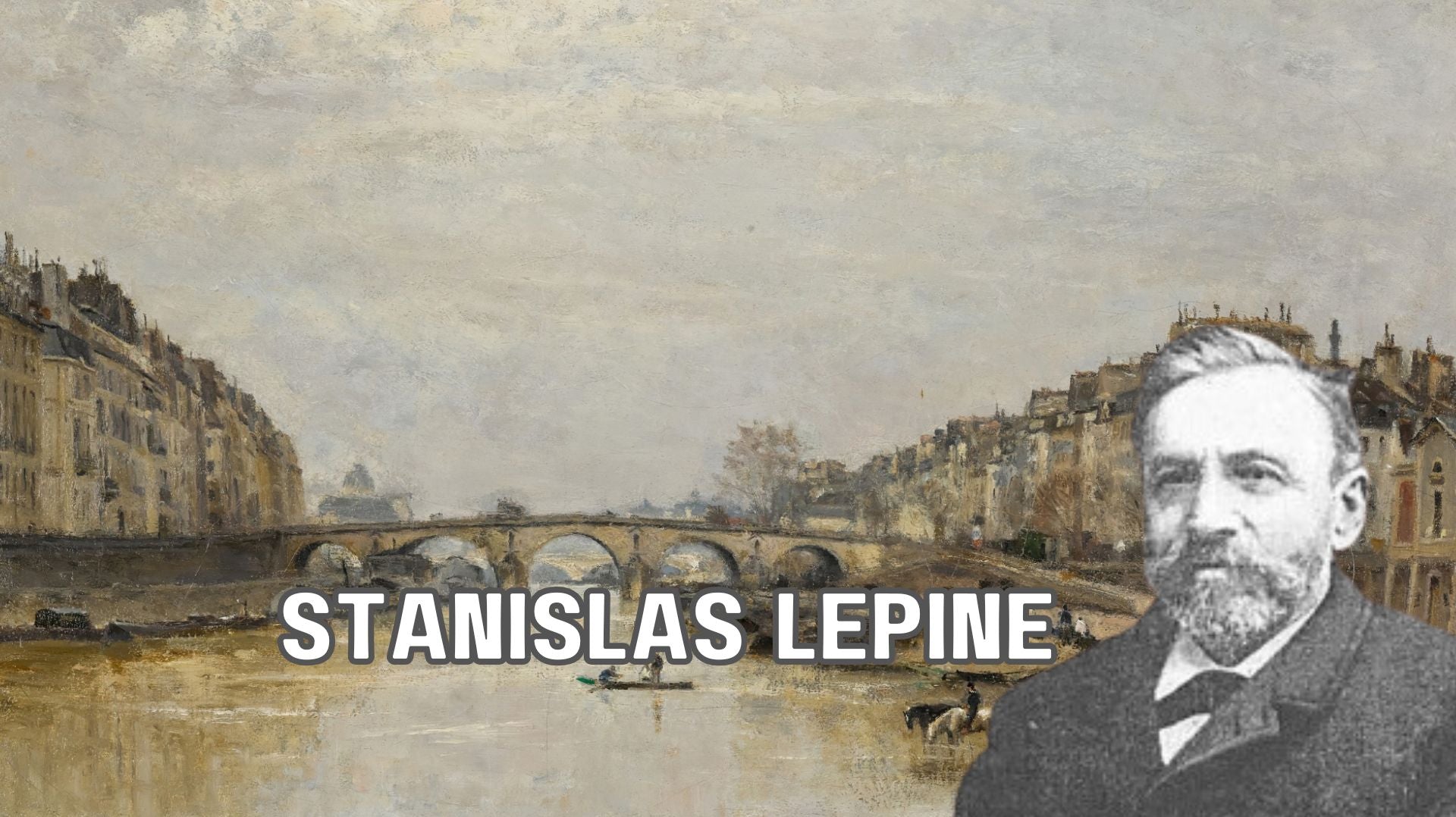
Stanislas Lépine: The Forgotten Master of Parisian Landscapes
Discover Stanislas Lépine (1835-1892), the masterful French landscape painter who captured Paris's transformation through luminous scenes of the Seine River and urban life. A student of Corot, his intimate portrayals of bridges, ports, and riverbanks demonstrate exceptional sensitivity to light and atmosphere, bridging the gap between the Barbizon School and Impressionism.
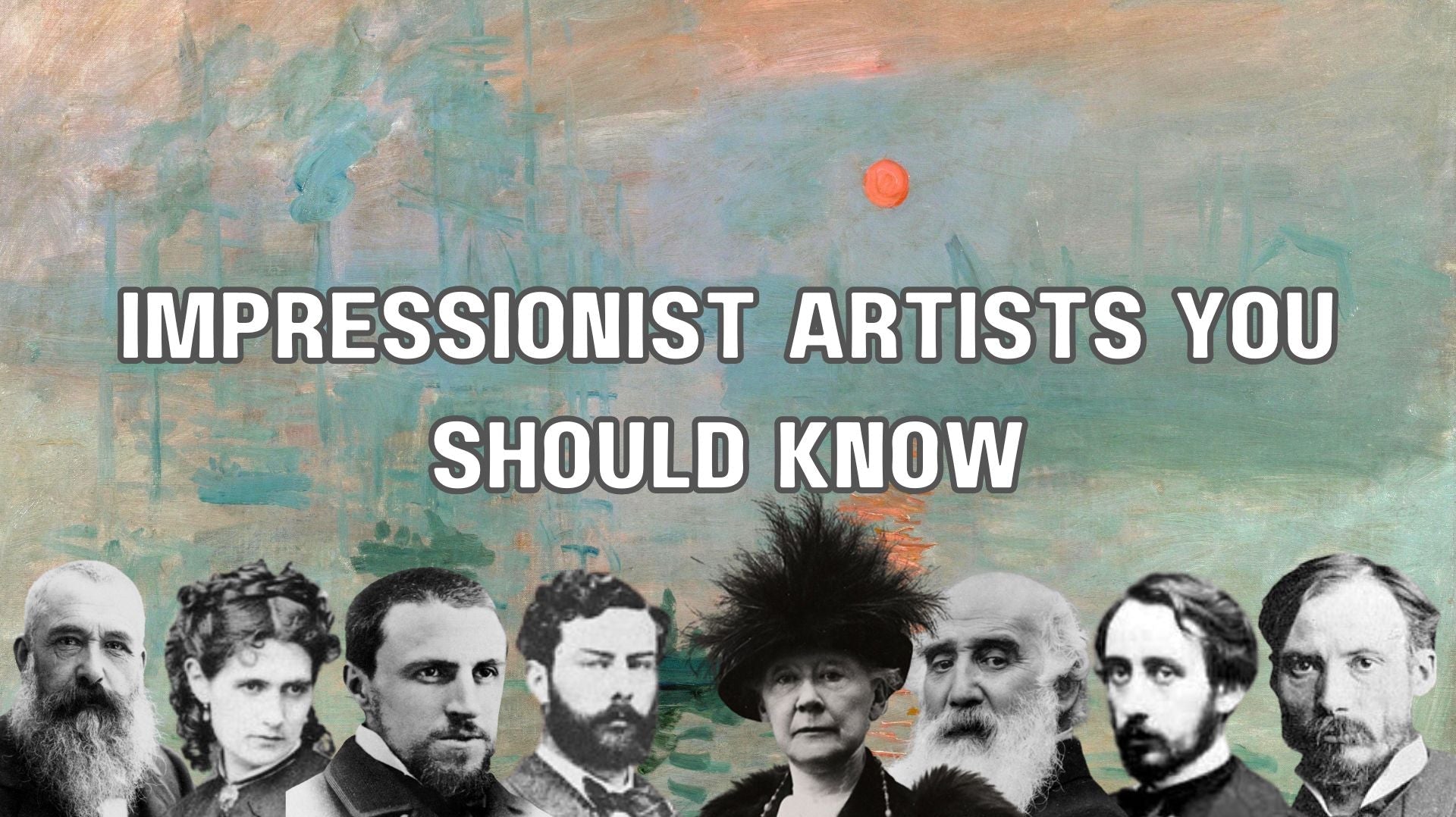
Top Impressionist Artists : A Guide to the Masters of Light and Color
Discover the revolutionary artists who shaped Impressionism, from Monet's ethereal water lilies to Degas' captivating dancers. These masters transformed the art world by capturing fleeting moments and natural light with bold brushstrokes and vibrant colors. Explore how pioneers like Renoir, Morisot, and Cassatt brought modern life to canvas through their groundbreaking techniques.
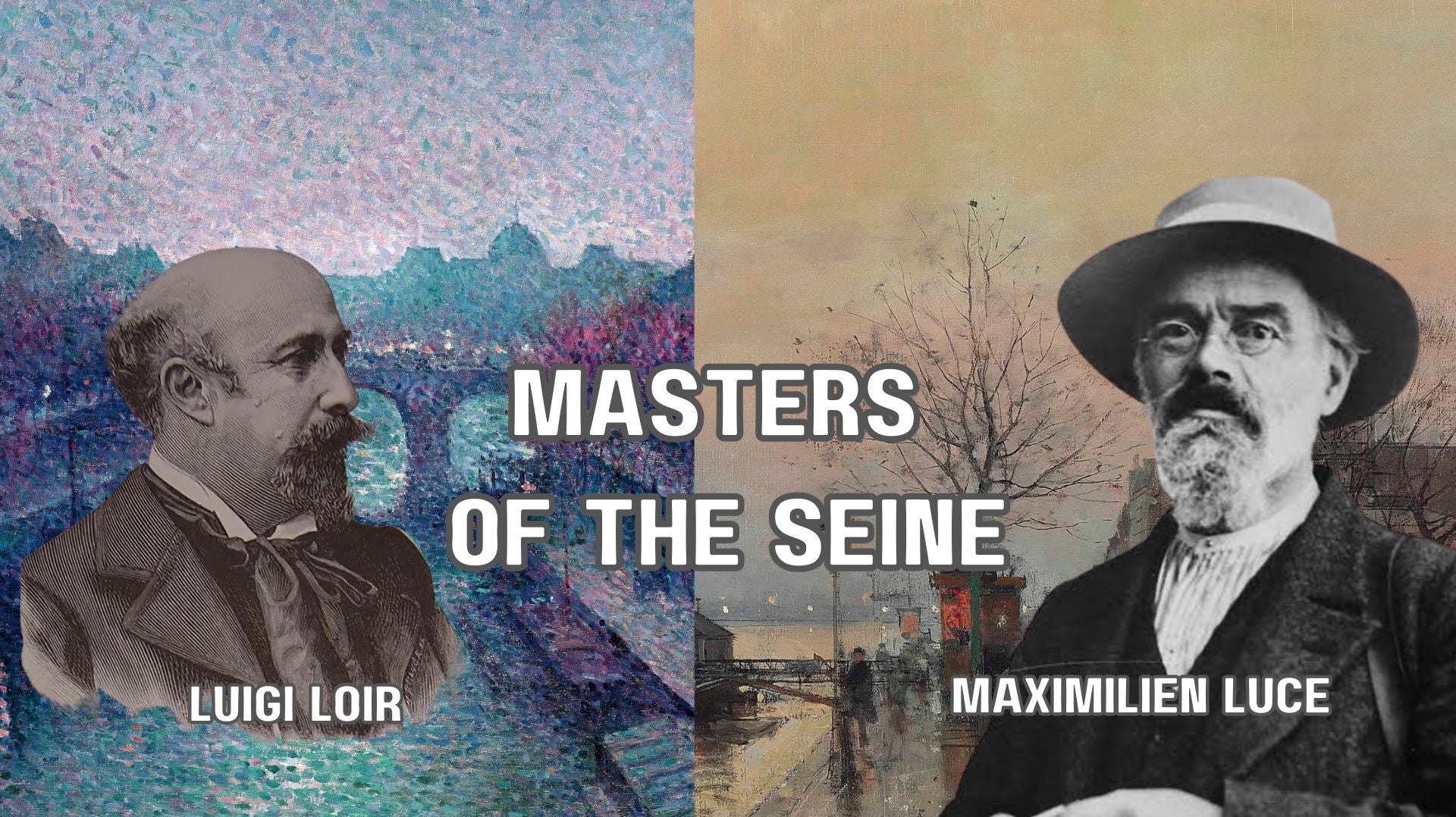
The Seine Through an Artist's Eye: River Scenes by Luce and Loir
Maximilien Luce and Luigi Loir captured the essence of the Seine through their distinctive artistic styles. Luce's vibrant, Neo-Impressionist works highlight the river's industrial aspects, while Loir's atmospheric paintings showcase its role in Parisian social life. Their complementary perspectives offer a comprehensive view of the Seine's significance in late 19th-century Paris.
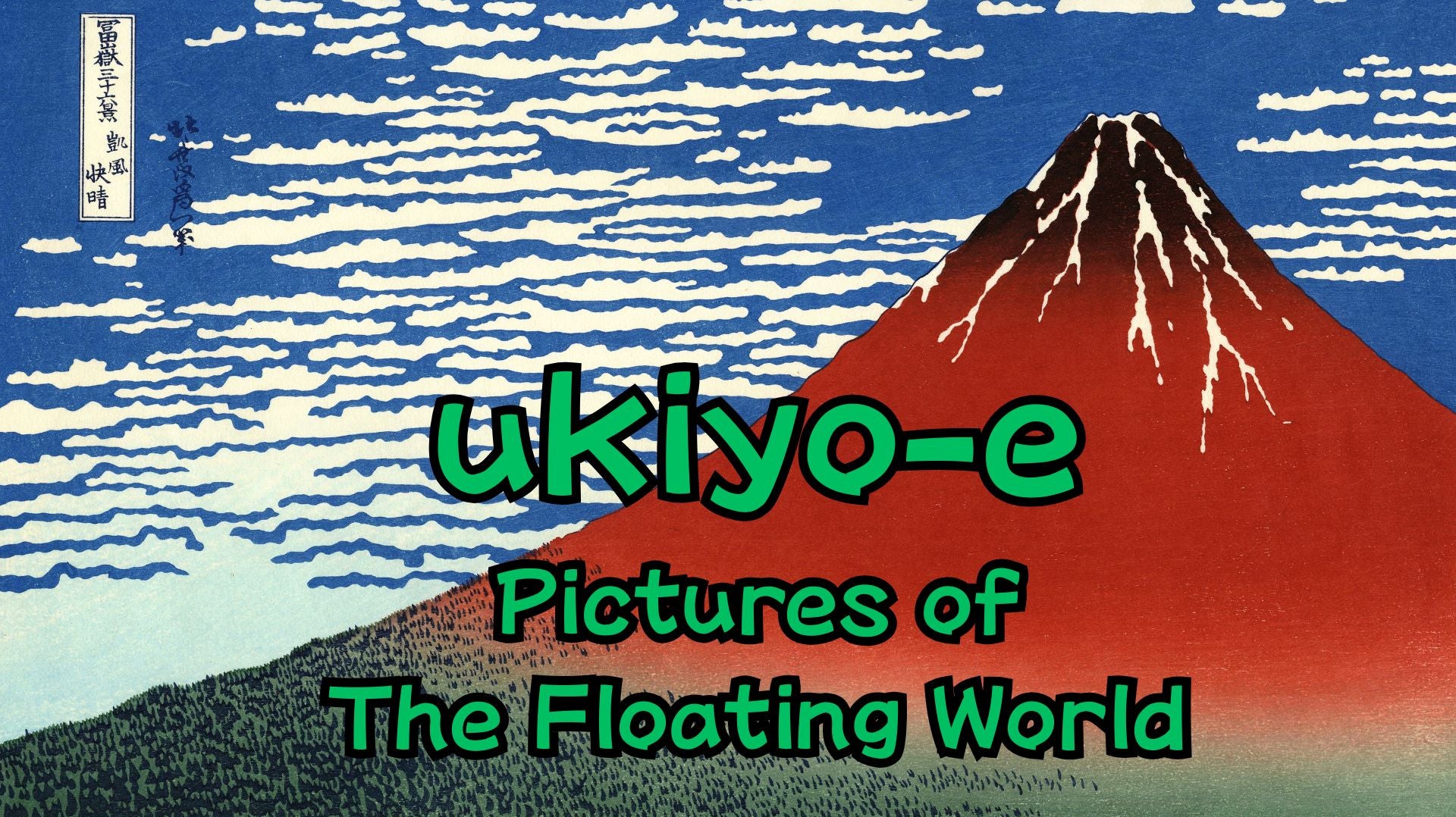
Japanese Art: Ukiyo-e: Pictures of the Floating World
Ukiyo-e, which translates to "pictures of the floating world," is a genre of Japanese art that flourished during the Edo period (1603-1868). This artistic movement captured the essence of everyday life in Japan, focusing on the fleeting pleasures and ephemeral nature of the world. Ukiyo-e not only left an indelible mark on Japanese culture but also significantly influenced Western art, particularly the Impressionist and Post-Impressionist movements.
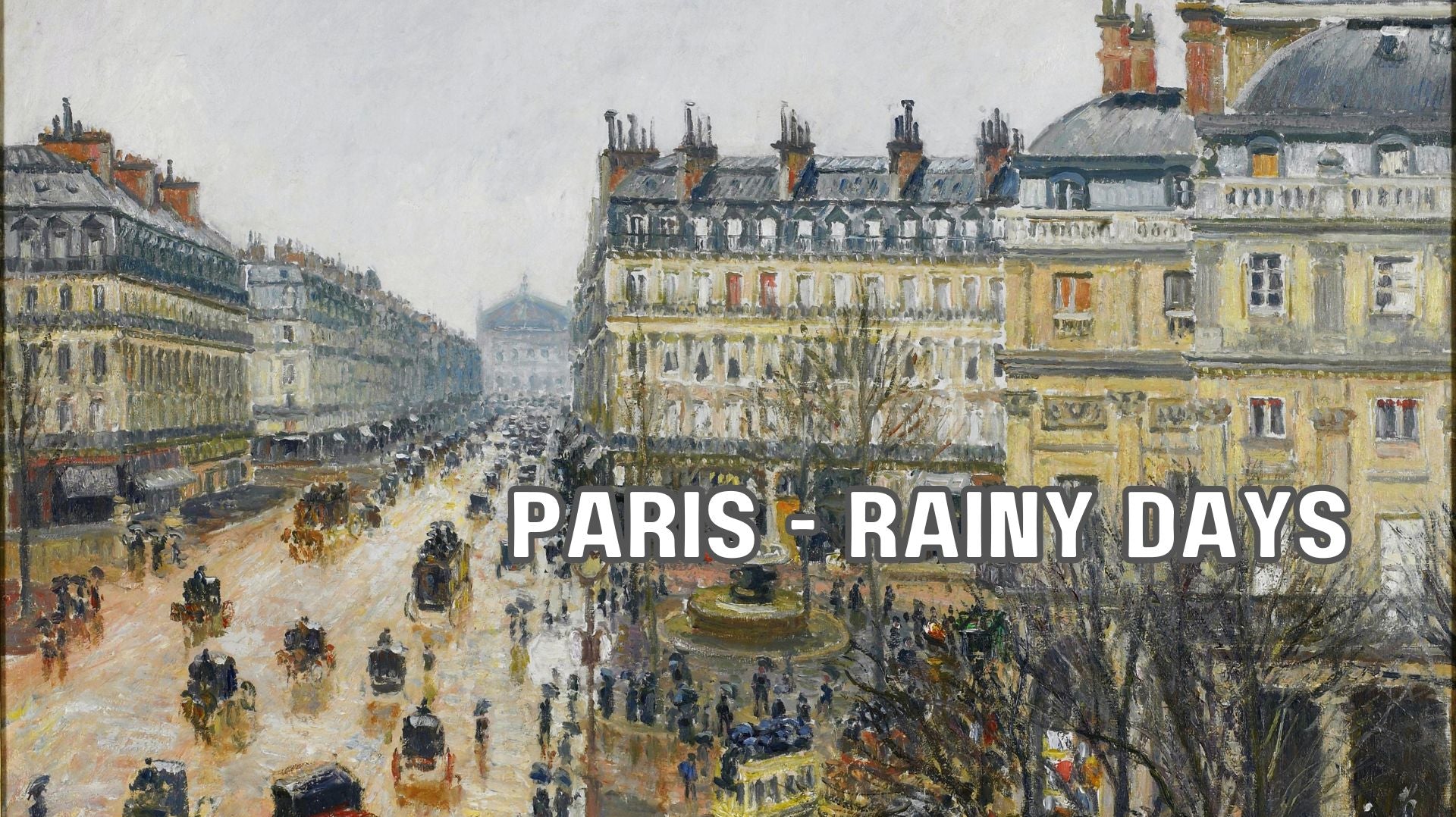
Rainy Days in the City of Light: Impressionist Views of Wet Parisian Streets
Impressionist painters transformed rainy Parisian streets into captivating works of art. Masters like Caillebotte, Monet, Pissarro, and Renoir used innovative techniques to capture reflections, atmosphere, and the mood of wet weather. Their paintings offer a unique perspective on 19th-century urban life, showcasing the beauty of Paris even on its grayest days.
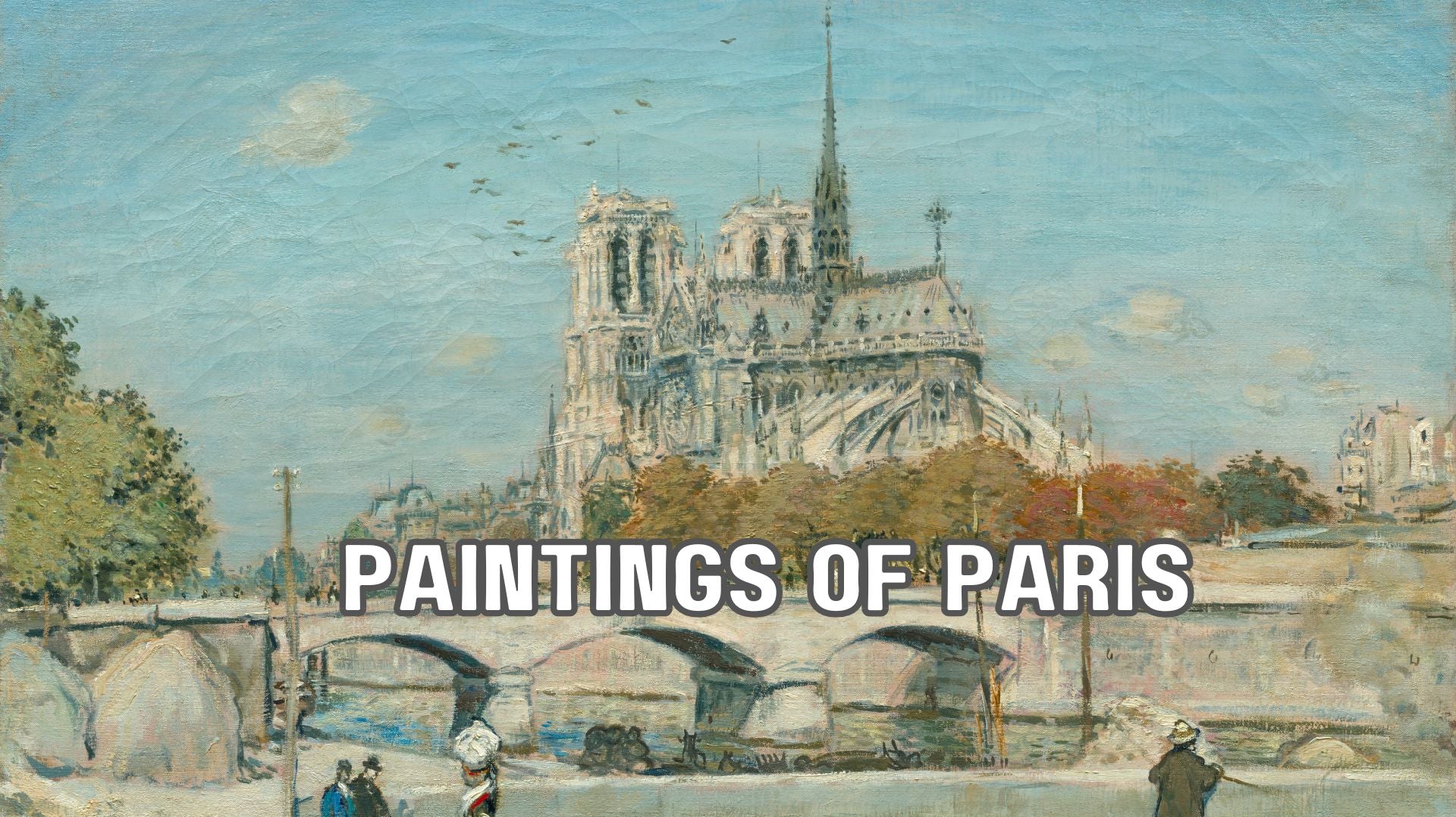
From Arc de Triomphe to Notre-Dame: Iconic Landmarks in 19th Century Paris Art
19th-century Paris art immortalized iconic landmarks from the Arc de Triomphe to Notre-Dame. Artists like Monet, Pissarro, and Seurat captured the city's transformation, depicting grand monuments, Gothic splendor, and modern marvels. Their diverse styles and perspectives offer a rich tapestry of Parisian life, shaping our enduring vision of the City of Light.
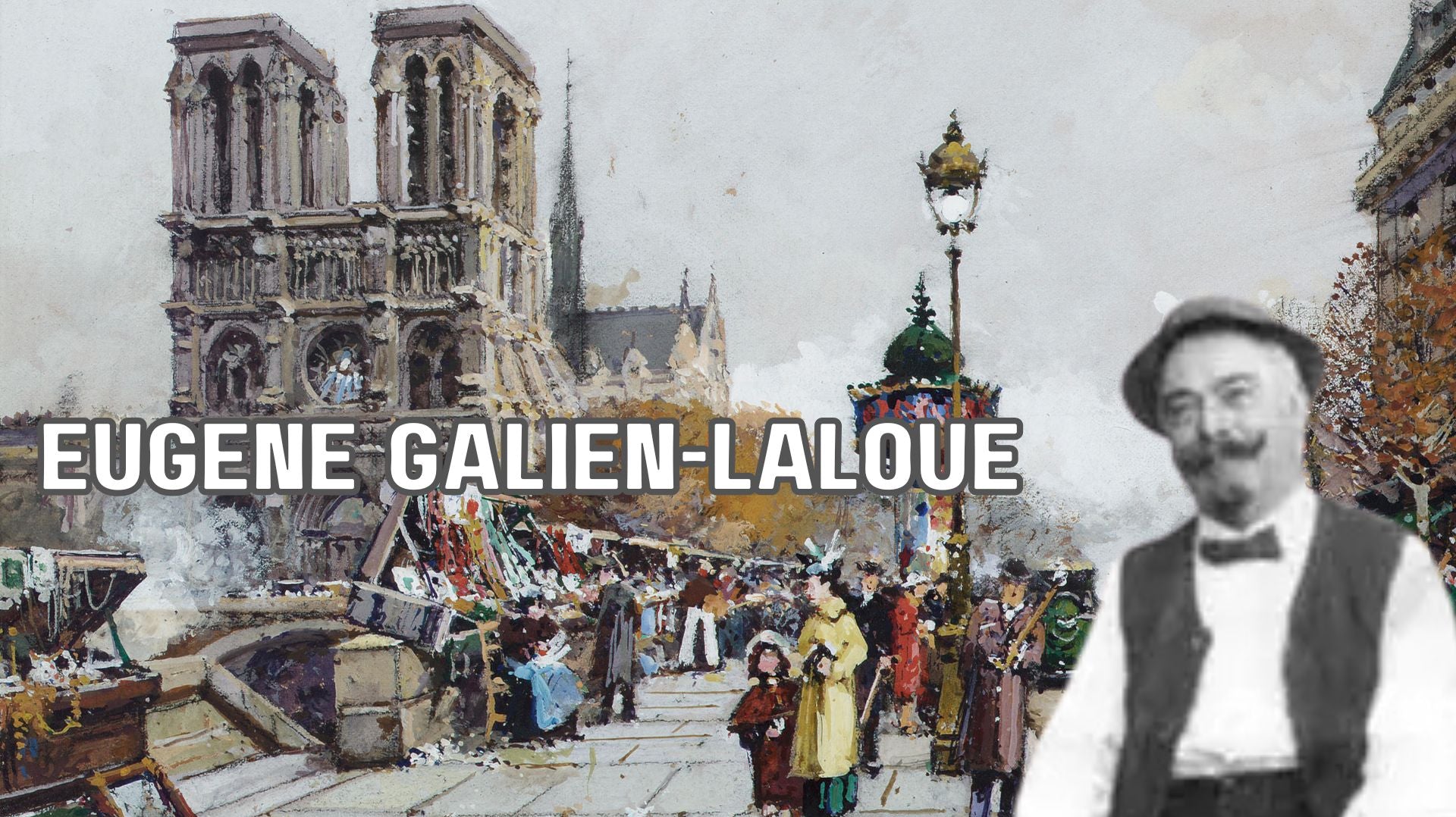
Eugène Galien-Laloue's Paris: A Journey Through Time in Gouache
Eugène Galien-Laloue's gouache paintings offer a captivating journey through Belle Époque Paris. His meticulous cityscapes capture iconic landmarks, bustling streets, and changing seasons, preserving the charm and vitality of a bygone era. Galien-Laloue's works serve as both artistic masterpieces and valuable historical documents, showcasing Paris's transformation during a pivotal period of modernization.
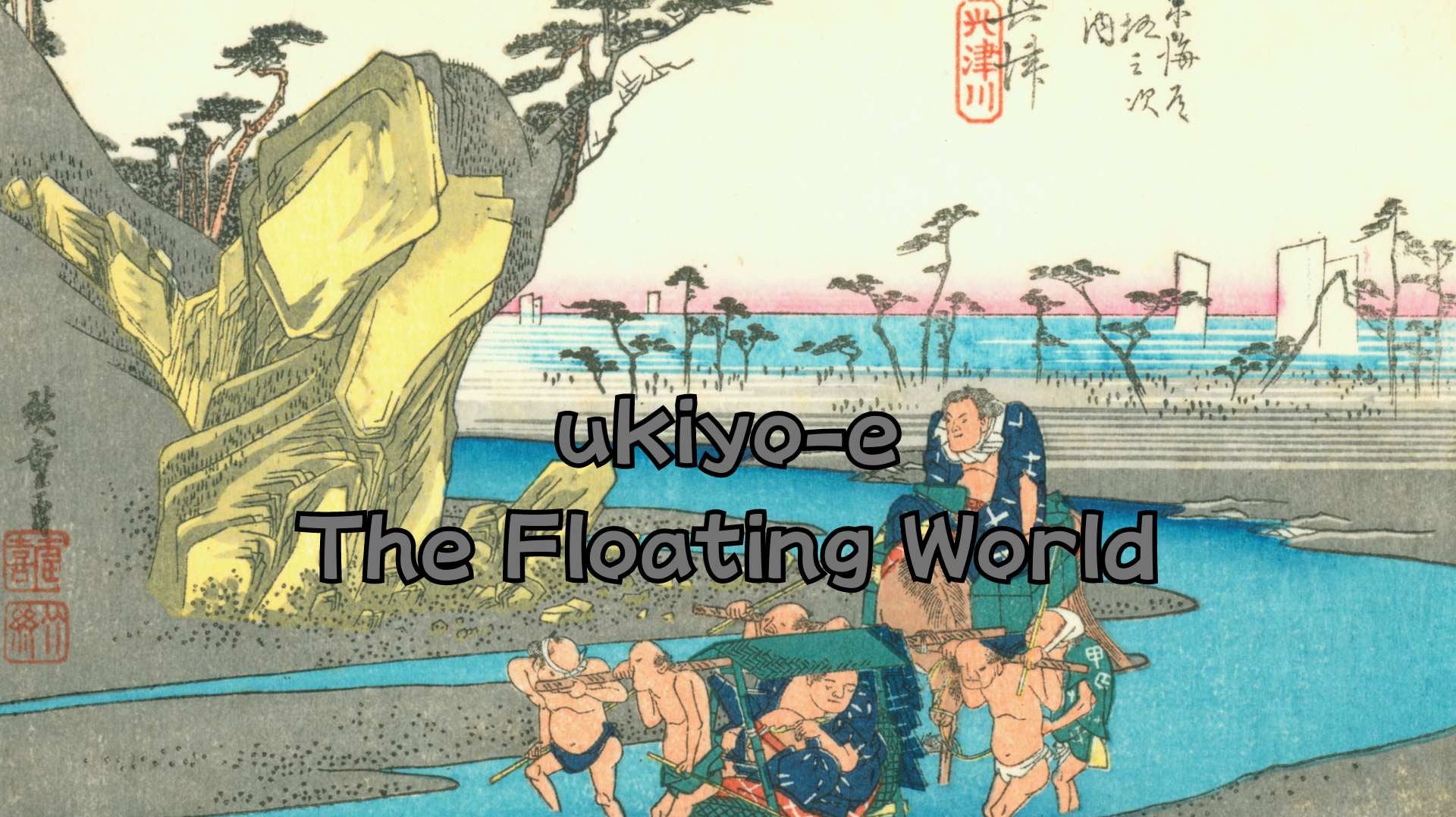
Japanese Art: The Floating World: Pleasure-Seeking Culture of Edo Japan
The term "Floating World" (ukiyo in Japanese) refers to the hedonistic lifestyle and culture that flourished in the urban centers of Edo-period Japan, particularly in Edo (modern-day Tokyo), Osaka, and Kyoto. This vivid and dynamic aspect of Japanese society, which thrived from the 17th to the mid-19th century, was characterized by its pursuit of pleasure, entertainment, and ephemeral beauty. The Floating World became not only a defining feature of urban life during this era but also a rich source of inspiration for the ukiyo-e ("pictures of the Floating World") art genre.
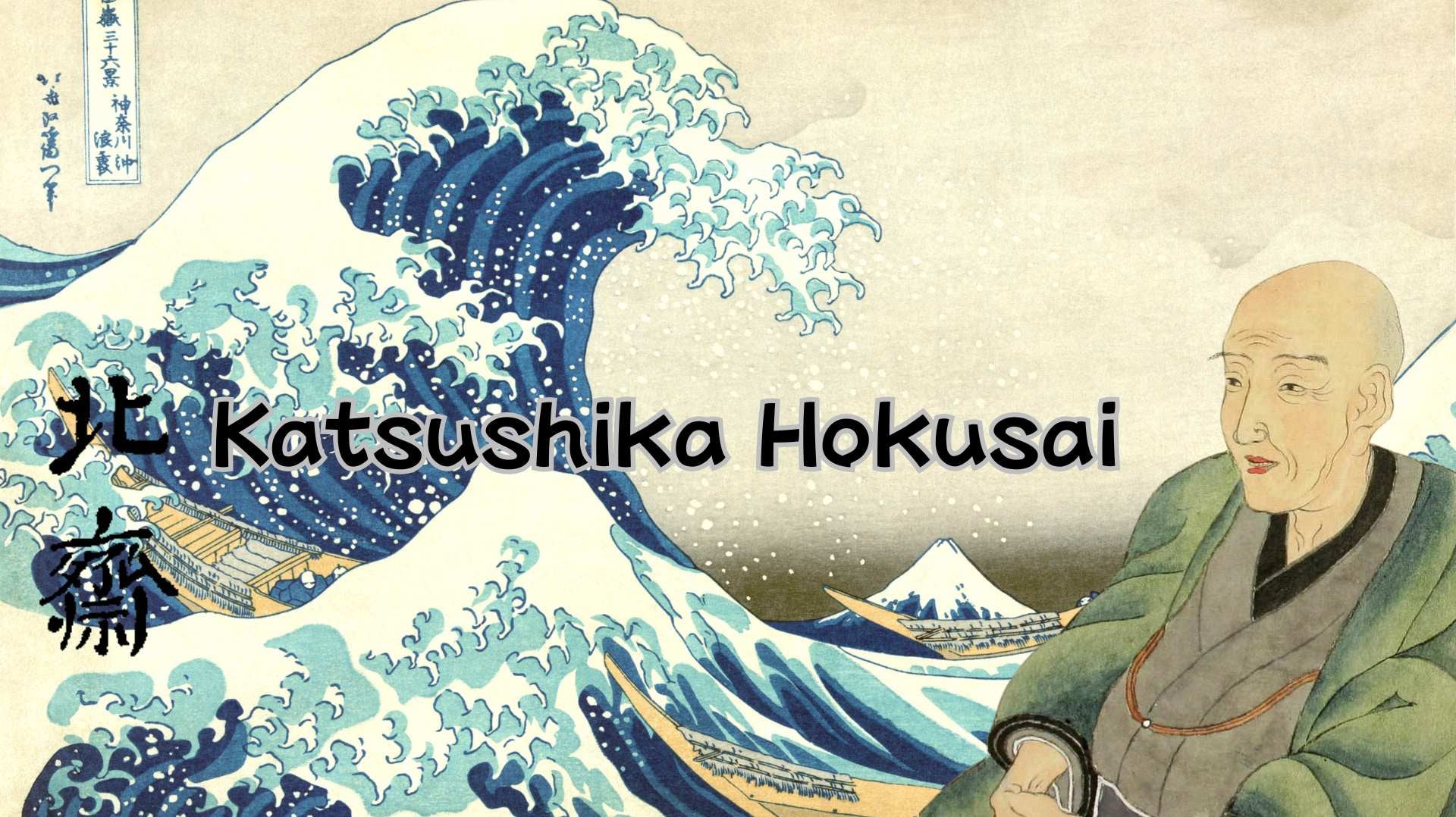
Hokusai's '36 Views of Mount Fuji': Its Influence on Western Art and Japonisme
Katsushika Hokusai's iconic series "Thirty-Six Views of Mount Fuji," created between 1830 and 1832, stands as a masterpiece of Japanese ukiyo-e art. However, its impact extends far beyond the borders of Japan, playing a pivotal role in shaping Western art and giving rise to the phenomenon known as Japonisme. This article explores how Hokusai's groundbreaking work influenced Western artists and art movements, forever changing the course of global art history.

David Roberts: Capturing the Grandeur of Egypt and the Middle East
David Roberts’ paintings of the Middle East and Egypt offer a detailed glimpse into the ancient monuments and daily life of the 19th century. His documentary approach, combined with a masterful use of light and composition, captures the grandeur of Egyptian temples and the vibrant energy of Cairo's streets. His work remains a key part of Orientalist art, admired for both its aesthetic beauty and historical accuracy.