Impressionism Movement - Origins
The Impressionism art style was one of the most important and influential developments in Western art in the 19th century. Led by a group of independent artists in Paris, it marked a clear break from traditional artistic concepts of the past.
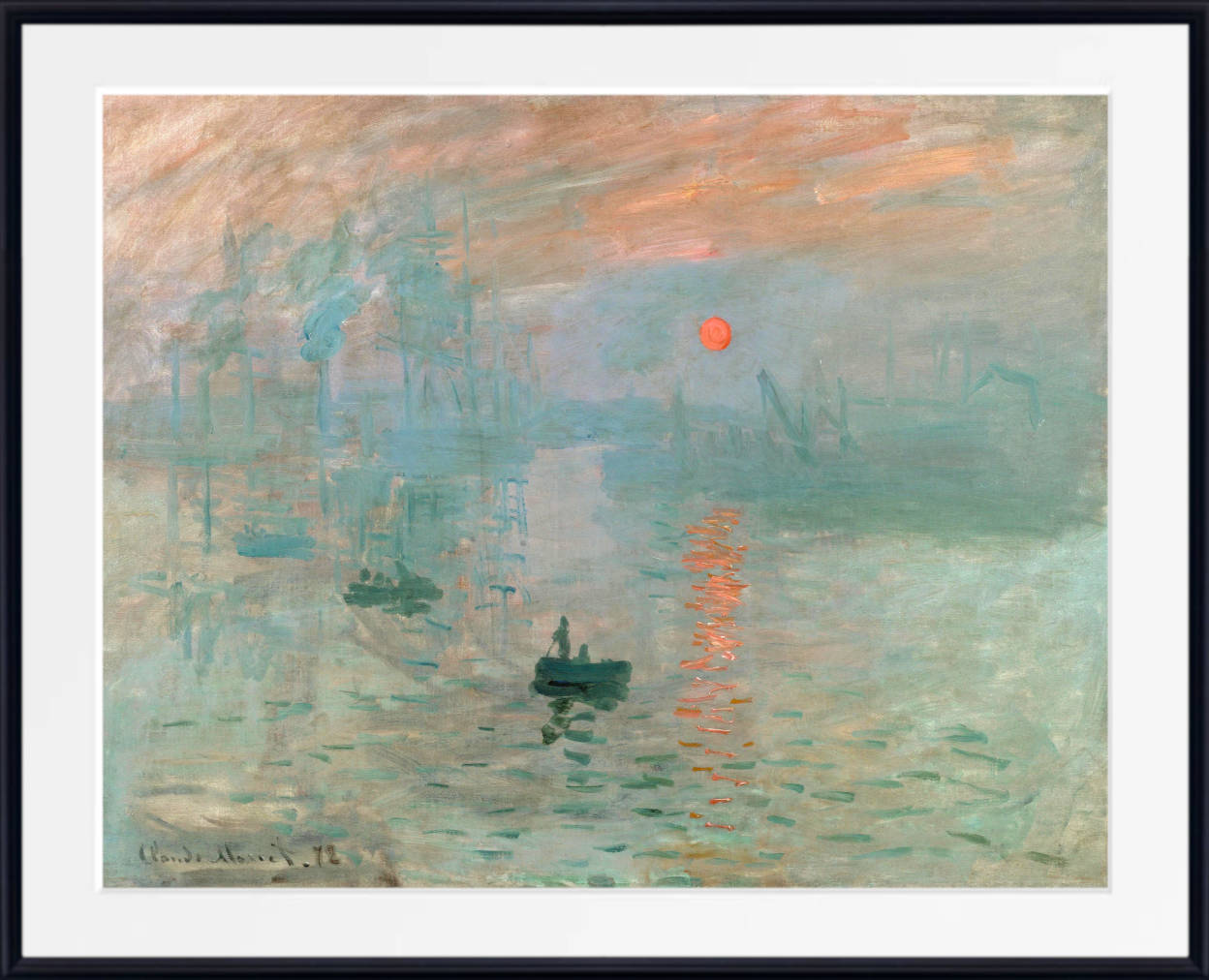
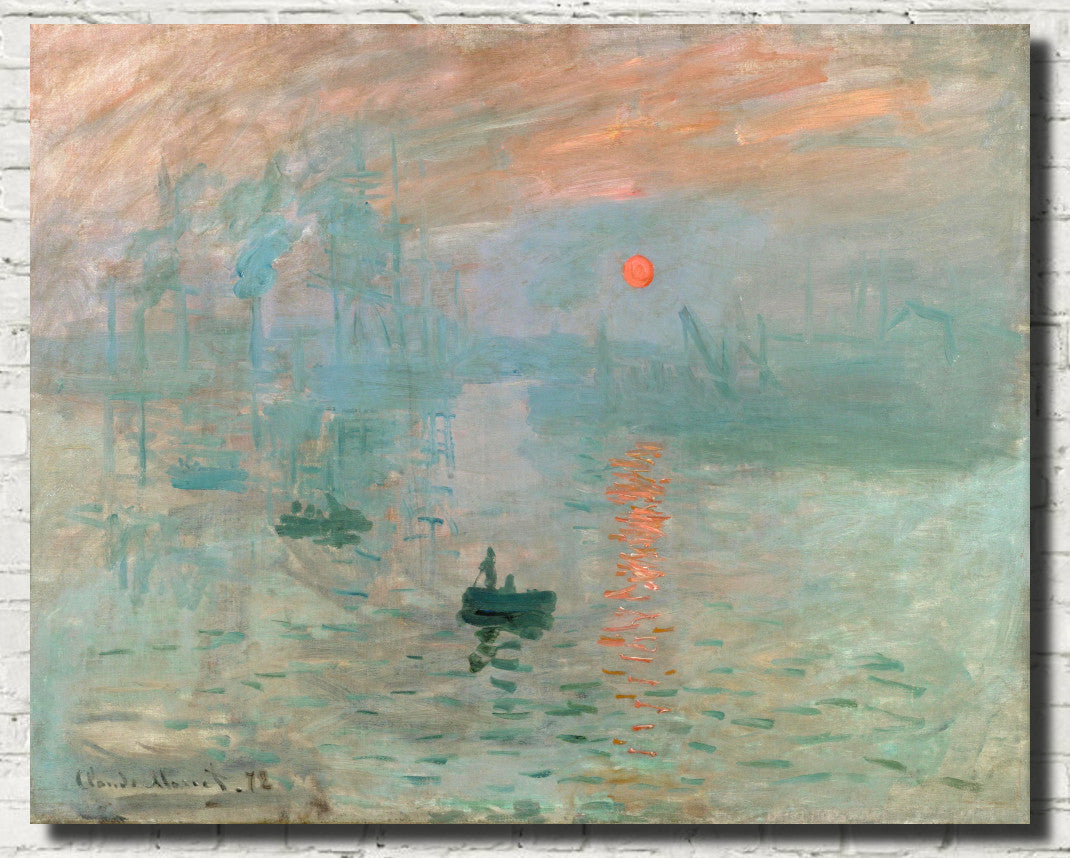
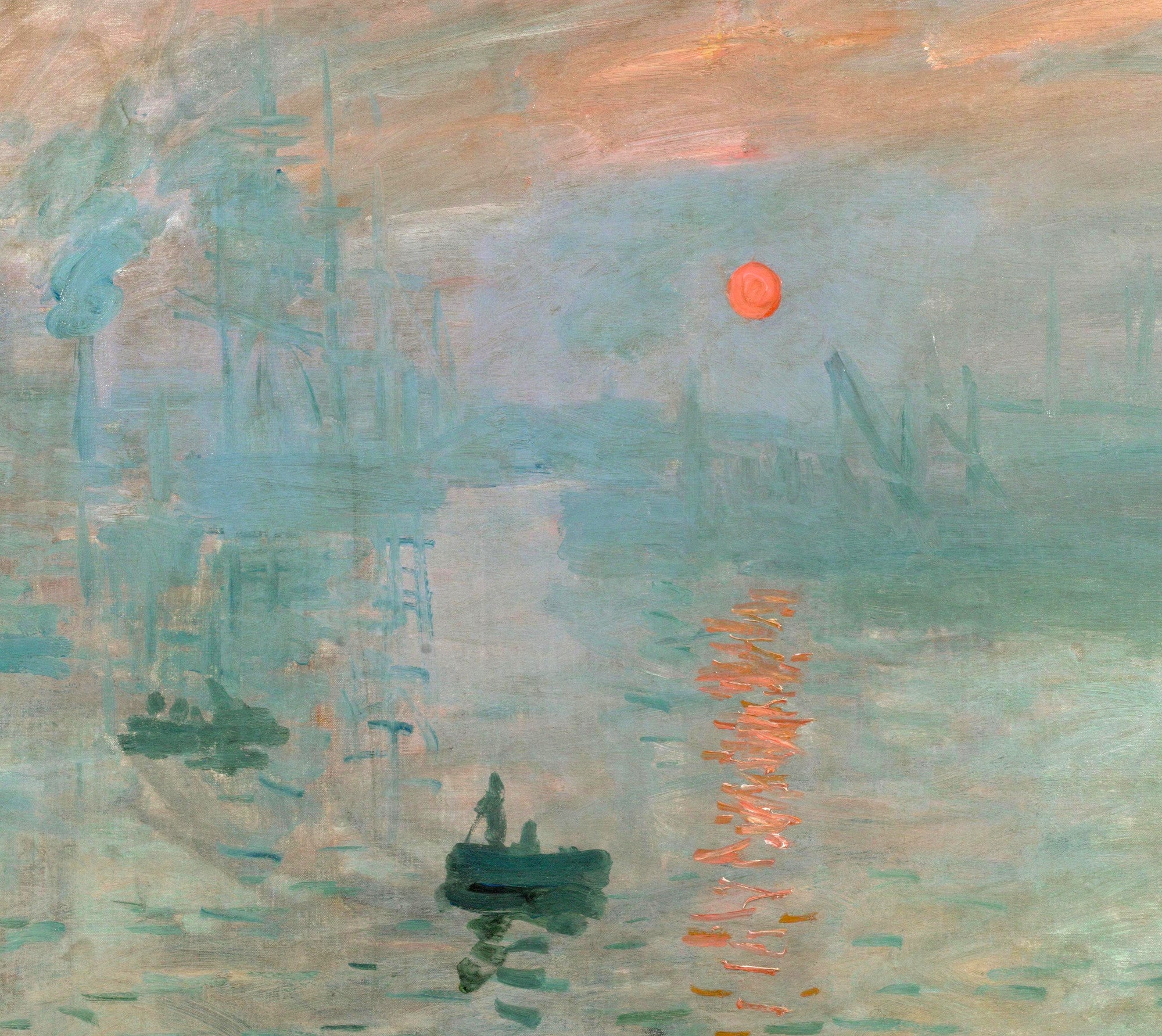
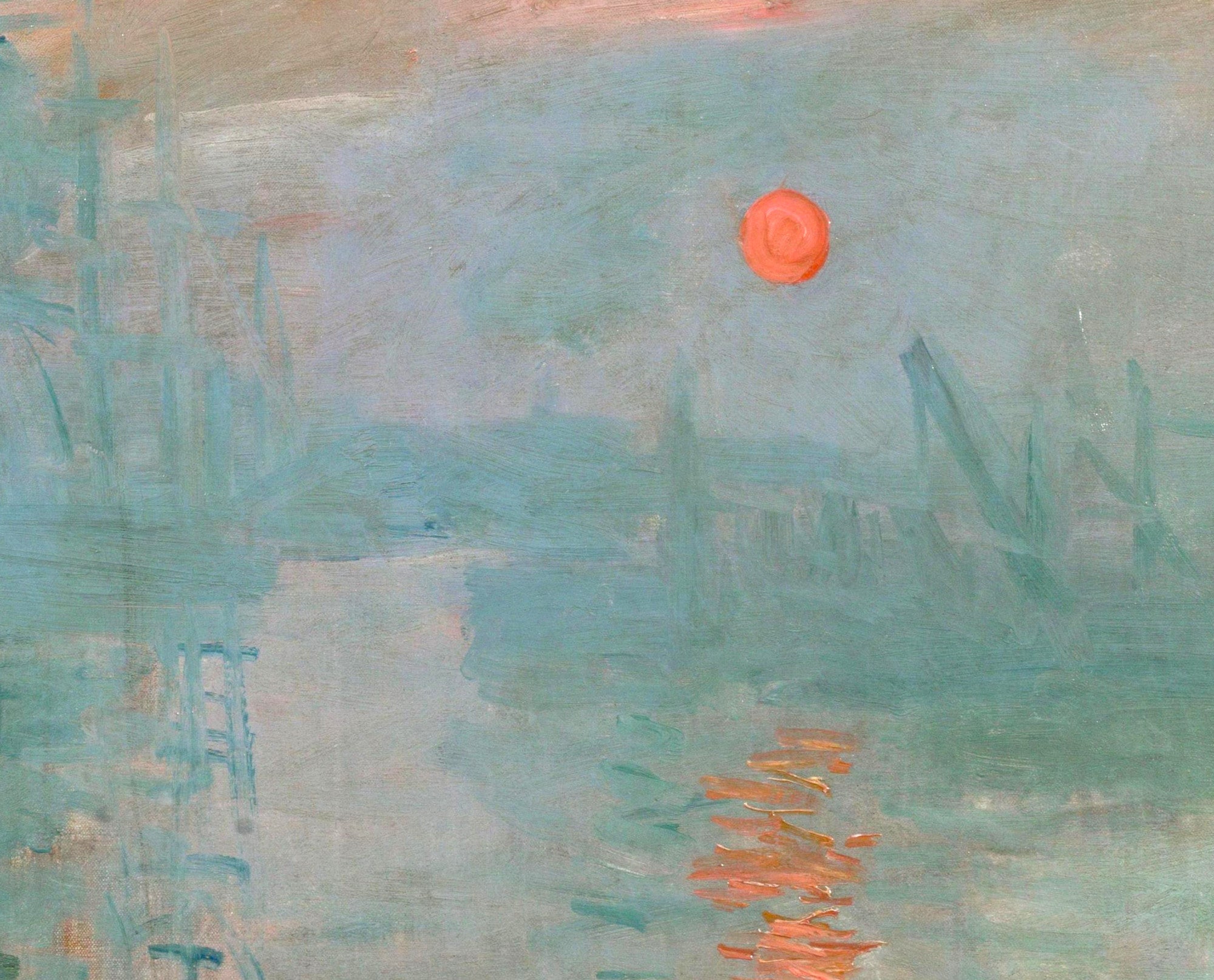
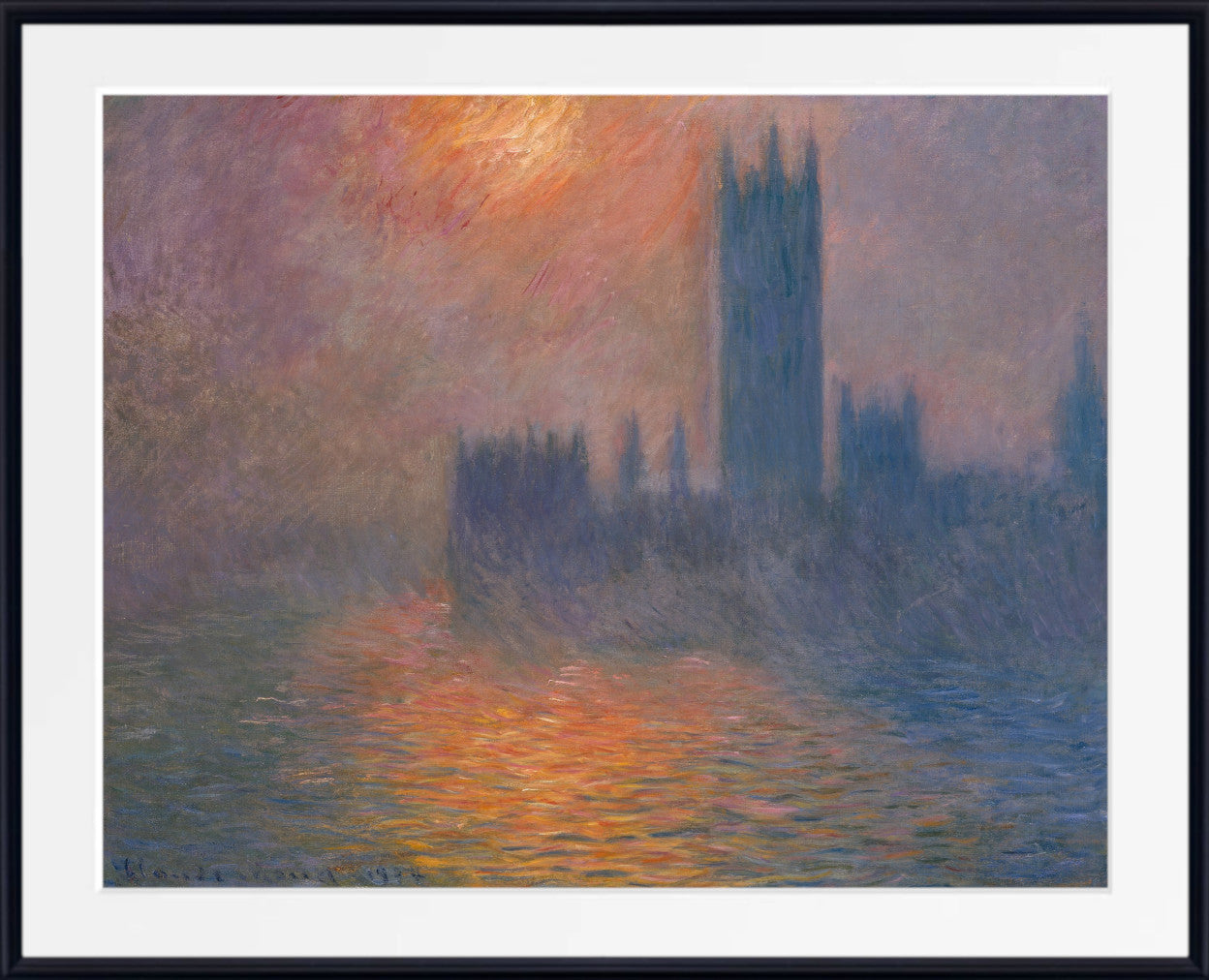
The Impressionists faced harsh opposition from the conventional art community in France. The name of the style derives from the title of a Claude Monet work, Impression, soleil levant (Impression, Sunrise), which provoked the critic Louis Leroy to coin the term in a satirical review published in the Parisian newspaper Le Charivari.
Although it was a revolutionary movement, Impressionism had roots in other styles of painting, such as Realism and Naturalism, that were already challenging conventional notions of artistic beauty and the artist’s relationship with the state. The Realism movement, championed by Gustave Courbet, was the first to confront the official Parisian art establishment, in the middle of the 19th century. Courbet was an anarchist who thought that the art of his time closed its eyes on realities of life. The French were ruled by an oppressive regime and much of the public was in the throes of poverty. Instead of depicting such scenes, the artists of the time concentrated on idealized nudes, classical and mythological narratives, and glorifying depictions of nature. As an act of protest, Courbet financed an exhibition of his work directly opposite the Universal Exposition in Paris of 1855, a bold act that inspired future artists who sought to challenge the status quo. At the same time, the emergence of Naturalism - a movement closely associated with Realism - showed how art could take the natural world for its subject-matter without cloaking it in the contexts of historical or mythological heroism. Since the 1820s, artists such as Jean-Baptiste-Camille Corot and Jean-François Millet had been travelling to the Barbizon Forest south of Paris to create sketches en plein air of the trees, countryside, and rural laboring classes. The emergence of the Barbizon School signified the start of a global trend in painting towards depicting the natural world in all of its unadorned glory, and celebrating the lives of rural workers. While Naturalism diverges from Impressionism in its frequent emphasis on hyperreal detail - embodied by much of the work of Jules Bastien-Lepage - the Impressionists' celebration of the natural world for its own sake, and use of plein air technique, owes much to the earlier Naturalist ethos.

The Garden of the Tuileries on a Winter Afternoon, Camille Pissarro (1899)

Arrival of the Normandy Train, Gare Saint-Lazare, Claude Monet (1877)

Le Déjeuner sur l'herbe, Édouard Manet (1863),
The Salon des Refusés
In 1863, at the official yearly art salon, the all-important event of the French art world, a large number of artists were not allowed to participate, leading to public outcry. The same year, the Salon des Refusés ("Salon of the Refused") was formed in response, to allow the exhibition of works by artists who had previously been refused entrance to the official salon. The exhibited artists included Paul Cézanne, Camille Pissarro, James Whistler, and Édouard Manet. Although it was sanctioned by Emperor Napoleon III to placate the artists involved, the 1863 exhibition was highly controversial with the public, due largely to the unconventional themes and styles of works such as Manet's Le déjeuner sur l'herbe (1863), which featured clothed men and naked women enjoying an afternoon picnic (these women were not classical nudes, but modern women - possibly prostitutes - in a state of undress whose connotations were far more explicitly sexual).

The Card Players, Paul Cezanne (1890-92)
Édouard Manet - Revolution in Painting
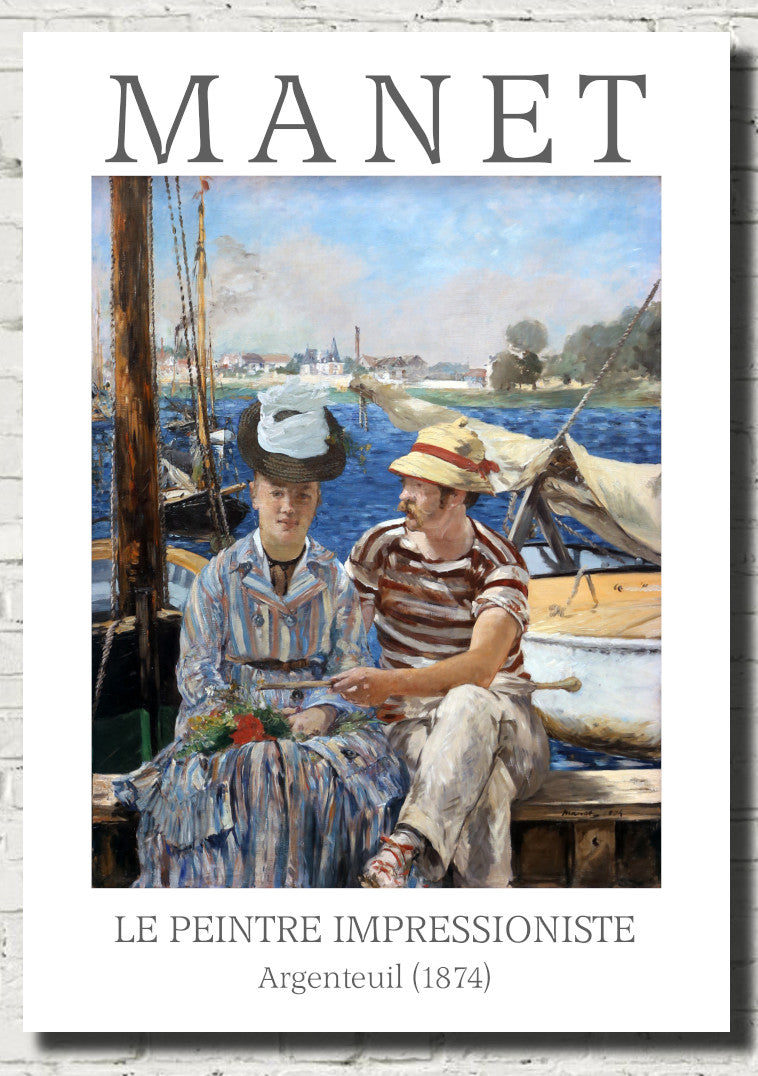
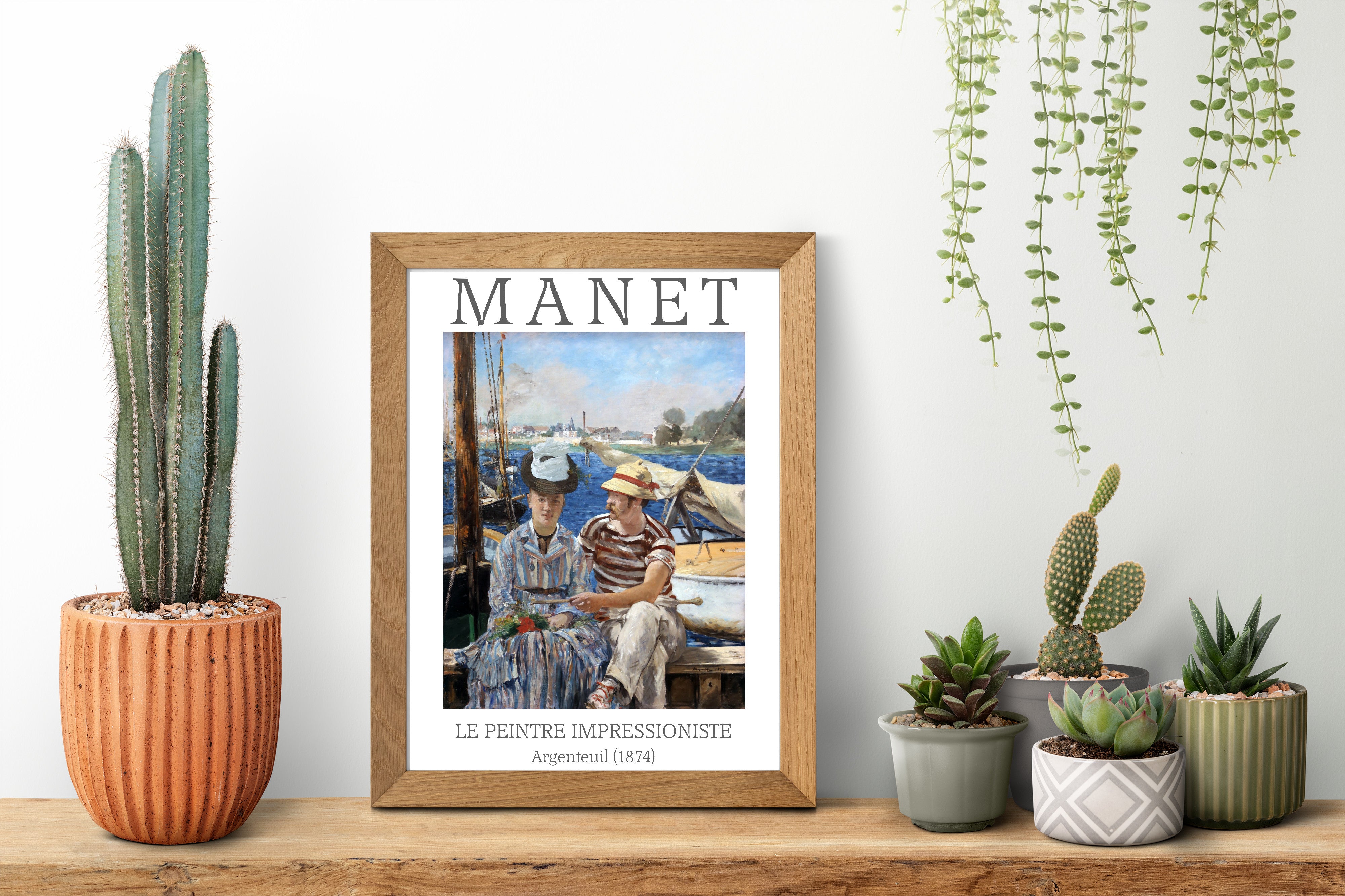
Édouard Manet was among the first and most important innovators to emerge in the public exhibition scene in Paris. Although he grew up in admiration of the Old Masters, he began to incorporate an innovative, looser painting style and brighter palette in the early 1860s. He also started to focus on images of everyday life, such as scenes in cafés, boudoirs, and on streets. His anti-academic style and quintessentially modern subject-matter soon attracted the attention of artists on the fringes and influenced a new type of painting that would diverge from the standards of the time. Works such as Olympia (1863), which, like Le déjeuner sur l'herbe, depicts a modern female nude assertively confronting the viewer, gave the emerging Impressionist group the impetus to depict subjects not previously considered art worthy.

Olympia, Édouard Manet (1863)
The Cafe Artists
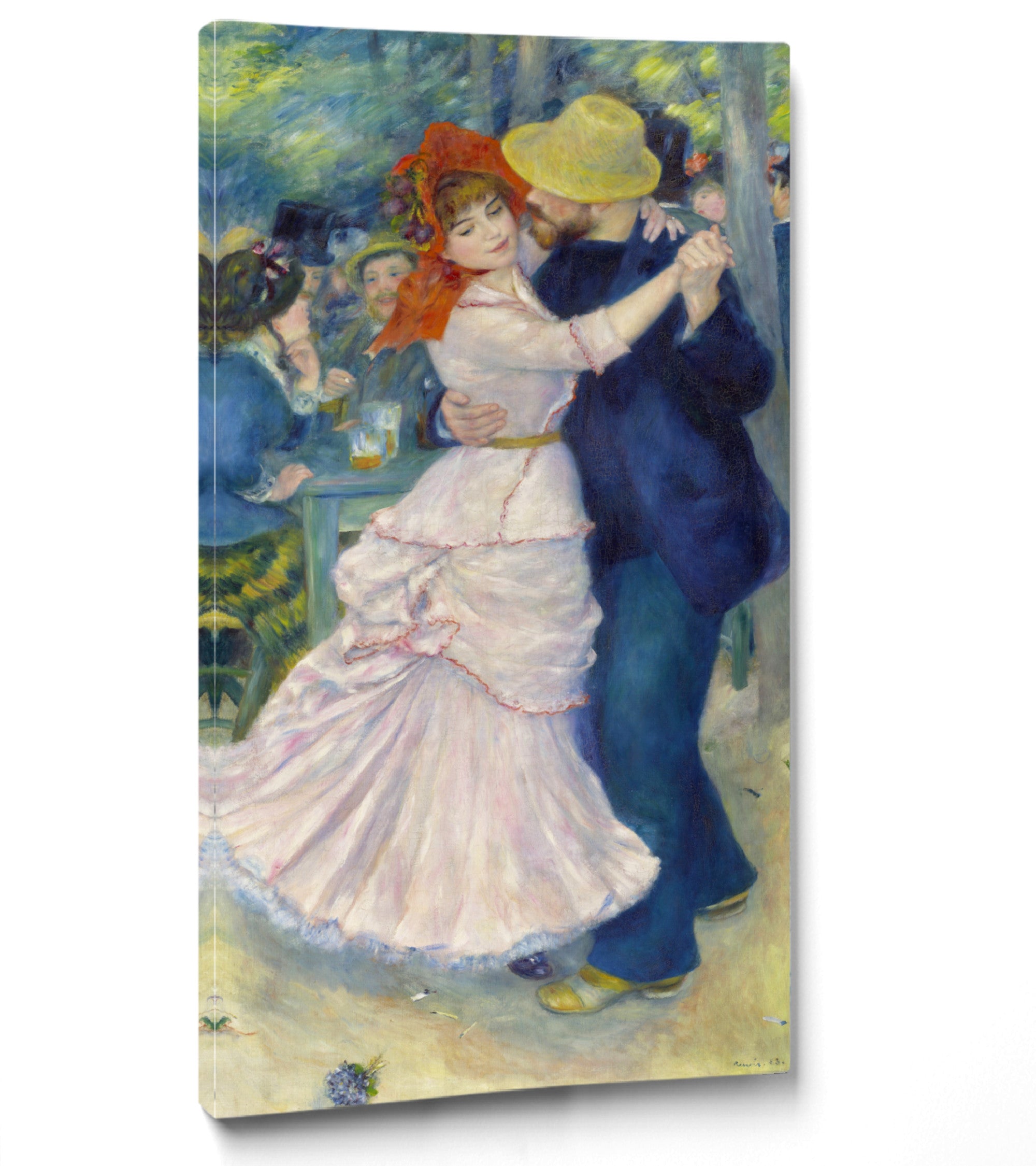
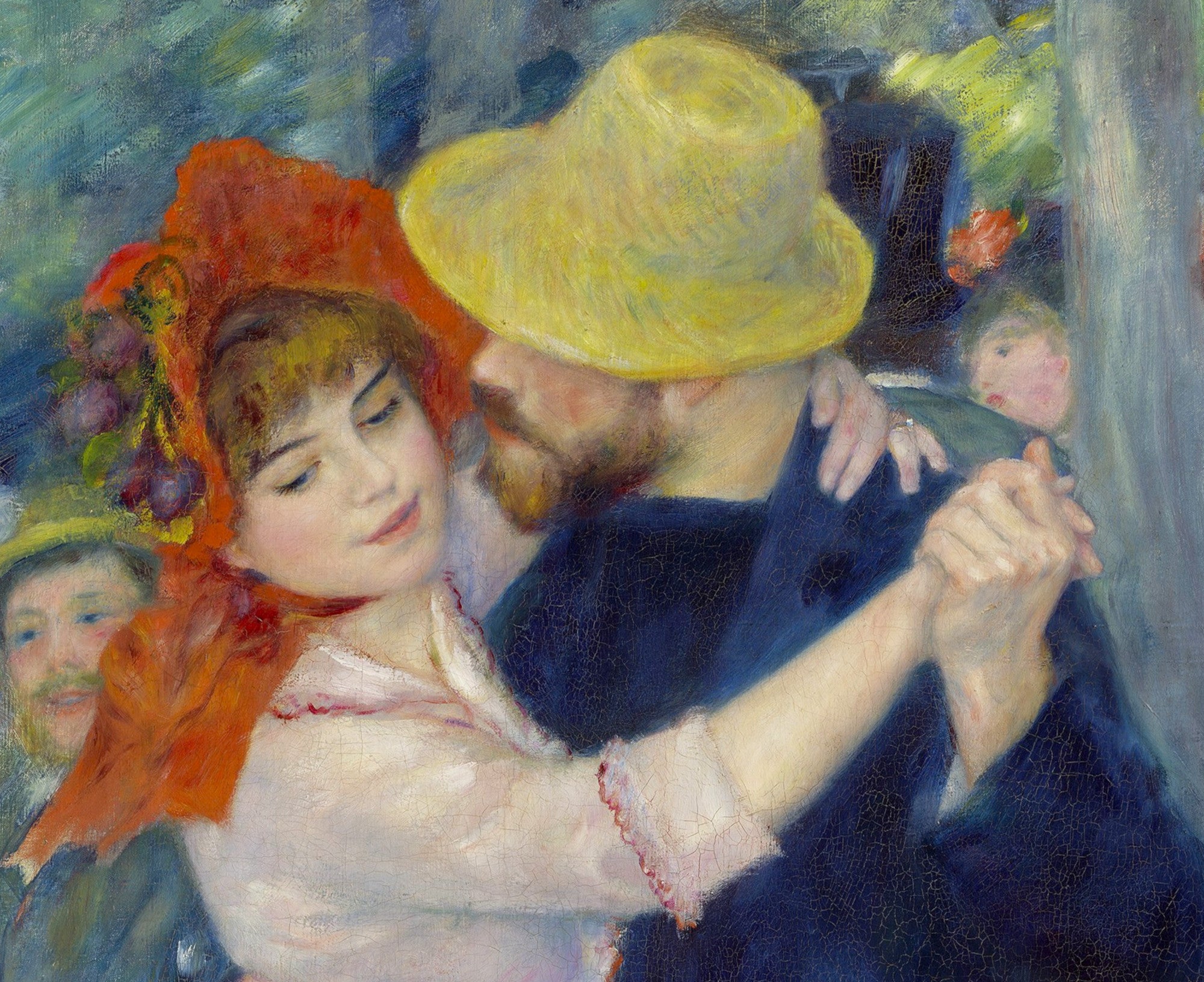
Amongst the most popular venues for the painters of the emerging Impressionist movement to meet and talk were Parisian cafés. In particular, Café Guerbois in Montmartre was frequented by Manet from 1866 onwards. Pierre-Auguste Renoir, Alfred Sisley, Edgar Degas, Claude Monet, Paul Cézanne, and Camille Pissarro all visited the cafe, while Caillebotte and Bazille had studios nearby, and would often join the gatherings. Other personalities were attracted to this group, including writers, critics, and photographers. Part of the interest of the group lay in a dynamic variety of personalities, economic circumstances, and political views. Monet, Renoir, and Pissarro had merchant family or working-class backgrounds, while Berthe Morisot, Gustave Caillebotte, and Degas were from upper-class roots. Mary Cassatt was American (and a woman) and Alfred Sisley was Anglo-French. This diversity of personalities may be the reason so much creativity arose from the group's collective activities.

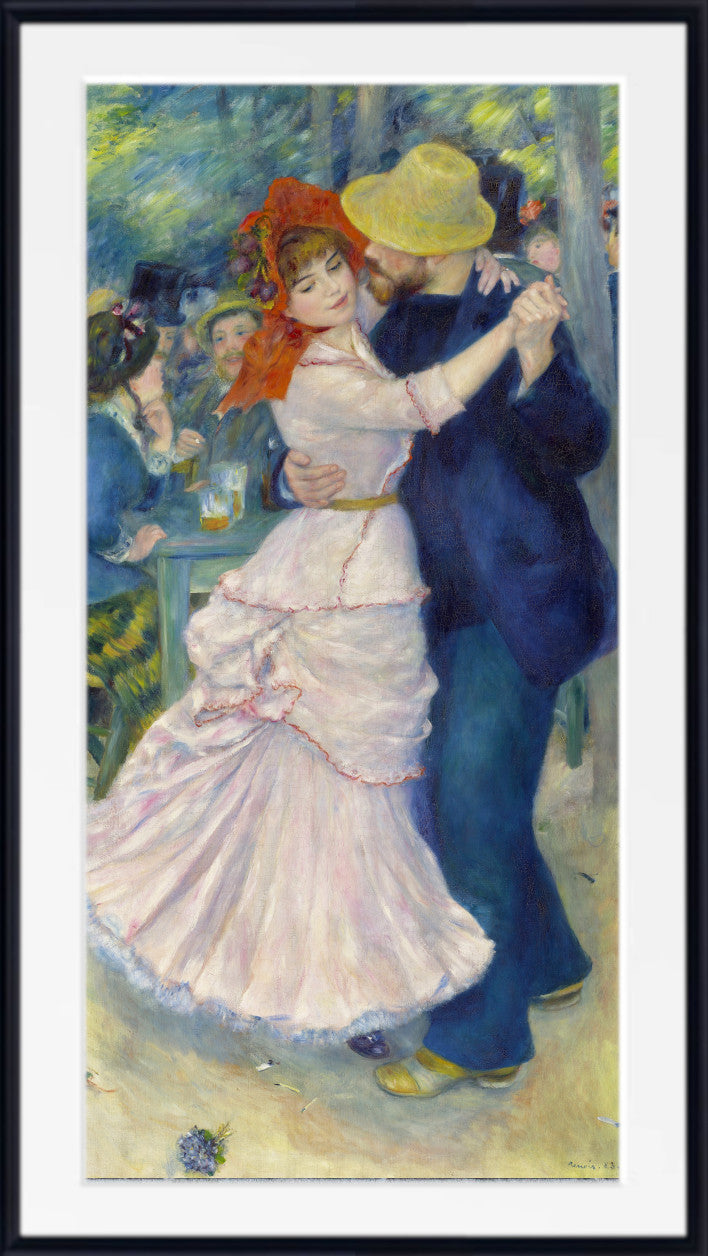
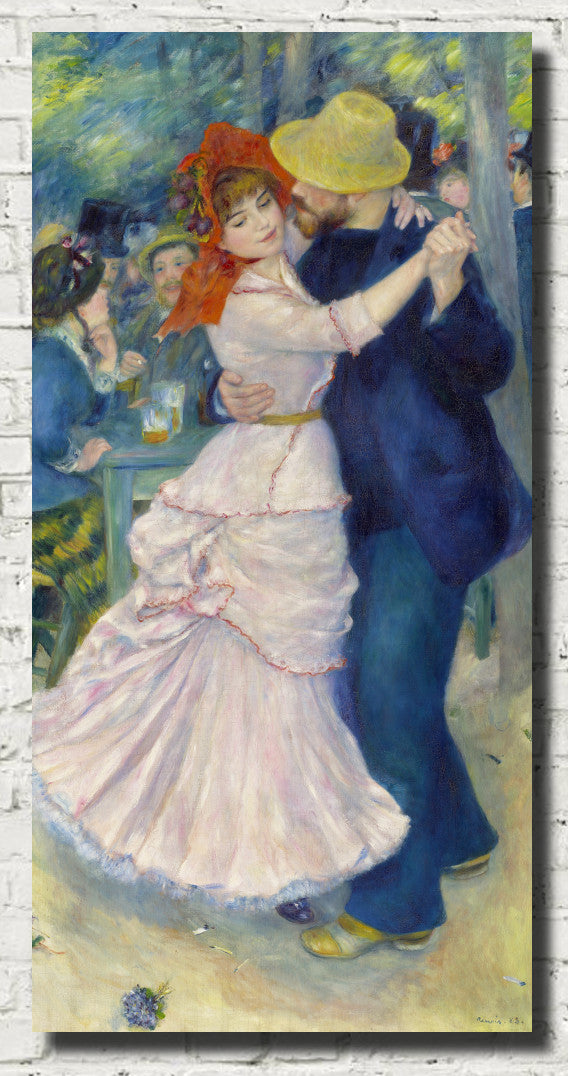
Bal du moulin de la Galette,Pierre-Auguste Renoir (1876)
The First Impressionist Exhibitions
Though not yet united by any particular style, the group shared a general sense of antipathy toward overbearing academic standards of fine art, and decided to join a commercial cooperative, known as the Anonymous Society of Artists, Painters, Sculptors, Engravers, Etcetera. In general, the painters had very limited financial success, and few of their works were accepted for the salon exhibitions in Paris, so the company was important in establishing their financial solvency and creative independence. In 1874, they held the first of a series of exhibitions in the studio of photographer Felix Nadar. It was not until the third exhibition in 1877 that they began to call themselves The Impressionists. While their first exhibition received limited public attention, and most of the eight exhibitions they held actually cost money rather than earning money for the group, their later shows attracted vast audiences, with attendances running well into the thousands. Despite this attention, most members of the group sold very few works, and some of them remained incredibly poor throughout this period.

In the Dining Room, Berthe Morisot
First Women Impressionists
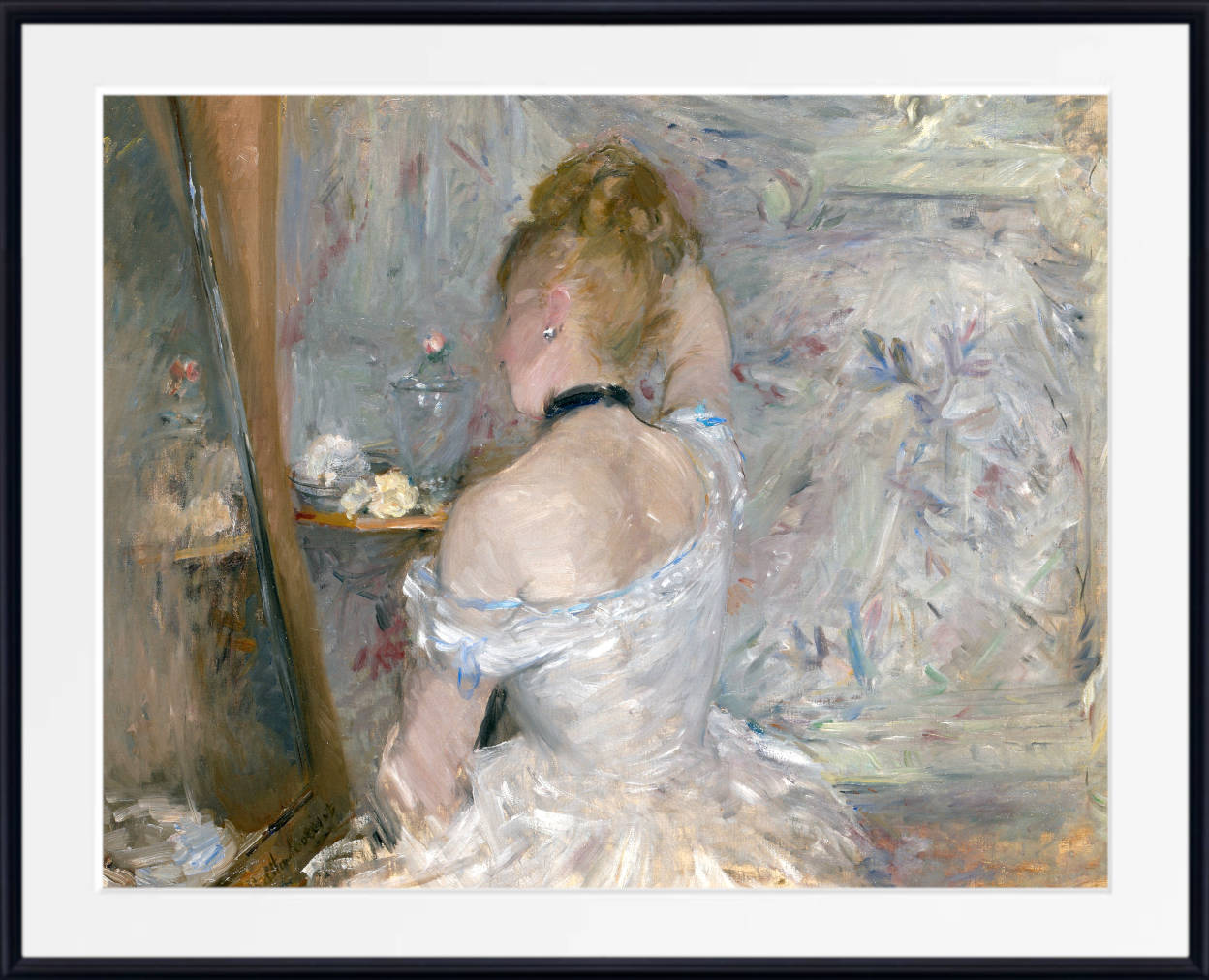
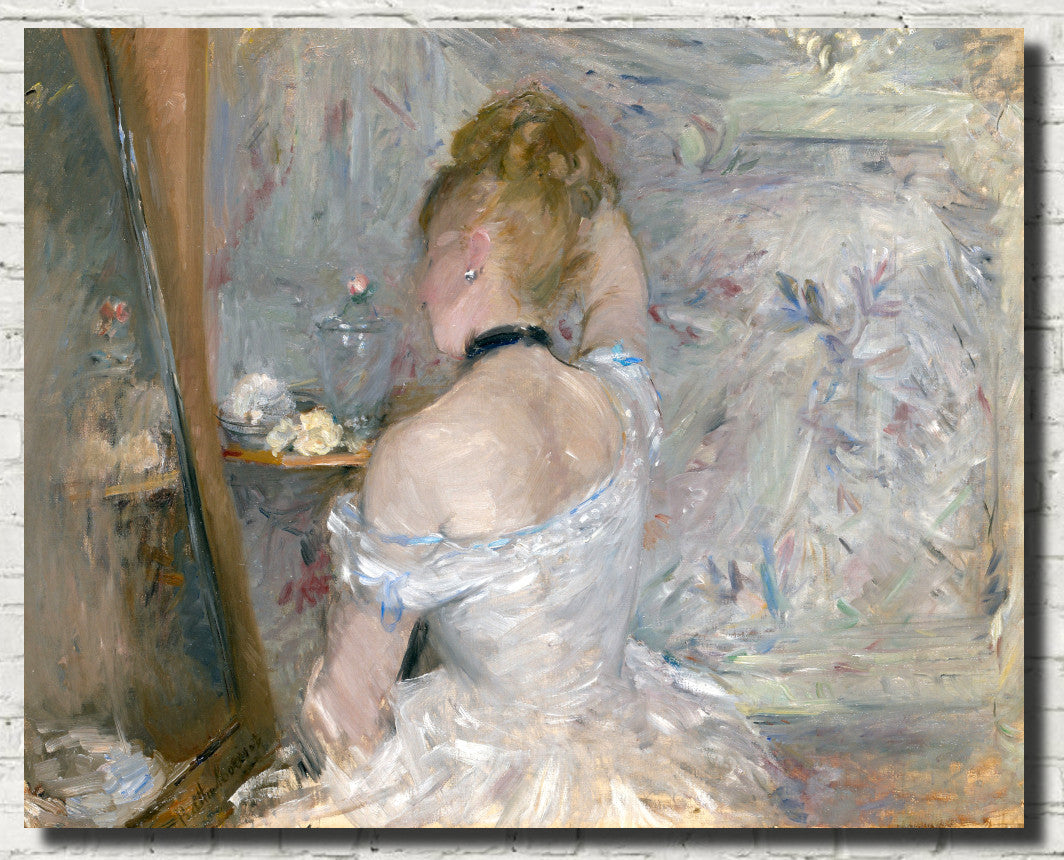
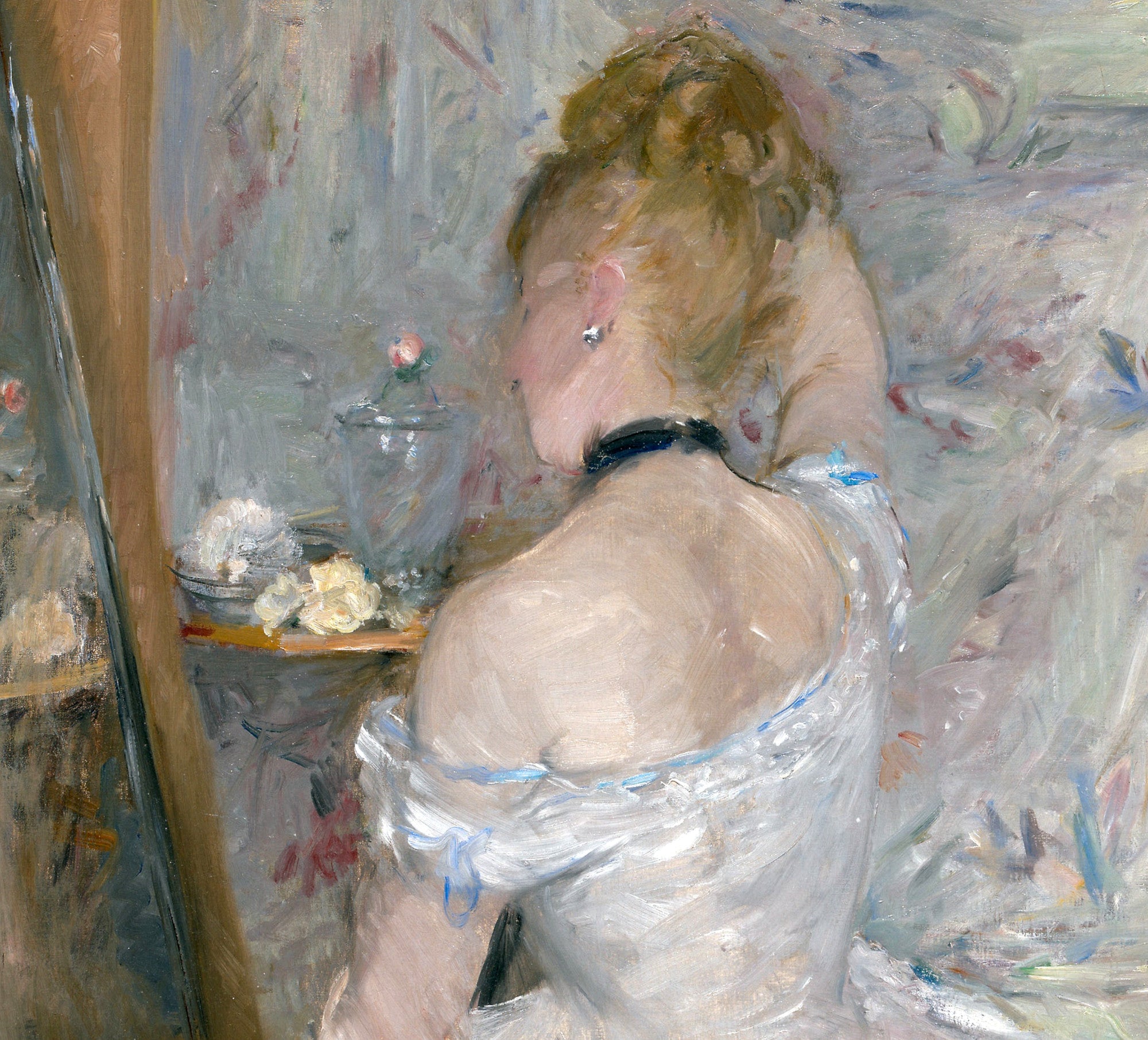
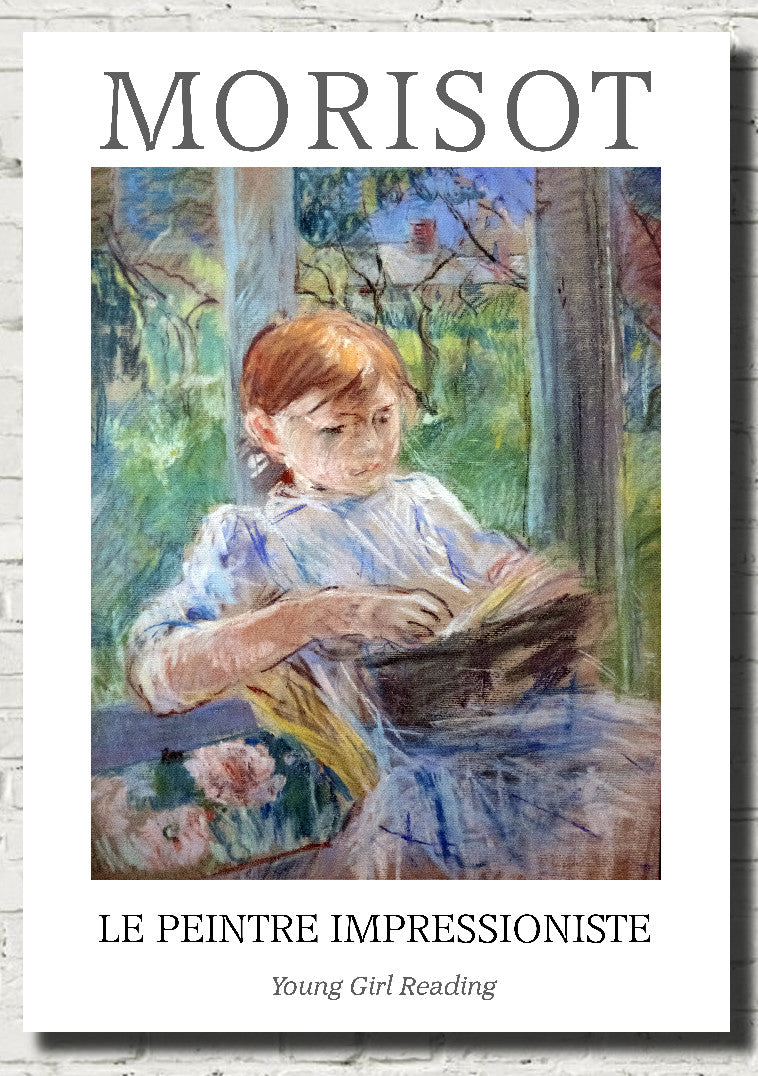
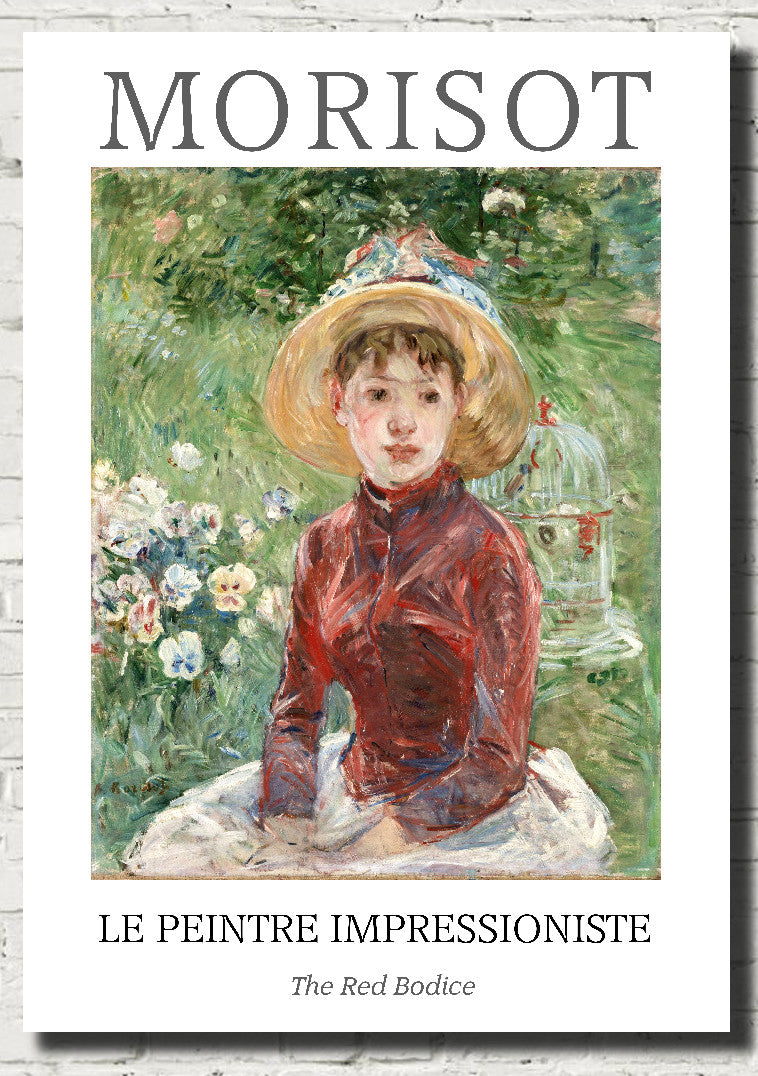
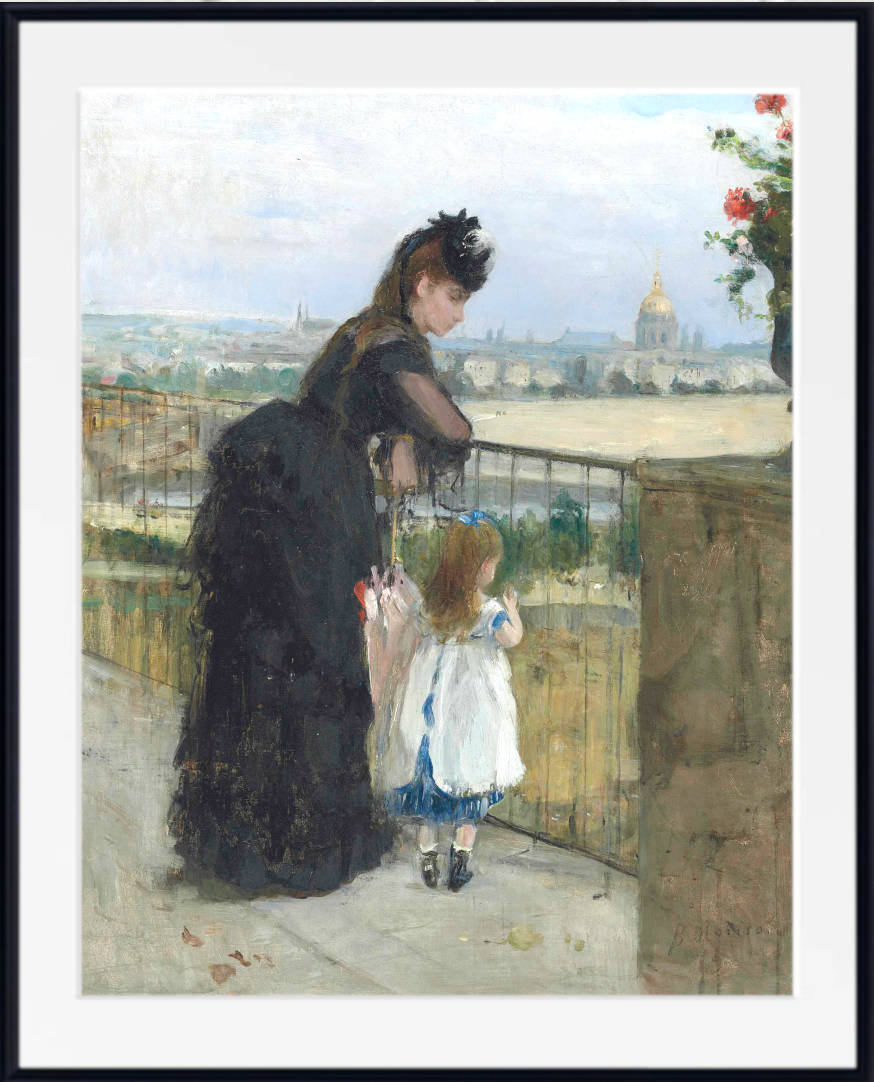
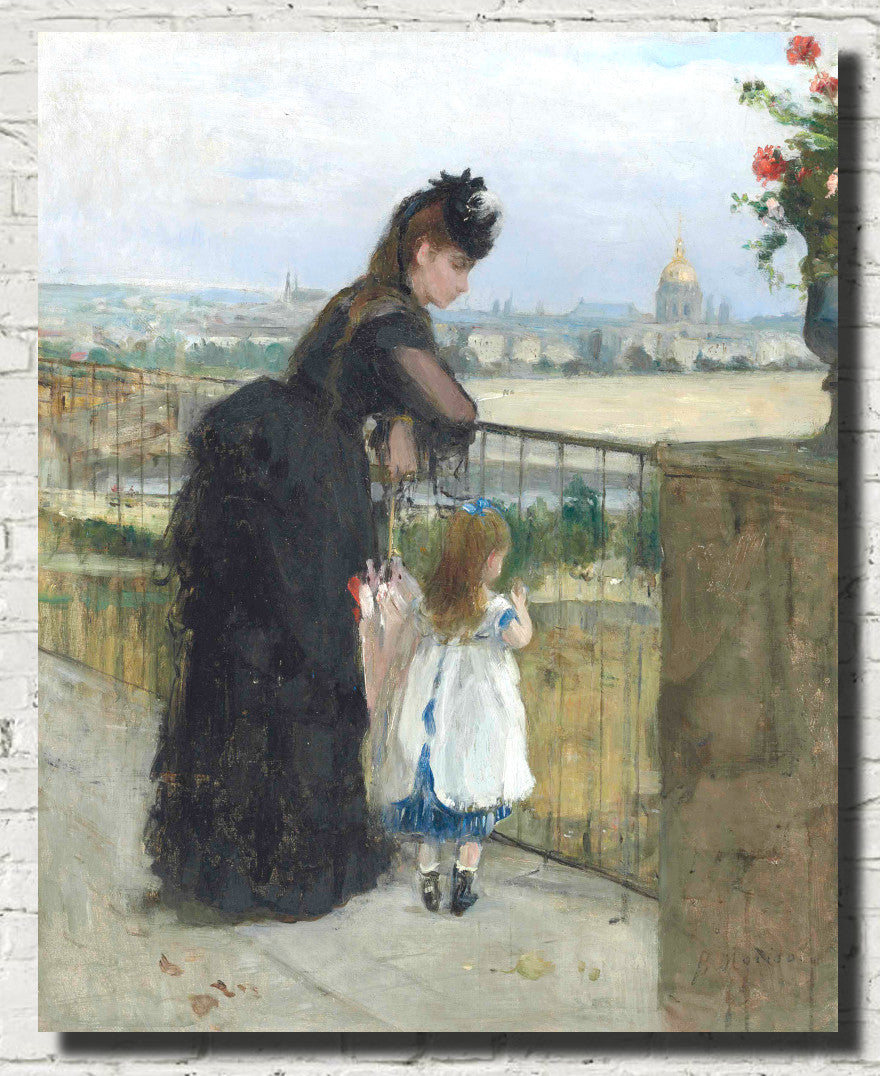
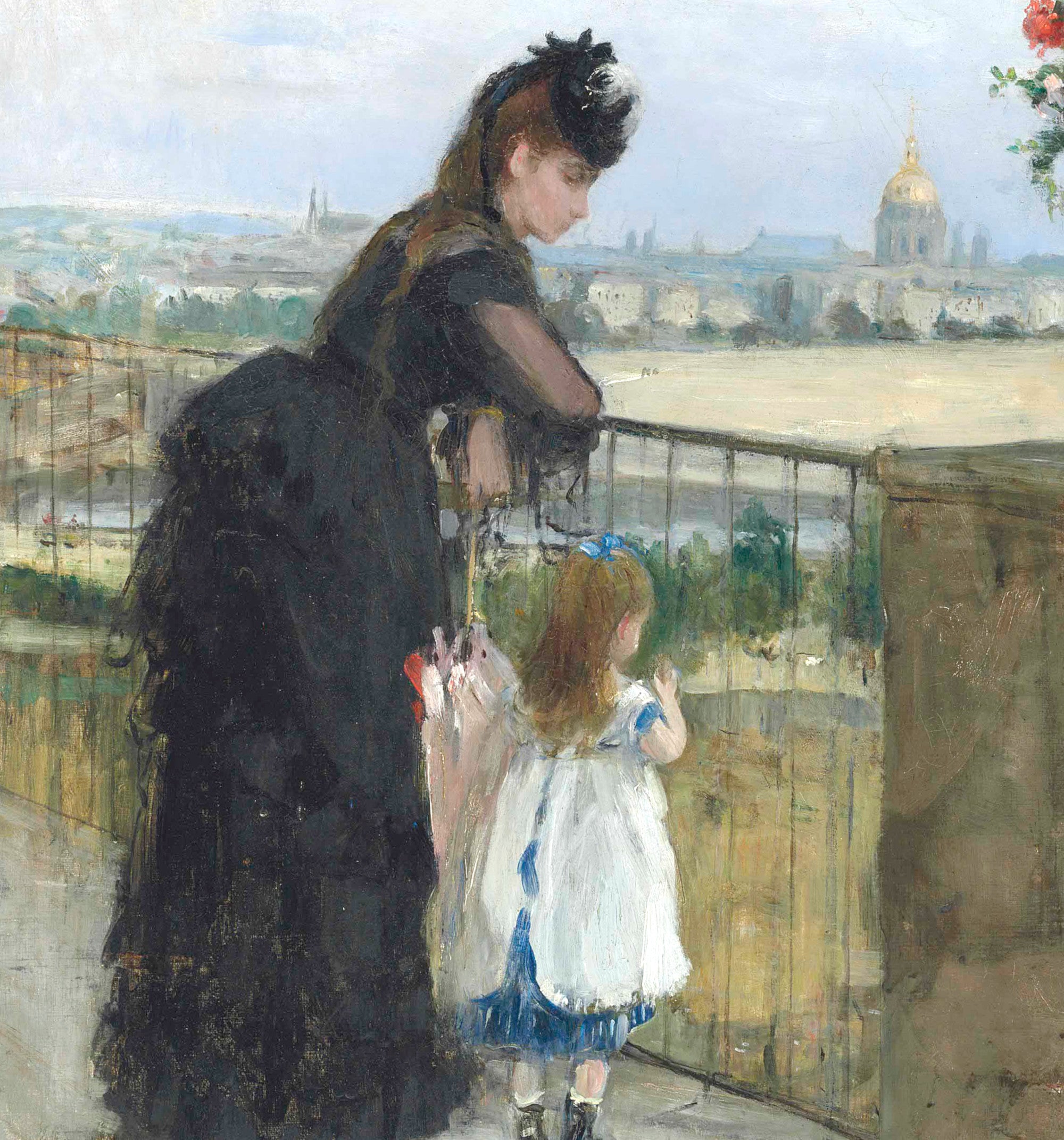
Whereas the male Impressionists painted figures mainly within the public setting of the city, Berthe Morisot concentrated on the private lives of women in late-19th-century society. The first woman to exhibit with the Impressionists, she created rich compositions that highlight the domestic, highly personal sphere of feminine society, often emphasizing the maternal bond between mother and child, as in The Cradle (1872). Together with Mary Cassatt, Eva Gonzalès, and Marie Bracquemond, she is considered one of the four central female figures of the Impressionist movement. Cassatt was an American painter who moved to Paris in 1866 and began exhibiting with the Impressionists in 1879. She depicted the private sphere of the home but also represented woman in the public spaces of the newly modernized city, as in her masterwork At the Opera (1879). Her paintings feature a number of innovations, including the flattening of three-dimensional space and the application of bright, even garish colors in her paintings, both of which heralded later developments in modern art.

Little Girl in a Blue Armchair, Mary Cassatt (1878)
The Spread of Impressionism
Even as Impressionism in France was being overtaken by the advances of the Post-Impressionists, its legacy was travelling across continents. Amongst the most famous of the international Impressionist groupings was the American Impressionist movement, associated not just with Cassatt but with painters such as William Merritt Chase, who applied Impressionist techniques to the landscapes and bourgeois, cosmopolitan milieu of late-nineteenth-century US society; Childe Hassam, famous for his vivid coastal and city scenes; and Maurice Prendergast, who forged a distinctive North-American Post-Impressionist style. Other notable schools of Impressionism in the Anglophone world include the Australian Impressionist school, associated with the work of Tom Roberts and Arthur Streeton, amongst others, and with the dusty color palettes of its Antipodean climate and terrain. Particularly significant was the British Impressionist movement of the late-nineteenth century. James Abbott McNeill Whistler, an American expatriate in London, pioneered a loose, liquid style of painting which, in his famous Nocturne series, brilliantly conveyed the gloom and glamor of nightfall on the River Thames. Philip Wilson Steer, meanwhile, became associated with the Impressionist seascape, in particular with works focusing on the landscapes of Cornwall and the South-west of England, while the Scot William McTaggart produced stormier marine scenes, redolent of the wilder coastal landscapes of his home country. Other important Impressionist schools emerged all over Europe, notably in Germany, where Max Liebermann was one of the leading figures of the movement, and also in Holland, Belgium, and Denmark.

Morning at Breakwater, Shinnecock William Merritt Chase (1897)

Impressionist Art Techniques
Impressionism is defined above all by its technical rejection of academic finish in favour of immediacy and optical sensation. Central to its practice was en plein air painting, where artists worked outdoors to capture transient effects of light and atmosphere directly from observation rather than studio reconstruction. This shift demanded rapid execution and a flexible handling of paint, encouraging broken brushwork and visible strokes that prioritised perception over detail.
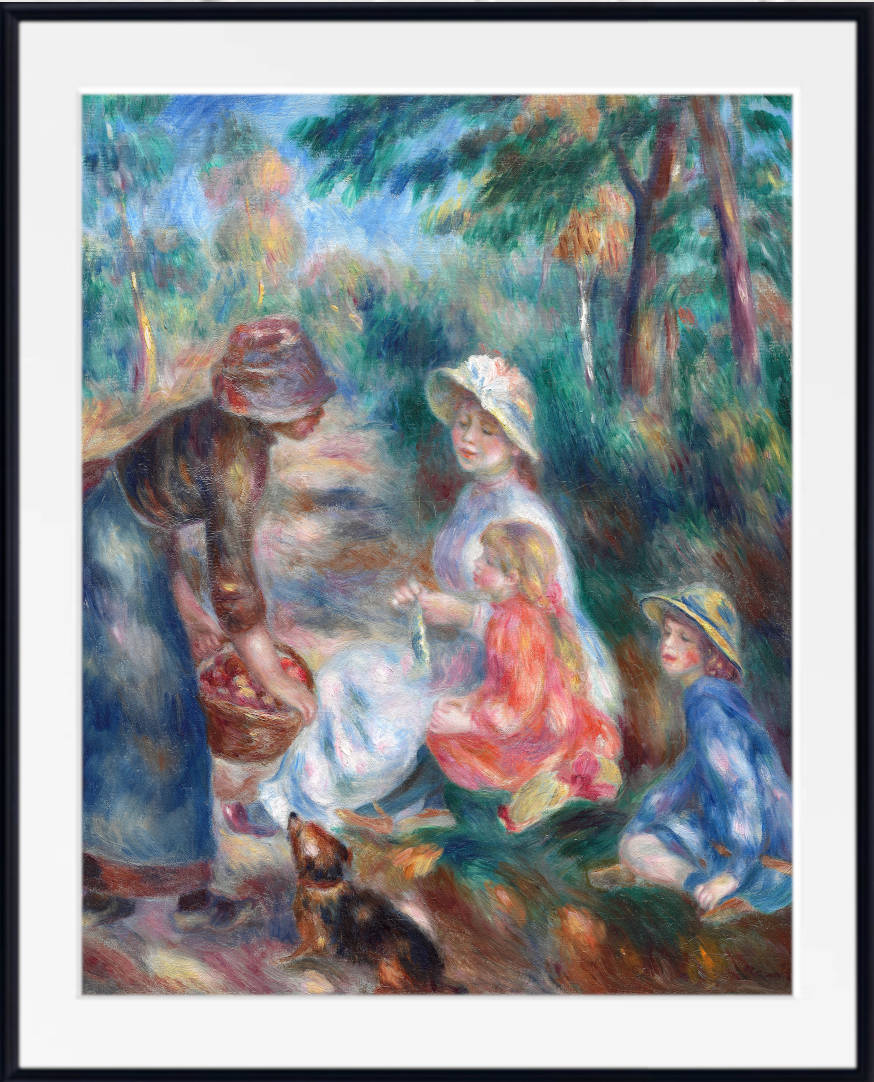
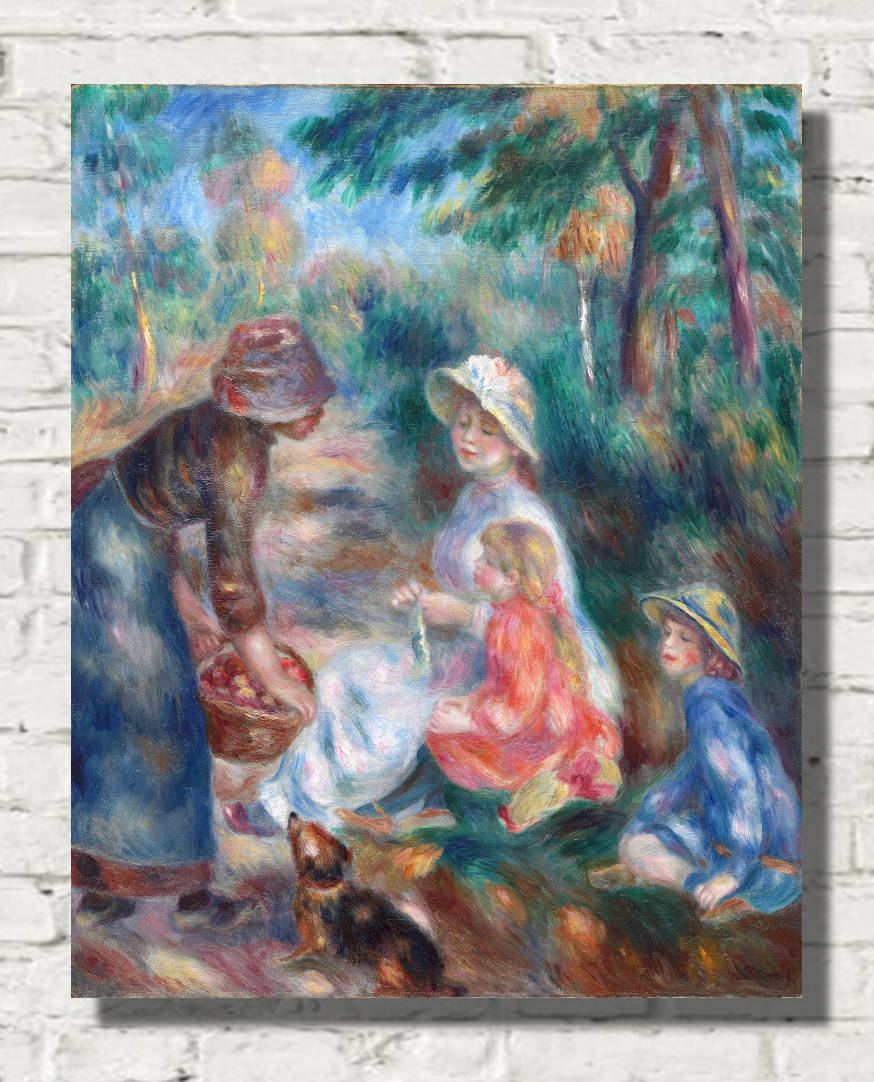
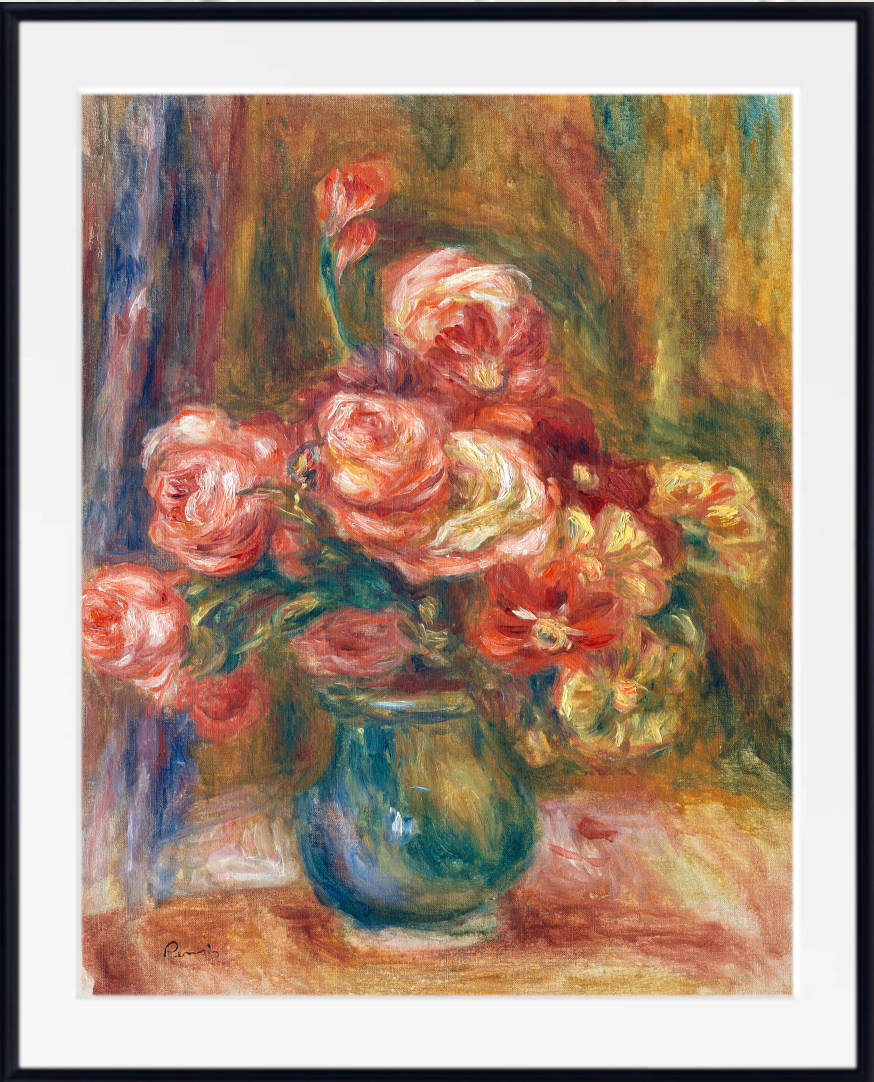
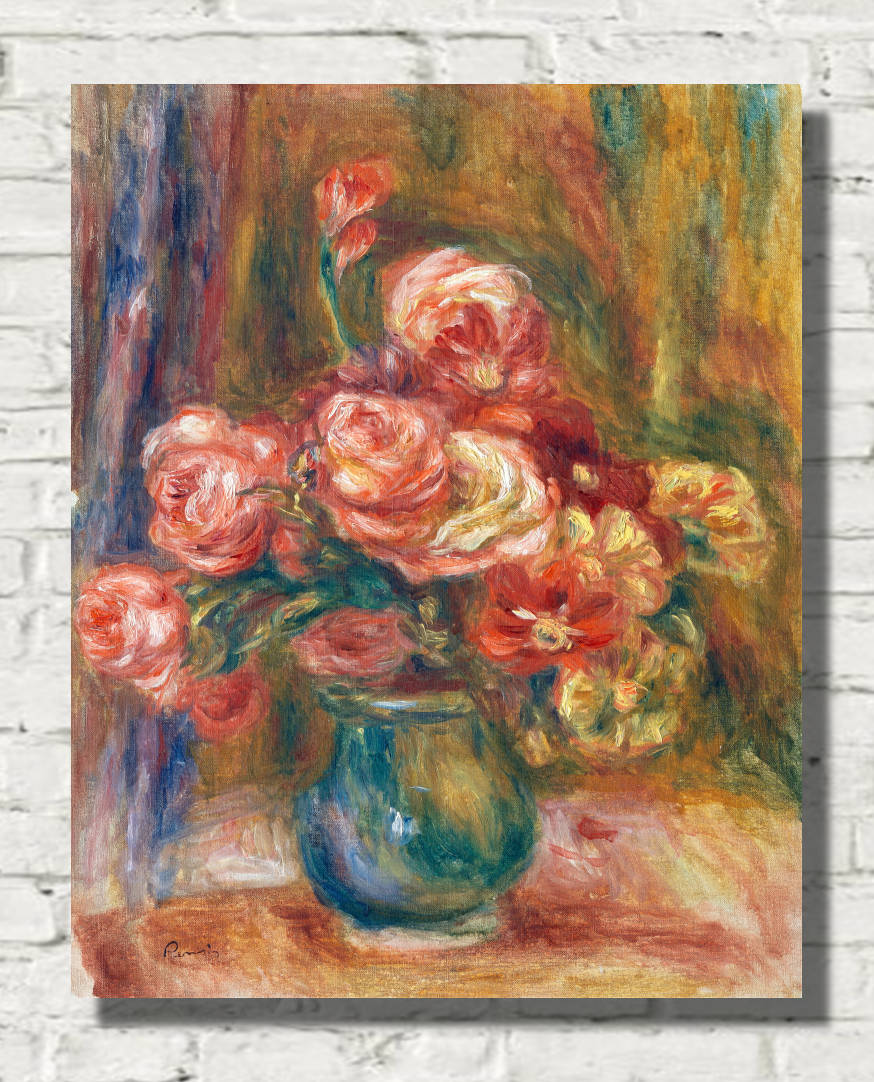
A defining technique within Impressionist practice was the use of broken colour and optical mixing. Instead of blending pigments on the palette to produce smooth tonal transitions, painters such as Claude Monet and Pierre-Auguste Renoir applied discrete touches of pure or semi-pure colour directly to the canvas. When viewed at a distance, these strokes visually blend in the viewer’s eye, producing a more vibrant and luminous effect than traditional mixing allows. This approach was closely tied to contemporary colour theory and an increased interest in the physiological act of seeing.
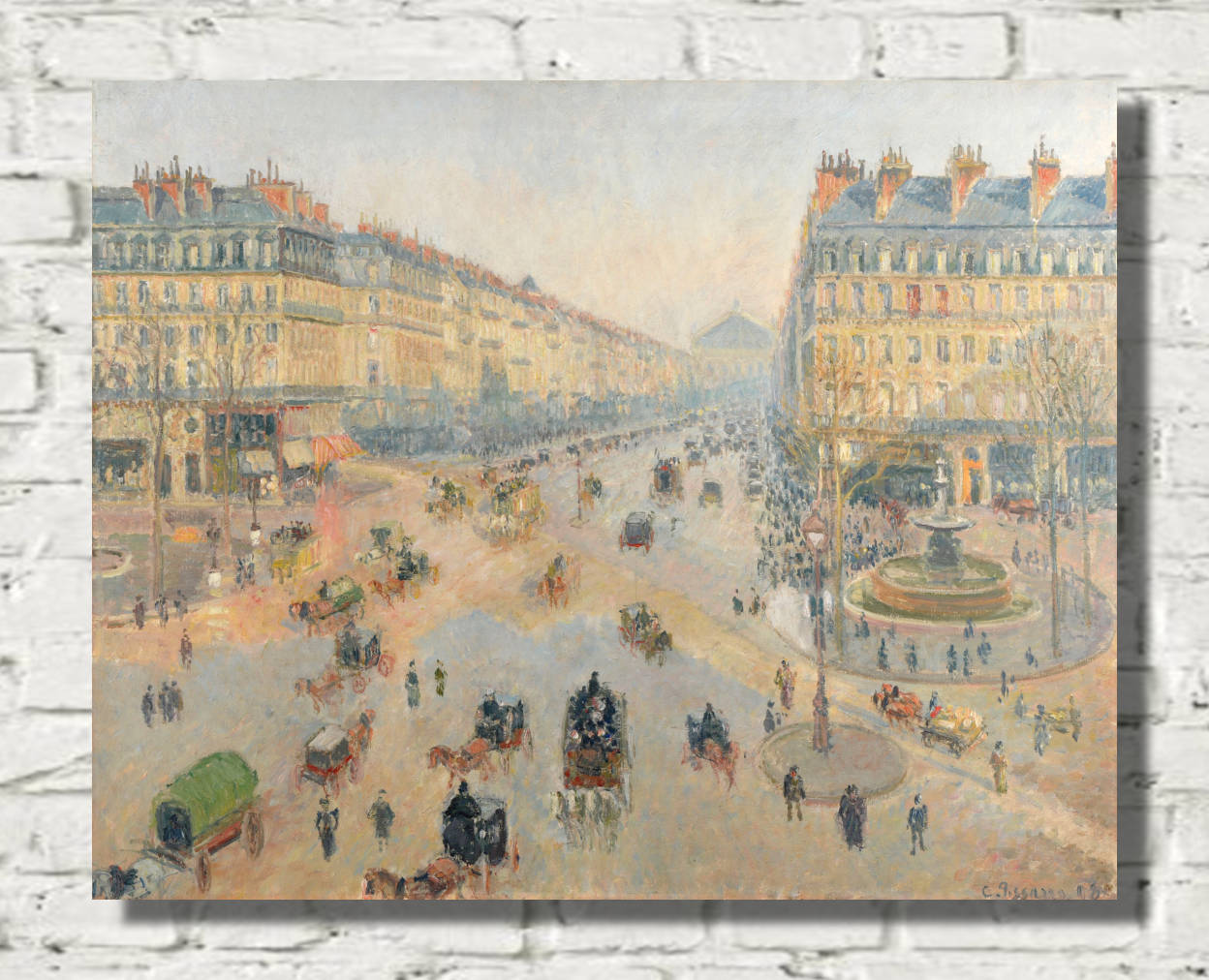
Compositionally, Impressionist techniques often involved radical simplification and cropping influenced by photography and Japanese prints, alongside a preference for high-key palettes and the strategic avoidance of black in shadows. Artists used short, directional brushstrokes and sometimes impasto to convey movement in water, foliage, and atmosphere, creating a sense of temporal flux rather than static form. Figures such as Camille Pissarro extended these methods into urban and rural scenes alike, reinforcing the movement’s commitment to capturing modern life as a sequence of fleeting visual impressions.
The White Symphony- Three Girls, James McNeill Whistler
Key Themes in Impressionist Art
Impressionism is unified less by subject matter than by a shared approach to perception, light, and modern life, yet several recurring themes consistently define its body of work. Impressionist artists were drawn to the immediacy of everyday experience, often capturing fleeting moments in urban streets, domestic interiors, and leisure scenes that reflected the rhythms of contemporary society. Equally central is their fascination with light and atmosphere, treating changing weather, seasonal shifts, and transient optical effects as primary subjects in their own right. Nature also plays a major role, particularly landscapes rendered en plein air to preserve the sensation of direct observation rather than studio idealisation. Alongside these concerns, Impressionism frequently explores modernity itself—railways, cafés, boulevards, and the new social spaces of 19th-century France—while also engaging with human presence through informal portraiture and scenes of leisure that emphasise spontaneity over formality.
Impressionist Cityscapes
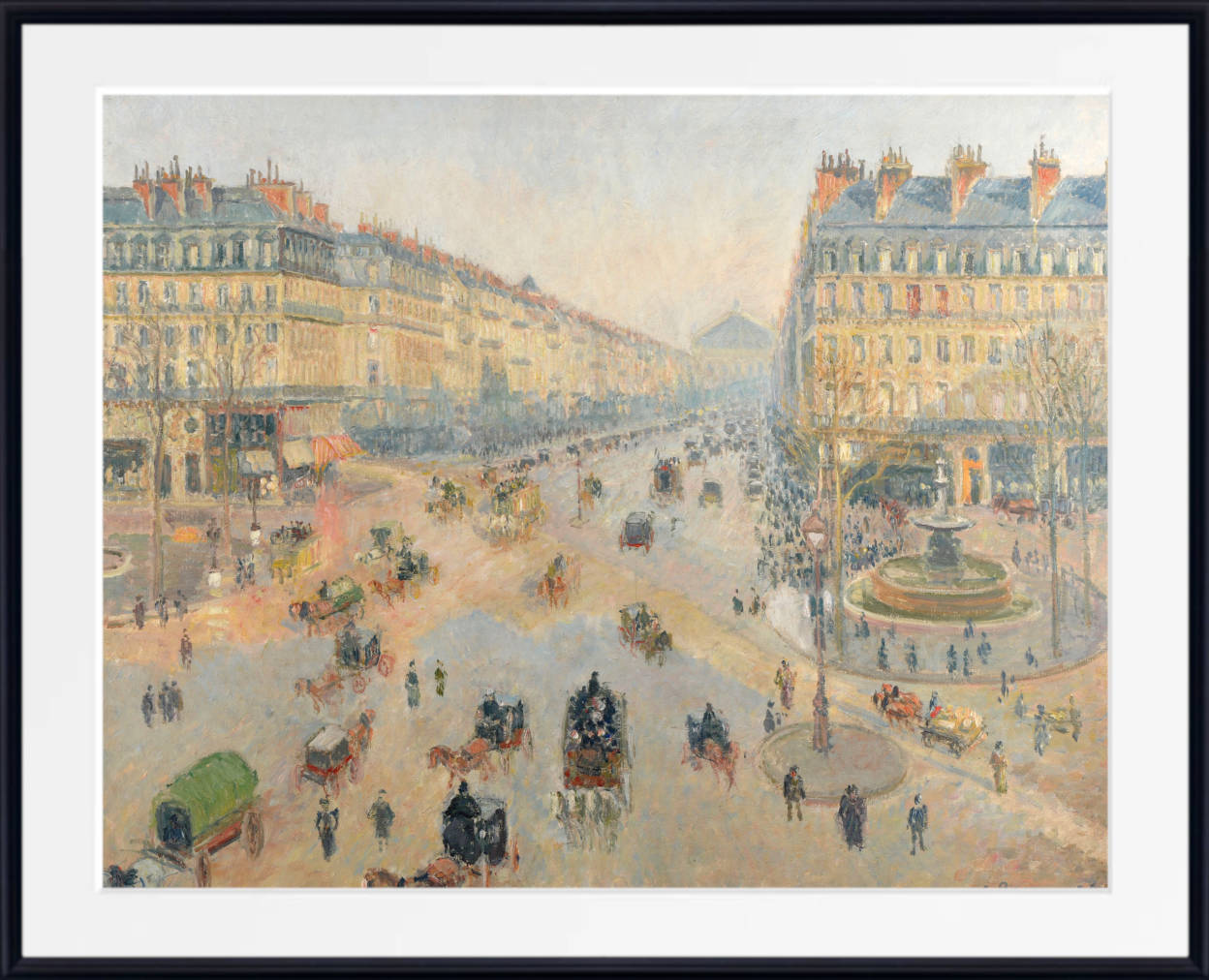
Since the movement was deeply embedded within Parisian society, Impressionism was greatly influenced by Baron Georges-Eugène Haussmann's renovation of the city in the 1860s. The urban project, also referred to as "Haussmannization," sought to modernize the city and largely centered in the construction of wide boulevards which became hubs of public social activity. This reconstruction of the city also led to the rise of the idea of the flâneur: the idler or lounger who roams the public spaces of the city, observing life while remaining detached from the crowd. In many Impressionist paintings, the detachment of the flâneur is closely associated with modernity and the estrangement of the individual within the metropolis. These themes of urbanity are depicted in the work of Gustave Caillebotte, a later proponent of the Impressionist movement, who focused on panoramic views of the city and the psychology of its citizens. Although more realistic in style than other Impressionists, Caillebotte's images, such as Paris, Rainy Day (1877), express the artist's reaction to the changing nature of society, showing a flaneur in his characteristic black coat and top hat strolling through the open space of the boulevard while gazing at passersby. Other Impressionists depicted the fleeting qualities of movement and light within the metropolis, as in Monet's Boulevard des Capucines (1873) and Pissarro's The Boulevard Montmarte, Afternoon (1897). Similarly, these works emphasize the geometrical arrangement of public space through the careful delineation of buildings, trees, and streets. By applying crude brushstrokes and impressionistic streaks of color, the Impressionists evoked the rapid tempo of modern life as a central facet of late-19th-century urban society.

Halévy Street, View from the Sixth Floor, Gustave Cailllebotte

Boulevard des Capucines, Claude Monet
The Natural Landscape (En Plein Air)
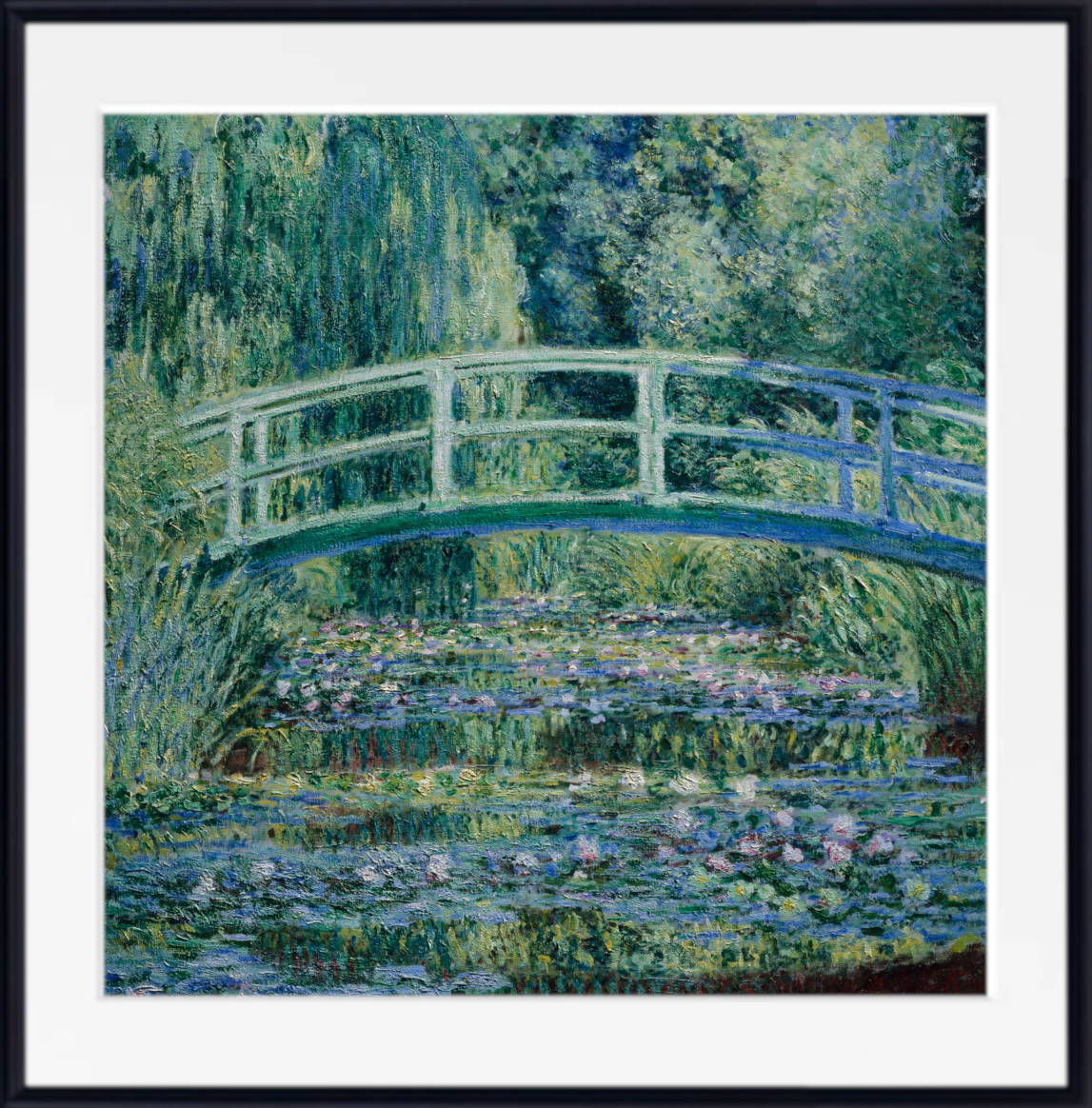
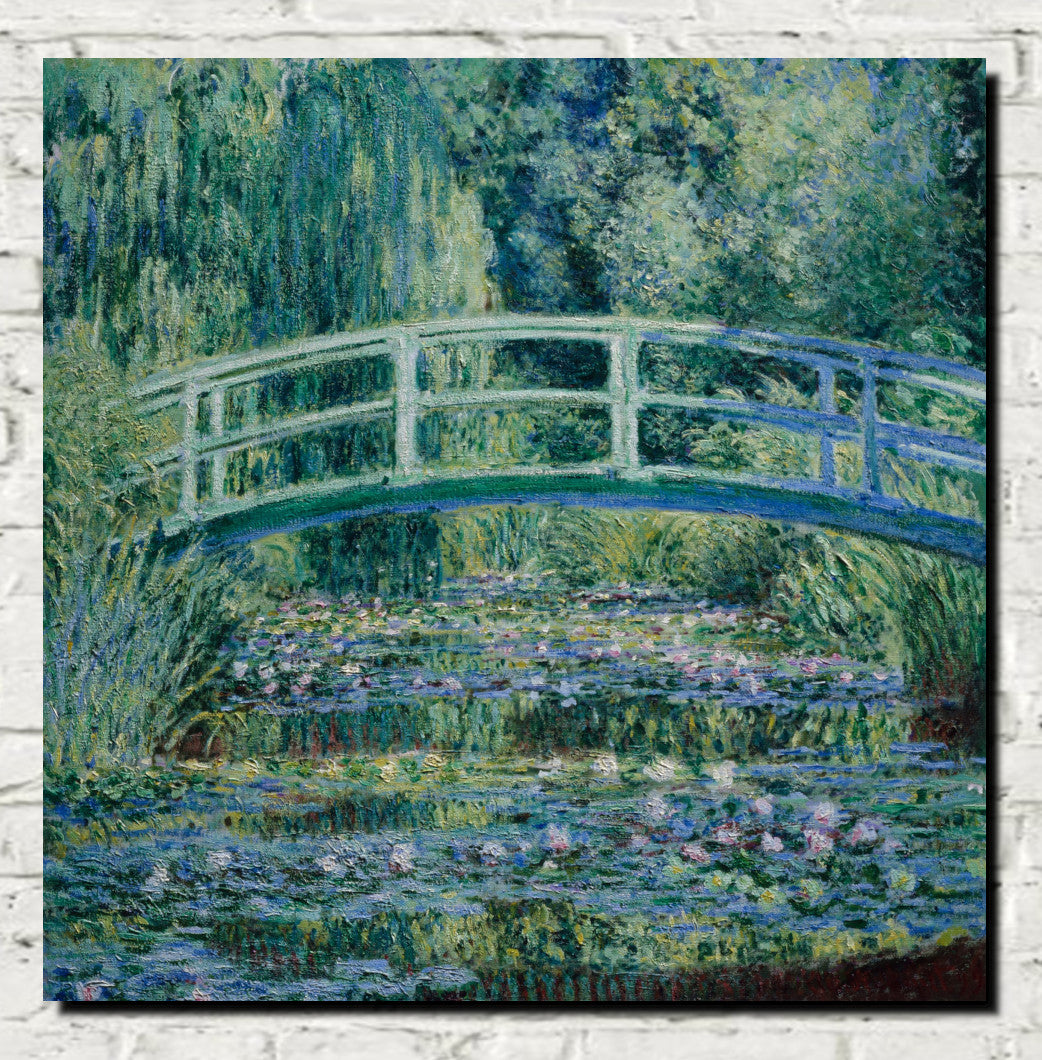
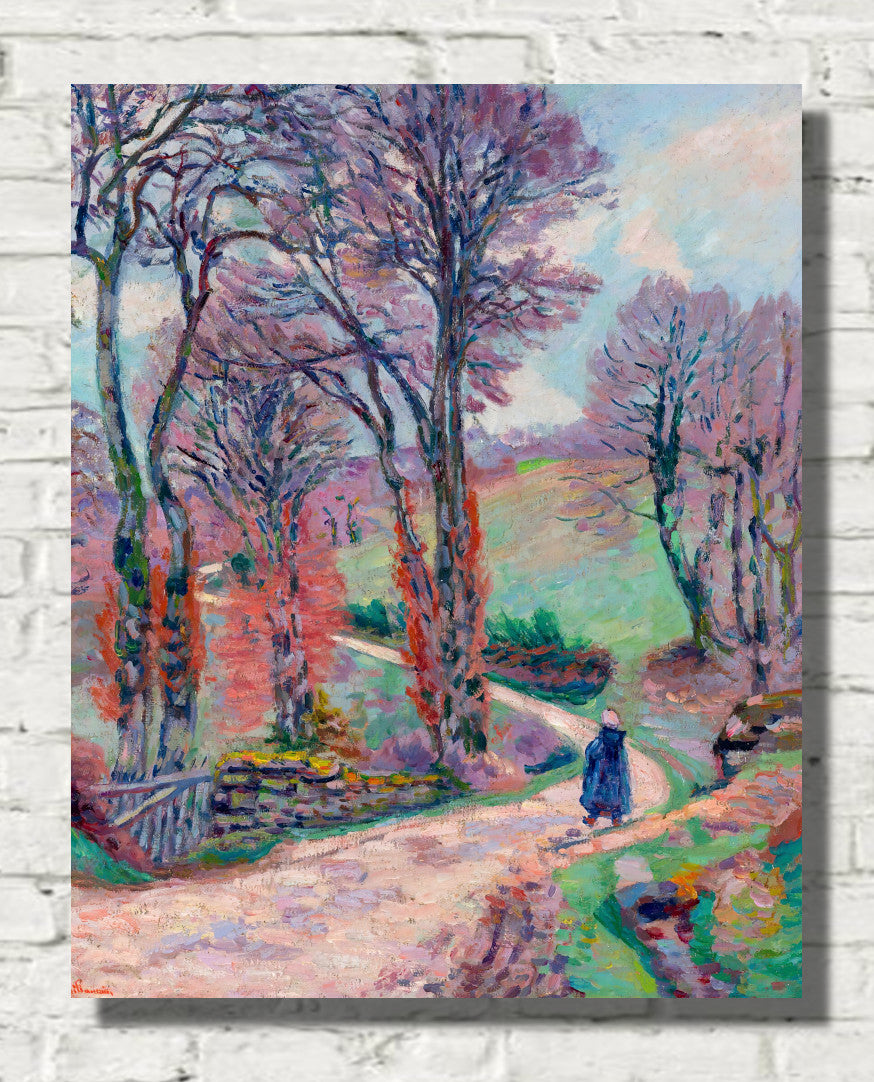
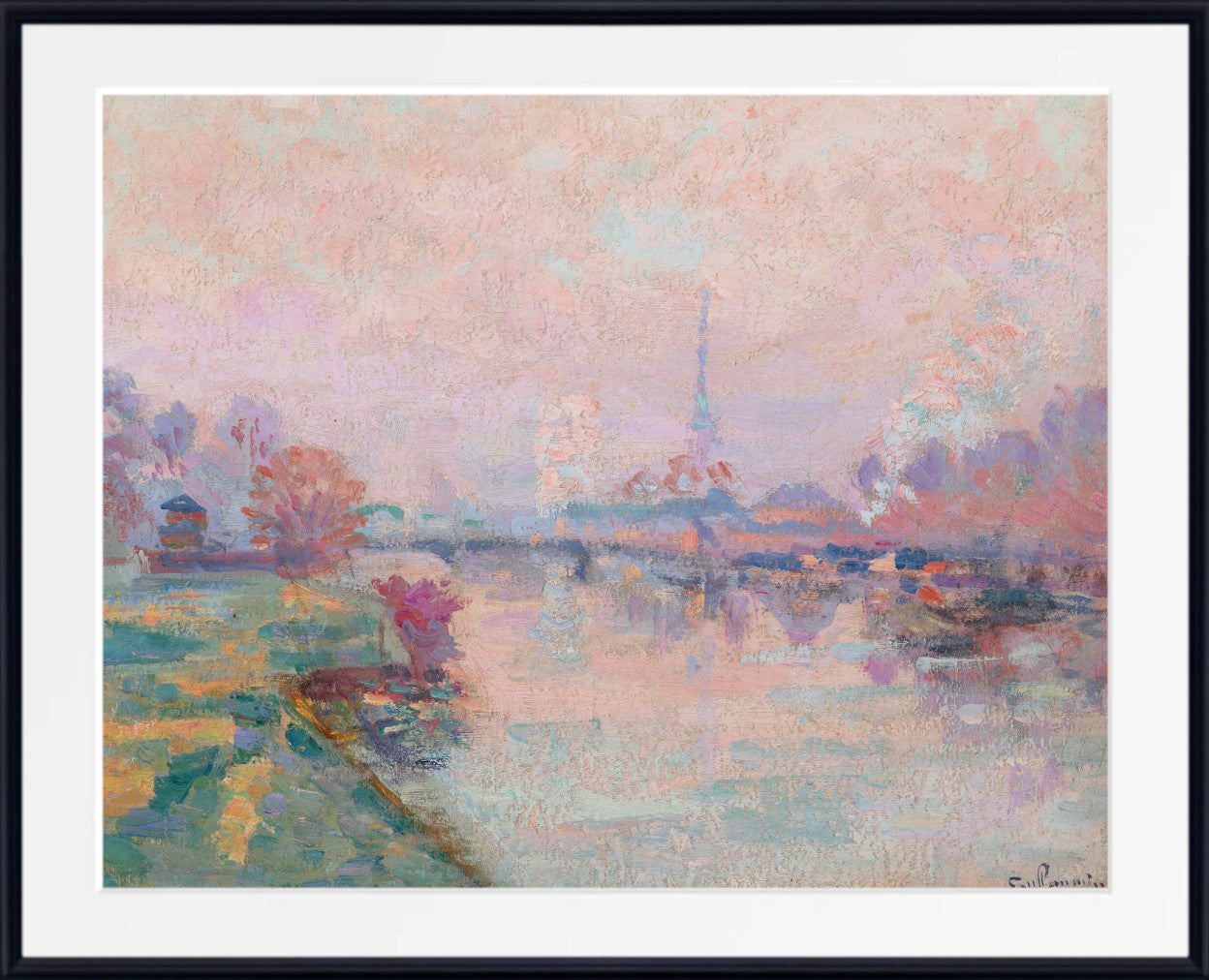
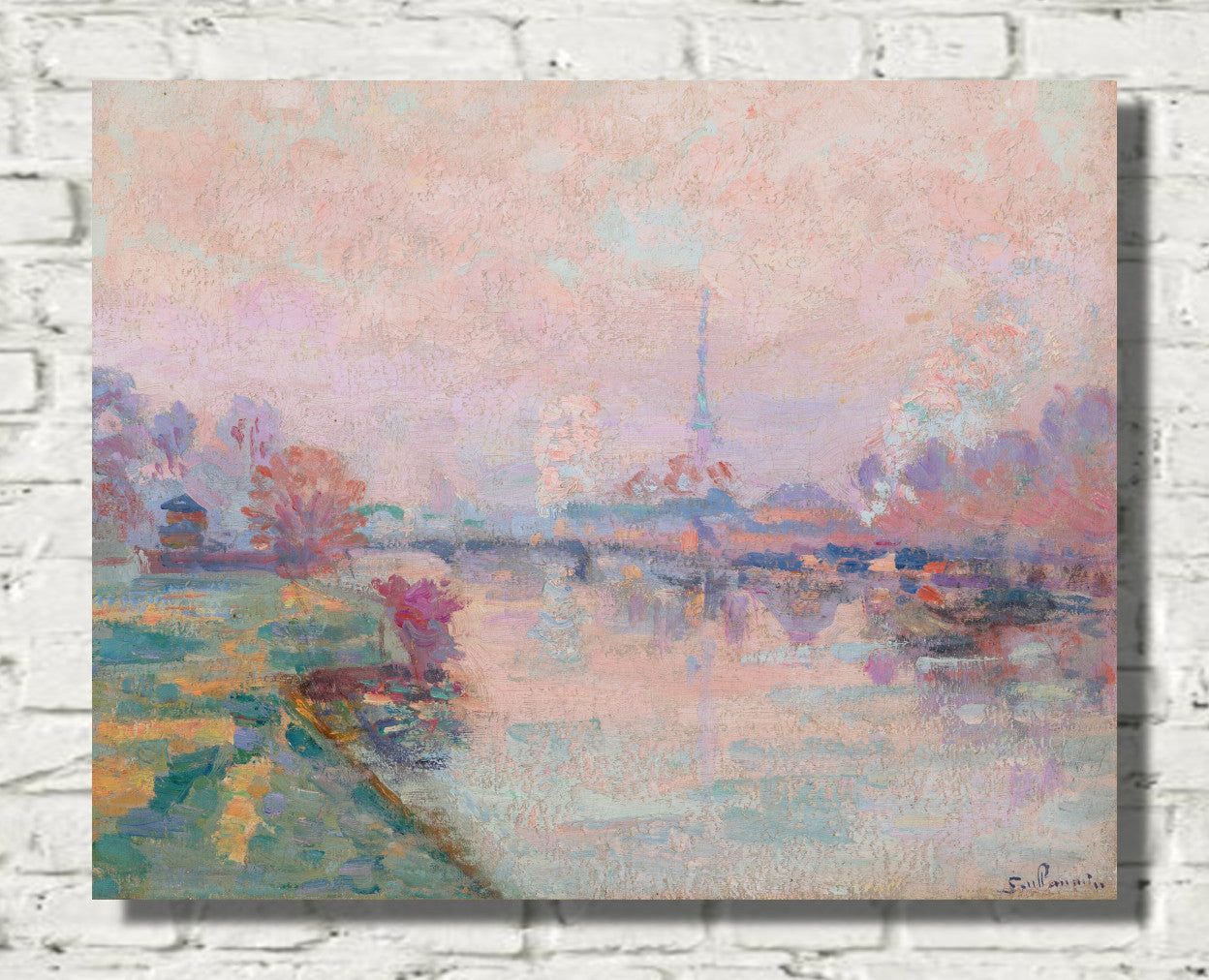
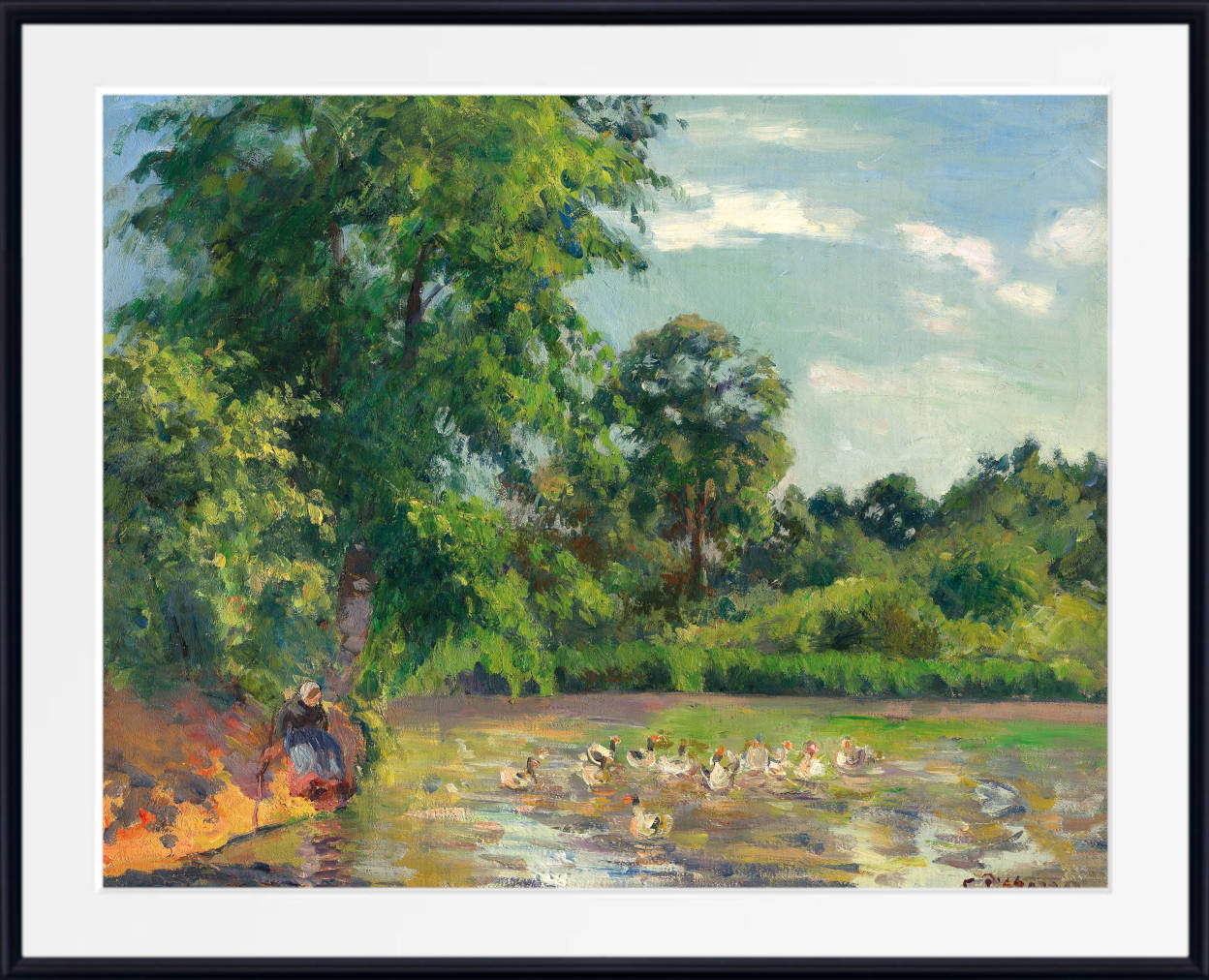
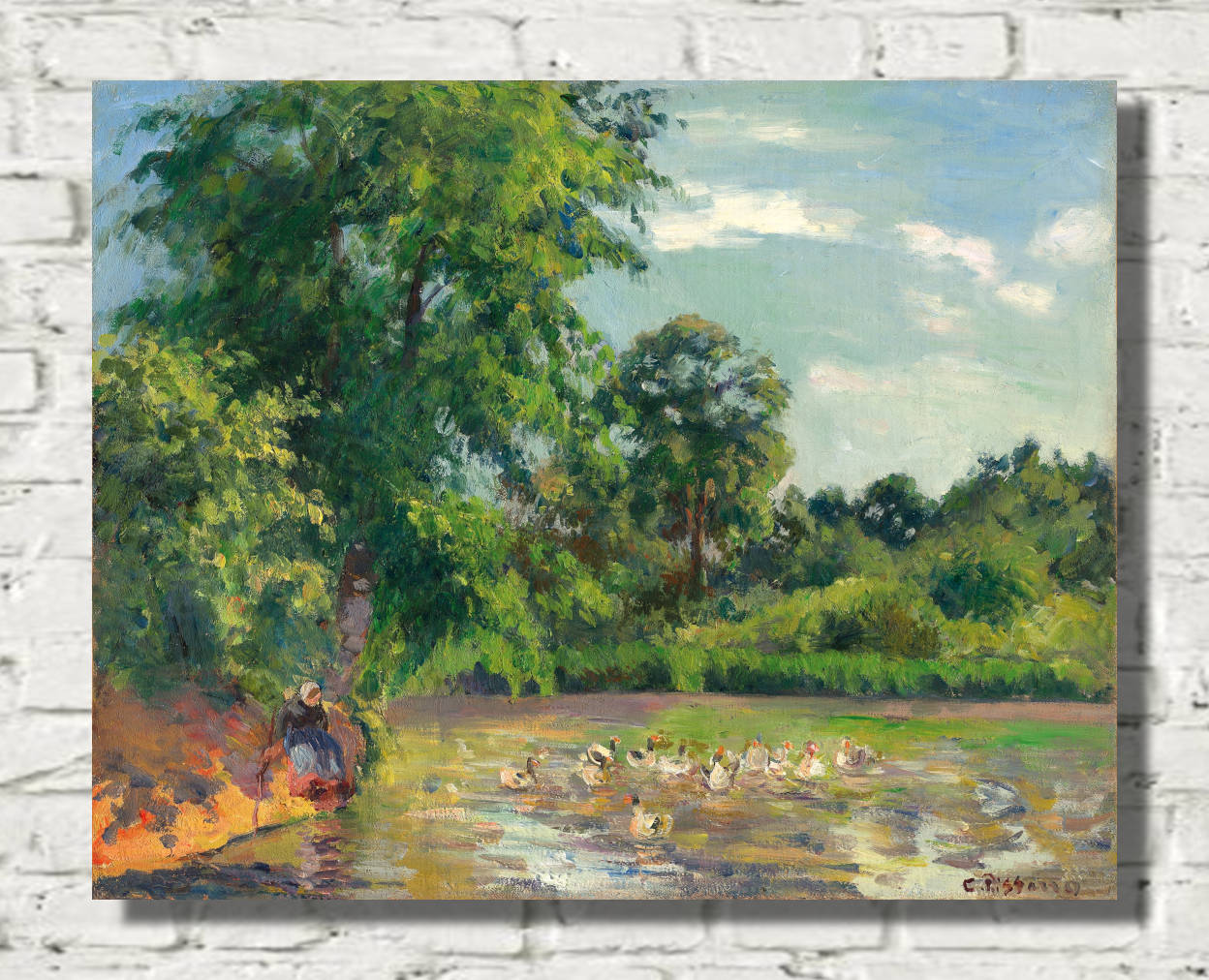
A defining shift within Impressionist practice was the commitment to painting the natural landscape directly from observation, a method commonly referred to as en plein air. This approach rejected the traditional studio-bound process in favour of working outdoors, where artists could engage immediately with changing atmospheric conditions. By situating themselves within the landscape—fields, riverbanks, coastal scenes, and woodland edges—Impressionists sought to record transient visual effects rather than idealised or constructed compositions. This methodological change was not merely technical; it reflected a broader reorientation toward perception, immediacy, and the lived experience of nature.
Working outdoors introduced both opportunity and constraint. The rapidly shifting qualities of light and weather forced artists to work with speed and spontaneity, often resulting in looser brushwork and a more fragmented handling of form. Colour became central: shadows were no longer rendered in neutral blacks or browns, but in nuanced blues, violets, and complementary tones that responded to ambient light. The landscape itself was treated as a dynamic field of optical sensations rather than a static backdrop, with water, foliage, and sky functioning as active participants in a constantly changing visual system.
This engagement with natural landscape also altered compositional logic. Instead of carefully structured, hierarchical arrangements typical of academic landscape painting, Impressionist works often adopt cropped viewpoints, asymmetry, and unconventional perspectives that suggest a momentary glance rather than a fixed tableau. Figures, when present, are typically integrated into the environment rather than isolated within it, reinforcing the sense of continuity between human presence and natural world. In this way, en plein air practice did not simply depict nature more directly—it fundamentally redefined what landscape painting could be, privileging perception, temporality, and immediacy over permanence and finish.
Ten great impressionist landscapes available in a wide range of print sizes are available here
Intimate Figure Studies & Portraits
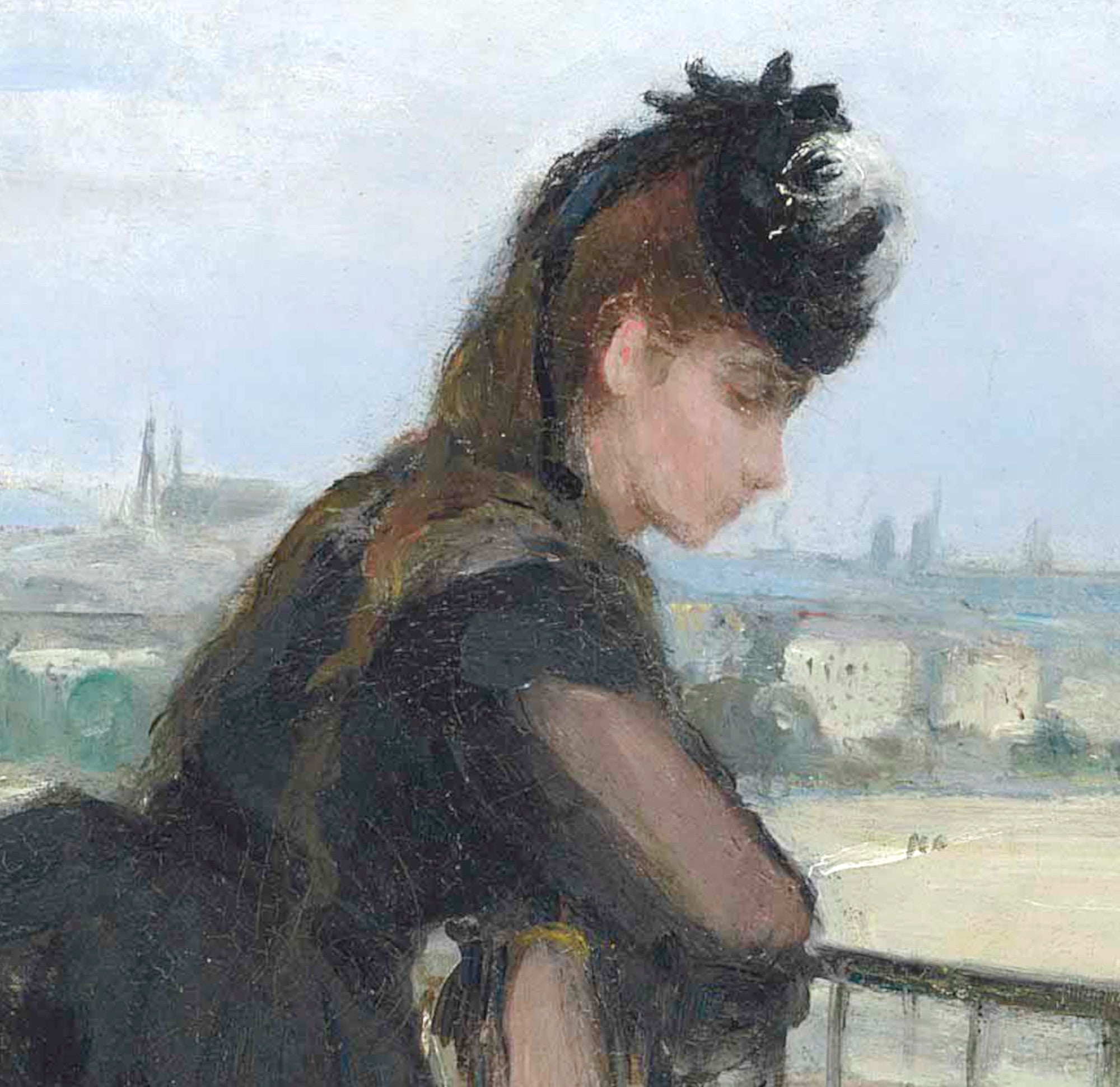
Intimate figure studies and portraits in Impressionist art mark a shift away from the formal, idealised portraiture of academic tradition toward more immediate, psychologically suggestive depictions of individuals in everyday contexts. Rather than staged studio compositions with symbolic props, Impressionist painters often portrayed sitters in relaxed interiors or informal poses, emphasising natural light, transient expression, and the effects of atmosphere on skin and fabric. The focus is less on social status or narrative and more on capturing a fleeting moment of presence, where identity is conveyed through gesture, gaze, and tonal vibration rather than strict anatomical finish.
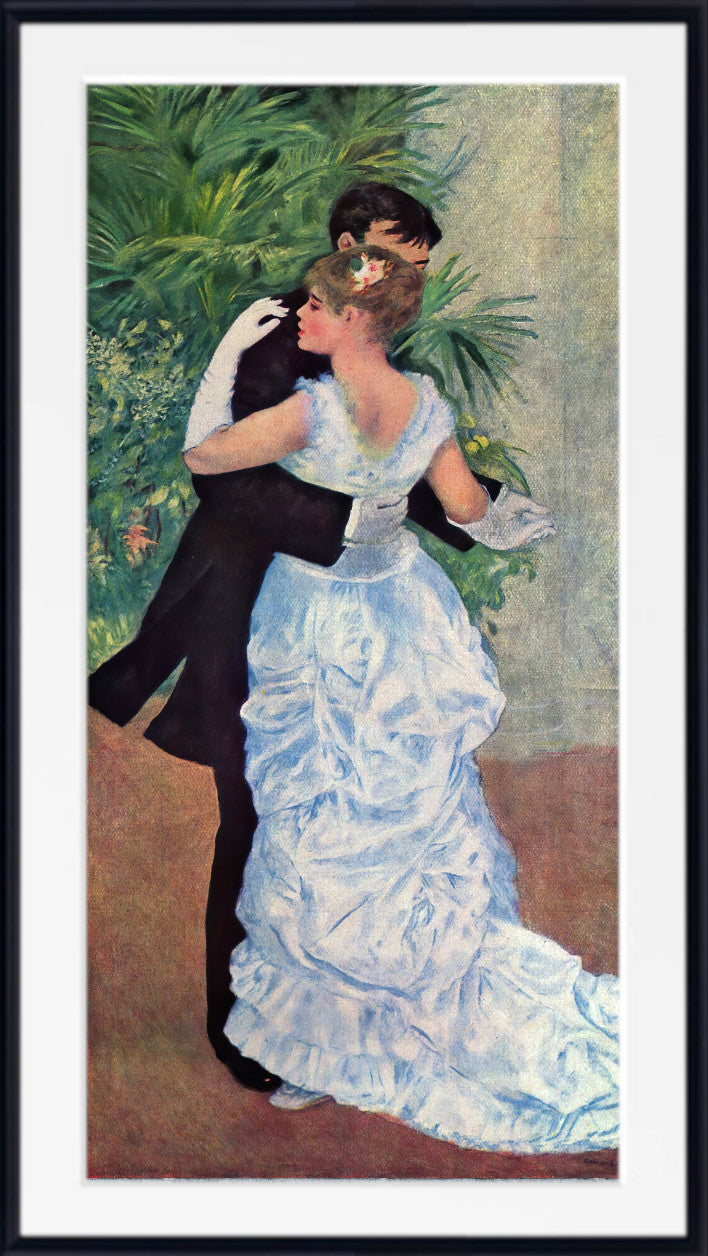
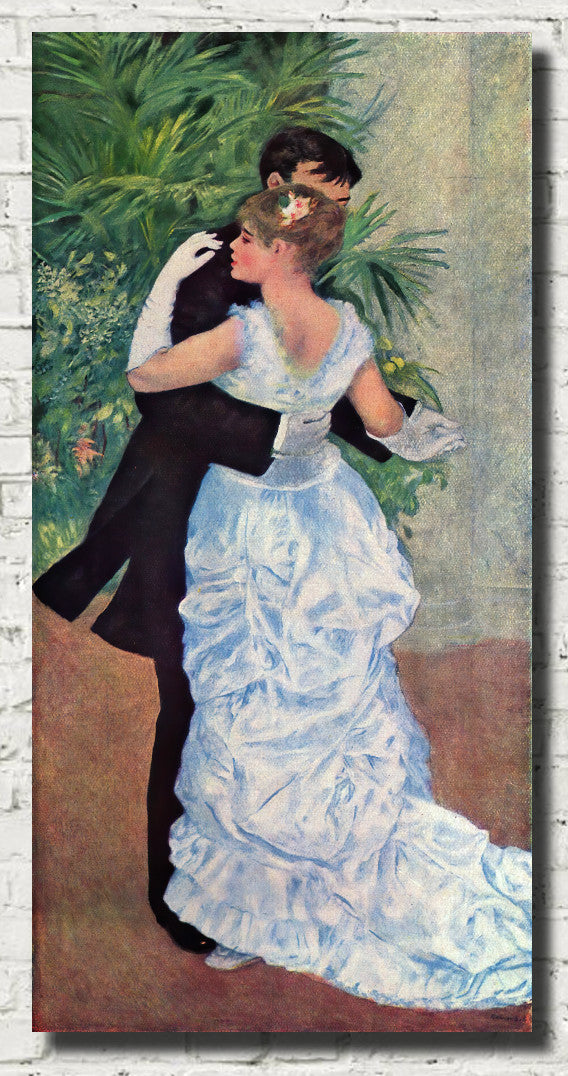
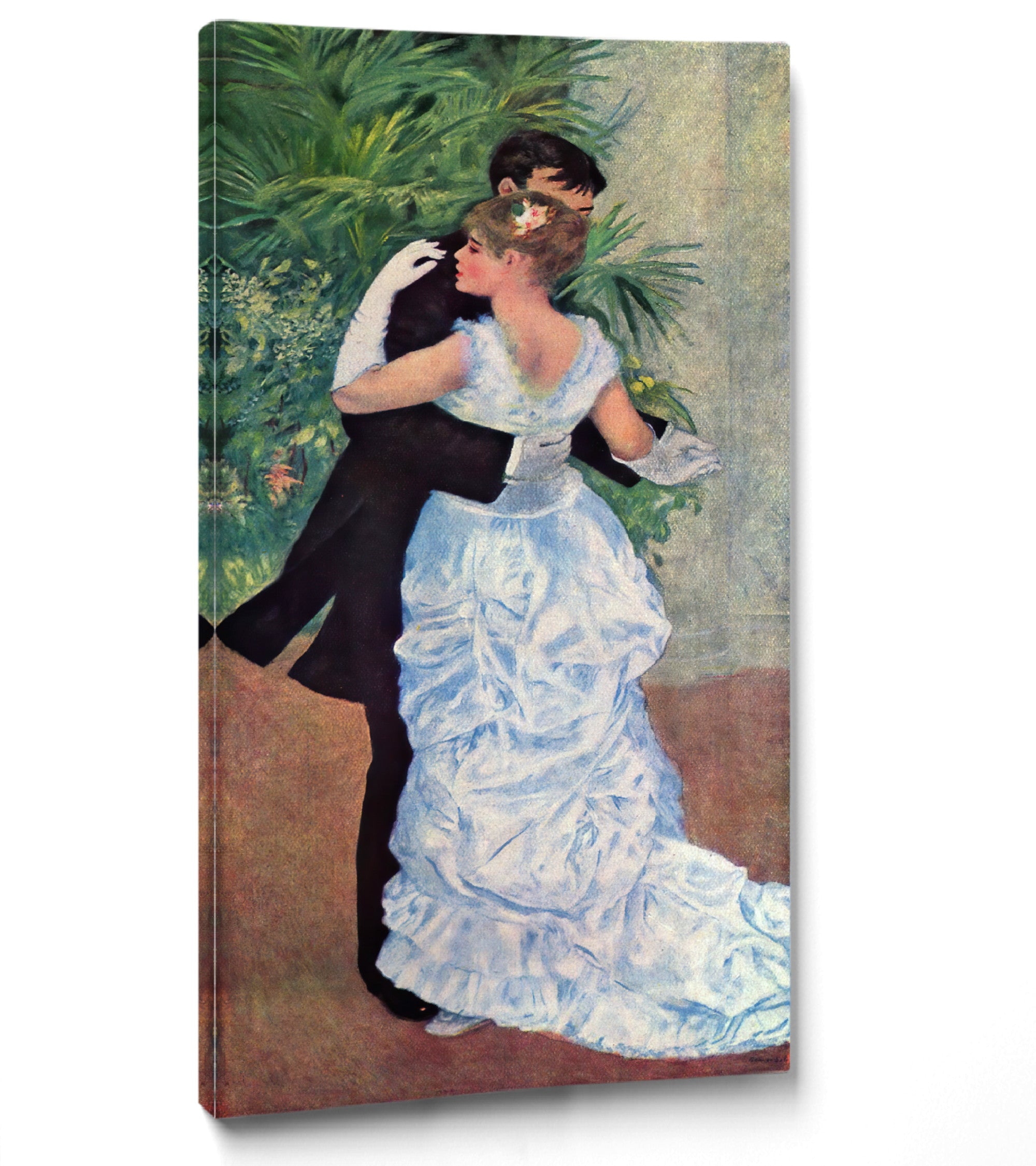
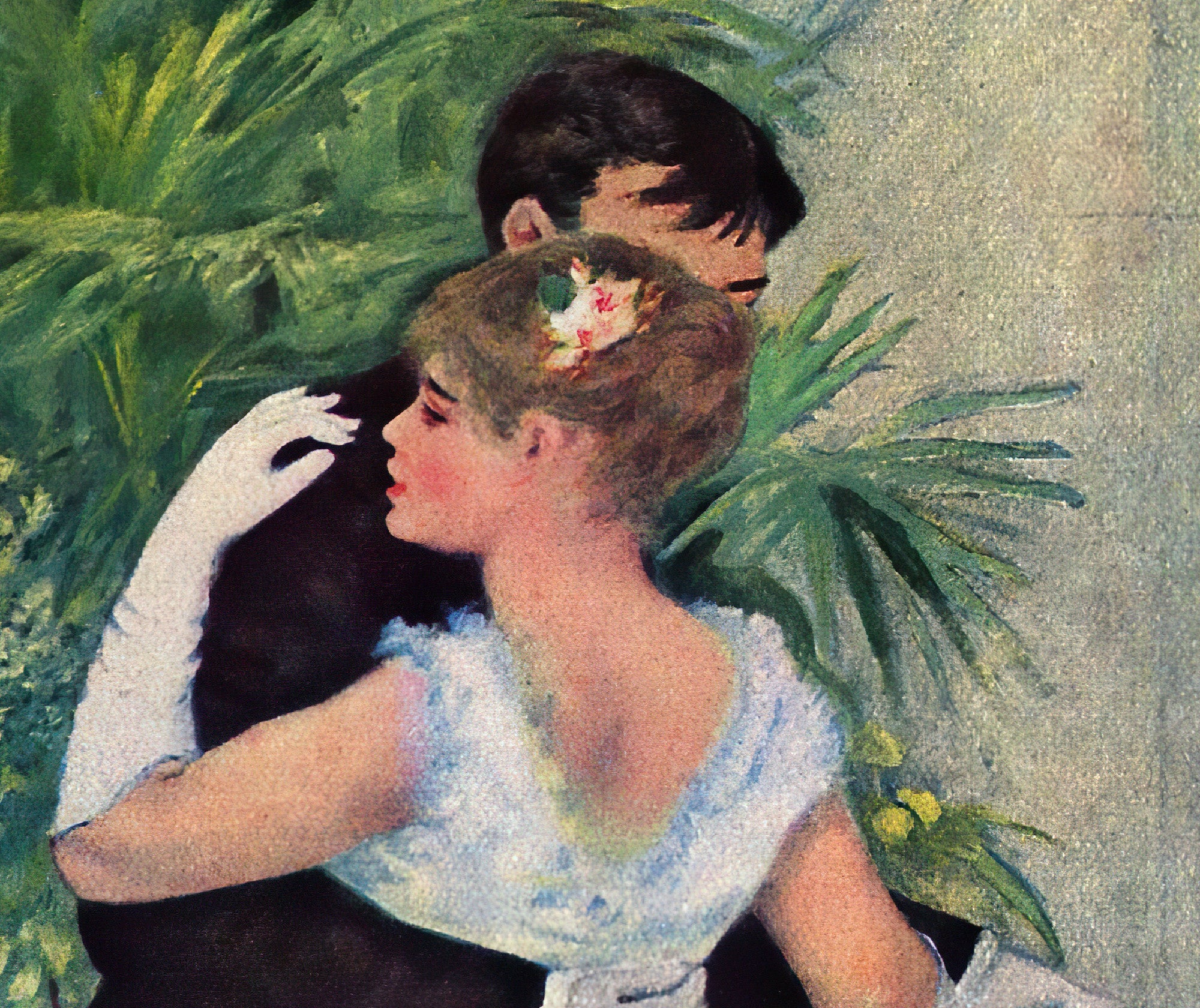
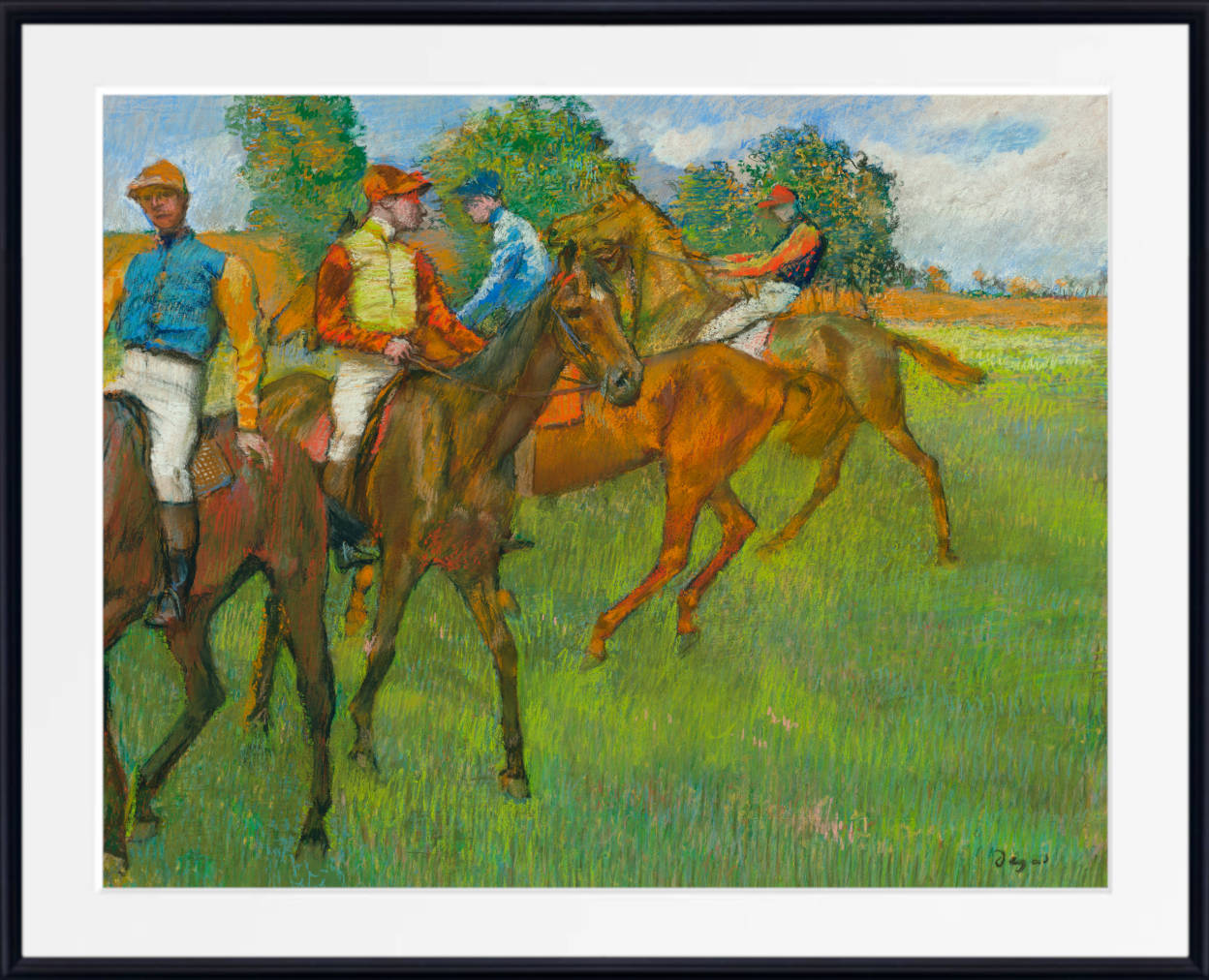
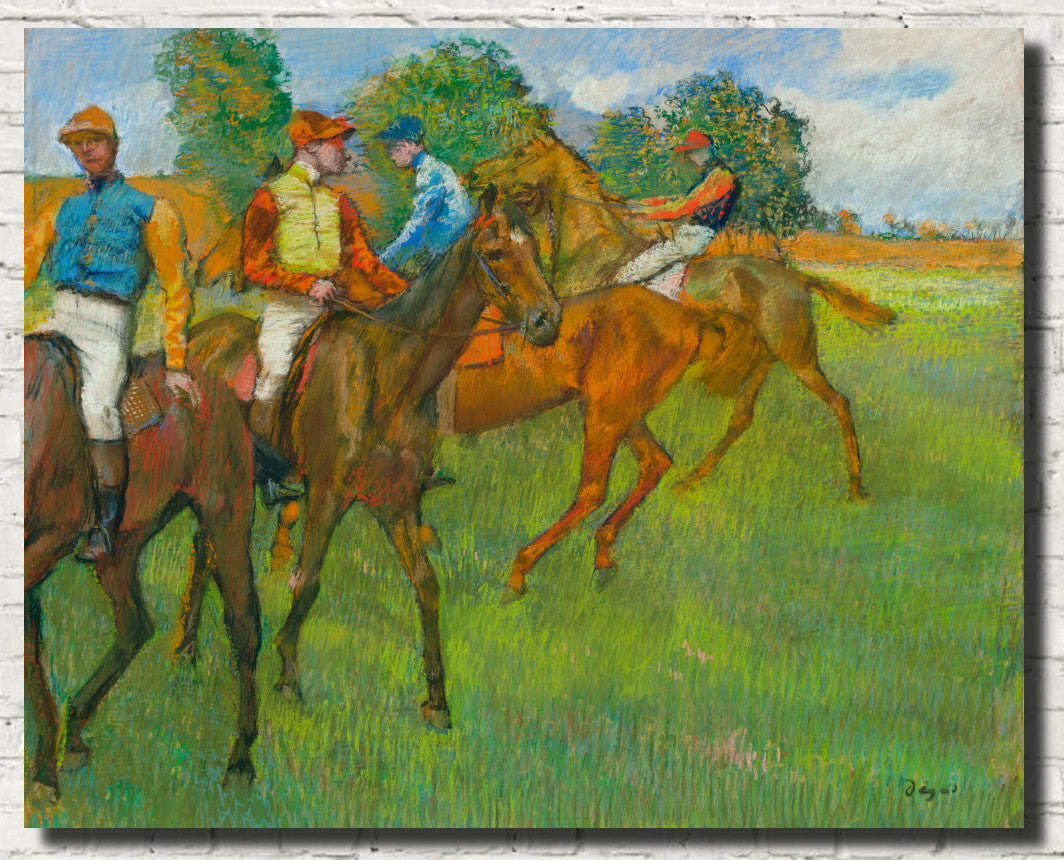
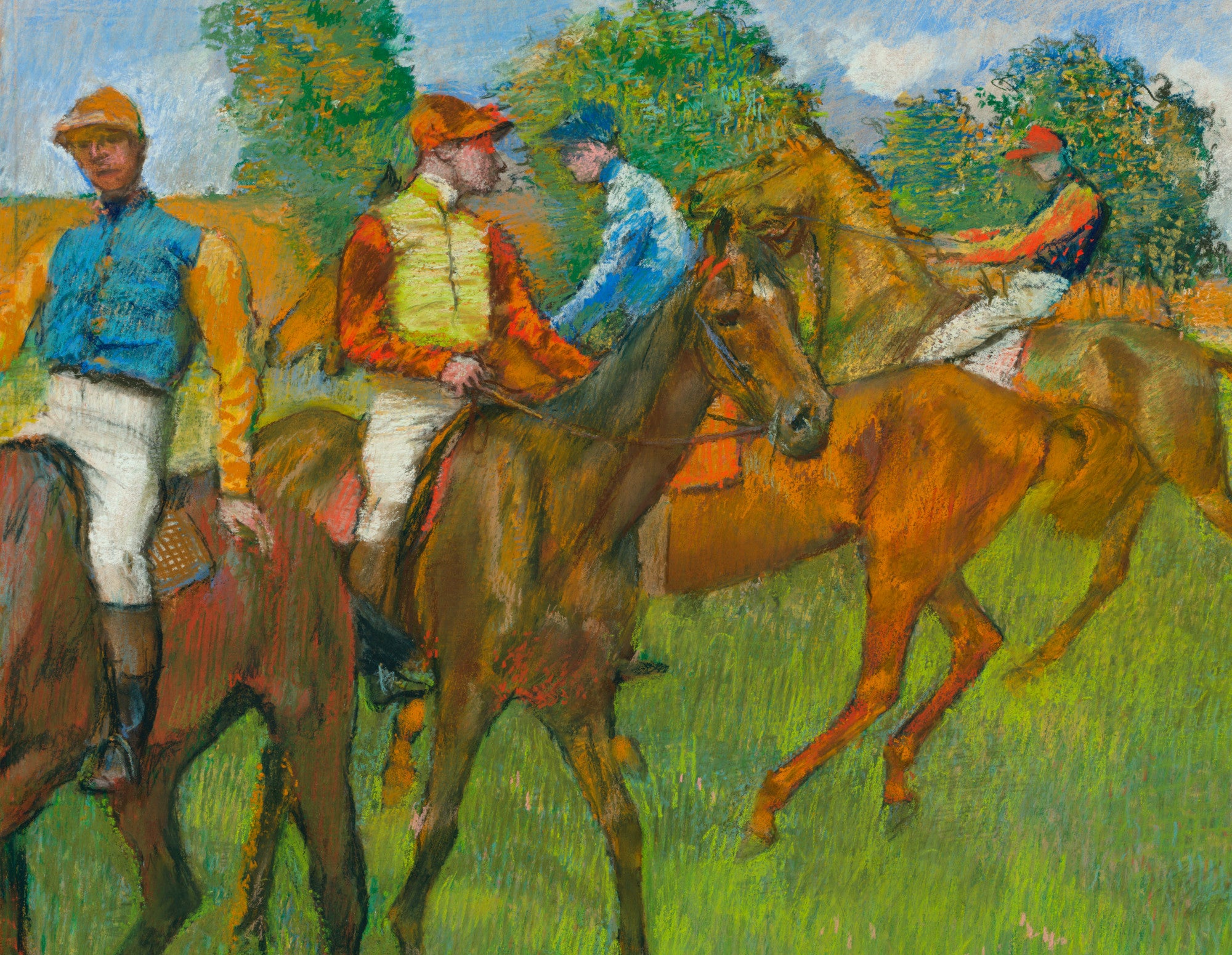
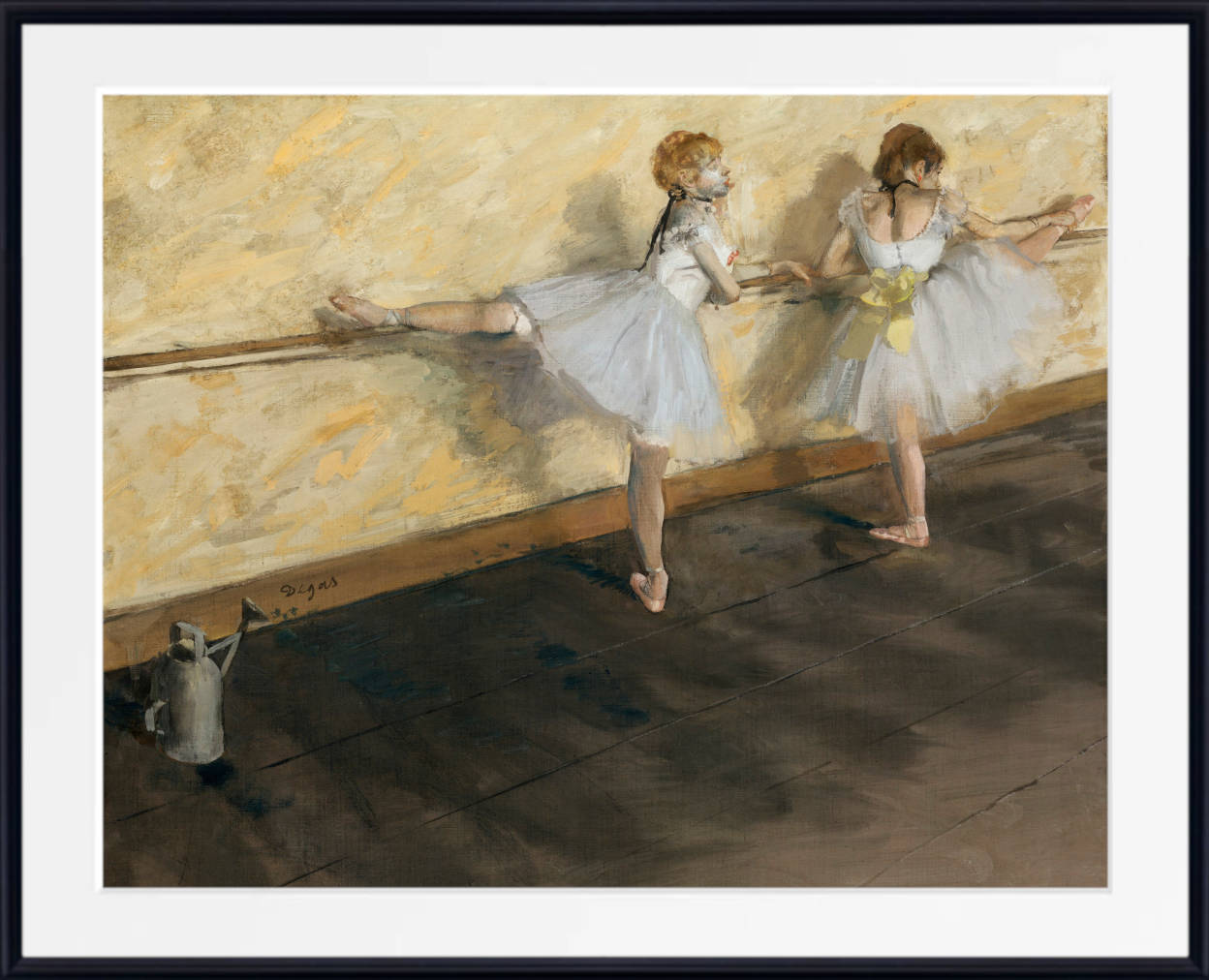
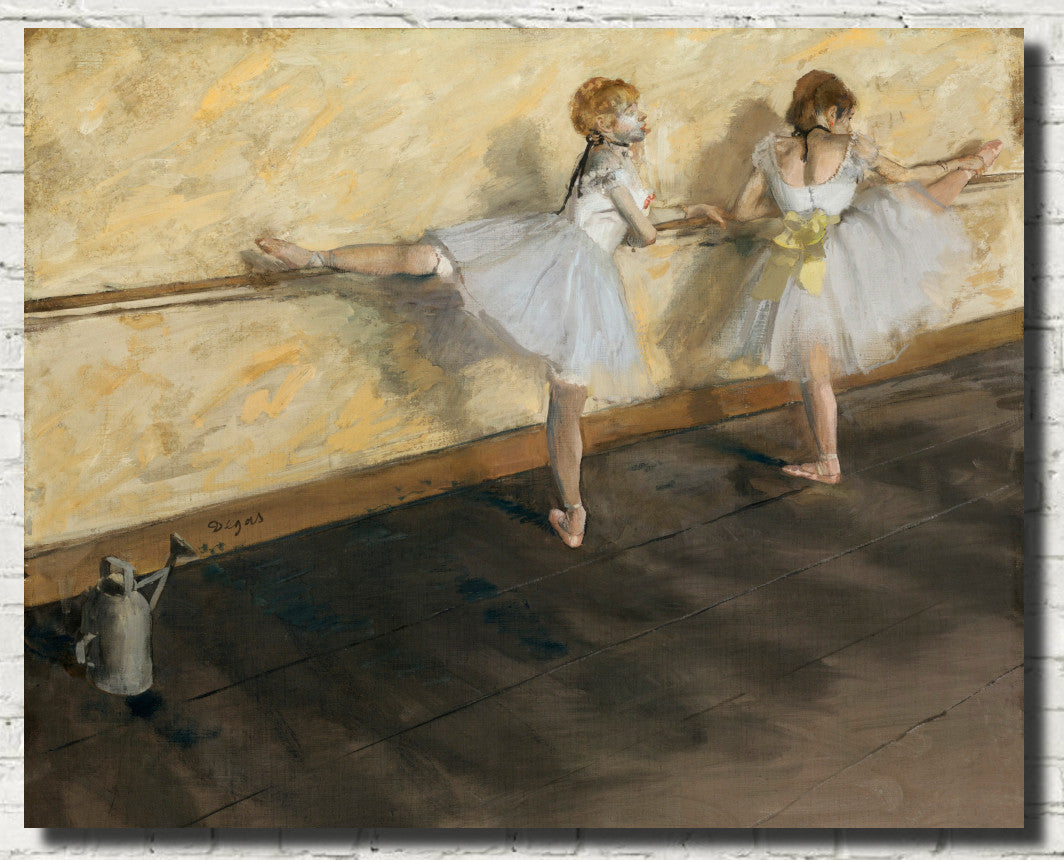
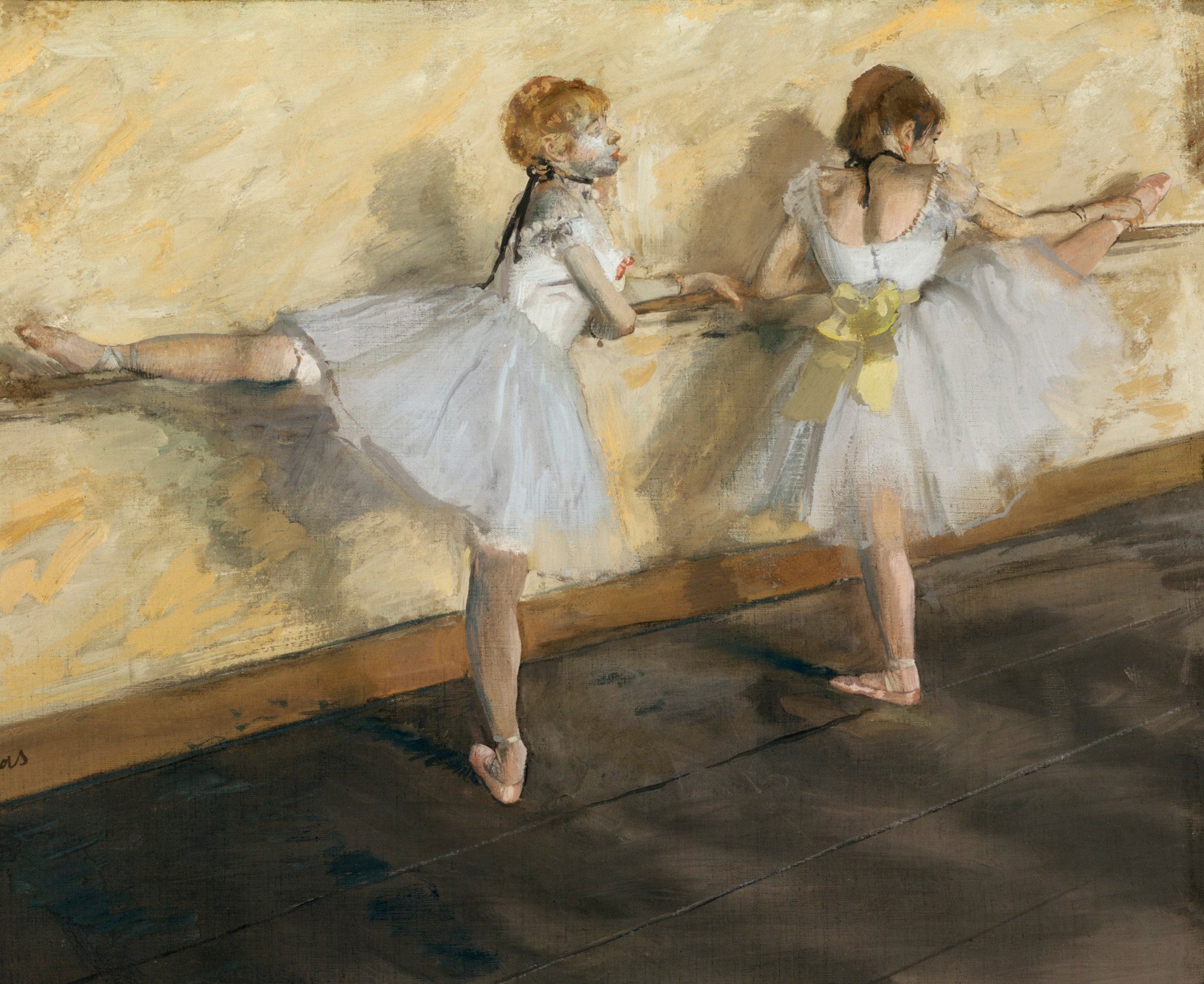
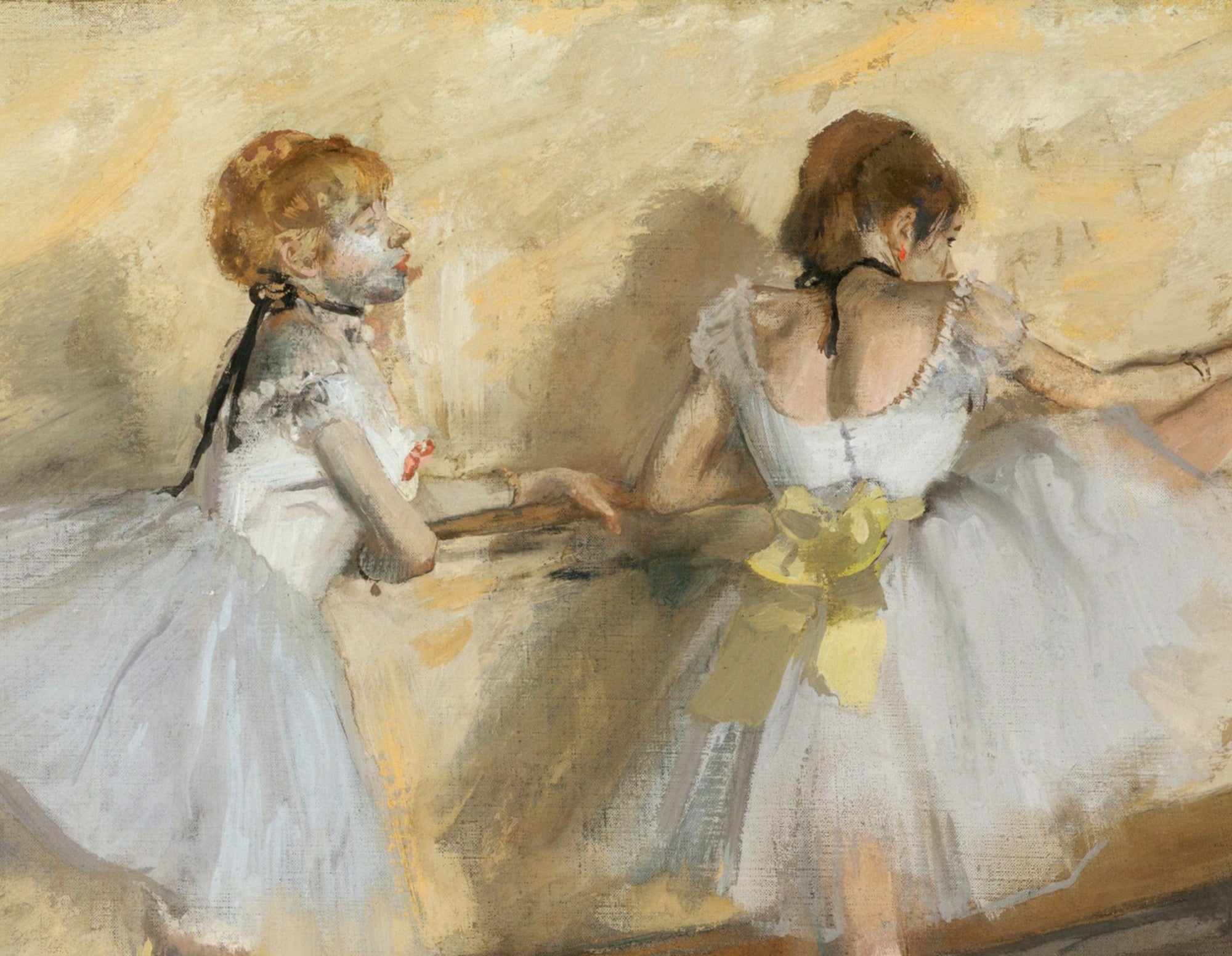
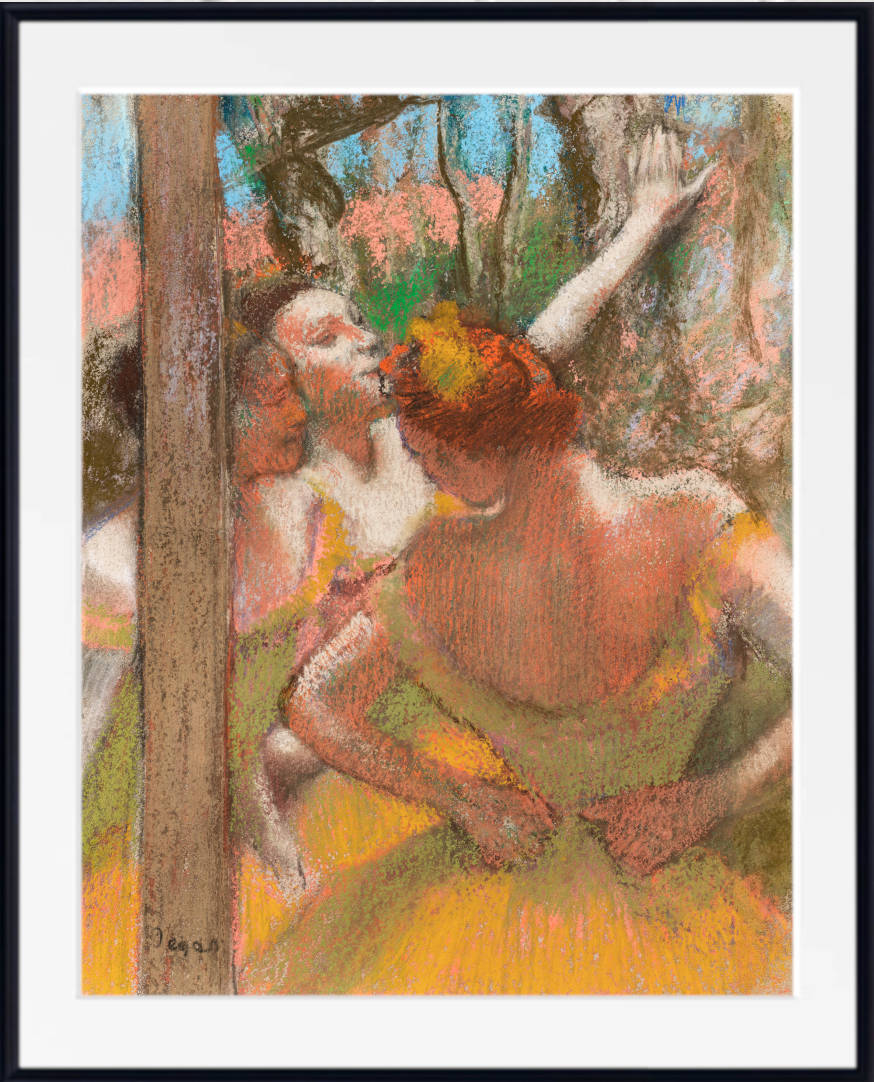
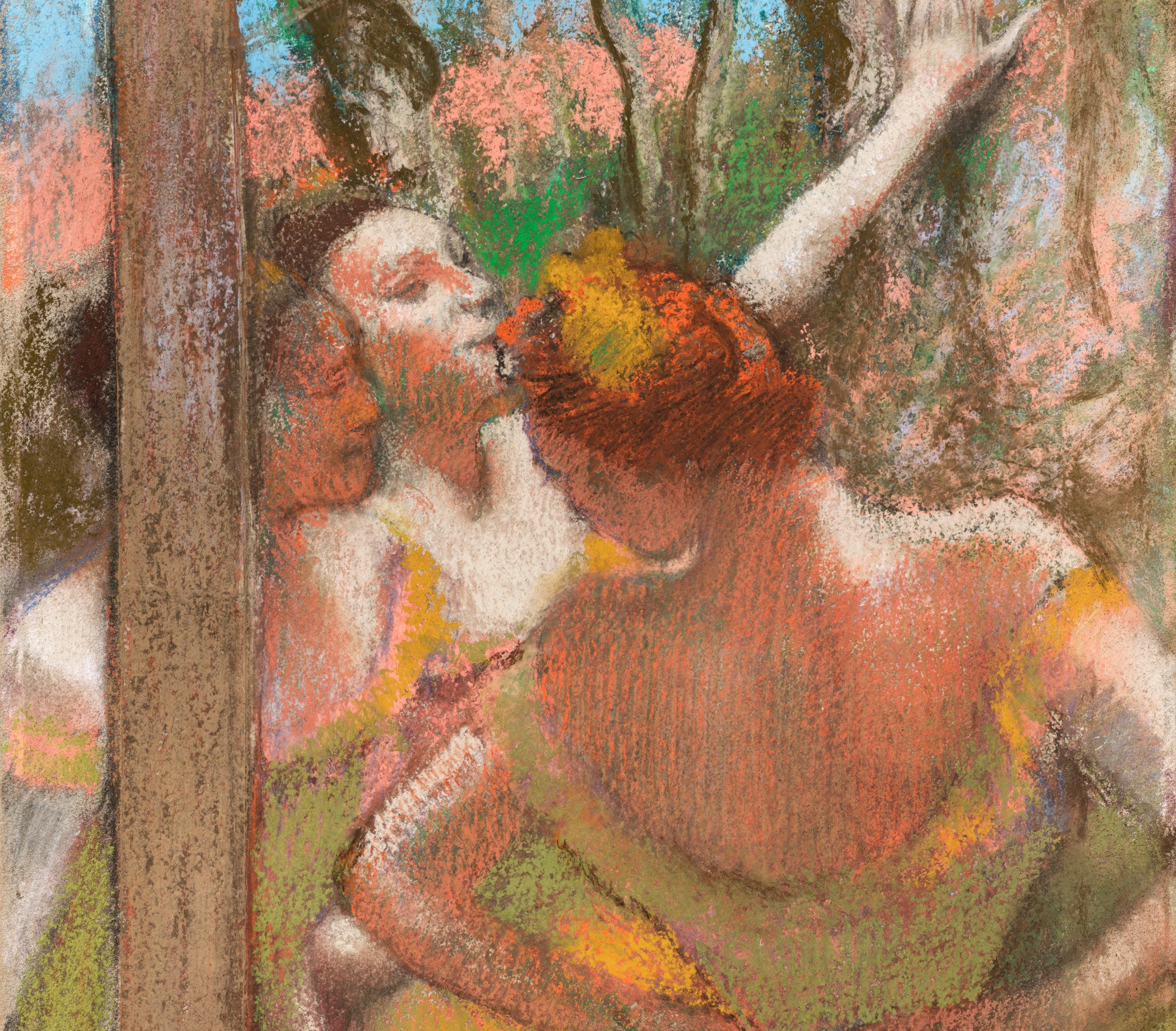
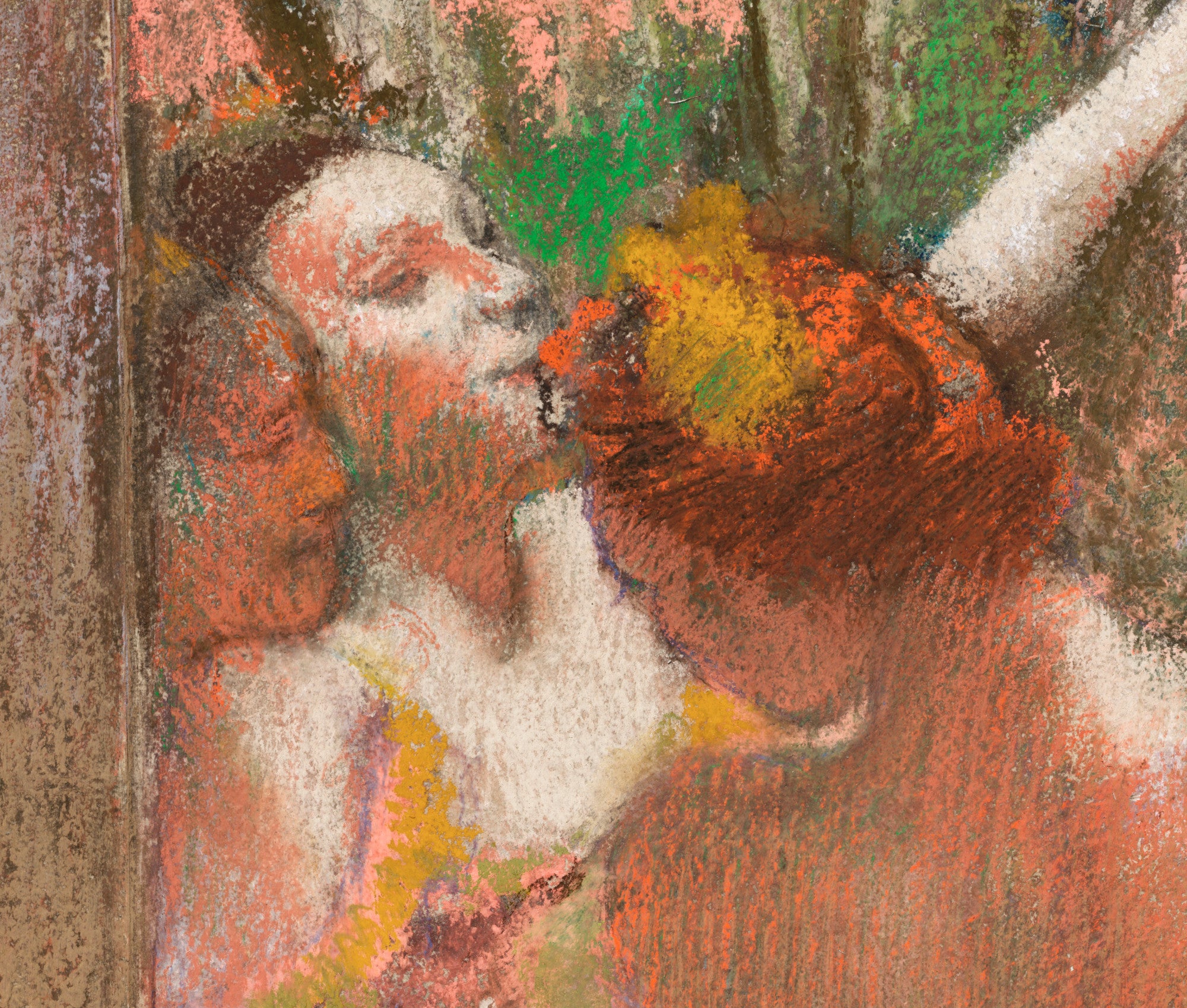
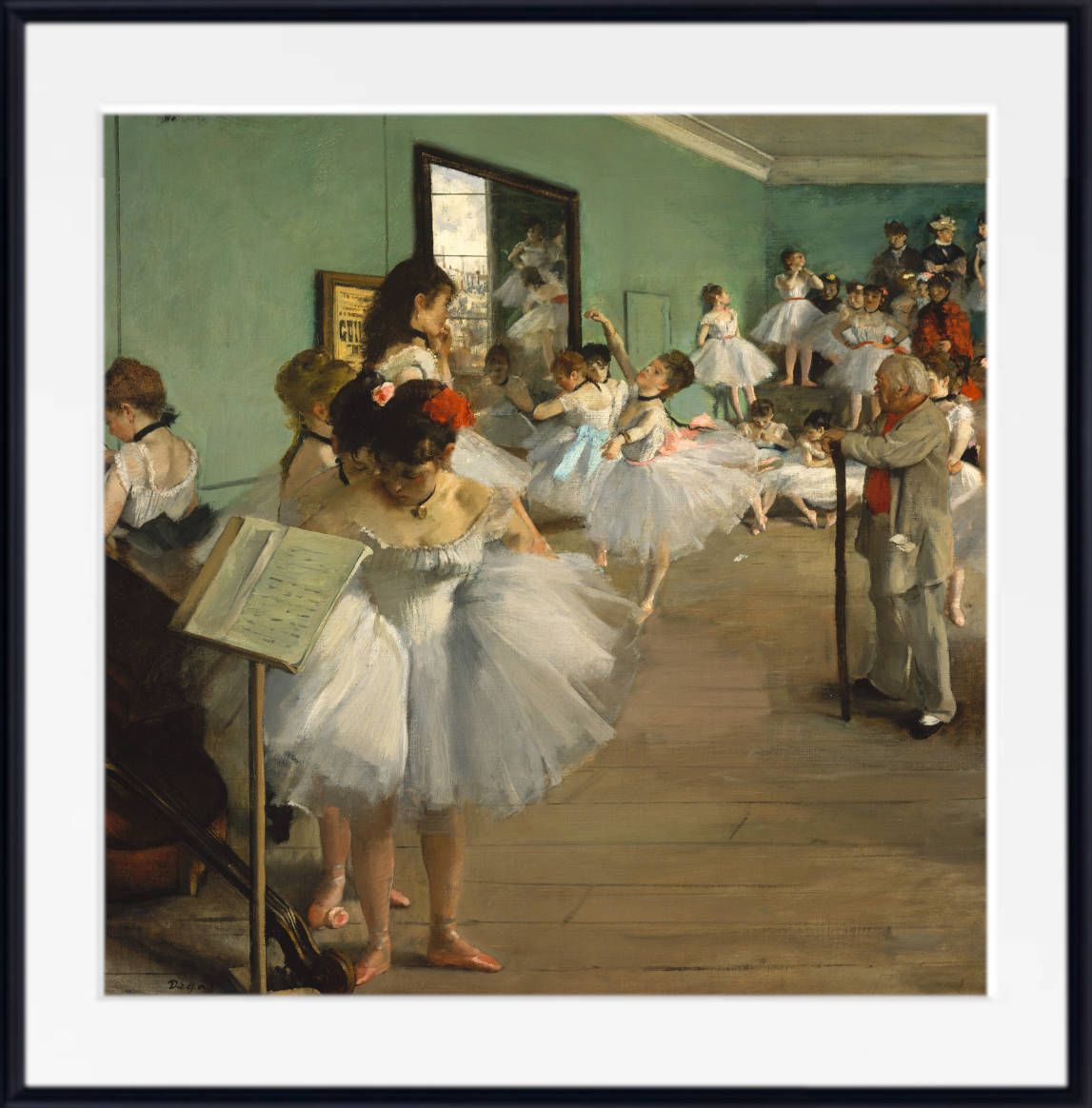
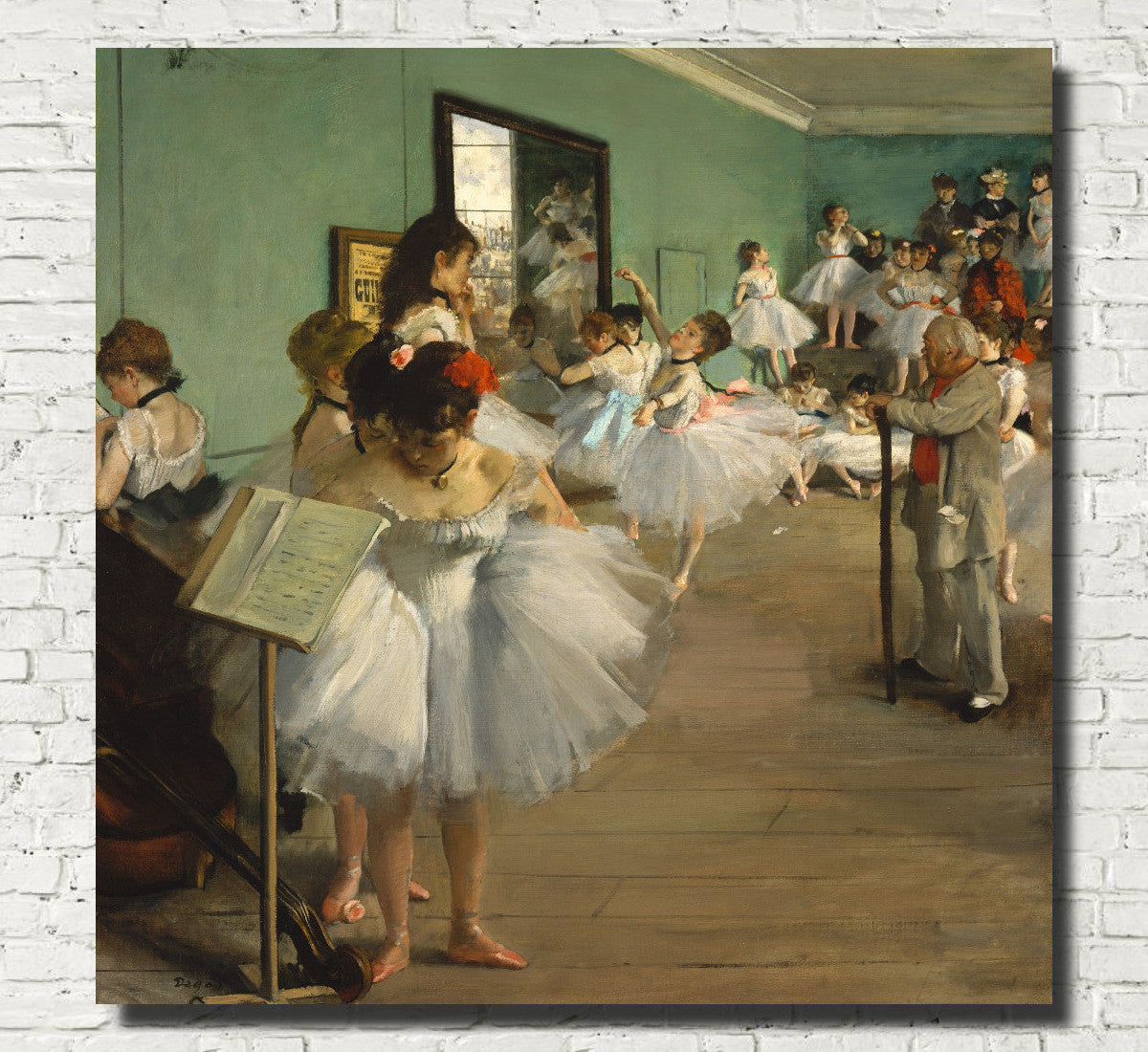
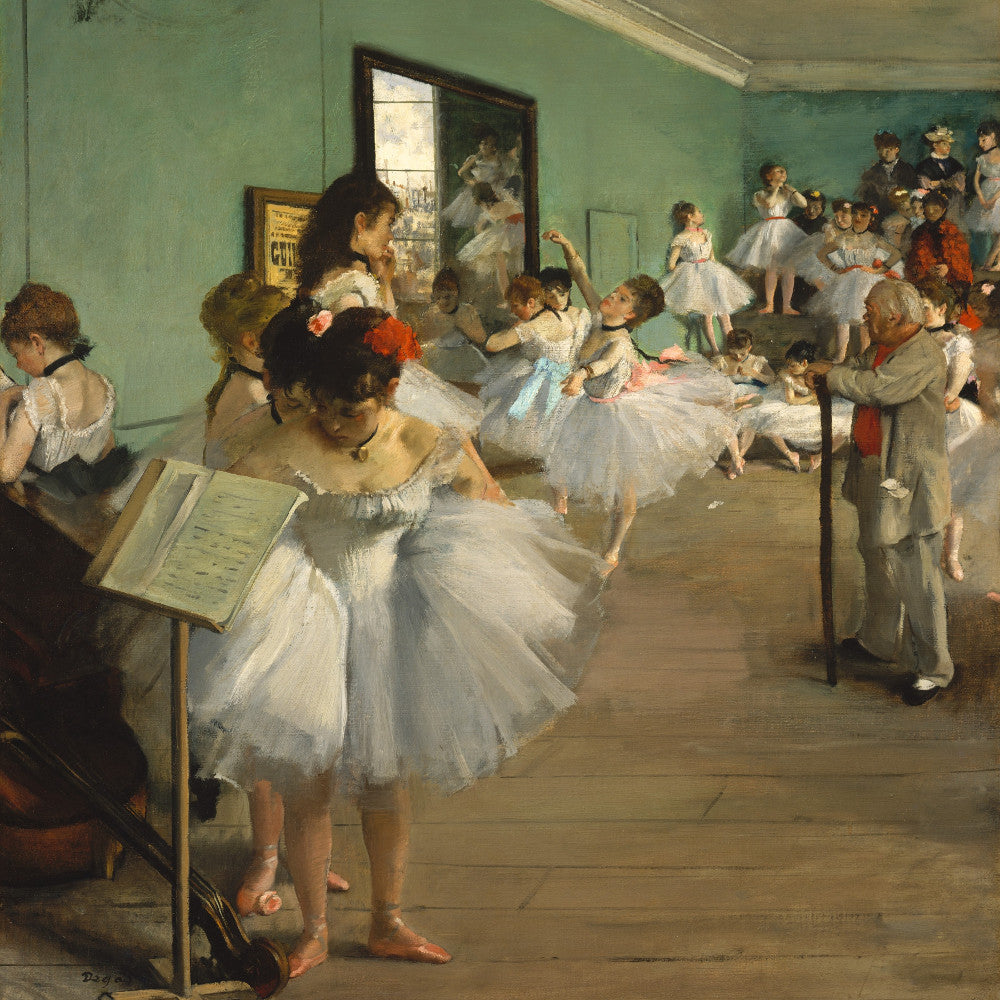
Artists such as Édouard Manet, Pierre-Auguste Renoir, and Edgar Degas explored the figure as both subject and vehicle for formal experimentation. Renoir’s portraits, for example, frequently dissolve edges into soft, luminous colour, prioritising warmth and sensuality over linear definition, while Degas often approached figure studies with a more detached observational rigor, placing sitters in unconventional cropping and oblique viewpoints influenced by photography and Japanese prints. Mary Cassatt, meanwhile, developed a distinctive focus on intimate domestic scenes, particularly mothers and children, where psychological closeness is reinforced through compressed space and tender, restrained gesture rather than overt sentimentality.
These intimate studies also reflect the broader Impressionist interest in modern life as lived rather than staged. Interiors, cafés, and private domestic spaces became laboratories for exploring how light behaves in confined environments and how colour relationships shift under artificial illumination. The result is a portrait tradition that feels provisional and immediate, often suggesting a moment before or after the “posed” instant. In doing so, Impressionist figure painting opens a pathway toward later modernist approaches, where subjective perception and compositional experimentation increasingly override the conventions of academic portraiture.

The Lady With Fans, is a prominent piece of impressionist artist Edouard Manet, illustrating the society of the 19th century. Manet drew a series of painting with the common theme of women displayed upon sofas, showcasing the beautiful femininity each one holds.
Seascapes & Maritime Scenes
Seascapes and maritime scenes were among the most important subjects explored by the Impressionists, who were captivated by the constantly changing relationship between sea, sky, and light. Coastal locations provided artists with an ideal setting in which to observe fleeting atmospheric effects, shifting weather conditions, and the reflections created by sunlight on water. Rather than producing highly detailed and idealised views of the coast, Impressionist painters sought to capture the immediacy of a particular moment. Their loose brushwork and vibrant colour palettes conveyed the movement of waves, the sparkle of sunlight, and the ever-changing character of the maritime environment.
The growth of rail travel in nineteenth-century France enabled many Impressionist artists to visit popular seaside destinations along the Normandy coast, including ports, fishing villages, and fashionable resorts. These locations became recurring subjects in the work of painters such as Claude Monet, Eugène Boudin, and Berthe Morisot. Harbours filled with sailing boats, fishing vessels returning to shore, and bustling waterfronts offered opportunities to study both modern life and the natural world. The sea itself became a dynamic element within these compositions, allowing artists to experiment with colour, texture, and the visual effects of changing conditions.
Maritime subjects also reflected the Impressionists' broader fascination with movement and transience. Whether depicting calm waters illuminated by morning light or turbulent seas under stormy skies, artists focused on capturing sensory experience rather than precise topographical accuracy. Their paintings often emphasised atmosphere over detail, inviting viewers to experience the mood and vitality of the scene. Through seascapes and maritime views, Impressionist painters demonstrated their ability to transform everyday coastal subjects into compelling studies of light, colour, and modern perception.
Explore our Impressionist art prints collection, featuring landscapes, portraits, gardens, city scenes and seascapes by Monet, Renoir, Pissarro, Sisley, Morisot, Cassatt and other painters associated with the movement.