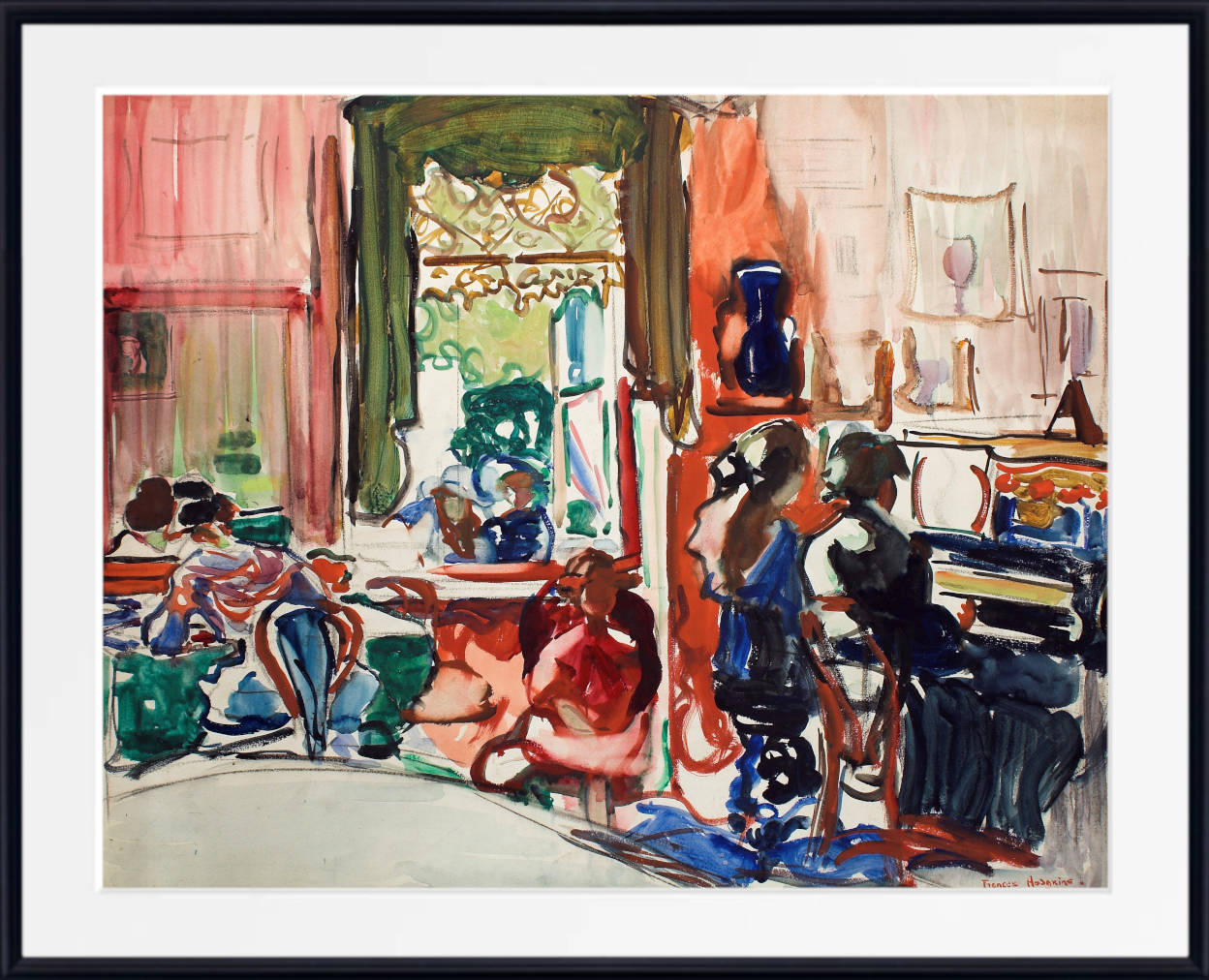
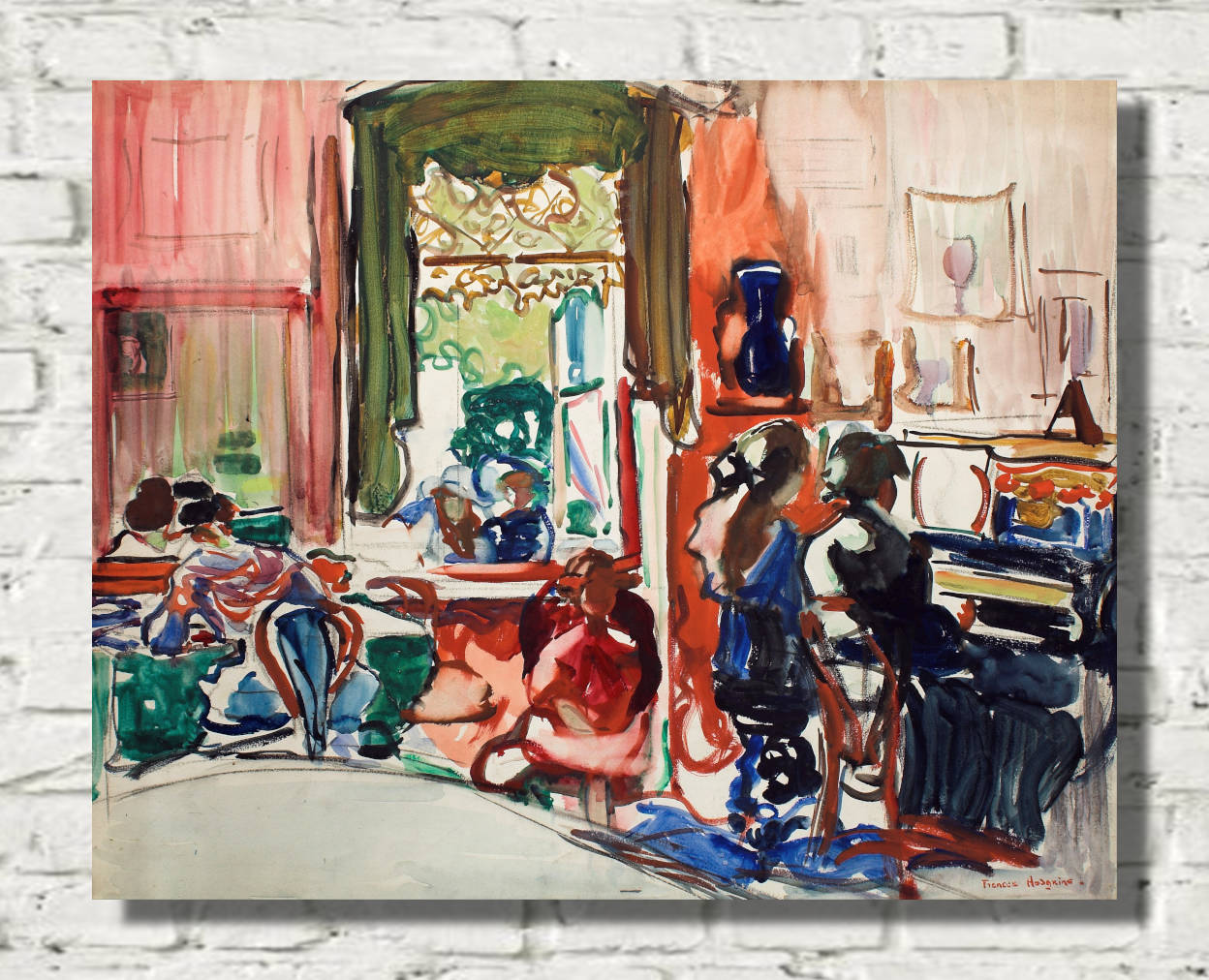
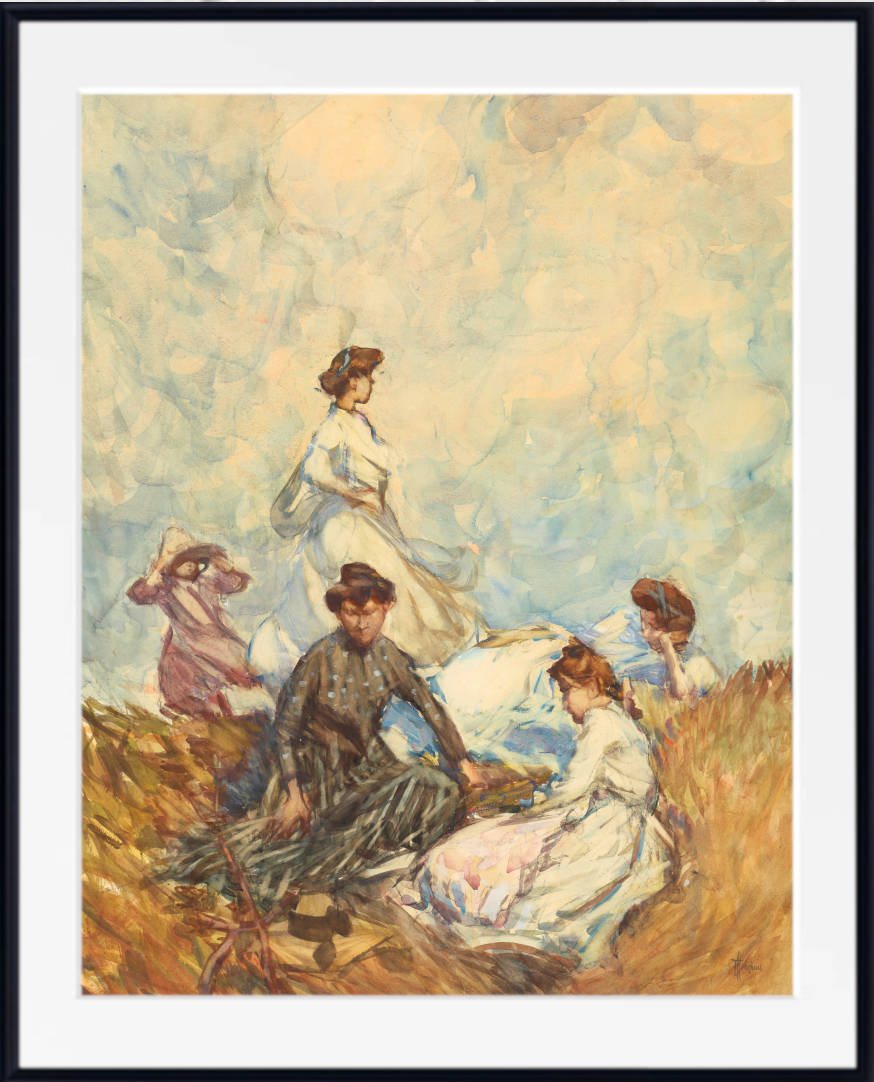
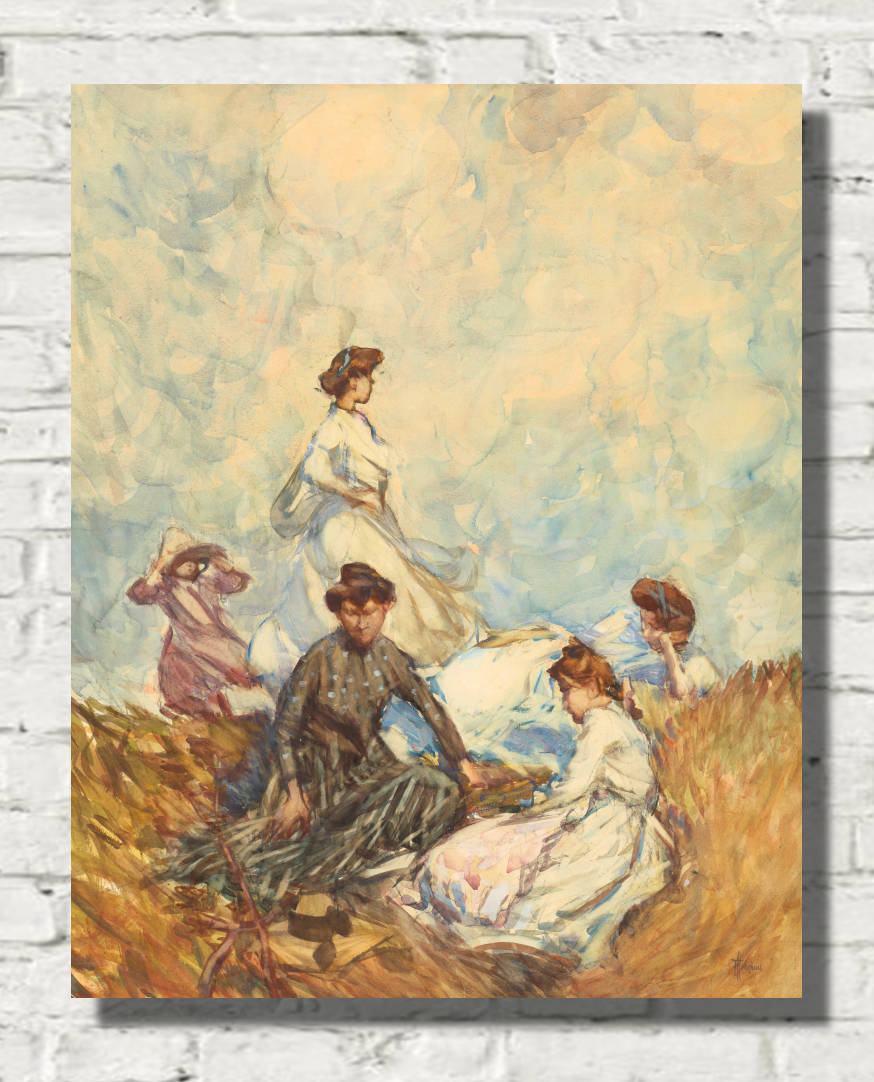
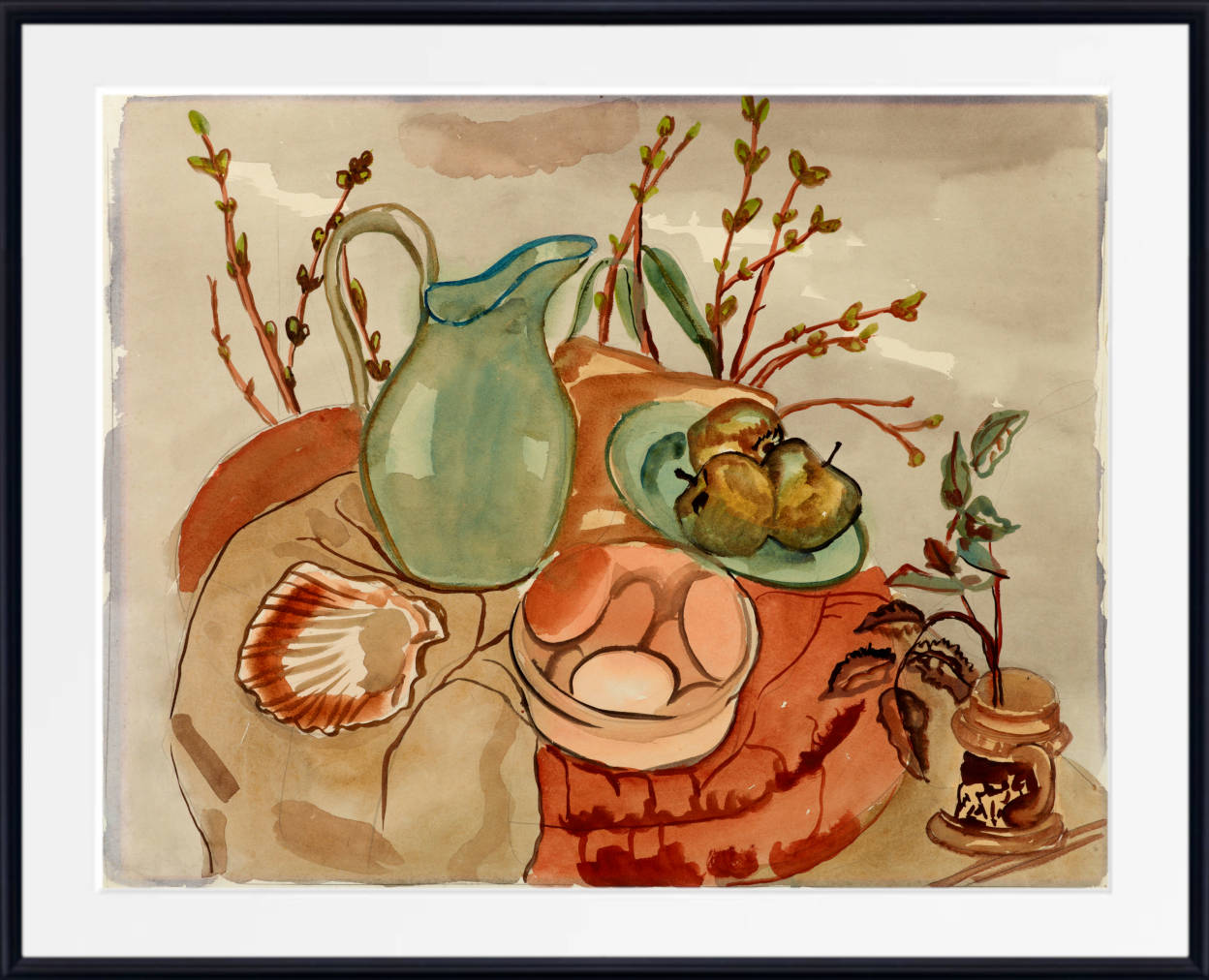
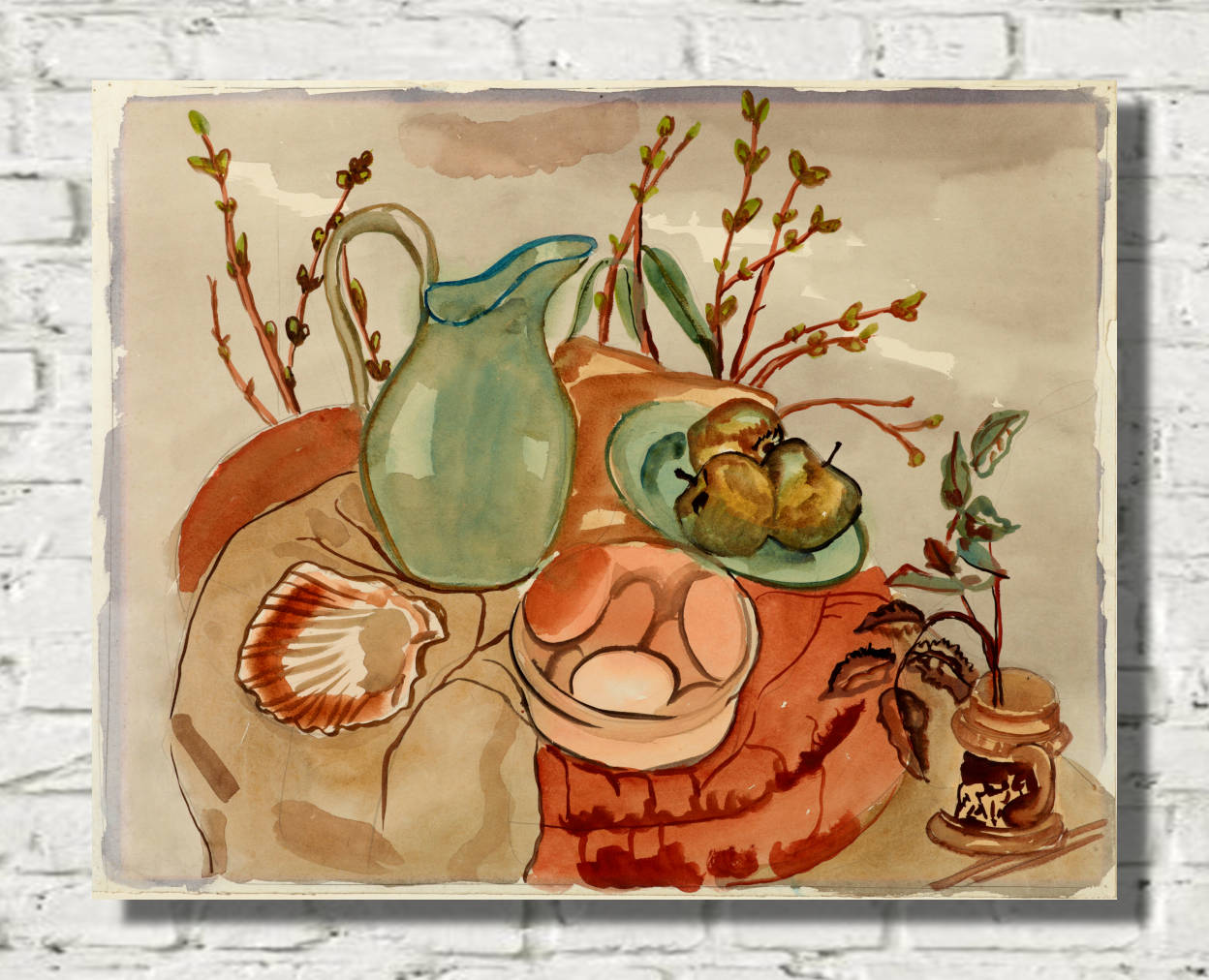
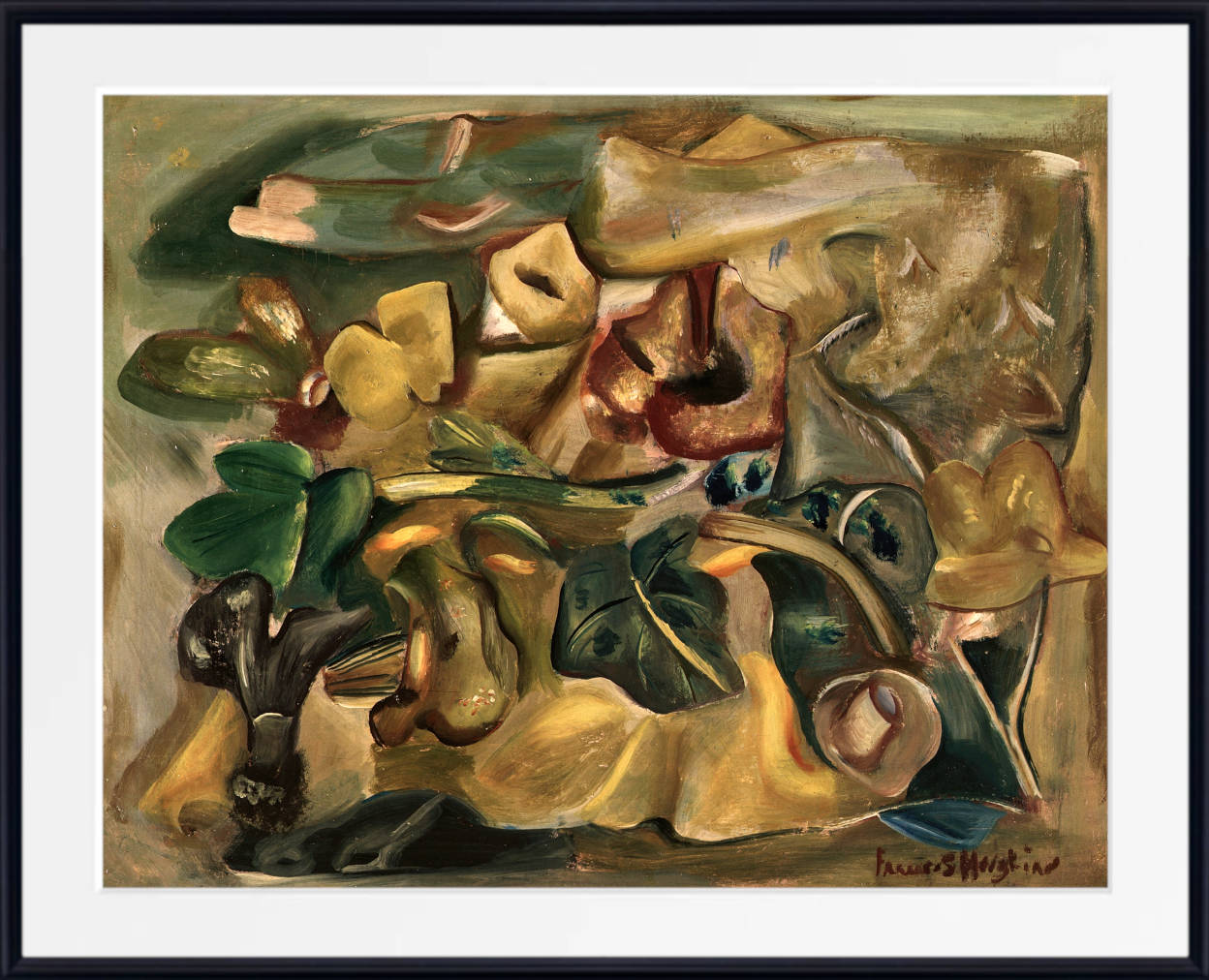
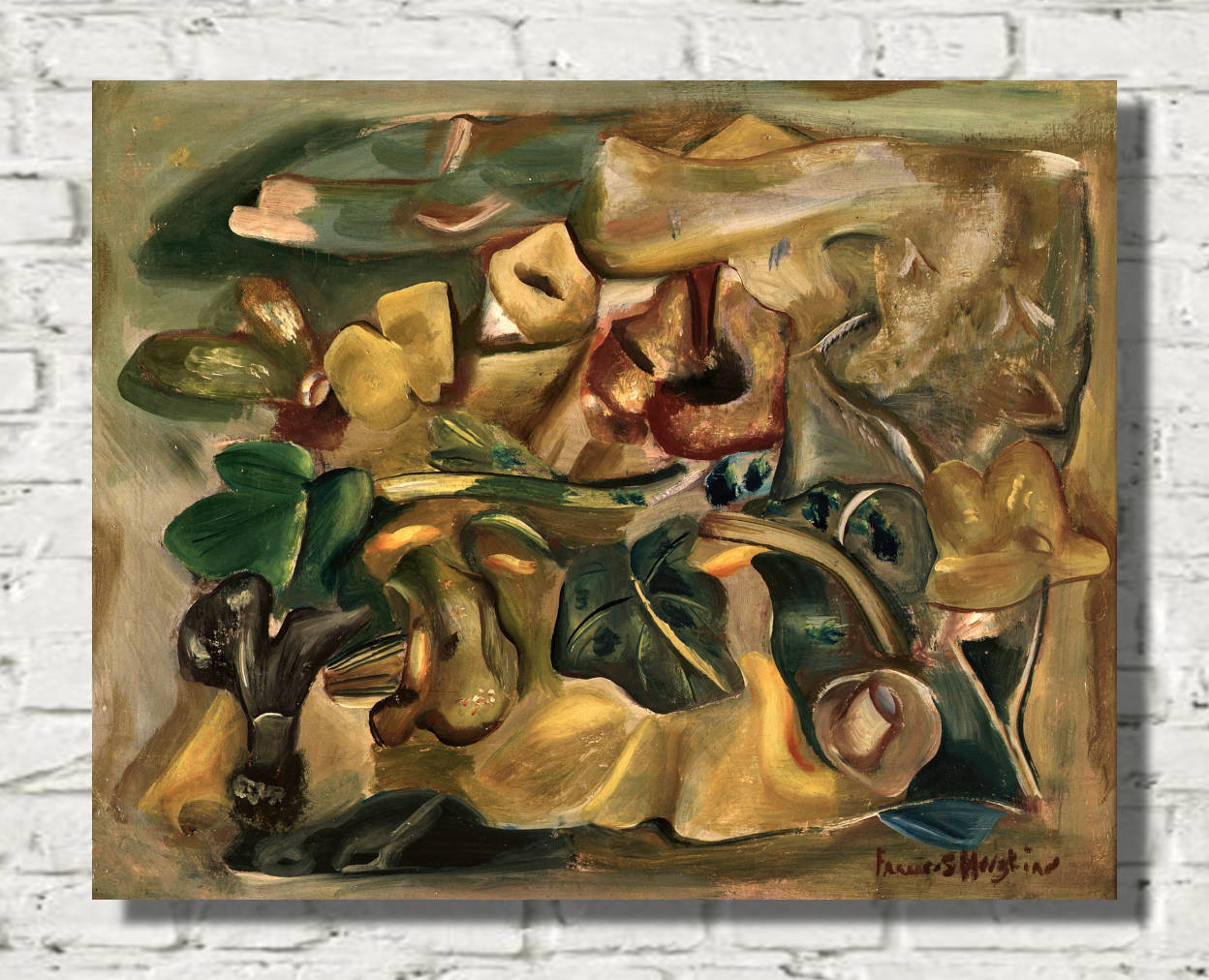
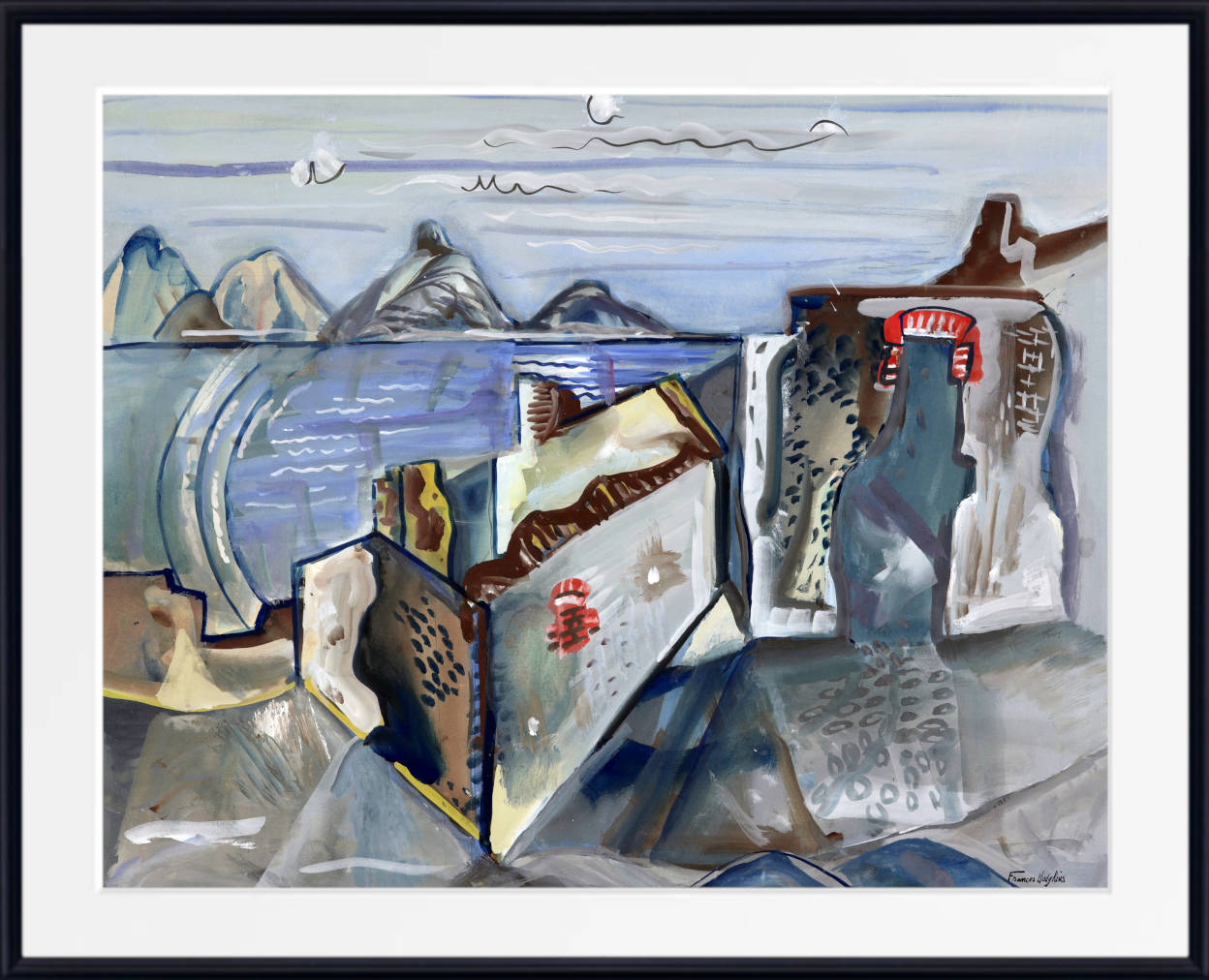
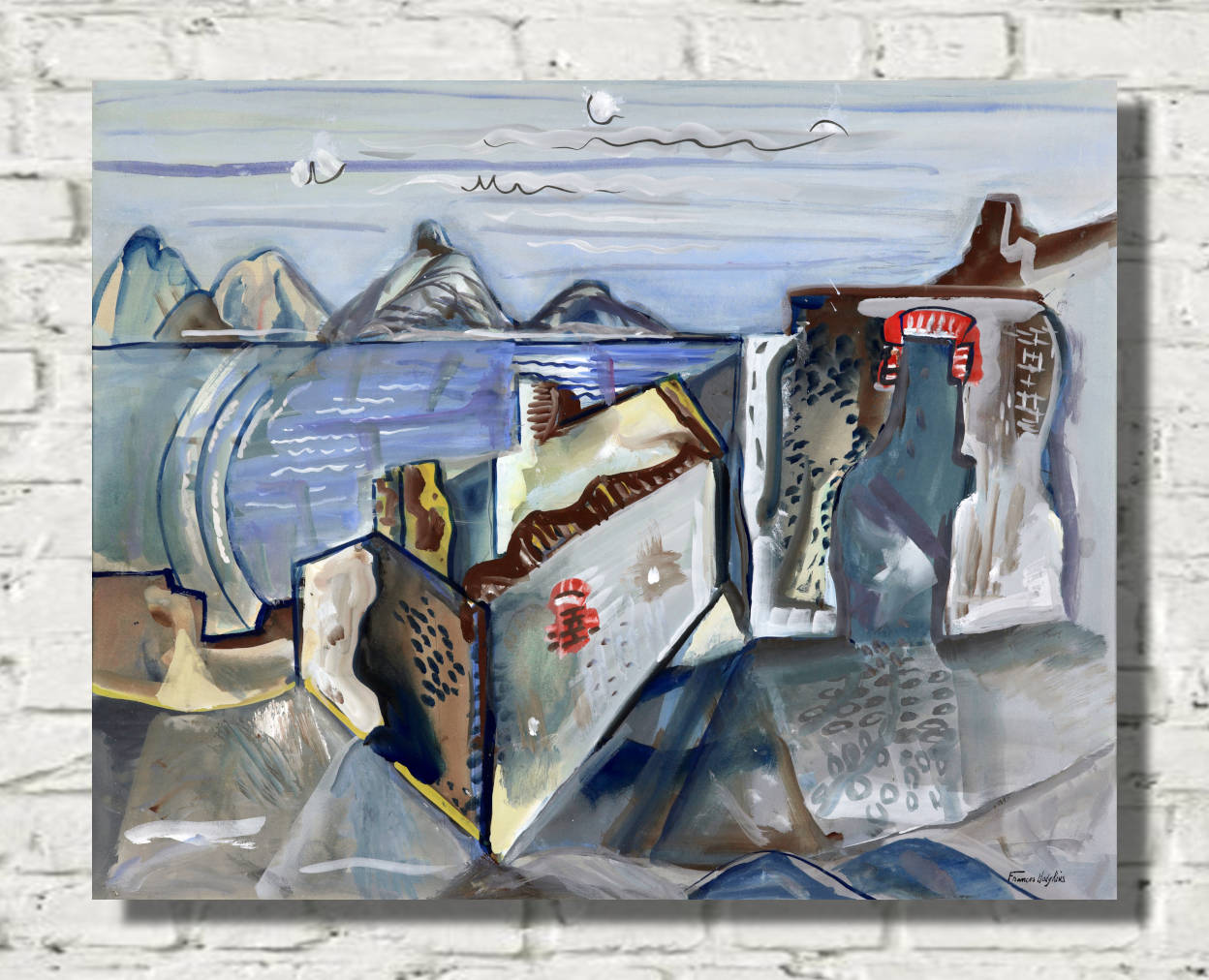
Frances Hodgkins (1869–1947) holds a distinctive place in art history as one of New Zealand’s most celebrated artists. Her work reflects a fusion of Impressionist, Post-Impressionist and modernist influences, combined with a highly personal approach to colour and composition. Her artistic journey took her across continents, shaping a career that encompassed watercolours, landscapes, still lifes, portraits and textile designs.
Browse our Frances Hodgkins prints collection to explore these different sides of her work, with fine art prints, framed prints and canvas panels available in a range of sizes.
Early Life and Artistic Beginnings
Frances Hodgkins was born on 28 April 1869 in Dunedin, New Zealand, into a family that valued creativity and education. Her father, William Mathew Hodgkins, was a lawyer and an amateur painter who encouraged her early interest in art. Frances demonstrated an aptitude for painting, particularly watercolours, and began developing her skills while still young.
During the 1890s, Hodgkins pursued her artistic education in Dunedin, exhibited her work and taught pupils. Her early paintings often depicted people and their surroundings, establishing an interest in everyday subjects that would continue throughout her career.
Artistic Development in Europe
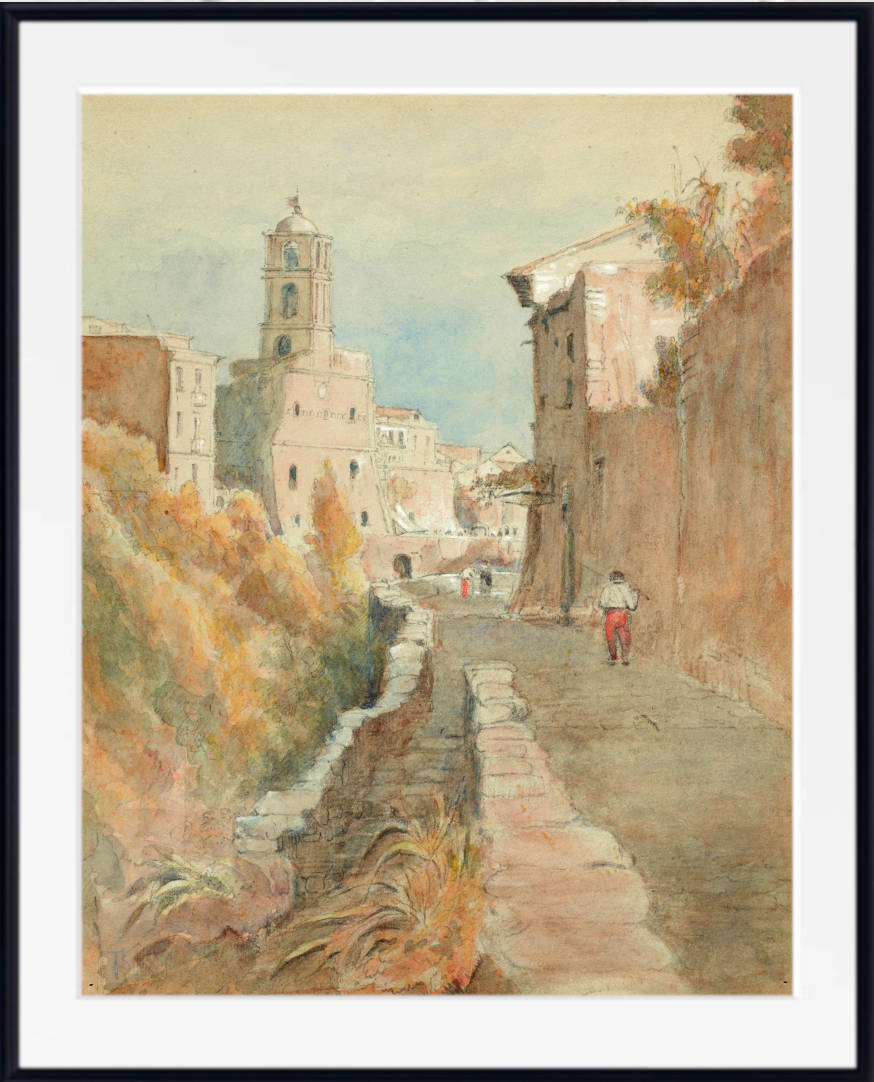
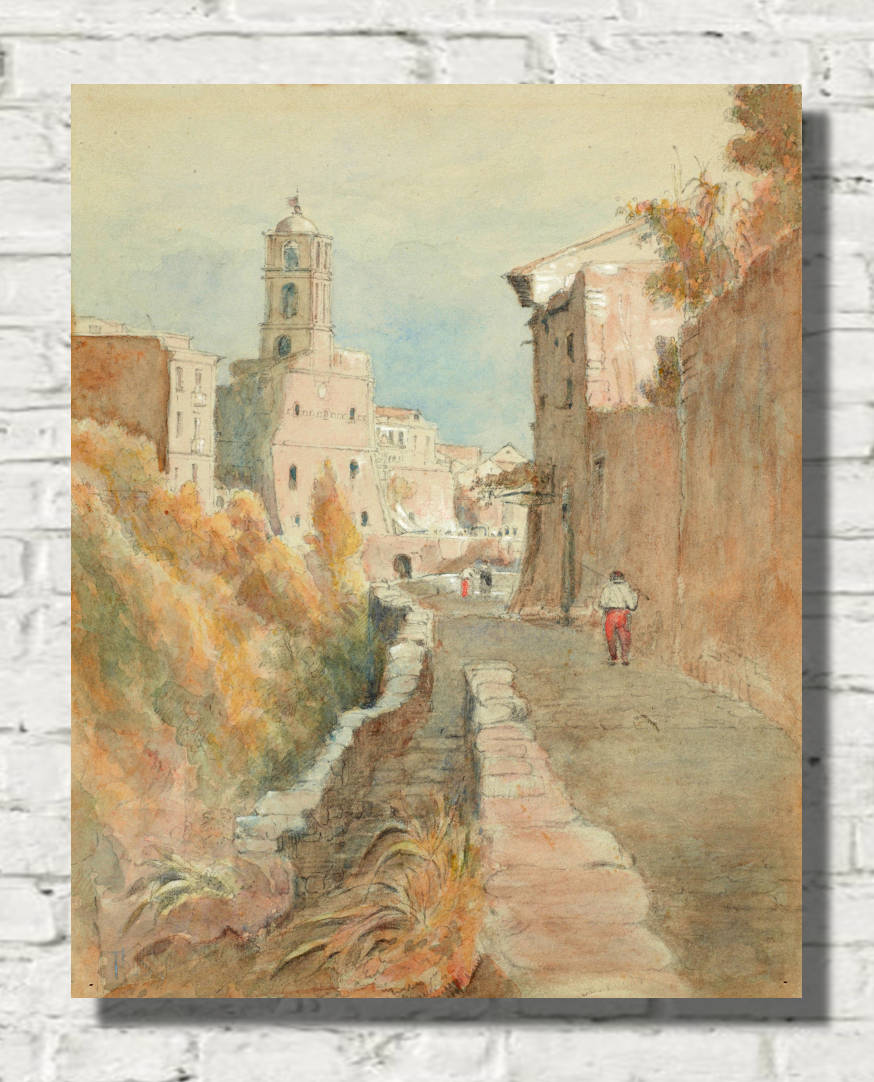
Hodgkins travelled to Europe in 1901, seeking opportunities to develop her work beyond New Zealand. Her journeys took her through Britain and continental Europe, as well as North Africa. The people, streets and landscapes she encountered provided subjects for her paintings, while contact with European art helped her style evolve.
In 1910, she taught watercolour at the Académie Colarossi in Paris. Teaching continued to play a part in her working life, alongside exhibiting and developing her own painting. Her travels and changing circumstances brought her into contact with different artistic communities and approaches to making pictures.
Mature Style and Key Works
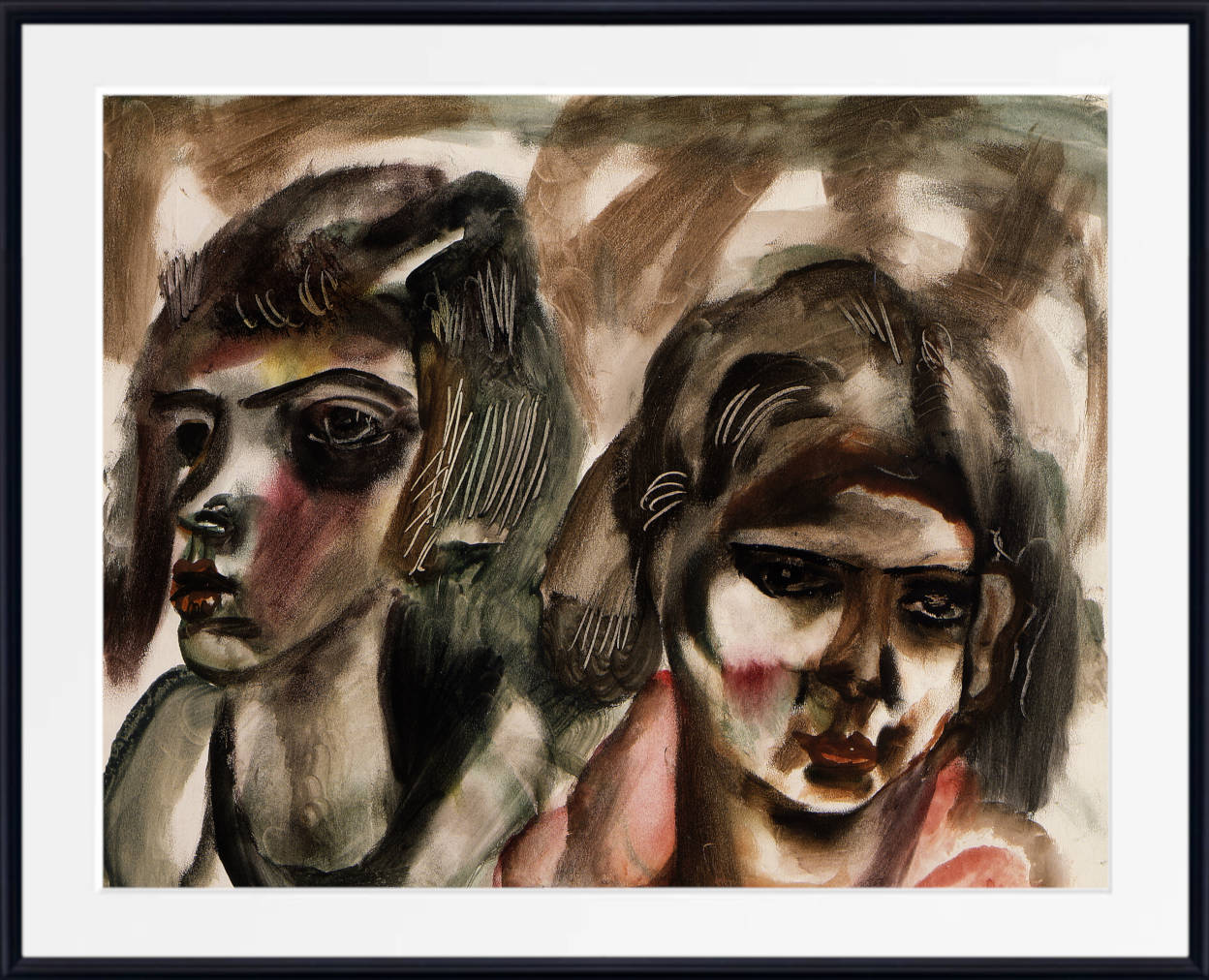
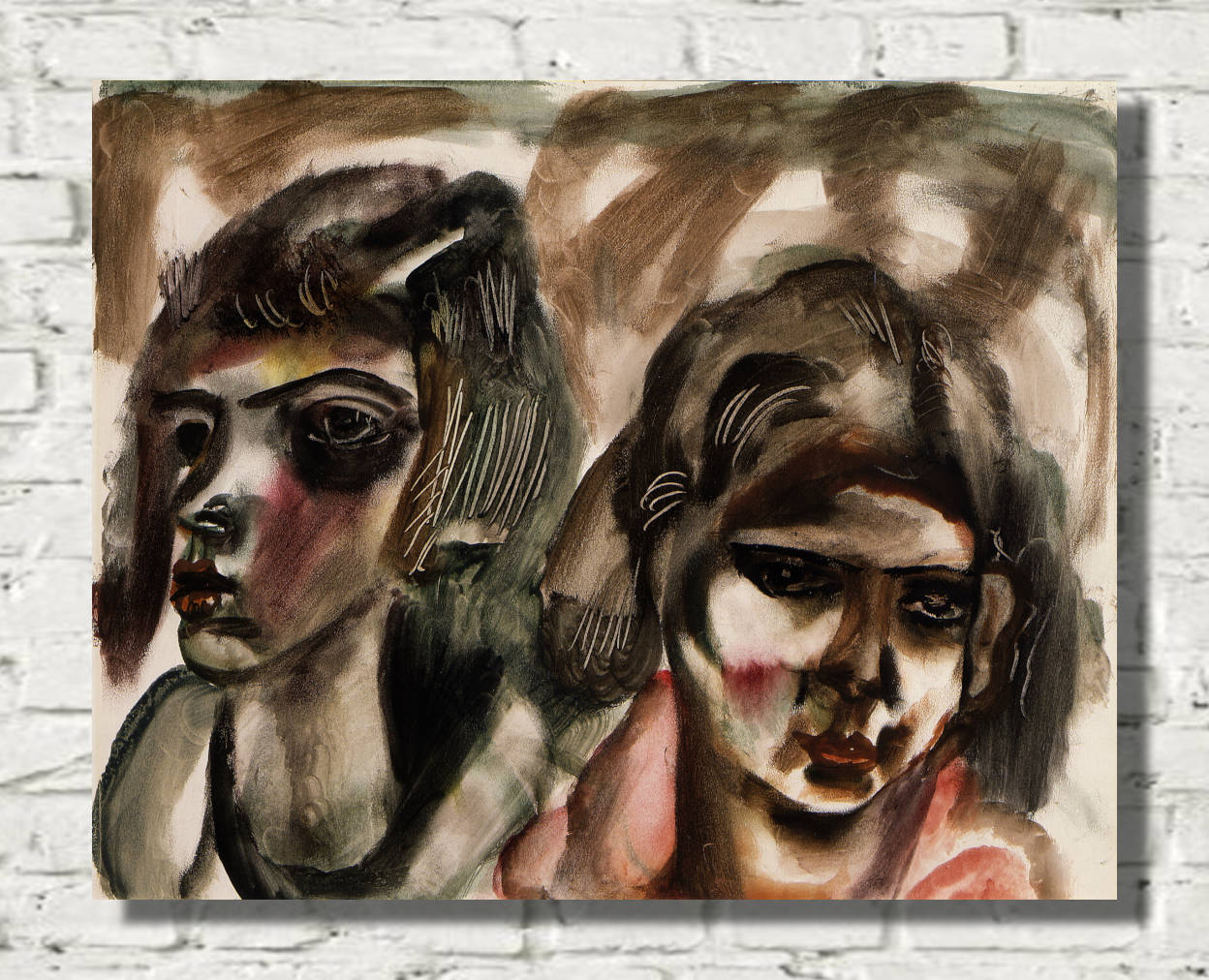
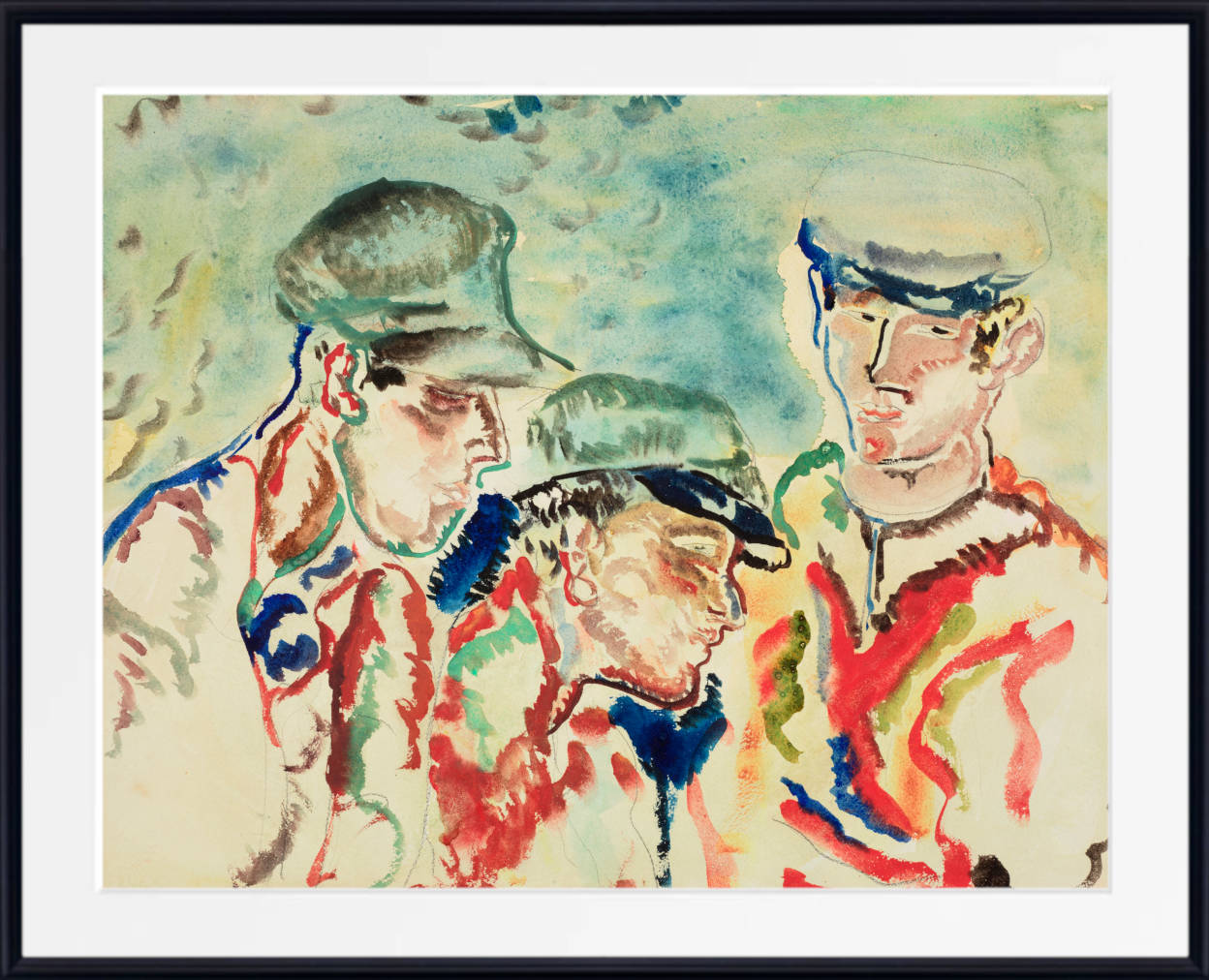
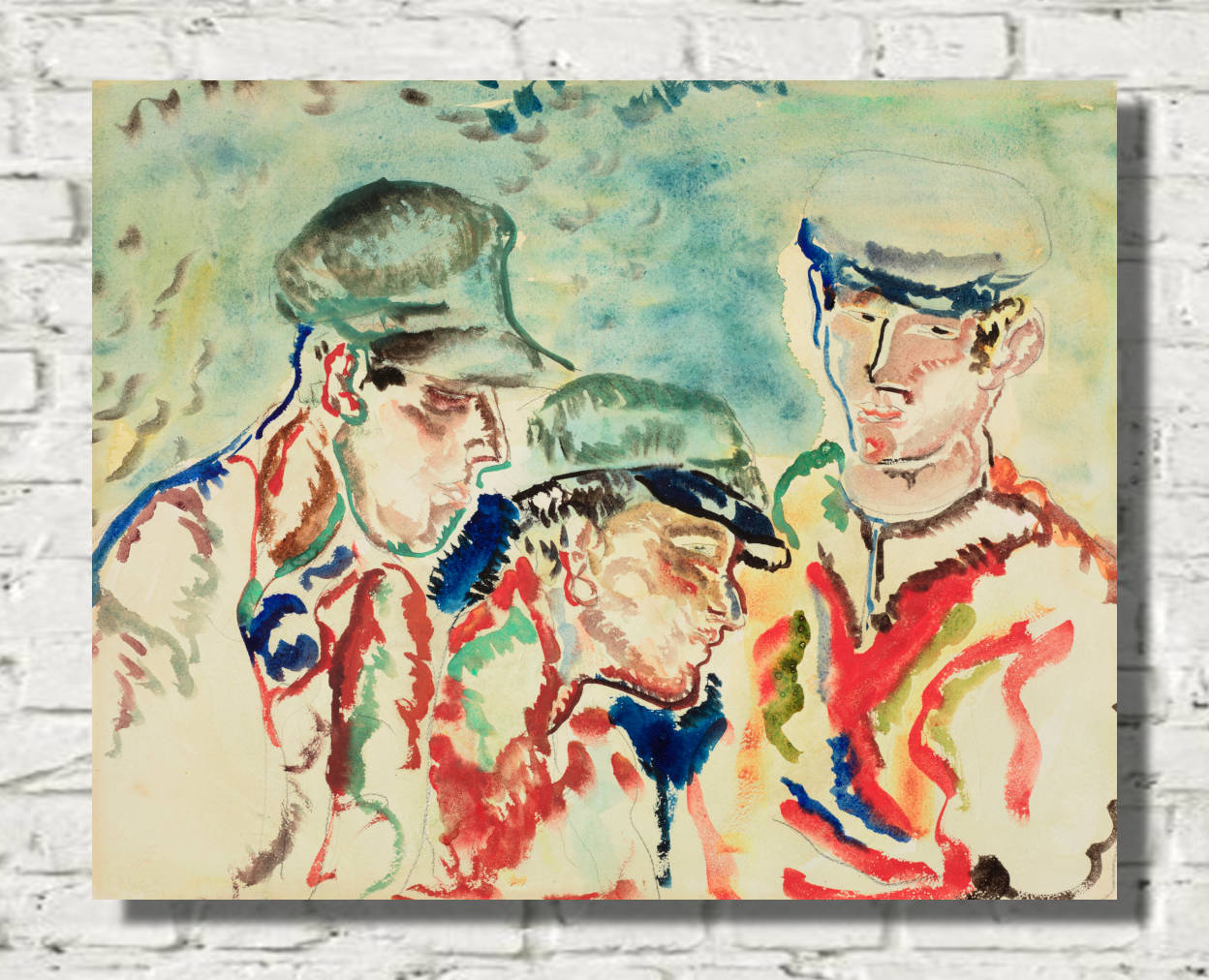
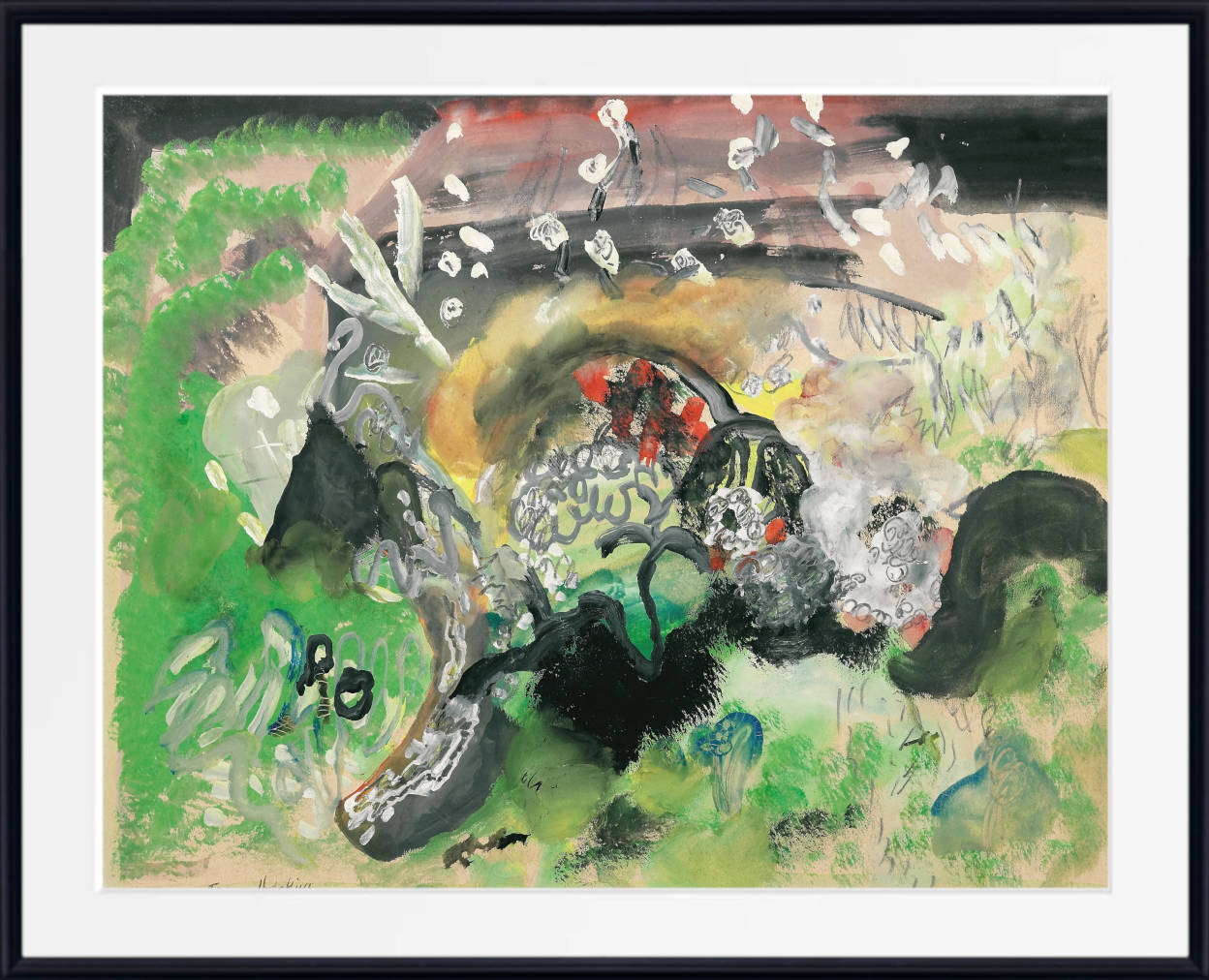
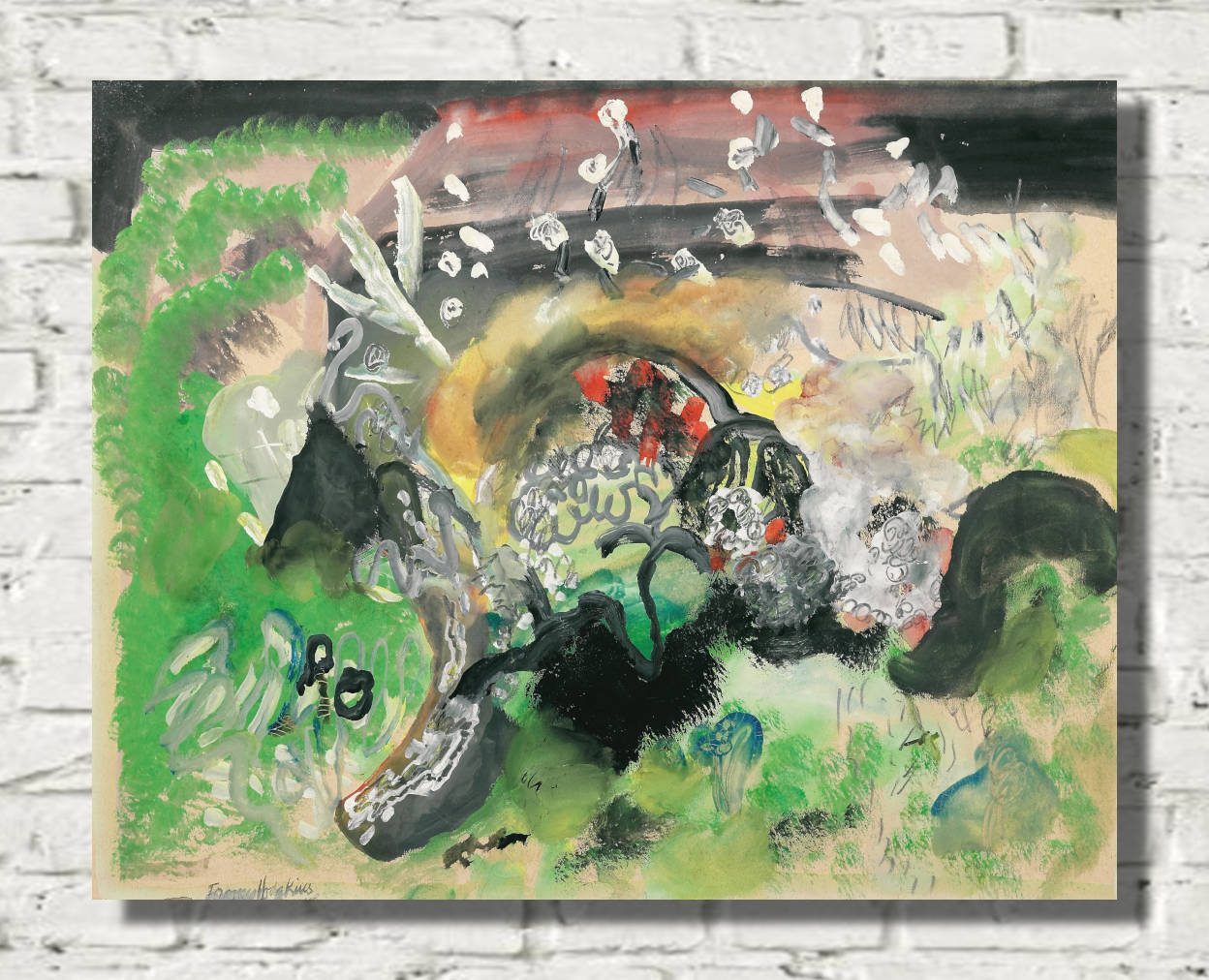
Hodgkins’ mature paintings increasingly moved away from straightforward description. Recognisable objects and places remained important, but their shapes, colours and relationships became central to the composition. A landscape might be organised around interlocking forms, while a still life could bring together objects, patterns and fragments of its surrounding space.
Her work spans early watercolours, European street scenes, landscapes, portraits and increasingly abstract modernist paintings. The differences between these subjects and periods make her career particularly rewarding to explore.
Notable Works
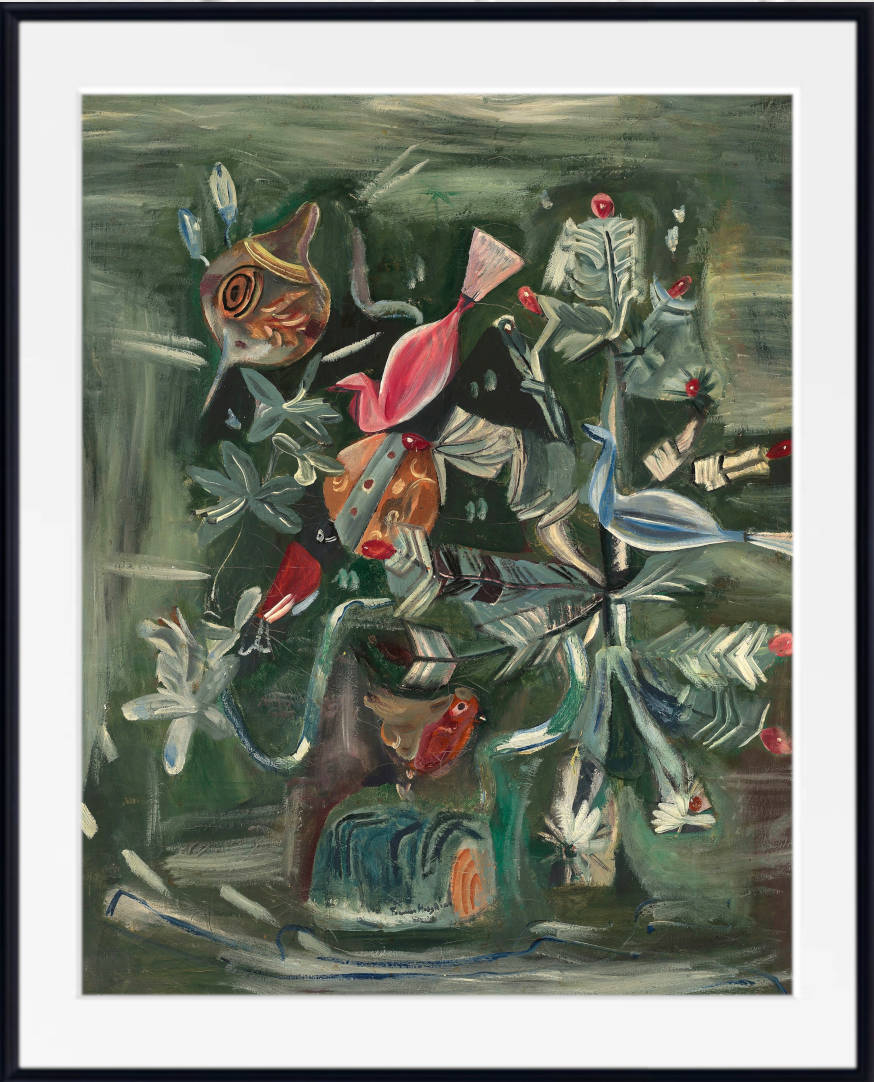
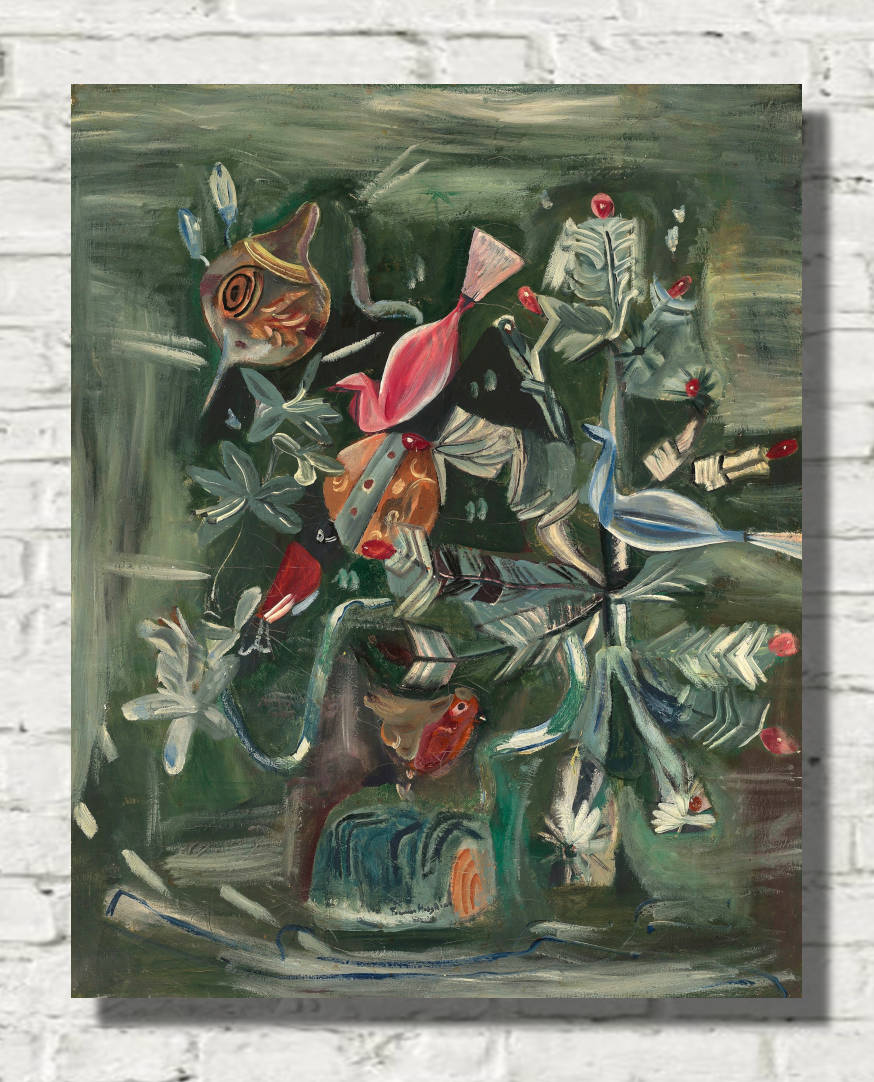
Christmas Tree
Christmas Tree (1940s) offers an example of Hodgkins’ later modernist work. It is one of the paintings available in the GalleryThane collection.

Still Life; Self-Portrait
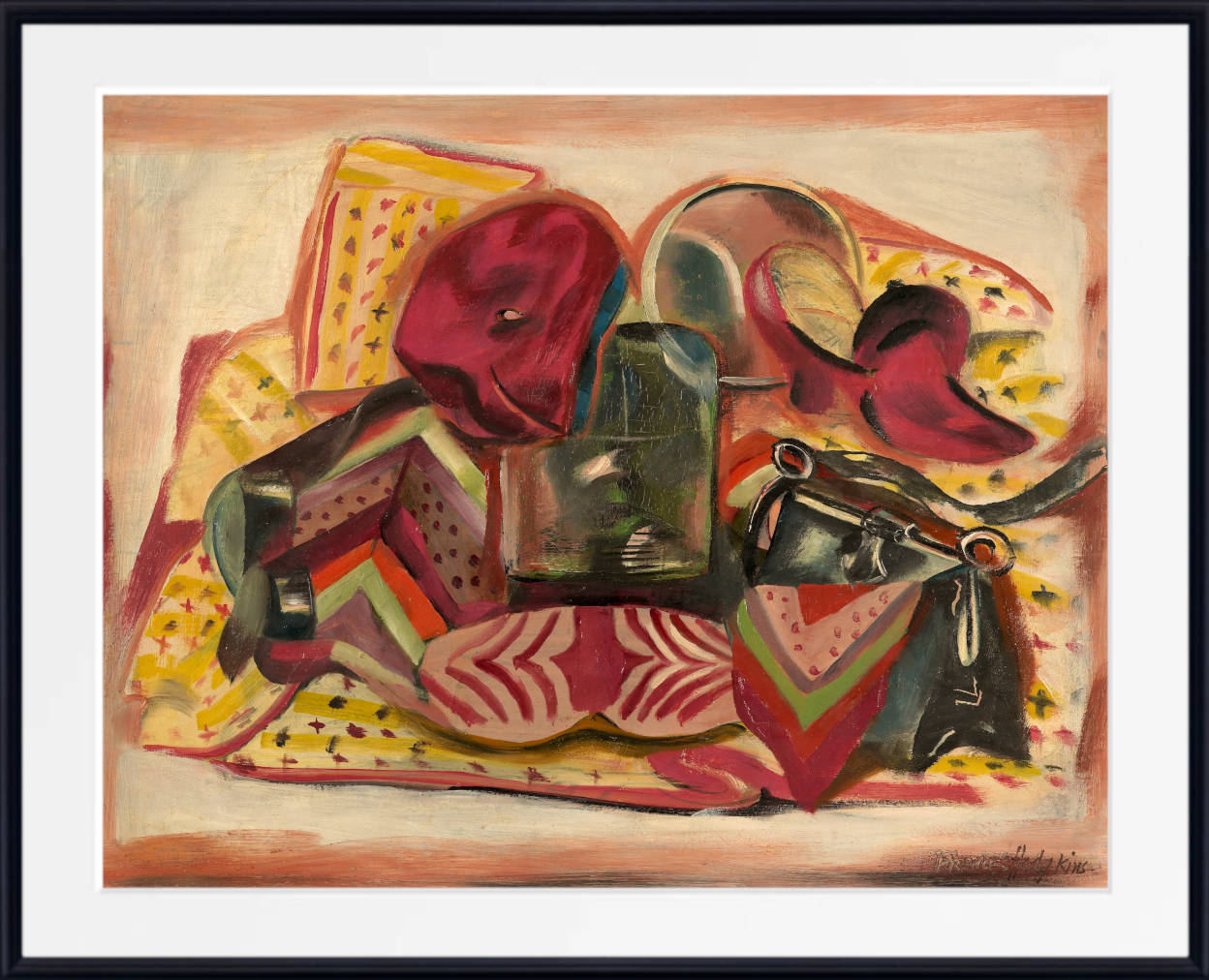
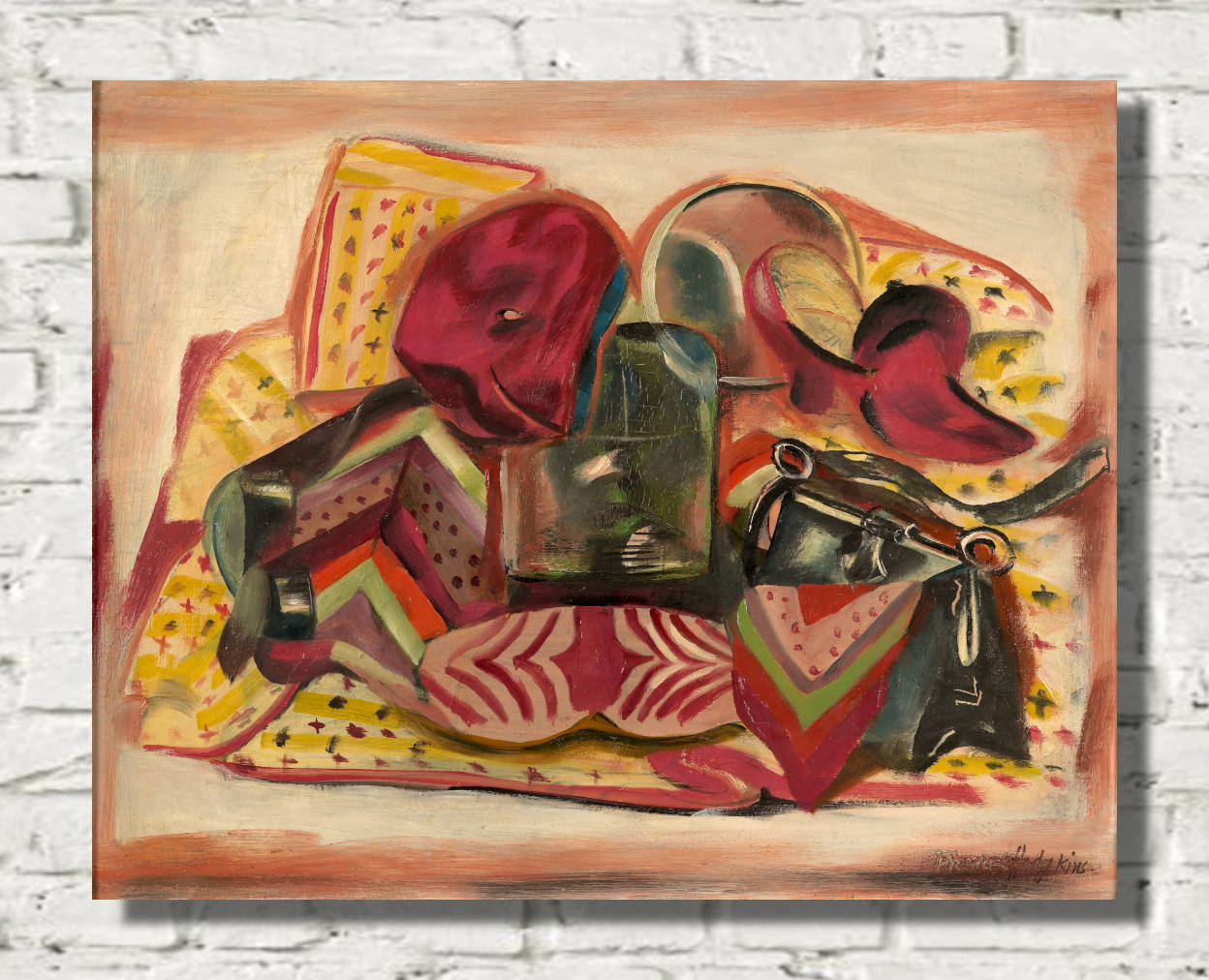
Still Life; Self-Portrait (circa 1935) brings together subjects that recur throughout Hodgkins’ career. Its combination of still life and self-portraiture offers another way to consider her treatment of objects and personal experience.

Road to the Hills, Ibiza
Road to the Hills, Ibiza (1933) reflects the importance of travel and landscape in Hodgkins’ work. It provides a Mediterranean setting to compare with the British and northern European subjects in the collection.

The Market Place, San Remo, Italy
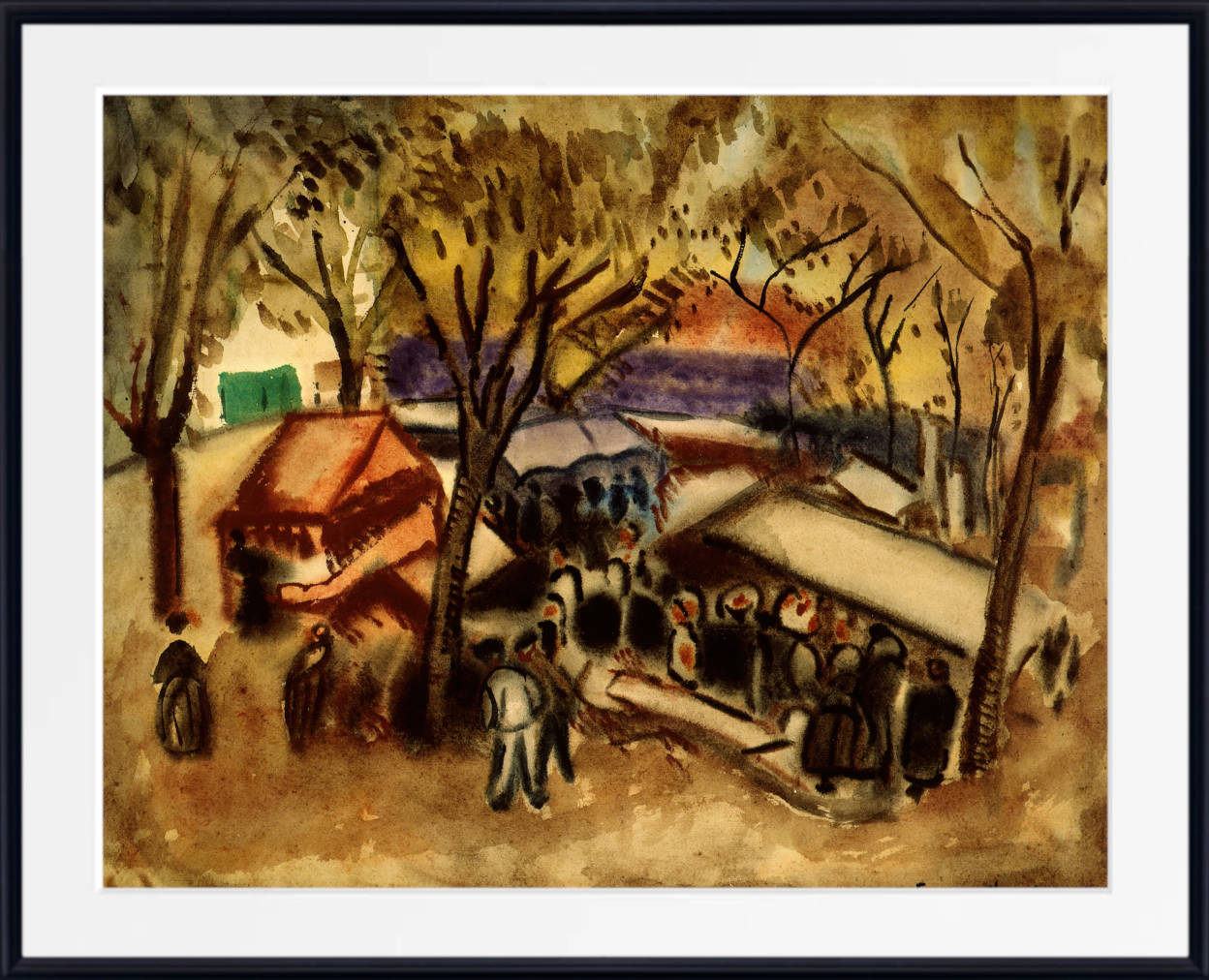
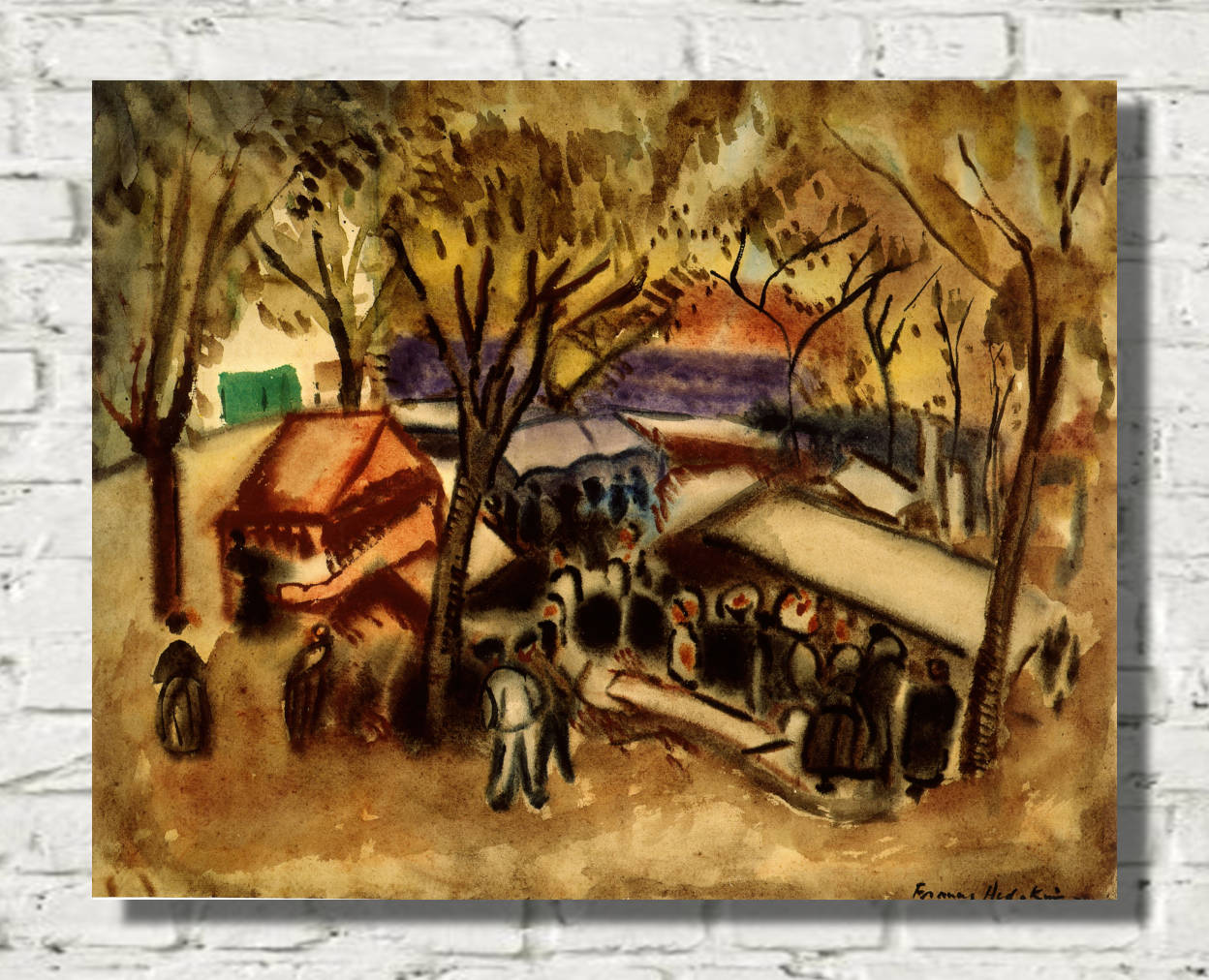
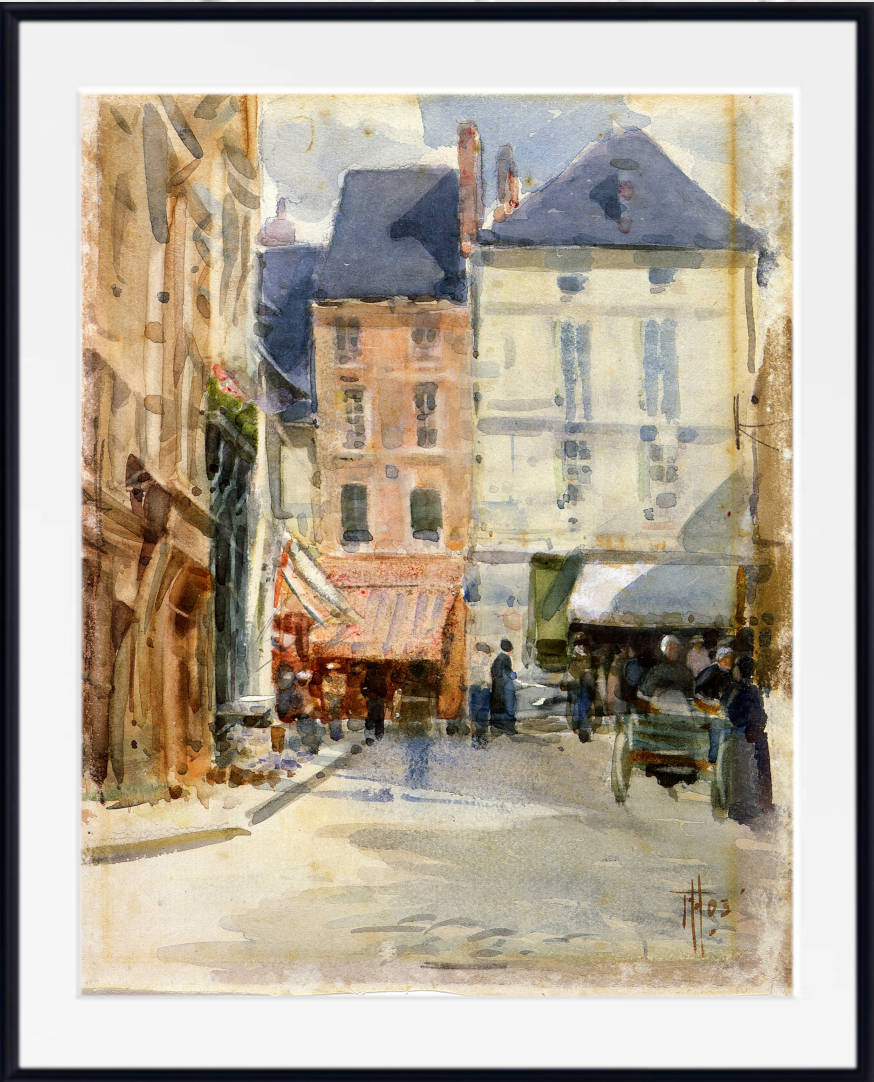
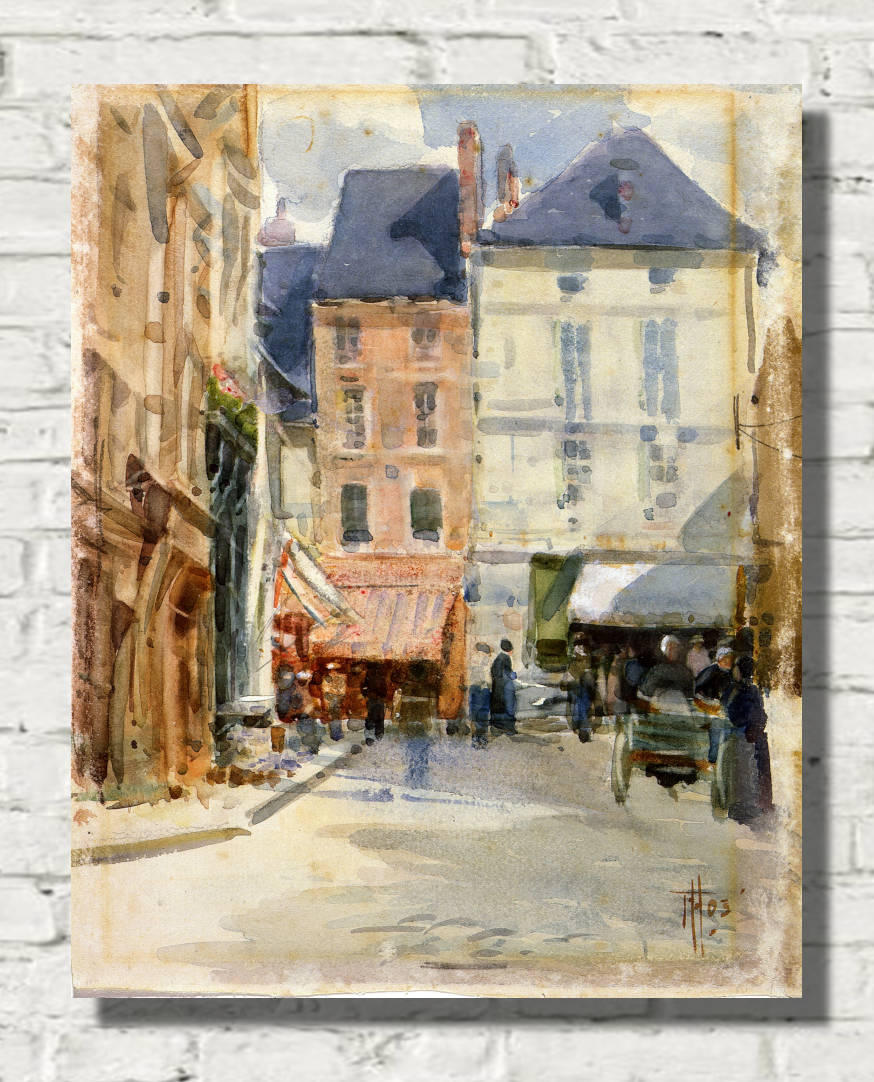
The Market Place, San Remo, Italy (1902) belongs to Hodgkins’ earlier European work. Its marketplace subject offers a useful contrast with the more abstract arrangements of her later paintings.

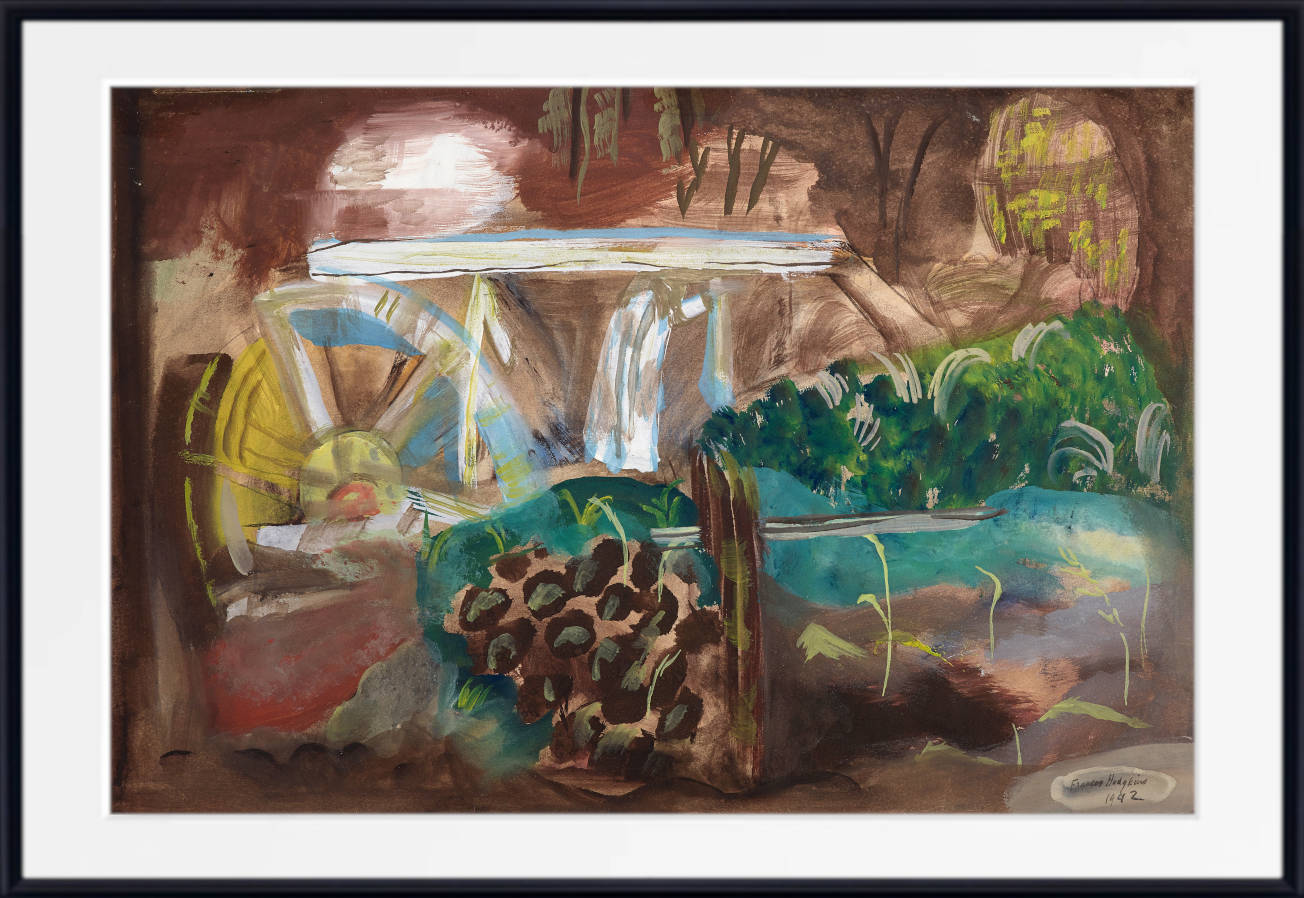
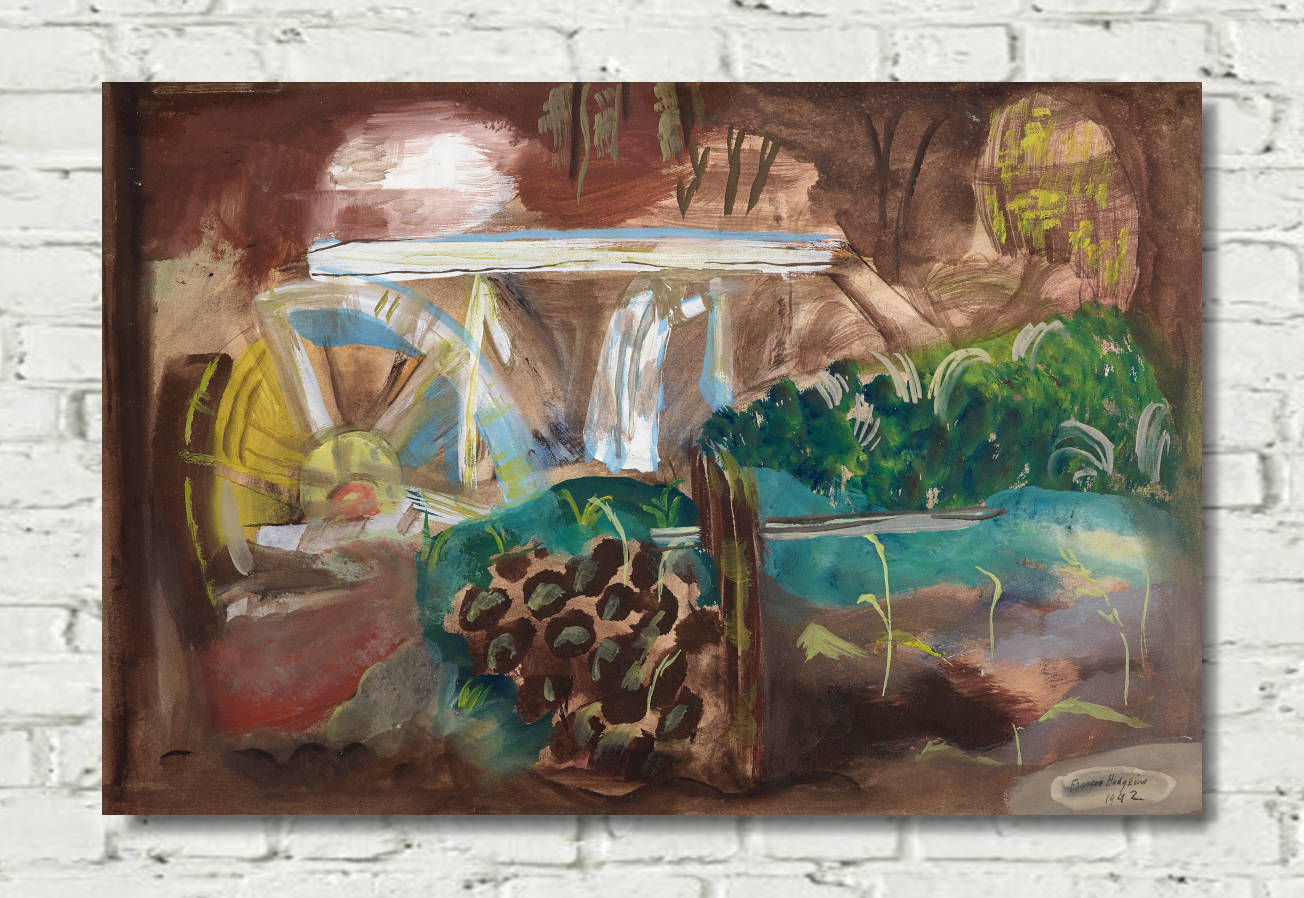
The Millwheel
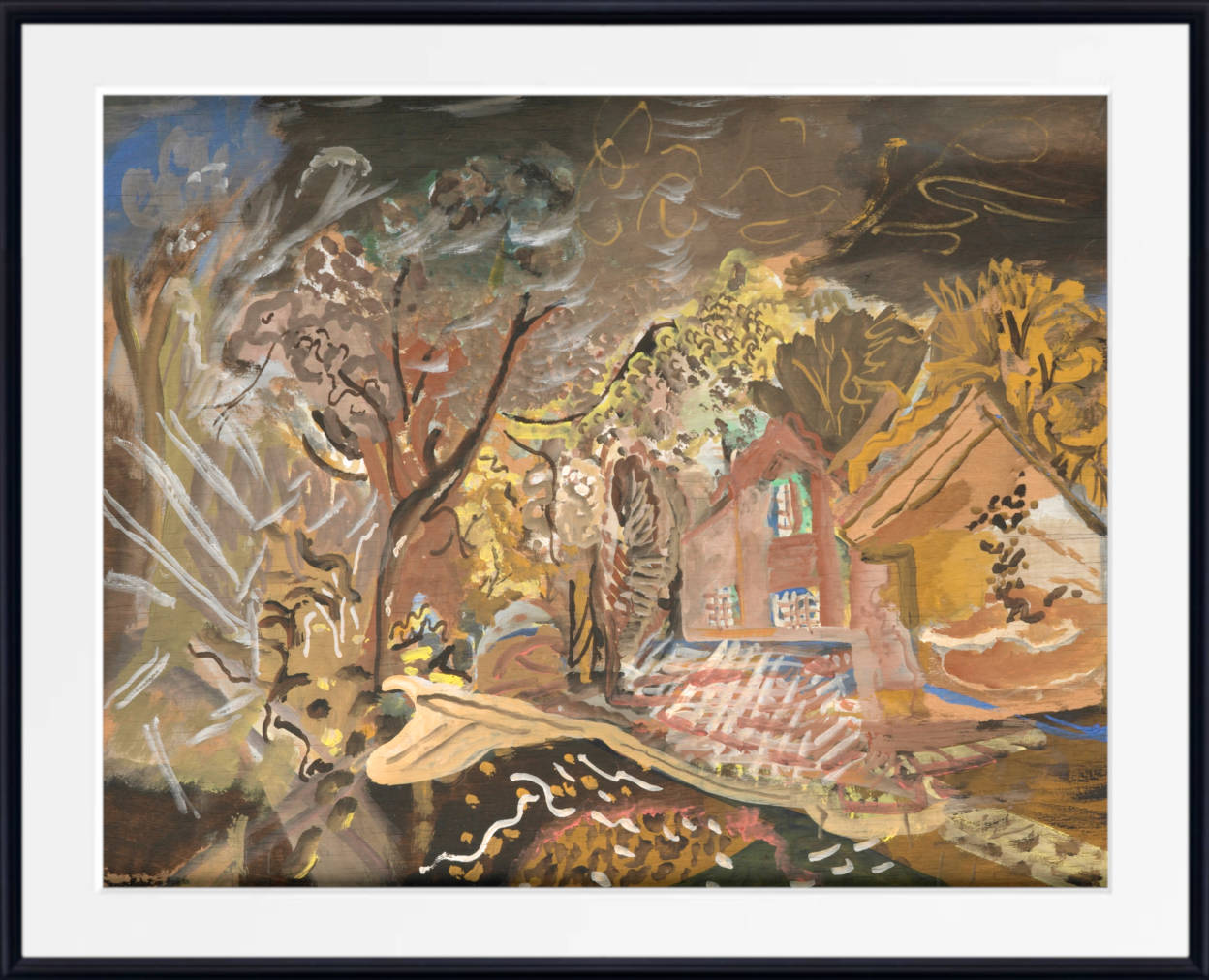
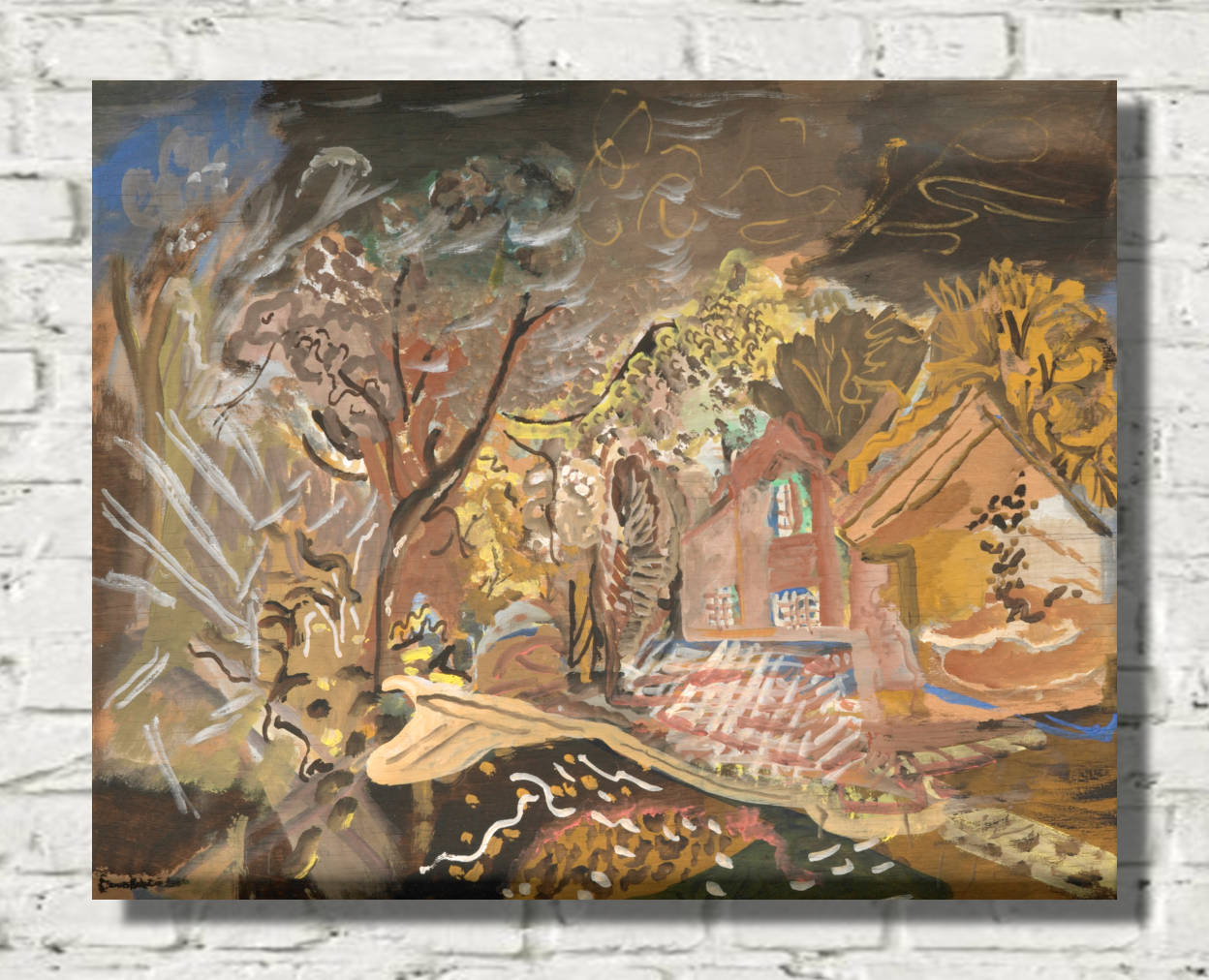
For another example of her later painting, explore The Millwheel (1942). It extends the selection beyond the works illustrated above and provides a further point of comparison within her modernist practice.

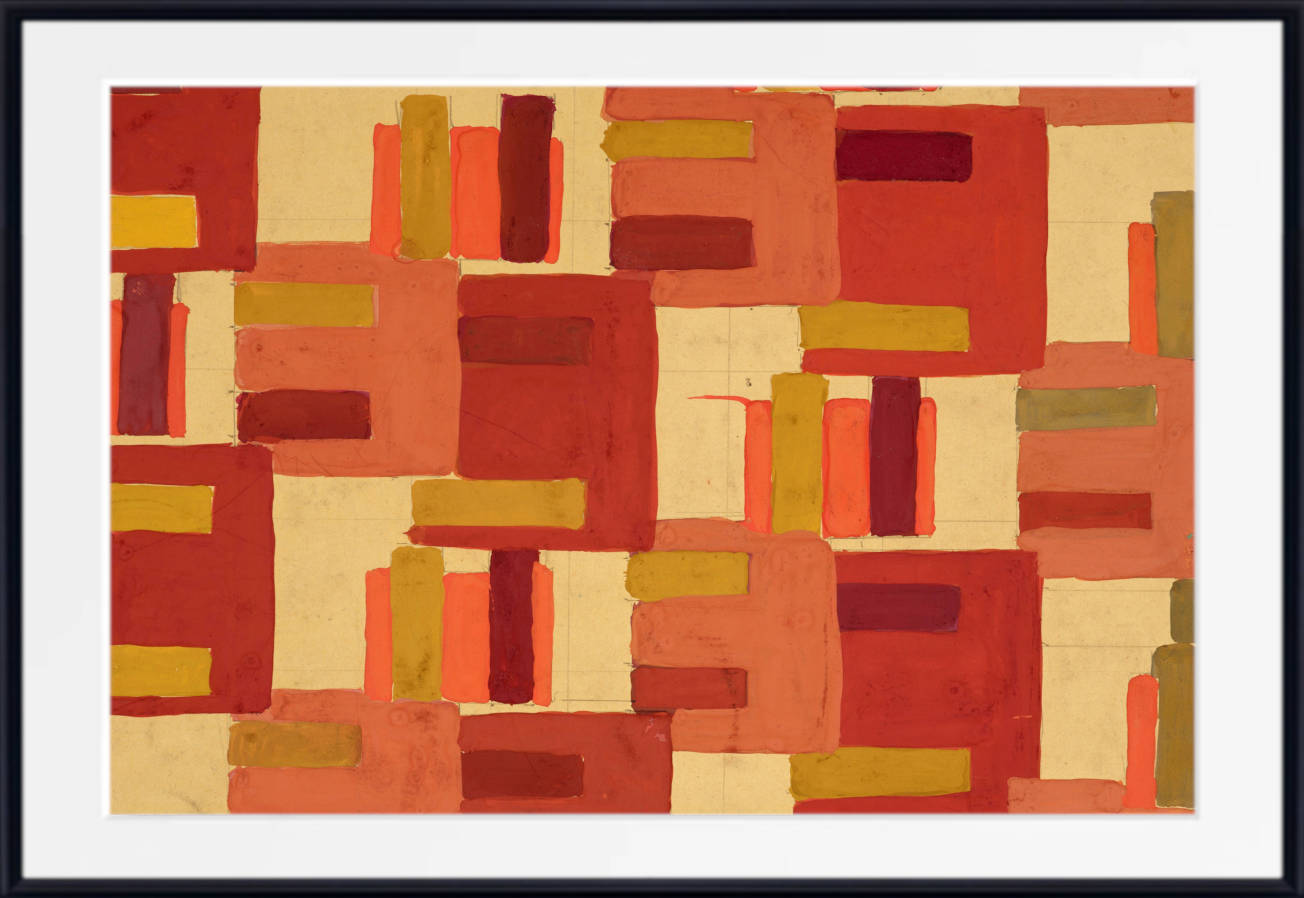
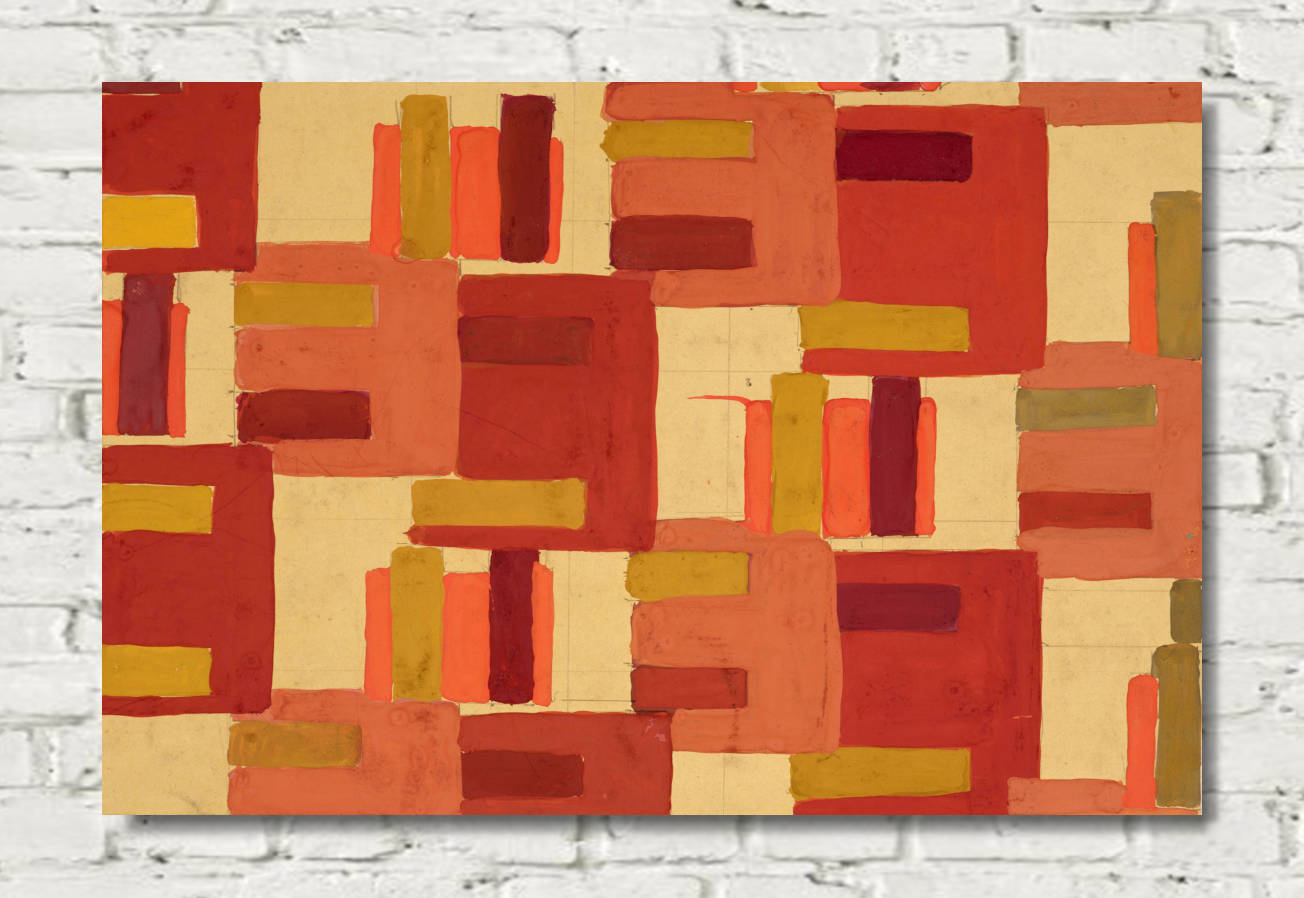
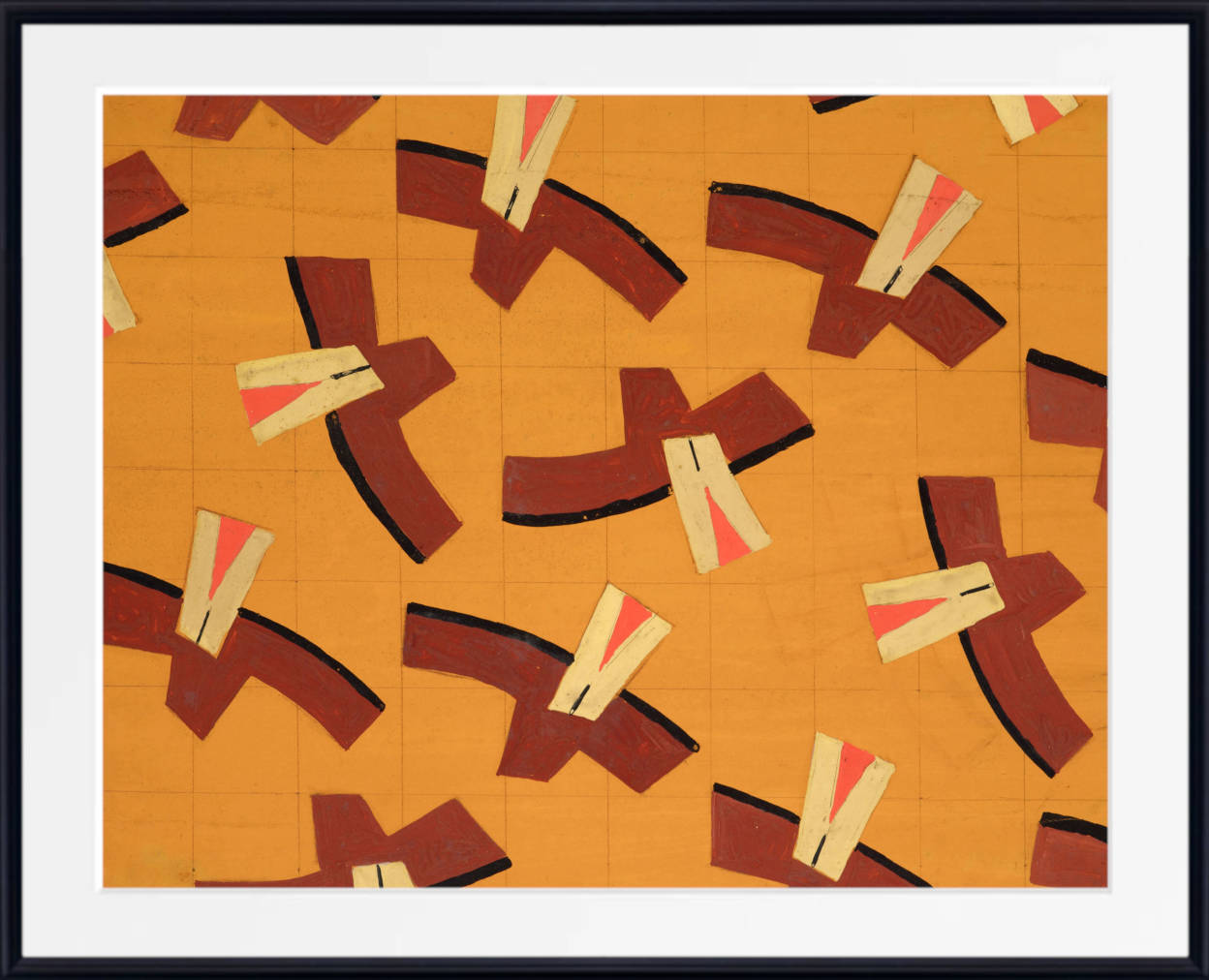
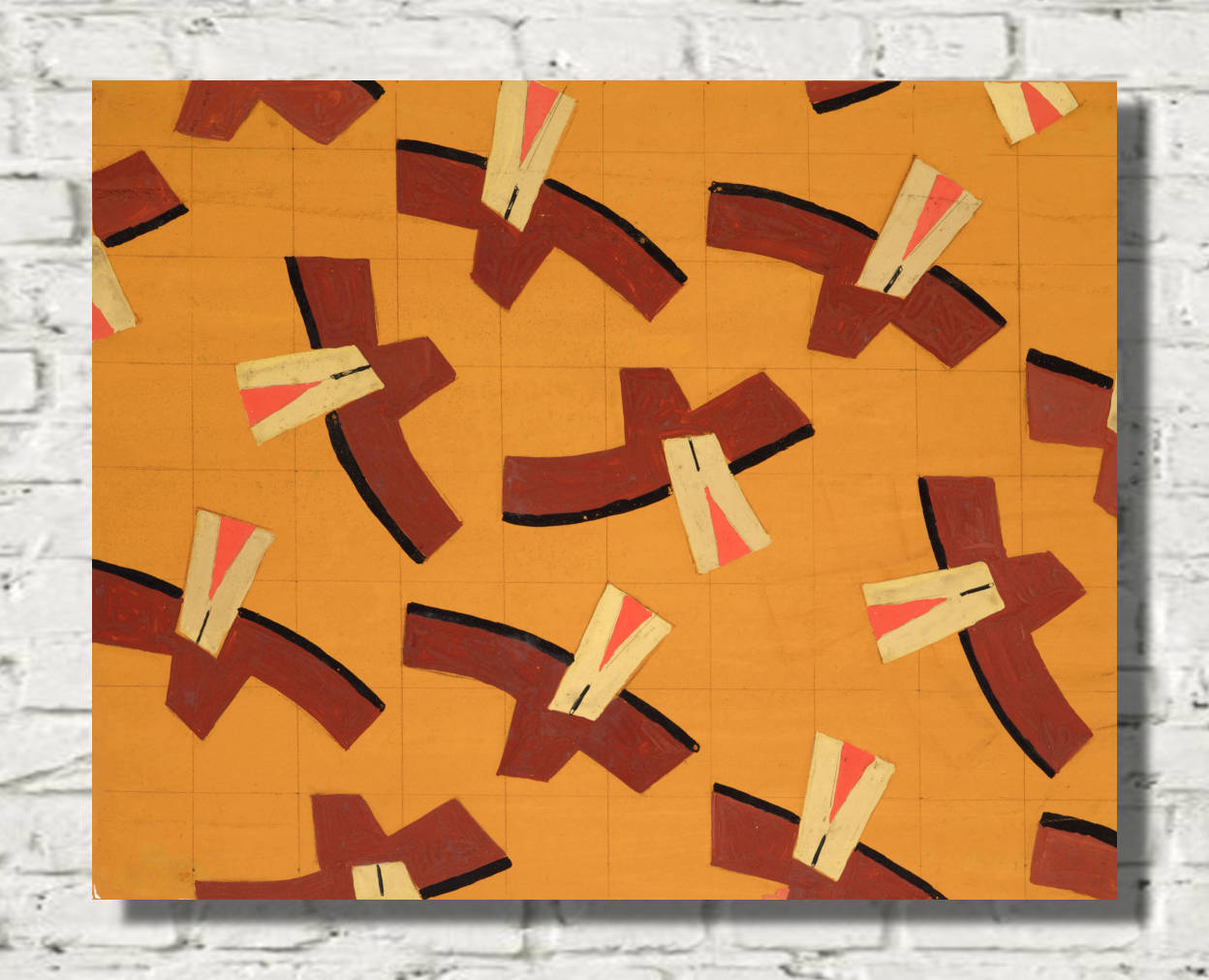
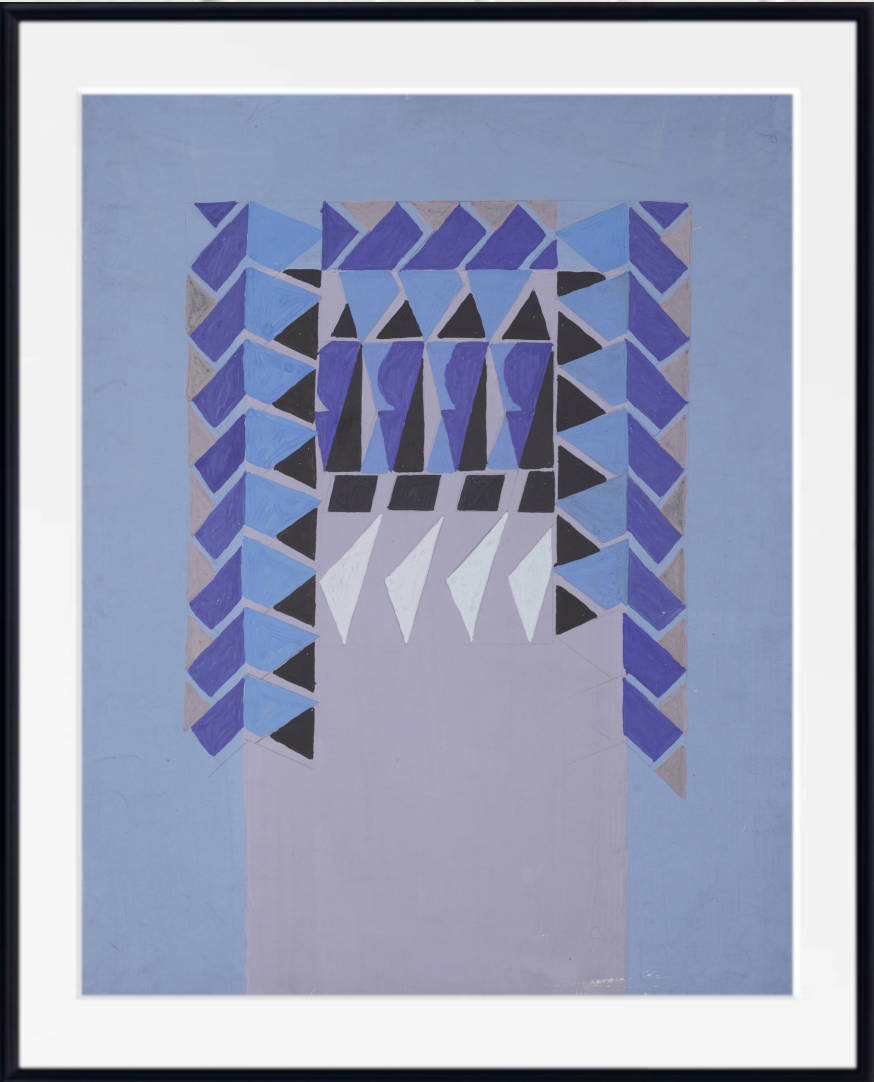
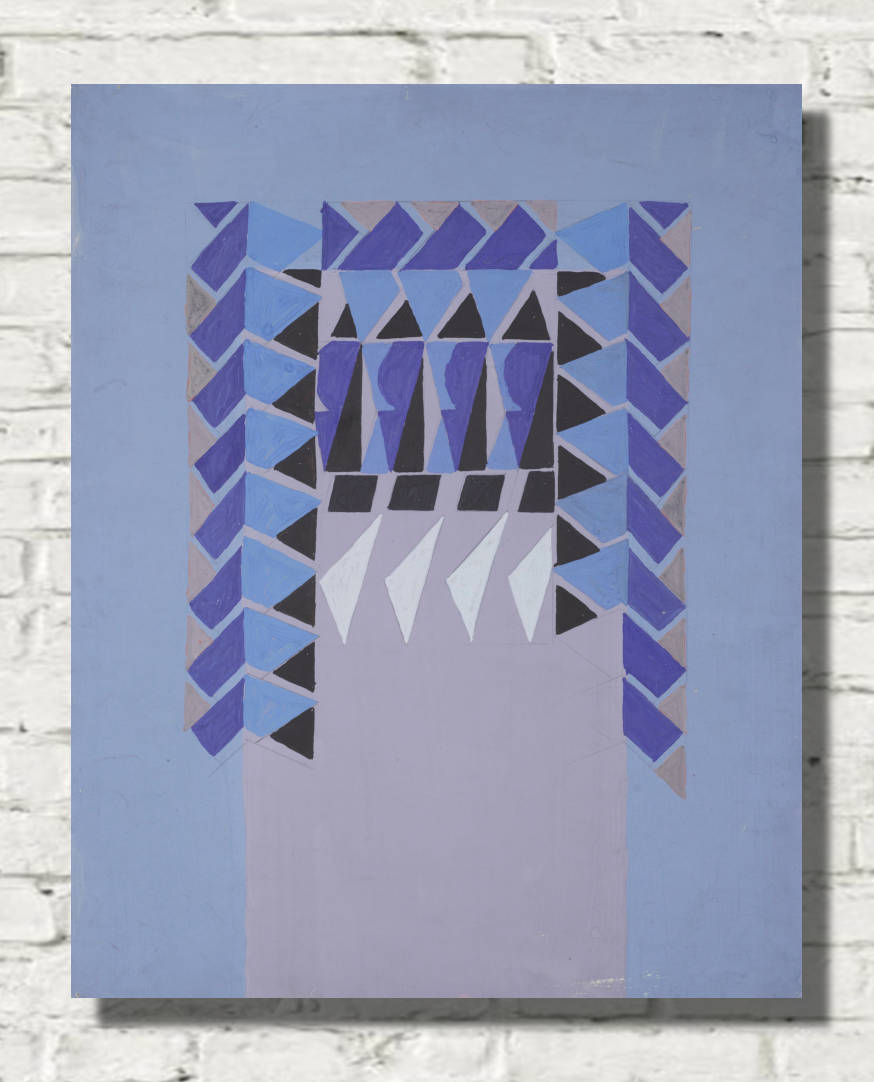
Untitled — Textile Design No IV
Hodgkins’ textile designs offer a different perspective on her interest in decorative composition. Untitled — Textile Design No IV can be explored alongside her paintings to compare her work across different purposes and formats.

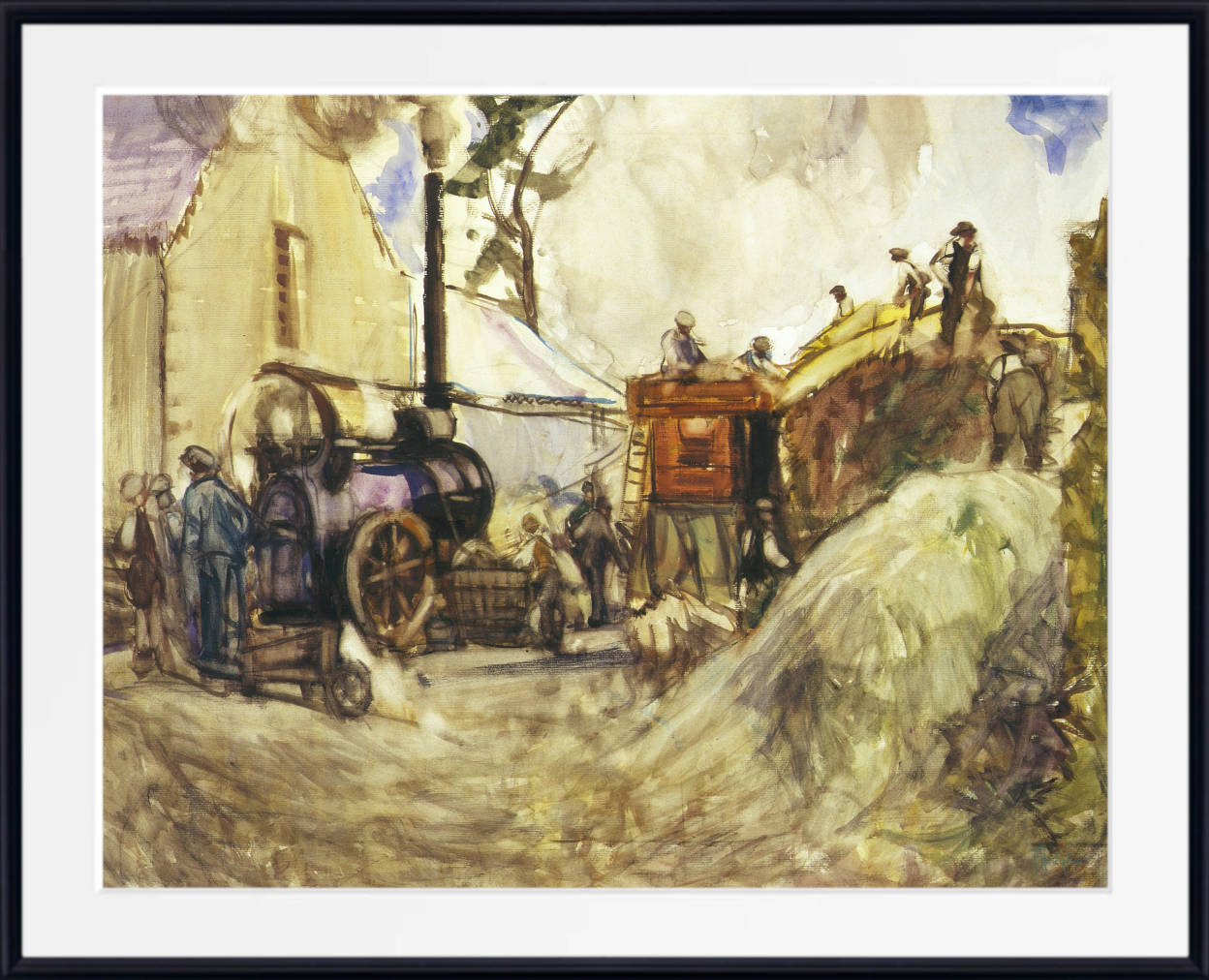
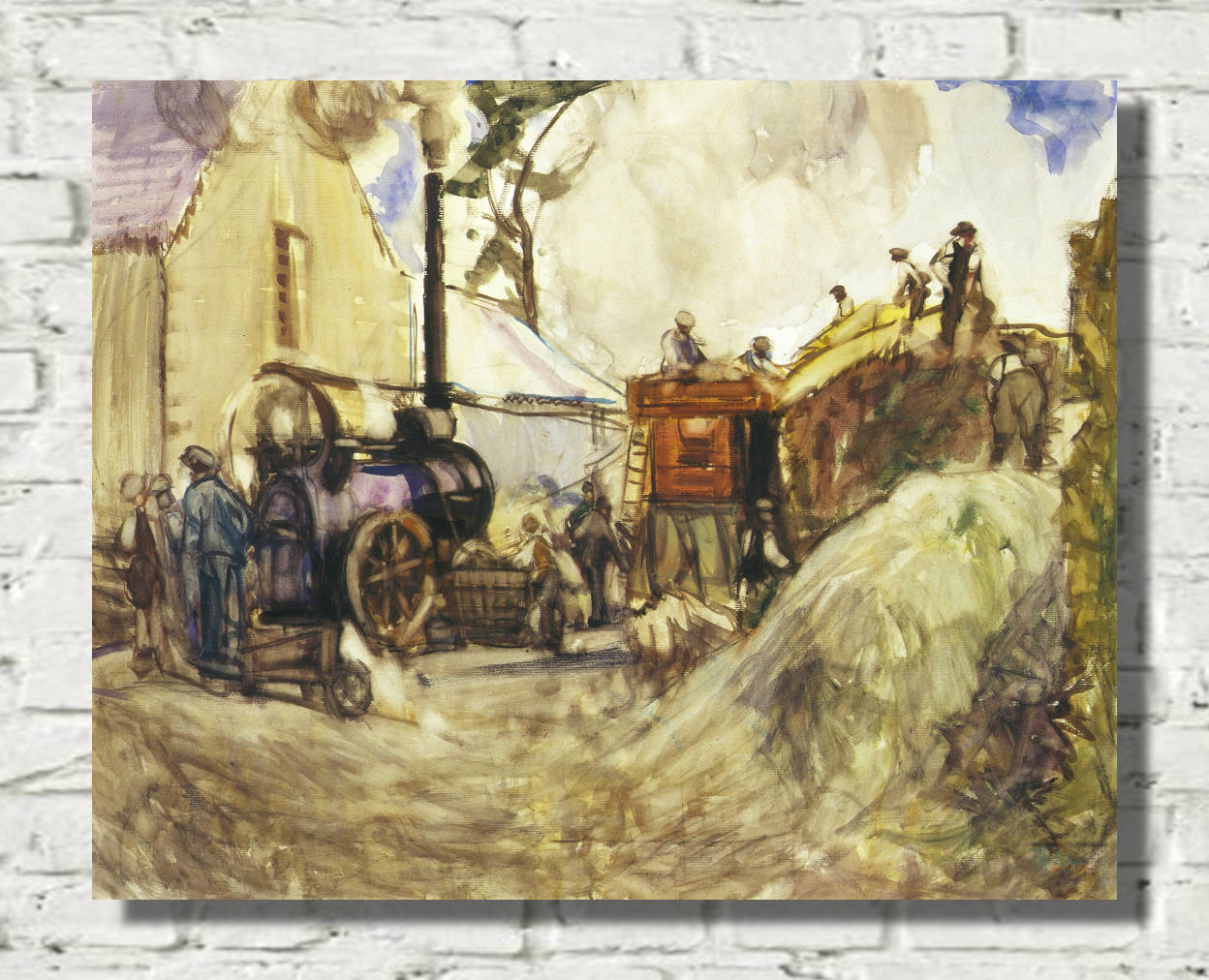
Traction Engine
Traction Engine (1910s) adds another subject from an earlier period of her career. Together, these works show the variety of paintings and designs available in the collection.

Explore Frances Hodgkins Prints
The Frances Hodgkins prints collection includes early watercolours, landscapes, figures, still lifes and textile designs. Compare different periods of her work and check individual product pages for available sizes and print formats.
Legacy and Impact
Hodgkins developed her career across New Zealand, Britain and continental Europe. Her work connects the observation of people and places with an increasingly personal modernist language, making her an important figure in the relationship between New Zealand and European art.
Her paintings remain rewarding to look at because familiar subjects rarely settle into a predictable arrangement. Objects, figures and landscapes become opportunities to explore colour, shape and the space between forms.