
Boat Art Prints and Sailing Wall Art
Explore boat art prints featuring sailing ships, fishing boats, working harbours, regattas, naval vessels and boats drawn onto quiet beaches. The collection ranges from dramatic maritime paintings to colourful modern harbour scenes.
Choose from fine art paper prints, framed prints and canvas panels in a wide selection of sizes, handmade in our Nottinghamshire workshop with free UK delivery.



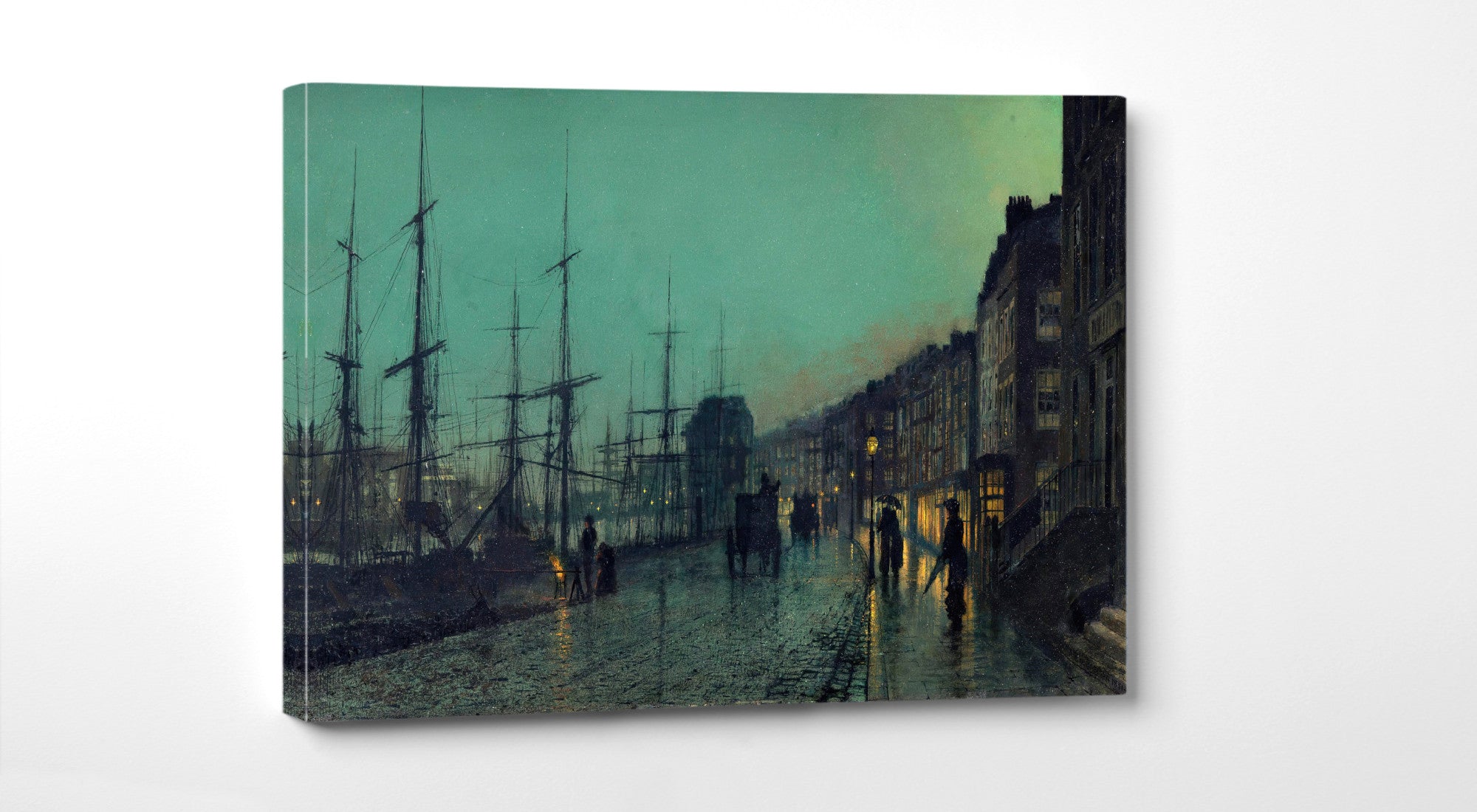
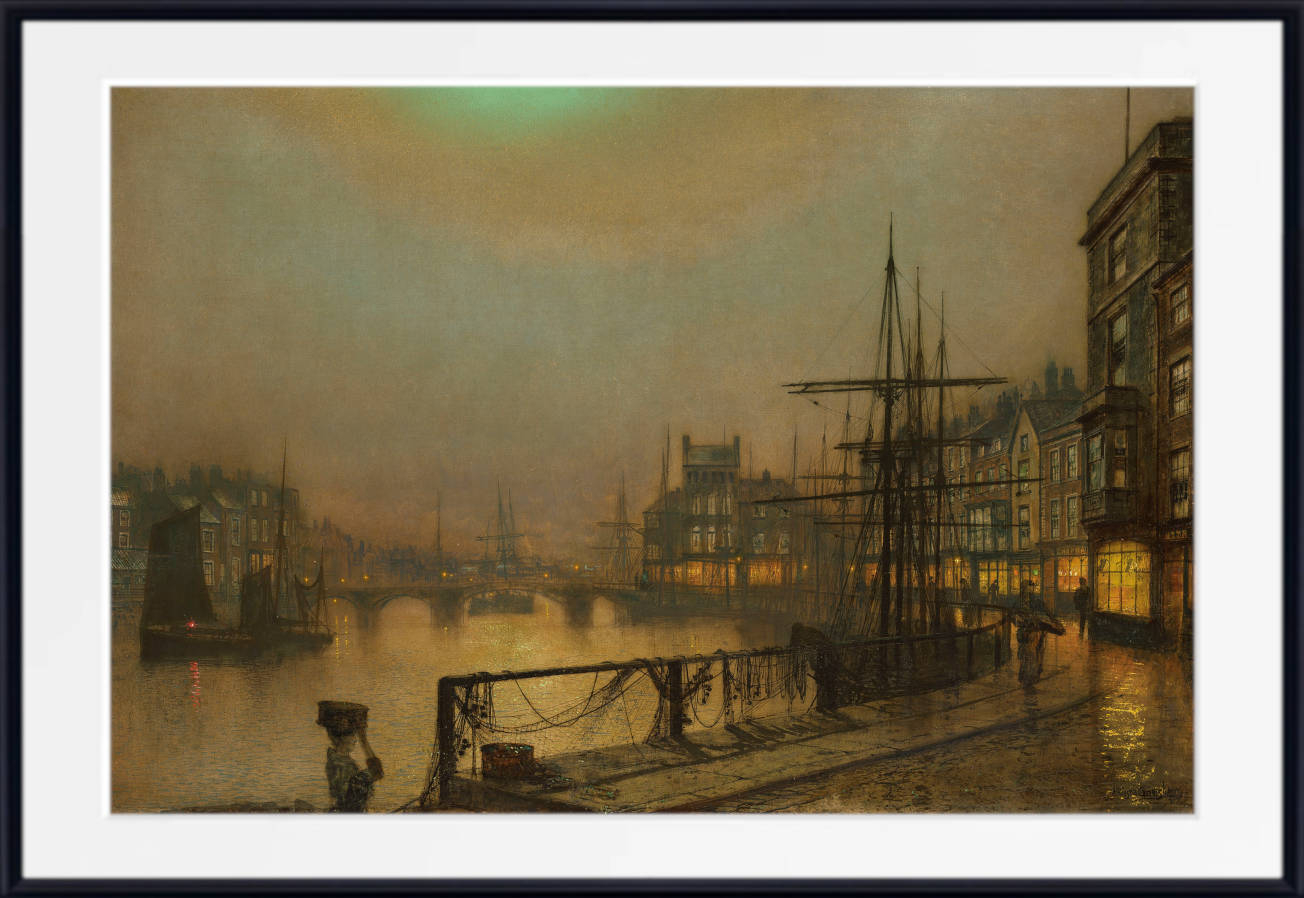
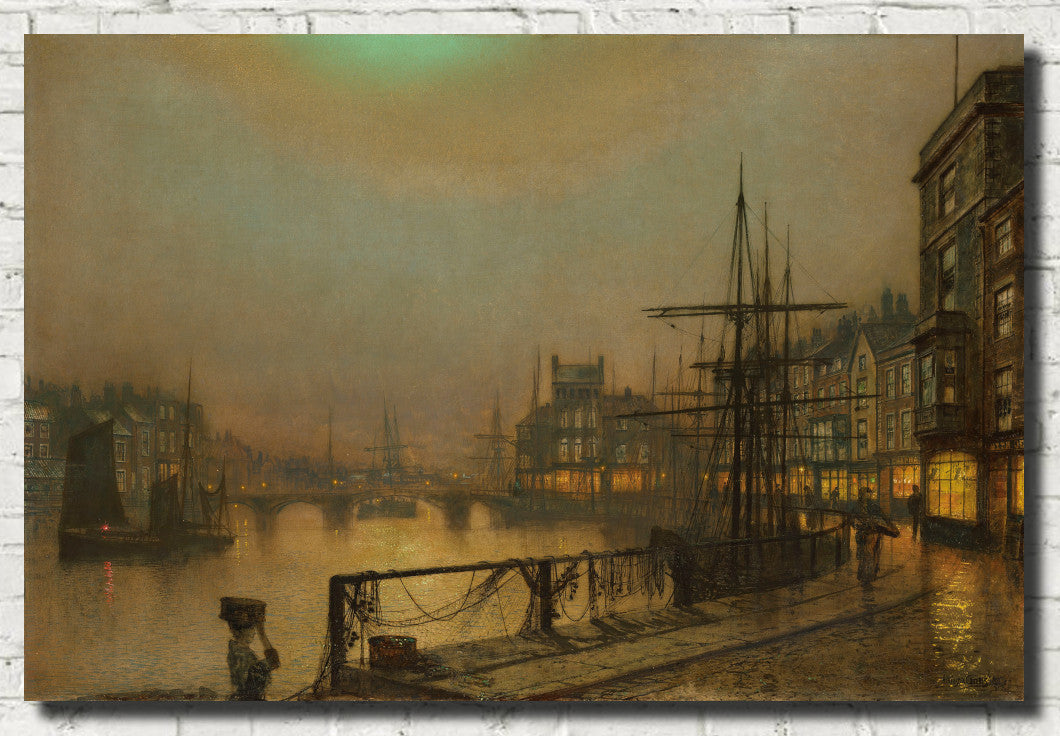
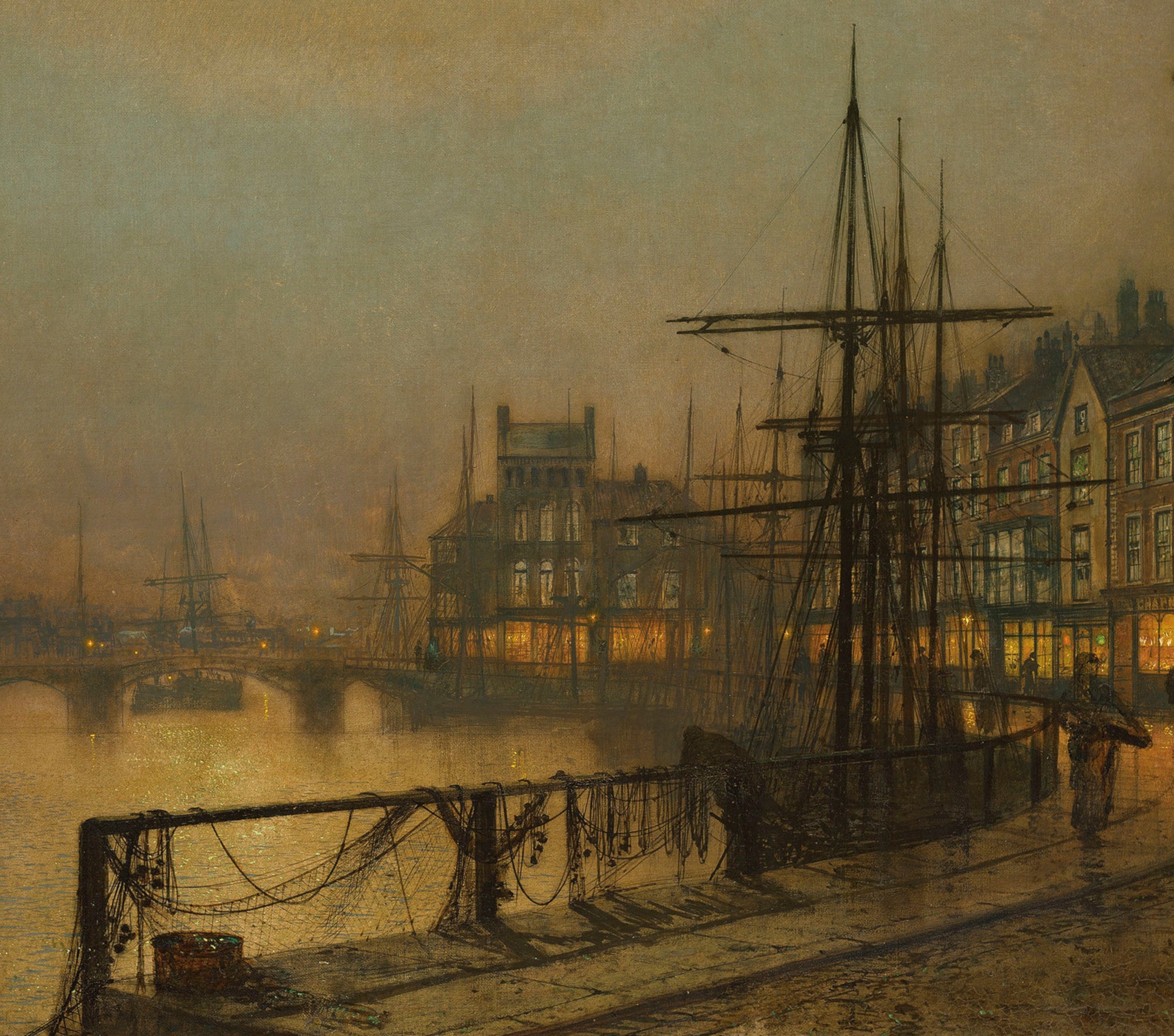
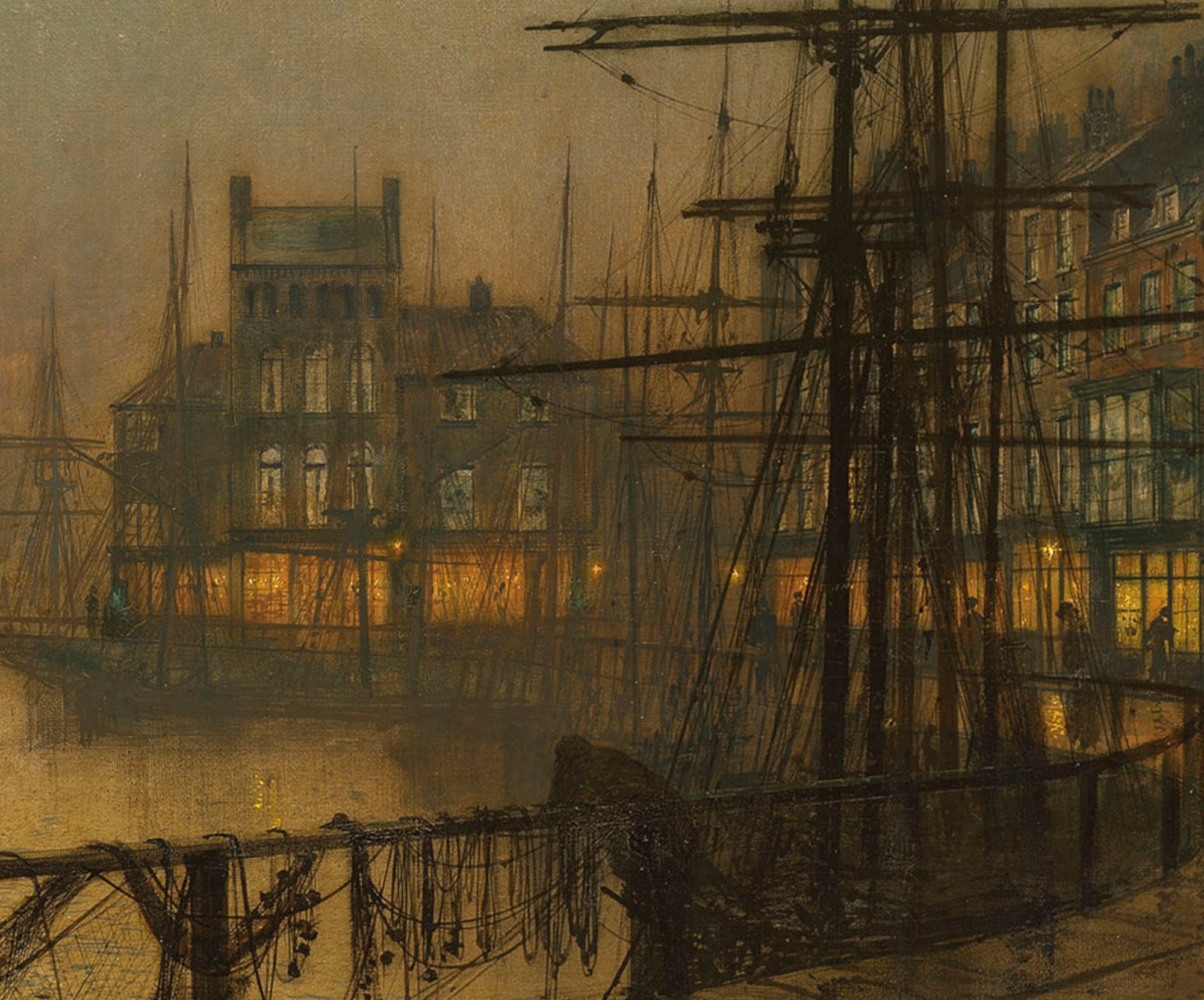
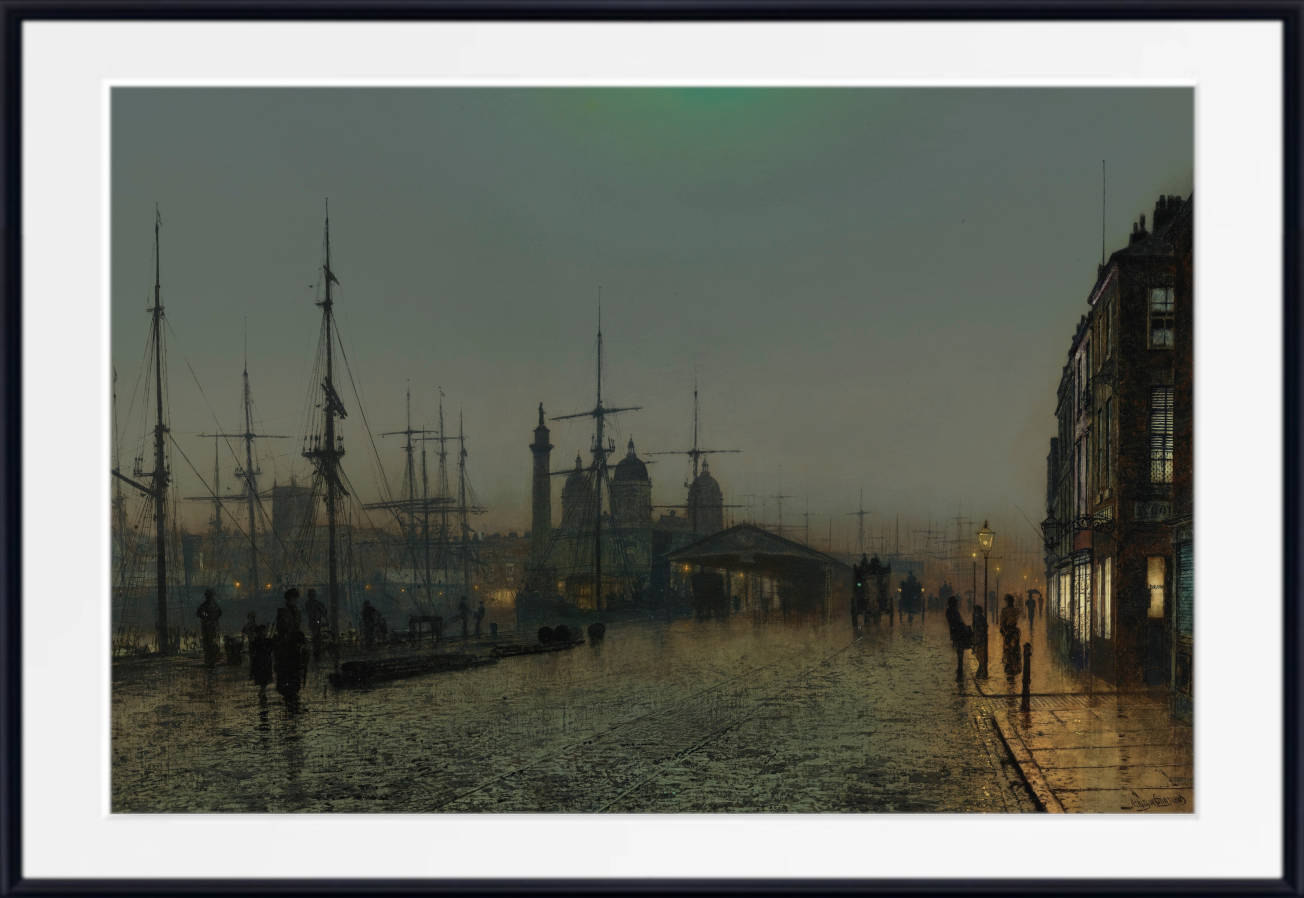
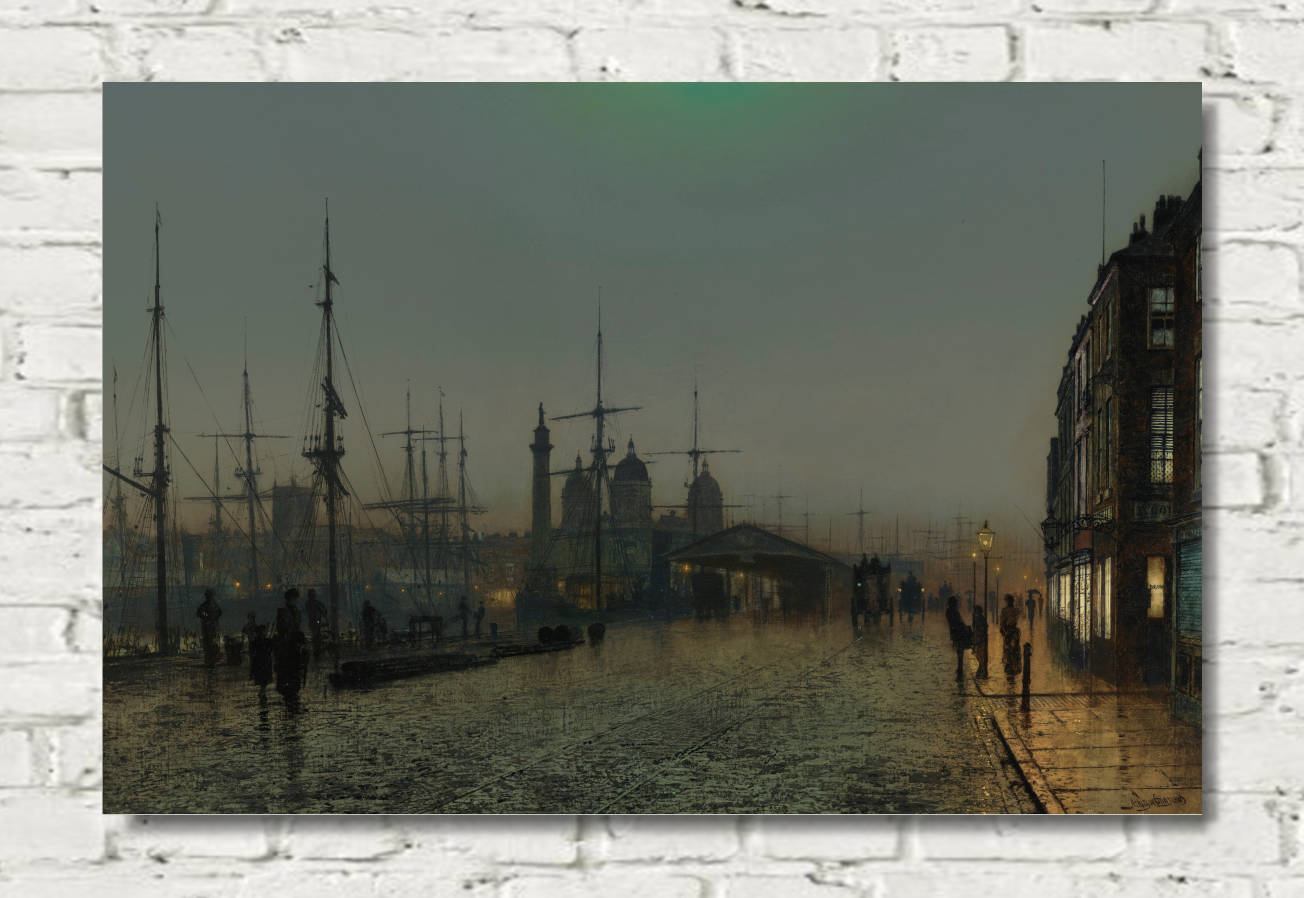
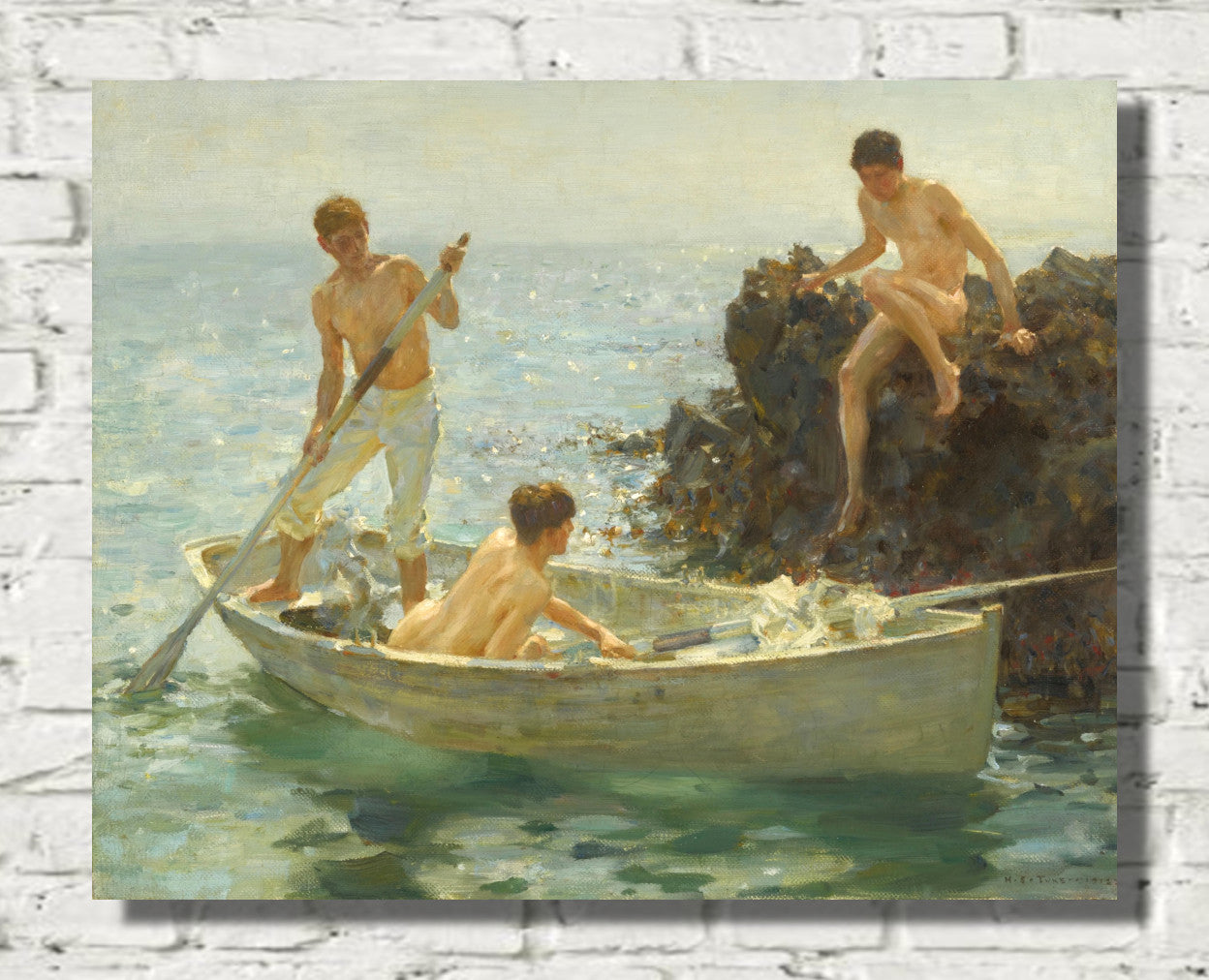
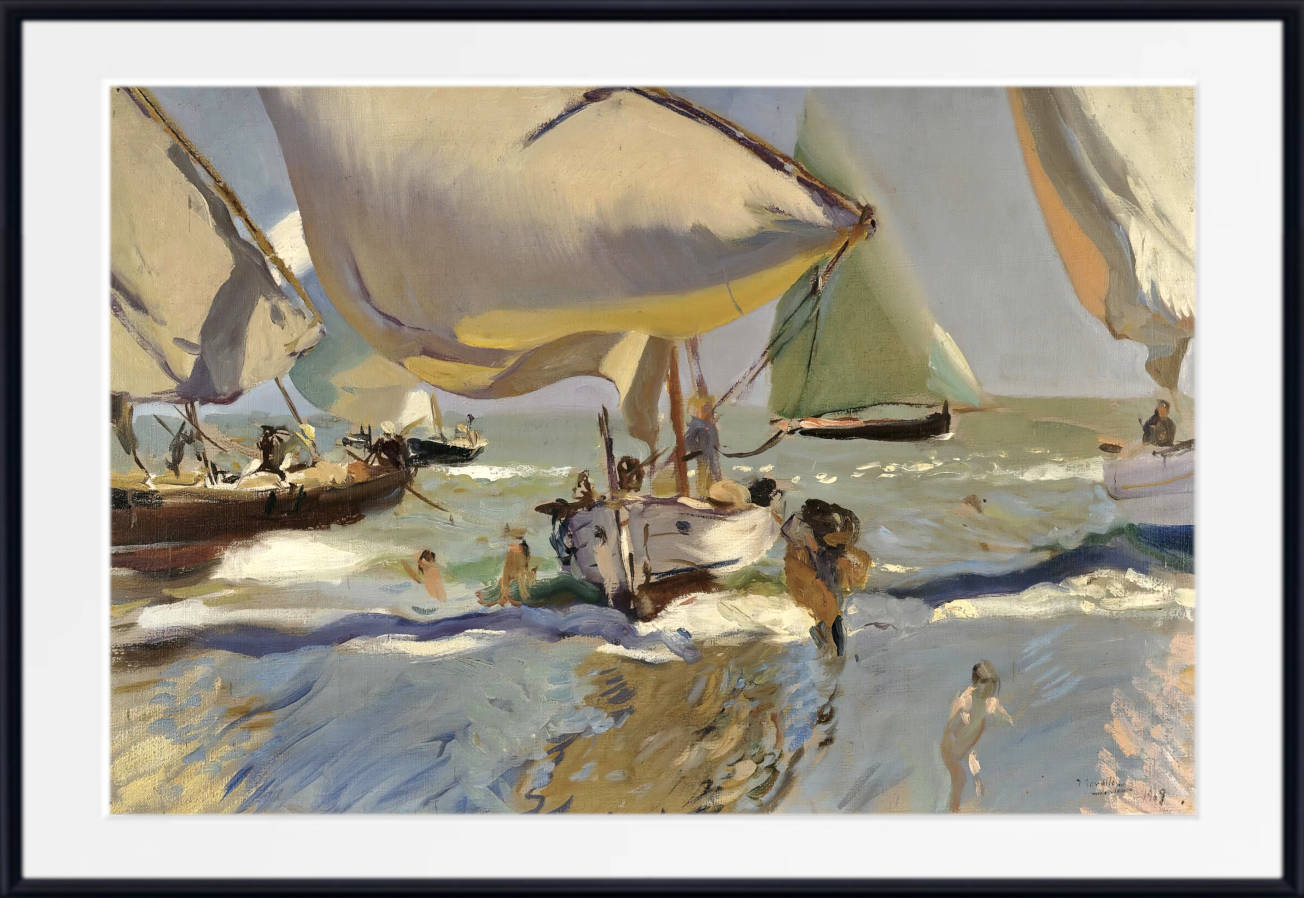
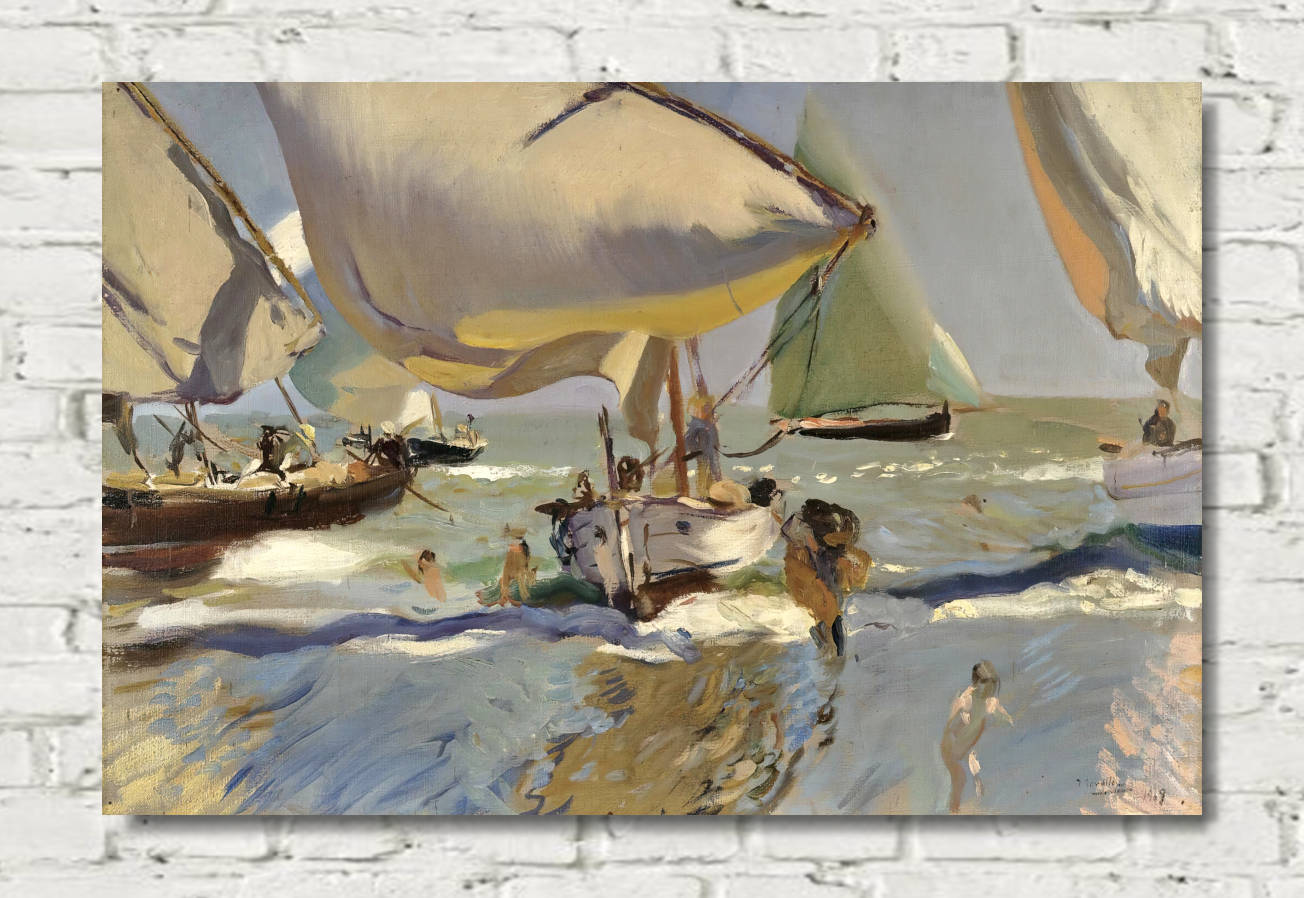
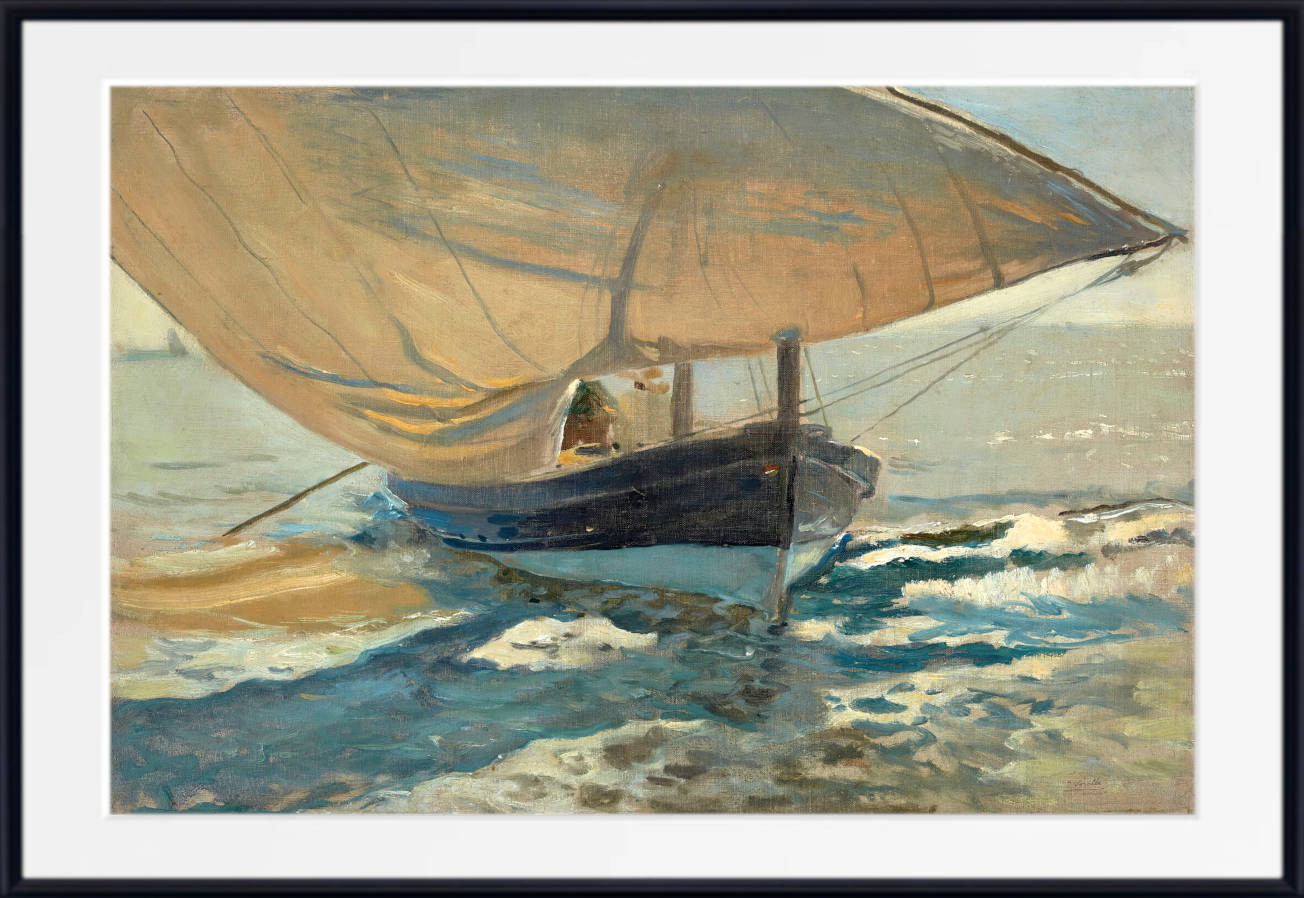
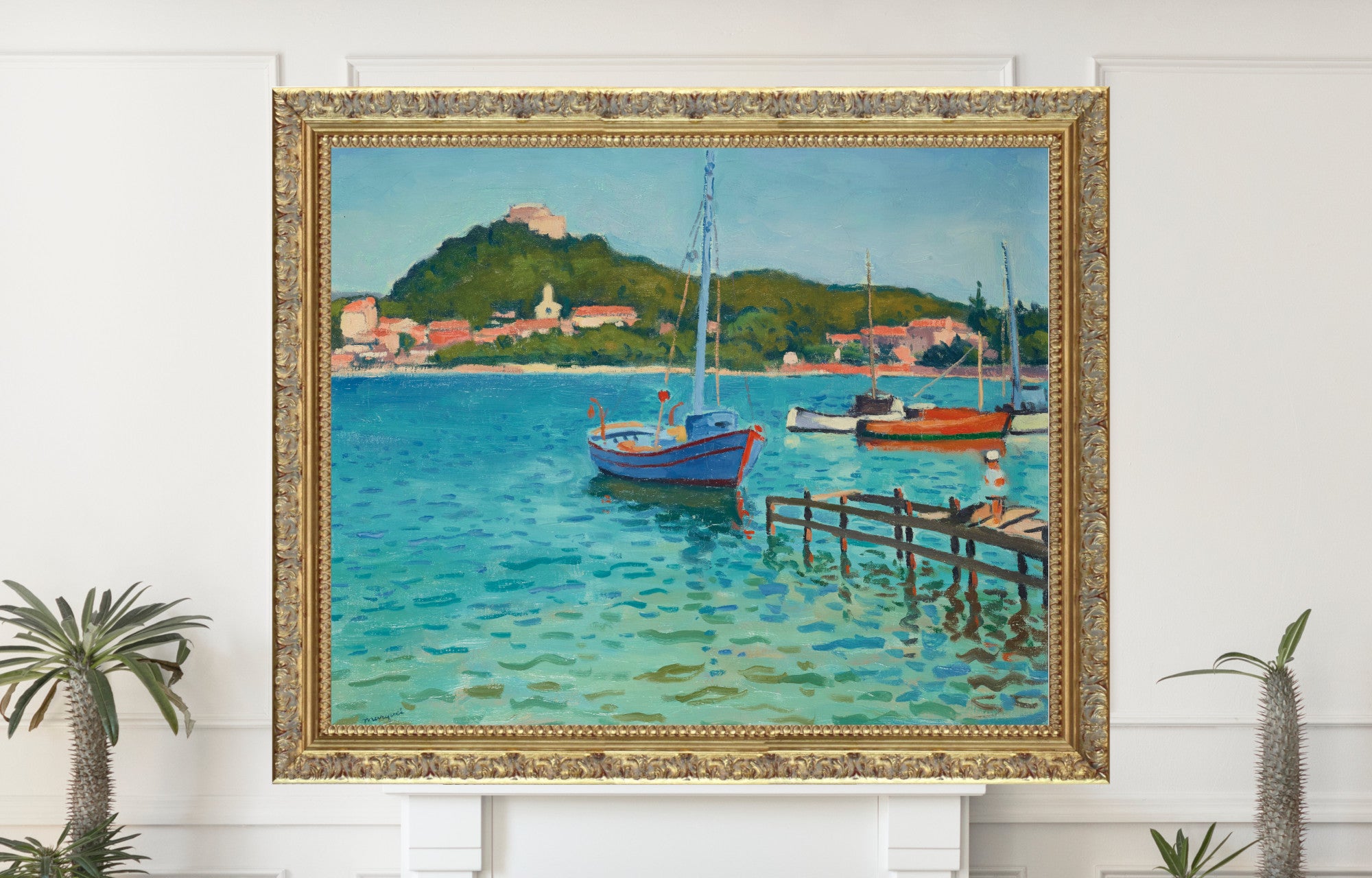
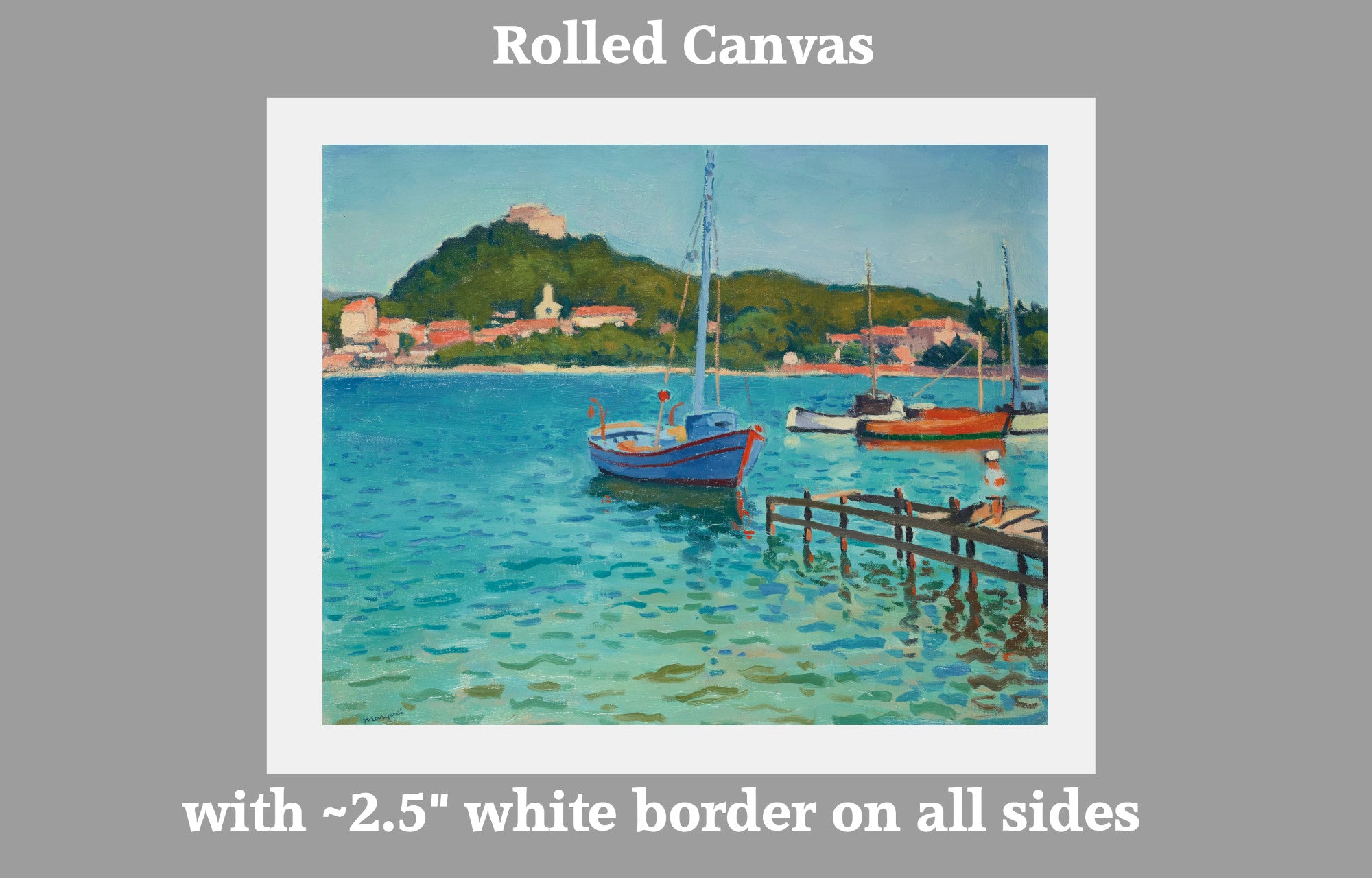
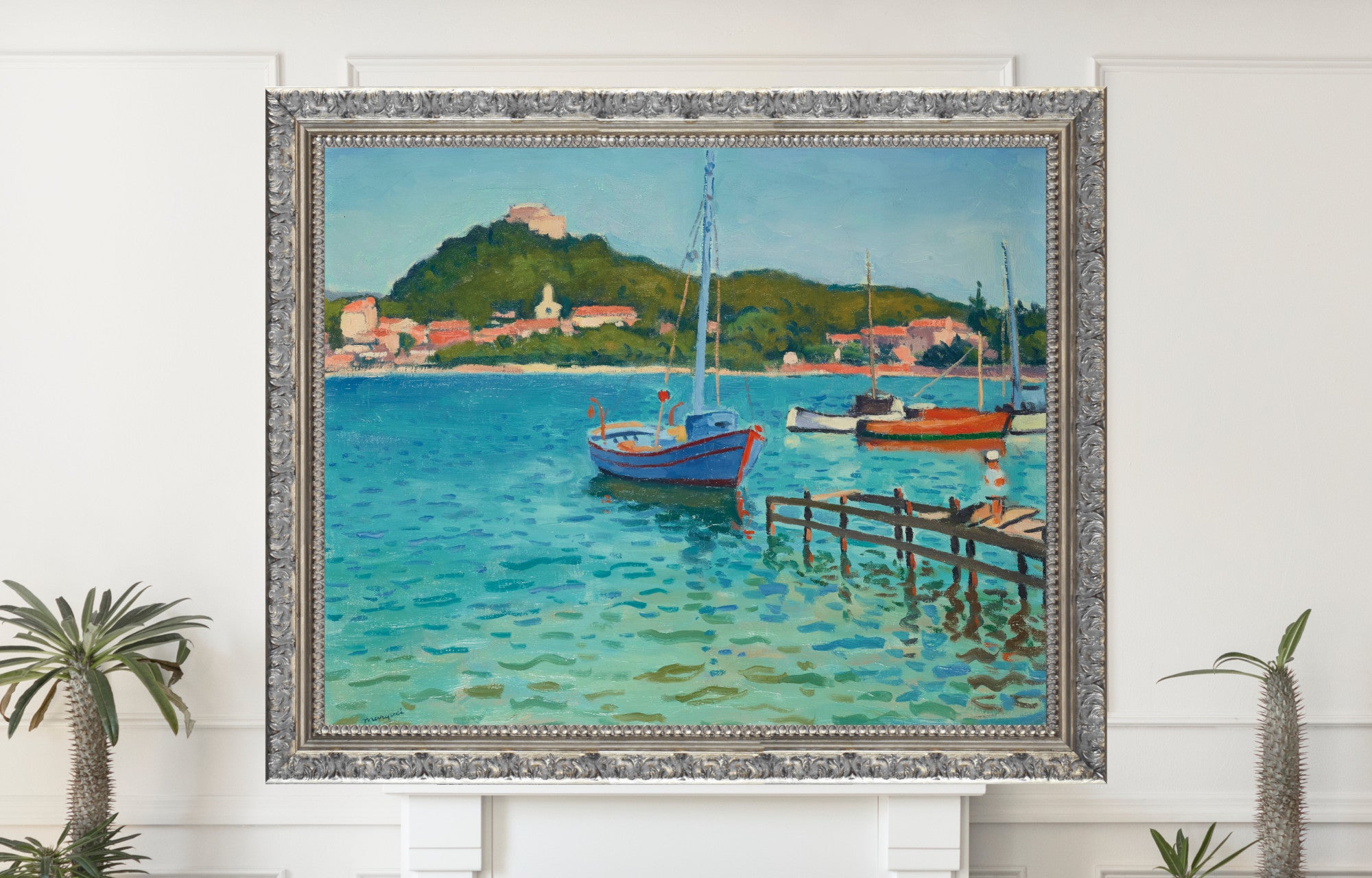
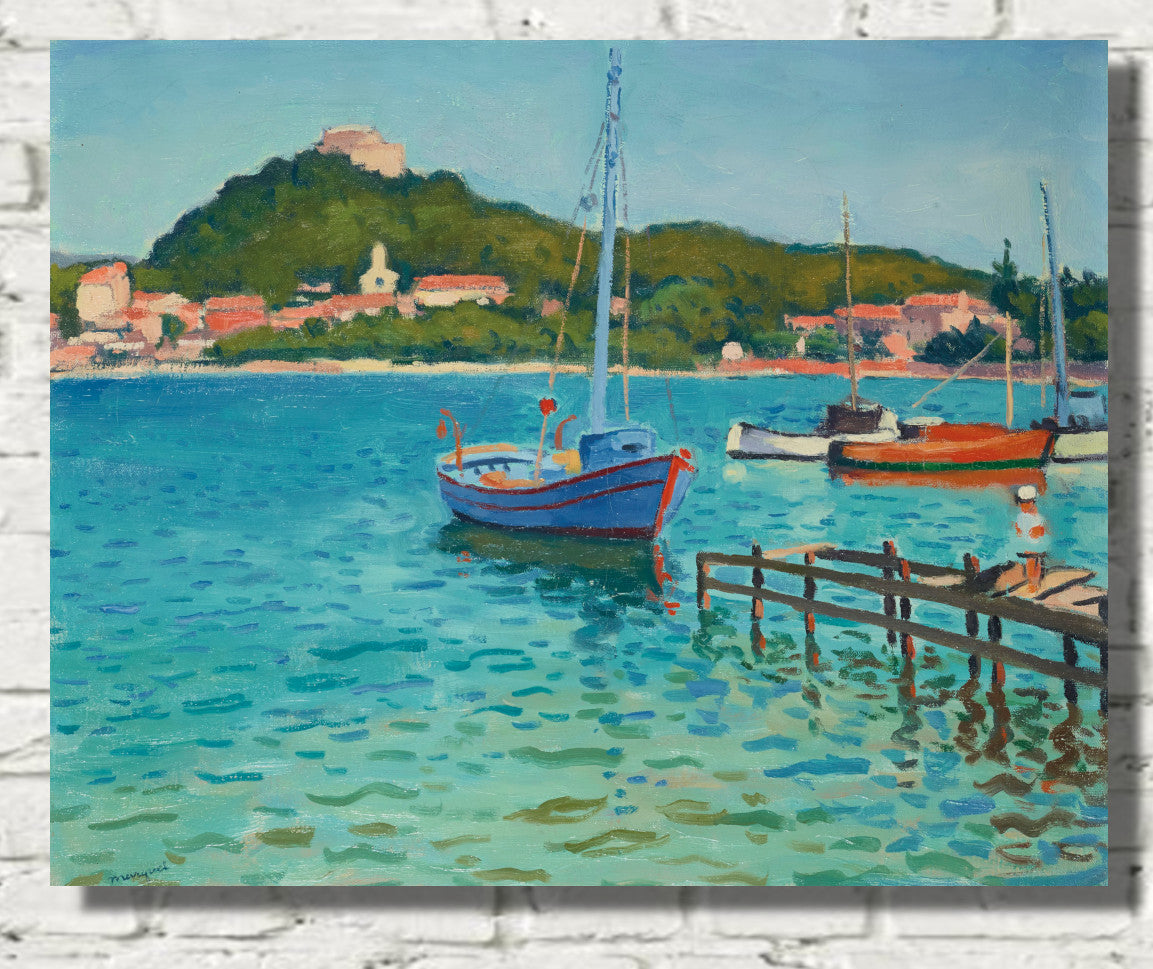
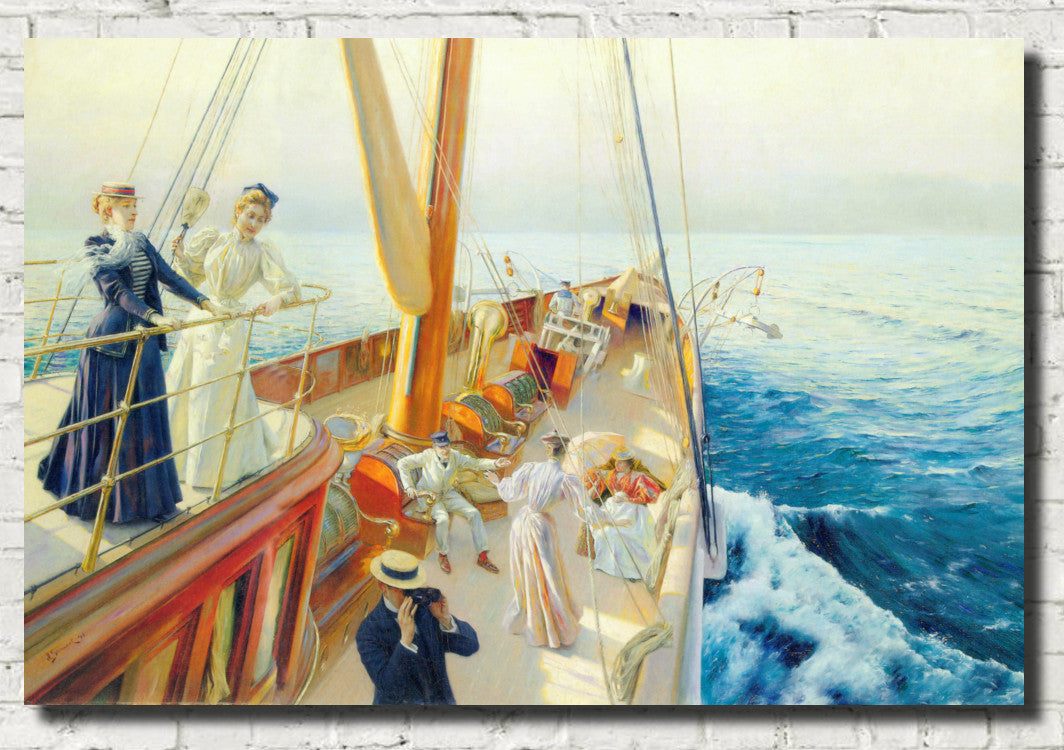
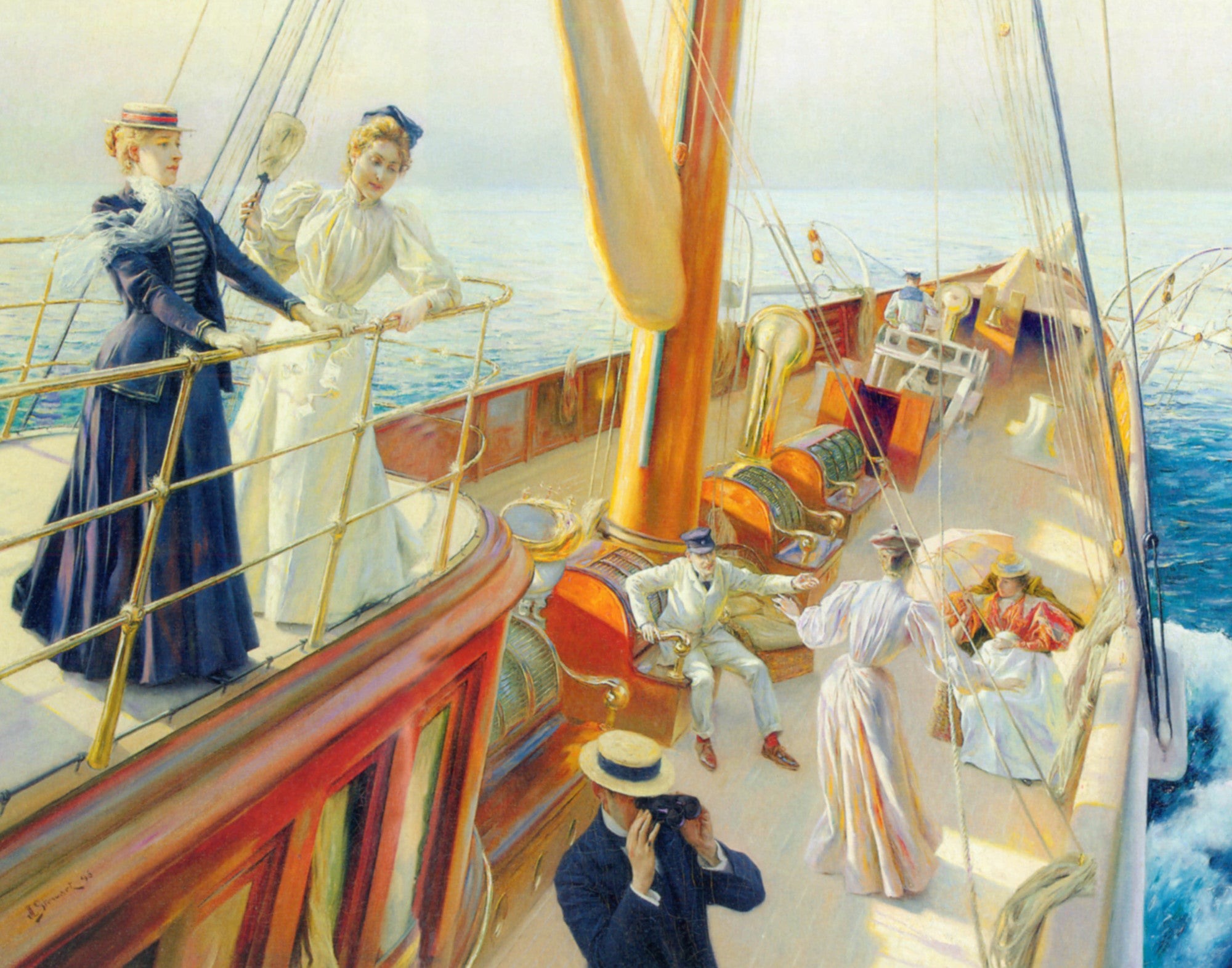
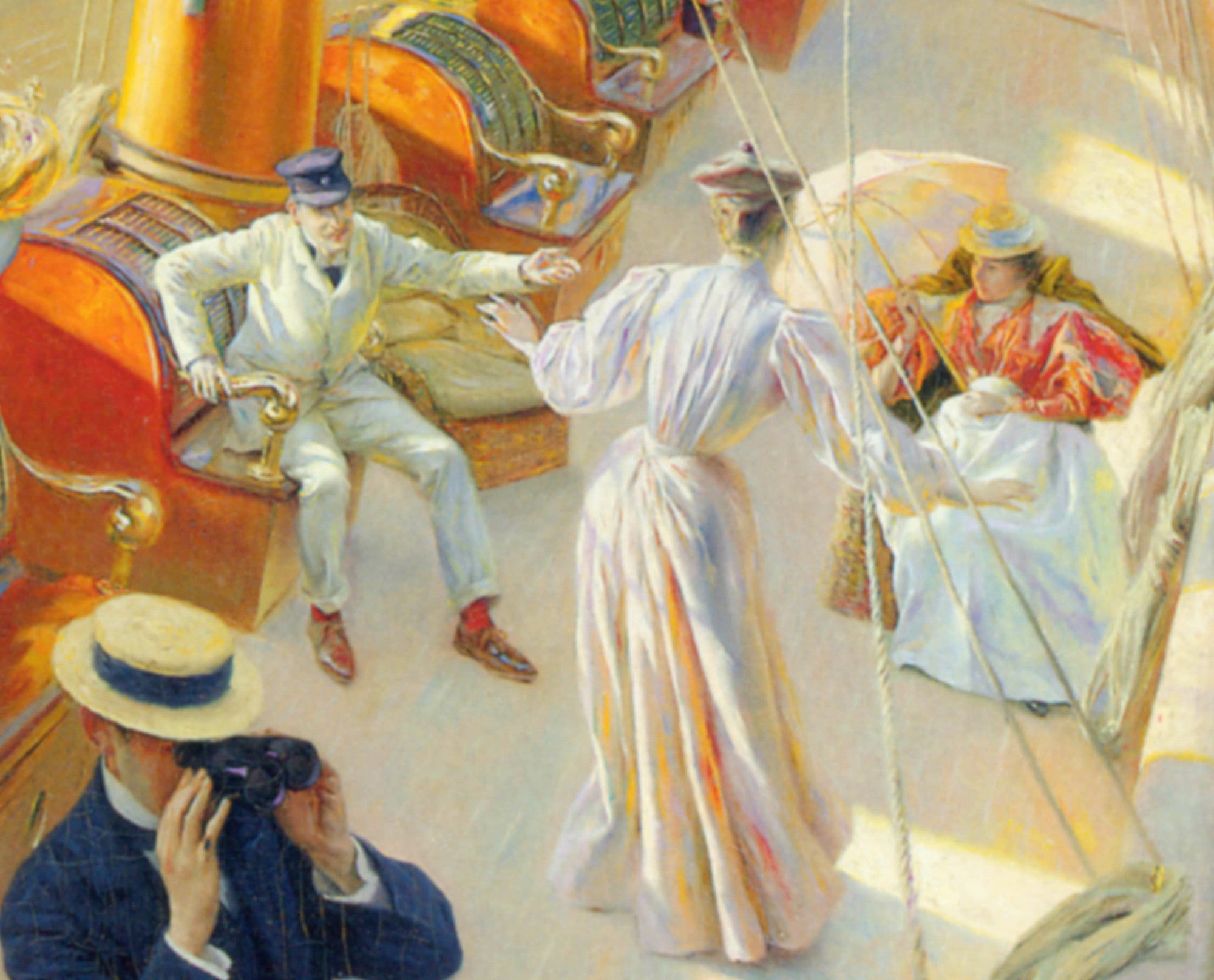


Boat Art Prints, Sailing Ships and Harbour Scenes
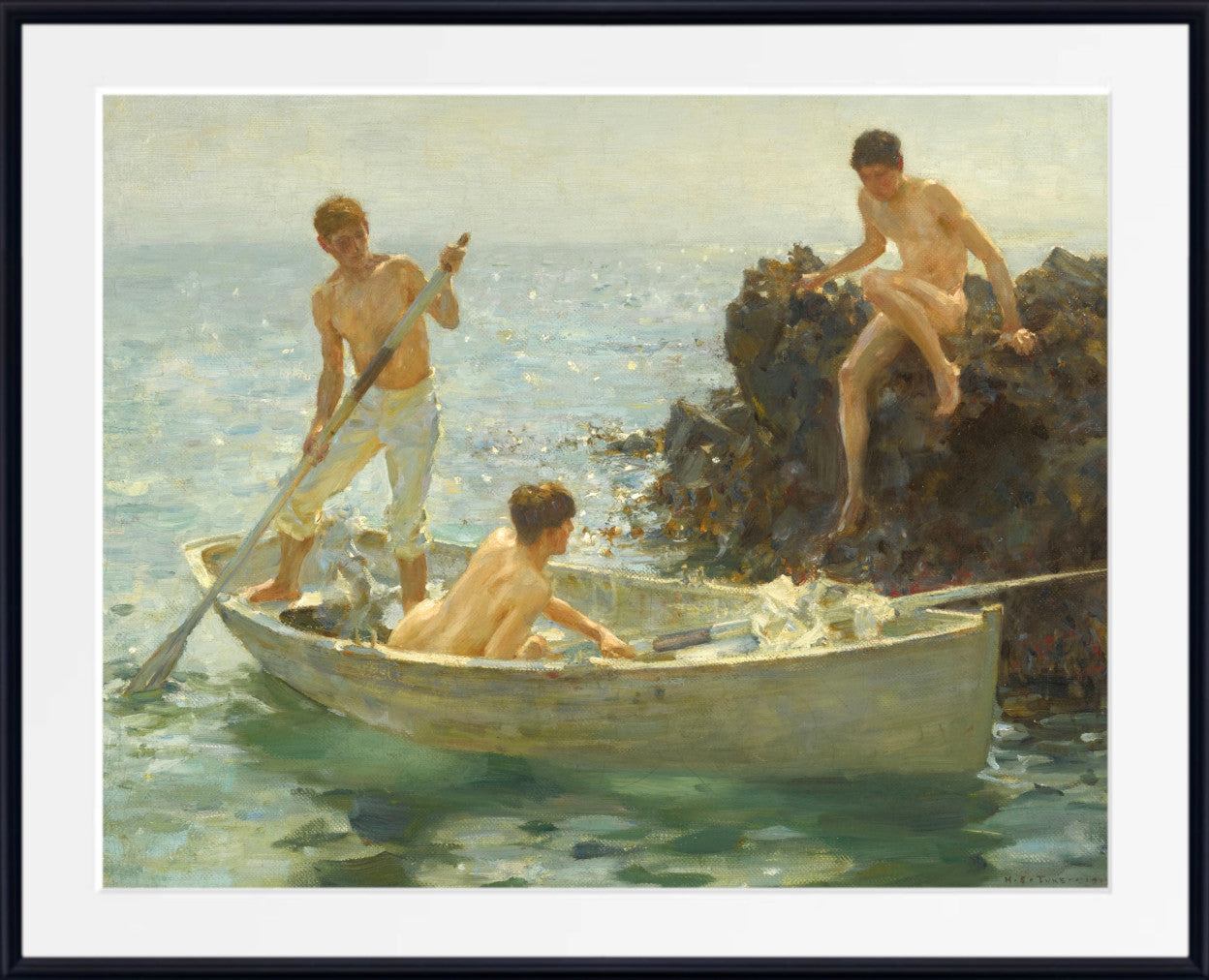
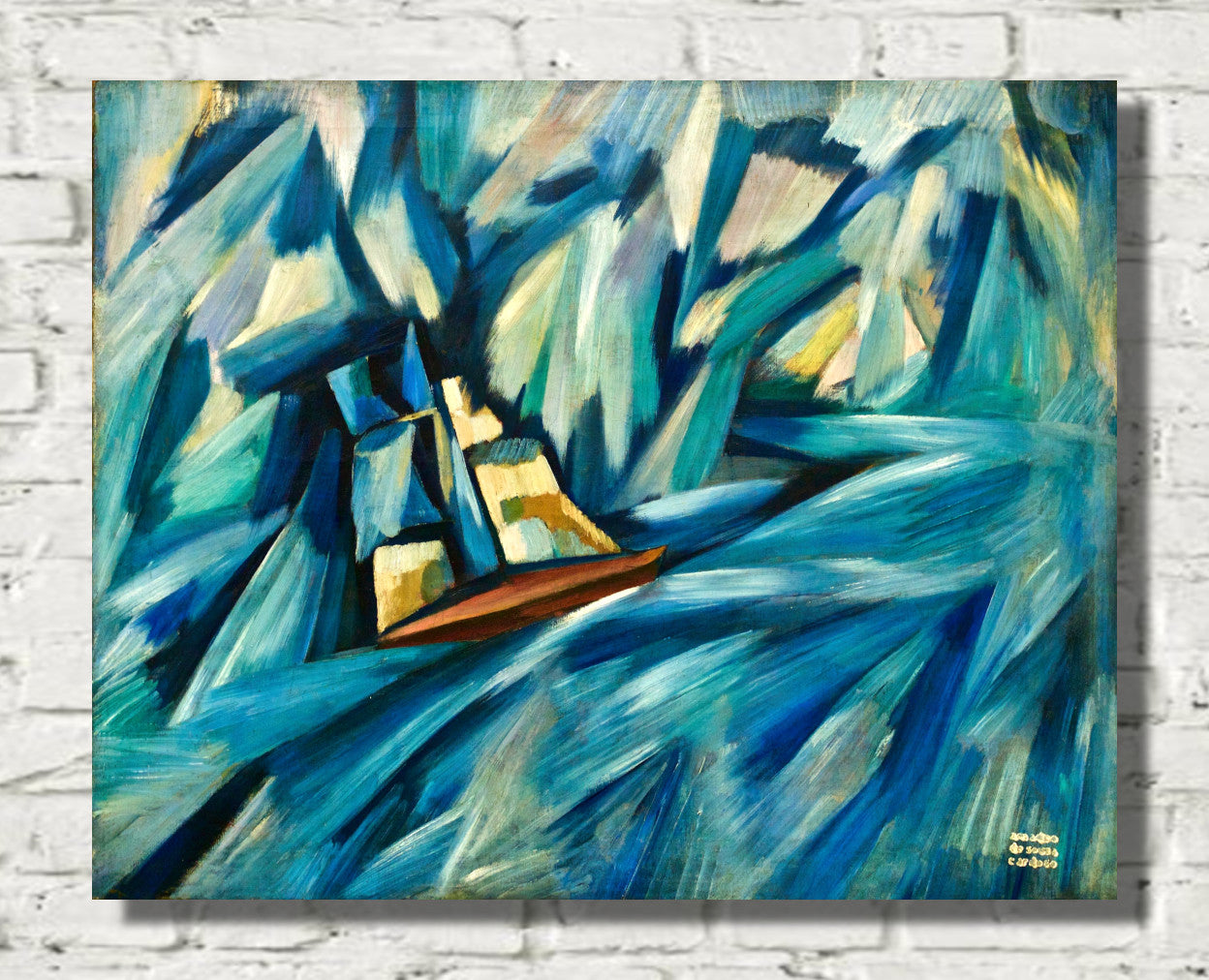
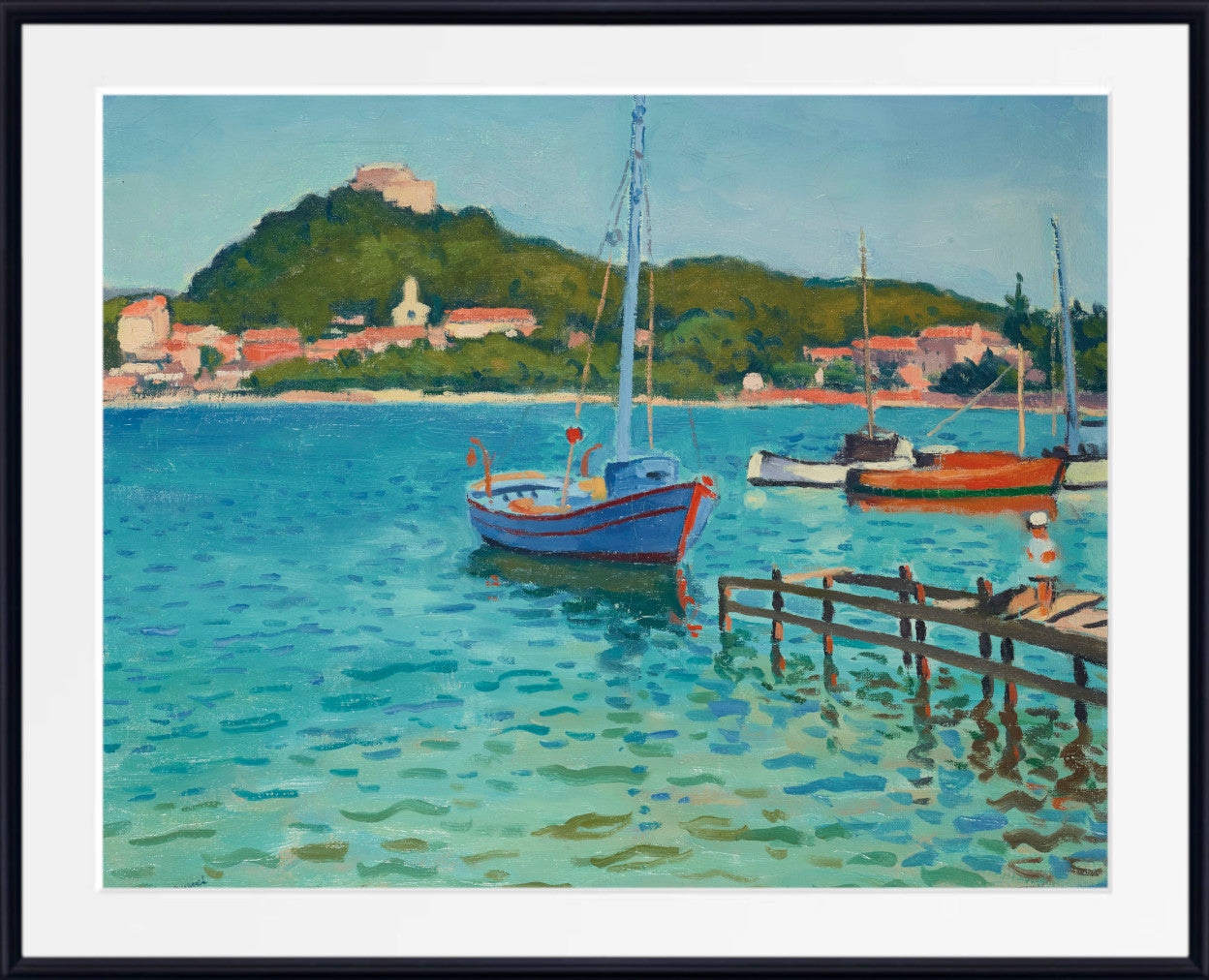
Boats have appeared throughout the history of landscape and maritime painting. Artists have depicted working fishing vessels, merchant ships, naval fleets, yachts, rowing boats and crowded harbours, as well as solitary boats resting on beaches or crossing open water.
This collection brings those subjects together around the vessel itself. Some prints concentrate on the structure of hulls, sails, masts and rigging. Others place boats within wider scenes shaped by weather, coastline, architecture and human activity.
For artworks in which the sea or coastline is more important than the vessel, explore our broader Seascape Art Prints. Where sand, shoreline figures and seaside activity dominate, browse the dedicated Beach Scene Prints collection.
Sailing Boats, Fishing Boats and Working Harbours
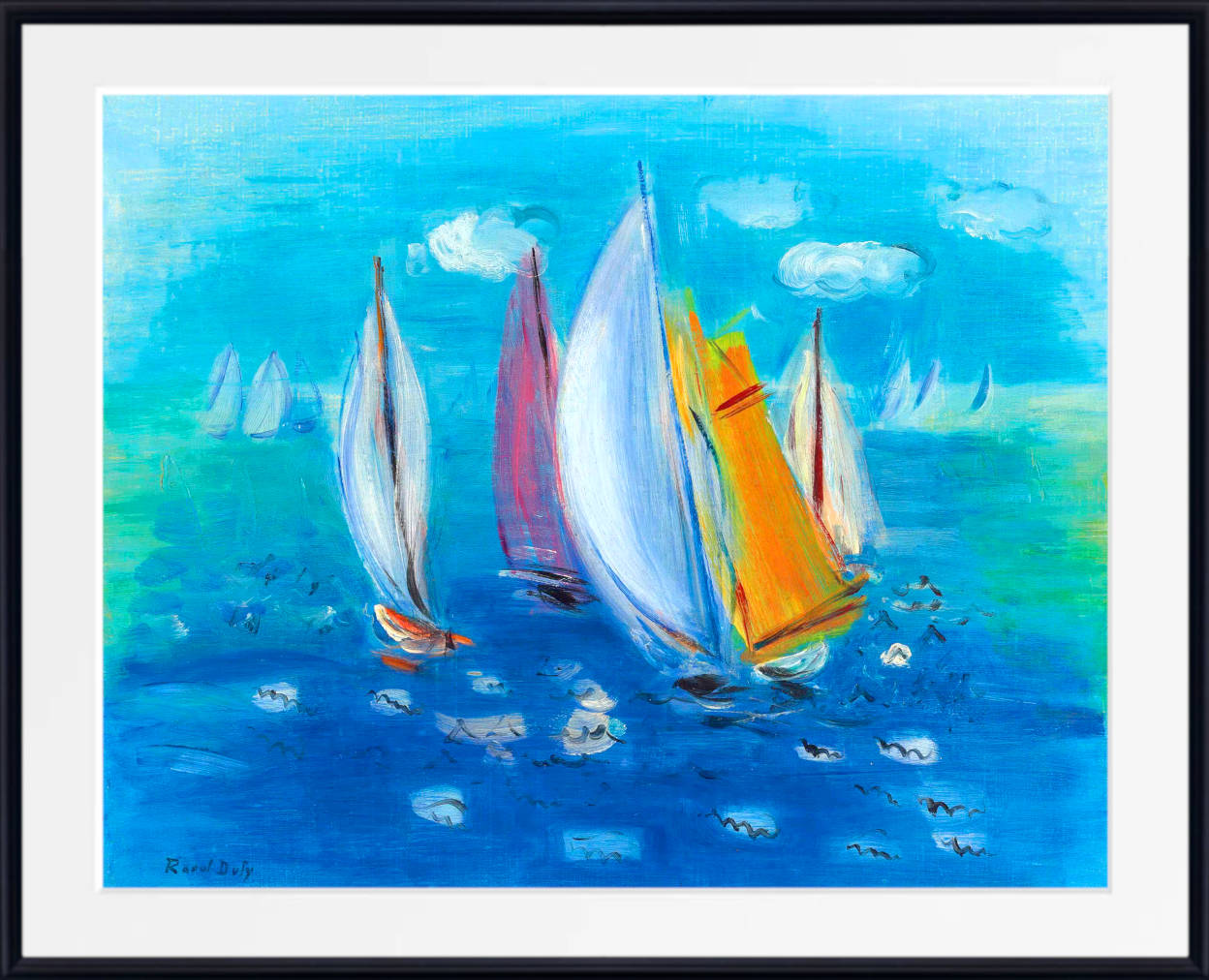
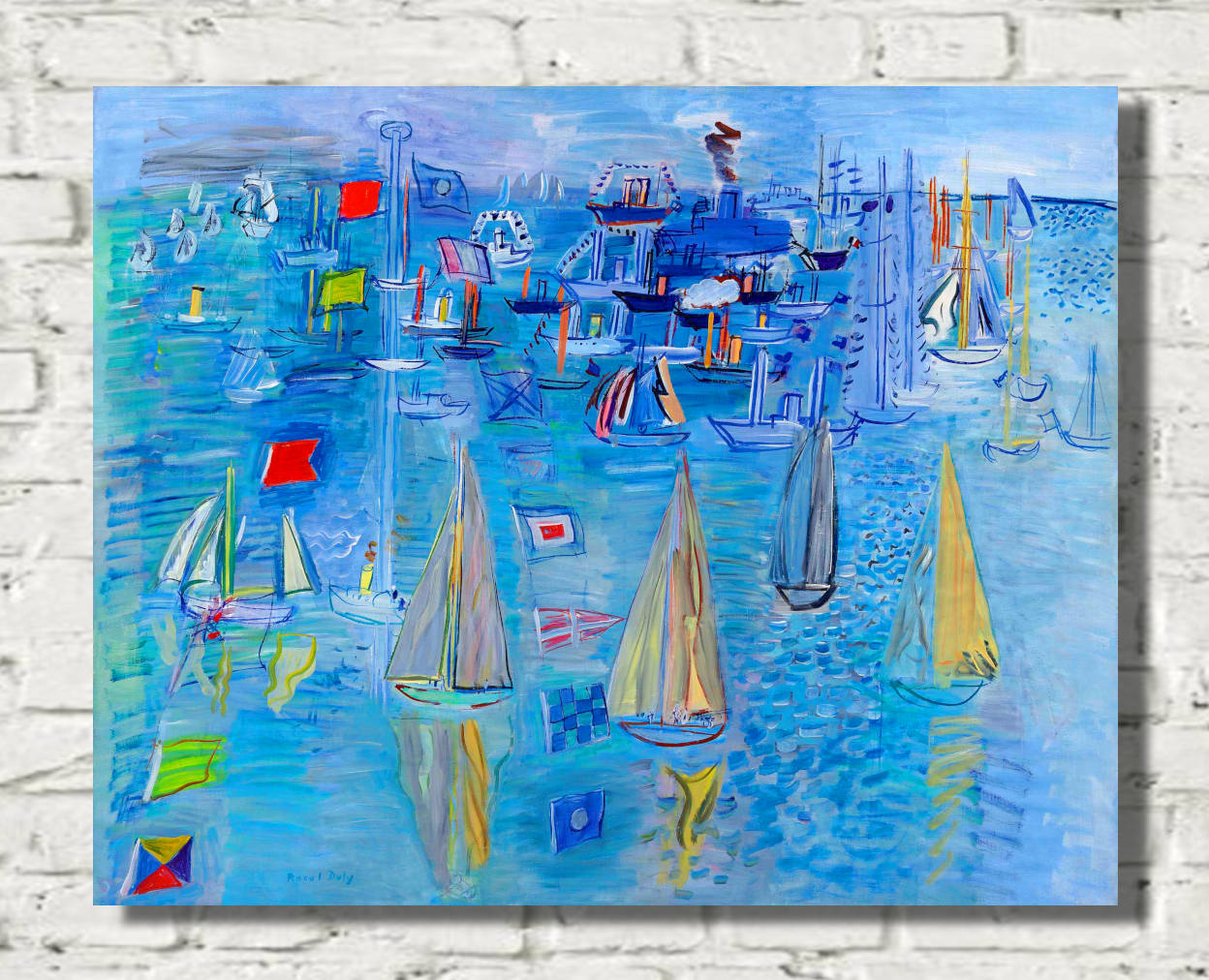
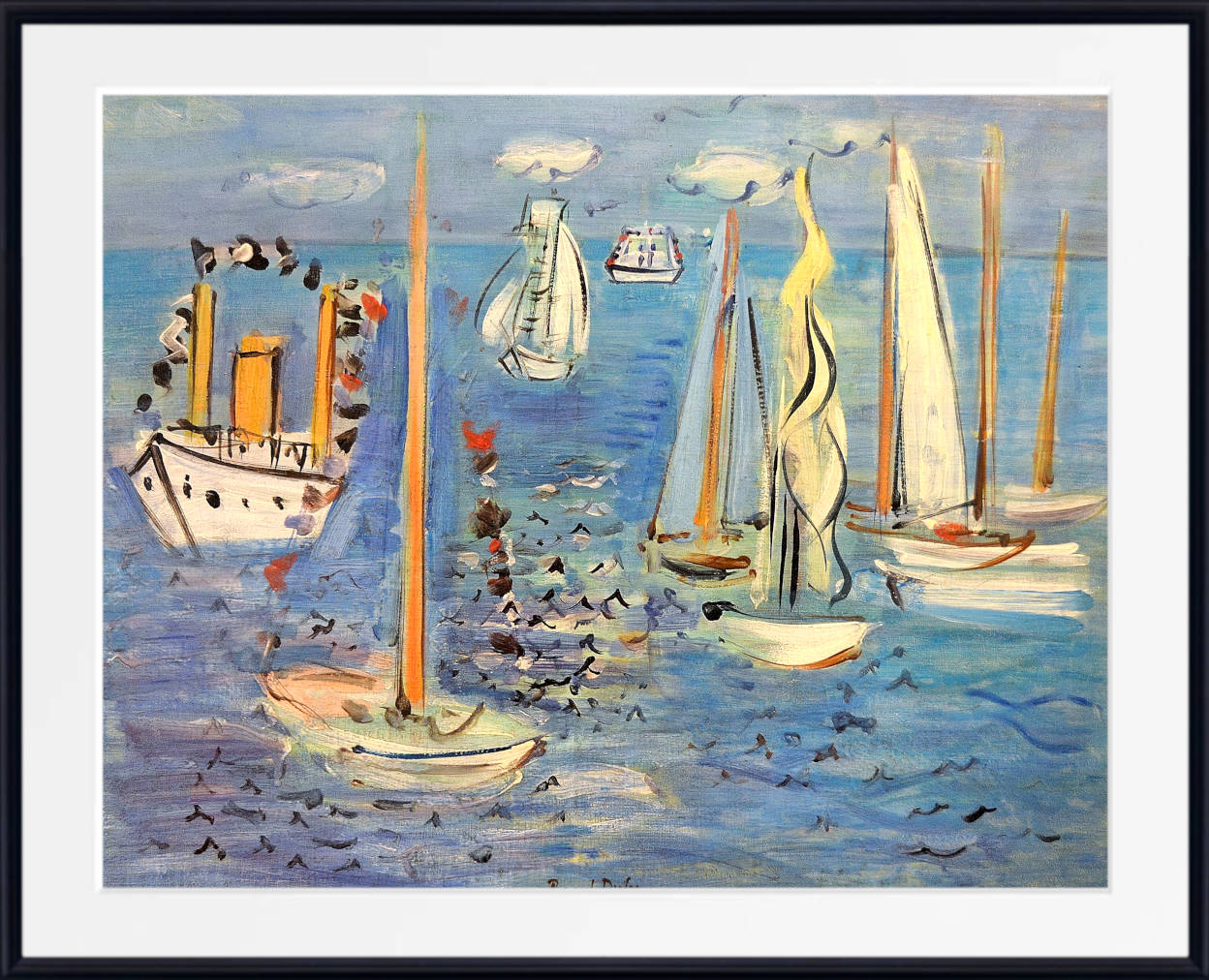
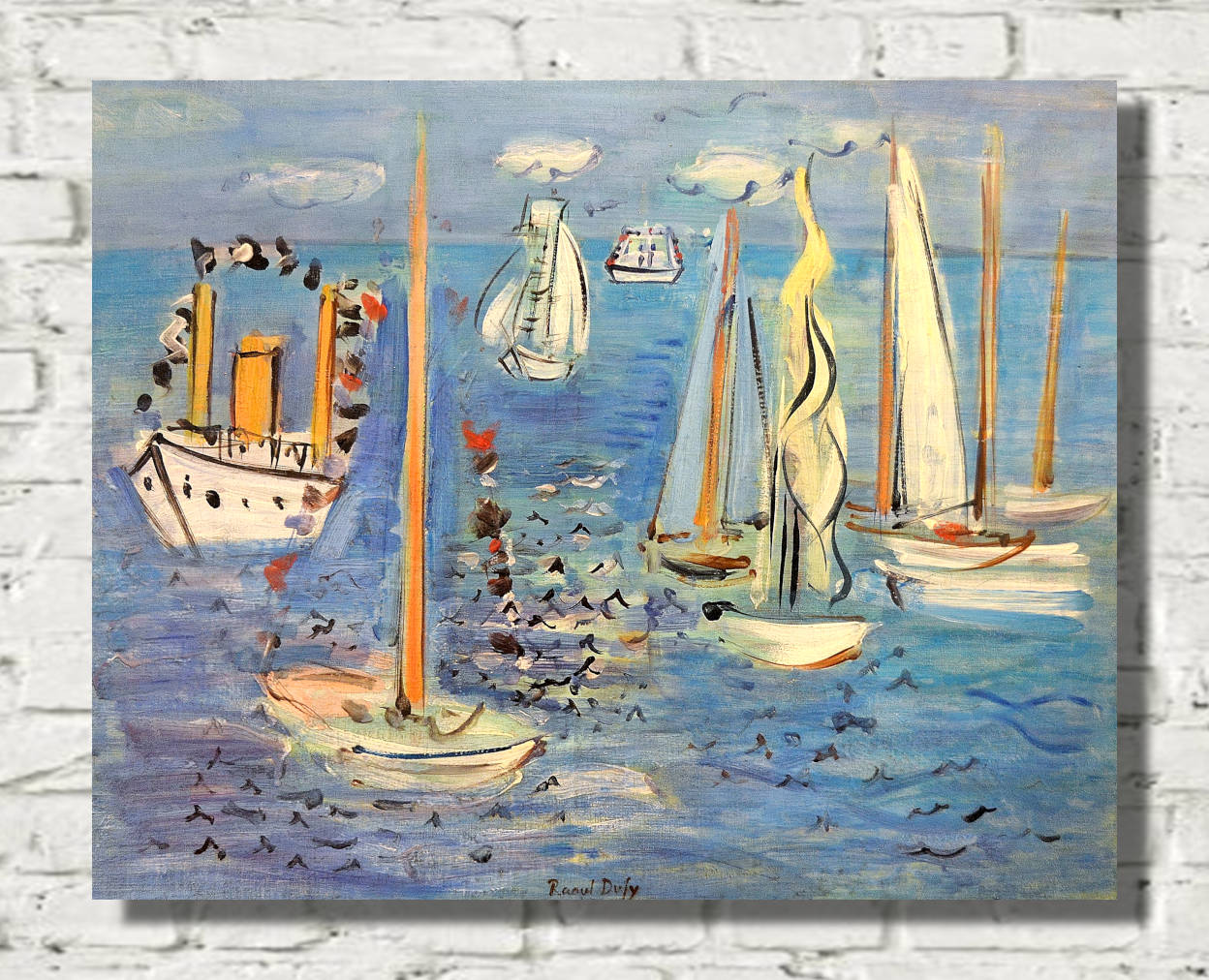
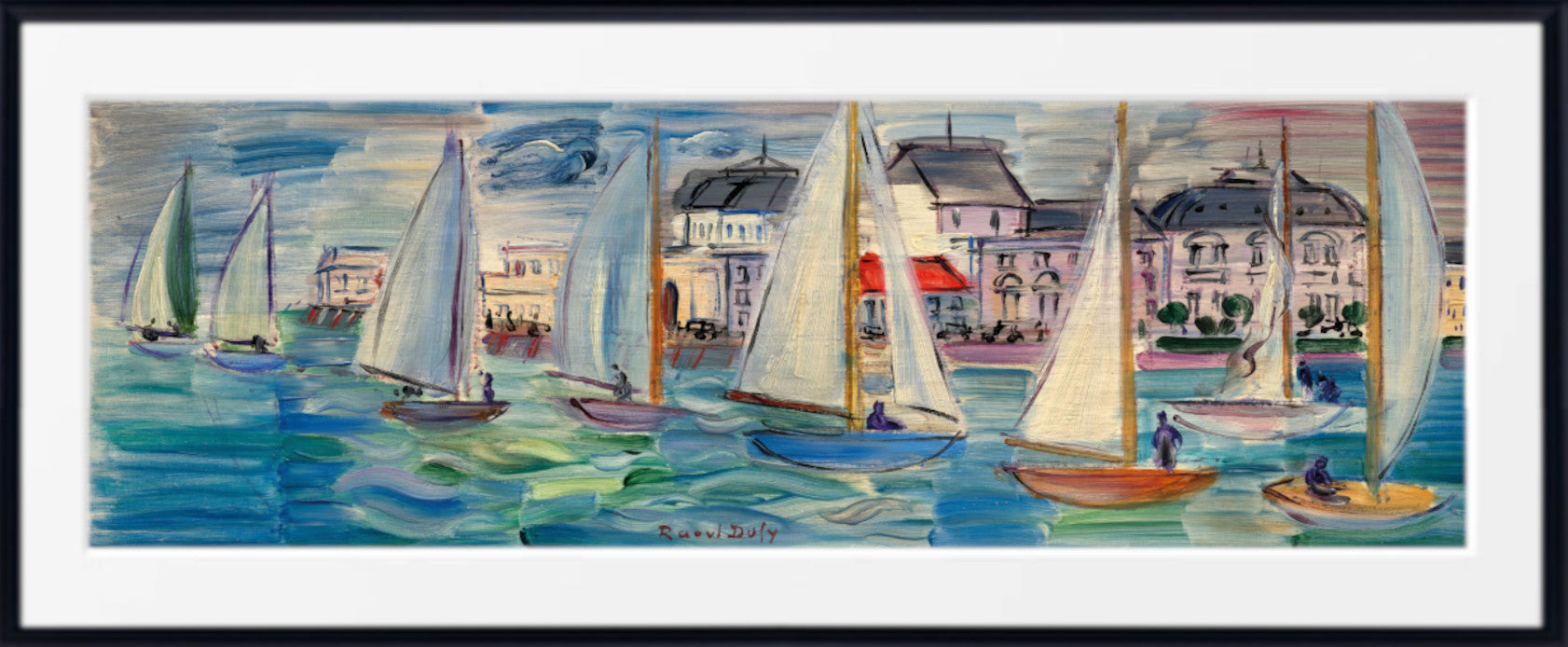
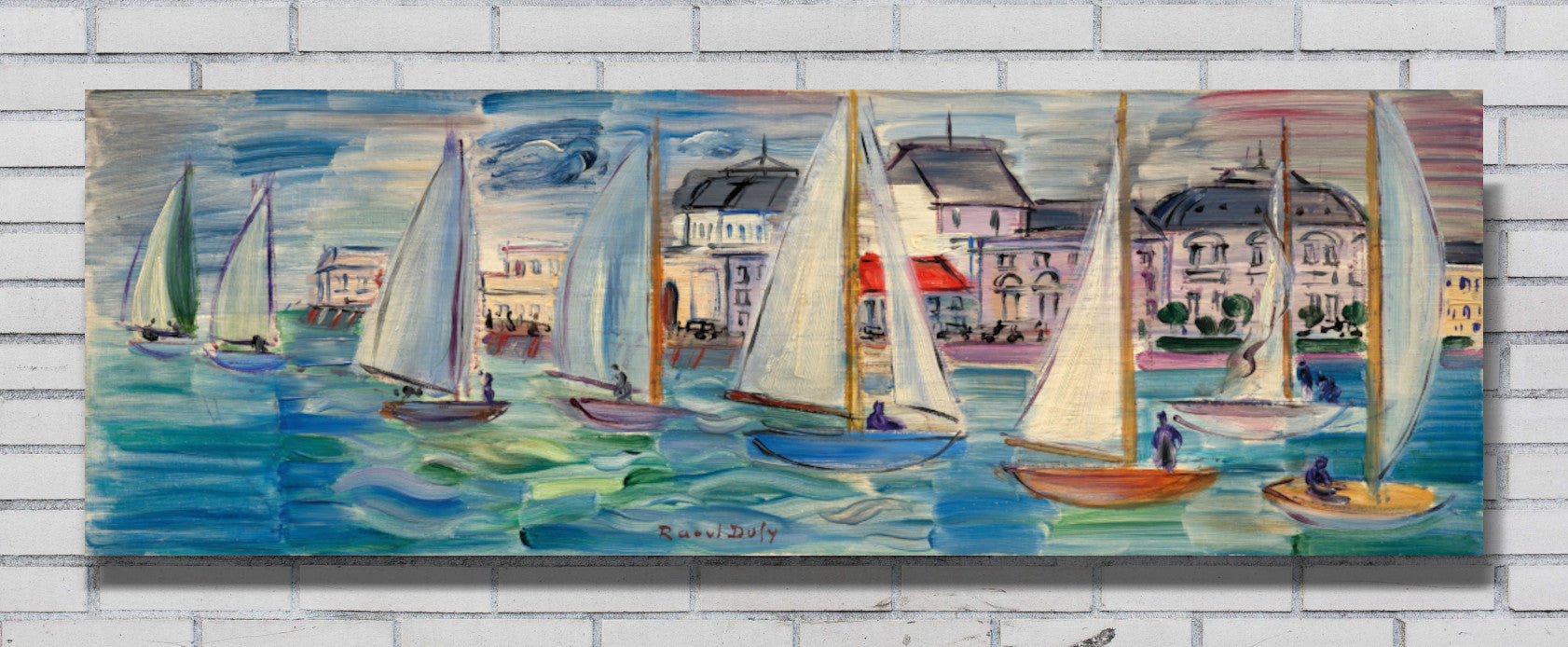
Sailing boats can give a picture a strong sense of movement even when the water is calm. Masts and sails introduce vertical and diagonal lines, while repeated boats create rhythm across a harbour or regatta scene. Prints showing yachts and sailing vessels are particularly effective in coastal interiors, living rooms, studies and spaces with blue, white or natural-wood furnishings.
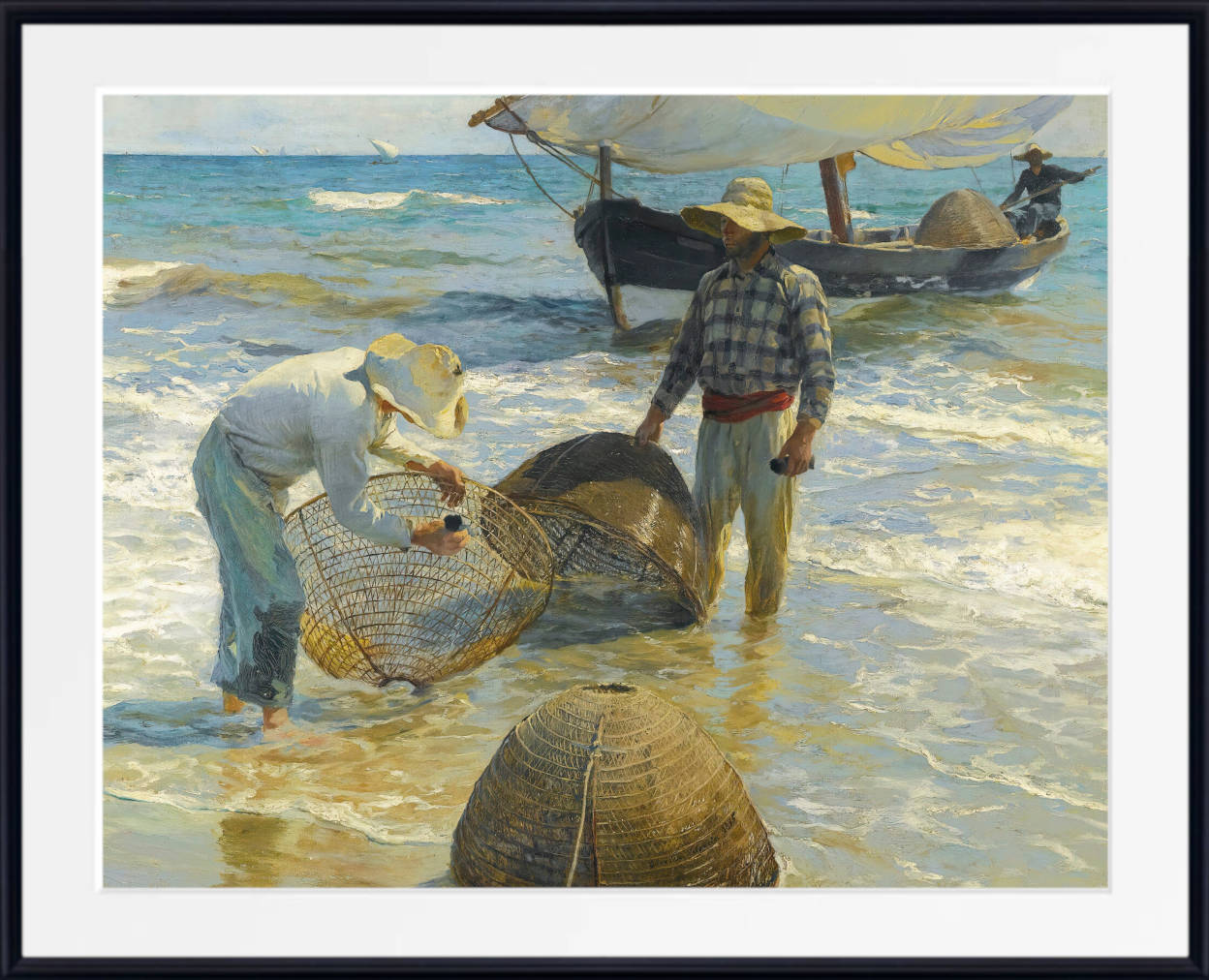
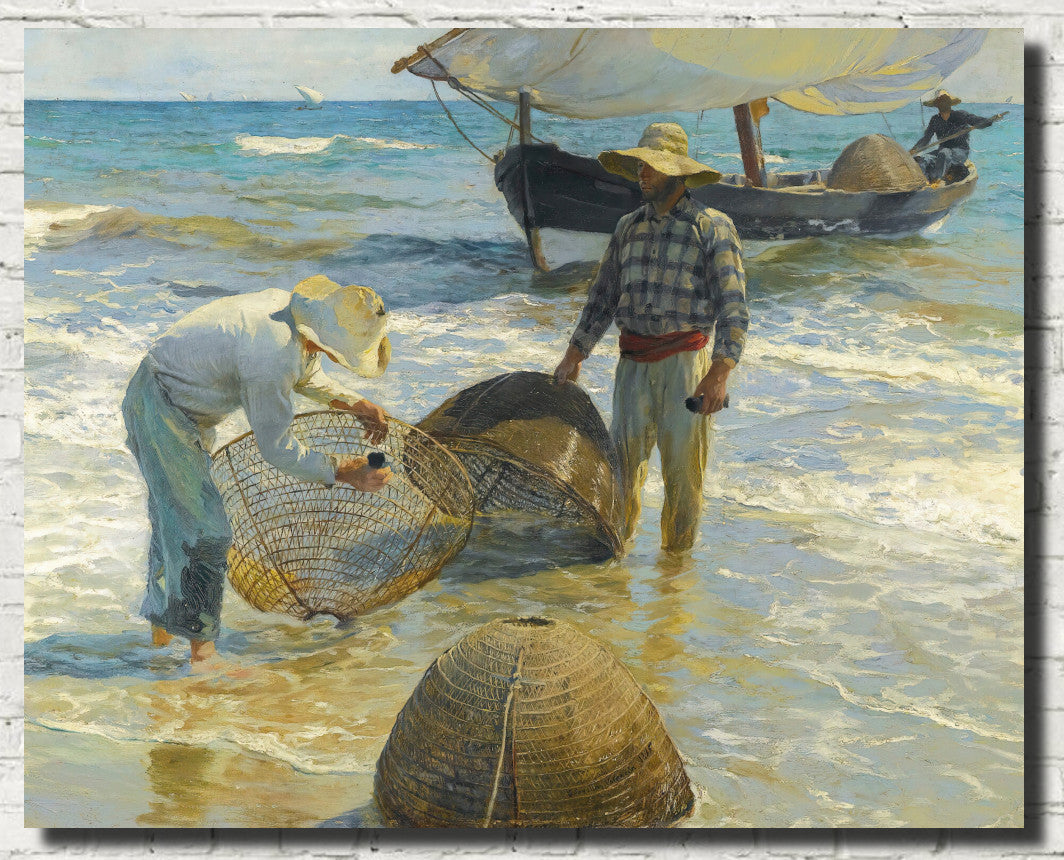
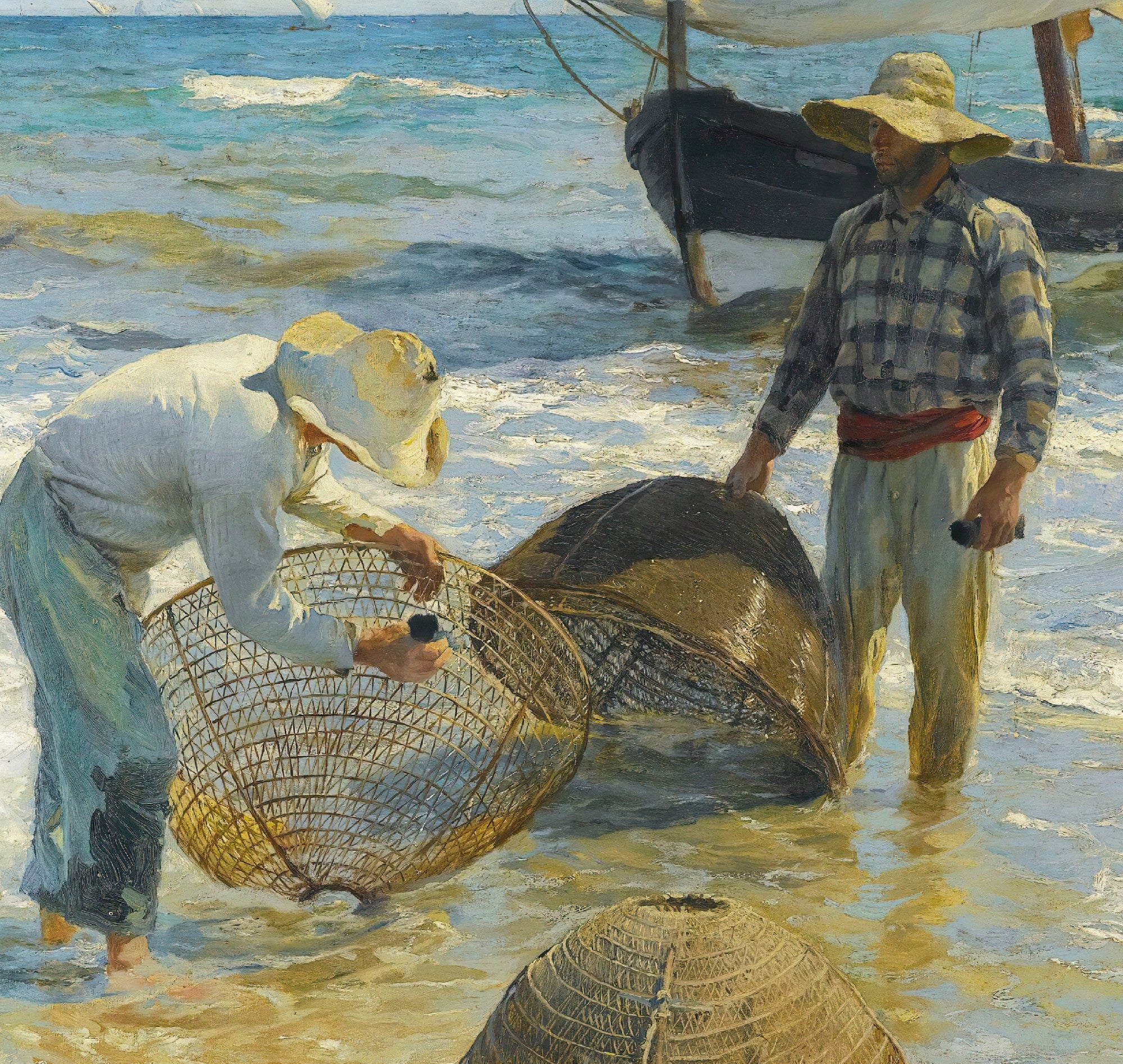
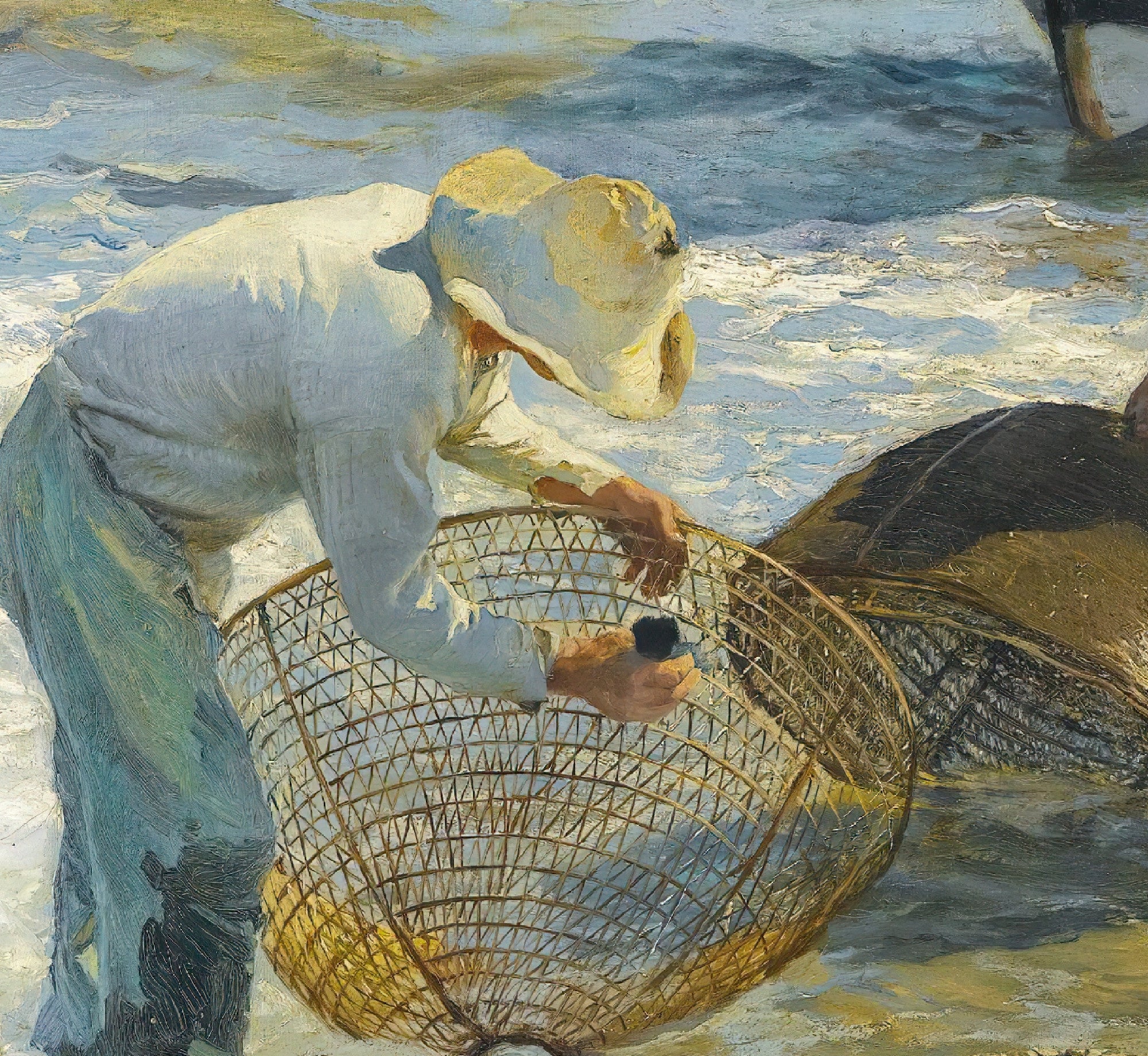
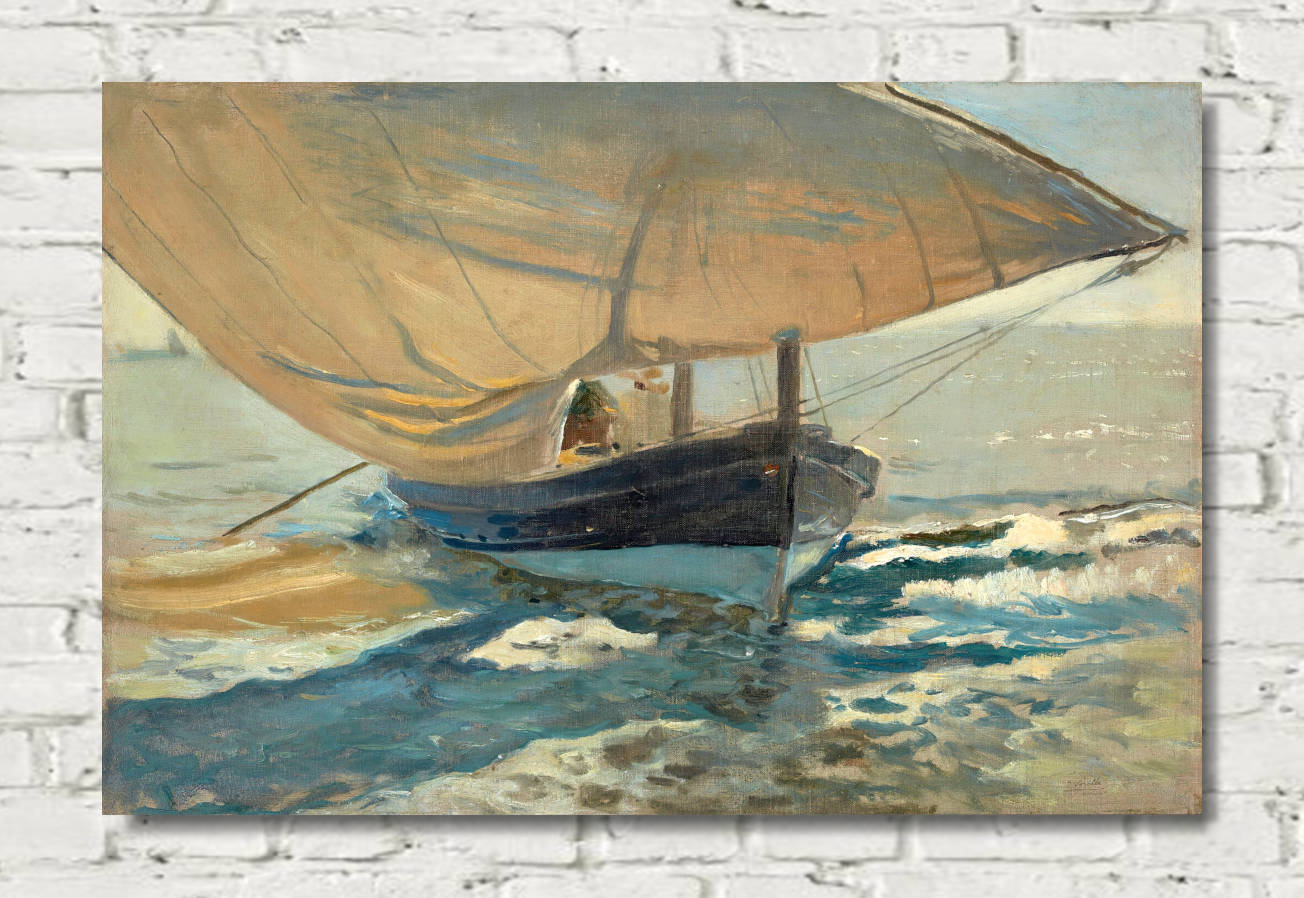
Fishing boats provide a different view of maritime life. These works may show vessels returning with a catch, fishermen preparing nets, boats pulled onto a beach or small craft moving between harbour and open water. Their combination of landscape, work and local history makes them suitable for both traditional and contemporary rooms.
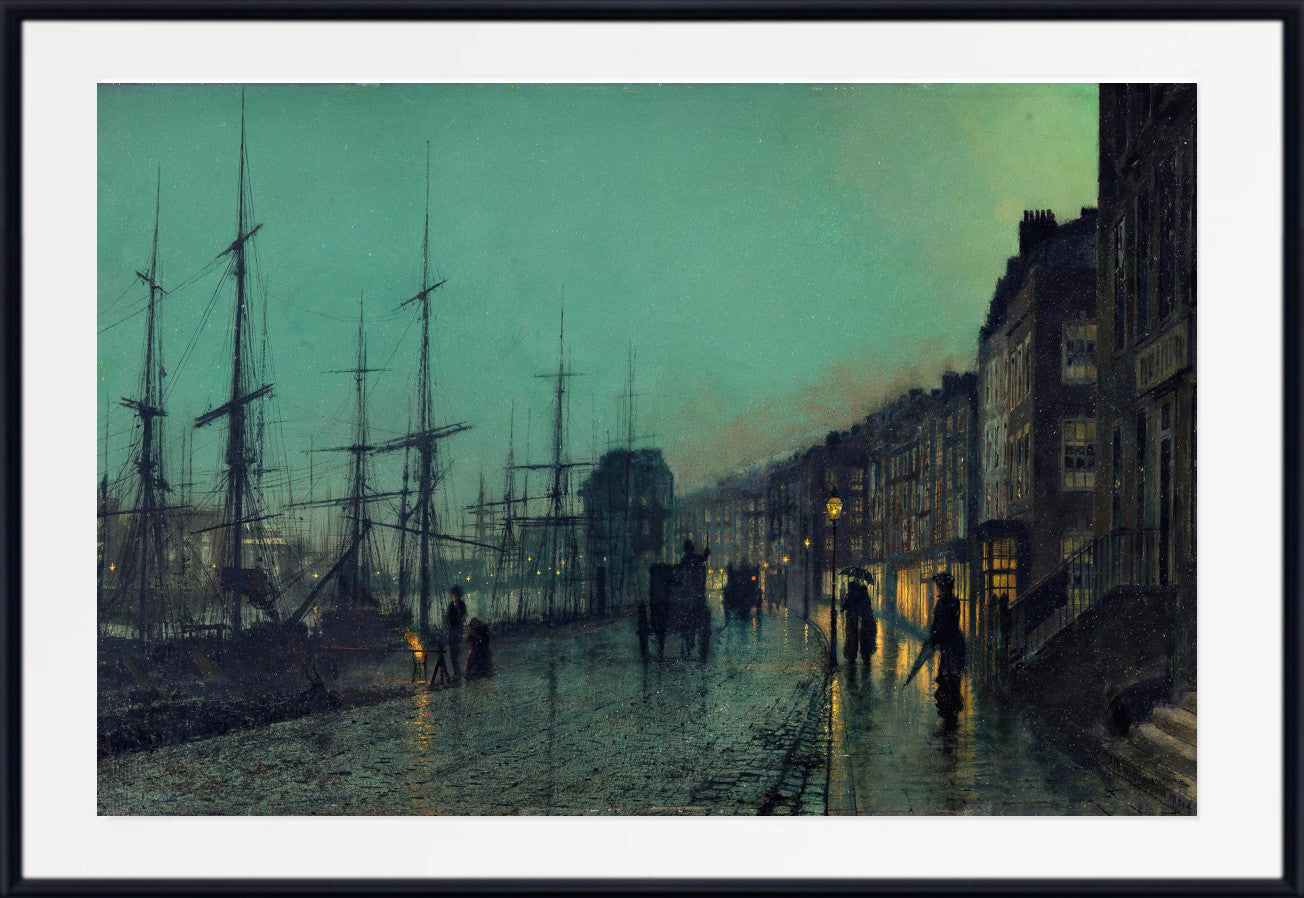
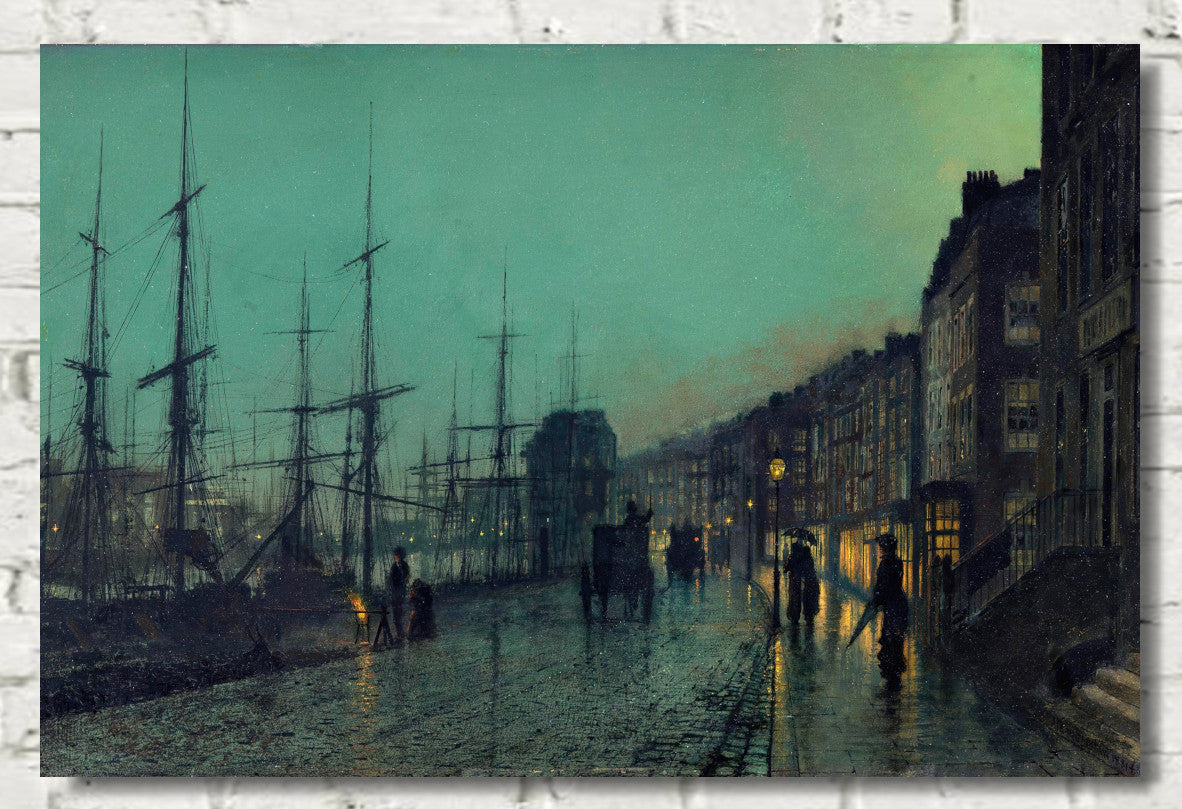
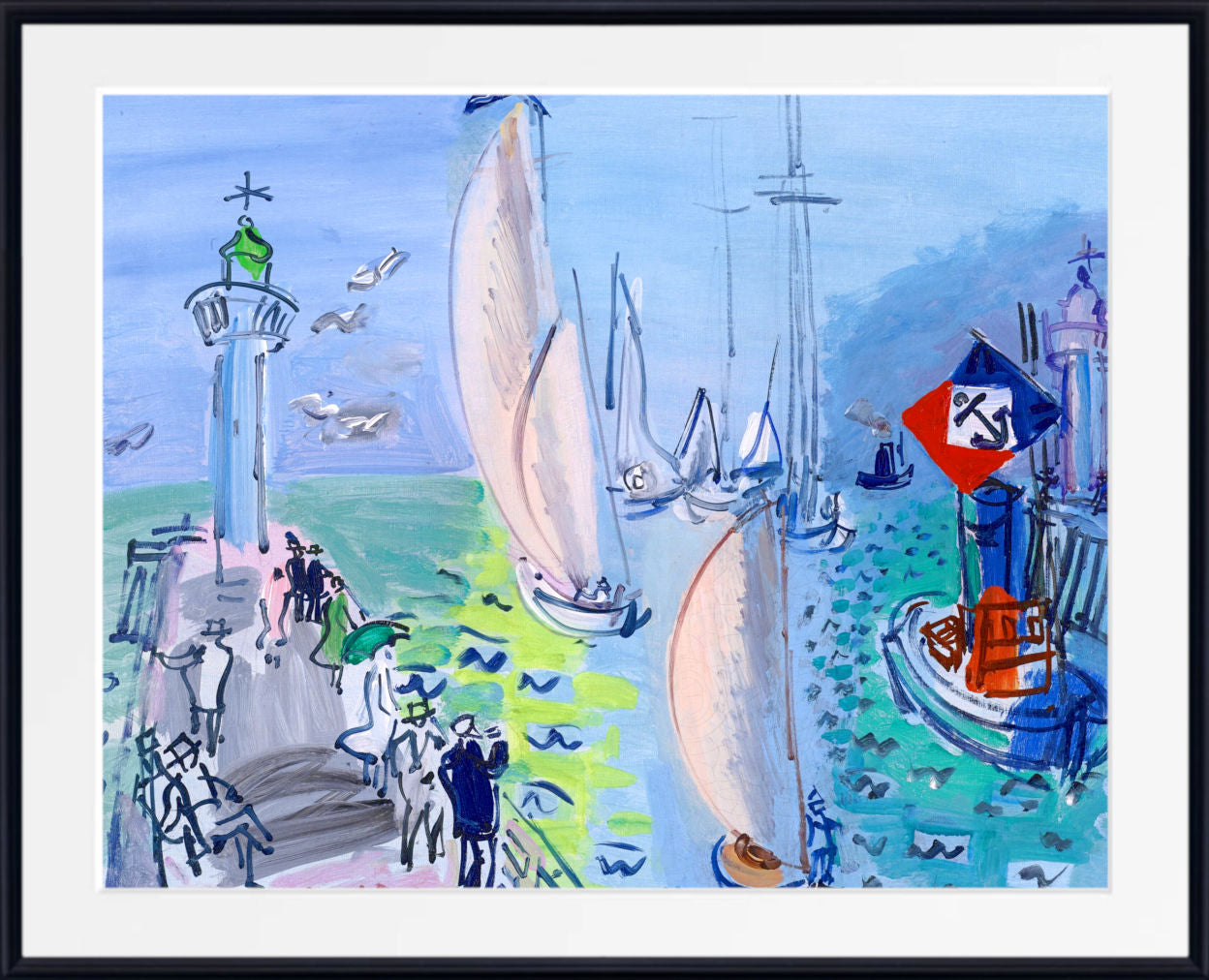
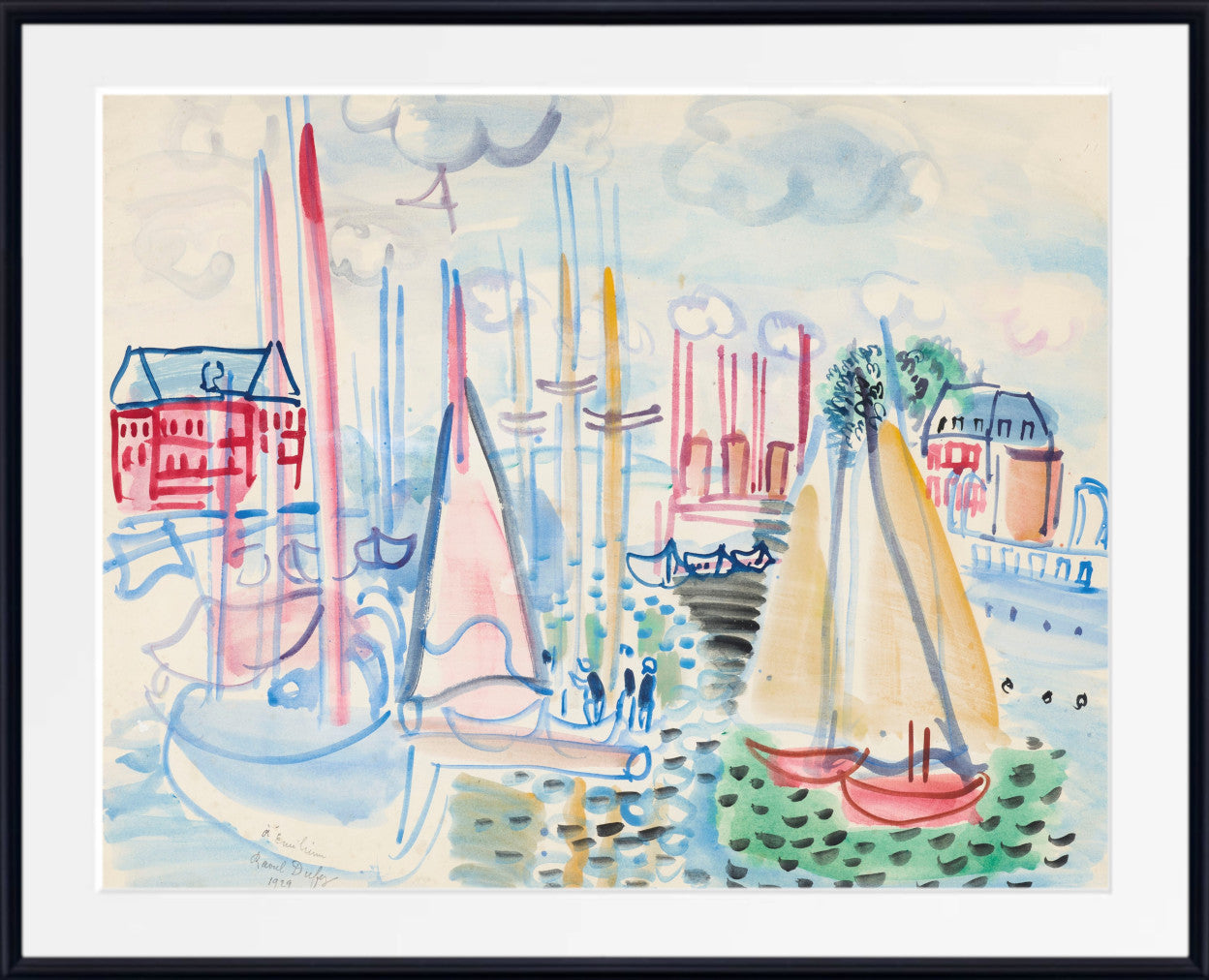
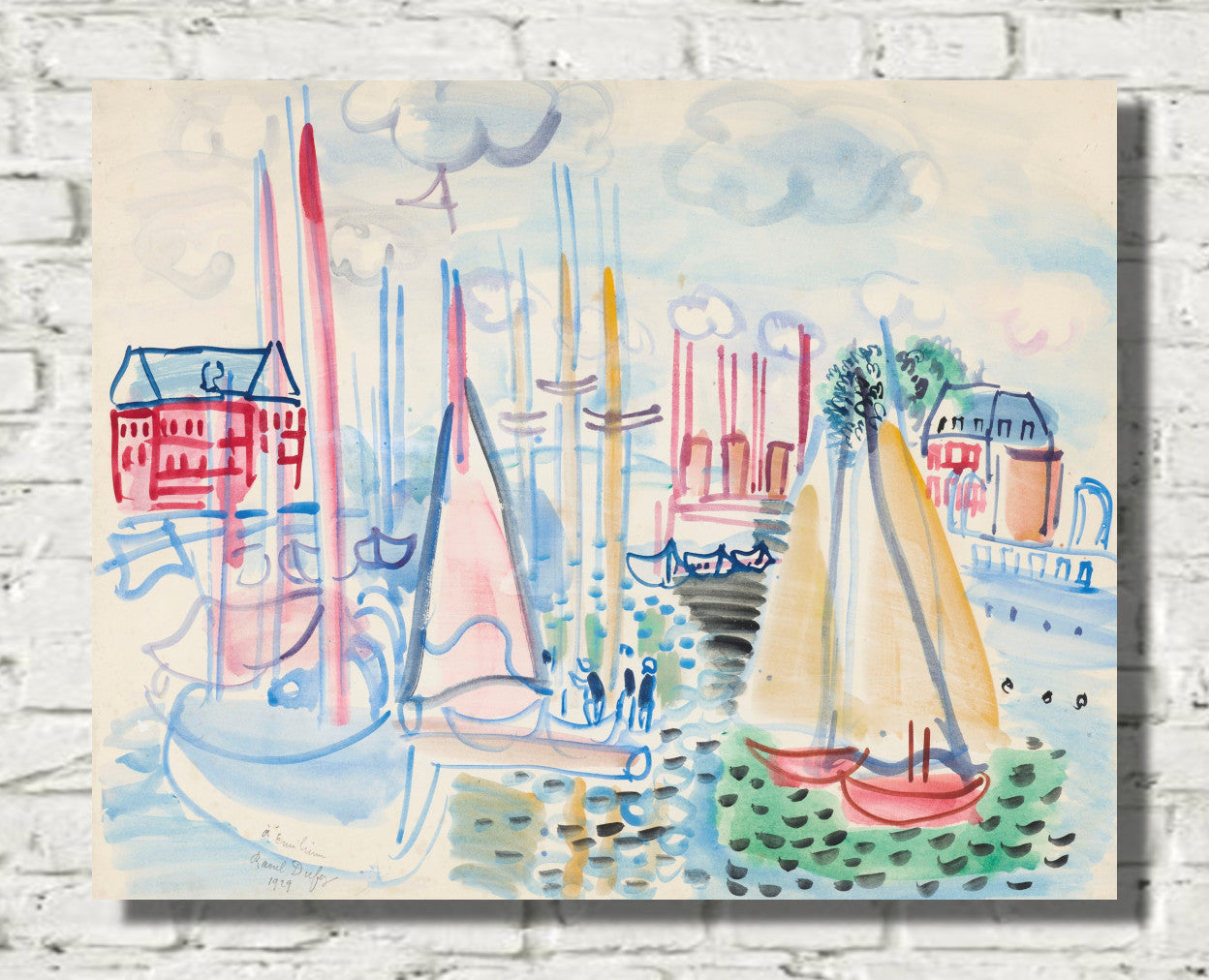
Harbour prints add buildings, quays, reflections and human activity to the maritime subject. Mediterranean ports can introduce bright colour and sunlight, while British and northern European harbours often use quieter blue, grey and earth tones.
Ships, Storms and Maritime History
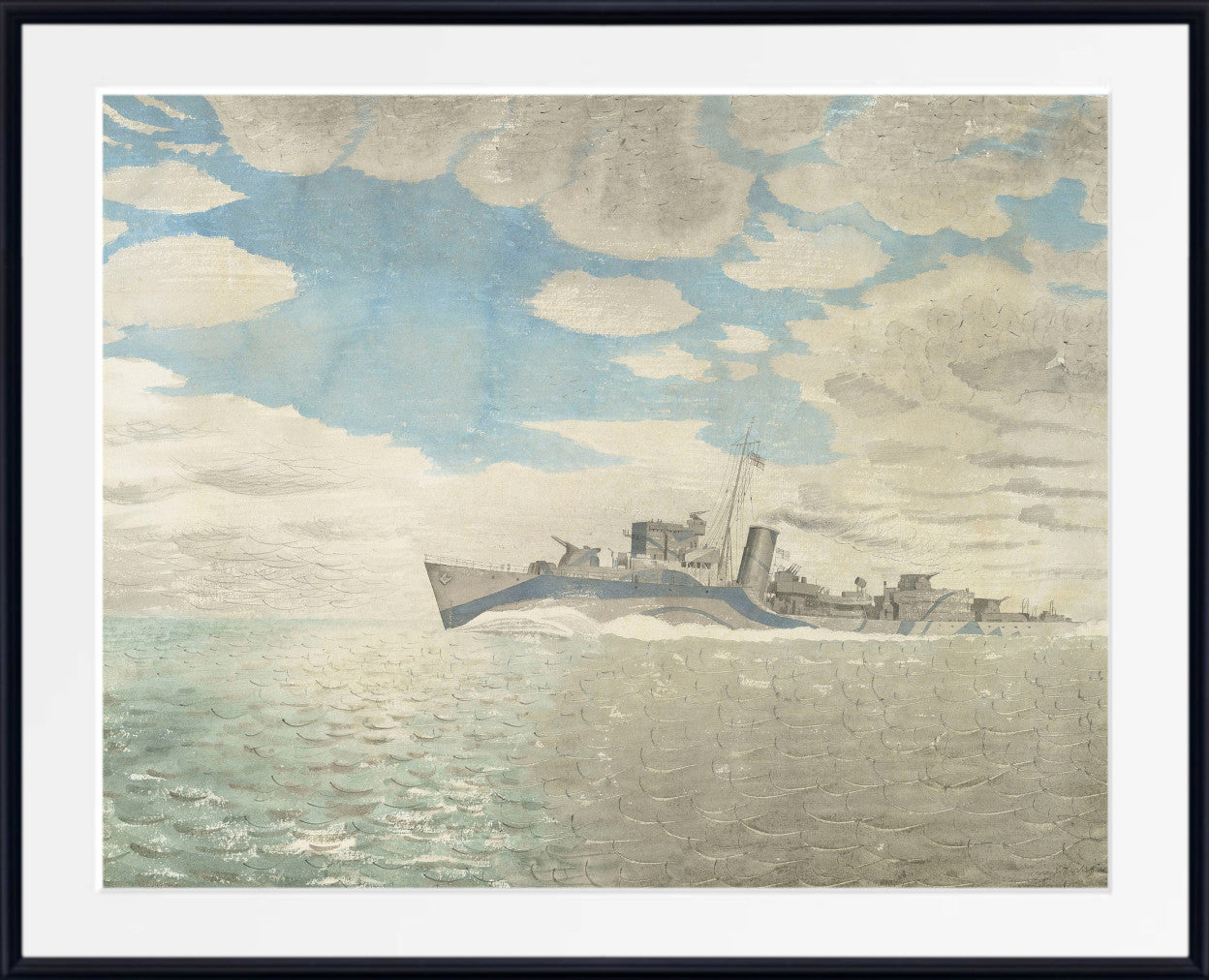
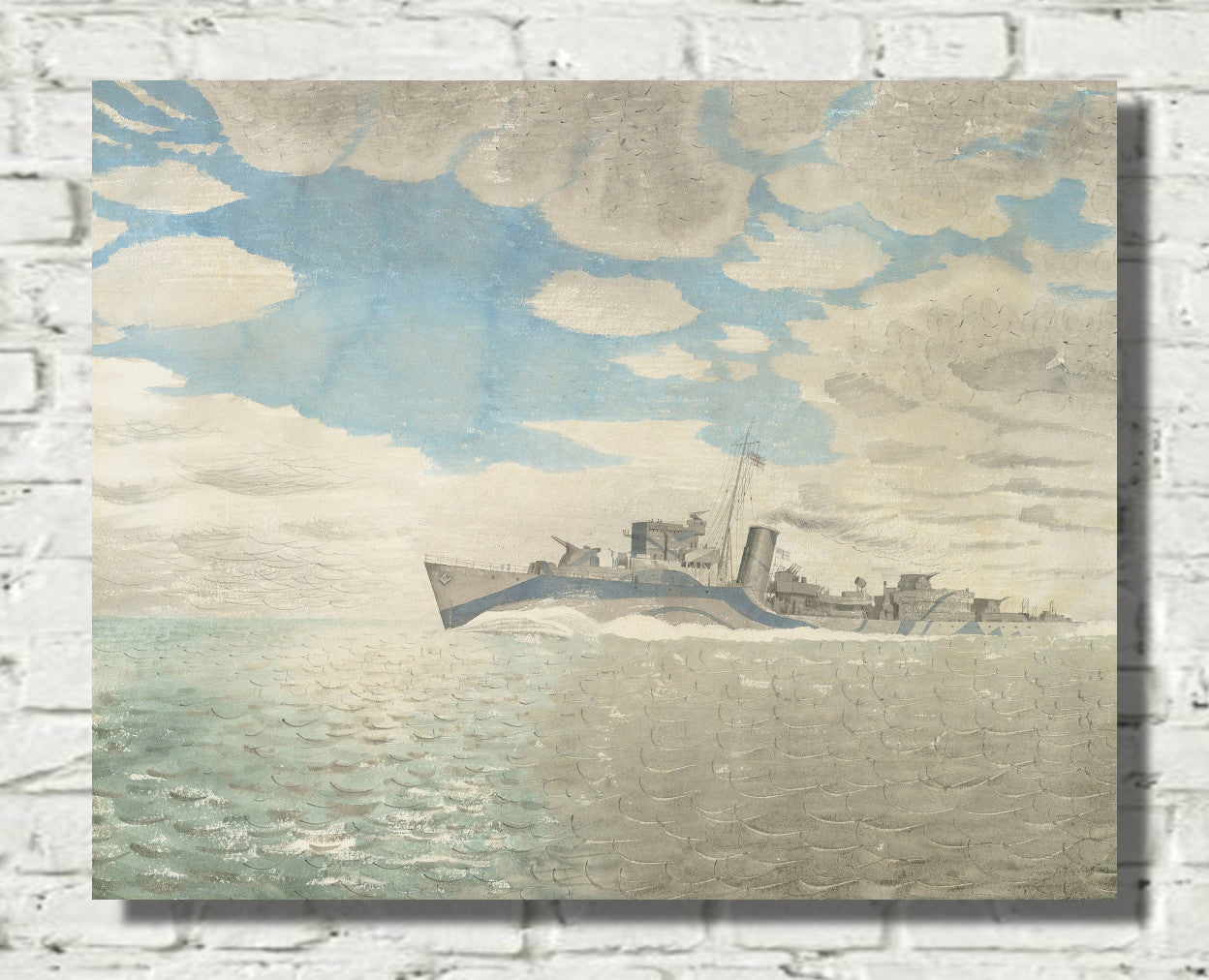
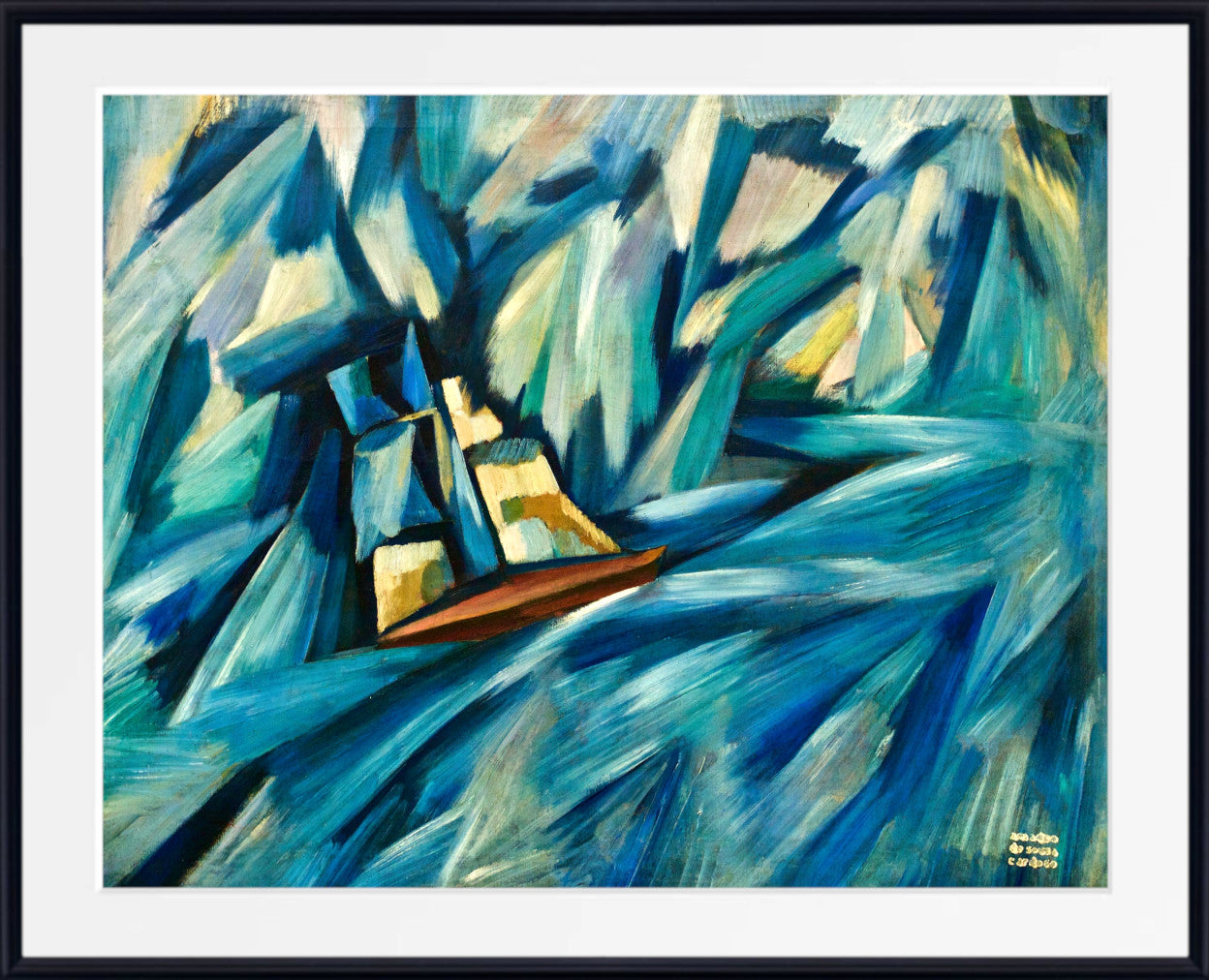
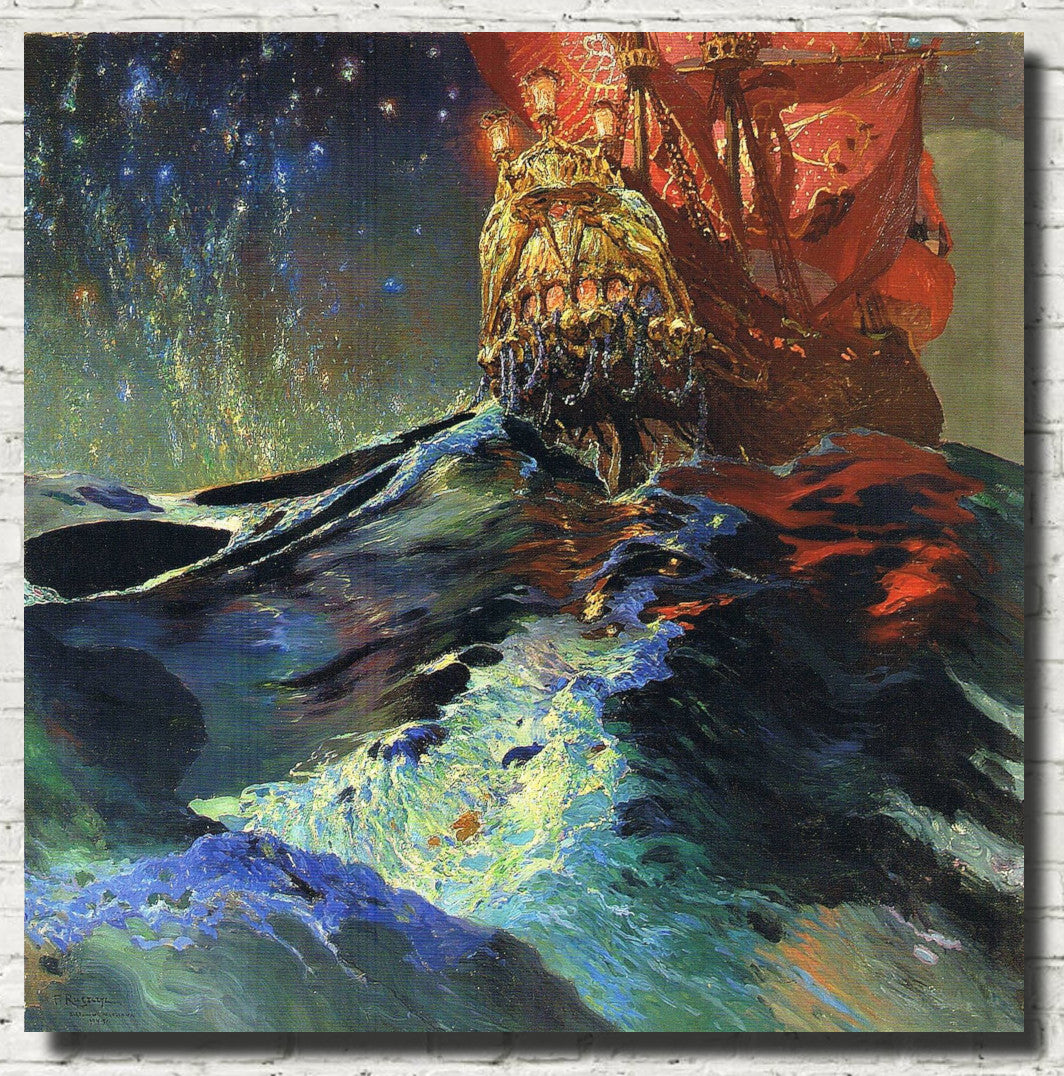
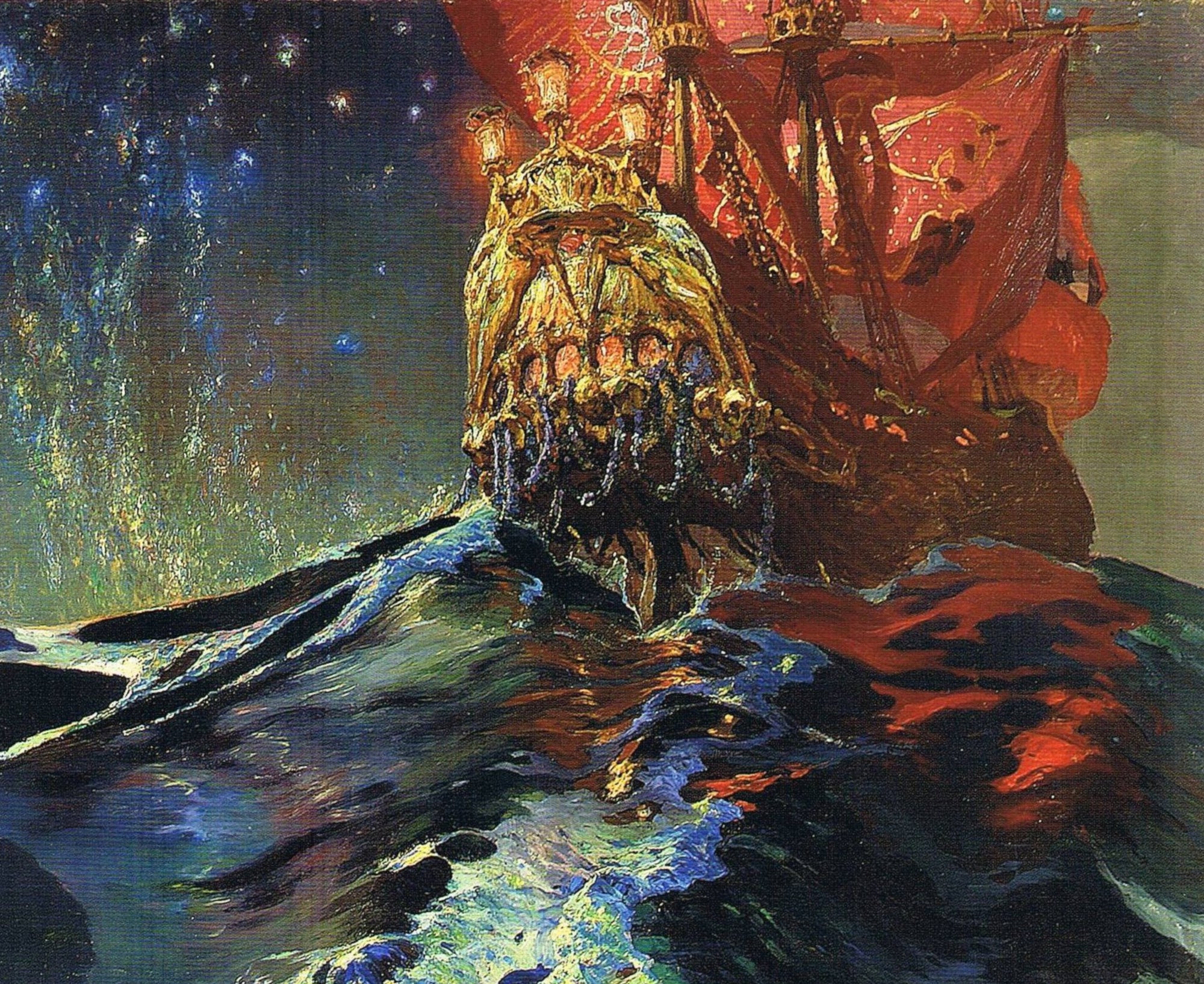
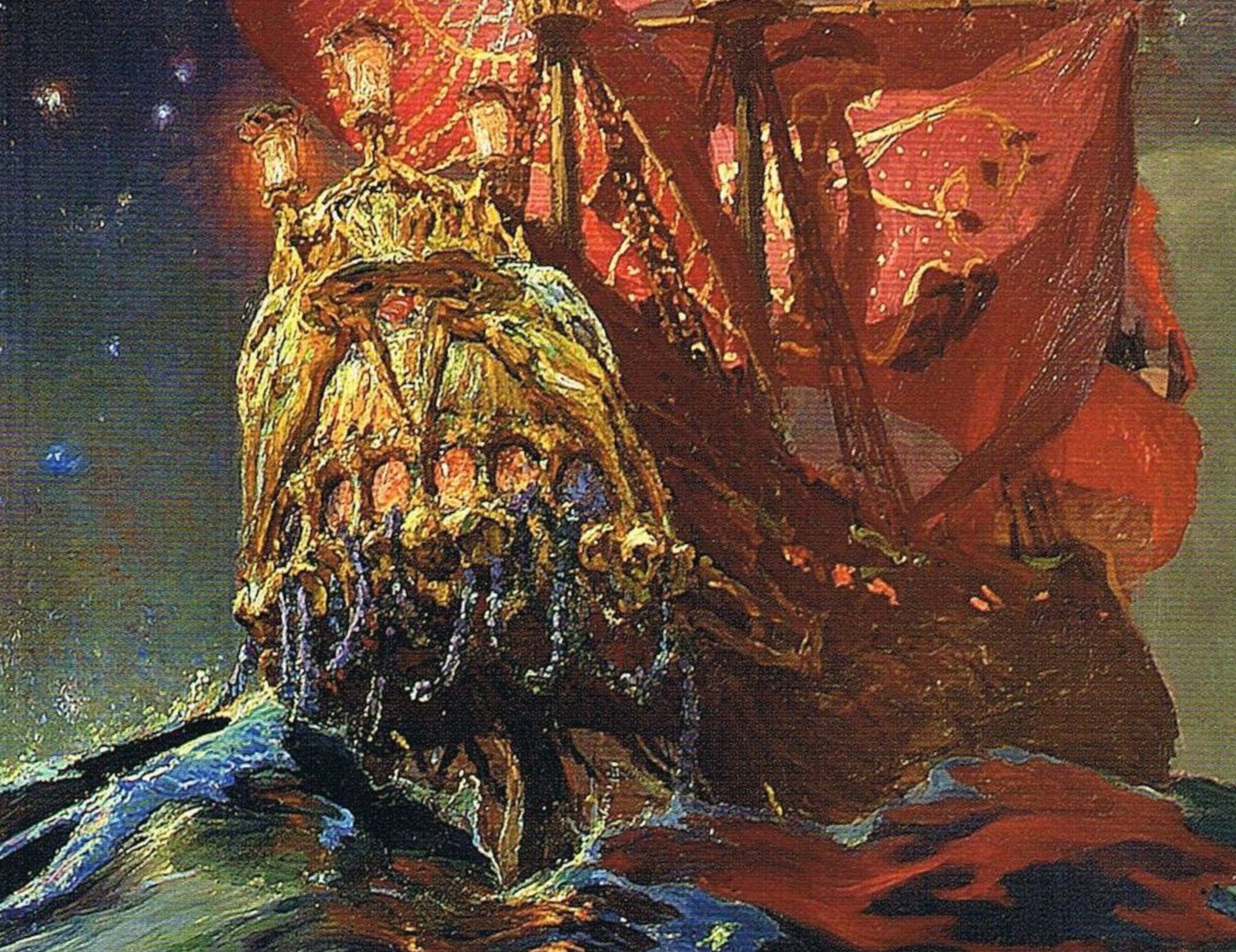
Historic ships and naval vessels can create a more dramatic focal point. Romantic painters used ships to explore scale, danger, weather and the power of the sea. In some works the vessel dominates the composition; in others it appears small and vulnerable beneath an immense sky or among breaking waves.
Ivan Aivazovsky painted sailing ships, naval battles, moonlit passages, harbours and vessels caught in violent storms. His treatment of translucent water and changing light made him one of the nineteenth century’s most celebrated marine painters.
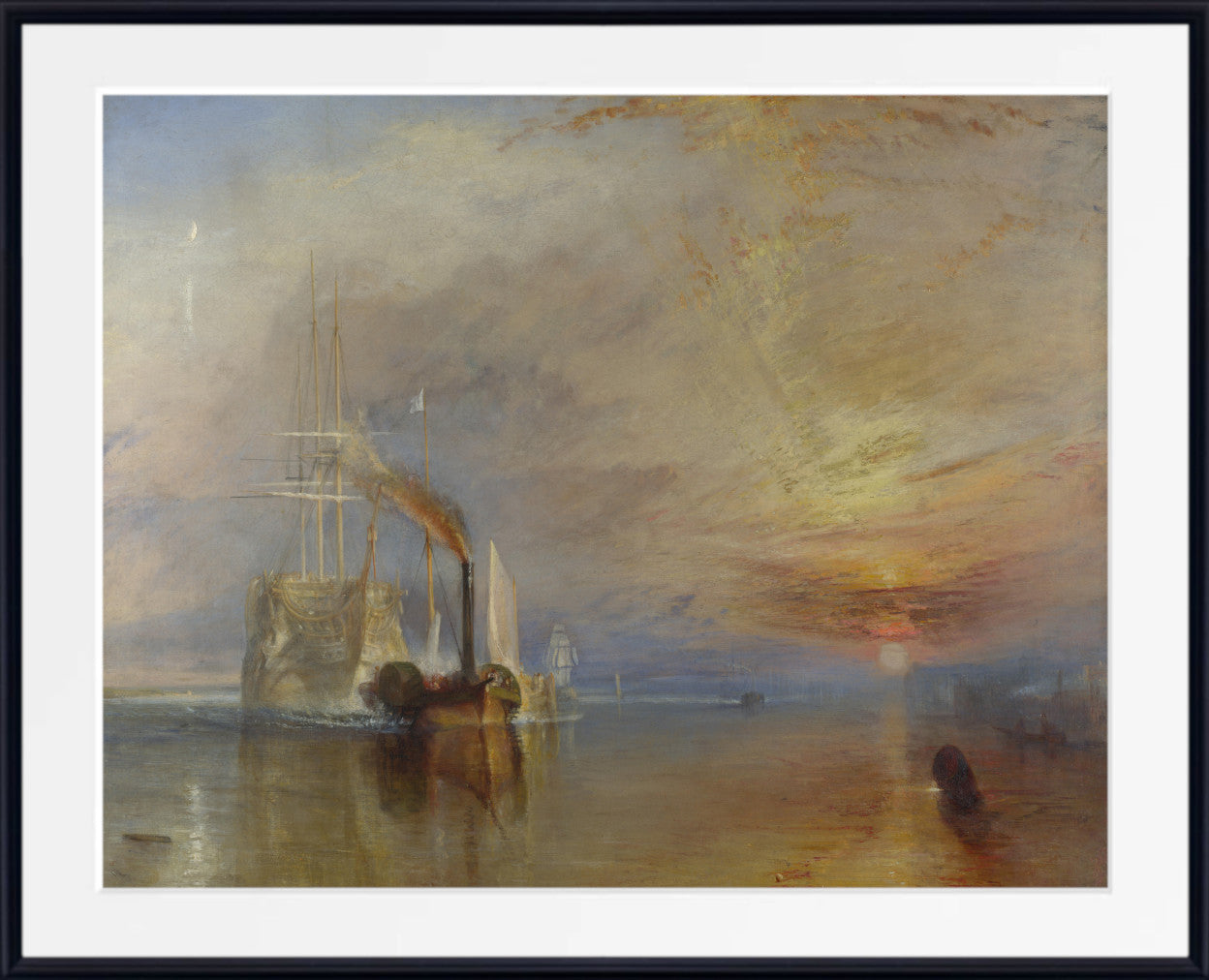
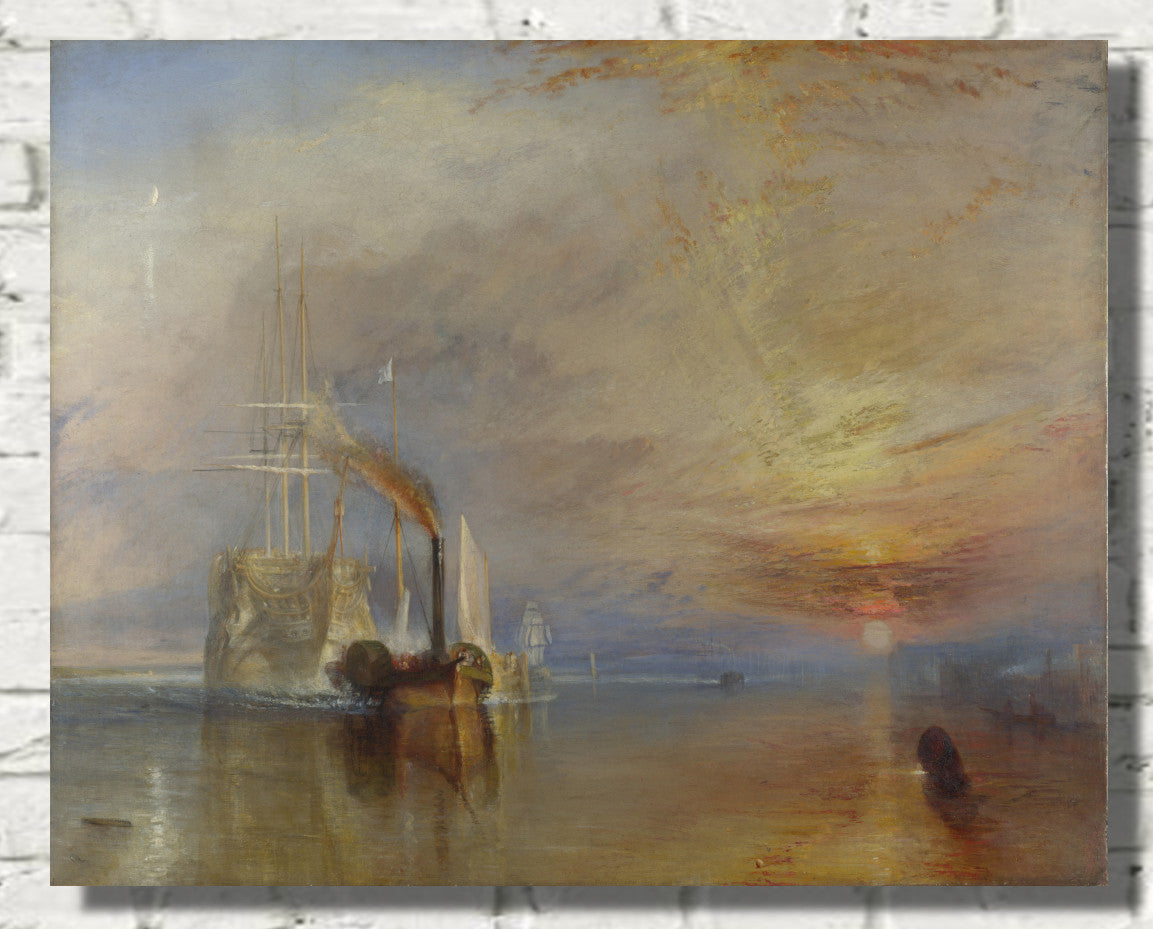
William Turner’s maritime prints range from working fishing boats and harbour views to steamships, shipwrecks and major historical subjects. Paintings such as The Fighting Temeraire demonstrate how a ship can carry historical and symbolic meaning as well as providing the principal visual subject.
Impressionist and Modern Boat Prints
Boat and harbour subjects became especially important to Impressionist and modern artists because water, sails and reflections offered opportunities to study changing light and colour.
Eugène Boudin recorded the harbours and coast of northern France with close attention to skies and atmospheric conditions. Claude Monet repeatedly painted boats, rivers, ports and coastal waters, allowing reflections and changing light to dissolve solid forms.
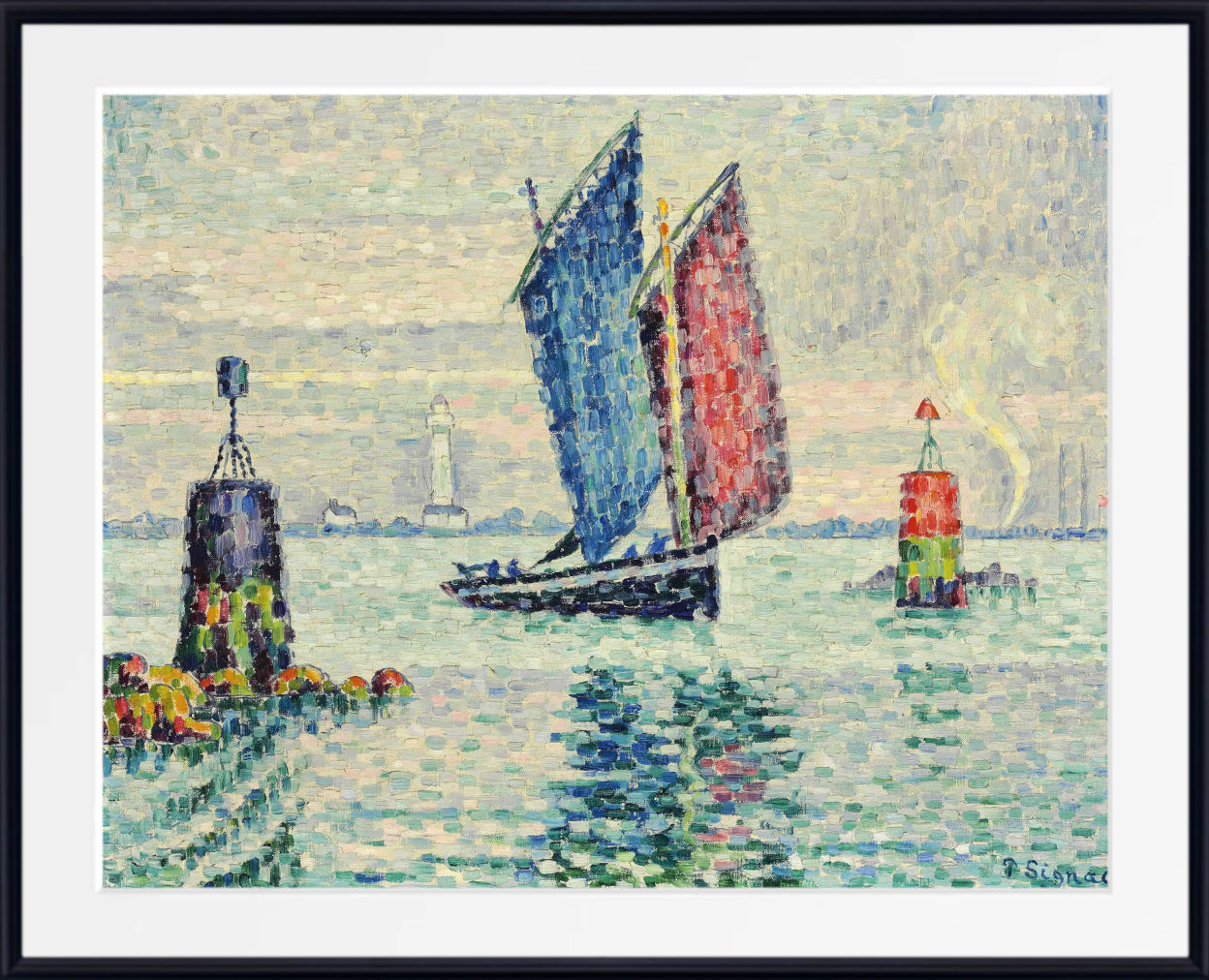
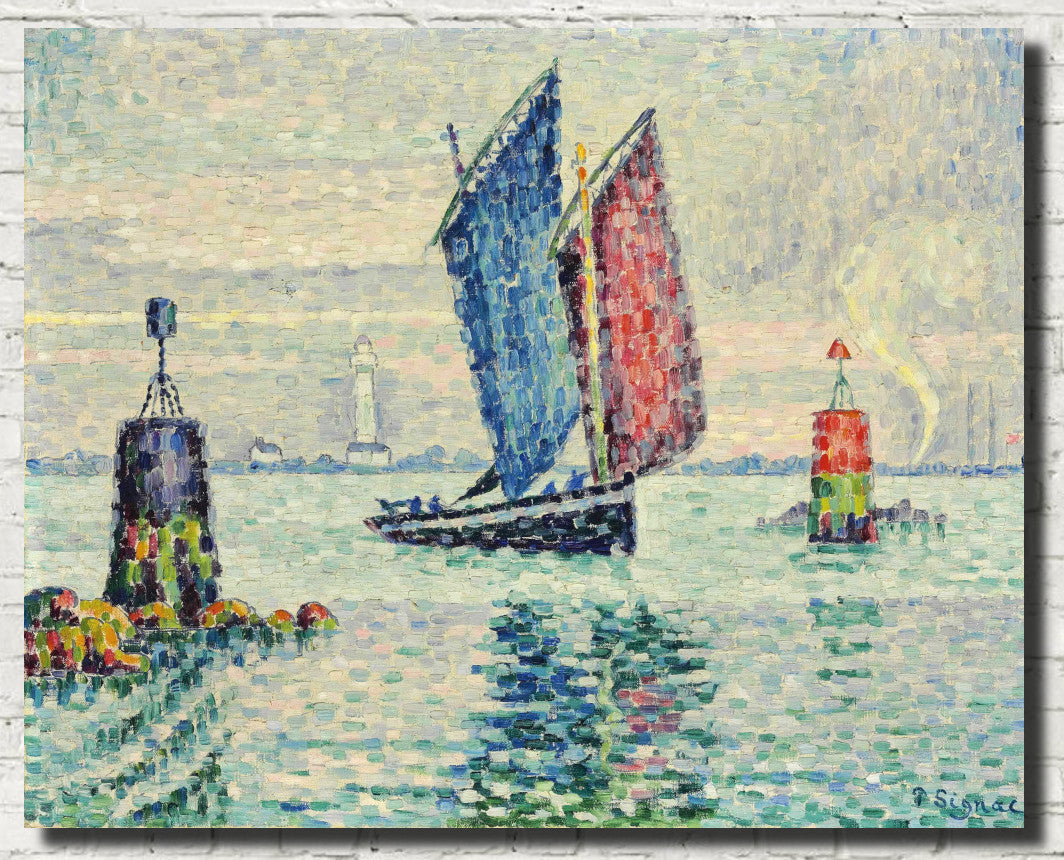
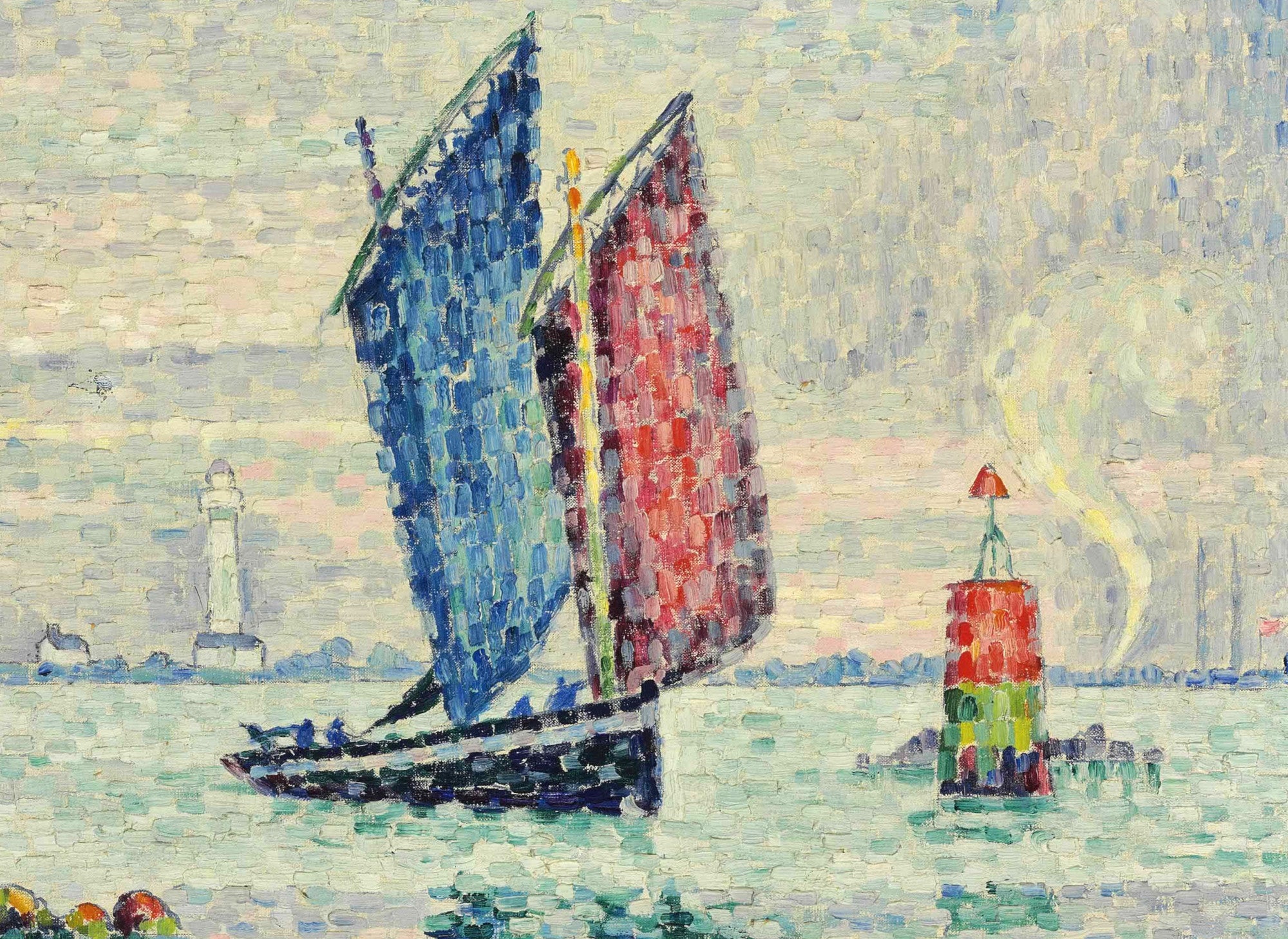
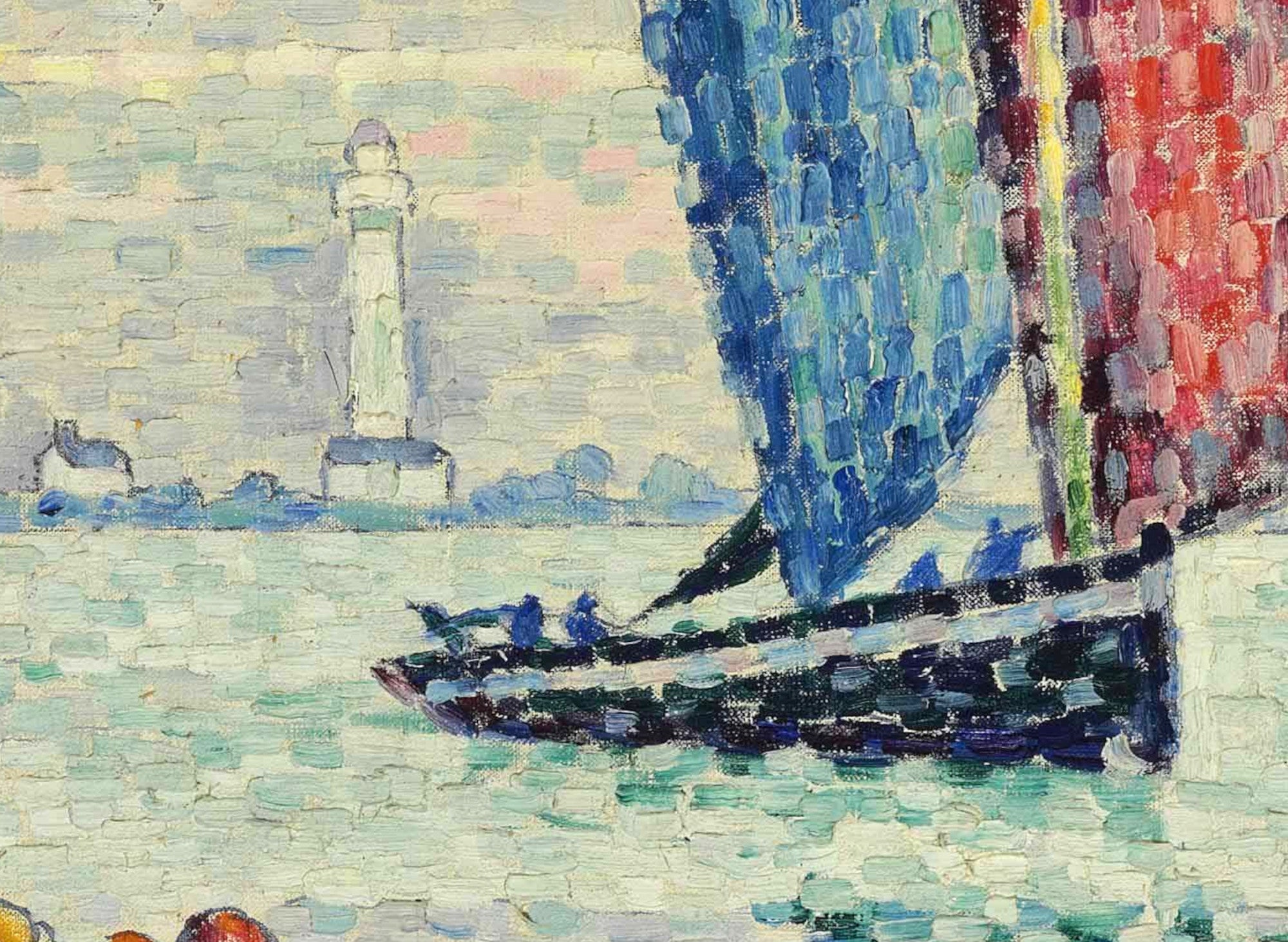
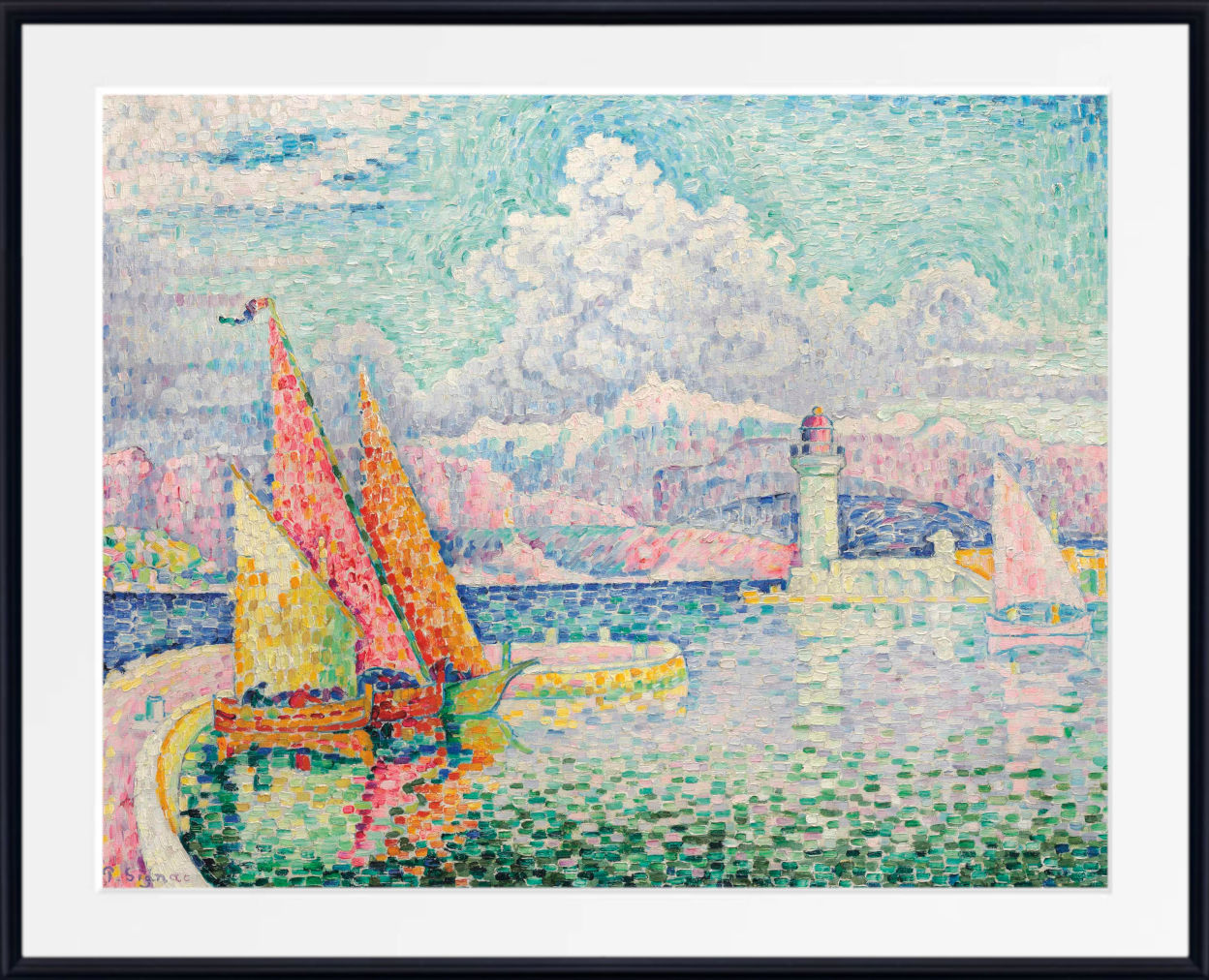
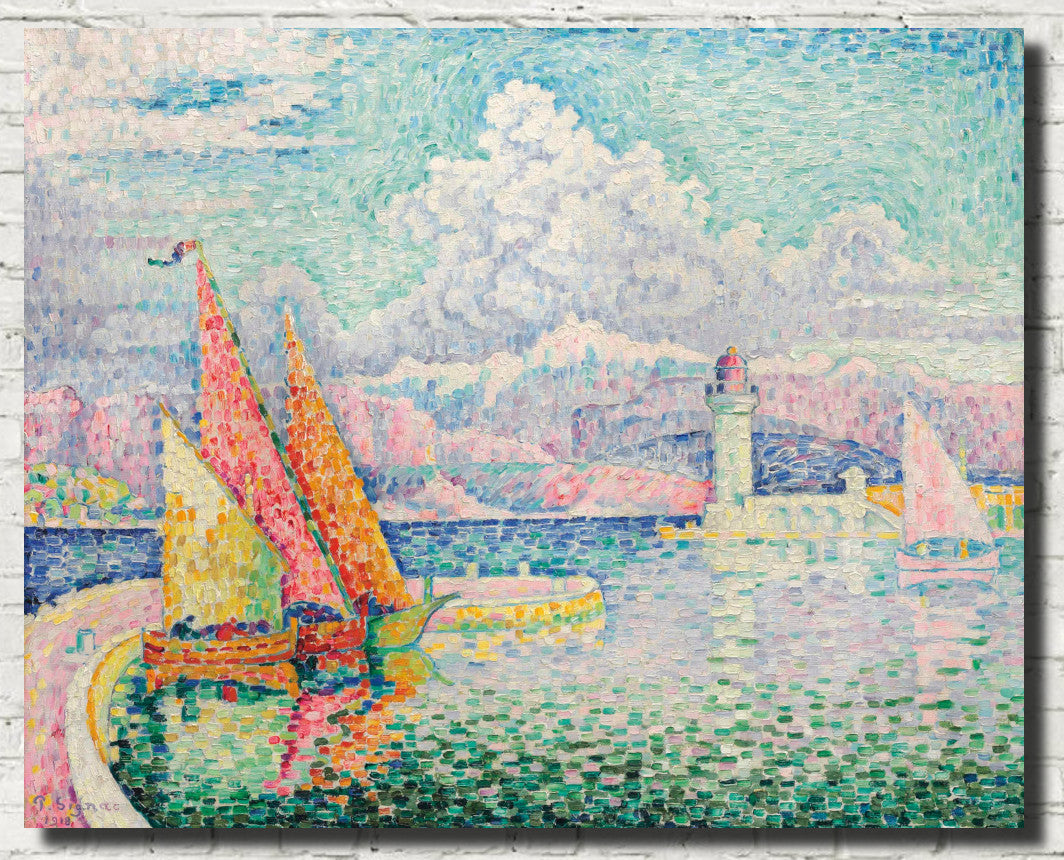
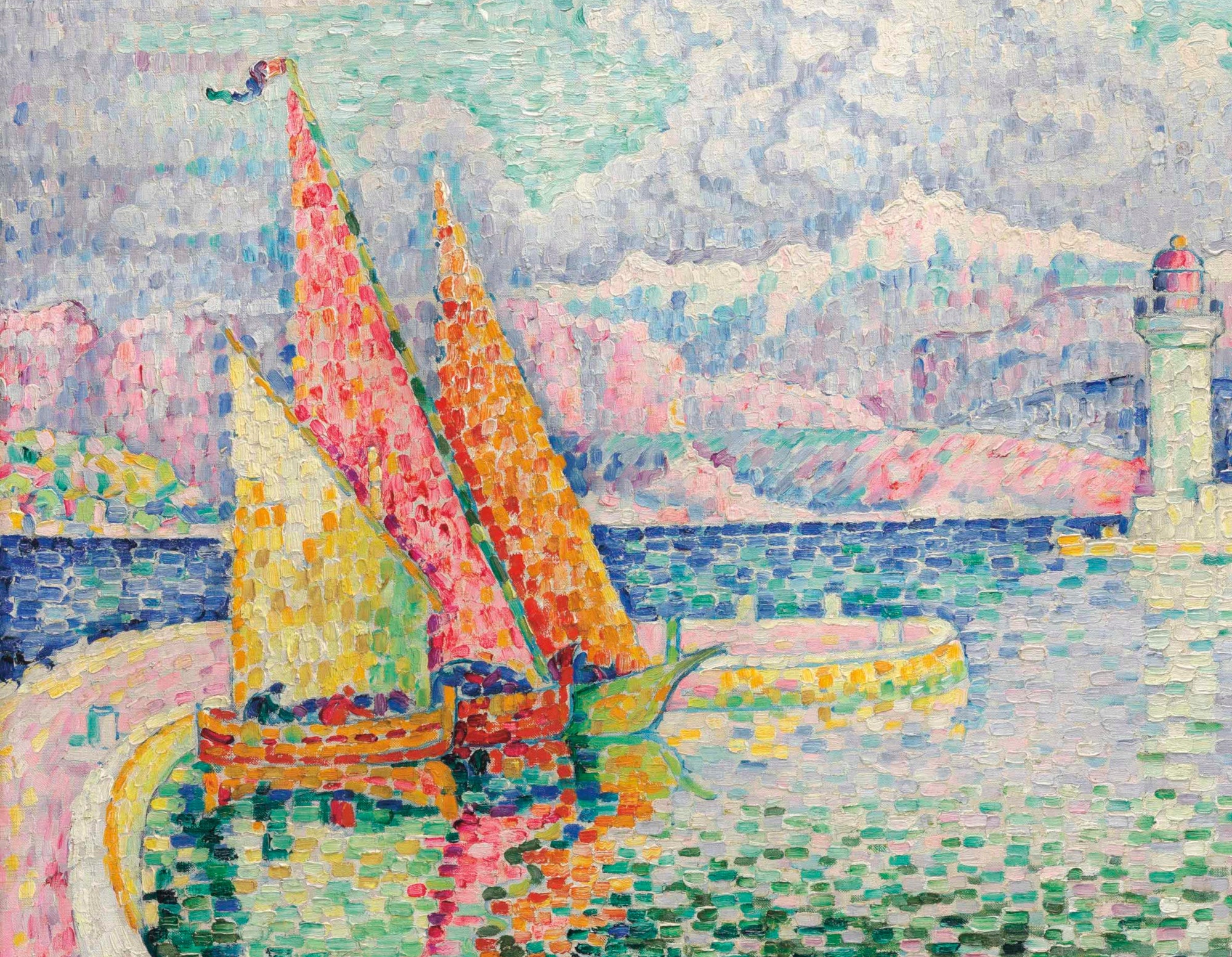
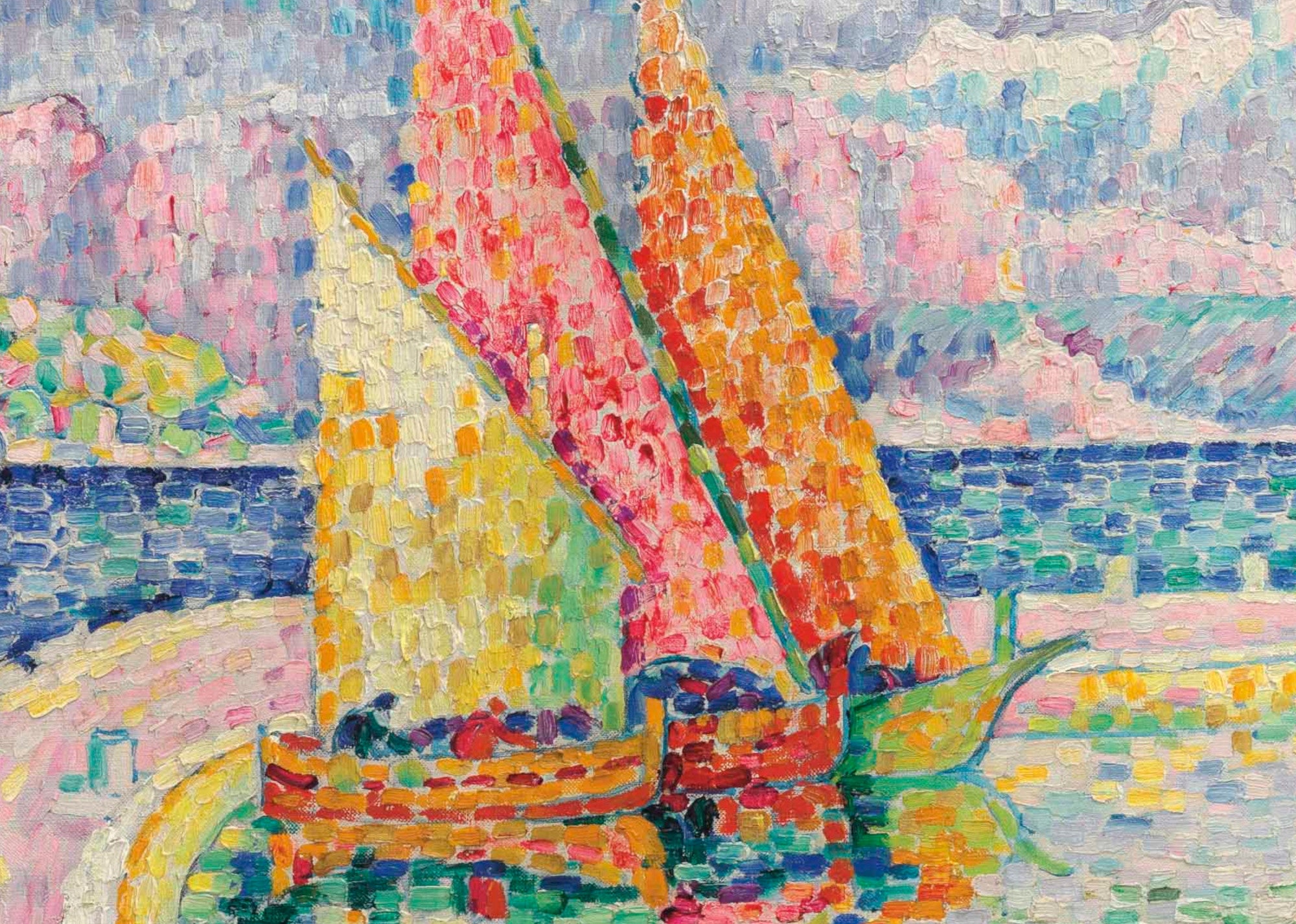
Paul Signac brought brilliant colour to Mediterranean harbours, sailing boats and port towns. His combinations of masts, coloured hulls and patterned water are particularly effective in brighter contemporary interiors.
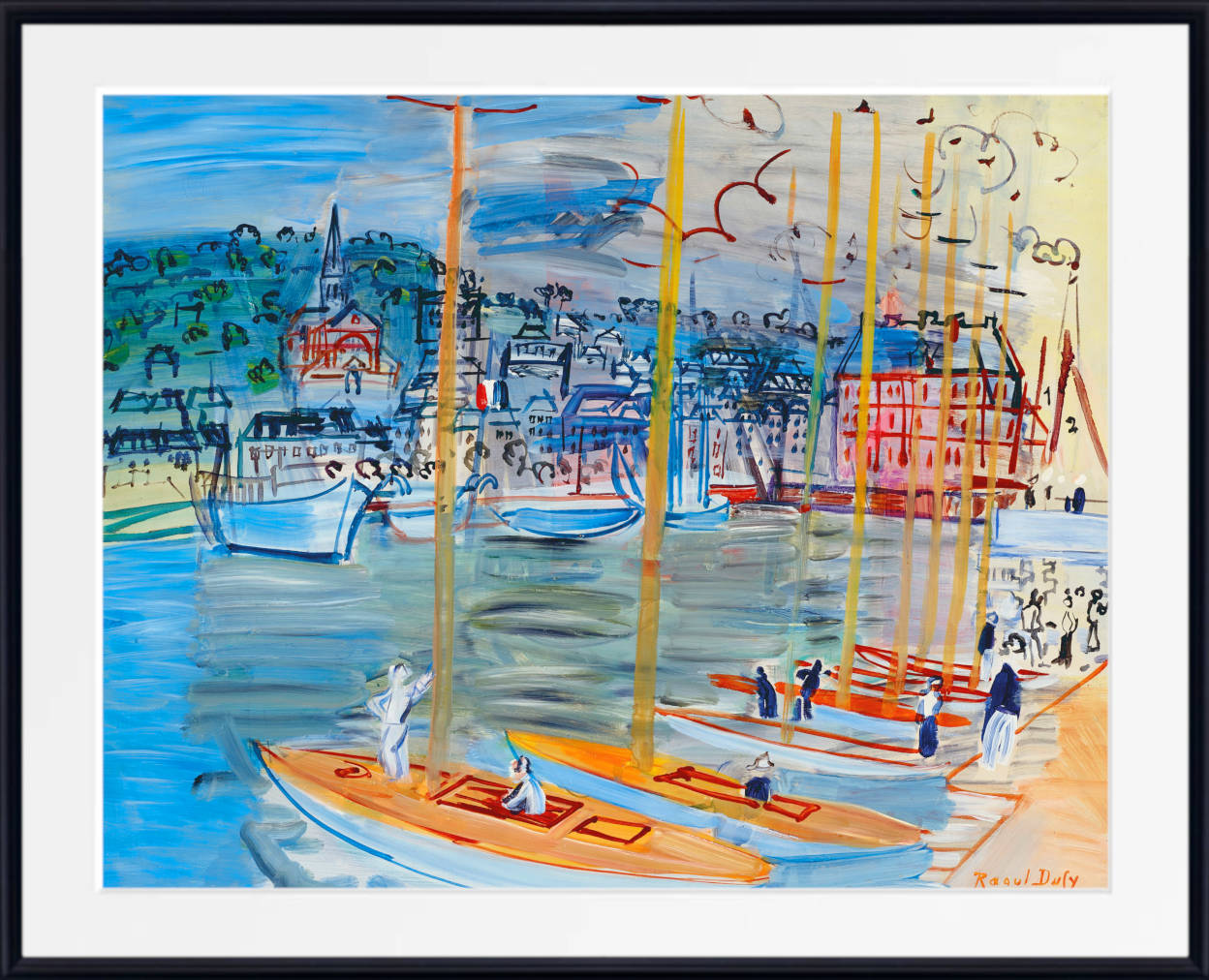
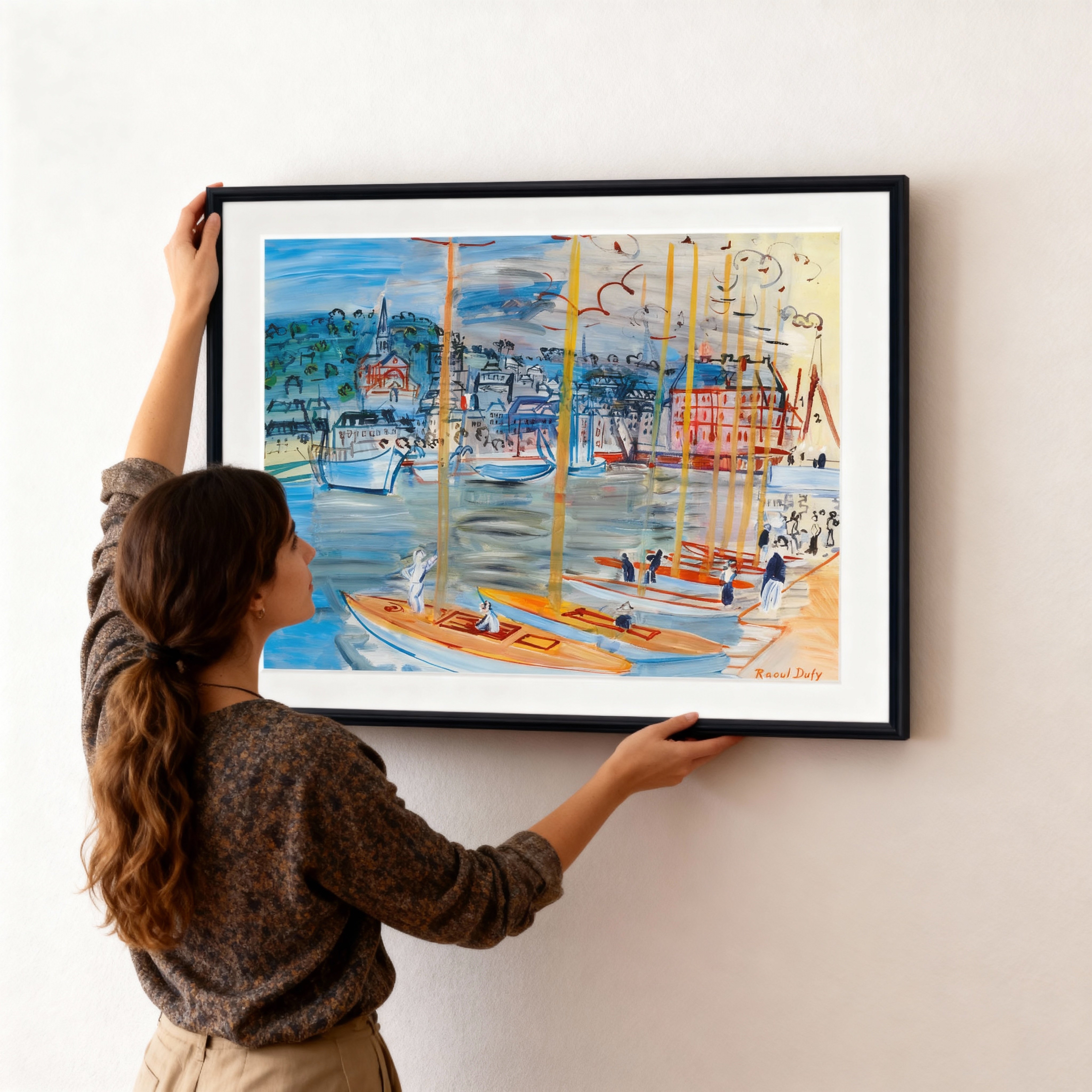
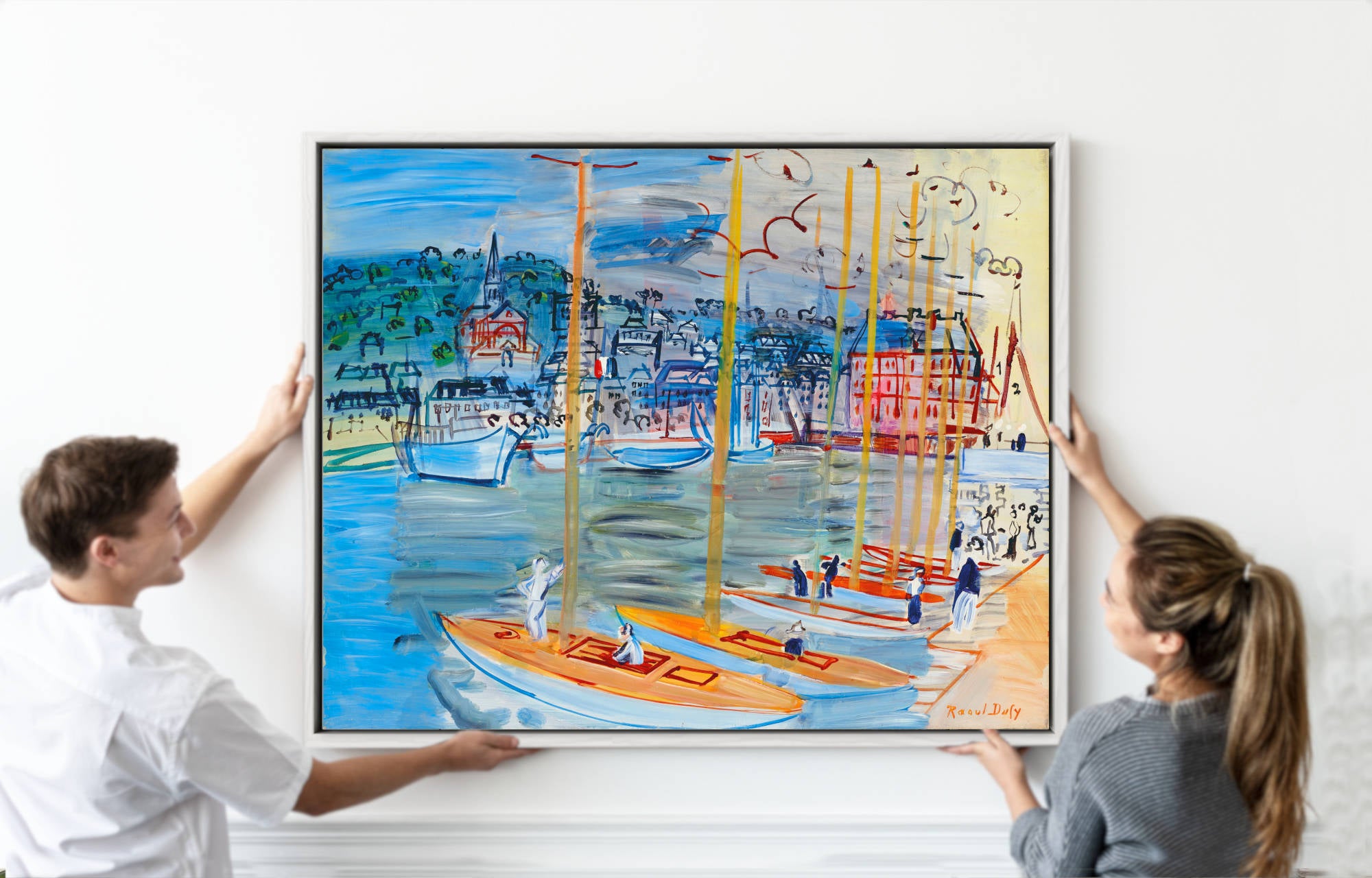
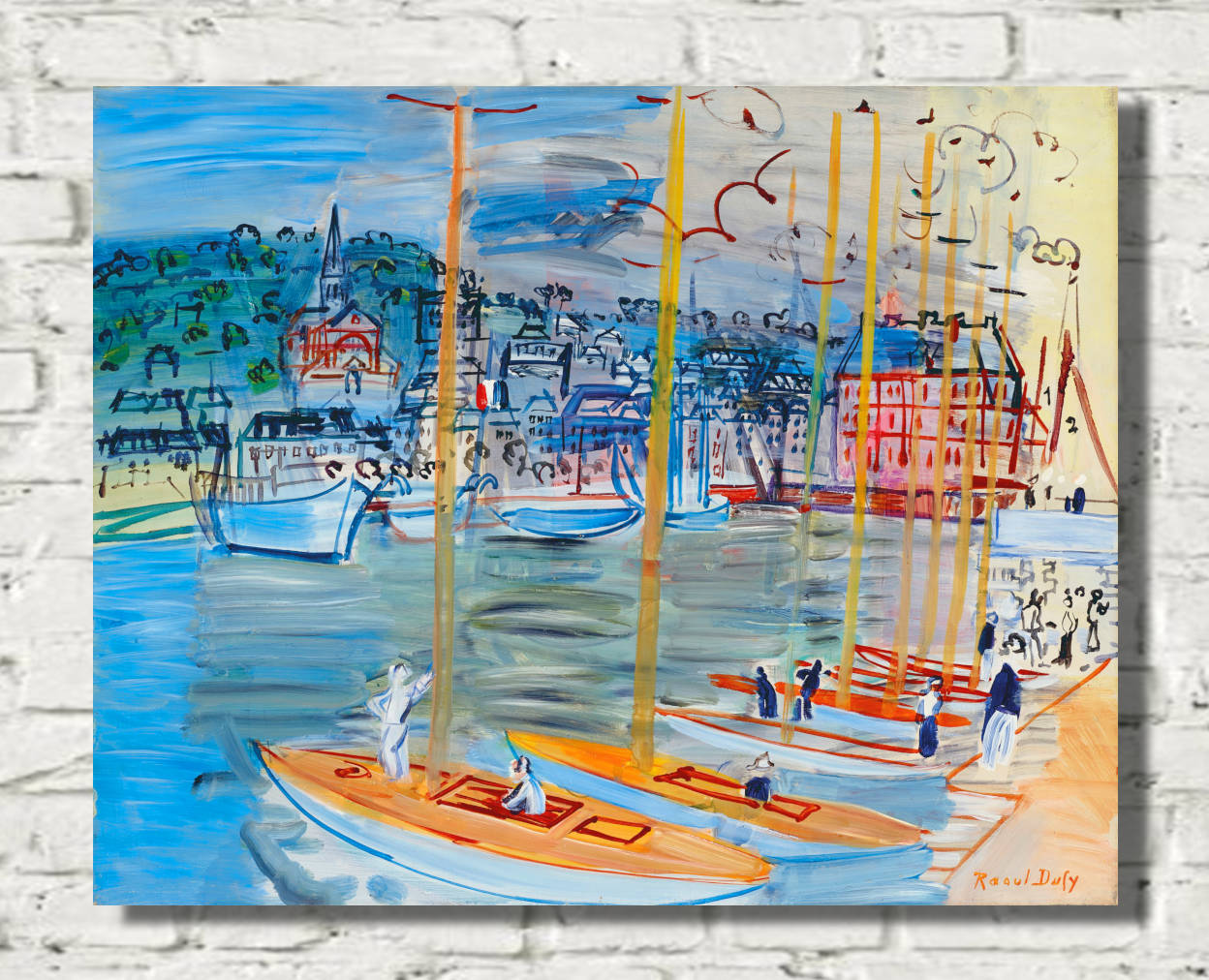
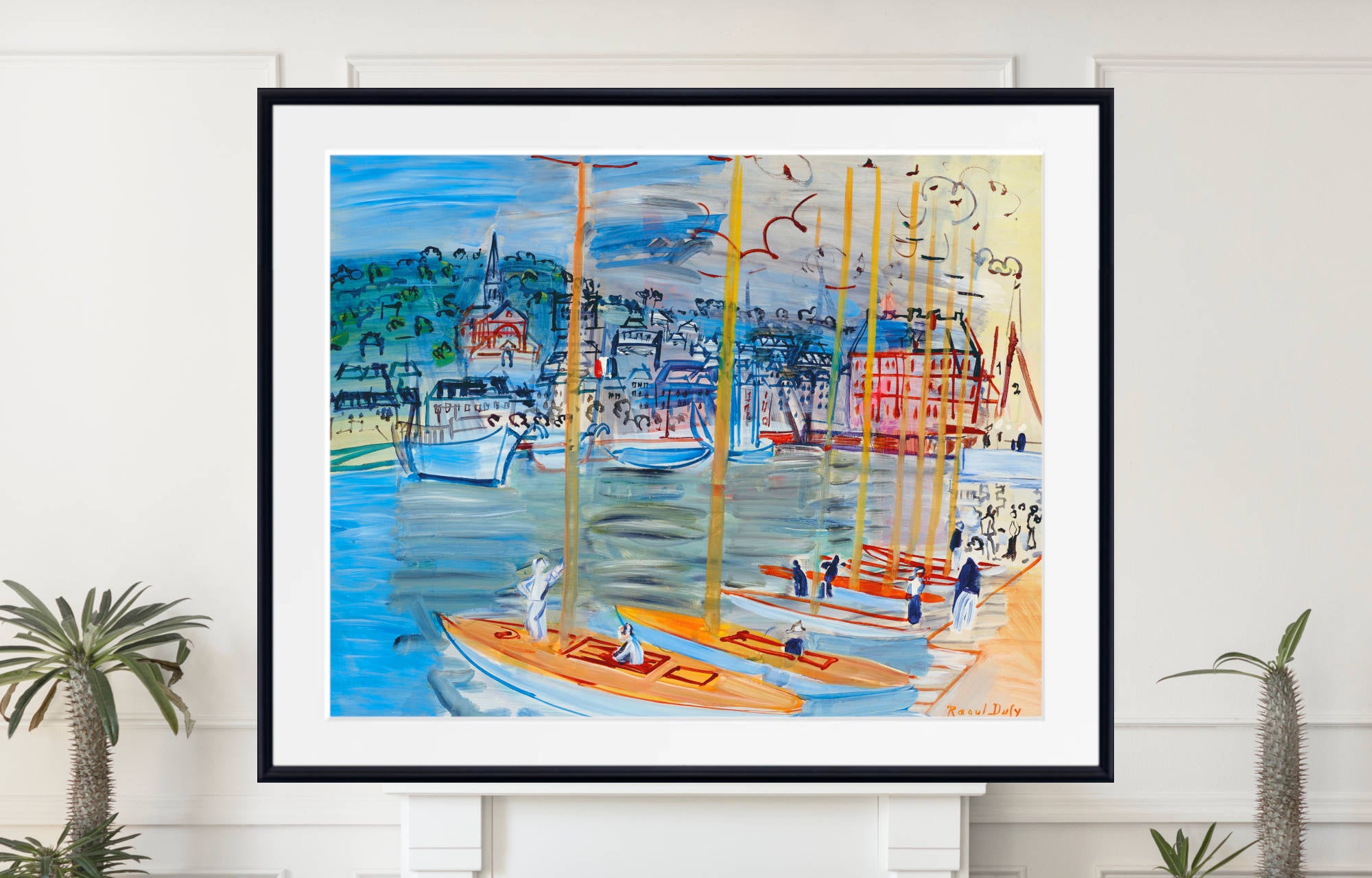
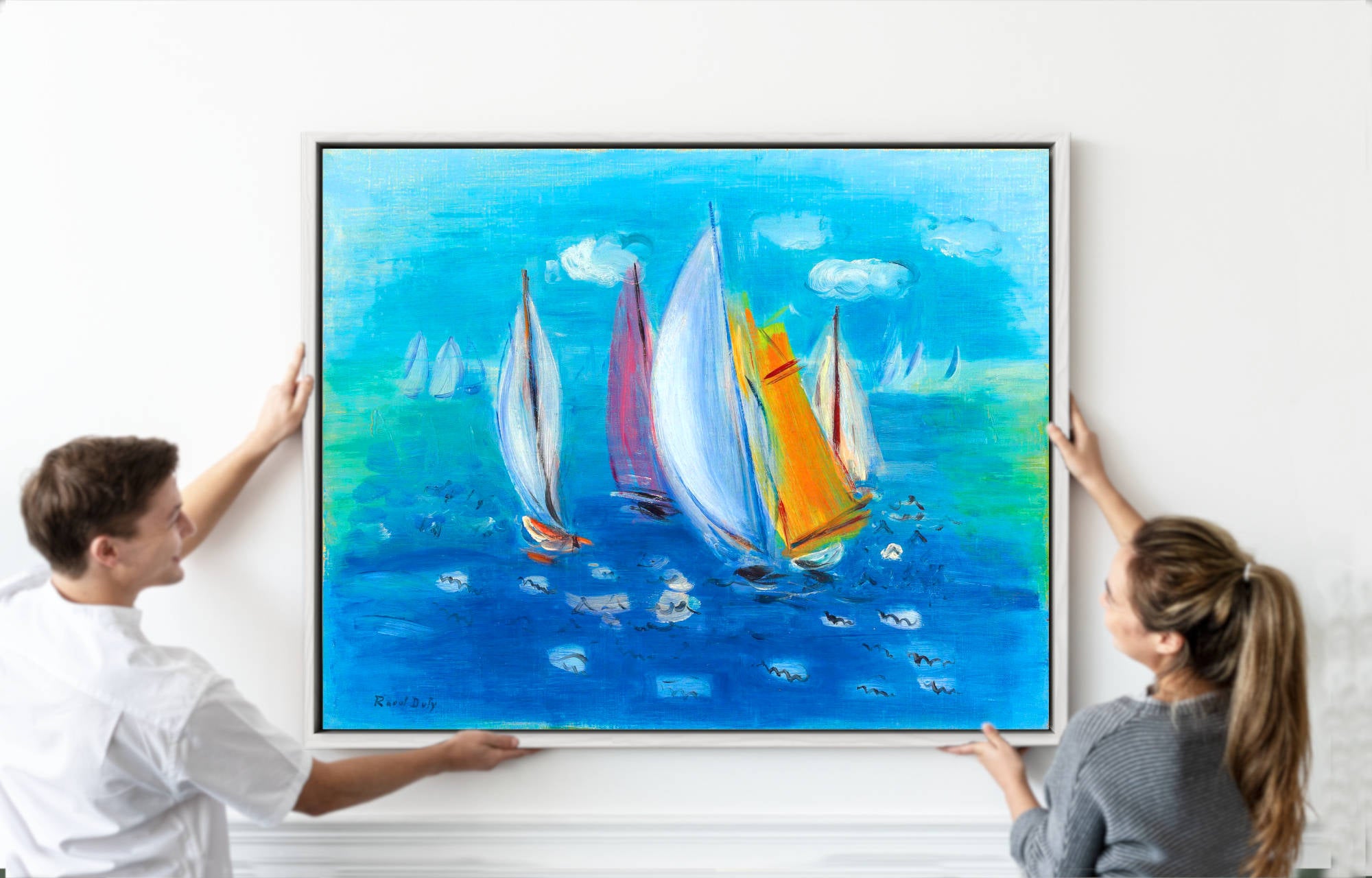
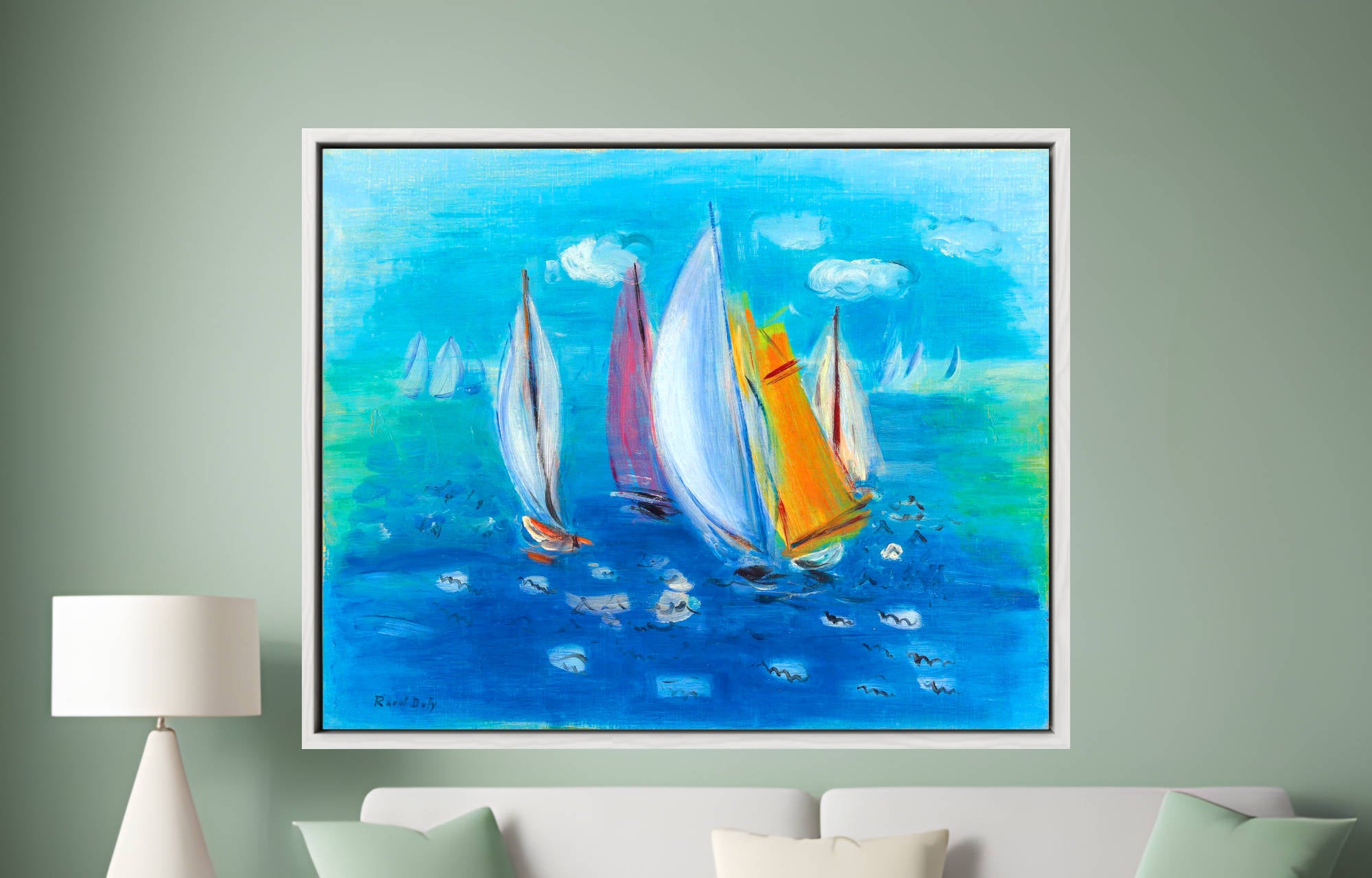
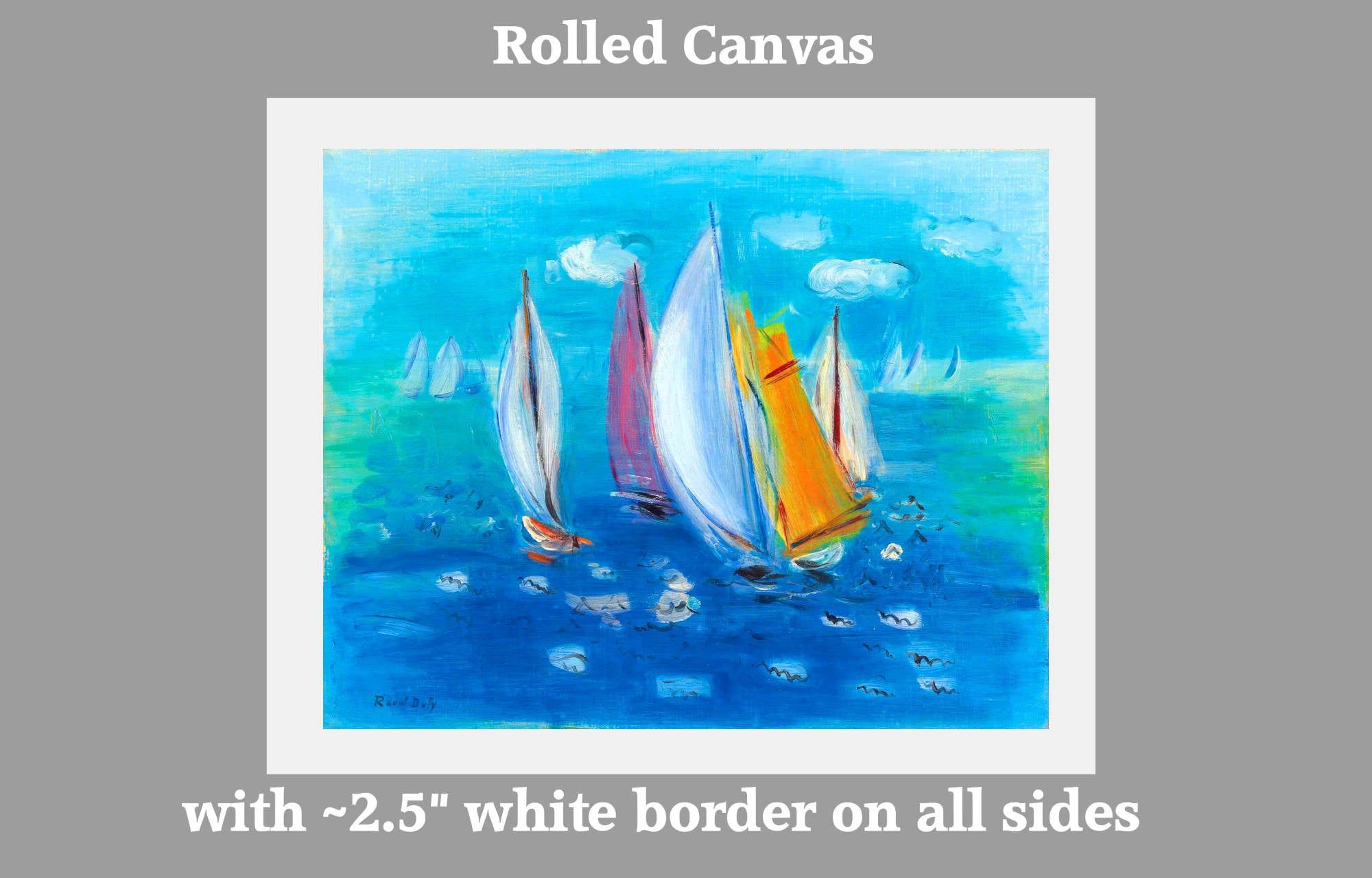
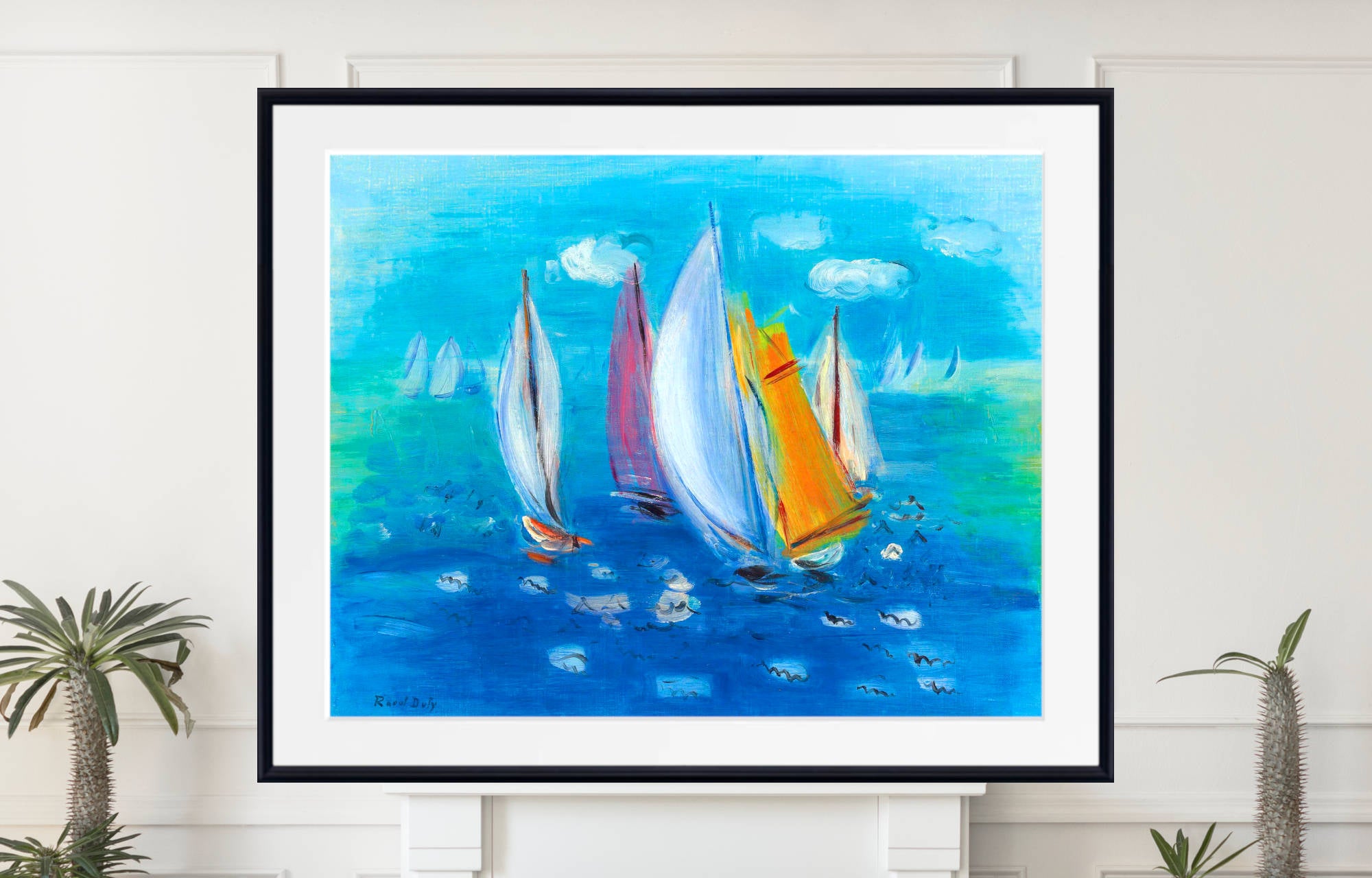
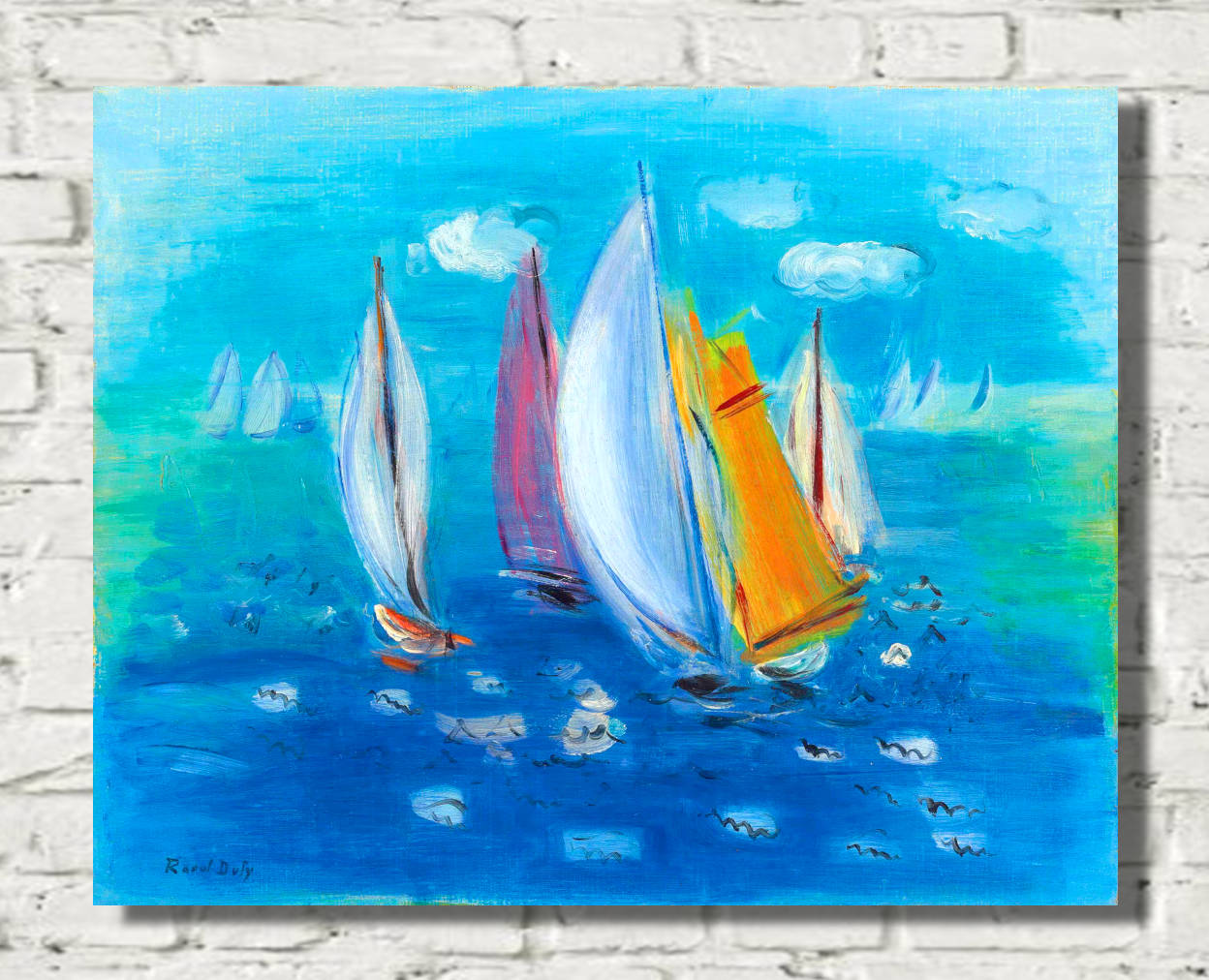
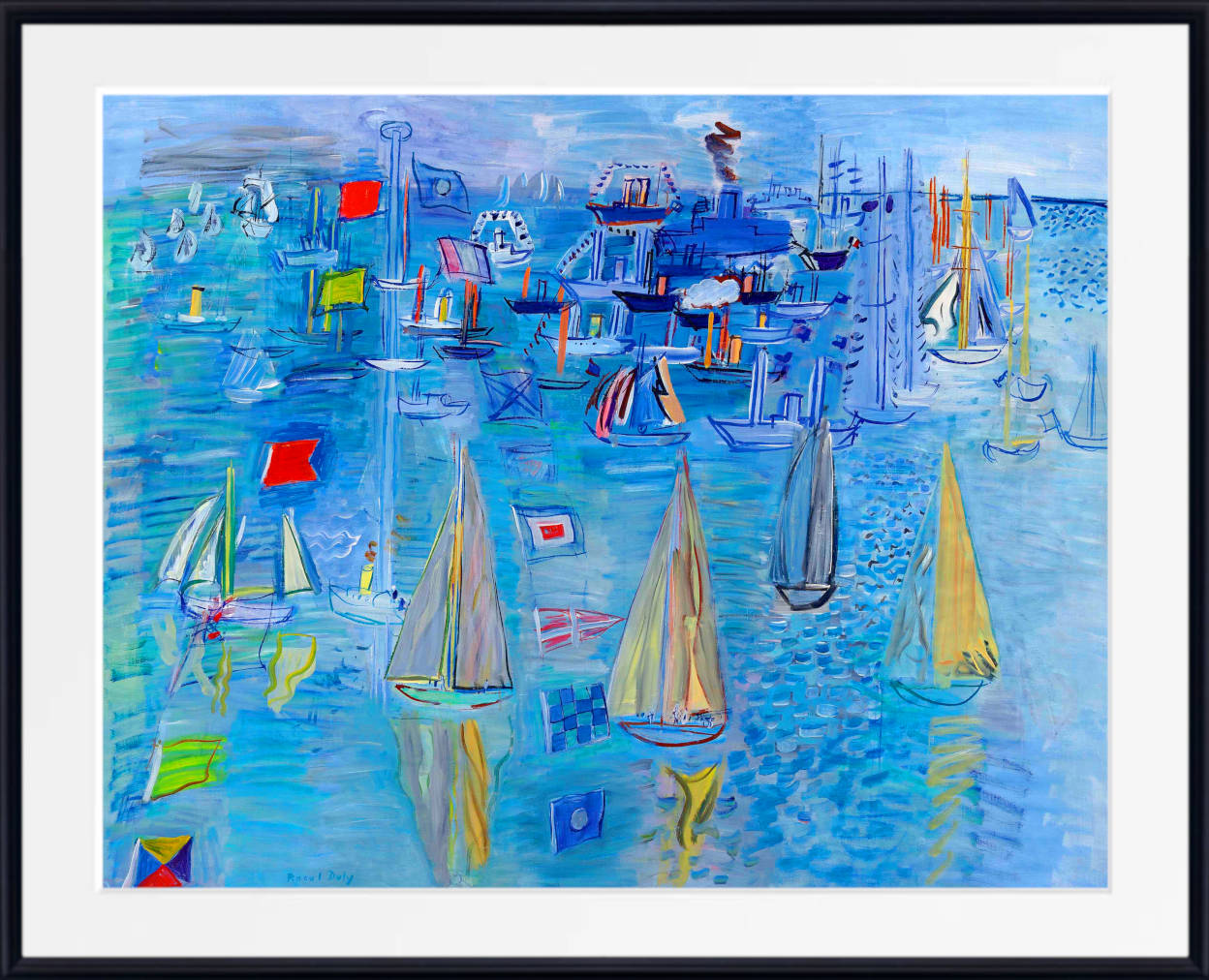
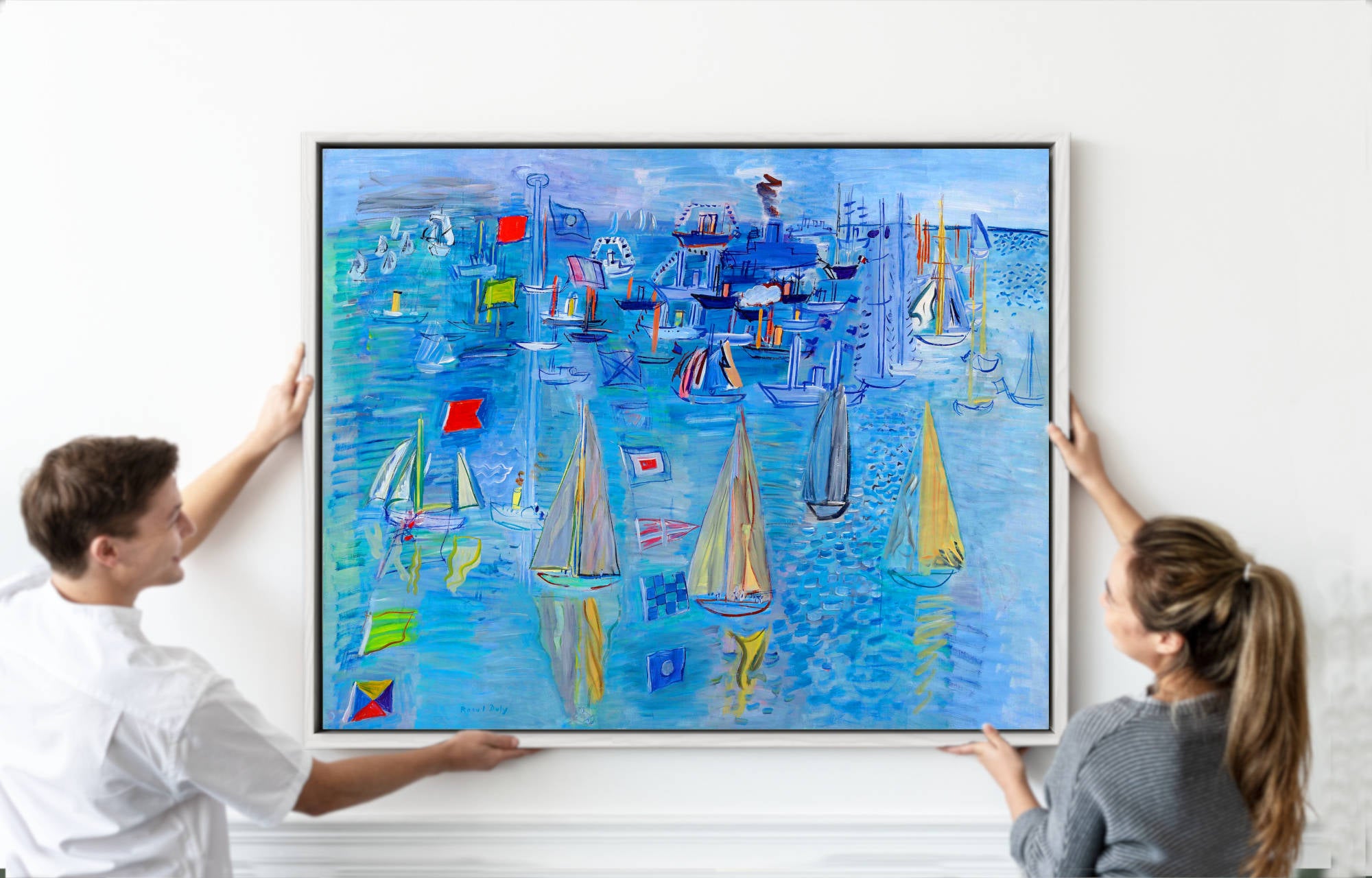
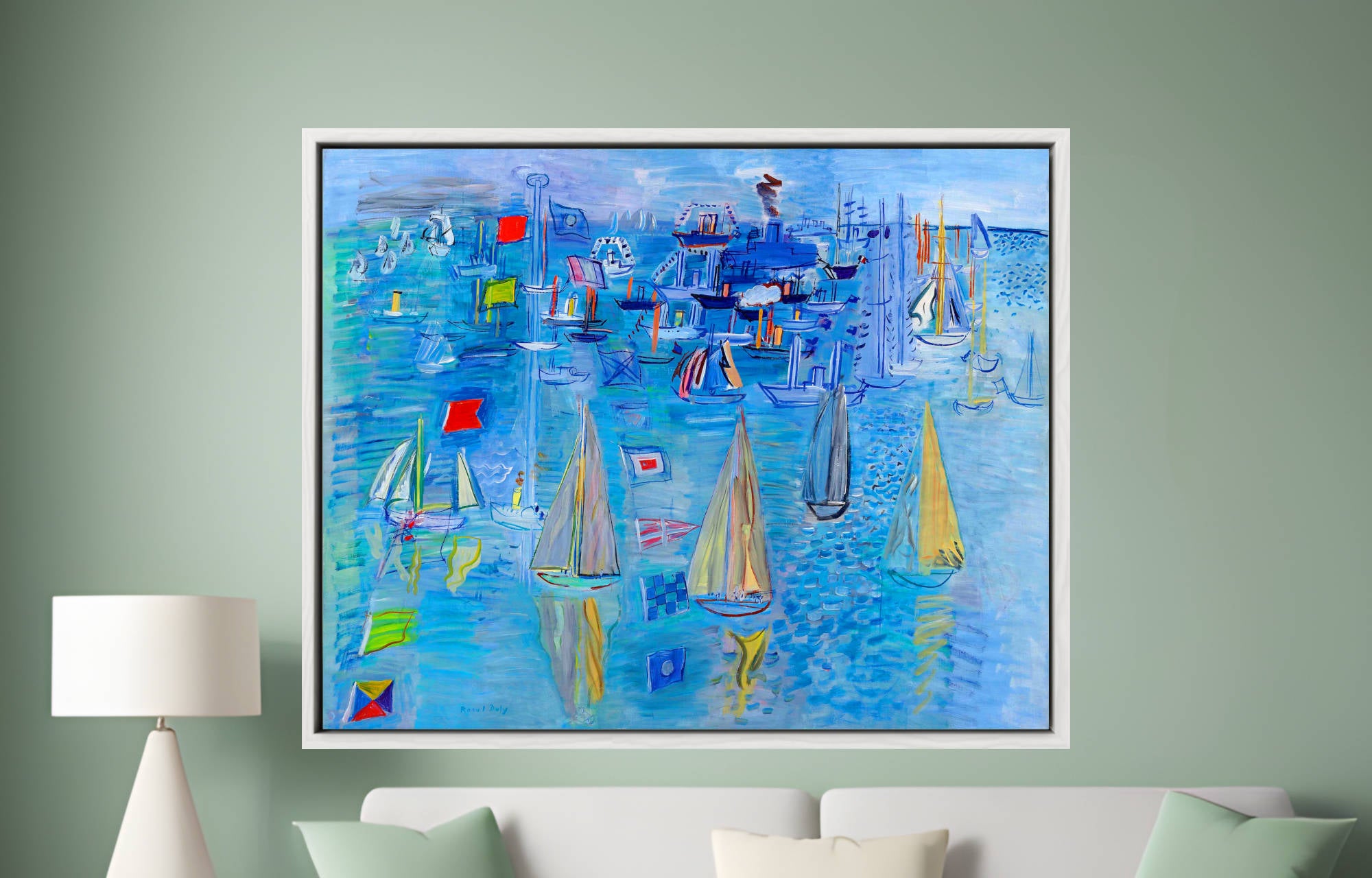
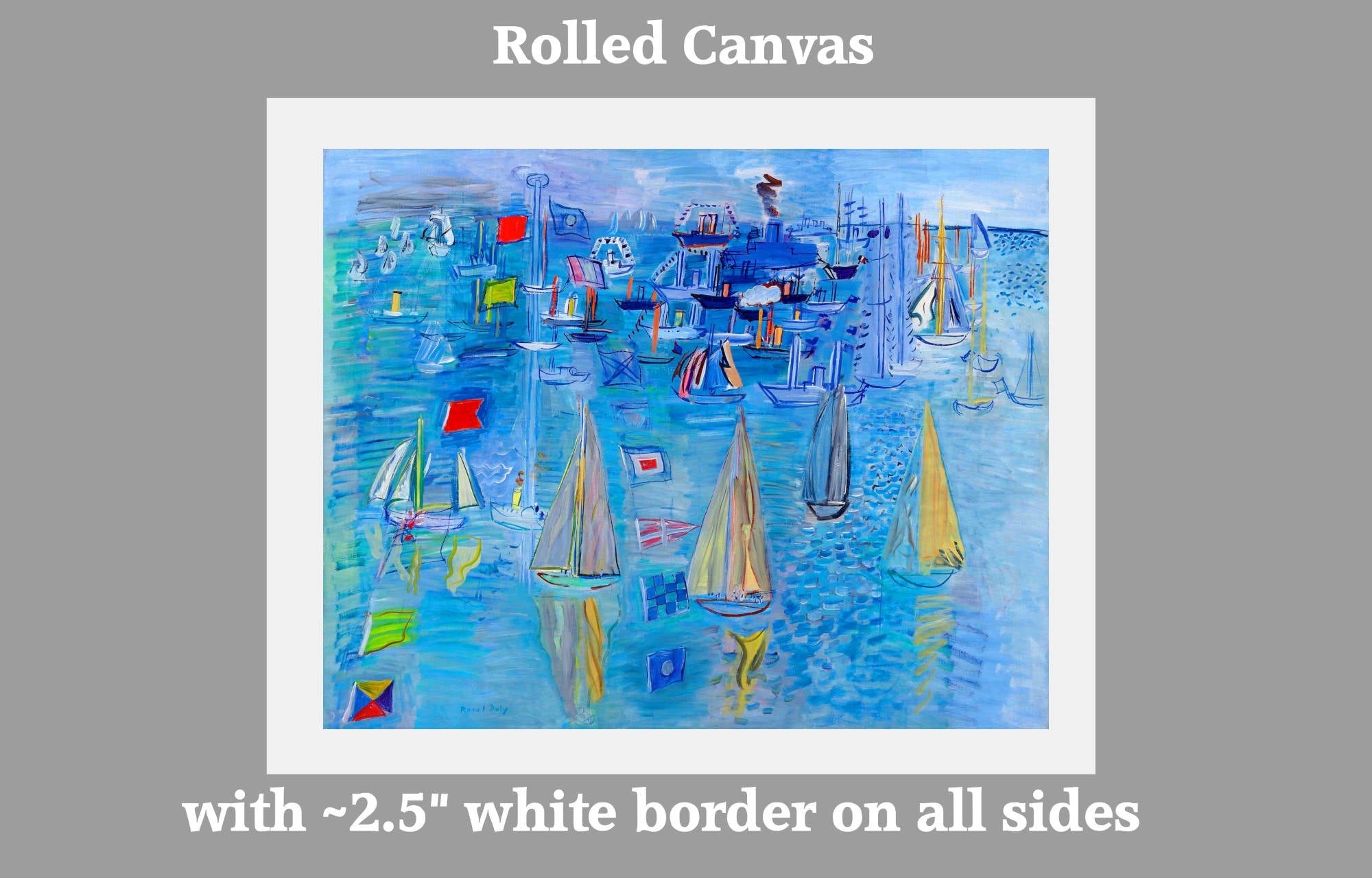
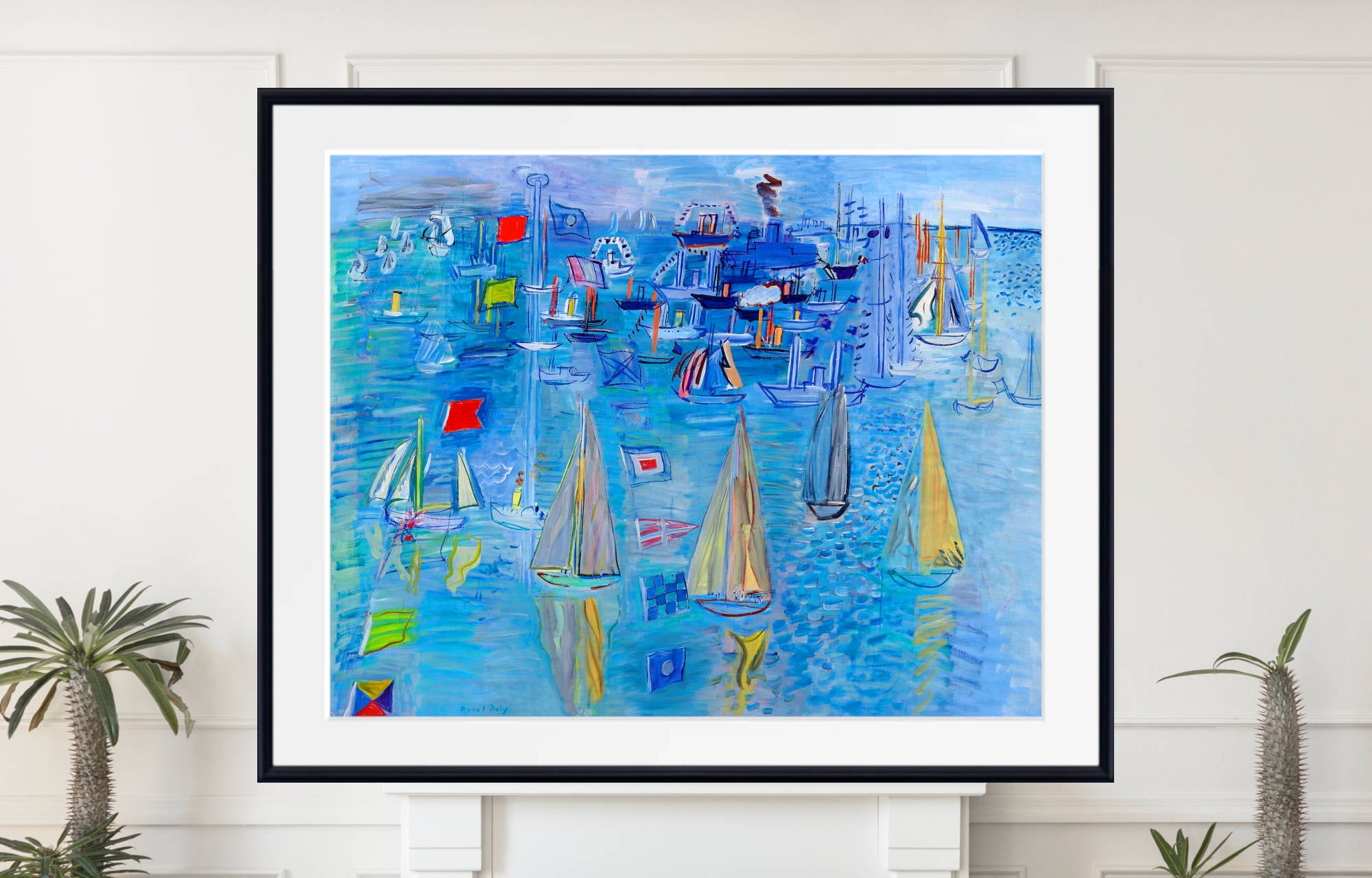
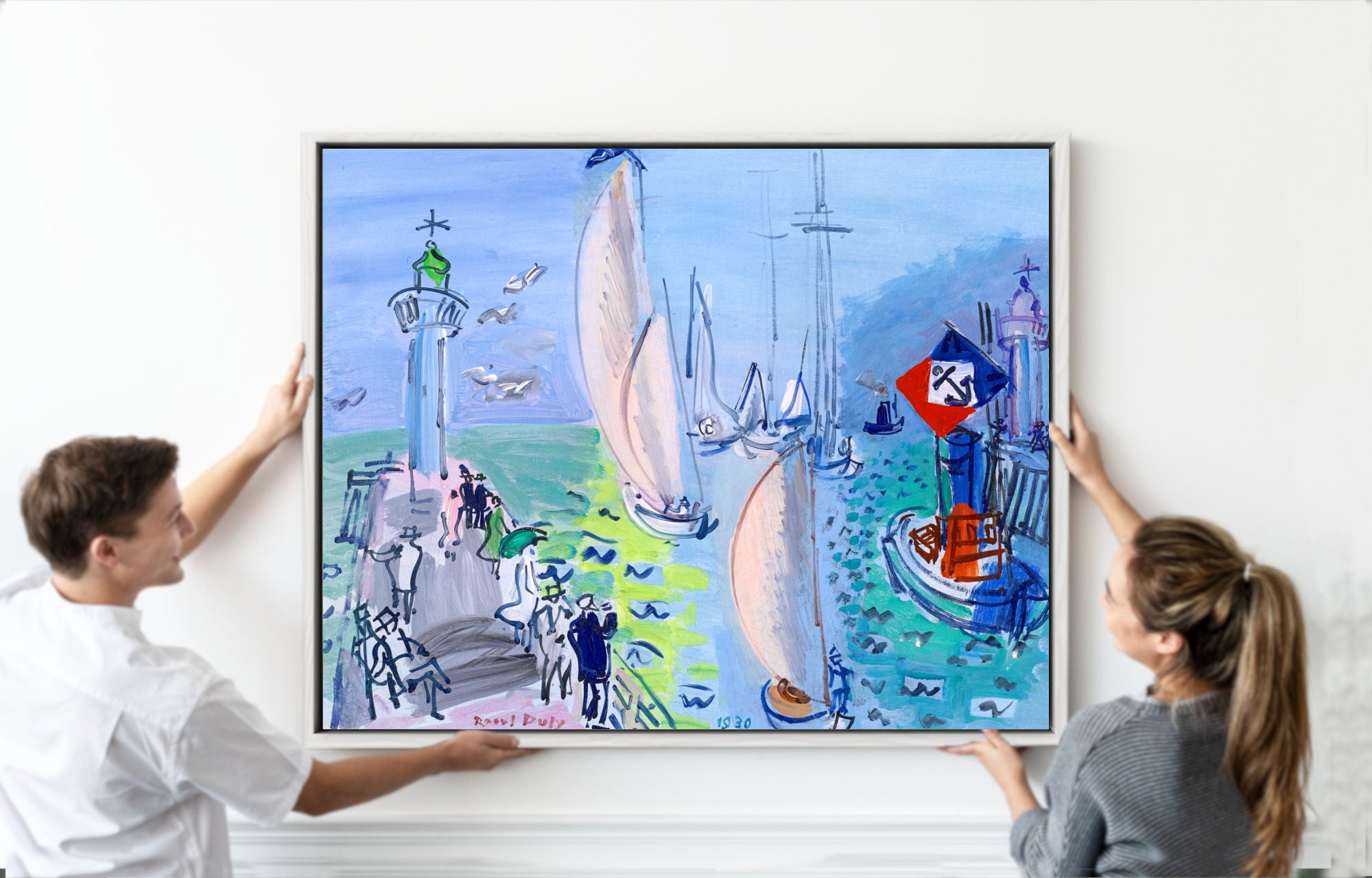
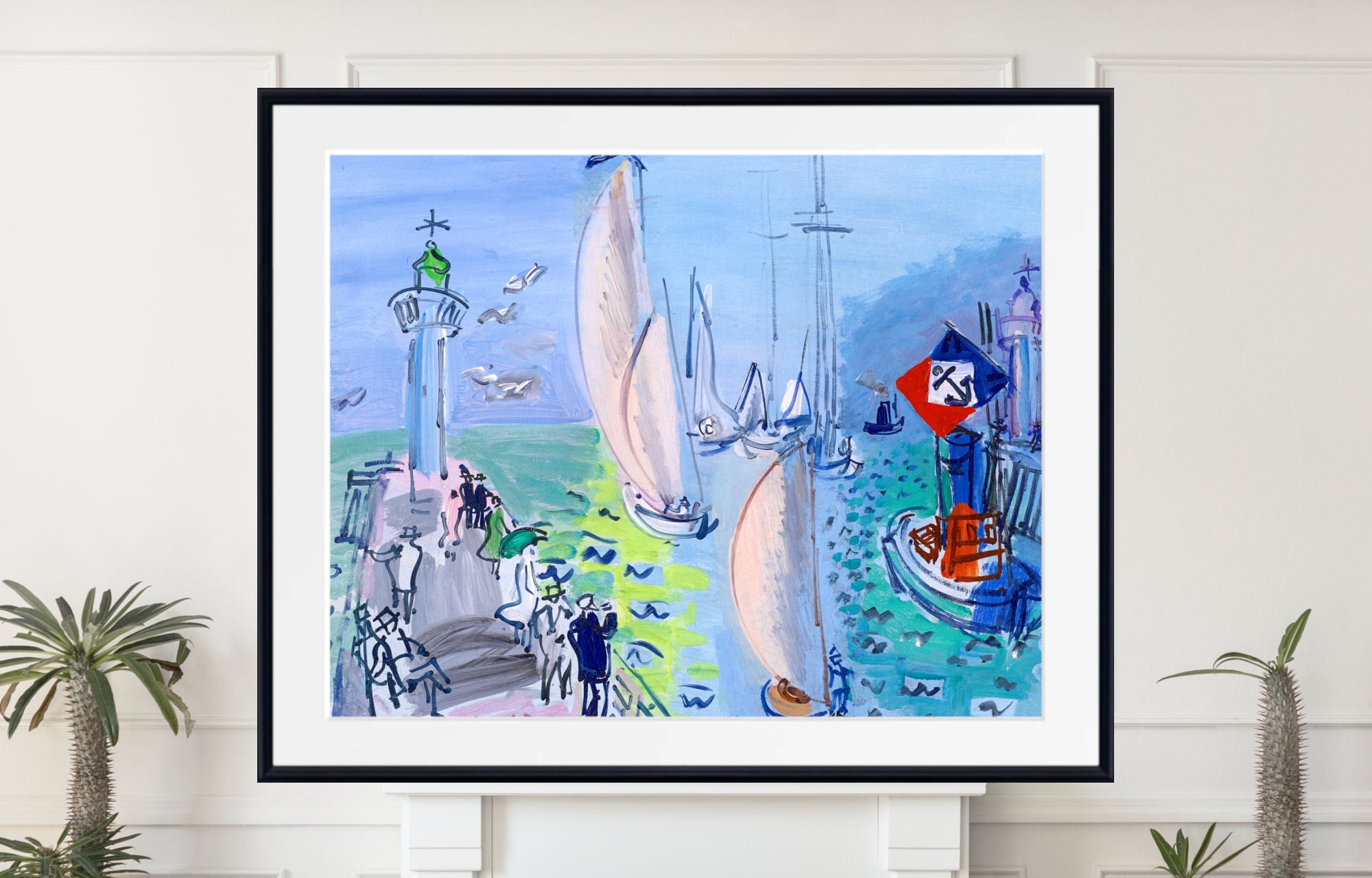
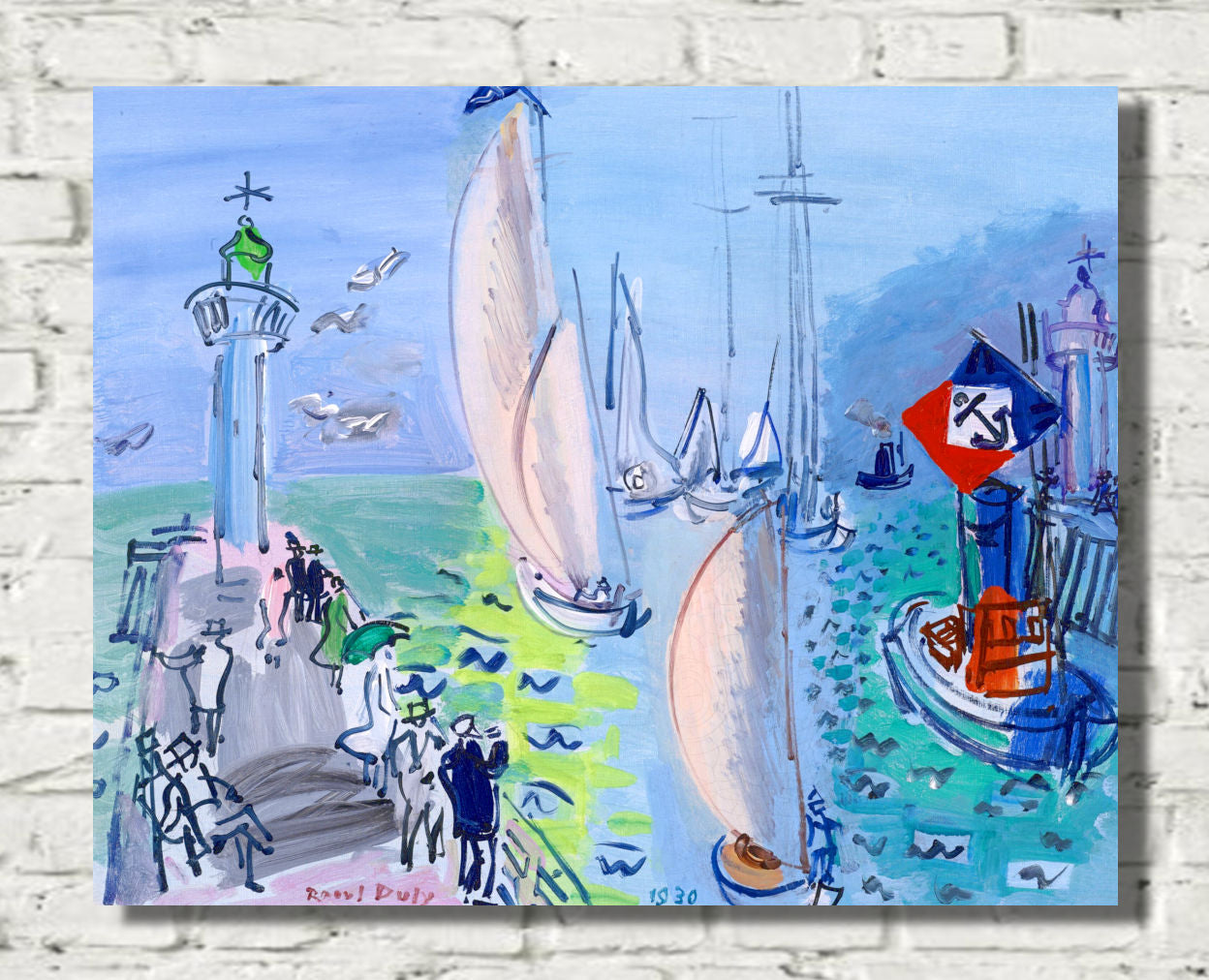
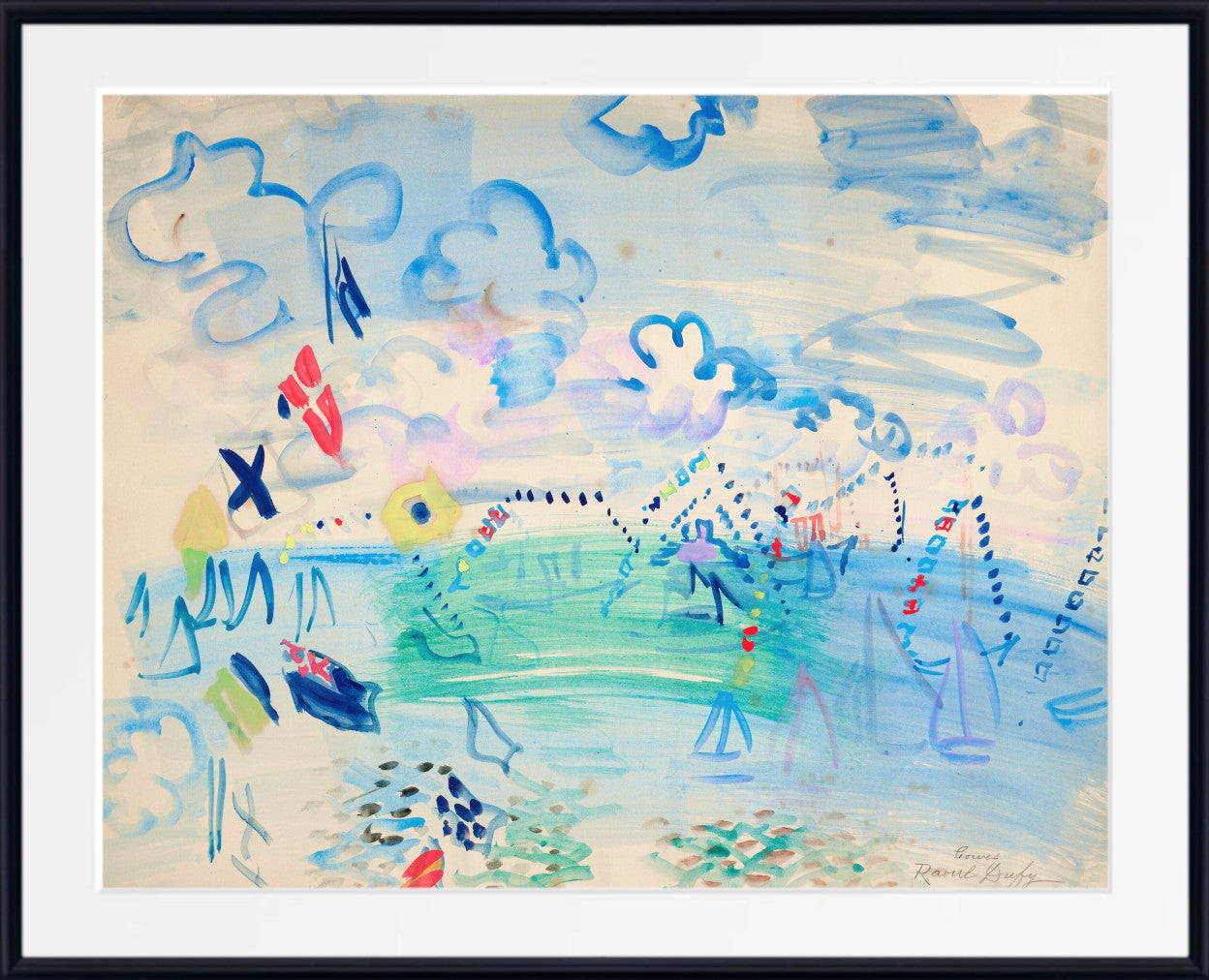
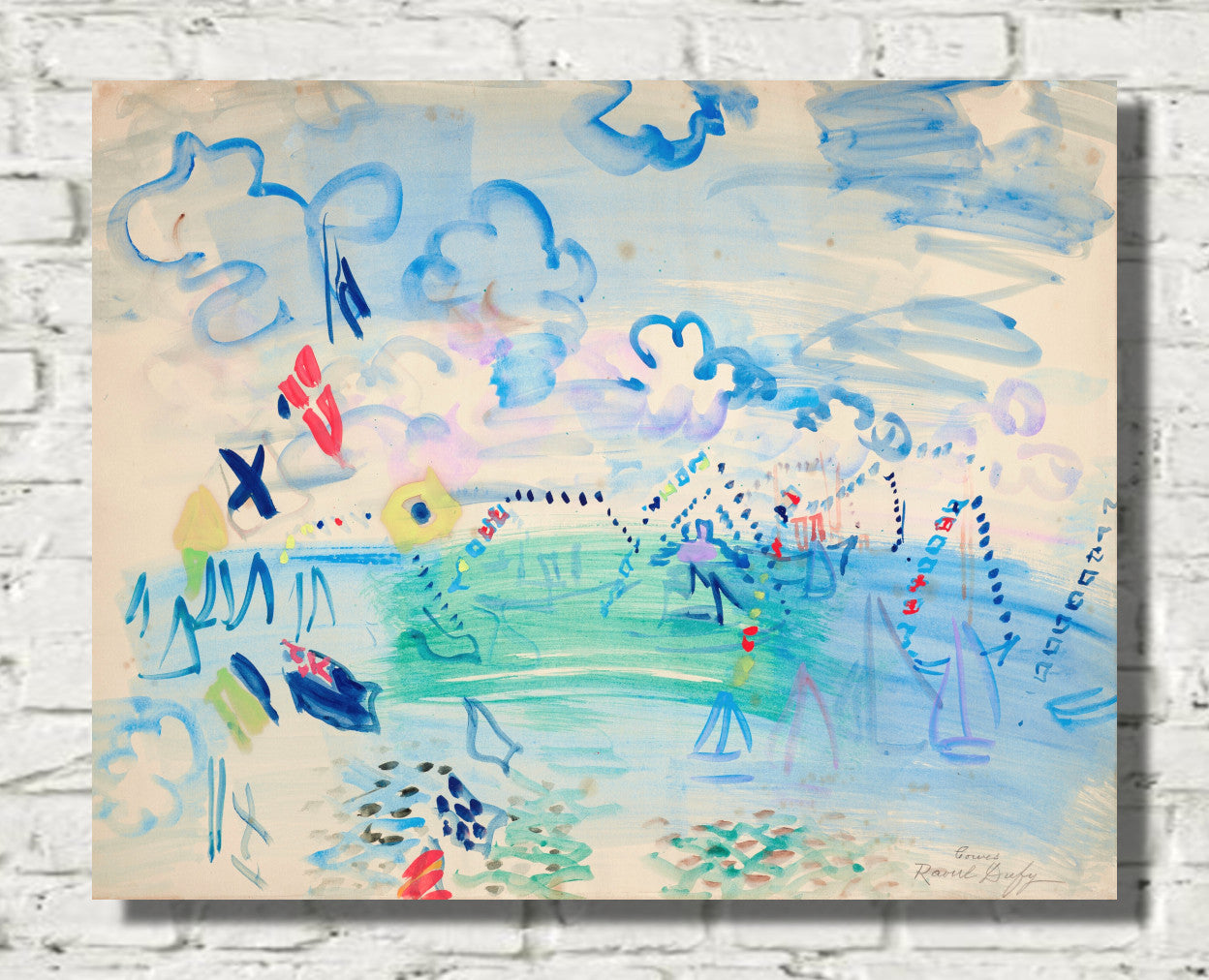
Raoul Dufy approached regattas and sailing scenes through fluid line and strong decorative colour. His prints of yachts, flags and fashionable resorts offer a lighter alternative to traditional maritime painting.
Boats on Beaches and Coastal Shores
Not every boat print shows a vessel at sea. Boats drawn onto sand, resting above the tideline or surrounded by fishermen create a close connection between maritime and beach art. These compositions often combine the structure of the boats with pale sand, open sky and coastal light.
Boat-on-shore prints work well in bedrooms, bathrooms and relaxed living spaces. They can introduce a coastal subject without relying on an expansive ocean view, while still retaining the visual interest of hulls, sails, ropes and fishing equipment.
Choosing Boat Wall Art for Your Room
For a calm interior, consider sailing boats on still water, small fishing vessels, pale coastal scenes or quiet harbour views. Blue, white, beige and soft grey prints pair naturally with linen, pale timber, stone and neutral walls.
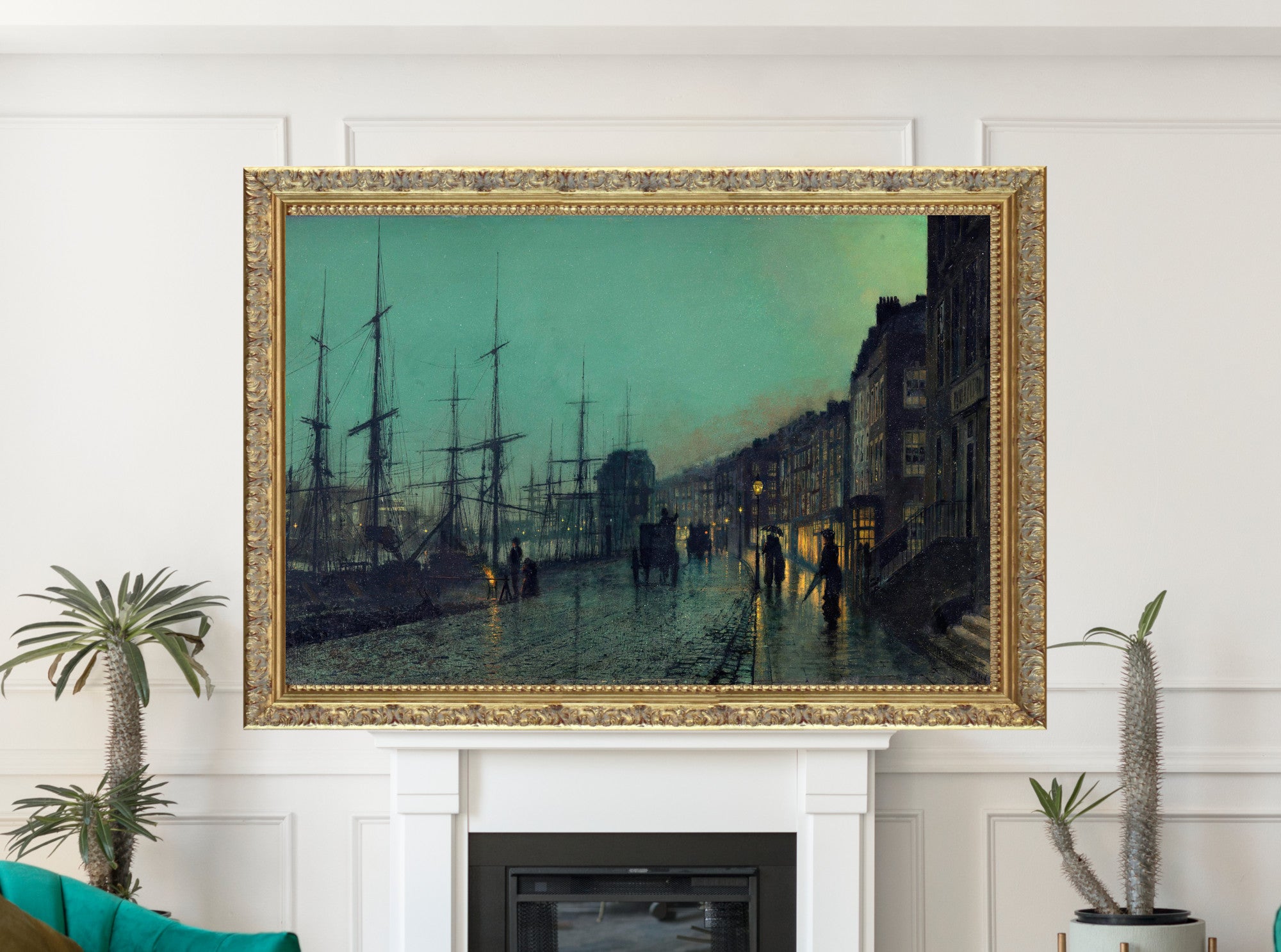
For a stronger focal point, choose a tall sailing ship, crowded regatta, naval scene or vessel surrounded by stormy water. Dark blues, deep greens, charcoal skies and warm sunset colours can add depth to living rooms, dining rooms, offices and larger hallways.
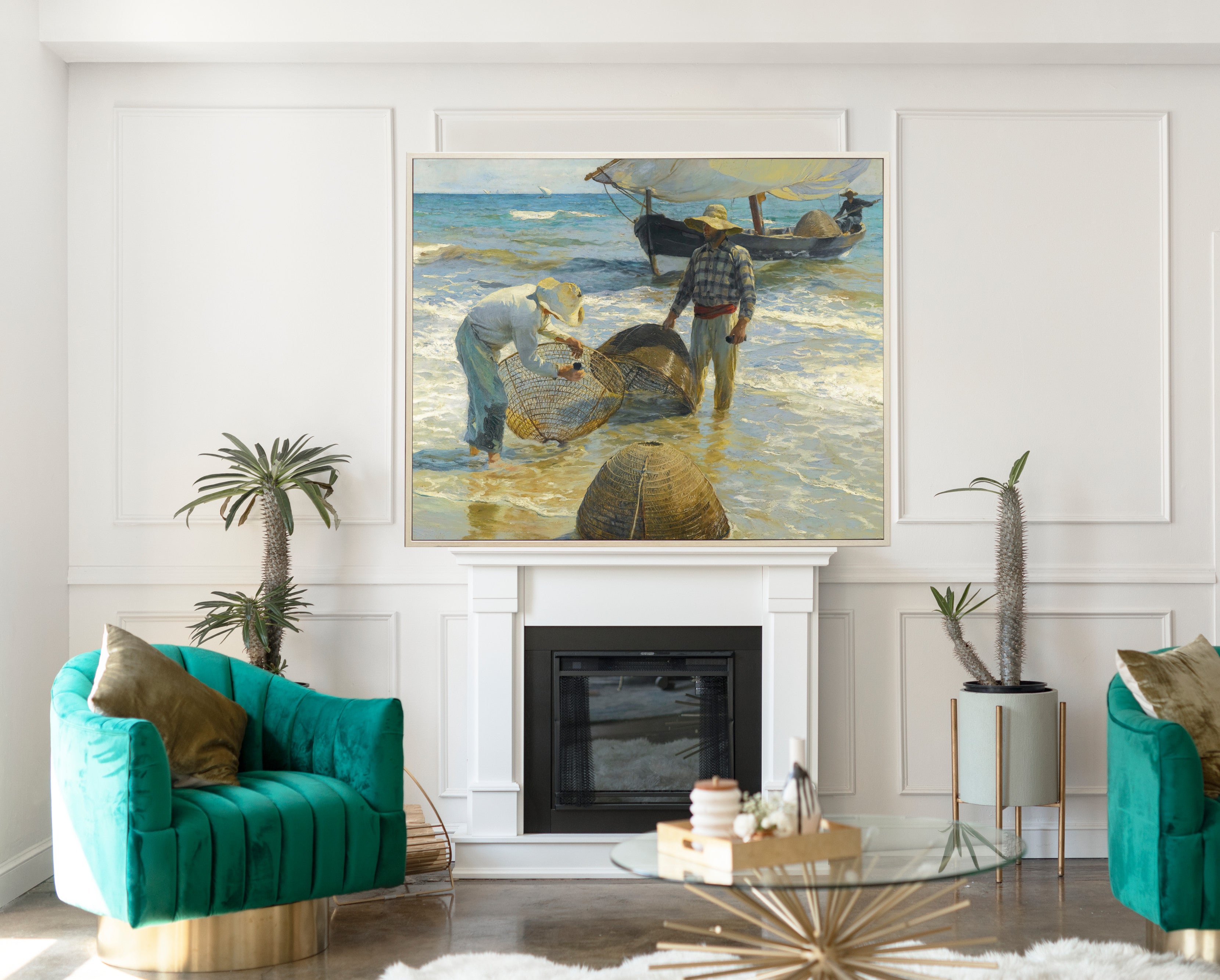
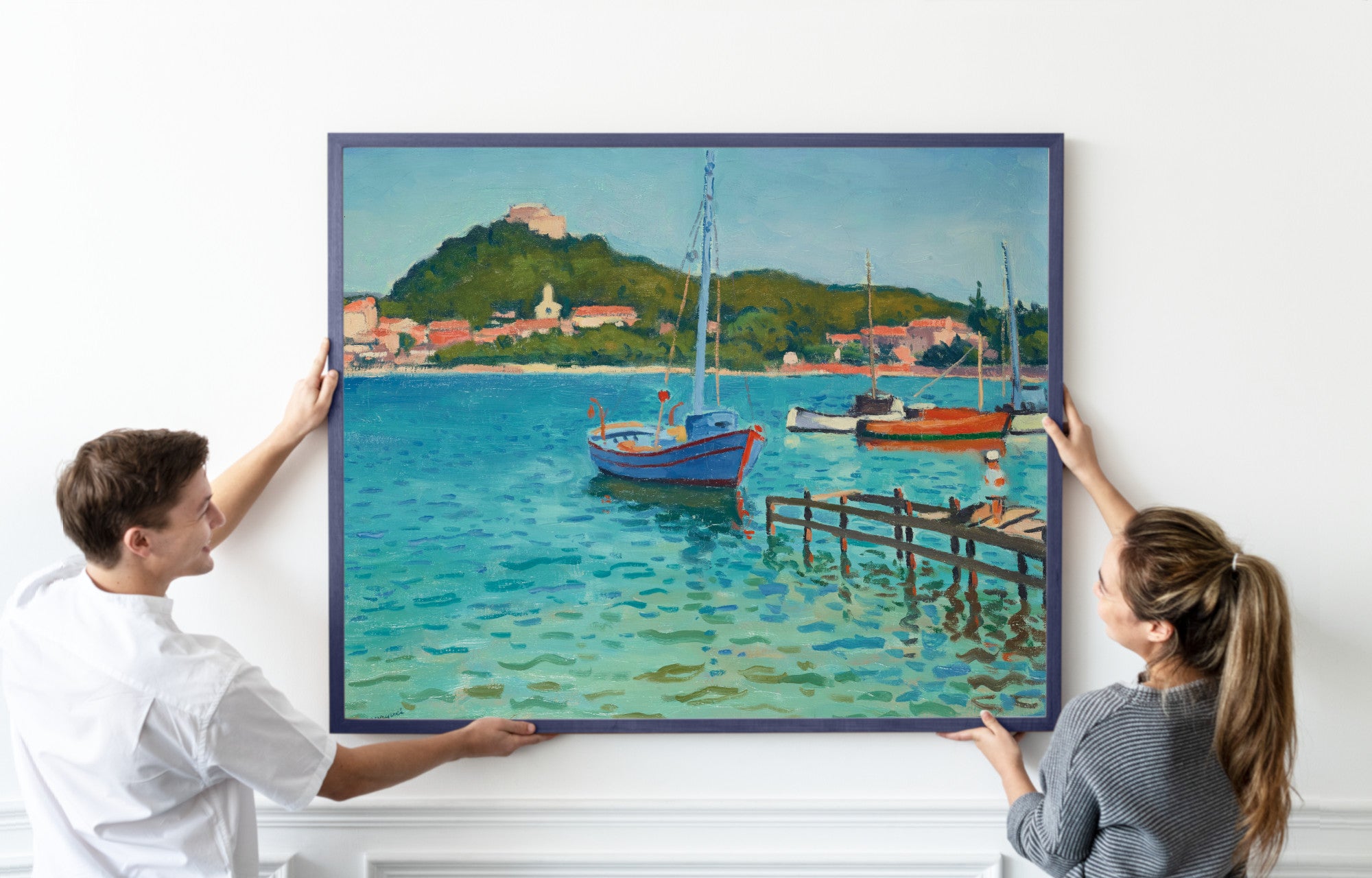
Wide horizontal compositions are well suited to walls above sofas, beds, fireplaces and sideboards. Portrait-format ships and tall masts work effectively on narrower walls, while a group of smaller harbour or sailing prints can form a coordinated gallery wall.
Fine Art Prints, Framed Prints and Canvas Panels
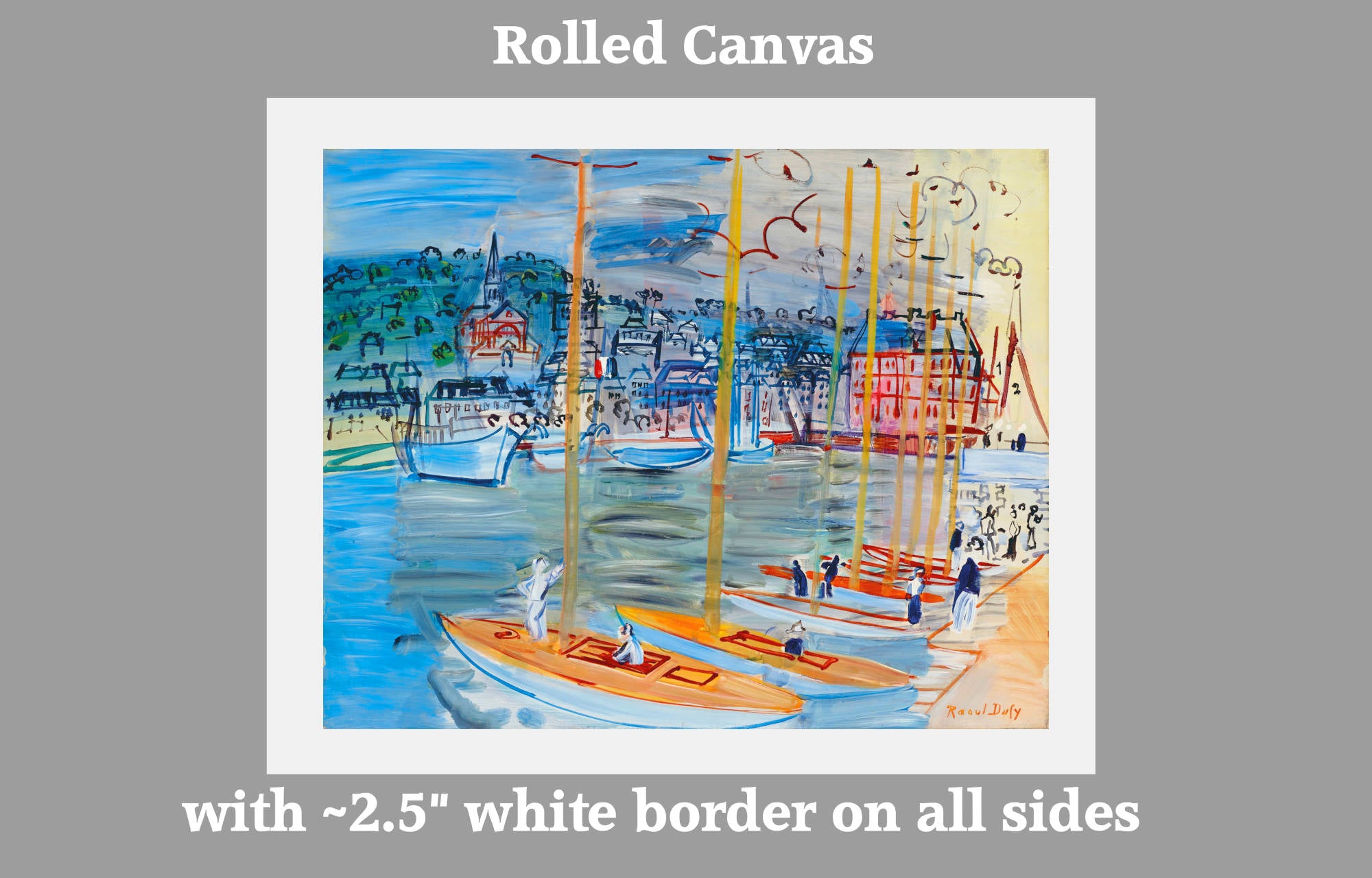
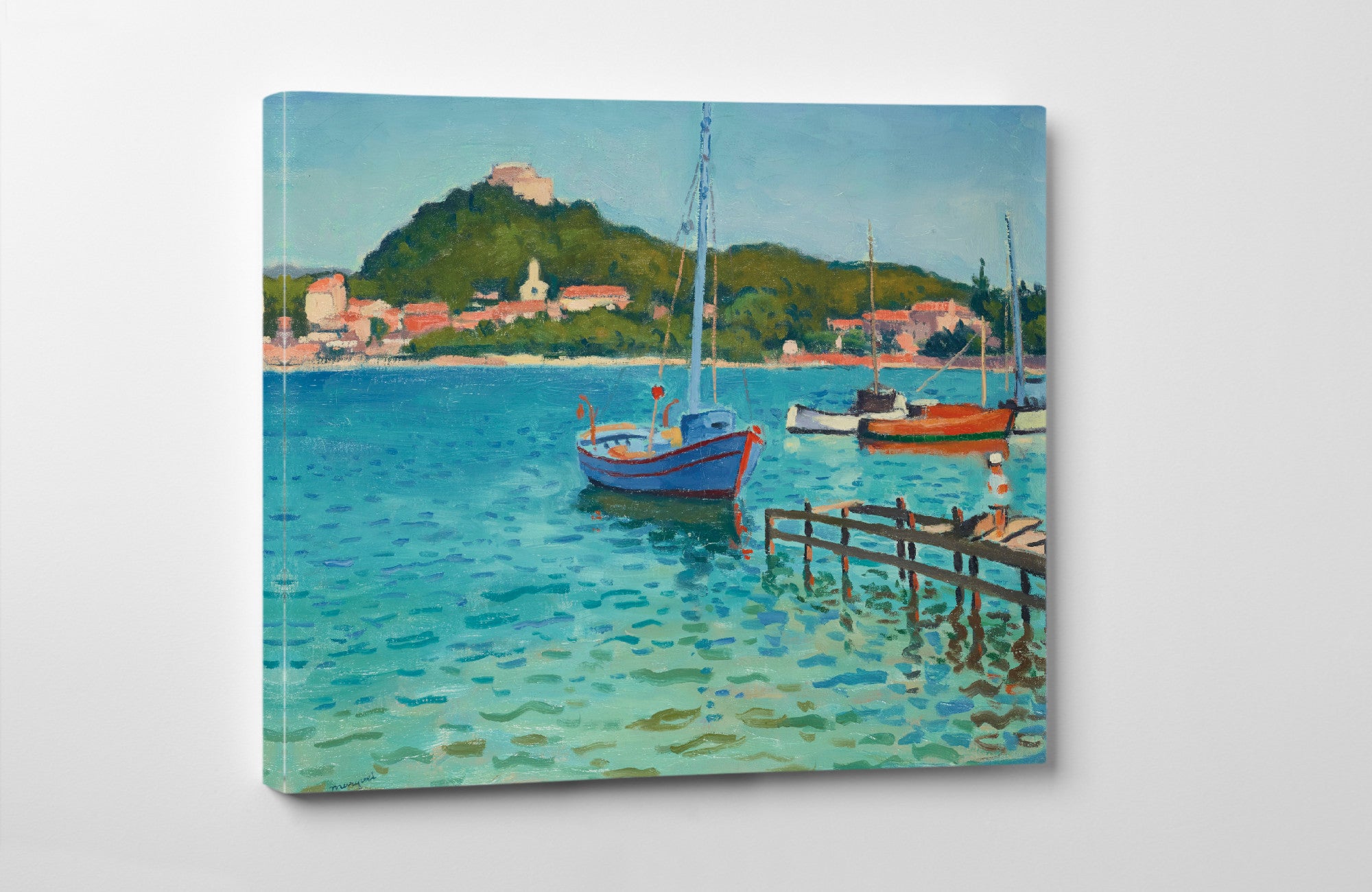
GalleryThane boat artworks are available in a range of sizes as fine art paper prints, framed prints and canvas panels. Paper prints provide flexibility for your own framing, while framed options offer a complete presentation suitable for traditional, nautical and contemporary interiors.
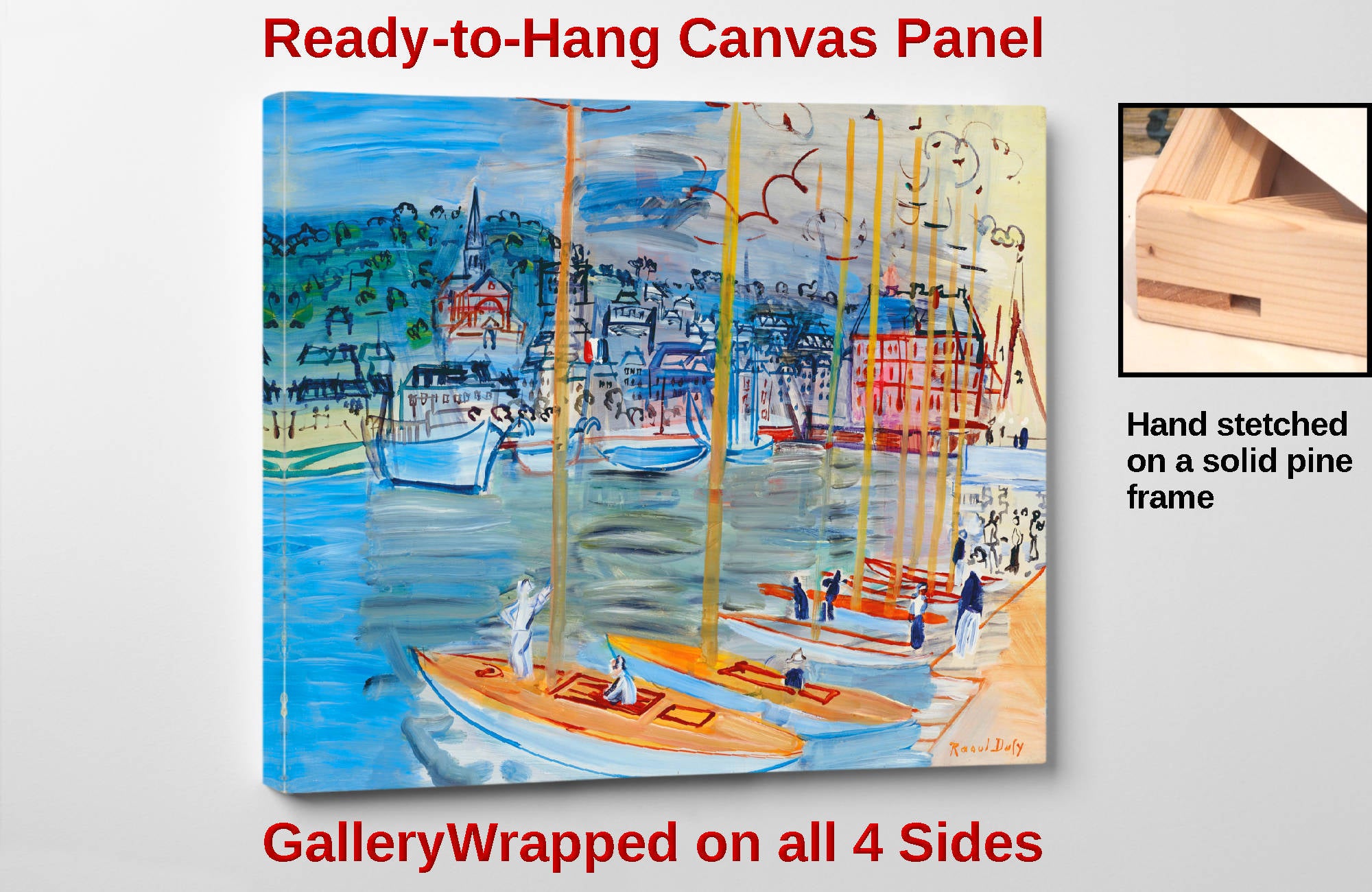
Canvas panels can be particularly effective for larger harbour scenes, regattas and dramatic ships where colour and scale are central to the composition. Availability varies by artwork and size.
Explore Related Art Collections
Continue browsing related maritime subjects, coastal scenery and artists known for ships, harbours and sailing scenes.
Coastal and Maritime Collections
Artists of Boats, Harbours and the Sea
Frequently Asked Questions
What subjects are included in the boat art collection?
The collection includes sailing boats, fishing vessels, ships, yachts, rowing boats, regattas, working harbours, naval scenes and boats resting on beaches or shorelines.
What is the difference between boat art and seascape art?
Boat art places the vessel at the centre of the subject, while seascape art concentrates more broadly on the sea, coastline, weather and water. Many artworks belong naturally in both collections.
Which artists are famous for paintings of boats and ships?
Artists closely associated with boats and maritime subjects include J. M. W. Turner, Ivan Aivazovsky, Eugène Boudin, Claude Monet, Paul Signac and Raoul Dufy.
What type of boat print works well in a living room?
Wide harbour views, colourful regattas and dramatic sailing ships work particularly well above sofas and sideboards. Quieter fishing boats and coastal scenes suit rooms with softer, more neutral decoration.
Are the boat prints available framed?
Many designs are available as fine art paper prints, framed prints and canvas panels in several sizes. The formats offered are shown on each individual product page.


