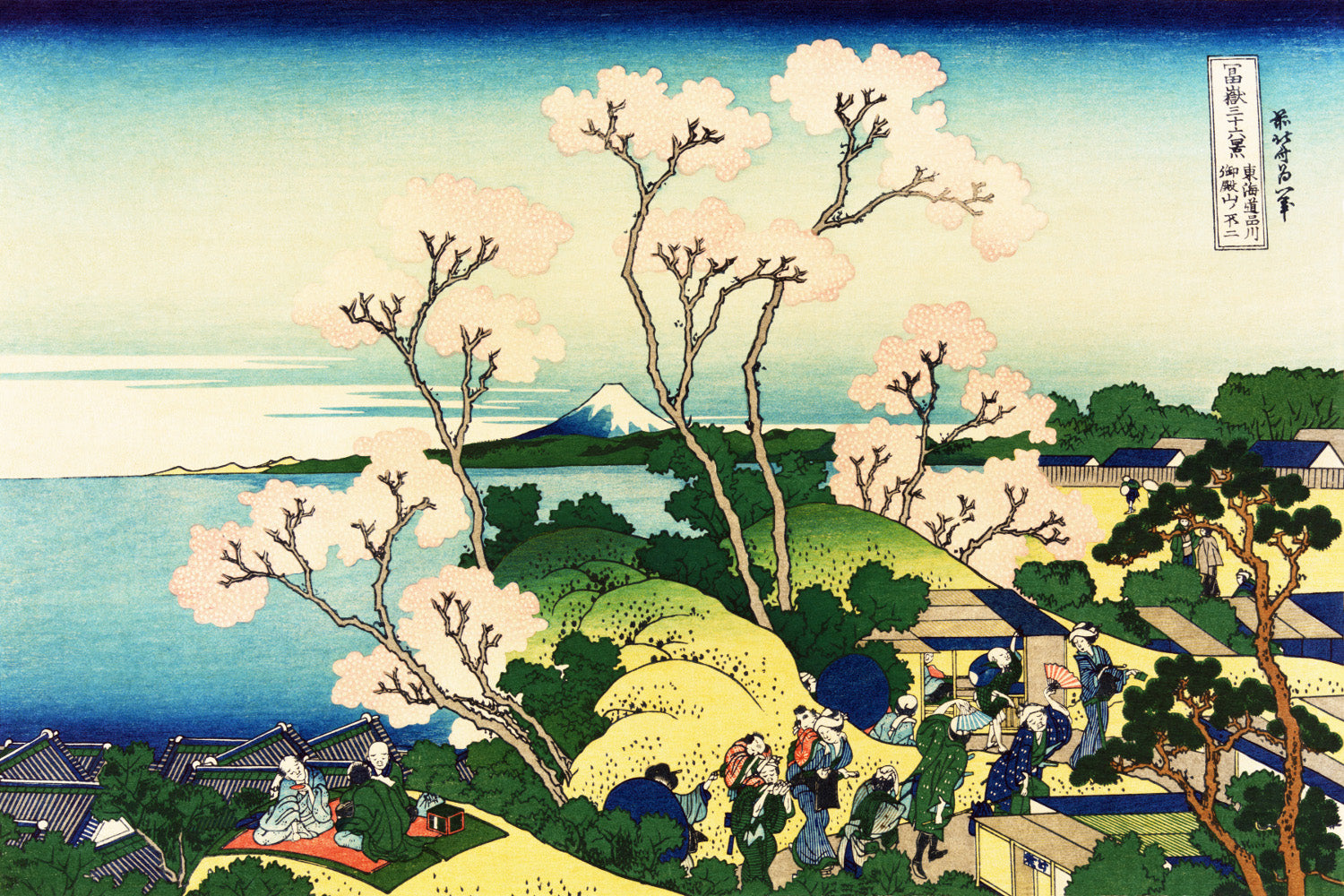
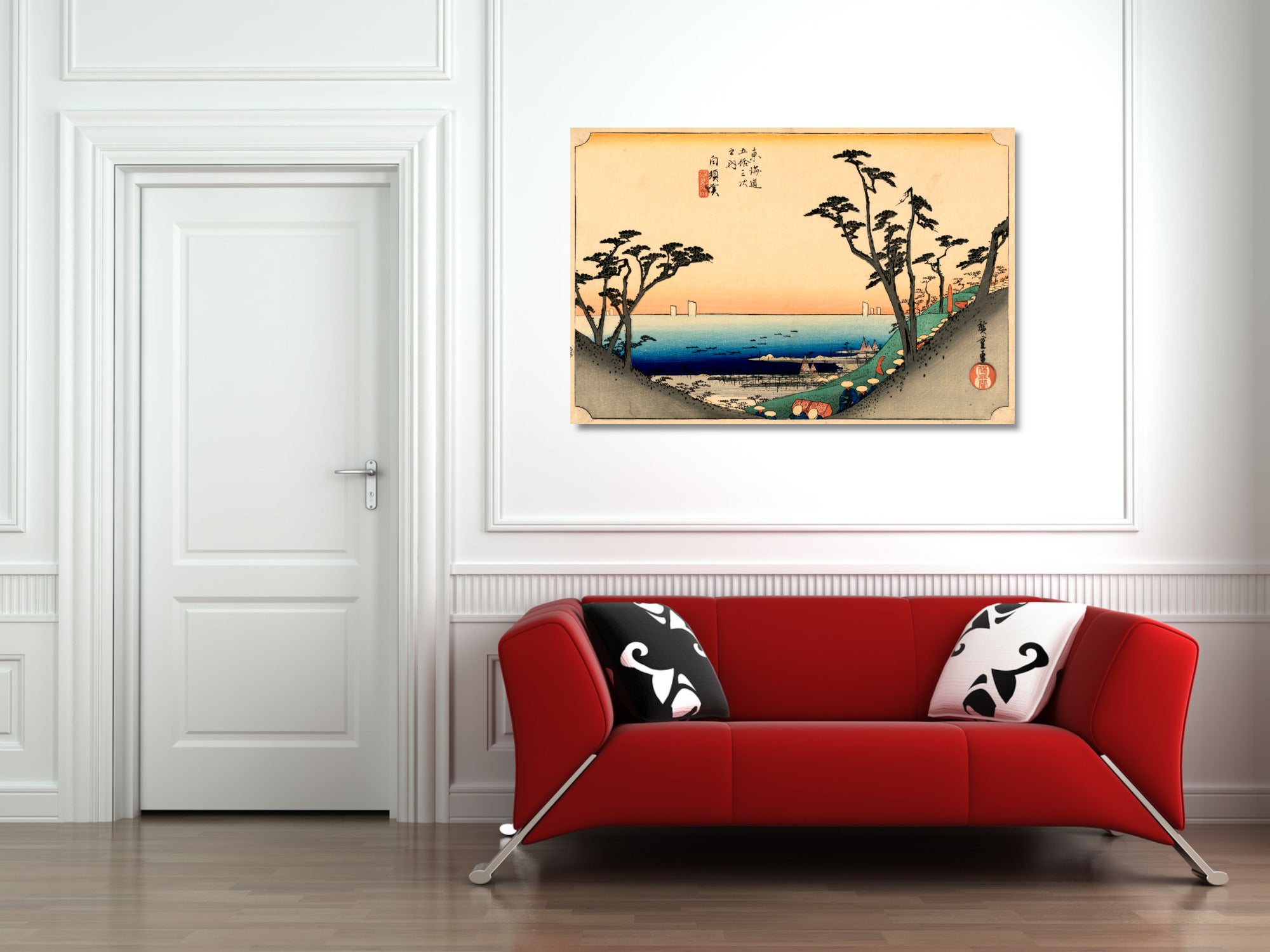
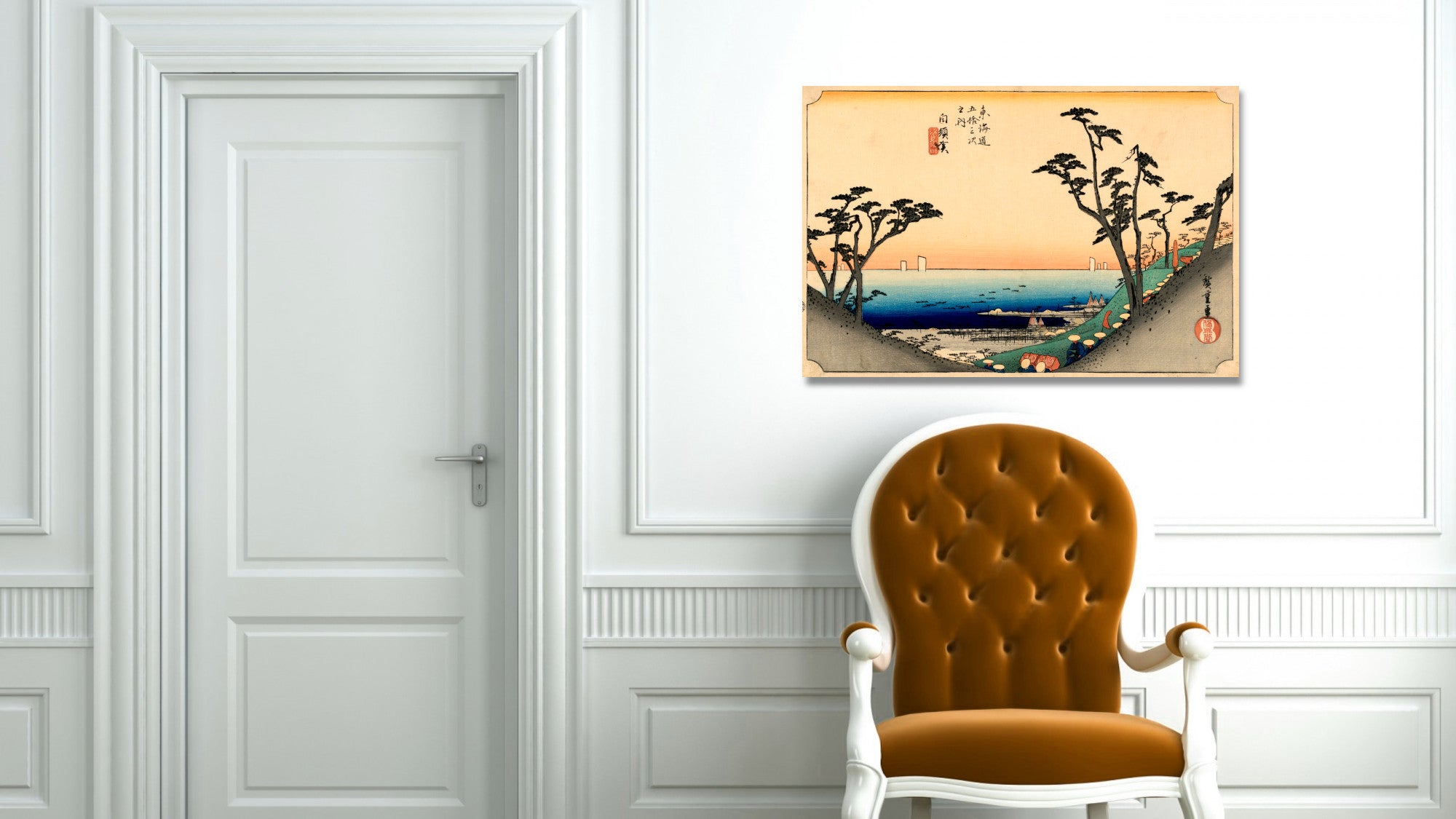
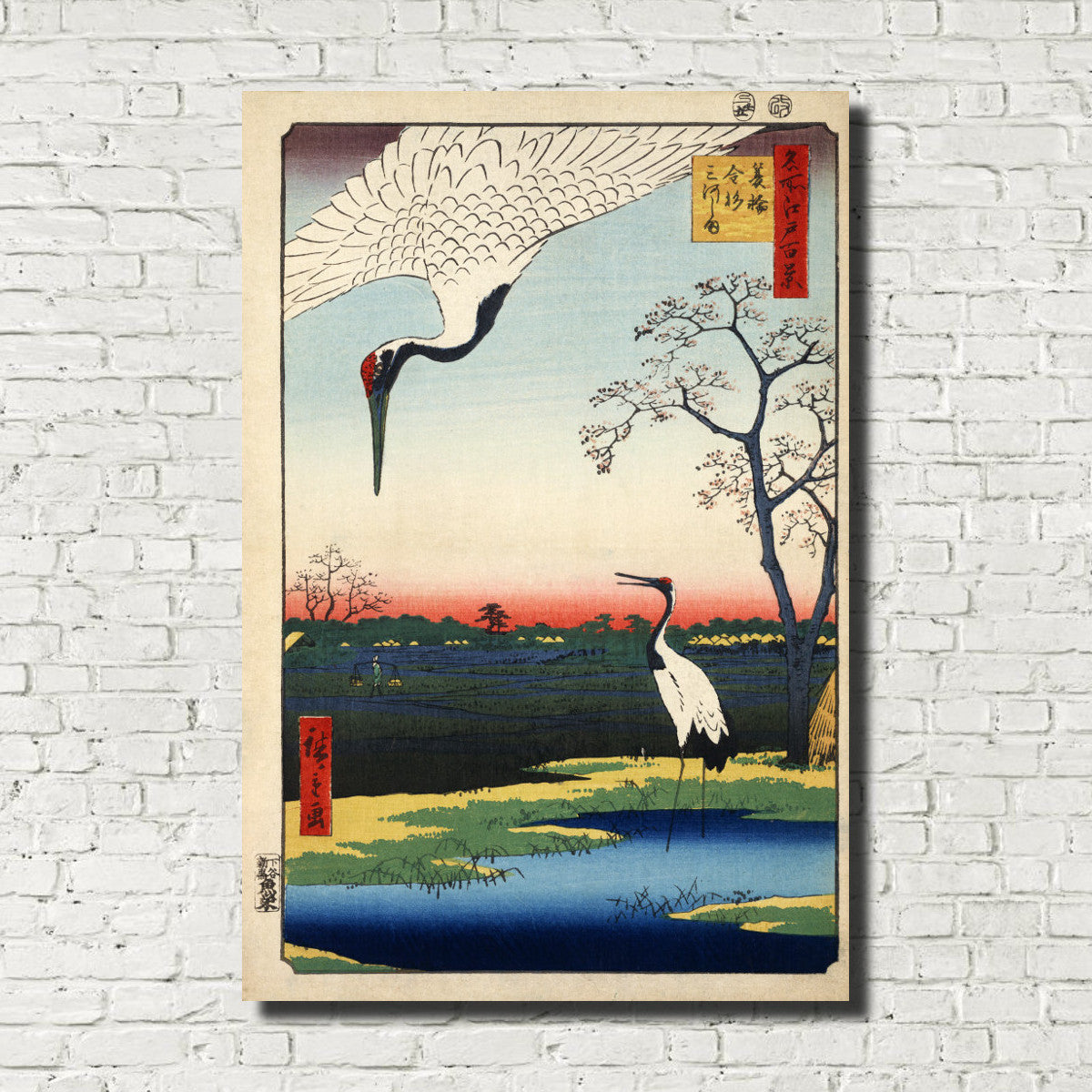
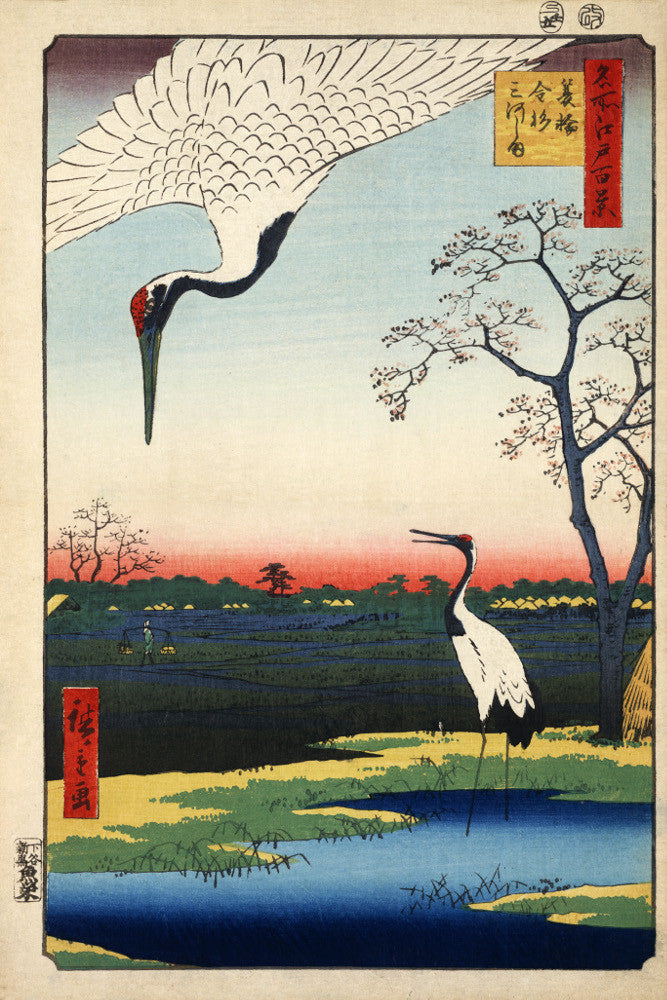
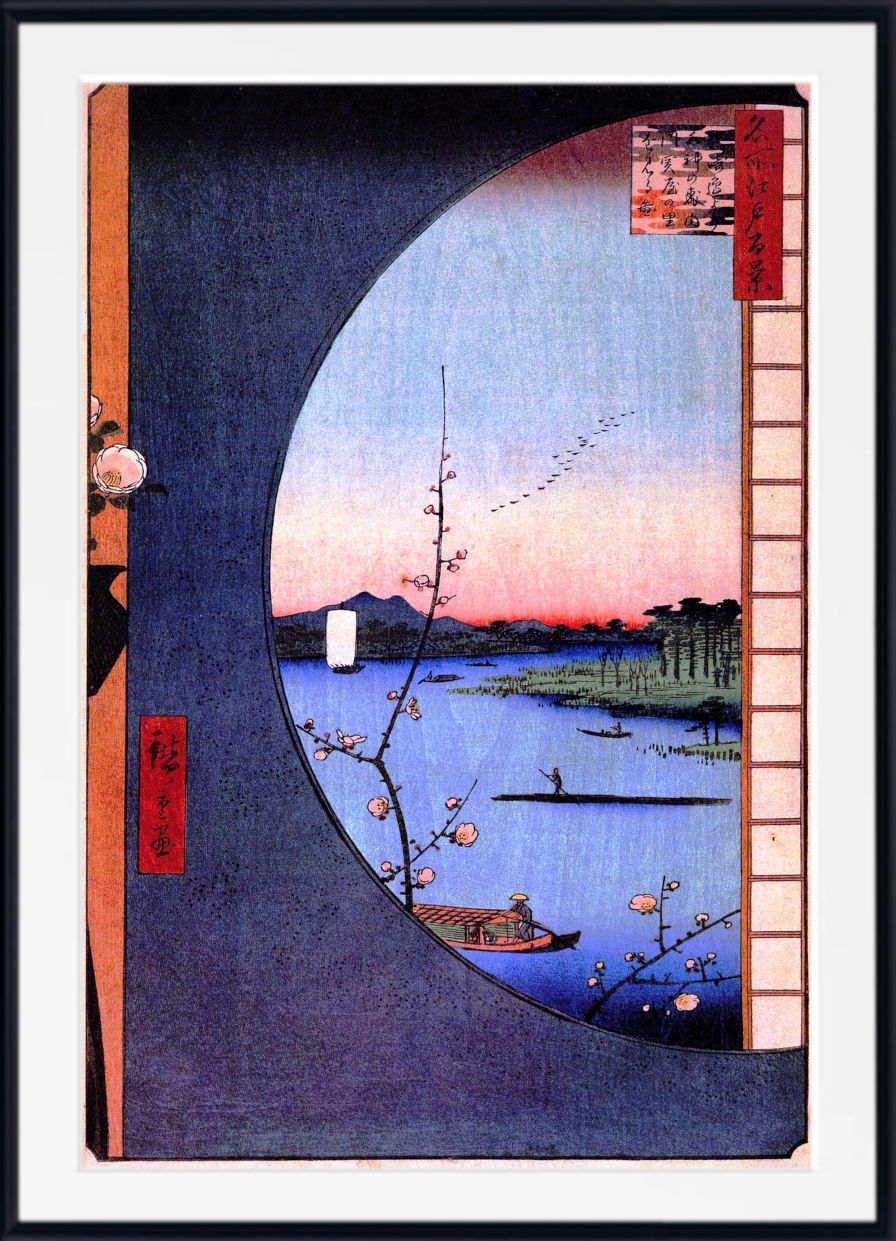
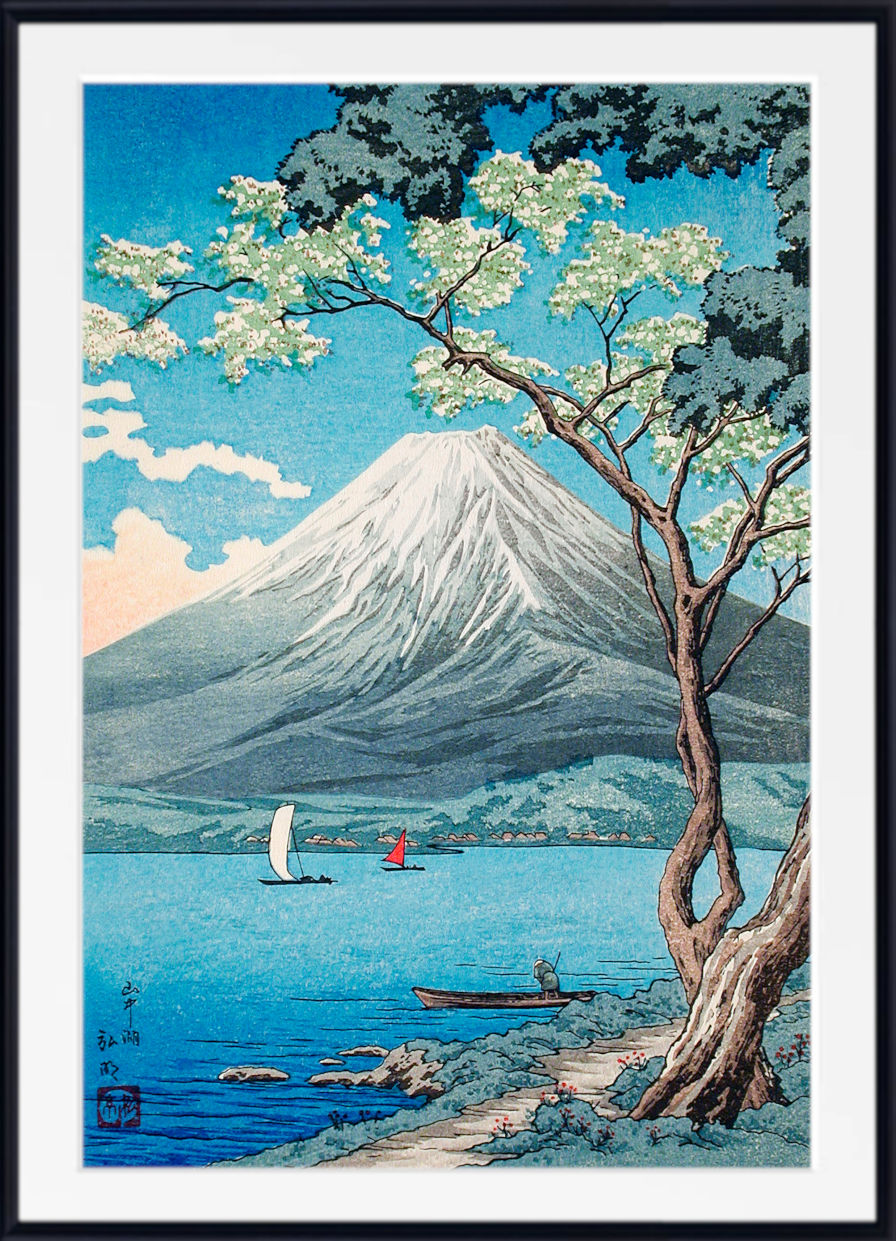
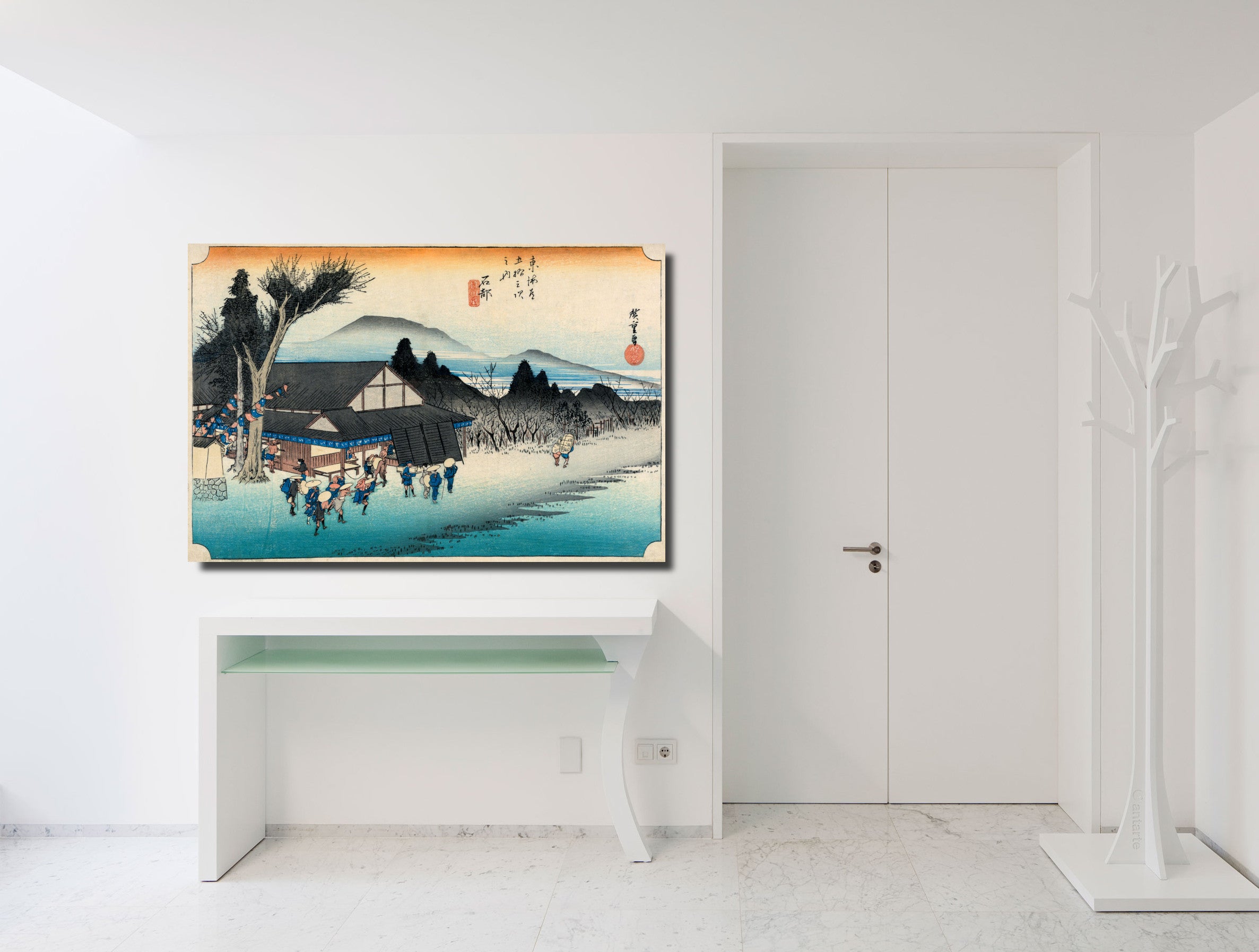
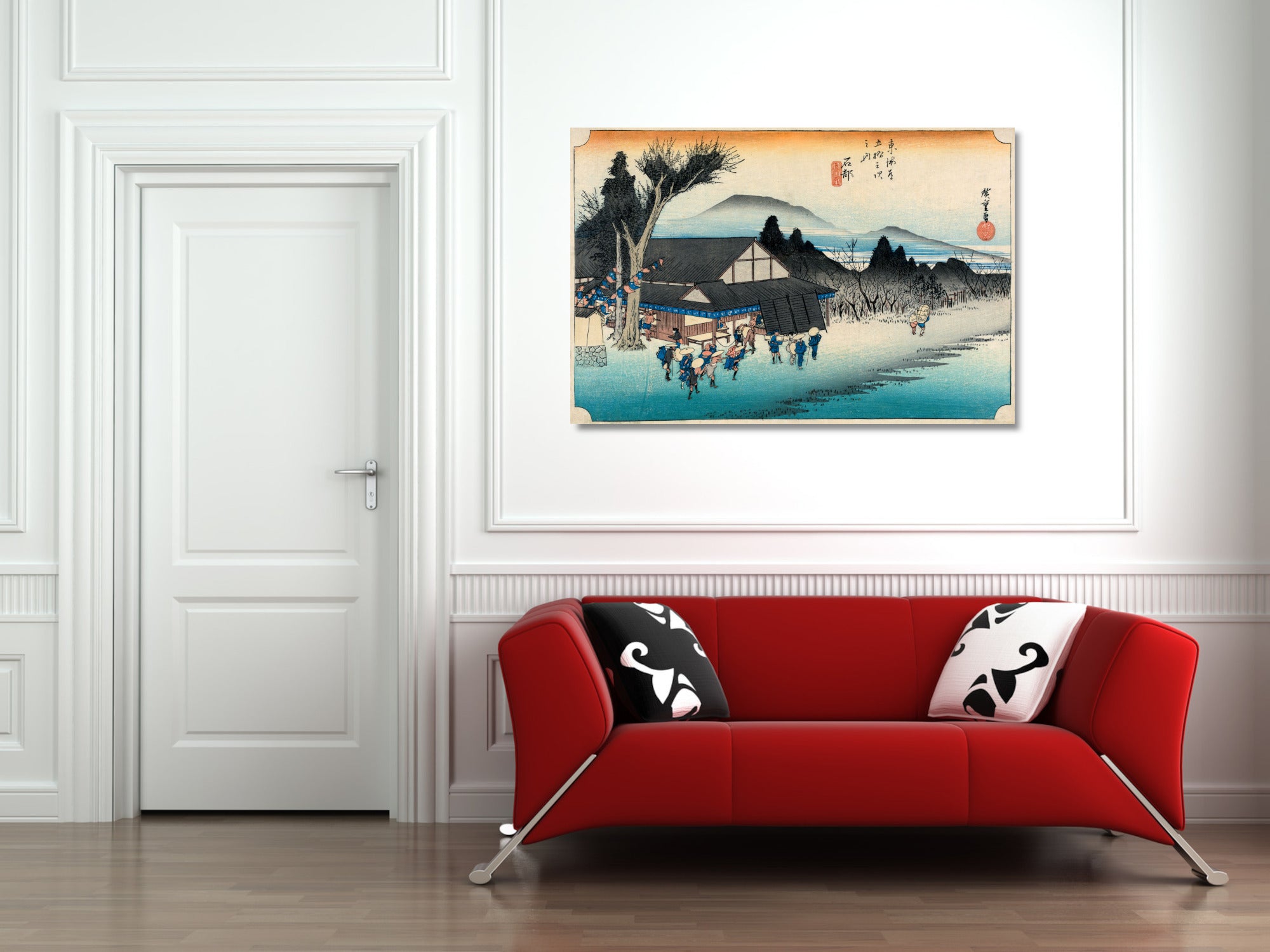
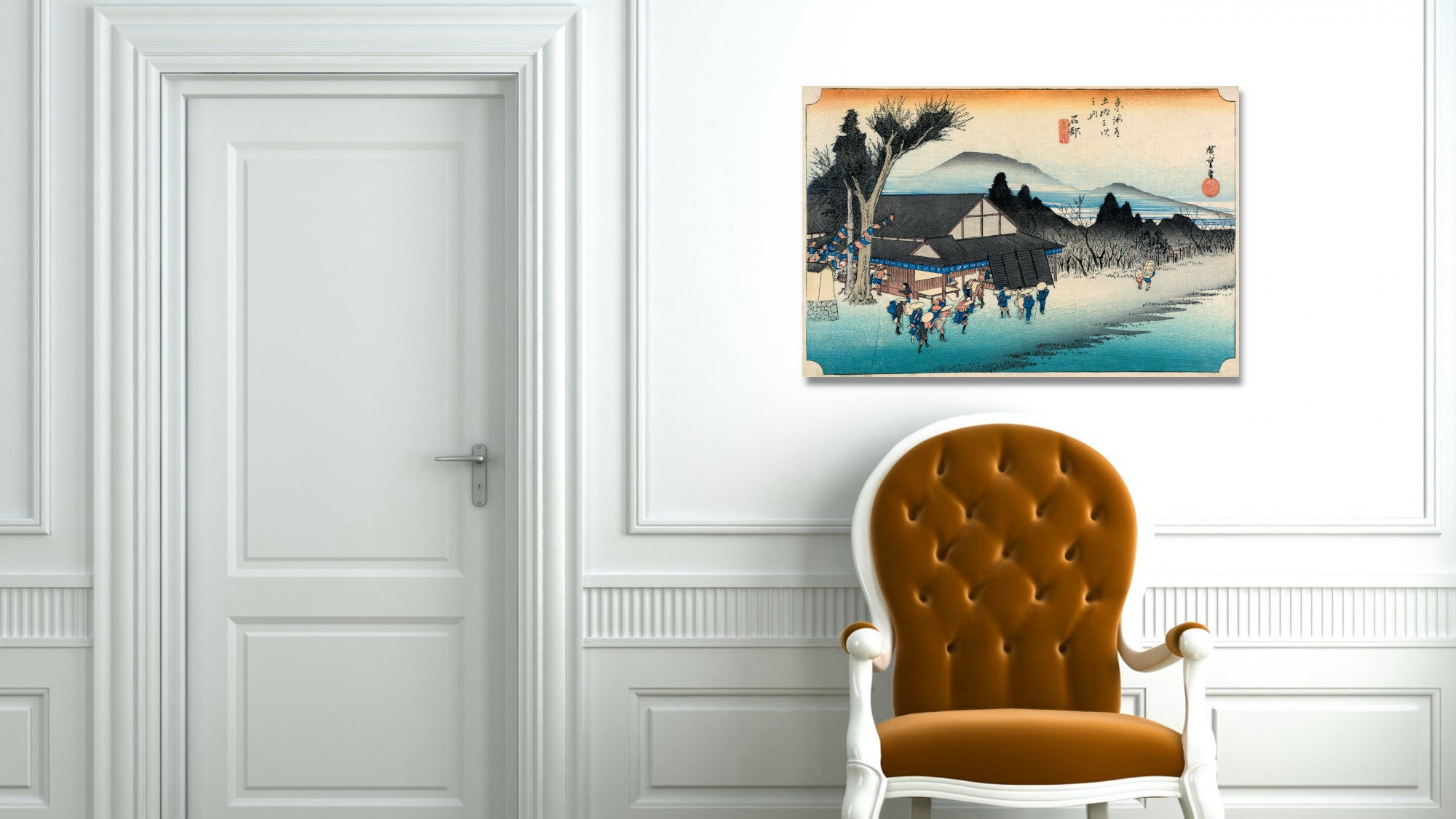
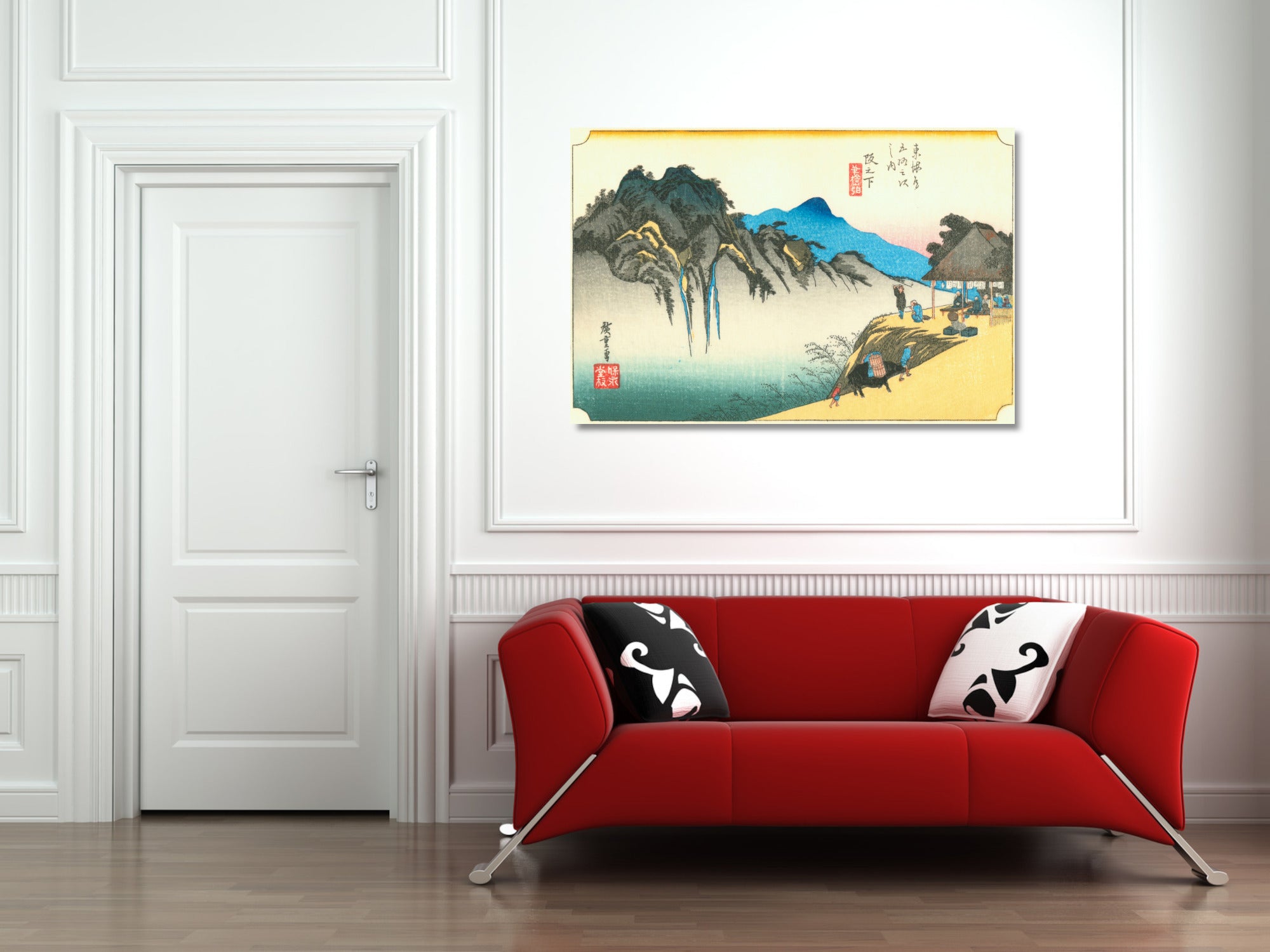
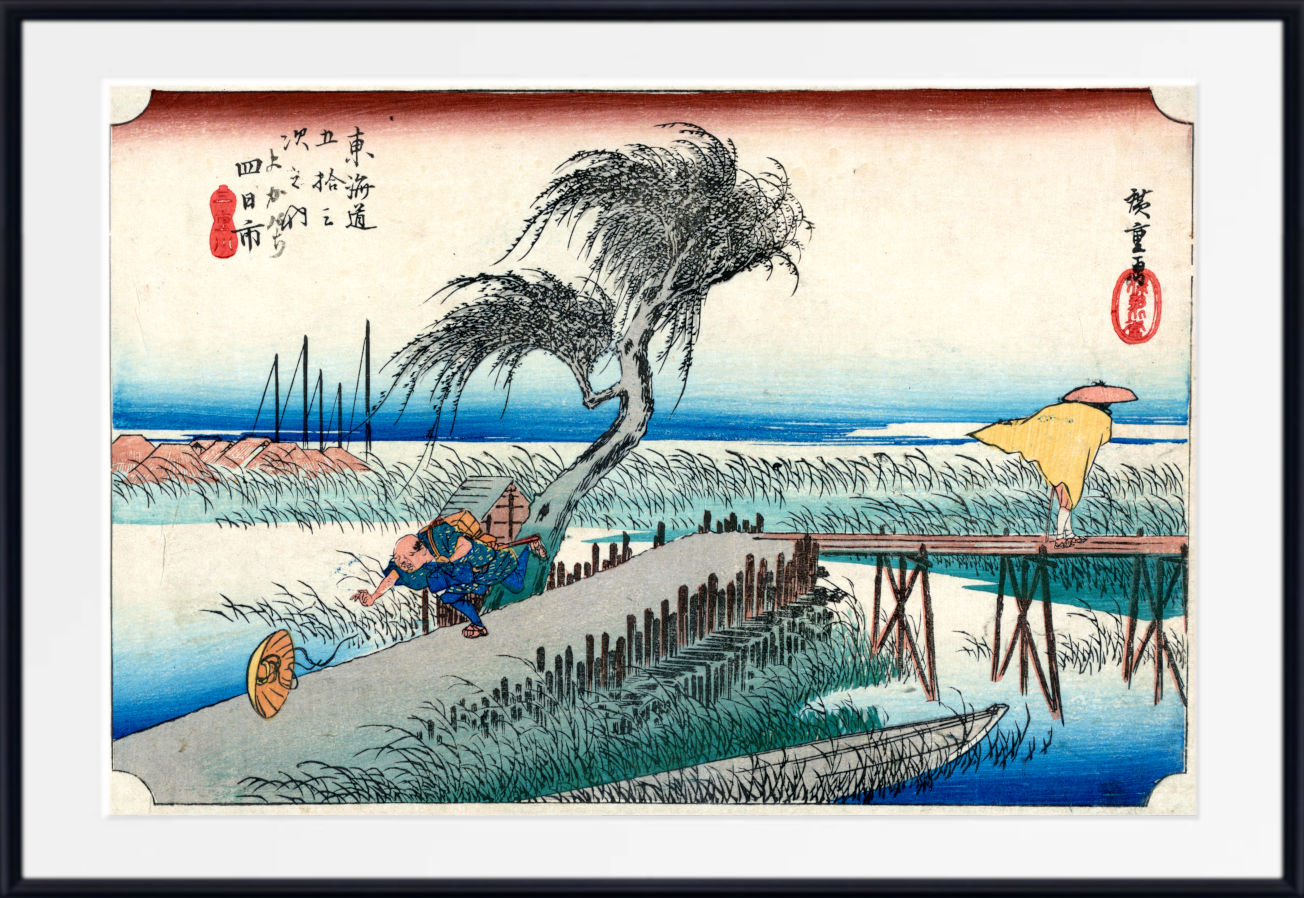
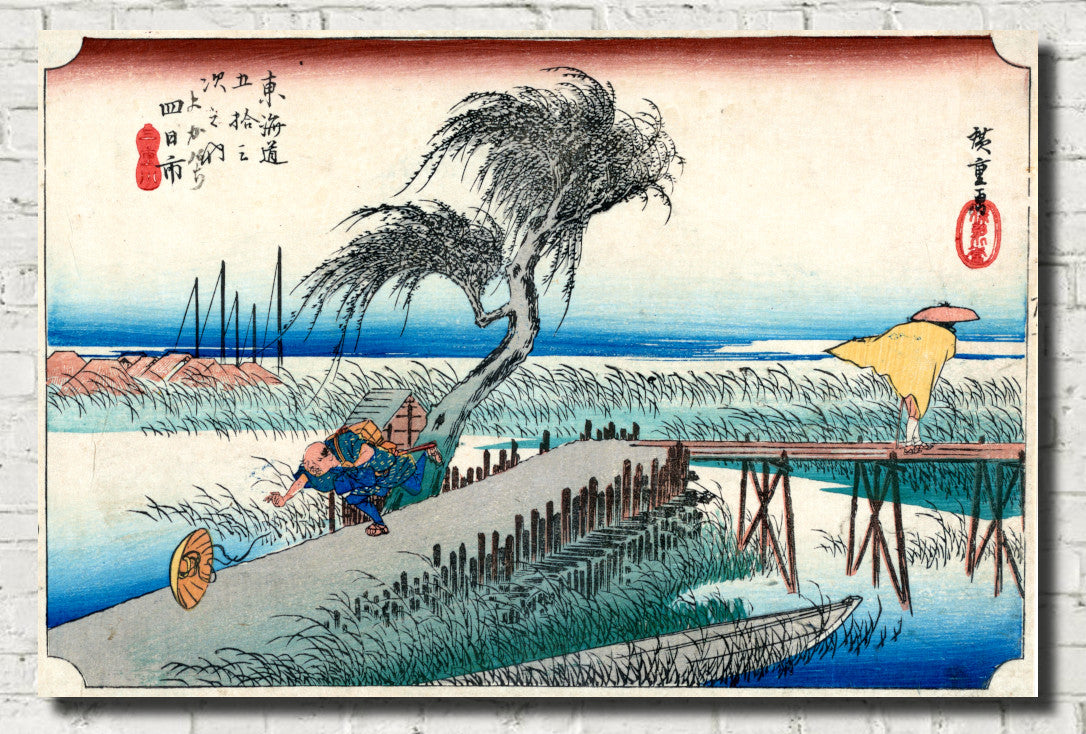
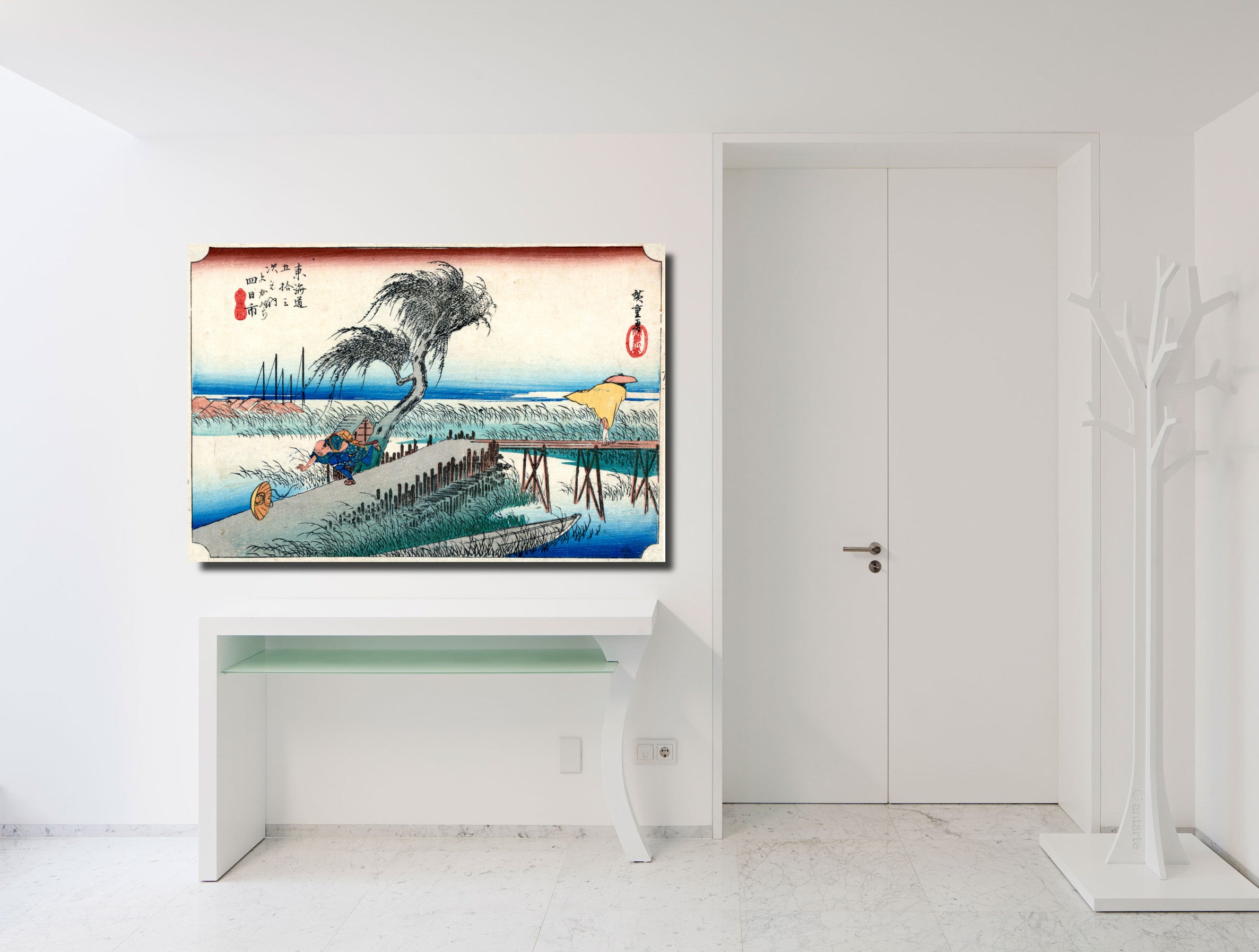
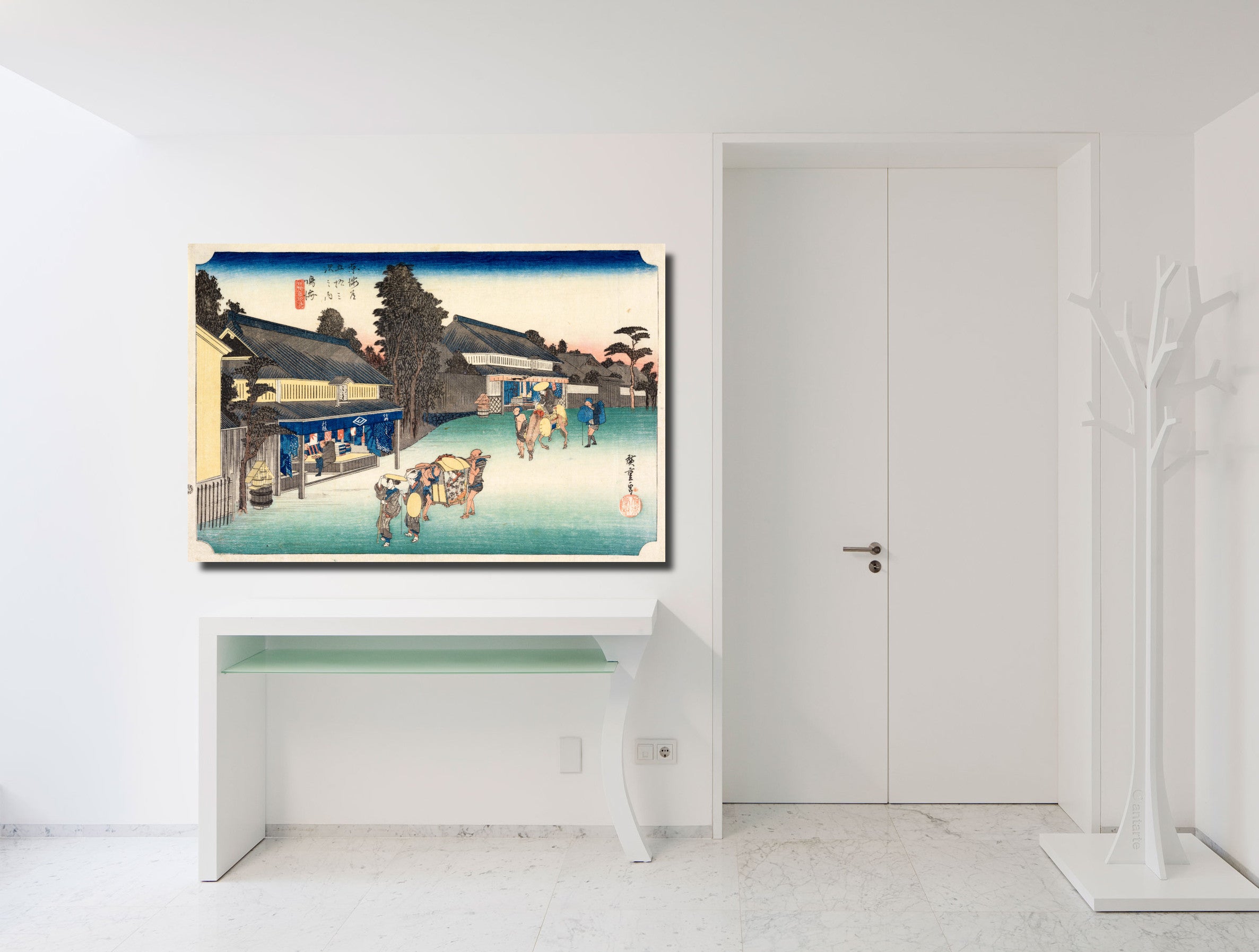
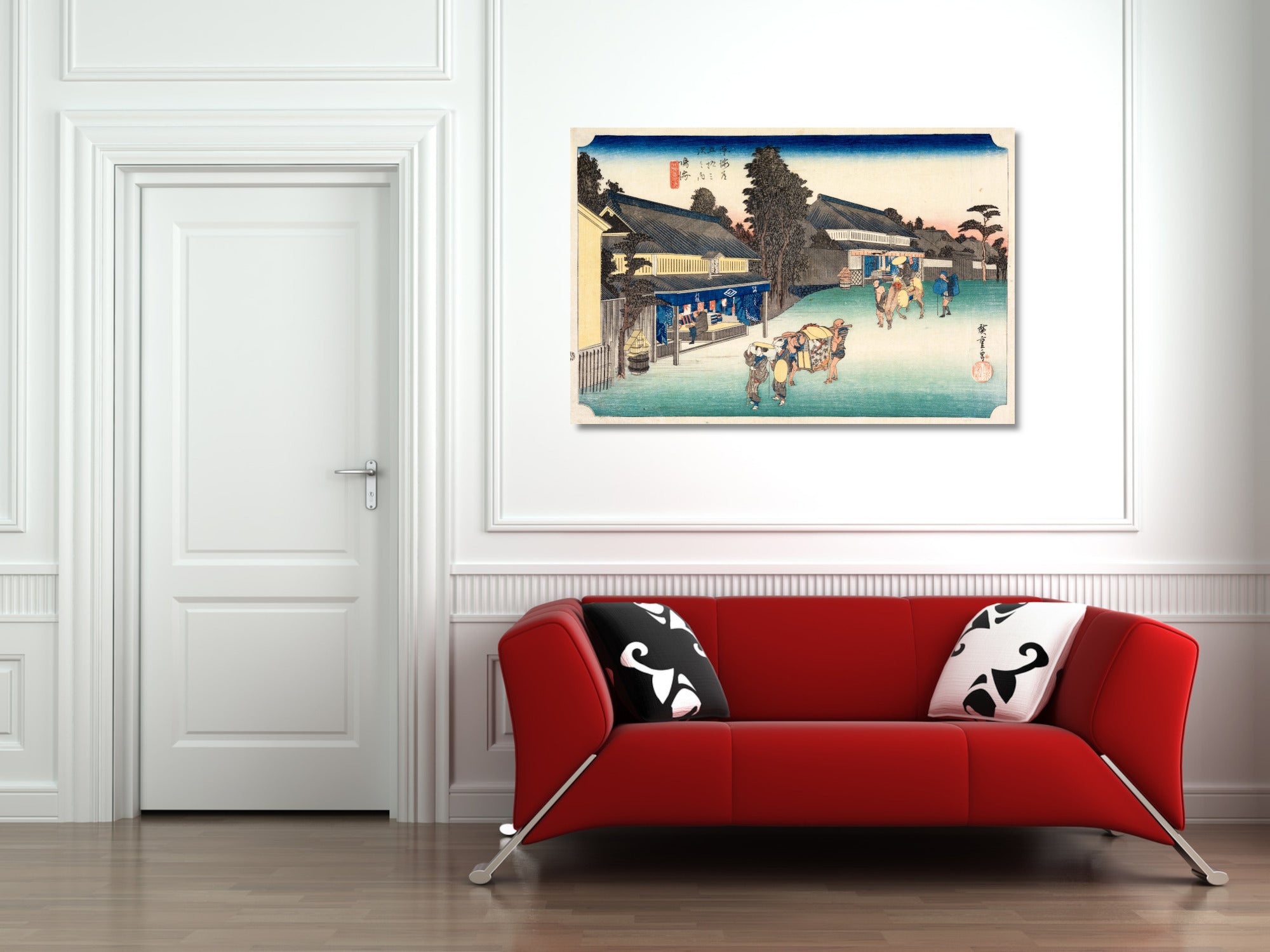
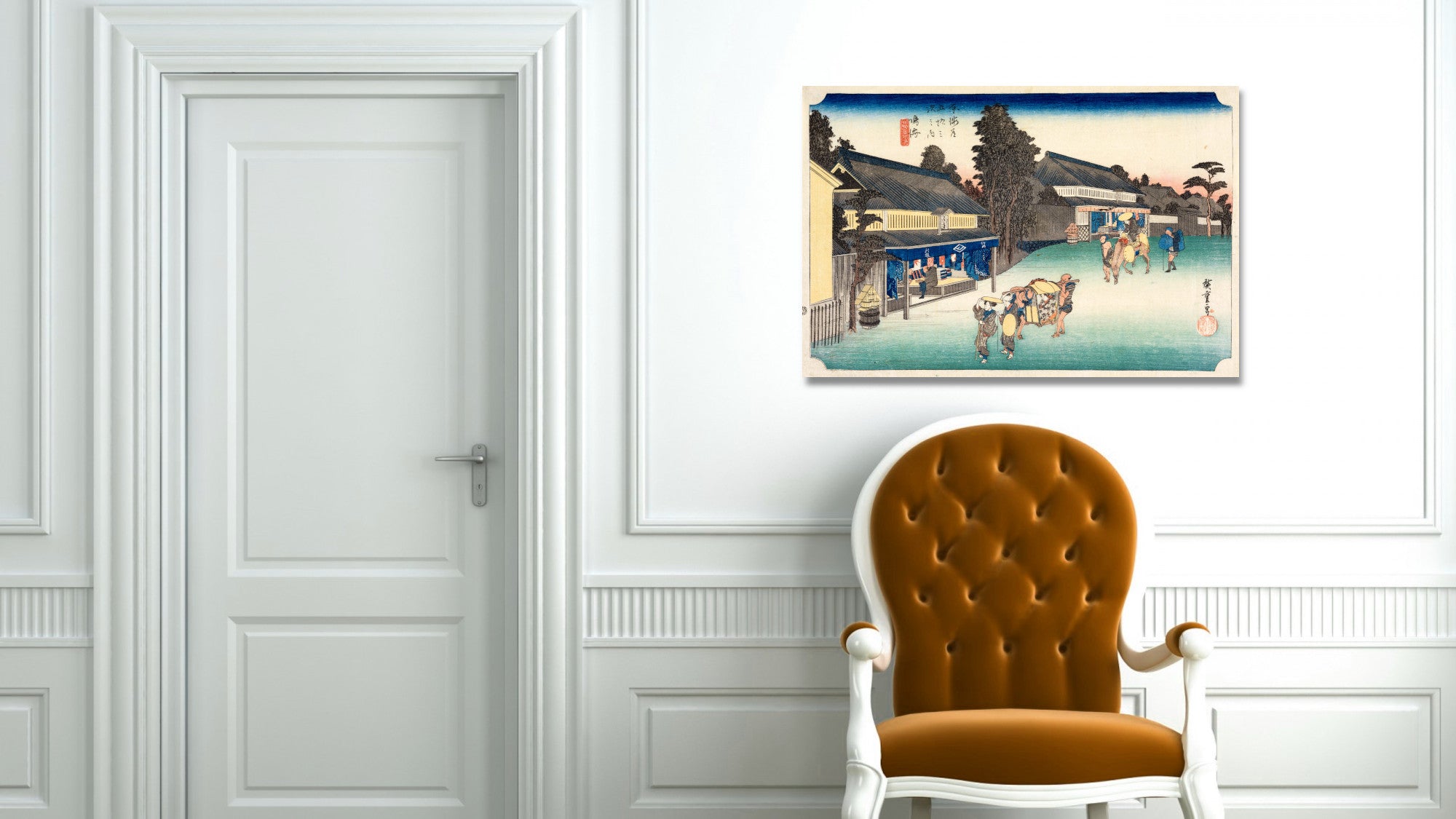
Japanese art offers an exceptional foundation for a gallery wall. Bold waves, distant mountains, flowering branches, elegant figures, moonlit landscapes and dramatic legends can be combined into displays that feel both richly historical and strikingly modern.
This guide explores eight Japanese art gallery-wall ideas, ranging from the celebrated ukiyo-e prints of Katsushika Hokusai and Andō Hiroshige to refined bird-and-flower art, bijin-ga figure prints and atmospheric twentieth-century landscapes by Hasui Kawase, Hiroaki Takahashi and Shiro Kasamatsu.
Each arrangement can be used as a complete starting point or adapted around a favourite artist, colour or subject. Explore the curated collections, compare different layouts and discover how Japanese prints can bring rhythm, atmosphere and visual balance to a living room, bedroom, hallway, dining space or study.
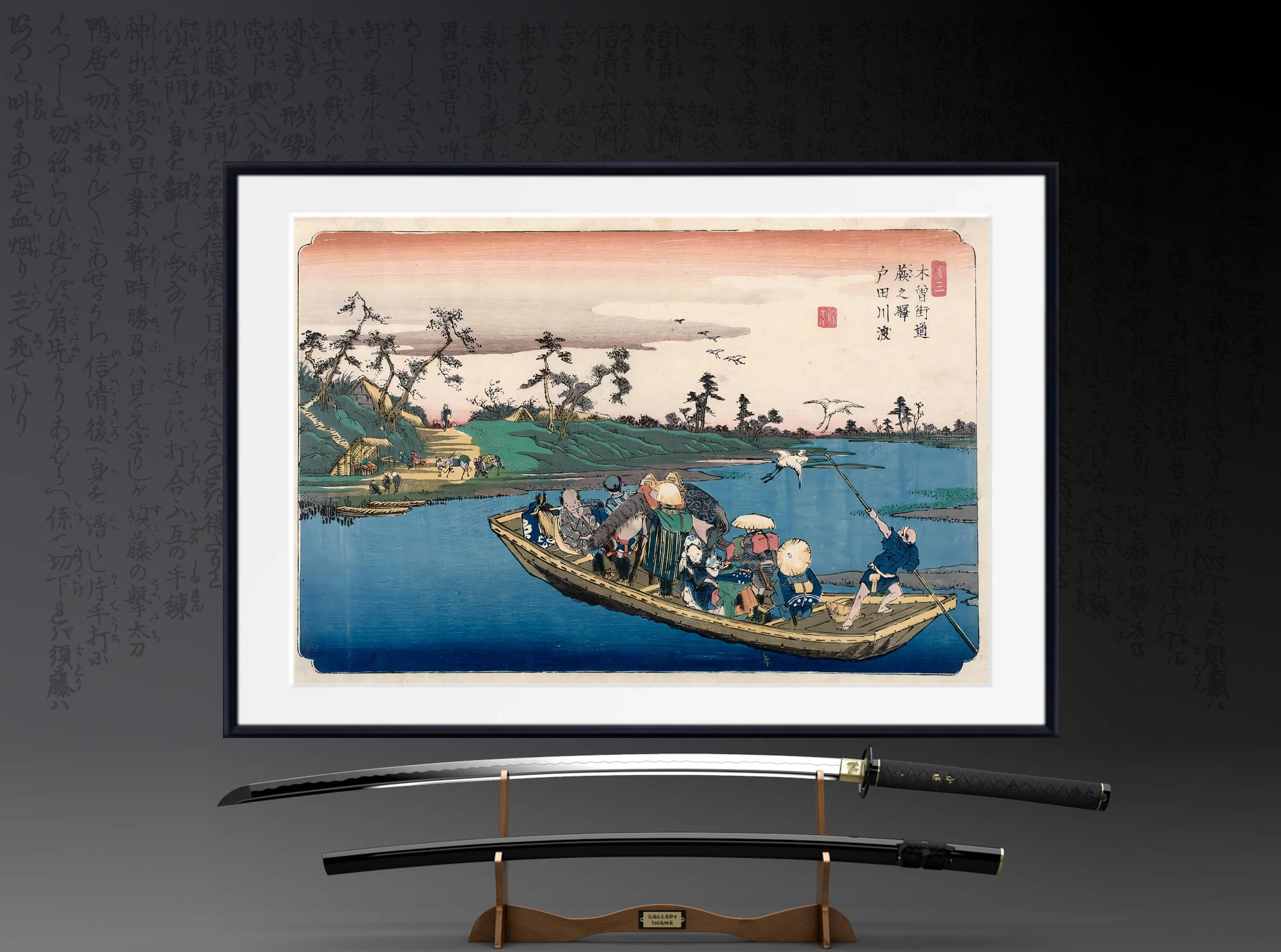
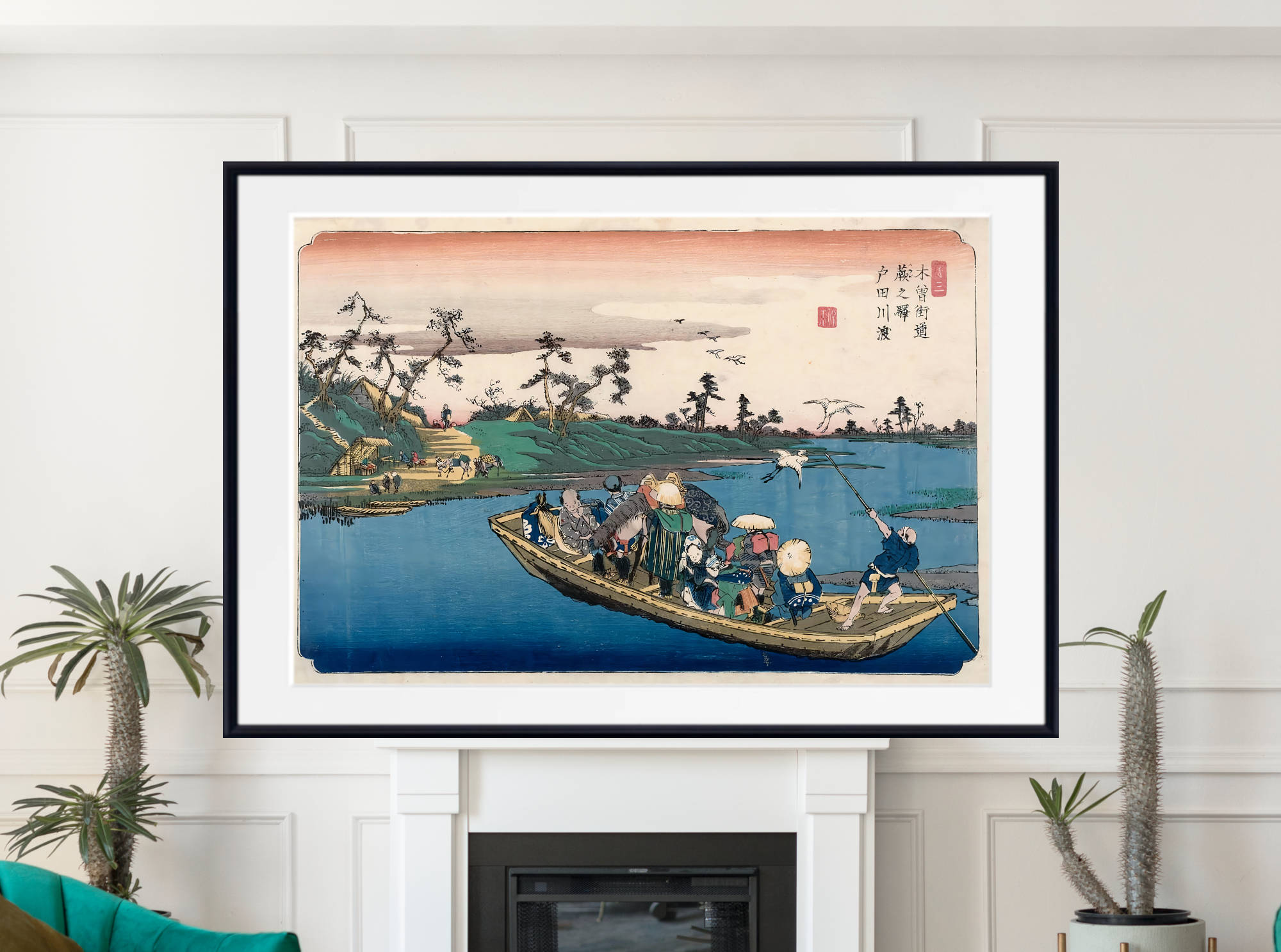
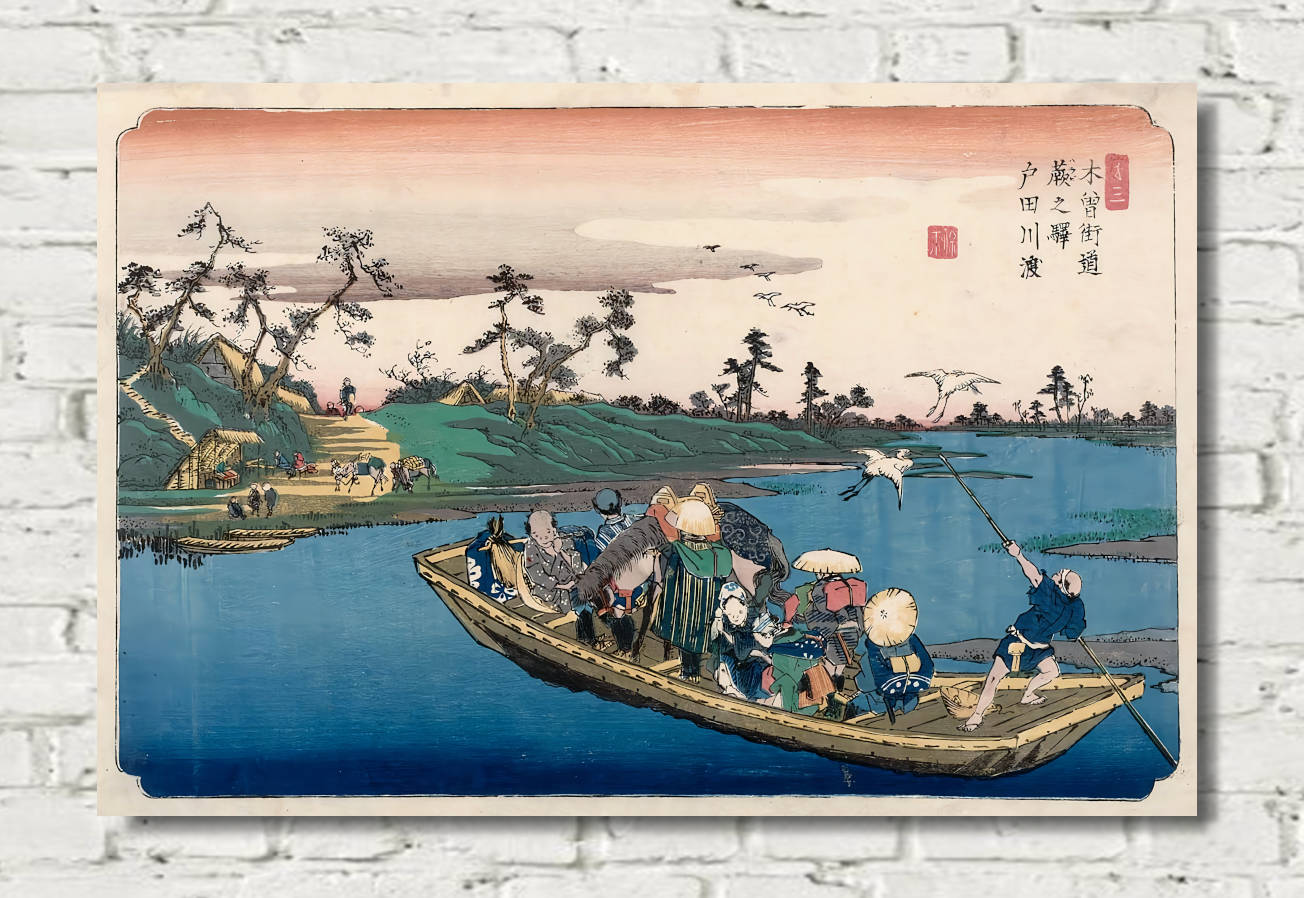
1. Japanese Art Gallery Wall: From Ukiyo-e to Shin-Hanga

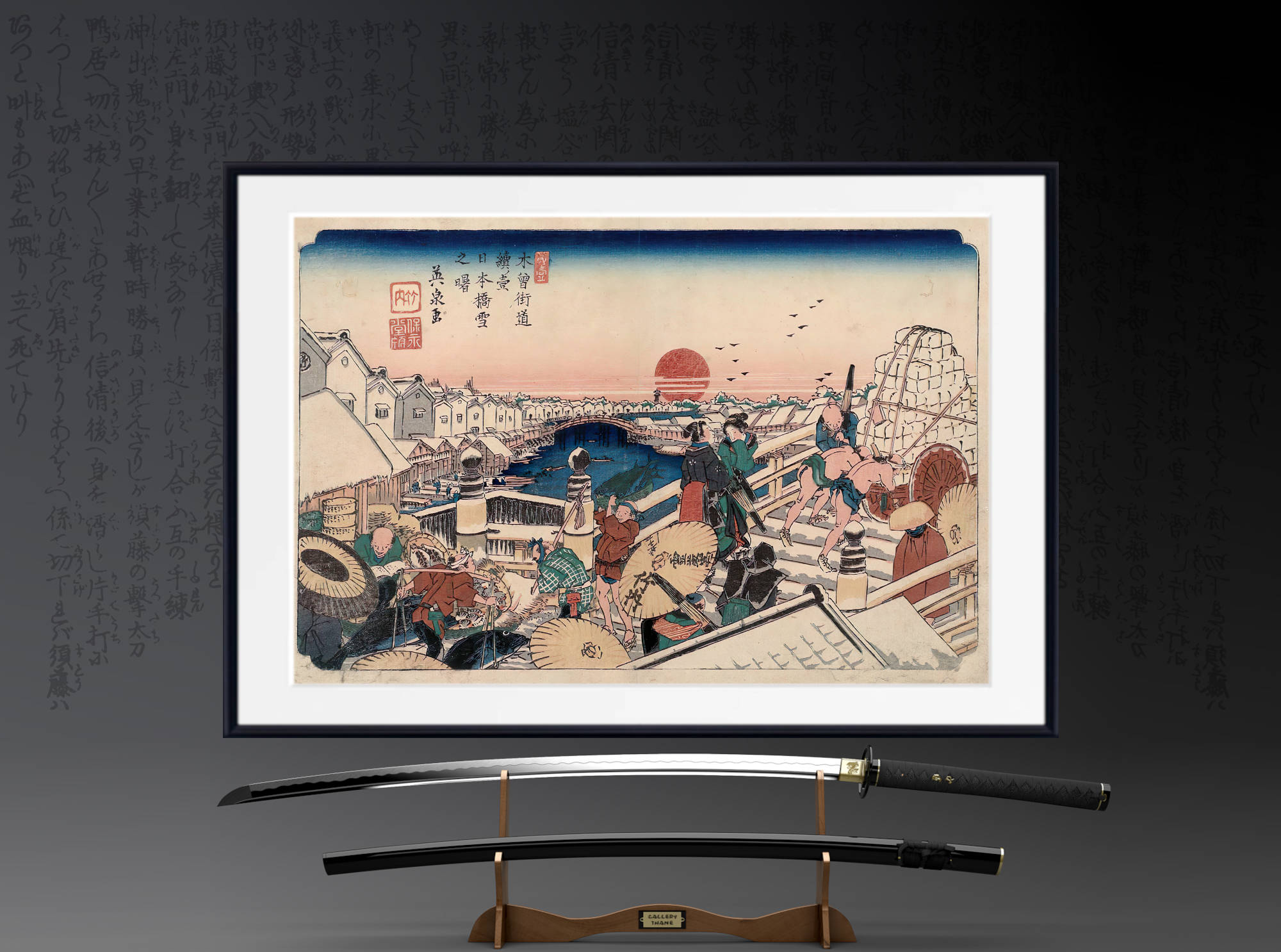
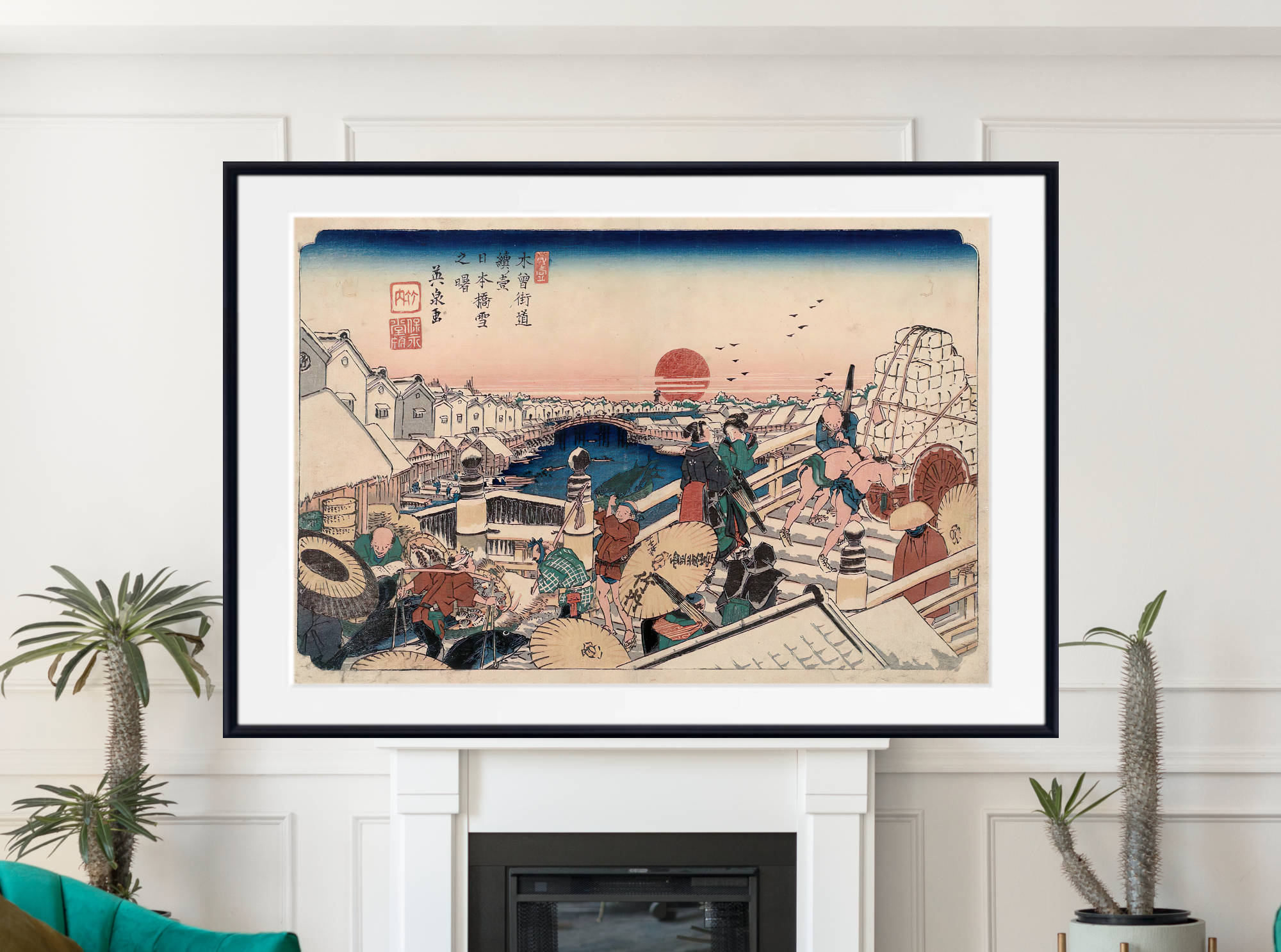
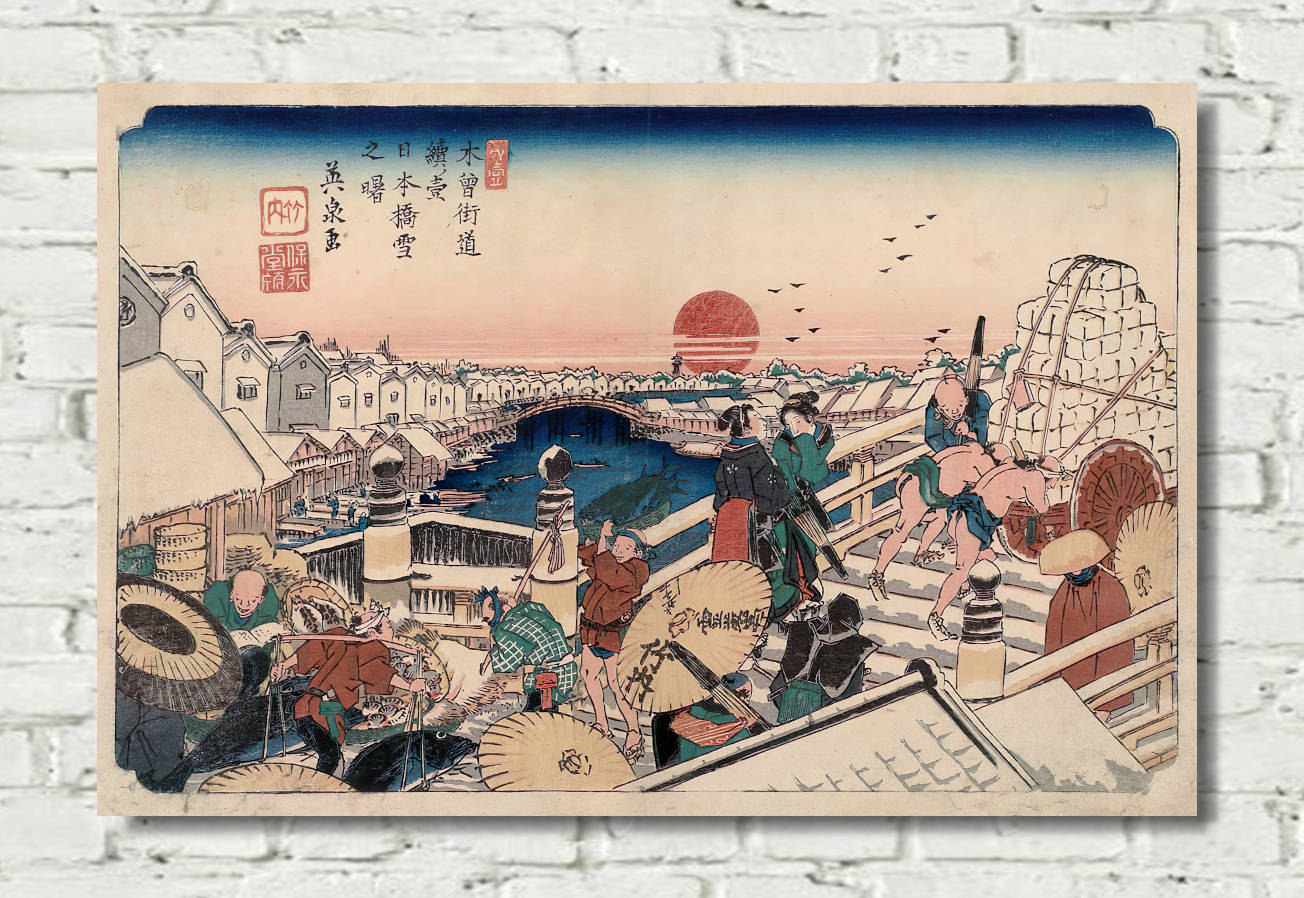
A mixed Japanese art gallery wall can span several centuries while remaining visually coherent. Edo-period ukiyo-e established many of the qualities now associated with Japanese printmaking: emphatic contour, flat areas of colour, unexpected viewpoints, decorative pattern and carefully controlled empty space.
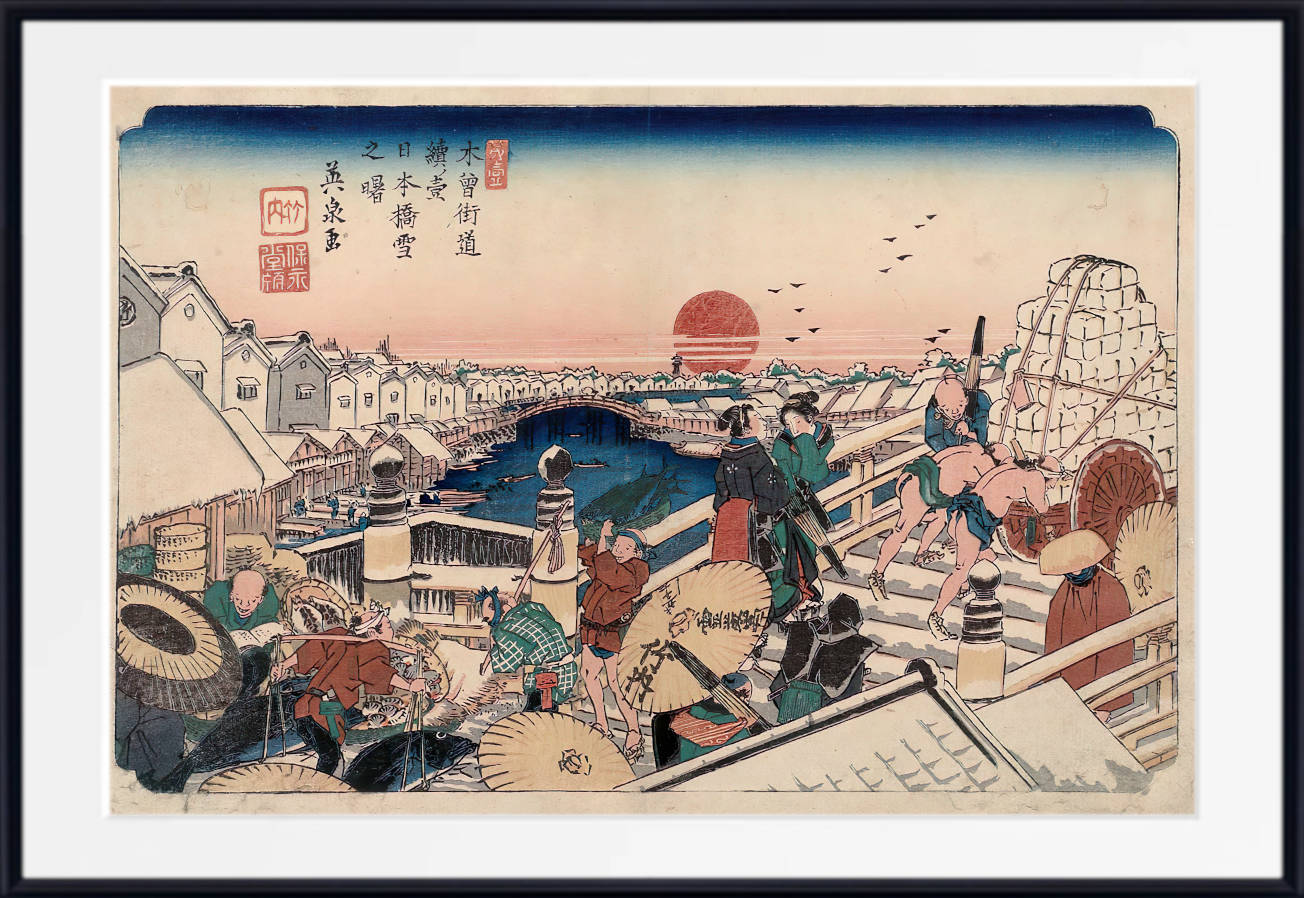
Later artists associated with shin-hanga renewed the woodblock tradition during the early twentieth century. They retained traditional Japanese subjects and collaborative printmaking methods while introducing more pronounced effects of natural light, depth, reflection and atmosphere. This allows older ukiyo-e prints to sit comfortably beside the moonlit streets, snowy temples and quiet waters of modern Japanese printmakers.
The most effective mixed display usually has one recognisable visual anchor, such as a mountain, figure or dramatic landscape. Smaller works can then introduce contrasting subjects without weakening the overall arrangement. Matching black frames and white mounts help unite differences in date, palette and artistic style.
2. Hokusai and Mount Fuji: Waves, Weather and Prussian Blue

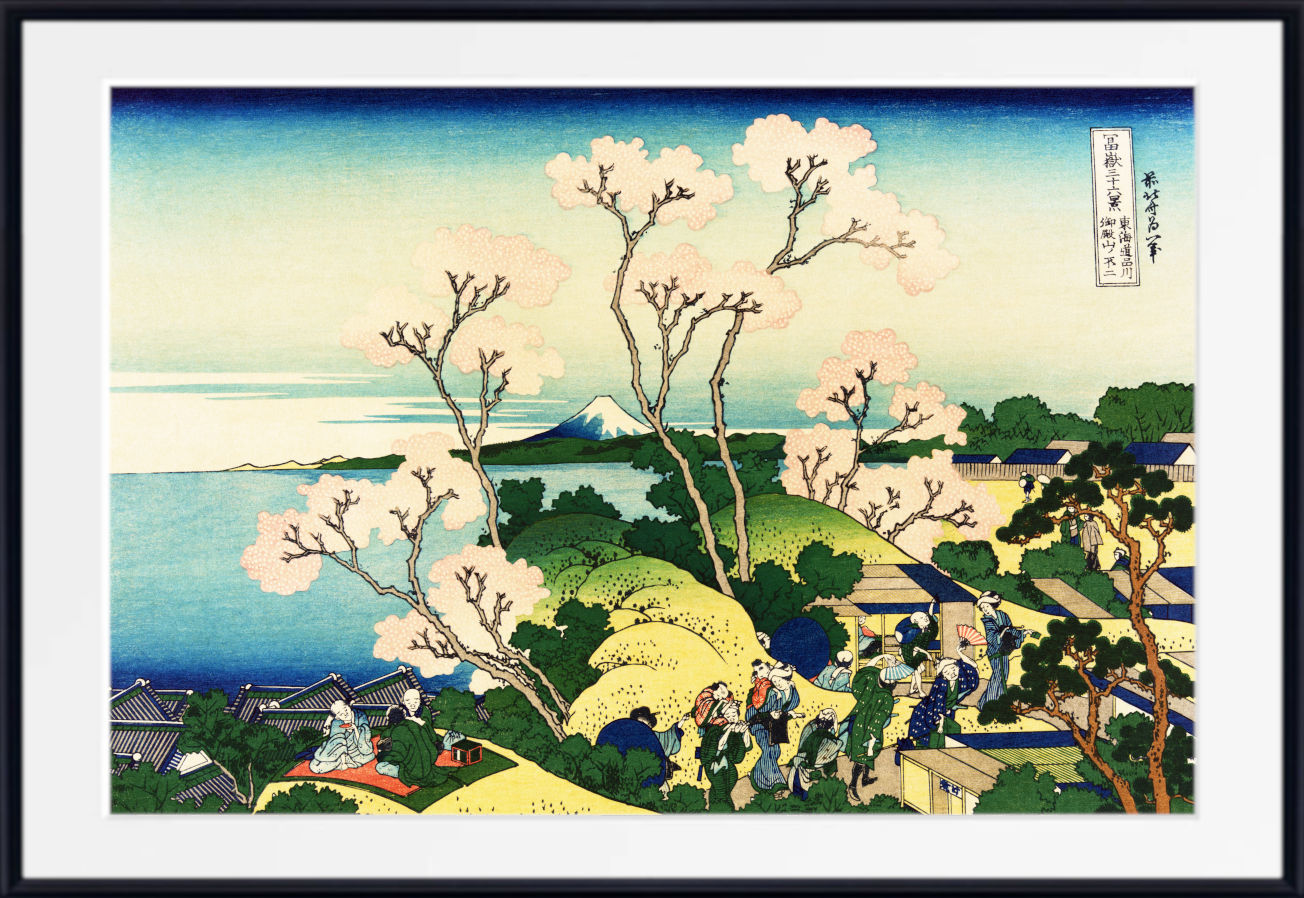
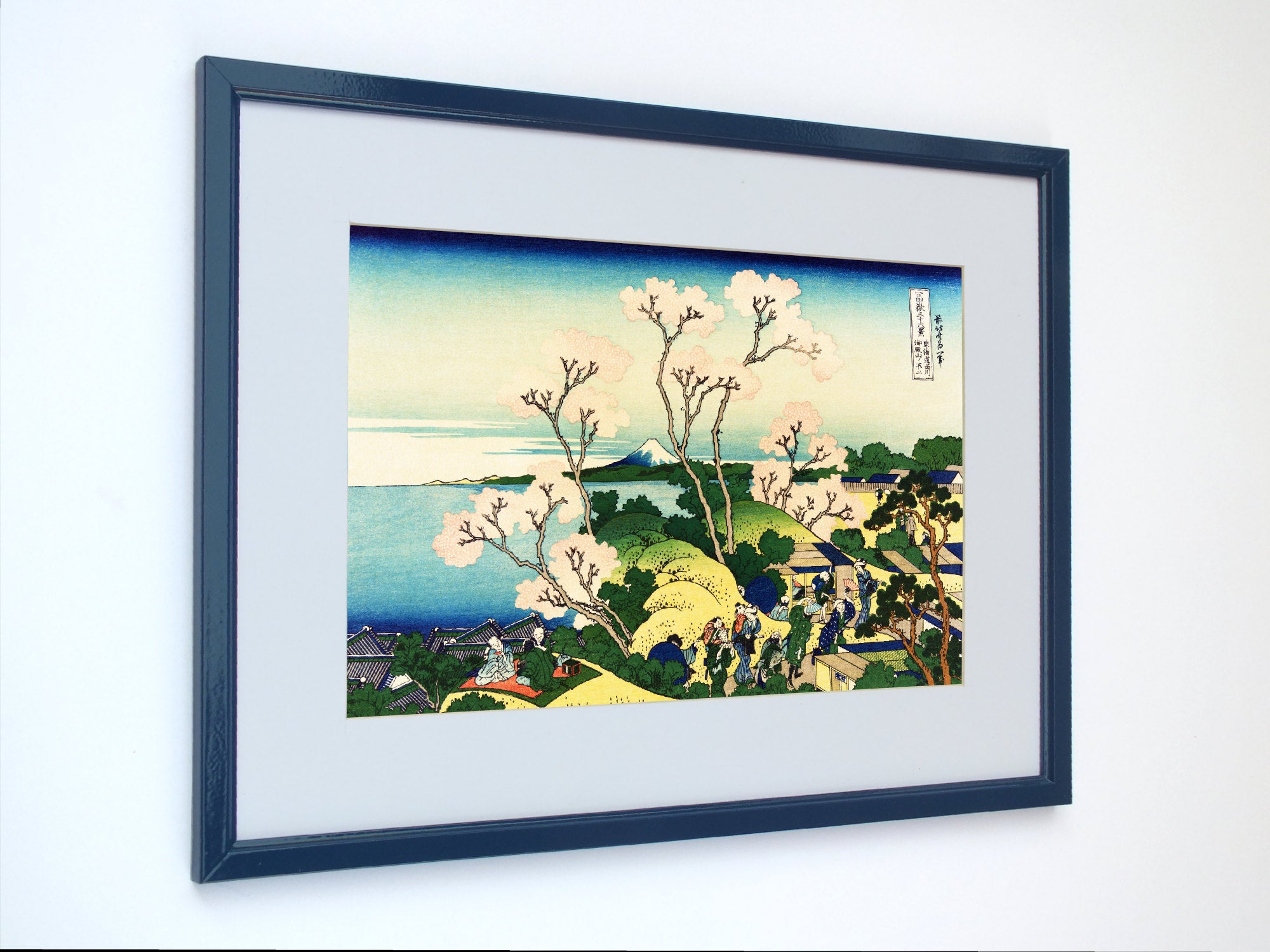
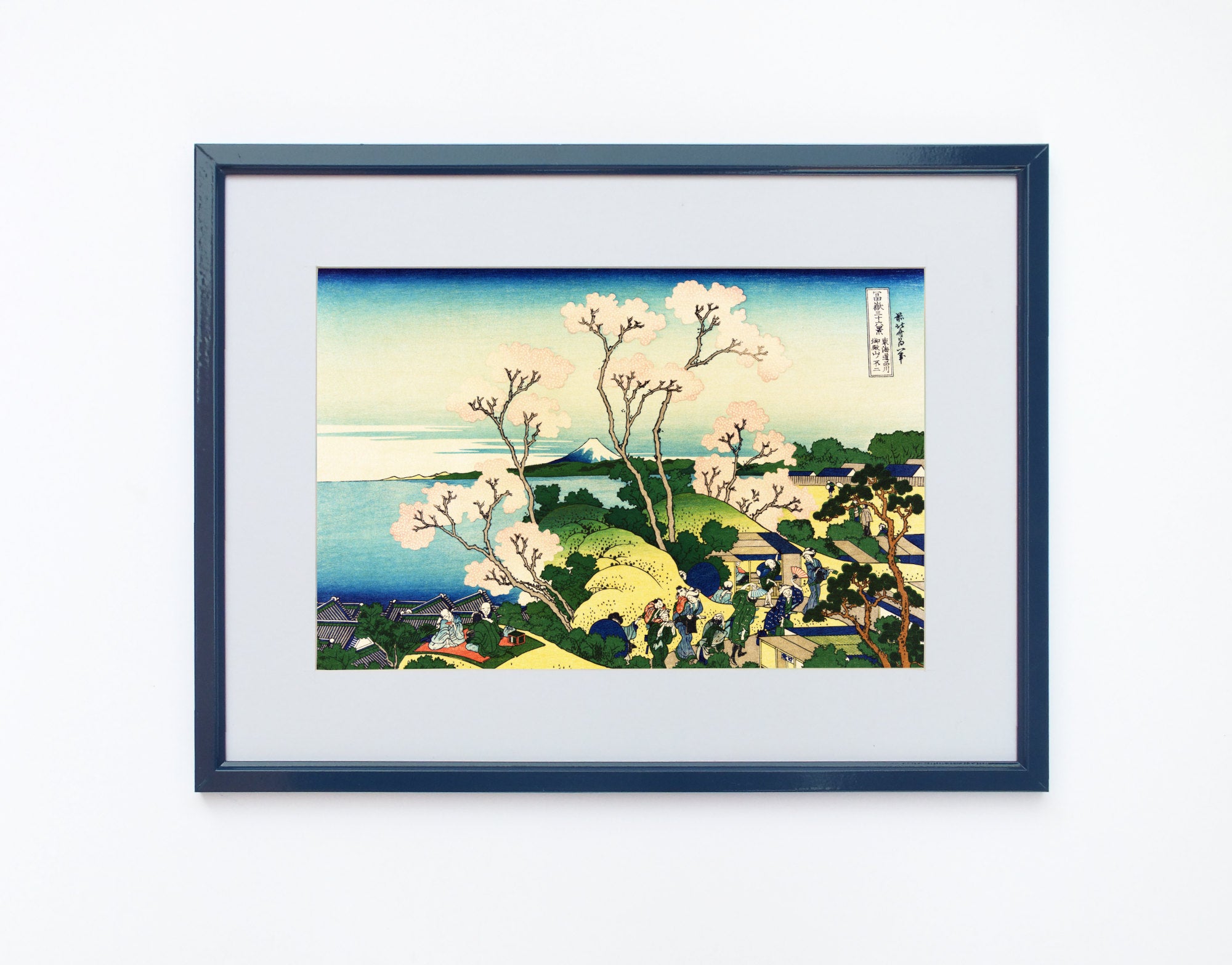
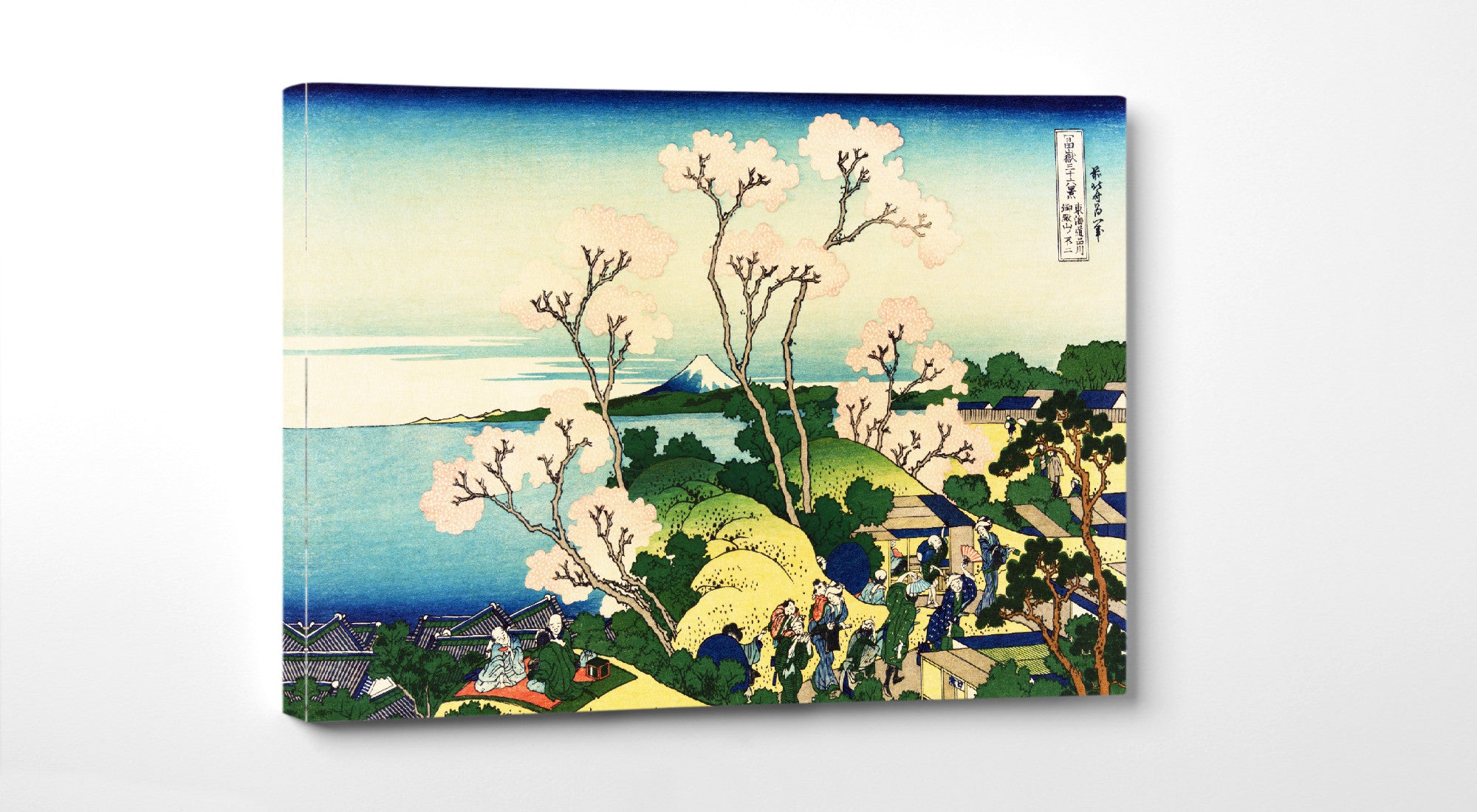
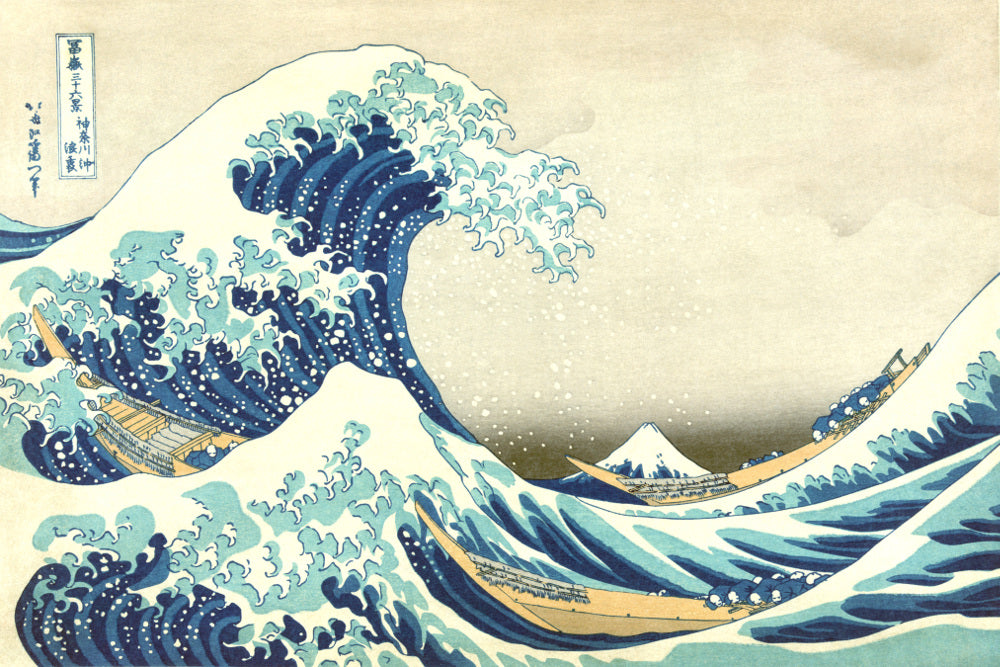
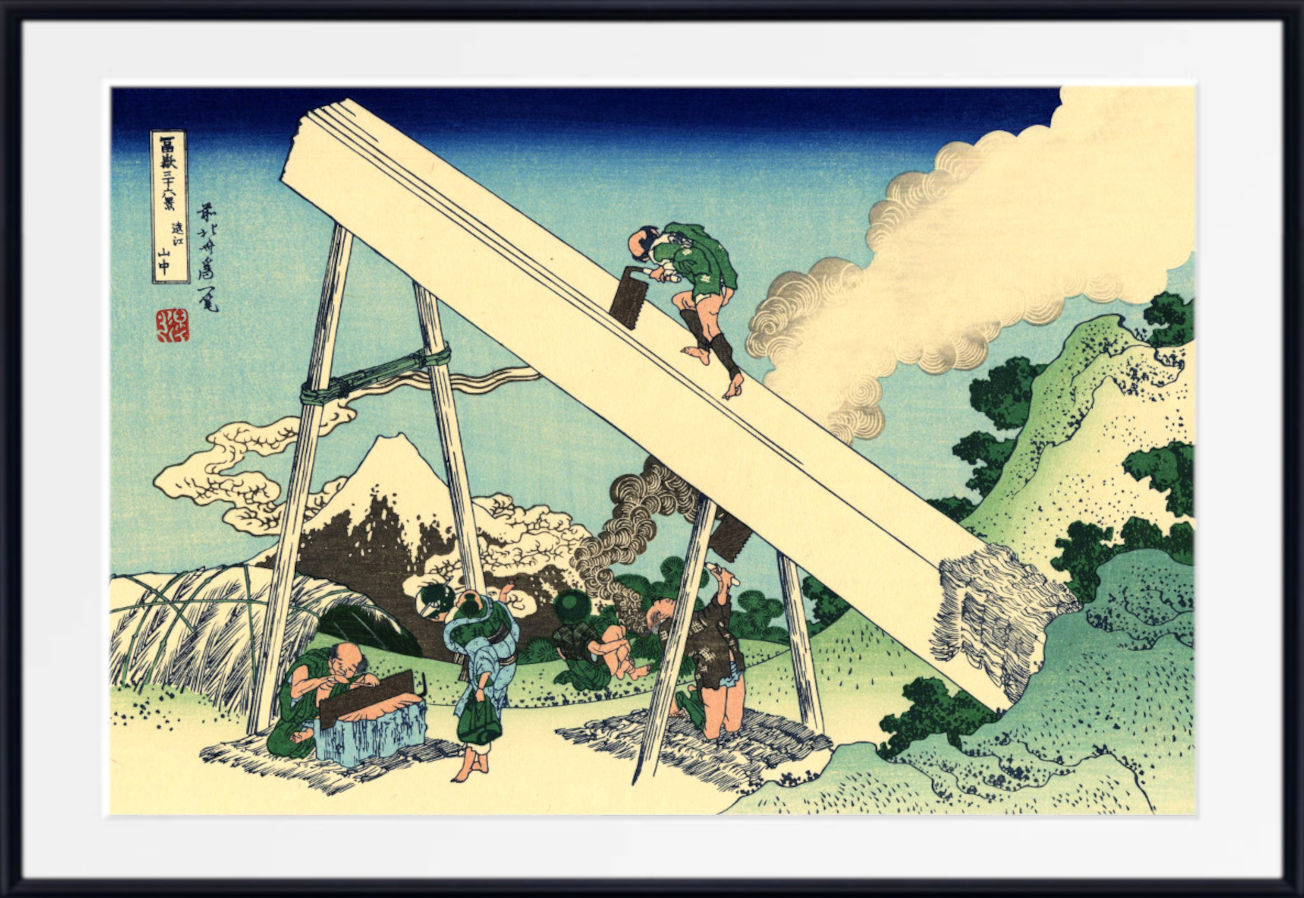
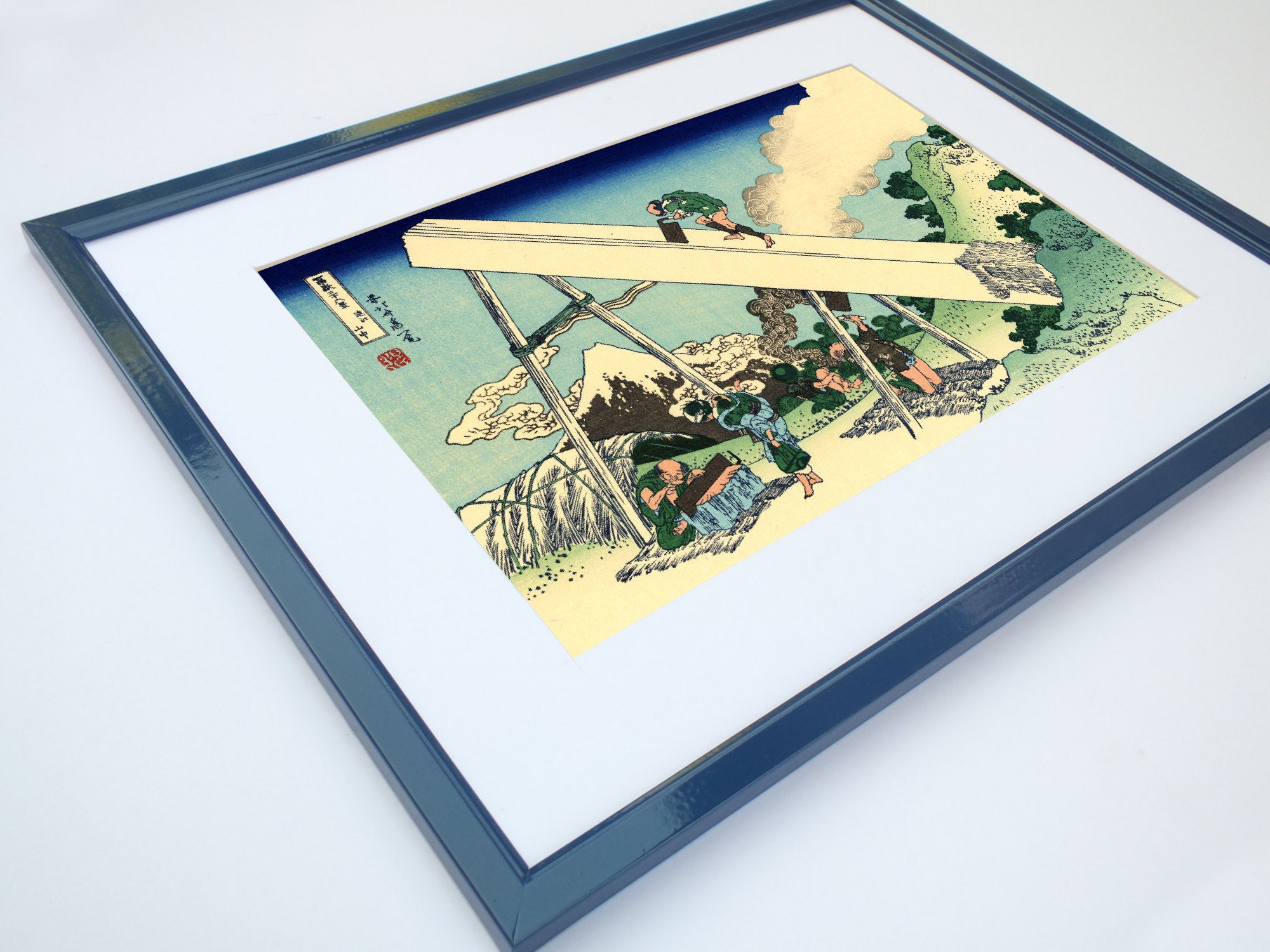
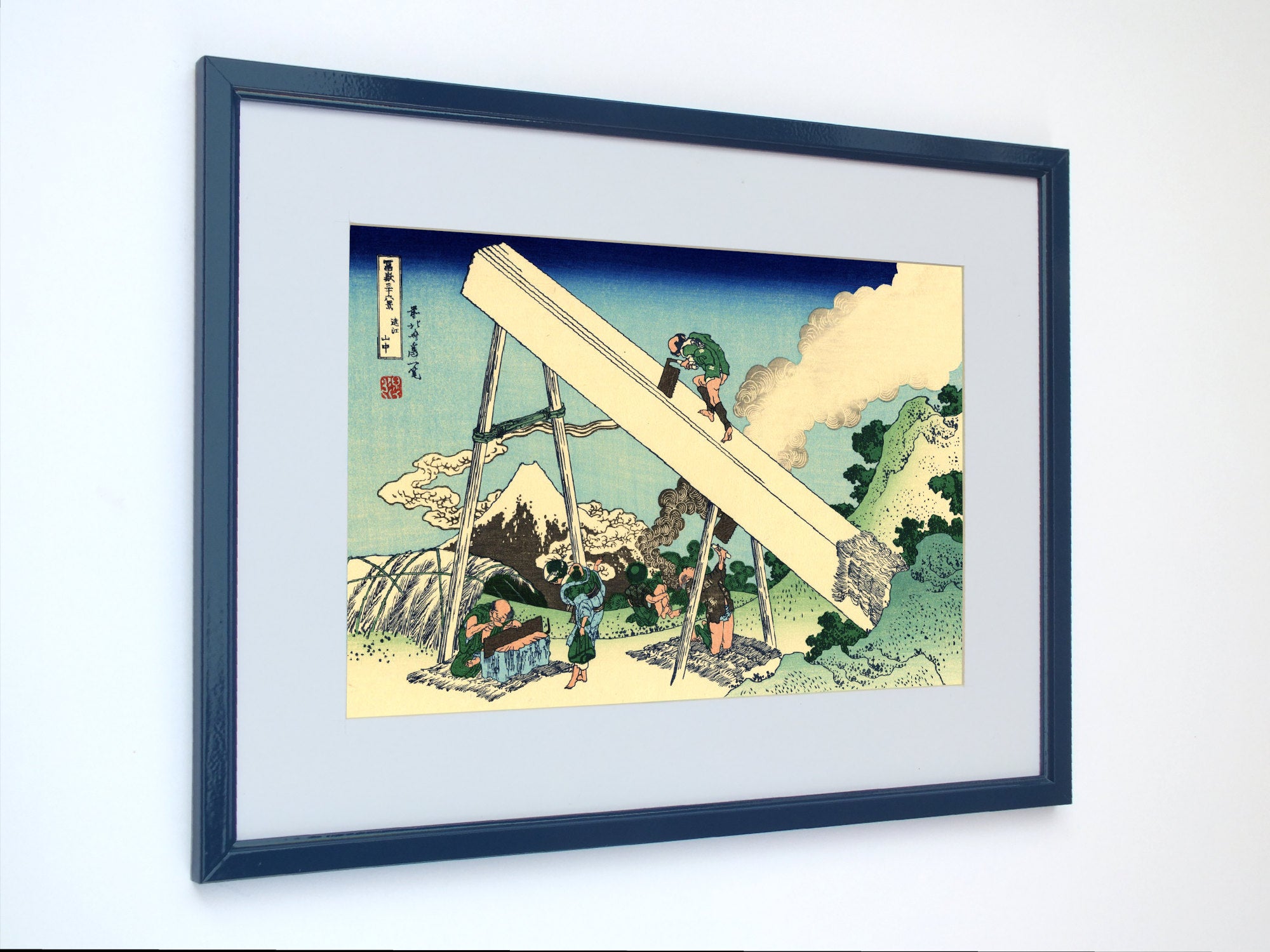
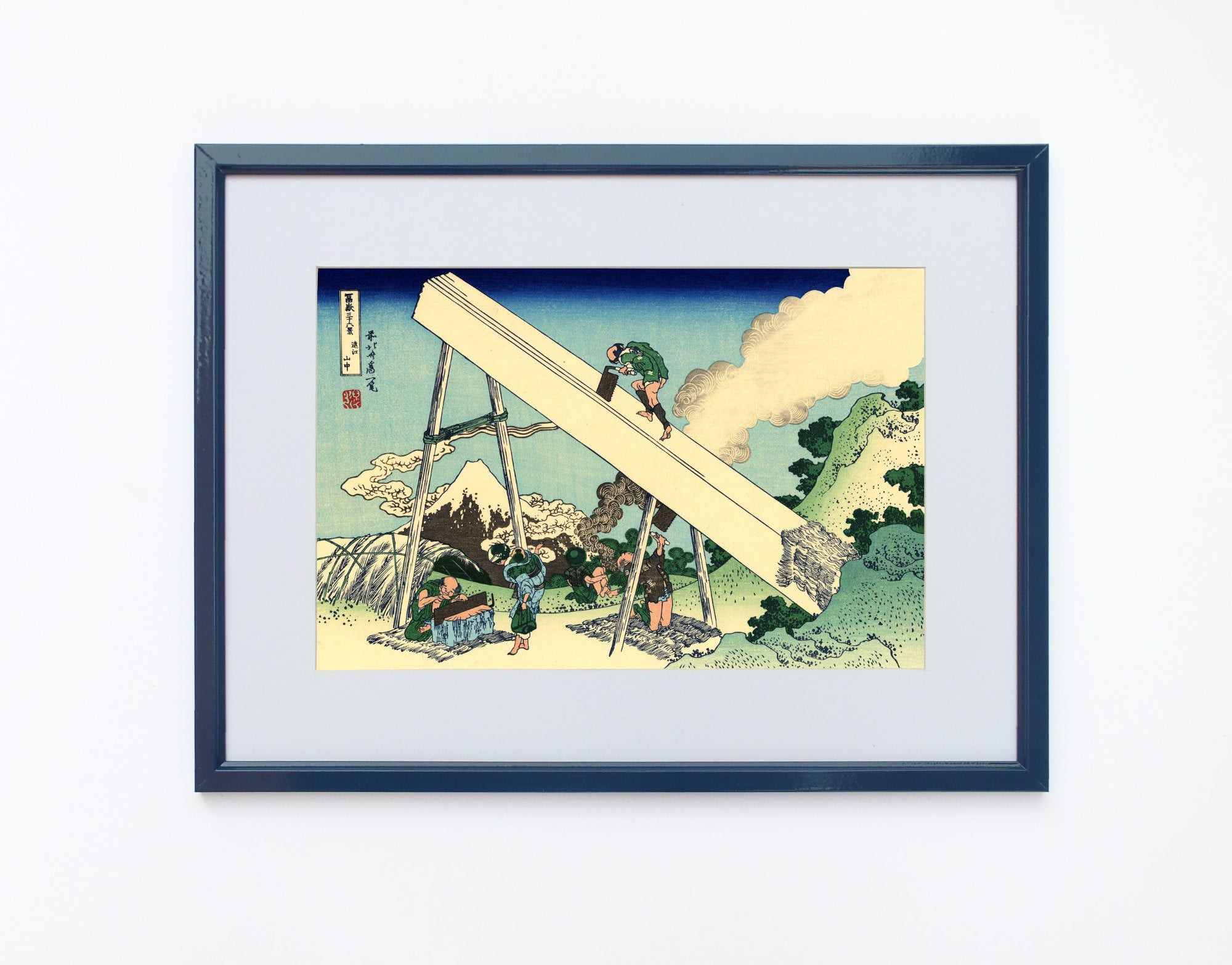
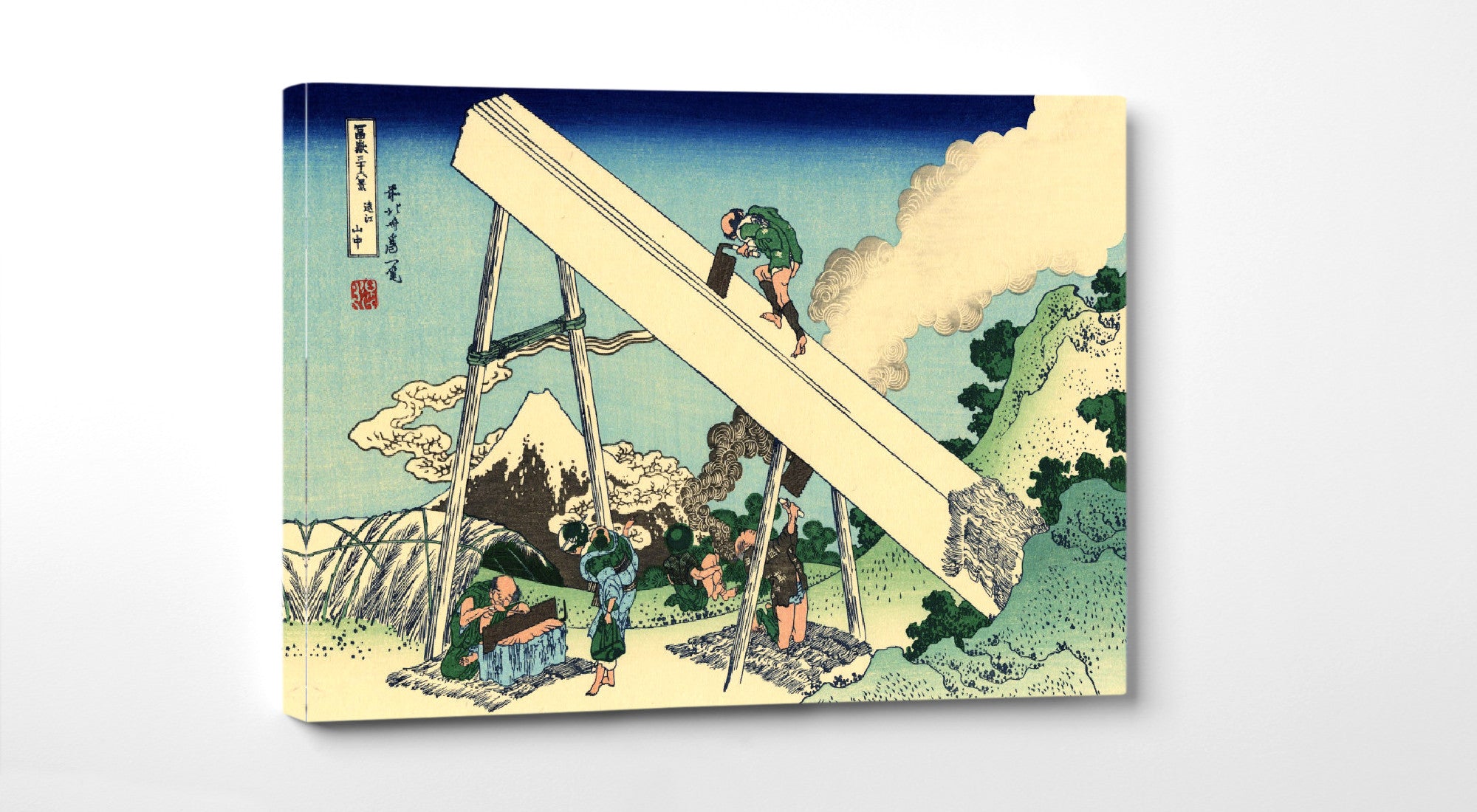
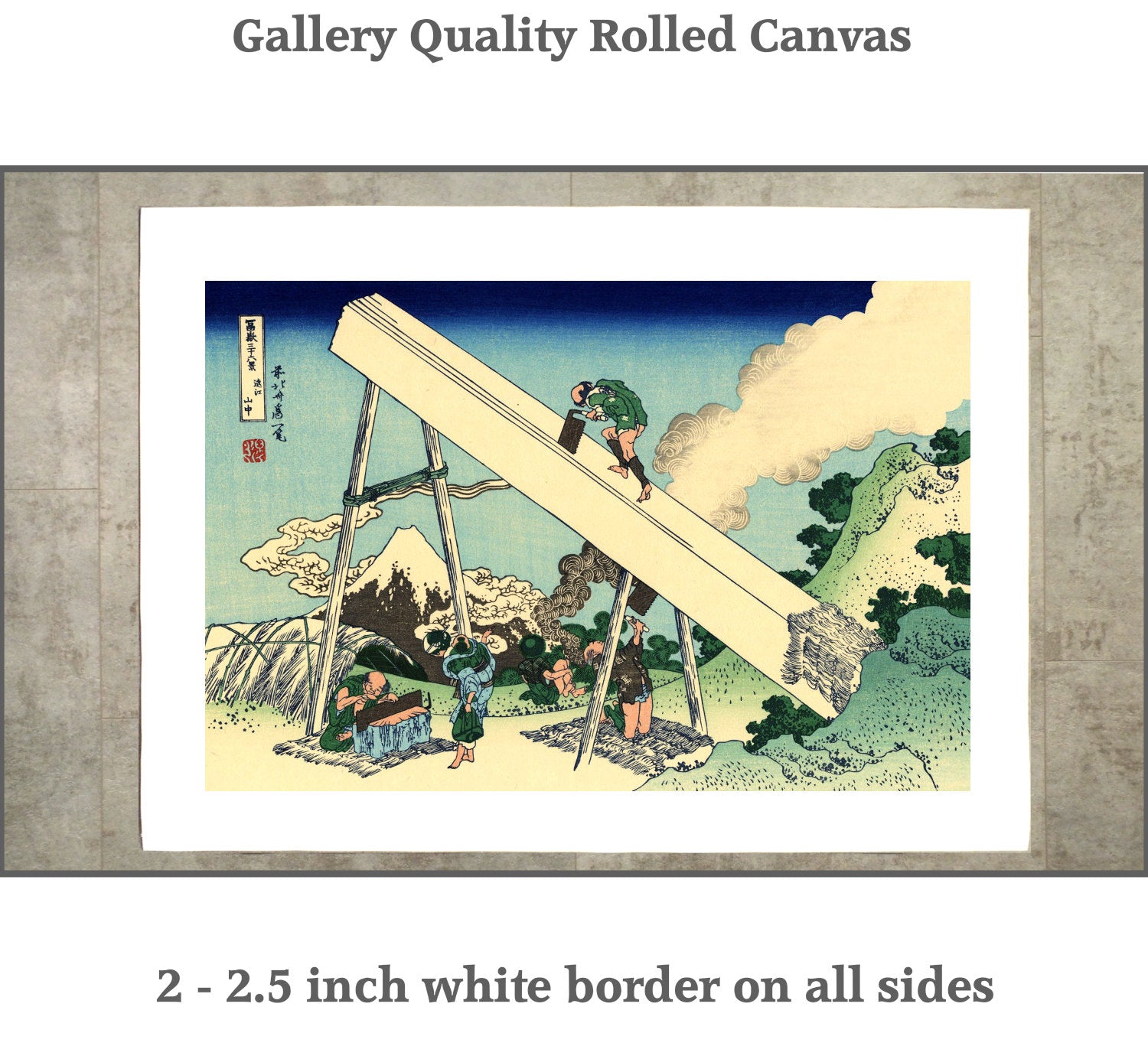
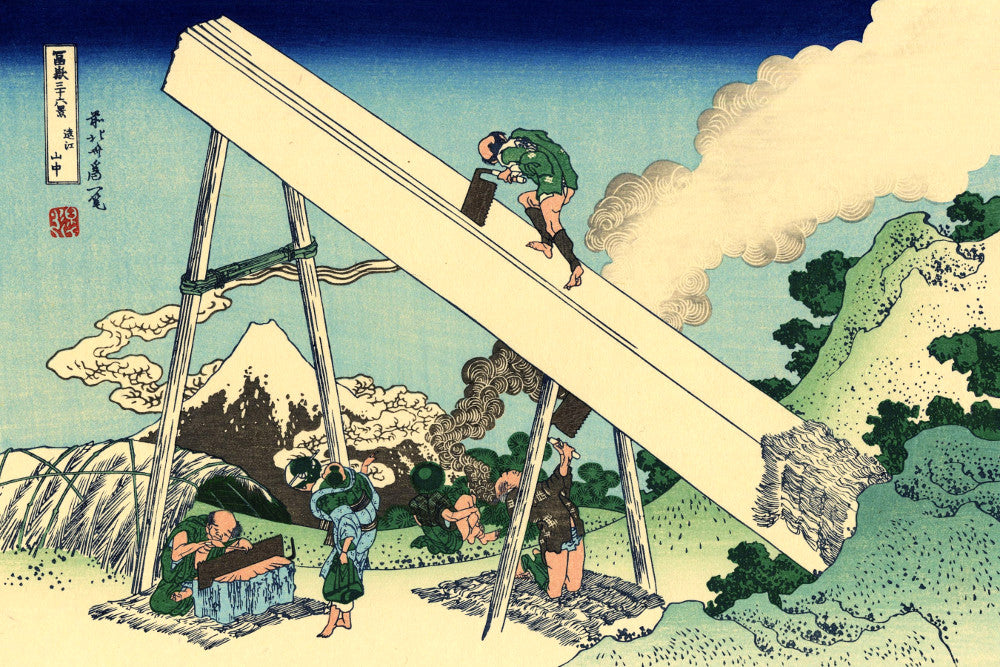
Hokusai’s Thirty-Six Views of Mount Fuji is an ideal series for a coordinated gallery wall. The mountain remains the unifying motif, yet its scale and position change continually. It may dominate the horizon, appear through a bridge, rise beyond working figures or become almost secondary to a wave, river or dramatic sky.
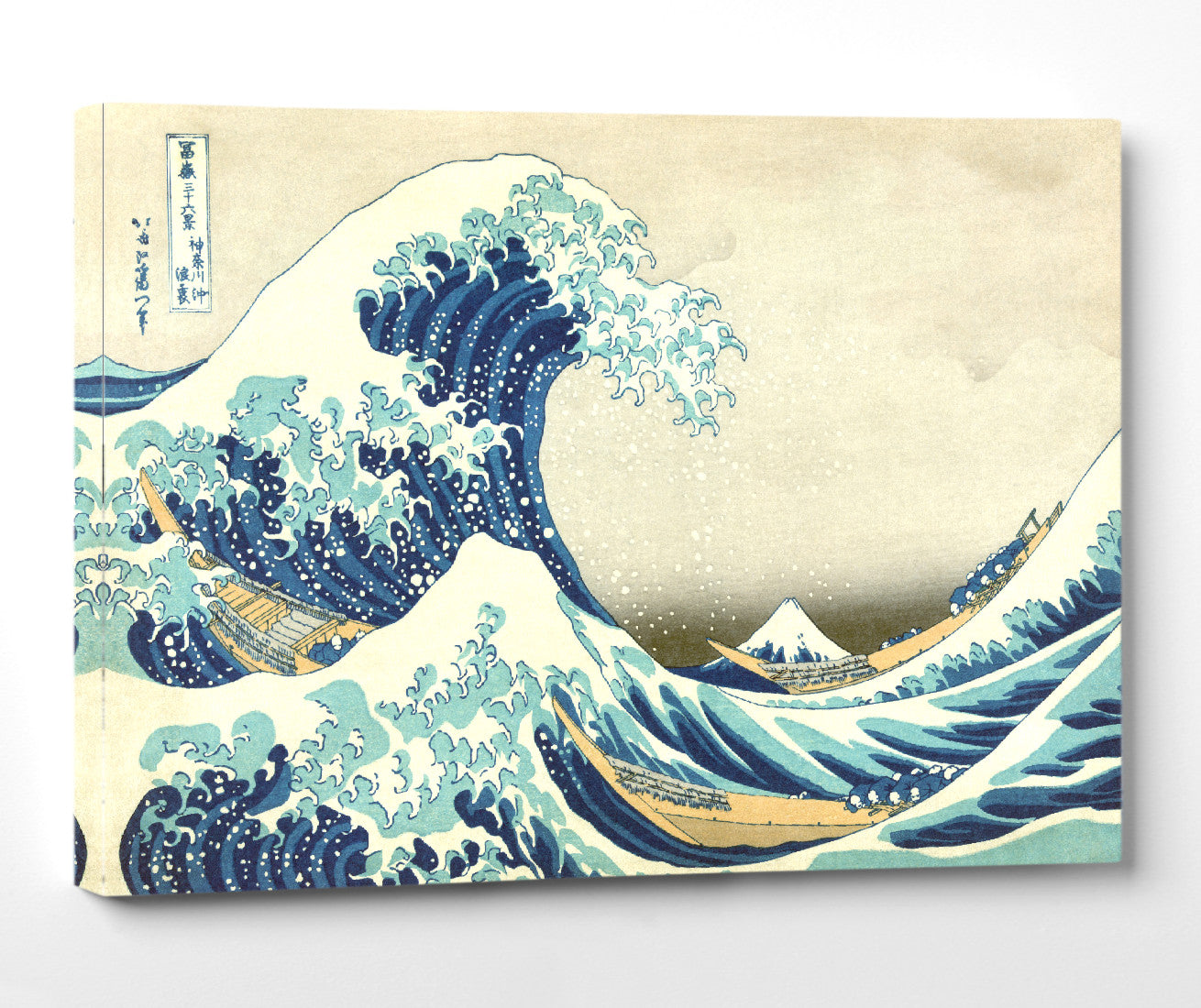
This repetition-with-variation creates natural visual rhythm. The Great Wave can provide a powerful focal point, while quieter views introduce cranes, boats, bridges, travellers, timber yards and cultivated fields. Prints such as Fine Wind, Clear Morning and Lightning Below the Summit add warmer colour and stronger vertical emphasis.
Prussian blue became especially important to Hokusai’s landscape prints. Its intensity allowed the artist to describe deep water, distant mountains and turbulent weather with unusual clarity. A gallery wall centred on blue, grey, cream and muted red is particularly effective in contemporary interiors.
3. Hiroshige’s Travel Japan: Rain, Snow, Bridges and the Tōkaidō

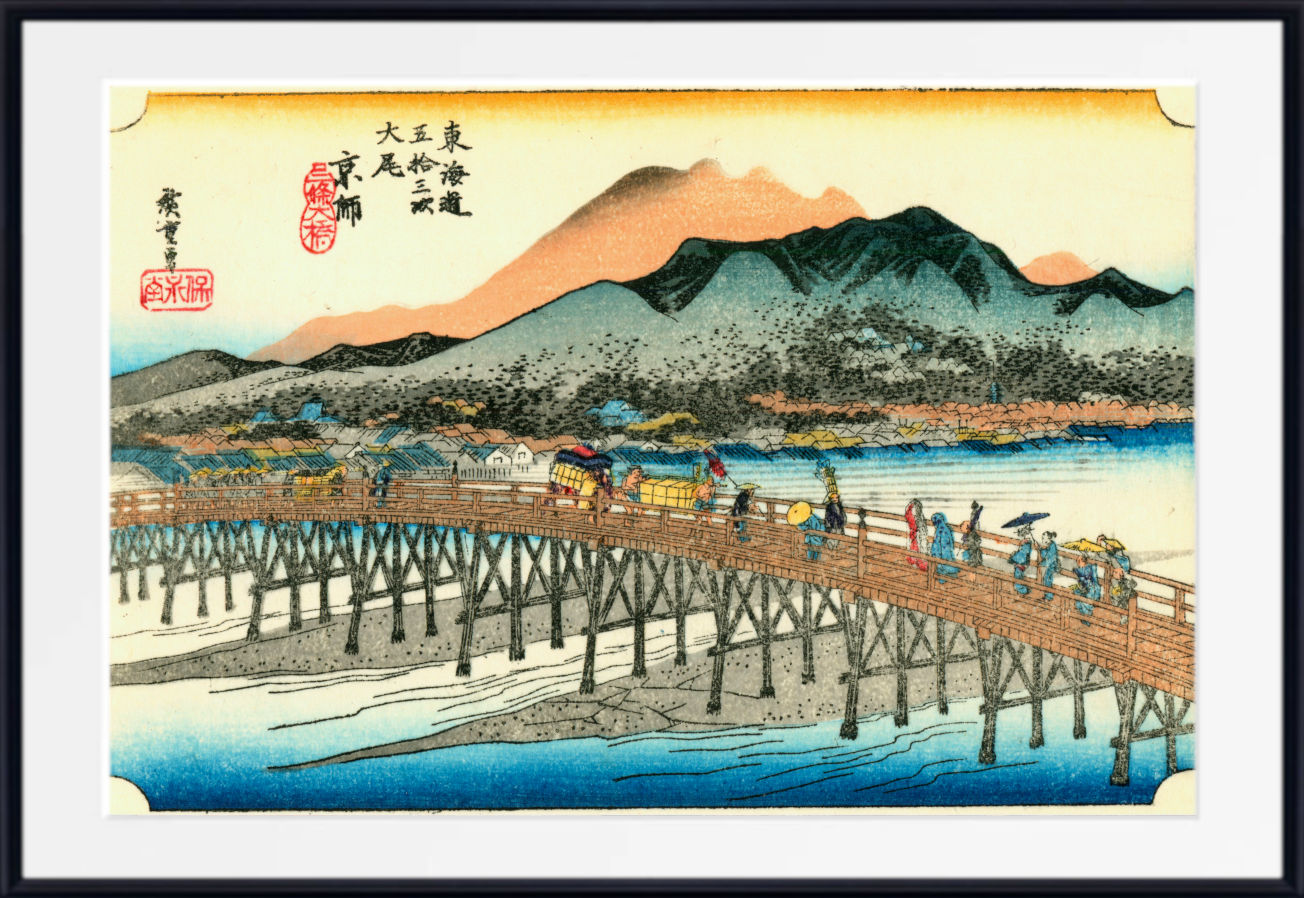
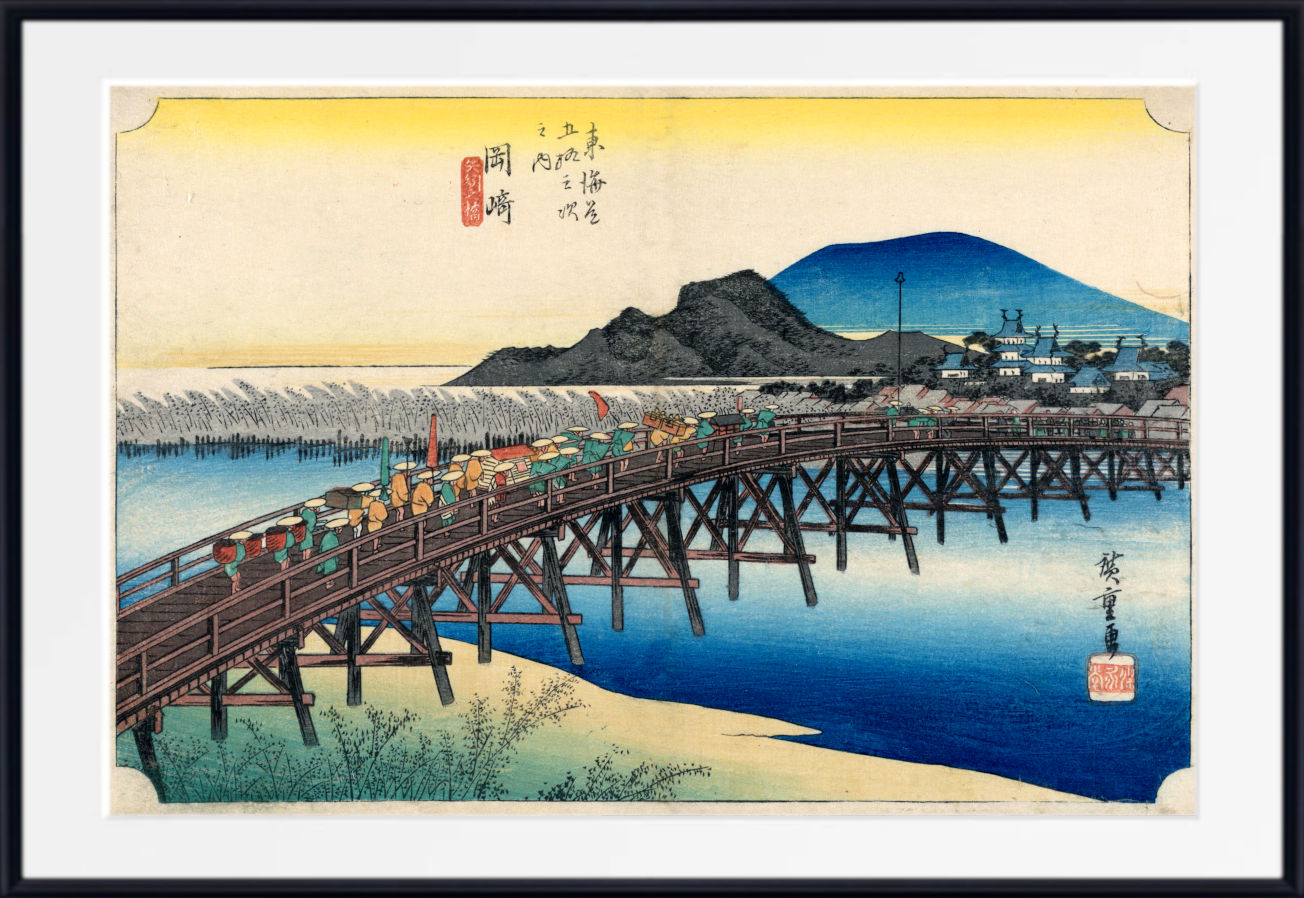
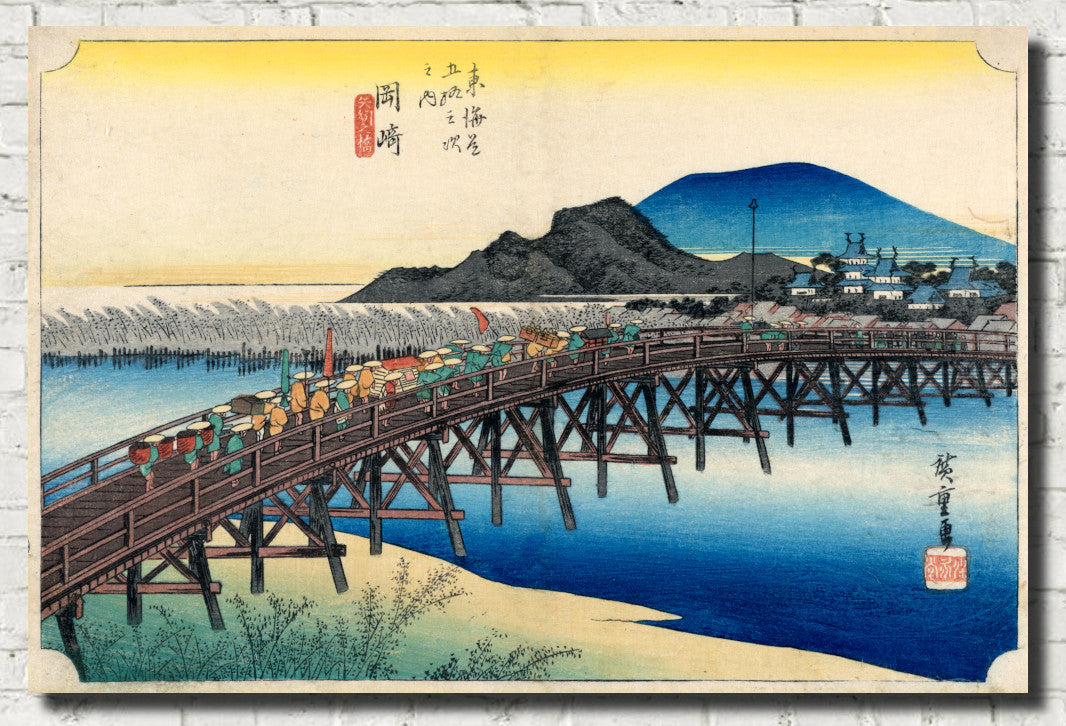
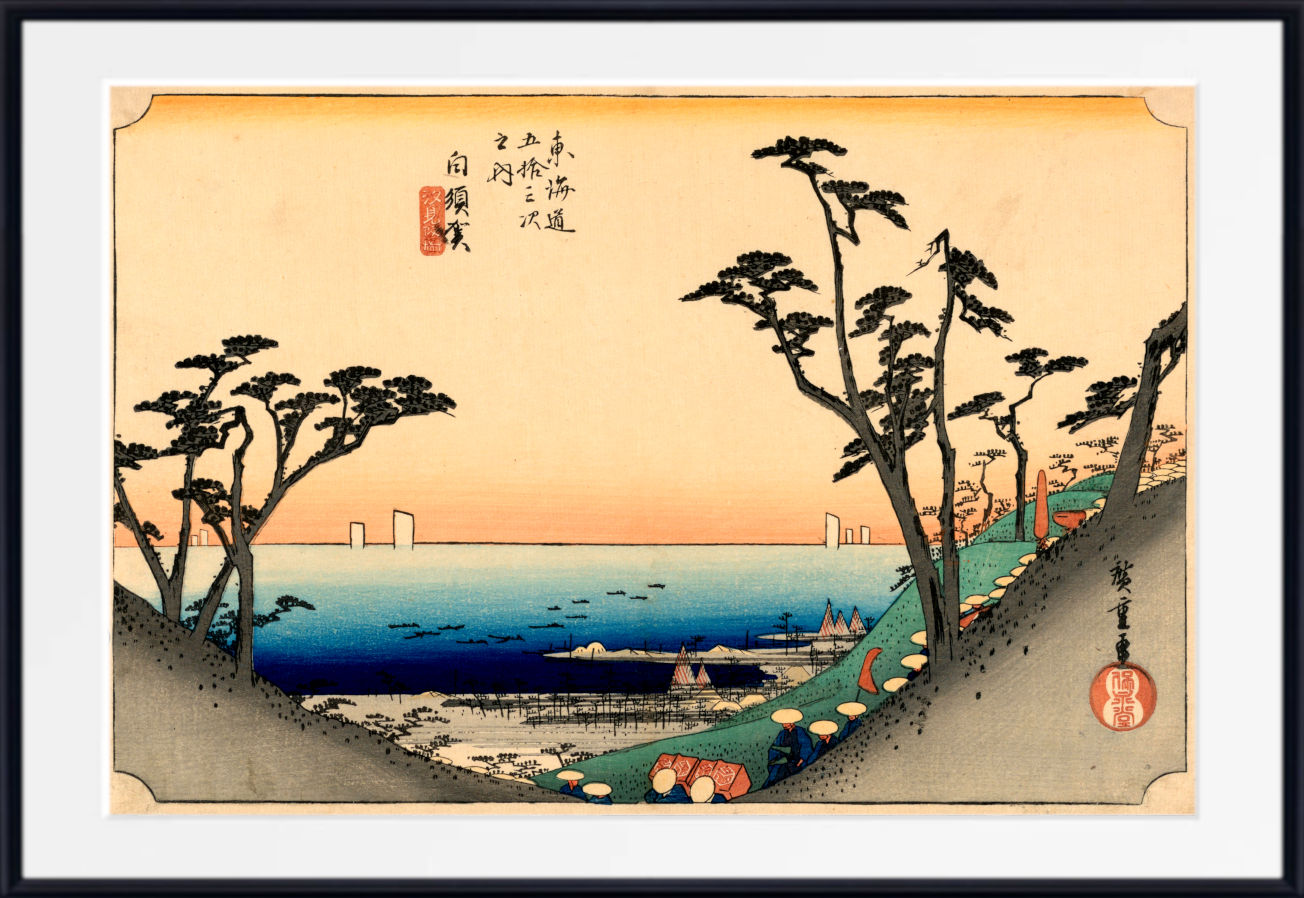
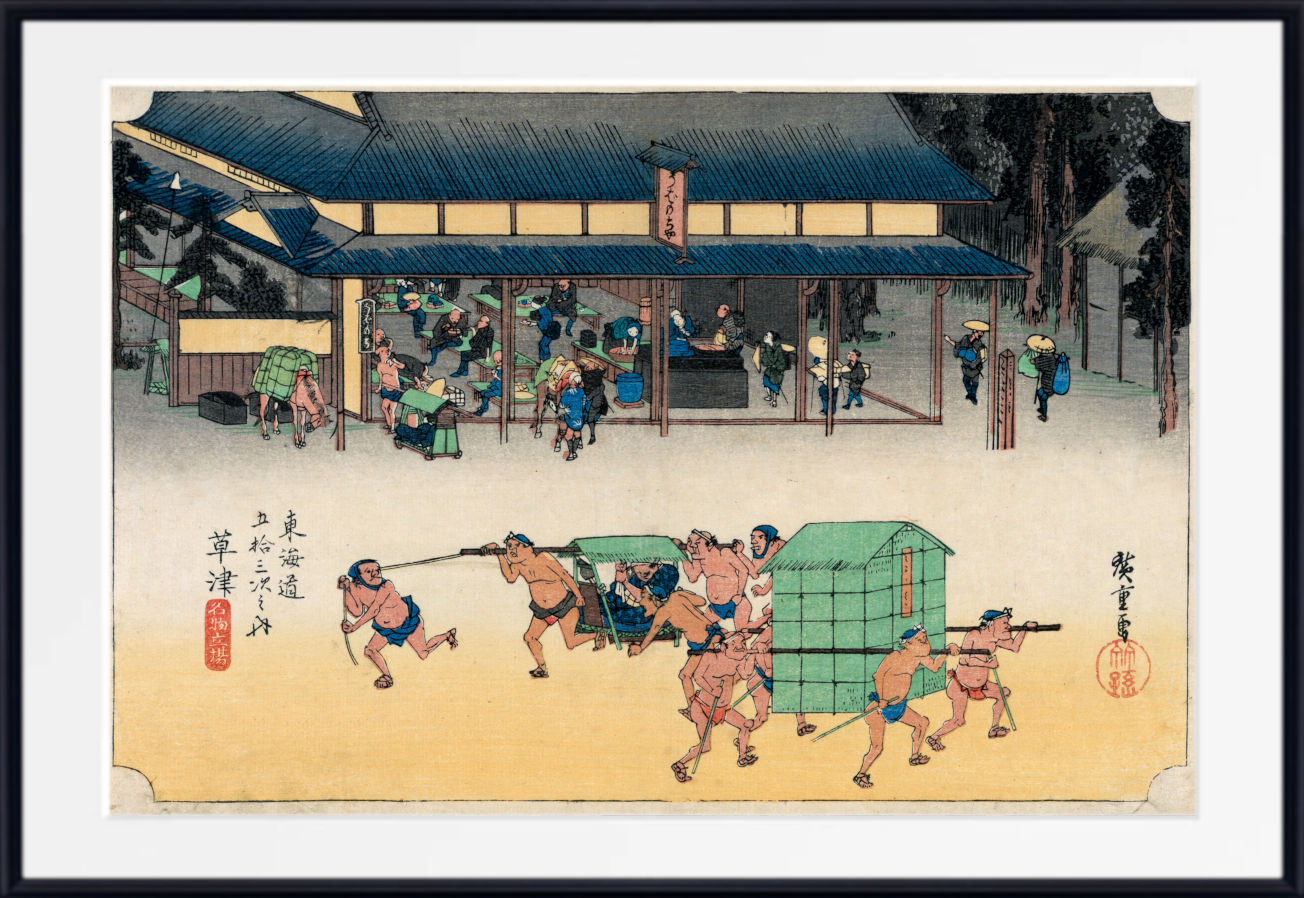
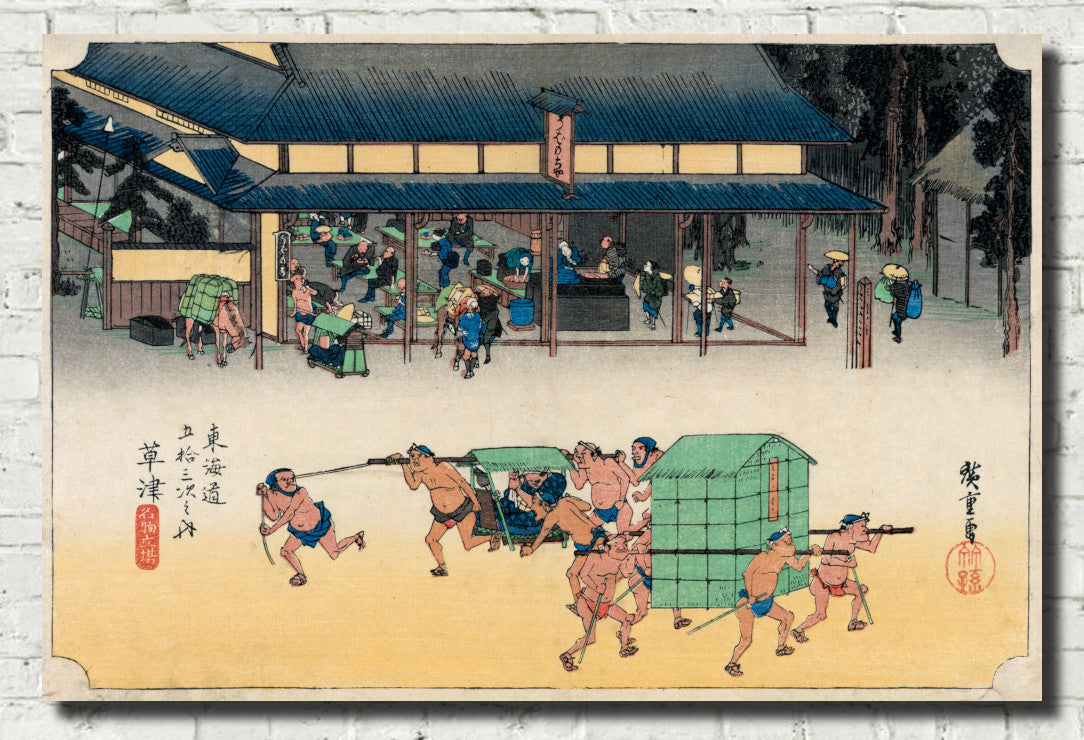
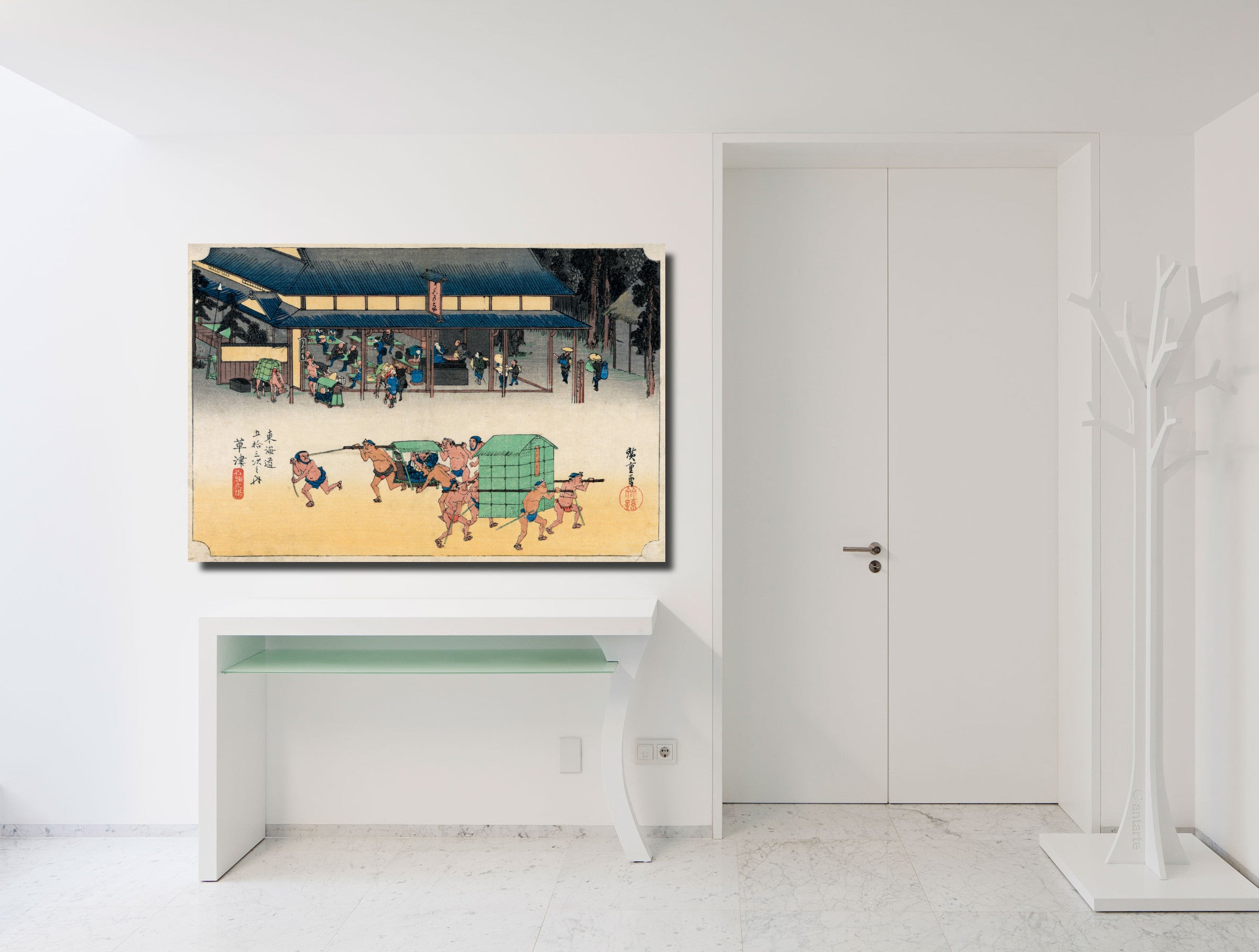
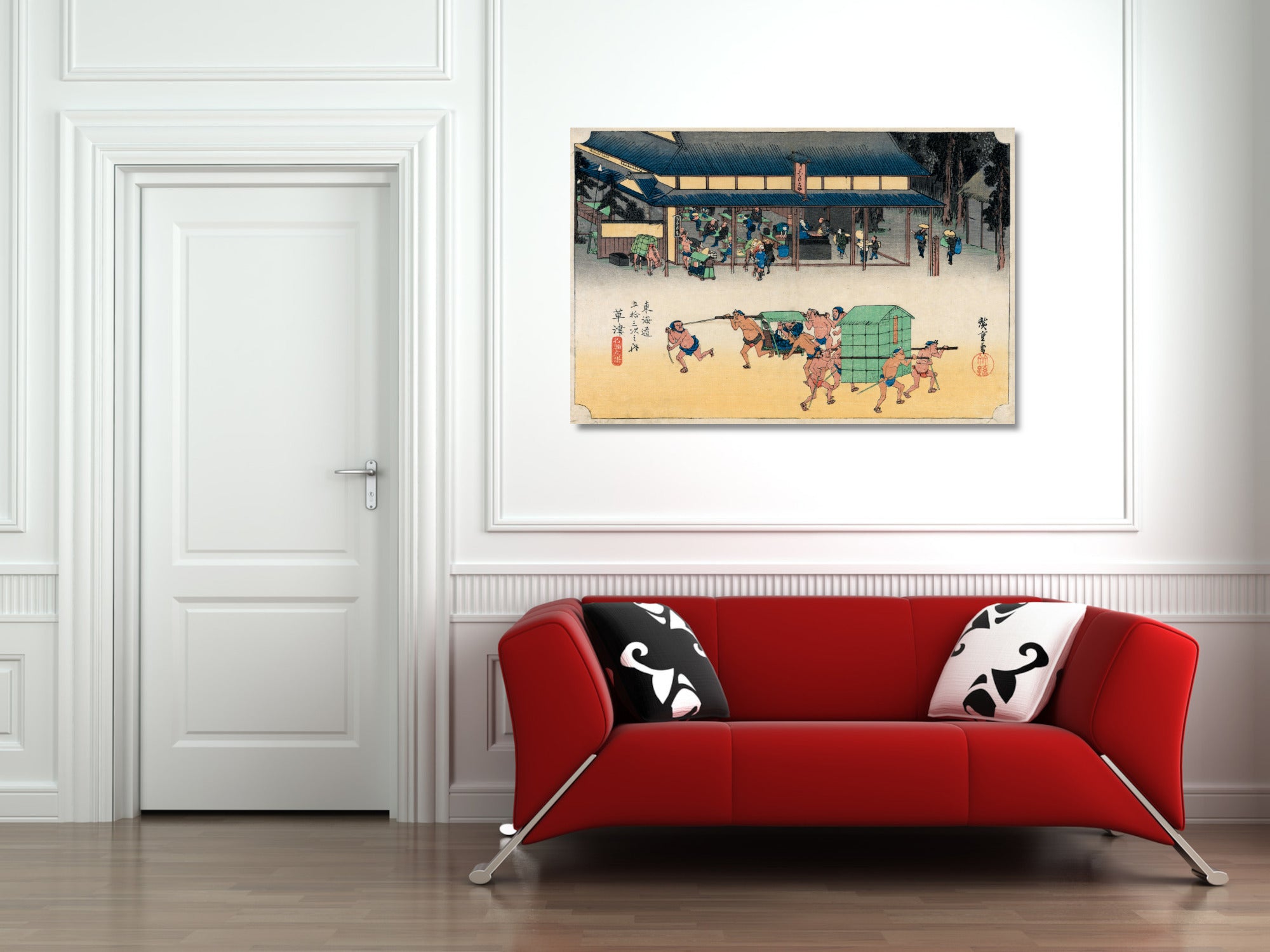
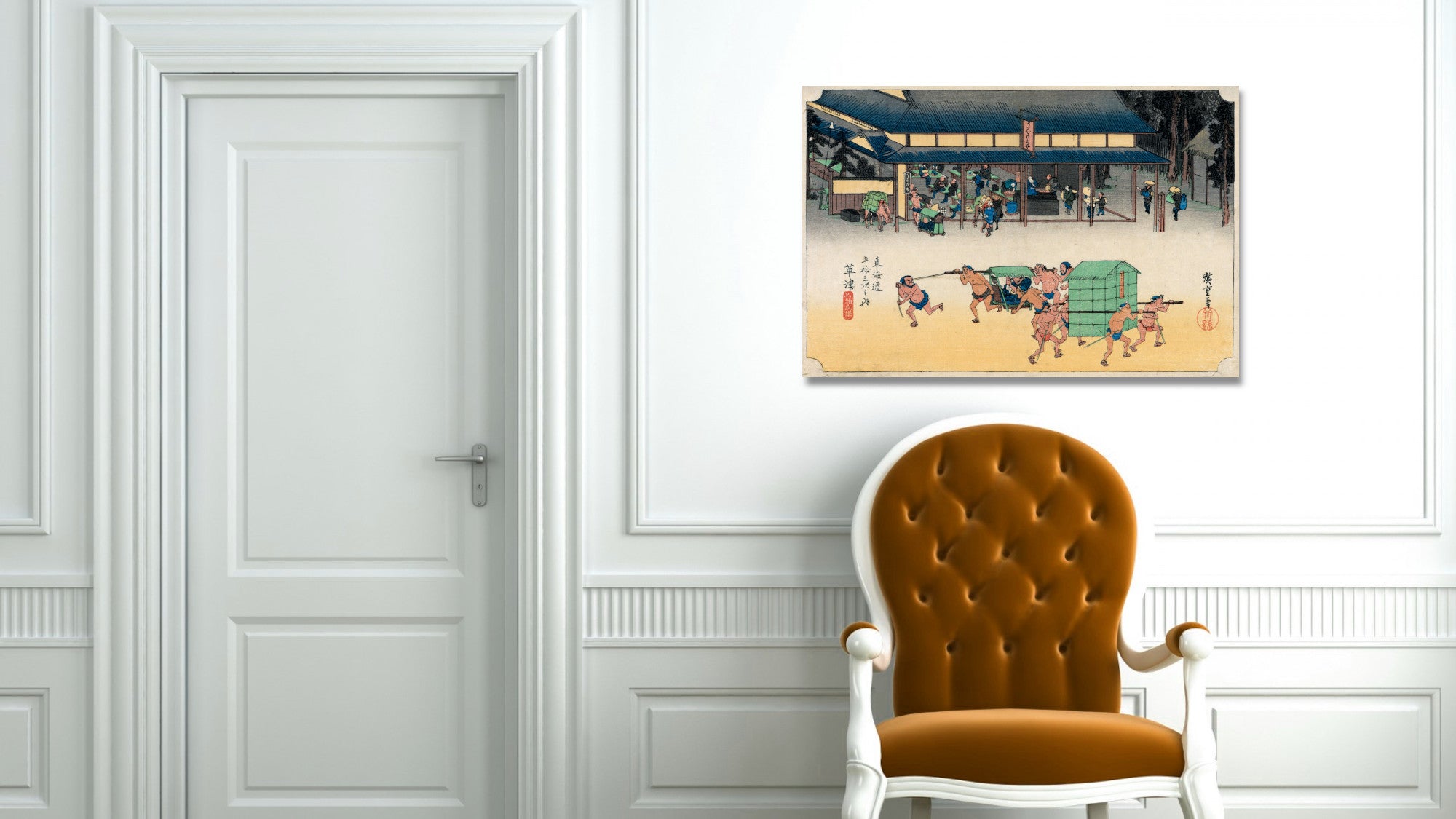
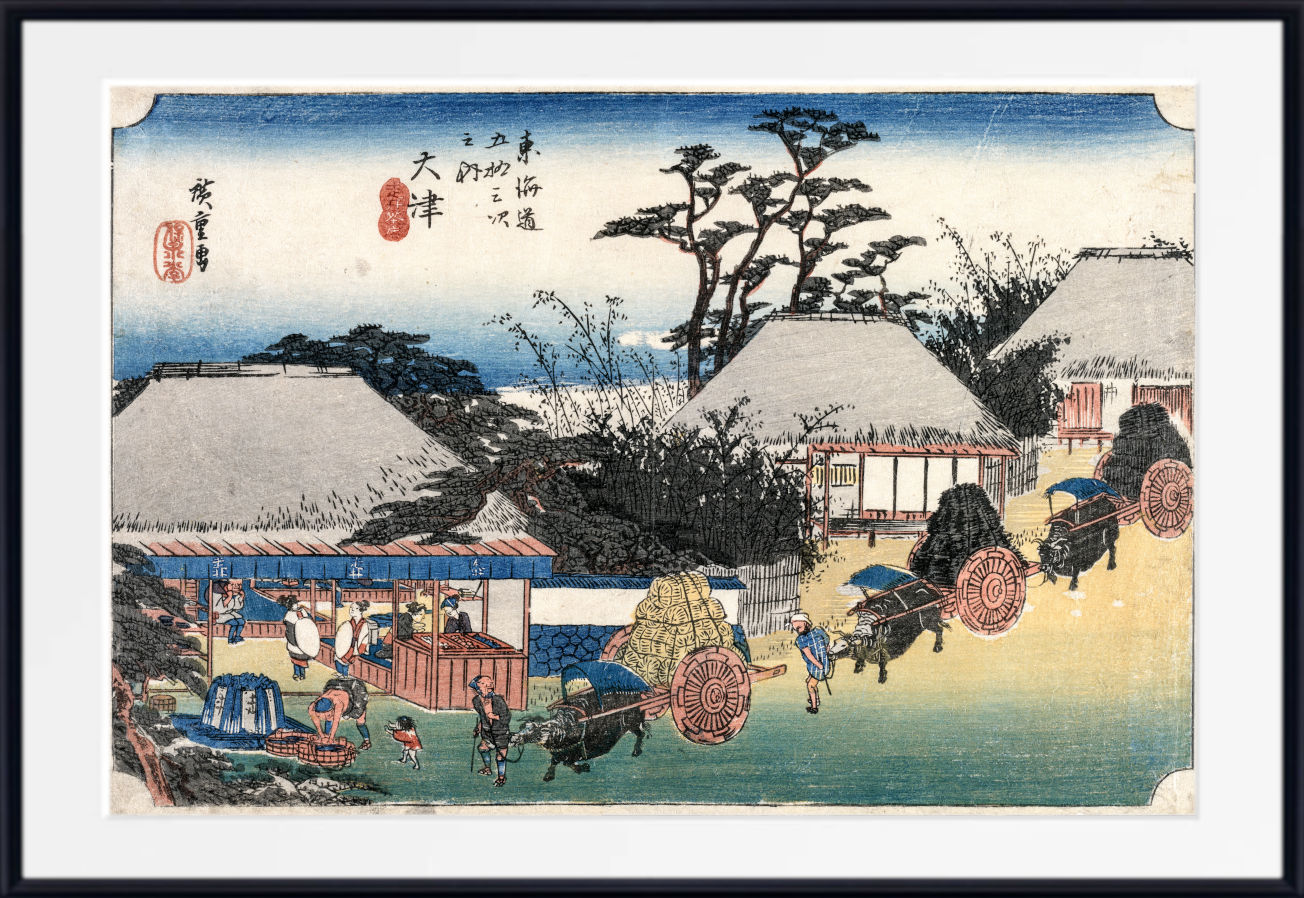
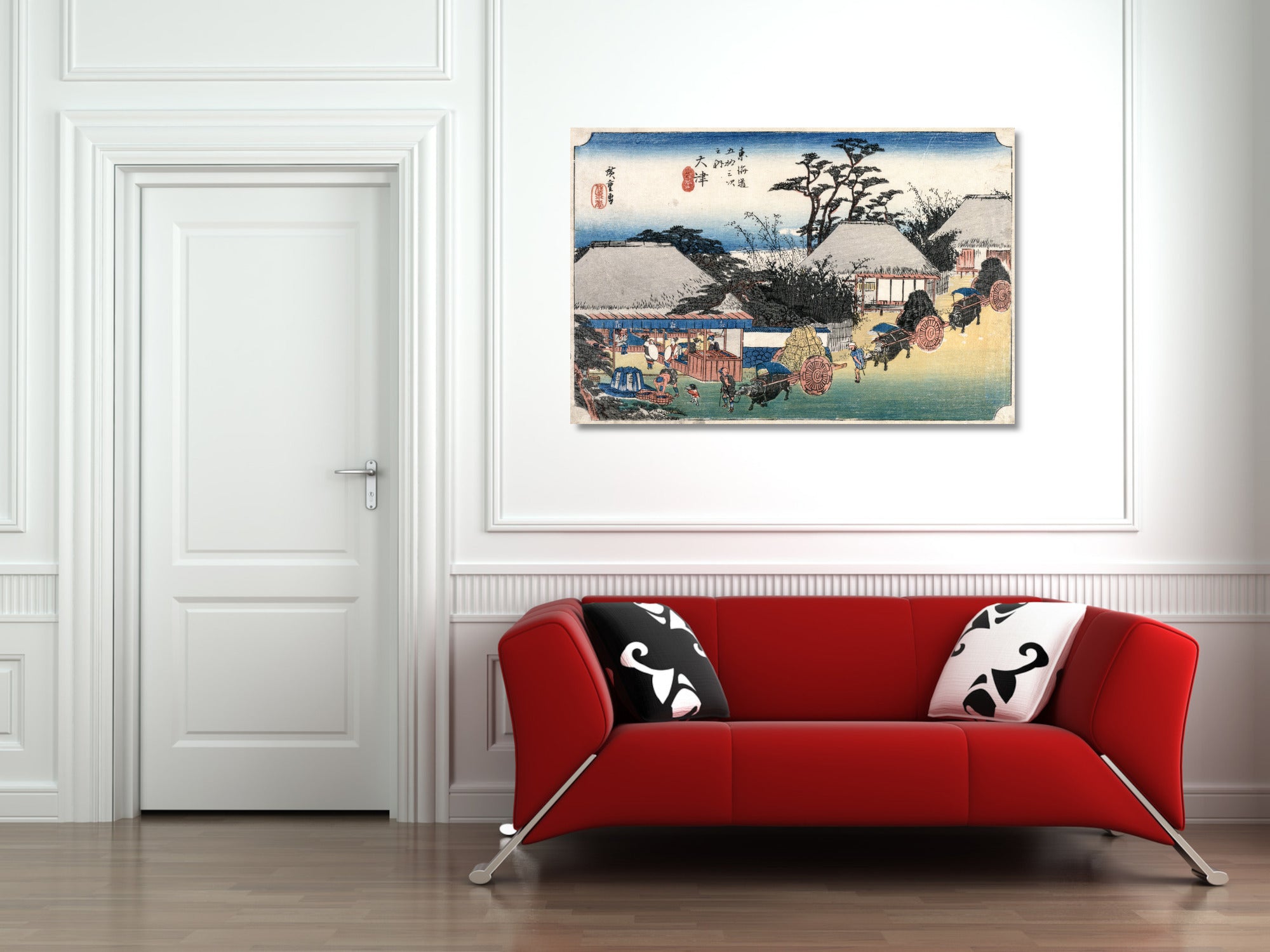
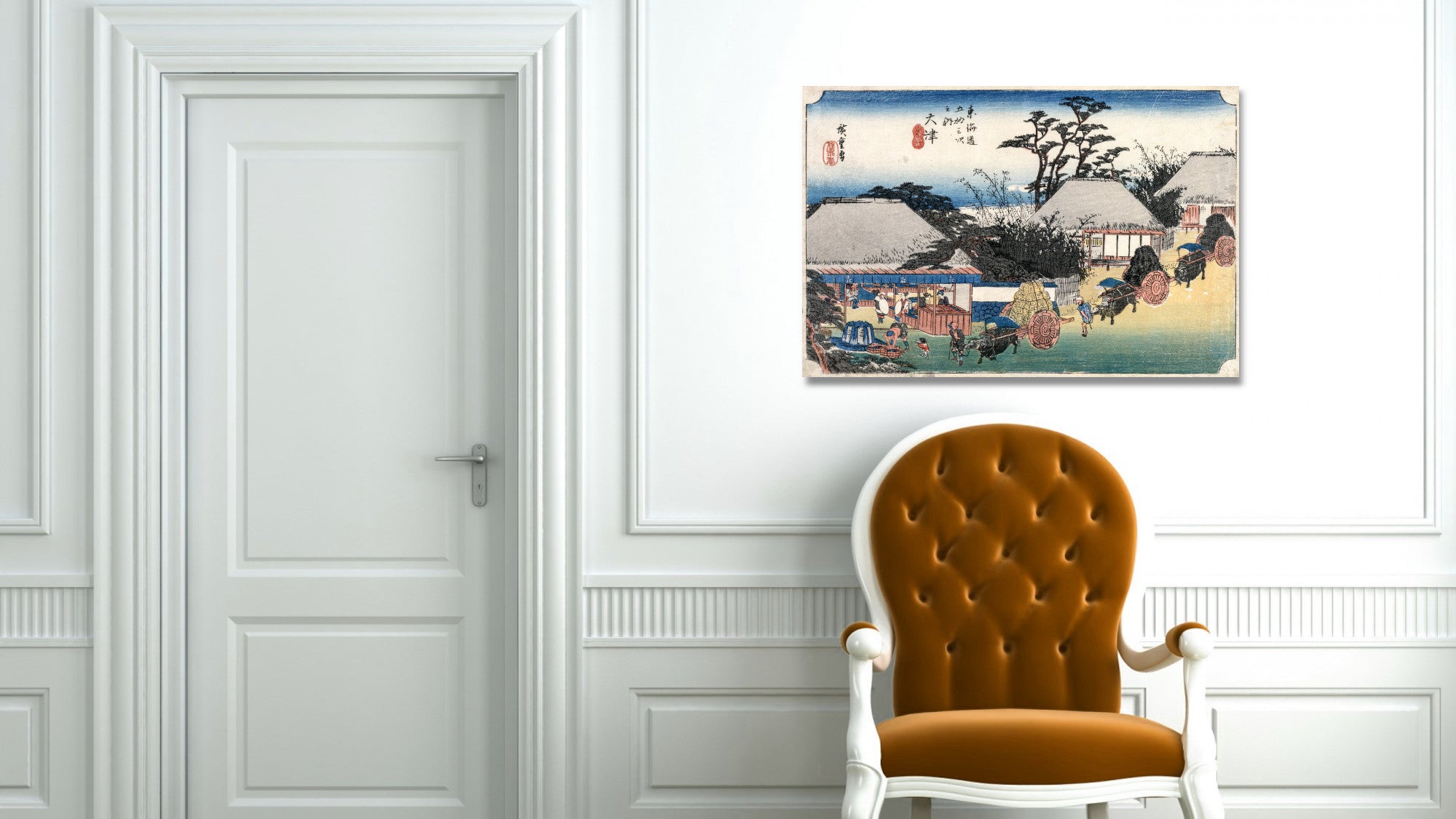
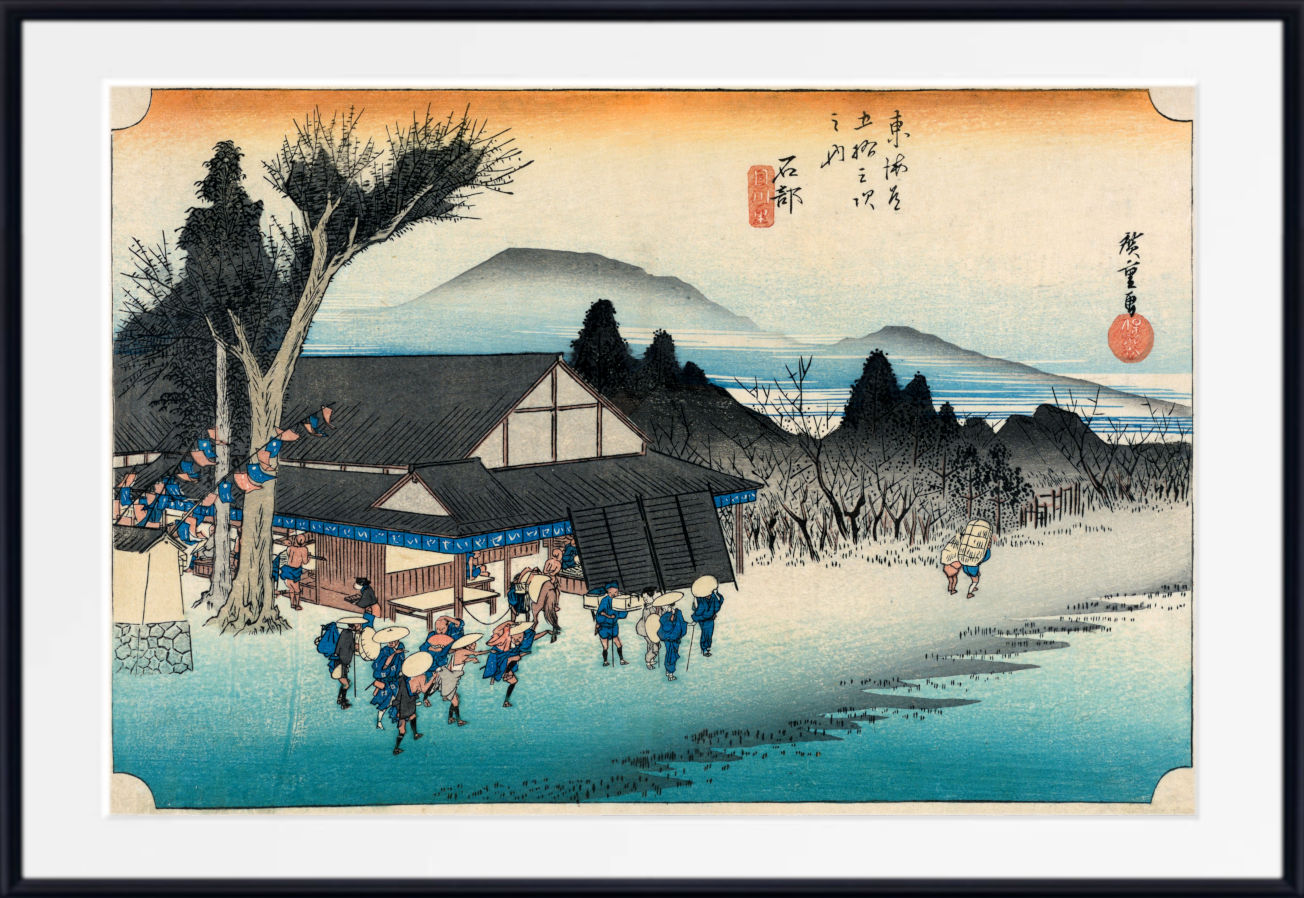
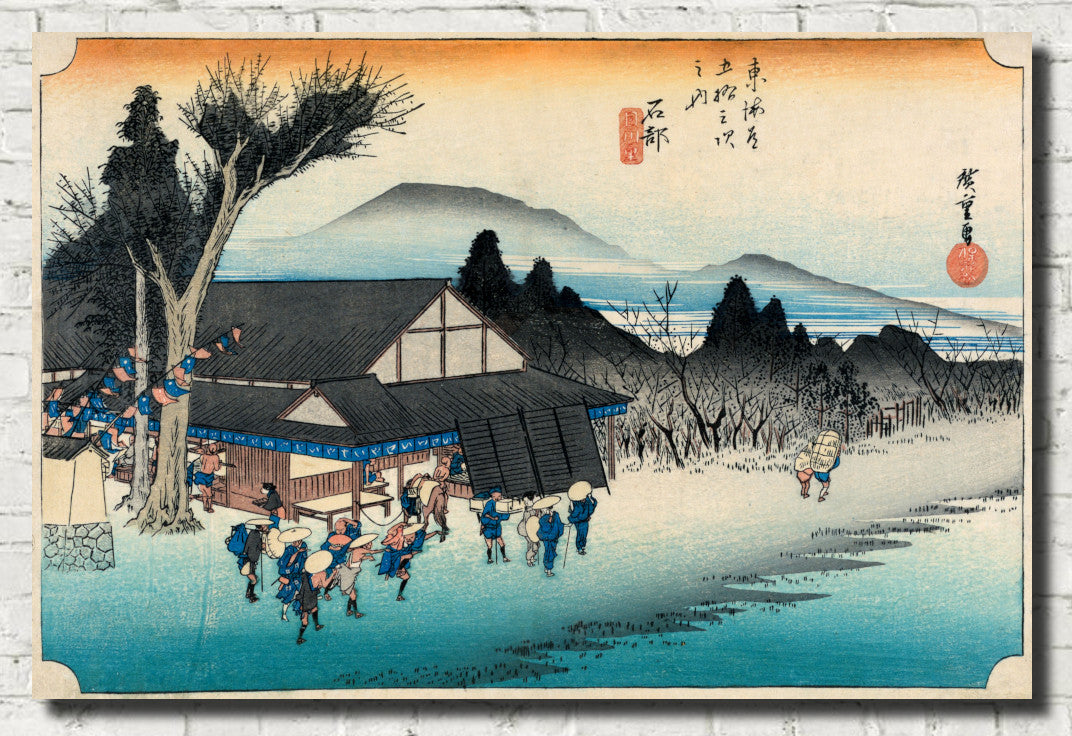
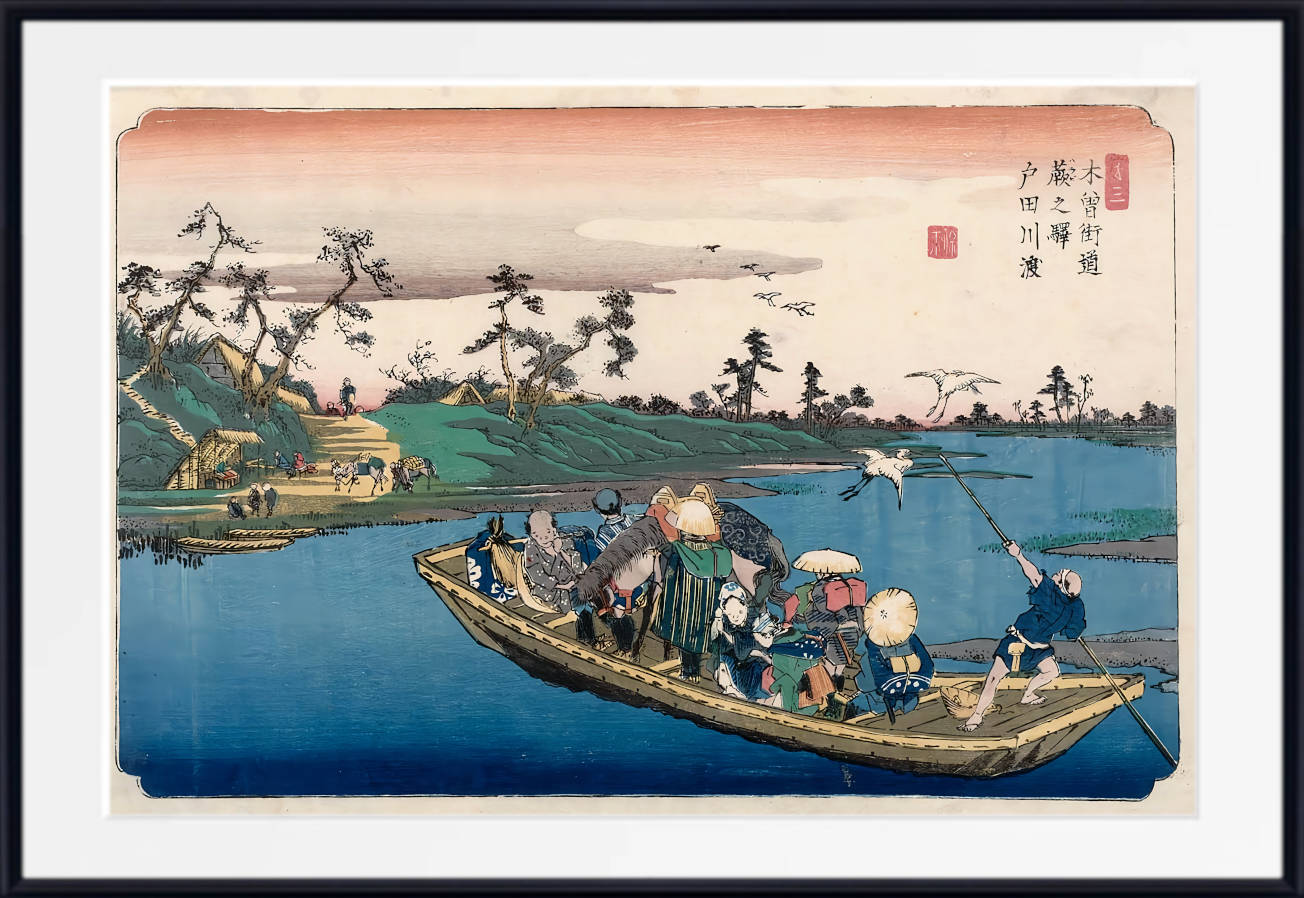
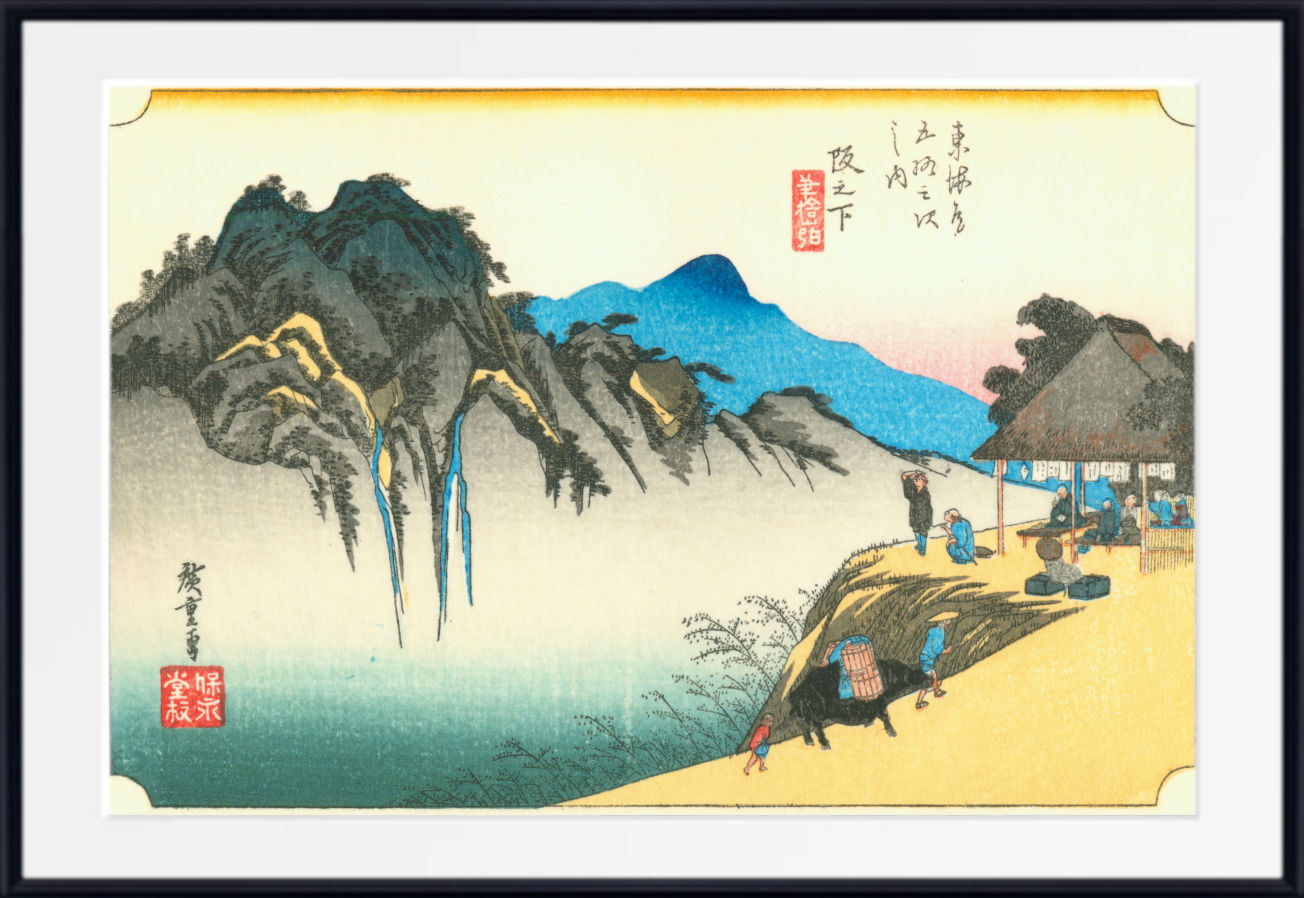
Hiroshige transformed travel into visual poetry. His famous Tōkaidō designs follow the historic road between Edo and Kyoto, showing travellers crossing rivers, climbing mountain passes, approaching towns and sheltering from sudden rain.
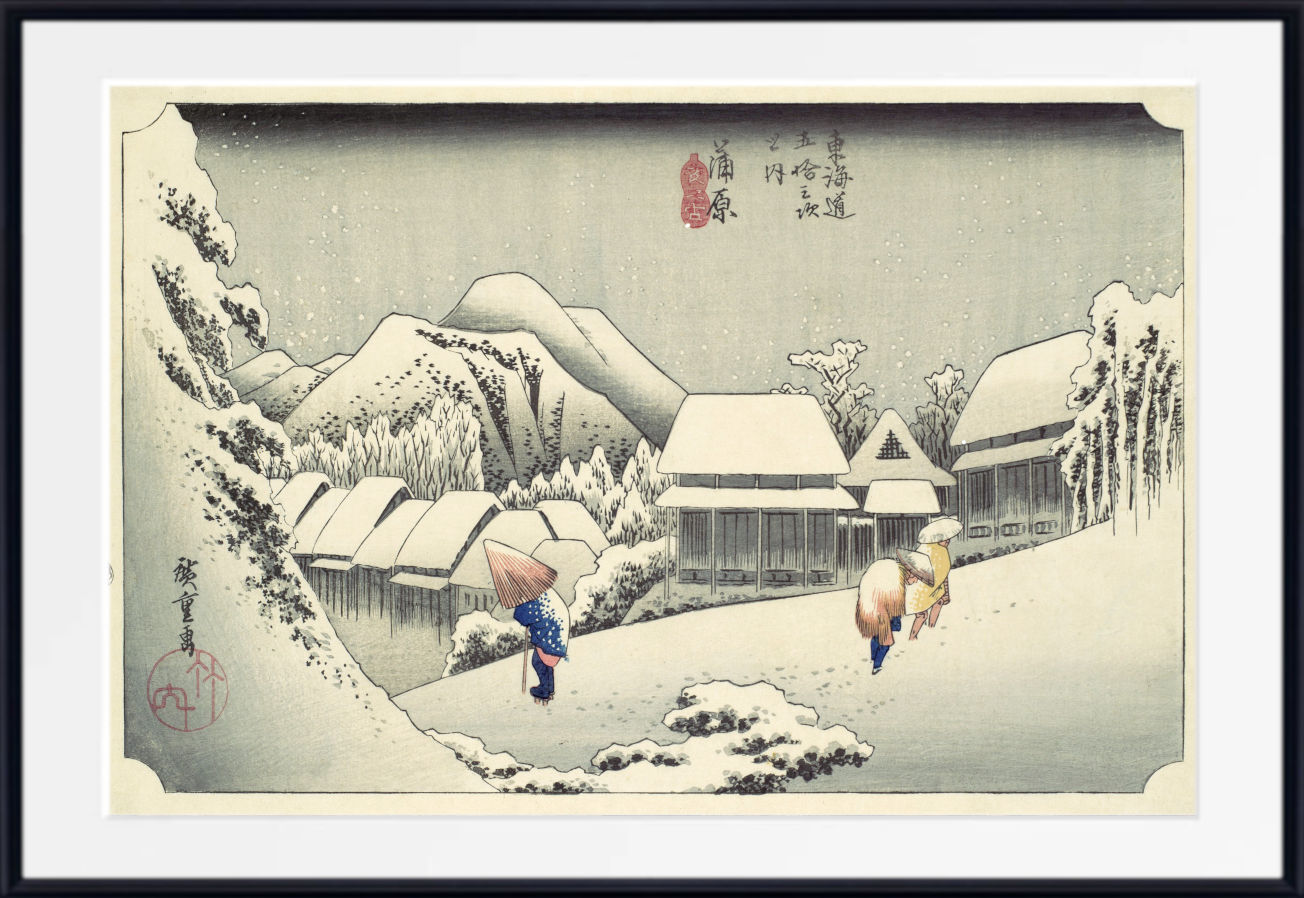
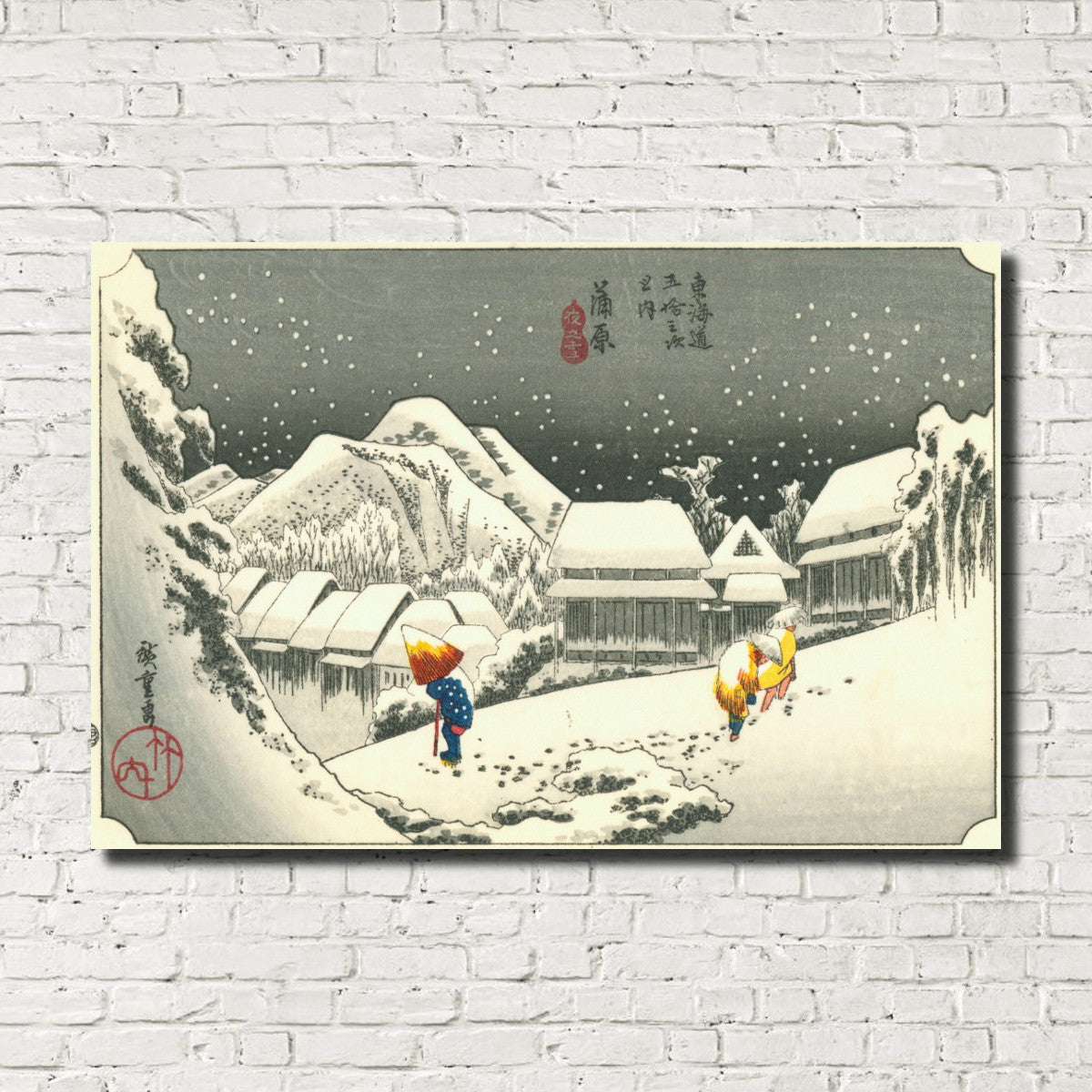
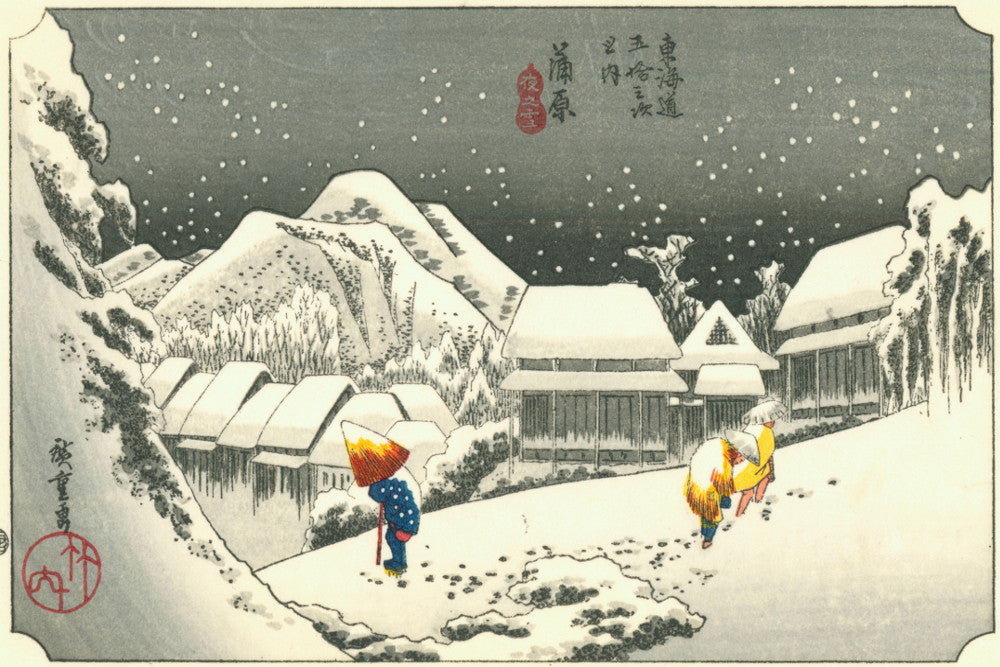
The appeal of a Hiroshige gallery wall lies in its changing atmosphere. Snow softens villages and hills; diagonal rain brings movement to roads and bridges; coastal stations open towards broad expanses of water; and tiny human figures give scale to mountains, rivers and forests.
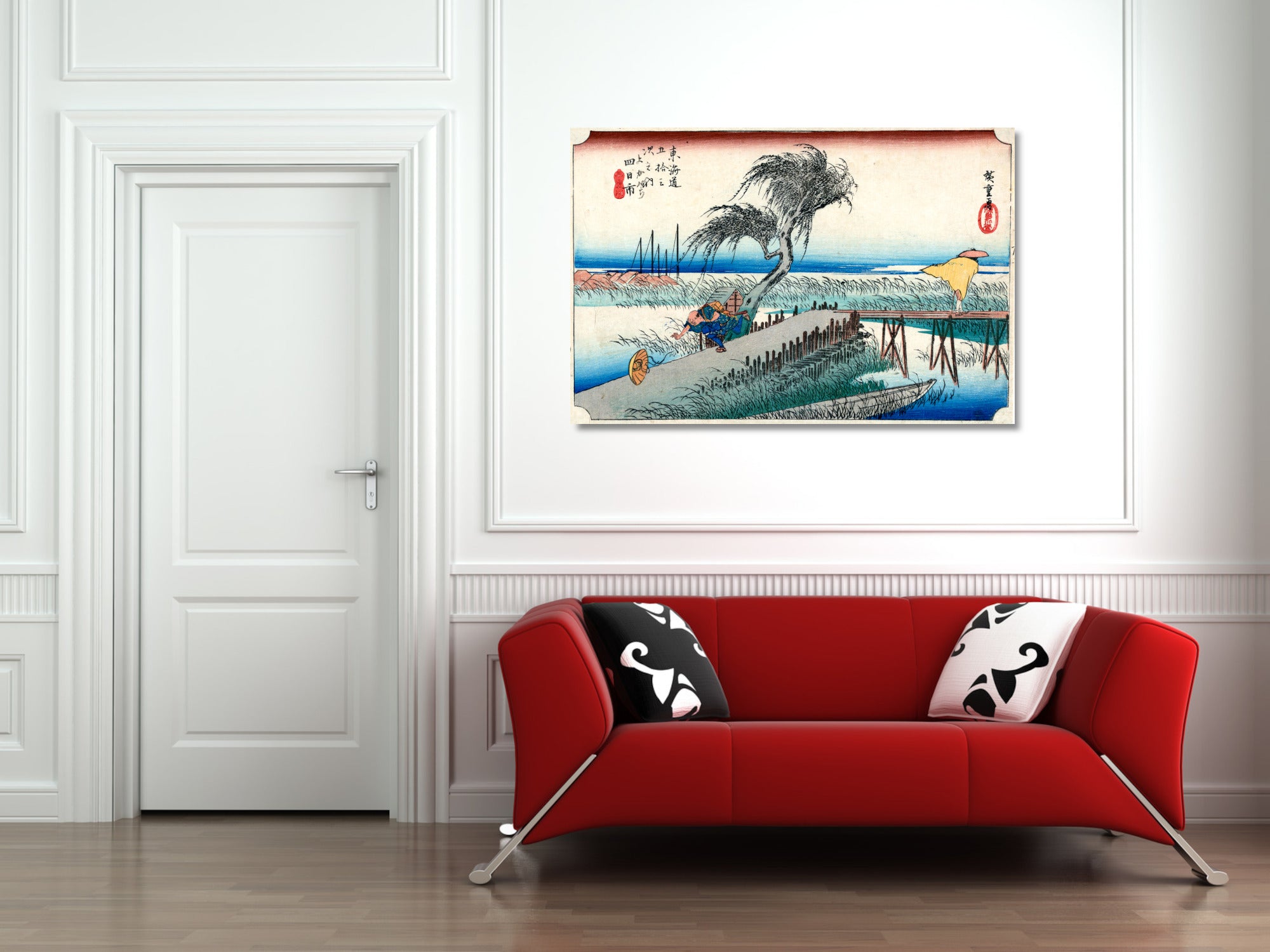
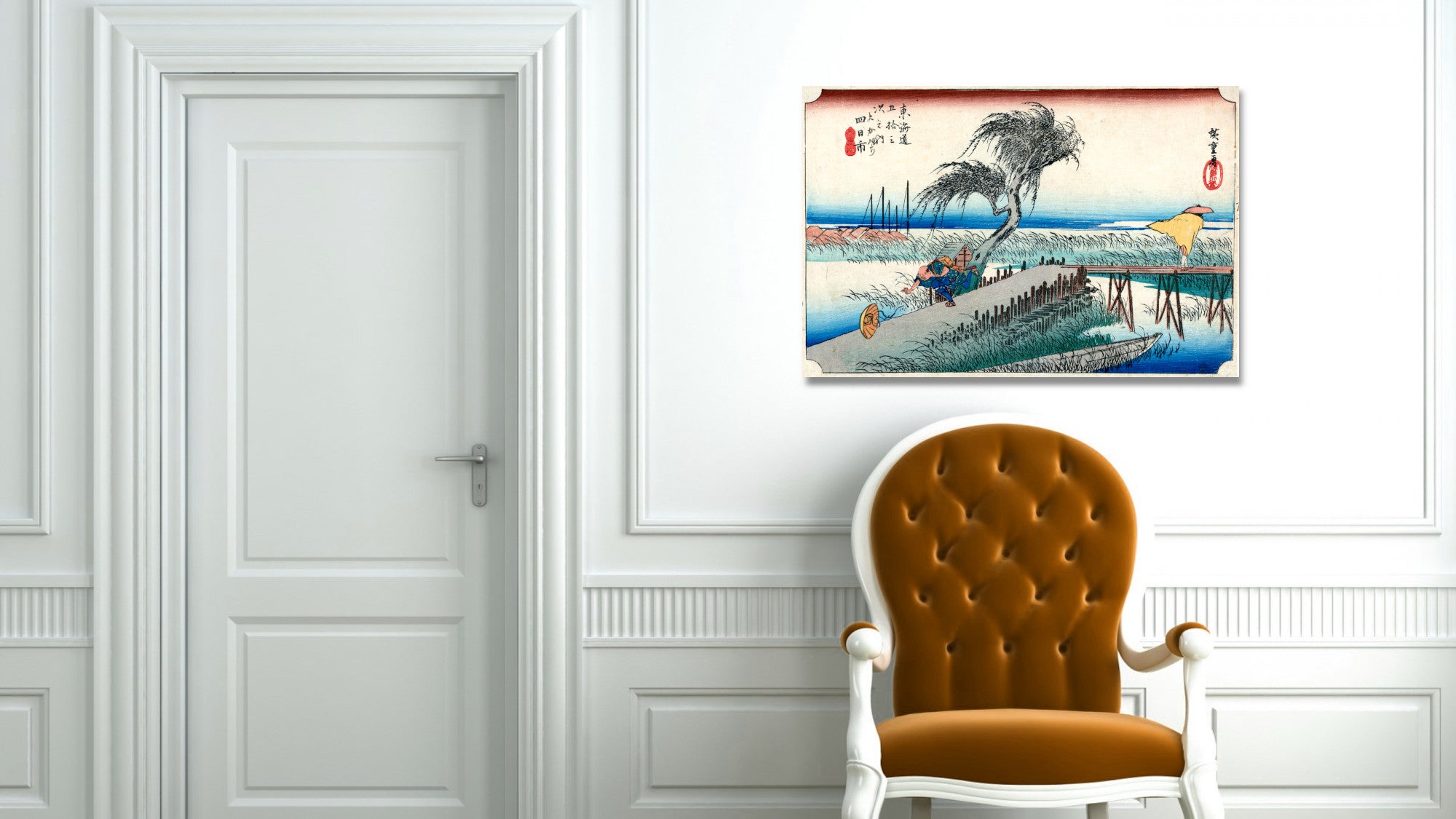
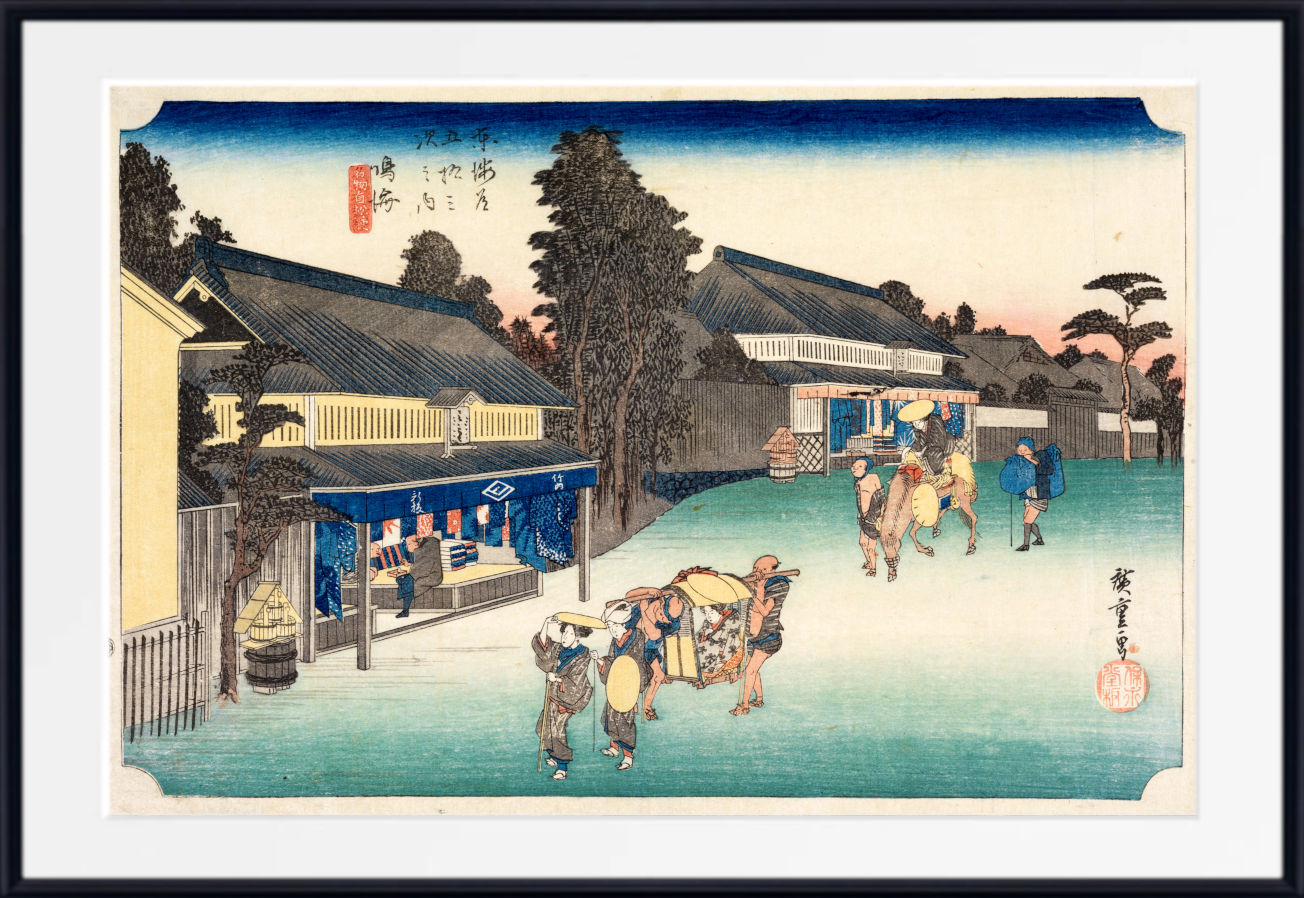
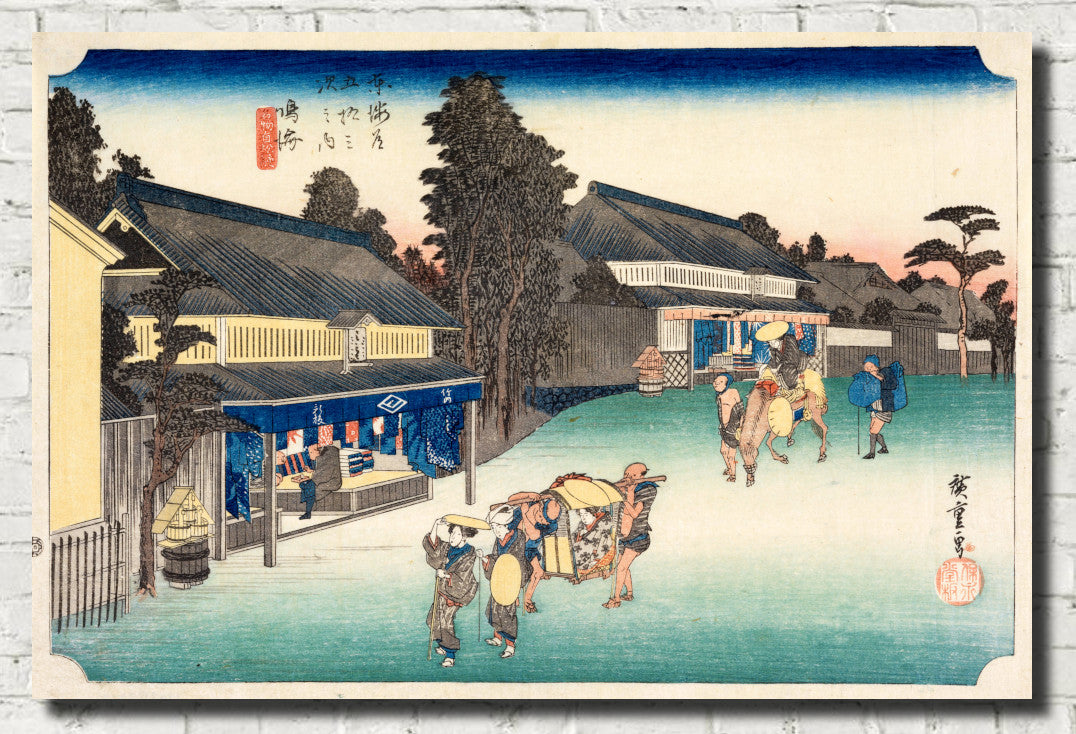
The arrangement above includes views associated with Arriving at Kyoto, Tsuchiyama, Shōno, Yokkaichi, Kuwana, Miya and Fujisawa. Although each station has its own weather and landscape, repeated roads, bridges, travellers and distant horizons hold the group together.
4. Blue Japanese Gallery Walls: Indigo, Moonlight, Water and Snow

A blue Japanese gallery wall can combine artists and periods without feeling disjointed. Colour becomes the organising principle, allowing waves, waterfalls, moonlit bays, snowy villages and rain-darkened streets to sit together naturally.
Deep indigo and Prussian blue are especially effective when balanced with pale paper tones and restrained areas of black, grey or rust red. Rather than choosing prints with identical colouring, combine dark nocturnes with brighter water scenes and lightly coloured snow landscapes. The changes in tonal value prevent the display from becoming flat.
Blue Japanese prints work particularly well against warm white, stone, pale grey and muted blue walls. Black frames sharpen the silhouettes, while white mounts preserve the clarity and breathing space that are central to many Japanese compositions.
5. Birds and Flowers: A Kachō-ga Gallery Wall

Kachō-ga, meaning pictures of birds and flowers, brings close observation of nature together with decorative balance. Birds may be shown resting on flowering branches, diving towards water, moving through reeds or surrounded by seasonal plants.
The selected gallery wall combines Crow and Blossom, Herbaceous Peony, Two Peacocks on a Tree Branch, Mandarin Ducks, Kingfisher Hunting for Fish and Two Mallard Ducks. The subjects differ, but graceful vertical formats, natural colour and generous empty space create unity.
Bird-and-flower prints are particularly effective in dining rooms, bedrooms and quiet reading spaces. They offer detail and colour without the visual intensity of a battle scene or crowded city composition. A symmetrical layout can feel formal, while an asymmetrical arrangement reflects the poised imbalance found within many of the prints themselves.
6. The Beauty of the Floating World: Bijin-ga and Elegant Figure Prints

Bijin-ga is commonly translated as pictures of beautiful people or beautiful women. Artists used graceful poses, carefully arranged hairstyles and richly patterned clothing to represent changing ideals of fashion, elegance and urban refinement.
Kitagawa Utamaro became especially celebrated for close studies of women, while Suzuki Harunobu created delicate scenes filled with poetic gesture and subdued colour. Torii Kiyonaga frequently placed tall, elegant figures within streets, gardens, riverbanks and domestic settings.
These works should be understood as carefully constructed images rather than straightforward documentary portraits. Costume, posture and setting were used to convey social roles and ideals of beauty. For a gallery wall, their vertical formats and textile patterns provide structure, while scenes containing two or more figures introduce movement across the display.
7. Warriors, Kabuki and Supernatural Japan

Japanese warrior and mythological prints offer some of the most theatrical compositions in ukiyo-e. Figures twist through battle scenes, robes sweep across the page, swords cut through strong diagonals and supernatural creatures emerge from clouds, darkness and smoke.
Utagawa Kuniyoshi was a master of this imaginative world. His prints brought legendary warriors, heroic outlaws, witches, ghosts and enormous skeletons to life with exceptional energy. Kabuki actor prints add a related sense of performance through dramatic expressions, elaborate costume and recognisable stage poses.
The selected arrangement combines a festival dragon, a haunted house, a fox goddess, Takiyasha and the skeleton spectre, a kabuki theatre actor and Bishamonten pursuing an oni. Because the imagery is intense, consistent frames, mounts and spacing are particularly important. Neutral surrounding walls allow the line, colour and narrative detail to remain the focus.
8. Japanese Landscapes and Nature

Japanese landscape art extends far beyond the most famous Hokusai and Hiroshige series. Early ink painters, Edo-period printmakers and twentieth-century shin-hanga artists each developed distinctive ways of representing mountains, rivers, temples, bridges, coastlines and seasonal weather.
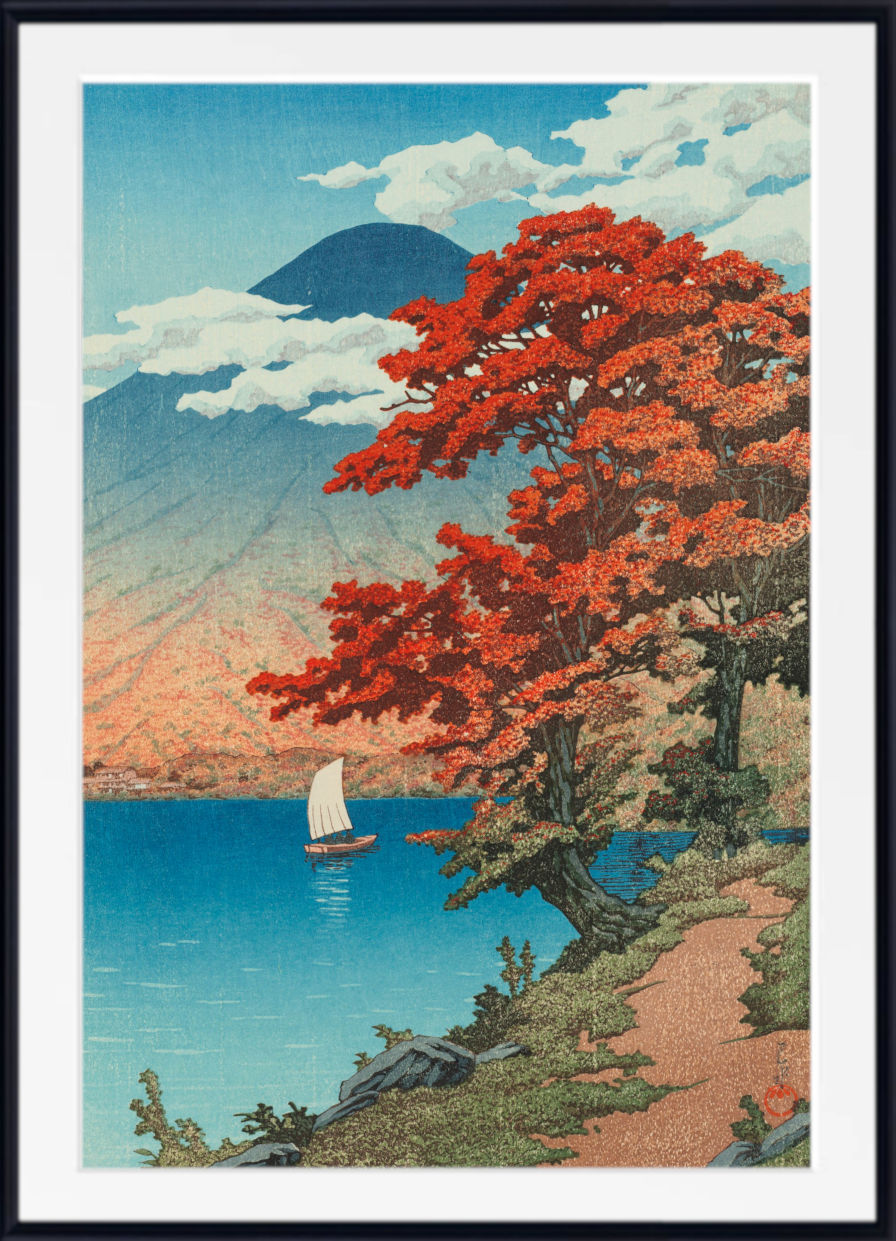
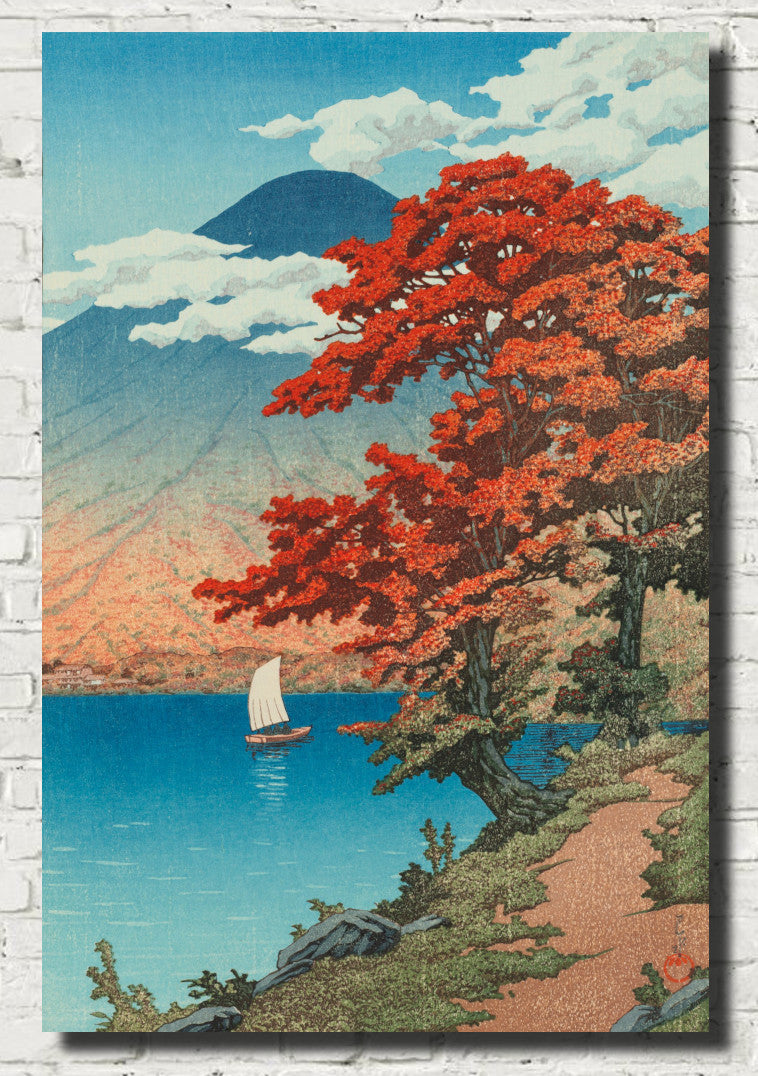
The arrangement above combines Foot of Mount Ashitaka, The Hot Springs of Shuzenji, Matsushima in the Moonlight, Kiyosu Bridge and Kōjaku Cavern at Oga Peninsula. The mixture of portrait and landscape formats creates movement, while blue-green water, muted evening tones and strong black frames hold the display together.
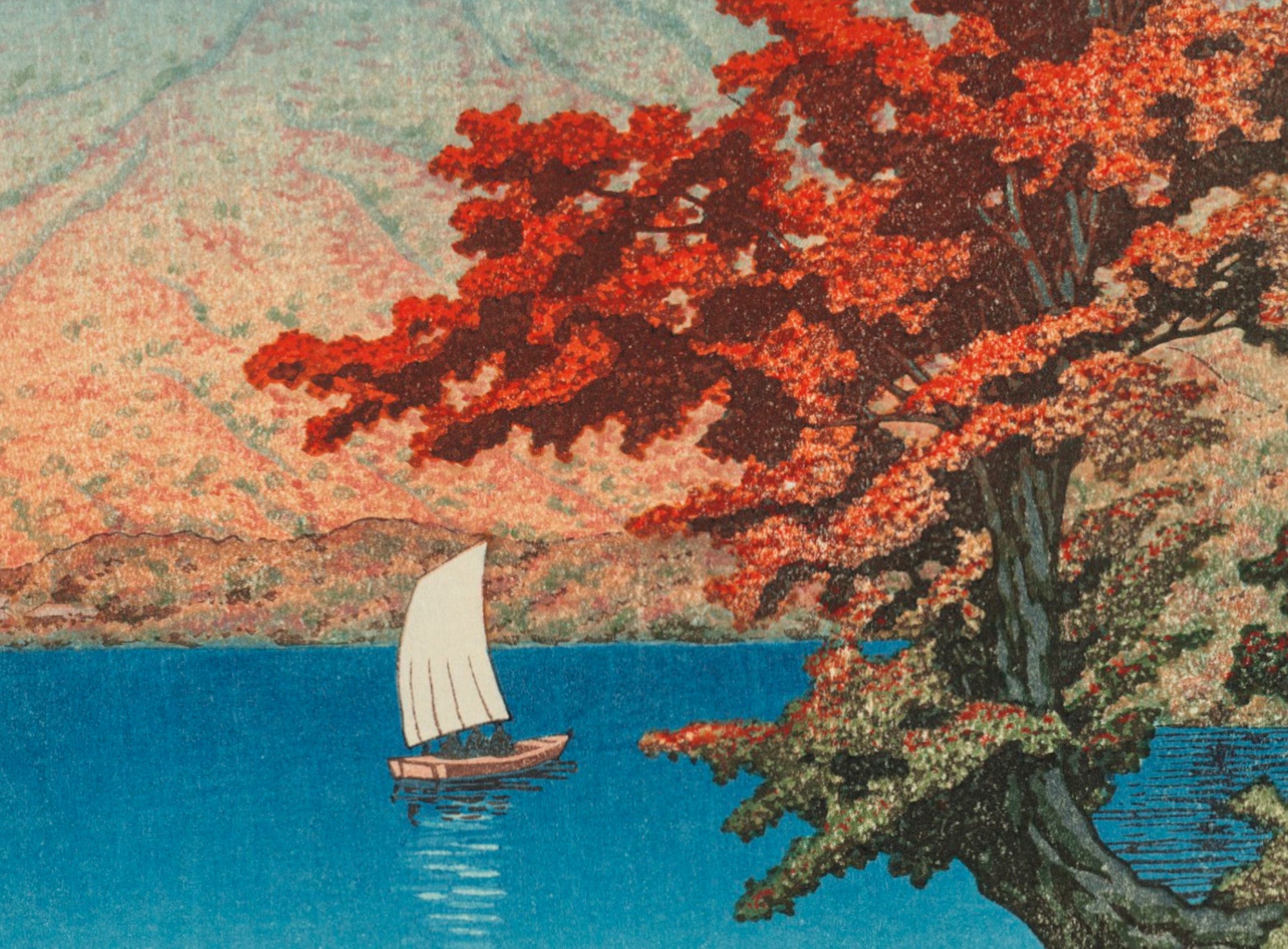
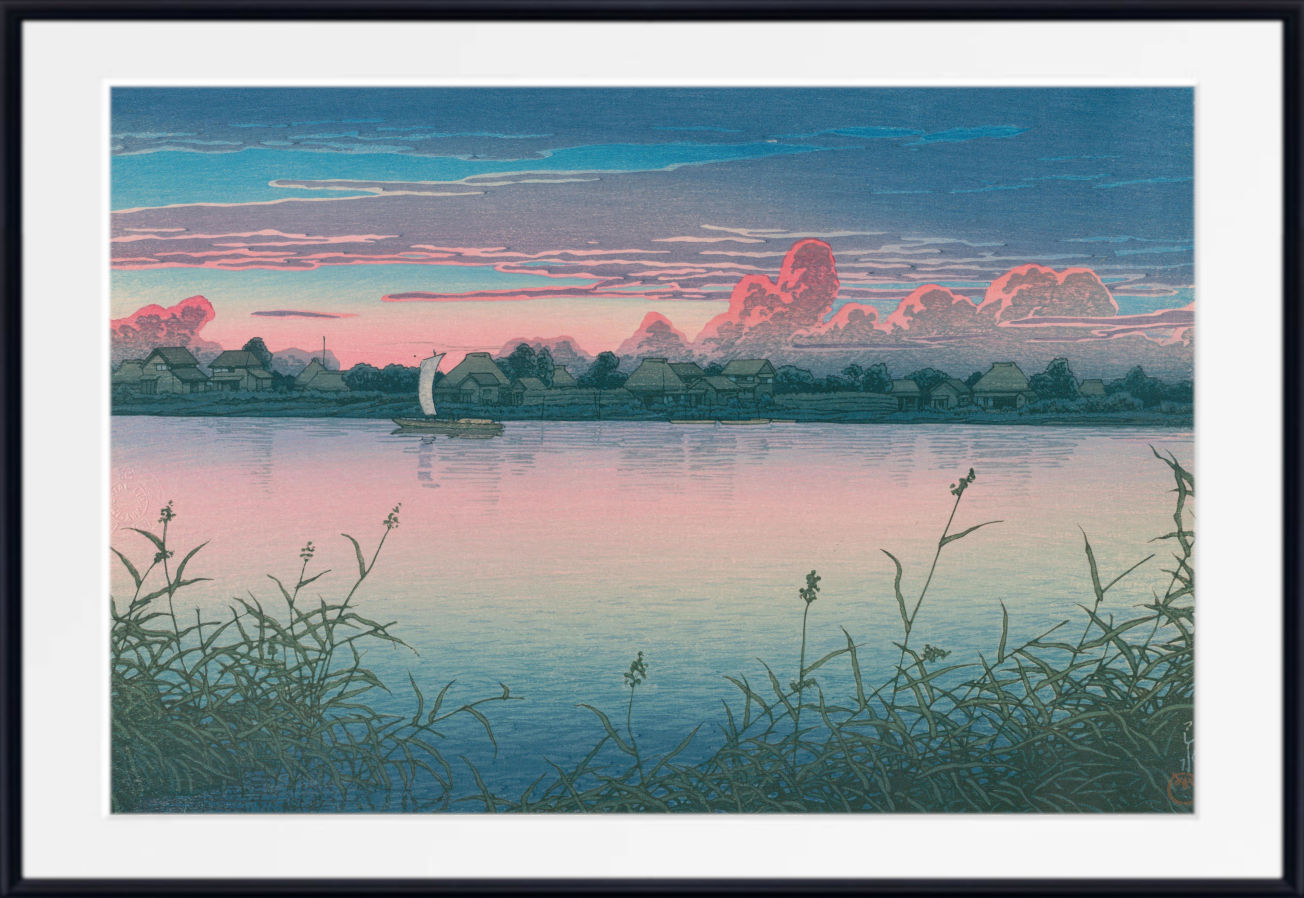
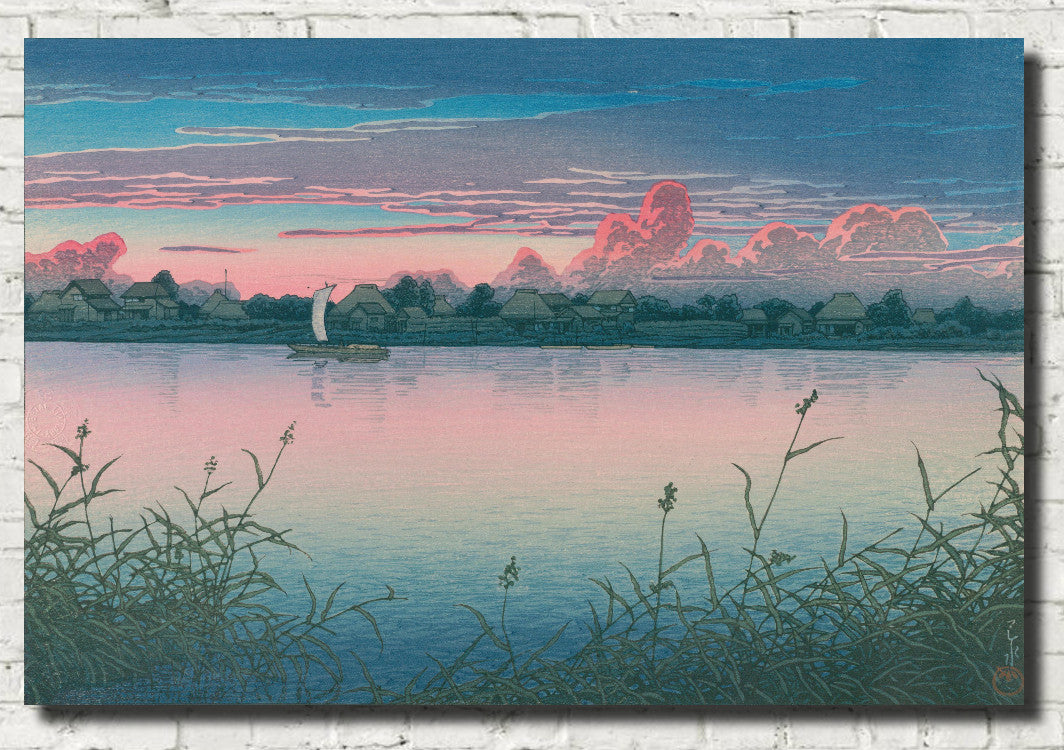
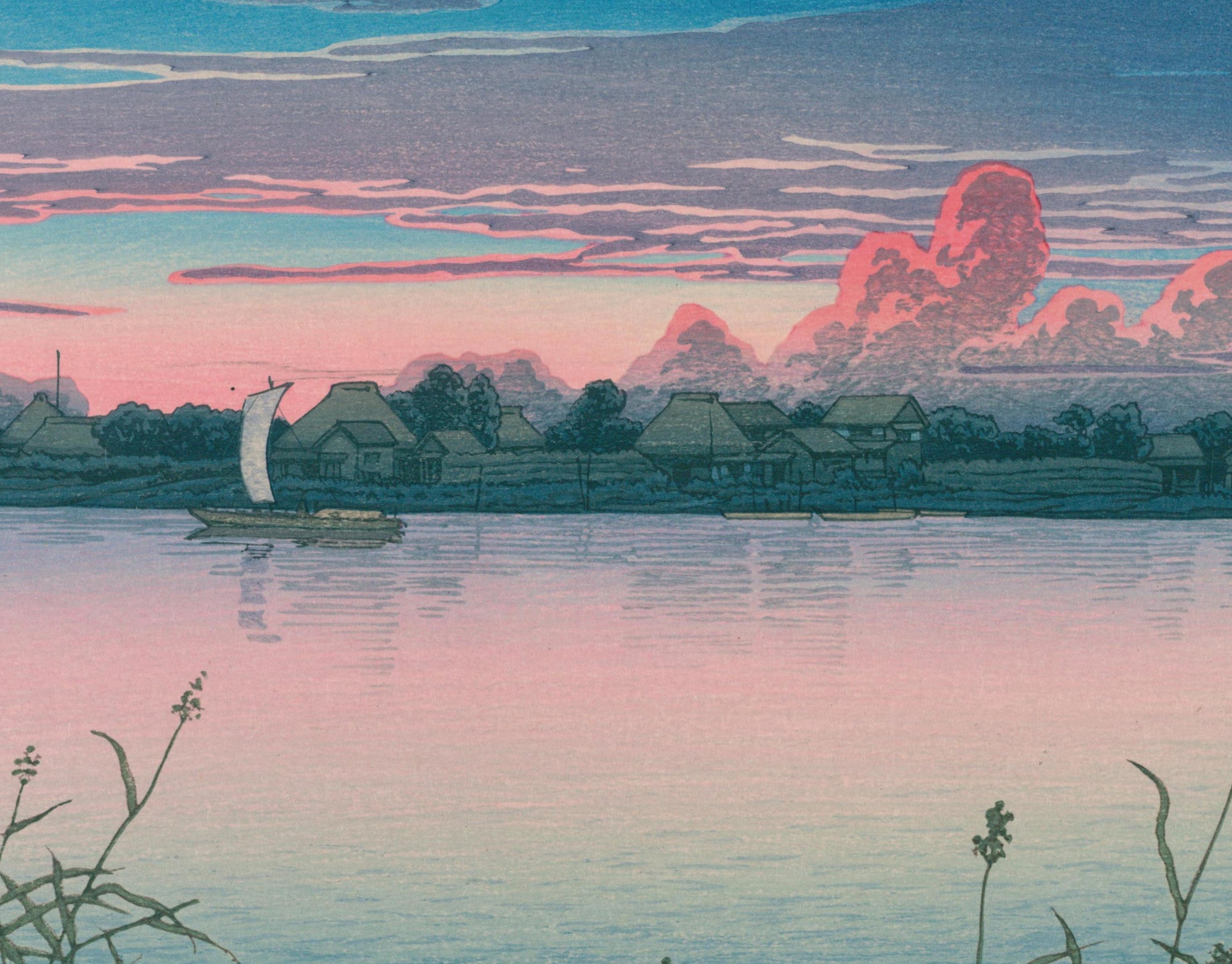
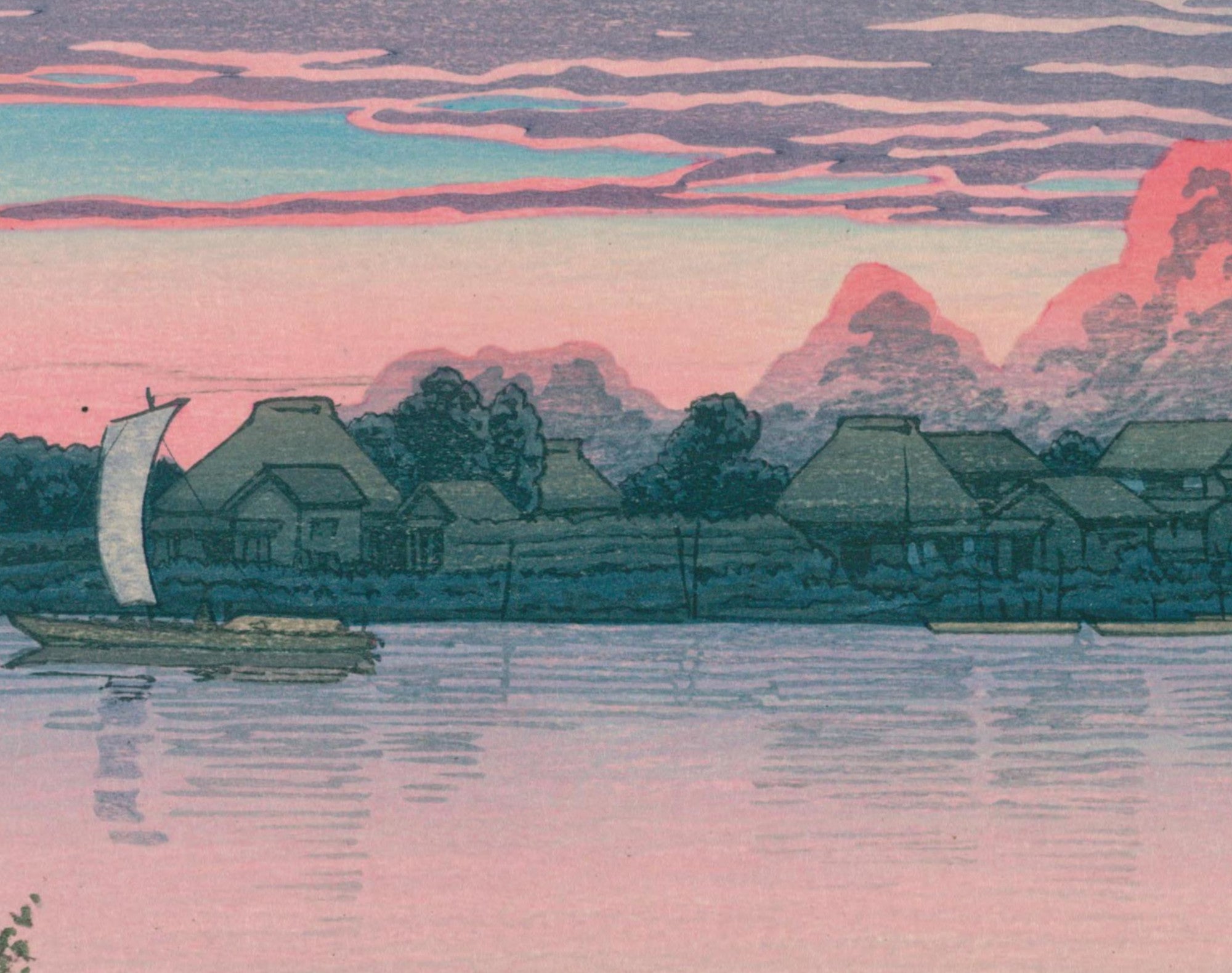
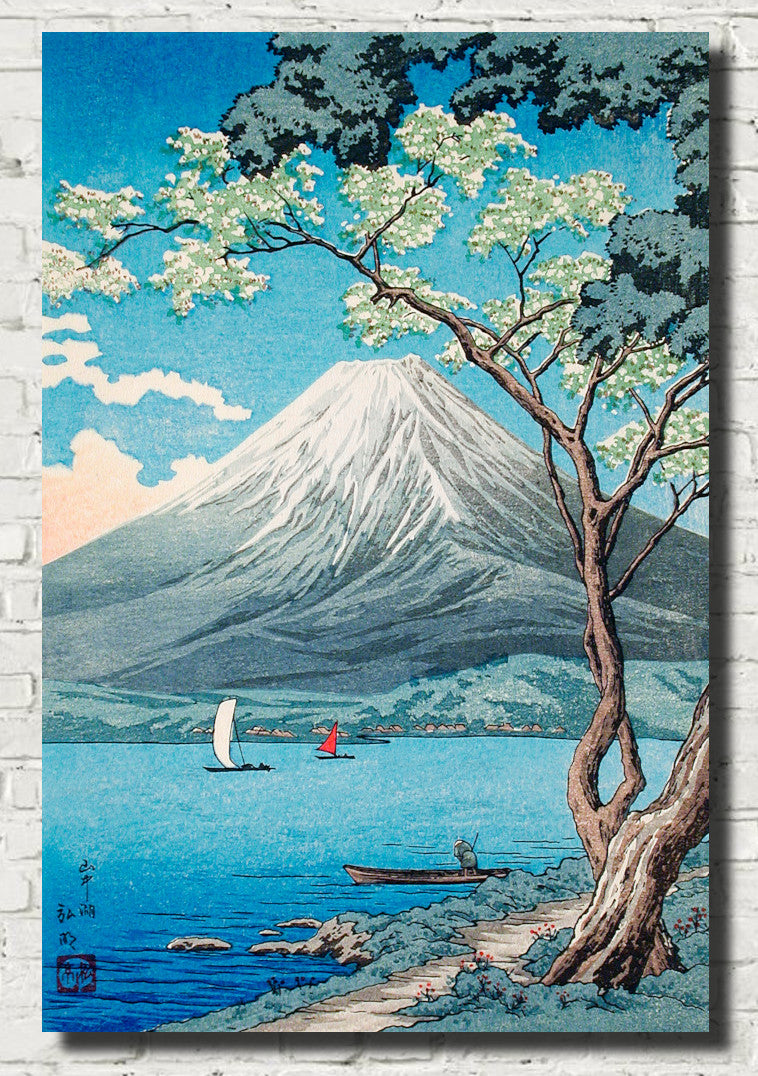
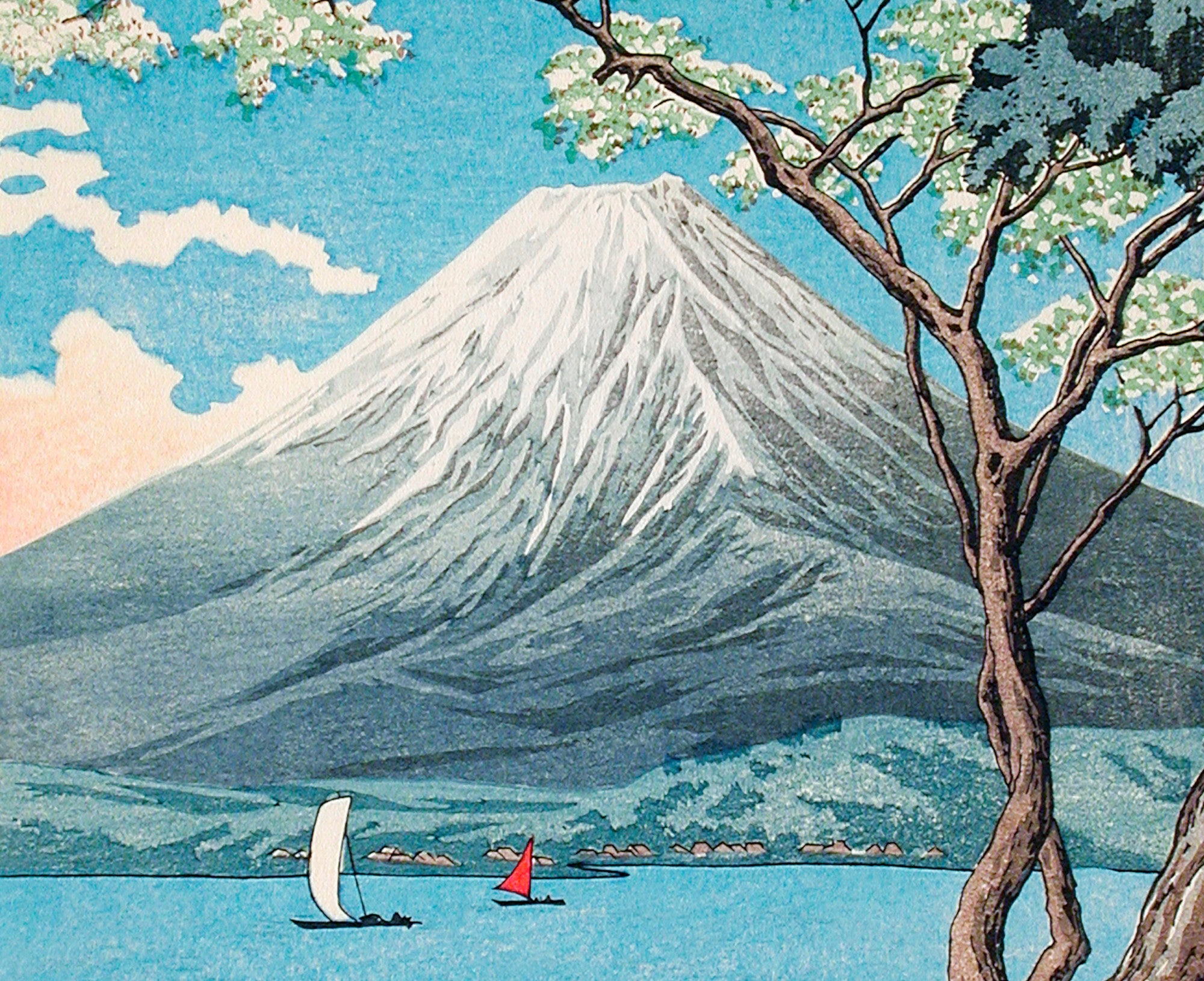
Hasui Kawase’s landscapes are especially suited to restful interiors. His bridges, quiet streets, moonlit water and snowy buildings create a contemplative mood. Hiroaki Takahashi often introduced brighter colour and crisply defined scenery, while Shiro Kasamatsu explored rain, mist, architecture and intimate views of modern Japan.
How to Create a Japanese Art Gallery Wall
Choose a Clear Unifying Idea
Begin with one organising principle. This might be an artist, such as Hokusai or Hiroshige; a series, such as the Tōkaidō; a subject, such as birds and flowers; or a colour family built around blue, green or warm neutral tones.
A narrowly focused display creates immediate unity. A more varied gallery wall can work equally well, but should repeat at least two visual characteristics, such as frame style, mount colour, dominant palette or landscape subject.
Start With an Anchor Print
Select the work that should attract attention first. This is often the largest print, the most recognisable image or the composition with the strongest contrast. Place it near the visual centre of the arrangement, although it does not need to occupy the exact geometric centre.
Build outward using quieter images. A dramatic Hokusai wave can be balanced by open landscapes, while a highly detailed Kuniyoshi print can be surrounded by simpler figure or mythology compositions.
Balance Portrait and Landscape Formats
Japanese prints are available in a wide range of proportions, from long vertical scroll-like images to broad horizontal landscapes. Mixing orientations creates a collected appearance, but the total visual weight should remain balanced.
Two smaller portrait prints can occupy a similar area to one larger landscape print. Narrow vertical works are useful at the edges of an arrangement, while wide scenes often work well near the centre or along the lower row.
Keep the Spacing Consistent
A gap of approximately 5 to 8 centimetres between frames is a useful starting point for many domestic gallery walls. Smaller prints may suit slightly closer spacing, while large framed works usually need more room.
Measure between the outer edges of the frames rather than between the printed images. Consistent spacing helps a varied group read as one deliberate composition.
Use Frames and Mounts to Create Unity
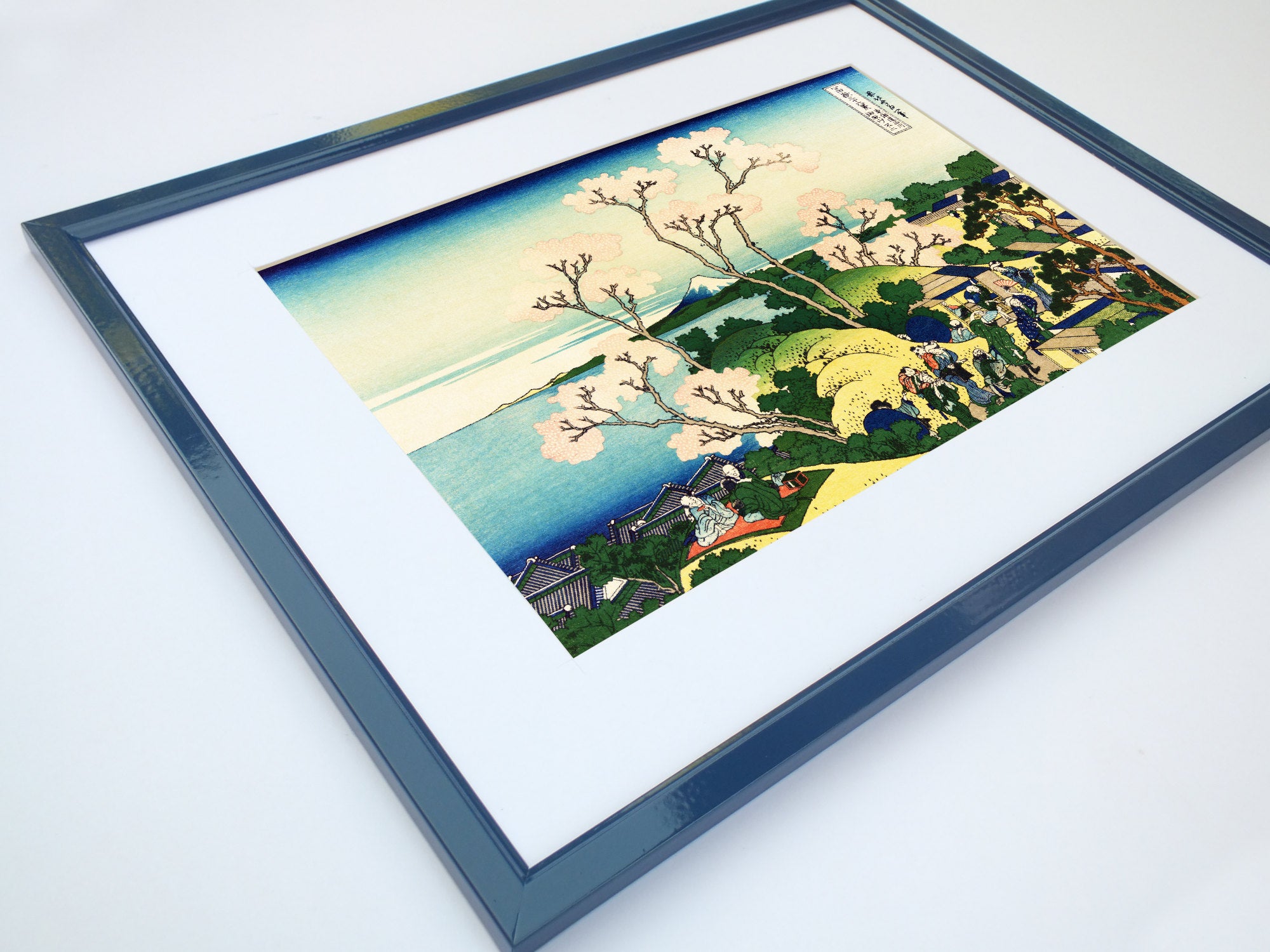
Simple black frames are especially effective with Japanese art because they echo the strong dark contours found in many woodblock prints. White or warm-white mounts preserve visual breathing space and prevent detailed images from competing with one another.
Natural wood frames can create a softer look, particularly with botanical and landscape prints. When using mixed frame finishes, repeat each finish at least twice so that no single frame appears accidental.
Plan the Arrangement Before Hanging
Lay the framed prints on the floor or make paper templates in the exact frame sizes. Begin with the anchor image and move the surrounding works until the outer shape feels balanced.
A gallery wall does not need to form a perfect rectangle. Asymmetrical edges can suit Japanese art particularly well, reflecting the use of off-centre subjects and controlled empty space within the prints.
Frequently Asked Questions
What is the best theme for a Japanese art gallery wall?
Strong themes include Hokusai and Mount Fuji, Hiroshige’s Tōkaidō landscapes, blue Japanese prints, birds and flowers, bijin-ga figures, warriors and mythology, or atmospheric shin-hanga landscapes. A mixed Japanese gallery wall can also work when colour, frames and spacing are kept consistent.
Can ukiyo-e and shin-hanga prints be displayed together?
Yes. Ukiyo-e and shin-hanga share Japanese printmaking traditions, strong composition and familiar subjects such as landscapes, architecture and seasonal weather. Matching frames and a related colour palette help prints from different periods feel coherent.
Which Japanese artists are best for landscape gallery walls?
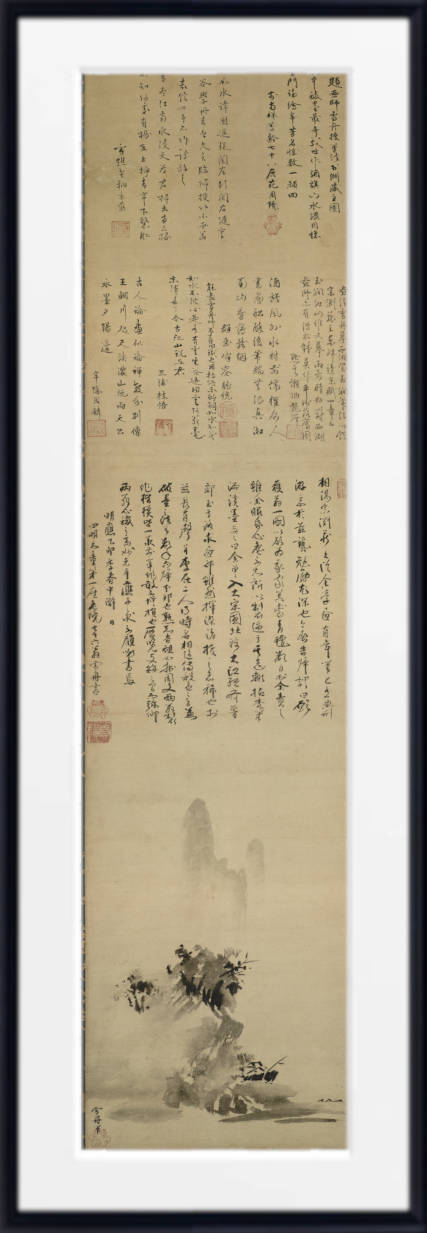
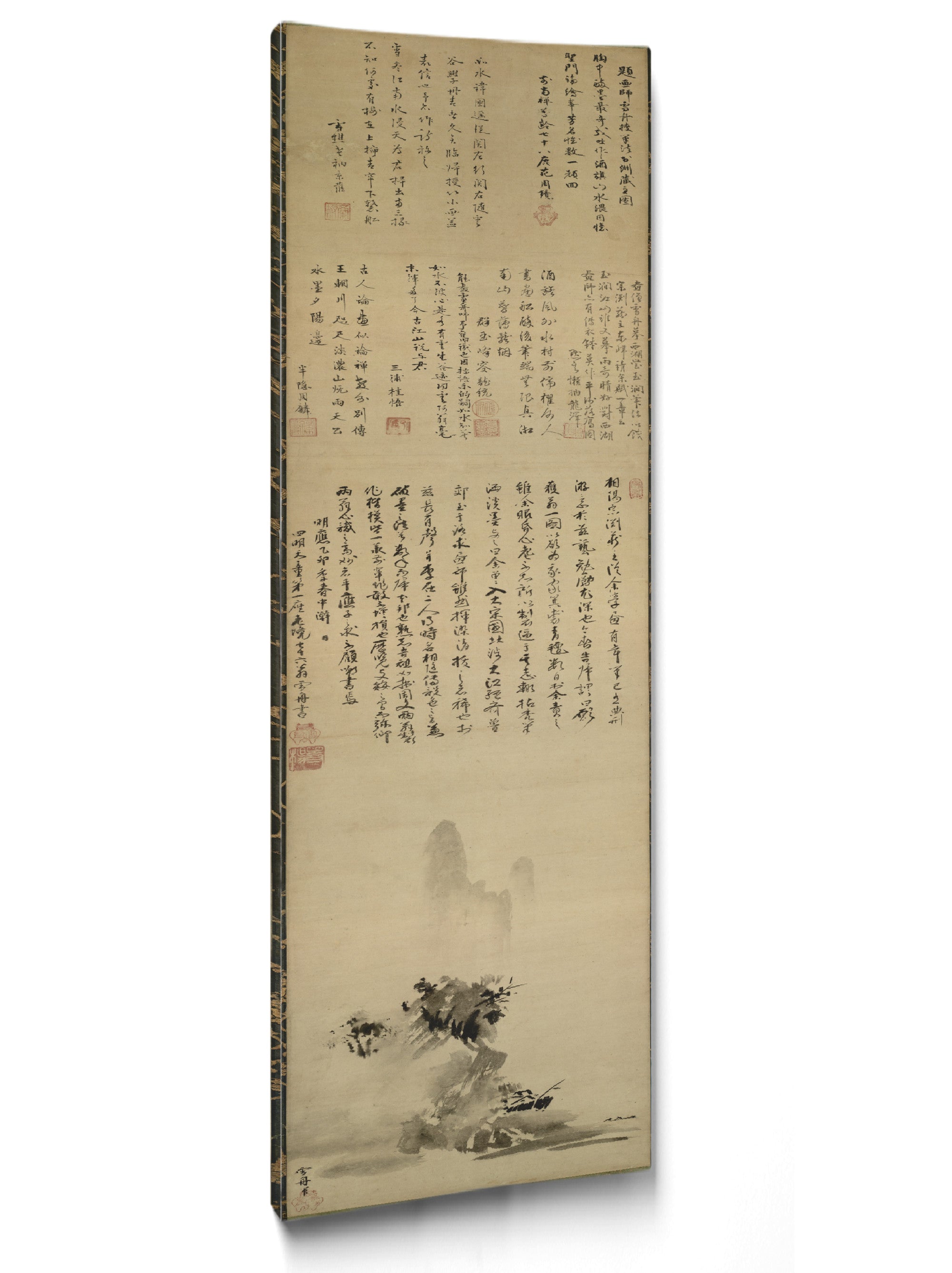
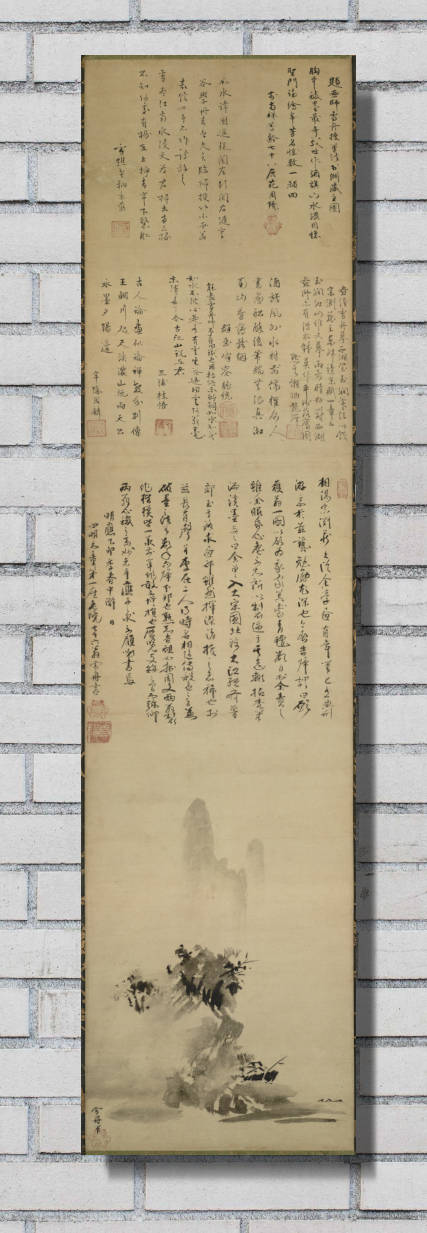
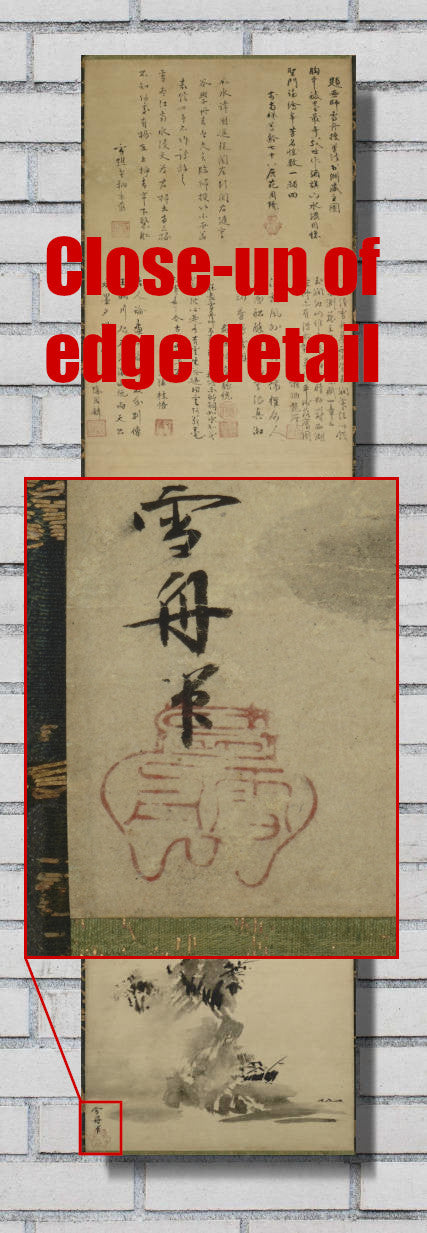
Hokusai and Hiroshige are the most famous choices for ukiyo-e landscapes. Hasui Kawase, Hiroaki Takahashi and Shiro Kasamatsu are excellent for atmospheric twentieth-century scenery, while Sesshū Tōyō offers a much earlier tradition of expressive ink landscape painting.
How many Japanese prints should a gallery wall contain?
Three prints can form a compact group, while five to eight works provide enough variety for a substantial gallery wall. Larger arrangements can contain more, provided the spacing, frame treatment and overall shape remain controlled.
Should every Japanese print be the same size?
No. Mixing sizes often creates a more visually interesting result. Use one or two larger anchor prints and surround them with smaller works. Repeating a few dimensions helps the arrangement feel deliberate rather than random.
What frame colour works best with Japanese prints?
Black frames are a versatile choice because they strengthen the outlines and calligraphy found in many Japanese prints. Natural wood also works well with landscapes and botanical subjects. White mounts help preserve clarity around detailed images.
Which rooms are best suited to Japanese gallery walls?
Japanese gallery walls work well in living rooms, bedrooms, dining rooms, hallways, stairways, studies and home offices. Peaceful landscapes and botanical prints suit restful rooms, while warrior, kabuki and mythological images create stronger statement displays.
Explore More Japanese Art
Create Your Japanese Art Gallery Wall
A Japanese art gallery wall can be quiet and contemplative, colourful and decorative, or filled with dramatic narrative. Build around a celebrated series, follow a favourite artist, choose a restrained colour palette or combine different periods through landscape, nature and atmosphere.
The eight arrangements above demonstrate how portrait, landscape and elongated formats can work together when scale, spacing and visual weight are considered carefully. Use a complete curated group, adapt an arrangement with alternative prints or begin with one favourite artwork and allow the collection to grow over time.