Bauhaus Art, Artists and Modernist Design
The Bauhaus transformed twentieth-century ideas about art, architecture and design. Founded in Germany in 1919, the school encouraged artists, architects, designers and craftspeople to move beyond traditional boundaries and explore how colour, geometry, materials, technology and practical design could become part of a unified modern visual culture.
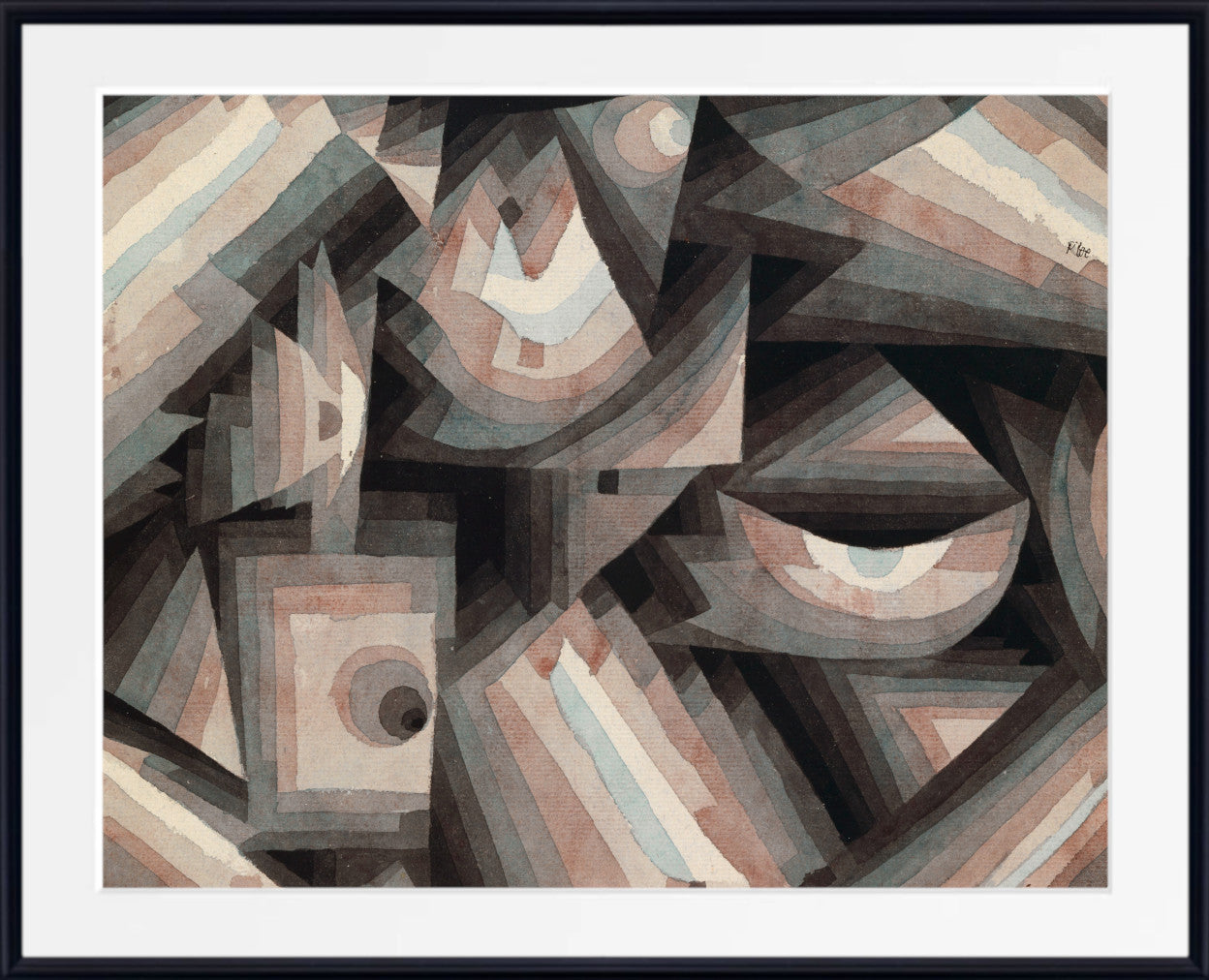
Our Bauhaus prints collection brings together work by artists closely associated with the school, including Wassily Kandinsky, Paul Klee, László Moholy-Nagy and Oskar Schlemmer. Their work demonstrates the remarkable range of Bauhaus art, from geometric abstraction and colour theory to experimental photography, typography and the transformation of the human figure.
The collection also includes carefully selected works connected with the wider European modernist environment surrounding the Bauhaus. For more geometric artwork, explore our Geometric Abstract Prints and wider Abstract Art Prints collections.
What Was the Bauhaus?
The Bauhaus was founded by architect Walter Gropius in Weimar, Germany, in 1919. Rather than separating painting, sculpture, architecture and applied design, the school sought to bring different creative disciplines together.
Students and teachers worked across painting, photography, typography, theatre, furniture, architecture and industrial design. Workshops and experimentation played a central role, with an emphasis on understanding materials, colour, form and the needs of modern life.
The school moved from Weimar to Dessau in 1925 and later to Berlin before closing in 1933. Although it existed for only fourteen years, the Bauhaus became one of the most influential institutions in modern design history. Its principles continue to influence architecture, furniture, graphic design and contemporary interiors.
Wassily Kandinsky at the Bauhaus
Wassily Kandinsky joined the Bauhaus in 1922 and remained associated with the school until its closure in 1933.
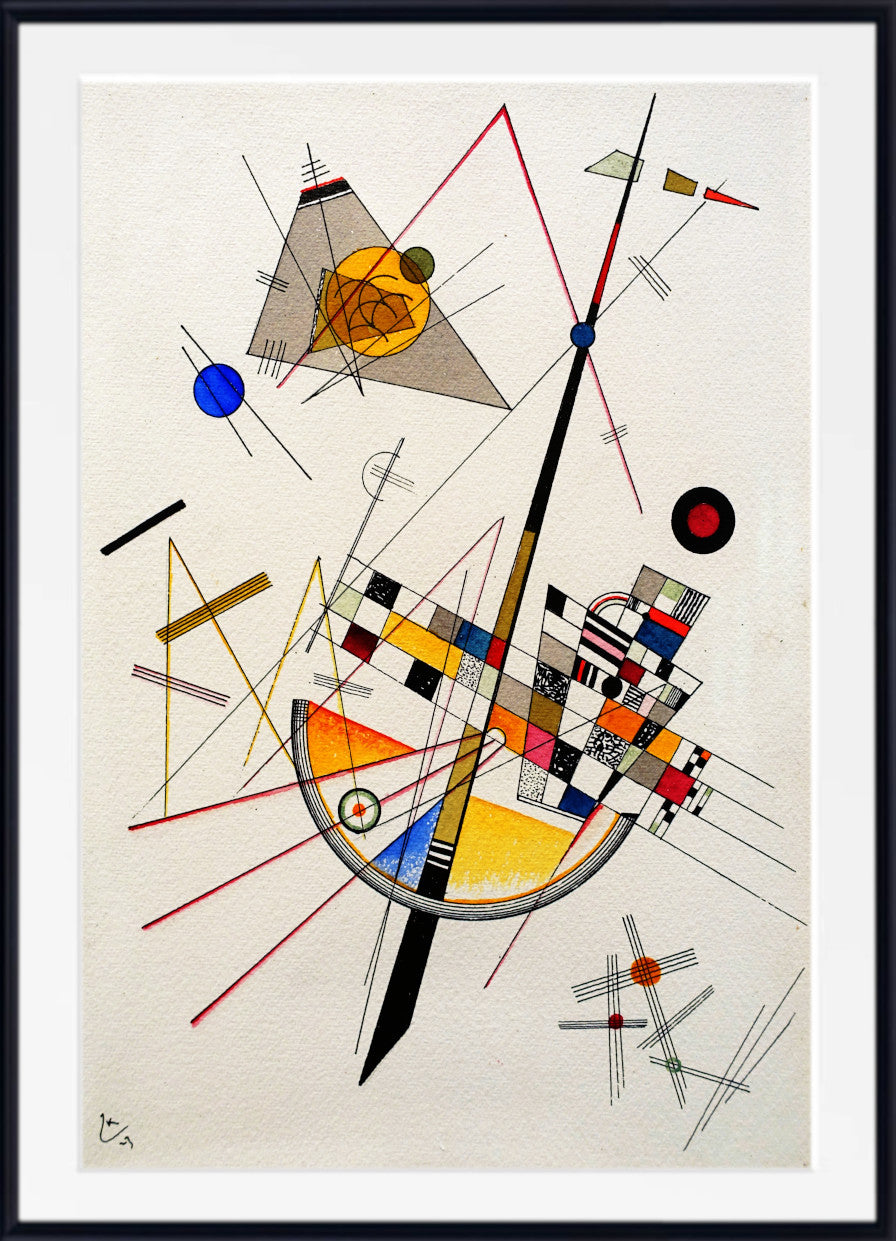
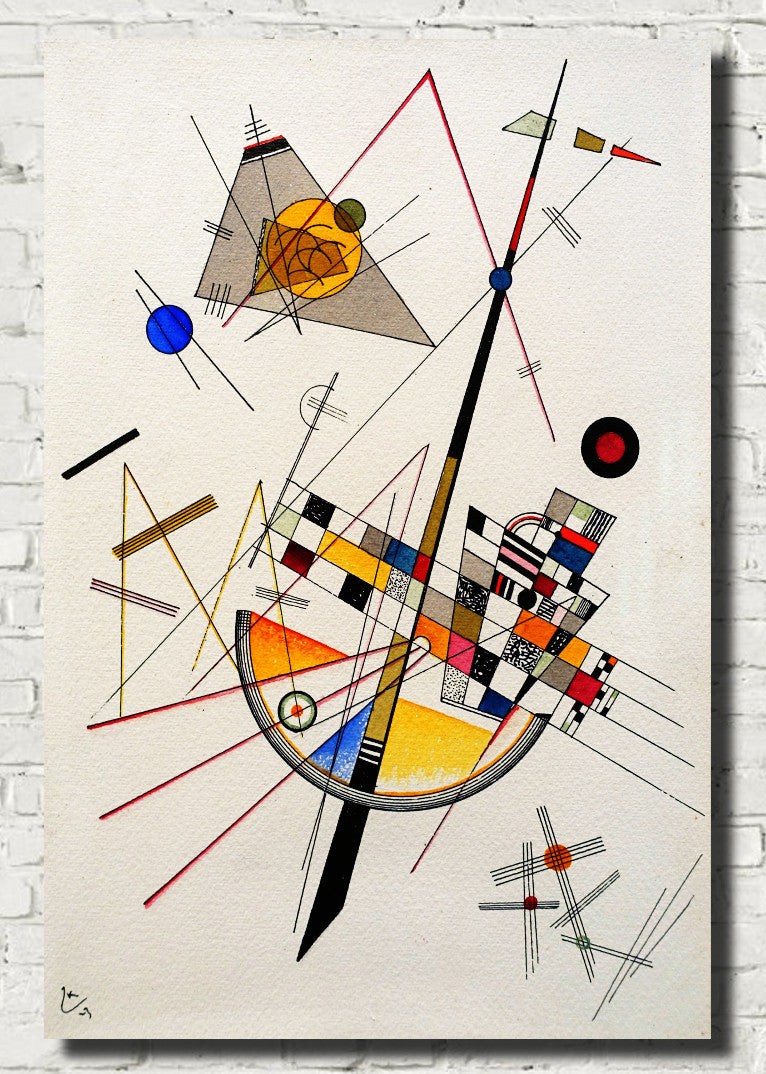
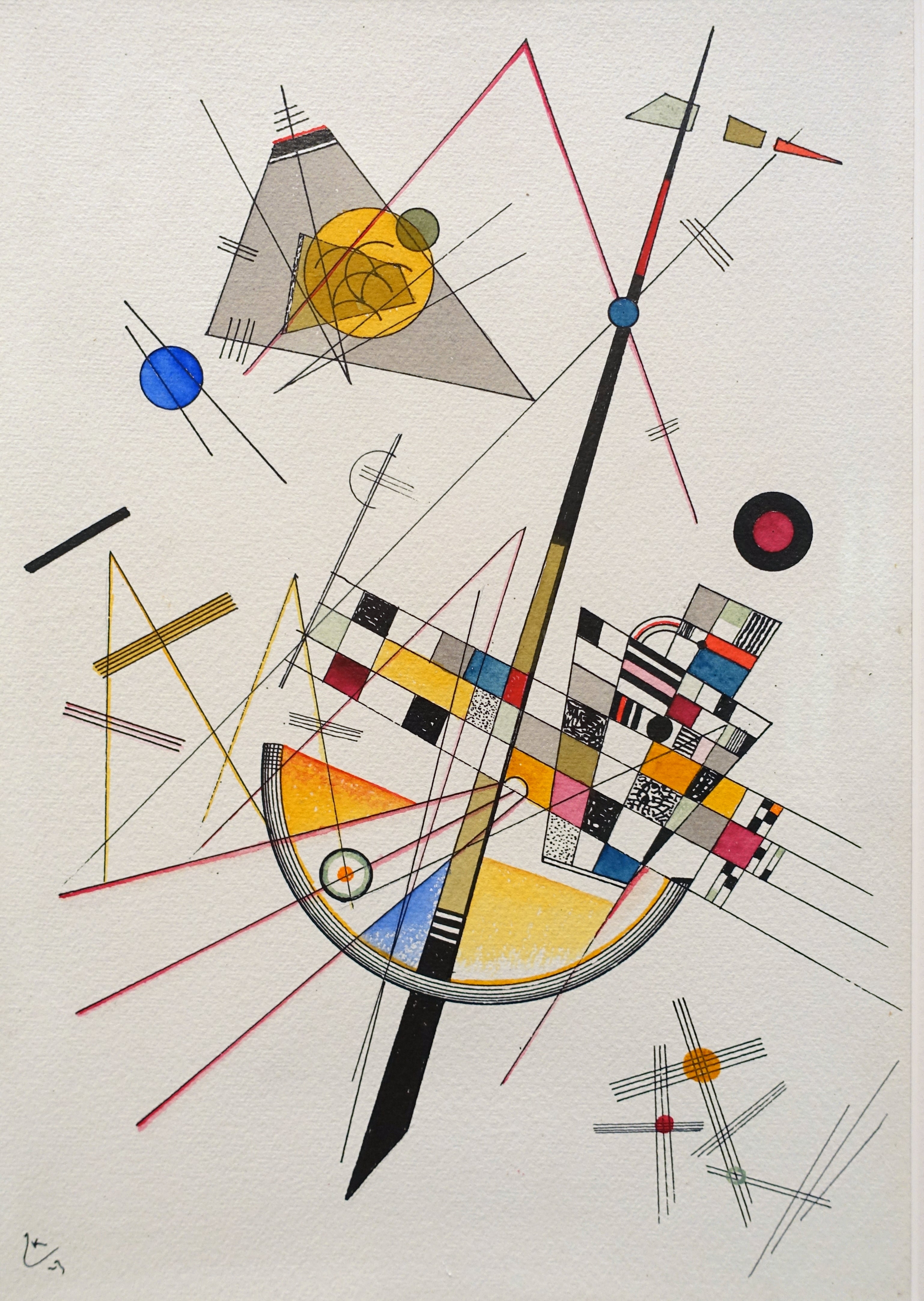
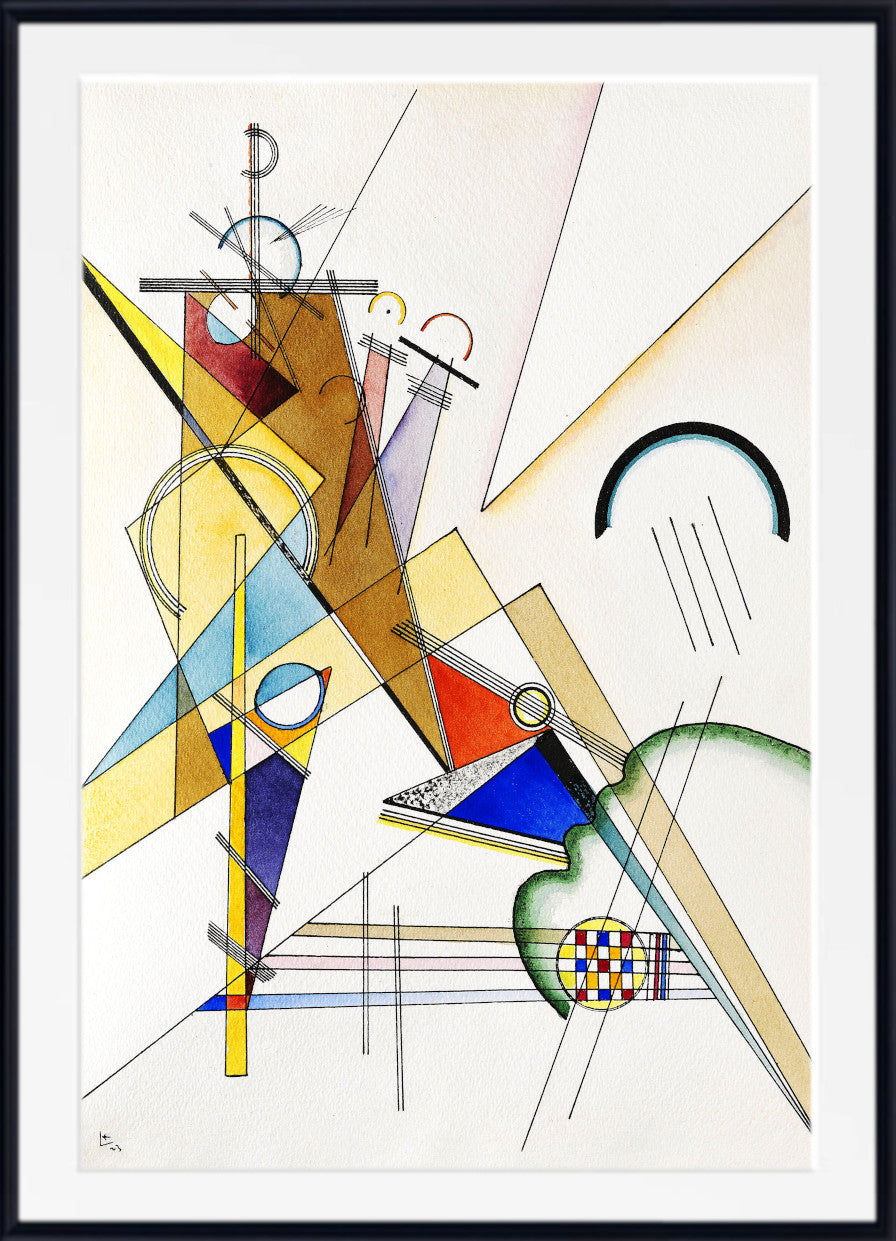
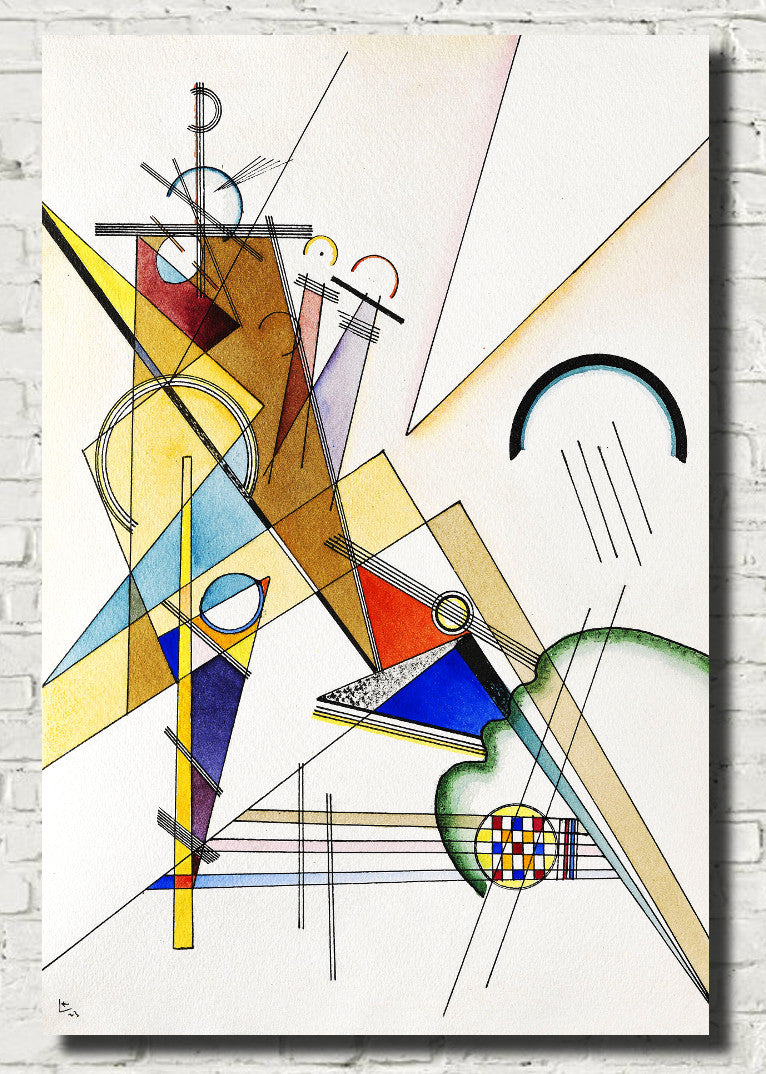
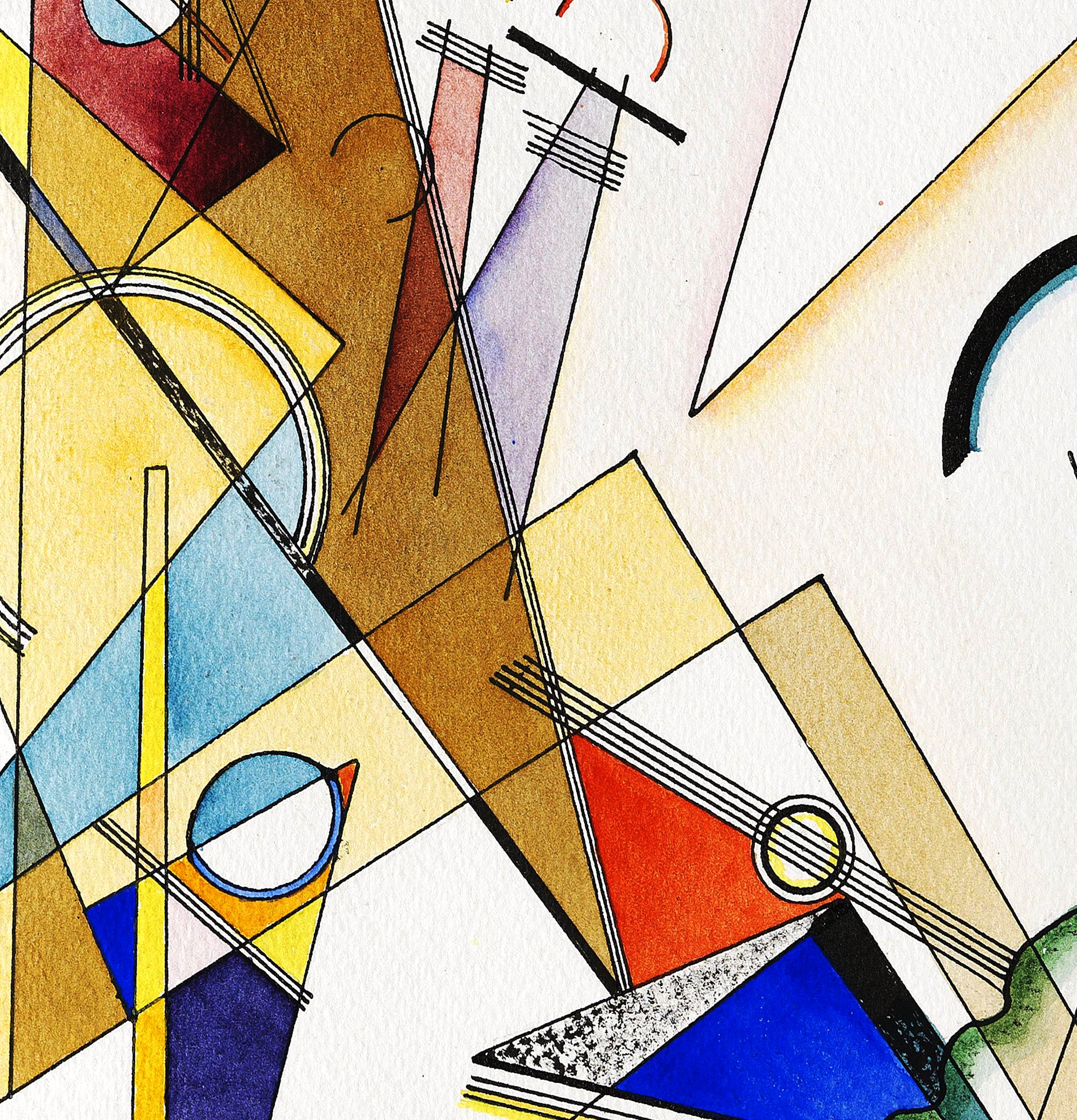
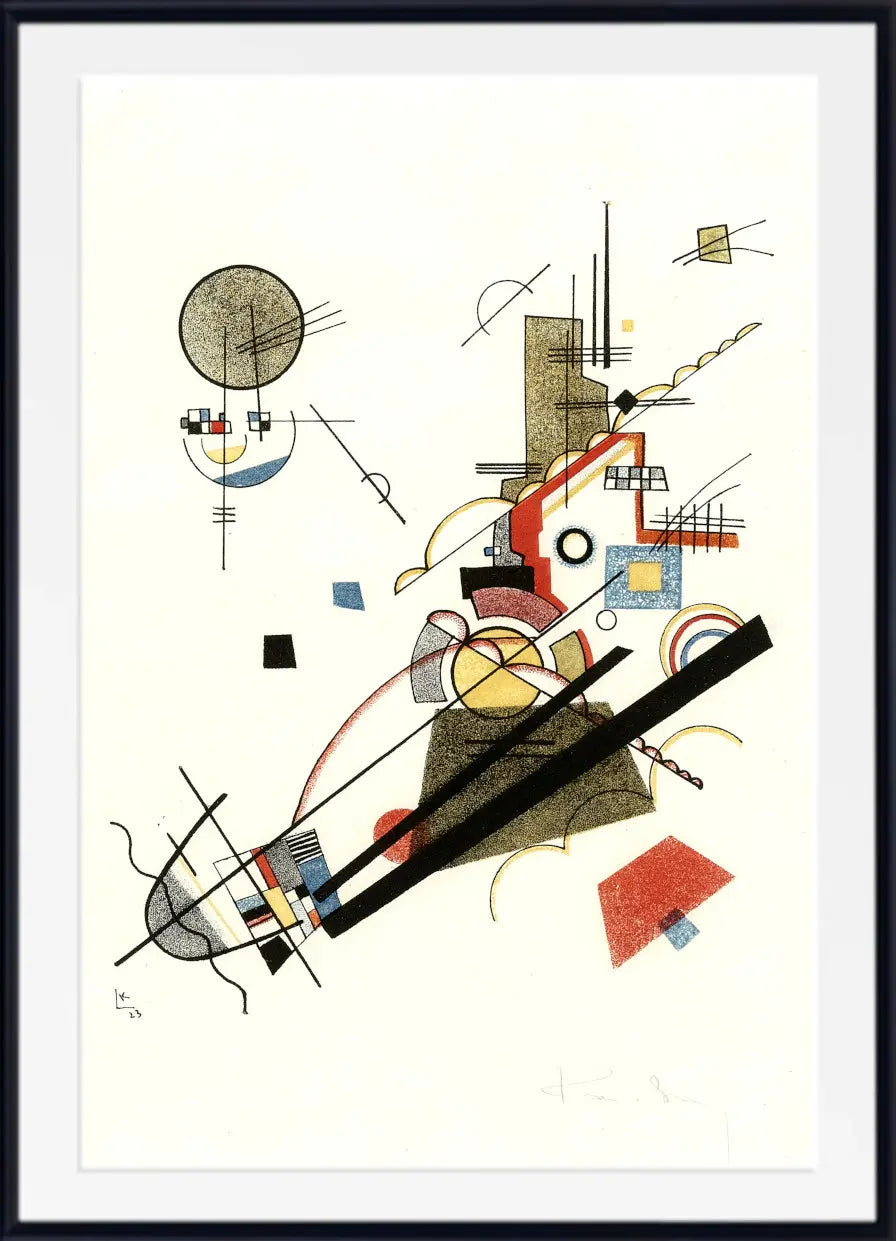
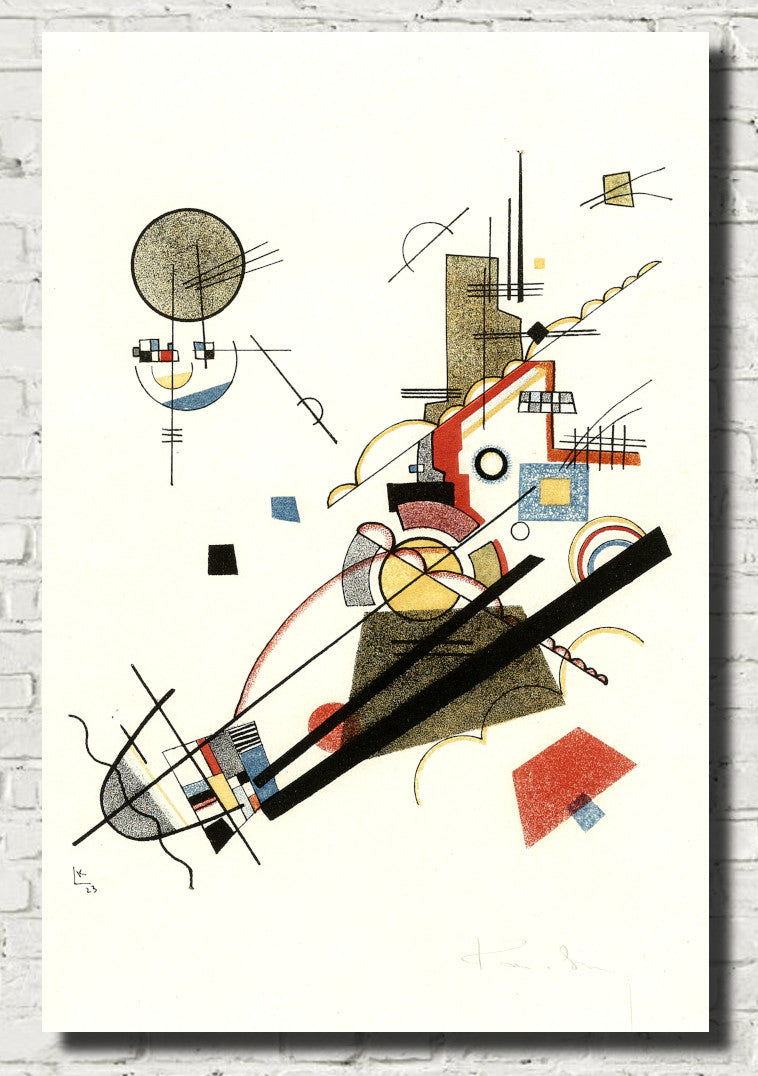
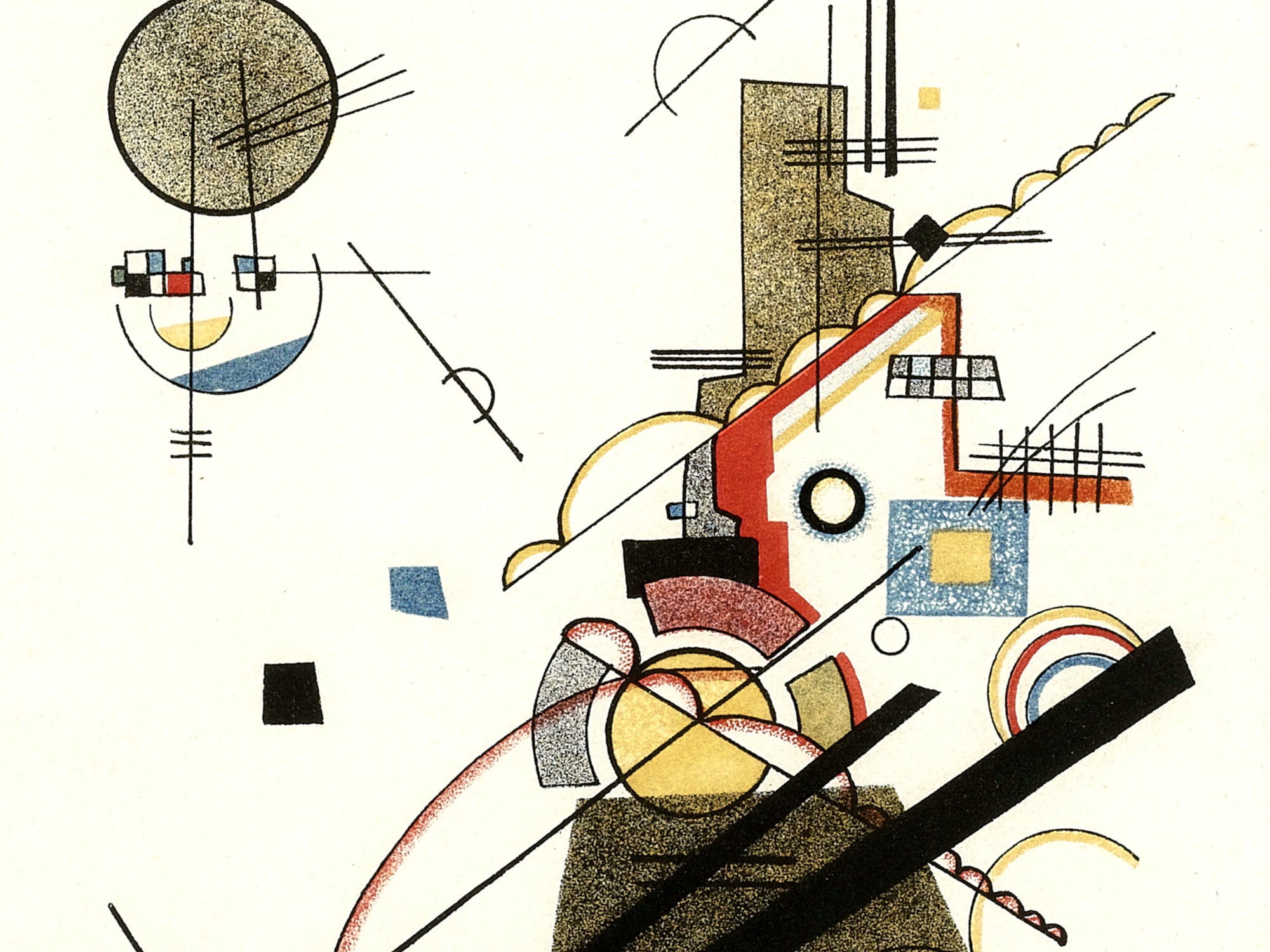
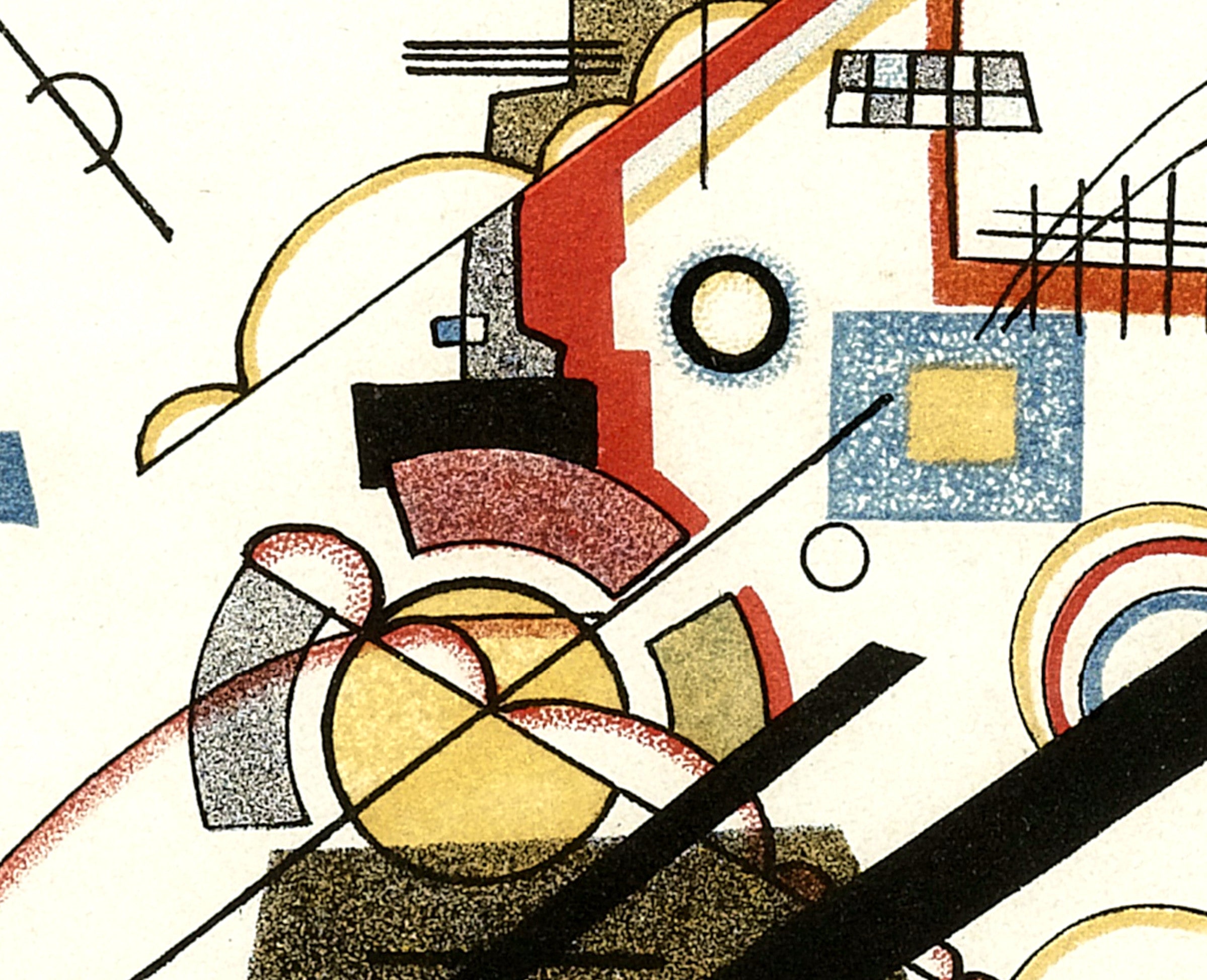
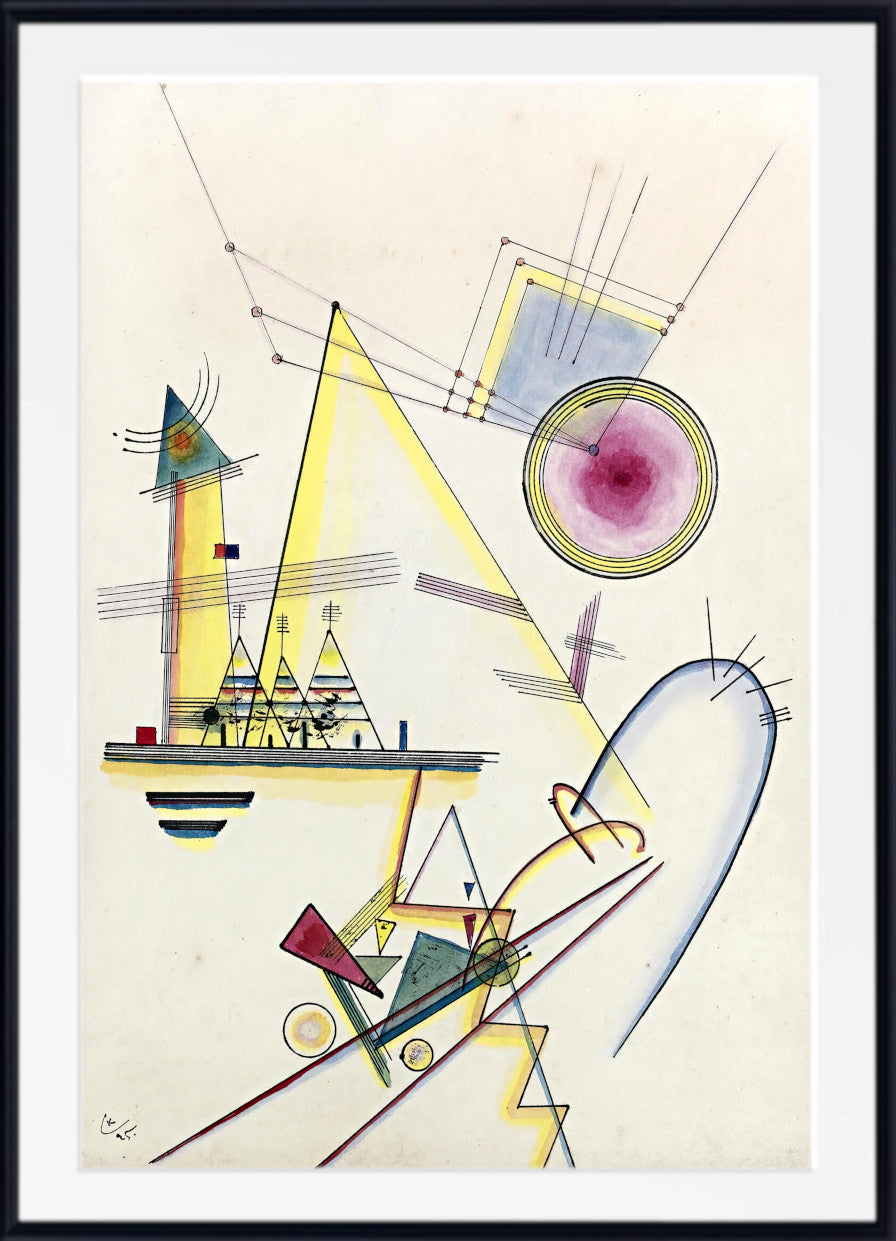
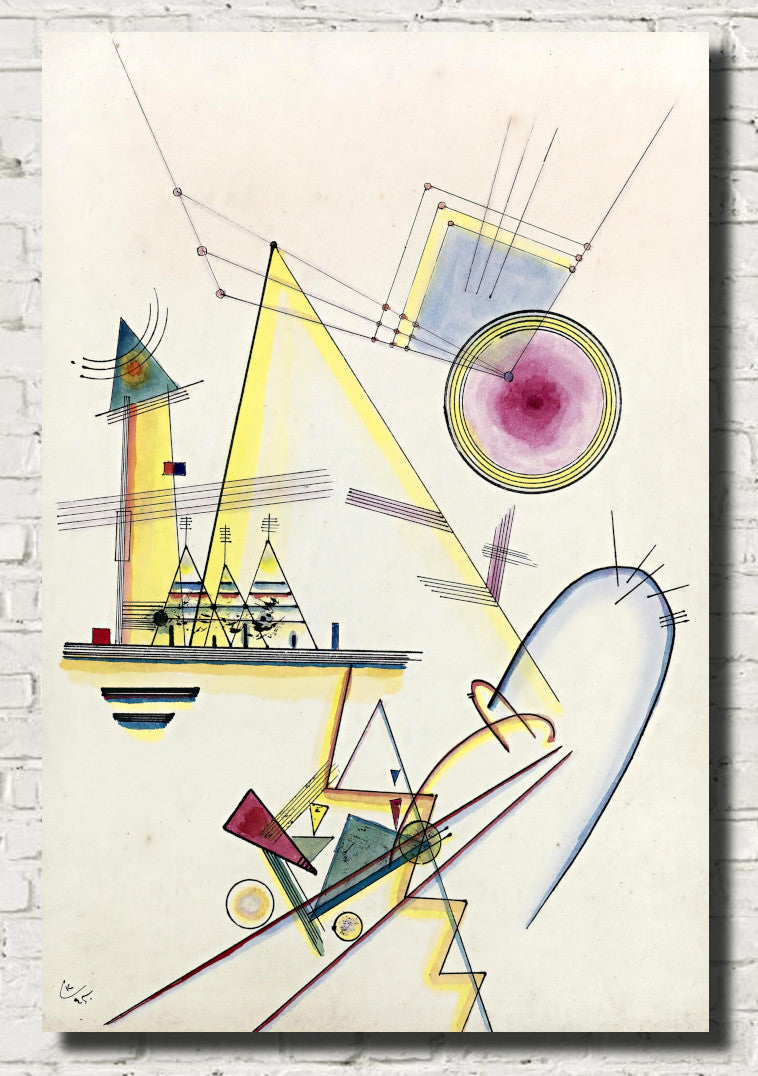
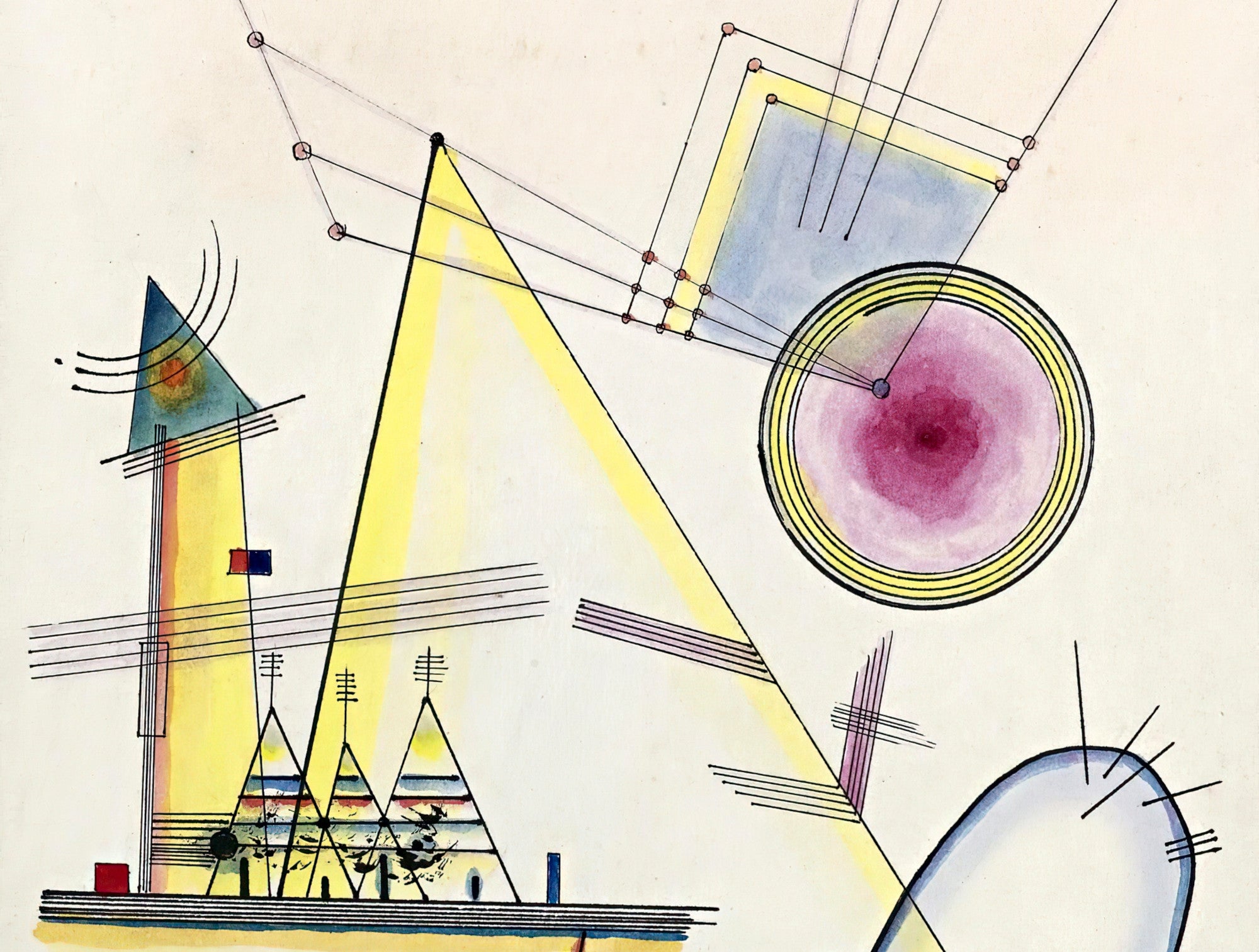
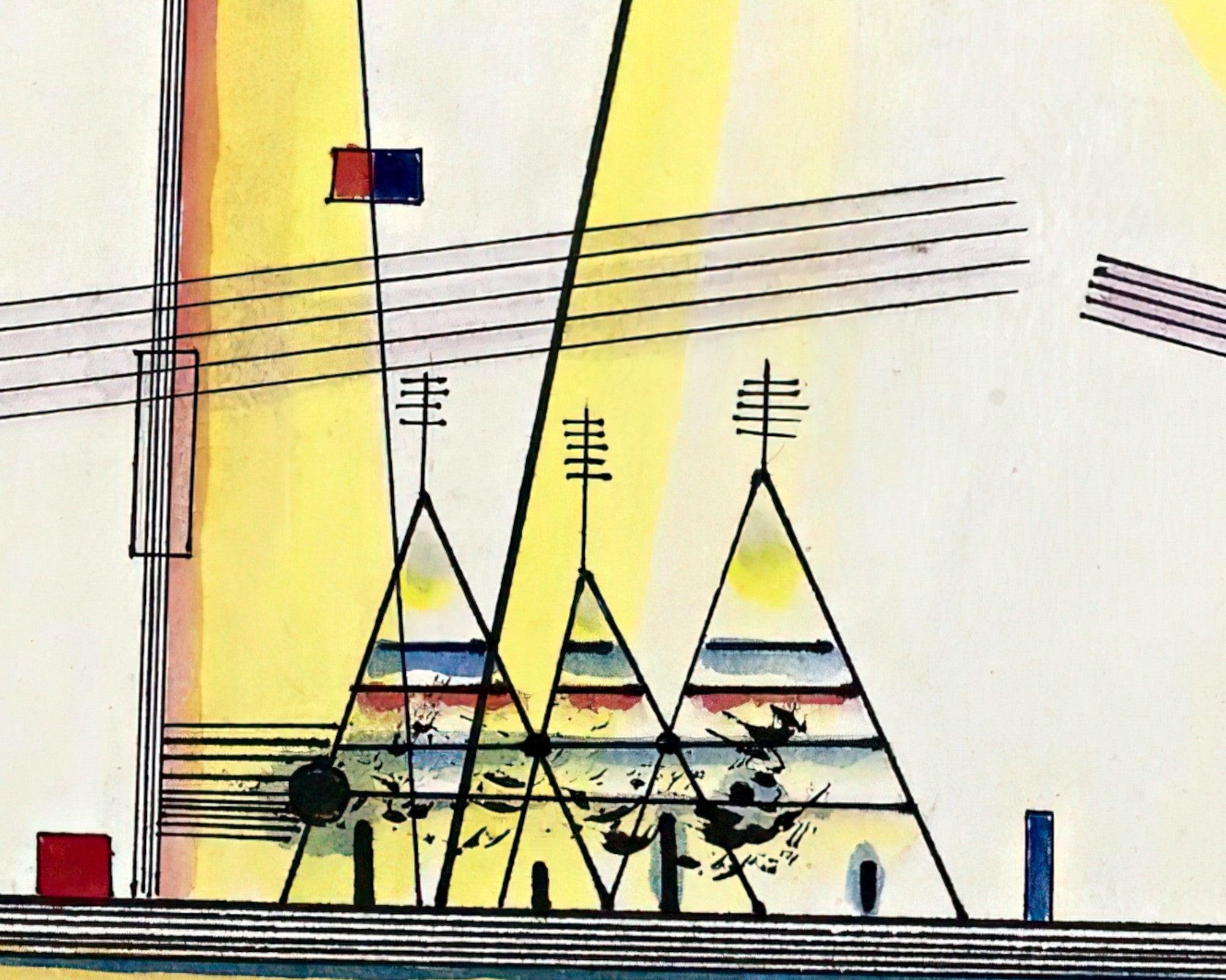
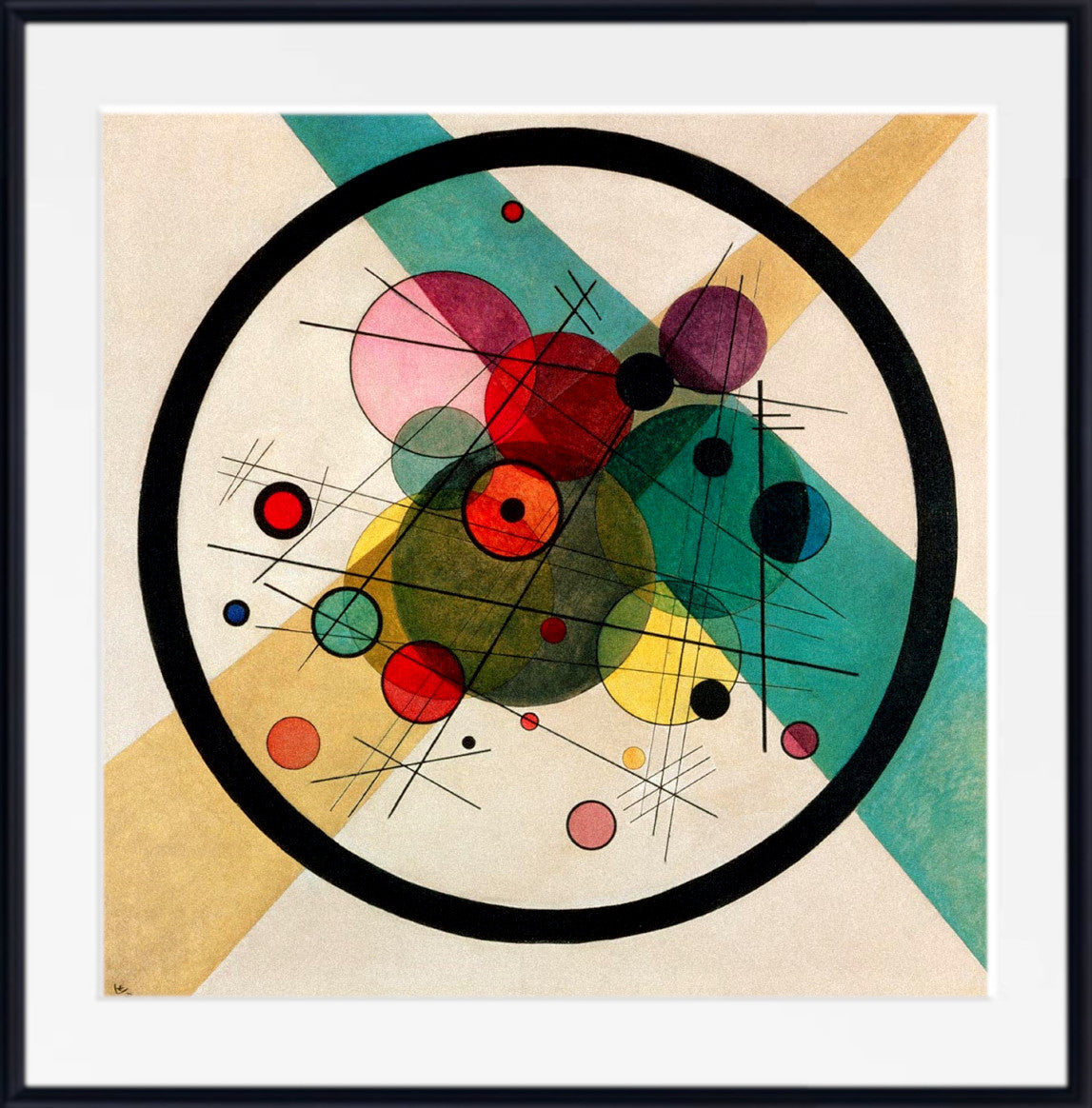
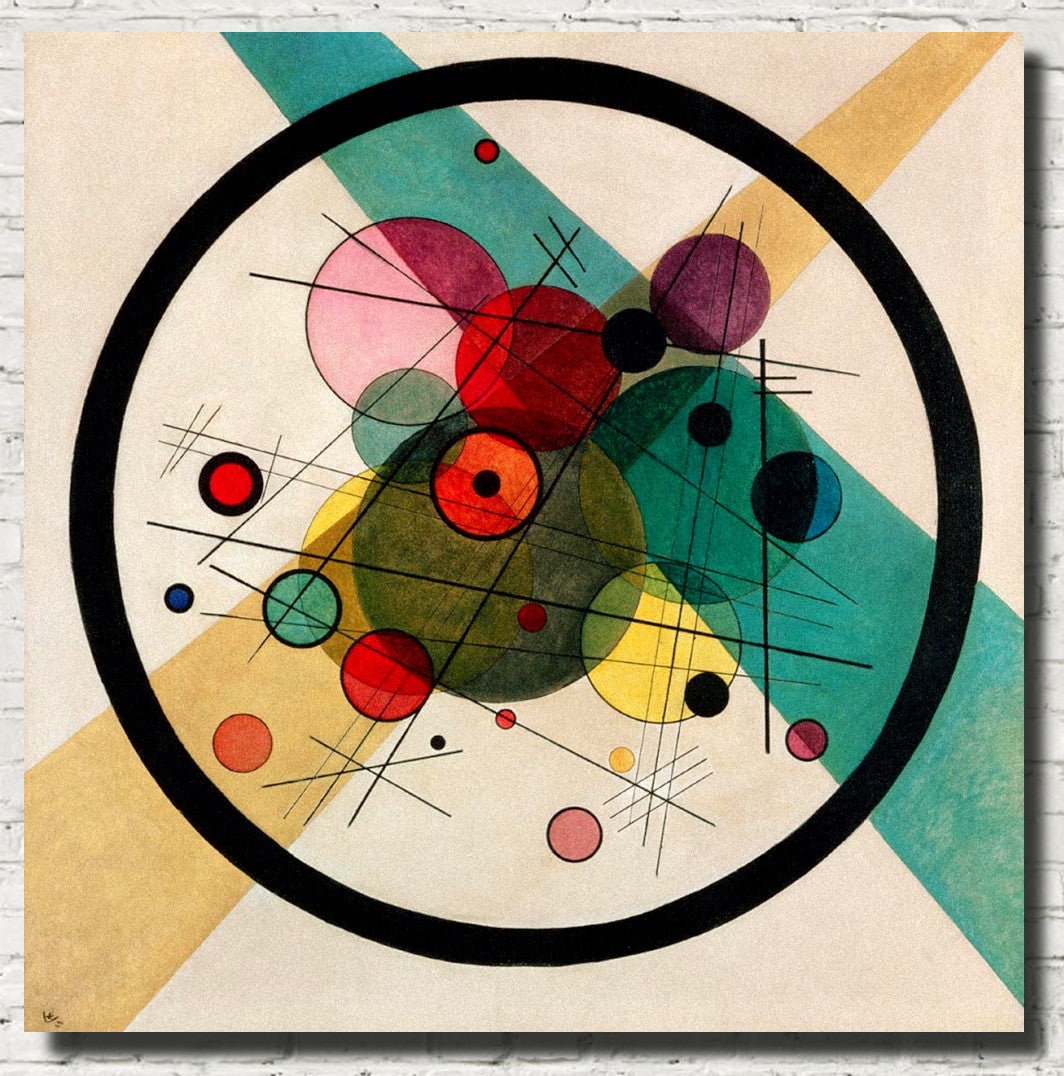
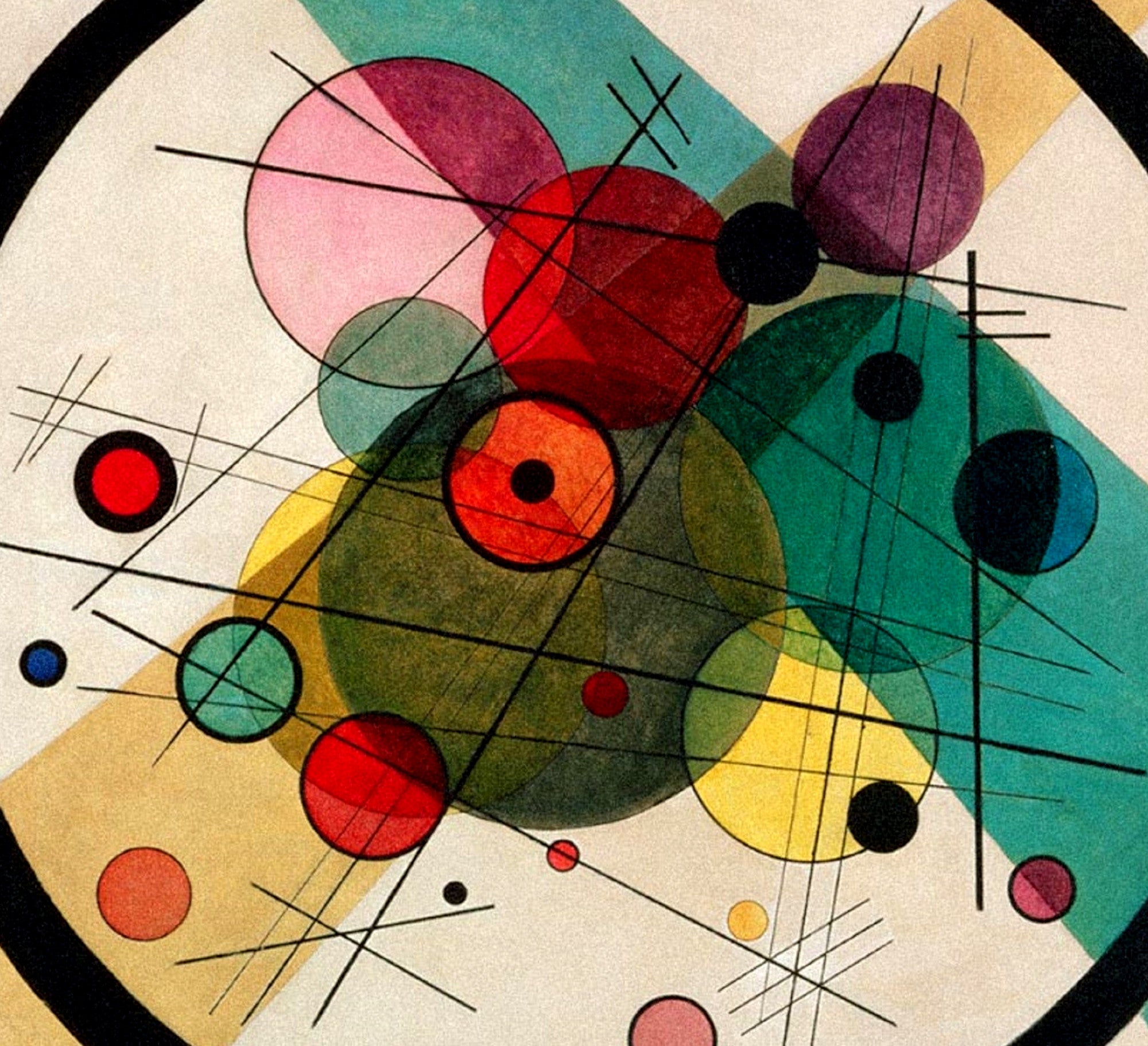
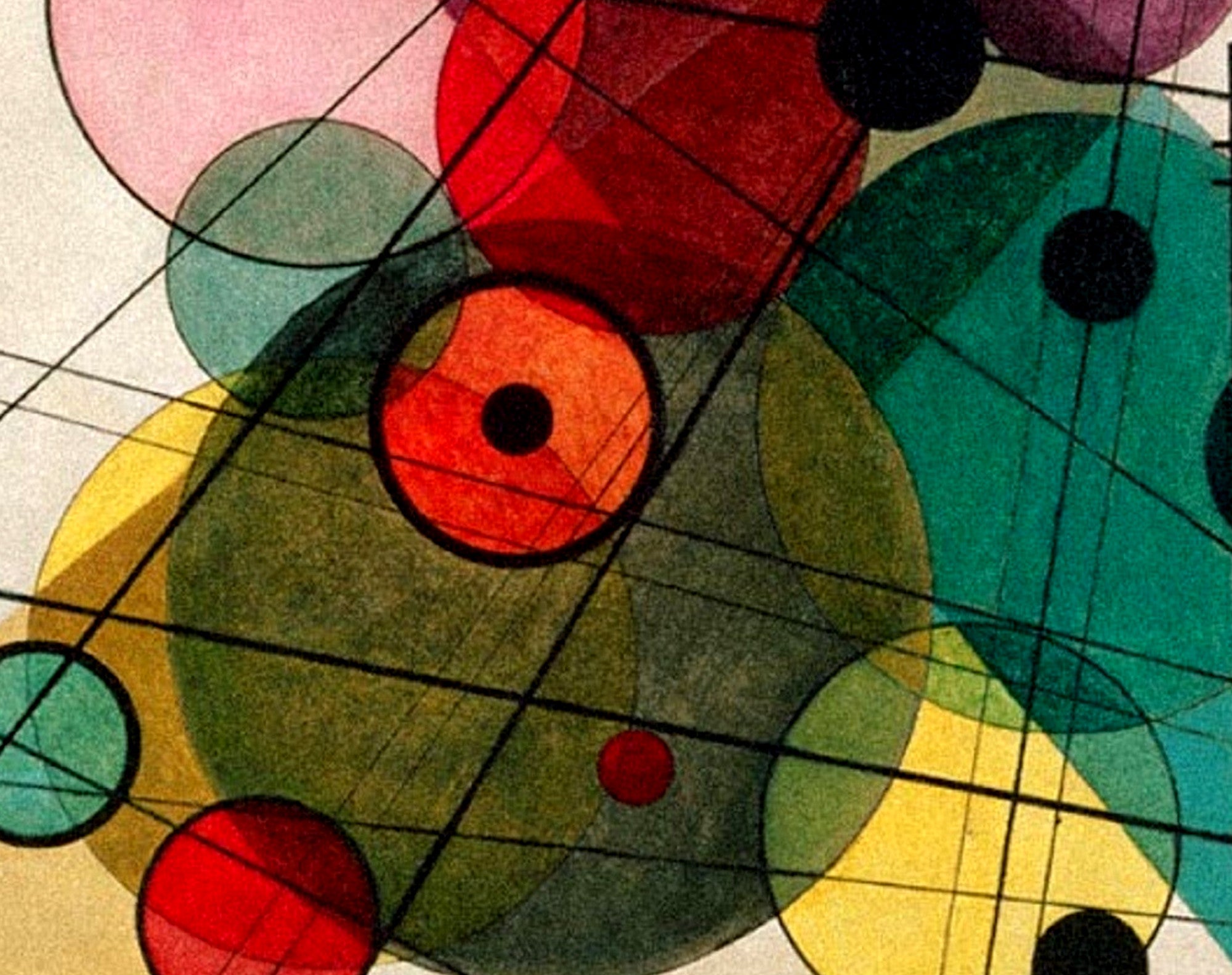
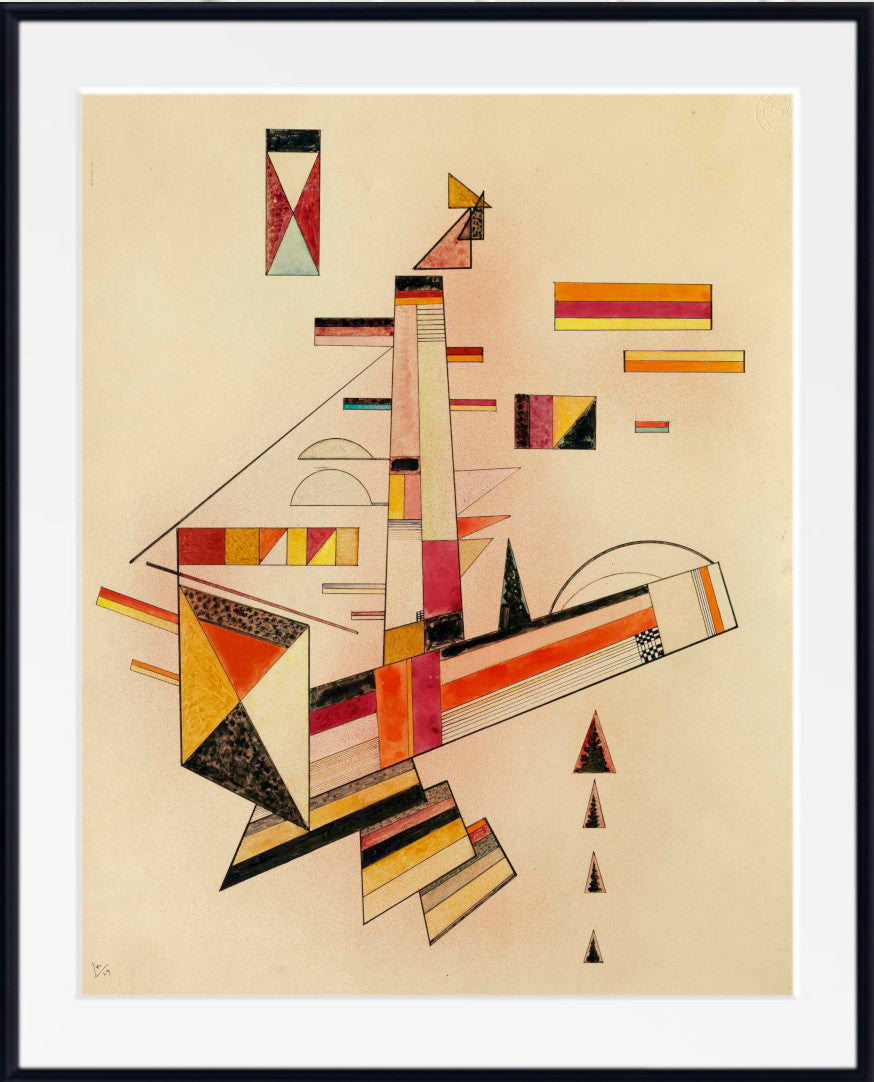
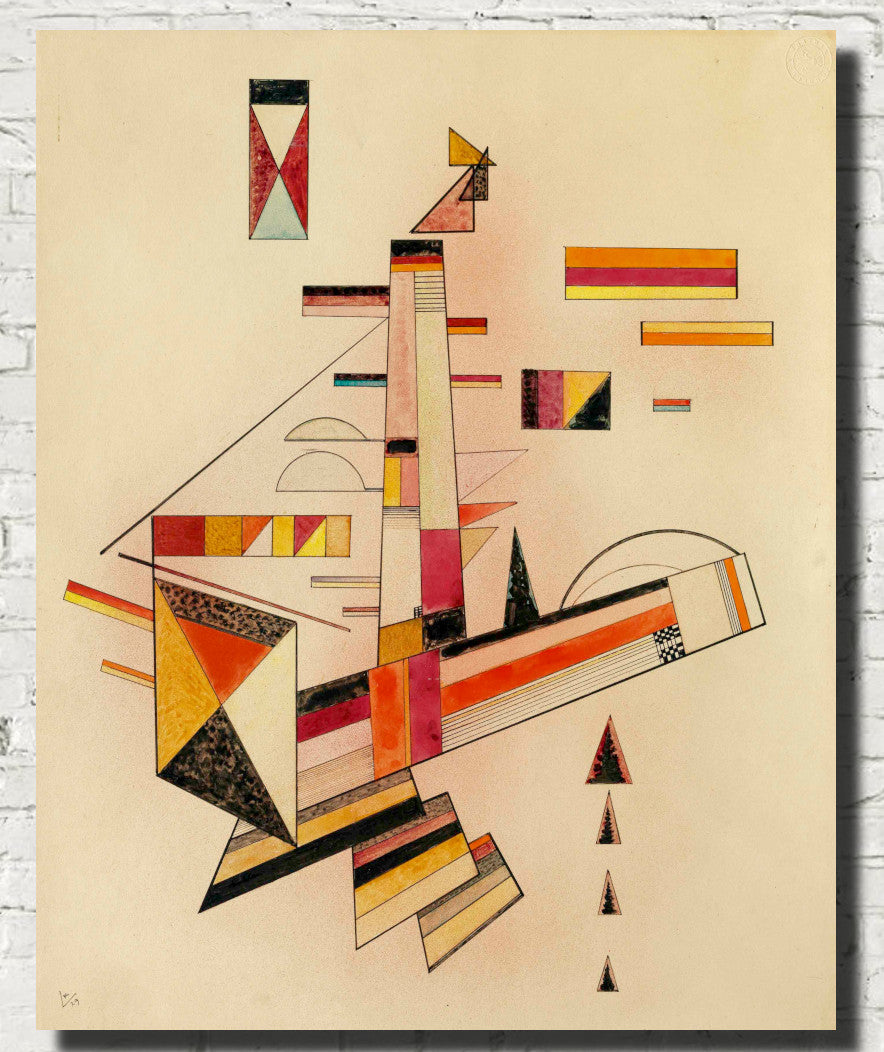
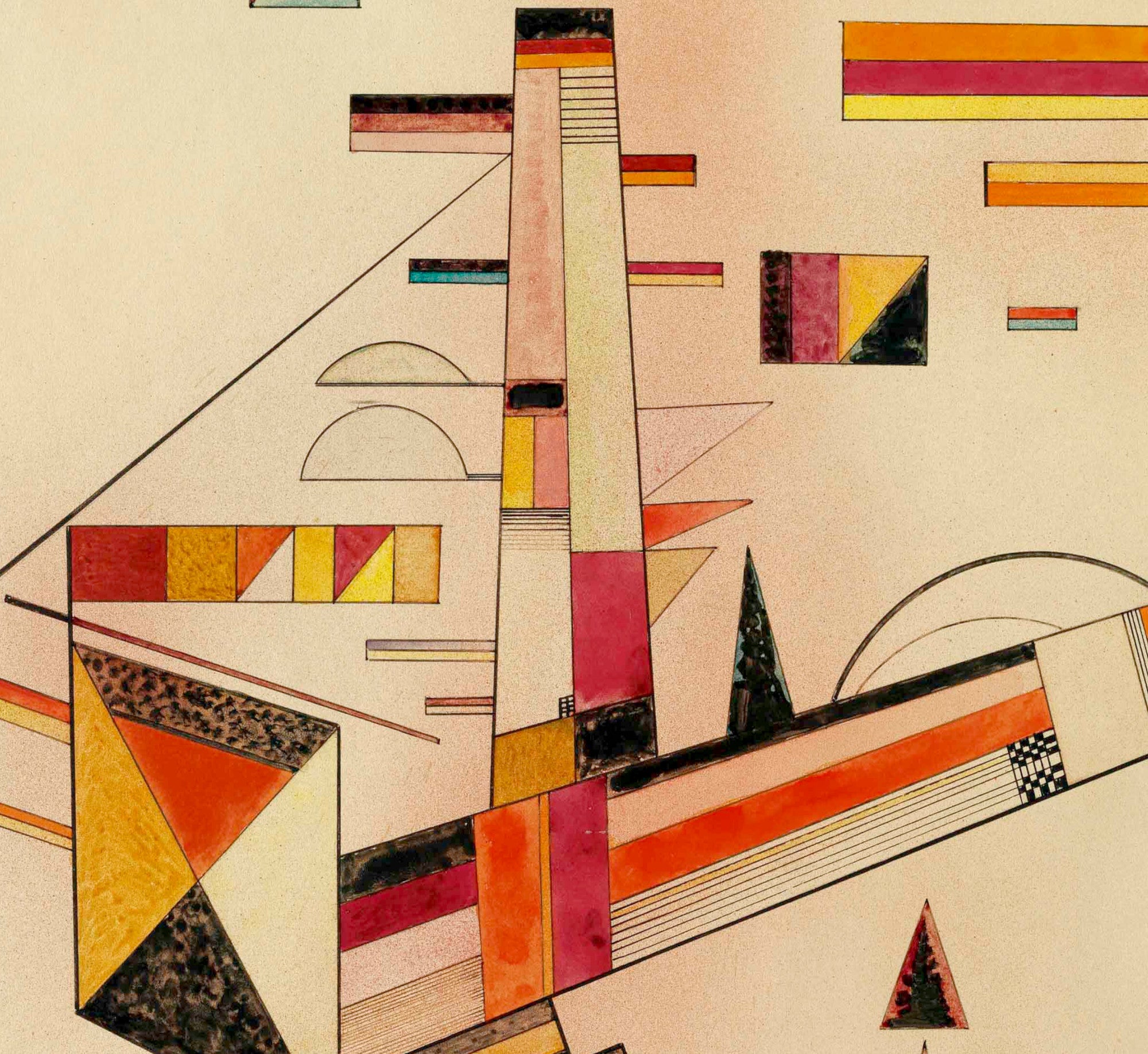
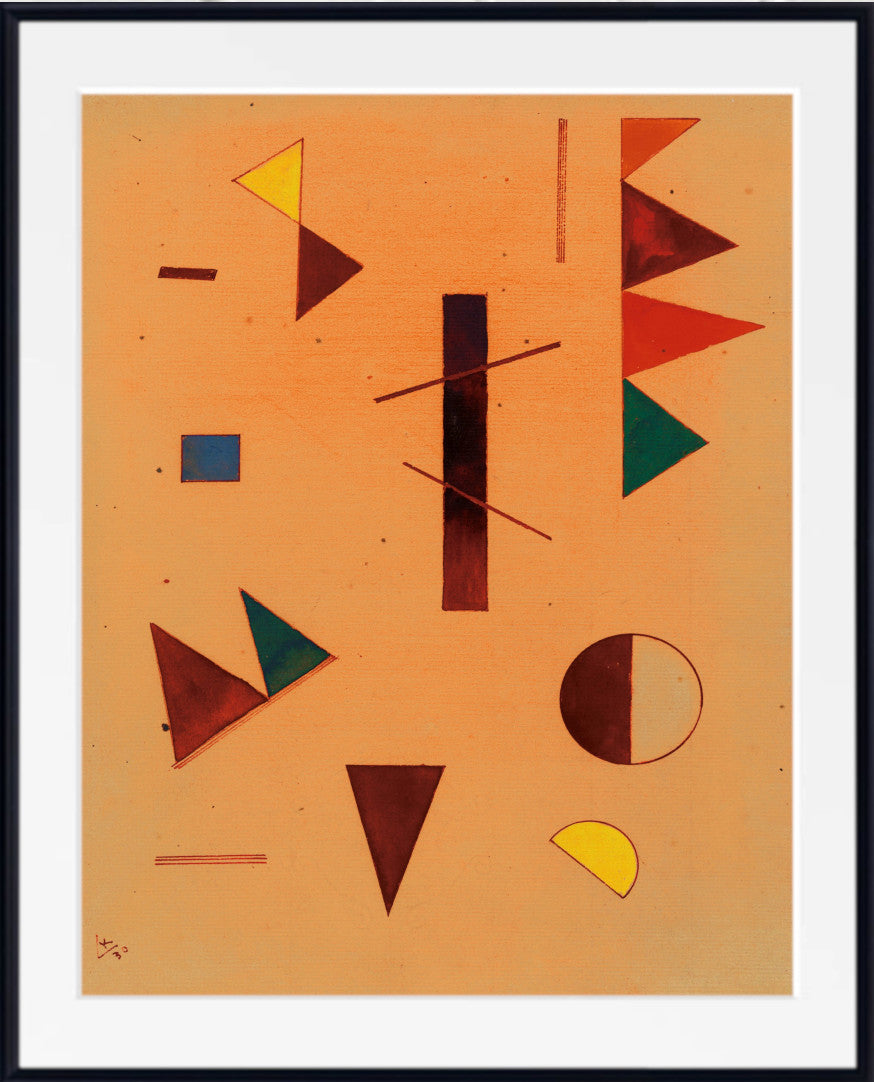
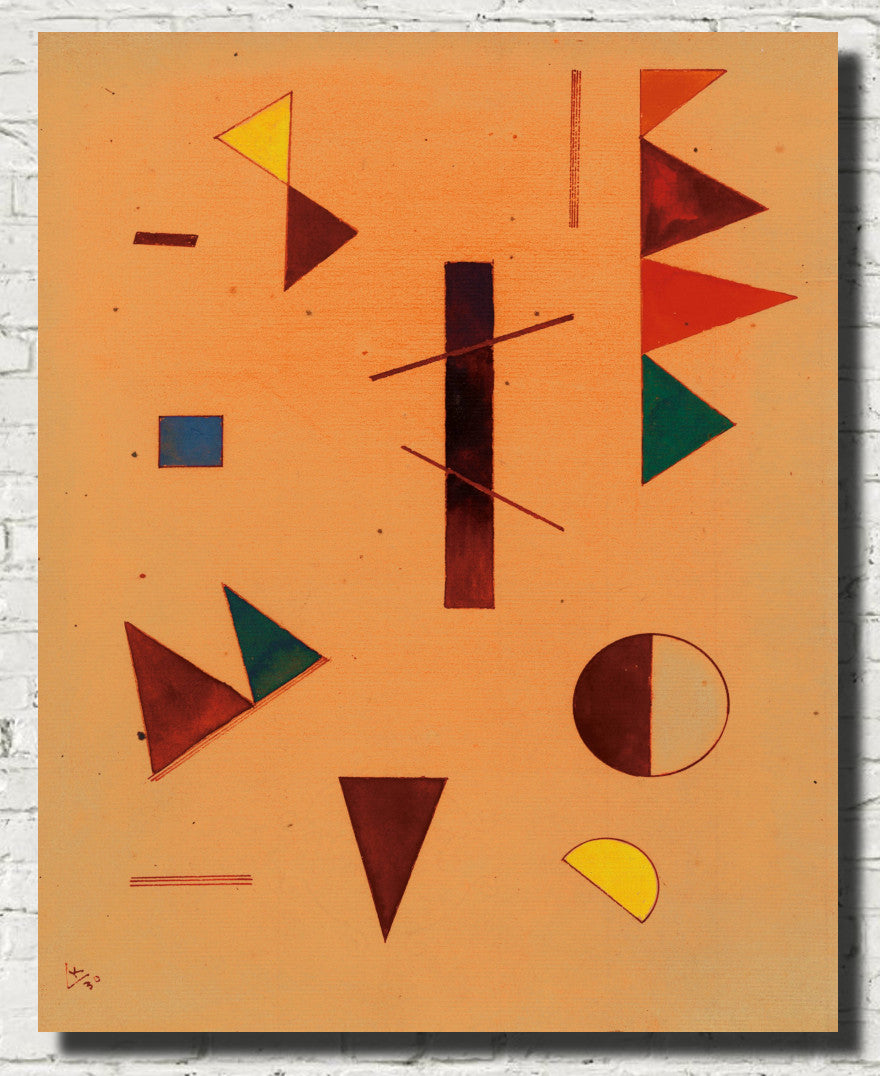
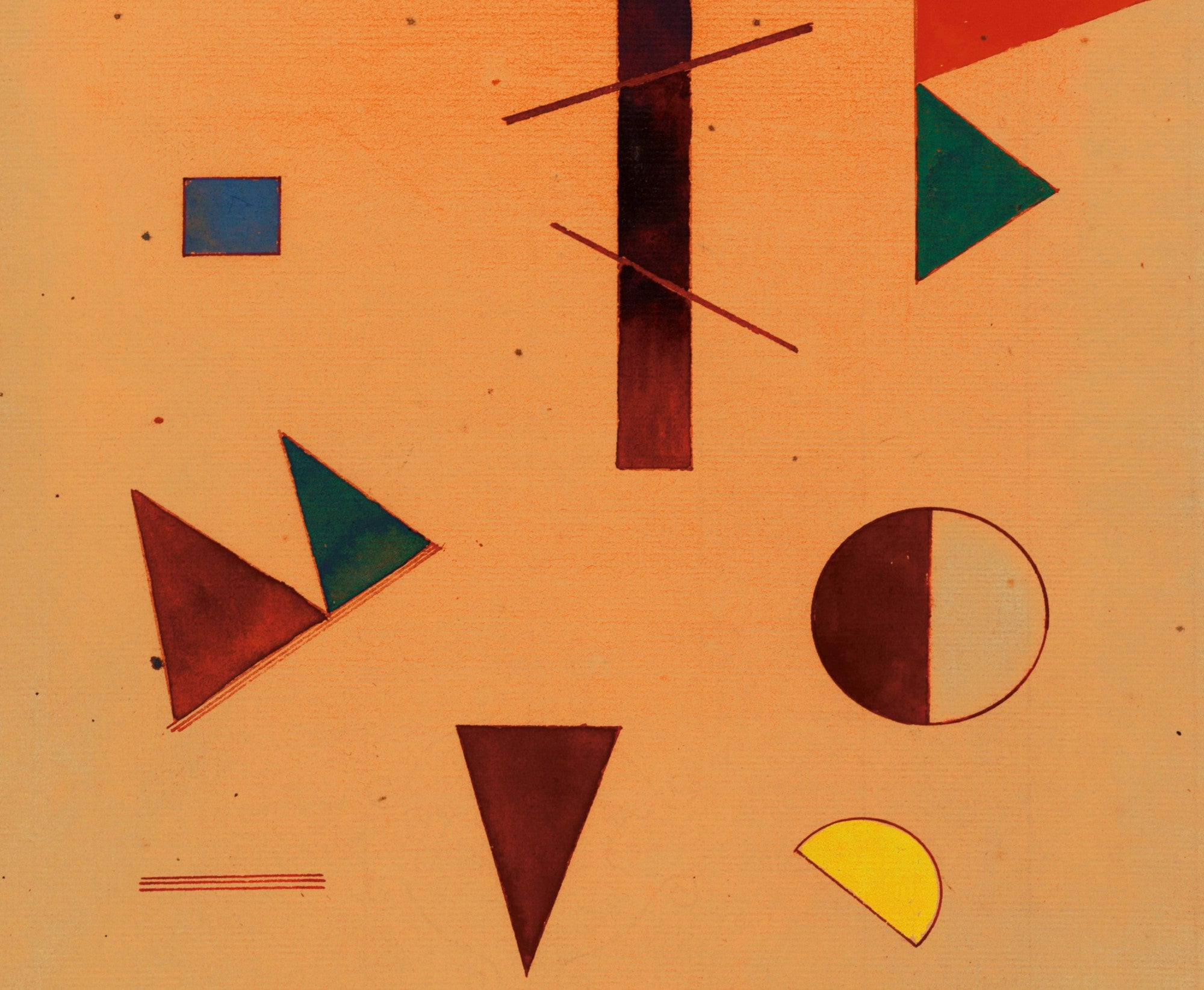
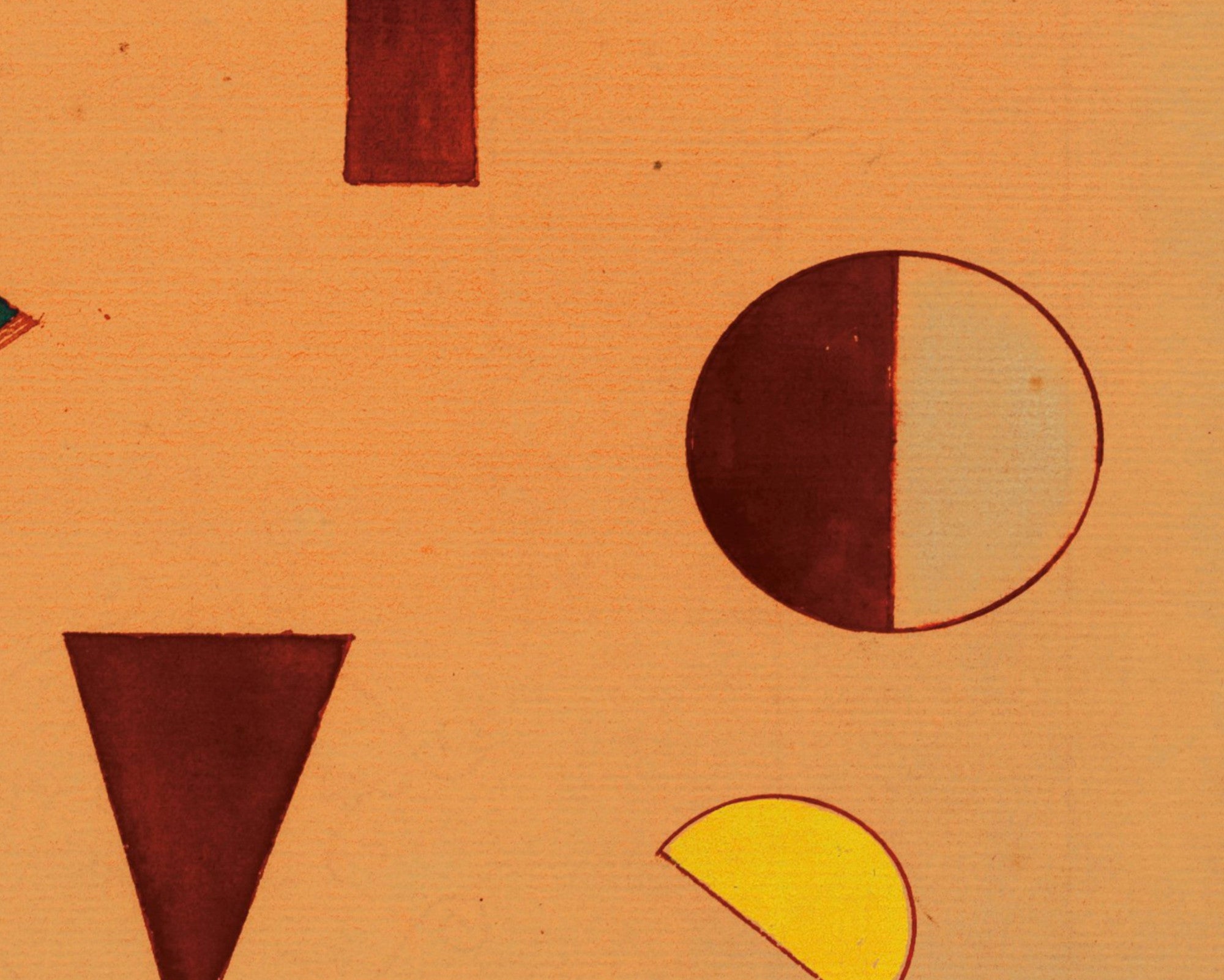
During his Bauhaus years, Kandinsky increasingly explored relationships between geometric shapes, lines and colour. Circles, triangles, grids and carefully positioned forms became important components of his compositions.
Kandinsky's Bauhaus-period prints combine geometric structure with movement and expressive colour. Rather than appearing rigid, his circles, lines and floating forms often create a strong sense of visual rhythm.
These works make particularly effective statement pieces in living rooms, offices, hallways and creative workspaces and are a natural choice for anyone looking for colourful Bauhaus wall art or geometric modernist prints.
Paul Klee and Bauhaus Colour Theory
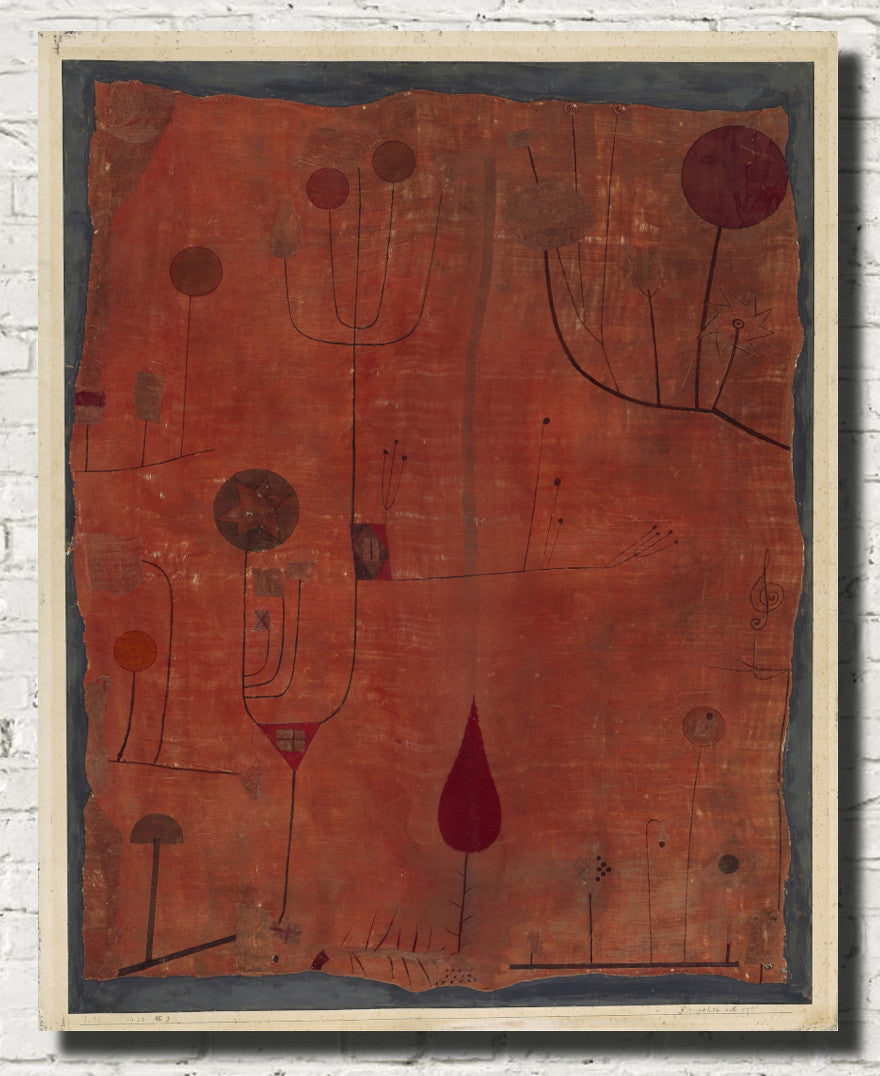
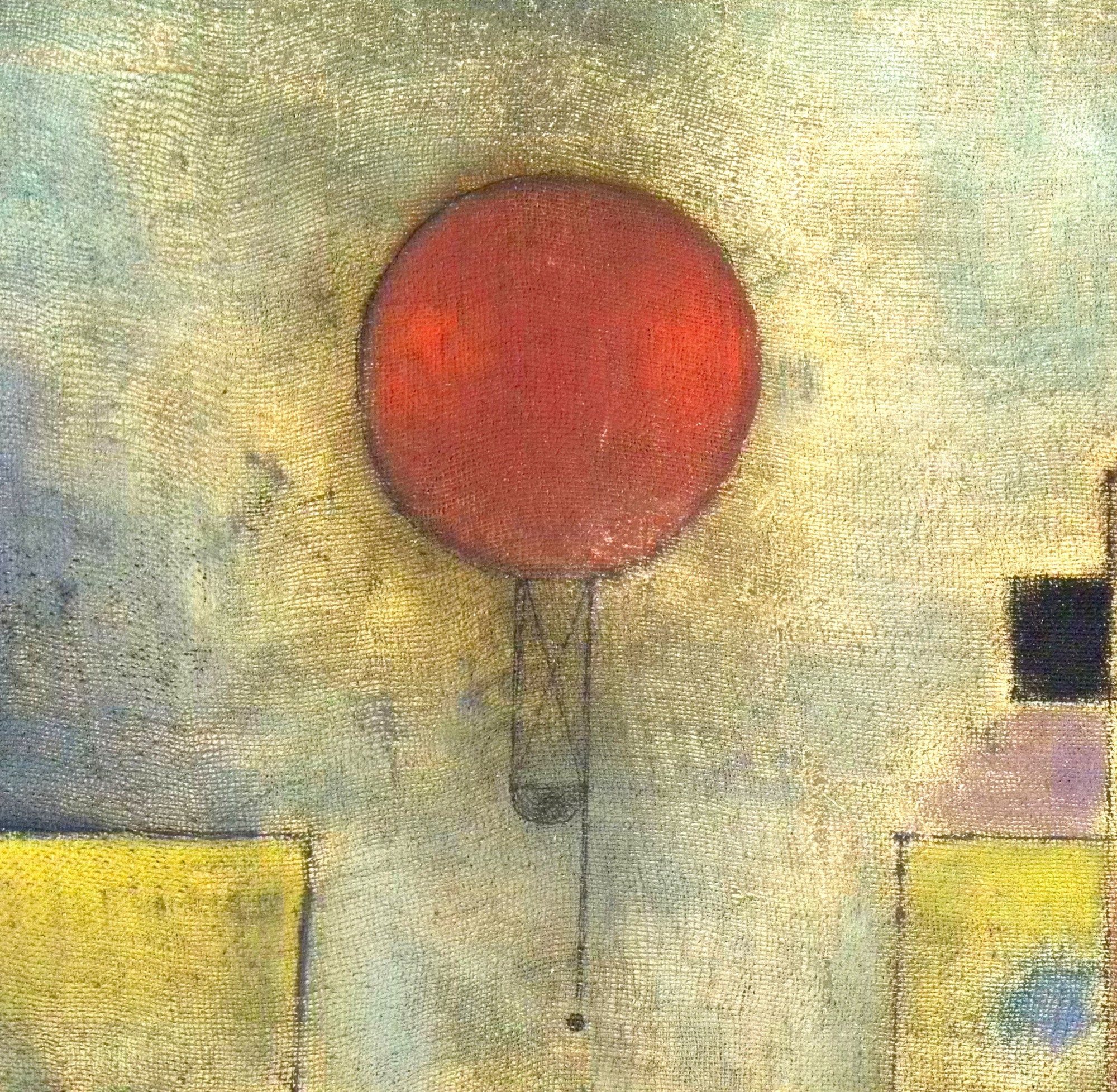
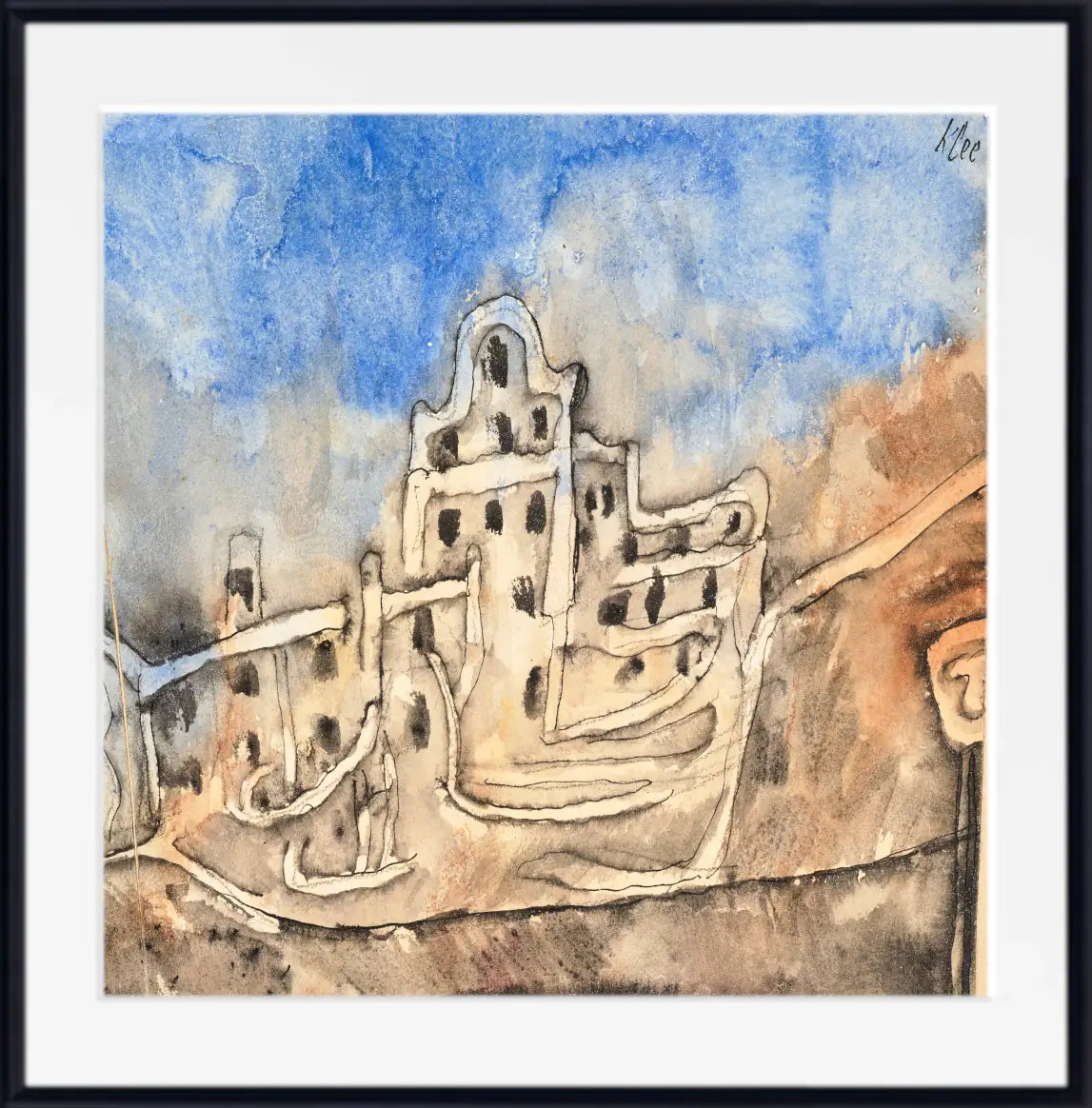
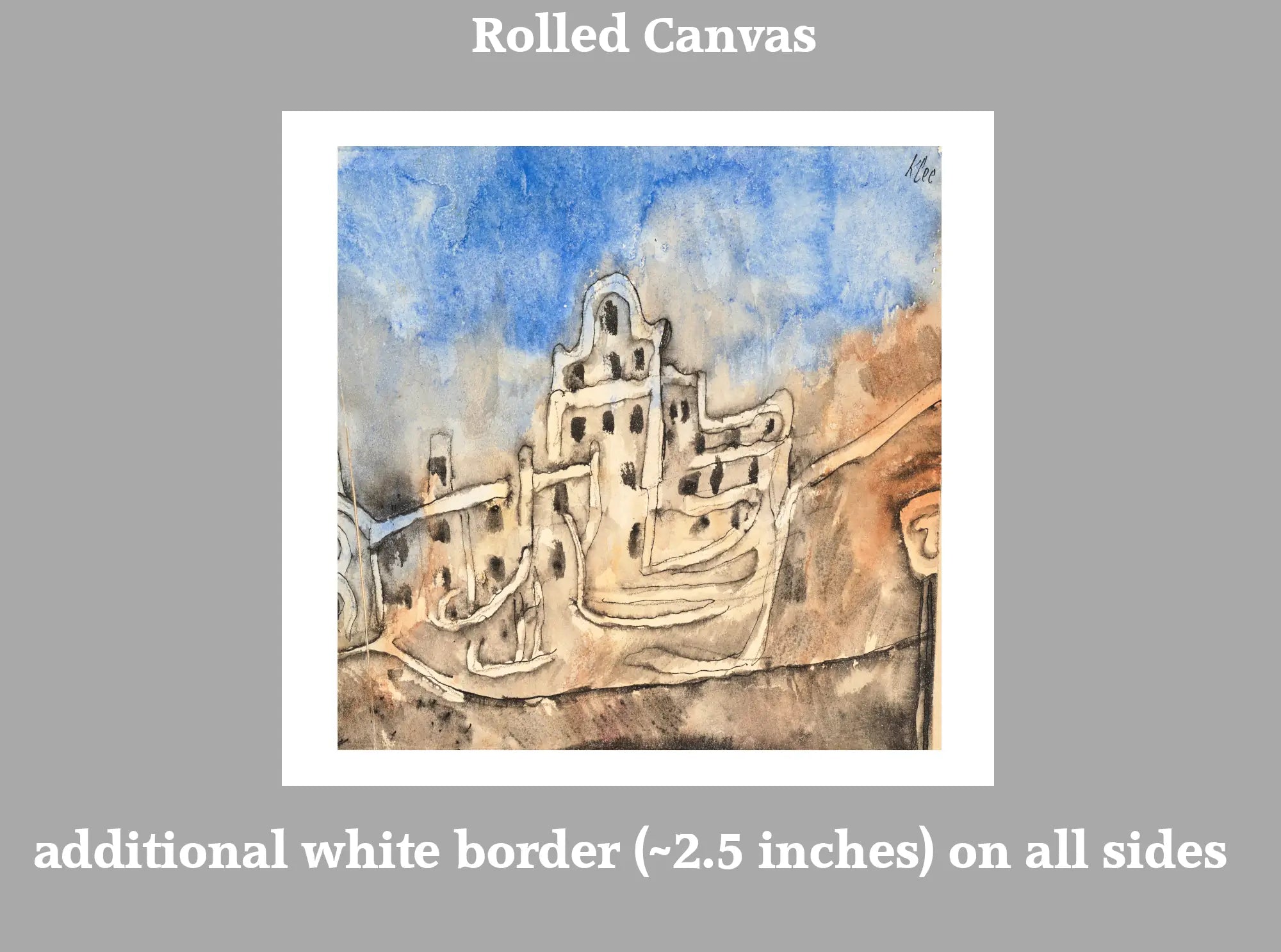
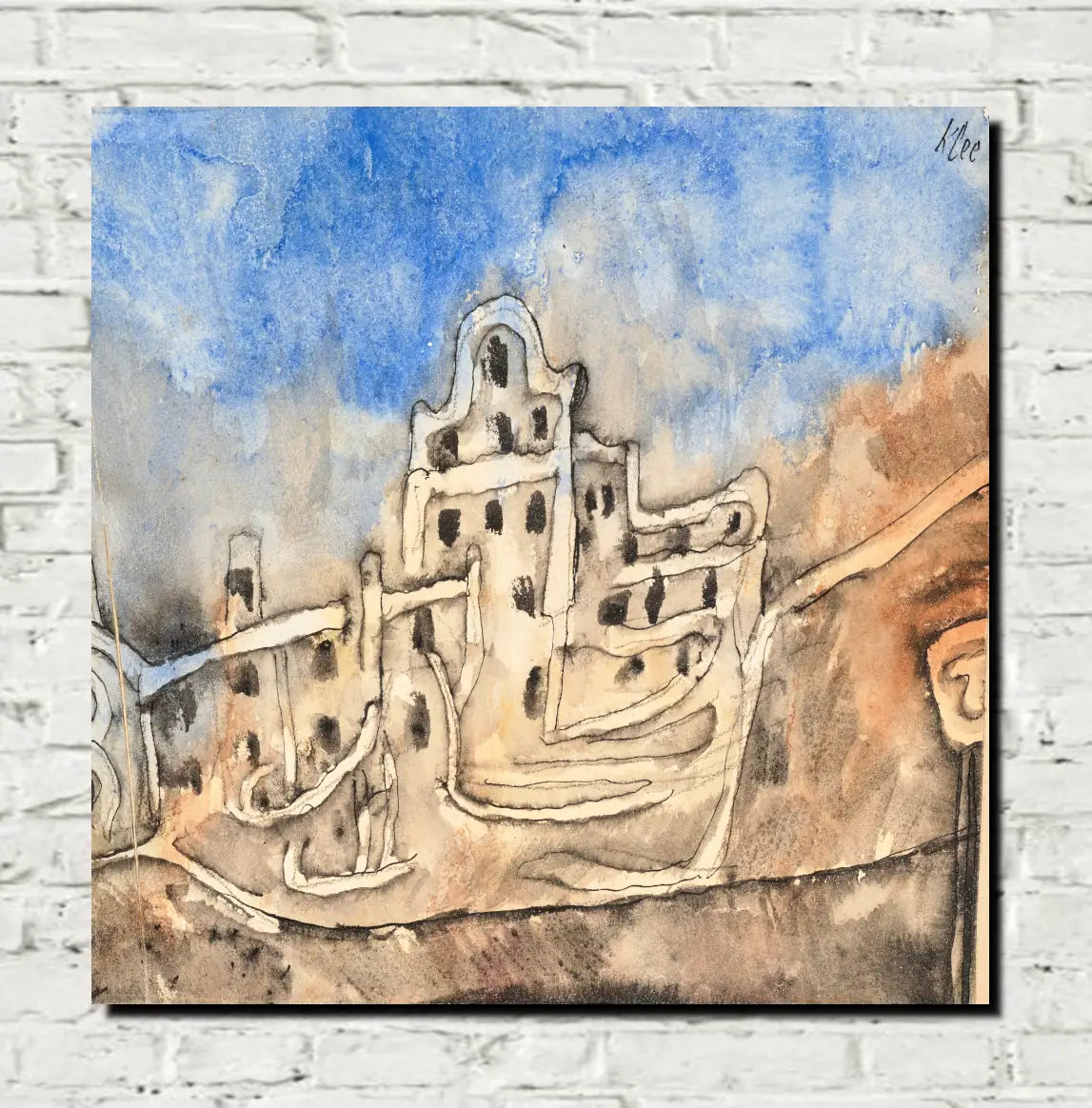
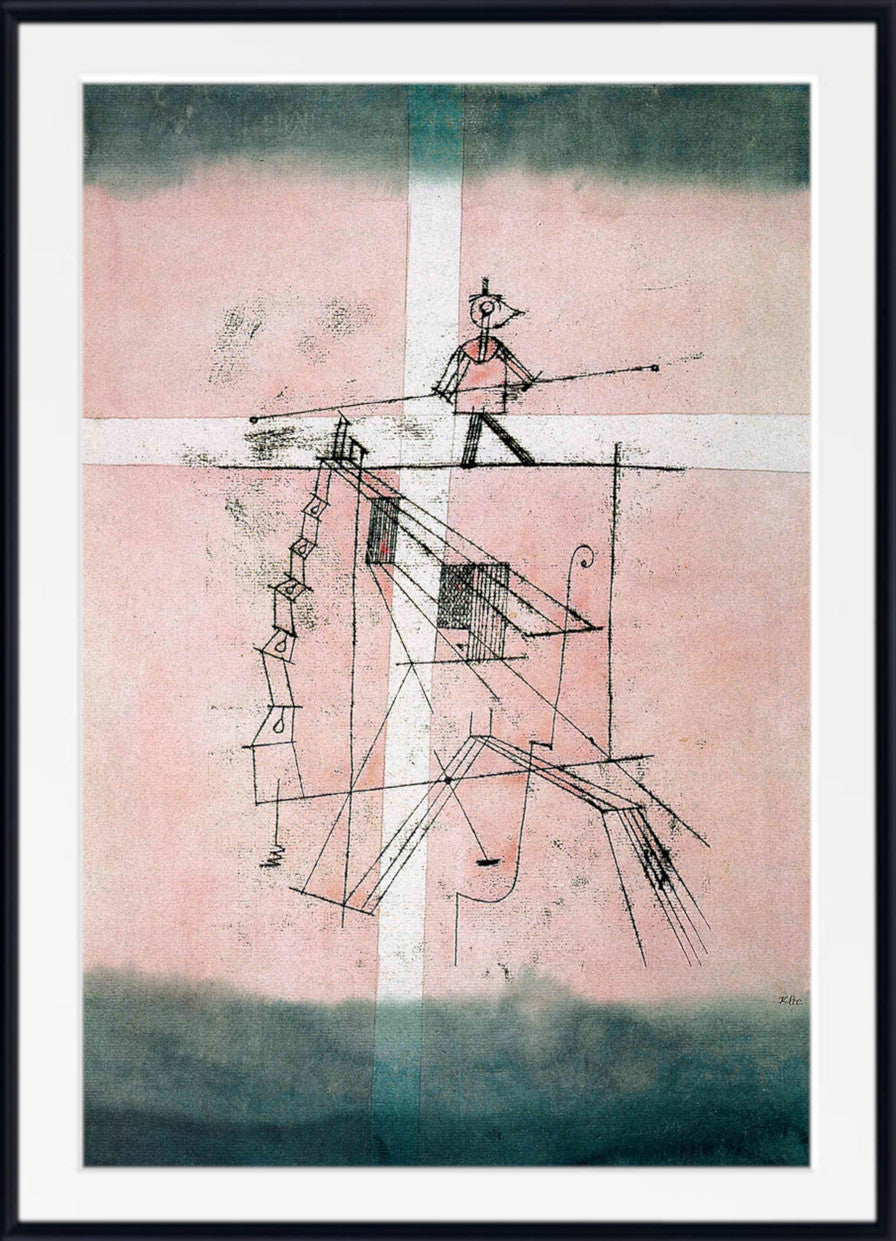
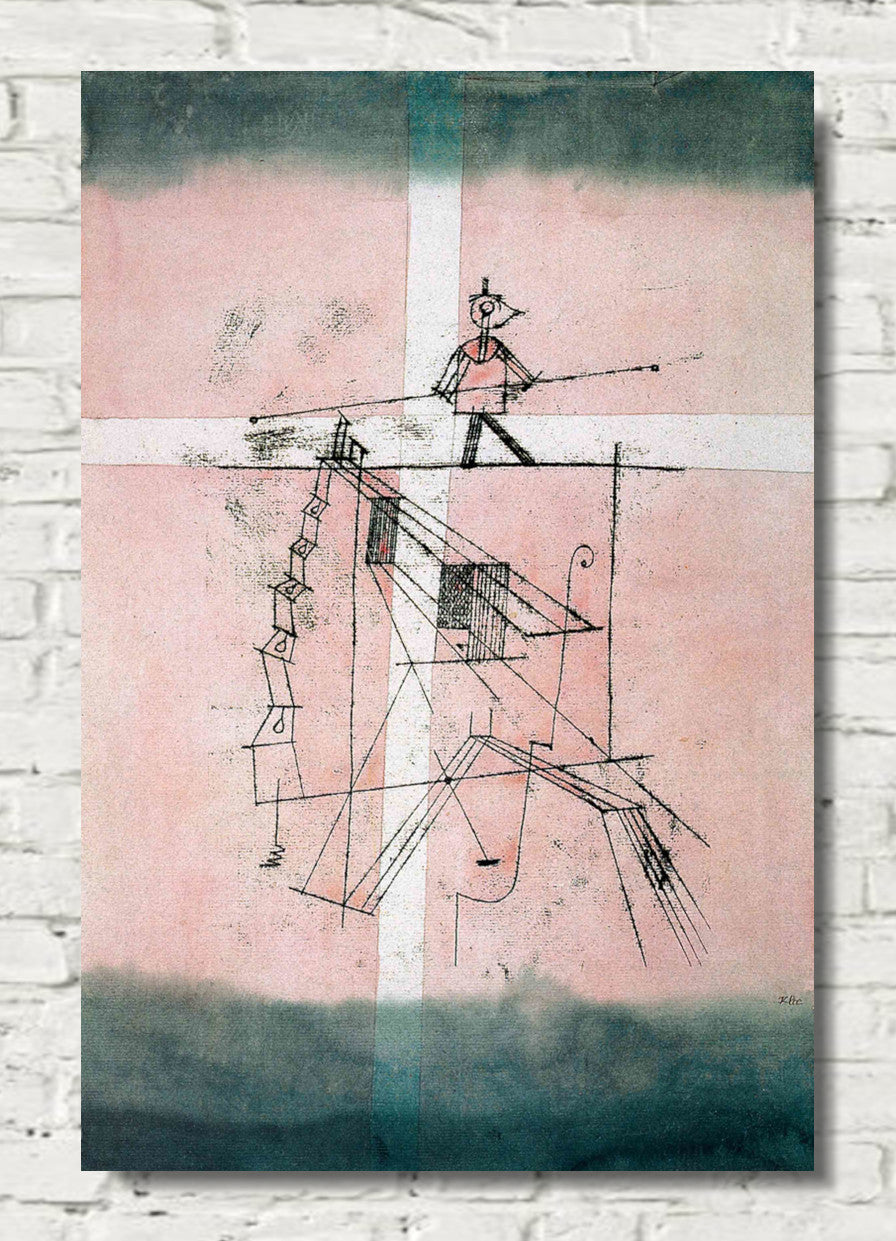
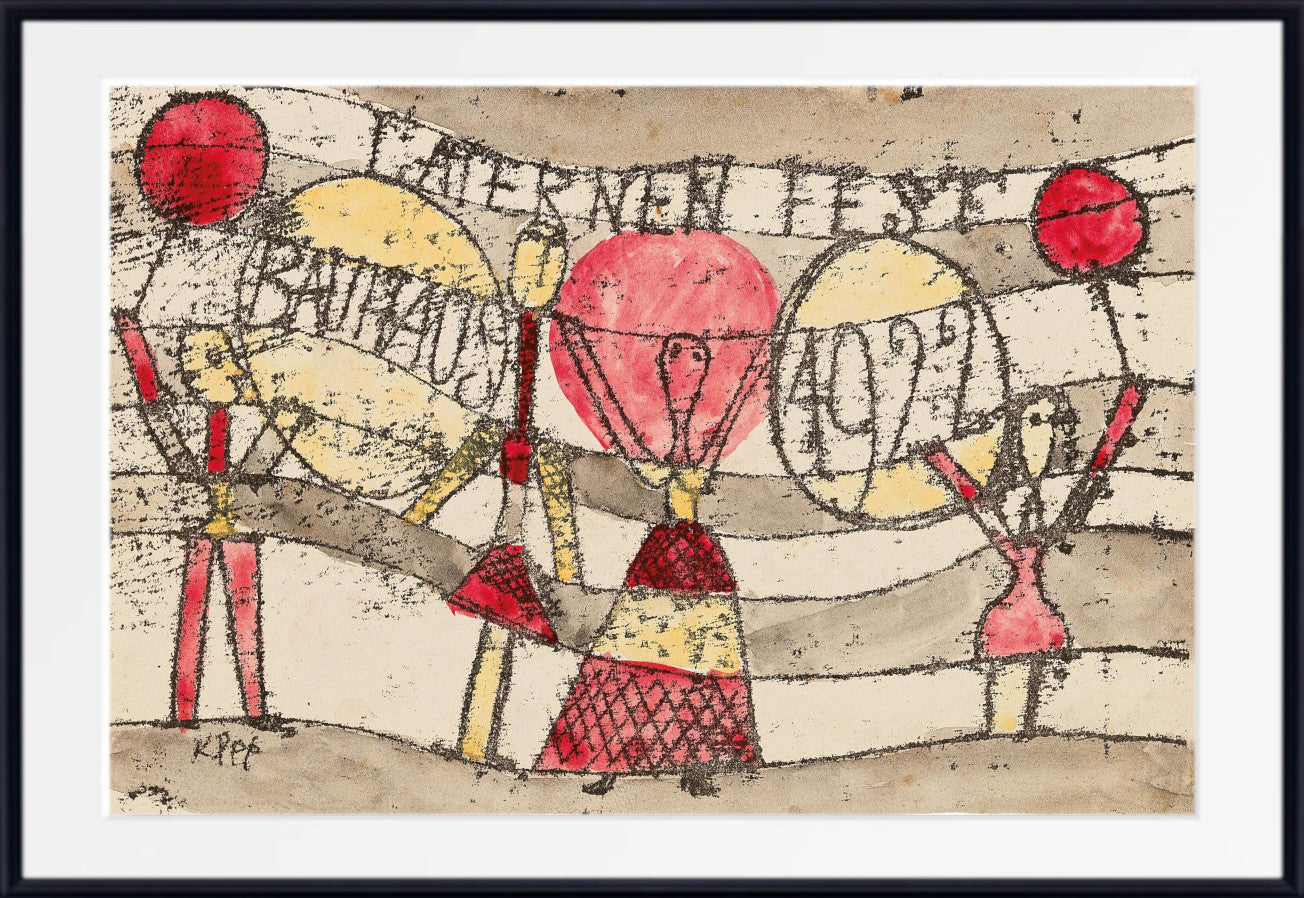
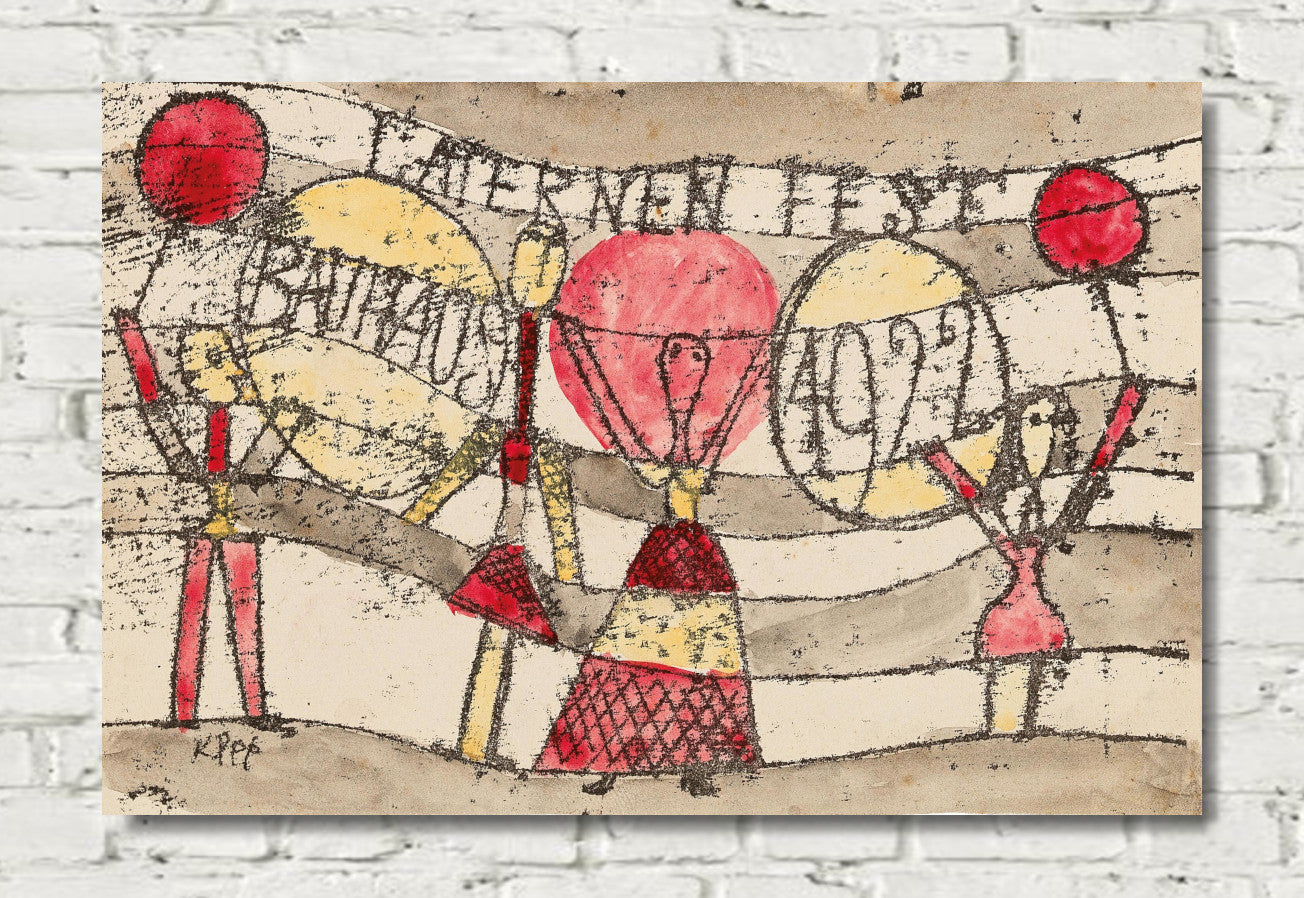
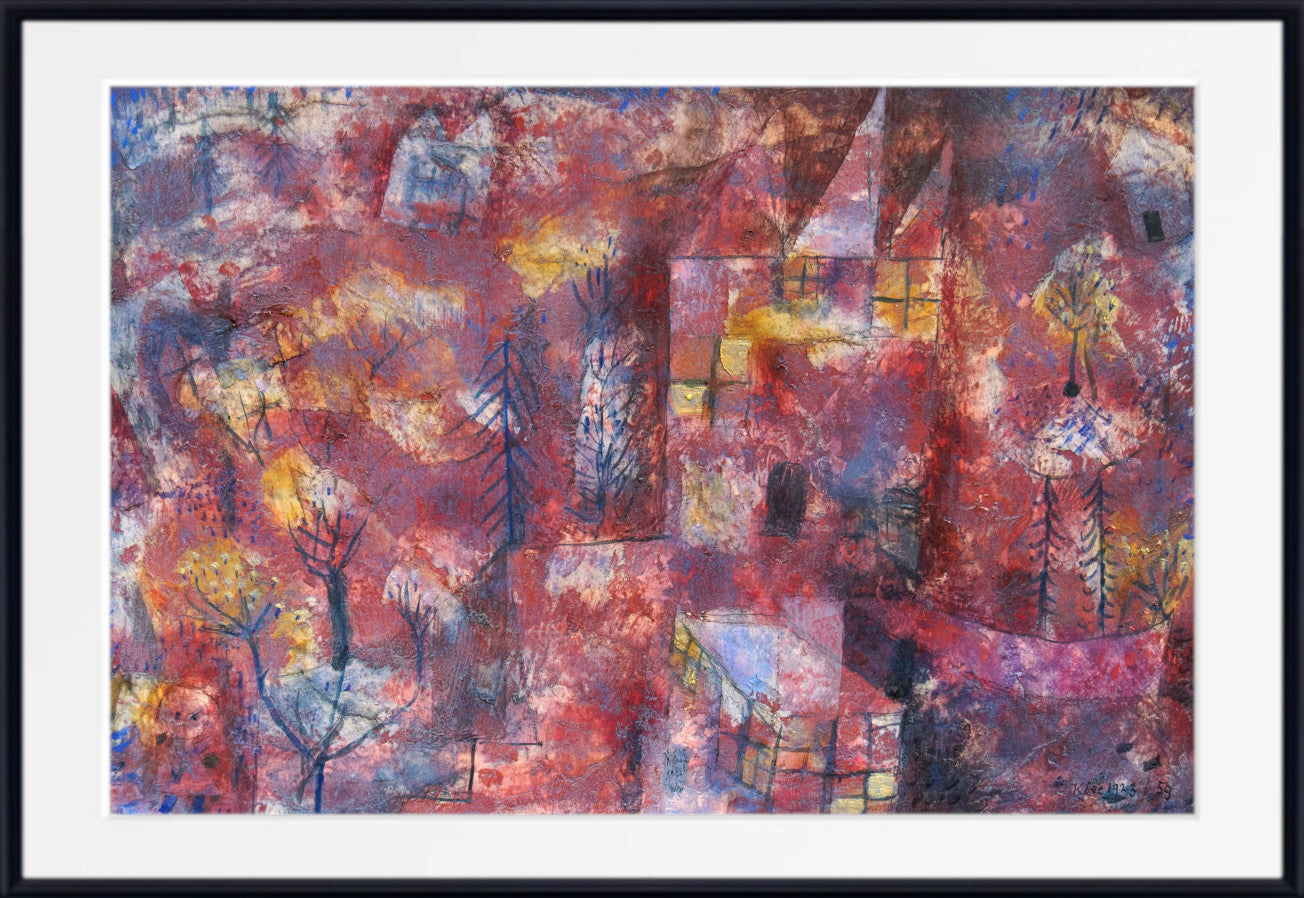
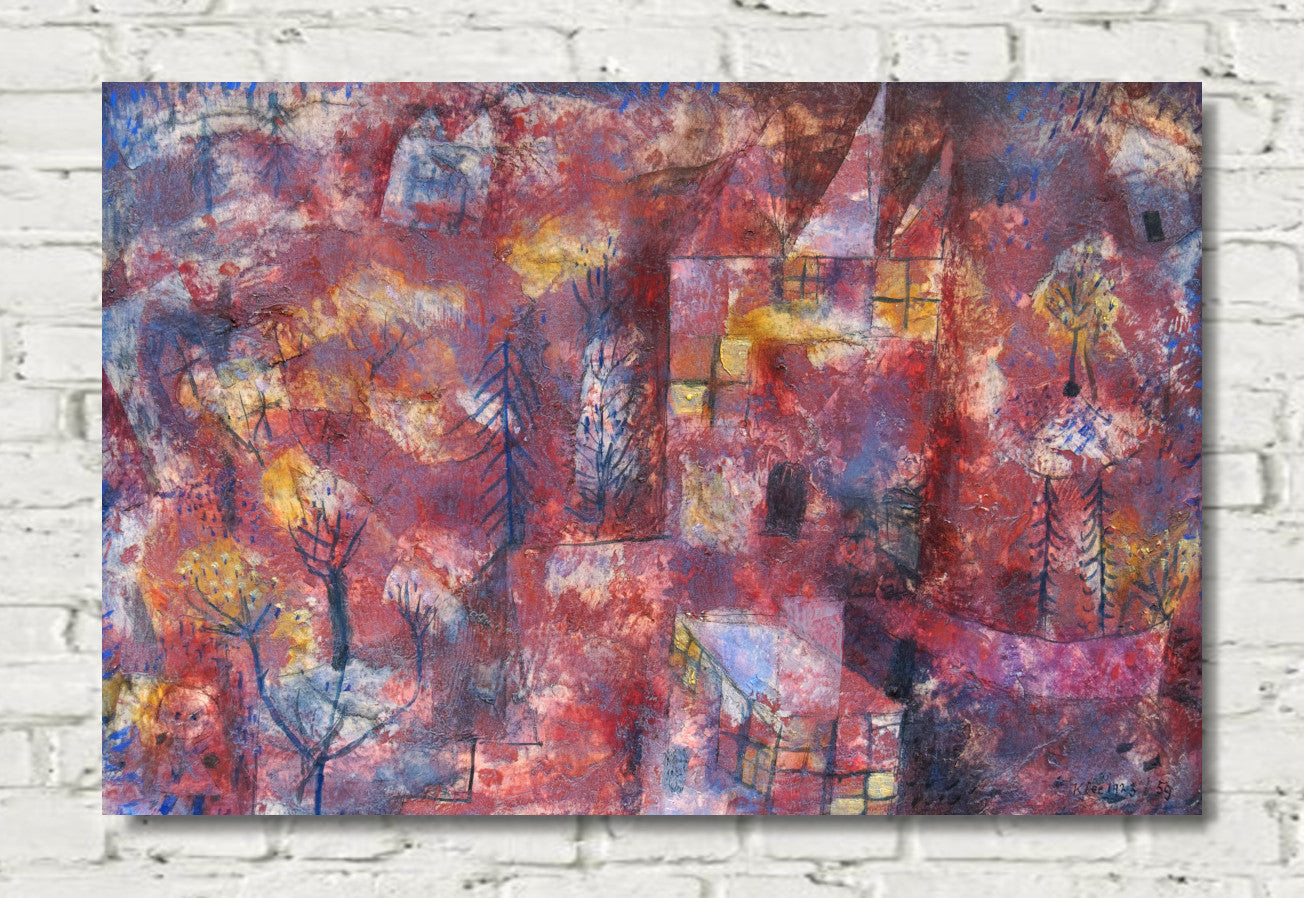
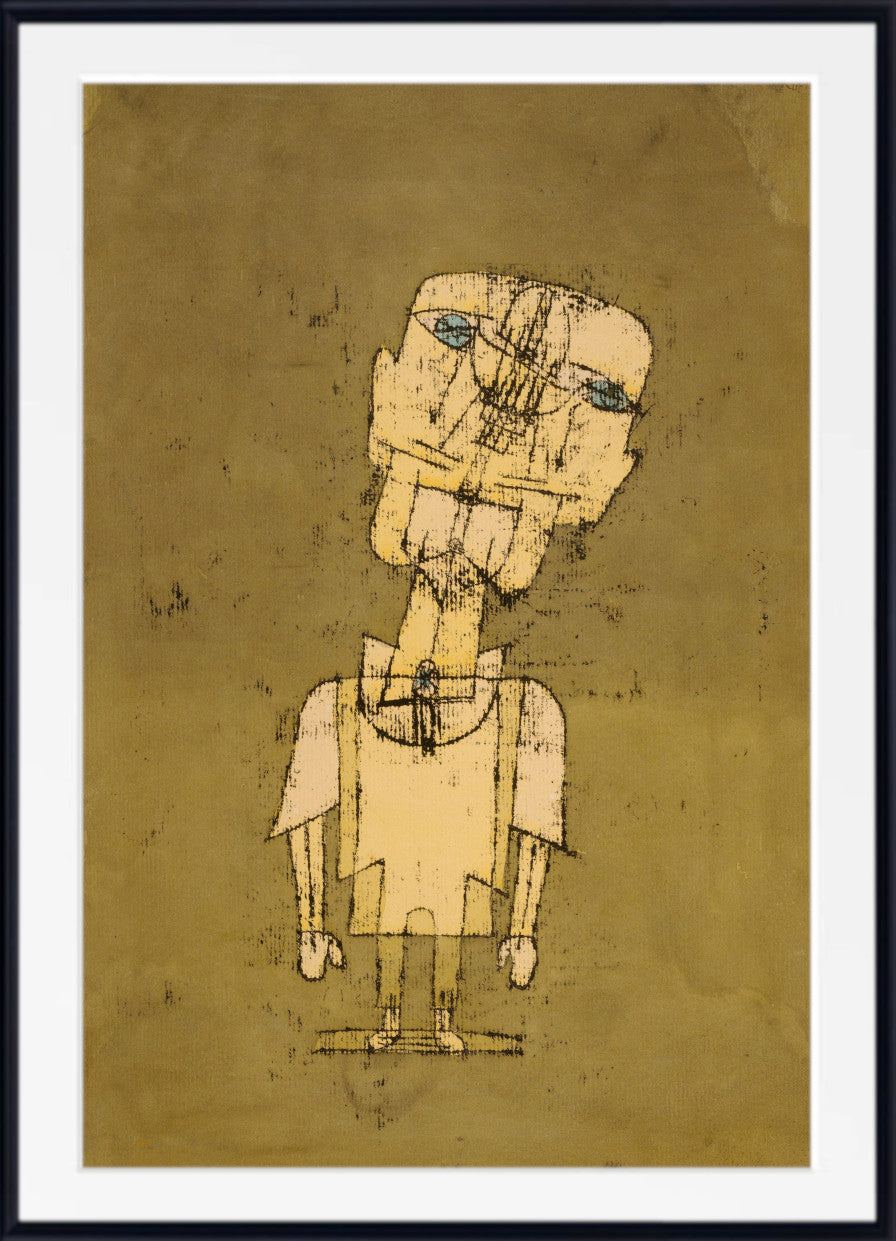
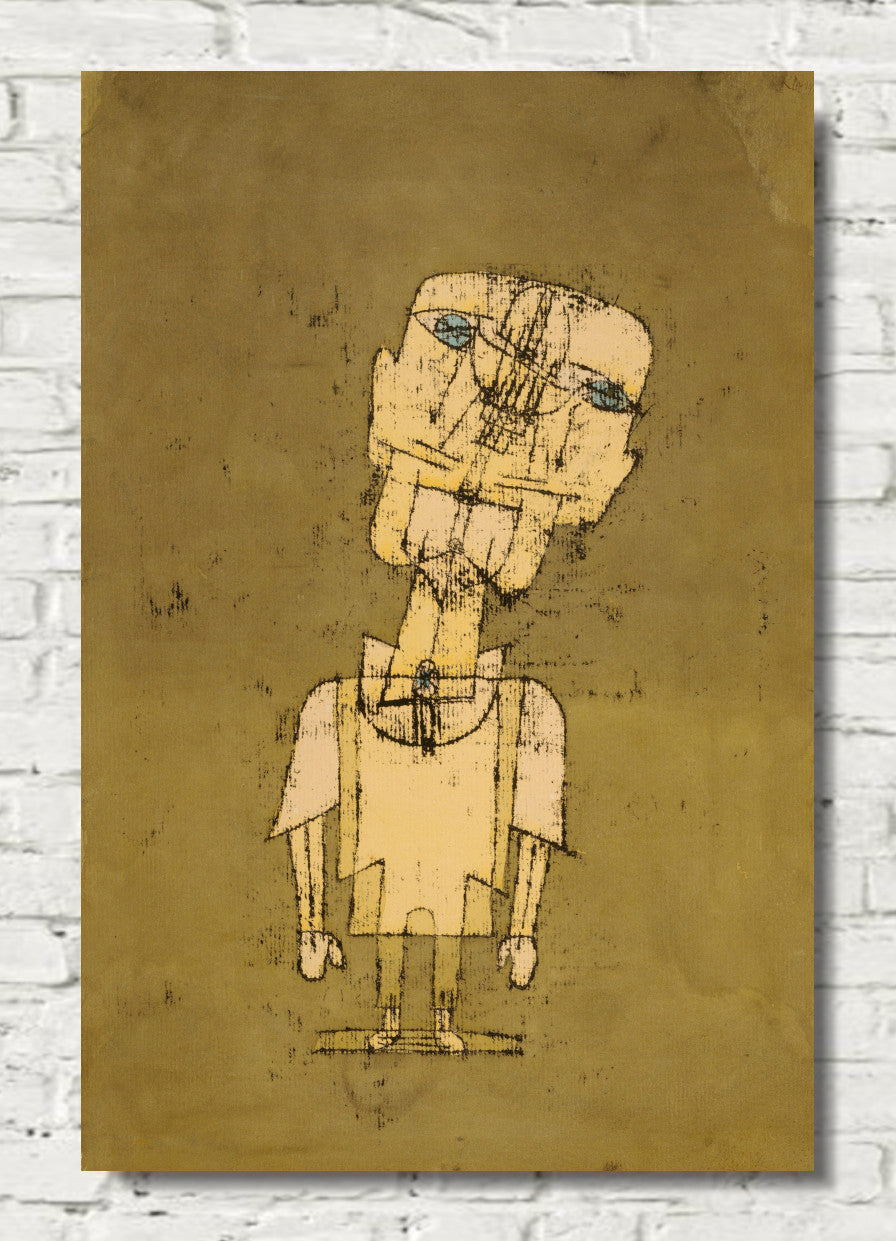
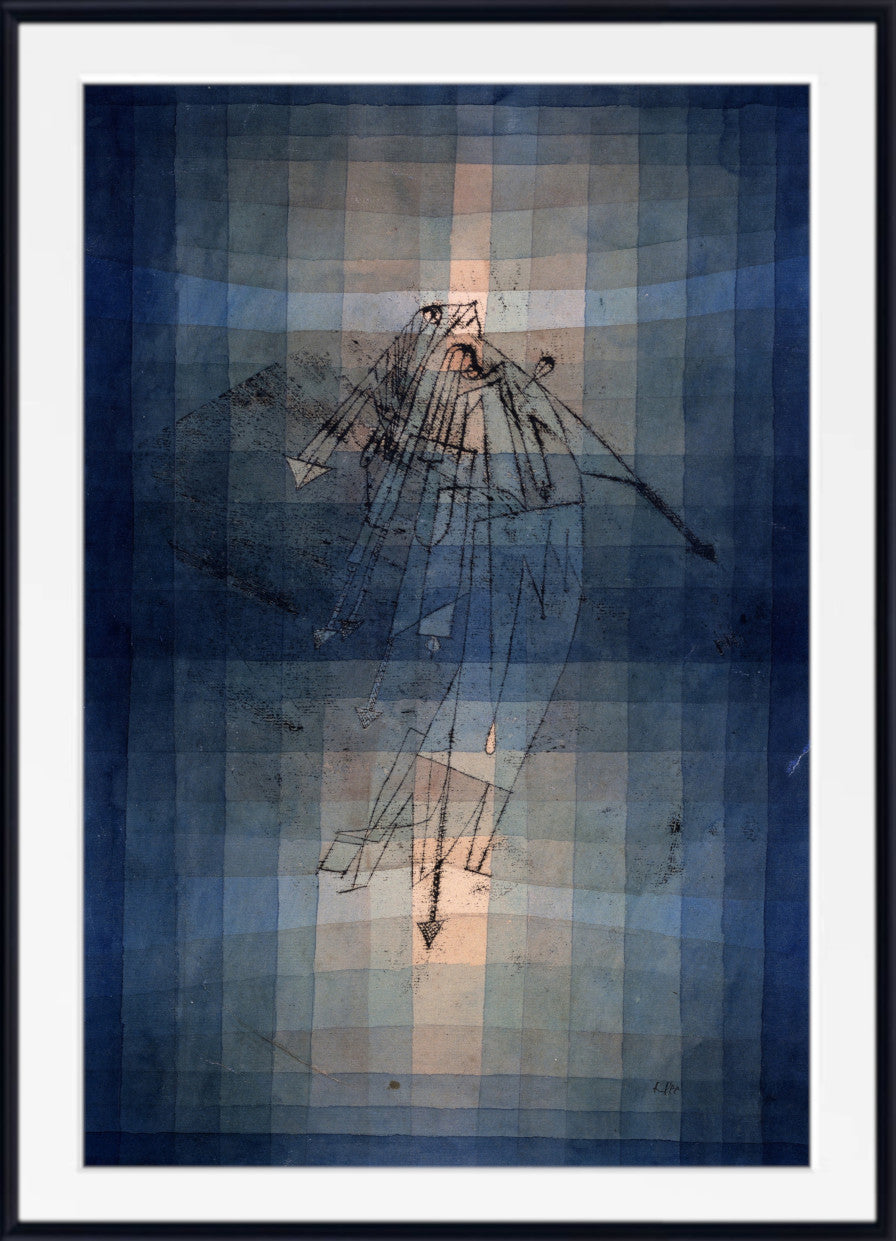
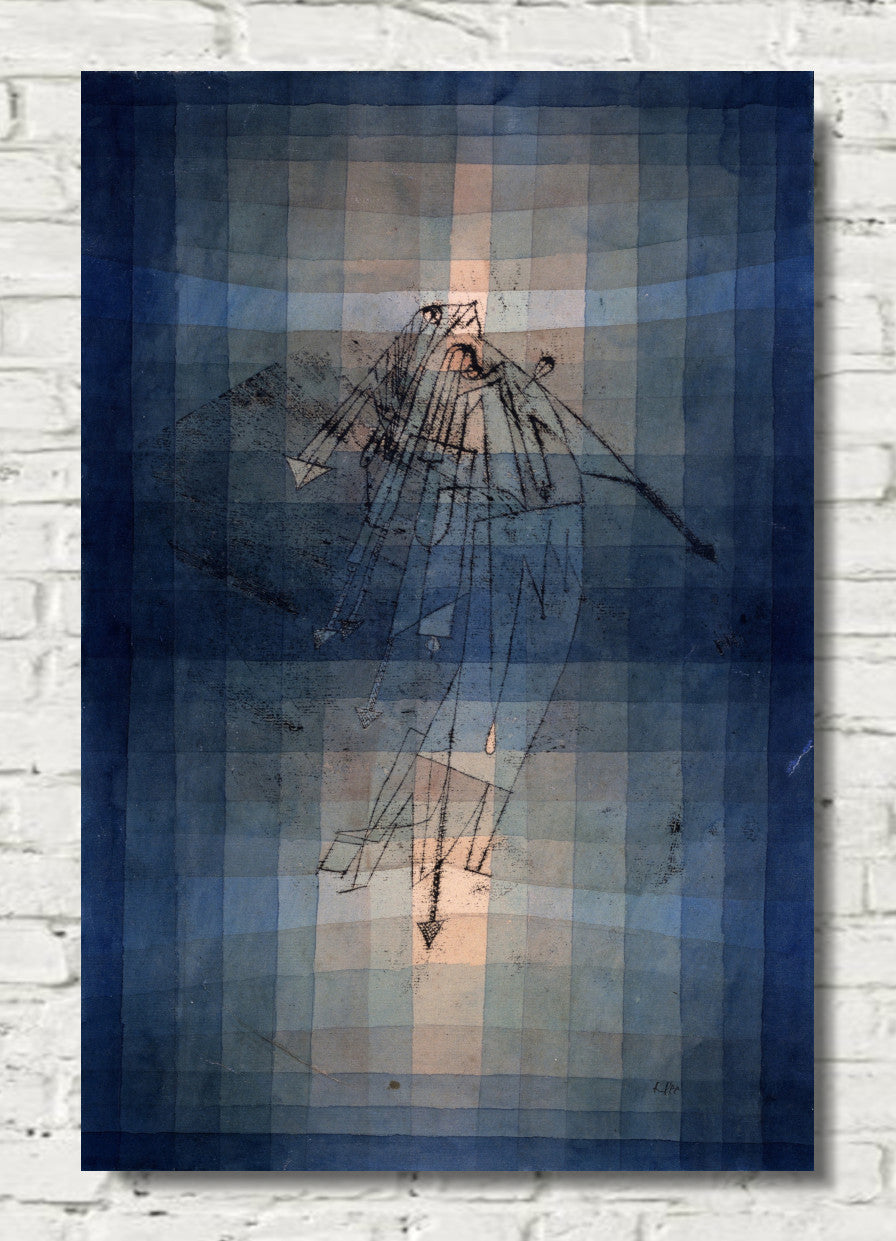
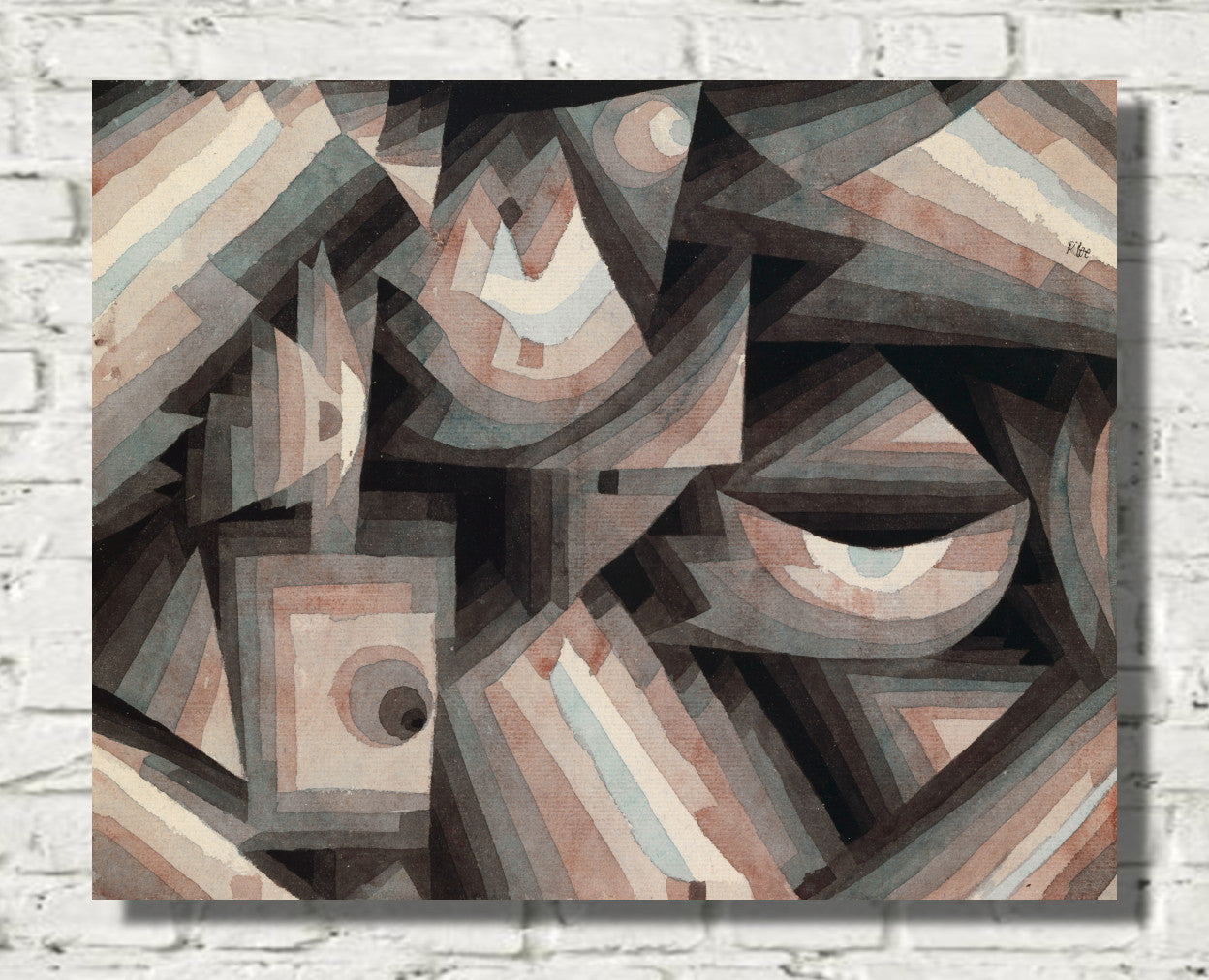
Paul Klee taught at the Bauhaus from 1921 until 1931 and became one of its most influential teachers.
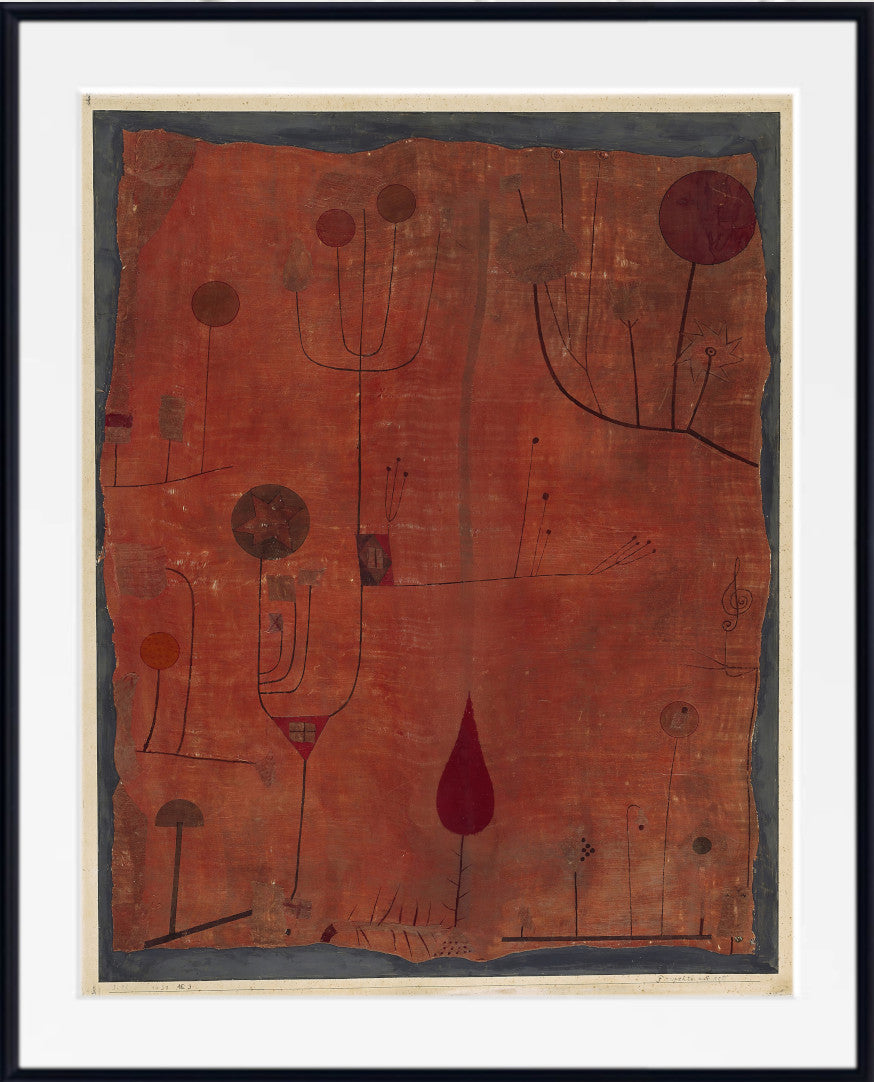
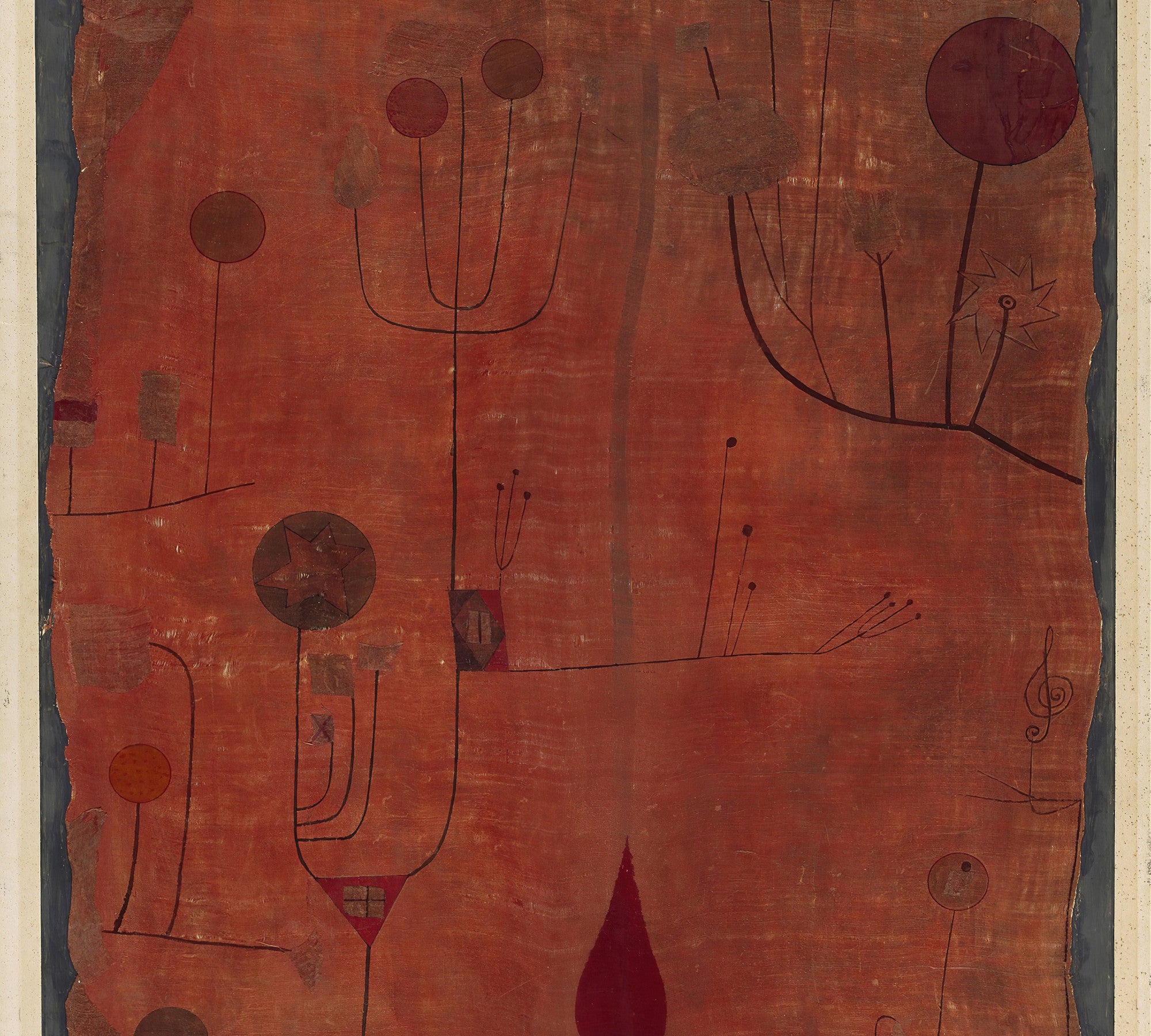
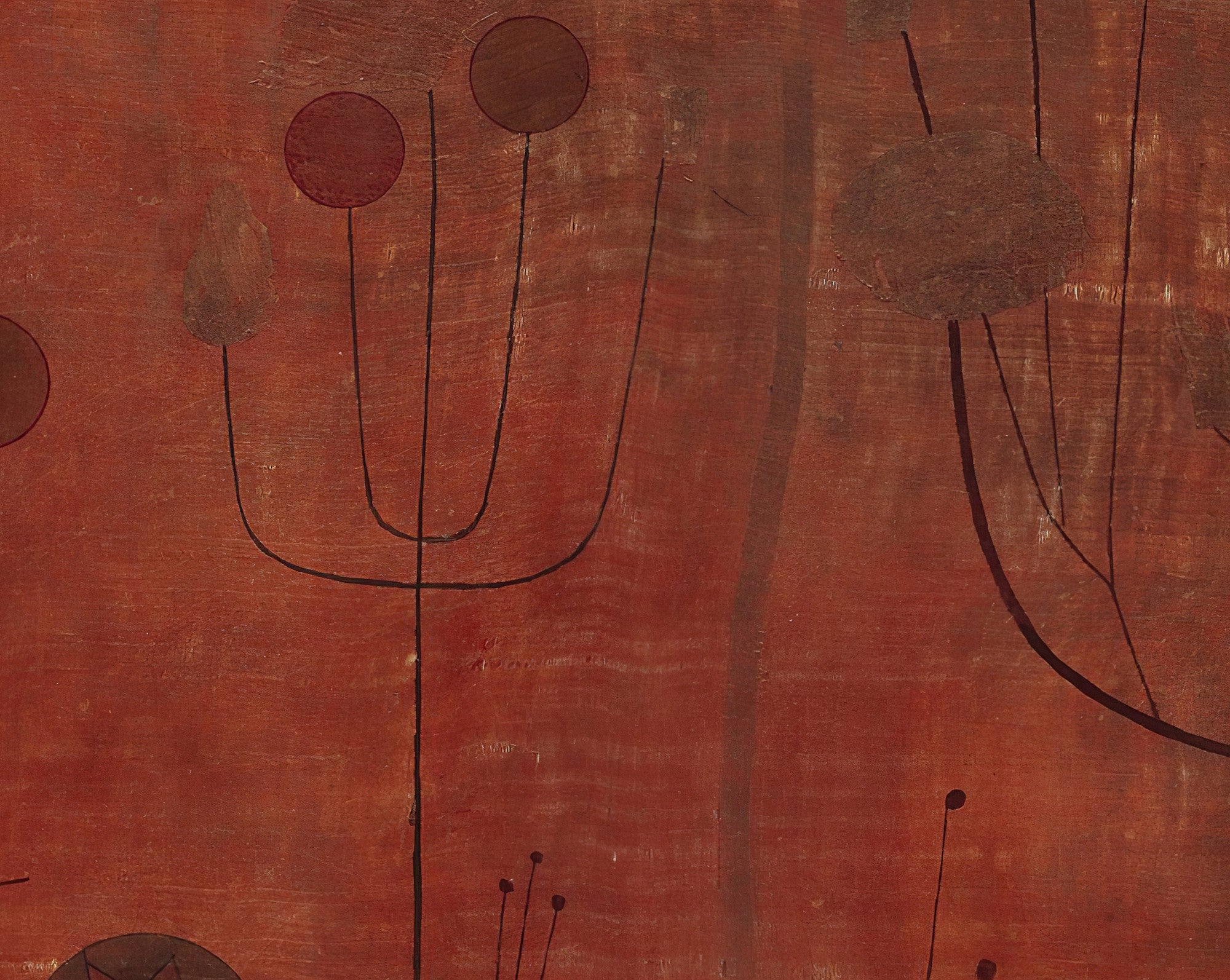
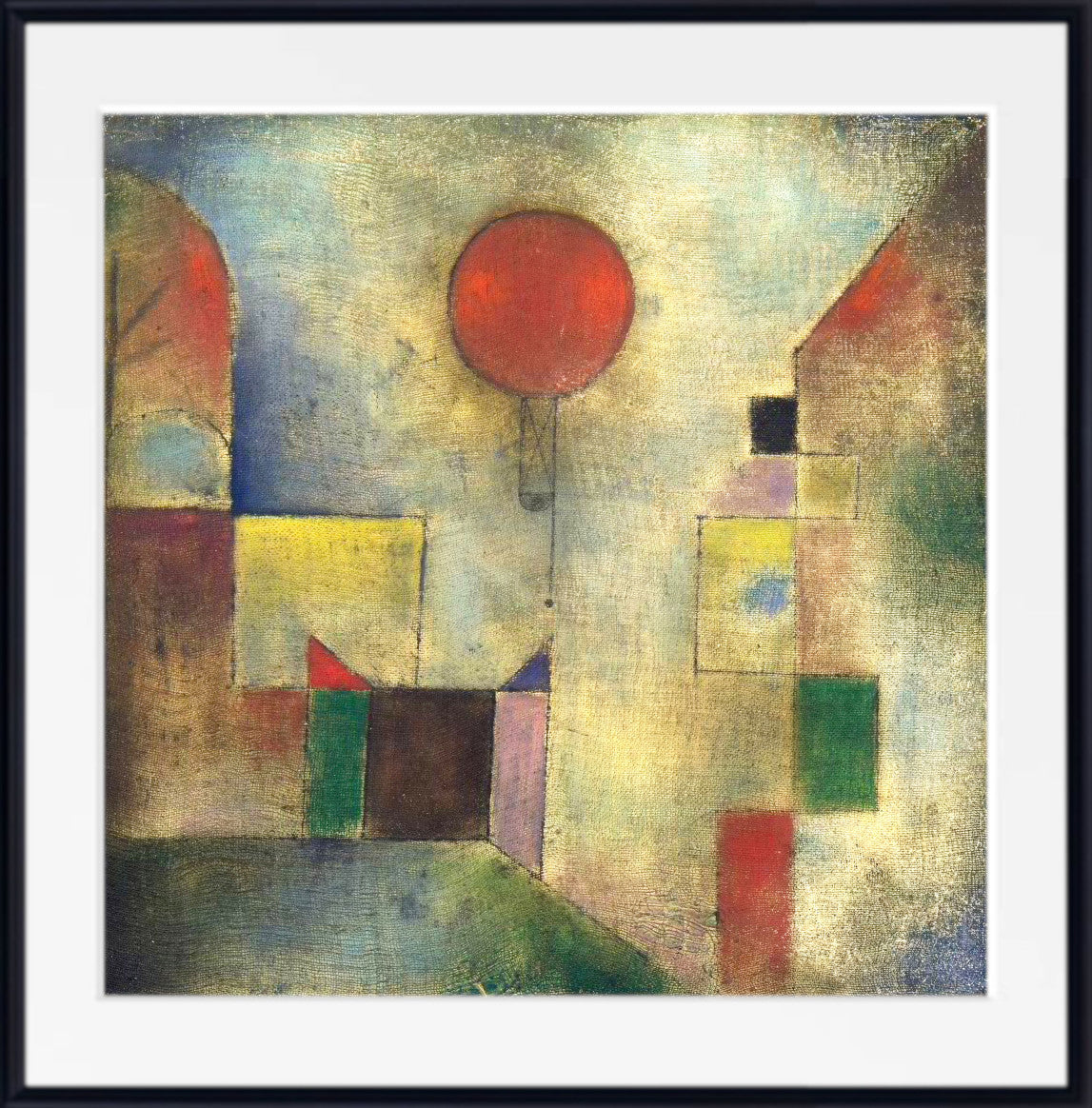
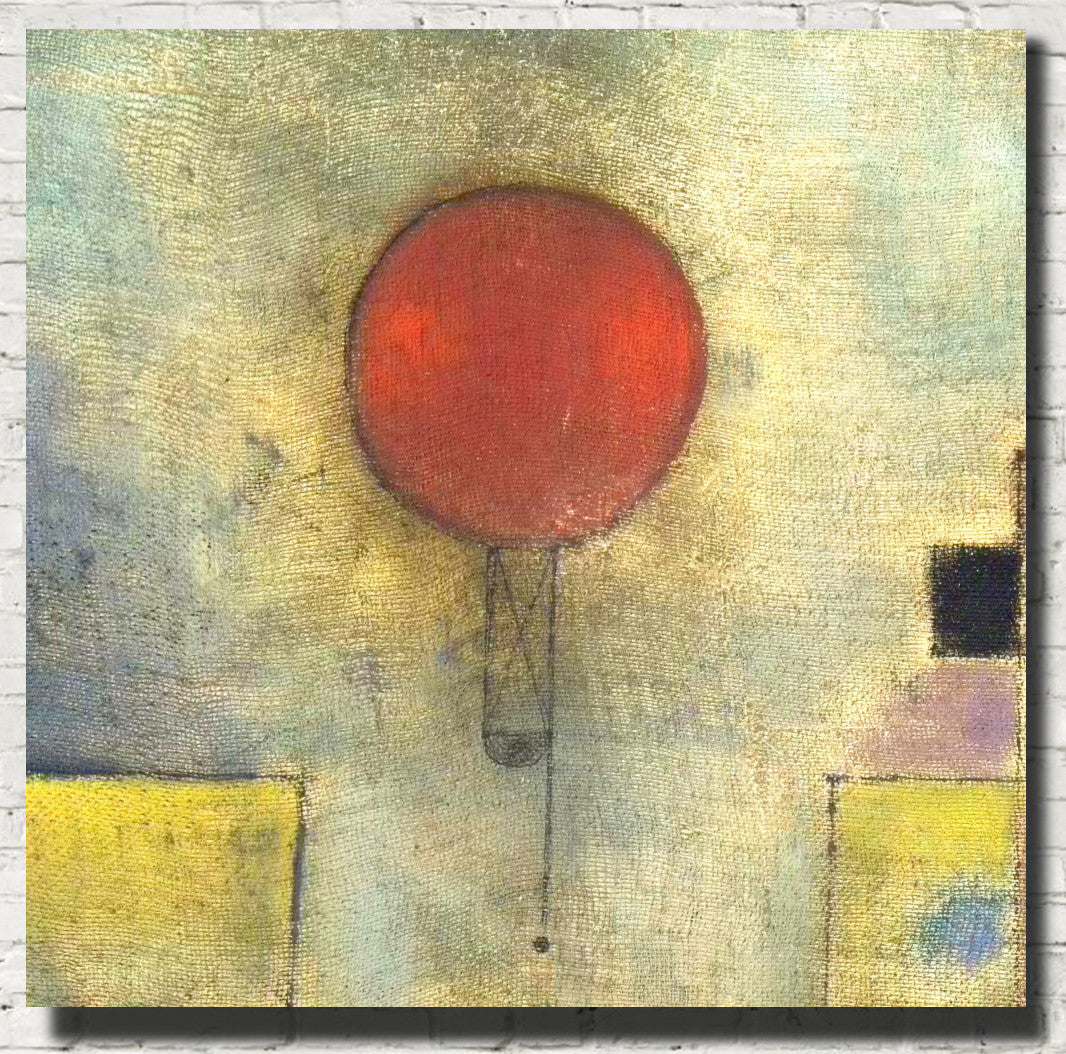
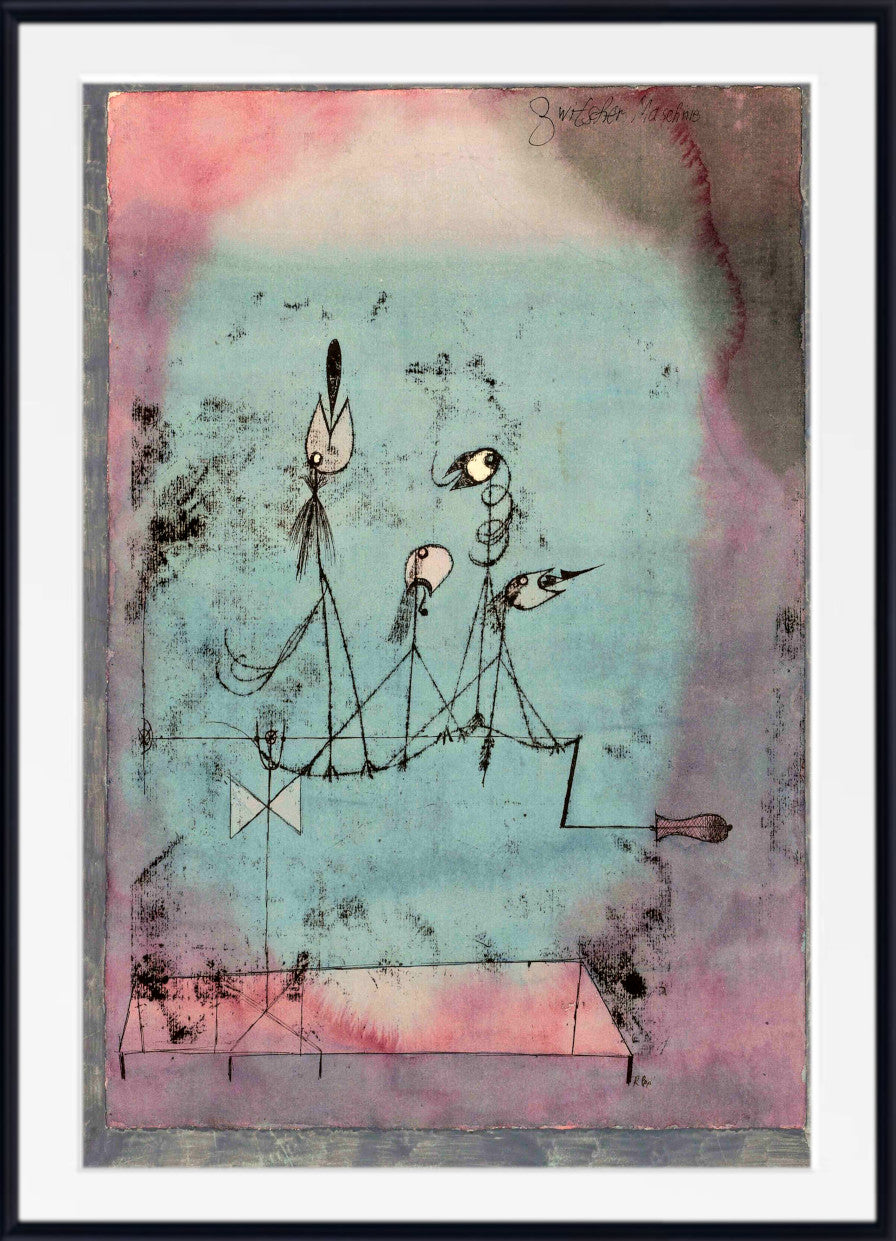
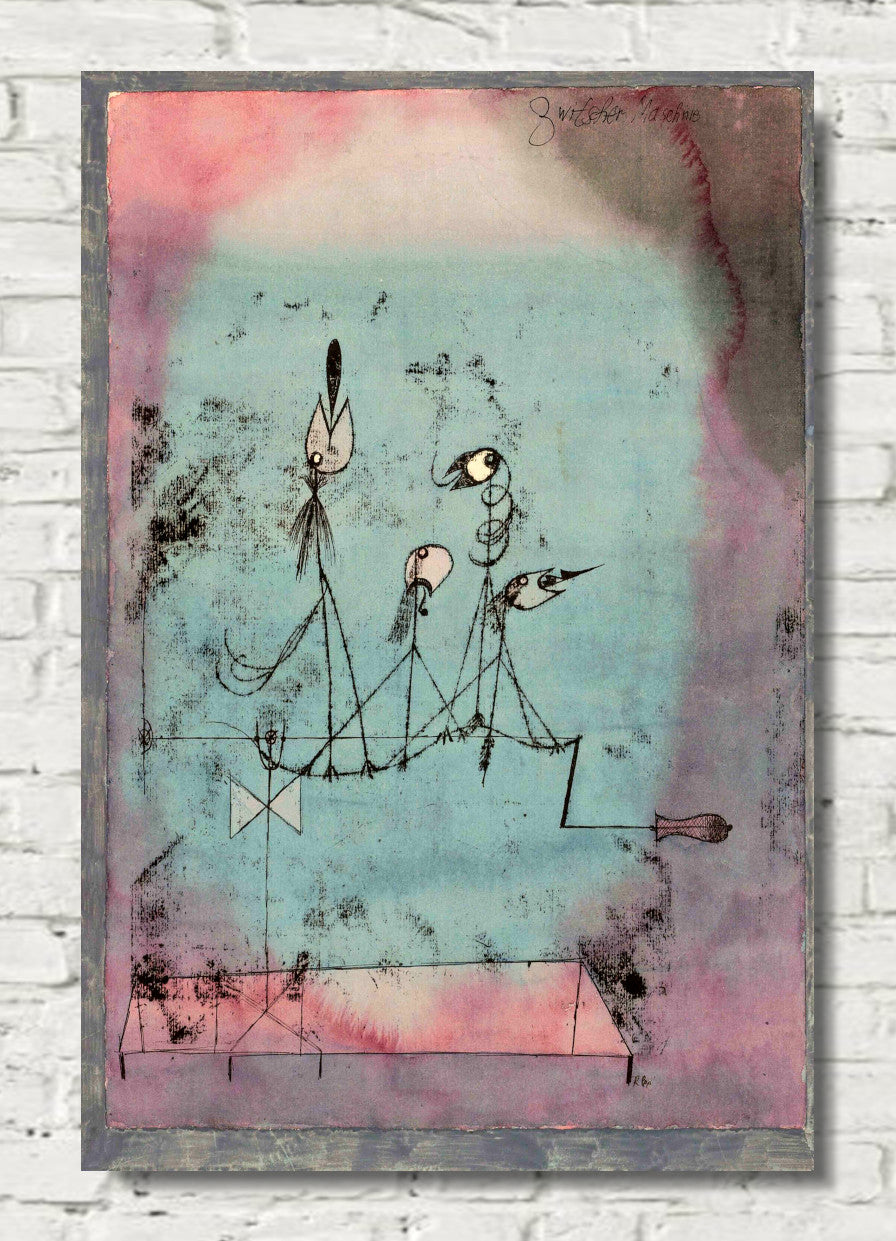
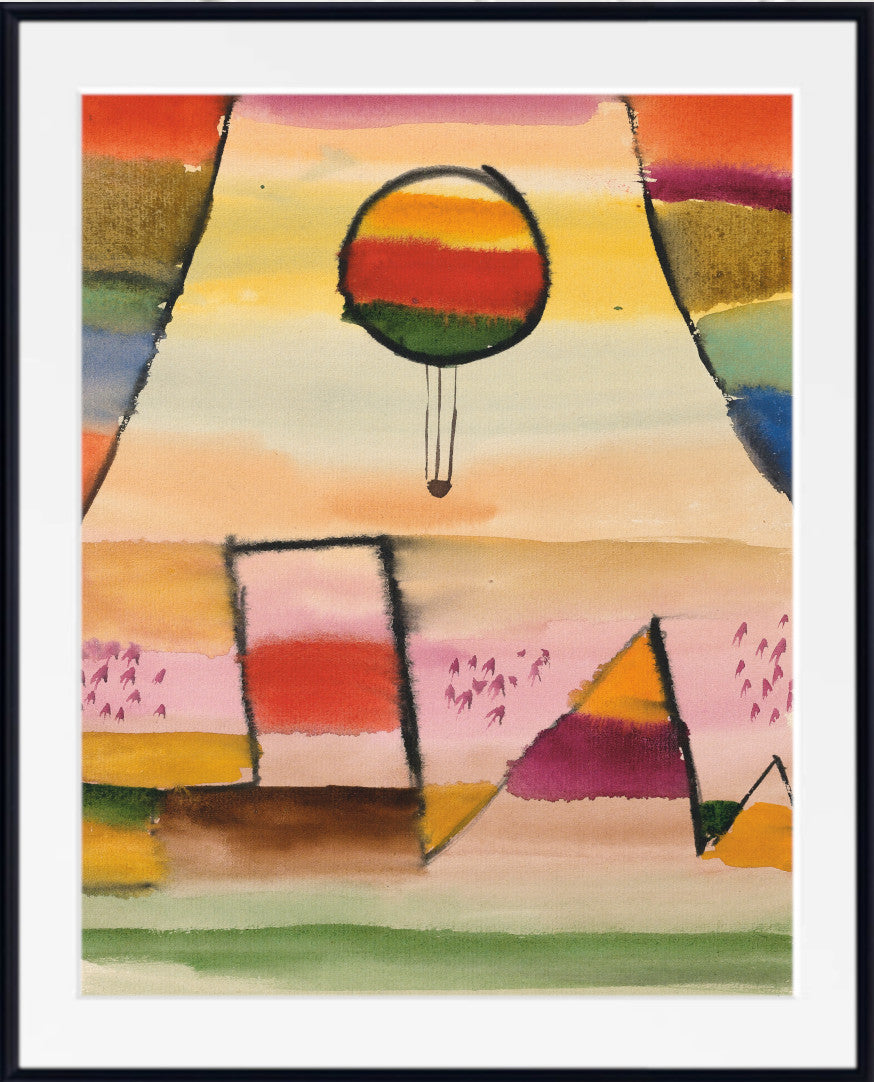
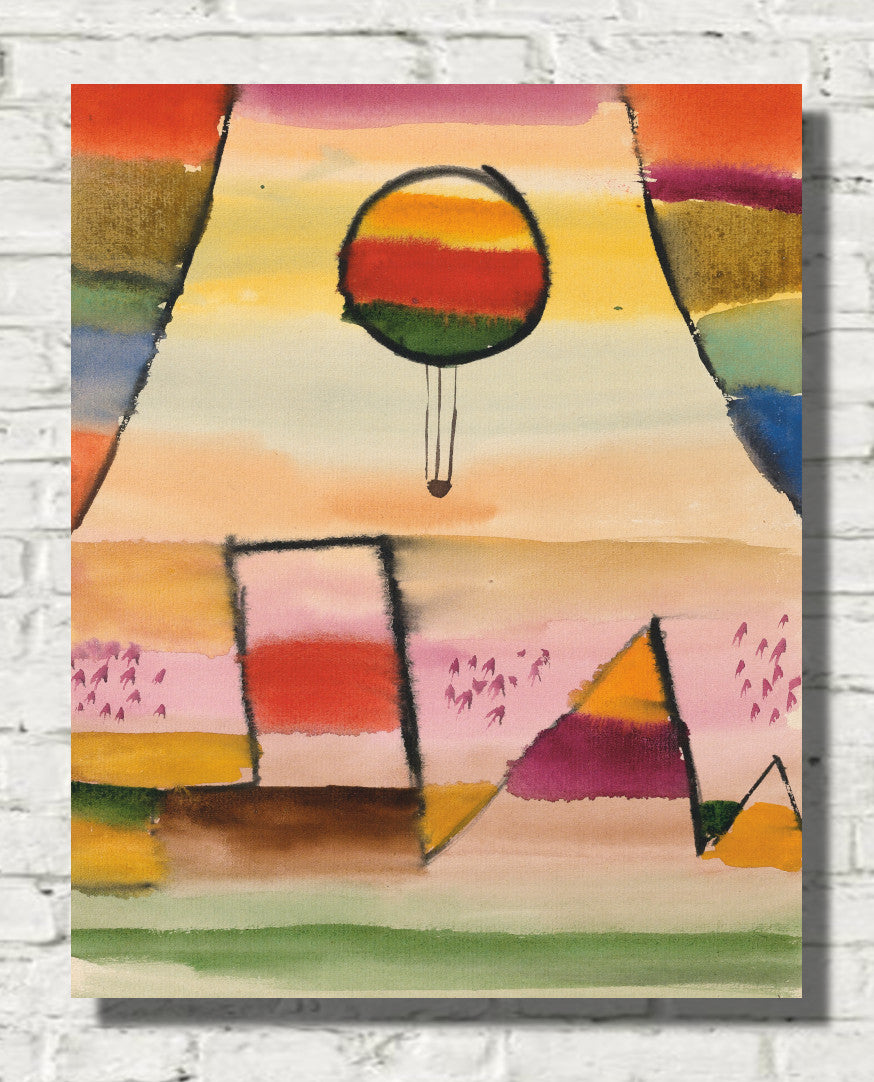
Klee investigated colour, movement, structure and the process through which a picture develops. His work often combines geometric organisation with signs, symbols, architectural forms, humour and imagination.
Compared with the harder geometry associated with some Bauhaus design, Klee's paintings can appear more delicate and poetic. Grids, lines and constructed forms coexist with luminous colour and playful imagery.
Paul Klee prints are therefore particularly versatile in interiors. They can complement modernist and mid-century furniture while also working in bedrooms, studies and quieter spaces where a softer form of abstract art is preferred.
László Moholy-Nagy: Photography, Light and Technology
László Moholy-Nagy joined the Bauhaus in 1923 and became one of the school's most experimental teachers.
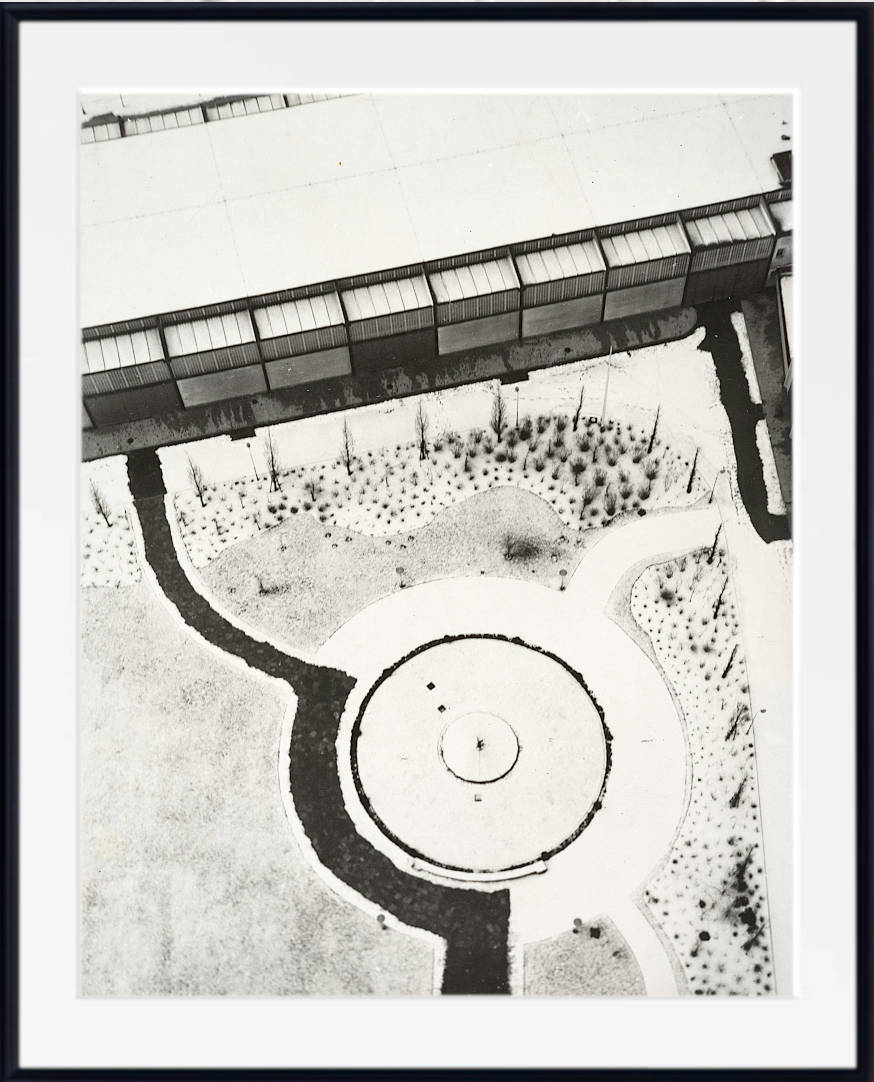
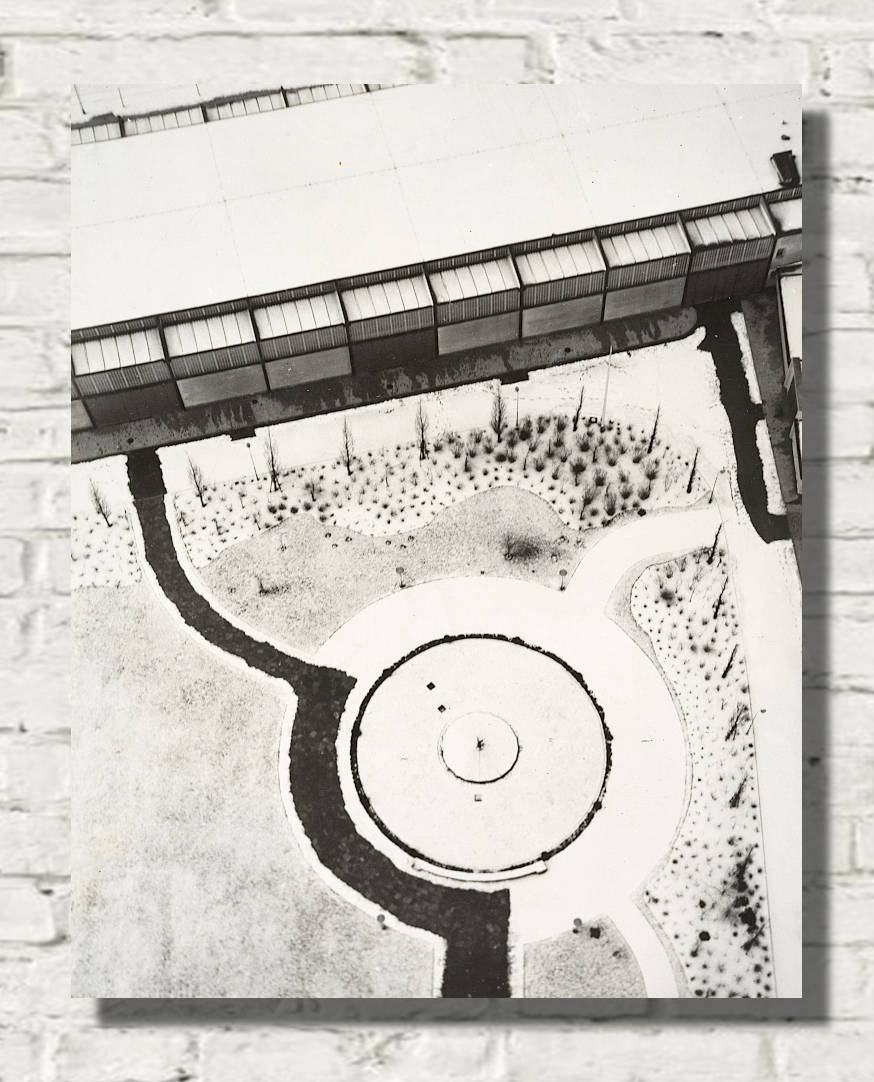
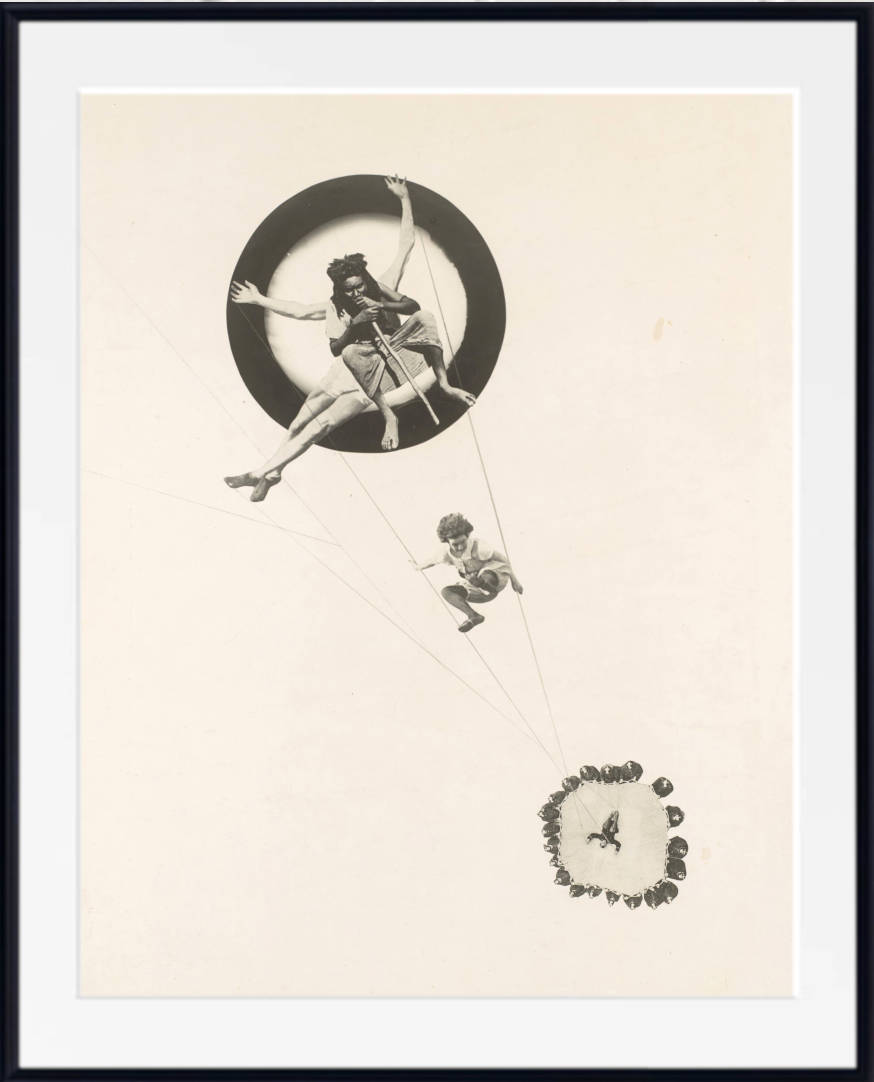
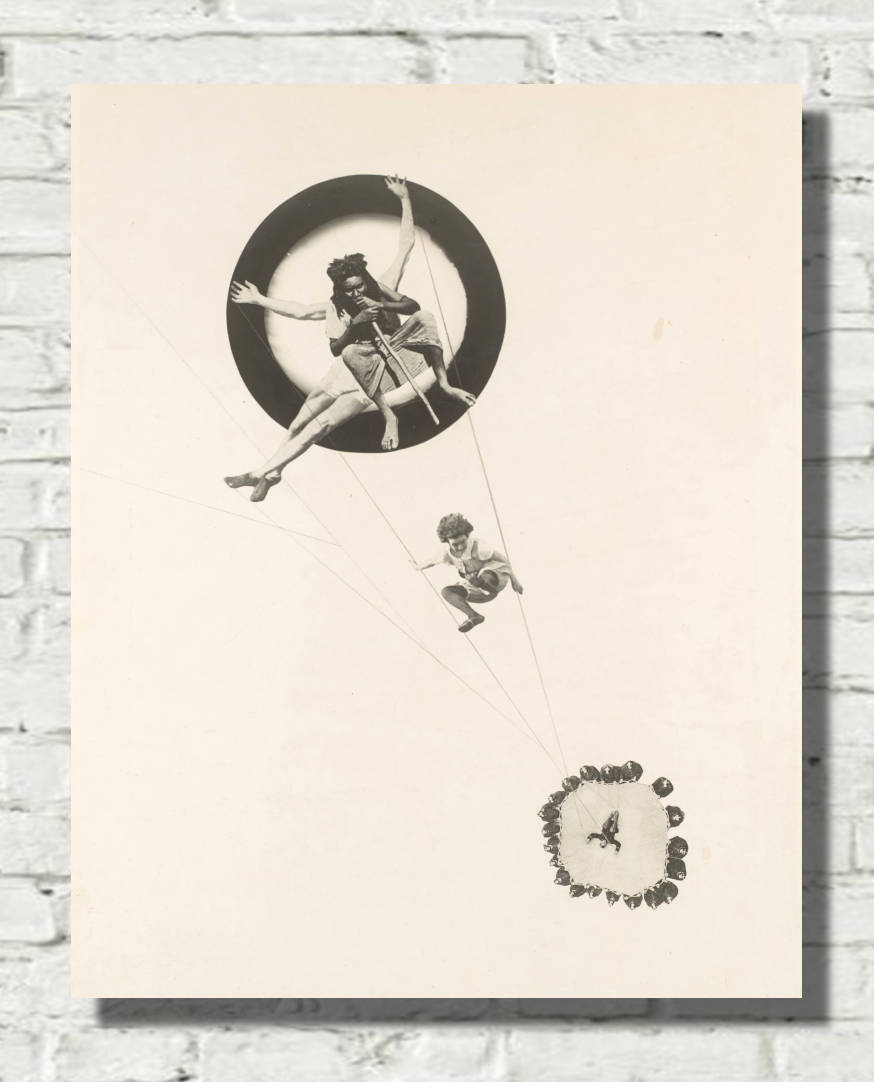
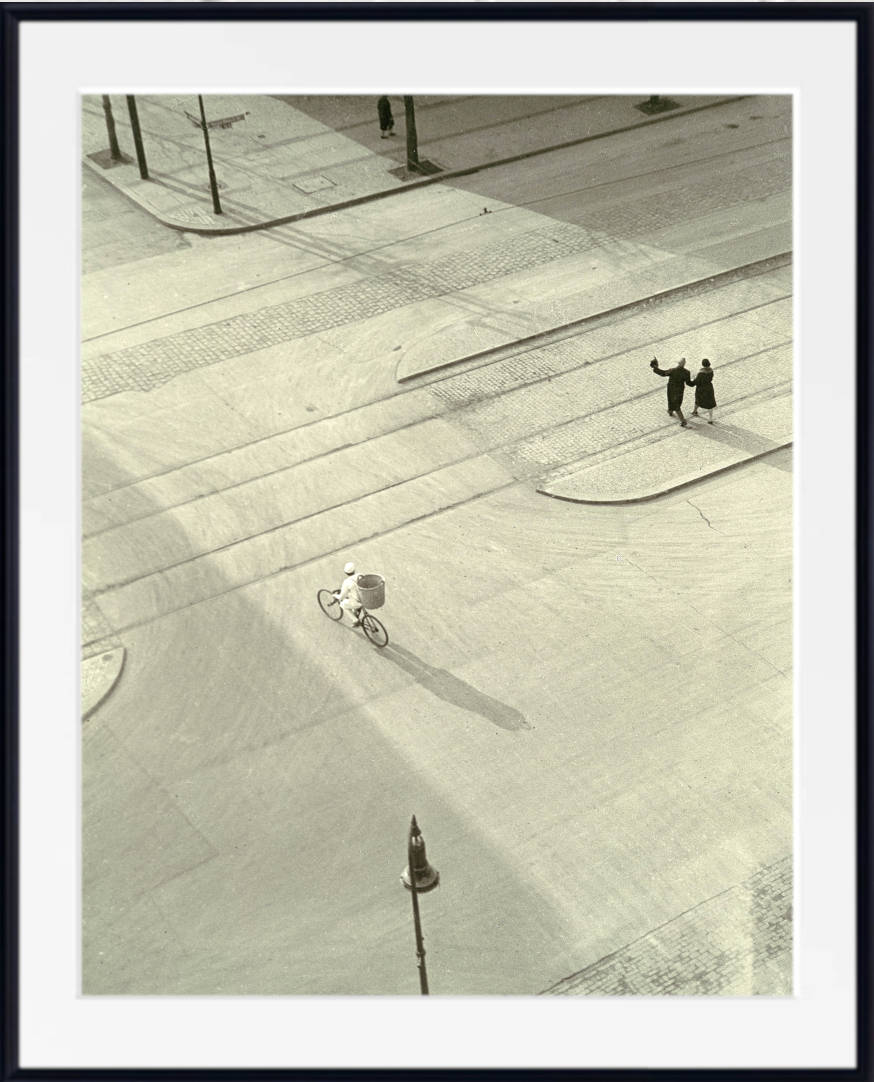
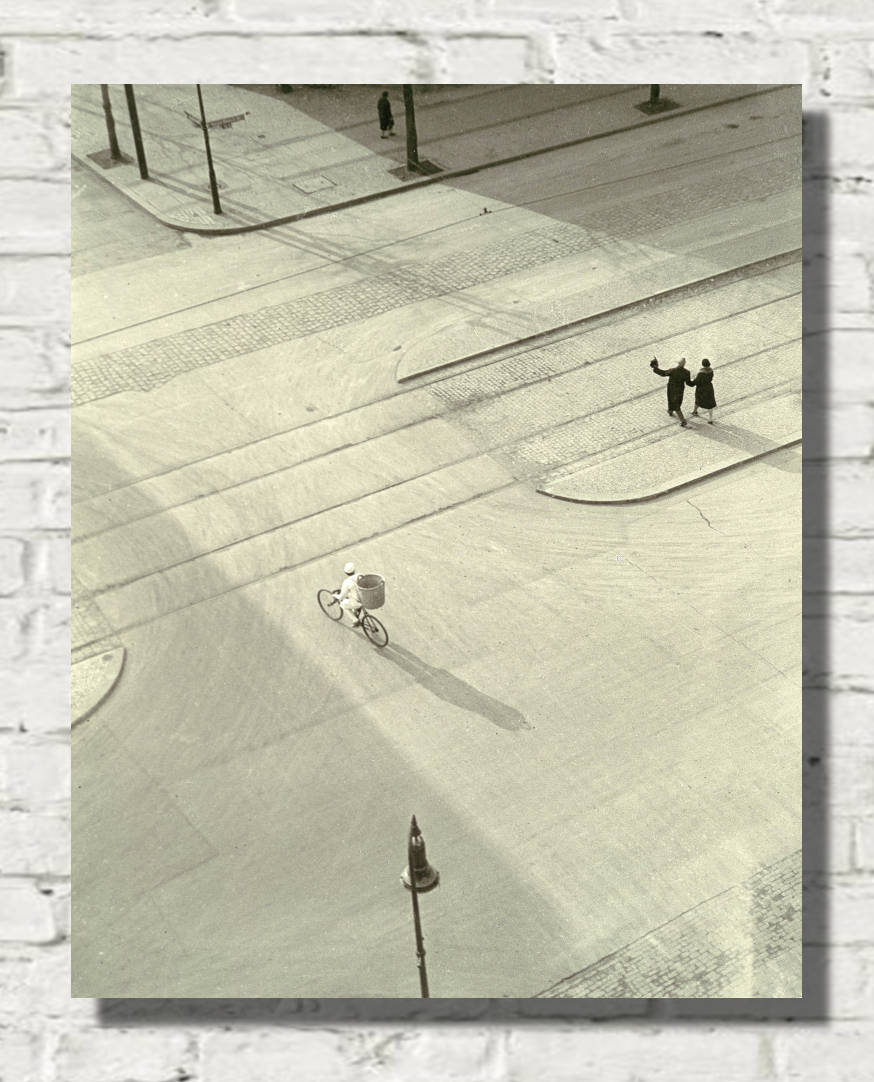
His work crossed the boundaries between painting, photography, typography, sculpture, film and design. He was fascinated by modern technology and by the artistic possibilities created by light, transparency, mechanical processes and unusual viewpoints.
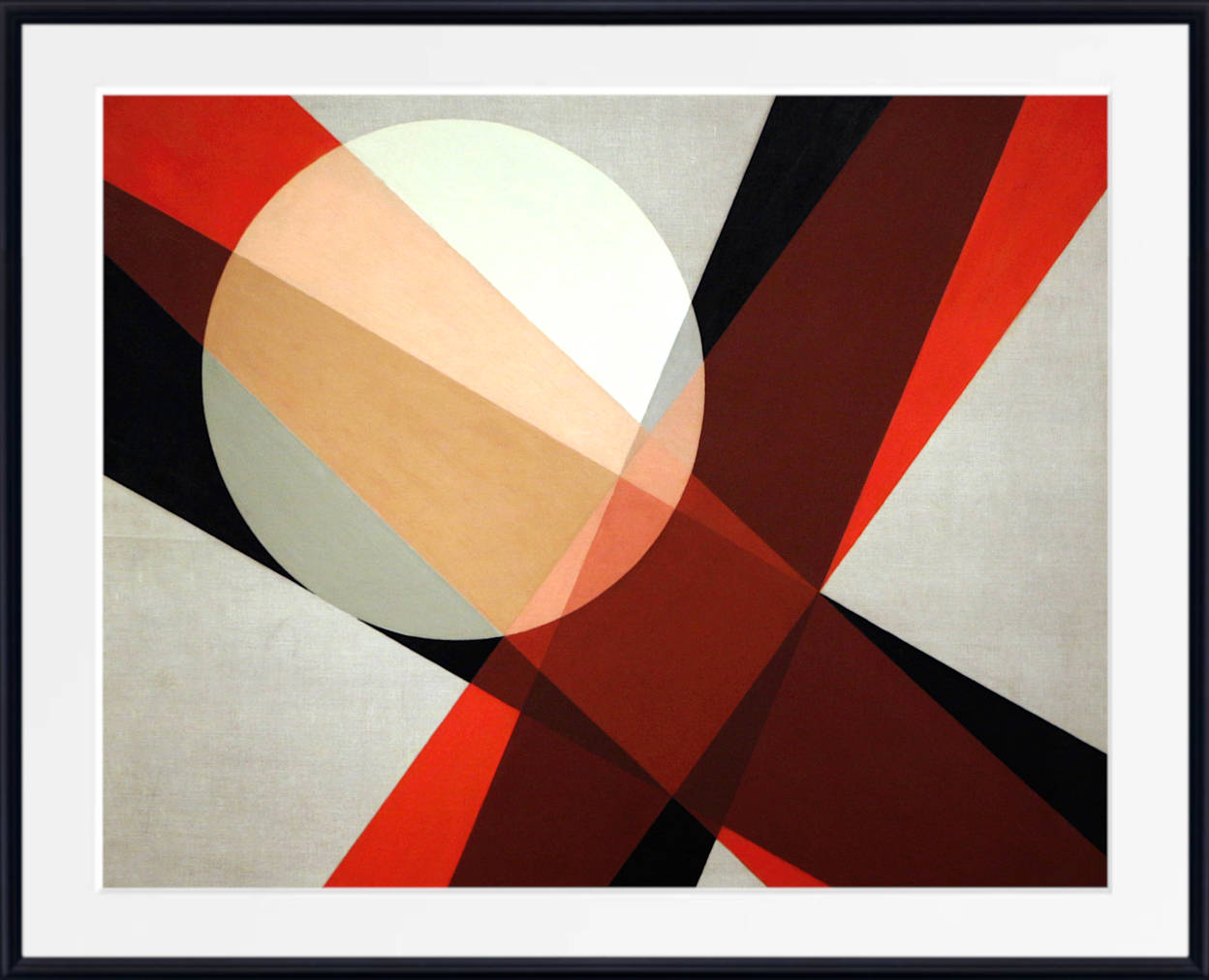
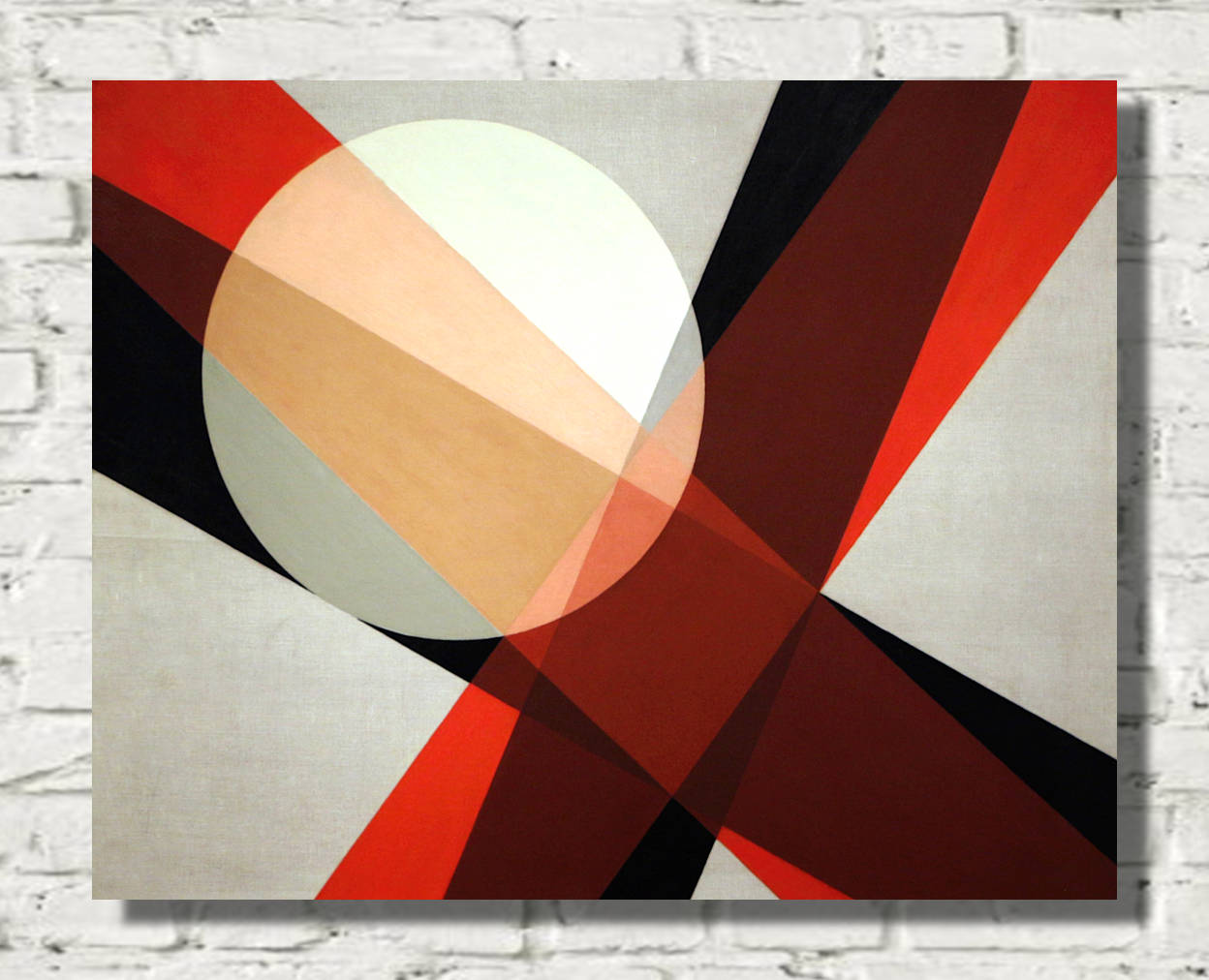
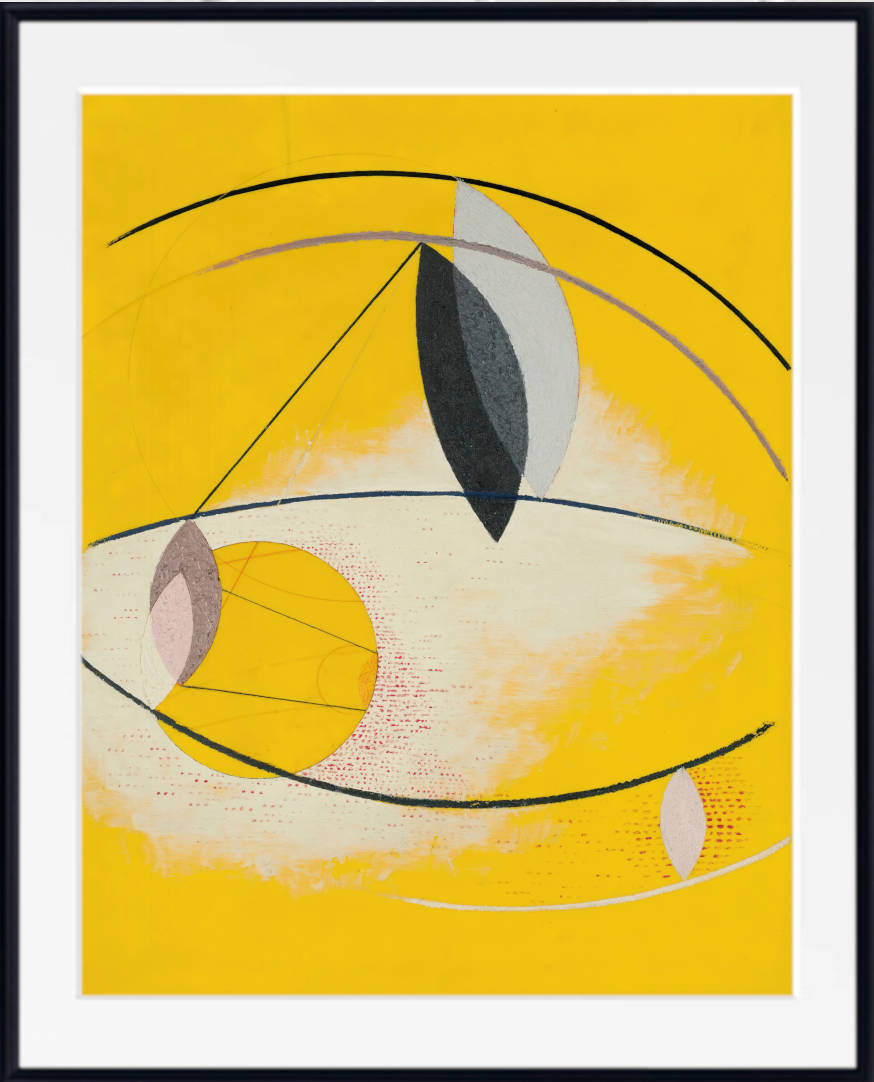
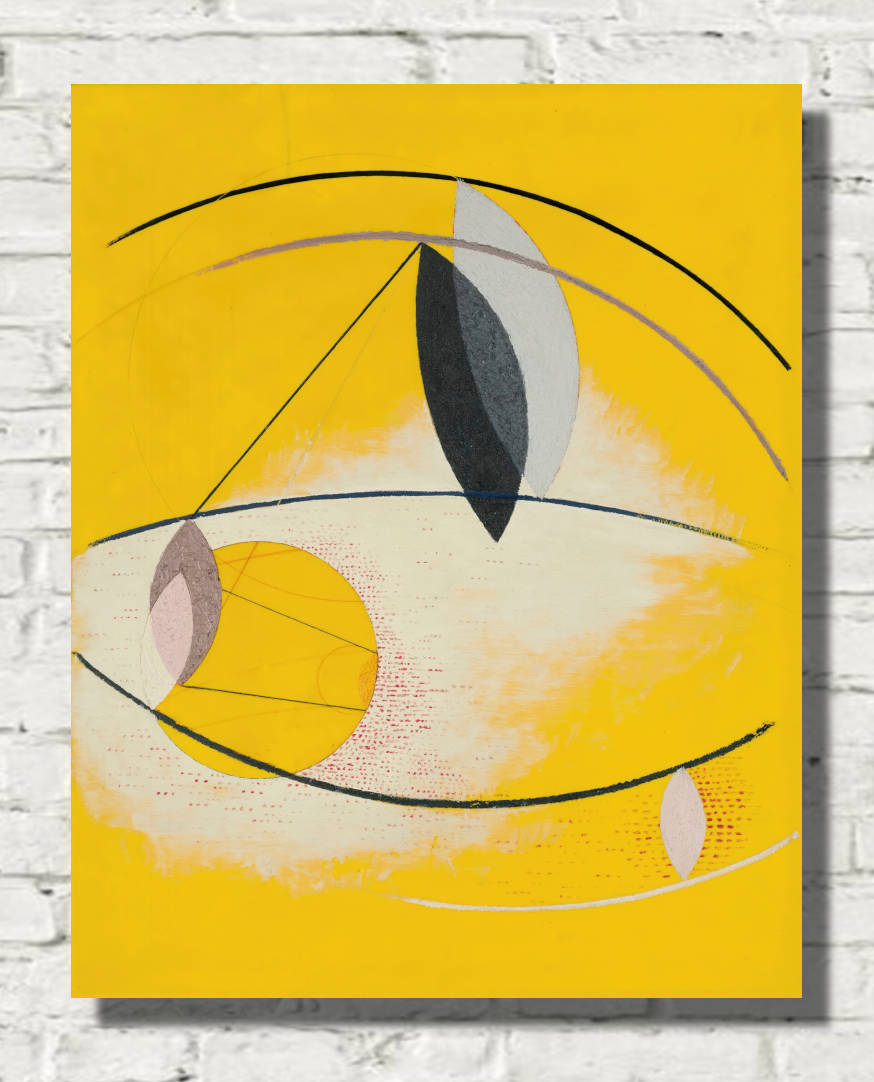
Moholy-Nagy's abstract compositions frequently use circles, intersecting planes, lines and transparent forms. His photography approaches the modern world from unexpected angles, transforming architecture, machinery and everyday scenes into striking geometric images.
These characteristics make Moholy-Nagy prints particularly well suited to contemporary homes, studios and offices with minimalist, architectural or industrial interiors.
Oskar Schlemmer and the Bauhaus Figure
Oskar Schlemmer explored the relationship between the human body, geometry and architectural space.
As an important figure in the Bauhaus stage workshop, Schlemmer worked across painting, sculpture, costume, choreography and theatre. He reduced the human body to simplified geometric structures, creating figures that appear simultaneously human and architectural.
Schlemmer prints provide an interesting alternative to purely abstract Bauhaus wall art. Their stylised figures and carefully organised spaces retain the clean structure associated with modernism while introducing a distinctive human presence.
Bauhaus, De Stijl and Geometric Abstraction
The Bauhaus developed alongside other radical European movements that were reconsidering the relationship between art, architecture and design.
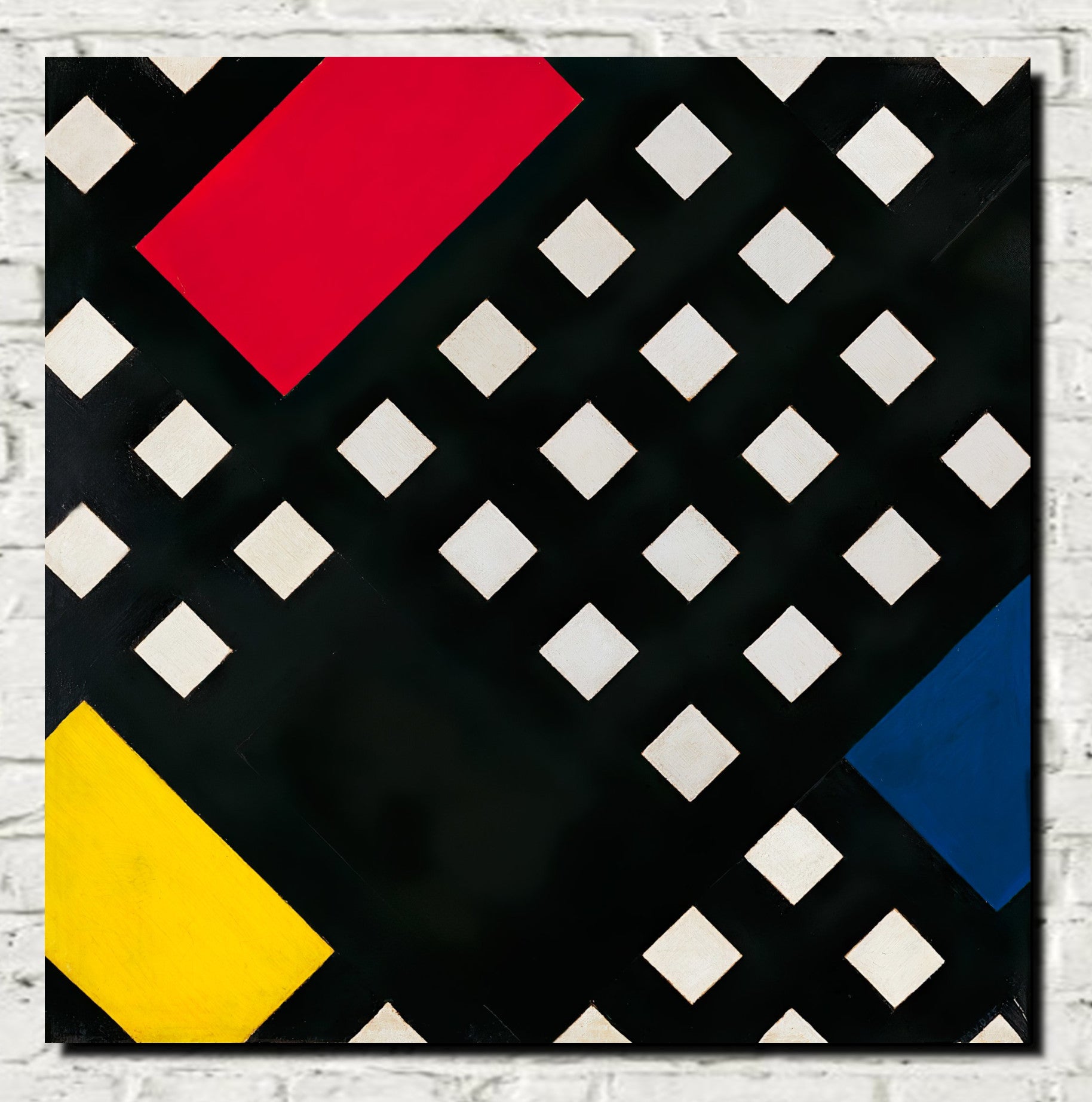
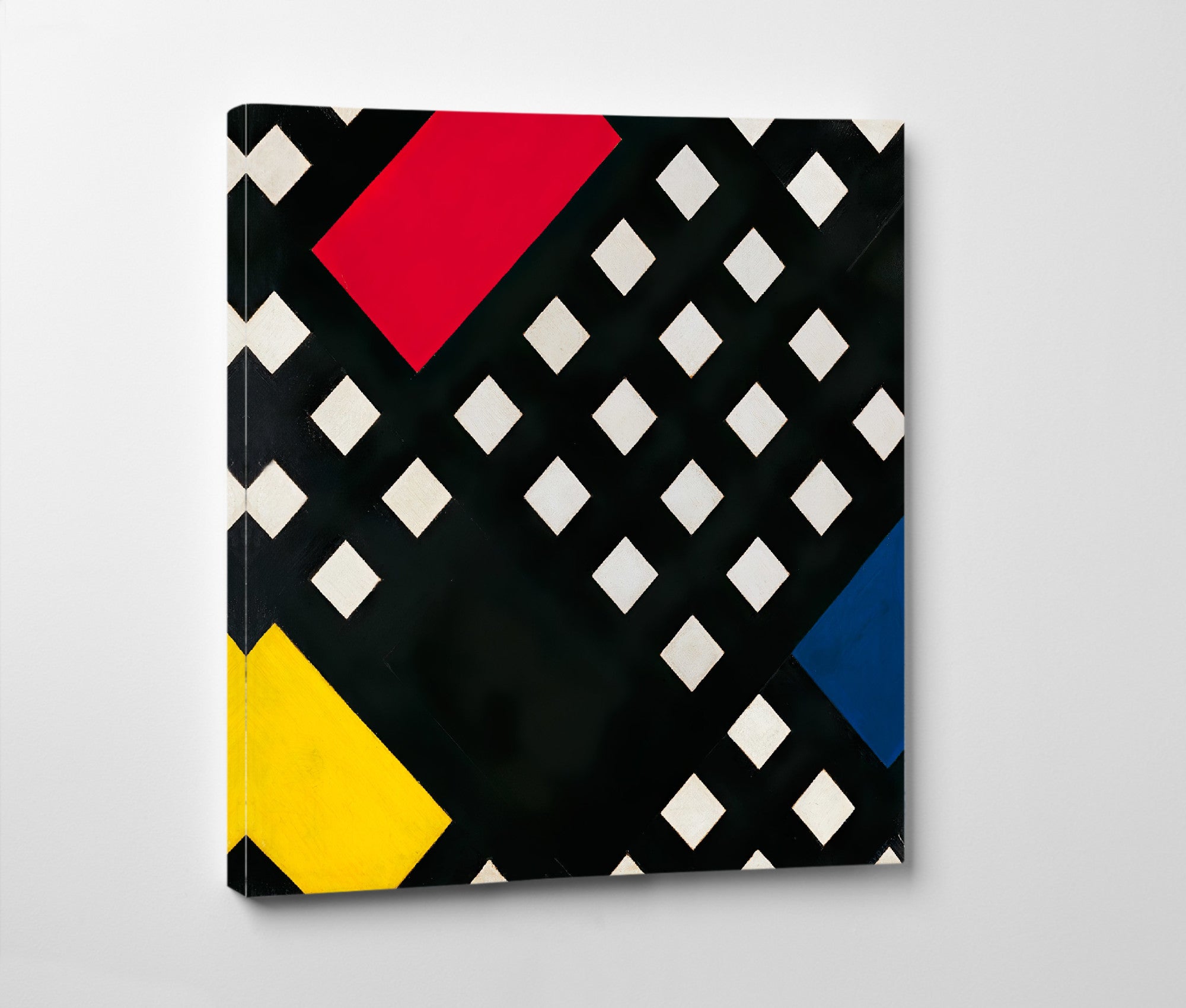
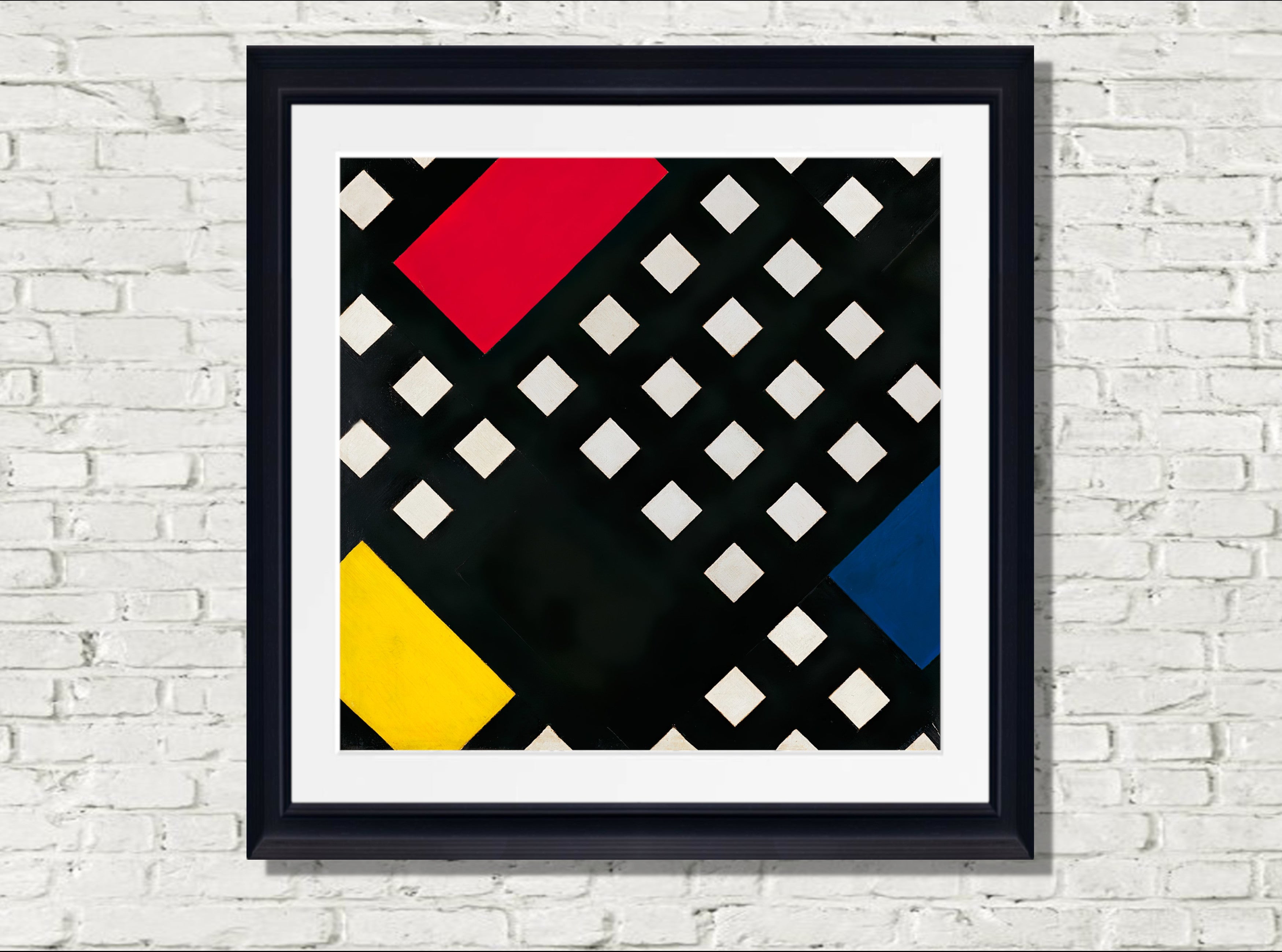
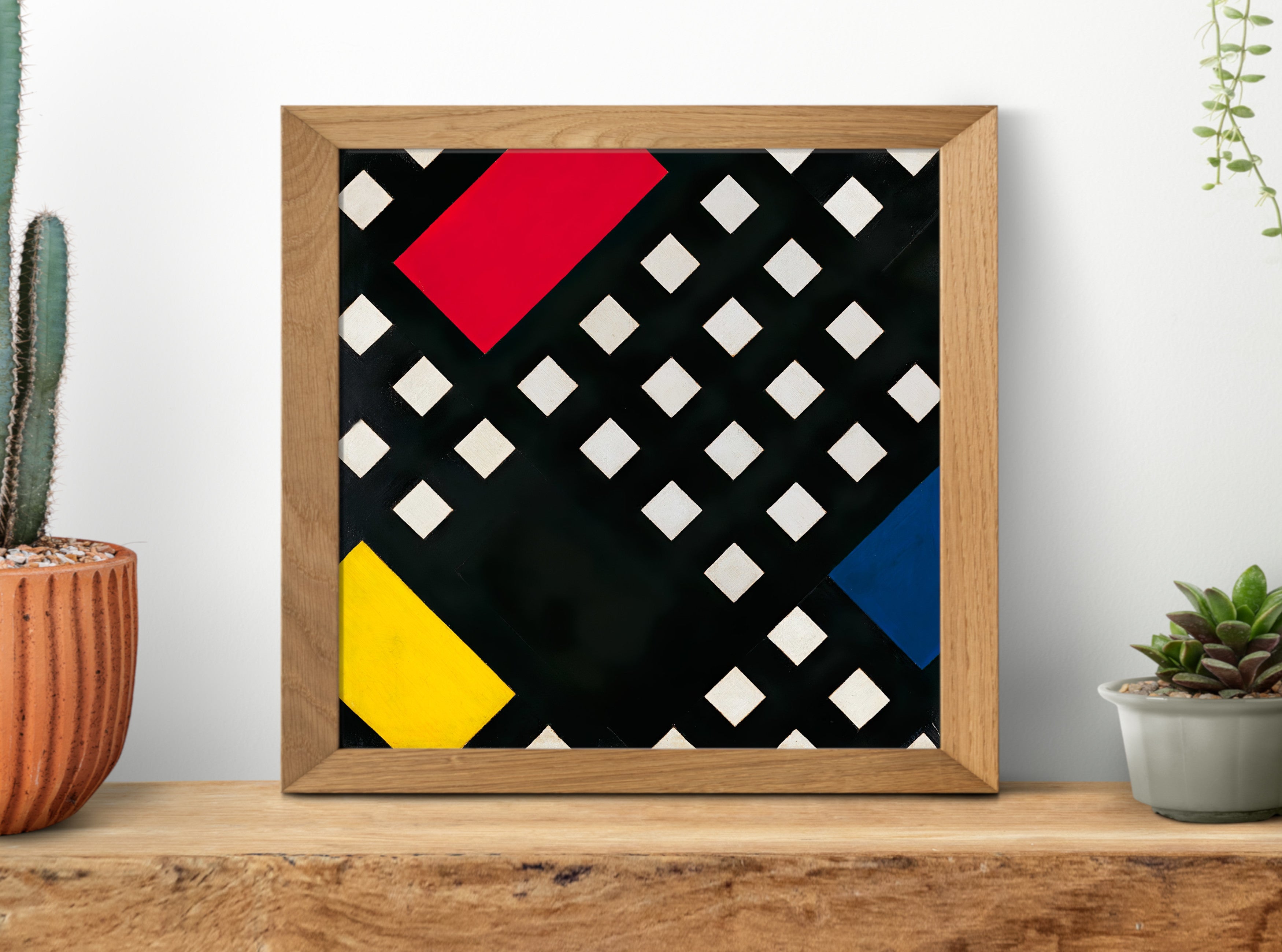
One important connection was De Stijl, the Dutch modernist movement associated with Piet Mondrian and Theo van Doesburg. De Stijl developed a highly reduced visual language based on geometric forms, lines and carefully controlled areas of colour.
Theo van Doesburg was not officially a Bauhaus teacher, but he promoted De Stijl ideas in Weimar during the early 1920s. His presence contributed to the wider debate around geometry, colour, abstraction and the relationship between art and architecture.
The Bauhaus and De Stijl remained distinct movements, but both became important influences on the development of twentieth-century geometric modernism.
Explore our Geometric Abstract Prints for further works built around circles, grids, lines, rectangles and constructed areas of colour.
Choosing Bauhaus Wall Art for Your Interior
Bauhaus art works especially well in contemporary, minimalist, mid-century and Scandinavian-inspired interiors because its underlying visual language is closely connected with geometry, architecture and modern design.
A colourful Kandinsky print can introduce energy to a neutral room, while the more restrained geometry of Moholy-Nagy can complement modern furniture and architectural spaces.
Paul Klee prints offer a softer option where subtle colour and intricate detail are preferred, while Oskar Schlemmer's stylised figures work particularly well in interiors where purely abstract art might feel too austere.
Bauhaus Prints for Living Rooms
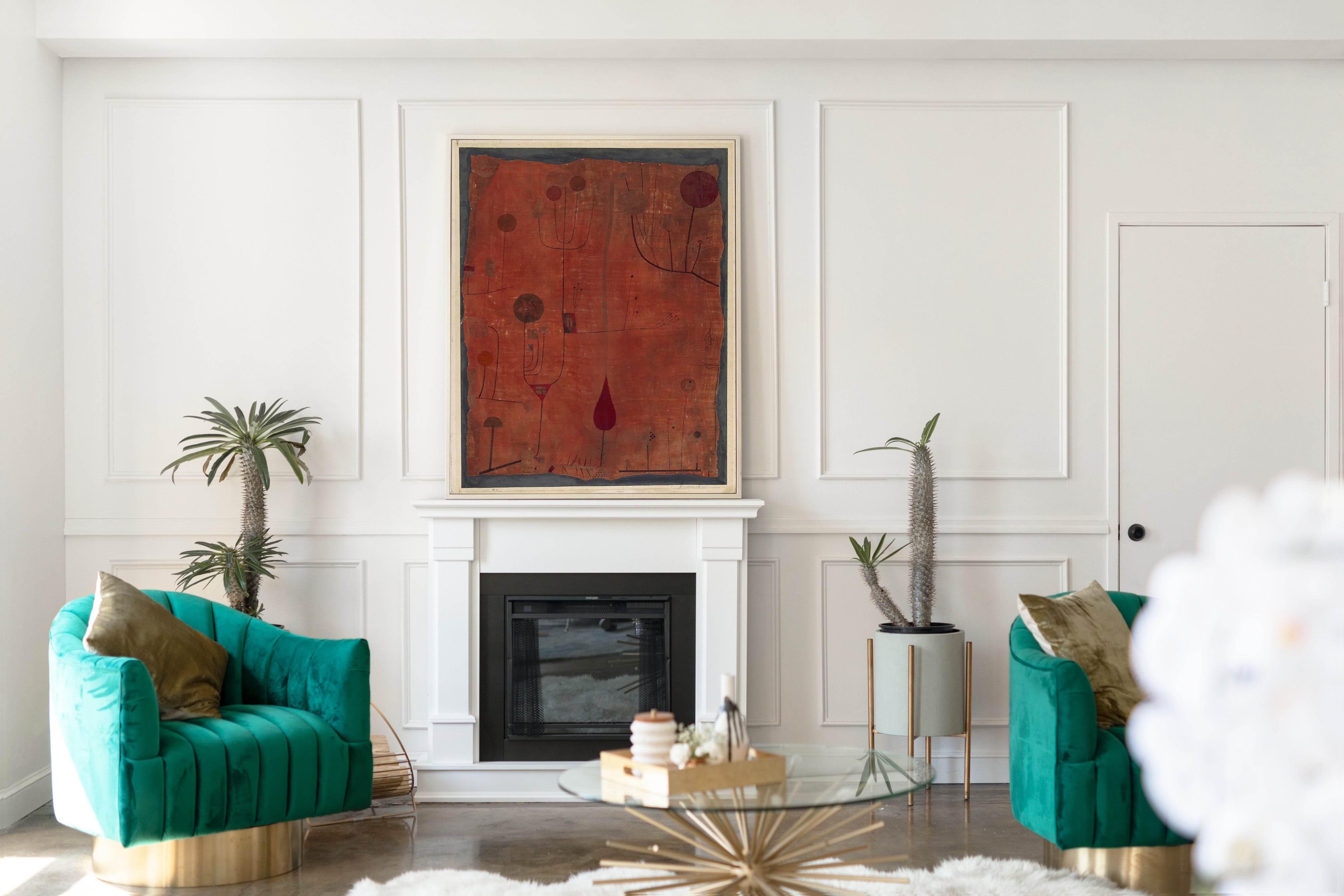
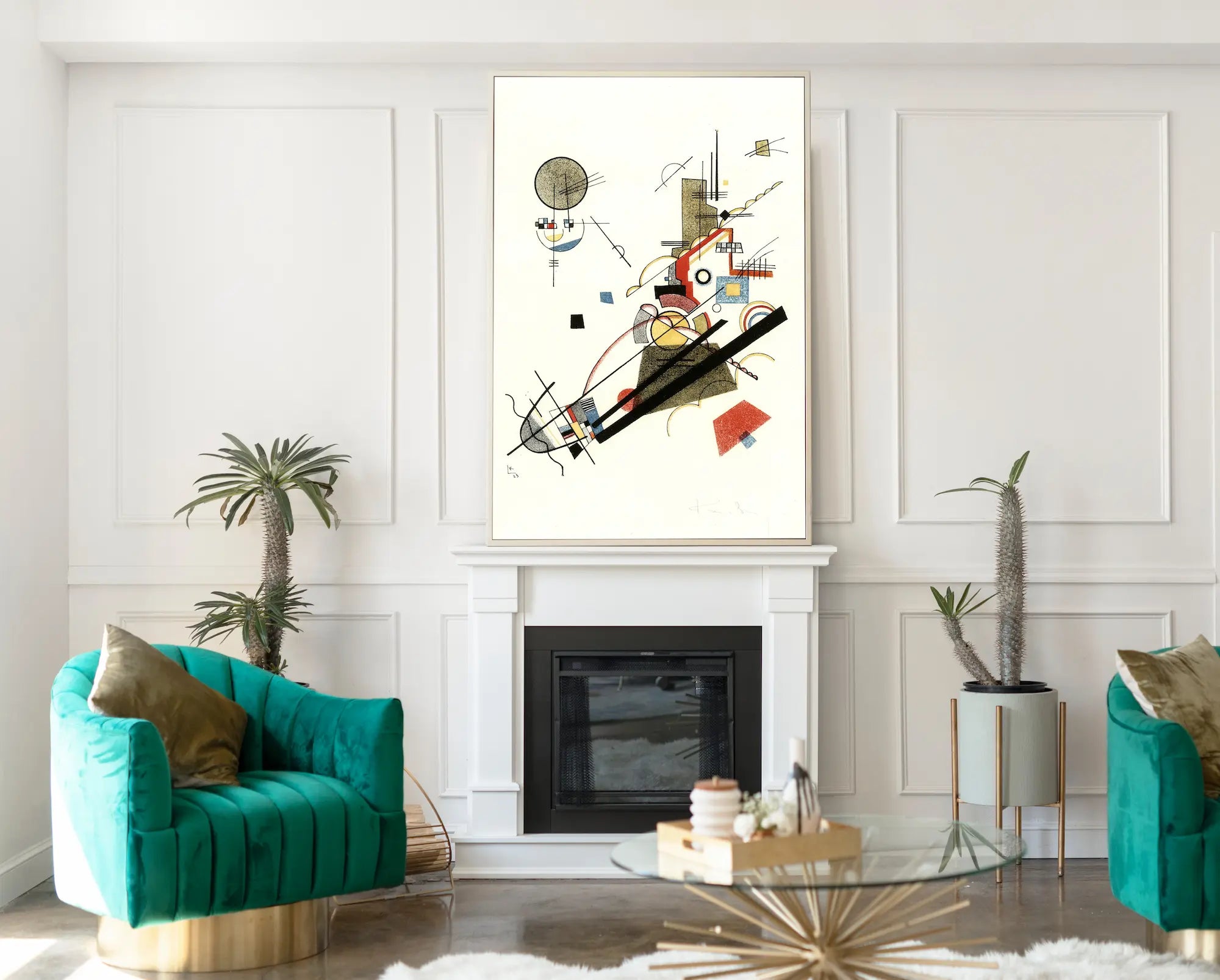
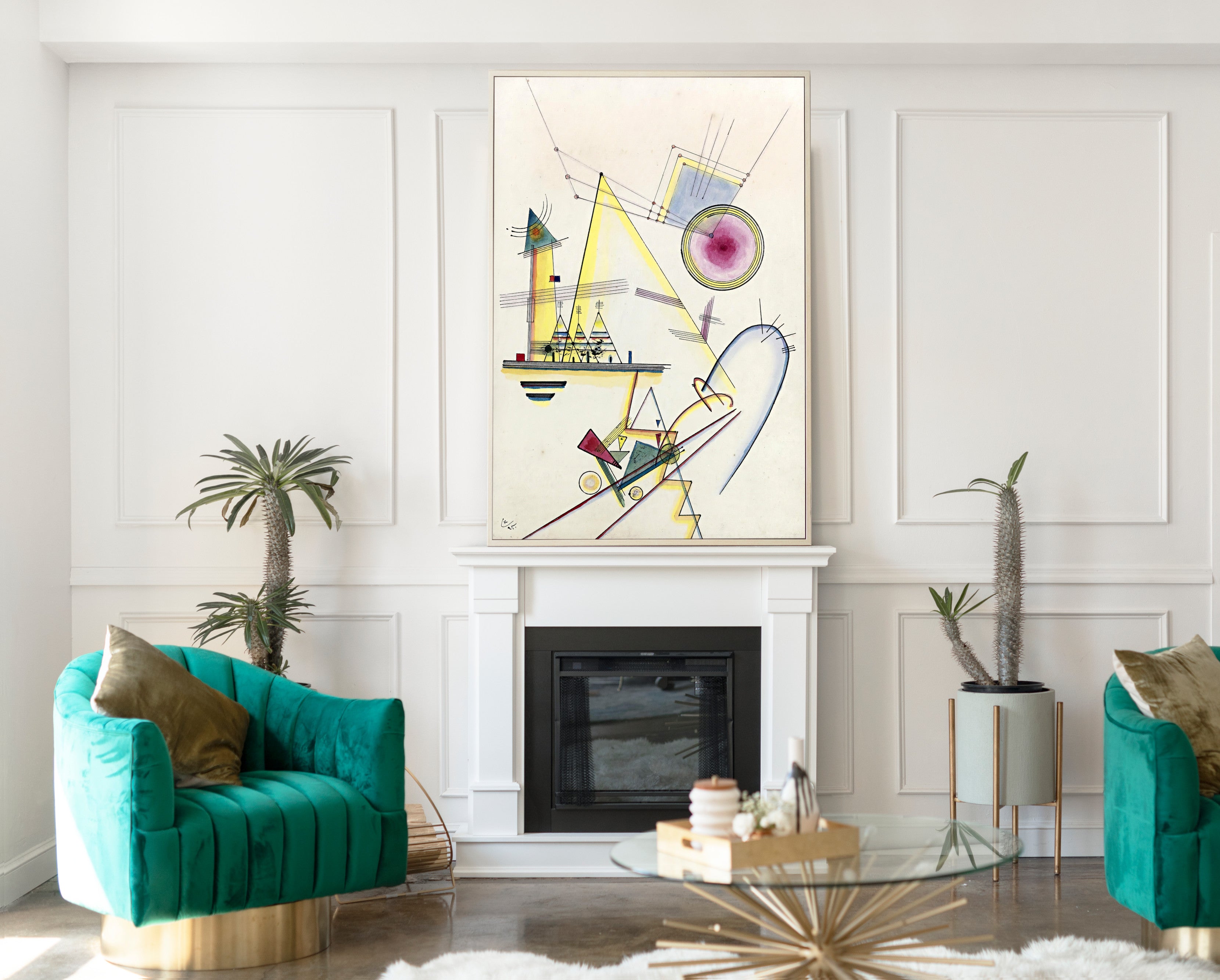
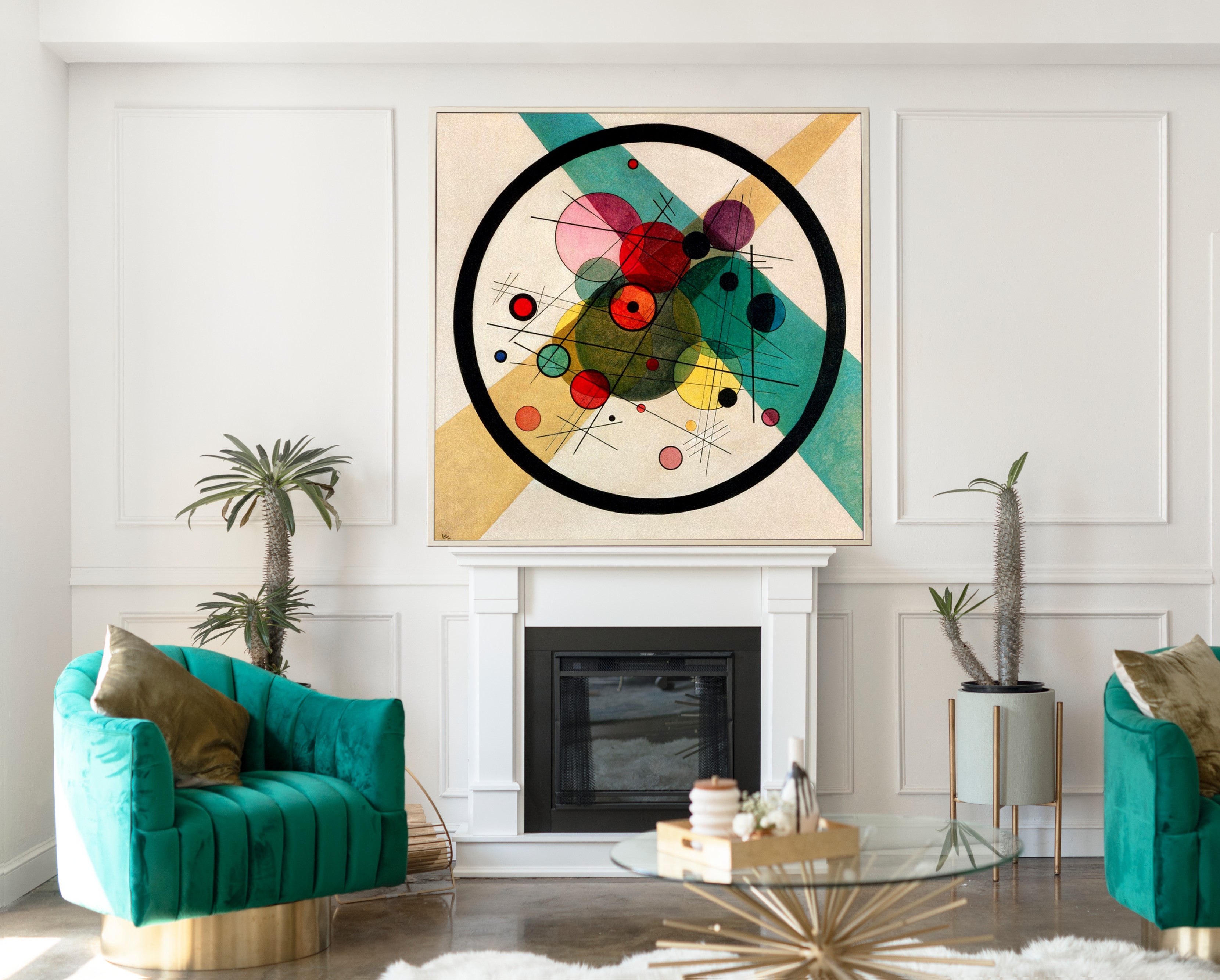
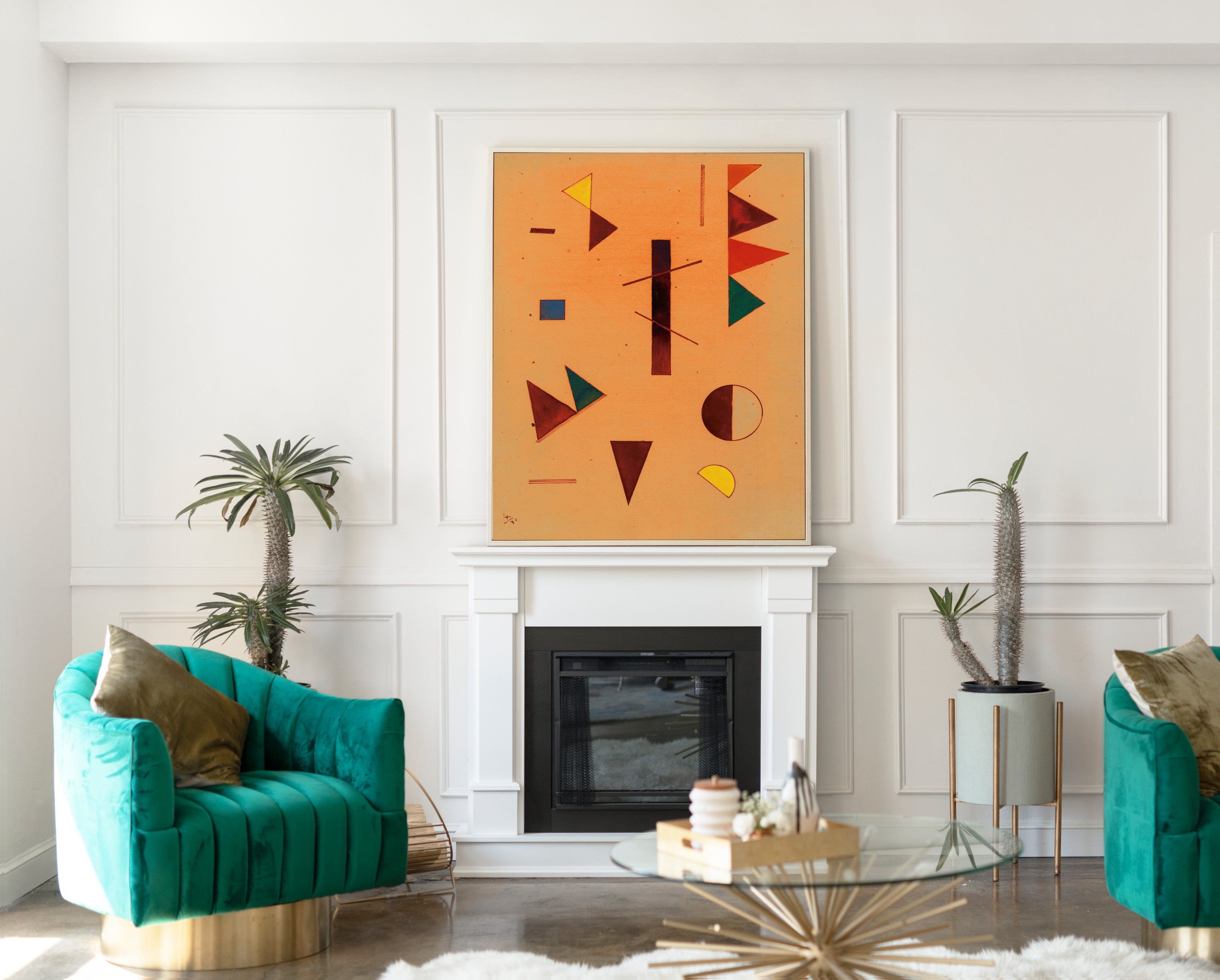
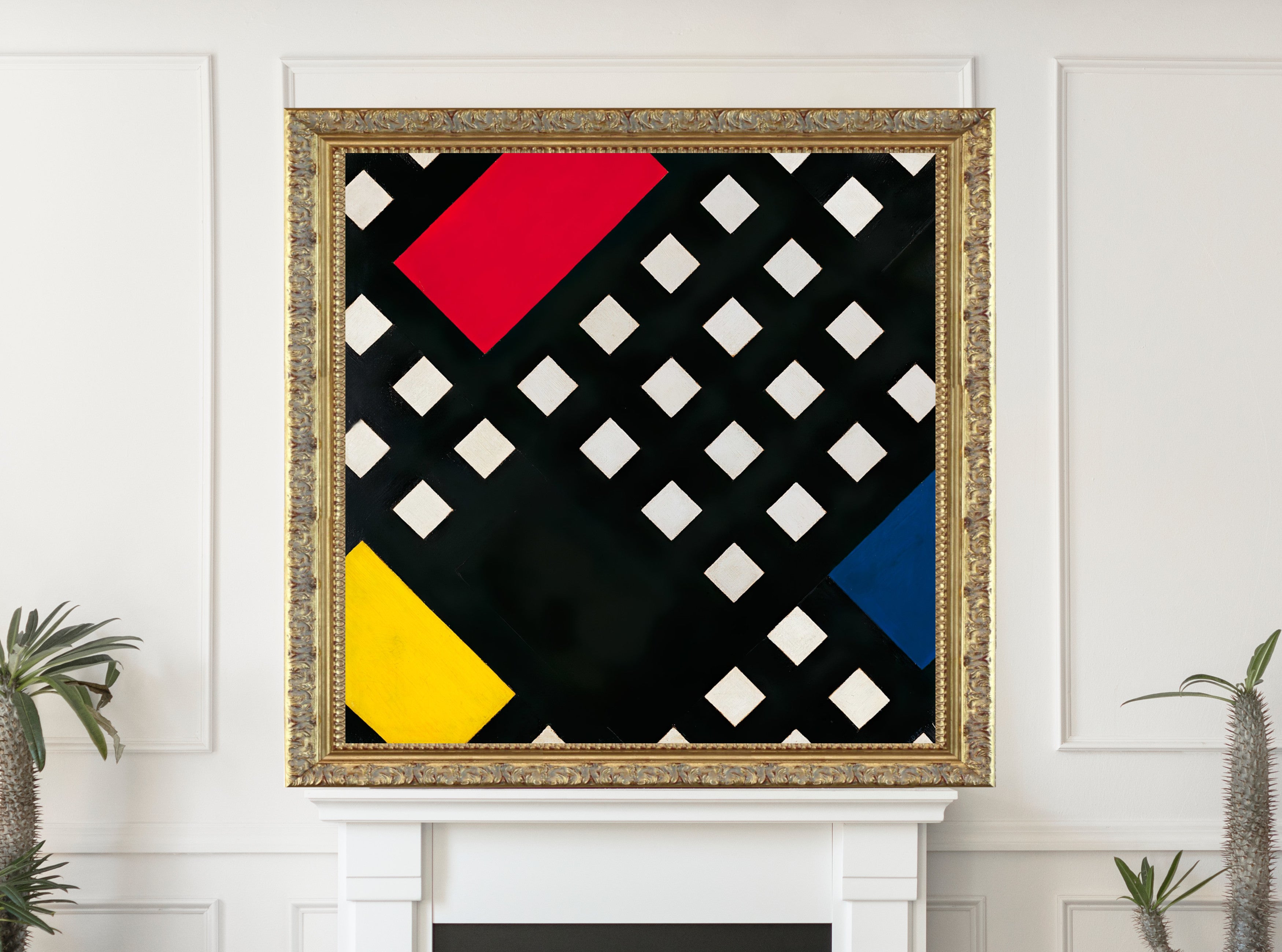
A large Bauhaus print can provide a strong focal point above a sofa, fireplace or sideboard. Geometric compositions work particularly well against white, cream, beige and grey walls, where areas of red, blue, yellow or black can create controlled visual contrast.
Bauhaus Prints for Offices and Creative Spaces
Bauhaus artwork is particularly appropriate for home offices, studios and professional environments connected with architecture, design and creativity.
Geometric compositions and experimental photographs can add visual interest without dominating a workspace, while the historical relationship between the Bauhaus and modern design gives these works particular relevance to creative interiors.
Creating a Bauhaus Gallery Wall
Several Bauhaus prints can be combined to create a cohesive modernist gallery wall.
Rather than selecting identical artworks, consider combining different approaches to Bauhaus art: a geometric Kandinsky composition, a Paul Klee work centred on colour or pattern, and a monochrome Moholy-Nagy photograph can create variety while retaining a strong modernist theme.
Repeating colours, frame styles or geometric forms across several works can help unify the display.
Bauhaus Prints, Framed Prints and Canvas Panels
GalleryThane Bauhaus artwork is available in a range of sizes and presentation formats.
Fine art paper prints provide flexibility for individual framing, while framed prints offer a complete gallery-style presentation. Canvas panels provide a clean contemporary alternative particularly suited to larger modernist compositions.
Our prints, frames and canvas panels are produced in our Nottinghamshire workshop using carefully selected materials and UV-stable pigment inks. Particular attention is given to reproducing the clear lines, colour relationships and geometric forms that are central to much Bauhaus artwork.
Frequently Asked Questions
What is Bauhaus art?
Bauhaus art developed around the influential German school founded in 1919. Rather than representing one single painting style, the Bauhaus encouraged experimentation across painting, photography, typography, architecture, theatre, furniture and industrial design.
What are the main characteristics of Bauhaus art?
Common characteristics include simplified geometric forms, experimentation with colour, strong lines, asymmetric compositions and an interest in the relationship between art, design, materials and modern technology. However, Bauhaus artists developed many different individual styles.
Who are the most famous Bauhaus artists?
Important artists and teachers associated with the Bauhaus include Wassily Kandinsky, Paul Klee, László Moholy-Nagy, Oskar Schlemmer, Josef Albers, Lyonel Feininger and Johannes Itten.
Were Wassily Kandinsky and Paul Klee Bauhaus artists?
Yes. Kandinsky joined the Bauhaus in 1922 and taught there until 1933. Paul Klee taught at the school from 1921 until 1931. Both became important teachers as well as major figures in modern art.
Was Theo van Doesburg a Bauhaus artist?
Theo van Doesburg was the founder of De Stijl and was never formally employed by the Bauhaus. He taught private courses in Weimar and promoted ideas about geometric abstraction, colour and architecture that formed part of the wider modernist exchange surrounding the school.
Is Bauhaus the same as De Stijl?
No. Bauhaus and De Stijl were separate modernist movements. They shared interests in geometry, abstraction, architecture and design, and there was significant exchange of ideas between individuals associated with them.
Are all Kandinsky and Paul Klee works Bauhaus art?
No. Both artists had substantial careers outside their Bauhaus years. A historically focused Bauhaus collection should favour works produced during their association with the school or works that clearly reflect ideas developed within their Bauhaus practice.
What interior styles suit Bauhaus prints?
Bauhaus prints work particularly well with contemporary, minimalist, mid-century modern and Scandinavian interiors. Their geometry and controlled colour also complement modern offices, design studios and architectural spaces.
What colours are associated with Bauhaus wall art?
Red, blue, yellow, black and white are strongly associated with many Bauhaus works, although Bauhaus artists used a much wider range of colours. Neutral interiors often provide an effective background for colourful geometric compositions.