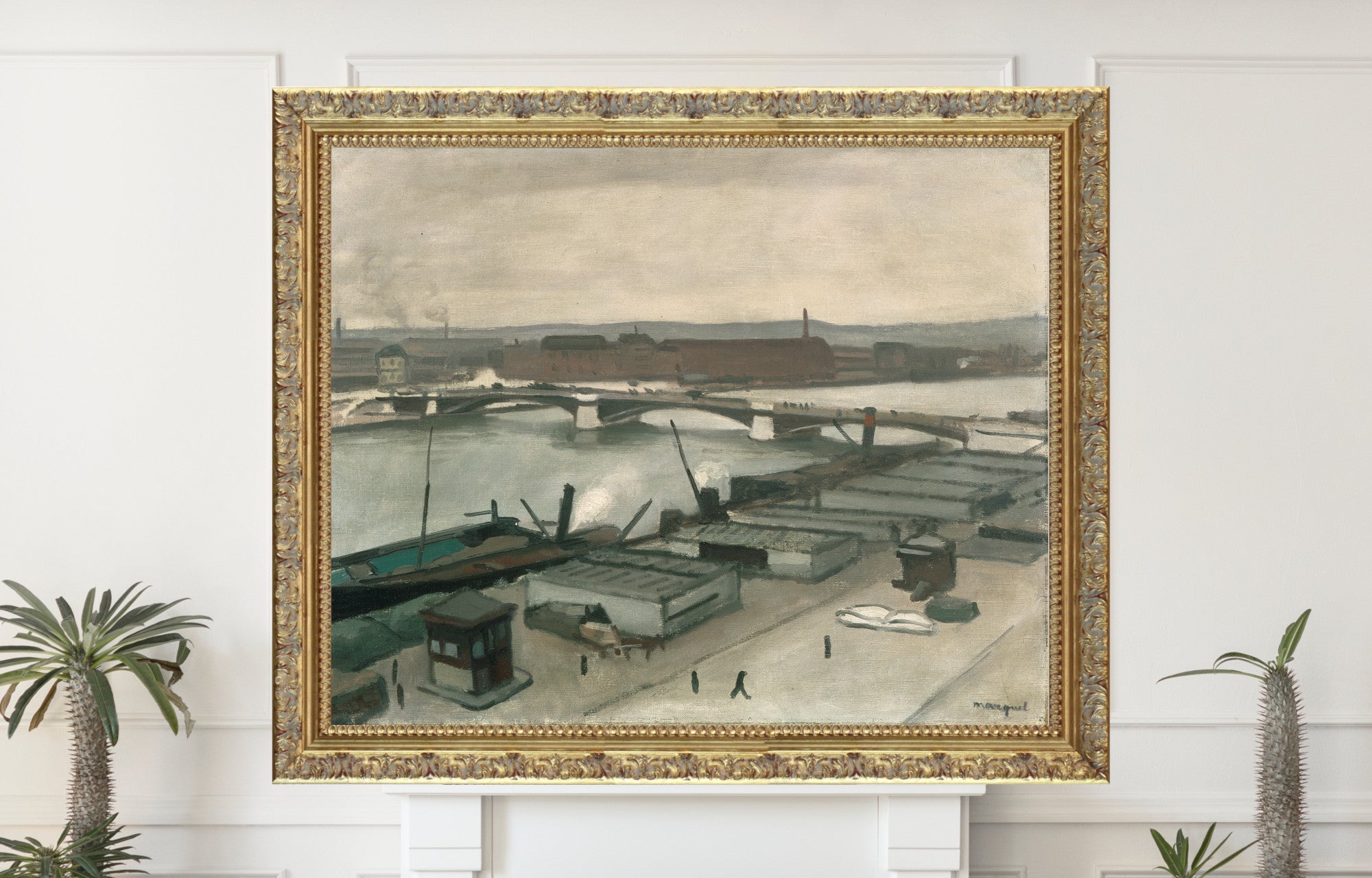
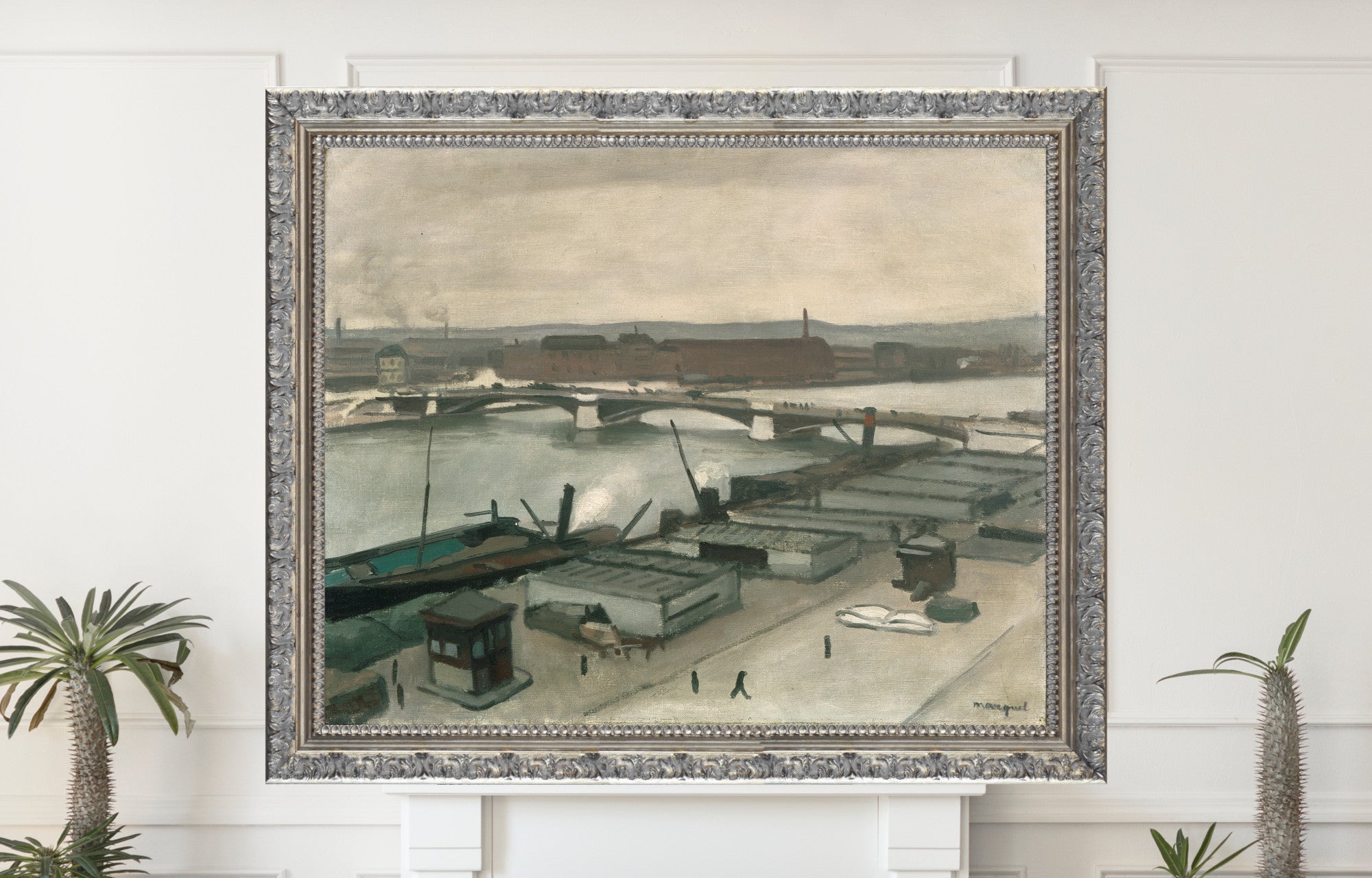
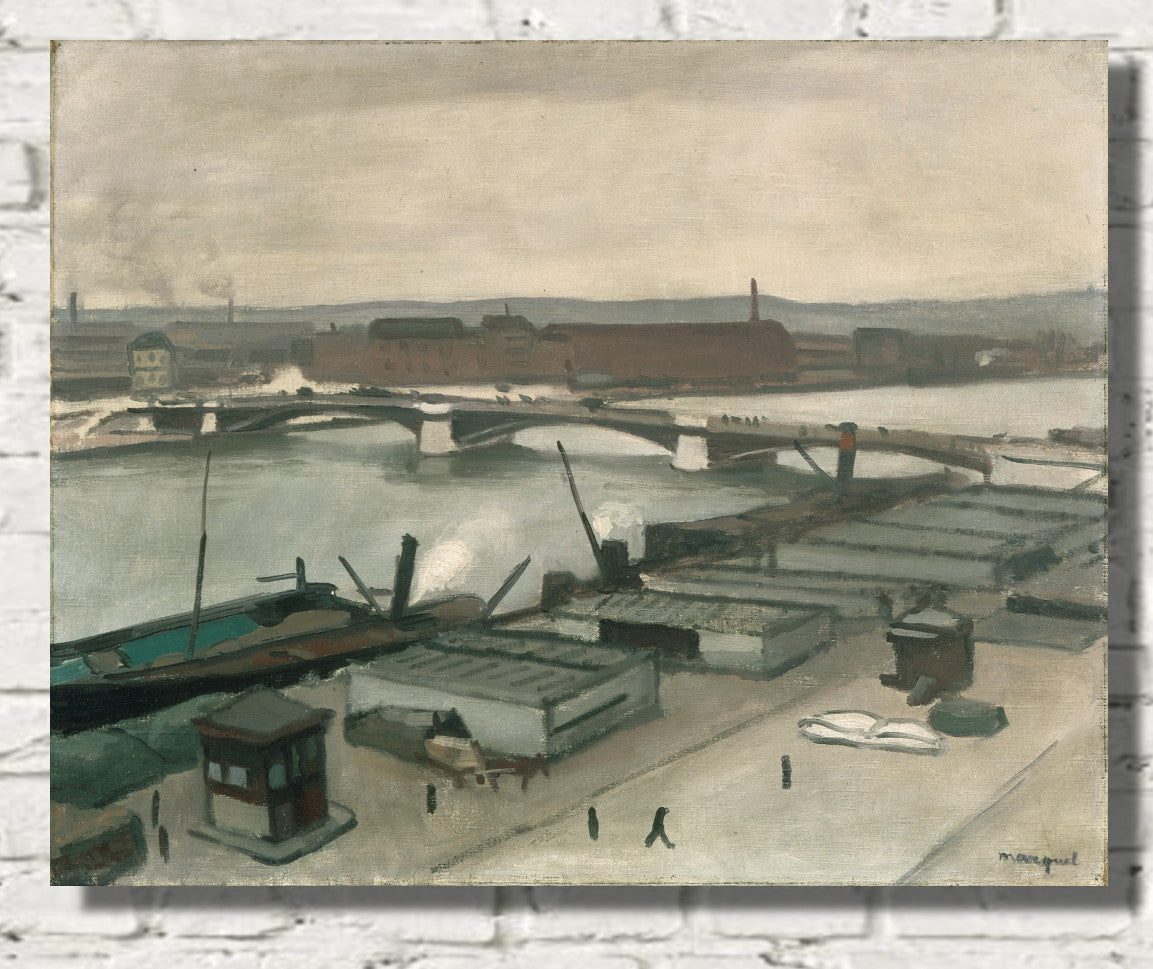
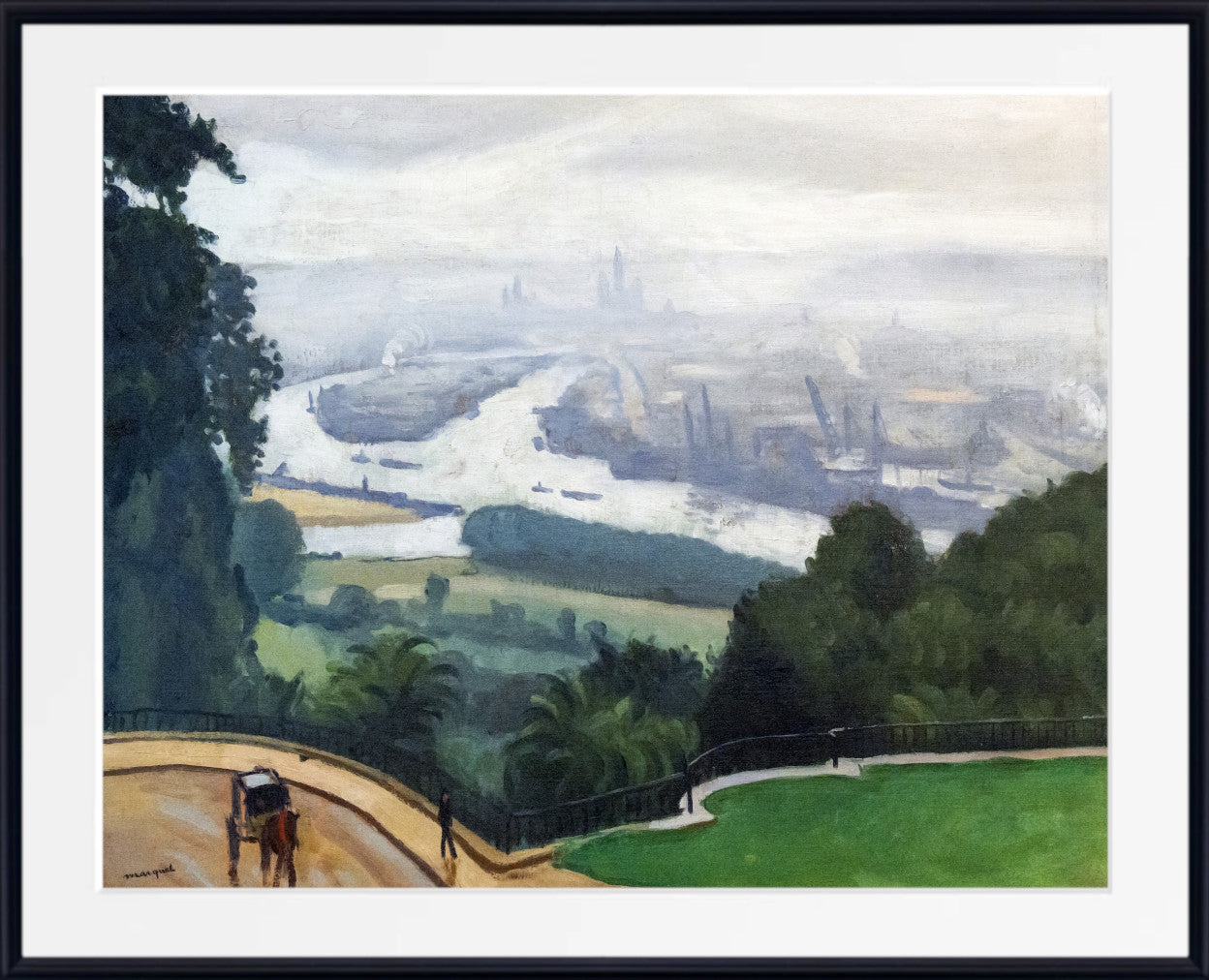
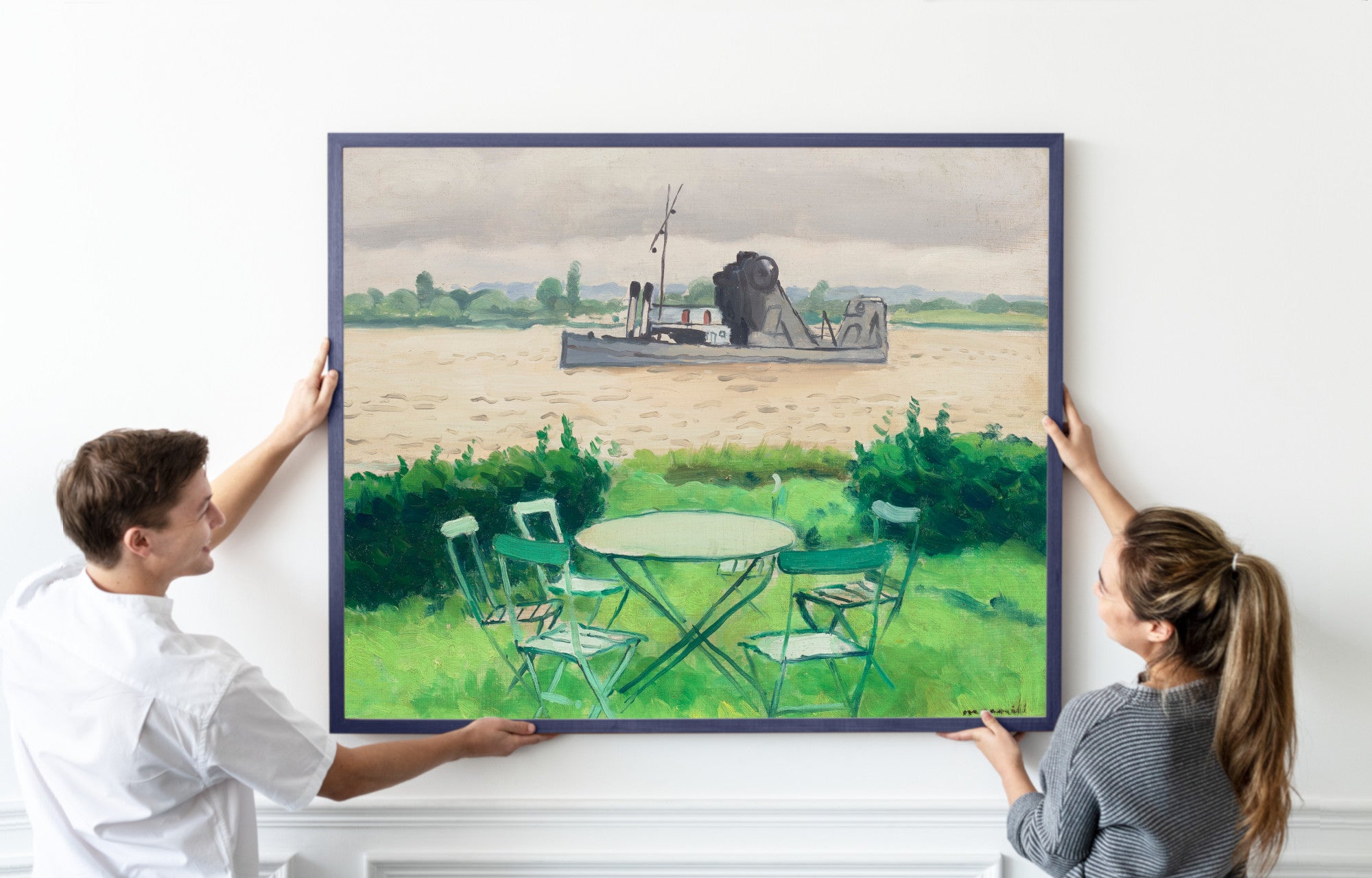
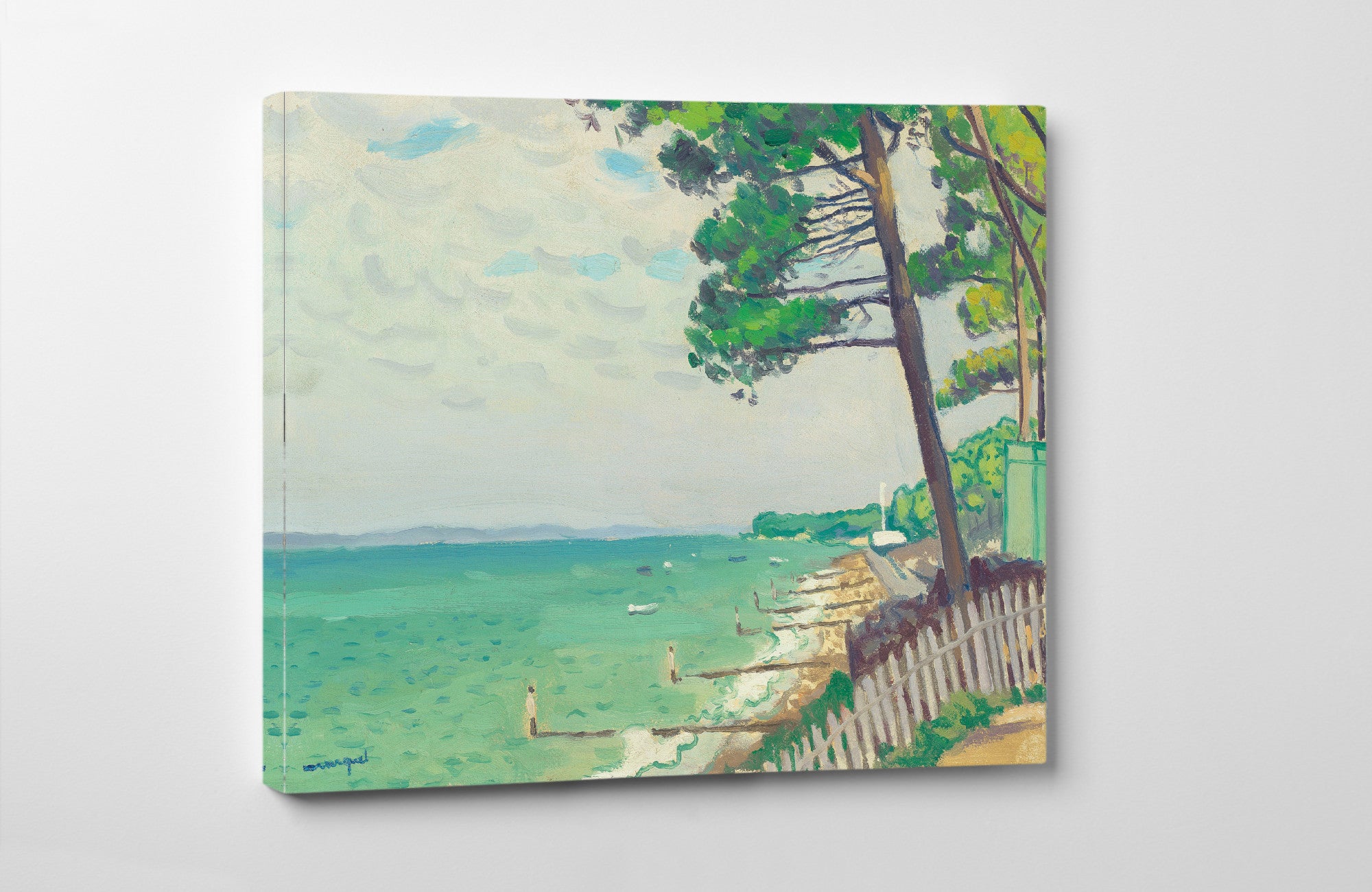
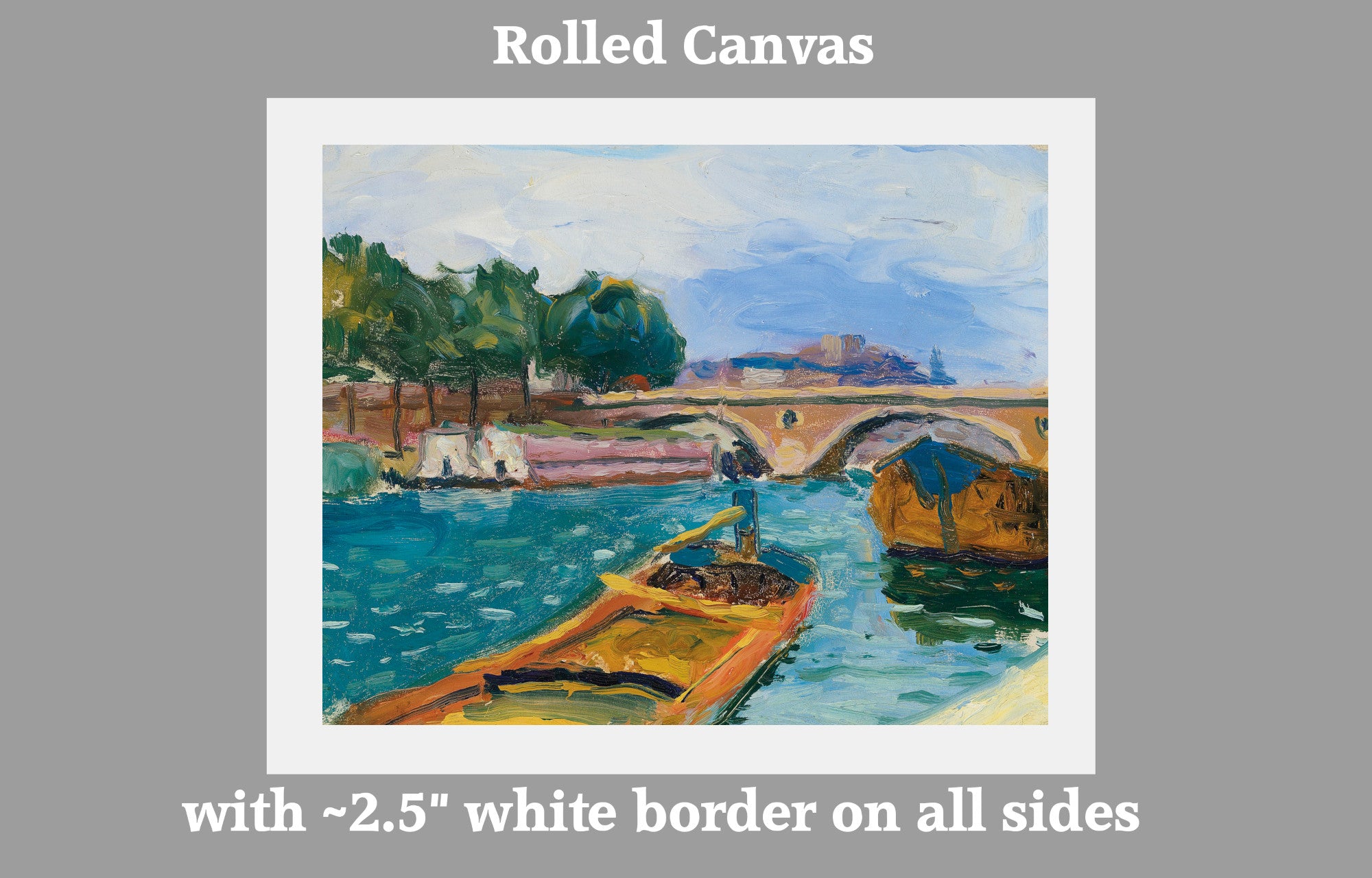
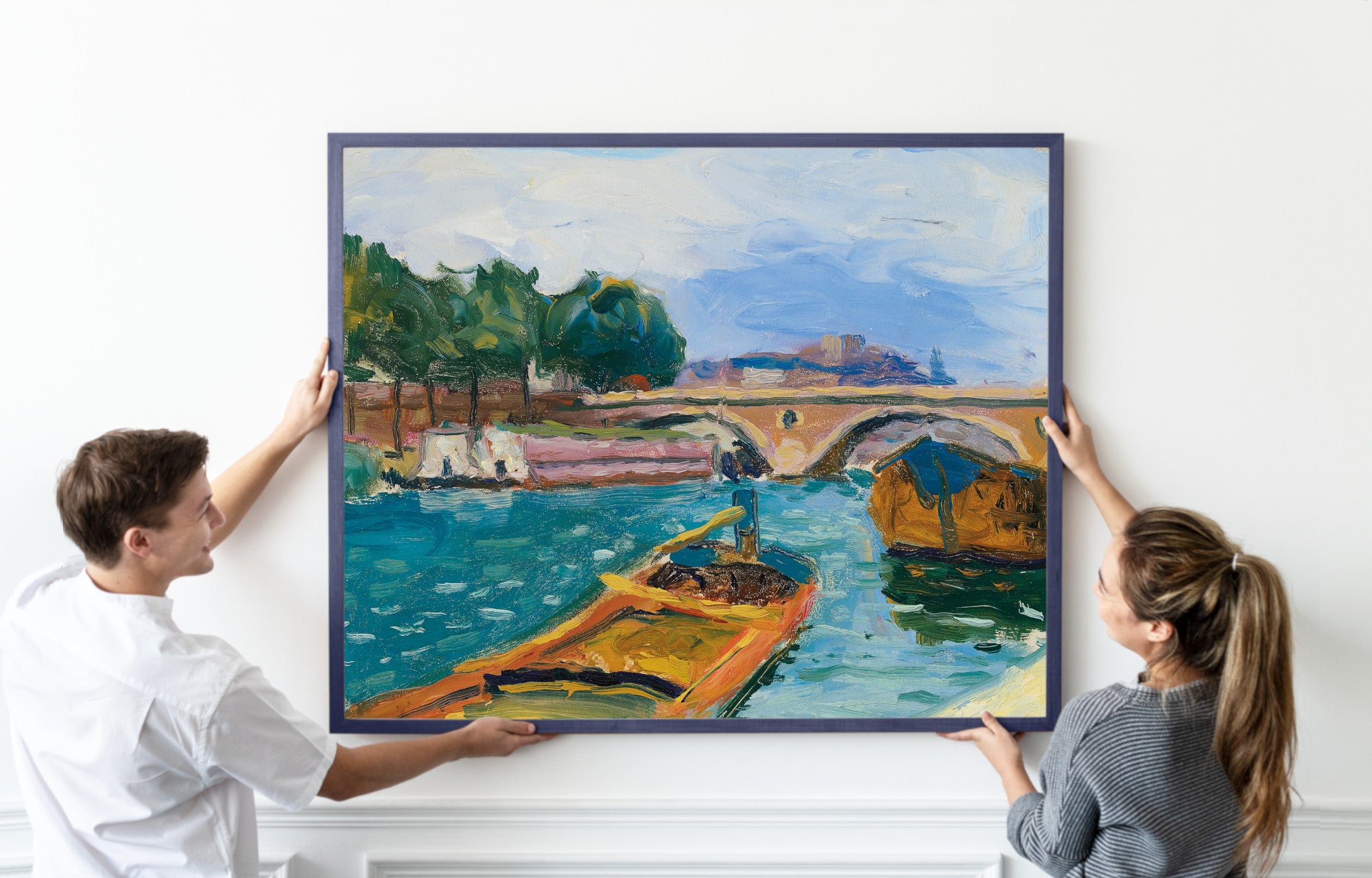
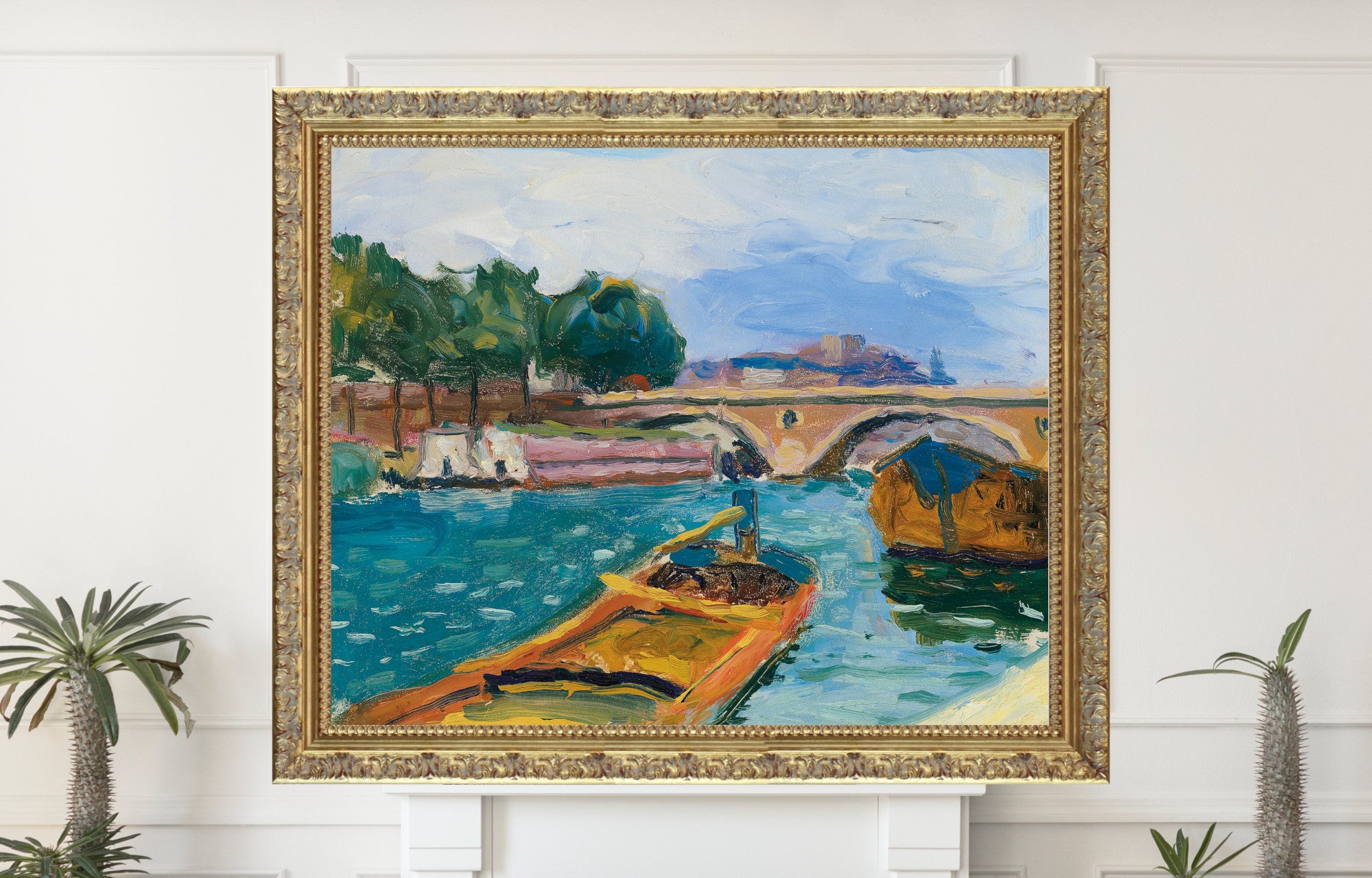
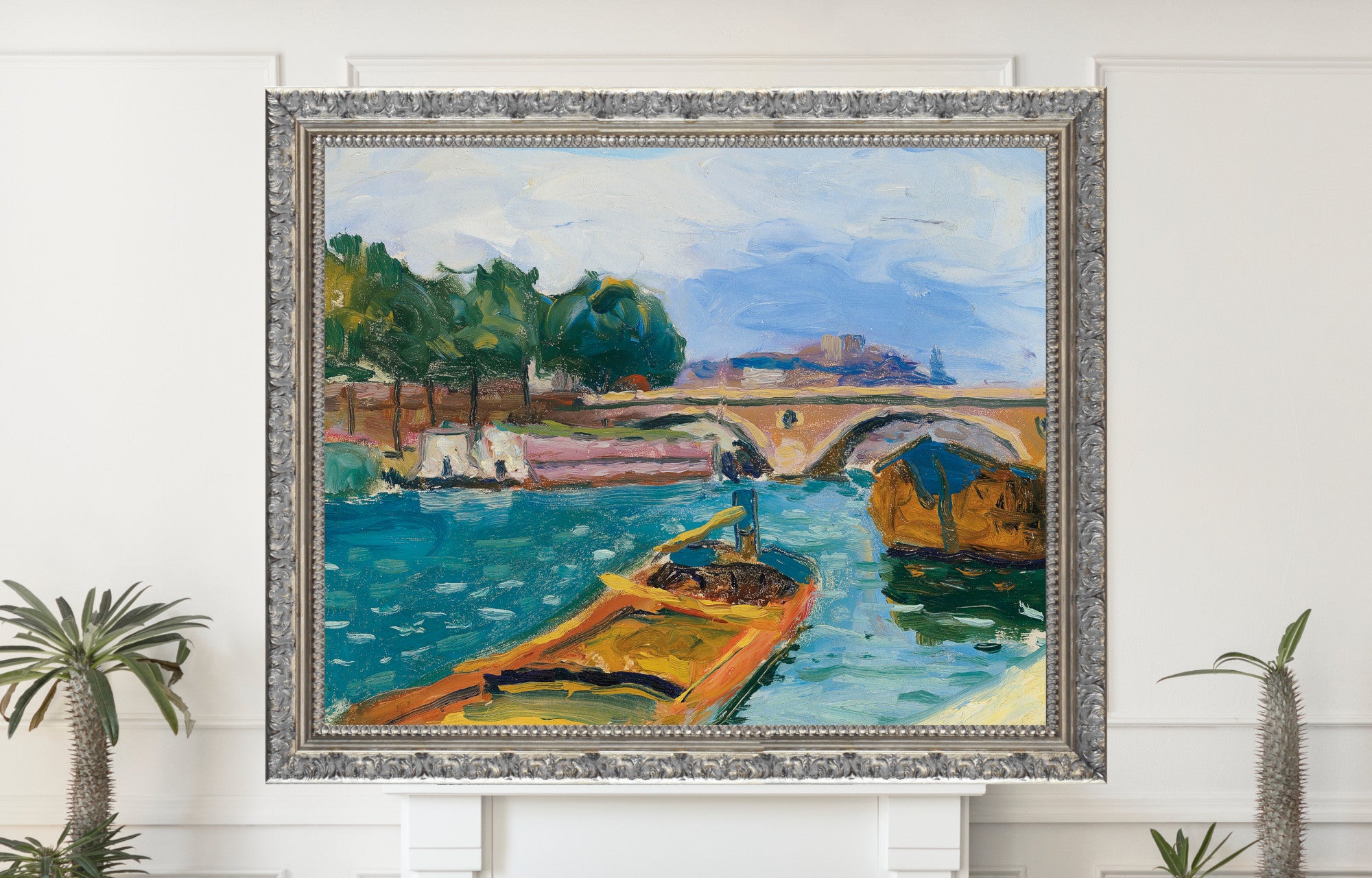
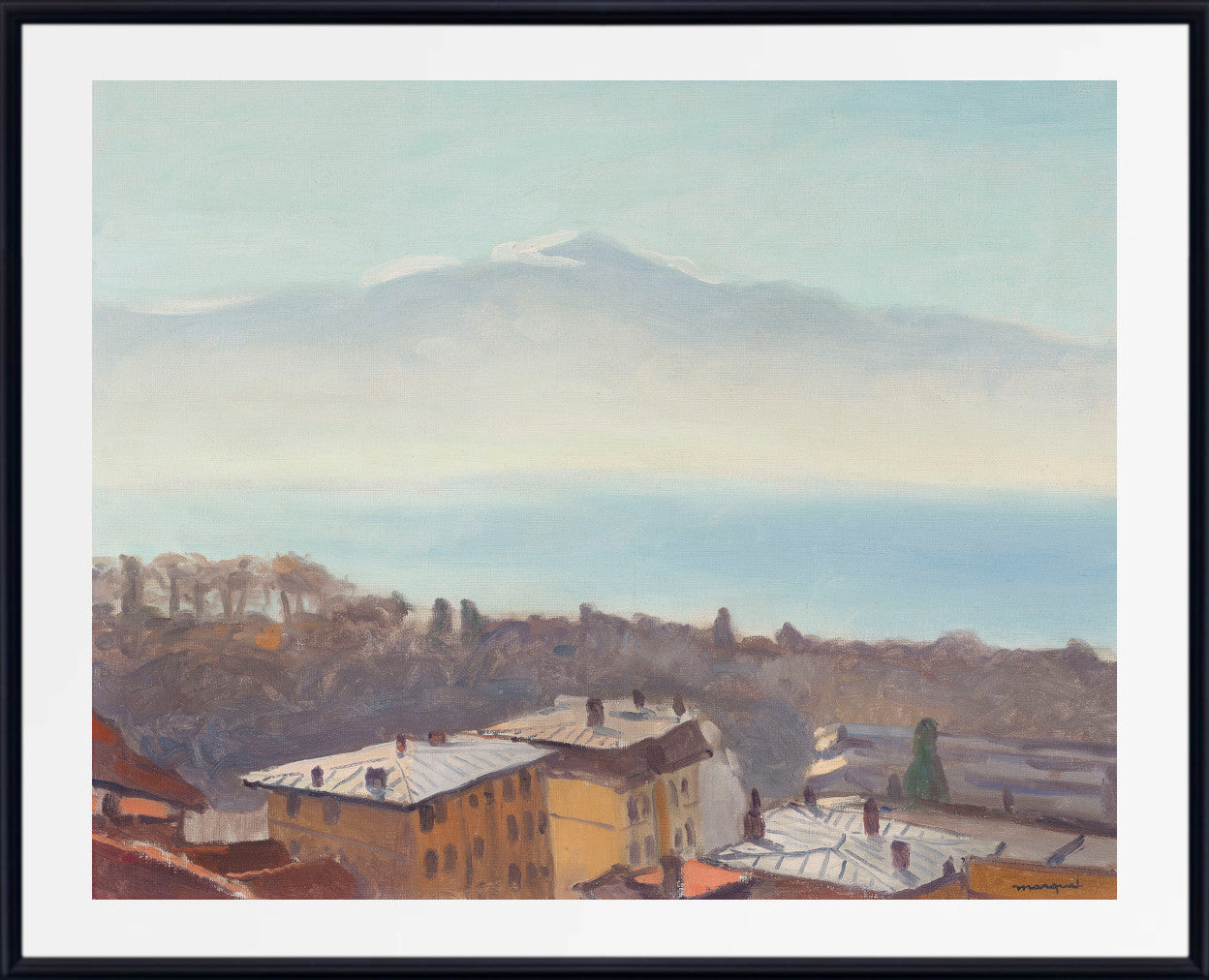
Albert Marquet Prints – Rivers, Harbours and Modern Landscape
Albert Marquet developed one of the most recognisable approaches to landscape painting in early twentieth-century French art. Although closely associated with Fauvism, his mature paintings are generally quieter than the intensely coloured works of Henri Matisse, André Derain or Maurice de Vlaminck.
Rivers, bridges, quays, harbours and coastlines became his great recurring subjects. Marquet travelled extensively, painting Paris and the Seine as well as Normandy, the Mediterranean, Scandinavia and North Africa.
GalleryThane's collection of Albert Marquet prints reflects this extraordinary geographical range, bringing together Paris river scenes, Mediterranean landscapes, ports, beaches and atmospheric views of Algiers.
Explore the wider Fauvism Prints collection to see Marquet within the movement that helped establish his early reputation.
Who Was Albert Marquet?
Albert Marquet was born in Bordeaux in 1875 and moved to Paris as a young man to pursue his artistic education.
He studied at the École des Arts Décoratifs before entering the École des Beaux-Arts, where he worked under Gustave Moreau. Moreau's students included several artists who would become important figures in French modernism, most notably Henri Matisse.
Marquet and Matisse developed a particularly long-lasting friendship, and both participated in the artistic experiments that led to Fauvism during the opening years of the twentieth century.
In 1905 Marquet exhibited at the celebrated Salon d'Automne in Paris alongside artists whose brilliant and unconventional colour prompted critic Louis Vauxcelles to describe them as les fauves – “the wild beasts”.
Yet Marquet would soon establish an artistic identity quite distinct from the more flamboyant members of the group.
Albert Marquet and Fauvism
Marquet's place within Fauvism is important, but his work also demonstrates how diverse the movement actually was.
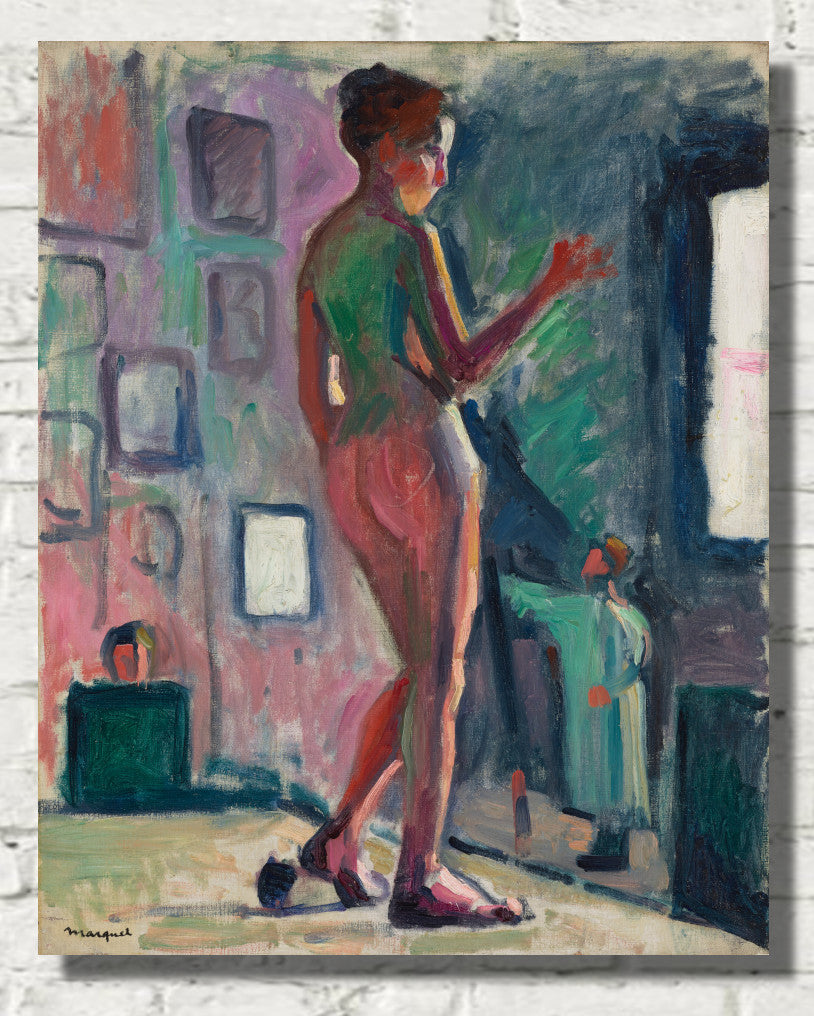
Like the other Fauves, he simplified forms and allowed colour greater independence from literal natural appearance. His early work could contain strong greens, blues, yellows and pinks.
Marquet rarely pursued the most extreme colour contrasts associated with André Derain or Maurice de Vlaminck, however.
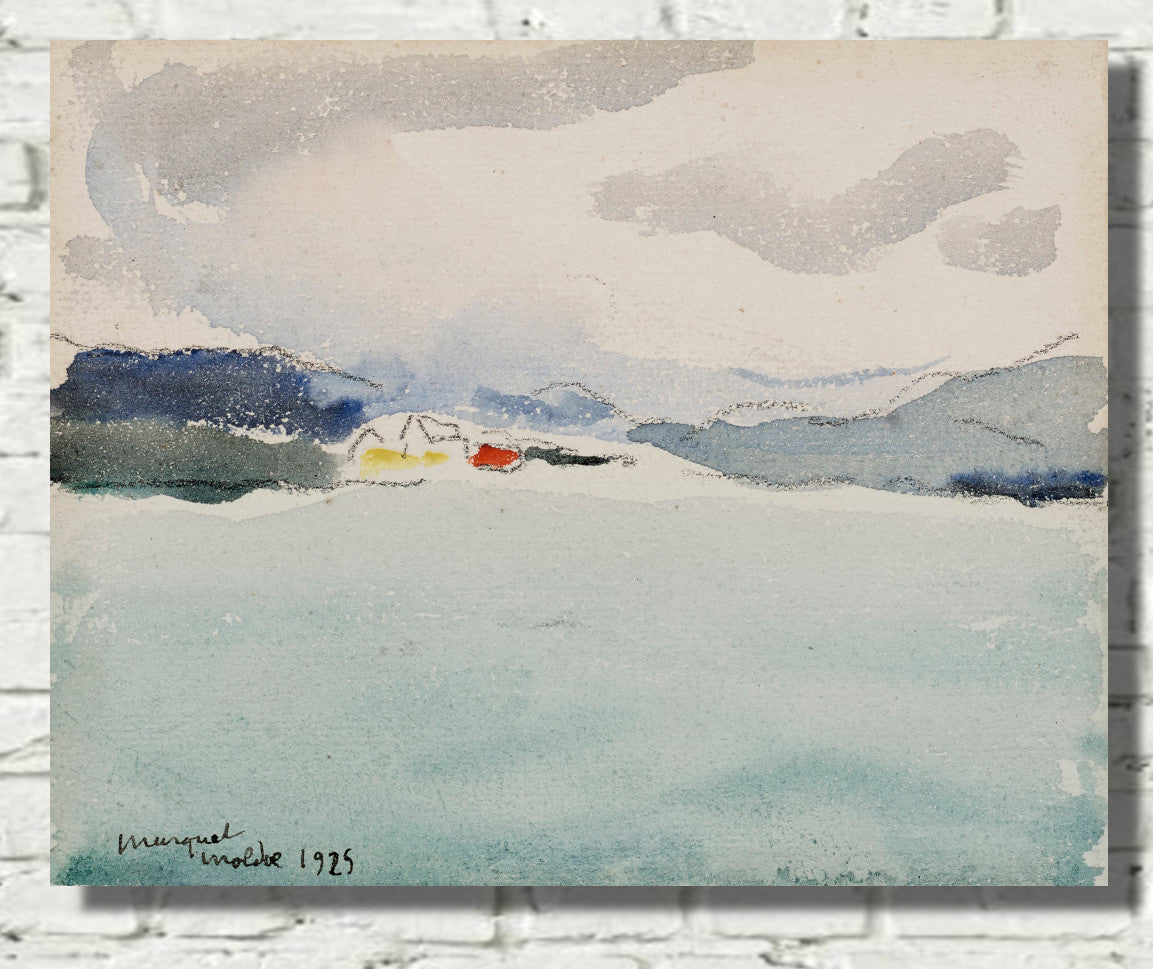
Instead, his palette gradually became more restrained. Greys, muted blues, soft greens, ochres and violets allowed him to describe atmosphere, changing weather and reflections on water with remarkable economy.
This combination of Fauvist simplification and tonal restraint became one of the defining qualities of his mature painting.
Paris and the River Seine
Paris was one of Marquet's most important subjects.
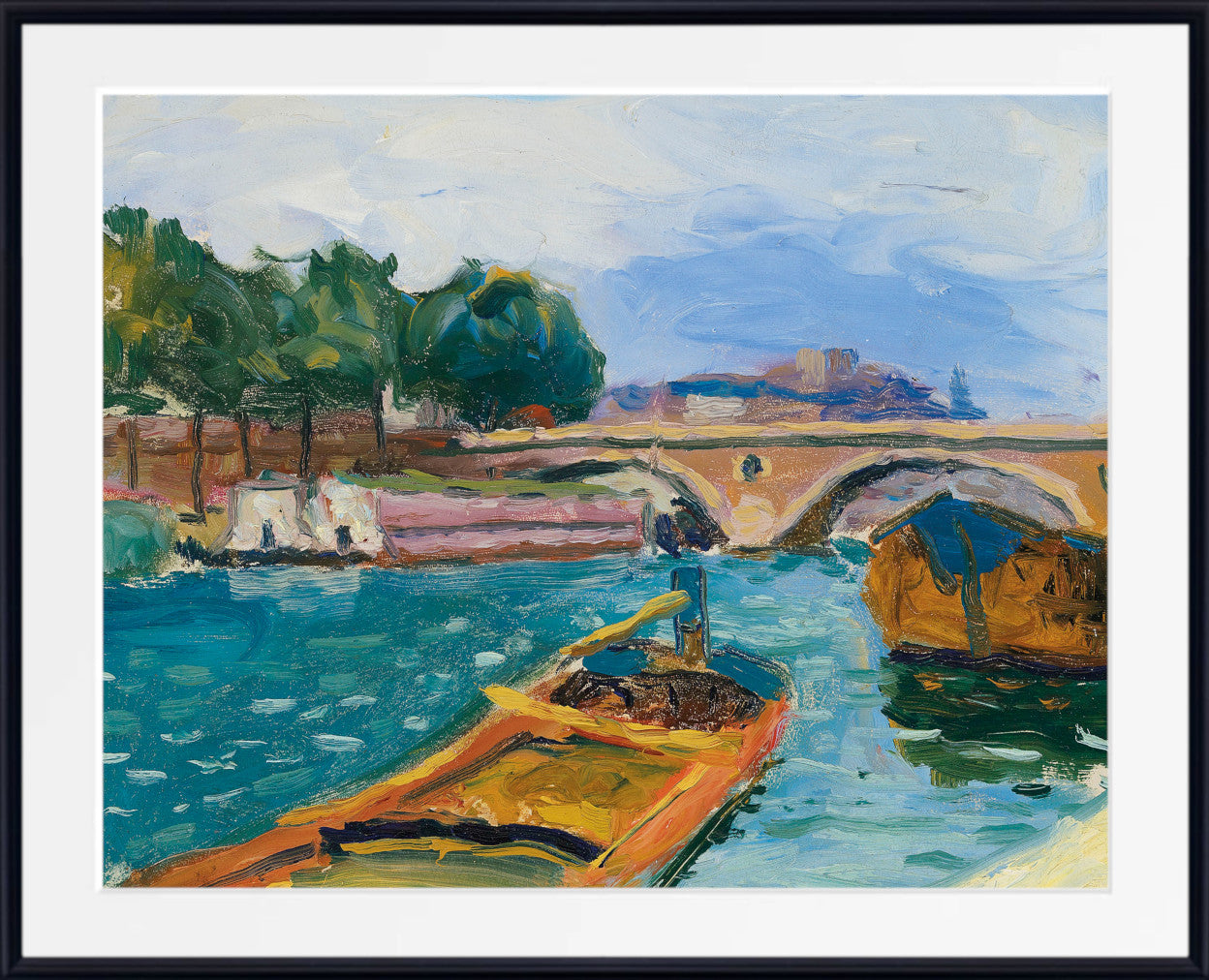
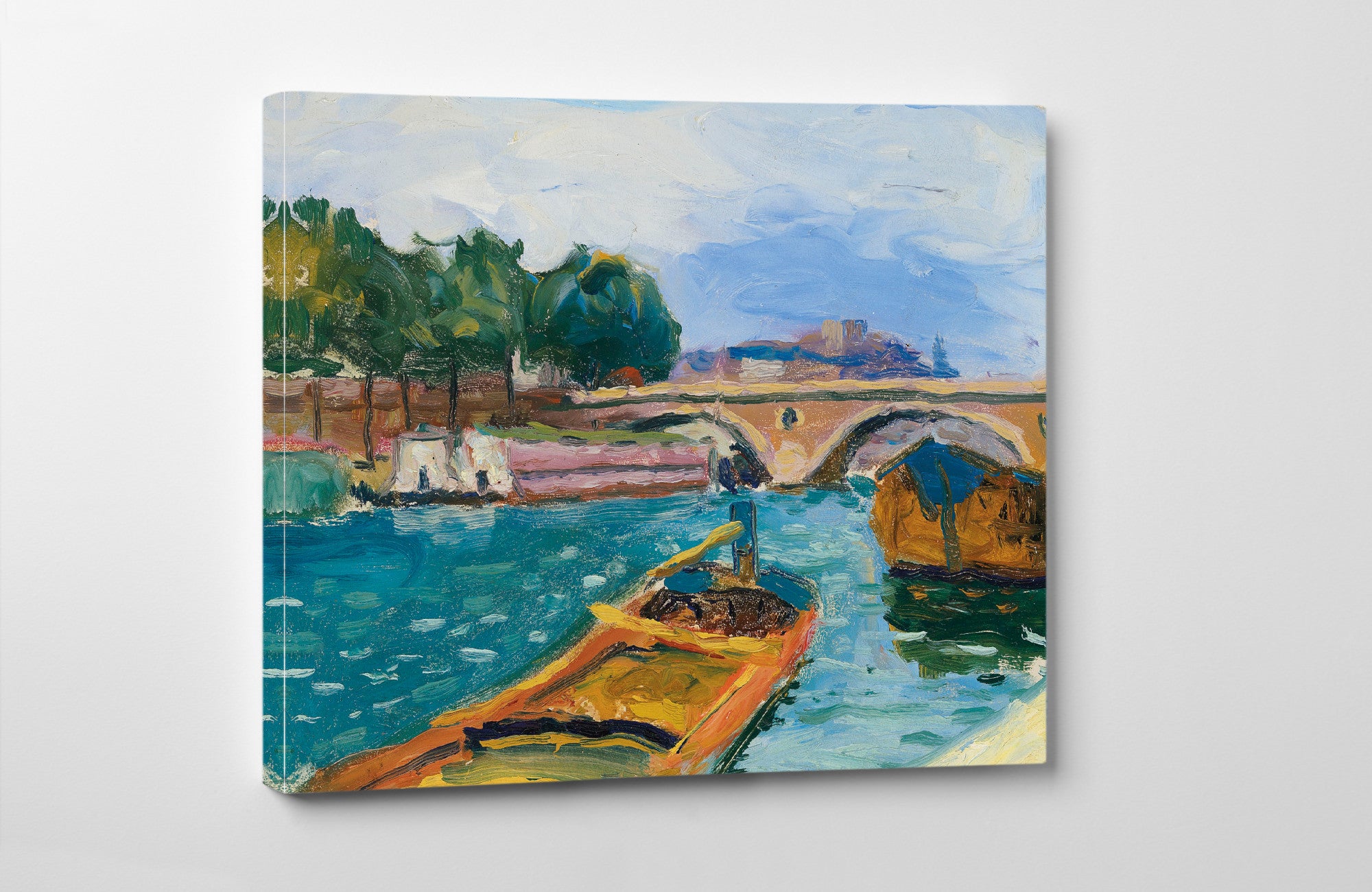
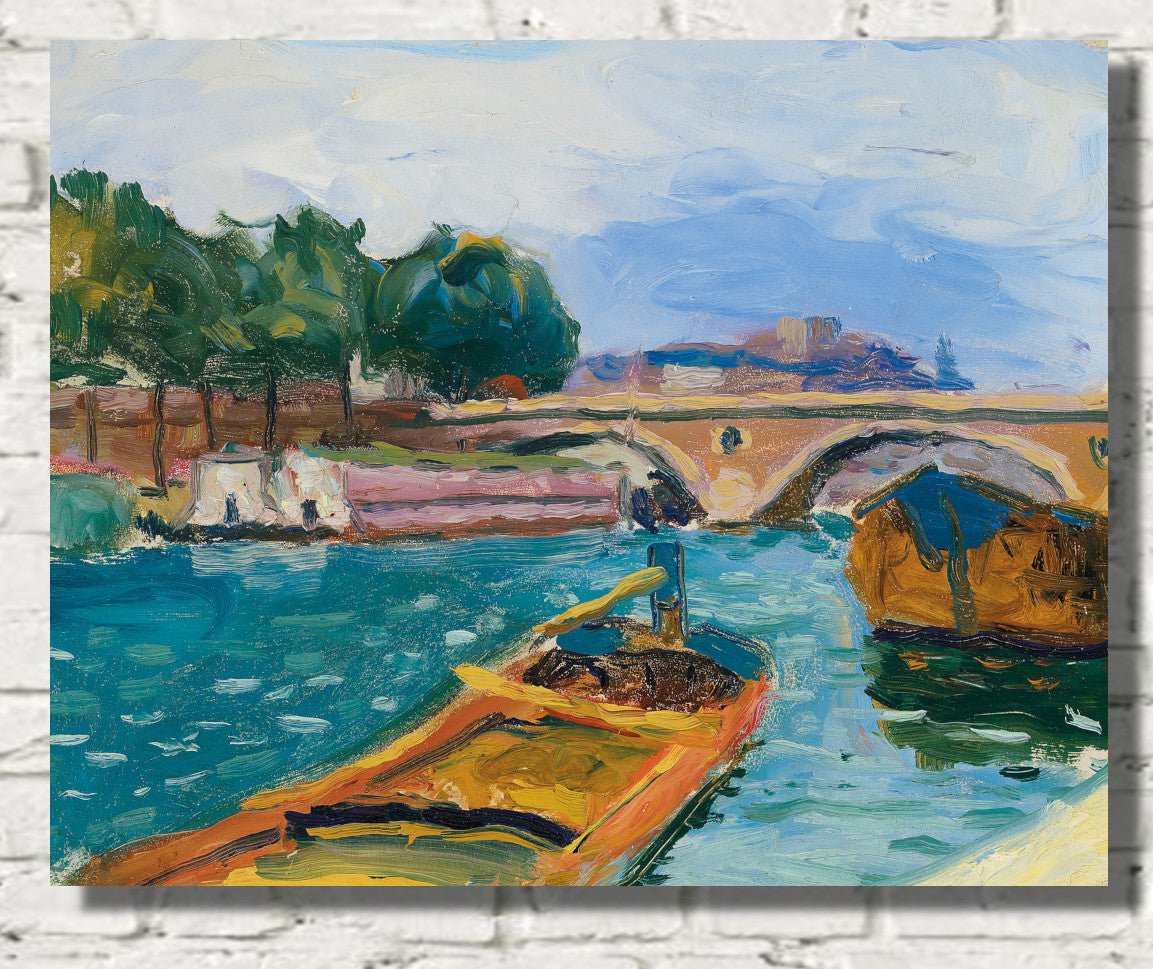
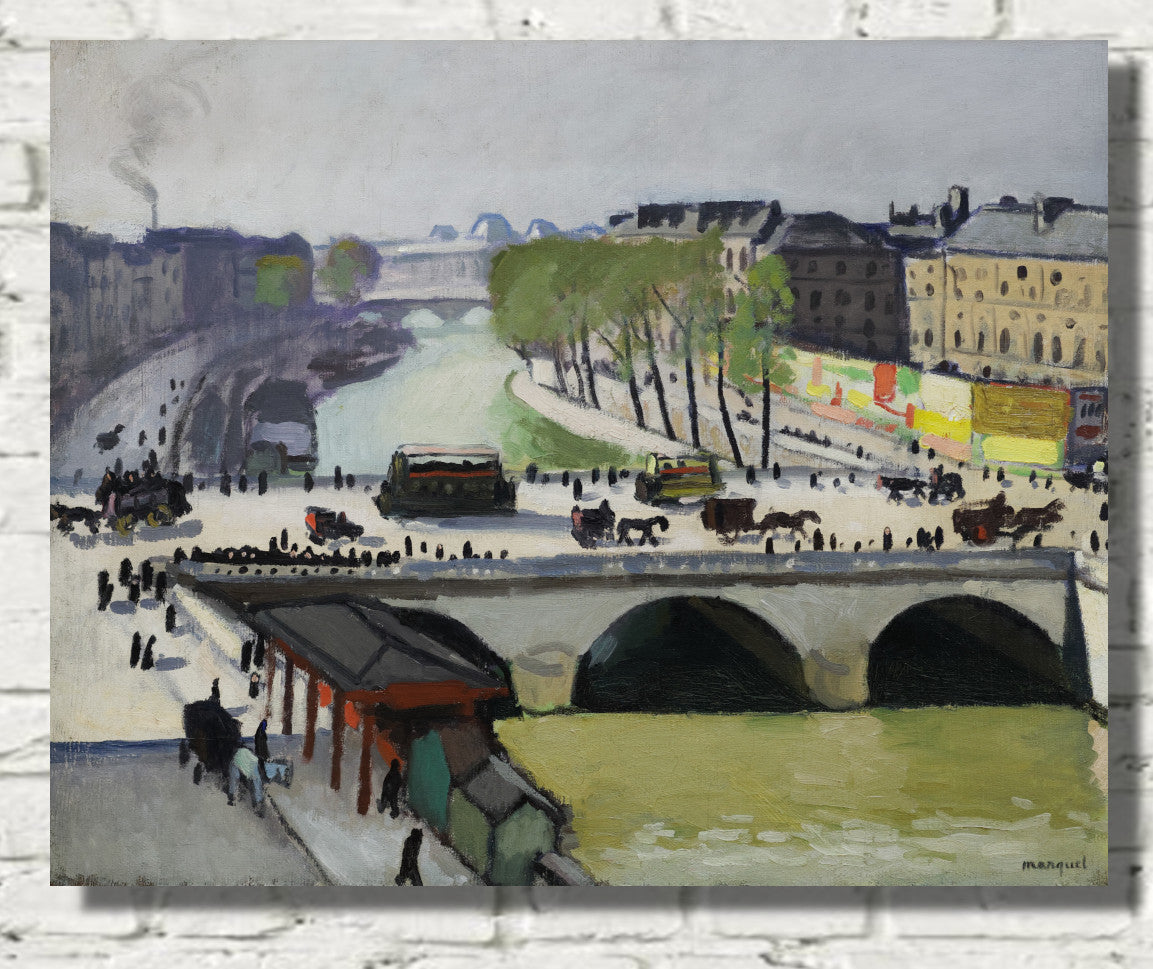
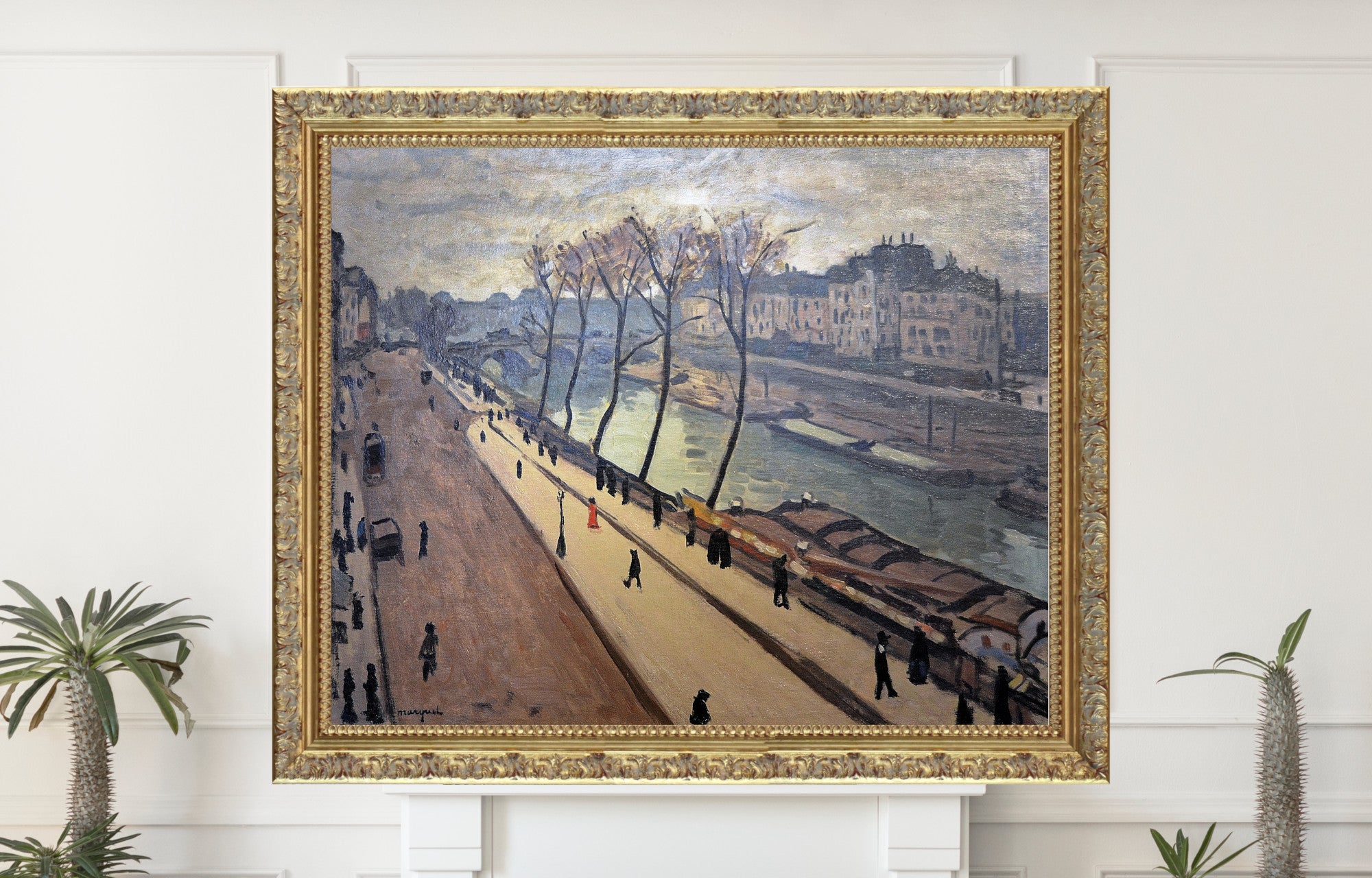
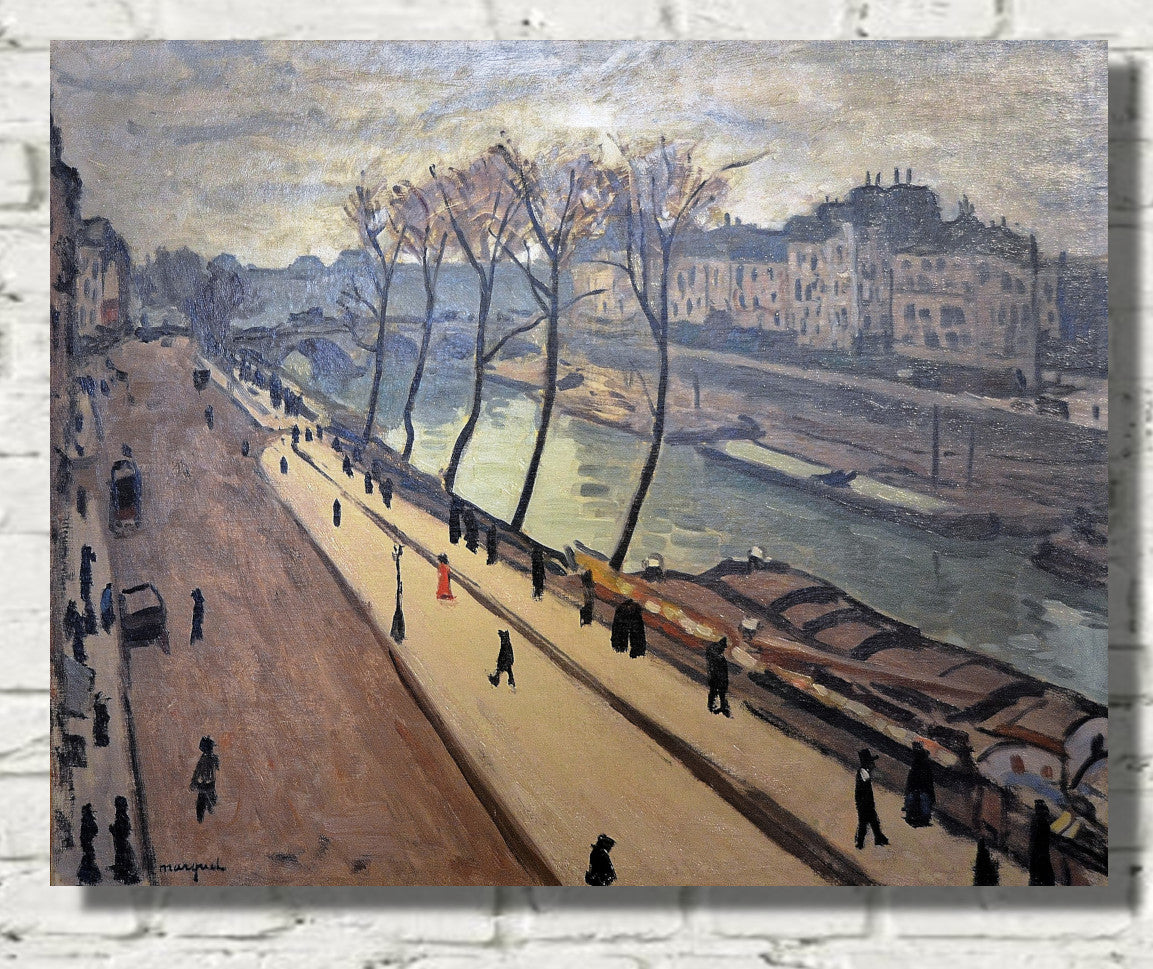
Rather than concentrating primarily on crowded boulevards or fashionable society, he repeatedly returned to the River Seine, its bridges and the buildings lining its banks.
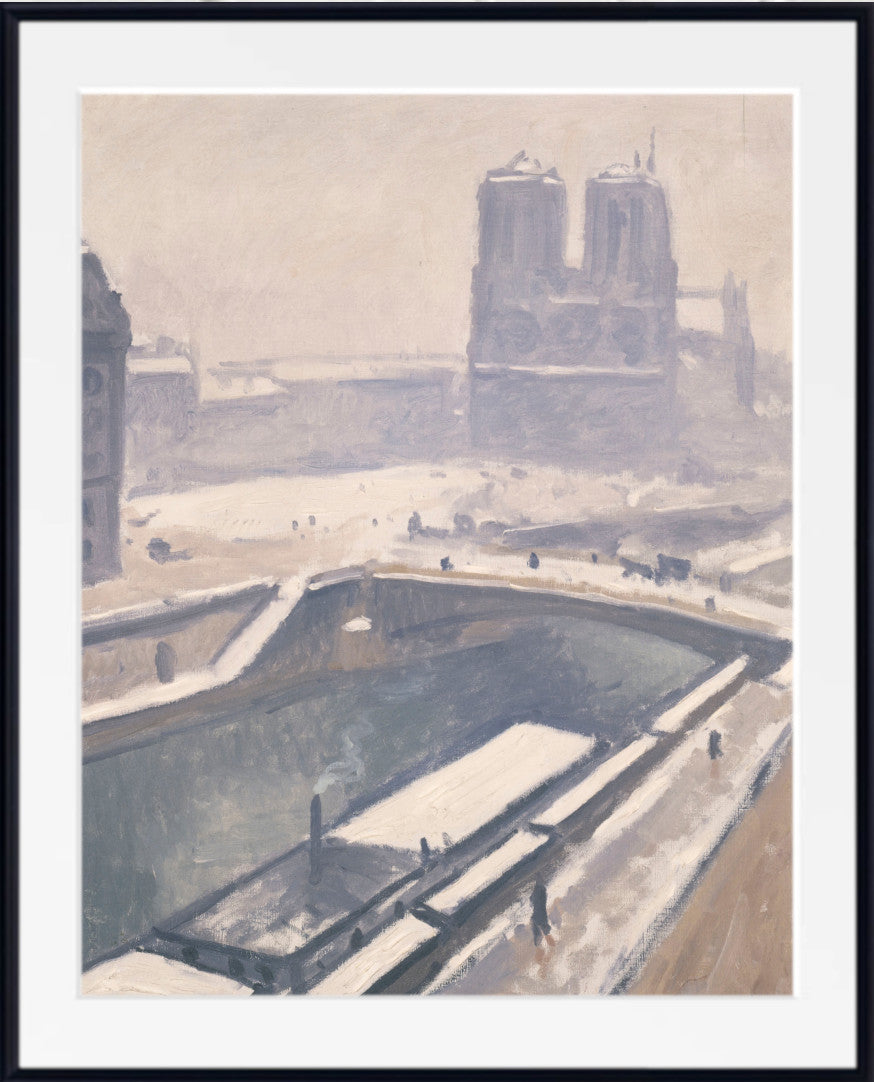
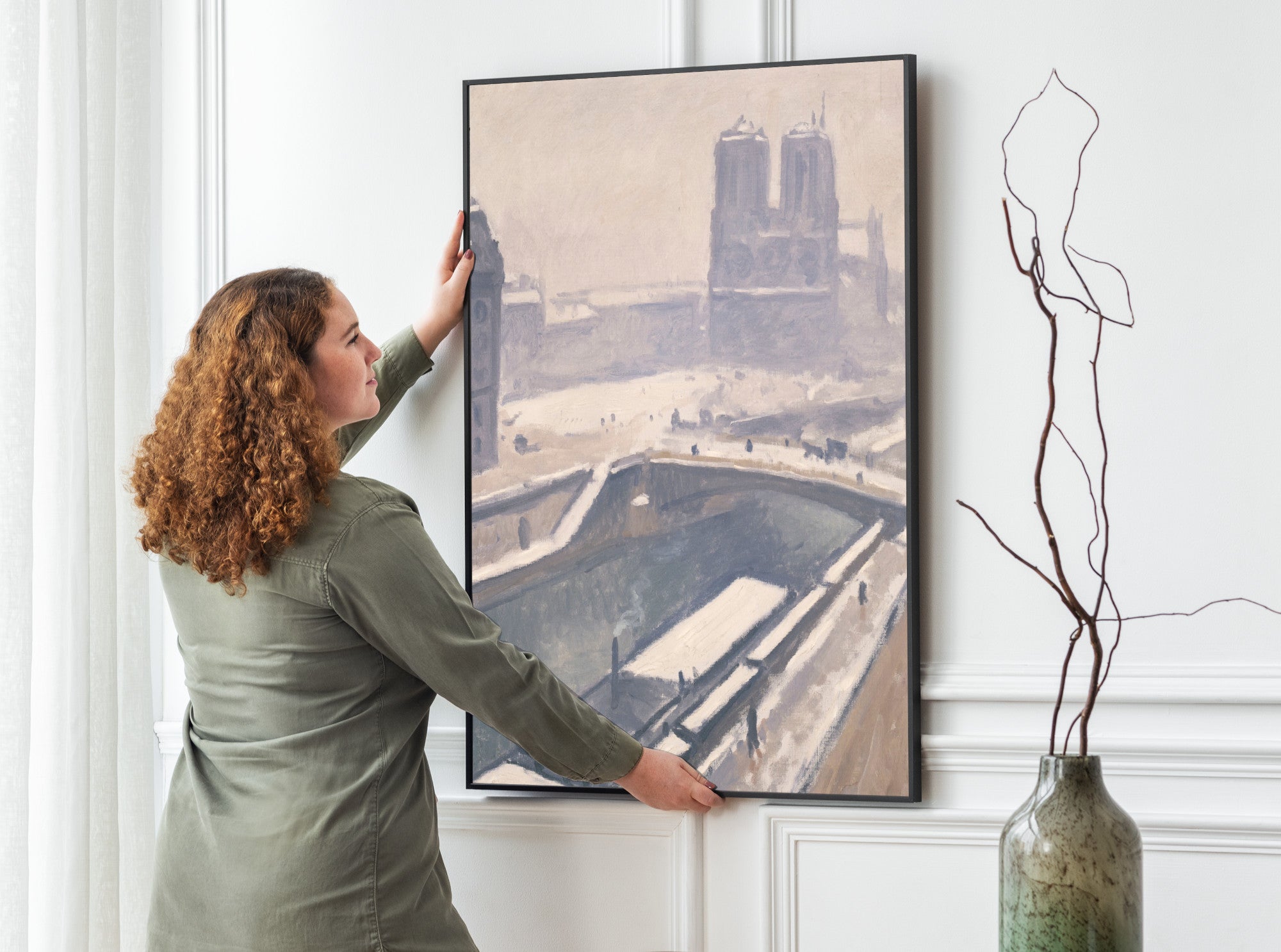
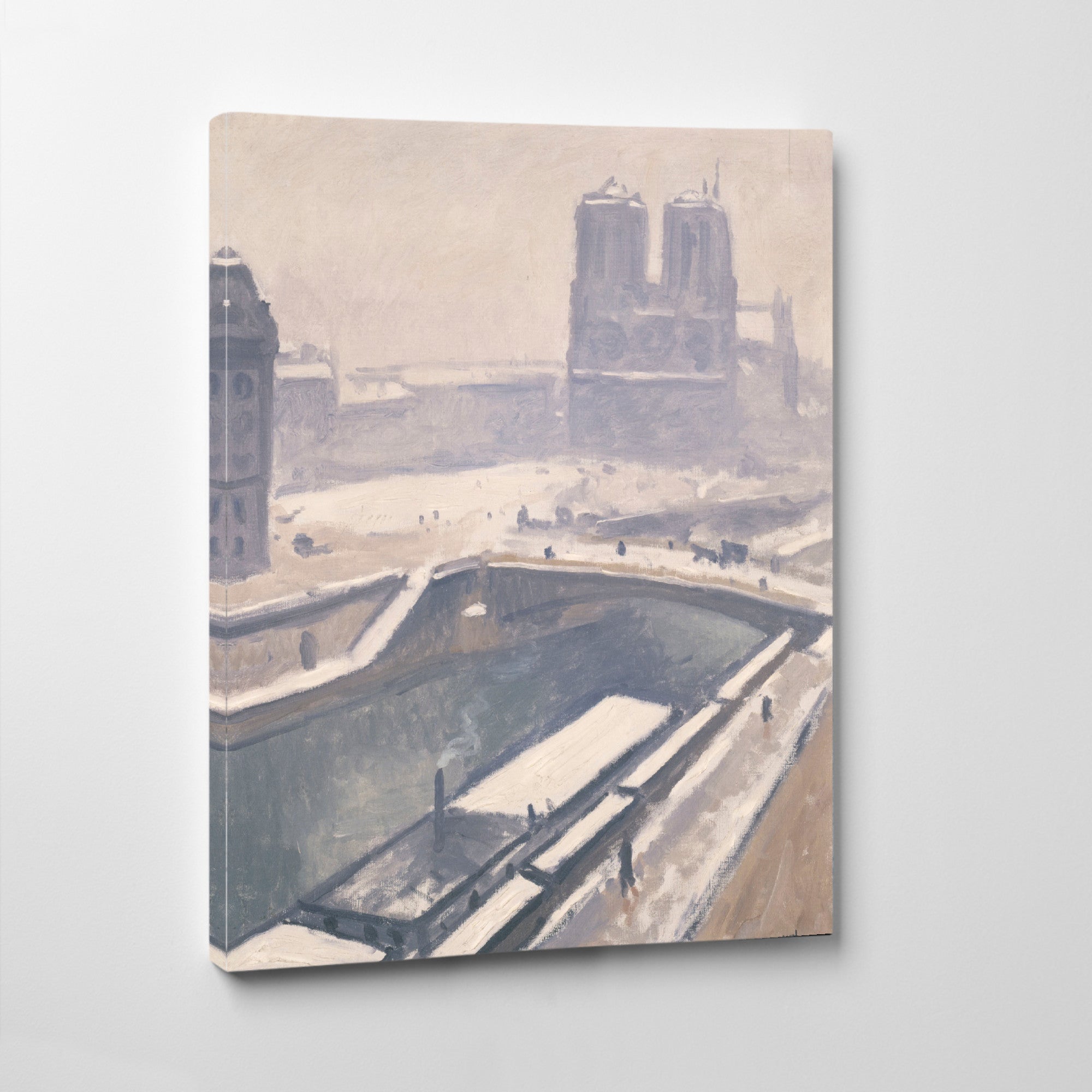
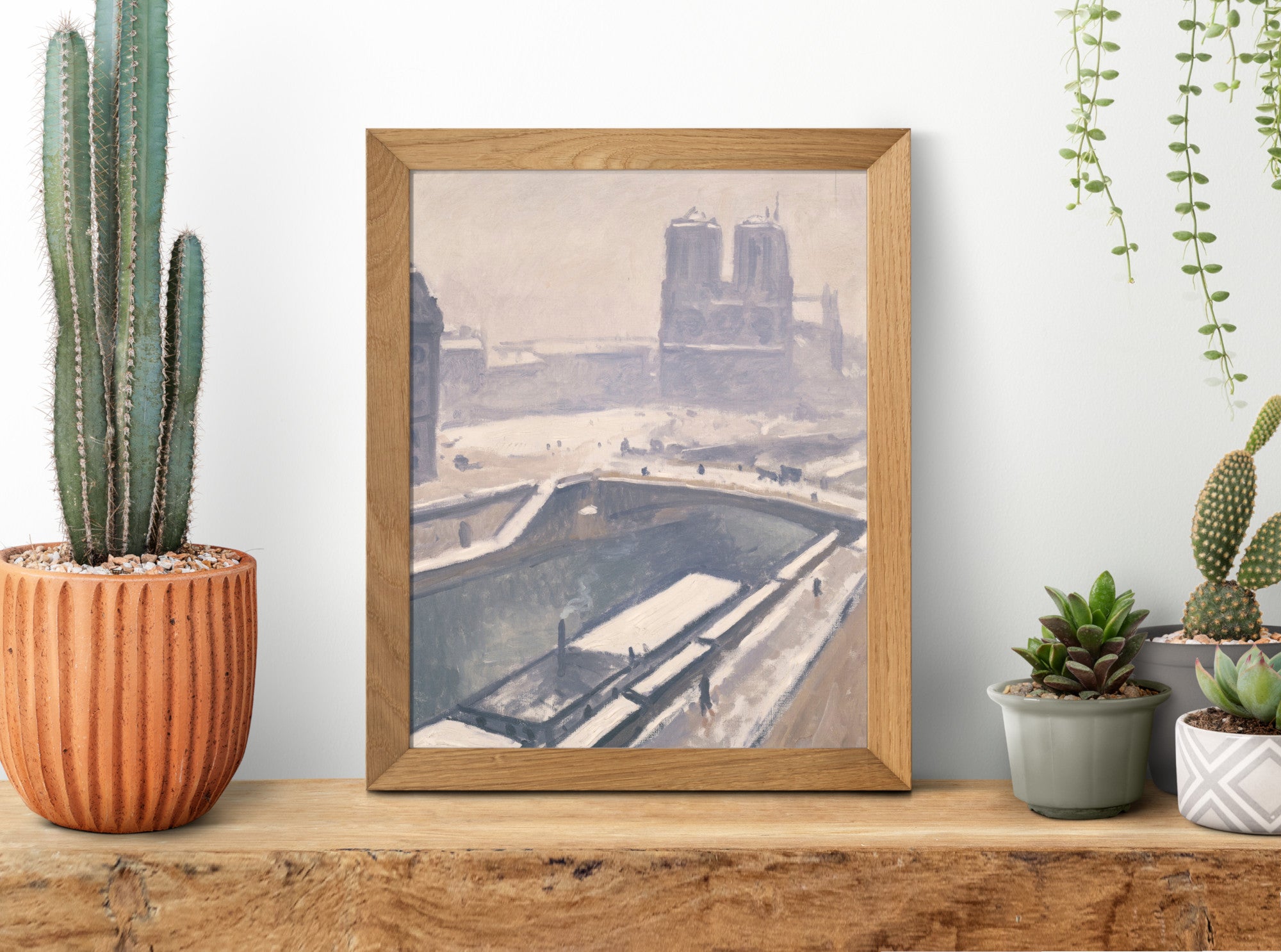
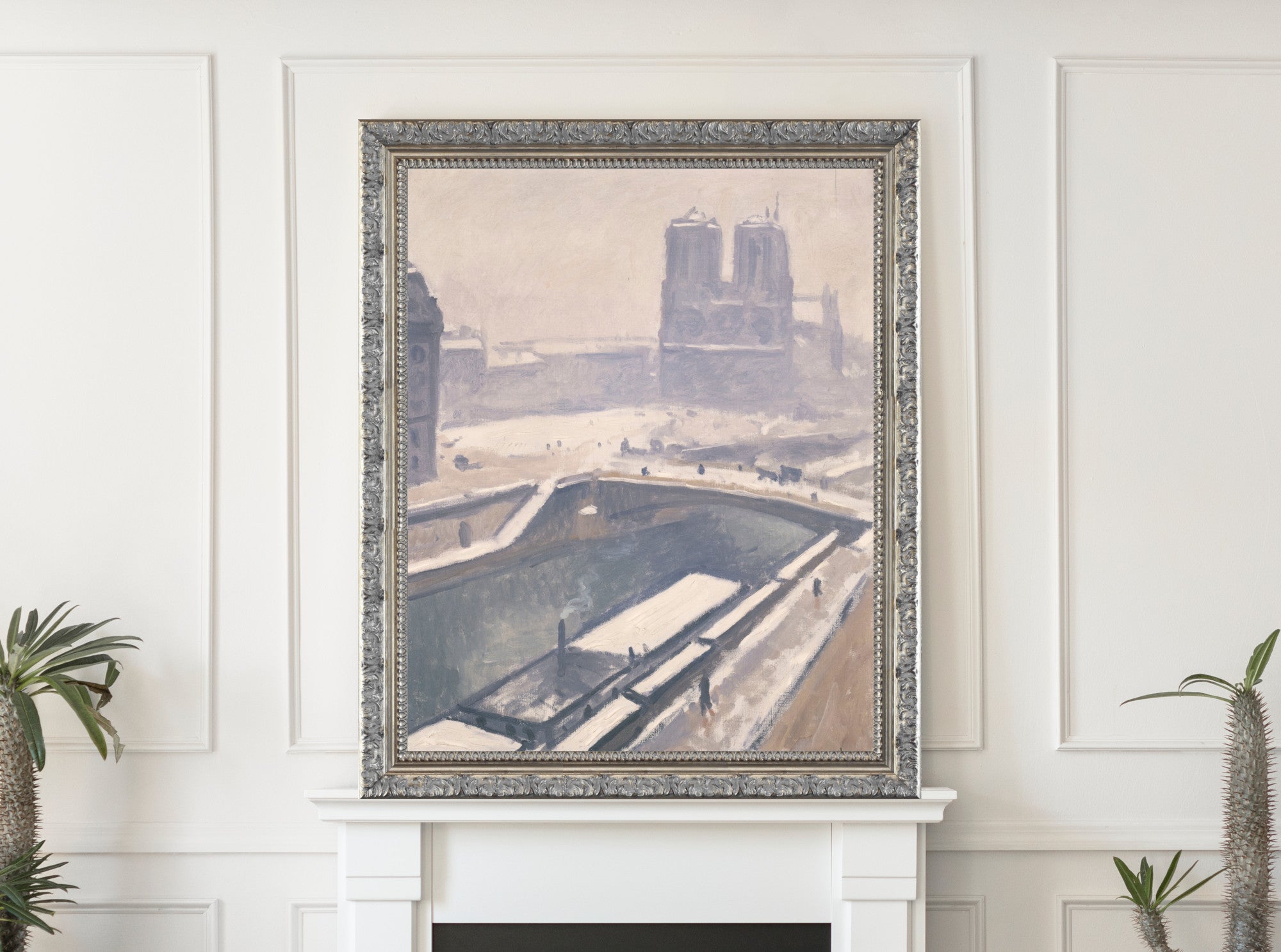
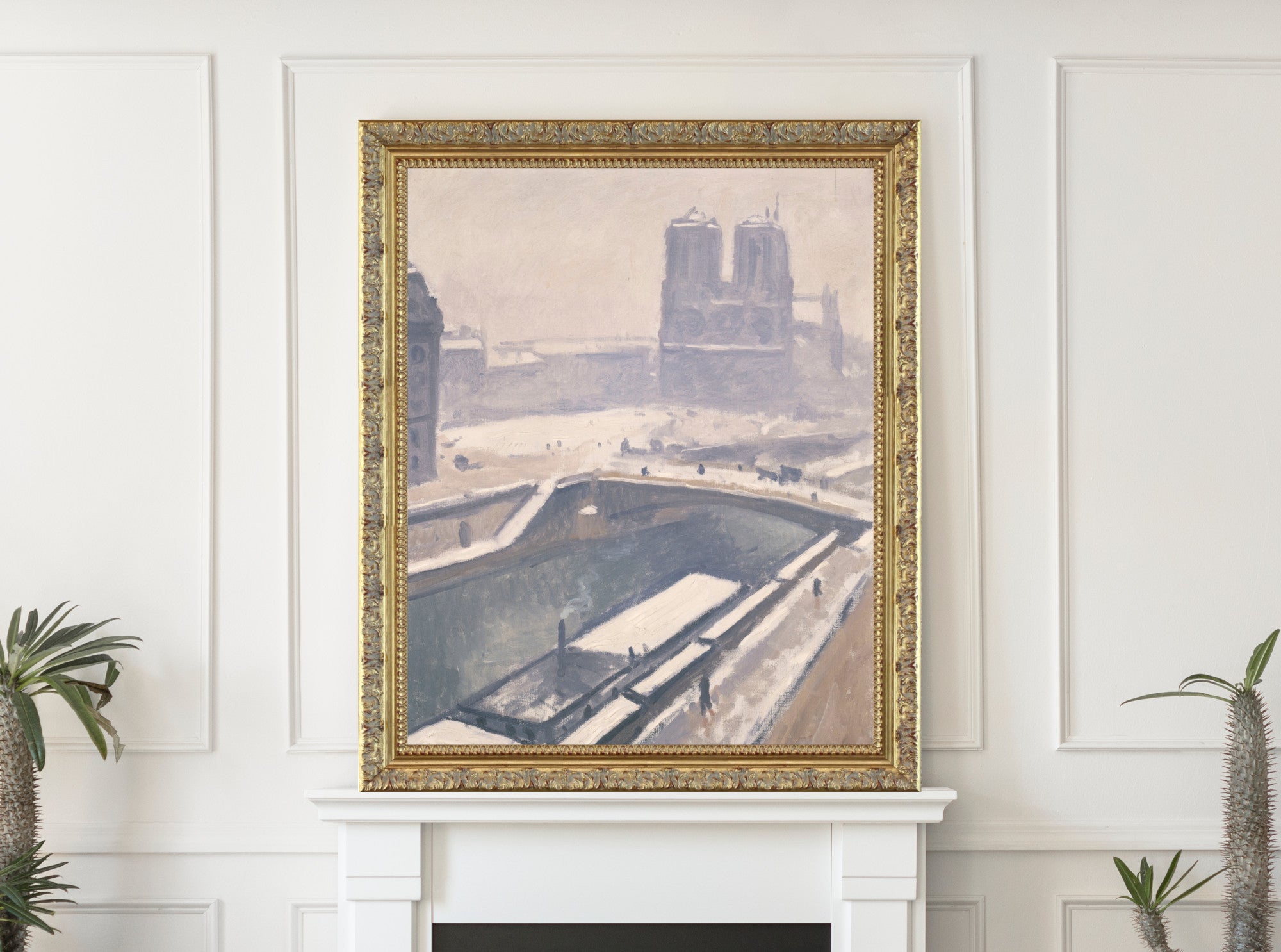
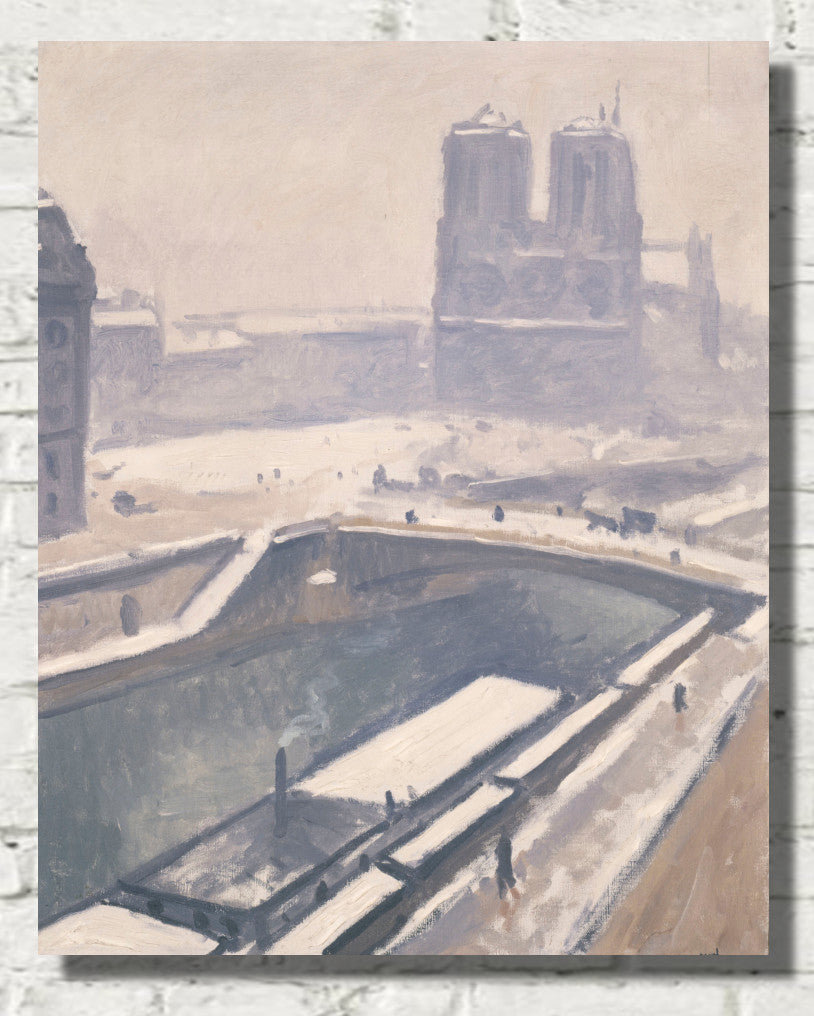
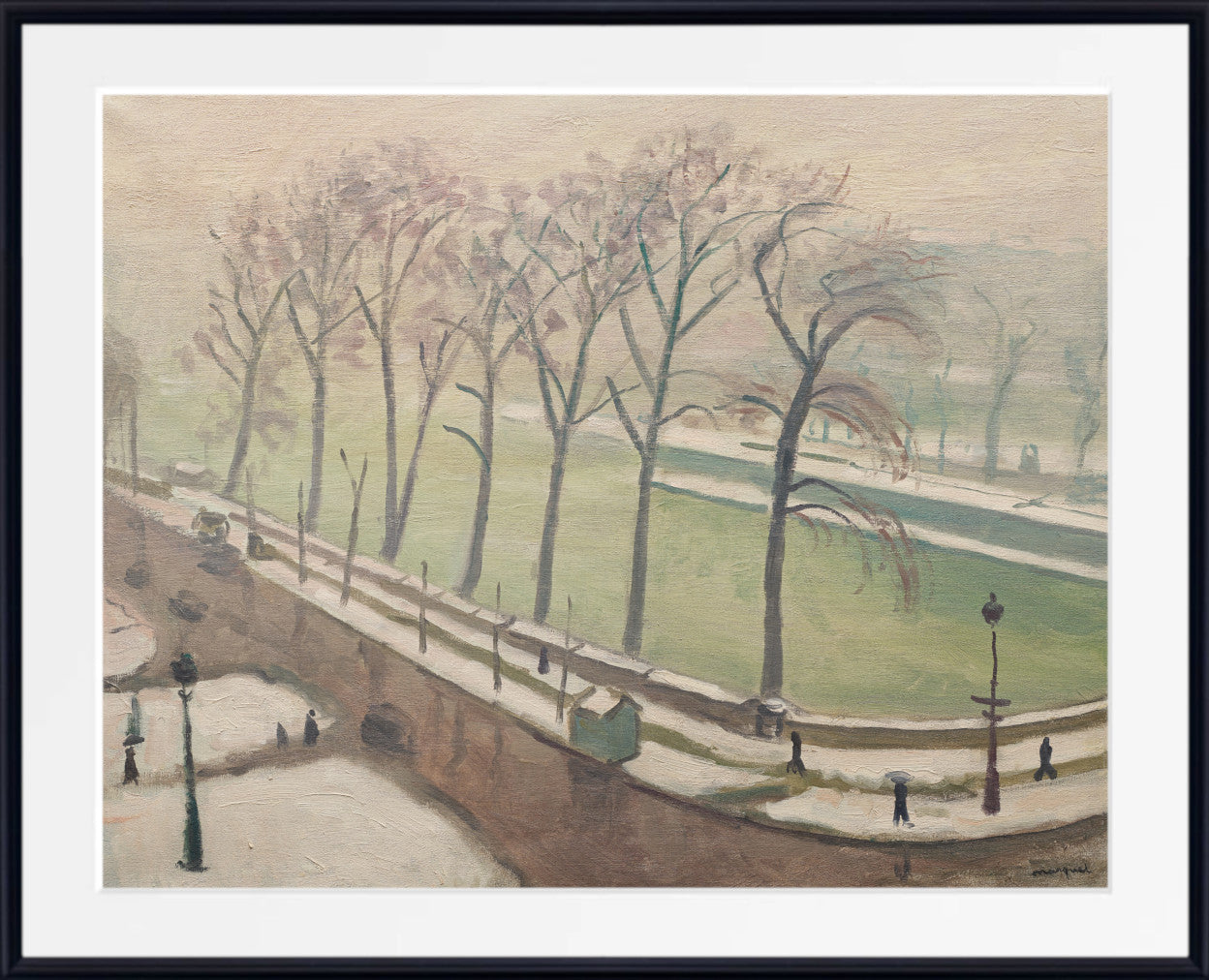
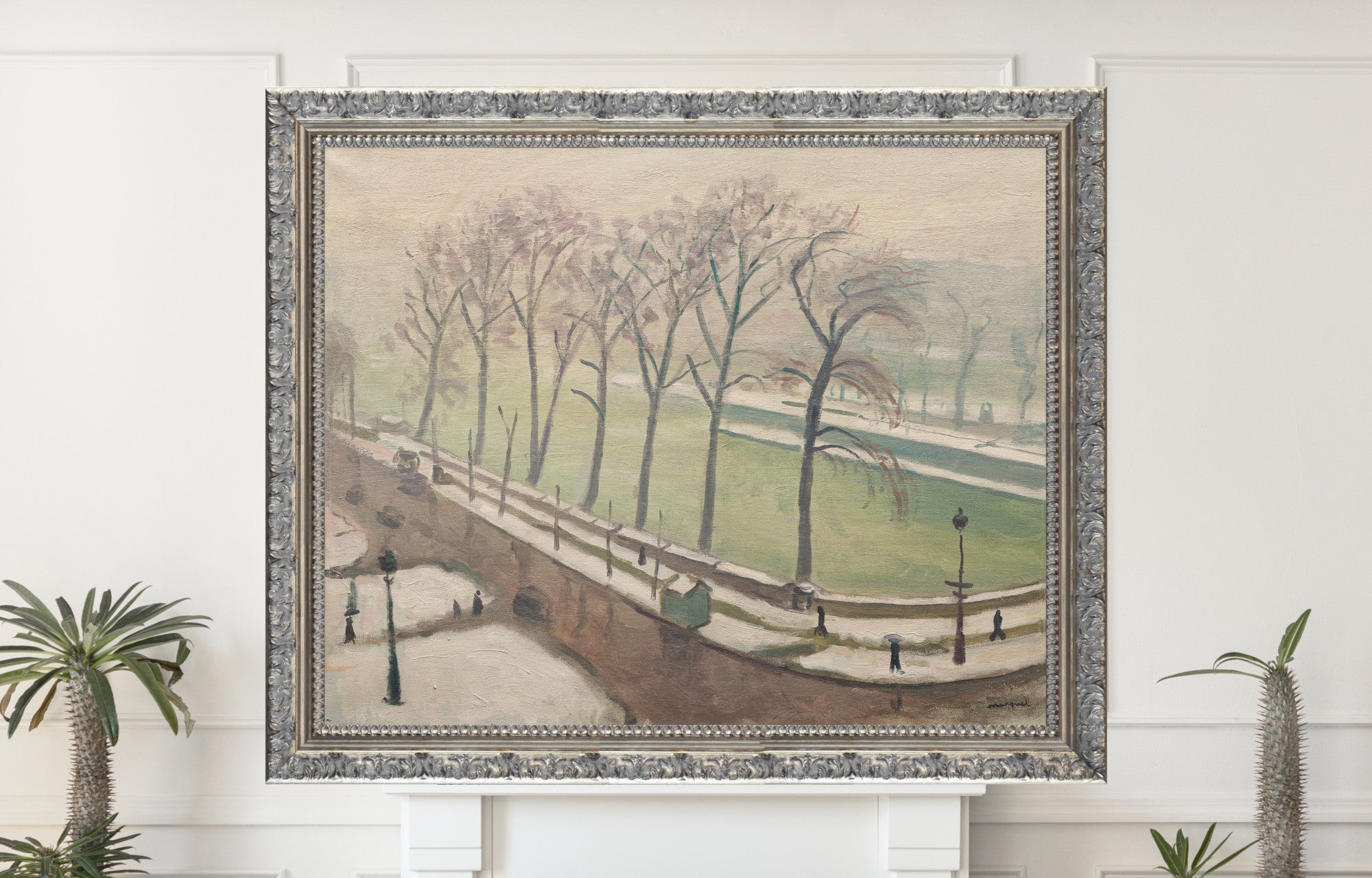
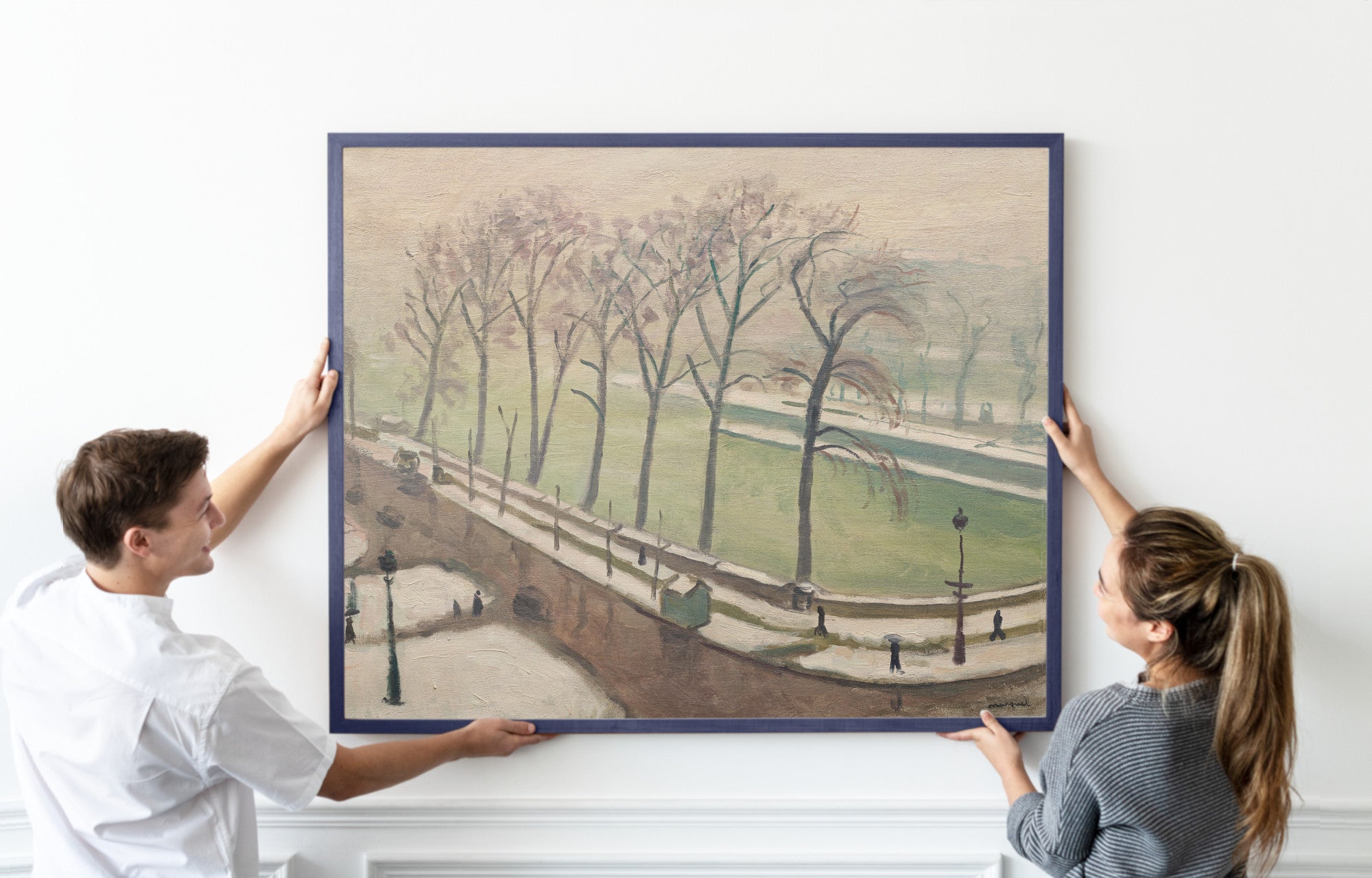
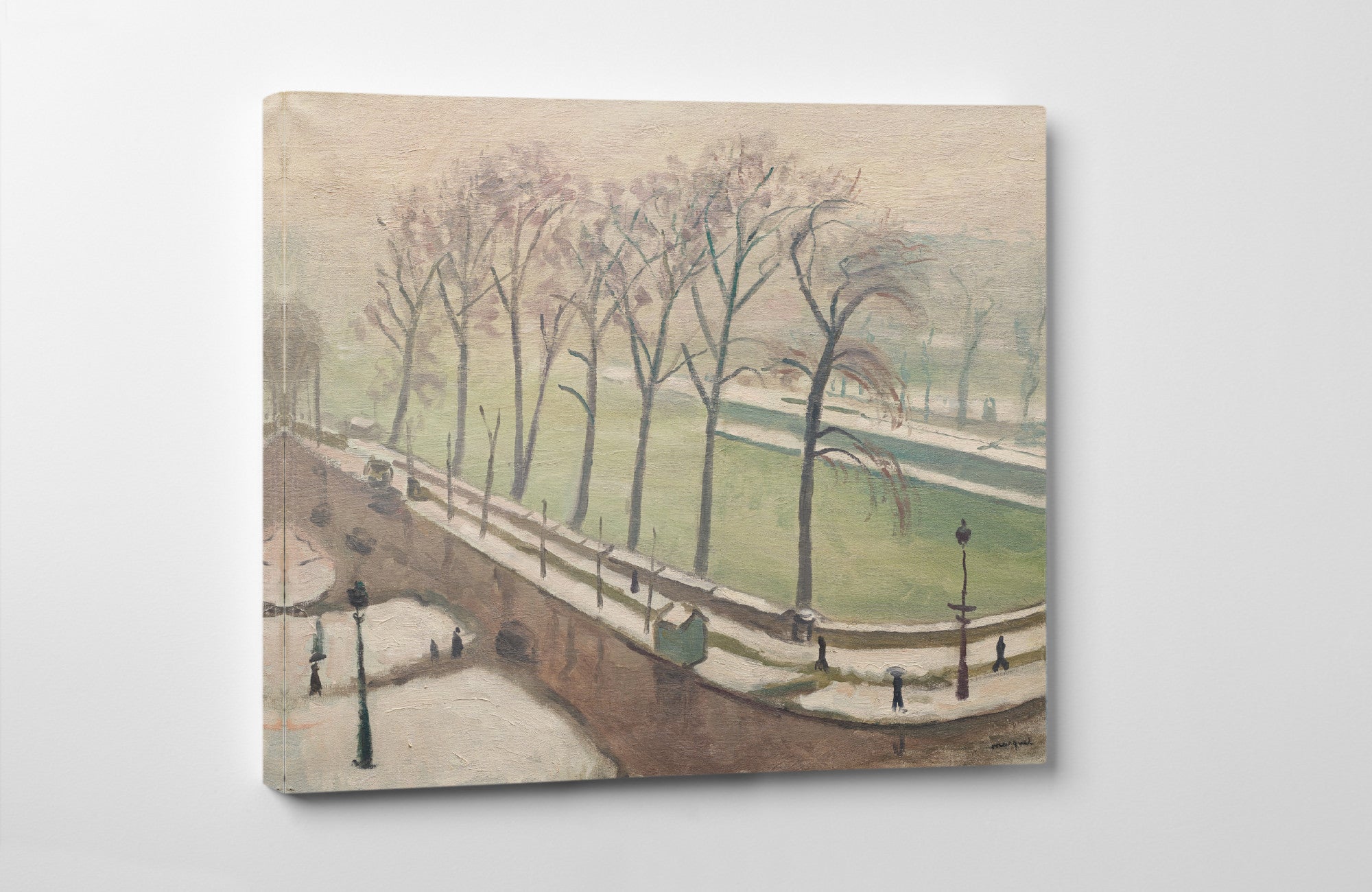
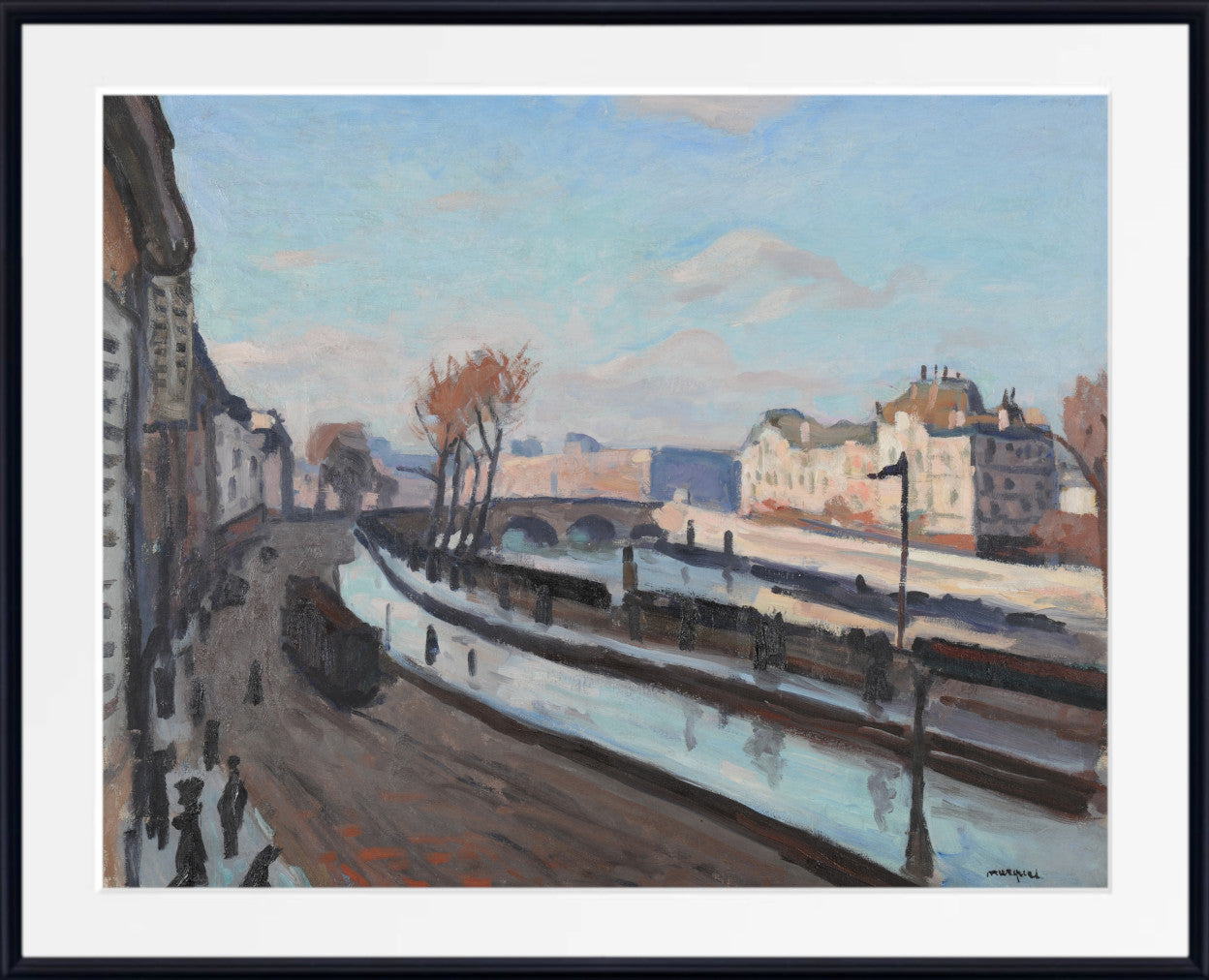
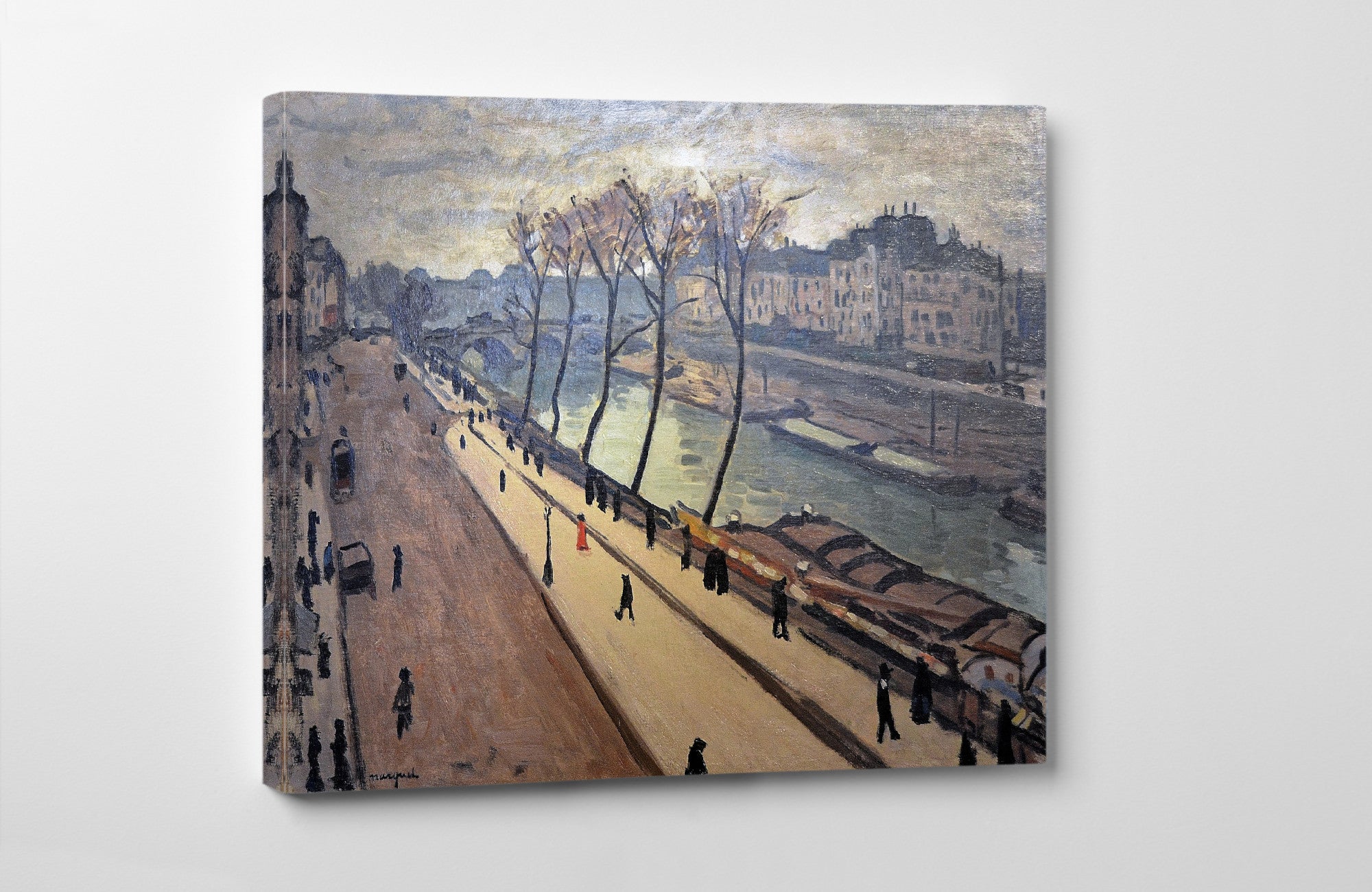
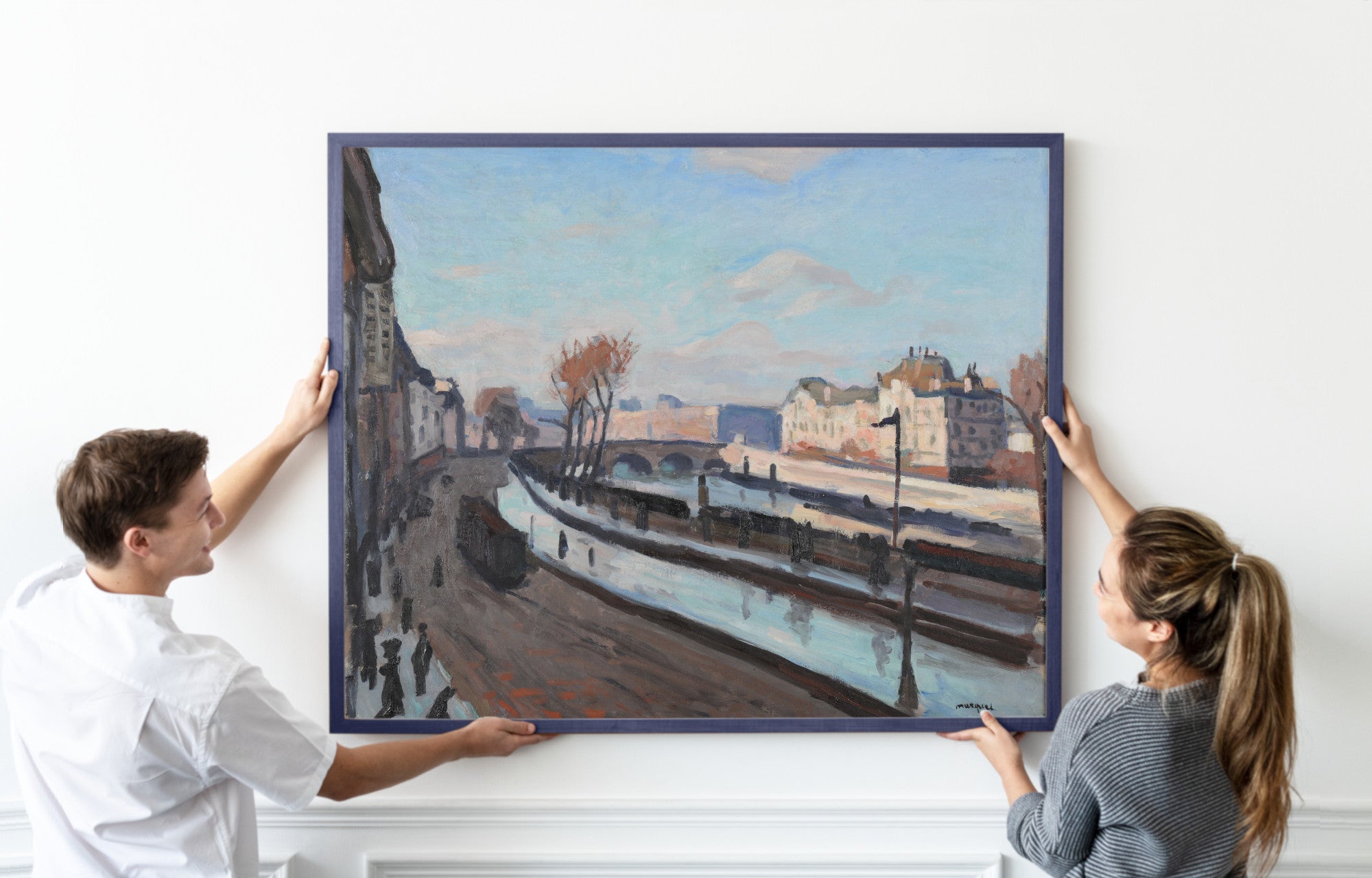
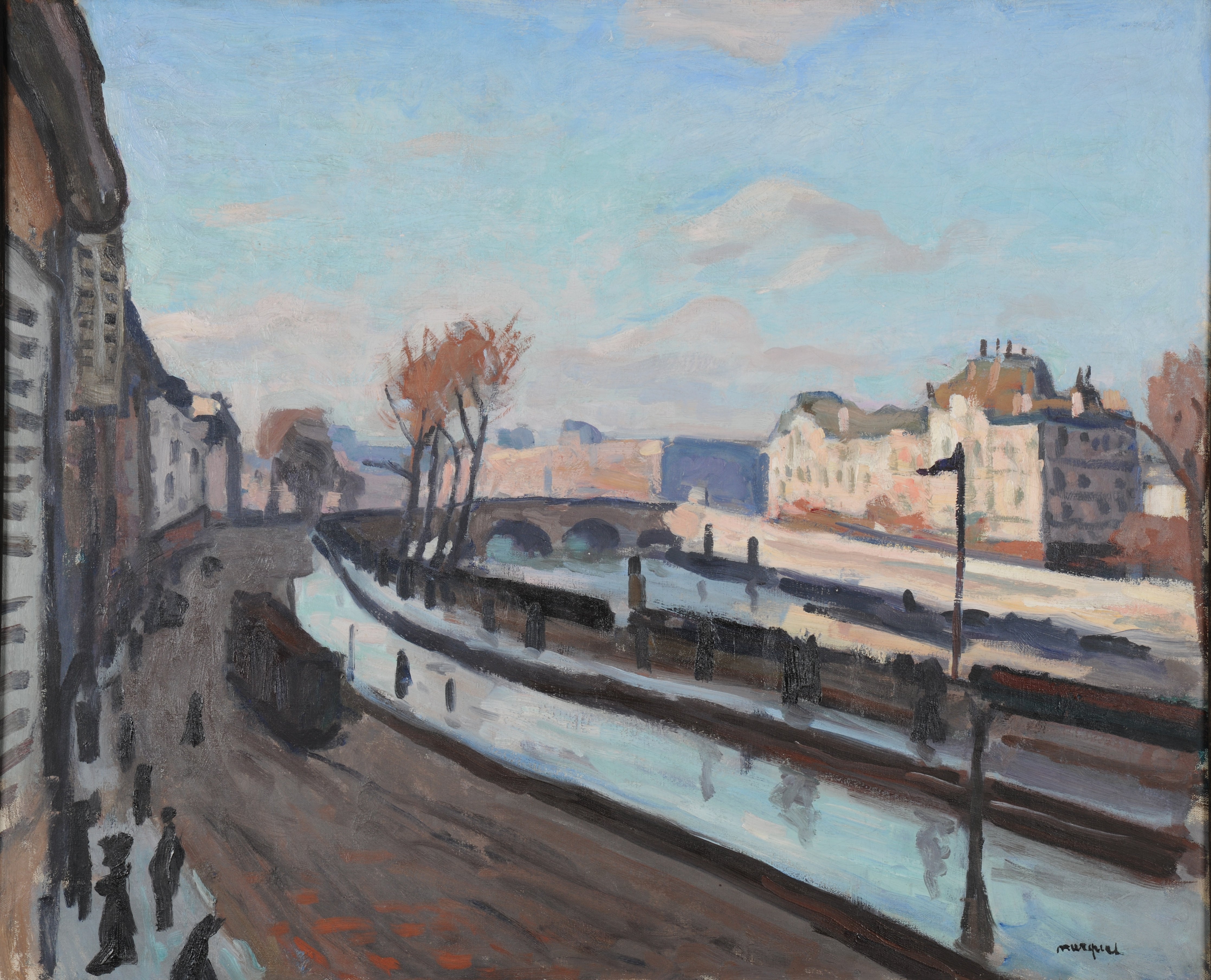
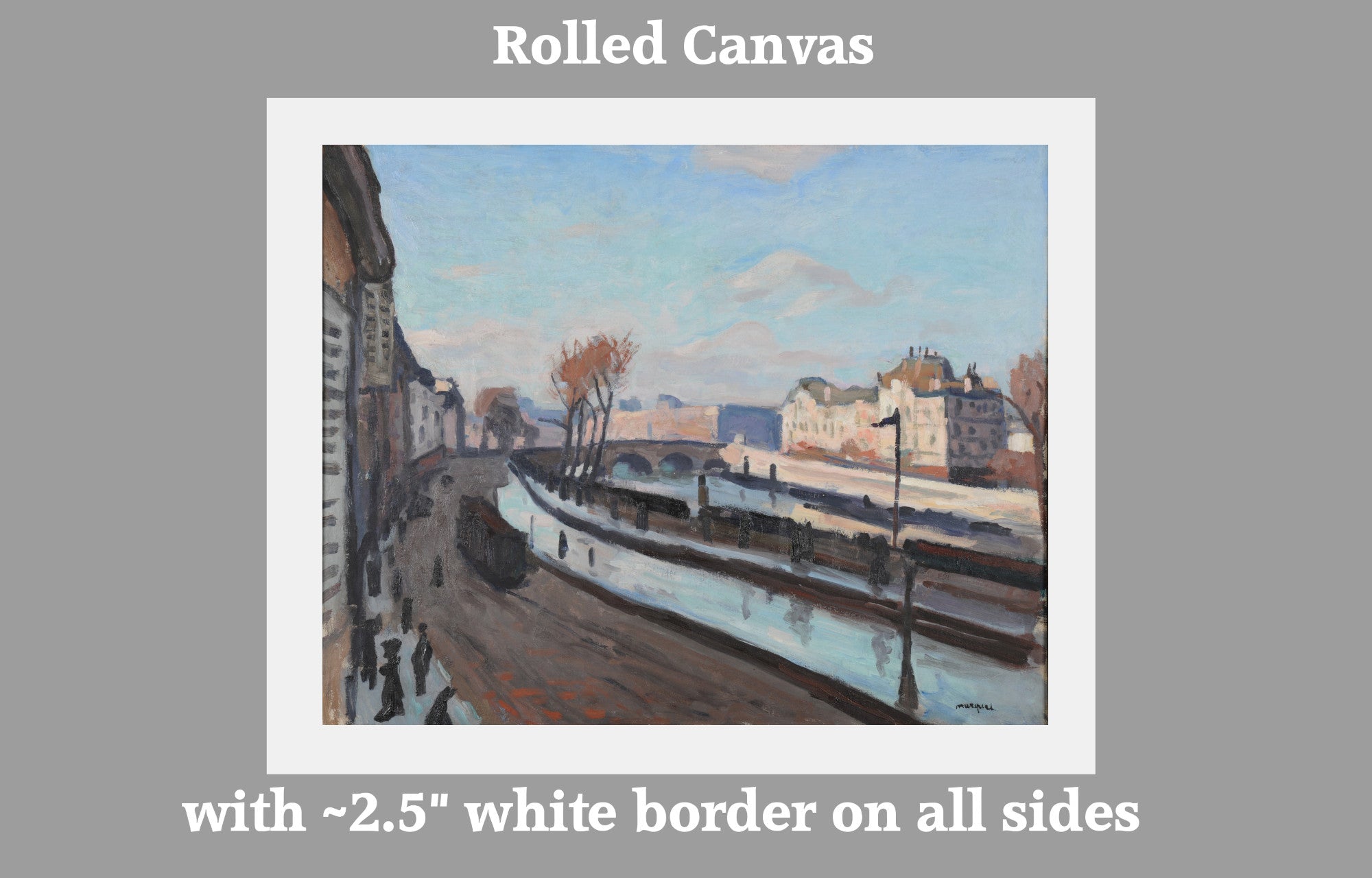
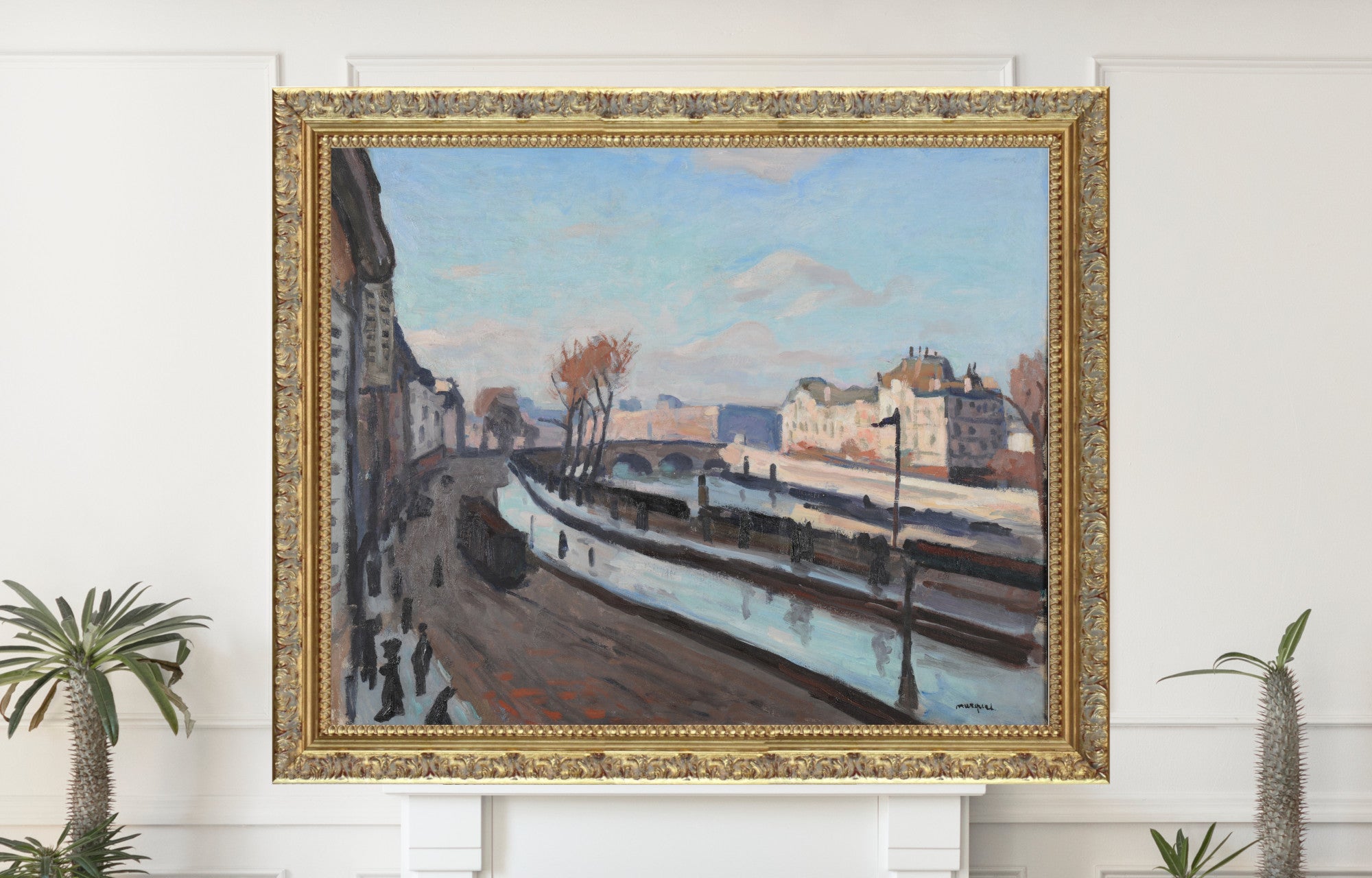
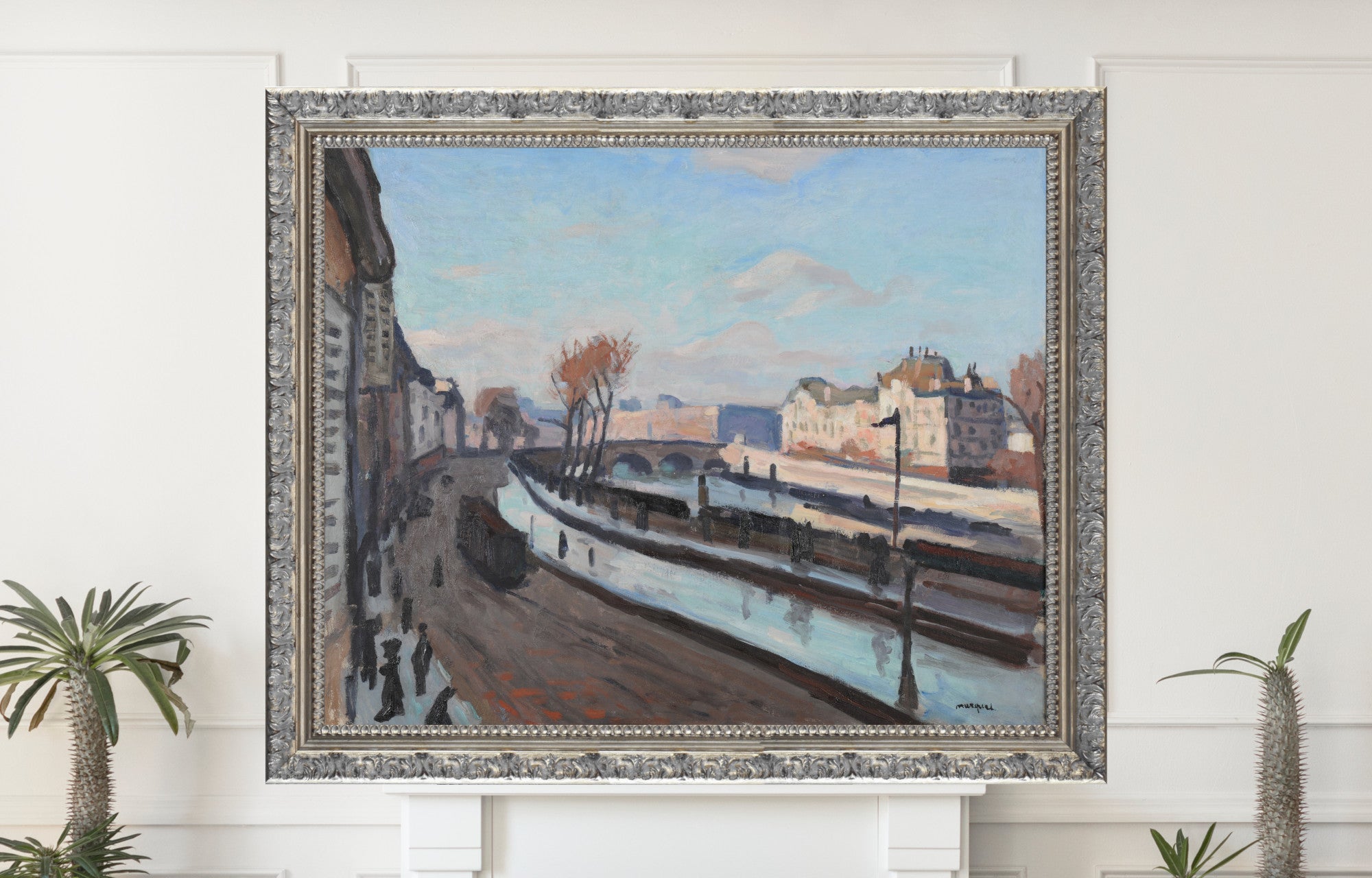
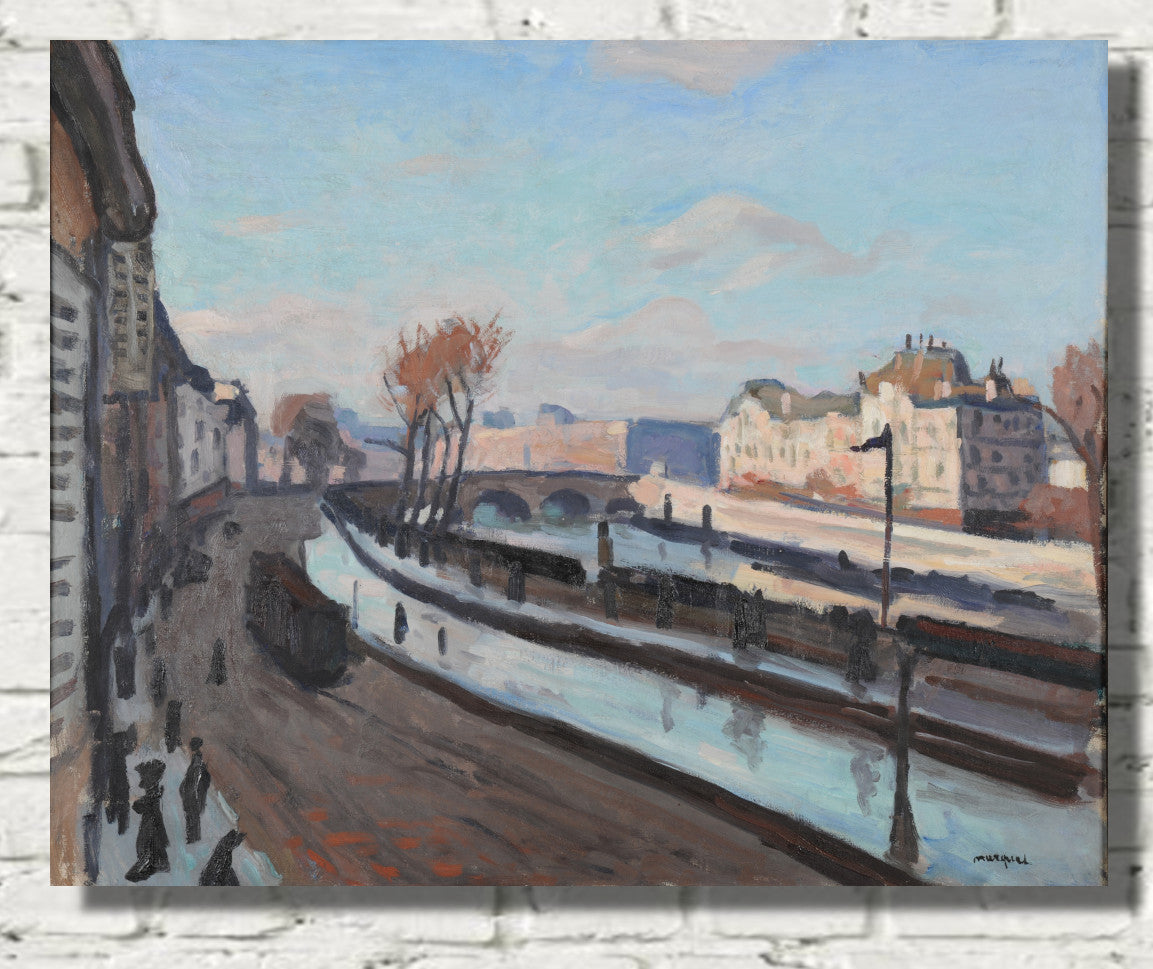
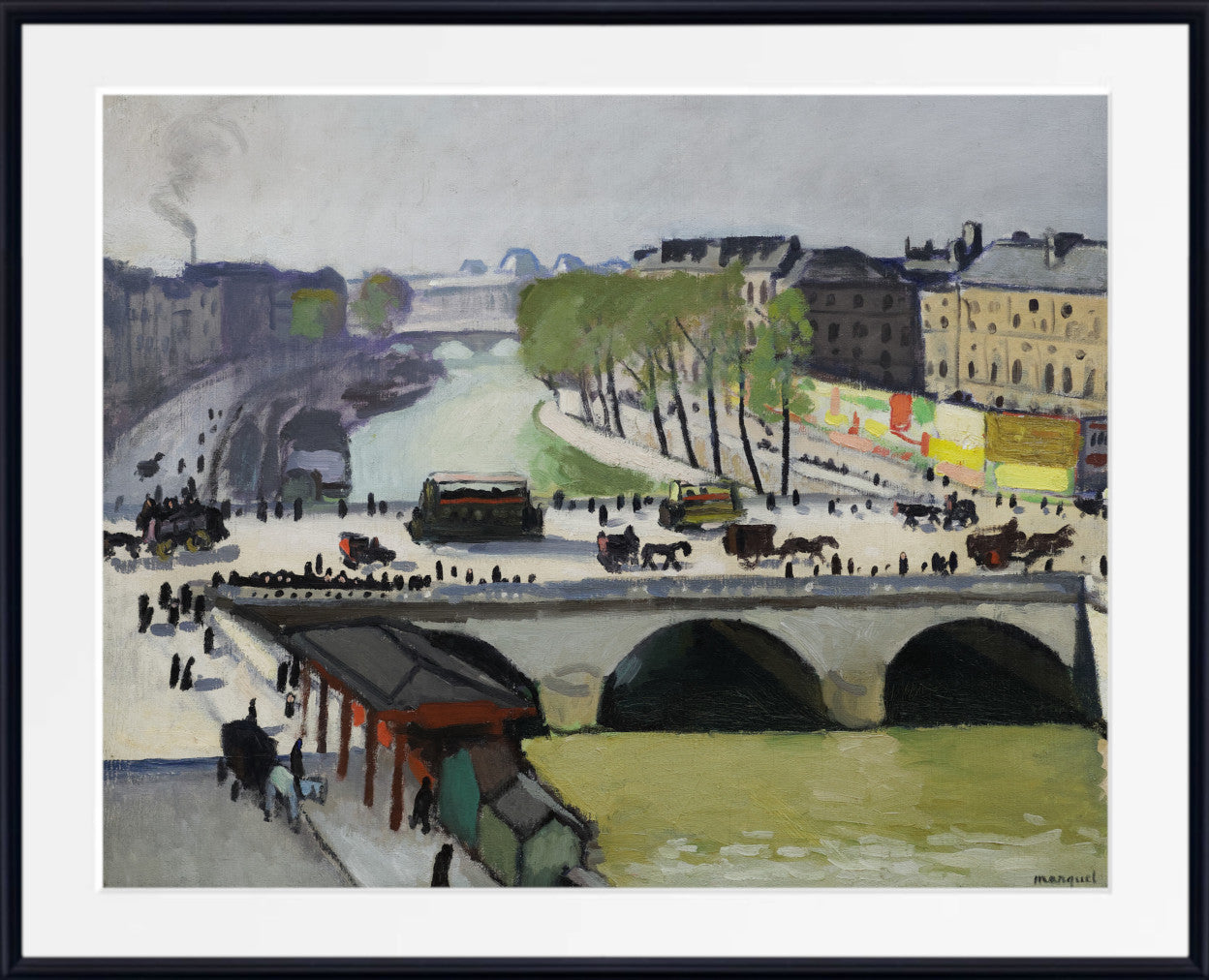
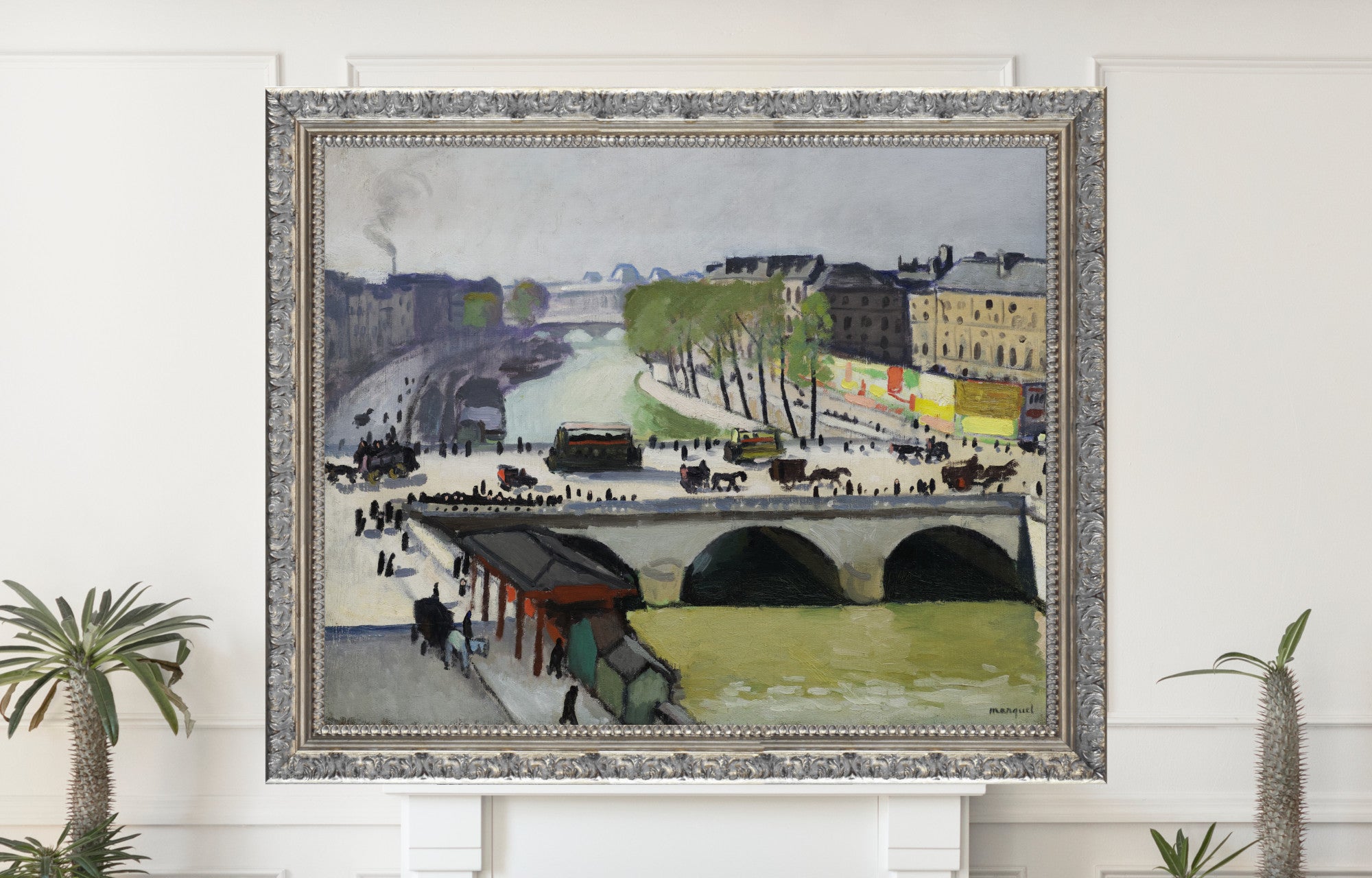
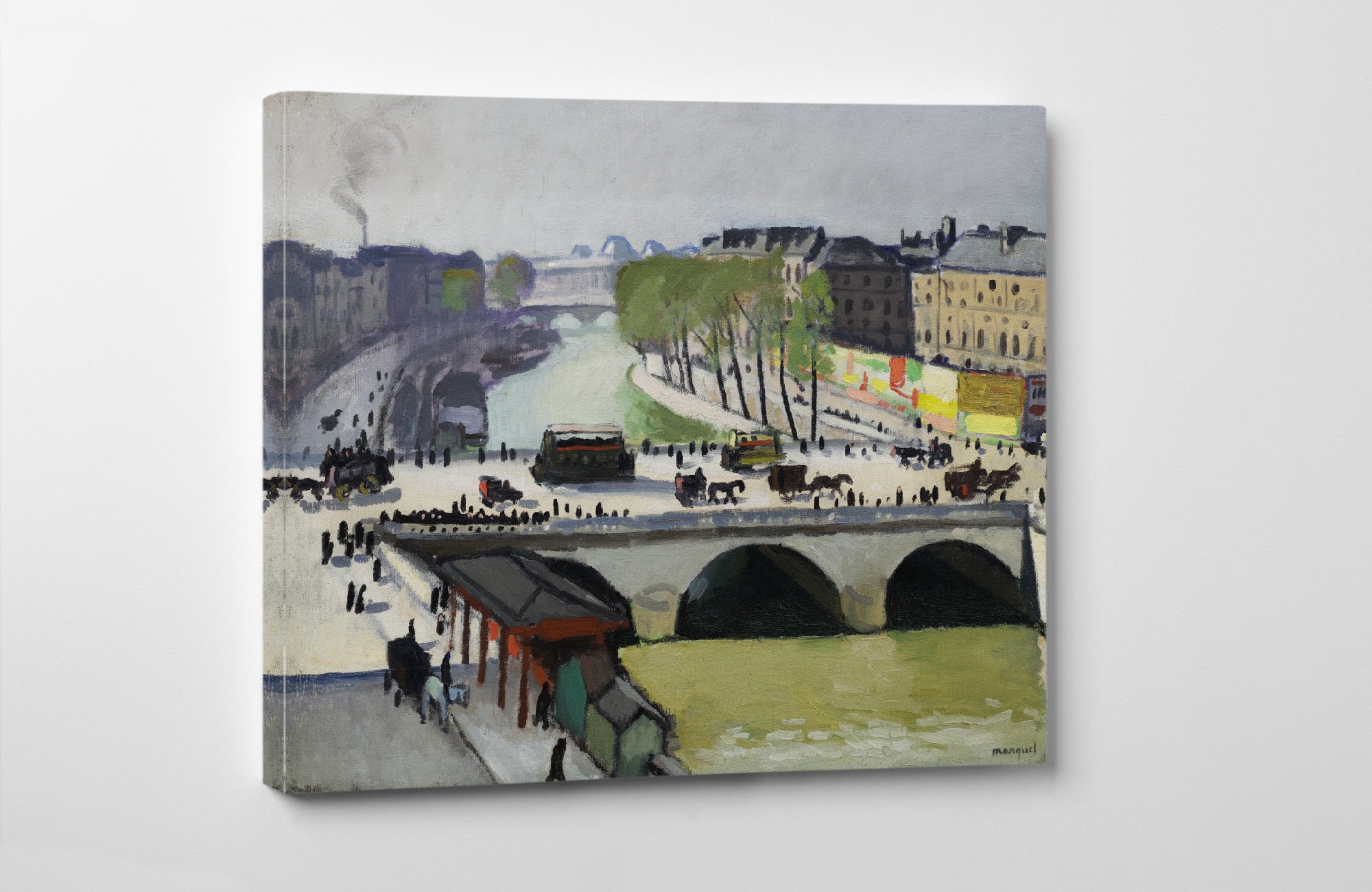
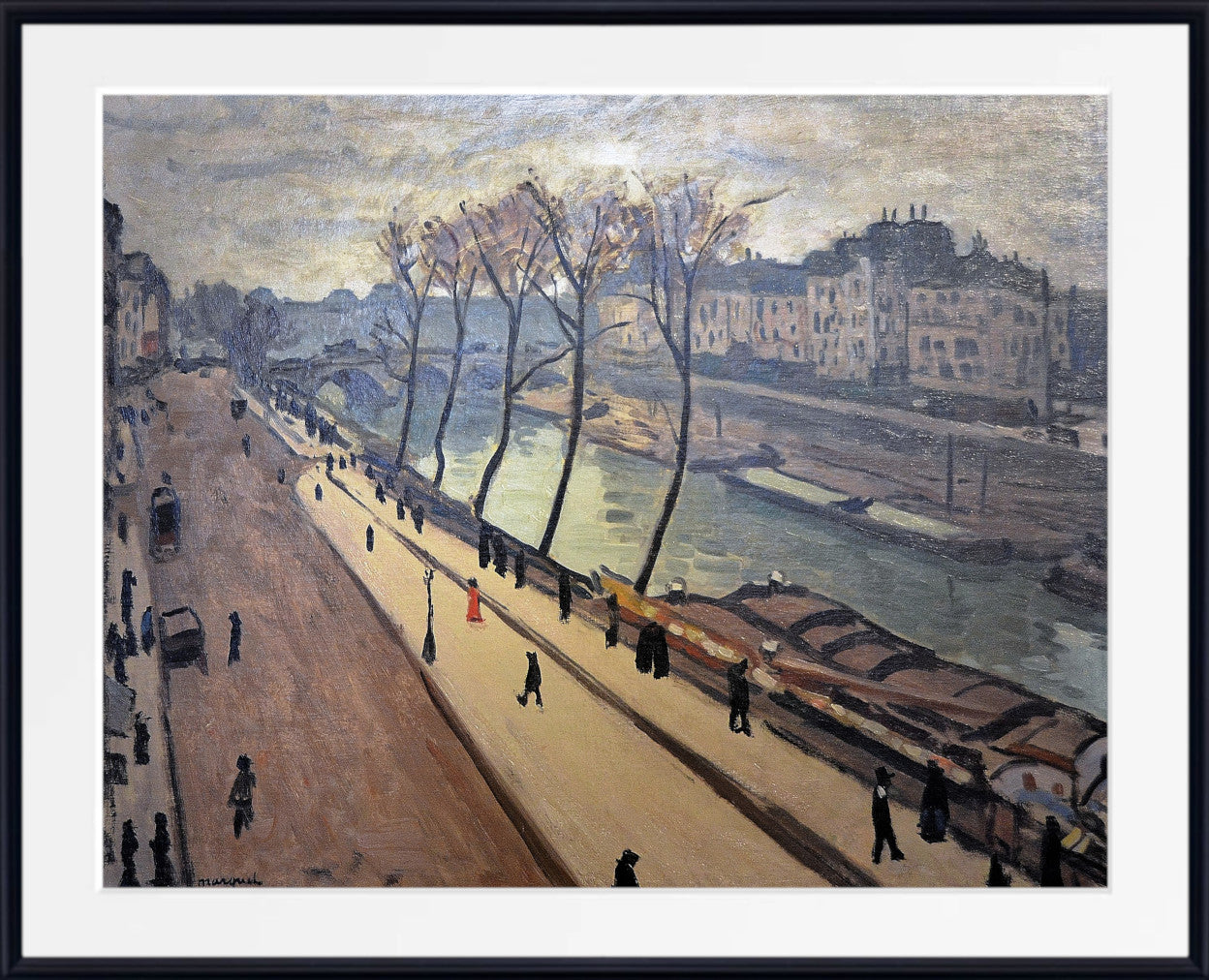
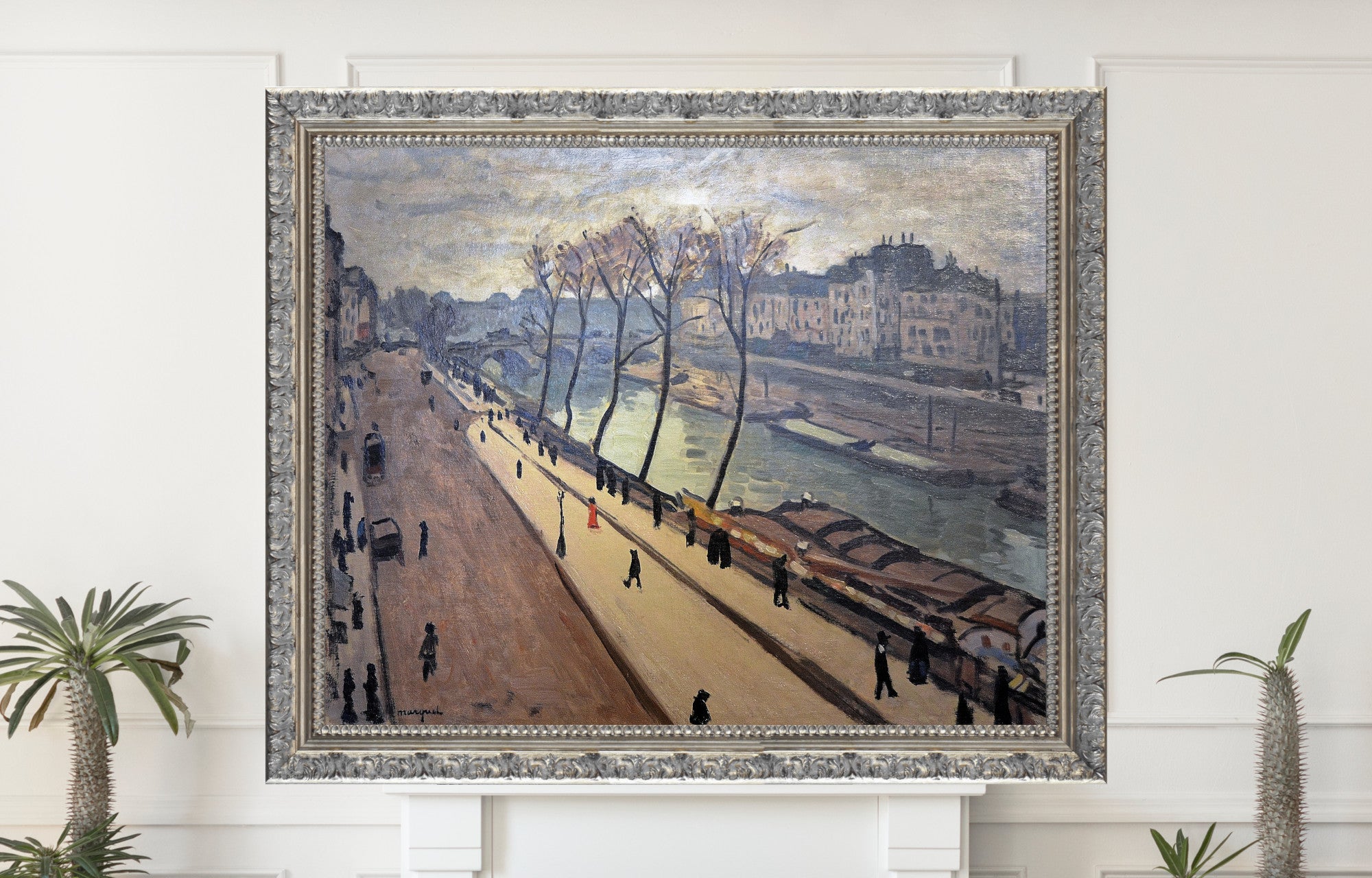
Paintings such as Le Pont Saint-Michel, The Quai des Grands Augustins, Bridge over the Seine, Pont-Neuf under the Snow and View of Notre-Dame under the Snow reveal his fascination with looking across or down upon the river.
These elevated viewpoints allowed Marquet to simplify the city into broad horizontal and diagonal shapes.
Water frequently occupies a substantial part of the composition, while bridges, boats and quays provide strong structural lines.
His Paris paintings can therefore feel both recognisable and remarkably modern.
Explore more paintings of the French capital in GalleryThane's Paris Wall Art collection.
Snow, Mist and Changing Weather
Marquet was particularly sensitive to atmosphere.
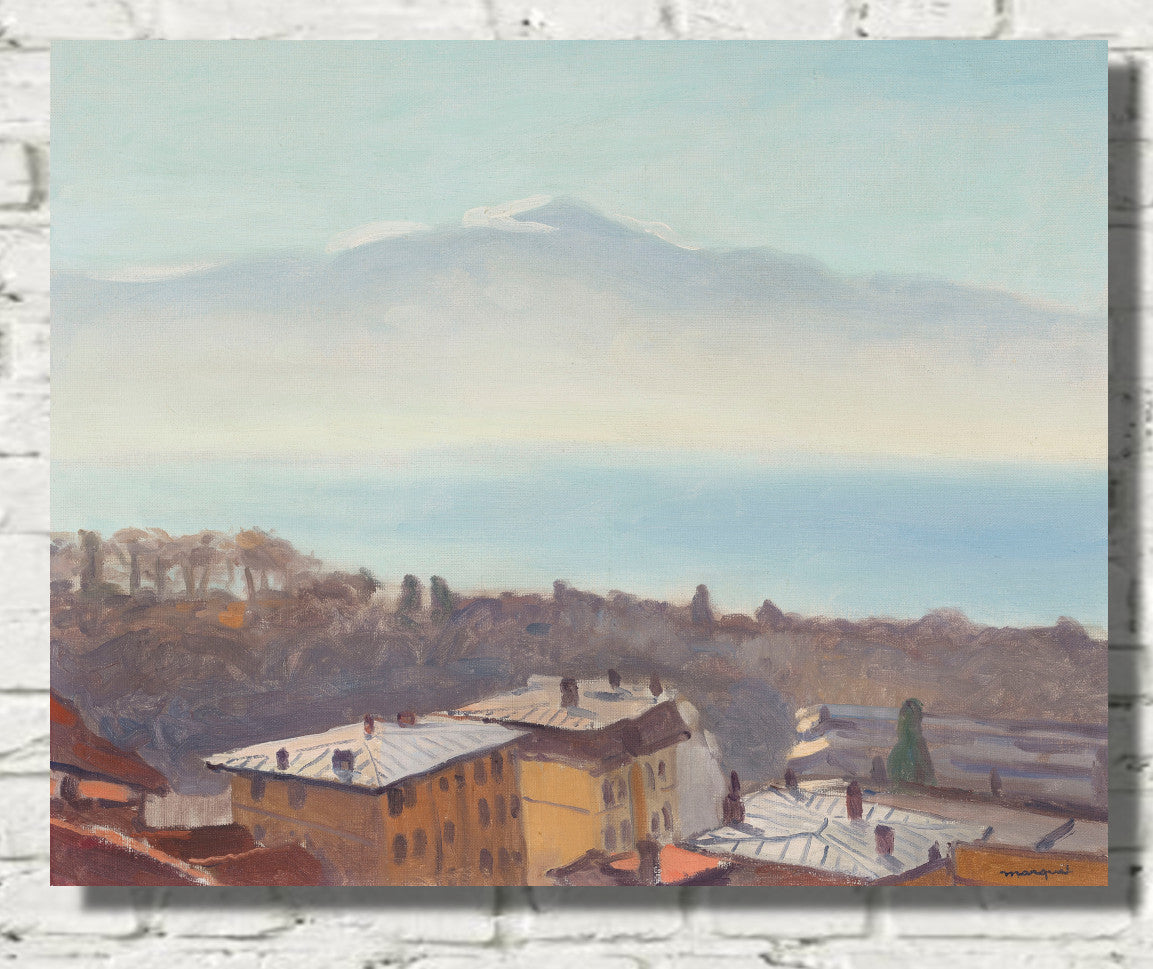
Where some artists depended on spectacular sunsets or dramatic storms, he could build an entire painting around subtle variations of grey, blue and white.
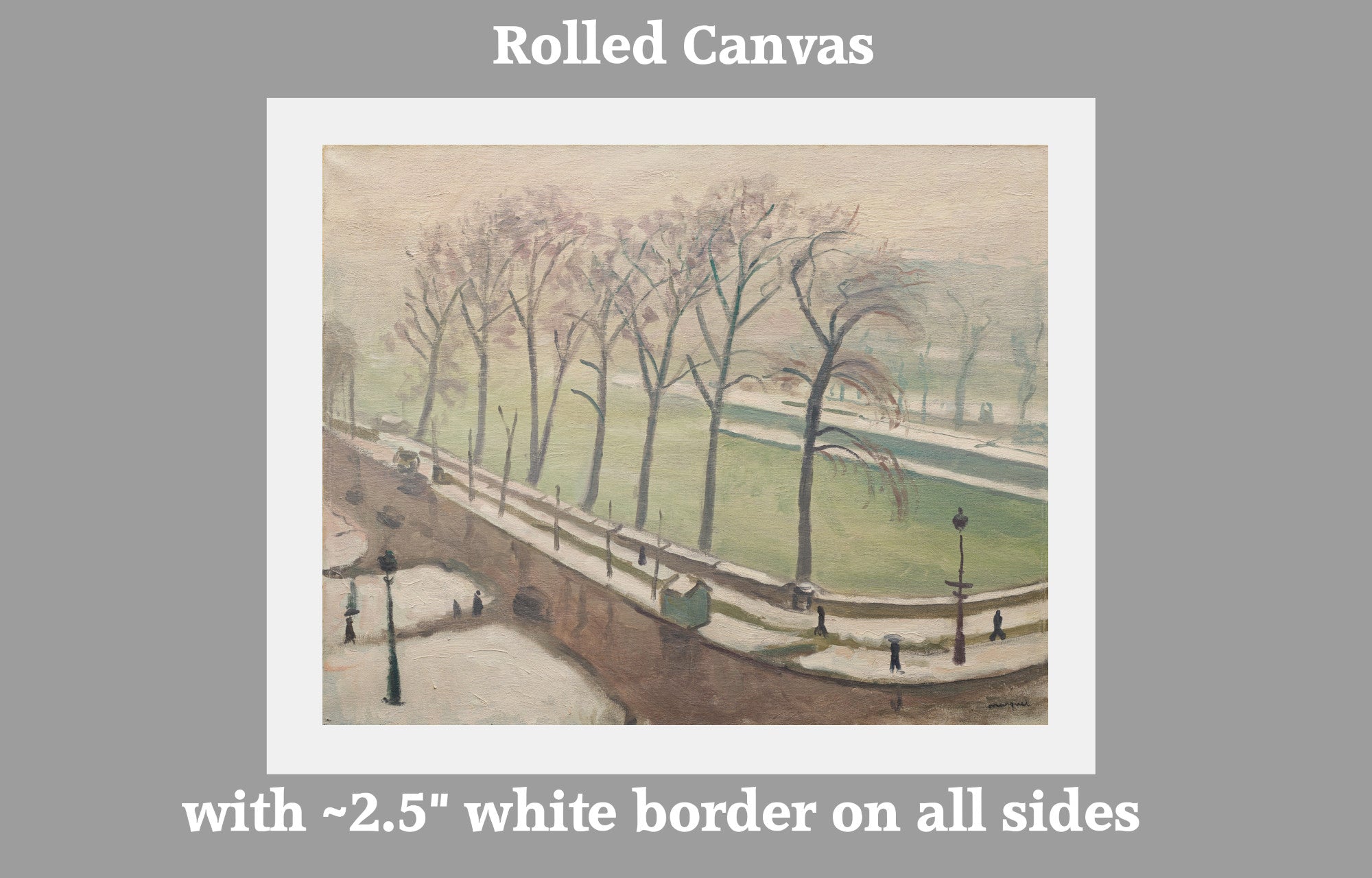
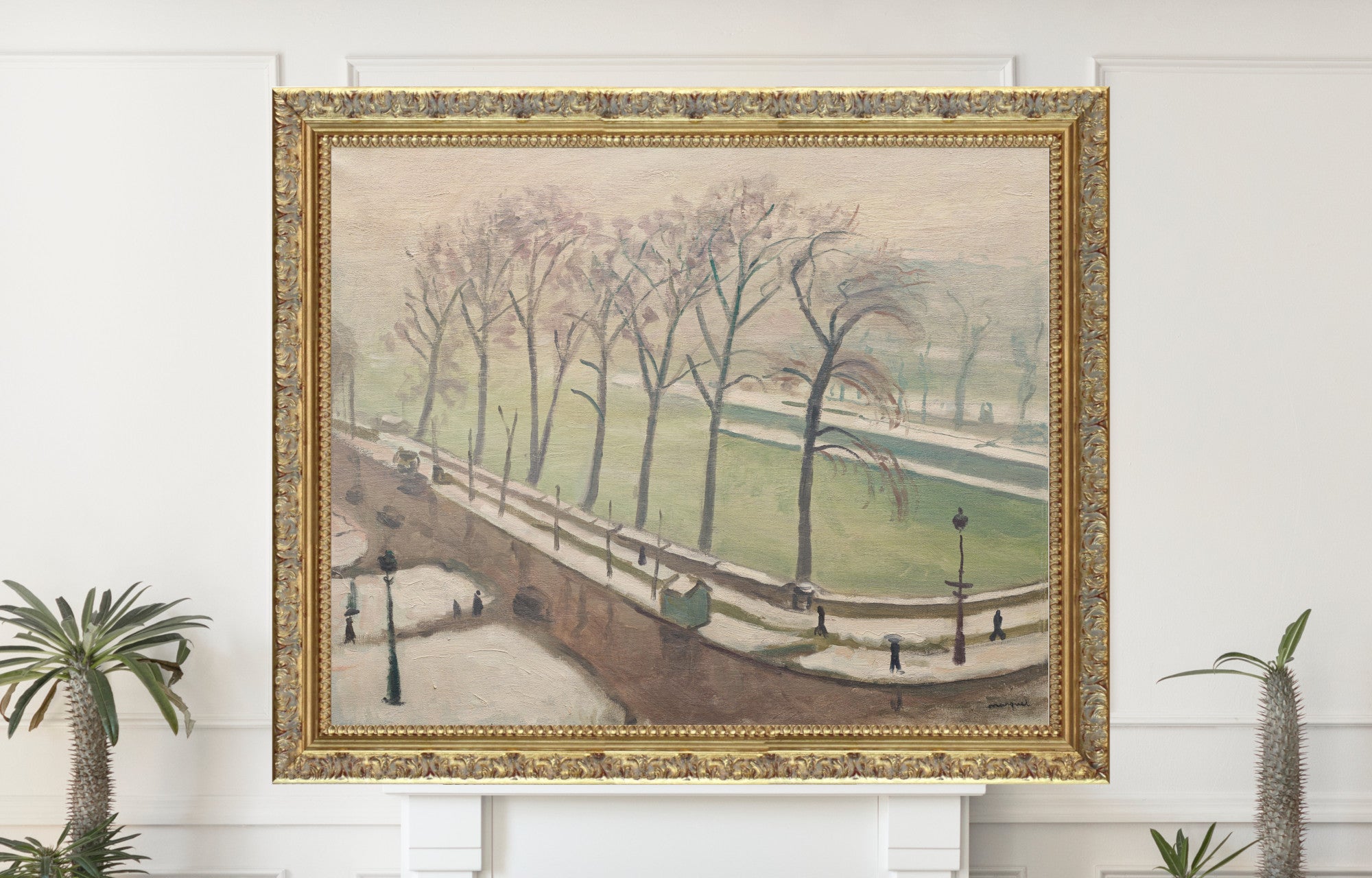
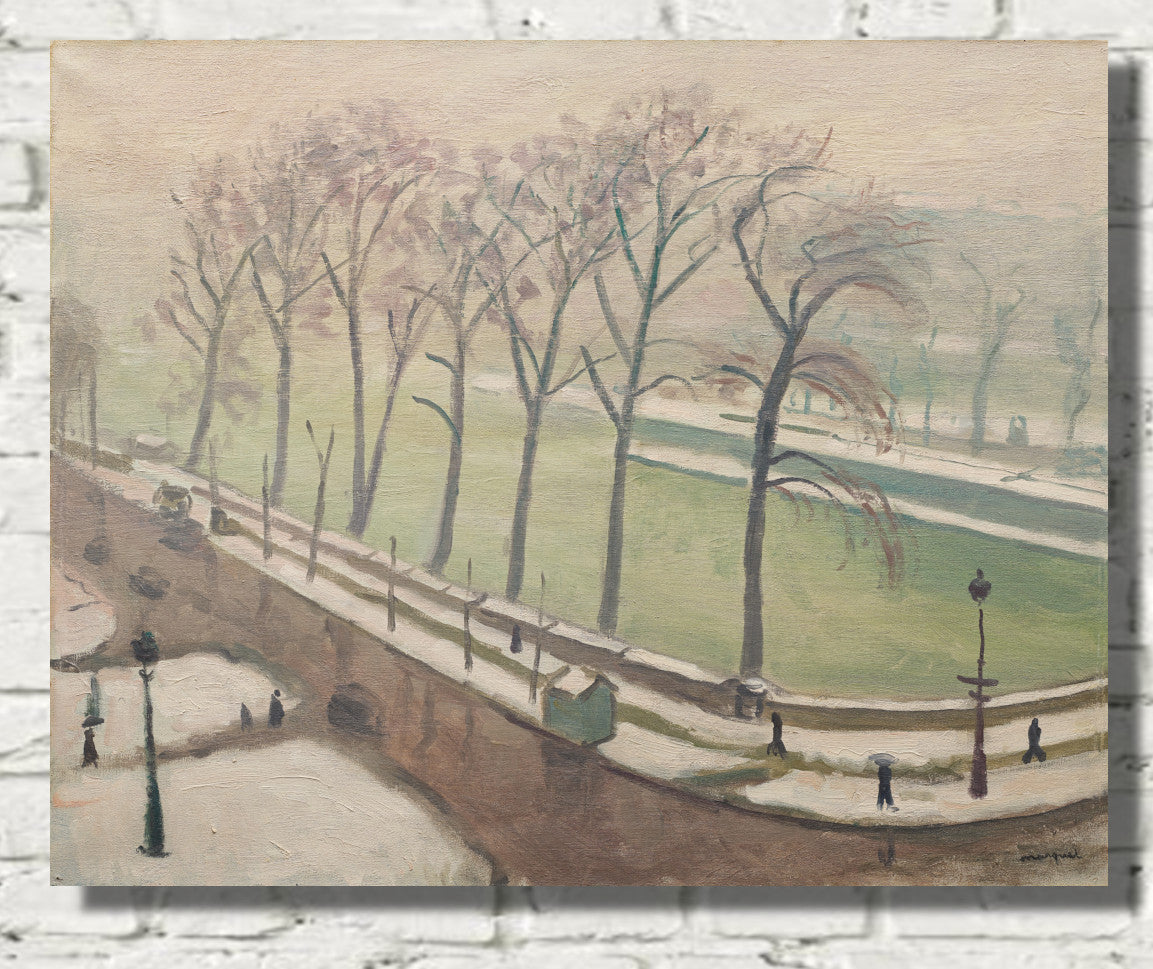
Snow-covered Paris provided an especially effective subject. Buildings, riverbanks and rooftops become simplified masses, while snow reduces visual detail and strengthens the underlying structure of the composition.
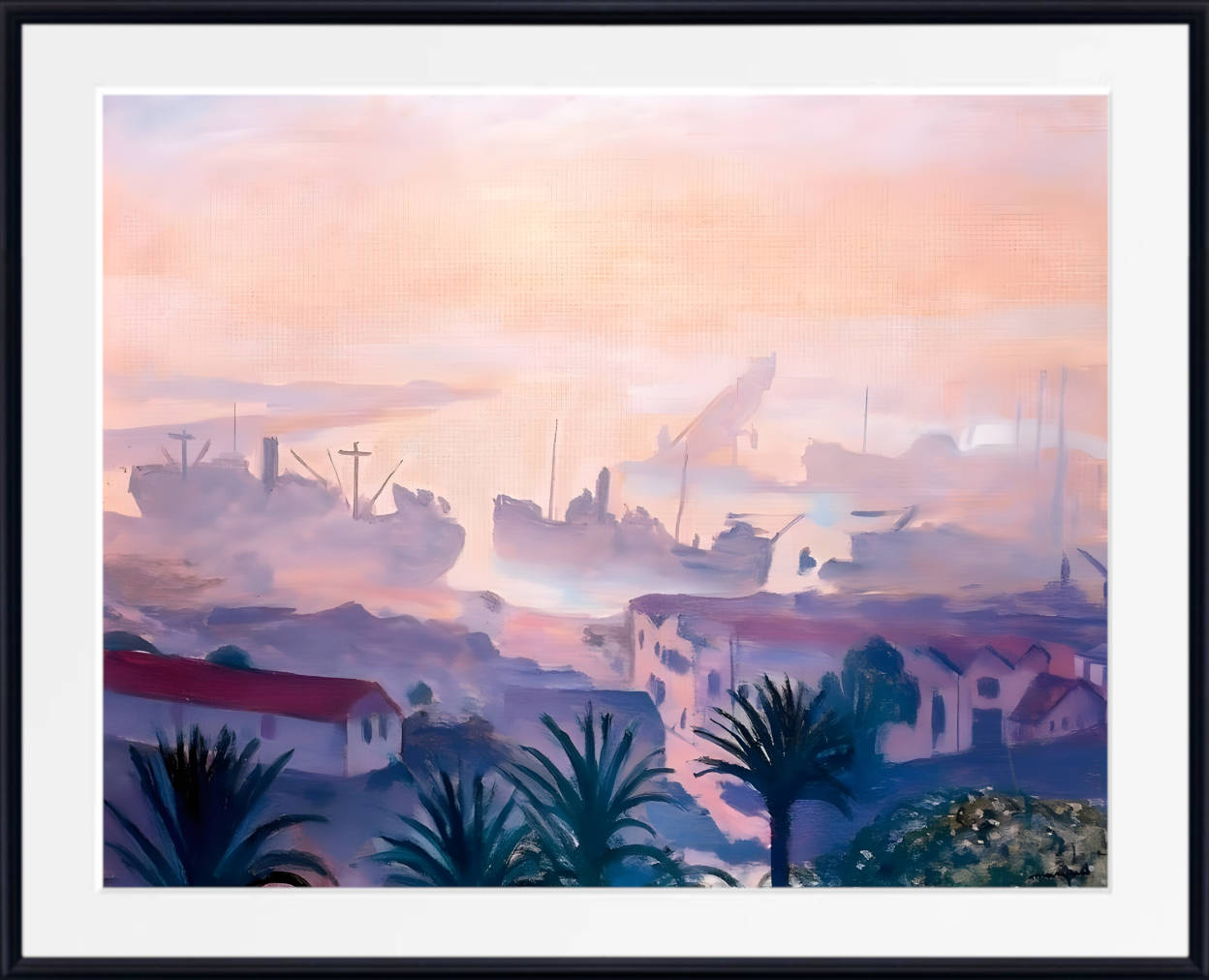
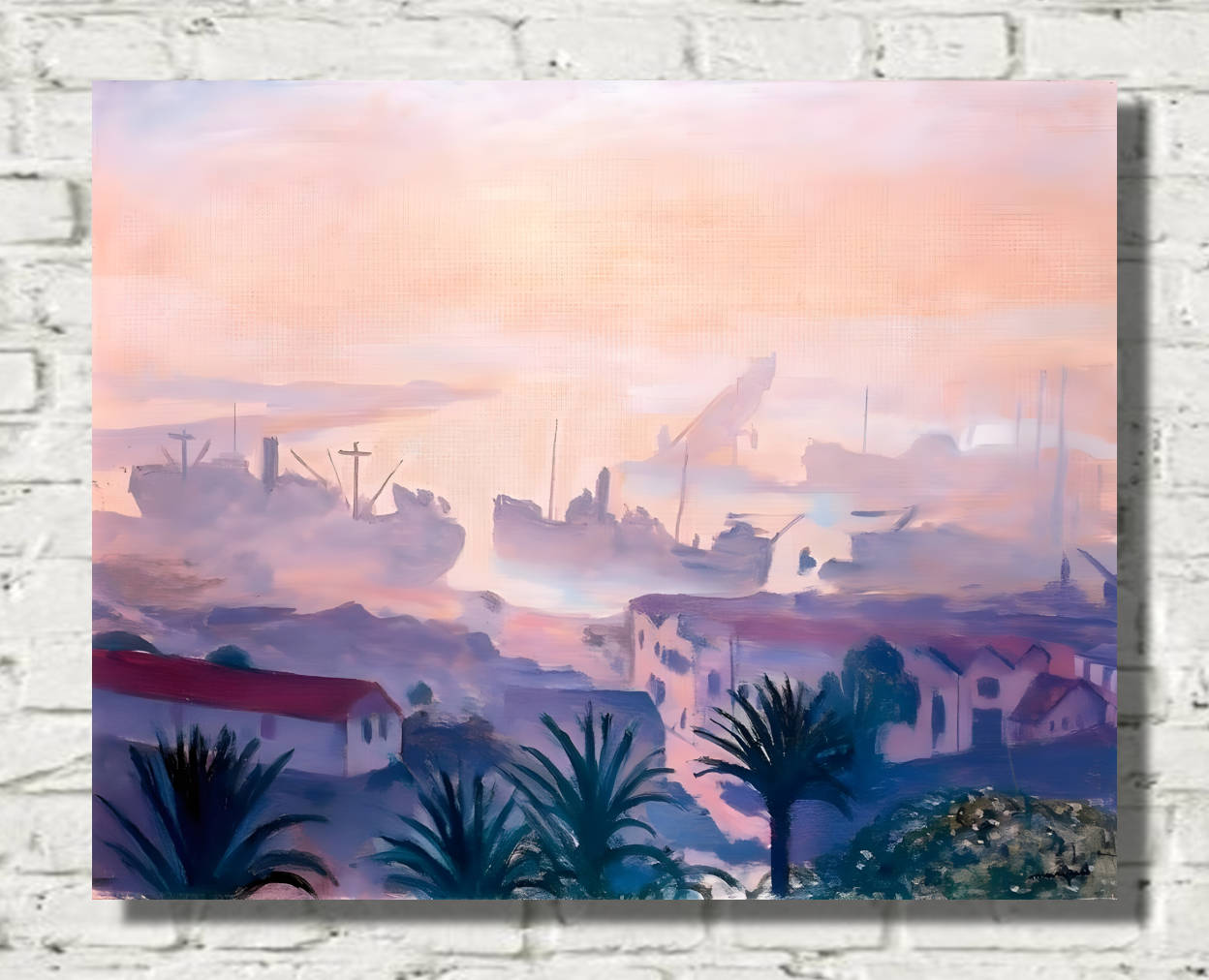
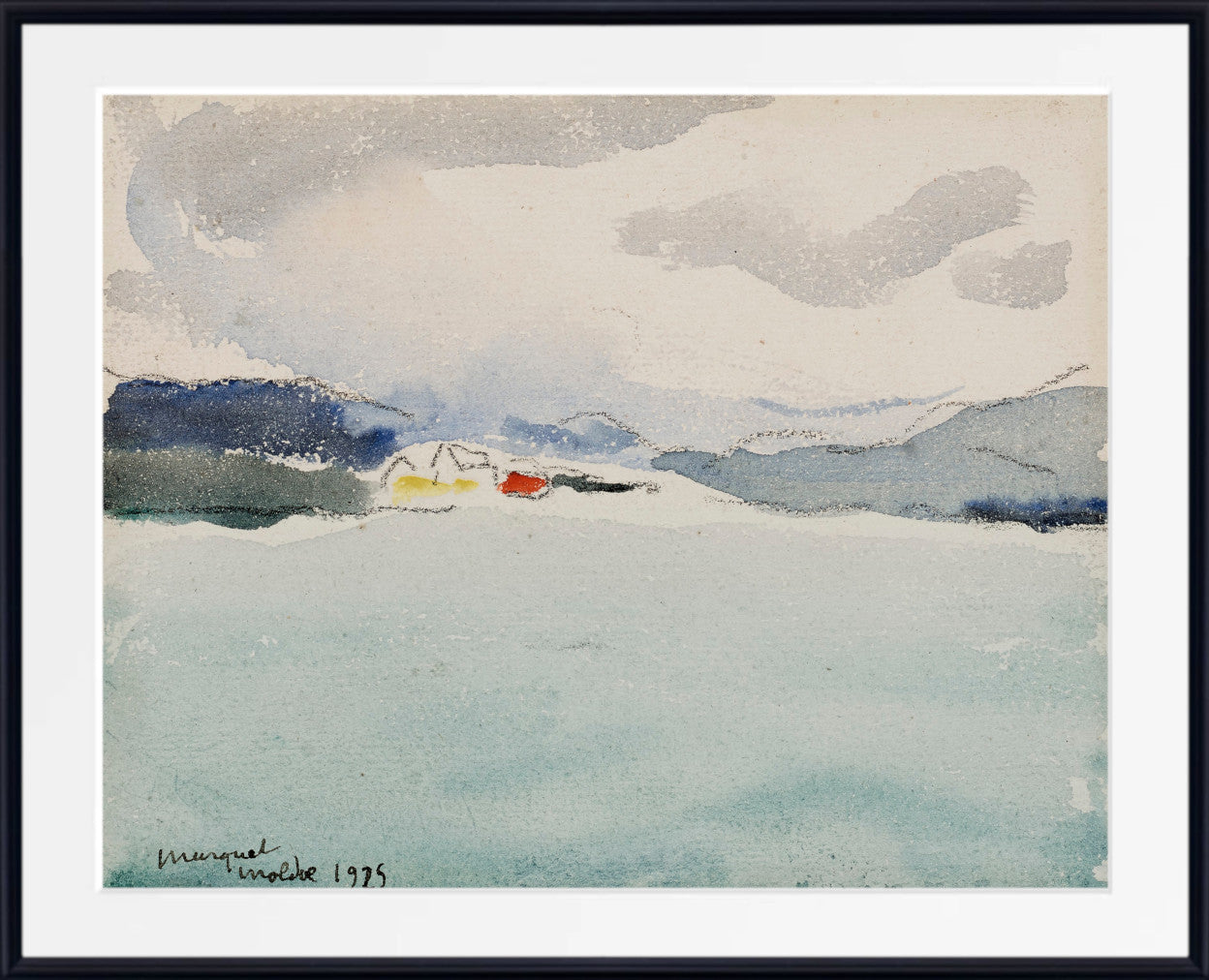
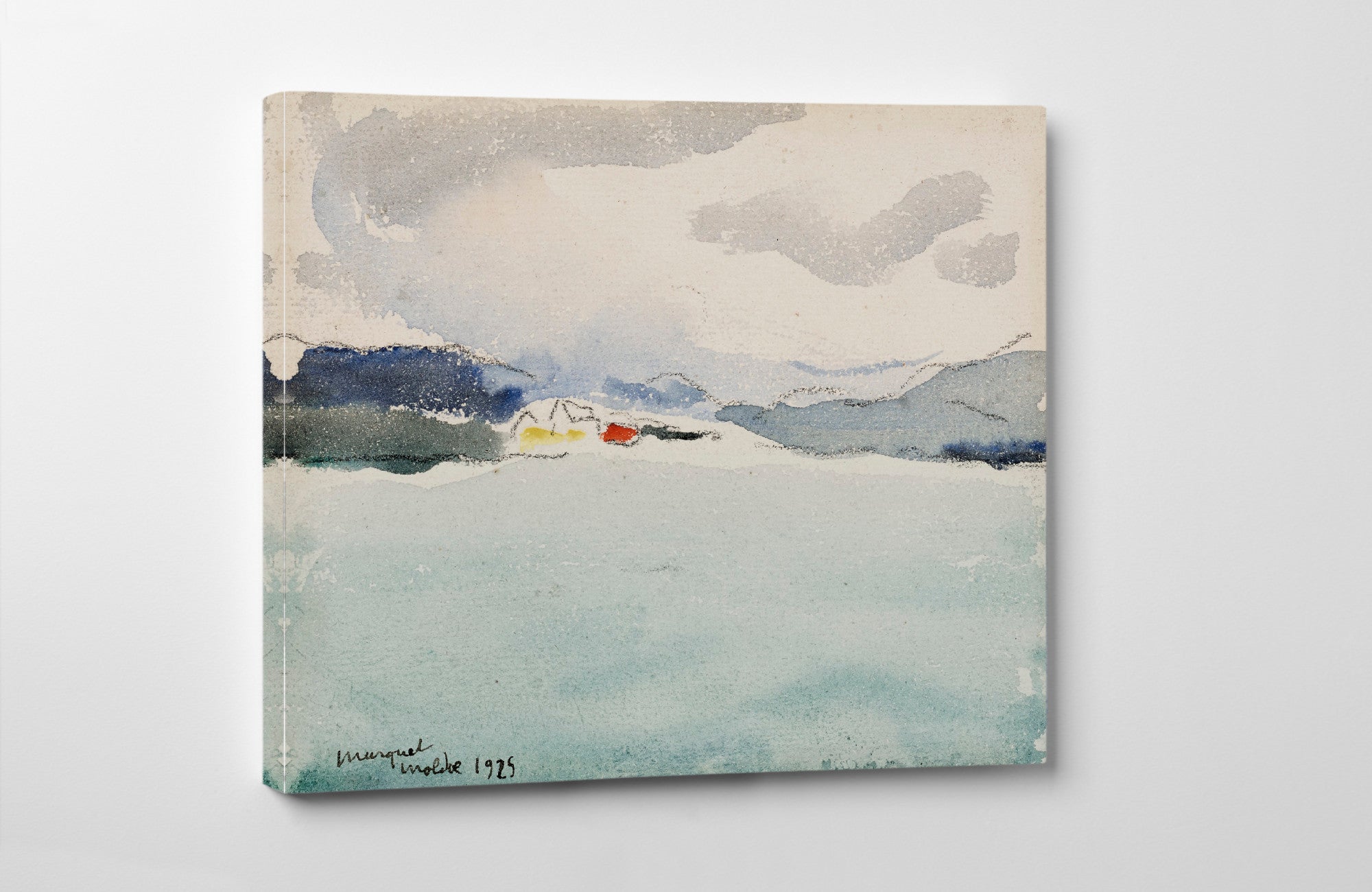
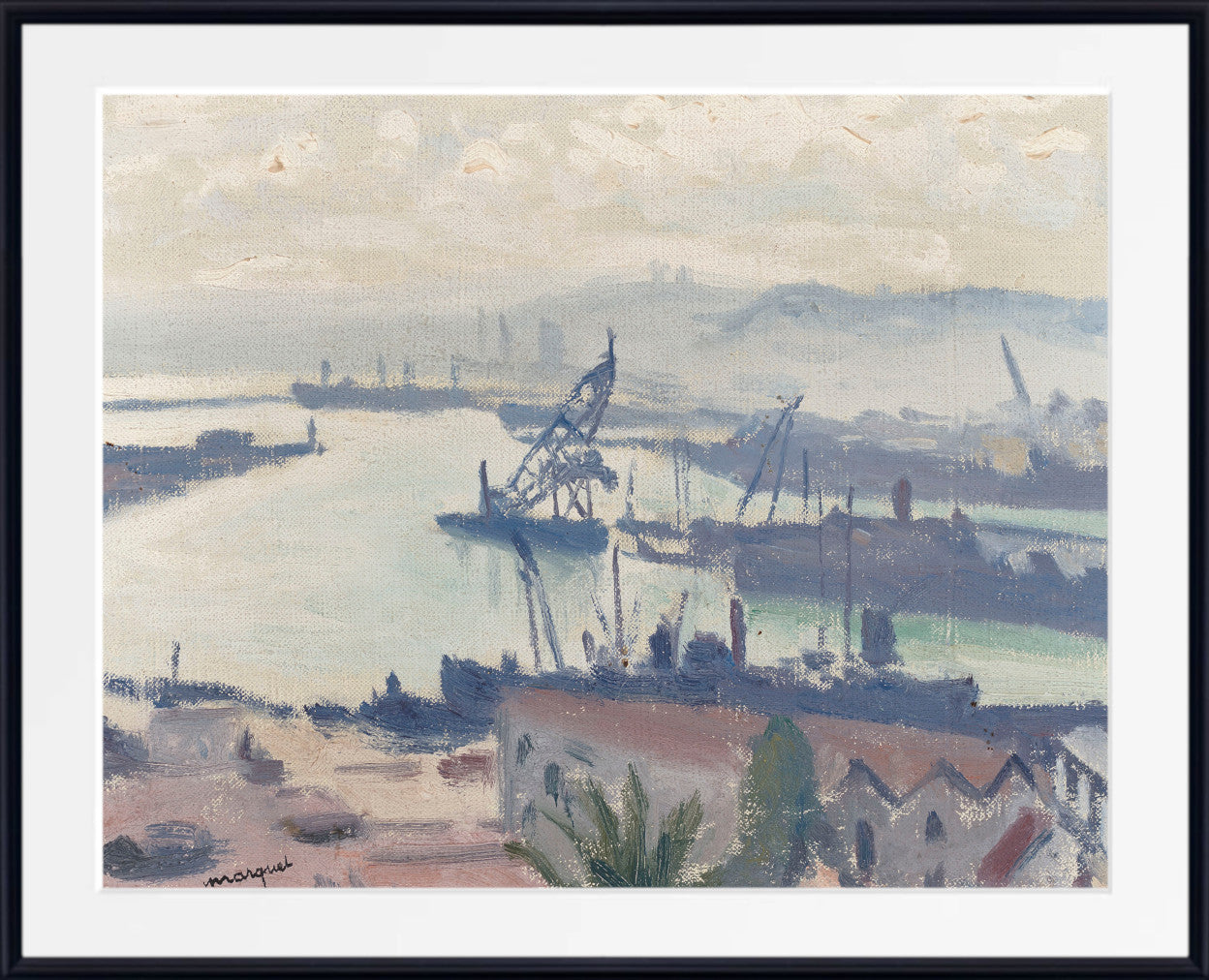
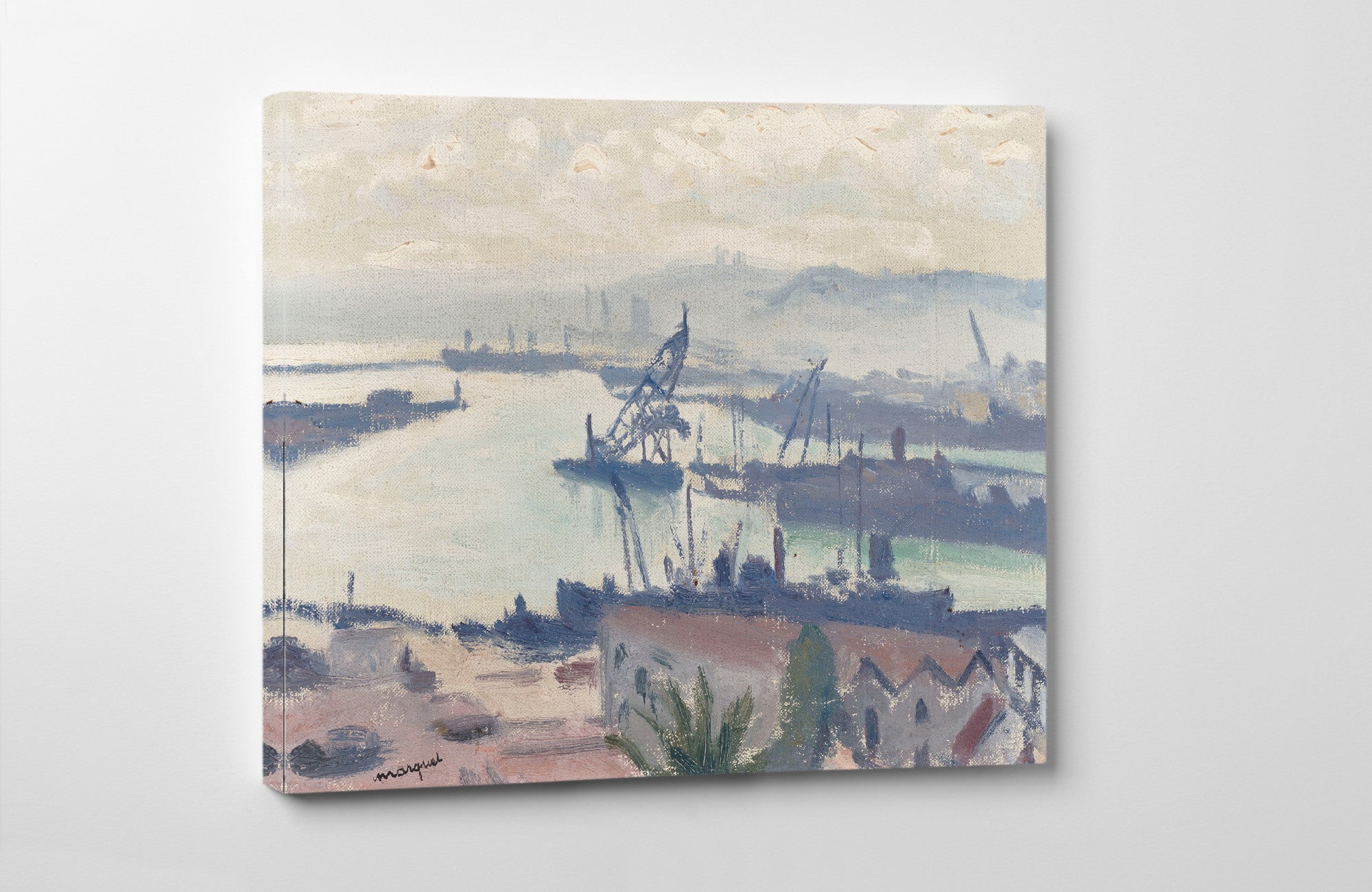
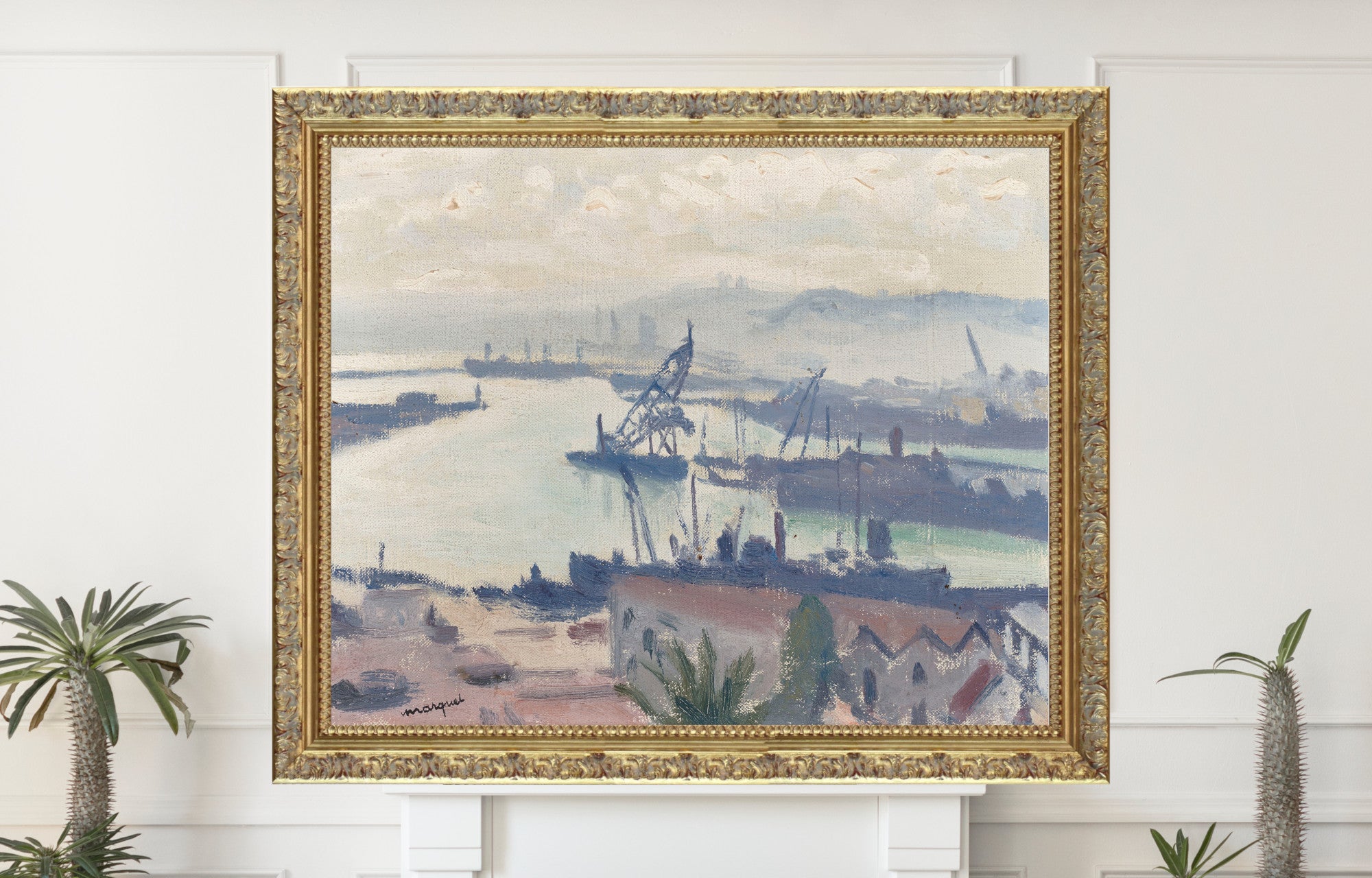
Mist and fog offered similar possibilities in his harbour paintings.
Rather than obscuring the scene, atmospheric conditions allowed Marquet to reduce it to exactly the elements he considered necessary.
This economy is one reason his paintings can appear surprisingly contemporary.
Ports and Harbours
Few subjects are more closely associated with Albert Marquet than the harbour.
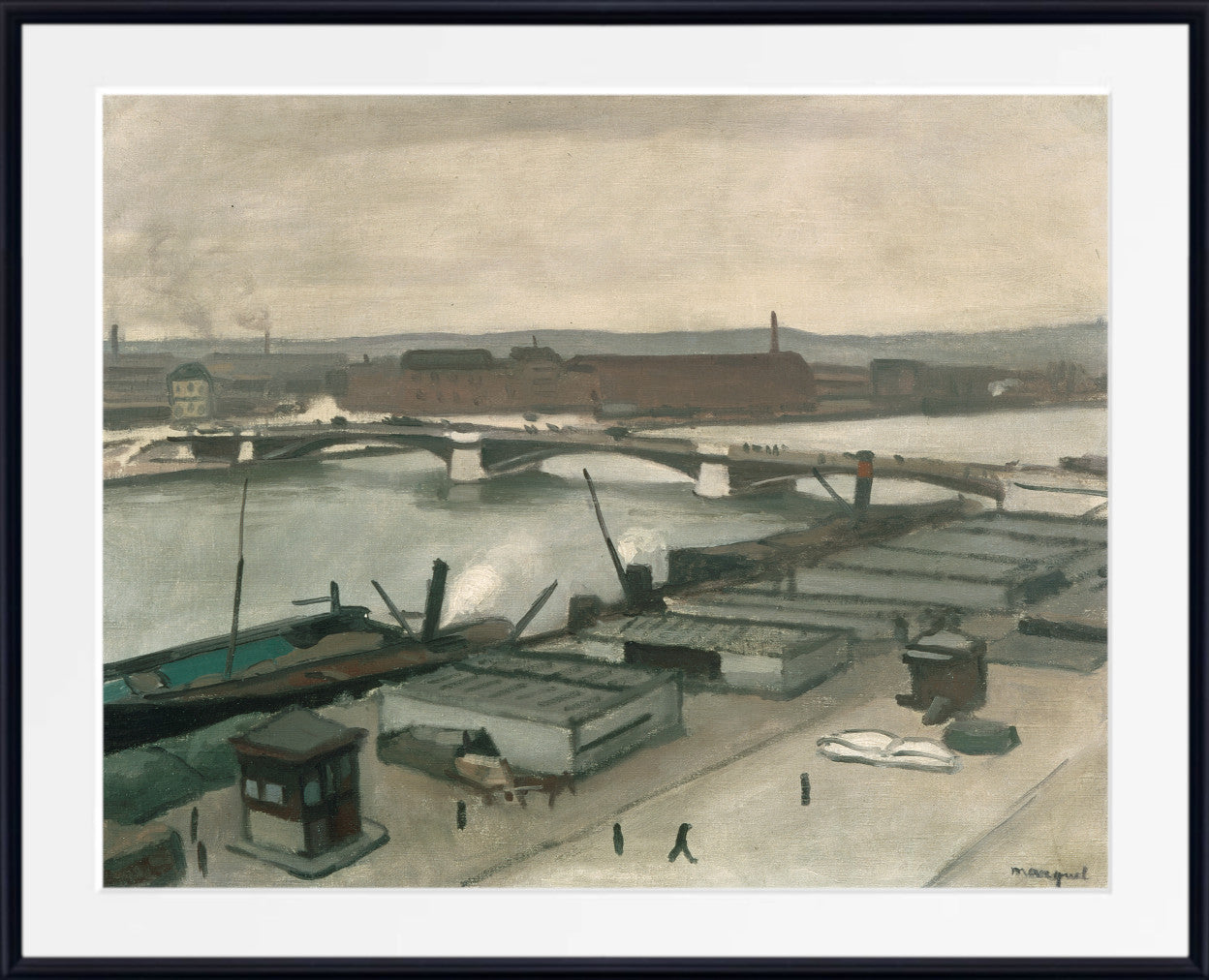
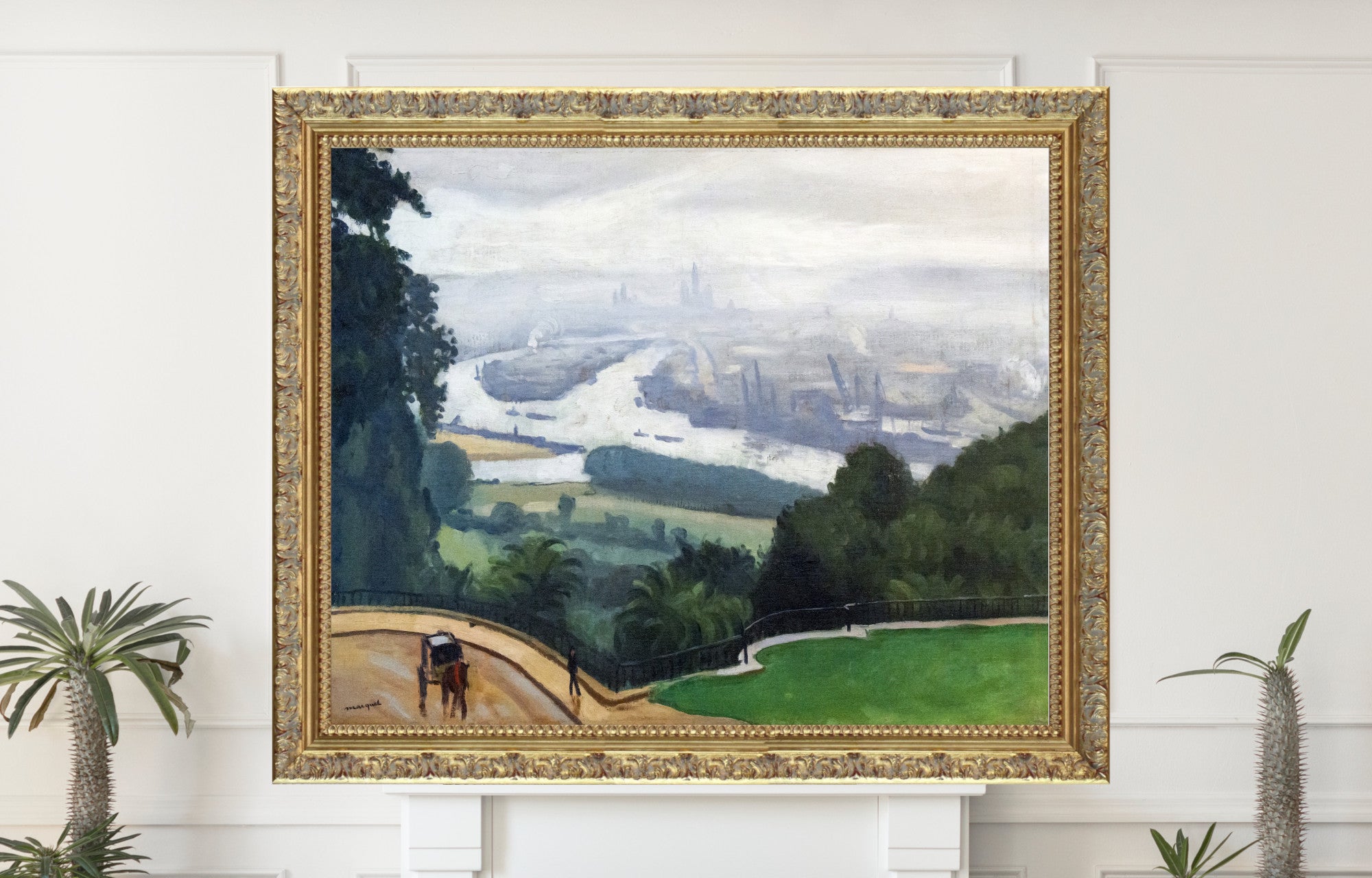
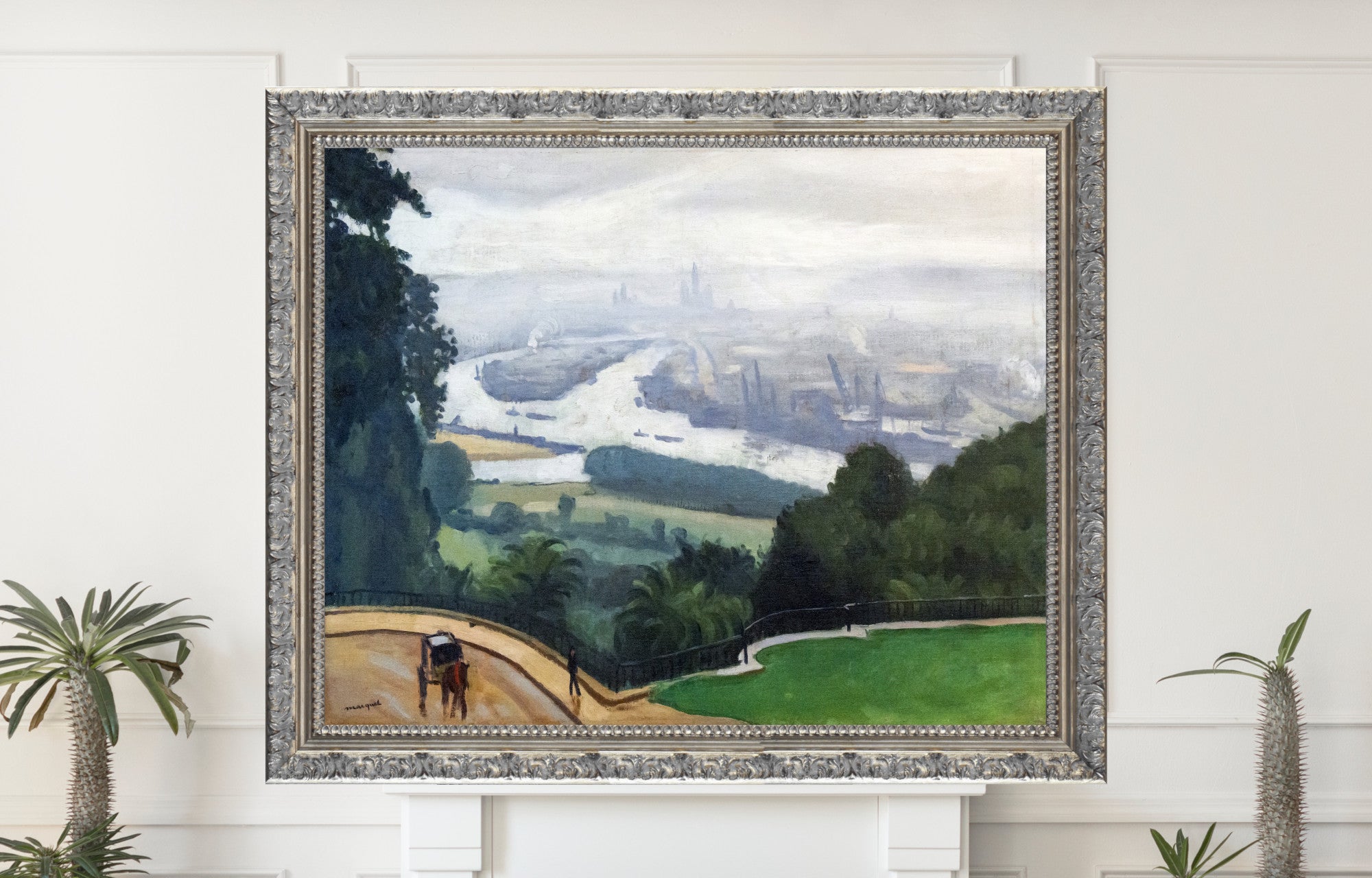
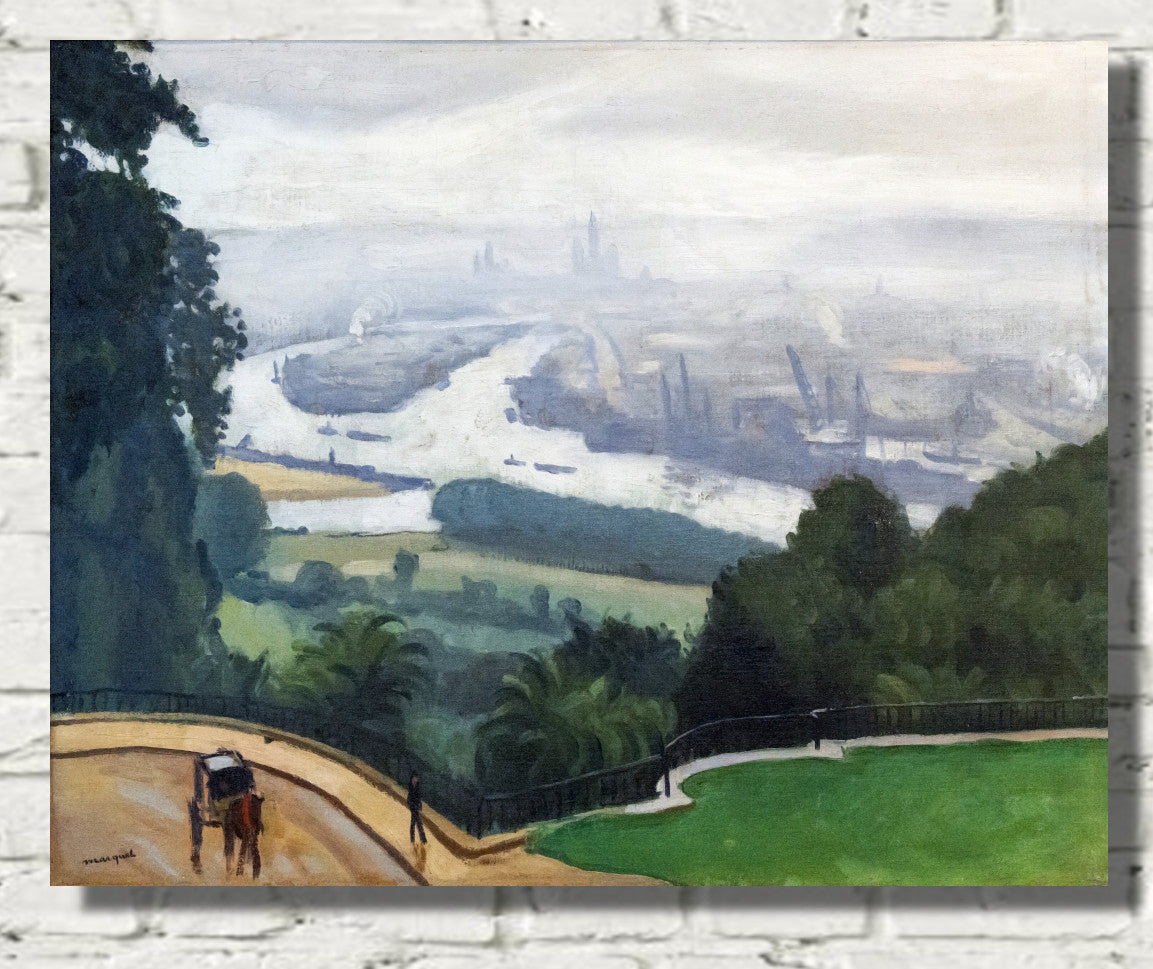
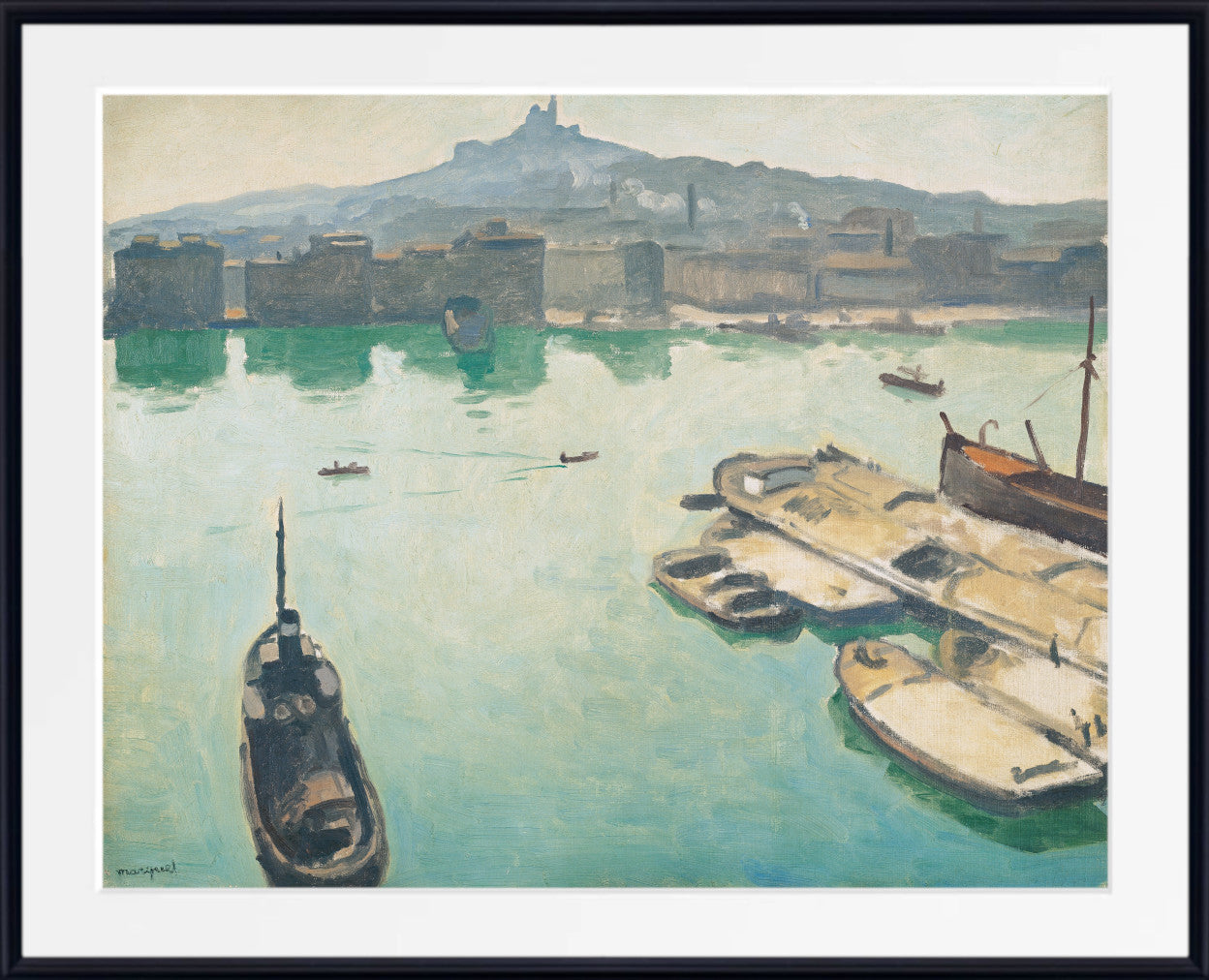
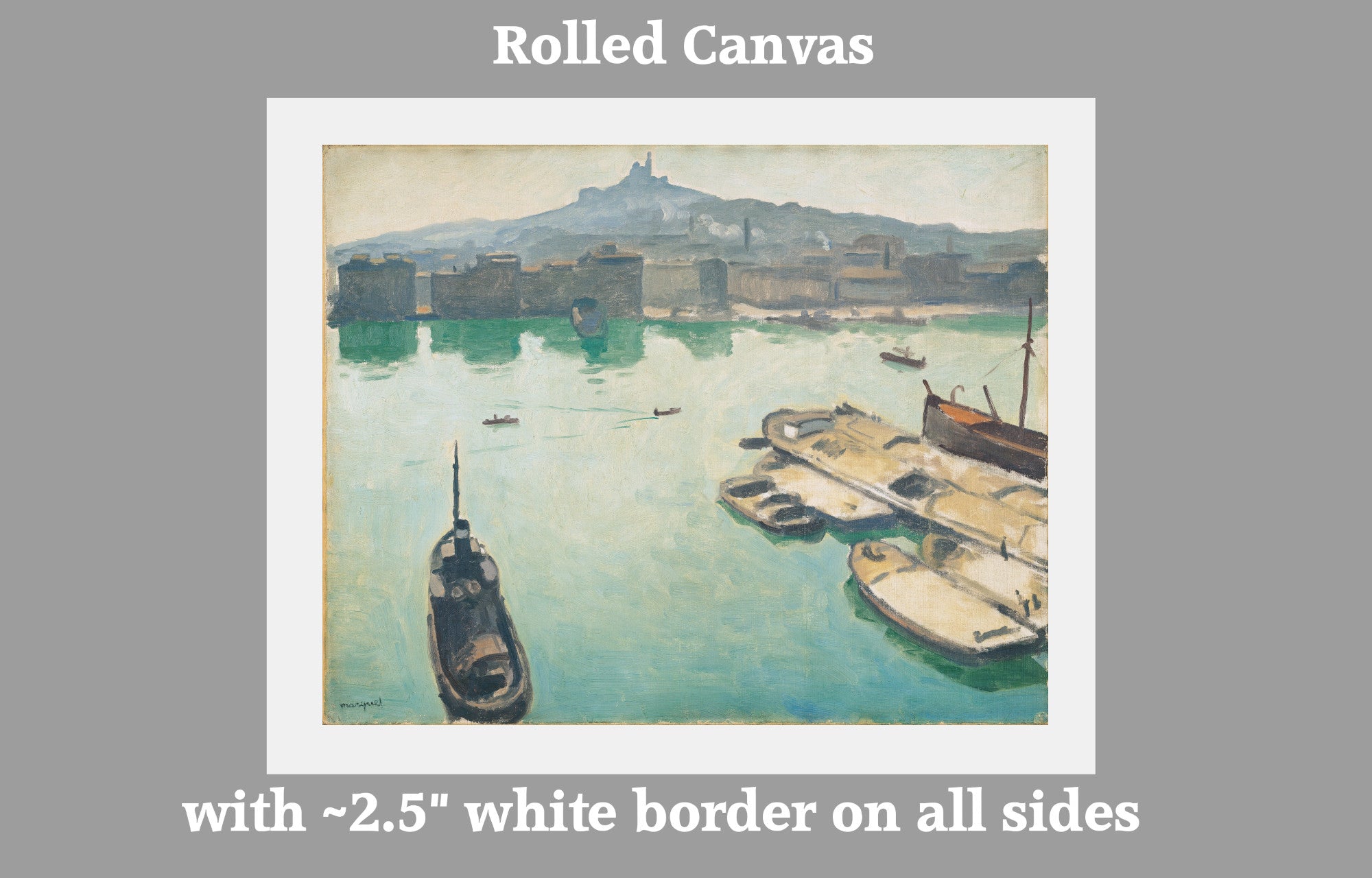
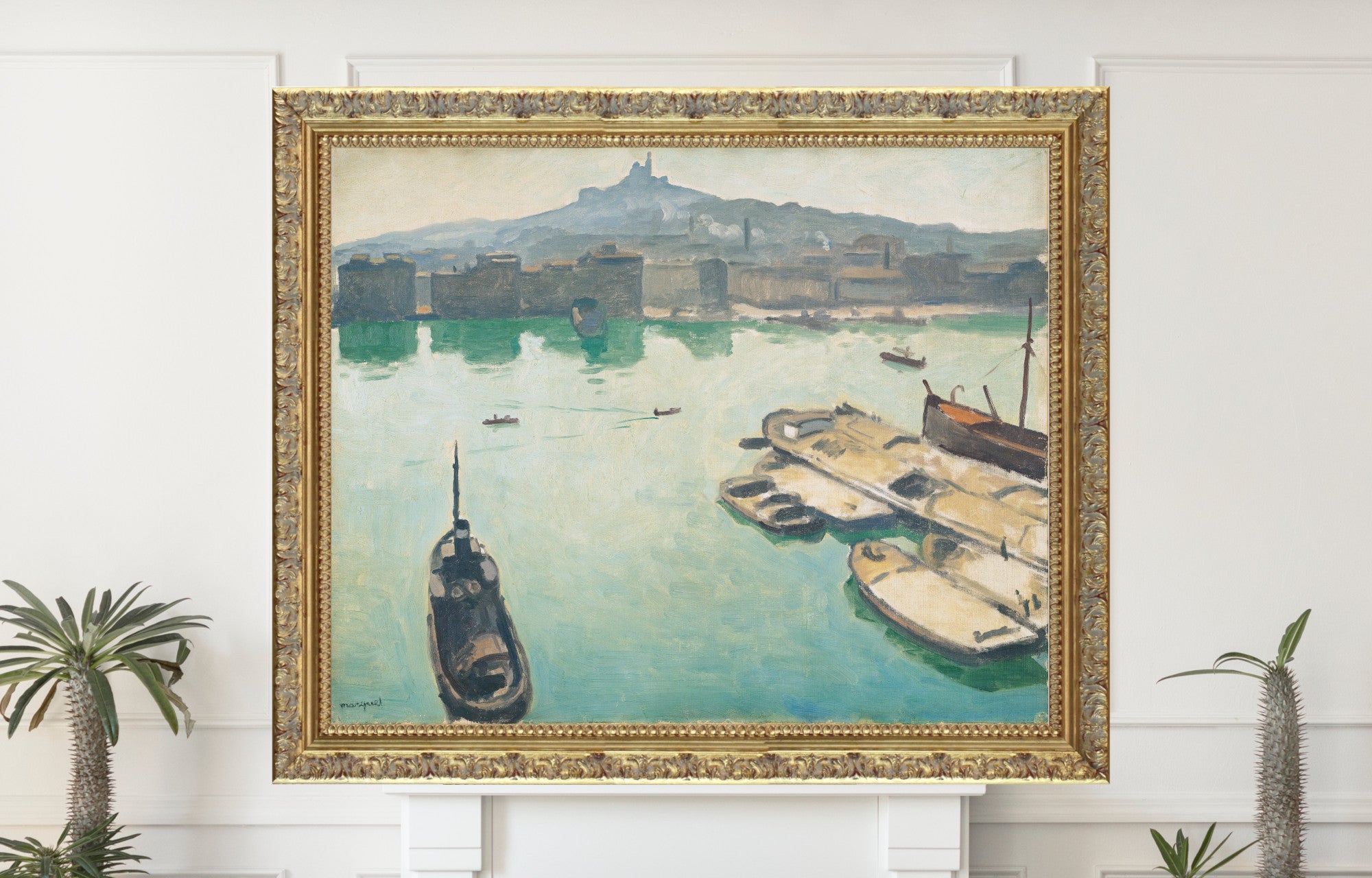
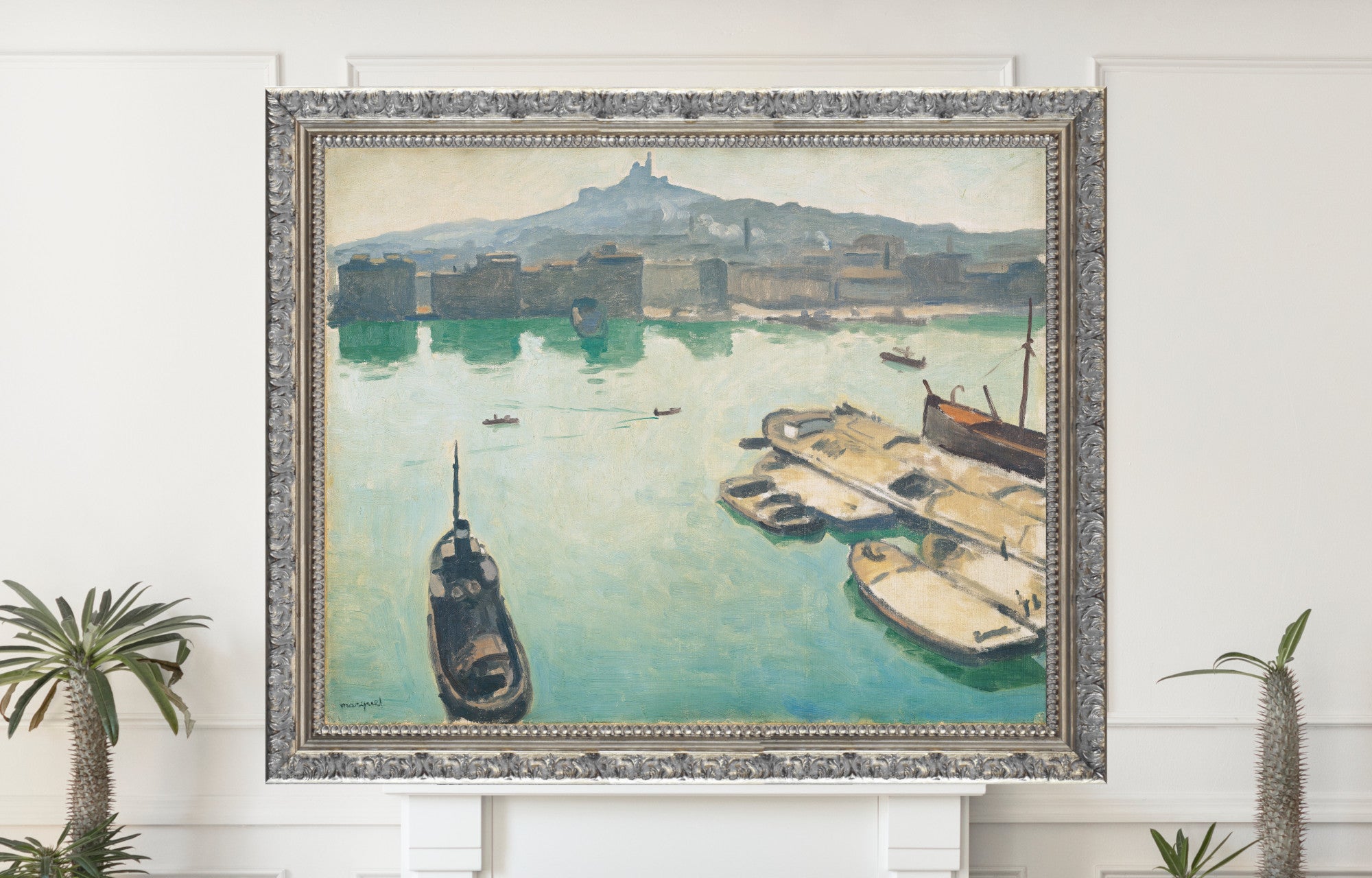
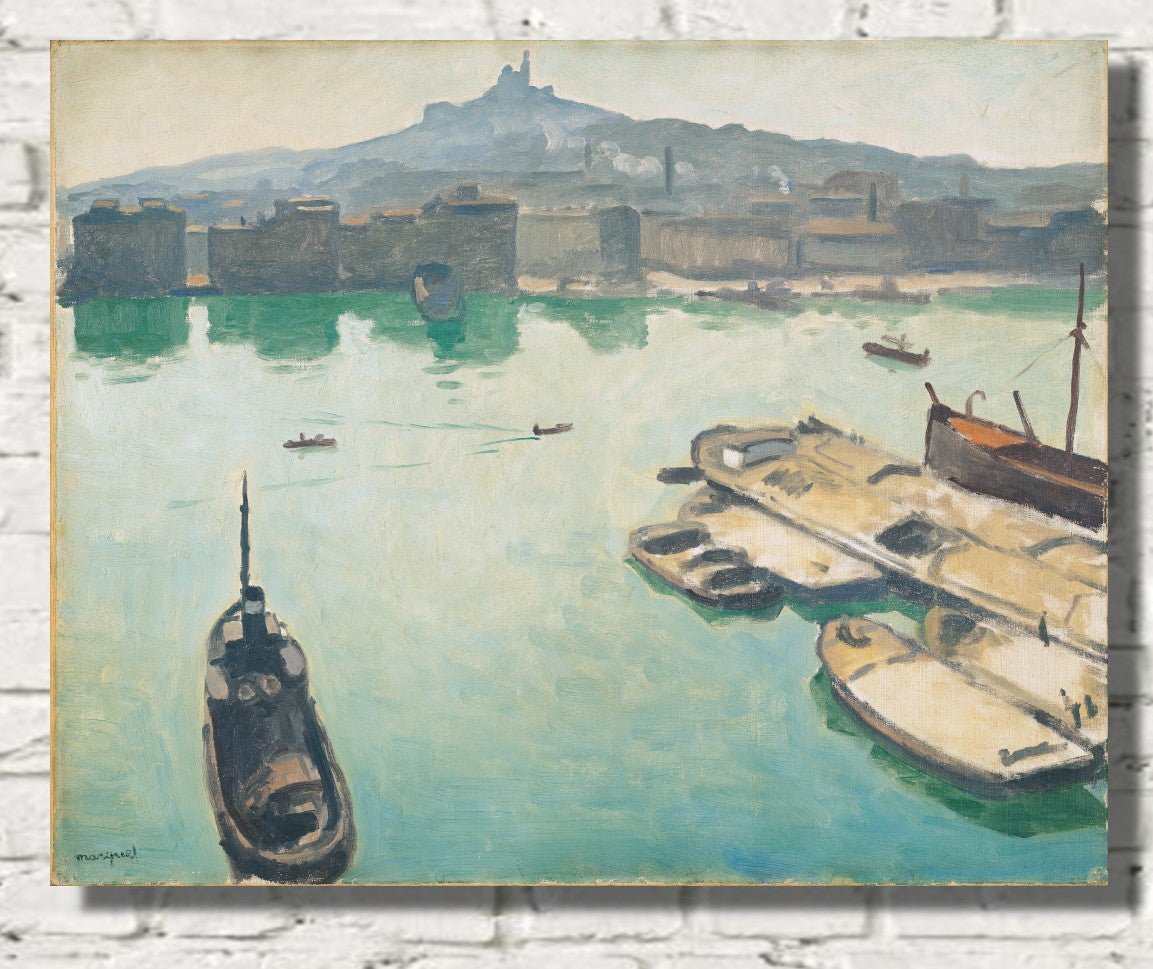
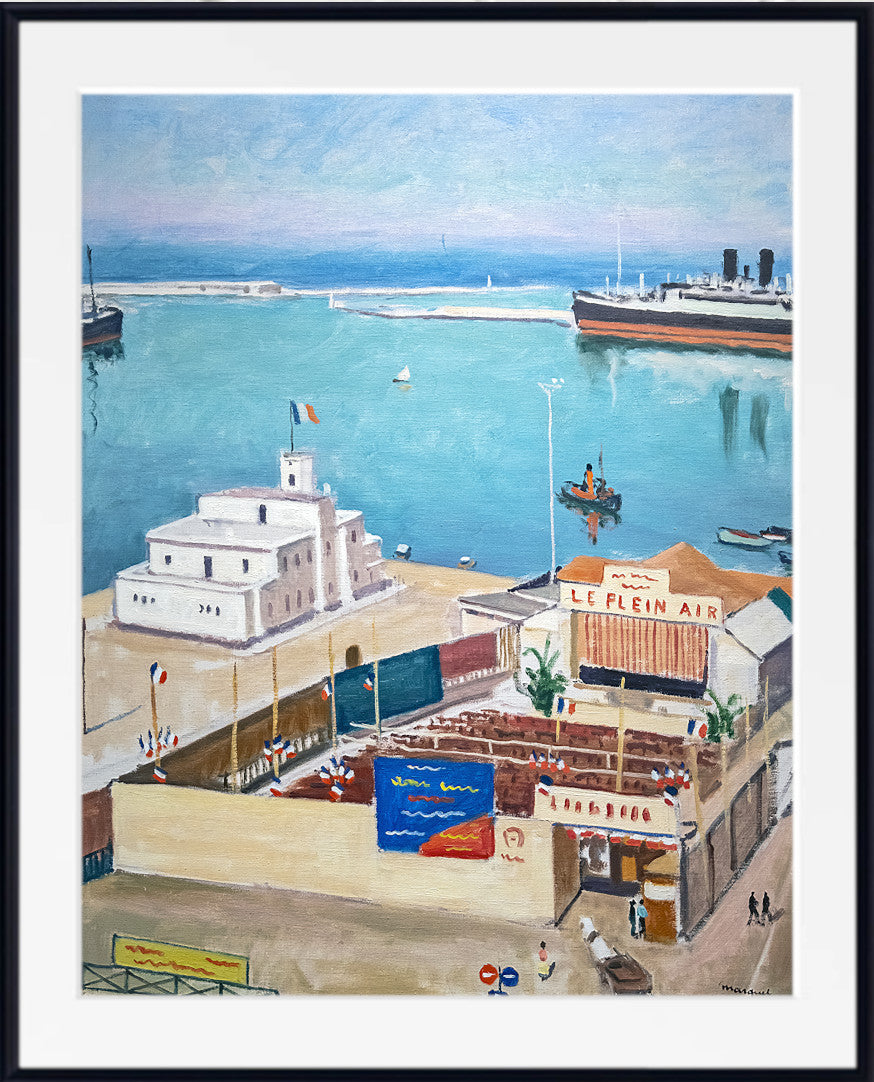
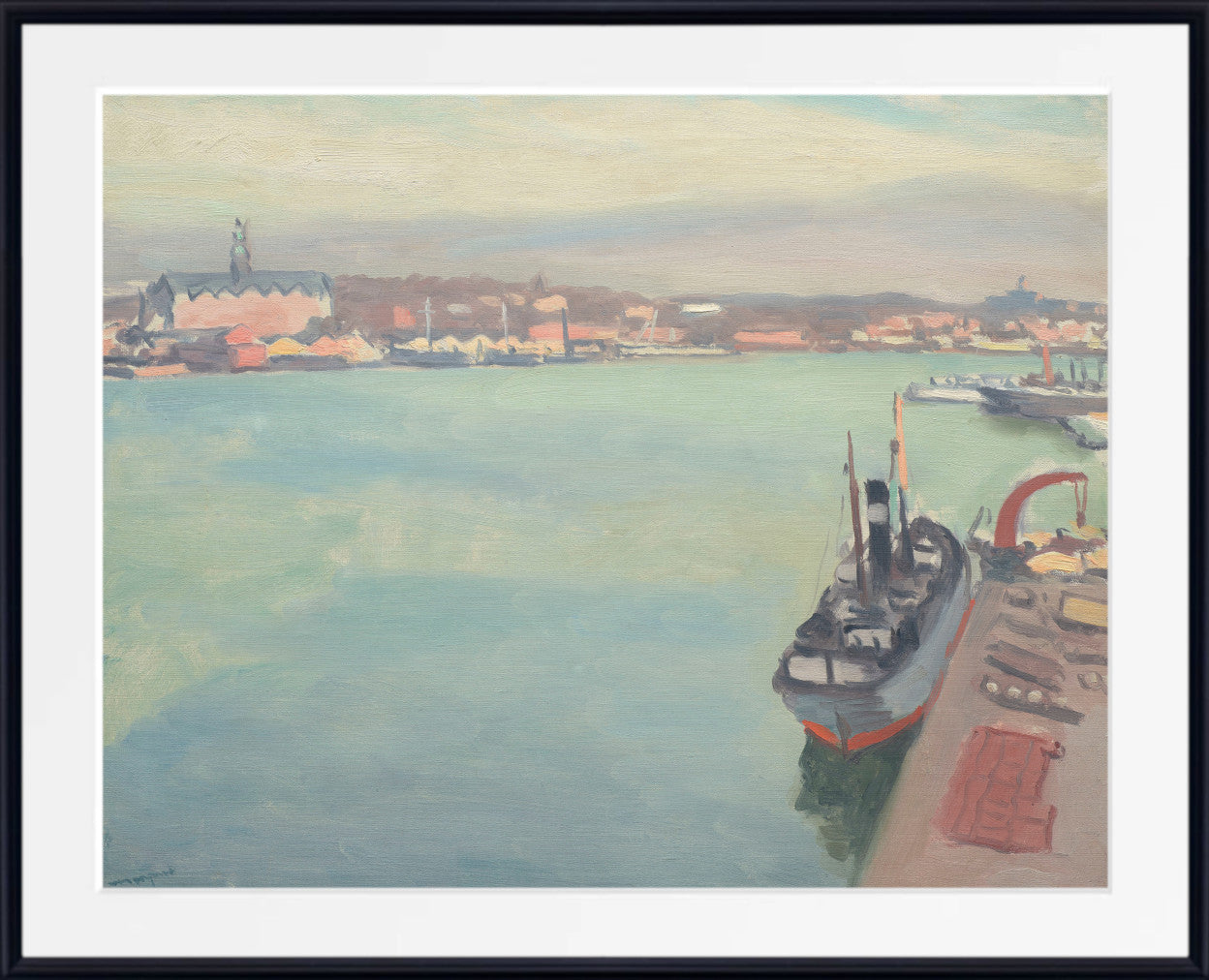
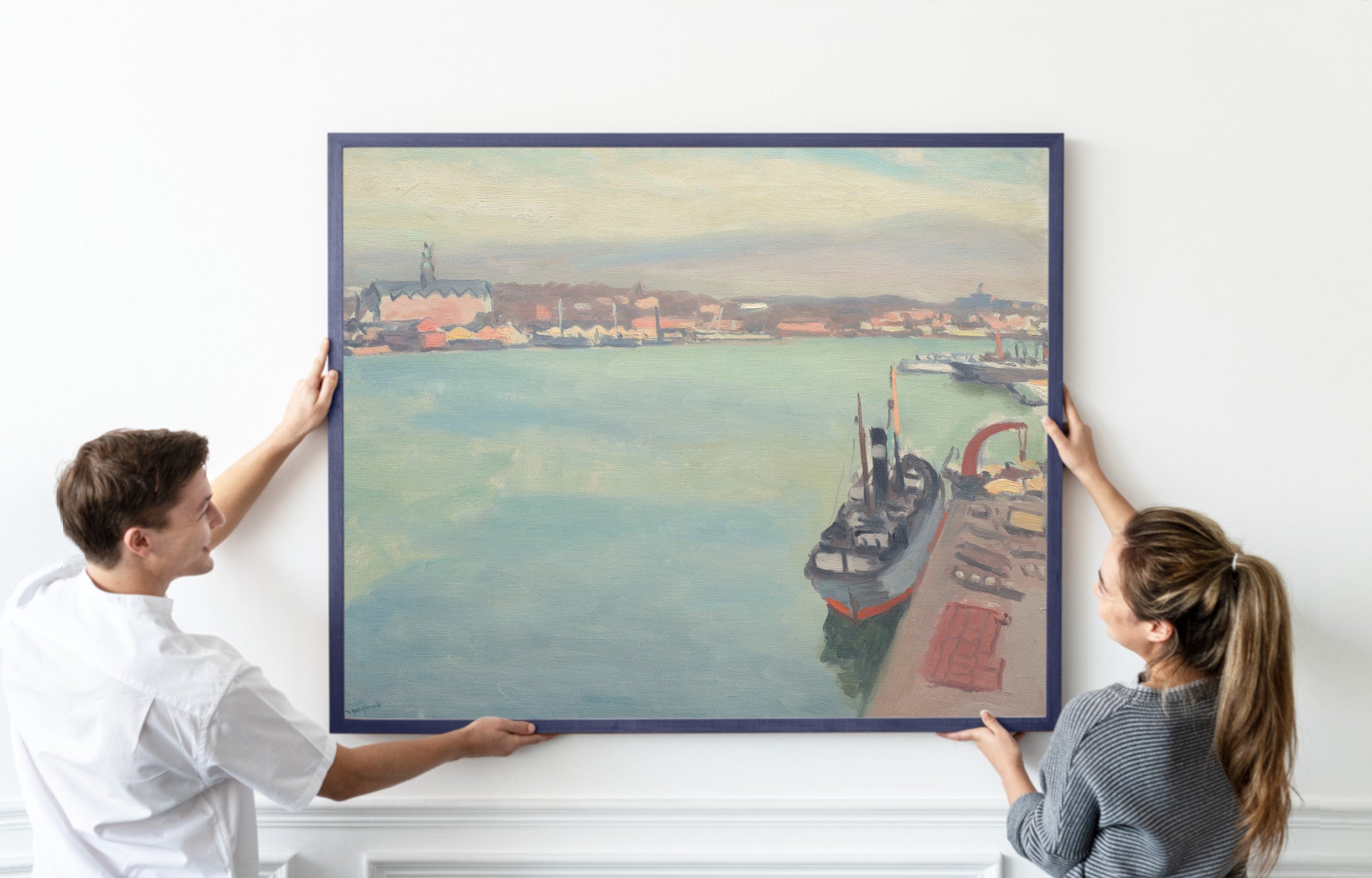
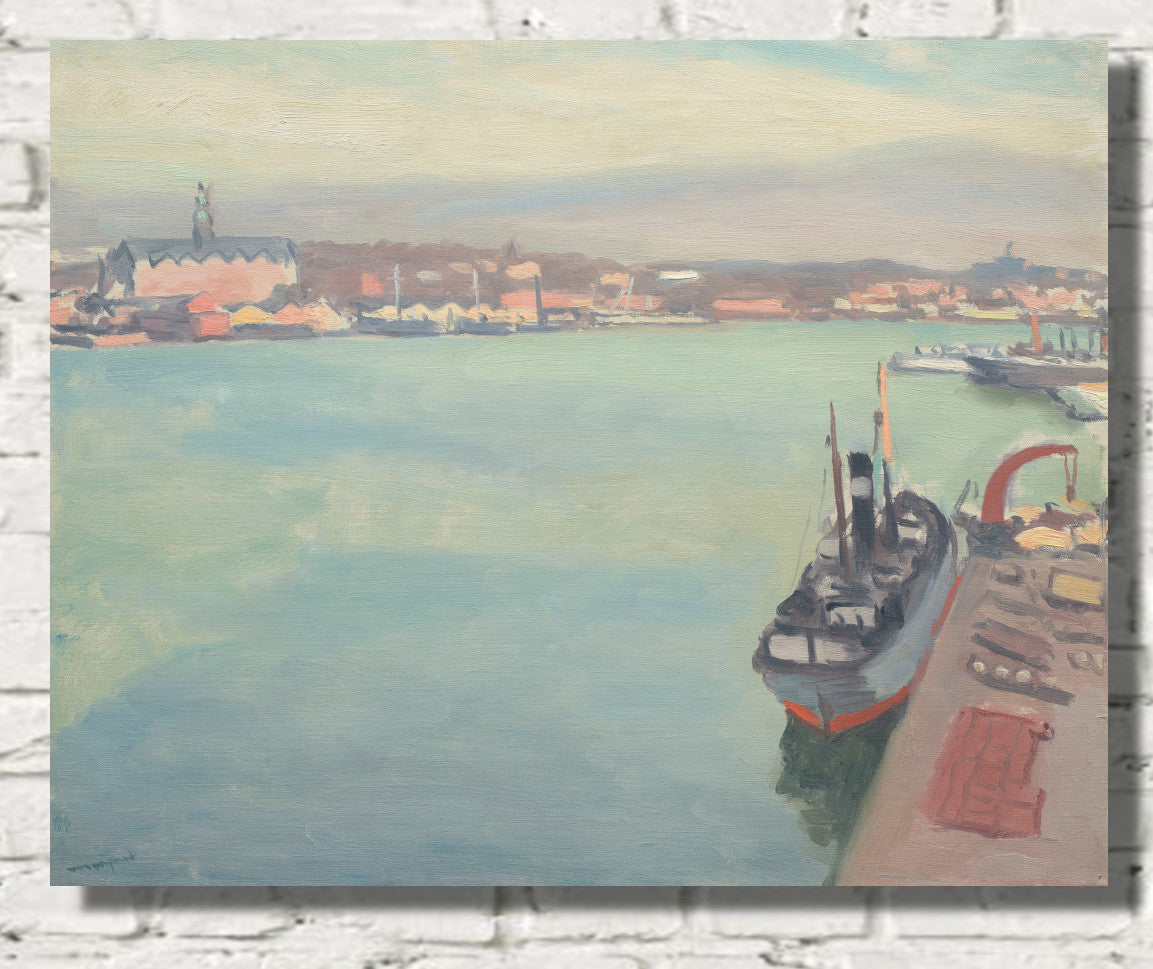
His travels gave him opportunities to paint ports throughout France and abroad, and GalleryThane's collection includes views associated with Rouen, Marseille, Stockholm and Algiers.
Ships, docks, quays and waterfront buildings provided strong geometric structures, while water introduced reflections and open space.
Unlike maritime painters principally interested in ships themselves, Marquet often treated vessels as elements within a larger landscape.
A tugboat, sailing vessel or steamer might occupy only a small part of the scene, yet its dark silhouette could provide exactly the visual accent required to balance the composition.
Browse GalleryThane's wider Seascape Art Prints collection for more harbour, coastal and maritime art.
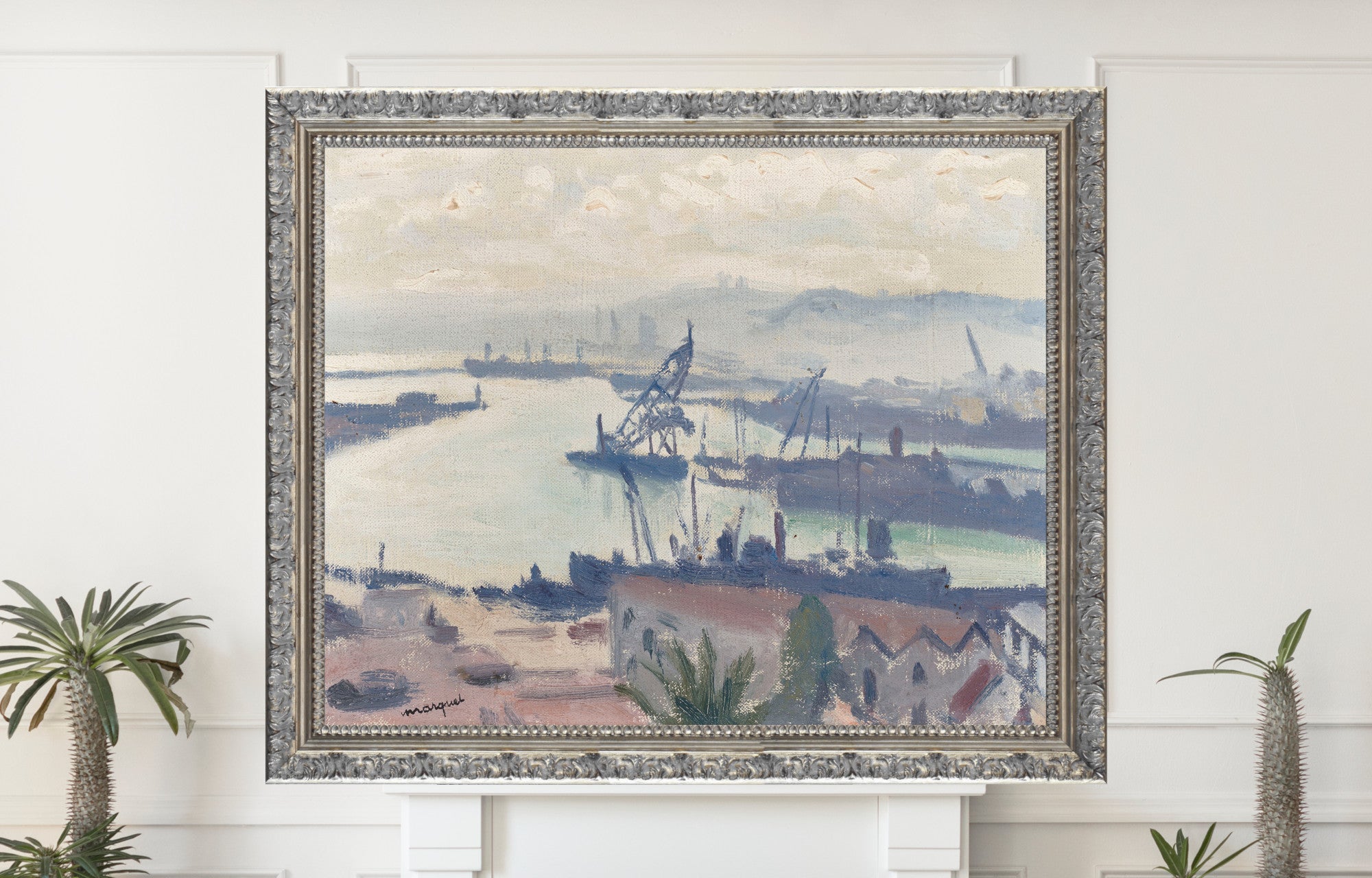
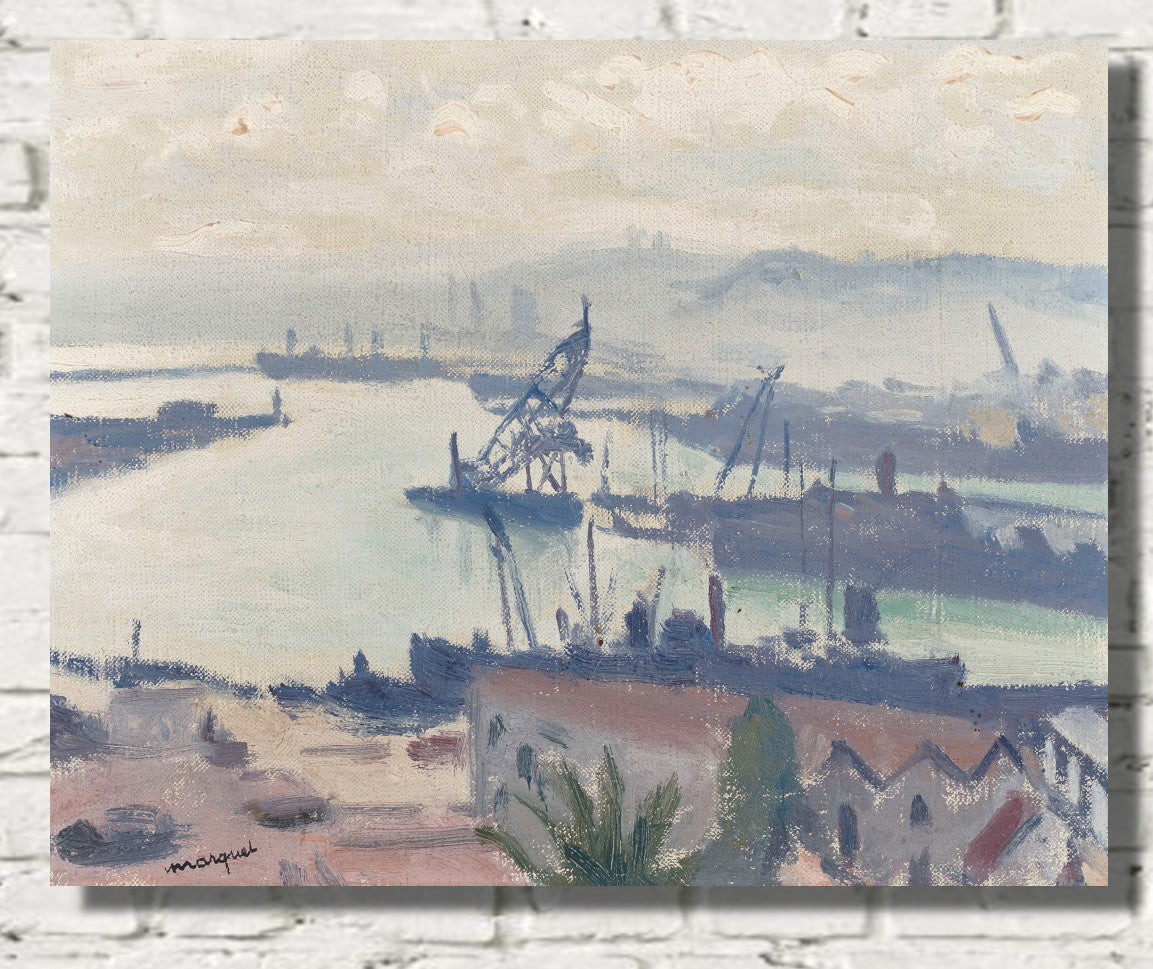
Albert Marquet and Algiers
North Africa became particularly important to Marquet.
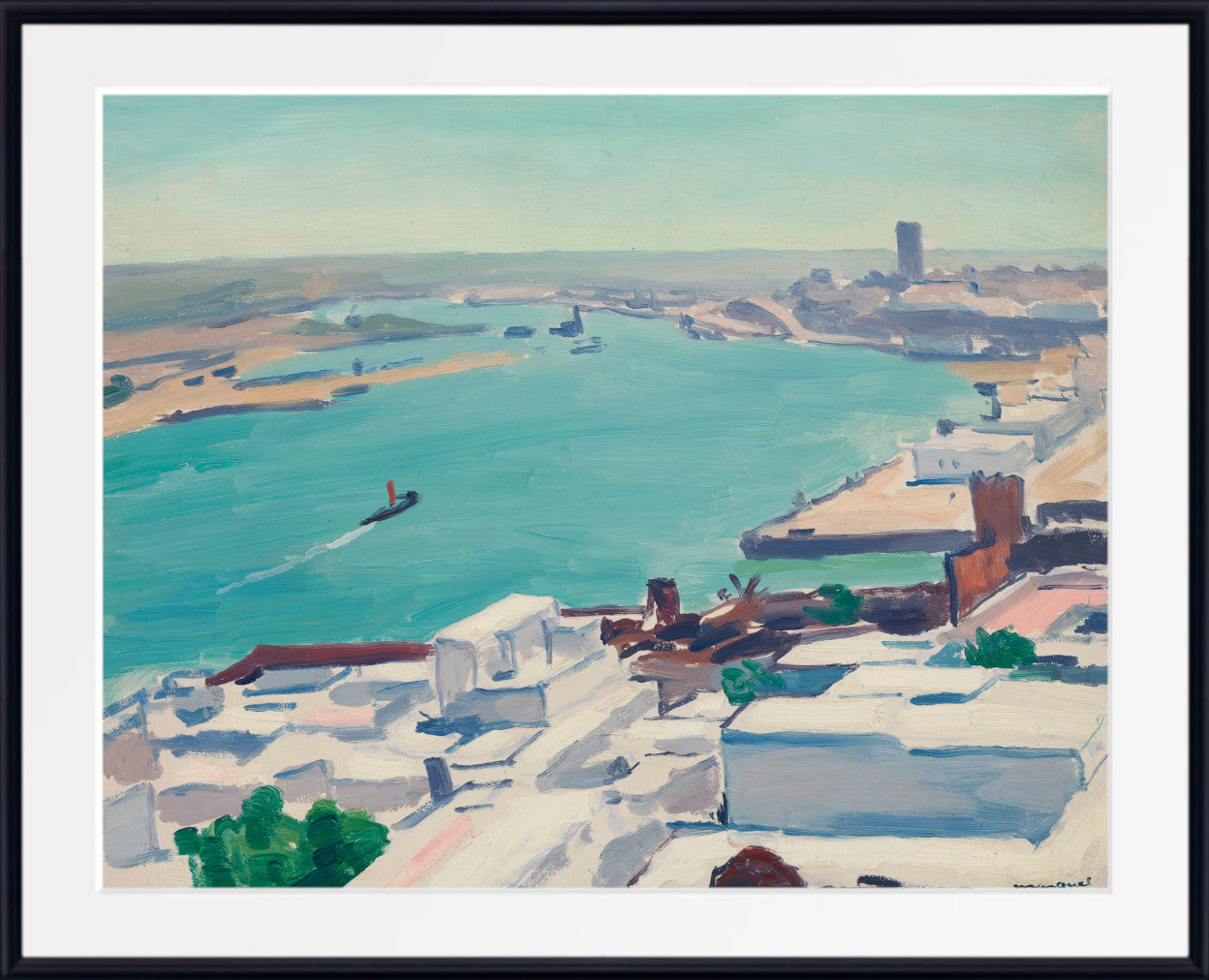
He first visited Morocco and later spent substantial periods in Algiers, whose harbour, coastline and brilliant light provided recurring subjects.
The city offered a very different environment from Paris, yet Marquet's essential approach remained consistent.
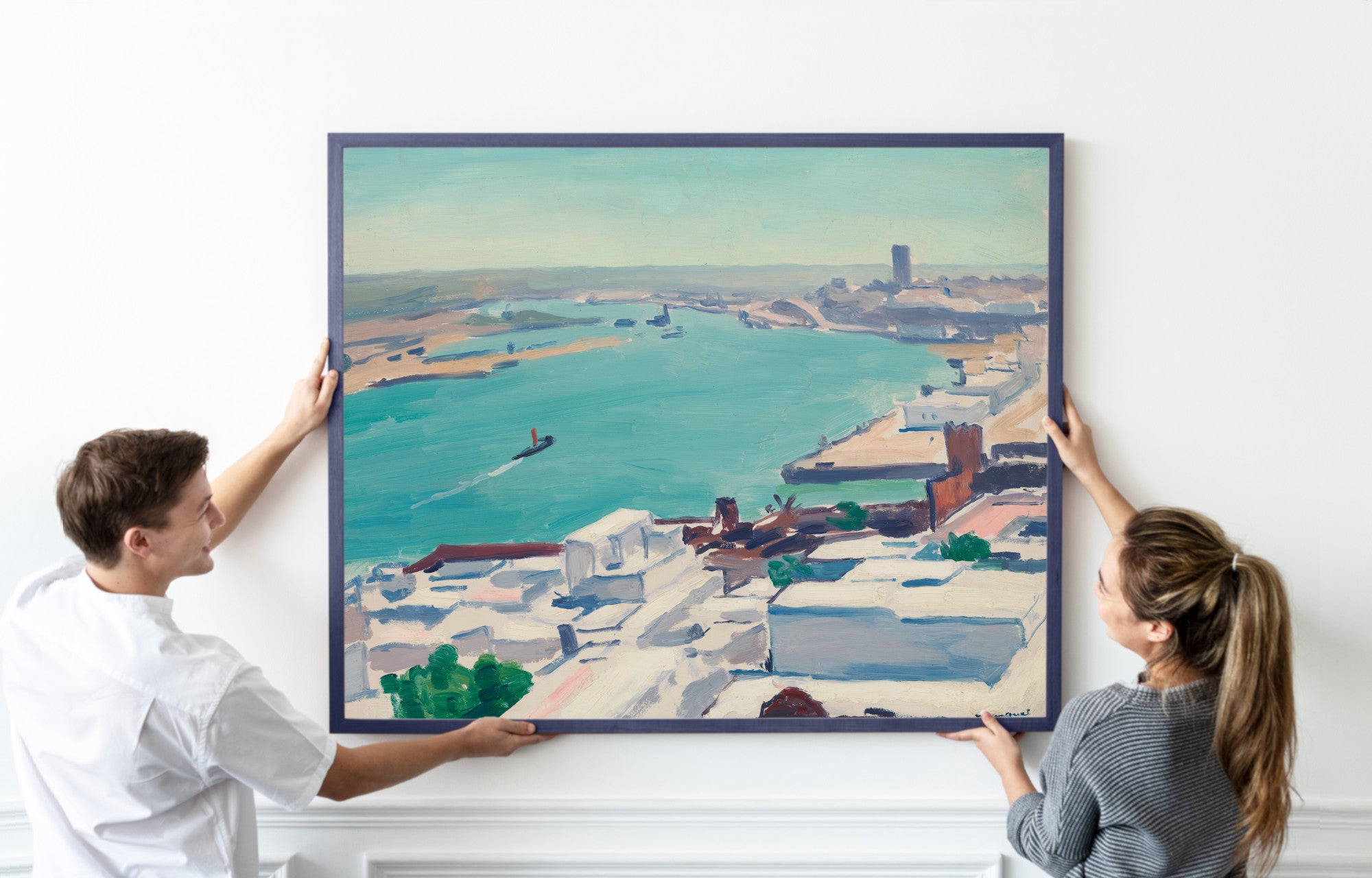
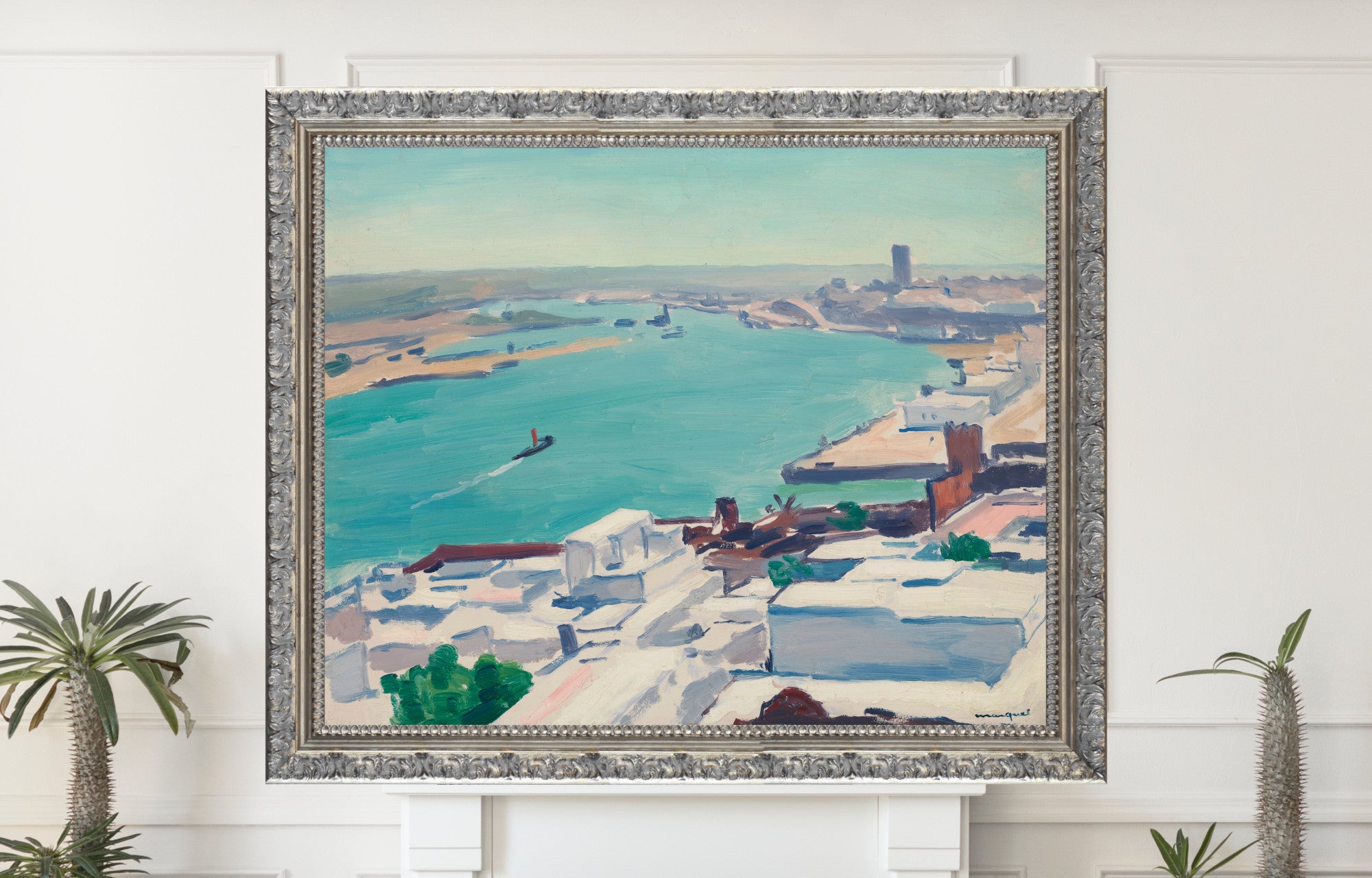
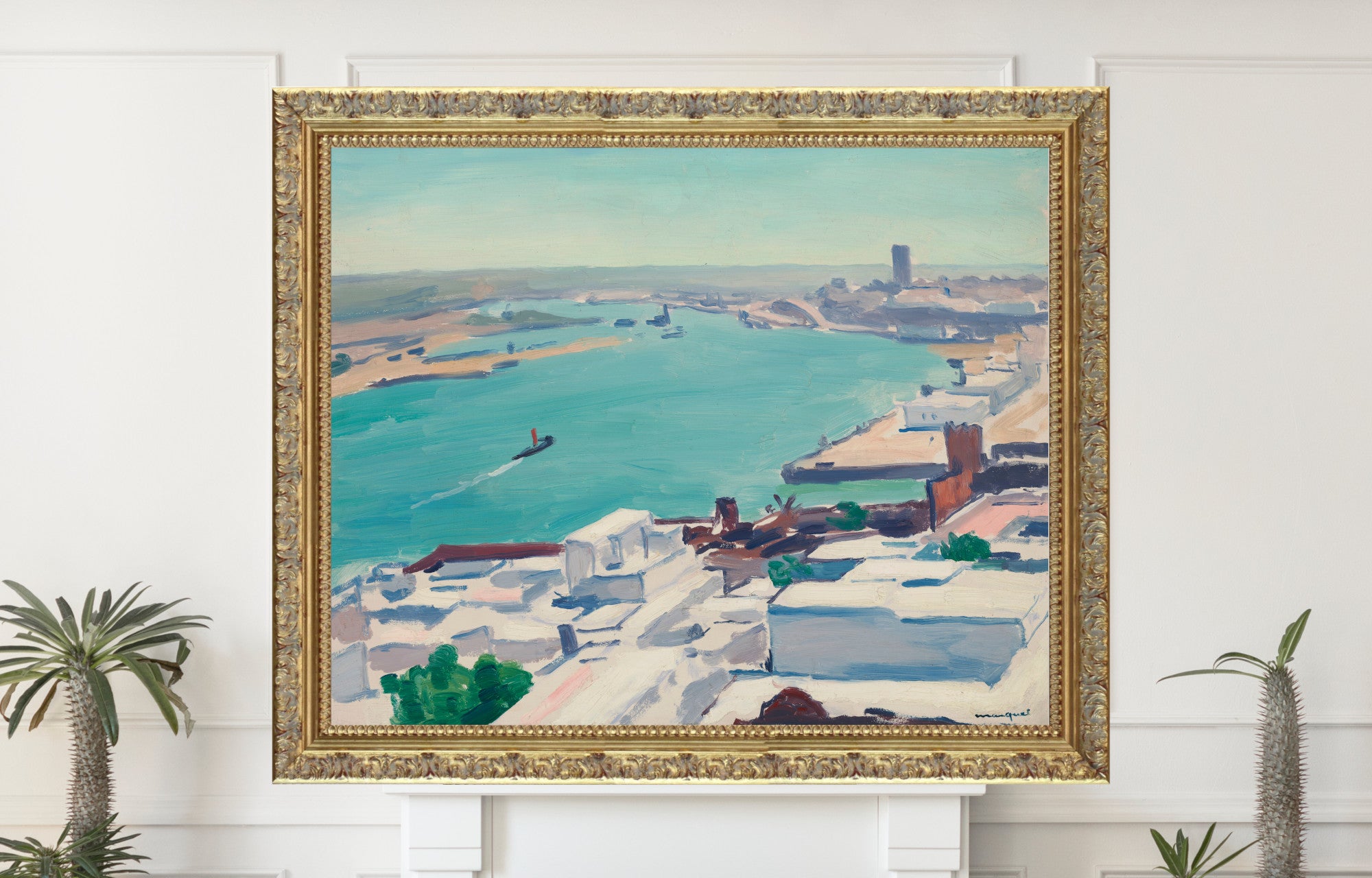
The Mediterranean allowed him to work with stronger blues and warmer light while retaining the calm structure characteristic of his mature paintings.
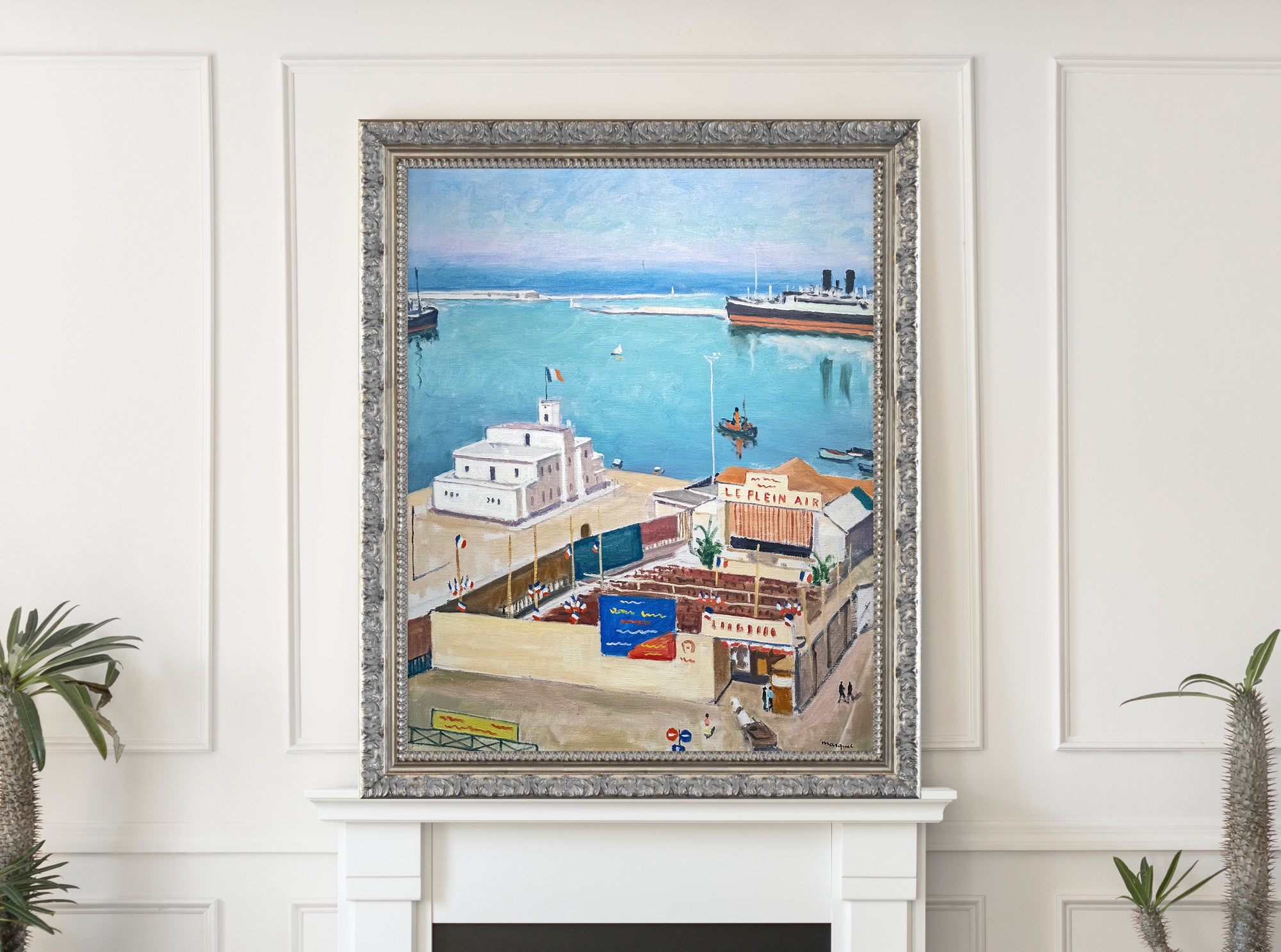
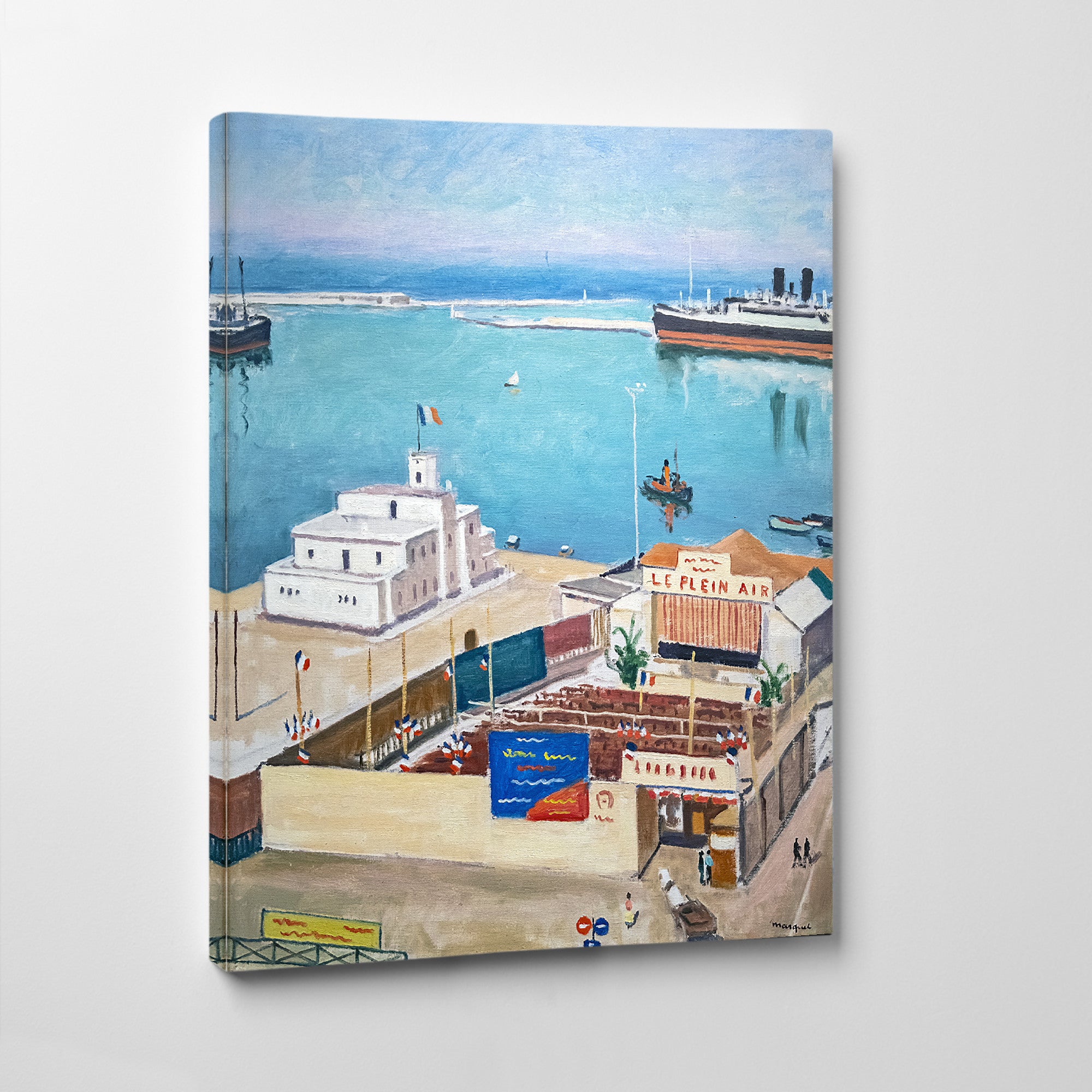
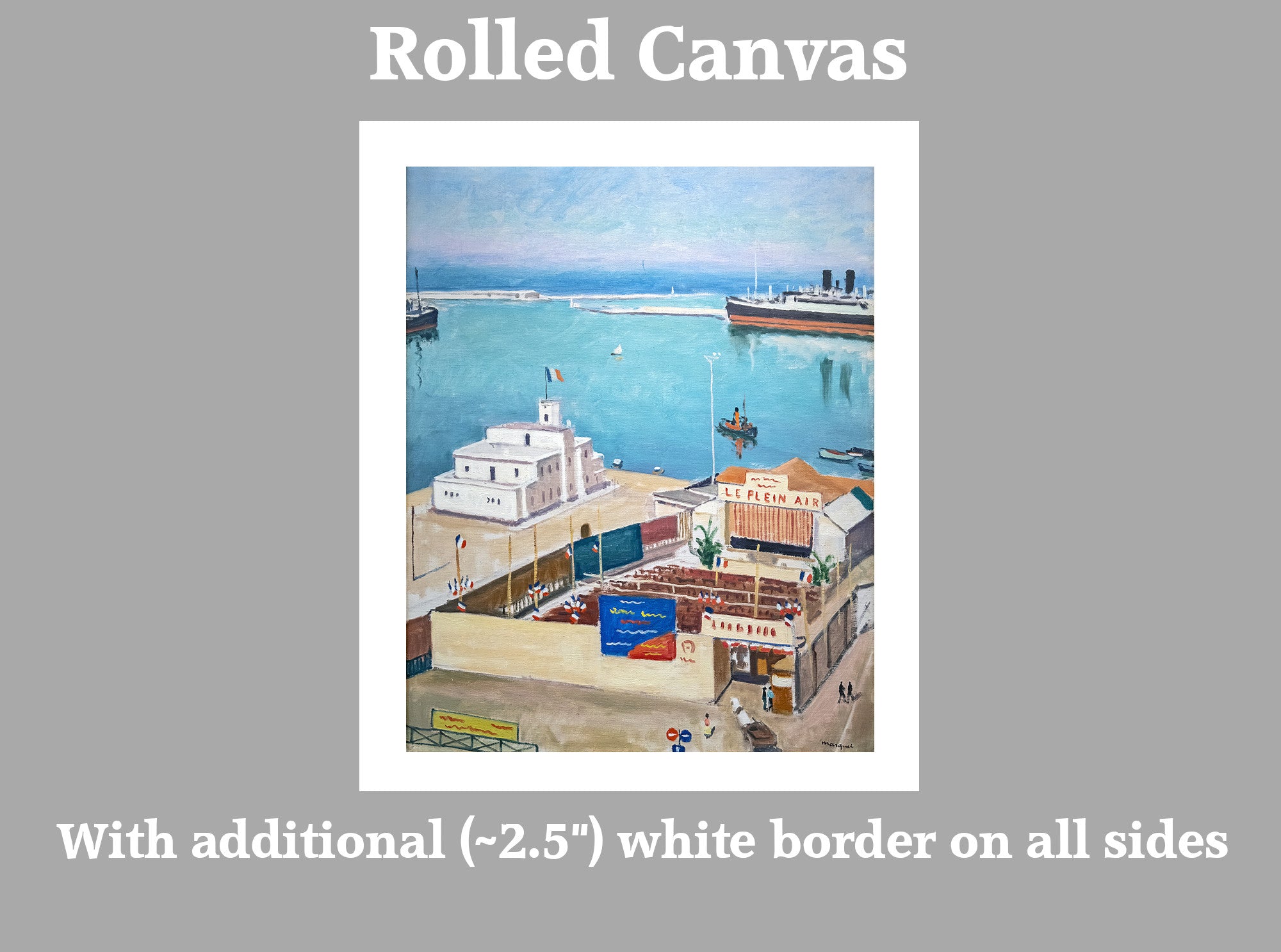
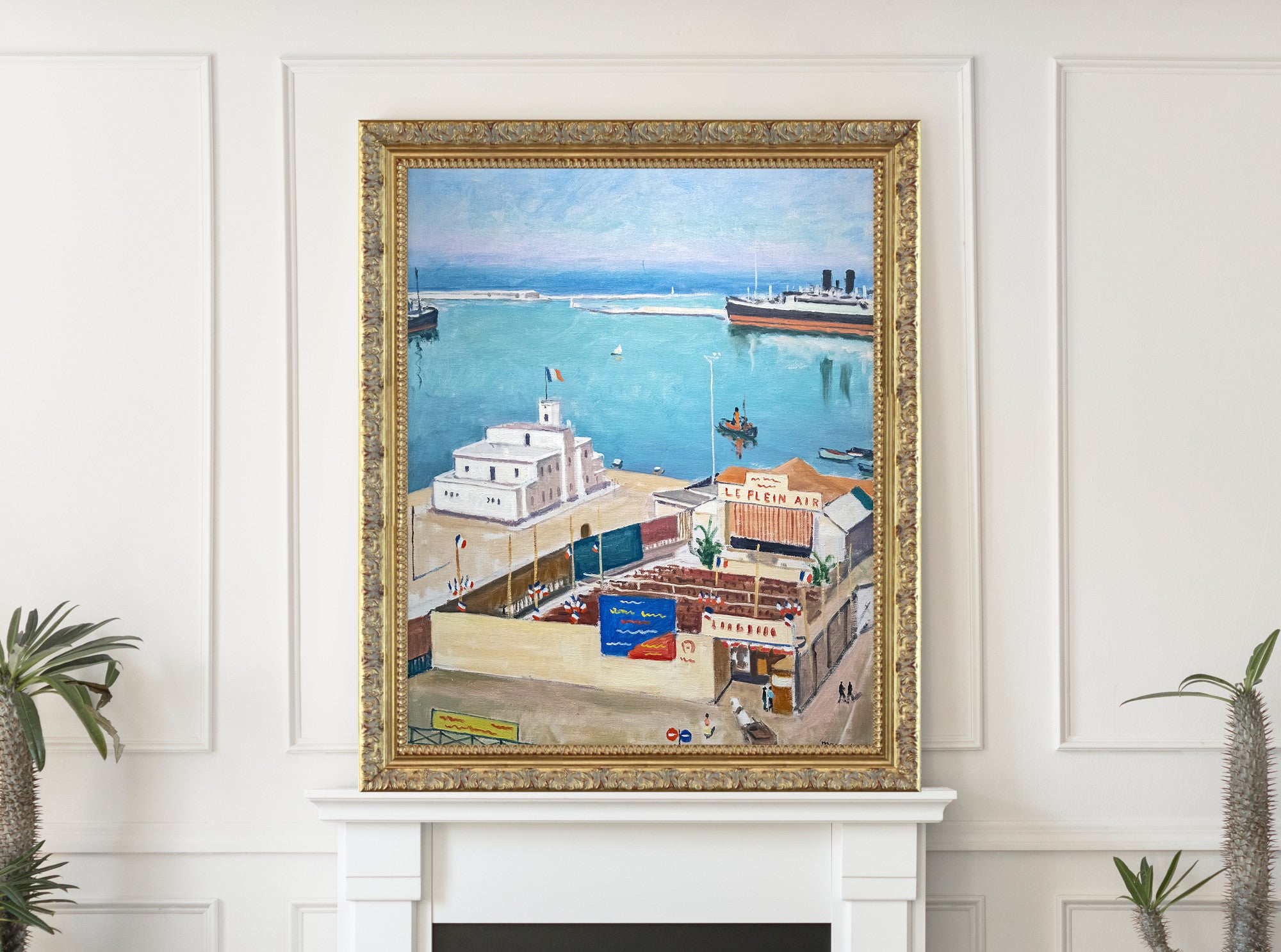
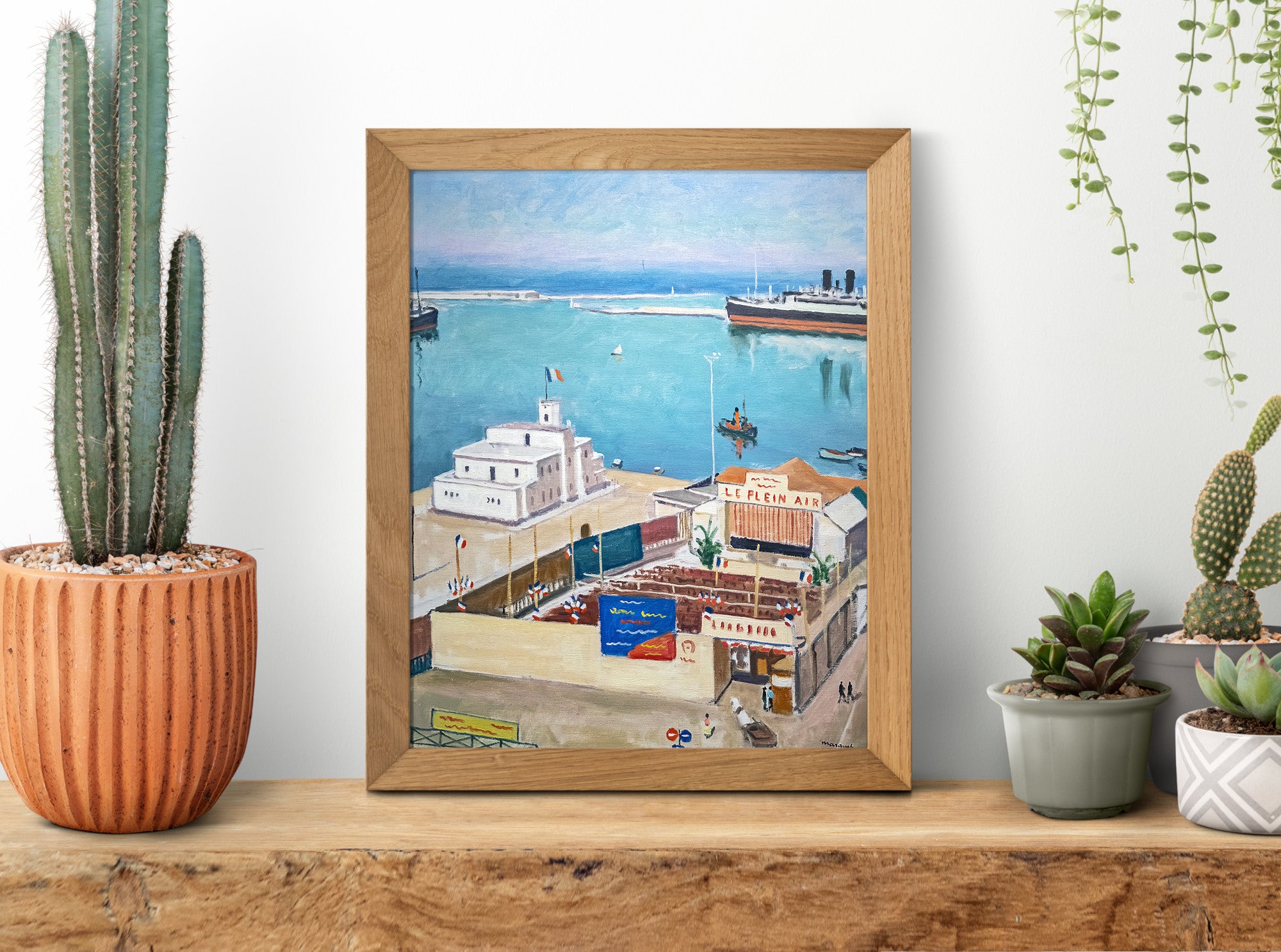
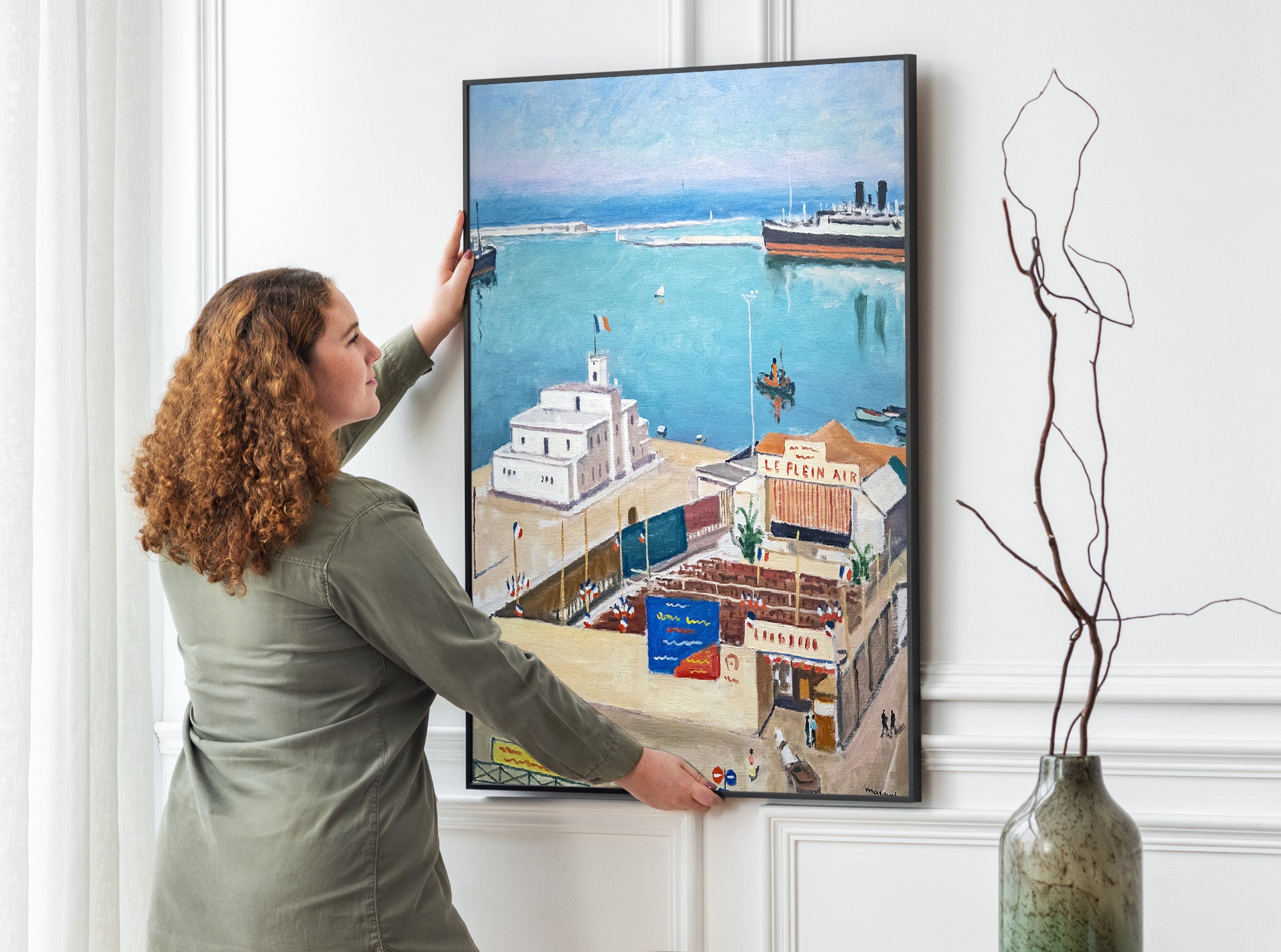
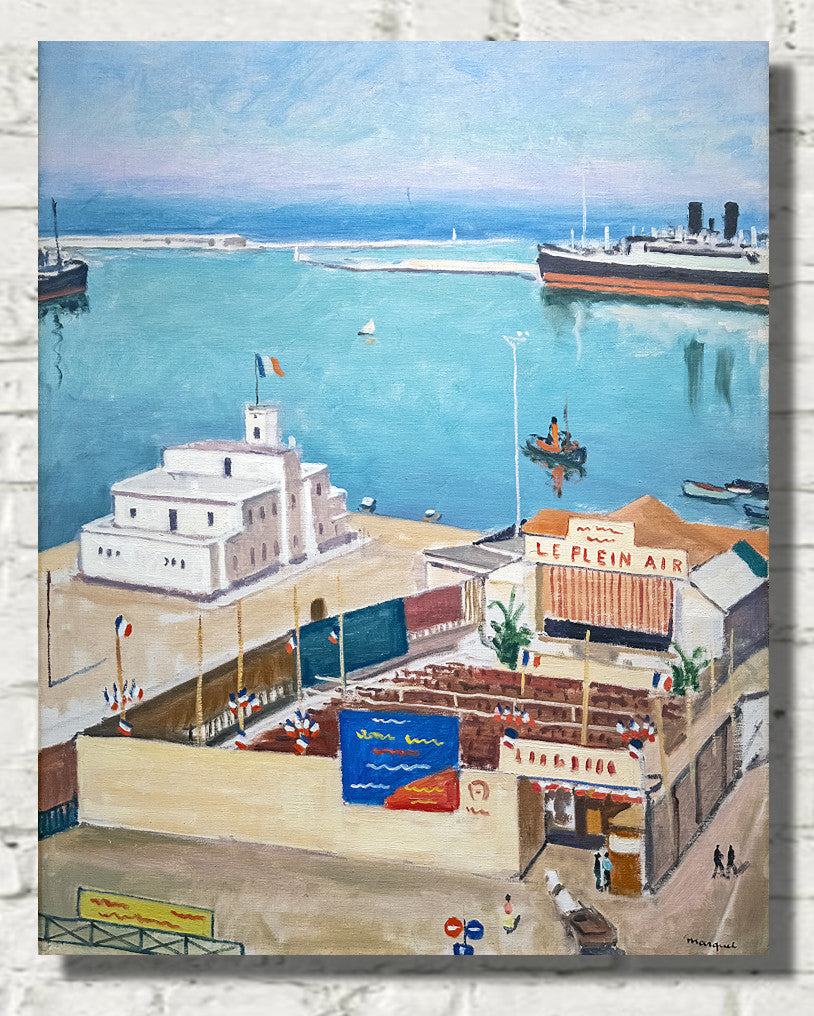
Views such as The Port of Algiers, The Port of Algiers under the Fog and Open Air Theater, Algiers demonstrate how repeatedly he returned to the city's relationship with the sea.
Algiers eventually became closely connected with Marquet's personal life as well as his art, particularly during the later years of his career.
The Mediterranean Coast
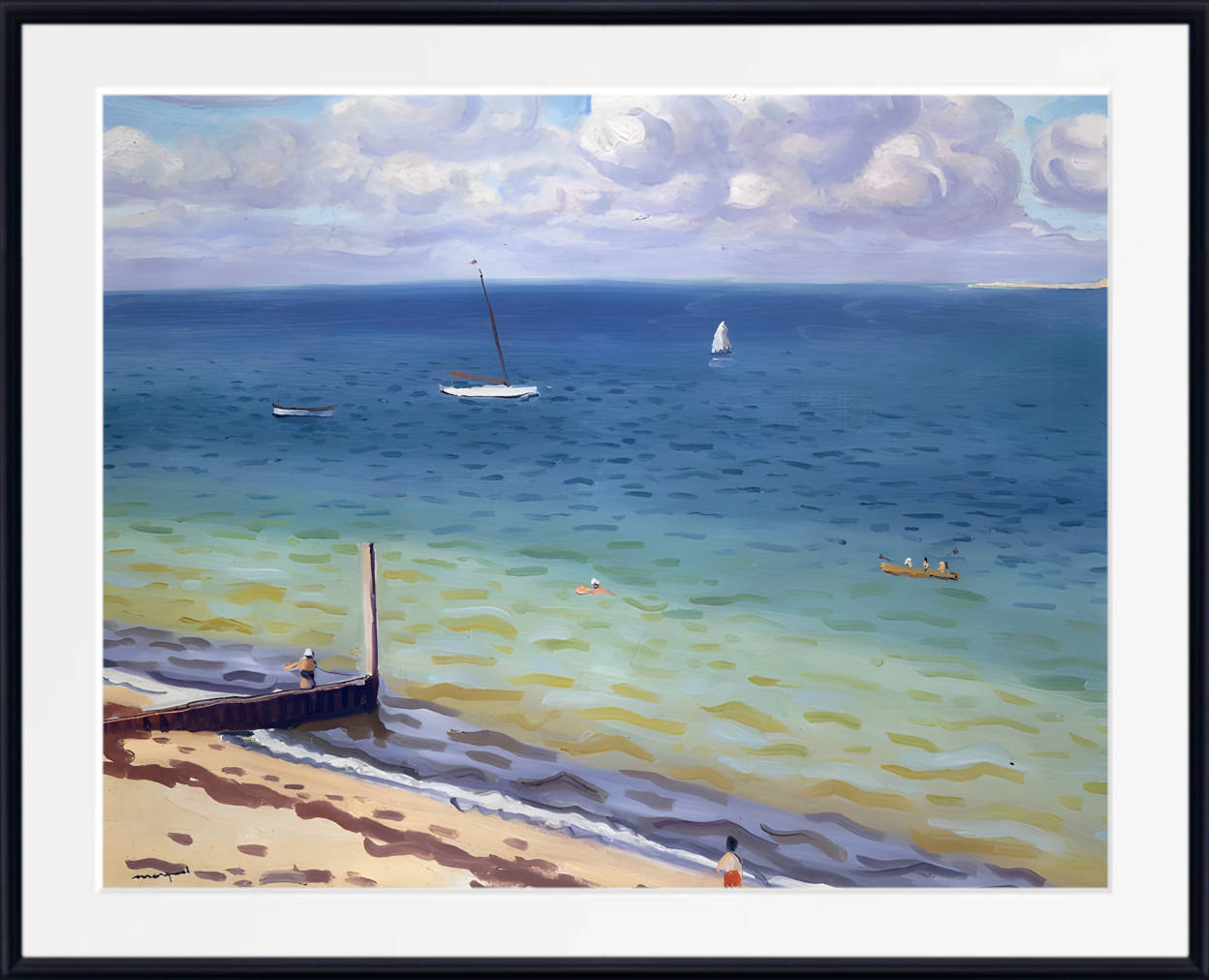
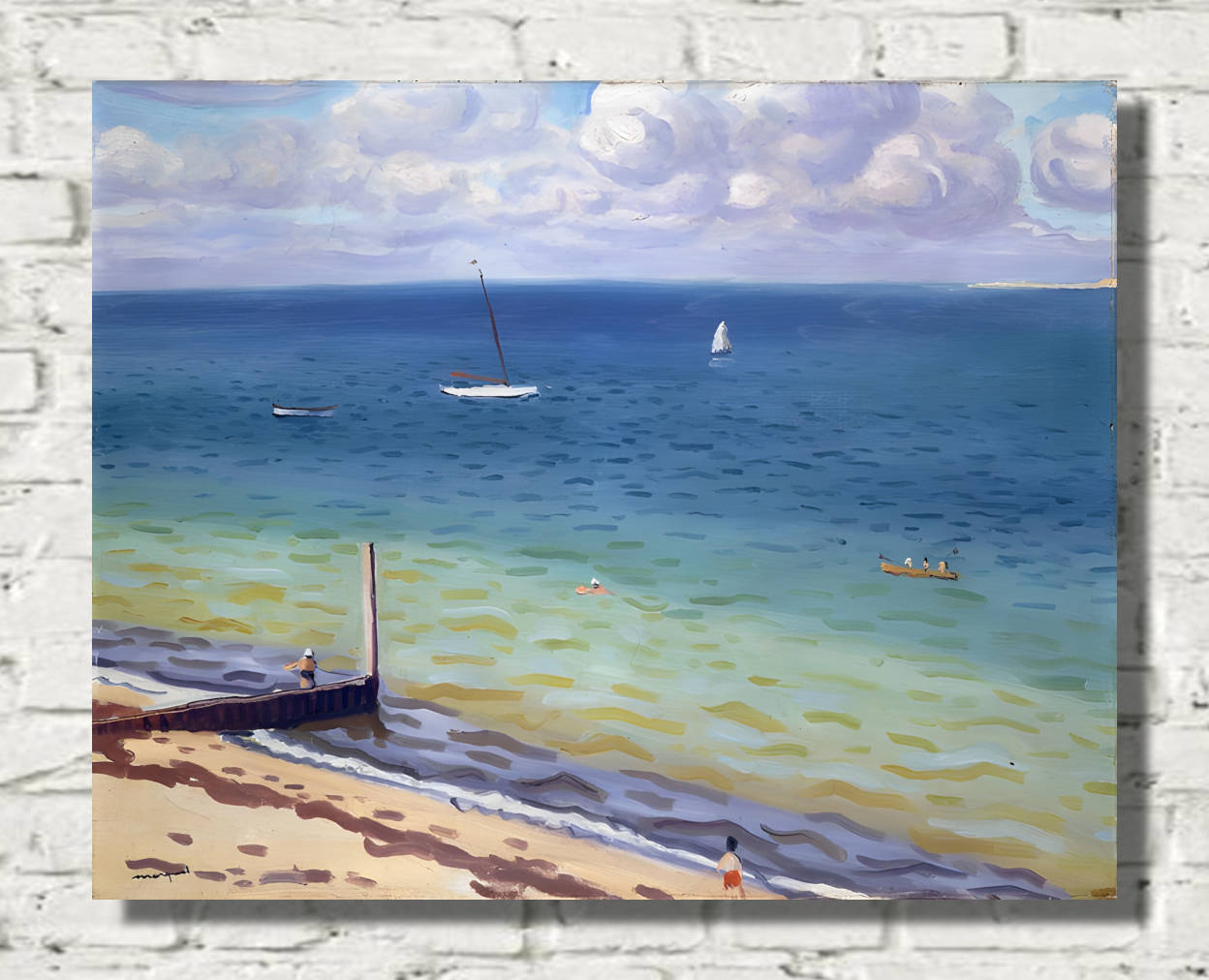
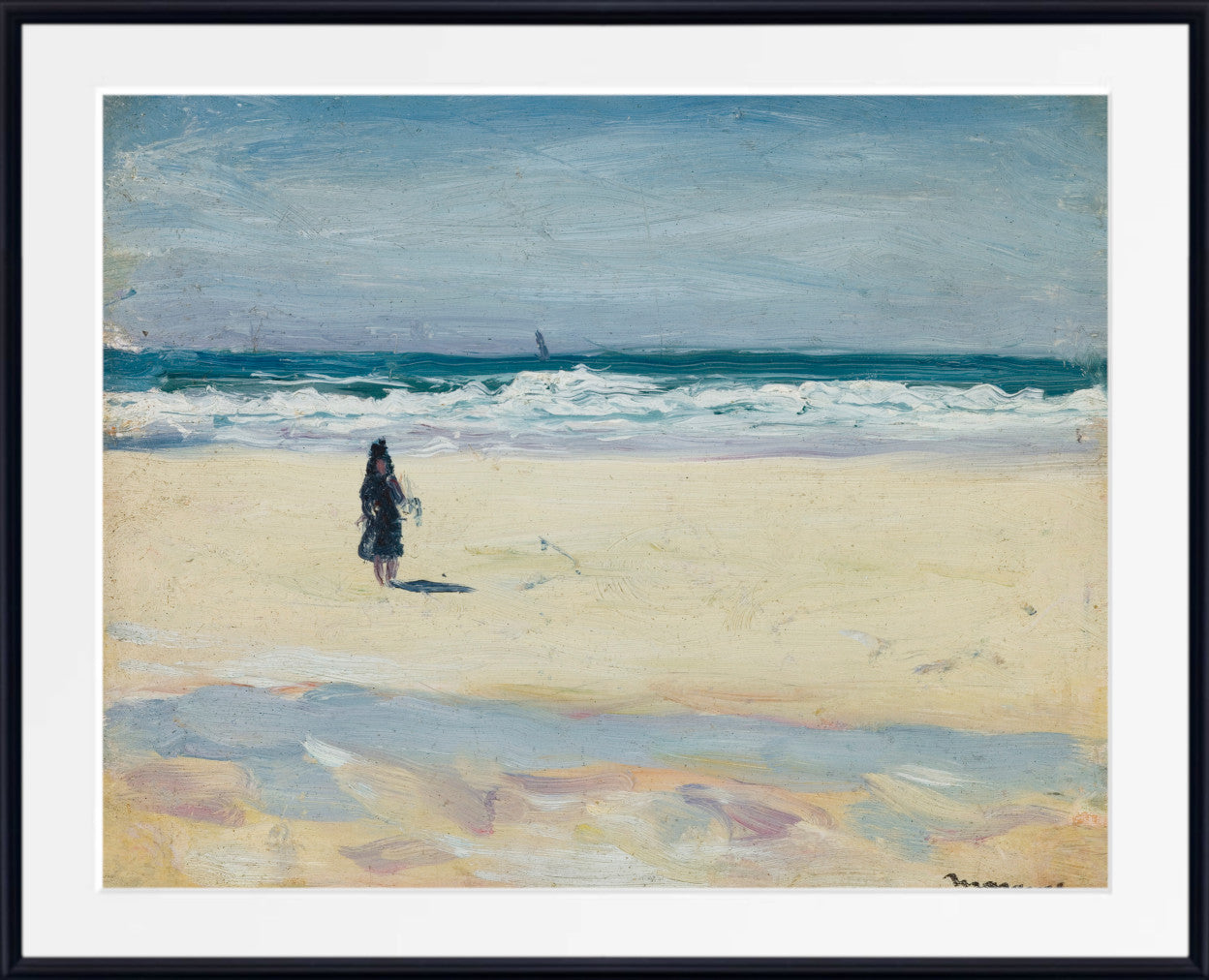
Marquet travelled widely around the Mediterranean and painted numerous coastal landscapes.
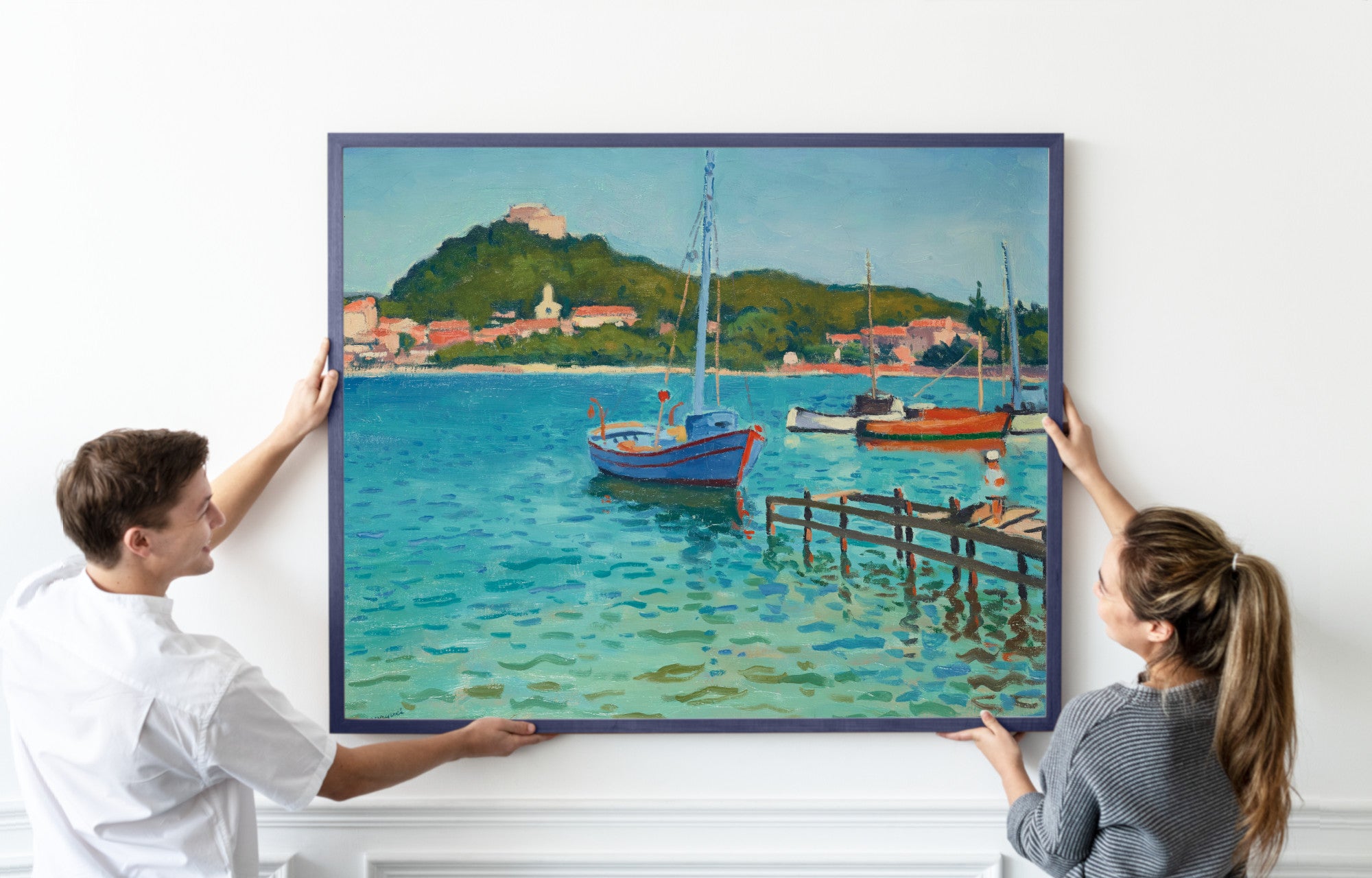
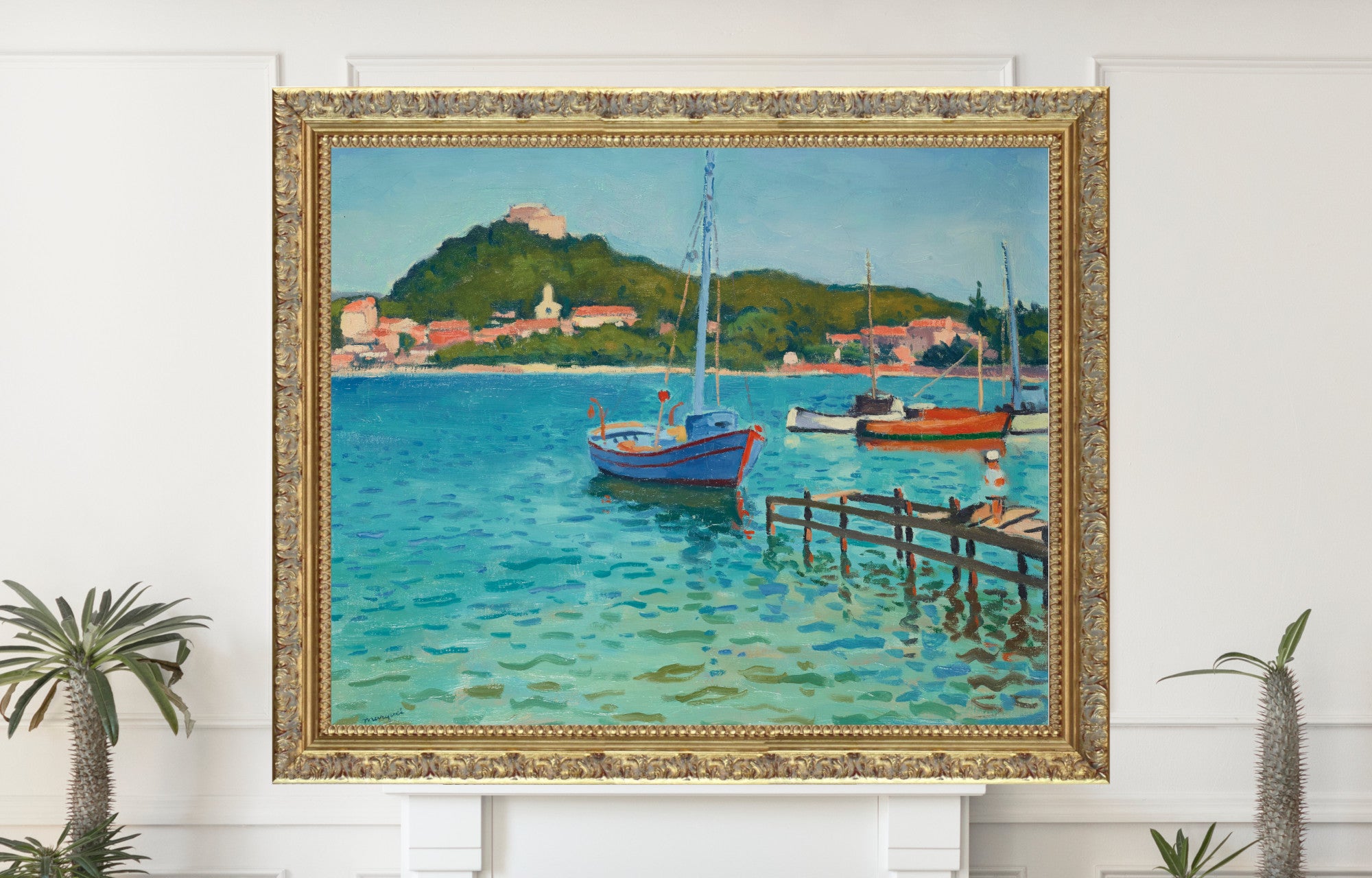
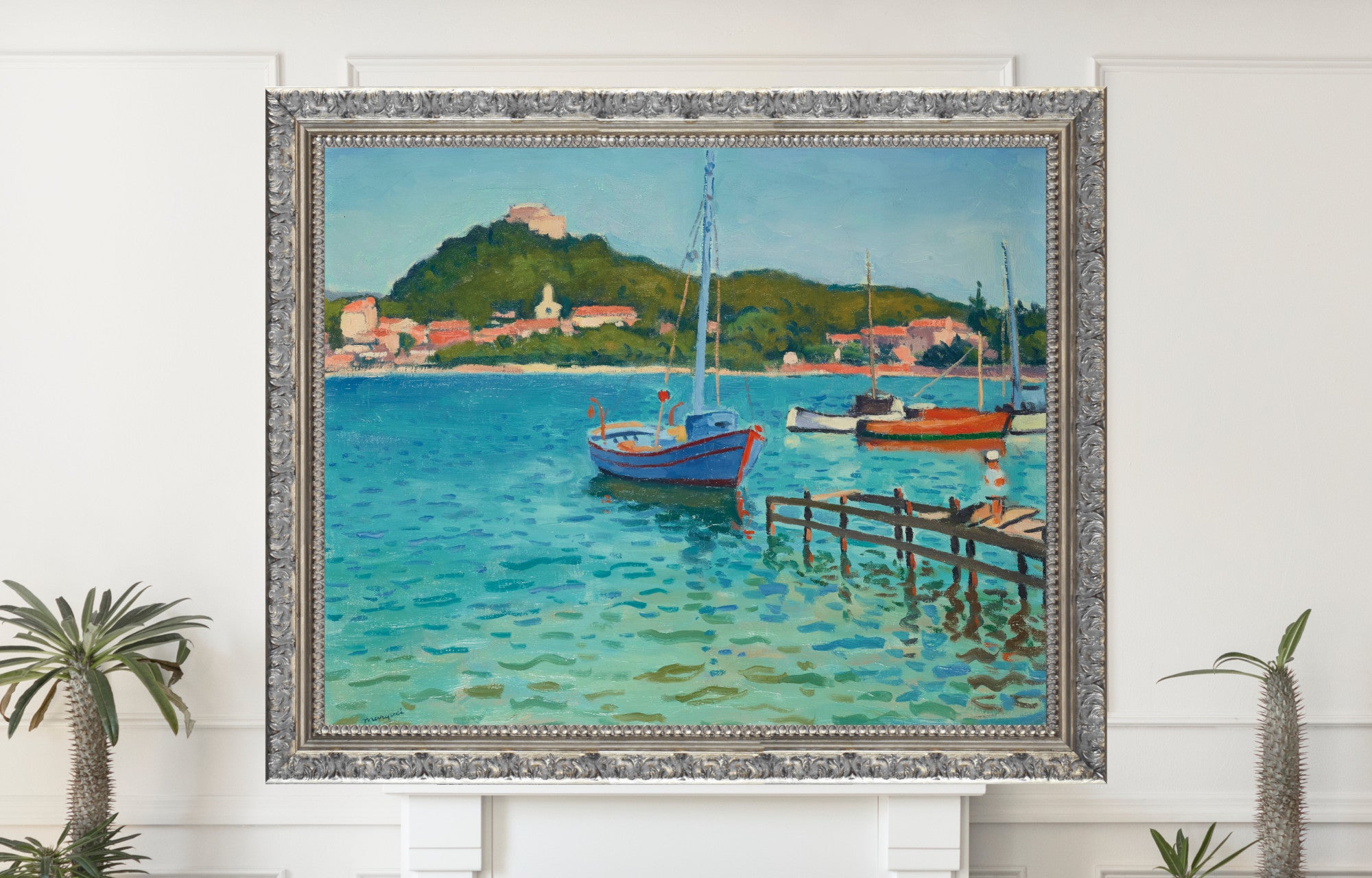
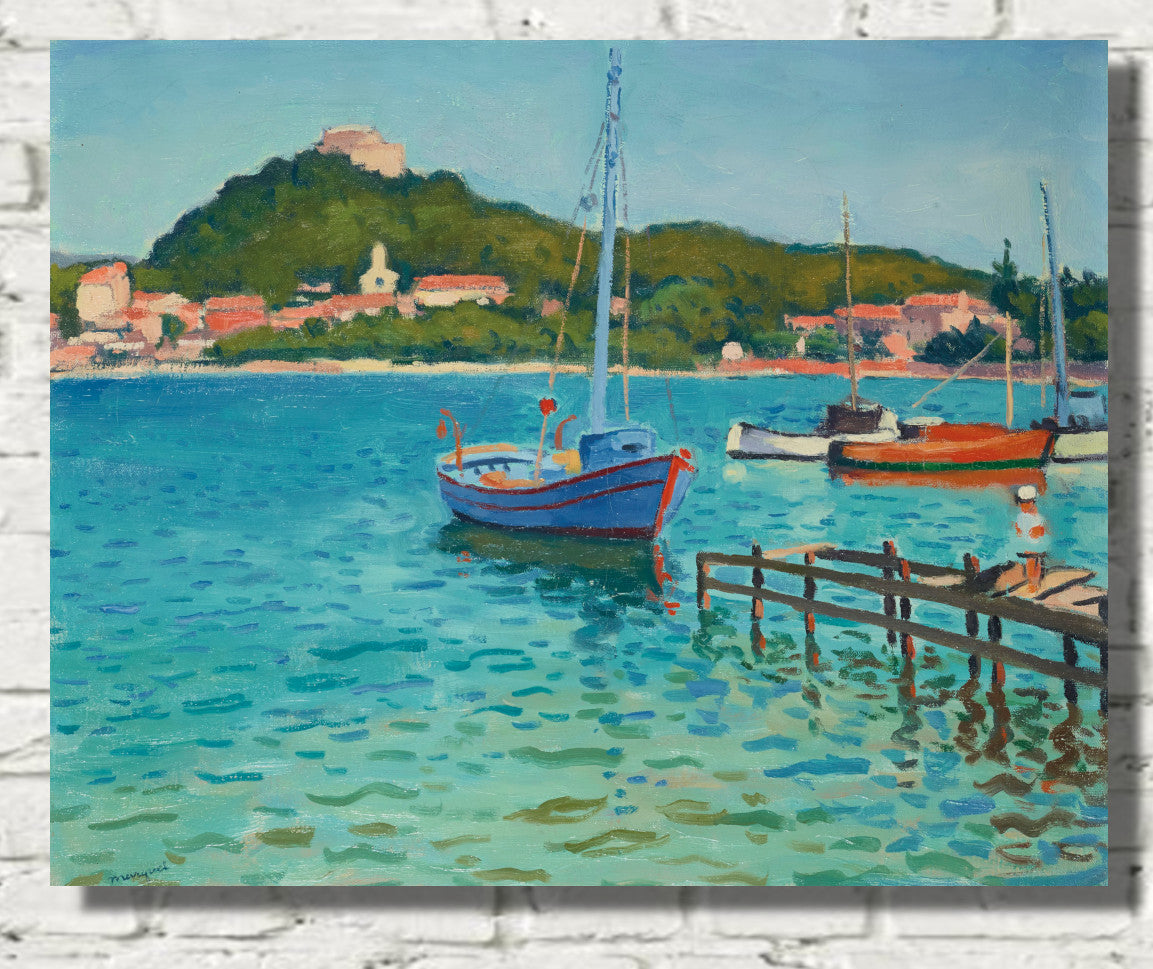
The GalleryThane collection includes works associated with Marseille, Porquerolles and other locations along the French coast.
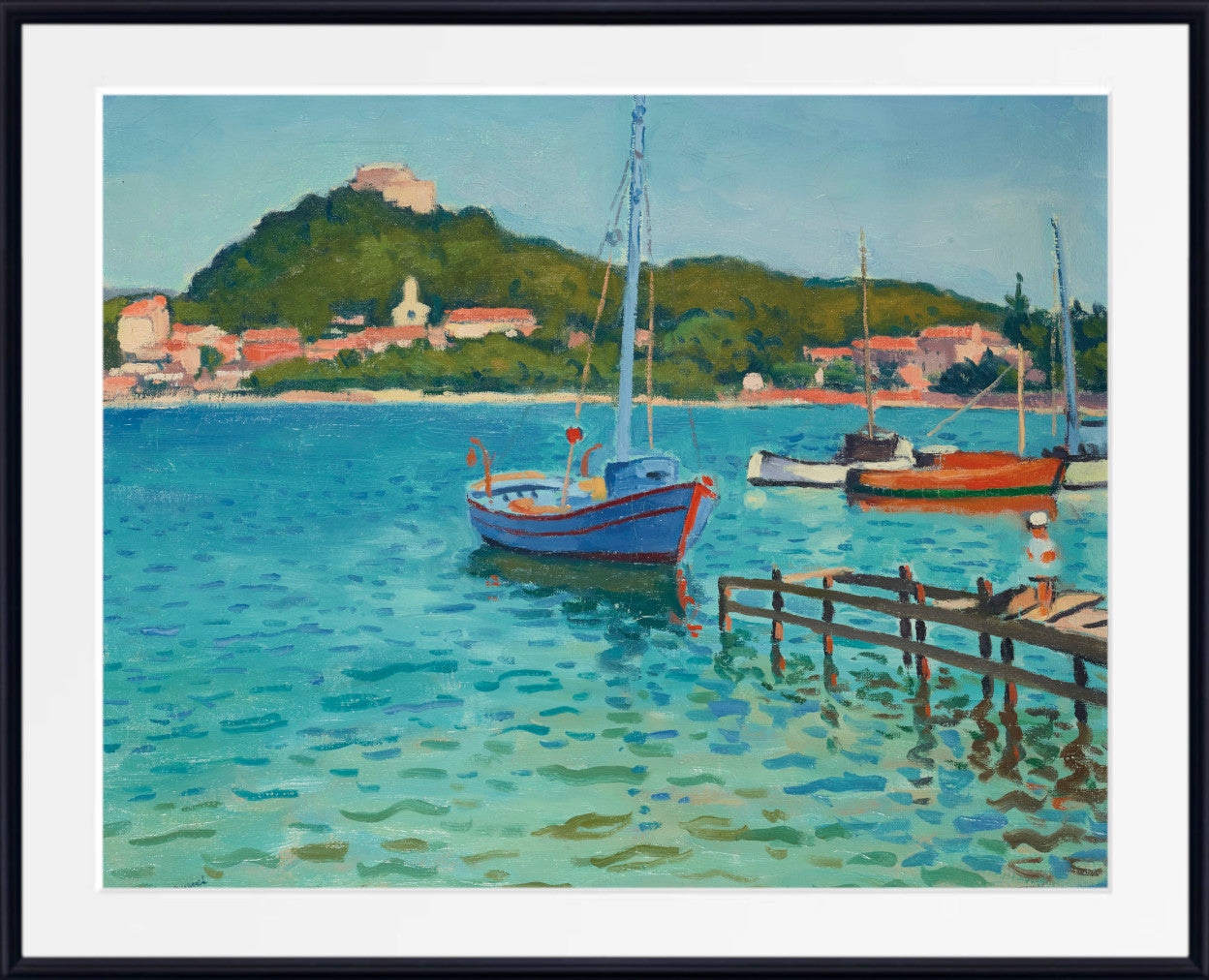
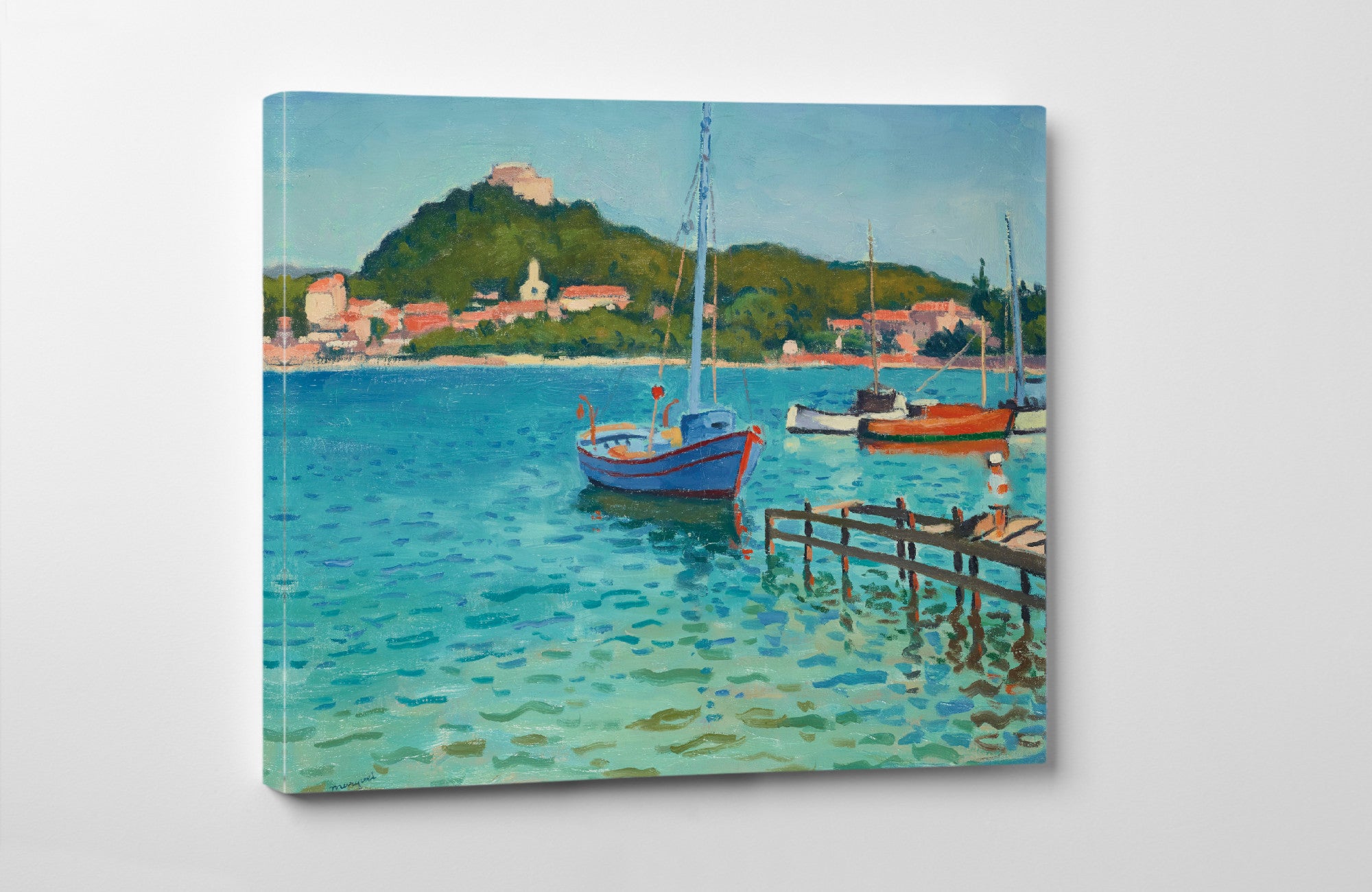
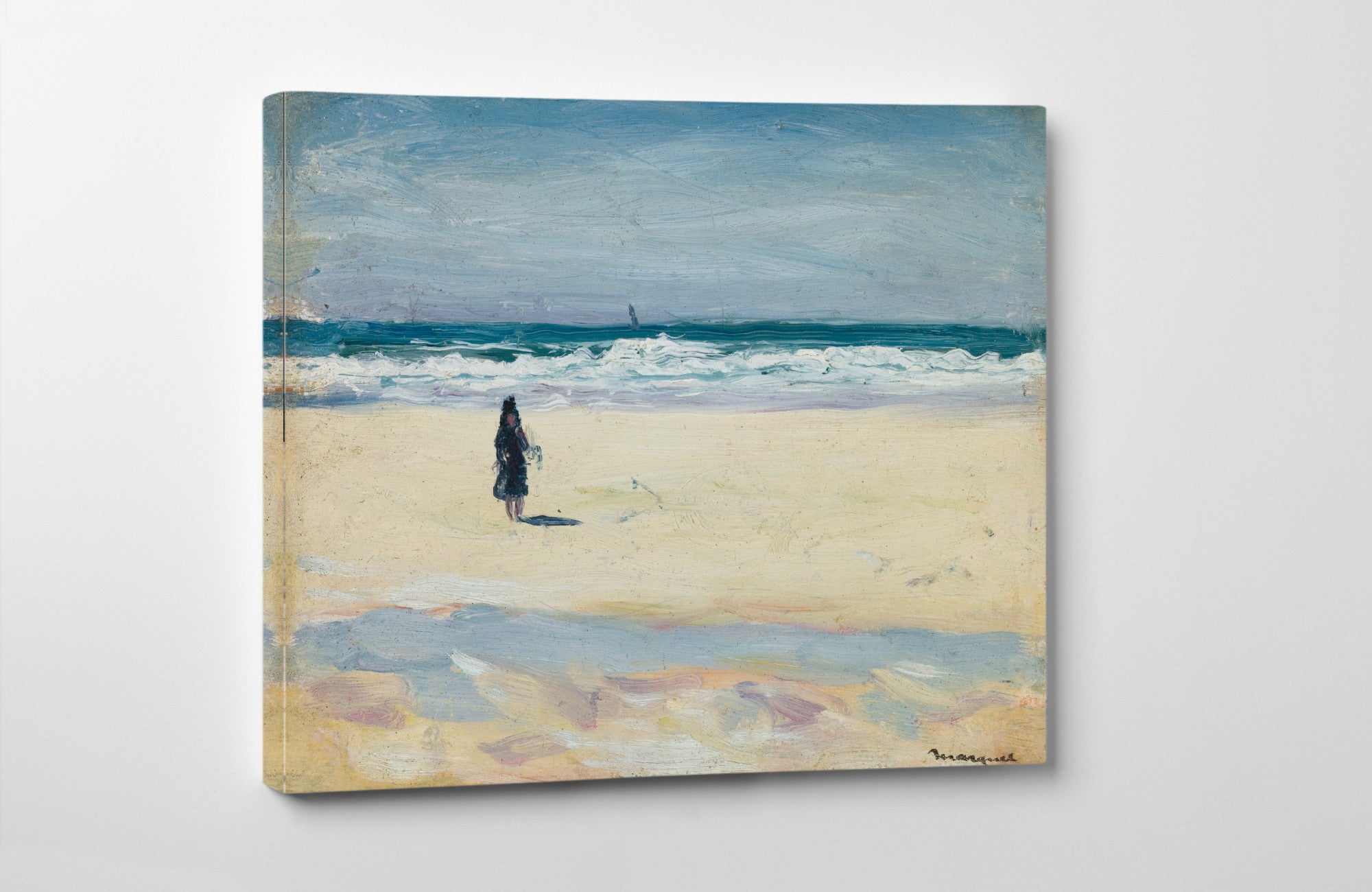
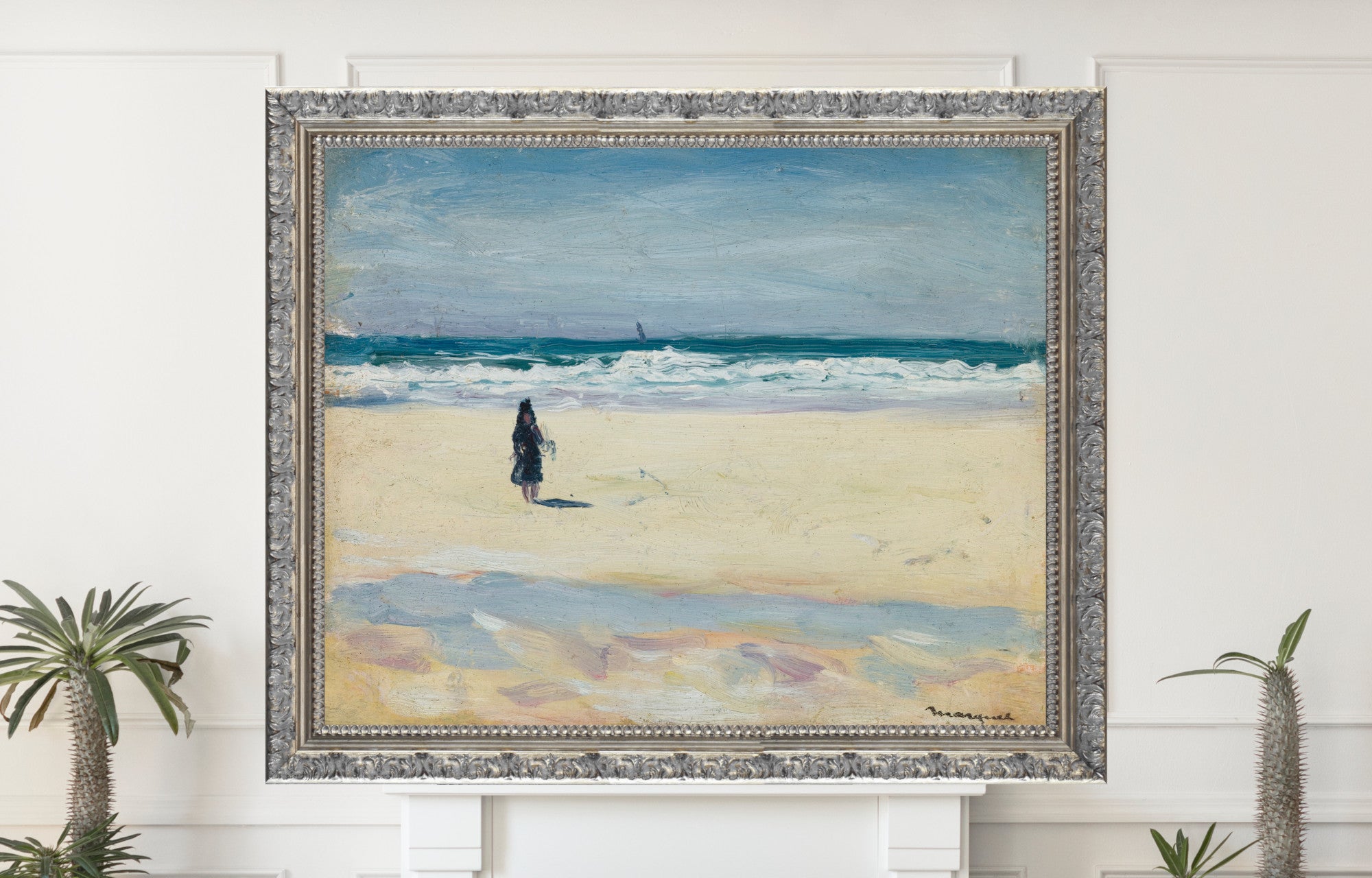
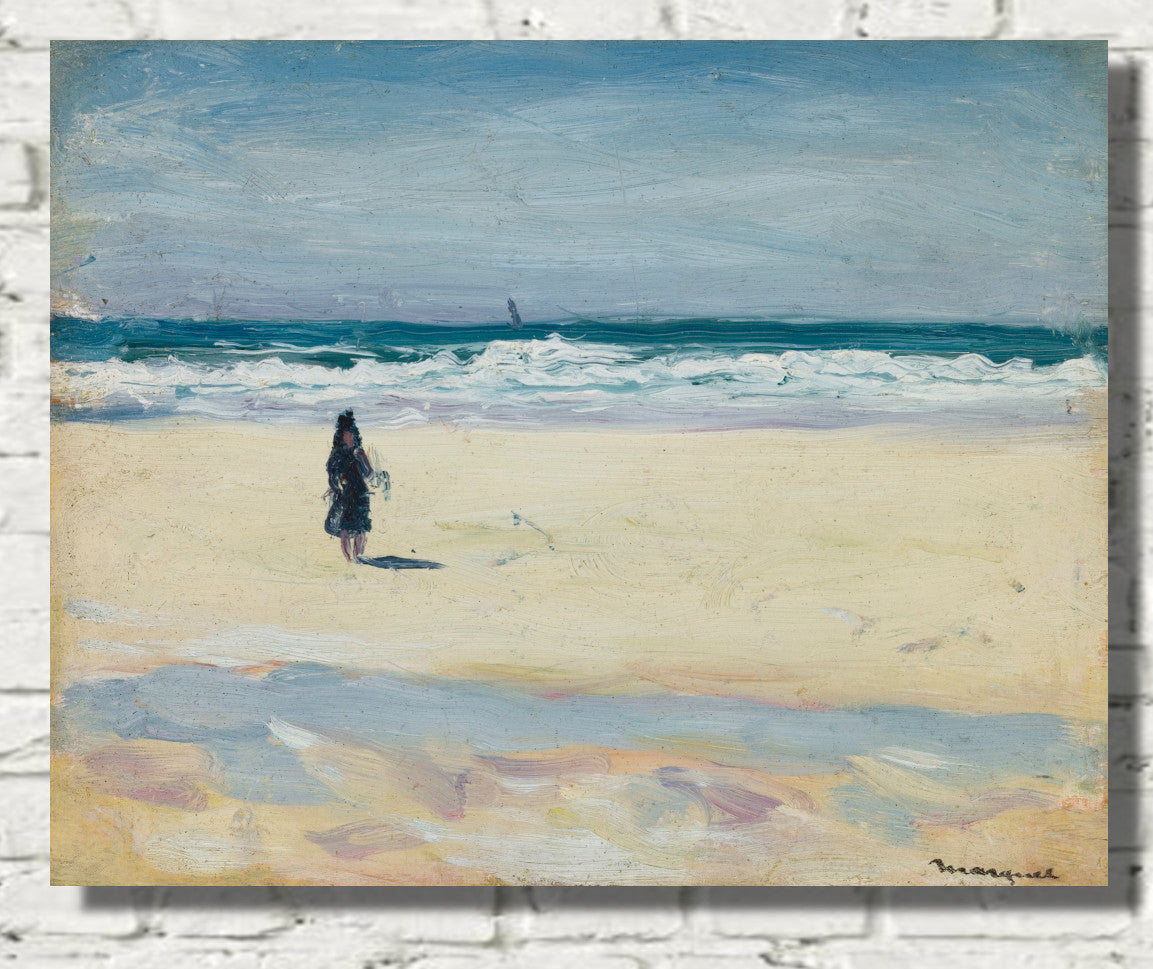
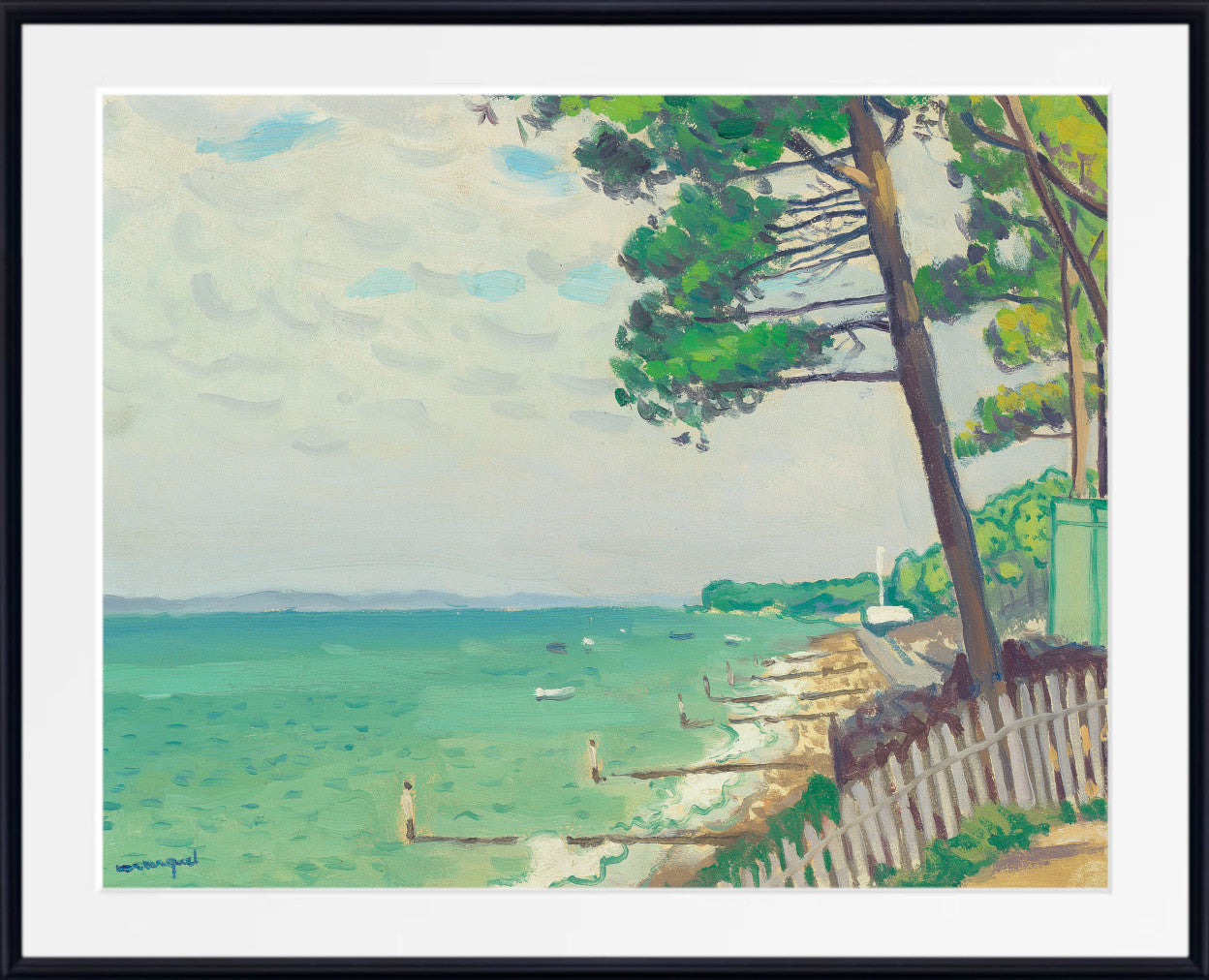
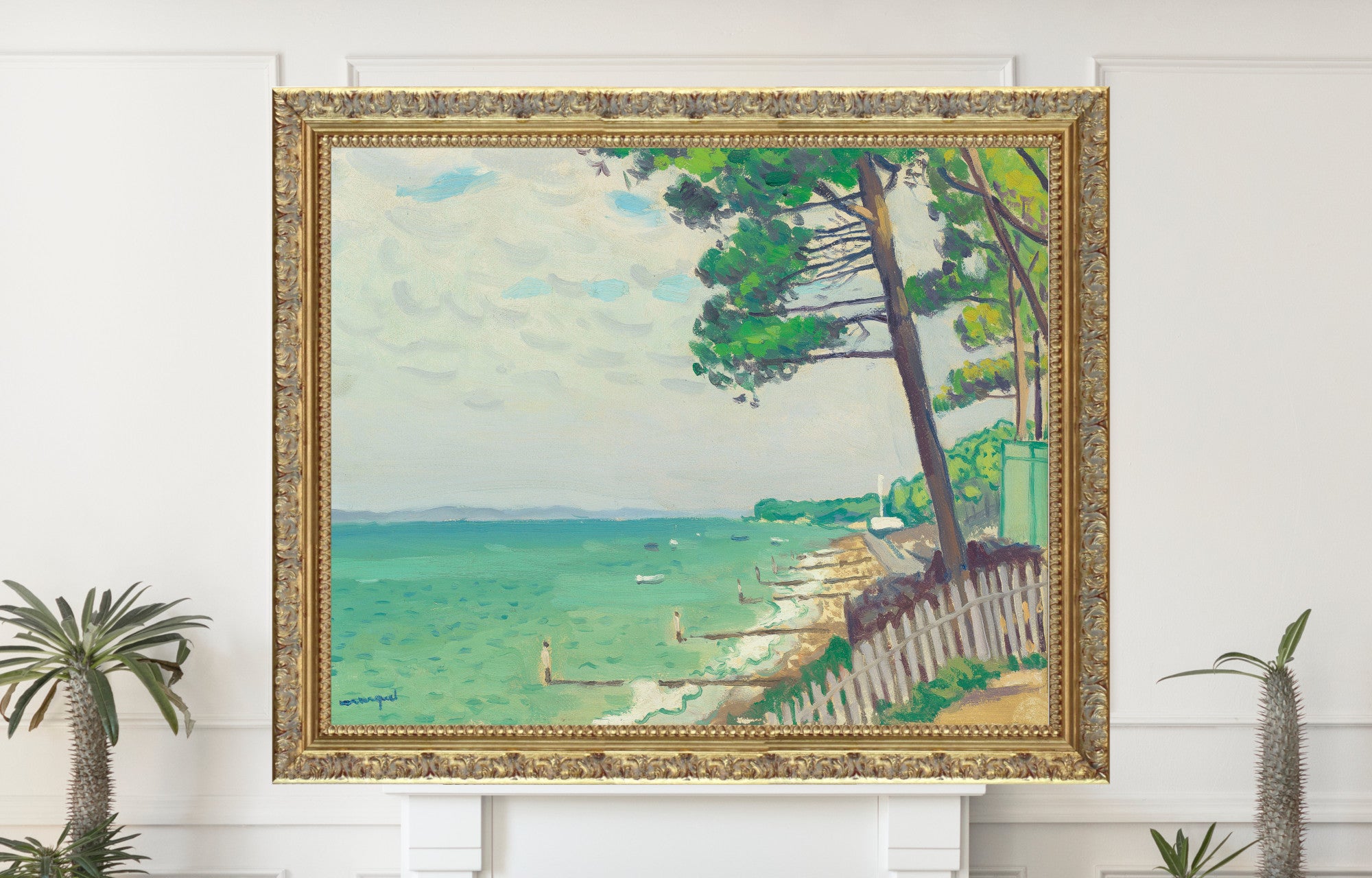
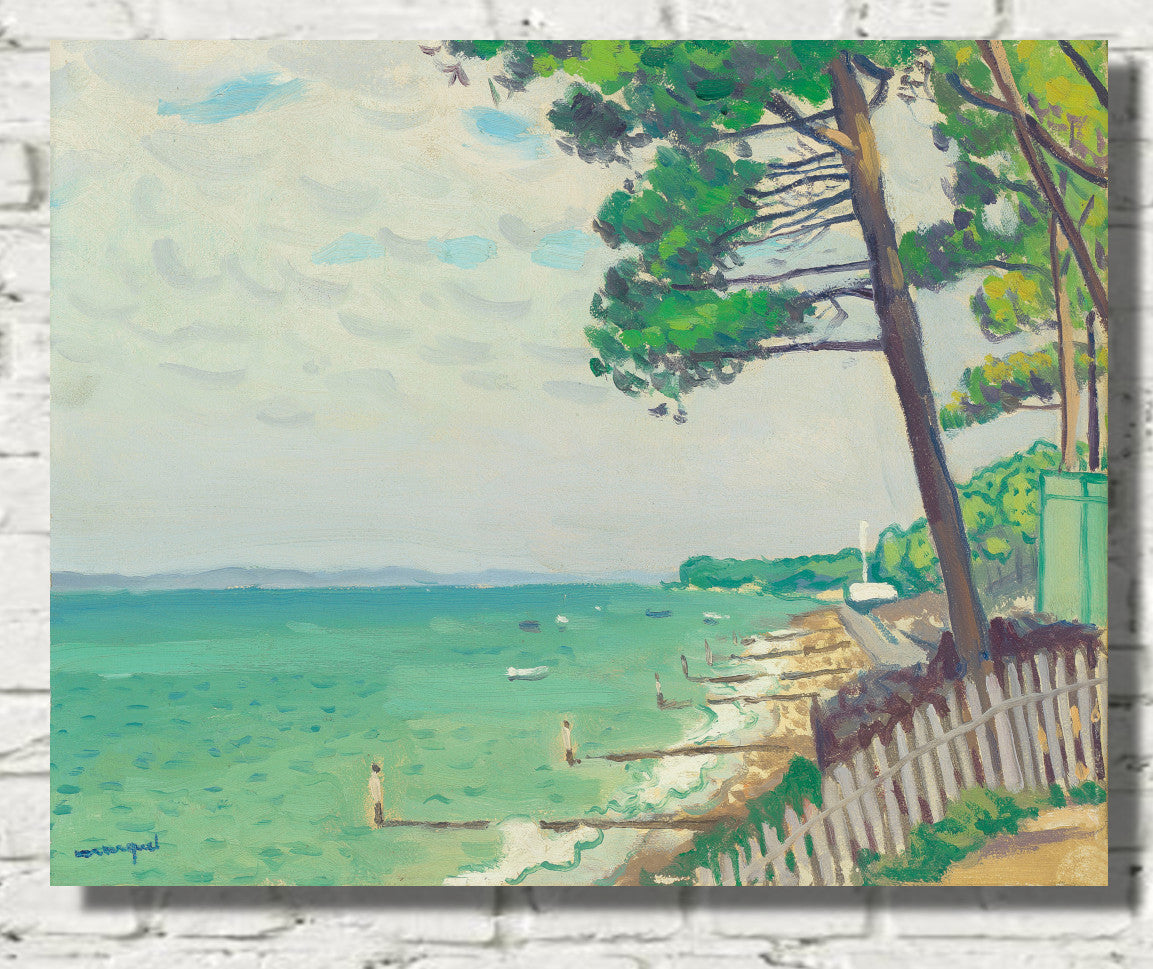
In paintings such as Porquerolles, Summer Afternoon and Port of Marseilles, water and land are reduced to broad, carefully balanced shapes.
The Mediterranean light could produce stronger colour than his Paris views, but Marquet usually resisted excessive brightness.
Instead, he maintained the controlled tonal relationships that distinguish his paintings from the more exuberant Mediterranean works of Matisse, Derain or Henri Manguin.
Rivers Beyond Paris
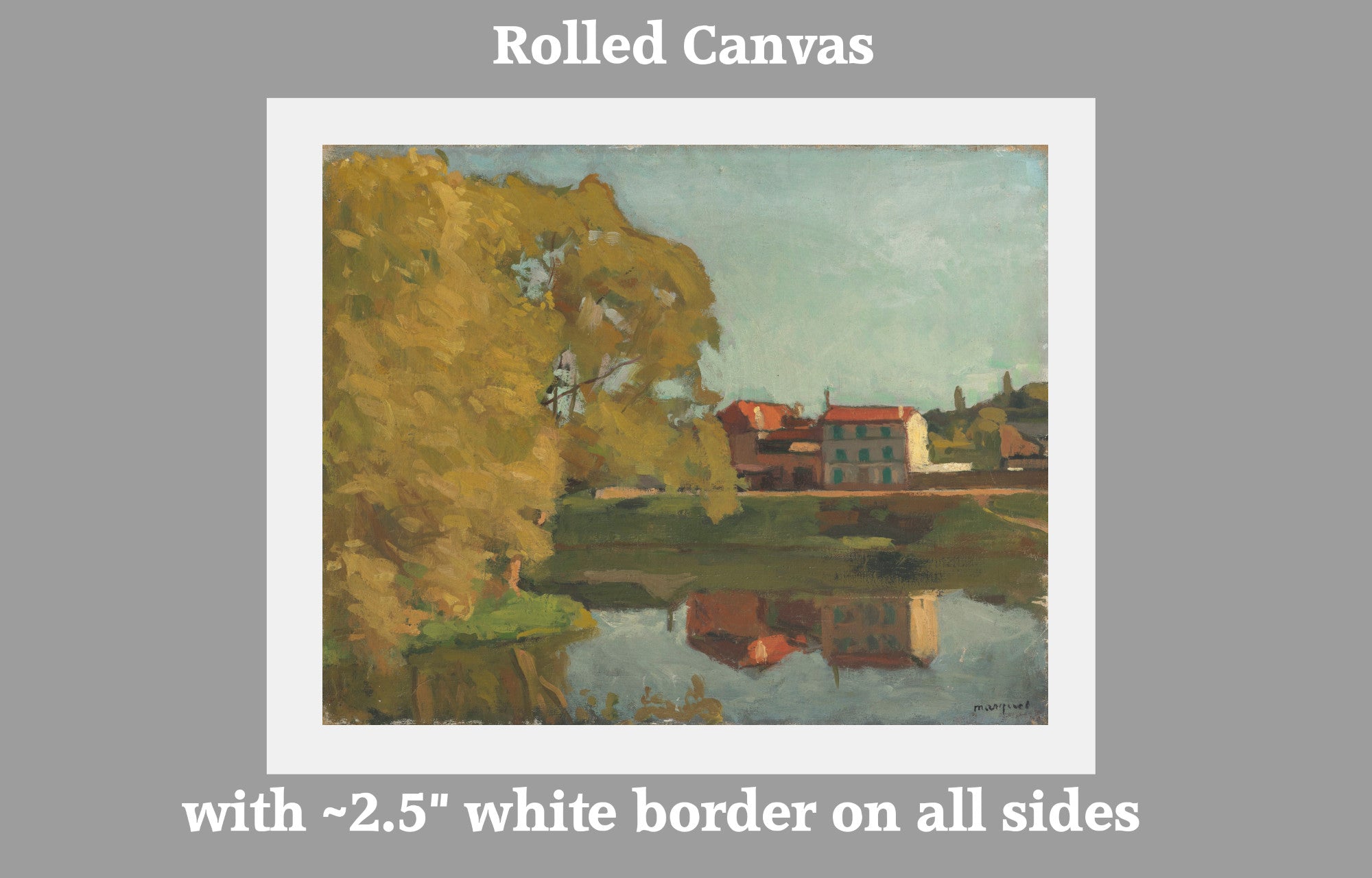
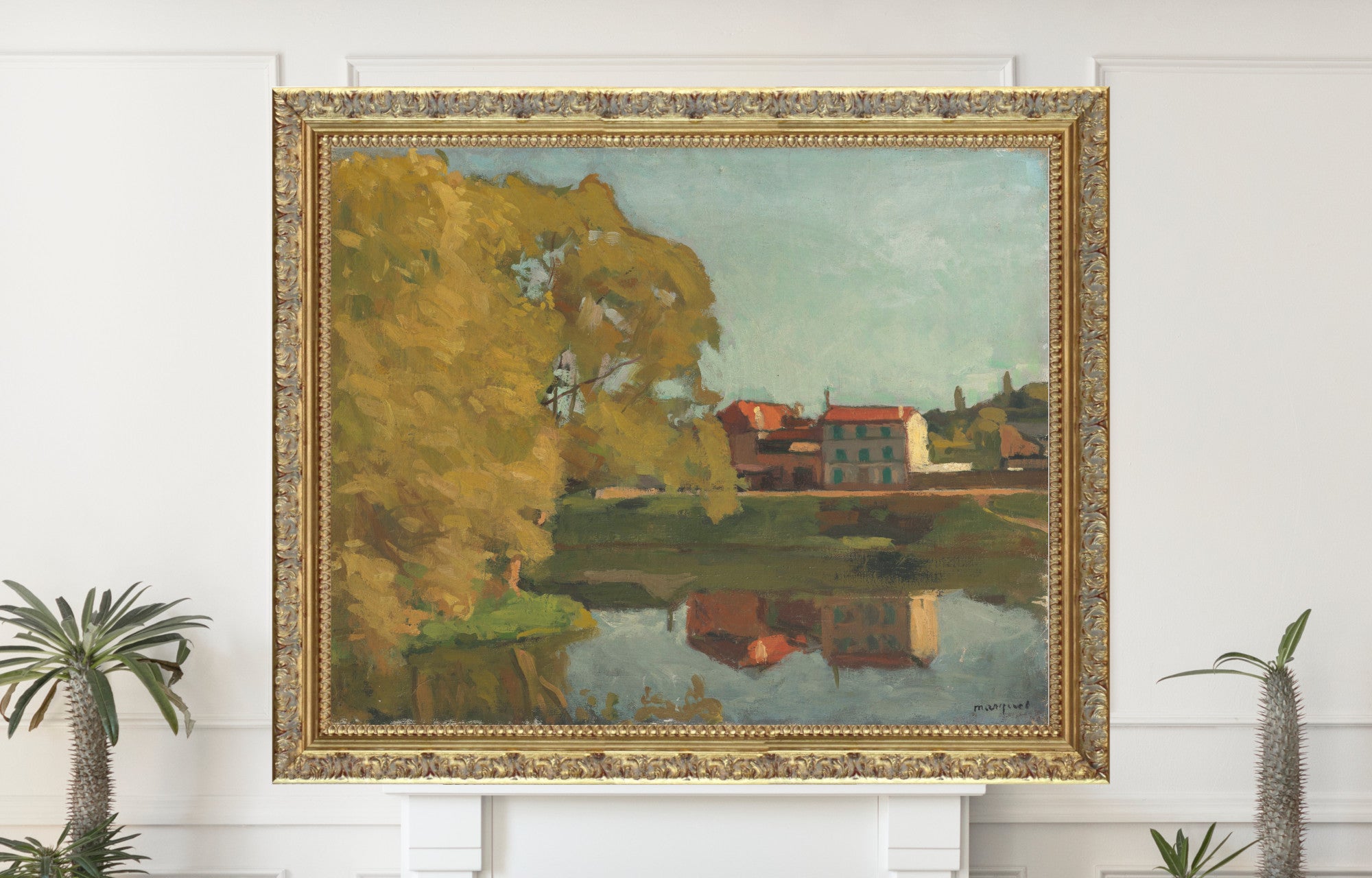
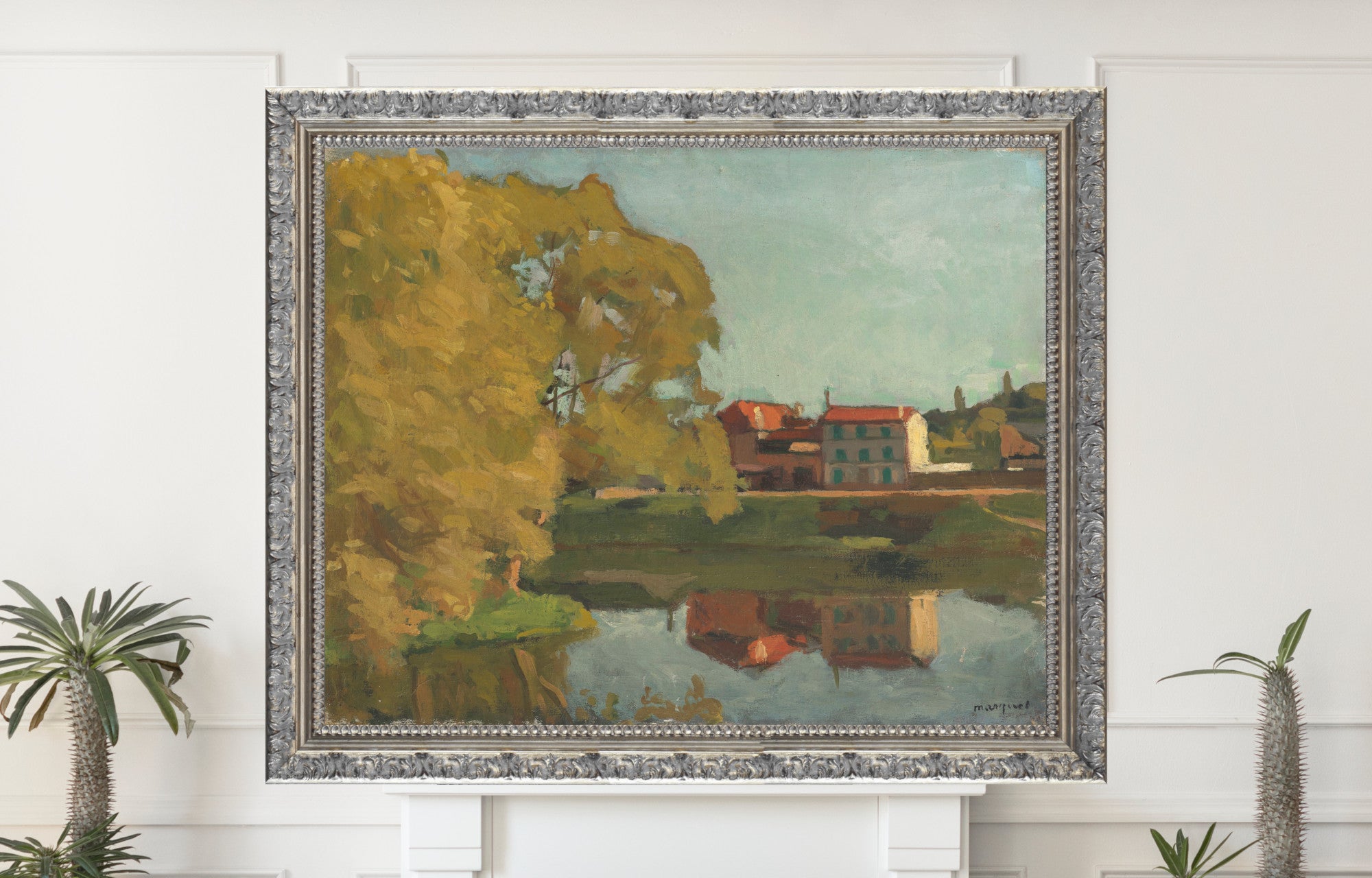
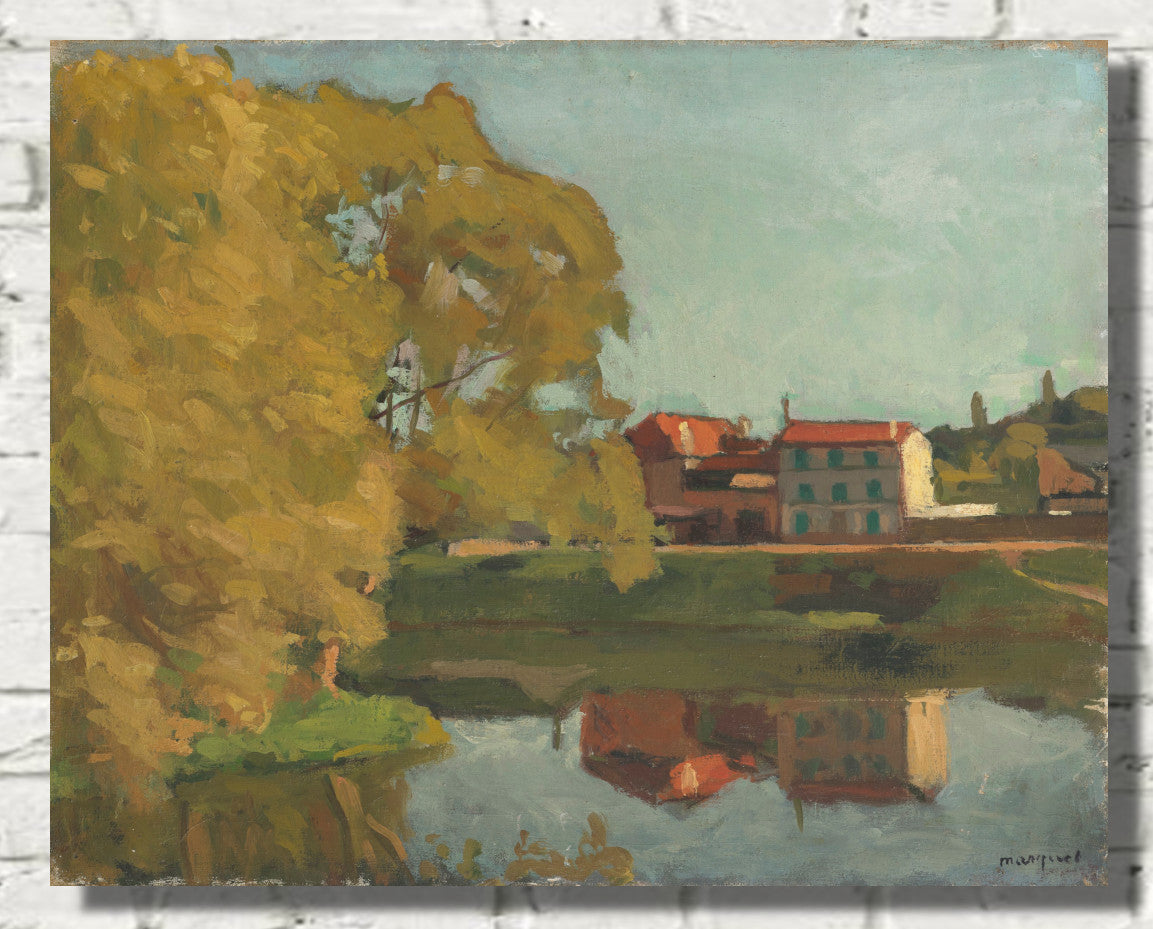
Marquet's fascination with water extended far beyond the Seine in central Paris.
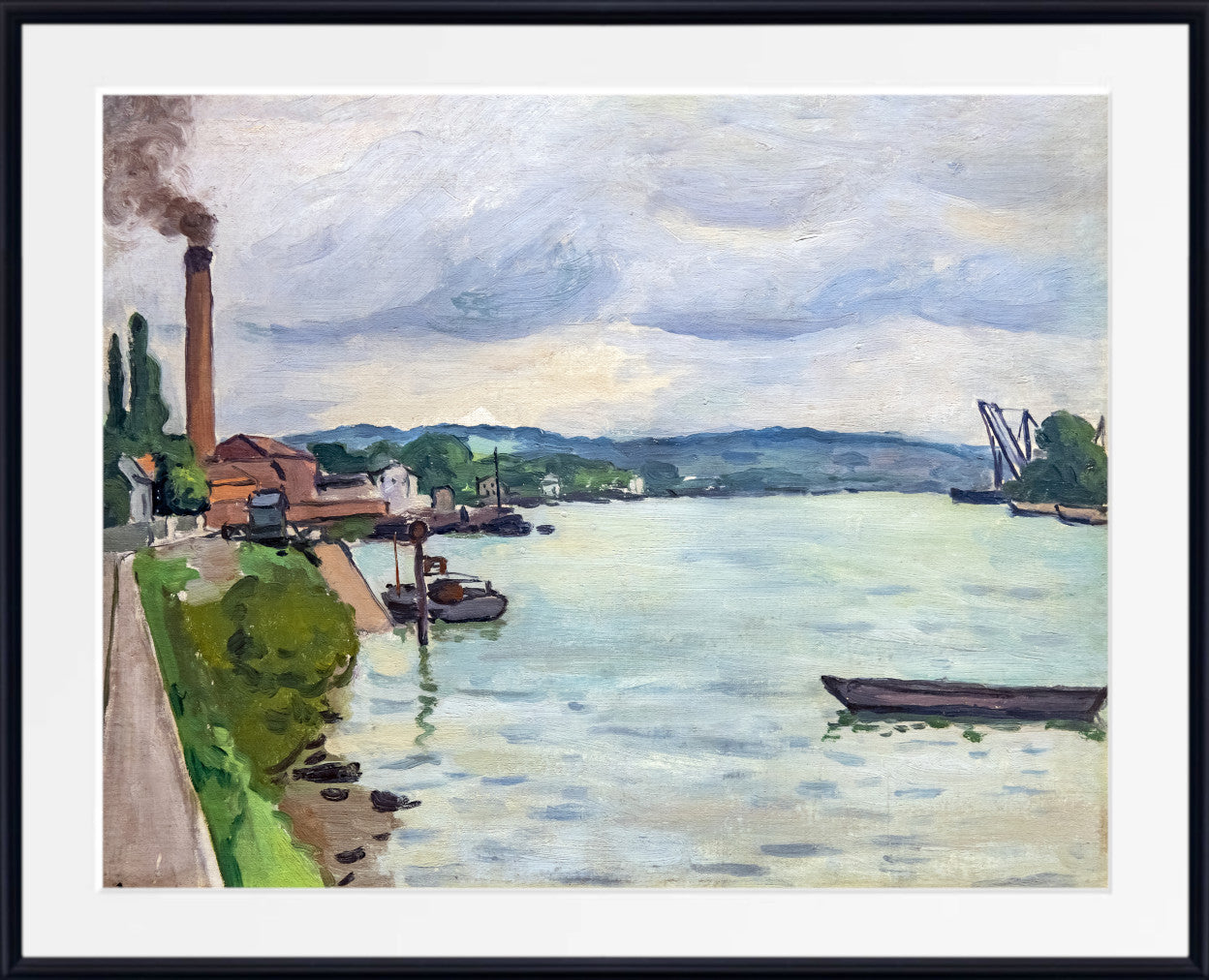
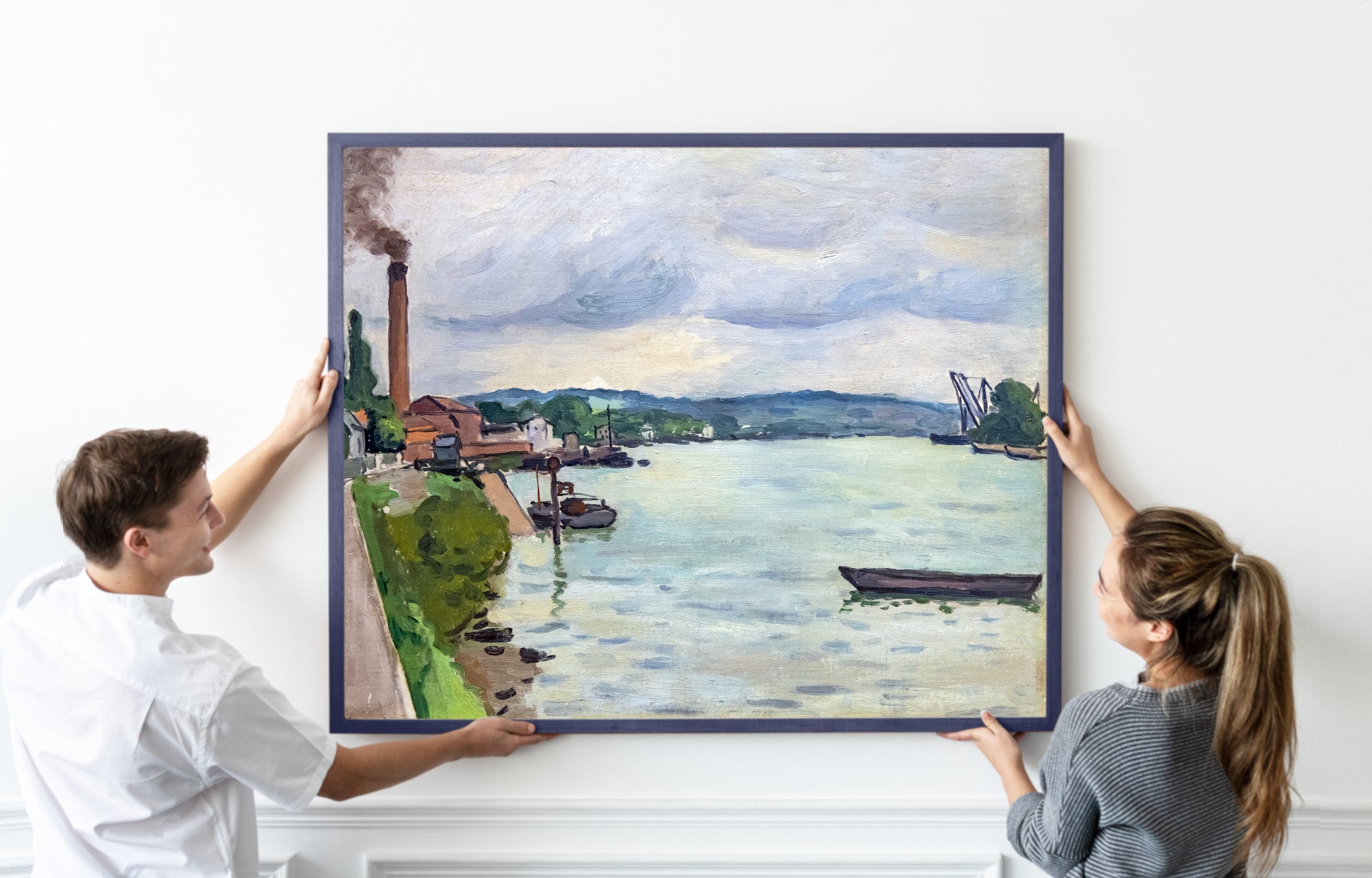
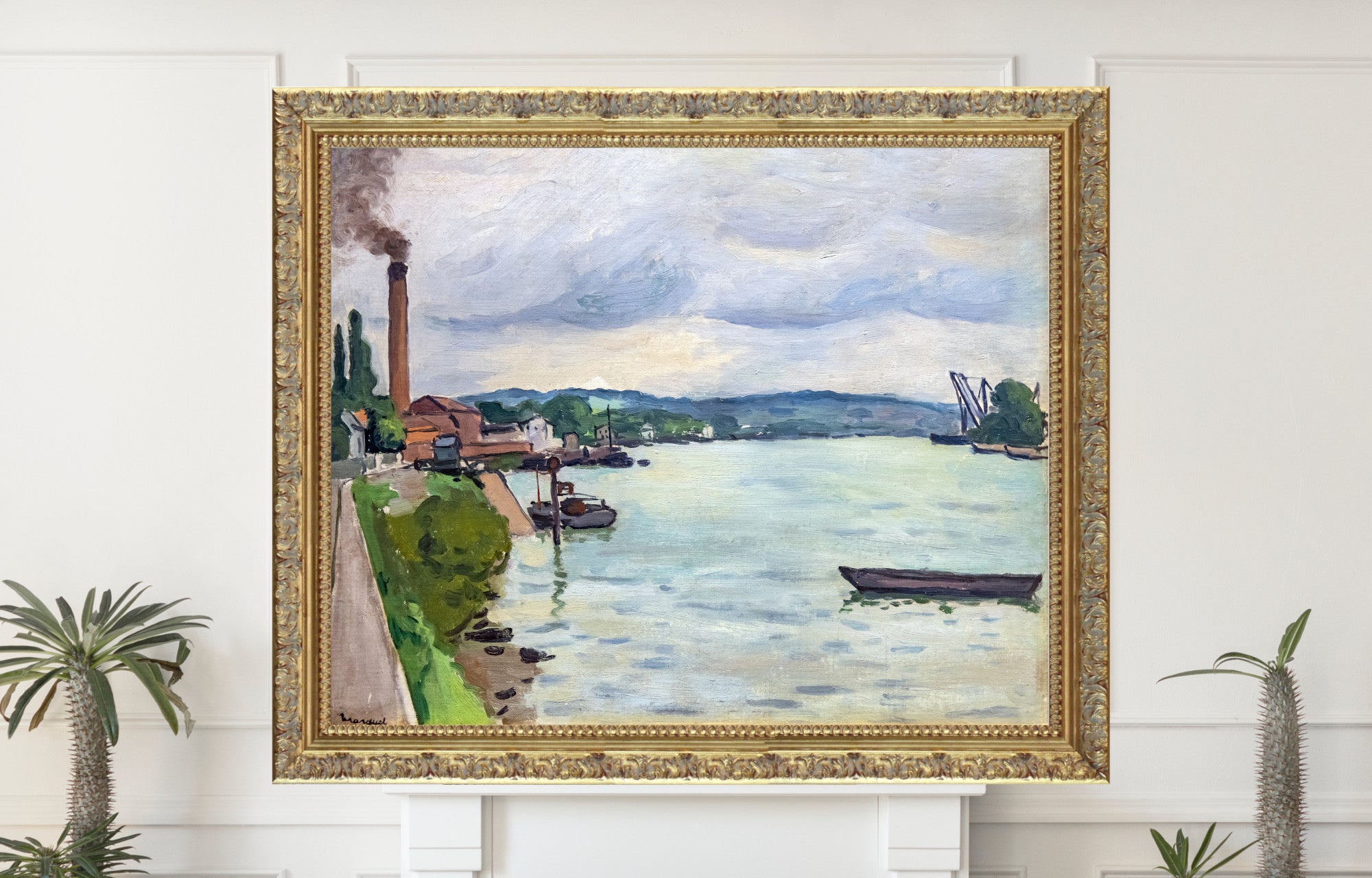
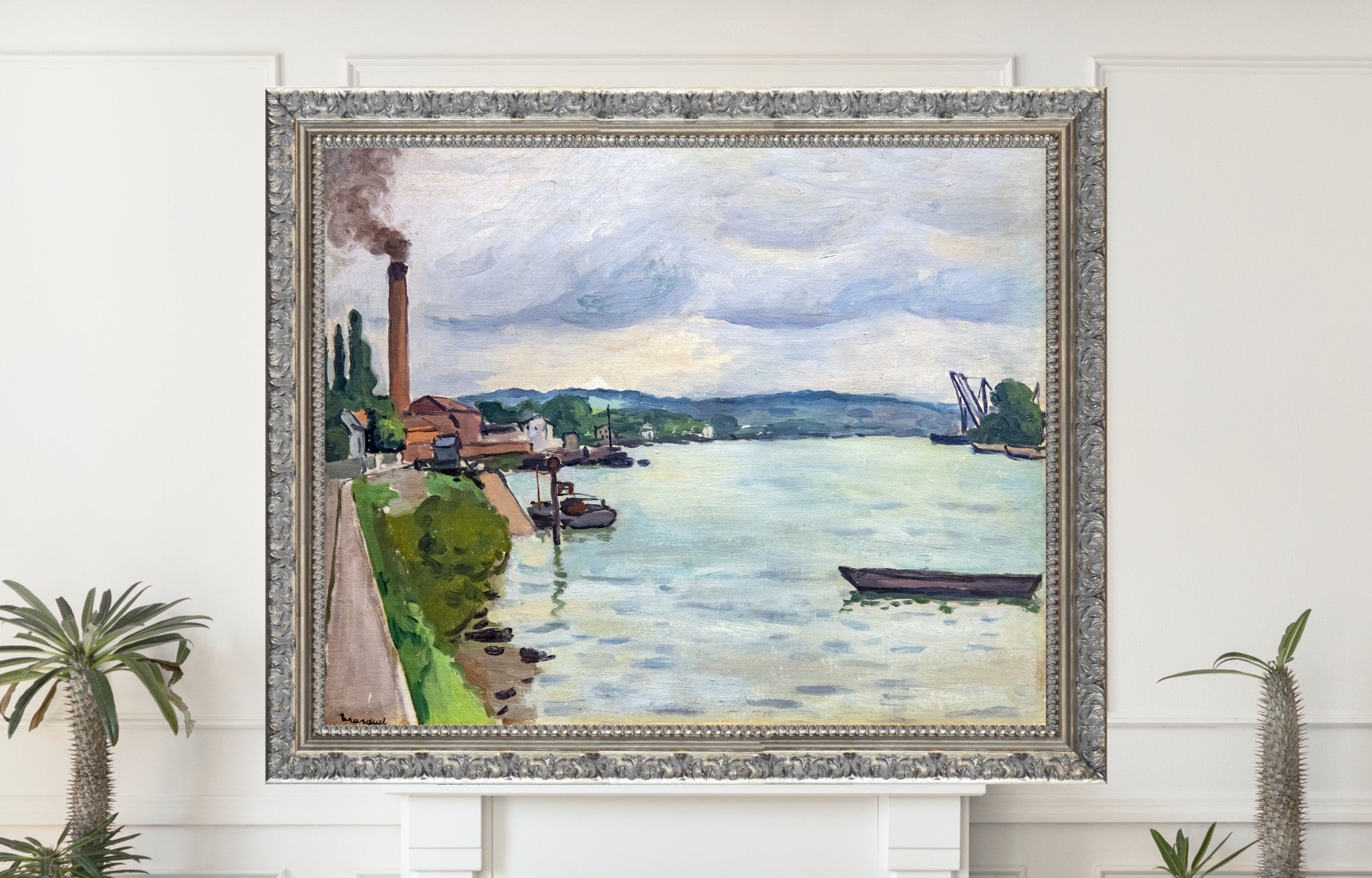
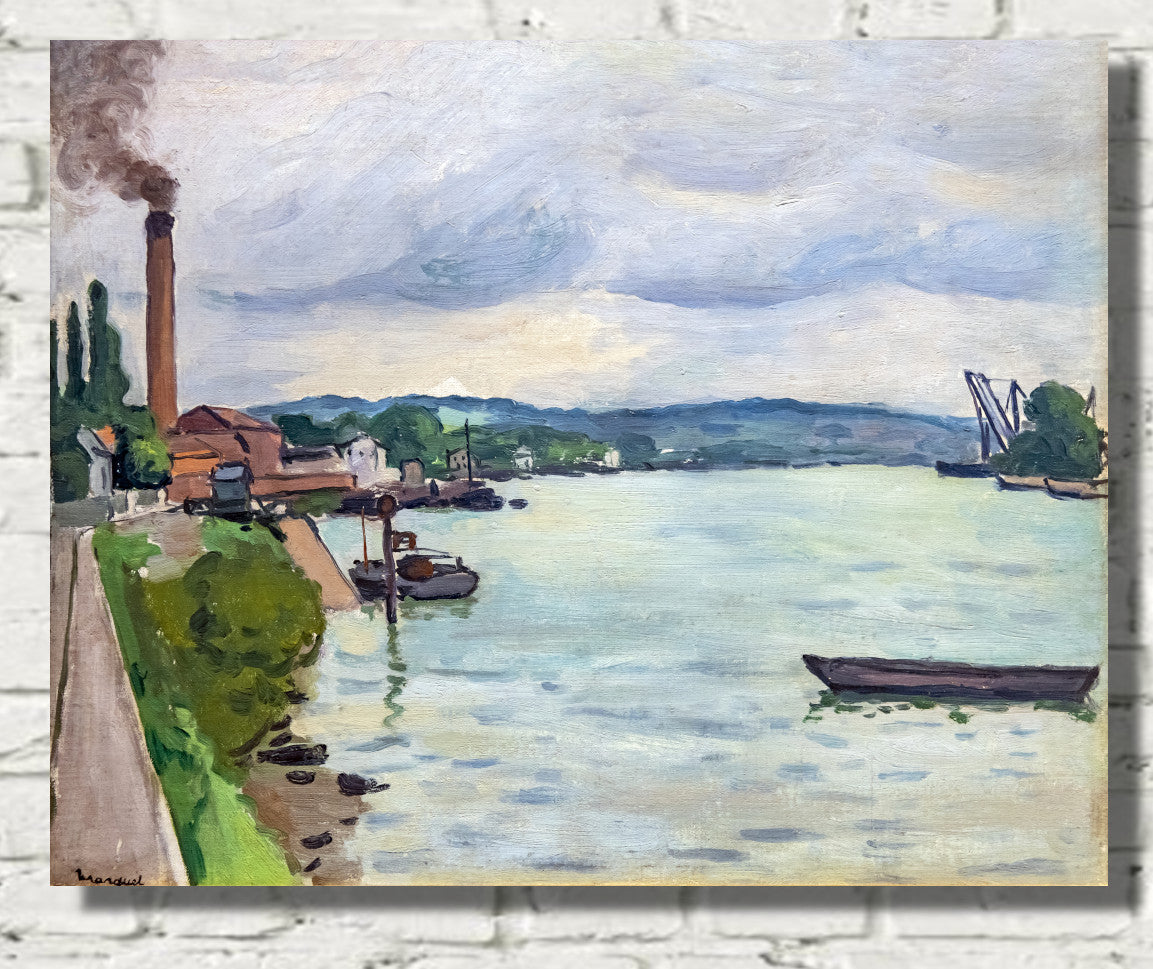
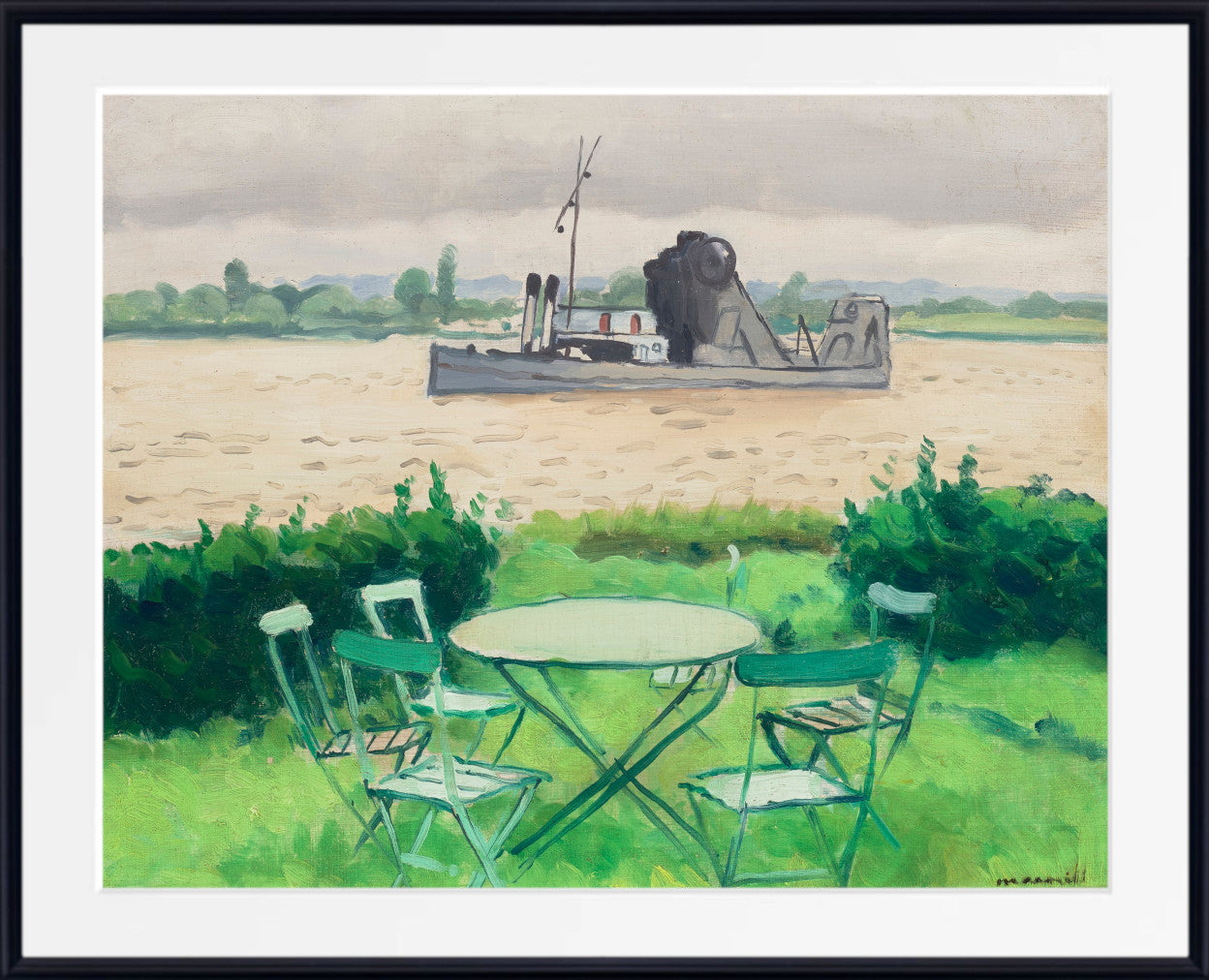
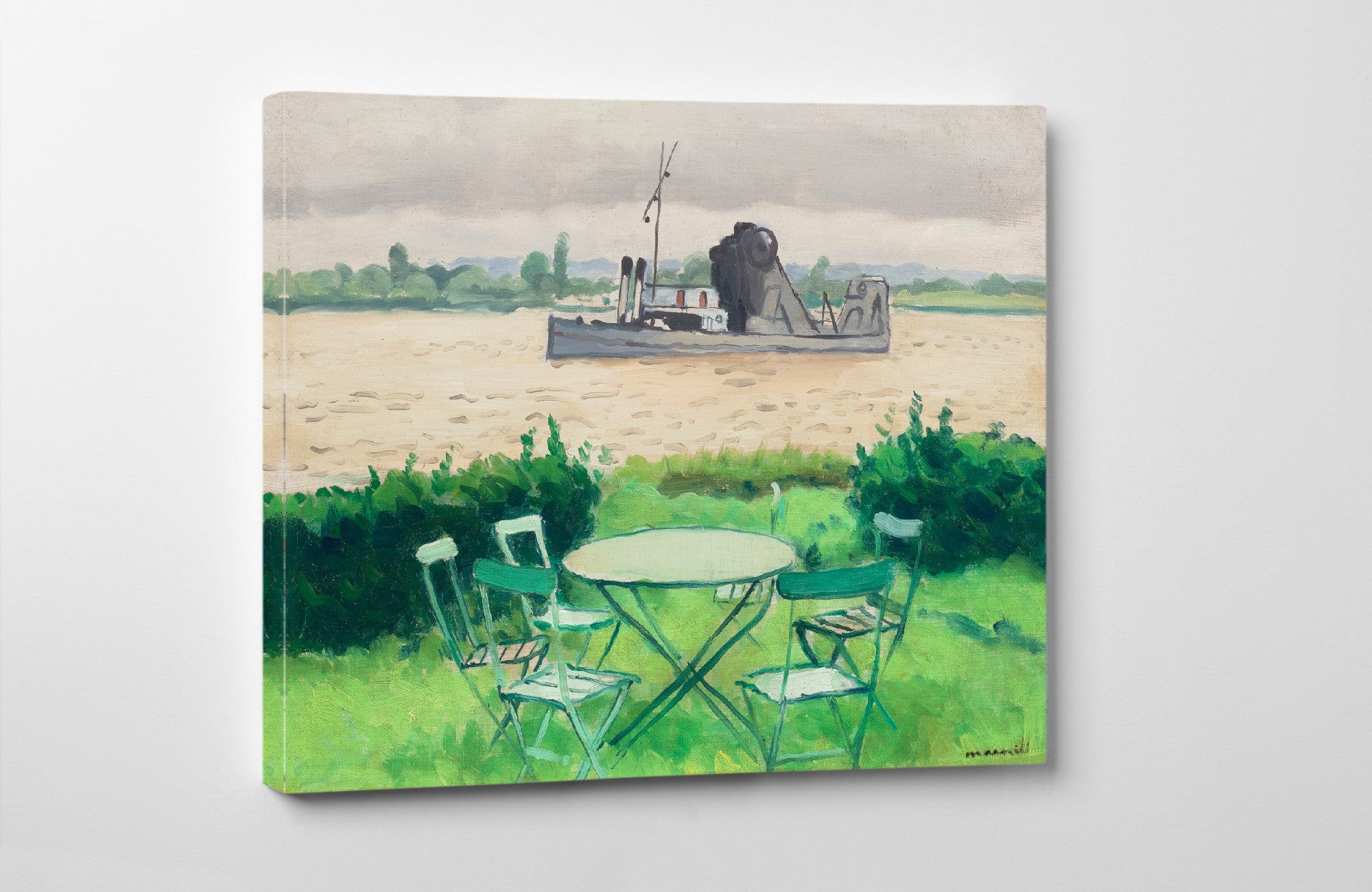
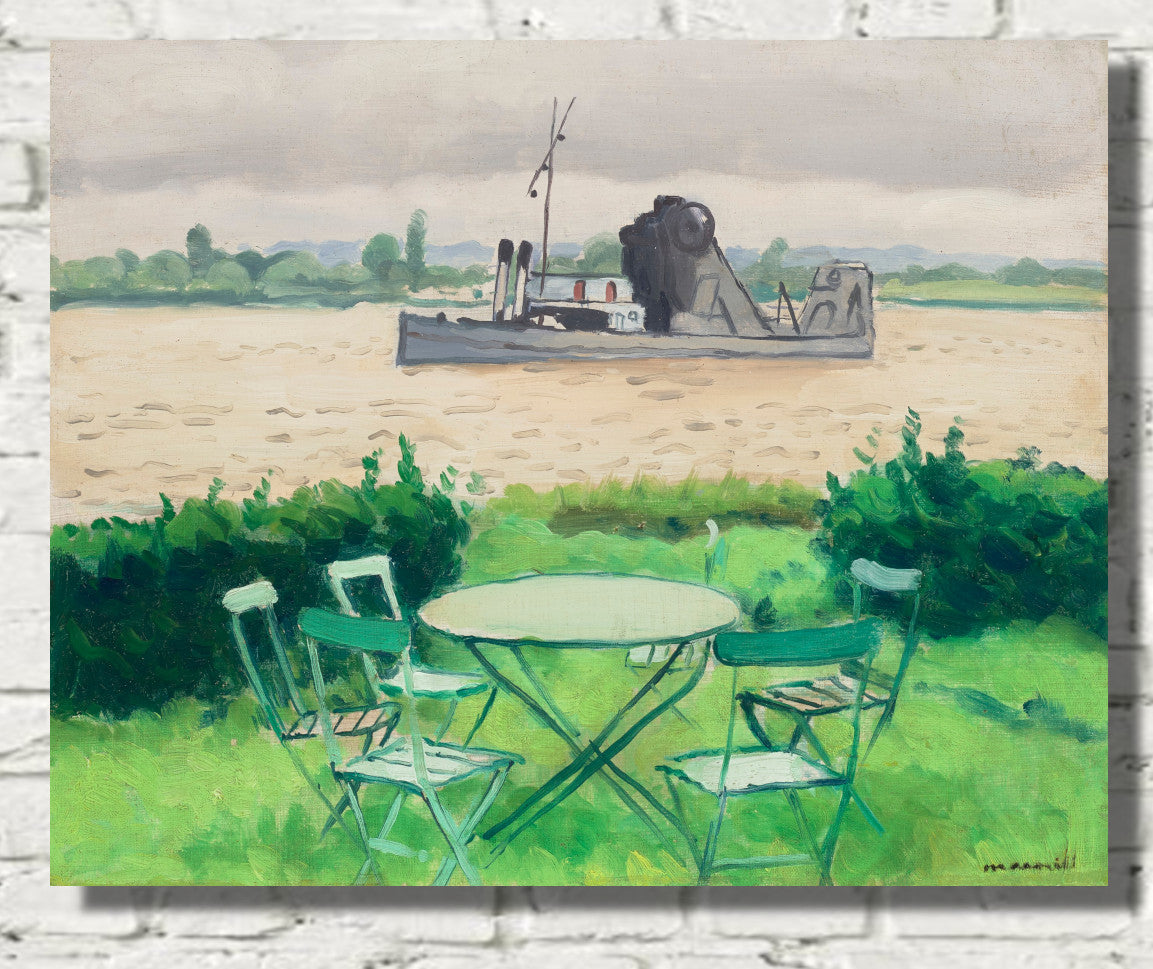
He painted waterways around Rouen, La Frette, Croisset, Grenelle and elsewhere, returning repeatedly to the visual relationship between water, landscape and architecture.
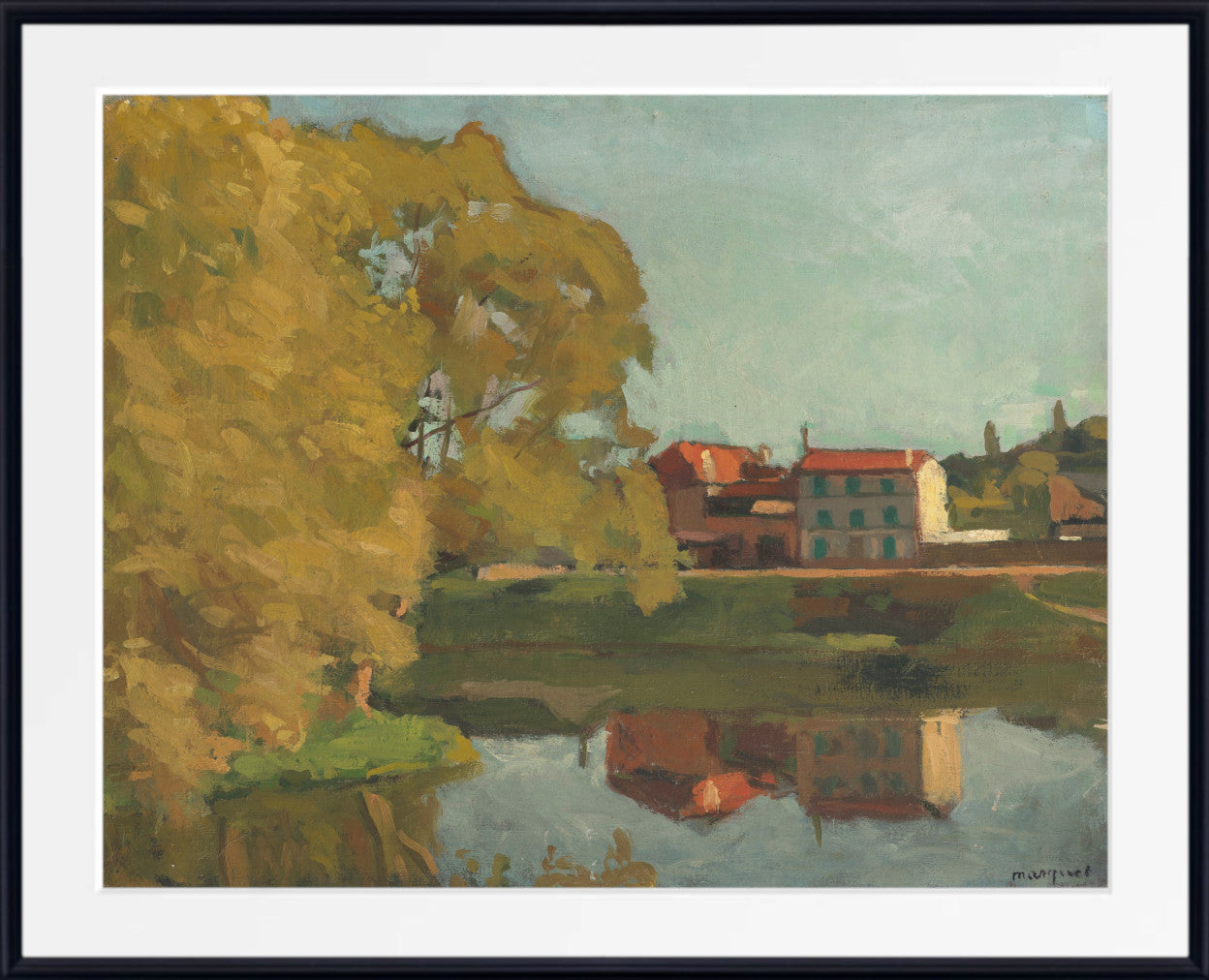
River scenes allowed him to organise compositions around long horizontal expanses interrupted by bridges, boats, trees or buildings.
Reflection could soften these structures, while mist and changing weather altered the colours of the entire scene.
These paintings demonstrate that Marquet was not simply a painter of particular places. Water itself was one of the fundamental subjects of his art.
Explore more scenic works in GalleryThane's Landscape and Scenery Fine Art Prints.
What Makes Albert Marquet's Style Distinctive?
Several characteristics make Marquet's paintings immediately recognisable.
Restrained colour – even after his Fauvist beginnings, Marquet generally preferred carefully balanced blues, greys, greens, violets and ochres to extreme colour contrasts.
Simplified forms – buildings, boats and landscapes are often reduced to remarkably economical shapes.
Strong composition – bridges, quays and riverbanks frequently create powerful diagonals and horizontal structures.
Water and reflections – rivers, harbours and coastlines recur throughout his career.
Elevated viewpoints – many city scenes are viewed from windows or higher positions, allowing Marquet to organise large expanses of water and architecture.
Atmosphere – snow, fog, haze and changing light often become central elements rather than incidental weather conditions.
These qualities give Marquet's work an understated modernity that distinguishes him from many of his contemporaries.
Marquet and Henri Matisse
Albert Marquet and Henri Matisse met while studying in Paris and remained friends for many years.
Both participated in the development of Fauvism, but their mature careers followed very different paths.
Matisse increasingly explored brilliant colour, pattern and radical simplification, eventually producing some of the most recognisable images in twentieth-century modern art.
Marquet retained a stronger attachment to observed landscape.
His compositions became increasingly economical, but rivers, ports, streets and coastlines remained recognisable.
Comparing the two artists shows how the freedom established by Fauvism could lead in very different directions.
Marquet and Raoul Dufy
Marquet also shared important subjects with Raoul Dufy.
The two artists worked together around Le Havre and the Normandy coast during the Fauvist period, painting harbours, beaches and urban scenes.
Their later approaches became markedly different.
Dufy's work developed towards rapid, decorative drawing and exuberant colour, while Marquet increasingly favoured restraint, tonal harmony and clear spatial organisation.
Their contrasting approaches make them particularly interesting artists to display together.
Choosing an Albert Marquet Print
For a classic Marquet subject, begin with one of his river or harbour paintings.
Paris prints such as View of Notre-Dame under the Snow or Le Pont Saint-Michel combine recognisable architecture with Marquet's characteristic treatment of water and atmosphere.
Algiers harbour prints introduce stronger Mediterranean light and maritime subject matter.
French Riviera landscapes, including his Porquerolles views, provide a lighter coastal alternative.
Paintings of Rouen and other working ports have a more industrial character, combining ships, quays and architecture with Marquet's unusually calm sense of composition.
Albert Marquet Prints for Modern Interiors
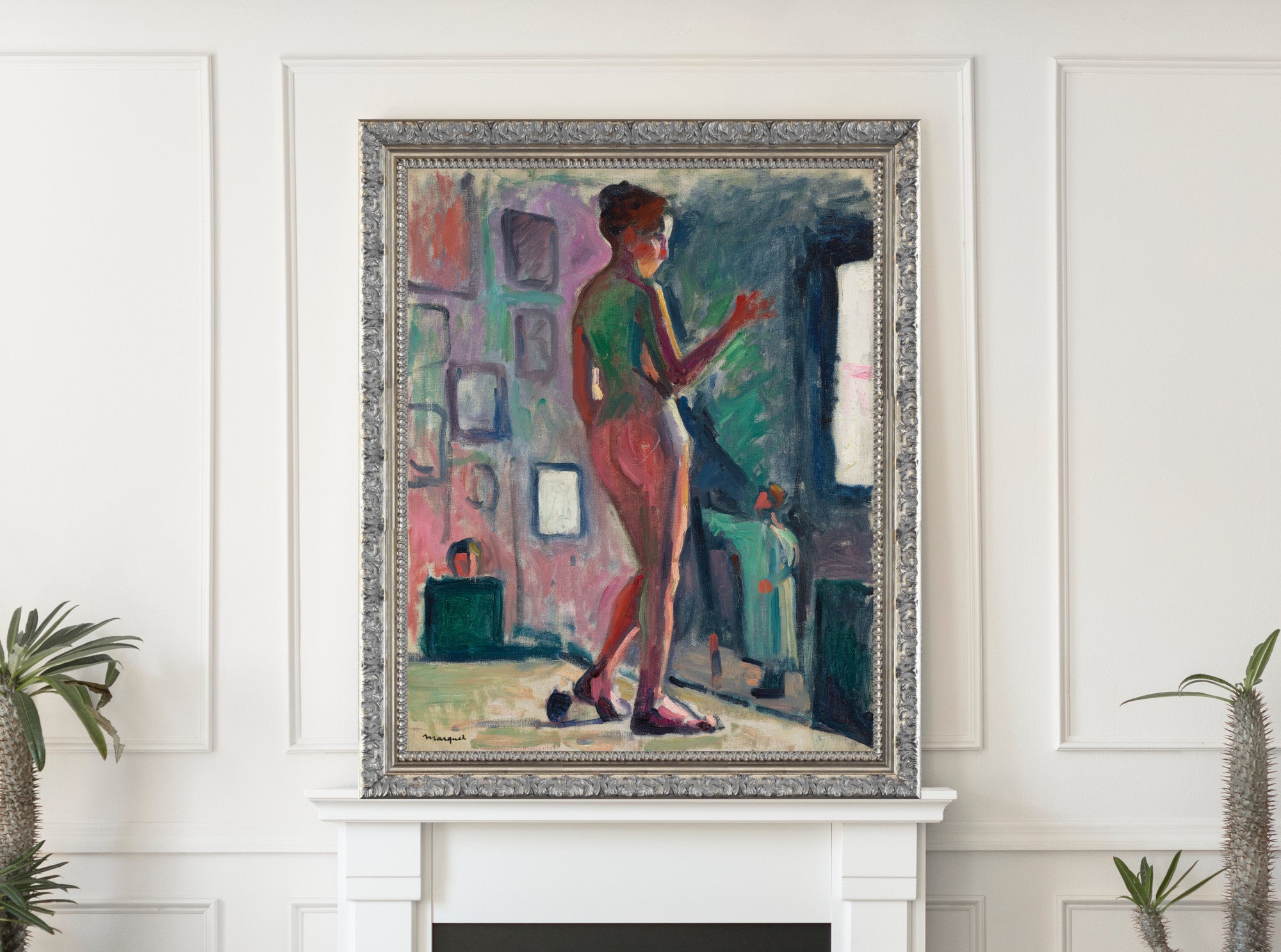
Marquet's work is particularly well suited to contemporary interiors because his paintings are rarely visually overwhelming.
Muted blues, greys, greens and neutral tones can work naturally with Scandinavian, minimalist, mid-century and contemporary furnishings.
Paris snow scenes suit cooler neutral interiors, while Mediterranean and Algiers paintings can introduce blue and warmer coastal tones.
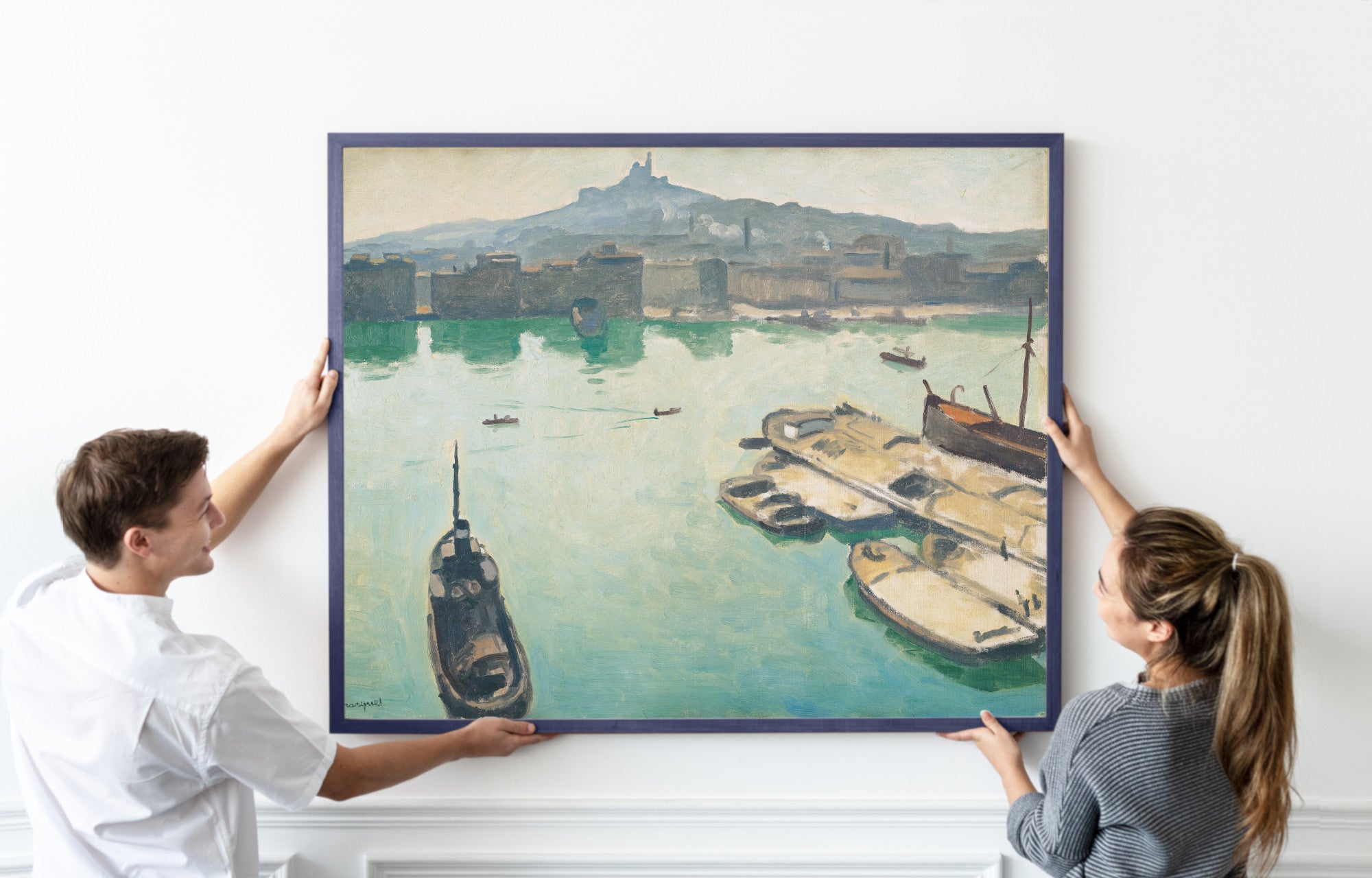
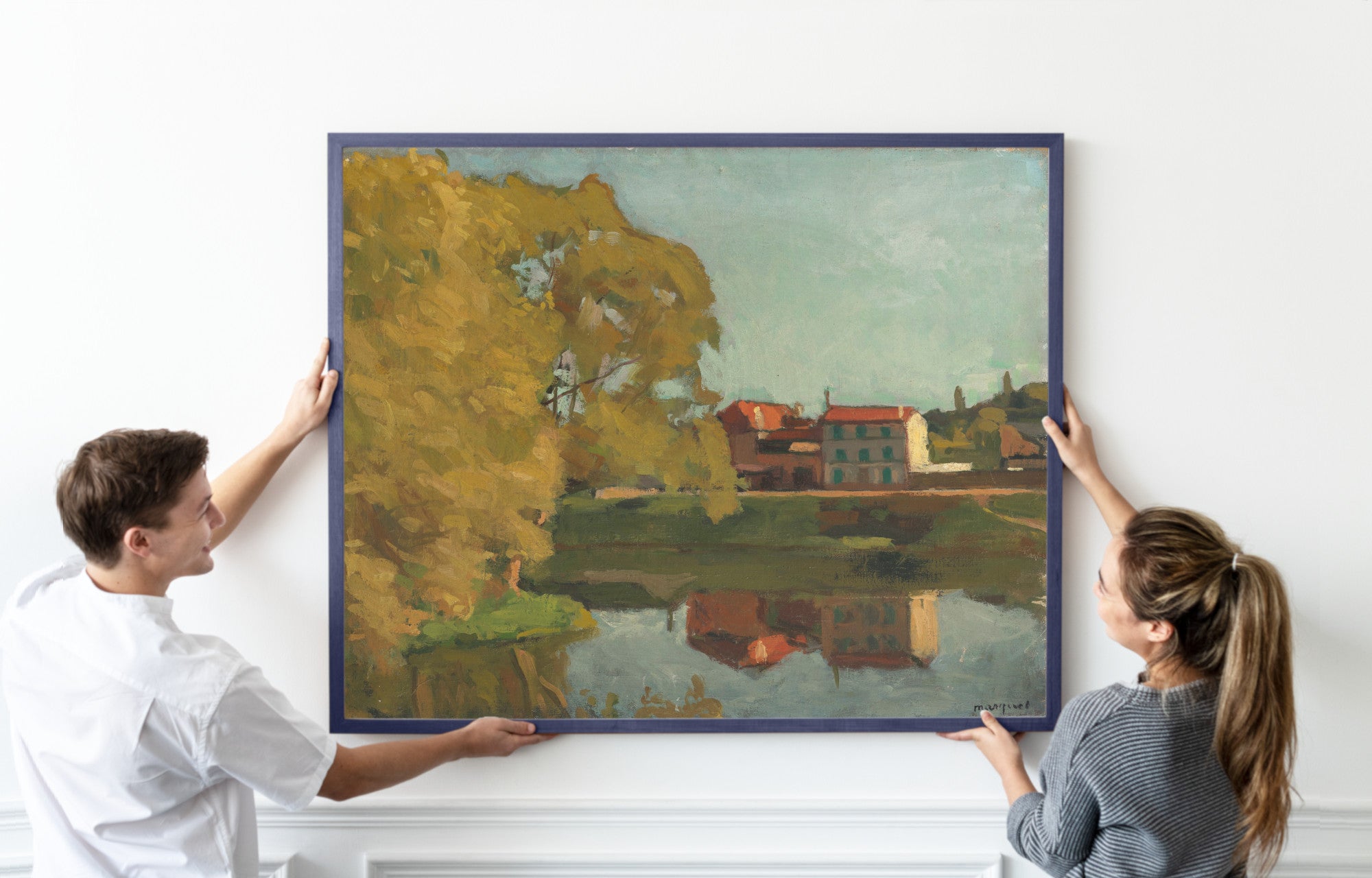
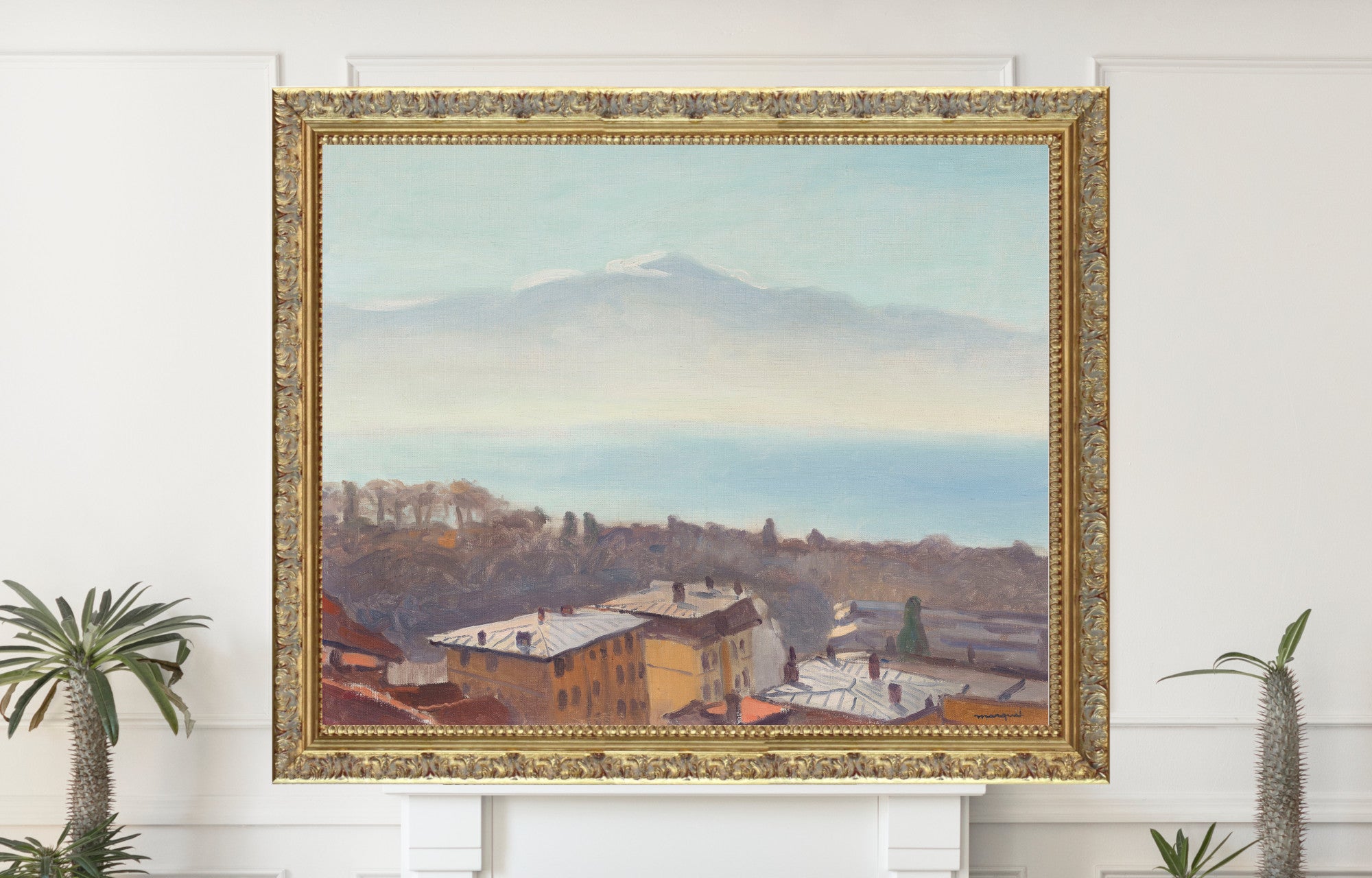
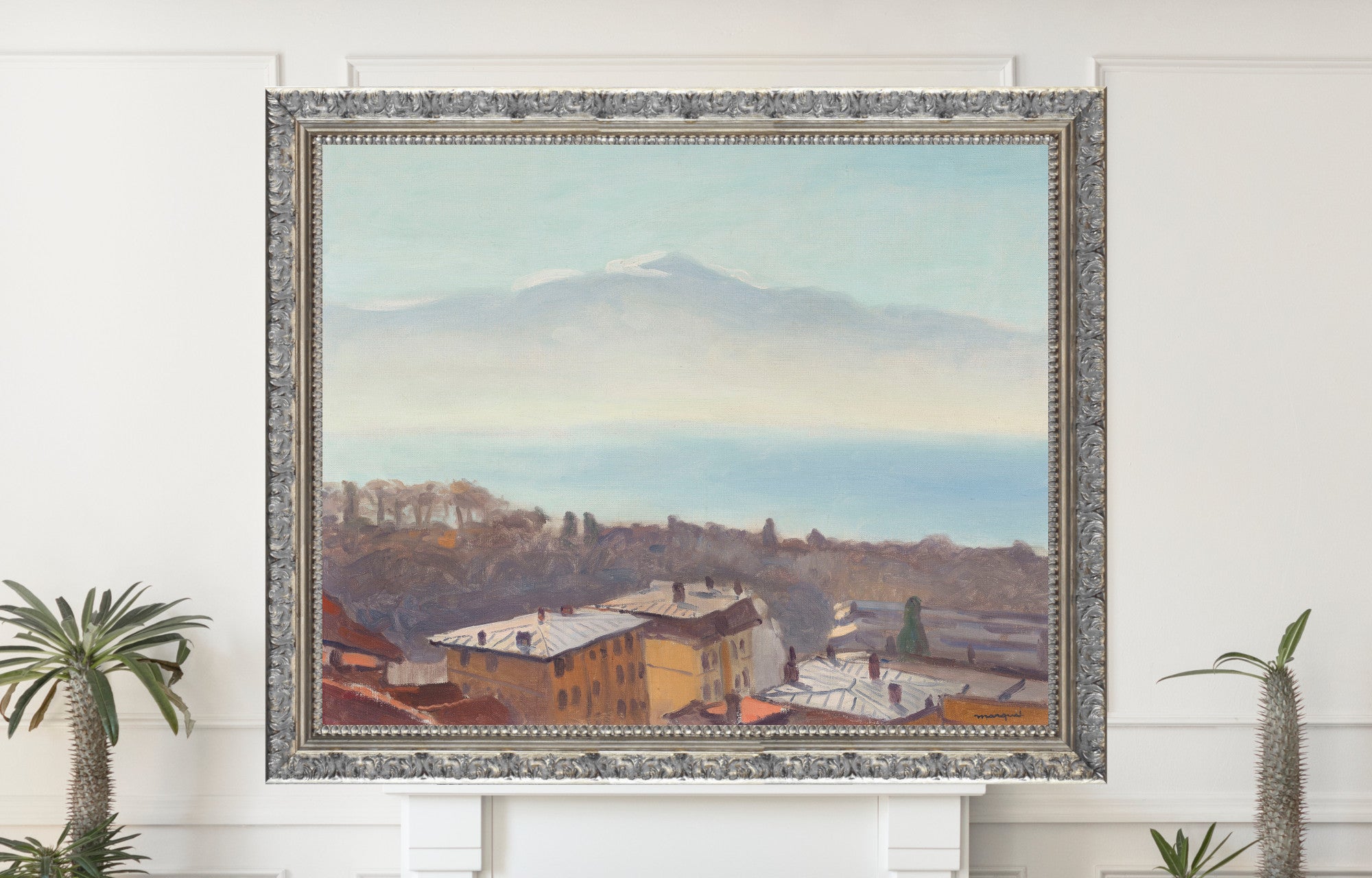
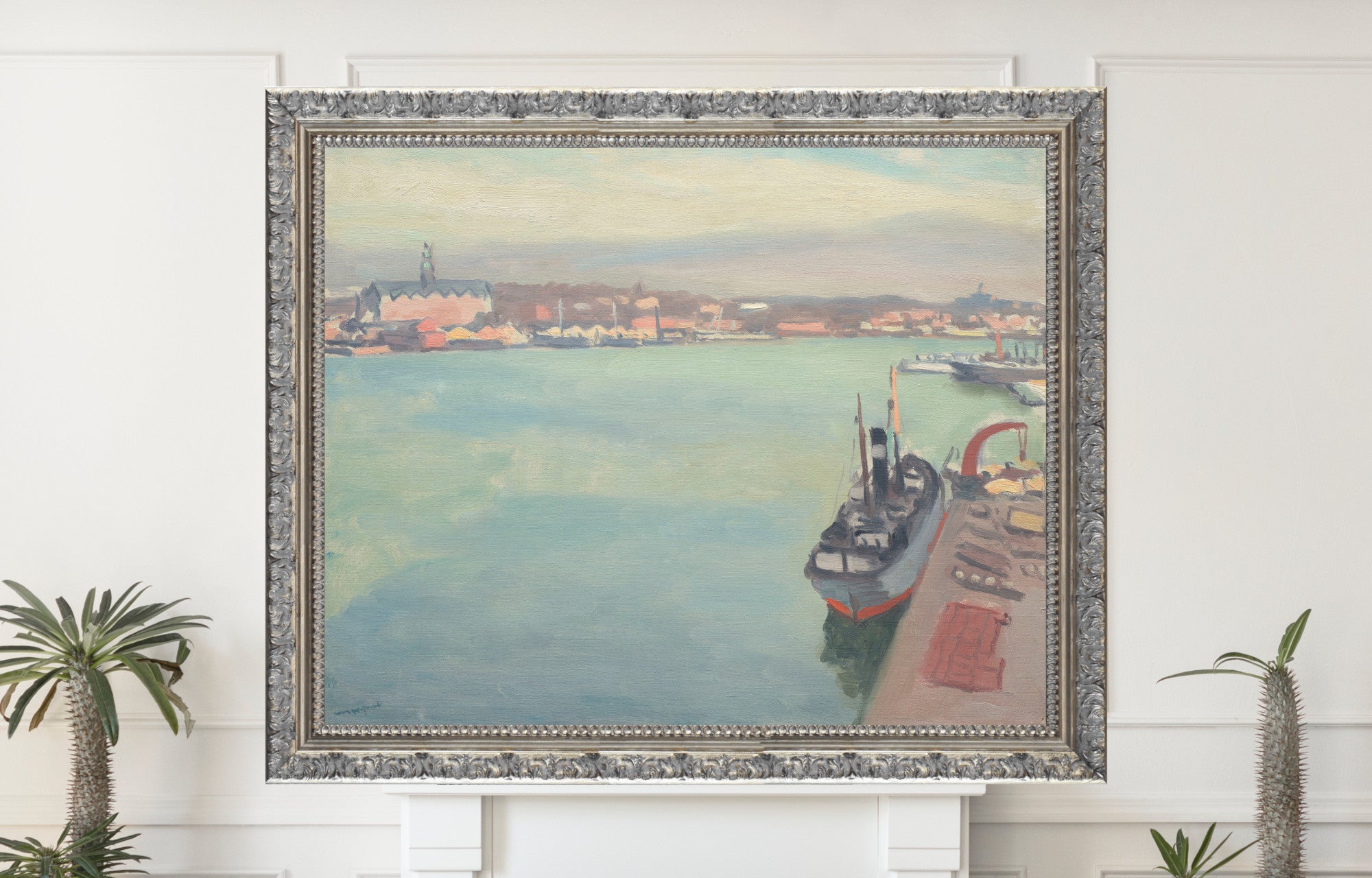
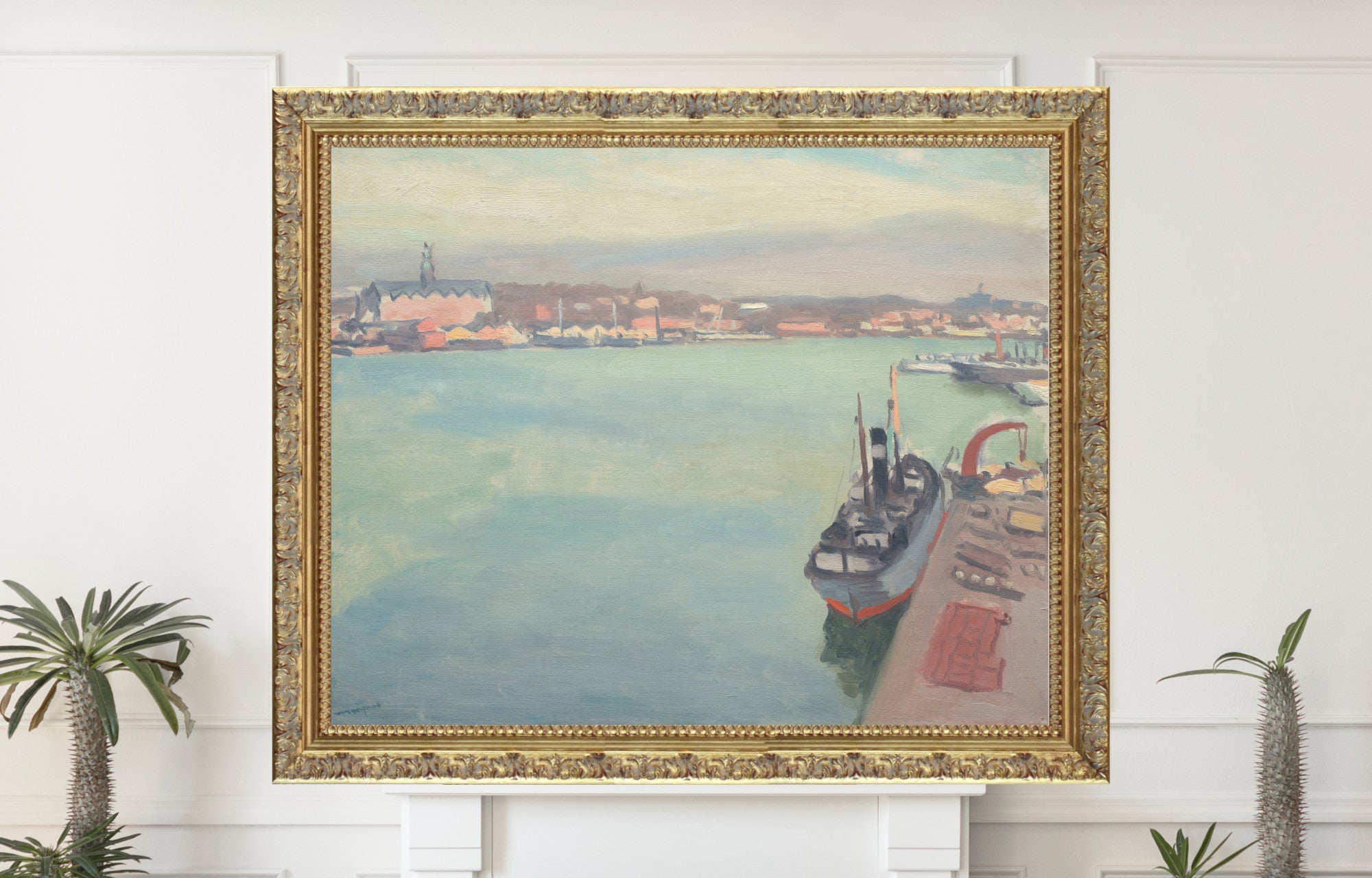
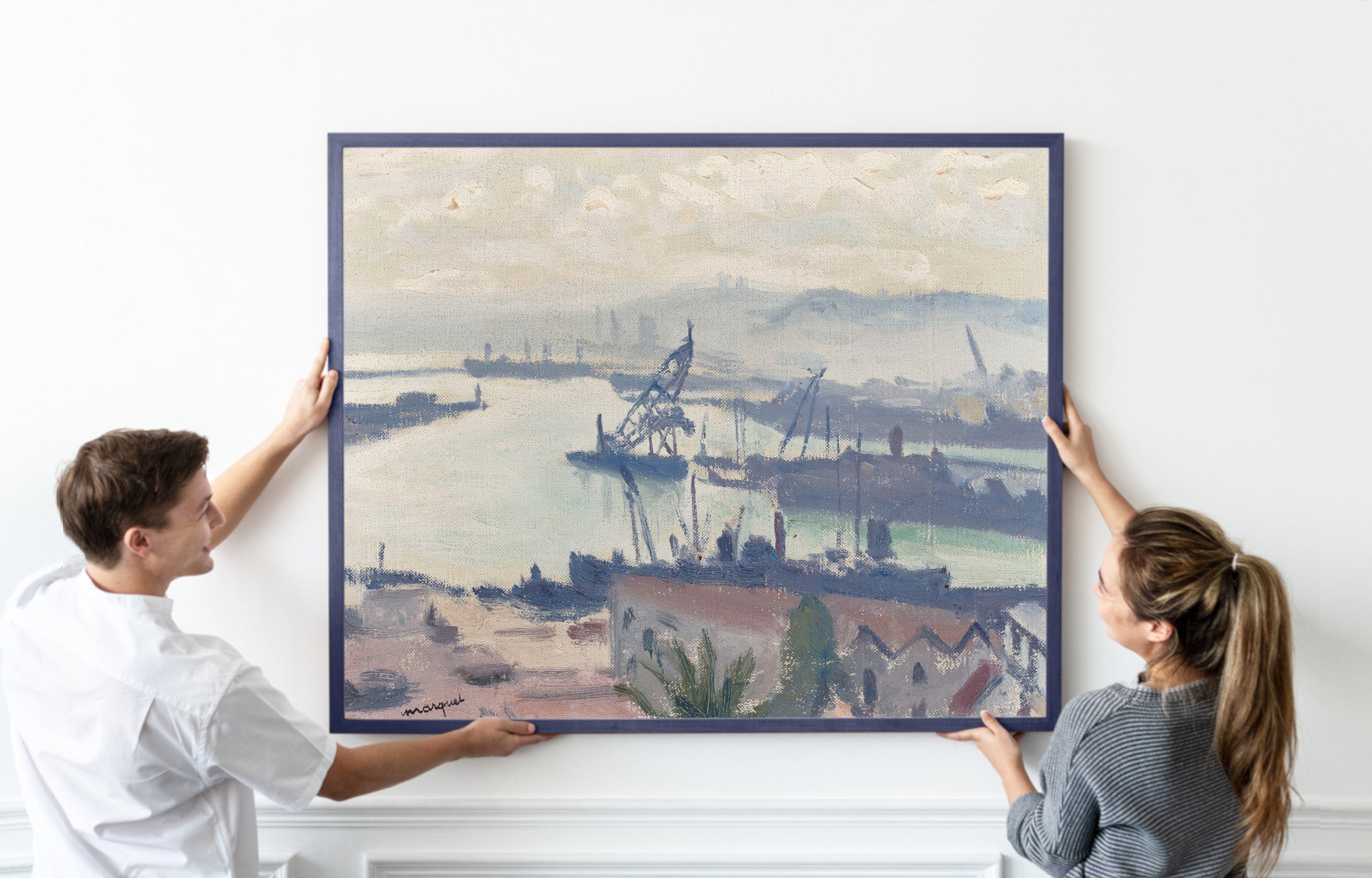
His harbour and river landscapes are particularly effective above sofas, sideboards, console tables and beds, where their horizontal compositions can create a calm focal point.
Marquet prints can also work successfully within gallery walls combining Matisse, Dufy, Derain and other early twentieth-century French artists.
Fine Art Prints, Framed Prints and Canvas Panels
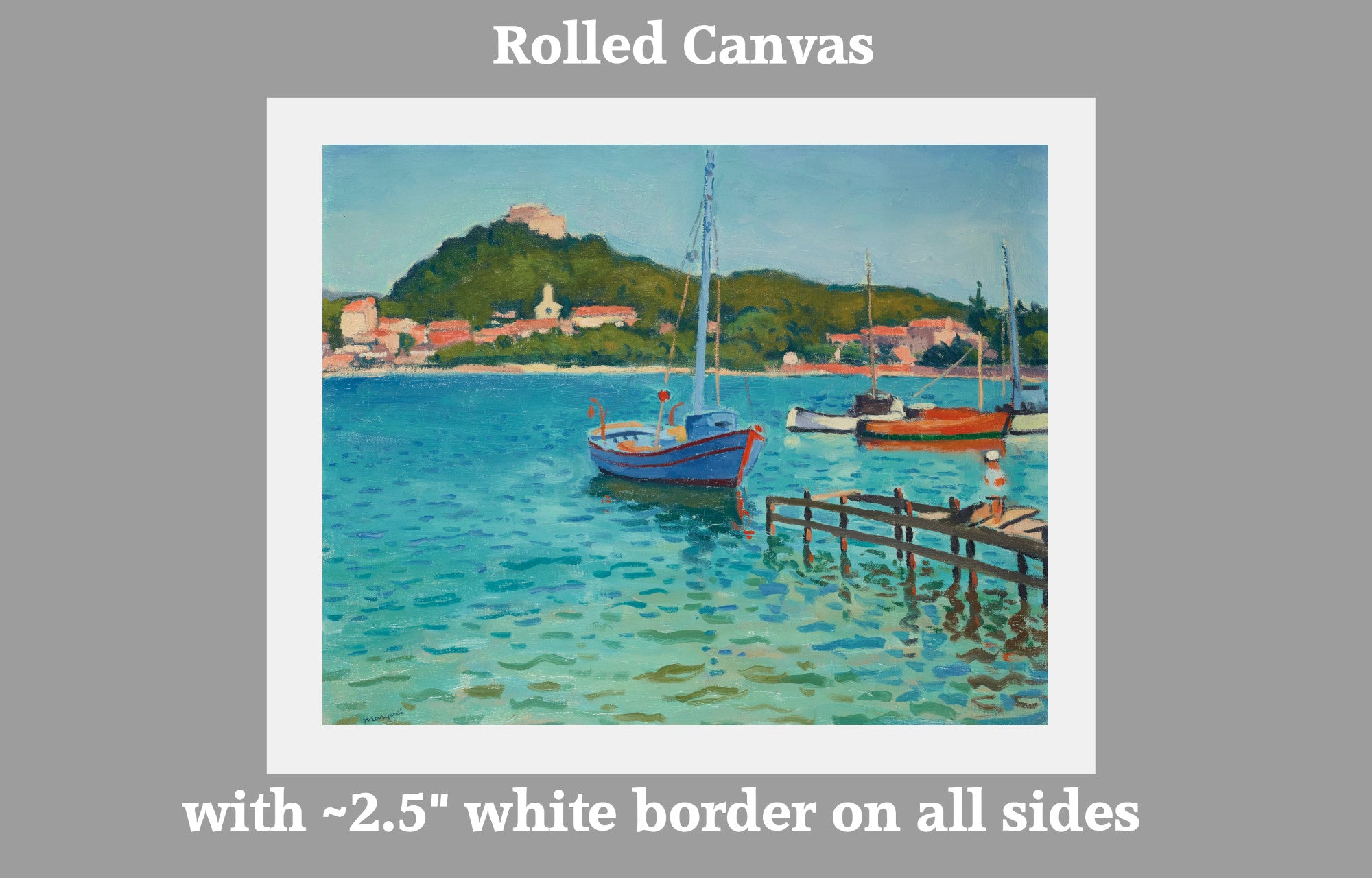
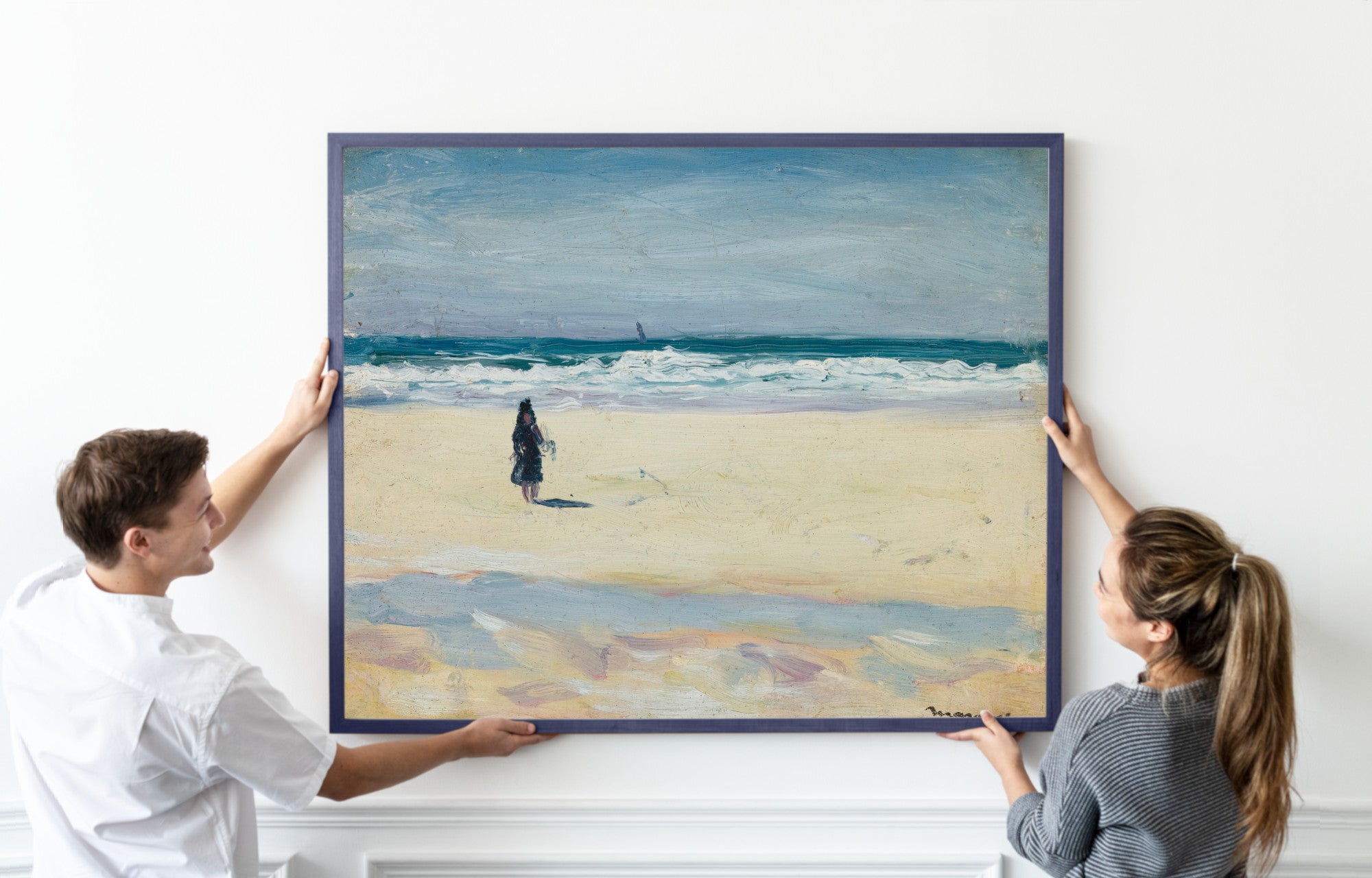
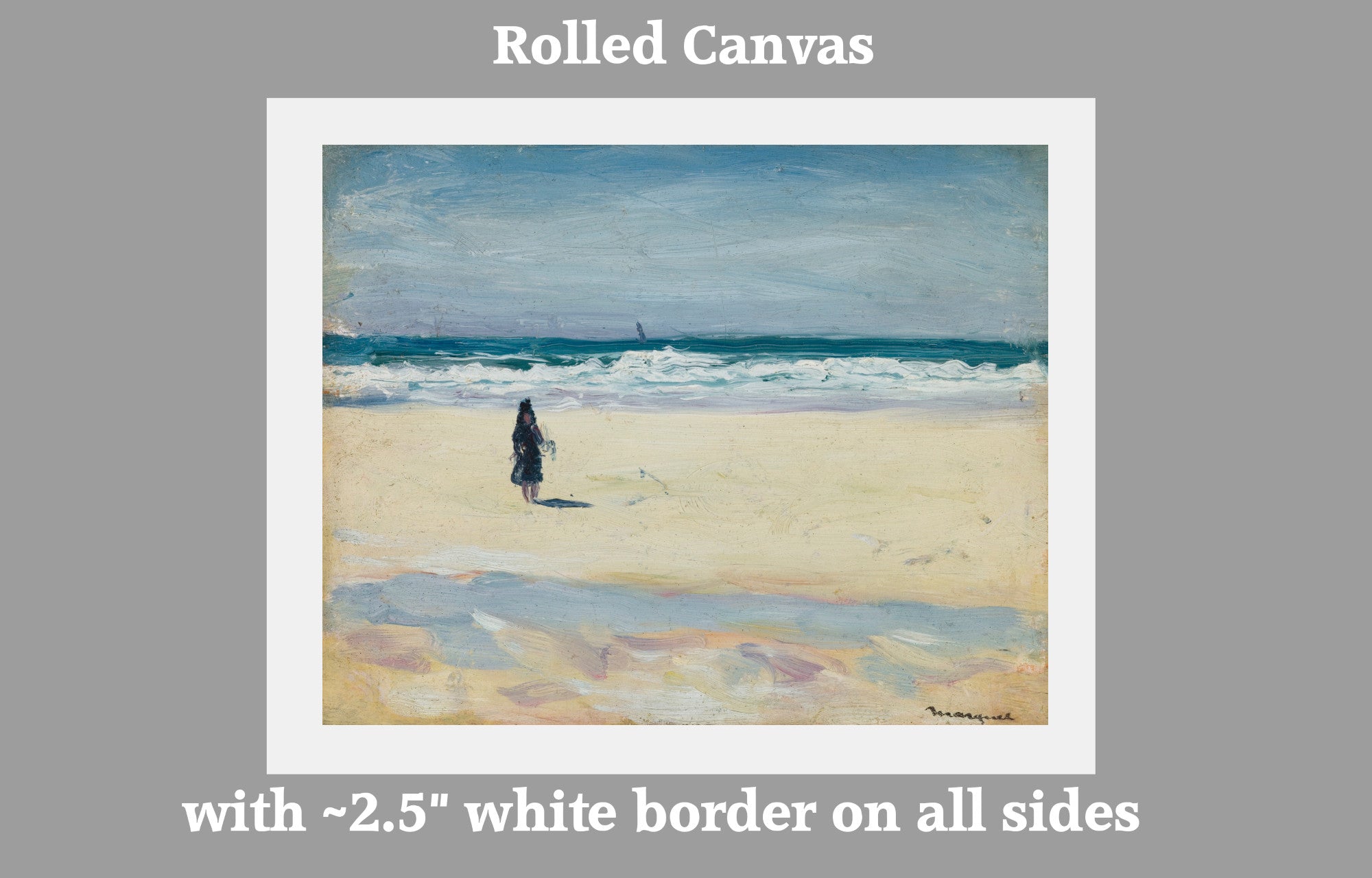
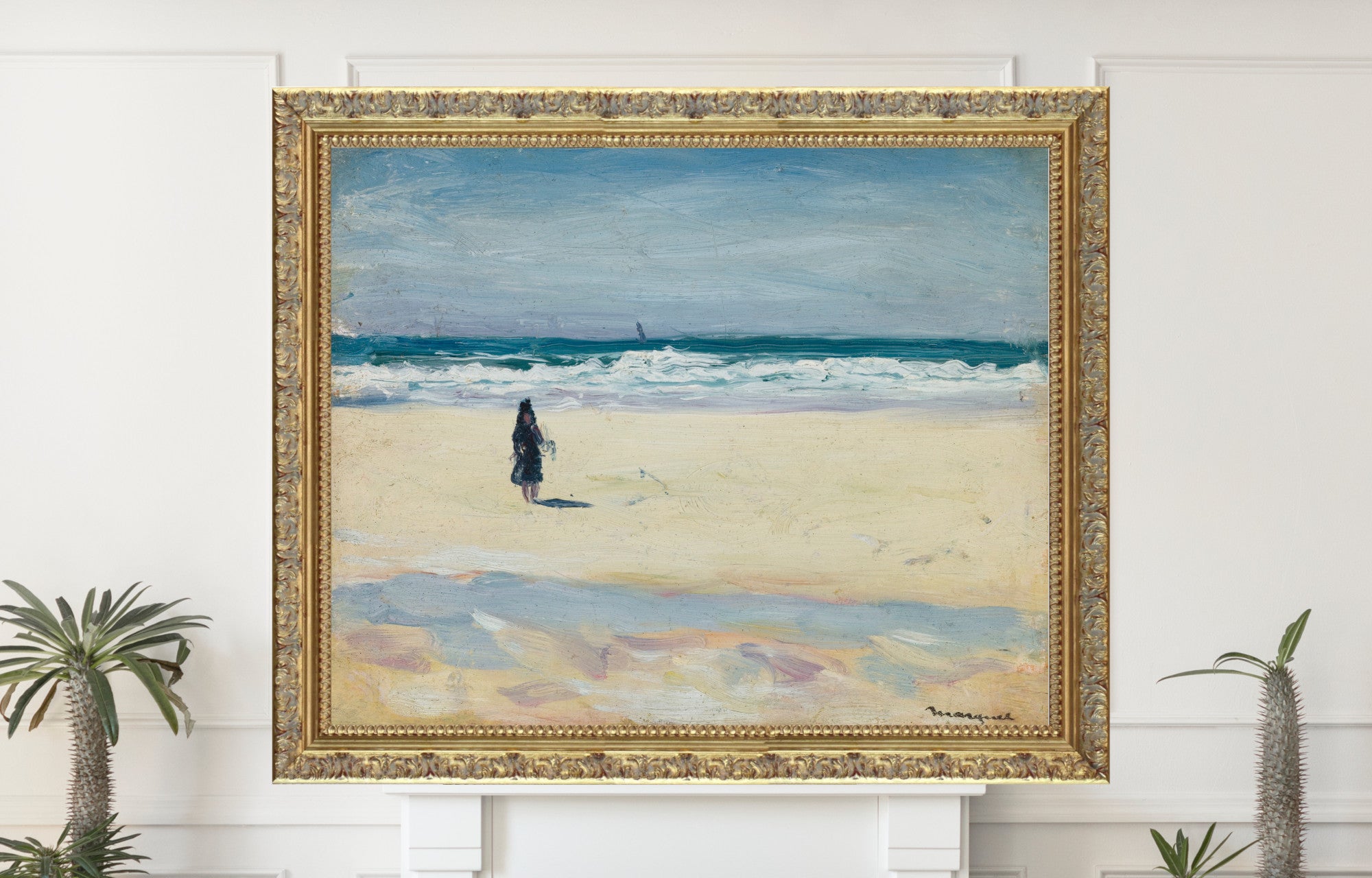
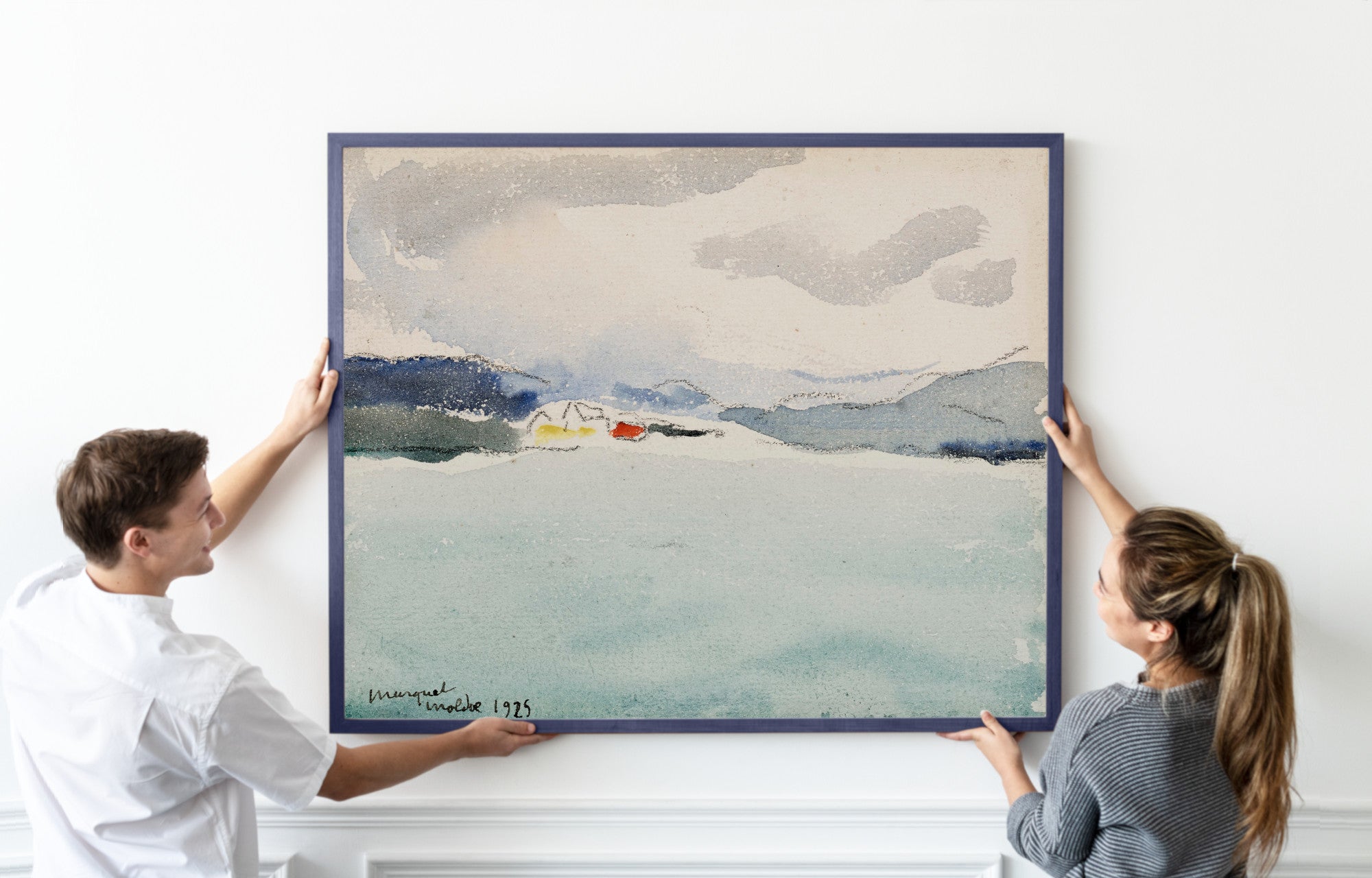
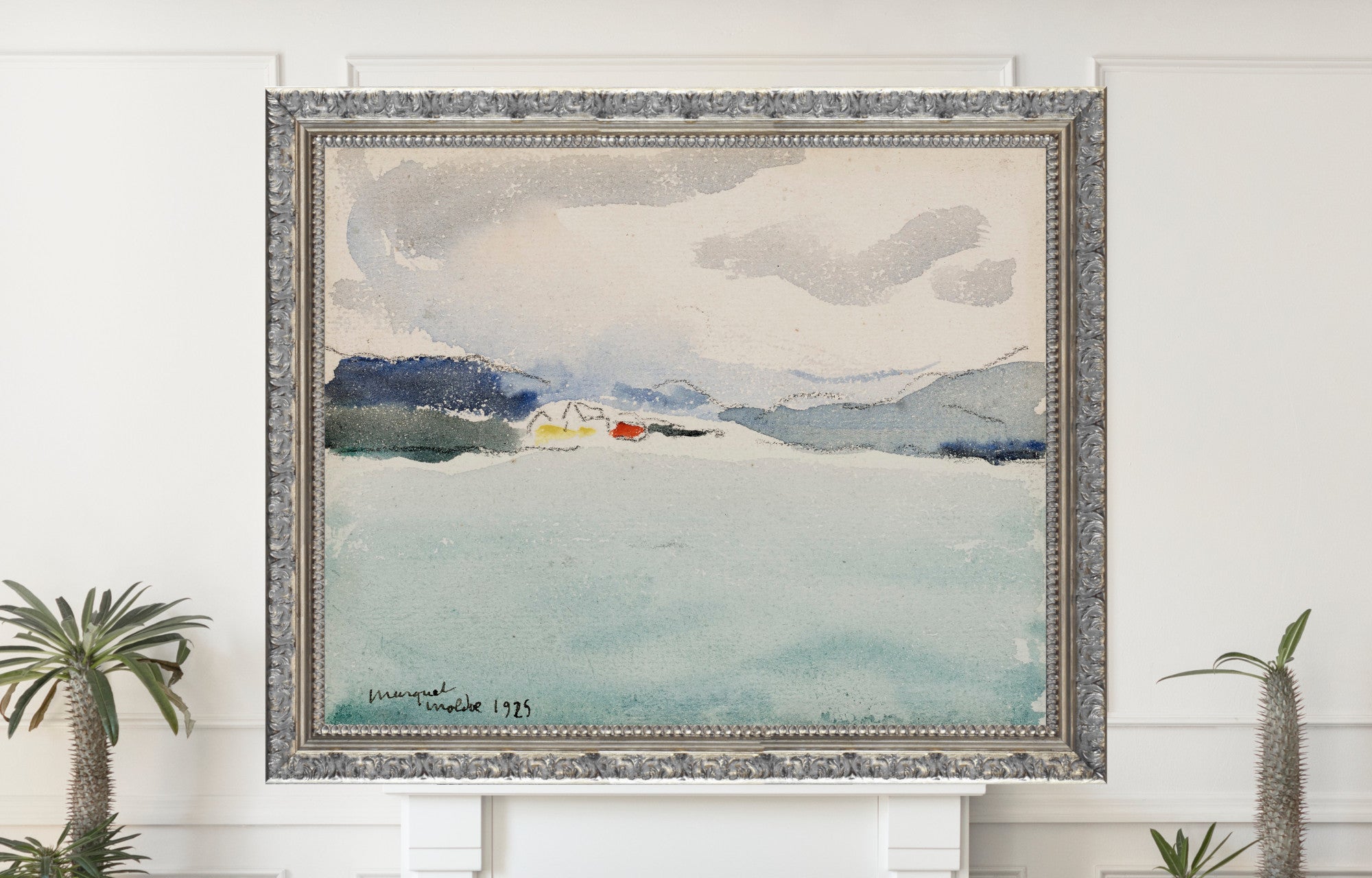
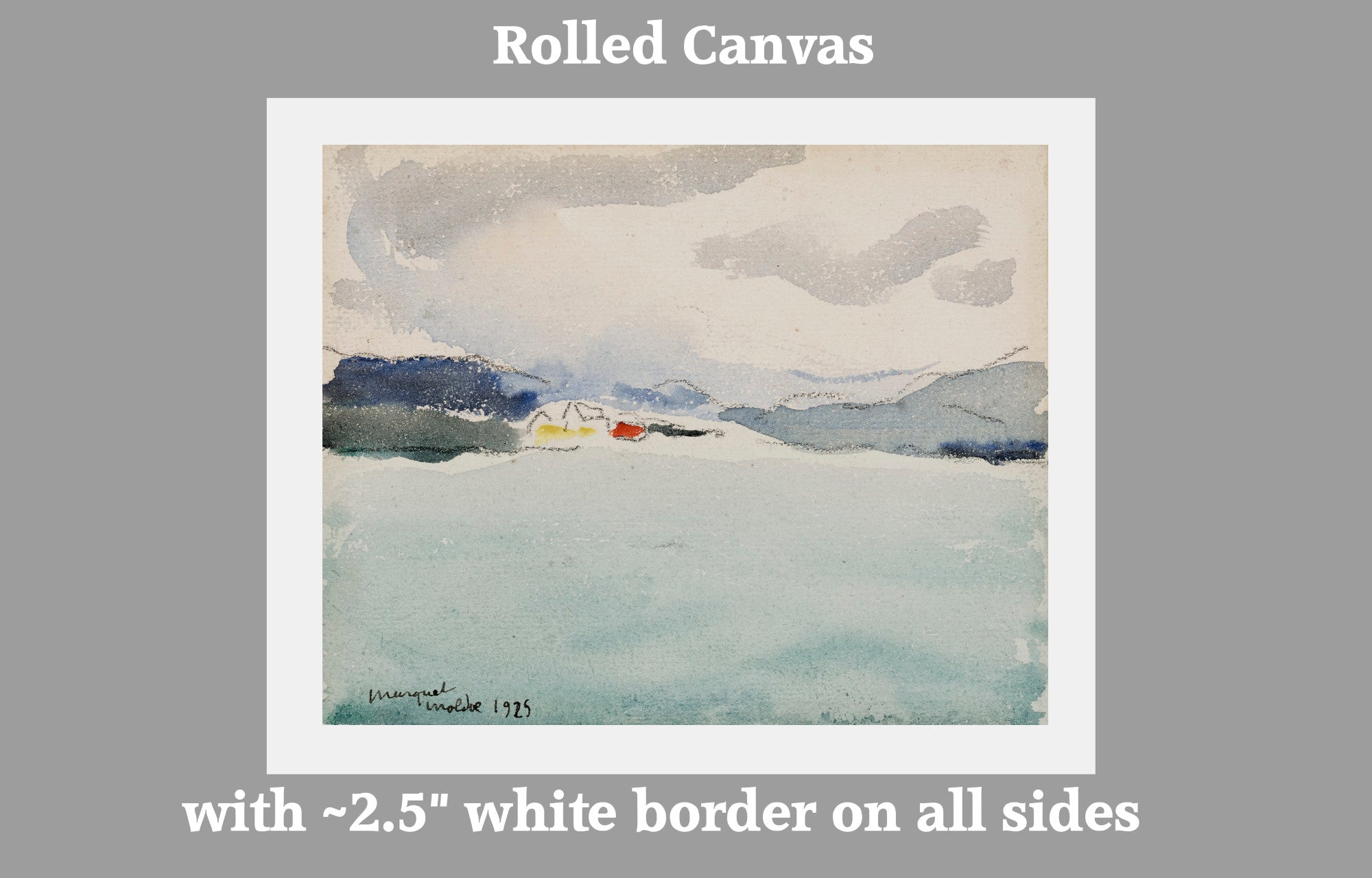
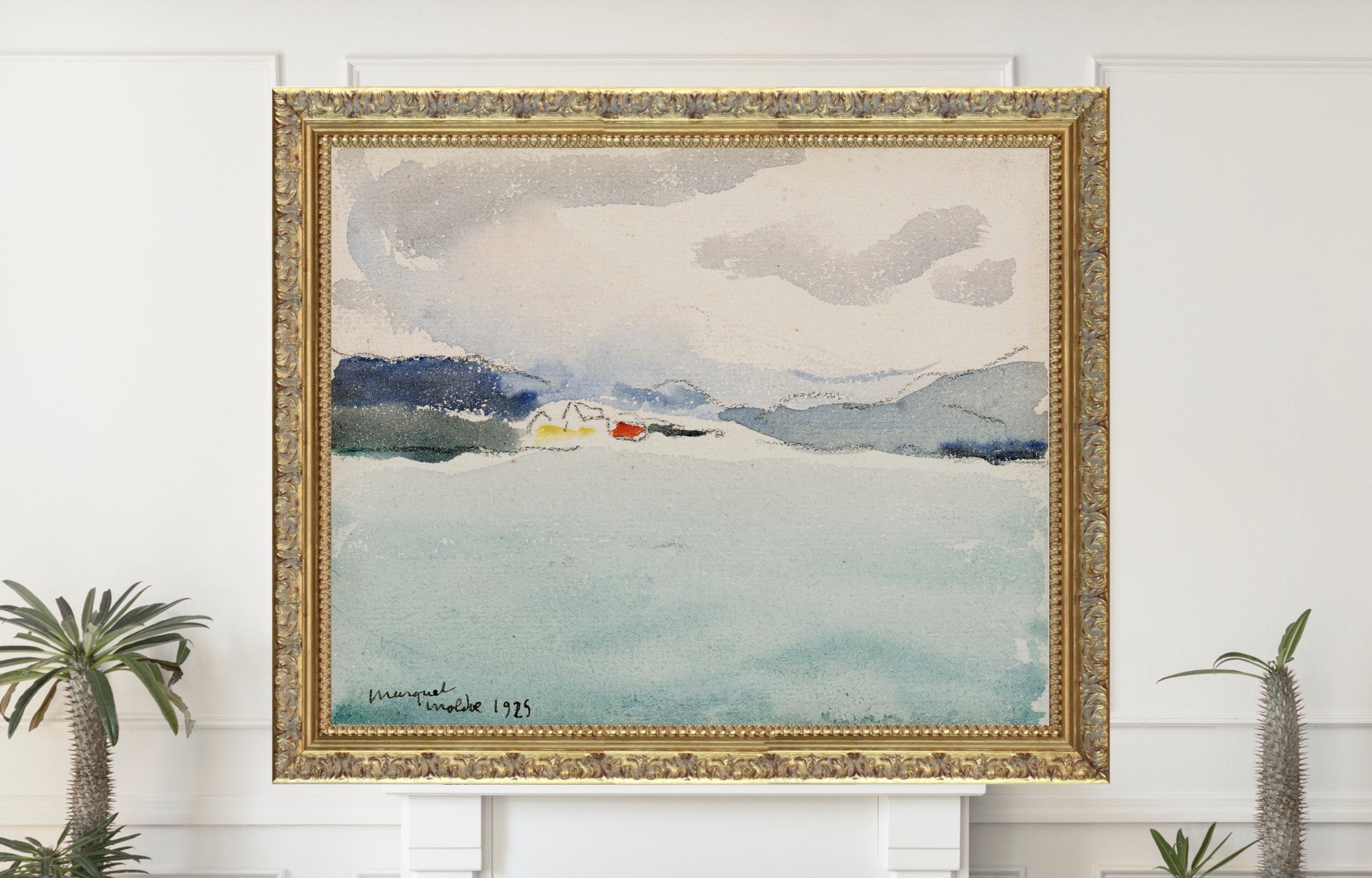
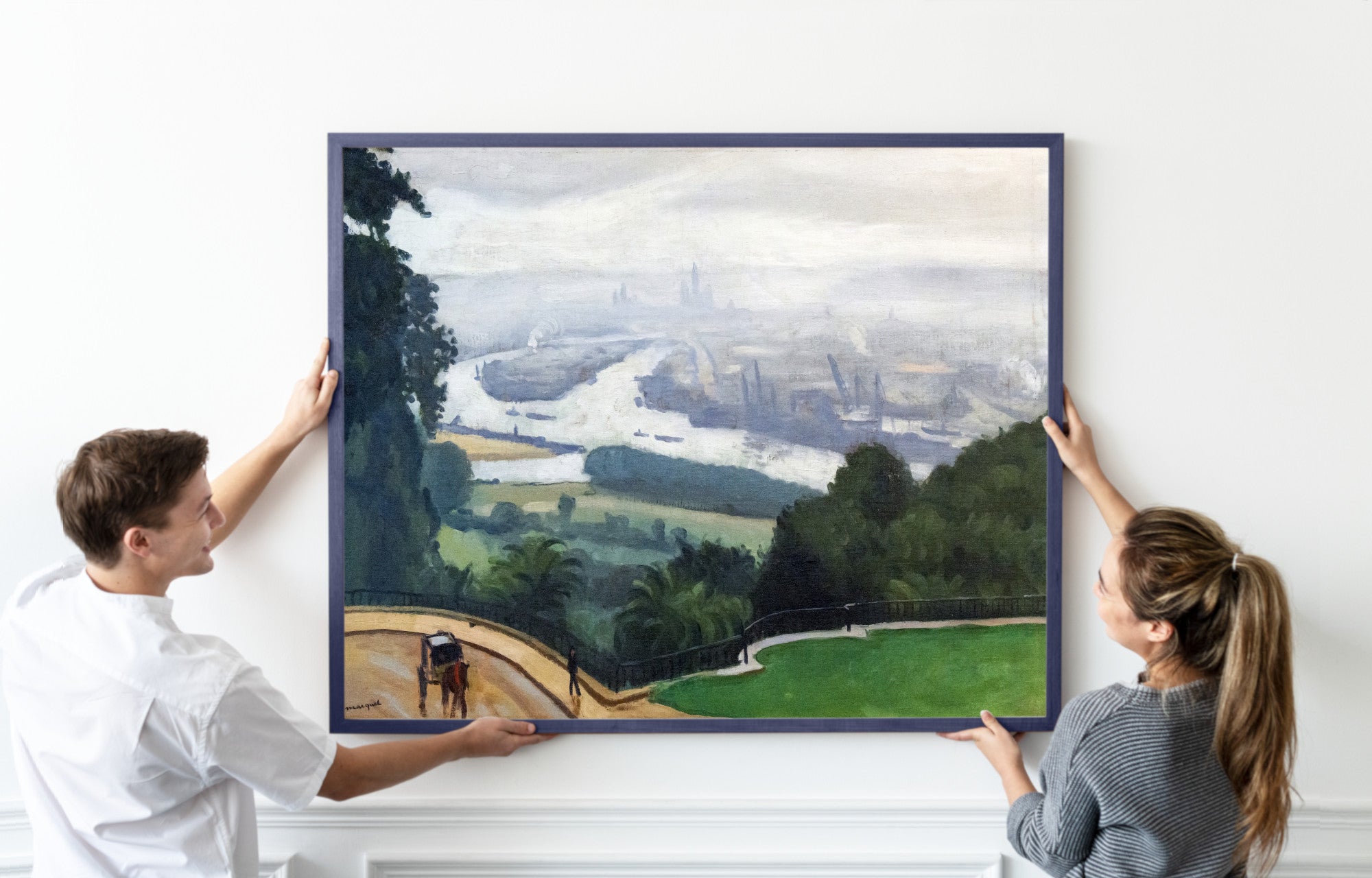
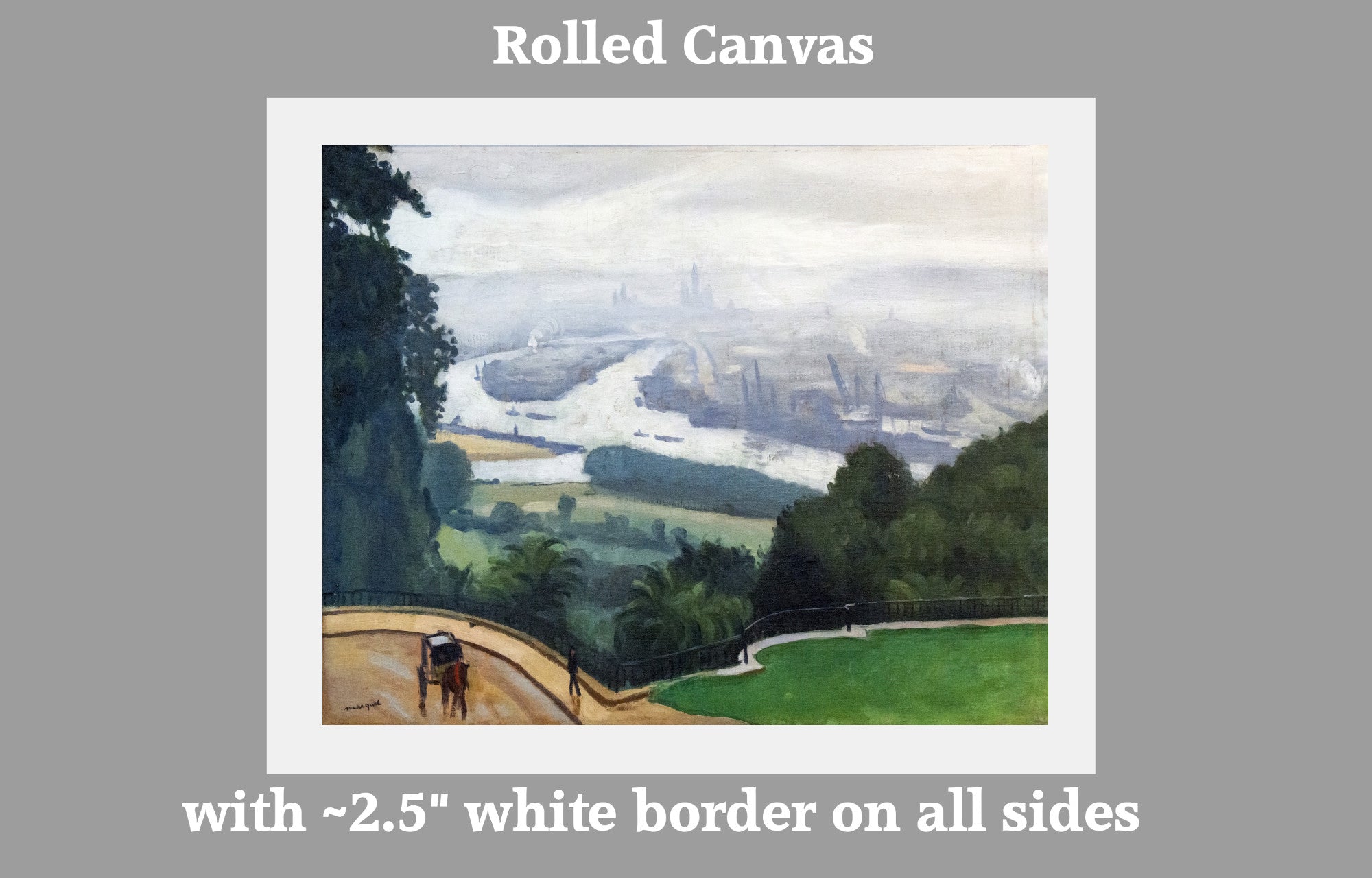
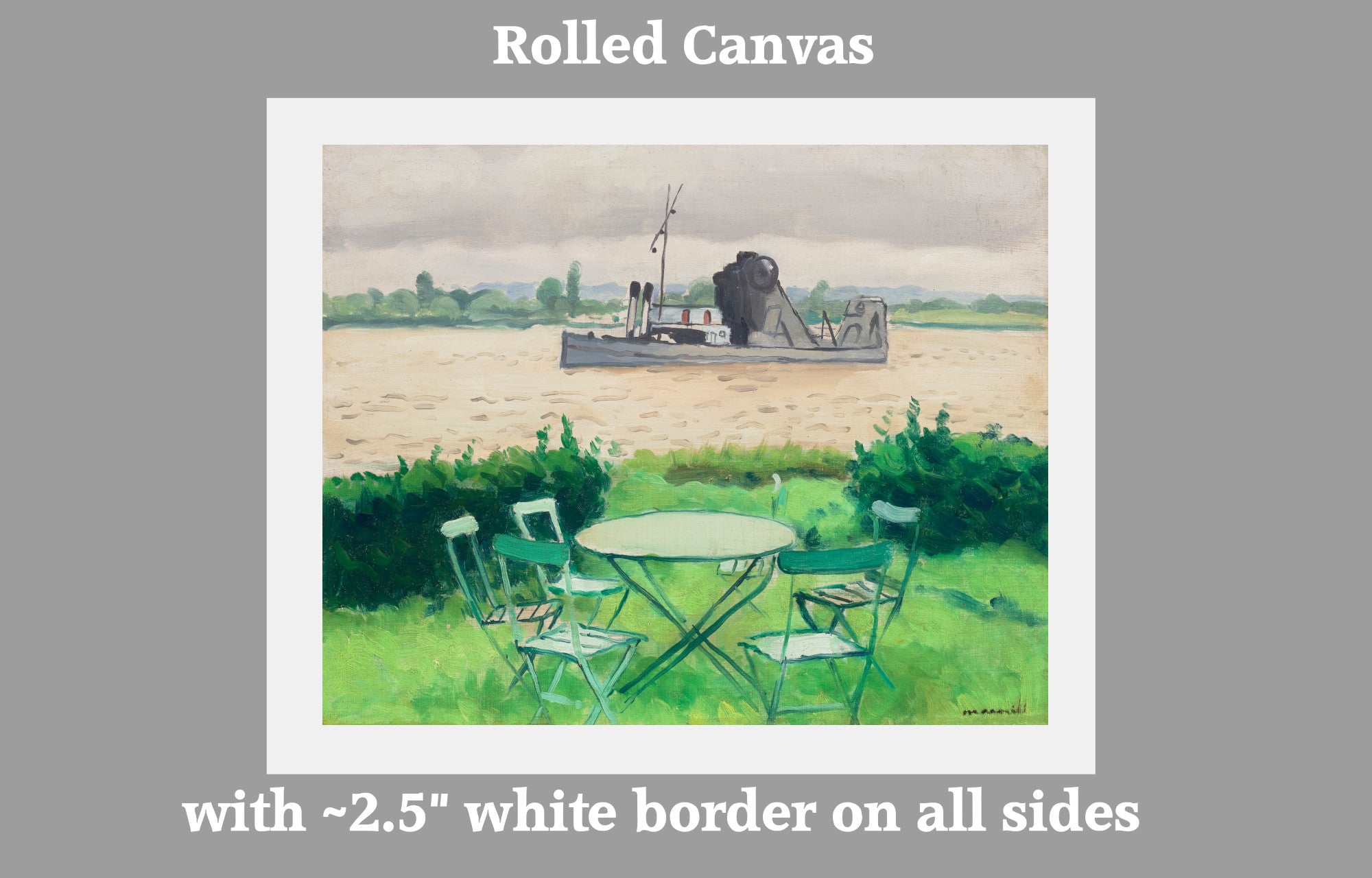
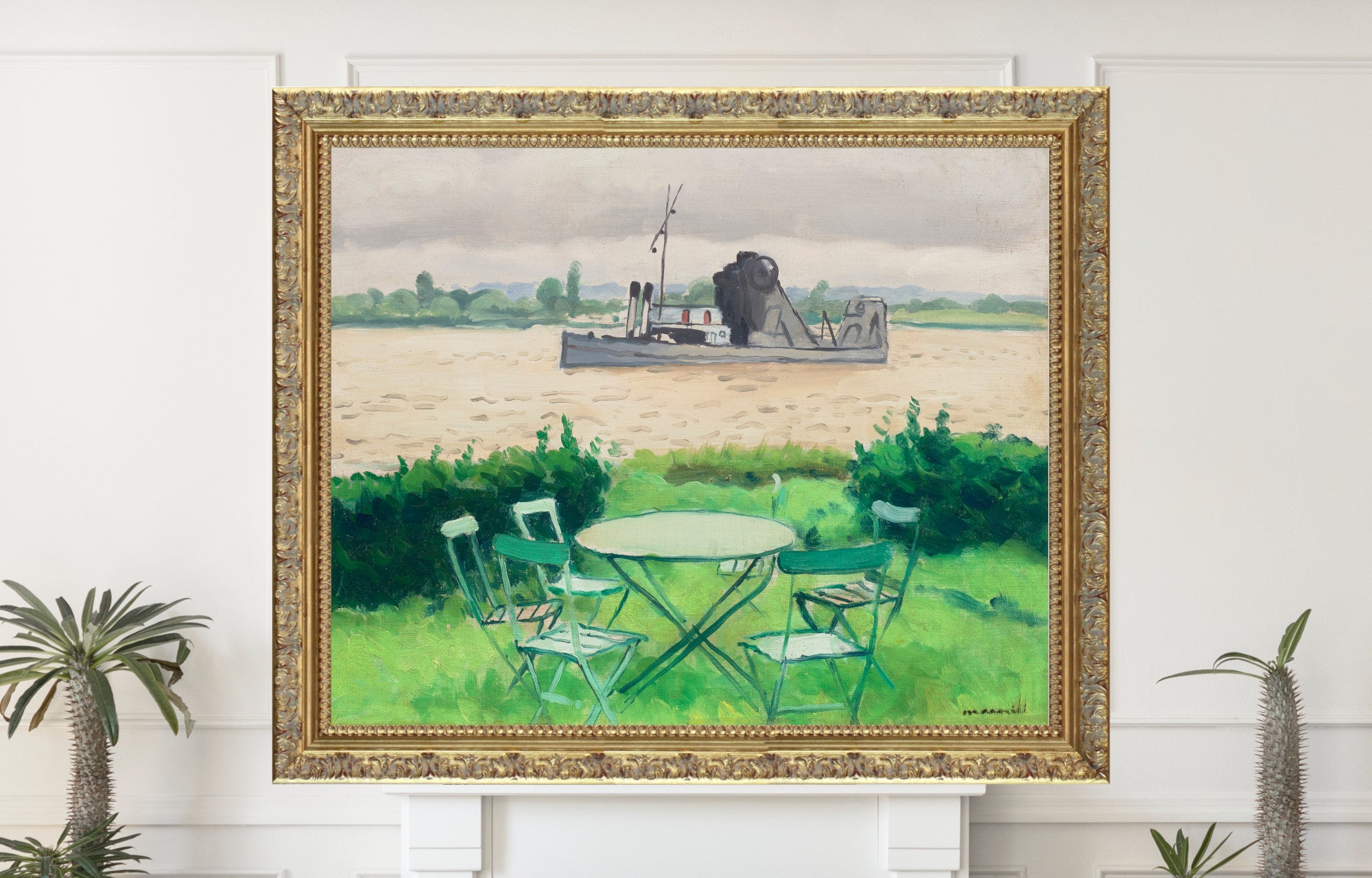
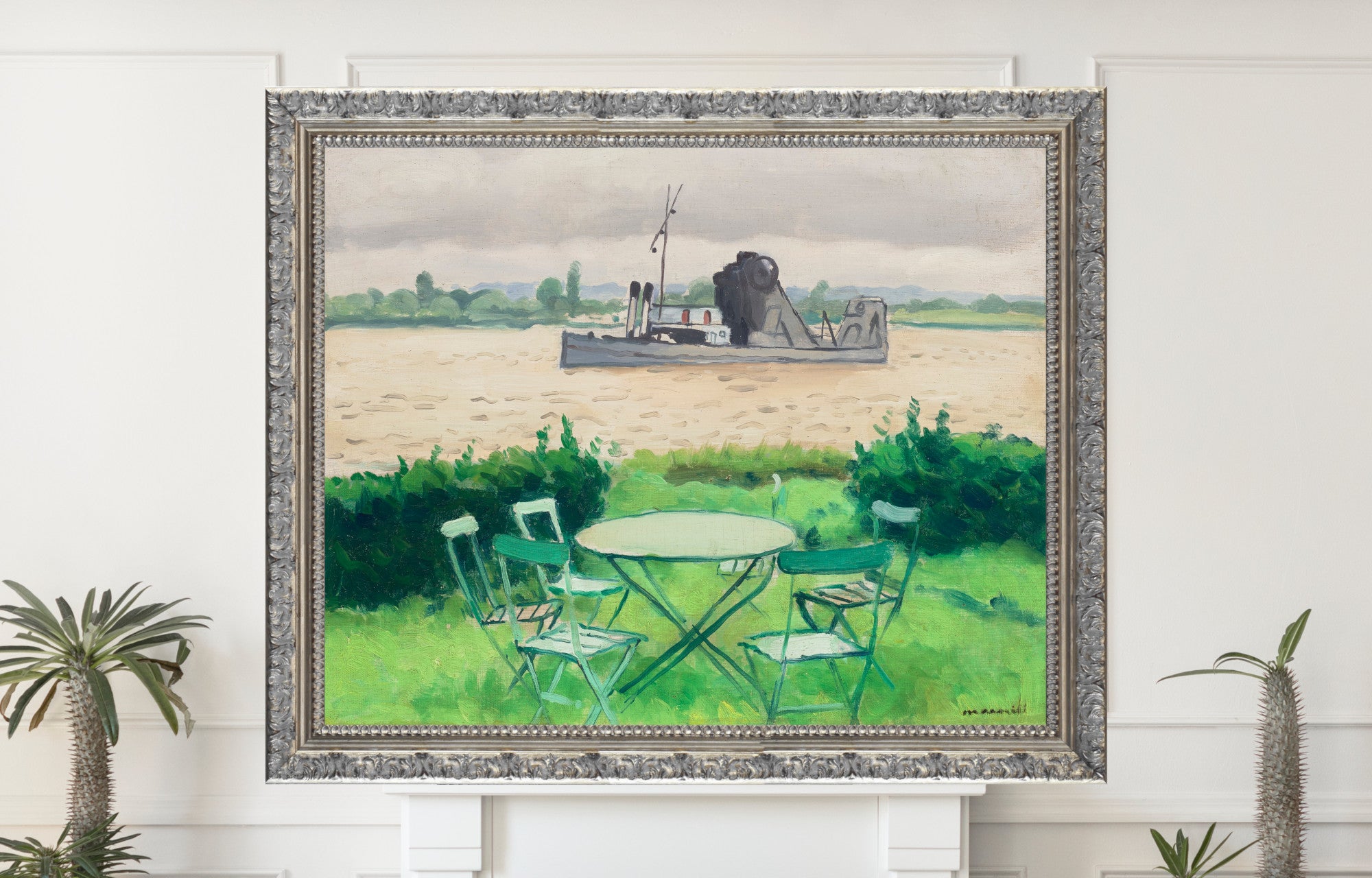
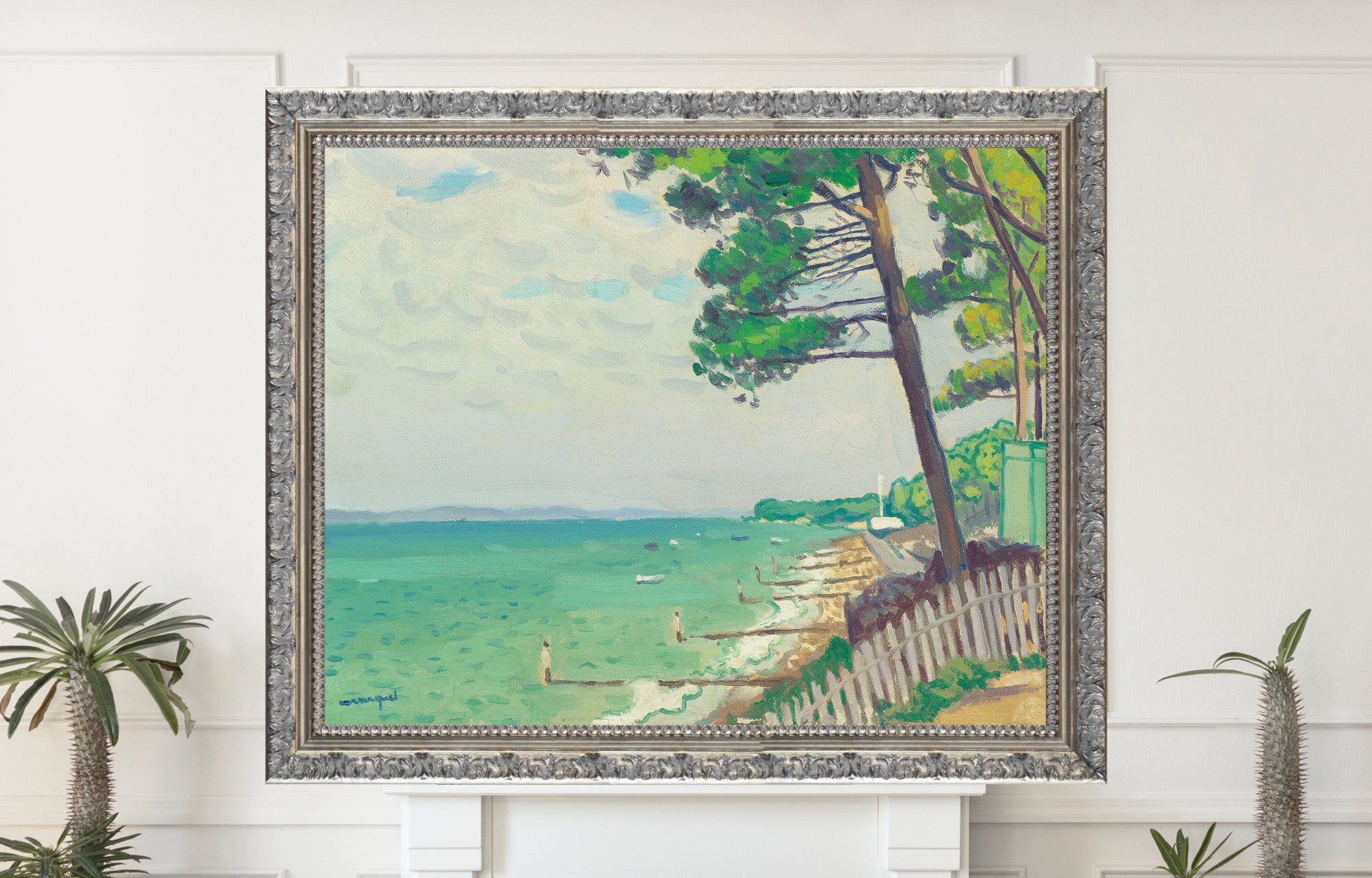
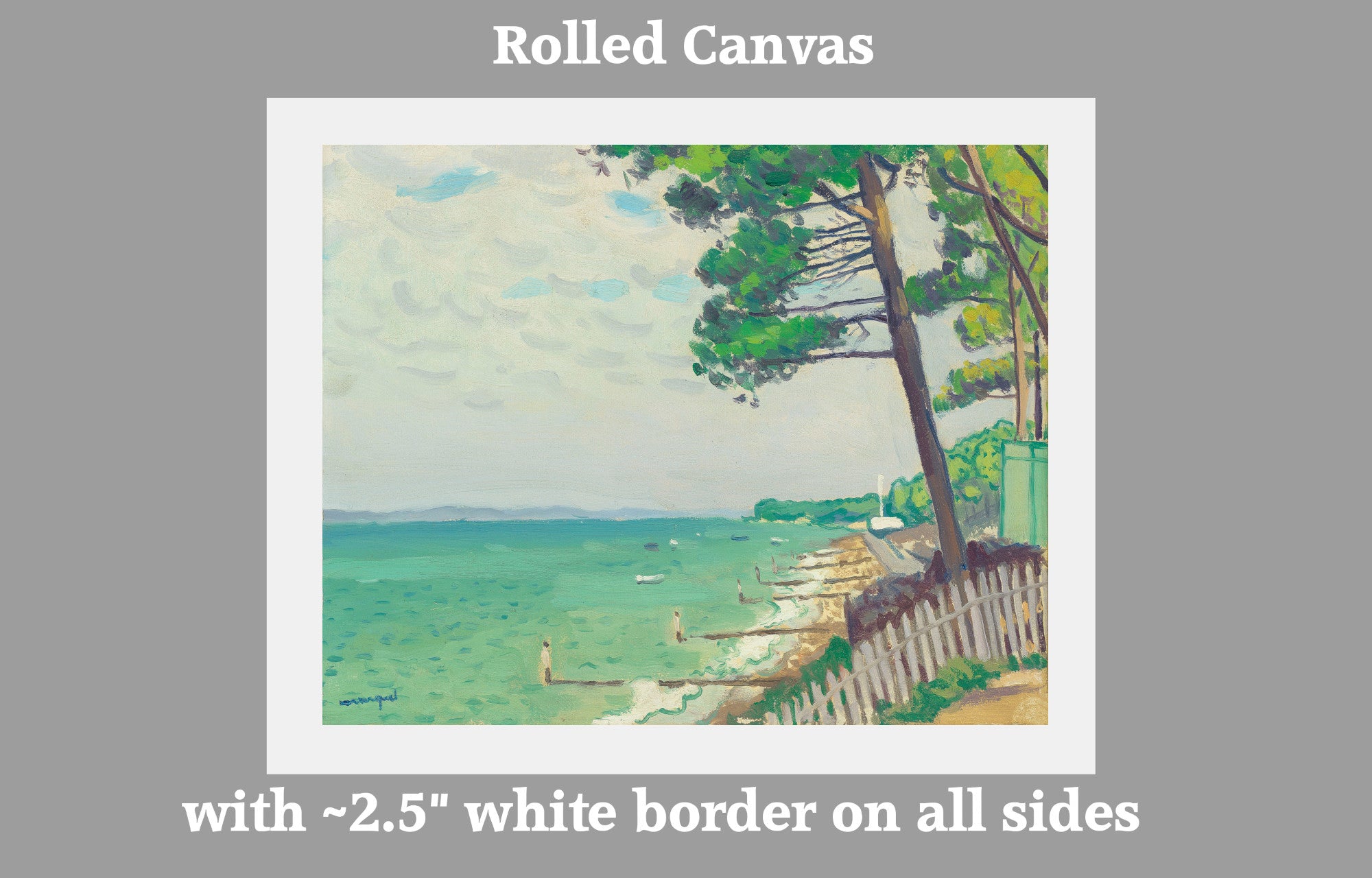
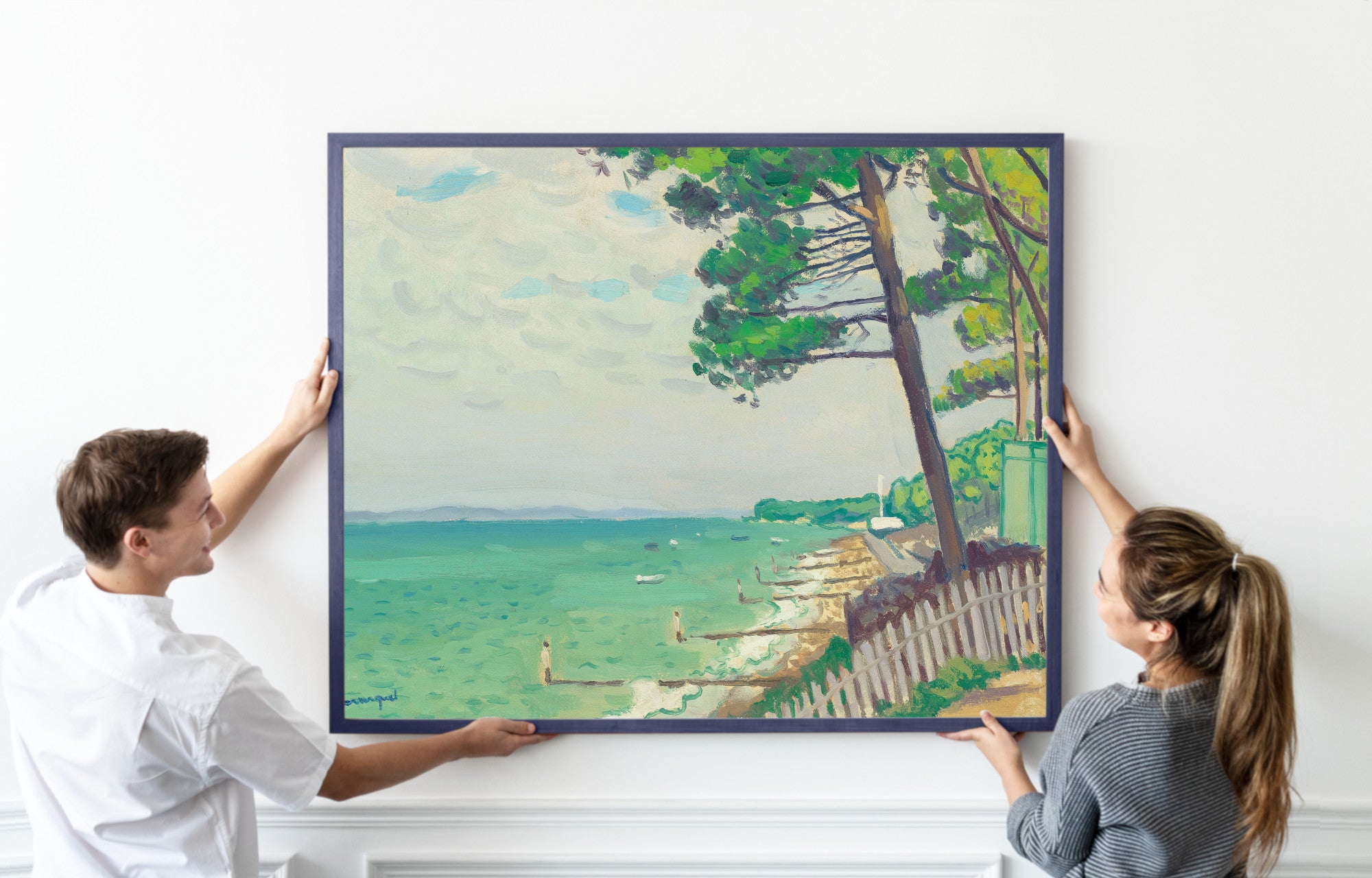
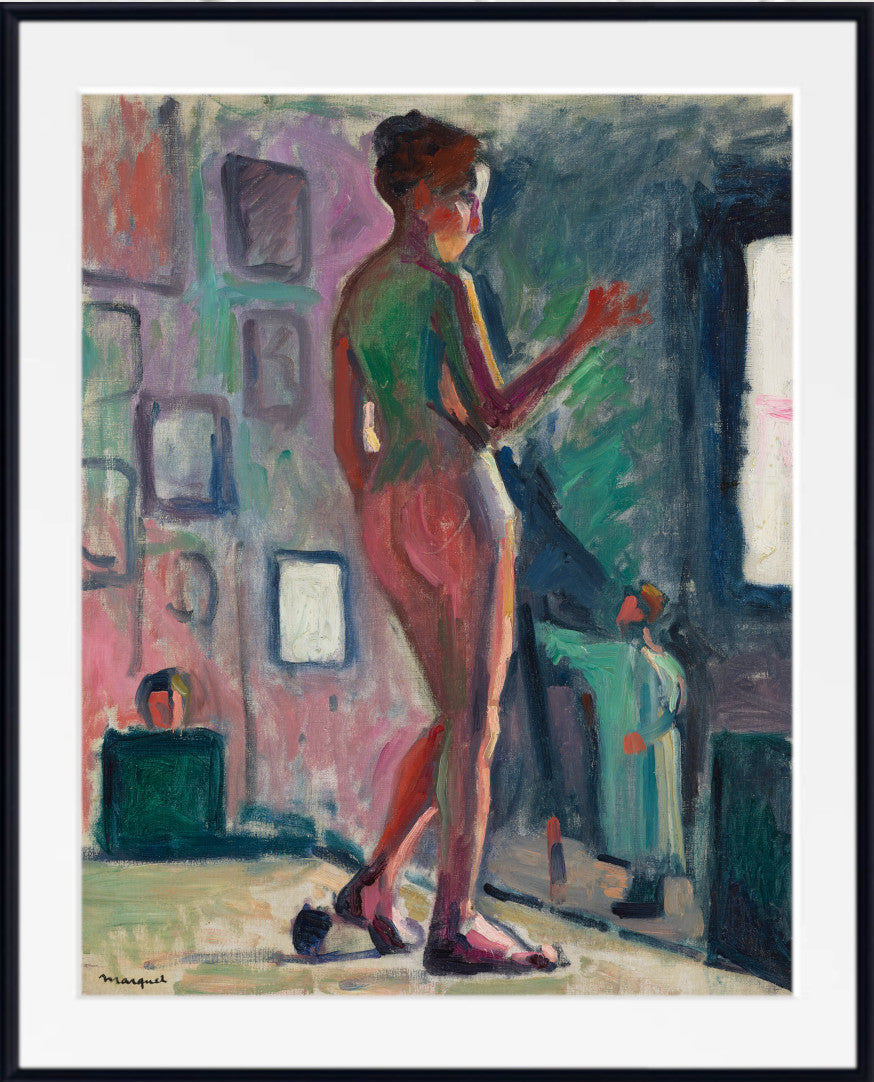
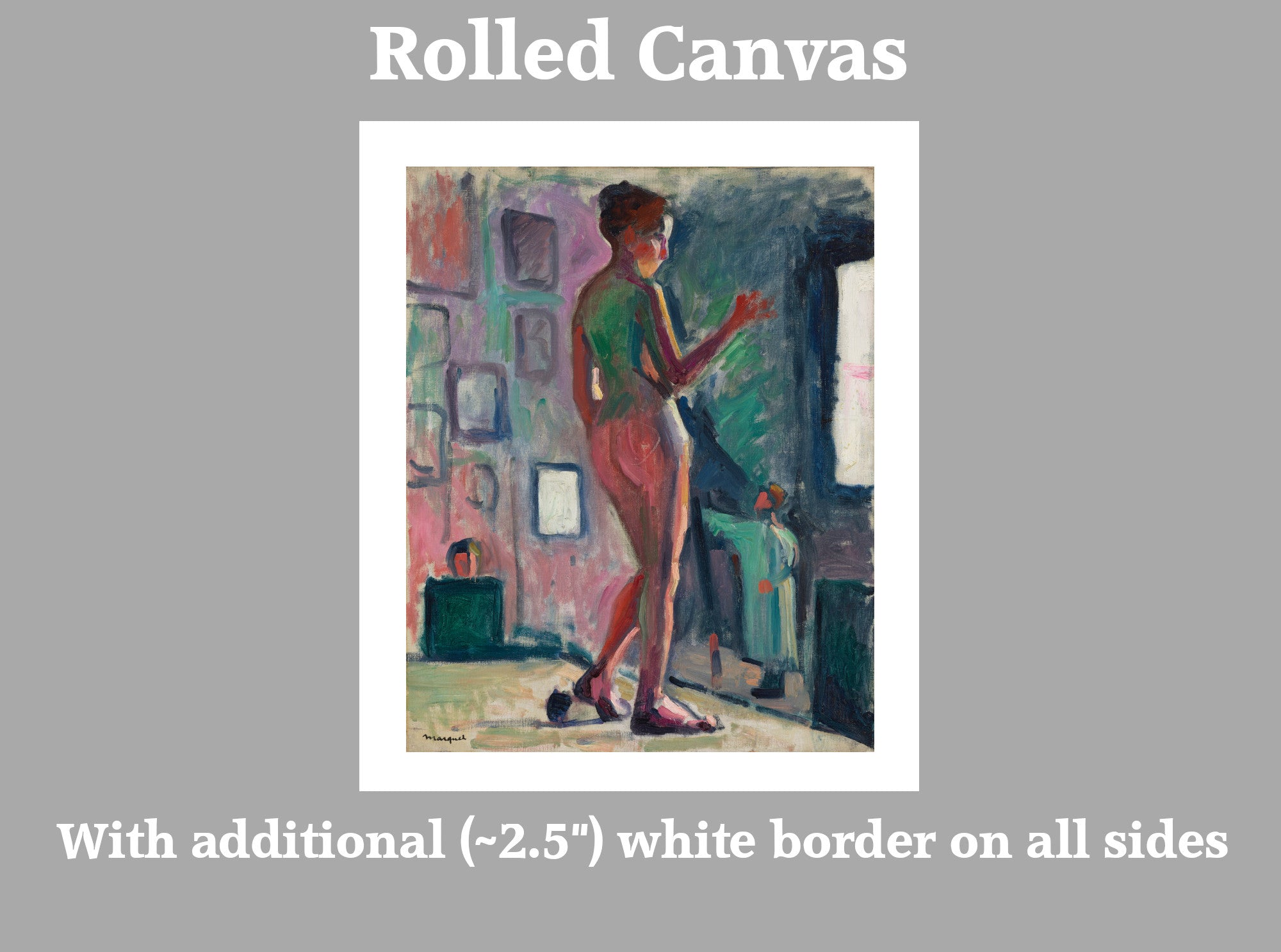
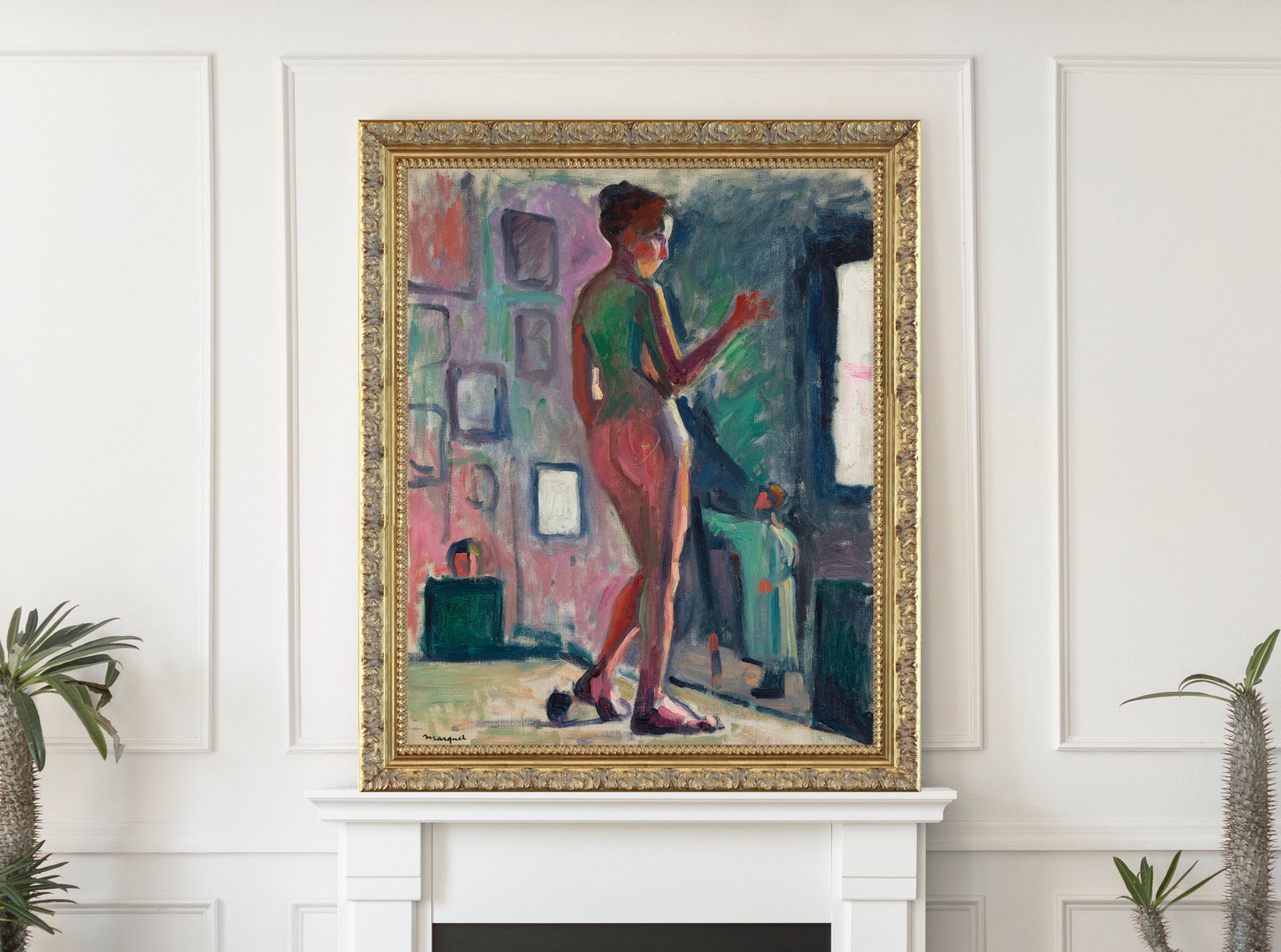
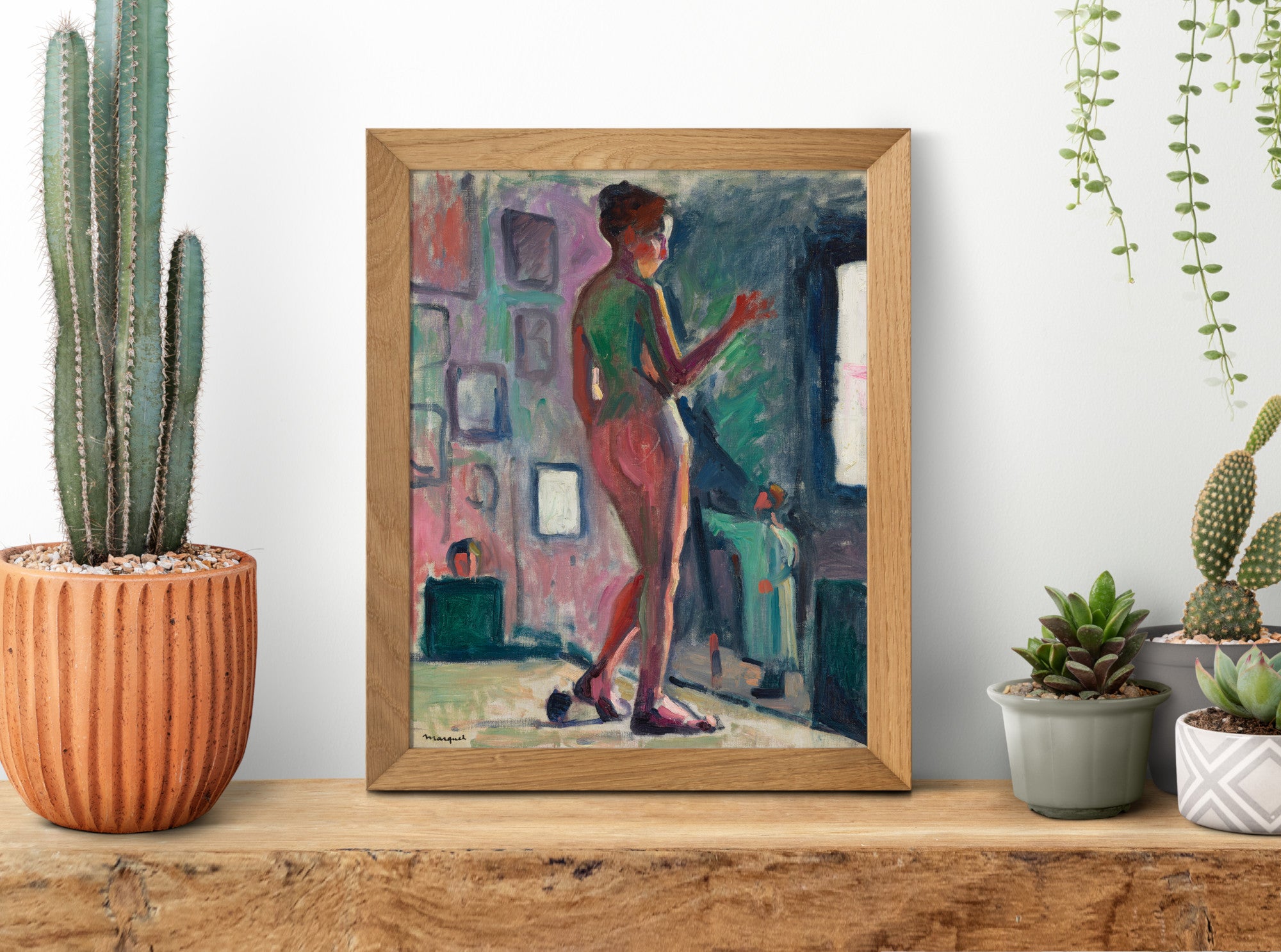
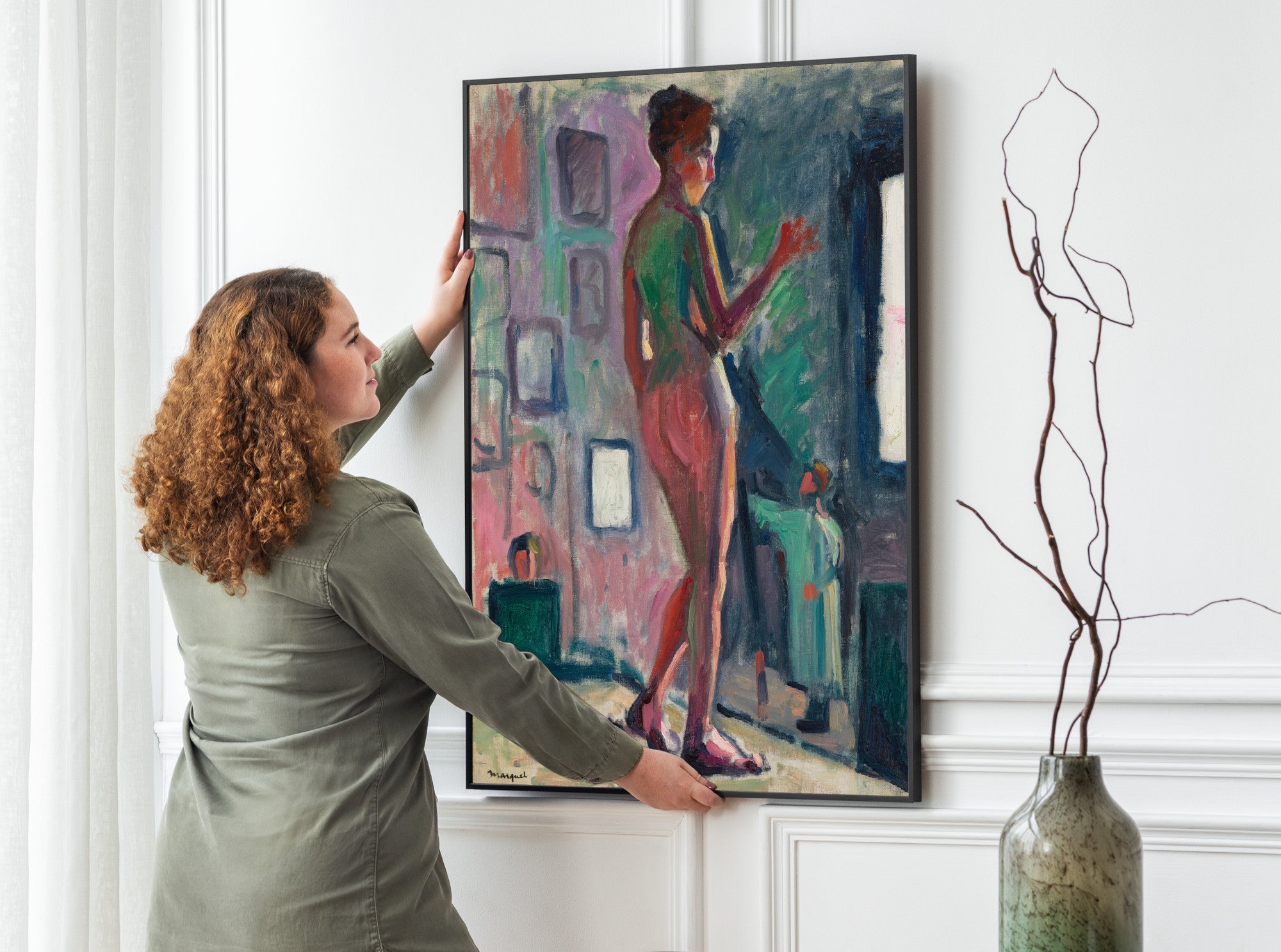
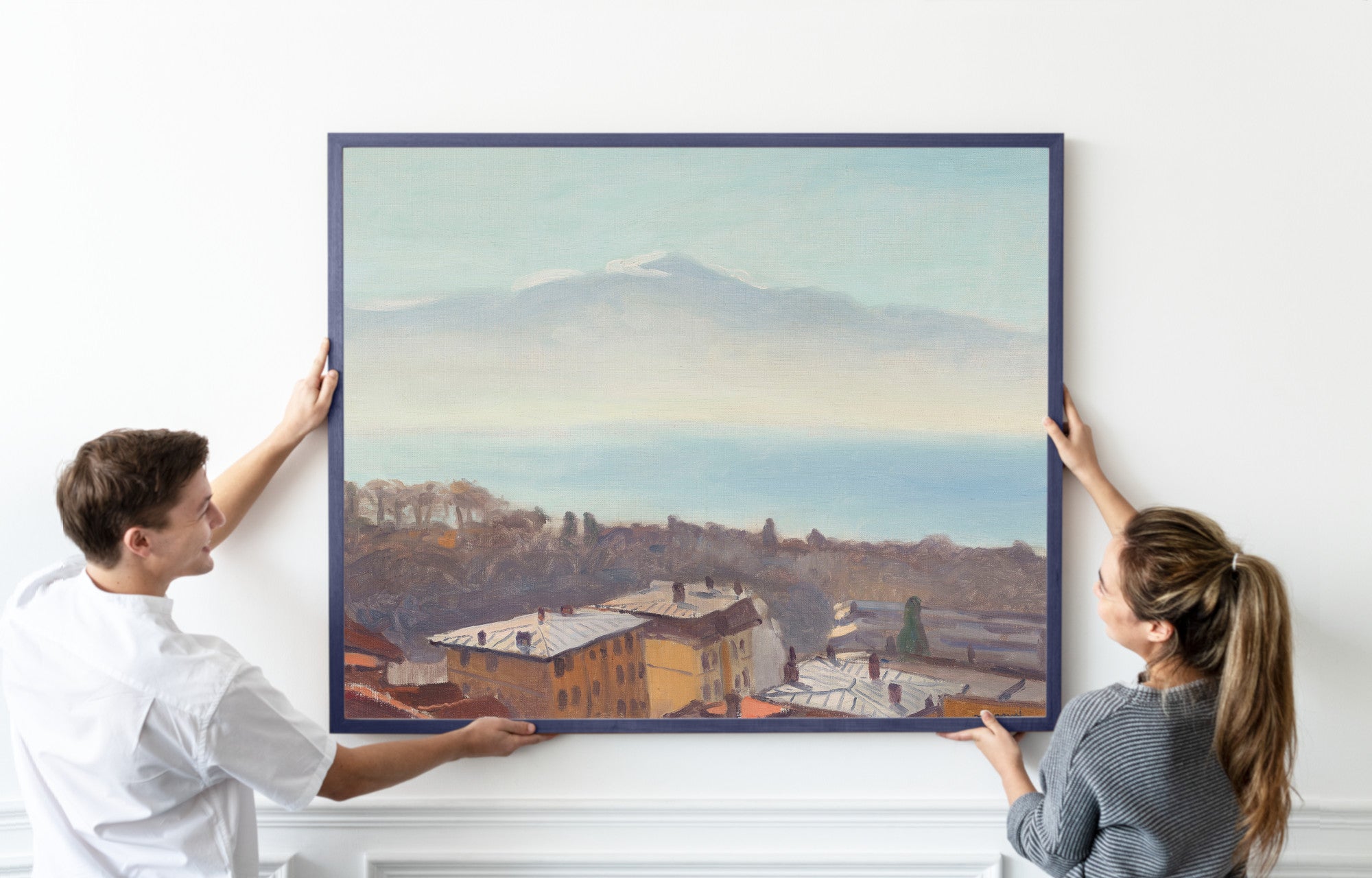
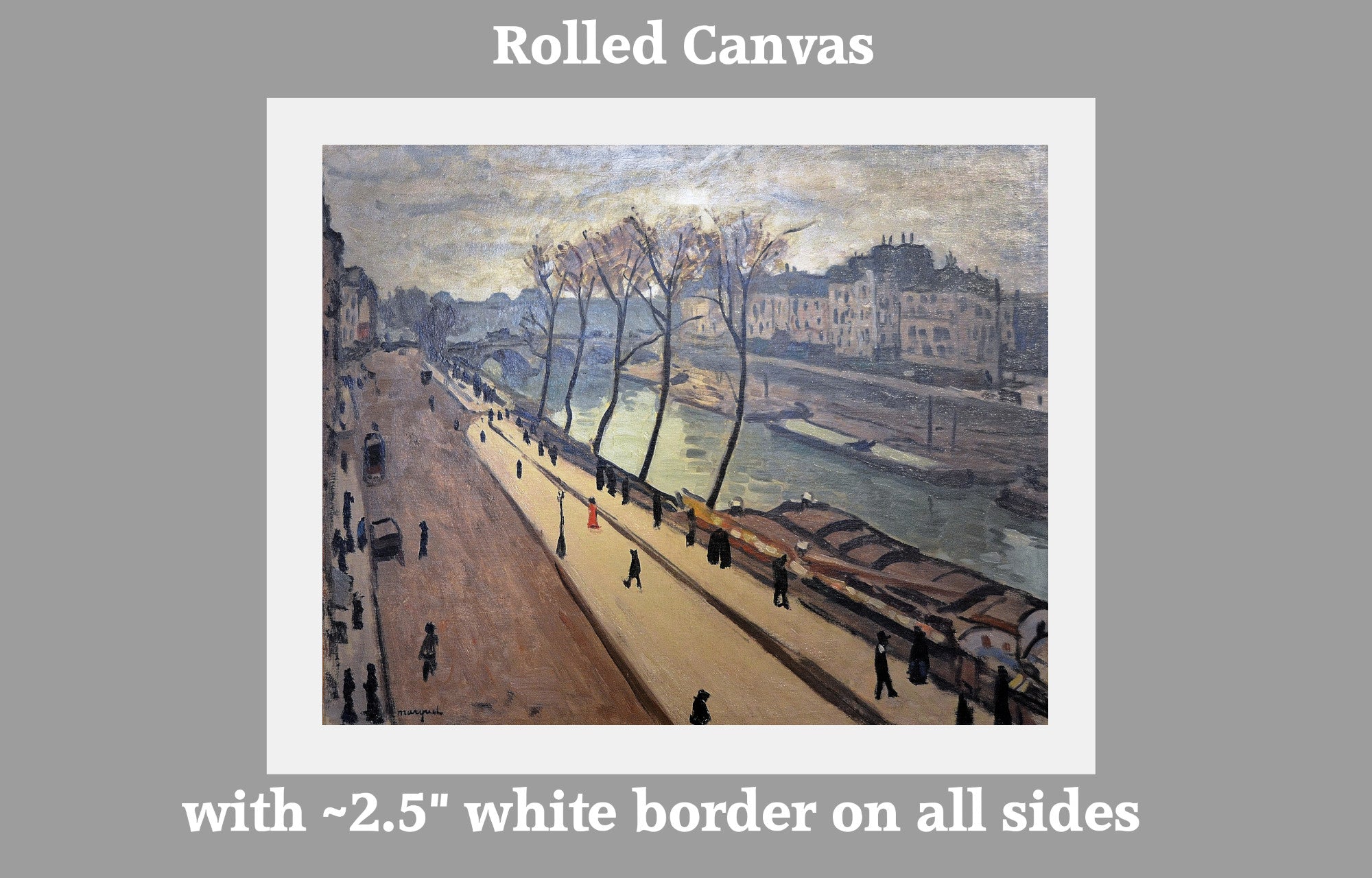
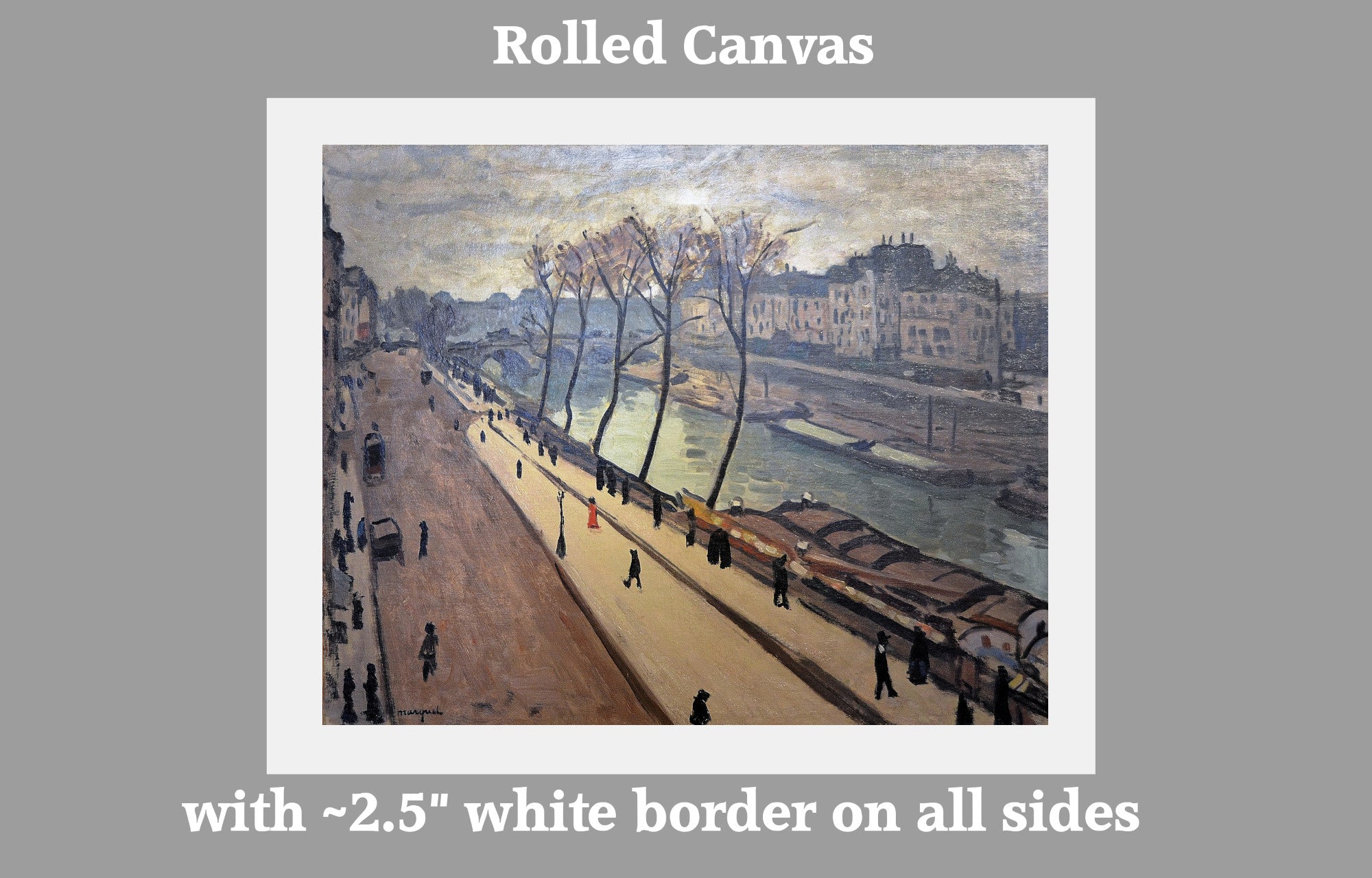
GalleryThane's Albert Marquet artworks are available as fine art prints, framed prints and canvas panels in a range of sizes.
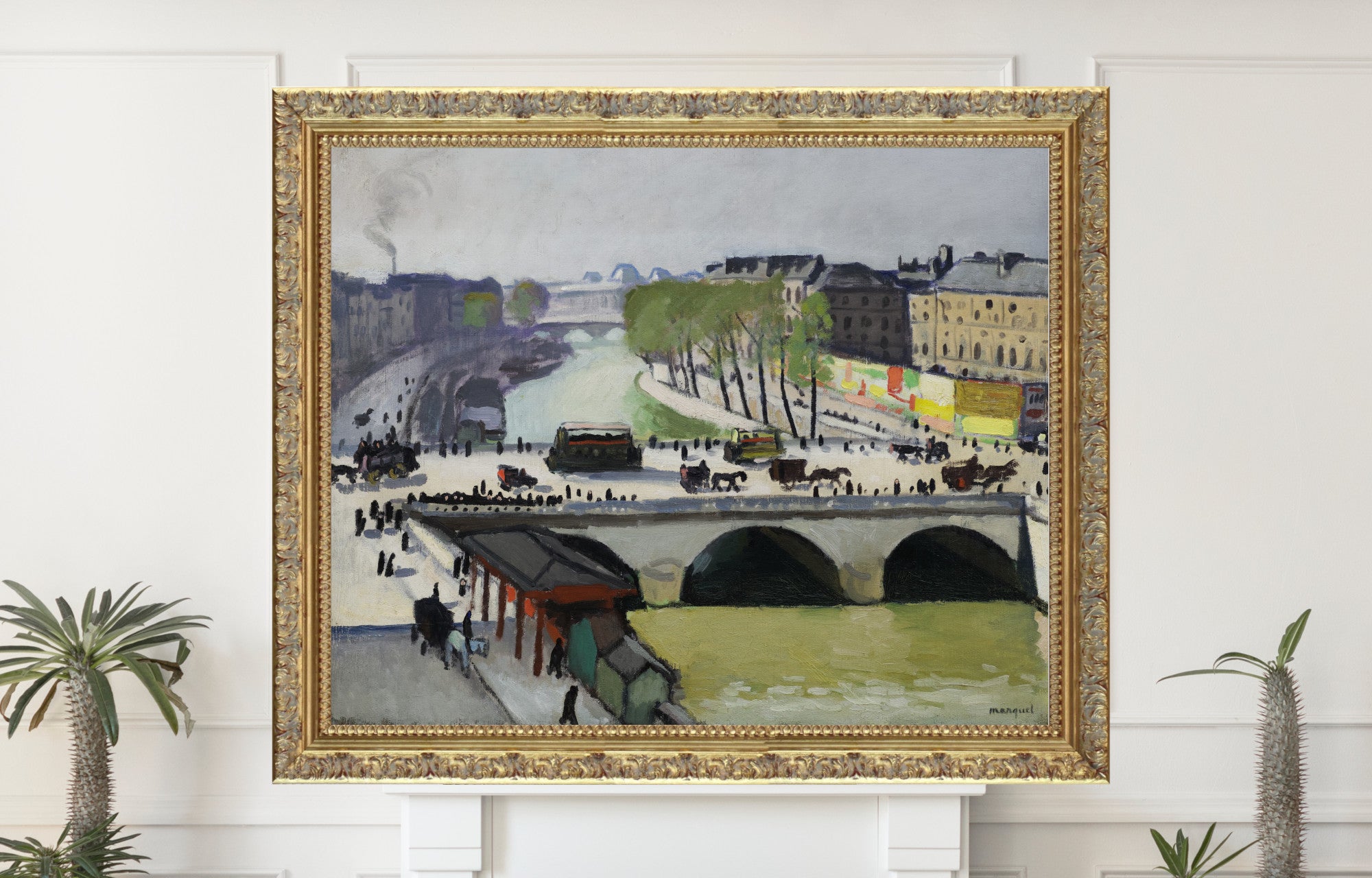
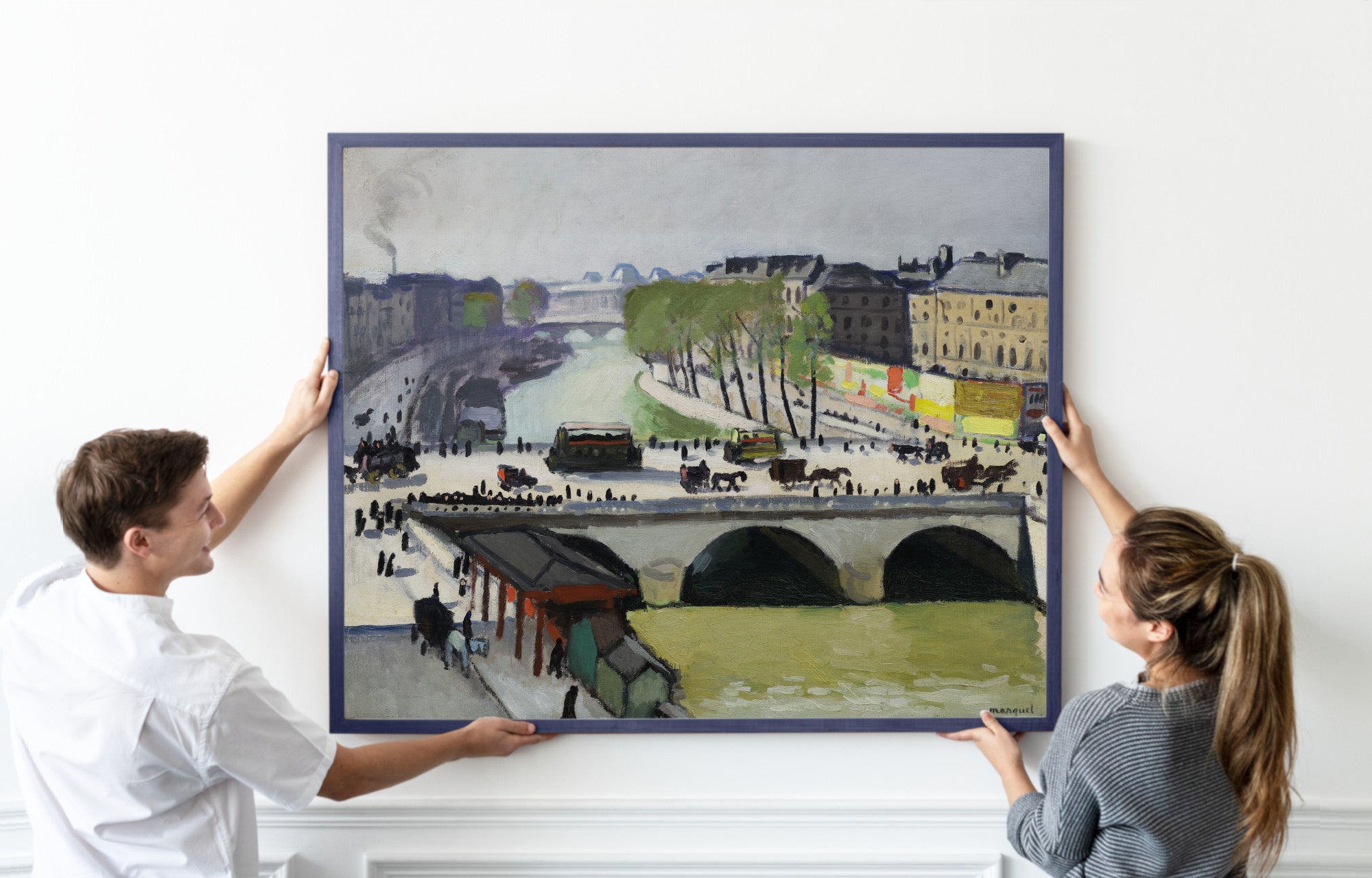
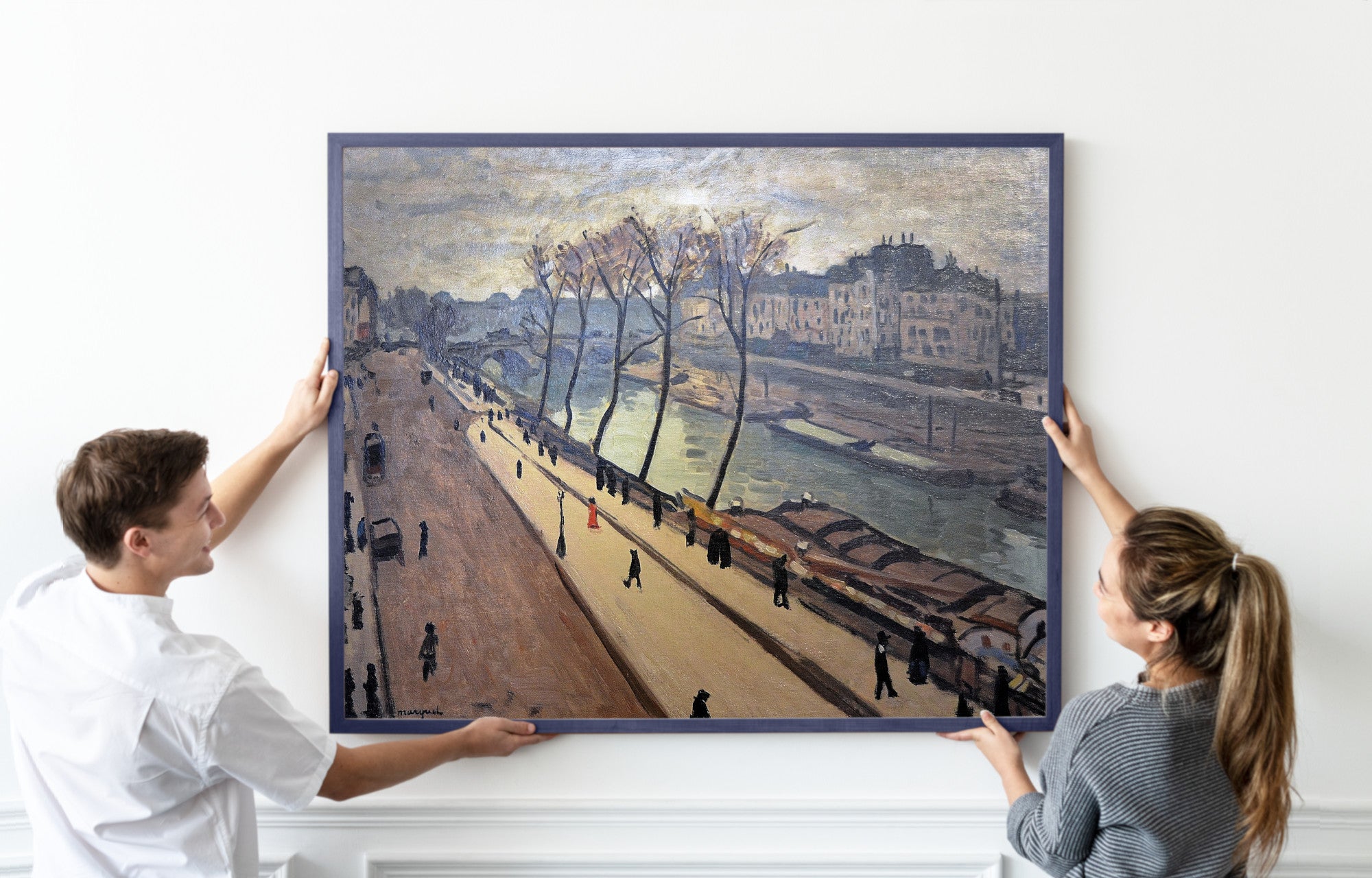
Fine art prints offer flexibility for customers who already have a preferred framing style, while framed prints provide a complete presentation.
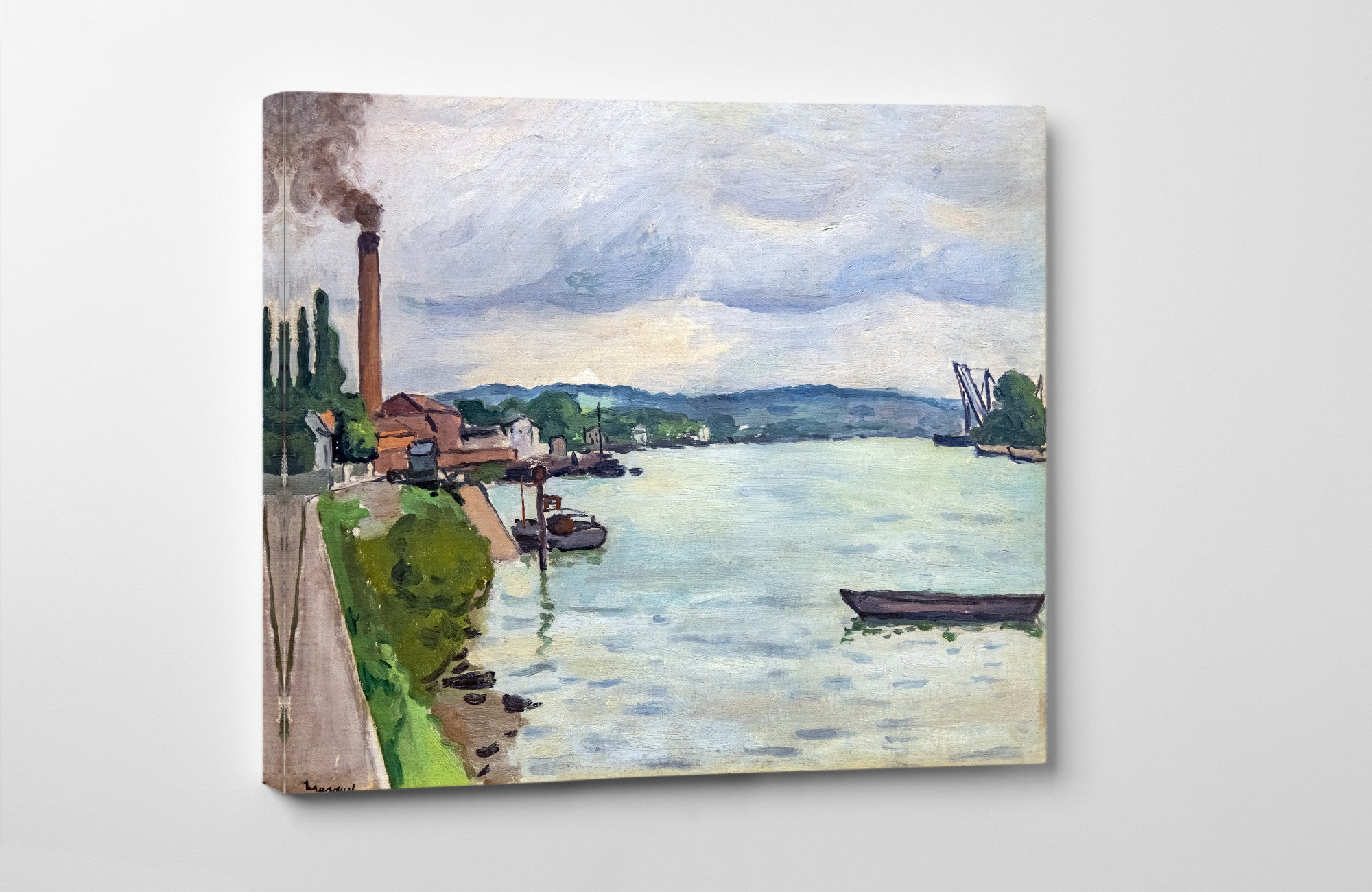
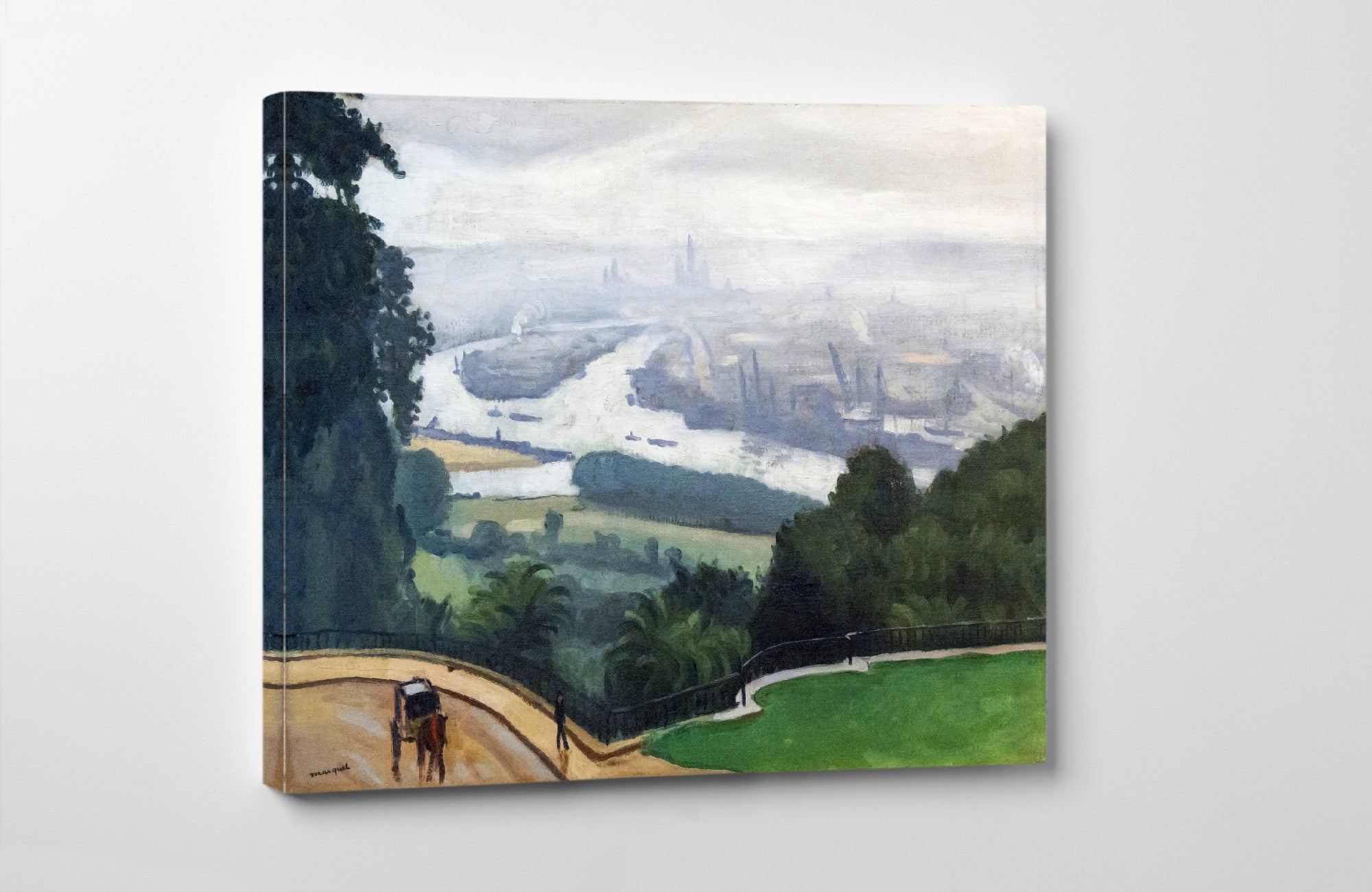
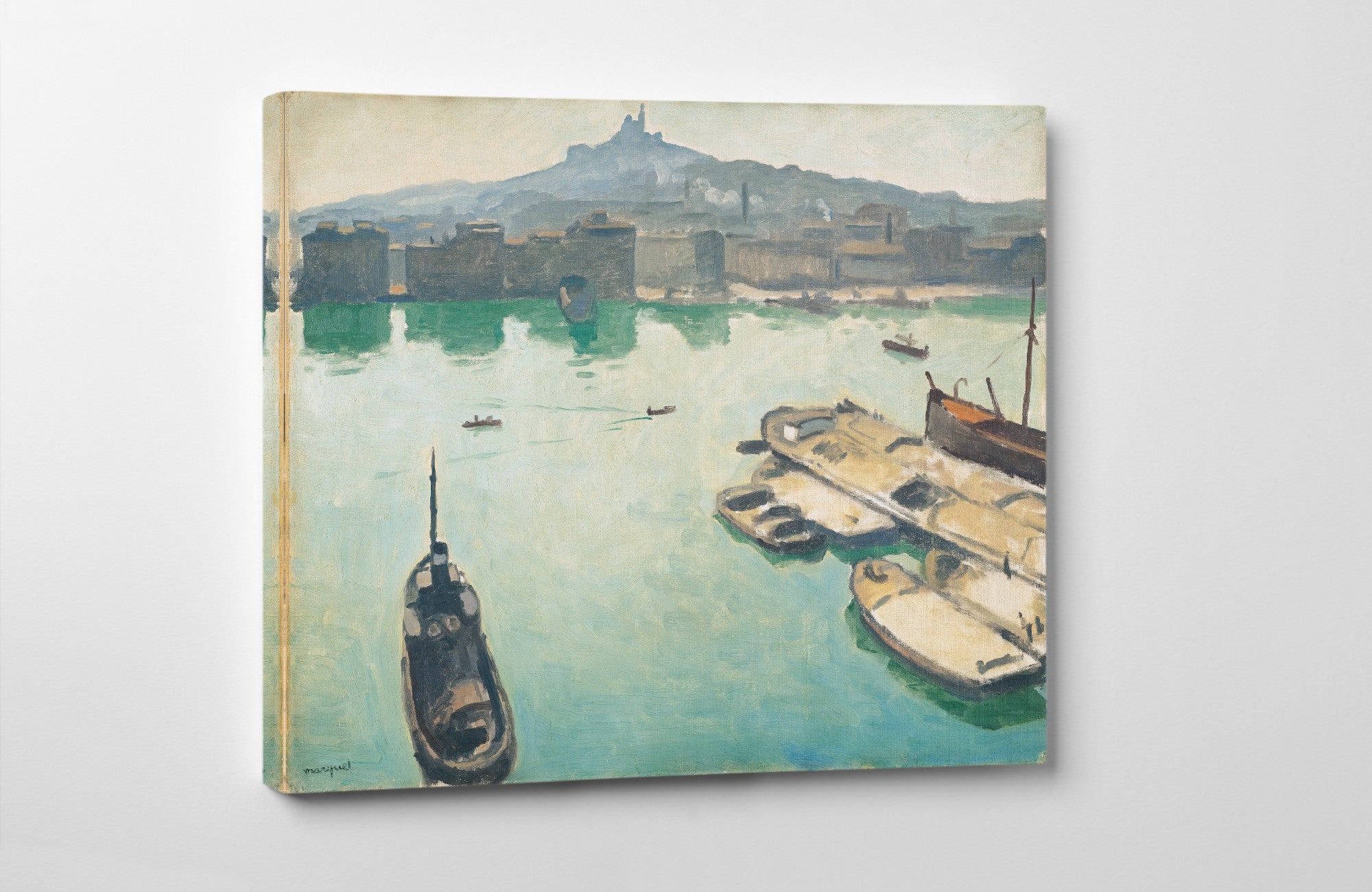
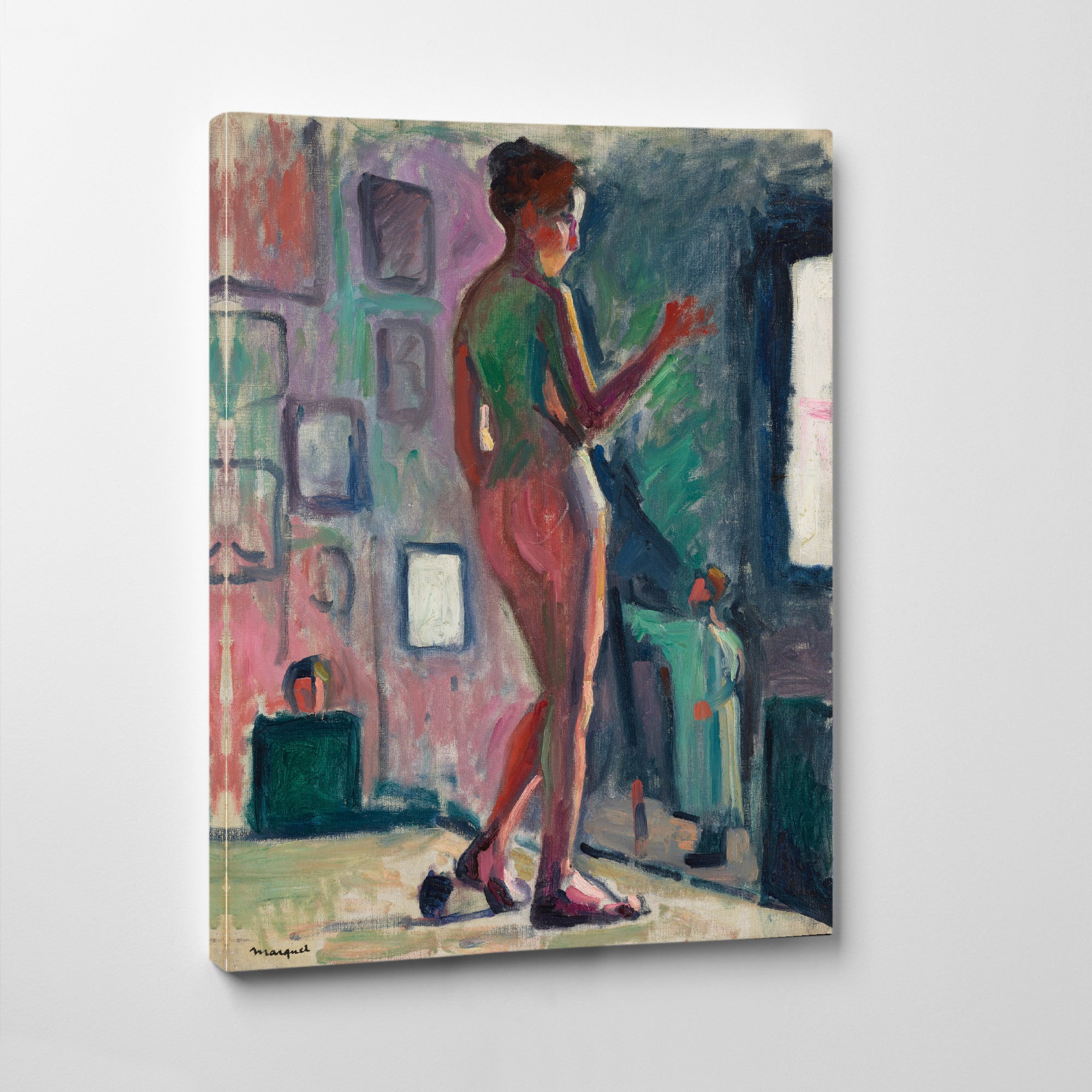
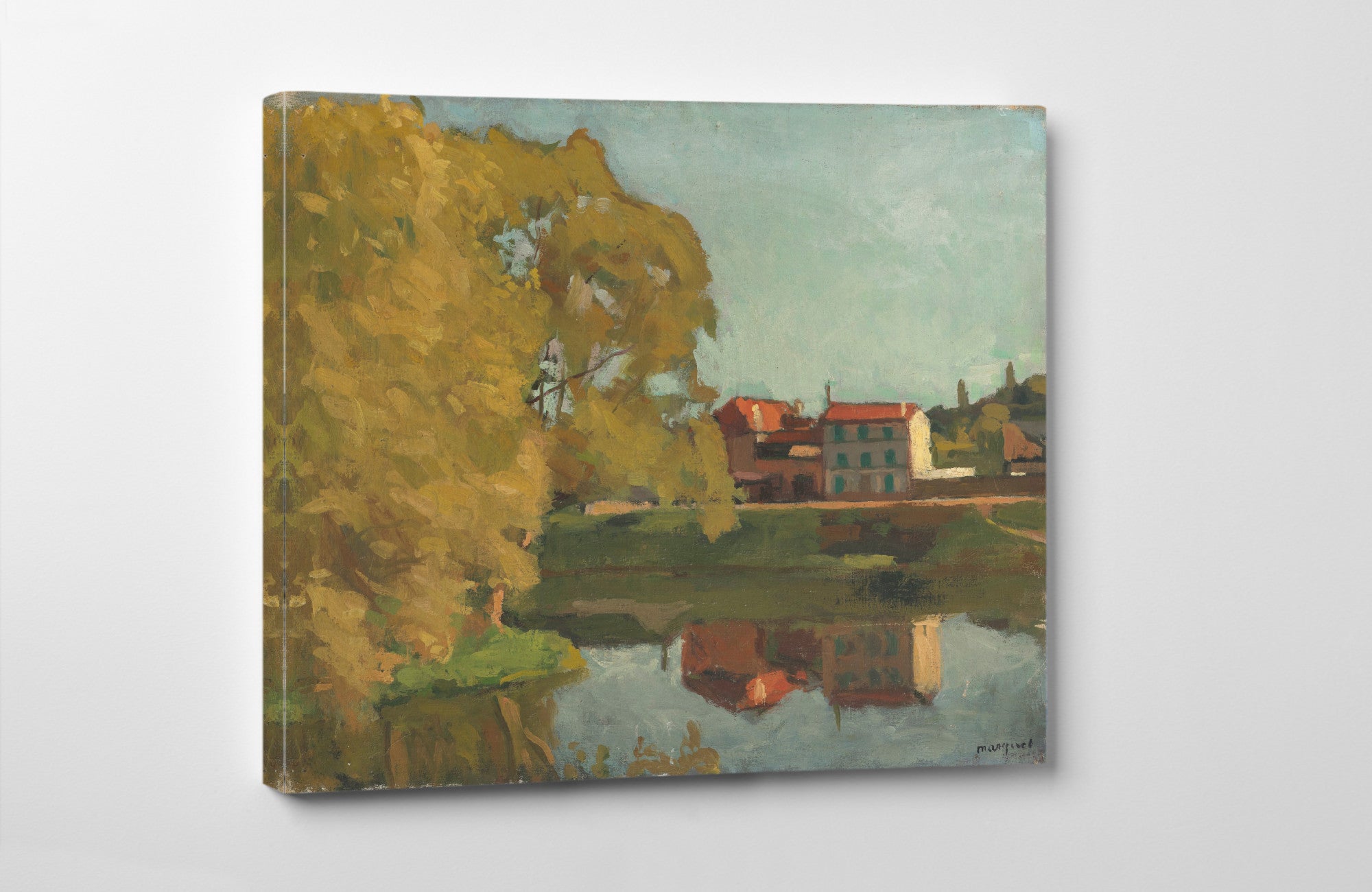
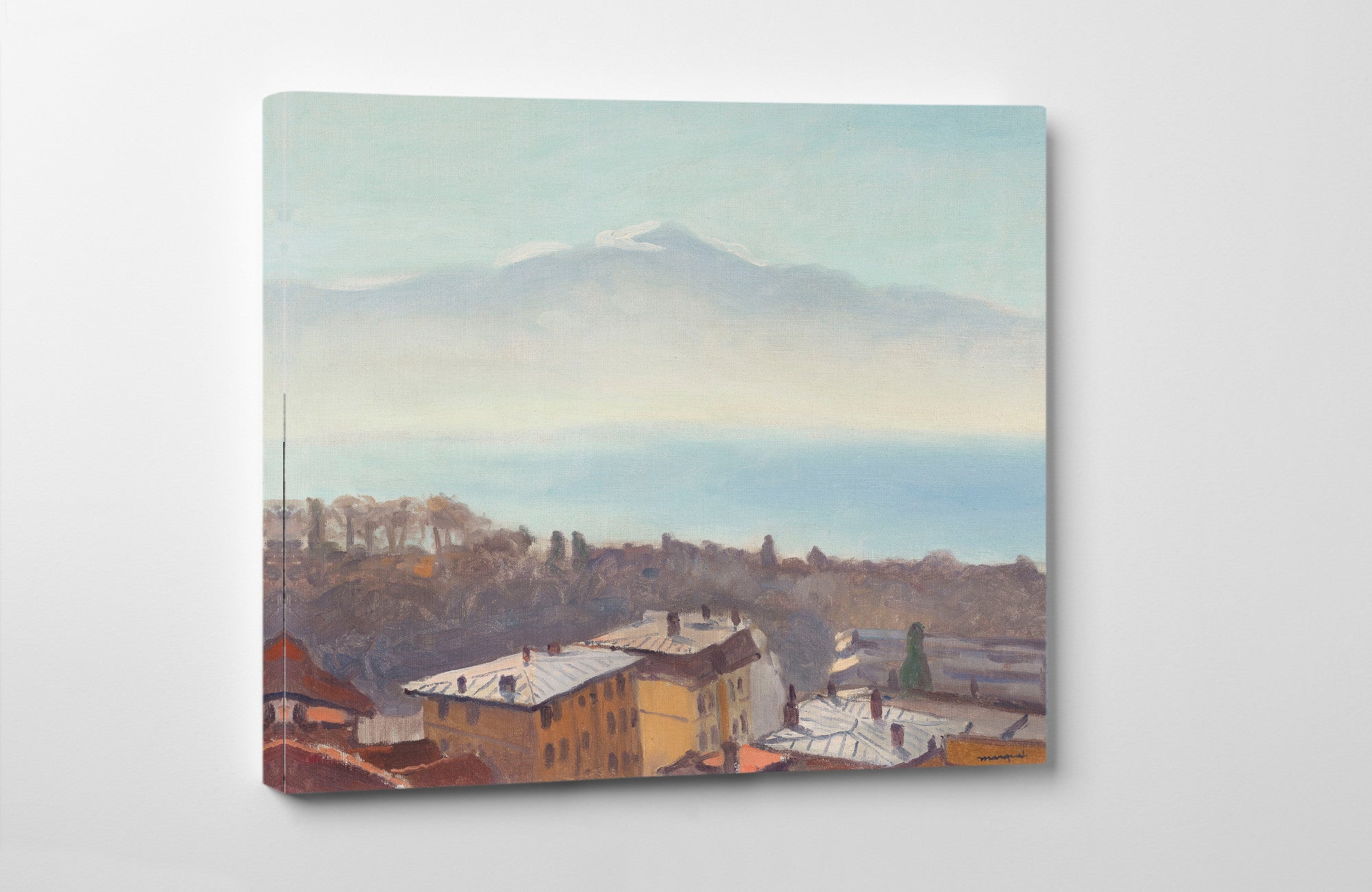
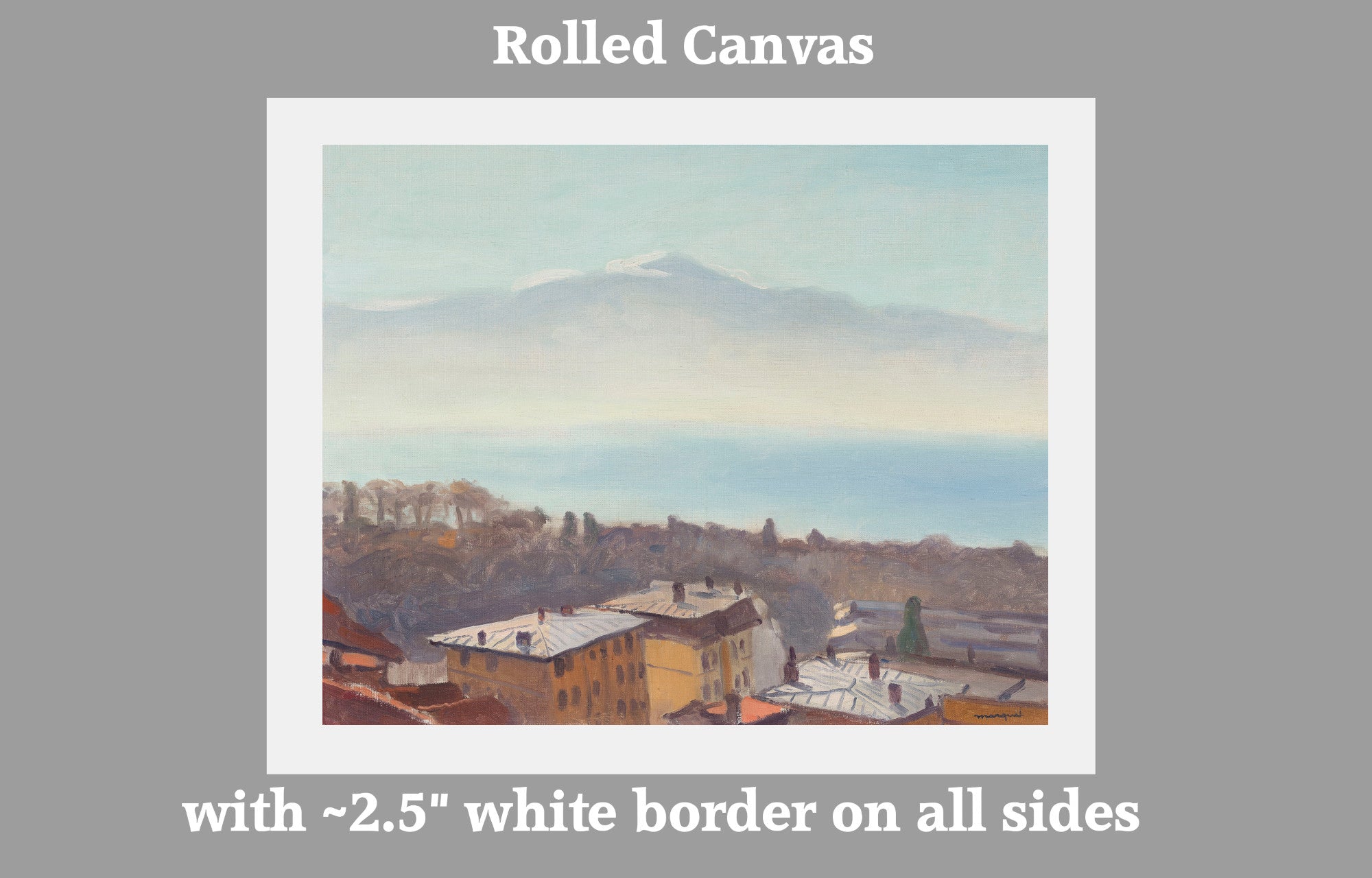
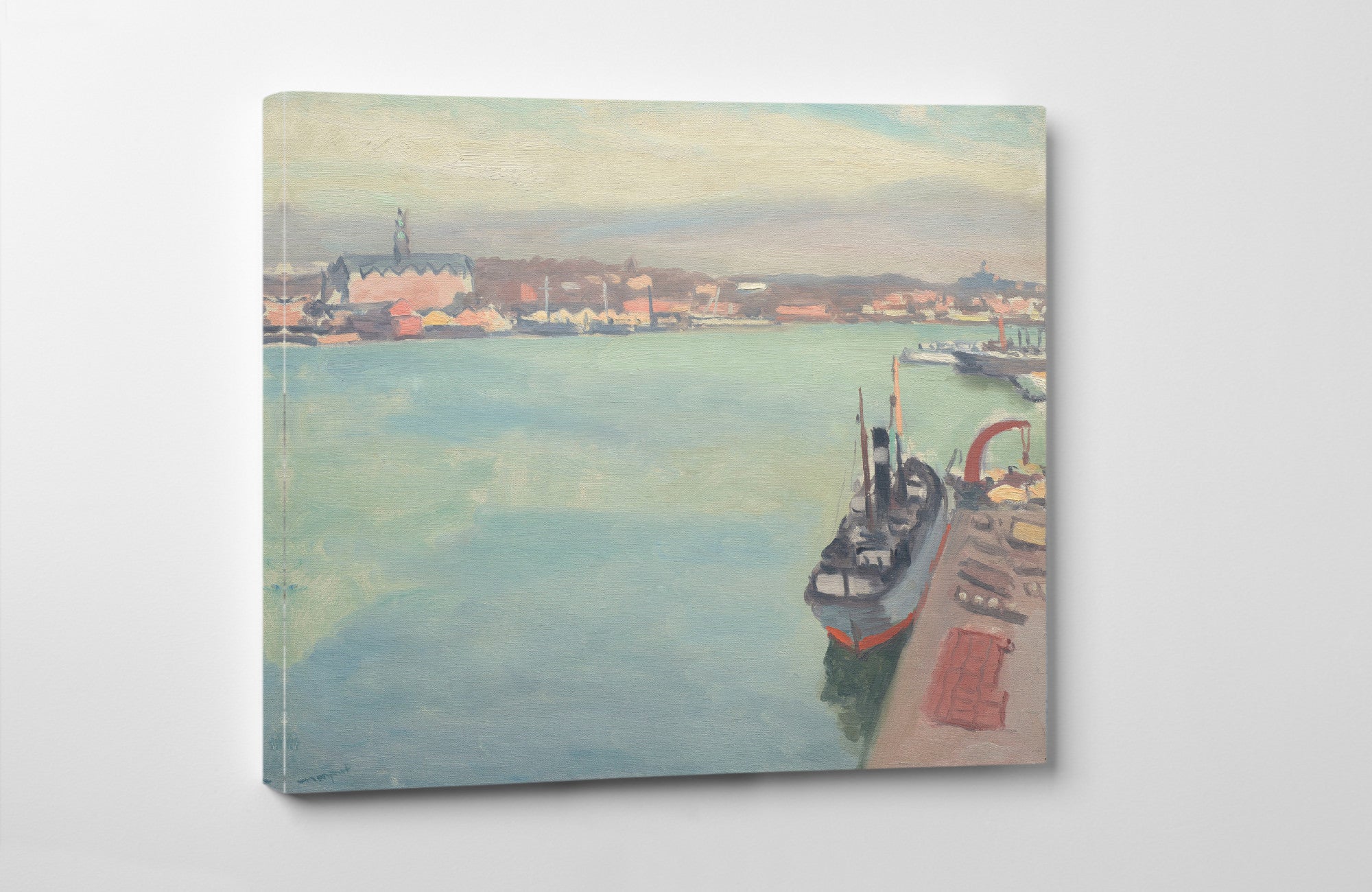
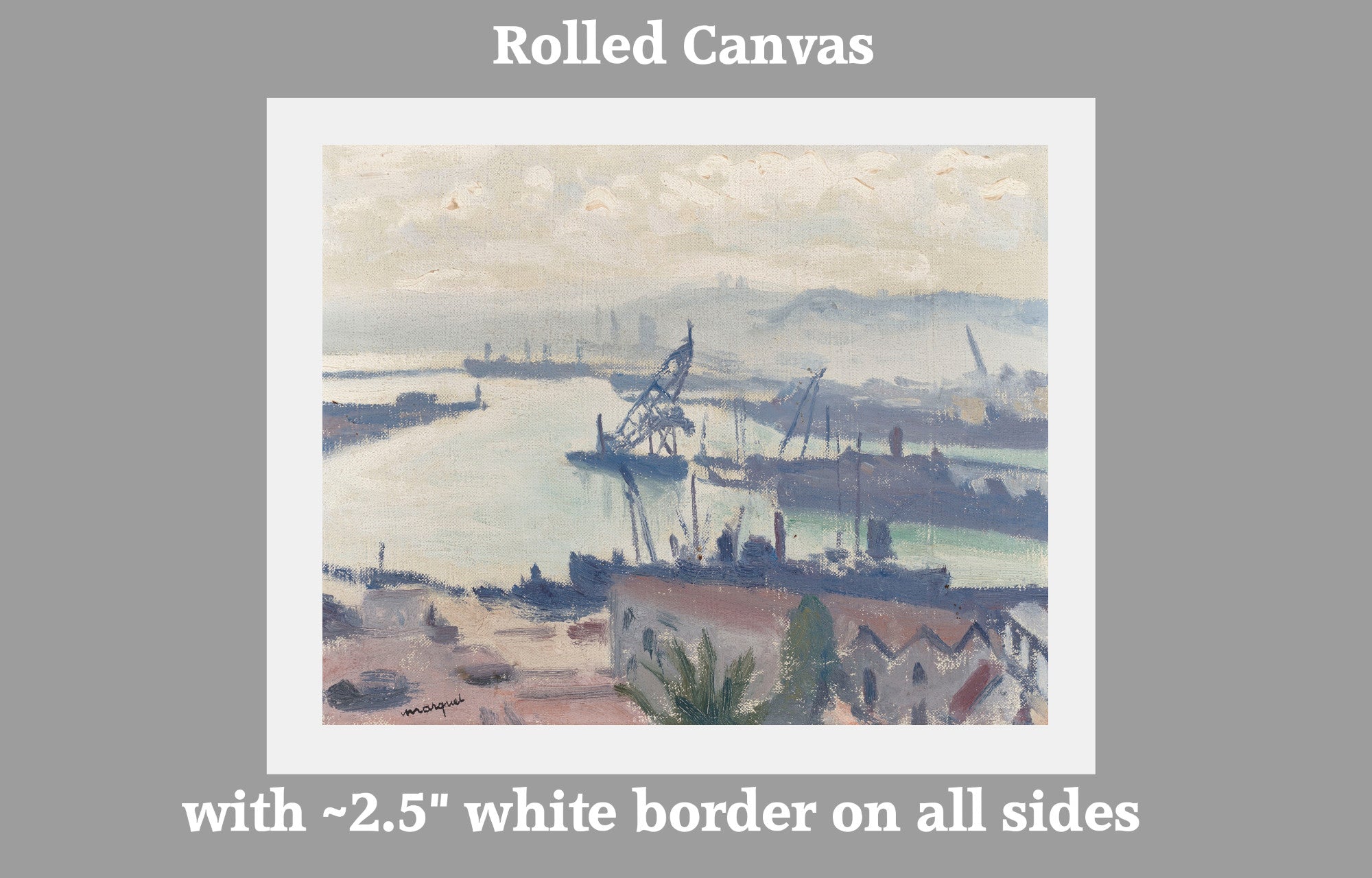
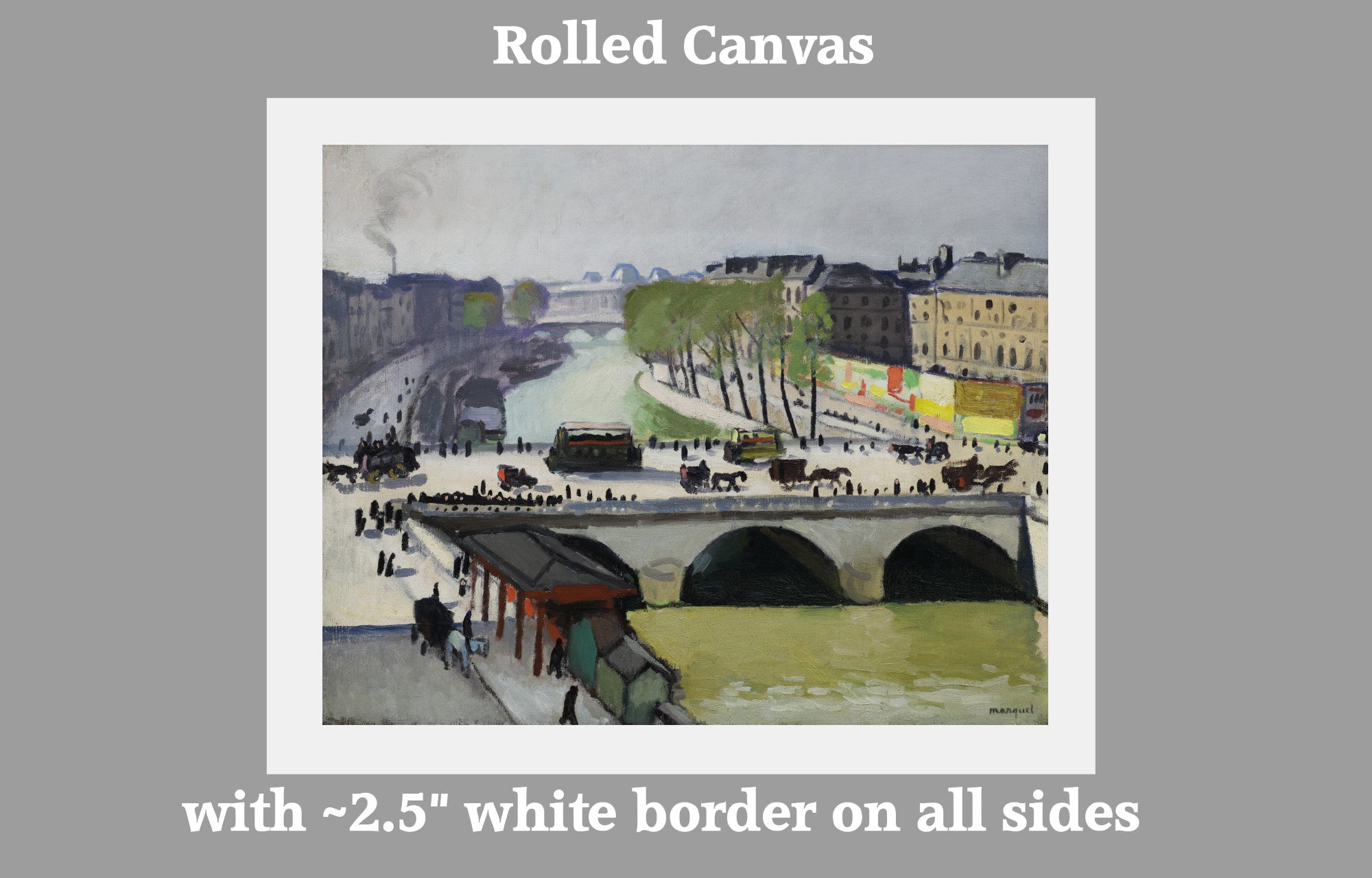
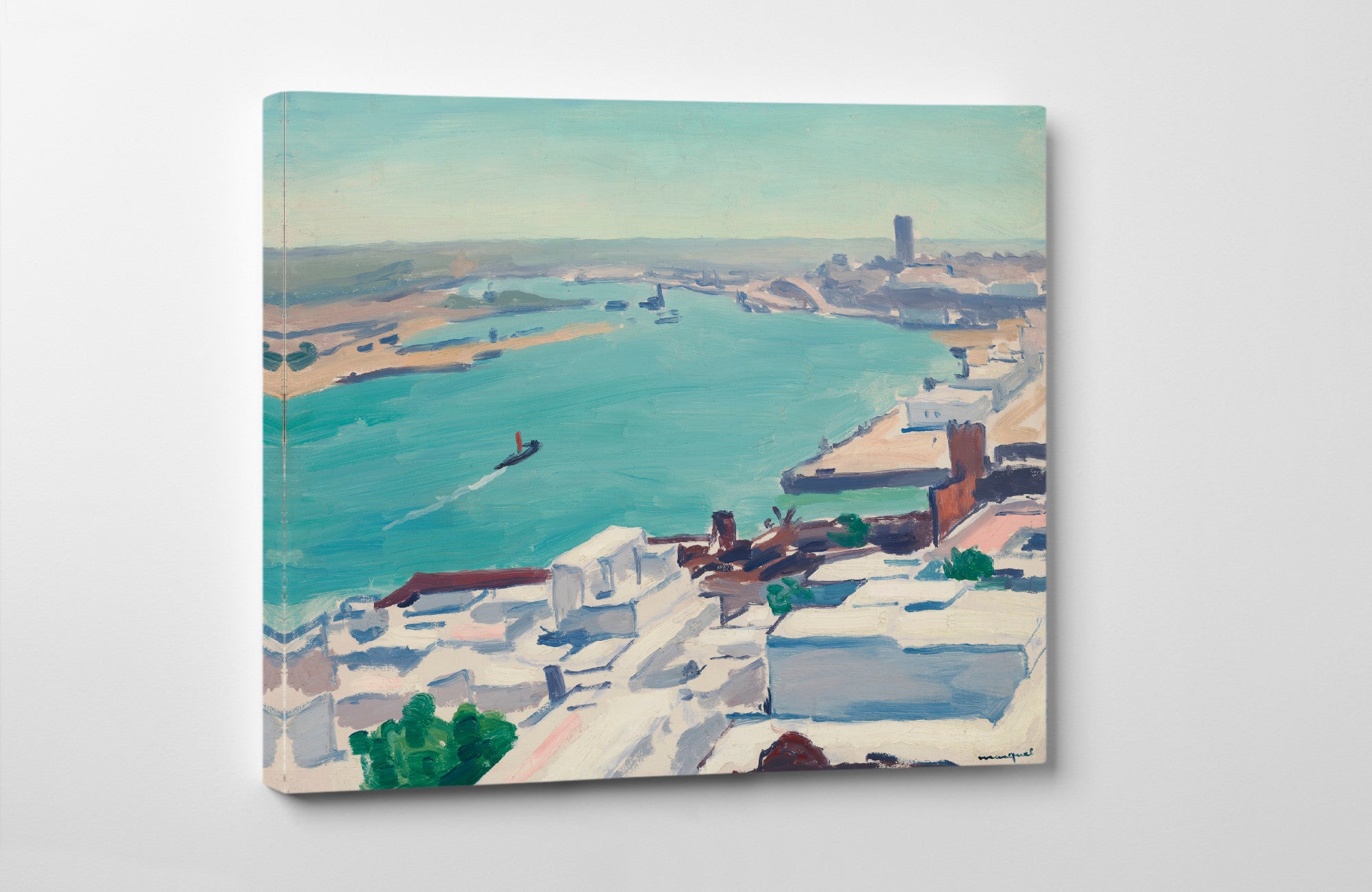
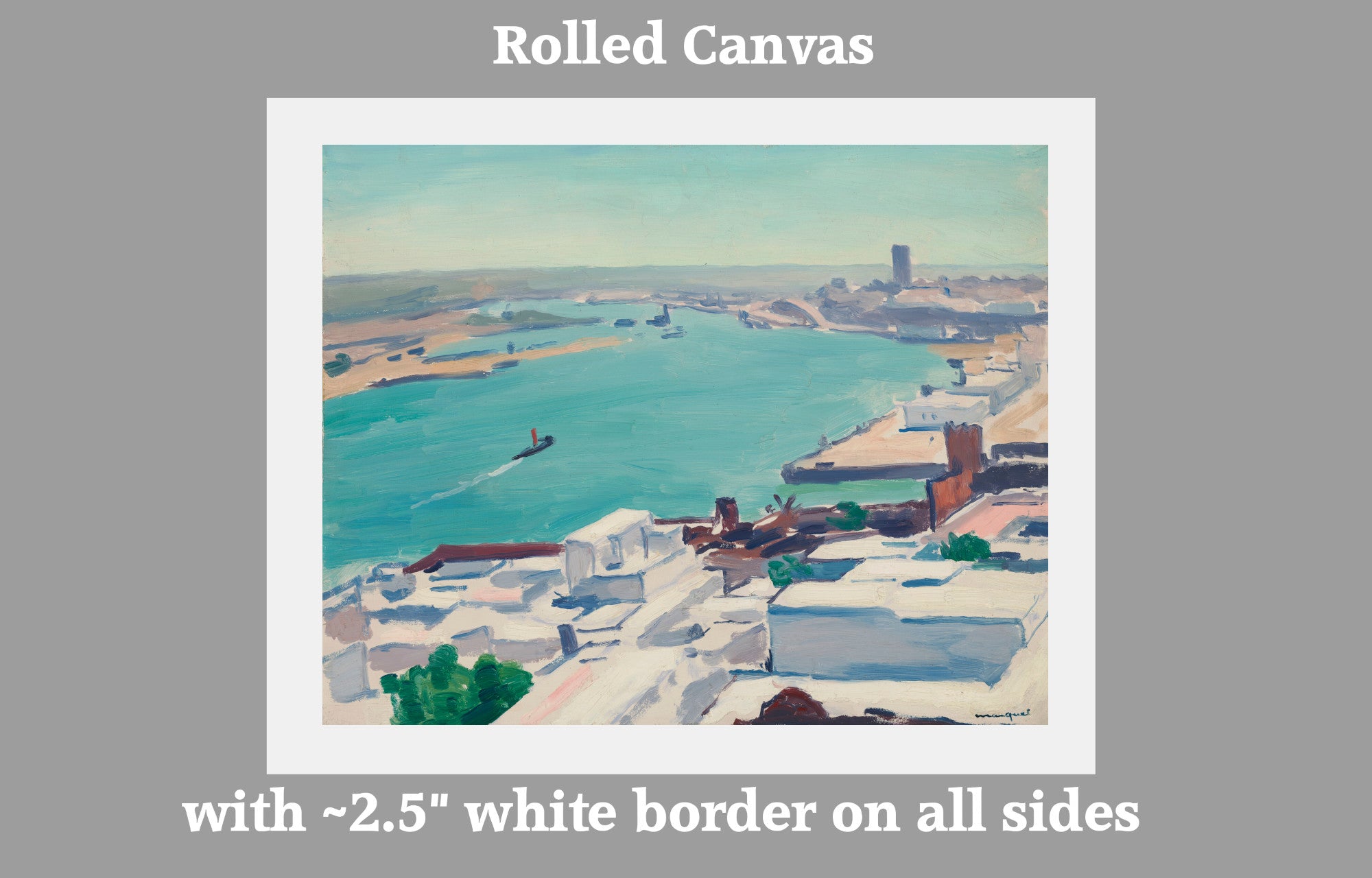
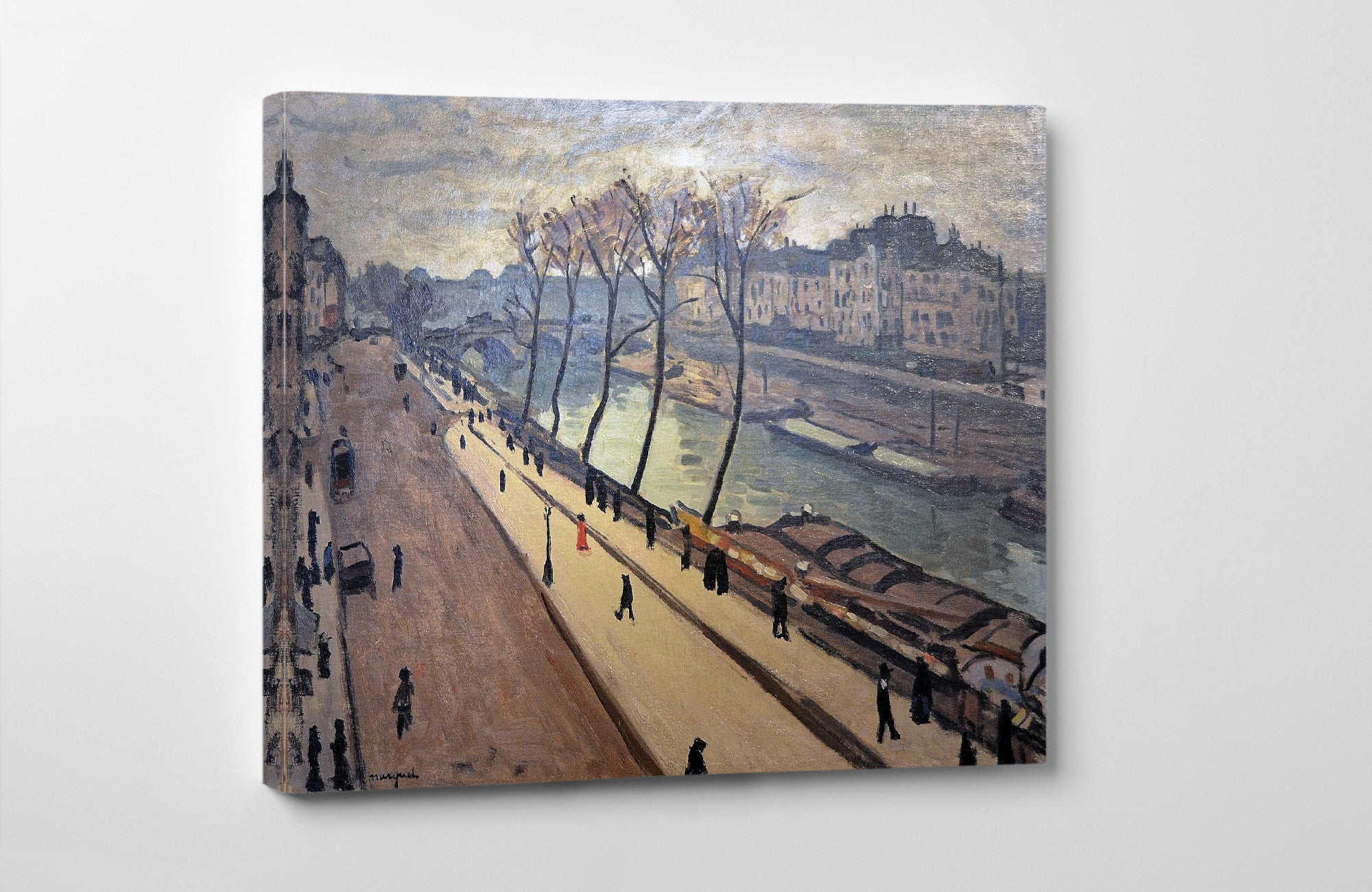
Canvas panels offer a clean contemporary alternative particularly suited to Marquet's simplified landscapes and broad areas of colour.
GalleryThane prints, frames and canvas panels are produced in our Nottinghamshire workshop using carefully selected printing and framing materials.
Frequently Asked Questions
Who was Albert Marquet?
Albert Marquet was a French painter born in Bordeaux in 1875. He was associated with Fauvism and became particularly well known for paintings of rivers, harbours, ports, coastlines and city views.
Was Albert Marquet a Fauvist?
Yes. Marquet exhibited alongside Henri Matisse and other experimental painters during the period associated with the birth of Fauvism. His palette, however, was generally more restrained than that of many other Fauvist artists.
What is Albert Marquet best known for?
Marquet is particularly known for paintings of the River Seine, Paris bridges, harbours, Mediterranean coastlines and Algiers.
Why did Albert Marquet paint so much water?
Rivers and harbours gave Marquet a combination of open space, reflections, boats and strong architectural forms. These elements were ideally suited to his simplified approach to composition.
Did Albert Marquet paint Paris?
Yes. Paris and the Seine were recurring subjects throughout Marquet's career. He painted bridges, quays, Notre-Dame and the river in different seasons and weather conditions.
Did Albert Marquet live in Algiers?
Algiers became extremely important to Marquet during his later life. He spent extended periods there and produced numerous paintings of the city, harbour and surrounding coastline.
How was Marquet different from Henri Matisse?
Both artists were associated with Fauvism, but Marquet developed a considerably quieter mature style. Matisse often pursued stronger decorative colour and radical simplification, while Marquet remained closely focused on observed landscapes, rivers and ports.
What colours are typical of Albert Marquet's paintings?
Marquet frequently used blues, greys, greens, violets and muted yellows. His carefully controlled colour gives many paintings a calm and atmospheric quality.
What interiors suit Albert Marquet prints?
Marquet's restrained palette works especially well with contemporary, Scandinavian, minimalist and mid-century interiors. His coastal and river scenes can also complement Mediterranean-inspired rooms.
Are Albert Marquet prints available framed?
GalleryThane offers Albert Marquet artworks in a choice of fine art print, framed print and canvas panel formats.