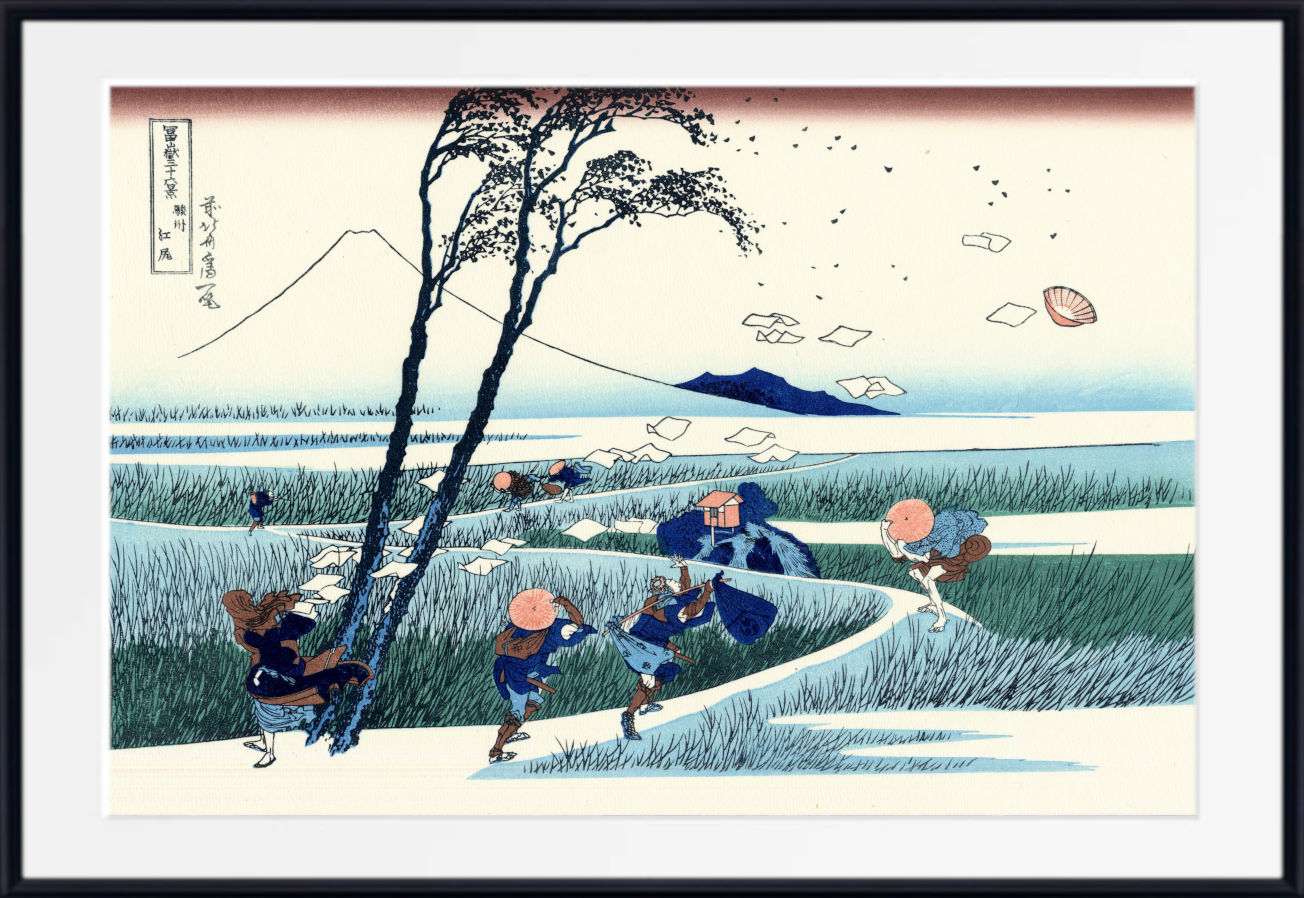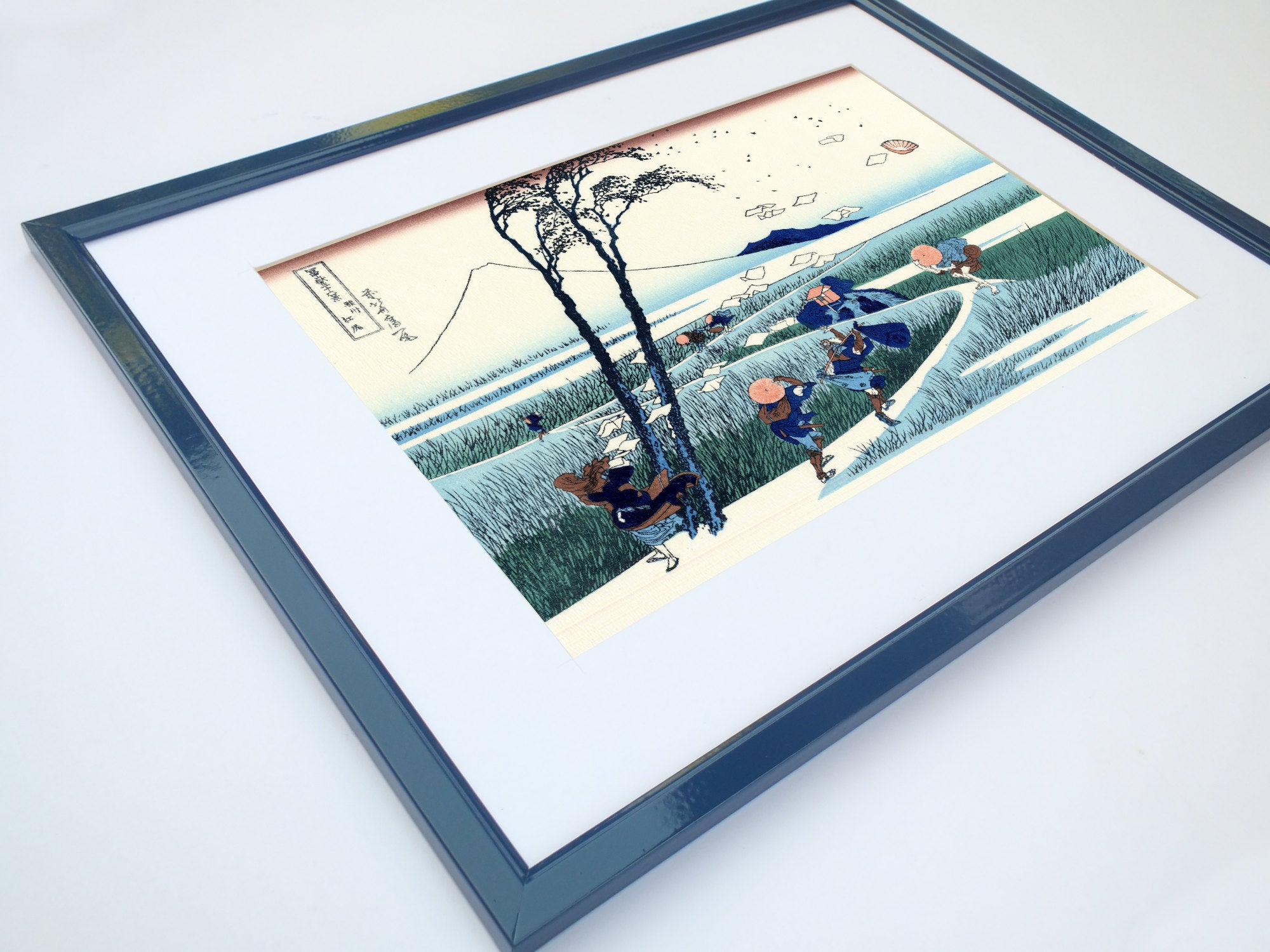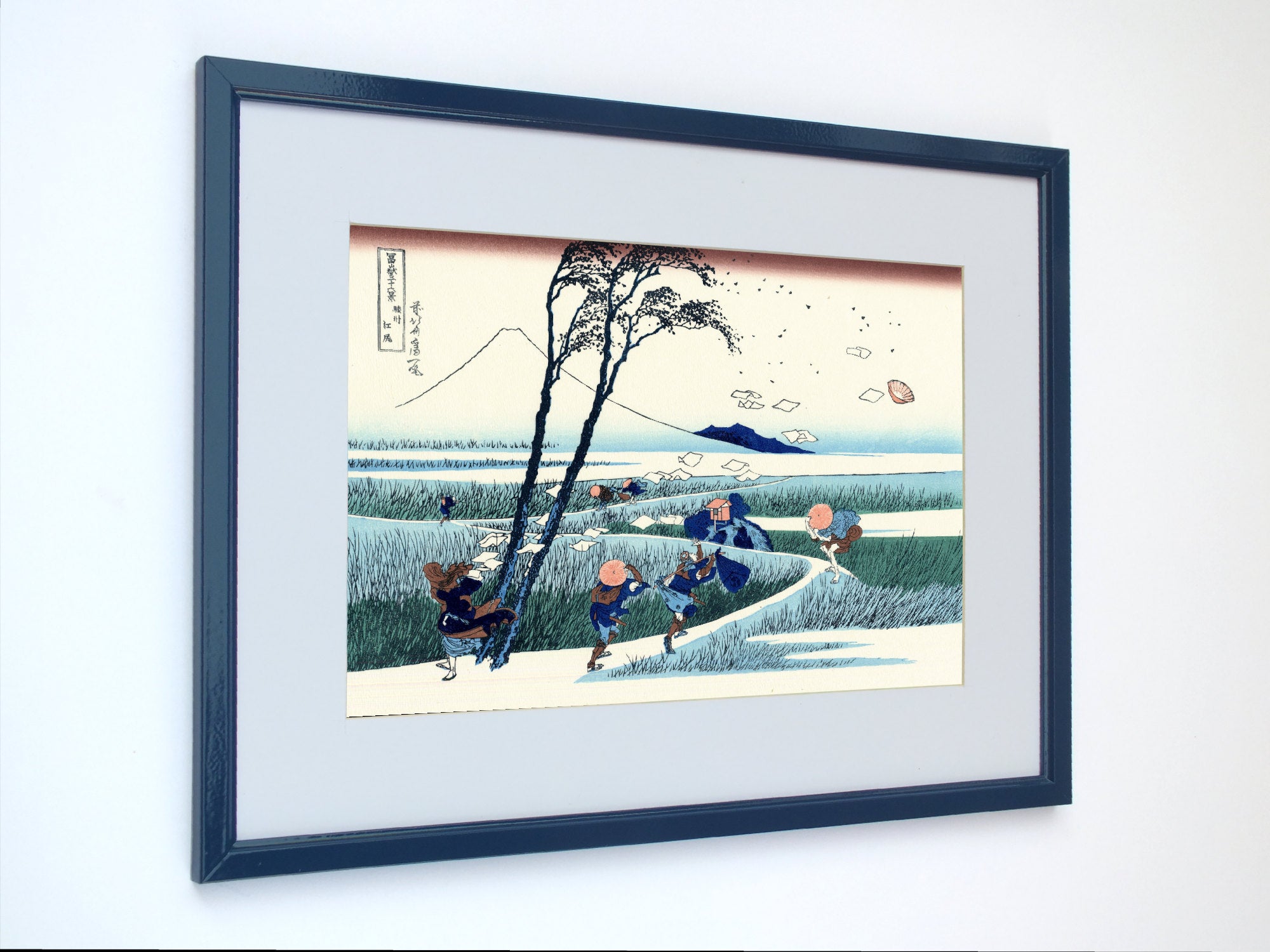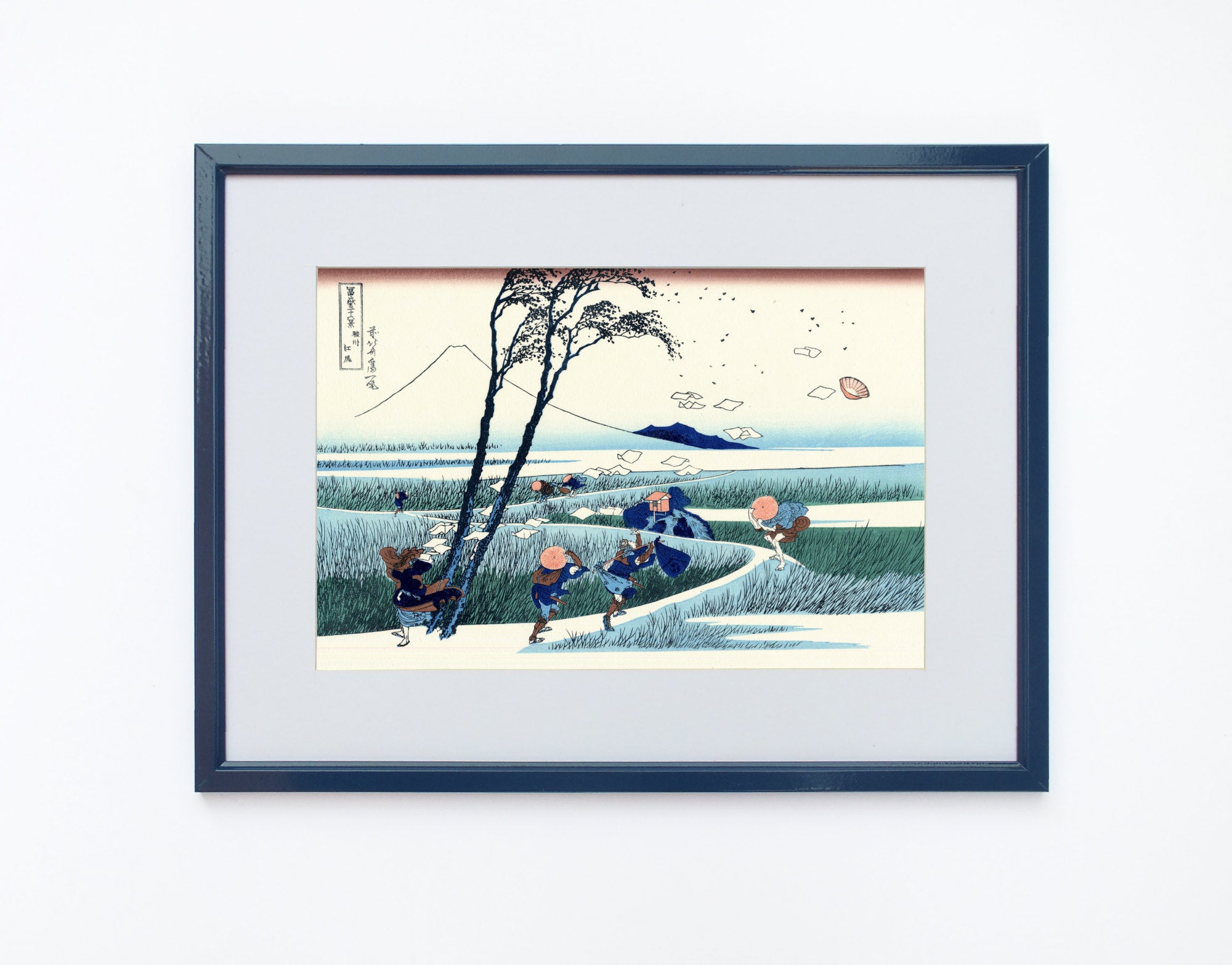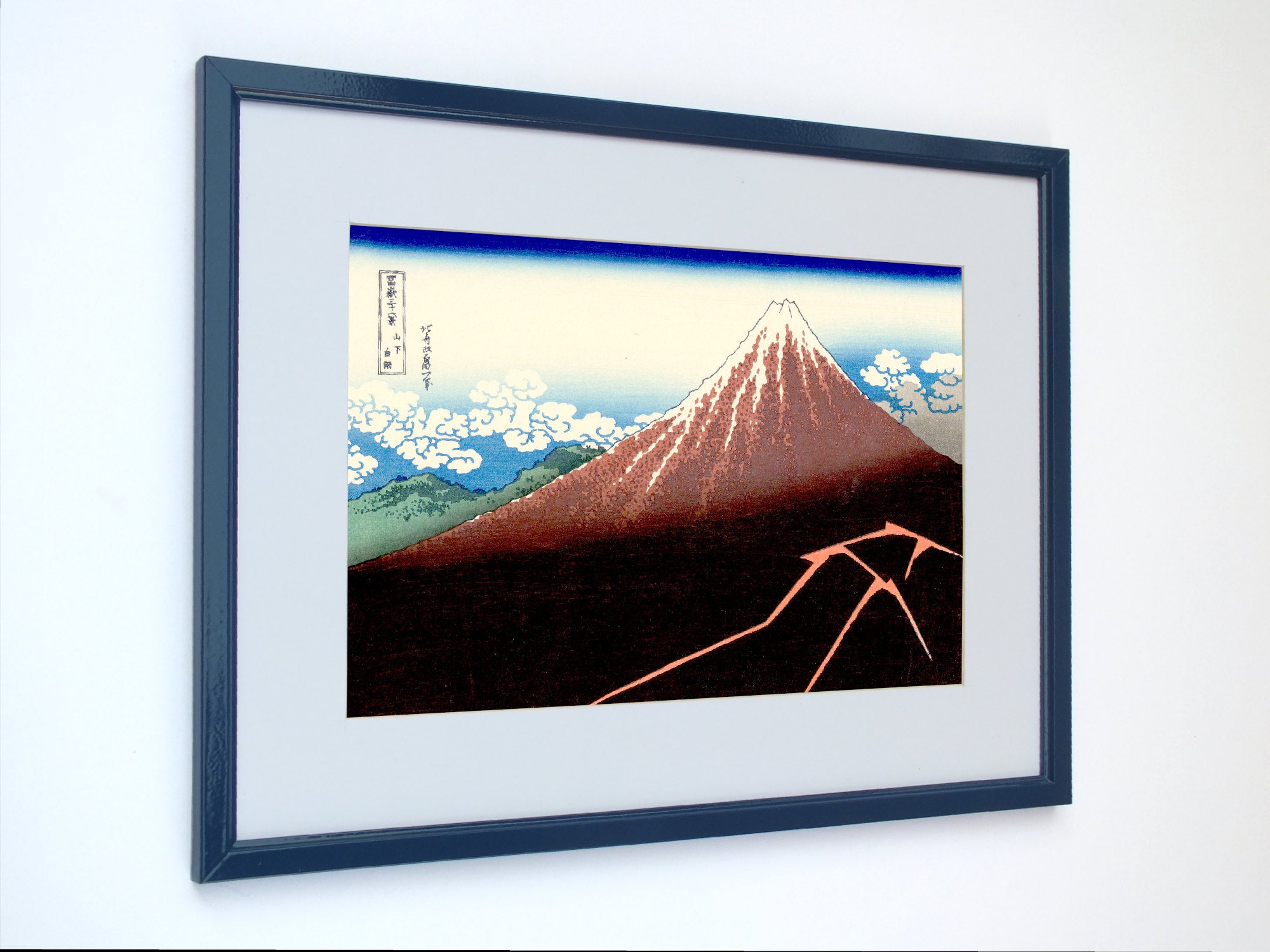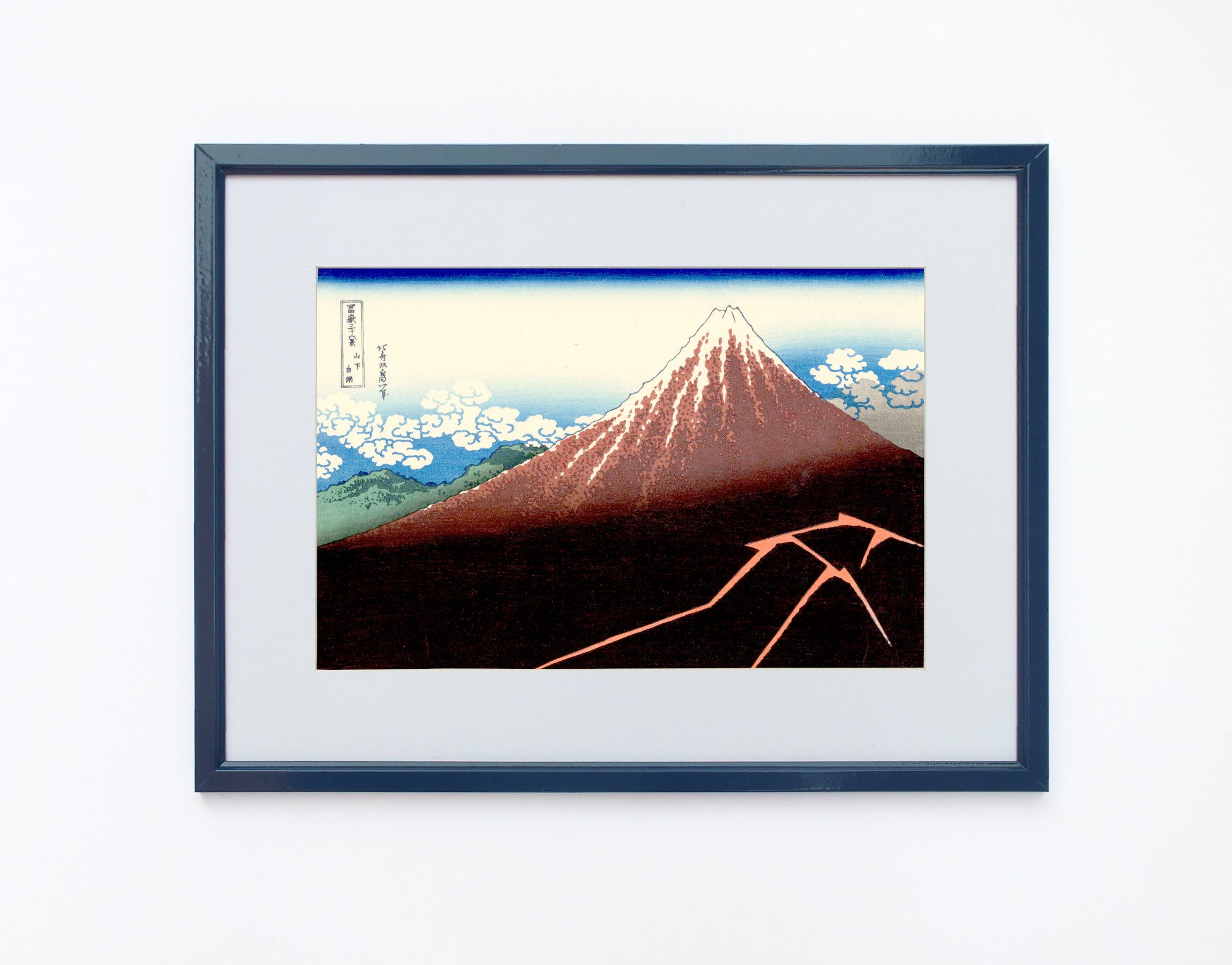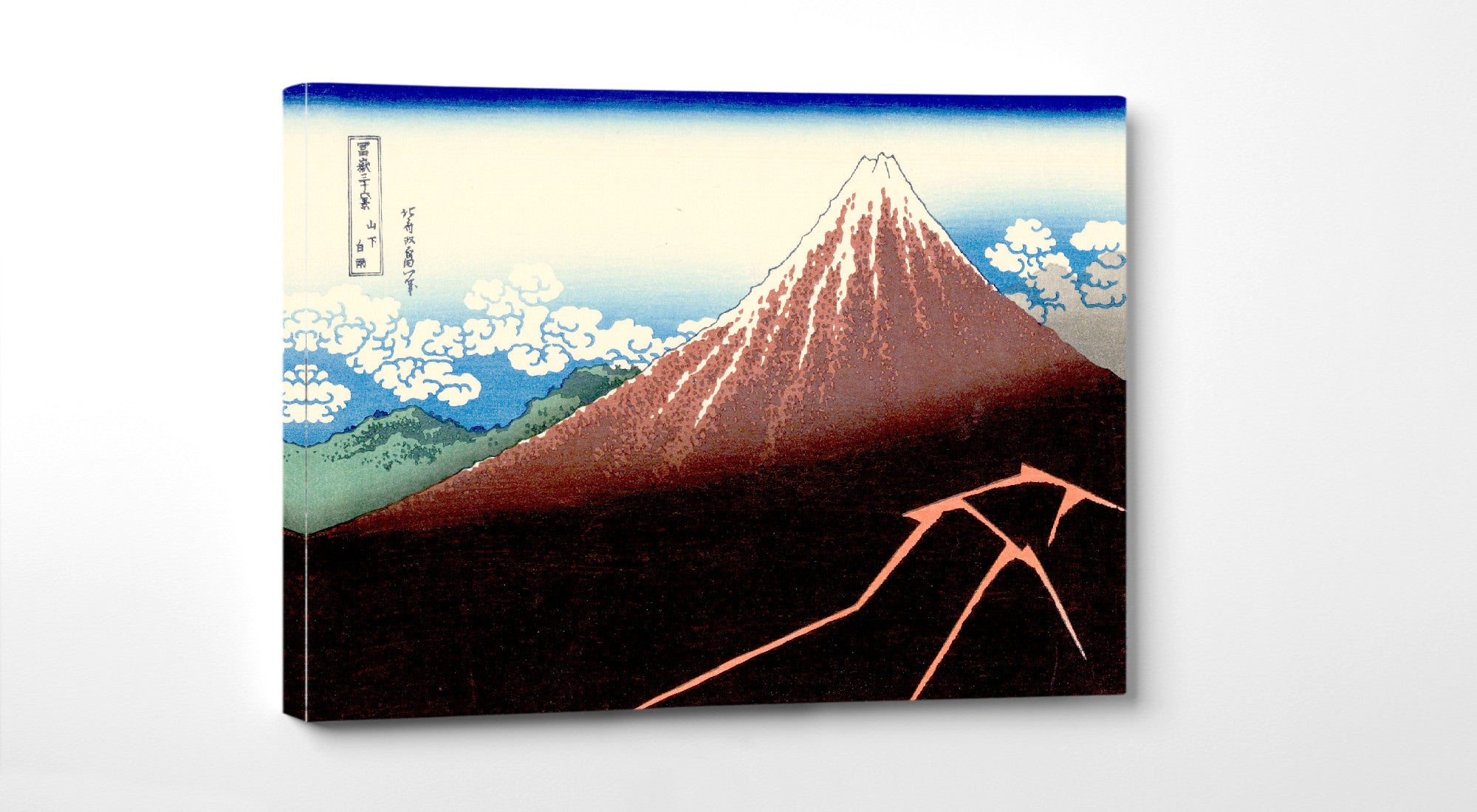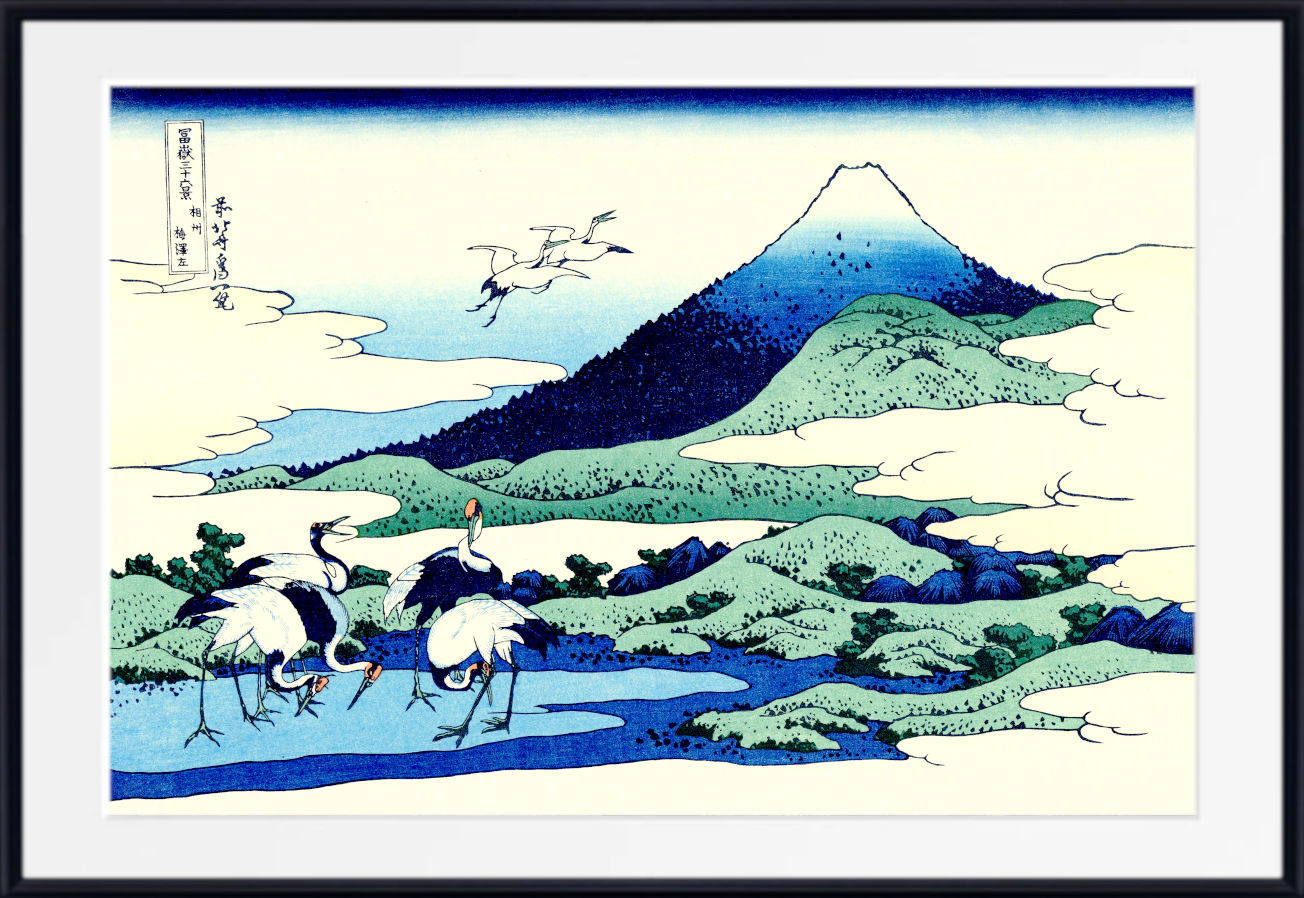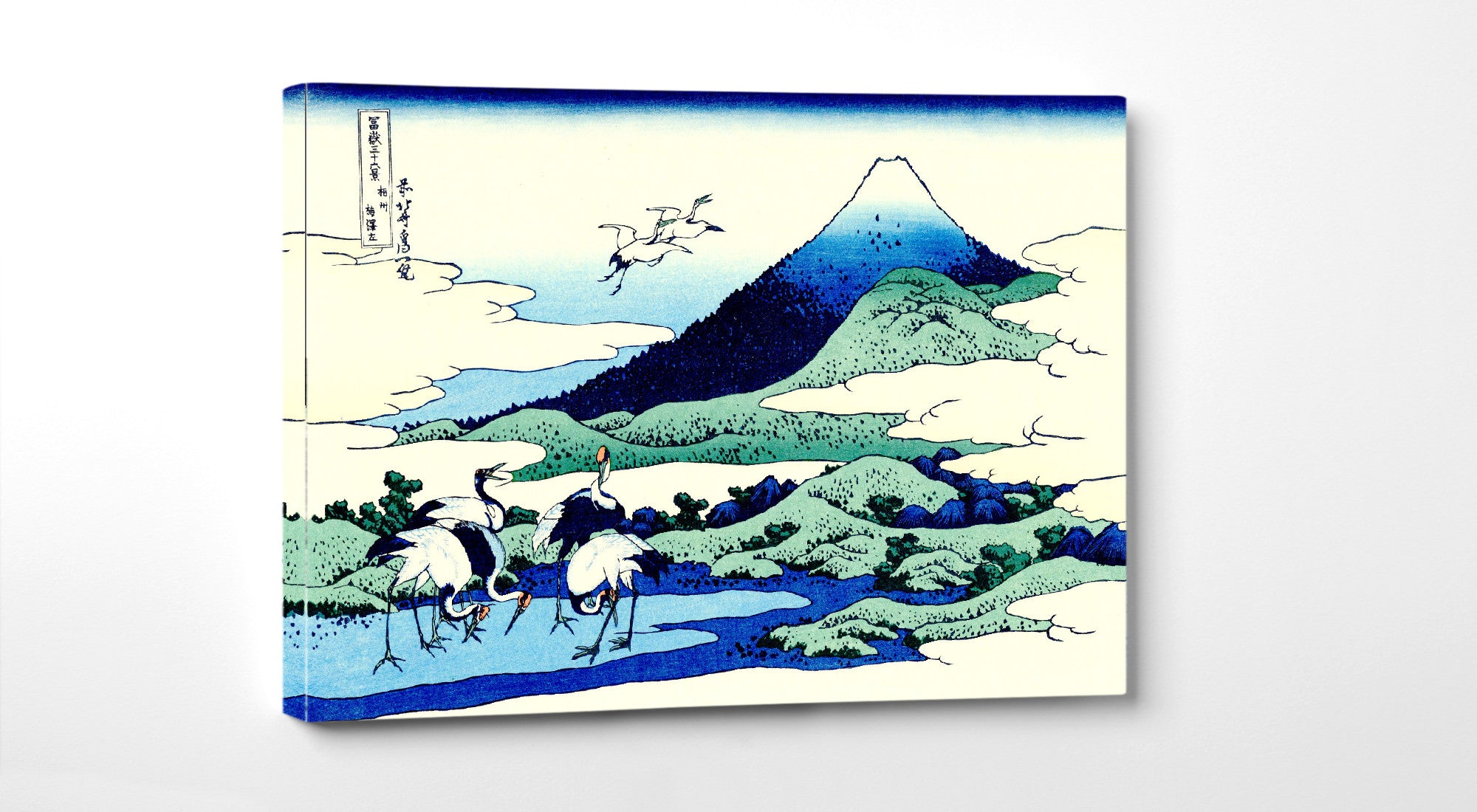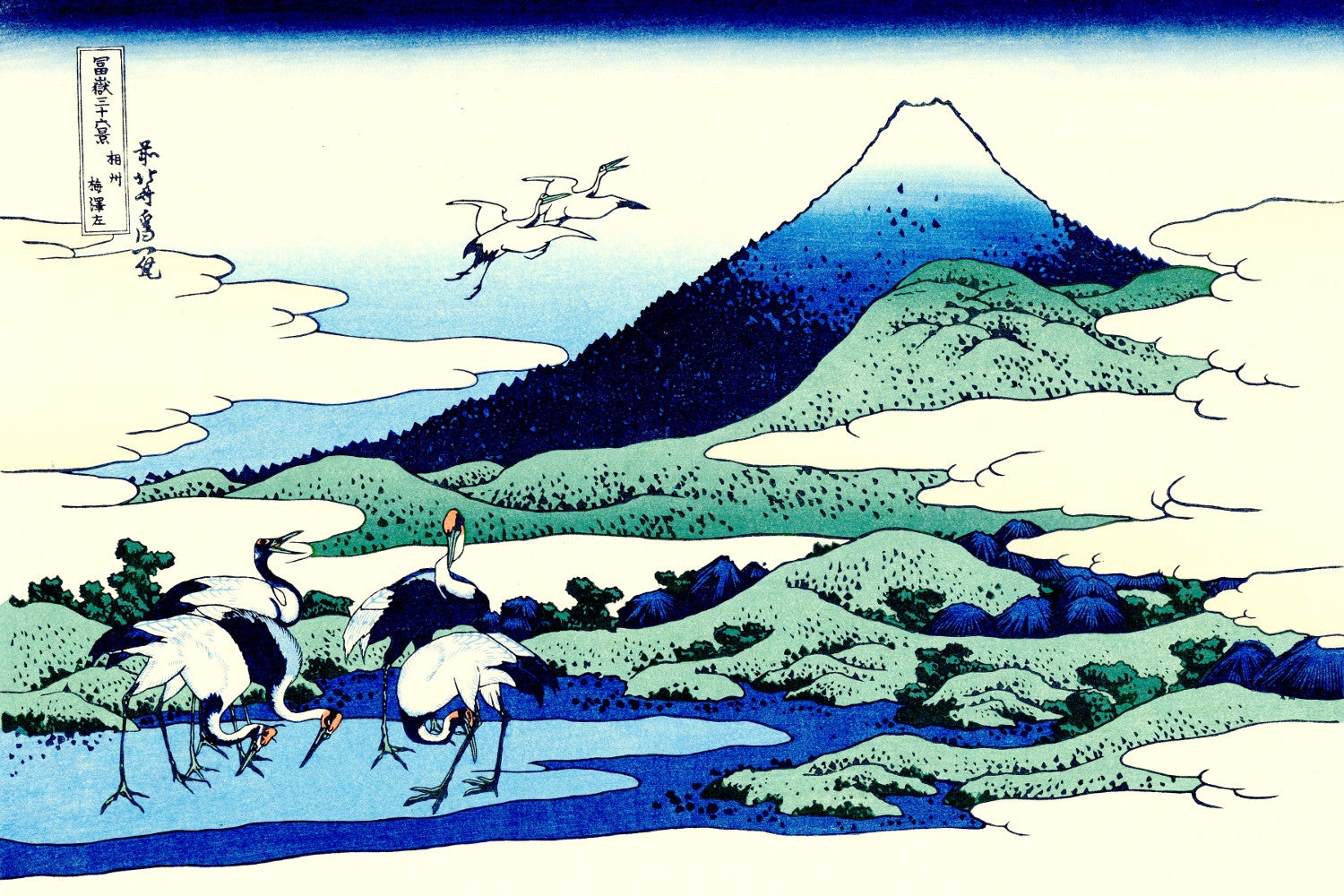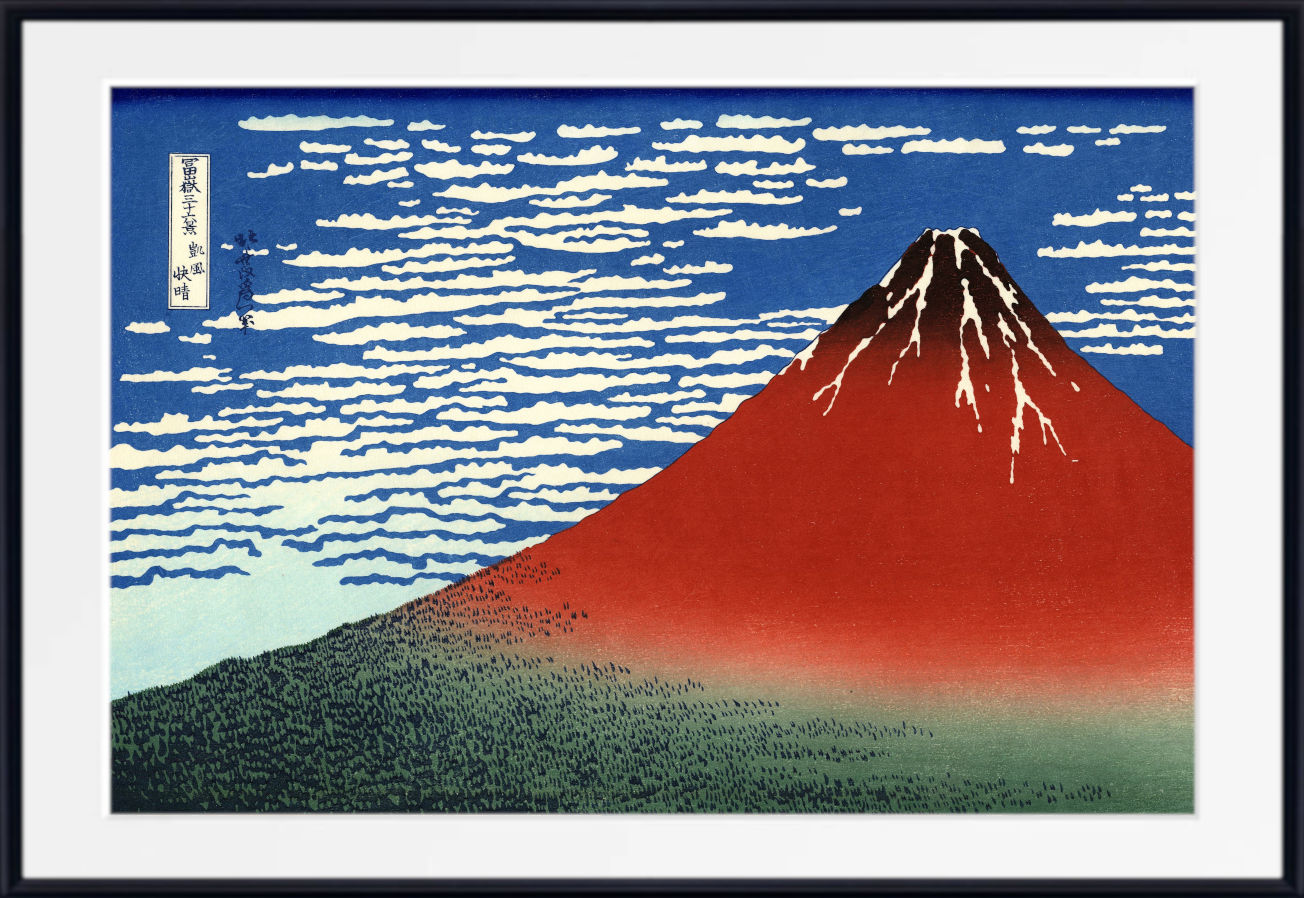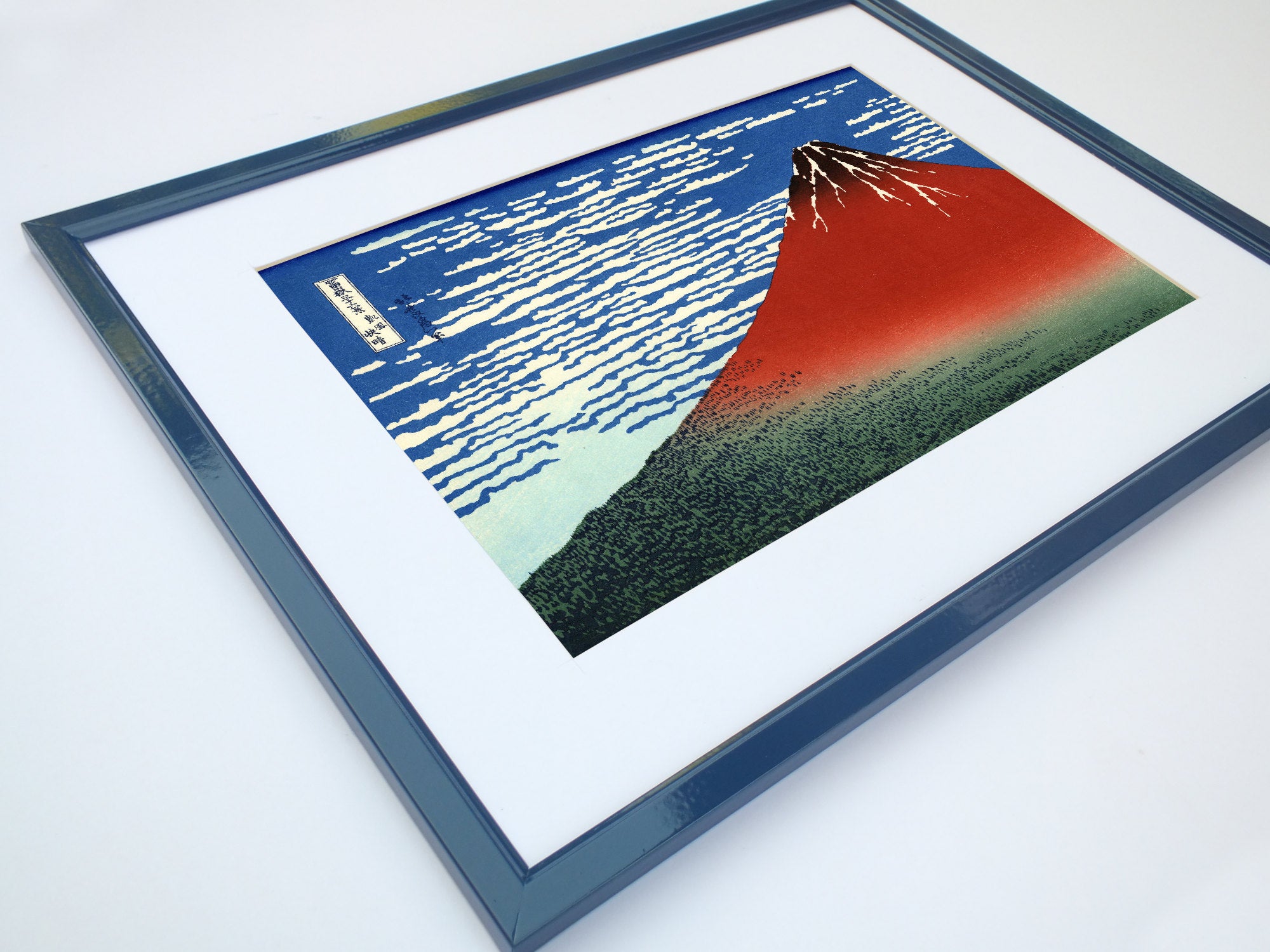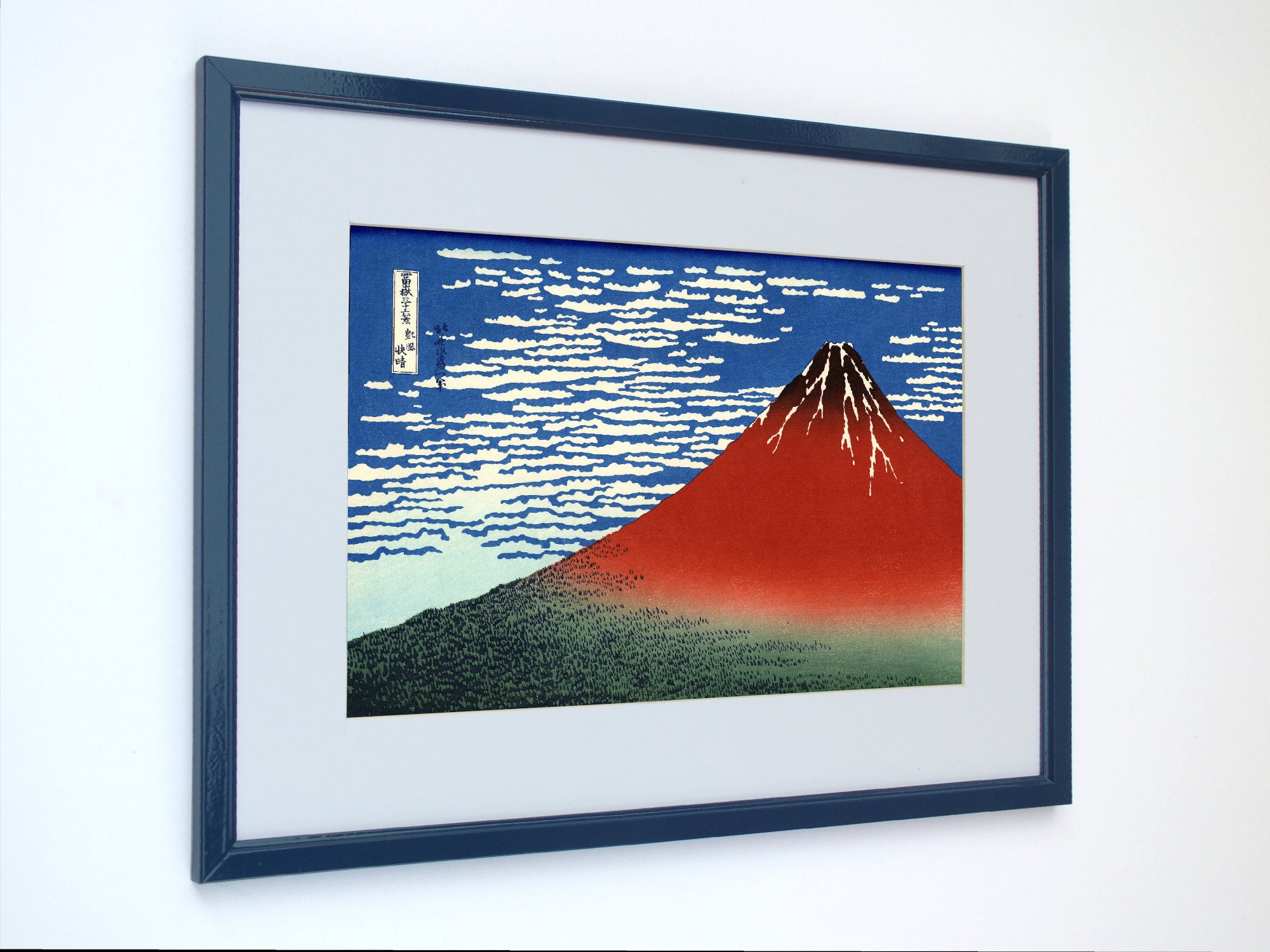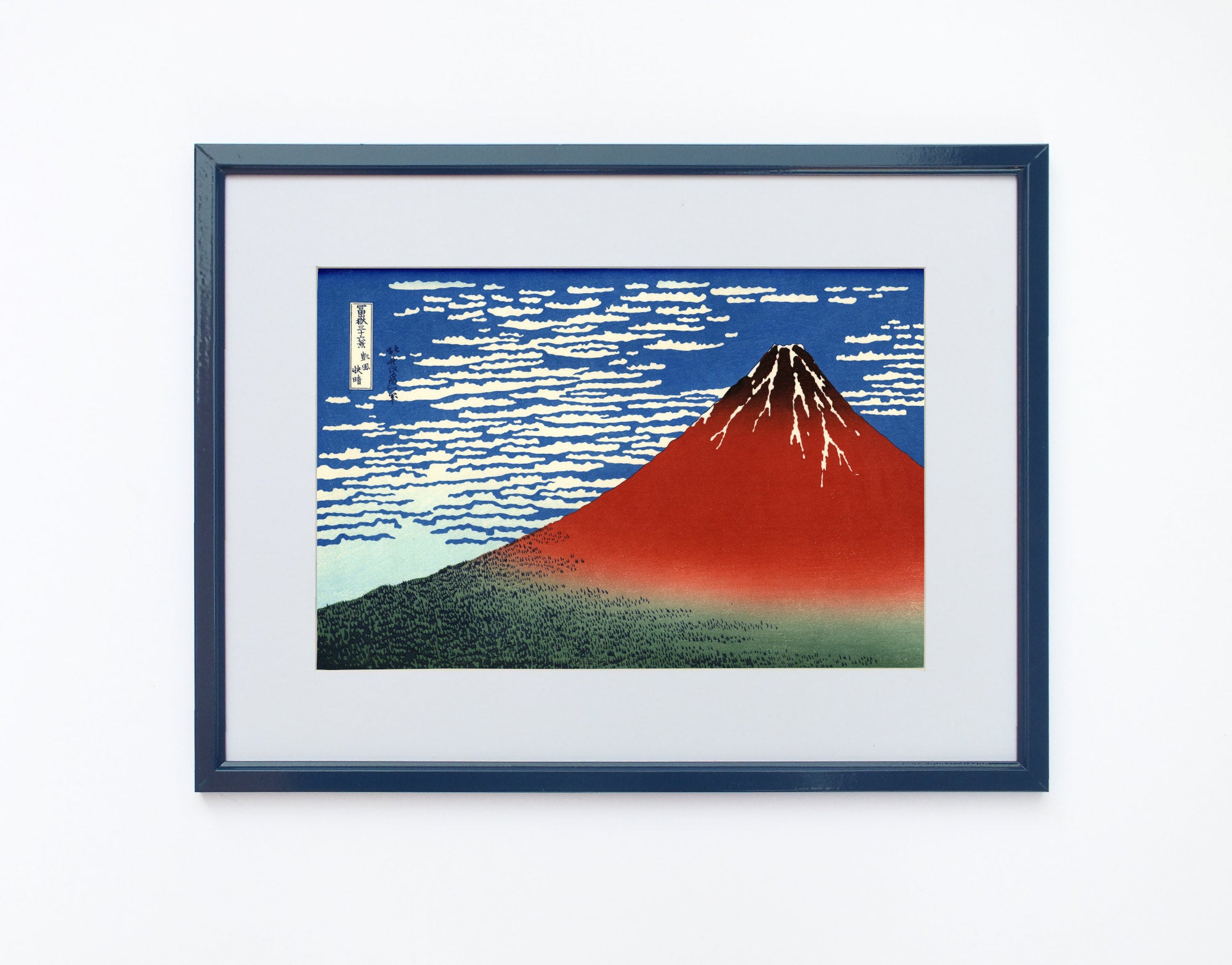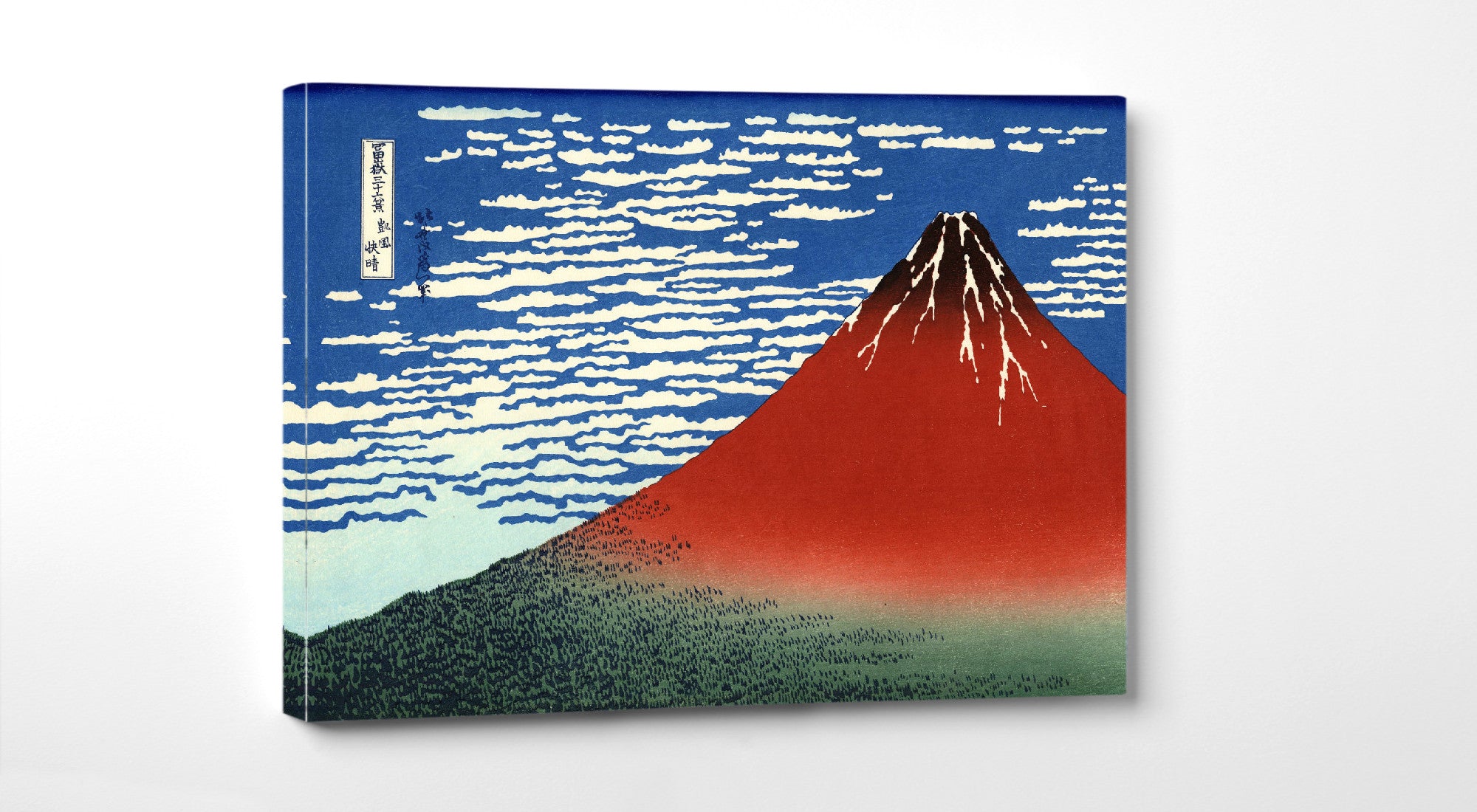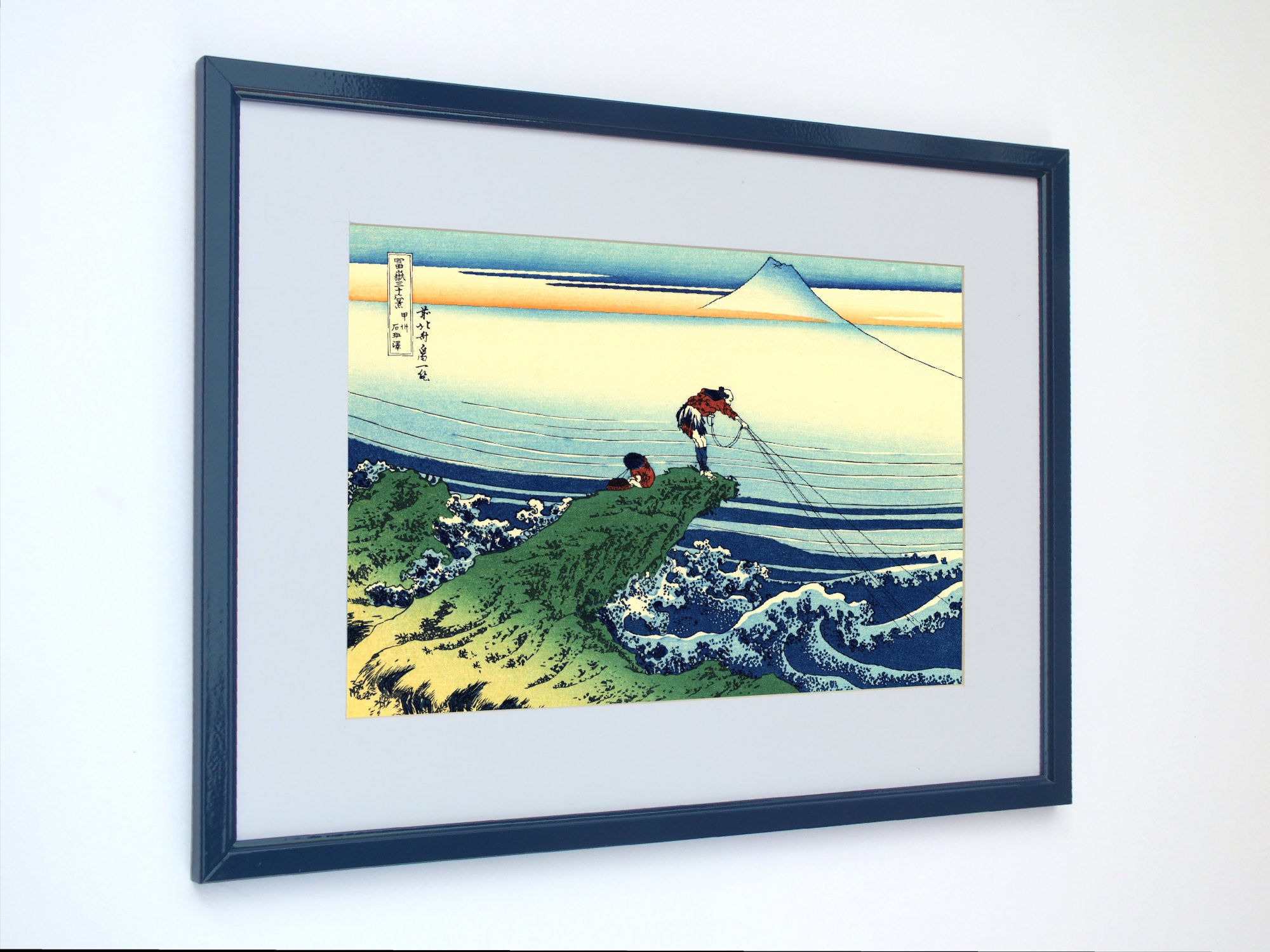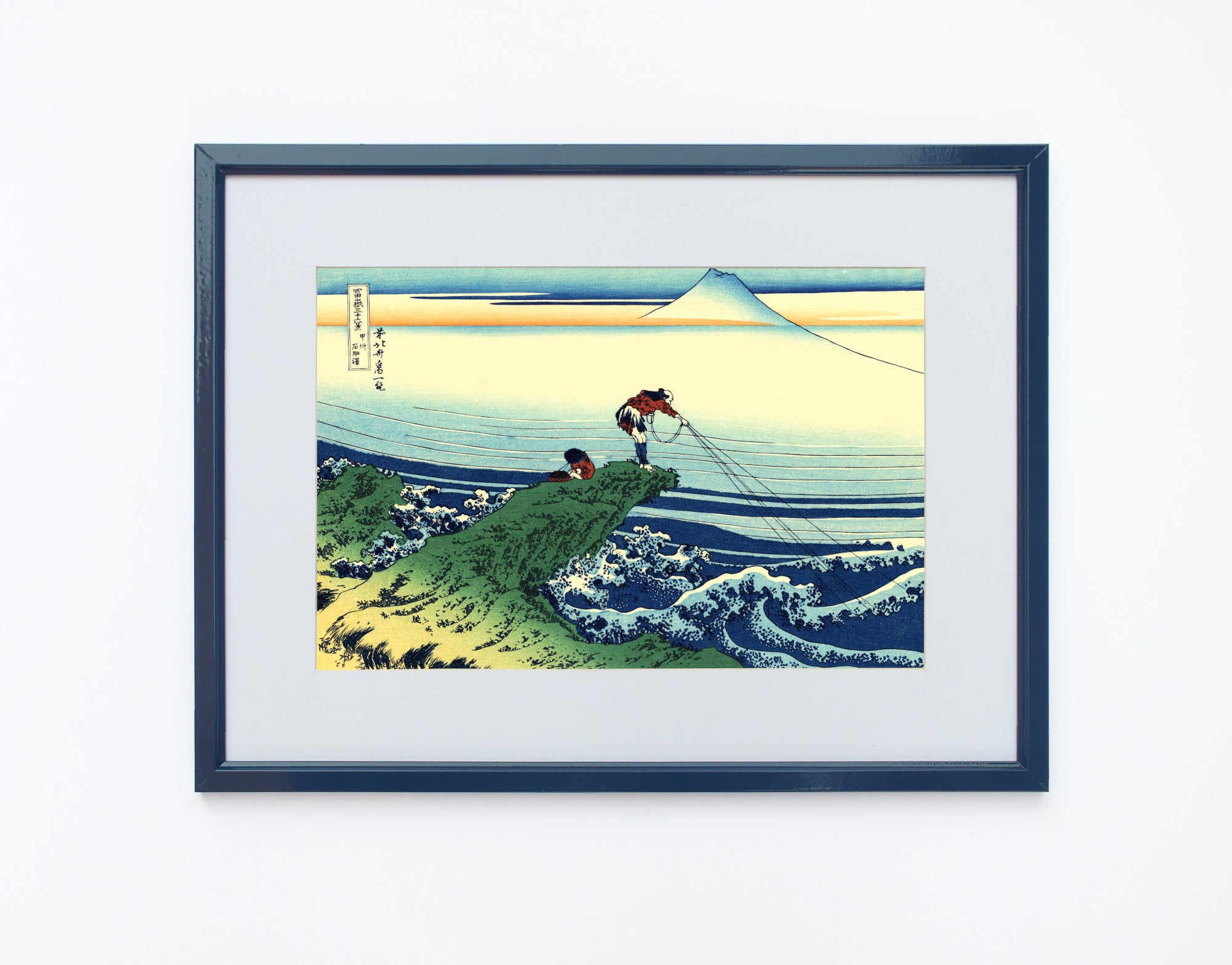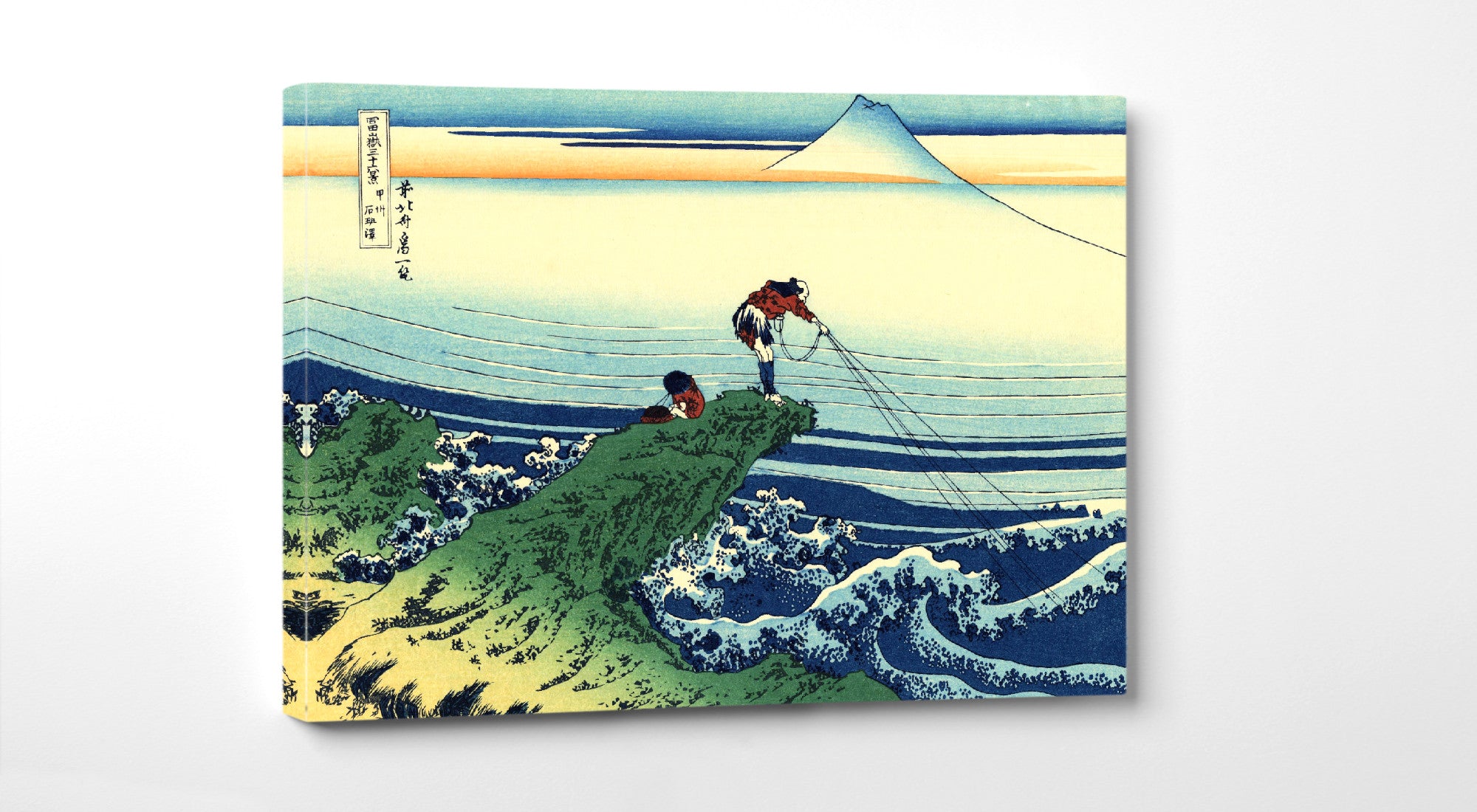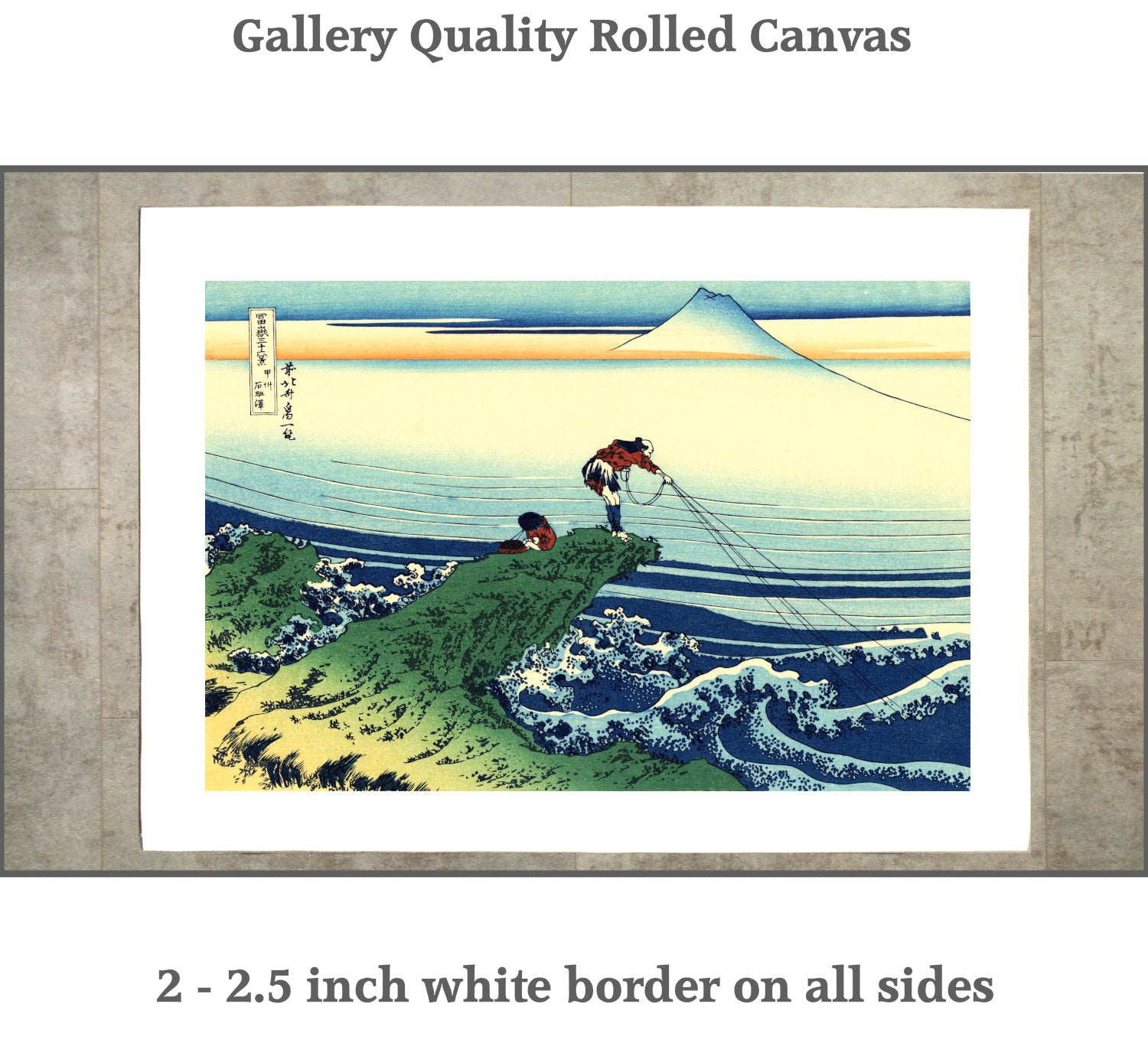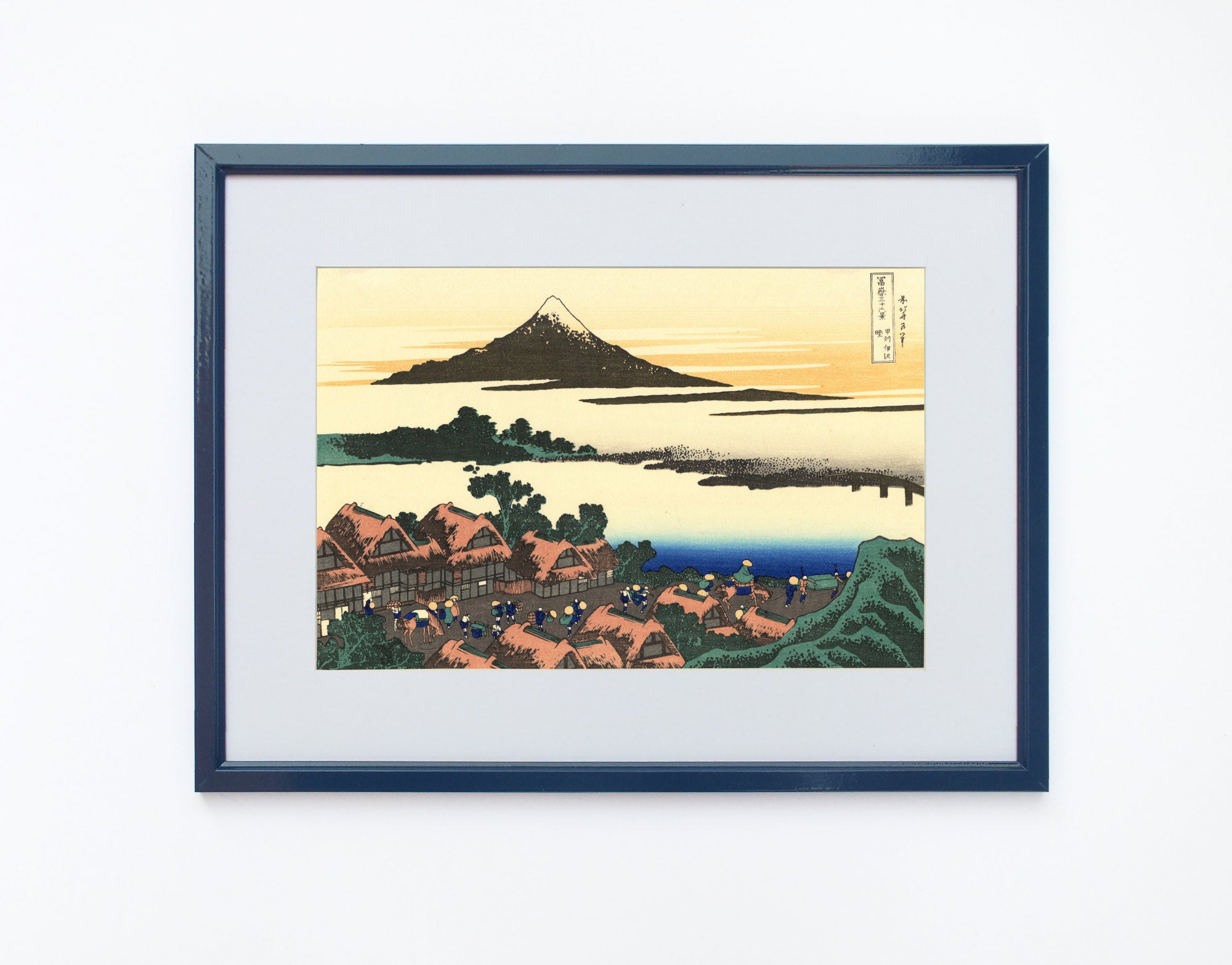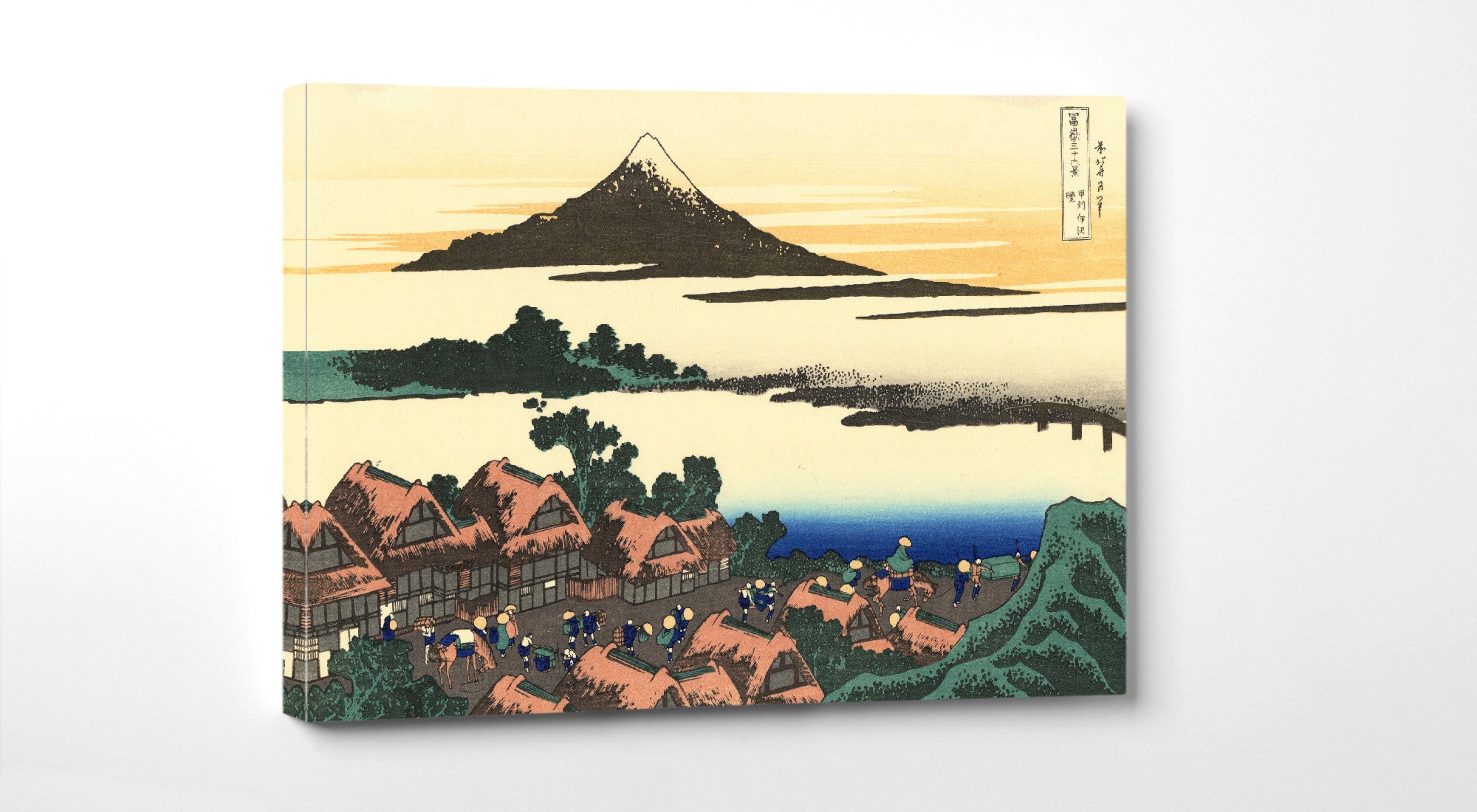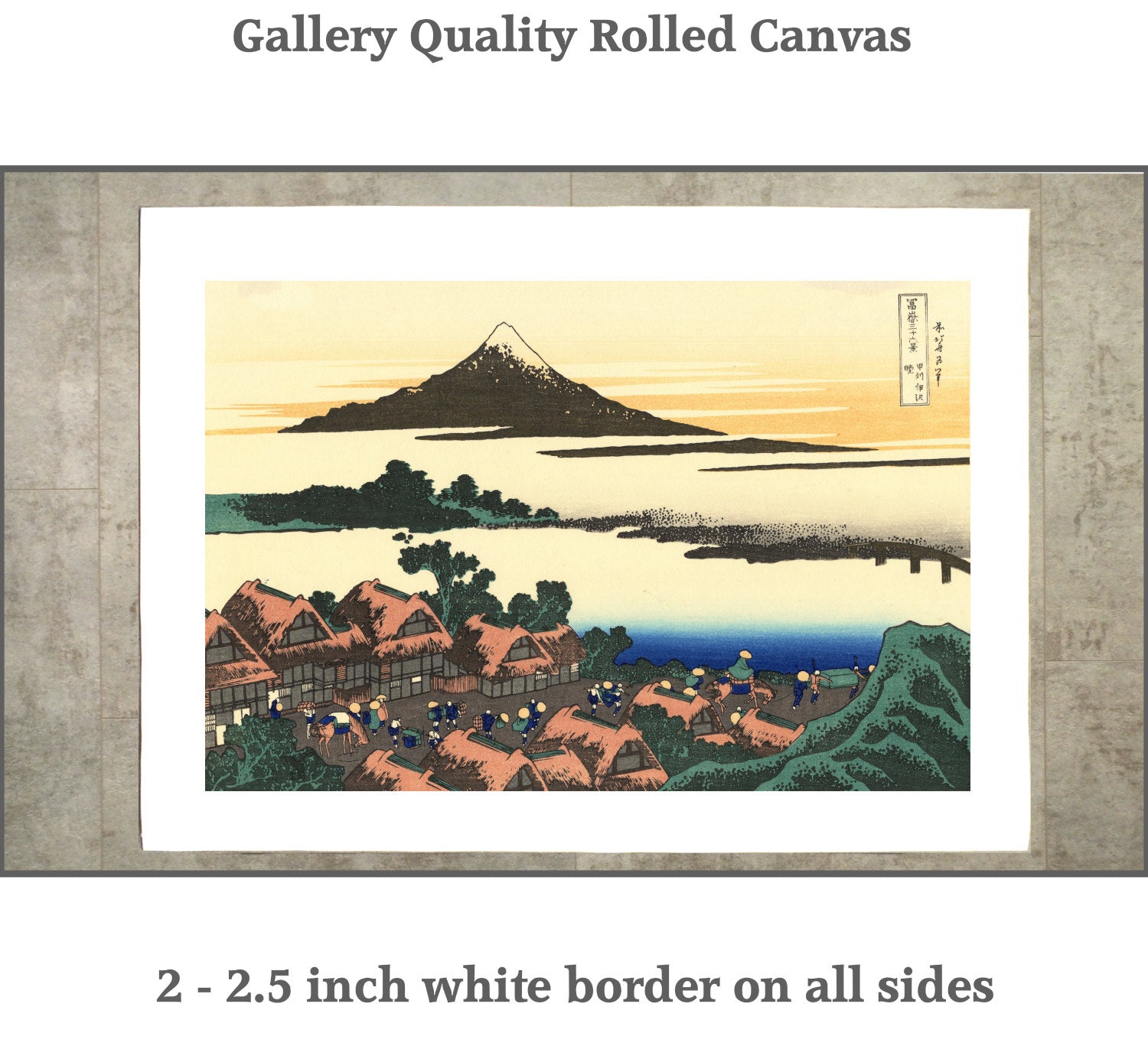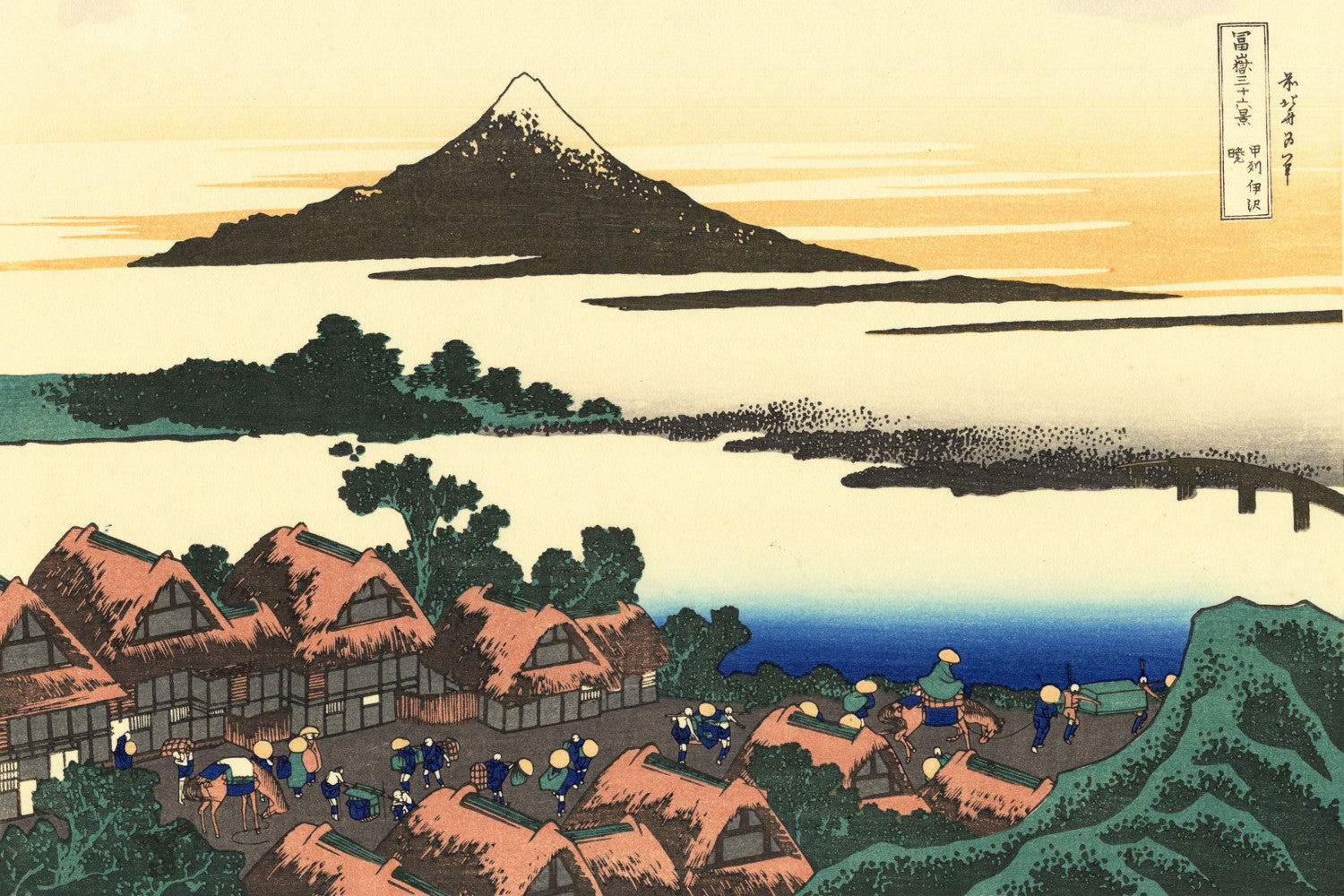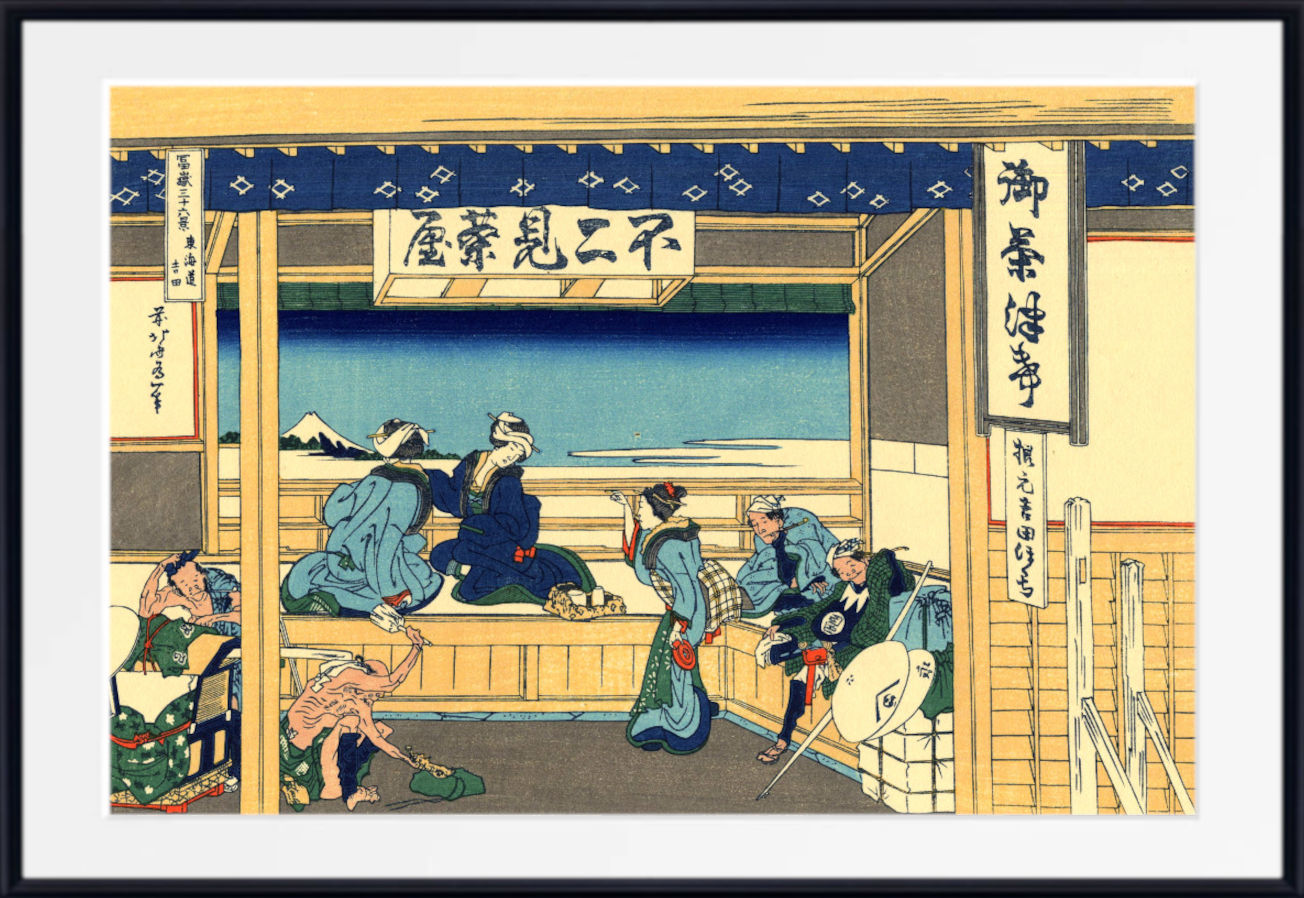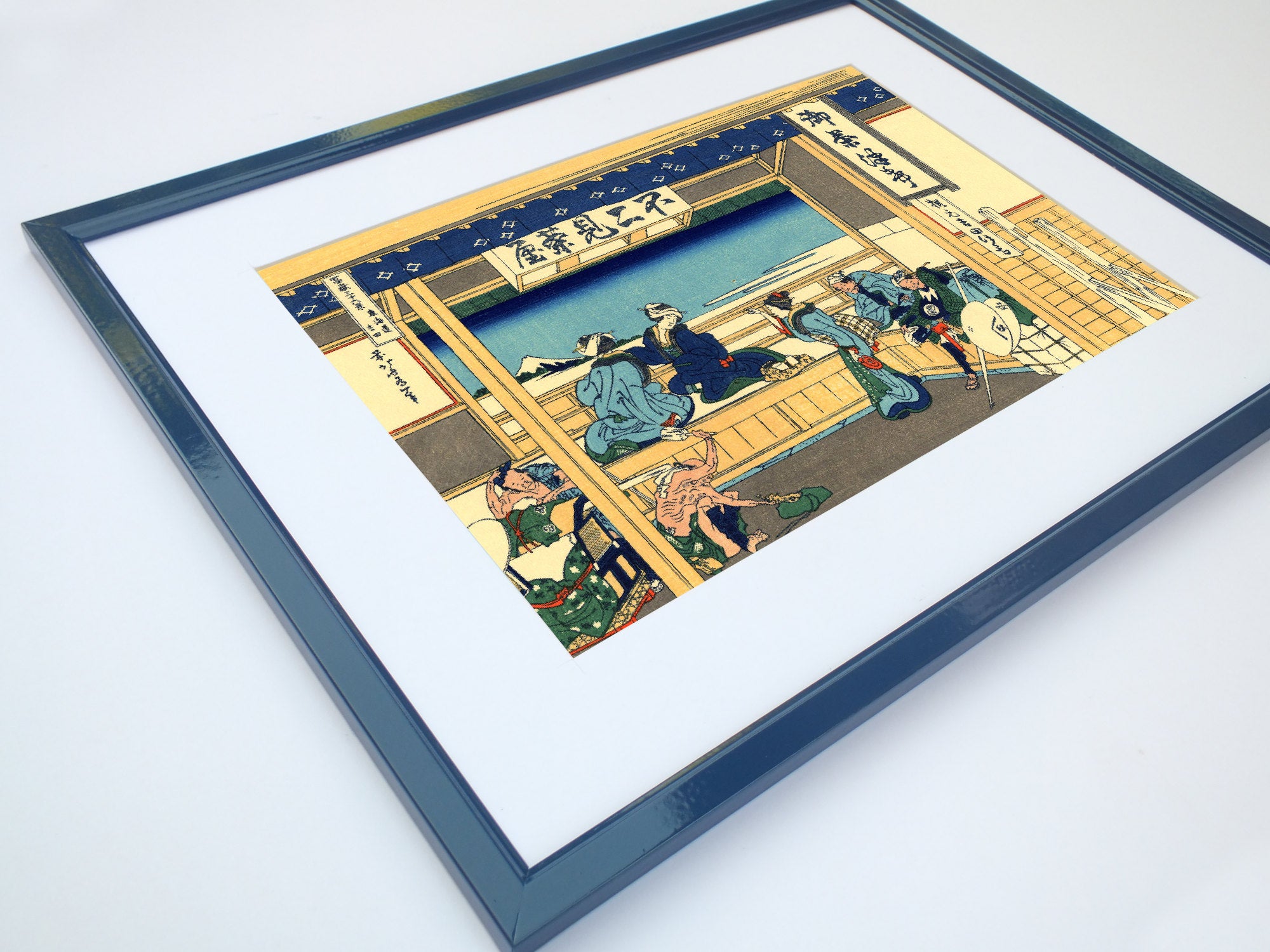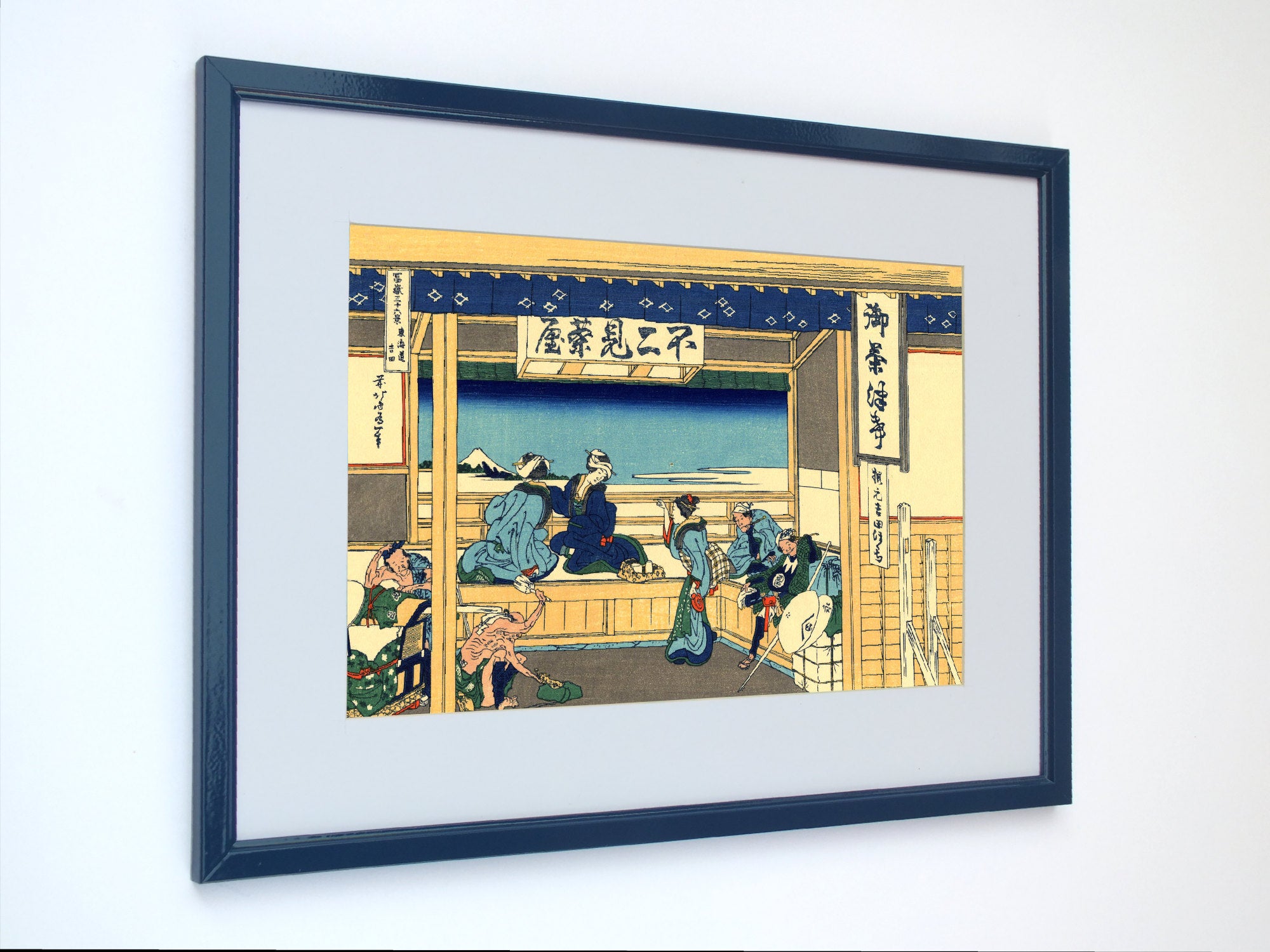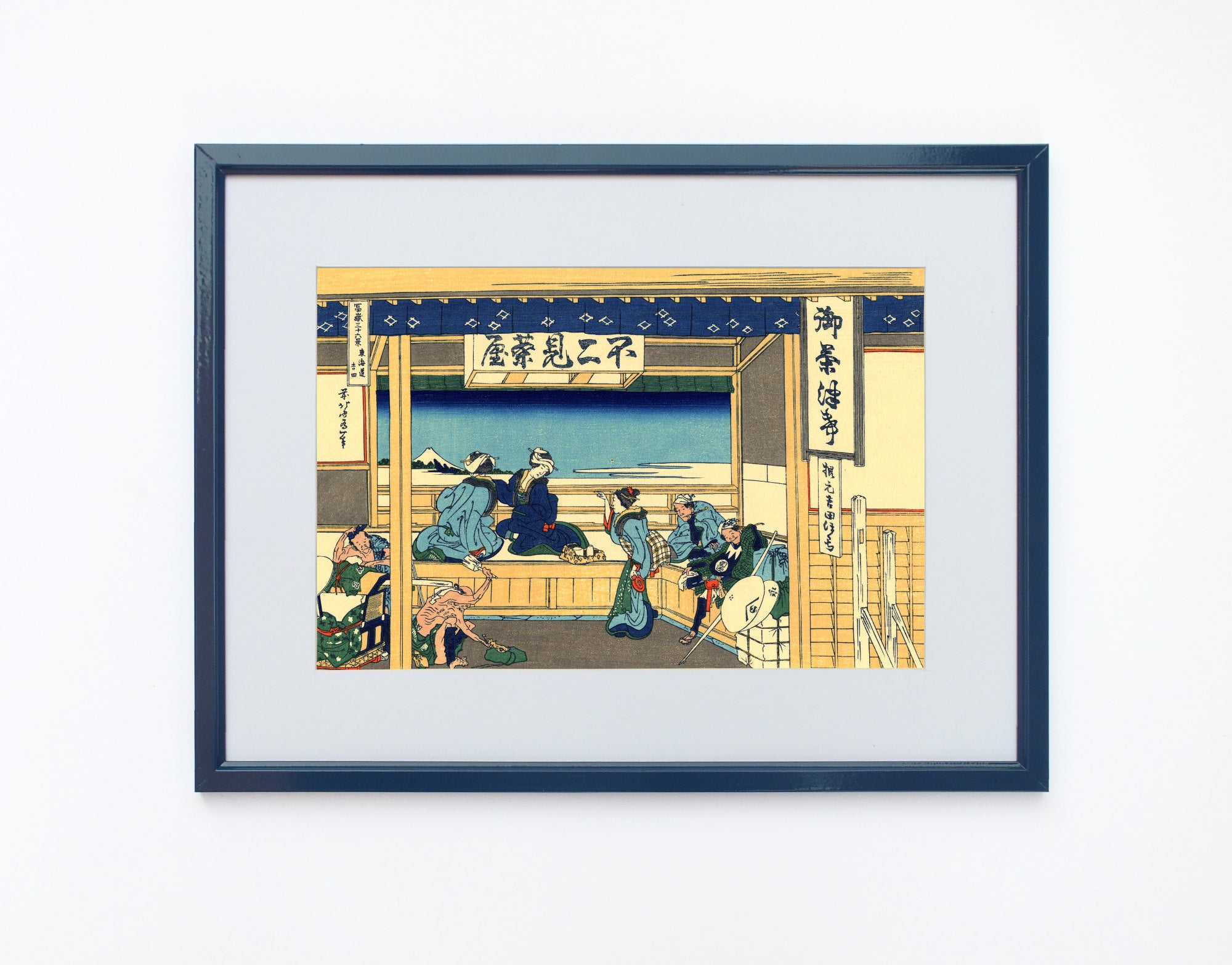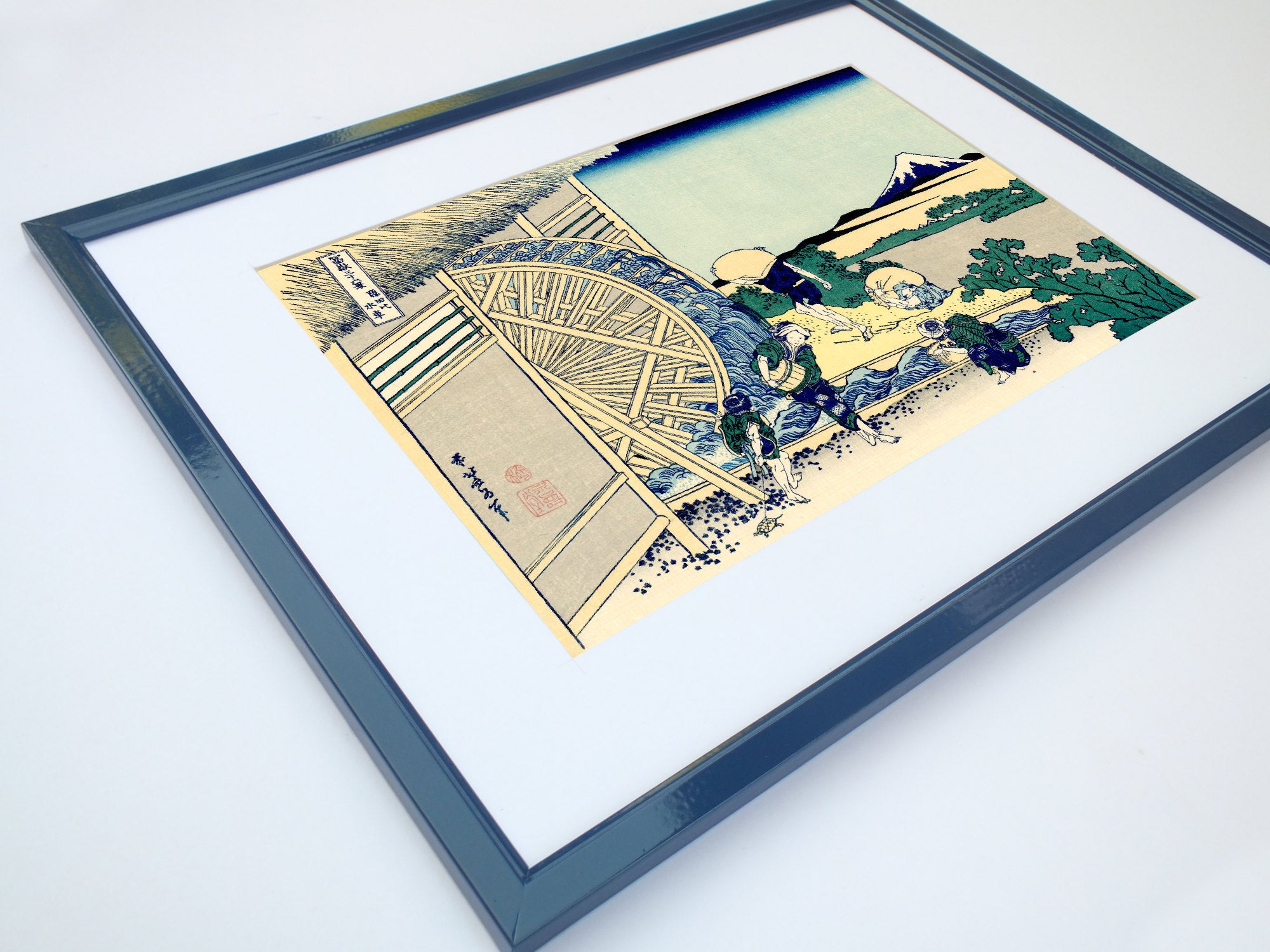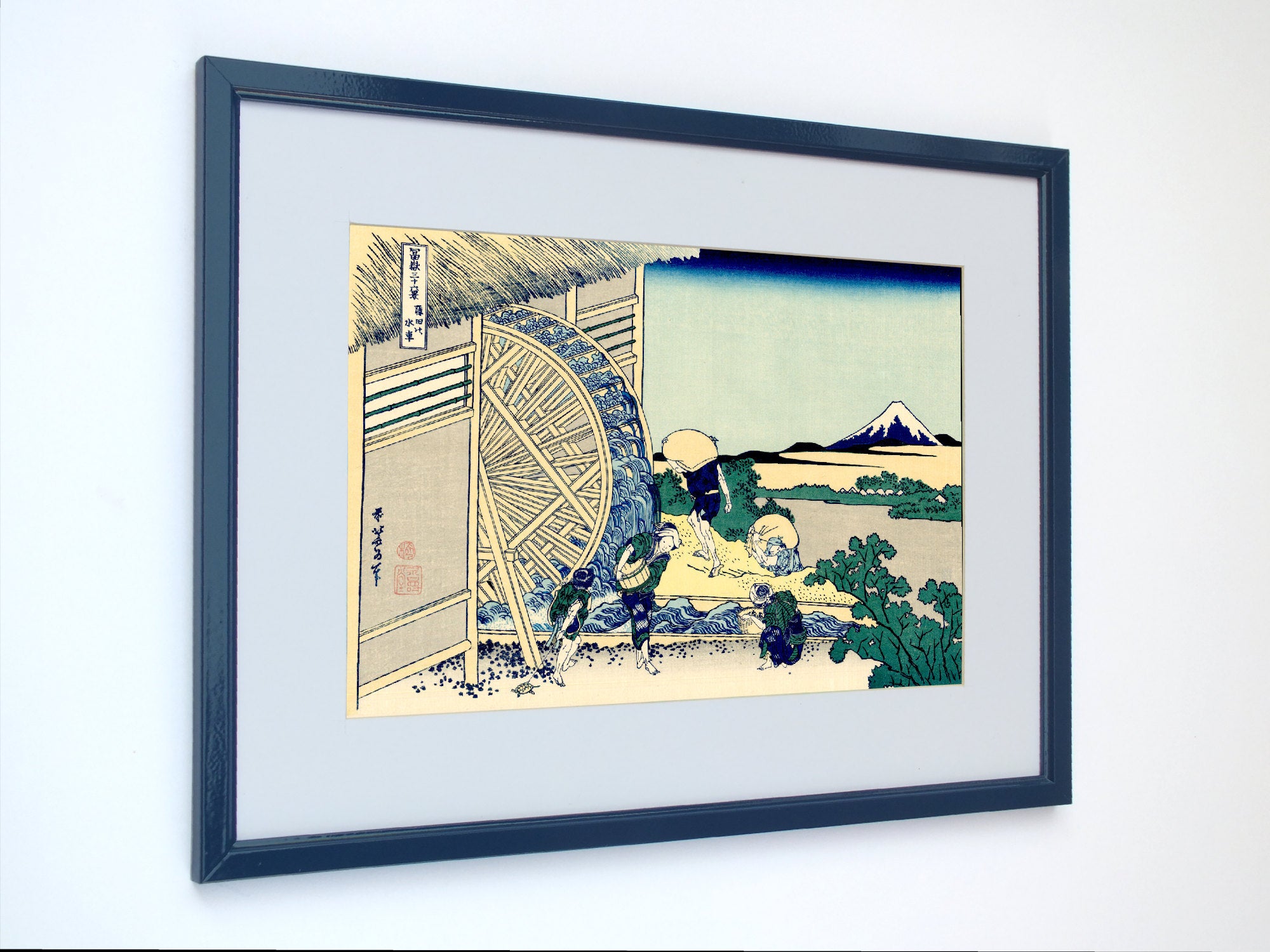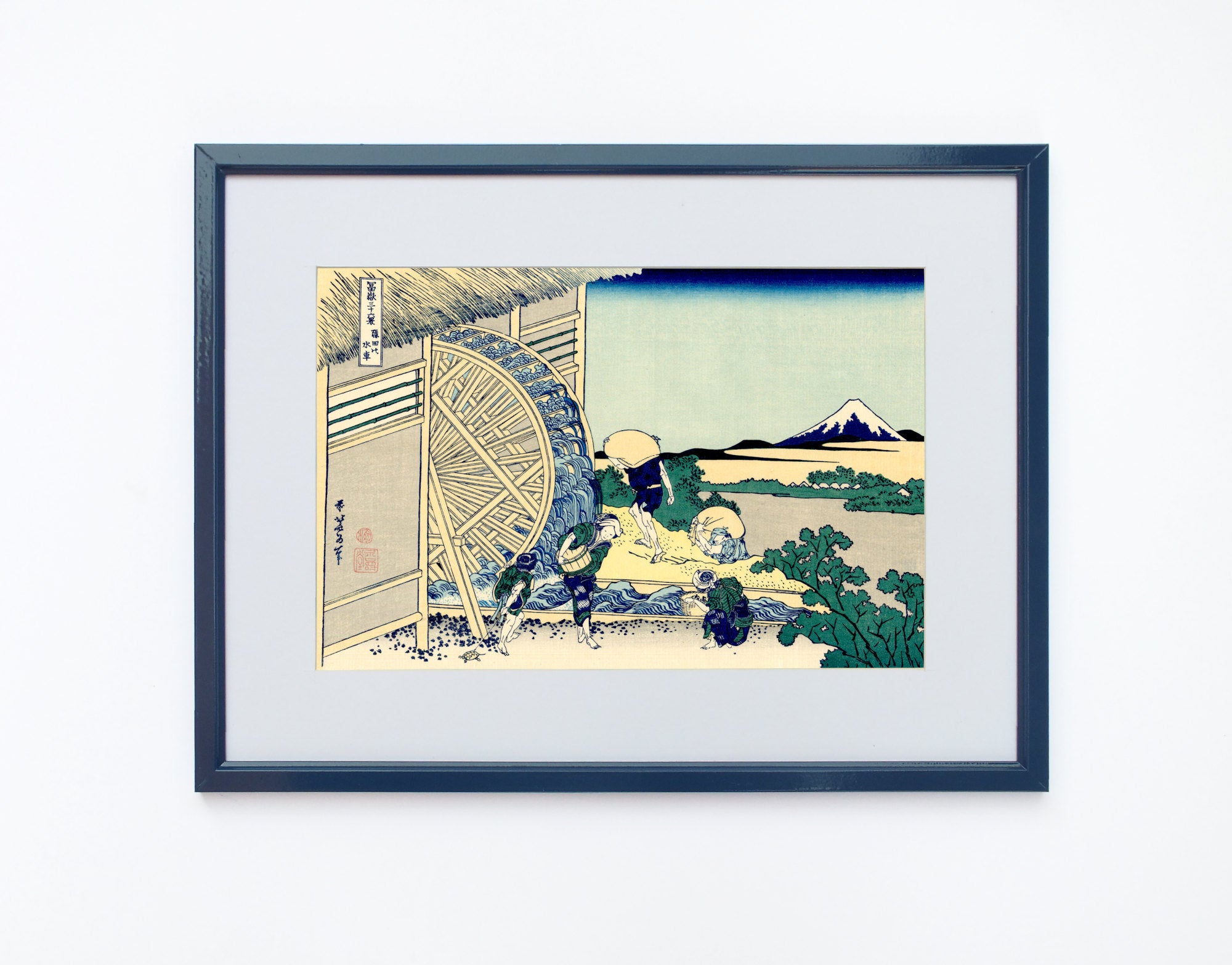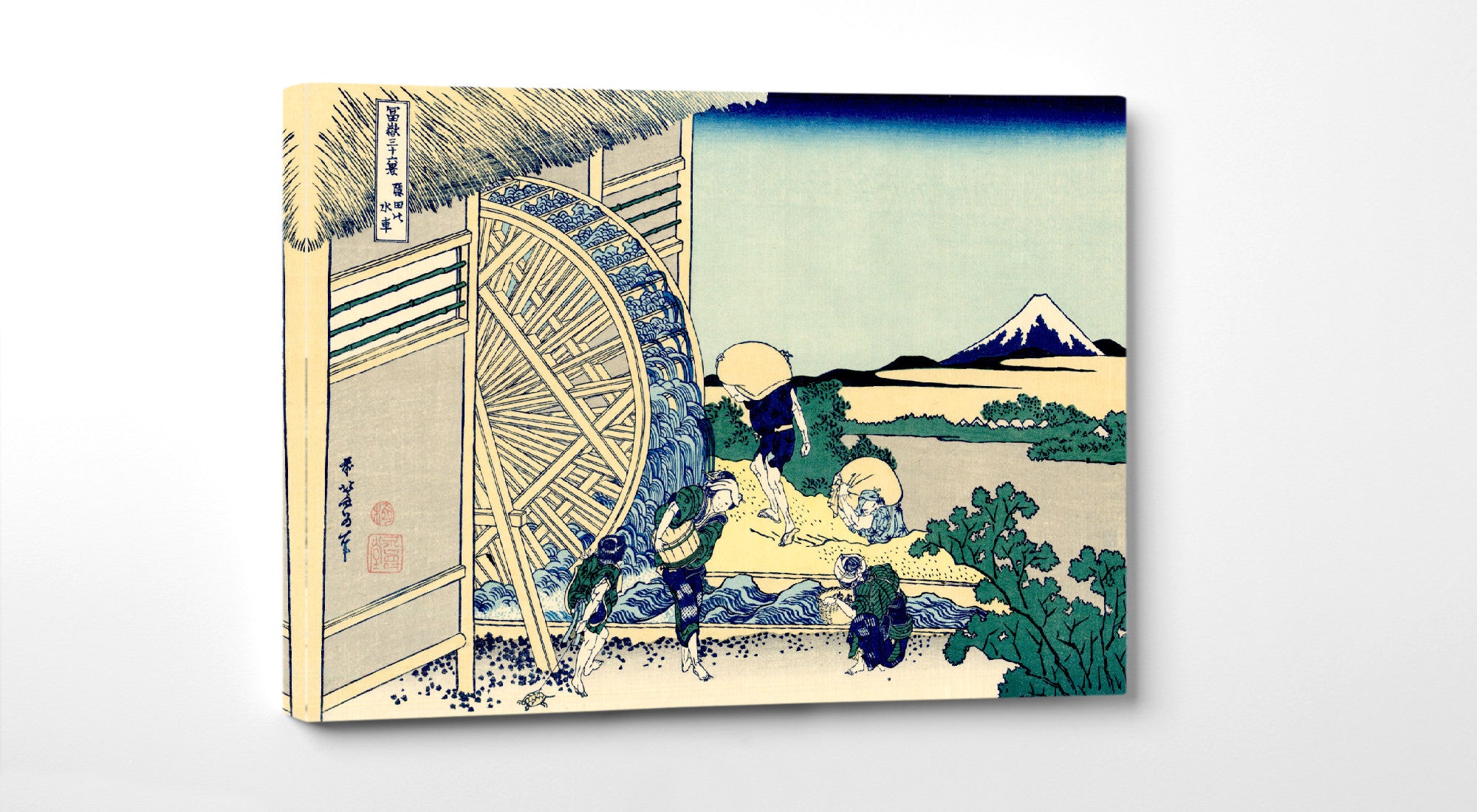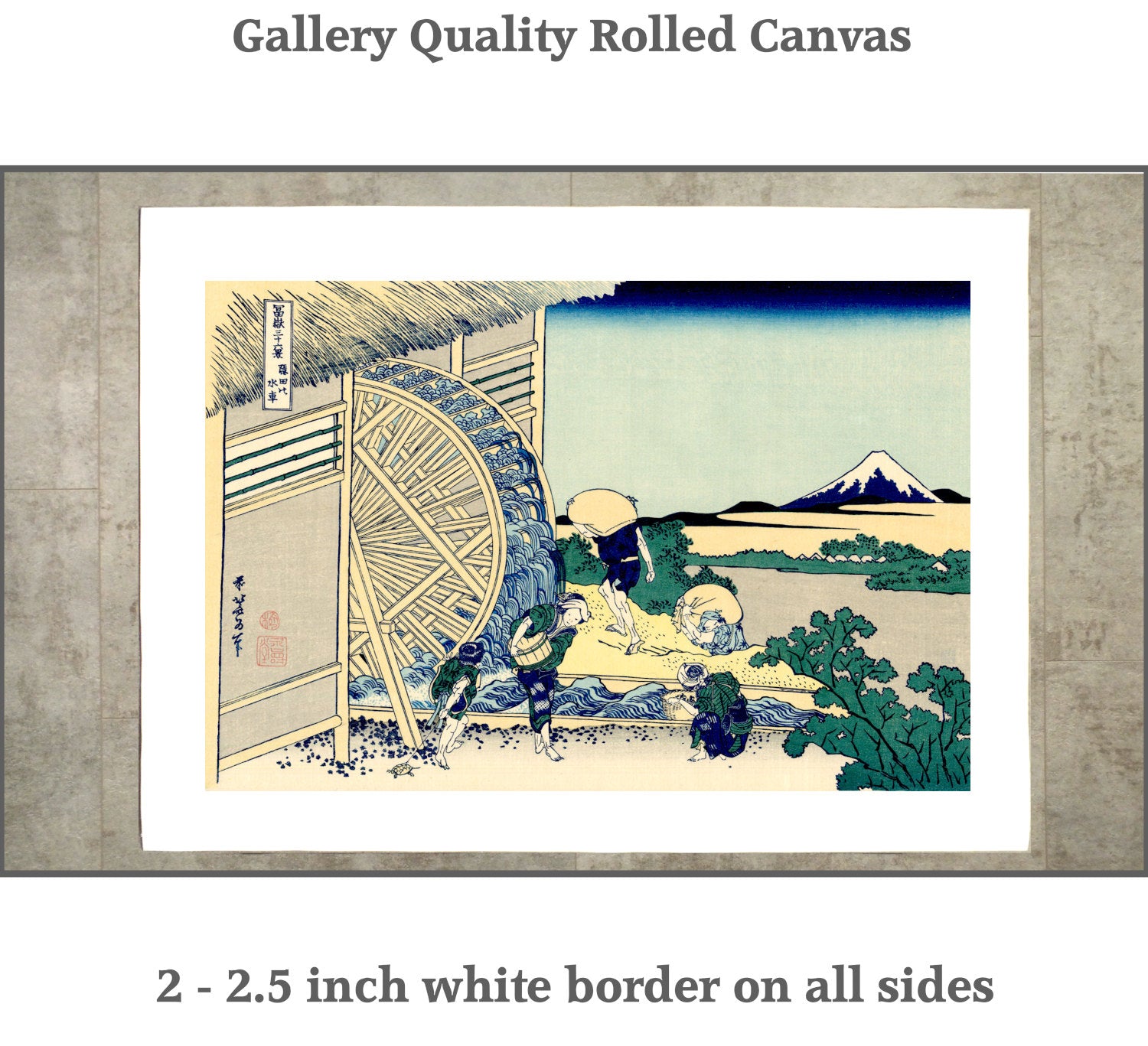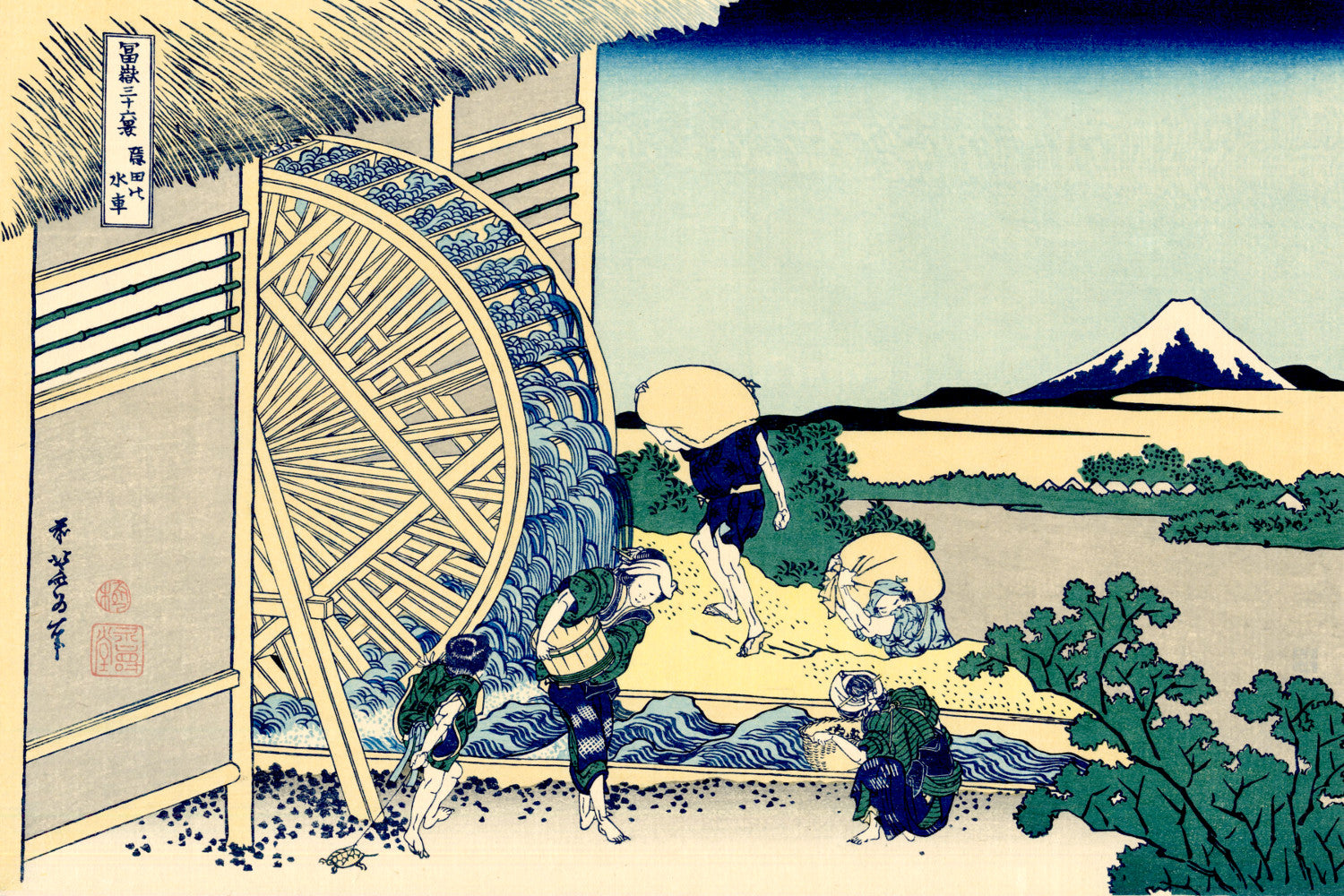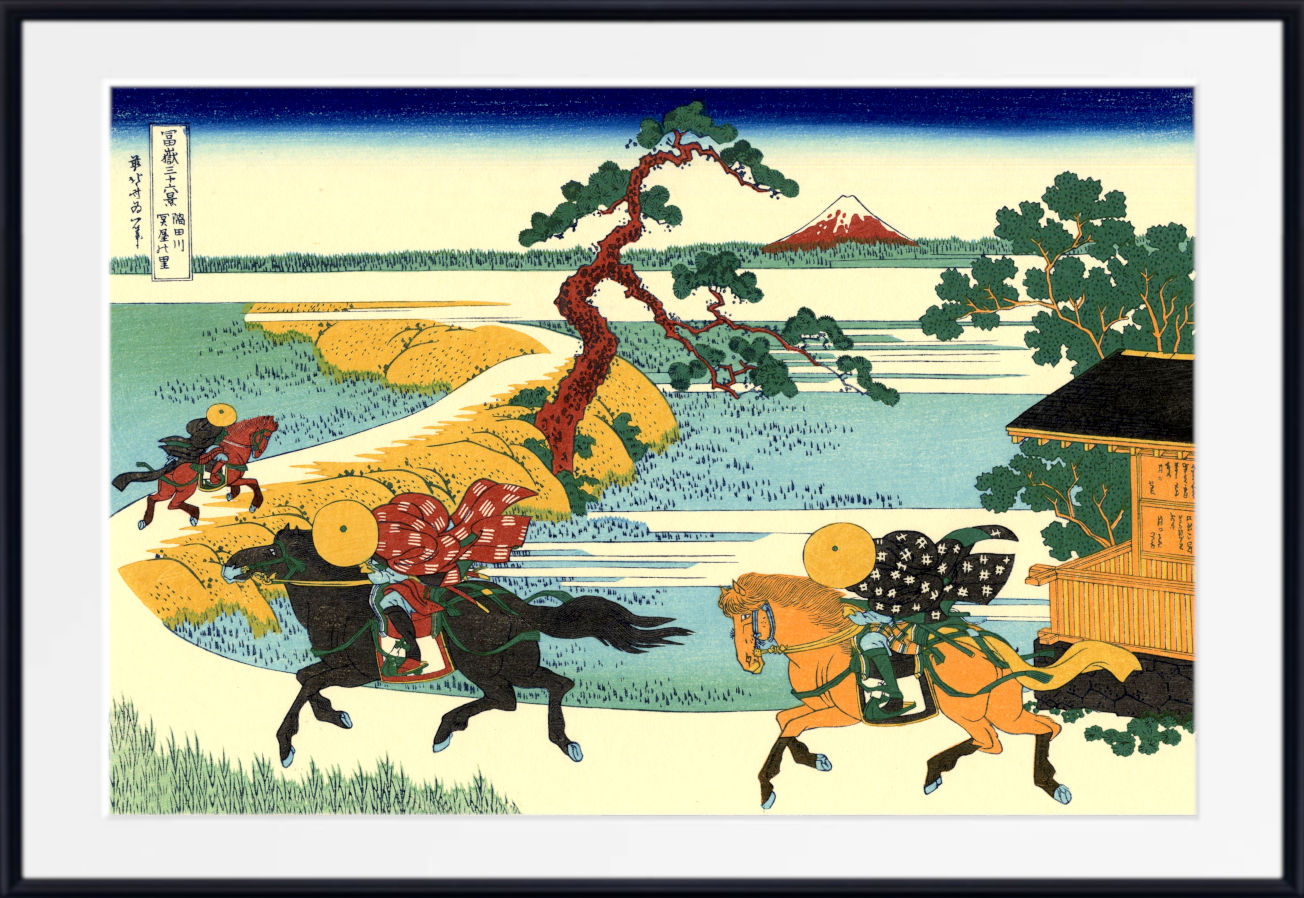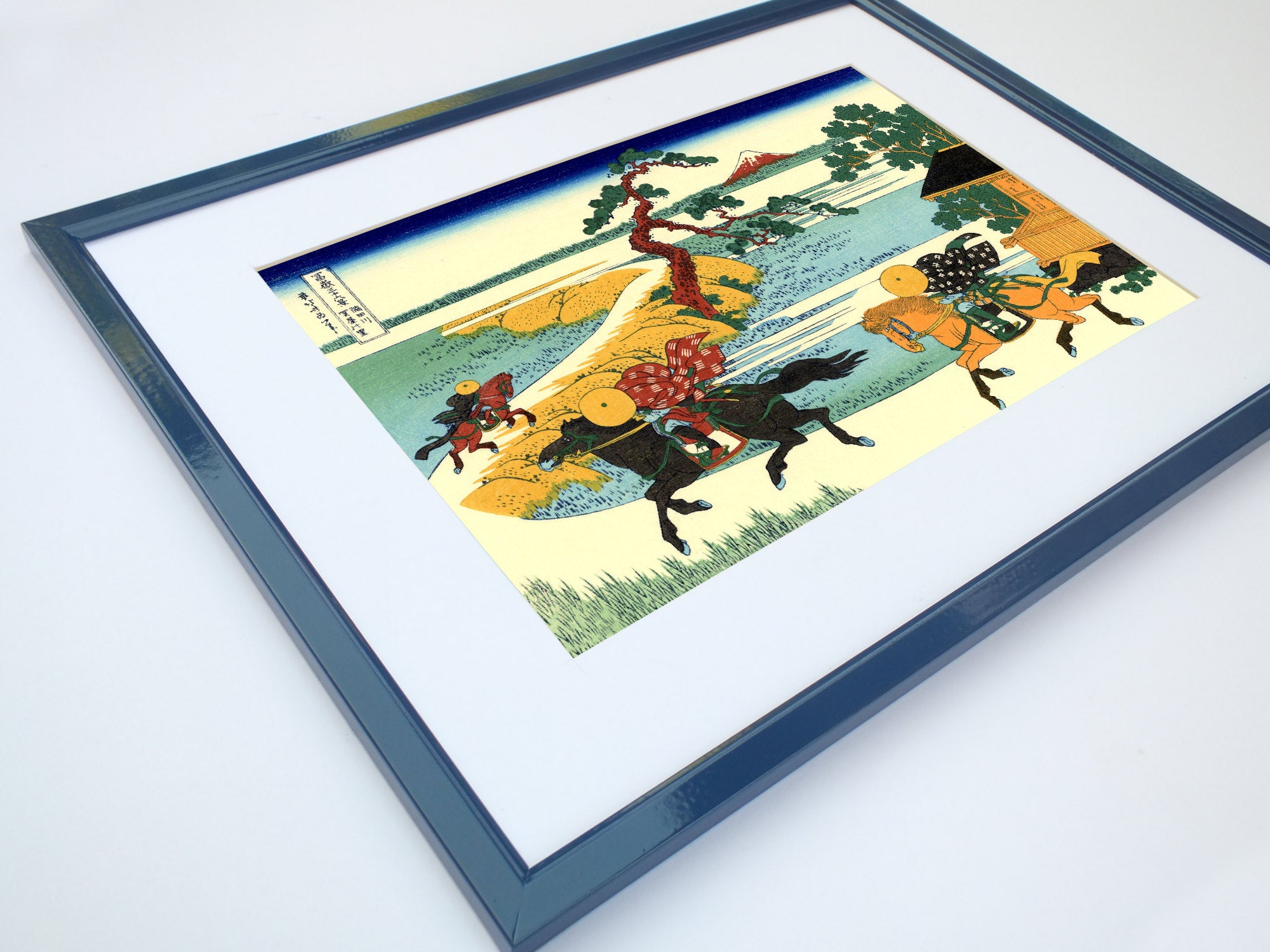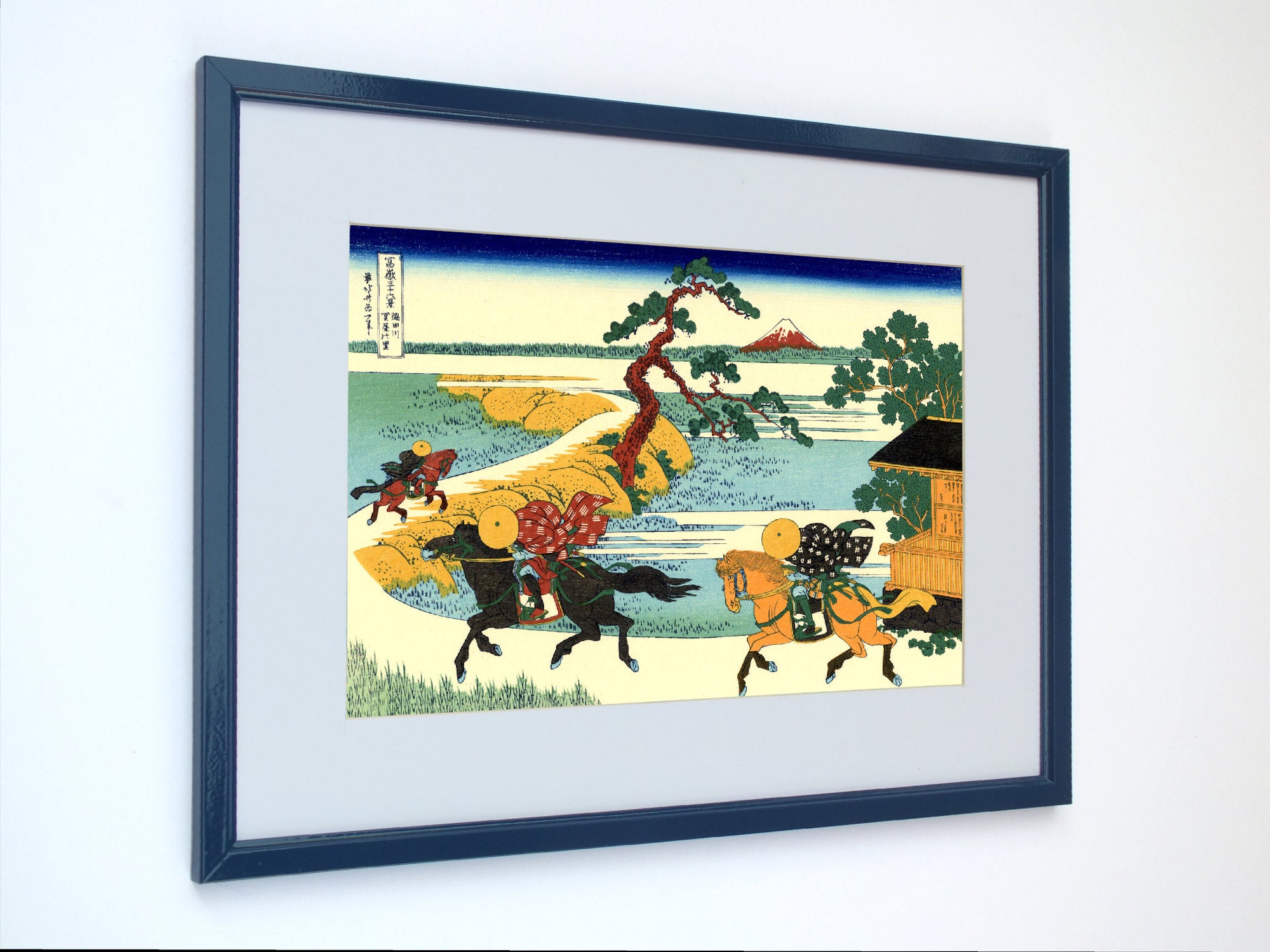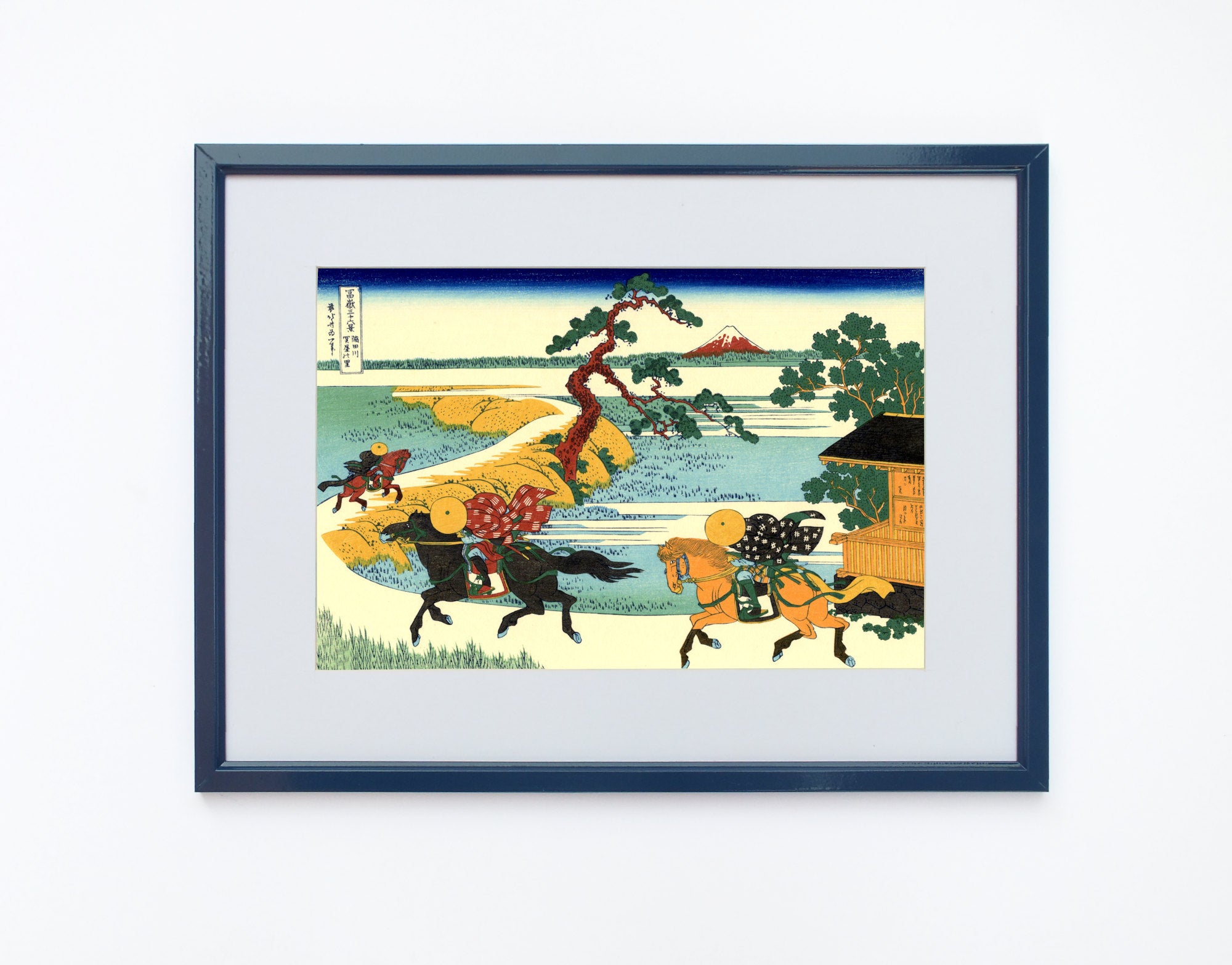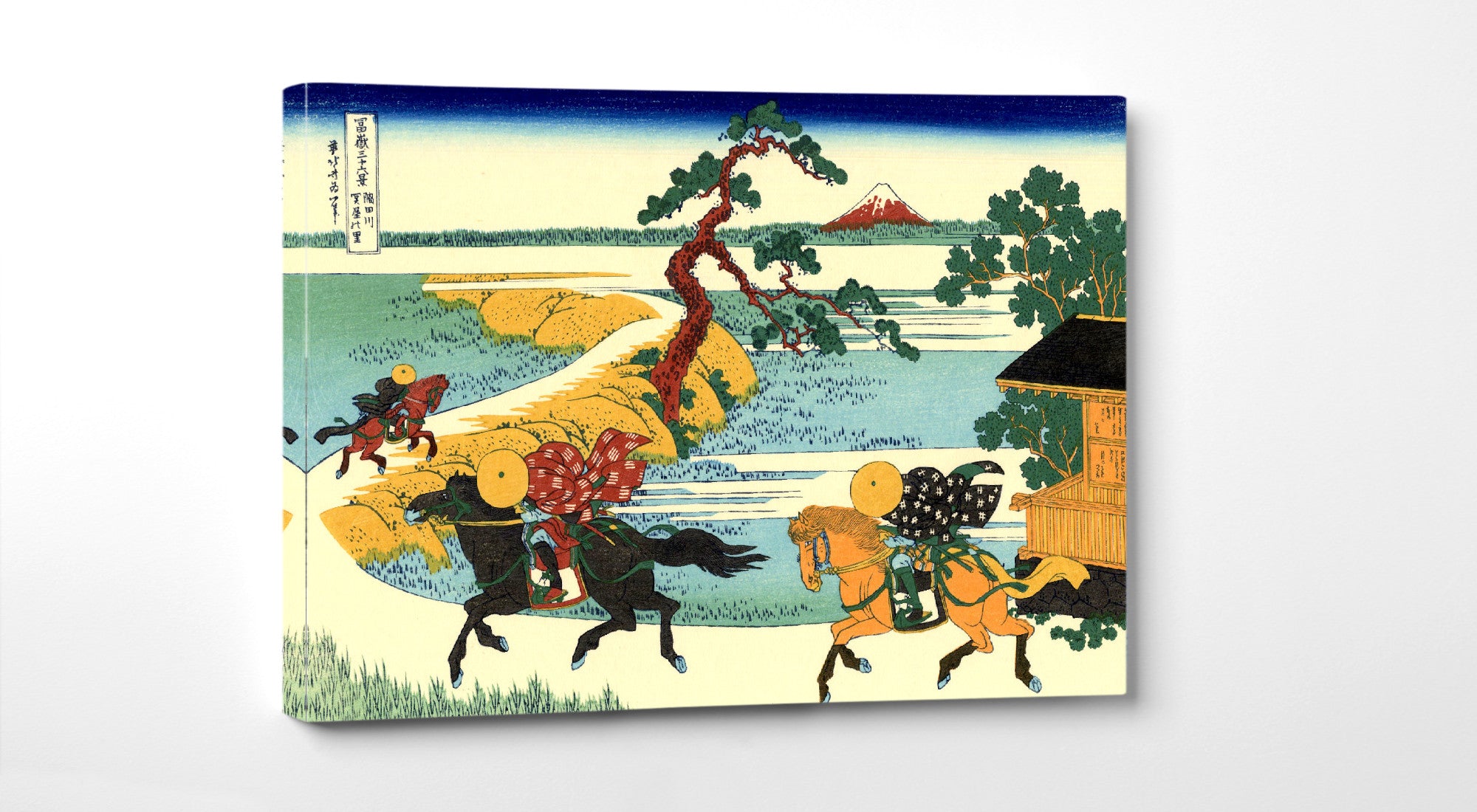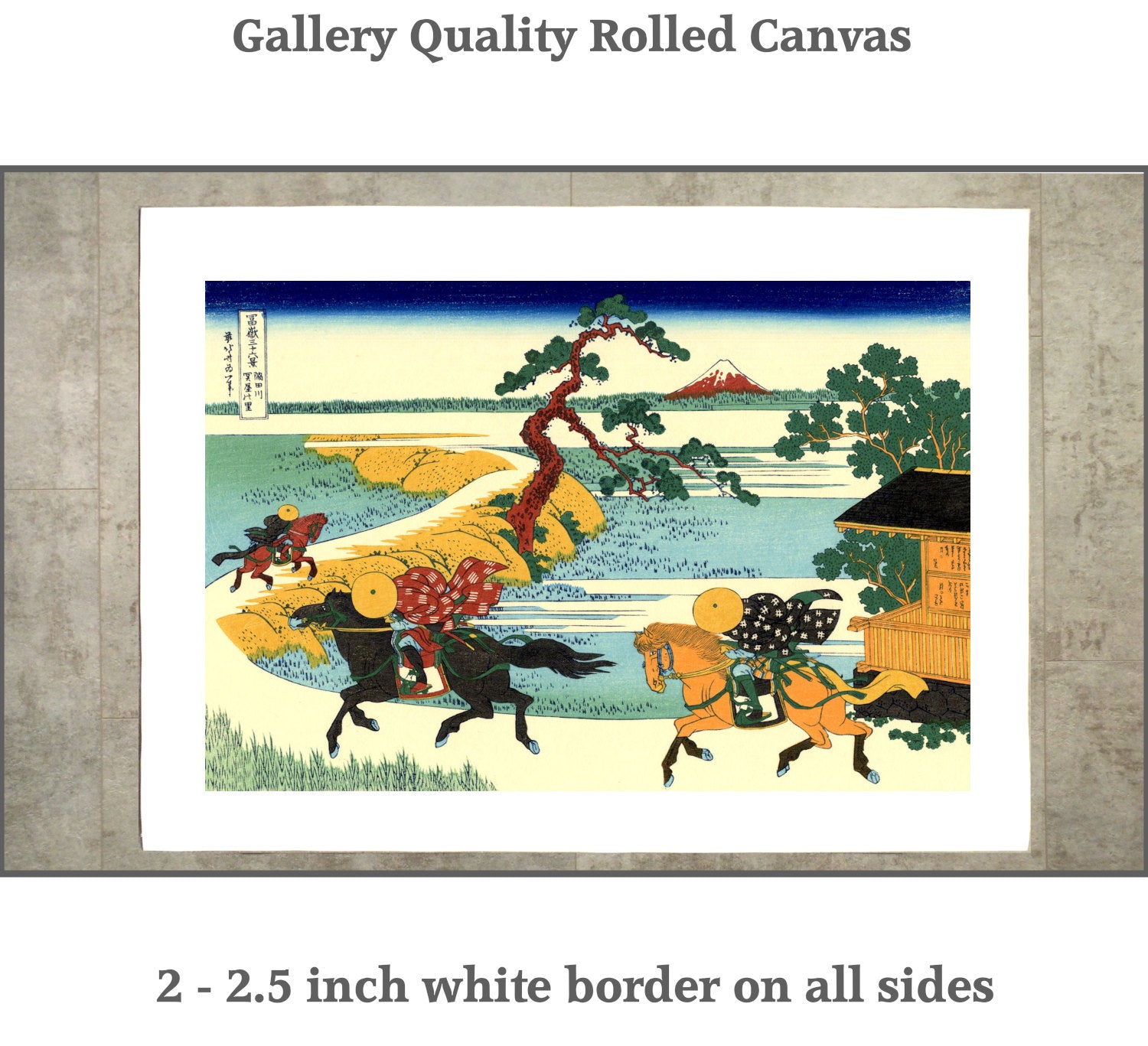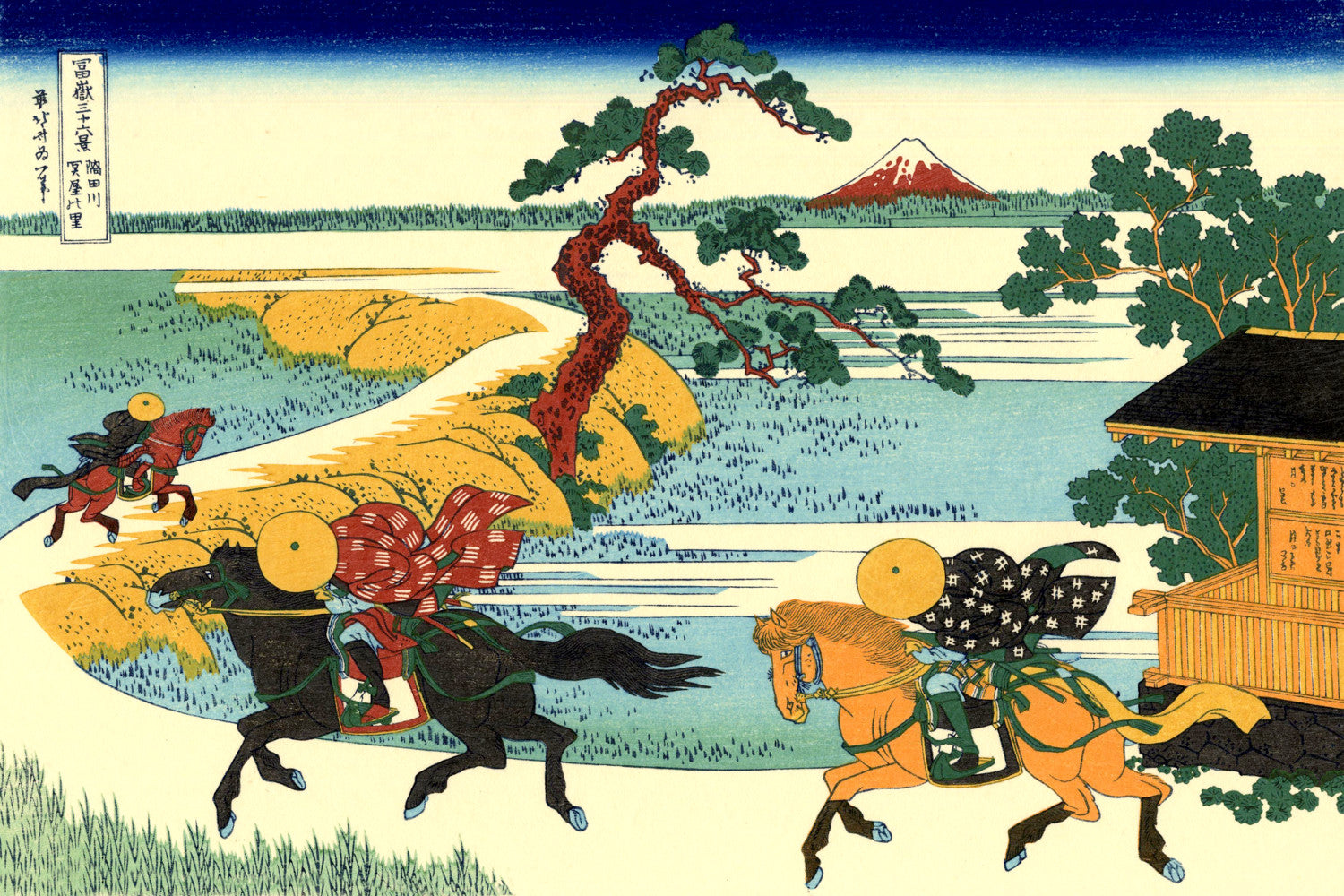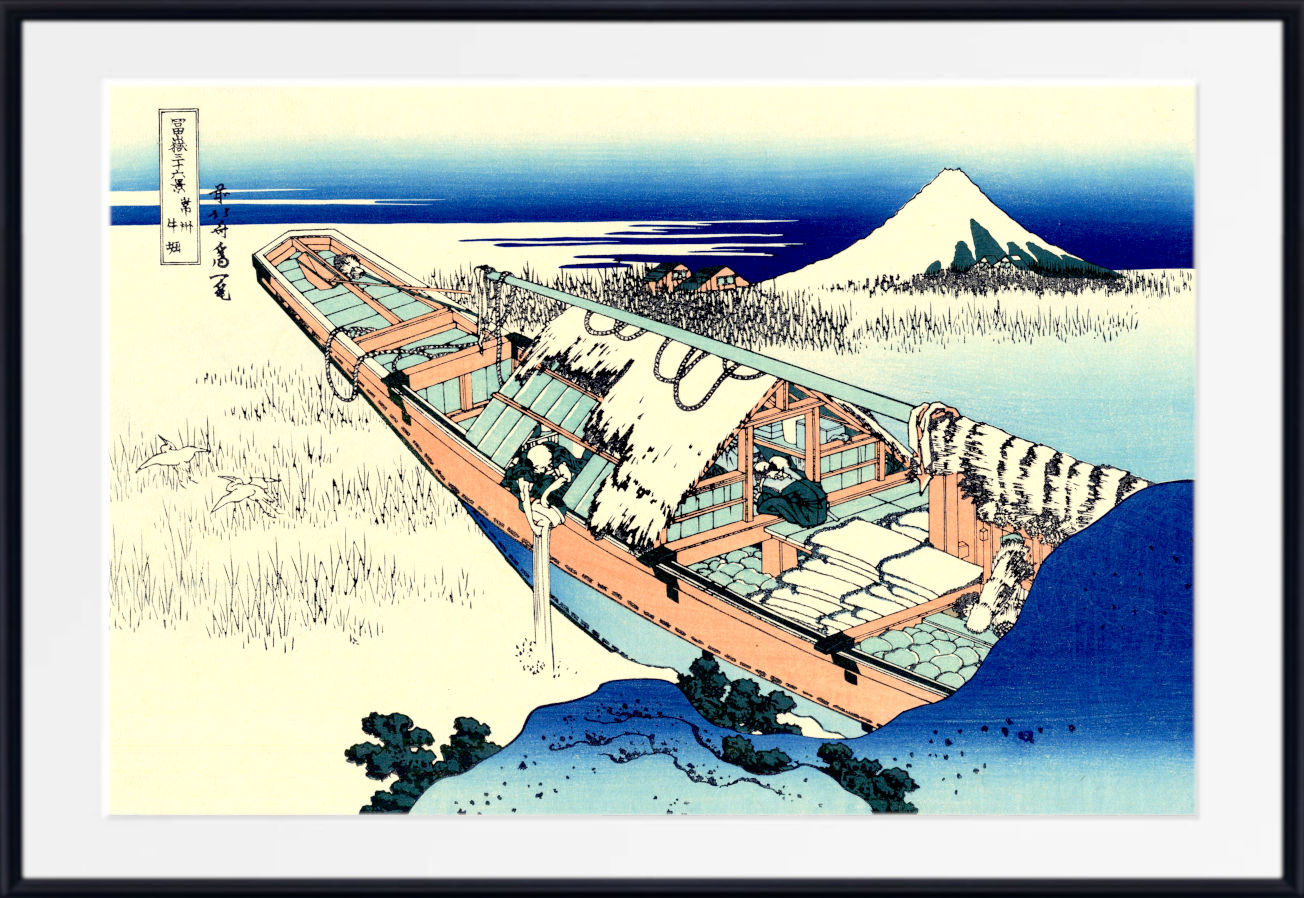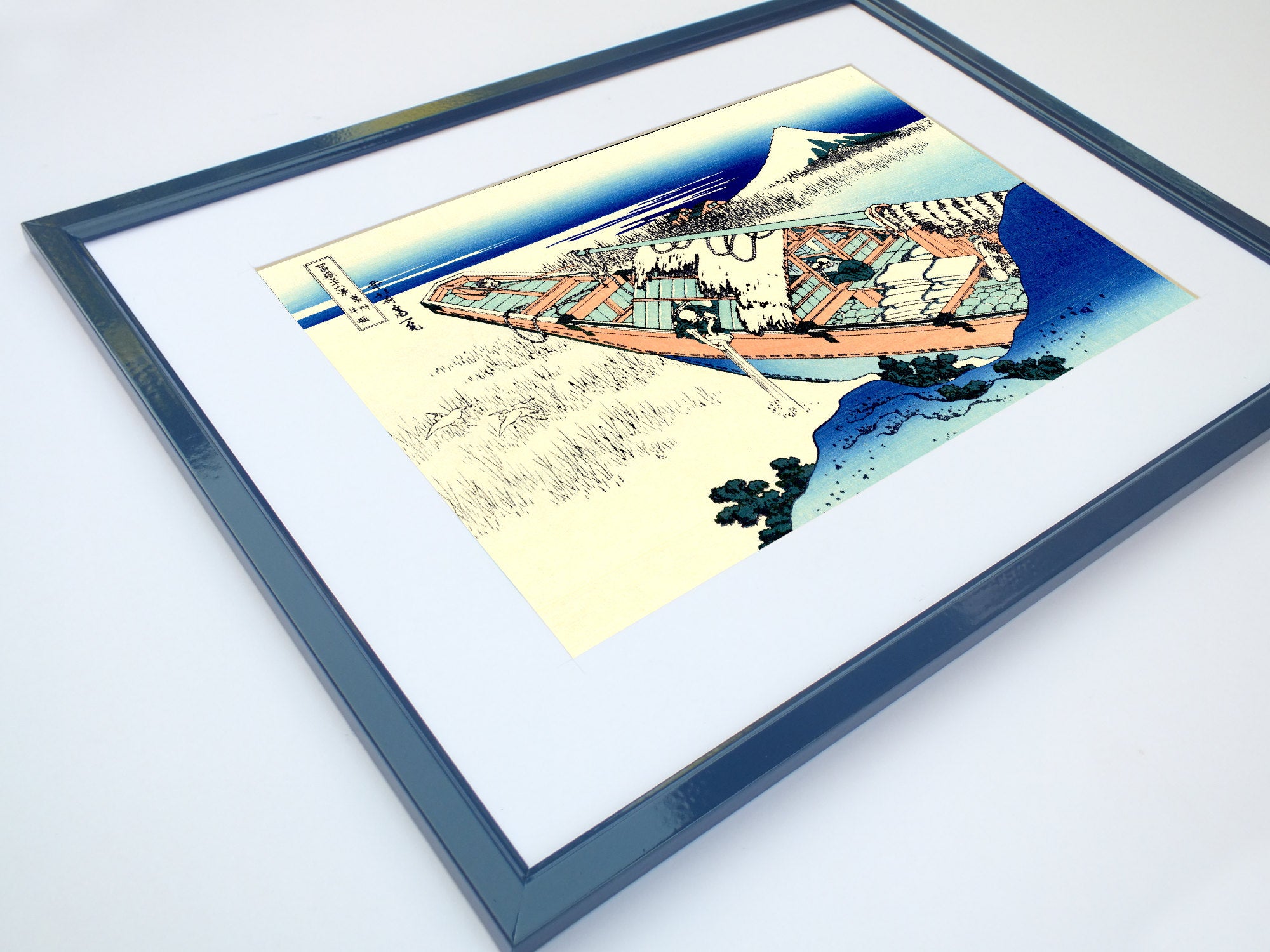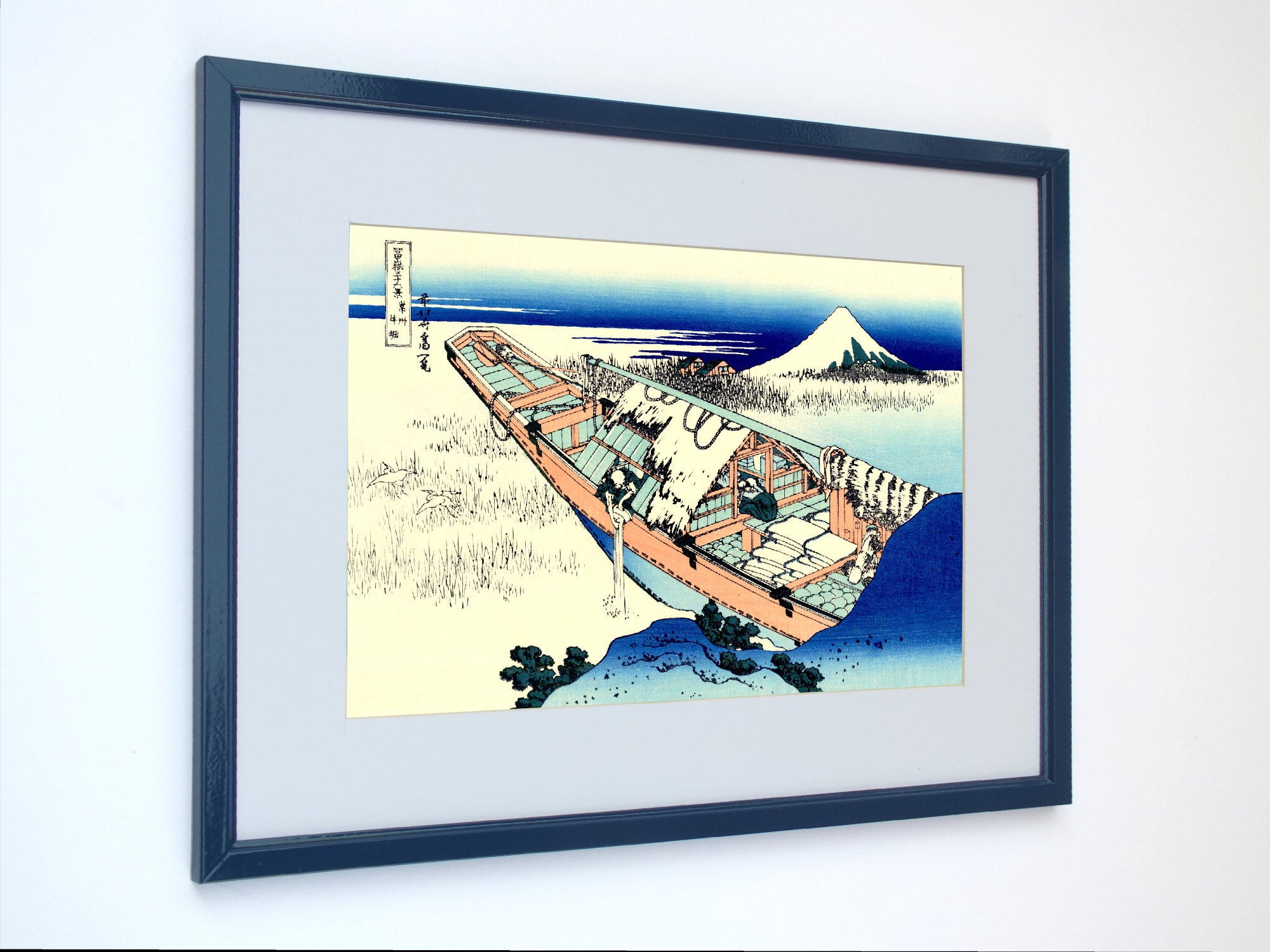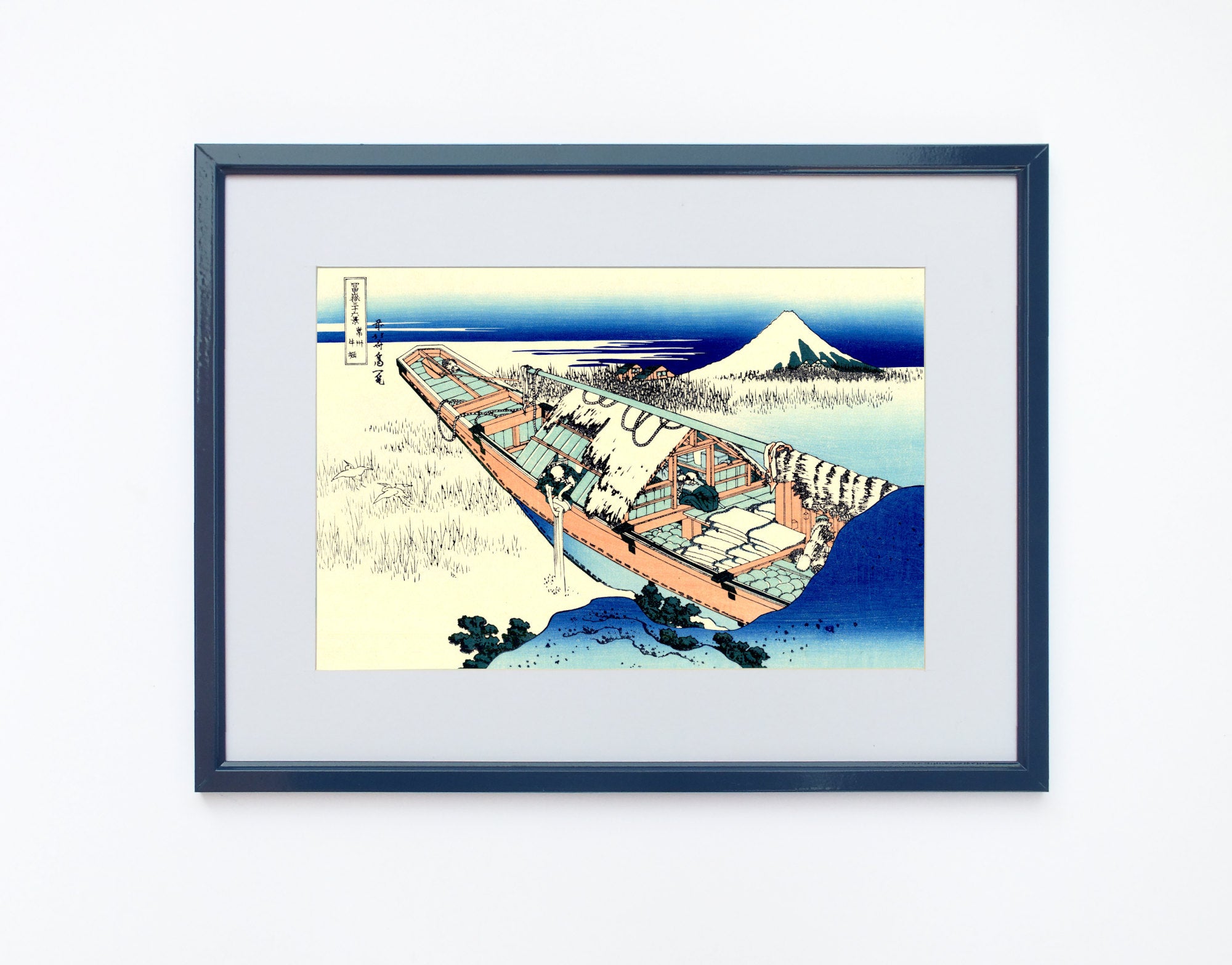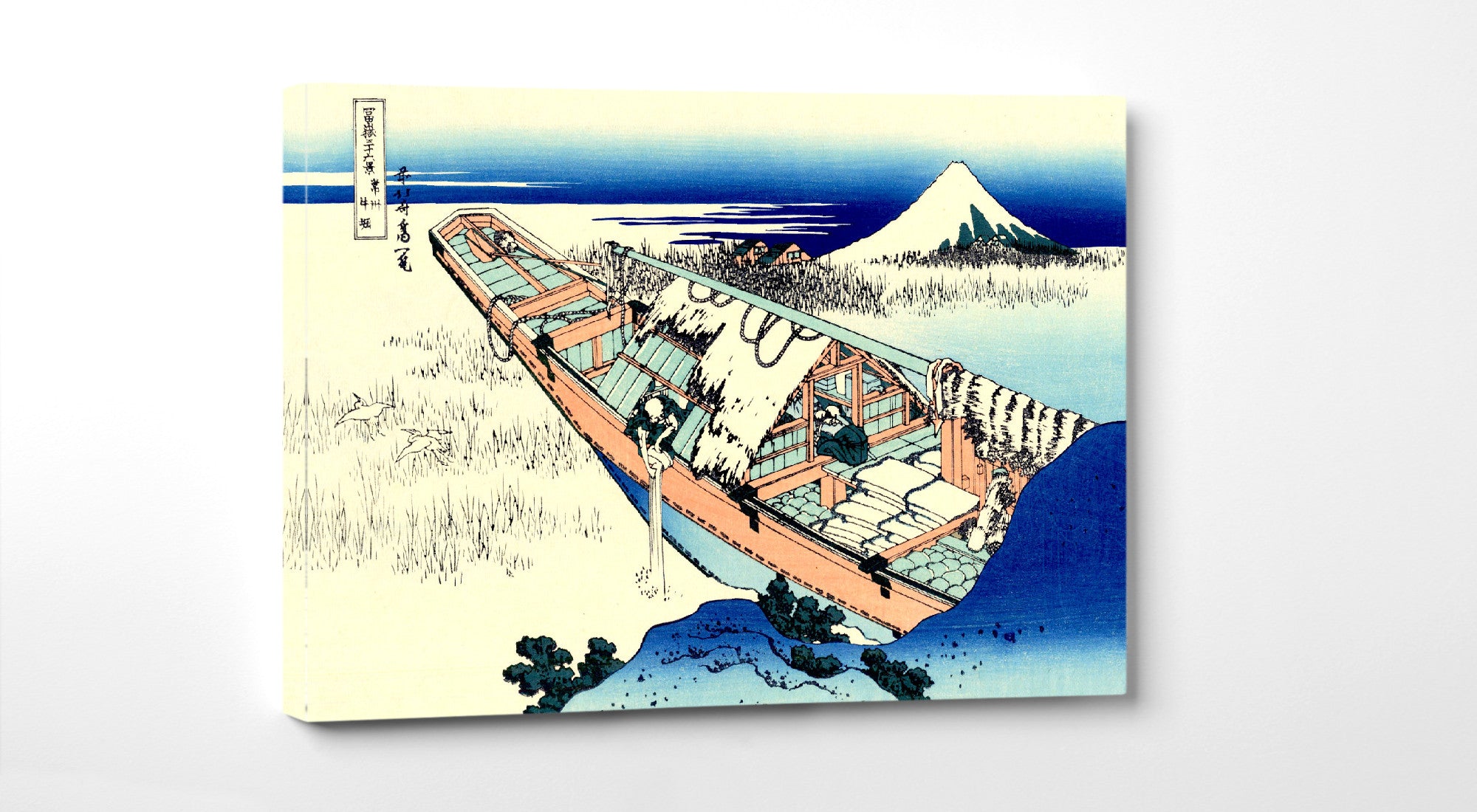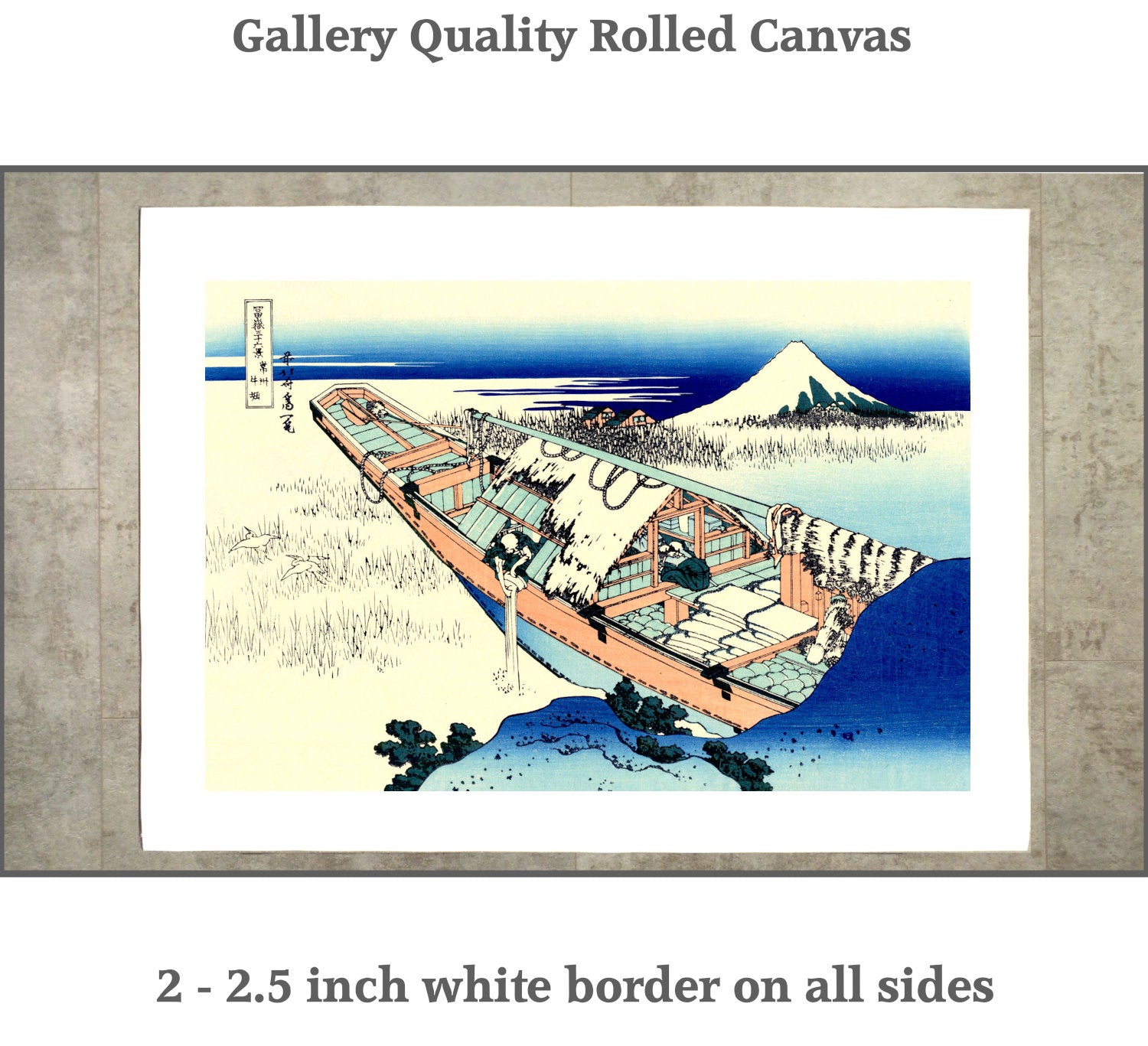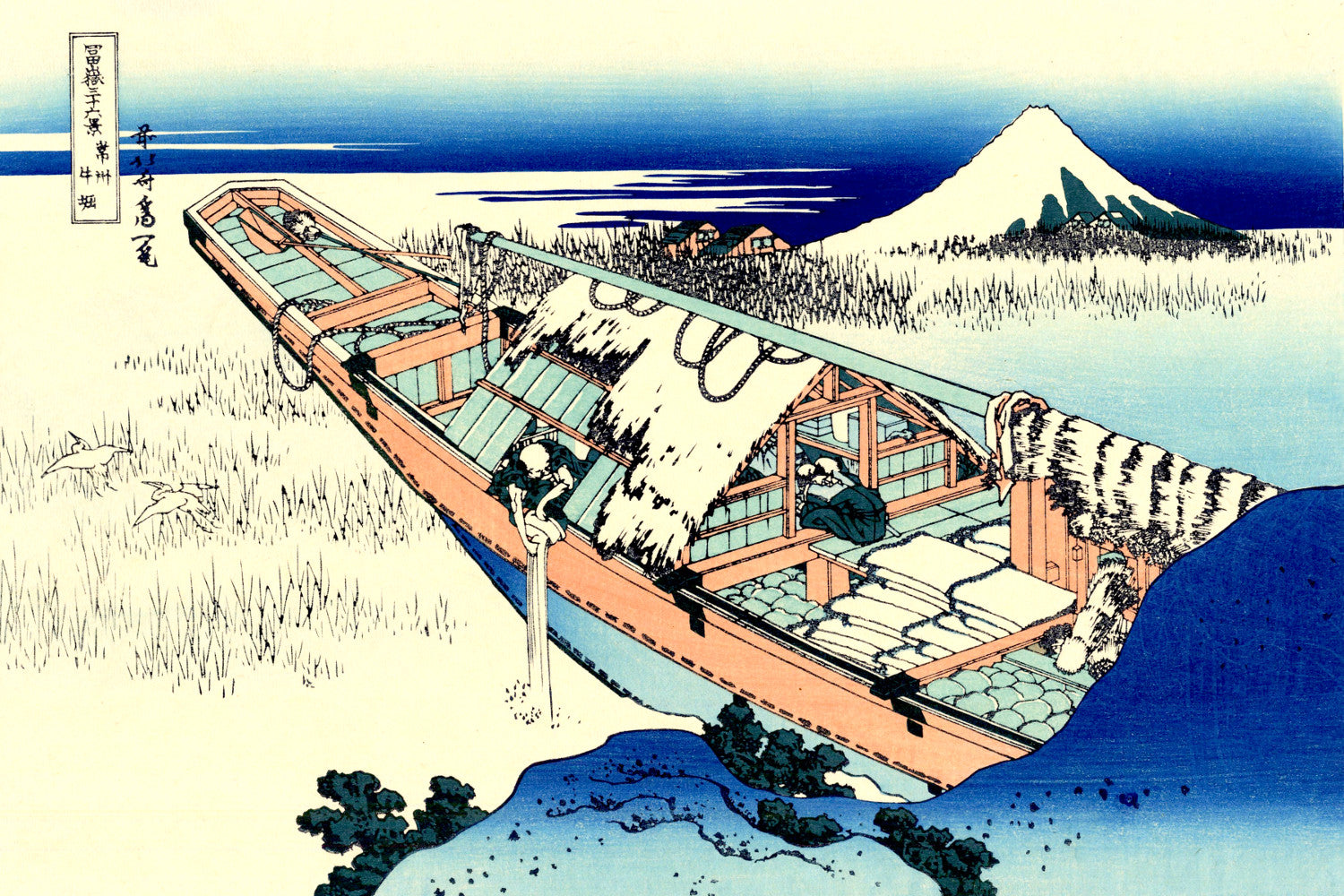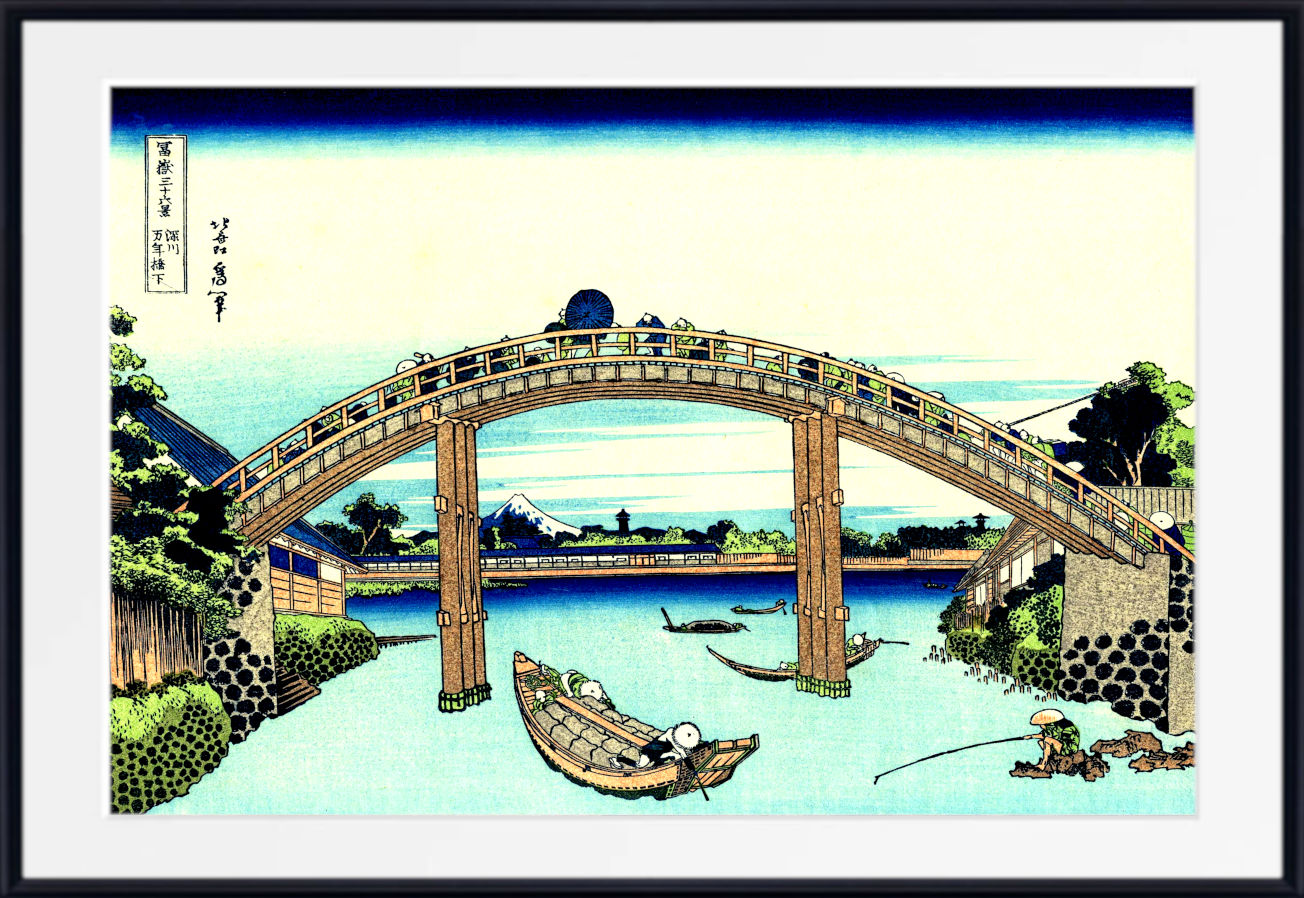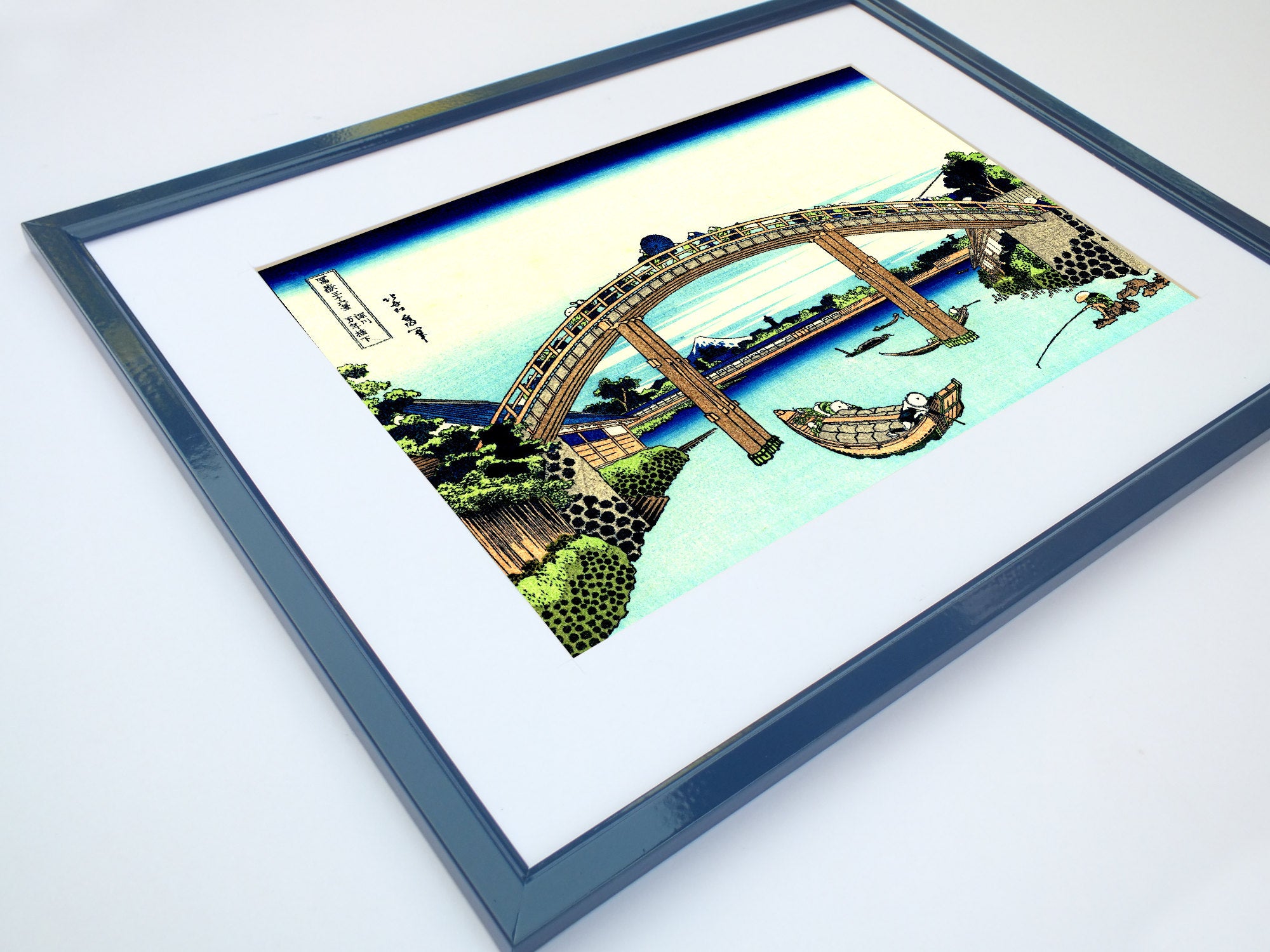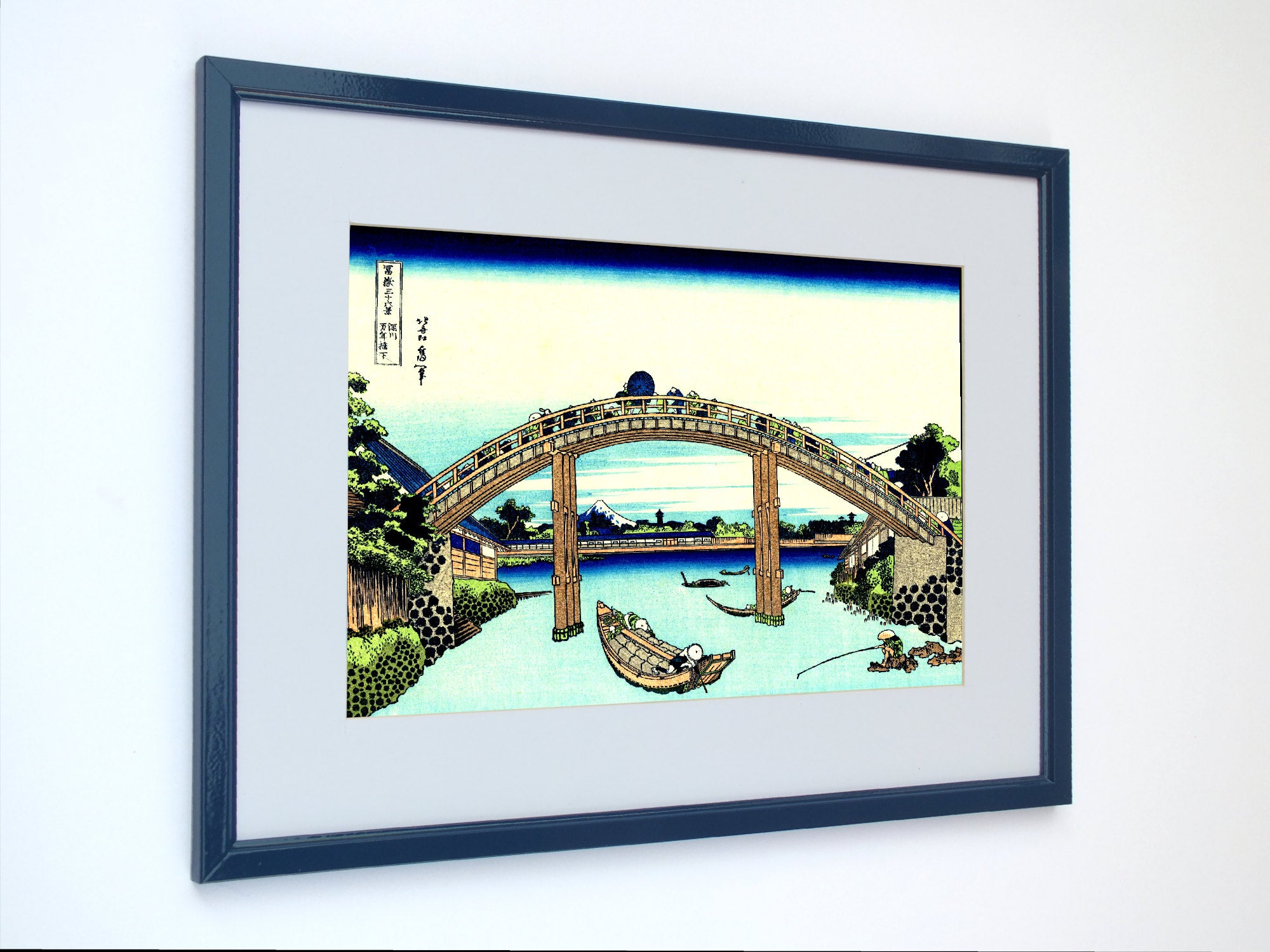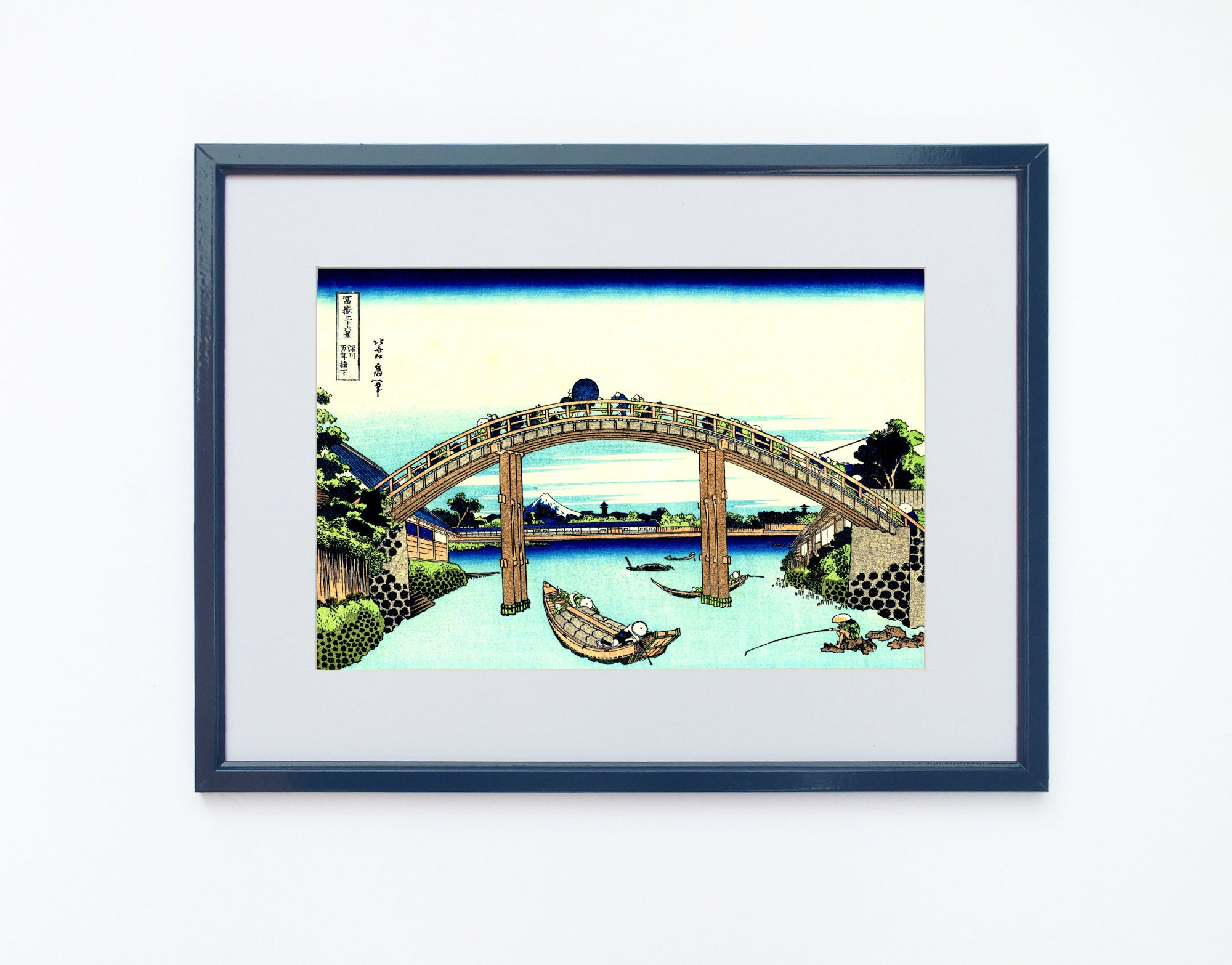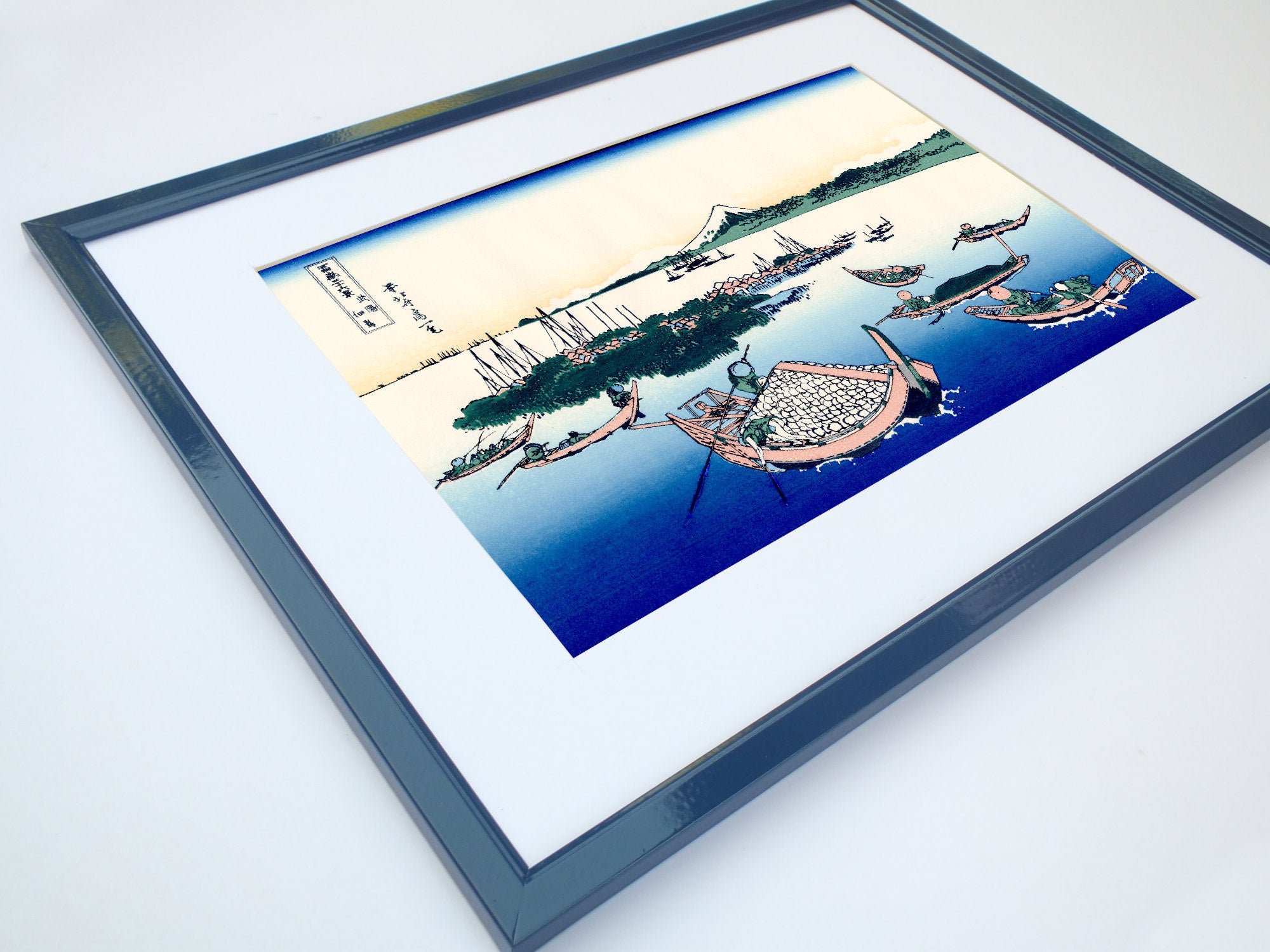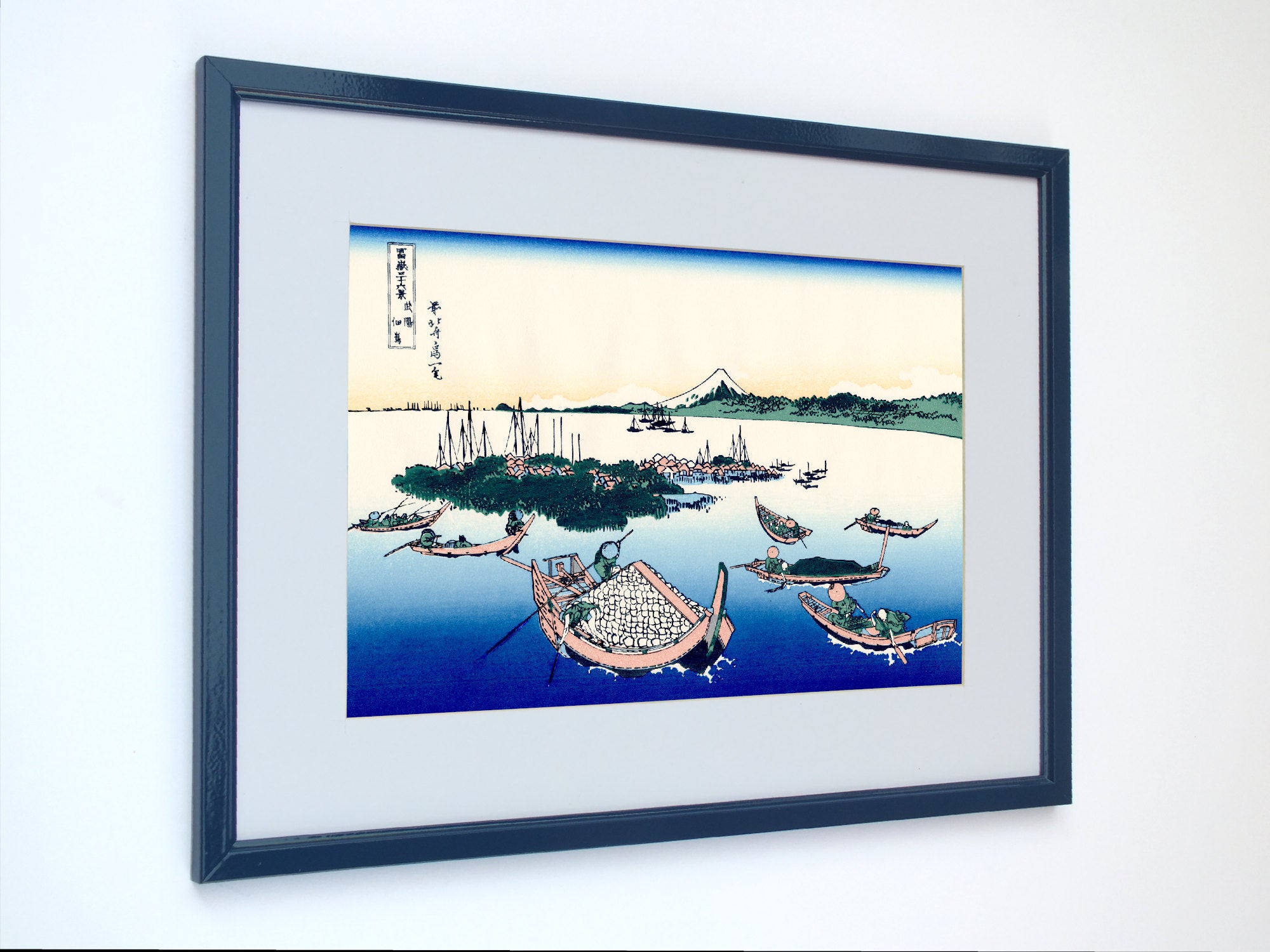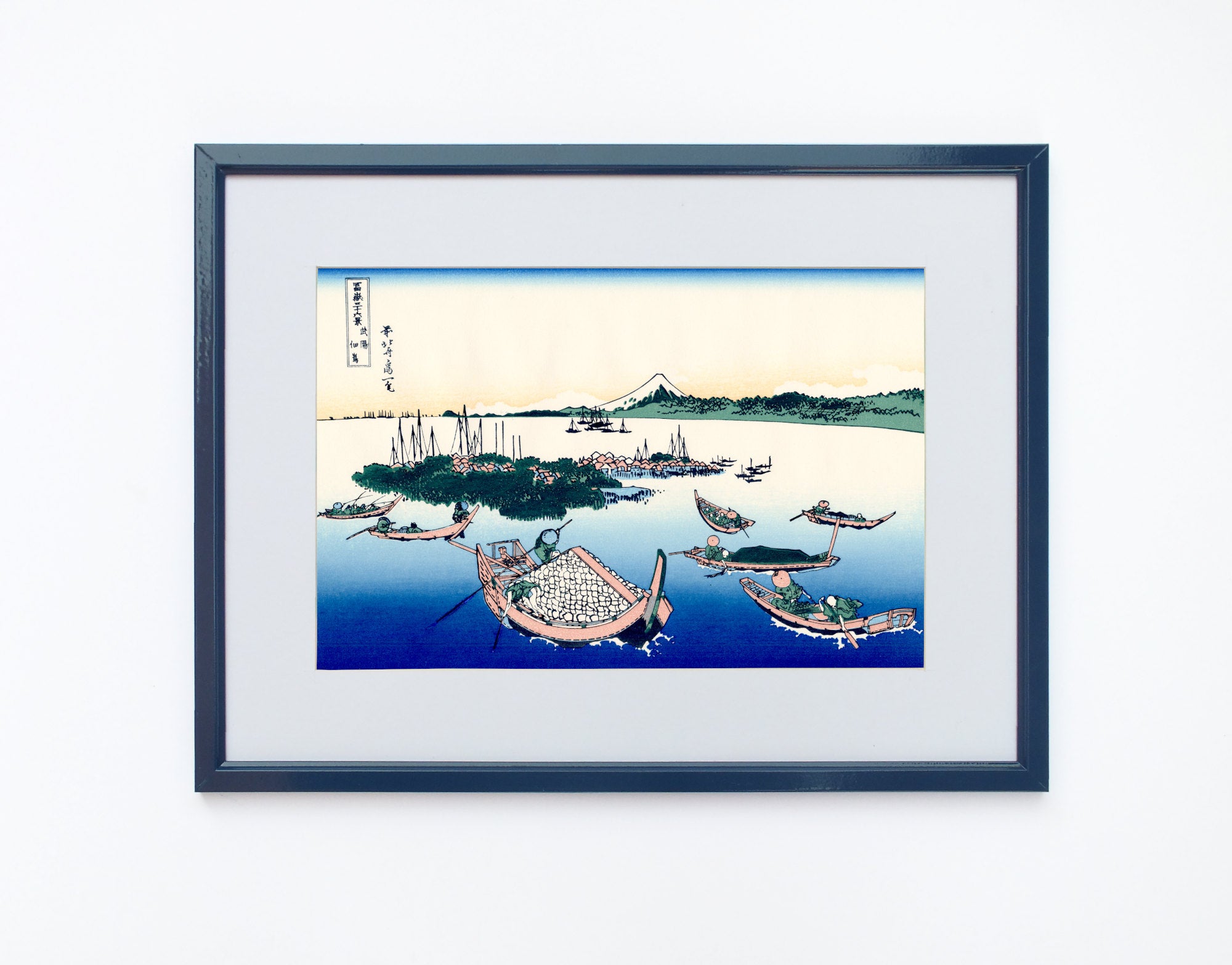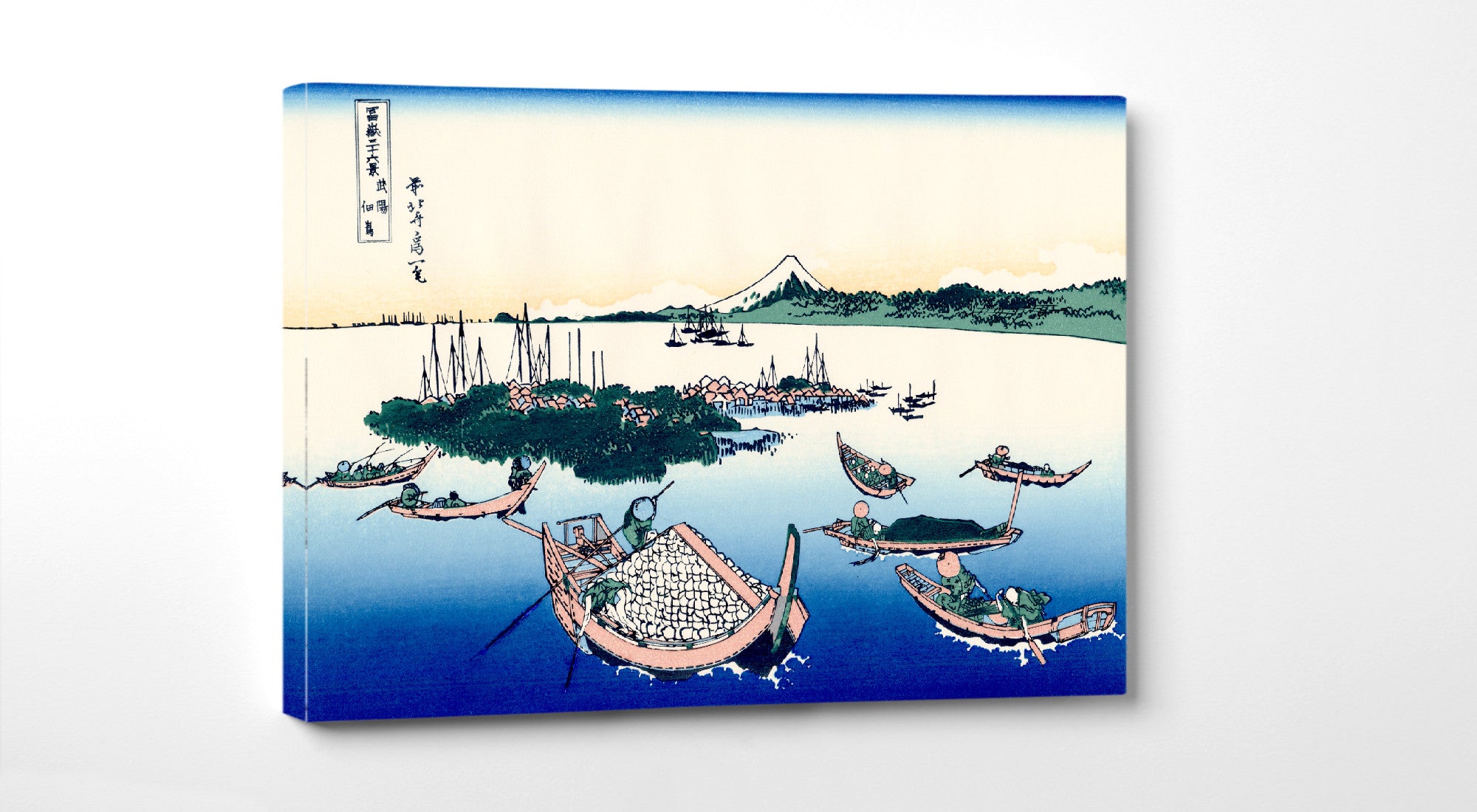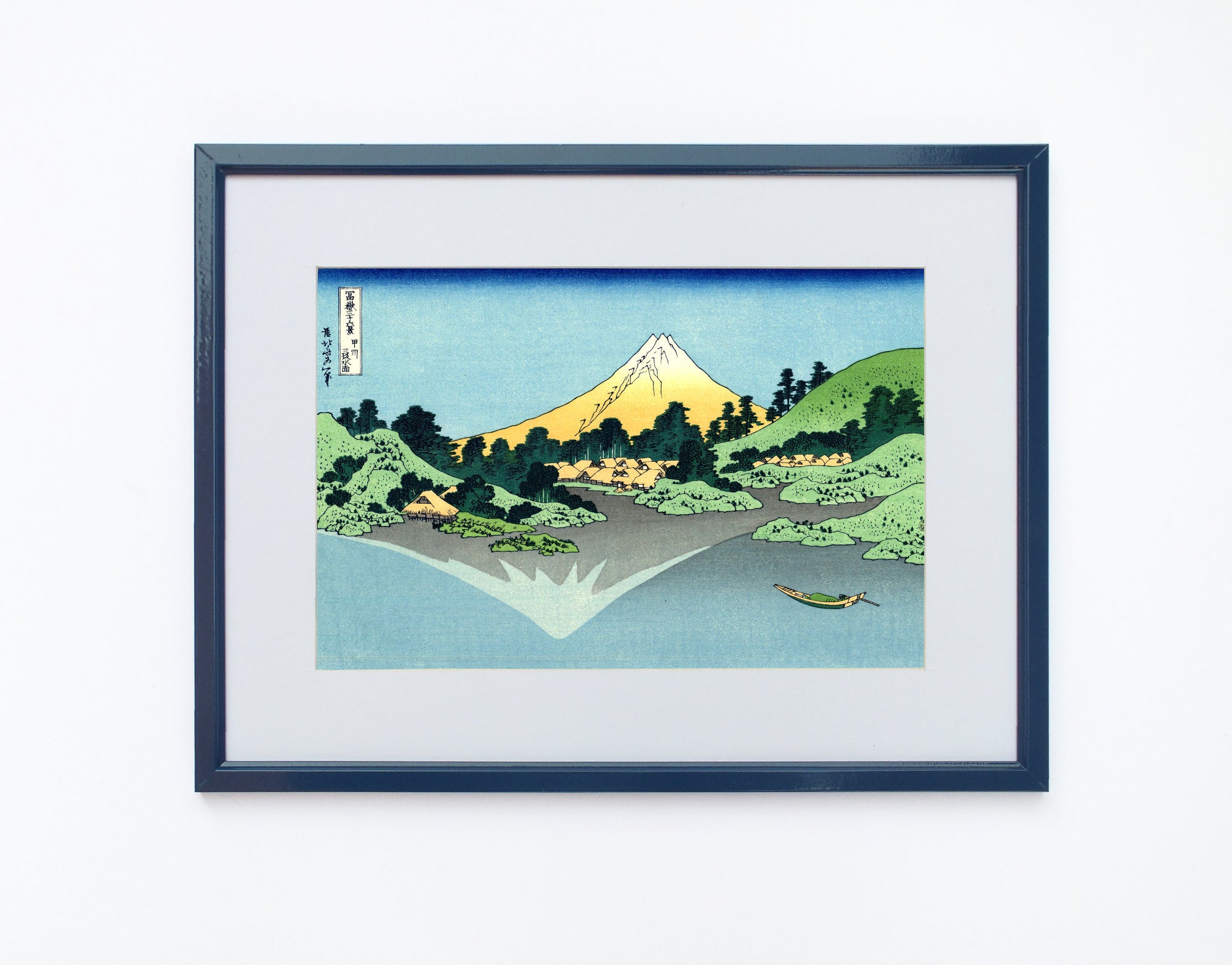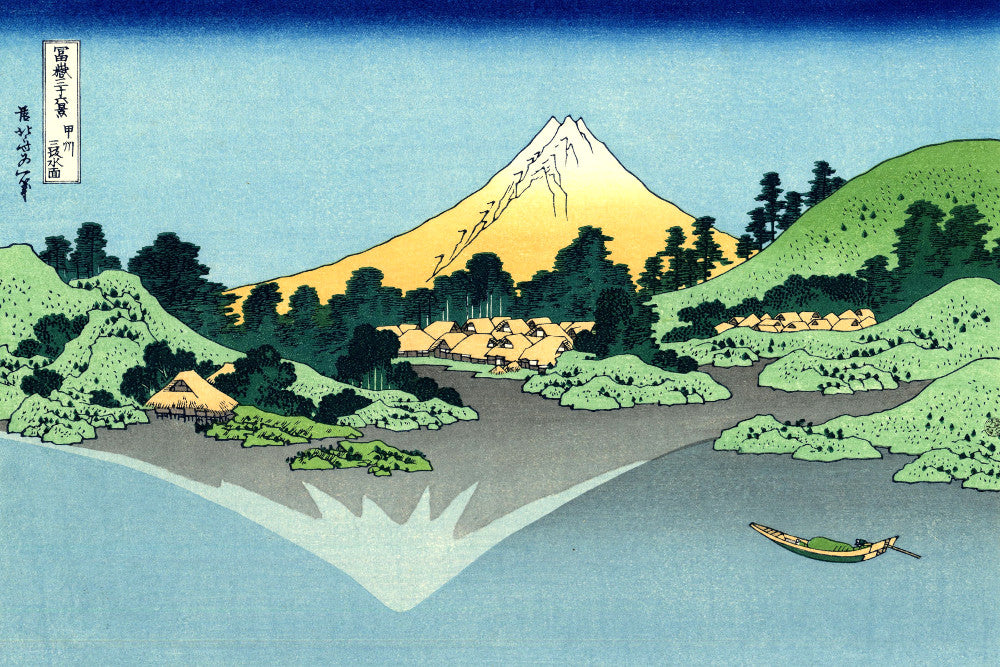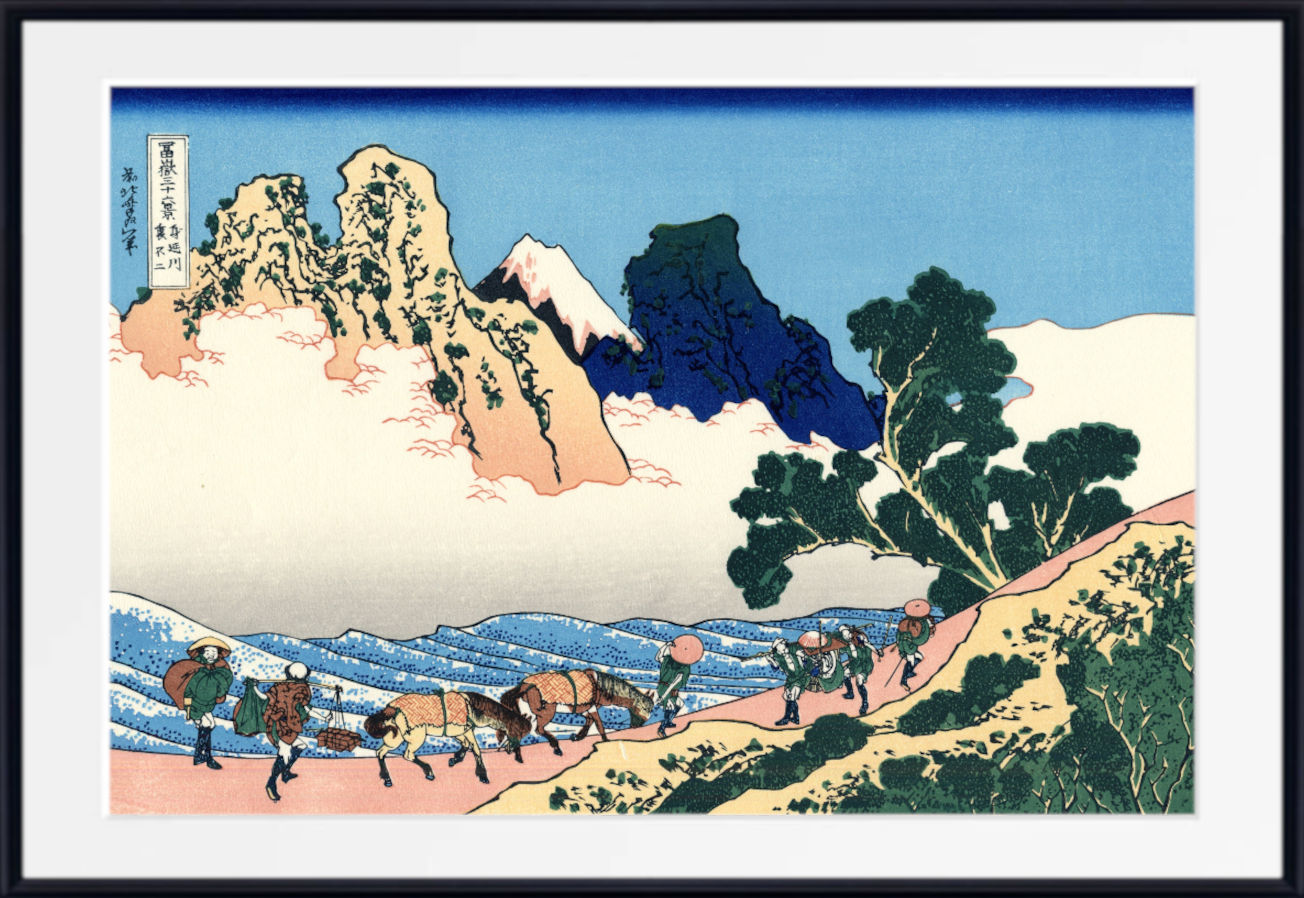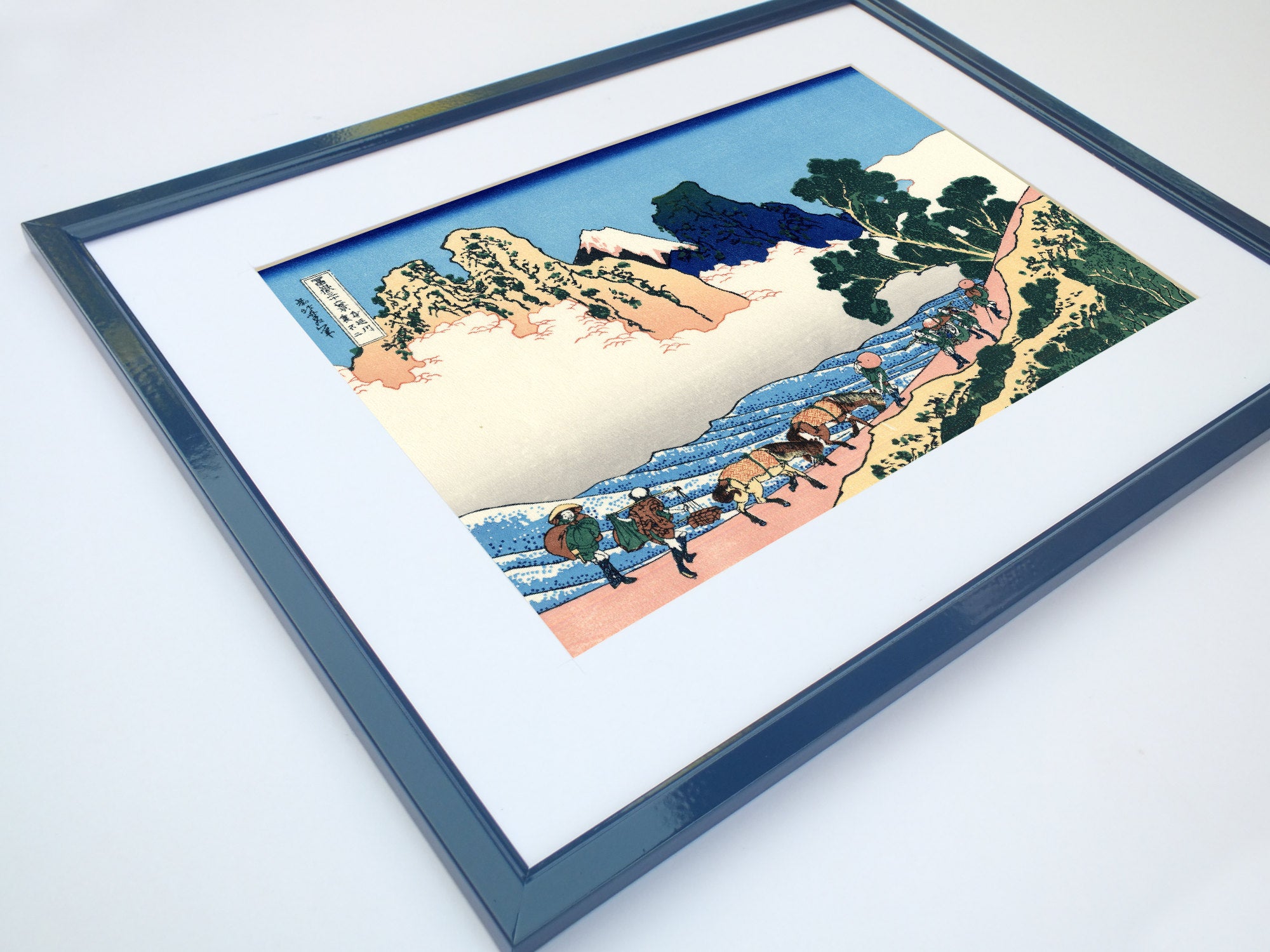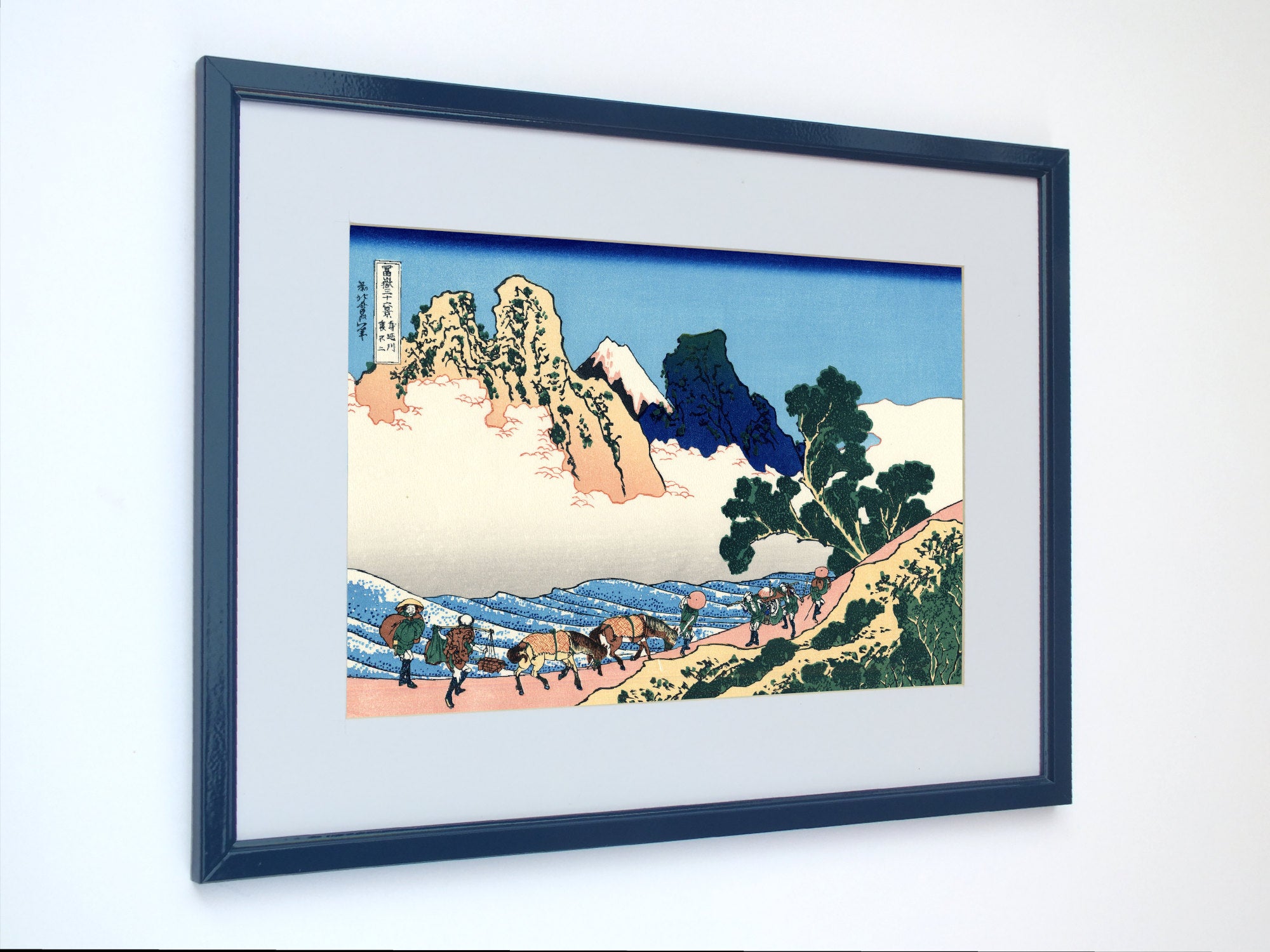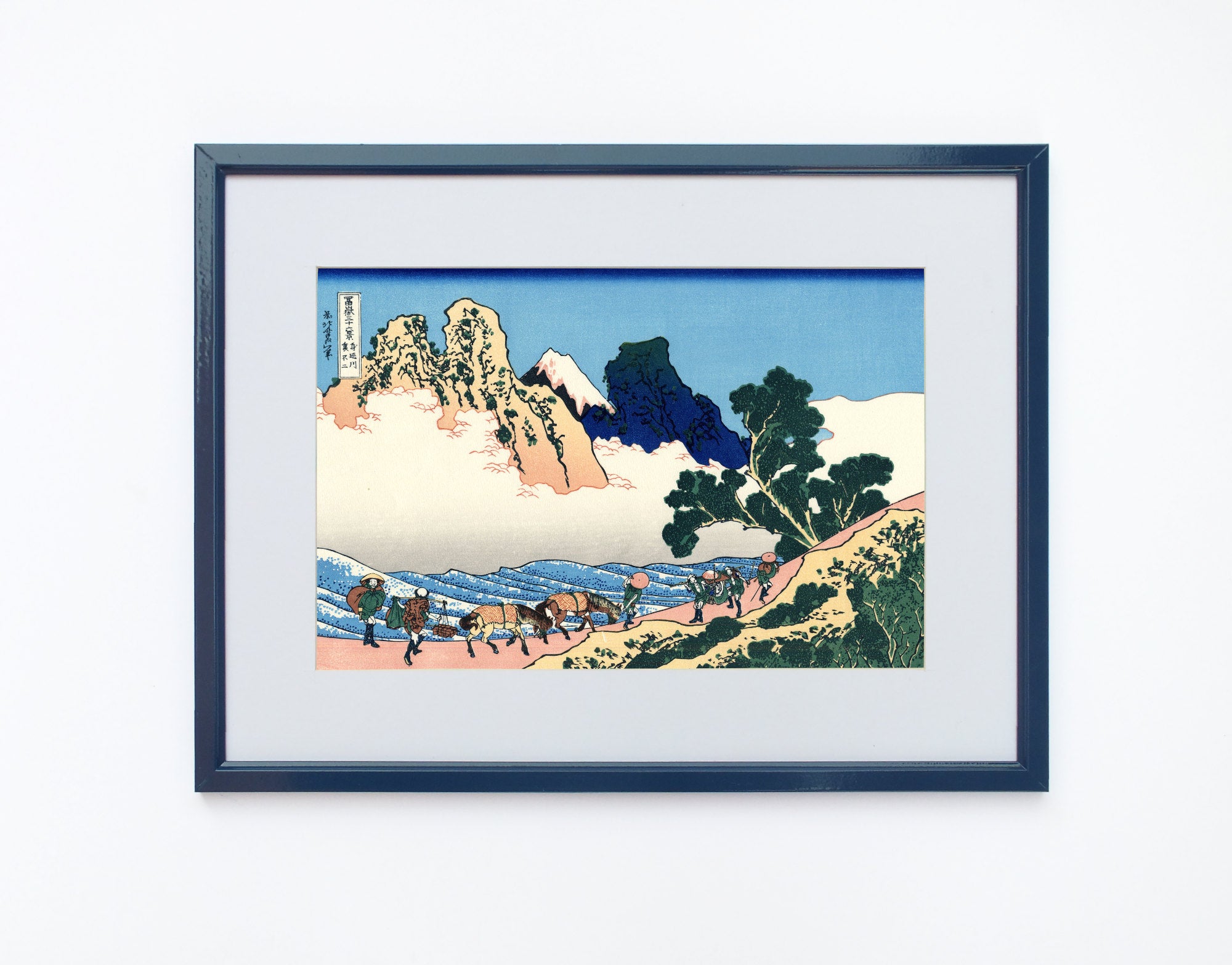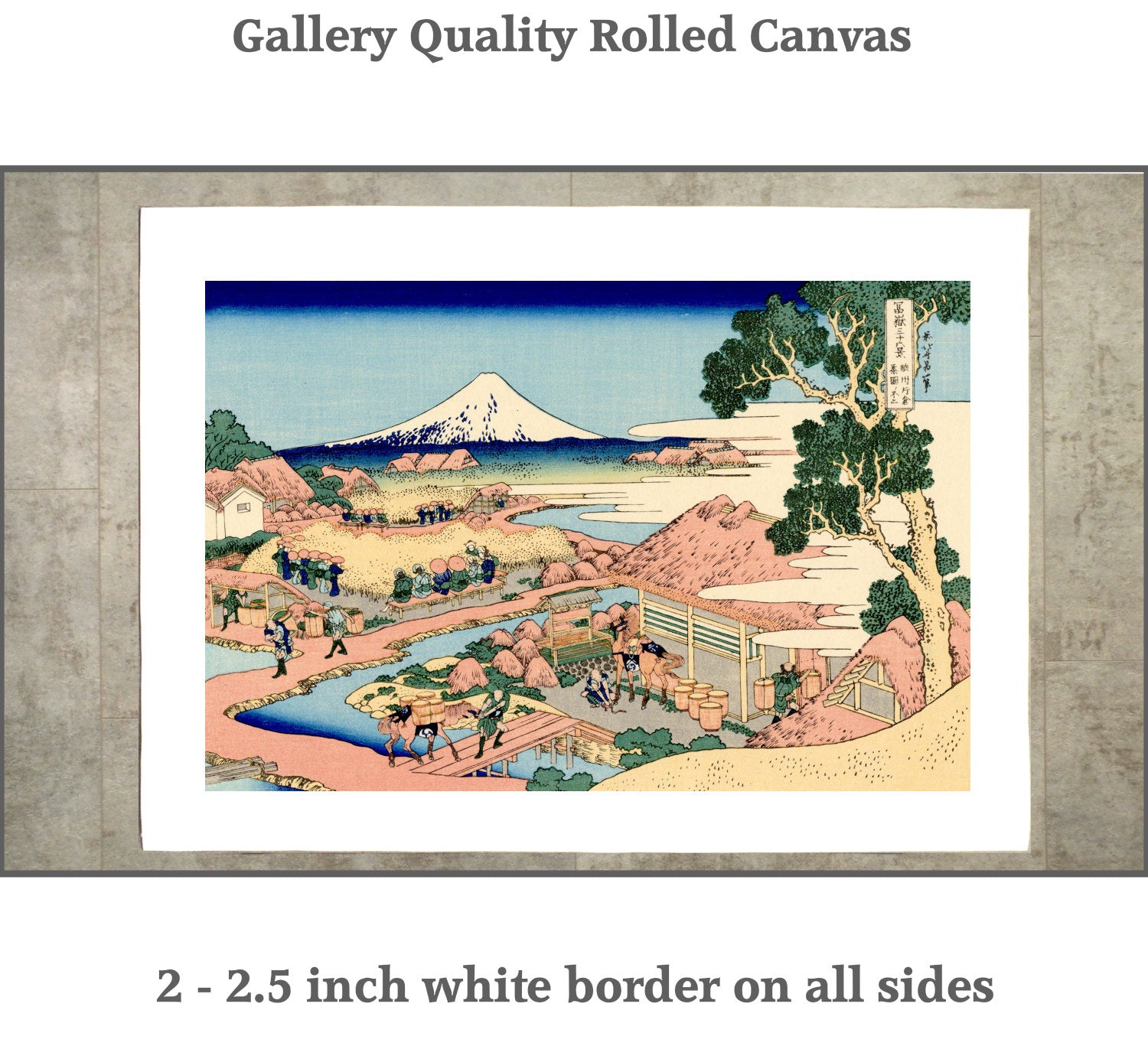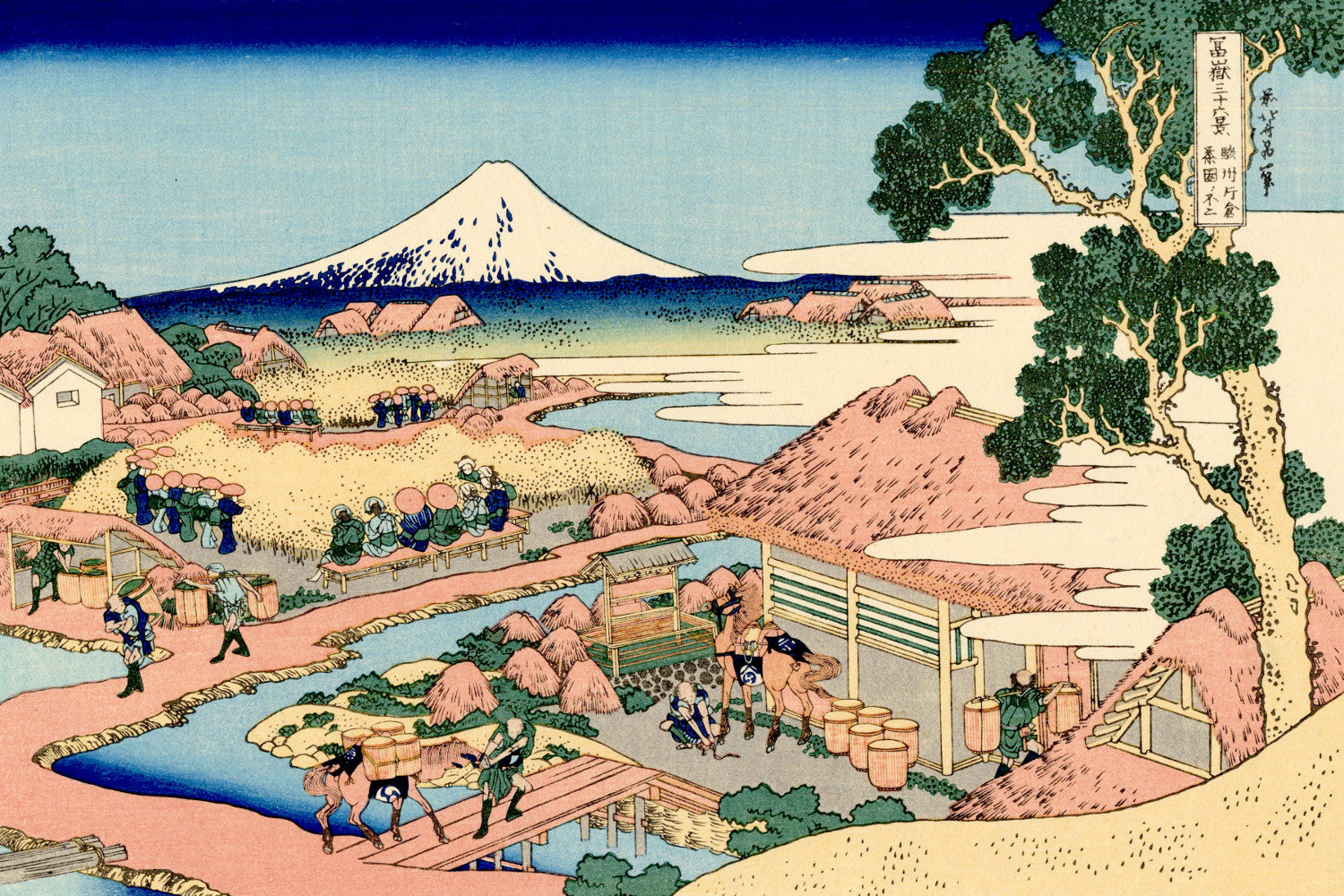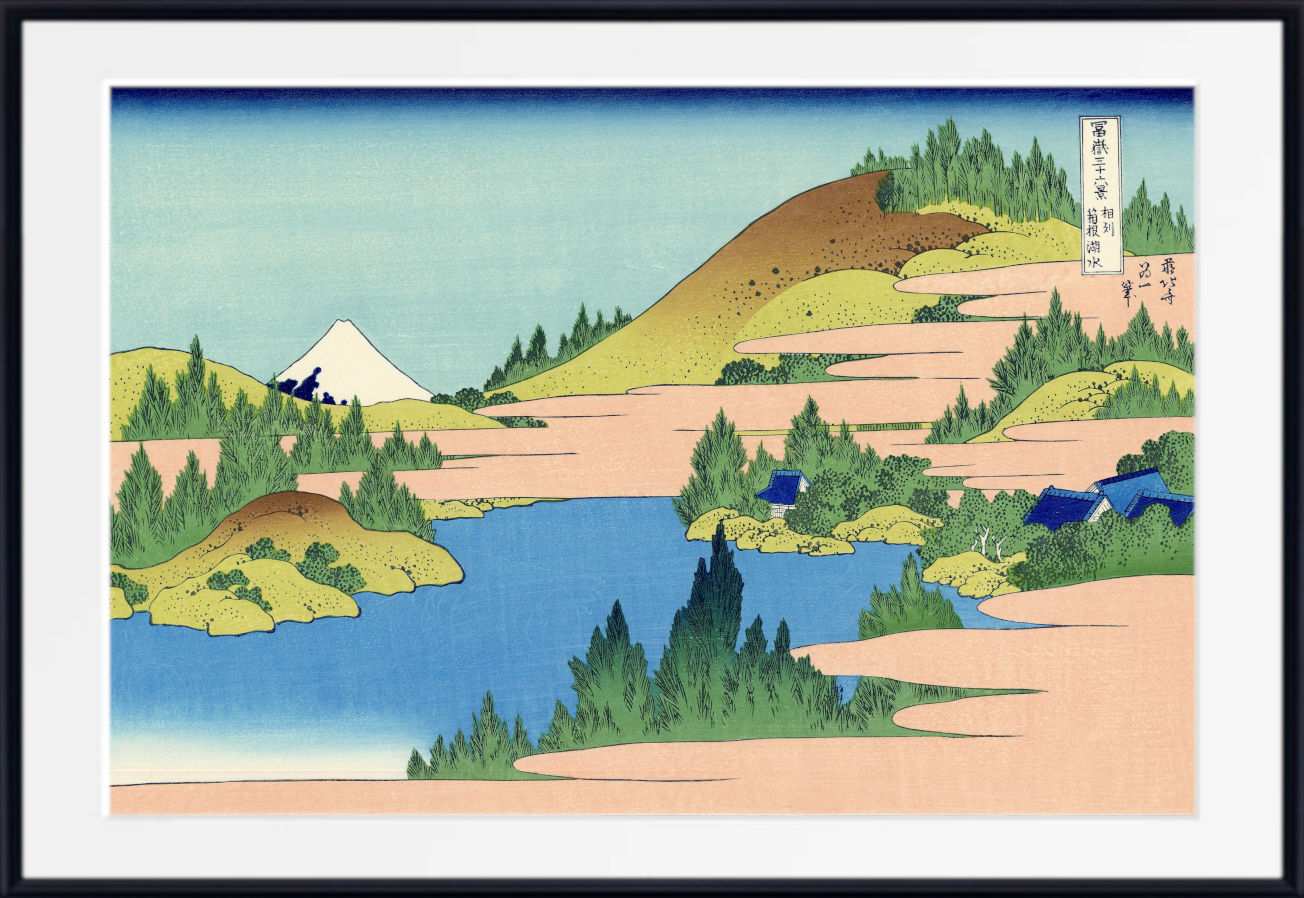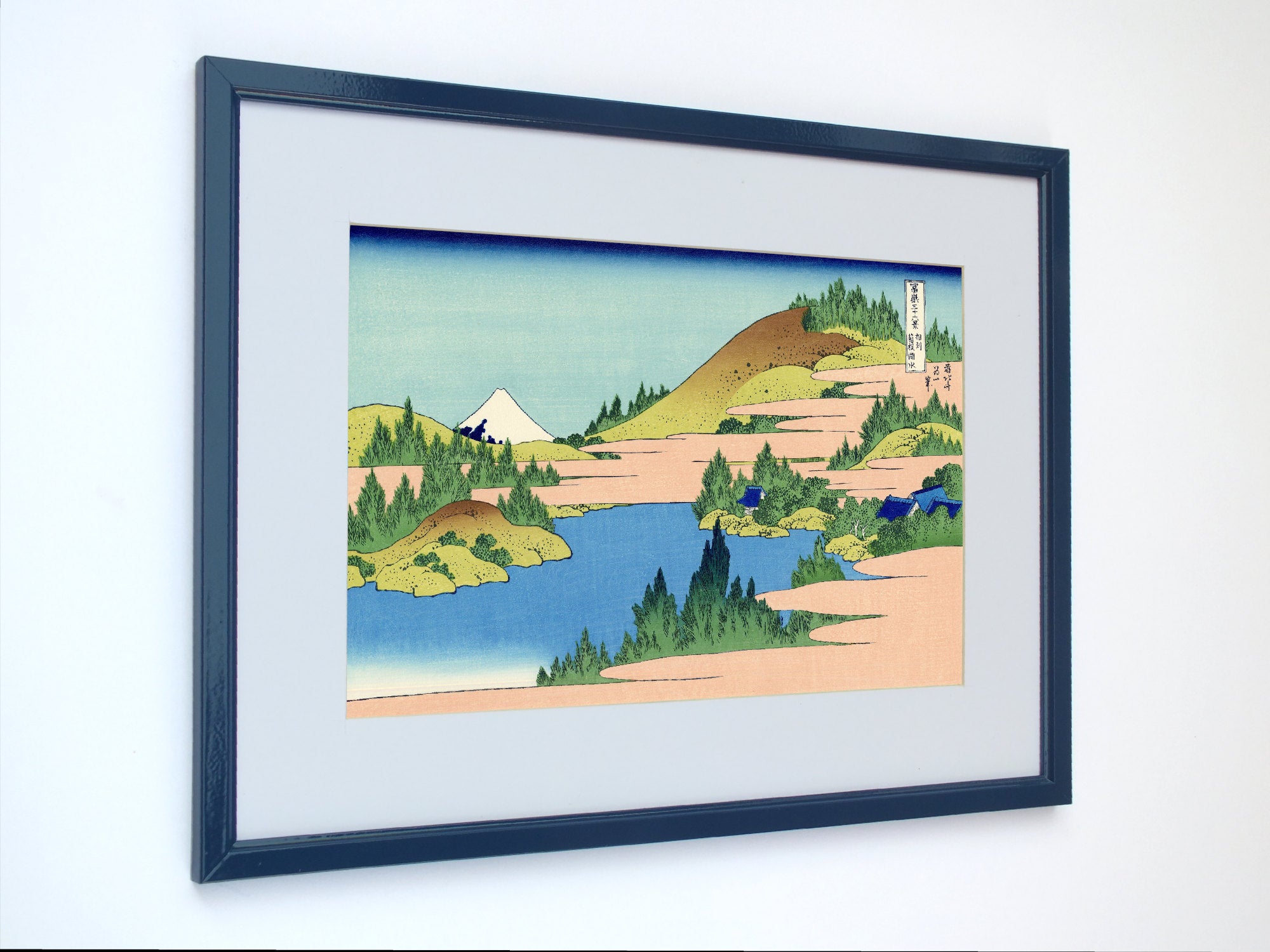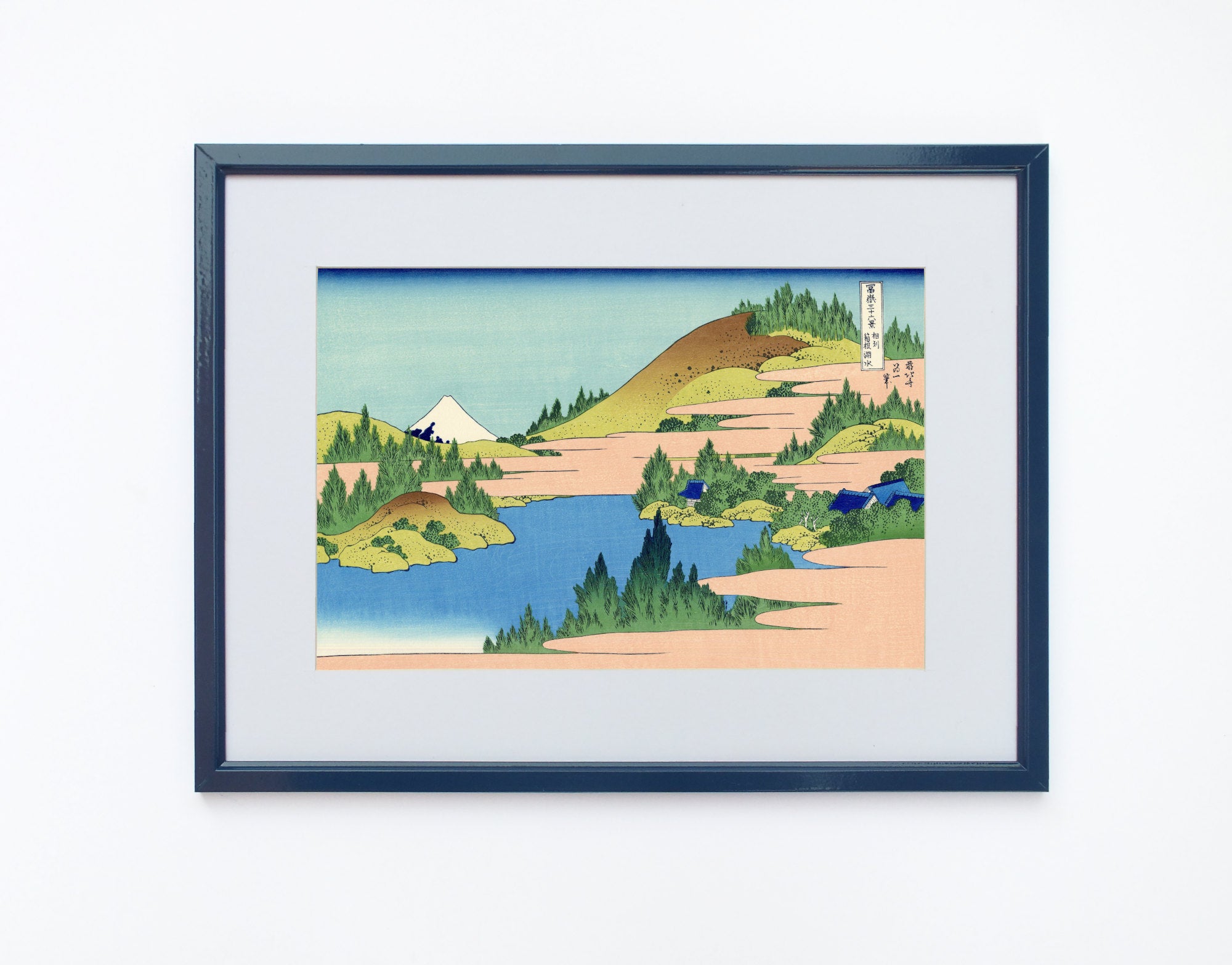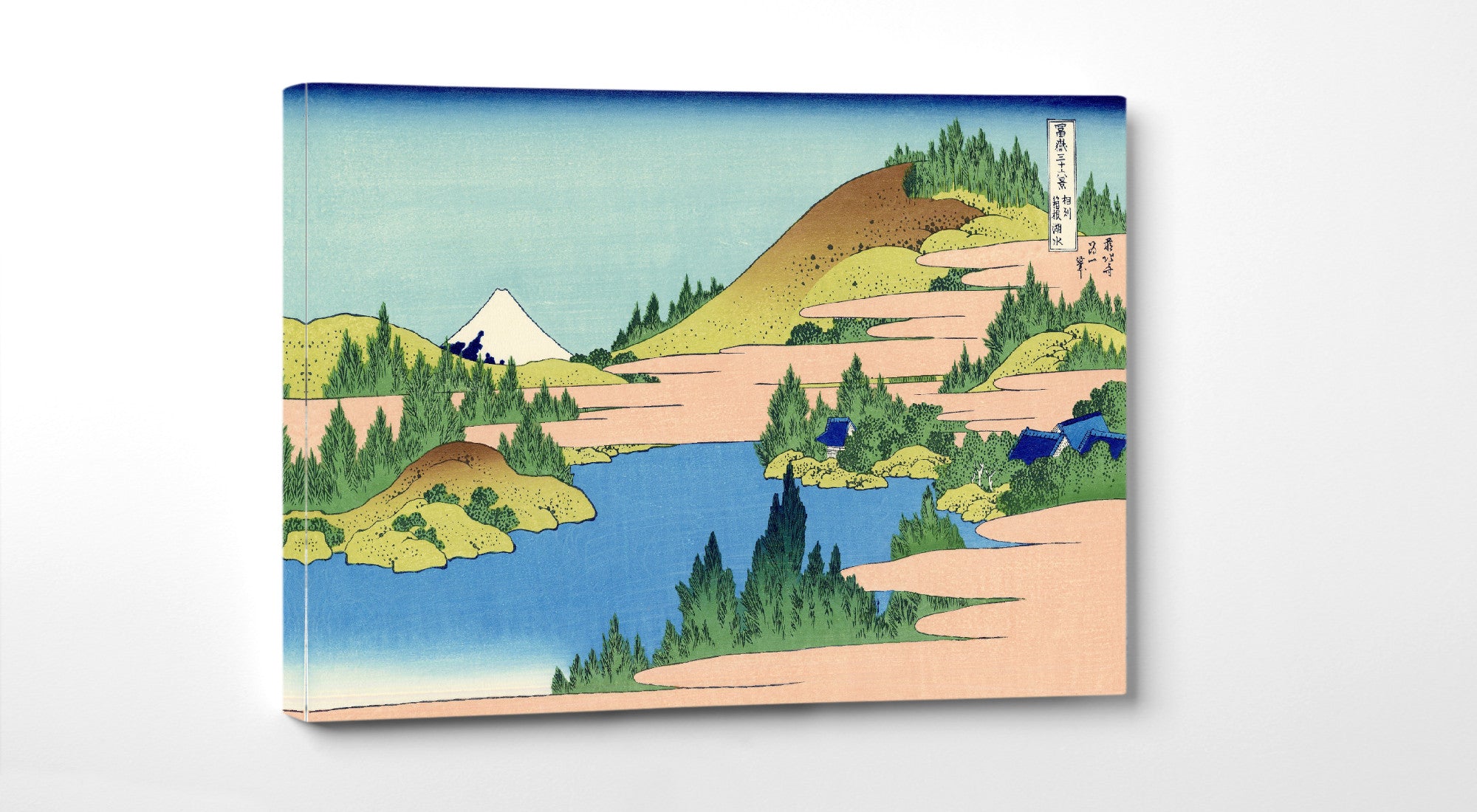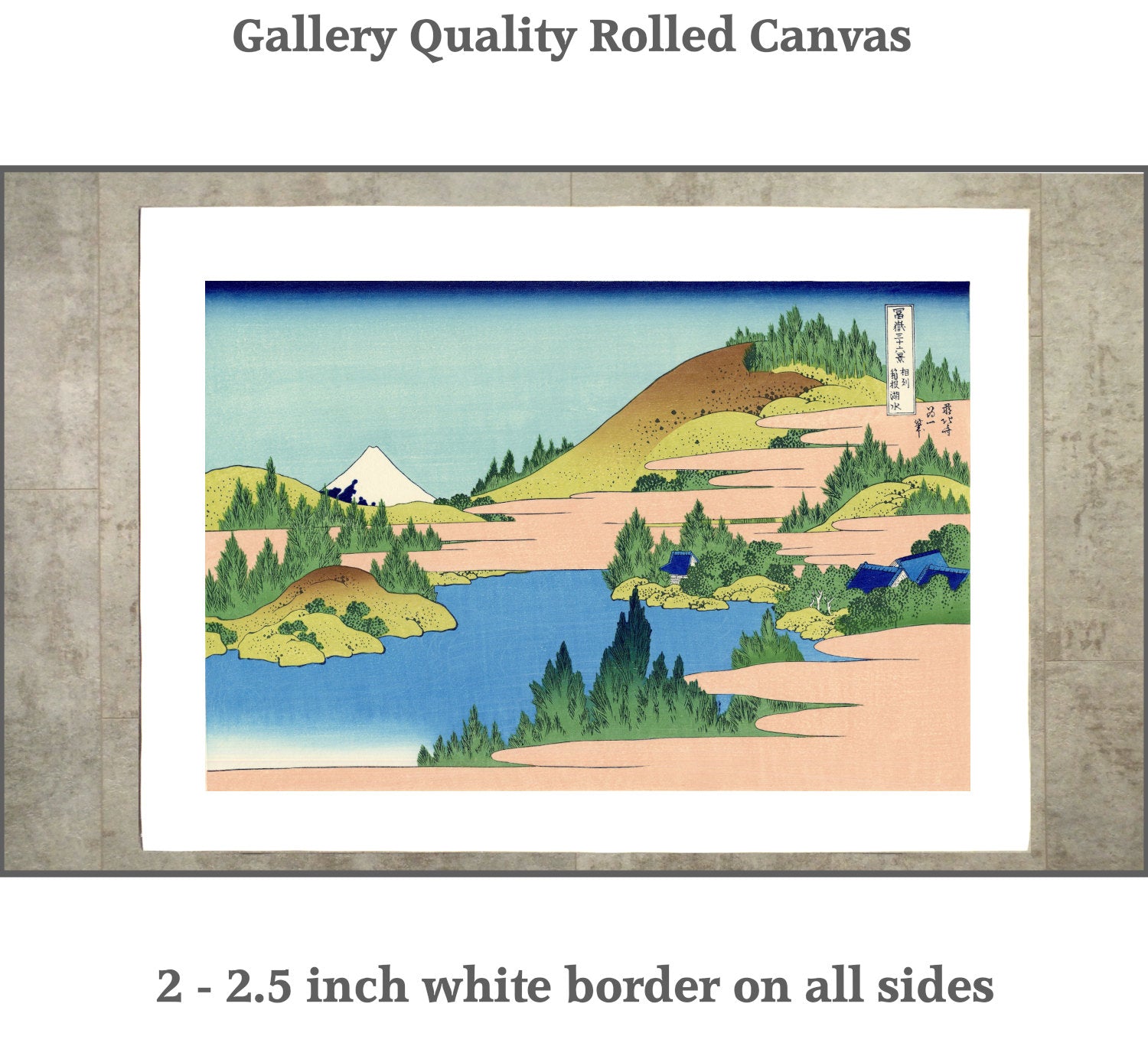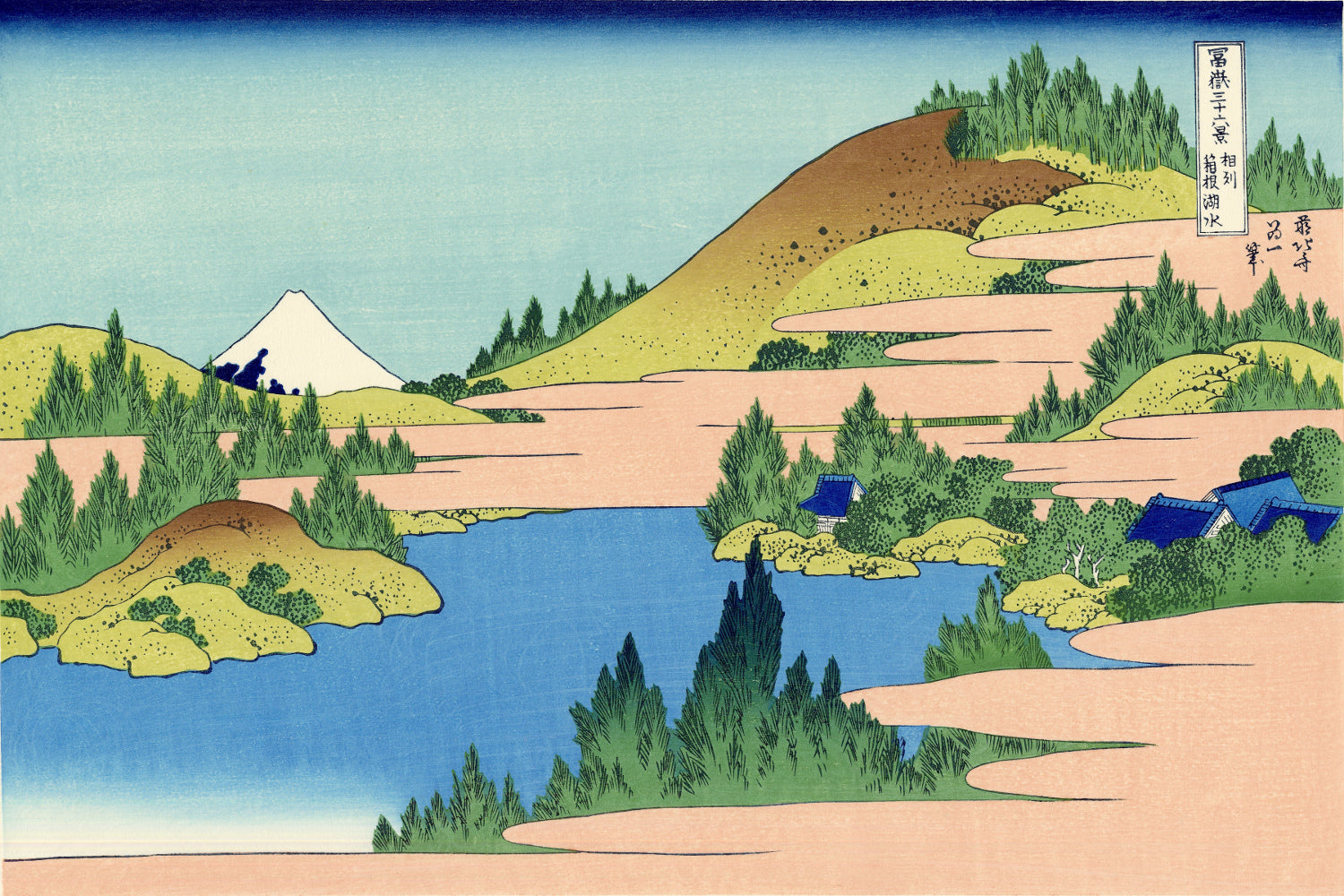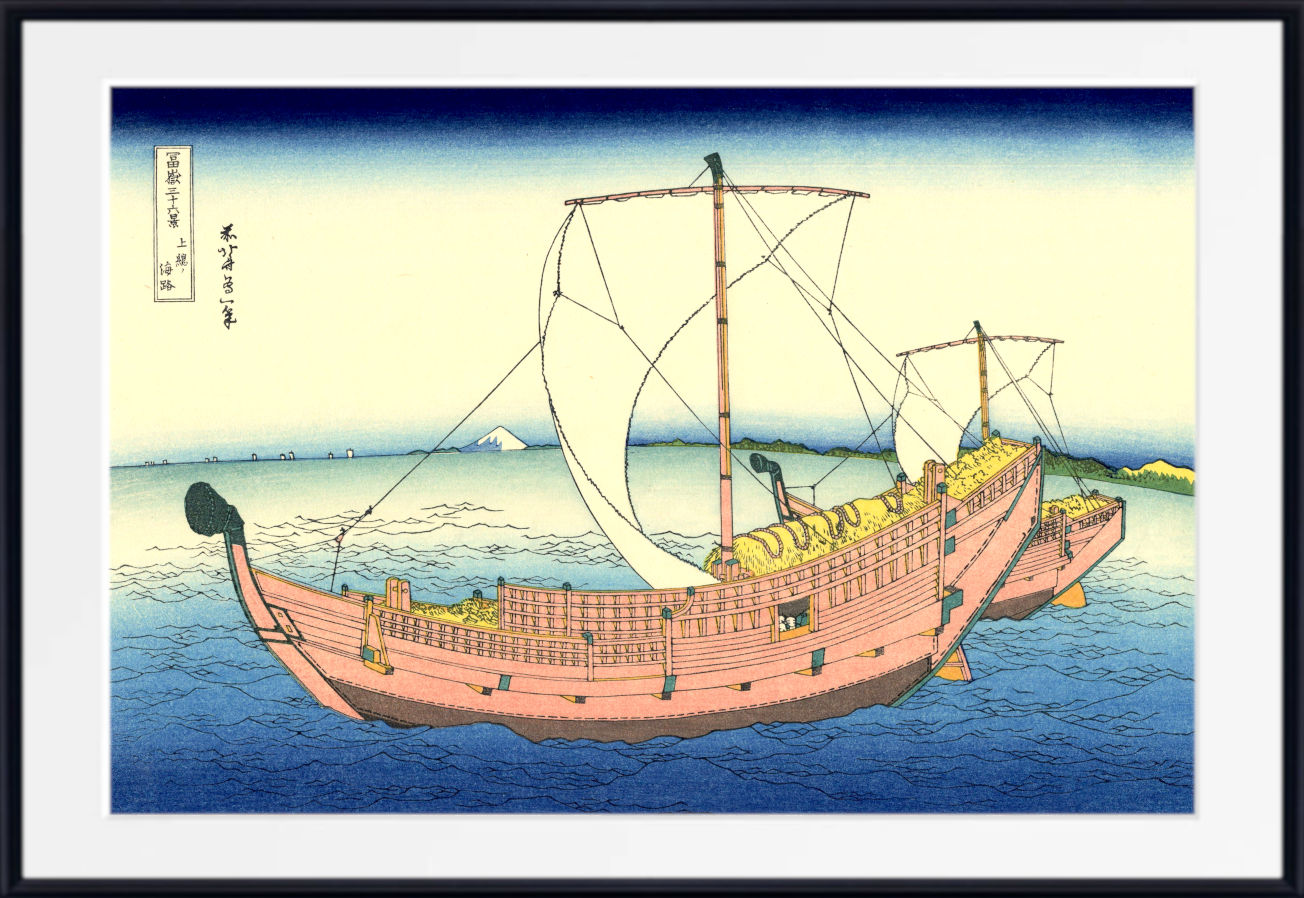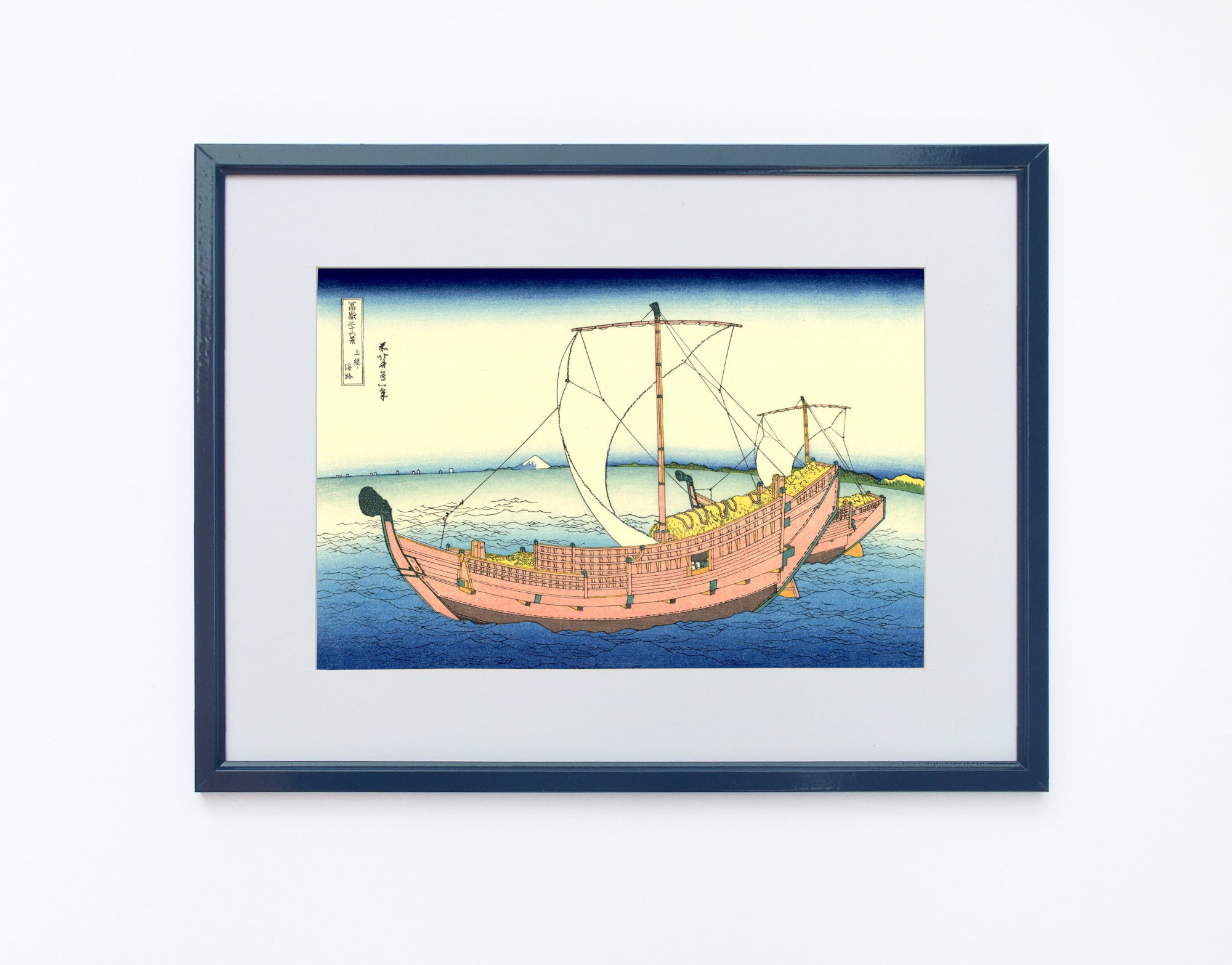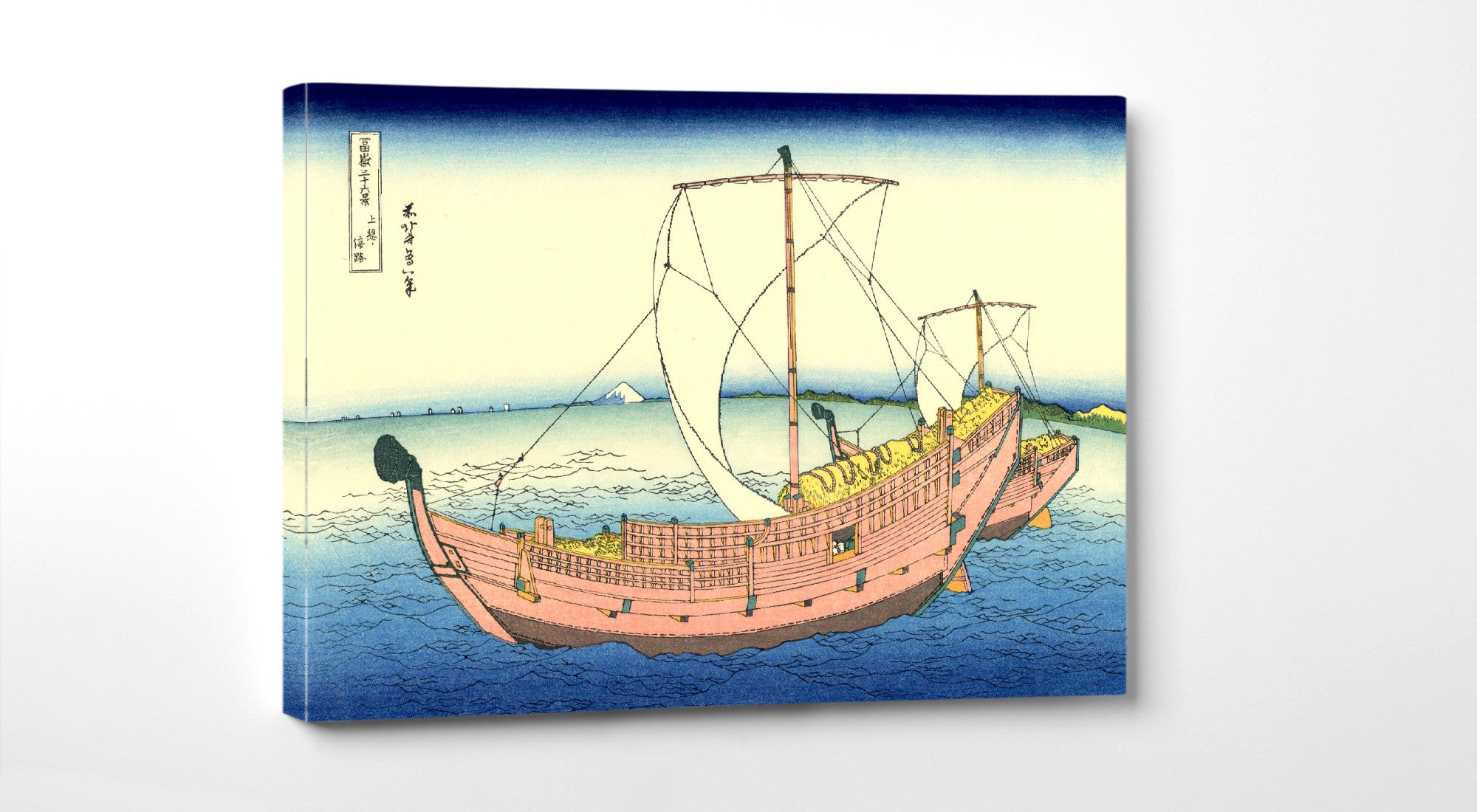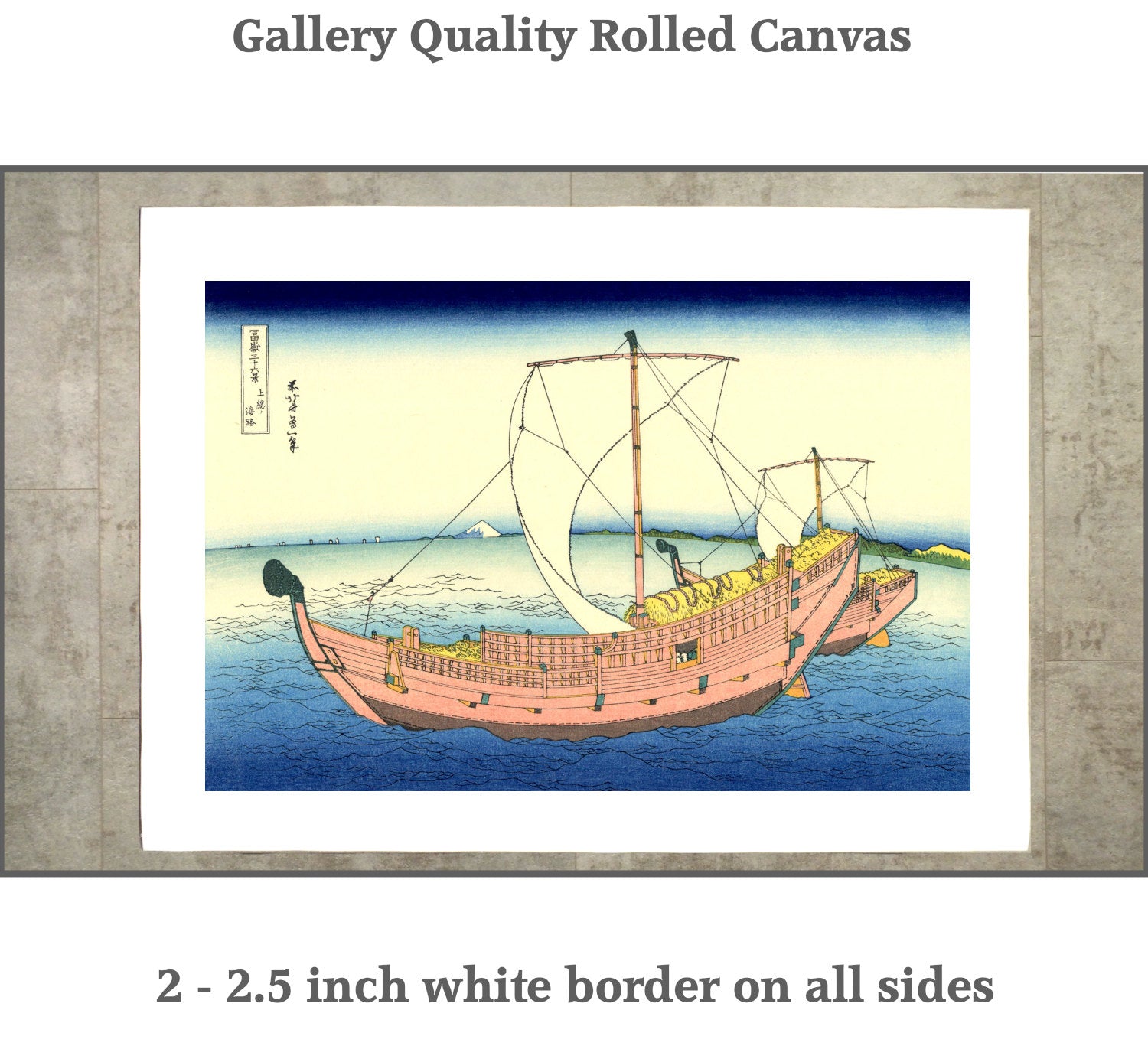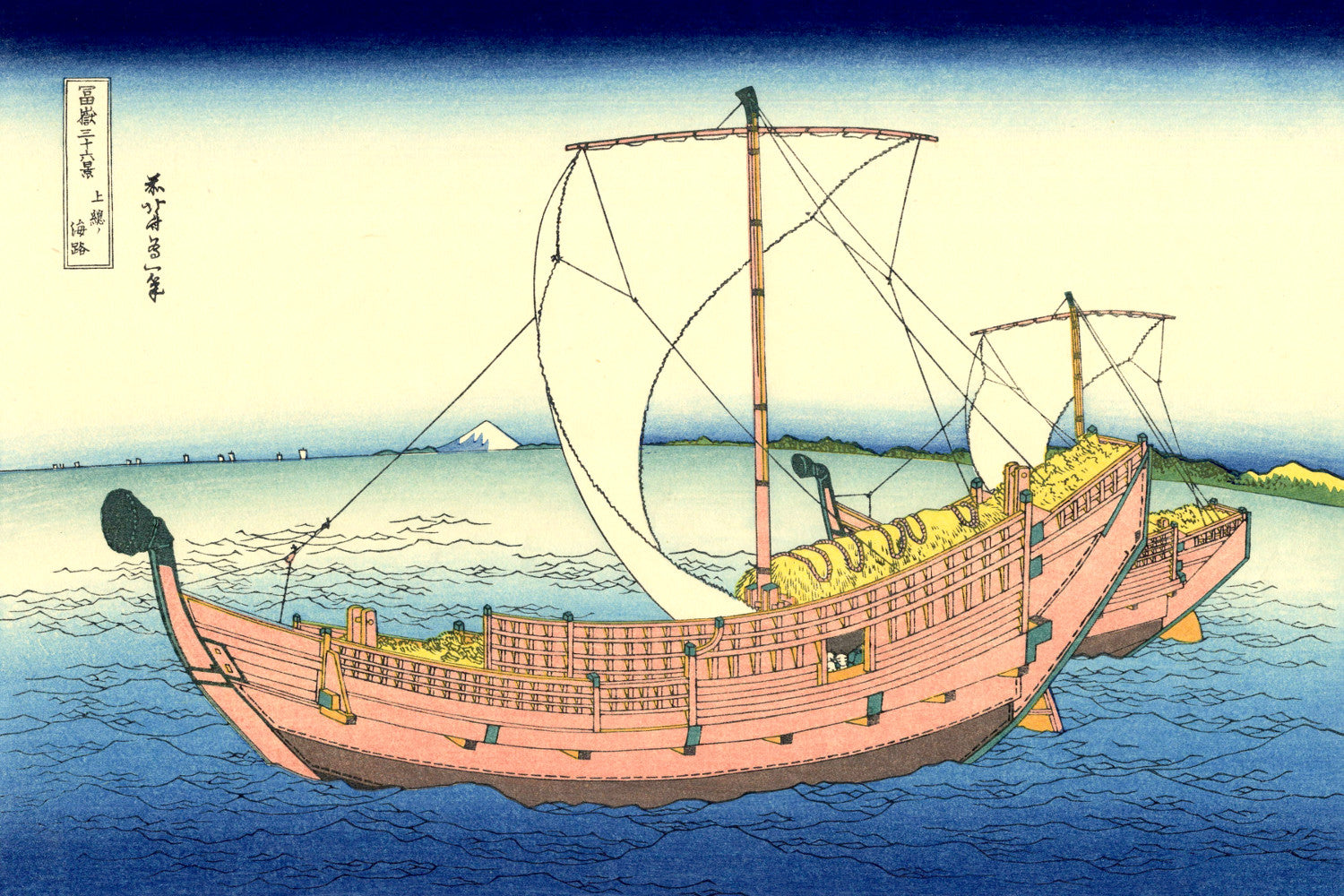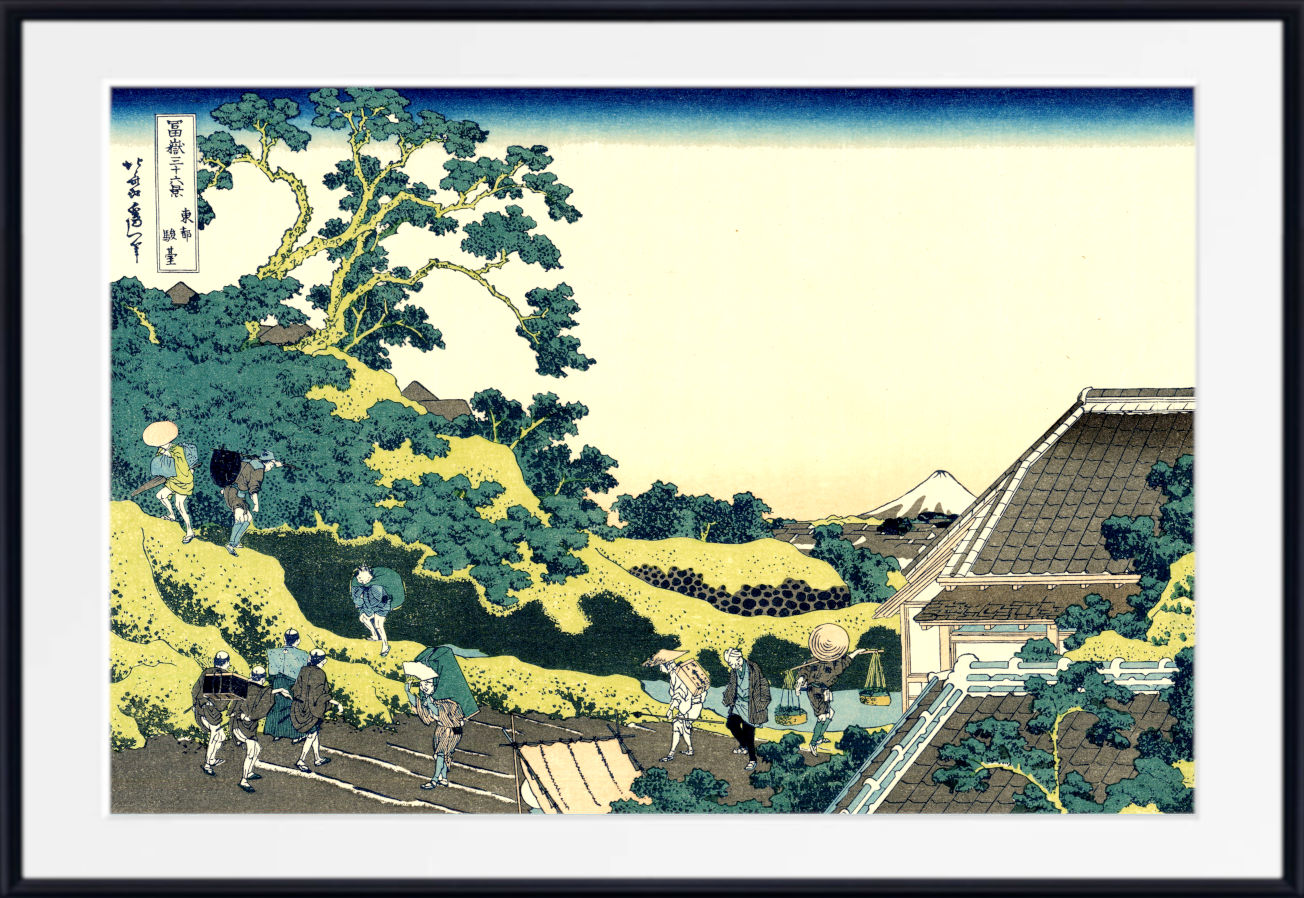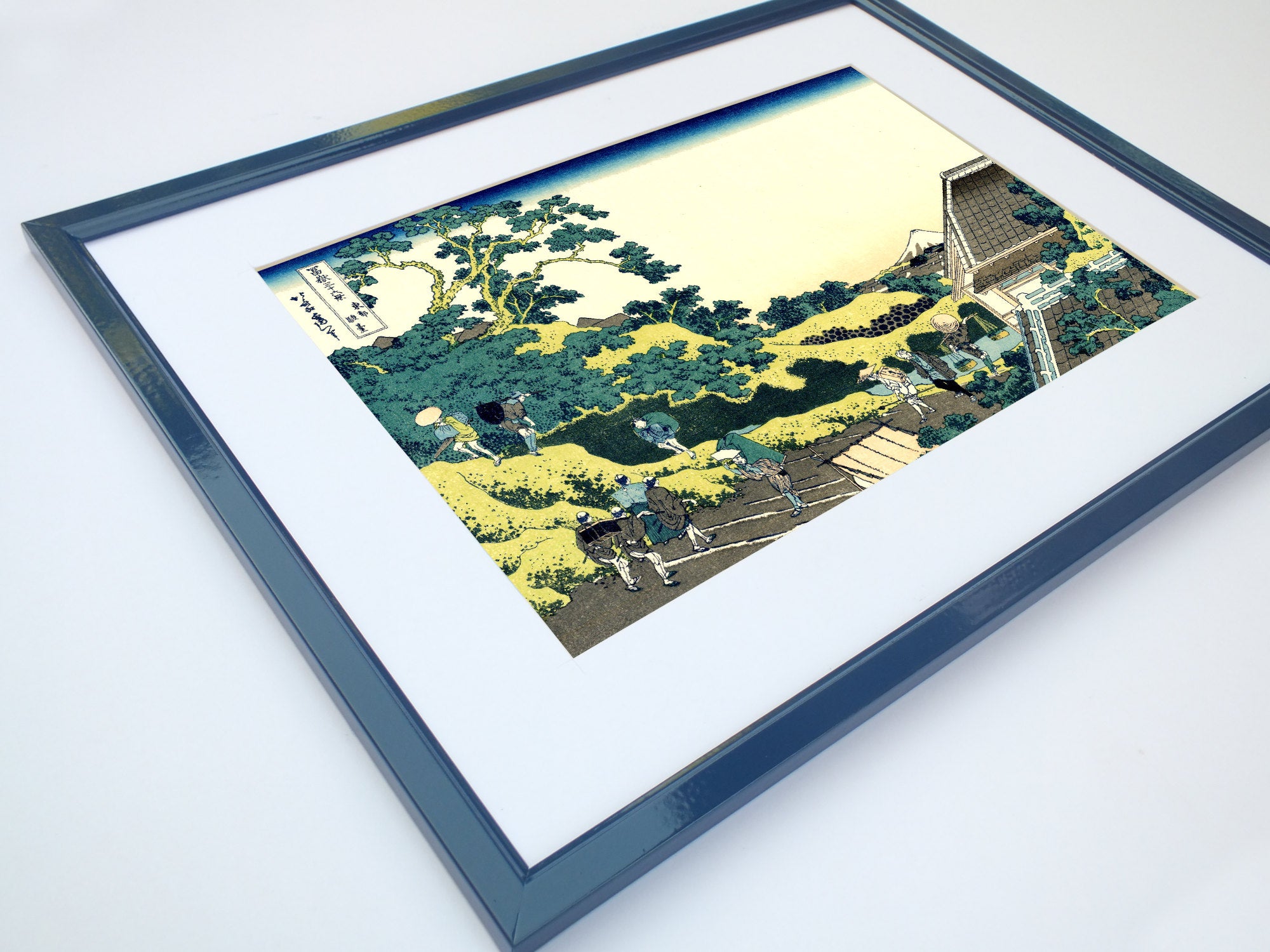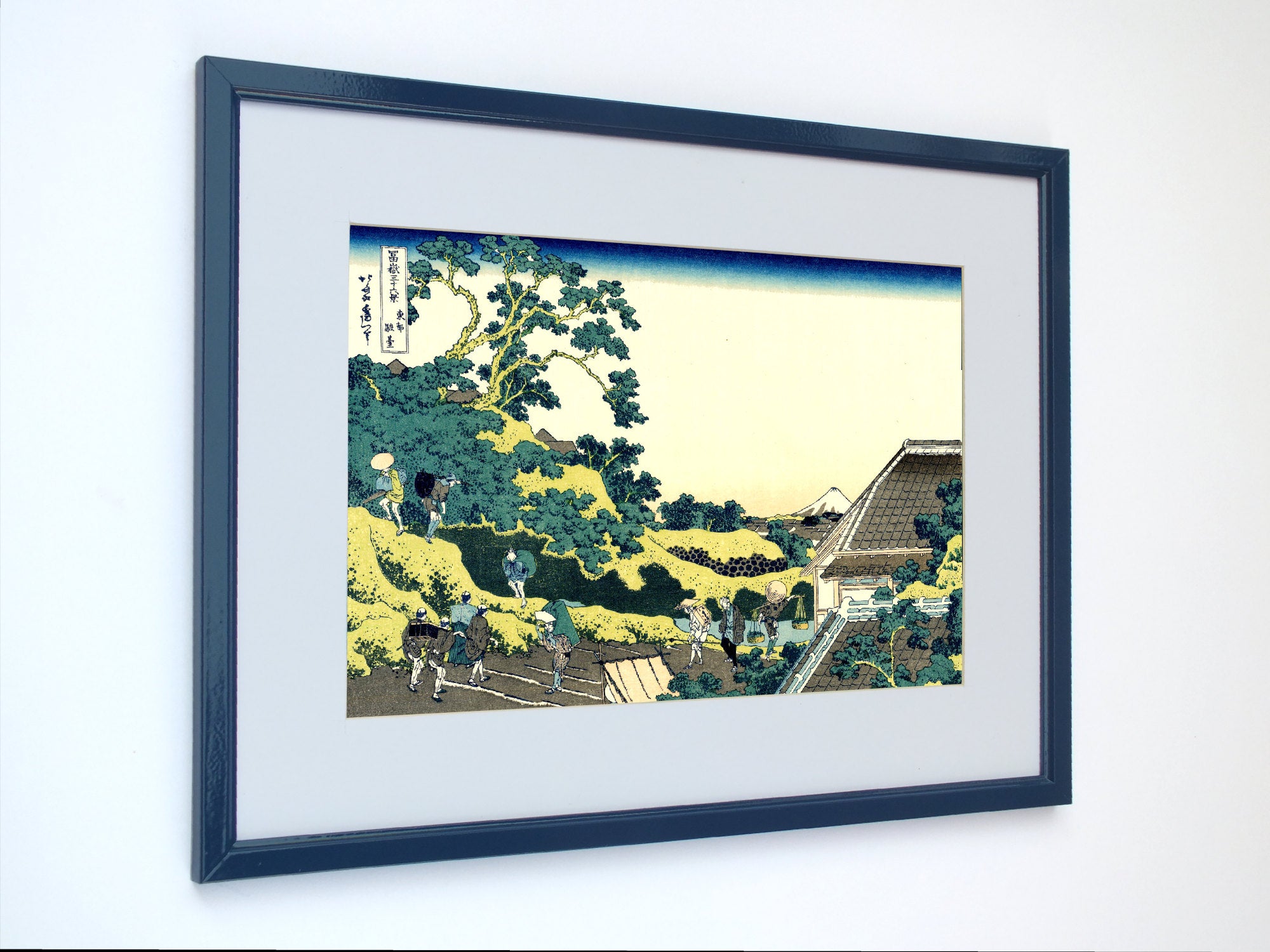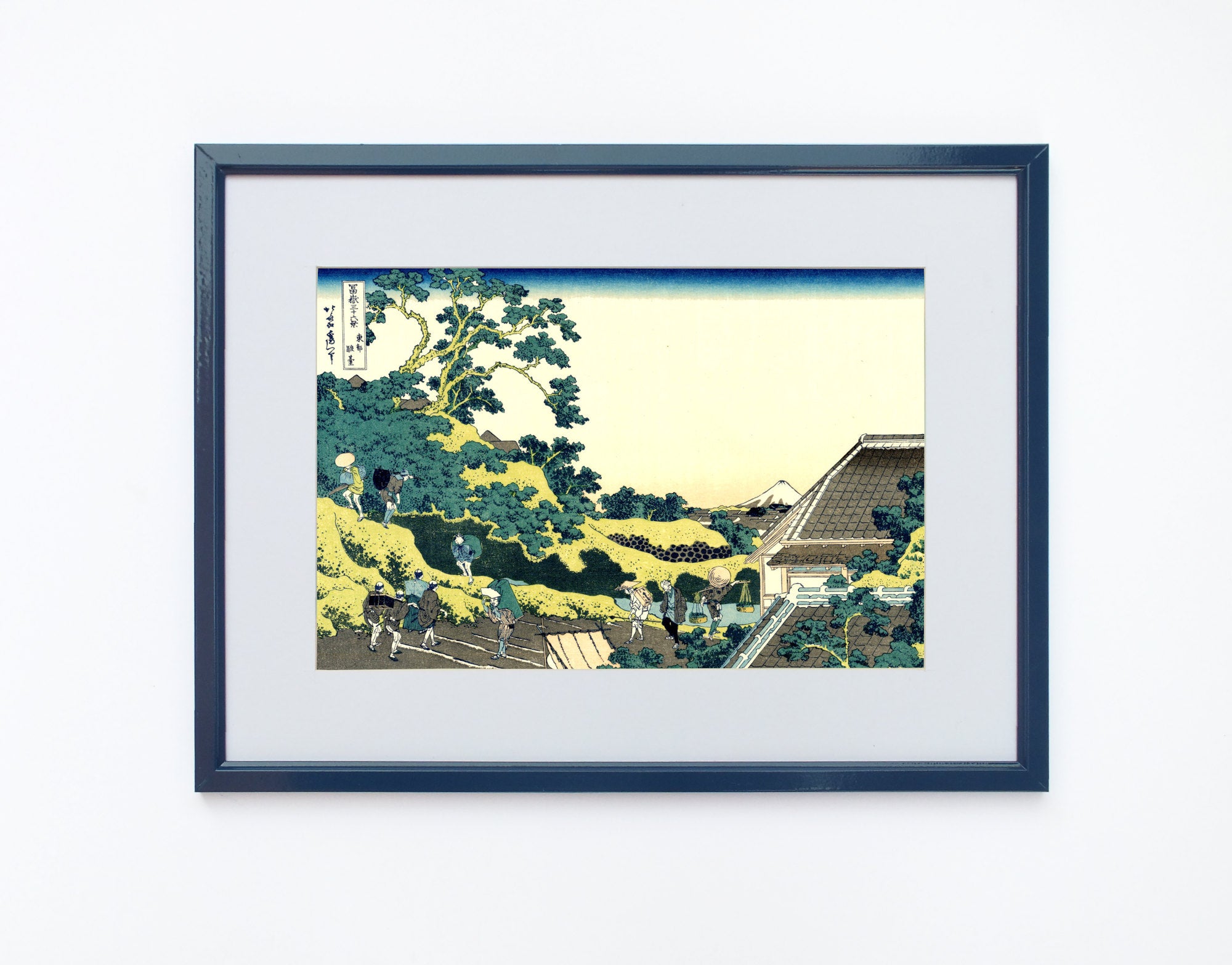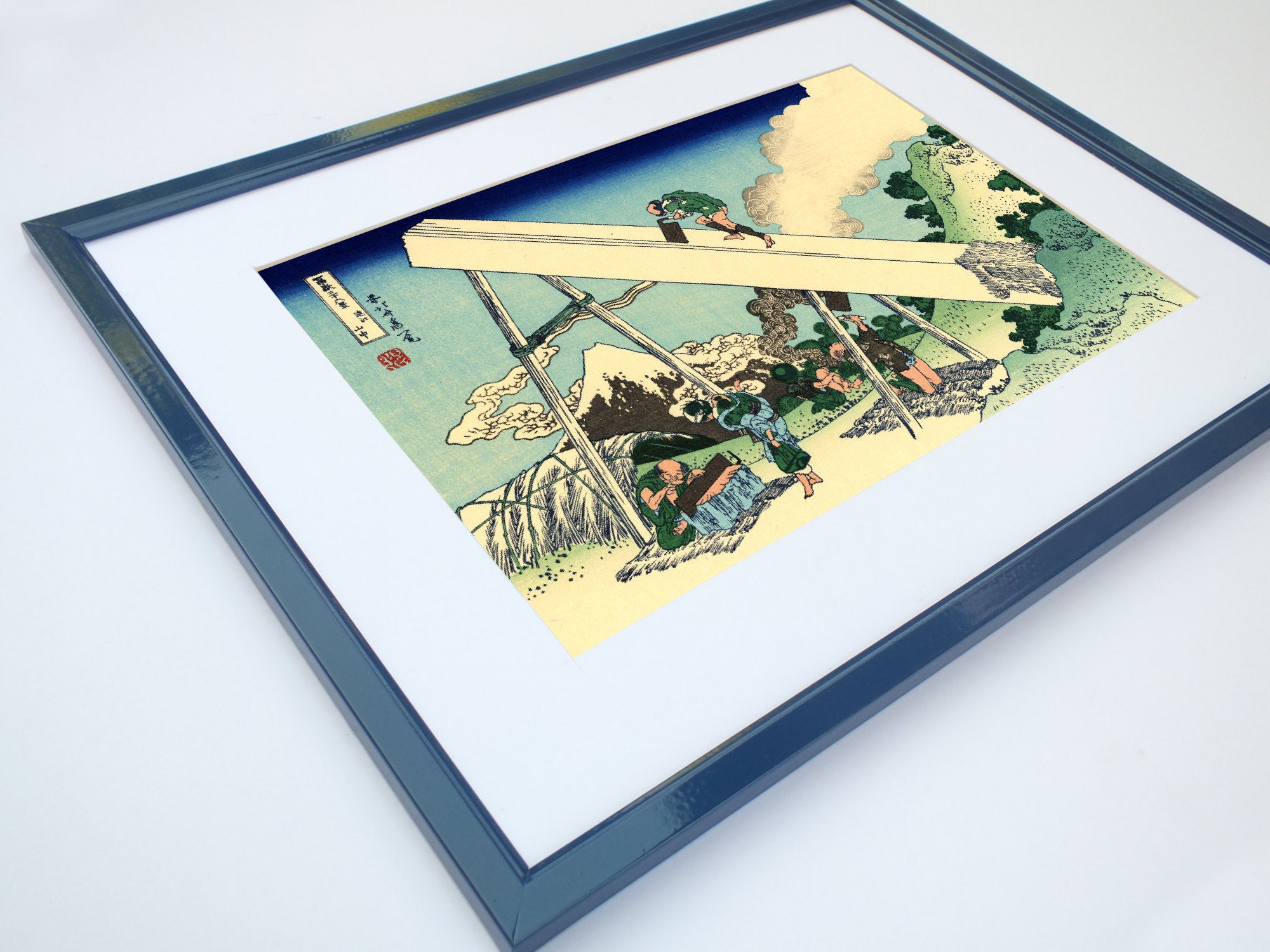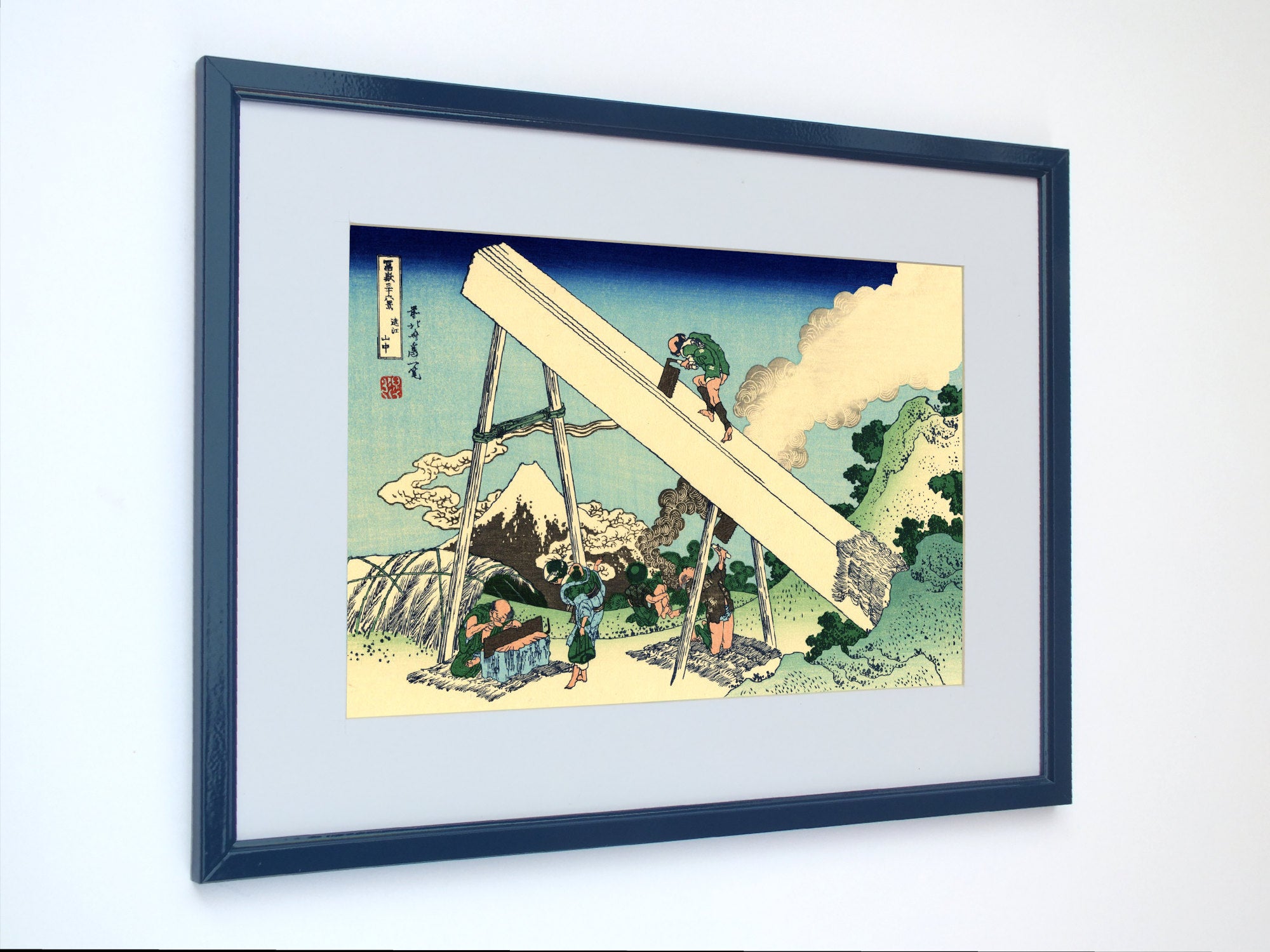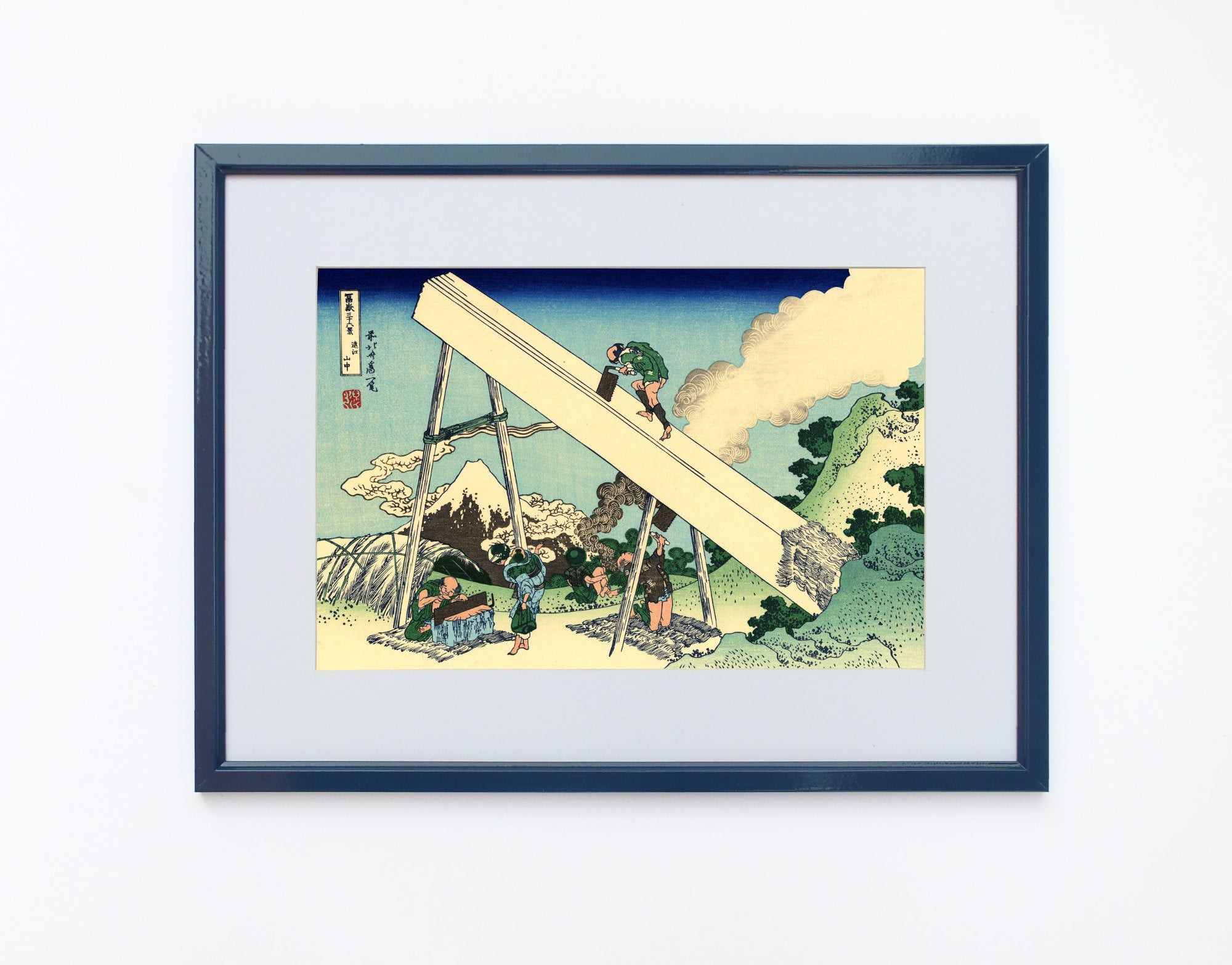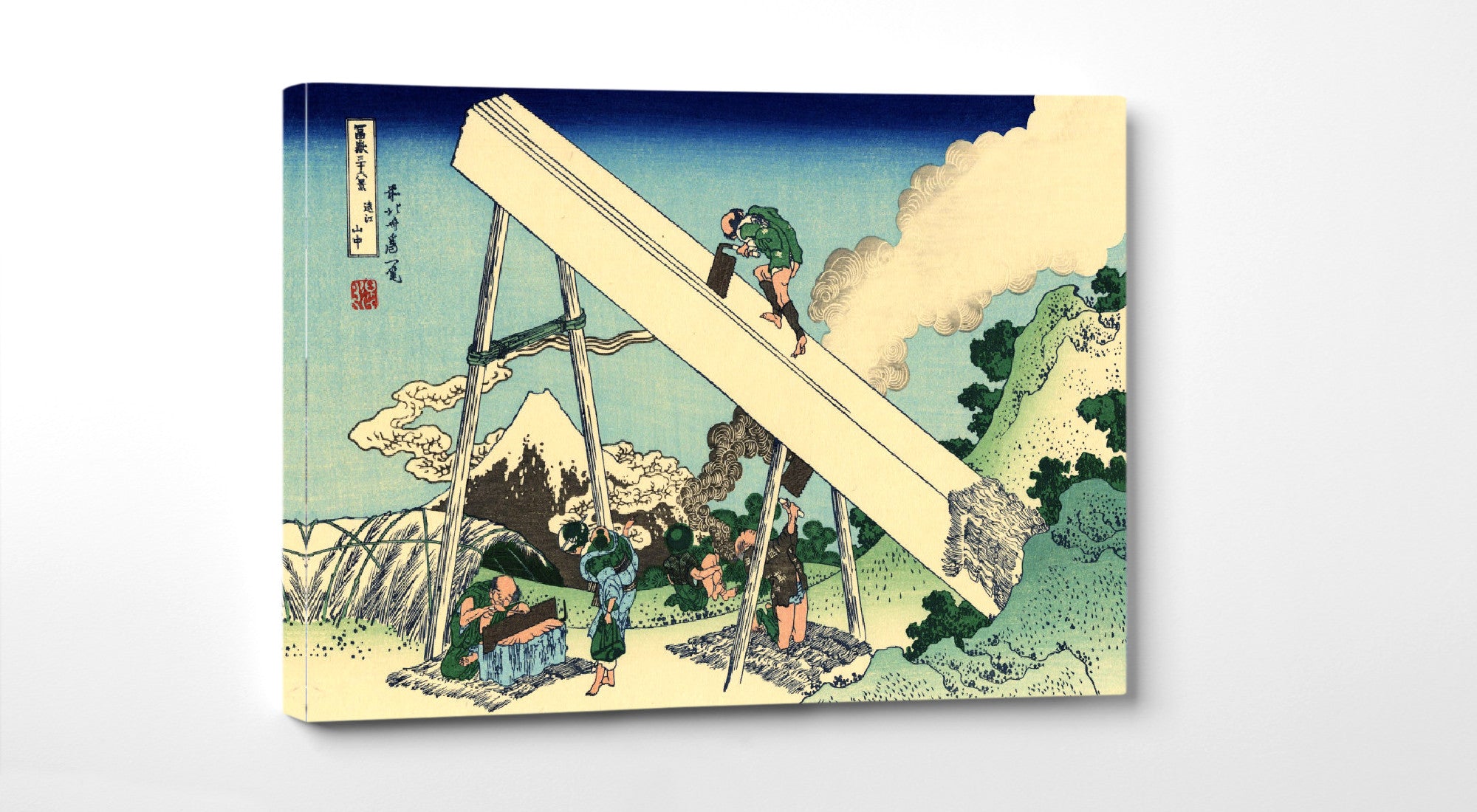
36 Views of Mount Fuji, Goten-yama_hill, Shinagawa on the Tōkaidō, Katsushika Hokusai, Japanese Print
Couldn't load pickup availability
Details
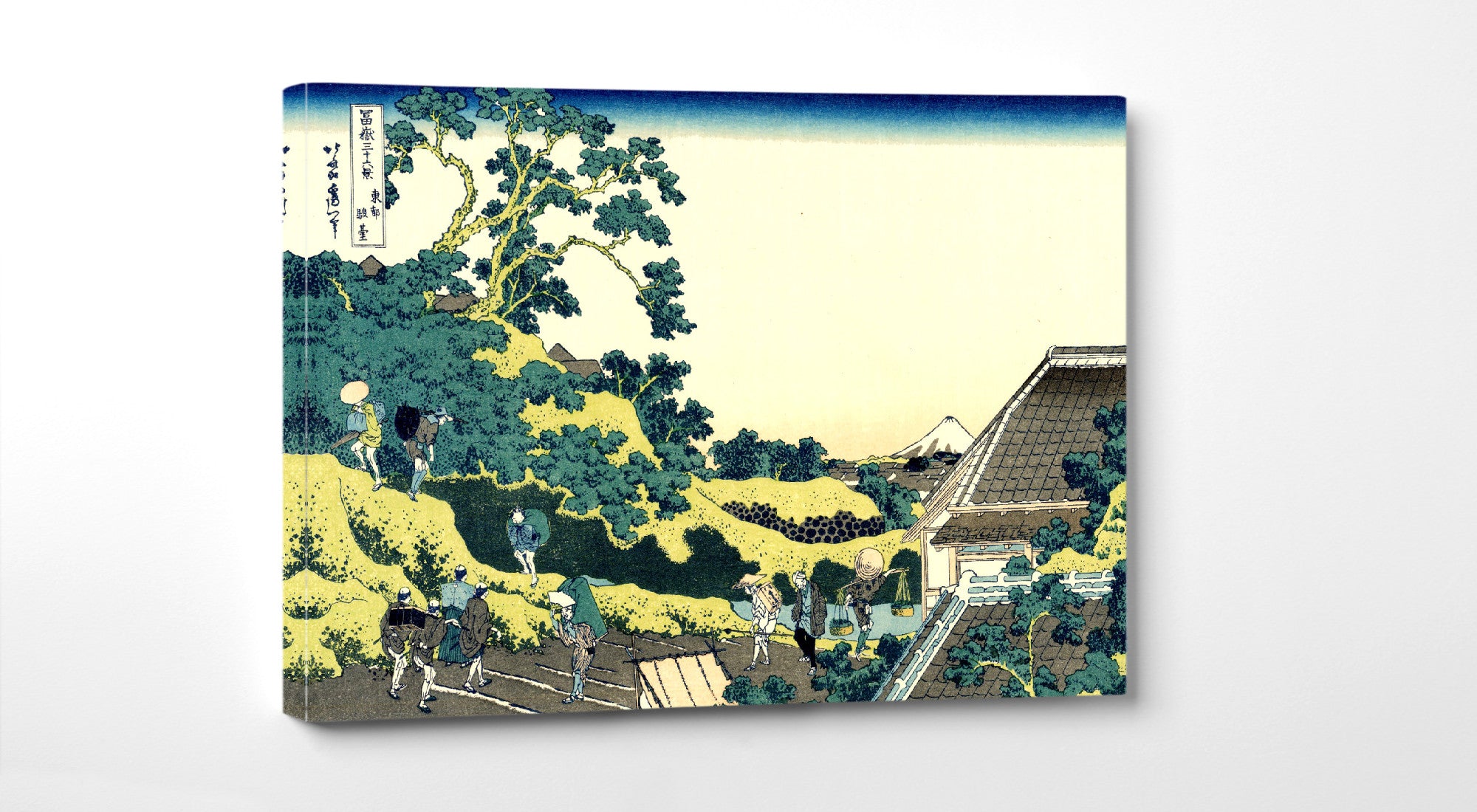
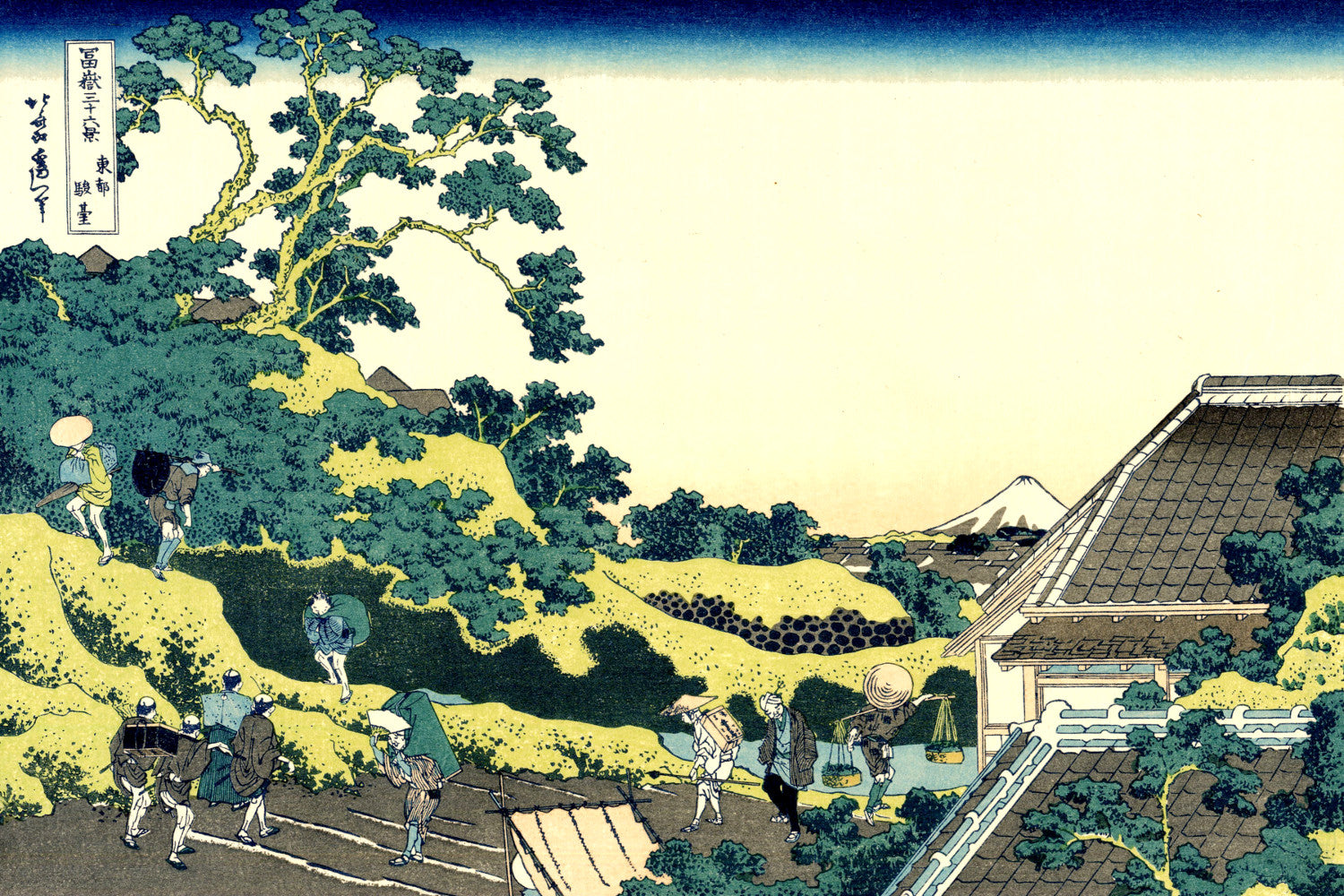
Katsushika Hokusai – Goten-yama Hill, Shinagawa on the Tōkaidō Prints
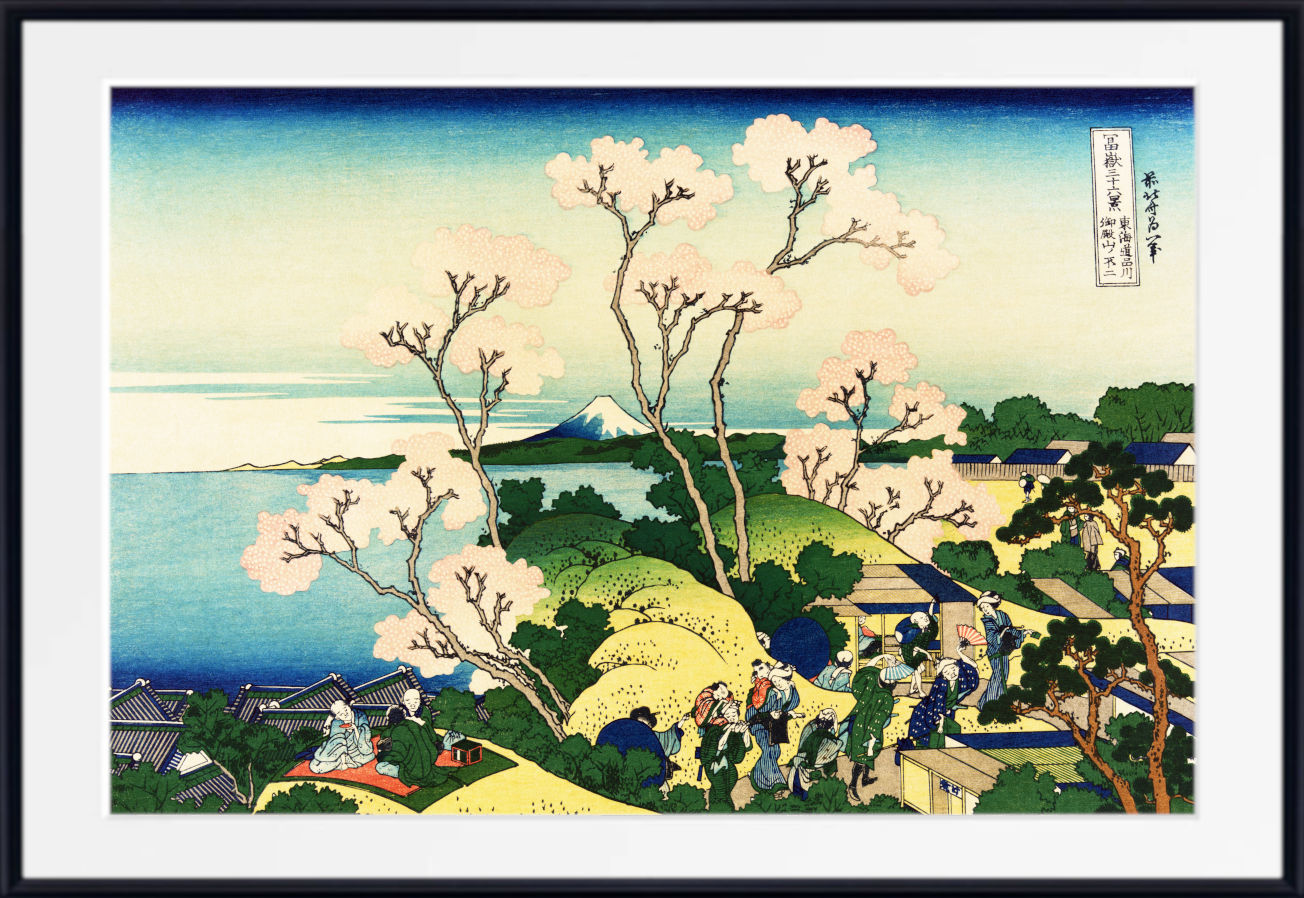
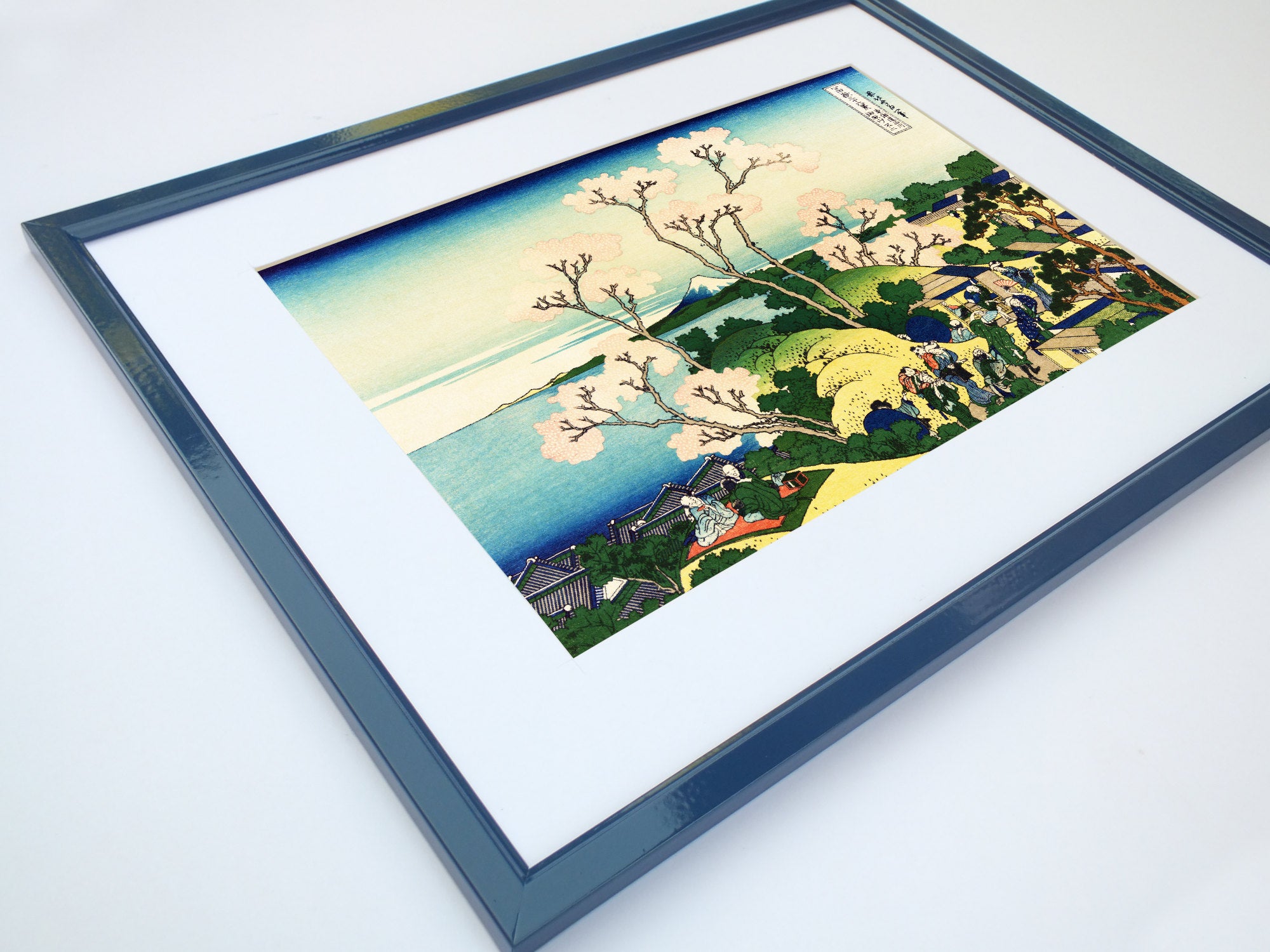
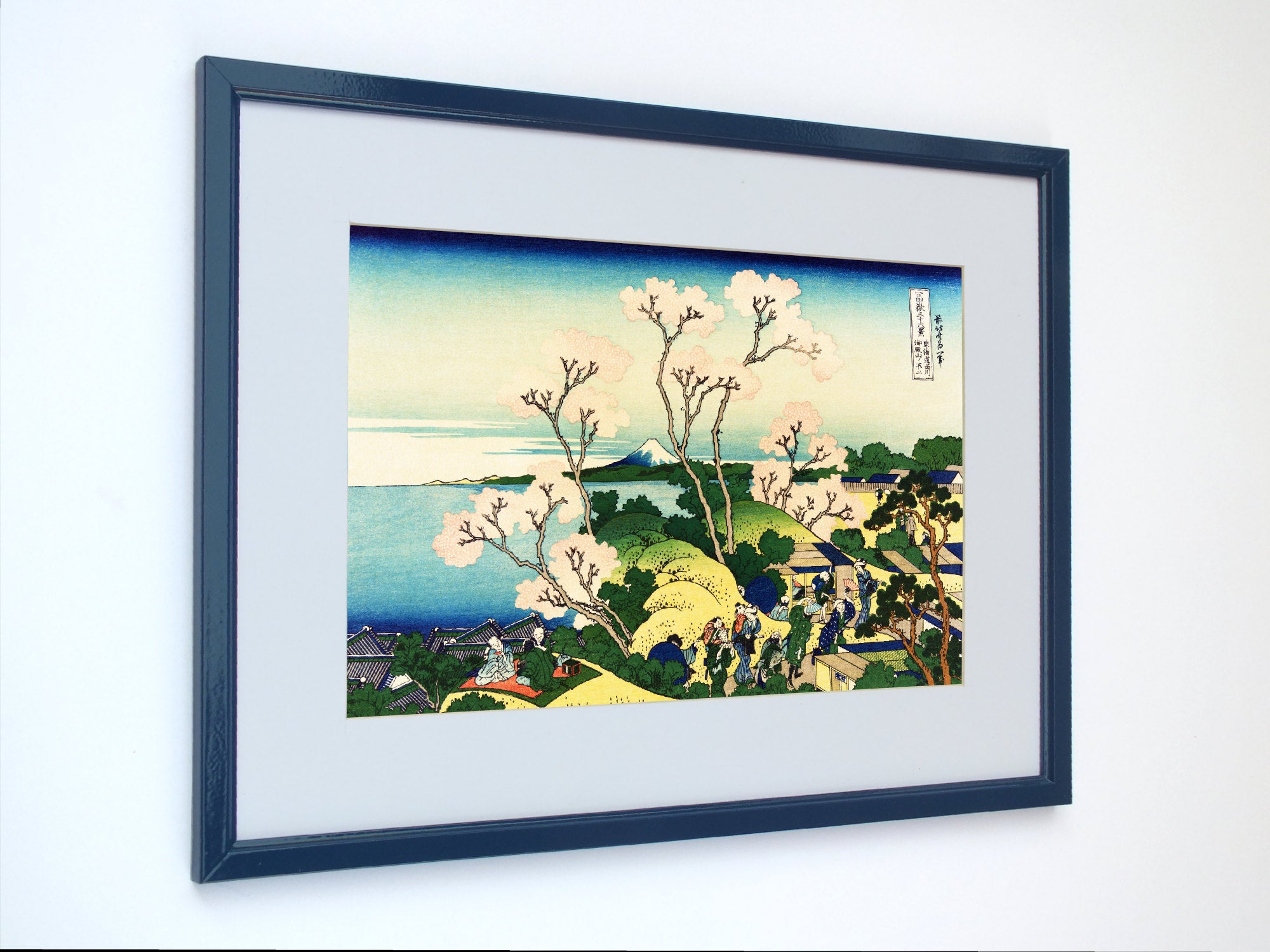
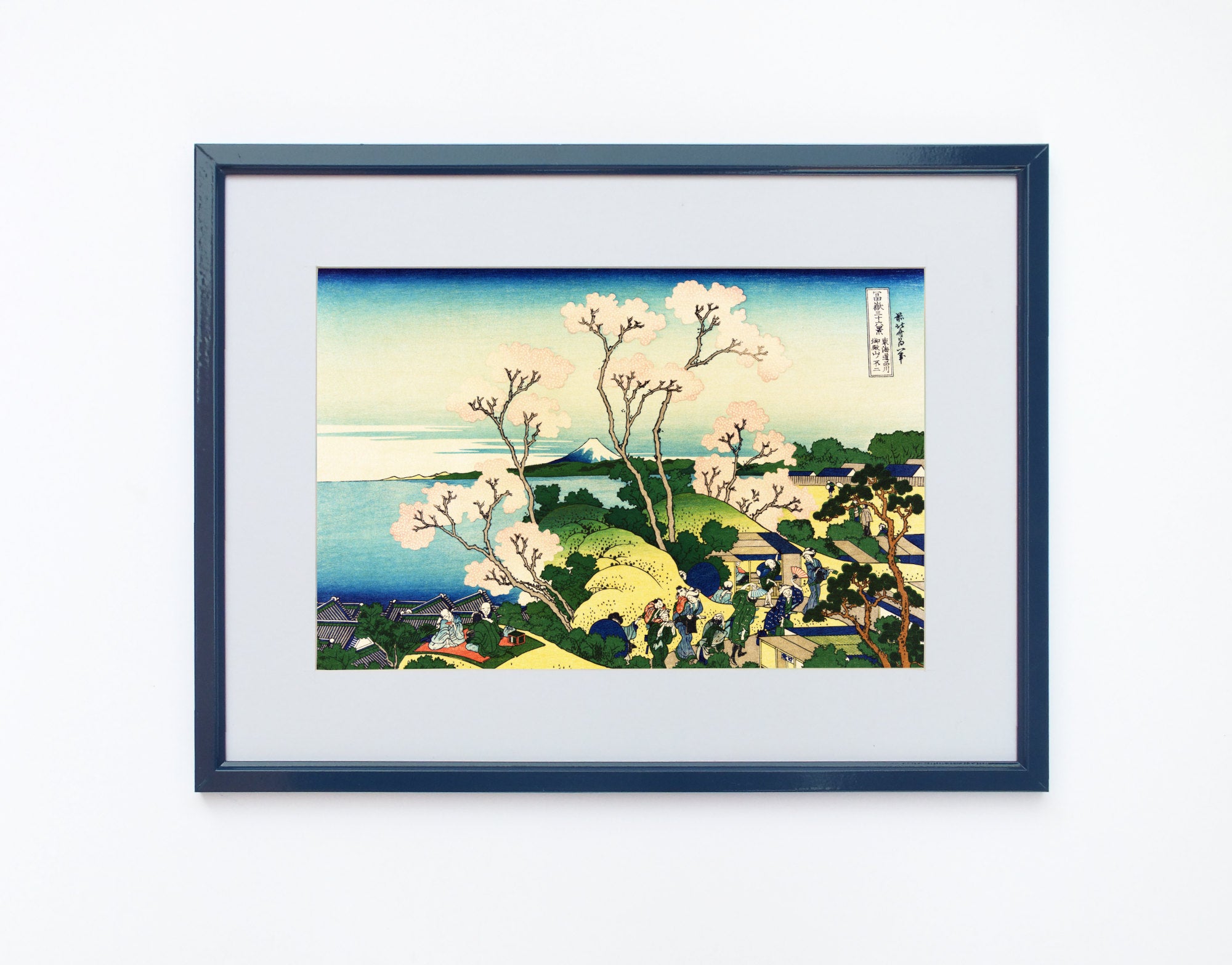
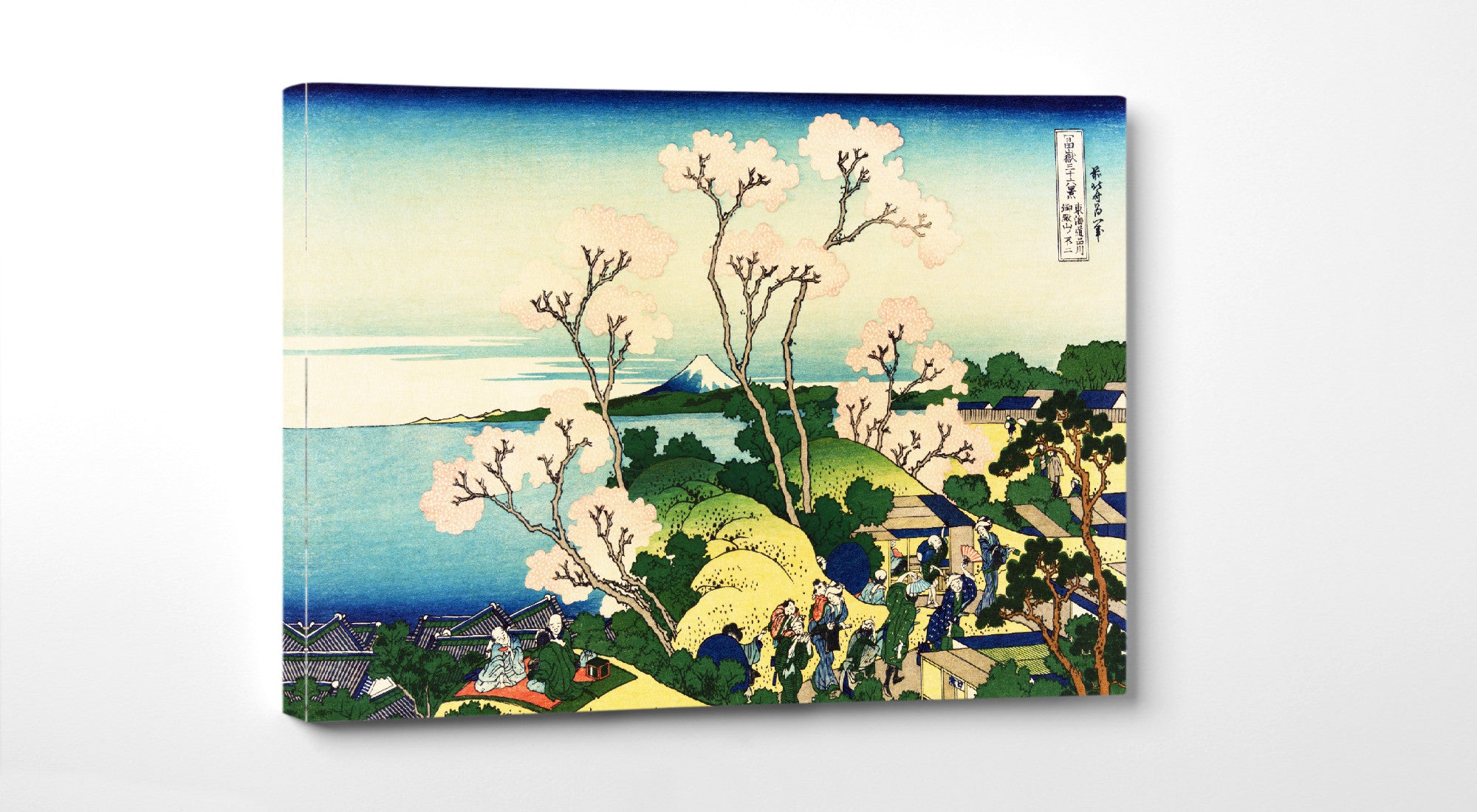
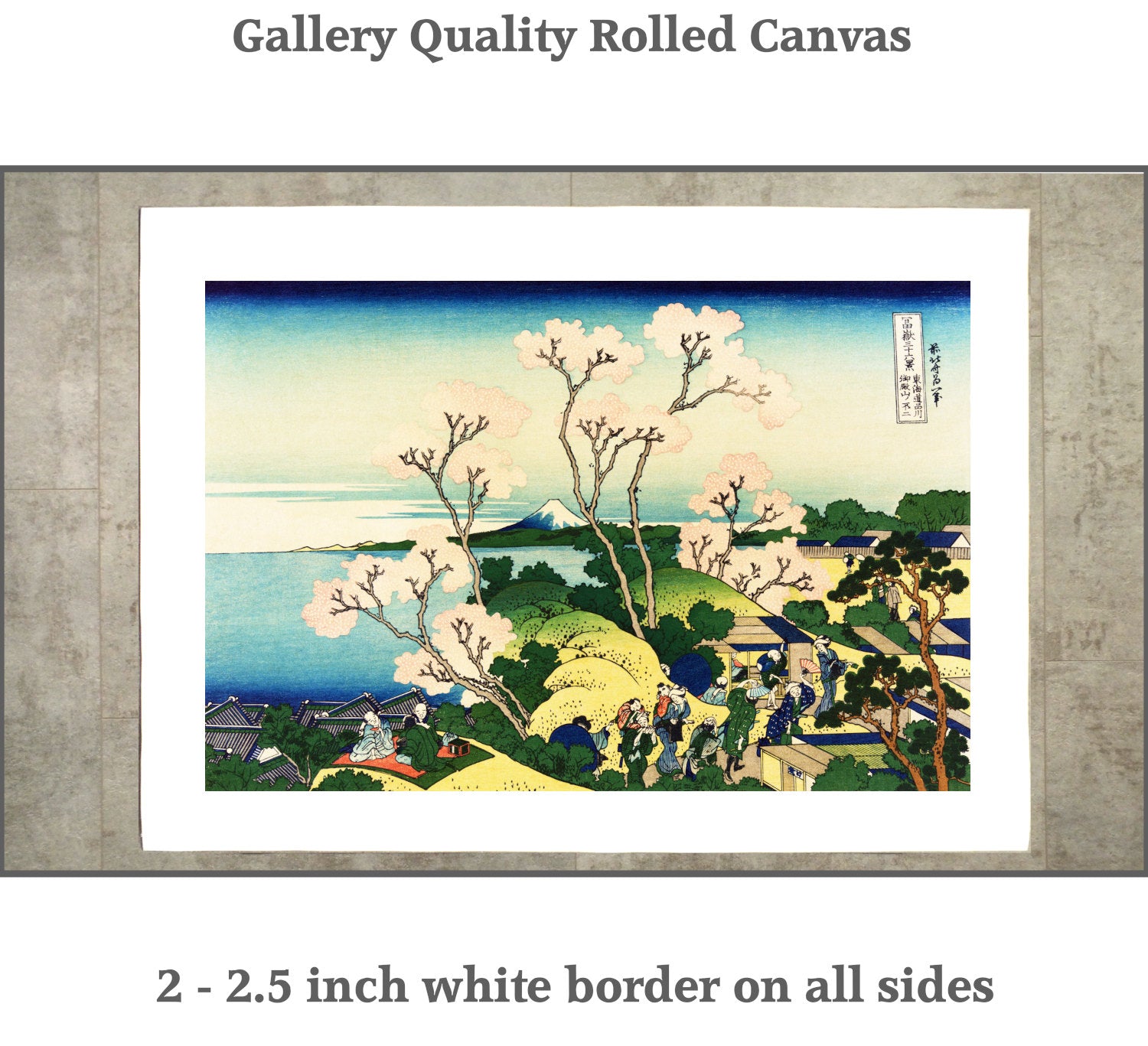
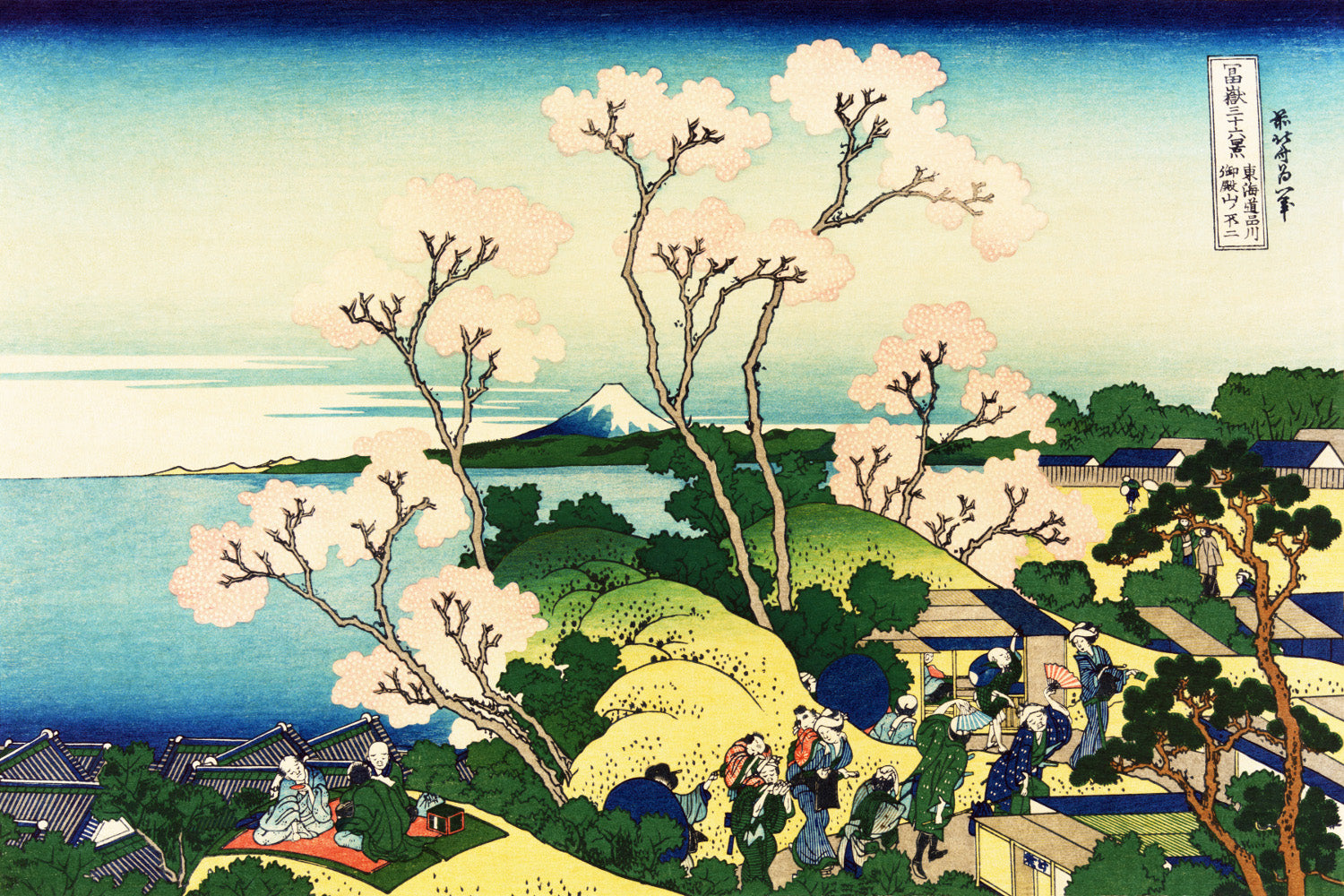
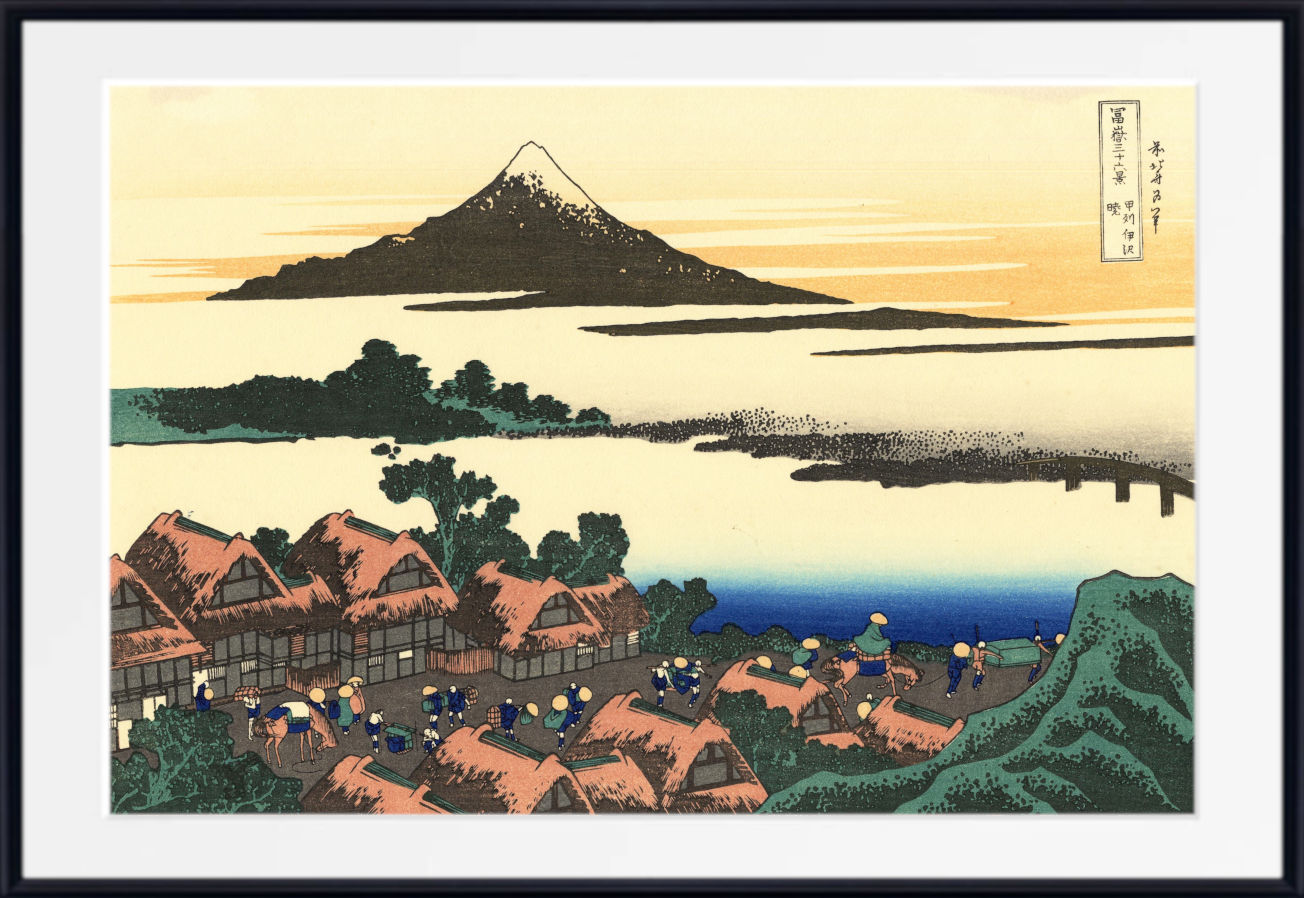
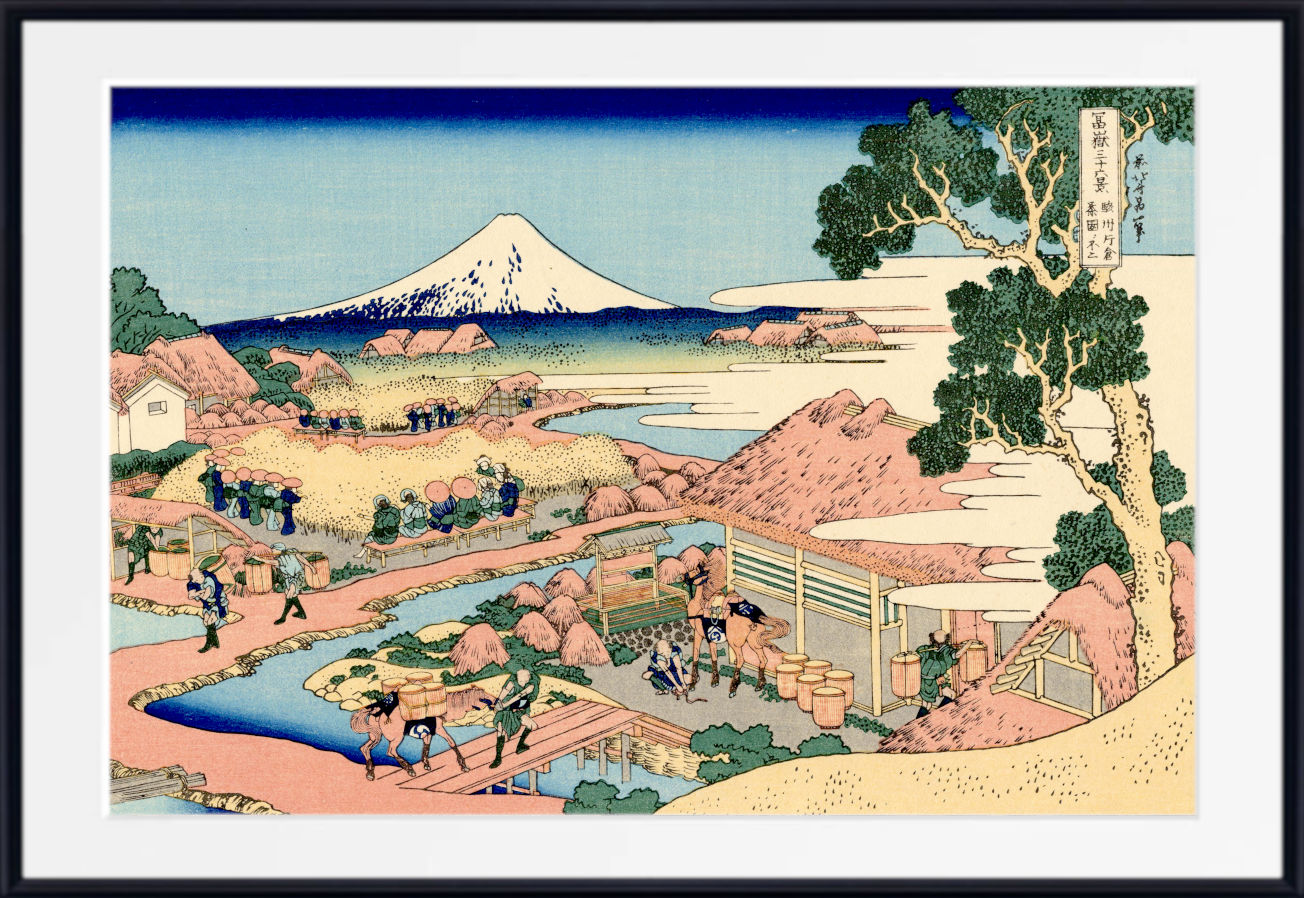
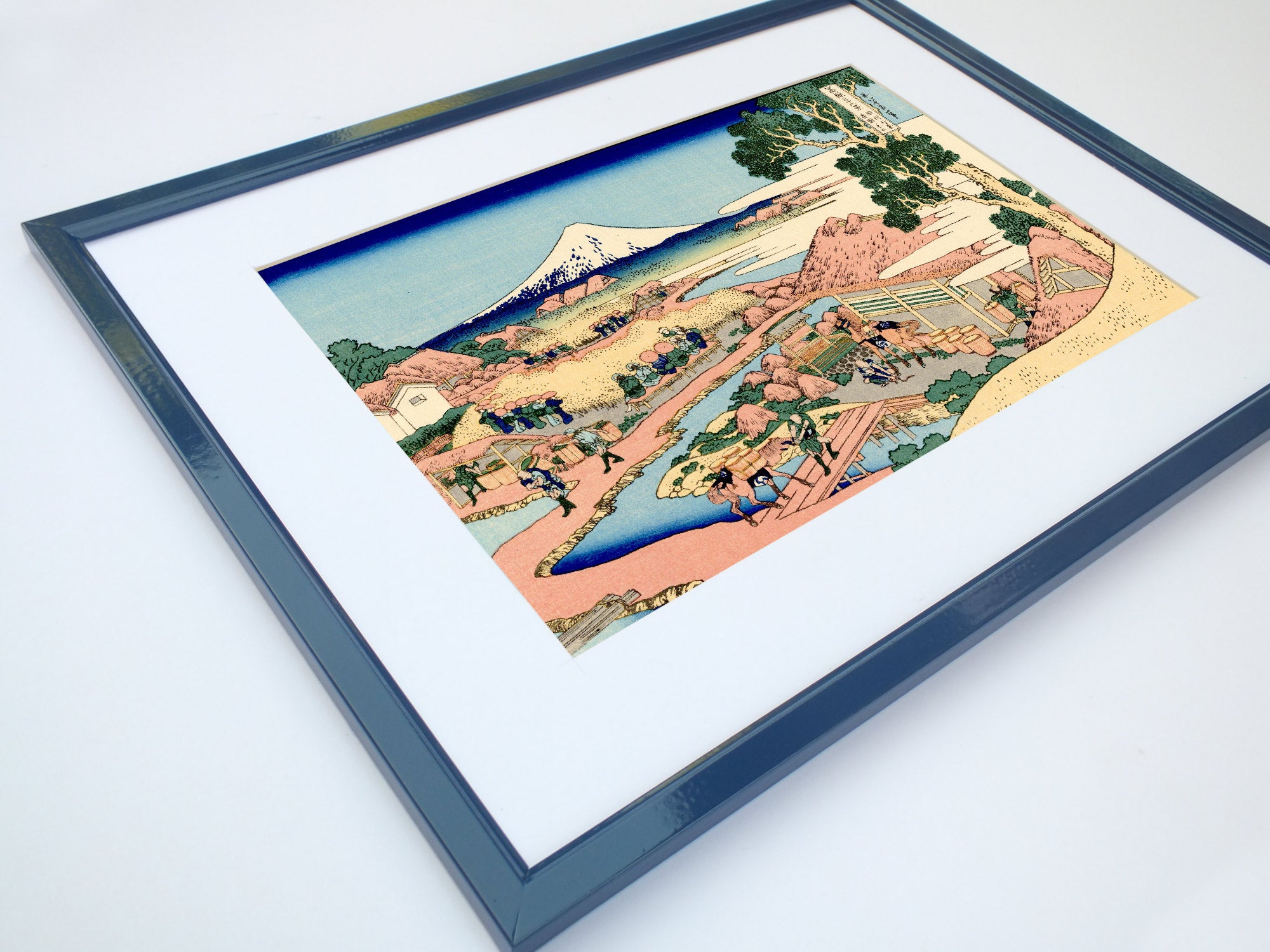
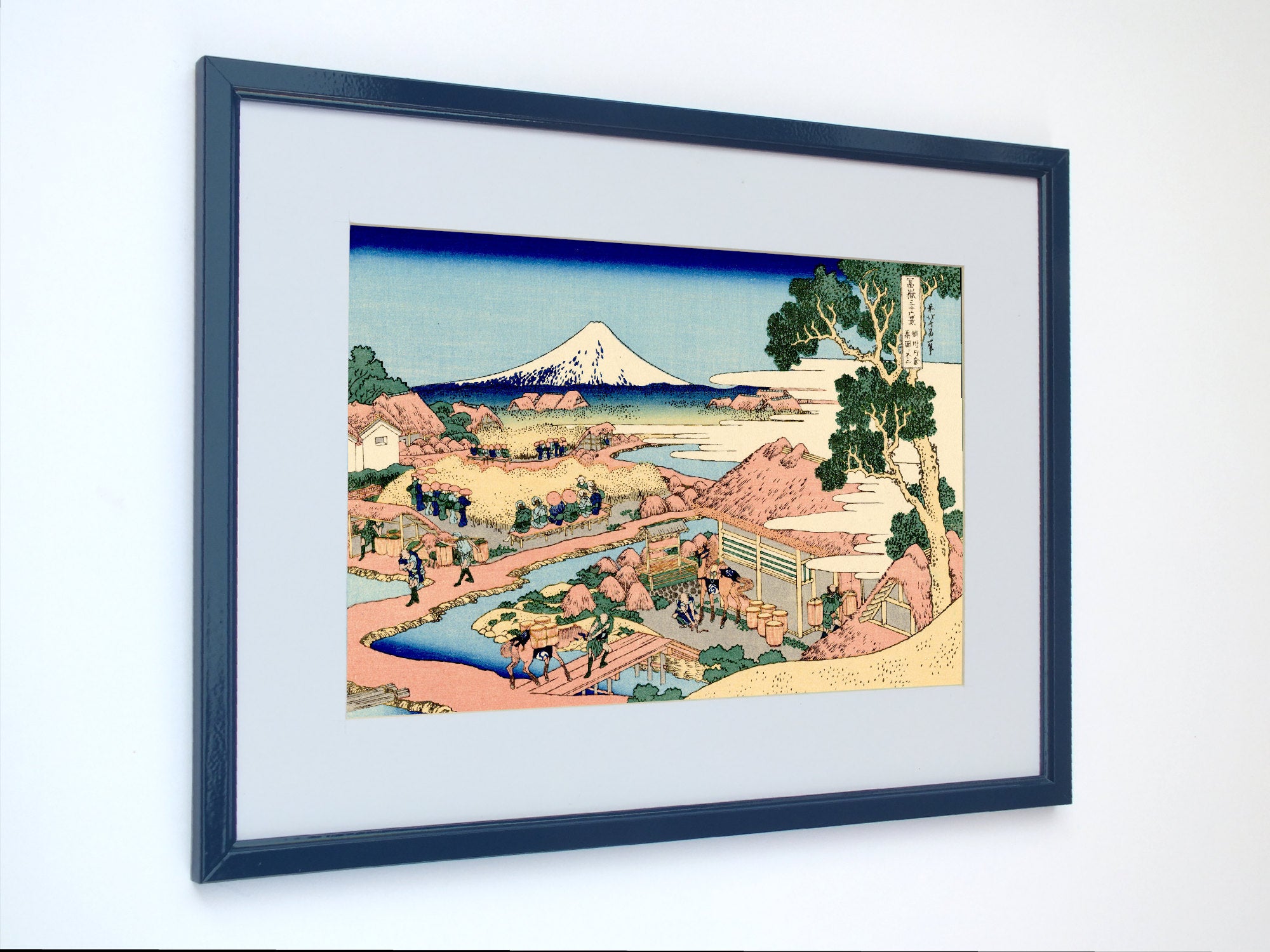
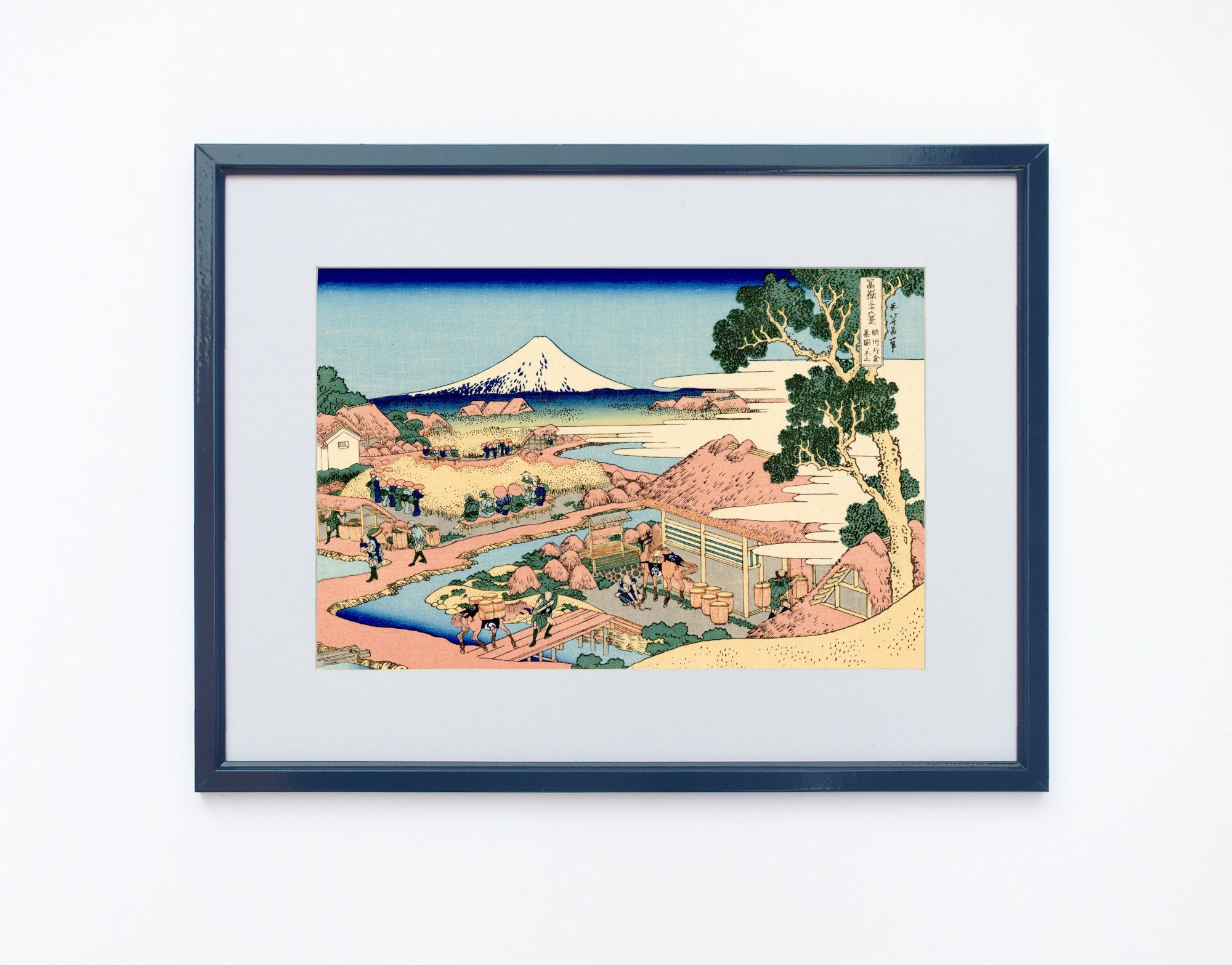
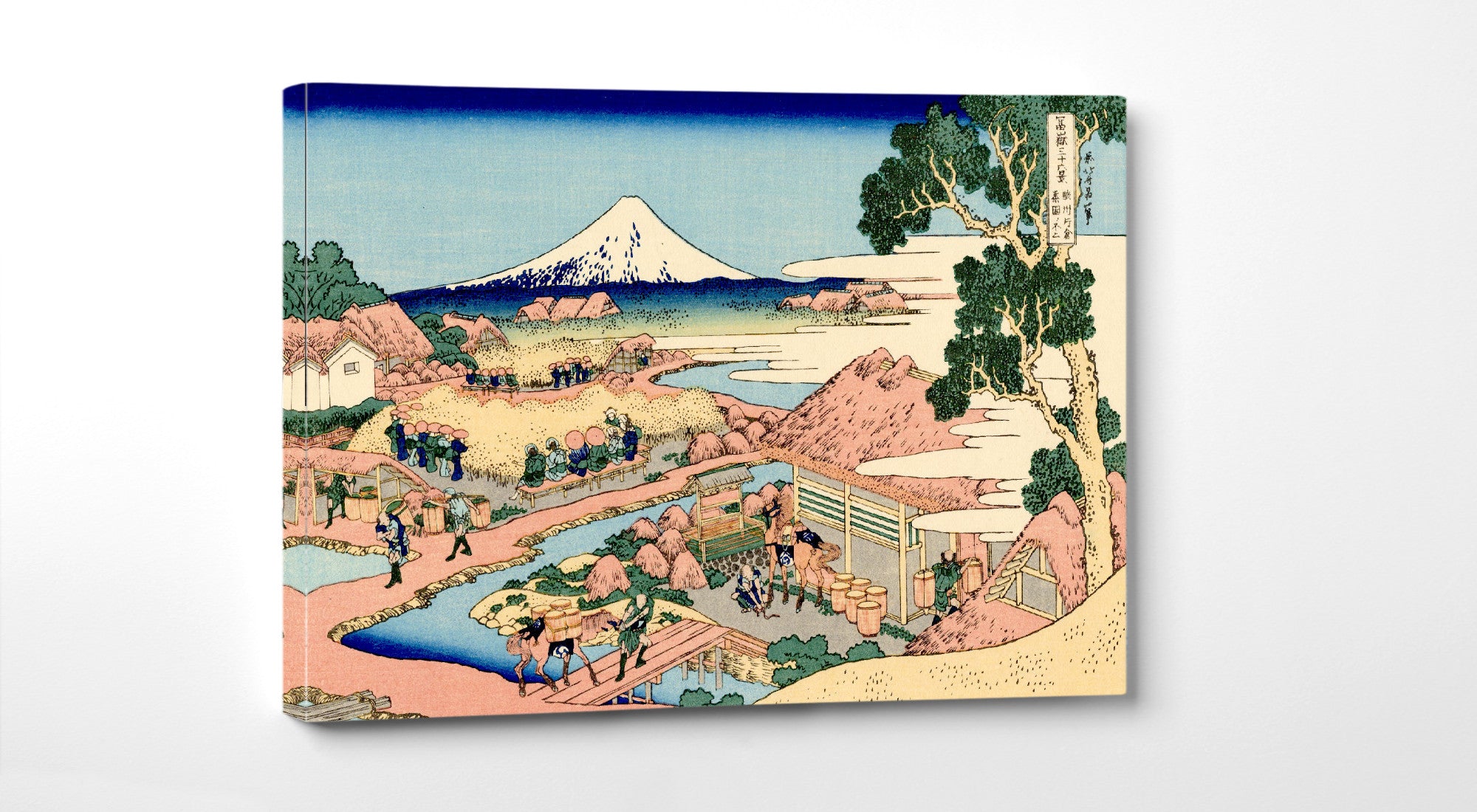
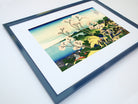
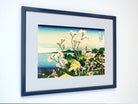
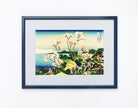
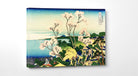
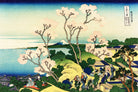
Celebrate springtime in Edo-period Japan with a Hokusai Goten-yama Hill, Shinagawa print. Created around 1833 as part of the expanded Thirty-Six Views of Mount Fuji series, this colourful woodblock landscape brings together cherry blossom viewing, picnicking townspeople, the historic Tōkaidō route and distant Mount Fuji.
Unlike the storms, waves and powerful weather found elsewhere in the series, Fuji from Goten-yama at Shinagawa on the Tōkaidō captures an atmosphere of leisure and seasonal celebration.
Cherry Blossom at Goten-yama
Goten-yama was a celebrated cherry-blossom viewing location above Shinagawa, on the southern outskirts of Edo.
During spring, visitors travelled to the hill to enjoy the blossoms, eat, drink and socialise beneath the flowering trees.
Hokusai fills the foreground with this activity.
Samurai, townspeople and children gather beneath the blossoms, while temporary refreshment stalls contribute to the atmosphere of a public holiday.
Painting Style and Composition
Mount Fuji Beyond the Blossom
Fuji appears across the landscape beyond the cherry-covered hill.
The mountain is not the obvious centre of attention for many of the people in the print. They are absorbed in food, drink, conversation and blossom viewing.
This is characteristic of Hokusai's treatment of everyday life.
A landmark of immense cultural importance can coexist naturally with ordinary human pleasure.
Cherry Trees as a Framing Device
Tree trunks and flowering branches help divide the image into different spatial layers.
The viewer looks through and between the trees towards the more distant landscape and Fuji.
This creates depth while allowing Hokusai to contrast the immediate detail of spring blossom with the simplified triangular mountain beyond.
The piling forms of the hills also seem to build gradually towards Fuji.
A Different Mood Within Thirty-Six Views
The Fuji series is remarkably varied.
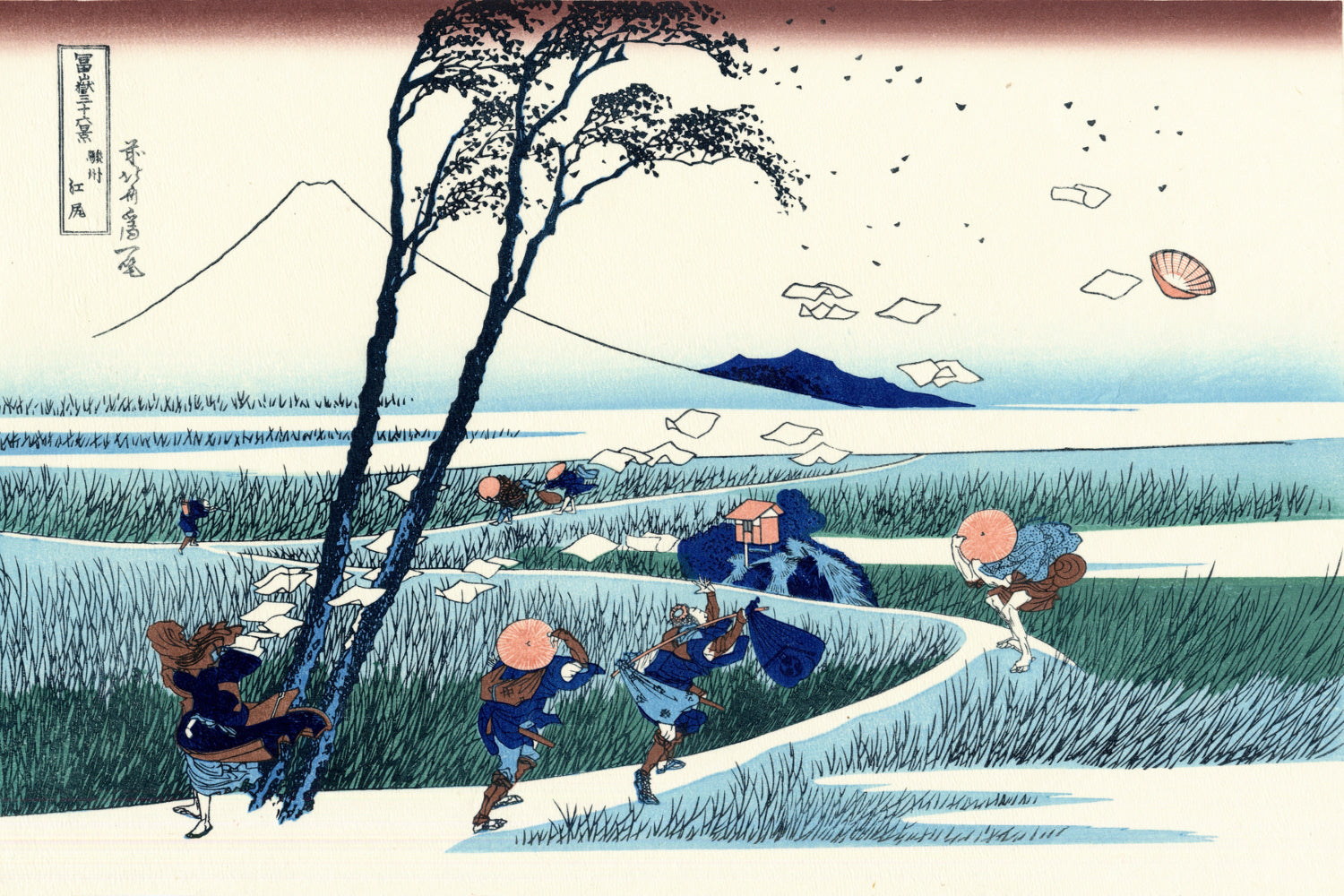
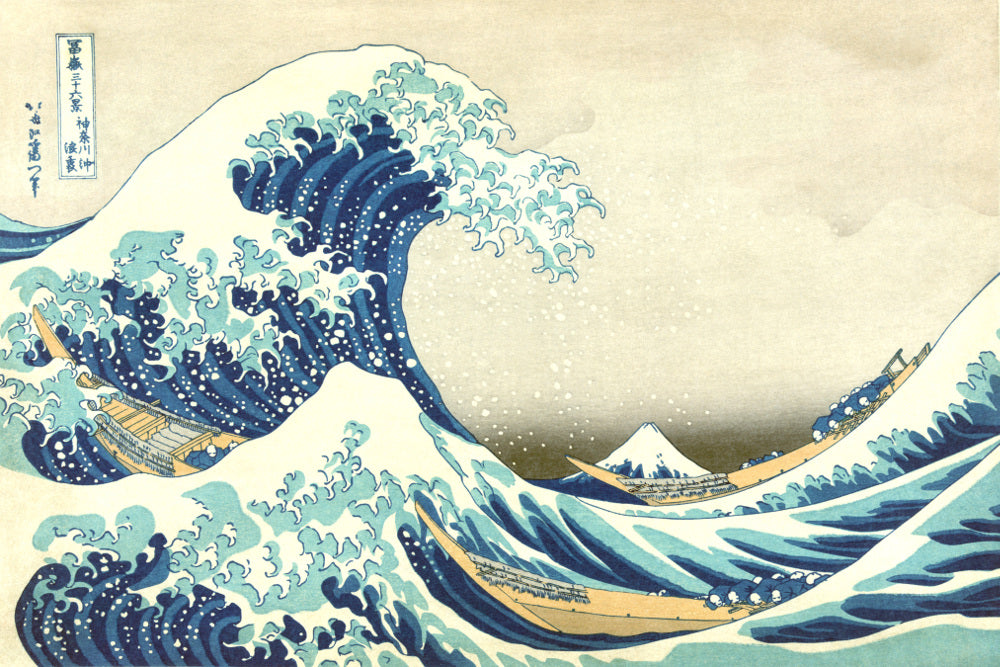
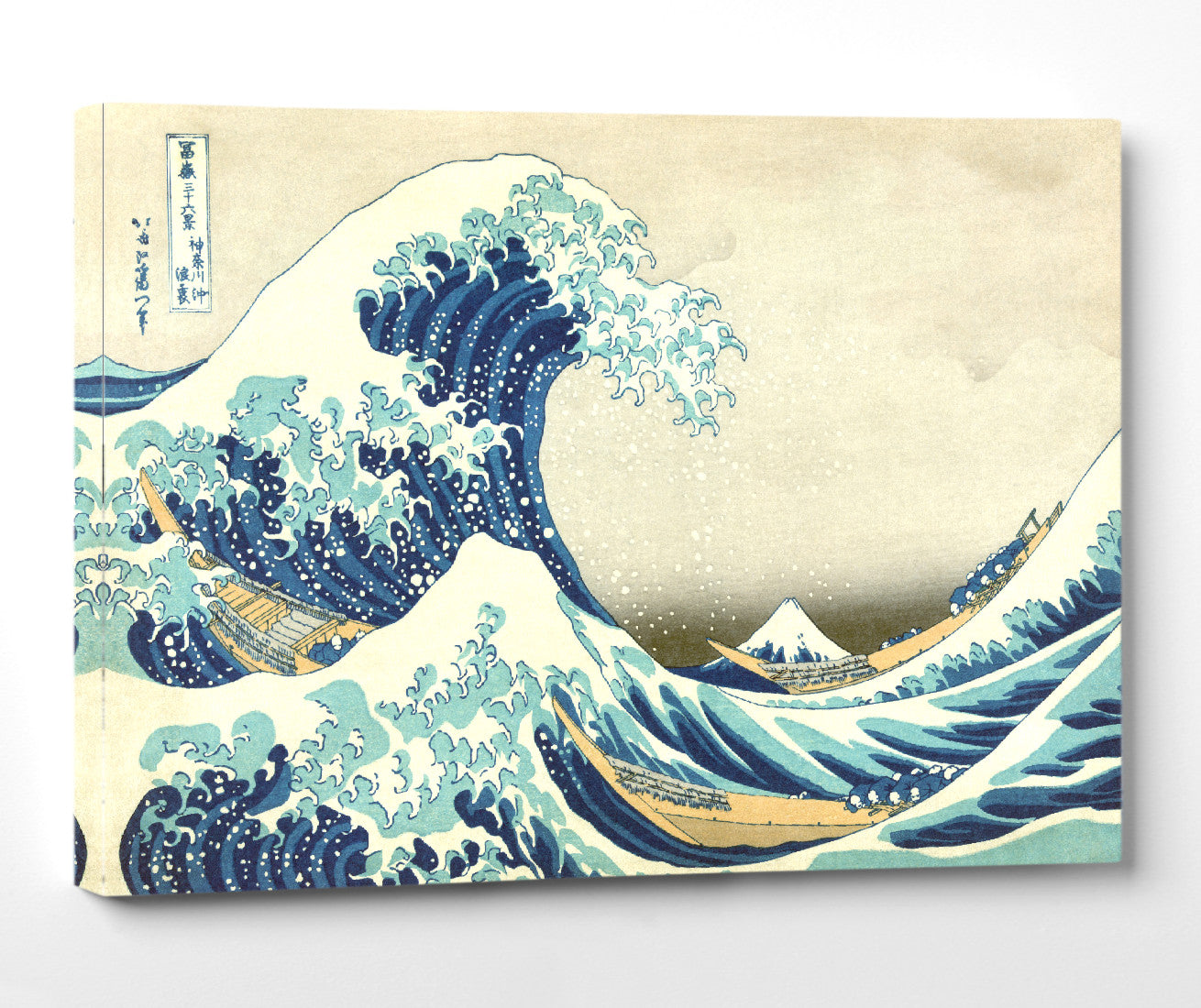
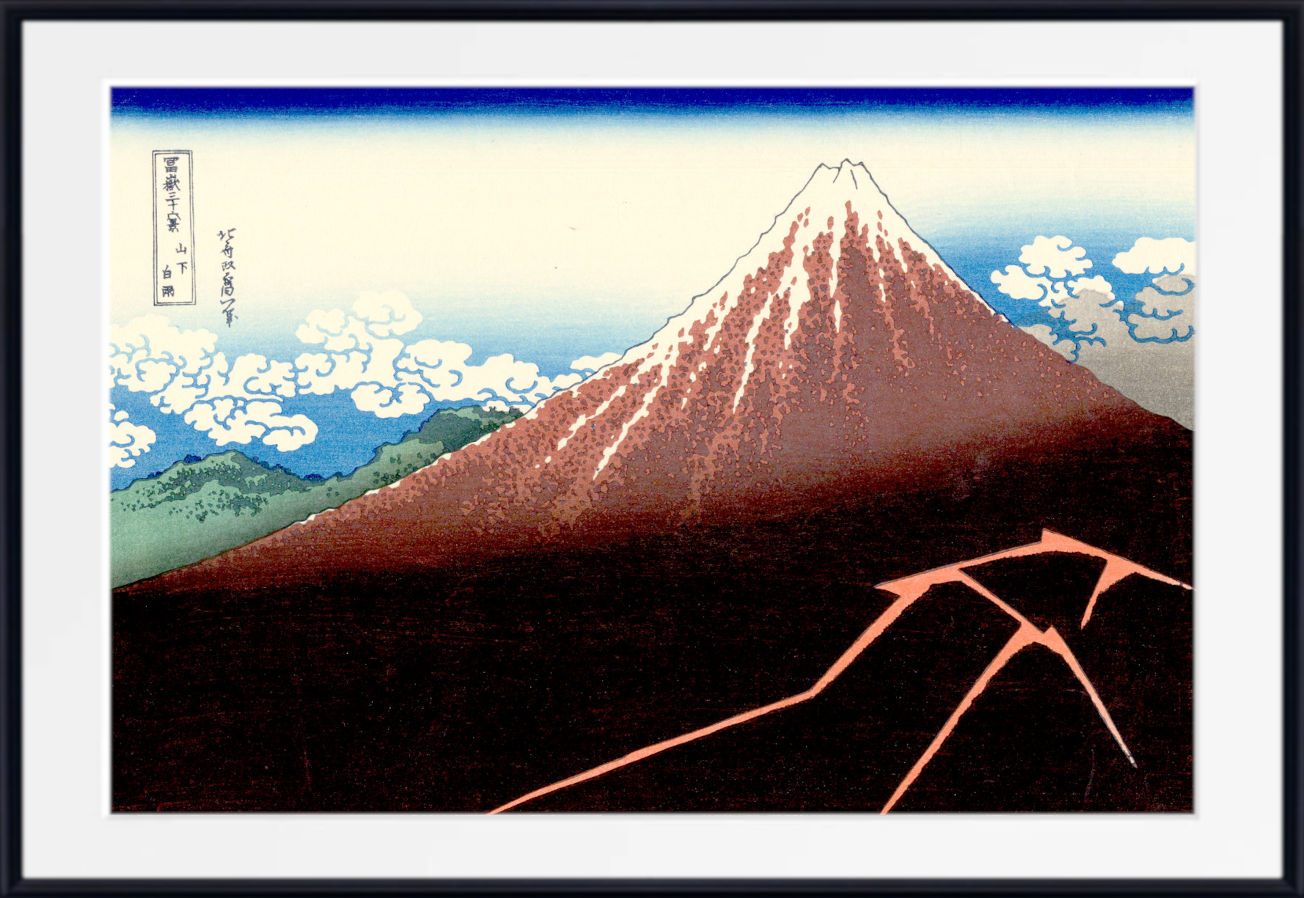
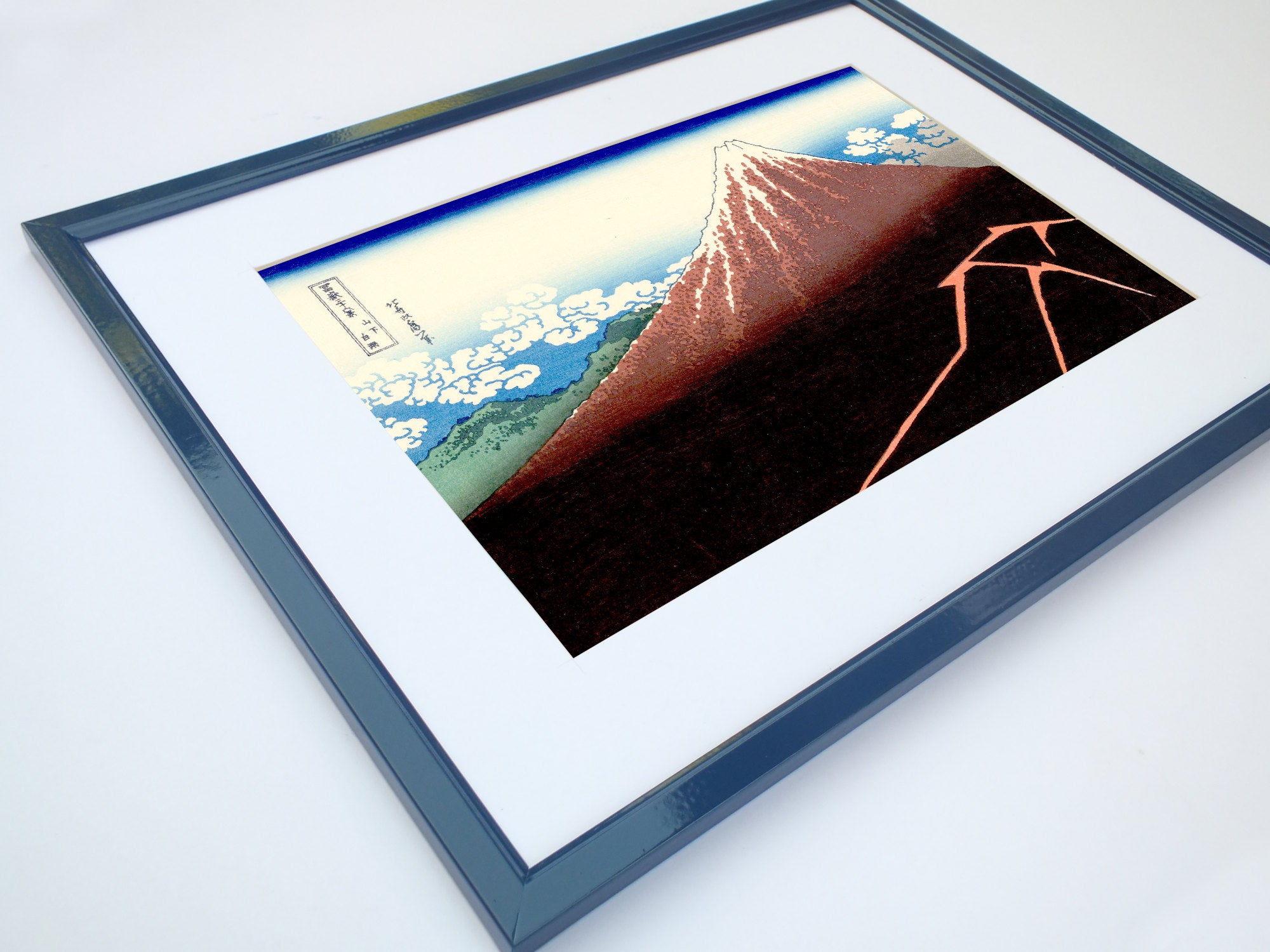
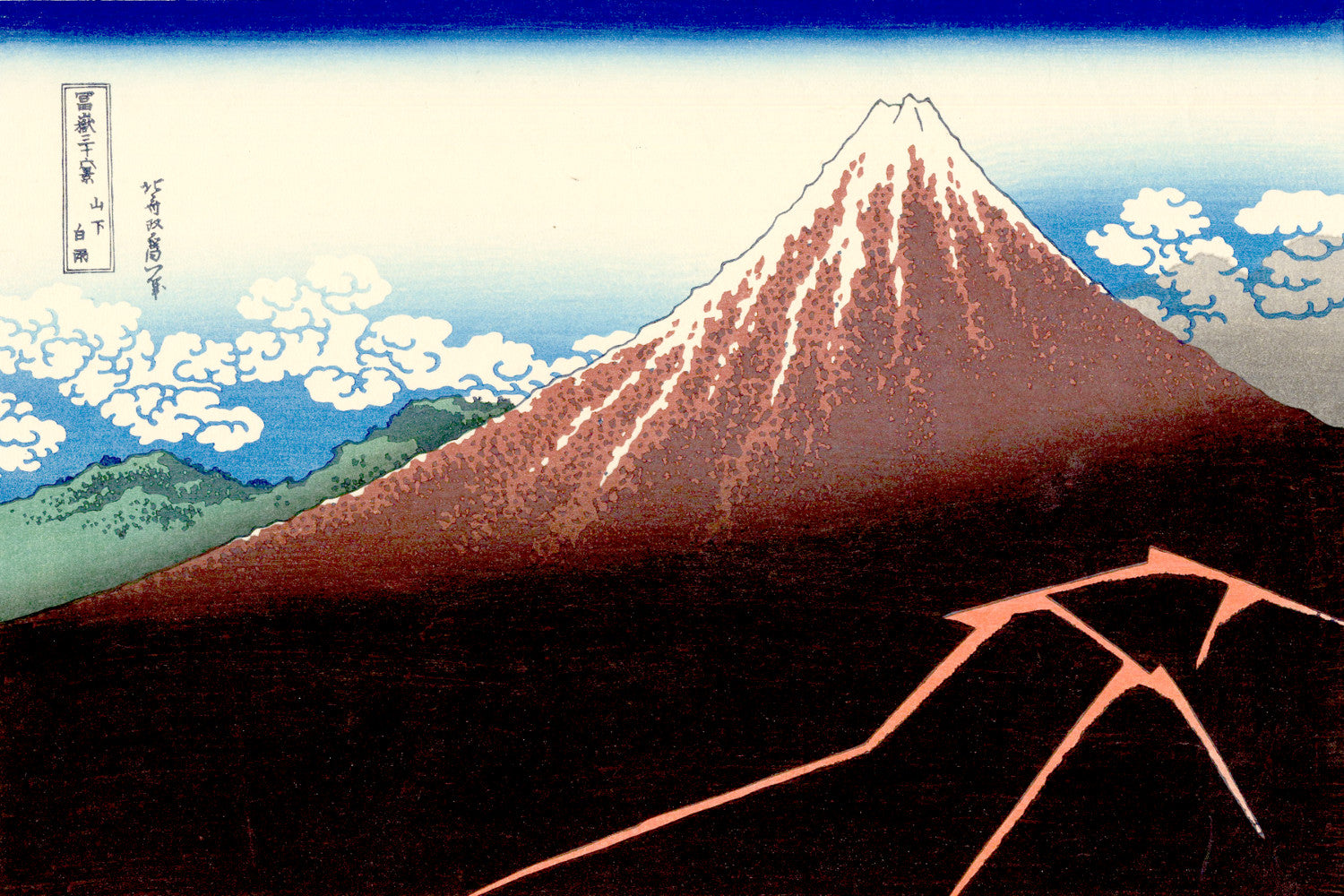
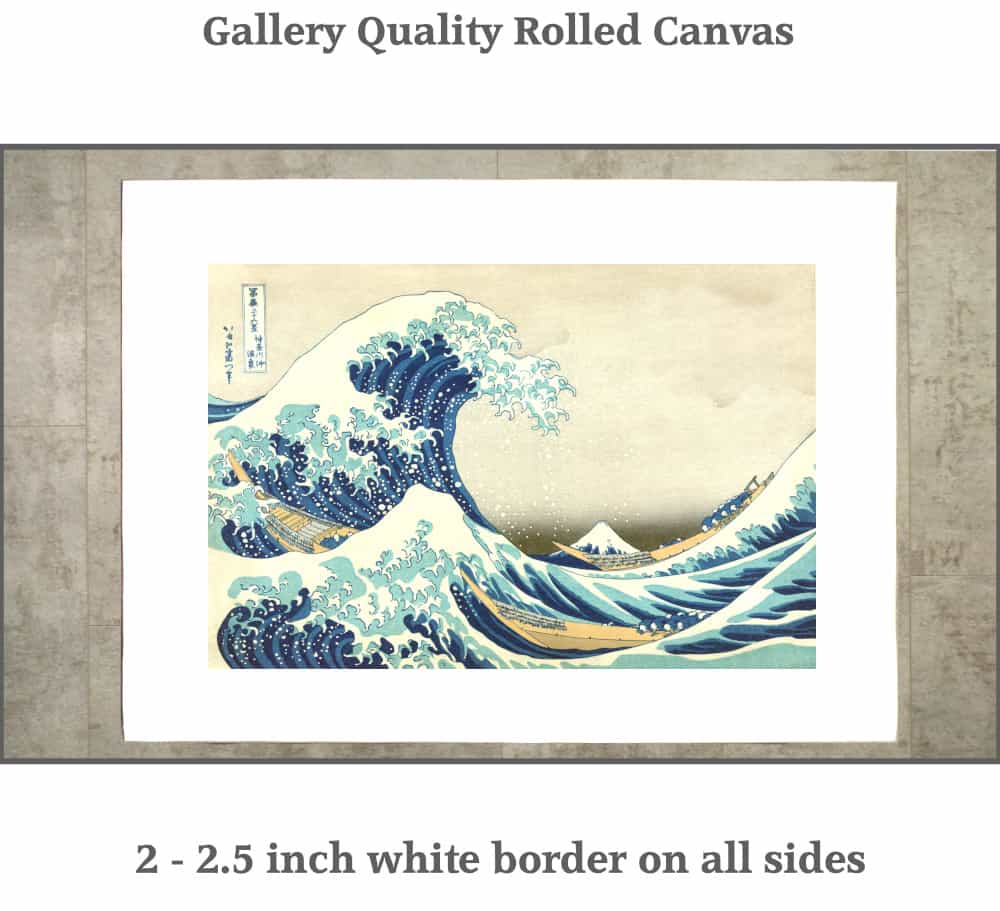
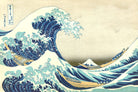
The Great Wave presents danger at sea. Ejiri depicts violent wind. Lightning Below the Summit captures a thunderstorm.
Goten-yama, by comparison, is cheerful and social.
The seasonal blossom and groups of visitors create a scene of recreation rather than struggle, demonstrating how Hokusai could repeatedly return to Fuji while changing the human and emotional context completely.
The Tōkaidō and Shinagawa
Shinagawa was the first post station on the Tōkaidō when travelling south from Edo.
The famous highway connected Edo with Kyoto and appears frequently in Japanese art because of its importance to travel, trade and culture.
By locating Fuji within this familiar environment, Hokusai brought the celebrated mountain into the lived geography of his contemporary audience.
Goten-yama Hill Wall Art
A Hokusai cherry blossom print offers a softer and more social alternative to the dramatic blue landscapes usually associated with the artist.
The combination of pale blossom, landscape greens, blue and warm figure details complements neutral and natural interiors while introducing gentle seasonal colour.
It works particularly well in living rooms, dining rooms, bedrooms and hallways and can form part of a Japanese gallery wall combining landscape and botanical themes.
About Katsushika Hokusai
Katsushika Hokusai (1760–1849) was one of the great observers of everyday Edo-period life.
Although internationally famous for dramatic landscapes, his work is filled with people eating, walking, travelling, fishing, working and celebrating.
This attention to ordinary experience helped give his landscapes unusual vitality.
The success of Thirty-Six Views of Mount Fuji led to ten additional designs being added to the series, expanding the project beyond the number retained in its famous title.
Frequently Asked Questions
When was Goten-yama Hill, Shinagawa created?
The British Museum dates an impression of the design to around 1833.
What does the print show?
It depicts people enjoying cherry blossom at Goten-yama above Shinagawa, with Mount Fuji visible in the distance.
Where was Goten-yama?
Goten-yama was a hill above Shinagawa on the southern outskirts of Edo, present-day Tokyo.
Why was Goten-yama famous?
It was particularly celebrated as a spring cherry-blossom viewing location.
What was the Tōkaidō?
The Tōkaidō was the historic highway connecting Edo and Kyoto. Shinagawa was its first post station when travelling south from Edo.
Is this print part of Thirty-Six Views of Mount Fuji?
Yes. It forms part of Hokusai's celebrated Fuji landscape series.
What interiors suit this Hokusai print?
Its spring landscape and cherry blossom colours are particularly well suited to Scandinavian, contemporary, Japanese-inspired and naturally furnished interiors.
Frame Details
SIZING - FRAMED PRINTS:
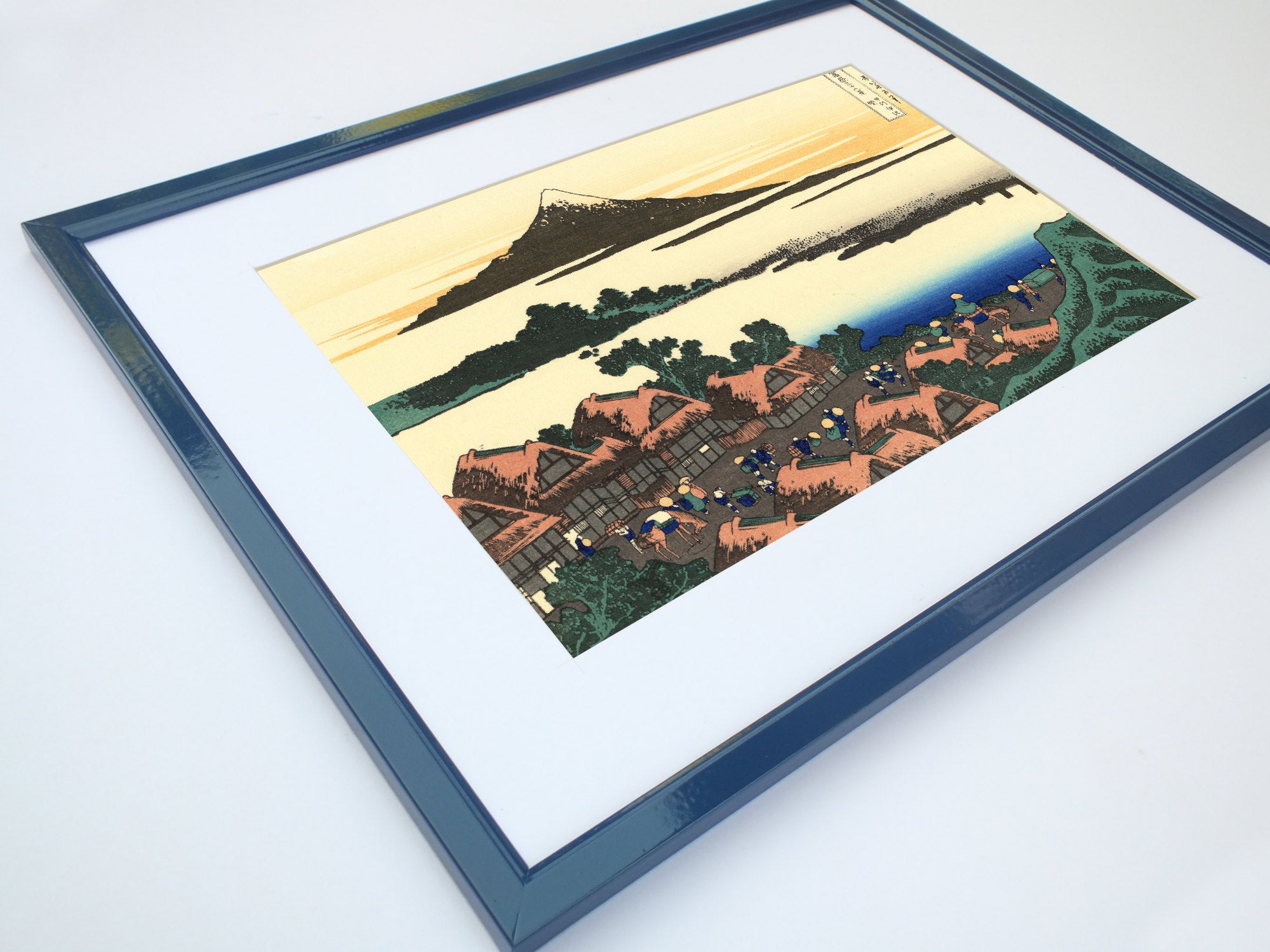
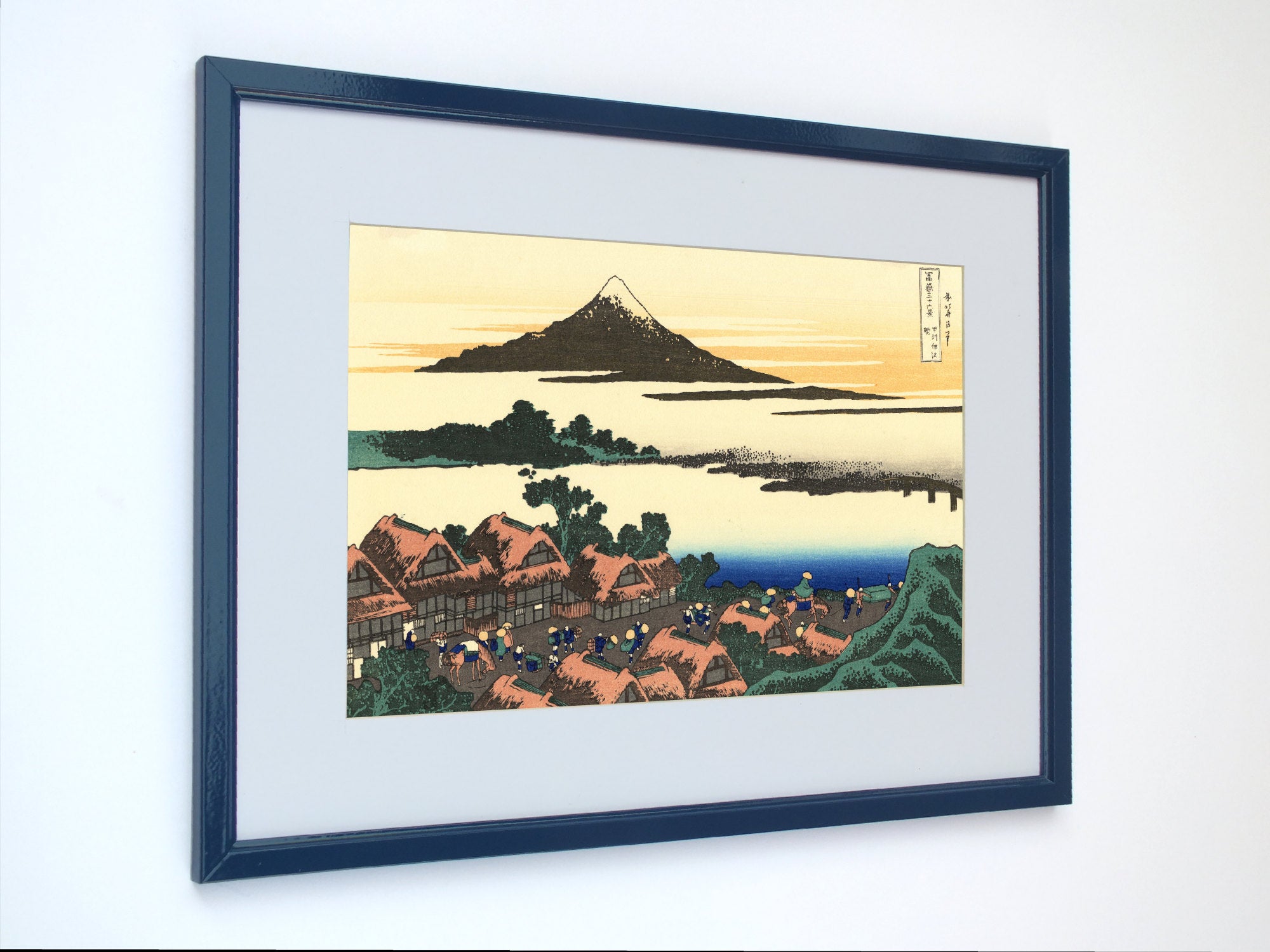
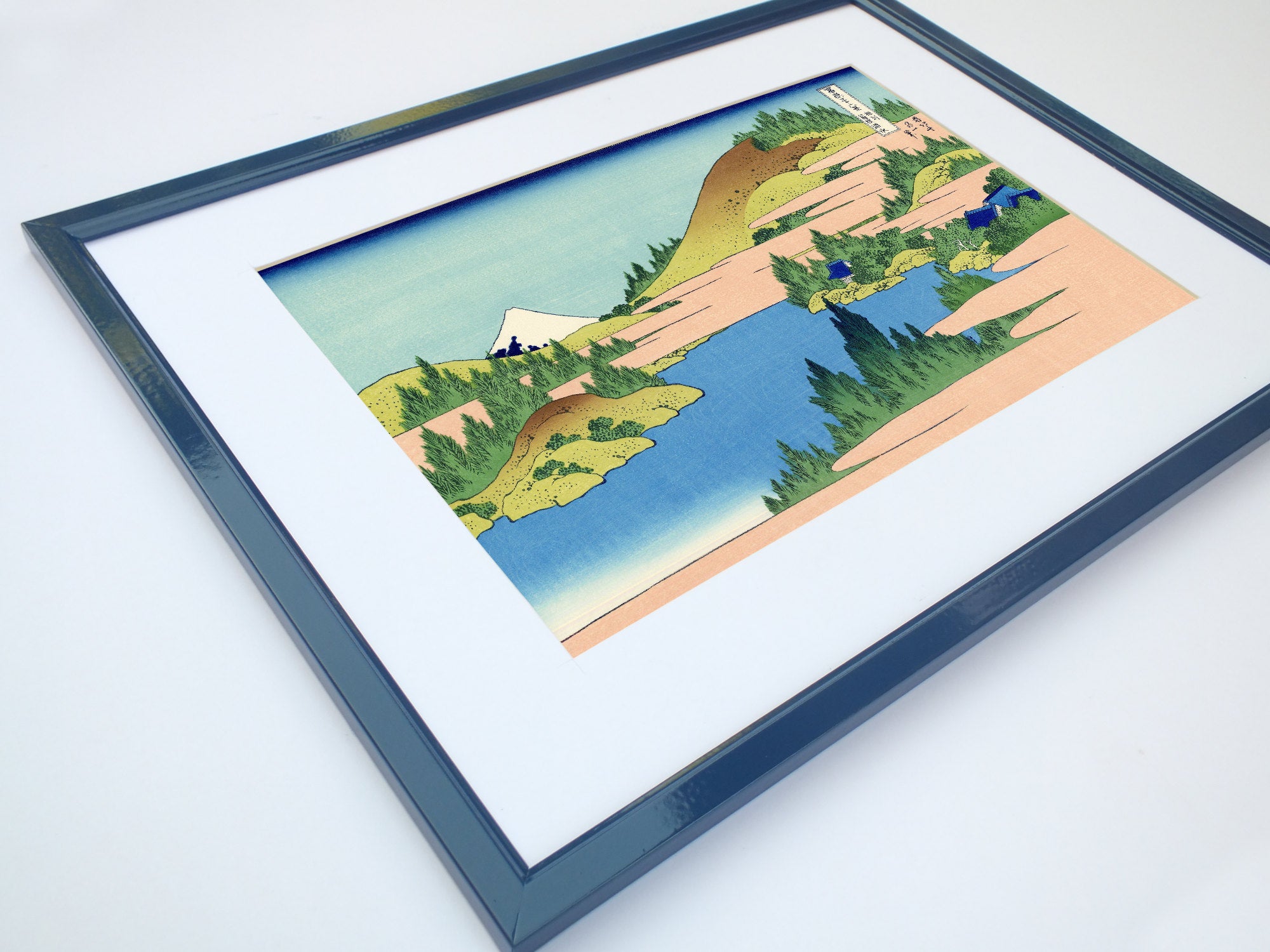
The sizes refer to the print area - framed prints have approx 2 inch wide white mount and approx 1 inch wide frame
Frames are made from responsibly sourced wood and gallery quality acrylic glazing.
Shipping
All orders for unframed fine art prints and original paintings are dispatched within 2 working days of receipt of payment.
Orders for custom framed prints are dispatched within 4 working days.
All orders are fully tracked from dispatch to delivery at your home or business.
All print and original painting orders are fully insured against loss or damage in transit. We refund or replace any damaged or lost orders.
Buy with confidence - read what our satisfied customers have to say - Reviews
Size Chart
SIZING - EUROPEAN A7 - A0:
A7 2-15/16 x 4-1/8 in 74 x 105 mm
A6 4-1/8 x 5-7/8 in 105 x 148 mm
A5 5-7/8 x 8-1/4 in 148 x 210 mm
A4 8-1/4 x 11-3/4 in 210 x 297 mm
A3 11-3/4 x 16-1/2 in 297 x 420 mm
A2 16-1/2 x 23-3/8 in 420 x 594 mm
A1 23-3/8 x 33-1/8 in 594 x 841 mm
A0 33-1/8 x 46-13/16 in 841 x 1188 mm
Explore related collections