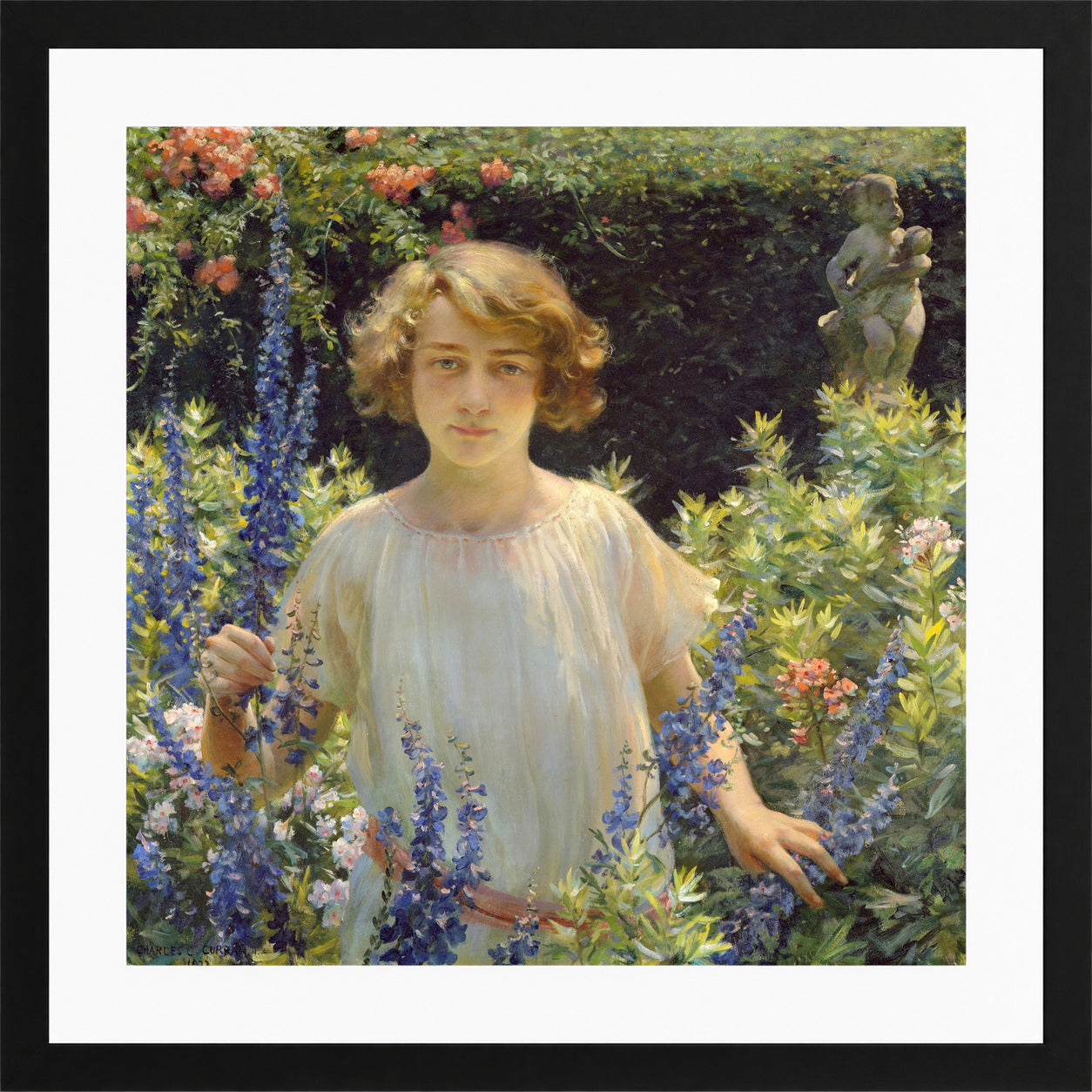
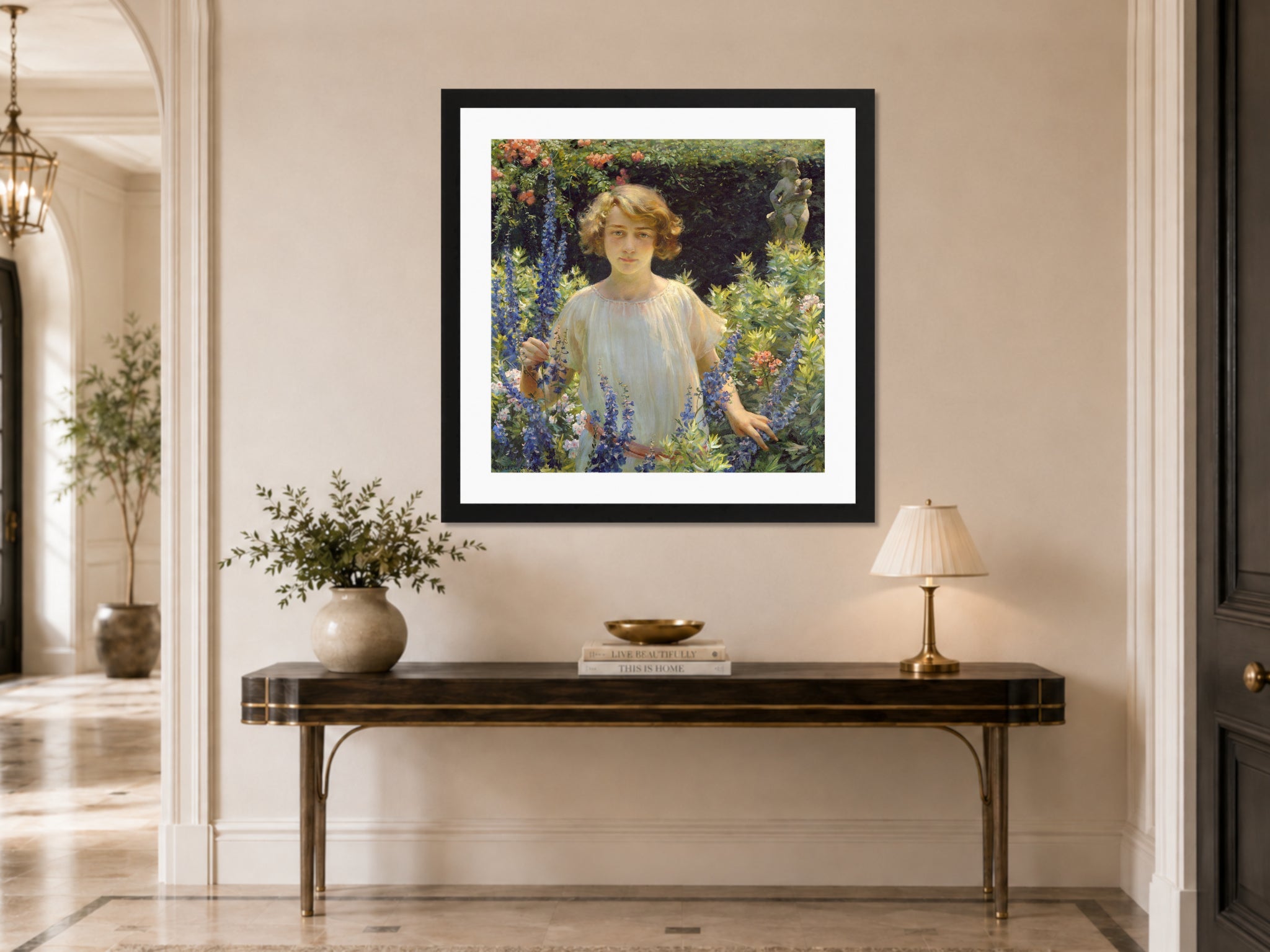
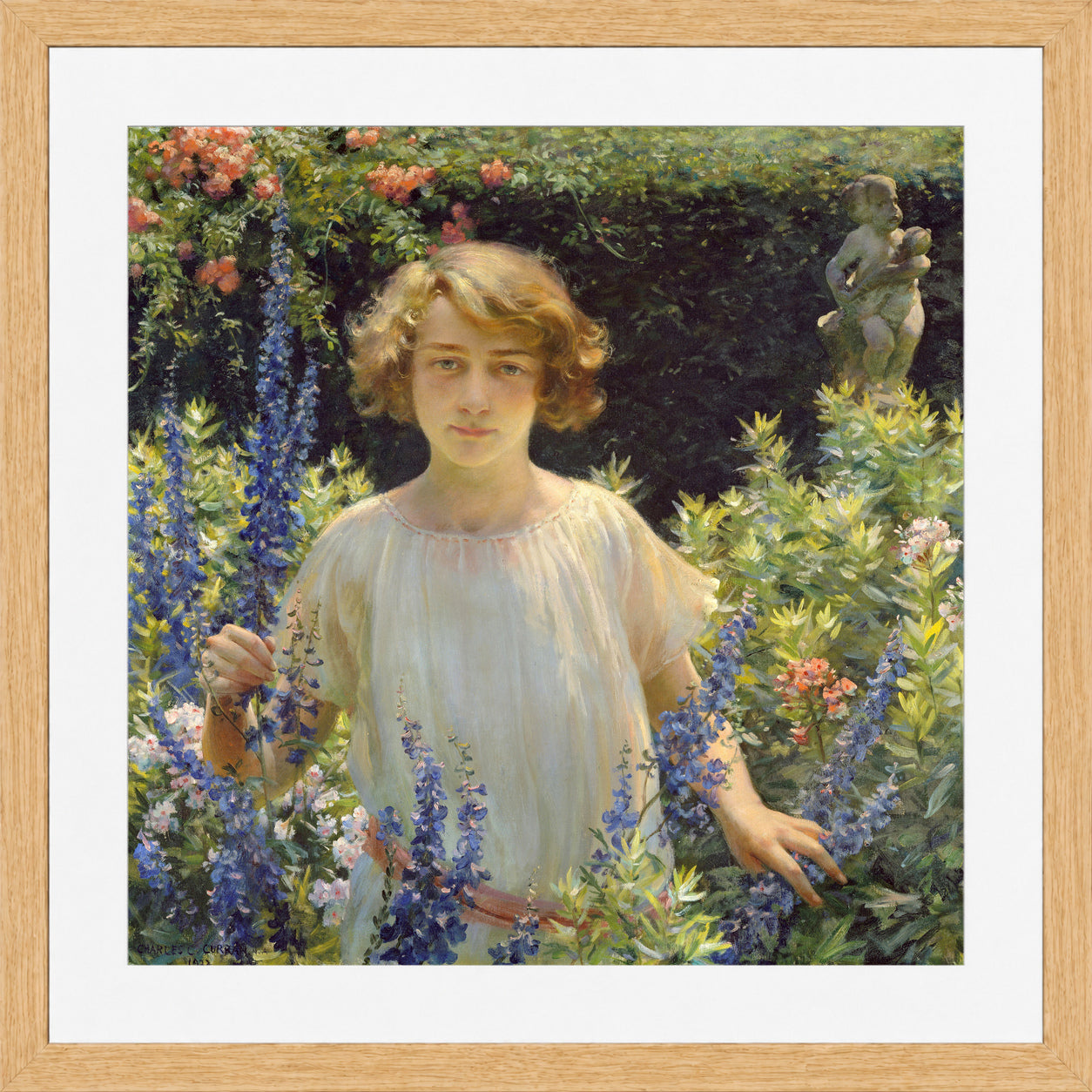
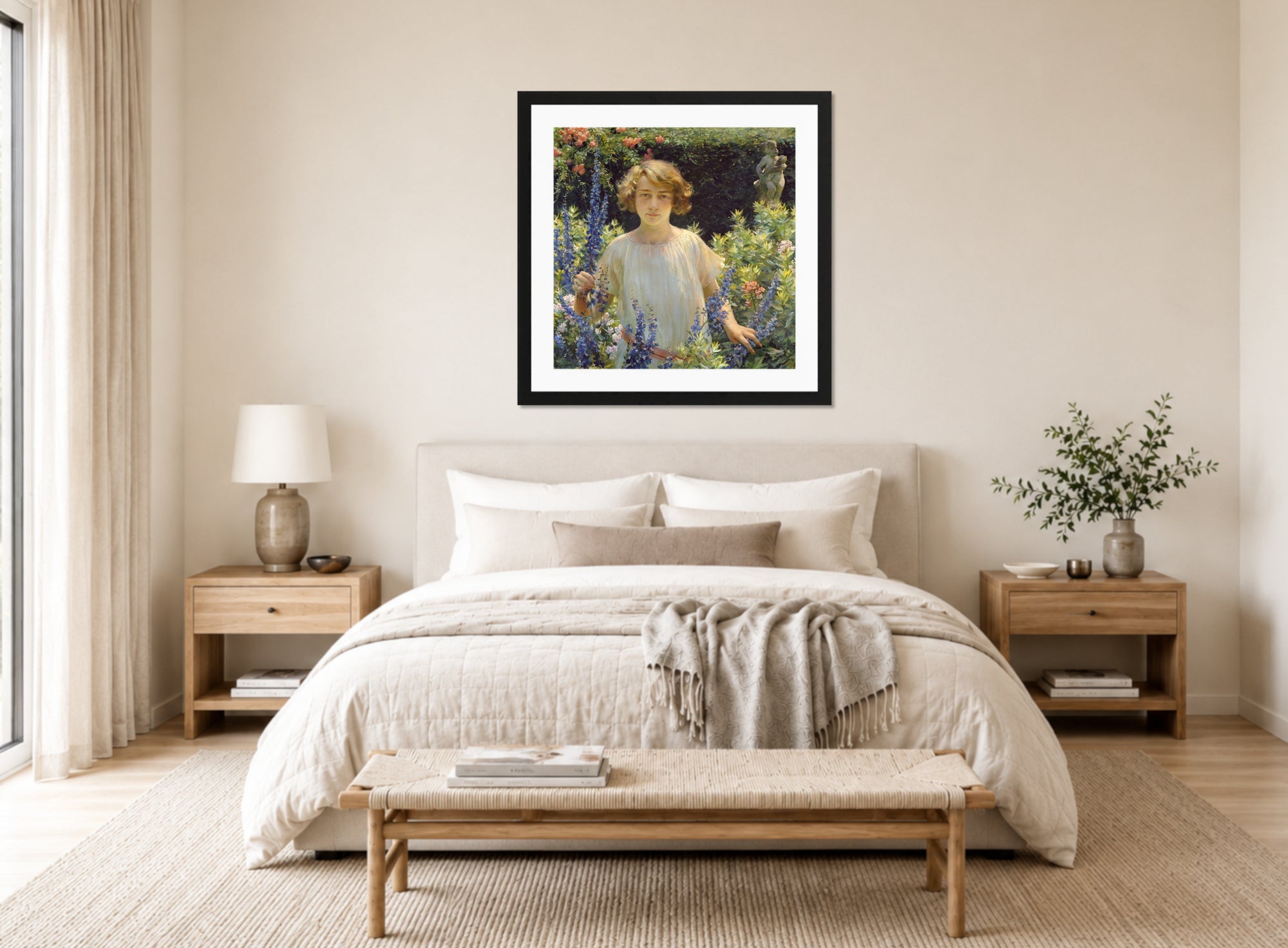
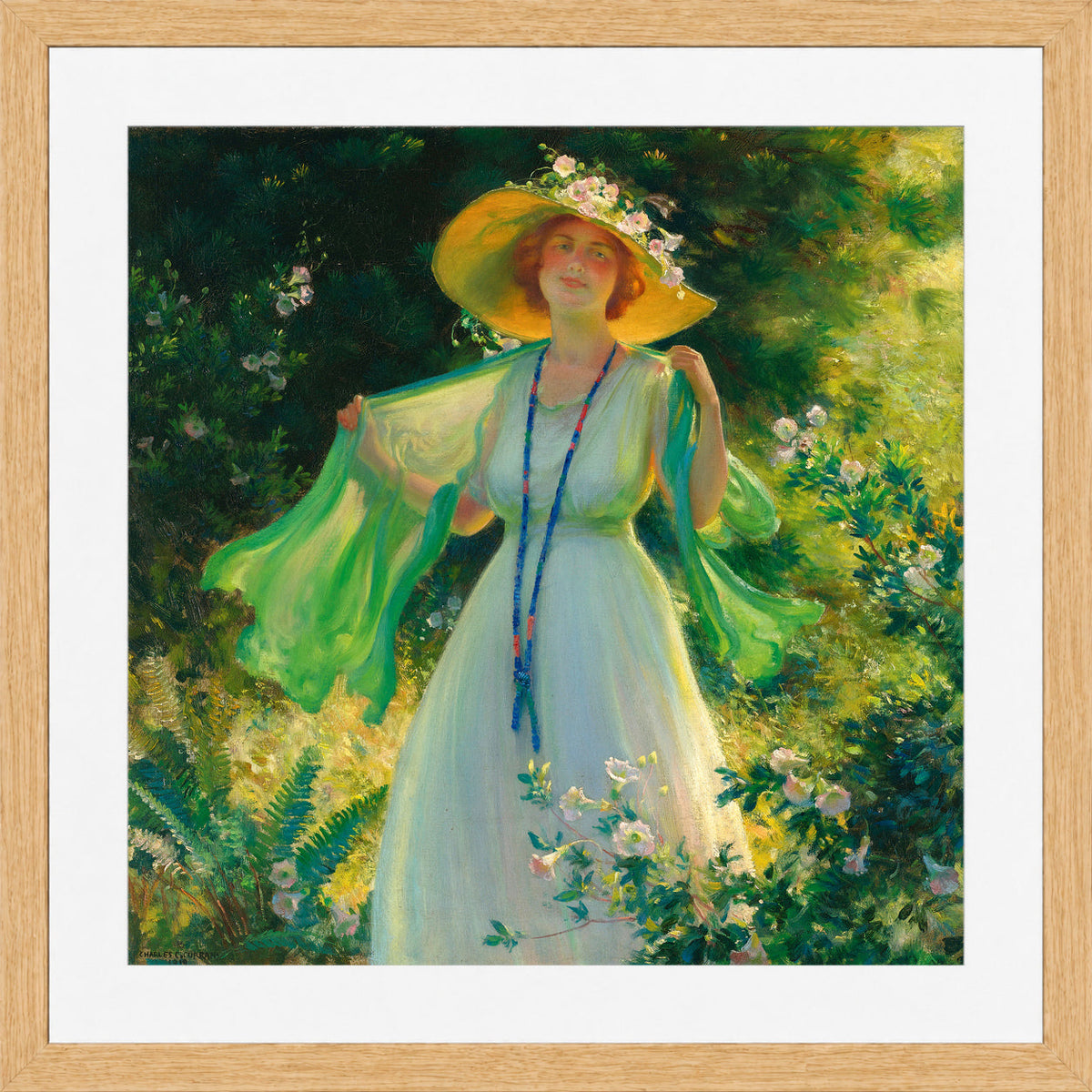
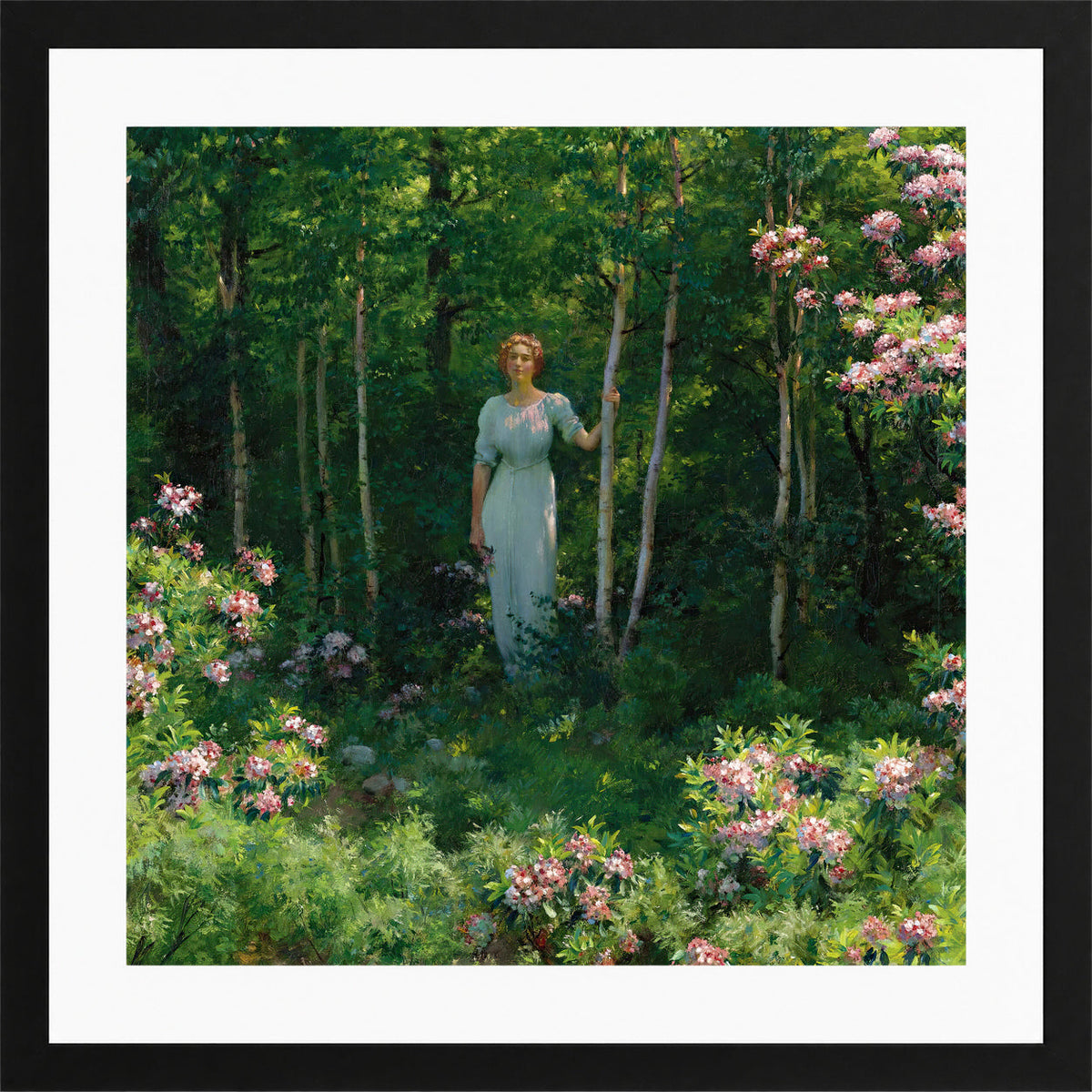
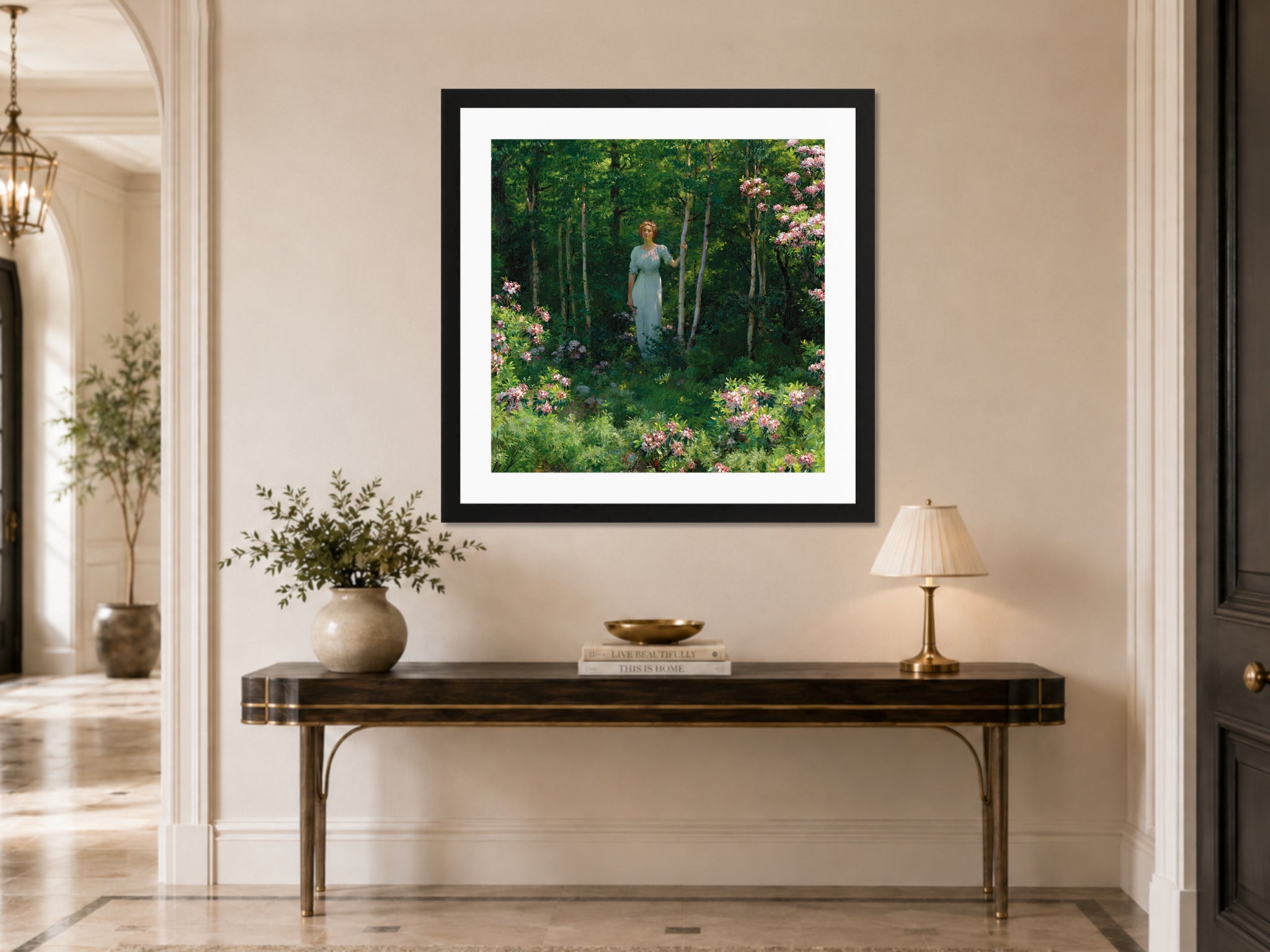
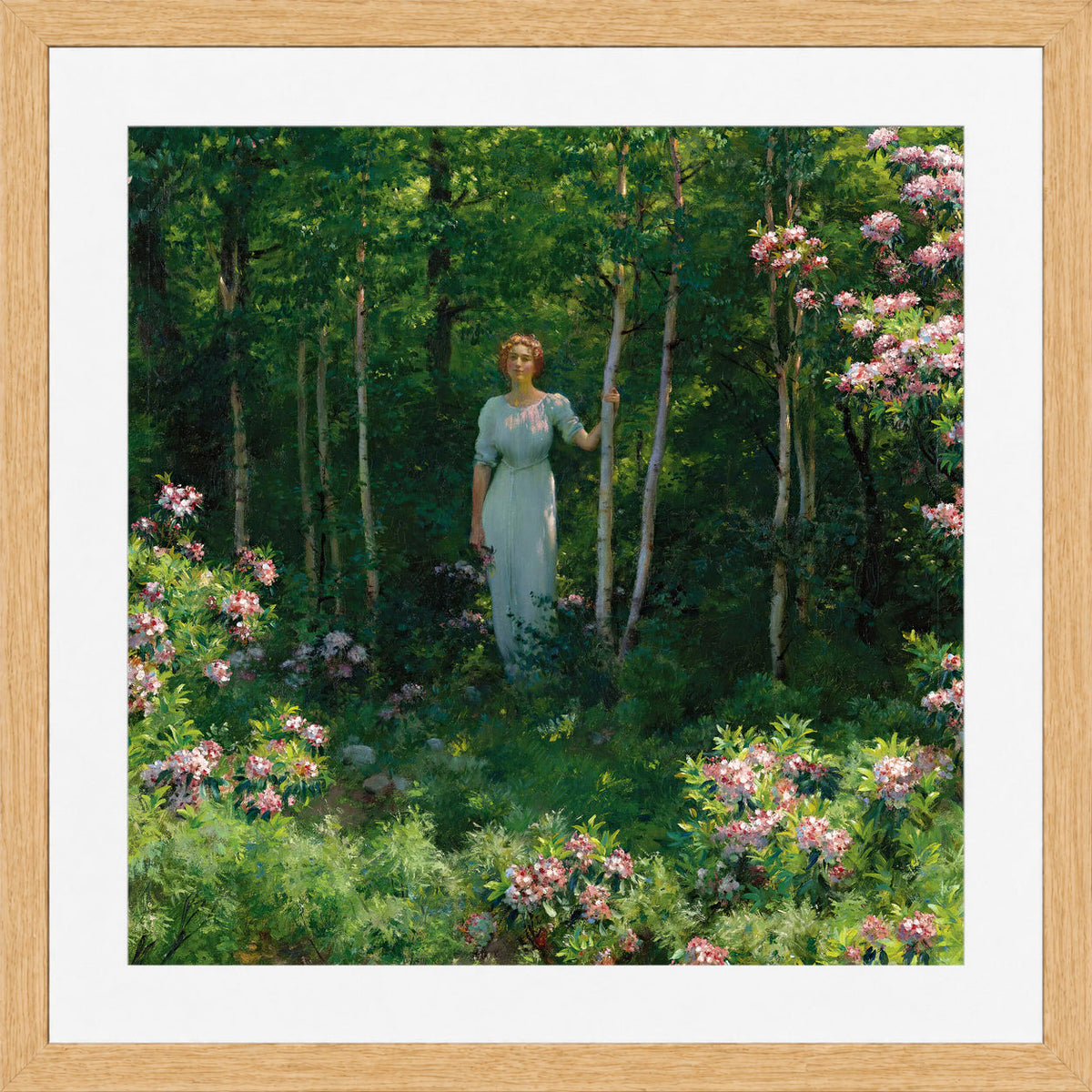
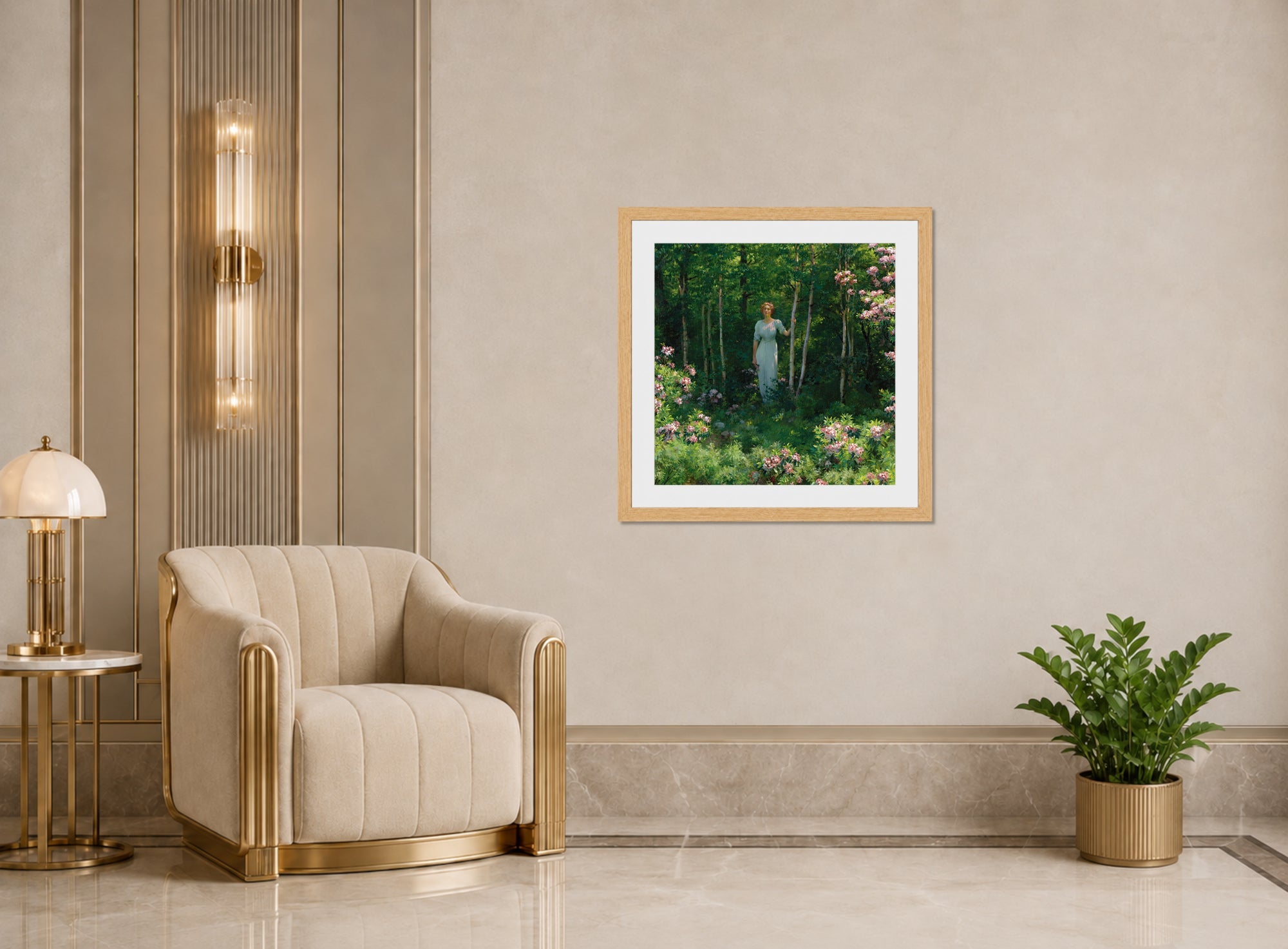
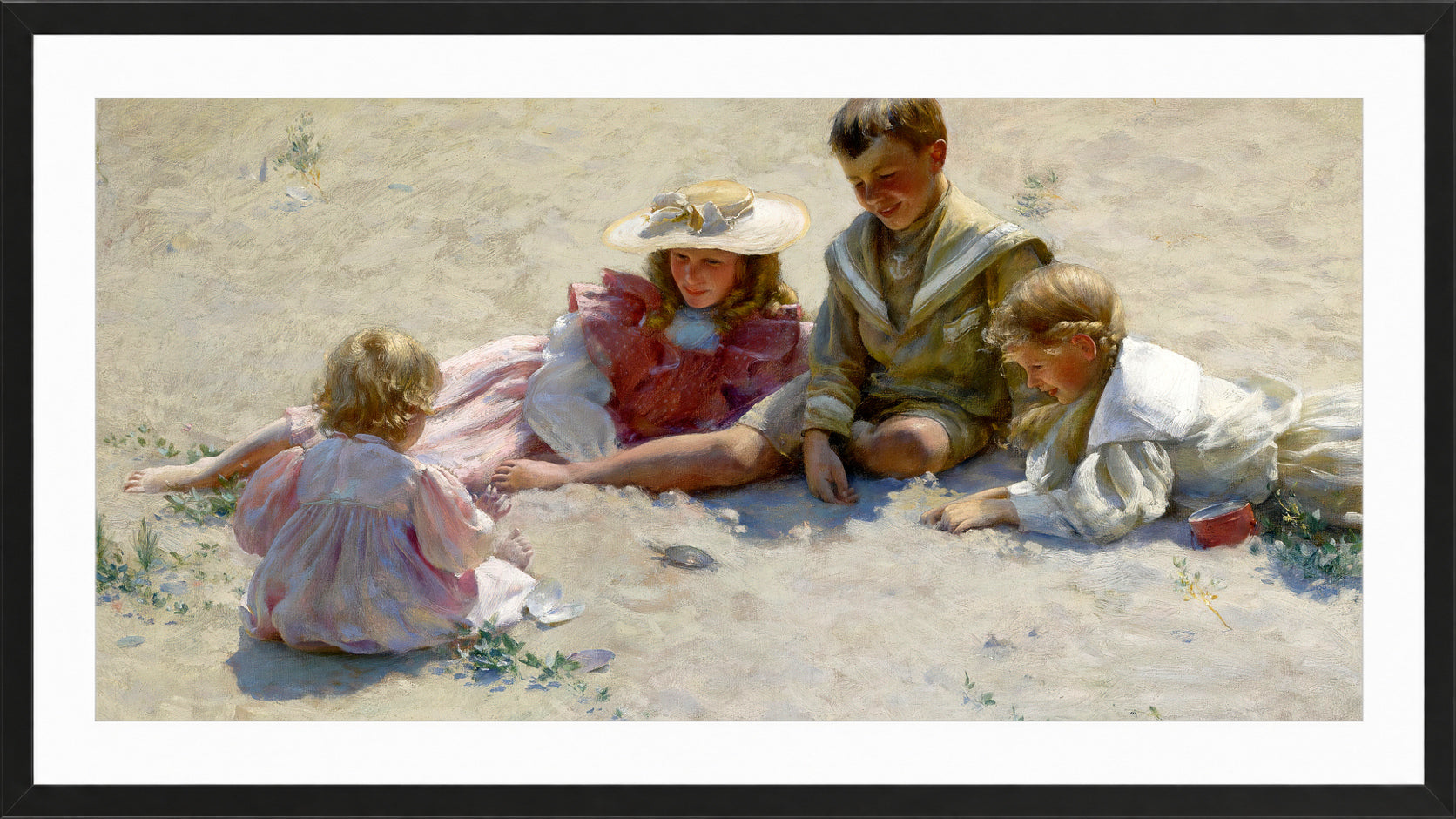
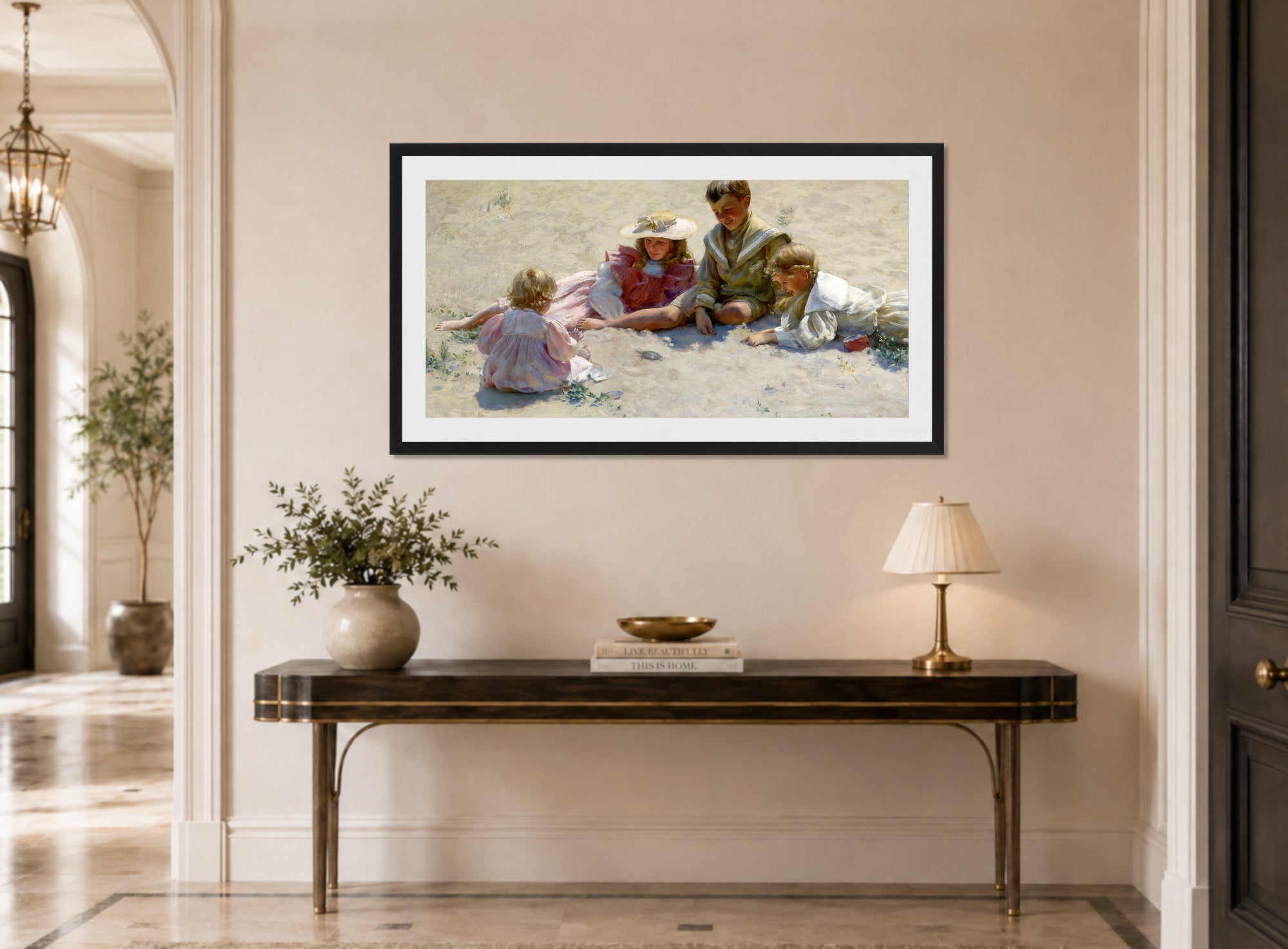
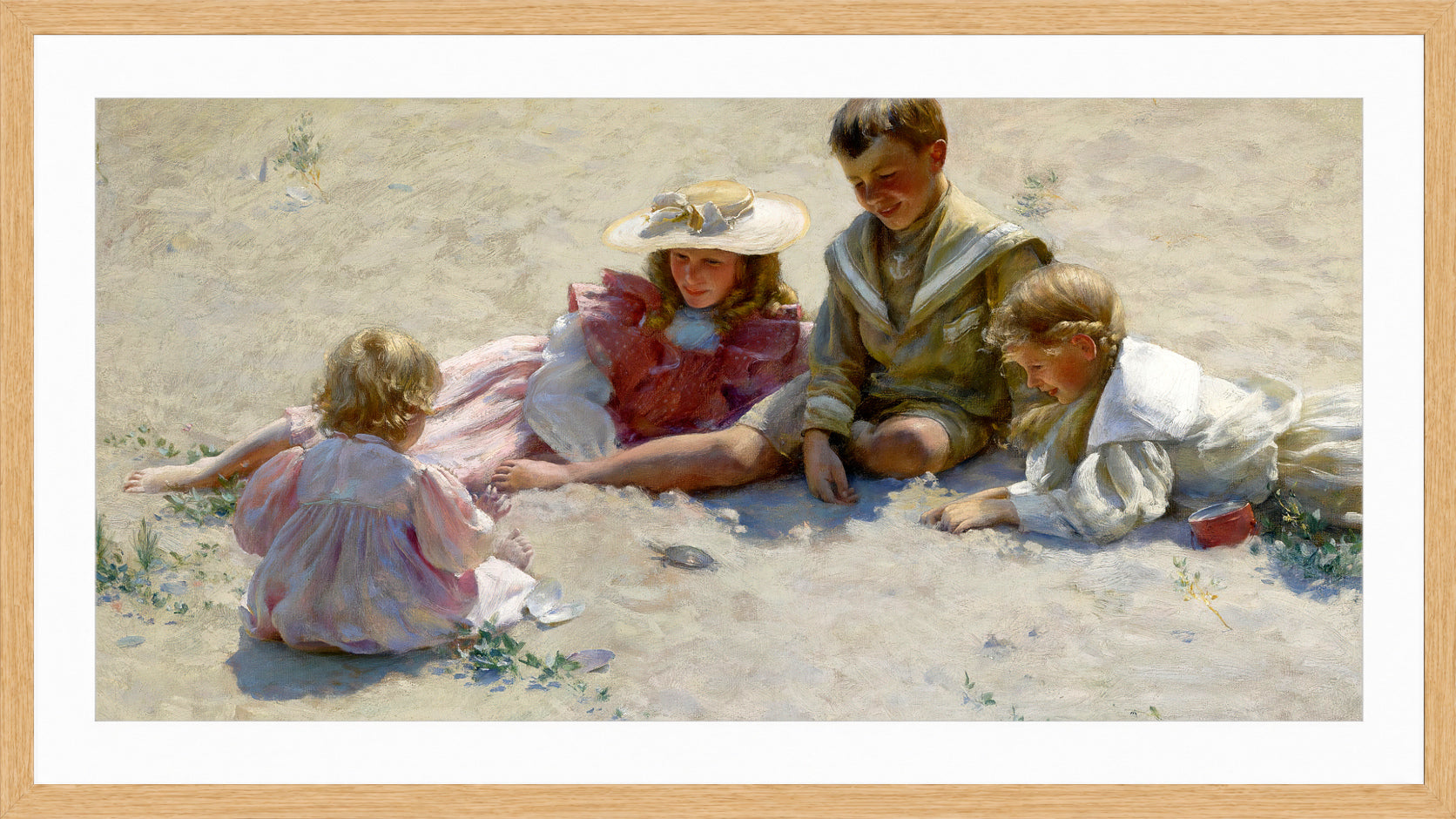
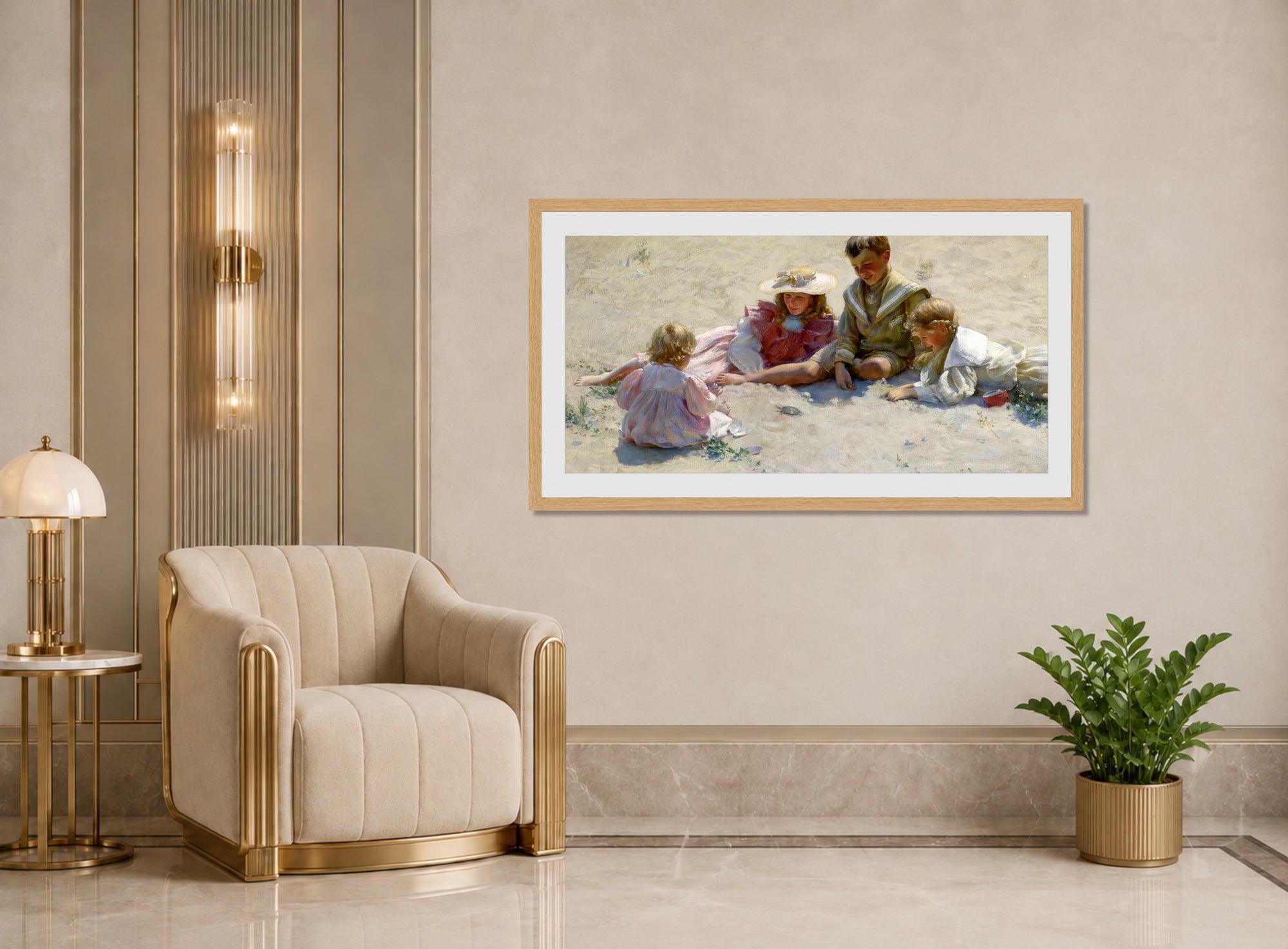
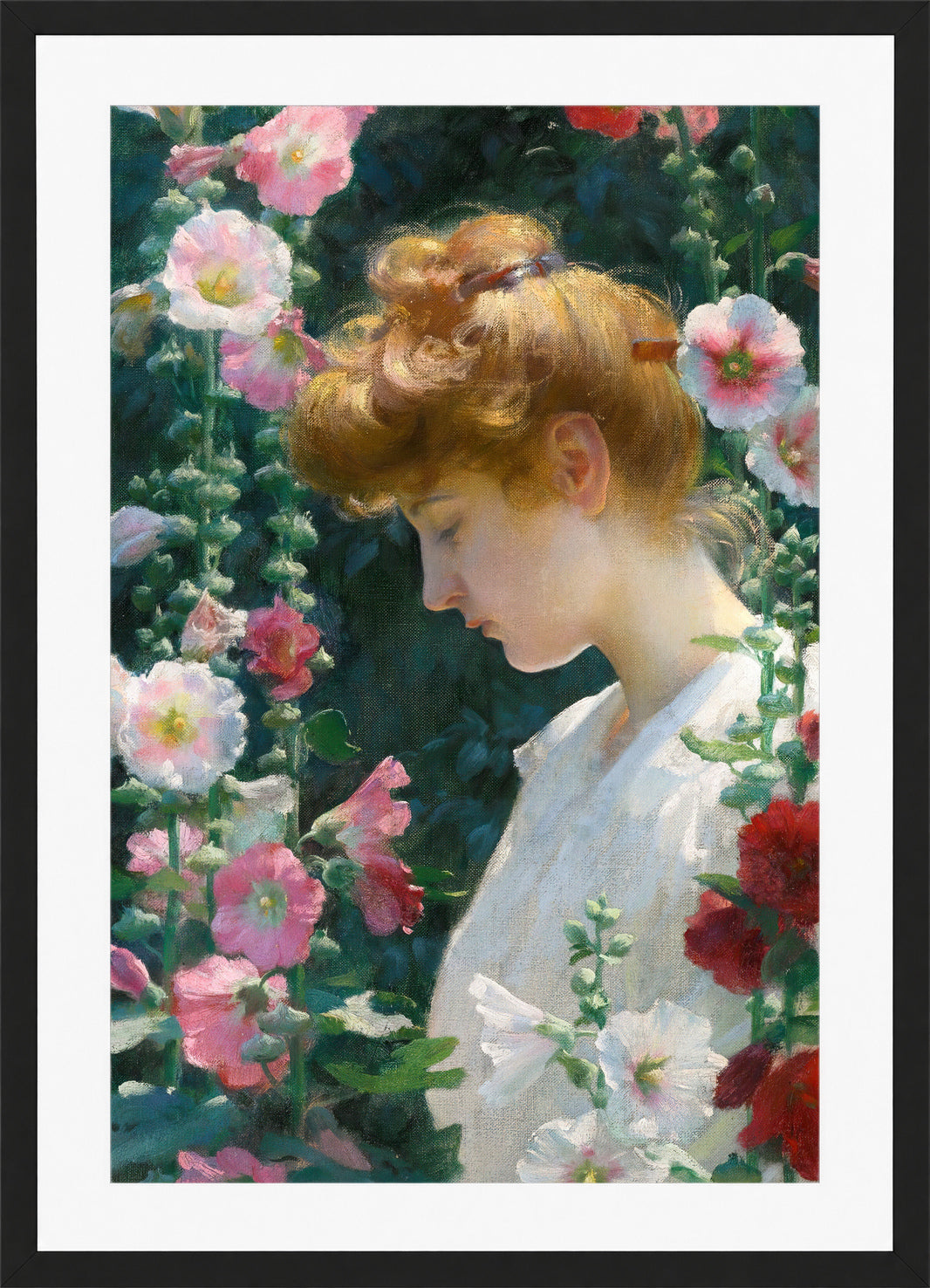
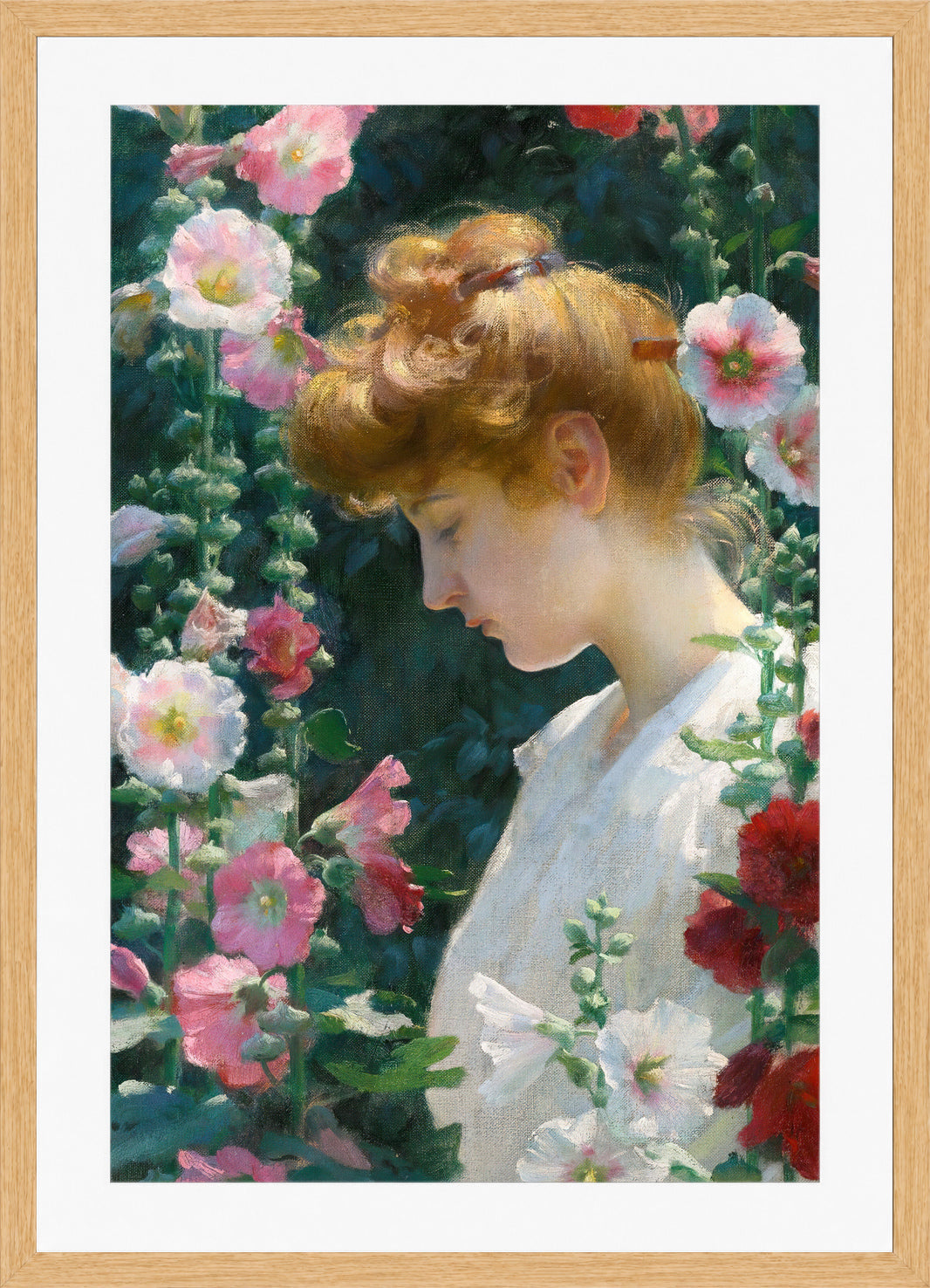
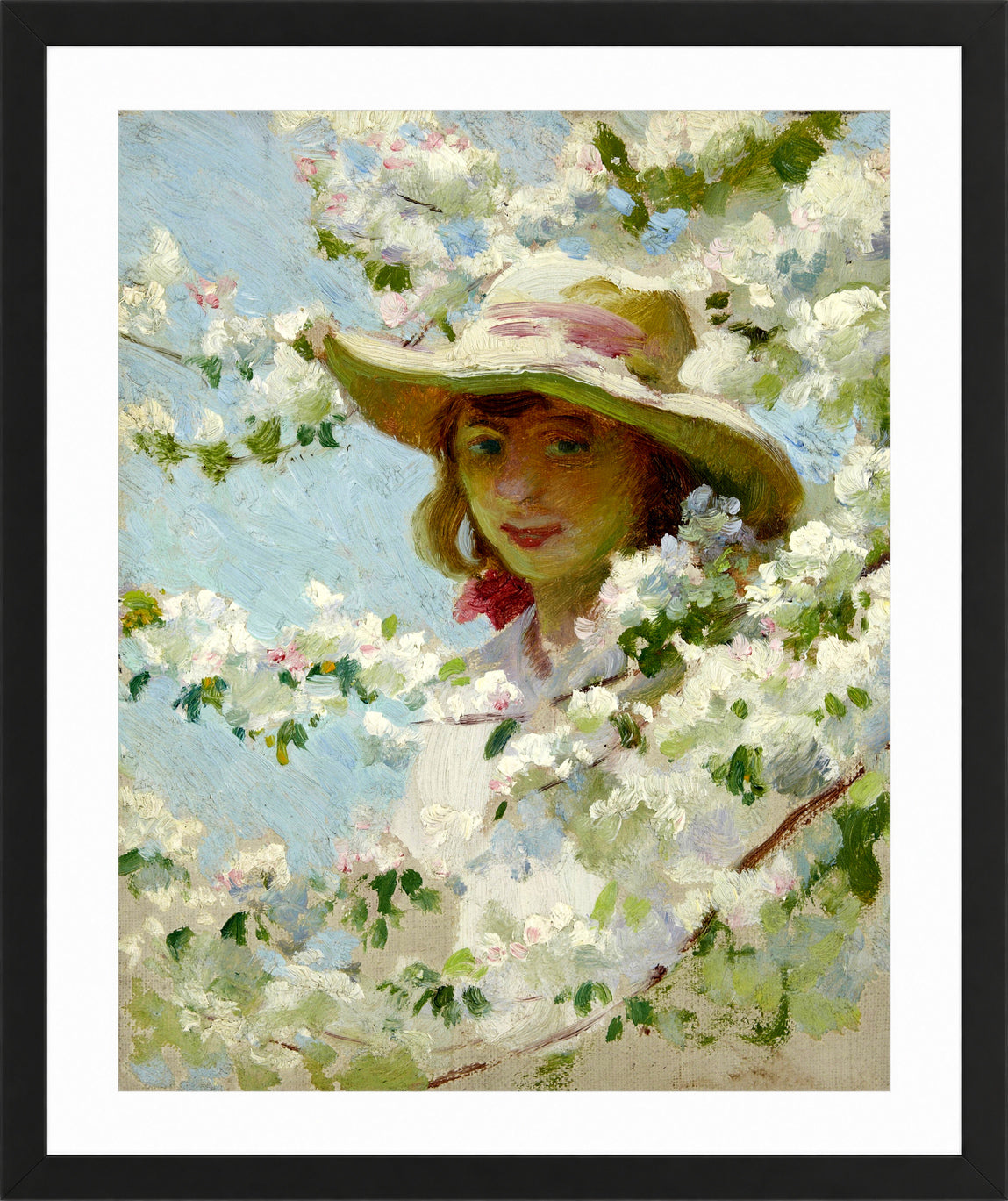
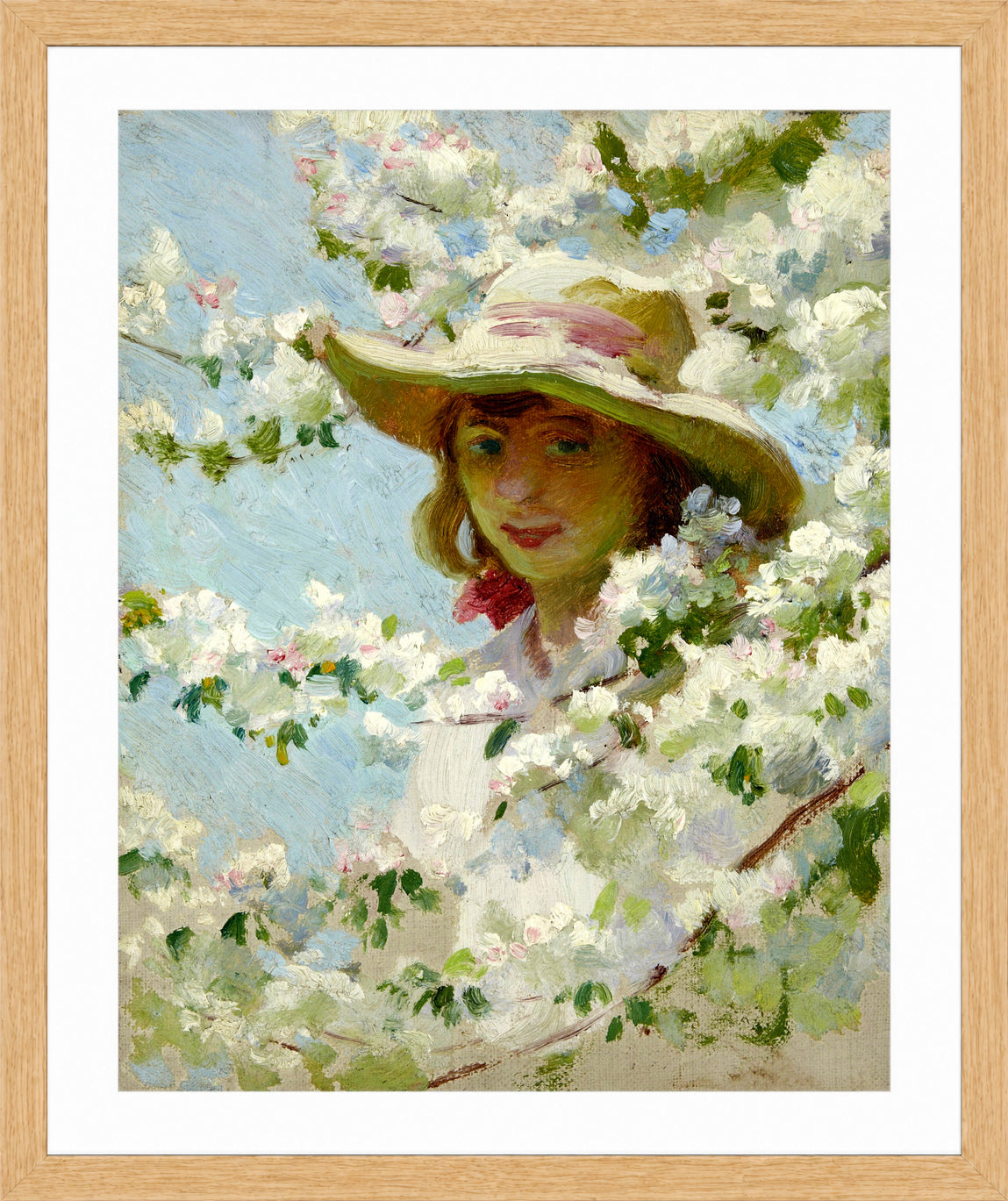
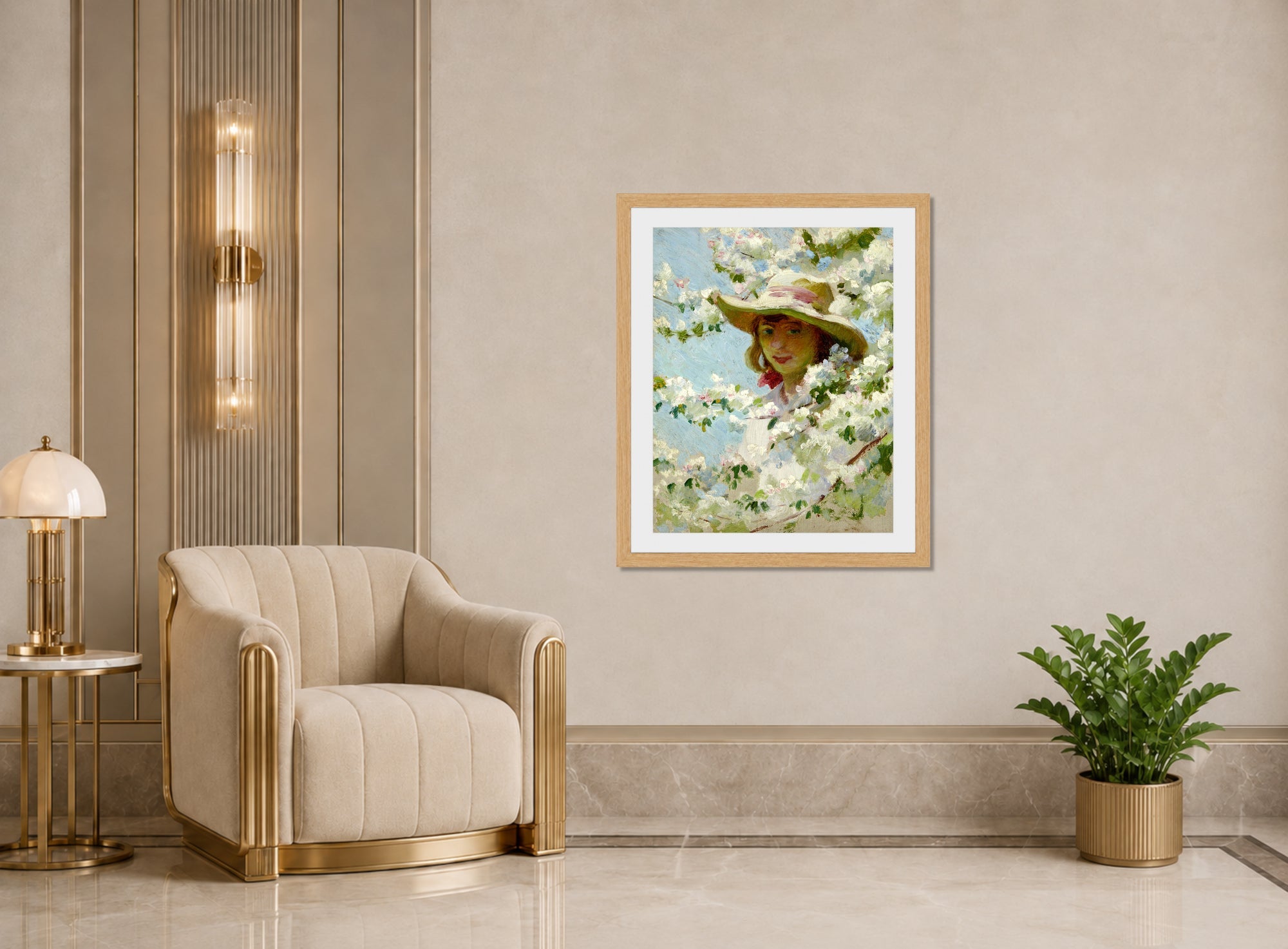
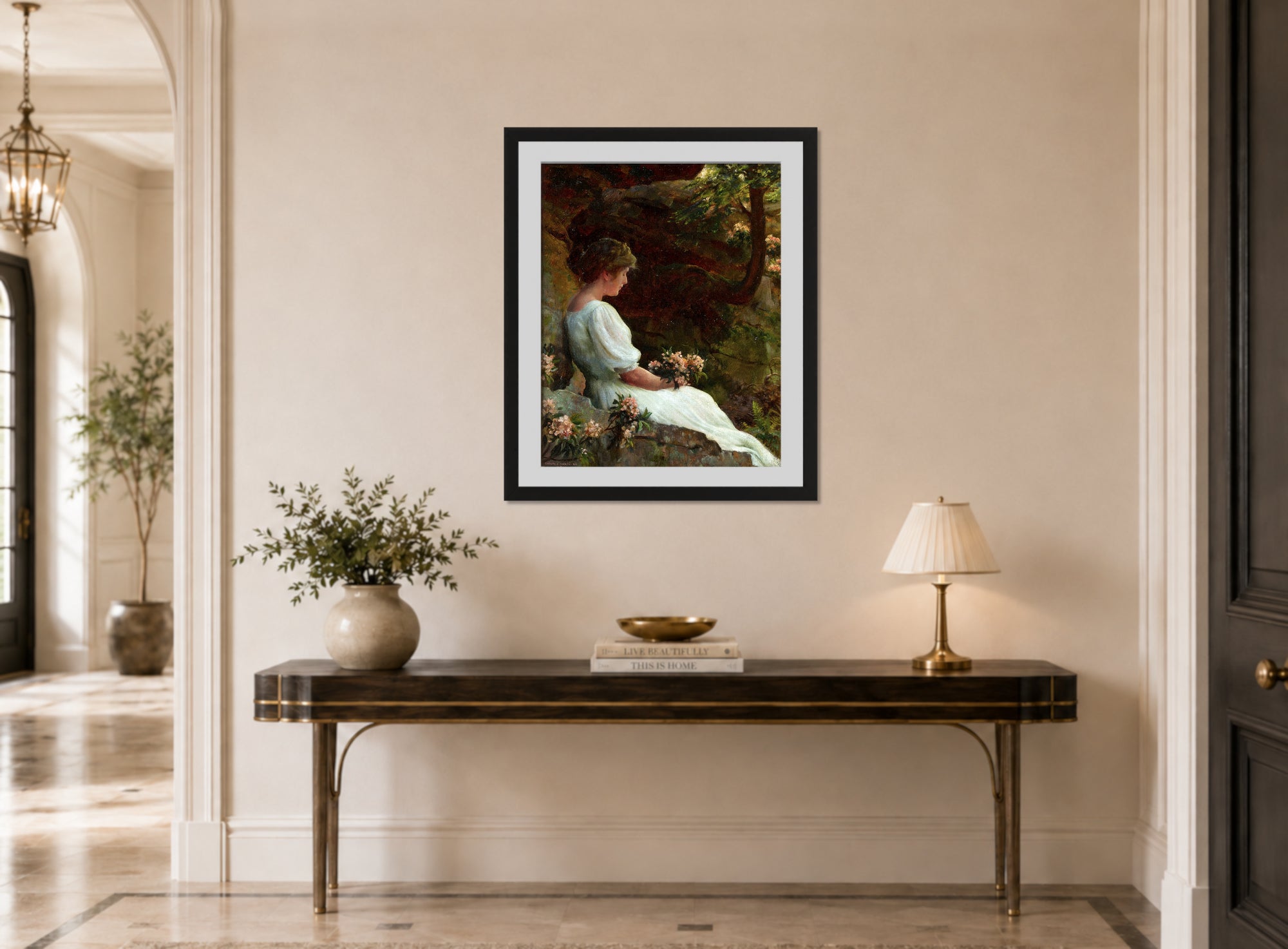
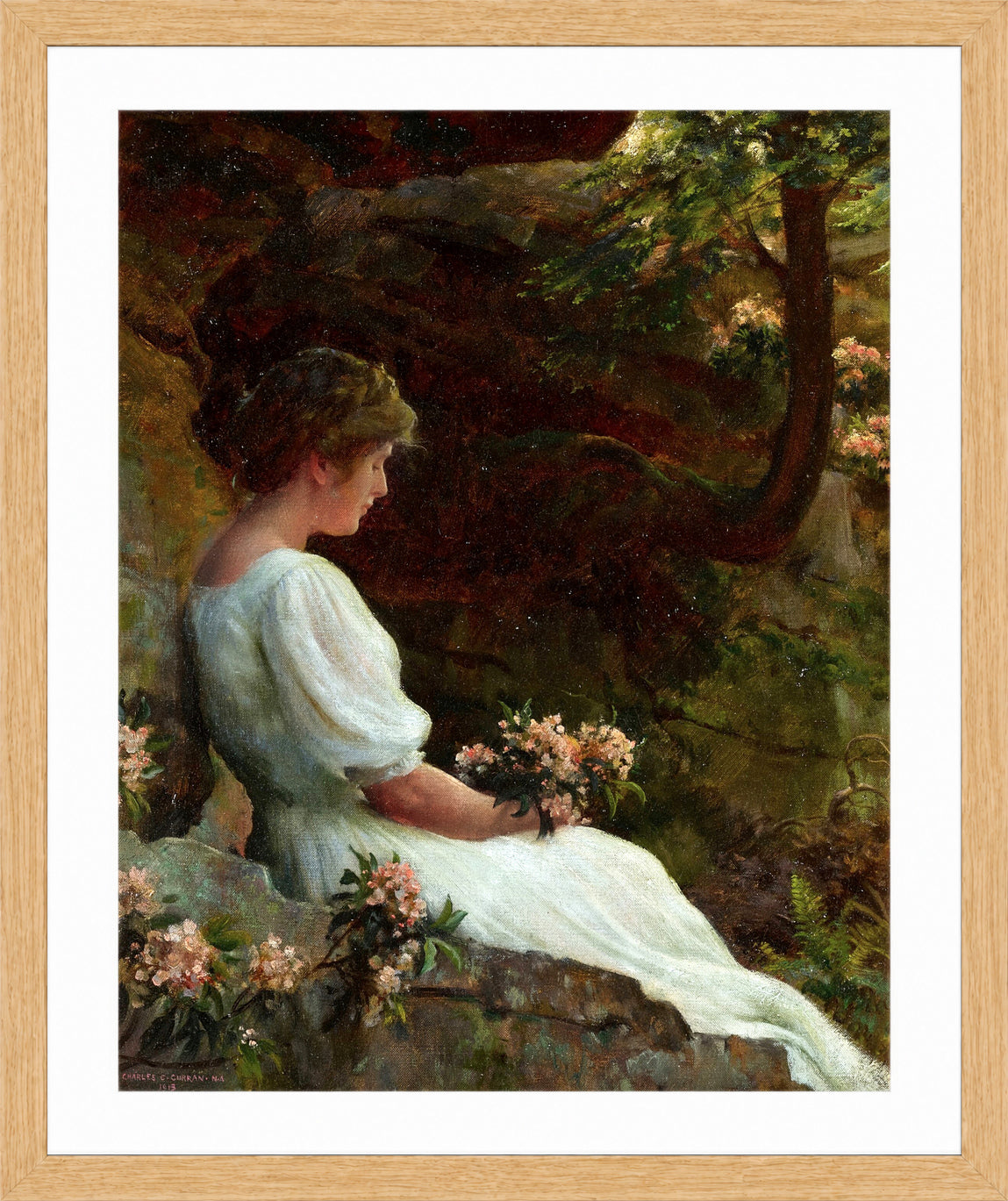
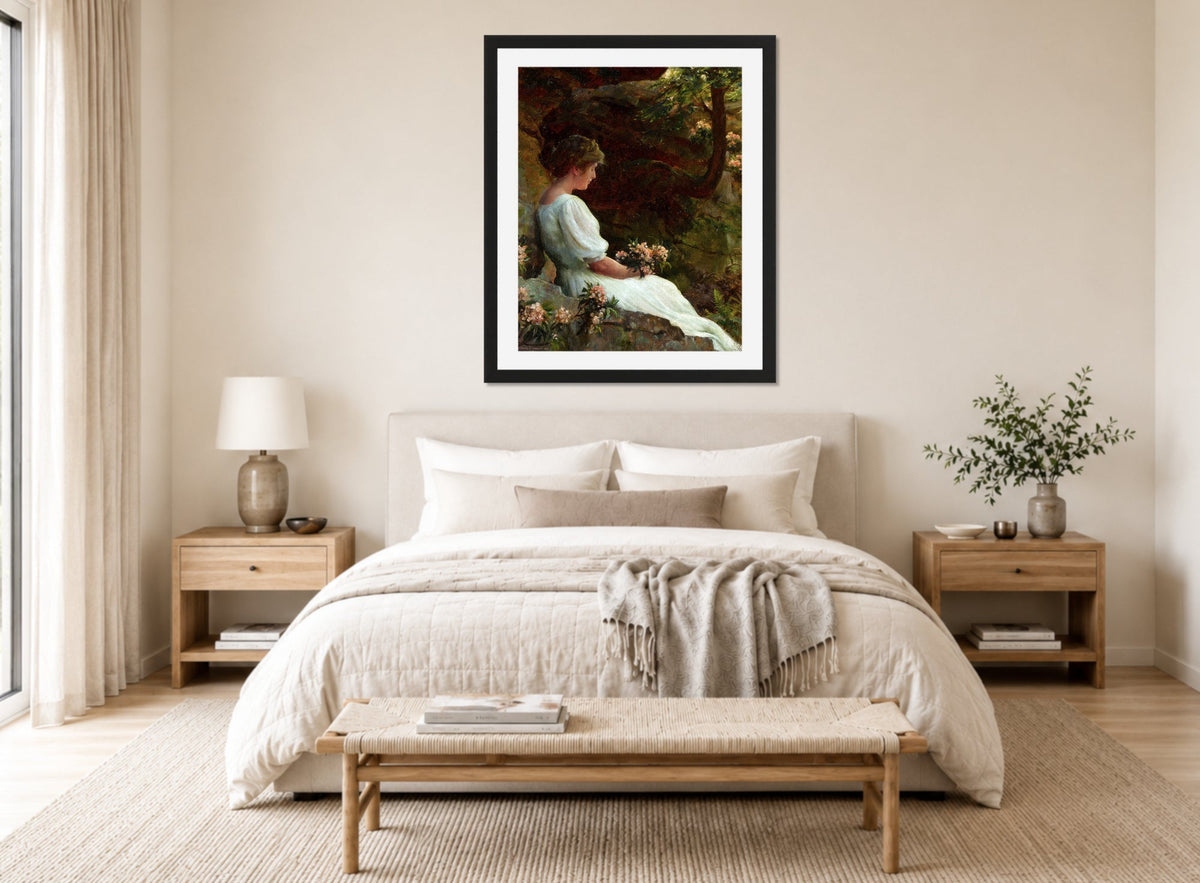
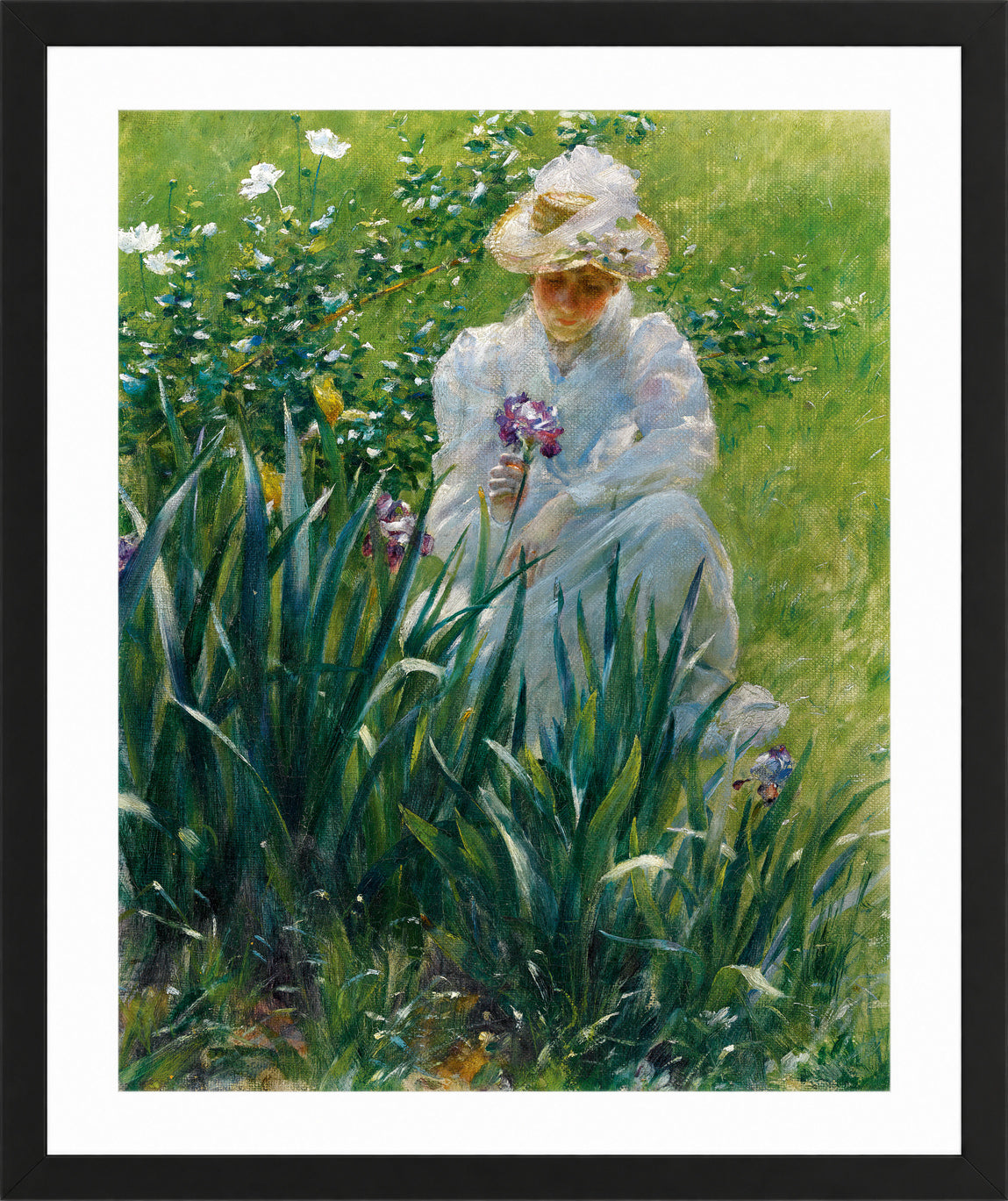
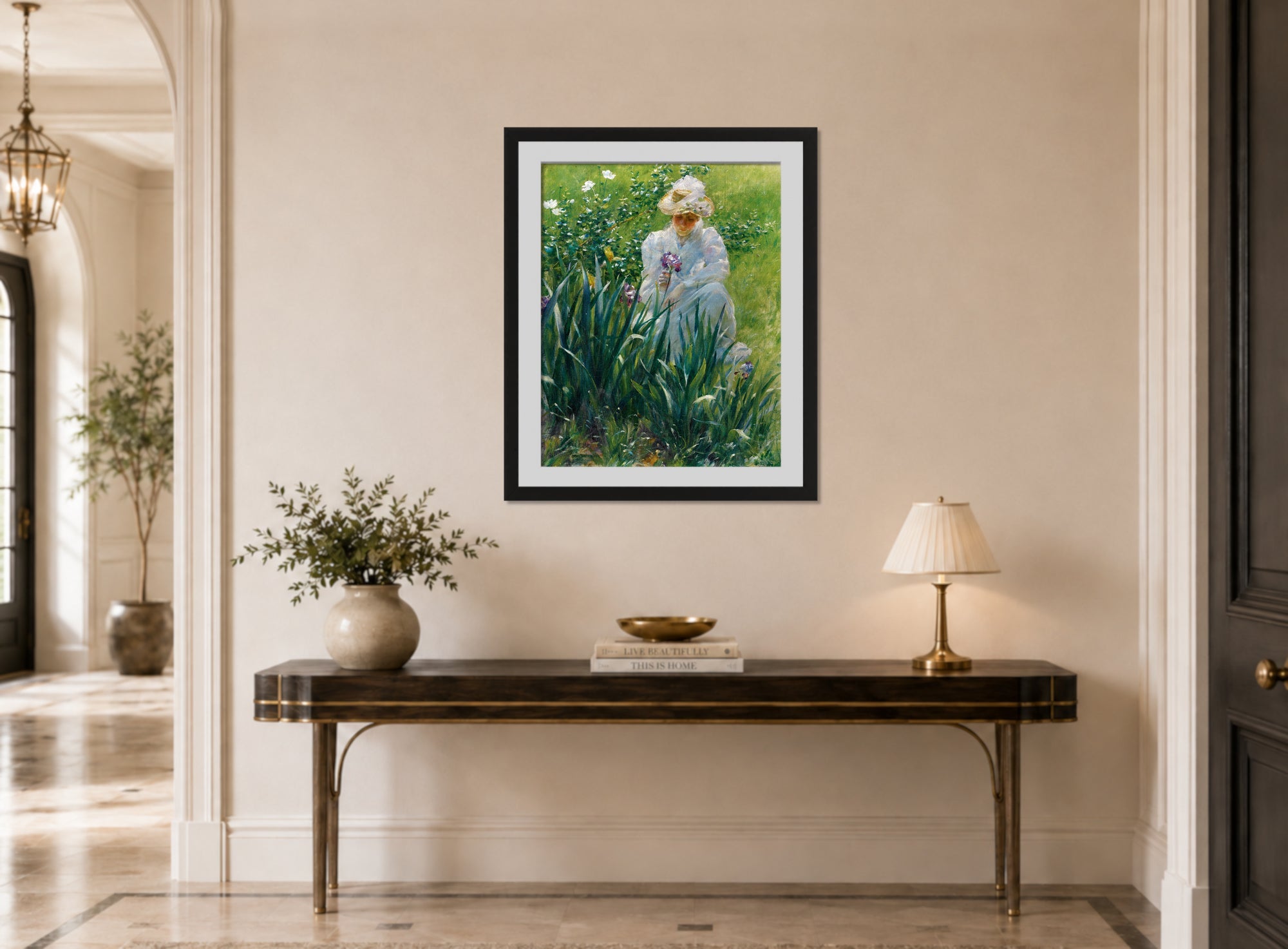
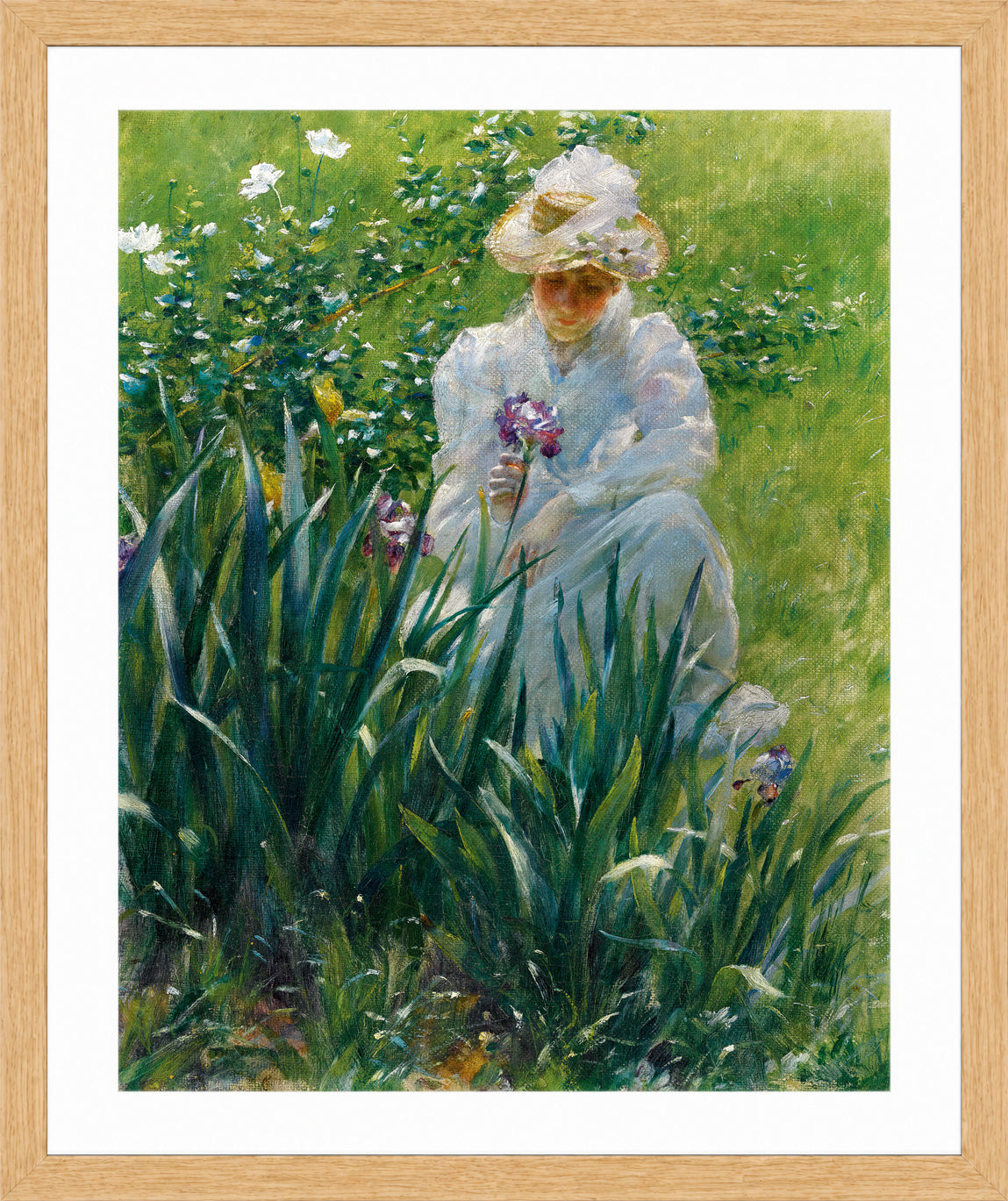
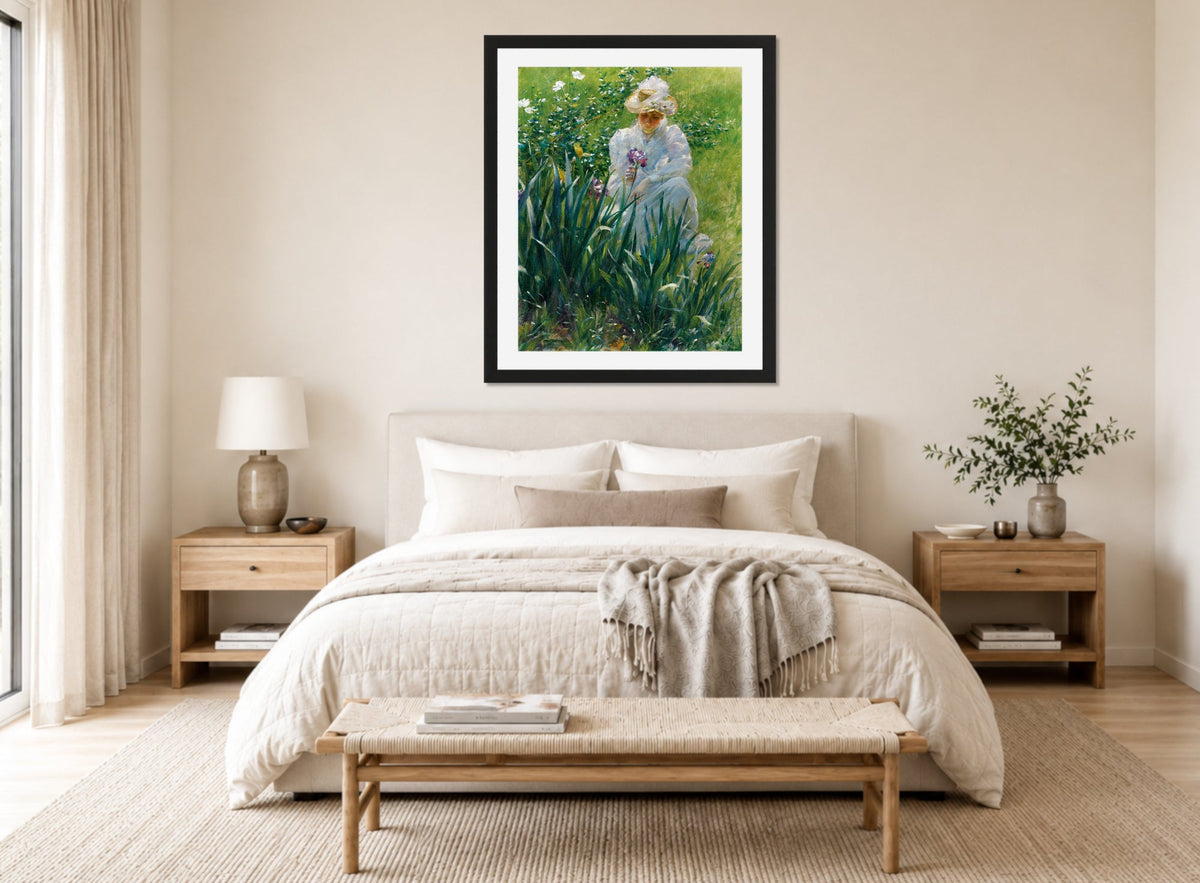
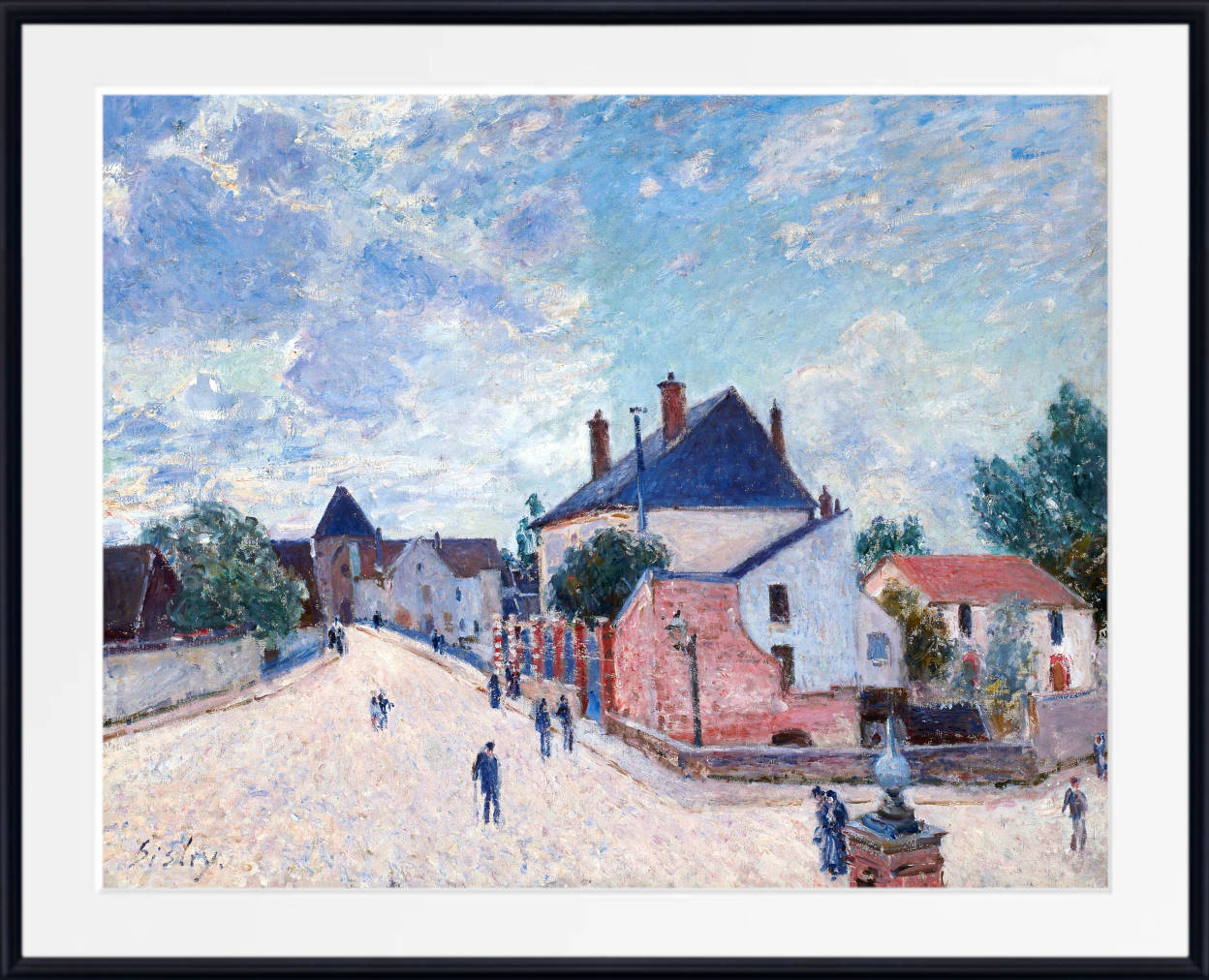
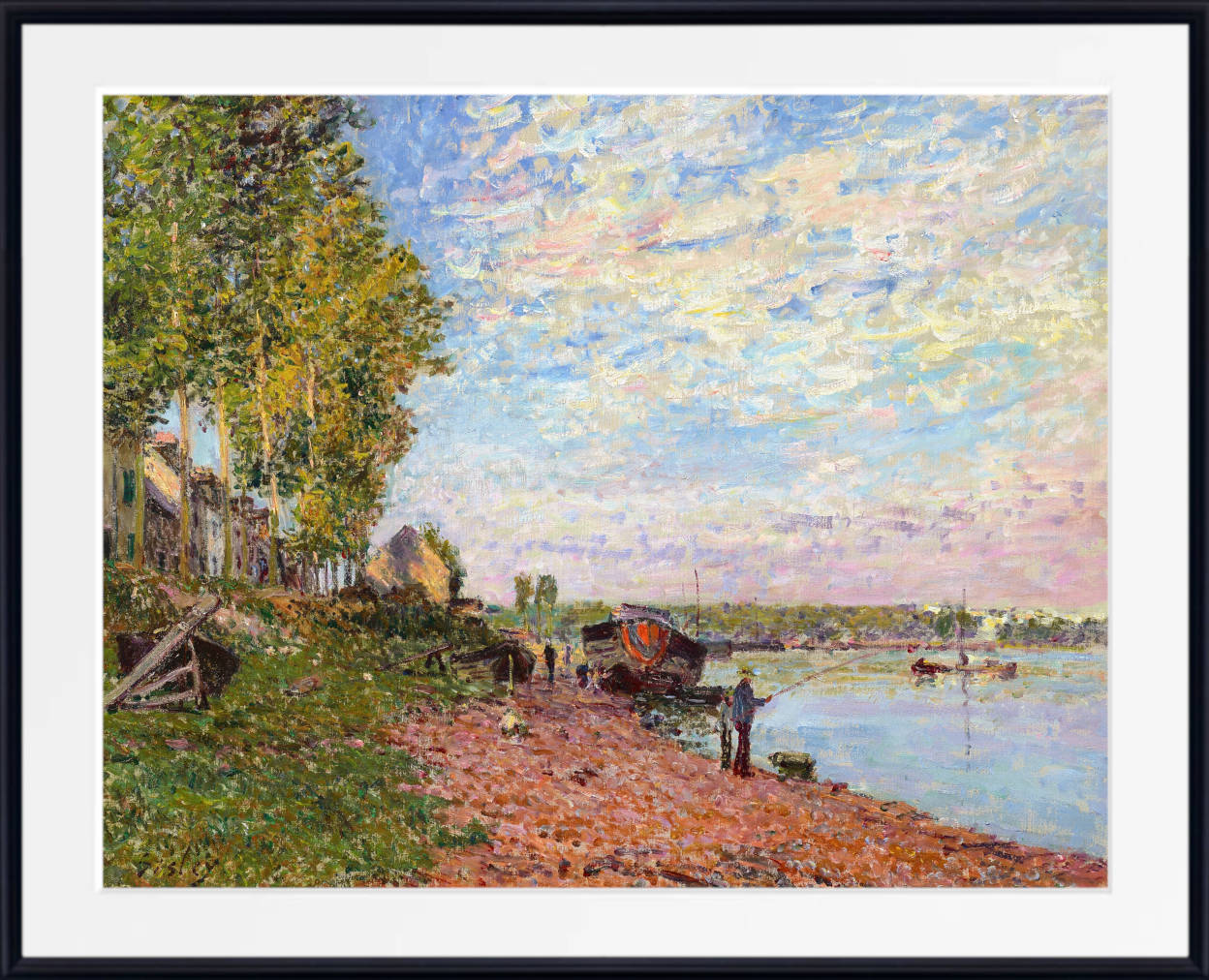
Pink Impressionist Prints
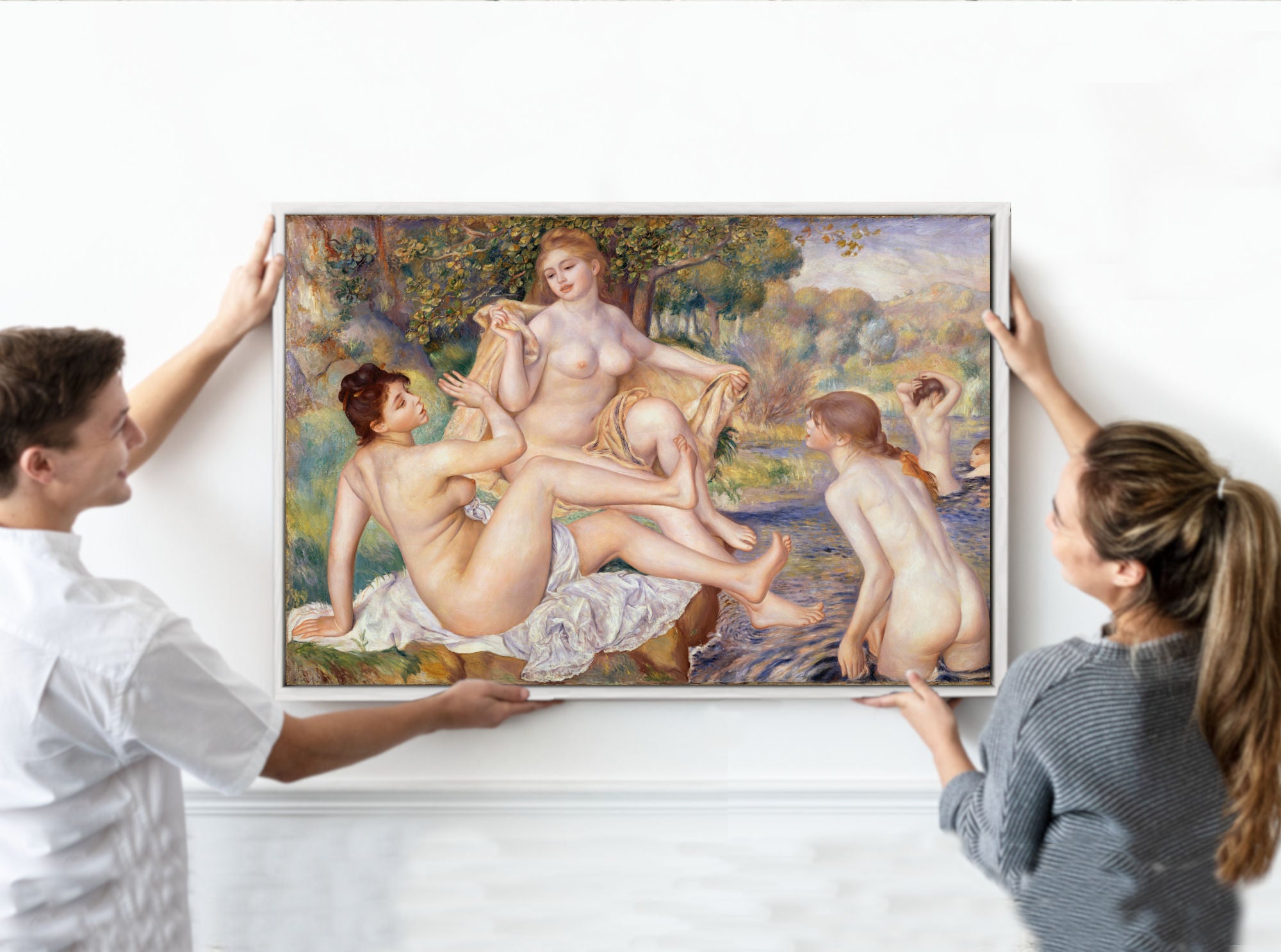
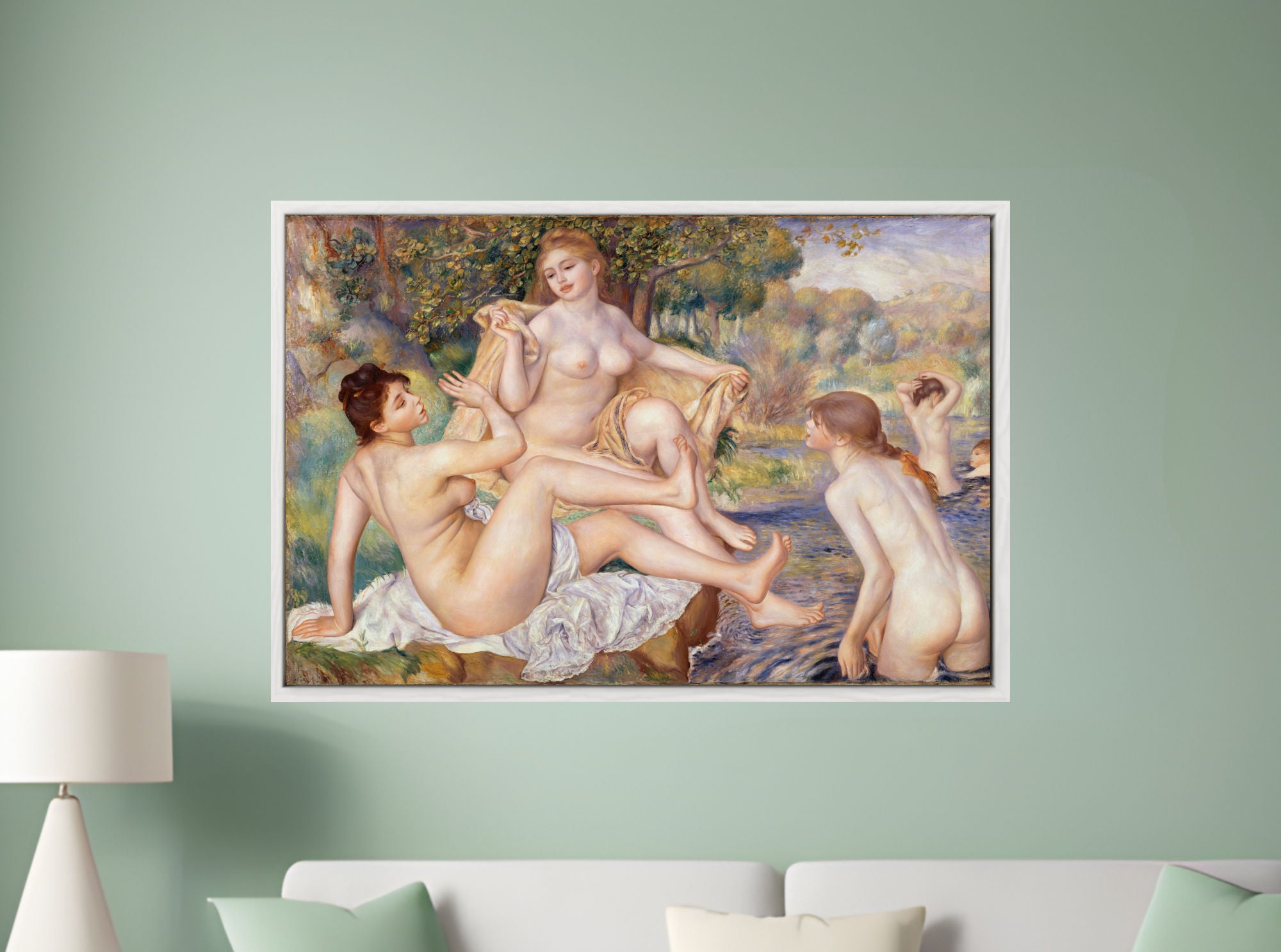
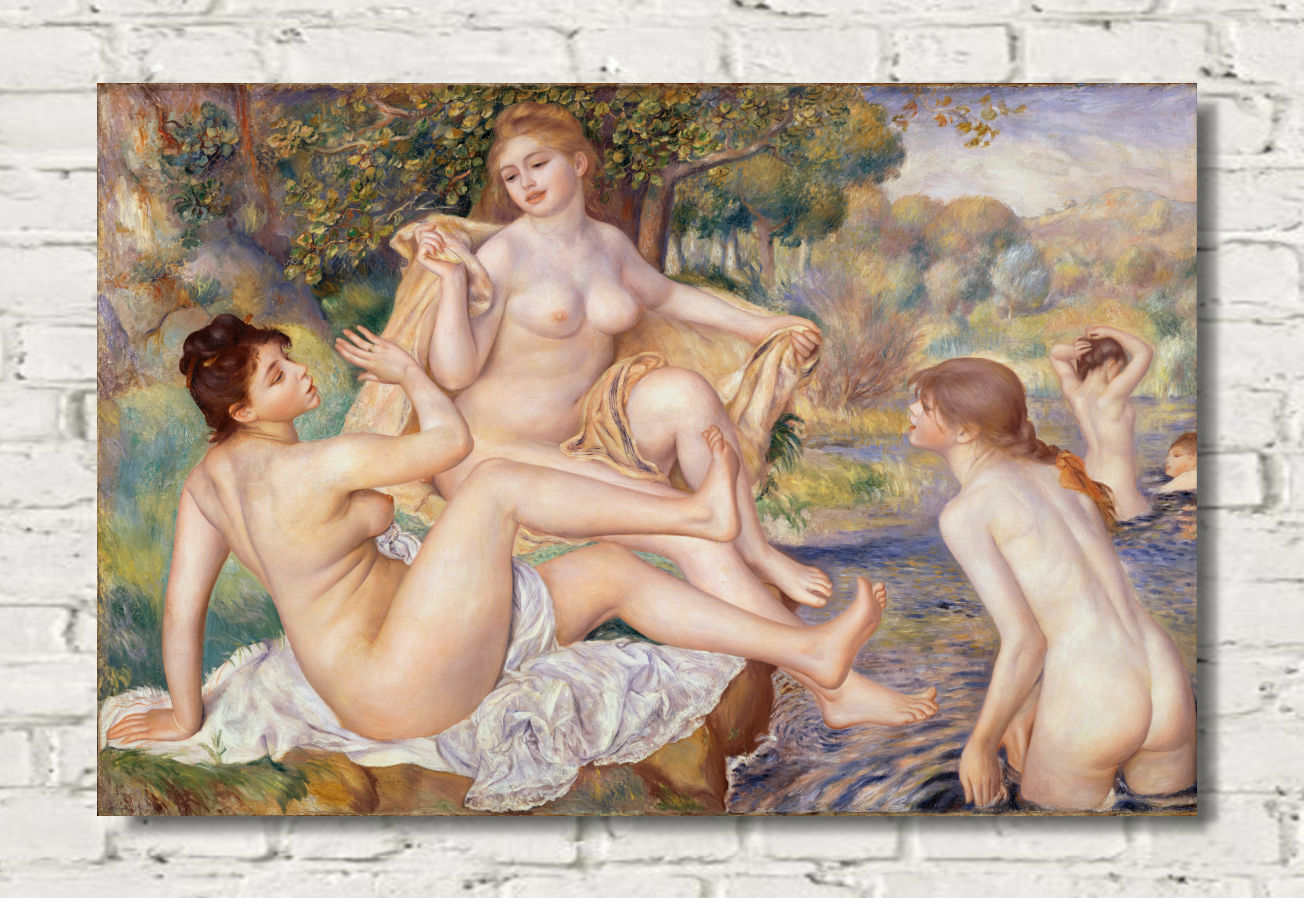
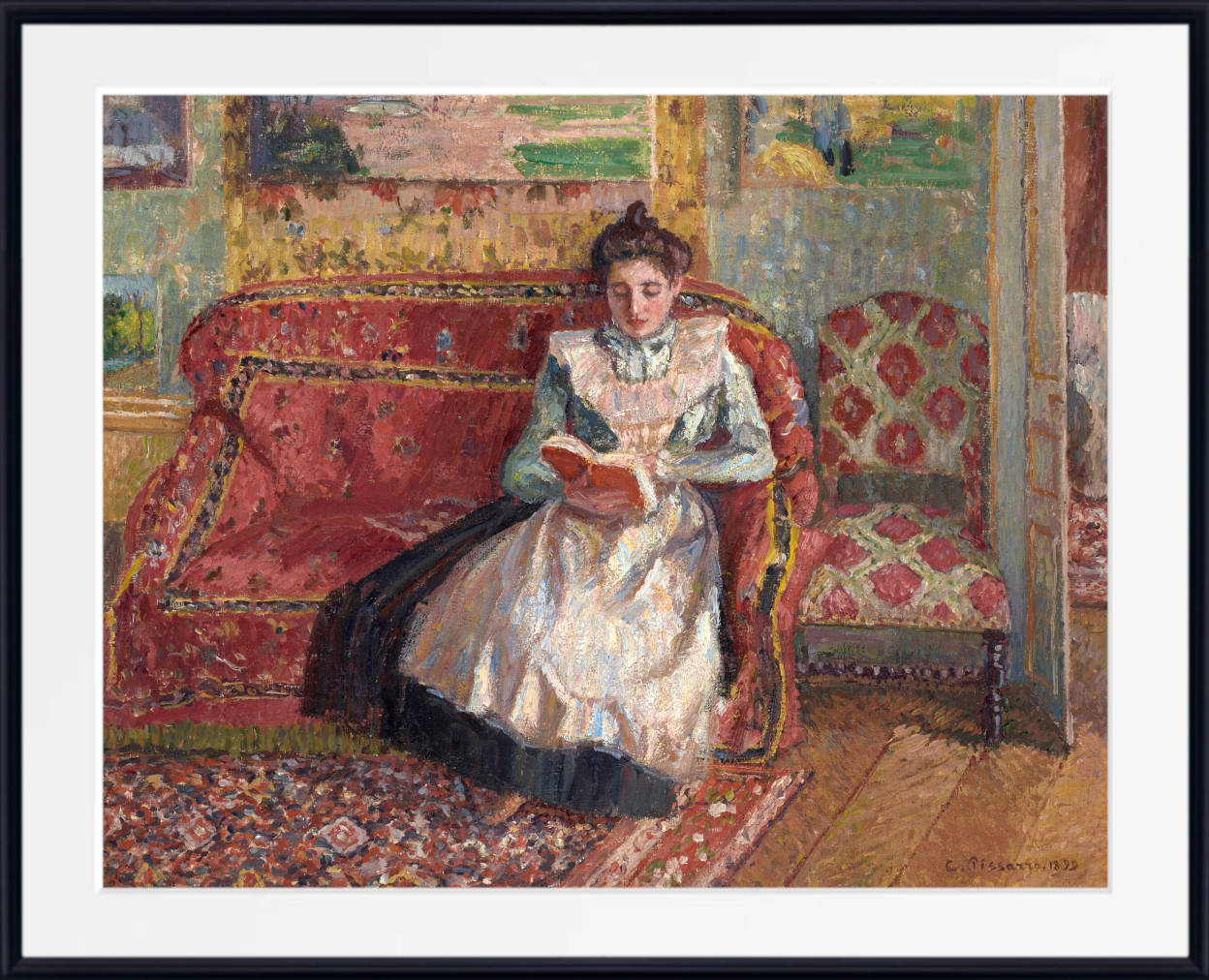
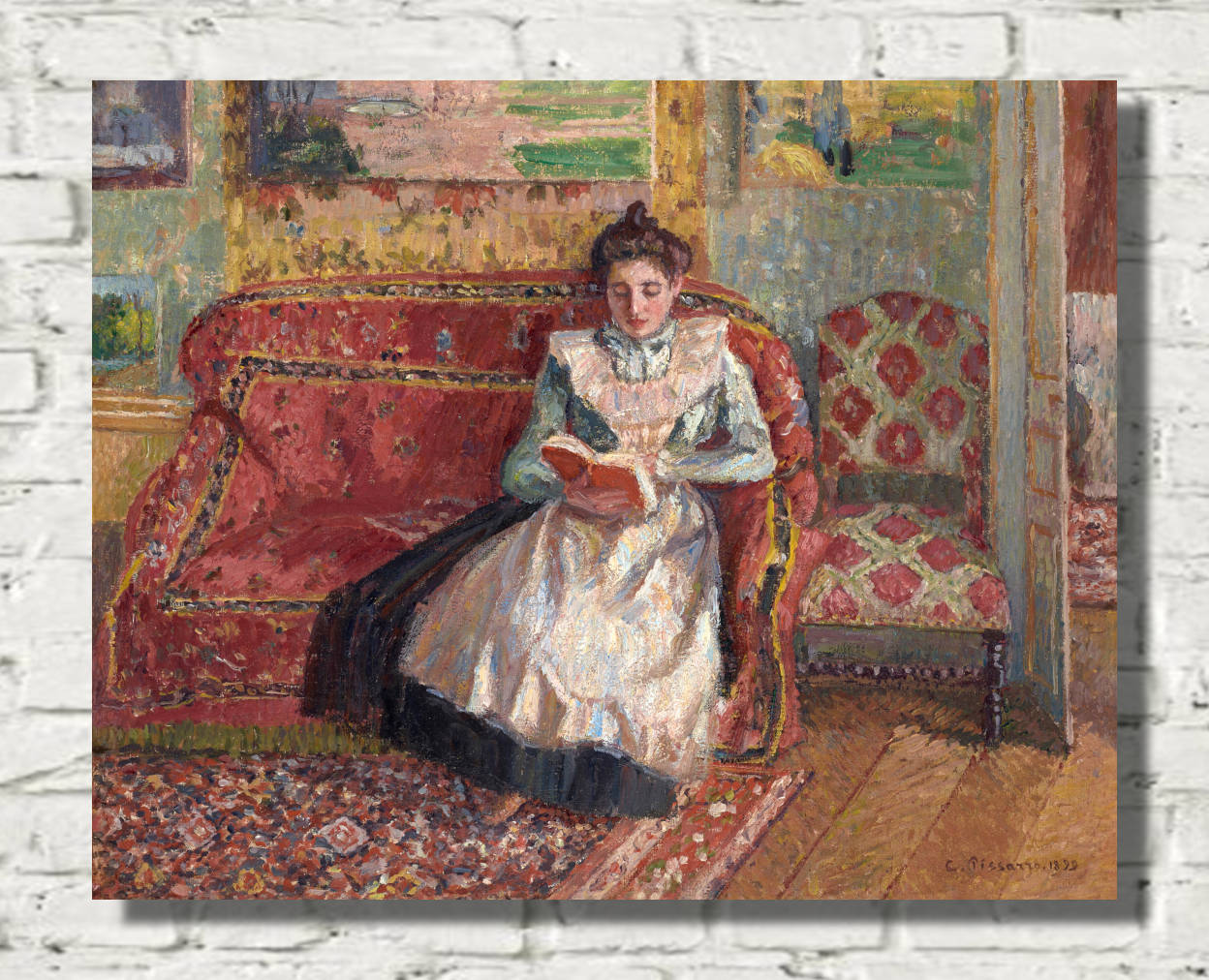
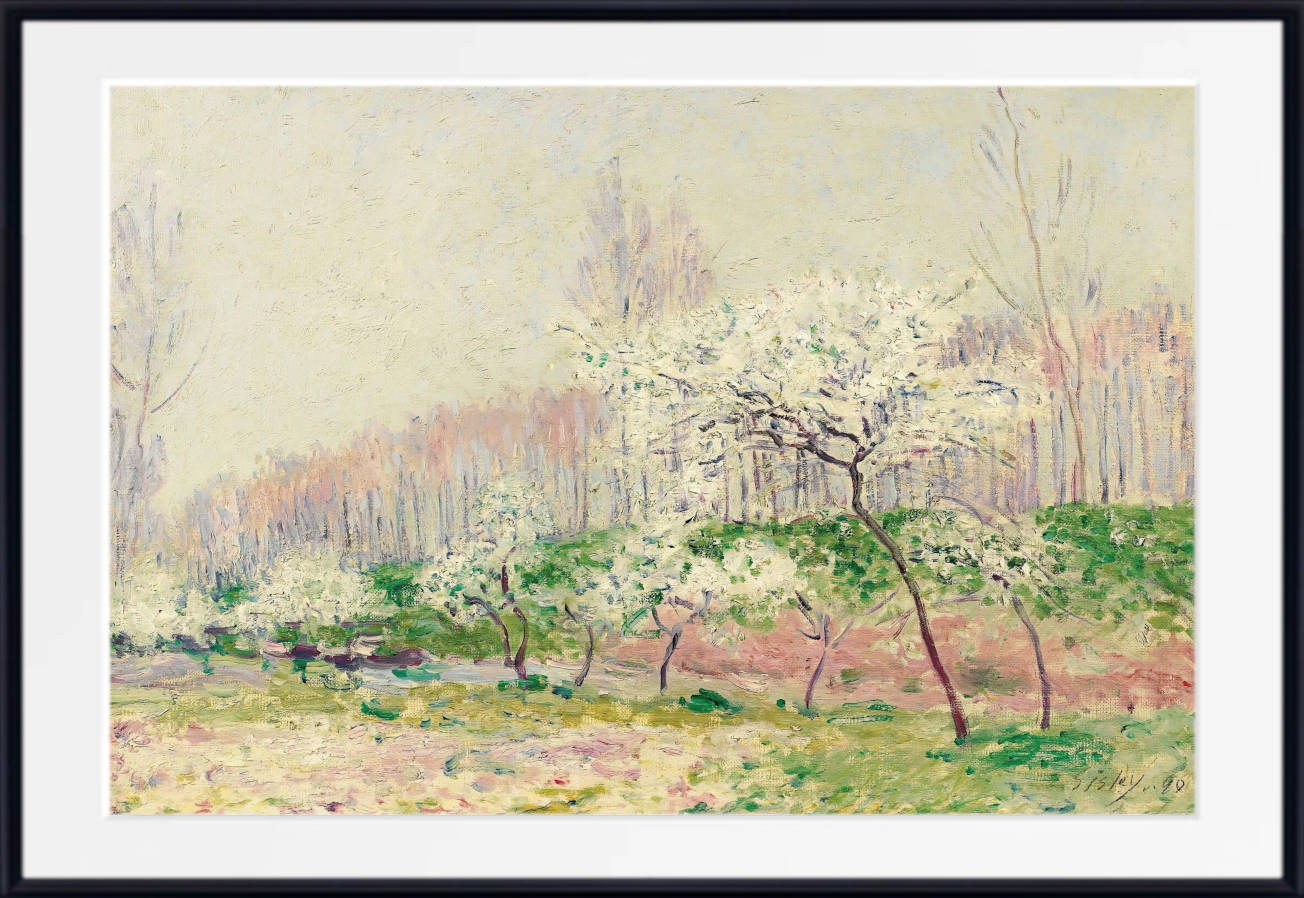
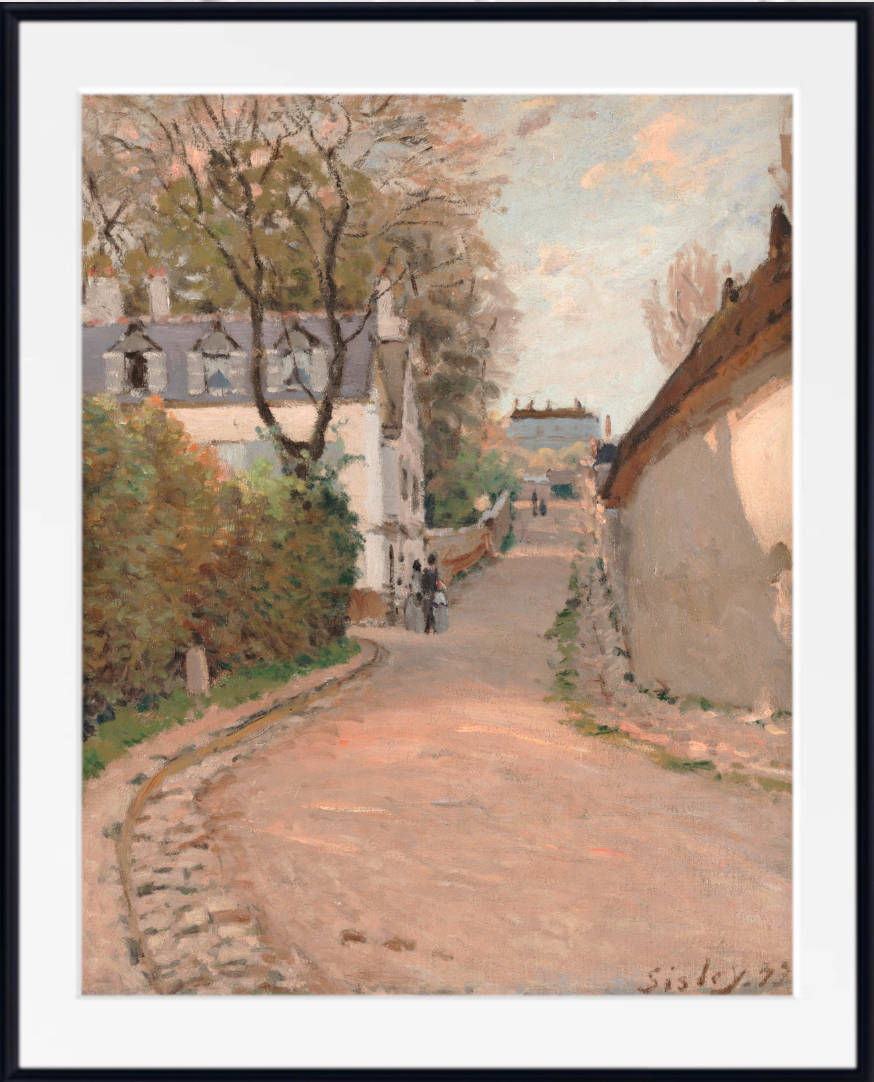
Explore our collection of pink Impressionist prints, featuring luminous gardens, roses, blossom, elegant figures, sunlit interiors, portraits and landscapes in shades of blush, rose, coral, peach, raspberry and soft pastel pink. From Claude Monet's flower-filled gardens and Pierre-Auguste Renoir's radiant figure paintings to the intimate interiors of Berthe Morisot and Mary Cassatt, pink appears throughout Impressionist art in remarkably varied and expressive ways.
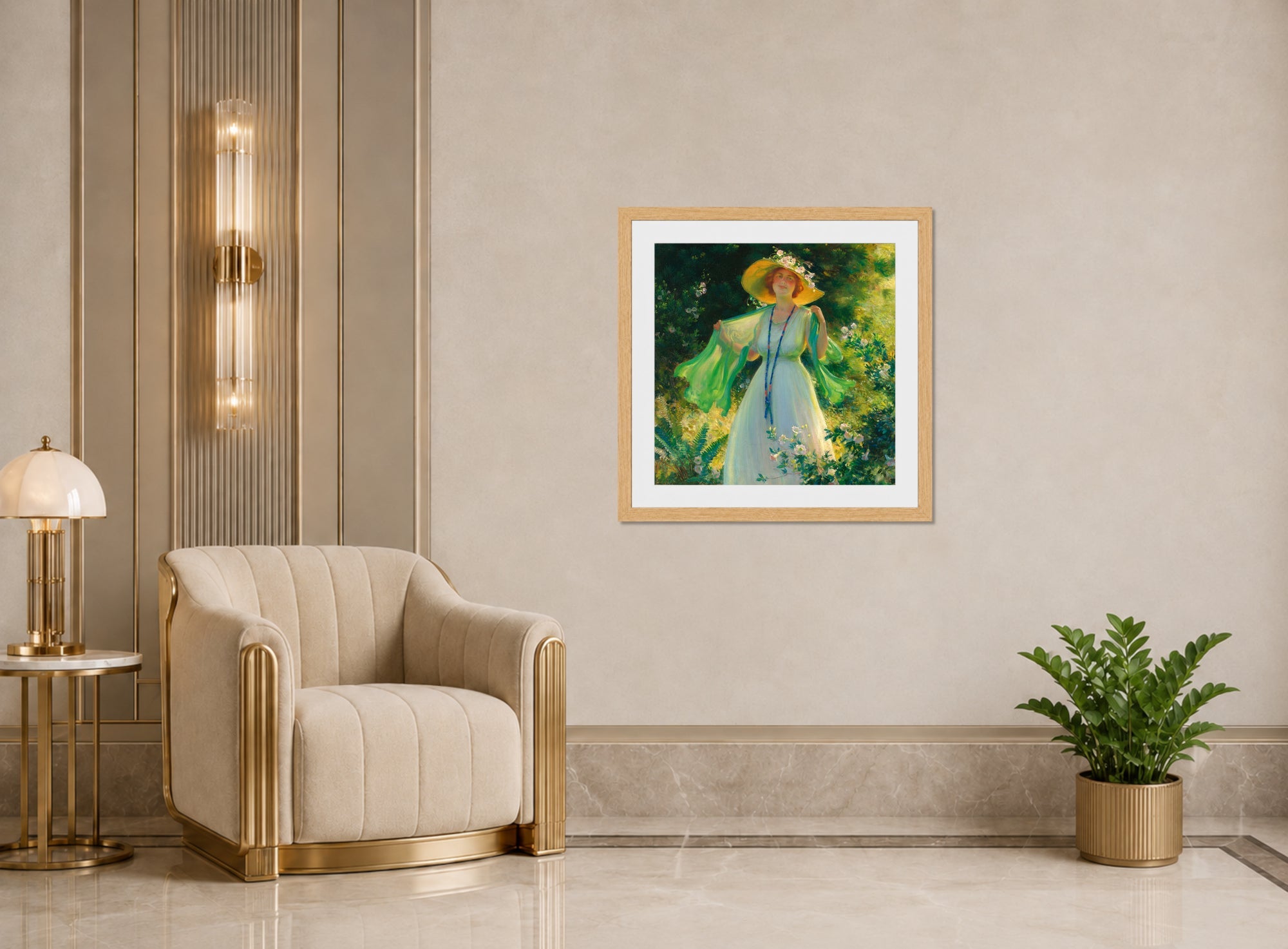
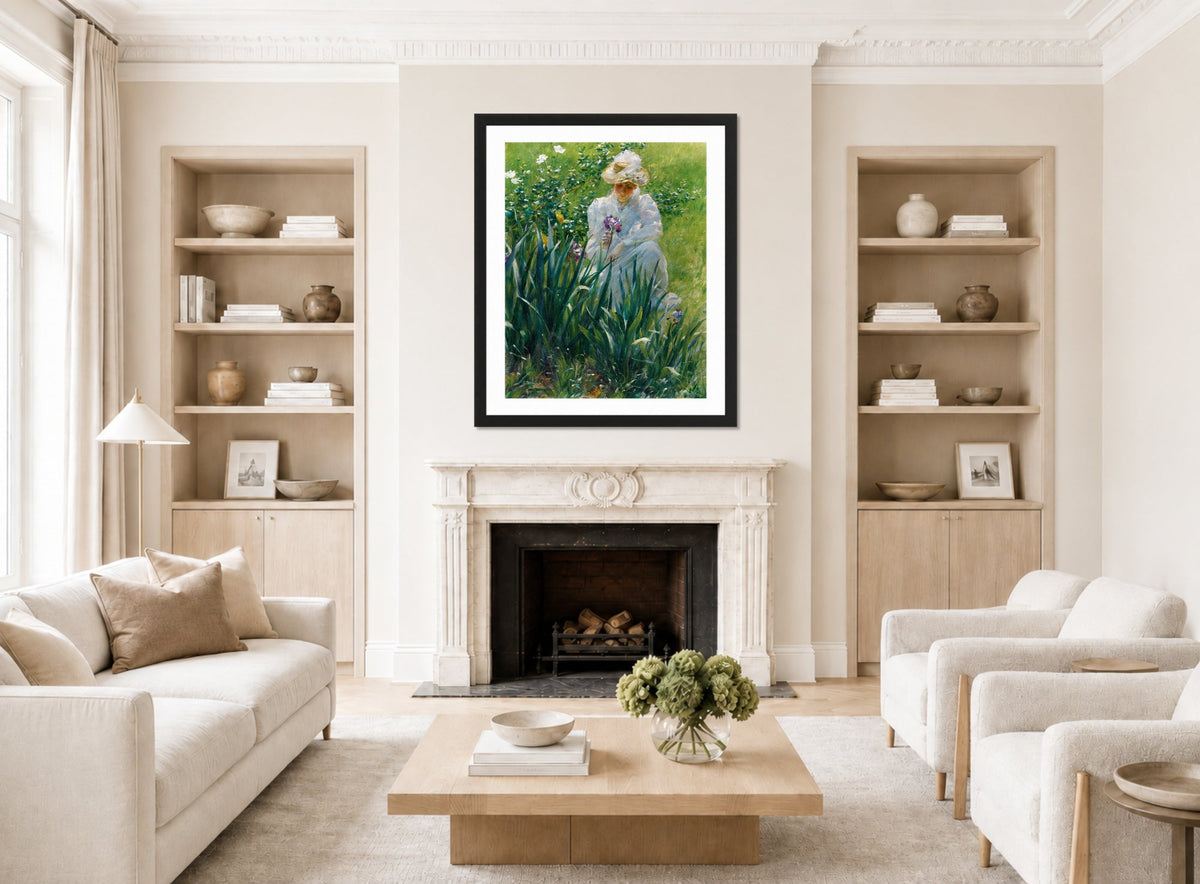
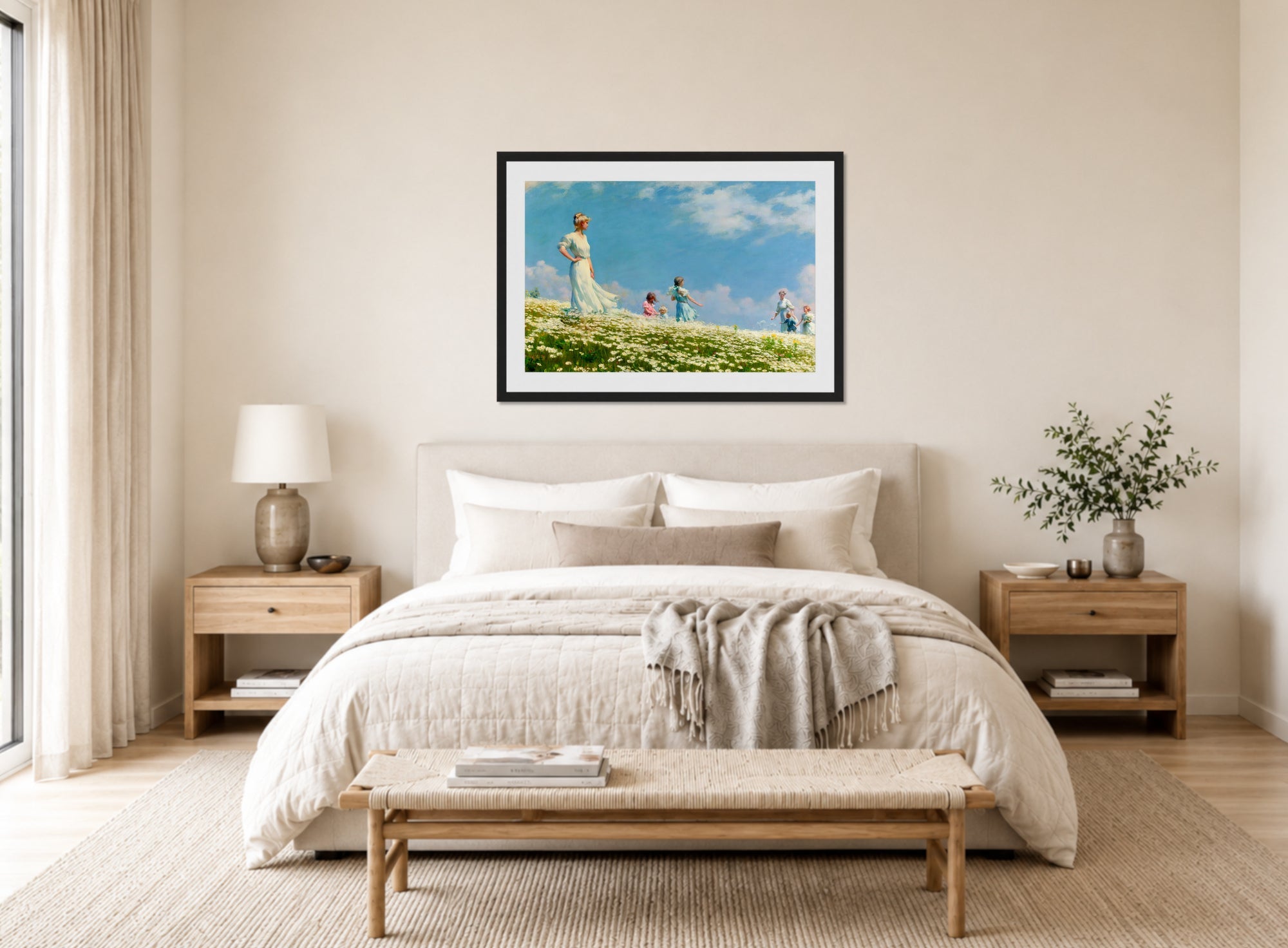
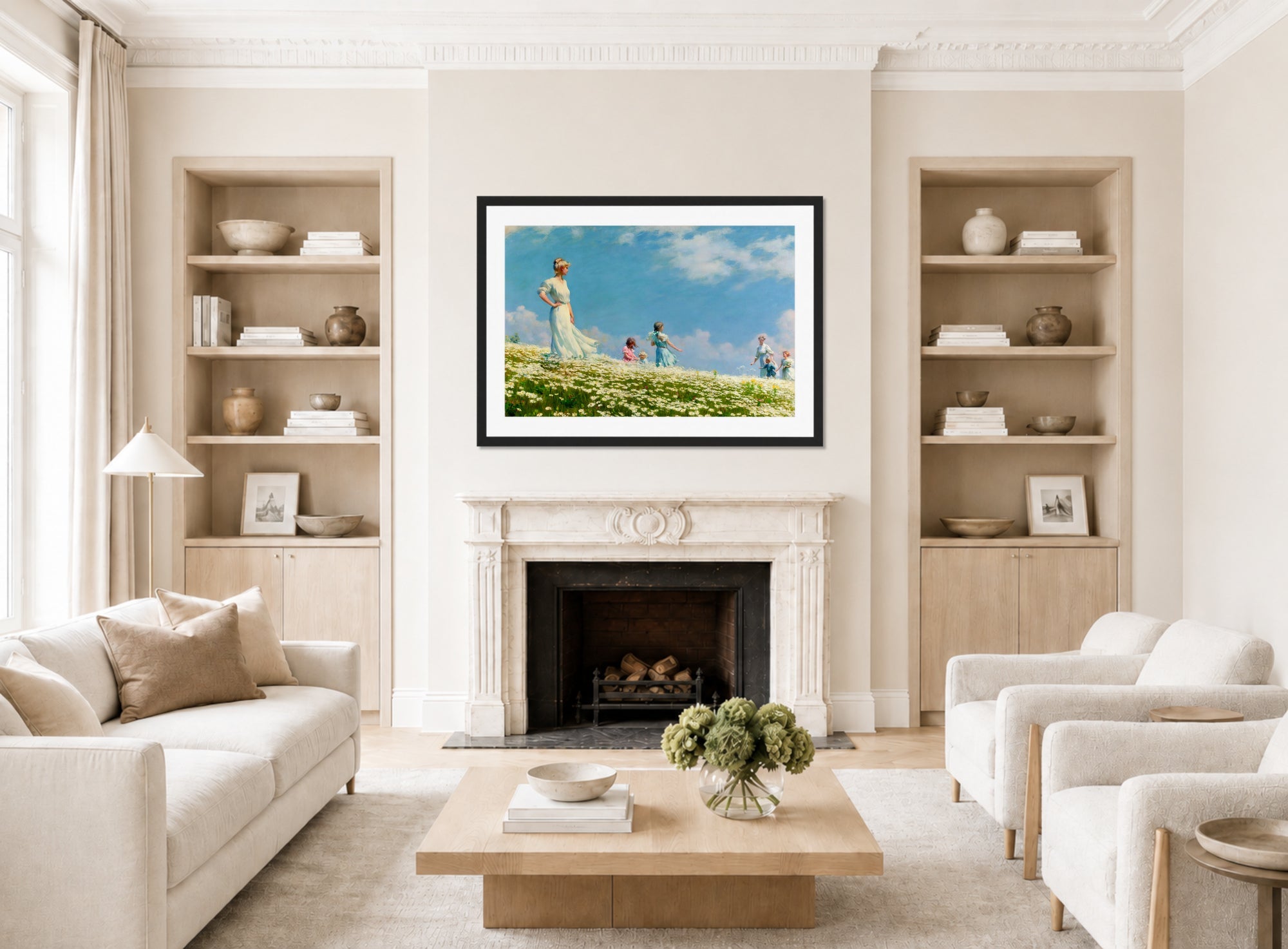
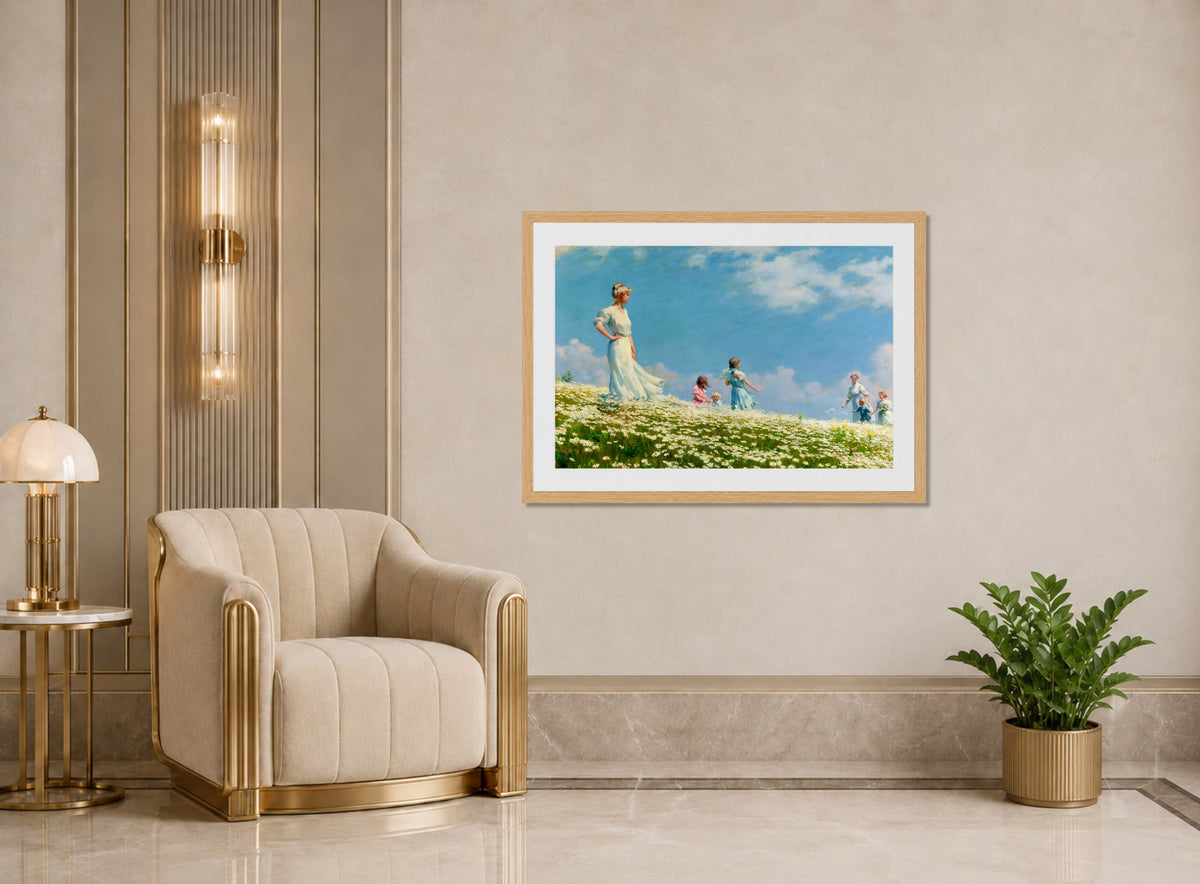
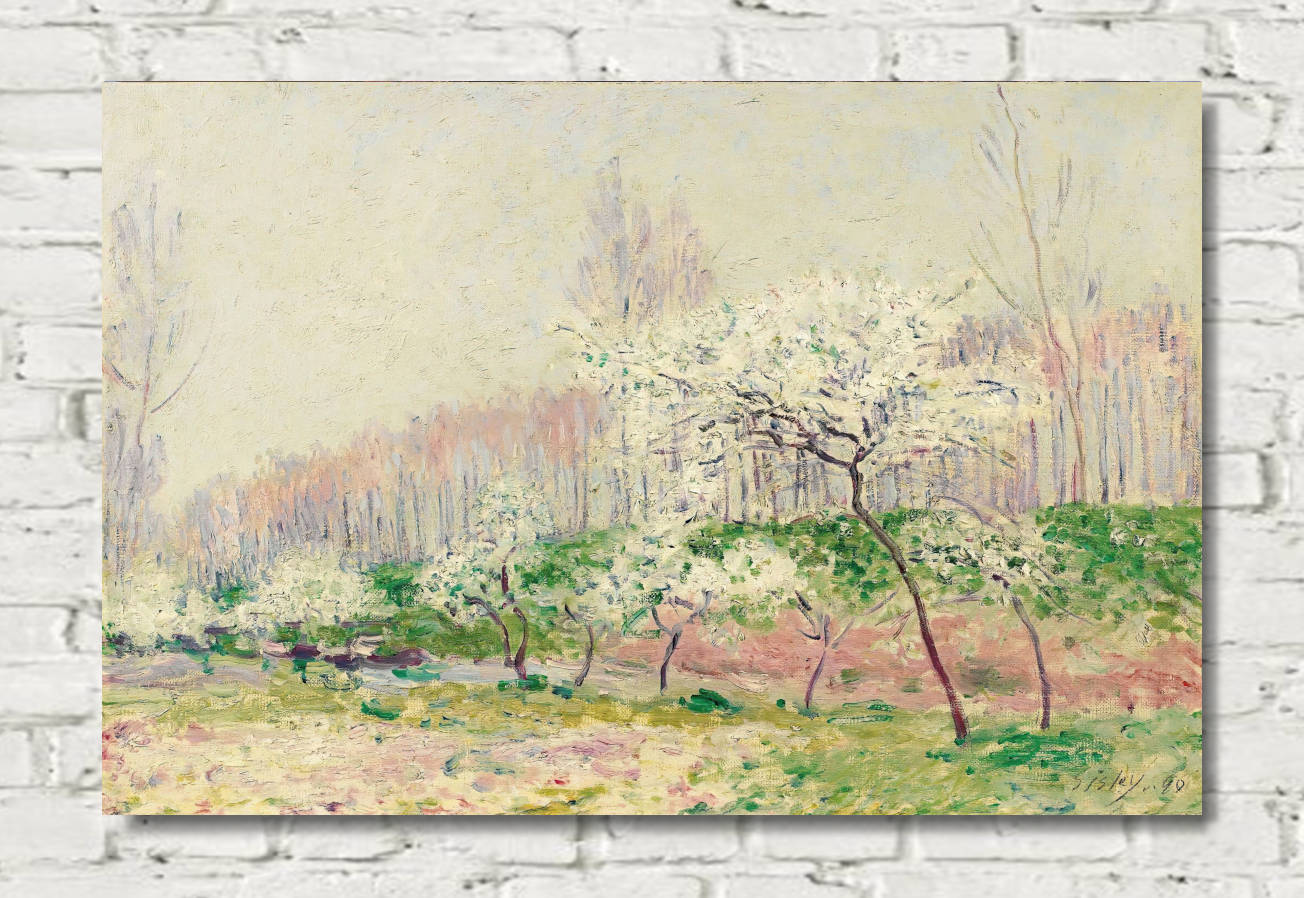
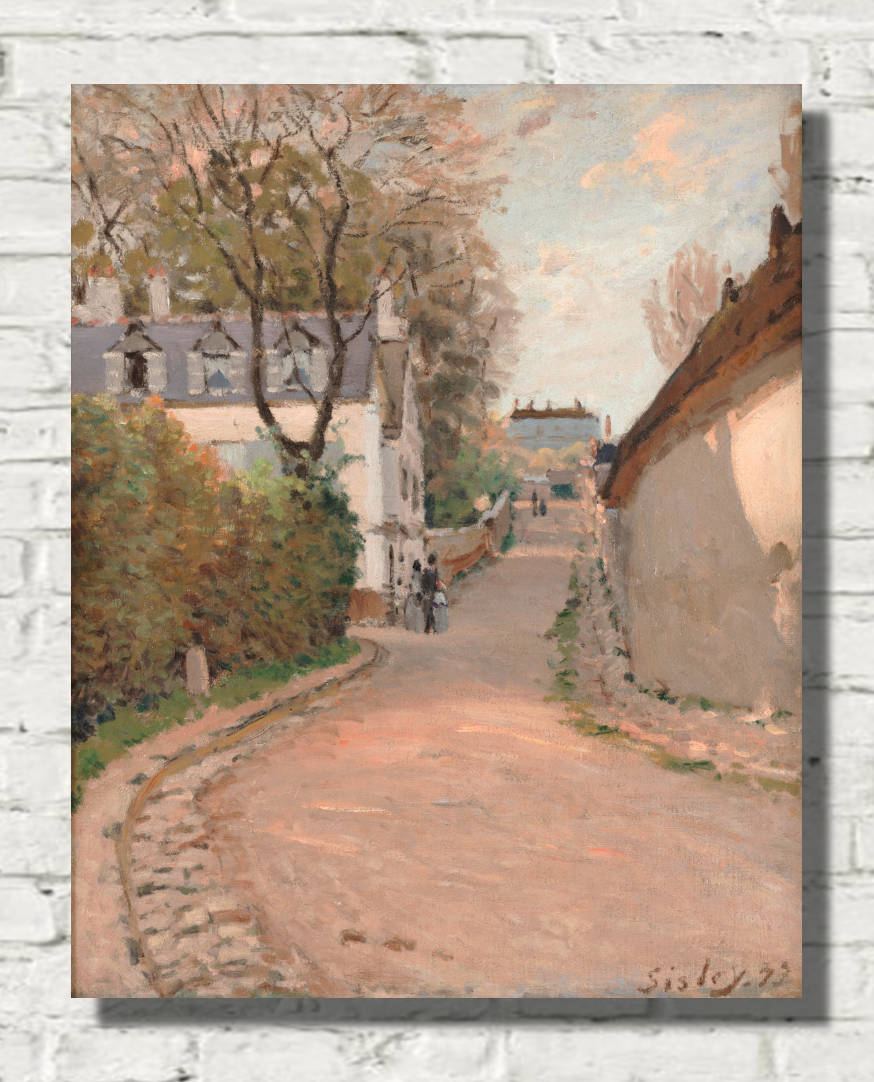
Pink Impressionist wall art can bring warmth, softness and painterly colour into bedrooms, living rooms, dining rooms, hallways and home offices. Choose a delicate blush-toned interior for a restful room, a richly coloured Renoir portrait for a stronger focal point or a pink garden scene filled with flowers and natural light. GalleryThane pink Impressionist artwork is available in a wide range of sizes as fine art paper prints, framed prints and canvas panels.
Explore Pink Impressionist Prints
Browse Impressionist art by colour, discover other styles of pink wall art and explore painters whose gardens, portraits, flowers and interiors reveal the expressive possibilities of pink.
Pink in Impressionist Painting
Pink appears throughout Impressionist painting in flowers, dresses, skin tones, evening skies, reflected light and sunlit interiors. Rather than treating pink as a single fixed colour, Impressionist painters explored a wide range of related hues, from pale blush and peach to coral, rose, mauve and deeper raspberry tones.
The Impressionists were fascinated by the way light changed colour. White fabric might take on pink reflections from nearby flowers or furnishings, while shadows could contain violet and blue. A rose garden might combine pink petals with green foliage, yellow sunlight and cool areas of shade.
This sensitivity to colour made pink especially versatile. It could suggest warmth and intimacy in a portrait, create decorative richness within an interior or provide flashes of brilliant colour across a garden landscape. In some paintings it dominates the entire composition; in others, a few carefully placed touches of pink enliven a broader palette.
Claude Monet: Pink Gardens, Flowers and Changing Light
Claude Monet repeatedly painted flowers, gardens and landscapes in which pink appears alongside green foliage, blue water, violet shadows and golden sunlight. His lifelong interest in changing light allowed him to explore how colour shifted according to weather, season and time of day.
At Giverny, Monet transformed his garden into one of the most famous artistic environments in history. The Clos Normand was filled with roses, irises, nasturtiums and other flowers arranged in generous borders and arches. Pink blooms appear throughout paintings of the garden, often surrounded by rich greens and broken passages of sunlight.
The water garden offered a different palette. In Monet's Water Lilies series, pink flowers float upon surfaces filled with blue, green, turquoise, violet and reflected sky. The flowers can act as bright points of colour within increasingly immersive compositions in which water, vegetation and reflection merge.
Pink Monet prints are particularly well suited to bedrooms and living rooms because they combine natural subjects with a soft but complex palette. Garden paintings can introduce warmth and colour without appearing overly formal, while larger Water Lilies works can create a more atmospheric focal point.
Pierre-Auguste Renoir: Pink Dresses, Flowers and Radiant Figures
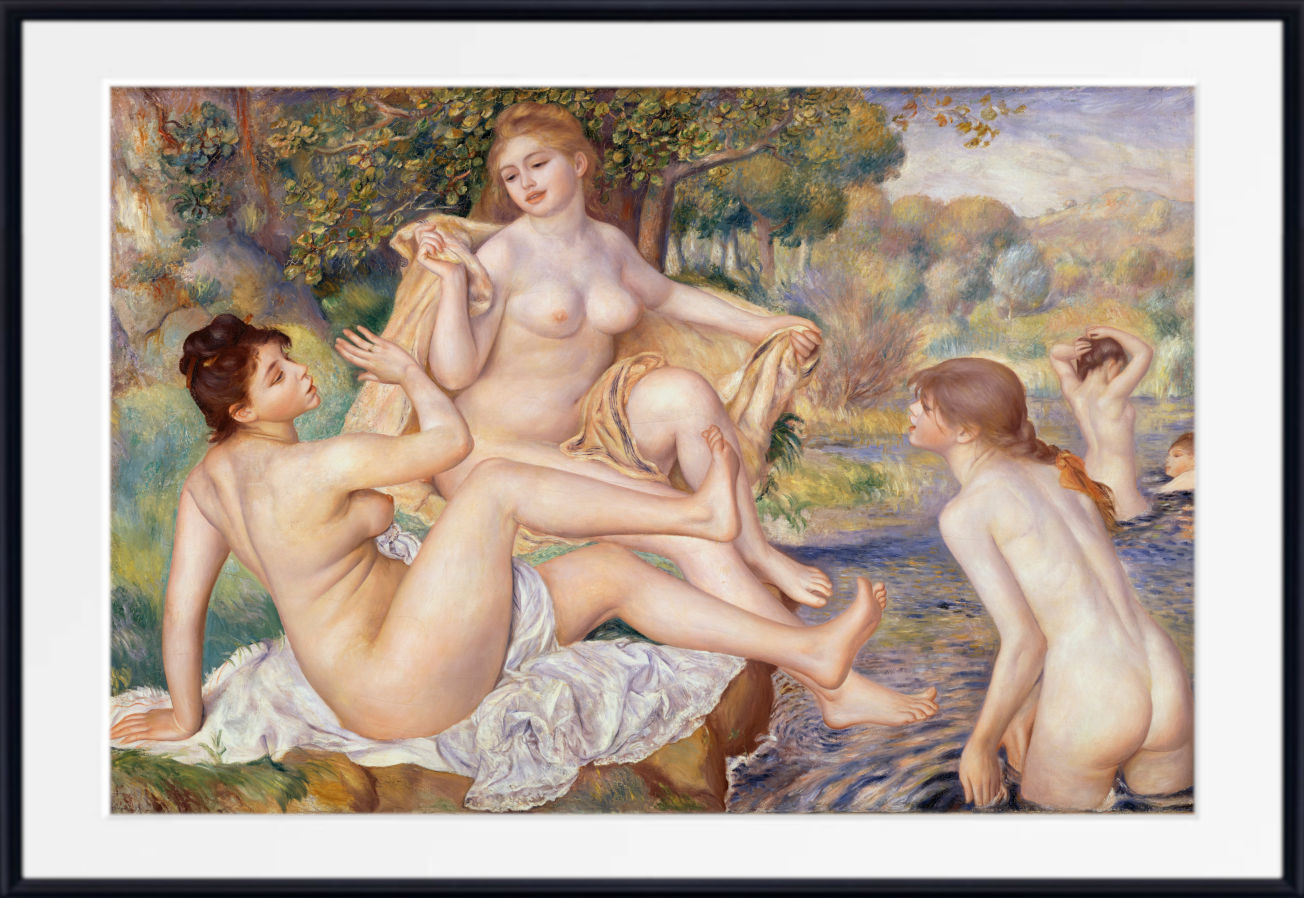
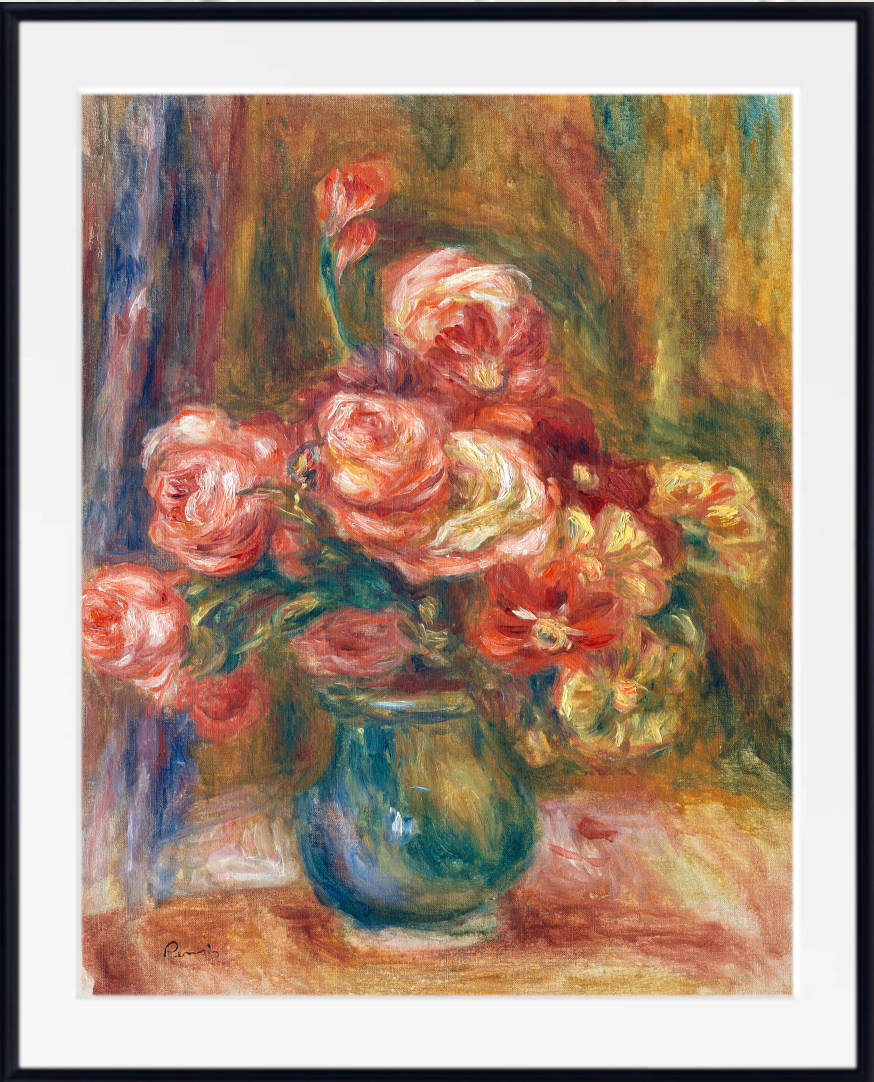
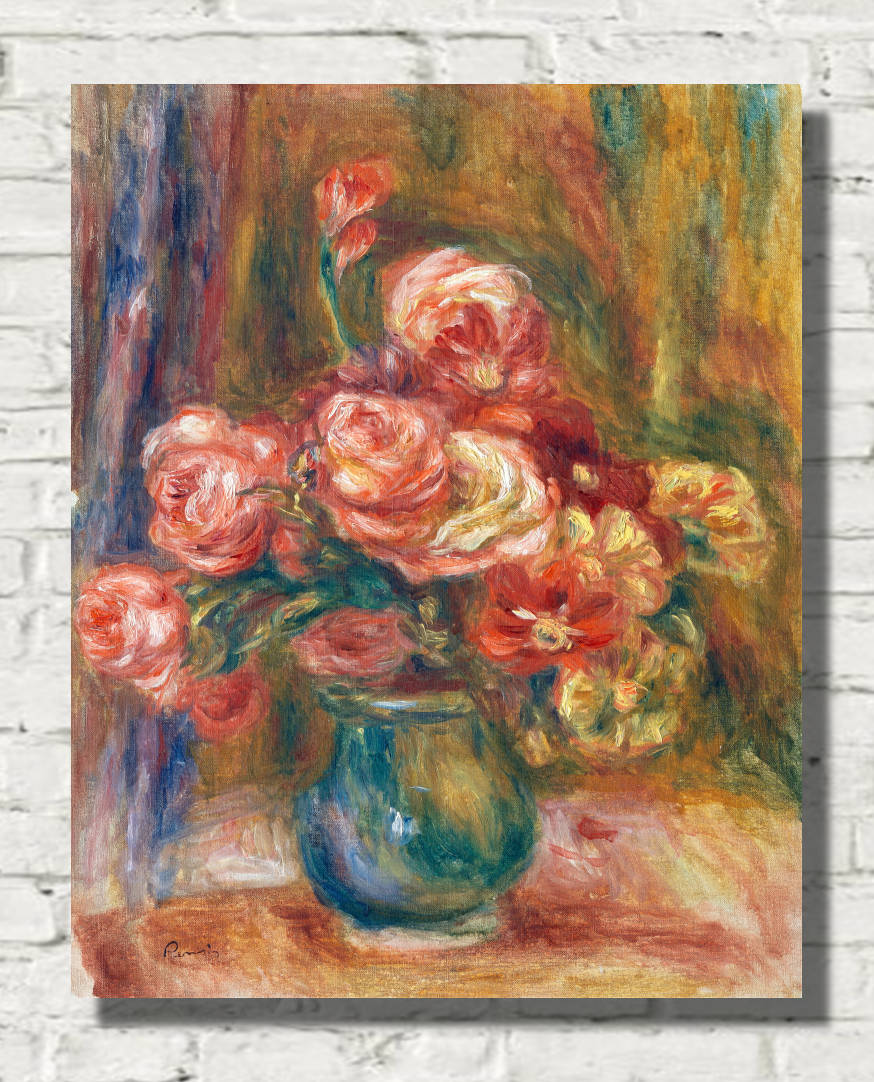
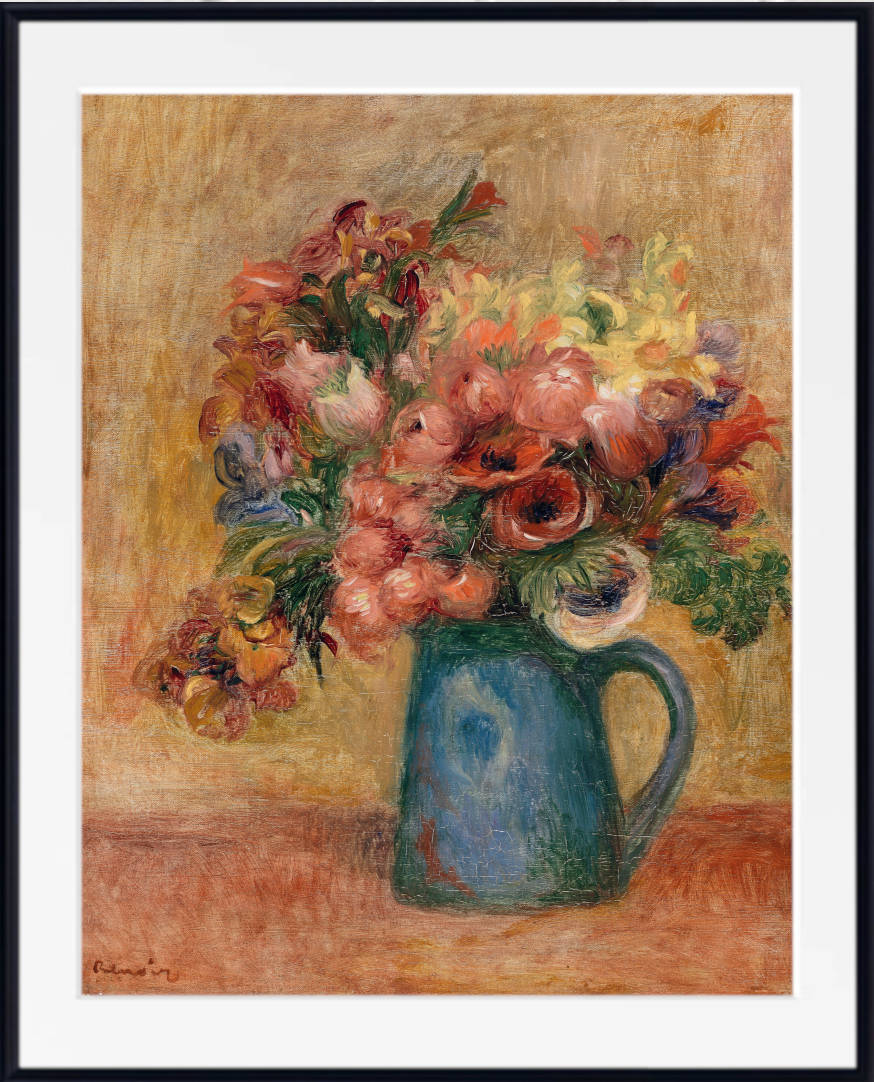
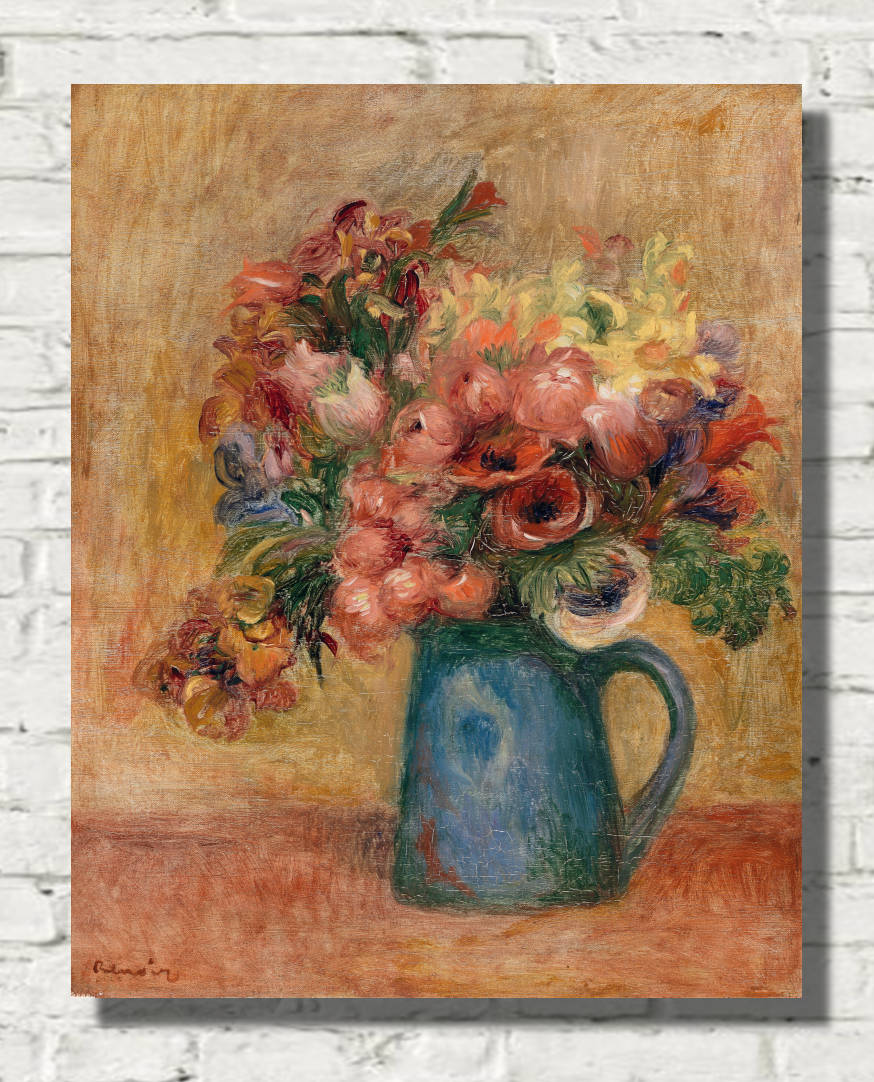
Pierre-Auguste Renoir was one of Impressionism's great painters of figures, social life and luminous colour. Pink appears frequently in dresses, ribbons, flowers, skin tones and decorative interiors, often combined with red, peach, cream, blue and green.
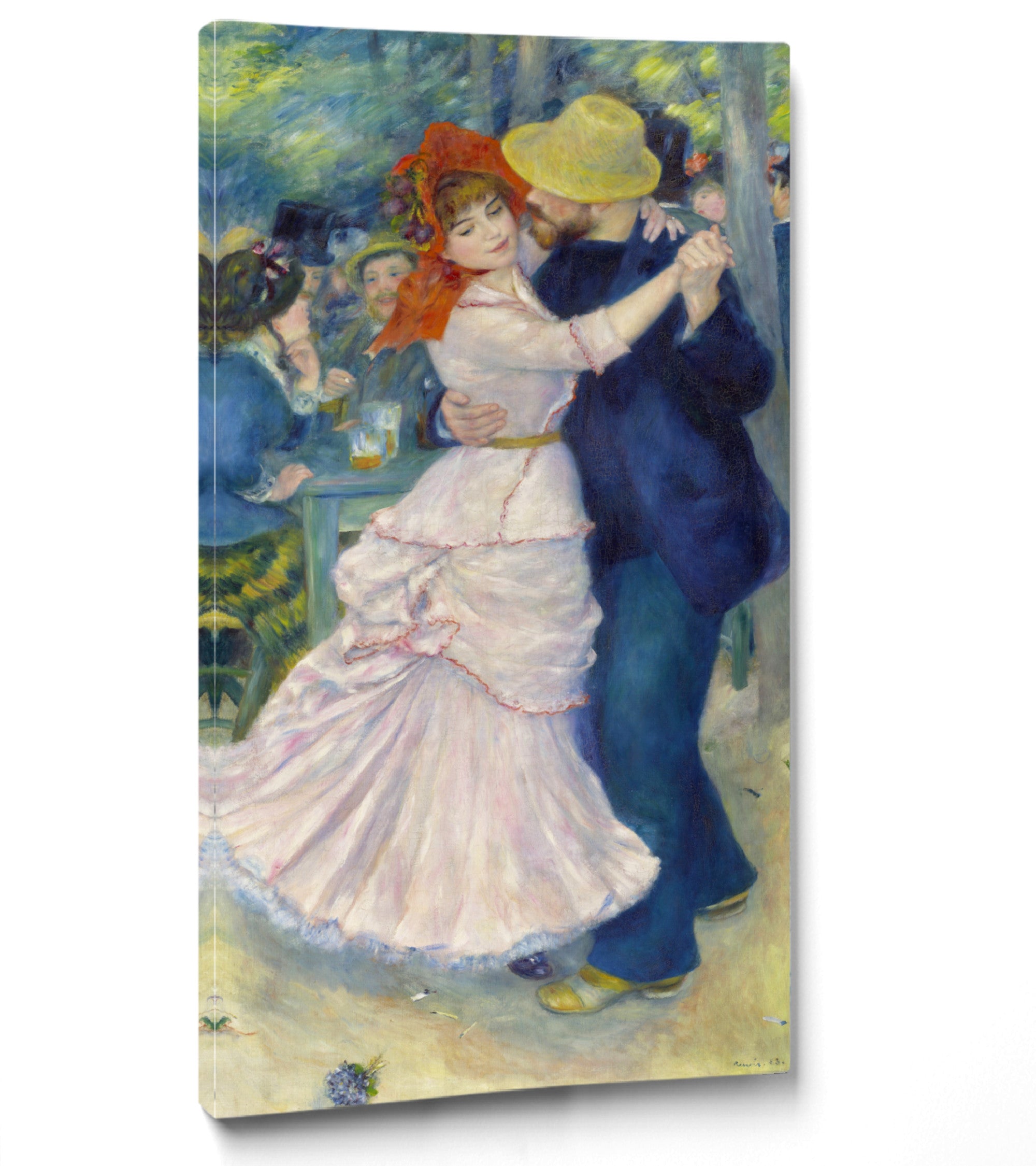
Renoir's paintings can feel warm and celebratory. He was drawn to gardens, cafés, dances, portraits and scenes of leisure, filling his compositions with sunlight and shifting colour. Pink fabric may catch the light differently across folds and shadows, while surrounding foliage introduces contrasting greens and blues.
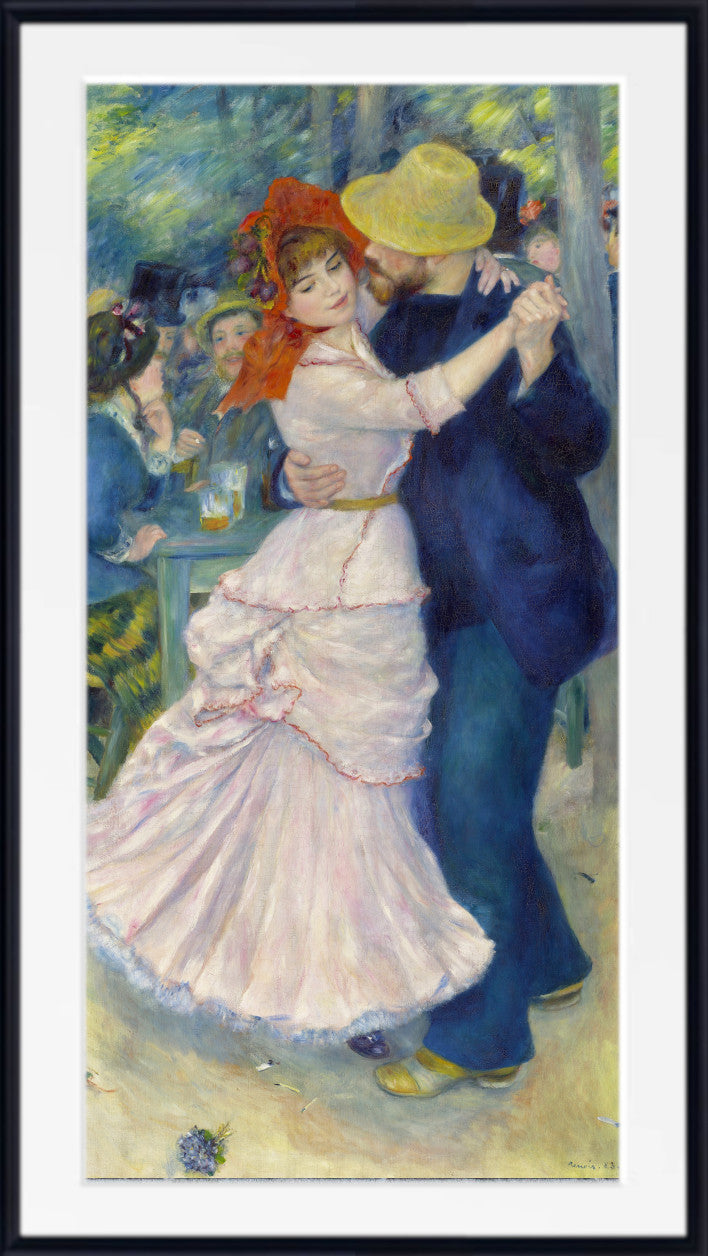
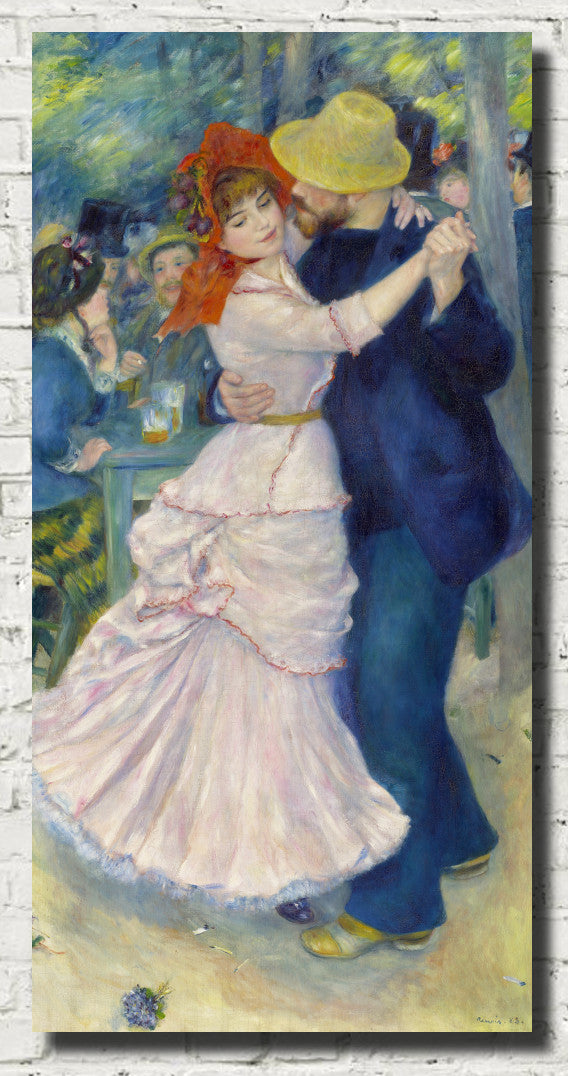
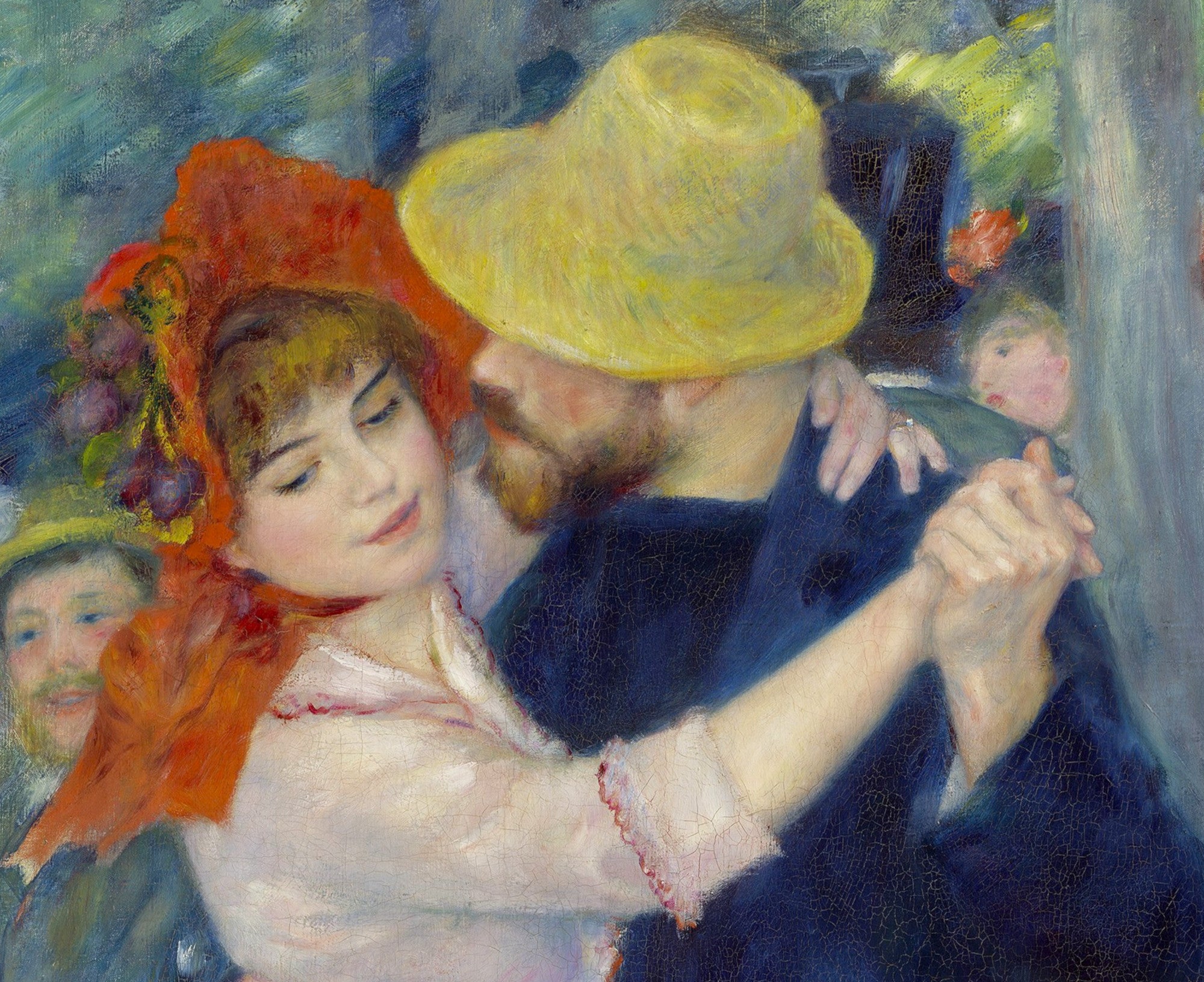
Works such as Dance at Bougival demonstrate how a strong pink or red-pink dress can dominate a composition while remaining integrated with softer surrounding colours. Other paintings use paler pinks more delicately in clothing, flowers and reflected light.
Renoir prints are excellent choices for living rooms, bedrooms and dining spaces where warmth and human presence are desired. His pink-toned paintings can feel romantic without being overly delicate, particularly when balanced by strong colour and energetic brushwork.
Berthe Morisot: Delicate Pink Interiors and Intimate Portraits
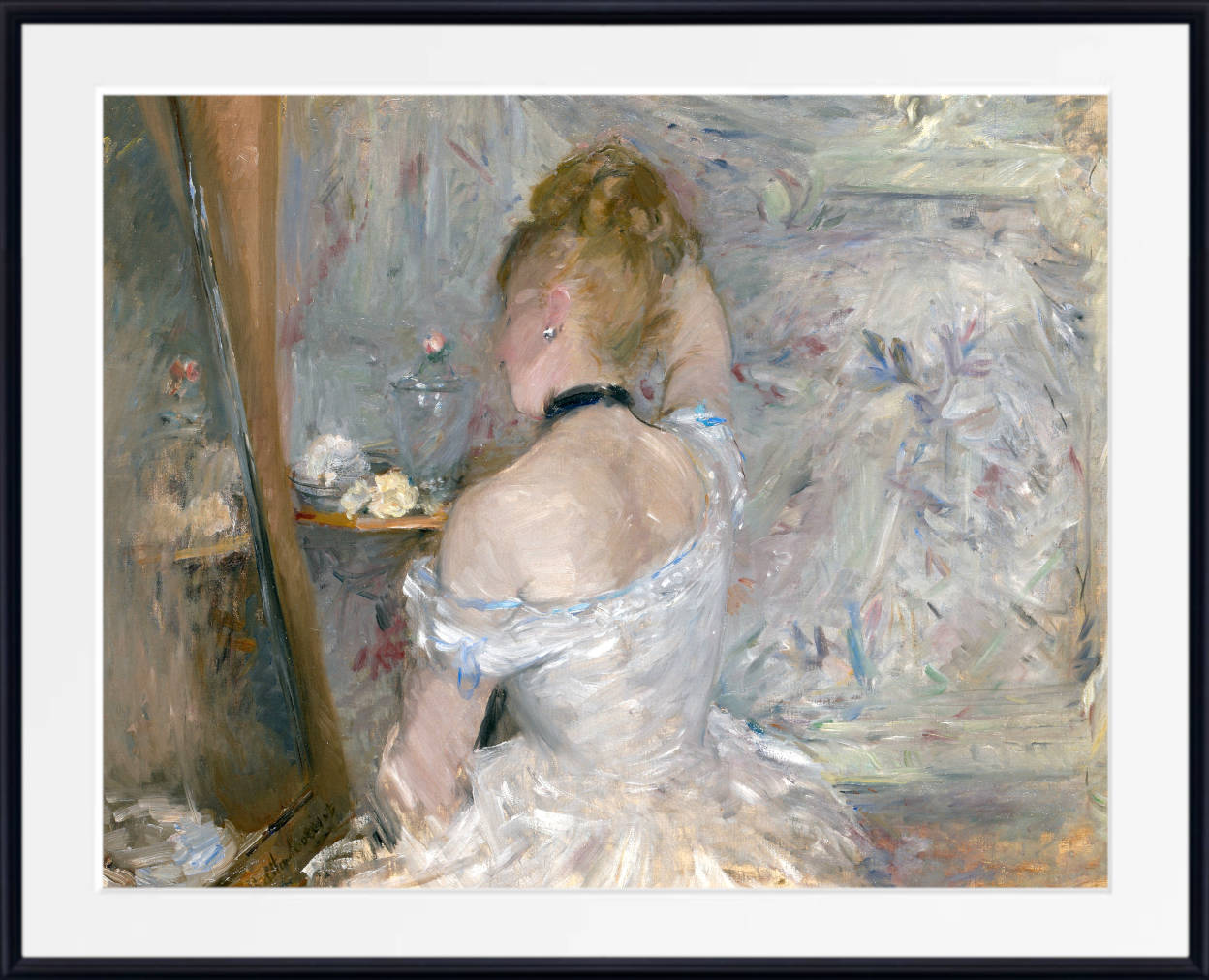
Berthe Morisot brought extraordinary lightness, immediacy and sensitivity to paintings of women, children, domestic interiors, gardens and everyday life. Her loose brushwork and delicate colour relationships give many of her paintings an airy, spontaneous character.
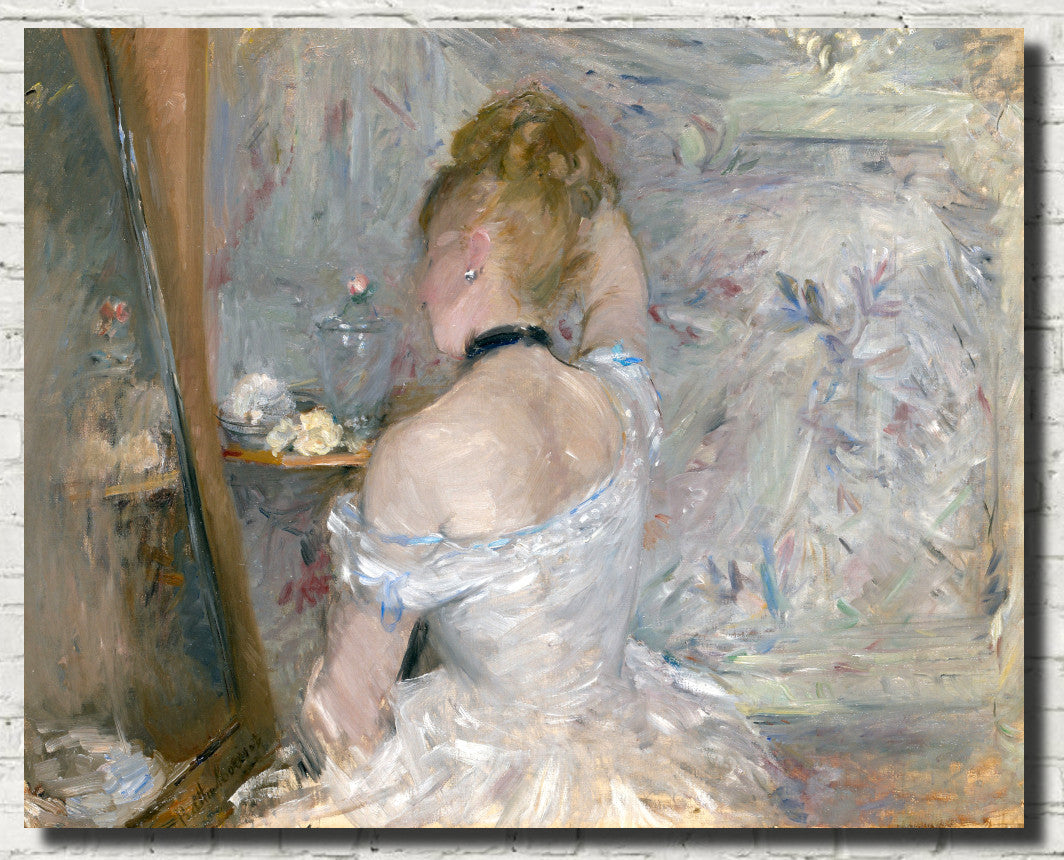
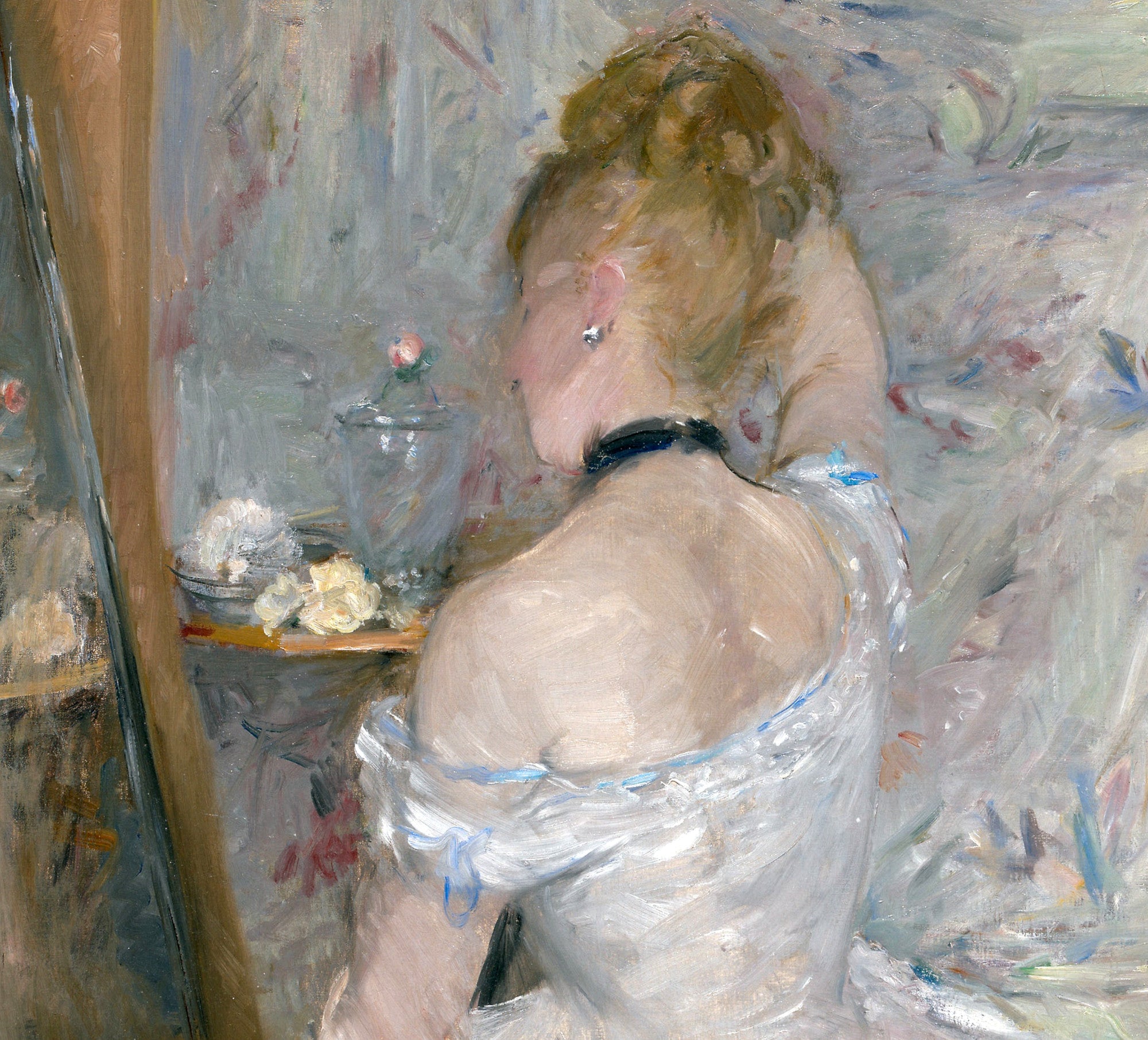
Pink appears in dresses, cheeks, flowers, furnishings and softly lit rooms. Morisot often combined pale pink with white, grey, blue and green, creating subtle harmonies that can feel fresh and remarkably modern.
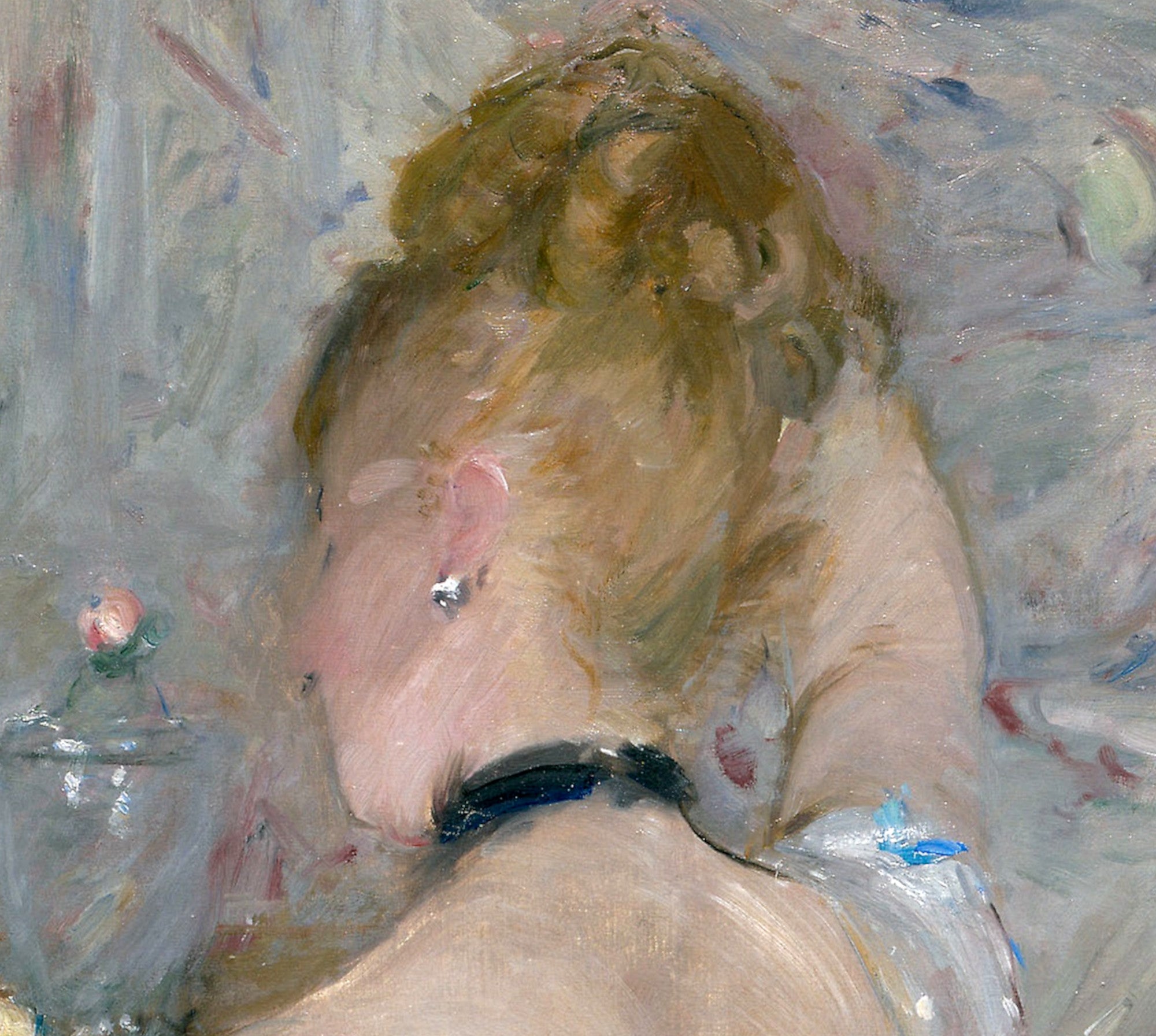
Her figure paintings are particularly suited to bedrooms, reading spaces and elegant living rooms. Rather than relying on strong dramatic narratives, Morisot often captured quiet moments: a woman at her toilette, a child resting, figures in a garden or family members within intimate domestic settings.
Pink in Morisot's art rarely feels isolated. It is usually part of a larger network of light and colour, interacting with loosely painted backgrounds and flashes of complementary hues.
Mary Cassatt: Pink in Portraits, Motherhood and Everyday Life
Mary Cassatt is celebrated for her intimate scenes of women, children, motherhood and modern life. Her paintings combine careful observation with expressive colour, elegant composition and a strong interest in gesture and human relationships.
Pink appears naturally throughout Cassatt's work in dresses, flowers, interiors and the warm tones of skin. Soft blush and rose can help create intimacy, while stronger pinks introduce decorative energy.
Cassatt's works are particularly effective in bedrooms, nurseries, reading areas and quieter living spaces. Her subjects often feel personal and immediate, while her refined use of colour allows the pictures to sit naturally within both traditional and contemporary interiors.
The influence of Japanese prints can also be seen in aspects of Cassatt's composition and use of flattened space. This gives many of her paintings a clarity that remains visually fresh more than a century after they were created.
Frederick Carl Frieseke: Pink Gardens and Sunlit Interiors
Frederick Carl Frieseke became known for luminous paintings of women, gardens and domestic interiors, often filled with rich decorative pattern and broken colour. His years at Giverny placed him within the wider international community of artists drawn to the village associated with Claude Monet.
Pink is especially prominent in many Frieseke works, appearing in dresses, parasols, flowers, wallpaper, upholstery and reflected light. His paintings frequently combine pink with green gardens, violet shadows, yellow sunlight and patterned fabrics.
Works such as Lady in Pink demonstrate his ability to make colour central to the entire mood of a composition. Other paintings place women within gardens where figures and vegetation seem to dissolve into a tapestry of pink, green, white and blue brushwork.
Frieseke prints are excellent choices for bedrooms and living rooms where a combination of elegance, colour and painterly warmth is desired. His interiors can create a more intimate atmosphere, while garden scenes bring greater light and freshness.
Eva Gonzalès: Flowers, Figures and Elegant Colour
Eva Gonzalès created portraits, interiors, still lifes and outdoor scenes characterised by assured colour and refined observation. Although closely connected with the circle surrounding Impressionism, she developed an individual artistic identity and was the only formal pupil of Édouard Manet.
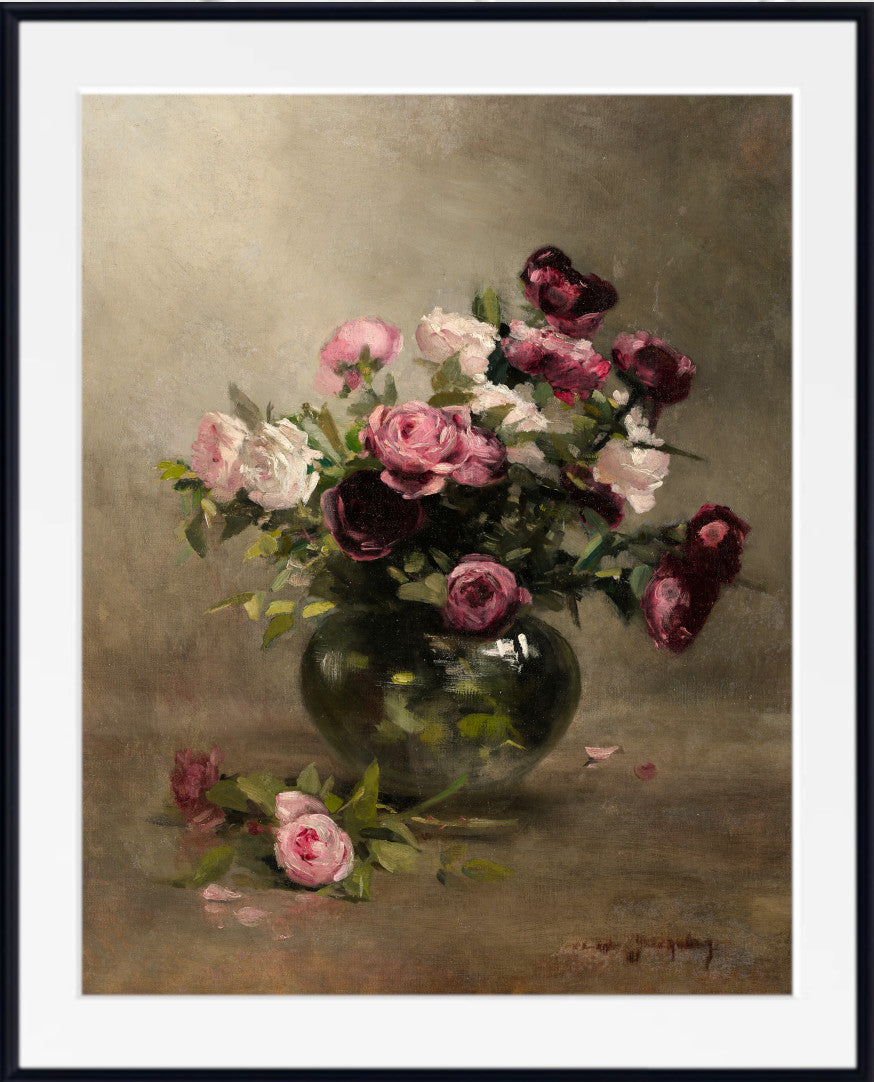
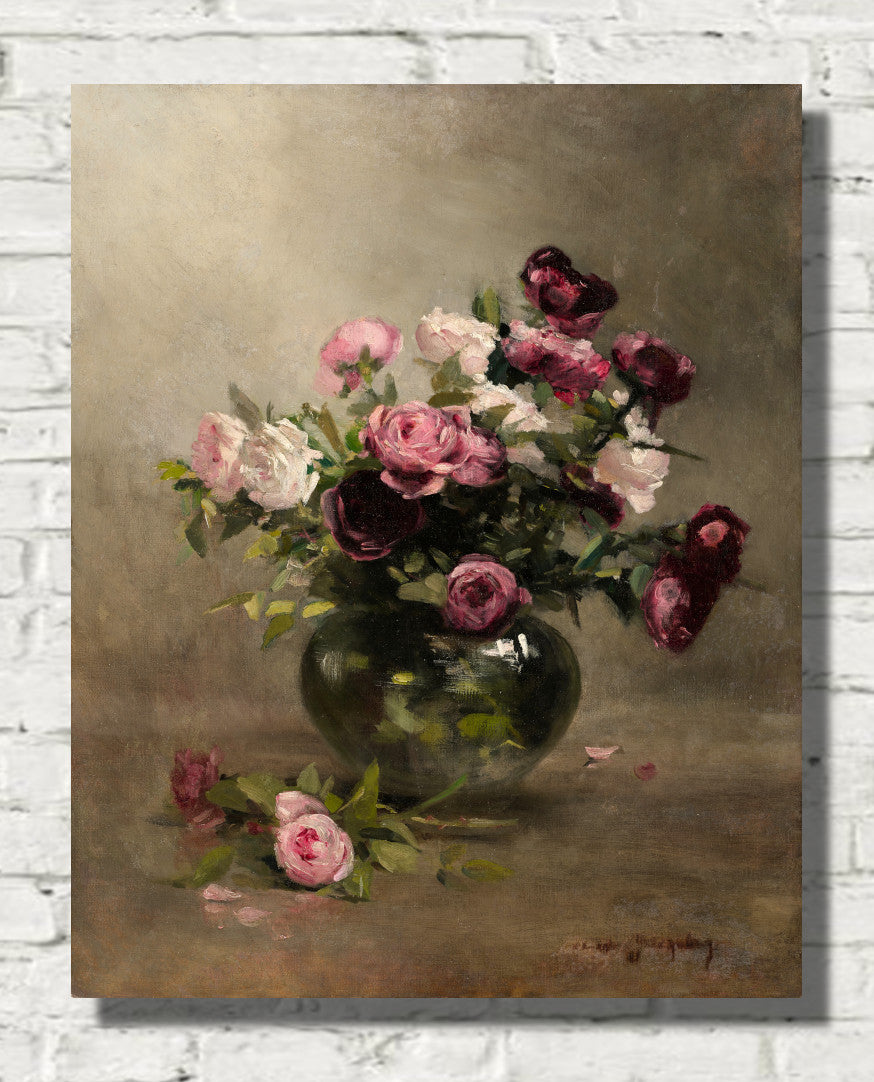
Her floral paintings are especially relevant to pink wall art. Roses and bouquets allowed Gonzalès to explore subtle relationships between pink petals, green leaves, neutral backgrounds and surrounding objects.
Pink can also appear within her figure paintings and interior scenes, contributing warmth without overwhelming the composition. Her work is a particularly good choice for interiors that favour quieter elegance over highly saturated colour.
Featured Pink Impressionist Artists
Explore painters whose gardens, portraits, flowers and interiors reveal the remarkable variety of pink within and around Impressionism.
Pink Impressionist Garden Prints
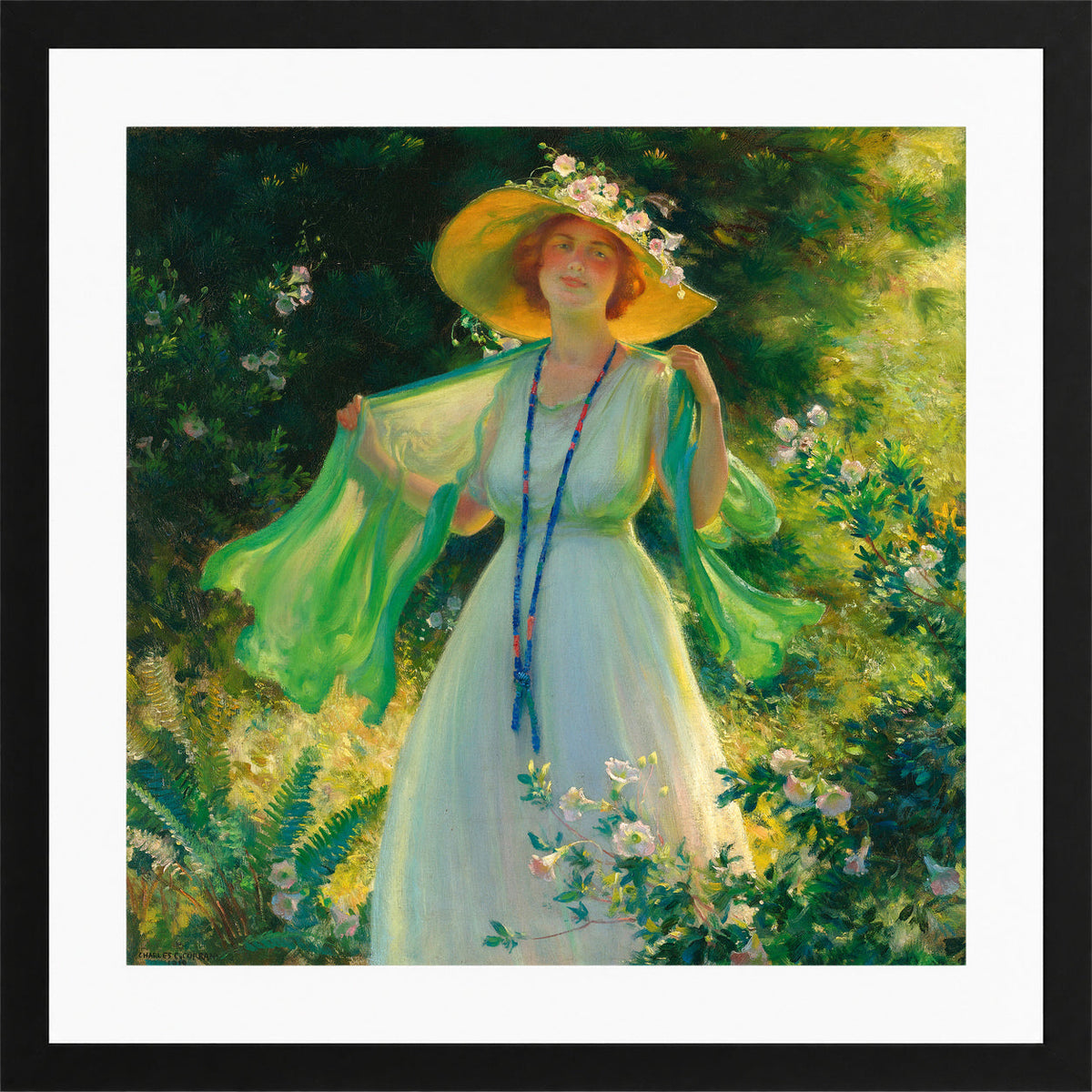
Gardens were among the great subjects of Impressionist and American Impressionist painting. They offered constantly changing combinations of flowers, foliage, sunlight and shadow, allowing artists to study colour directly from nature.
Pink flowers can appear as isolated accents within broad green landscapes or spread across the composition in beds of roses, blossom and mixed garden planting. Monet's Giverny garden is the most famous example, but Frieseke and many other artists also explored the relationship between figures and richly planted outdoor spaces.
Pink Impressionist garden prints are particularly versatile because they combine warm colour with natural green. The result can feel fresh and lively without becoming excessively sweet or decorative.
For a wider selection of roses, bouquets, blossom and botanical subjects, explore the Pink Floral Prints collection and the broader Floral Wall Art collection.
Pink Impressionist Portraits and Figure Paintings
Pink appears frequently in Impressionist portraits through dresses, ribbons, flowers, upholstery and reflected light. Renoir, Morisot, Cassatt and Frieseke all painted figures in which colour plays an important role in establishing character and atmosphere.
A pink dress may create the central focus of the entire painting, while smaller touches of rose or blush can bring warmth to an otherwise neutral palette. The loose brushwork associated with Impressionism allows fabric and surroundings to merge visually, particularly in outdoor scenes filled with sunlight.
Figurative pink Impressionist prints work particularly well in bedrooms, dressing rooms, reading spaces and living rooms where human presence and narrative are preferred to pure landscape.
For more paintings of women, children, families and figures, explore the Portraits and People Fine Art Prints collection.
Pink Impressionist Interiors
Domestic interiors offered artists opportunities to explore soft light, patterned fabrics, mirrors, furniture and personal moments. Pink could appear in wallpaper, clothing, flowers, curtains or upholstery, contributing warmth to intimate settings.
Berthe Morisot and Mary Cassatt are especially important for representations of women and children within private interiors. Frederick Carl Frieseke later developed richly coloured domestic scenes in which patterned walls, dresses and furnishings become almost as visually important as the figures themselves.
Pink Impressionist interiors can work particularly well in bedrooms and quieter living spaces because their scale and atmosphere often feel personal rather than monumental.
Pink Impressionist Prints for Living Rooms
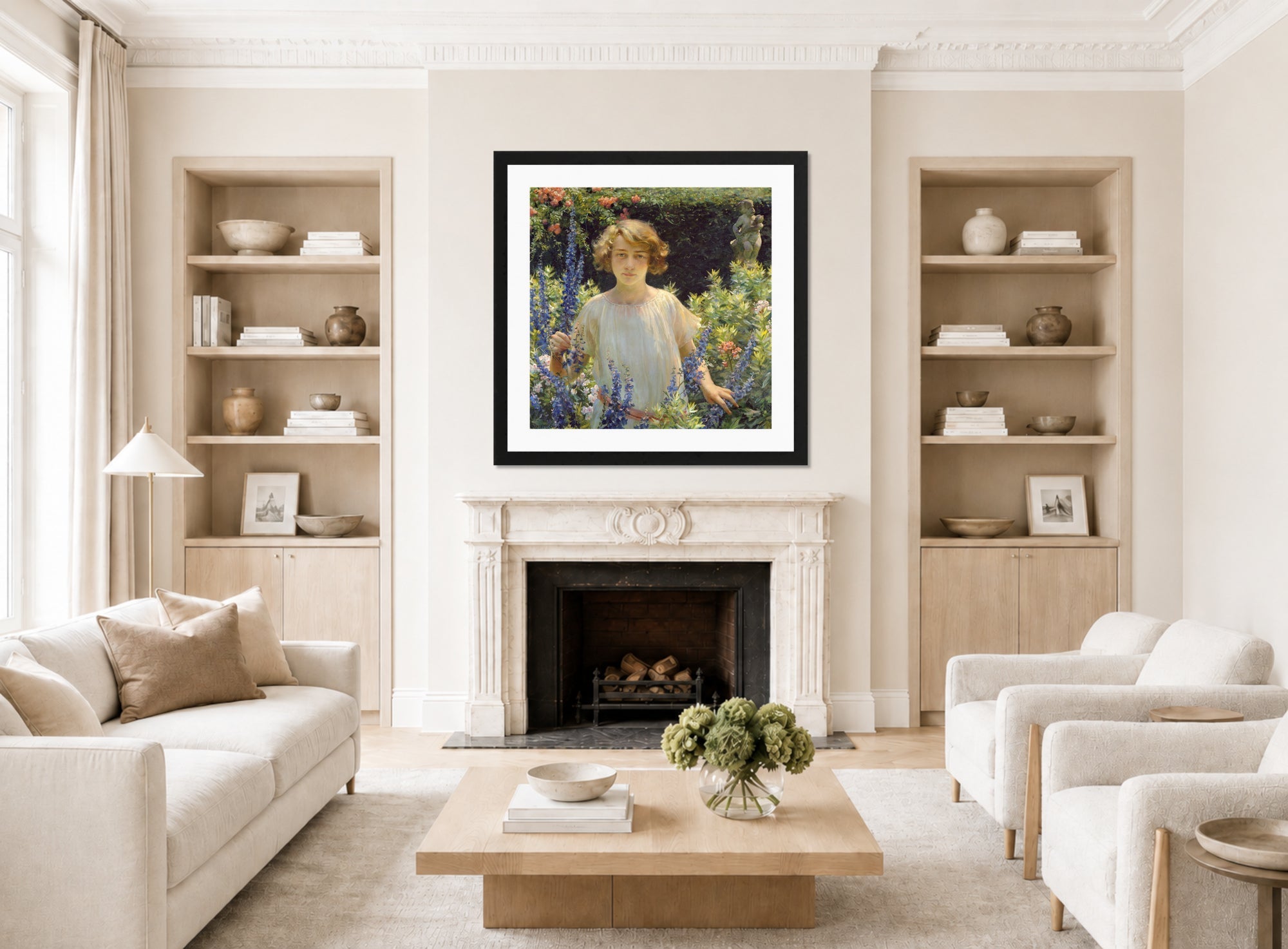
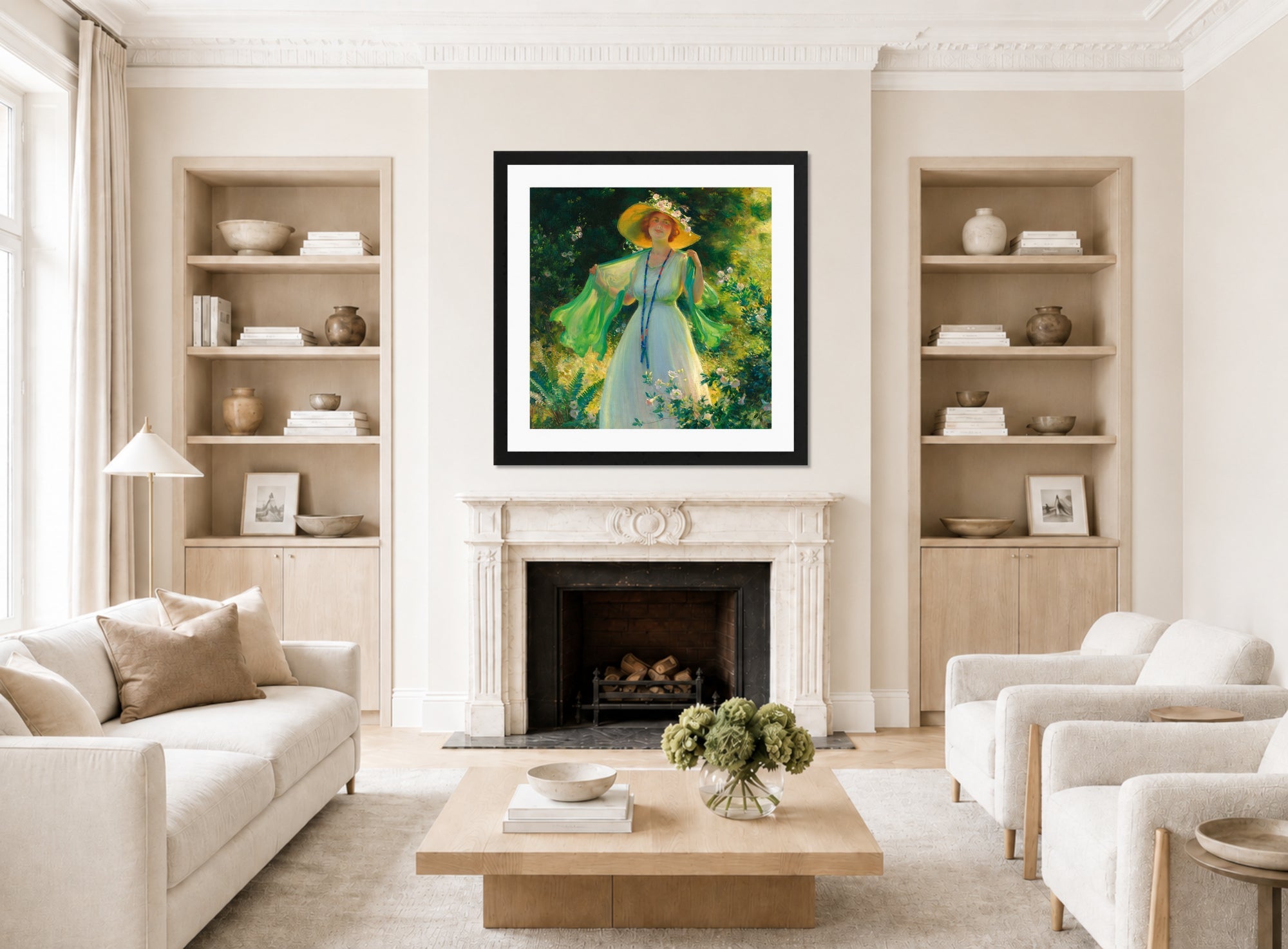
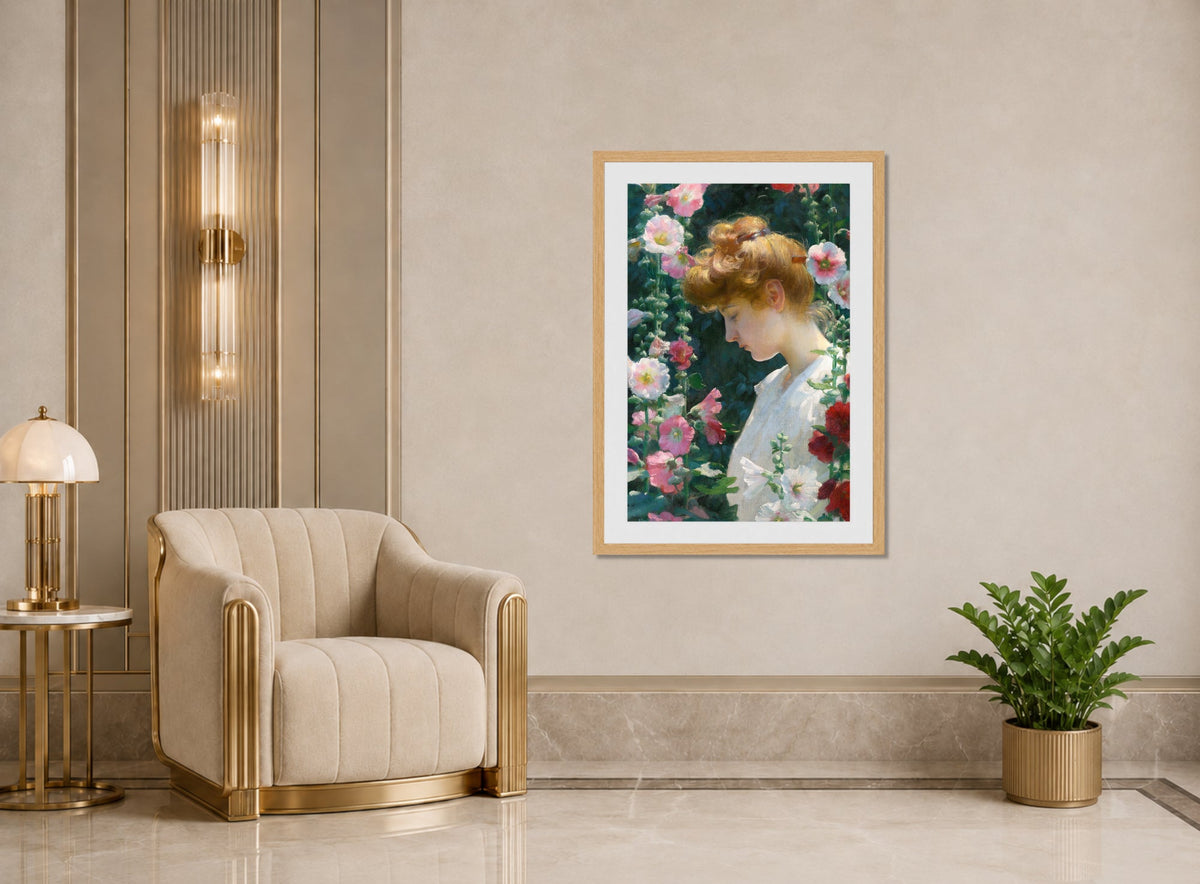
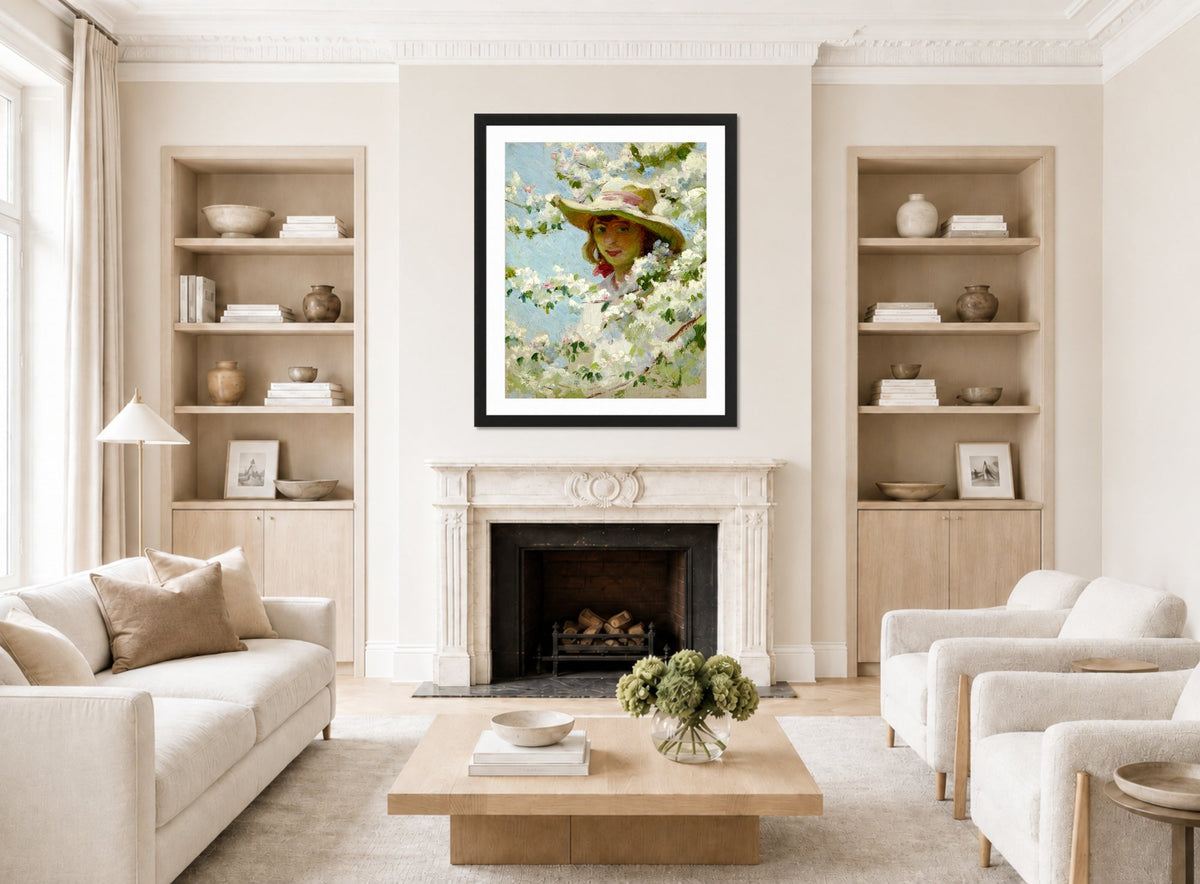
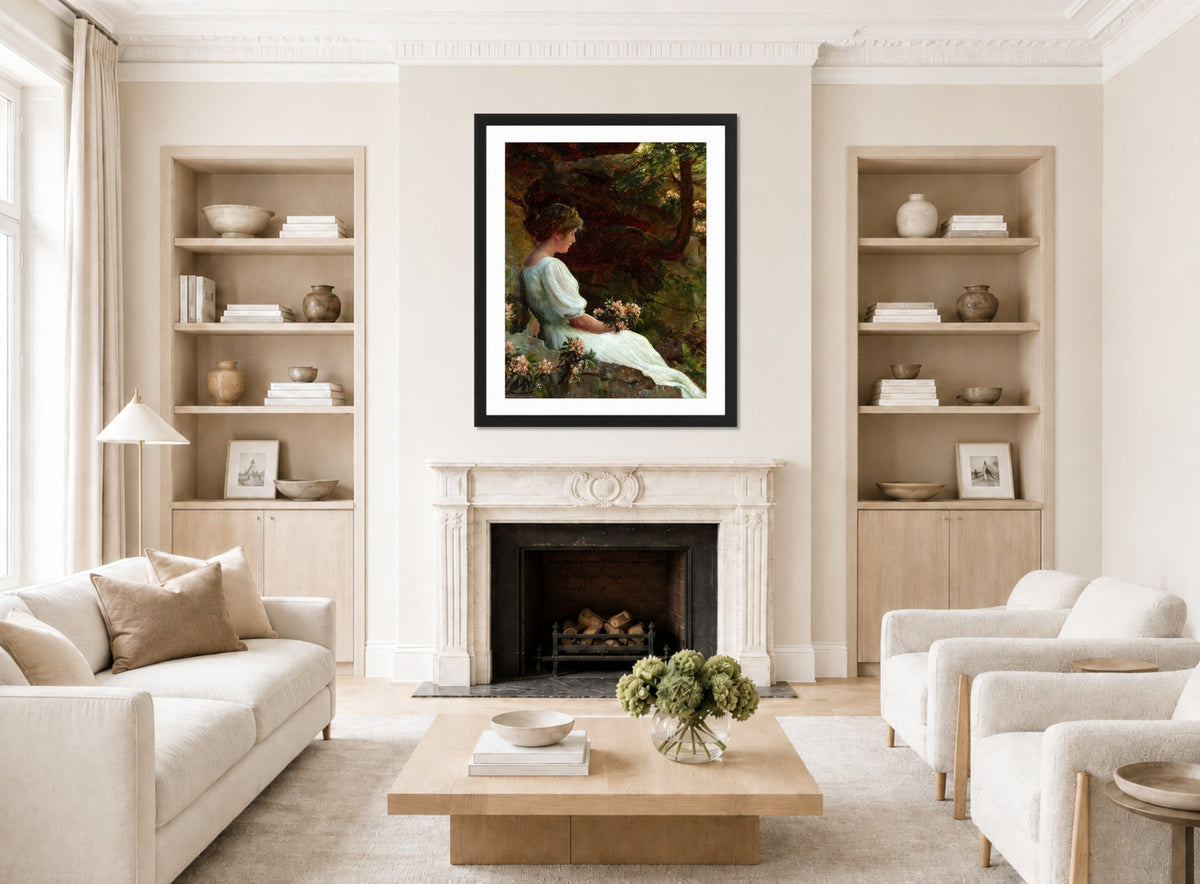
Pink Impressionist wall art can introduce warmth into a living room without making the space feel overly formal. A large Renoir figure painting can create a strong focal point, while a Monet garden or Frieseke outdoor scene can bring together pink flowers, green foliage and natural light.
Pale blush and dusty rose work naturally with cream, beige, grey and light wood. Stronger coral and raspberry tones can provide greater contrast against white walls, navy furnishings or darker woods.
Green is an especially effective companion because many Impressionist garden paintings naturally combine pink flowers with foliage. Brass, gold-toned details and warm woods can also complement the richness of pink without competing with the artwork.
For a larger wall, choose one substantial framed print or canvas panel. Alternatively, combine several smaller Impressionist works through a shared colour palette, artist or subject.
Pink Impressionist Prints for Bedrooms
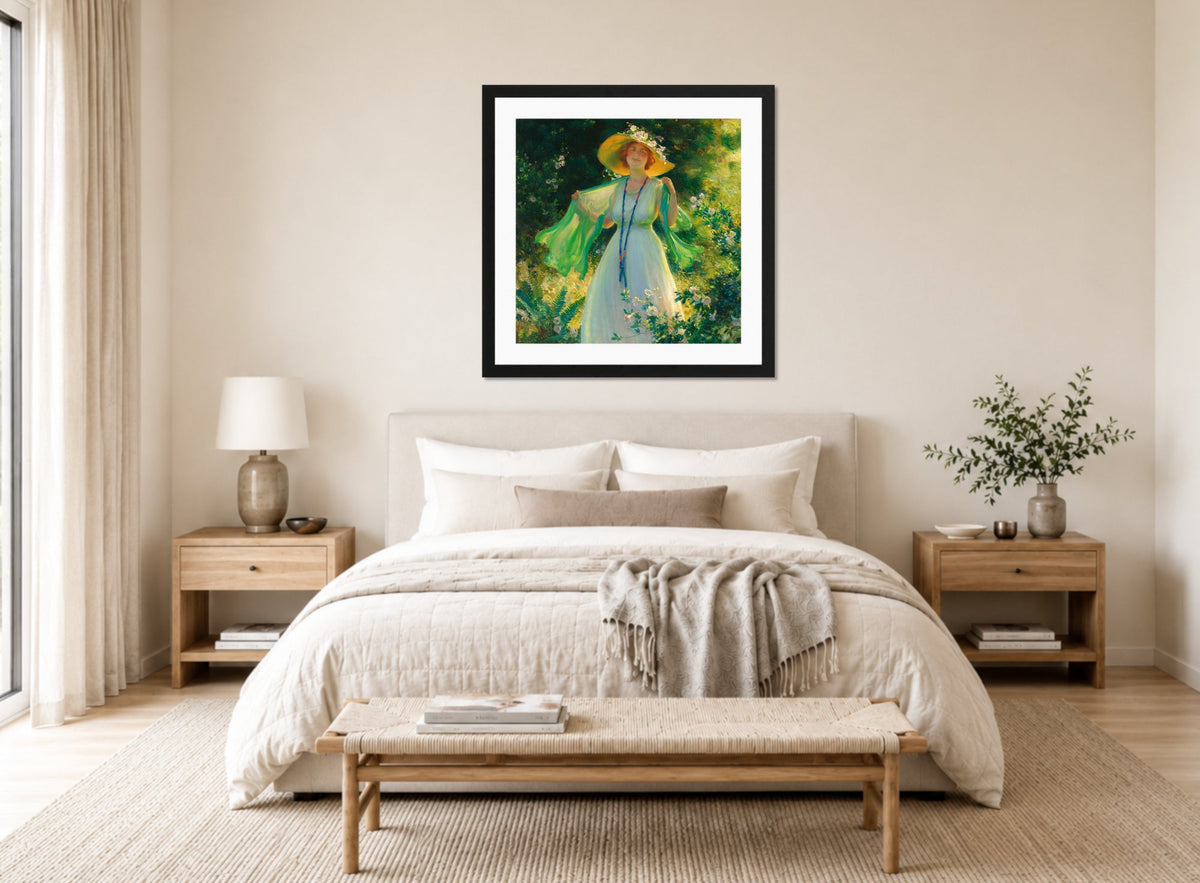
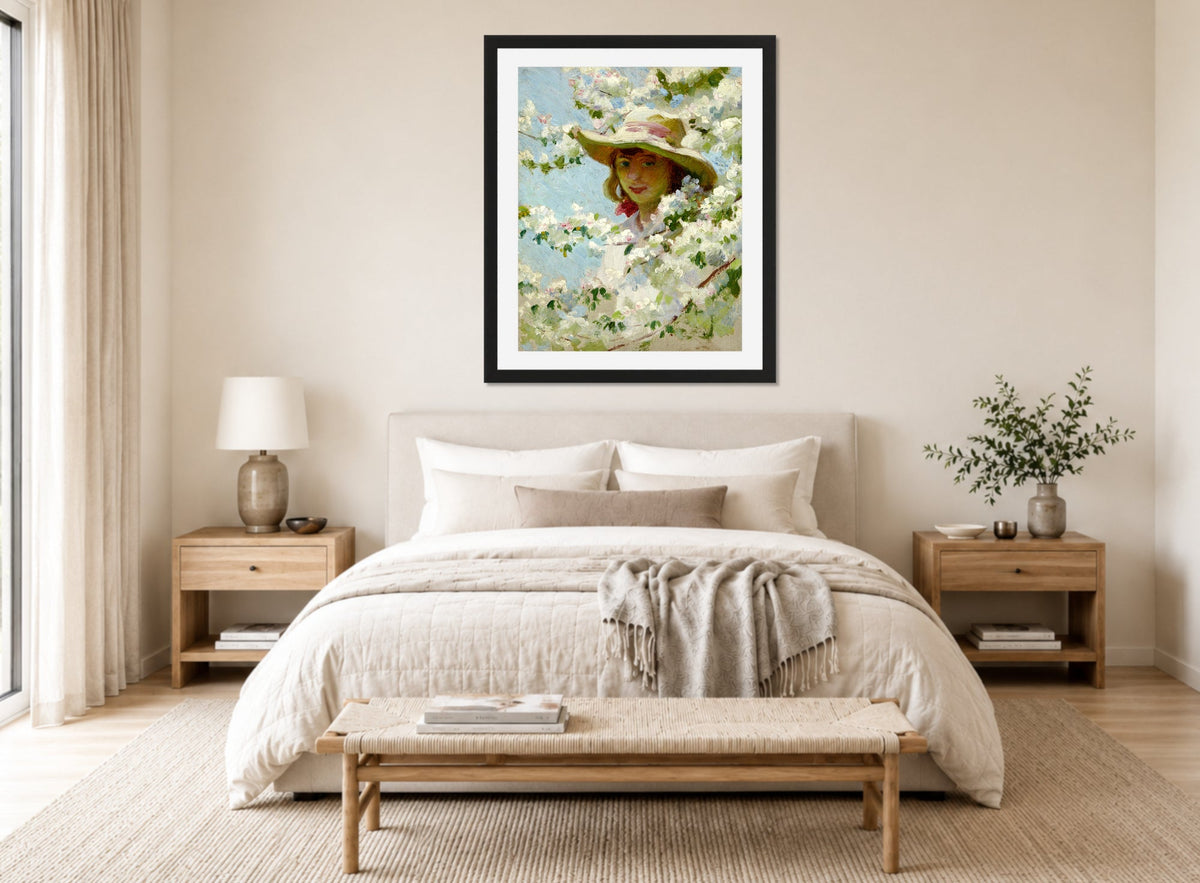
Bedrooms are particularly well suited to softer pink Impressionist art. Pale gardens, gentle portraits, floral paintings and quiet domestic interiors can introduce colour while preserving a restful atmosphere.
Berthe Morisot and Mary Cassatt are excellent choices for light, intimate interiors, while Monet garden scenes can add more natural colour. Frieseke offers a richer decorative approach, with figures surrounded by flowers, textiles and sunlit pattern.
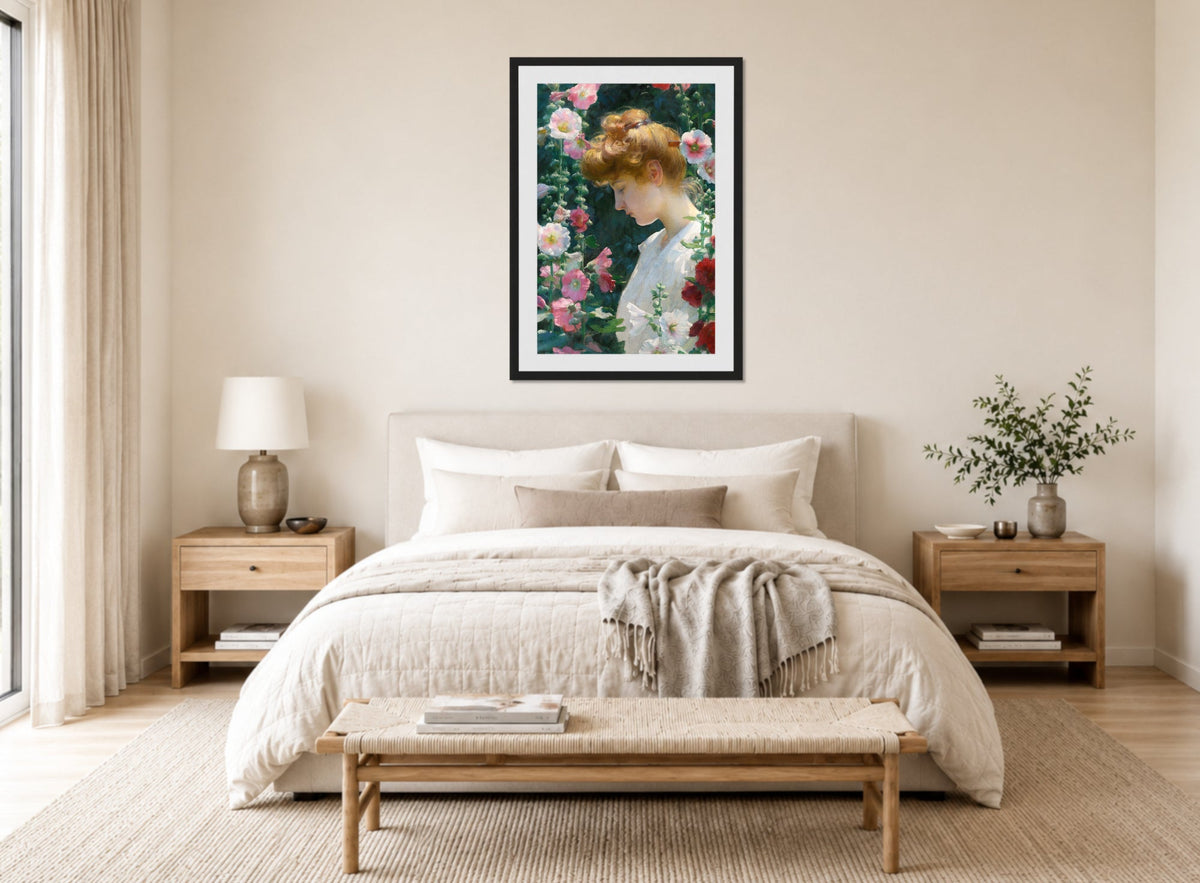
Pink Impressionist prints work beautifully with white bedding, linen, cream, sage green, pale grey and natural wood. Blush and dusty rose can produce a softer effect, while raspberry and deeper pinks add stronger contrast.
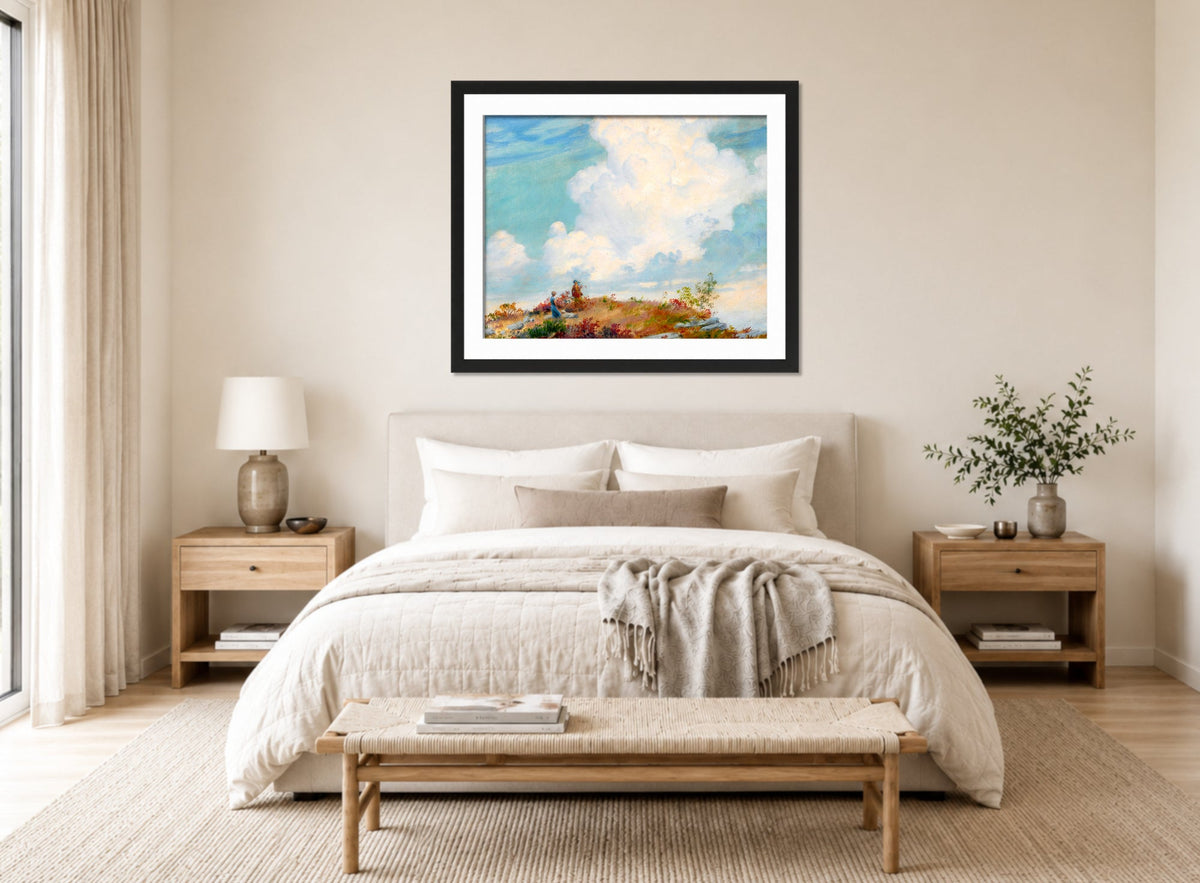
A large framed print above the bed creates a clear focal point. Two smaller works can form a balanced pair, while a group of related prints can create a more layered gallery wall.
Pink Impressionist Prints for Dining Rooms and Hallways
Dining rooms can accommodate richer pink paintings particularly well. Floral scenes, gardens and figure paintings bring colour and warmth while remaining versatile enough to work with changing table settings and decorative accessories.
A substantial Renoir or Monet print above a sideboard can anchor the room, while smaller works by Morisot, Cassatt or Gonzalès can create a more intimate display.
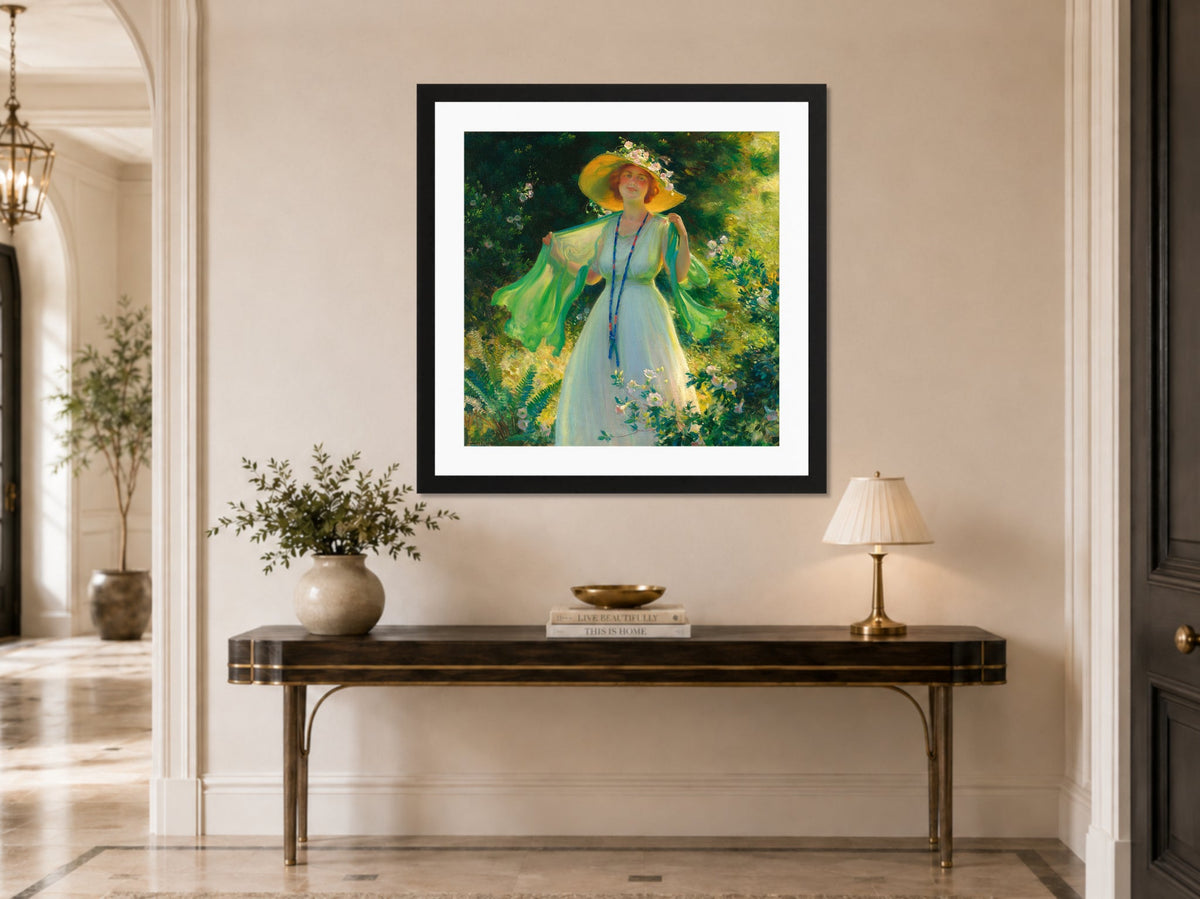
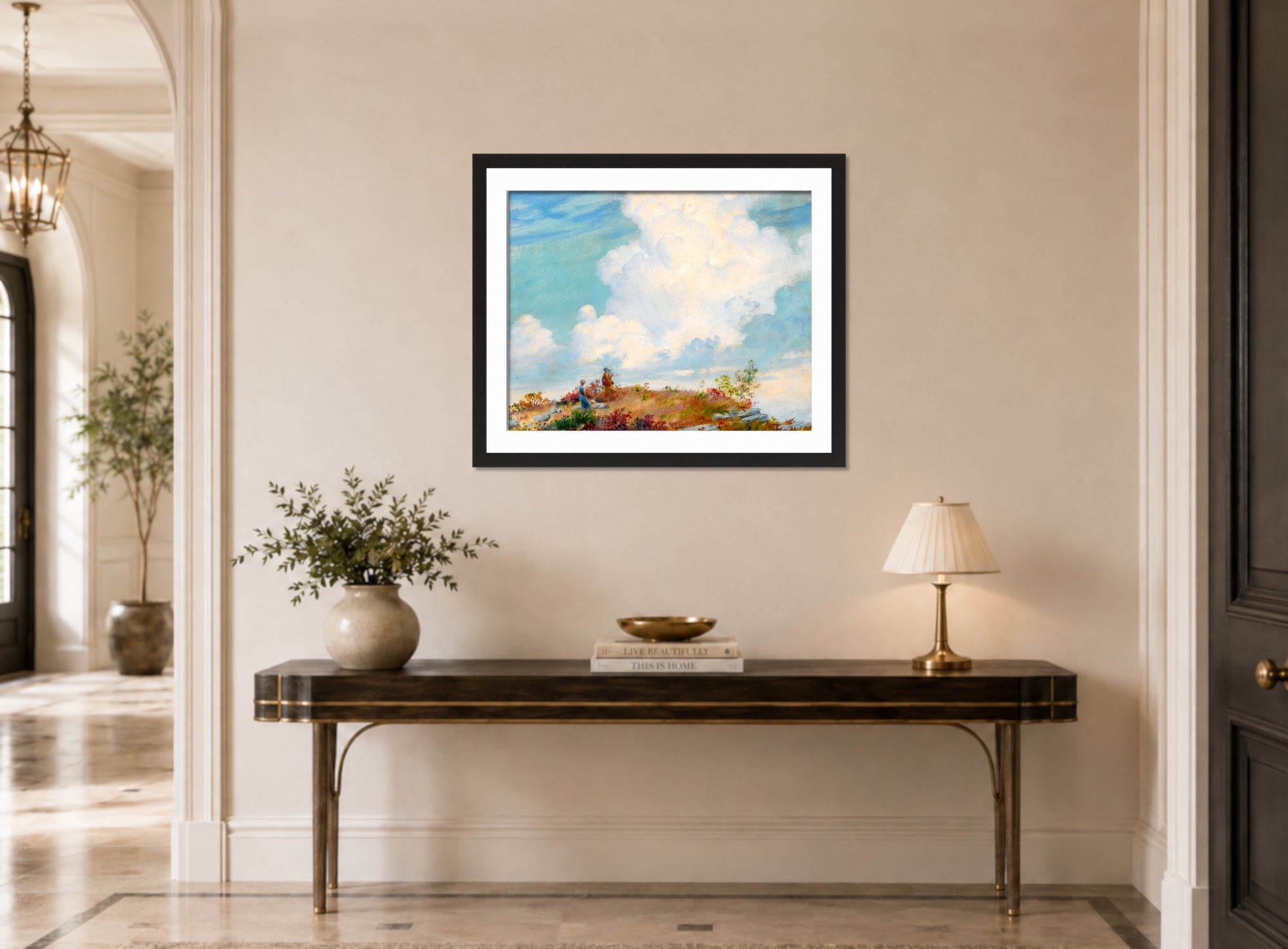
Hallways and stairways are excellent spaces for smaller framed Impressionist prints. A sequence of gardens, portraits and interiors can create visual continuity, particularly when the works share pink, blush or rose tones.
How to Style Pink Impressionist Wall Art
Start by looking at the particular shade of pink within the artwork. Pale blush and dusty rose pair naturally with cream, white, beige, sage green and pale grey. Coral and peach work well with warm neutrals, while deeper raspberry tones can hold their own against navy, charcoal and dark wood.
Green is one of the strongest companion colours for pink because it reflects the natural relationship between flowers and foliage. Monet and Frieseke garden paintings often demonstrate this combination directly.
Blue can make pink feel more sophisticated, particularly when the painting contains cool shadows or atmospheric background tones. Soft yellow and gold can add warmth, while black frames create greater definition and contrast.
You do not need to match the precise shade of pink to your furniture or textiles. Instead, repeat one or two secondary colours from the painting elsewhere in the room to establish a subtle connection.
Choosing the Right Size Pink Impressionist Print
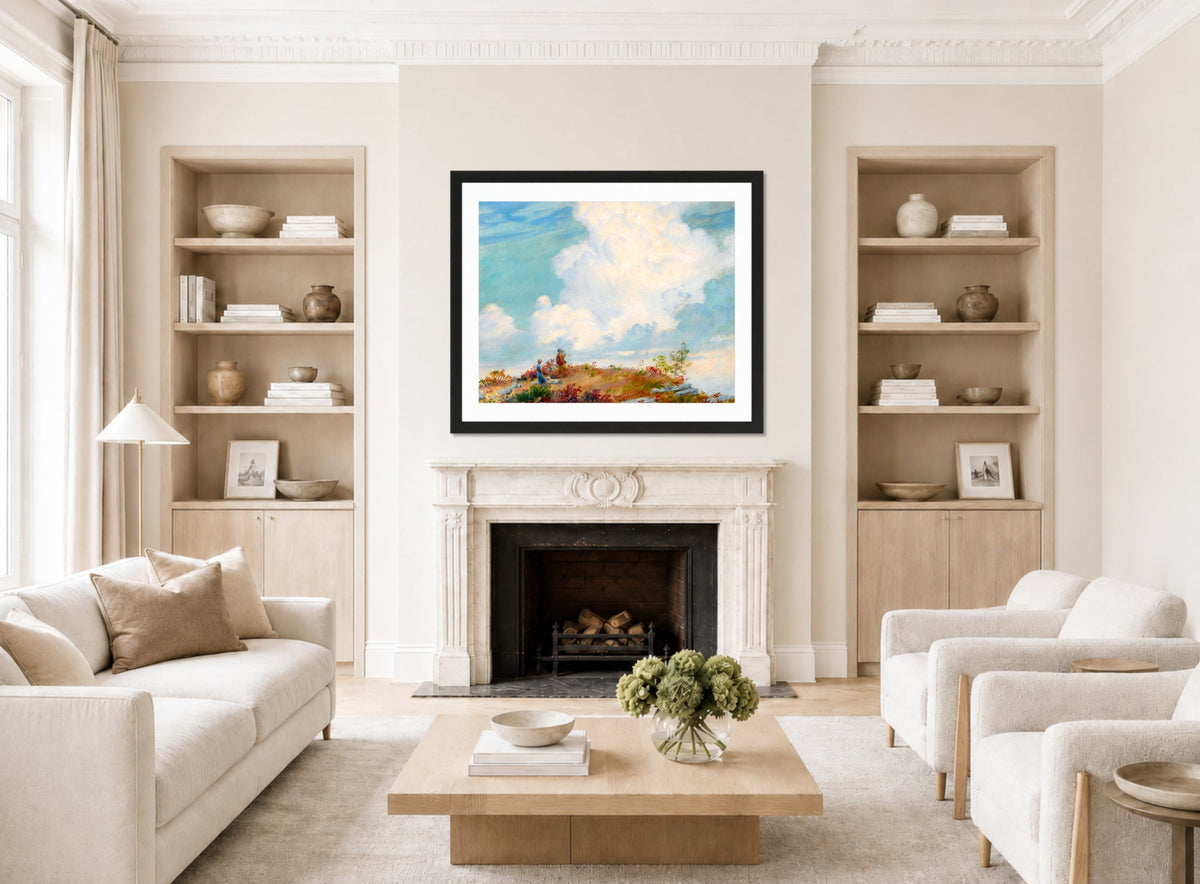
Large pink Impressionist prints work particularly well above sofas, beds, fireplaces and sideboards. A substantial garden or figure painting can create the main focal point of a room and allow the colour, brushwork and composition to be appreciated fully.
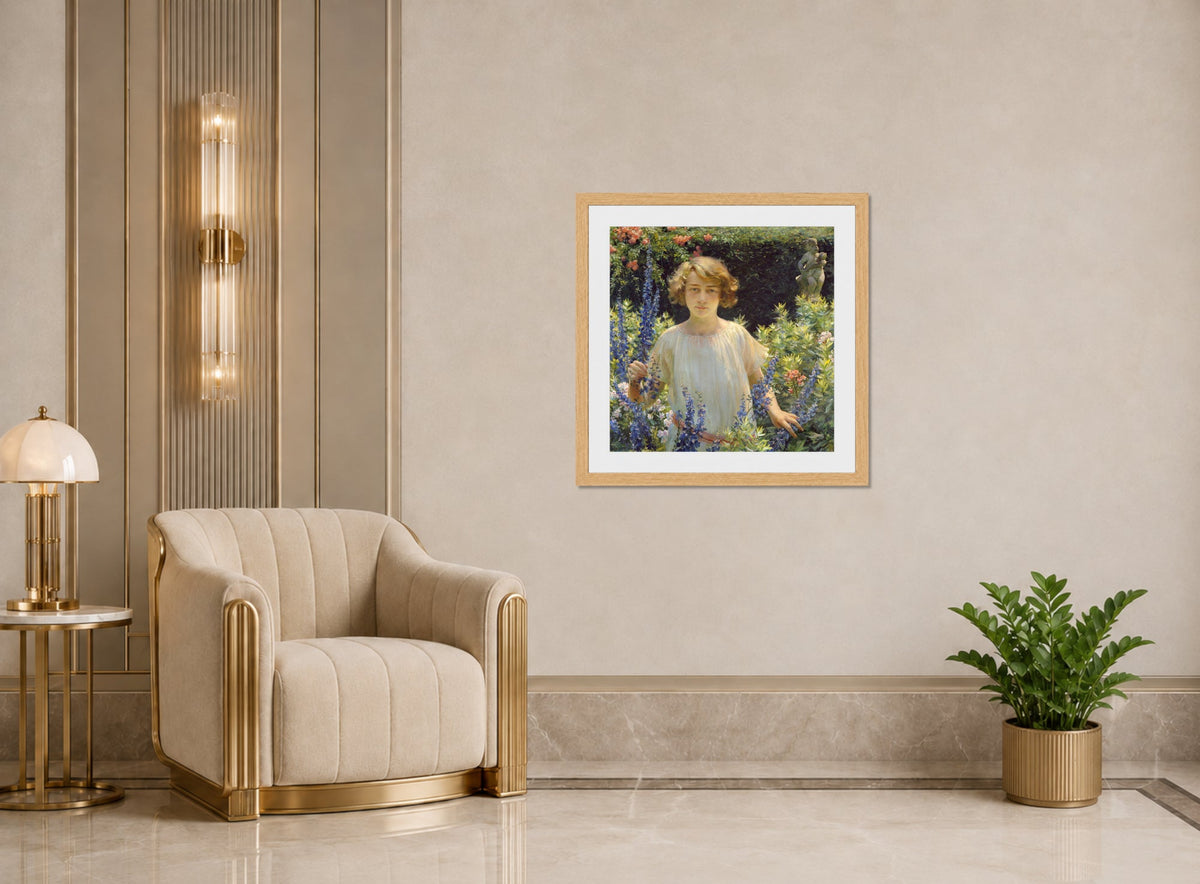
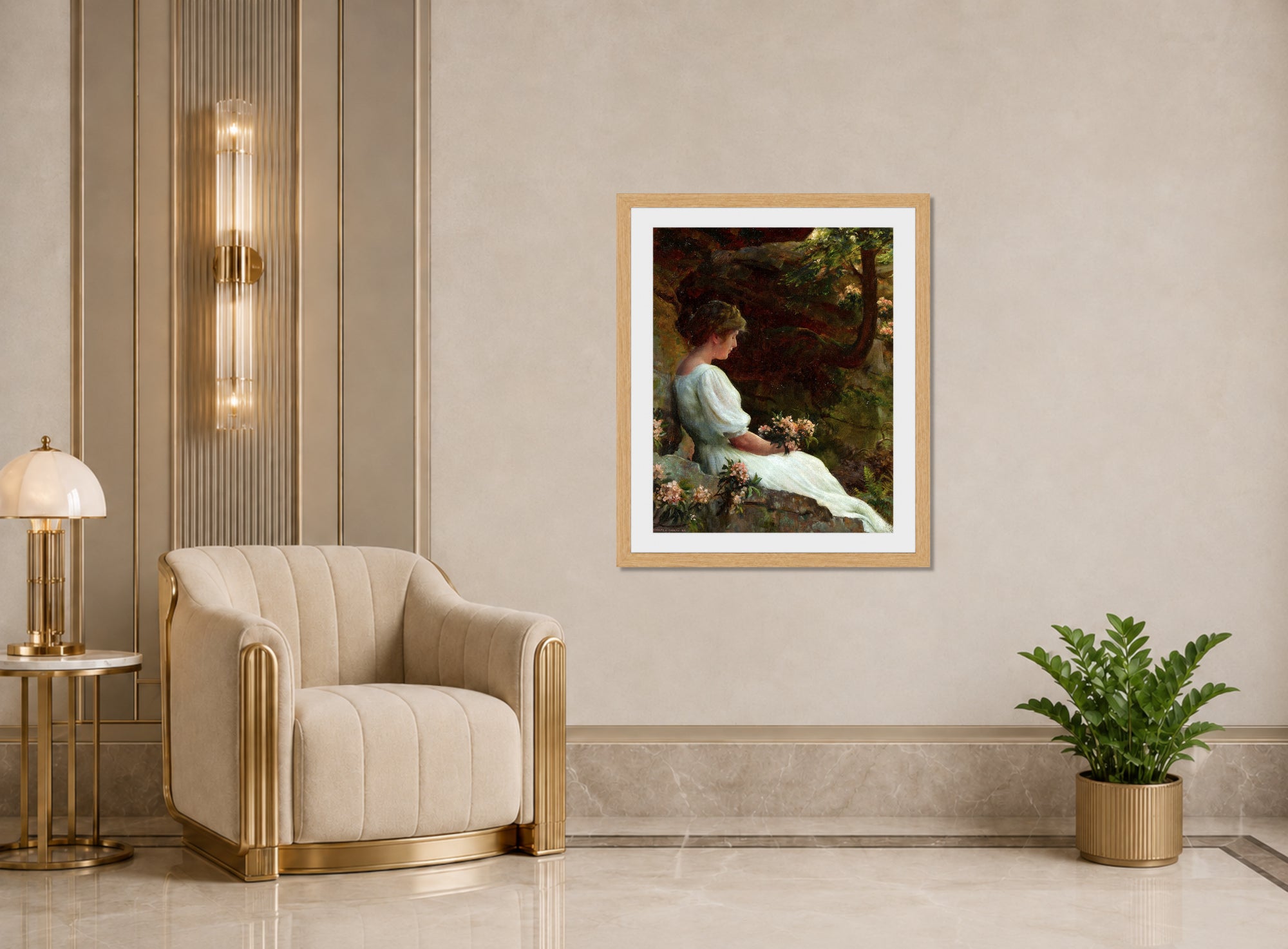
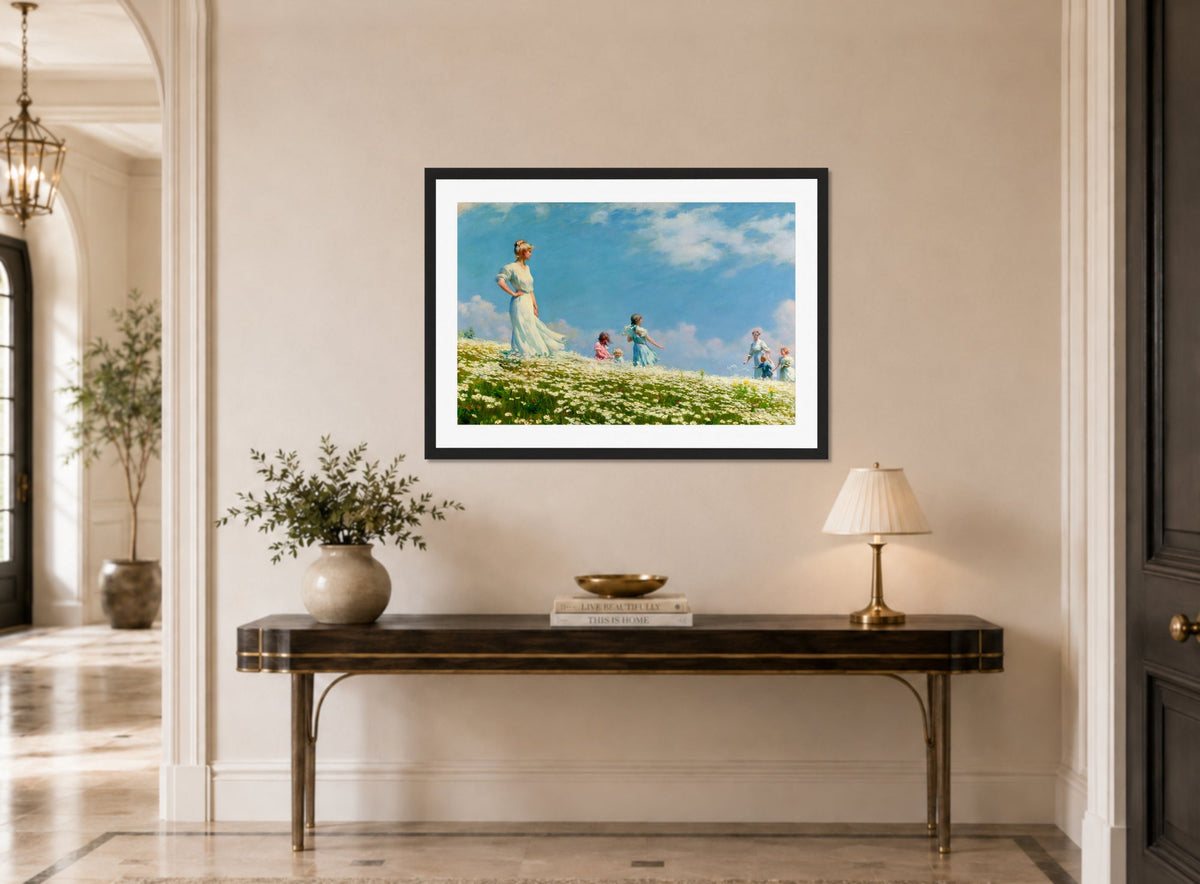
Medium-sized framed prints are useful above desks, consoles and smaller pieces of furniture. They can also be displayed in pairs where two works share a similar palette or subject.
Smaller Impressionist prints are ideal for gallery walls. You might combine portraits by Morisot and Cassatt, garden paintings by Monet and Frieseke or a varied selection united by pink, rose and blush tones.
Consistent frames can help create visual unity, particularly when combining paintings by several artists or from different periods.
Fine Art Prints, Framed Prints and Canvas Panels
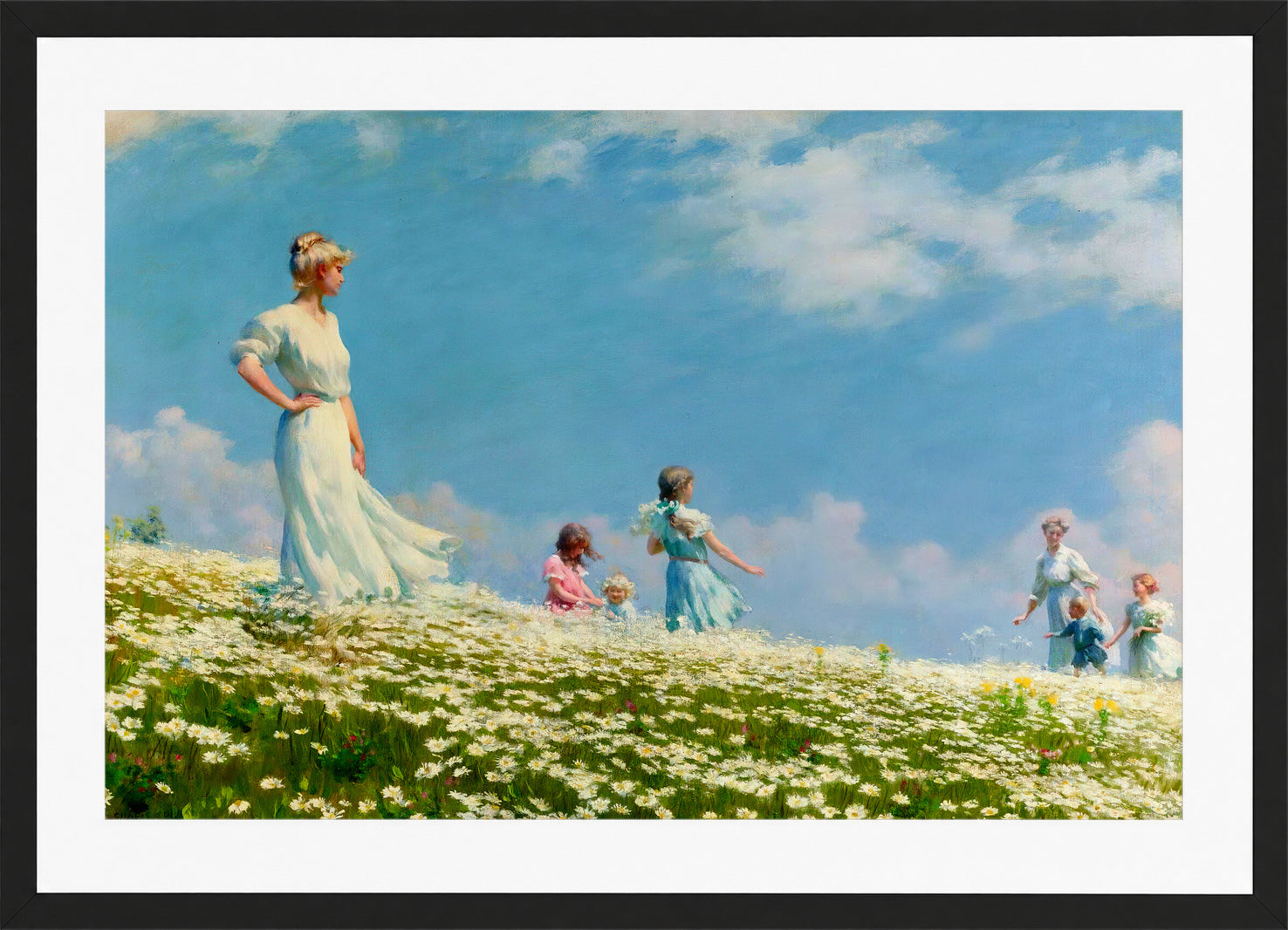
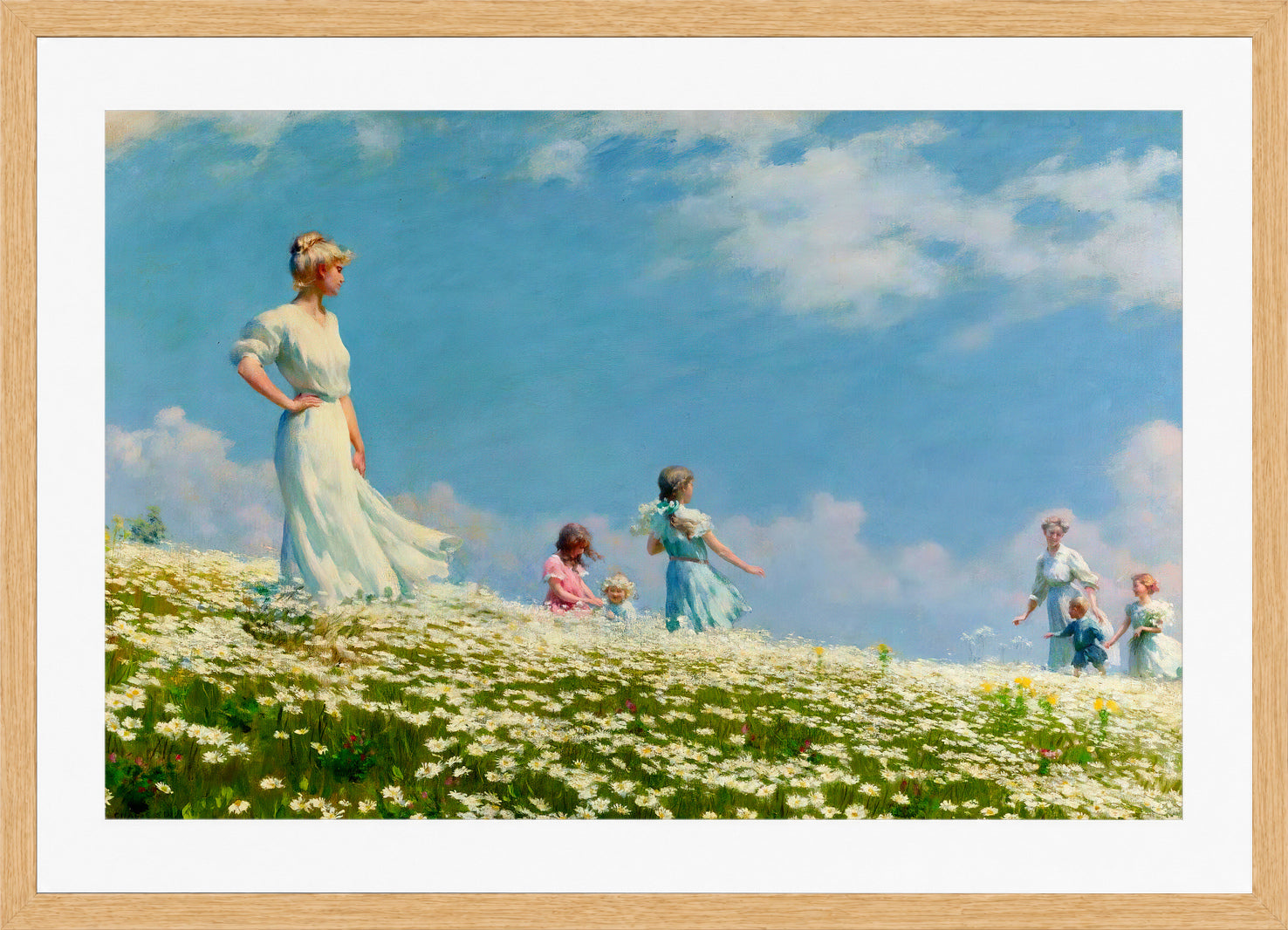
GalleryThane pink Impressionist artwork is available across a range of formats and sizes. Choose an unframed fine art paper print if you want the flexibility to select your own frame, a framed print for a complete gallery-style presentation, or a canvas panel for a clean, ready-to-hang finish.
Our prints, frames and canvas panels are handmade in our Nottinghamshire workshop using carefully selected fine art papers, UV-stabilised pigment inks and quality framing materials. Free UK delivery is available on all orders, with fast, tracked international shipping also available.
Frequently Asked Questions
What are pink Impressionist prints?
Pink Impressionist prints reproduce paintings in which pink plays an important visual role, including gardens, flowers, portraits, figure paintings, landscapes and domestic interiors. Shades can range from pale blush and peach to rose, coral, mauve and deeper raspberry pink.
Which Impressionist artists are famous for pink paintings?
Claude Monet, Pierre-Auguste Renoir, Berthe Morisot and Mary Cassatt all used pink in distinctive ways. Frederick Carl Frieseke also created many luminous garden and interior paintings featuring pink dresses, flowers and decorative colour.
What are the best pink Monet prints?
Monet's Giverny garden paintings, rose-covered house views, flower gardens and many Water Lilies compositions feature beautiful pink tones. Some works are dominated by pink flowers, while others use pink as a luminous accent among greens, blues and purples.
Are pink Impressionist prints suitable for living rooms?
Yes. Pink Impressionist gardens, portraits and figure paintings can bring warmth and colour to a living room. Large works by Monet, Renoir and Frieseke are especially effective above sofas, fireplaces and sideboards.
Are pink Impressionist prints good for bedrooms?
Yes. Soft pink gardens, portraits and intimate interiors can create a calm and elegant bedroom atmosphere. Pale blush, dusty rose and muted pink work especially well with white, cream, sage green, grey and natural wood.
What colours go well with pink Impressionist art?
Pink Impressionist prints work beautifully with white, cream, beige, grey, green, navy, soft blue, gold tones and natural wood. The best pairing depends on whether the painting uses pale blush, warm coral or deeper raspberry shades.
Should I choose a framed pink Impressionist print or a canvas panel?
Choose a framed print for a structured, gallery-style presentation that emphasises detail and gives the artwork a finished appearance. Choose a canvas panel for a cleaner, frameless look that can work particularly well with larger, painterly garden and figure compositions.
What size pink Impressionist print should I choose?
Large prints are ideal above sofas, beds and sideboards, while medium-sized works suit smaller walls and furniture. Smaller Impressionist prints can be displayed in pairs, rows or gallery wall arrangements.