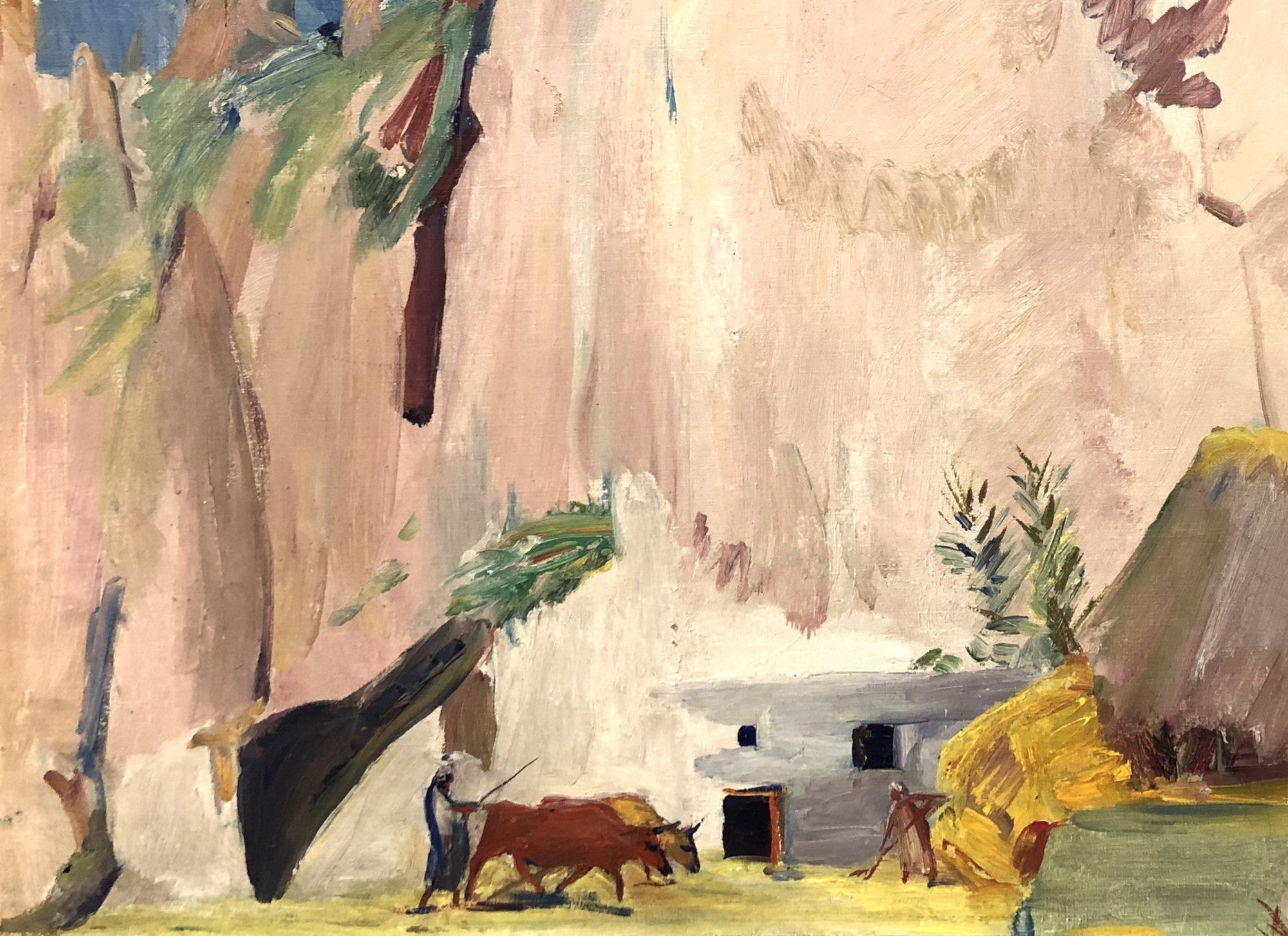
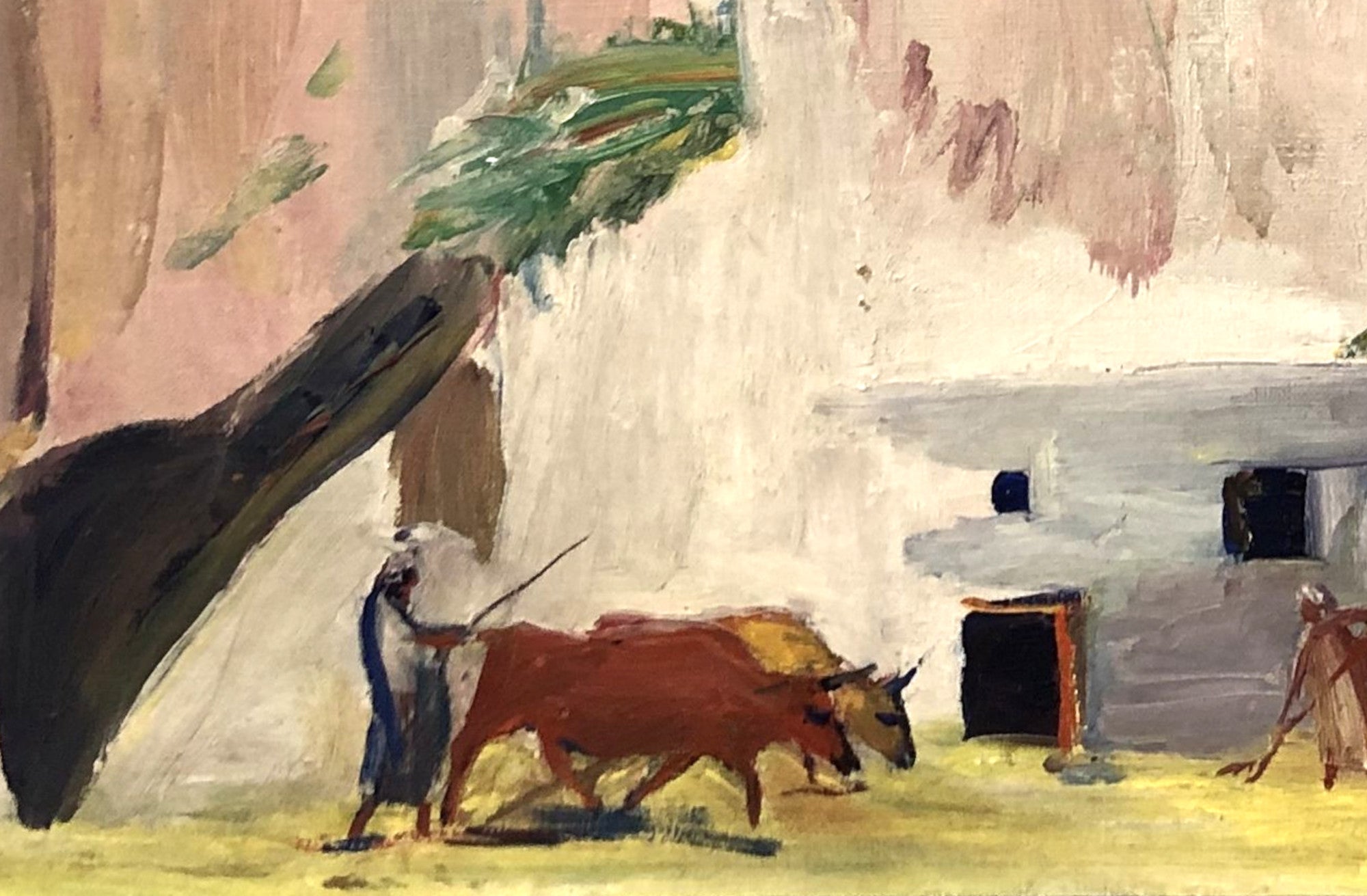
Martiros Sarian
Discover the vivid landscapes, sunlit gardens and richly coloured still lifes of one of Armenia’s most celebrated modern painters. This collection of Martiros Sarian prints brings together expressive artworks inspired by Armenia’s mountains, orchards, villages and distinctive southern light.
Also widely known as Martiros Saryan, the artist developed an instantly recognisable style defined by radiant colour, simplified forms and rhythmic composition. Browse Armenian landscape prints, Mount Ararat wall art, colourful garden paintings and modern still life prints available in a choice of sizes and presentation options, including fine art paper prints, framed prints and ready-to-hang canvas panels.
Martiros Sarian Prints and Armenian Wall Art
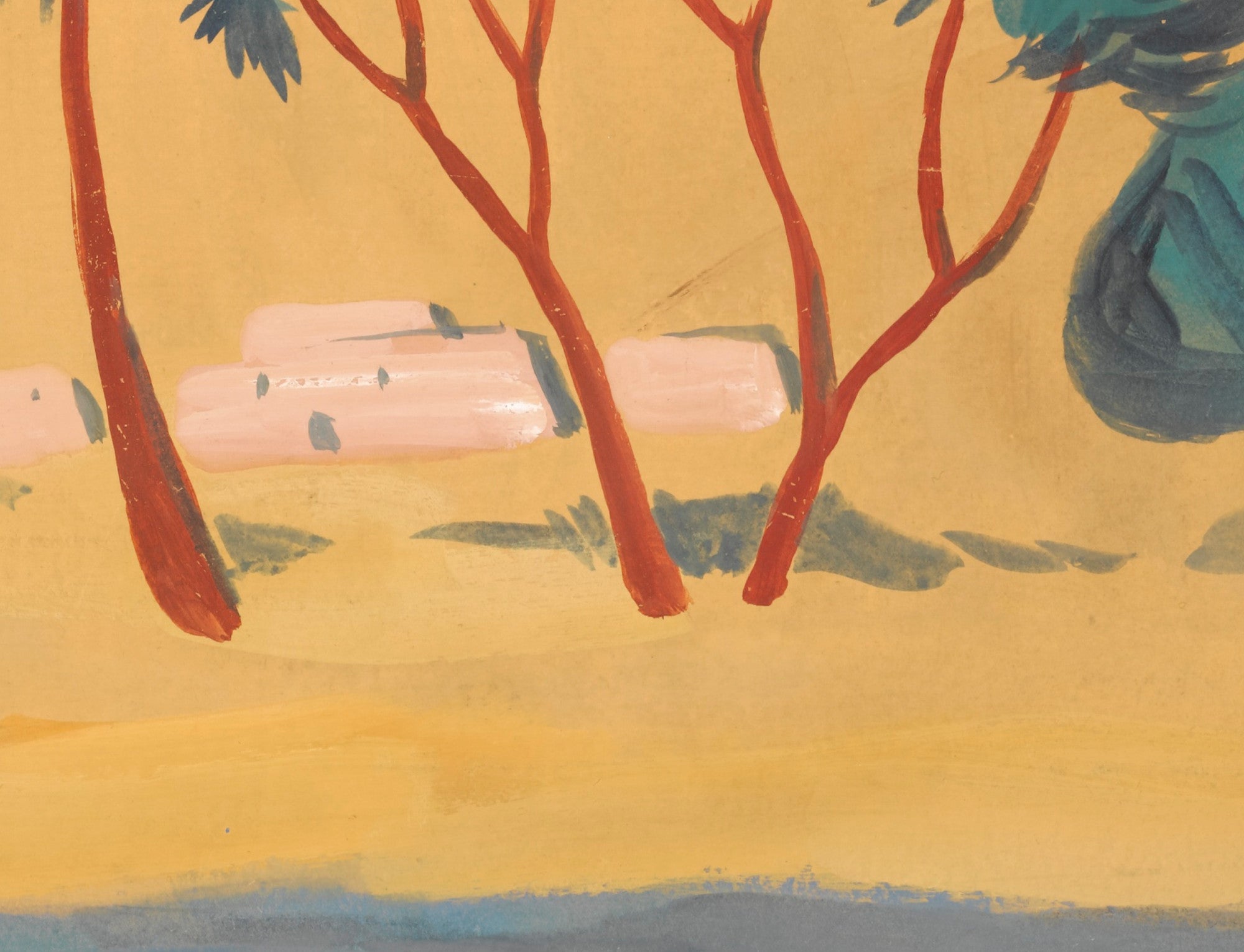
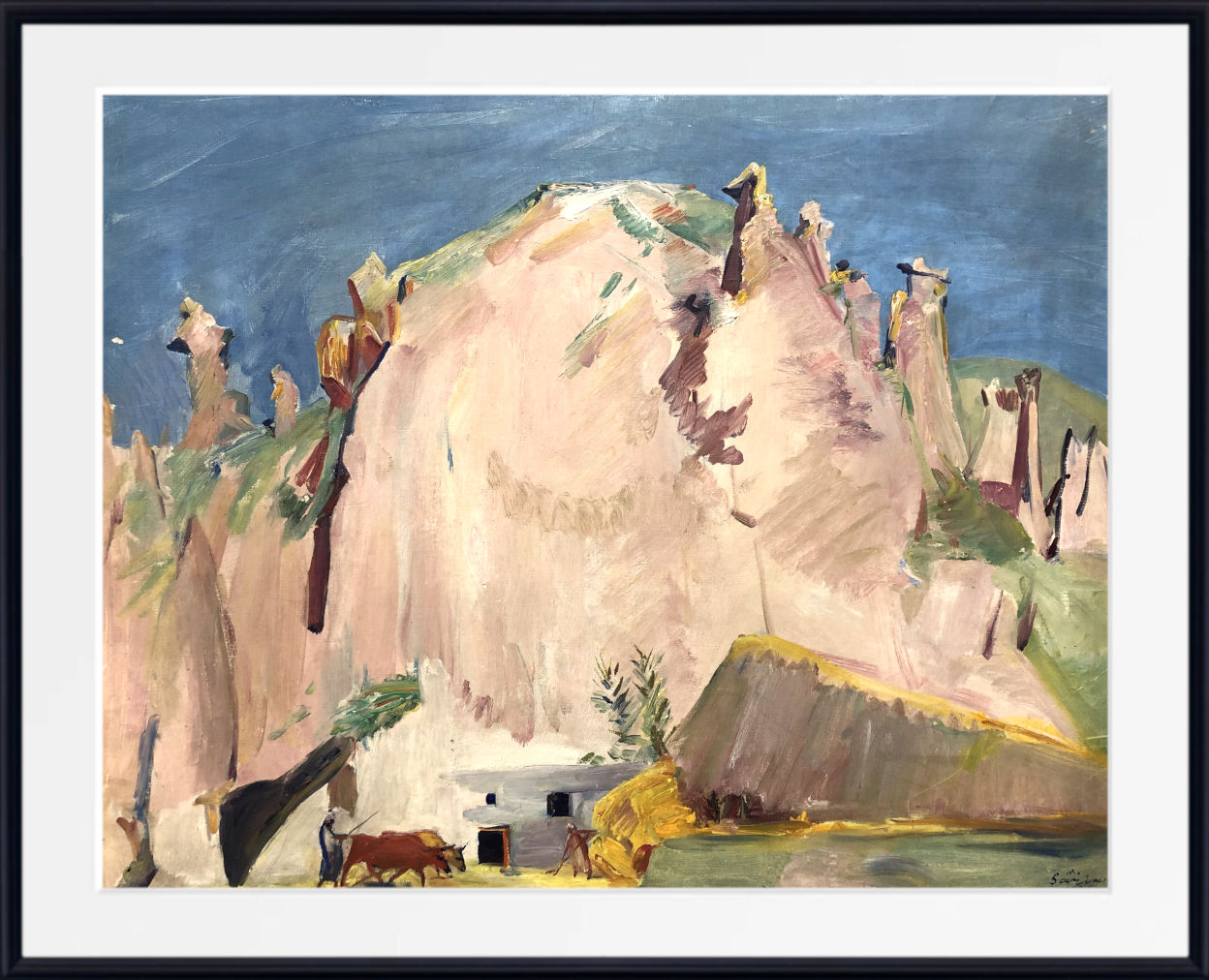
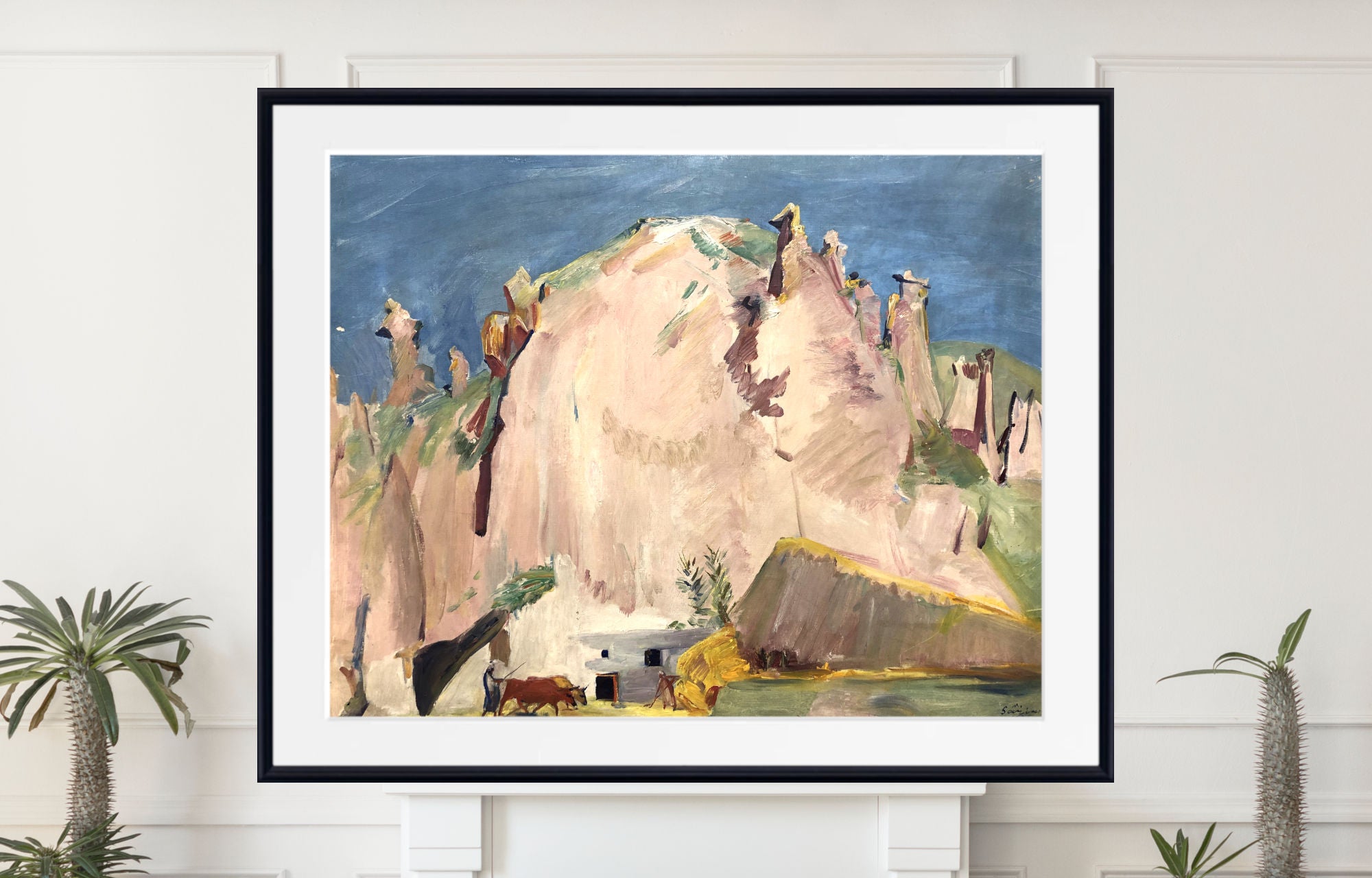
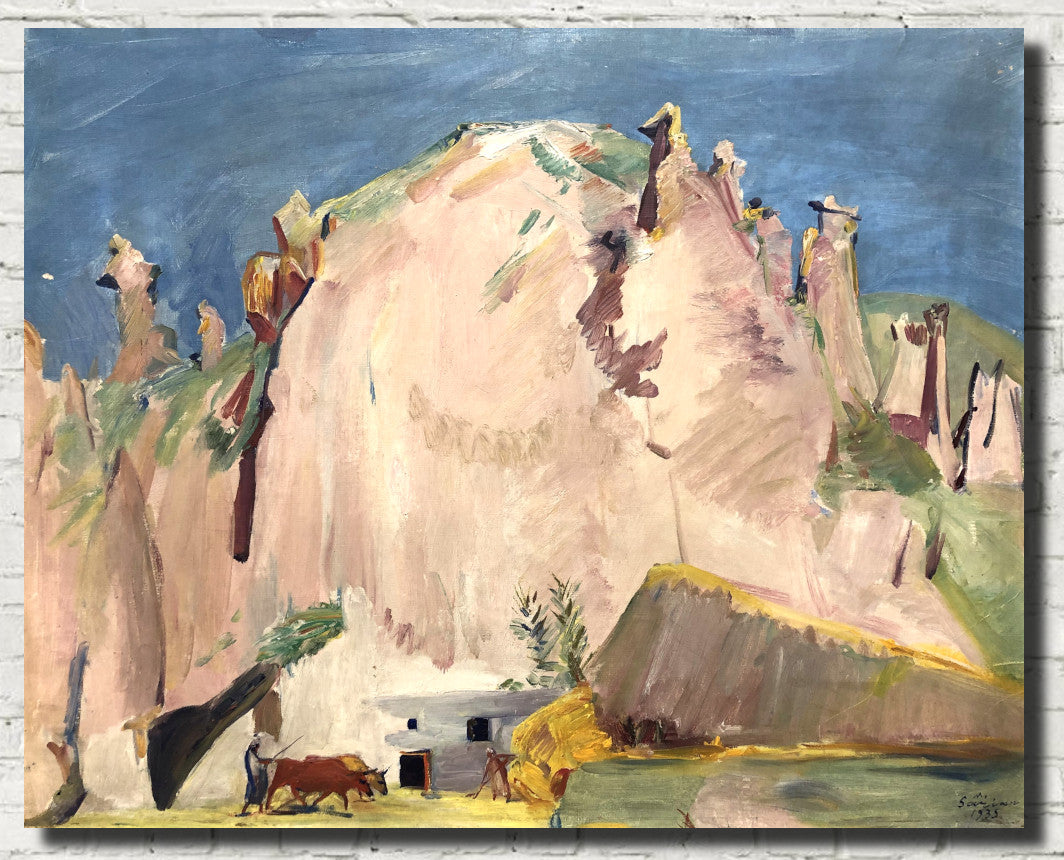
Martiros Sarian transformed the scenery of Armenia into paintings filled with warmth, optimism and intense colour. Mountains become sweeping areas of blue and violet, trees are reduced to strong decorative shapes, and villages appear beneath clear skies illuminated by brilliant sunlight.
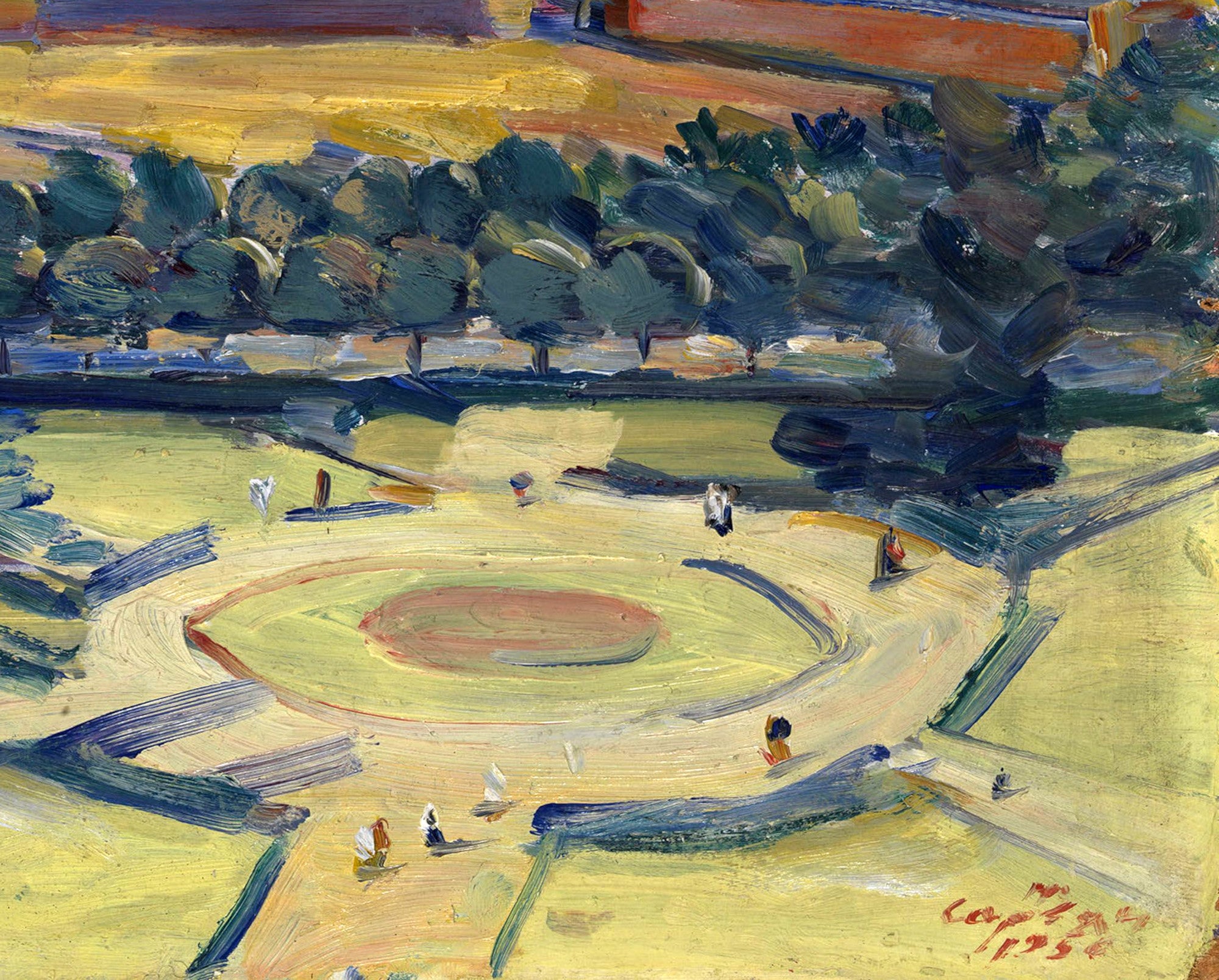
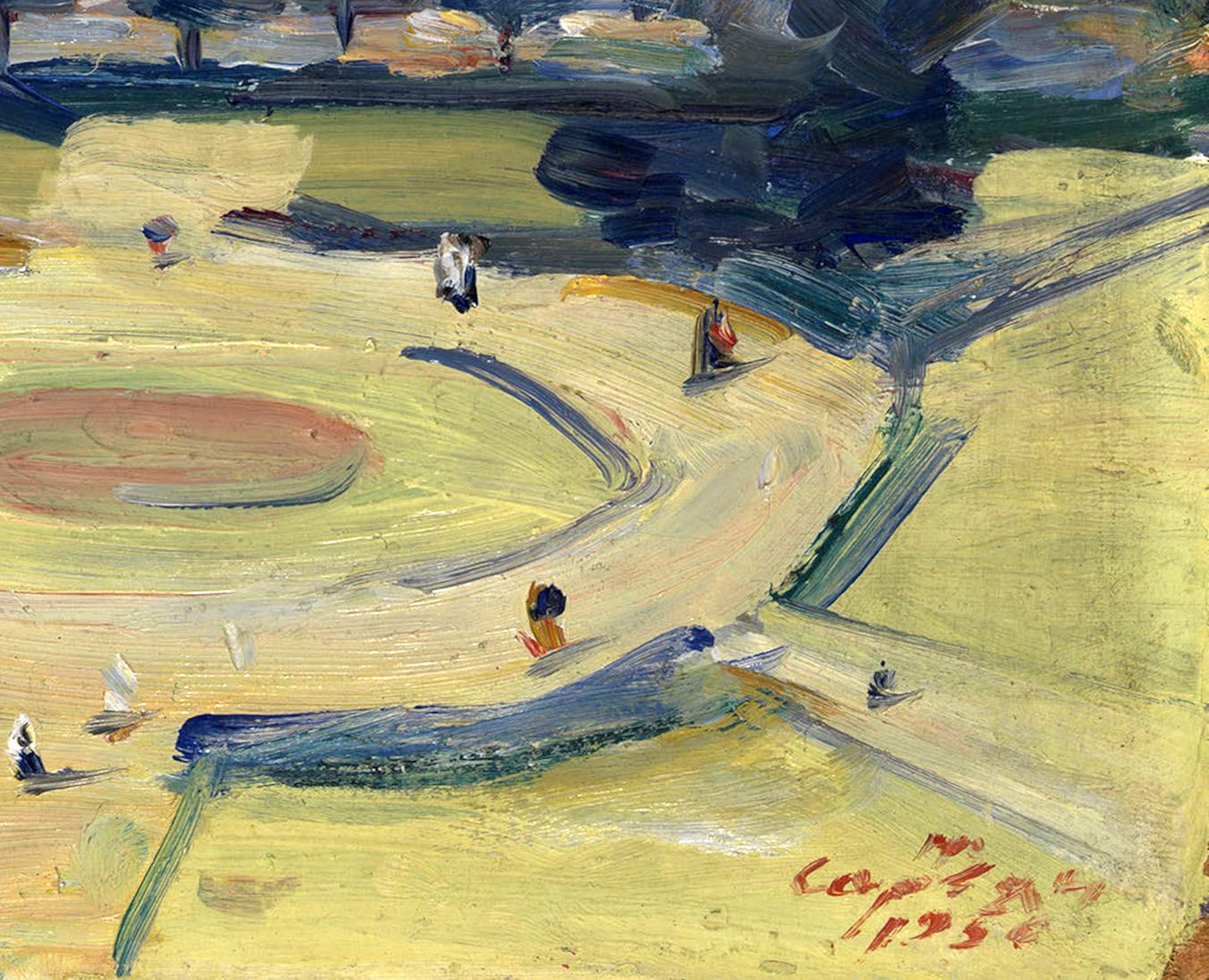
Rather than reproducing nature with strict realism, Sarian used colour to communicate memory, atmosphere and emotional attachment to place. His work combines elements of European modernism with the landscapes, culture and visual traditions of Armenia, creating a personal style that remains distinctive within twentieth-century art.
These Martiros Sarian art prints are ideal for collectors seeking colourful modern art with a strong sense of identity. They can bring warmth and personality to living rooms, dining rooms, bedrooms, hallways, offices and creative spaces, whether displayed as individual statement pieces or combined in a gallery wall.
Explore Highlights from the Collection
Armenian Mountains and Landscapes
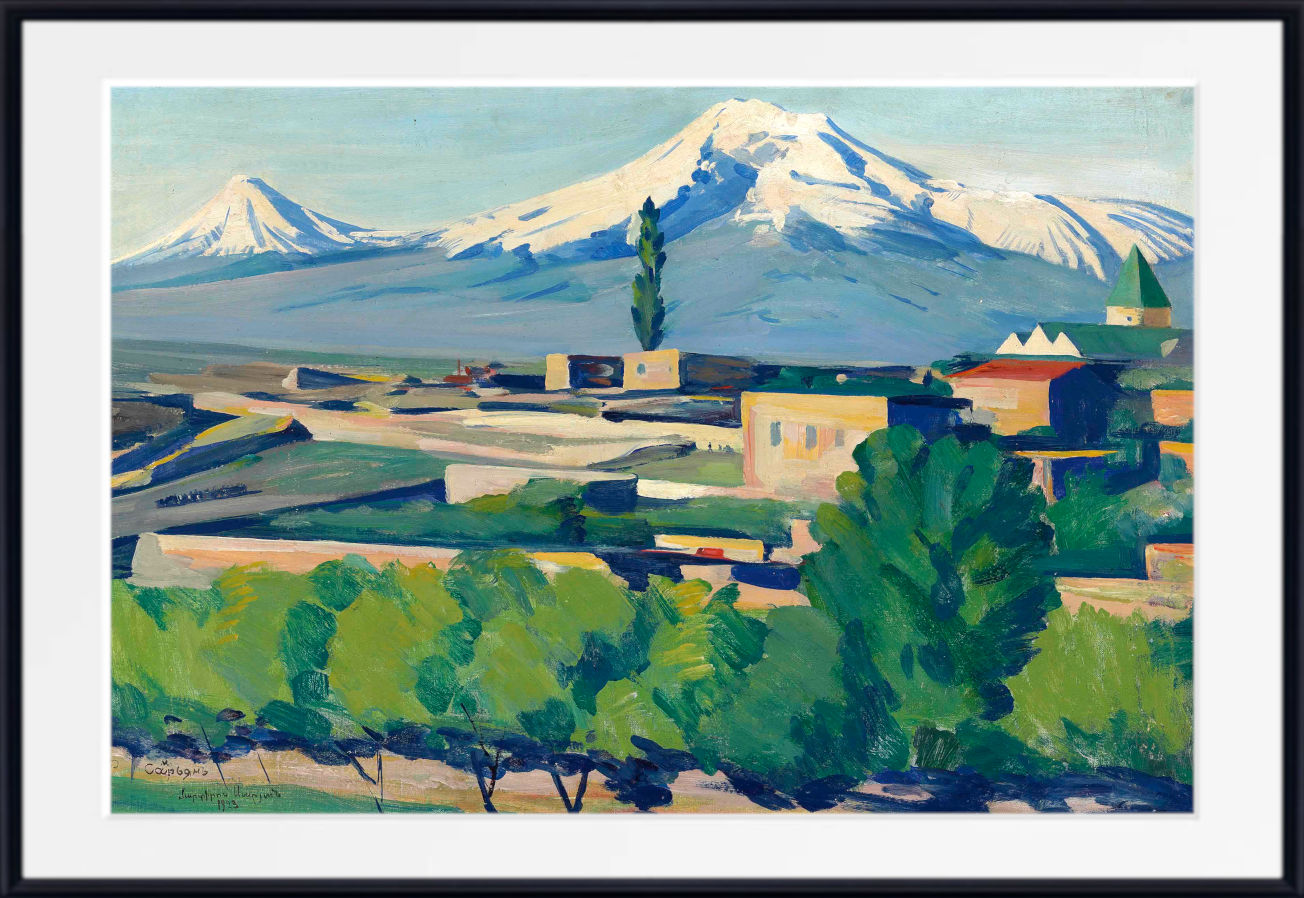
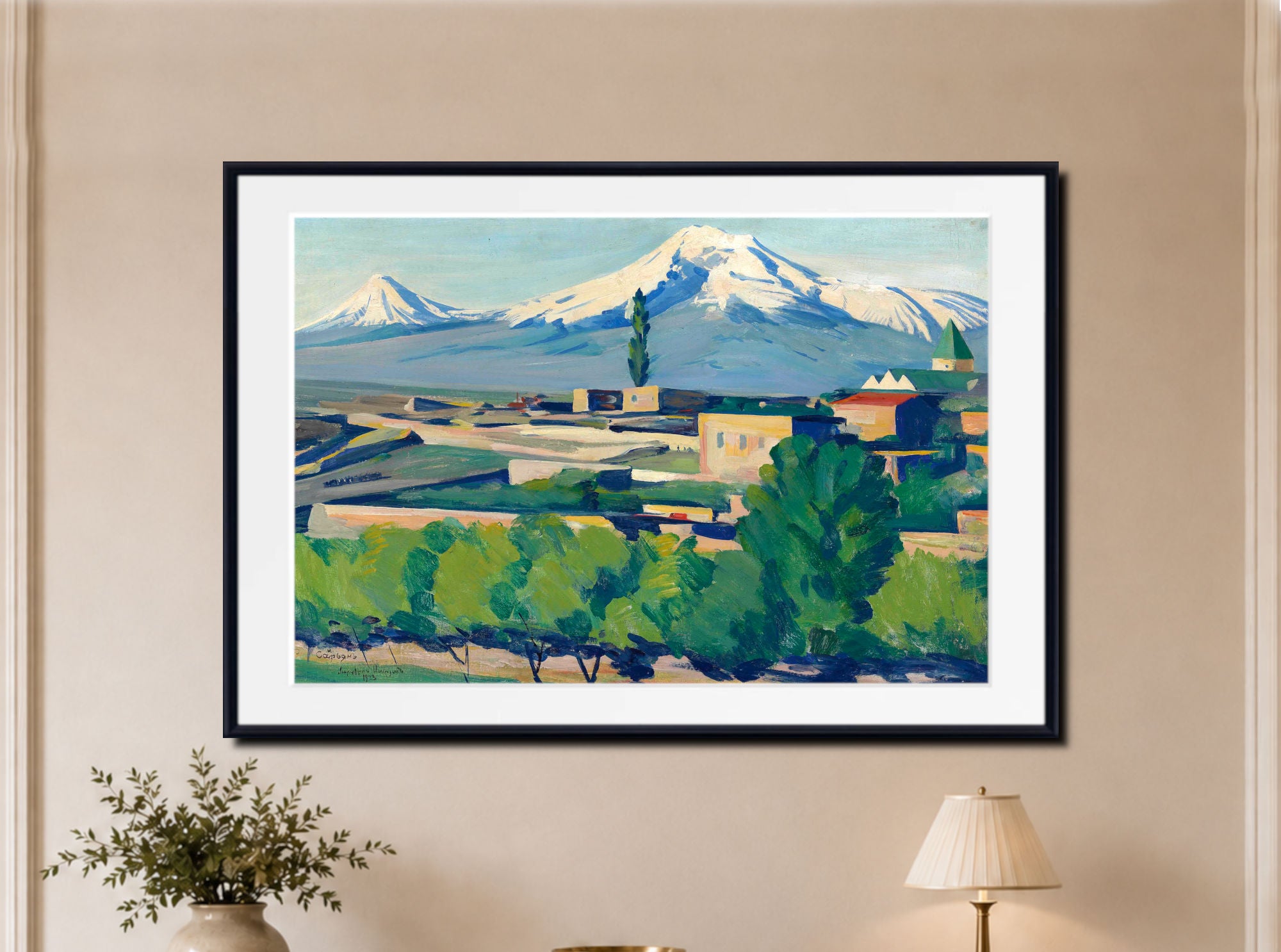
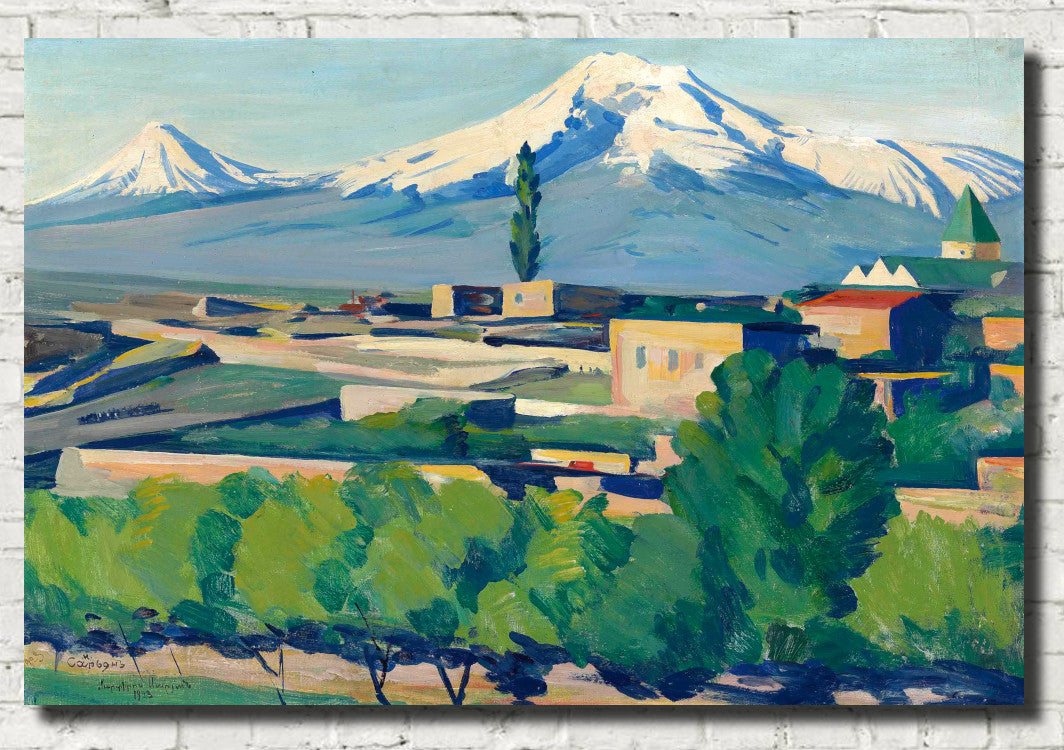
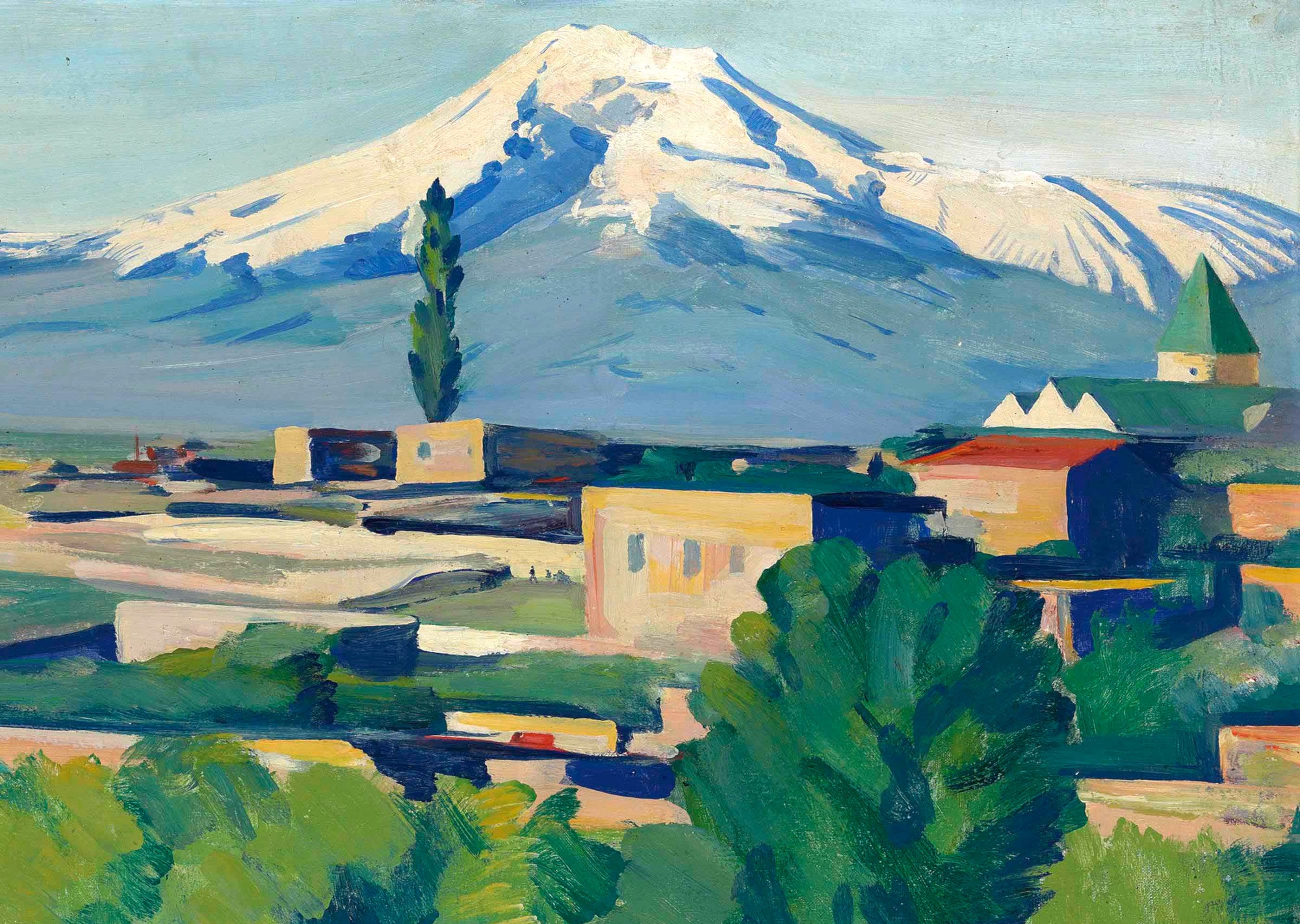
Sarian’s landscapes express his enduring connection with Armenia. In View of Mount Ararat from Yerevan, the famous mountain rises beyond a luminous landscape of fields, trees and city buildings. The painting’s rich blues, greens and warm earth colours make it a striking choice for anyone searching for a Mount Ararat print or Armenian mountain wall art.
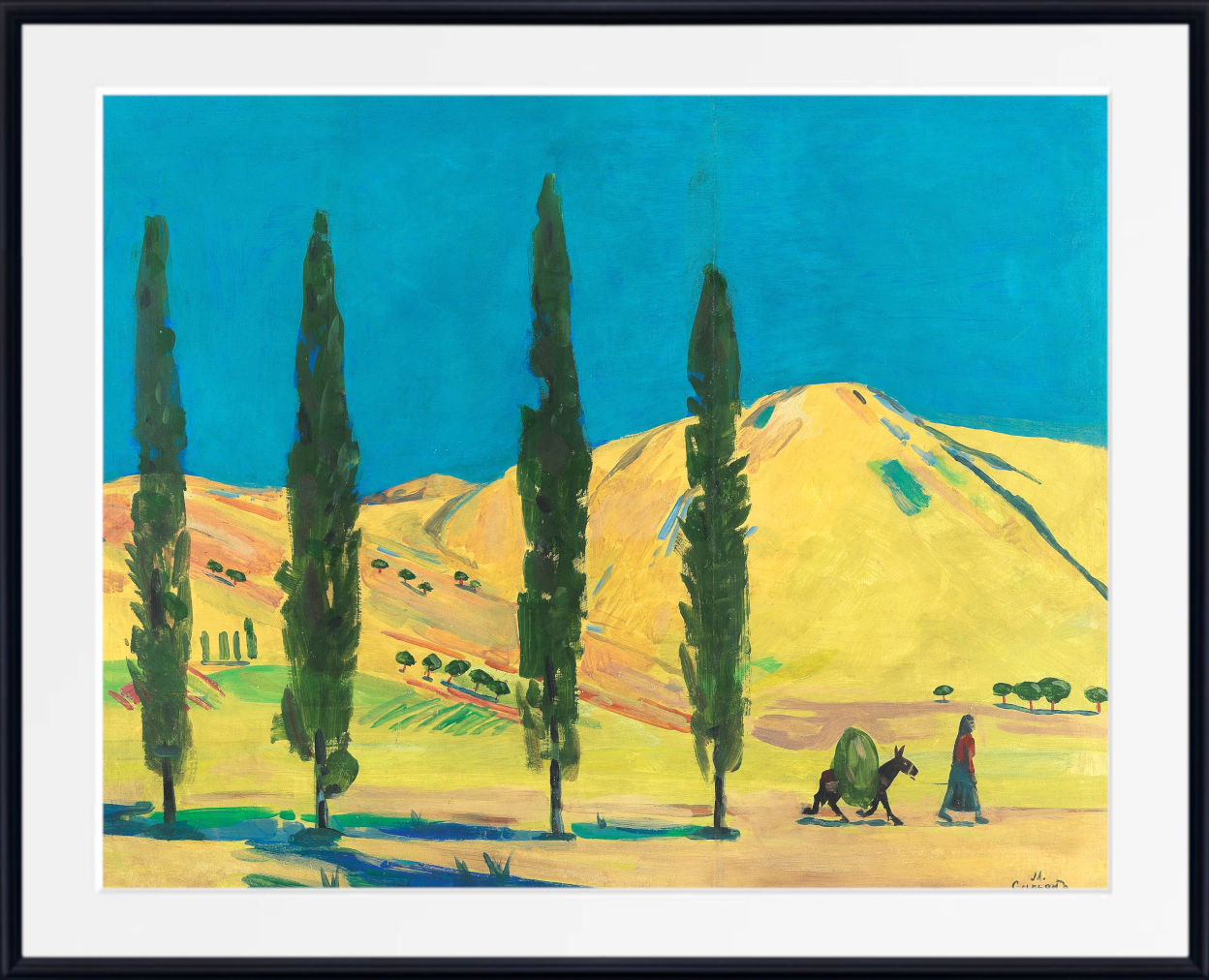
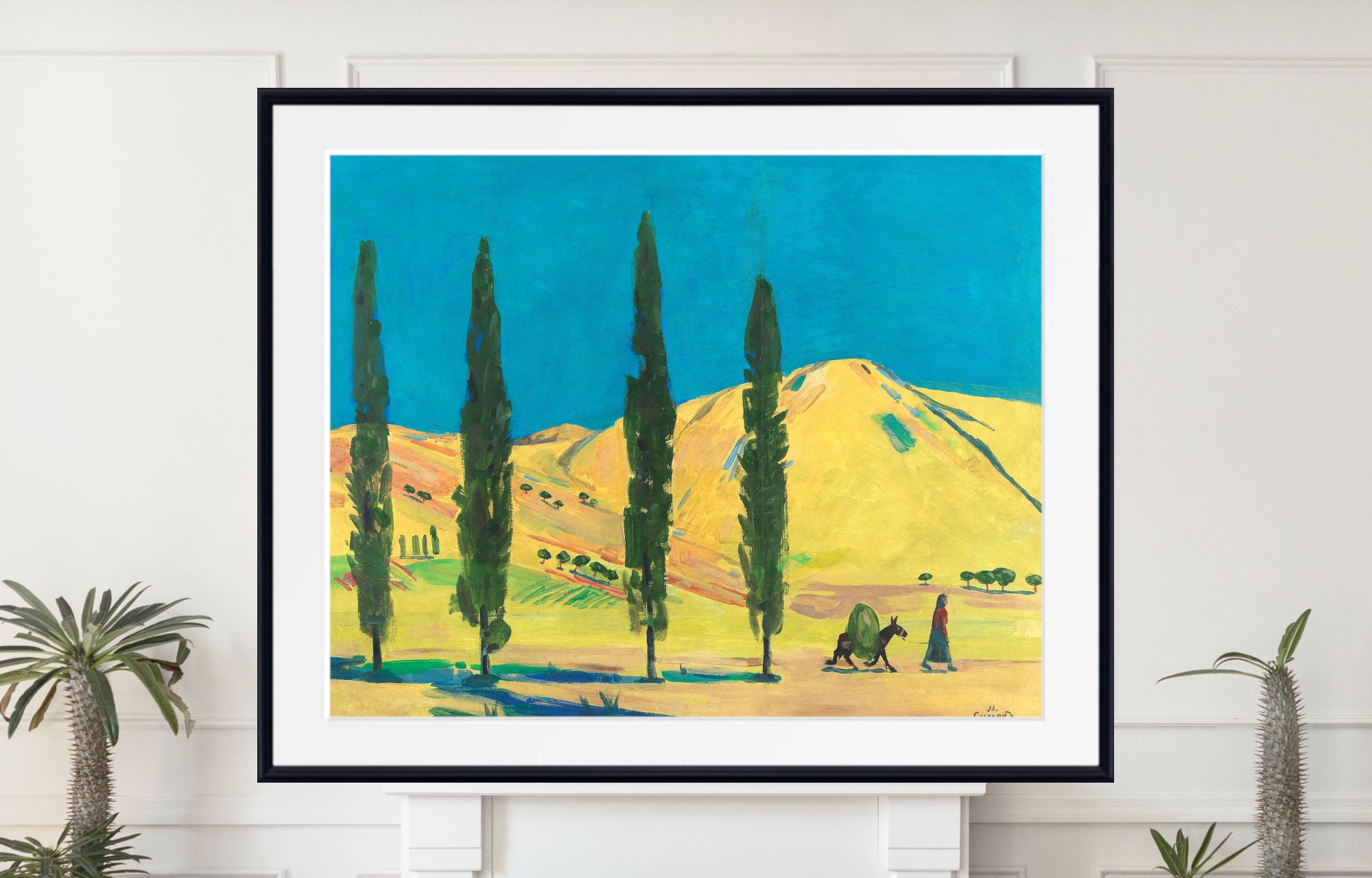
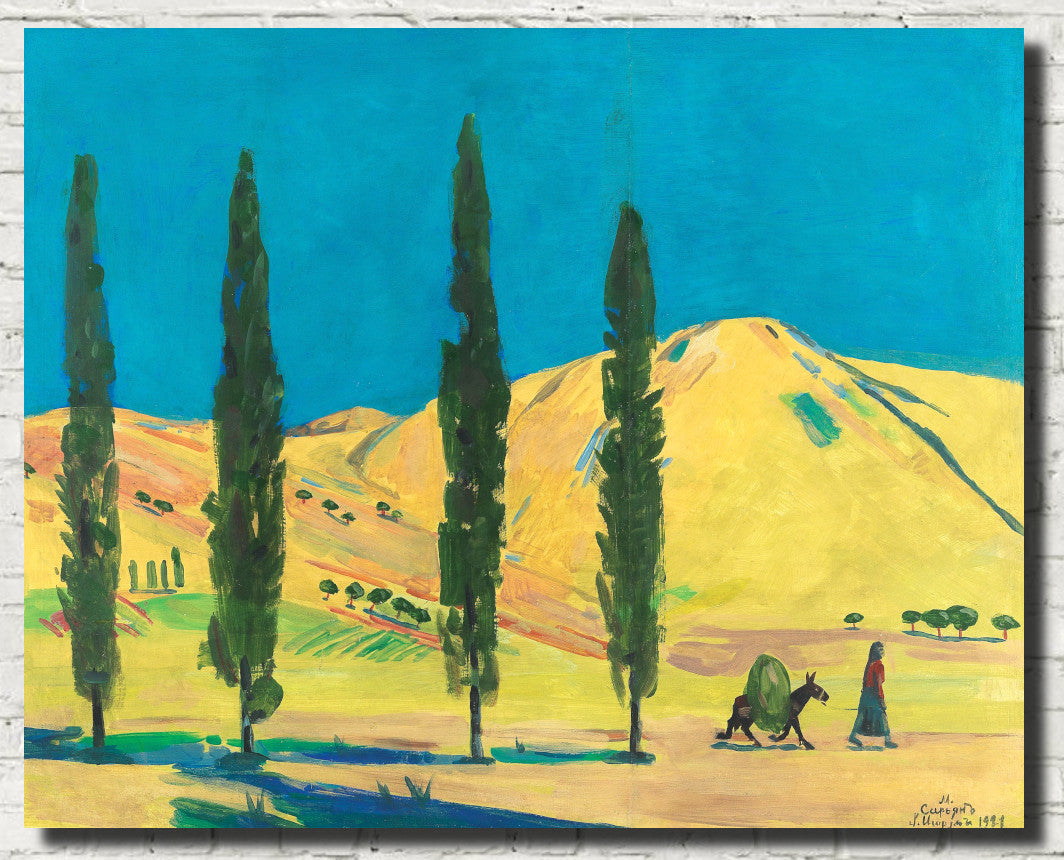
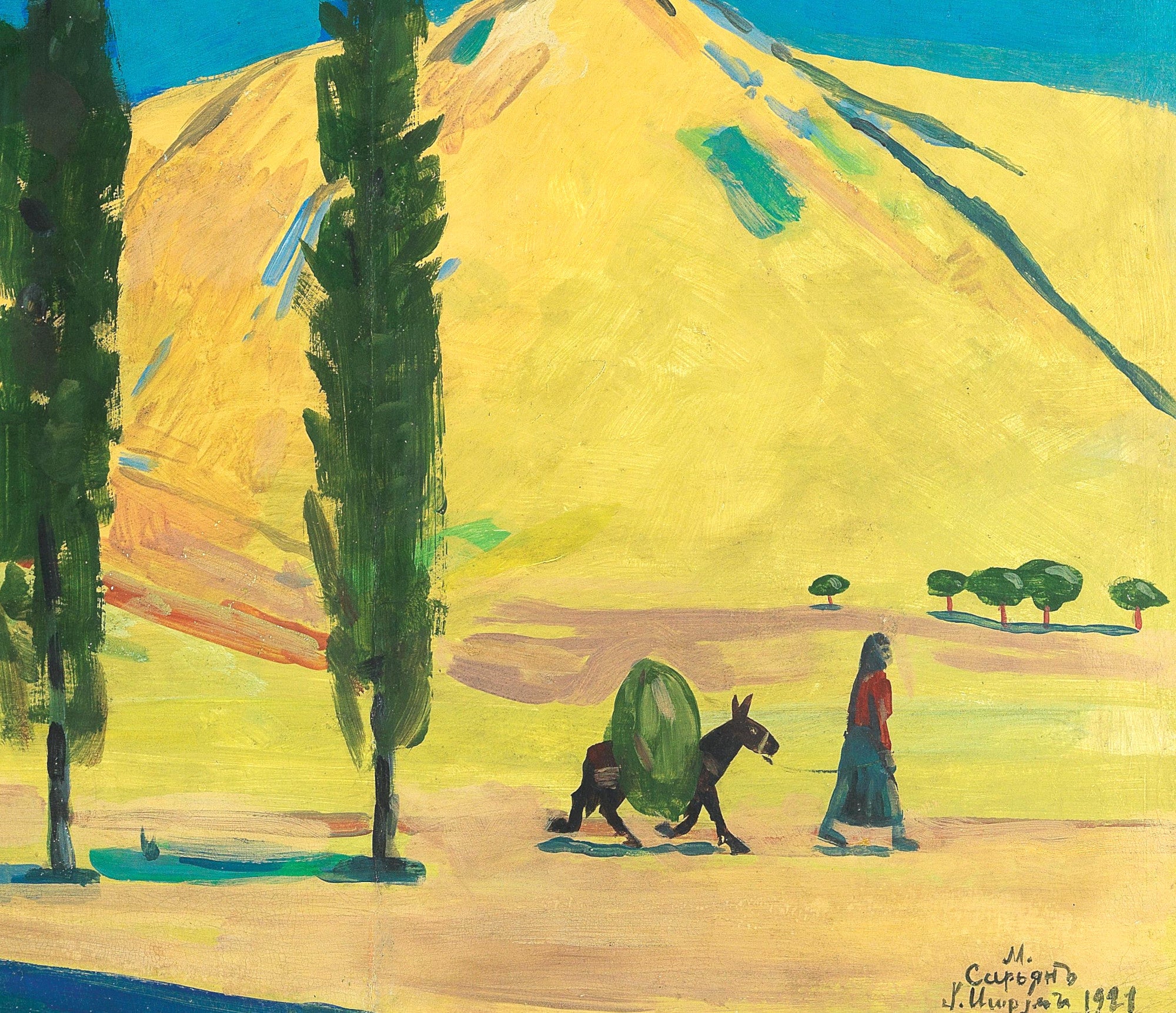
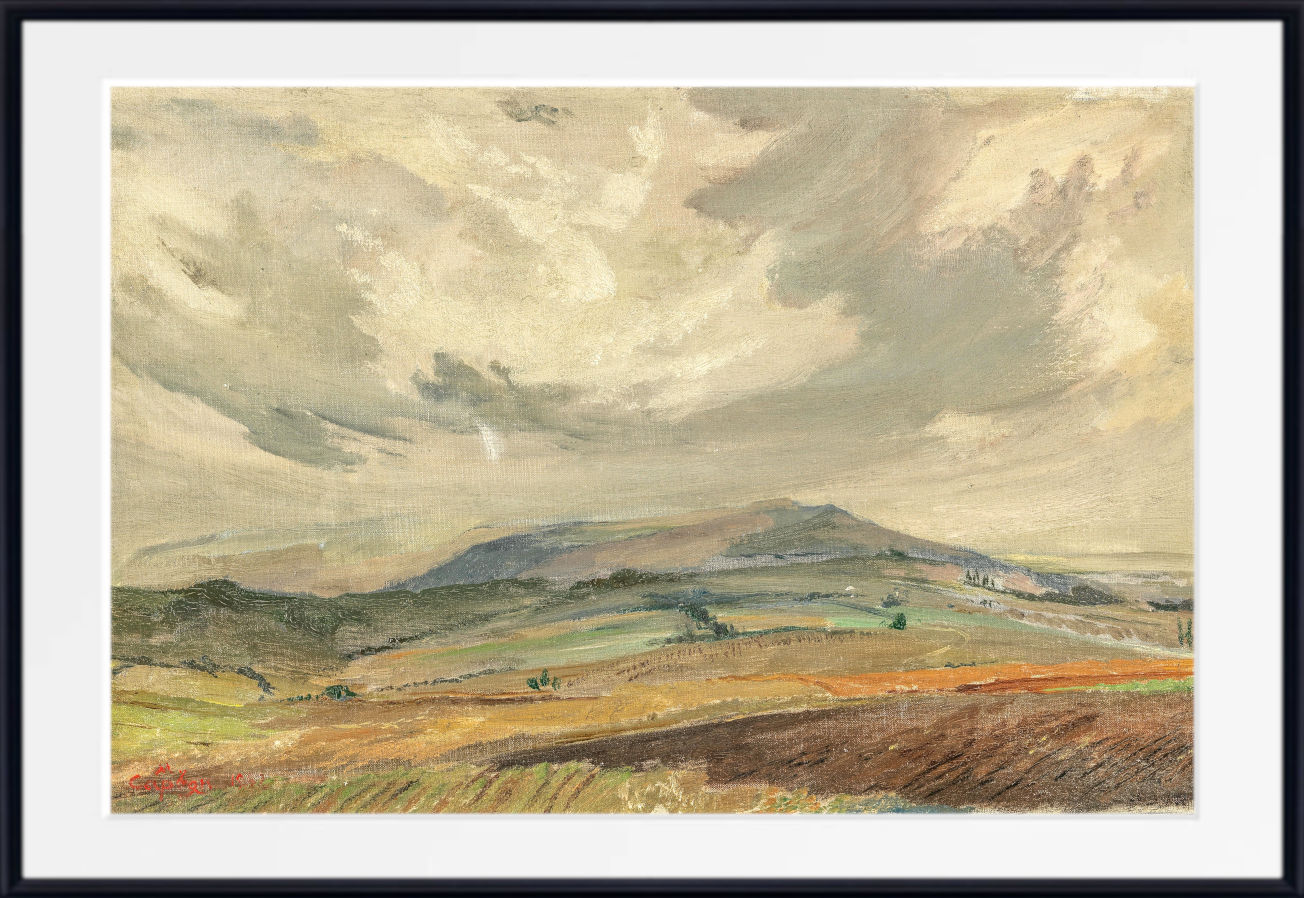
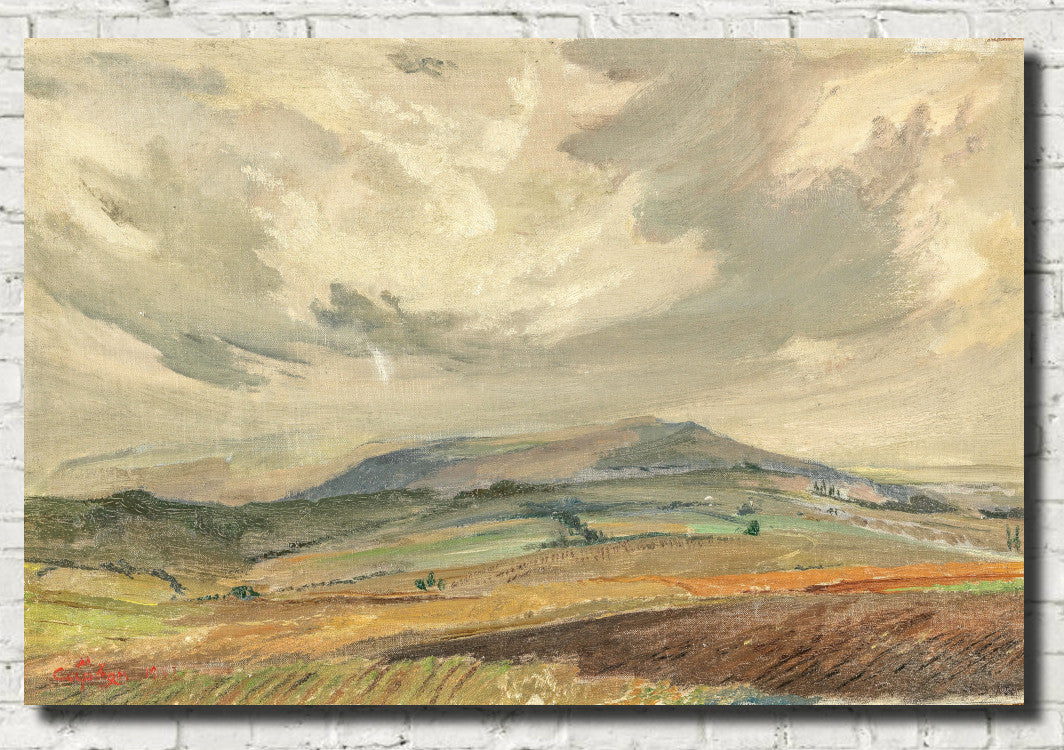
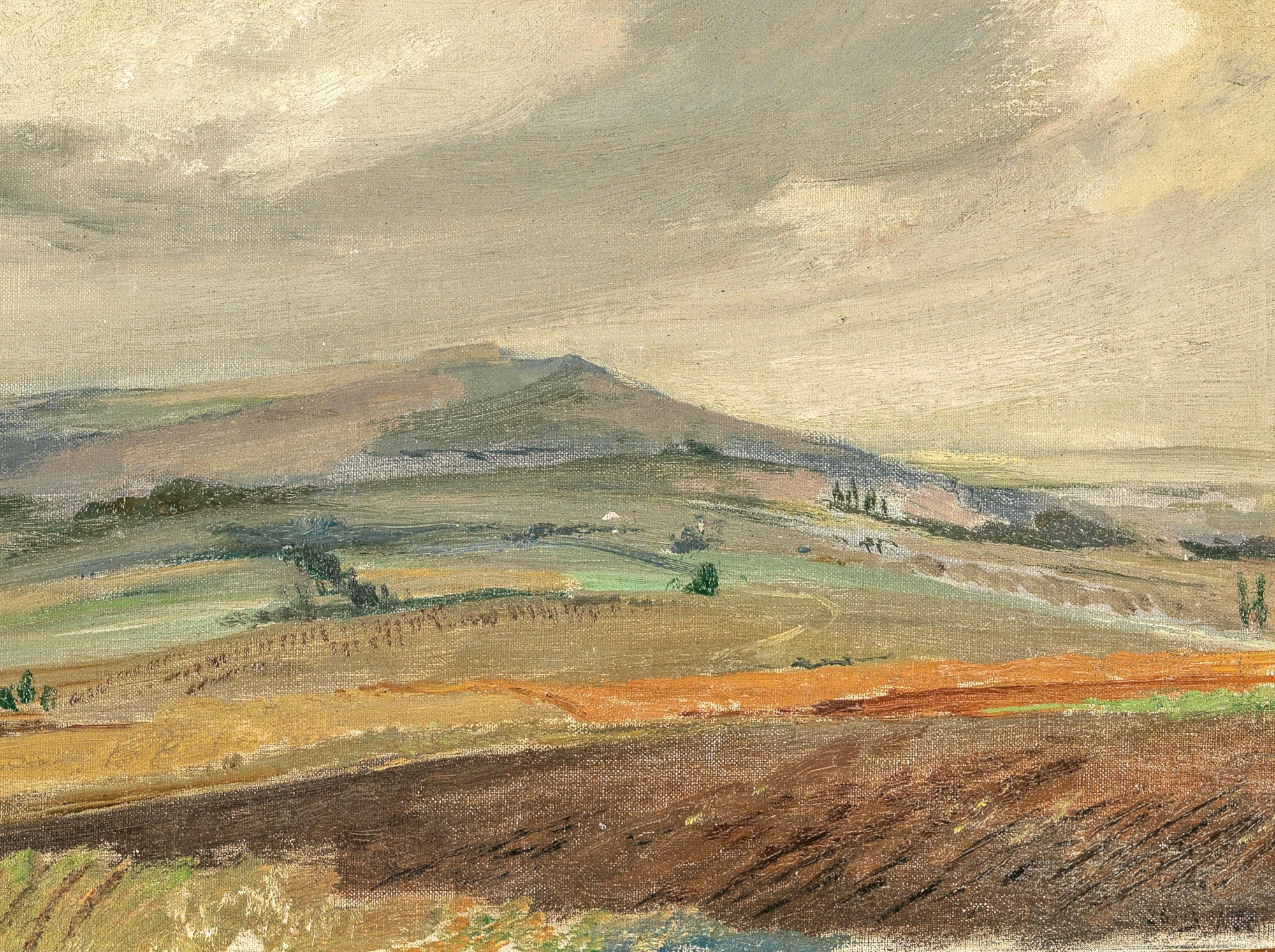
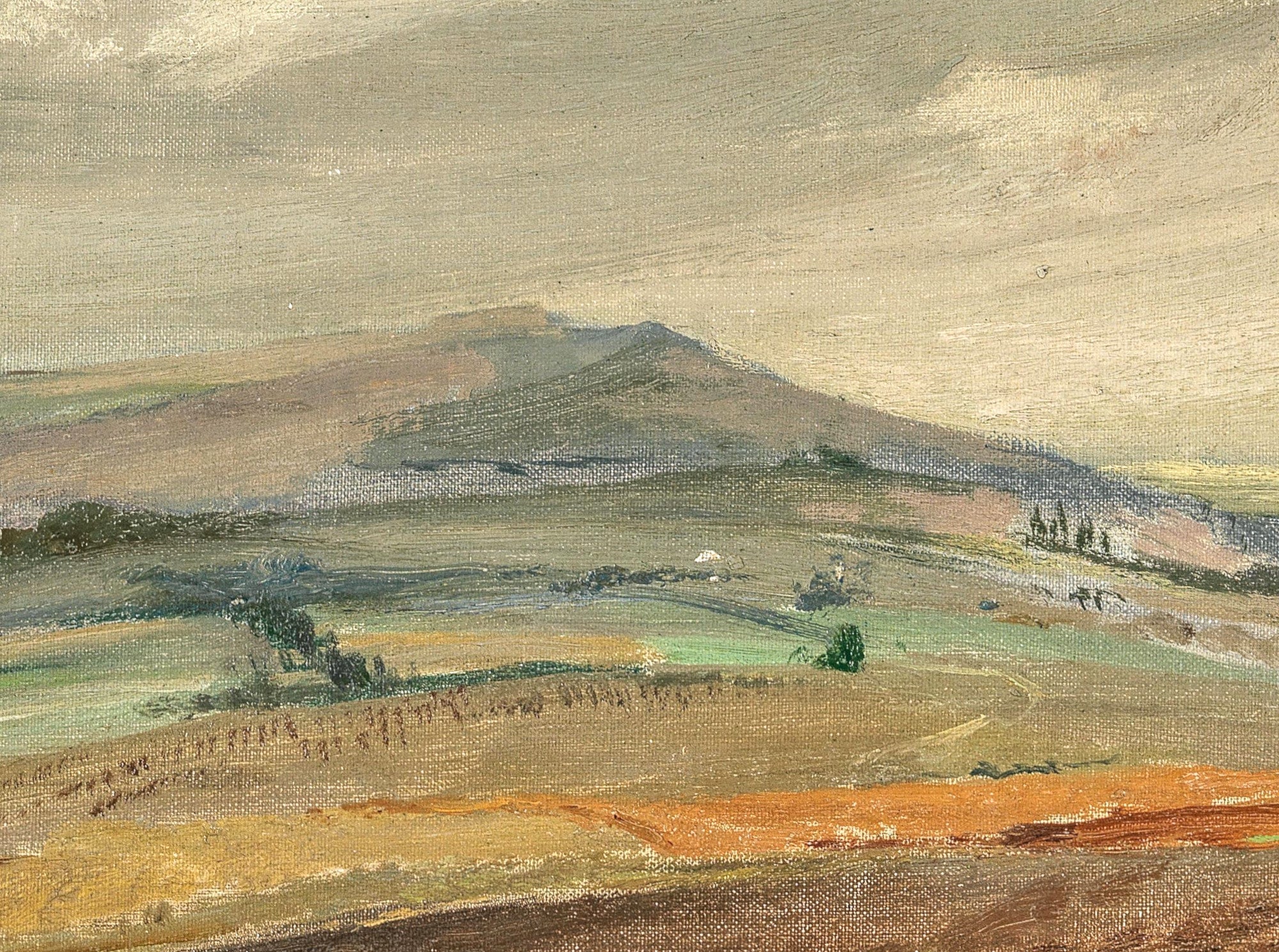
Mount Lalvar in Armenia offers another powerful interpretation of the country’s dramatic scenery, while Armenian Landscape and Armenian Landscape with Cypress Trees reveal Sarian’s ability to simplify mountains, vegetation and buildings into harmonious areas of expressive colour.
Gardens, Orchards and Armenian Life
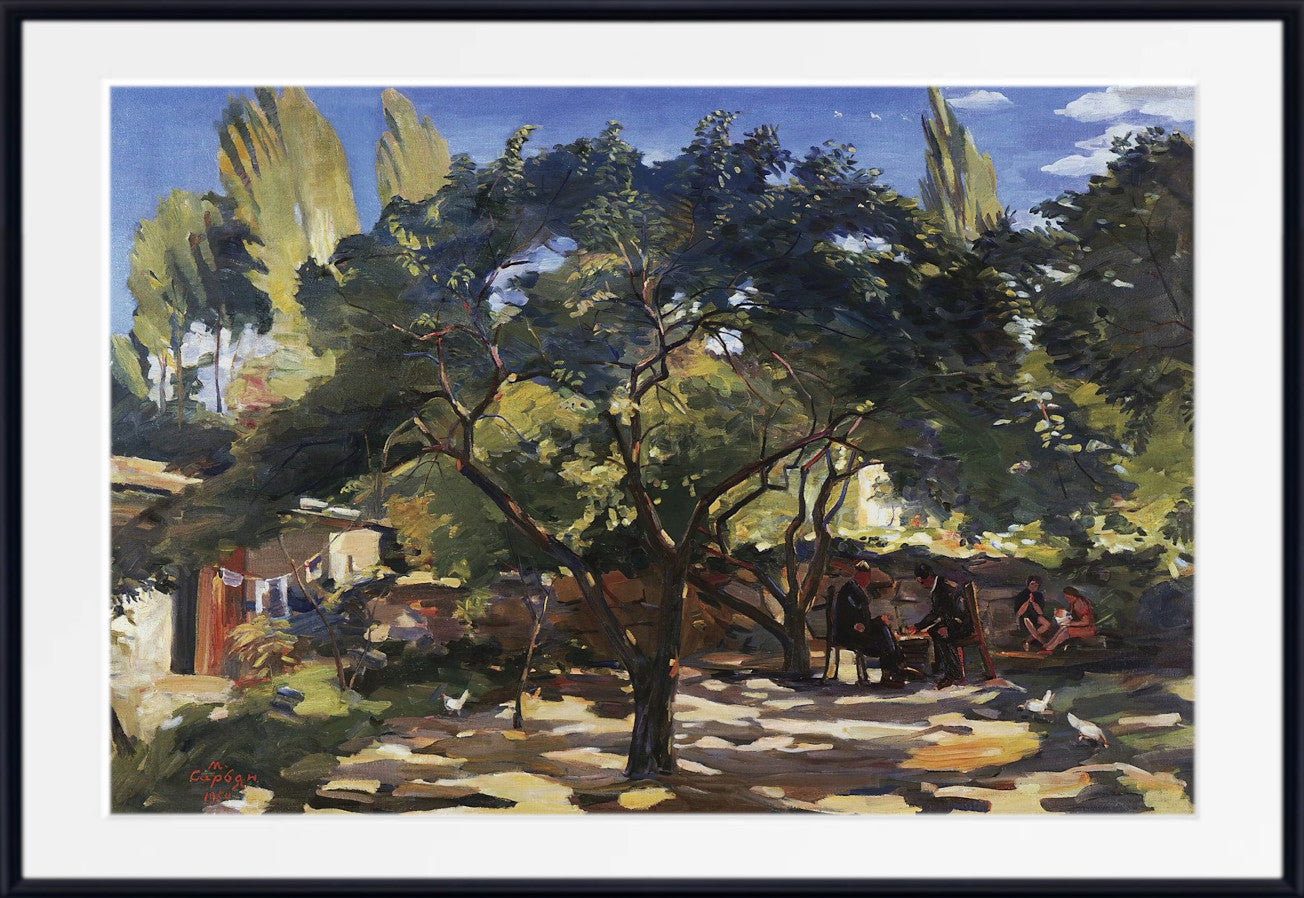
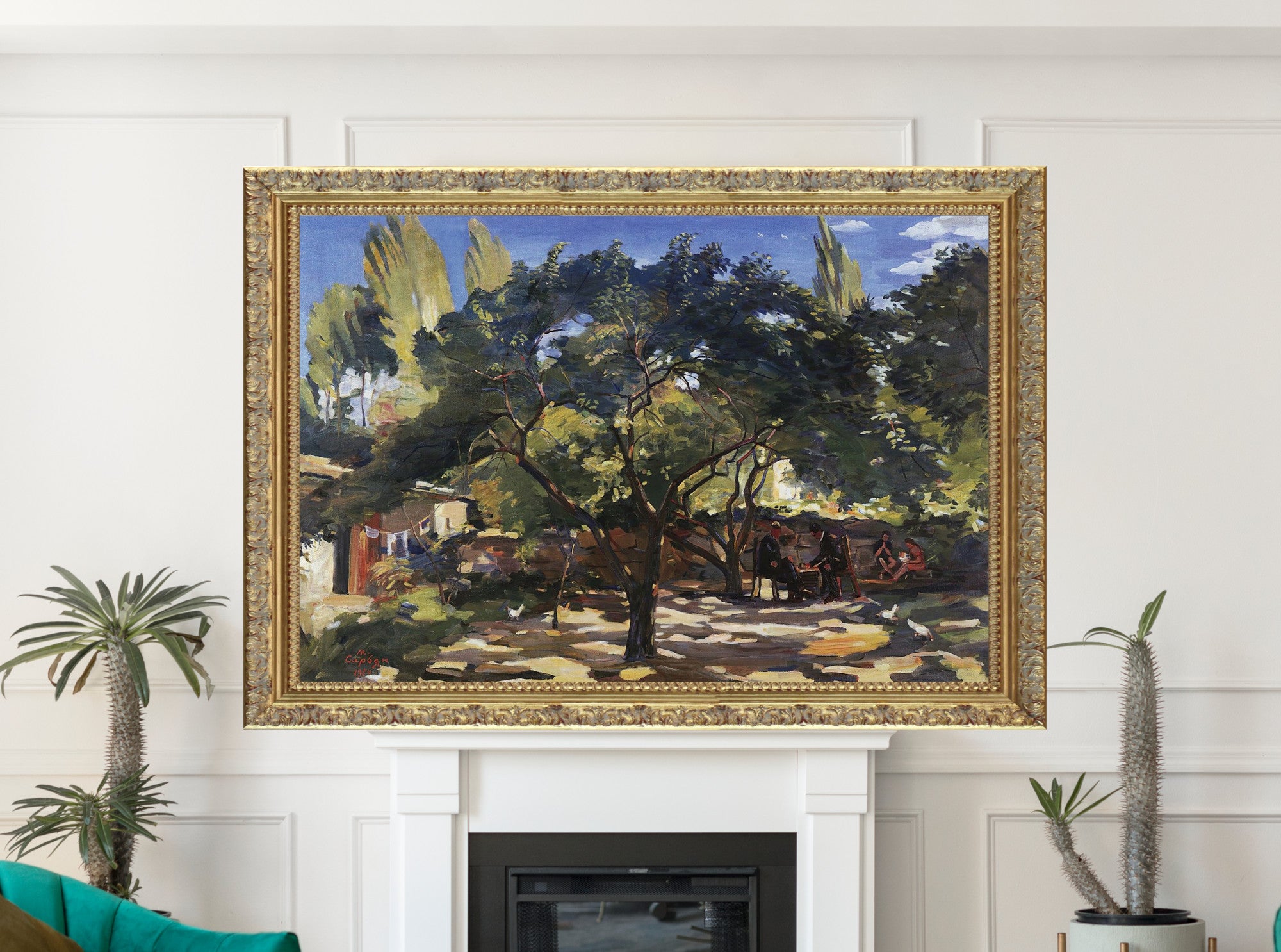
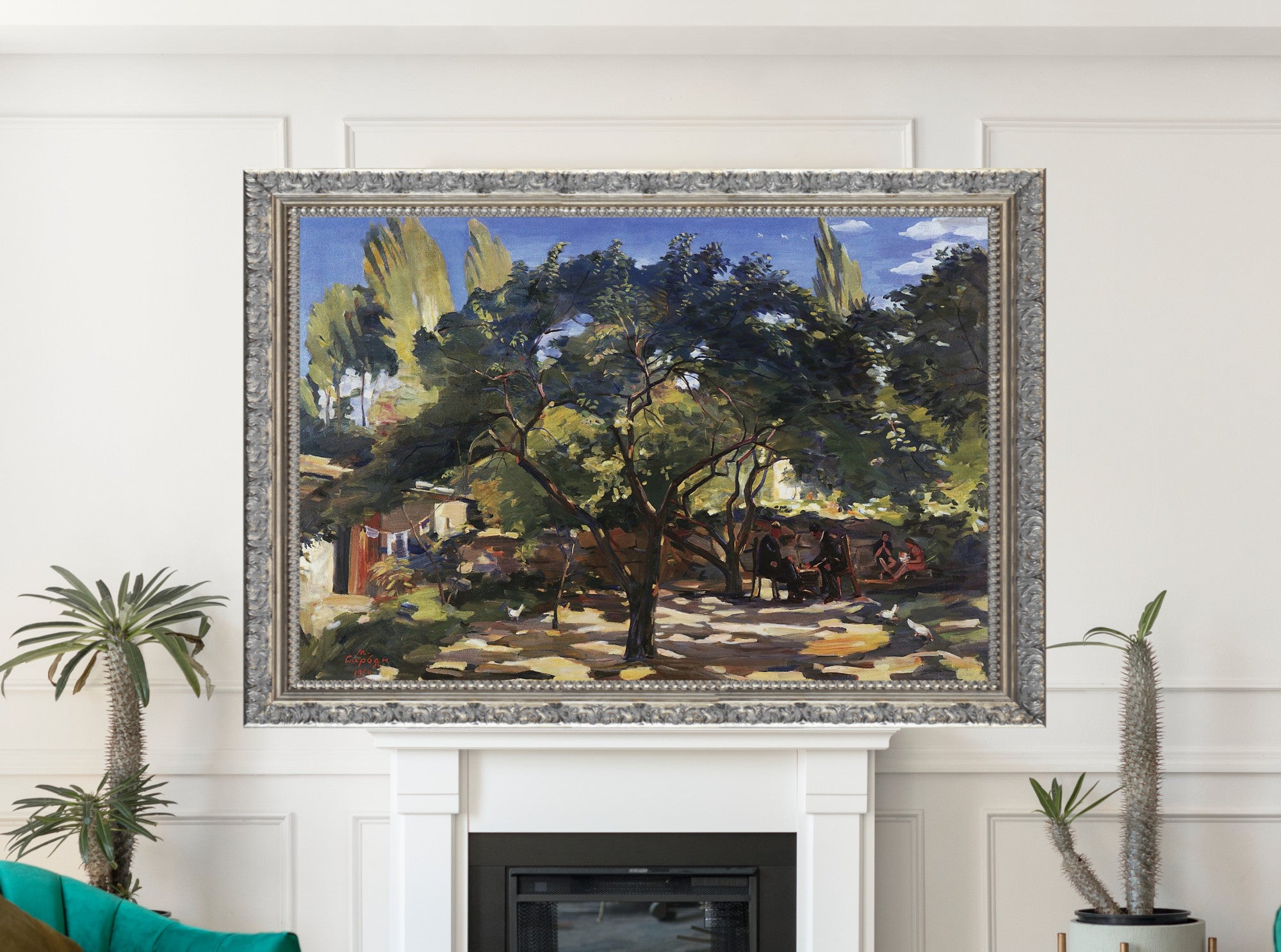
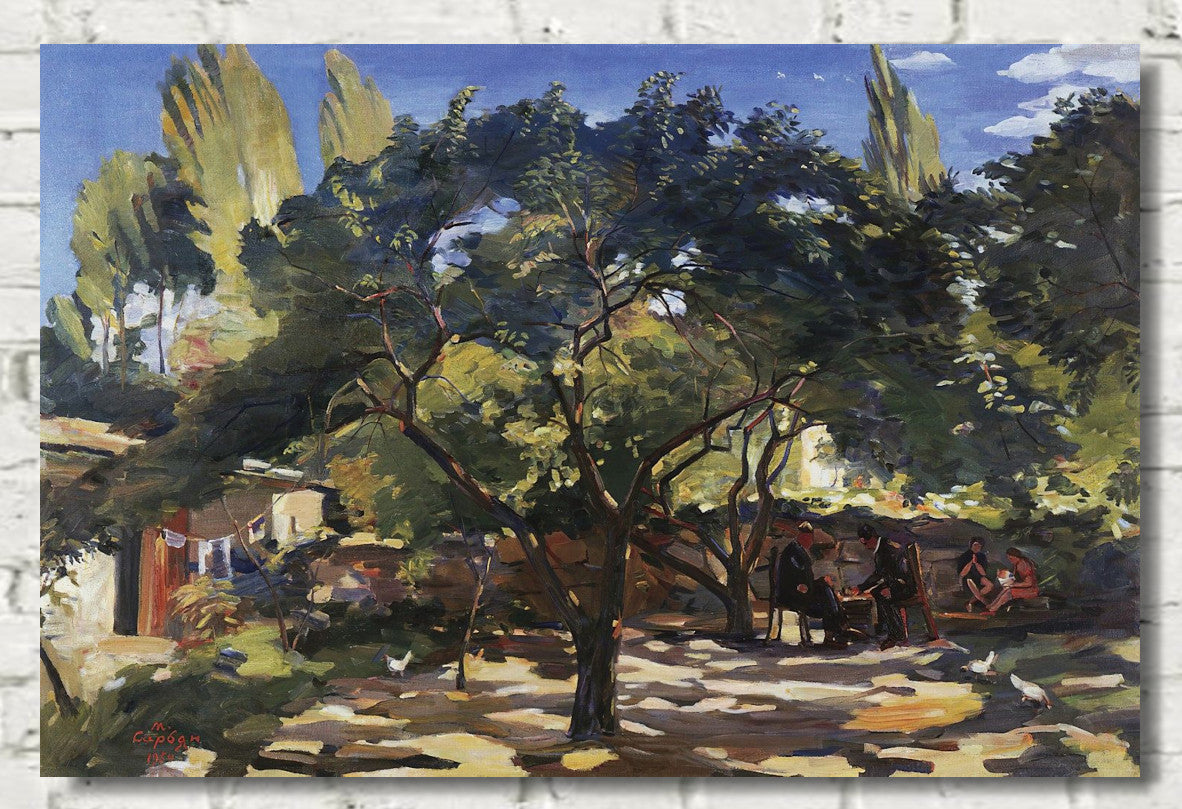
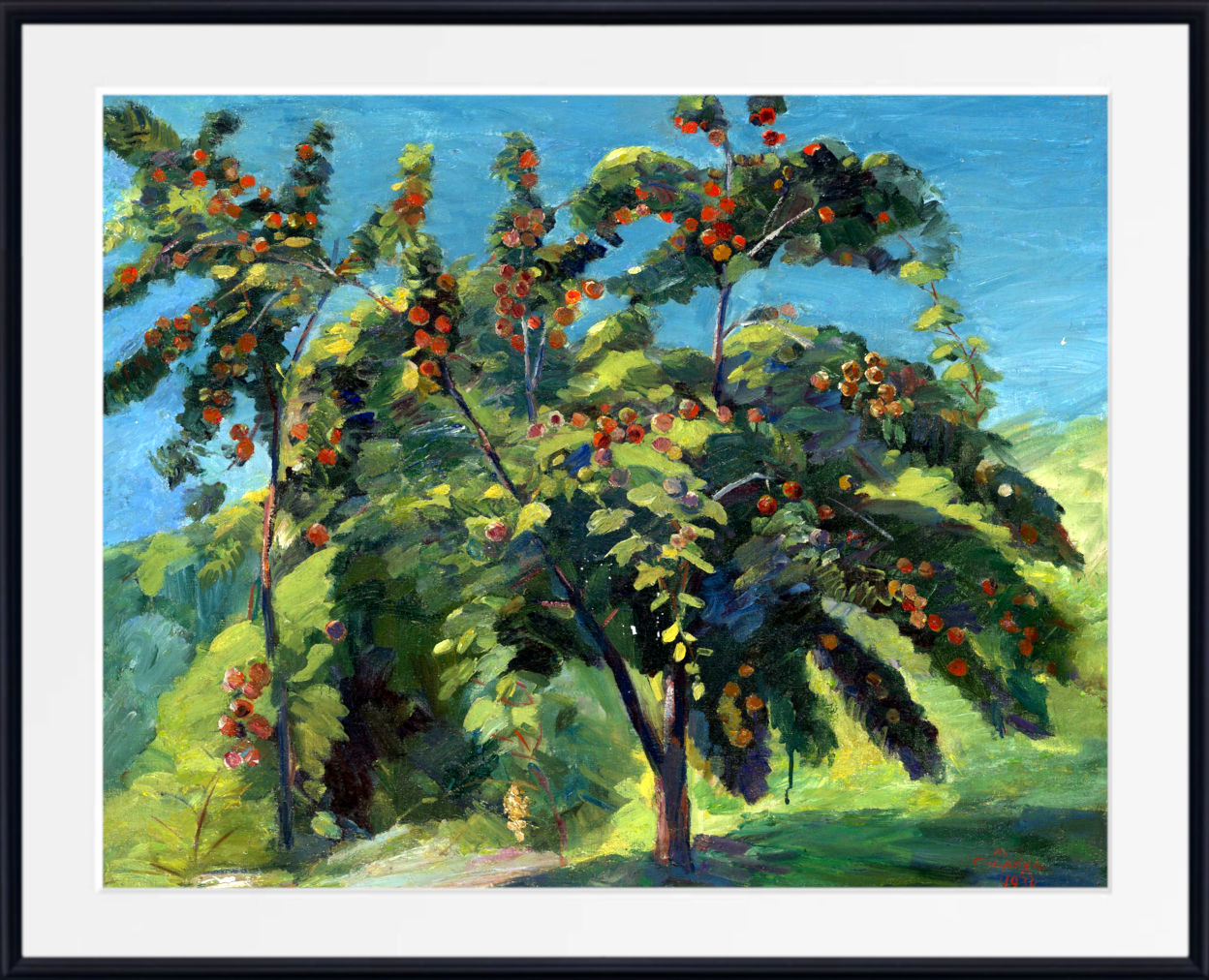
Sarian repeatedly returned to gardens and orchards as symbols of fertility, shelter and everyday Armenian life. Under the Apricot Tree presents a peaceful gathering beneath a broad canopy of leaves, combining cool shade with flashes of intense sunlight.
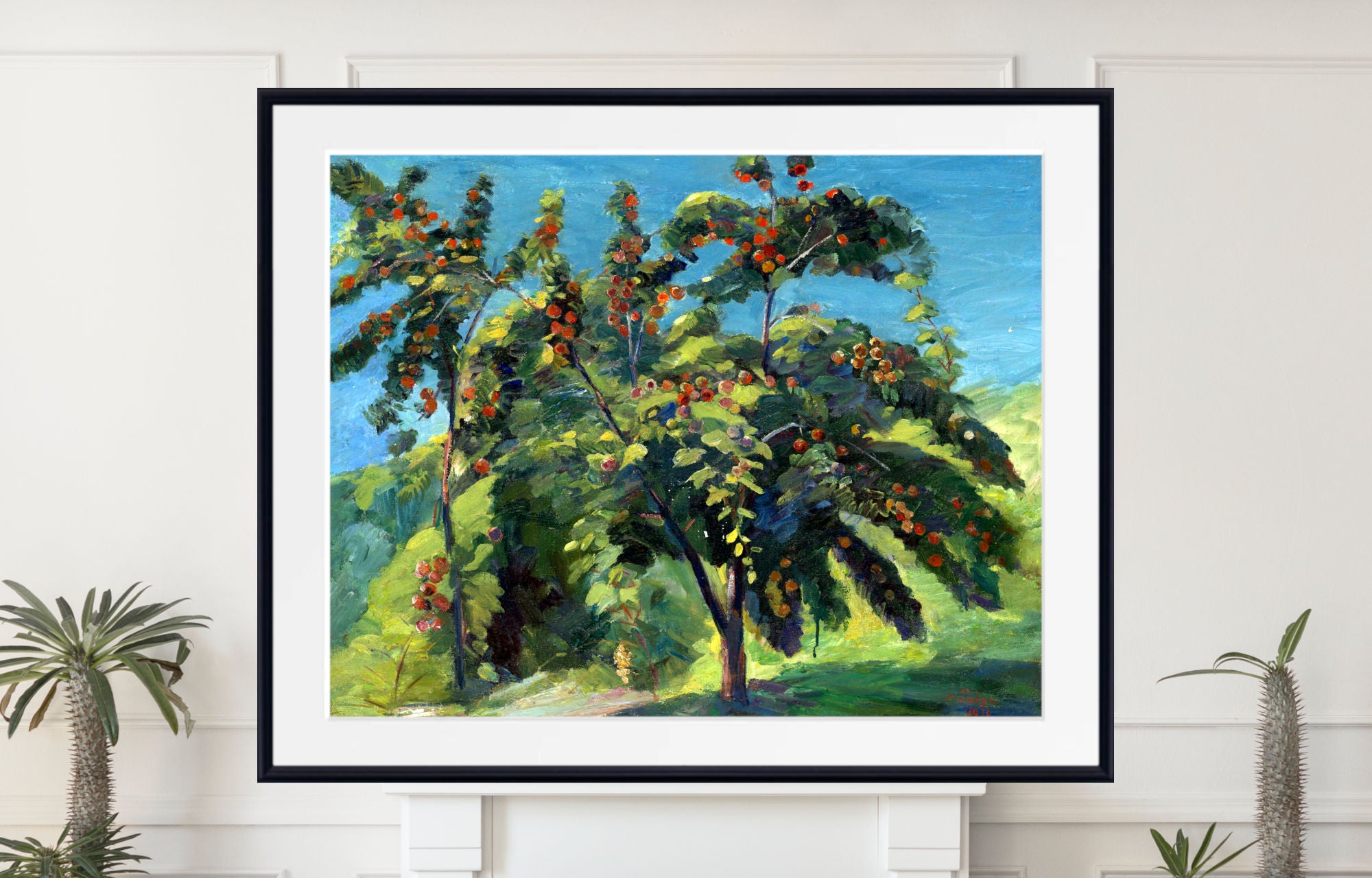
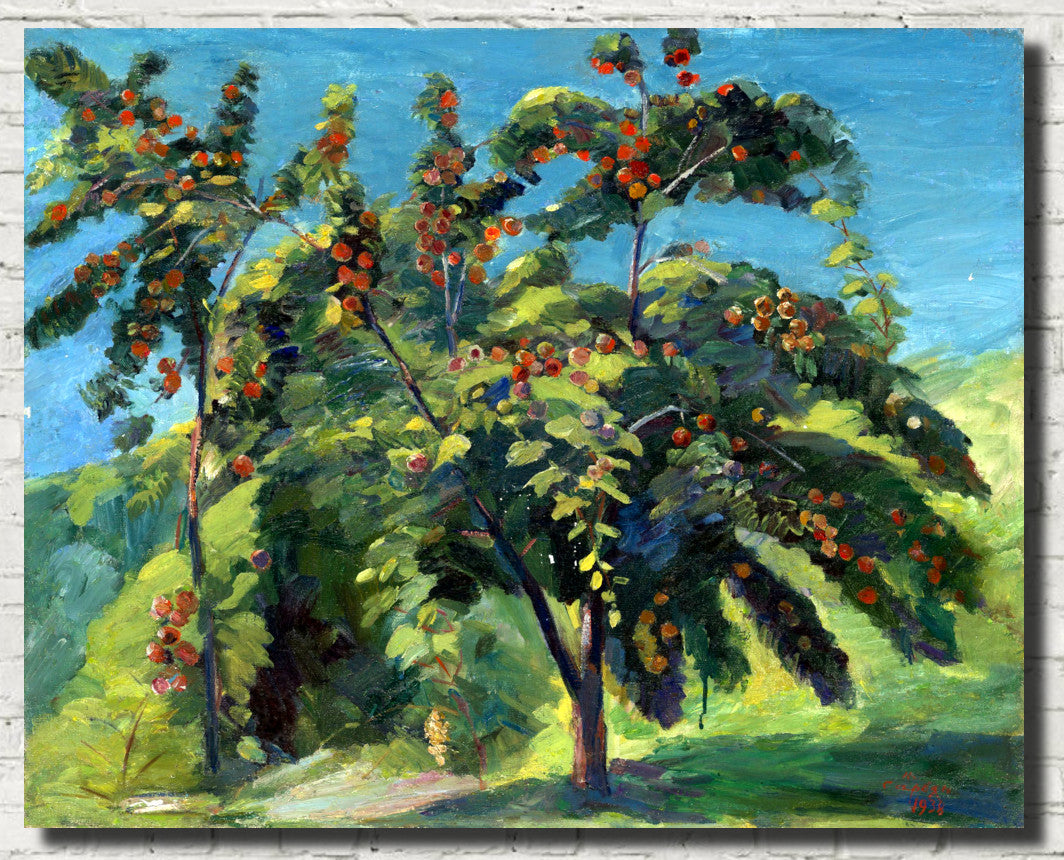
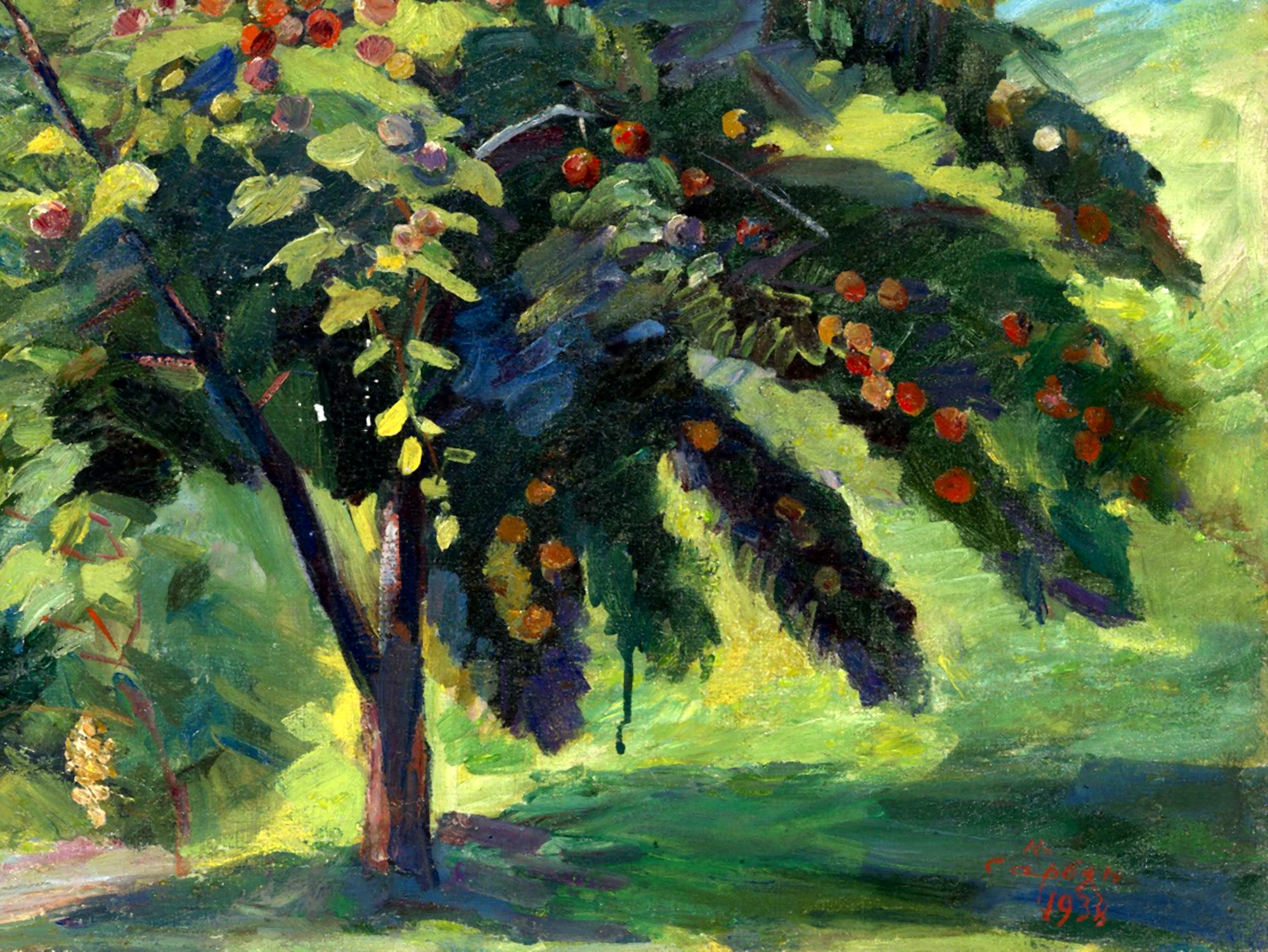
In In the Peach Garden, the orchard becomes a vibrant decorative setting filled with colour and natural abundance. These garden paintings are particularly suited to dining rooms, kitchens, conservatories and living spaces decorated with natural wood, warm neutrals or botanical accents.
Still Life, Travel and City Views
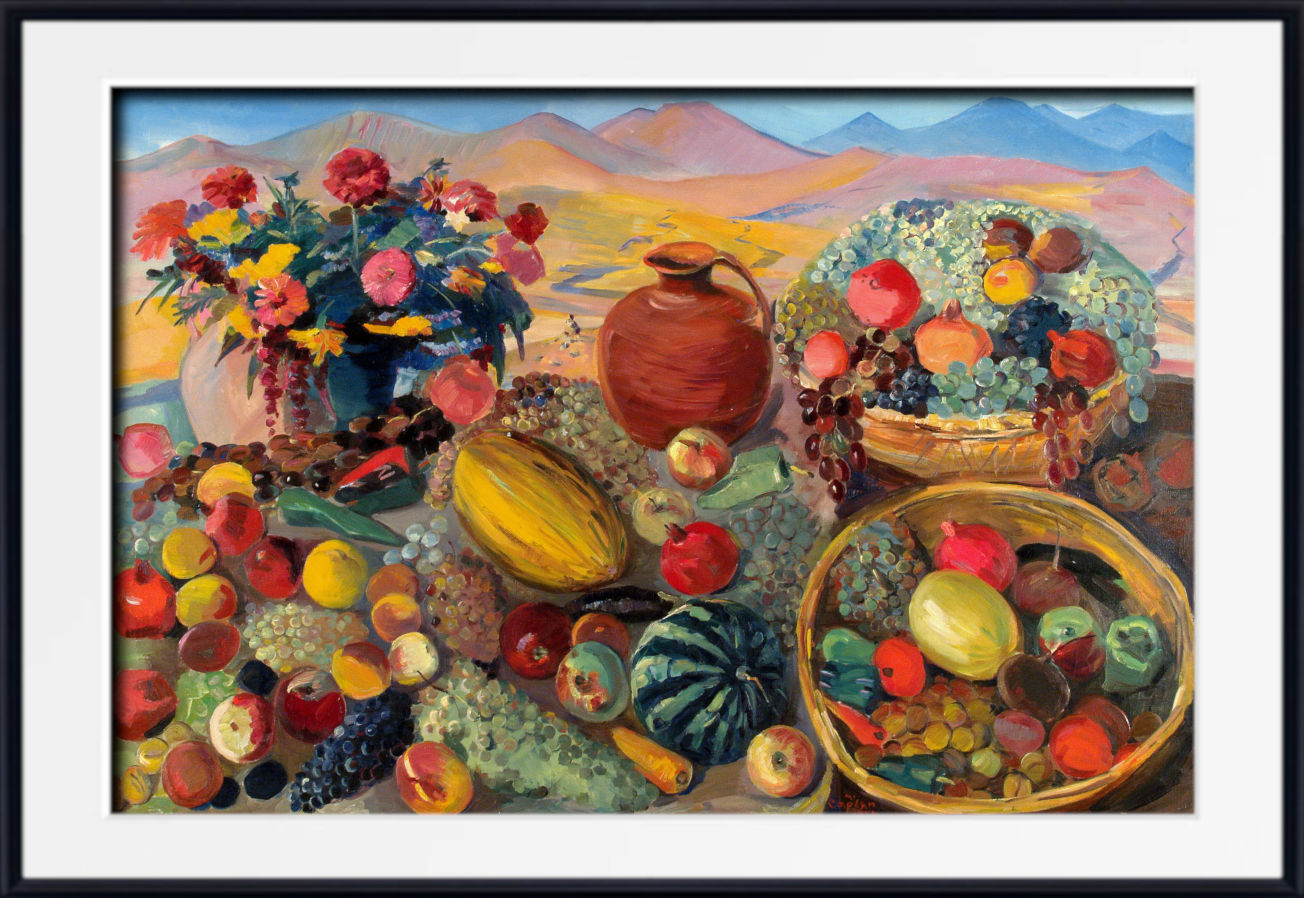
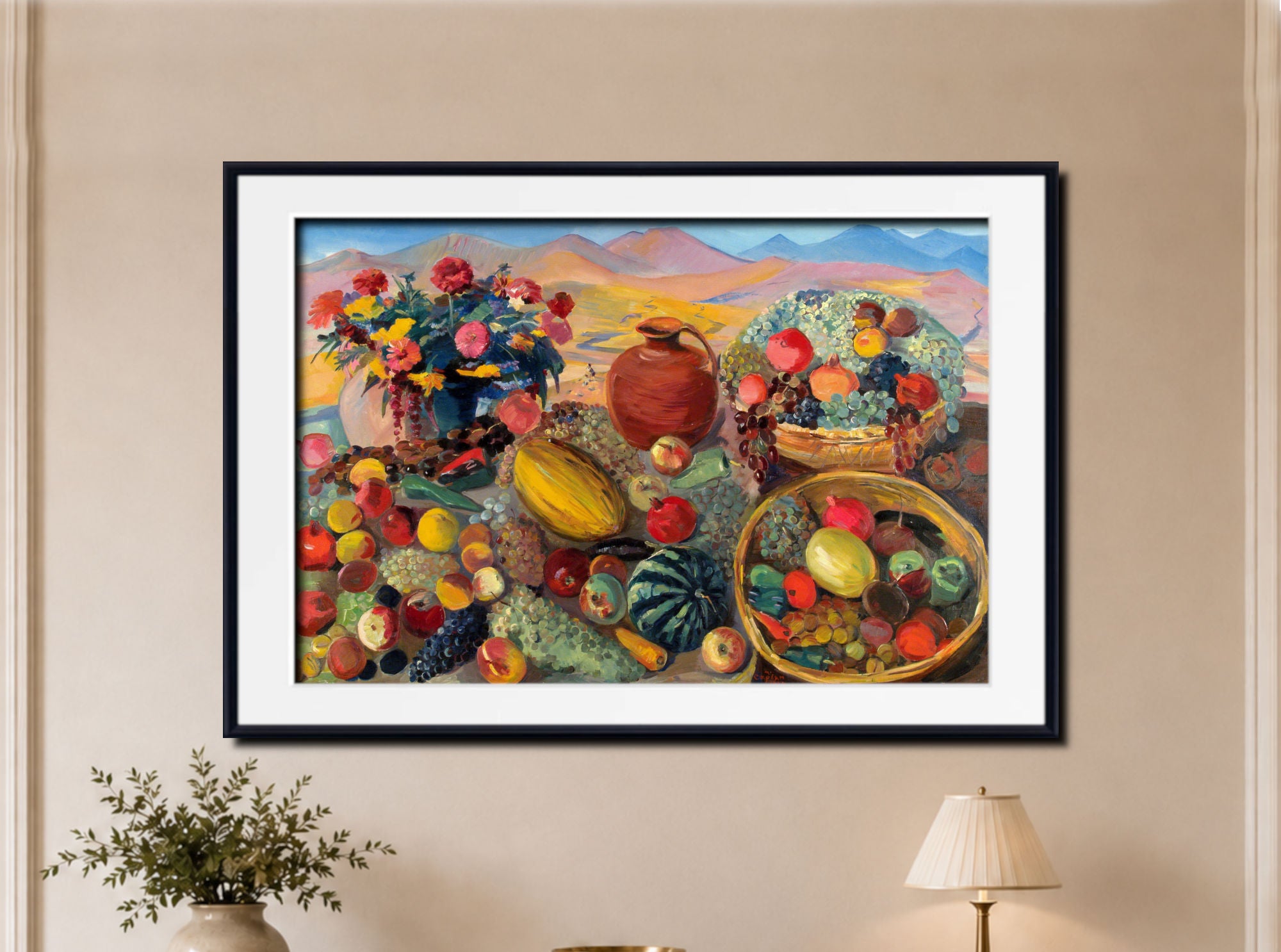
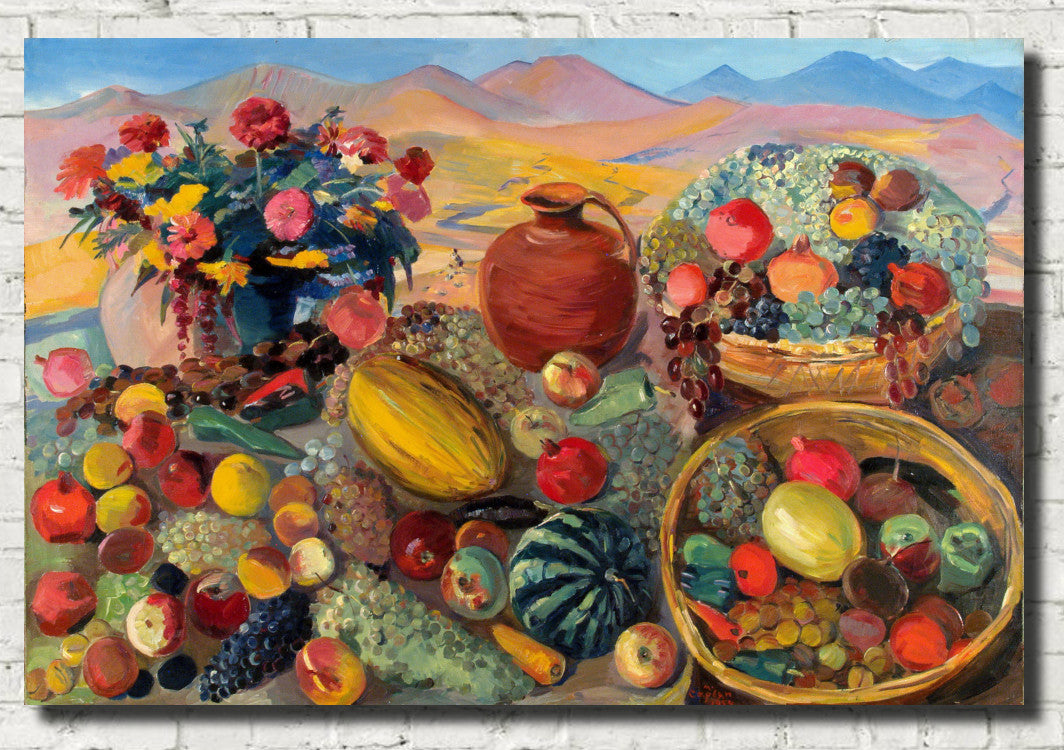
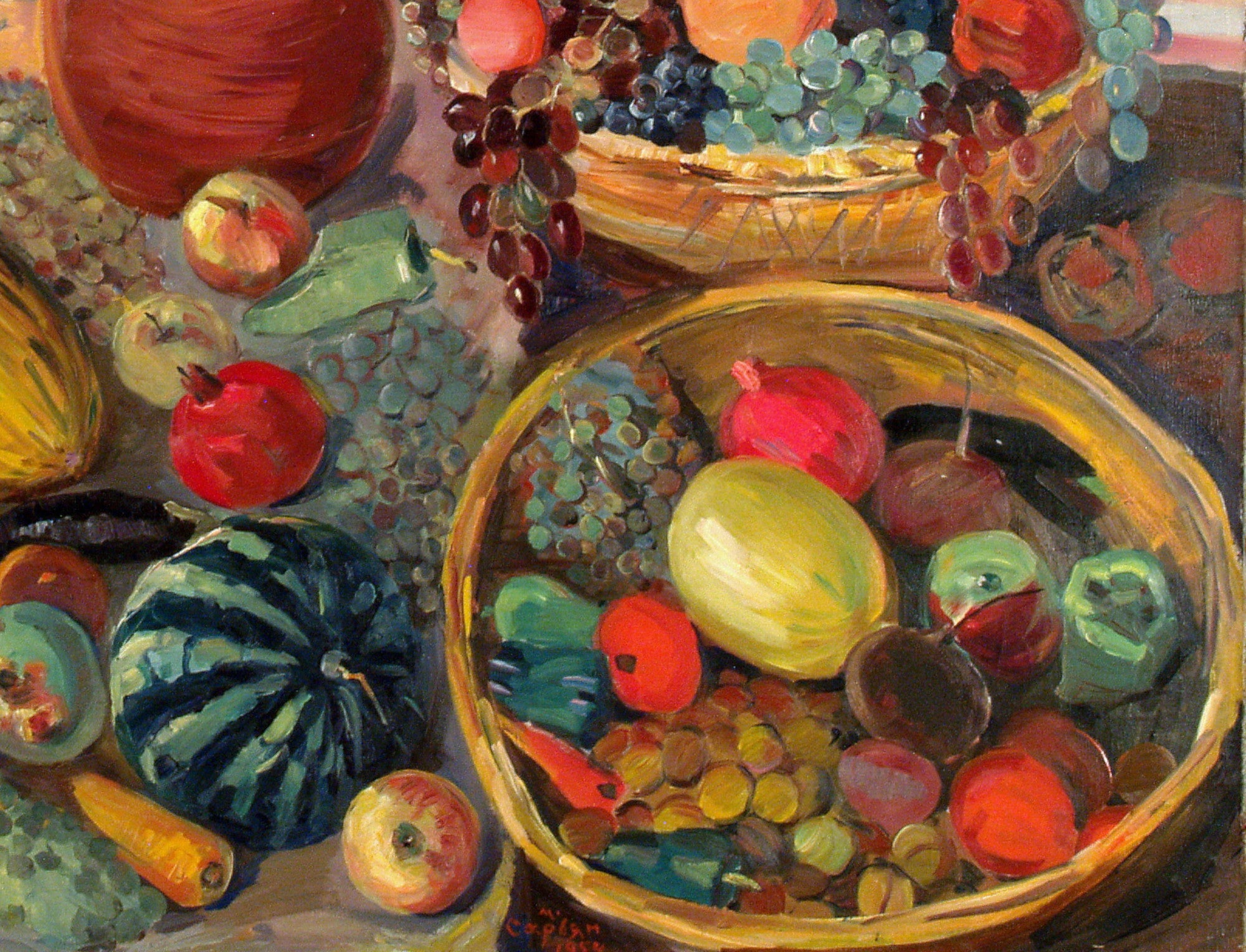
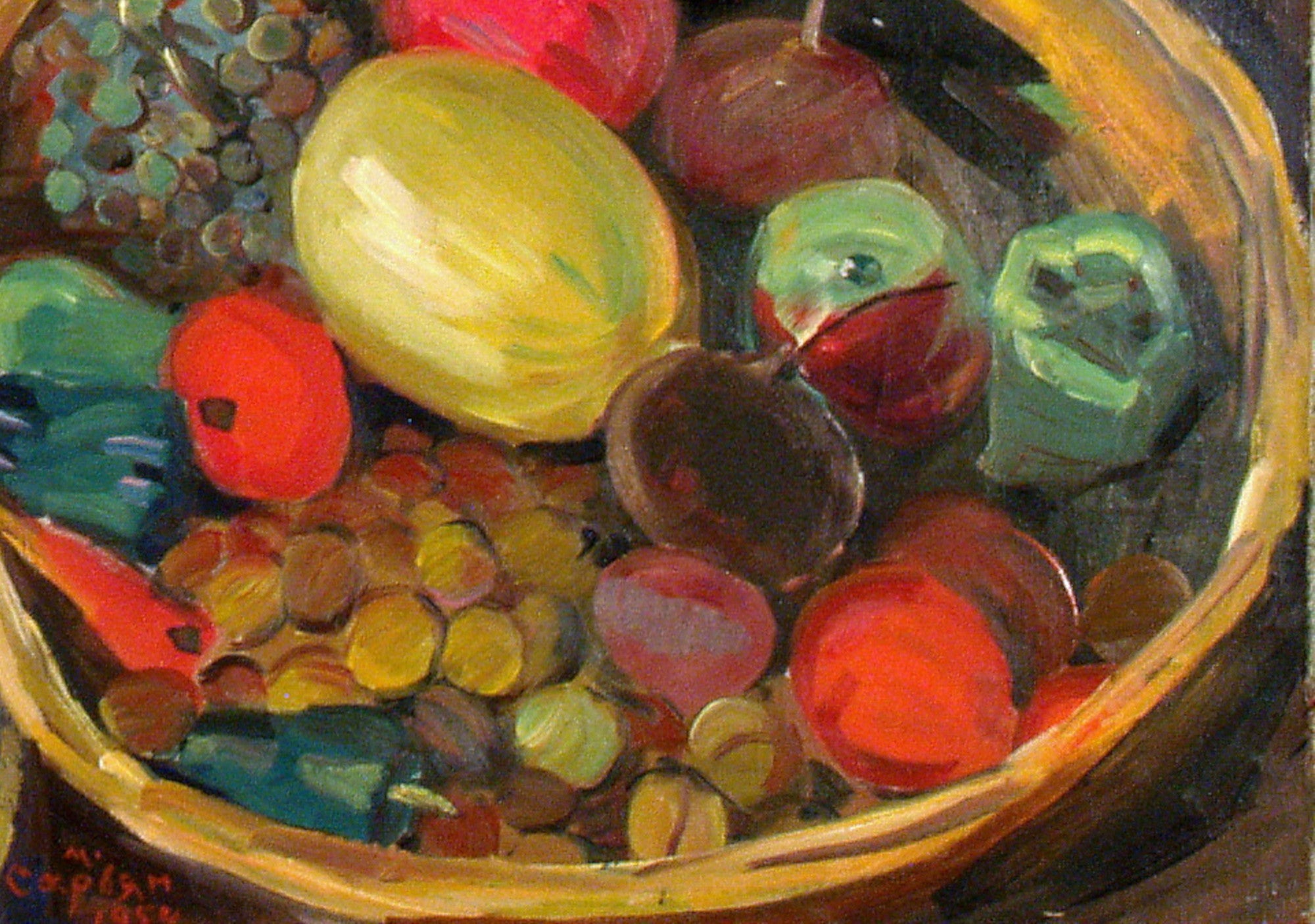
Gifts of Autumn demonstrates Sarian’s distinctive approach to still life. Seasonal produce is transformed into a joyful arrangement of saturated colour, simplified shapes and decorative rhythm, creating an uplifting alternative to traditional fruit and flower paintings.
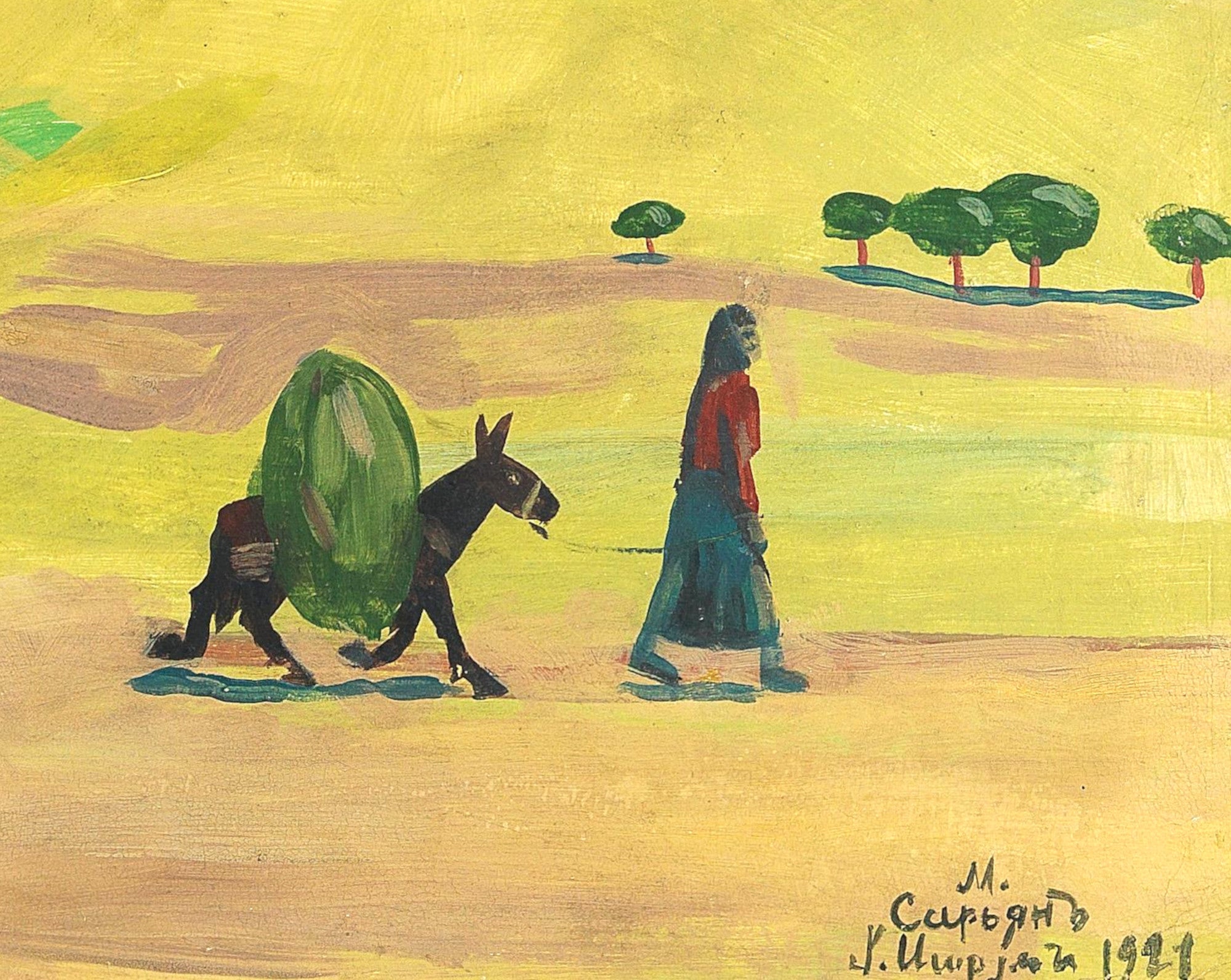
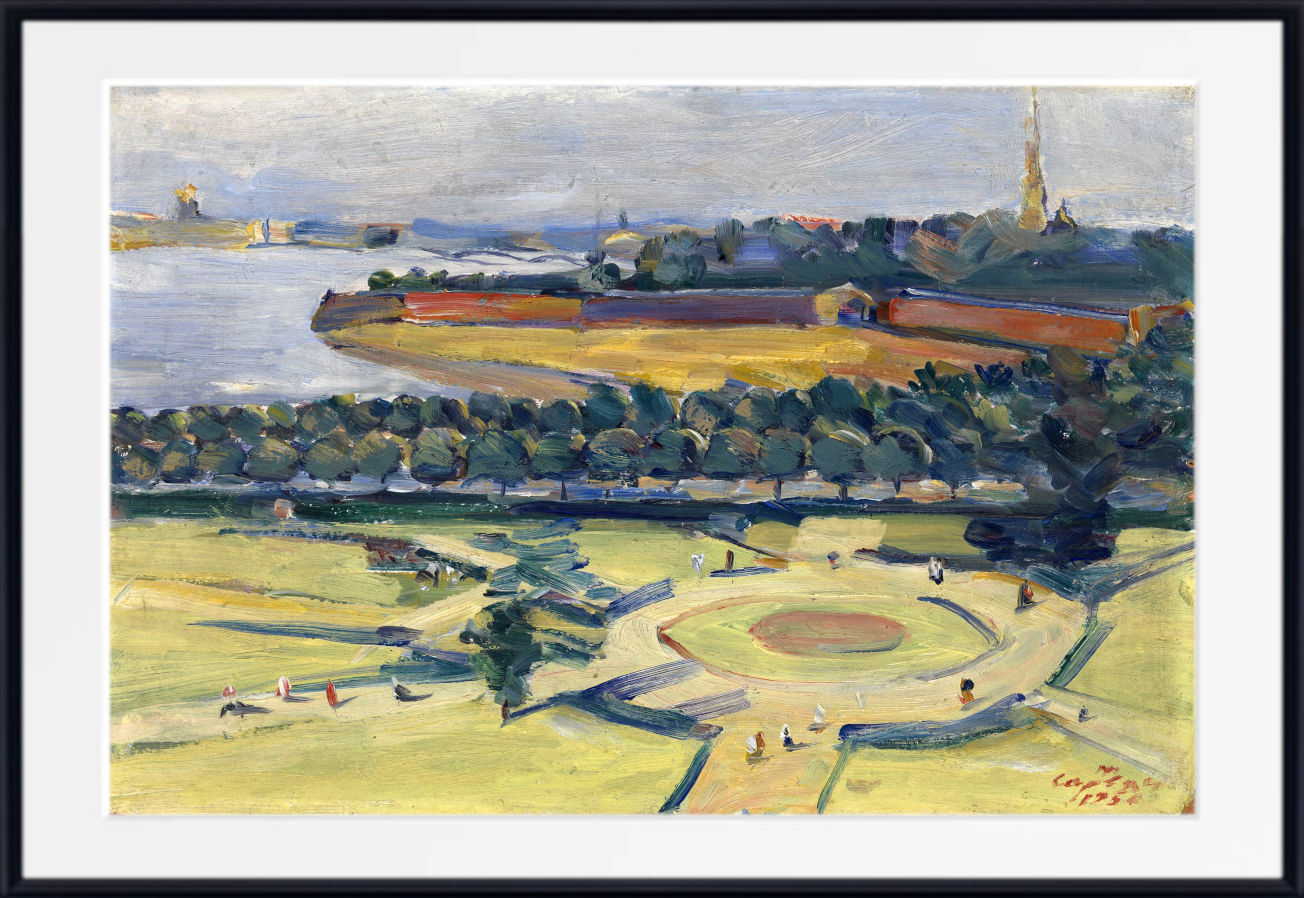
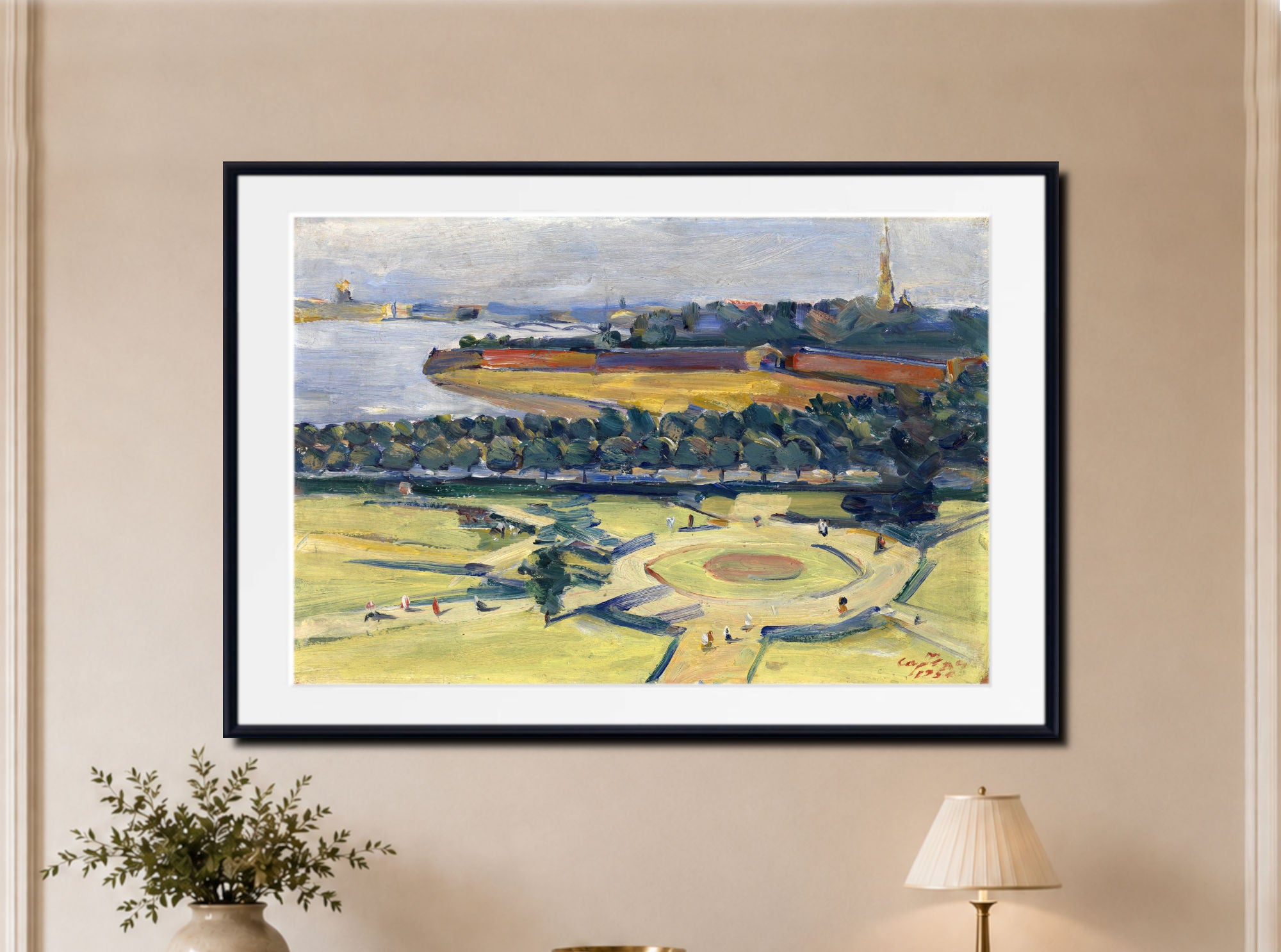
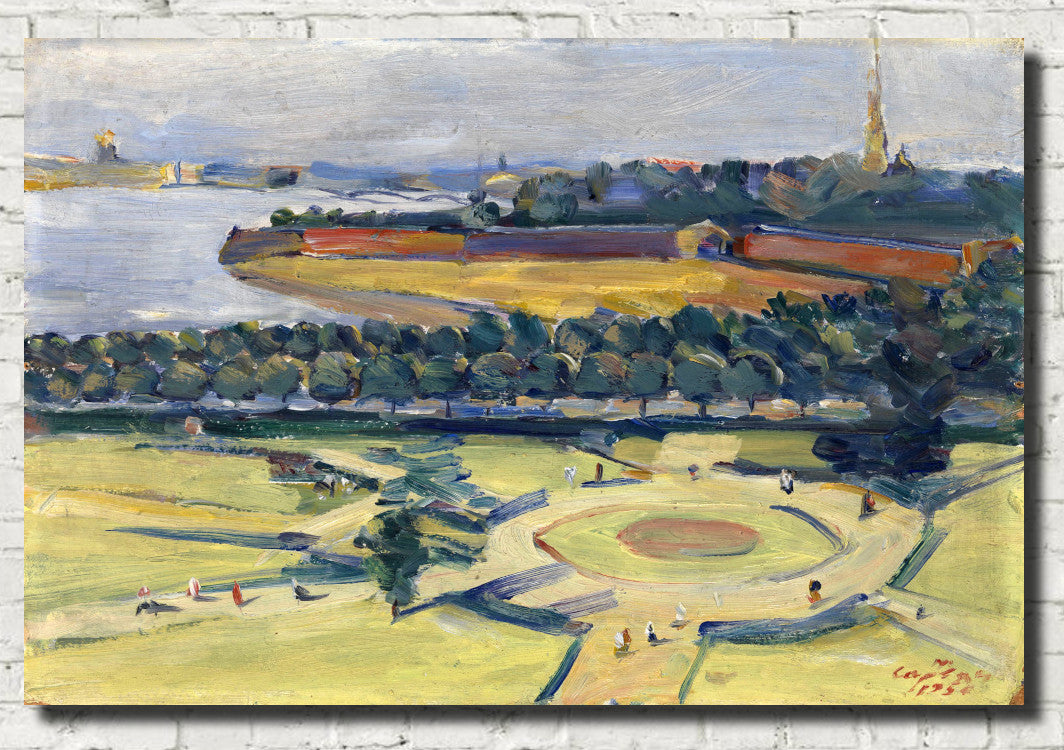
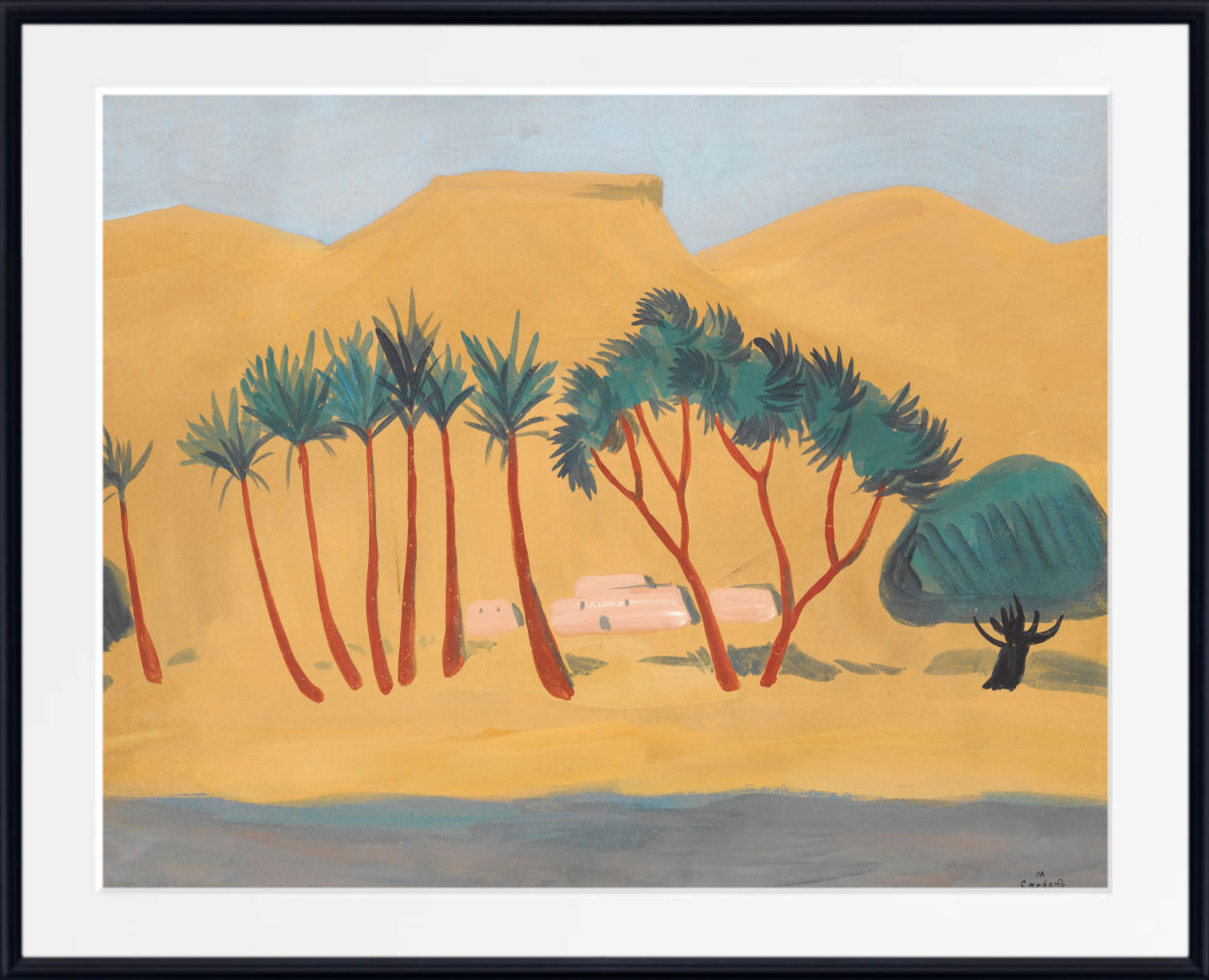
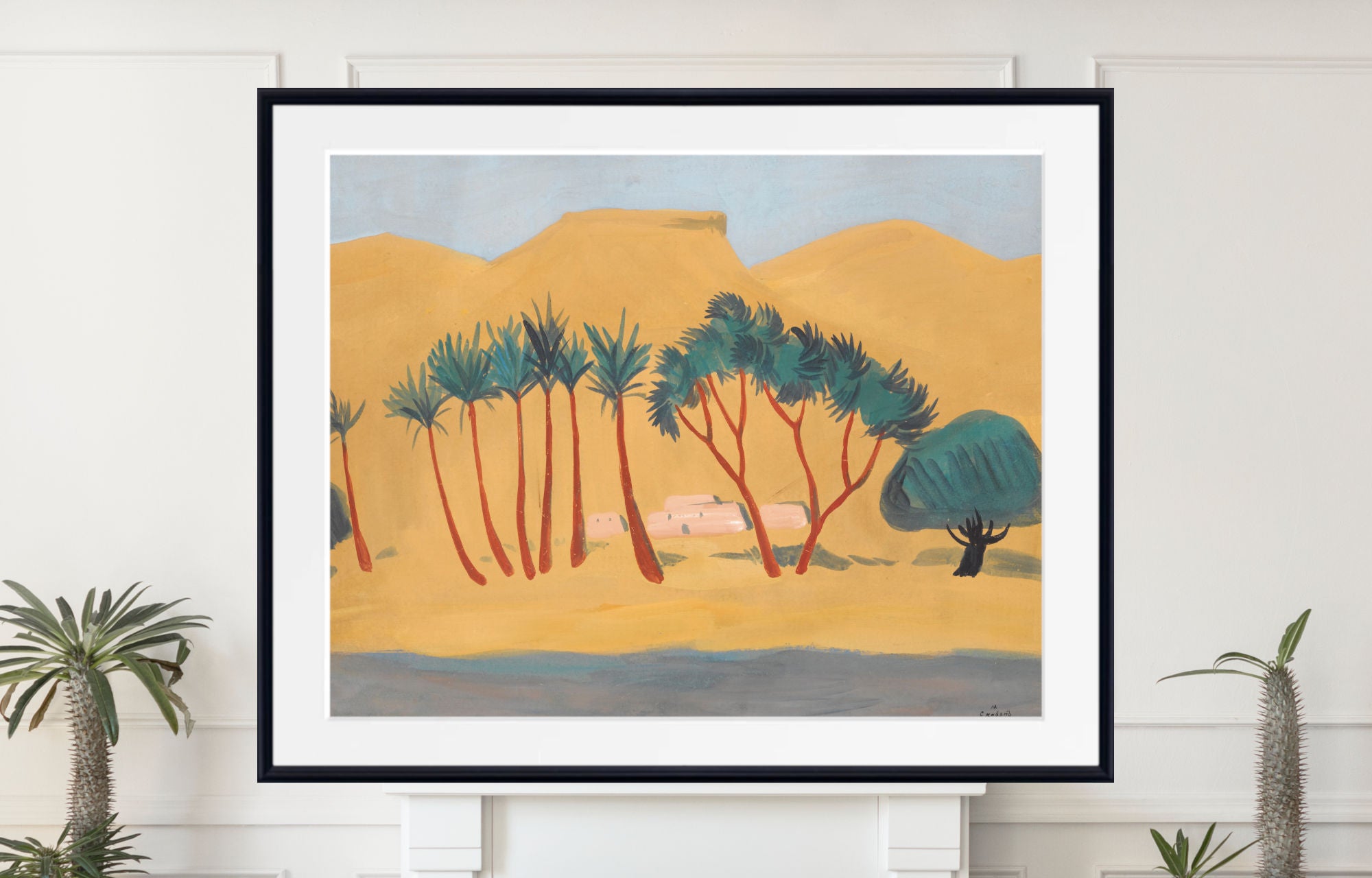
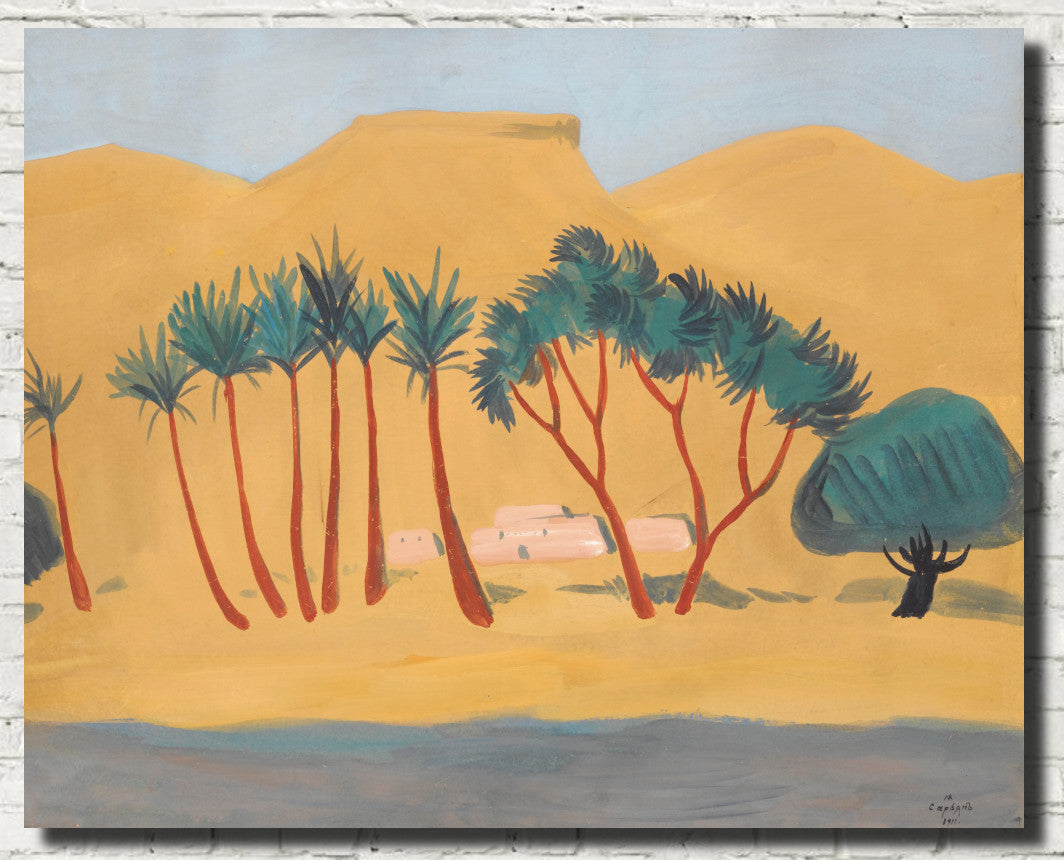
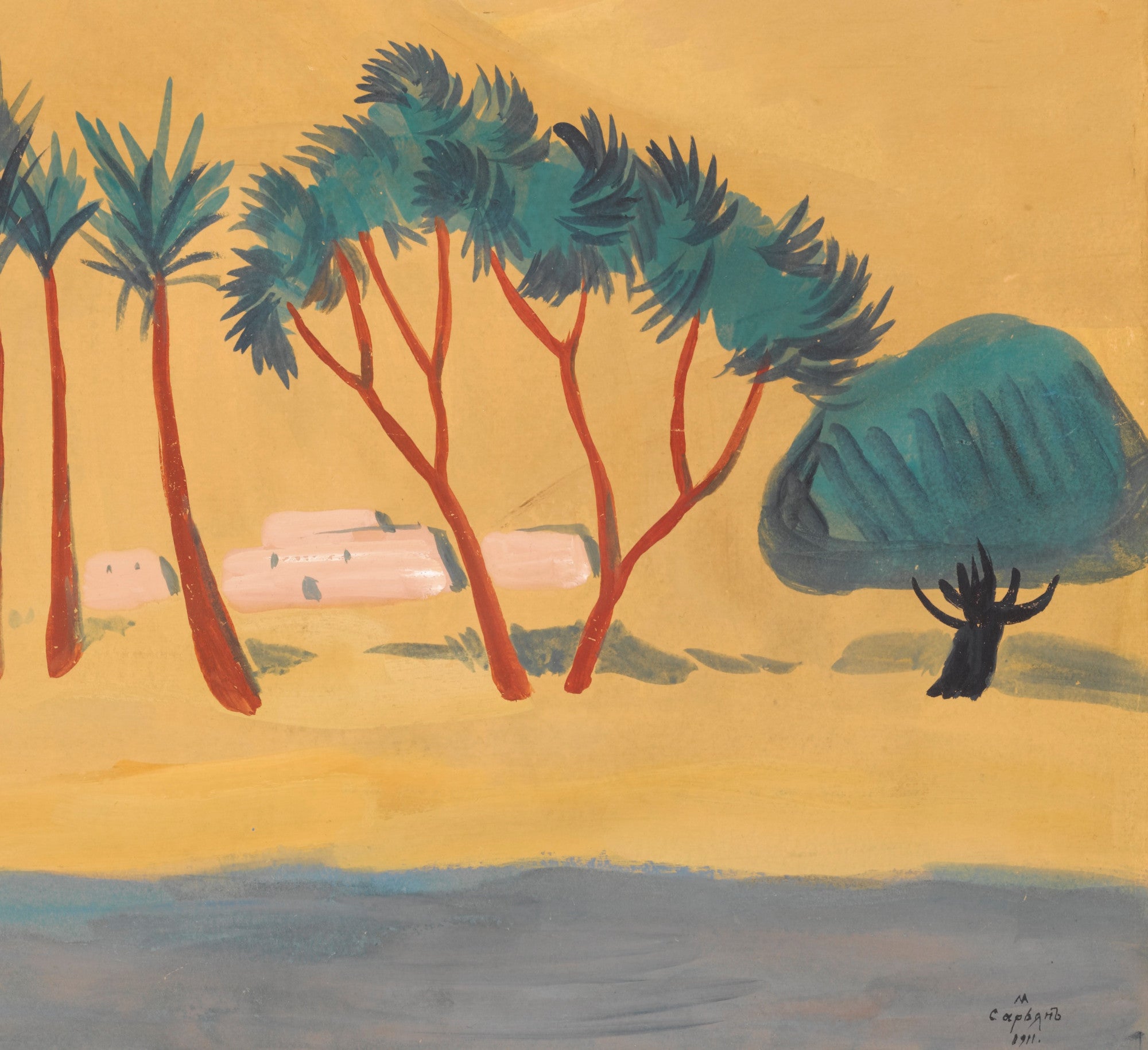
Desert Oasis reflects the artist’s fascination with the landscapes and intense light he encountered during his travels, while Leningrad shows how his bold palette could also be applied to an urban subject.
About Martiros Sarian
Martiros Sarian was born in 1880 in Nor Nakhichevan, now part of Rostov-on-Don. He studied at the Moscow School of Painting, Sculpture and Architecture and continued his artistic development in the studios of Valentin Serov and Konstantin Korovin.
Early visits to Armenia had a profound effect on his work. The country’s mountains, dry landscapes, ancient architecture and brilliant sunlight encouraged him to move away from restrained academic painting towards simplified forms and increasingly luminous colour.
Sarian also travelled through Turkey, Egypt and Persia, where he encountered intense light, vivid textiles and different artistic traditions. His paintings reveal an awareness of European artists such as Paul Gauguin and Henri Matisse, yet his mature work developed into an unmistakably individual expression of Armenian landscape and culture.
After settling permanently in Yerevan in 1921, Sarian became an important figure in Armenian cultural life. He continued painting landscapes, portraits, flowers and still lifes until shortly before his death in 1972. Today, Martiros Sarian prints are admired for their brilliant colour, joyful atmosphere and powerful connection with Armenia.
Martiros Sarian’s Painting Style
Sarian’s art is frequently discussed in relation to Post-Impressionism and Fauvism. Like the Post-Impressionists, he moved beyond direct observation to create highly personal interpretations of landscape. His intense, non-naturalistic palette also shares qualities with Fauvist painting, where emotional colour was valued above conventional realism.
However, Sarian was not simply an Armenian follower of French modernism. He combined these influences with Eastern visual traditions, Armenian scenery and his own experiences of light and colour. The result was a modern Armenian style characterised by:
- Brilliant blues, greens, oranges, reds and yellows
- Simplified mountains, trees, buildings and figures
- Strong decorative outlines and rhythmic compositions
- Expressive rather than strictly realistic colour
- Recurring subjects drawn from Armenian nature and daily life
- An uplifting sense of warmth, sunlight and abundance
Fine Art Prints, Framed Prints and Canvas Panels
GalleryThane’s Martiros Sarian reproductions are available in formats designed for both traditional and contemporary interiors. Fine art paper prints offer a versatile option for custom framing, while framed versions provide a coordinated, ready-to-display presentation.
Canvas panels emphasise Sarian’s saturated colour and painterly compositions without the need for glazing. A large Martiros Sarian canvas can create a vivid focal point above a sofa, sideboard, dining table or bed, while smaller prints work well as part of a colourful modern art gallery wall. Available formats and frame choices vary according to the selected artwork and size.
Discover Related Artists and Art Collections
For more twentieth-century artists celebrated for expressive colour and simplified form, explore prints by:
- Henri Matisse – bold Fauvist colour, still lifes, interiors and landscapes
- Paul Gauguin – symbolic colour, simplified figures and evocative landscapes
- André Derain – vibrant Fauvist landscapes and expressive modern painting
- Raoul Dufy – joyful colour, decorative line and luminous coastal scenes
- Pierre Bonnard – richly coloured gardens, domestic interiors and Post-Impressionist landscapes
You can also browse the wider collections of landscape art prints, still life prints, Fauvist prints, Post-Impressionist prints and abstract and modern art prints.
Frequently Asked Questions
Is the artist’s name Martiros Sarian or Martiros Saryan?
Both spellings refer to the same Armenian artist. Sarian and Saryan are alternative transliterations of his Armenian surname, although Martiros Sarian is commonly used in English-language searches and catalogues.
What is Martiros Sarian best known for?
Martiros Sarian is best known for colourful Armenian landscapes, paintings of Mount Ararat, sunlit gardens, portraits and decorative still lifes. His work is recognised by its brilliant palette, simplified shapes and strong emotional connection with Armenia.
Which art movement was Martiros Sarian associated with?
Sarian developed an individual form of Armenian modernism influenced by Post-Impressionism, Symbolism and Fauvism. Although his art shares characteristics with these European movements, he created a distinctive visual language rooted in Armenian landscape, culture and light.
Where can Martiros Sarian prints be displayed?
The artist’s vivid landscapes and still lifes work particularly well in living rooms, dining rooms, kitchens, bedrooms, hallways and offices. Their strong colours can brighten neutral rooms or complement eclectic, bohemian, mid-century and contemporary interiors.