Green Impressionist Prints
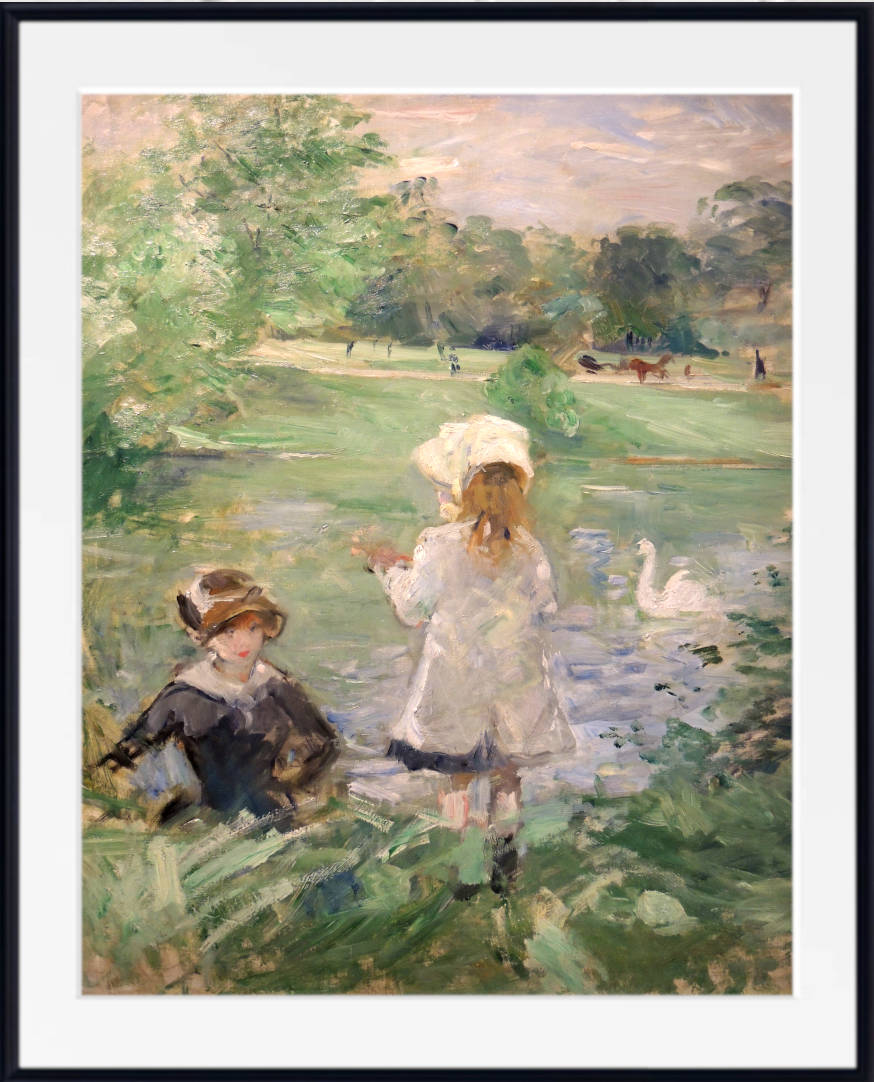
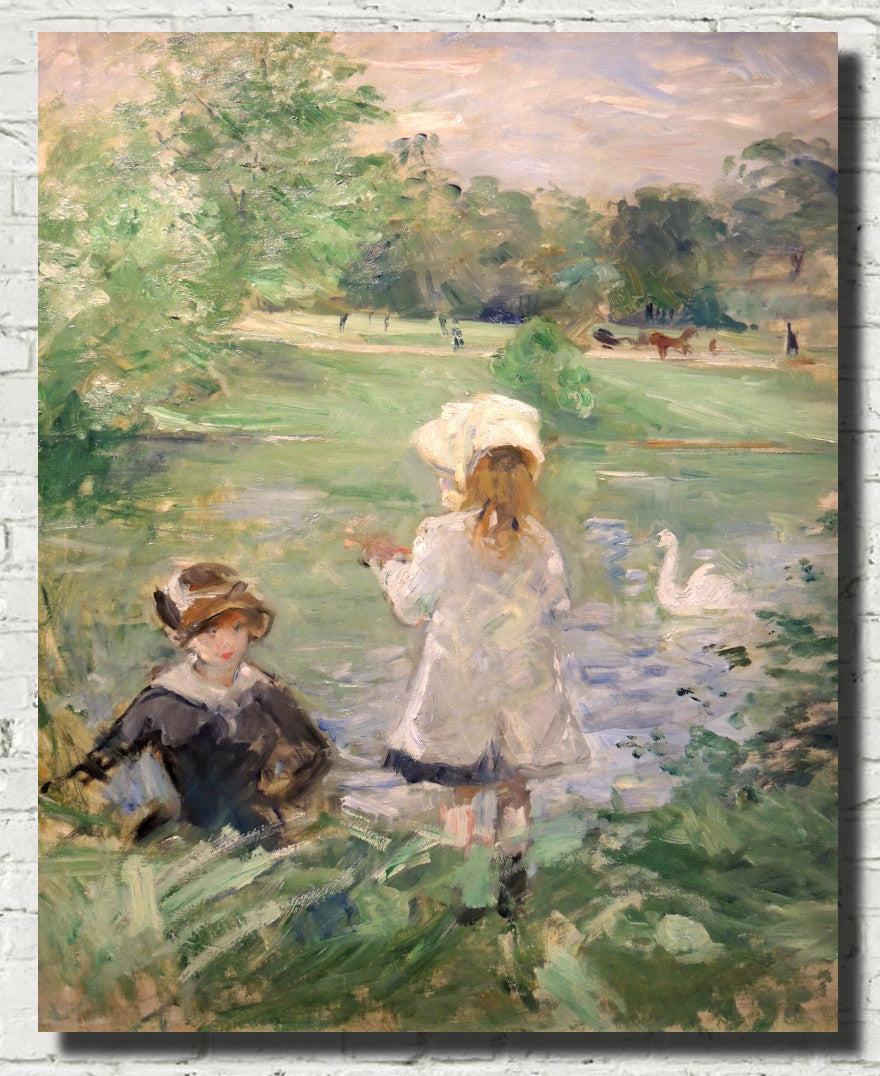
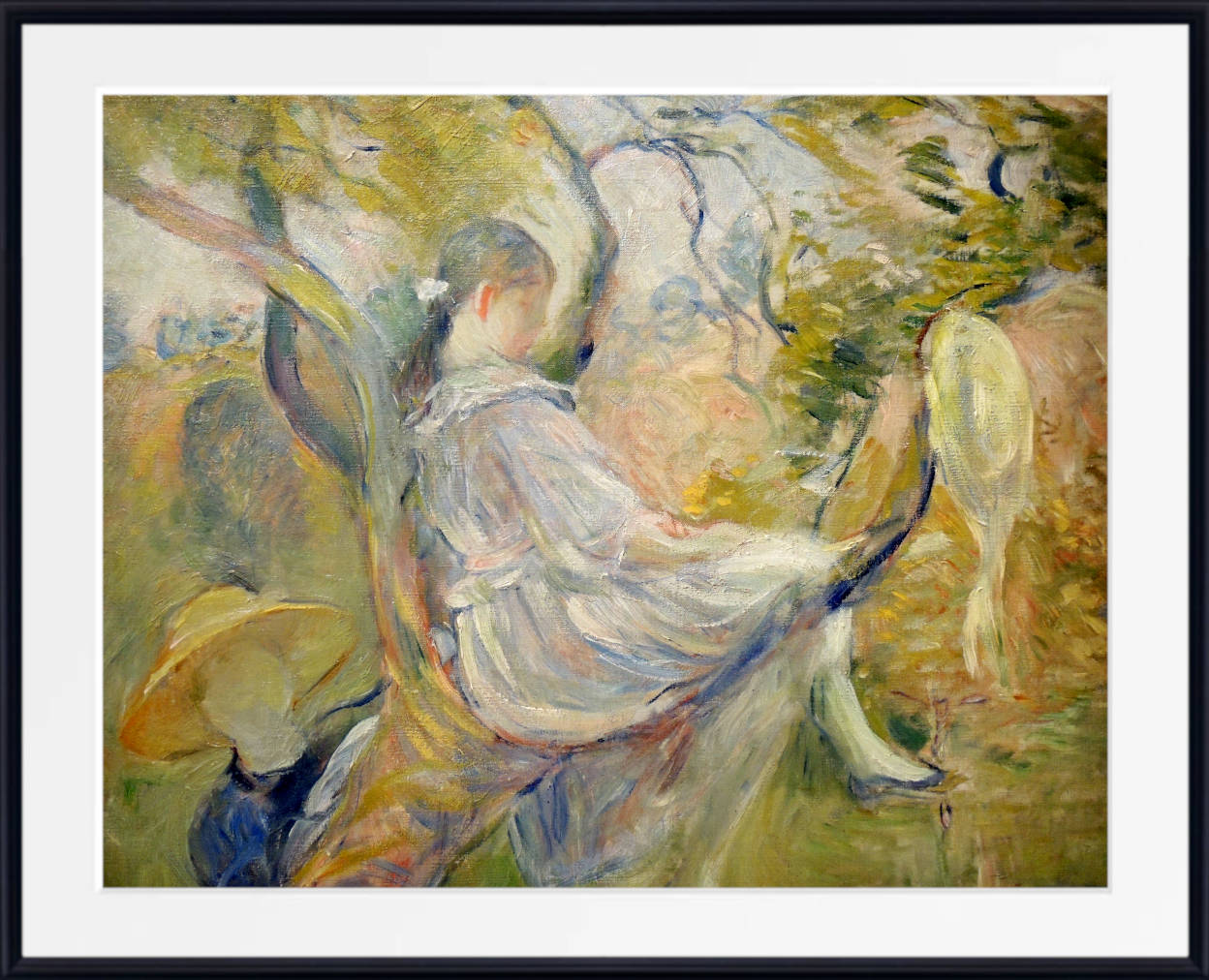
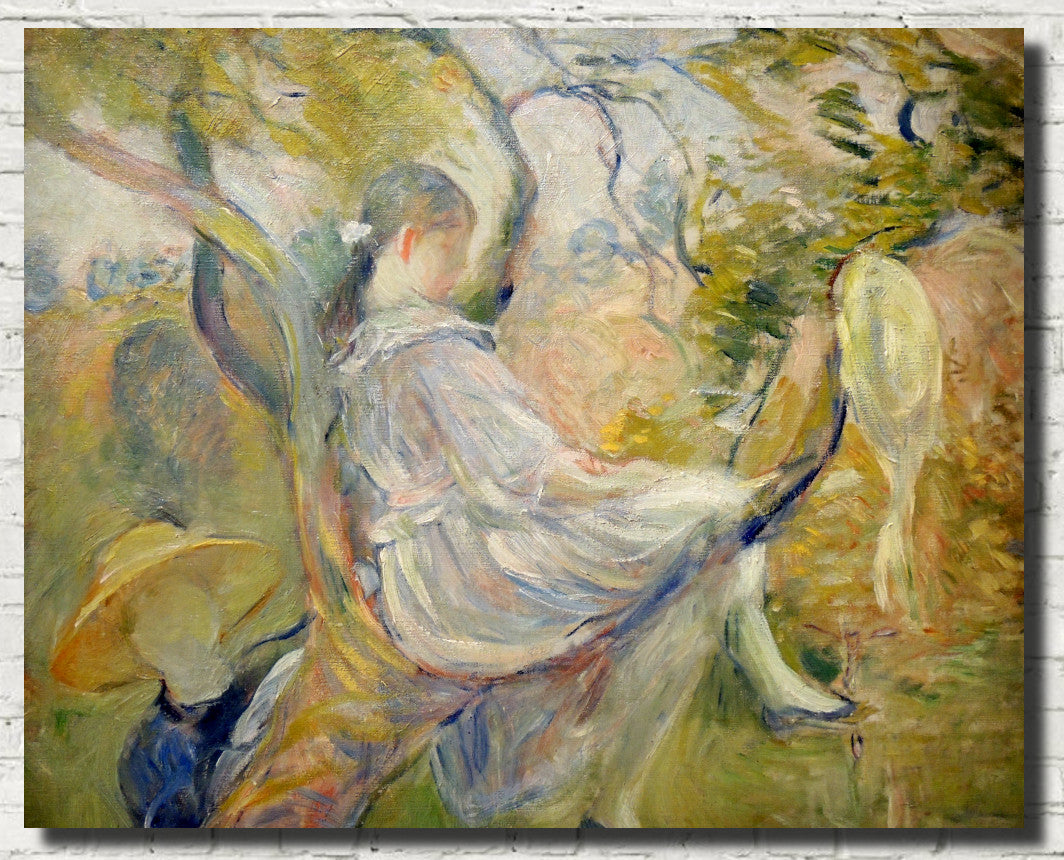
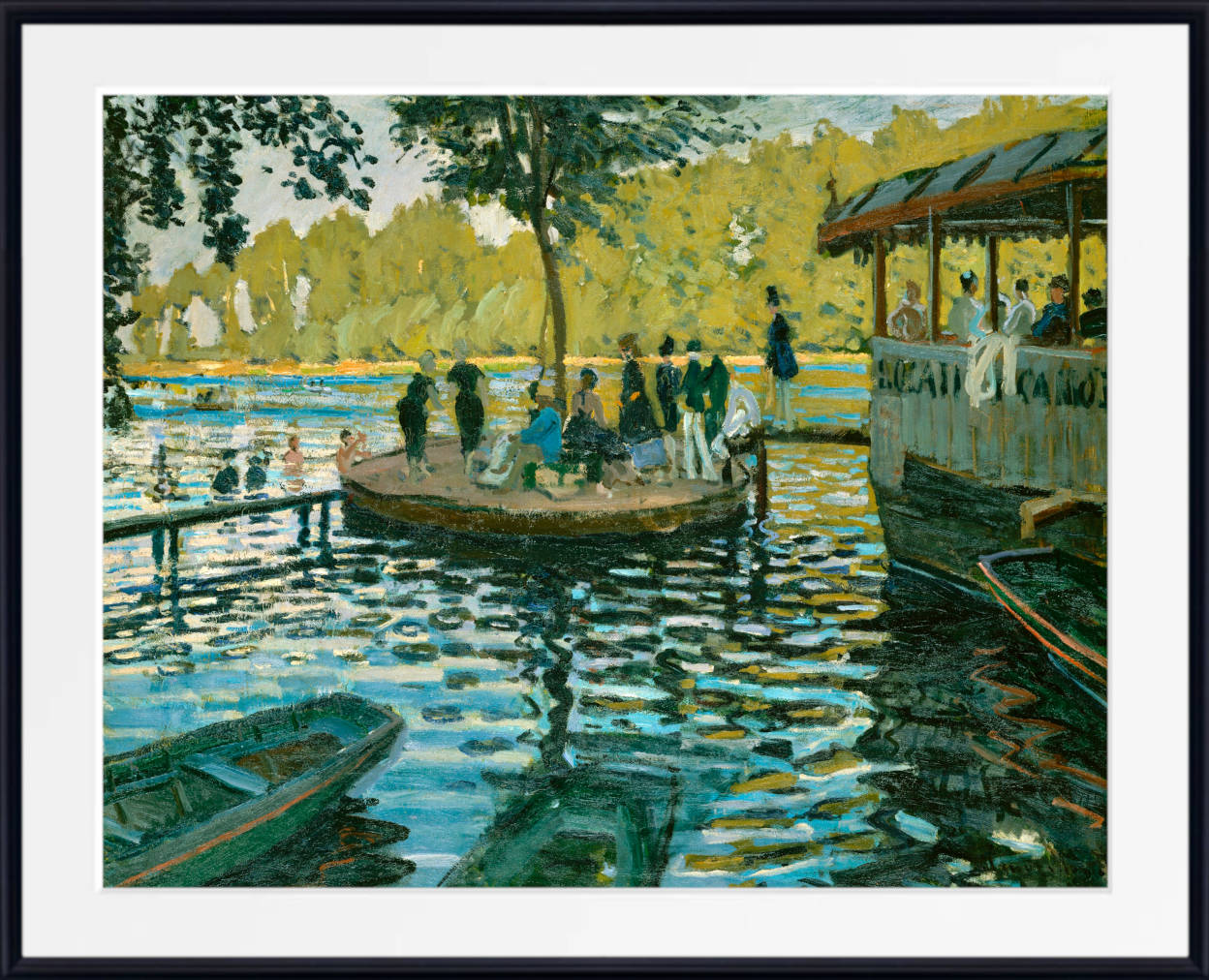
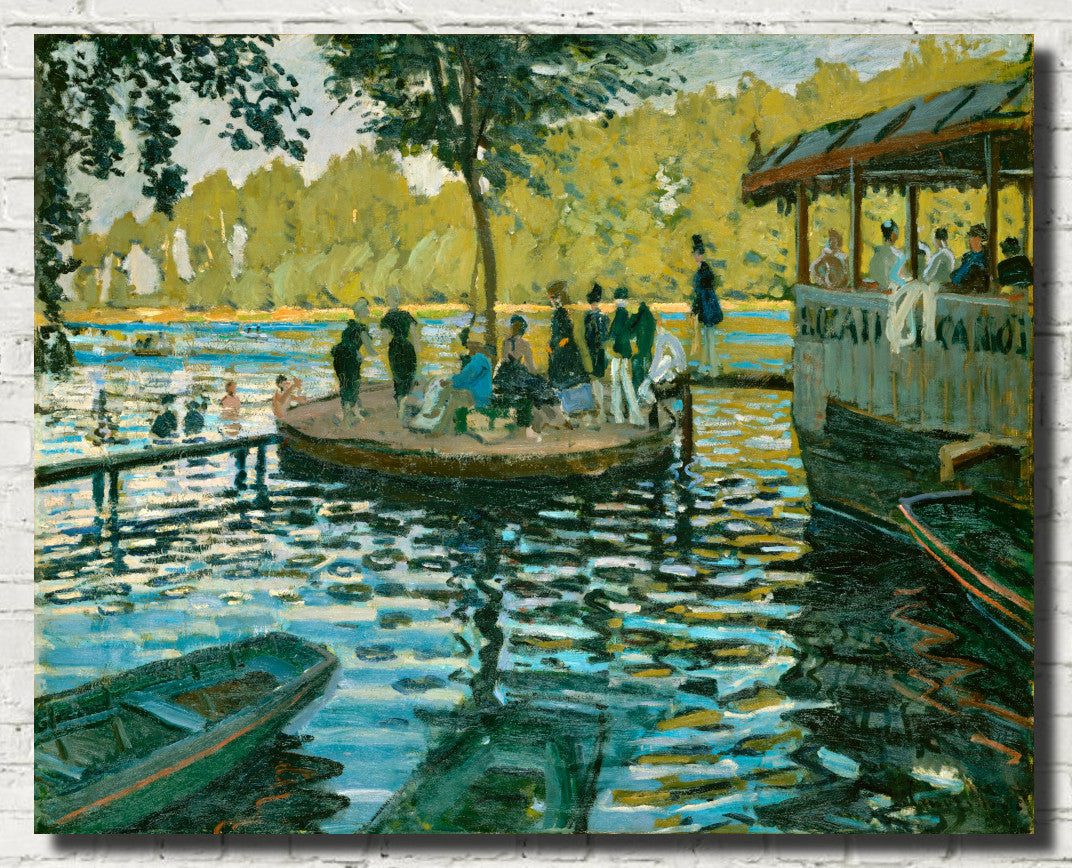
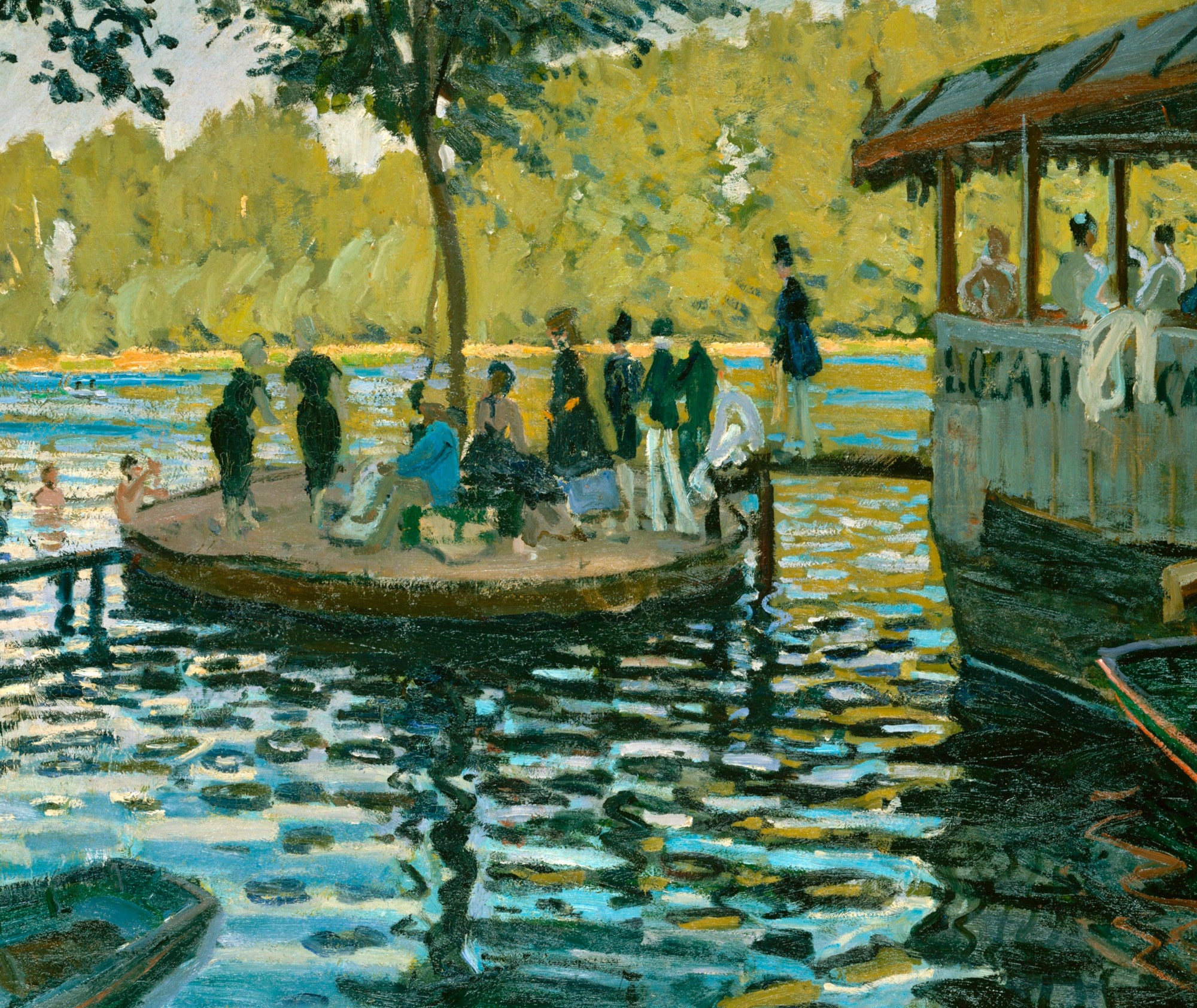
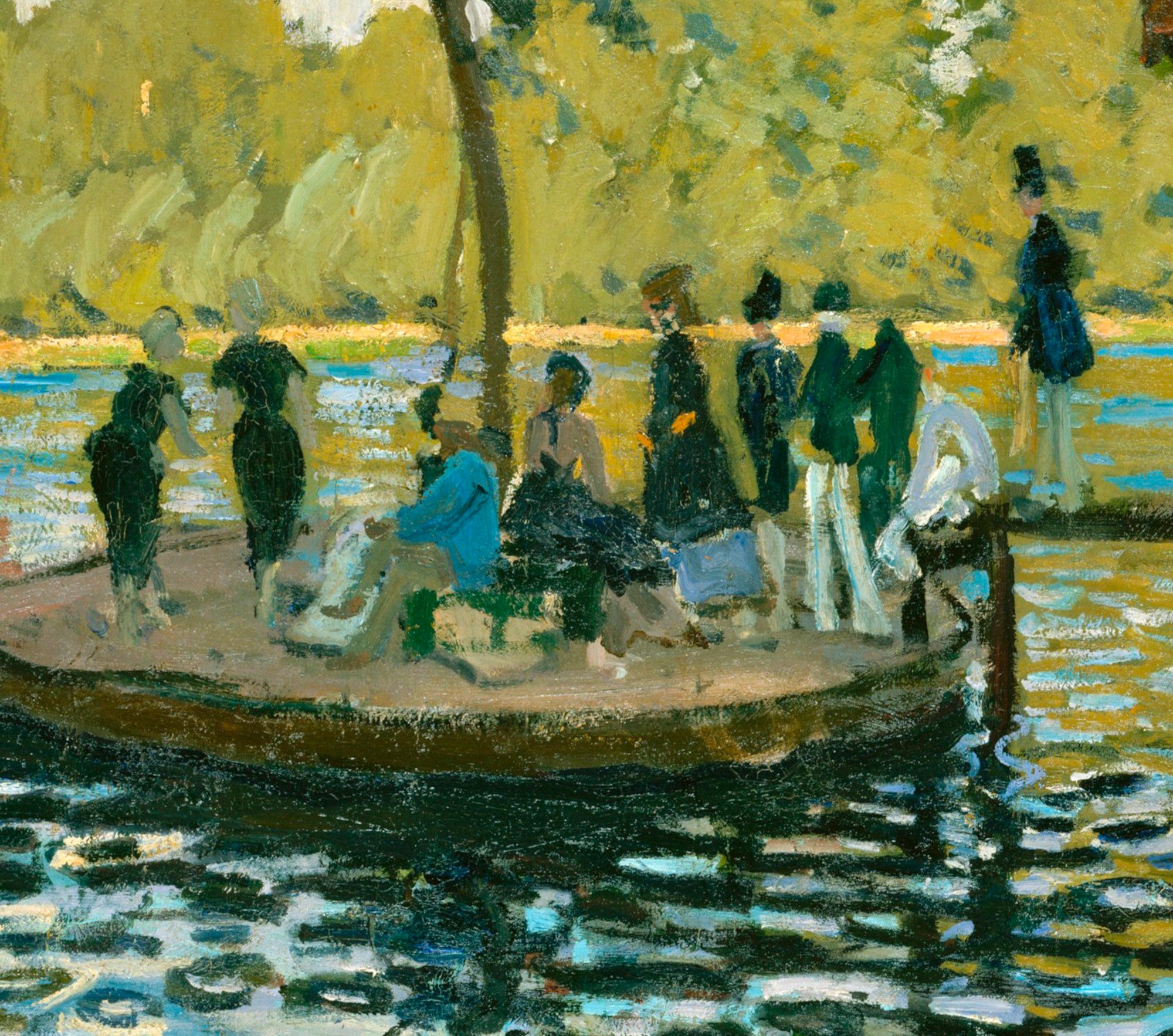
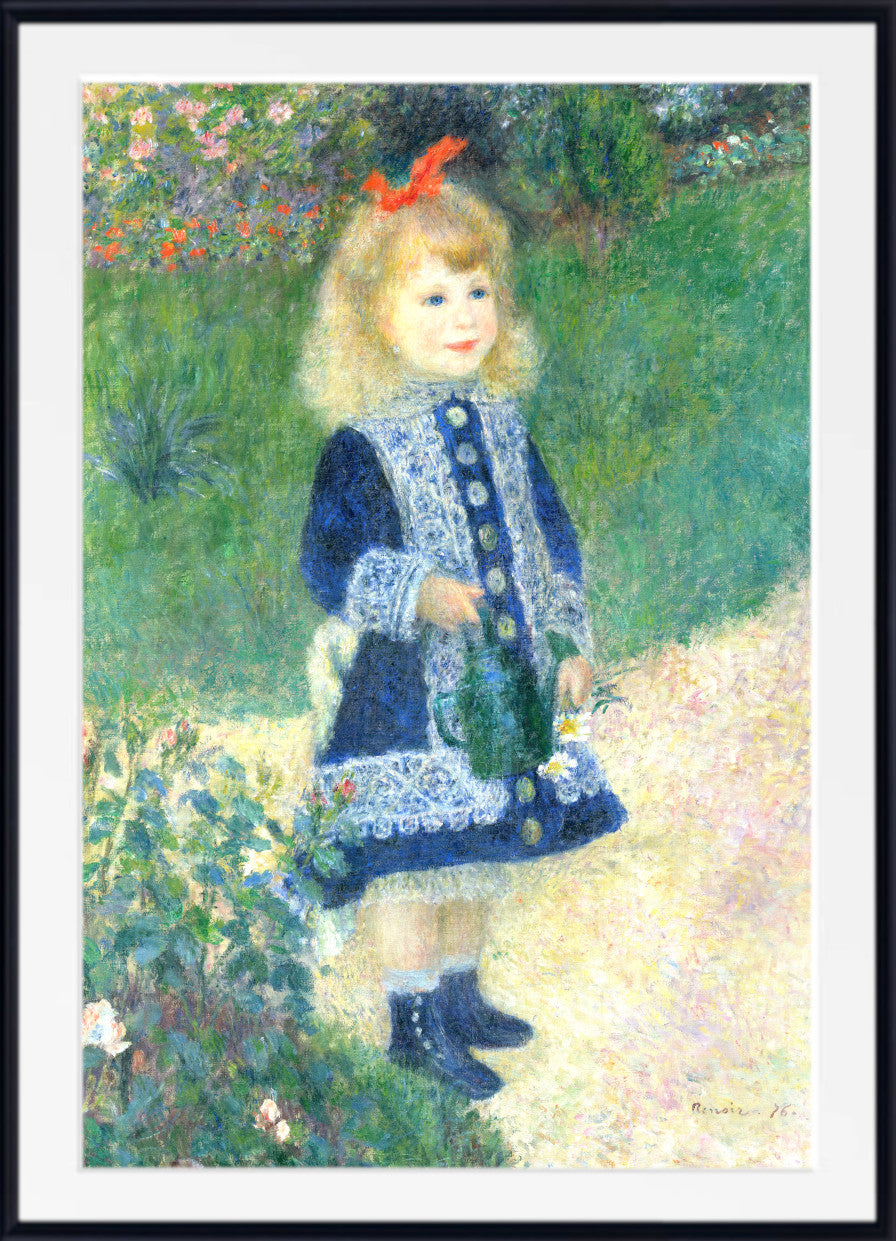
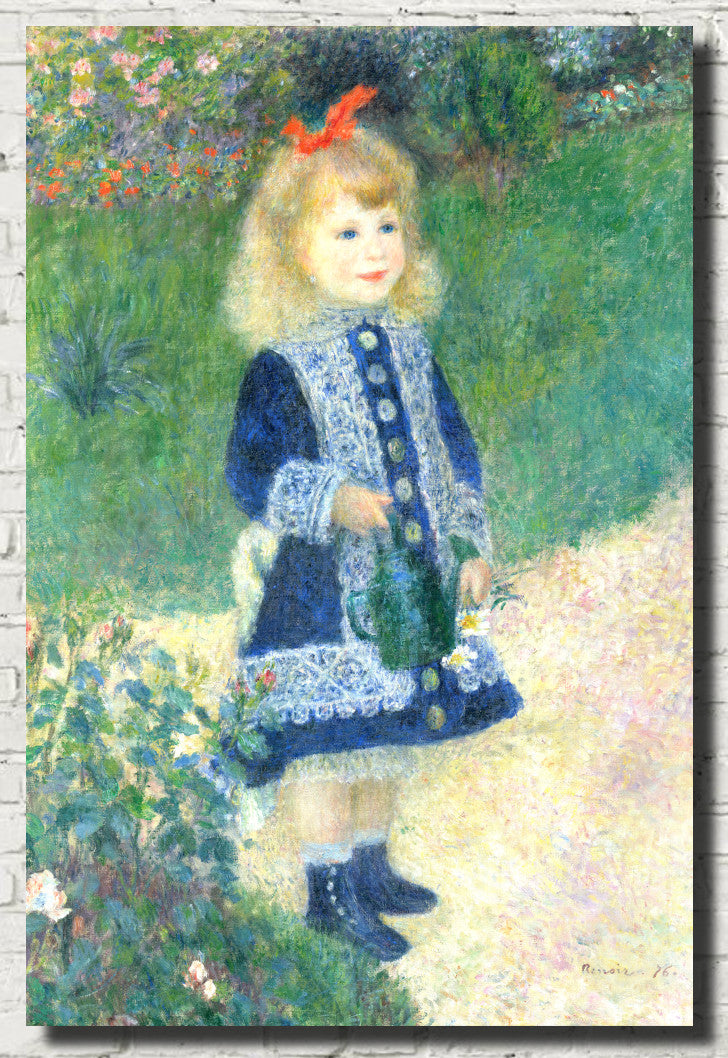
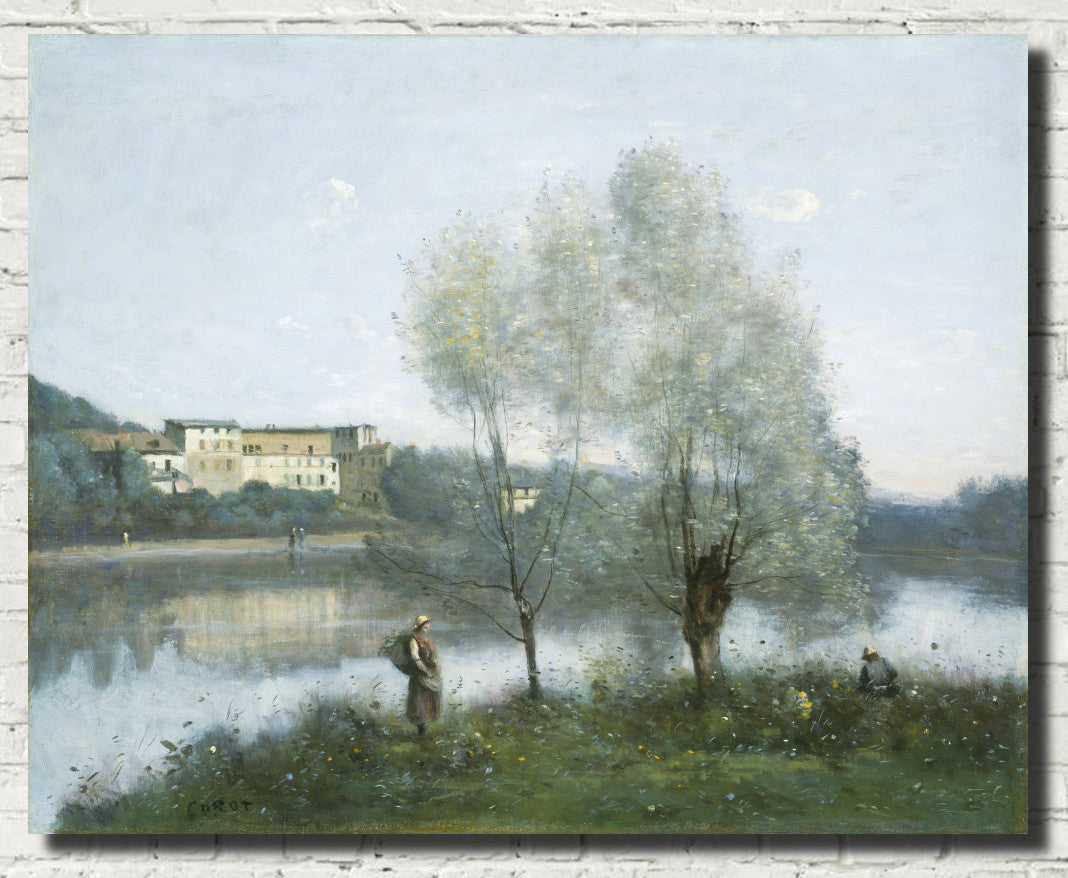
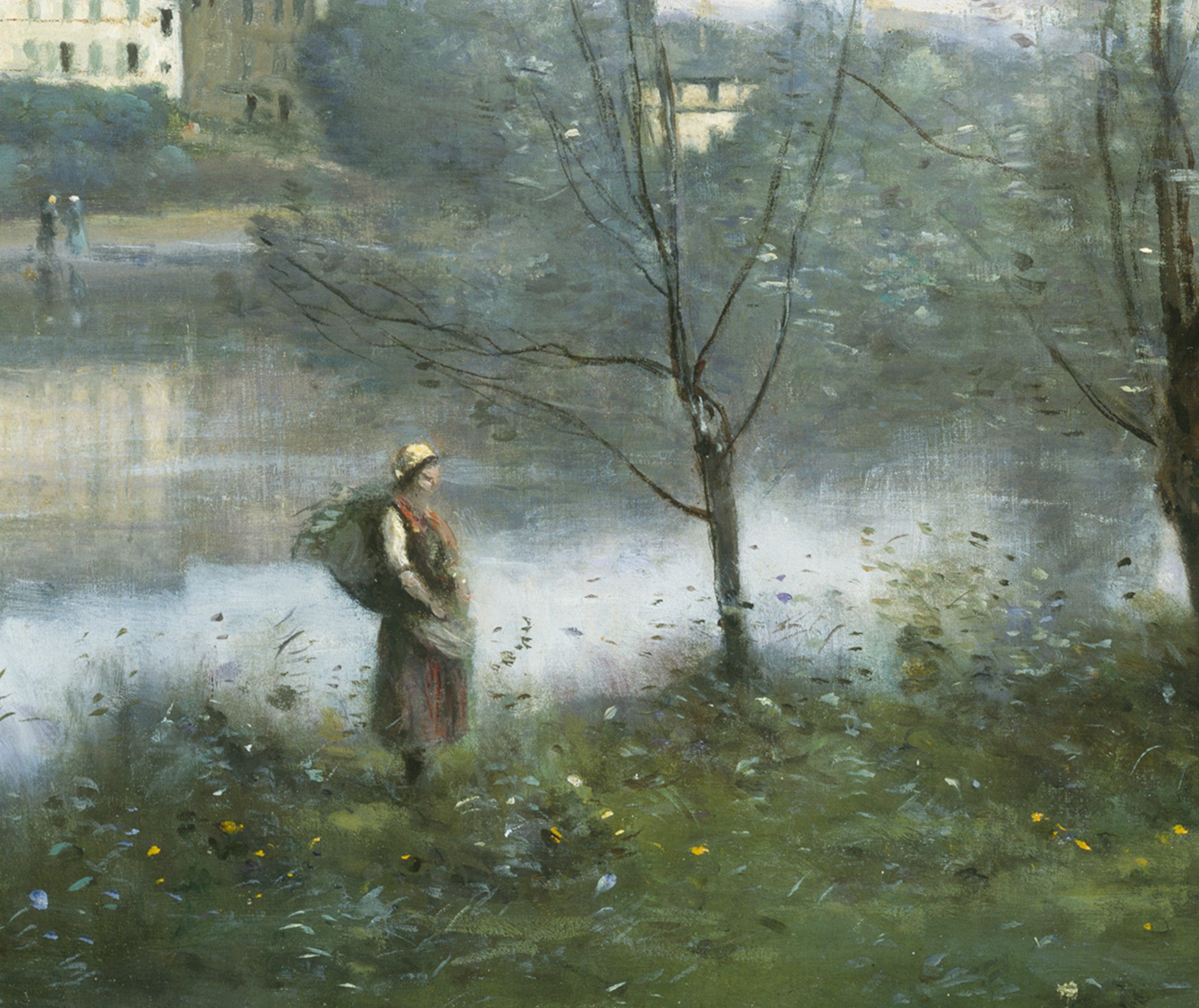
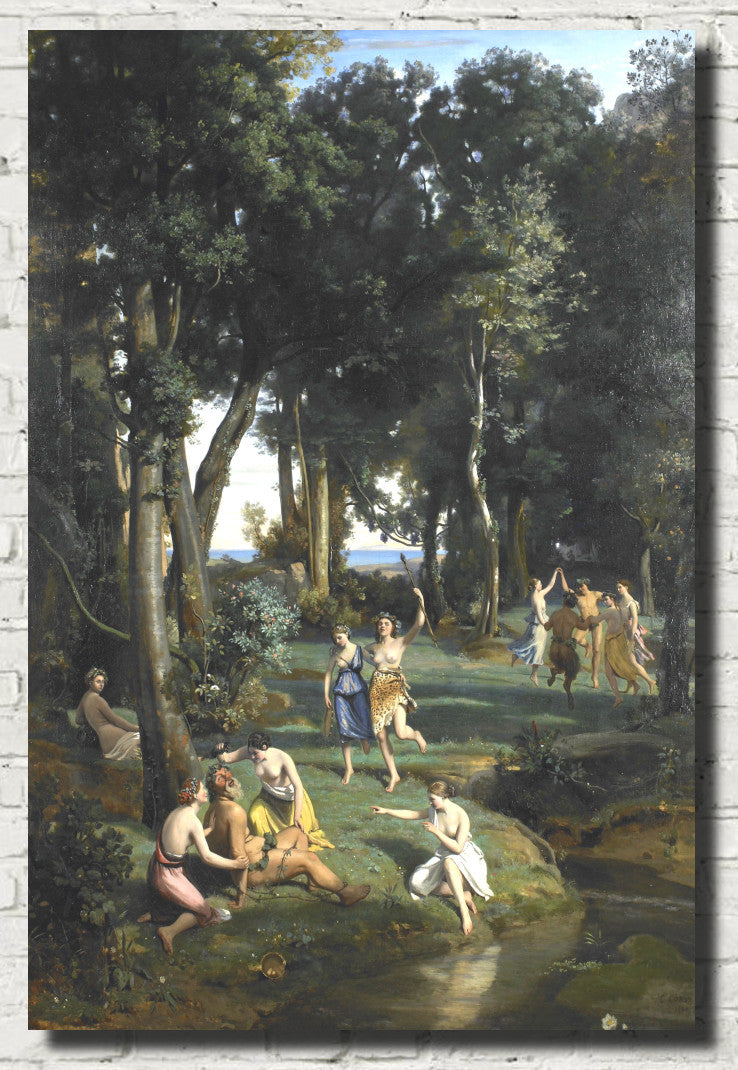
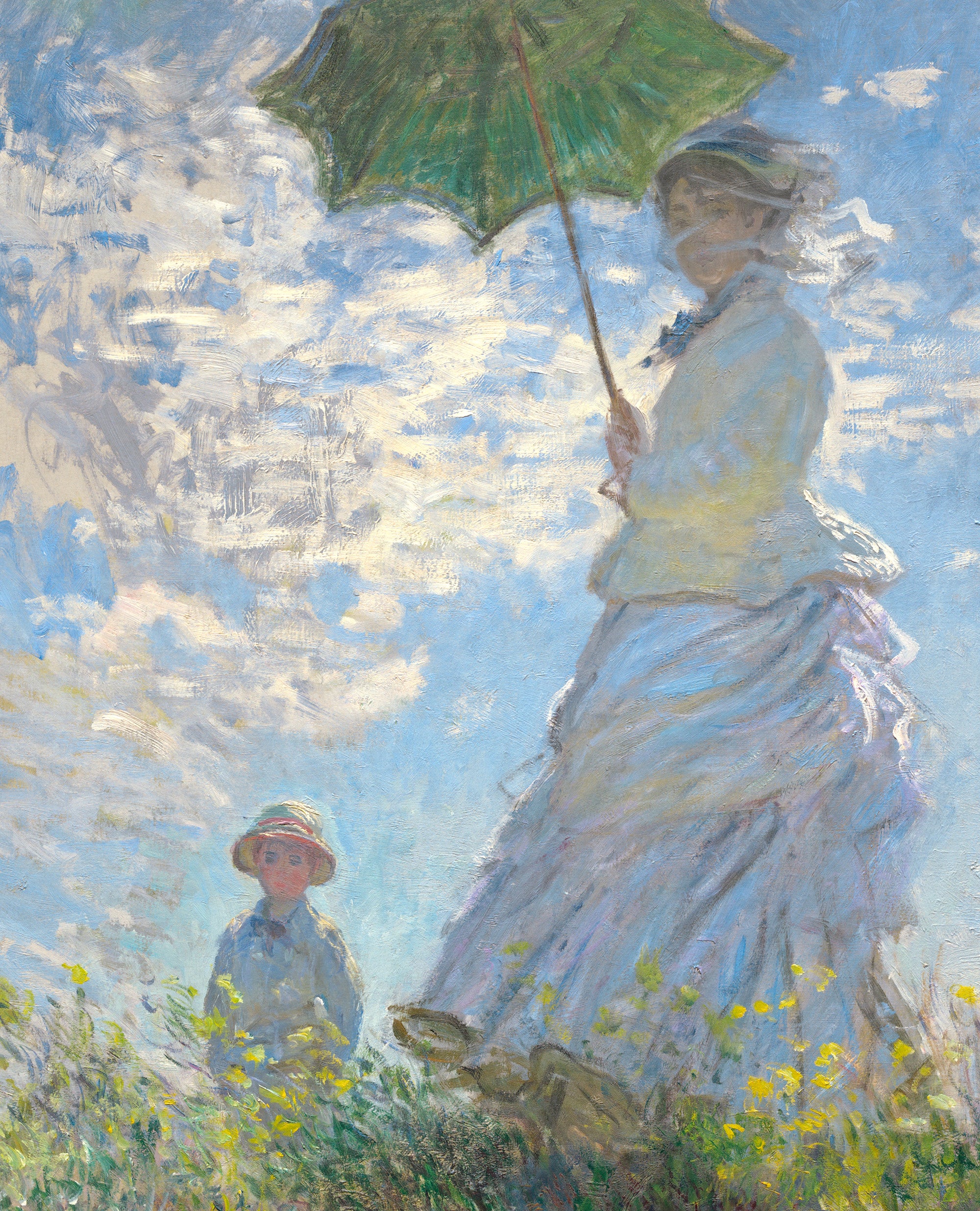
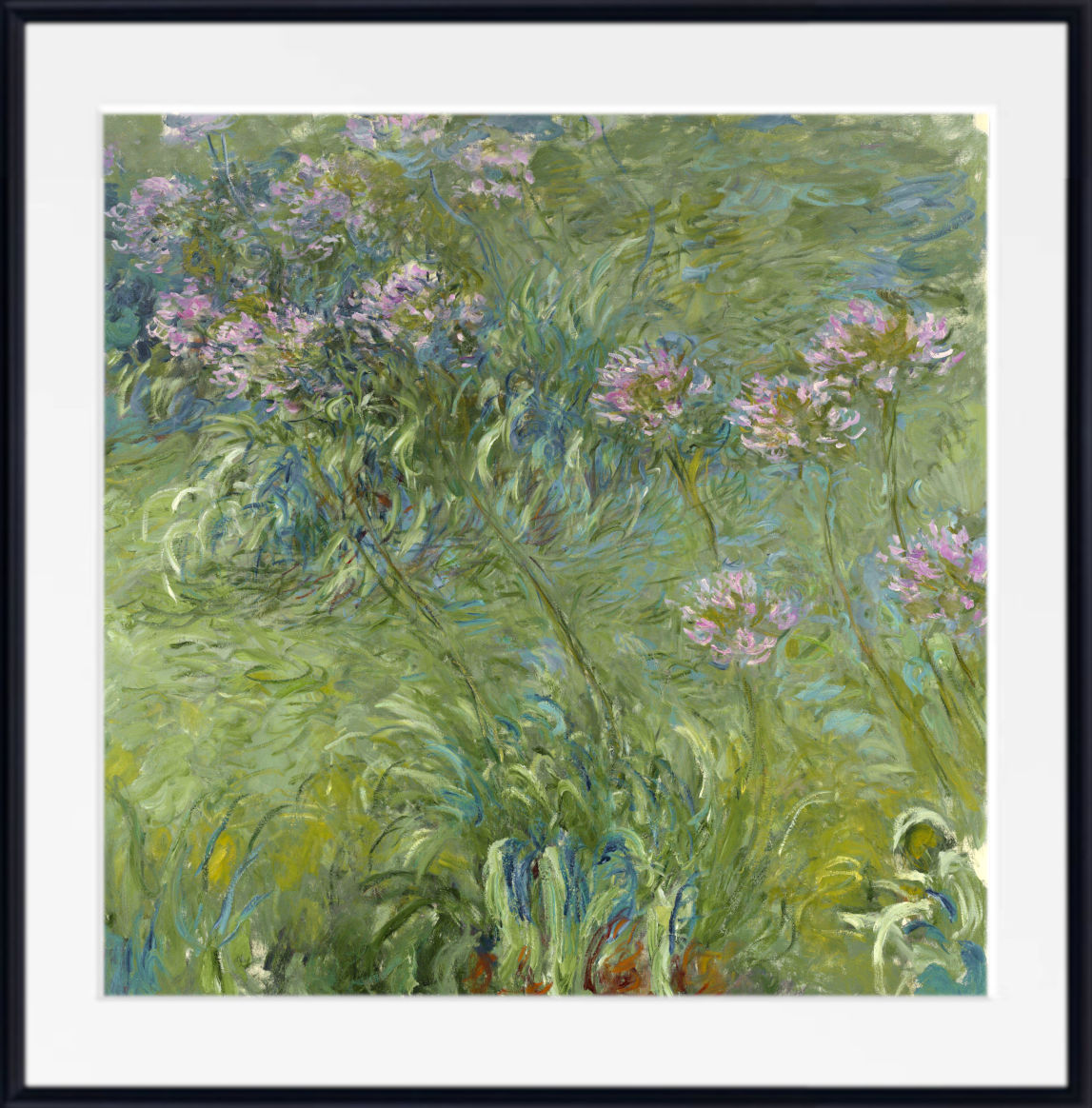
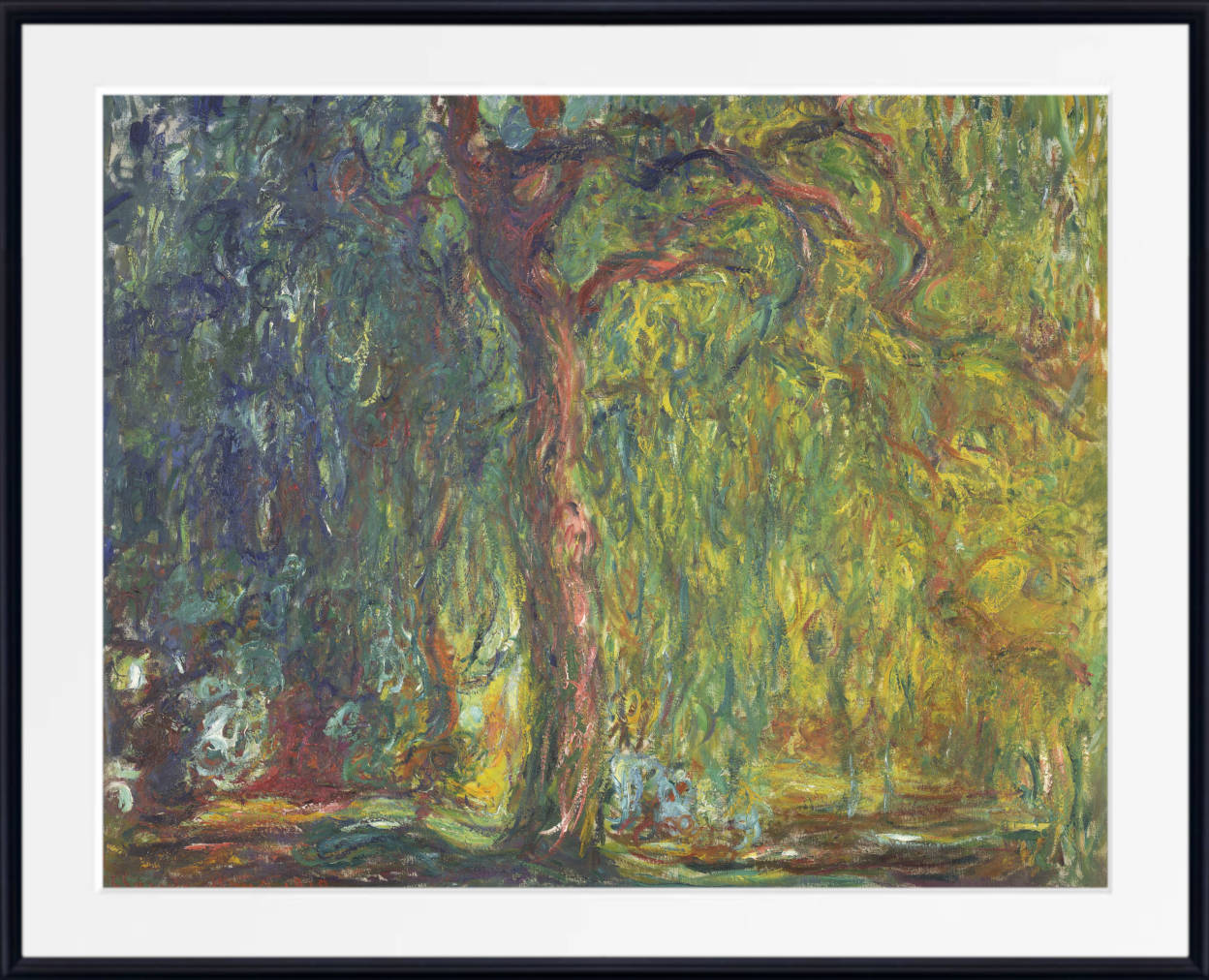
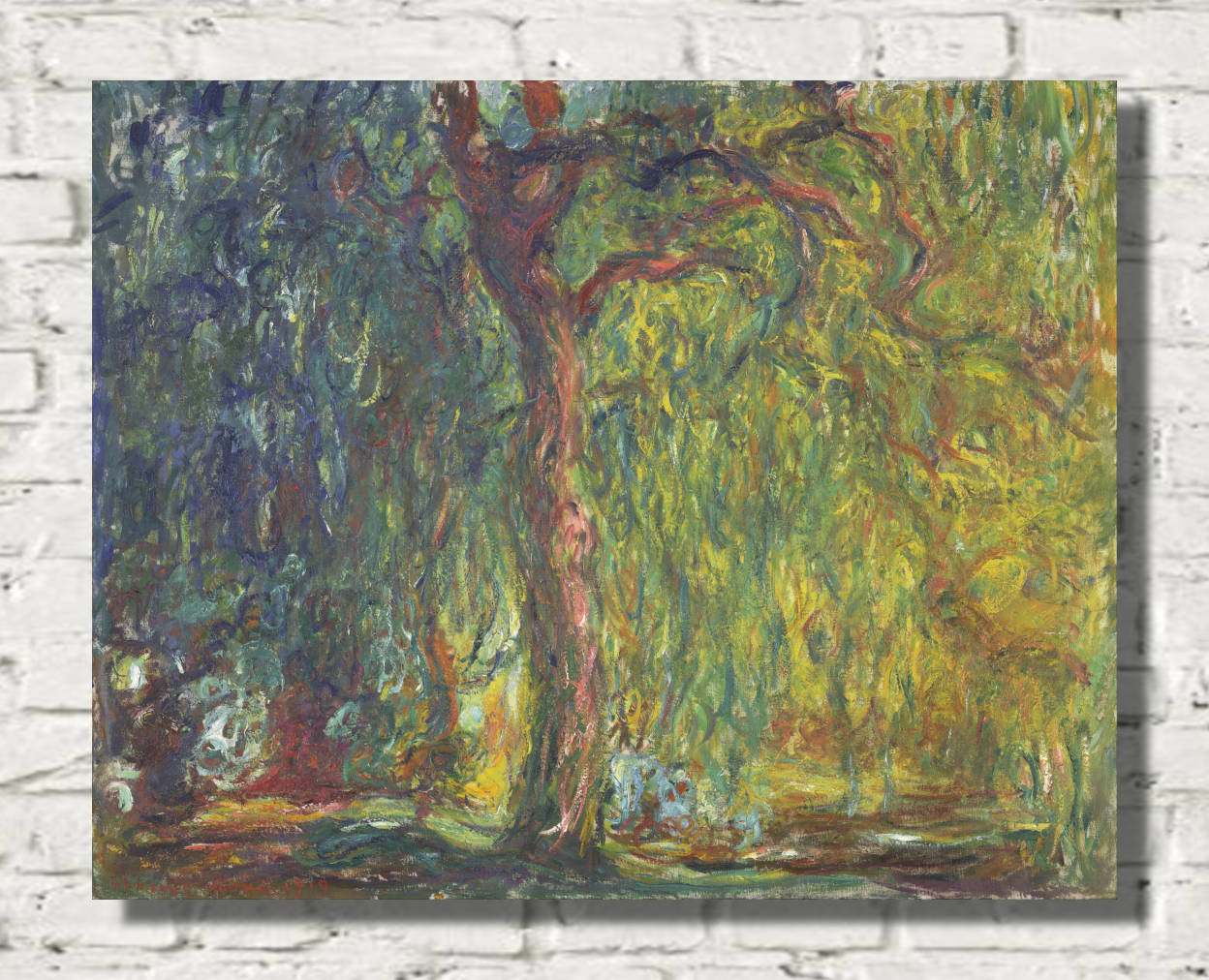
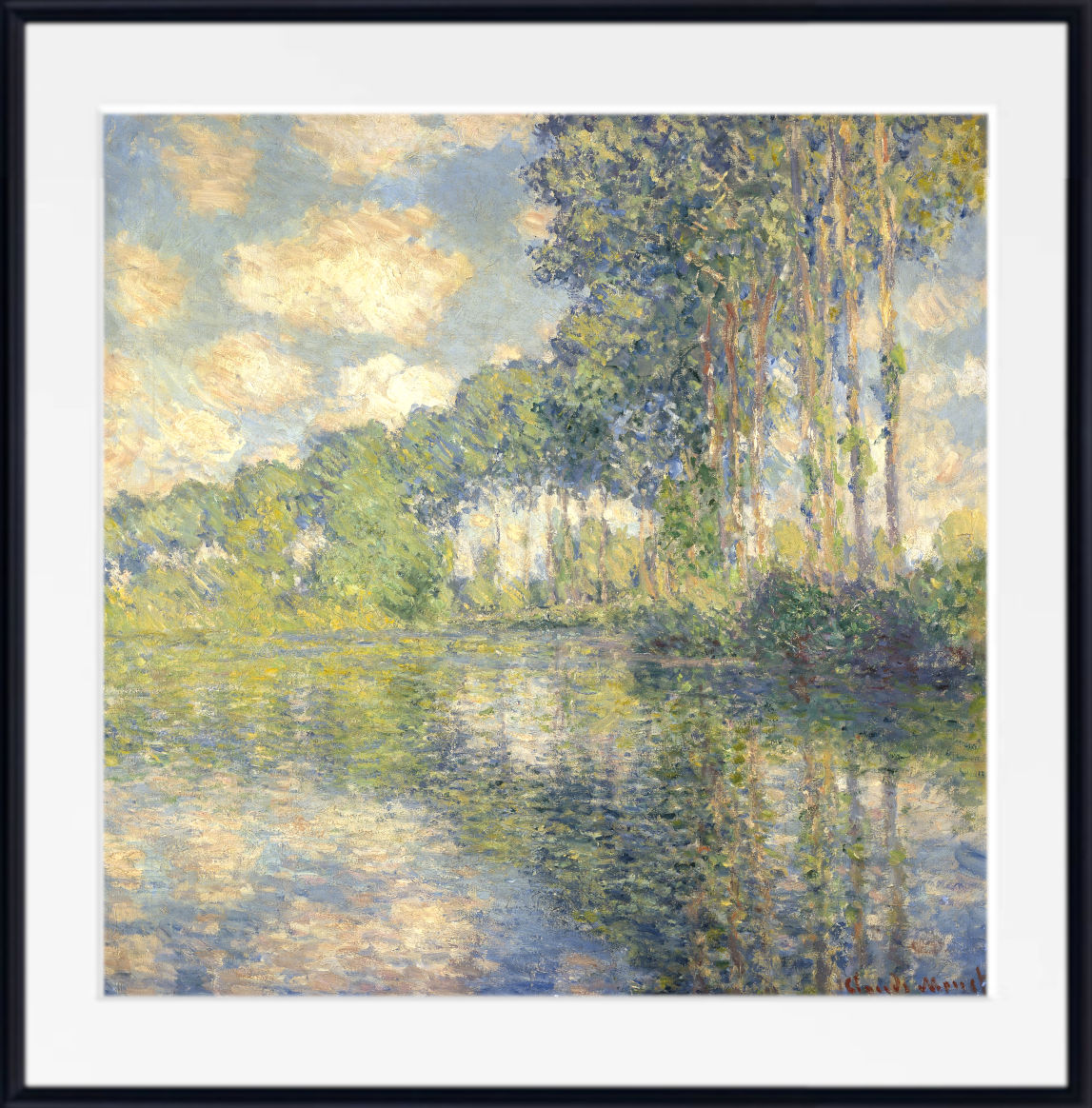
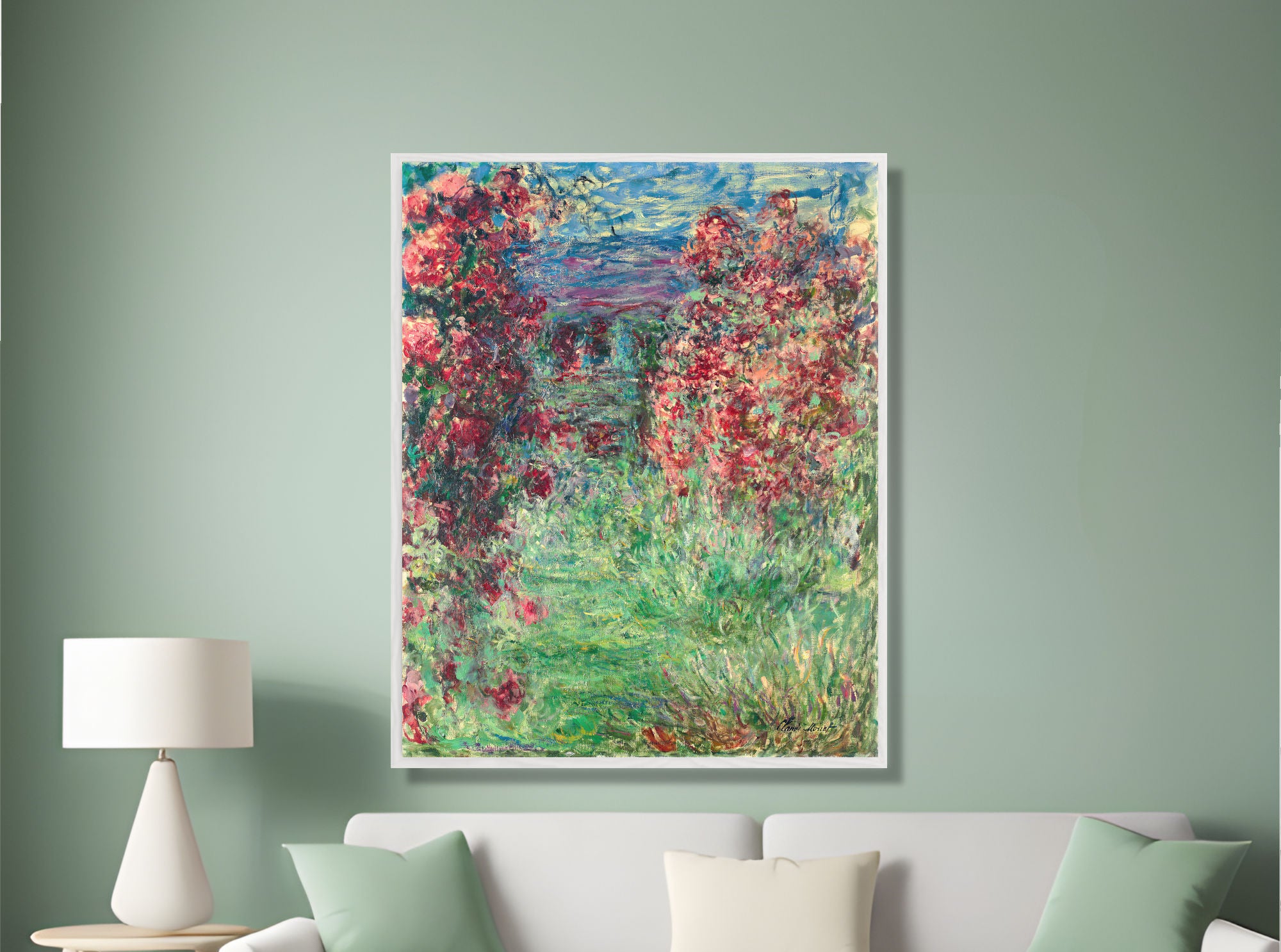
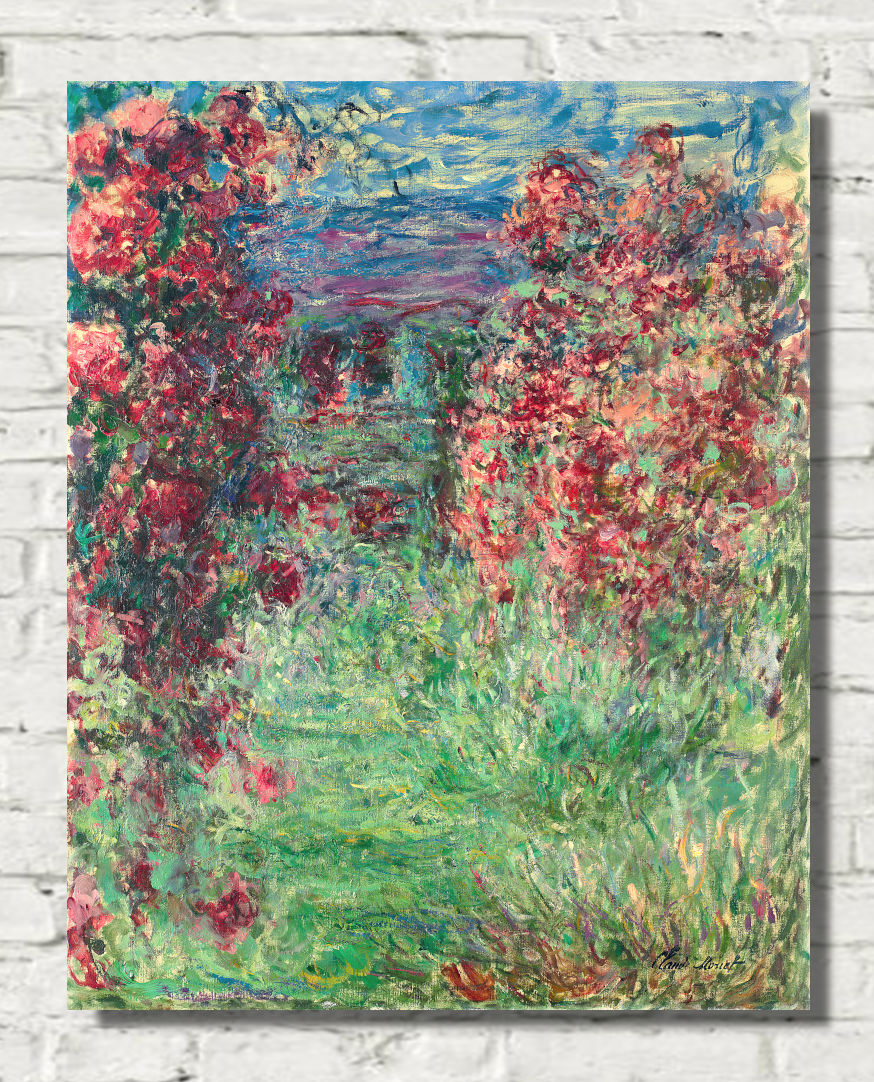
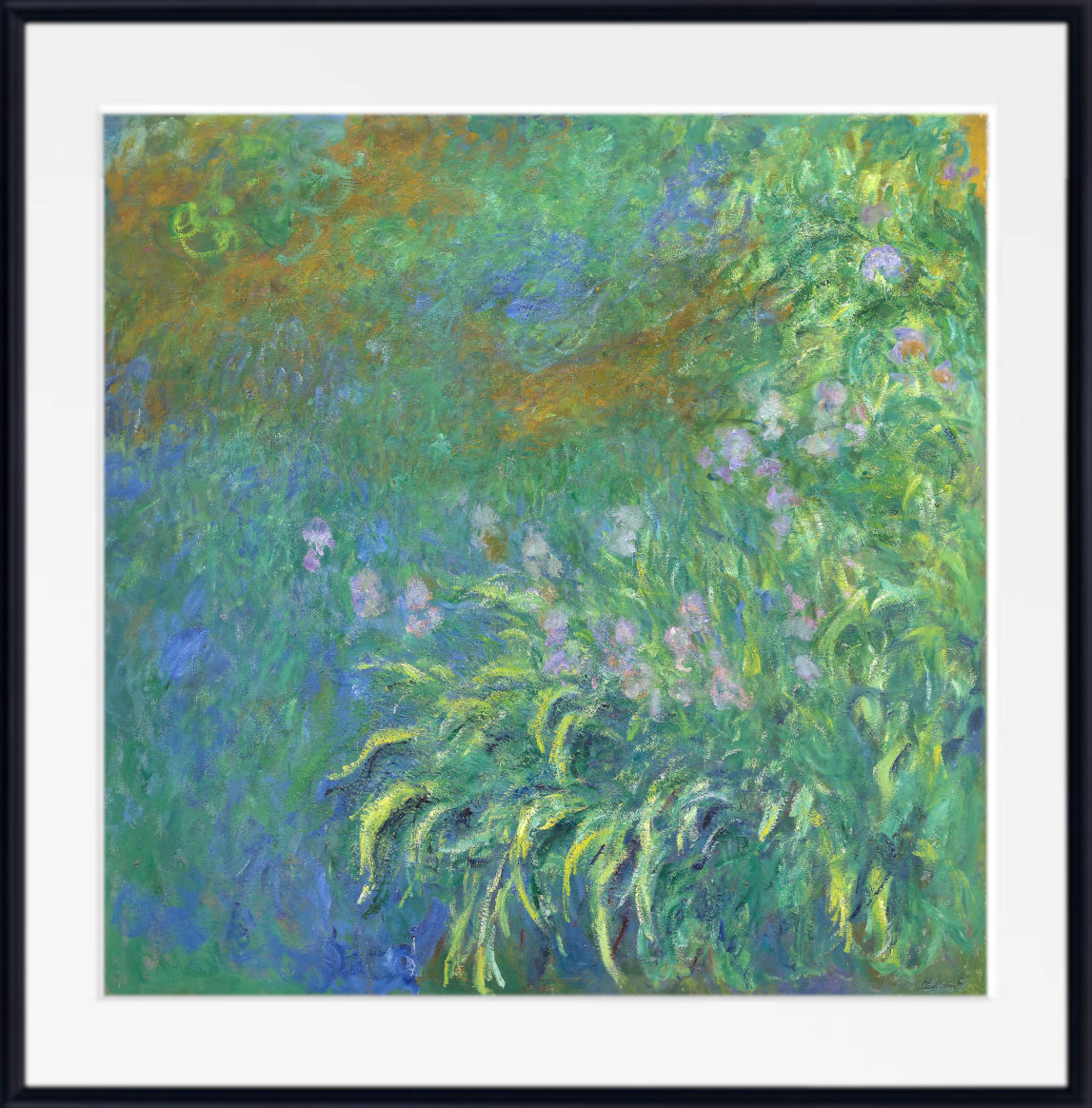
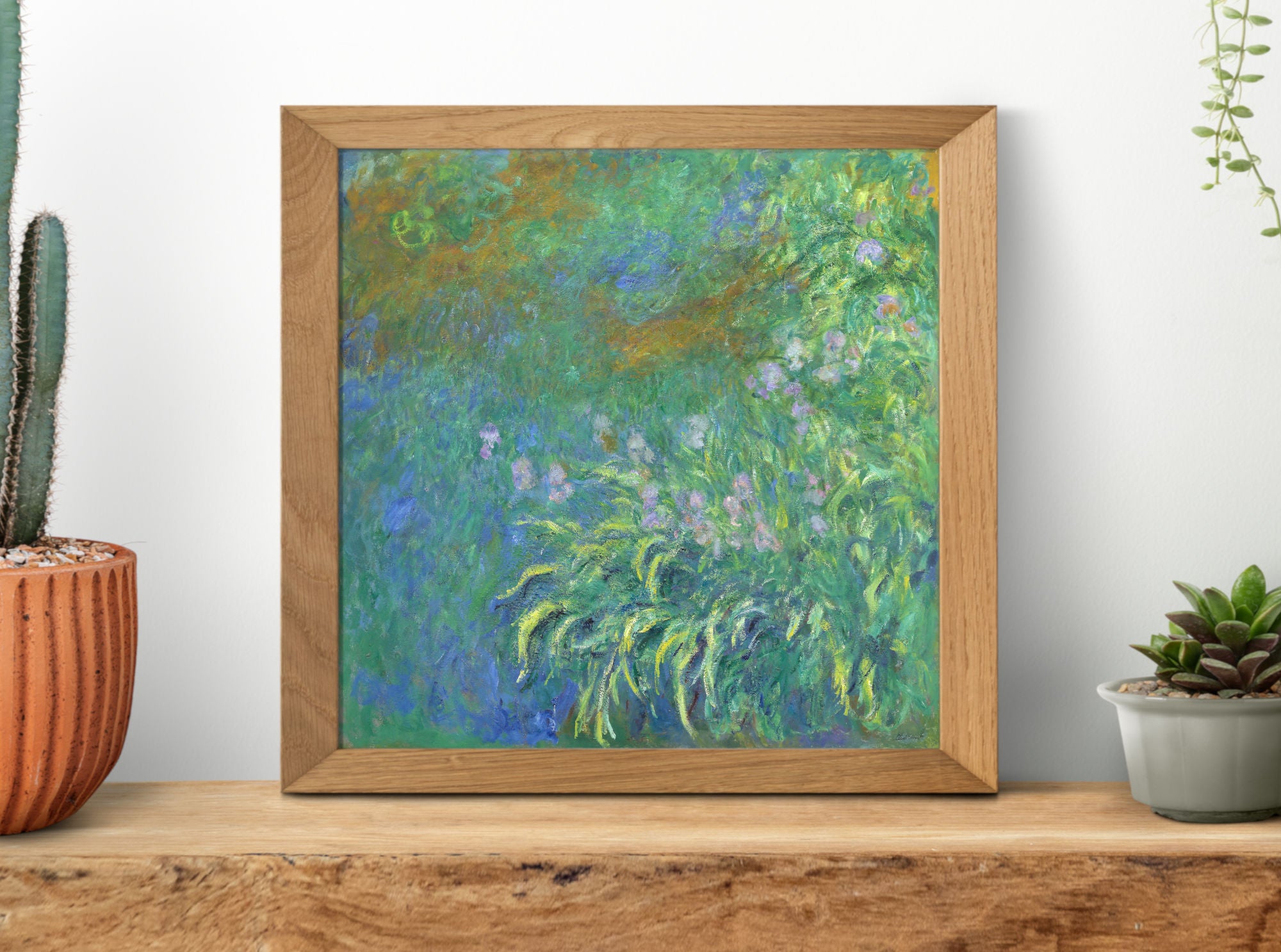
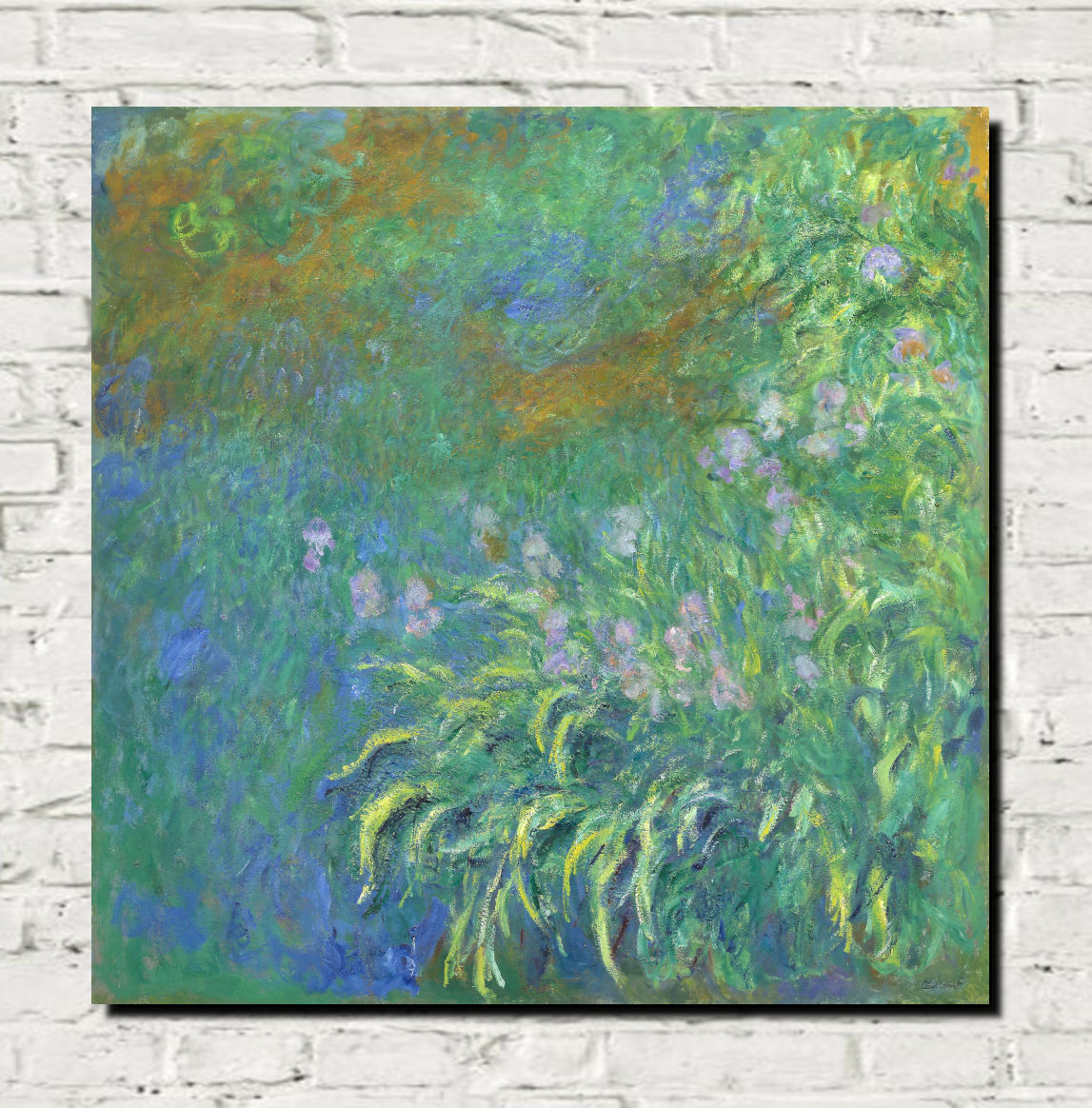
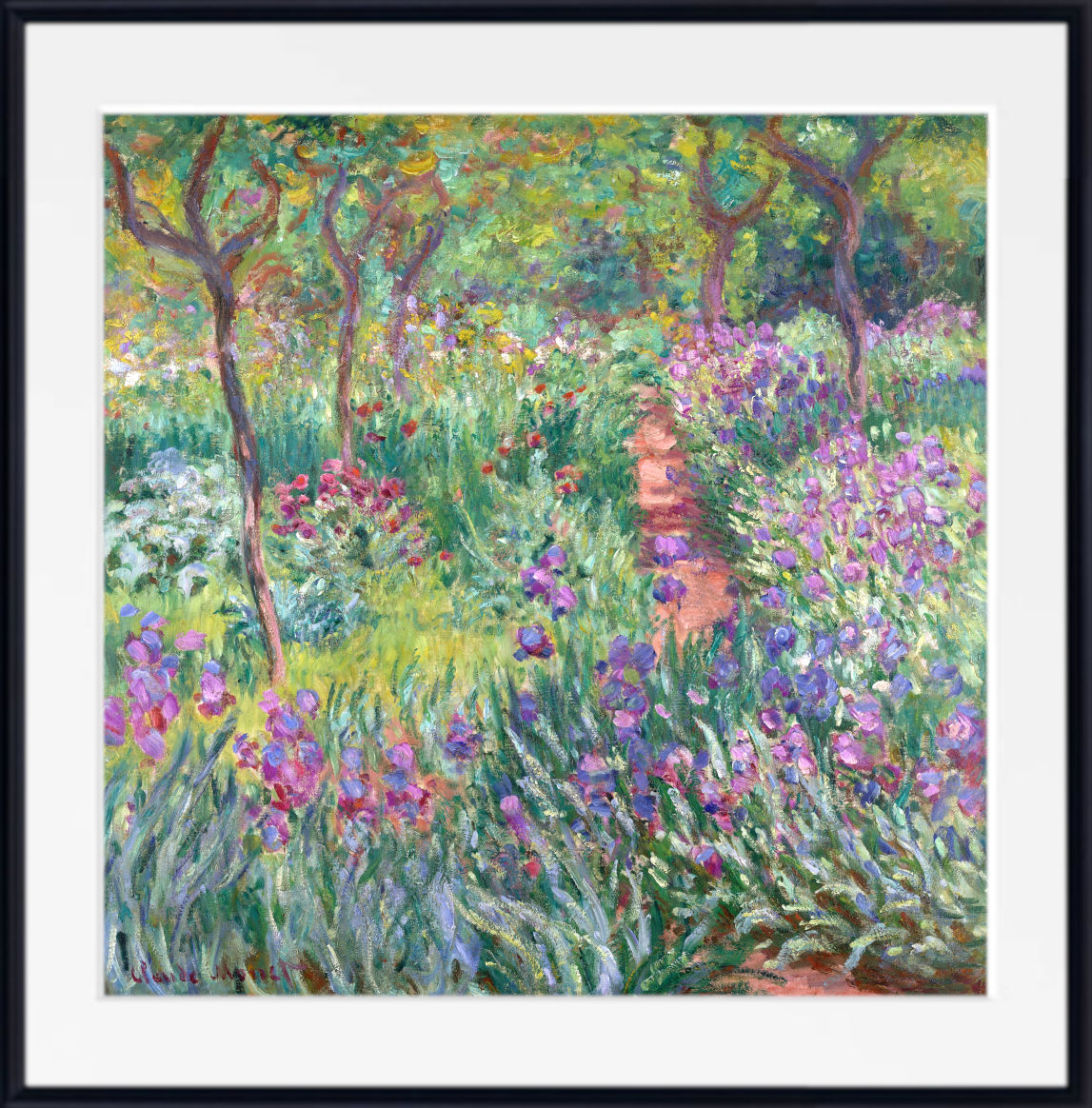
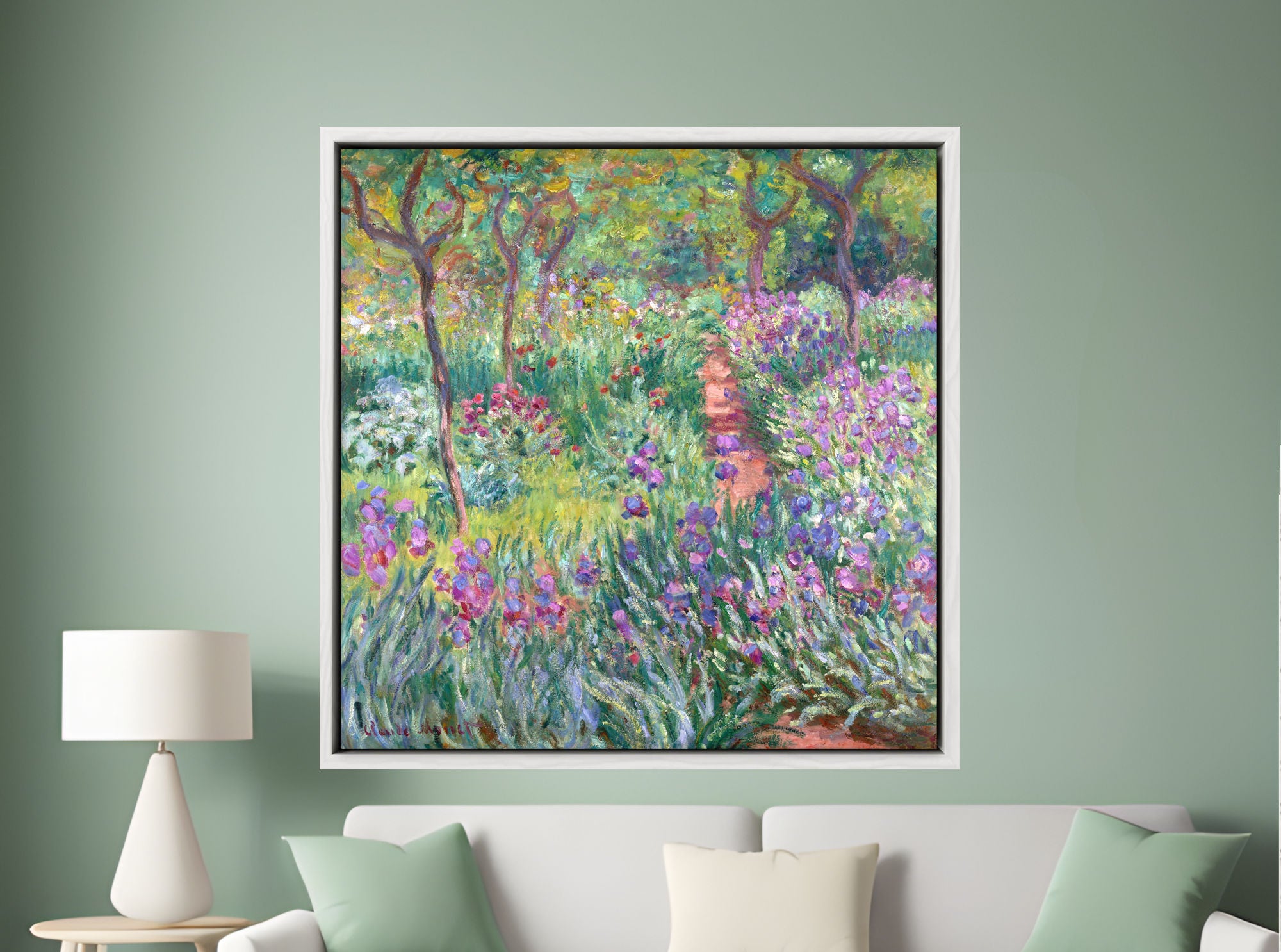
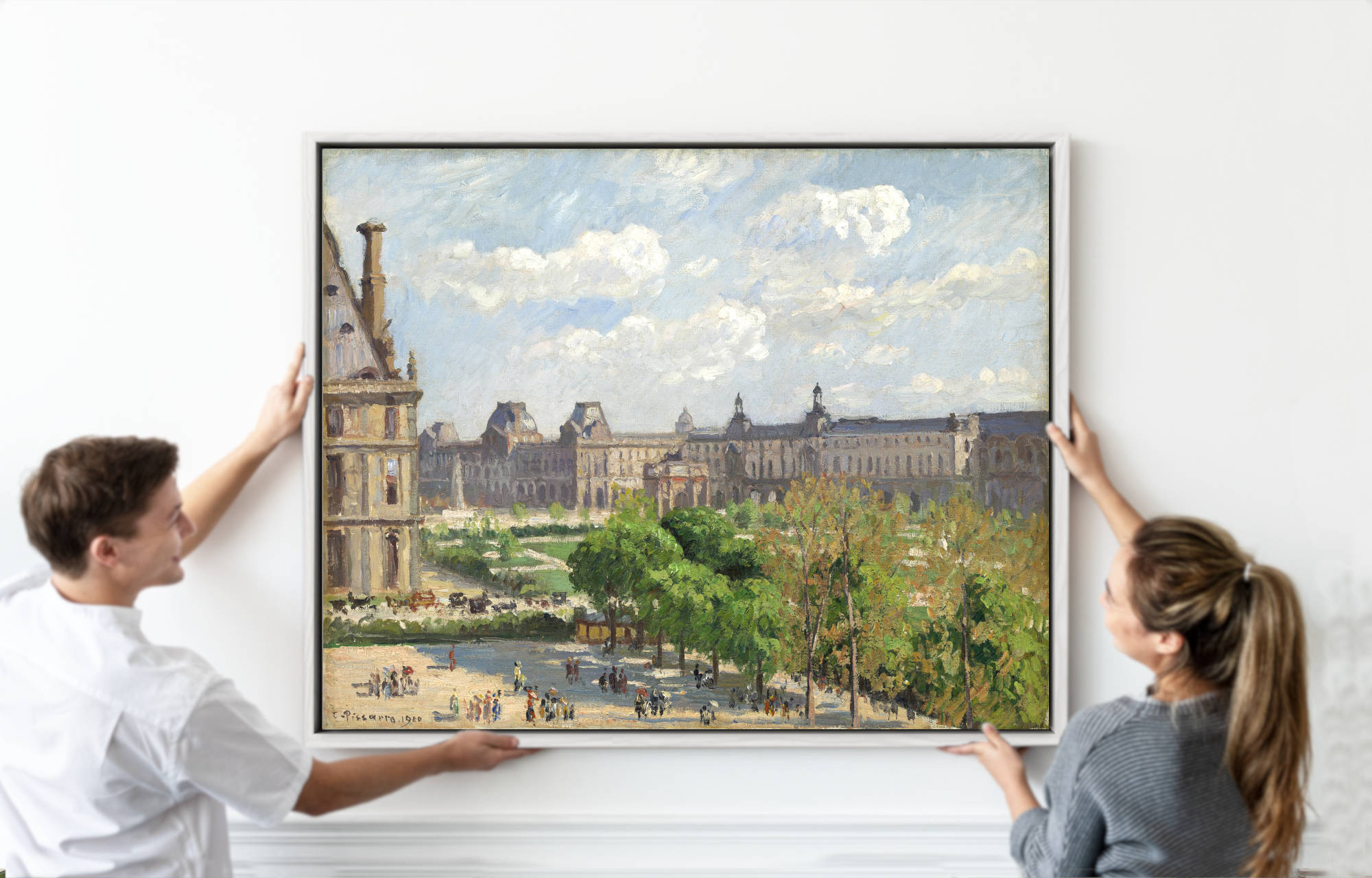
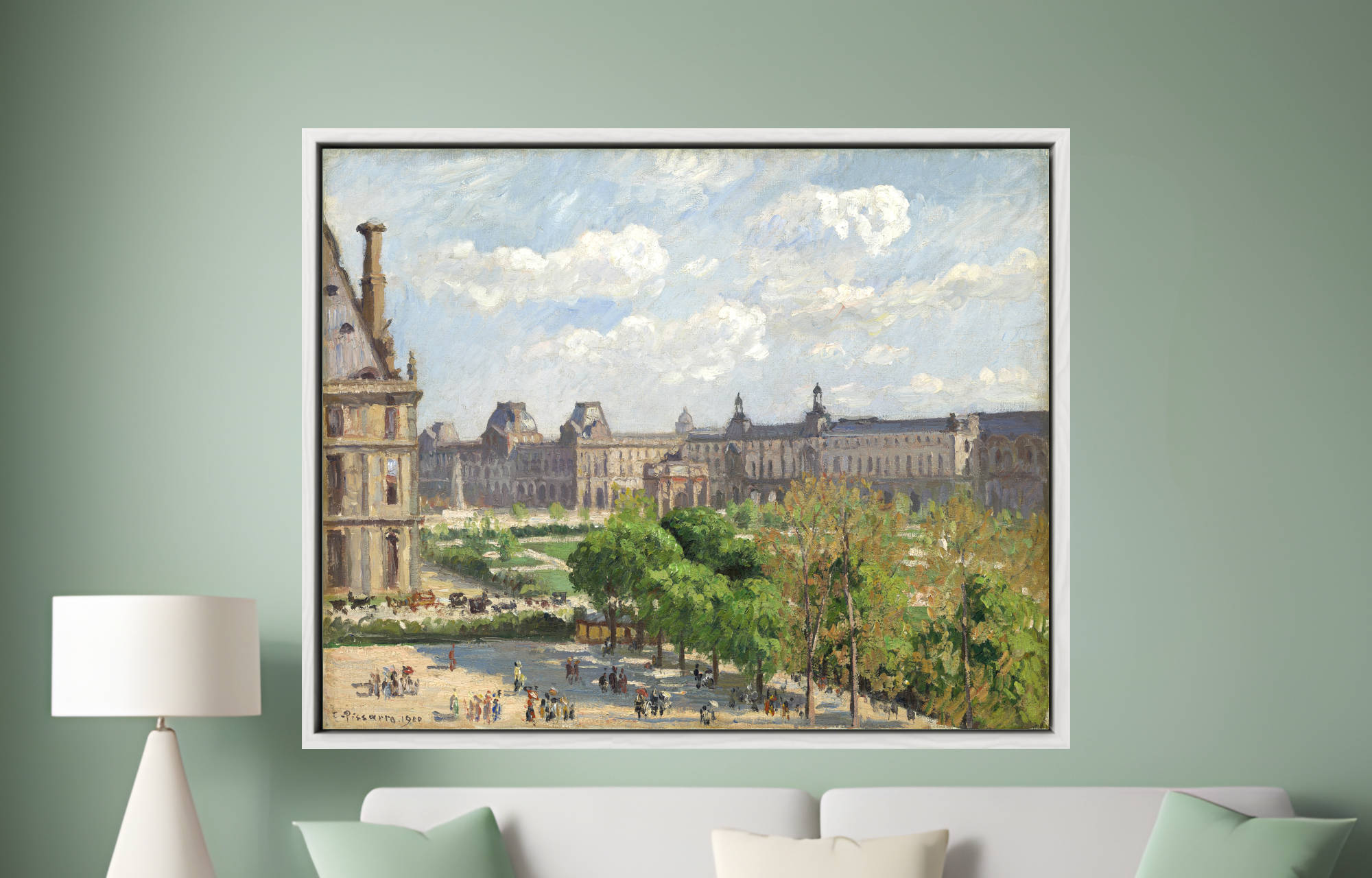
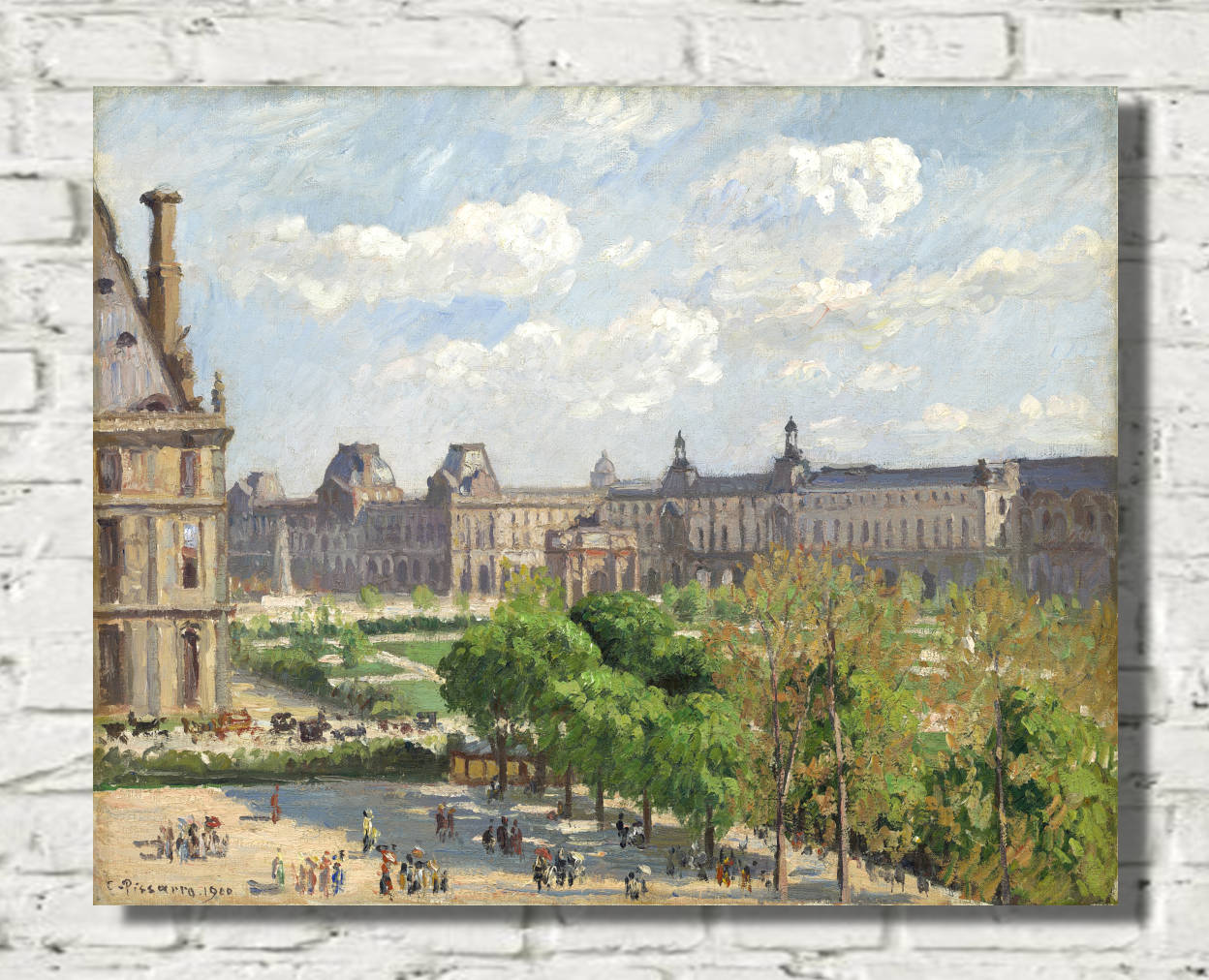
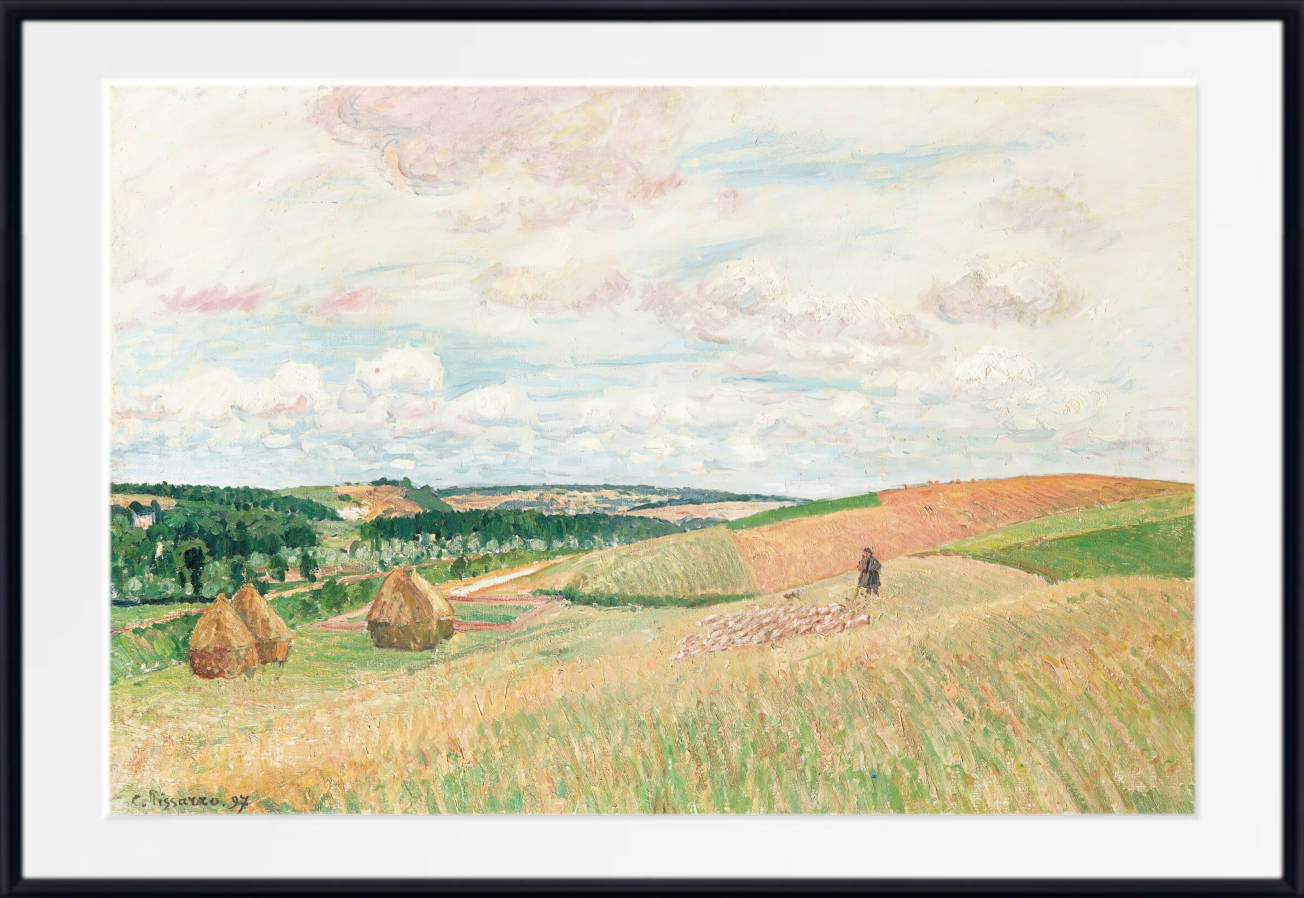
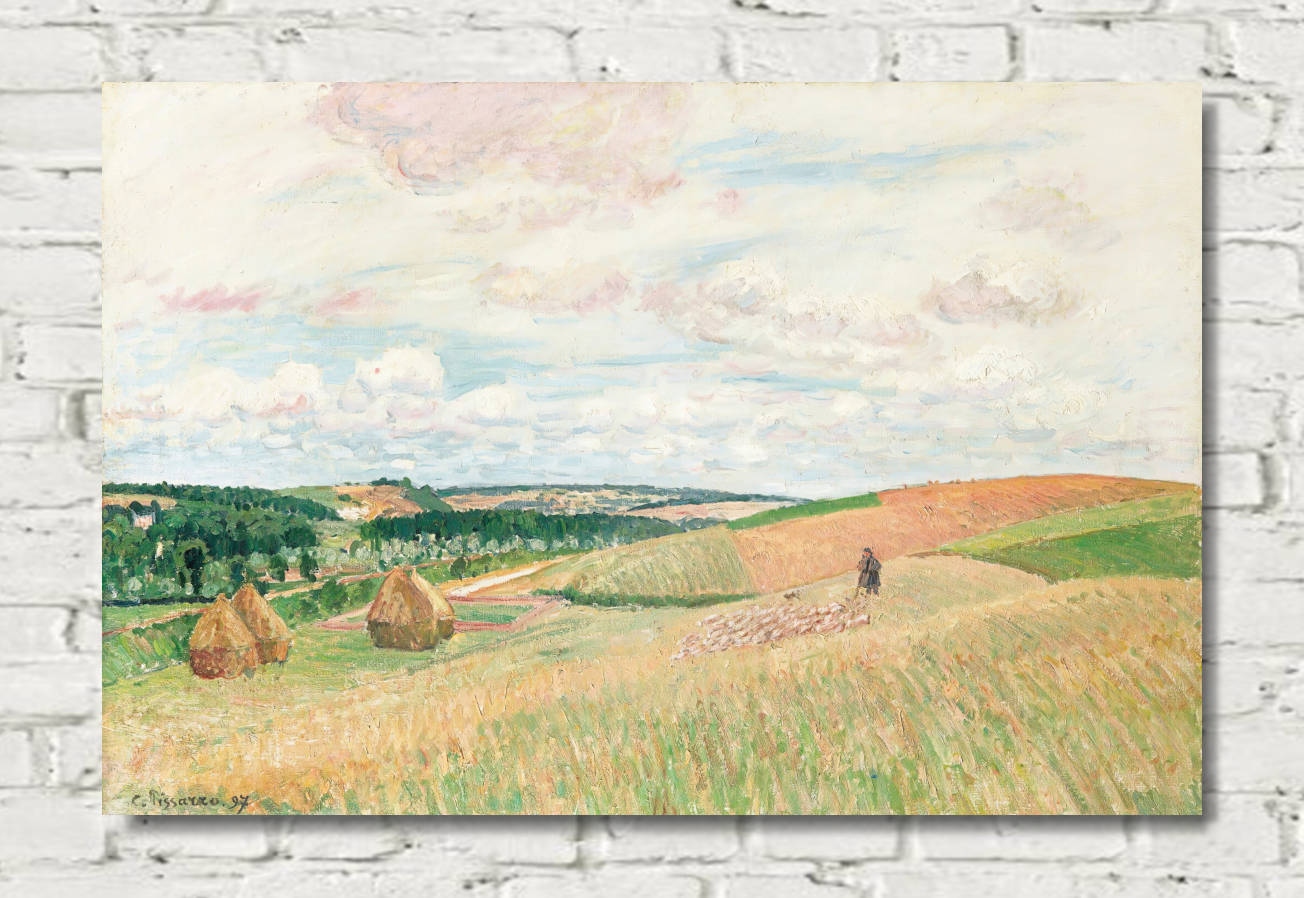
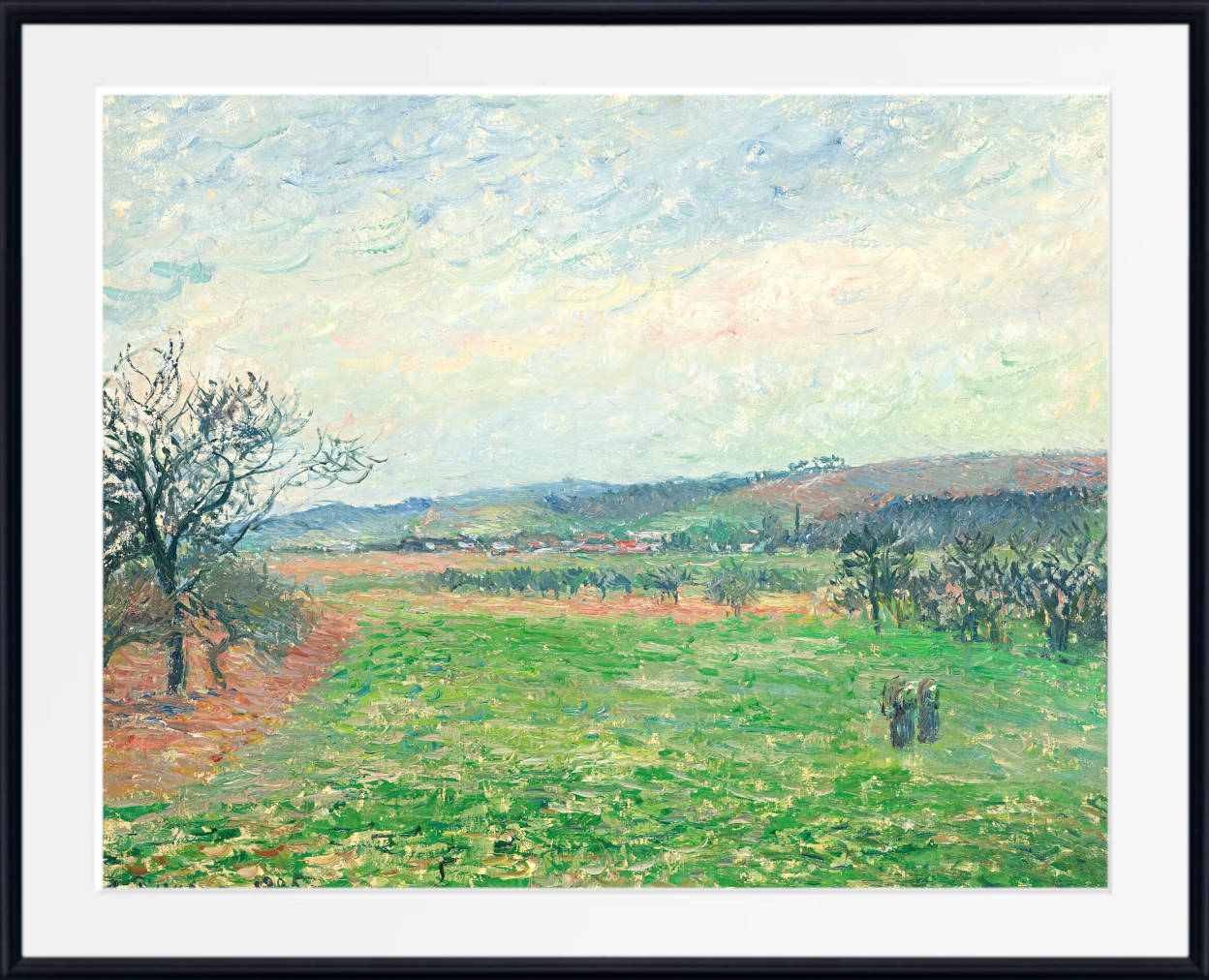
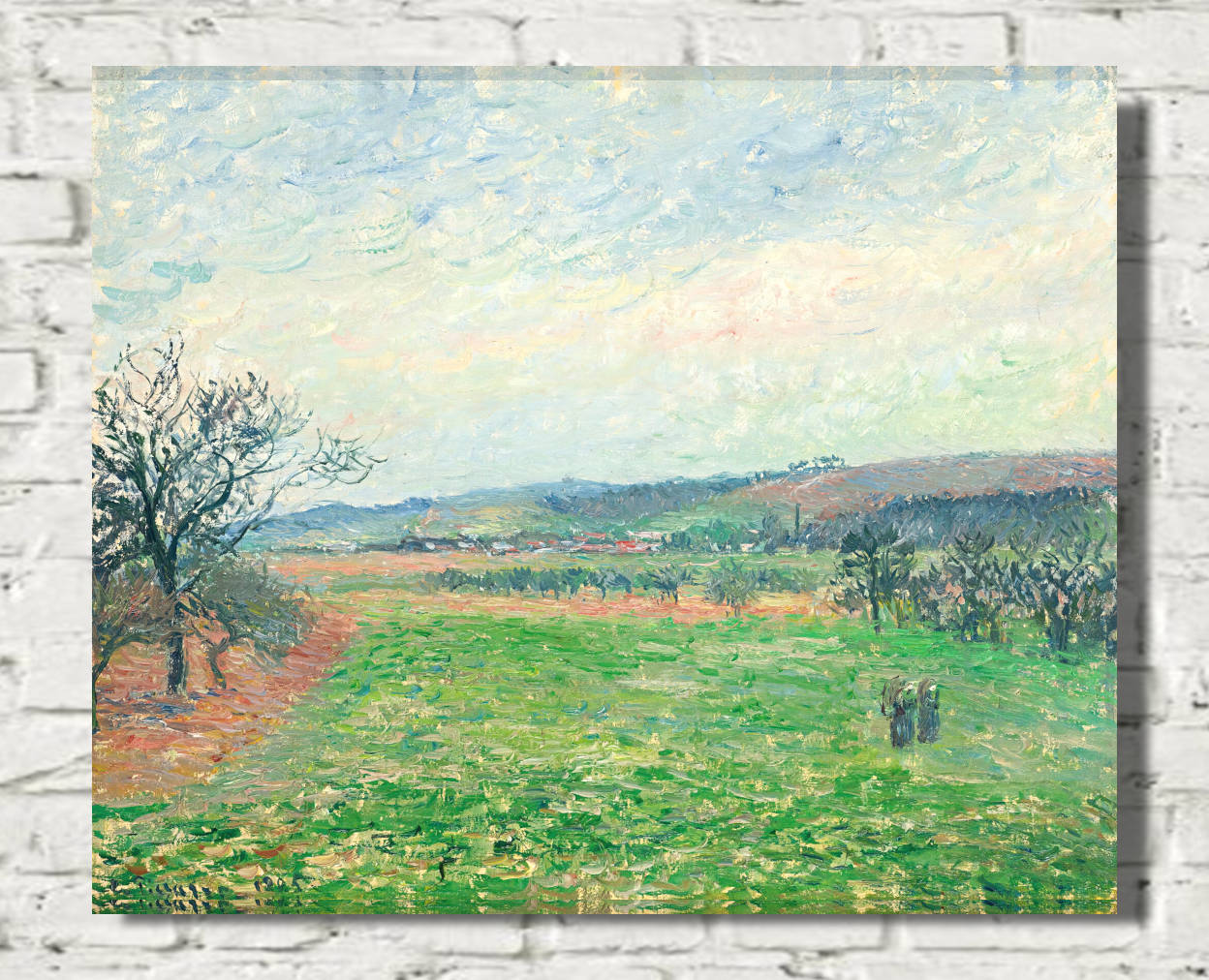
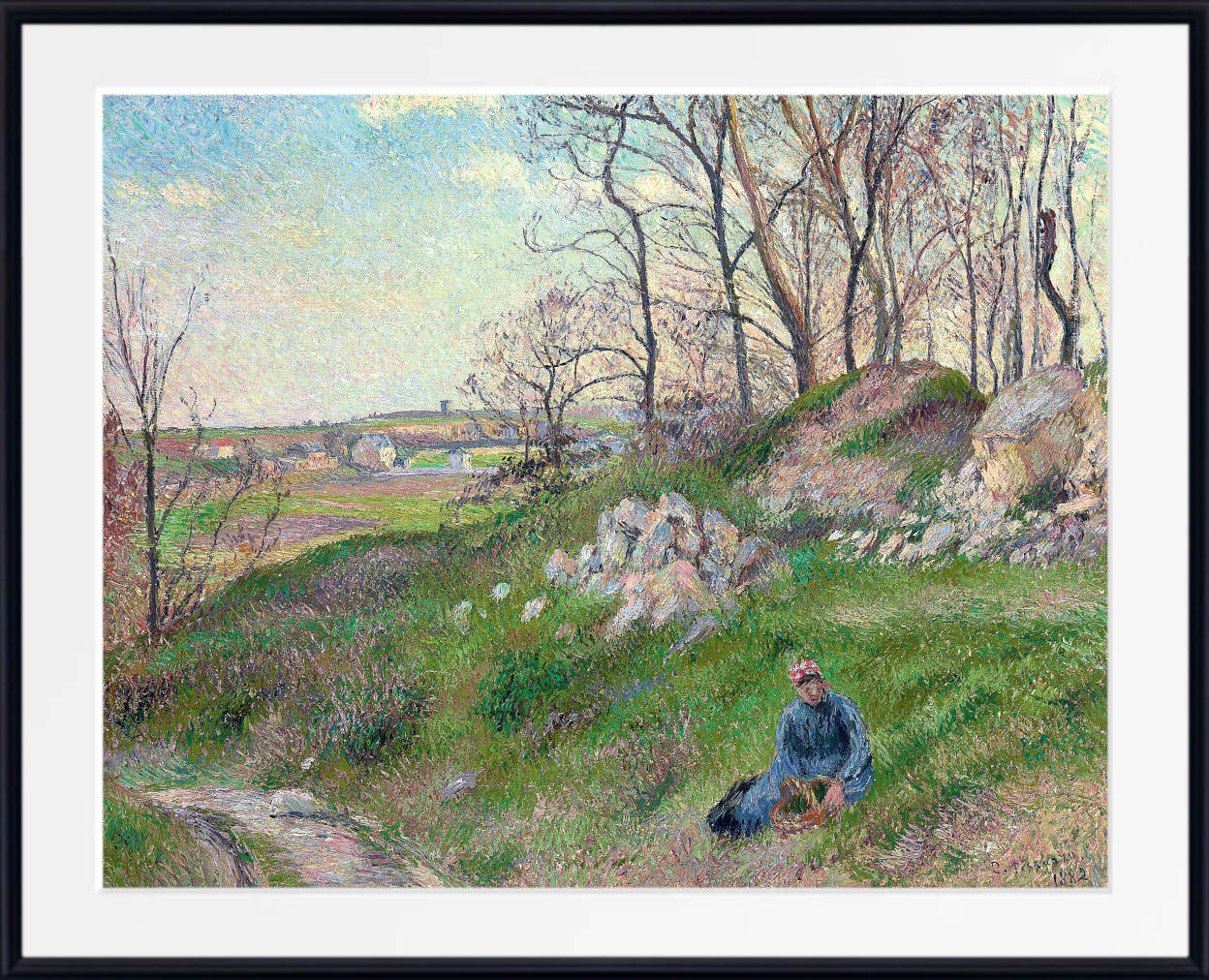
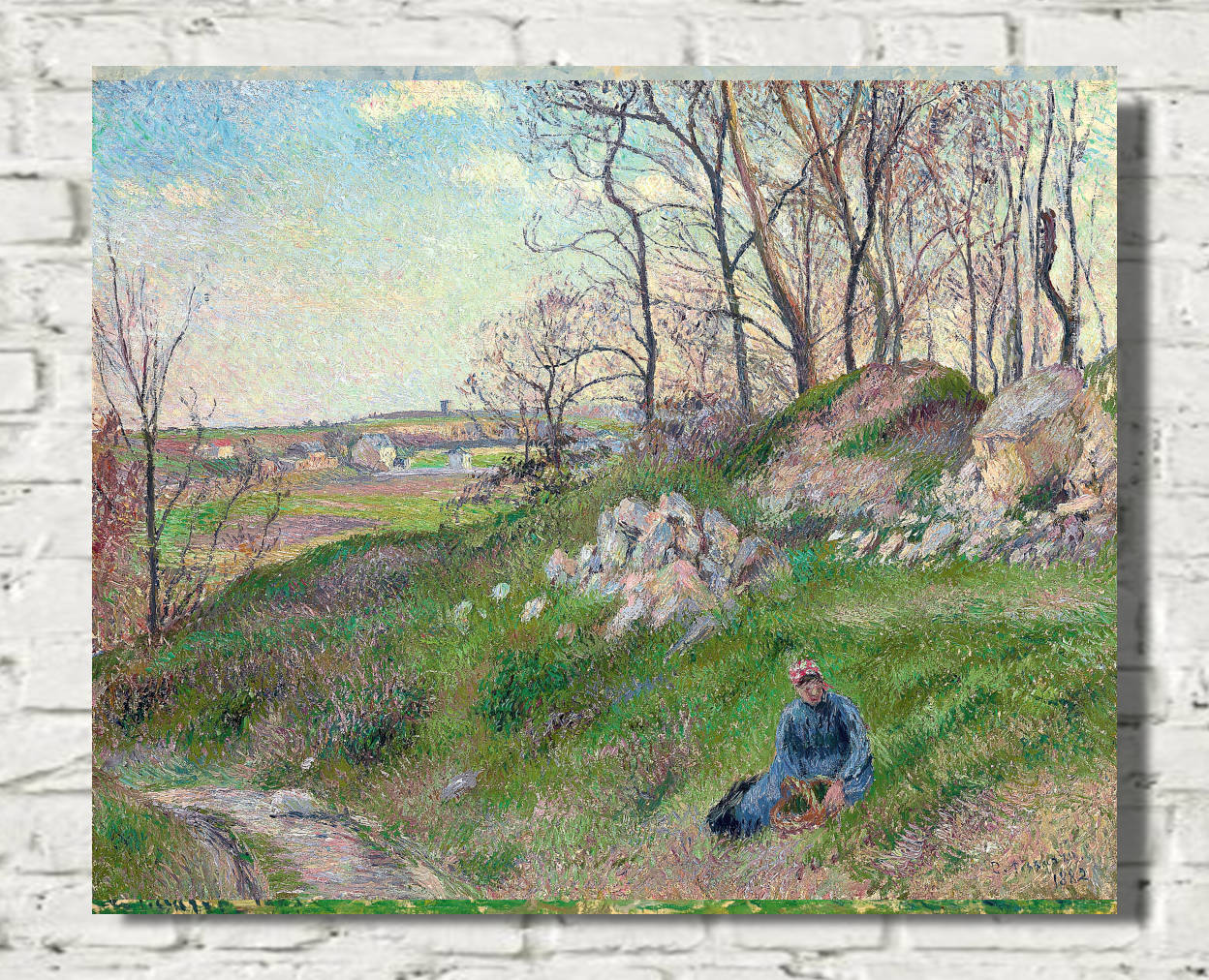
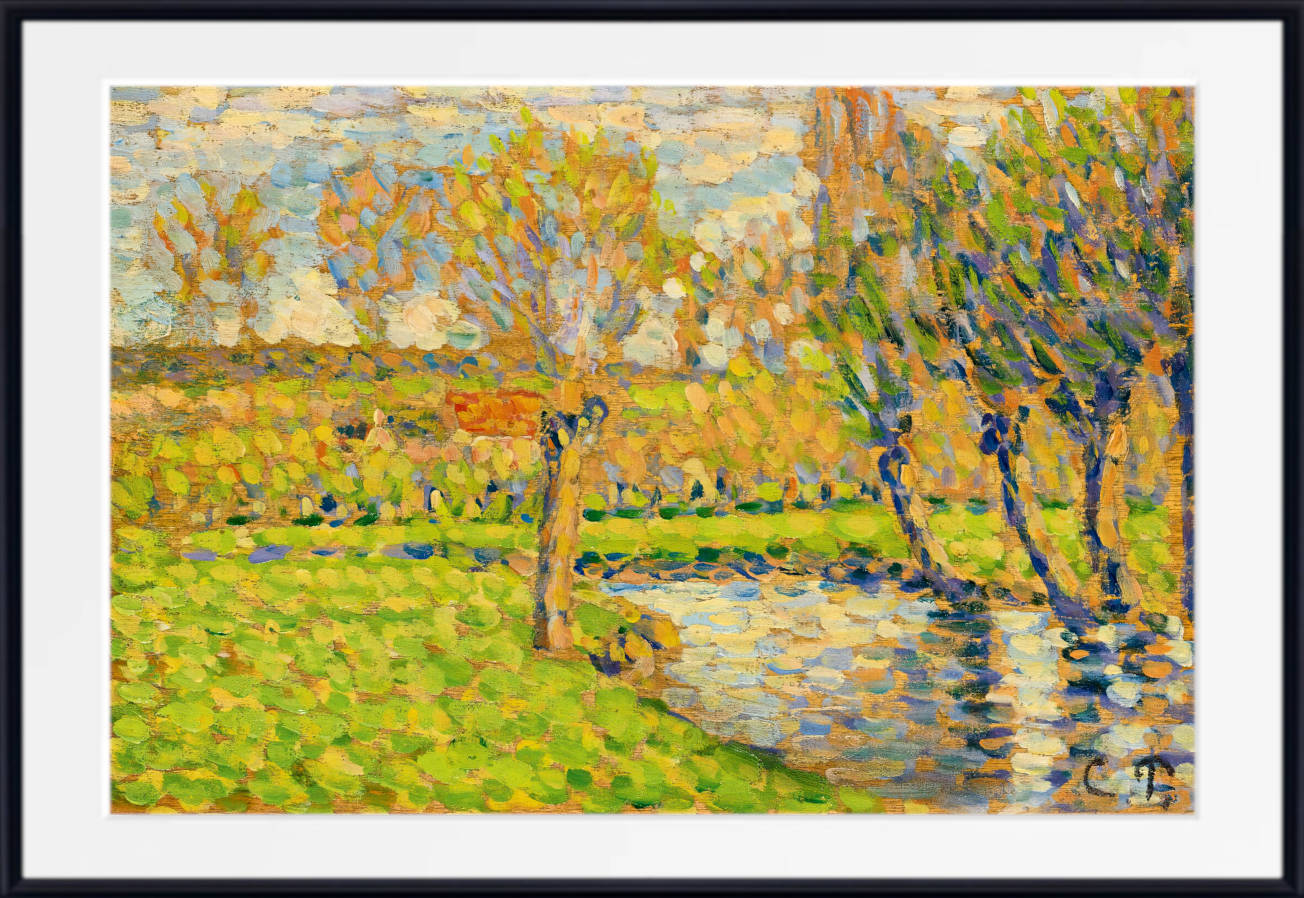
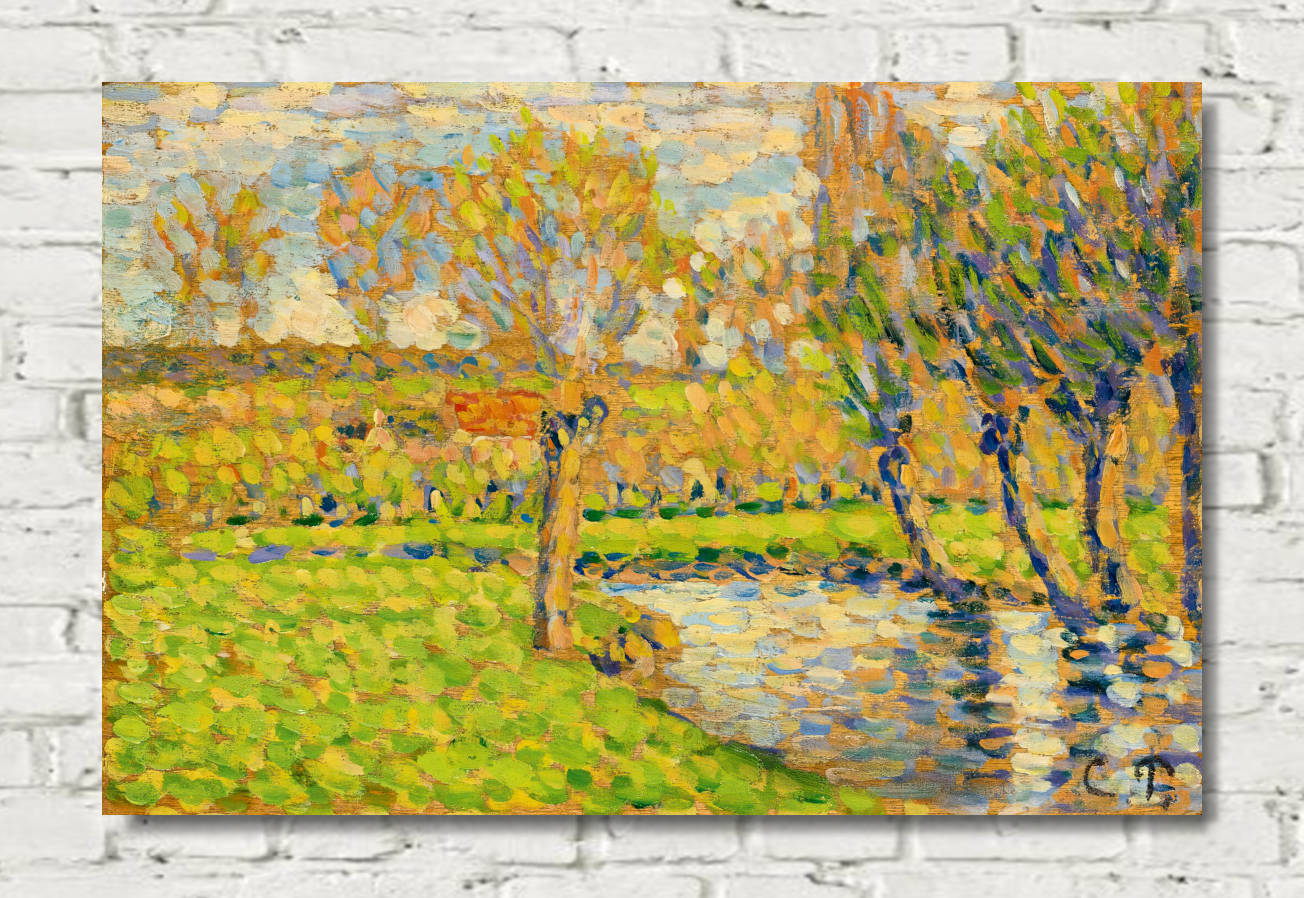
Explore our collection of green Impressionist prints, featuring sunlit gardens, woodland paths, riverside landscapes, meadows, orchards, flowering fields and peaceful rural scenes in shades of sage, olive, emerald, moss, forest green and soft blue-green. From Claude Monet's gardens and water lilies to Camille Pissarro's countryside, Alfred Sisley's riverbanks and Gustave Caillebotte's carefully observed gardens, green was fundamental to the Impressionist exploration of nature, light and changing seasons.
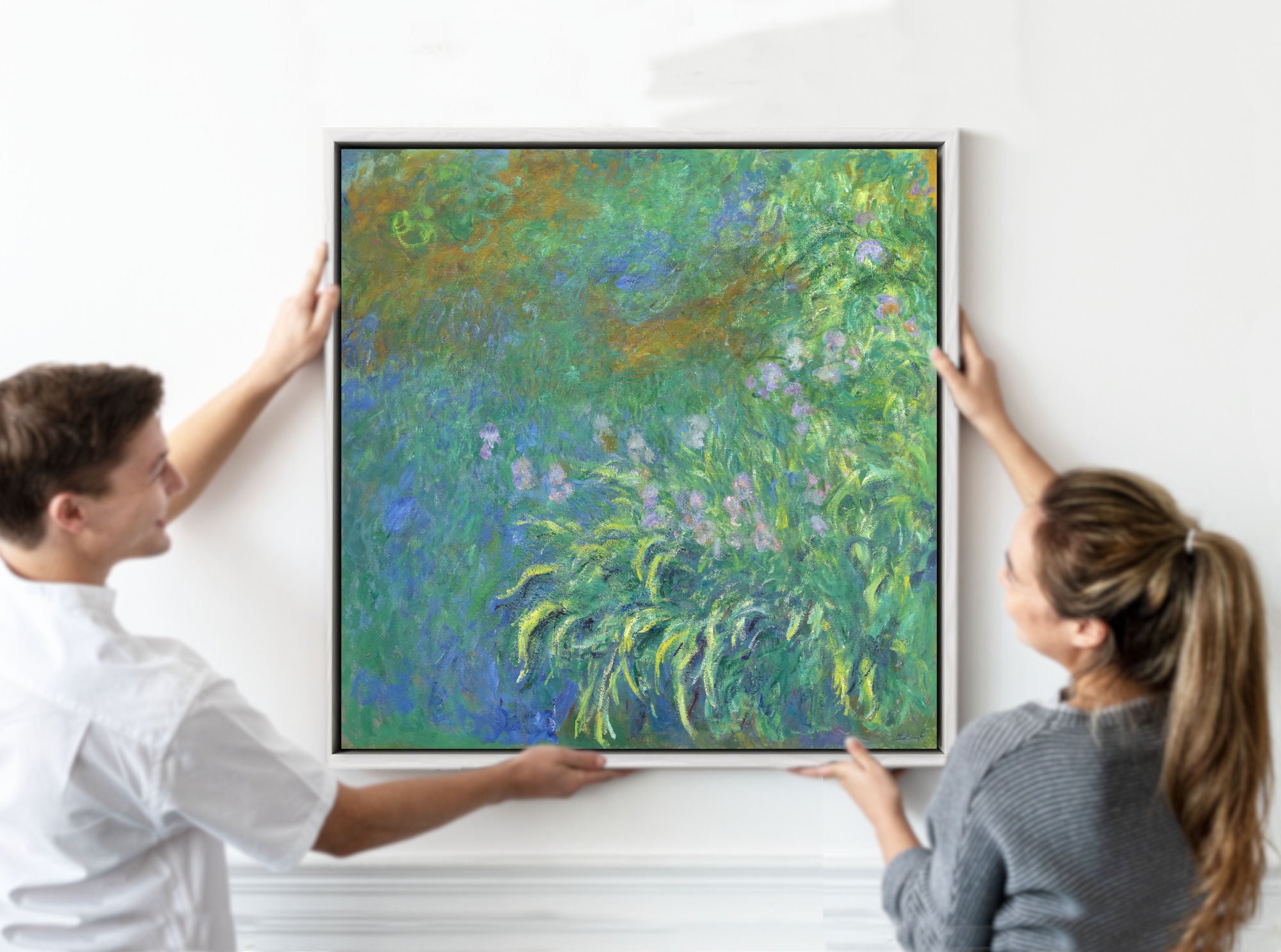
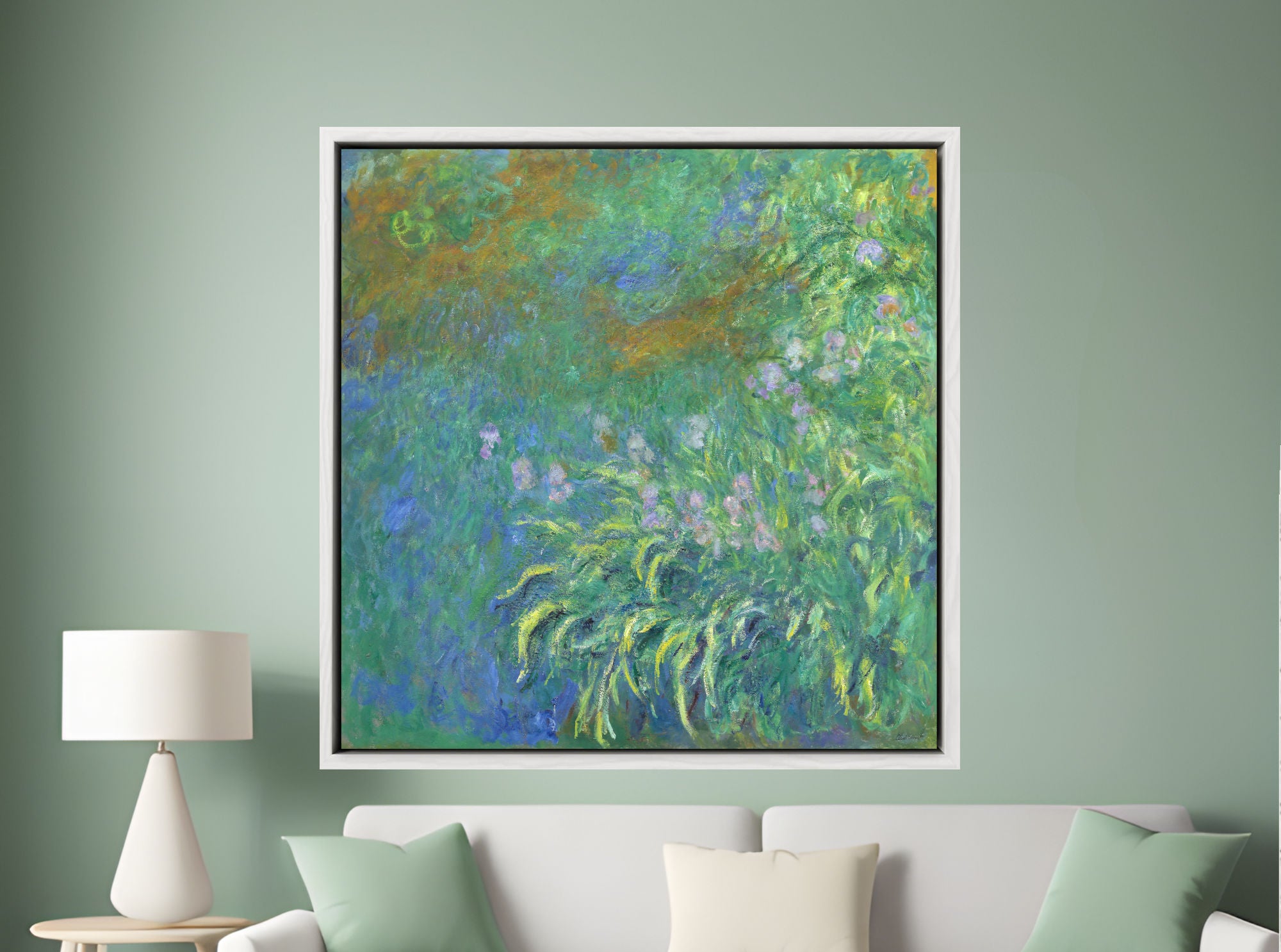
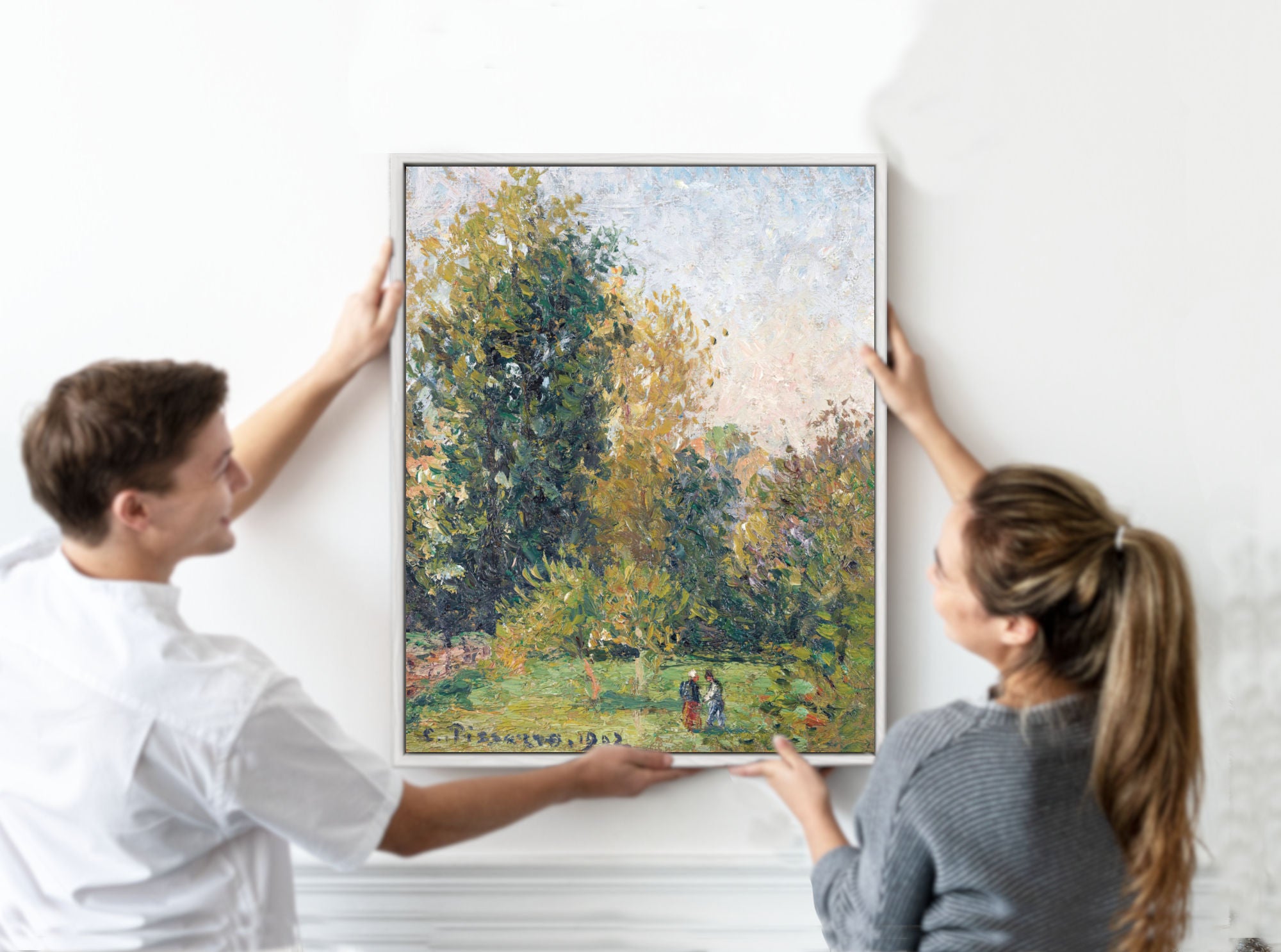
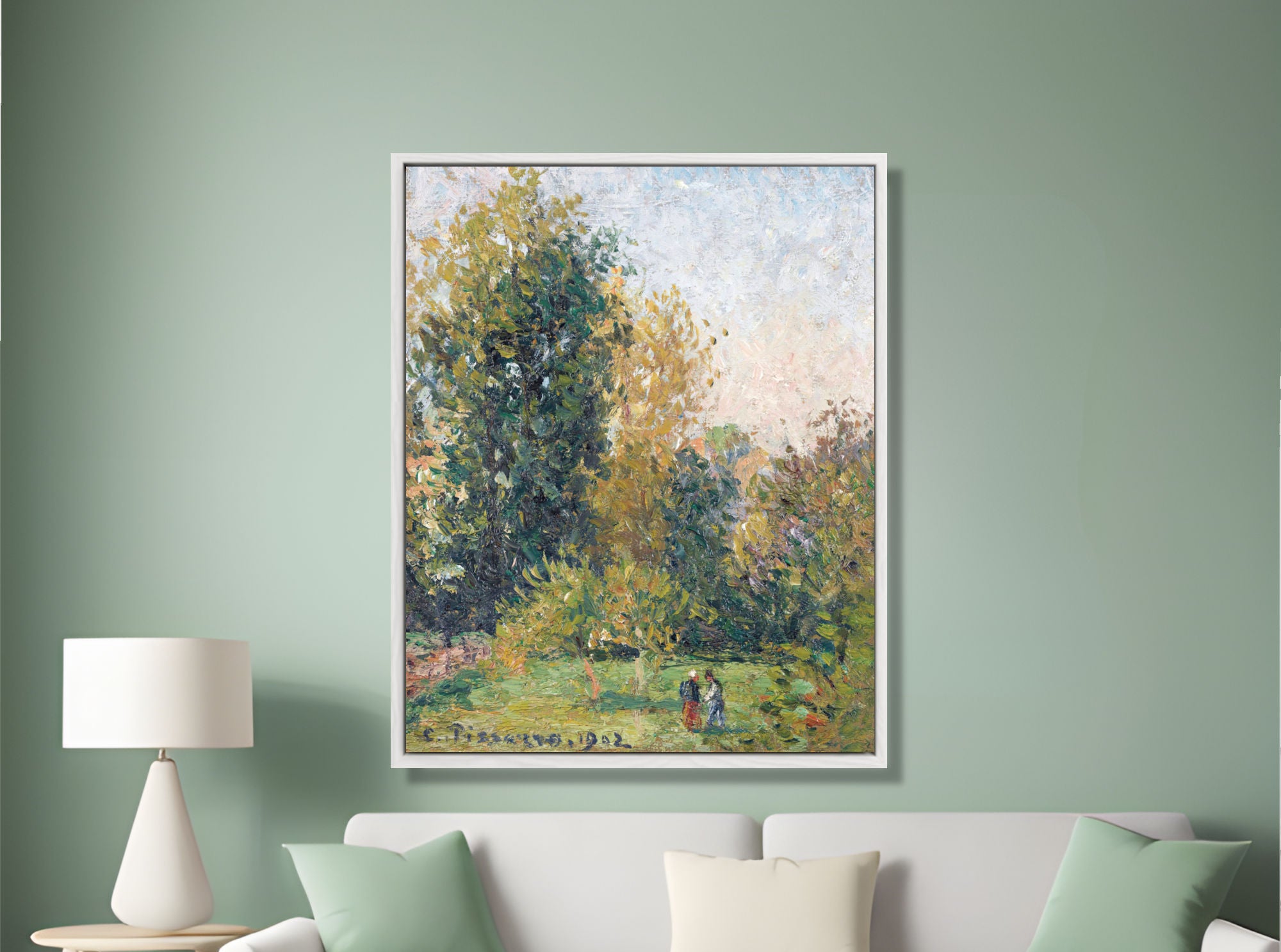
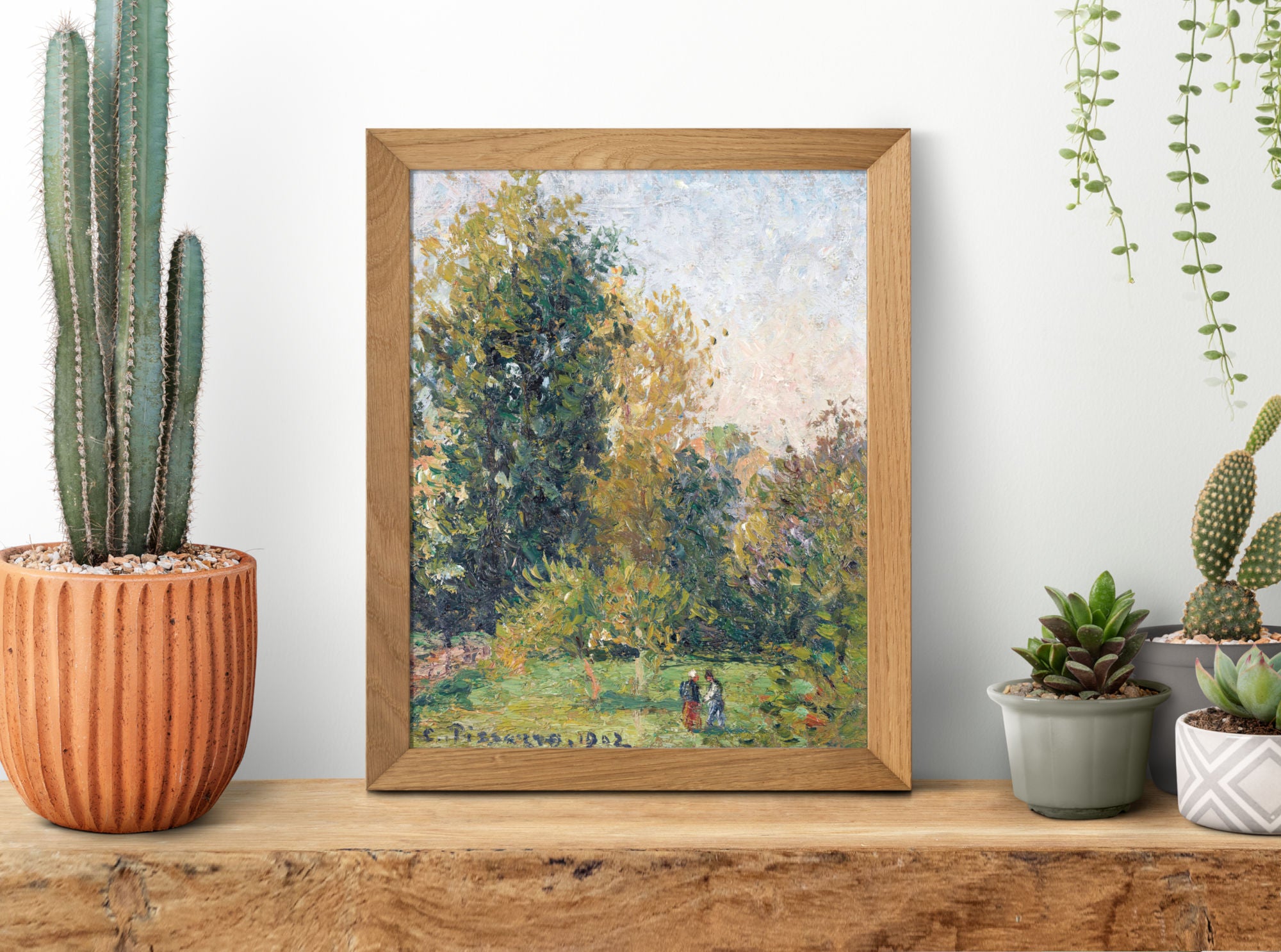
Green Impressionist wall art brings together expressive brushwork, natural colour and atmospheric light, making it particularly suited to living rooms, bedrooms, dining rooms, hallways and offices. Choose soft sage and muted green landscapes for a calm interior, vivid garden scenes for stronger colour or leafy riverside views for a sense of space and connection with nature. GalleryThane green Impressionist artwork is available in a wide range of sizes as fine art paper prints, framed prints and canvas panels.
Explore Green Impressionist Prints
Browse Impressionist art by colour, discover other styles of green wall art and explore major painters whose gardens, landscapes and countryside scenes reveal the remarkable variety of green in Impressionist painting.
Green in Impressionist Painting
Green is inseparable from the history of Impressionism. The movement's painters left the studio to work directly before nature, turning their attention to gardens, fields, orchards, riverbanks, parks and tree-lined roads. These outdoor subjects offered an extraordinary range of greens altered by sunlight, shadow, season, weather and surrounding colour.
Impressionist painters rarely treated green as one uniform colour. Sunlit leaves might contain flashes of yellow, while shaded foliage could shift towards blue, violet or deep olive. Grass could appear bright and fresh in spring, dry and golden during summer, or mixed with russet and brown as autumn approached.
This sensitivity to changing colour helped the Impressionists move beyond the darker, more controlled landscapes associated with academic painting. Short brushstrokes, broken colour and direct observation allowed green landscapes to feel alive with light and movement.
Claude Monet: Gardens, Water Lilies and Green Landscapes
Claude Monet is one of the greatest painters of gardens and natural light in art history. Throughout his career, he painted trees, meadows, riverbanks, orchards, coastlines and cultivated gardens, using green in an extraordinary variety of tones.
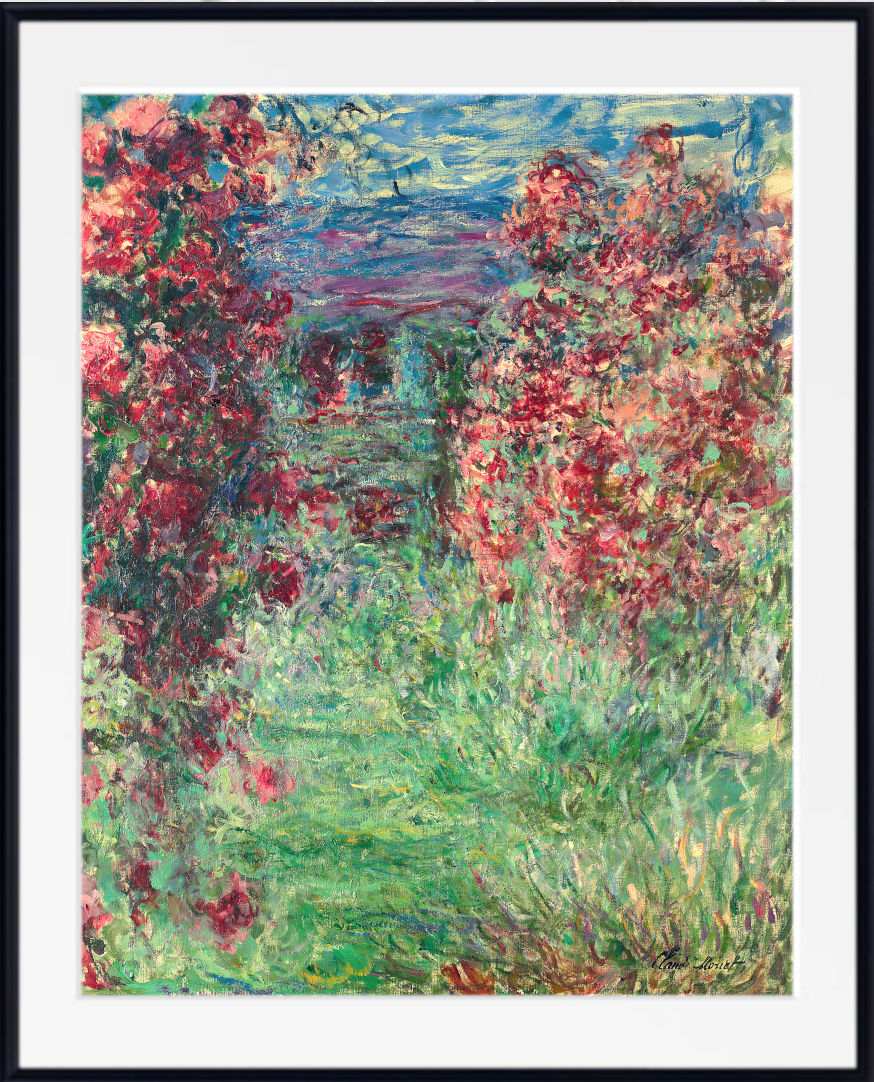
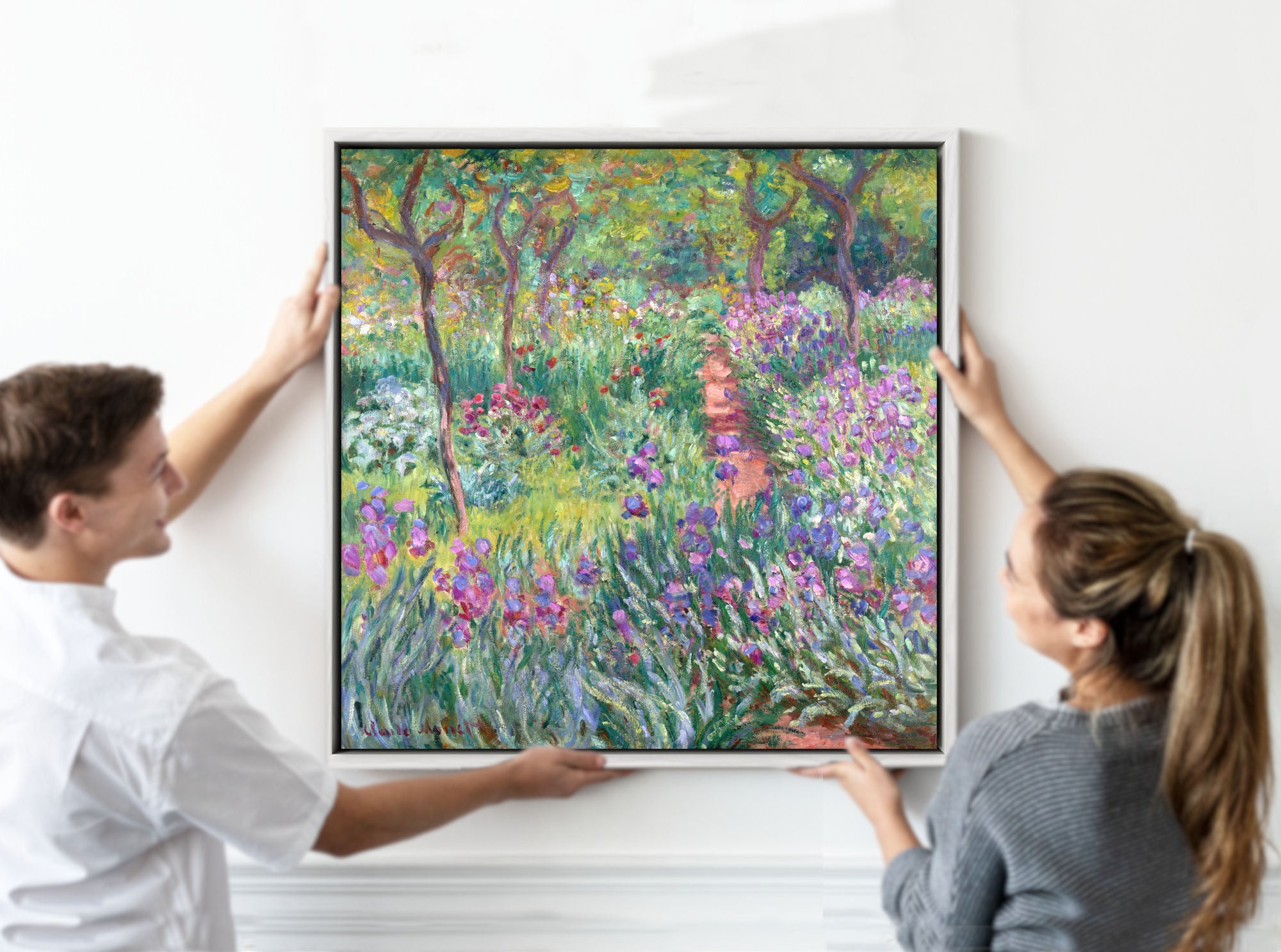
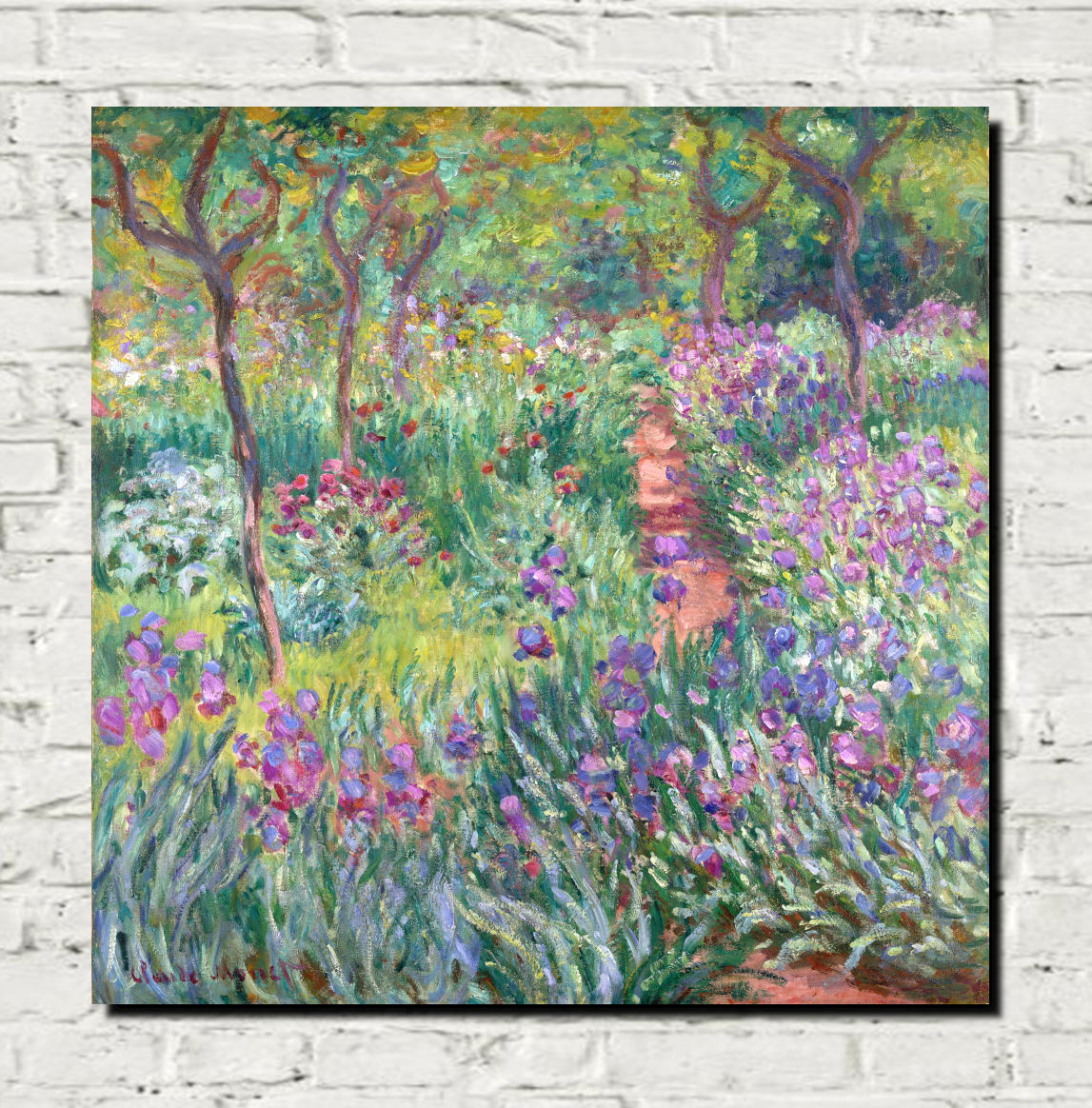
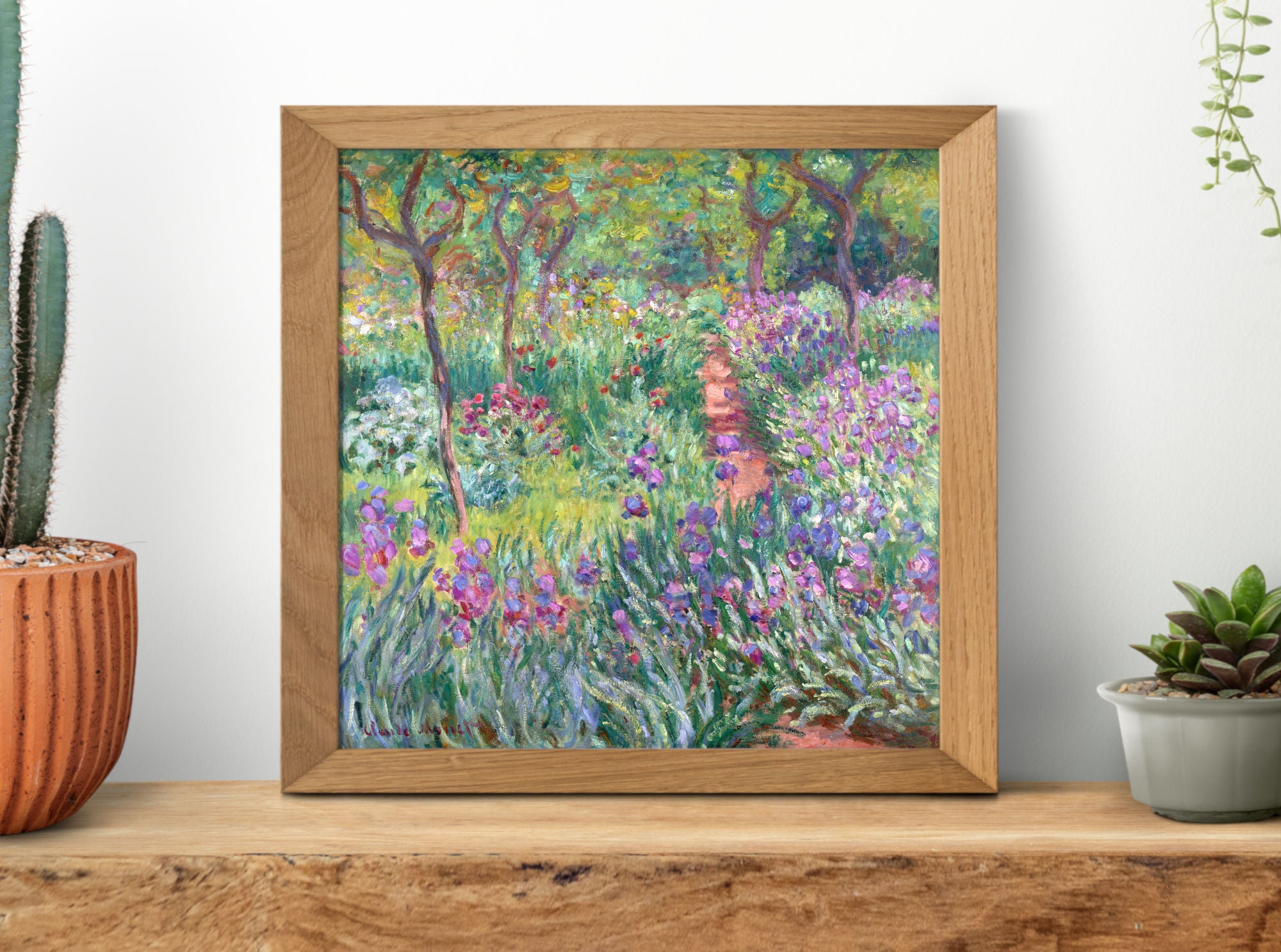
At Giverny, Monet created the gardens that became the subjects of many of his best-known paintings. The Clos Normand was filled with flowering borders, climbing plants, trees and carefully planned areas of colour, while the water garden contained the lily pond, Japanese bridge, willows and aquatic vegetation that inspired his celebrated Water Lilies series.
In Monet's garden paintings, green rarely appears alone. It interacts with pink flowers, purple shadows, yellow sunlight, blue water and reflected sky. These combinations give his works their characteristic richness and make green Monet prints especially versatile in interiors.
Some of Monet's Water Lilies paintings are dominated by green vegetation and reflections, while others move towards blue, violet or pink. The shifting palette reflects changing light and weather, demonstrating Monet's lifelong fascination with the way the same place can appear completely different from one moment to another.
Camille Pissarro and the Green French Countryside
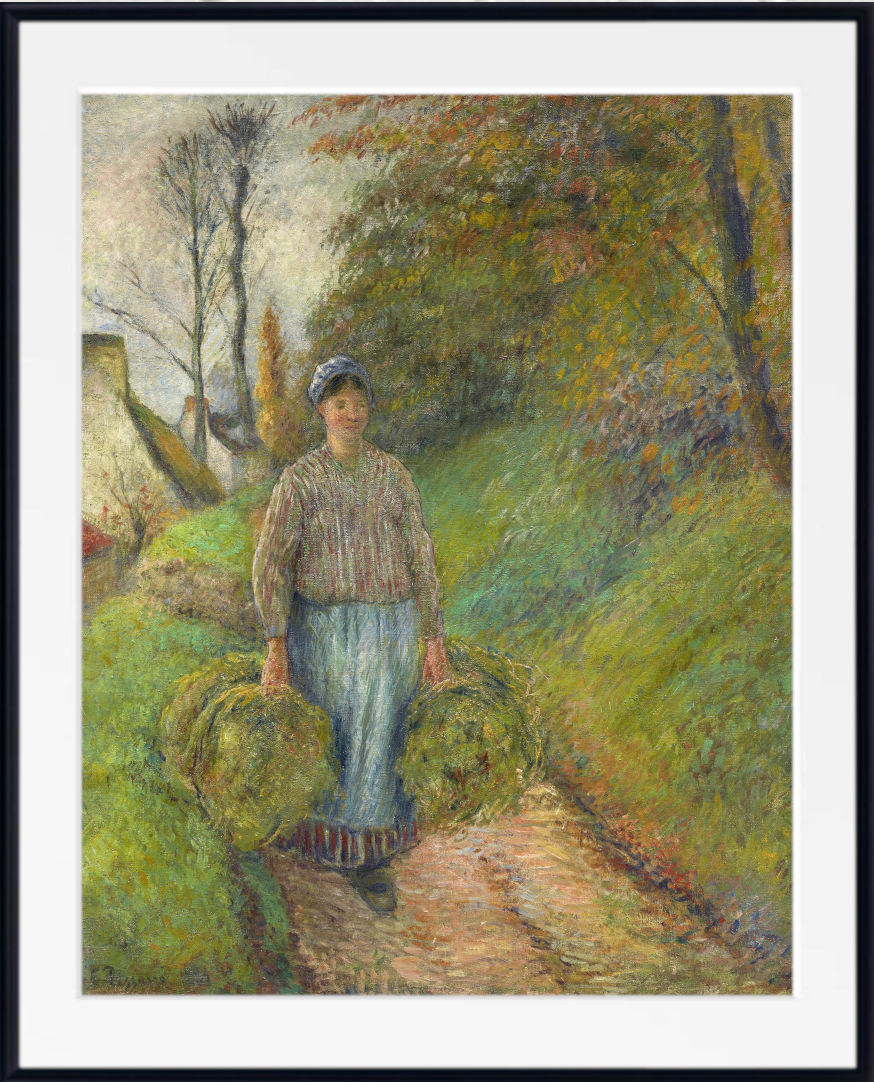
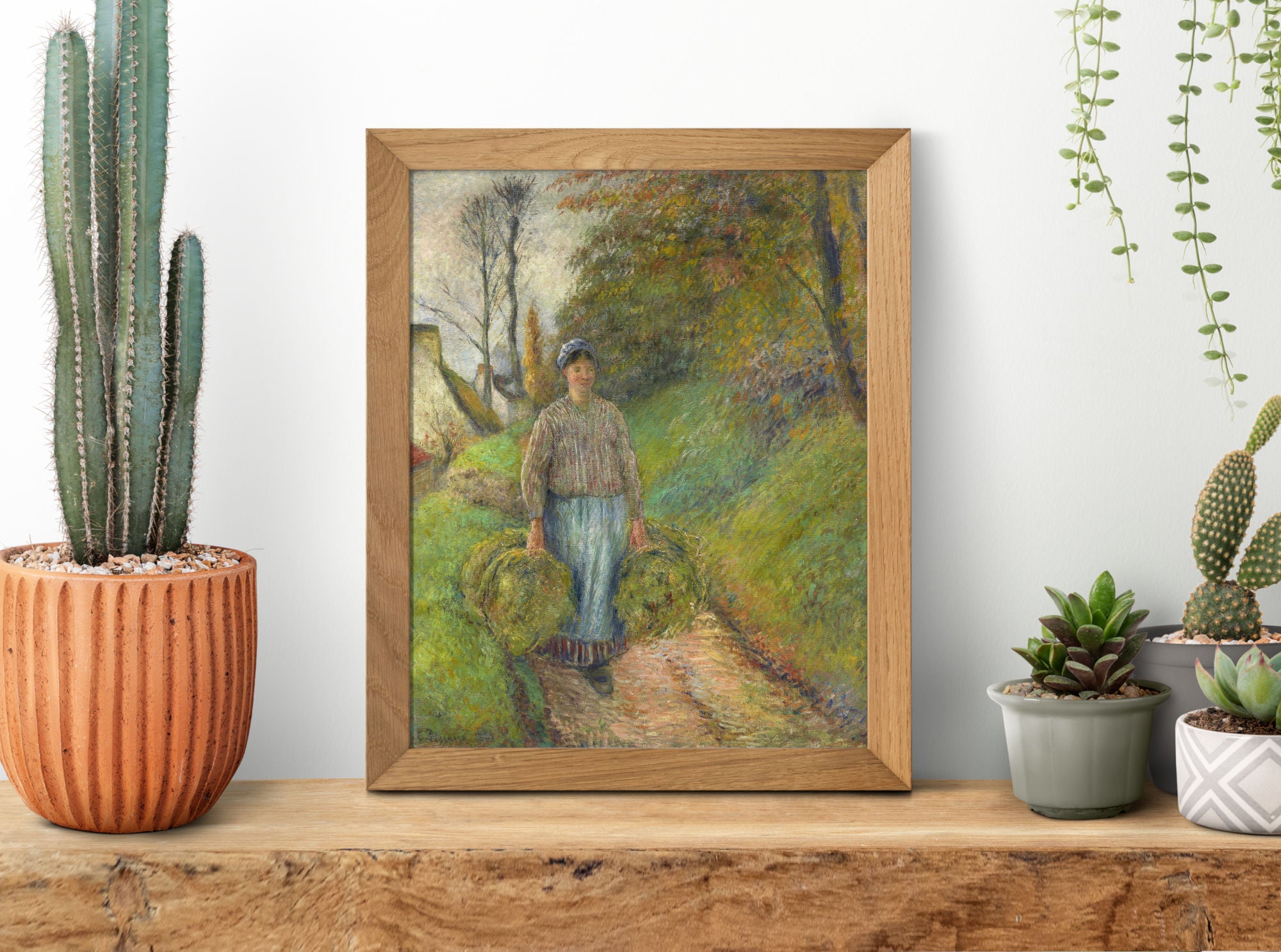
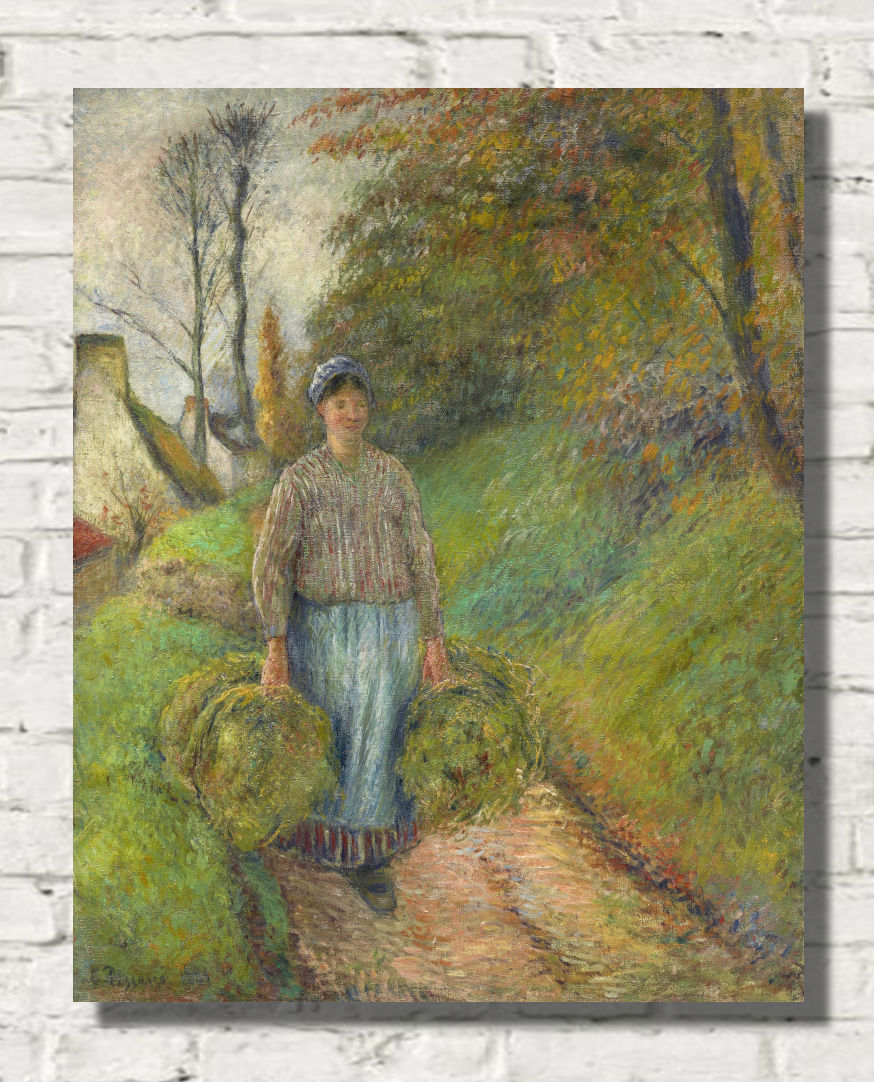
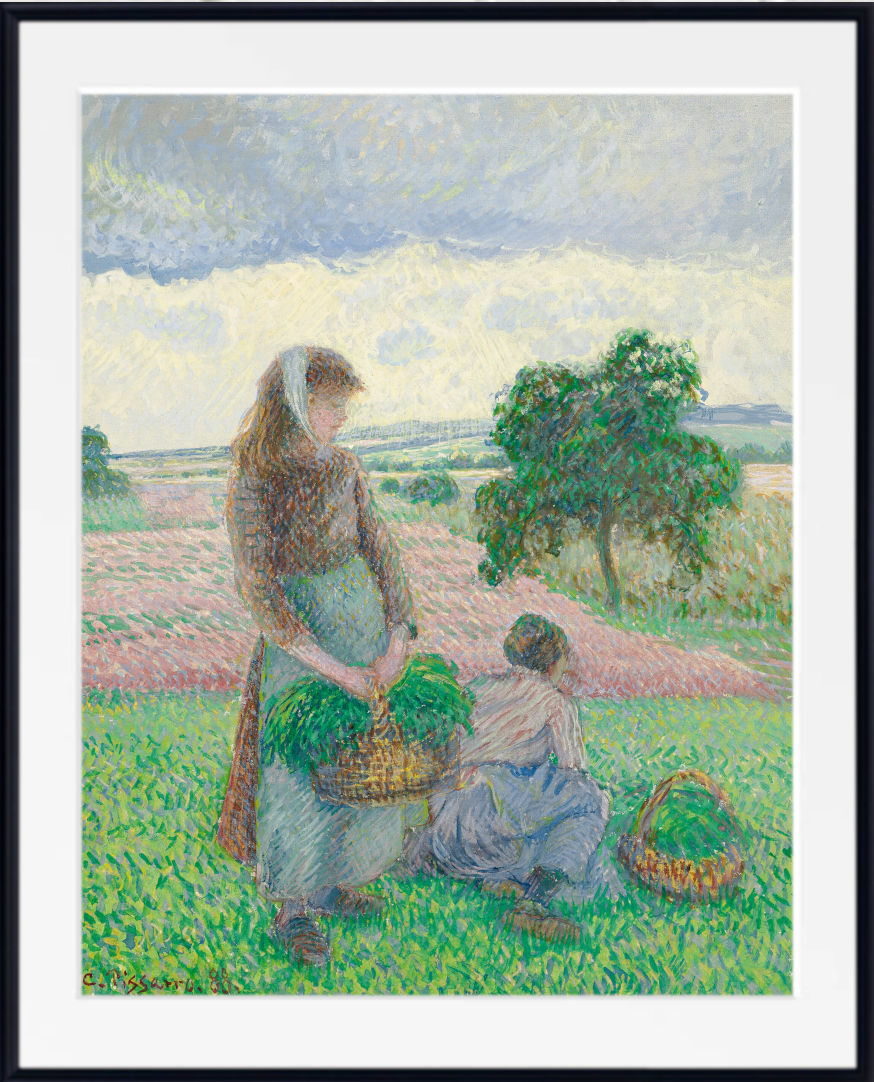
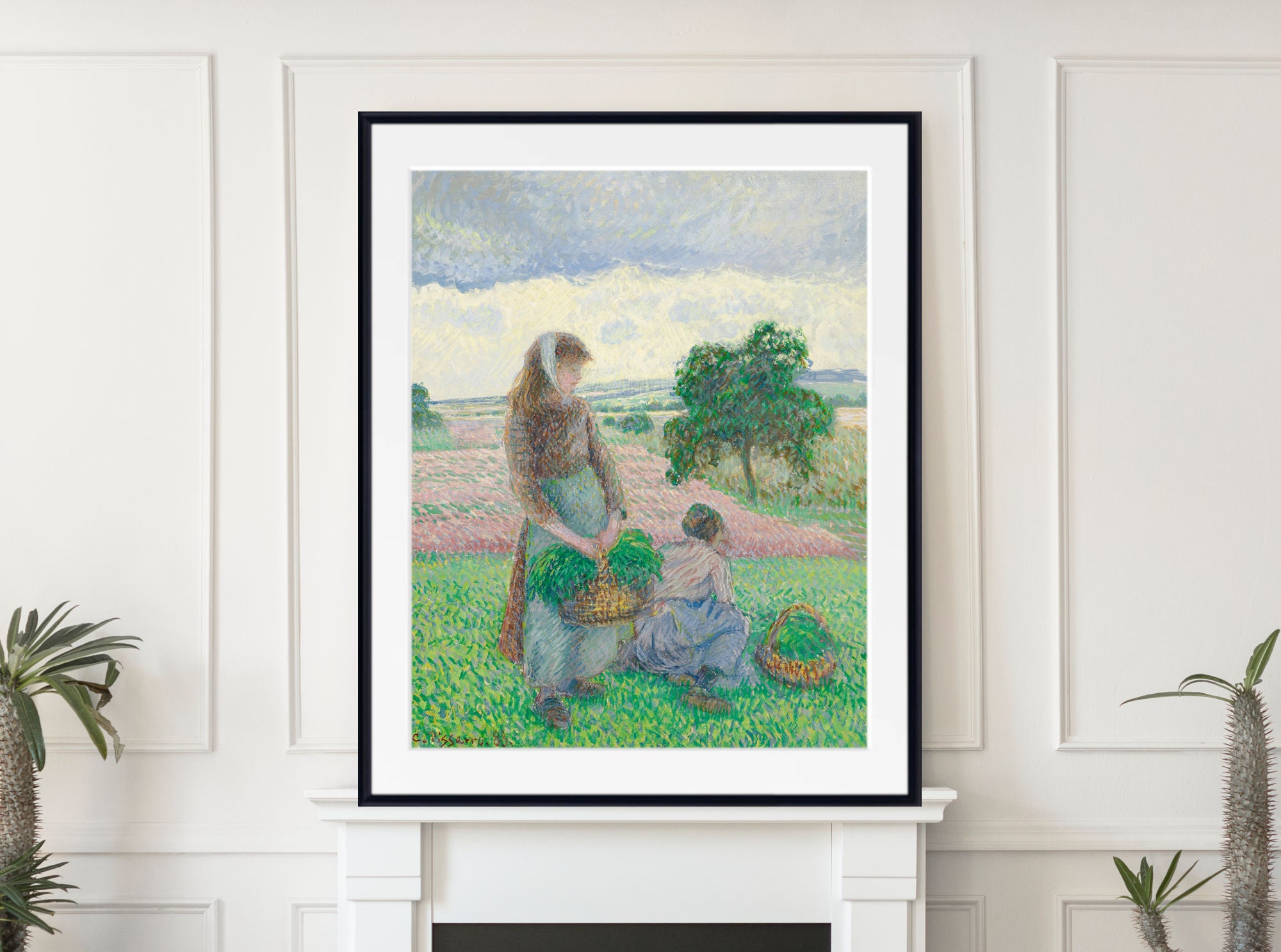
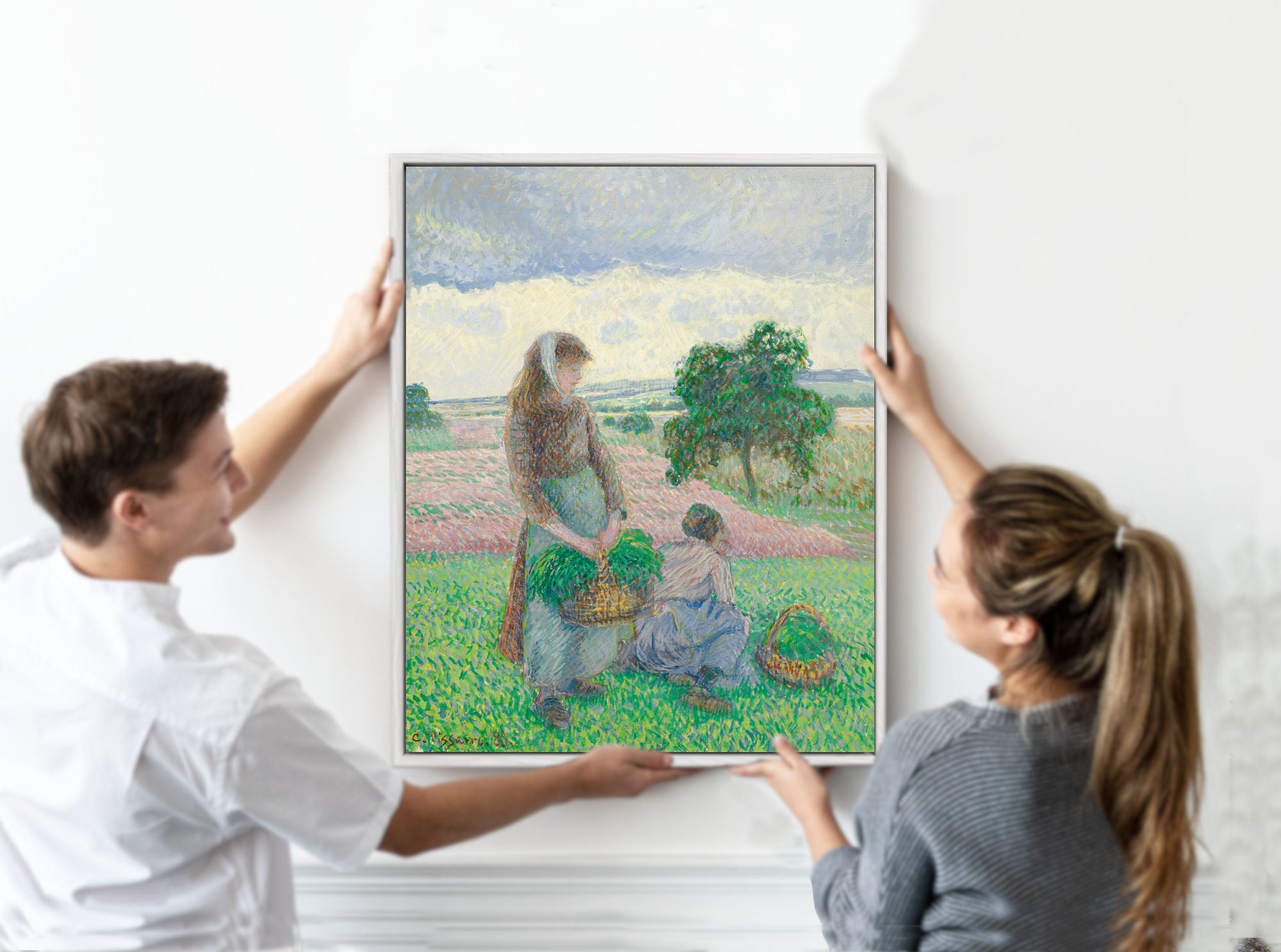
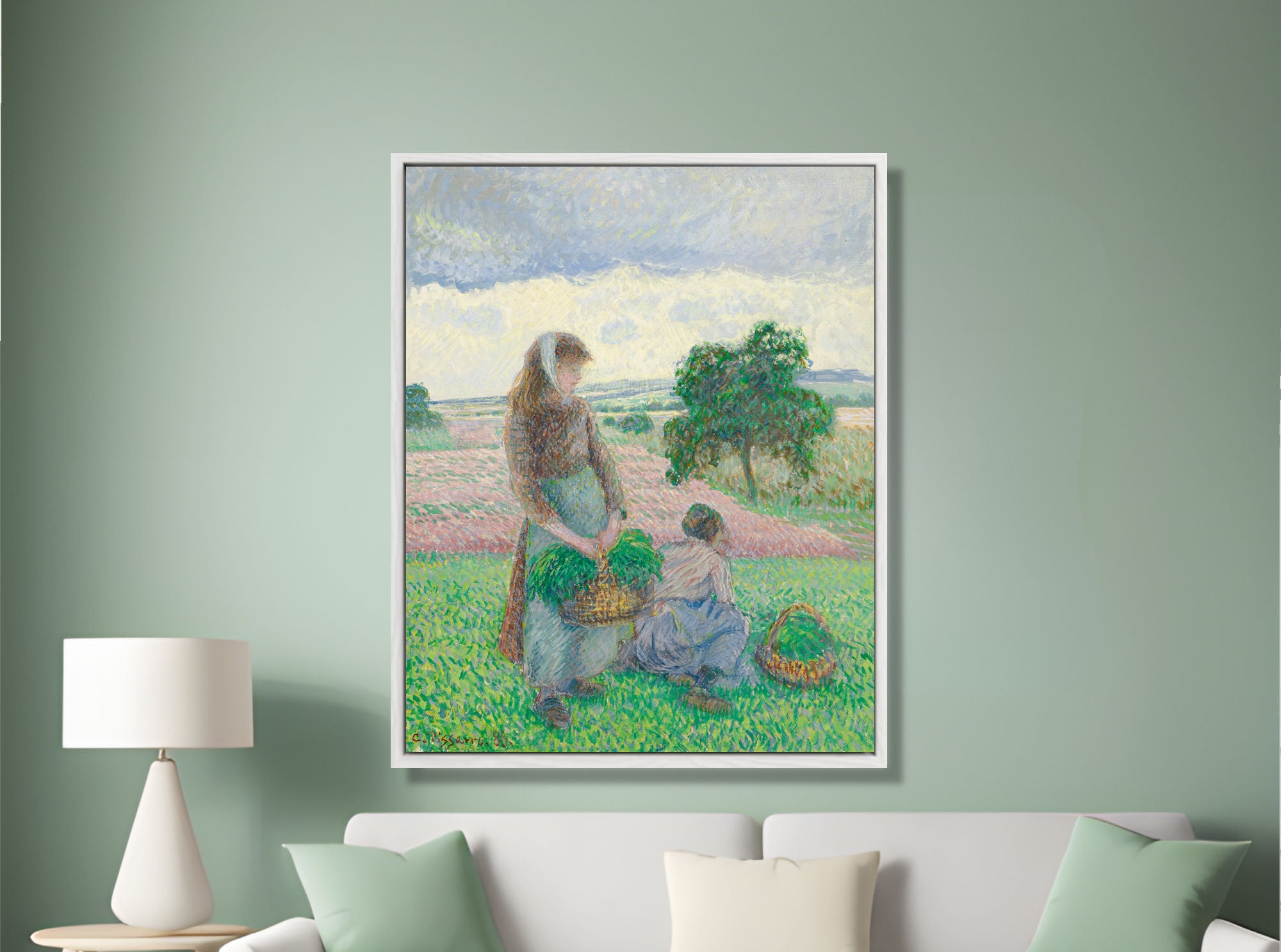
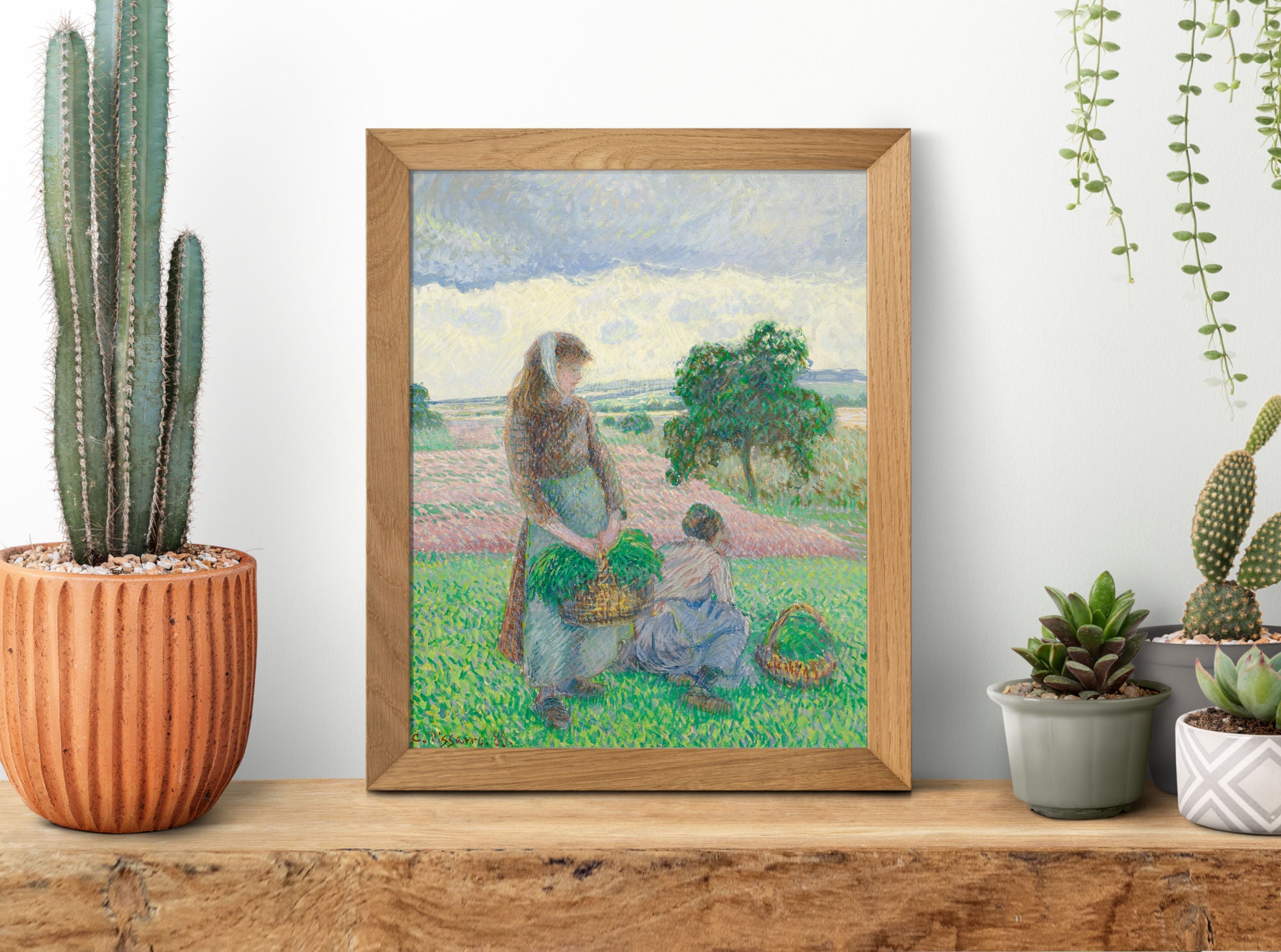
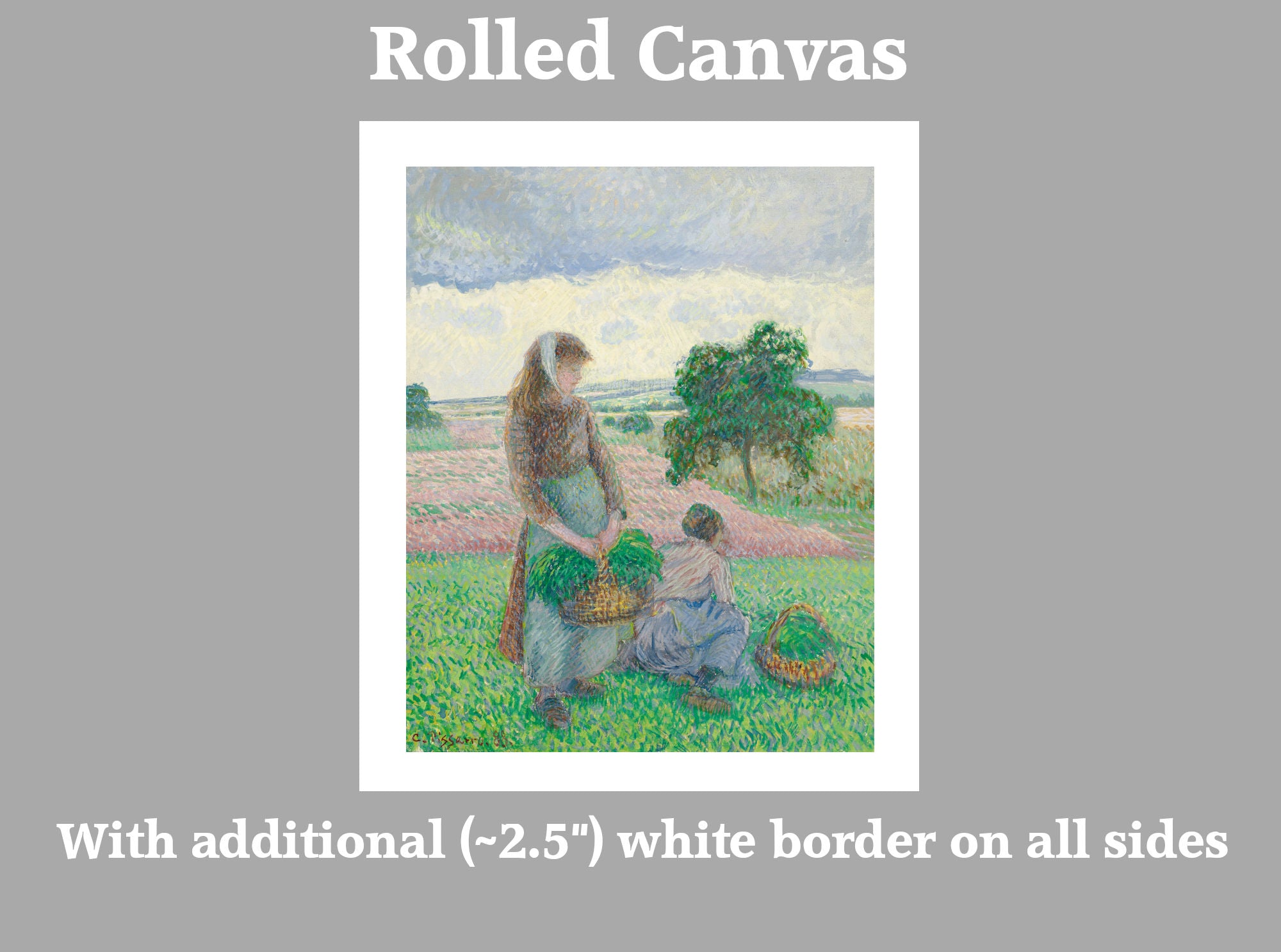
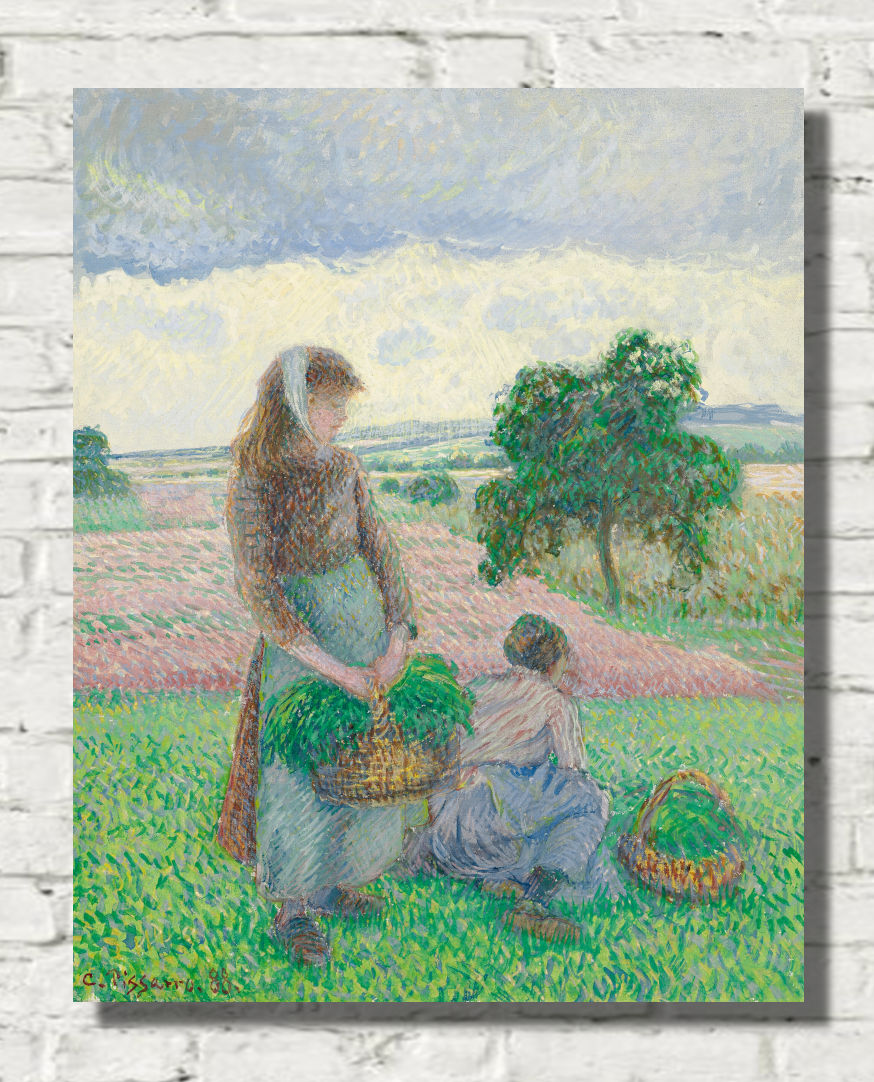
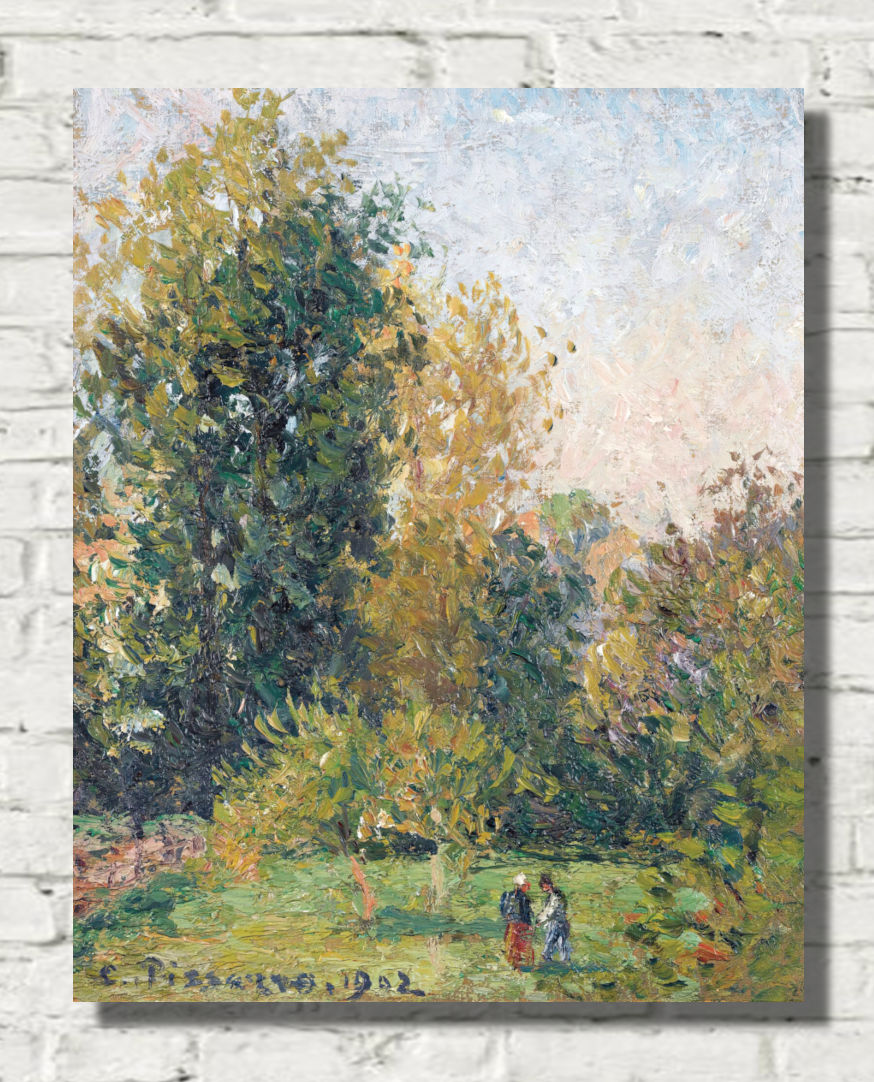
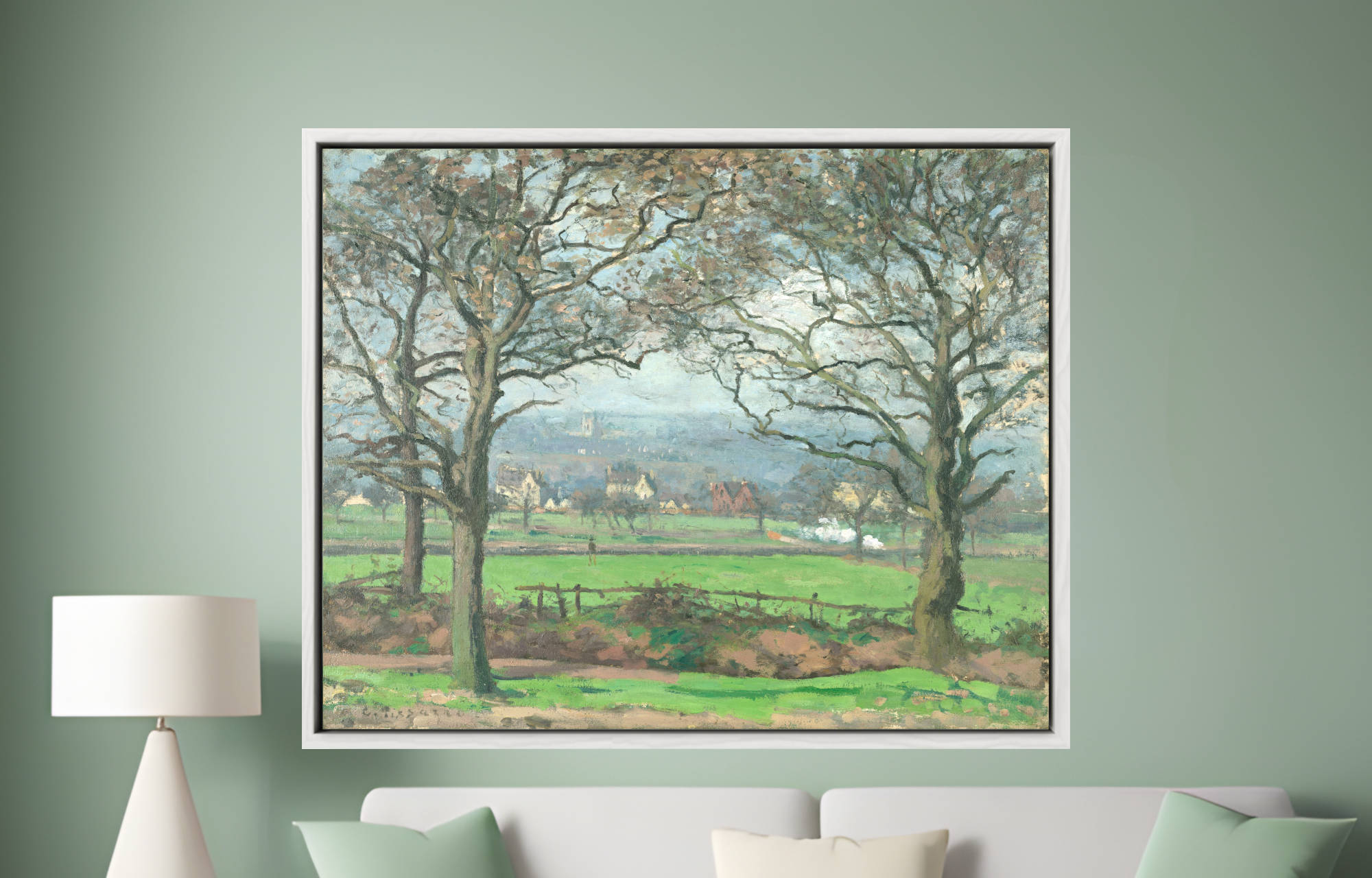
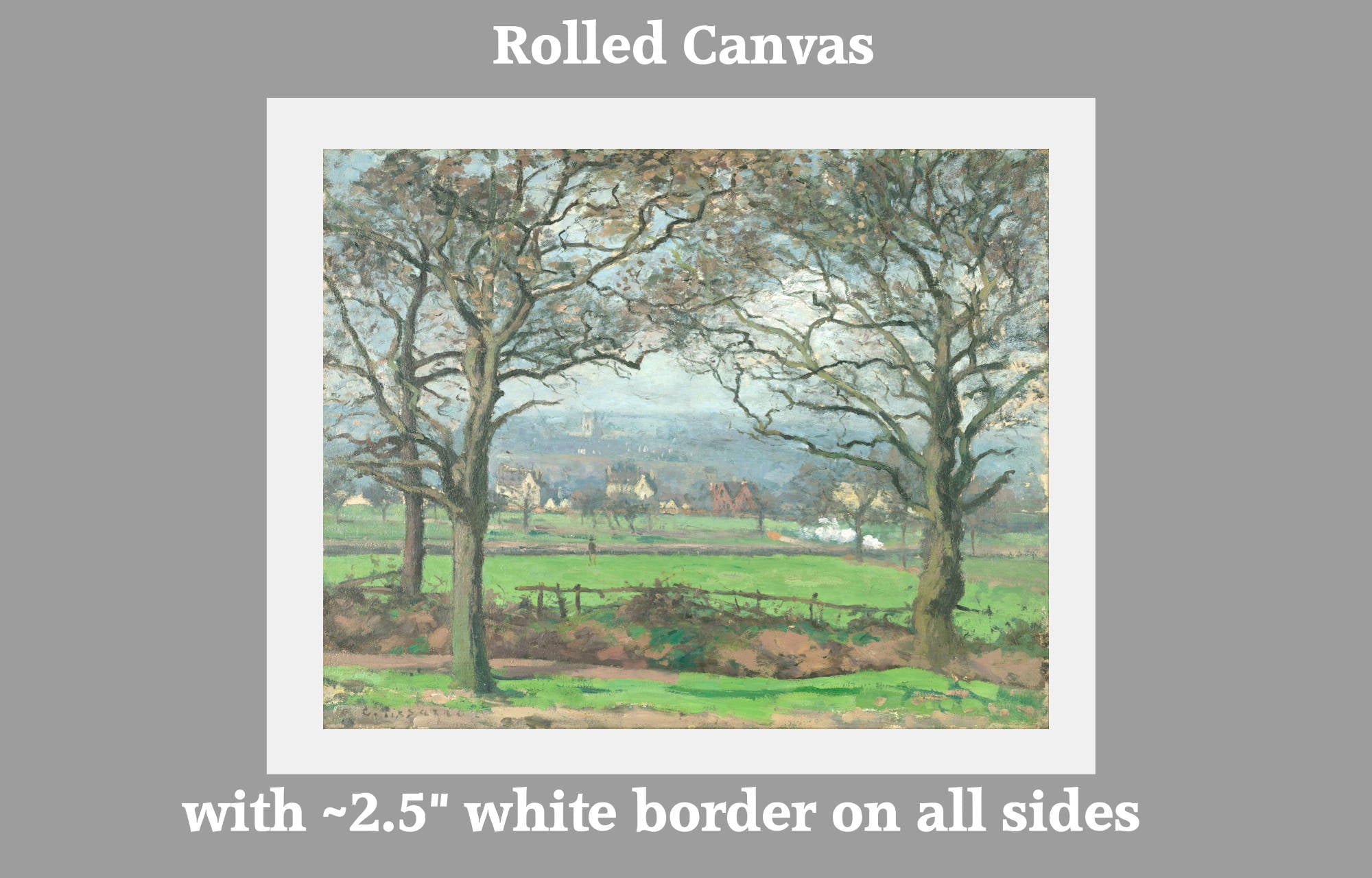
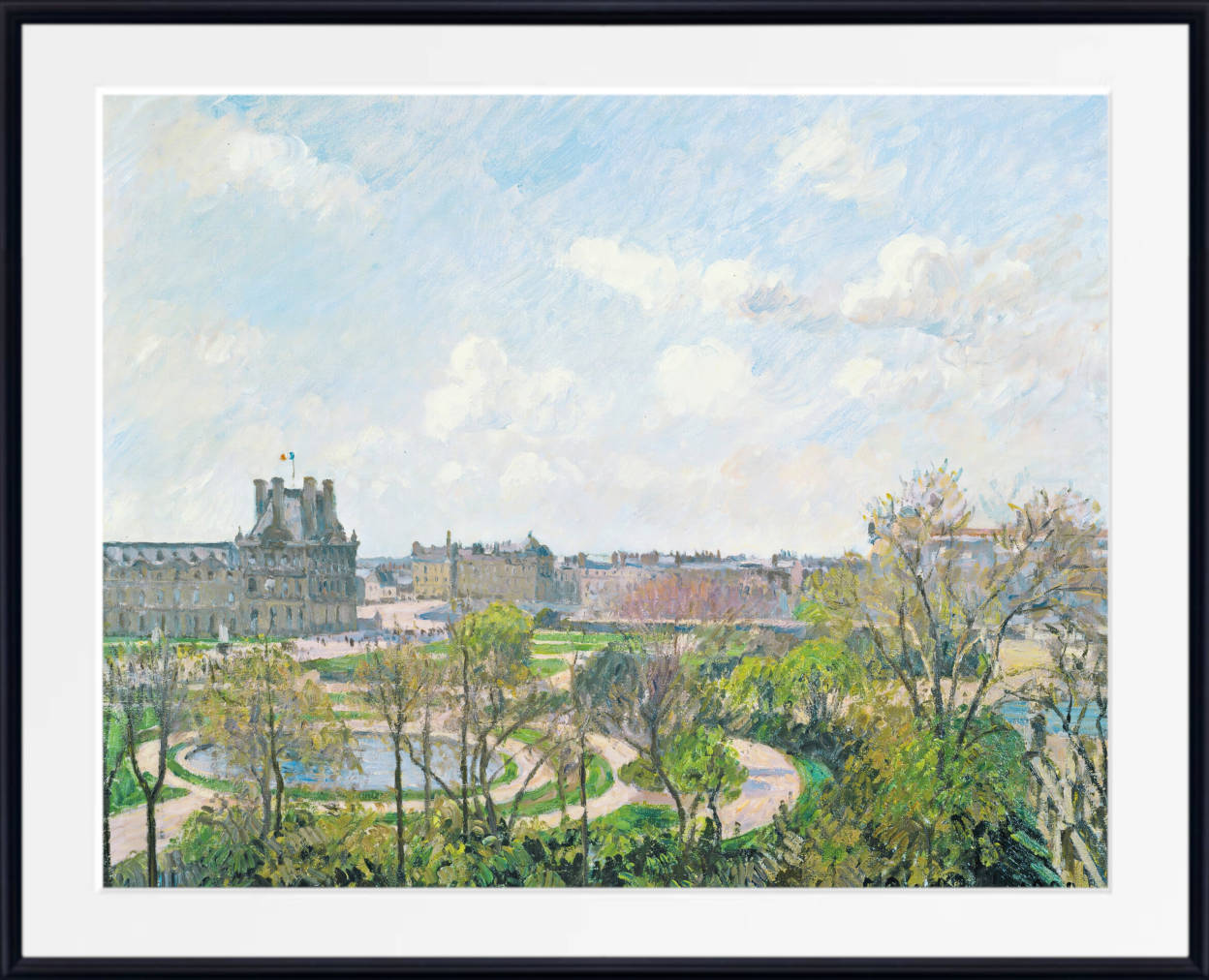
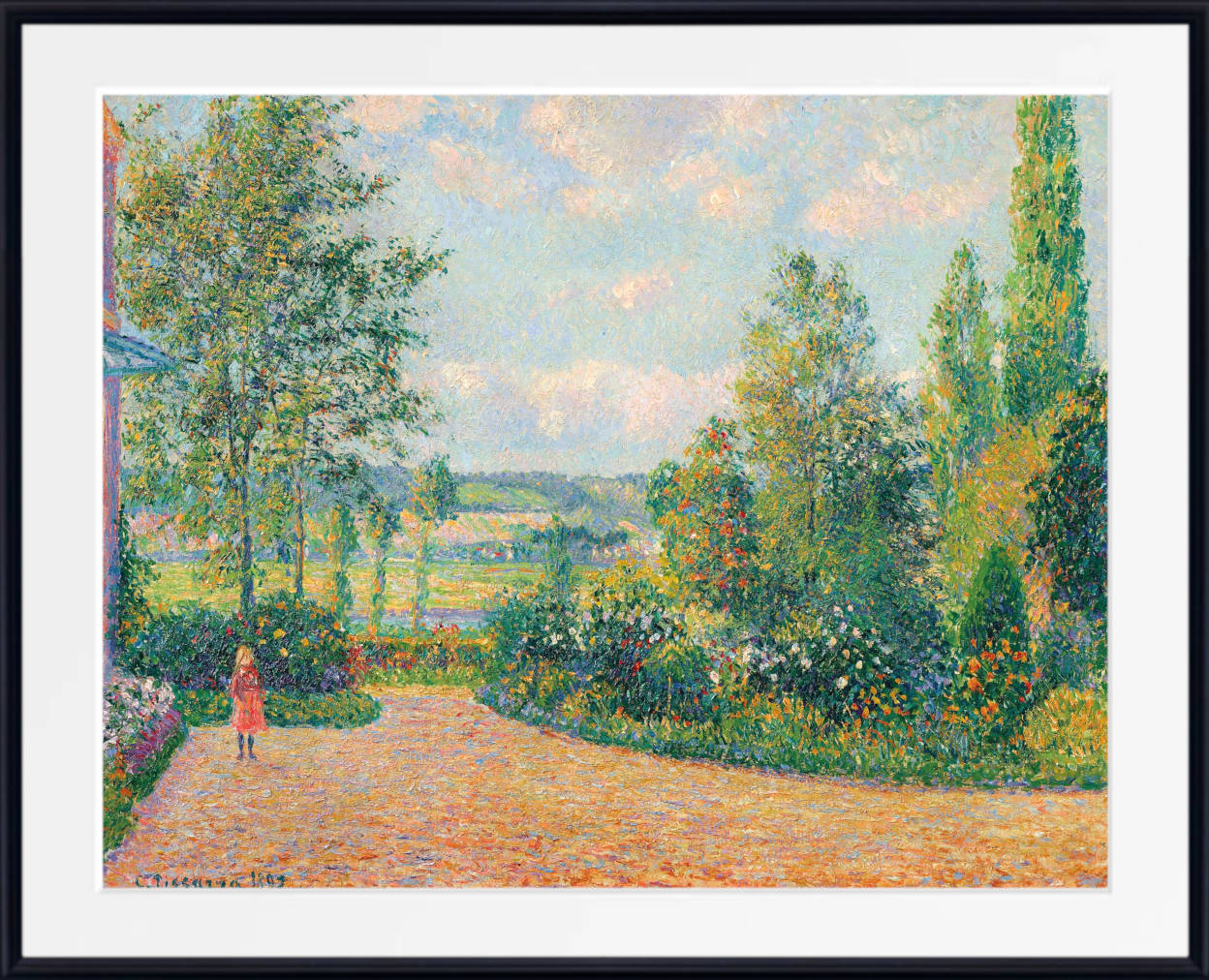
Camille Pissarro was one of Impressionism's greatest painters of rural life. His landscapes frequently depict fields, orchards, village roads, kitchen gardens, hillsides and agricultural scenes, often filled with subtle variations of green.
Rather than presenting an idealised countryside, Pissarro painted working landscapes shaped by roads, farms, houses and human activity. Greens may be mixed with brown earth, pale sky, warm stone and the changing colours of crops and trees.
Pissarro's landscape prints are particularly effective for interiors where you want natural colour without excessive brightness. Muted olive, sage and soft green tones work comfortably with cream, beige, brown, grey, terracotta and natural wood.
His paintings also reveal how green changes through the seasons. Fresh spring growth, dense summer vegetation and the warmer tones of autumn all offered different relationships between colour and light.
Alfred Sisley: Green Riverbanks and Open Landscapes
Alfred Sisley devoted much of his career to landscape, particularly rivers, roads, villages and the countryside around Paris. Green riverbanks, trees and fields frequently interact with blue skies and reflective water in his paintings.
Sisley's landscapes often have a spacious quality. Roads or rivers lead the eye into the distance, while trees provide vertical structure and broad skies create atmosphere. This balance between green land, blue water and changing cloud makes his work especially suitable for rooms where a sense of openness is desired.
His paintings can range from fresh spring greens to deeper summer foliage and subdued autumn colour. Rather than using nature as a backdrop for dramatic events, Sisley allowed landscape, weather and light to become the principal subjects.
Pierre-Auguste Renoir: Gardens, Parks and Green Outdoor Scenes
Pierre-Auguste Renoir is celebrated for paintings of figures, leisure and modern life, but gardens and green outdoor settings also play an important role in his work.
Figures may sit beneath trees, walk through gardens or gather in sunlit landscapes where green foliage filters the light. Renoir's greens often interact with pink, red, blue, yellow and white clothing, creating lively combinations of natural and human colour.
Green Renoir prints are particularly suitable for living rooms, bedrooms and dining spaces where a figurative subject is preferred to a pure landscape. His outdoor scenes can bring warmth, movement and sociability while retaining the fresh colour and visible brushwork associated with Impressionism.
Gustave Caillebotte: Gardens, Riverbanks and Cultivated Green Spaces
Gustave Caillebotte combined an interest in modern Paris with a strong enthusiasm for gardens, boating and the landscape around Petit-Gennevilliers. His paintings include orchards, flower beds, riverbanks, trees and carefully cultivated outdoor spaces.
Caillebotte's green landscapes can feel more structured than the freely painted views of Monet or Sisley. Paths, lawns, riverbanks and rows of trees often create clear geometric organisation within the composition.
His garden paintings are particularly useful for interiors that combine traditional art with cleaner, more contemporary design. Strong perspective and defined structure give the works a modern visual clarity, while the natural greens maintain a sense of calm.
Childe Hassam and Green American Impressionism
Childe Hassam brought Impressionist approaches to American subjects, painting gardens, landscapes, city streets and the rocky coast of New England.
Green appears throughout his work in gardens, island landscapes, spring foliage and sunlit countryside. His paintings often combine the broken brushwork and interest in natural light associated with French Impressionism with distinctly American settings.
Garden scenes by Hassam can be particularly colourful, combining green foliage with bright flowers and patches of sunlight. These works are natural choices for bedrooms, living rooms and conservatories where fresh, uplifting colour is desired.
Featured Green Impressionist Artists
Explore painters whose gardens, fields, riverbanks, parks and rural landscapes reveal the rich variety of green within Impressionist art.
Green Impressionist Garden Prints
Gardens became one of the great subjects of Impressionist art. Unlike formal historical painting, a garden offered an immediate world of changing colour, sunlight, shadow and seasonal growth. The same flower bed or tree could appear completely different according to the time of day or weather.
Monet's garden at Giverny is the most famous example, but many Impressionist and Impressionist-influenced painters explored parks, orchards, flower gardens and cultivated landscapes. Green often provides the visual foundation, allowing pink, yellow, purple, white and red flowers to stand out.
Garden prints are especially well suited to bedrooms, living rooms, dining rooms and conservatories because they bring together natural colour and a sense of cultivated beauty. They can feel restful without becoming visually empty.
For artworks focused particularly on flowers and gardens, explore the Floral Wall Art collection.
Green Impressionist Landscape Prints
Landscape was central to the development of Impressionism. Working outdoors allowed artists to observe the changing effects of sunlight directly and respond rapidly to shifting weather conditions.
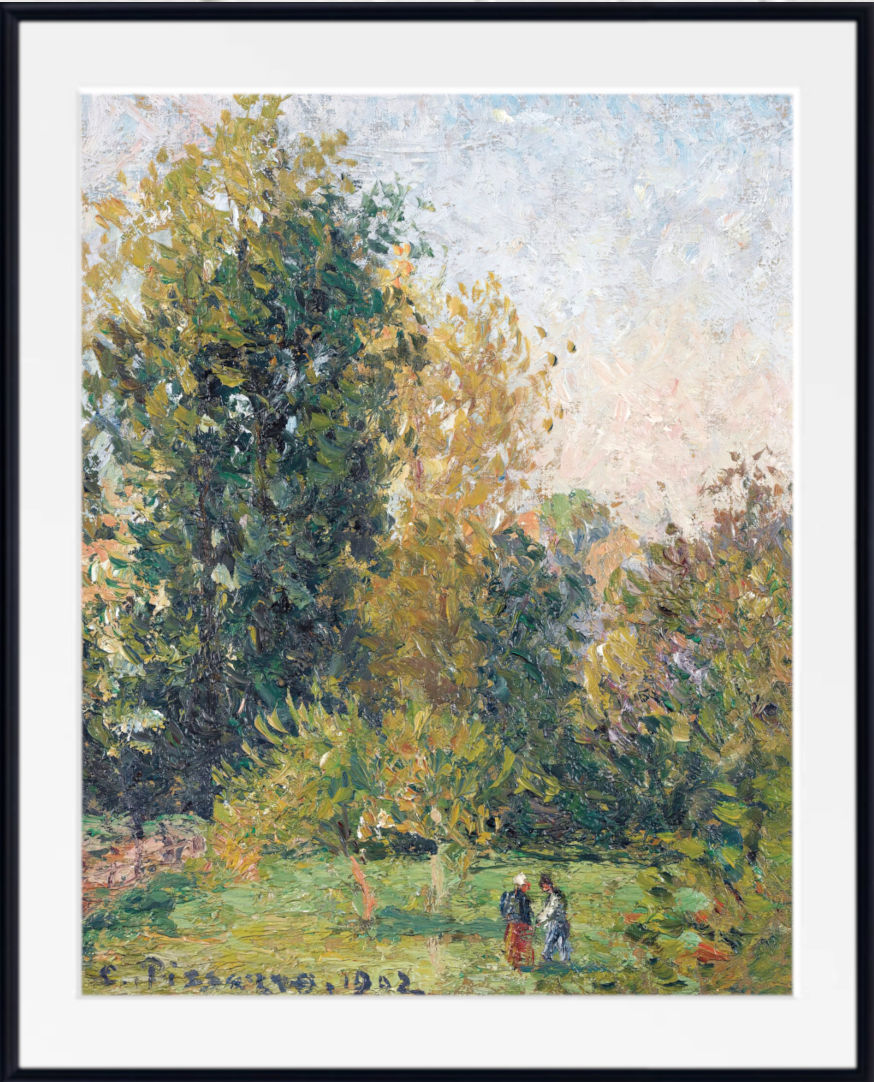
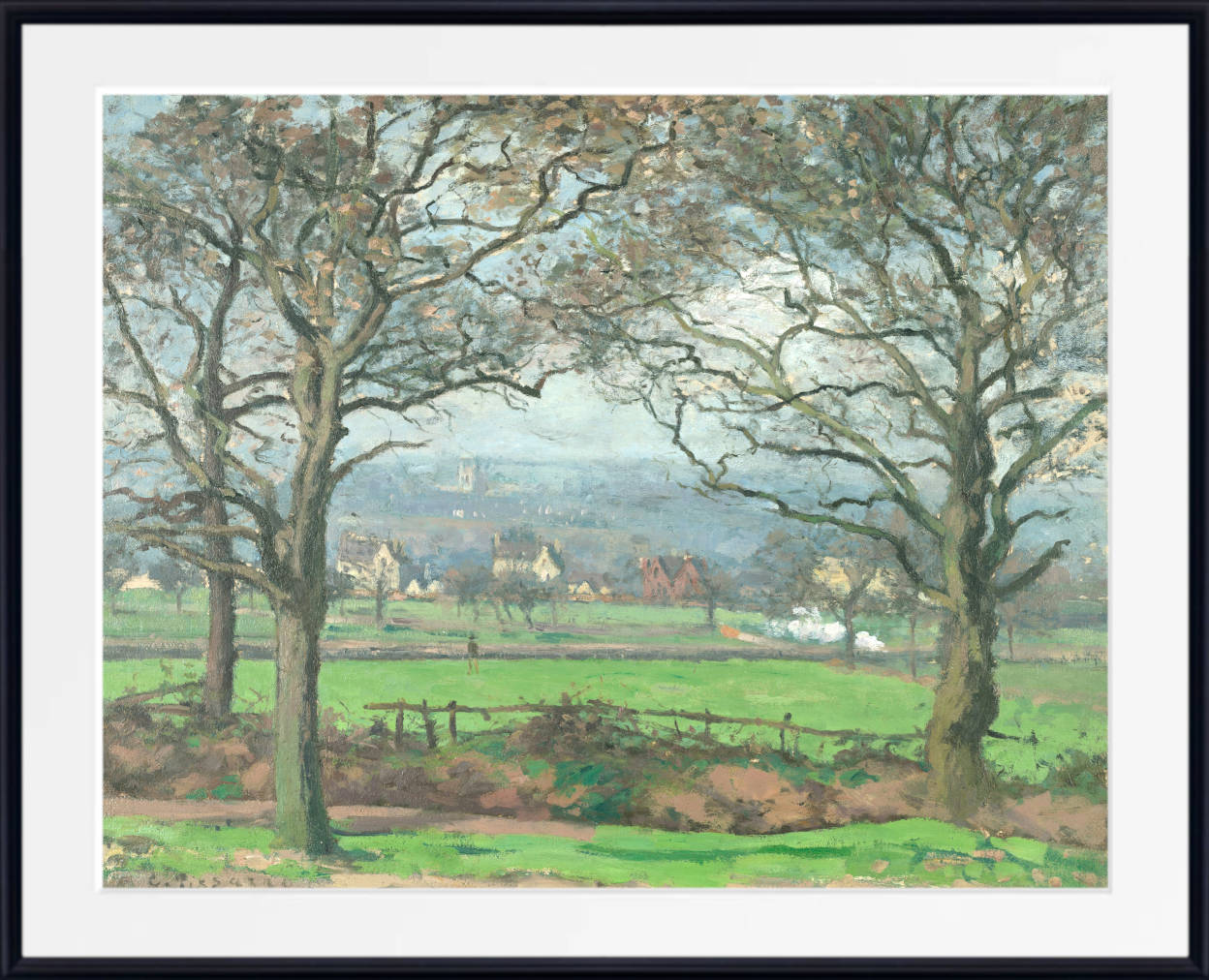
Green landscapes can include open fields, country roads, wooded hillsides, riverbanks, orchards and village gardens. Rather than using one standard landscape green, Impressionist painters created complex mixtures of yellow-green, blue-green, olive, emerald, sage and darker forest tones.
These paintings work particularly well in interiors because their natural colour palettes often contain several complementary shades. Green may appear alongside blue sky, white cloud, brown earth, warm stone, pink blossom and golden sunlight.
For a wider range of countryside, mountain, river and scenic artwork, browse the Landscape and Scenery Fine Art Prints collection.
Green Impressionist River and Waterside Prints
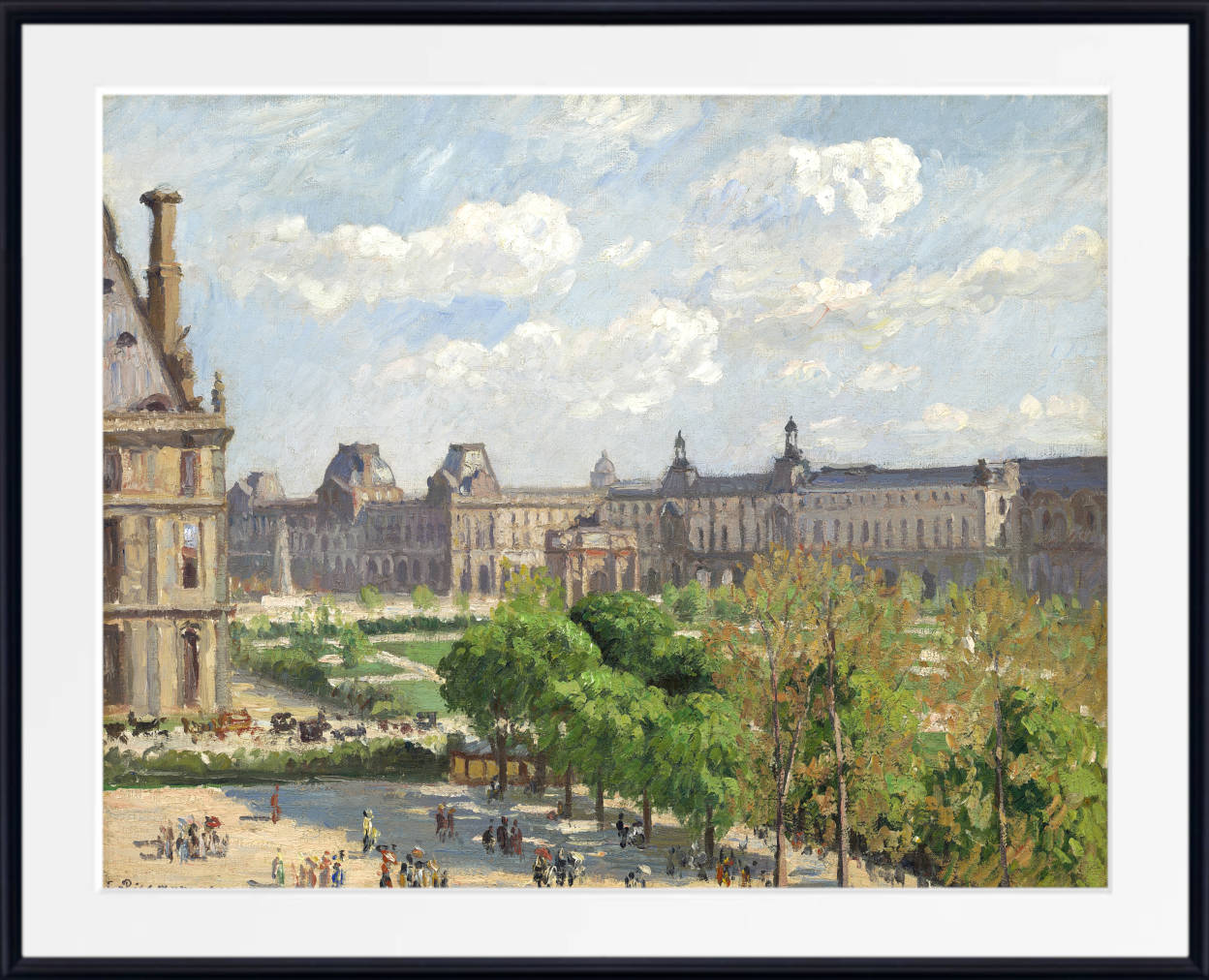
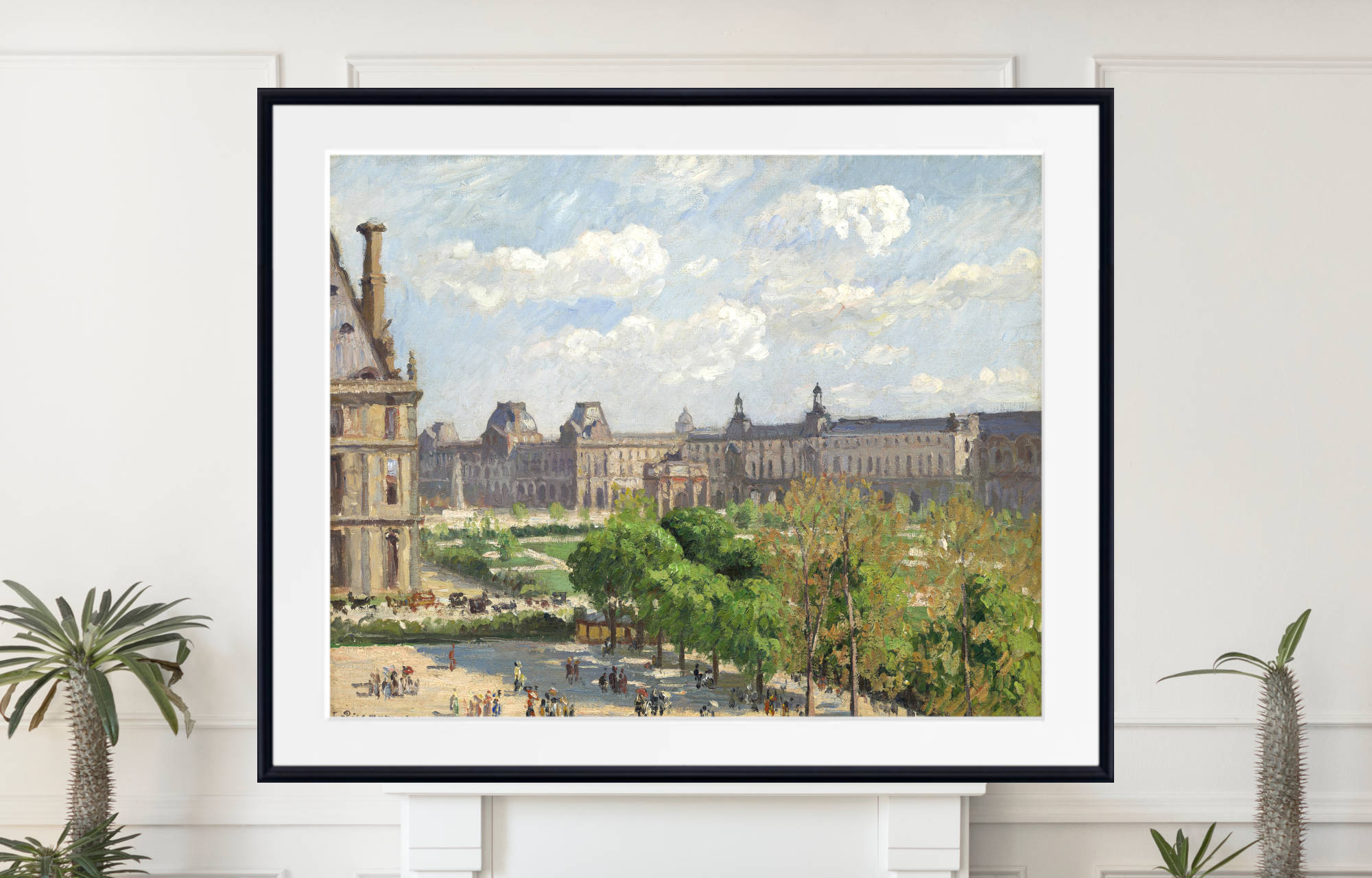
Rivers were favourite subjects for Monet, Sisley, Pissarro and Caillebotte. The Seine and its tributaries offered reflections, boats, bridges, riverbanks and nearby vegetation, all transformed continuously by changing light.
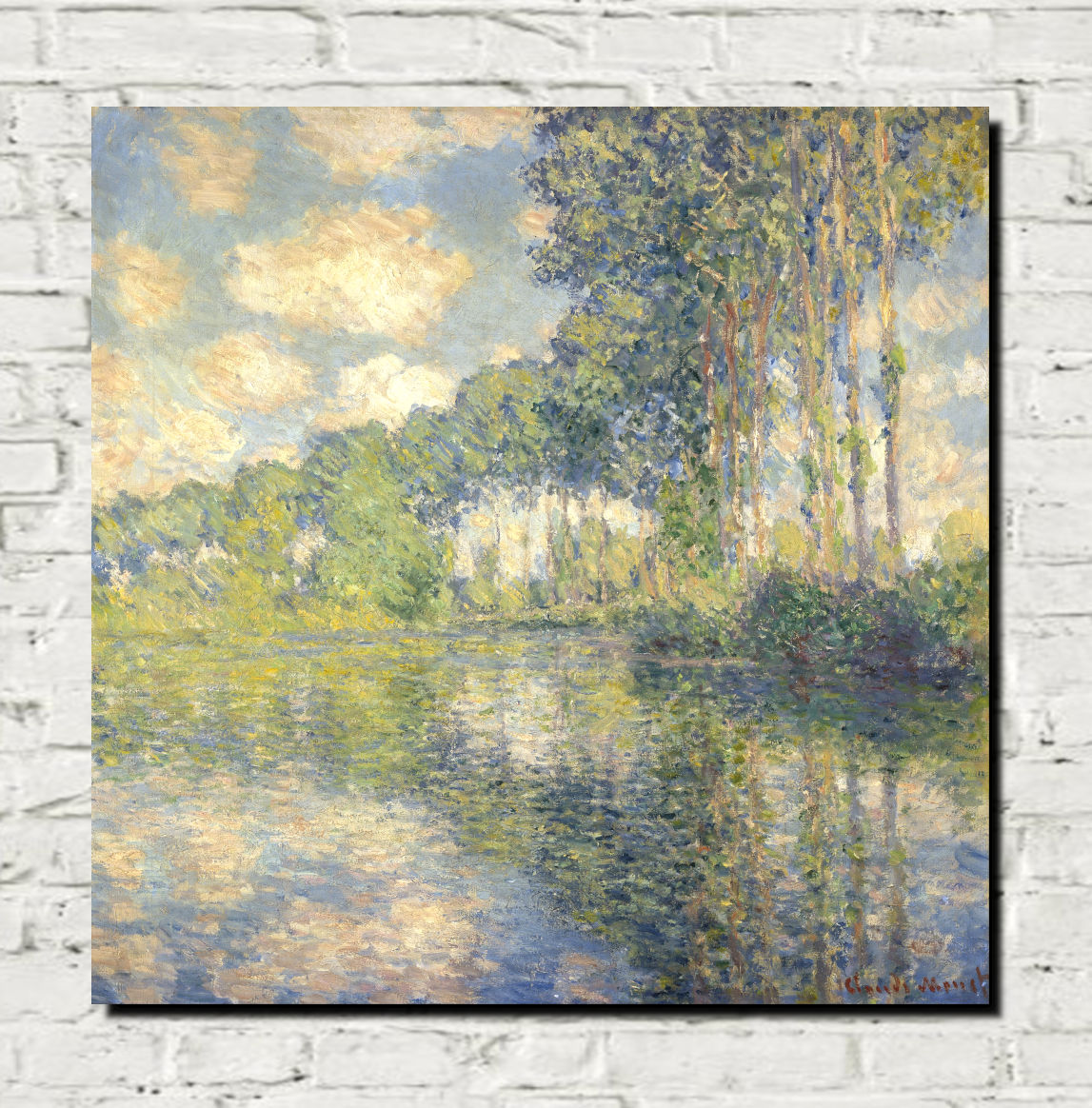
Green trees and grasses may be reflected in blue water, breaking into fragmented passages of turquoise, olive, yellow and dark green. These waterside scenes often have a peaceful character while still containing the movement and lively brushwork associated with Impressionism.
River landscapes are excellent choices for living rooms and bedrooms because they combine the calming qualities of water and greenery. Wider panoramic compositions can also help create a greater sense of visual space.
Green Impressionist Prints for Living Rooms
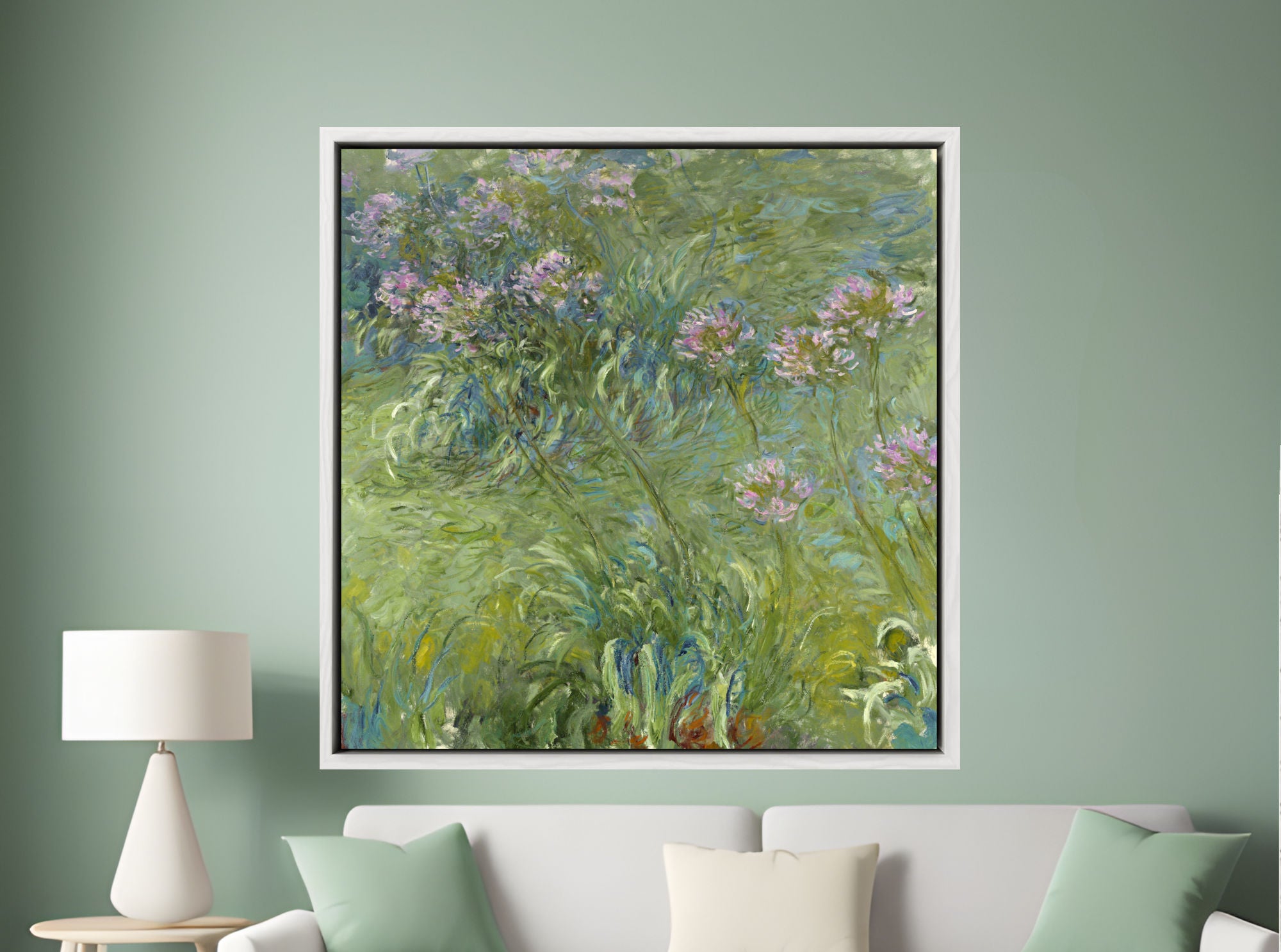
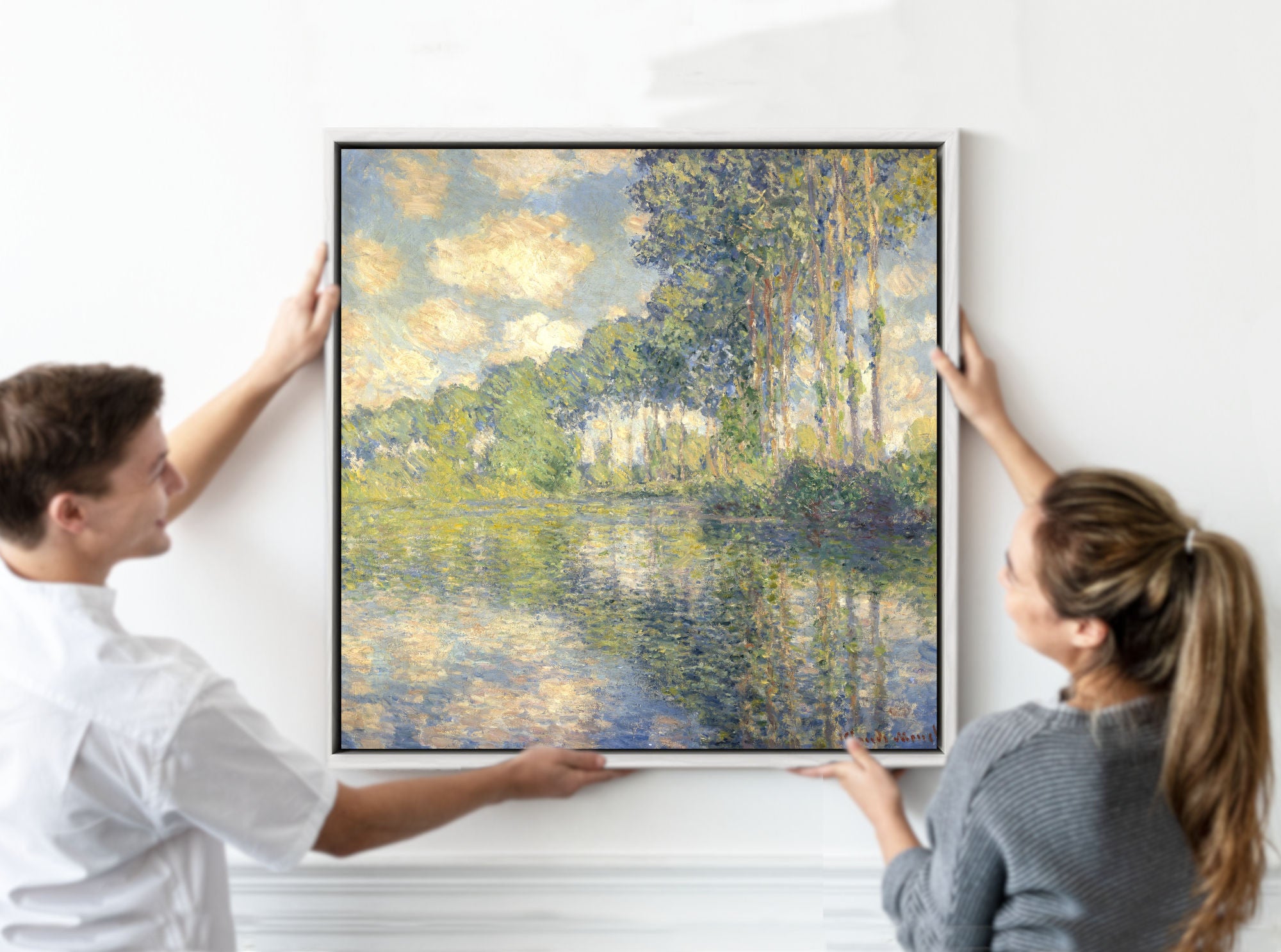
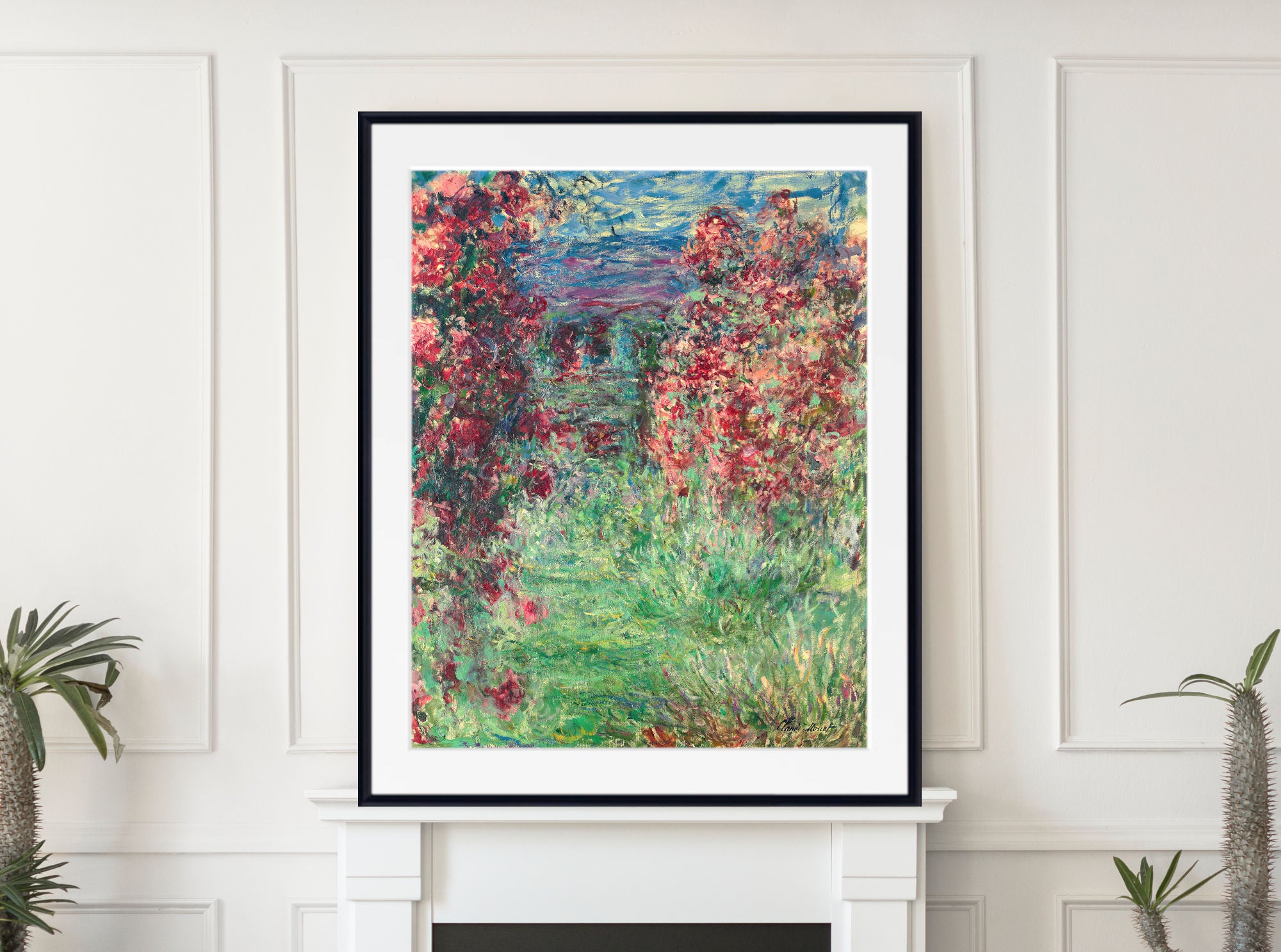
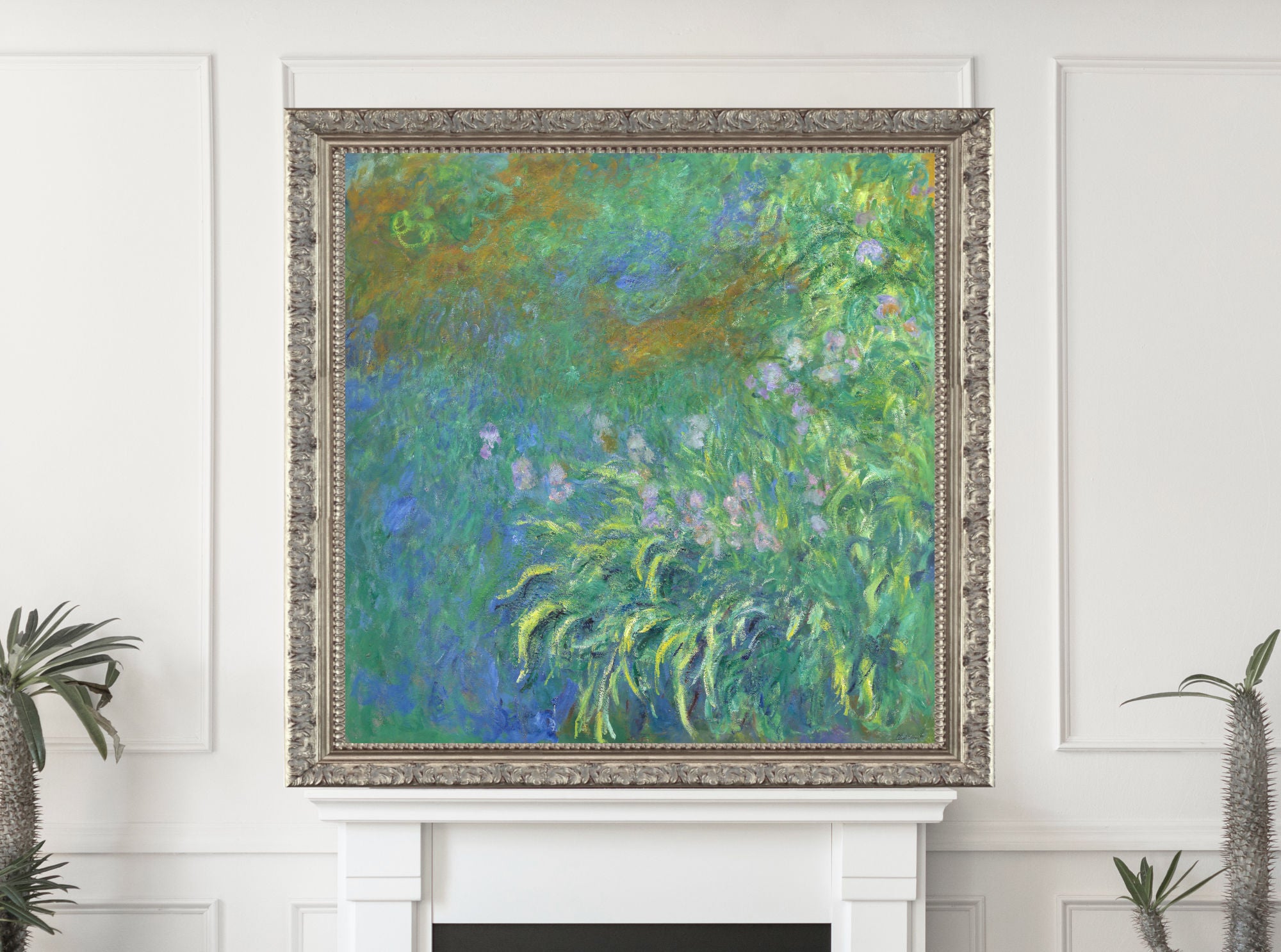
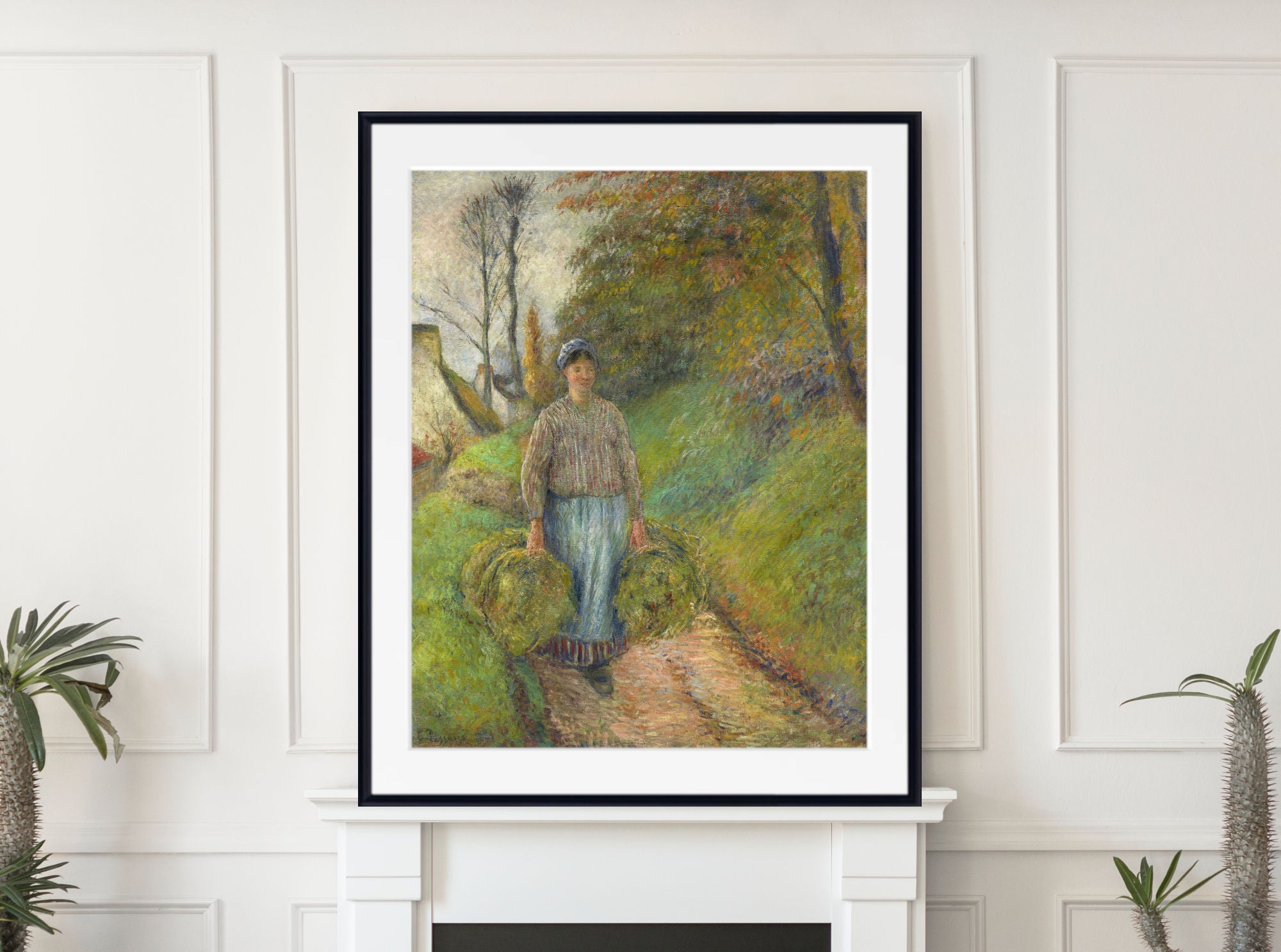
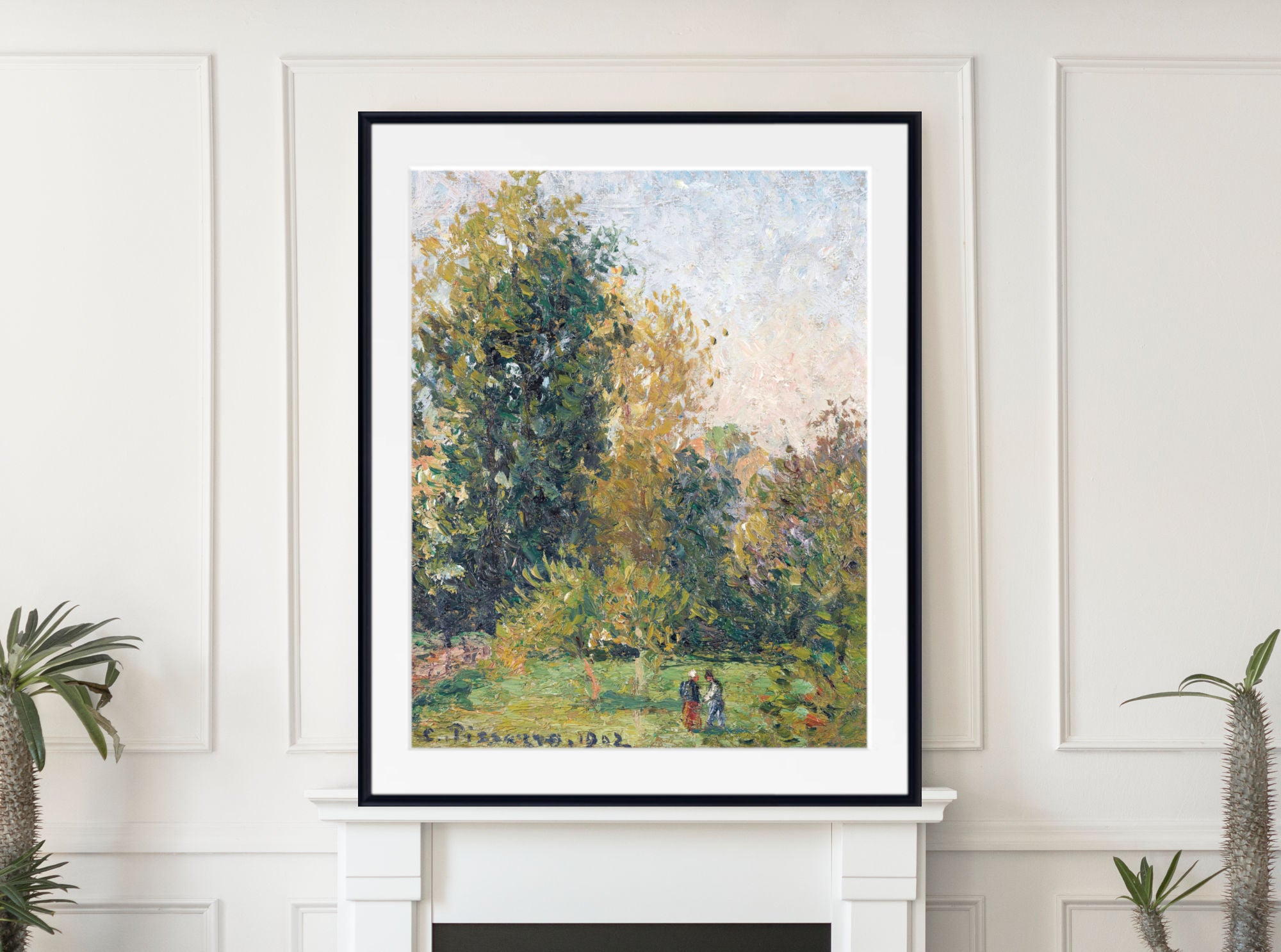
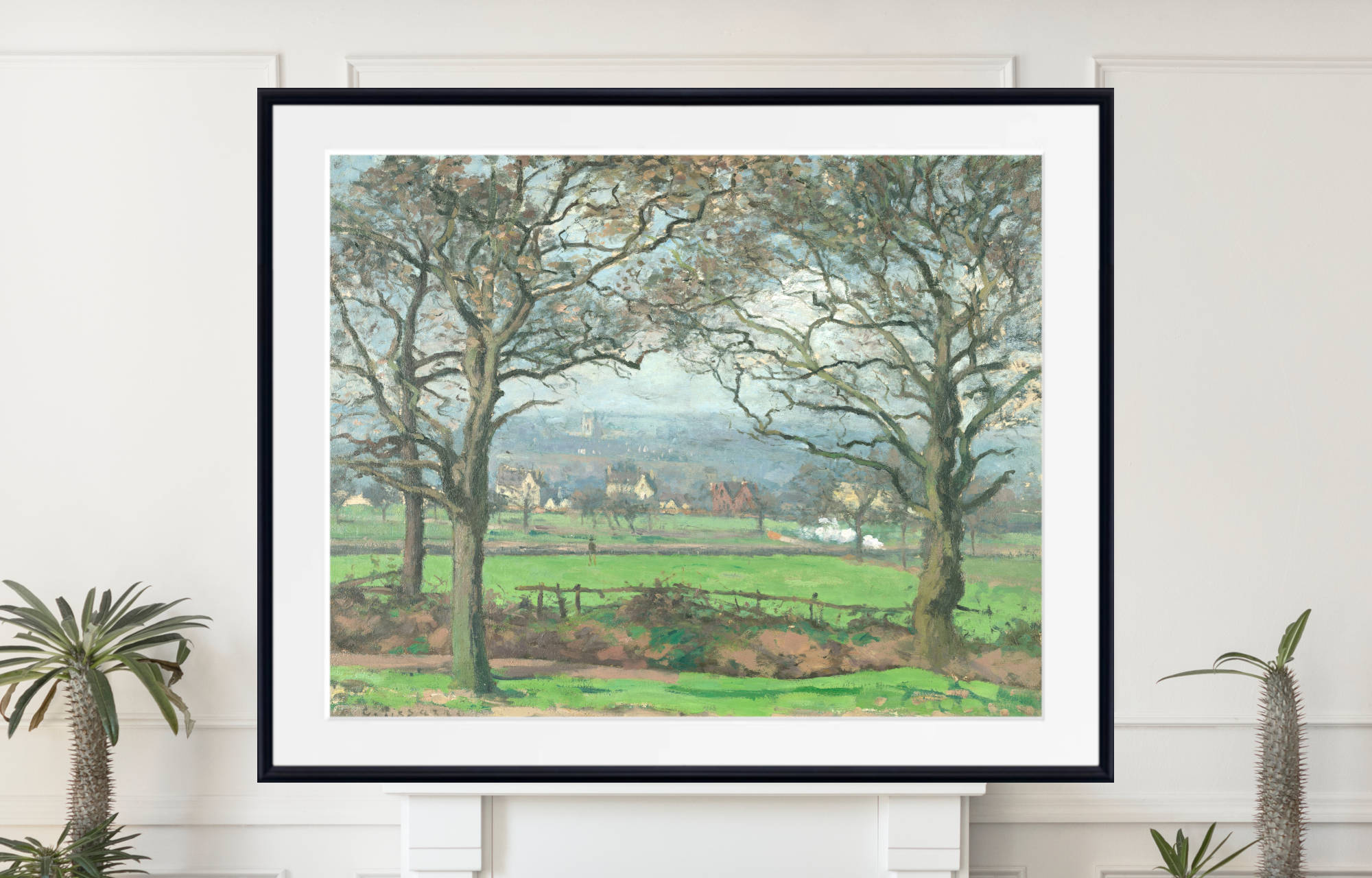
Green Impressionist wall art is particularly effective in living rooms because it introduces colour while retaining a natural, versatile character. Large garden scenes, landscapes and riverside paintings can create a strong focal point above a sofa, fireplace or sideboard.
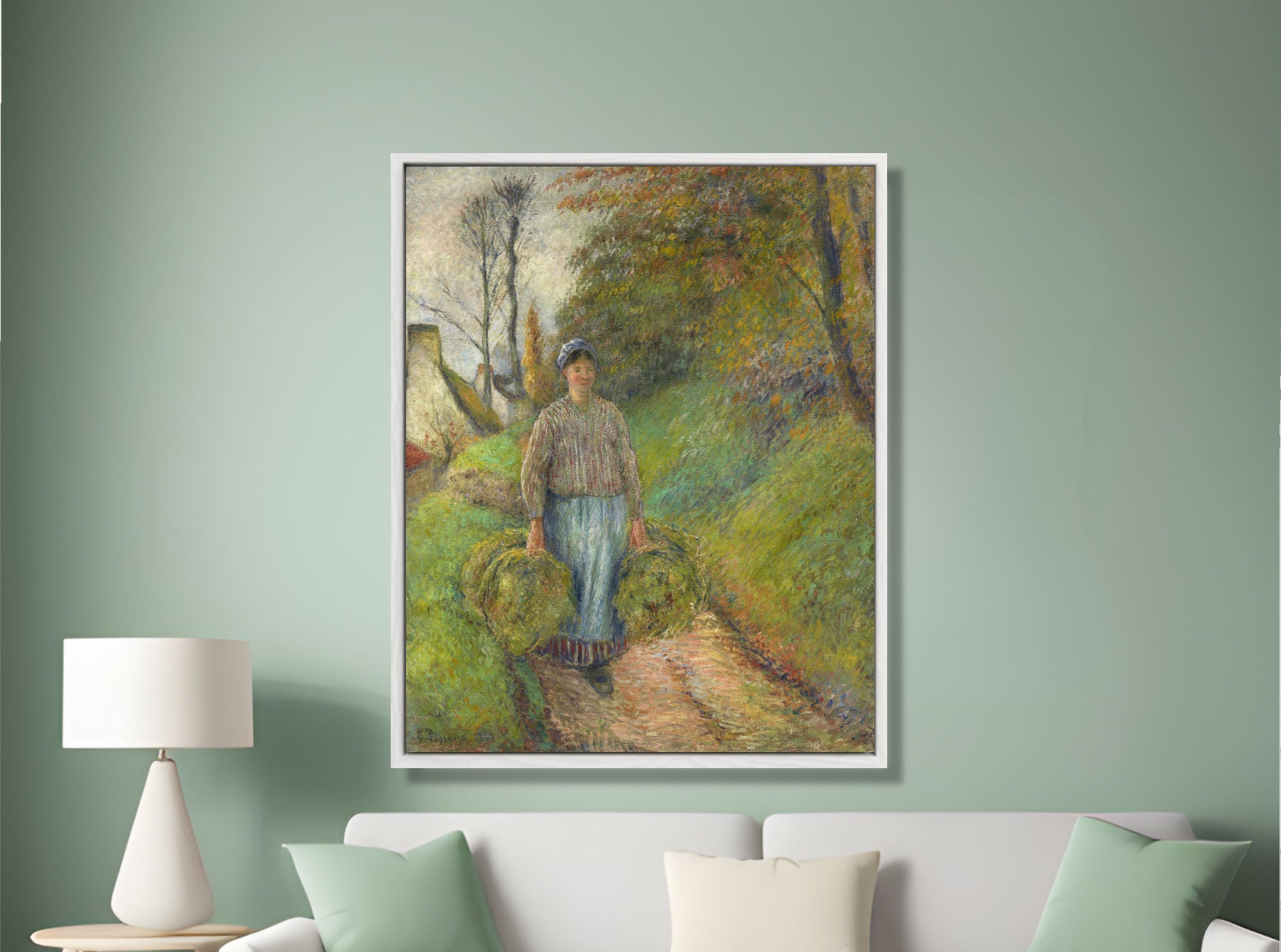
Soft sage and olive tones work naturally with cream, beige, linen and pale oak. Deeper forest greens can provide stronger contrast against white or light walls, while brighter spring greens bring freshness and energy.
Monet garden scenes can add colour and atmosphere, Pissarro landscapes bring a more rural quality, and Sisley's river views can create a greater feeling of openness. Caillebotte is particularly useful where a more structured composition is preferred.
Green Impressionist Prints for Bedrooms
Green is an excellent colour for bedroom wall art because it is strongly associated with gardens, landscapes and the natural world. Softer sage, blue-green and muted olive tones can contribute to a calm and restful atmosphere.
For bedrooms, consider Monet's quieter gardens and water lilies, Sisley's river landscapes or gentle rural scenes by Pissarro. Paintings with generous areas of sky, water or open landscape can feel especially peaceful.
Green Impressionist prints work beautifully with white bedding, cream, beige, pale grey, natural linen, rattan and light wood. Soft pink and muted blue accents can also complement the secondary colours commonly found within Impressionist landscapes.
Green Impressionist Prints for Dining Rooms and Hallways
Dining rooms can accommodate richer green landscapes and garden scenes, particularly above sideboards or on the main wall facing the dining table. Natural subjects can bring warmth and colour while remaining easy to coordinate with changing table settings and furnishings.
Hallways and stairways are ideal for smaller Impressionist landscapes. A sequence of gardens, rivers or countryside views can create visual continuity, while consistent frames help connect works by different artists.
Narrow vertical landscapes and smaller garden paintings are especially useful for spaces where a larger panoramic work would feel too dominant.
How to Style Green Impressionist Wall Art
Start by looking at the dominant shade of green in the artwork. Sage and muted olive pair naturally with cream, beige, tan and pale wood. Deeper forest green works beautifully with walnut, brass, black and warm neutral colours.
Blue is a natural companion because many Impressionist landscapes combine green vegetation with sky and water. Soft pink, lavender and yellow can also complement green by repeating the colours of flowers and sunlight within garden scenes.
Terracotta, rust and ochre provide warmer contrast, particularly with darker or more subdued green paintings. These combinations can work well in both traditional and contemporary interiors.
You do not need to match the exact shade of green in the artwork to furniture or textiles. Instead, choose one or two colours from the painting and repeat them subtly elsewhere in the room.
Choosing the Right Size Green Impressionist Print
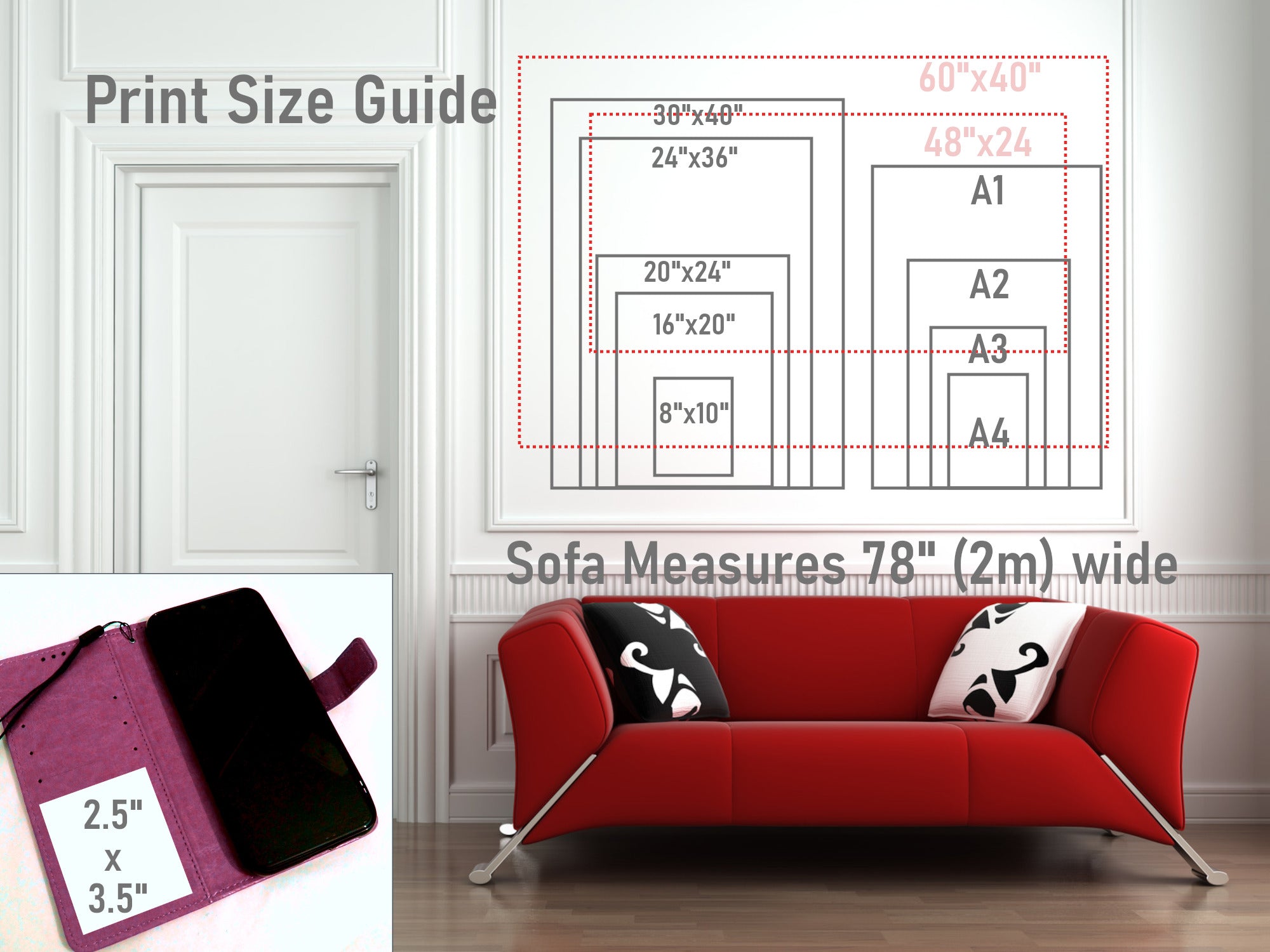
Large green Impressionist prints work particularly well above sofas, beds, fireplaces and sideboards. A substantial landscape or garden scene can act almost like a window, introducing a sense of natural space and distance.
Medium-sized framed prints are useful above desks, consoles and smaller pieces of furniture, while groups of smaller landscapes can be combined into gallery walls.
When displaying several Impressionist works together, cohesion can come from a shared artist, subject or colour palette. A group of Monet garden paintings, Pissarro landscapes or related green countryside scenes can create a particularly harmonious arrangement.
Fine Art Prints, Framed Prints and Canvas Panels
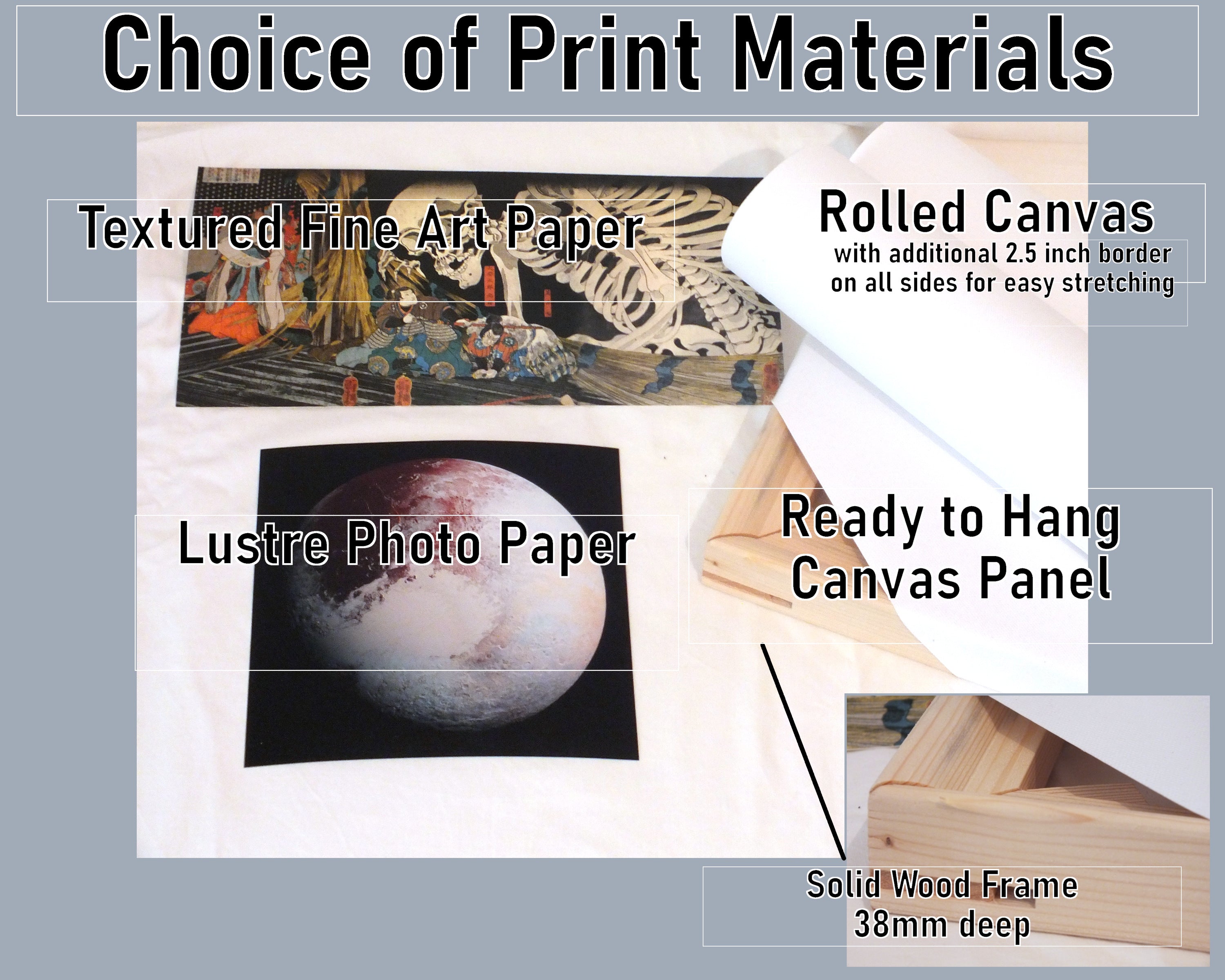
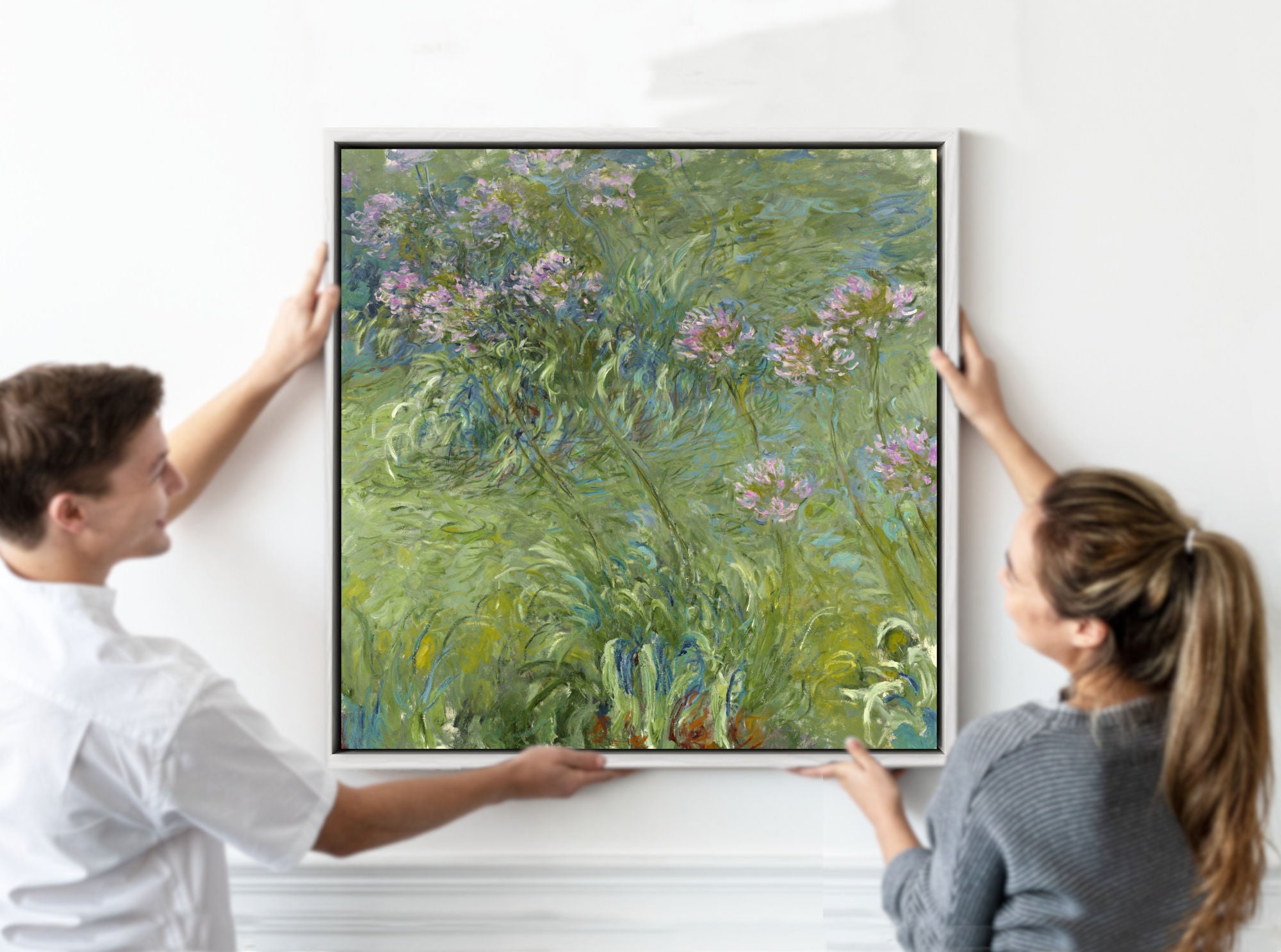
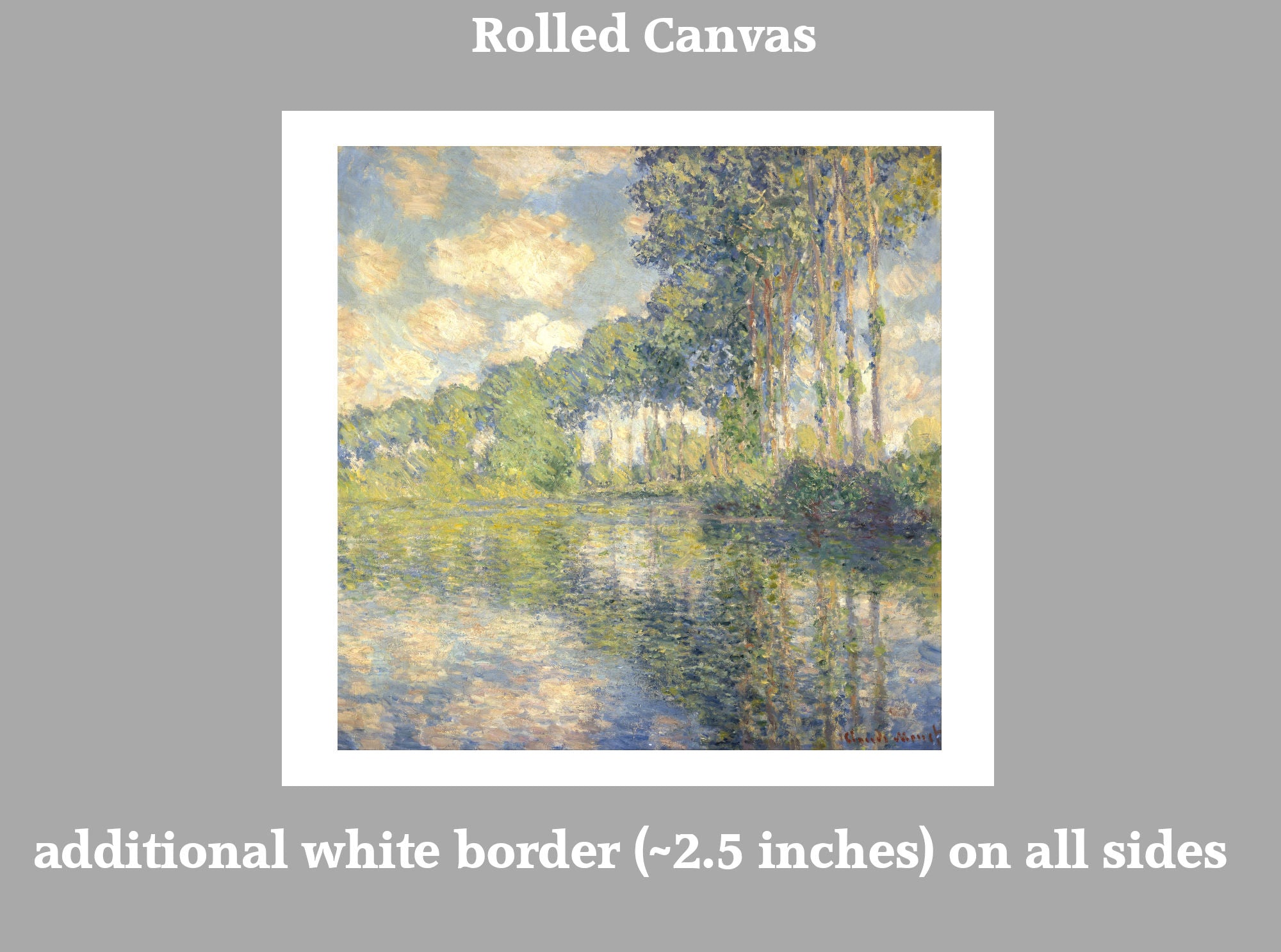
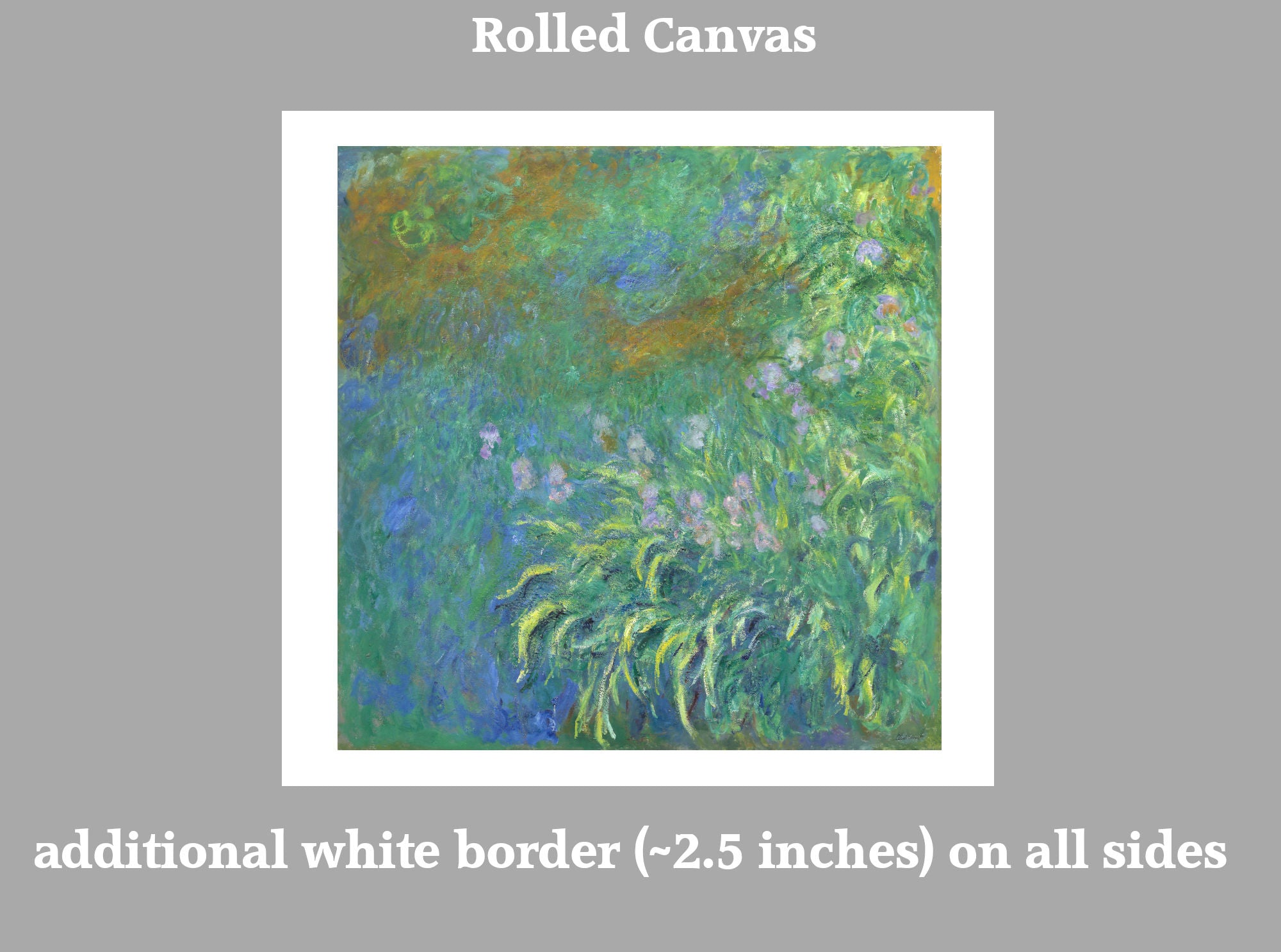
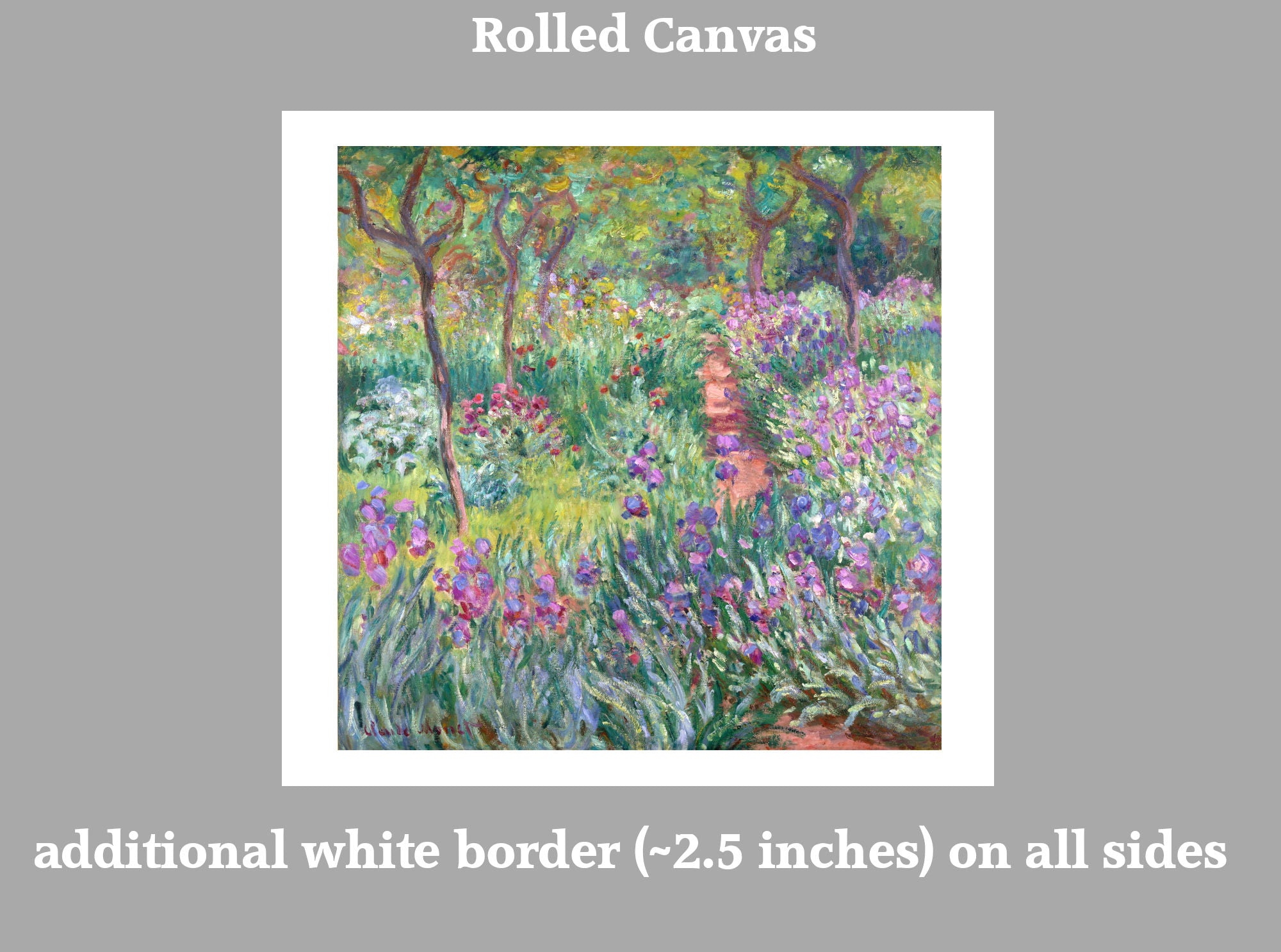
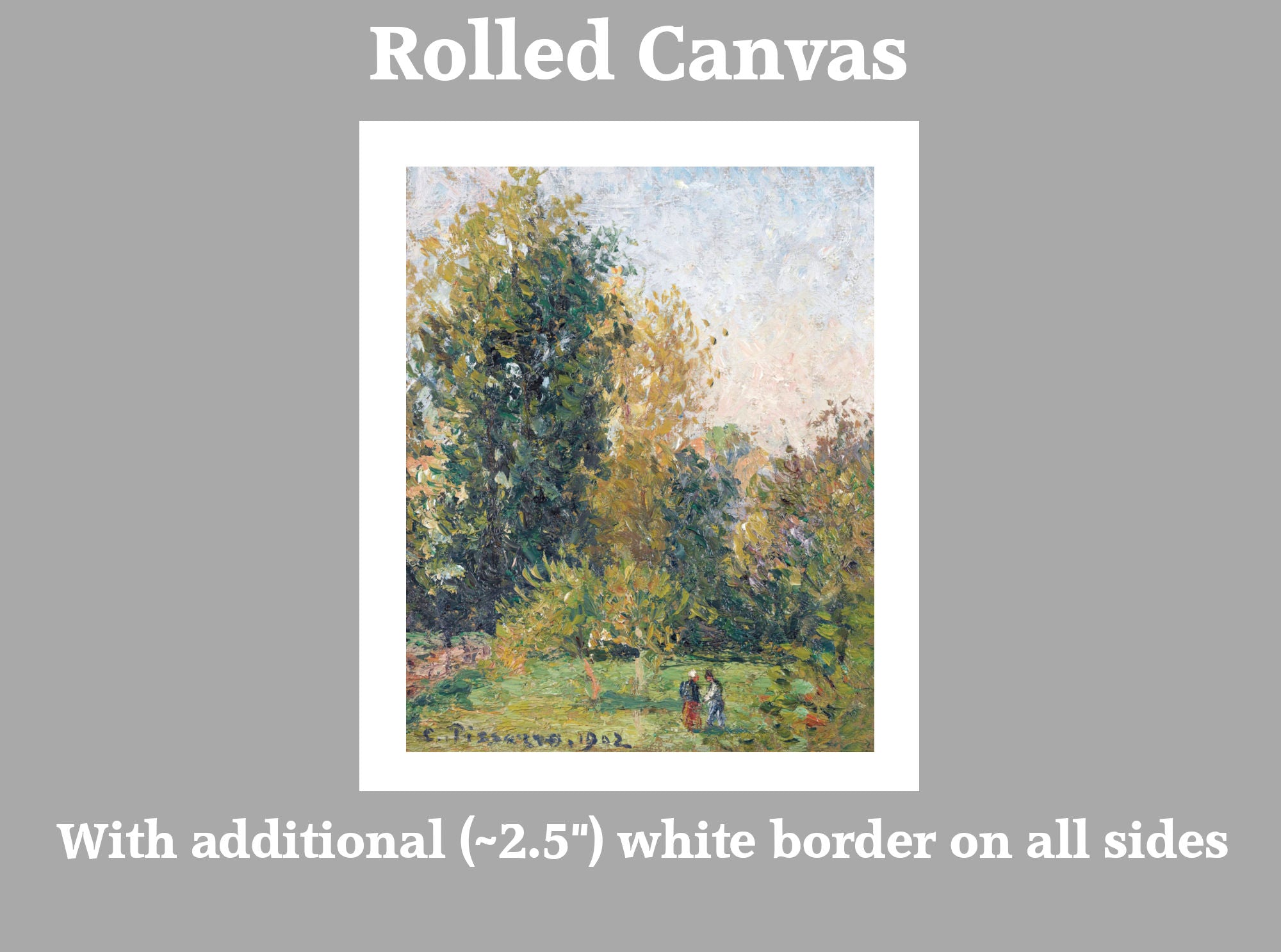
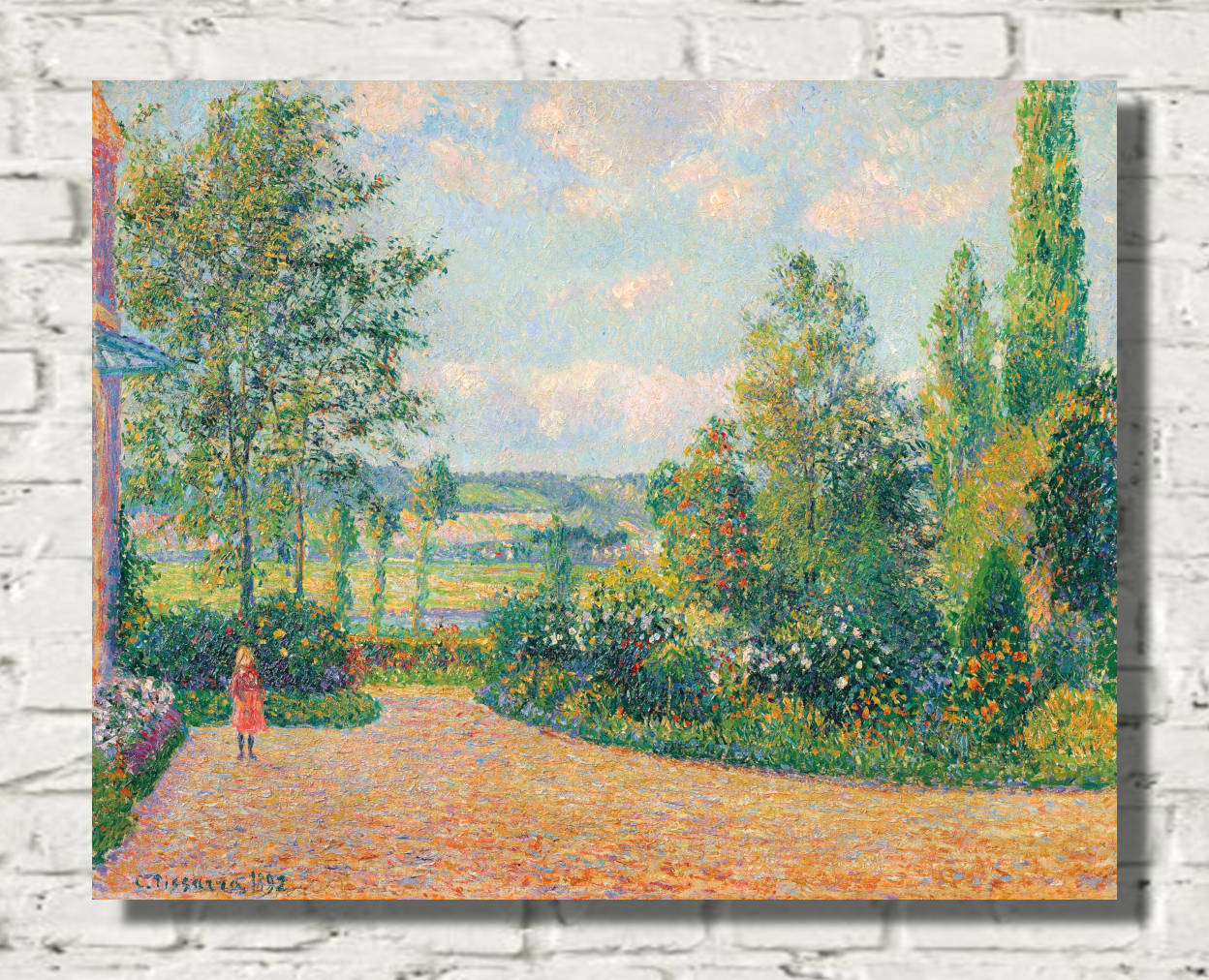
GalleryThane green Impressionist artwork is available across a range of formats and sizes. Choose an unframed fine art paper print if you want the flexibility to select your own frame, a framed print for a complete gallery-style presentation, or a canvas panel for a clean, ready-to-hang finish.
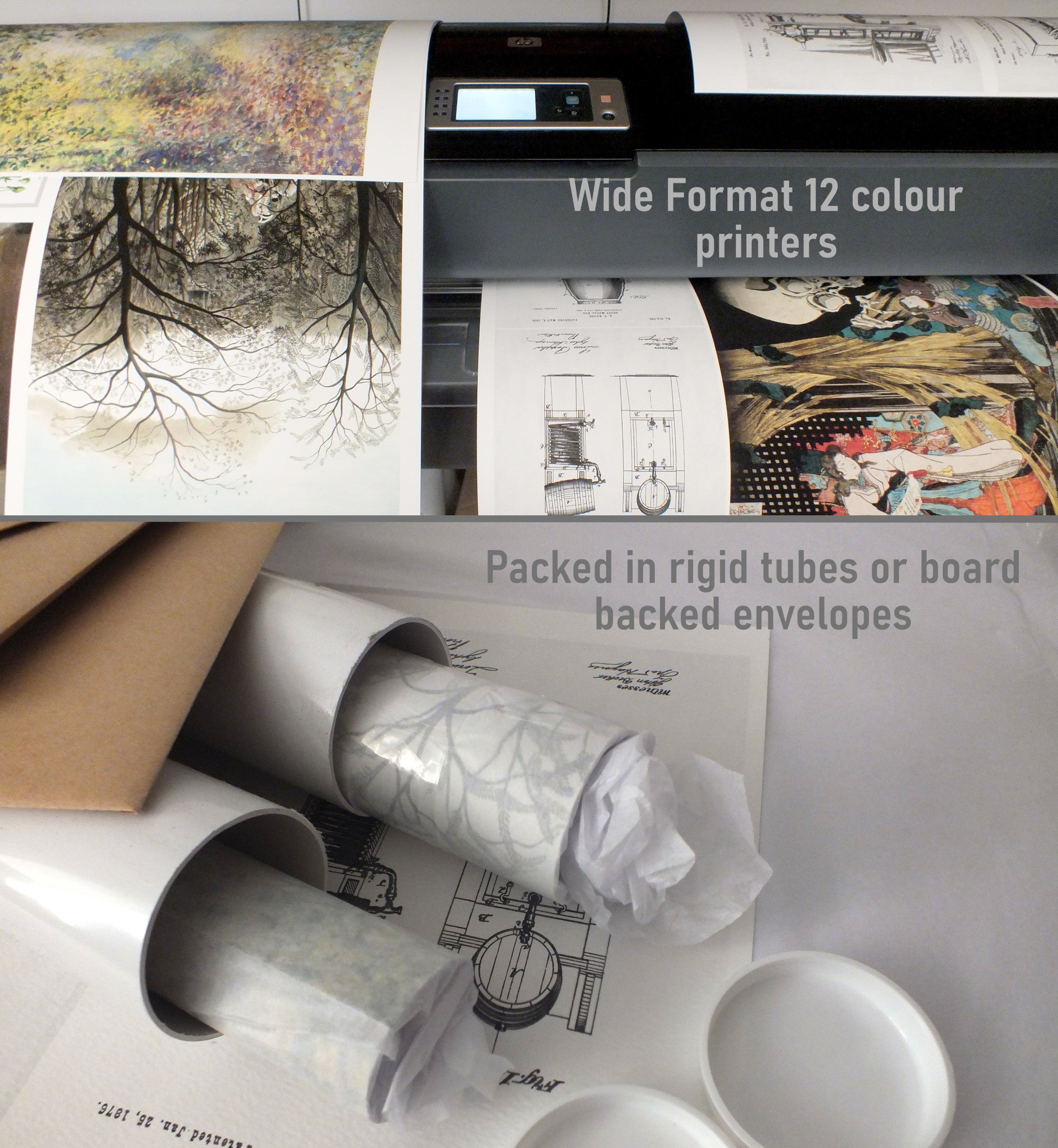
Our prints, frames and canvas panels are handmade in our Nottinghamshire workshop using carefully selected fine art papers, UV-stabilised pigment inks and quality framing materials. Free UK delivery is available on all orders, with fast, tracked international shipping also available.
Frequently Asked Questions
What are green Impressionist prints?
Green Impressionist prints reproduce paintings in which green plays an important visual role, including gardens, landscapes, riverbanks, orchards, meadows, parks and rural scenes. Shades can range from pale sage and blue-green to olive, emerald and deep forest green.
Which Impressionist artists are famous for green landscapes?
Claude Monet, Camille Pissarro and Alfred Sisley are especially celebrated for landscapes filled with gardens, trees, fields and riverbanks. Pierre-Auguste Renoir, Gustave Caillebotte and Childe Hassam also created important green outdoor scenes.
What are the best green Monet prints?
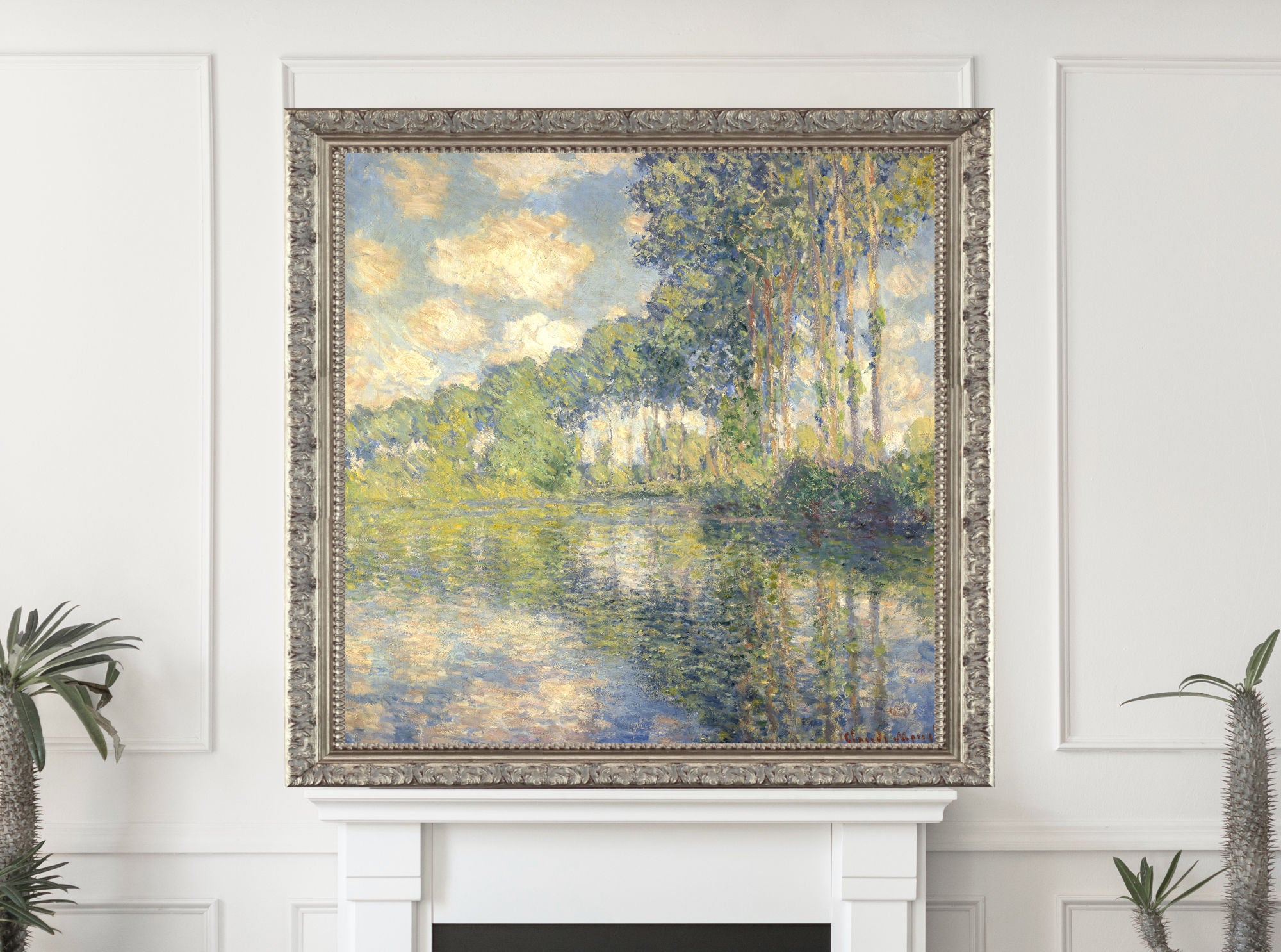
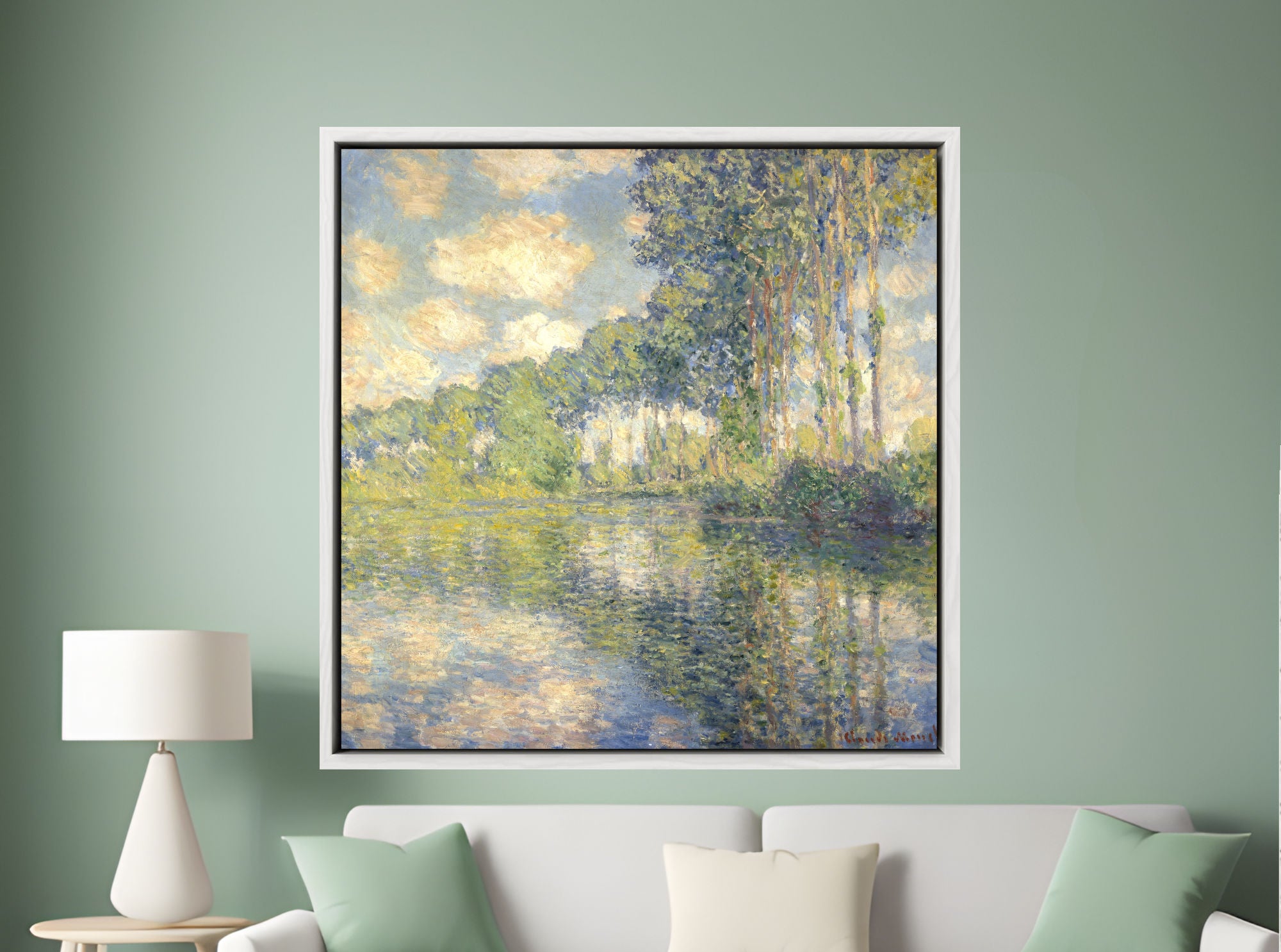
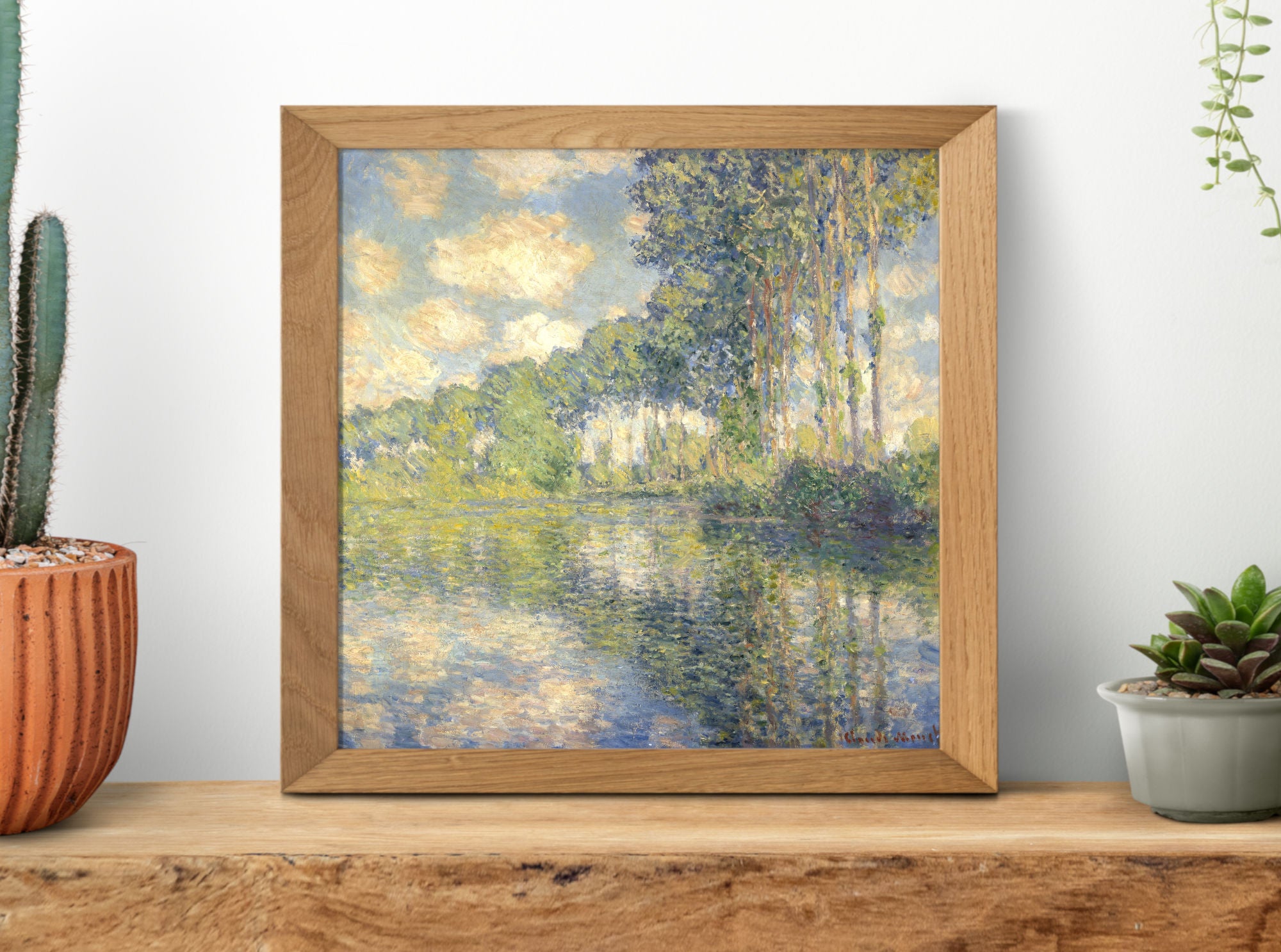
Monet's Giverny garden paintings, Water Lilies series, Japanese bridge scenes, poplar paintings and many river landscapes feature beautiful green tones. The best choice depends on whether you prefer gardens, water, flowers or more open landscapes.
Are green Impressionist prints suitable for living rooms?
Yes. Green Impressionist landscapes and garden scenes work particularly well in living rooms because they introduce natural colour while remaining versatile. Large Monet, Pissarro, Sisley and Caillebotte prints can create strong focal points above sofas, fireplaces and sideboards.
Are green Impressionist prints good for bedrooms?
Yes. Soft green gardens, river scenes and landscapes can contribute to a calm bedroom atmosphere. Sage, olive and blue-green tones pair naturally with white, cream, beige, pale grey and natural wood.
What colours go well with green Impressionist art?
Green Impressionist prints work beautifully with white, cream, beige, brown, grey, blue, soft pink, lavender, ochre, terracotta and natural wood. The best combination depends on whether the artwork uses pale, bright or deeper green tones.
Should I choose a framed green Impressionist print or a canvas panel?
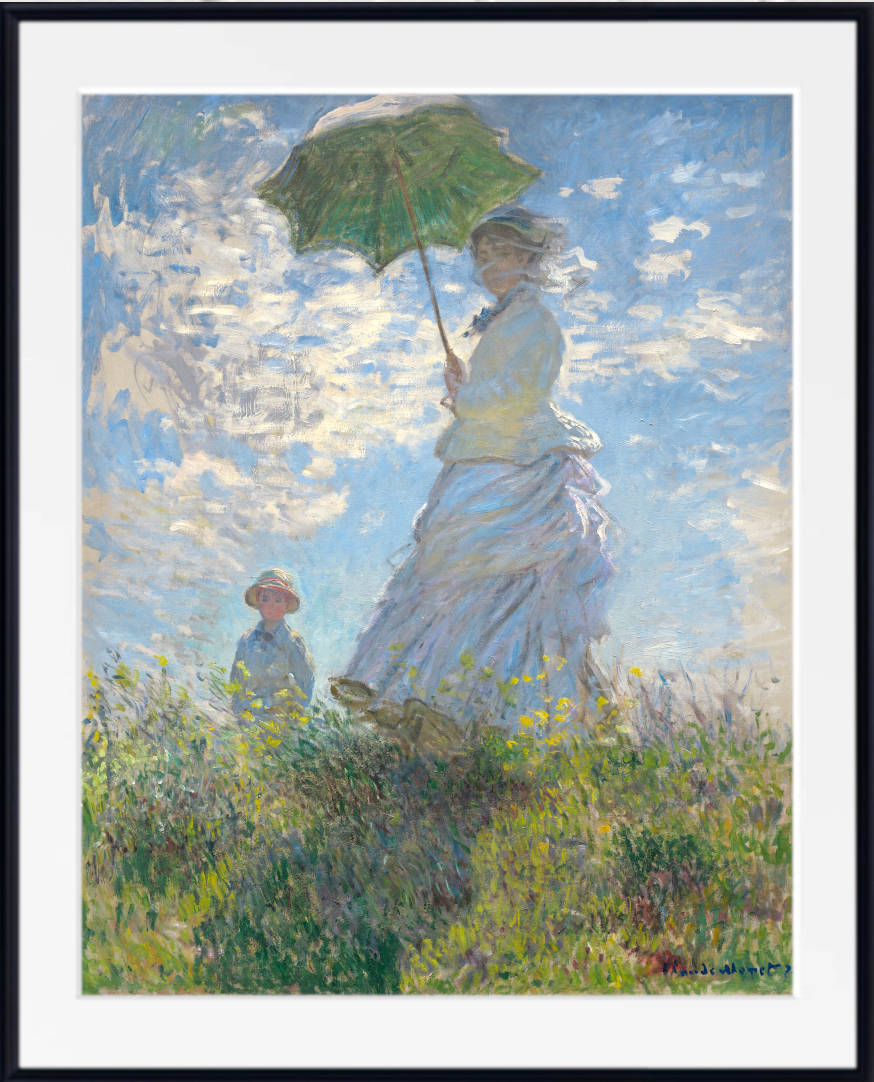
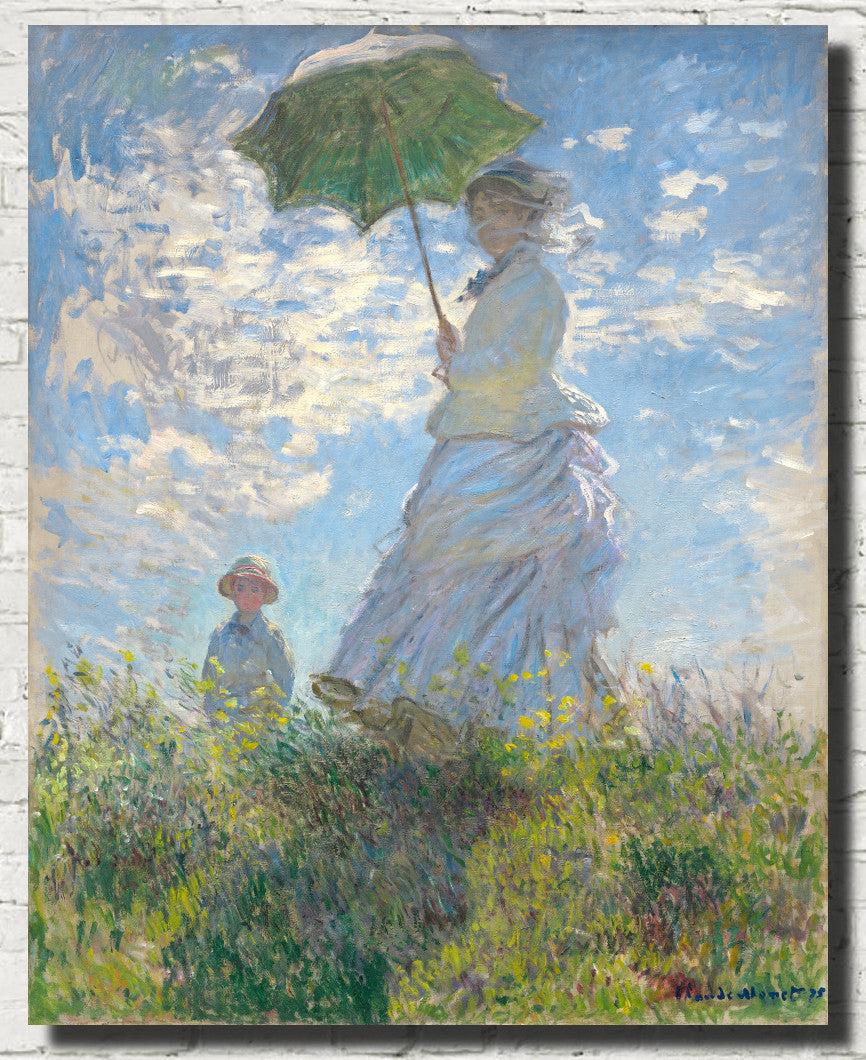
Choose a framed print for a structured, gallery-style presentation that emphasises detail and gives the artwork a finished appearance. Choose a canvas panel for a cleaner, frameless look that can work especially well with larger, painterly garden and landscape compositions.
What size green Impressionist print should I choose?
Large prints are ideal above sofas, beds and sideboards, while medium-sized works suit smaller walls and furniture. Smaller Impressionist landscapes can be displayed in pairs, rows or gallery wall arrangements.