De Stijl Prints and Geometric Modern Art
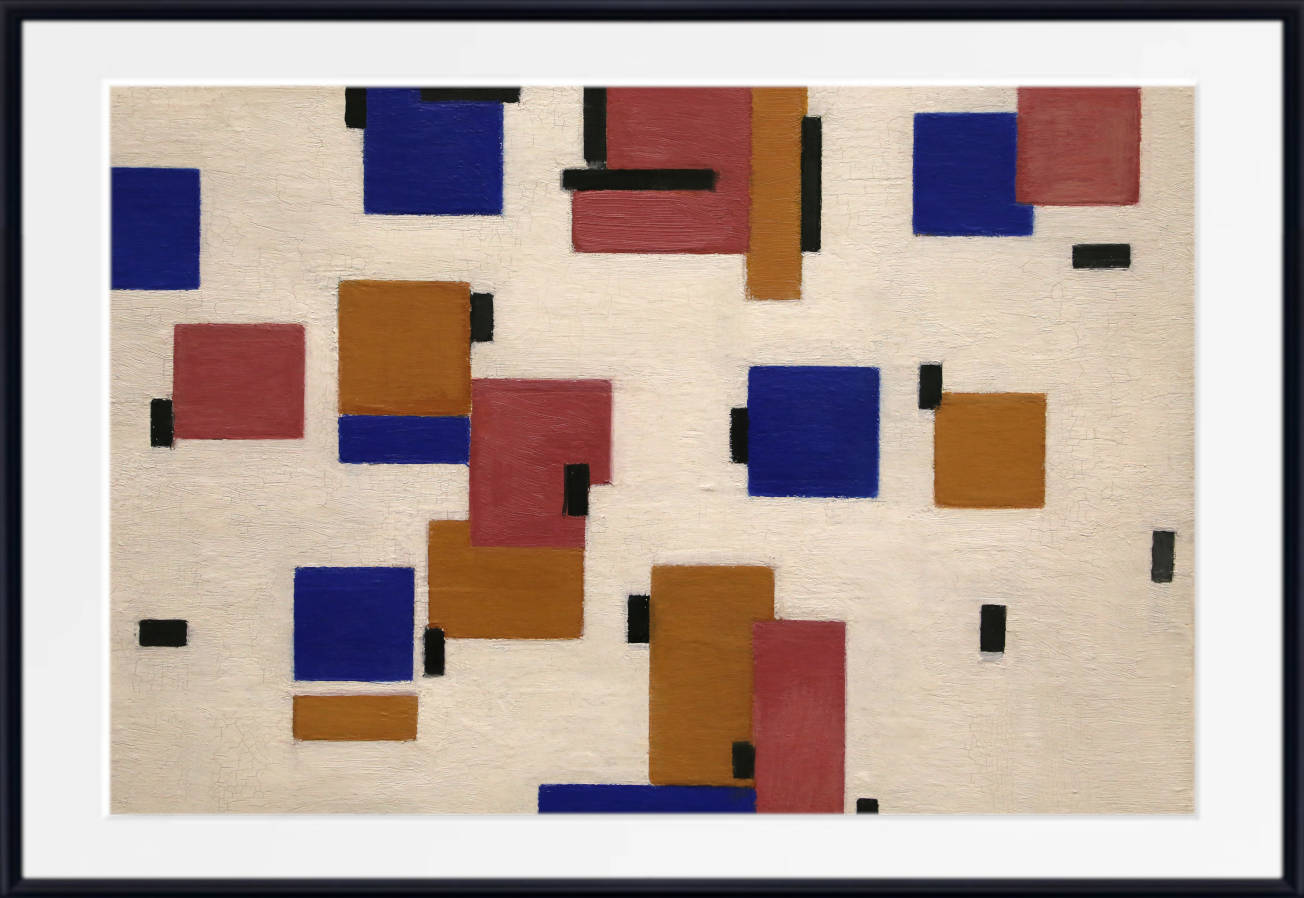
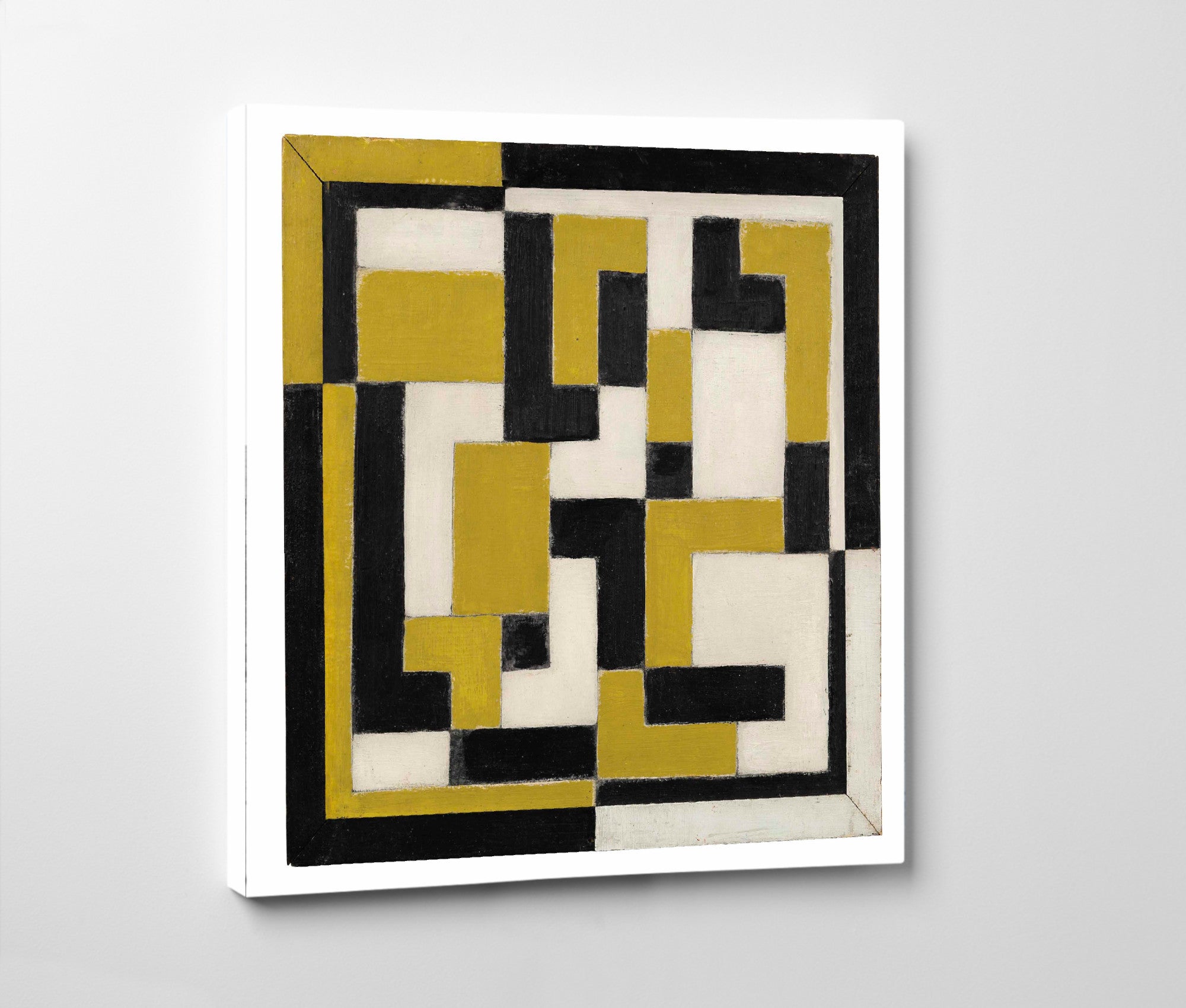
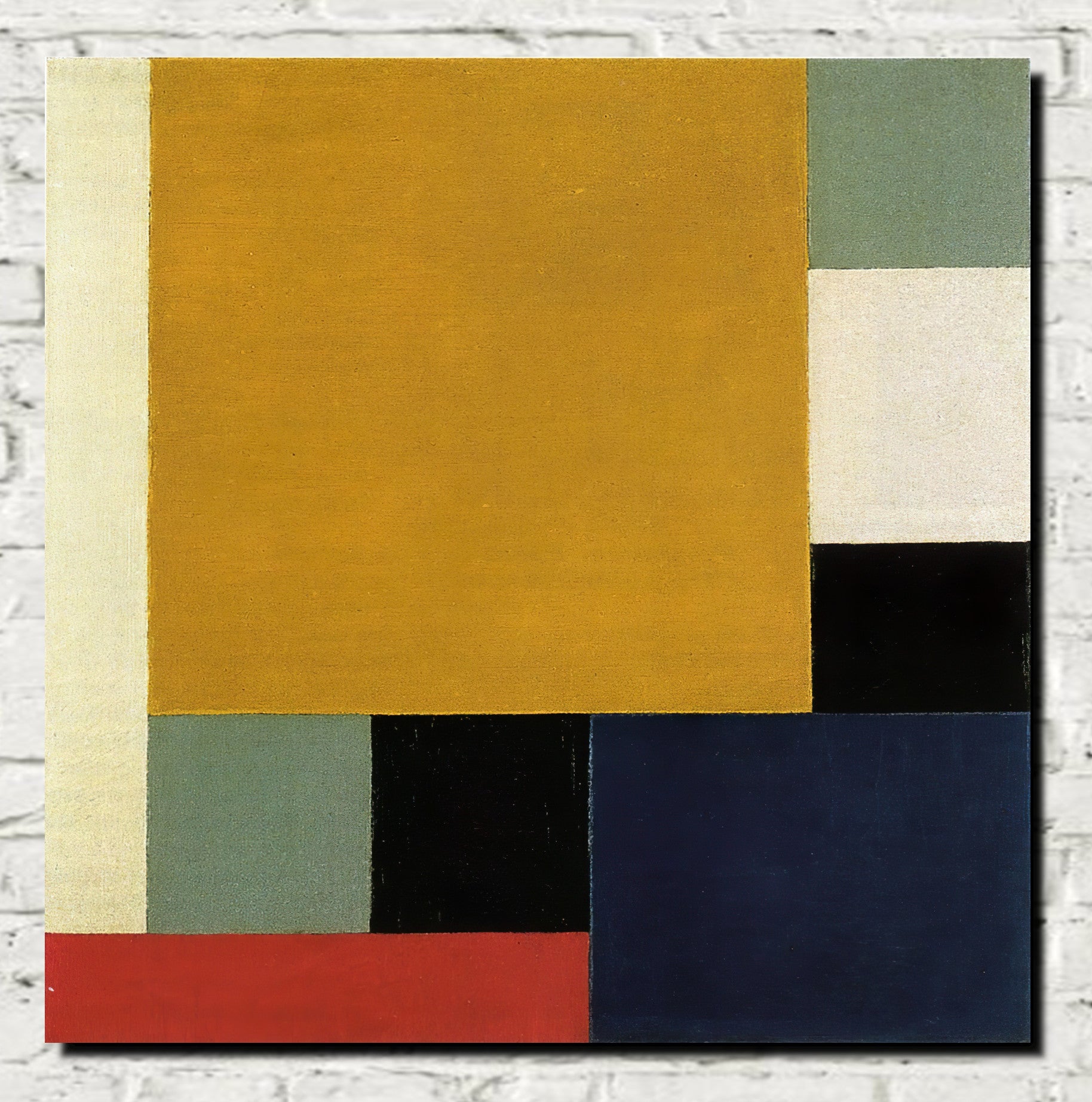
De Stijl was one of the most influential movements in twentieth-century art and design. Established in the Netherlands in 1917, it brought together artists, architects and designers who sought to reduce visual composition to its most essential elements: straight lines, rectangular planes, carefully balanced space and a restricted palette dominated by red, blue, yellow, black, white and grey.
Our De Stijl prints collection brings together geometric abstract works by two artists at the heart of the movement: Piet Mondrian and Theo van Doesburg. Their distinctive approaches to geometry, colour and balance helped establish a visual language that continues to influence painting, graphic design, architecture, furniture and contemporary interiors.
For a broader selection of modern geometric artwork, explore our Geometric Abstract Prints and Abstract Art Prints collections.
What Is De Stijl Art?
De Stijl means “The Style” in Dutch and takes its name from the influential art and design journal founded by Theo van Doesburg in 1917. Artists associated with the movement rejected conventional naturalistic representation in favour of an increasingly simplified and universal form of abstraction.
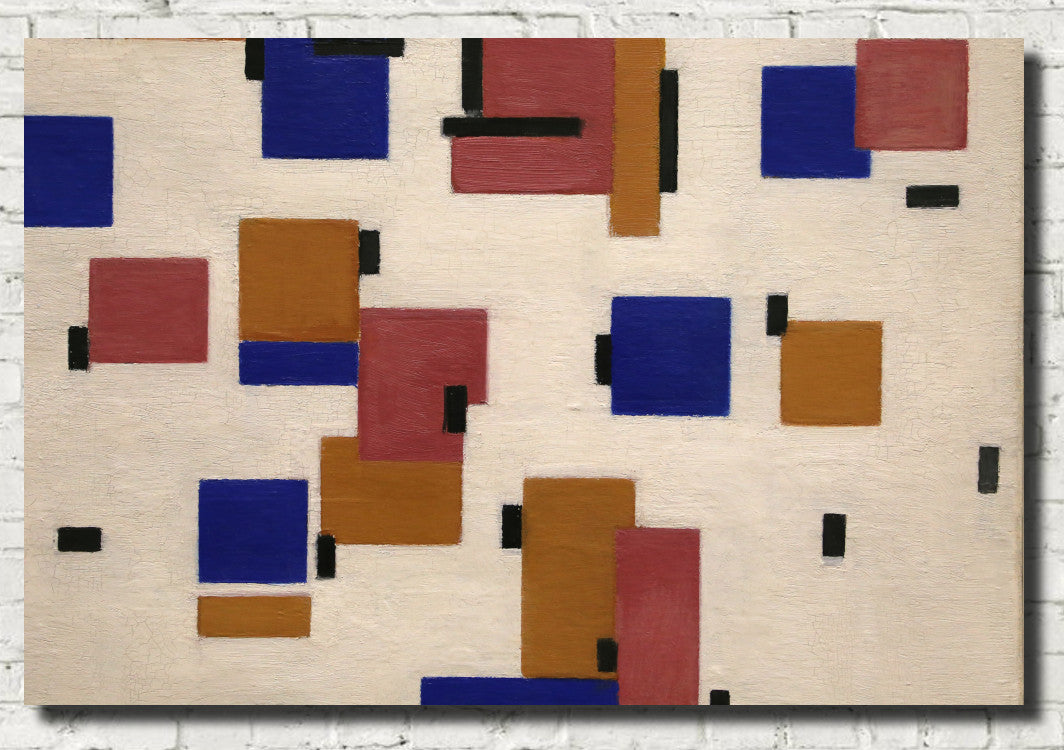
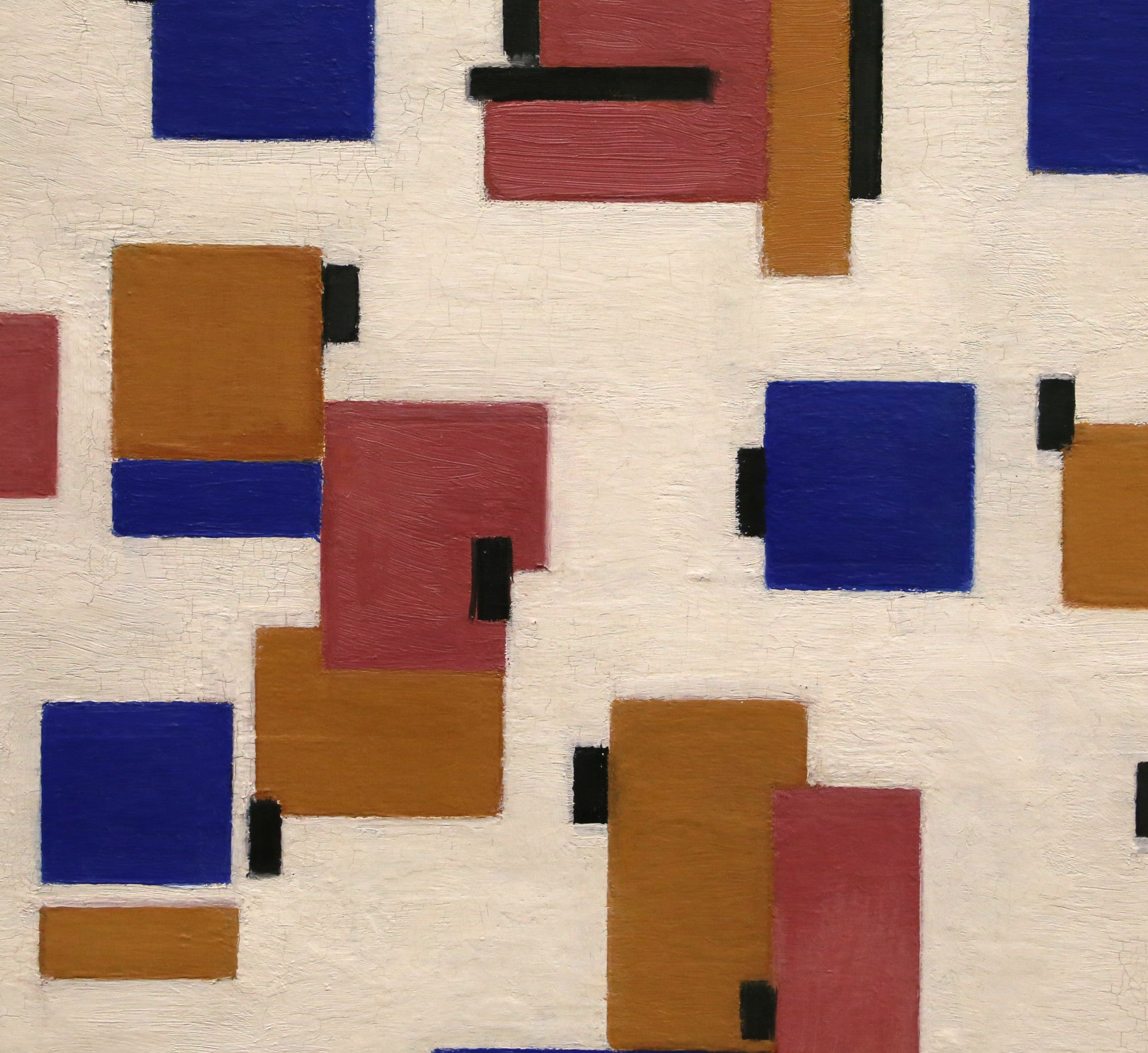
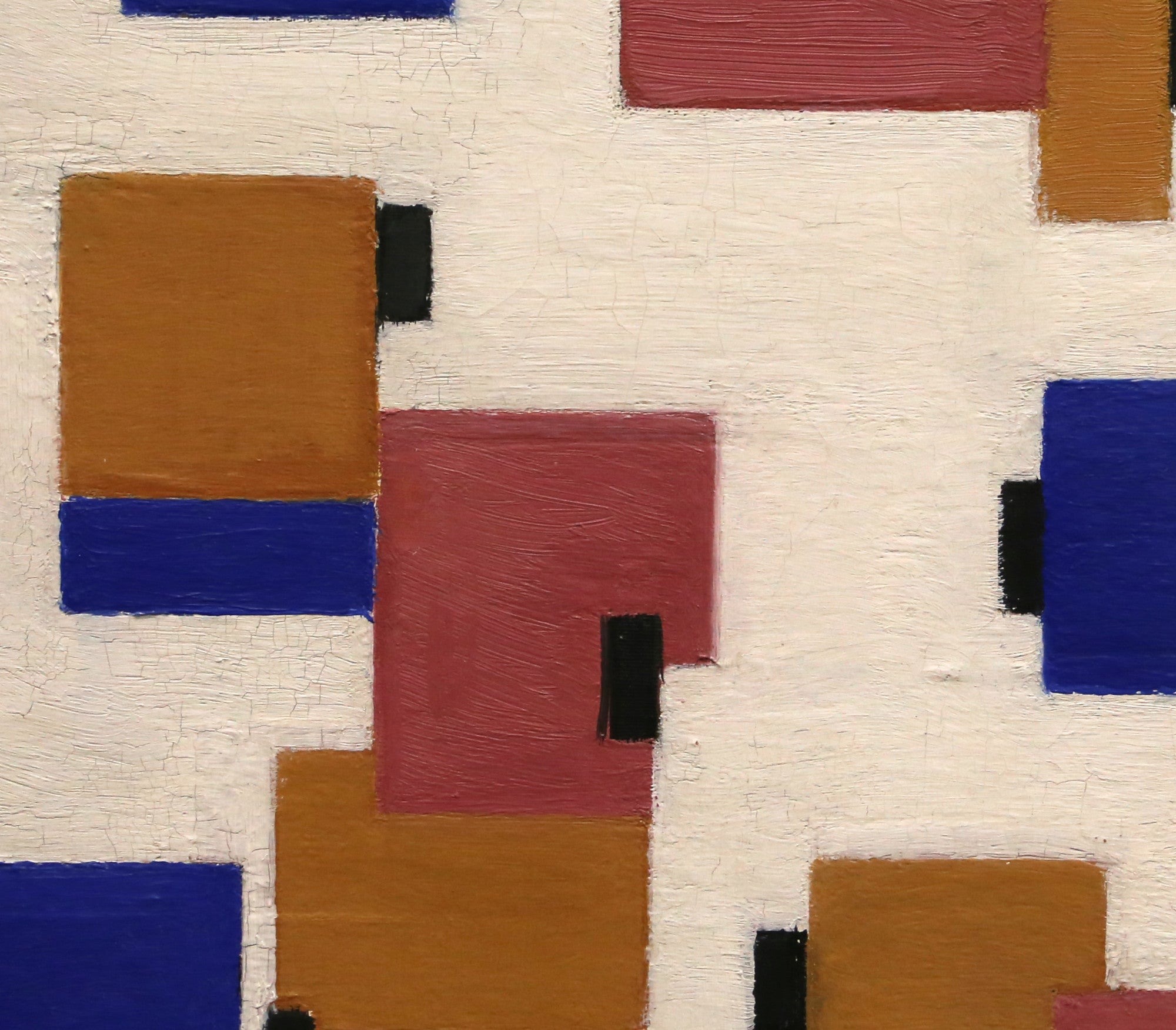
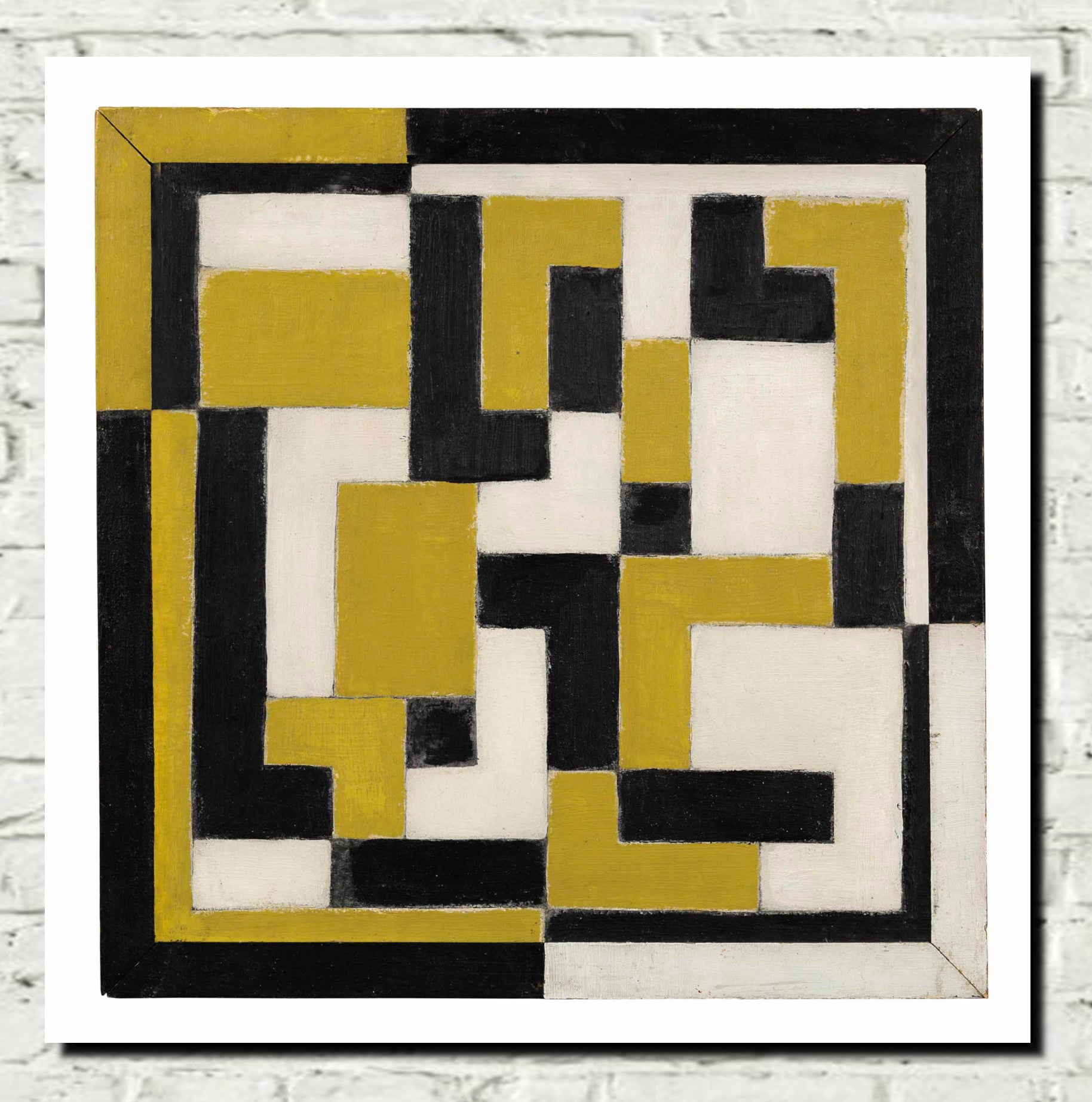
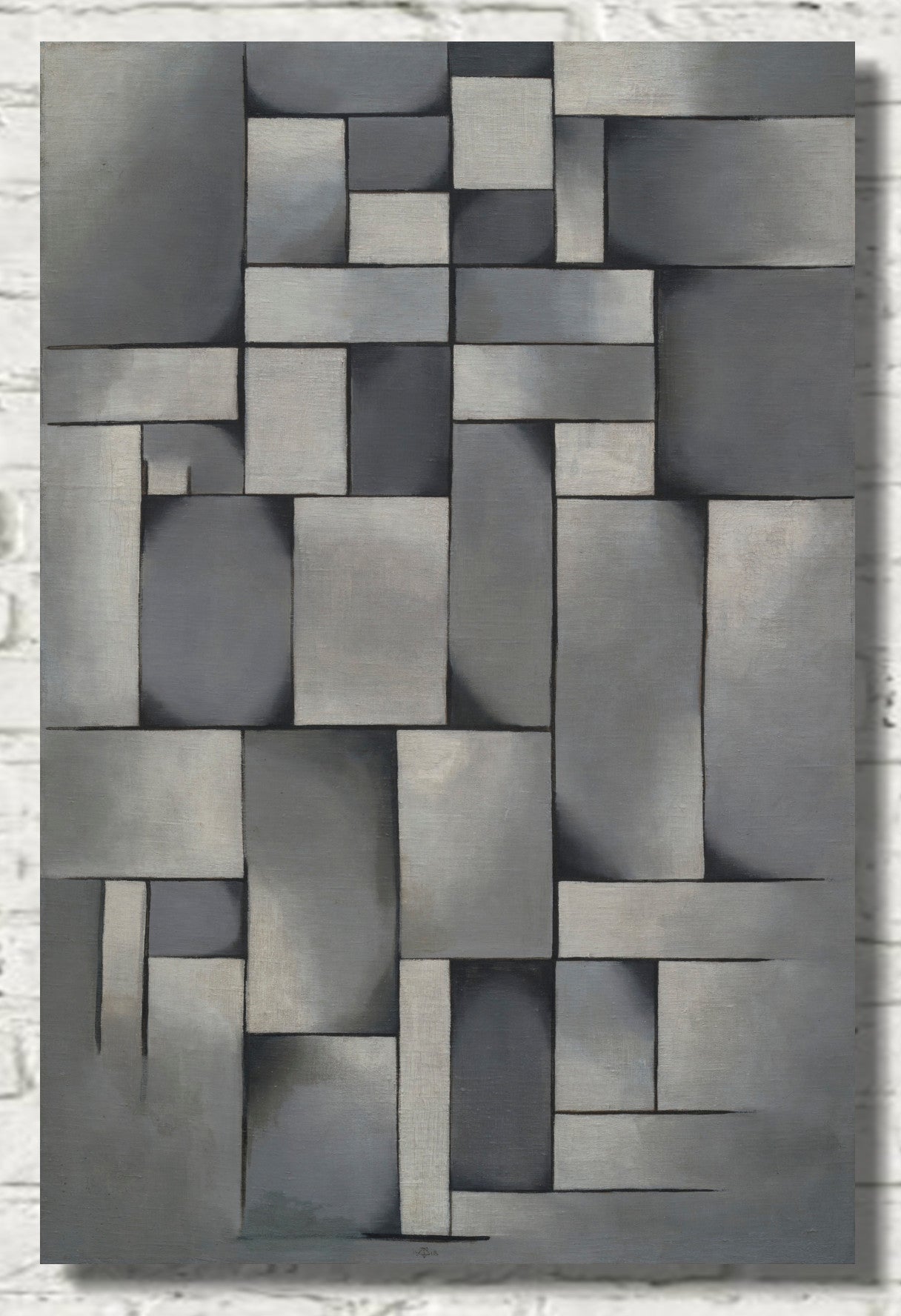
Straight horizontal and vertical lines, rectangles and areas of flat colour became central to the movement. Rather than reproducing the visible world, De Stijl artists attempted to create harmony through relationships between line, colour, proportion and empty space.
The resulting compositions can appear deceptively simple. Their visual strength comes from the precise balance between individual shapes and colours, making De Stijl art instantly recognisable and particularly well suited to modern interiors.
Piet Mondrian and De Stijl
Piet Mondrian became one of the most important figures associated with De Stijl and one of the great pioneers of geometric abstraction.
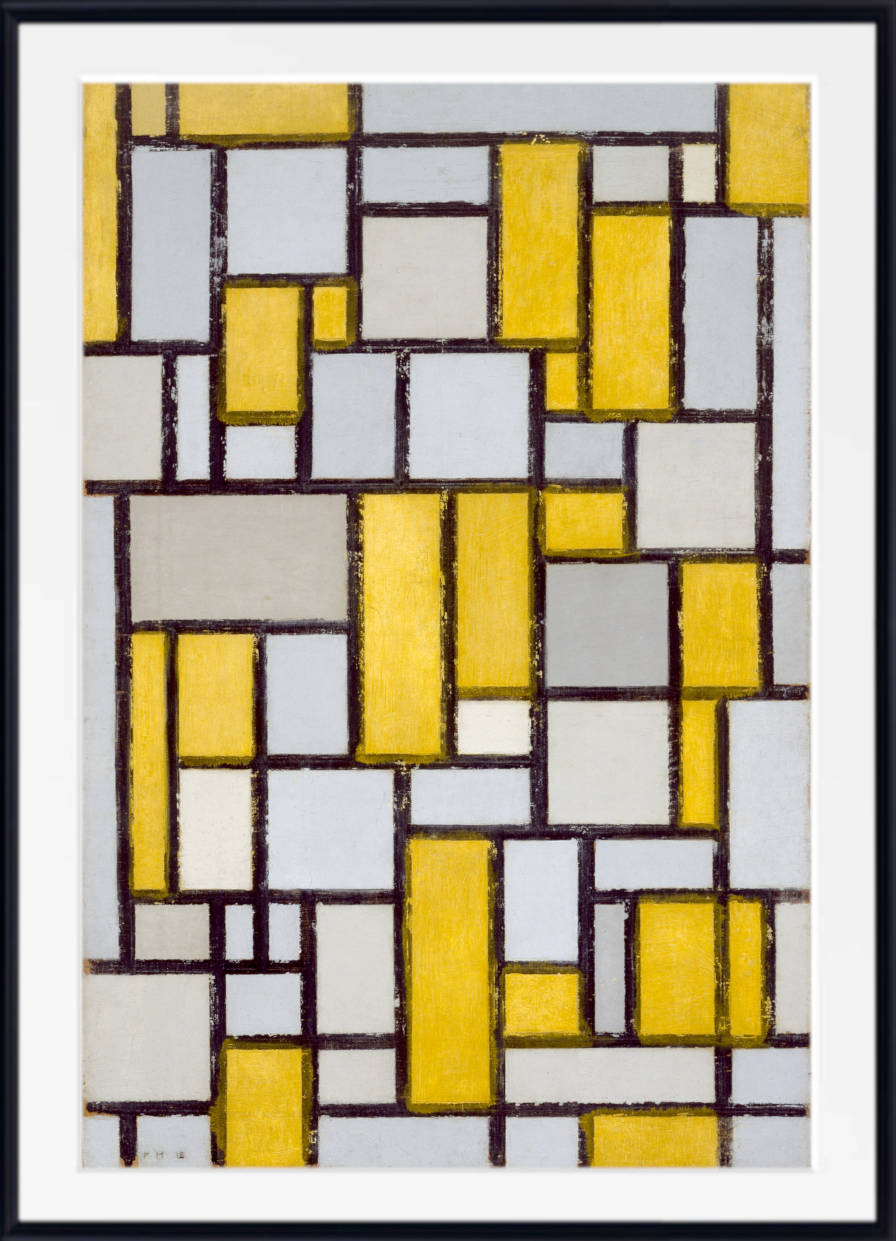
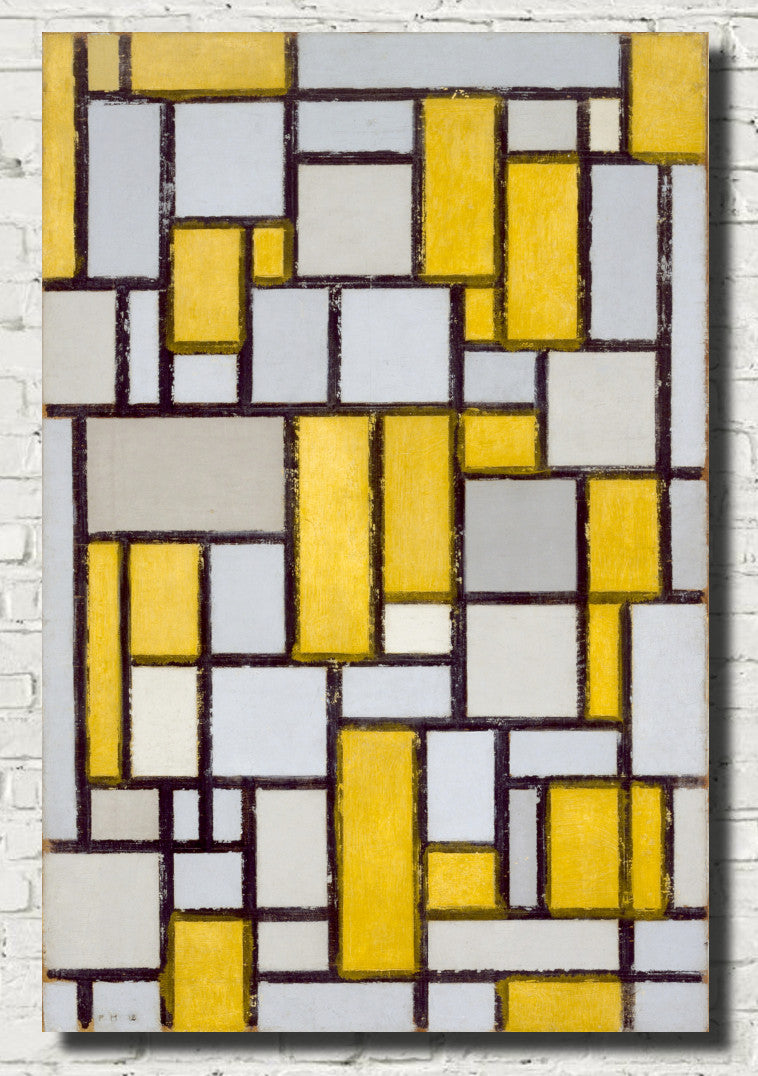
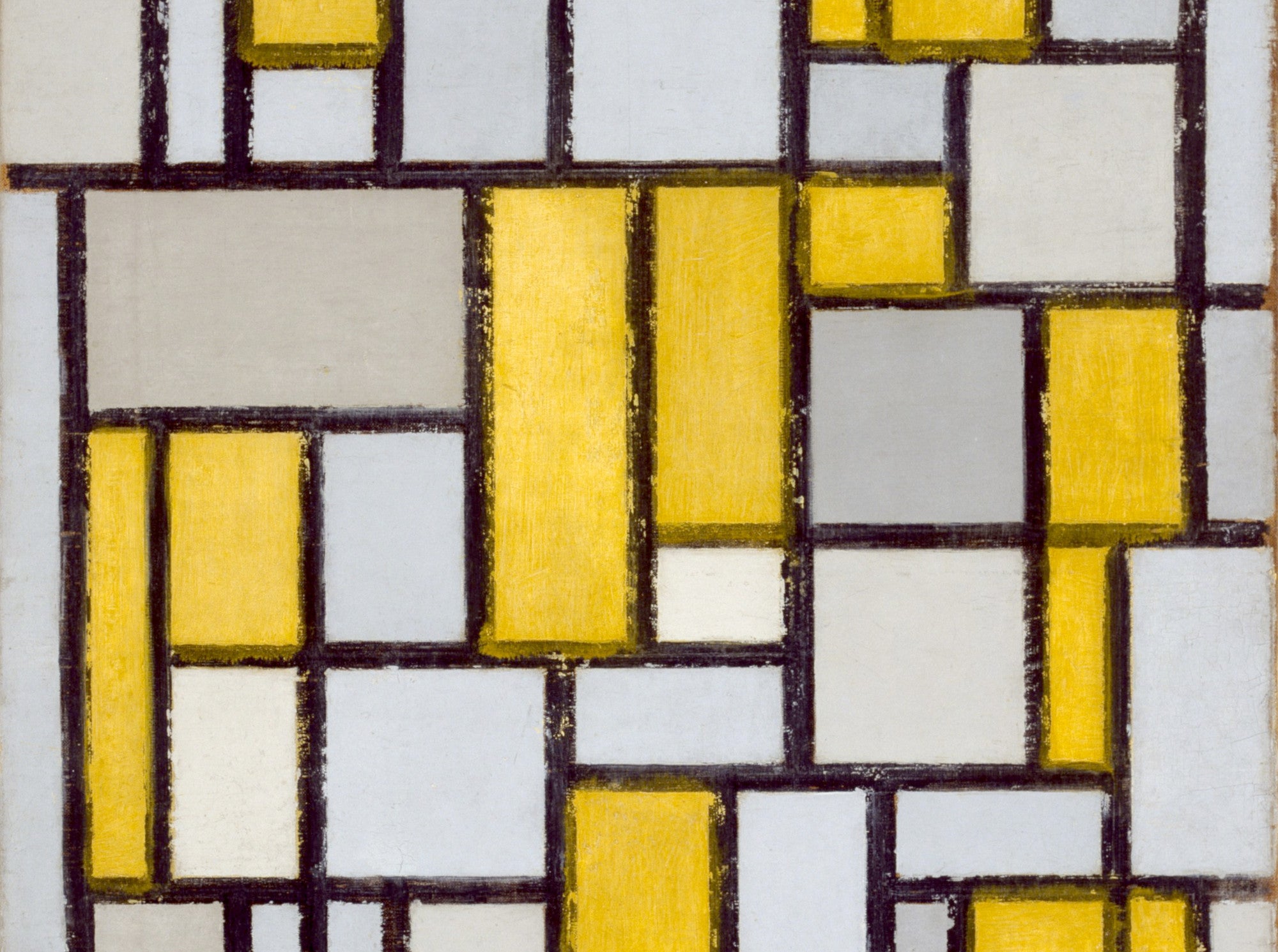
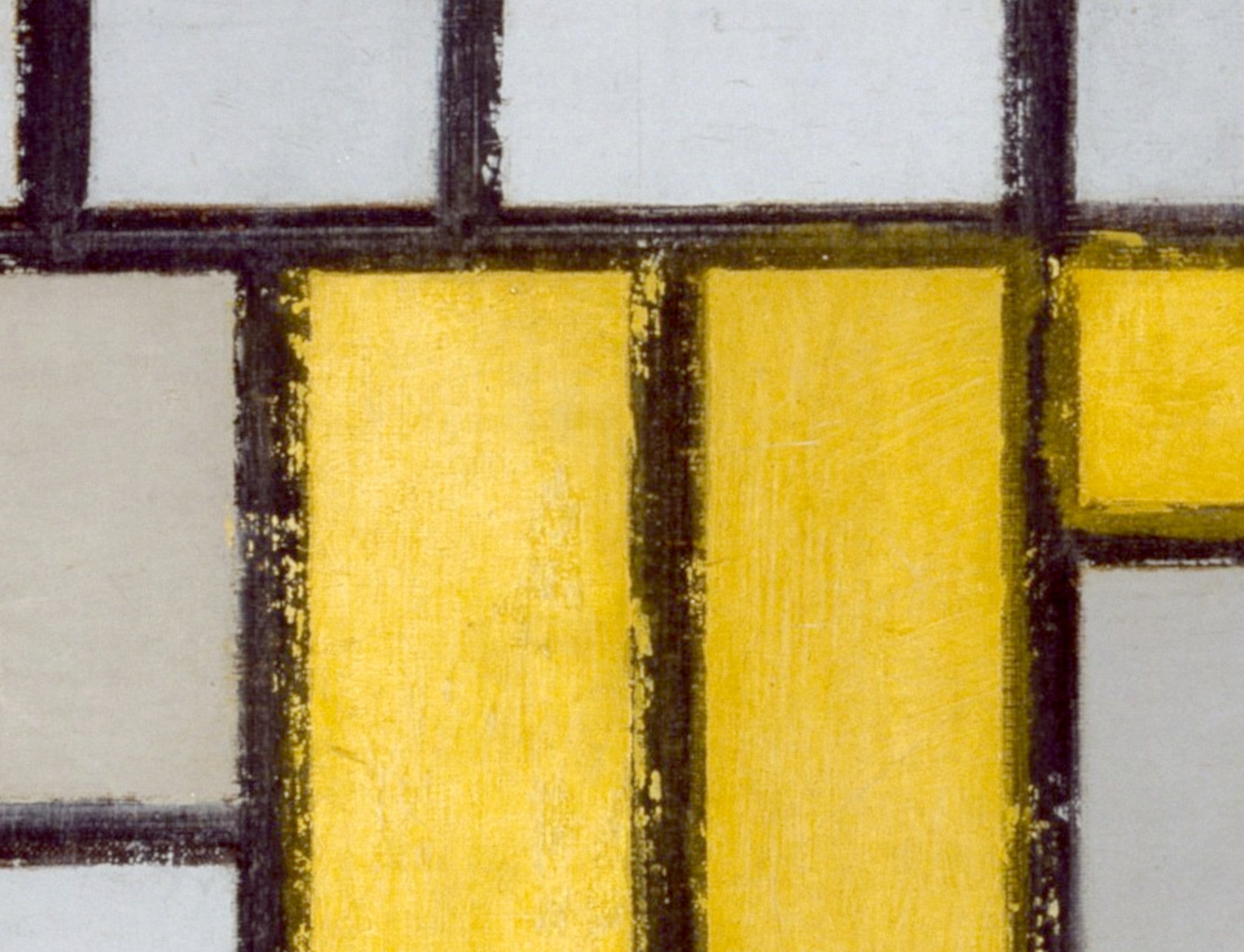
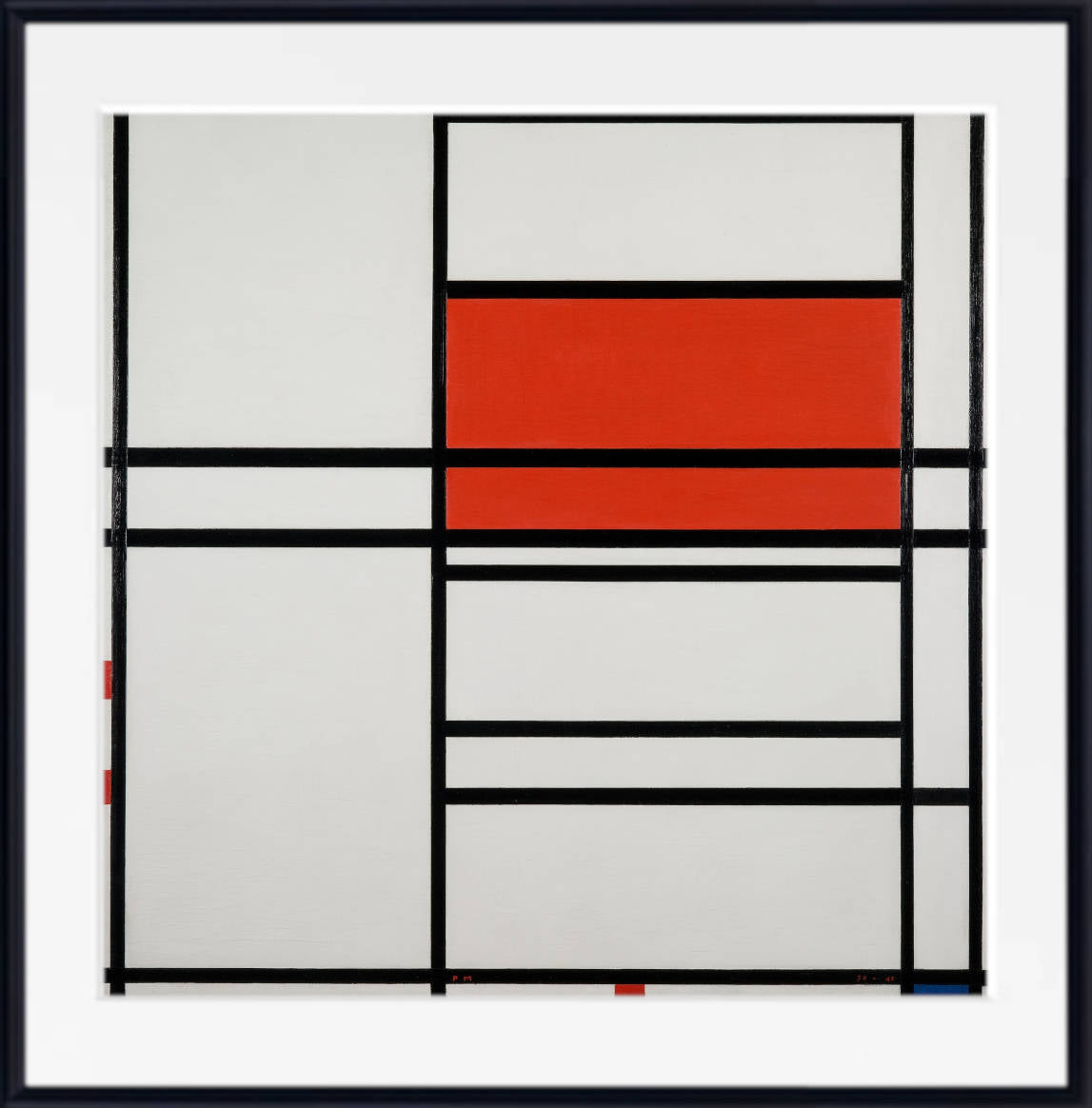
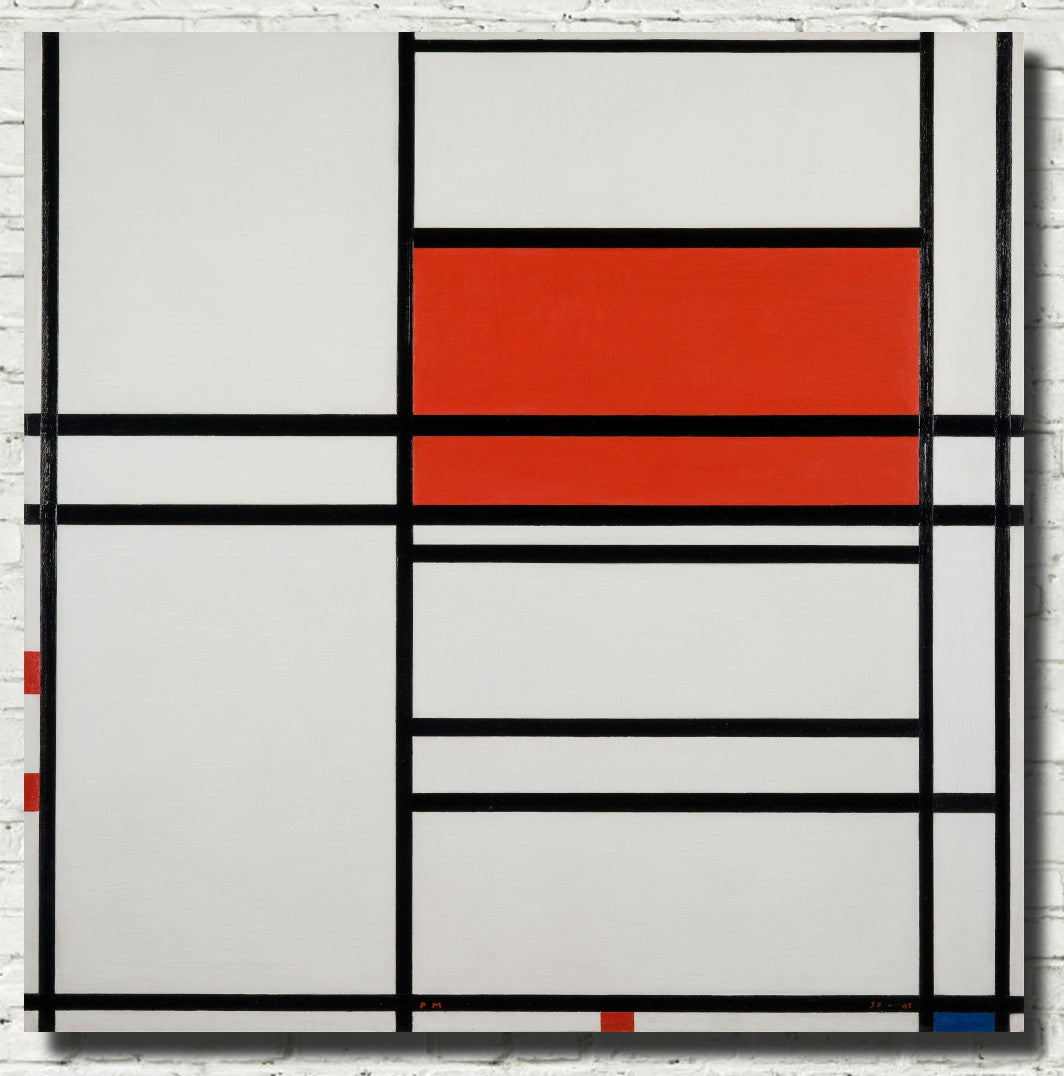
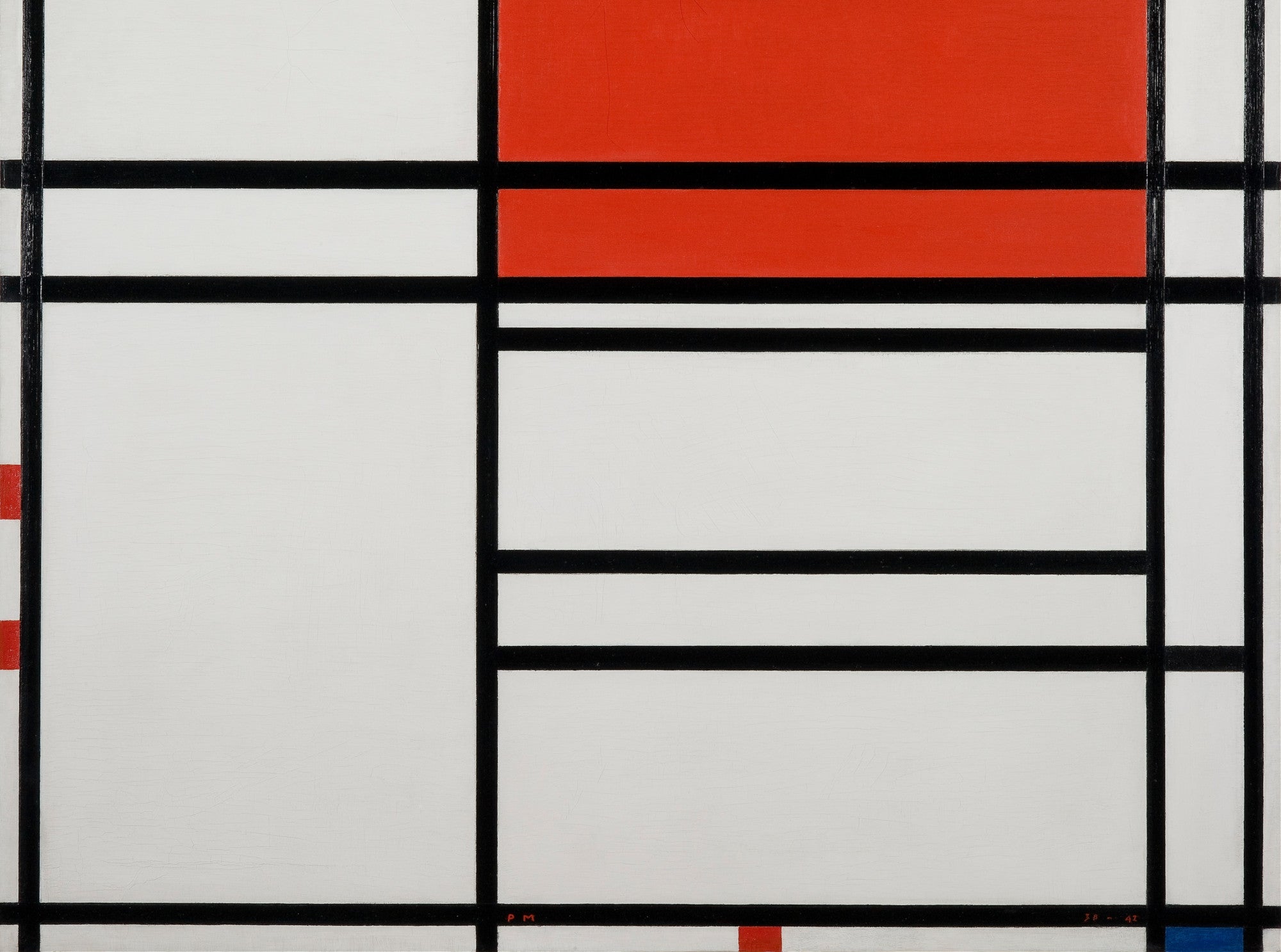
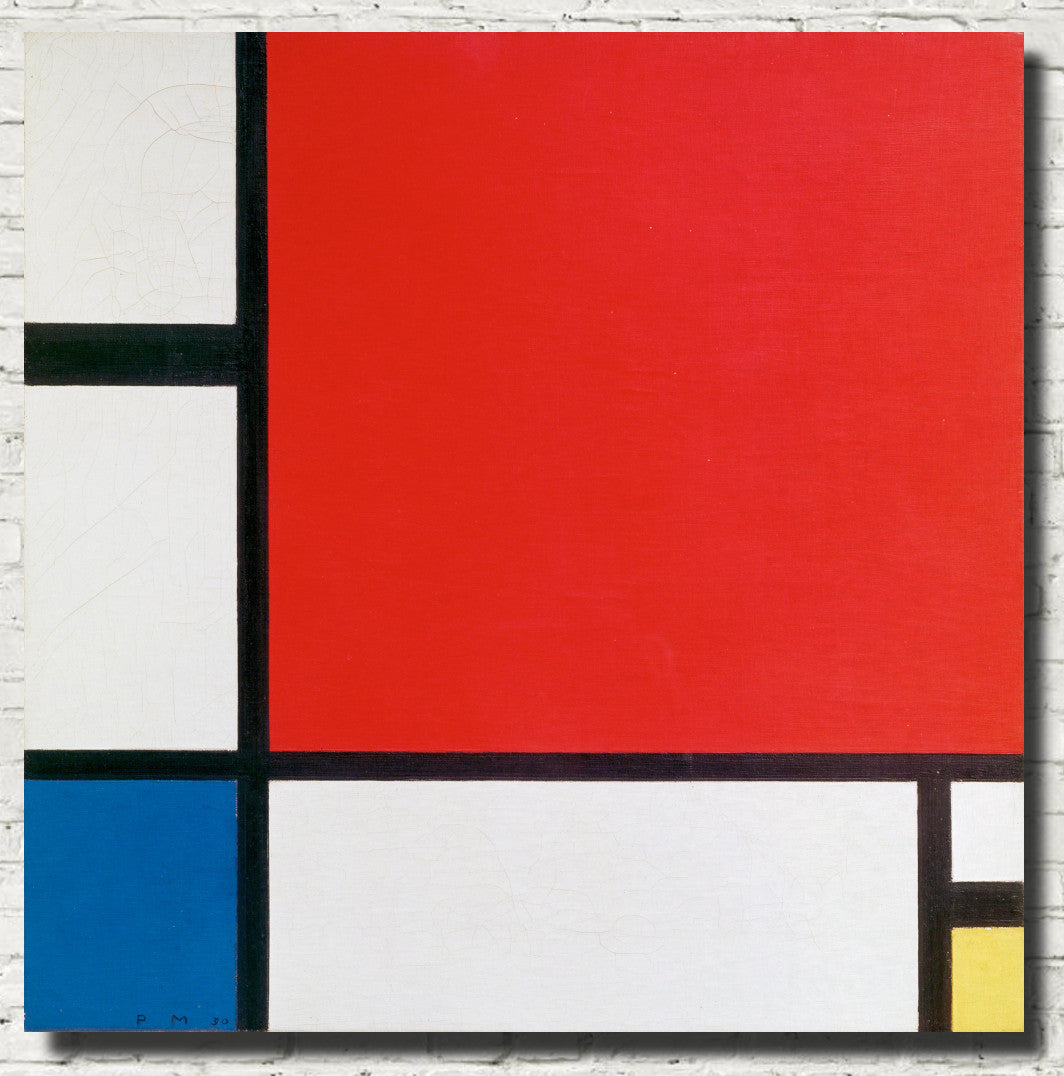
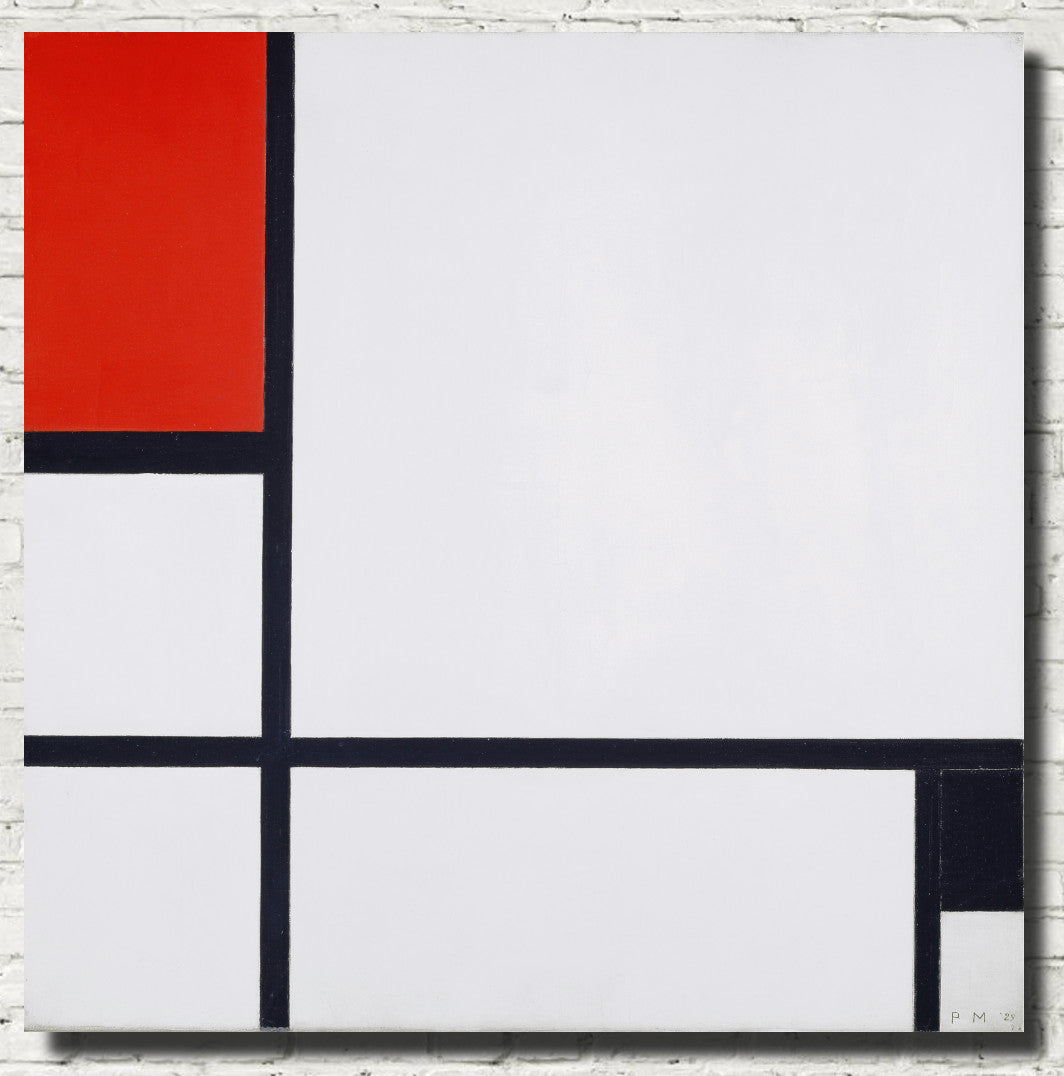
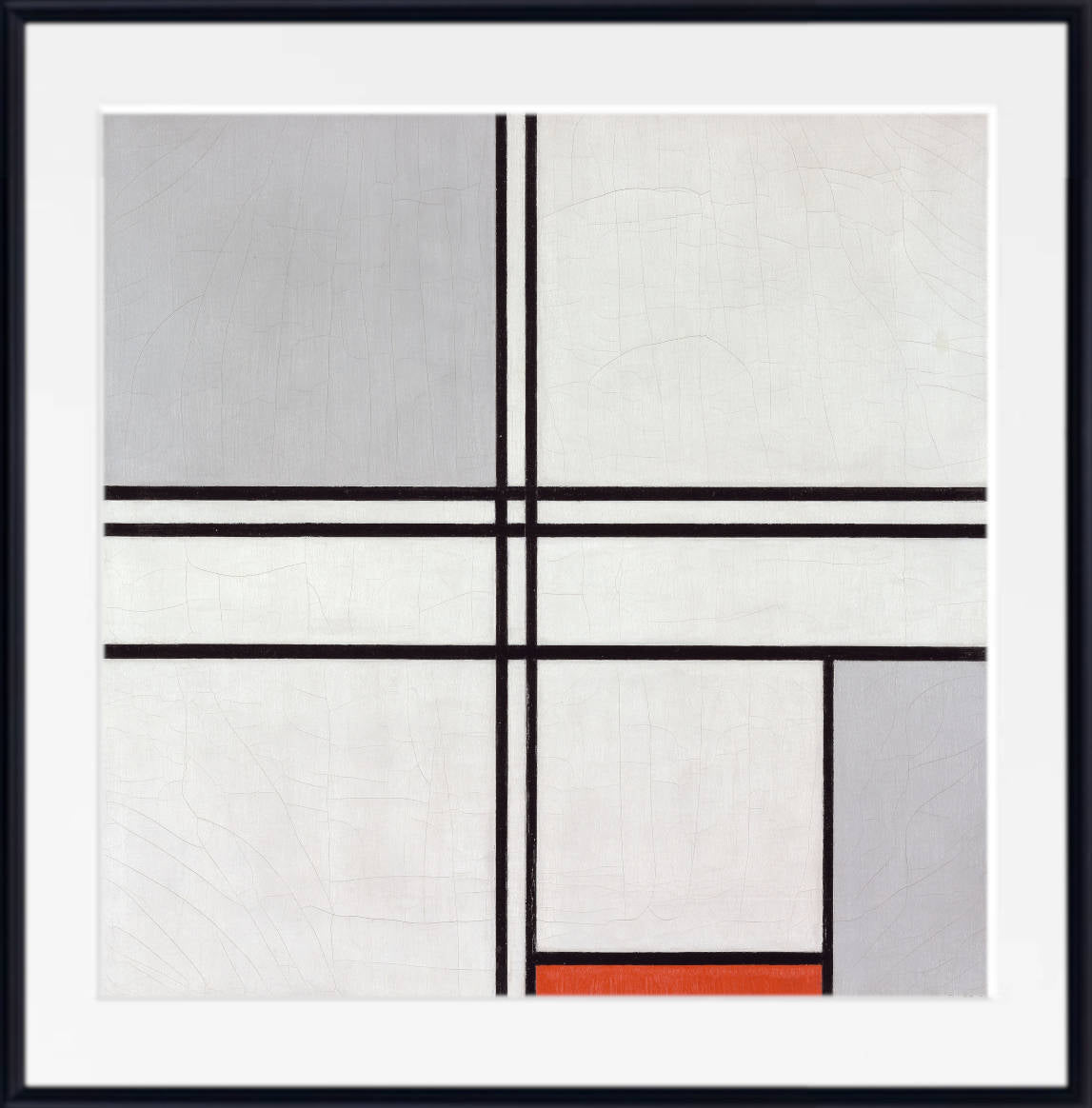
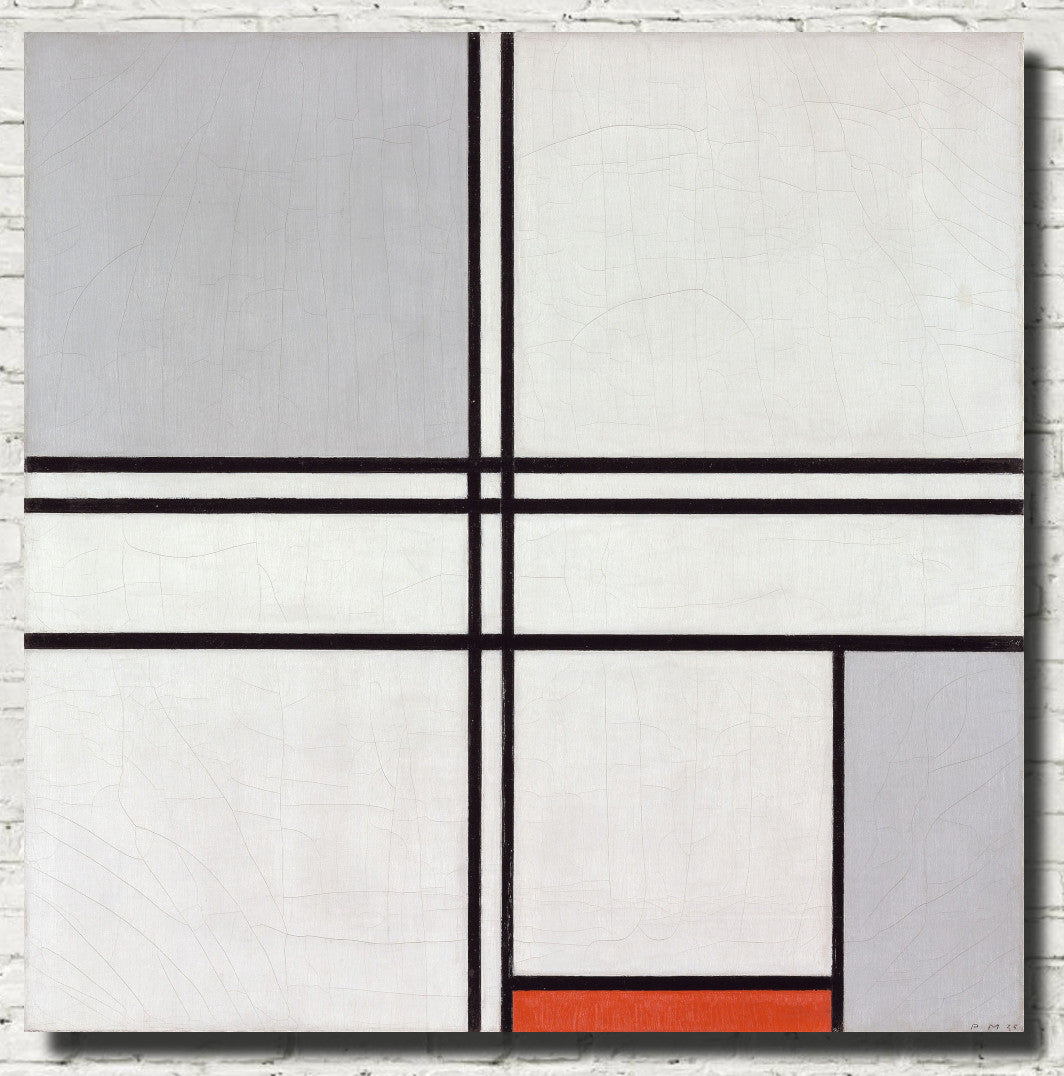
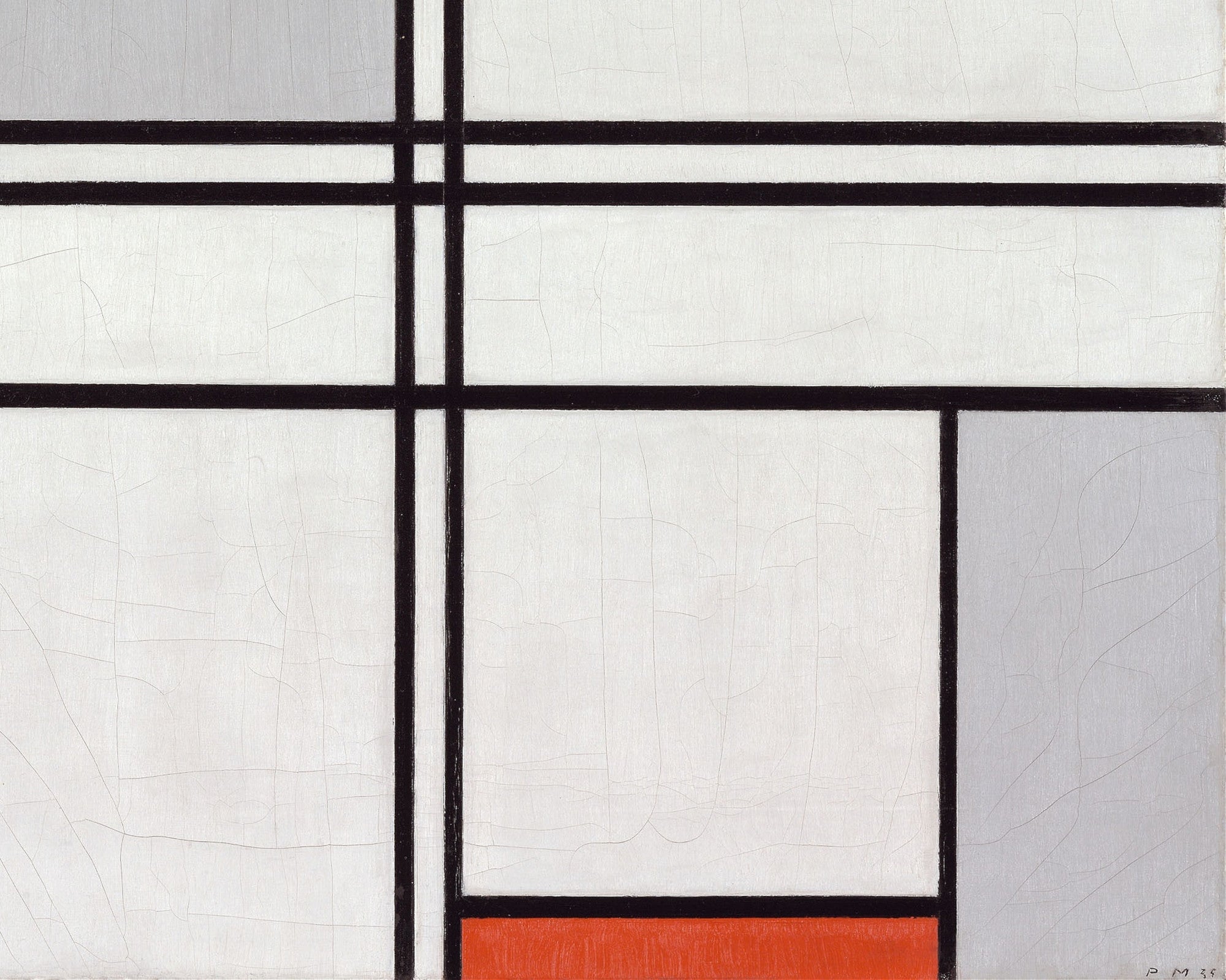
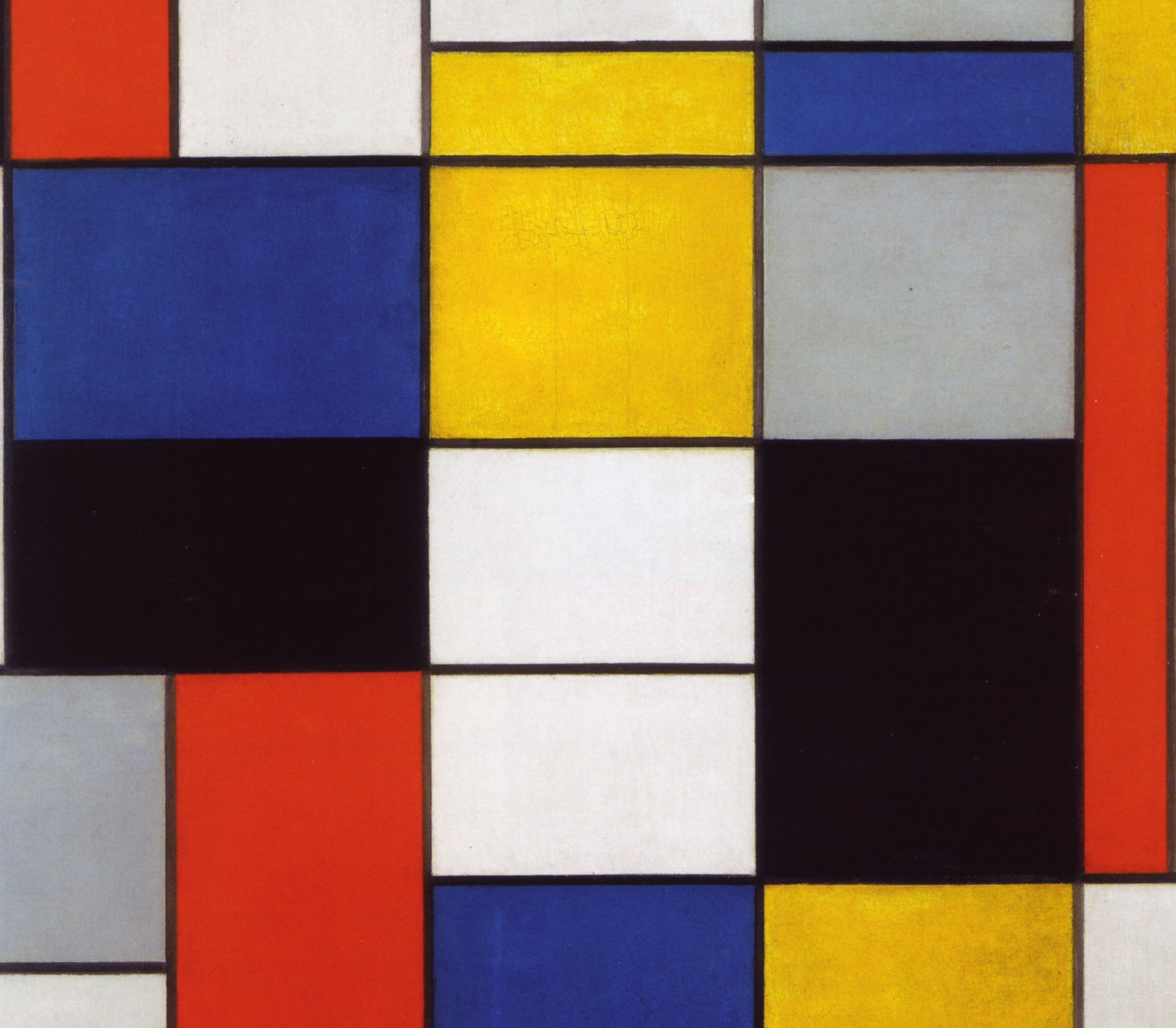
Mondrian gradually moved away from landscapes and representational painting towards an increasingly simplified visual language. Within the context of De Stijl he developed the principles of Neo-Plasticism, reducing his compositions to horizontal and vertical lines, rectangular planes and carefully controlled areas of colour.
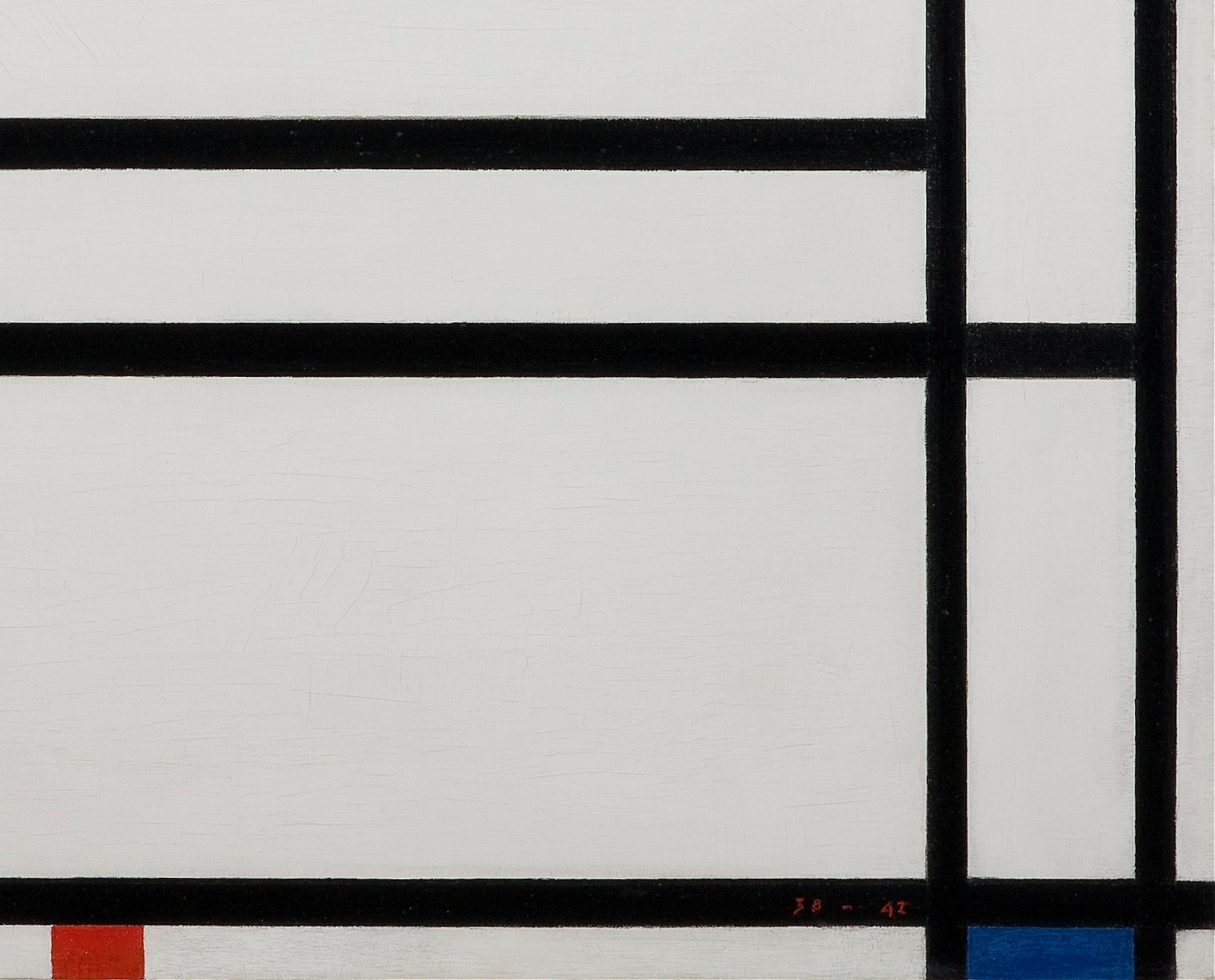
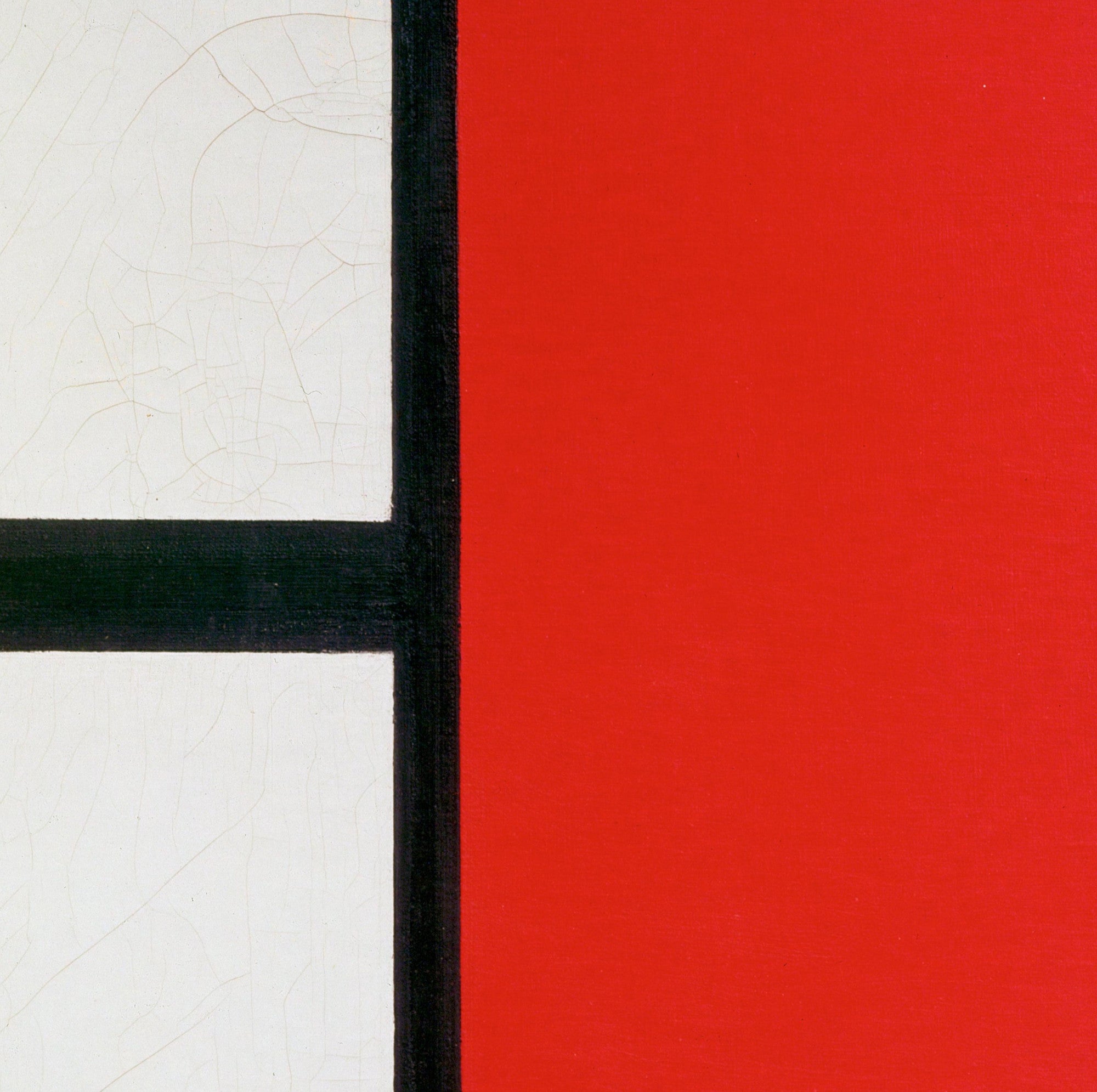
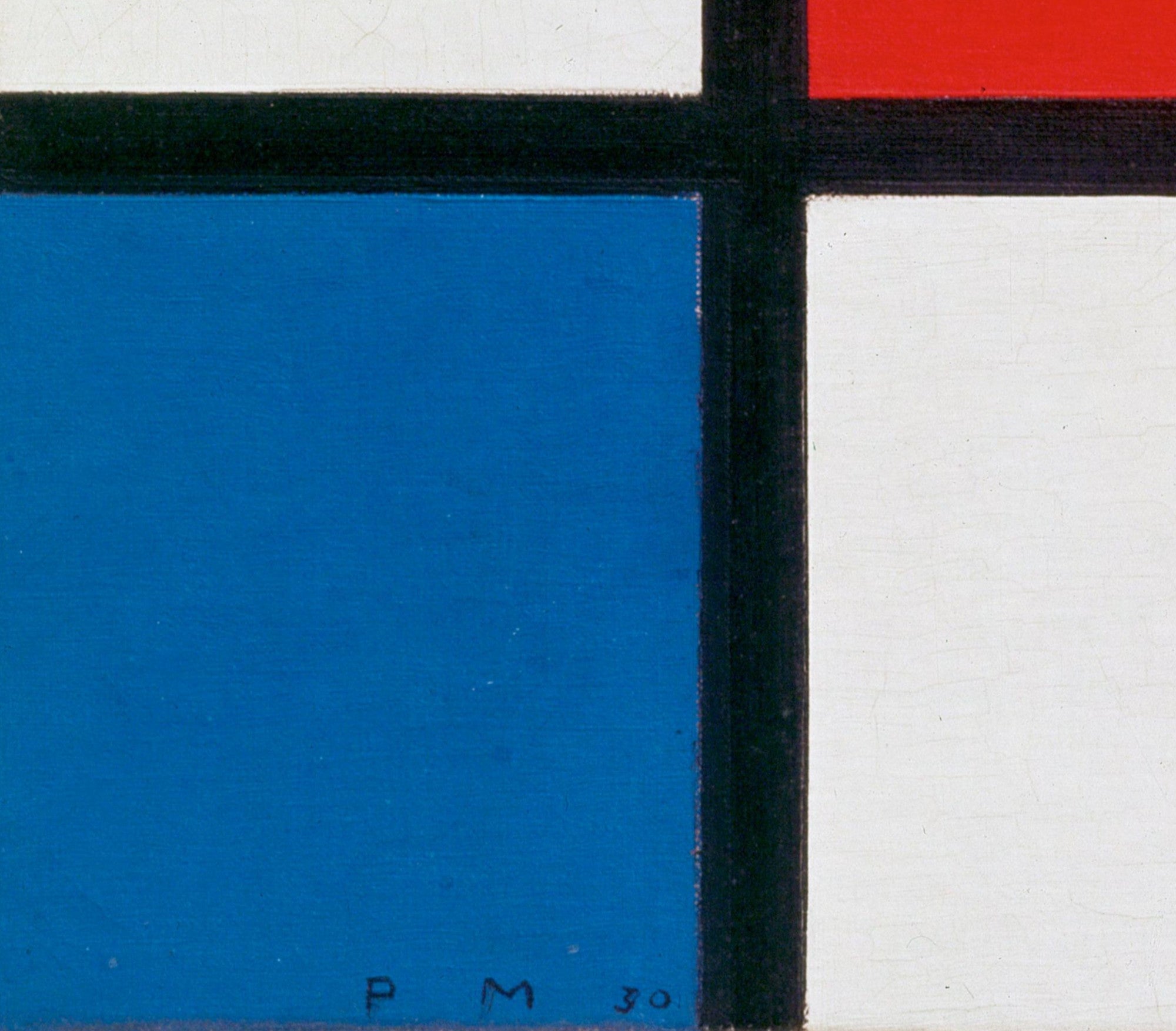
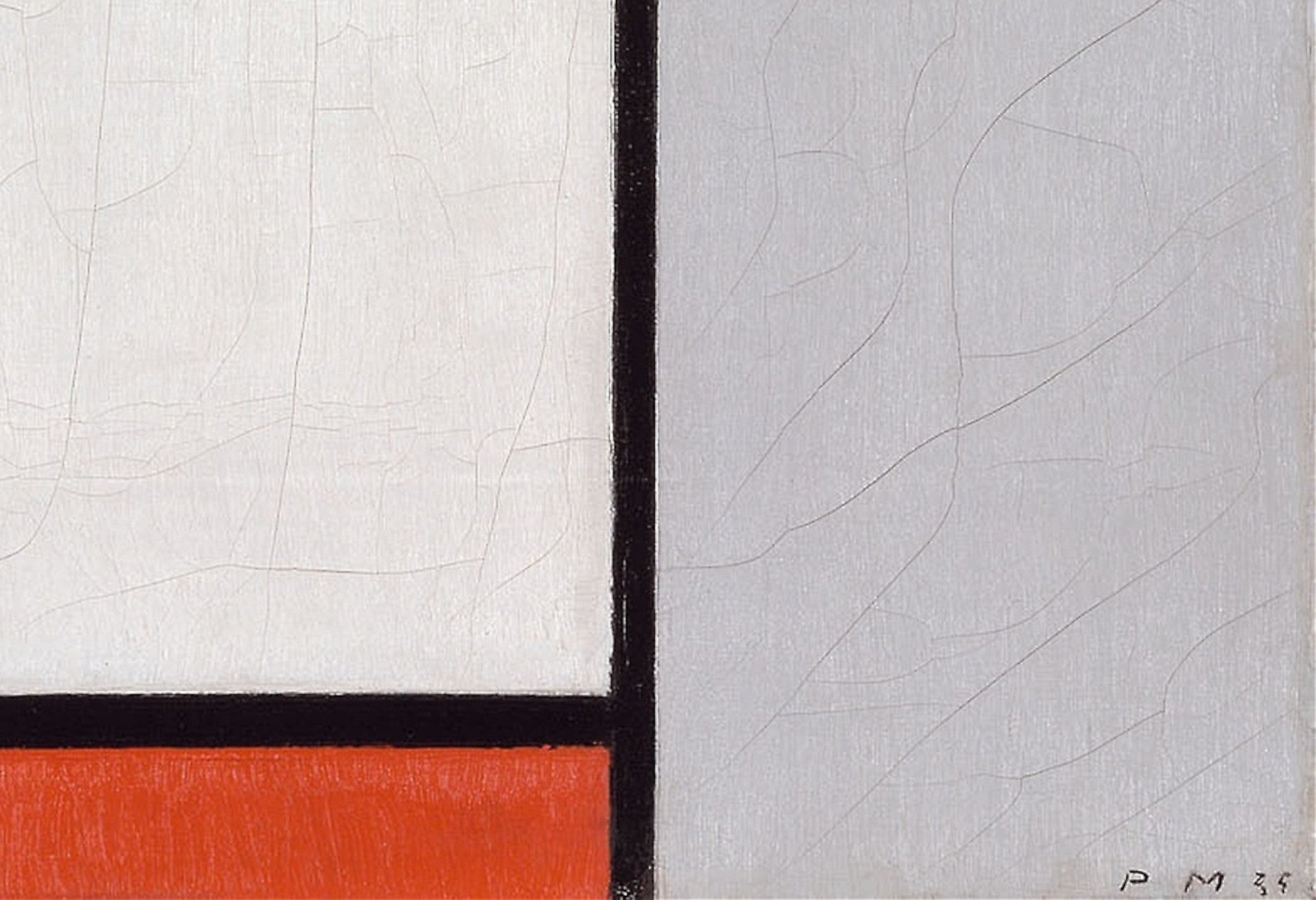
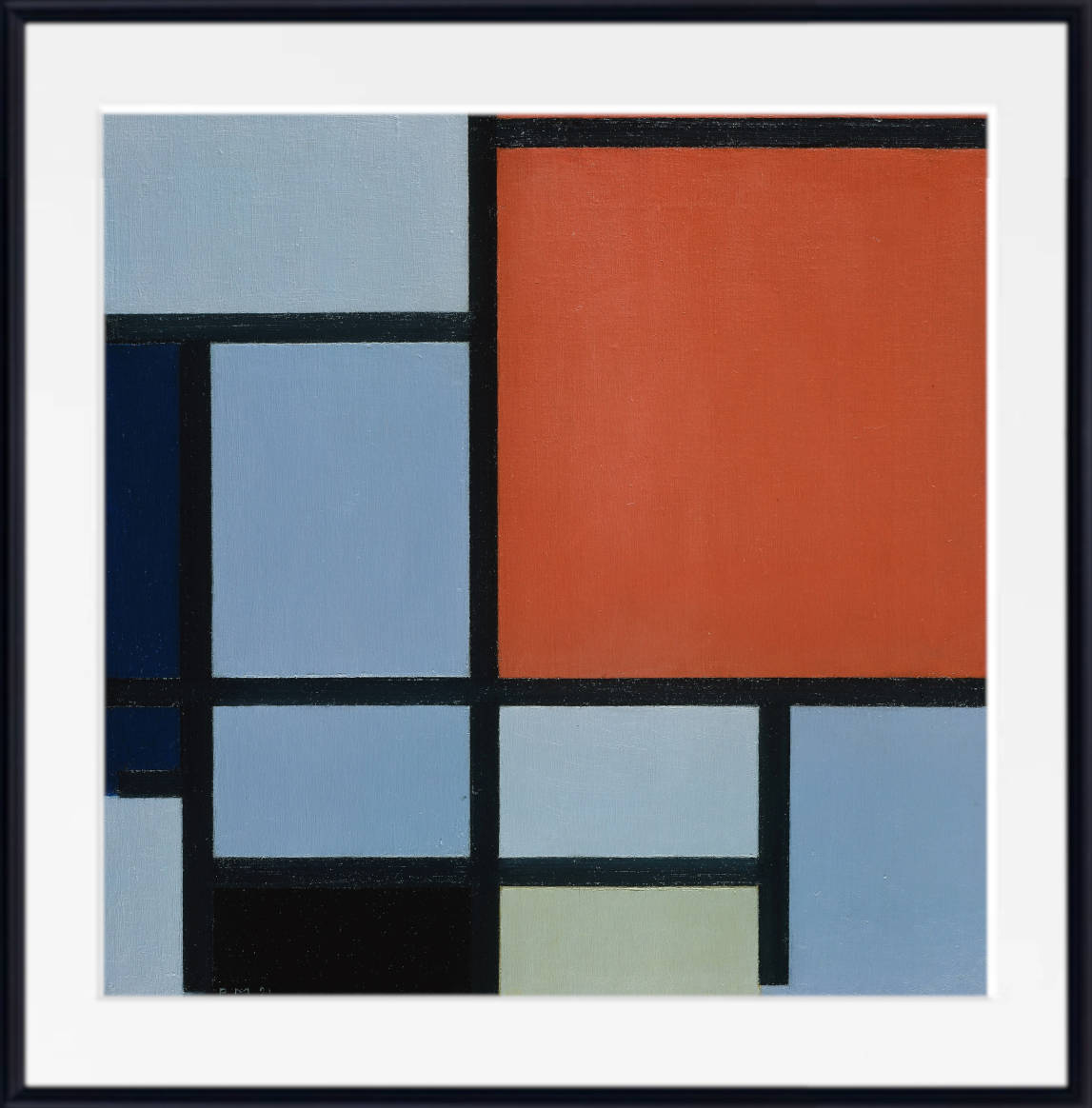
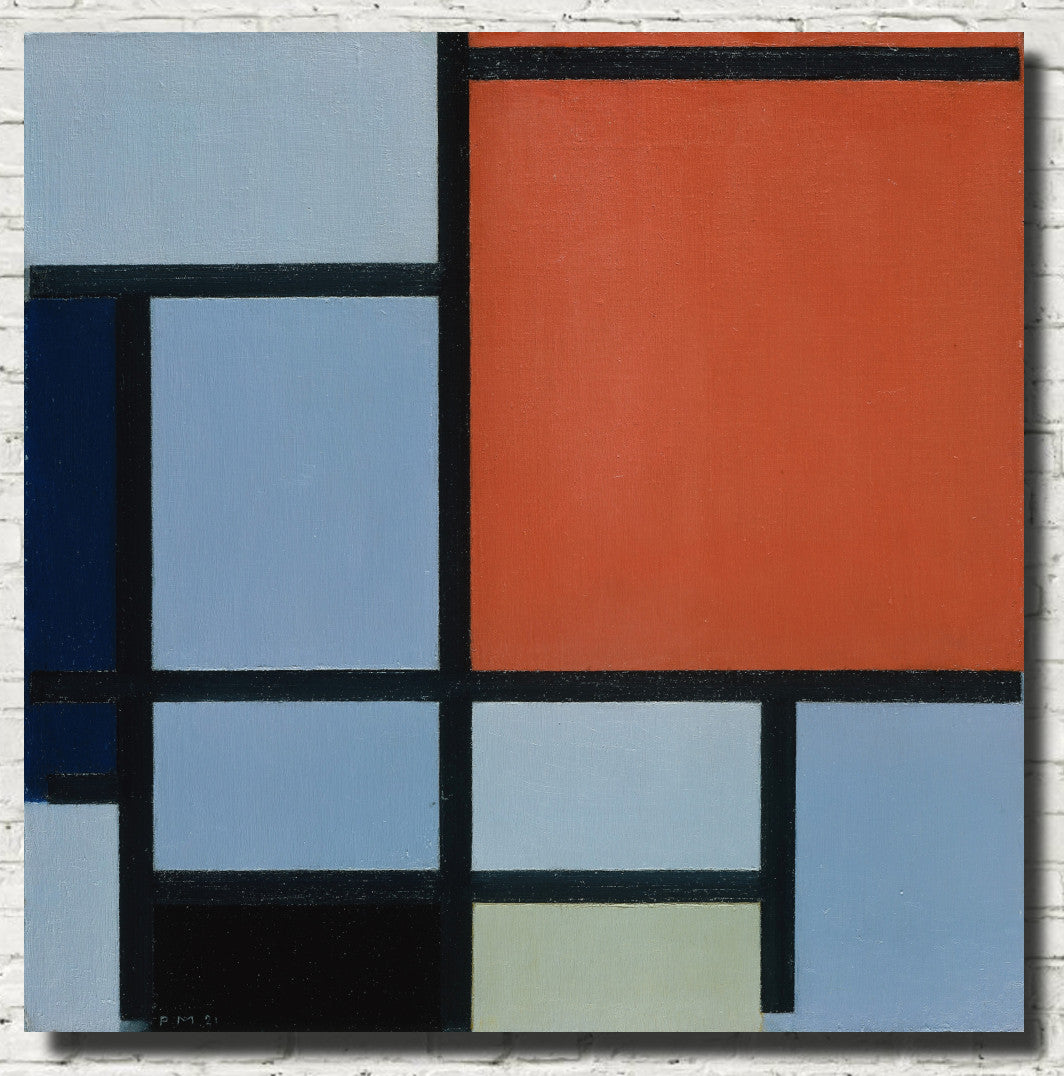
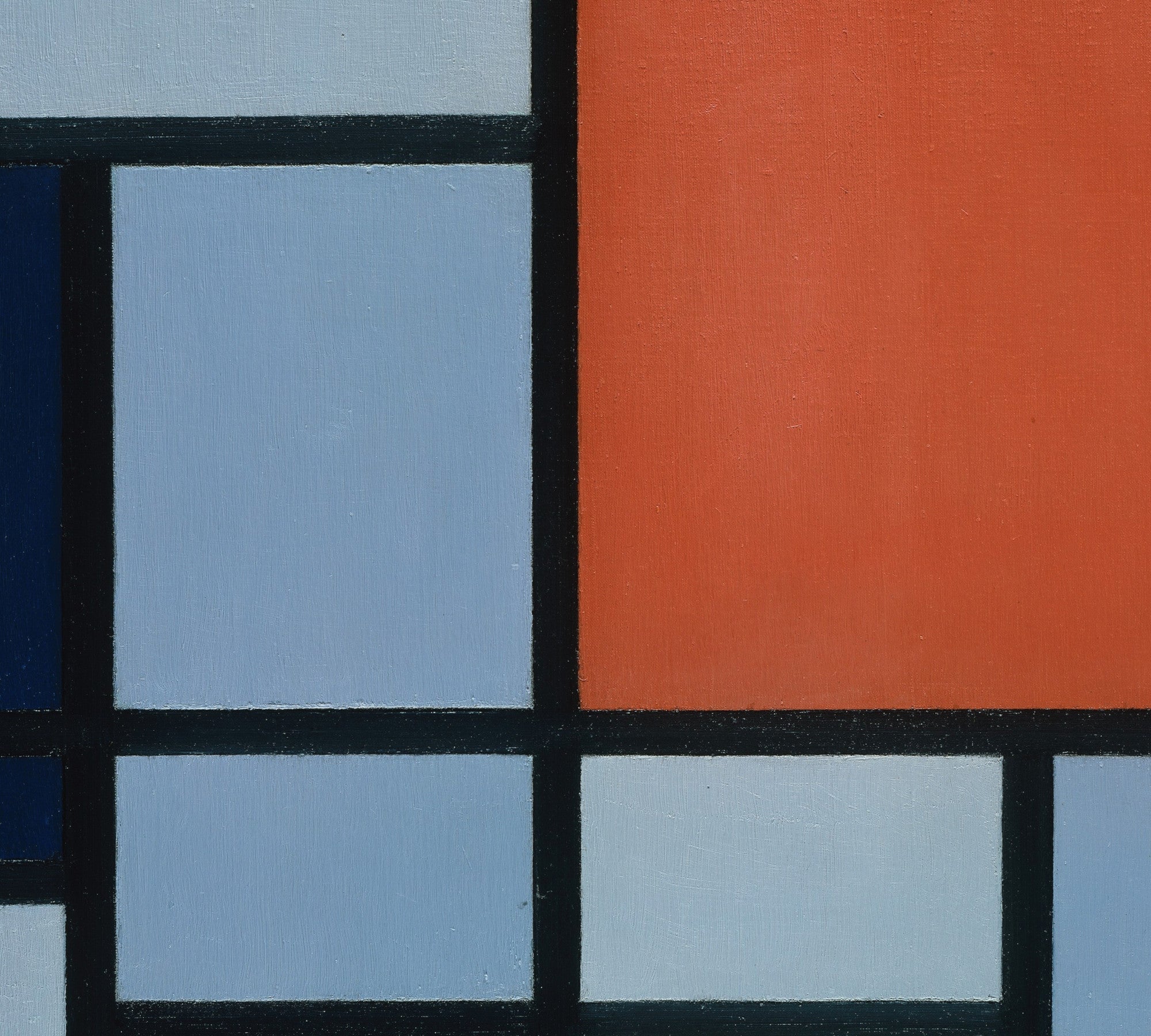
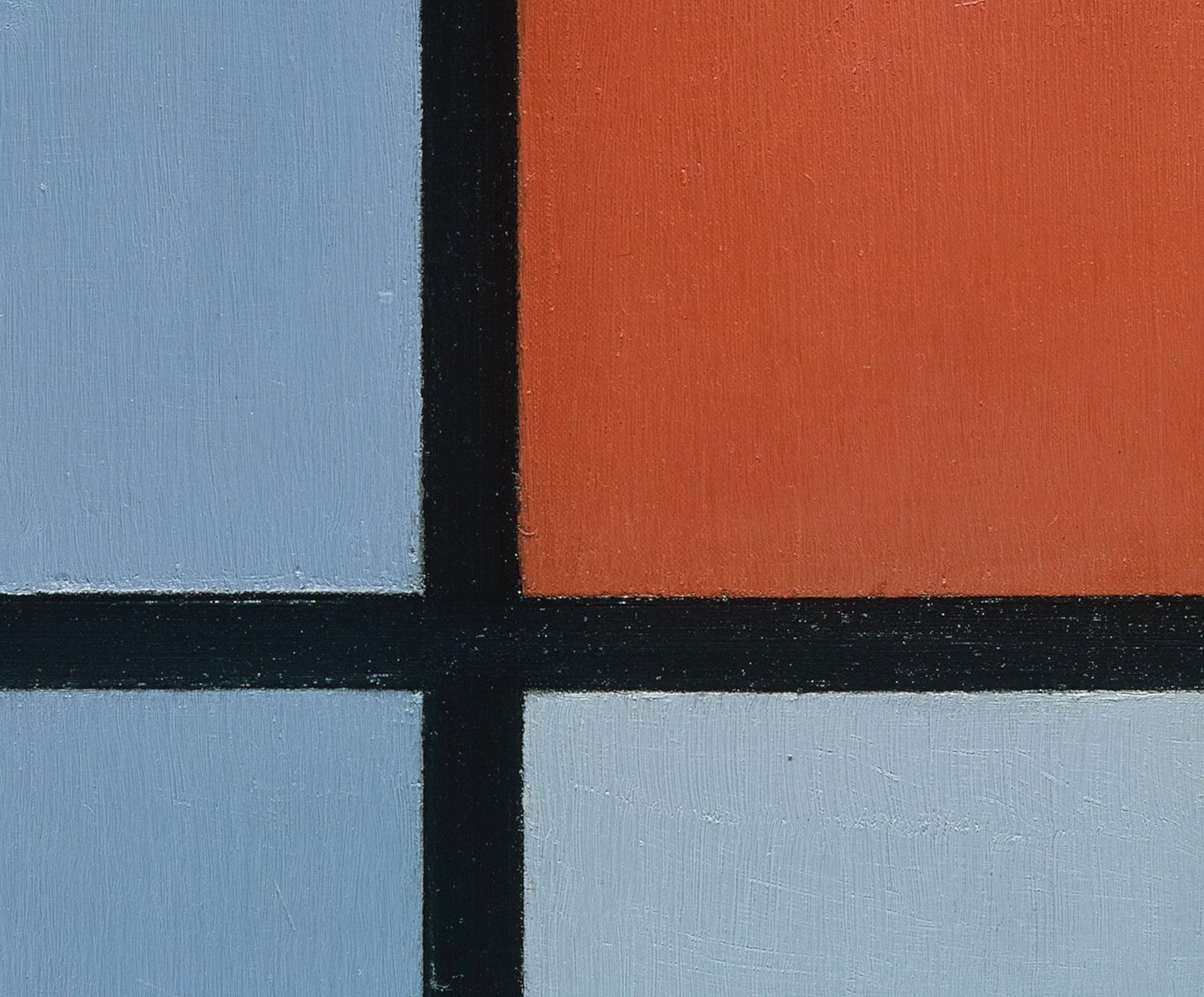
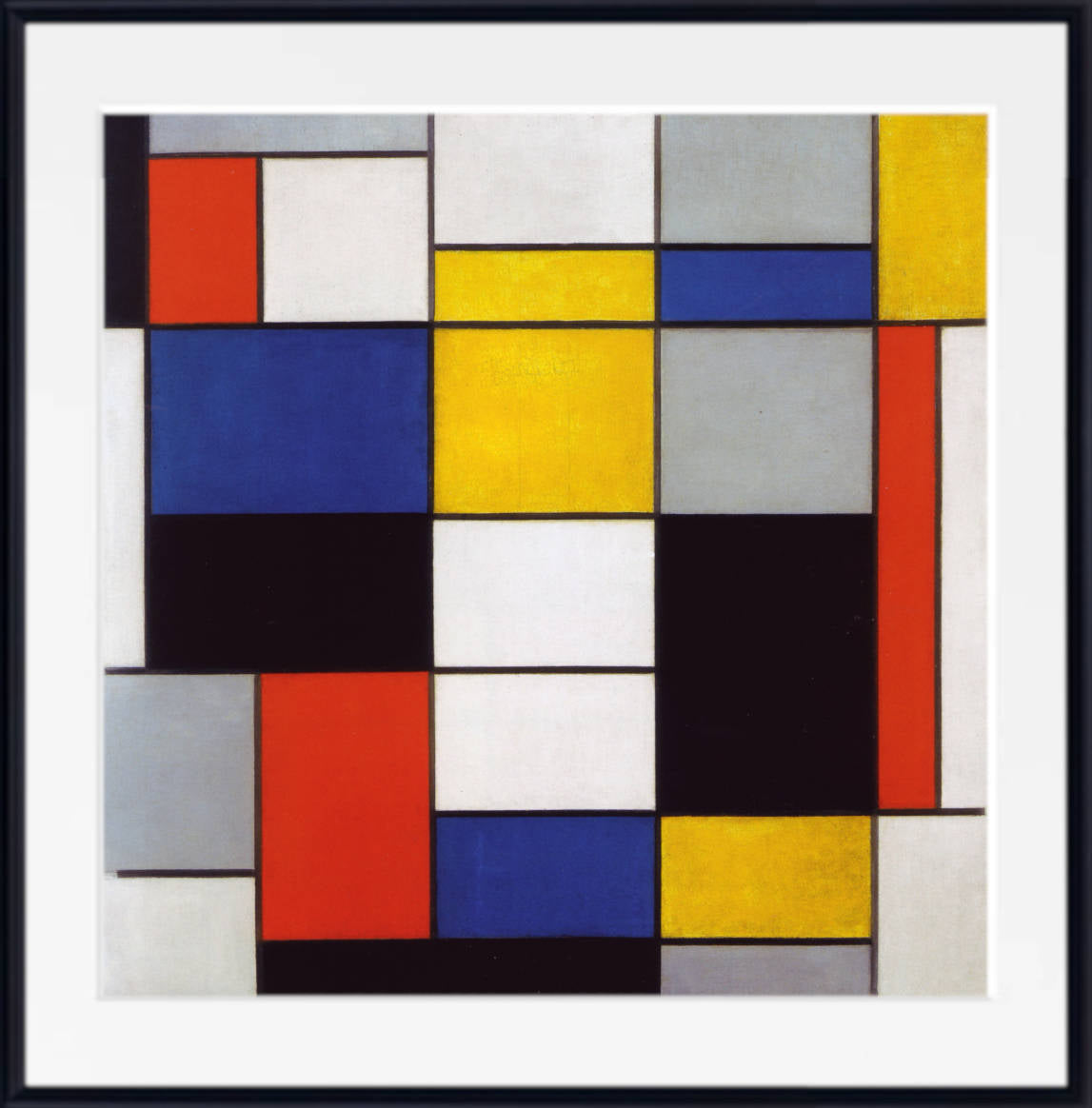
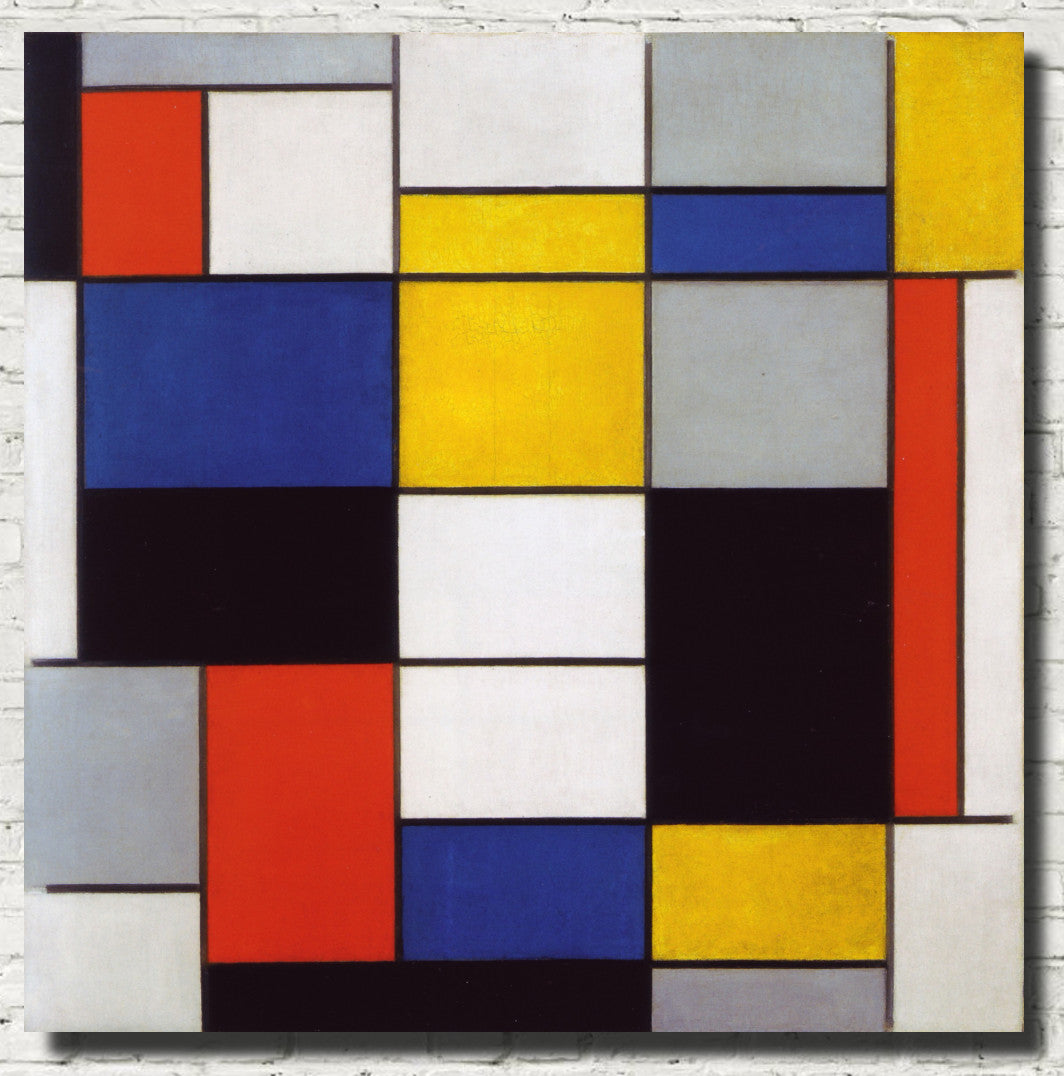
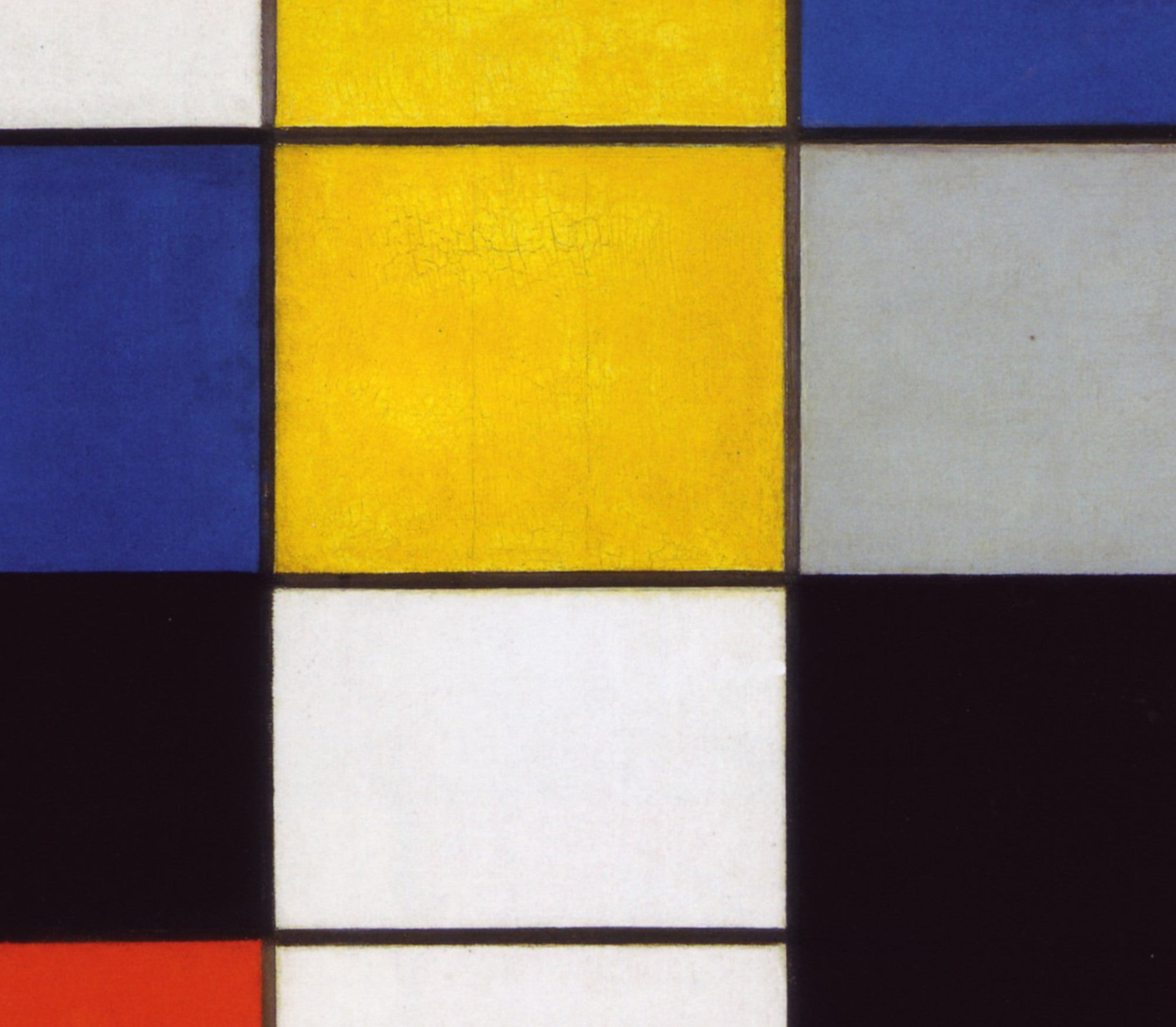
His mature paintings often use black lines alongside white space and the primary colours red, blue and yellow. The apparent simplicity of these works conceals carefully judged relationships of proportion, rhythm and visual balance.
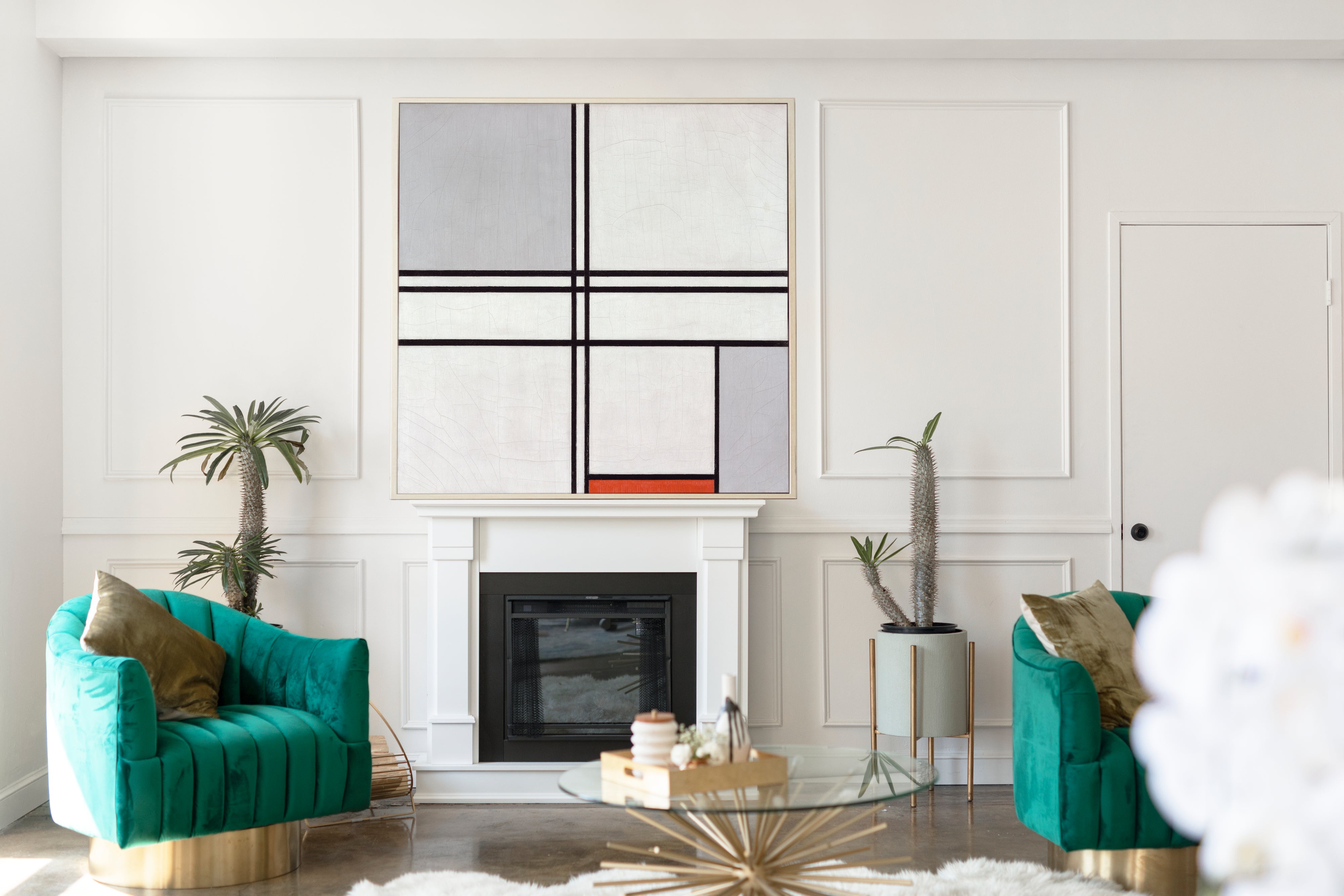
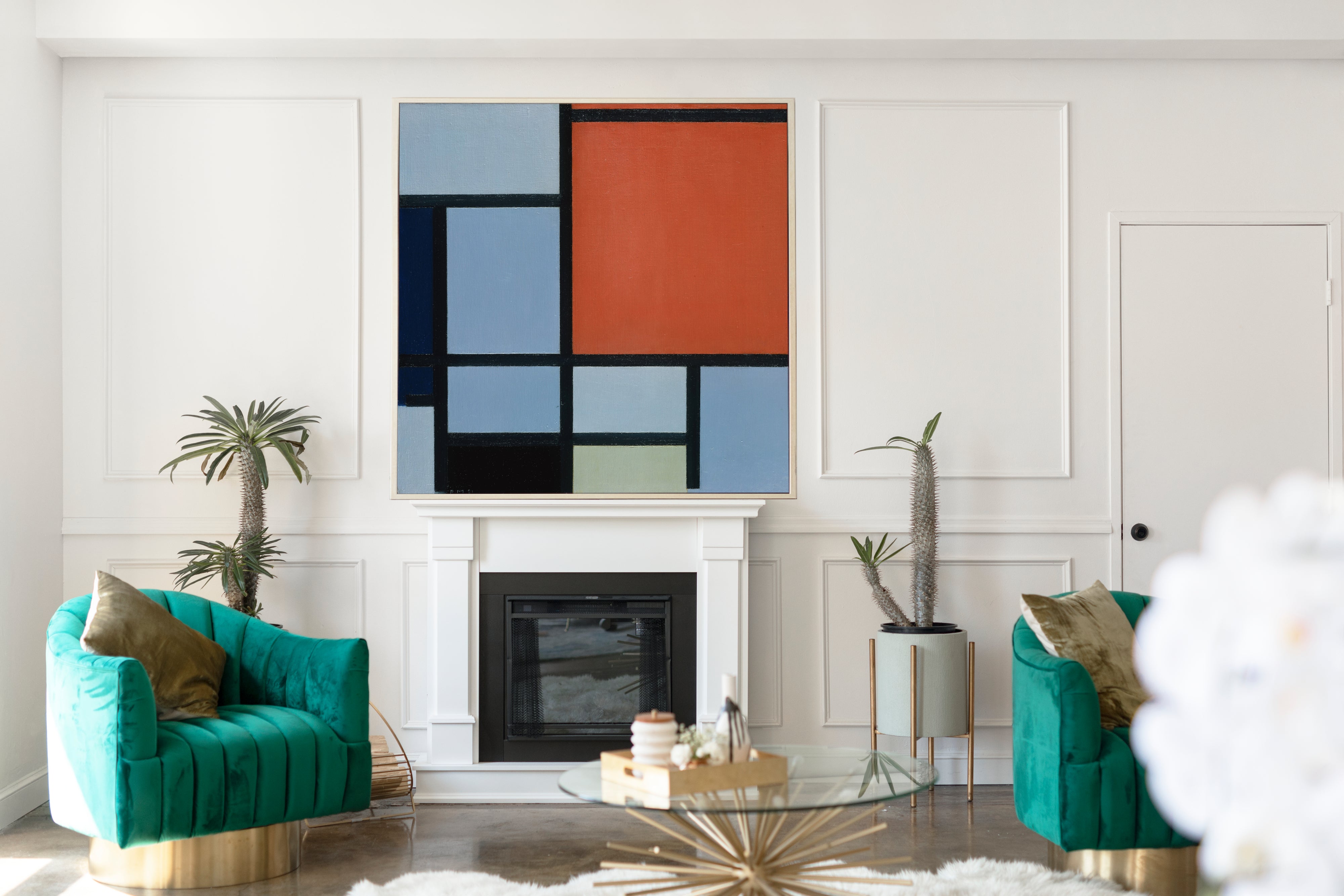
Mondrian prints are especially effective in contemporary, minimalist and mid-century inspired interiors. Their architectural structure works naturally alongside clean furniture, simple forms and uncluttered spaces, while the primary colours can provide strong accents against neutral walls.
Theo van Doesburg and the De Stijl Movement
Theo van Doesburg was the founder and energetic driving force behind De Stijl. Painter, designer, architect, writer and theorist, he used the De Stijl journal to promote the movement's ideas throughout Europe.
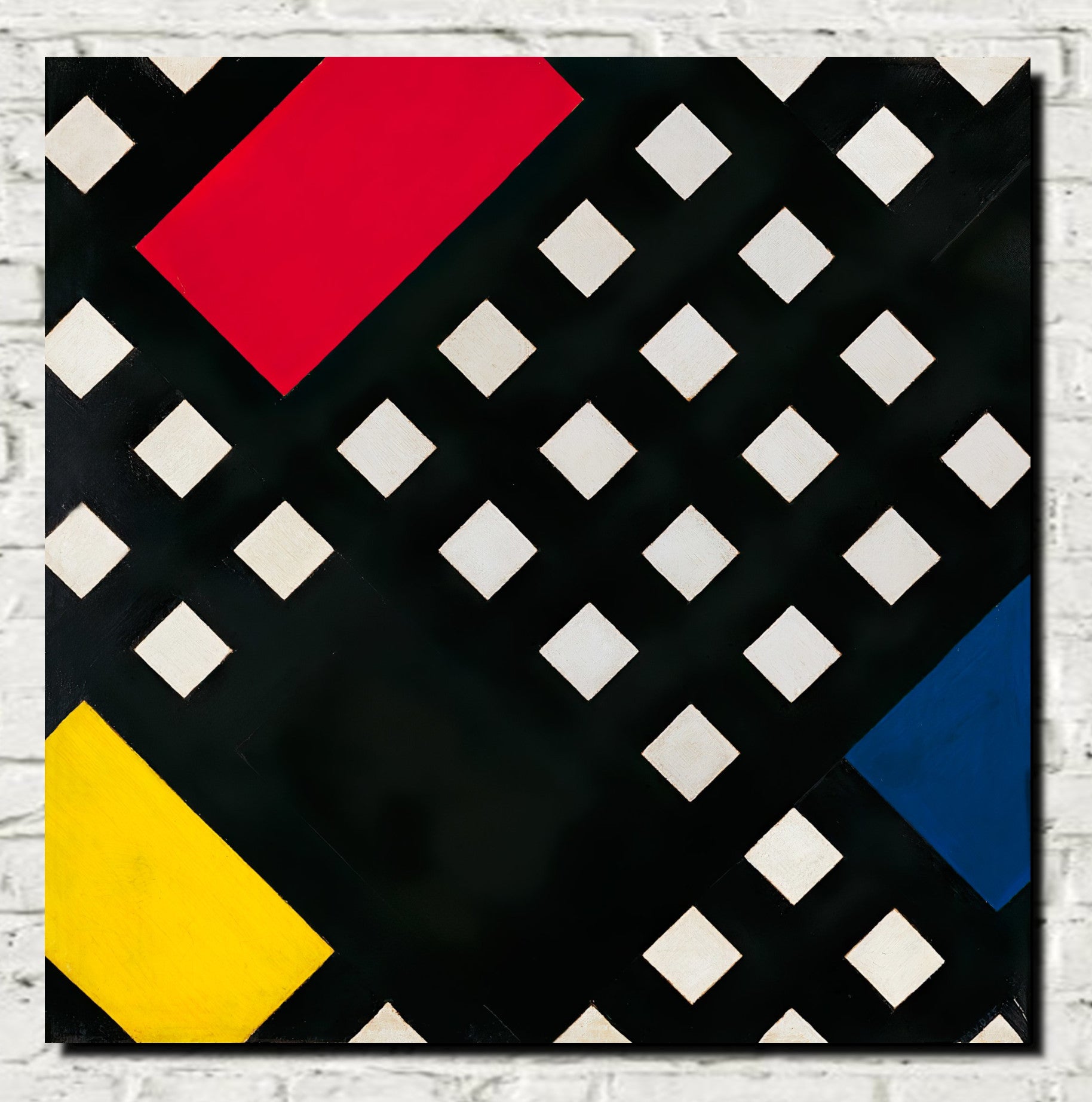
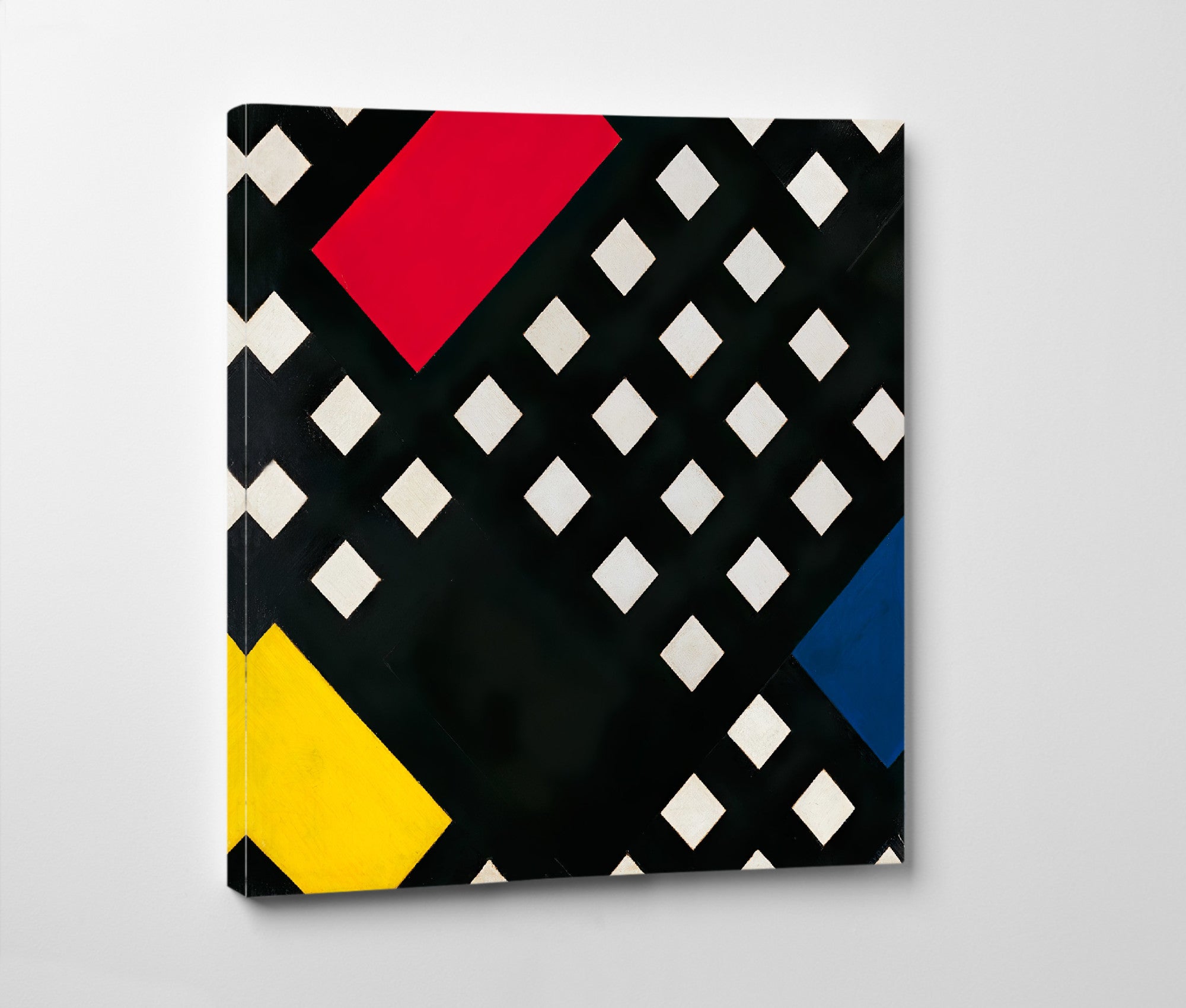
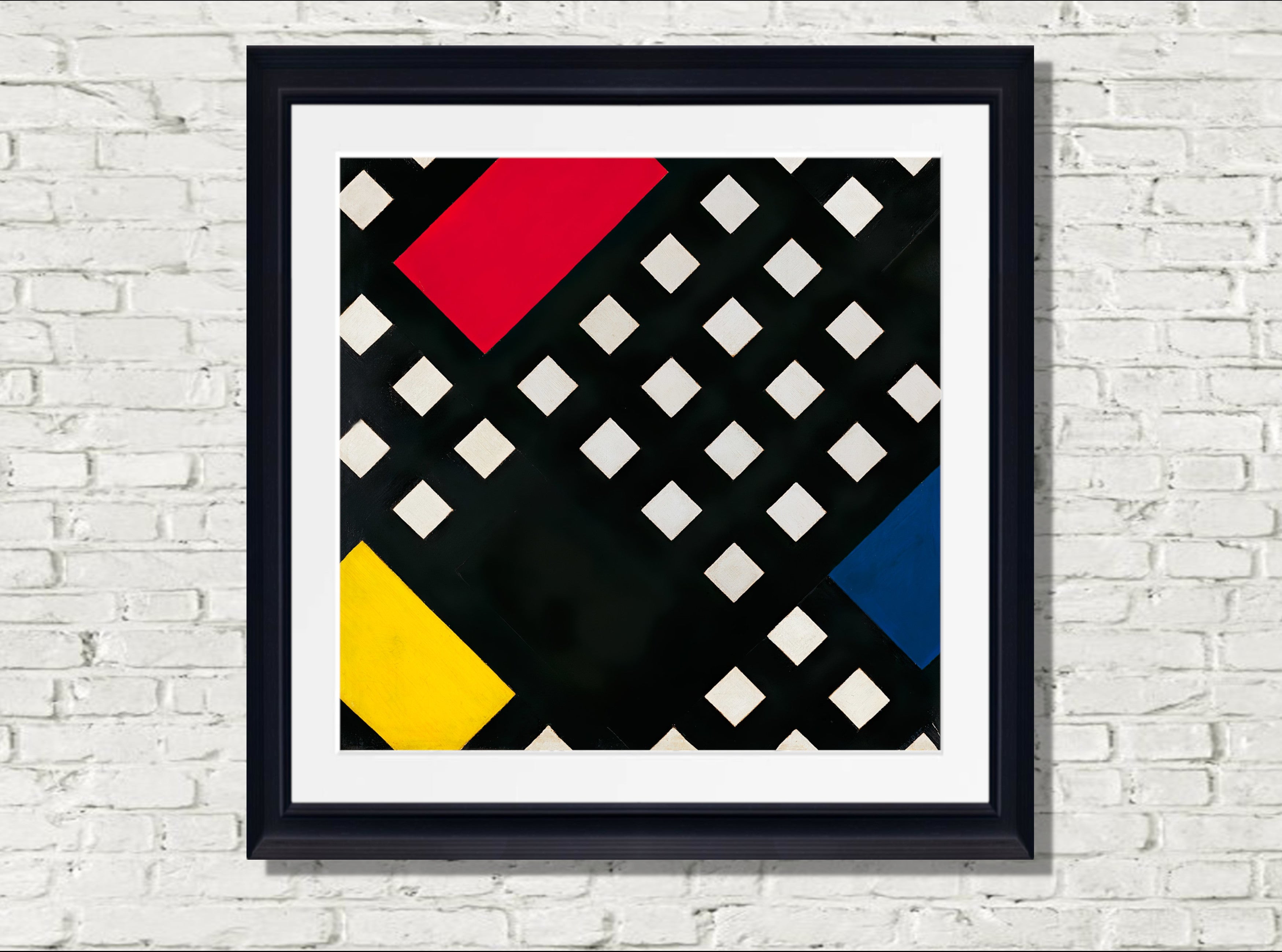
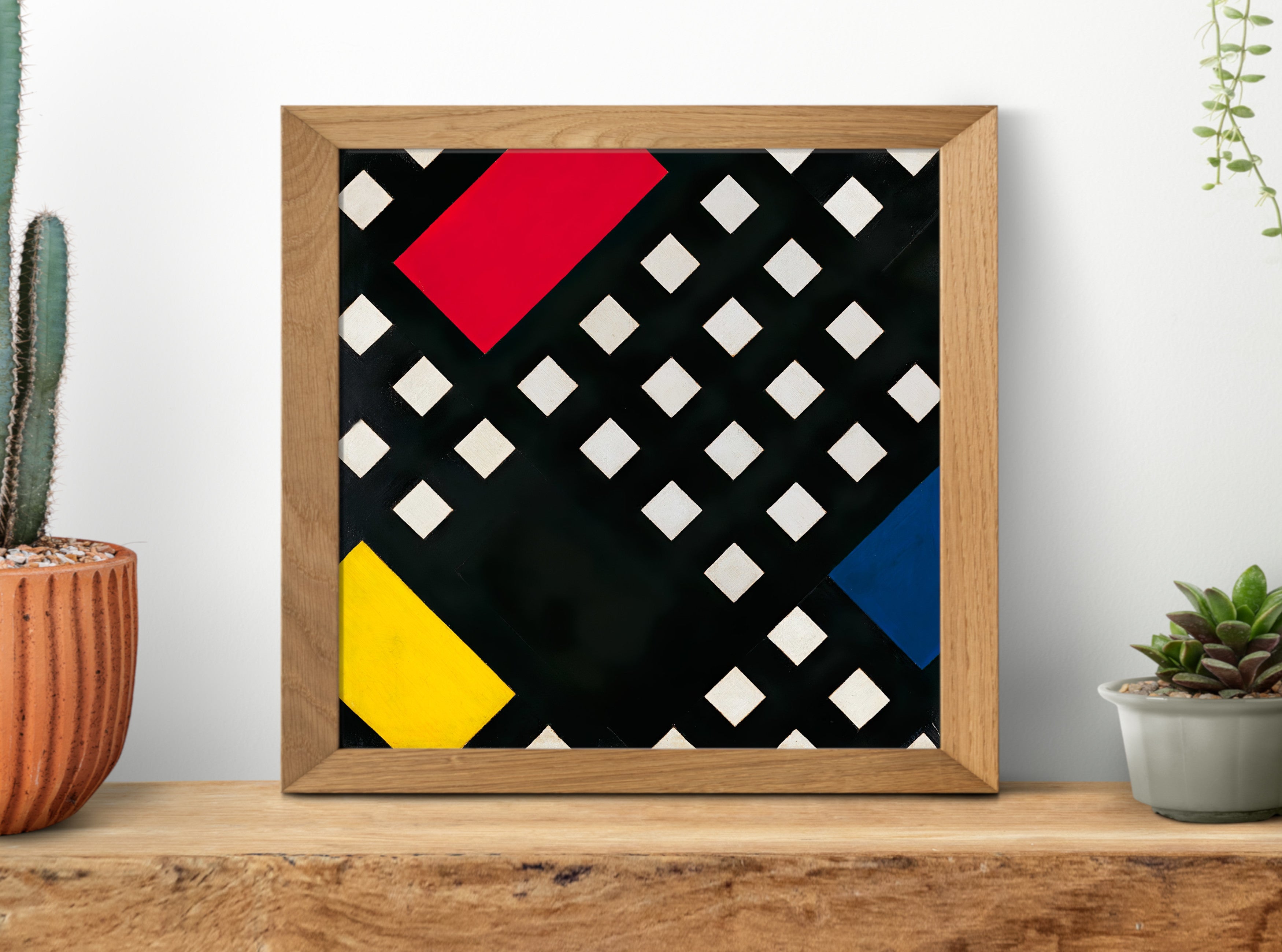
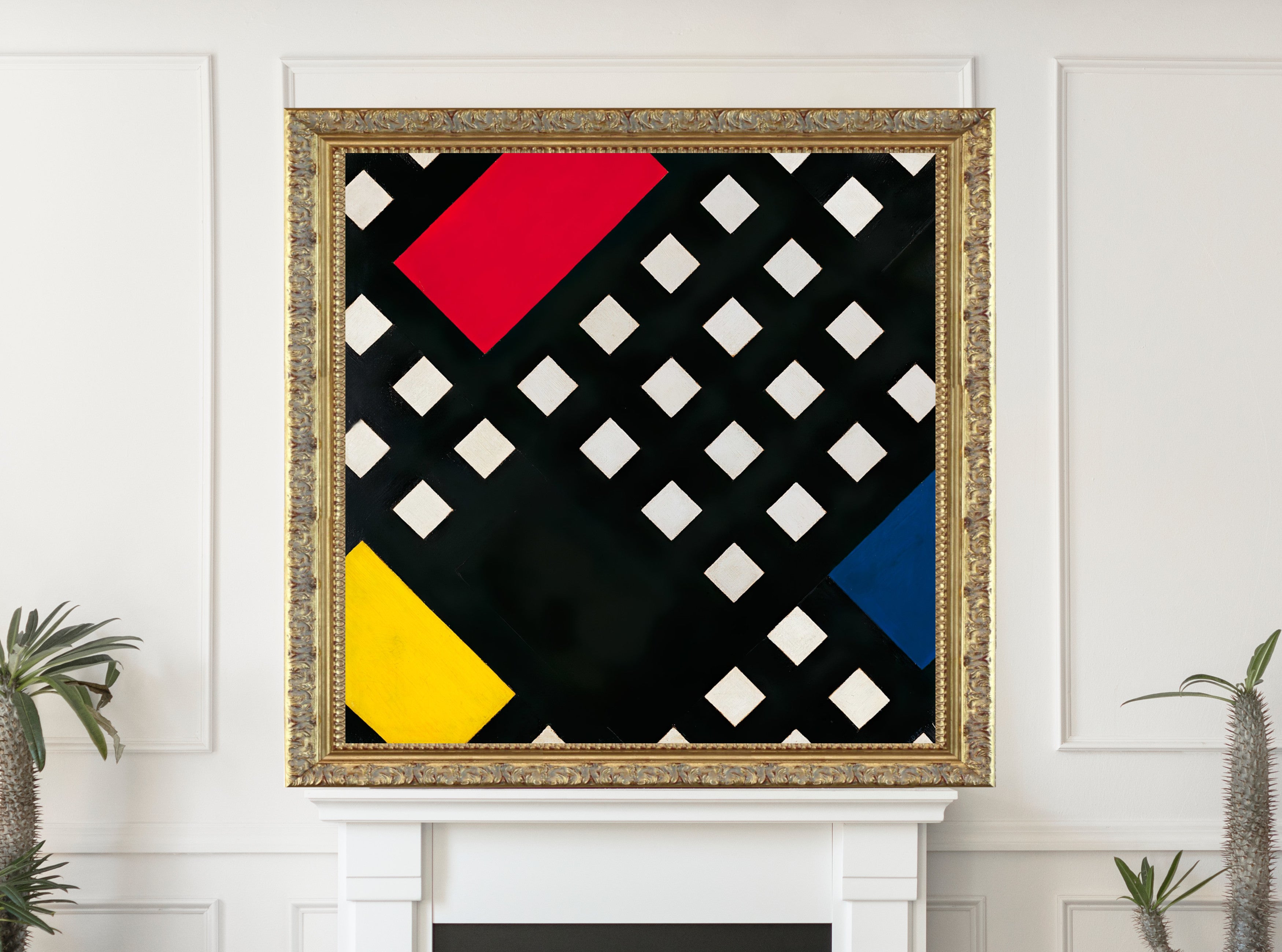
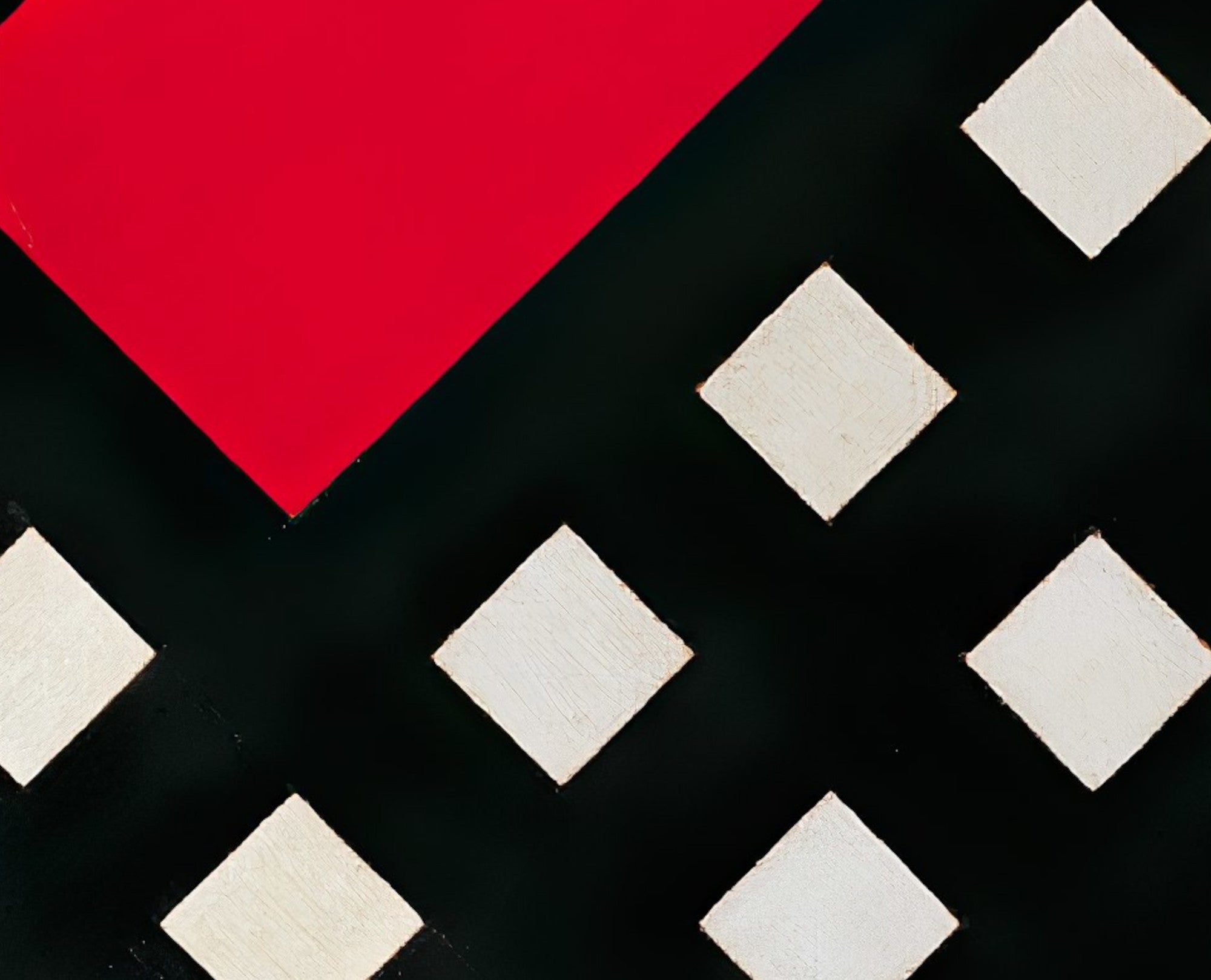
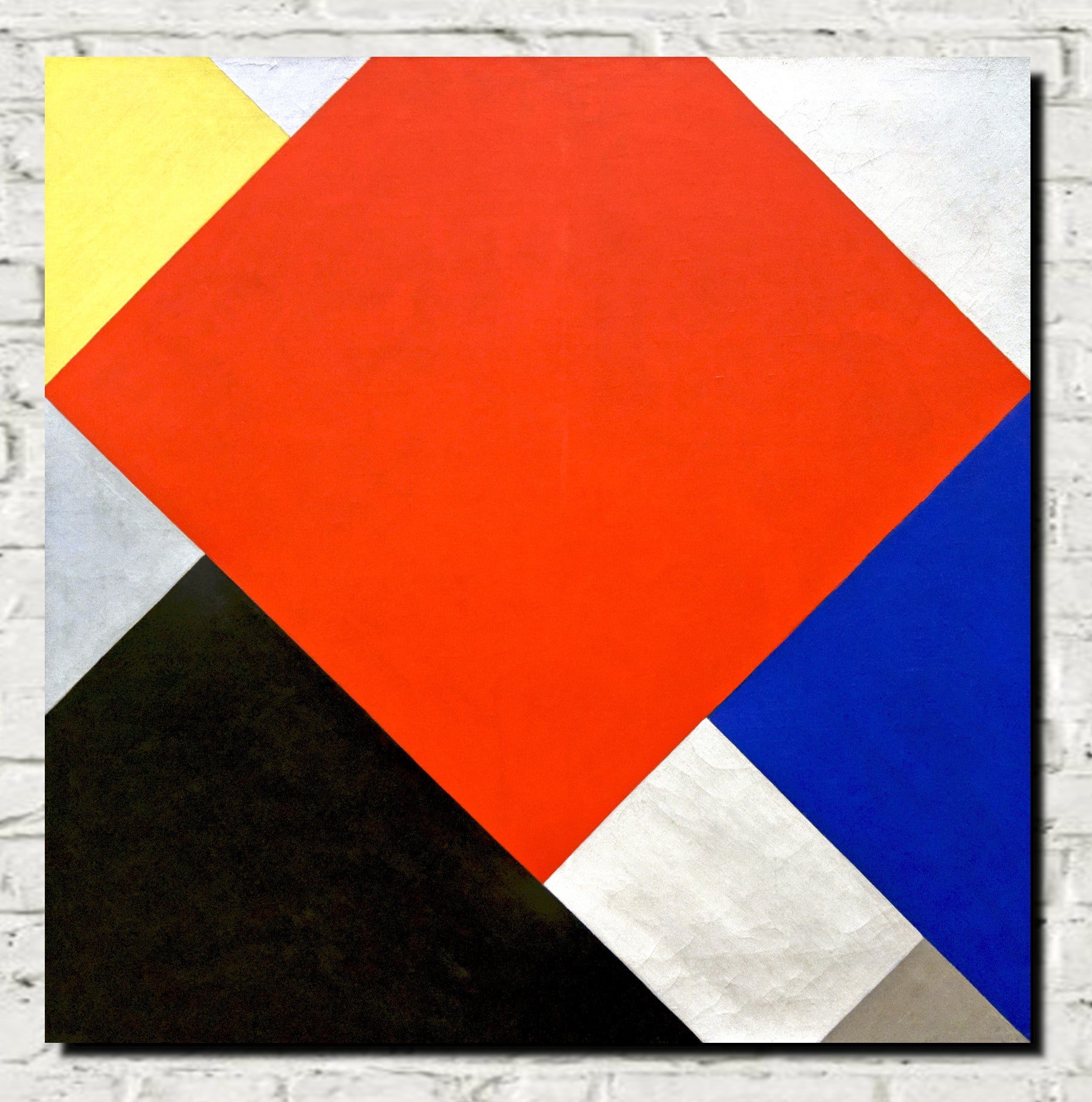
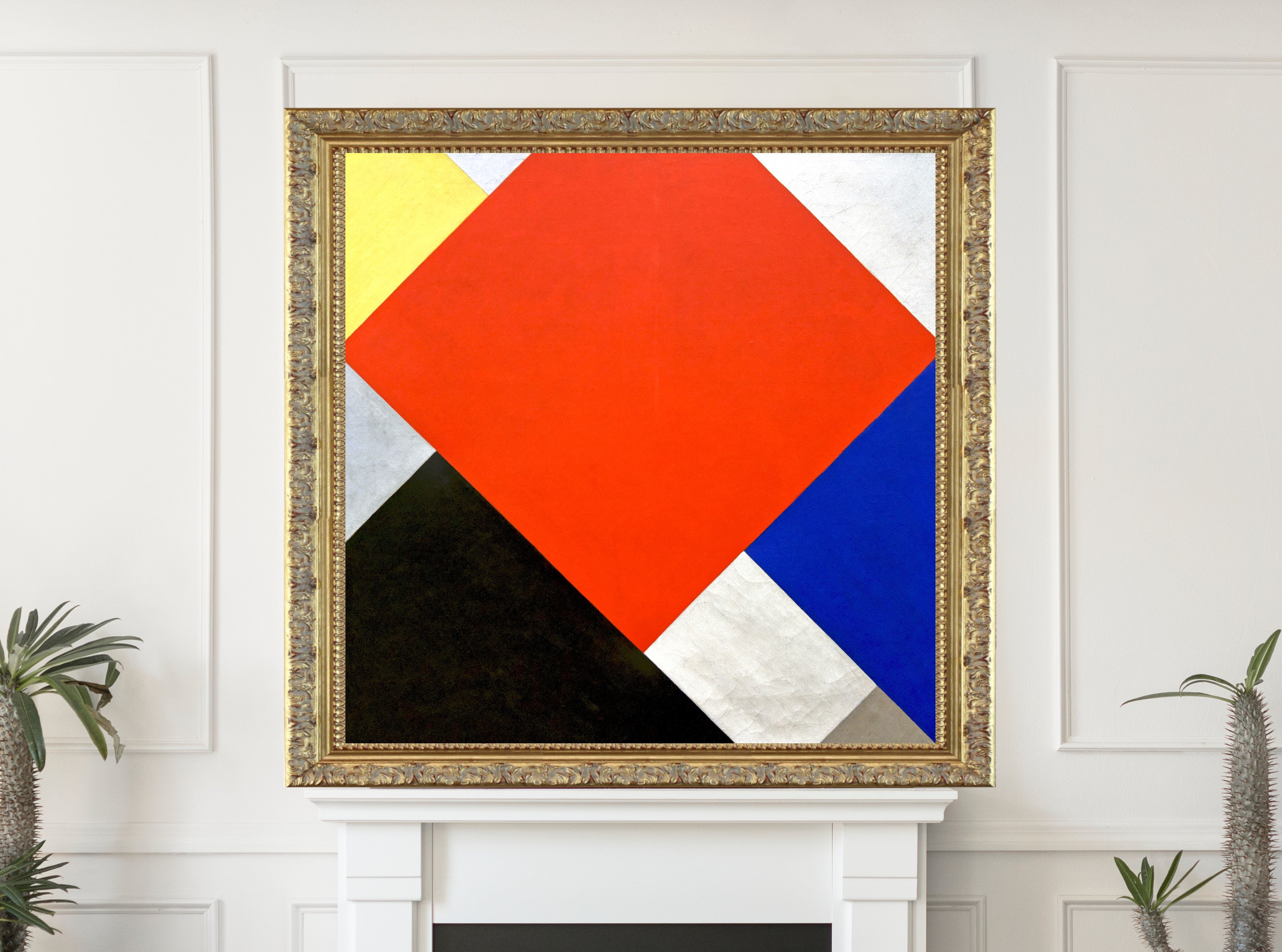
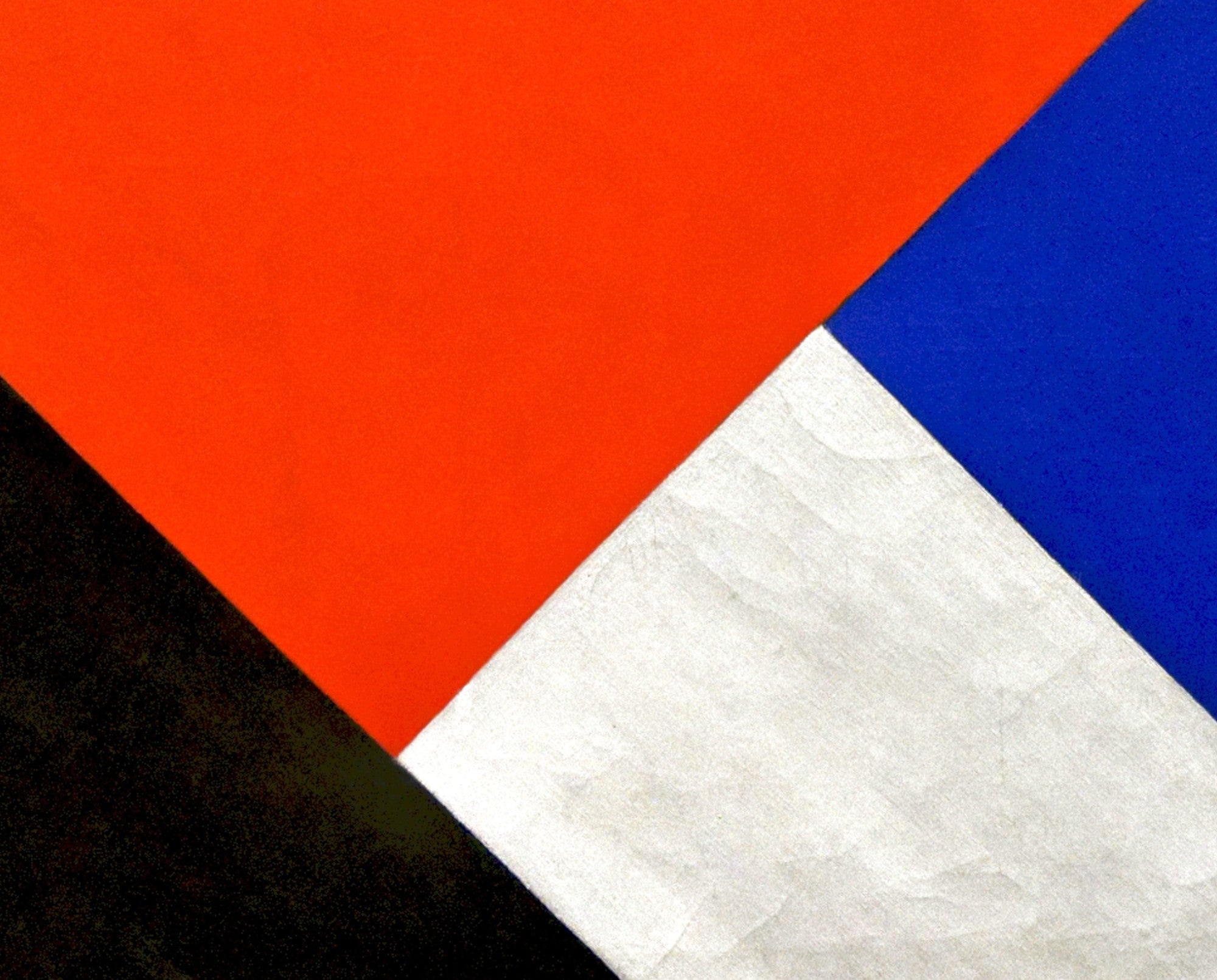
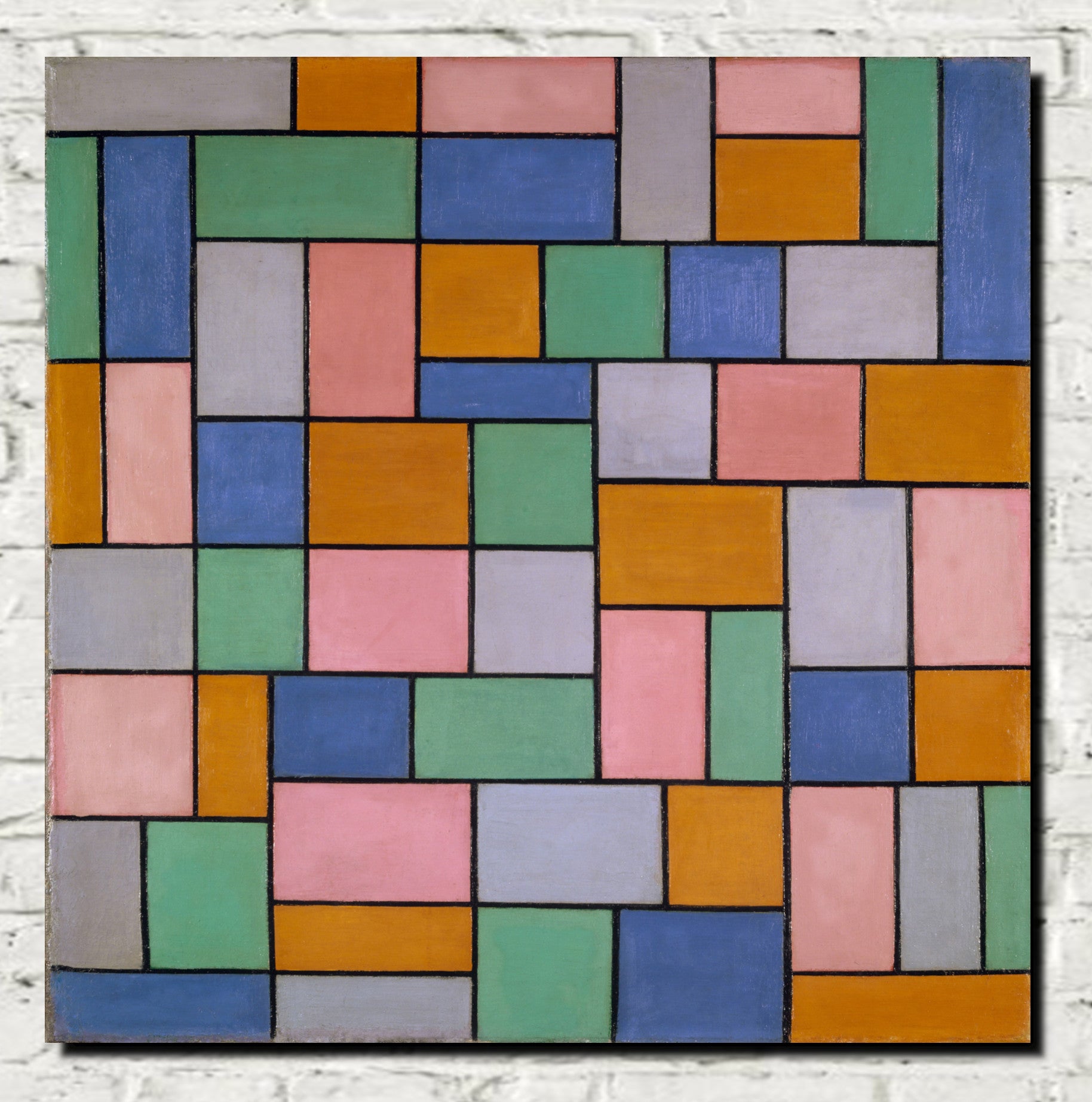
Van Doesburg shared Mondrian's interest in simplified geometry and colour but gradually developed a more dynamic approach to composition. His later works introduced diagonal elements and rotated geometric planes, creating a stronger sense of movement and tension.
His Counter-Compositions are particularly distinctive examples of this development. Instead of relying exclusively on horizontal and vertical structures, Van Doesburg used diagonals to activate the picture surface while retaining the clarity, geometry and controlled colour associated with De Stijl.
Together, Mondrian and Van Doesburg demonstrate how a relatively restricted vocabulary of lines, shapes and colours could produce remarkably varied forms of geometric abstract art.
Neo-Plasticism, Geometry and Primary Colour
Neo-Plasticism was the artistic philosophy most closely associated with Mondrian's contribution to De Stijl. It sought to eliminate unnecessary detail and naturalistic representation in favour of fundamental relationships between line, form and colour.
Vertical and horizontal lines represented opposing but balanced forces. Rectangular areas created structure, while primary colours provided carefully controlled points of visual emphasis.
This approach had an enormous influence on later abstract art and modern design. The combination of black lines, white space and areas of red, yellow and blue became one of the most recognisable visual languages of twentieth-century modernism.
For more artwork centred on constructed shapes, grids and balanced composition, browse our Geometric Abstract Prints.
De Stijl, Bauhaus and Modern Design
De Stijl developed independently from the Bauhaus, but the two movements shared an interest in abstraction, geometry, architecture and the relationship between art and everyday life.
Theo van Doesburg spent time in Weimar during the early 1920s and promoted De Stijl ideas close to the Bauhaus. His emphasis on geometric abstraction and the integration of painting, architecture and design contributed to the wider exchange of modernist ideas taking place around the school.
The movements remained distinct, but their overlapping interests helped establish the geometric modernism that became increasingly influential in European art, architecture, typography and furniture design.
Explore our Bauhaus Prints for works by Wassily Kandinsky, Paul Klee, László Moholy-Nagy and other artists connected with the Bauhaus and its wider modernist circle.
De Stijl Prints for Modern Interiors
The clean geometry of De Stijl art makes it exceptionally adaptable to contemporary interiors. Strong lines and controlled colour can complement modern furniture and architecture without relying on conventional decorative subject matter.
De Stijl Prints for Living Rooms
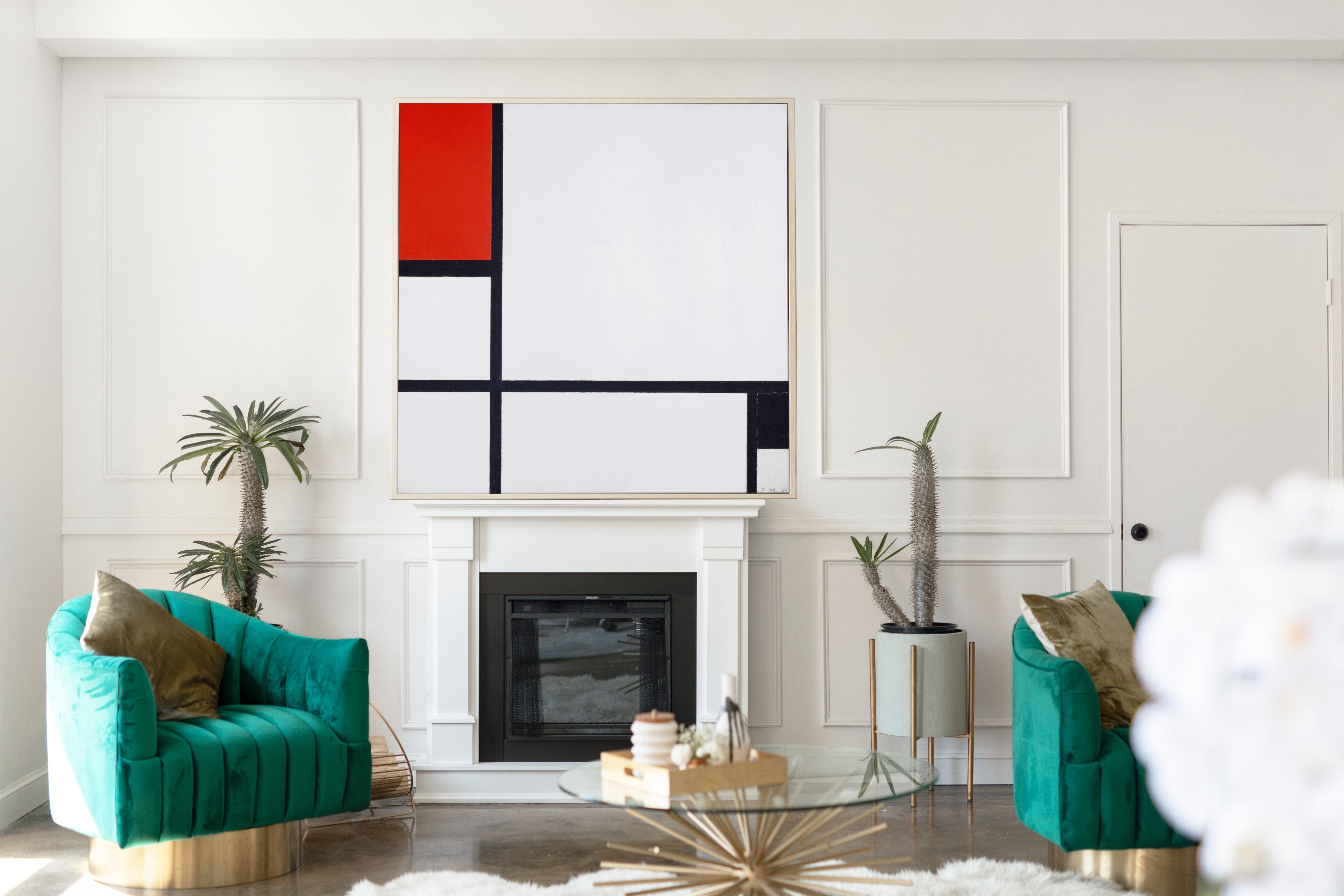
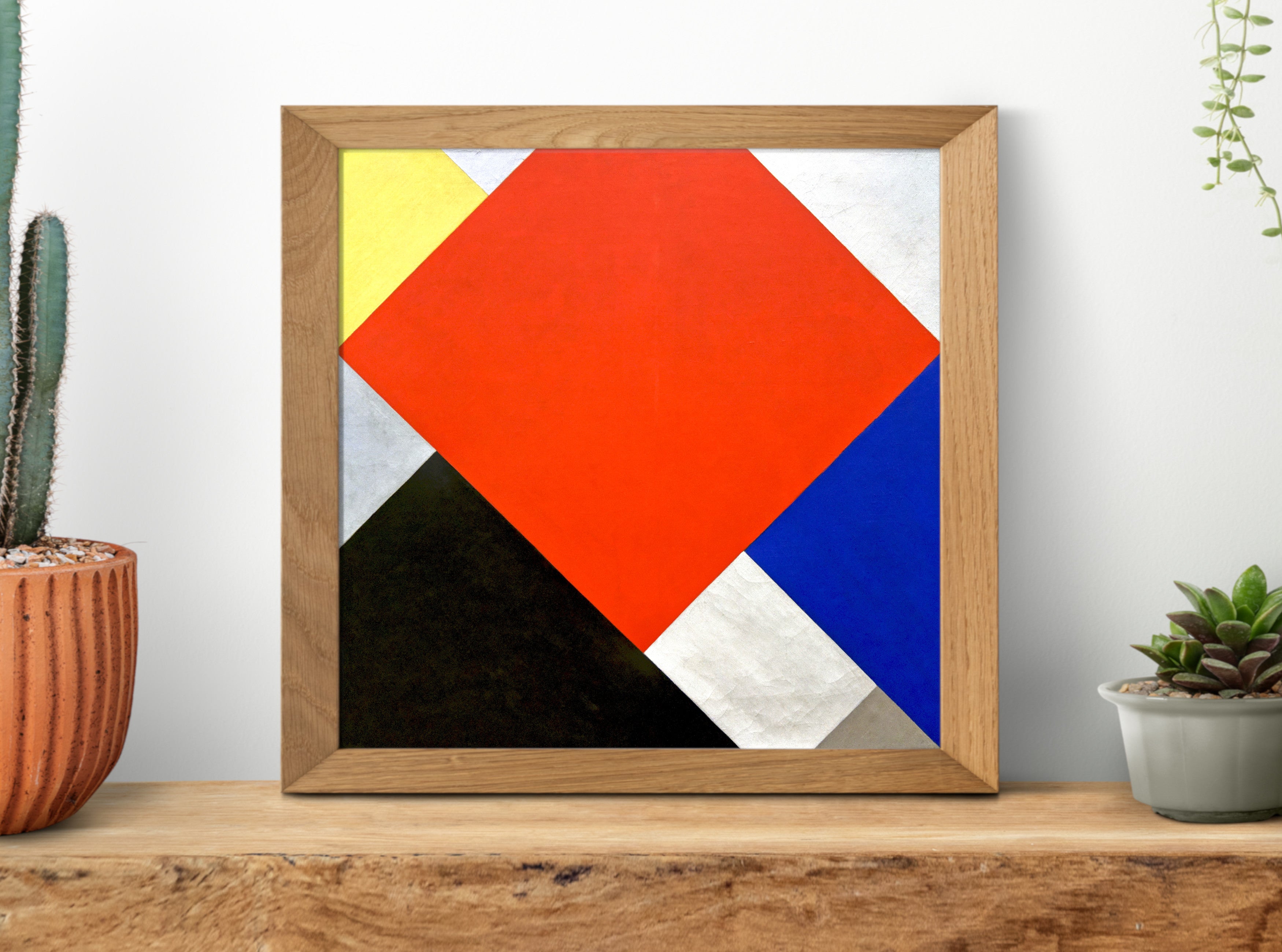
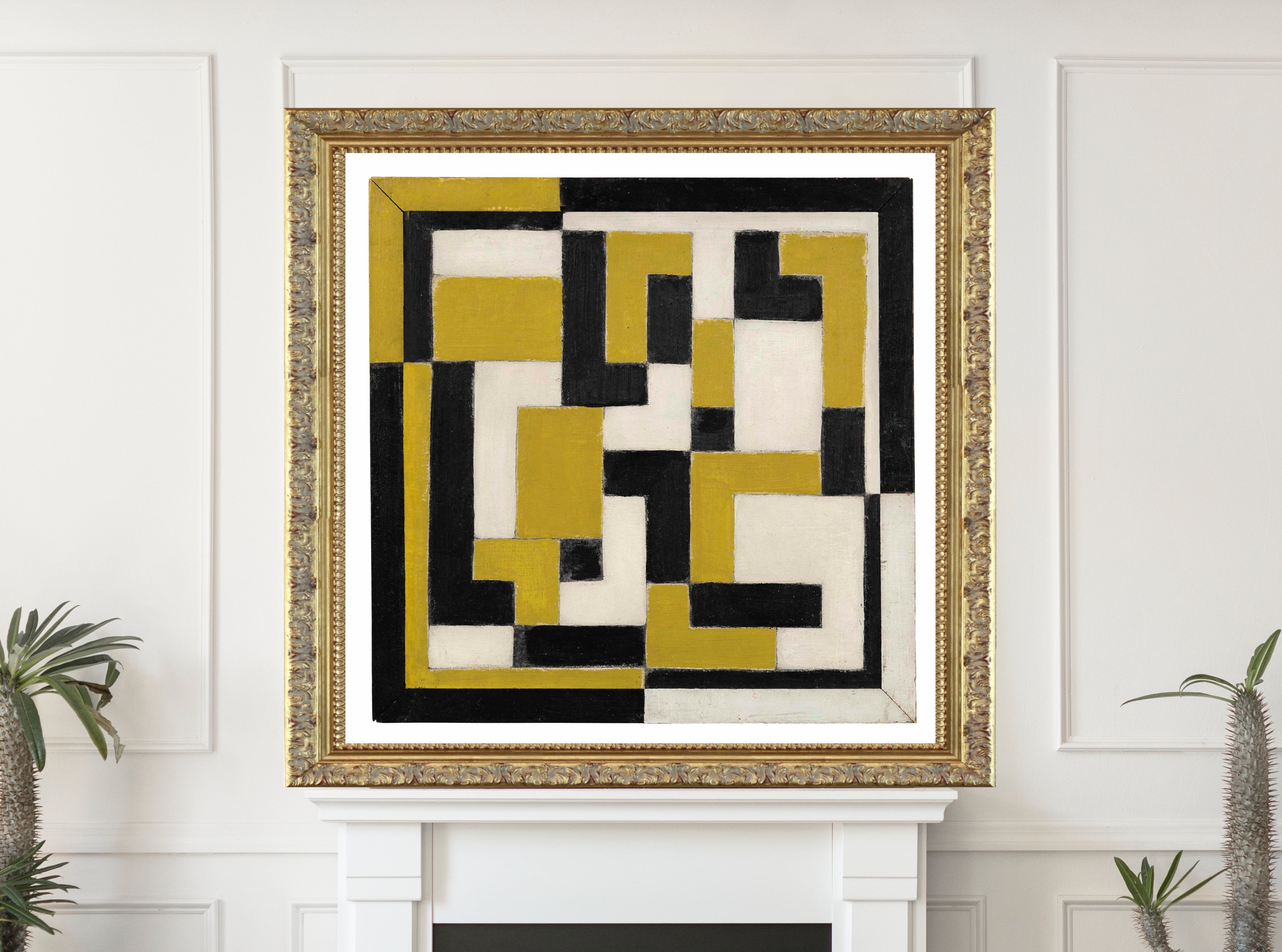
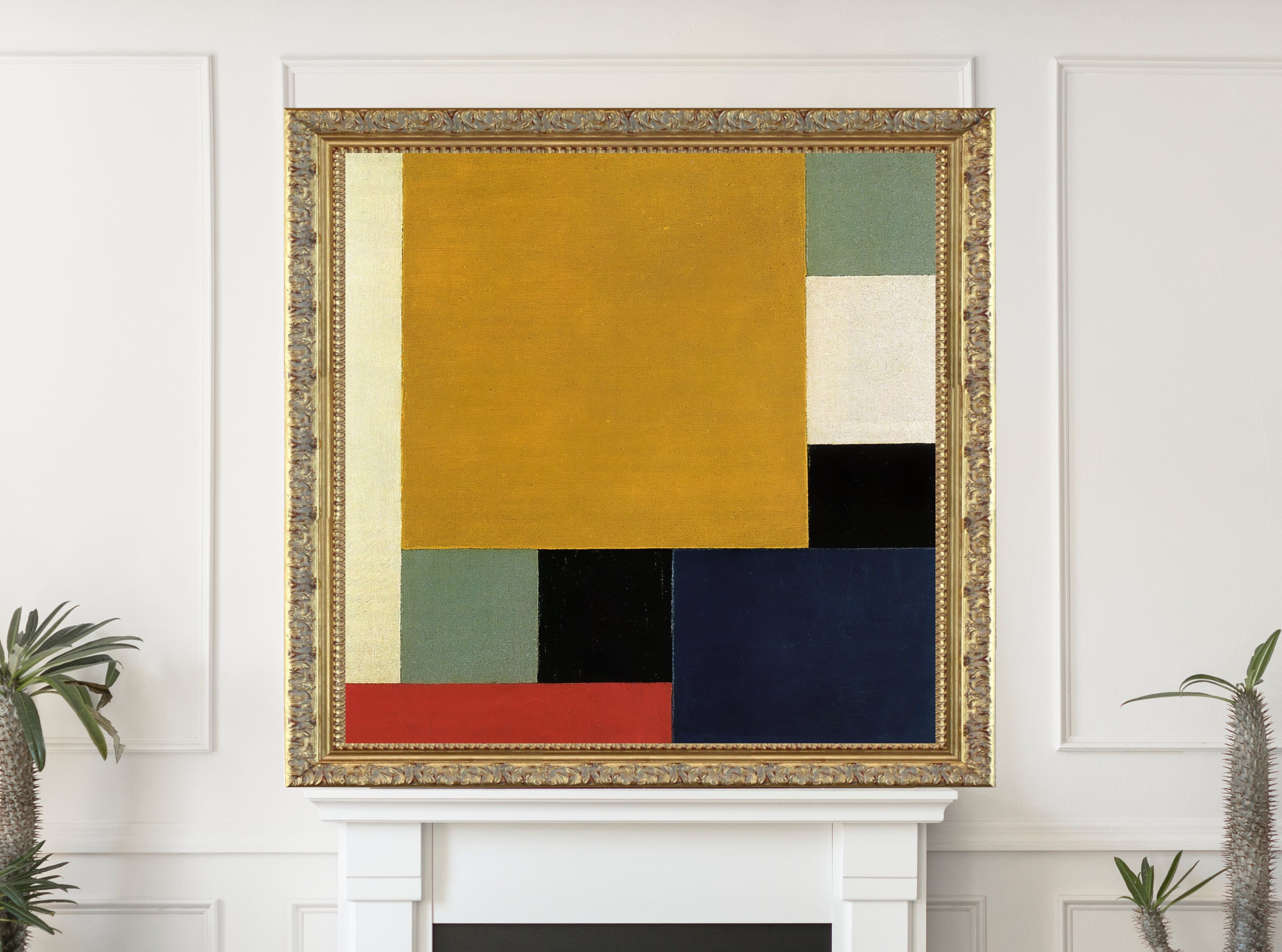
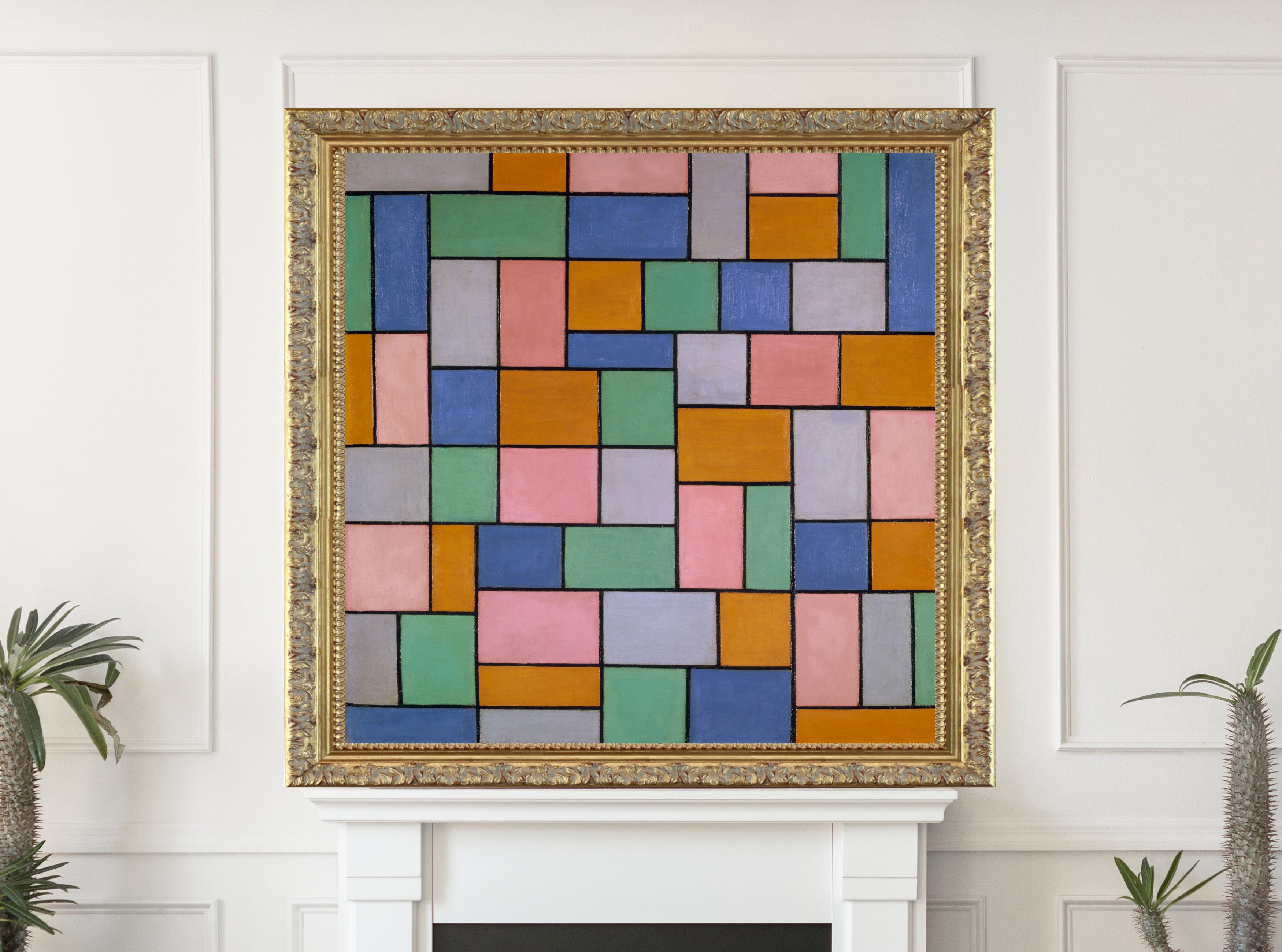
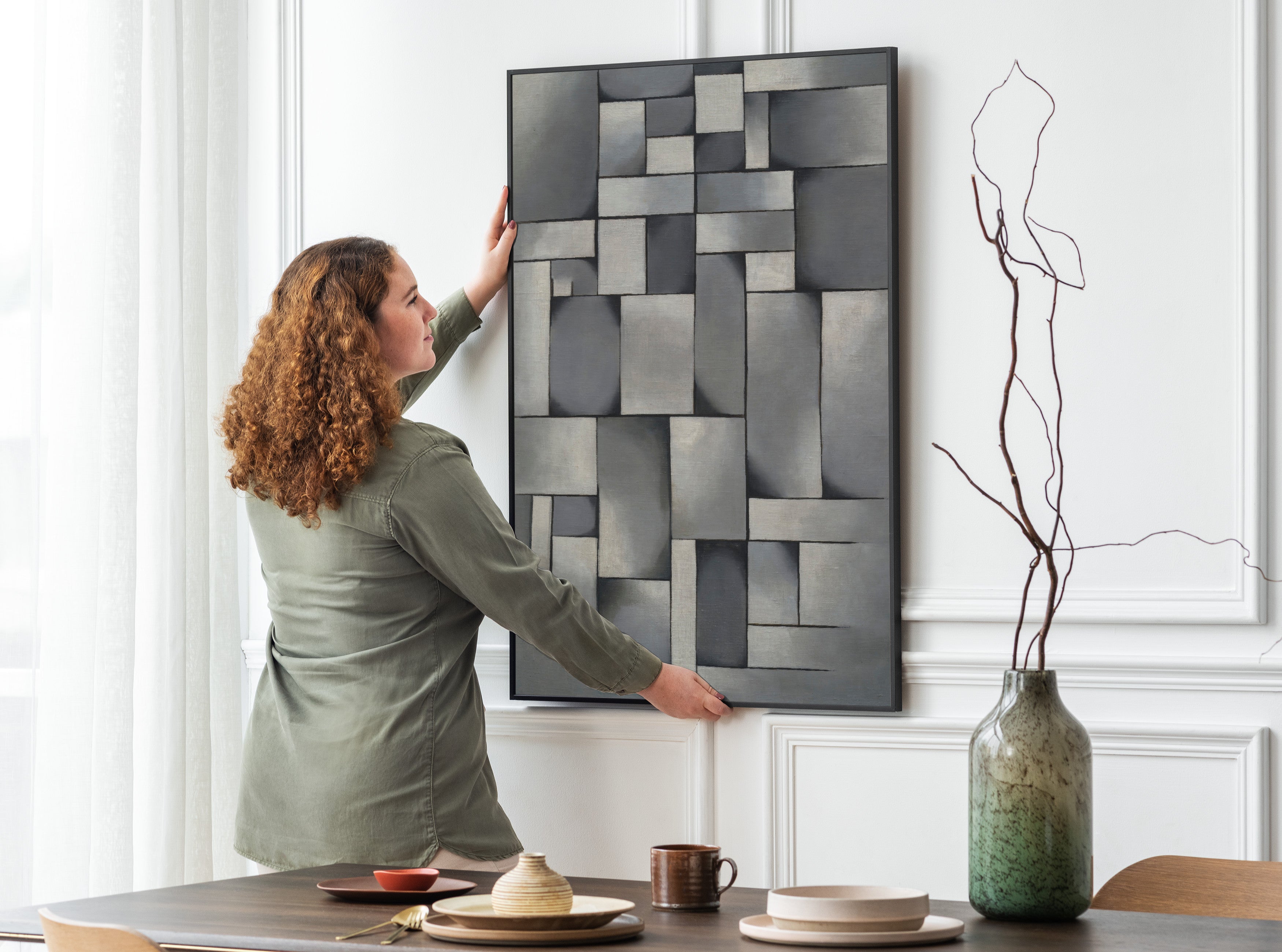
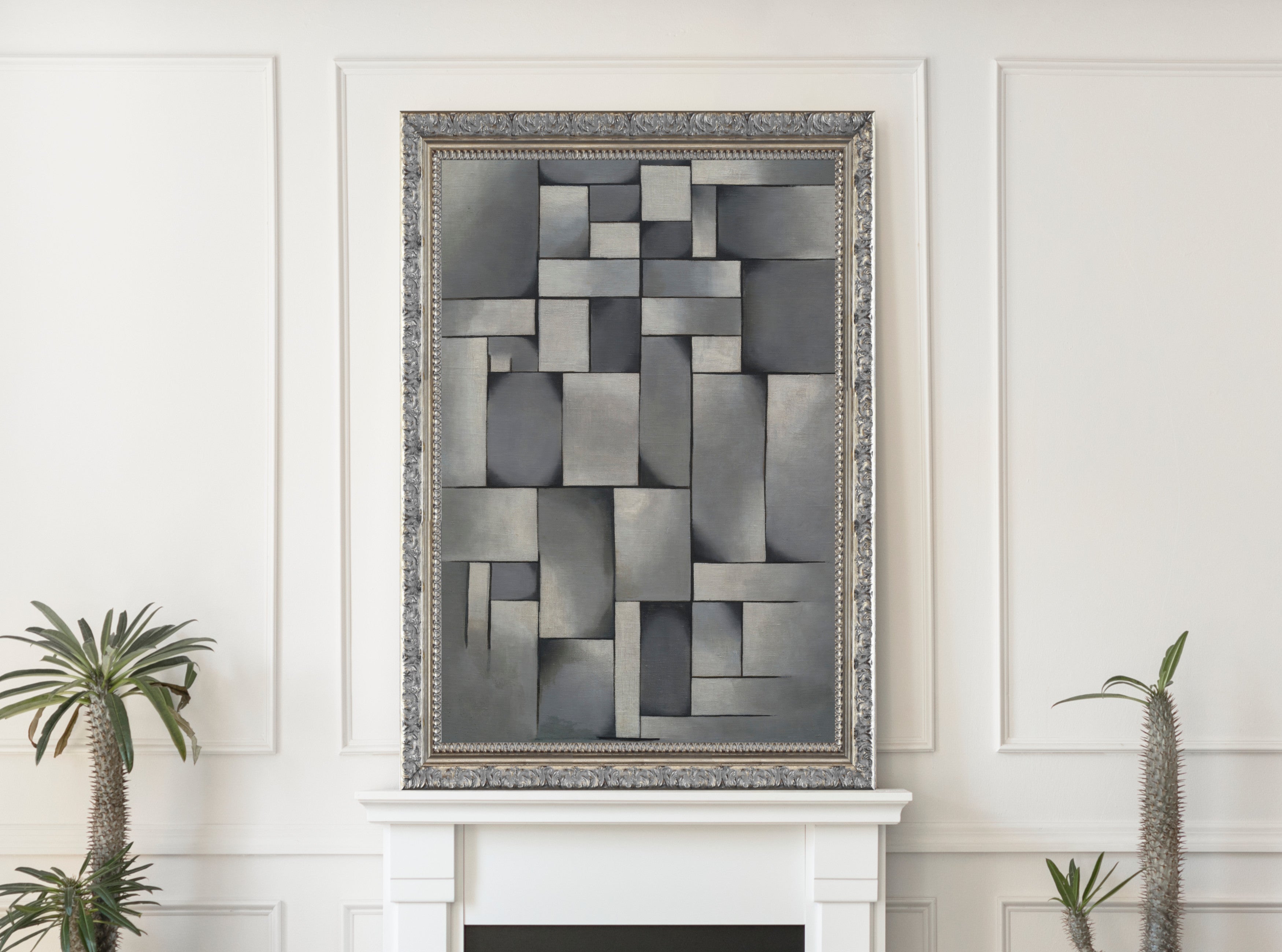
A large Mondrian or Van Doesburg print can create a striking focal point above a sofa, fireplace or sideboard. In rooms dominated by white, cream, beige, grey or natural wood, areas of red, blue and yellow can introduce colour while retaining a crisp and ordered appearance.
Geometric Art for Offices and Studios
De Stijl prints work particularly well in offices, design studios and creative workspaces. Their combination of geometry, visual rhythm and modernist history gives them a strong graphic presence without making a workspace feel overly decorative.
De Stijl Art for Minimalist Interiors
Minimalist interiors are particularly compatible with the De Stijl aesthetic. Black lines, white space and restrained areas of colour echo the clean architectural forms found in modern furniture and interior design.
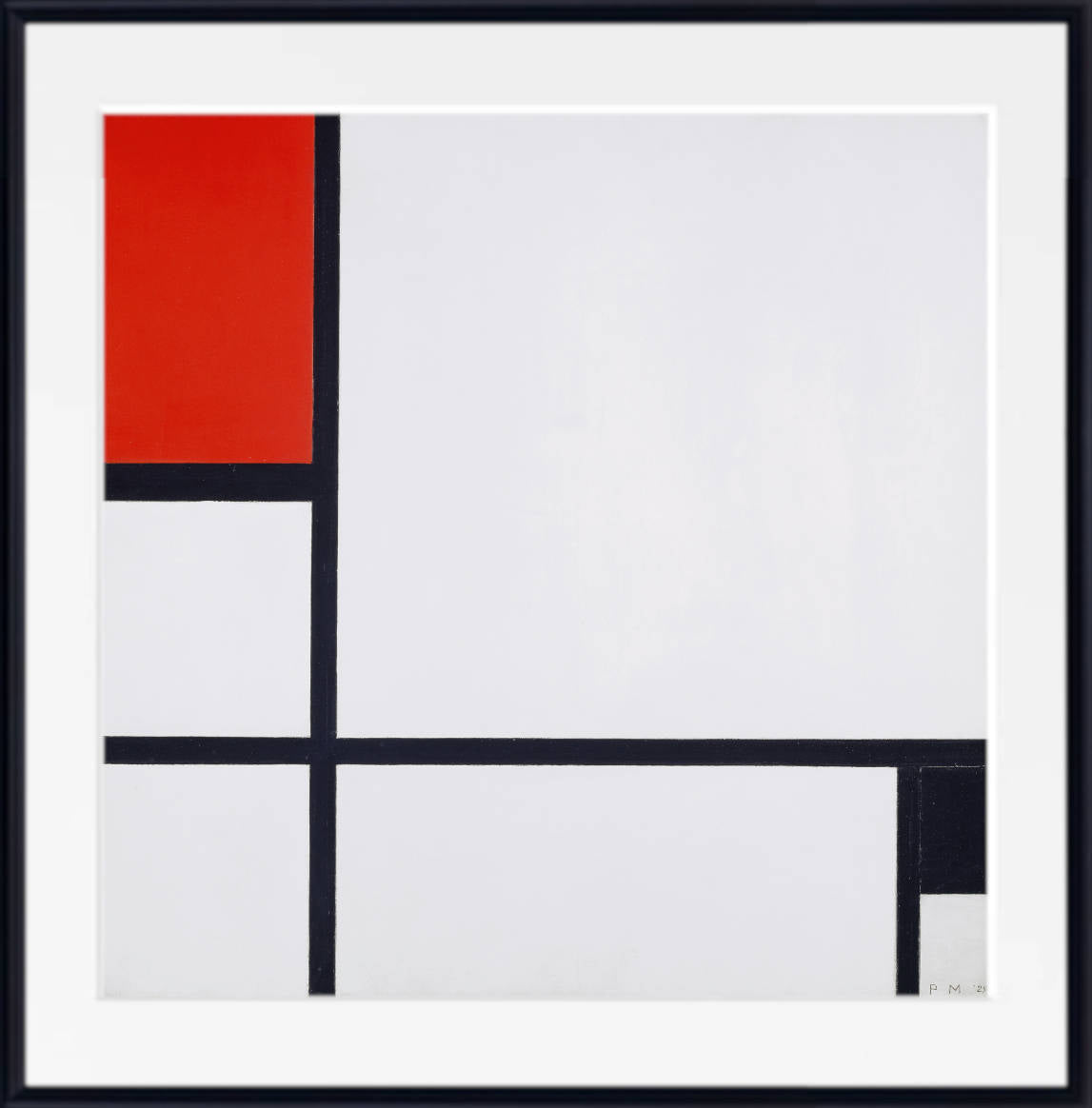
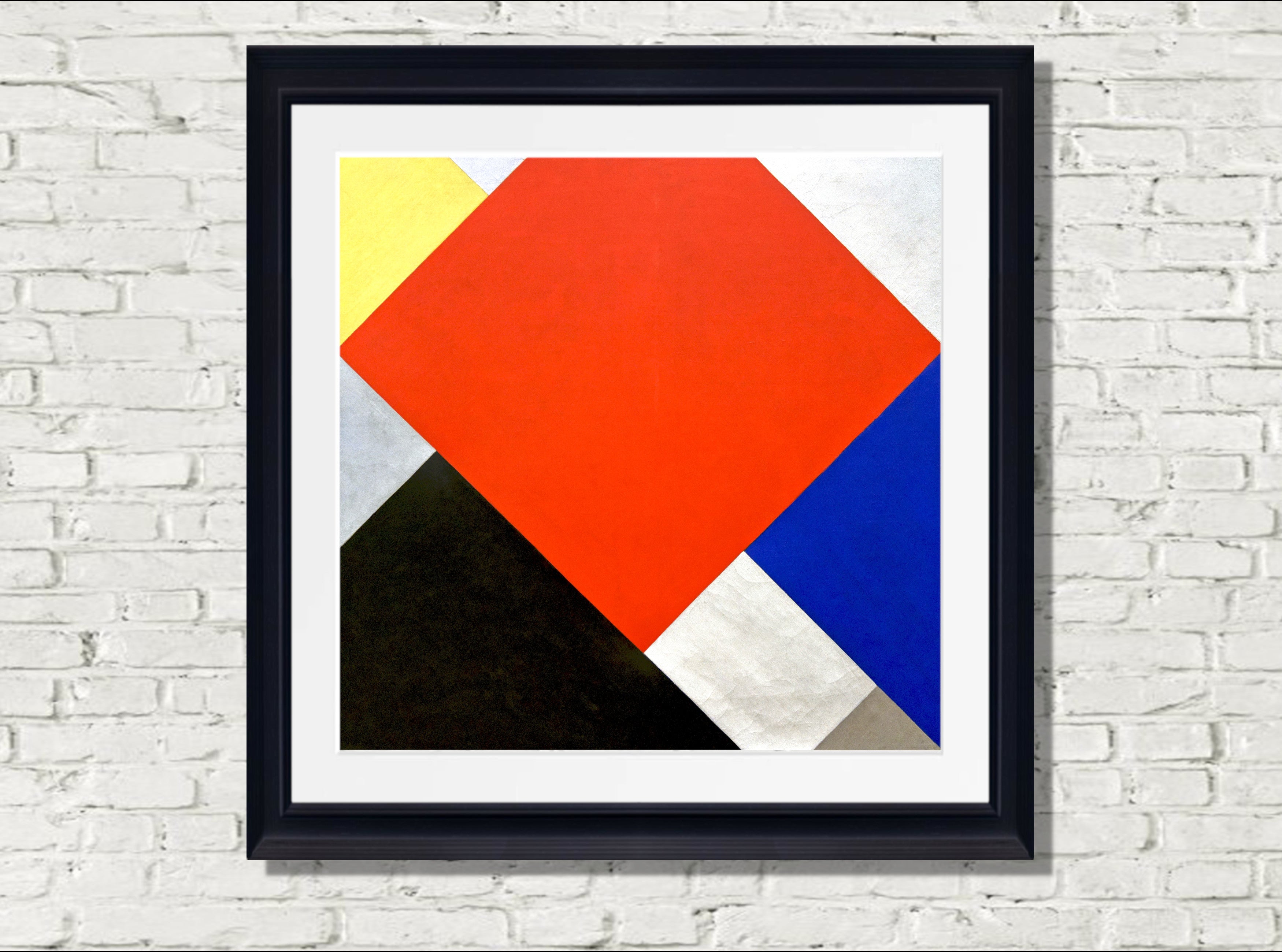
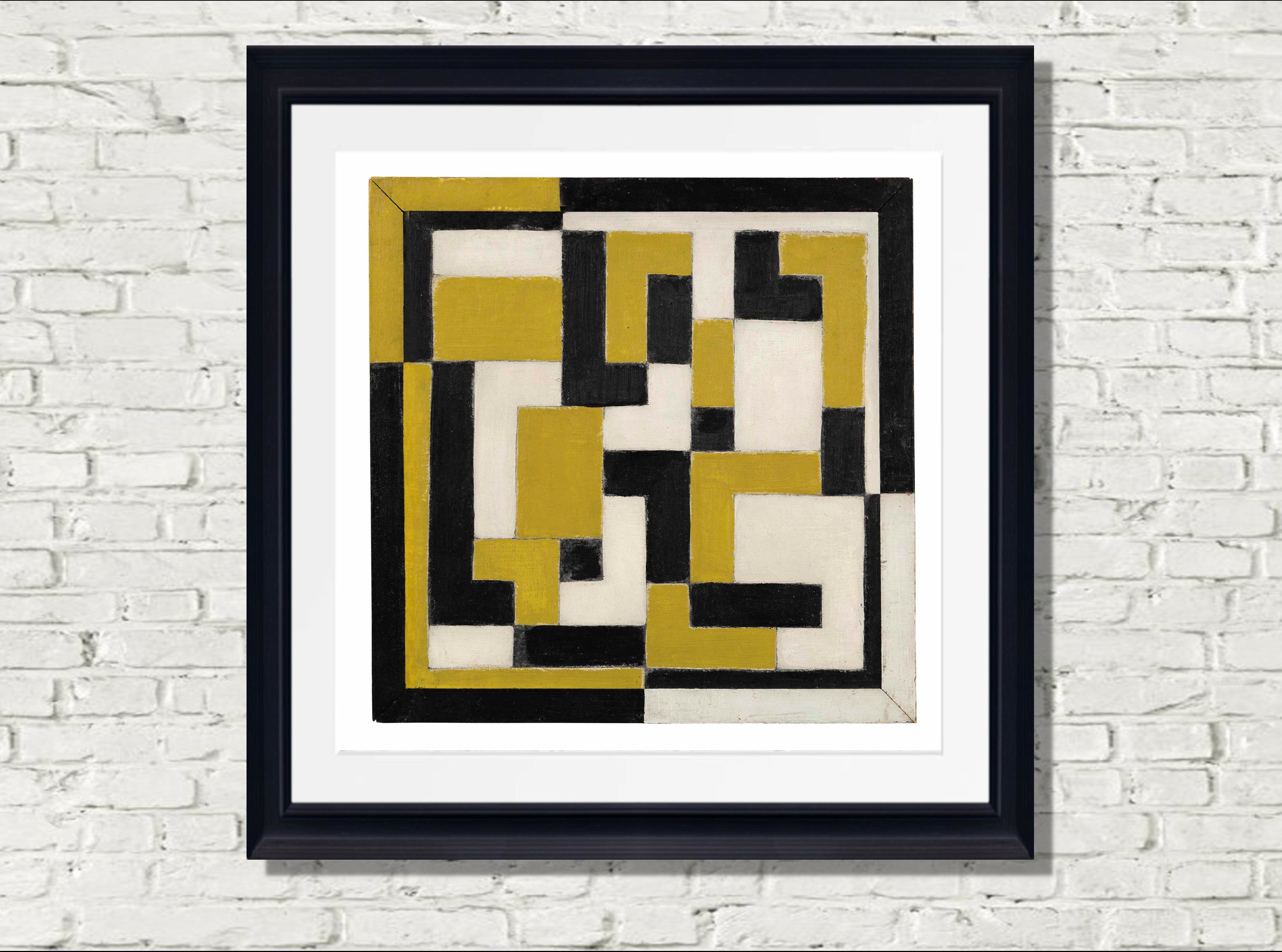
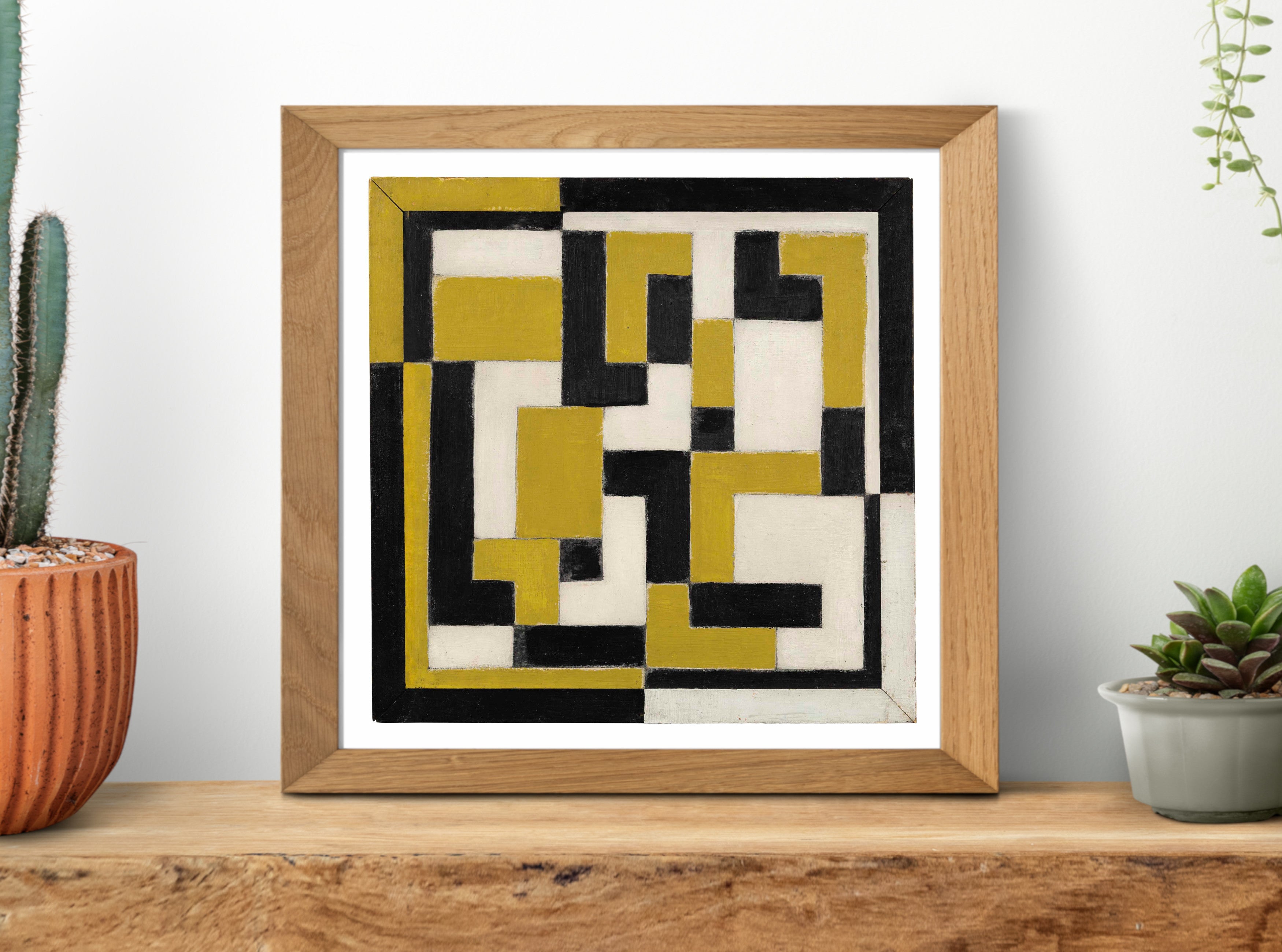
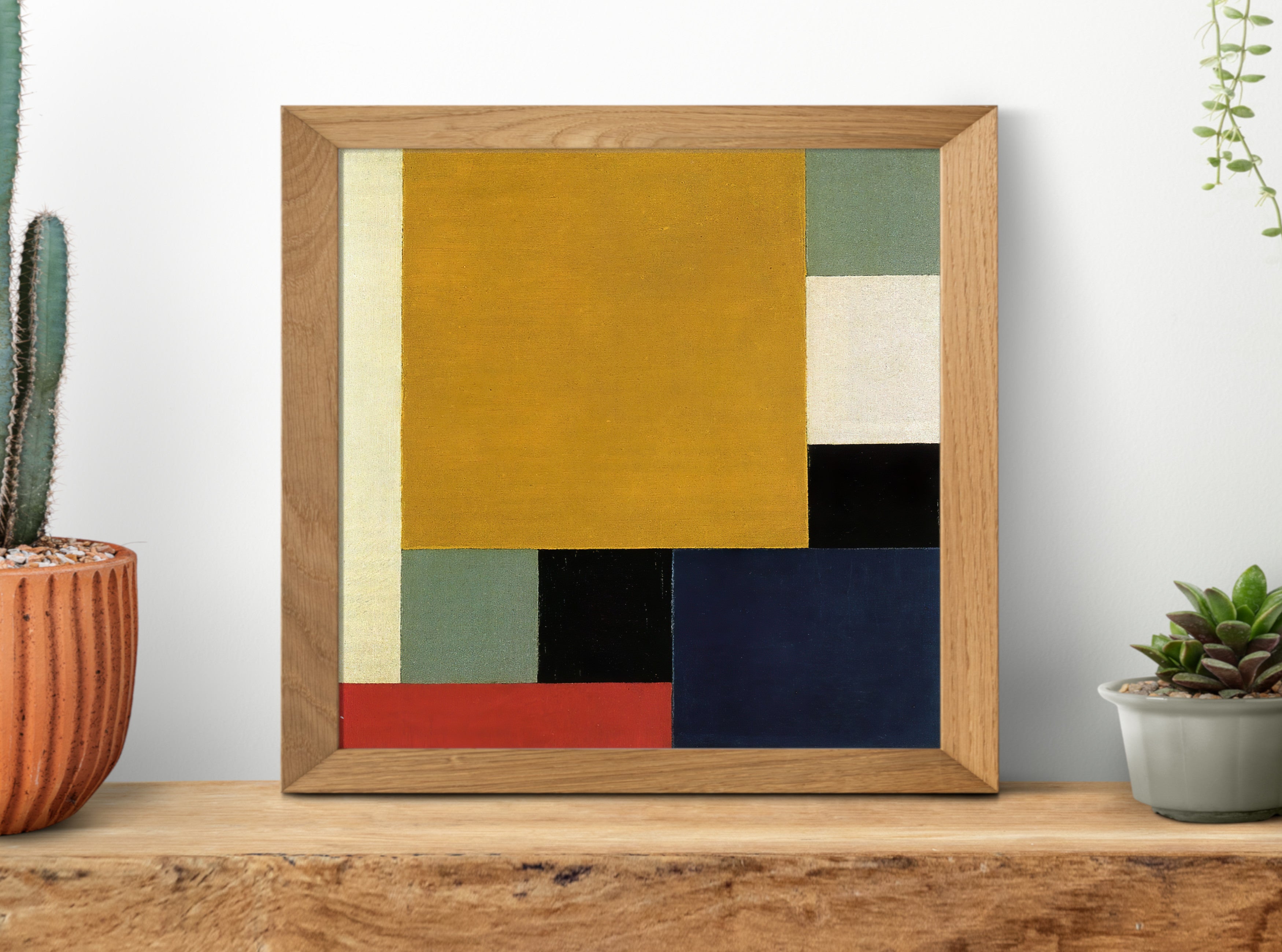
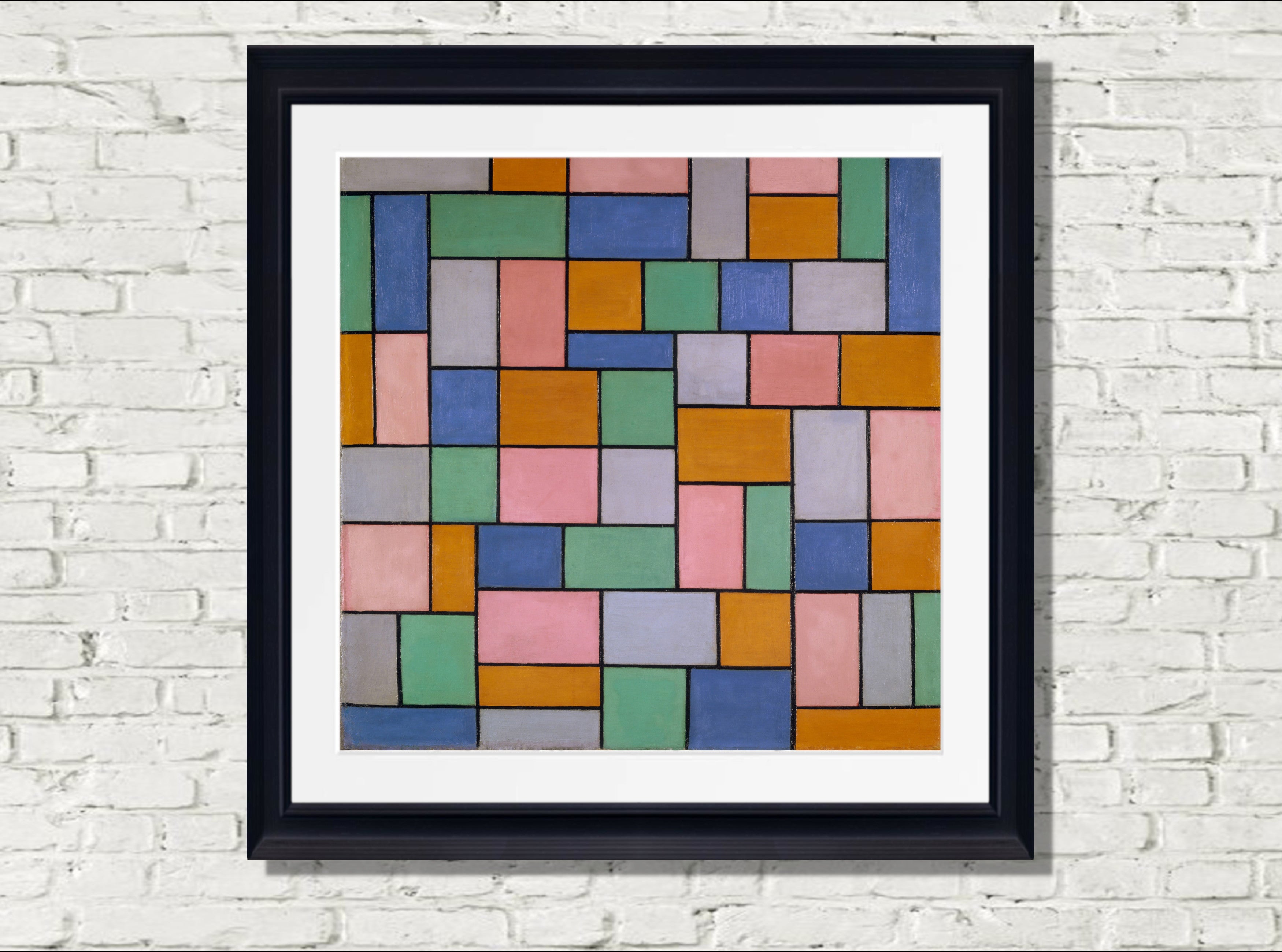
Black frames can reinforce the graphic structure of these compositions, while a white mount gives the artwork additional visual space.
Choosing a De Stijl Print
When choosing De Stijl wall art, consider both the composition and the colour palette.
A classic Mondrian composition featuring vertical and horizontal black lines can provide structure and balance within a room. Works containing stronger areas of red, yellow or blue make more immediate focal points.
Theo van Doesburg's compositions can offer a more dynamic alternative. Diagonal structures and rotated planes introduce movement while retaining the geometric clarity associated with De Stijl.
Several works can also be displayed together. A pair of complementary geometric prints or a carefully arranged group of Mondrian and Van Doesburg compositions can create a coherent modernist gallery wall.
De Stijl Fine Art Prints, Framed Prints and Canvas
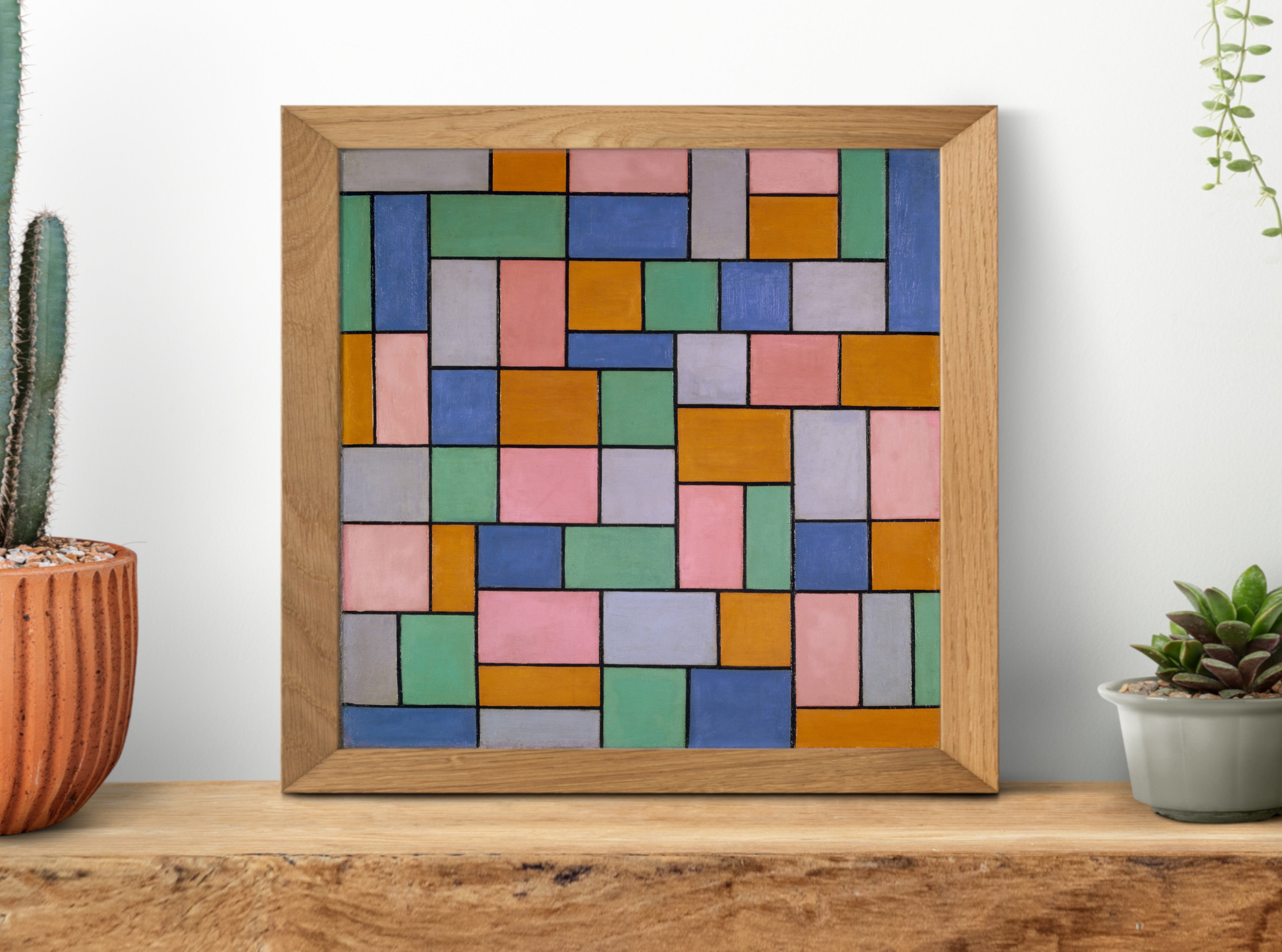
GalleryThane De Stijl artwork is available in a choice of formats and sizes, making it possible to select a presentation suited to both the artwork and your interior.
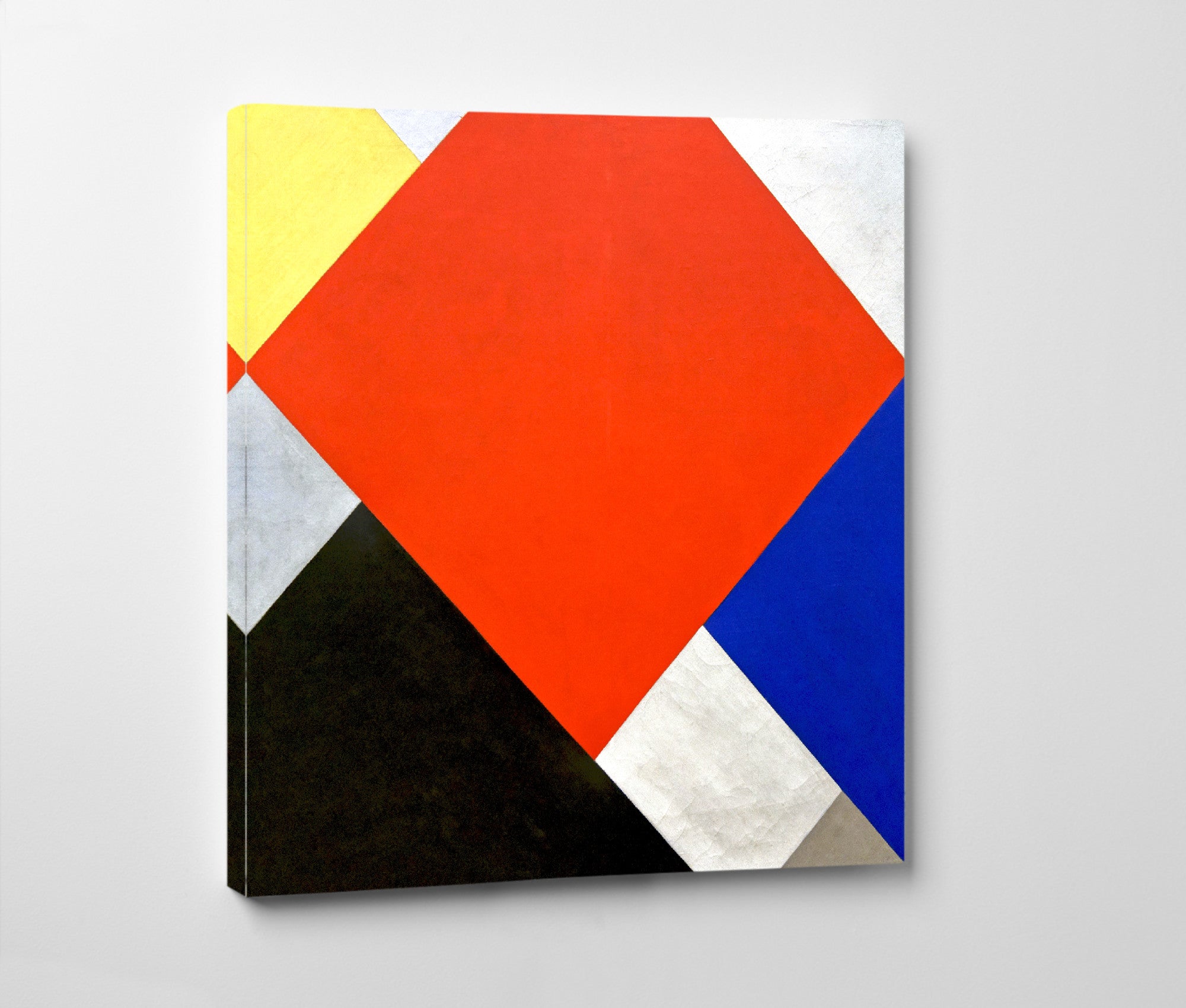
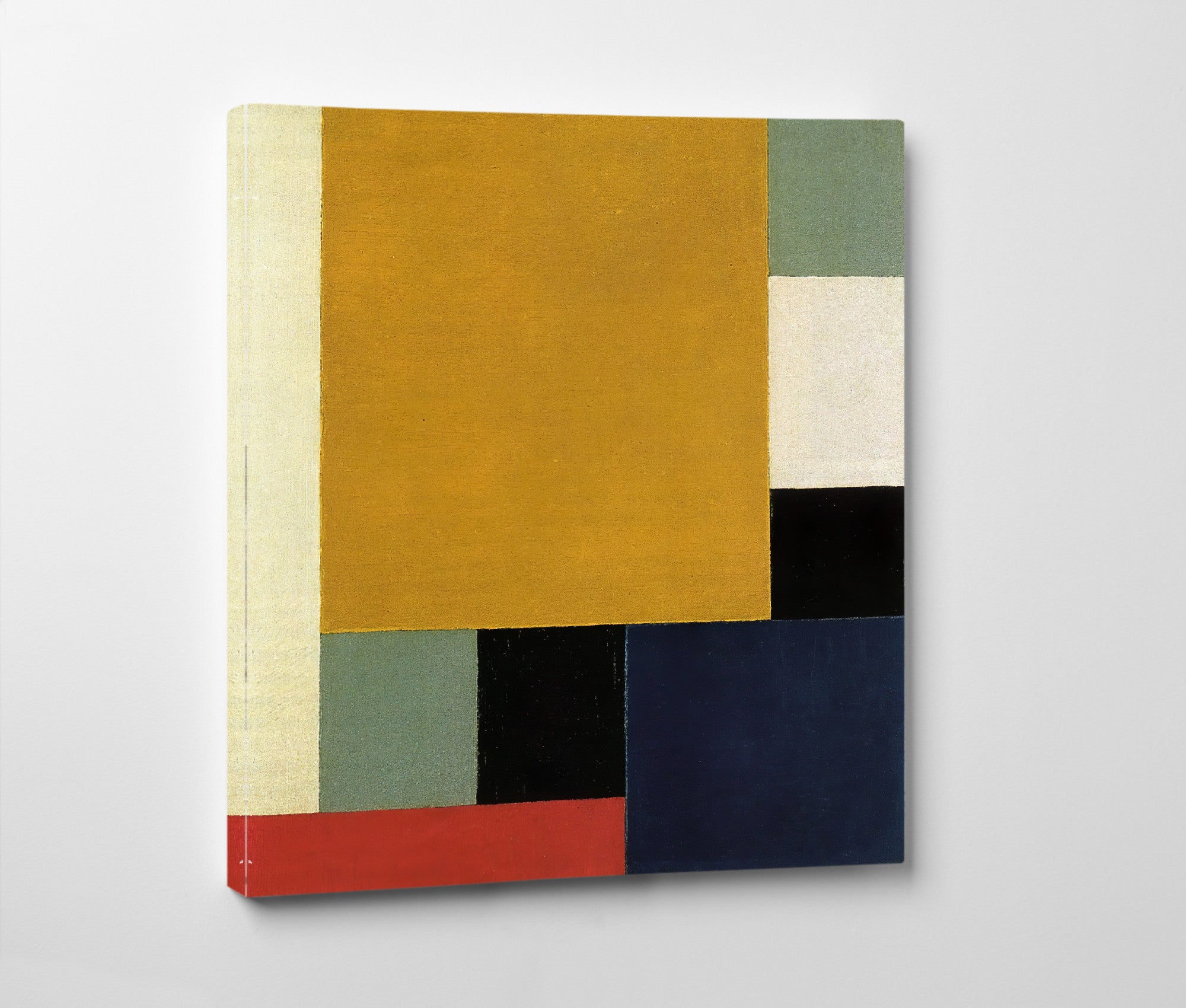
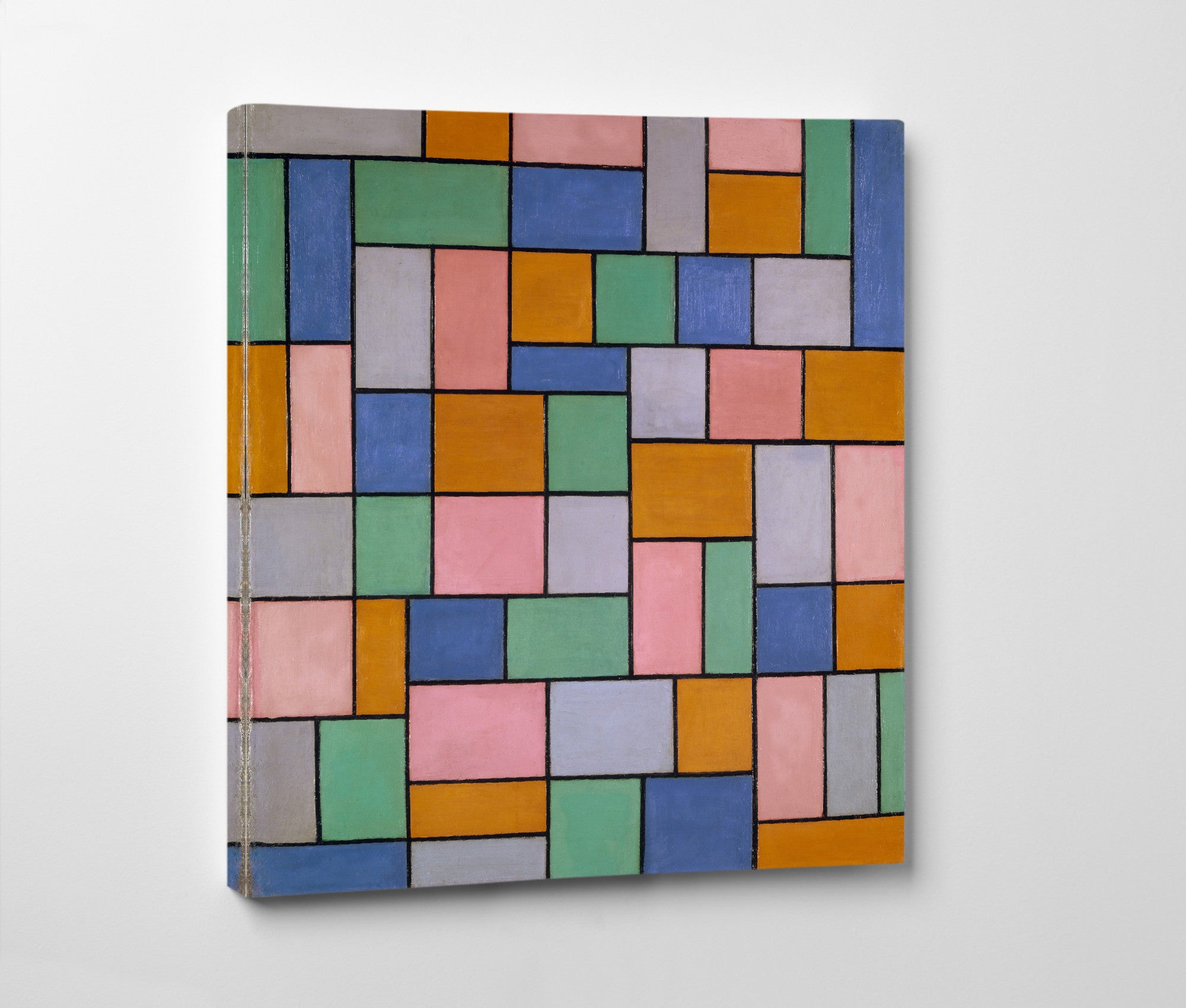
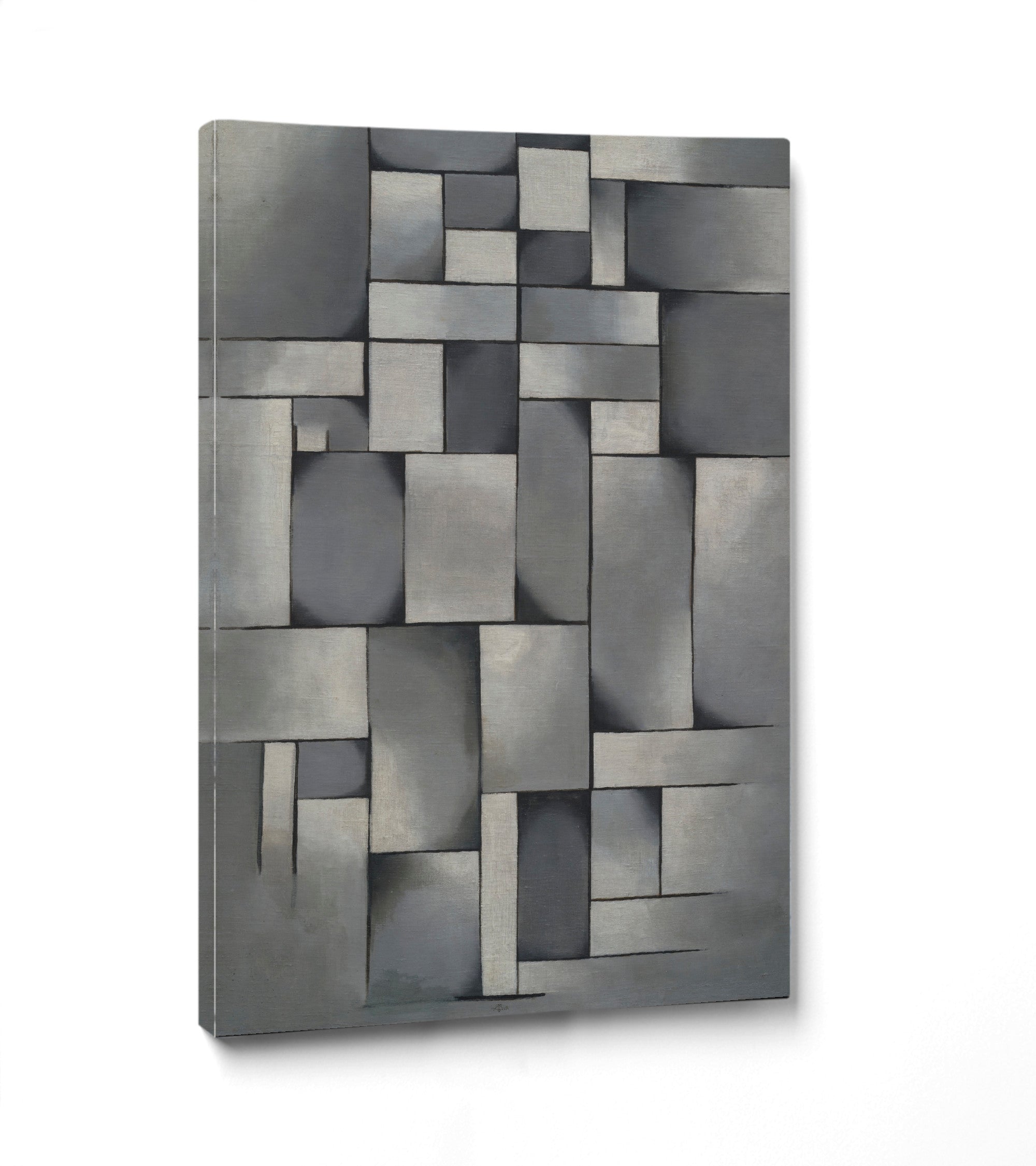
Fine art paper prints offer flexibility for individual framing. Framed prints provide a complete gallery-style presentation, while canvas panels create a clean contemporary alternative particularly suited to larger geometric compositions.
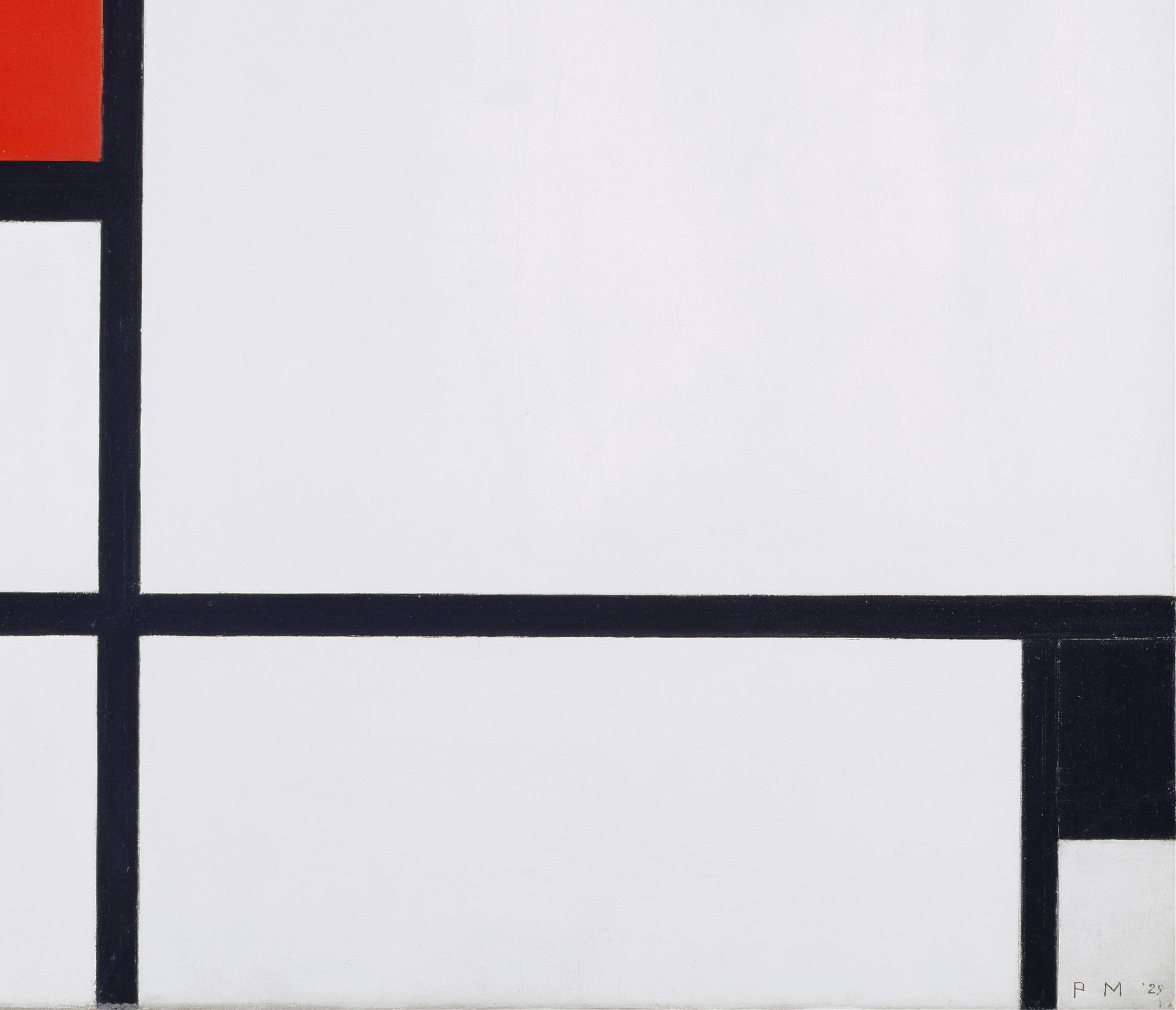
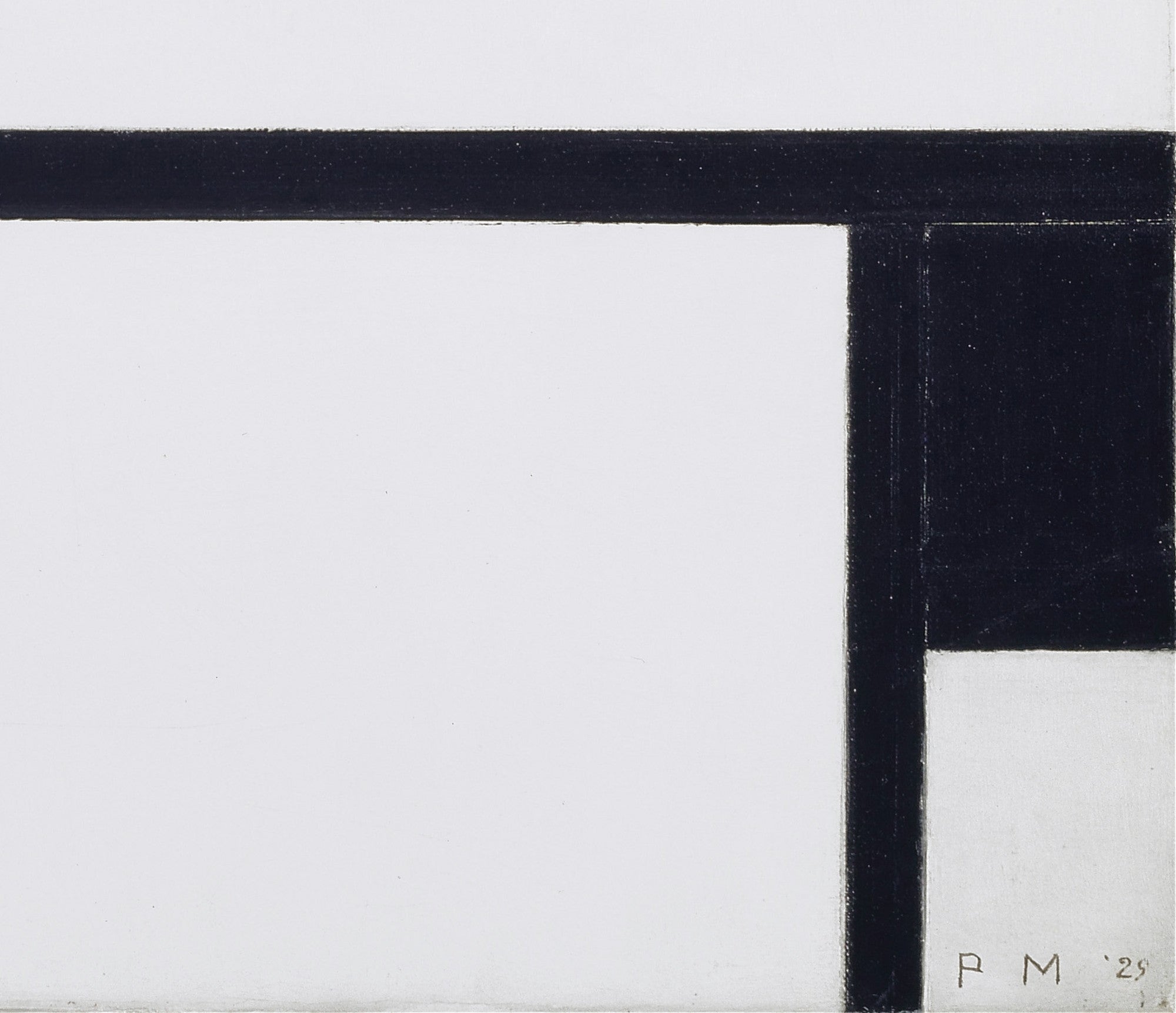
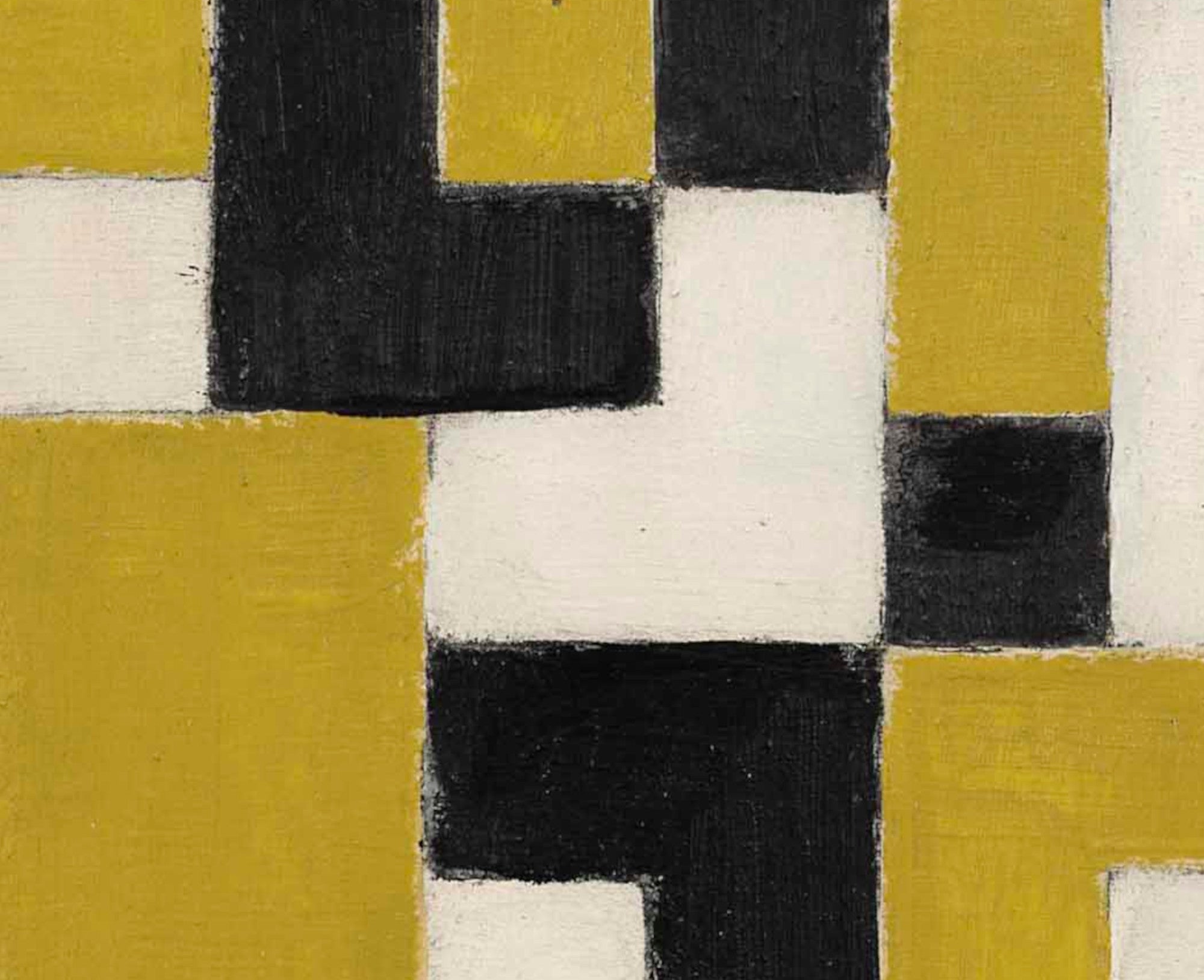
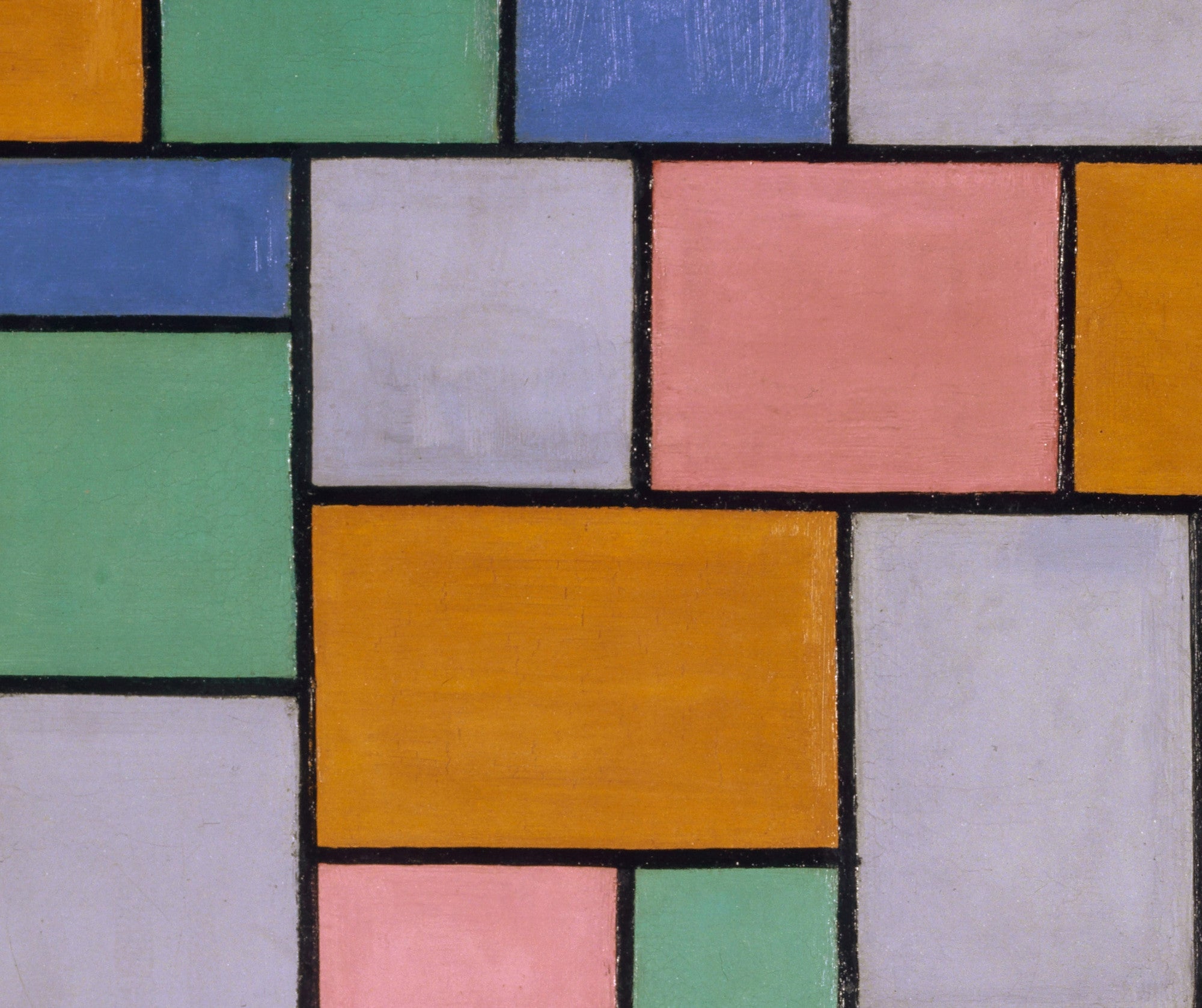
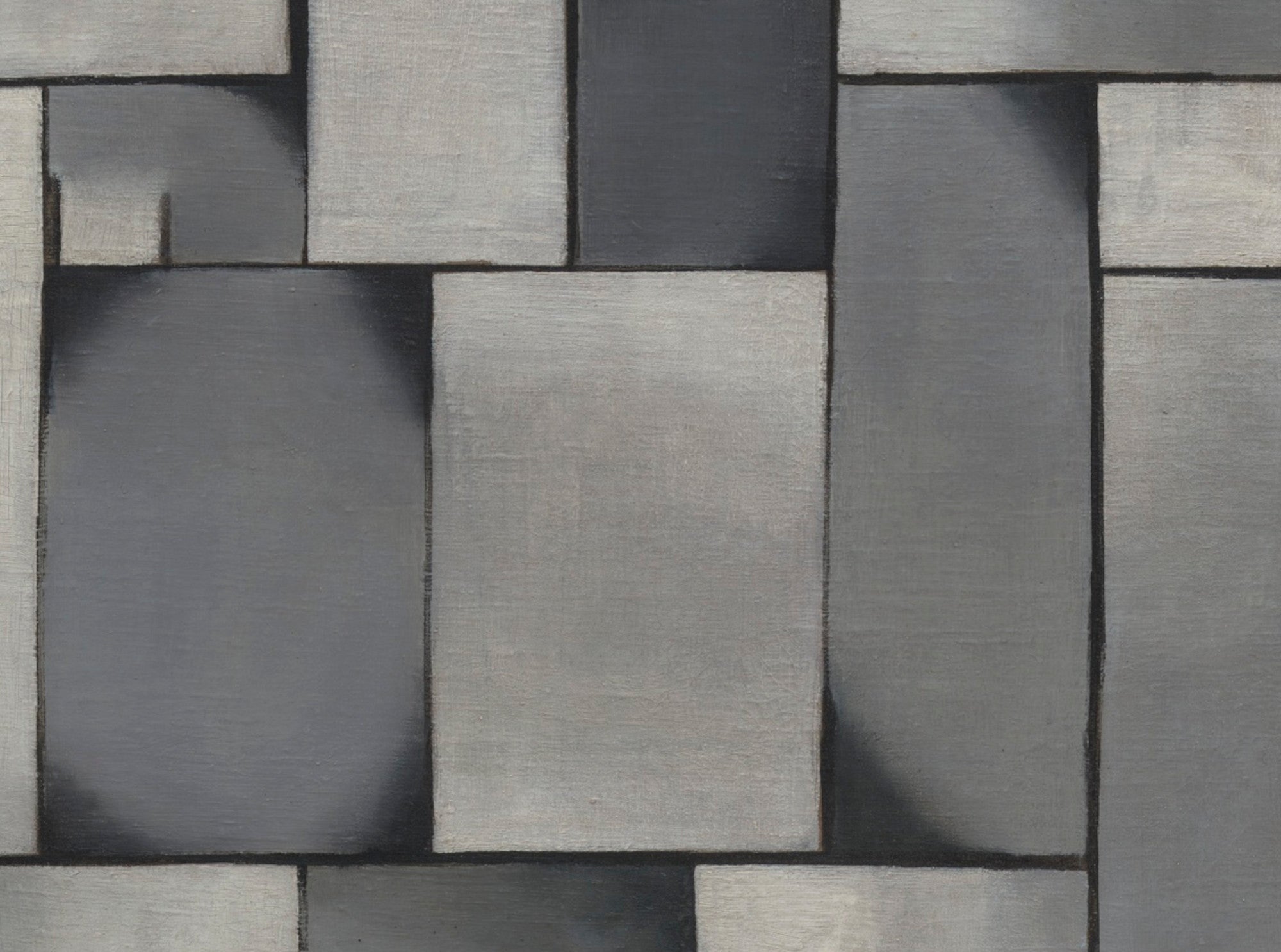
Our prints, frames and canvas panels are produced in our Nottinghamshire workshop using carefully selected materials and UV-stable pigment inks, helping preserve the crisp lines and carefully balanced colours that are fundamental to De Stijl art.
Frequently Asked Questions
What is De Stijl?
De Stijl was a Dutch modern art and design movement established in 1917. Its artists pursued a highly simplified form of abstraction based principally on geometric forms, straight lines and controlled areas of colour.
Who were the main De Stijl artists?
Piet Mondrian and Theo van Doesburg were two of the central figures associated with De Stijl. Other important contributors included Bart van der Leck, Vilmos Huszár and the architect and designer Gerrit Rietveld.
What are the characteristics of De Stijl art?
De Stijl art is associated with geometric abstraction, straight horizontal and vertical lines, rectangular forms, asymmetric balance and a restricted palette frequently featuring red, blue, yellow, black, white and grey.
What is the difference between De Stijl and Neo-Plasticism?
De Stijl was the wider artistic and design movement. Neo-Plasticism was the particular abstract philosophy developed by Piet Mondrian within this context, based on reducing composition to fundamental relationships between horizontal and vertical lines, rectangular planes and colour.
Is Mondrian a De Stijl artist?
Yes. Piet Mondrian was a central figure in De Stijl and developed many of his most influential ideas about geometric abstraction and Neo-Plasticism through his association with the movement.
Was Theo van Doesburg a De Stijl artist?
Yes. Theo van Doesburg founded the De Stijl journal and was the movement's principal organiser and promoter. His paintings, architectural projects, designs and theoretical writings were fundamental to its development.
Is De Stijl the same as Bauhaus?
No. De Stijl and the Bauhaus were separate movements, although they shared interests in geometry, abstraction, architecture and modern design. Theo van Doesburg promoted De Stijl ideas in Weimar close to the Bauhaus and influenced the broader modernist debate surrounding the school.
Where do De Stijl prints work best in a home?
De Stijl prints are particularly effective in living rooms, hallways, home offices, dining spaces and minimalist interiors. Their structured geometry also works well with Scandinavian, mid-century and contemporary furniture.