Max Pechstein Figurative and Portrait Prints
The human figure was central to Hermann Max Pechstein's art. Portraits, self-portraits, dancers, musicians, families, fishermen, workers and scenes of everyday life appear throughout his paintings, drawings and prints.
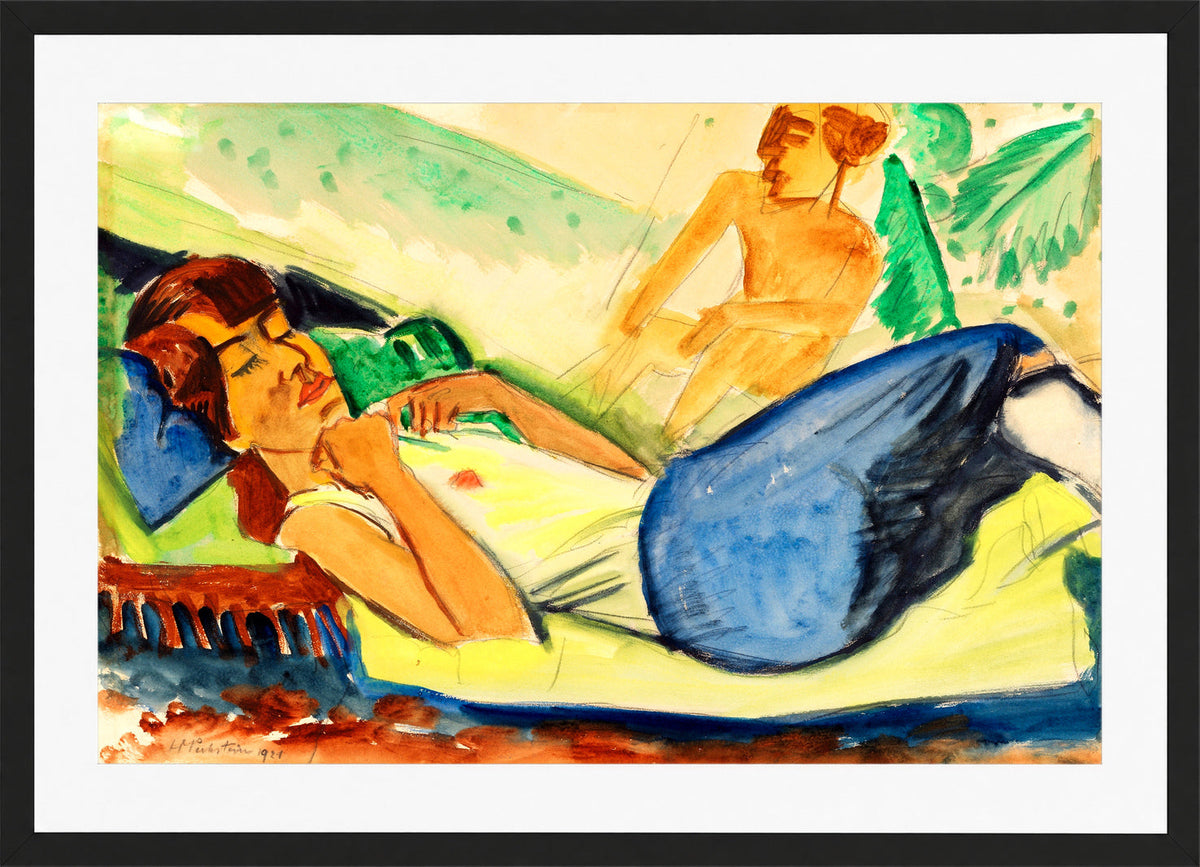
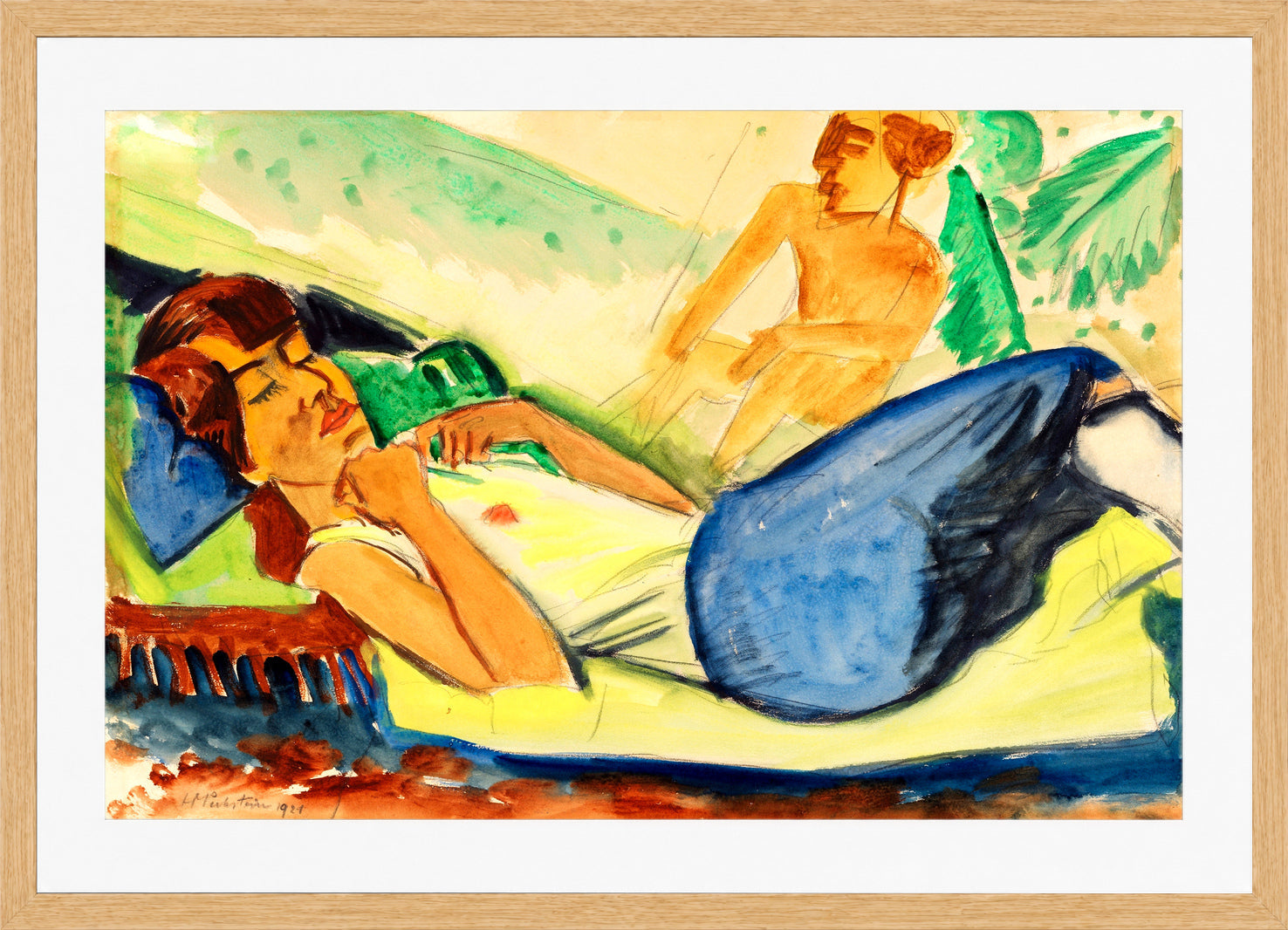
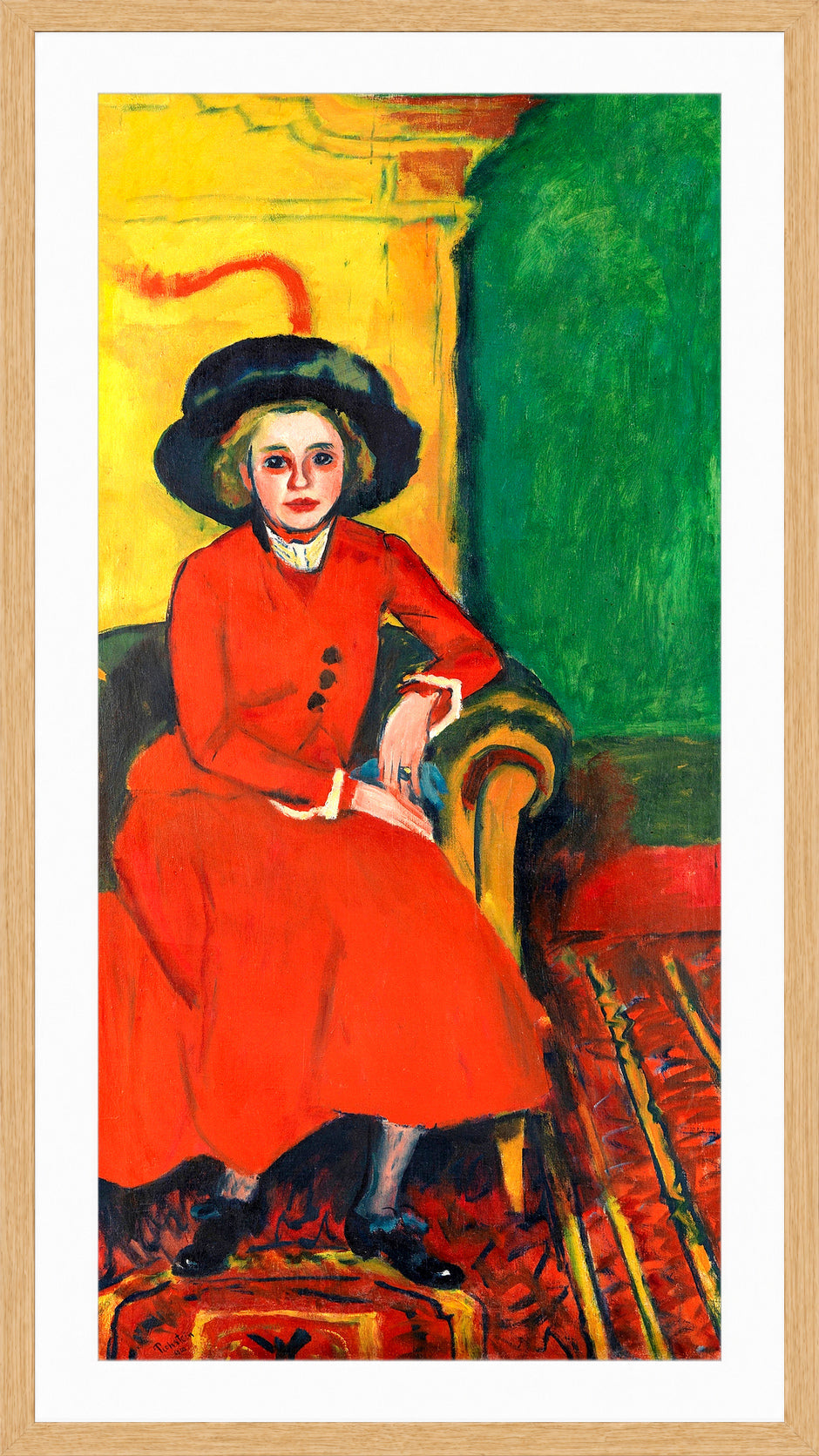
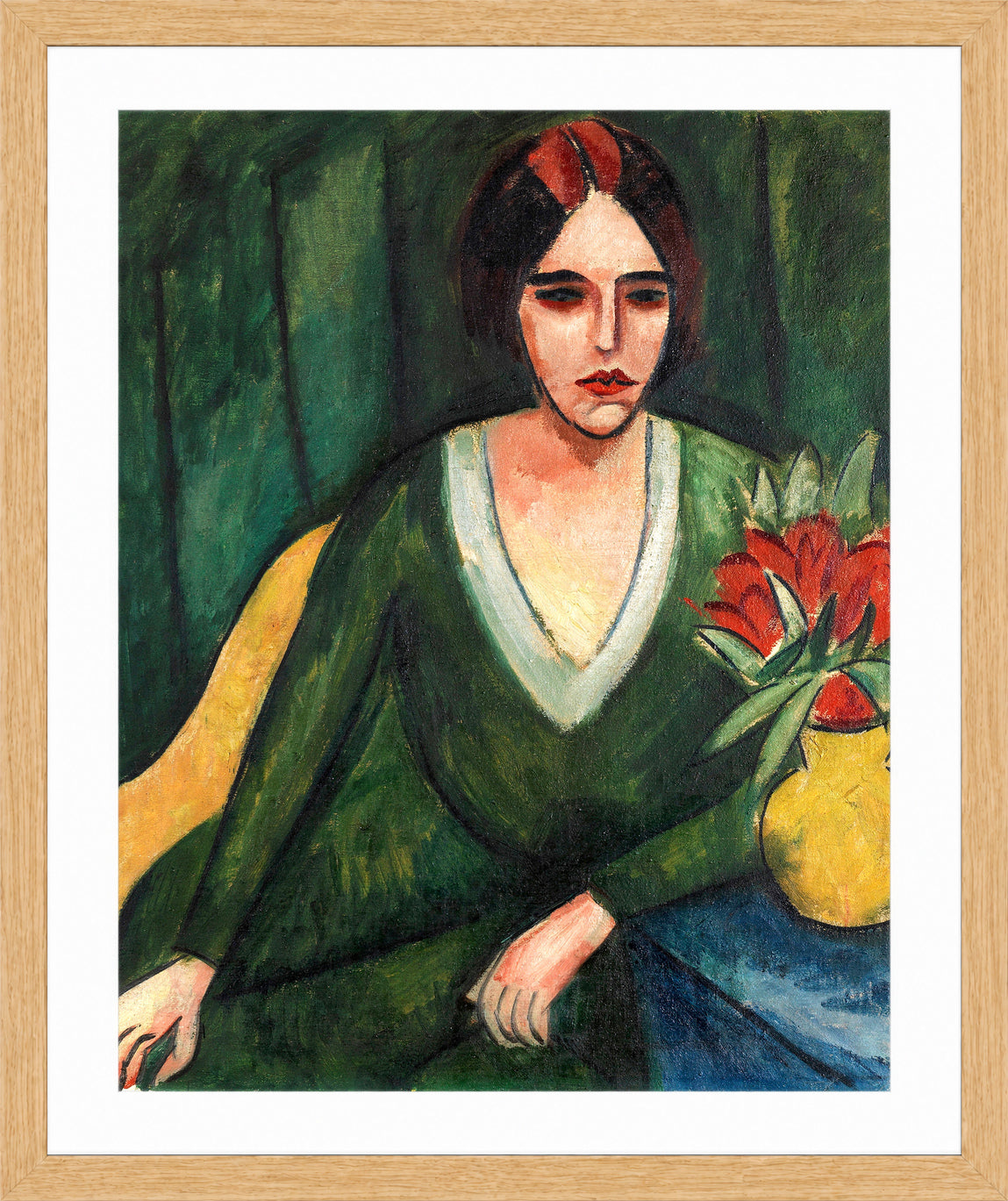
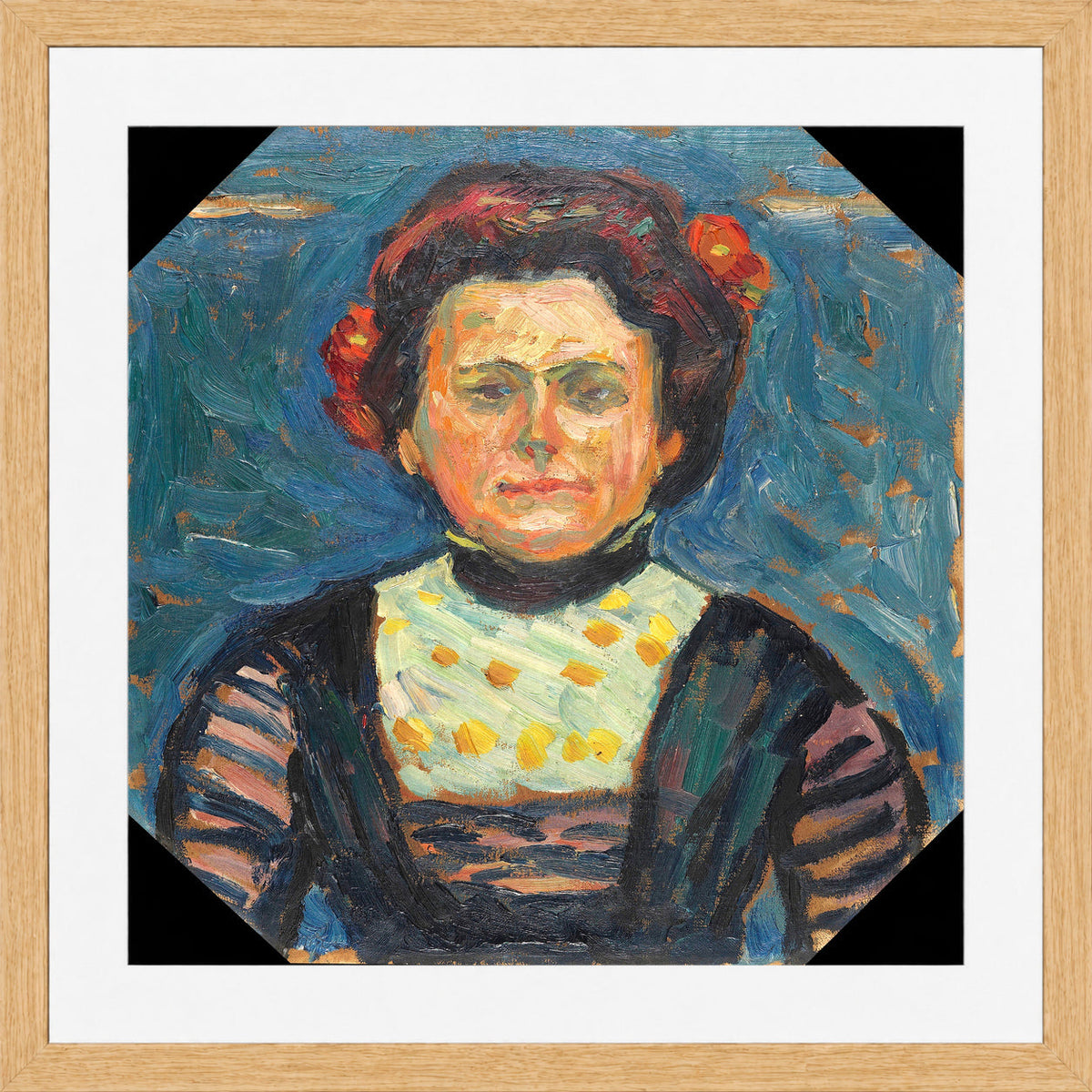
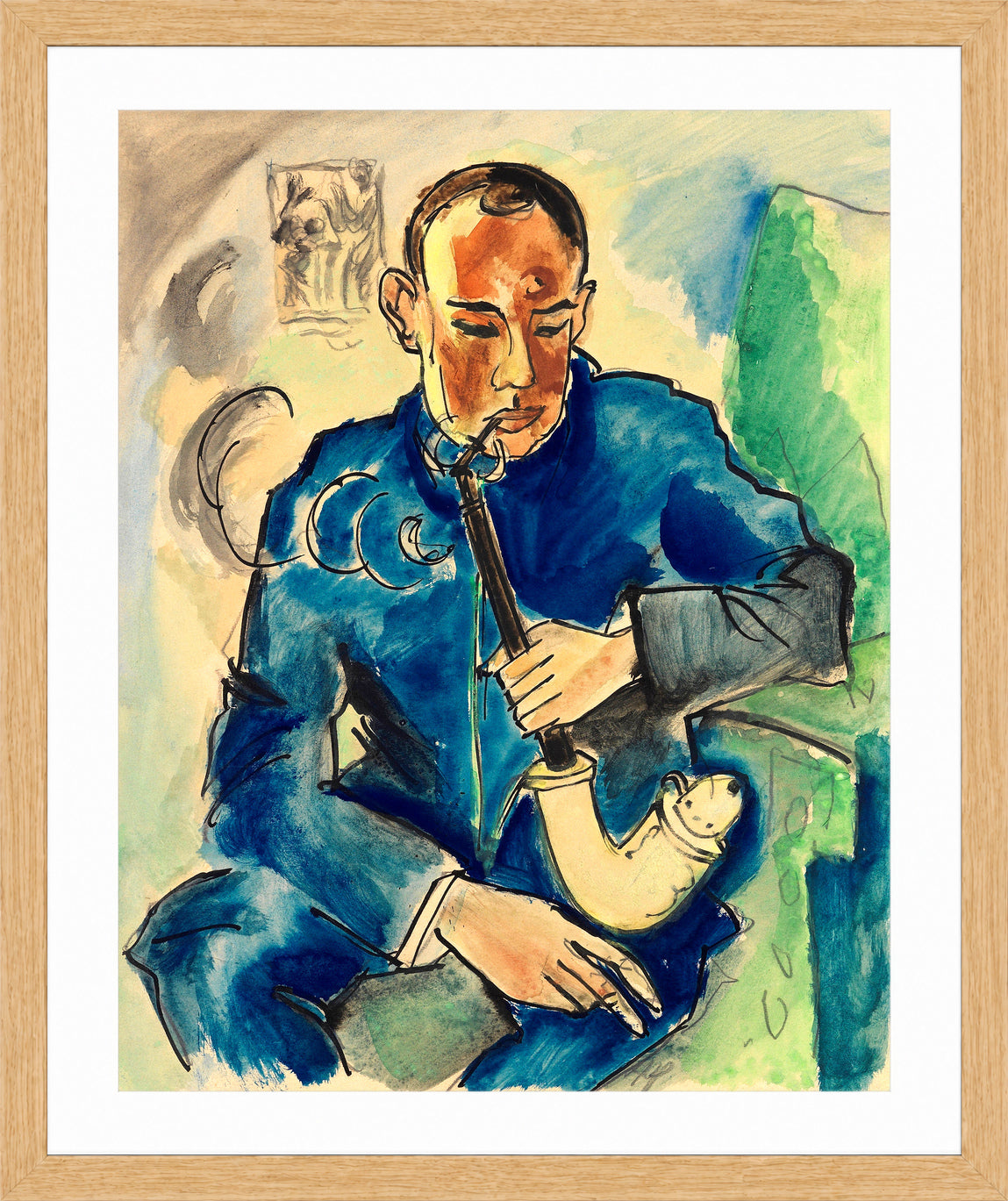
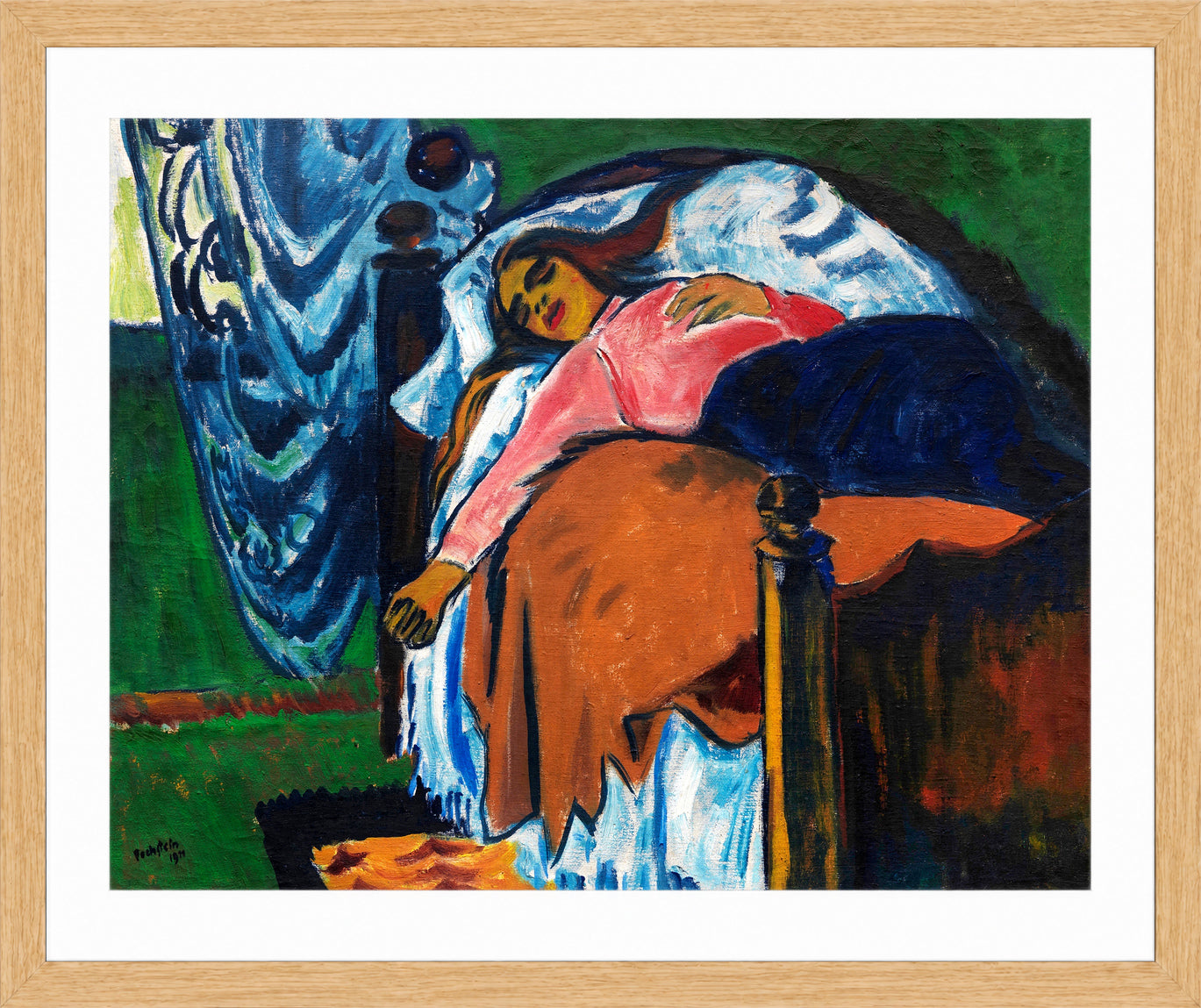
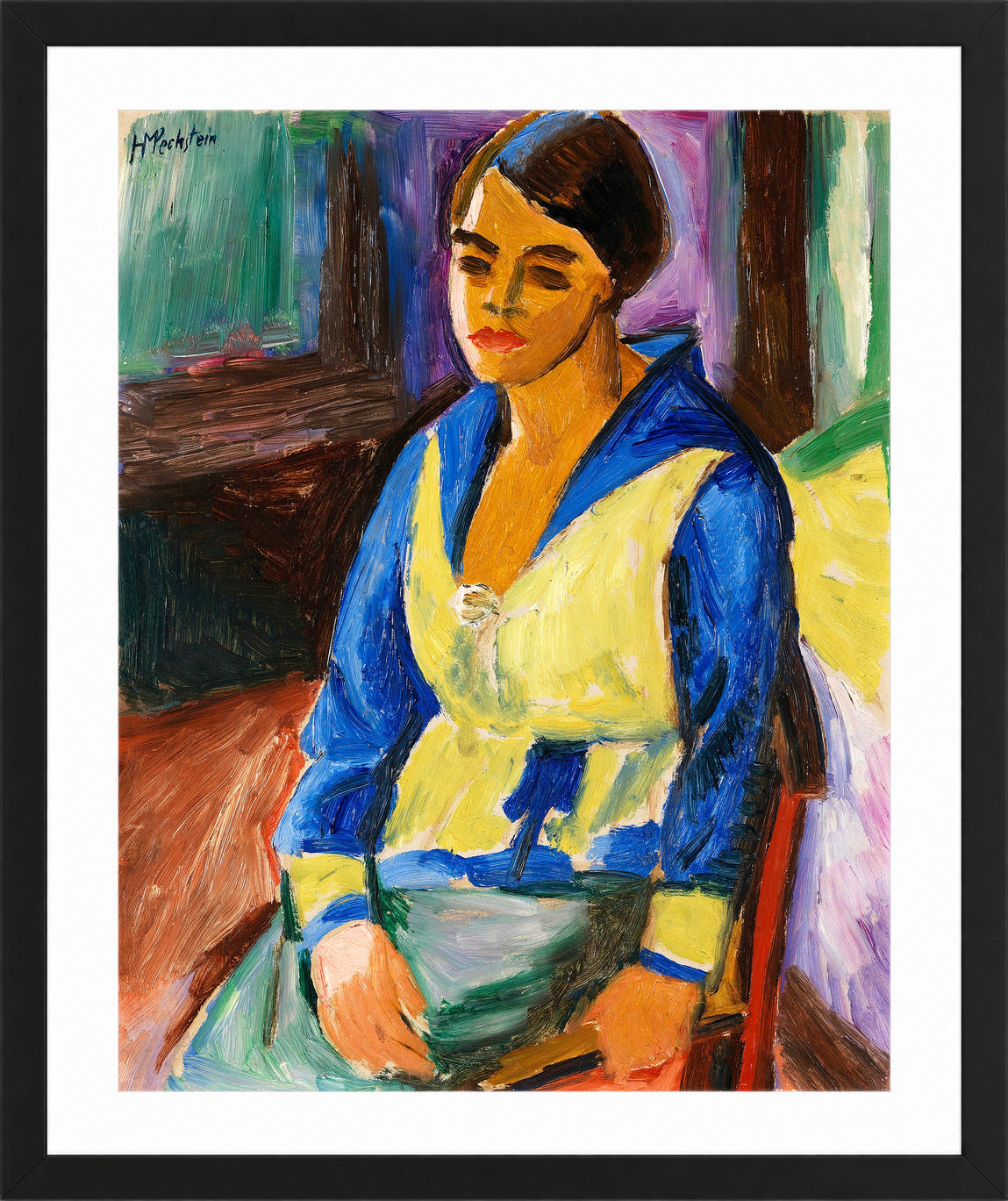
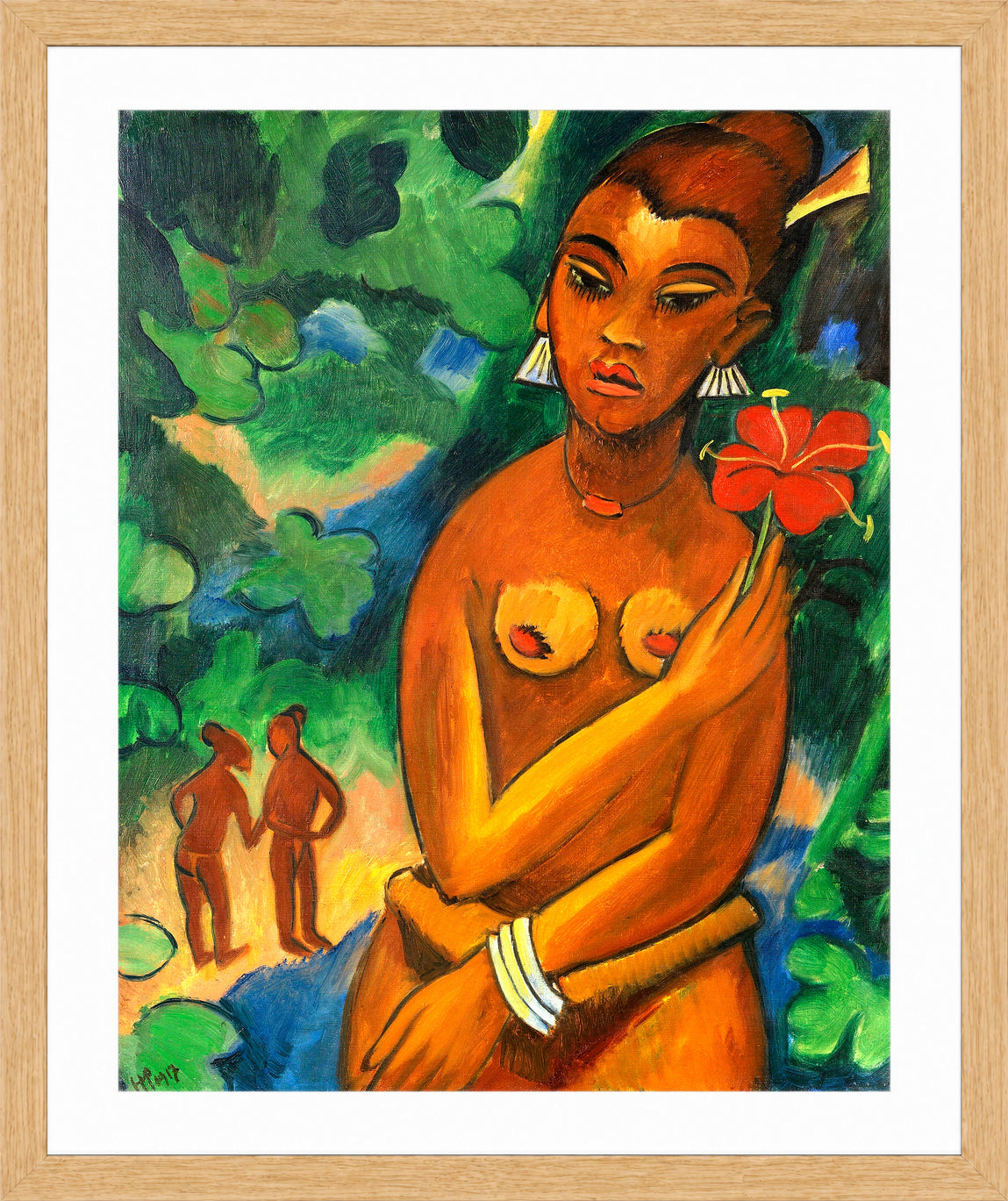
Pechstein rarely approached people through the polished conventions of traditional academic portraiture. Instead, faces and bodies are frequently simplified into strong shapes, defined by emphatic outlines and intensified through expressive colour.
In his most striking figurative works, recognisable people remain at the centre of the image while conventional modelling and perspective give way to a more concentrated visual language. Colour, gesture and contour become as important as physical likeness.
This collection brings together Max Pechstein portrait prints and figurative works while keeping his nude and bather imagery within a separate focused collection.
Explore the complete Hermann Max Pechstein Prints collection for landscapes, coastal subjects, nudes, religious works and other imagery from across his career.
Portraits and Faces
Portraiture gave Pechstein an opportunity to combine individual human presence with the simplified forms of Expressionism.
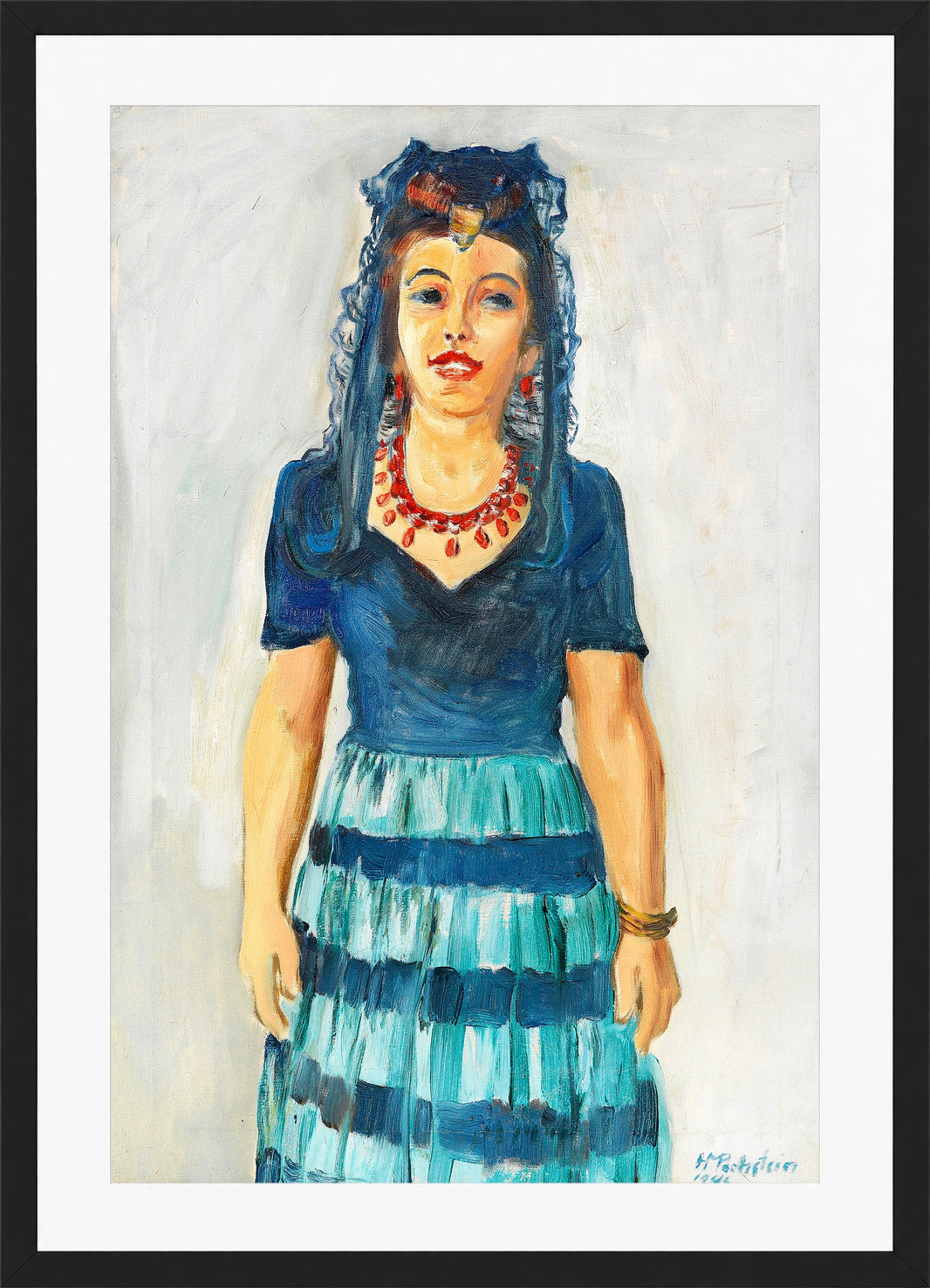
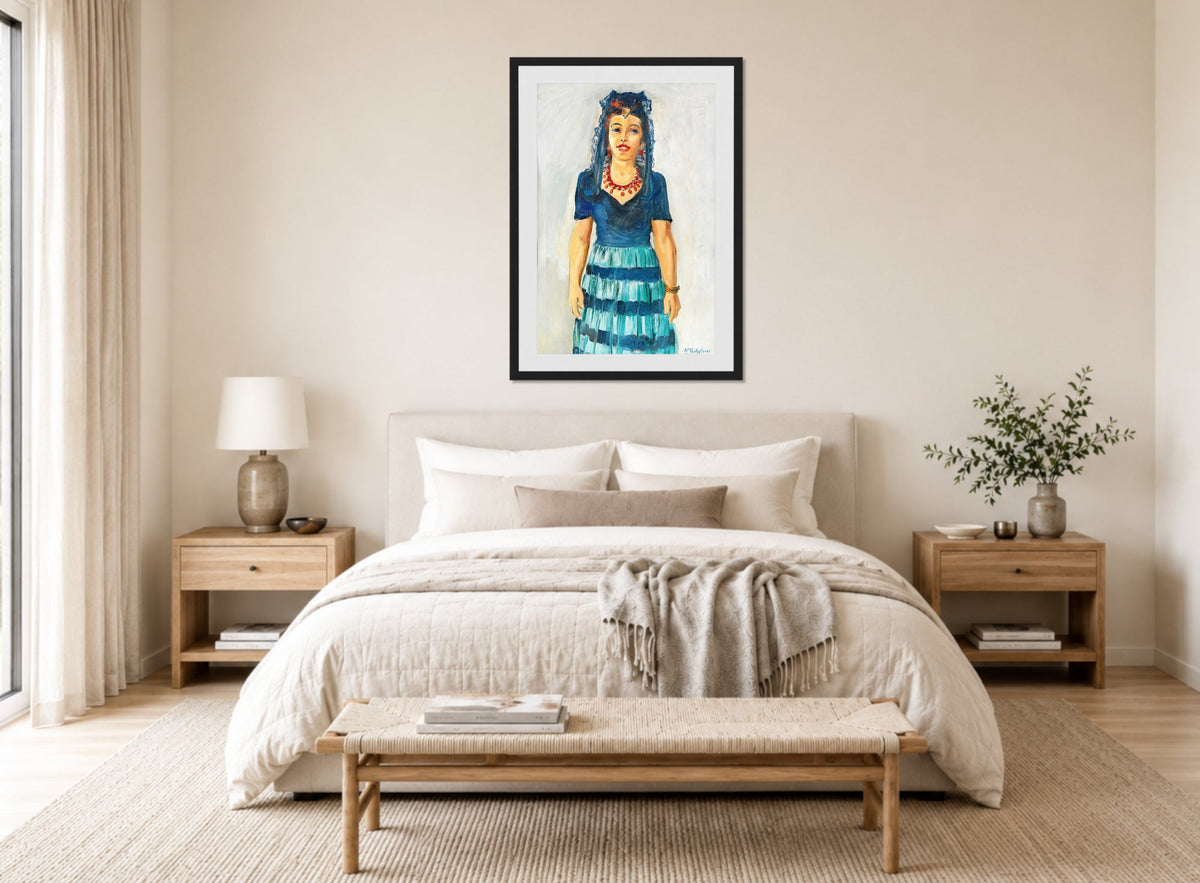
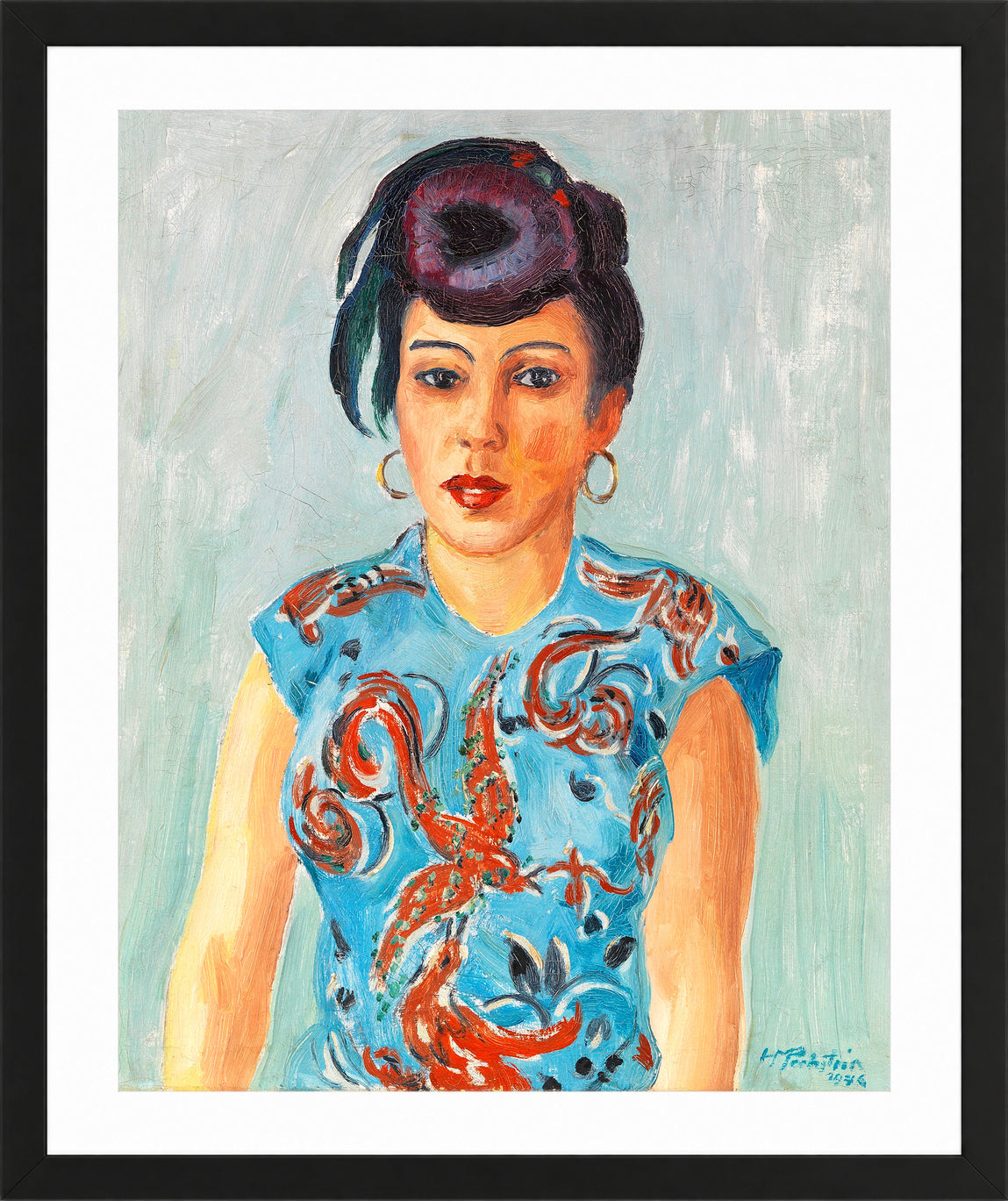
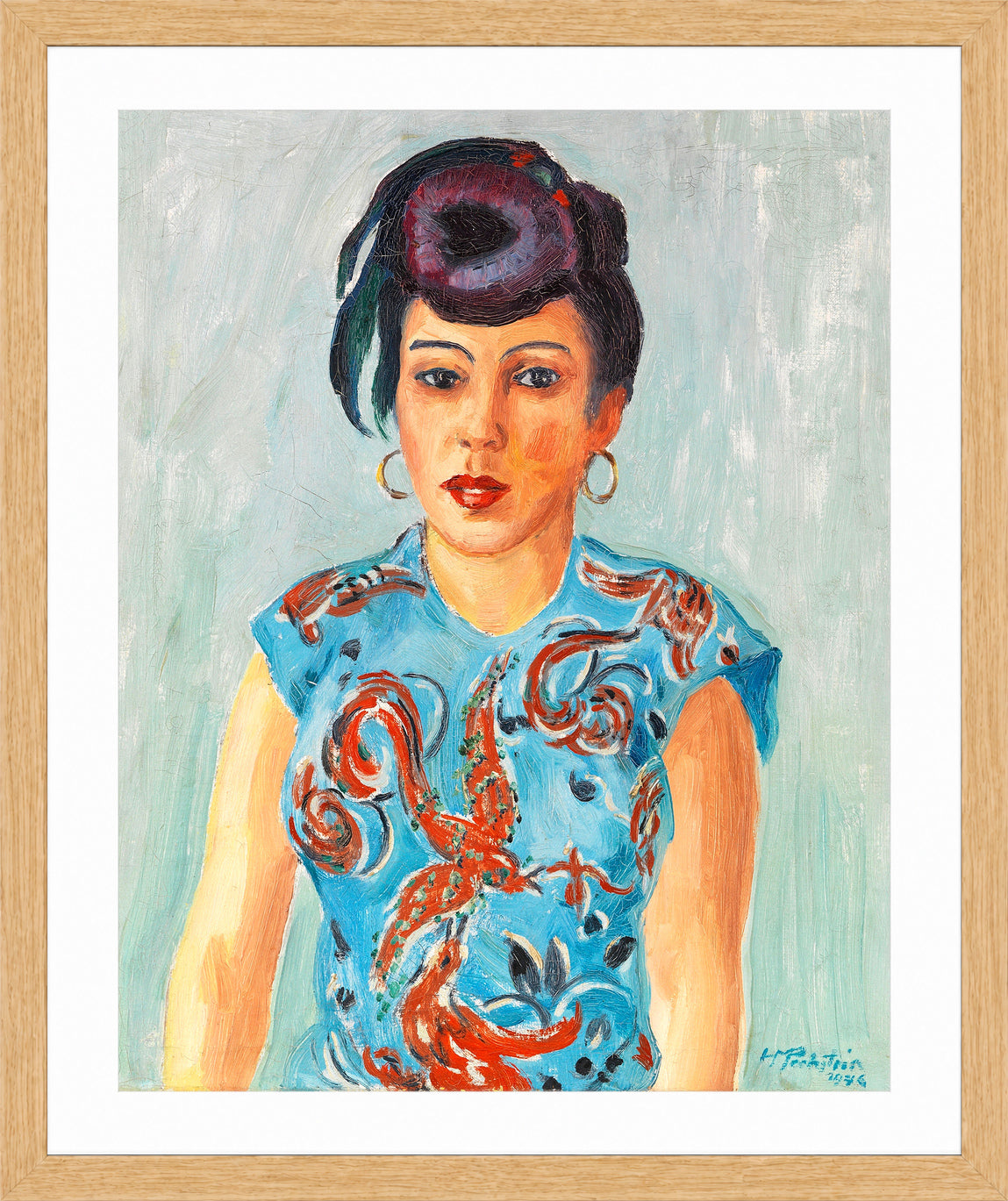
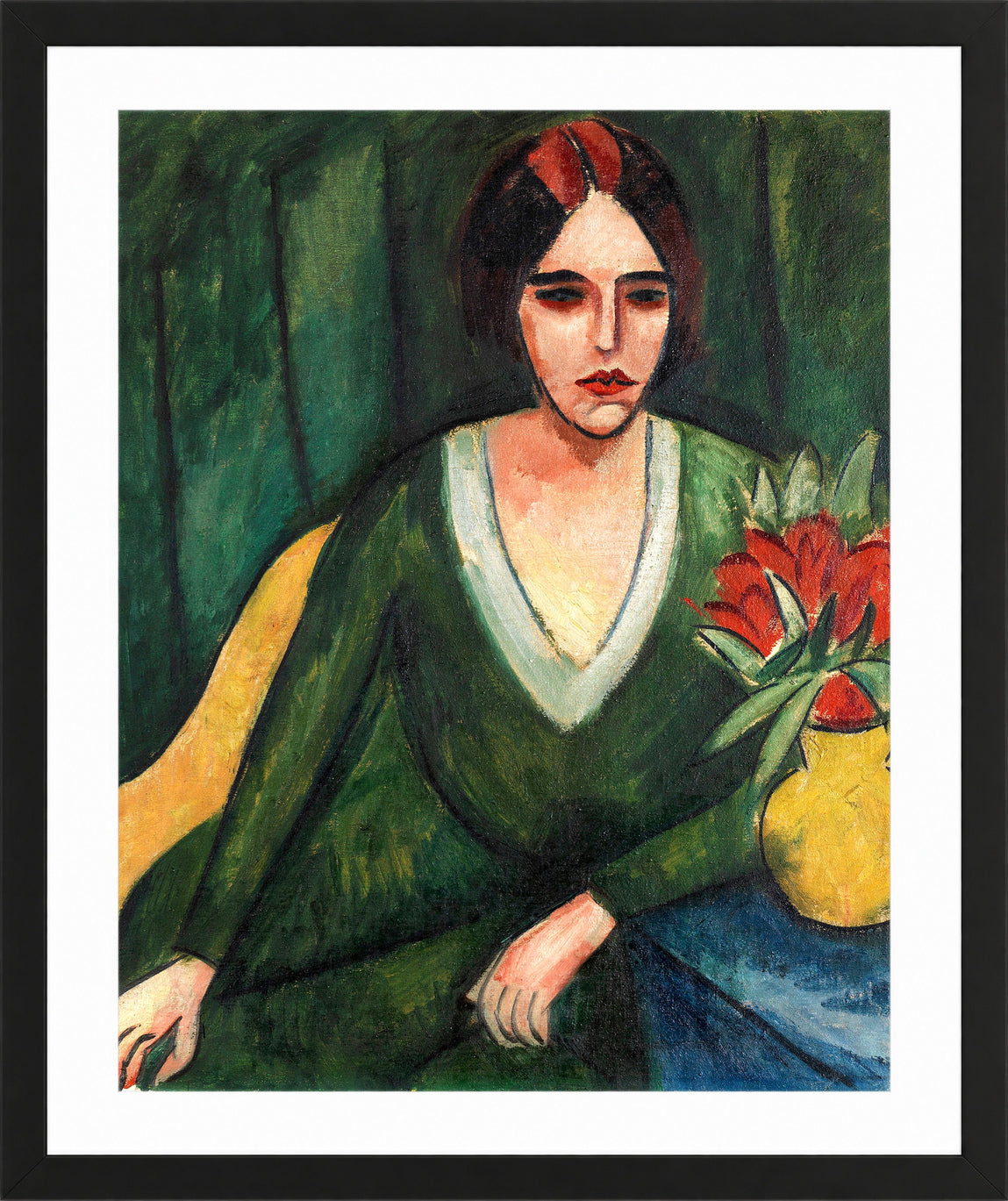
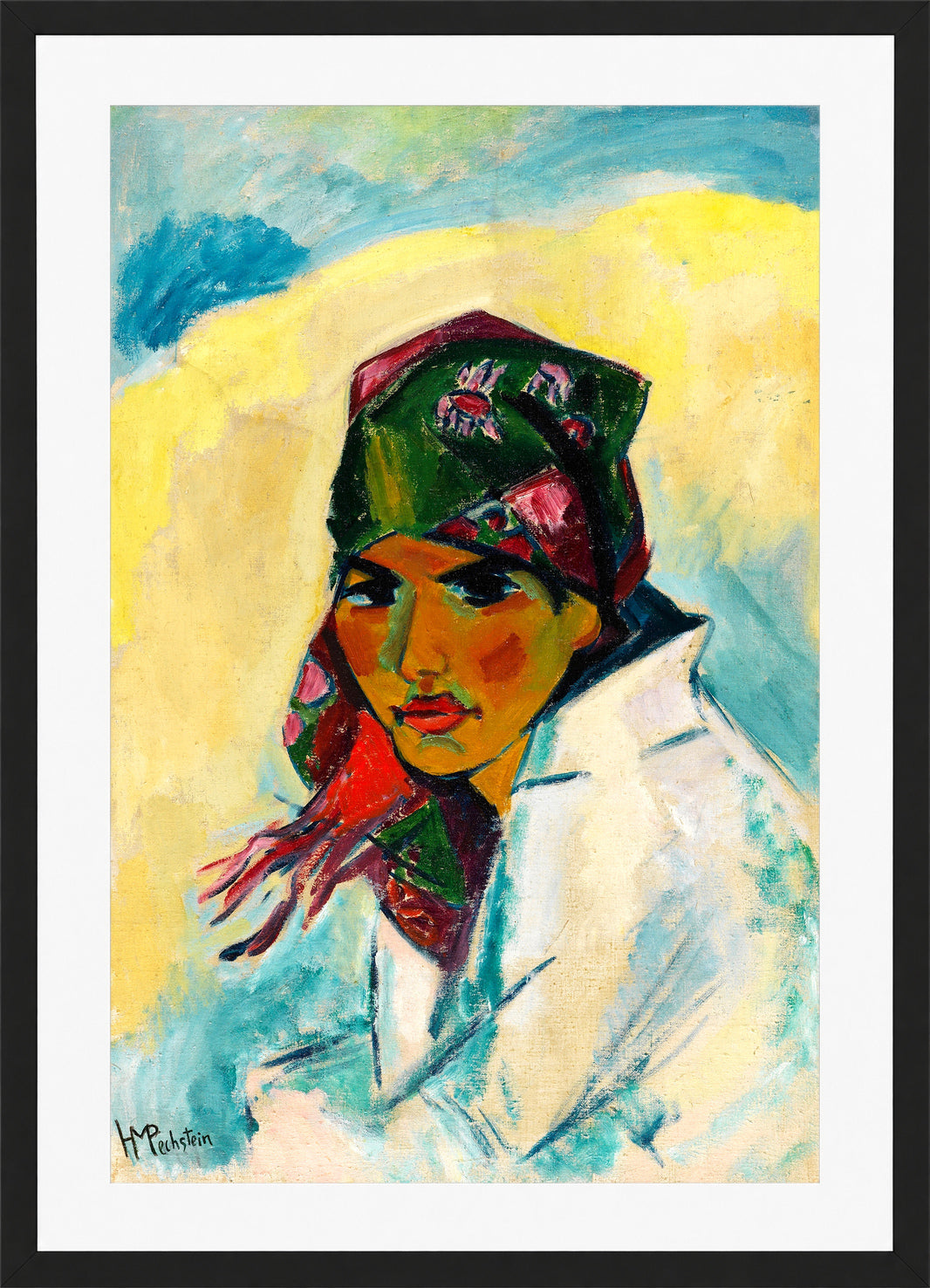
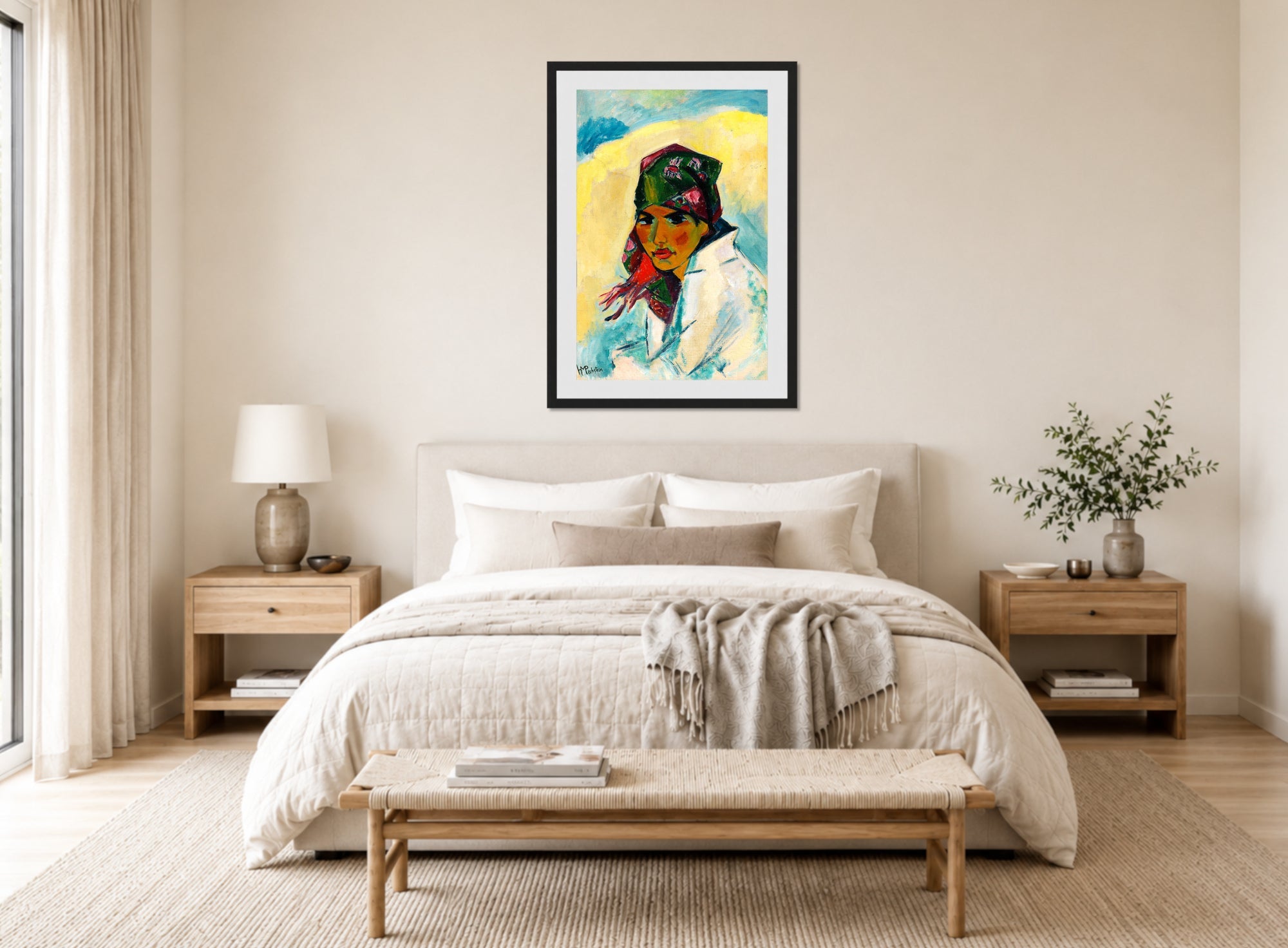
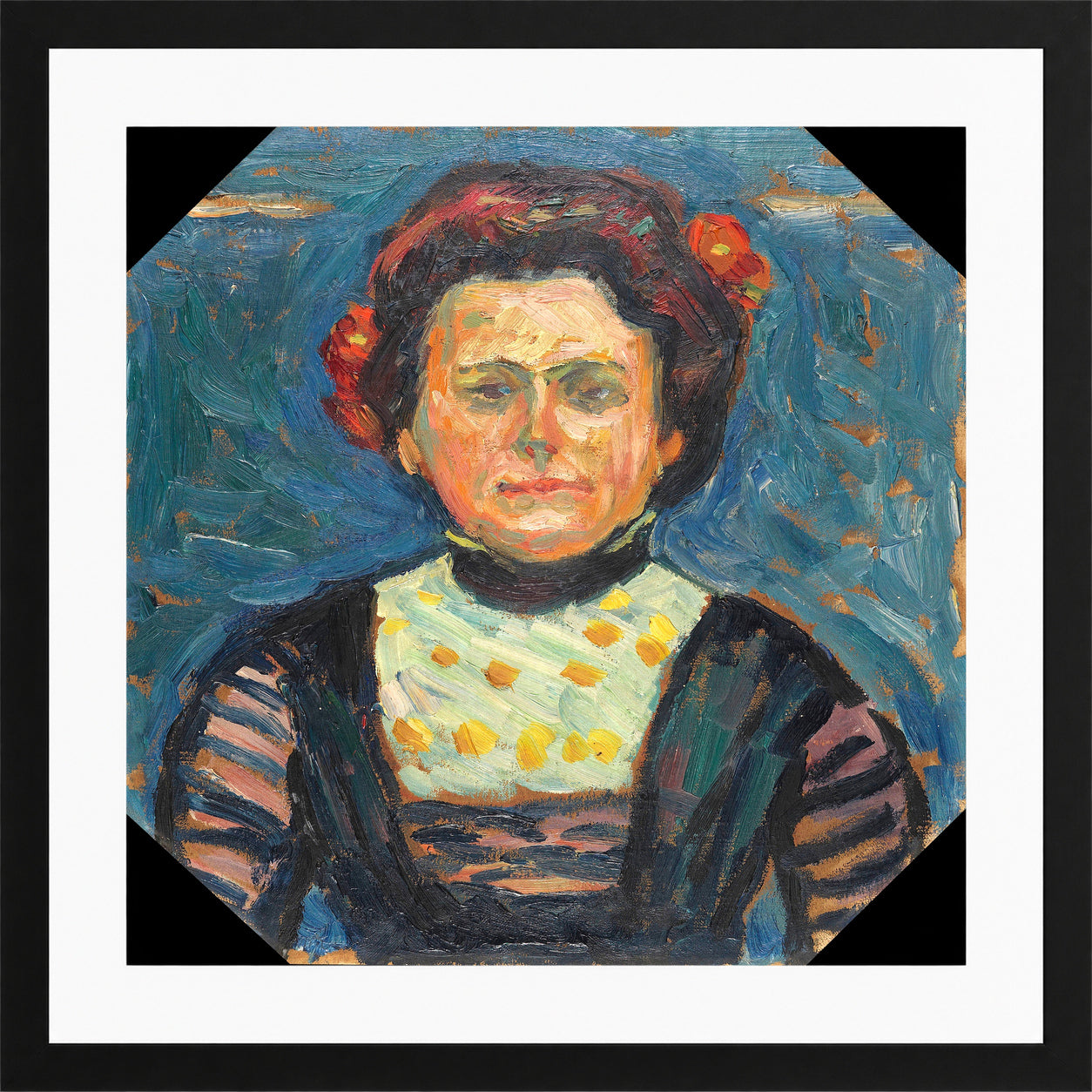
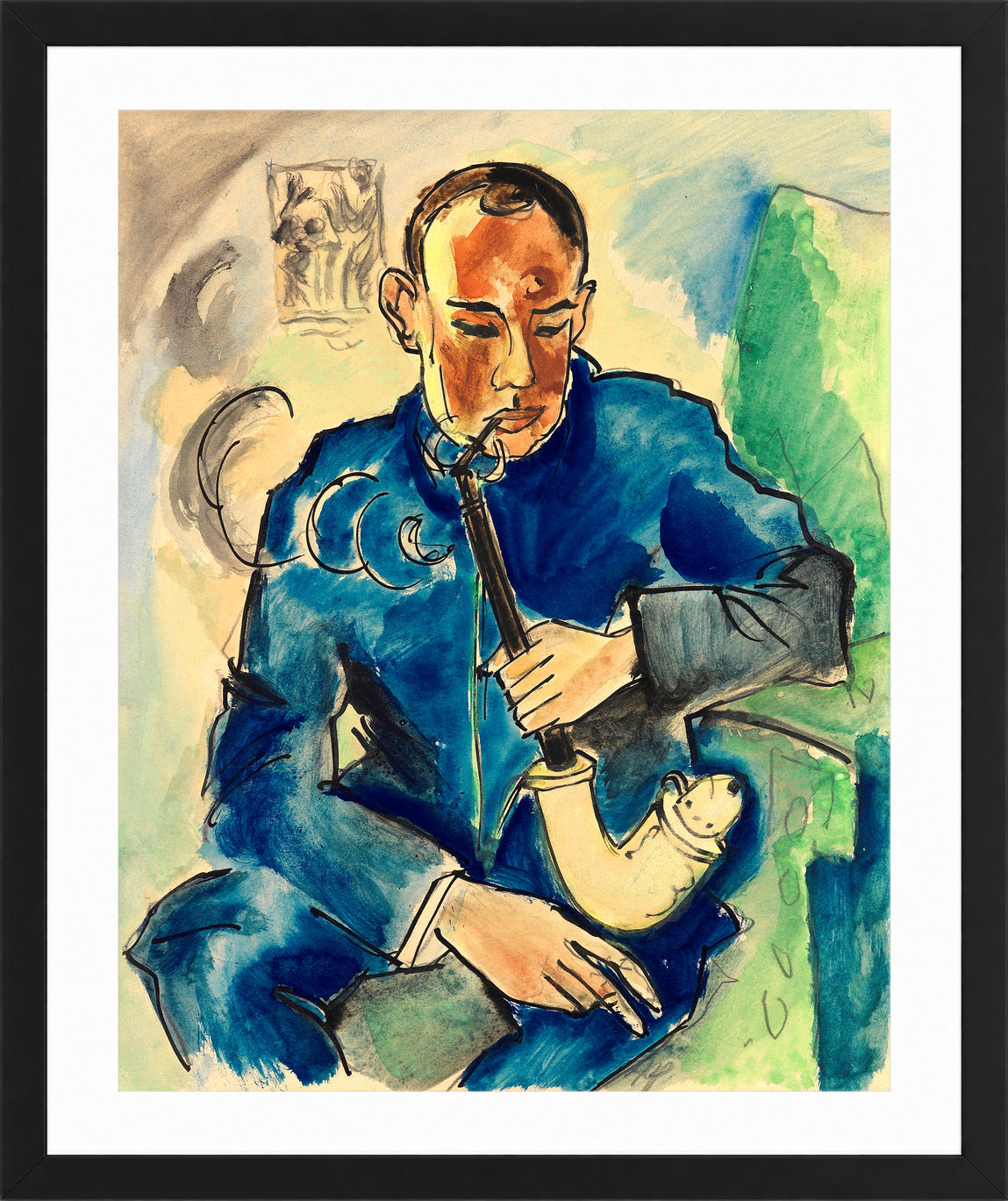
Faces are often constructed from relatively broad areas of colour rather than subtle tonal modelling. Eyes, noses and mouths may be emphasised with decisive lines, while hair, clothing and backgrounds are reduced to larger shapes.
The sitter therefore remains recognisable, but the image is shaped by Pechstein's interest in colour, contour and expressive distortion rather than by the conventions of photographic likeness.
This approach can give his portraits remarkable psychological force.
By eliminating secondary detail, Pechstein directs attention towards the face itself. A strongly outlined eye, angular cheek or compressed mouth can carry more expressive weight than extensively modelled features.
His portraits demonstrate that simplification does not necessarily reduce individuality. In many cases it intensifies it.
For the wider story of how Pechstein developed this distinctive visual language, read our complete Max Pechstein biography, paintings and prints guide.
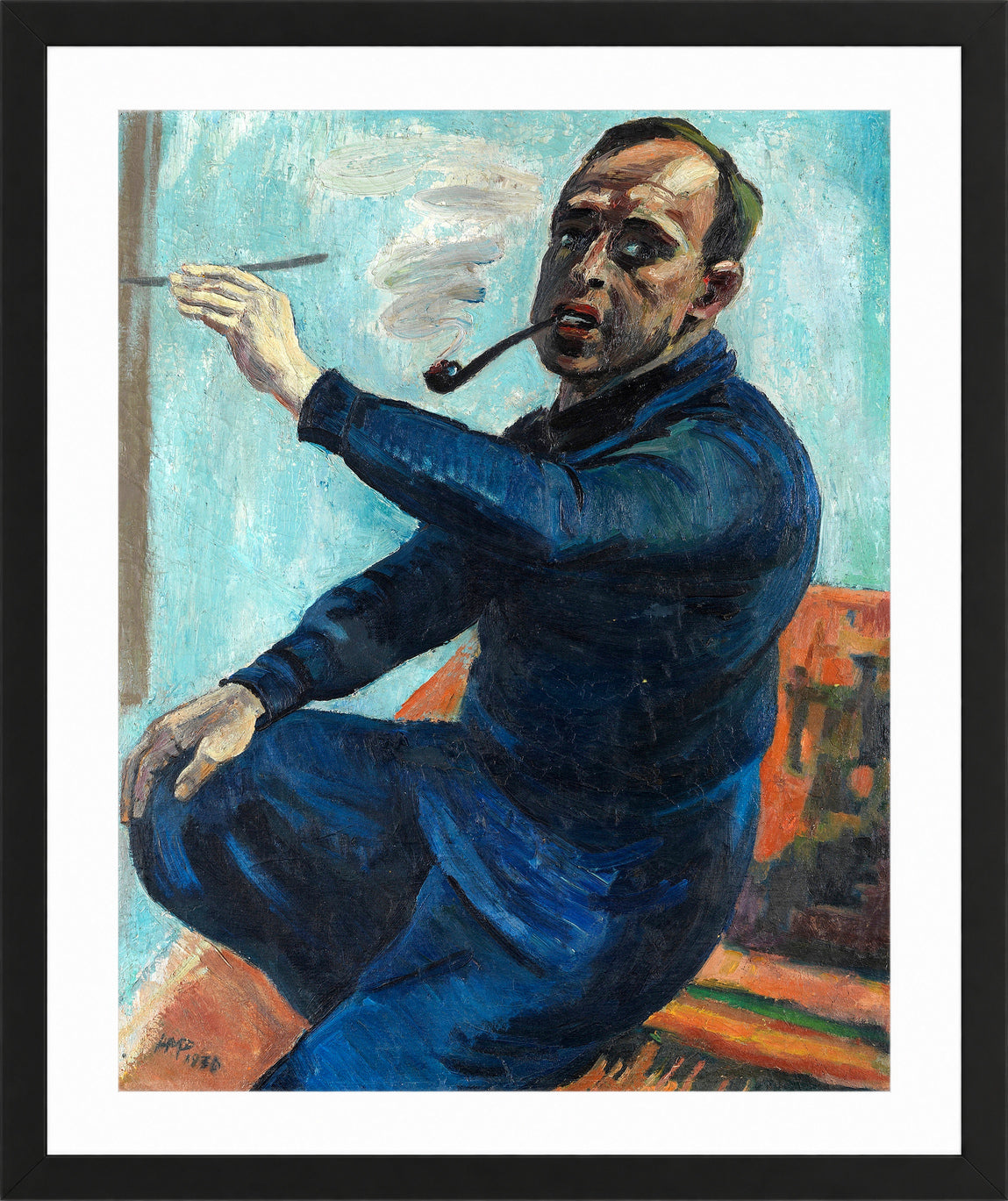
Self-Portraits and Personal Identity
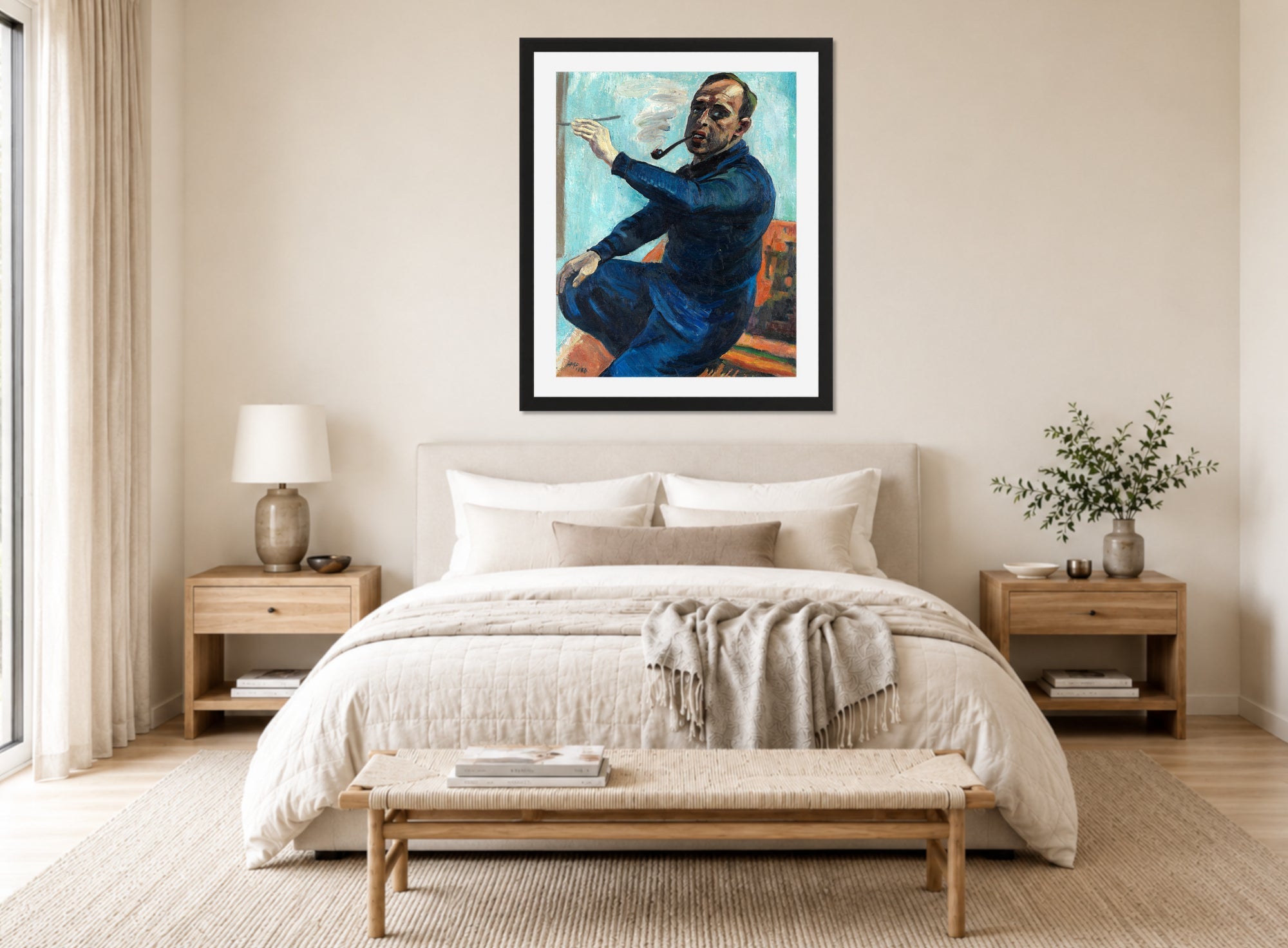
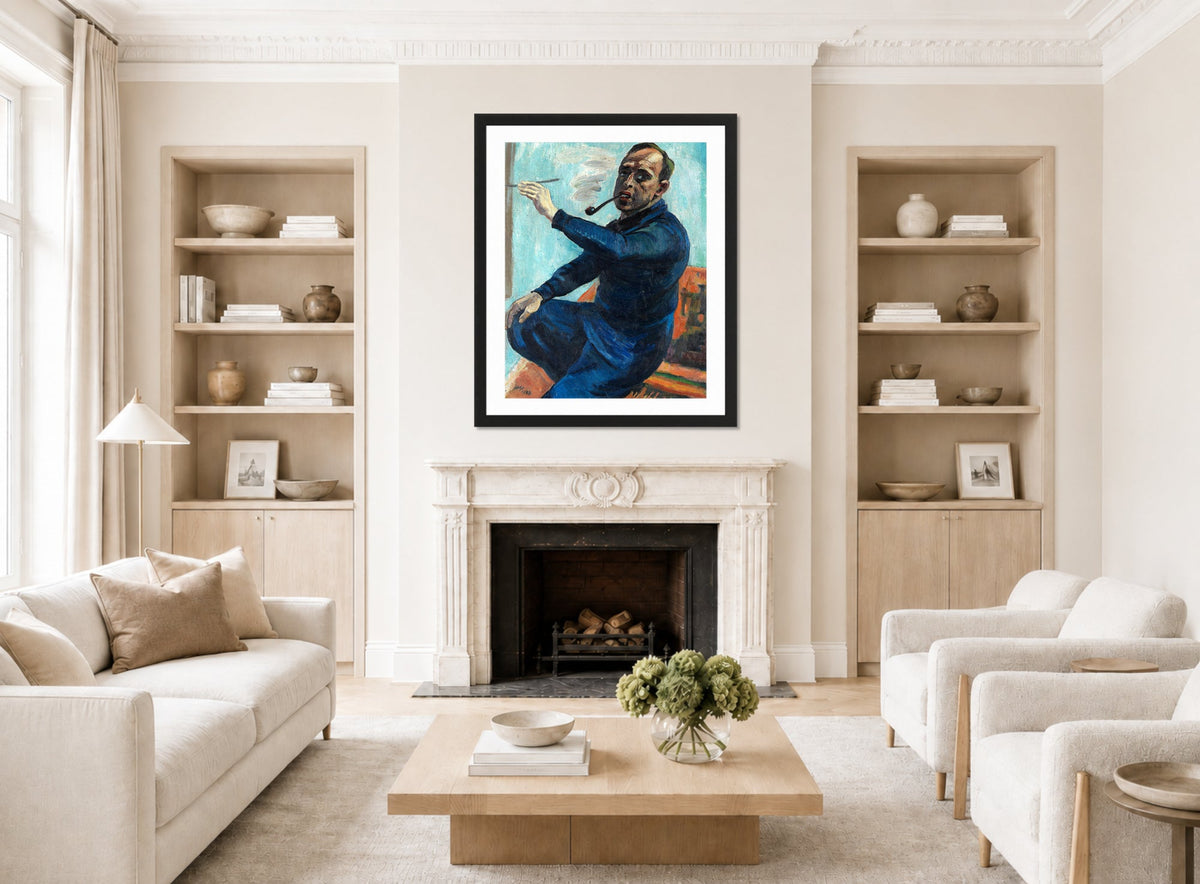
Self-portraiture held particular possibilities for an Expressionist artist.
Without the expectations associated with a commissioned portrait, Pechstein could use his own appearance as a testing ground for colour, shape and psychological intensity.
Expressionist self-portraits rarely function simply as neutral records of appearance. The artist can become both observer and subject, allowing facial expression, pose and colour to communicate mood or artistic identity.
Pechstein's broader approach to portraiture shares this directness.
Whether depicting himself, family members, friends or other sitters, he frequently reduces the image to the features and gestures necessary to establish physical and emotional presence.
The result often sits between portrait likeness and independent pictorial construction.
Lotte Pechstein and the Artist's Family
People from Pechstein's personal life appear repeatedly within his figurative work.
Charlotte “Lotte” Kaprolat, whom Pechstein married in 1911, became one of his important early models. She appears in portraits, figure studies and compositions from a crucial period in his development.
These images allow us to see how Pechstein approached a familiar sitter.
Rather than needing to establish identity through conventional attributes, he could concentrate on posture, facial structure, clothing and colour. Familiarity with the model arguably gave him greater freedom to simplify.
Family and domestic subjects also reveal another side of German Expressionism.
The movement is sometimes associated primarily with dramatic city scenes, anxiety and radical formal experimentation, but Pechstein's work also encompasses quieter images of relationships, families and everyday human interaction.
Dancers, Musicians and Performers
Performance and movement appear repeatedly within Pechstein's figurative art.
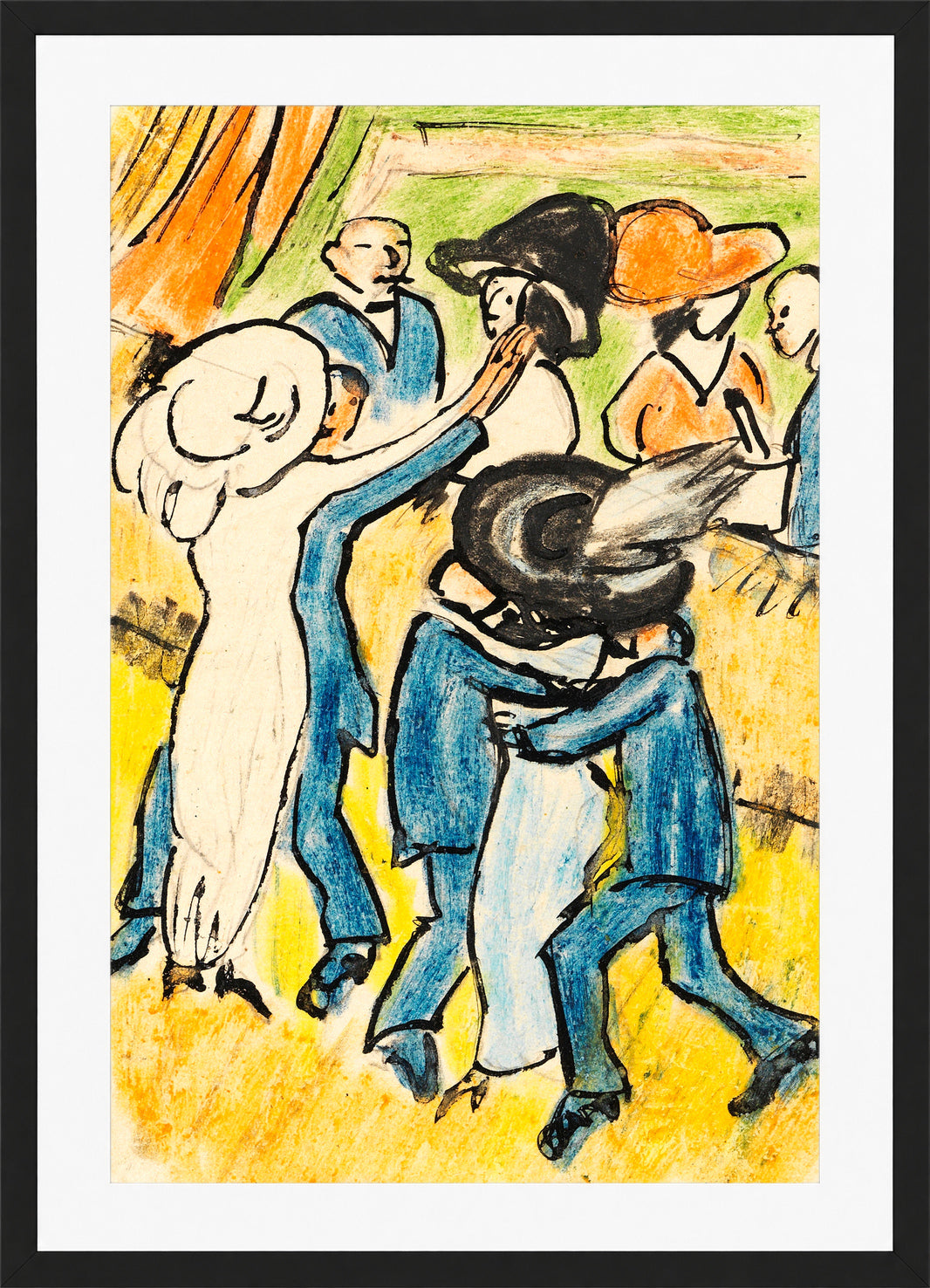
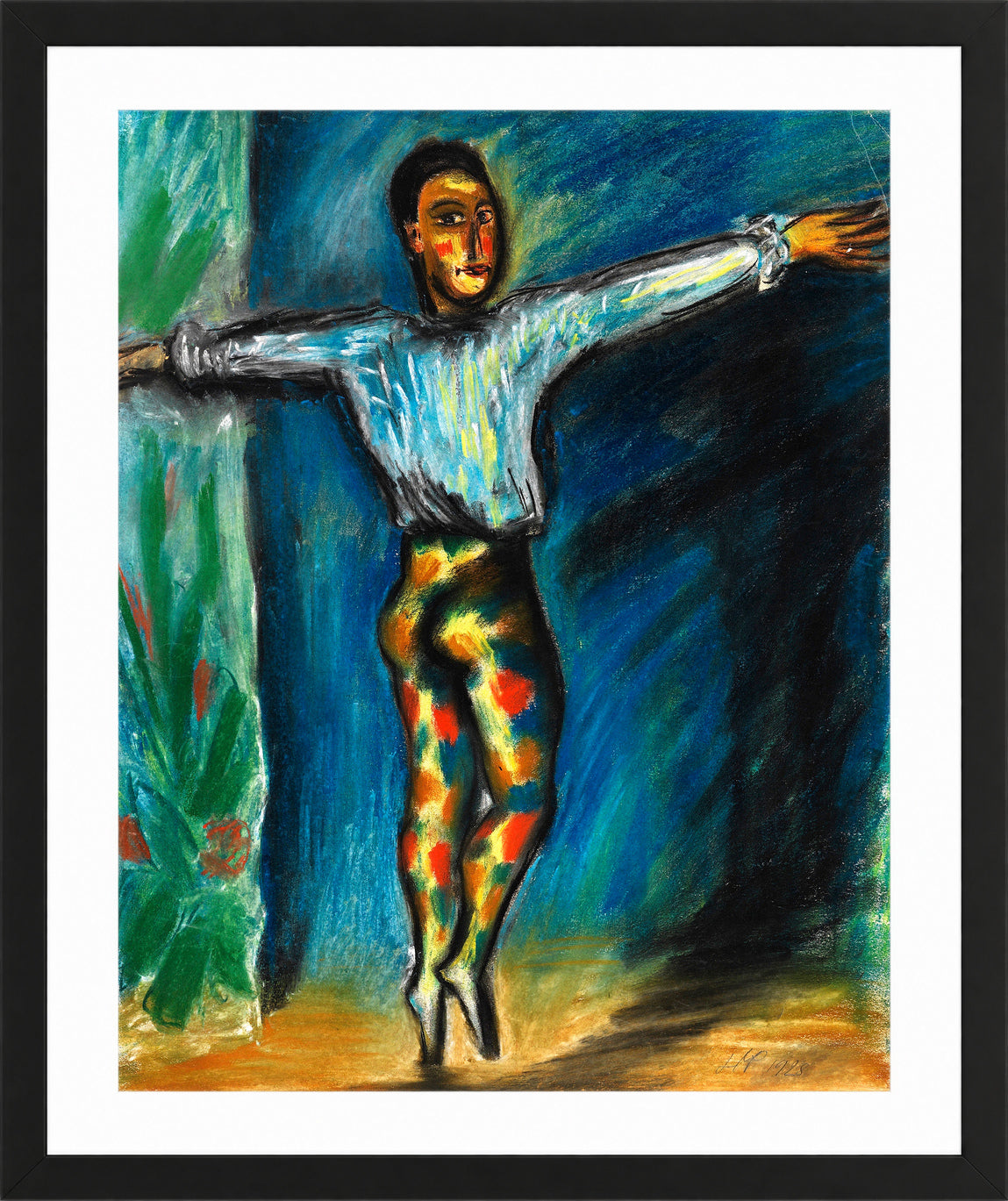
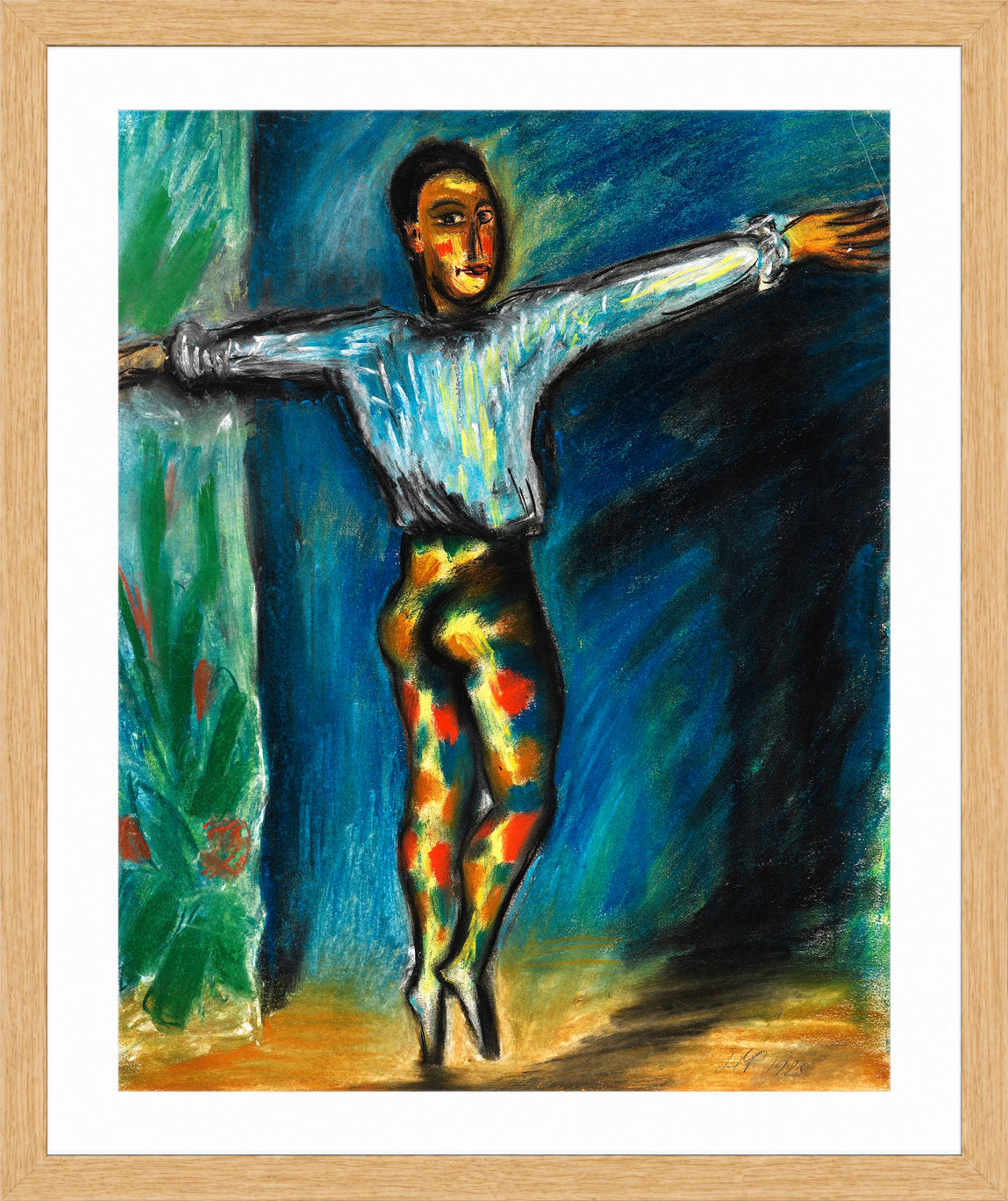
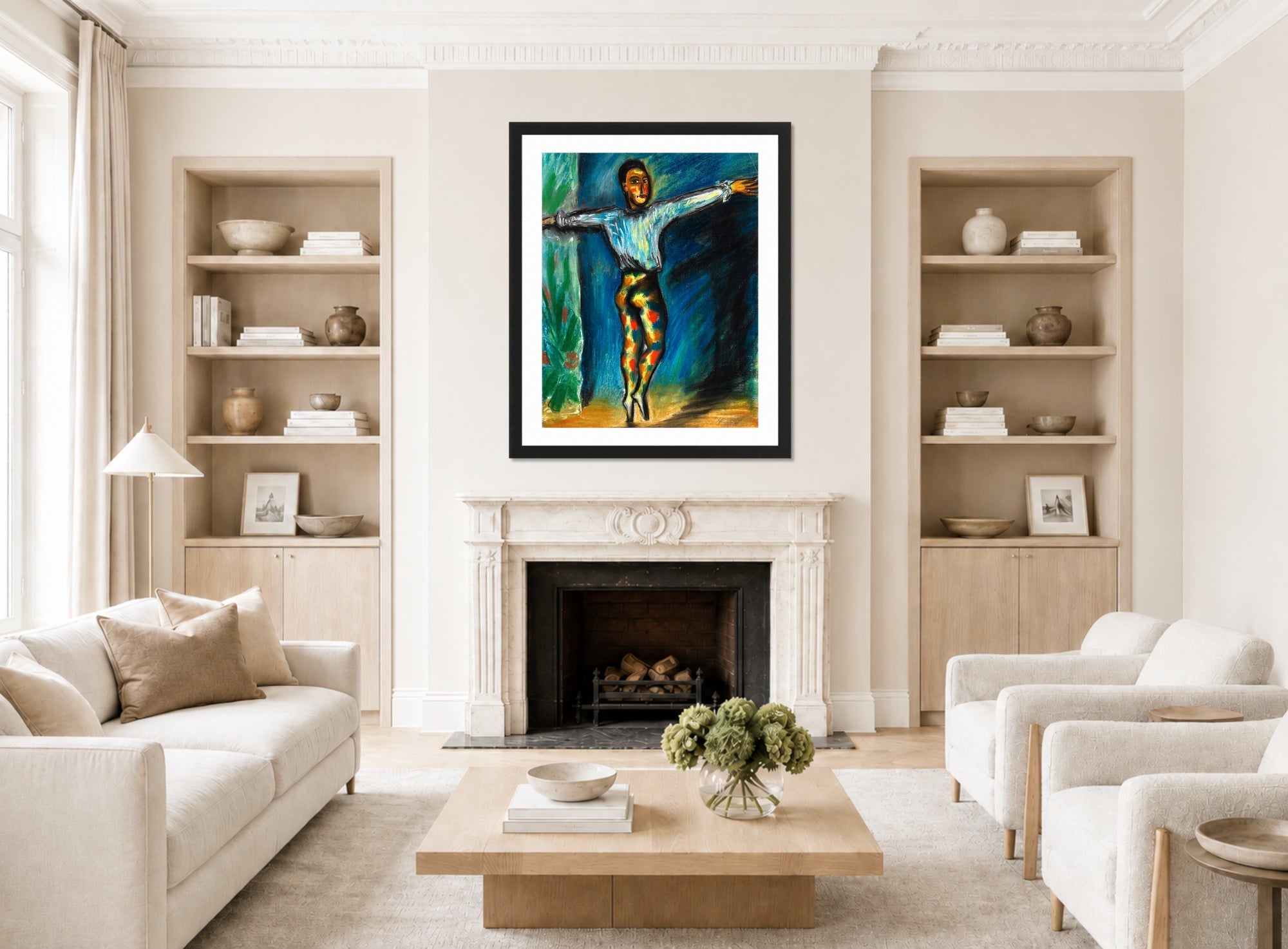
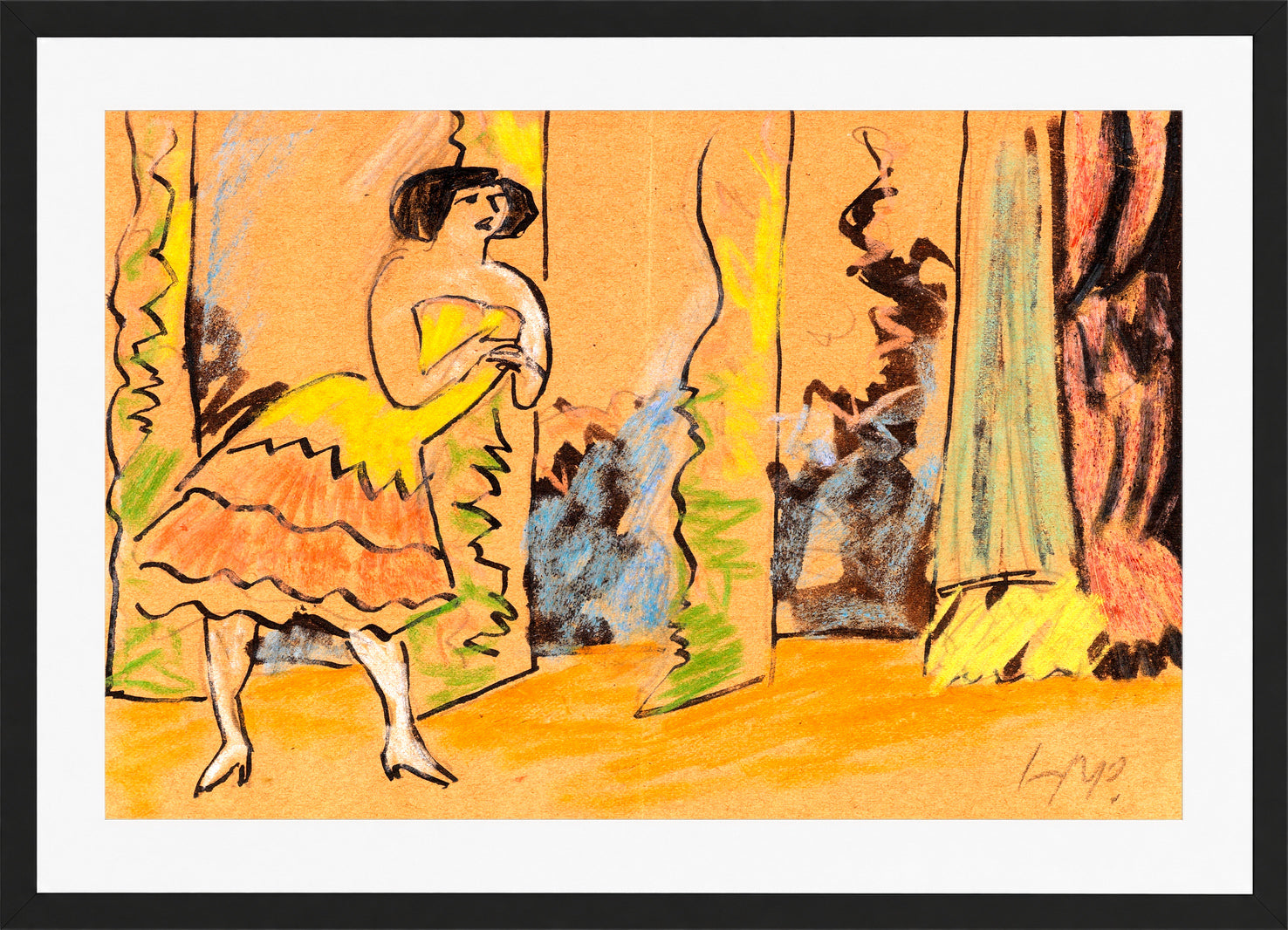
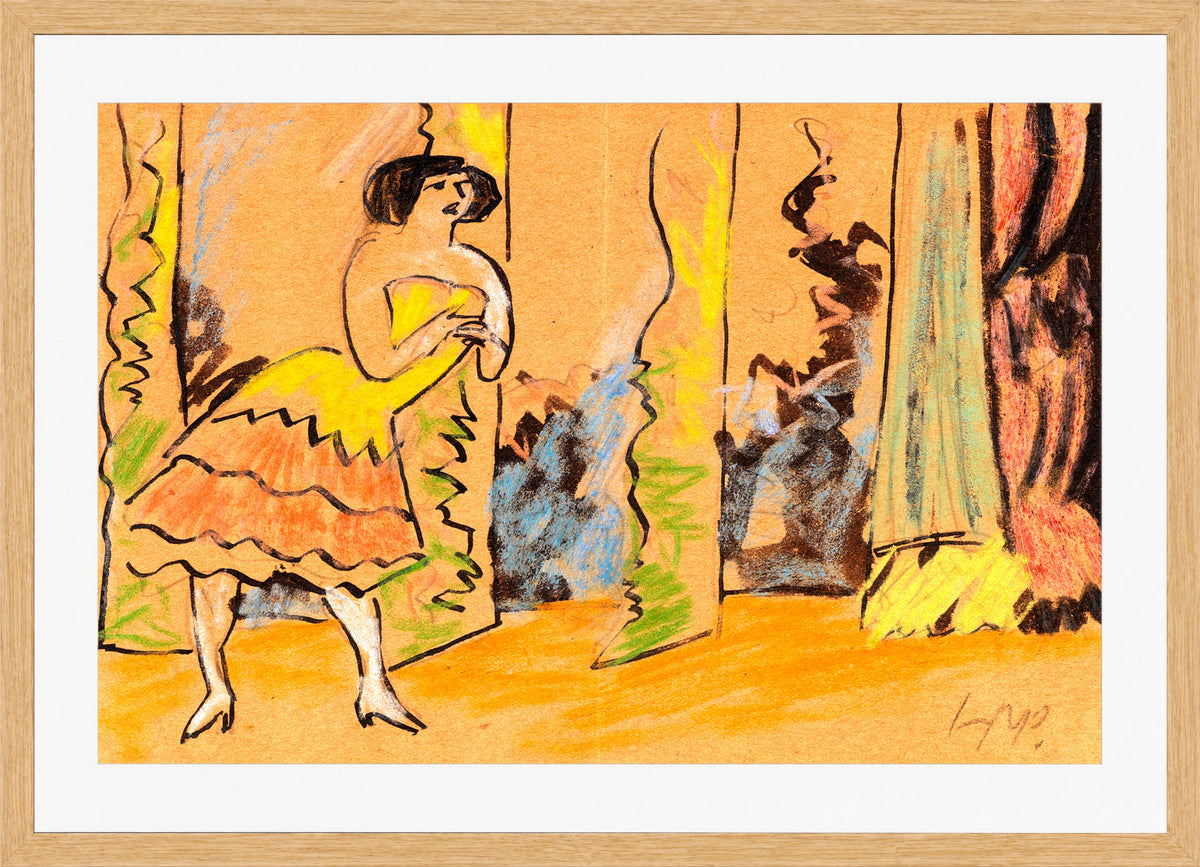
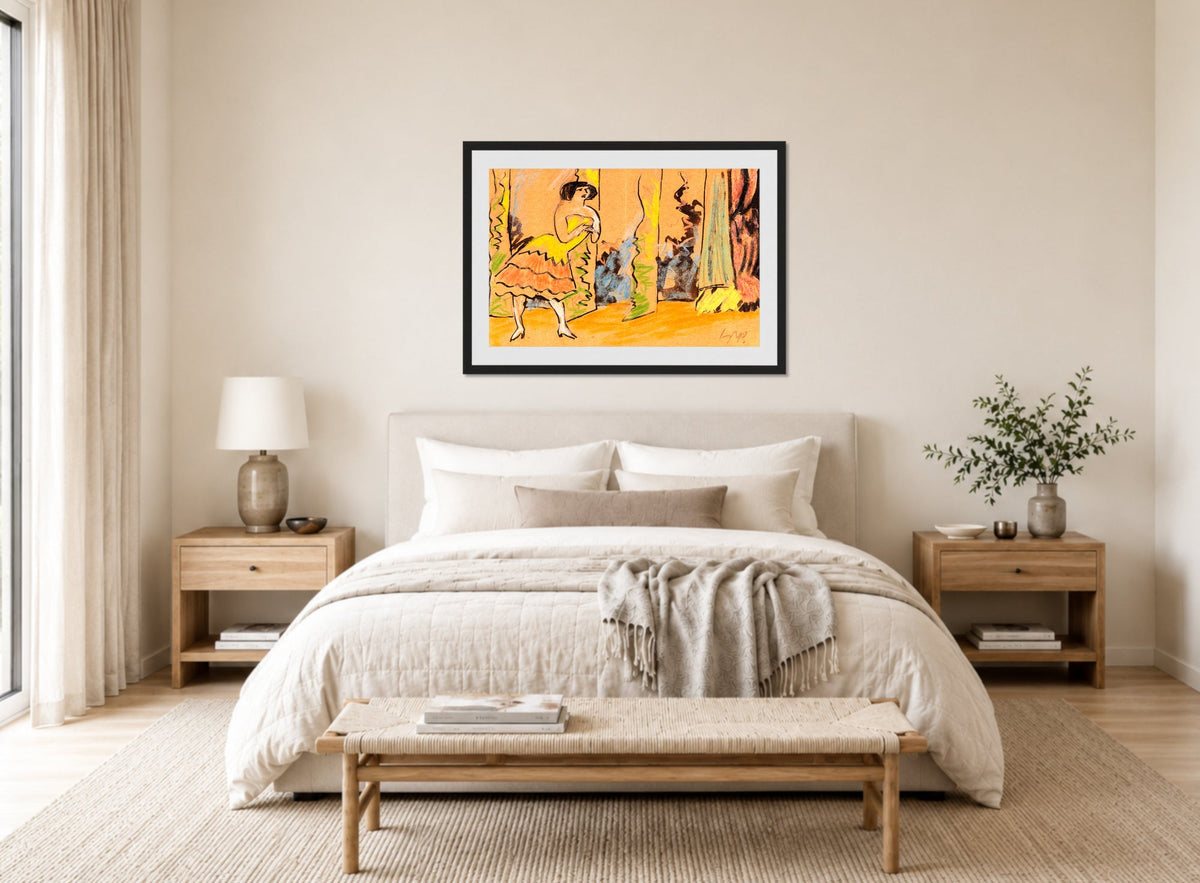
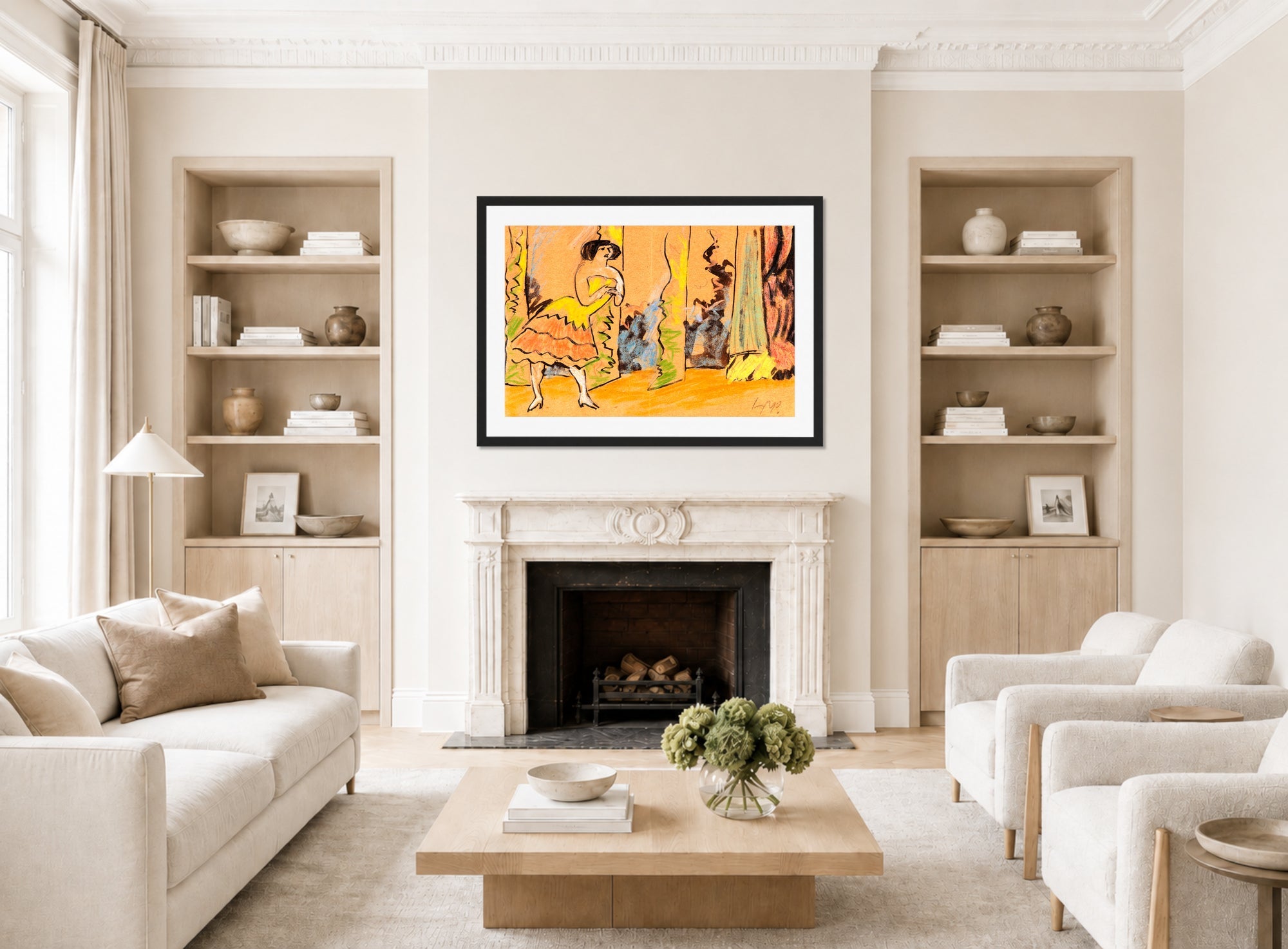
Dancers, musicians, acrobats, cabaret performers and entertainment scenes allowed him to organise the human body into rhythmic patterns. Arms, legs and gestures could be balanced against clothing, instruments and surrounding interiors.
These subjects were particularly well suited to Expressionism because movement could be suggested through compressed space, exaggerated posture and energetic outlines rather than precise anatomical description.
Pechstein's early involvement with Berlin's modern cultural environment made performers particularly relevant subjects.
Cabarets and popular entertainment offered an alternative to traditional bourgeois portraiture. Instead of presenting a formally posed sitter, the artist could capture movement, gesture and fleeting interaction.
The resulting works often feel spontaneous even when their compositions are carefully structured.
Families, Couples and Children
Not all of Pechstein's figurative work concentrates on individual sitters.
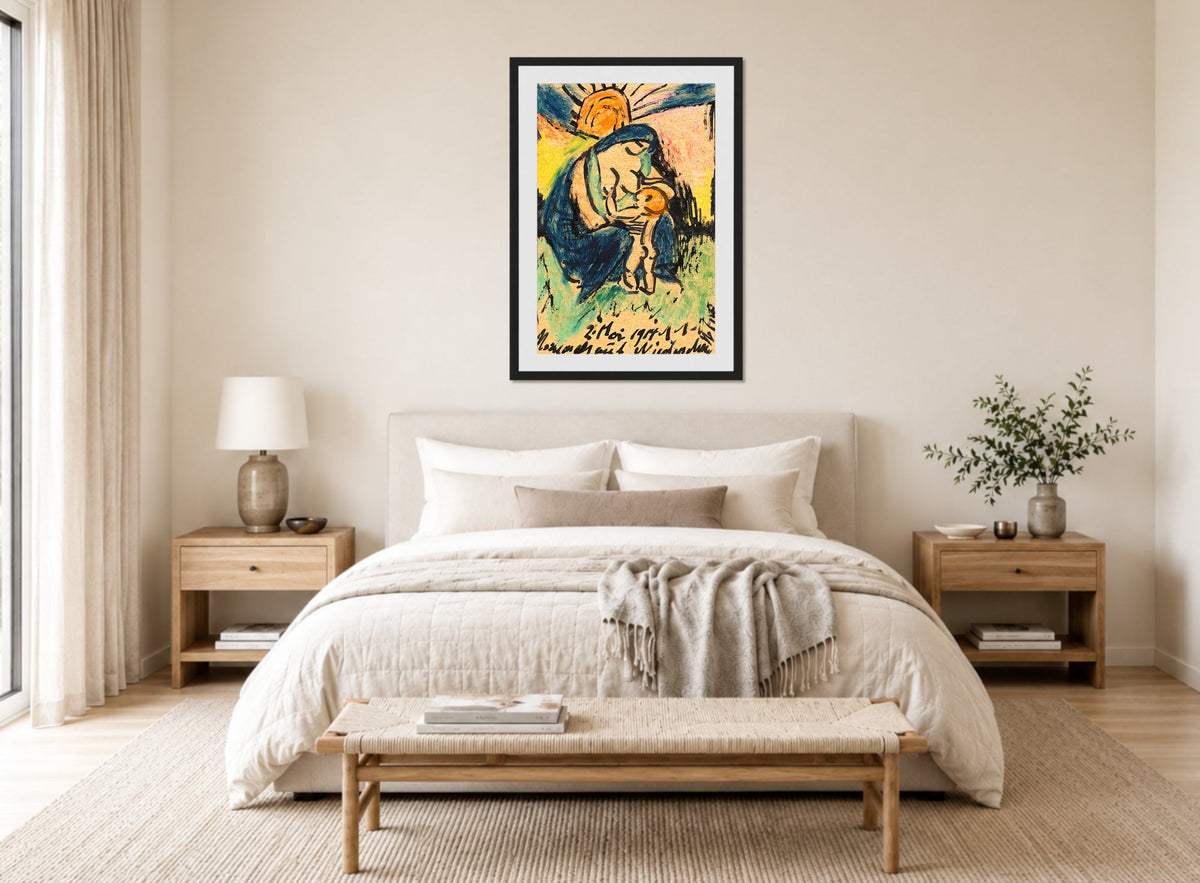
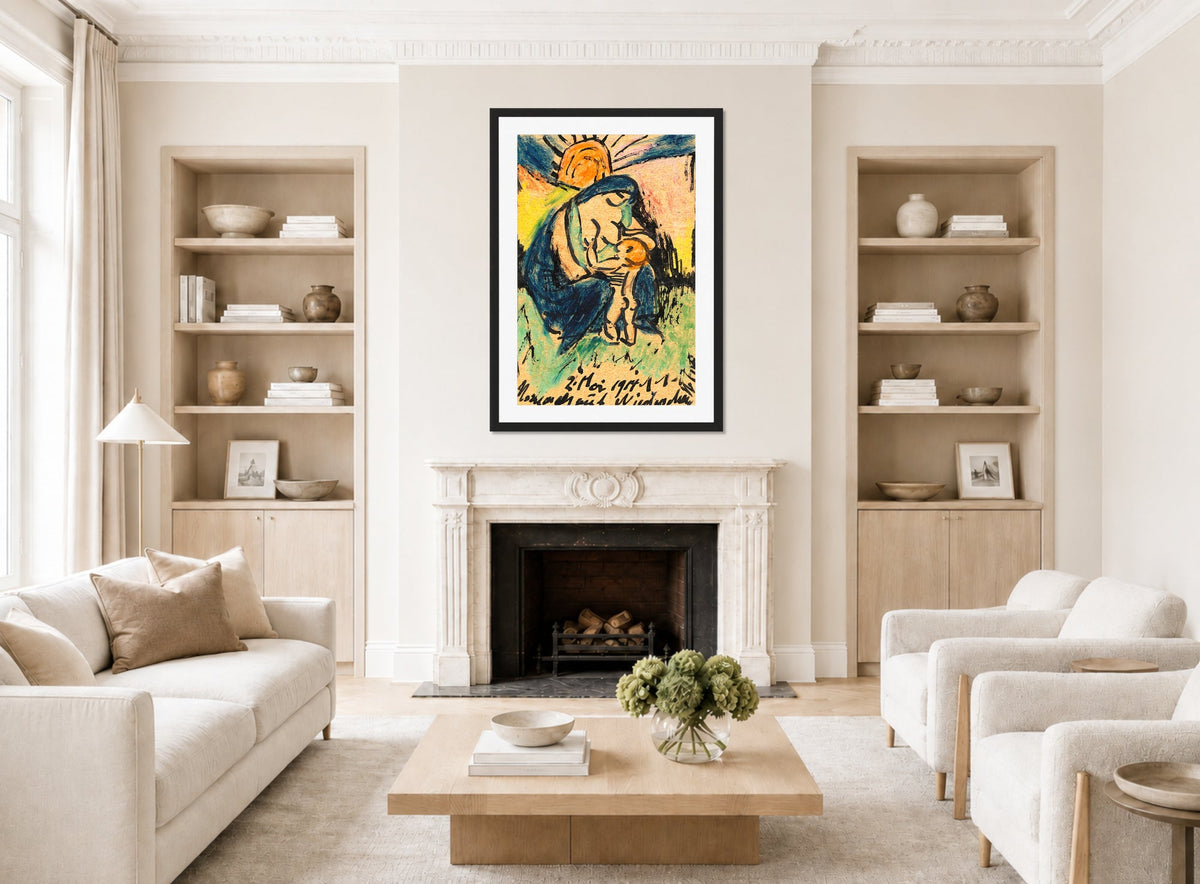
Couples, mothers and children, groups of figures and scenes of family life also occur throughout his career. These compositions shift attention away from portrait likeness and towards relationships between people.
A gesture, embrace or shared activity can become the centre of the image, while simplified surroundings prevent unnecessary detail from competing with the figures.
Groups also presented Pechstein with more complicated compositional challenges.
Several bodies must occupy the same pictorial space, and their poses, clothing and faces need to remain visually distinct without fragmenting the composition.
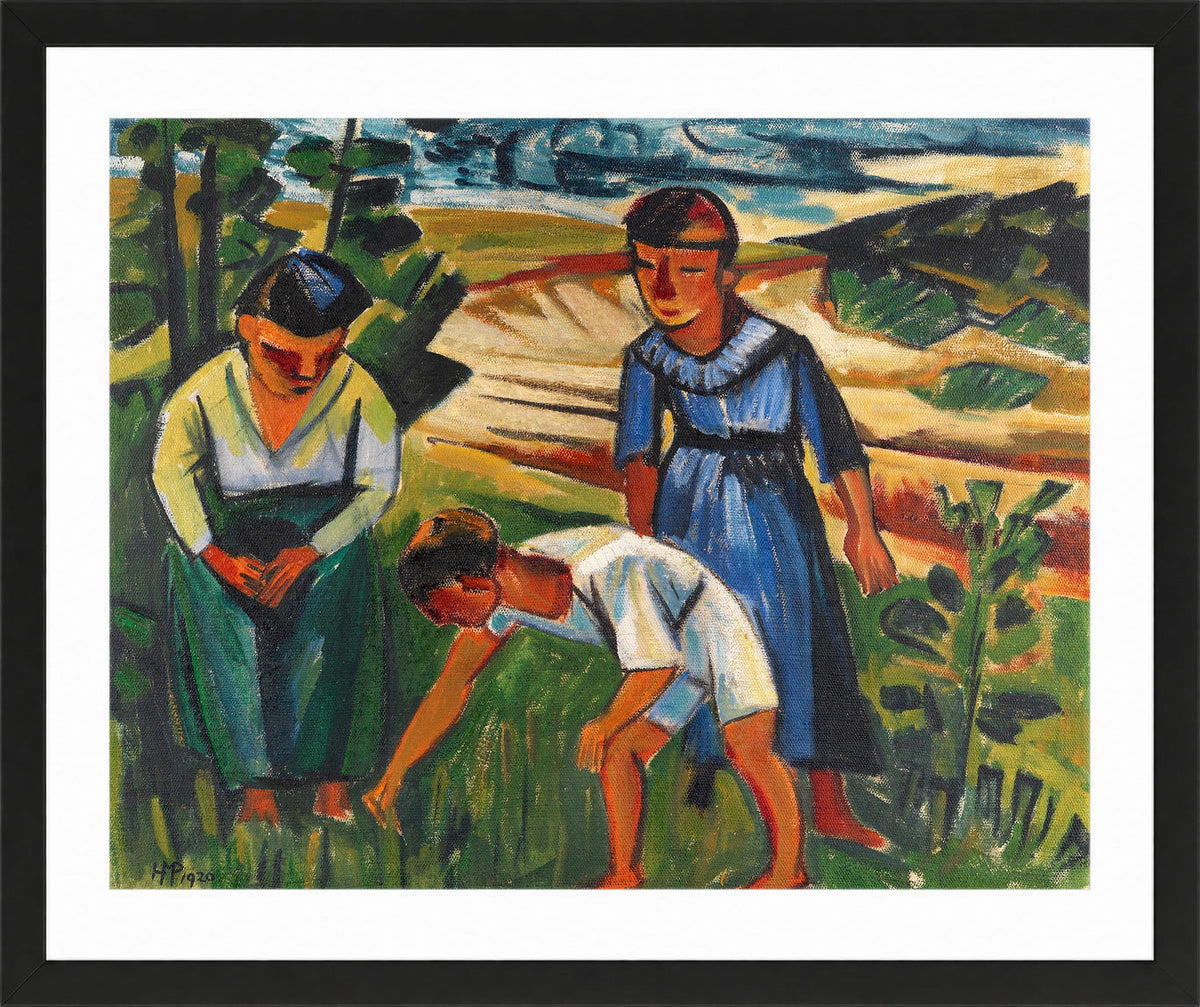
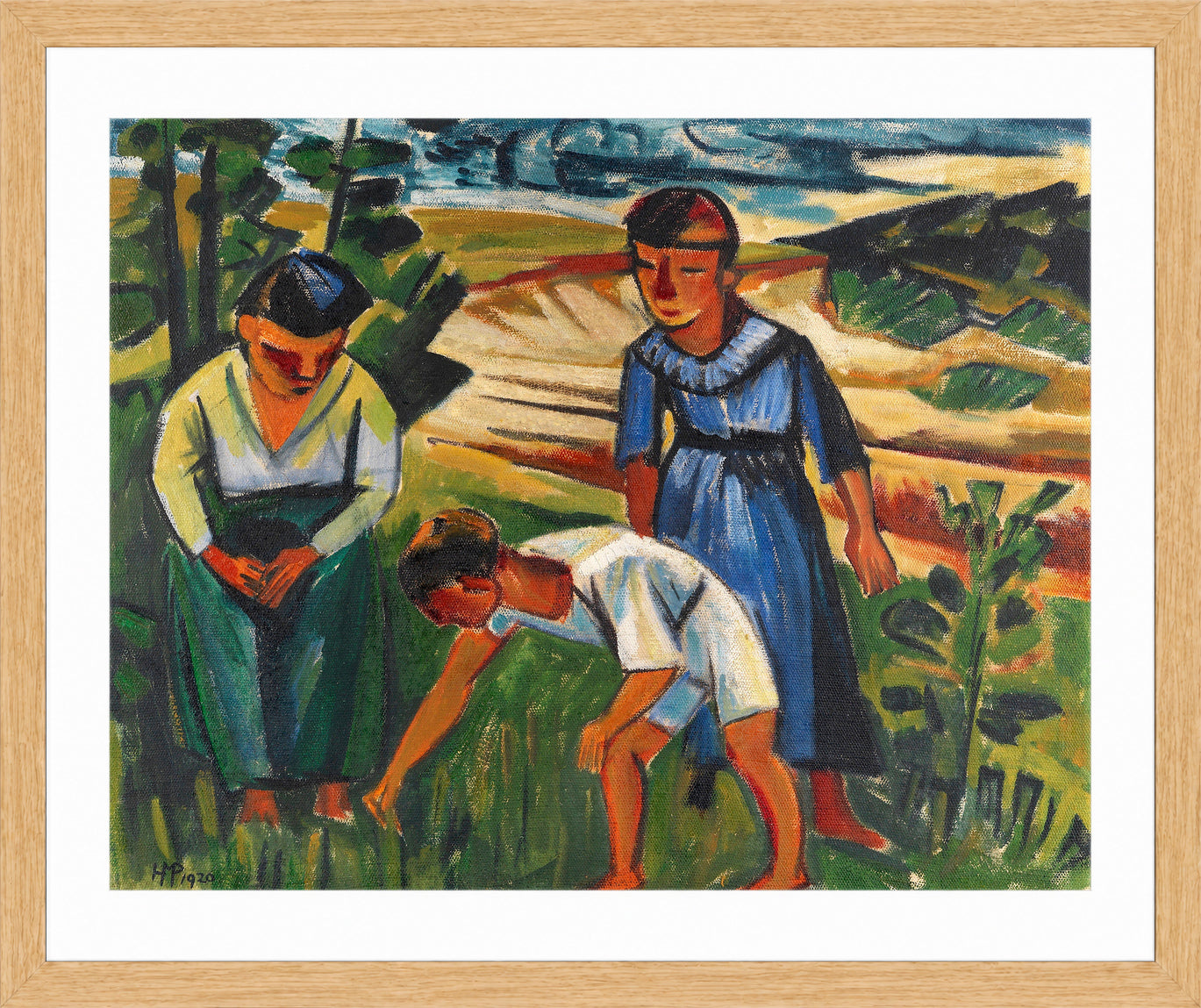
Pechstein frequently solves this through colour and contour. Different figures may be separated through contrasting coloured clothing or dark outlines while still forming part of one larger pattern.
These quieter human subjects demonstrate another side of Pechstein's Expressionism, where emotional presence can be created without dramatic narrative.
Fishermen and Working People
Working people were another important source of imagery for Pechstein.
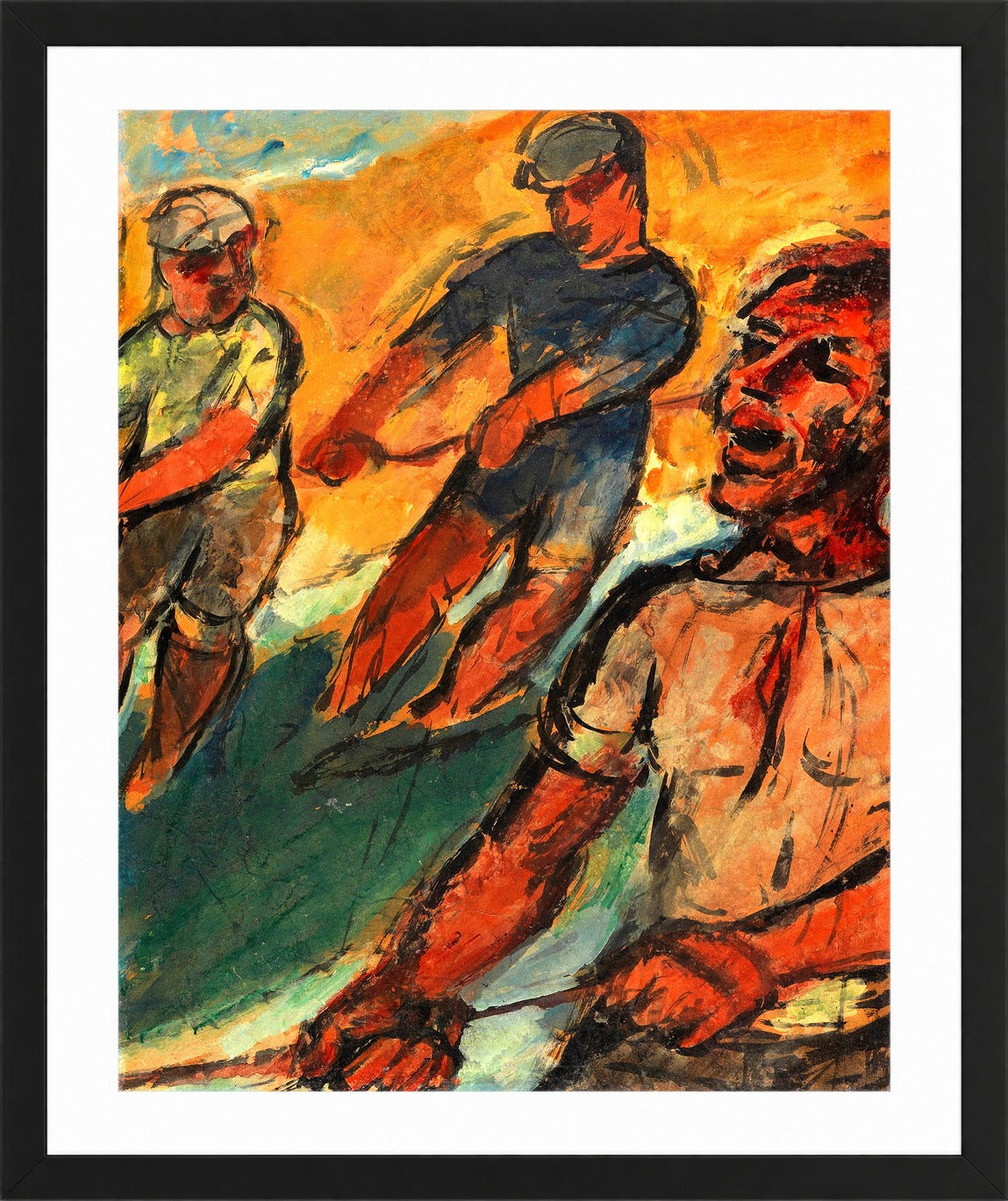
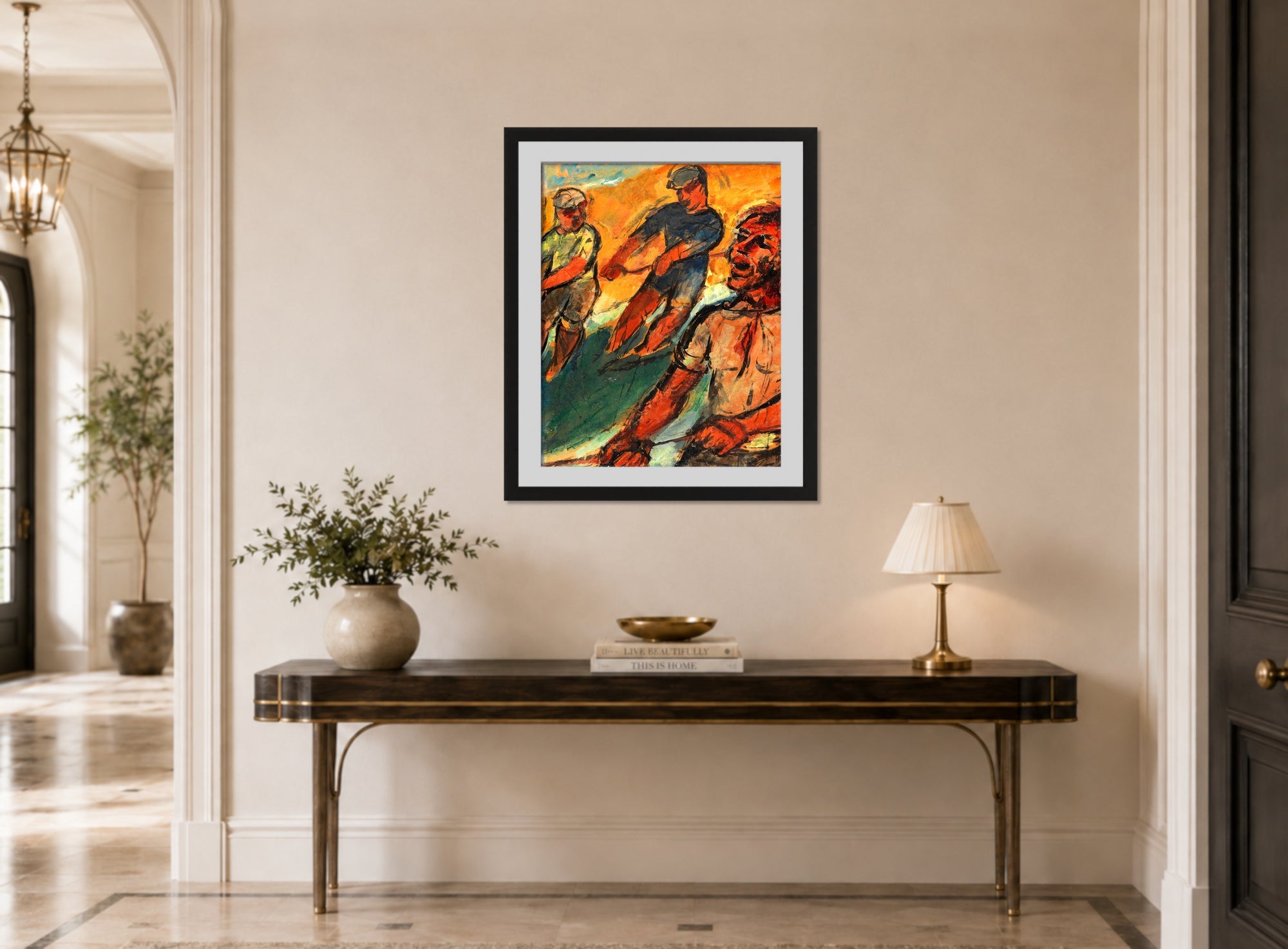
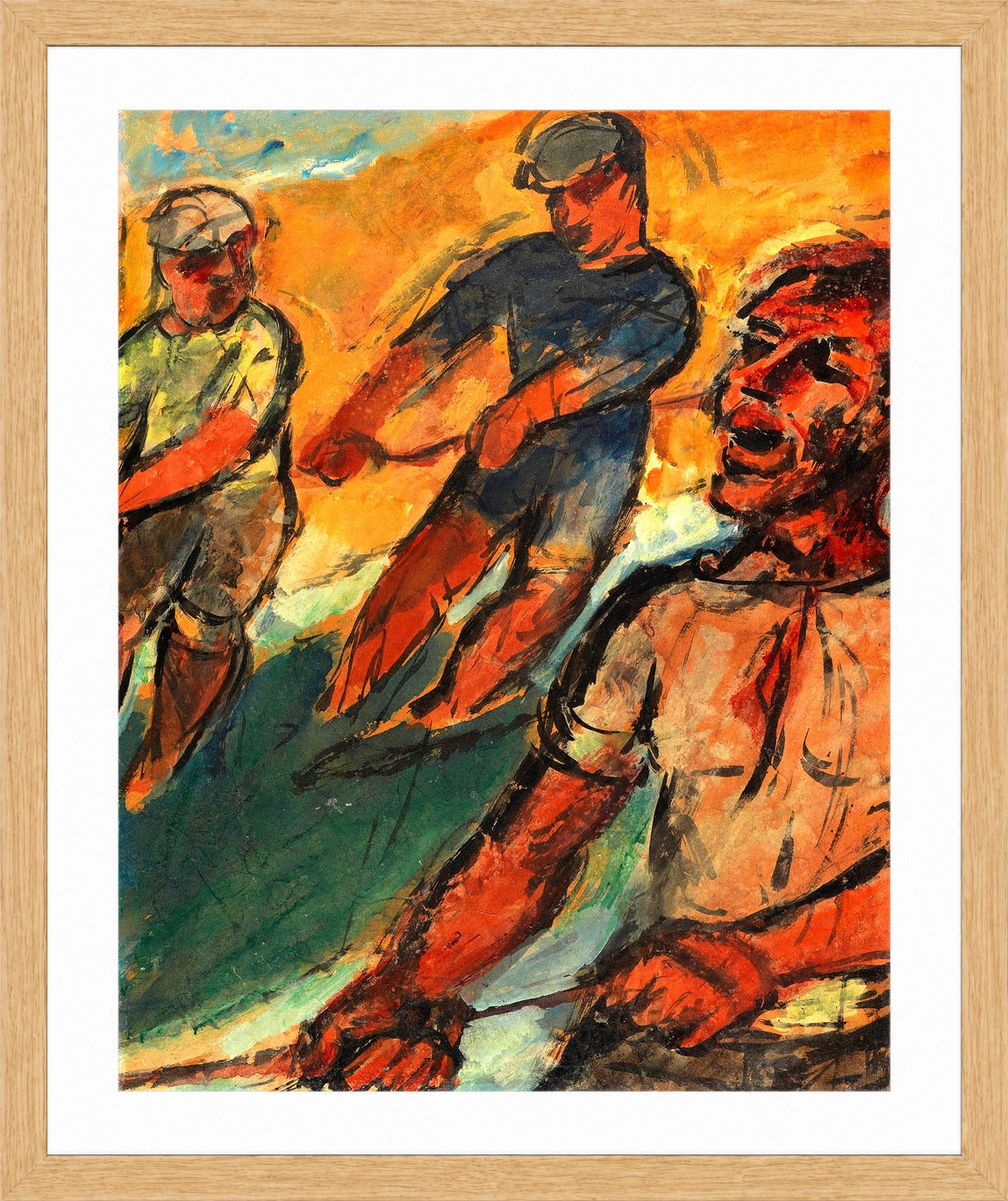
Fishermen recur particularly often, reflecting his long association with coastal communities. Figures hauling nets, preparing boats or standing beside the shore combine two of his strongest interests: human activity and maritime landscape.
In these works, physical labour frequently determines the pose.
Bent backs, extended arms and firmly planted legs create strong directional lines within the composition. Boats, nets, oars and other equipment can repeat or reinforce those movements.
Elsewhere, agricultural workers and people engaged in everyday activities allowed Pechstein to depict the human body through action rather than formal pose.
The body often becomes part of the wider structure of the composition, echoing the diagonals of tools, boats, buildings or surrounding landscape.
For works where the maritime setting becomes the principal subject, browse Max Pechstein Coastal, Seascape & Fishing Prints.
Figures Within Landscape
One of the most distinctive aspects of Pechstein's art is the frequency with which human figures and landscape overlap.
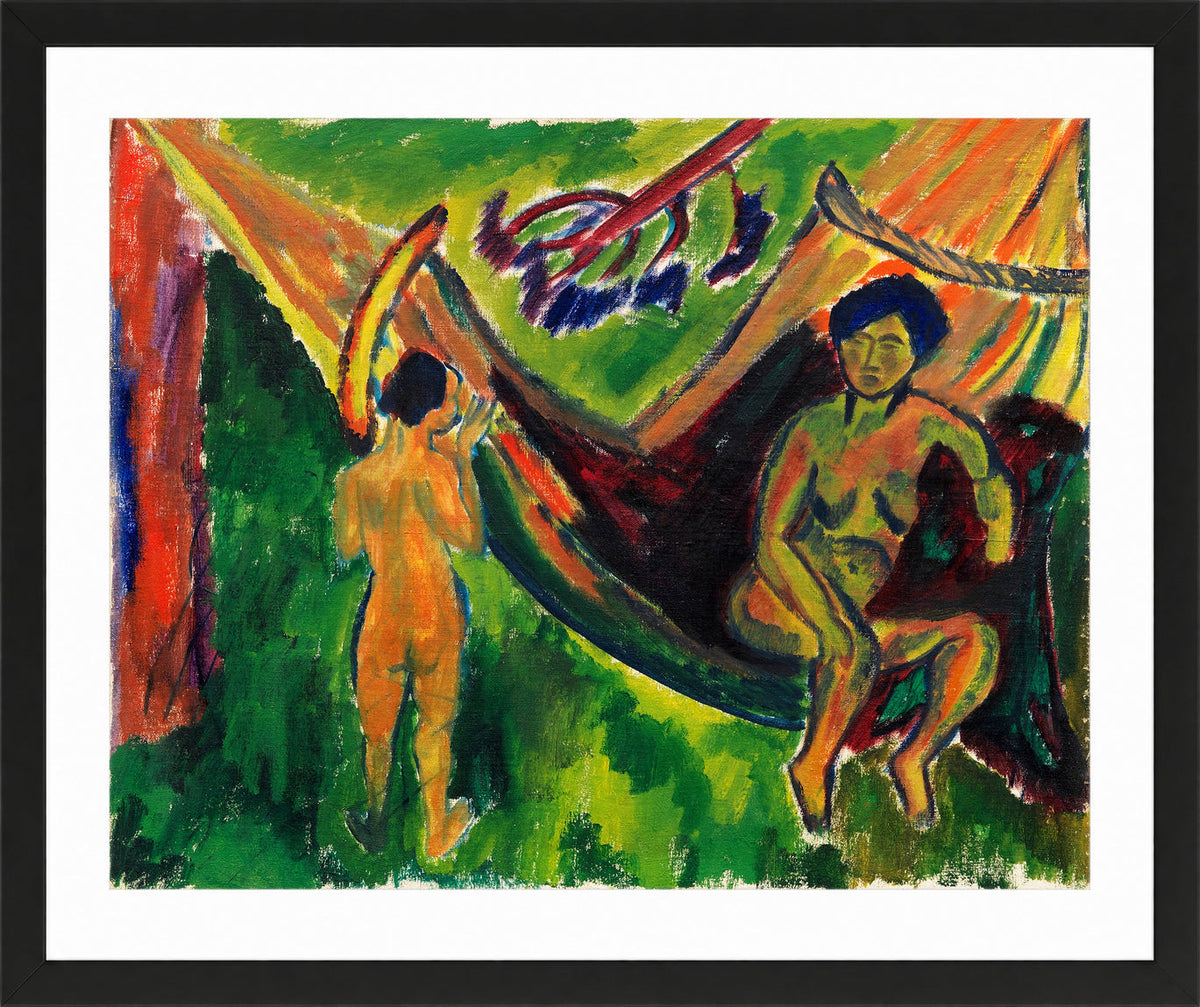
People do not always stand separately against a neutral setting. They may sit in gardens, work beside the sea, walk through countryside or occupy landscapes in which colour and contour connect them directly with their surroundings.
This approach can make the boundary between figurative painting and landscape painting surprisingly fluid.
A figure's clothing may repeat the colour of surrounding vegetation. The angle of a body can echo a nearby tree or shoreline. Human movement becomes part of the overall rhythm of nature.
This is particularly evident in Pechstein's outdoor figure compositions.
For works where landscape becomes the dominant element, explore Max Pechstein Landscape Prints.
Figurative Art and German Expressionism
Pechstein joined Die Brücke in Dresden in 1906 and became one of the leading figures associated with German Expressionism.
The group's artists sought greater immediacy than conventional academic painting allowed. Strong drawing, simplified form and non-naturalistic colour became important tools for representing both the external appearance of a subject and the artist's response to it.
The human figure was particularly important to this experimentation.
Traditional portraiture depended heavily on likeness, controlled modelling and conventional poses. Expressionism allowed artists to question all three.
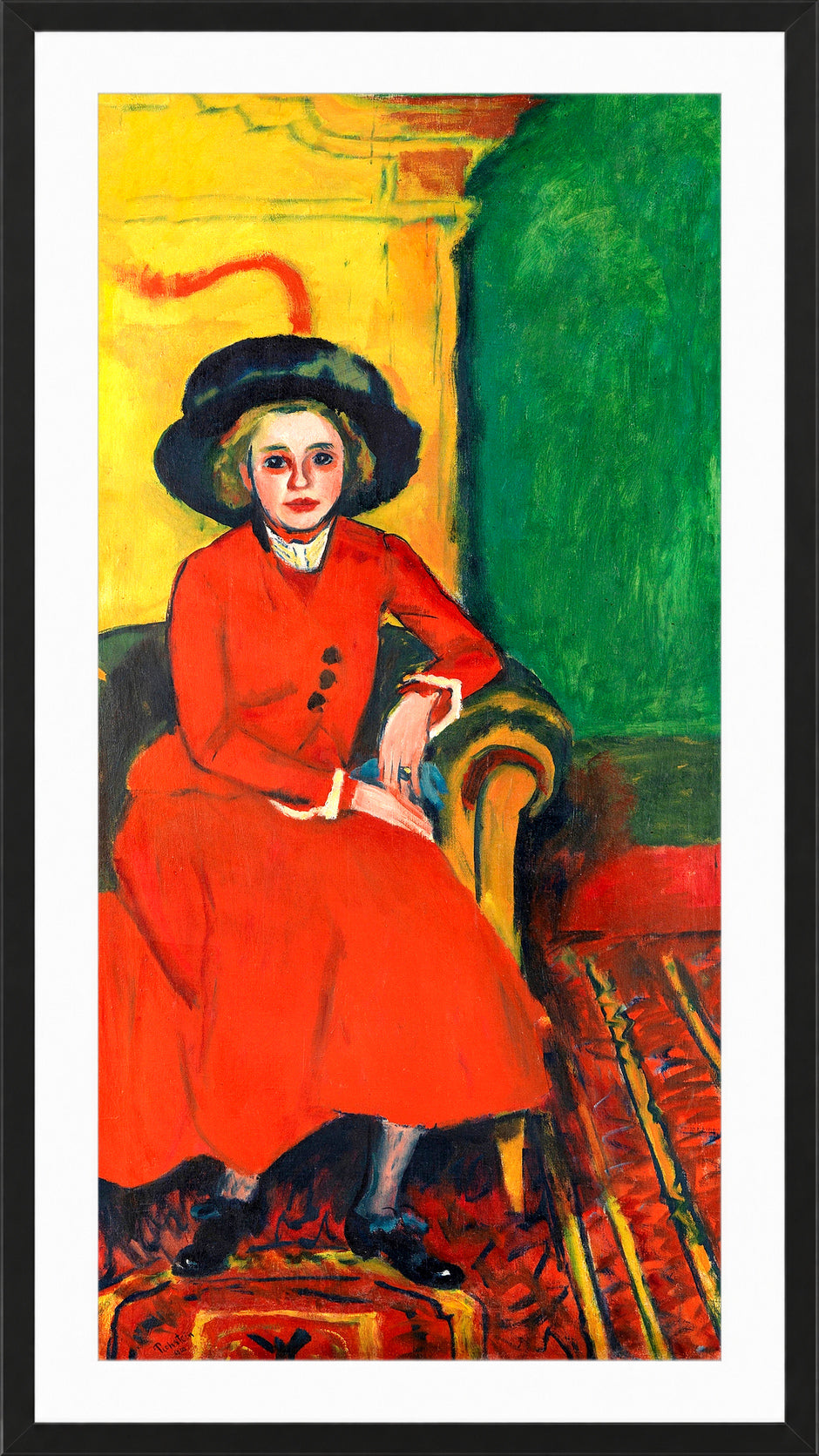
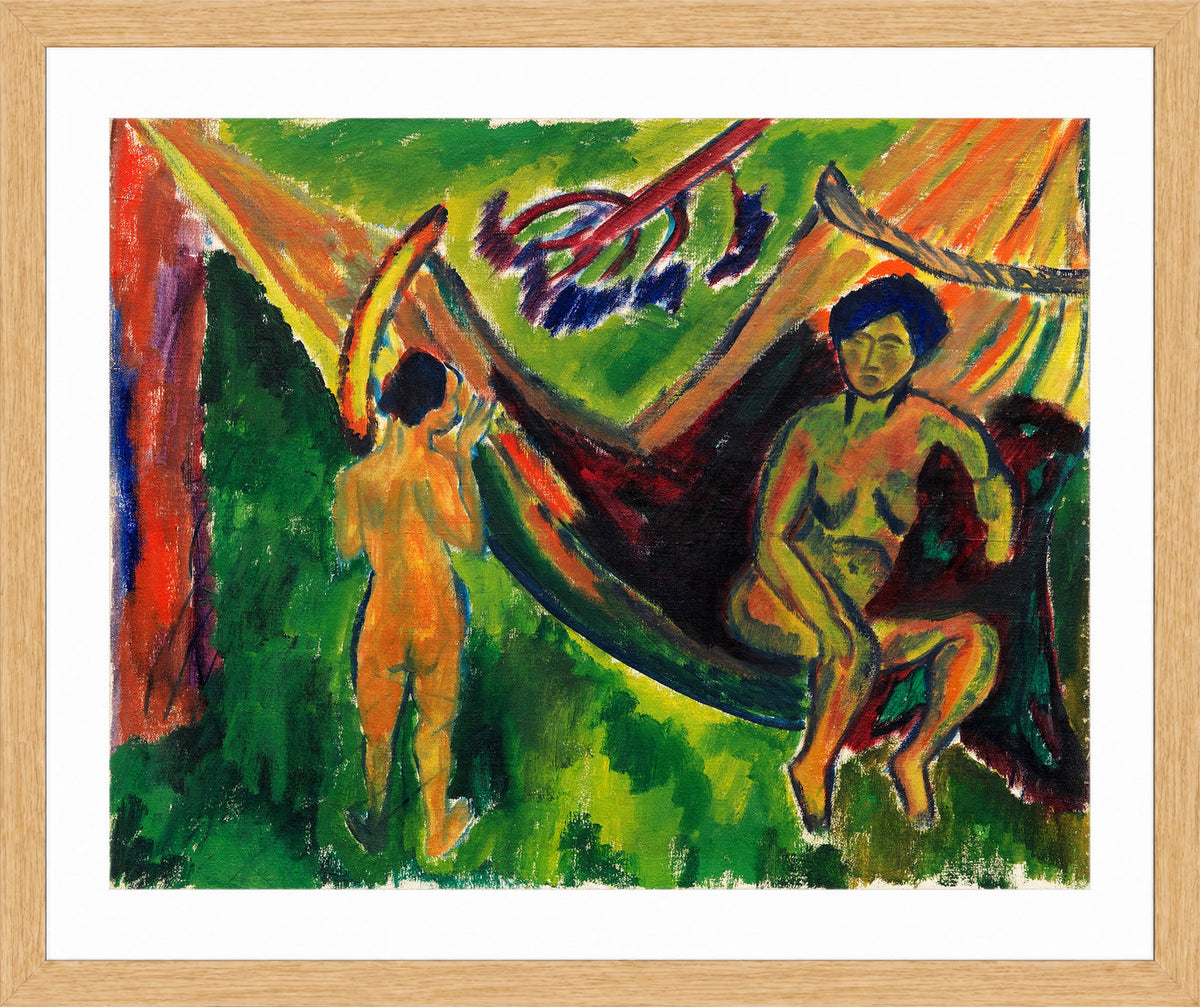
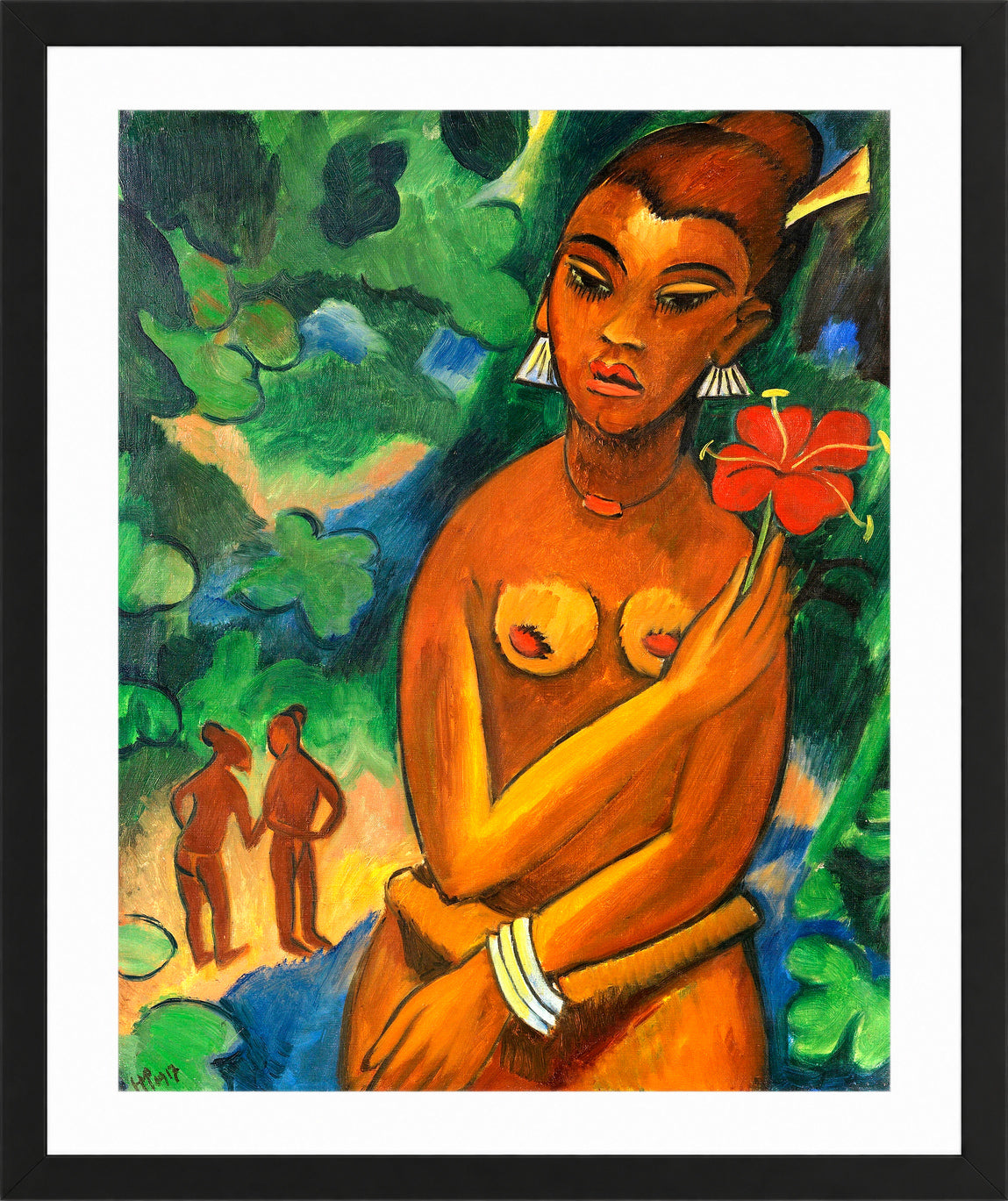
Skin tones could be intensified or altered. Features might be simplified. Backgrounds could become broad areas of colour rather than carefully described settings. Perspective might be compressed so that the figure occupies the image with greater force.
Pechstein's figurative work demonstrates these ideas particularly clearly.
His extensive formal training meant that simplification was a deliberate artistic decision rather than an inability to draw conventionally. He repeatedly chose to remove descriptive detail in order to strengthen the total image.
The development of this approach from his Dresden training through Die Brücke, Berlin and his later independent career is explored in our Max Pechstein biography and German Expressionism guide.
You can also explore the wider movement through GalleryThane's Expressionist Art Prints.
Pechstein, Berlin and Modern Life
Pechstein moved to Berlin in 1908, placing him within one of Europe's most dynamic modern cities.
Berlin exposed artists to rapidly changing forms of entertainment, commerce and social life. Cafés, theatres, cabarets and crowded public spaces created subjects very different from the landscapes and coastal communities Pechstein also loved.
His move helped broaden both his professional network and his range of figurative subjects.
The city was also central to his growing independence.
Pechstein became involved with the Berlin Secession and later the New Secession, gradually developing a public identity beyond Die Brücke. That increasing independence eventually contributed to his departure from the group in 1912.
His figurative work therefore reflects an important transition: from the collective experimentation of Die Brücke towards the career of an increasingly established modern artist.
Colour and the Human Figure
Colour plays a structural role throughout Pechstein's figurative art.
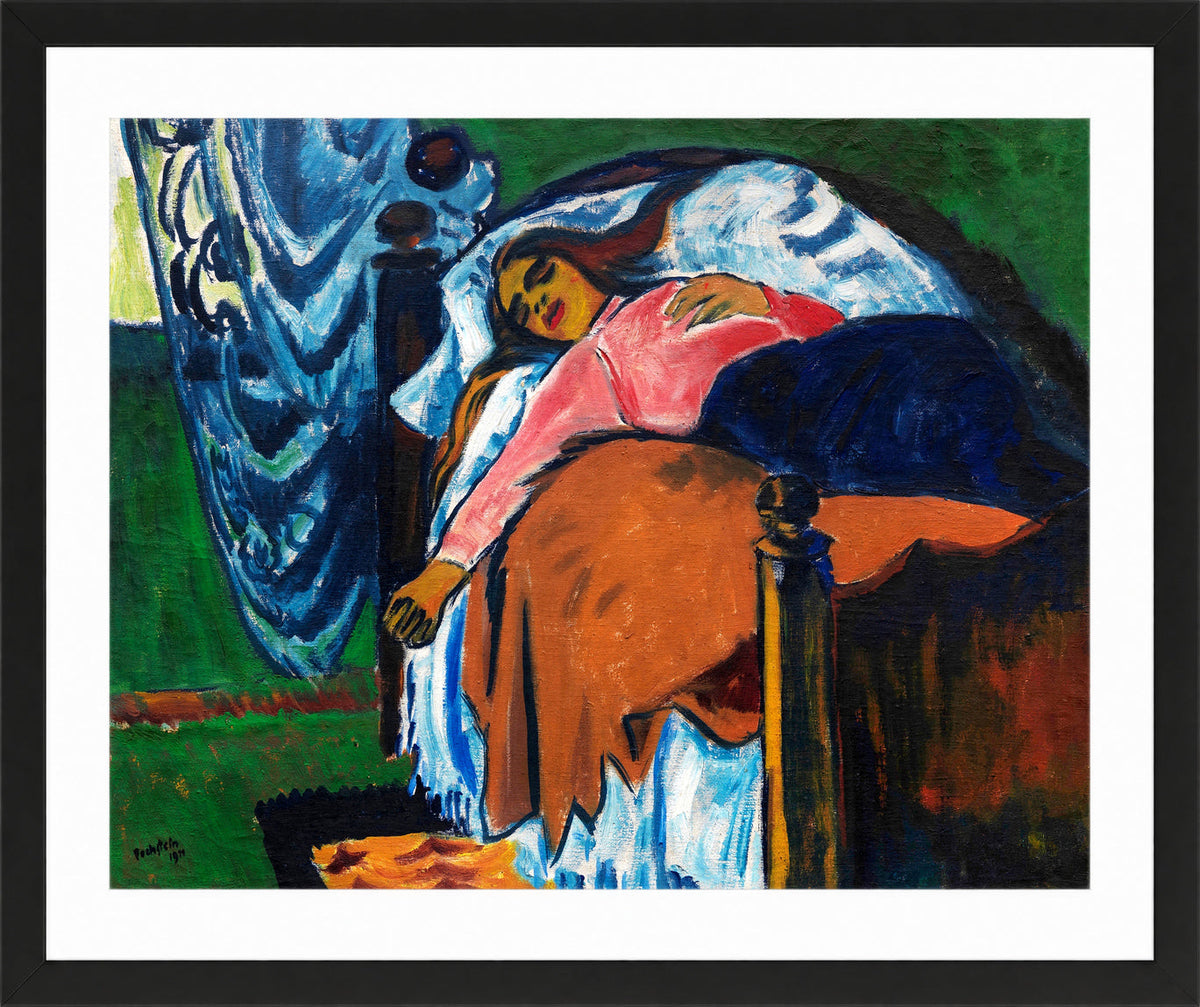
He did not restrict skin, clothing or background to their precise observed colours. Instead, colour could be adjusted to strengthen contrast and emotional intensity.
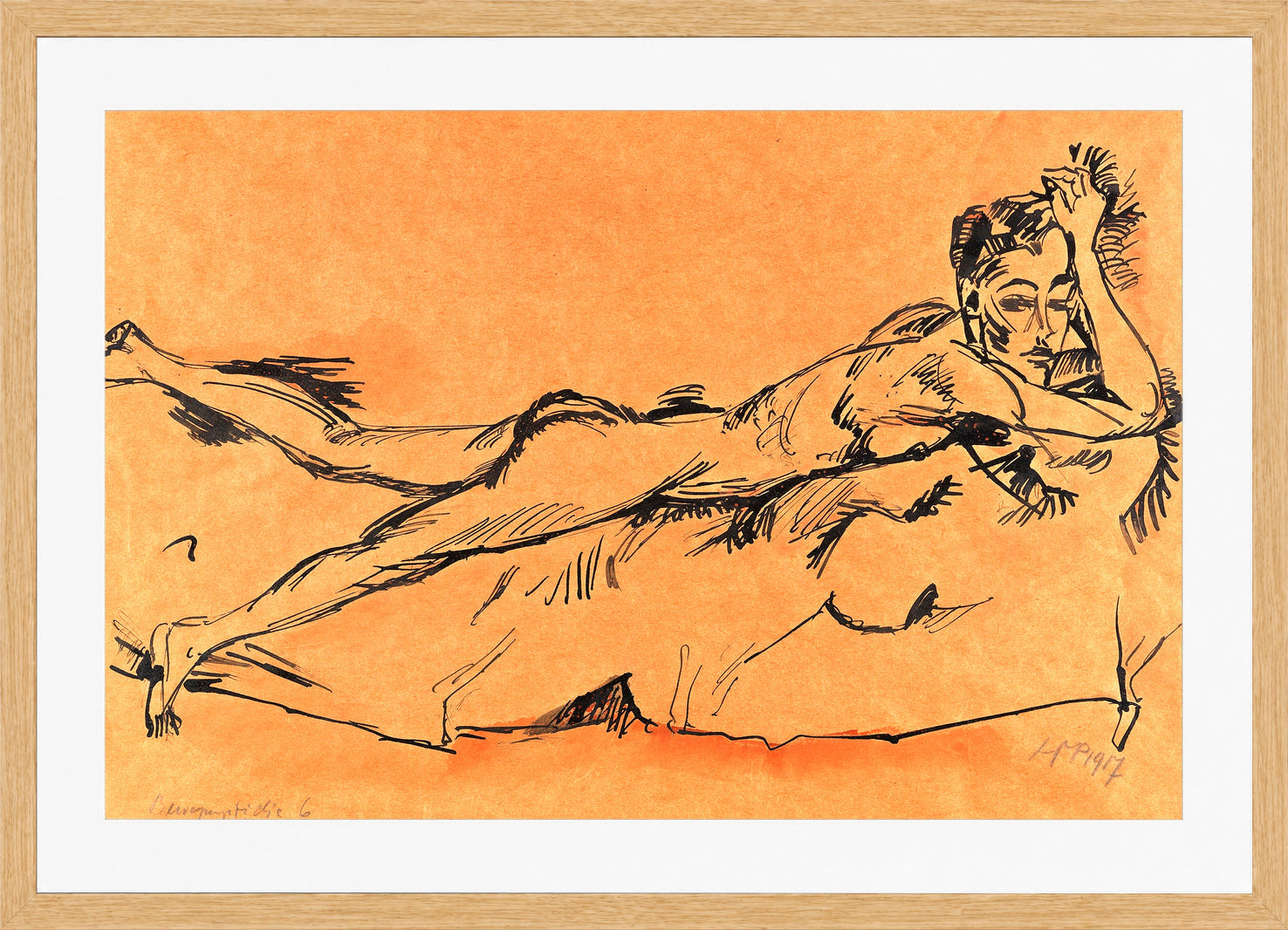
Skin may move towards orange, pink or red. Clothing can become areas of brilliant blue, green, yellow or black. Backgrounds may be simplified until they function almost as coloured fields around the sitter.
These relationships help determine how the figure is read.
A pale face against a dark background immediately attracts attention. Bright clothing can enlarge the apparent shape of a body. Contrasting colours can separate two adjacent figures without requiring detailed modelling.
Colour therefore performs some of the work that light, shade and conventional perspective would have carried in academic painting.
Line, Contour and Simplified Form
Strong contour is equally important.
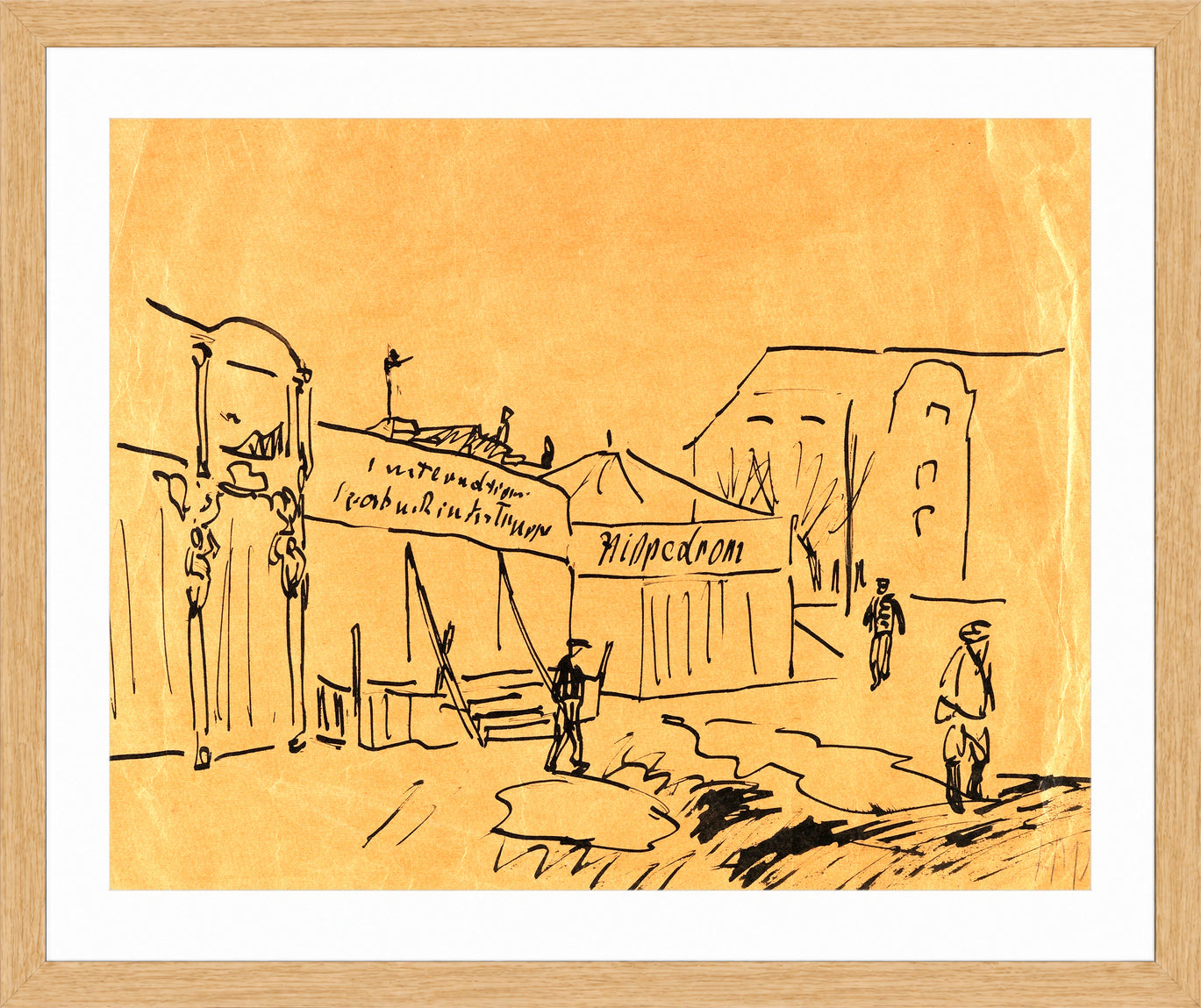
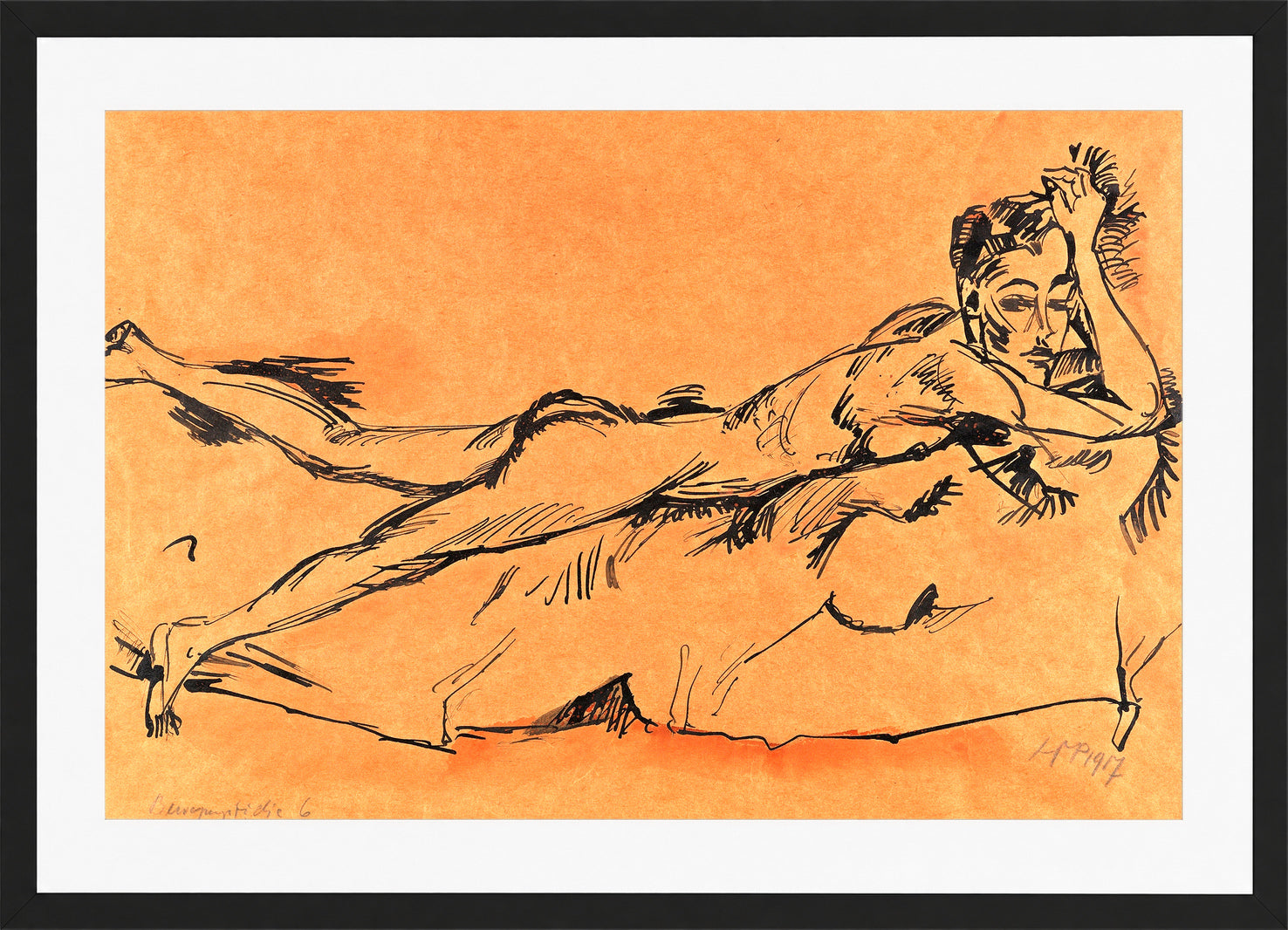
Pechstein frequently uses decisive dark lines to describe the edges of faces, limbs and clothing. Within a portrait, eyebrows, noses and mouths may also be reduced to relatively few emphatic marks.
This economy relates closely to his printmaking.
Pechstein produced hundreds of prints during his career, including numerous lithographs and woodcuts. Graphic processes encouraged direct line, strong contrast and reduction to essential forms.
The relationship between painting and printmaking runs throughout his figurative work.
Even when using colour and paint, Pechstein frequently seems to think like a graphic artist: establishing the basic silhouette first and allowing large shapes to carry the image.
Expressionist Portraiture in Print
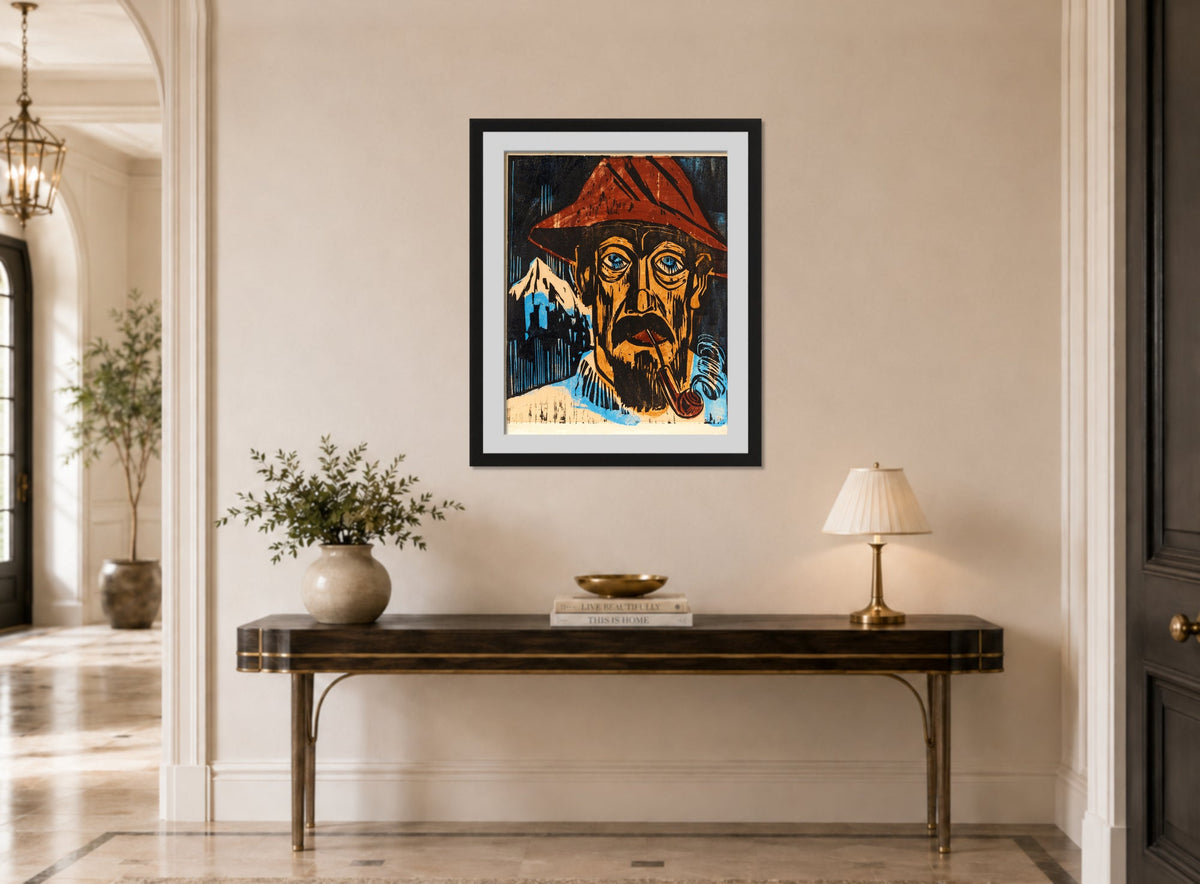
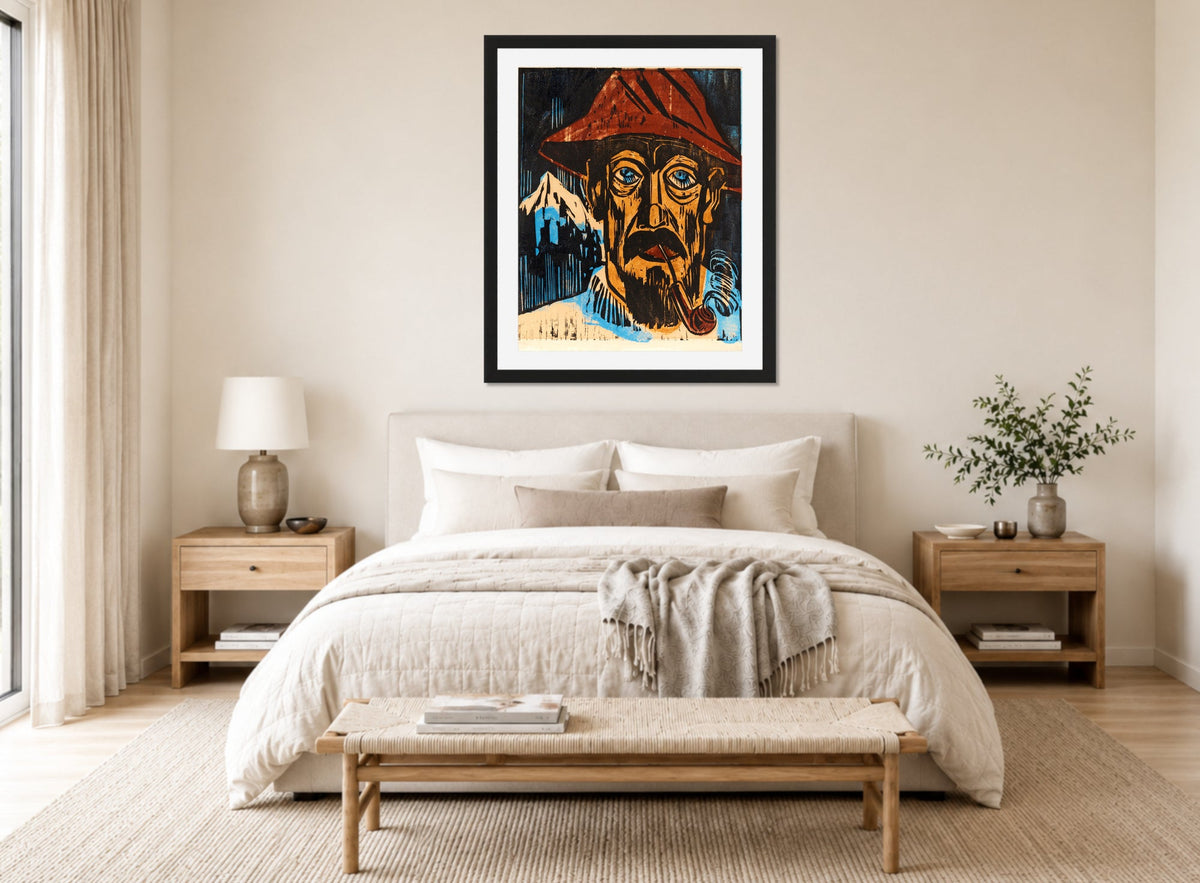
Some of Pechstein's most concentrated portraits were created through printmaking.
Woodcut is particularly effective for the human face because the process naturally divides the image into strong areas of dark and light.
Fine tonal modelling becomes difficult or unnecessary. Instead, forehead, eyes, nose, mouth and jaw can be built from interlocking carved shapes.
This gives Expressionist woodcut portraits an immediacy very different from conventional painted likenesses.
Lithography offered a contrasting possibility.
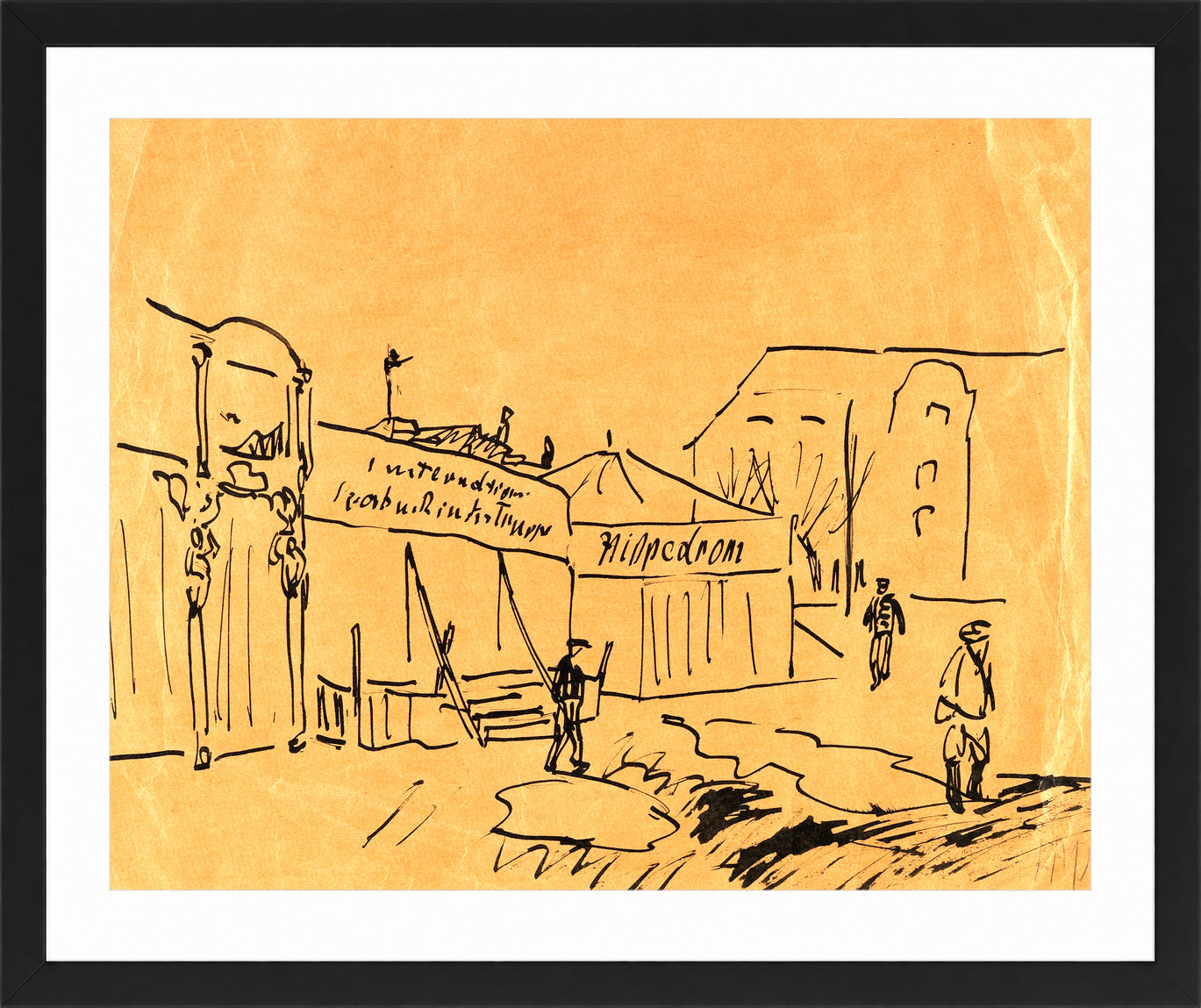
Because an artist could draw relatively freely on the printing surface, lithography retained much of the spontaneity of drawing. Rapid marks and abbreviated forms could therefore be transferred directly into printed images.
Pechstein exploited both approaches across his graphic work.
Pechstein's Nudes and the Figurative Tradition
The nude was another major part of Pechstein's exploration of the human figure.
For clarity, GalleryThane separates those works into their own focused Max Pechstein Nude & Bather Prints collection.
This distinction is useful because Pechstein's bathers and nude studies developed their own relationship with landscape, nature and the broader Die Brücke rejection of academic figure conventions.
The present collection concentrates instead on portraits, clothed figures, performers, families, workers and other scenes centred on human presence.
Together, however, the two collections demonstrate the extraordinary breadth of Pechstein's interest in the human body and face.
Max Pechstein Portraits and the Modern Figure
Pechstein's approach occupies an interesting position between traditional portraiture and the increasingly experimental figure painting of the early twentieth century.
His subjects remain recognisably human and often retain individual personality, yet the visual language used to represent them is distinctly modern.
Colour becomes independent from natural appearance.
Contours are strengthened.
Forms are reduced to their essential structure.
Perspective becomes less important than the relationship between the figure and the surrounding shapes.
This balance between recognisable subject matter and expressive transformation helps explain why Pechstein's portraits and figure paintings remain visually powerful.
For a broader range of portraits, families, dancers, figures and people in art, browse GalleryThane's Portraits and People Fine Art Prints.
Max Pechstein Figurative Prints for Contemporary Interiors
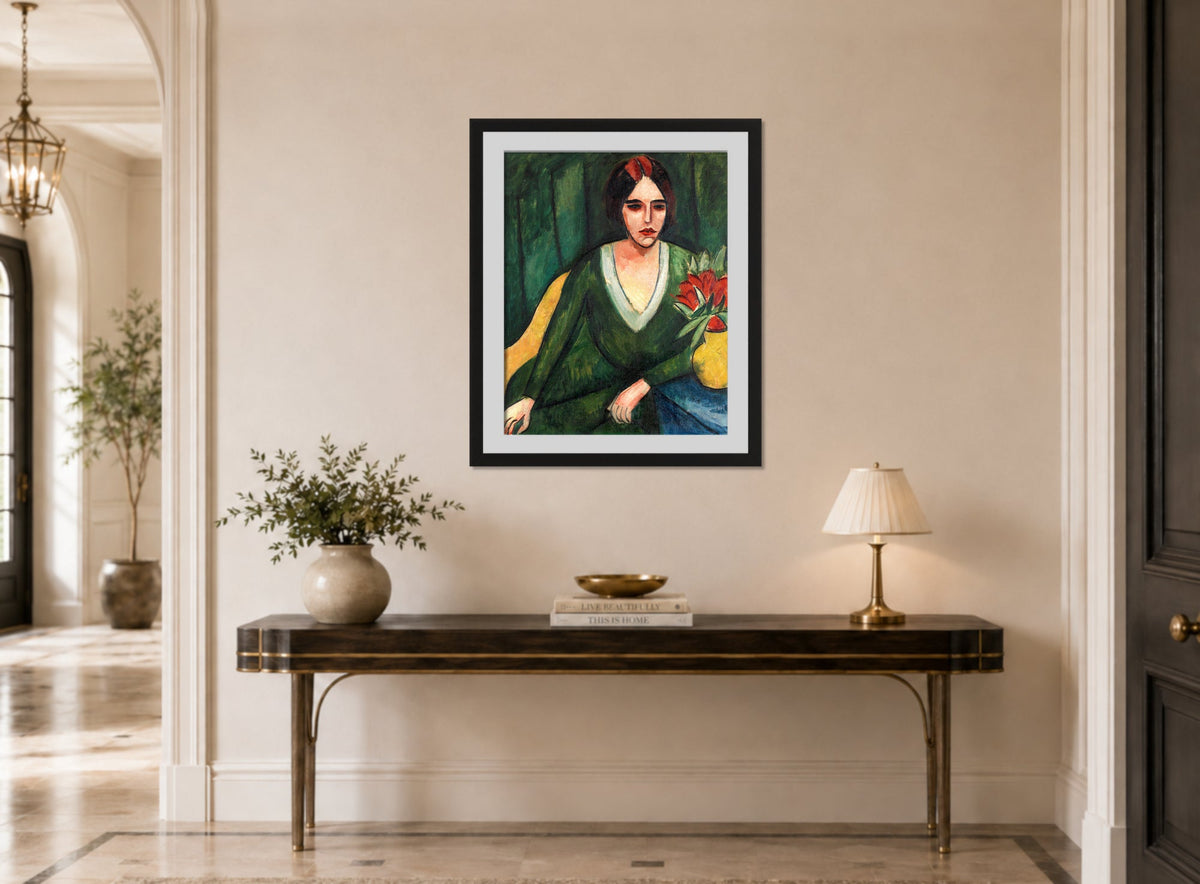
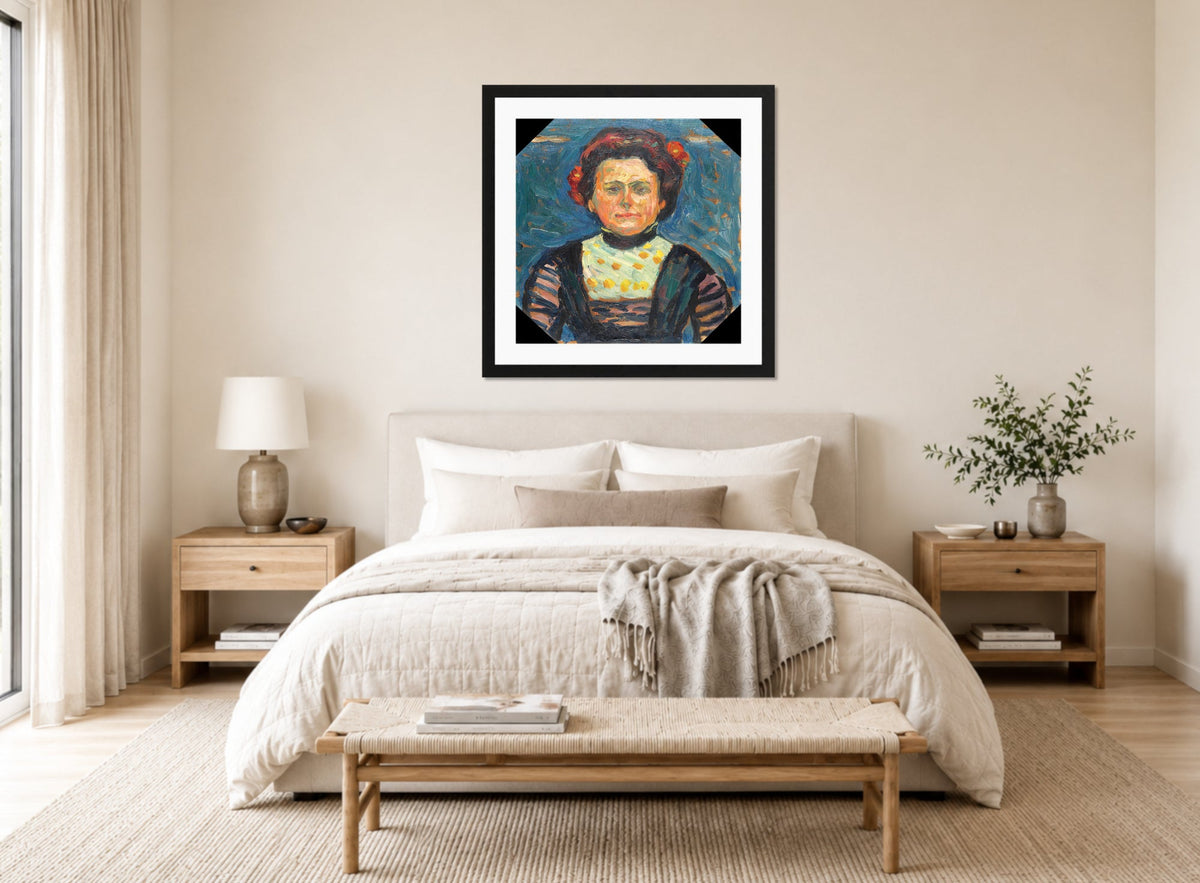
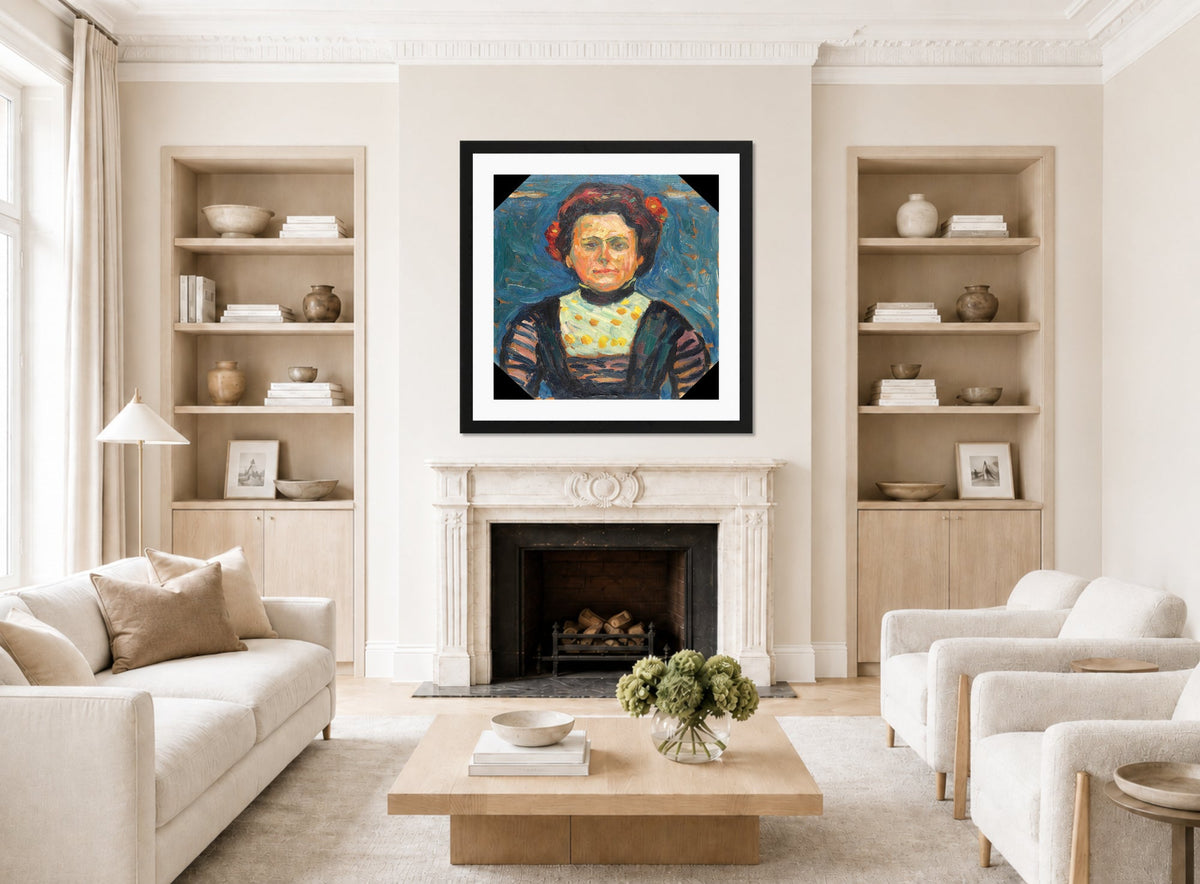
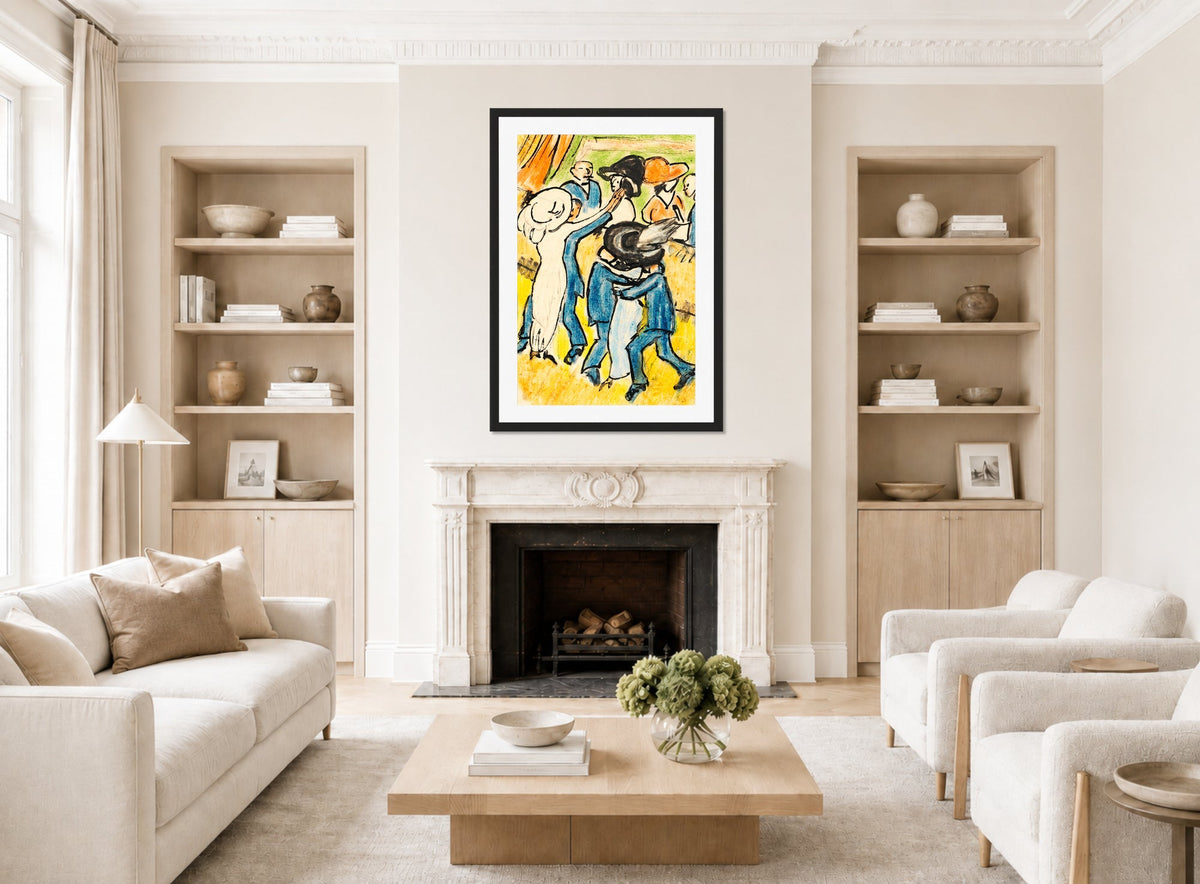
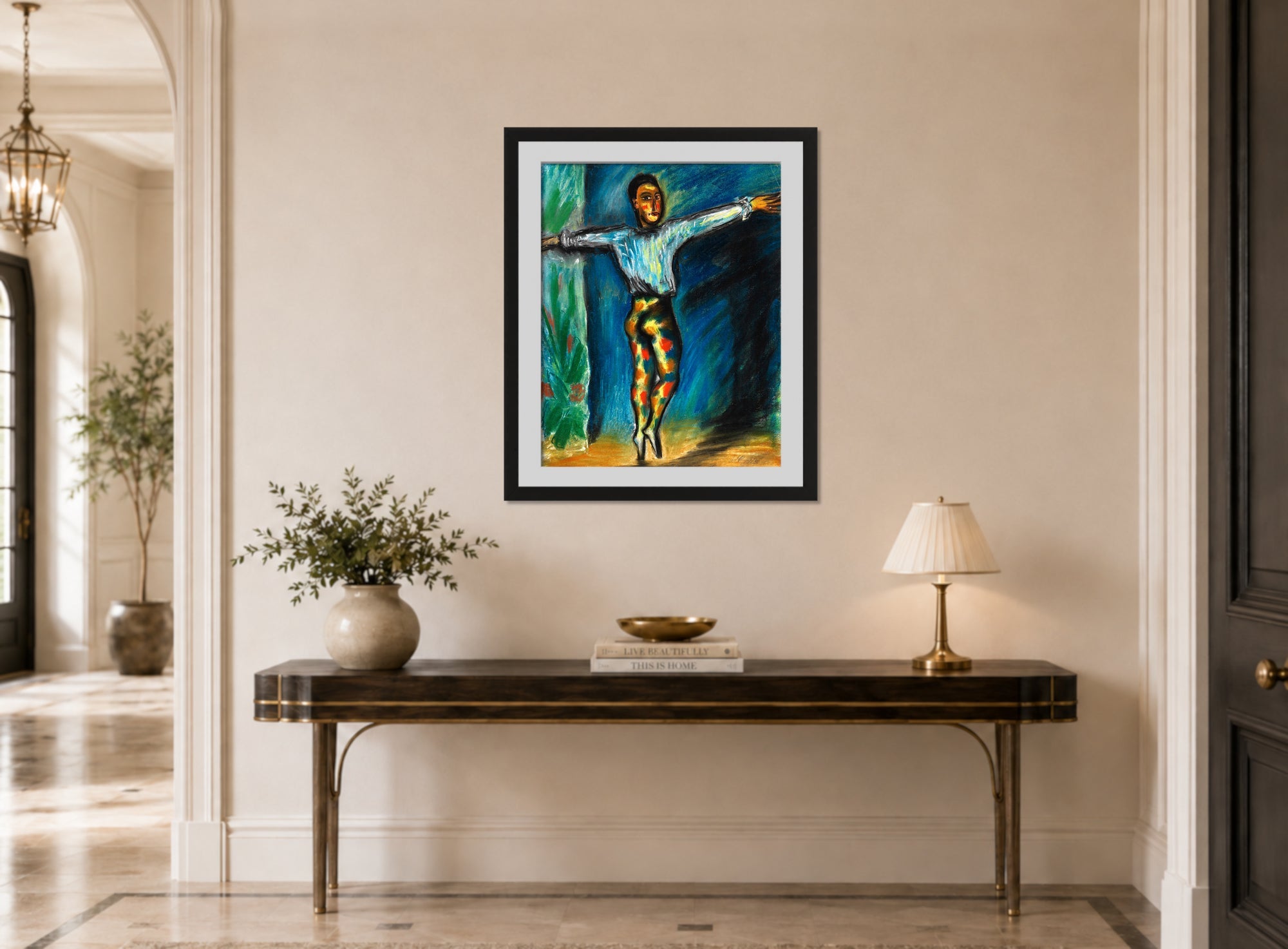
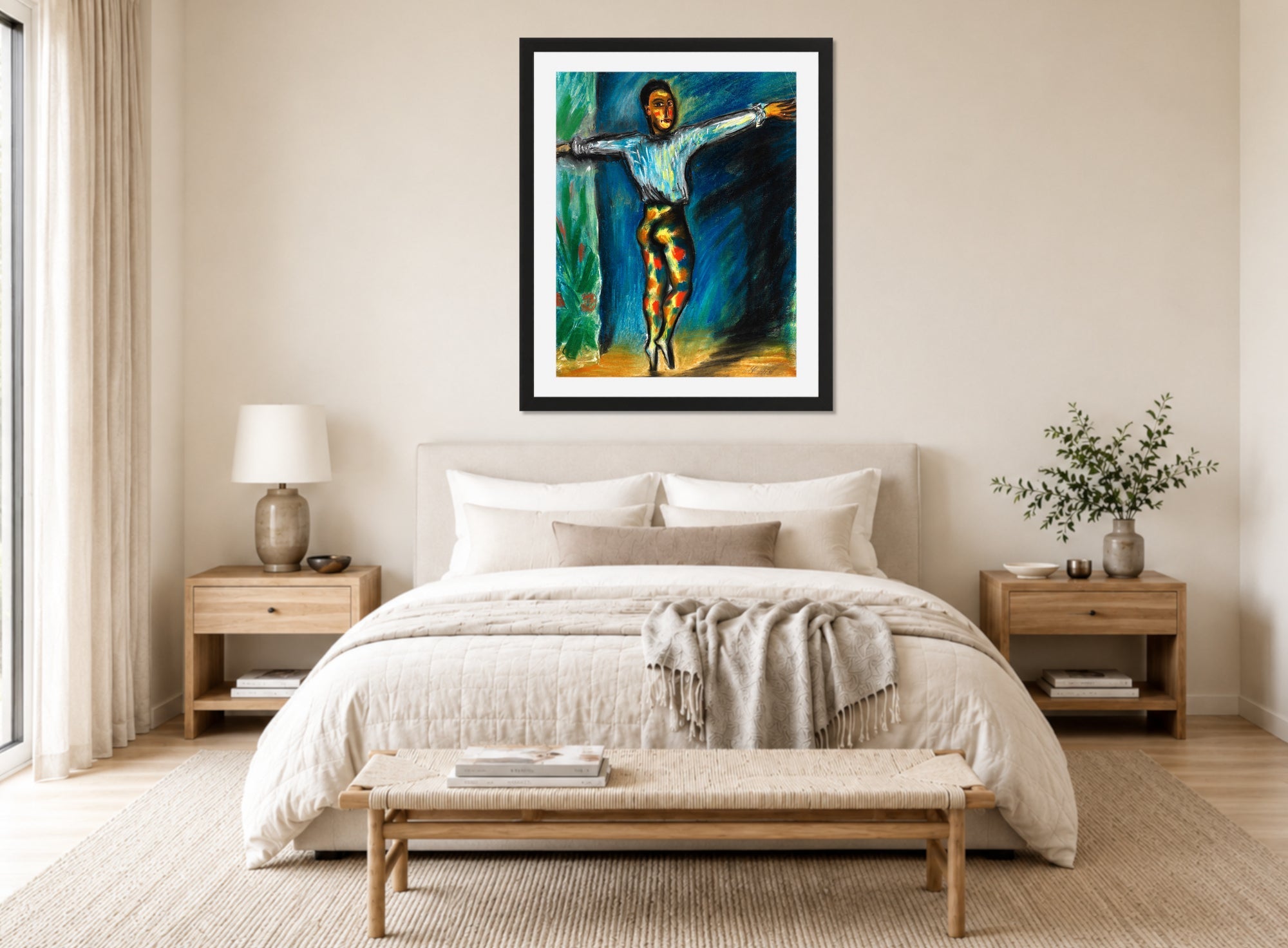
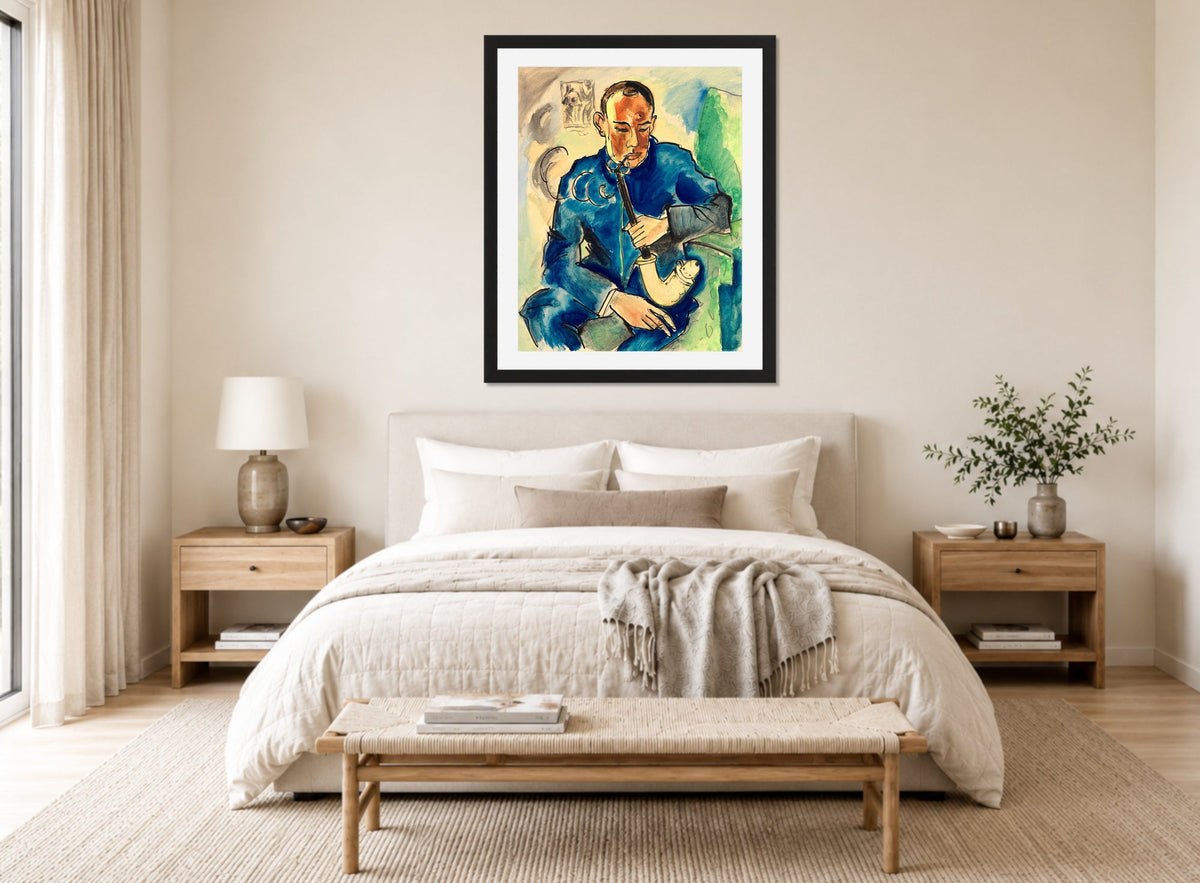
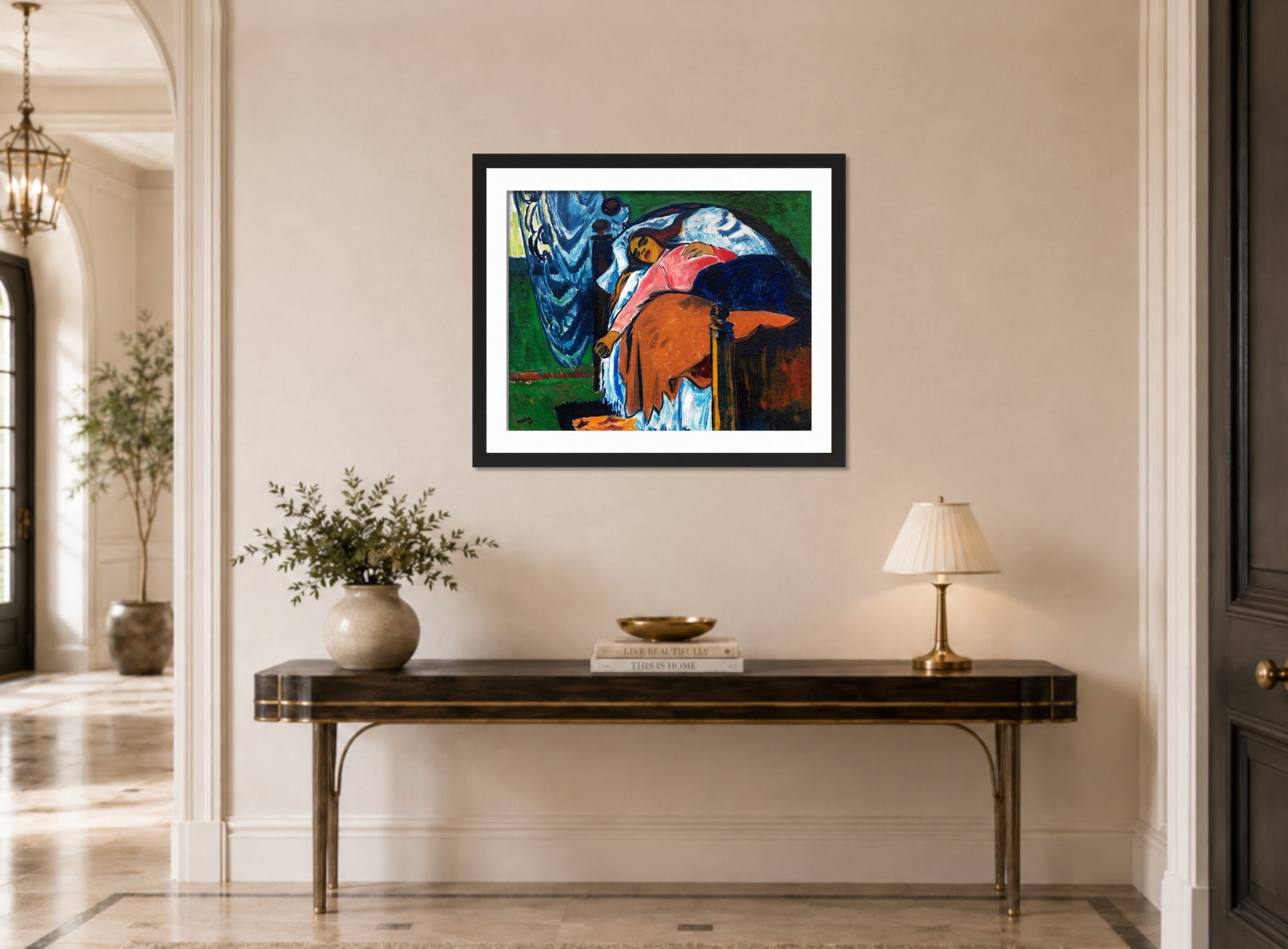
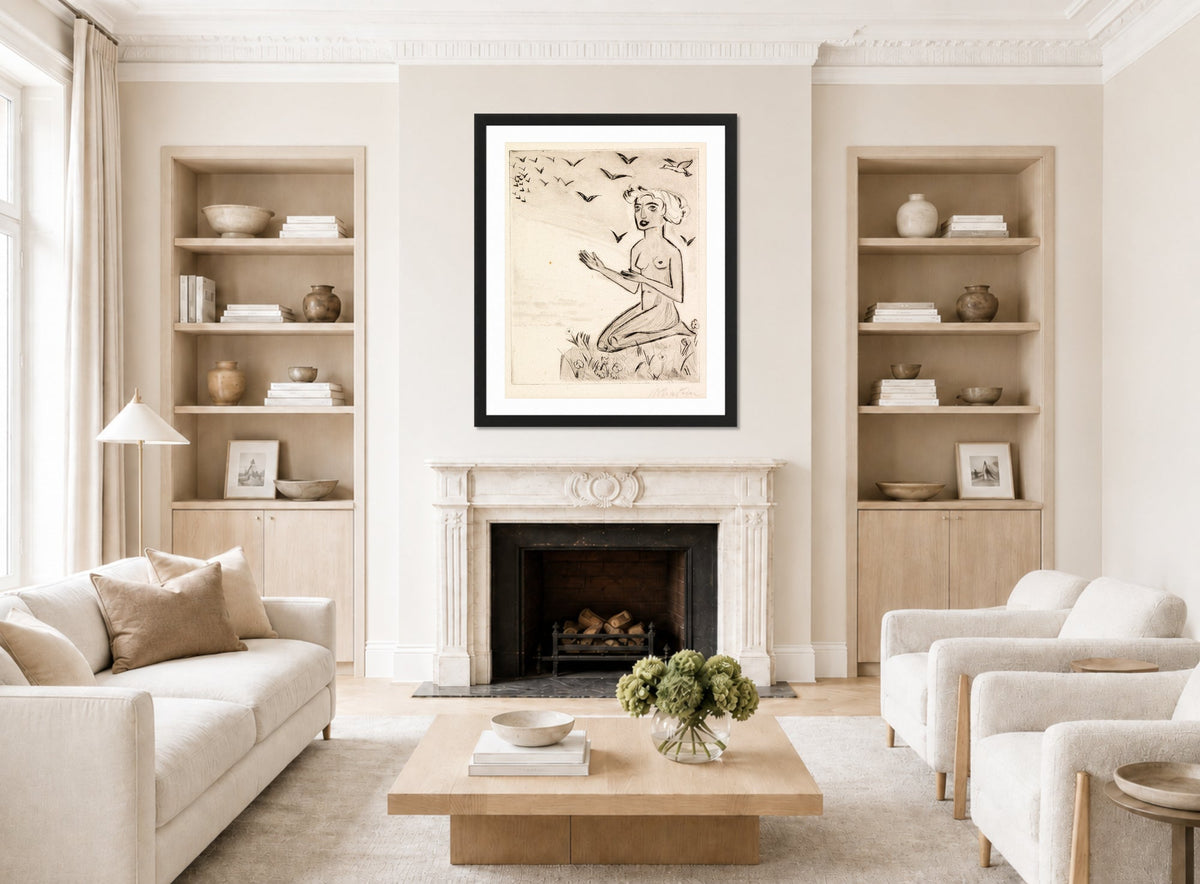
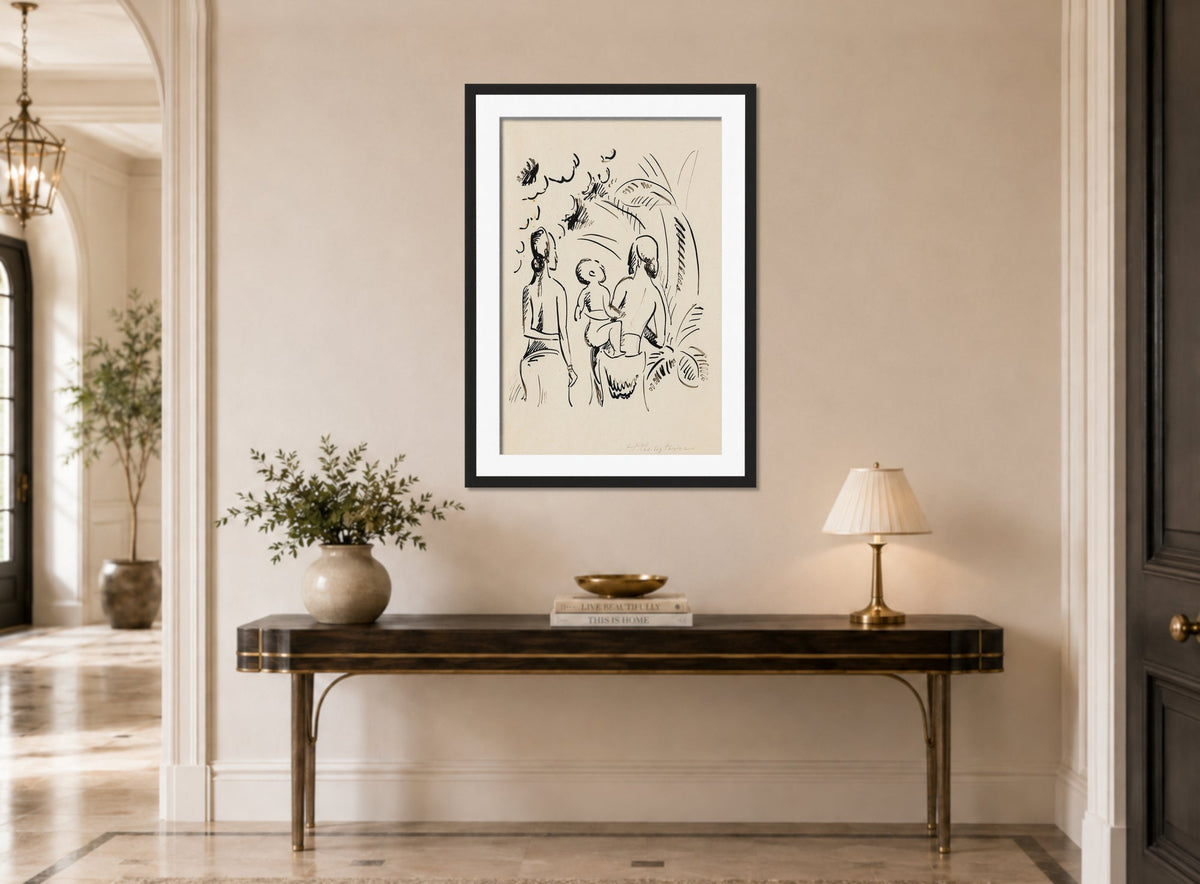
Pechstein's portraits and figurative compositions can work particularly well in contemporary interiors because they combine human presence with strong modern design.
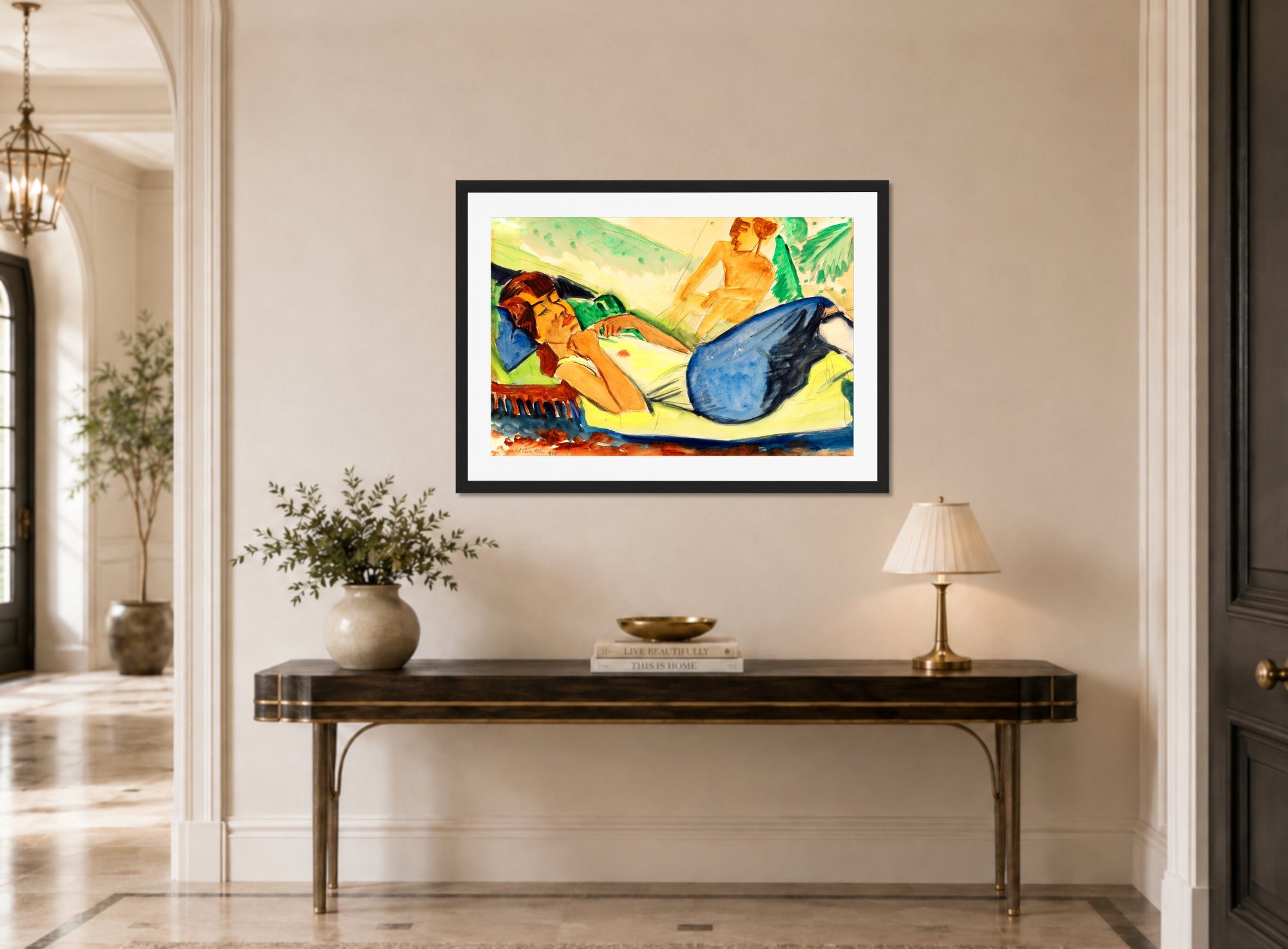
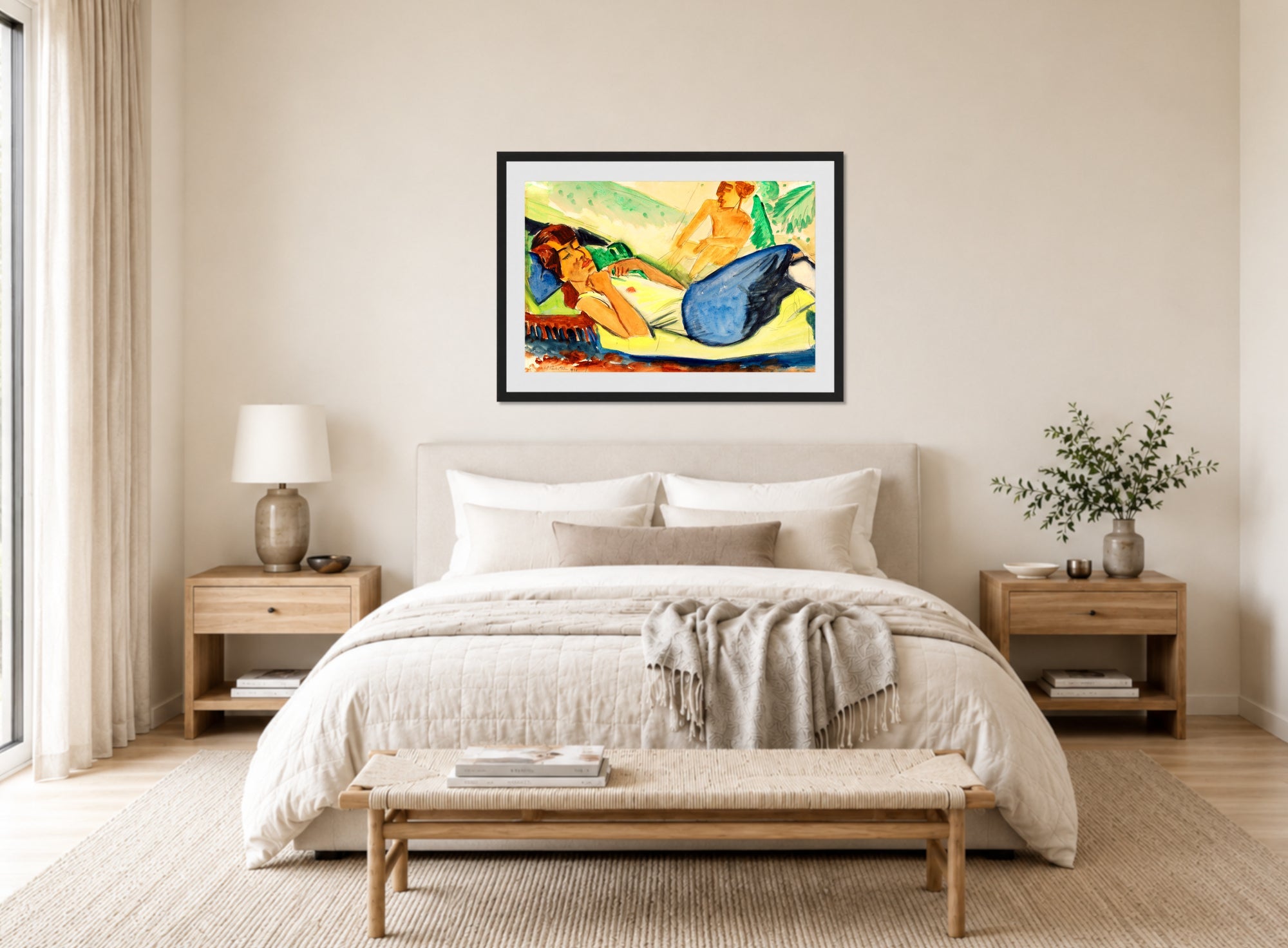
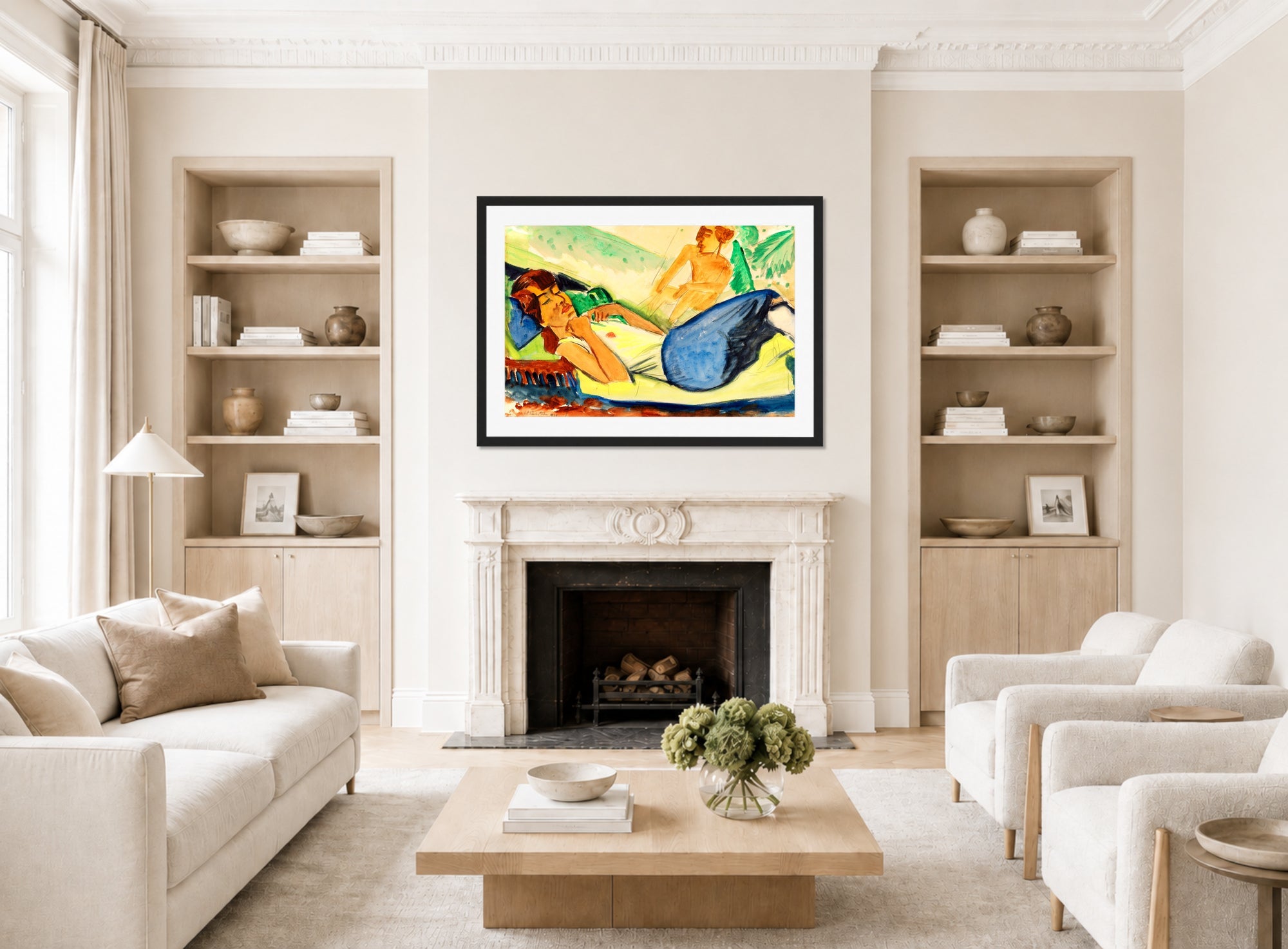
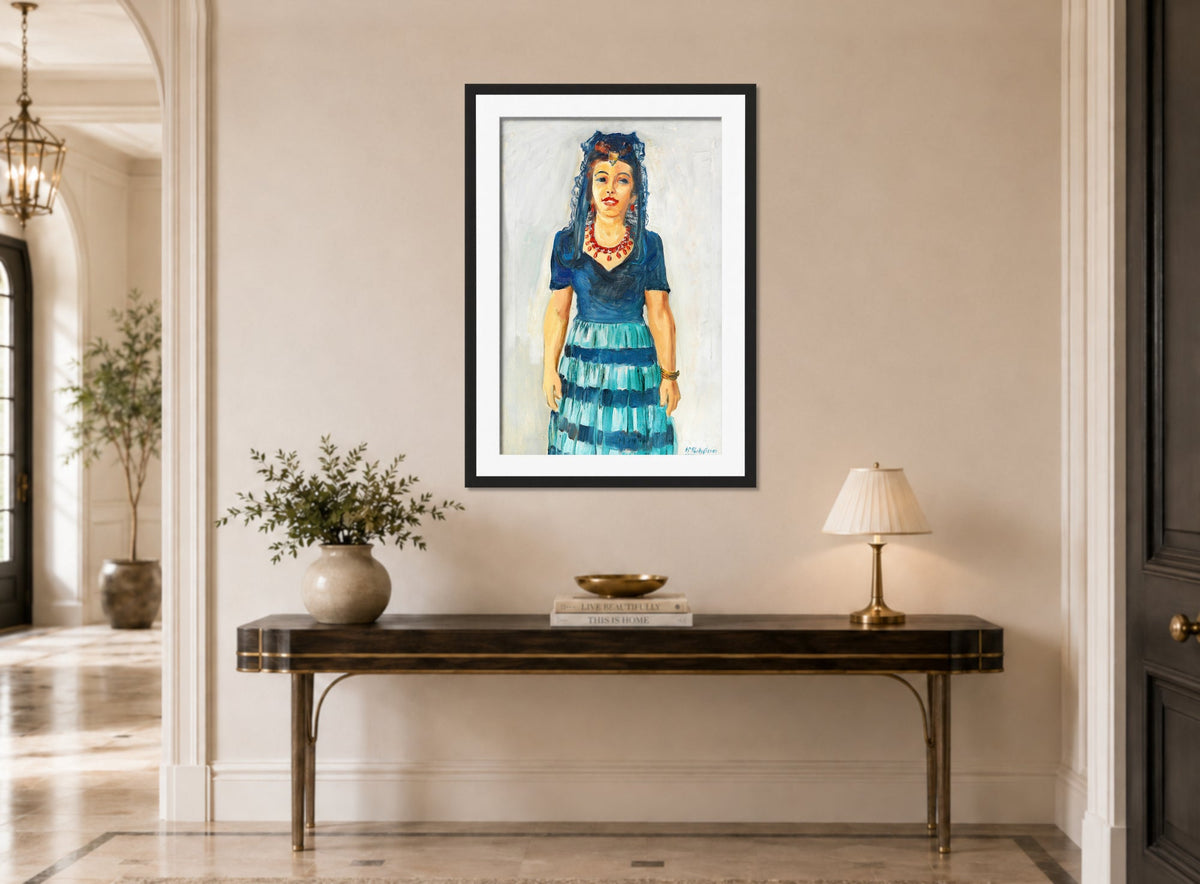
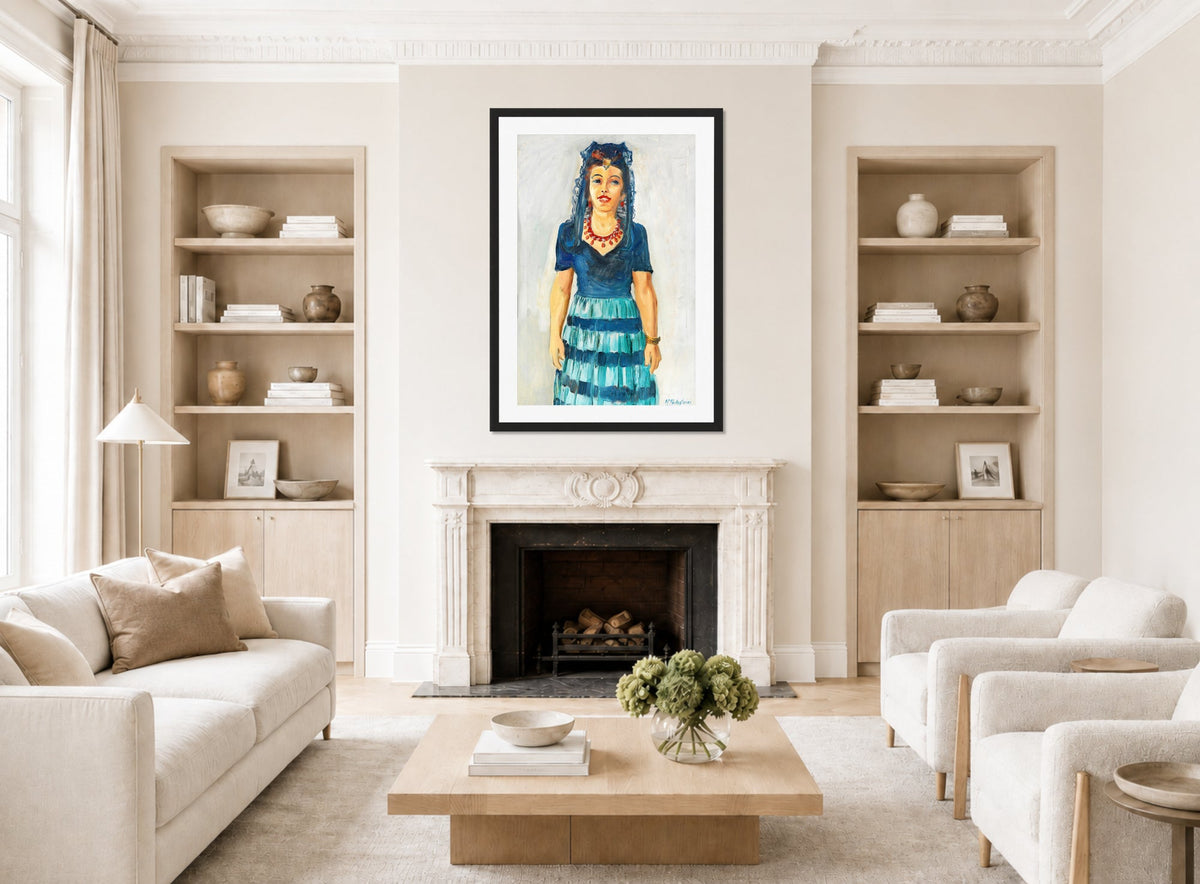
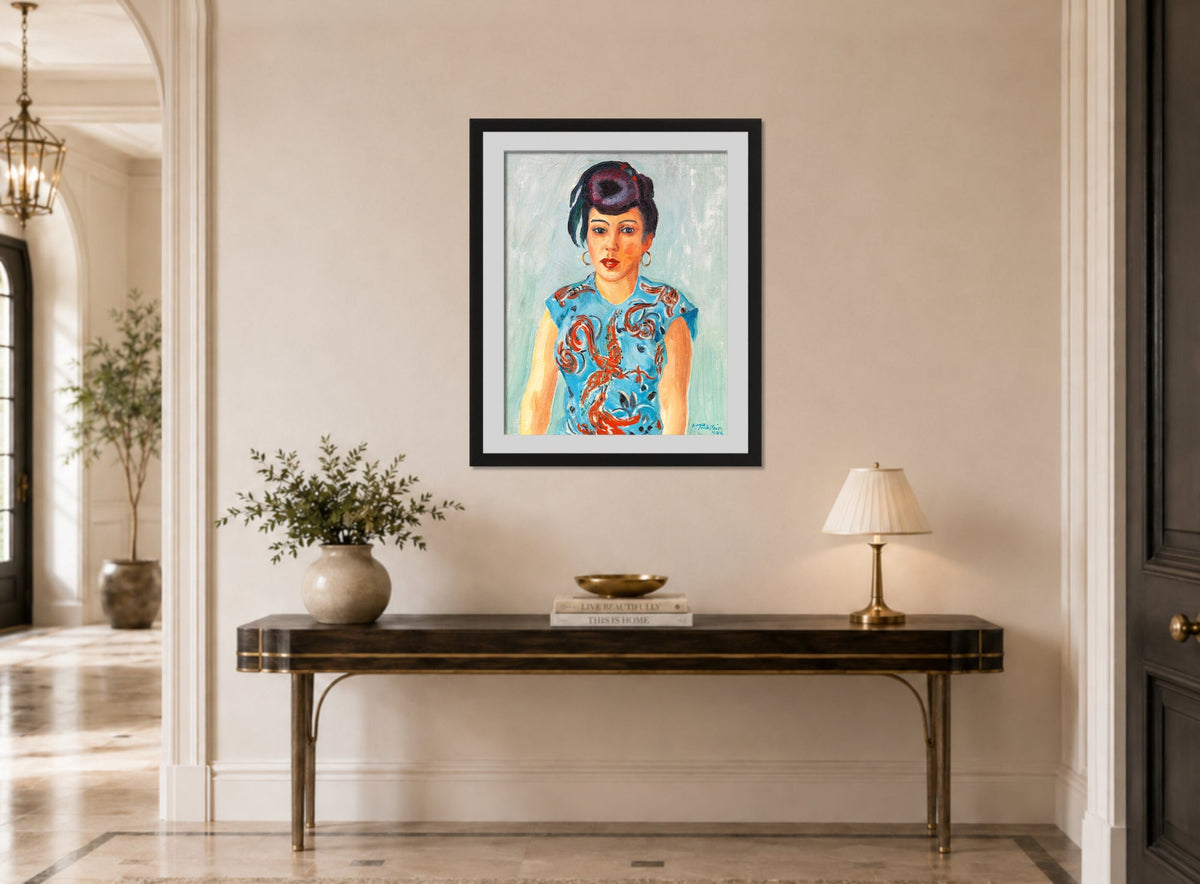
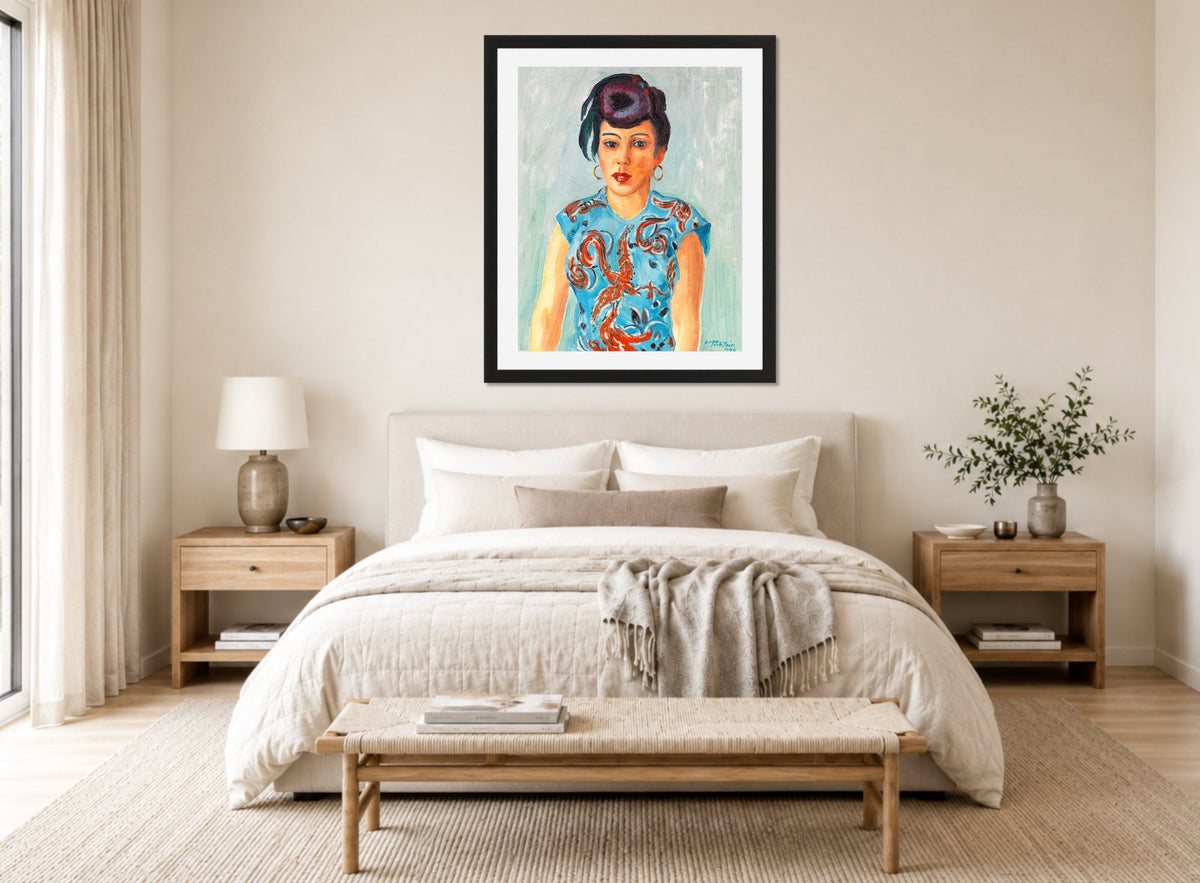
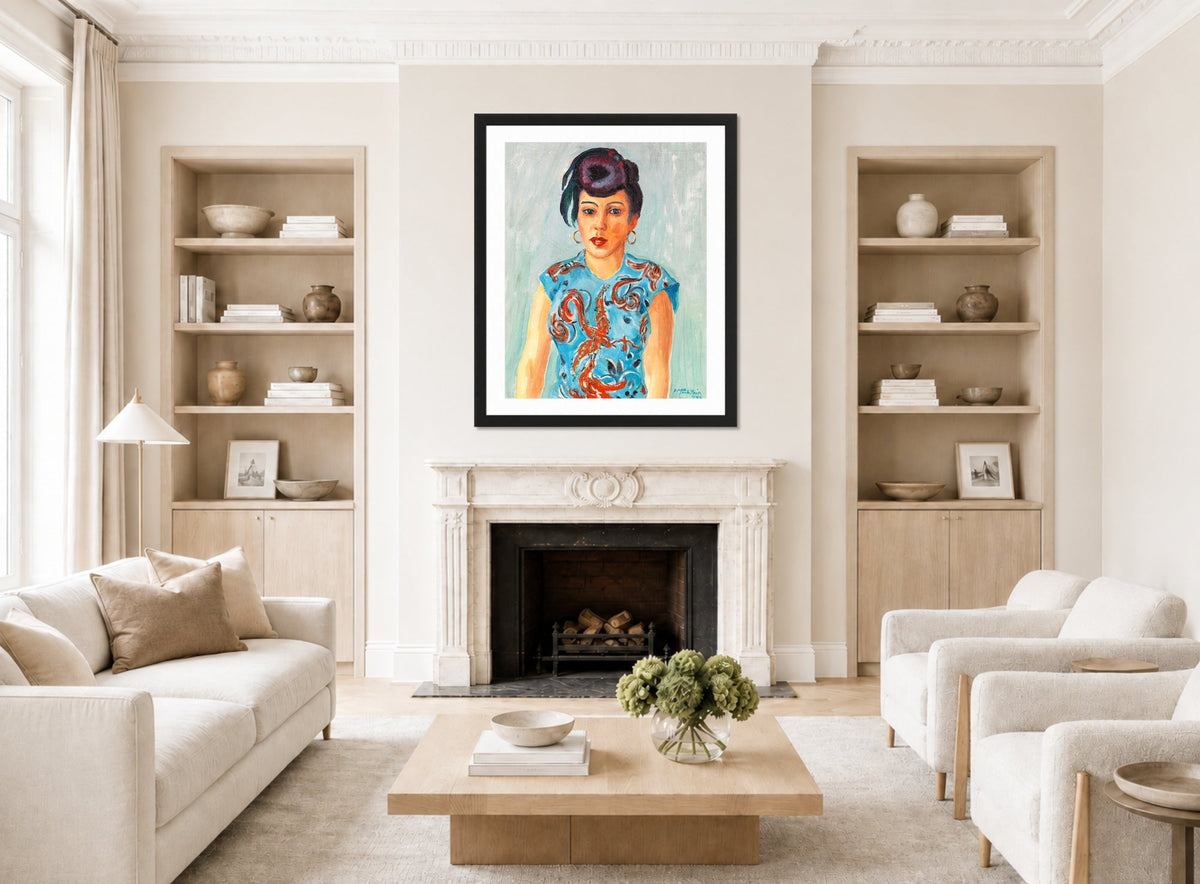
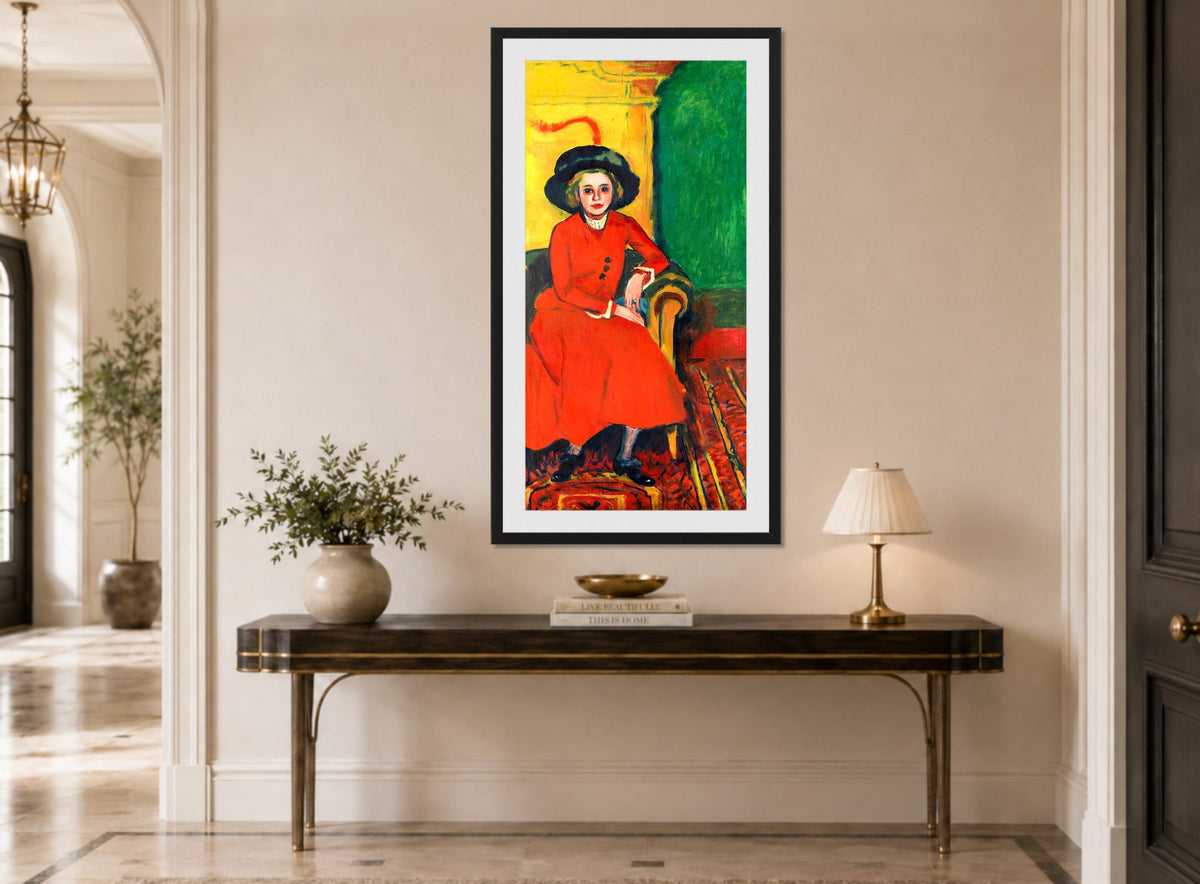
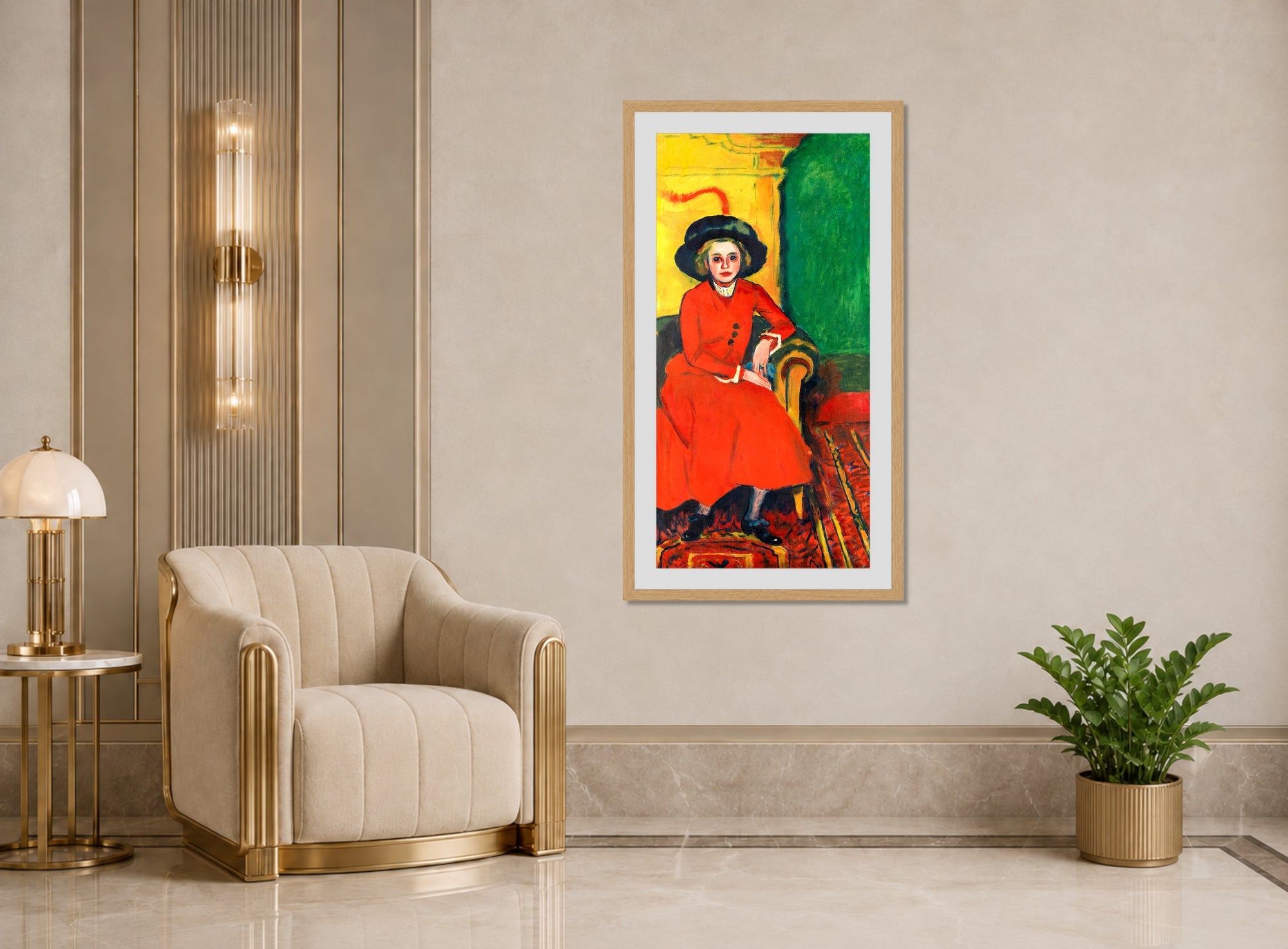
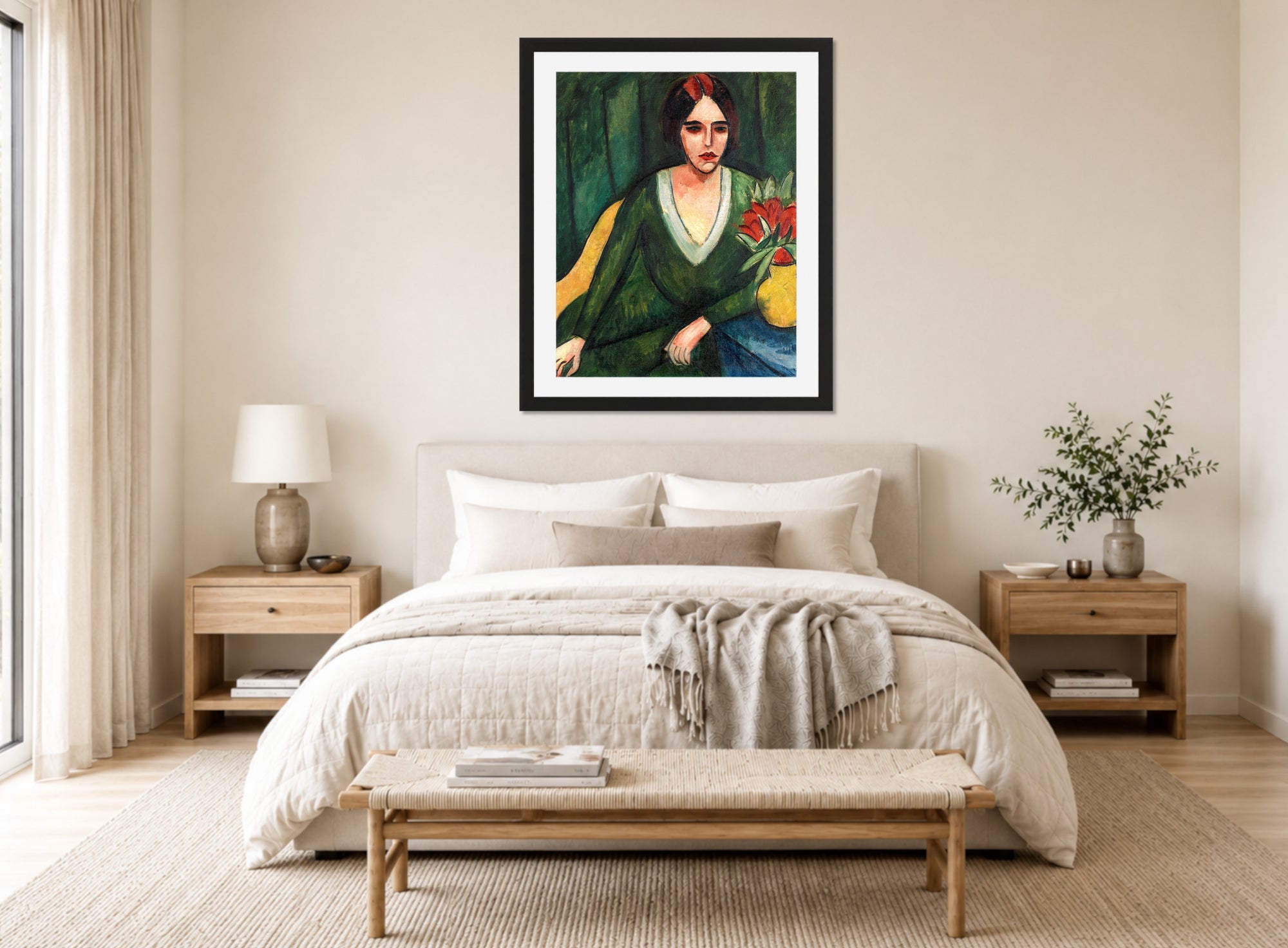
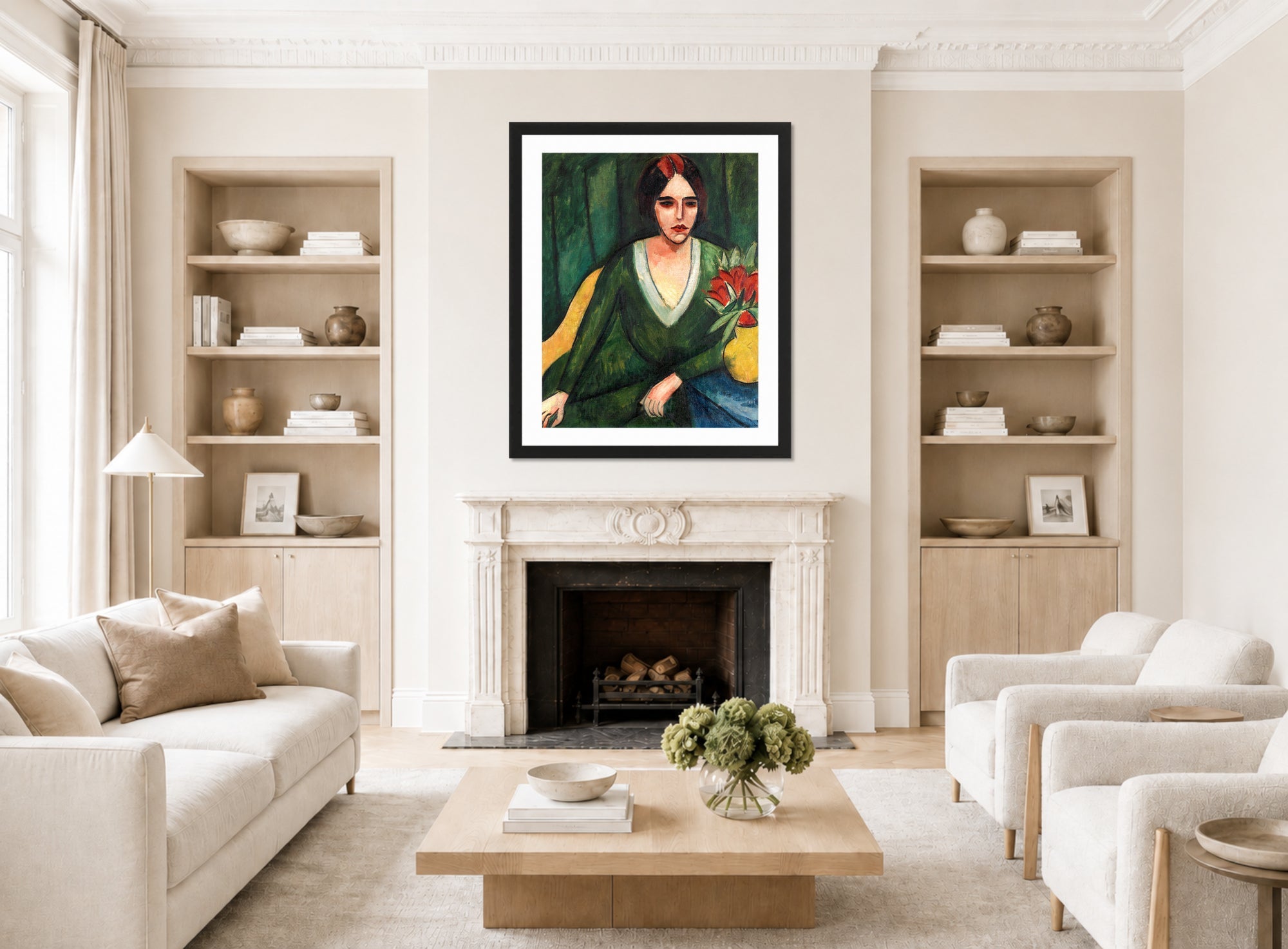
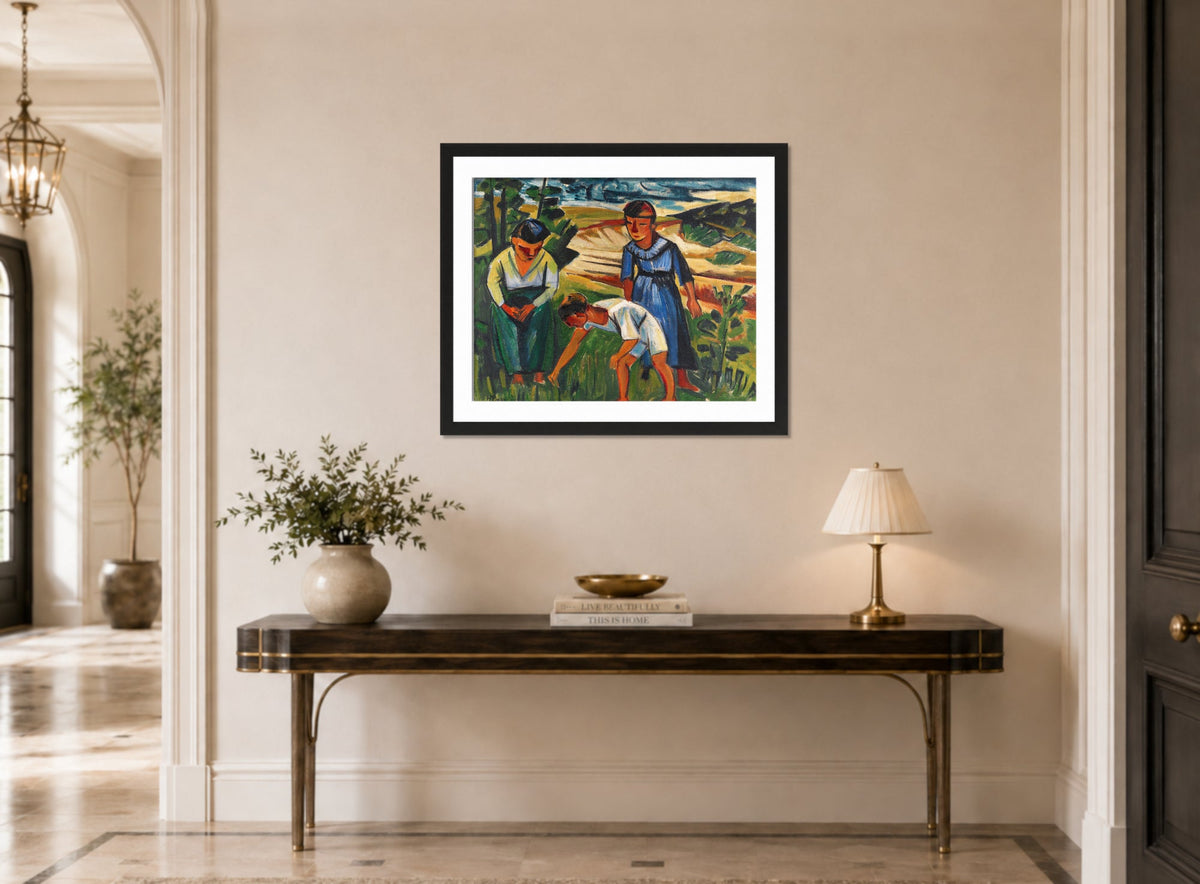
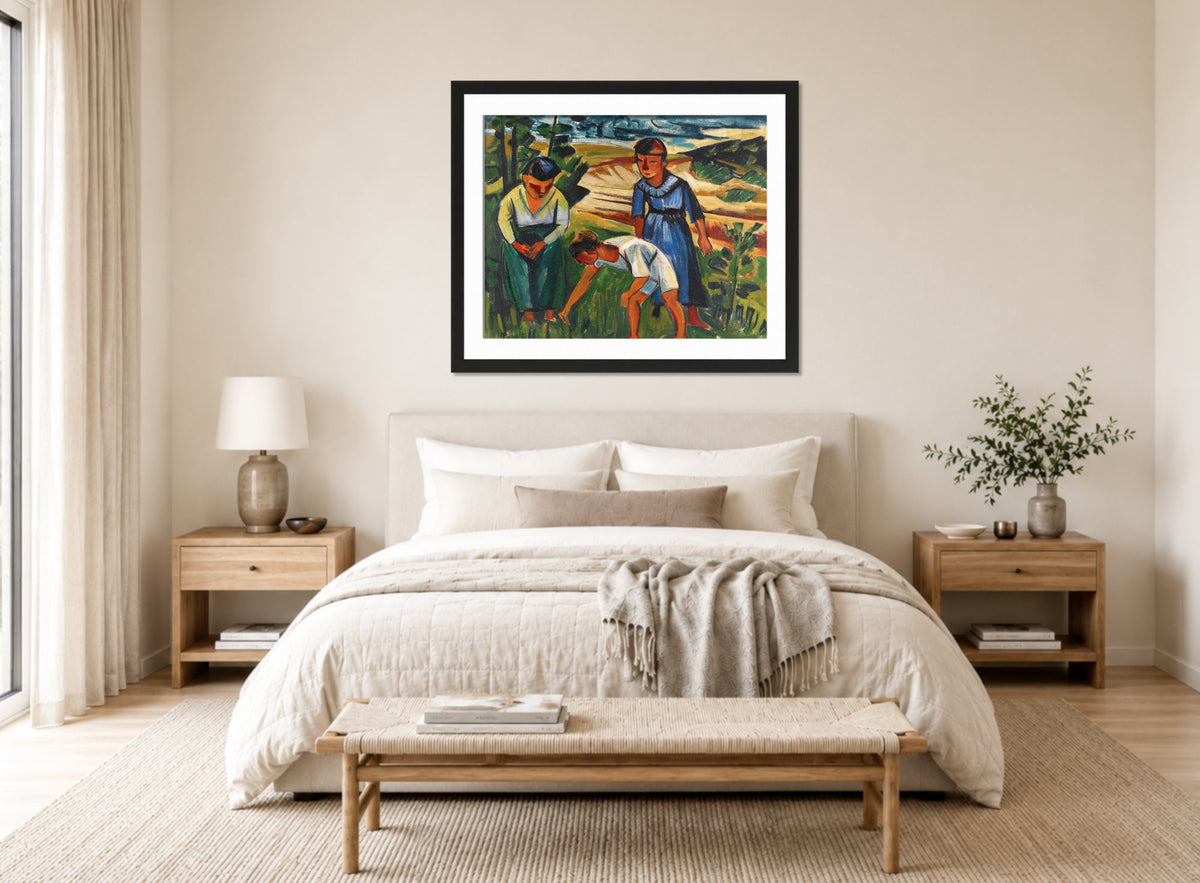
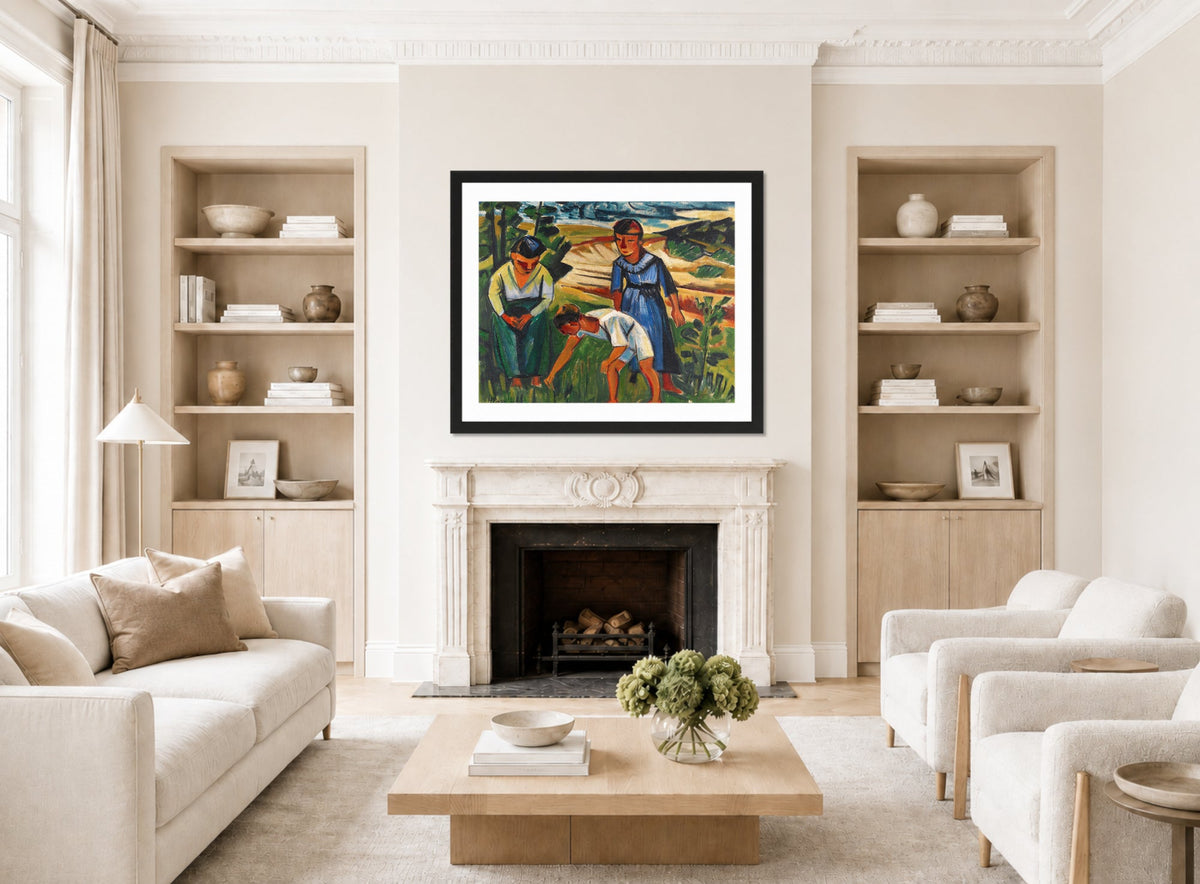
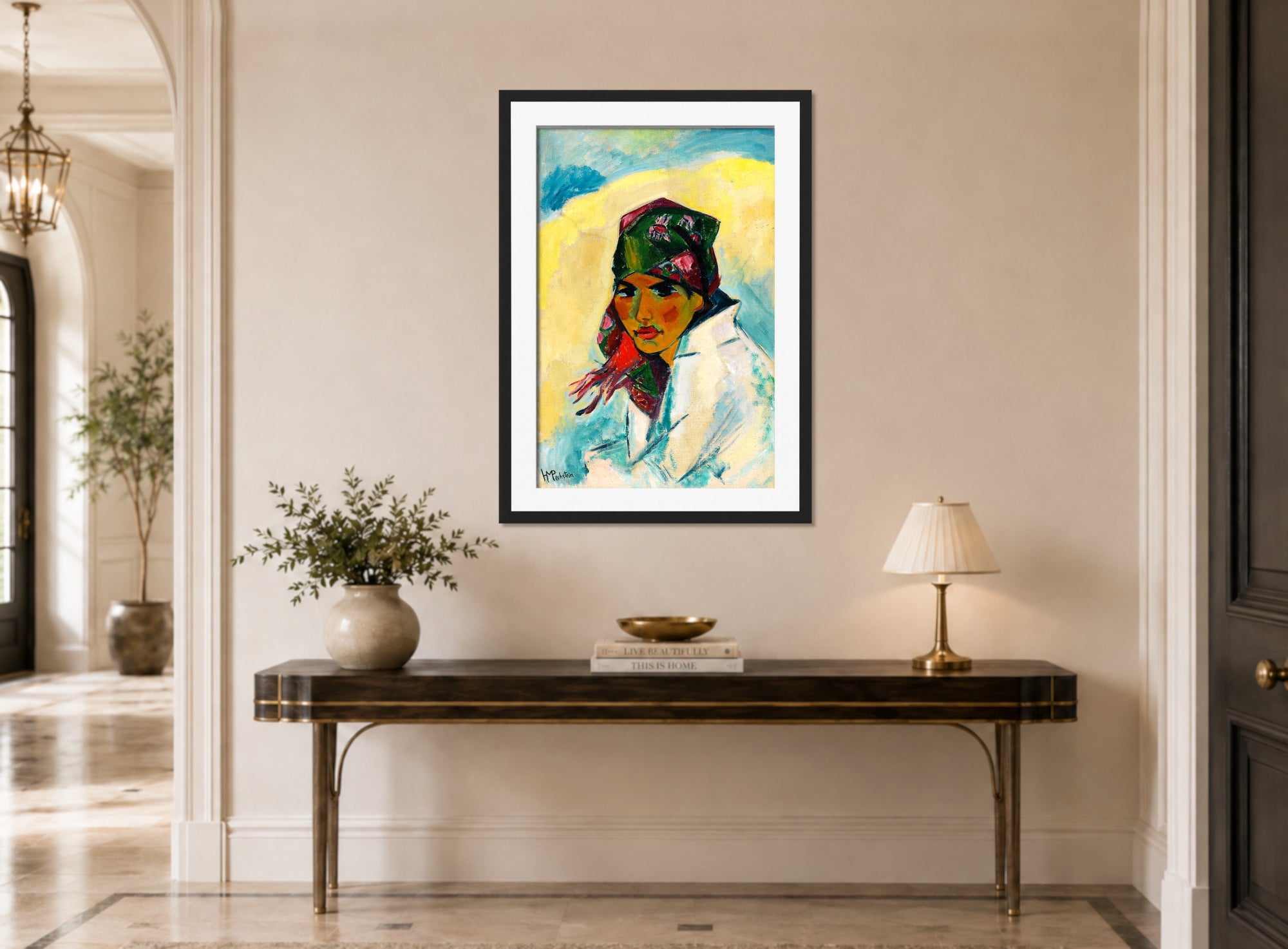
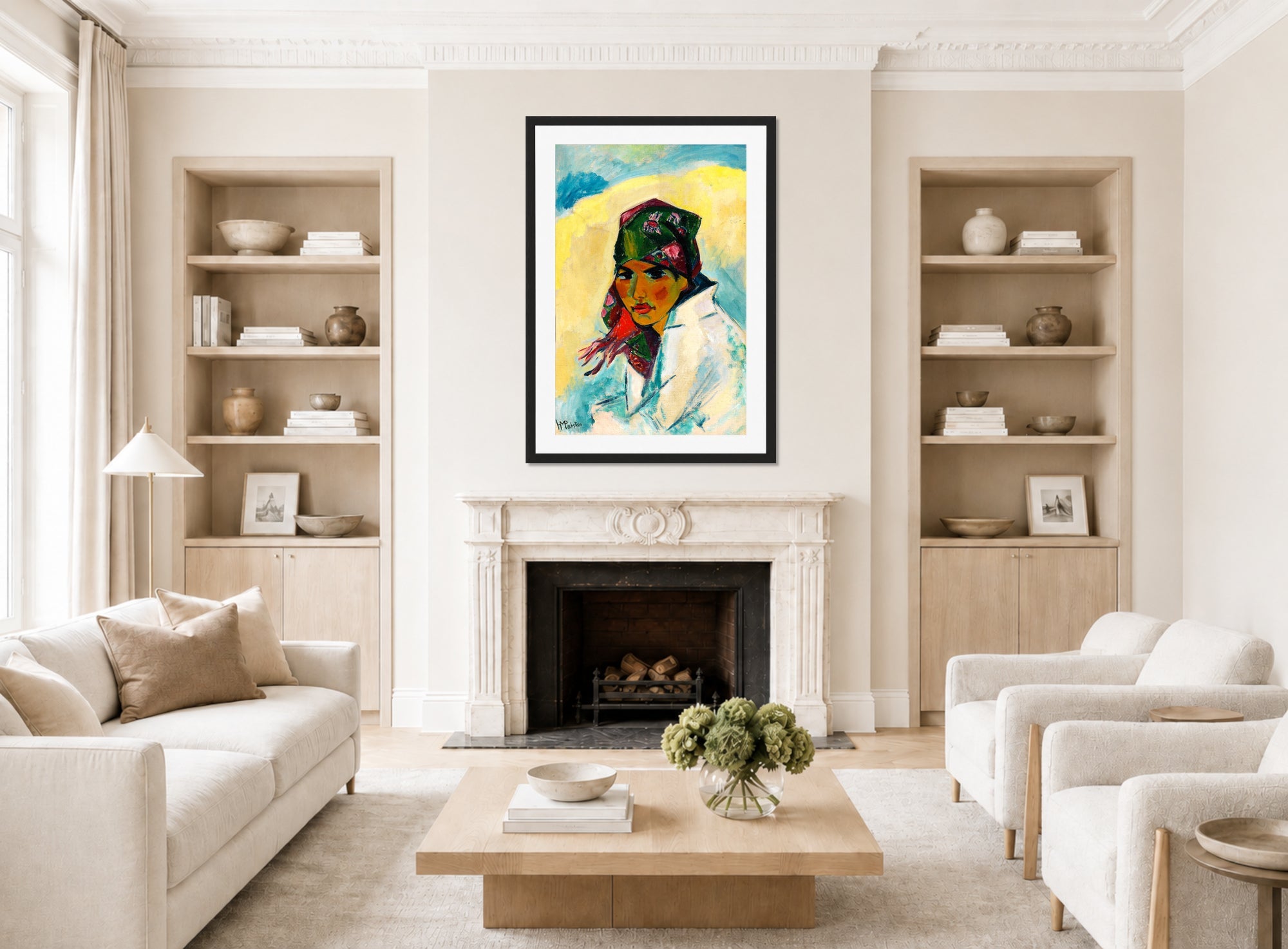
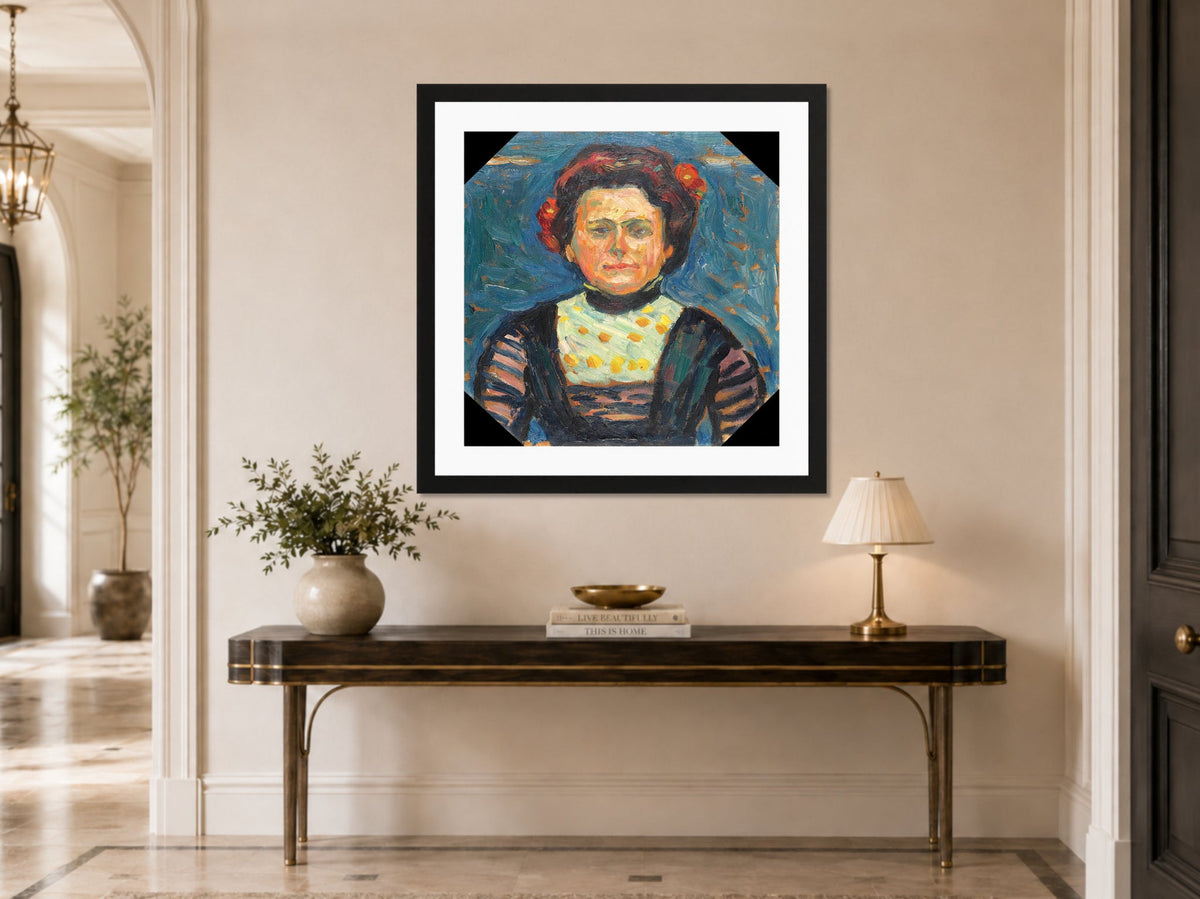
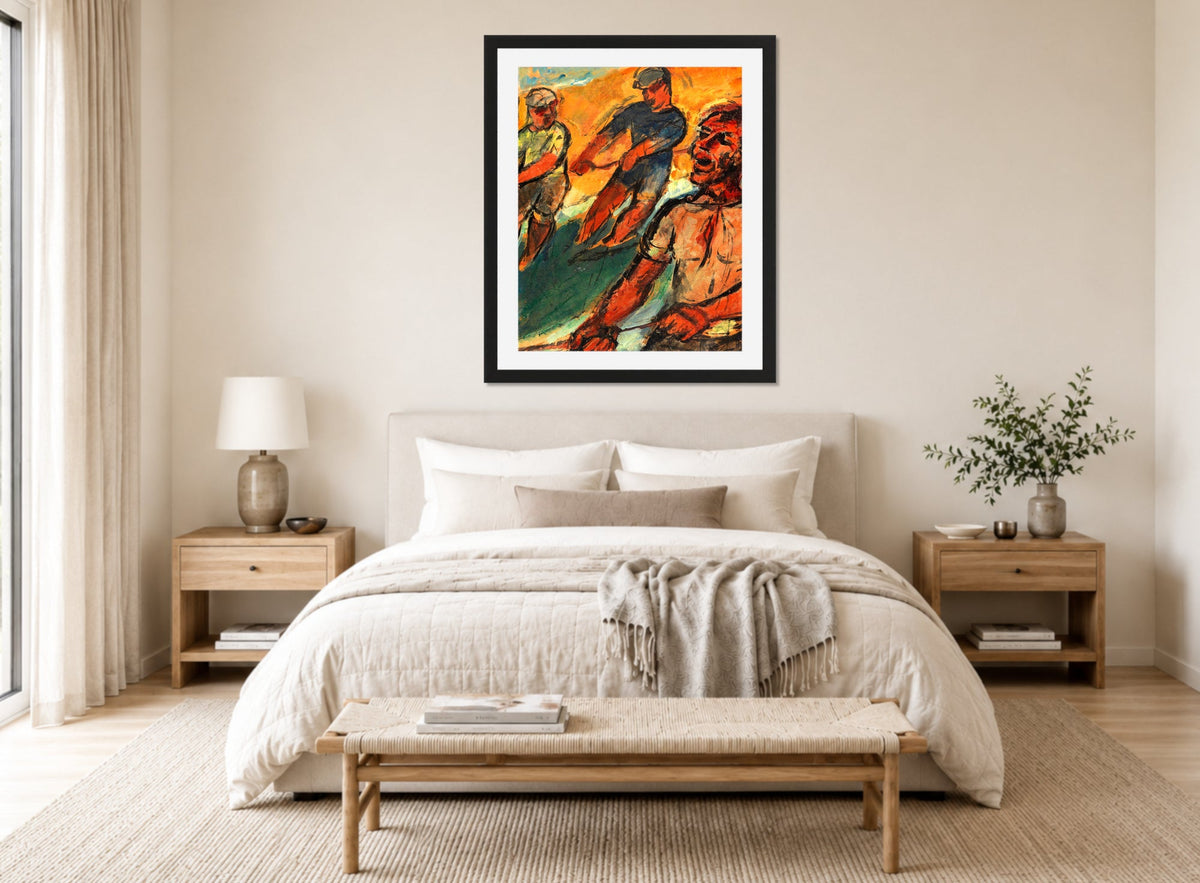
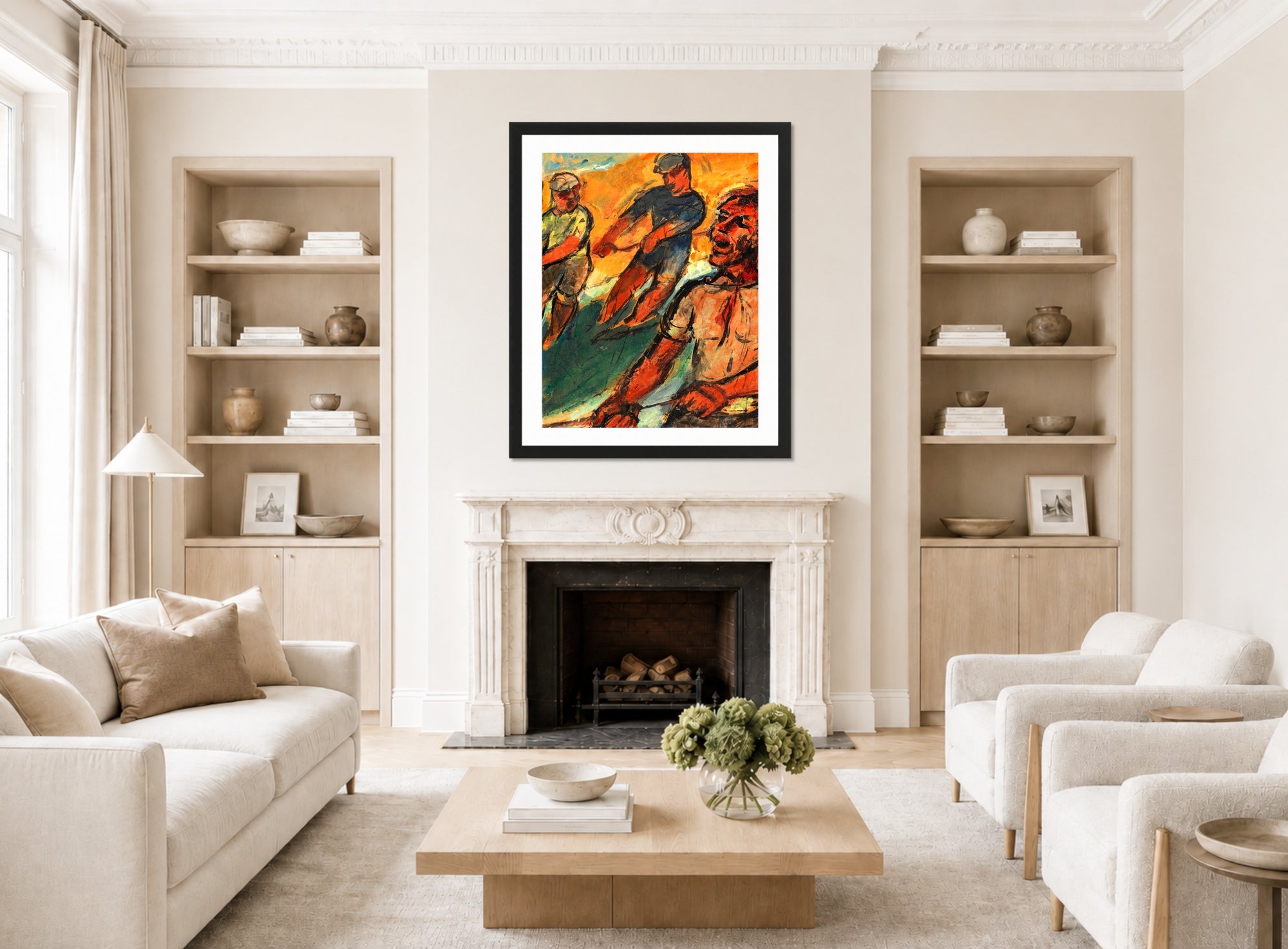
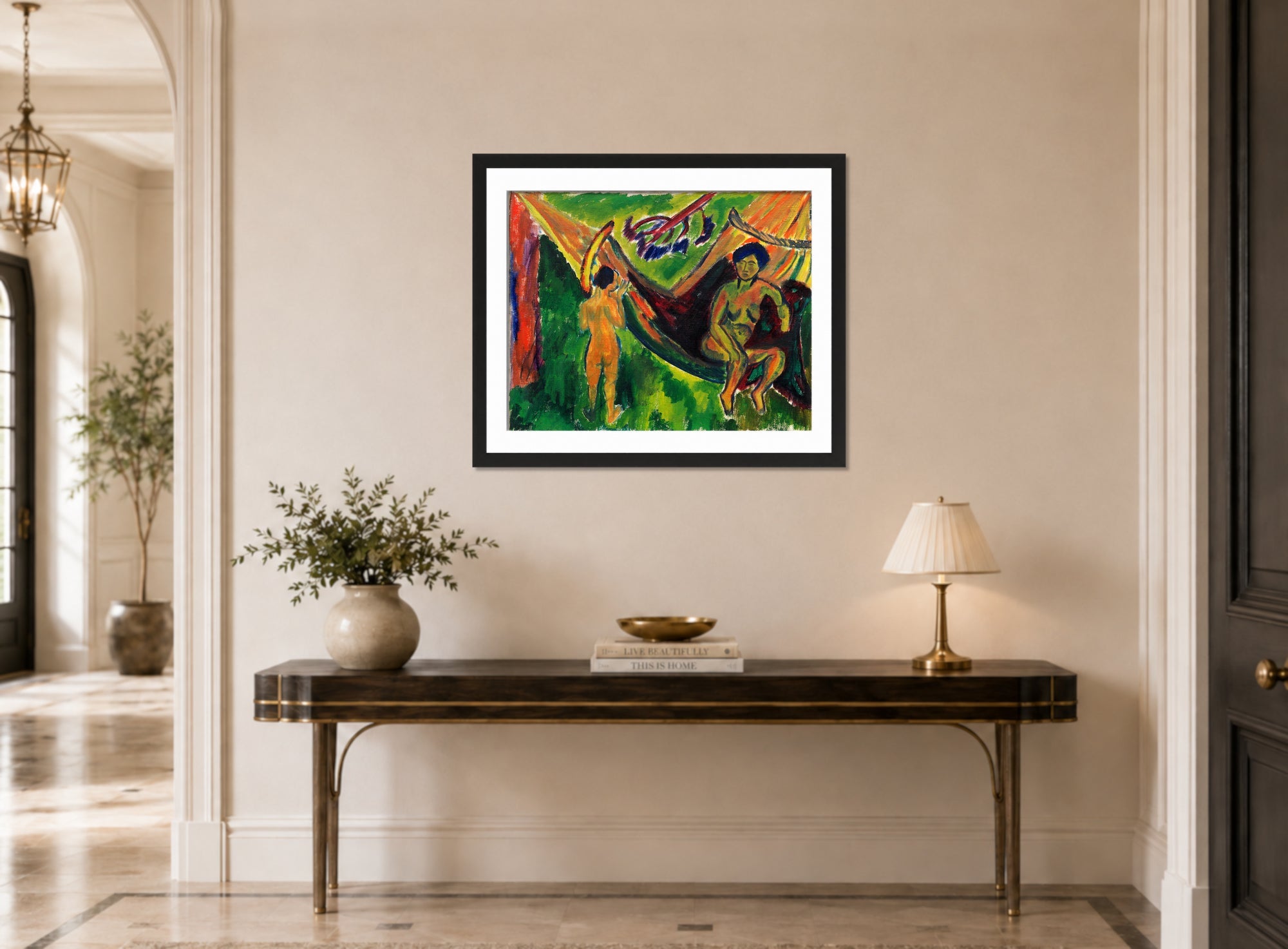
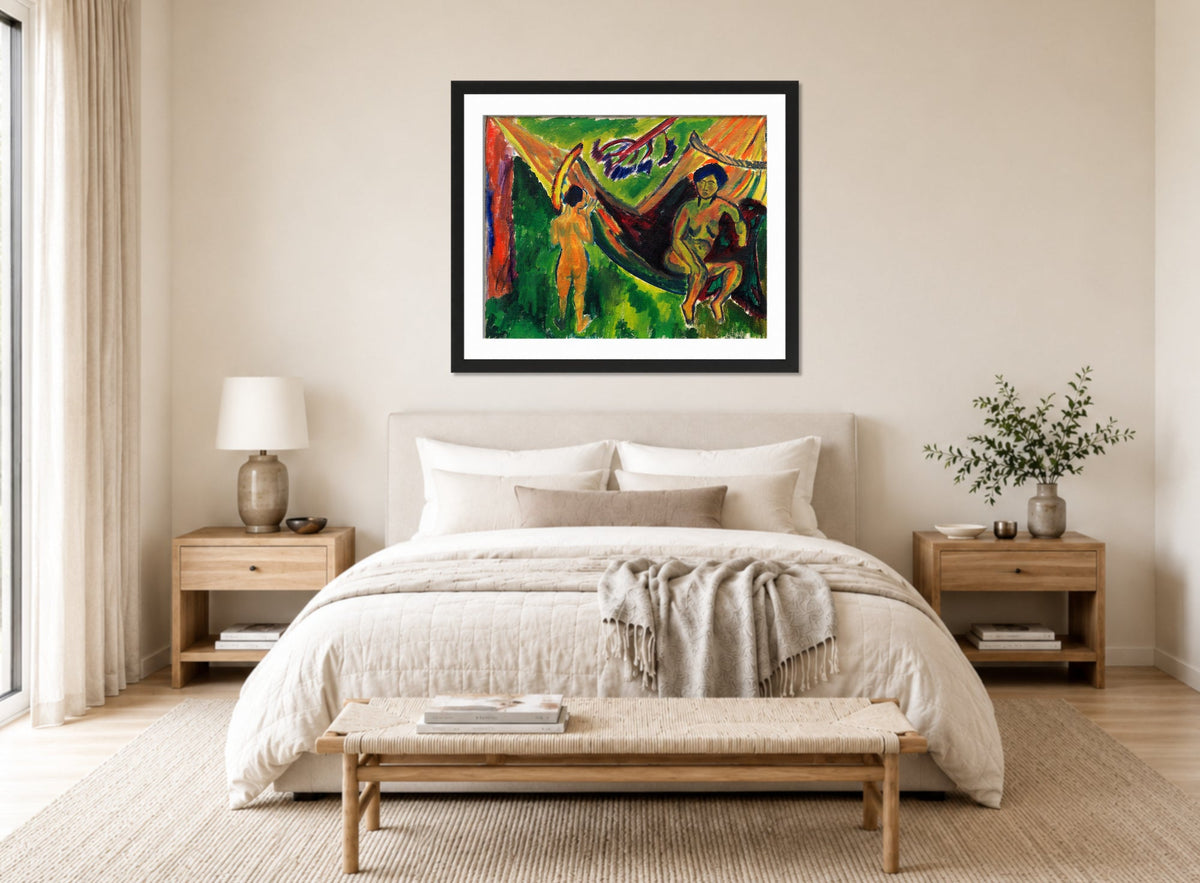
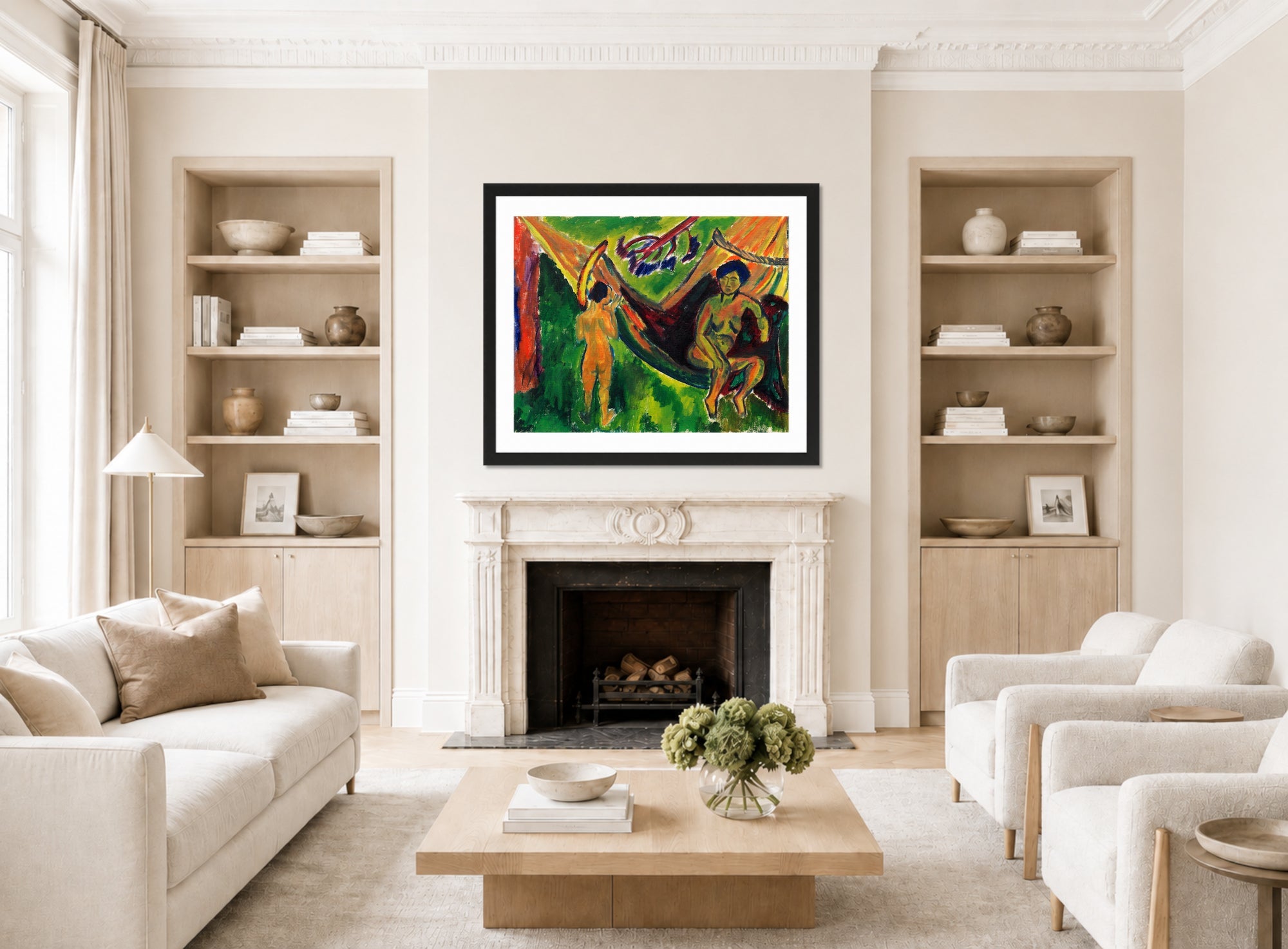
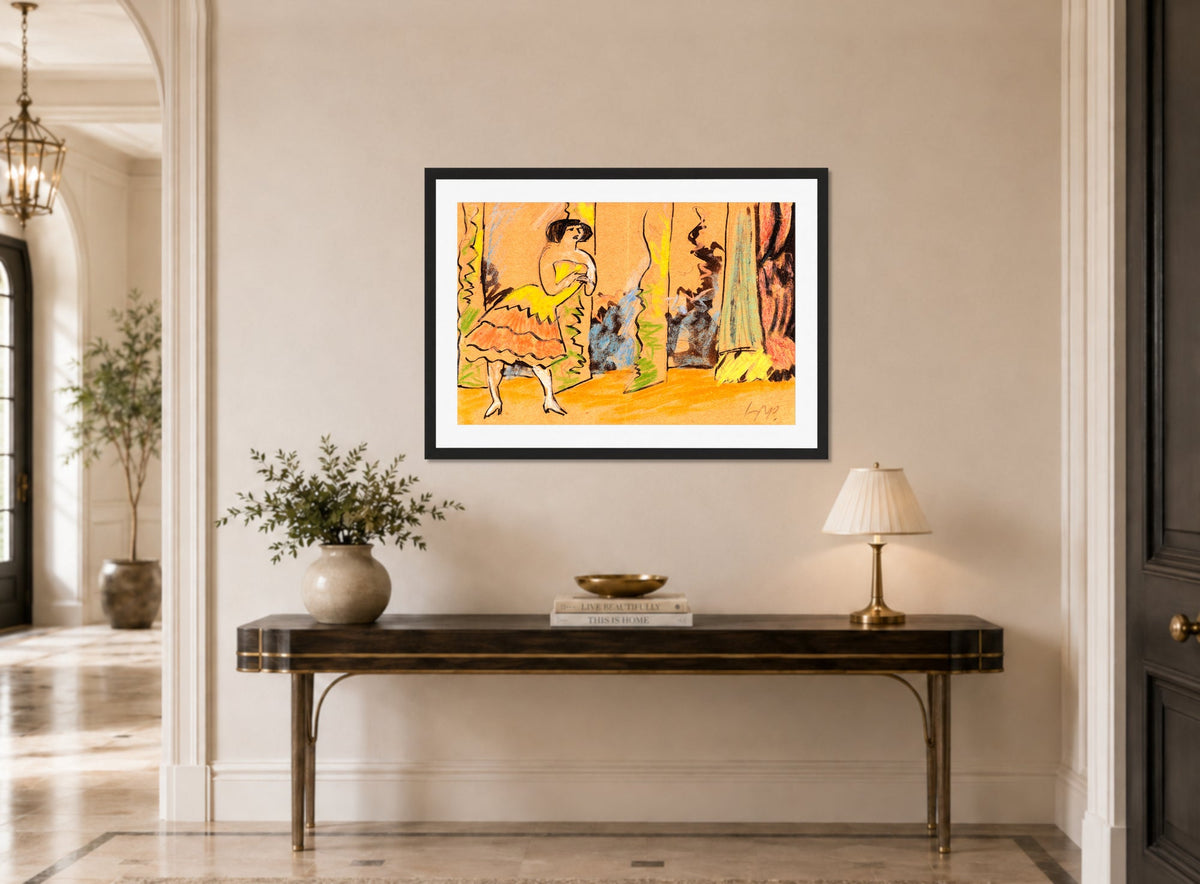
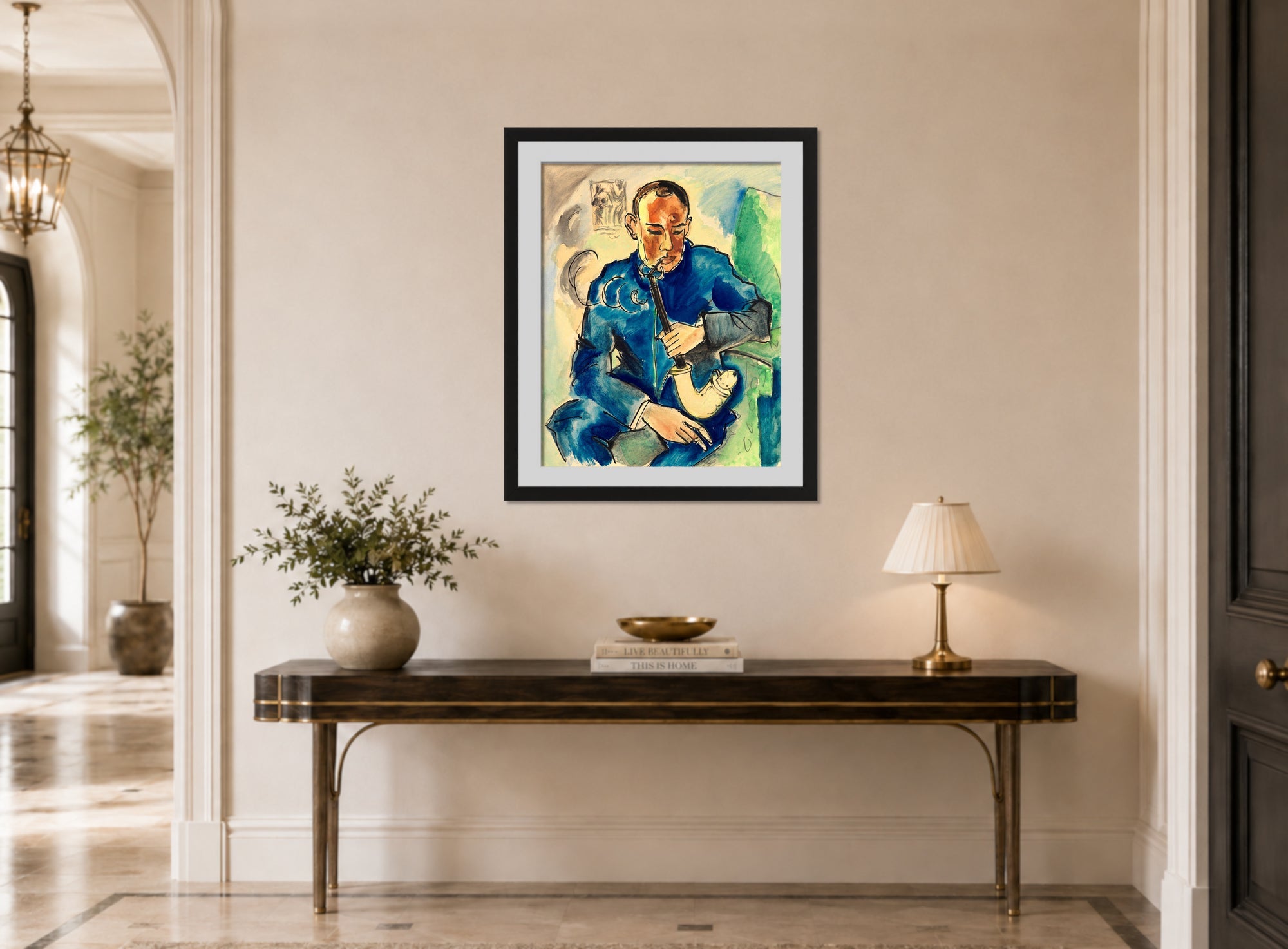
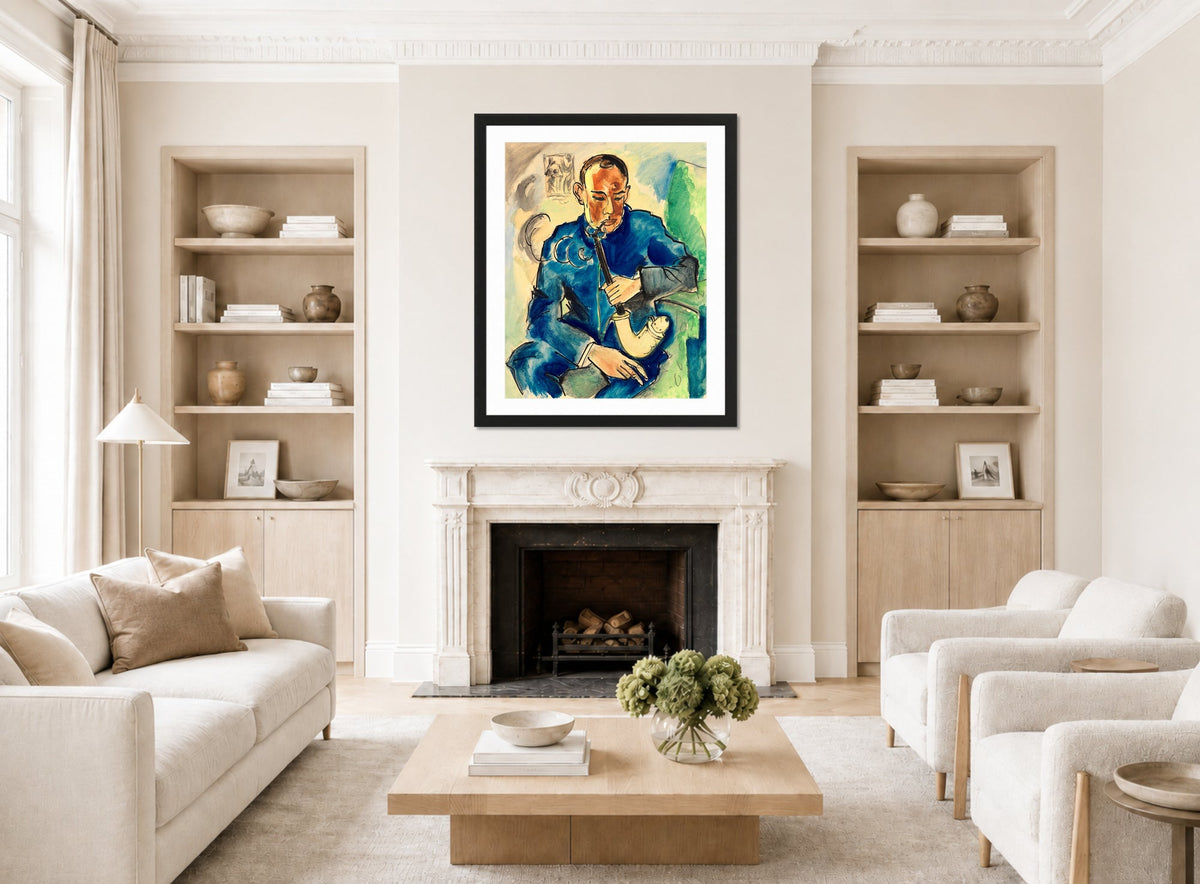
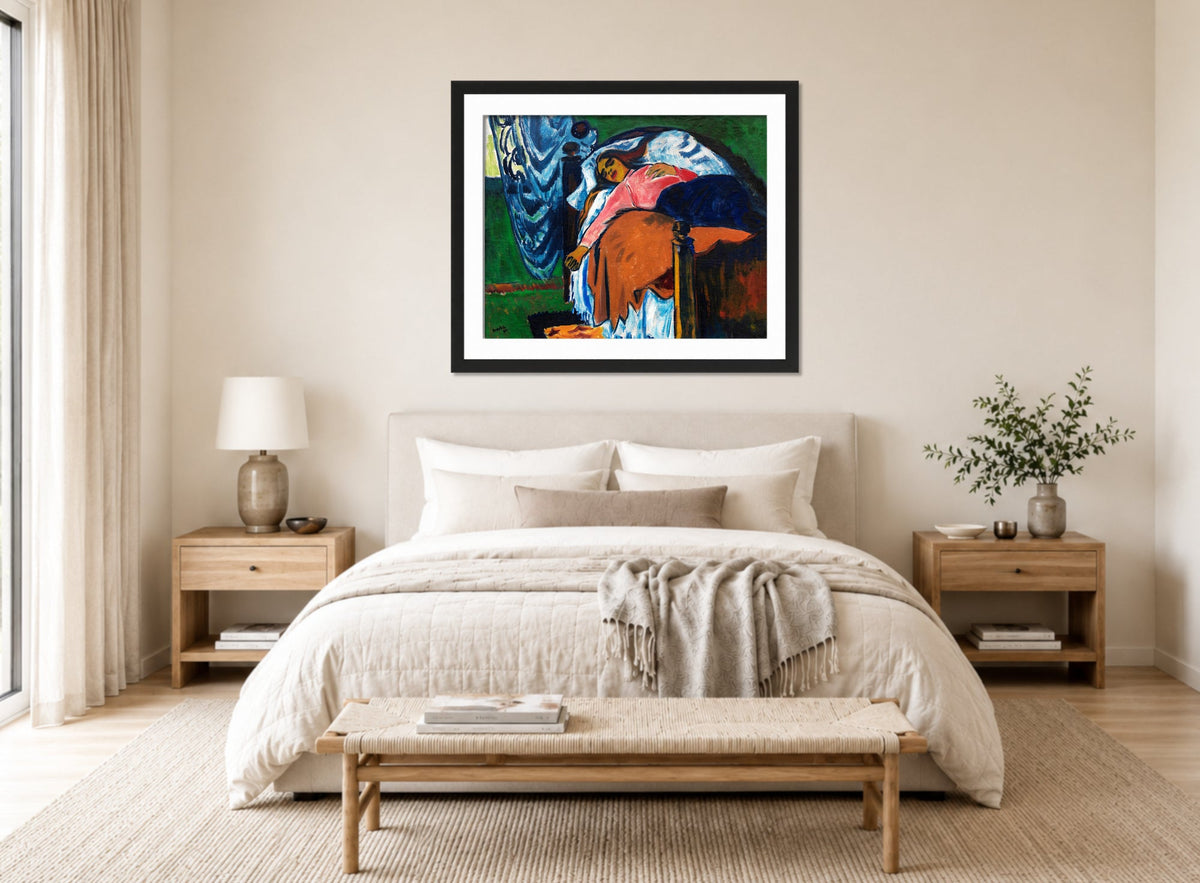
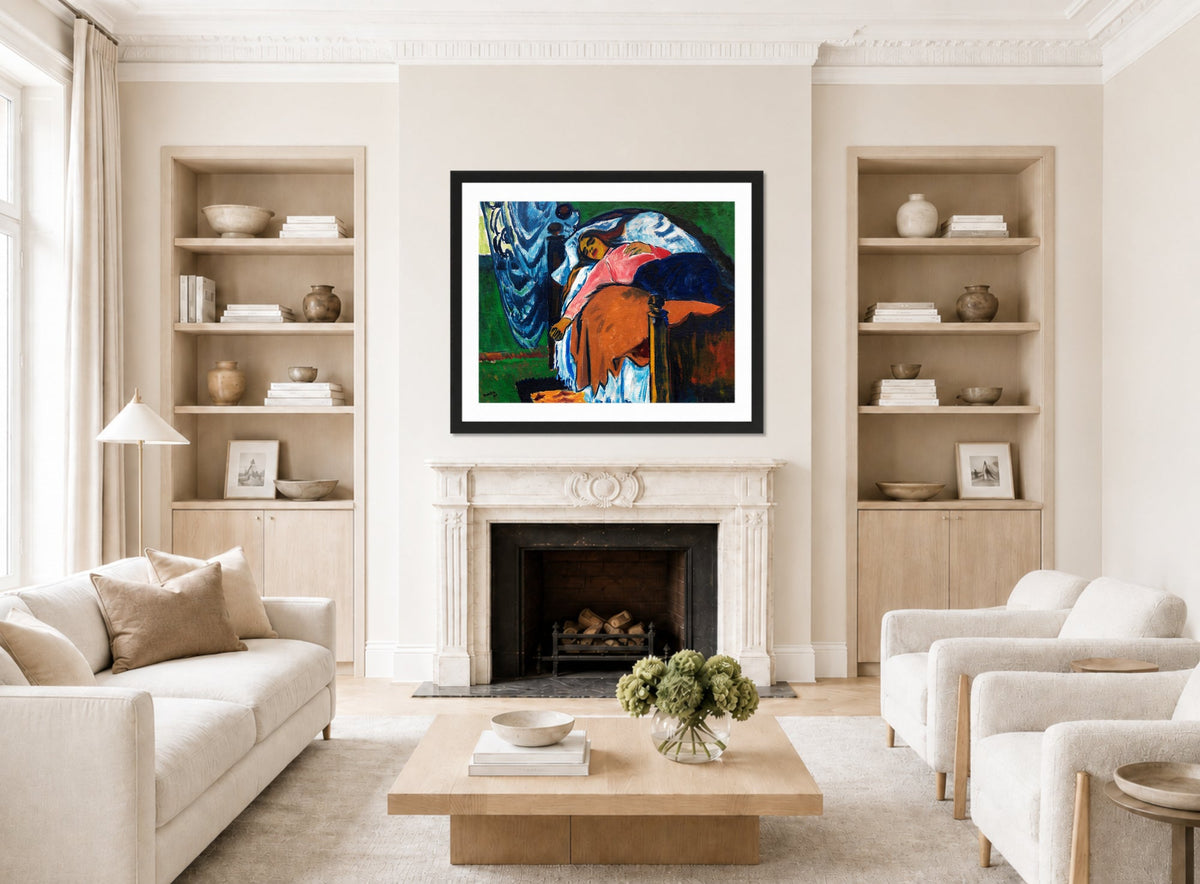
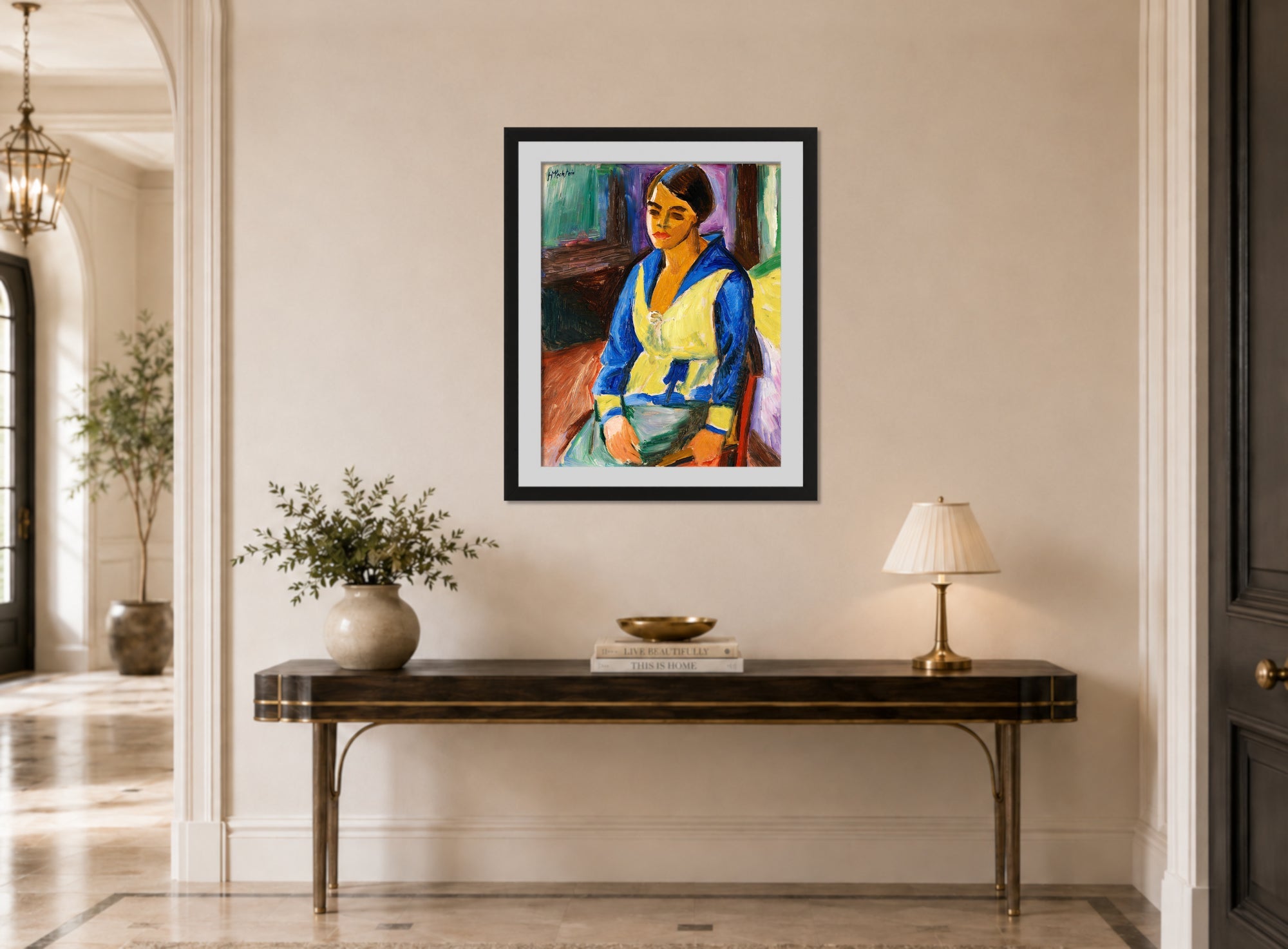
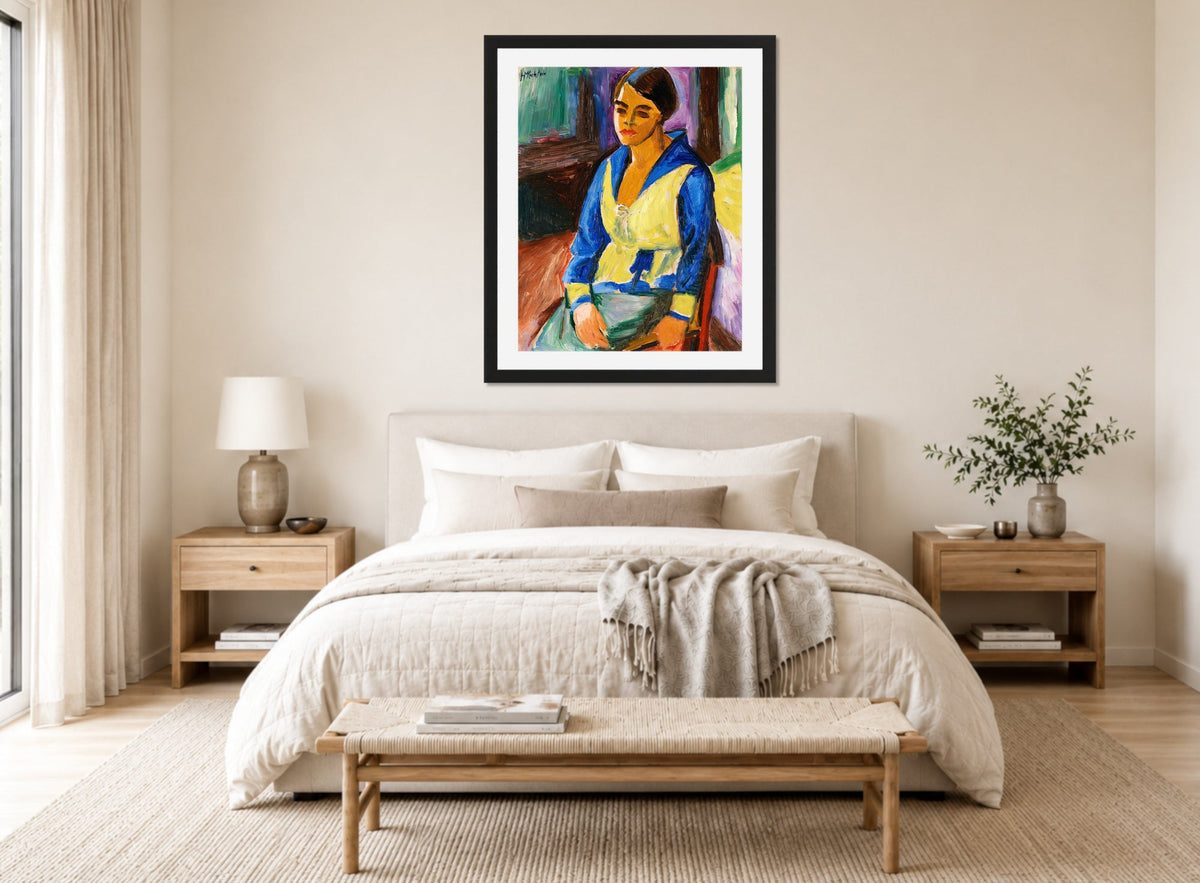
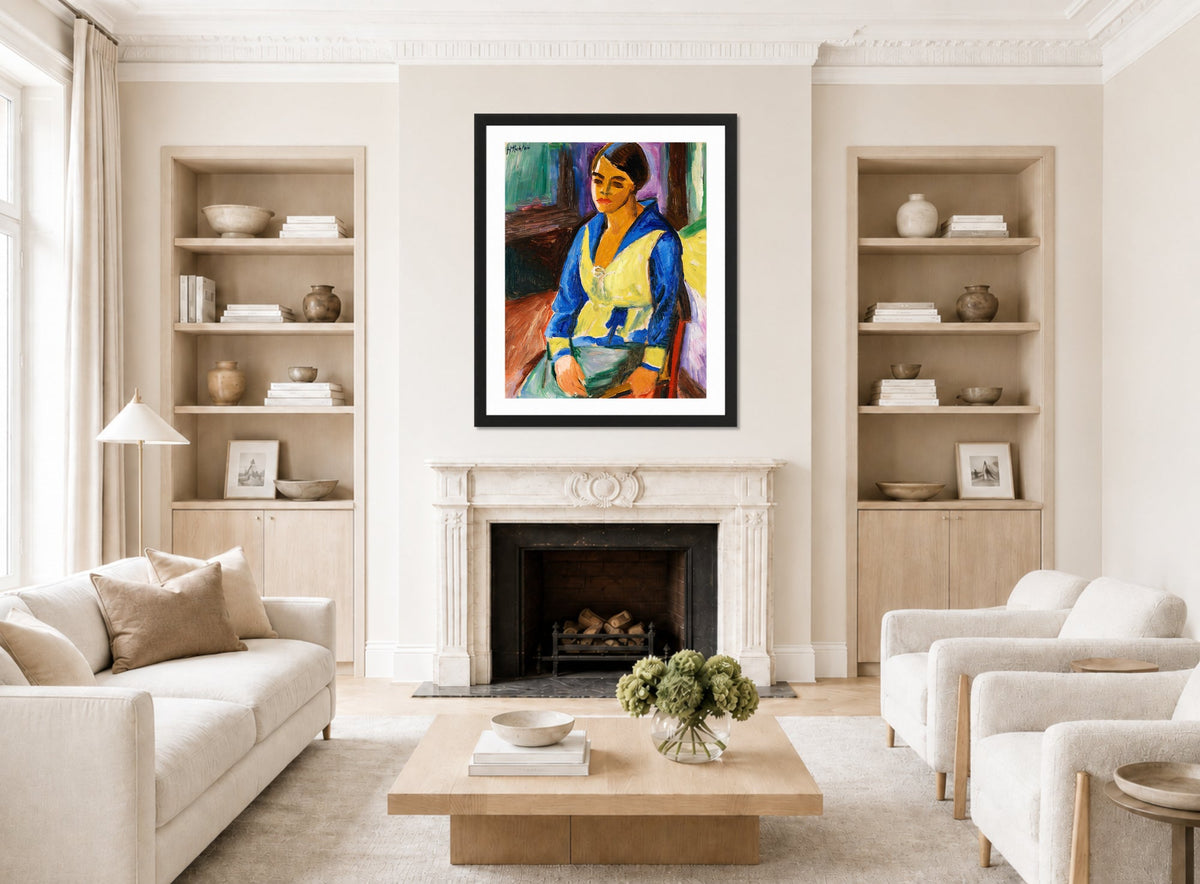
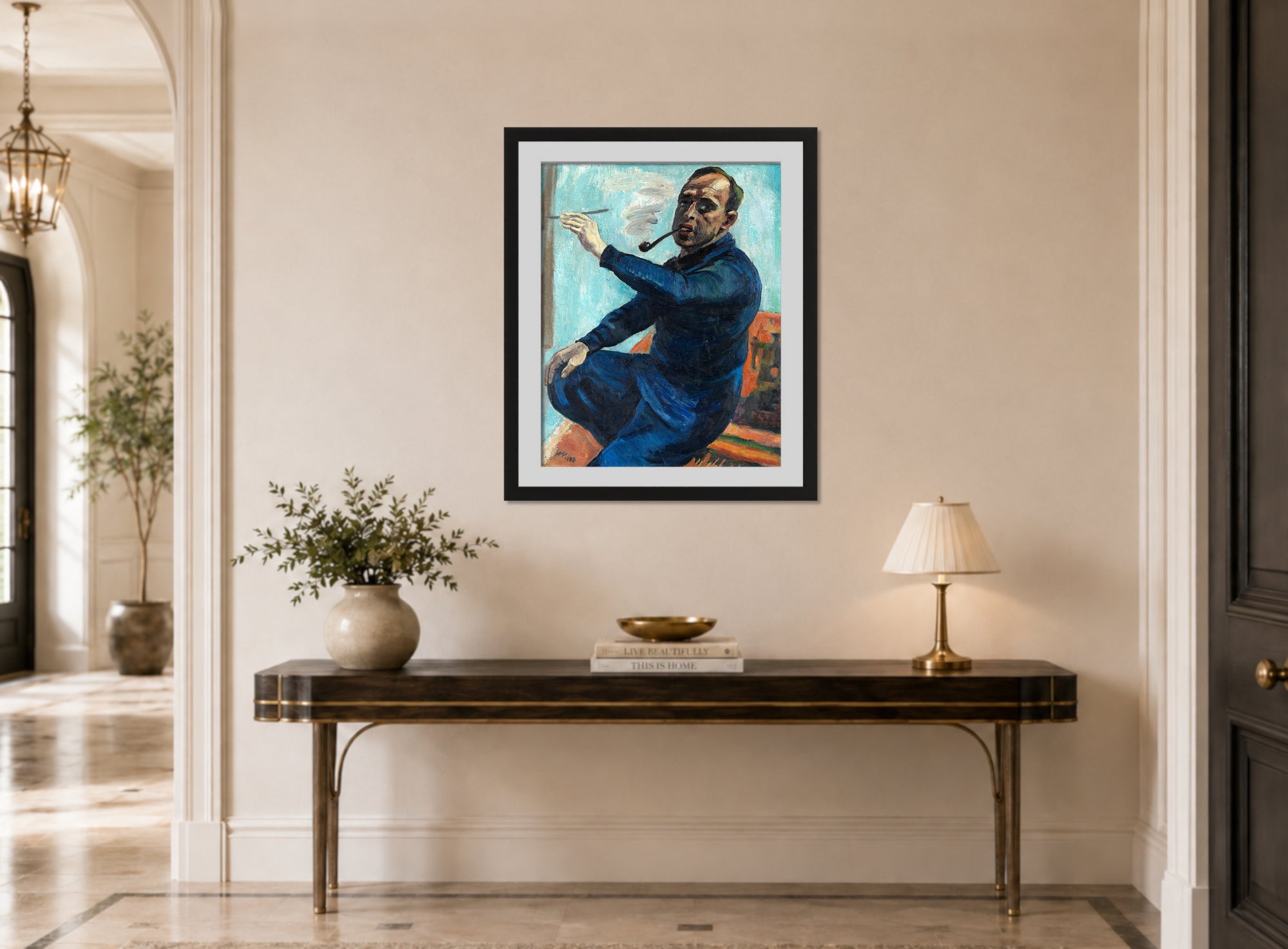
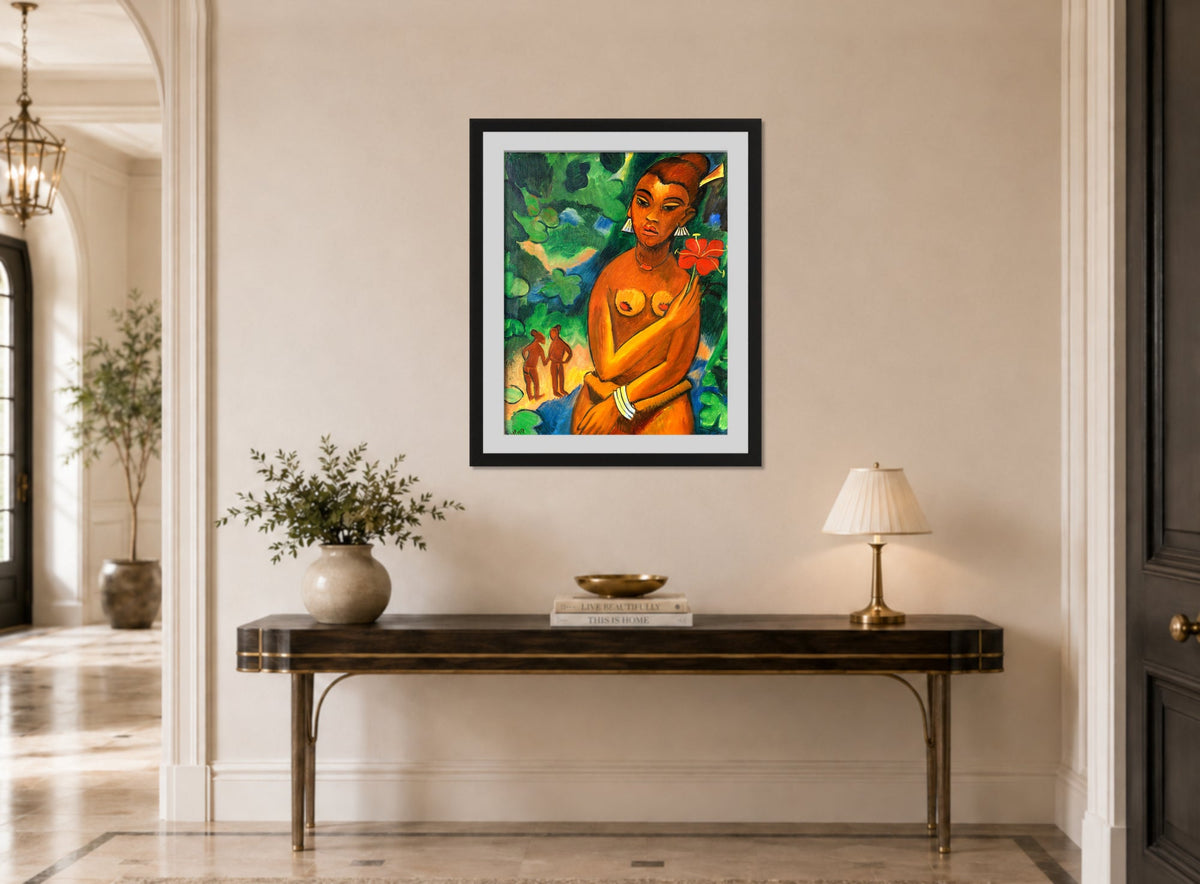
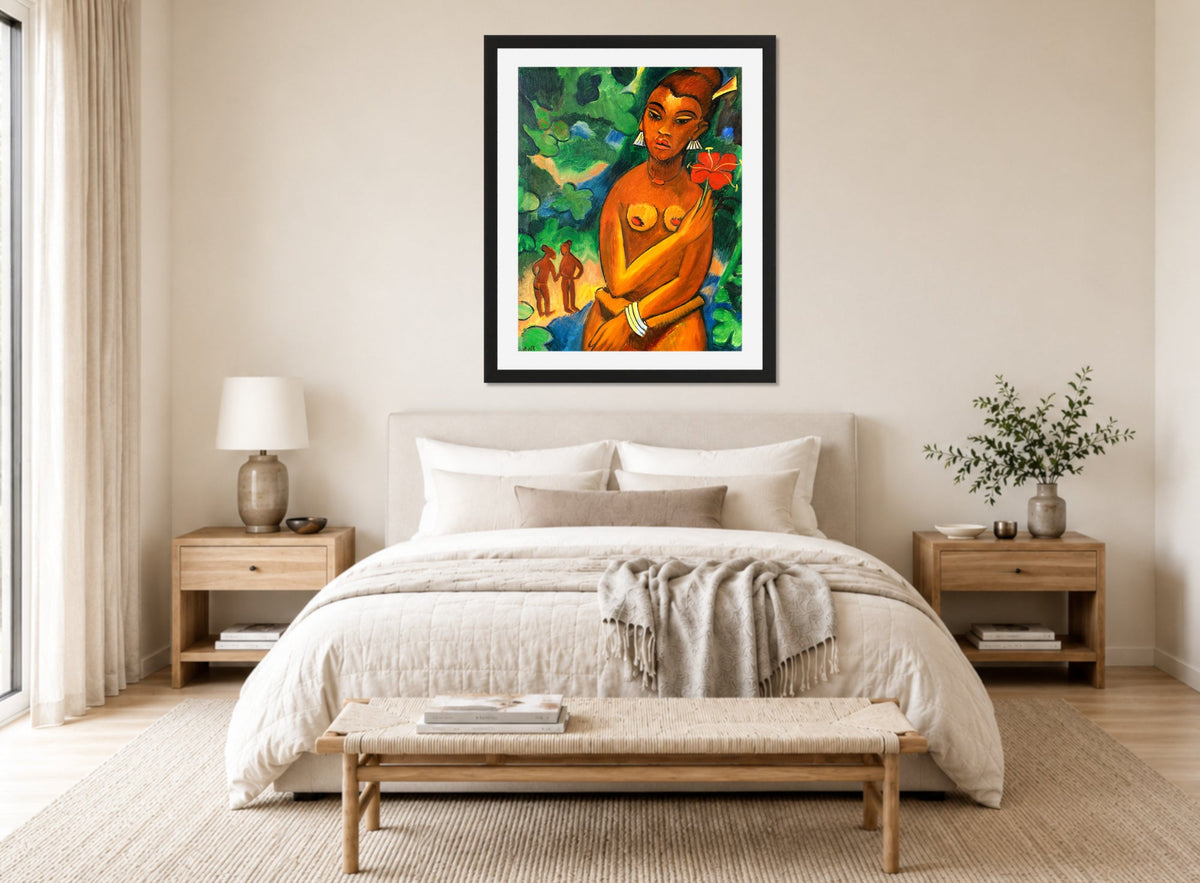
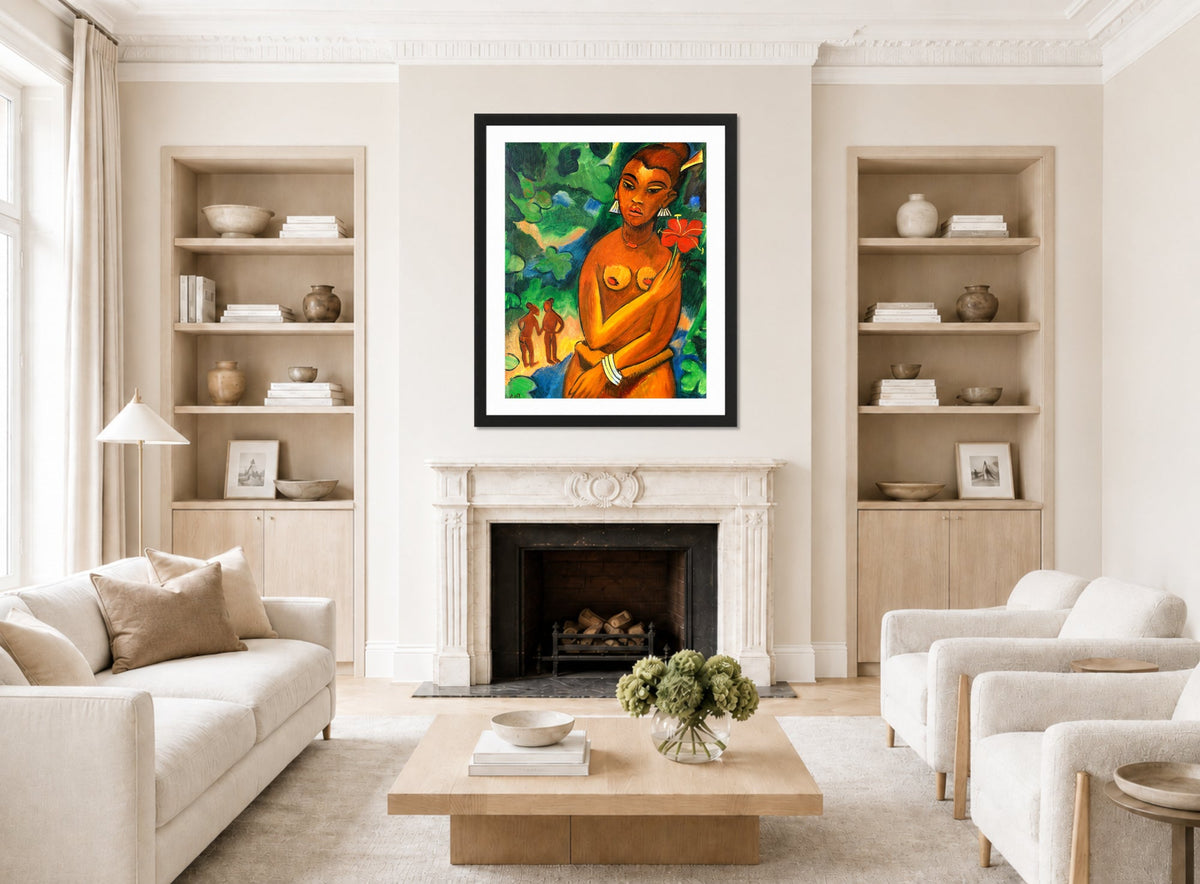
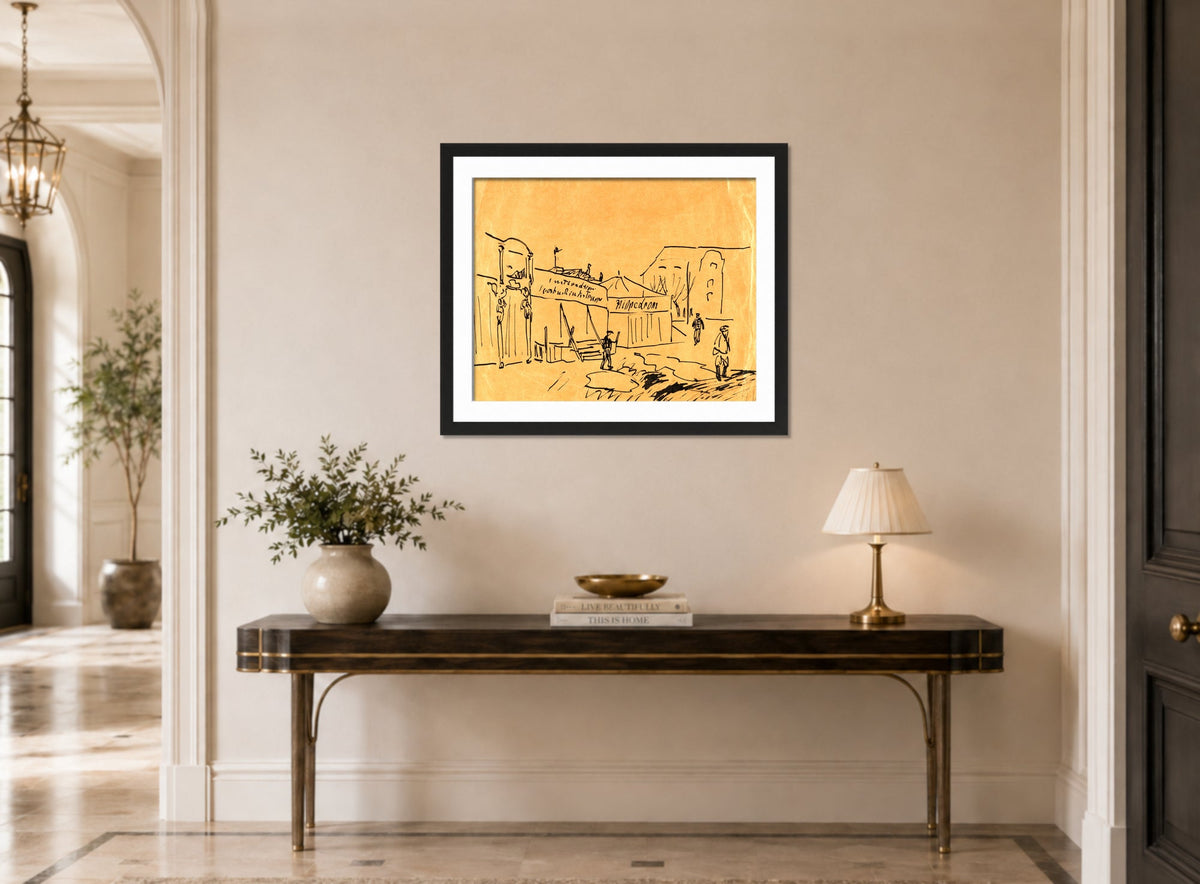
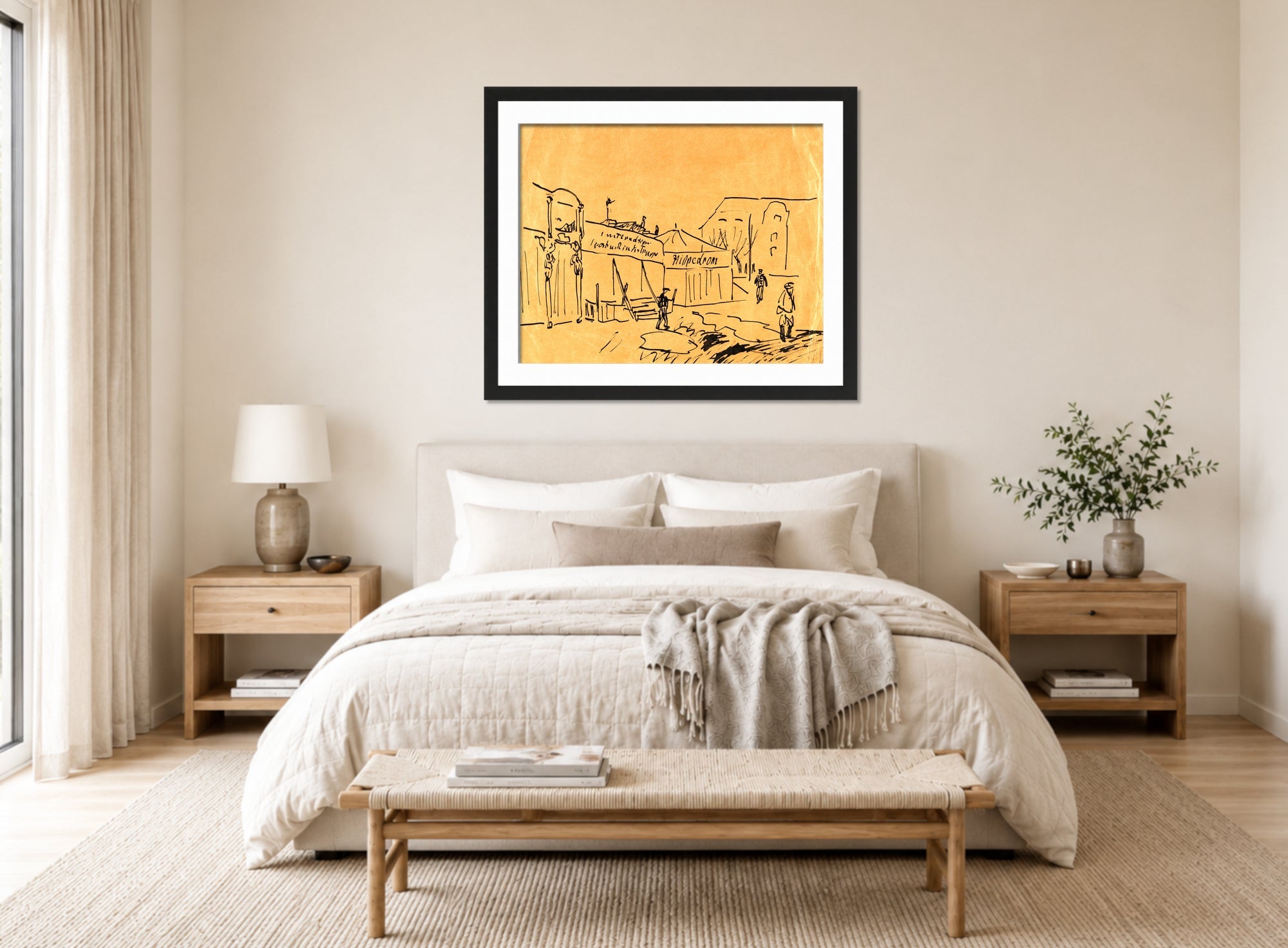
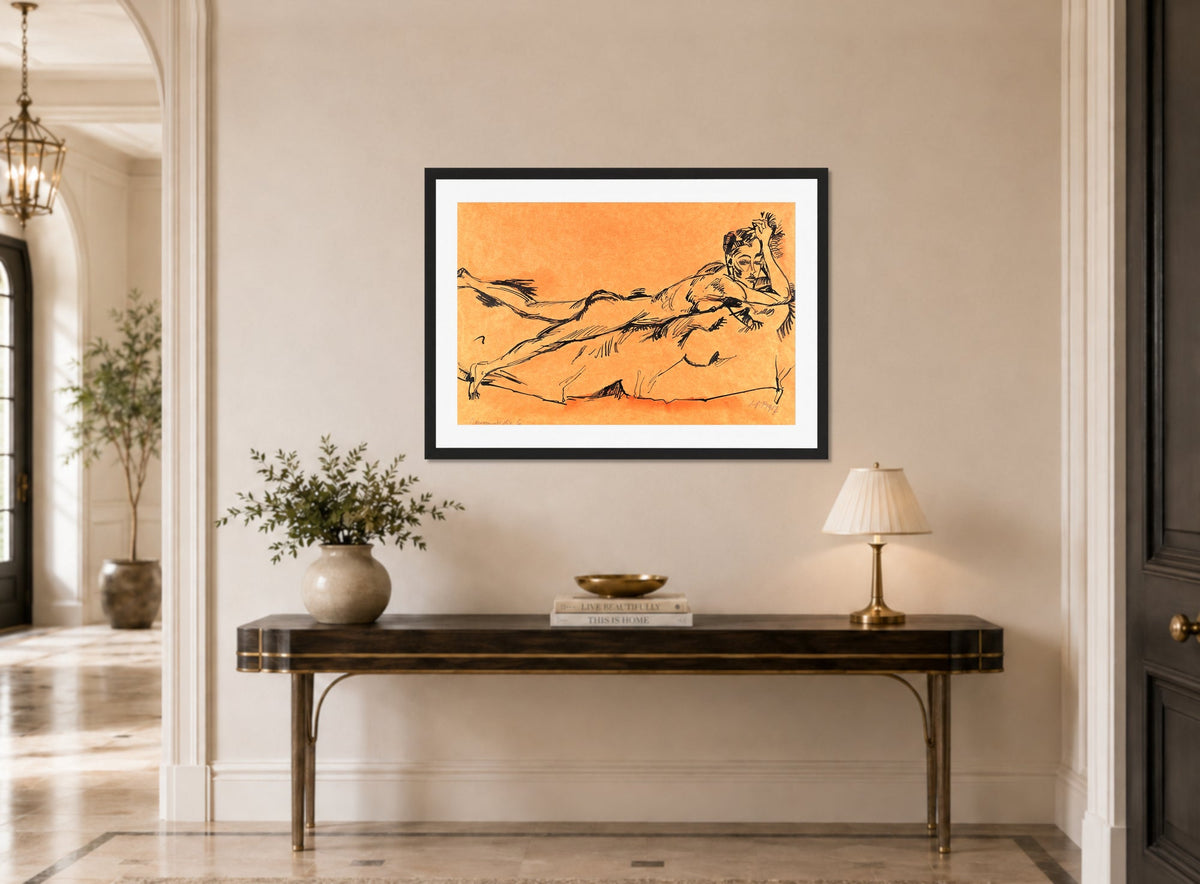
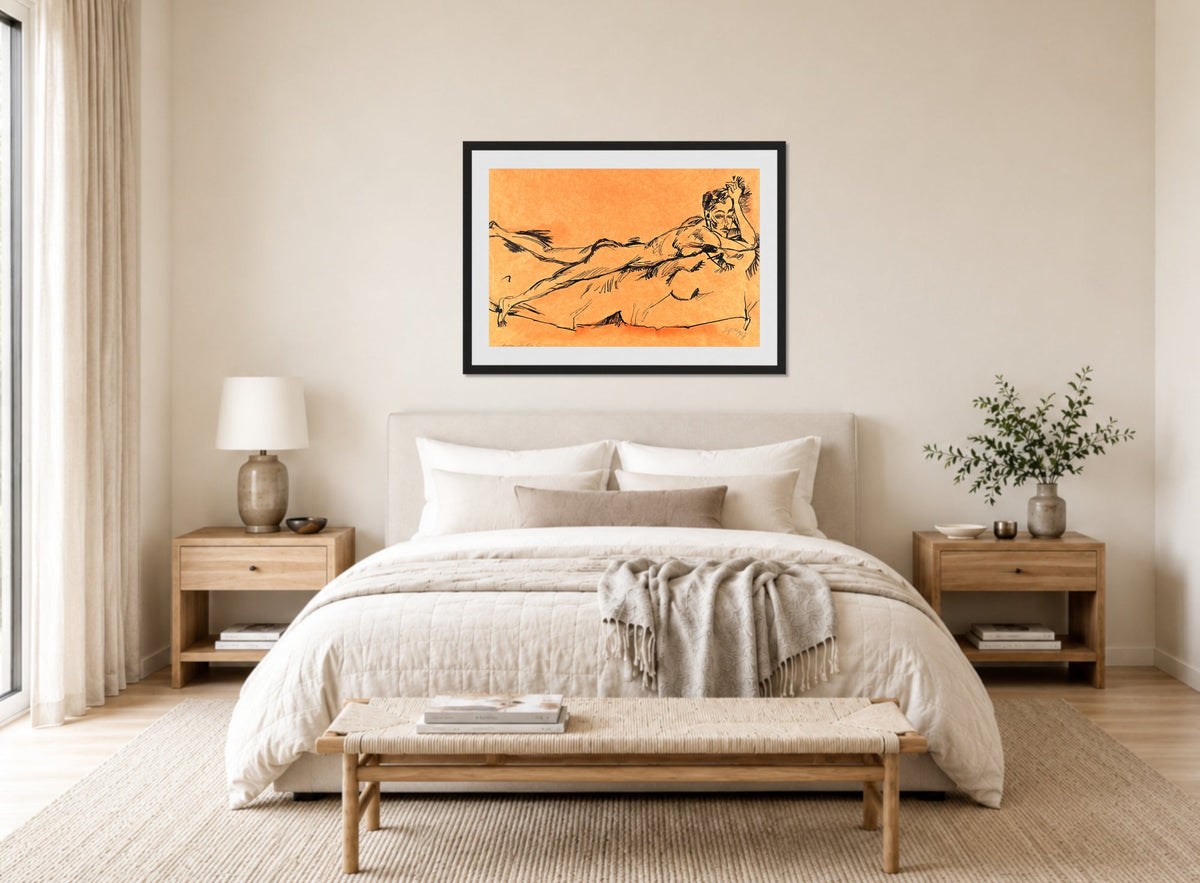
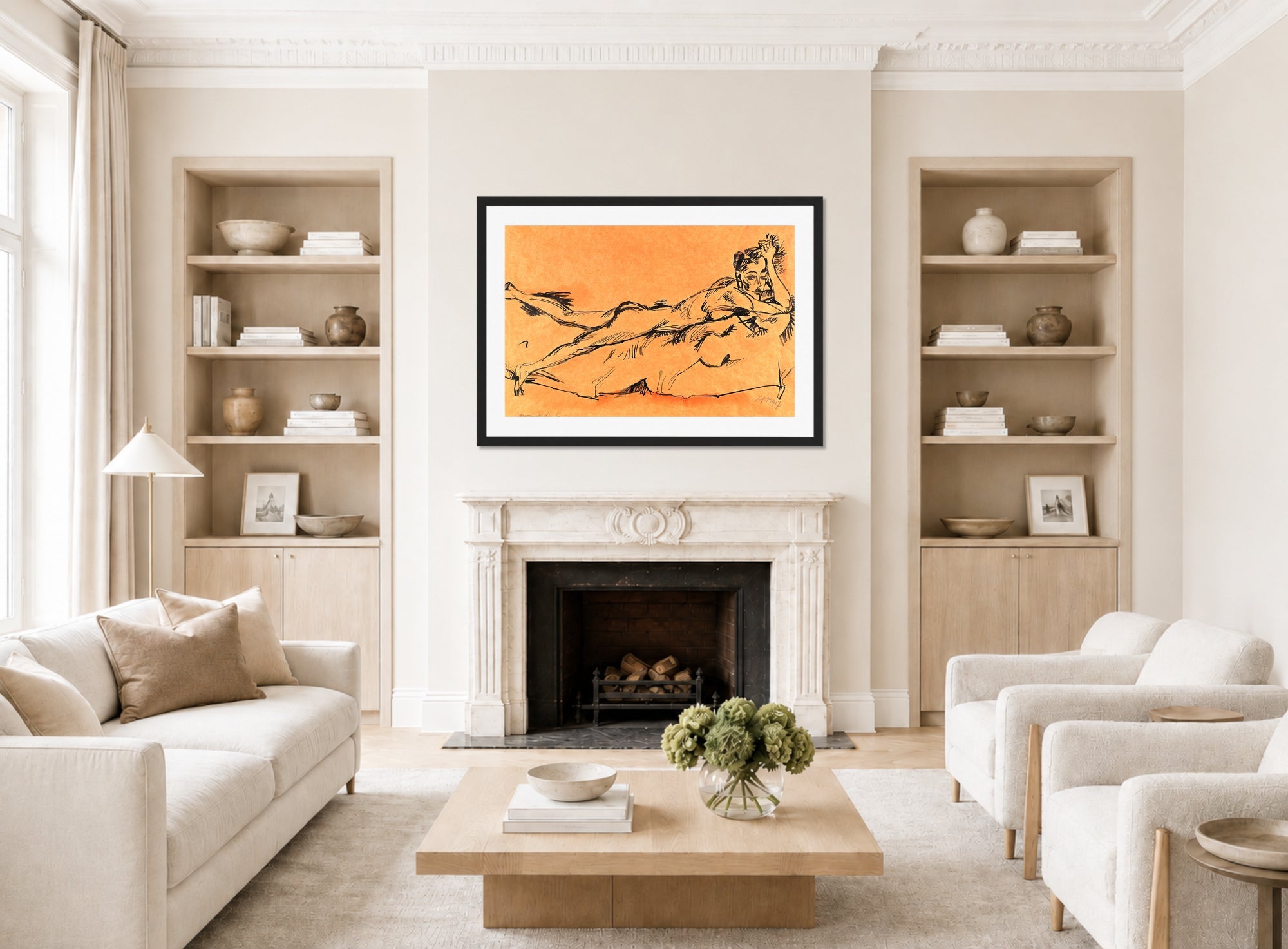
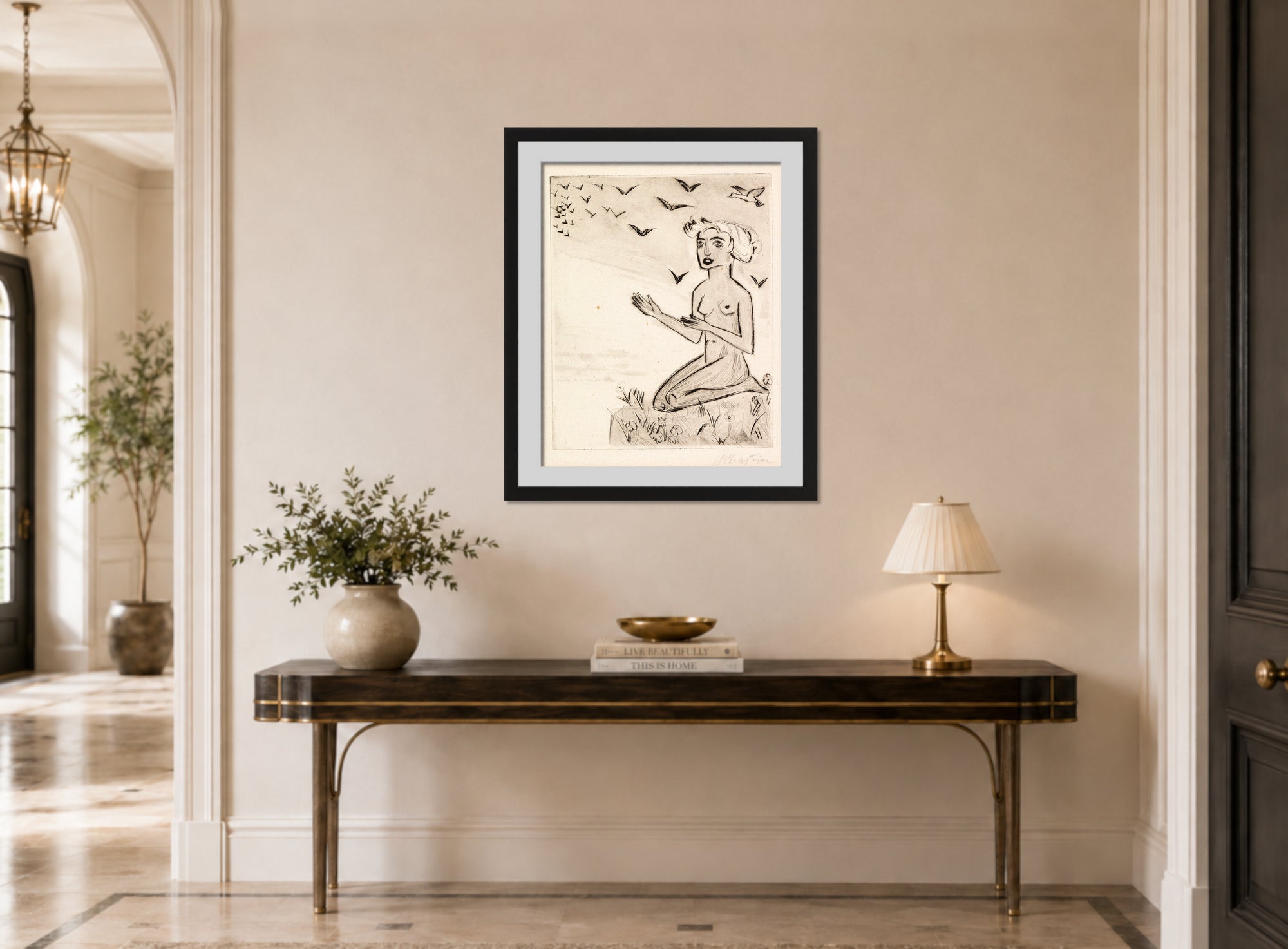
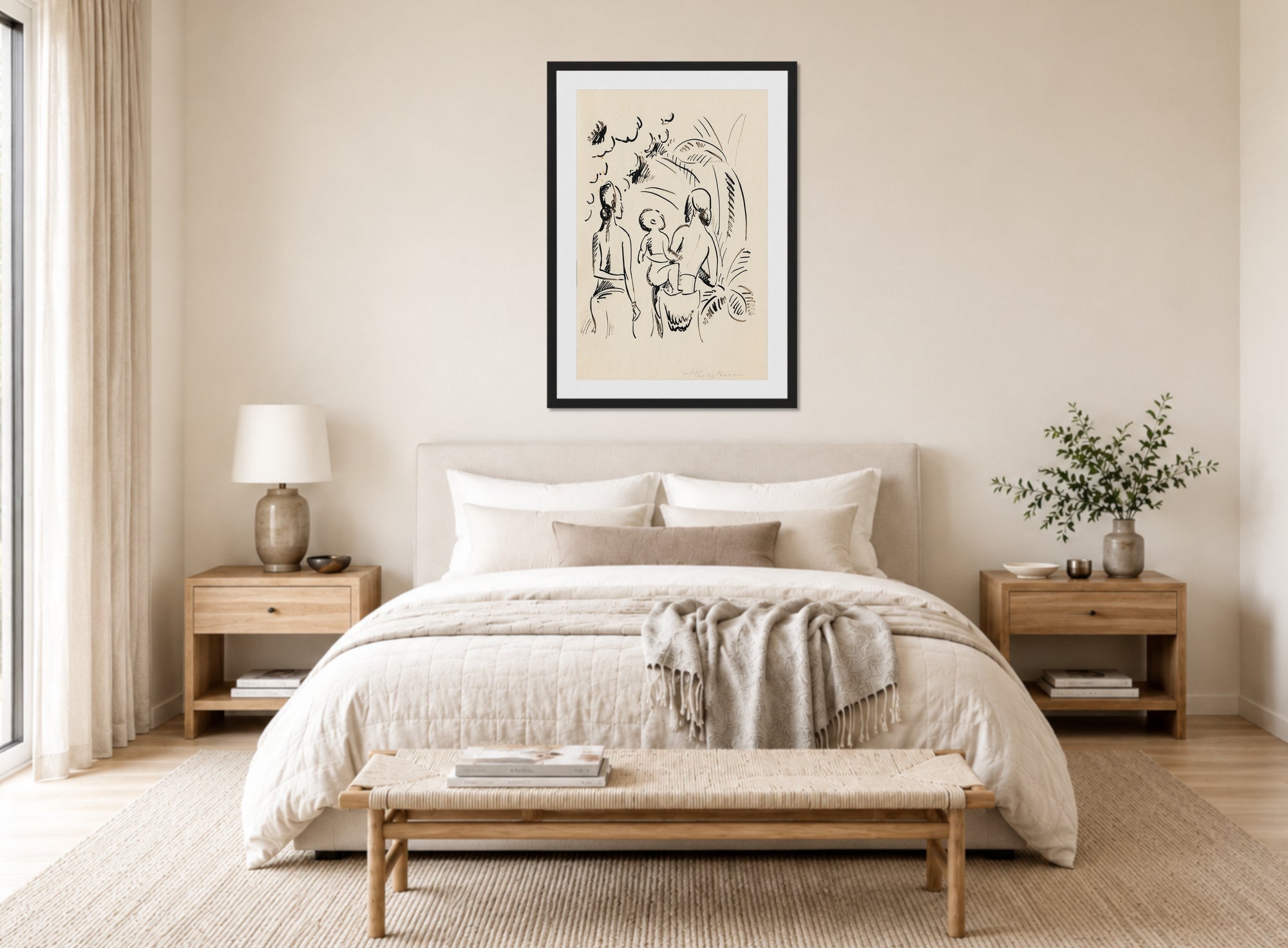
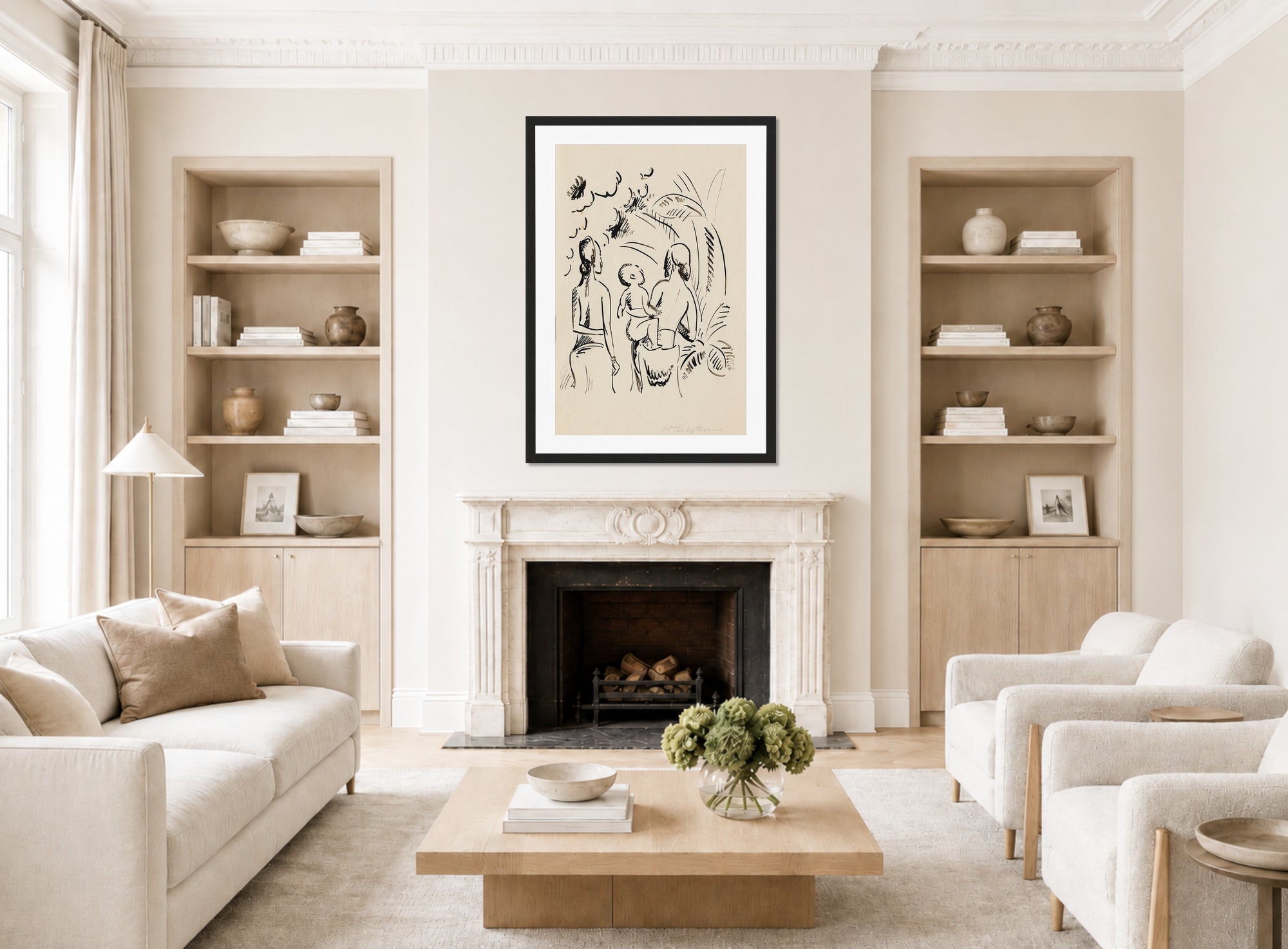
Portrait-format works make natural focal points above console tables, beside fireplaces or within hallways. More horizontal compositions featuring groups of figures can work effectively above sofas, beds and sideboards.
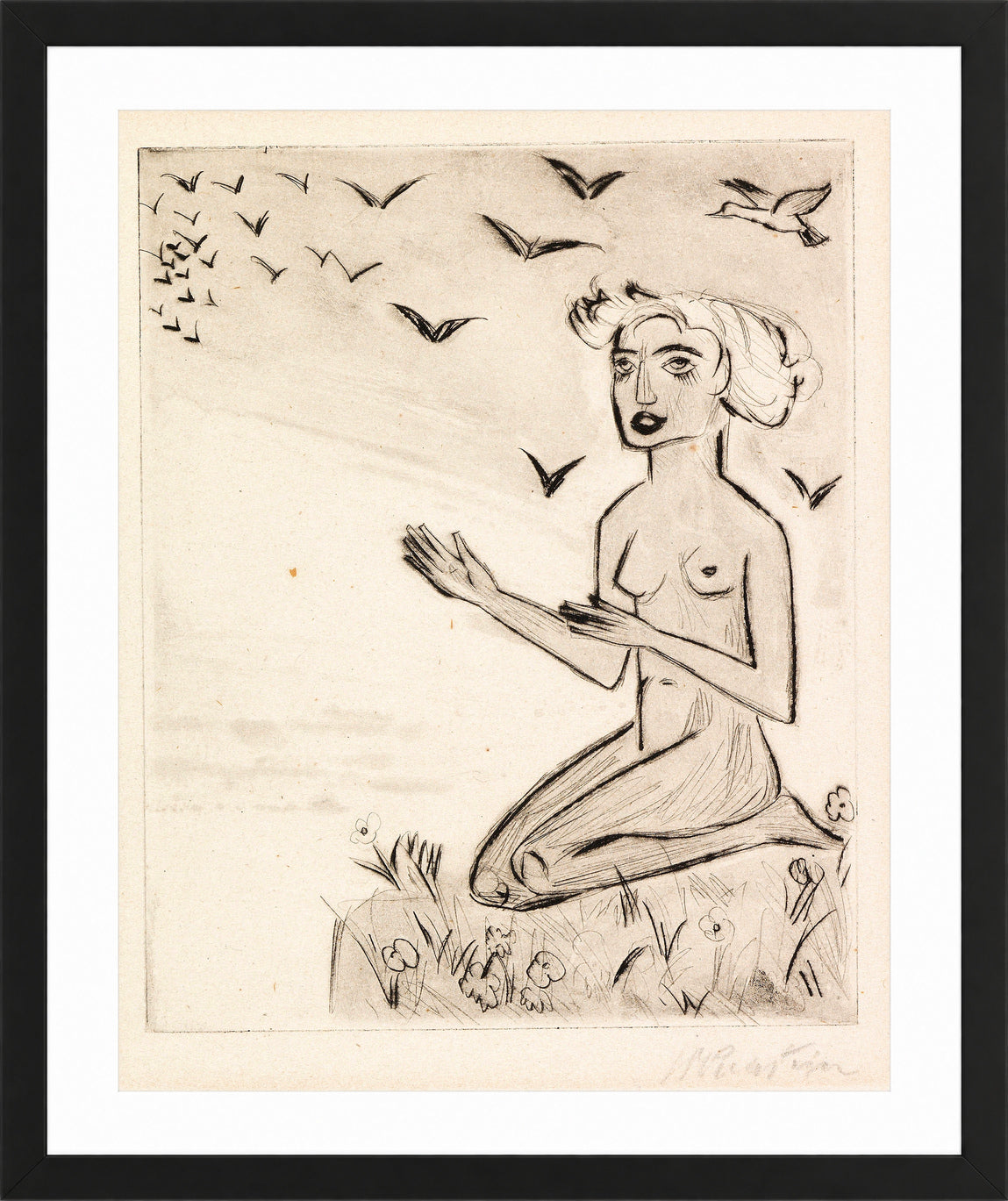
His graphic portraits are particularly effective where strong black-and-white or limited-palette artwork is required.
Colour-rich paintings provide a different effect.
Works containing blue, red, yellow, green or orange can introduce a substantial focal point into otherwise neutral rooms, while compositions with earthier palettes sit naturally alongside wood, leather and other warm materials.
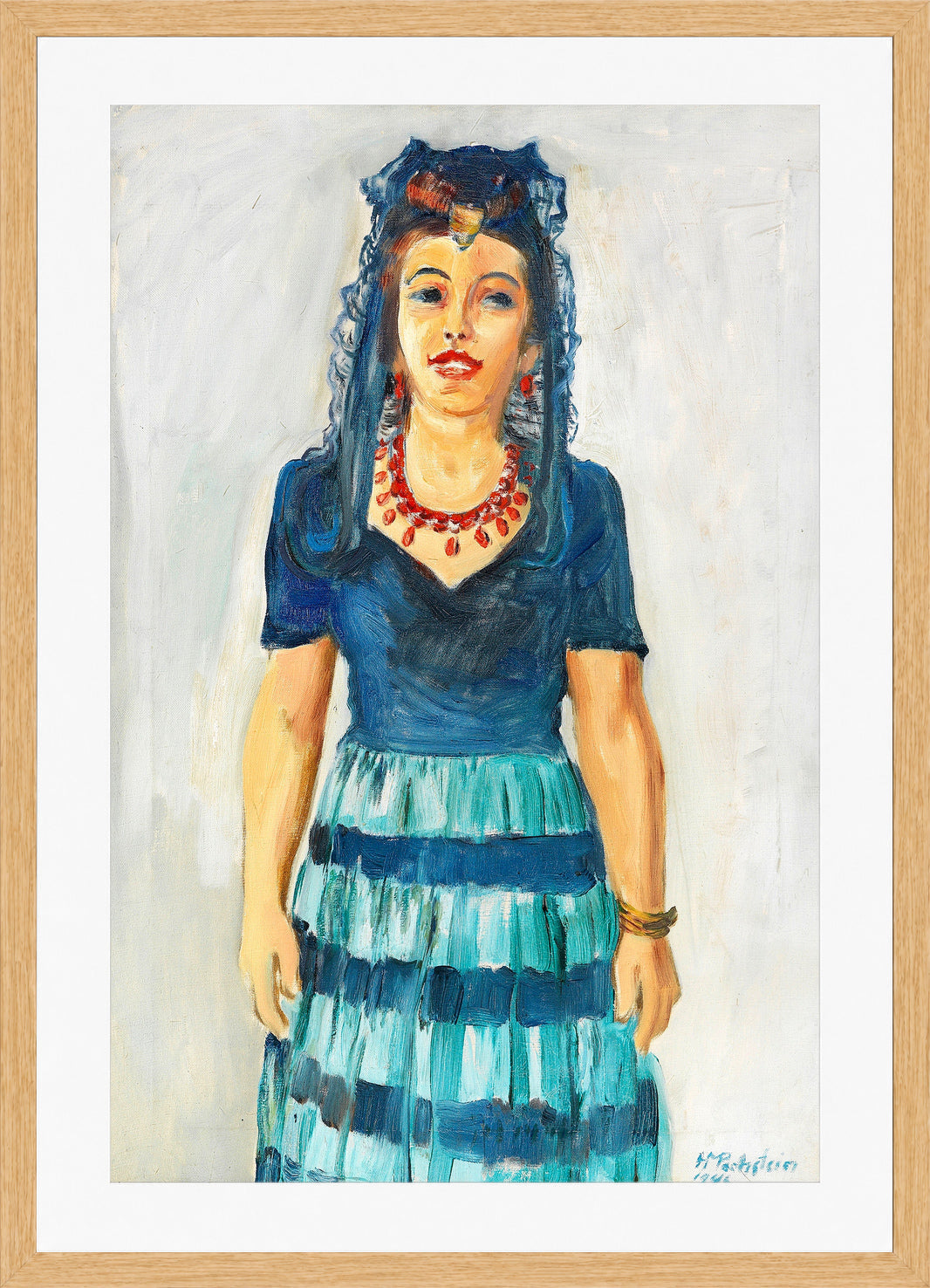
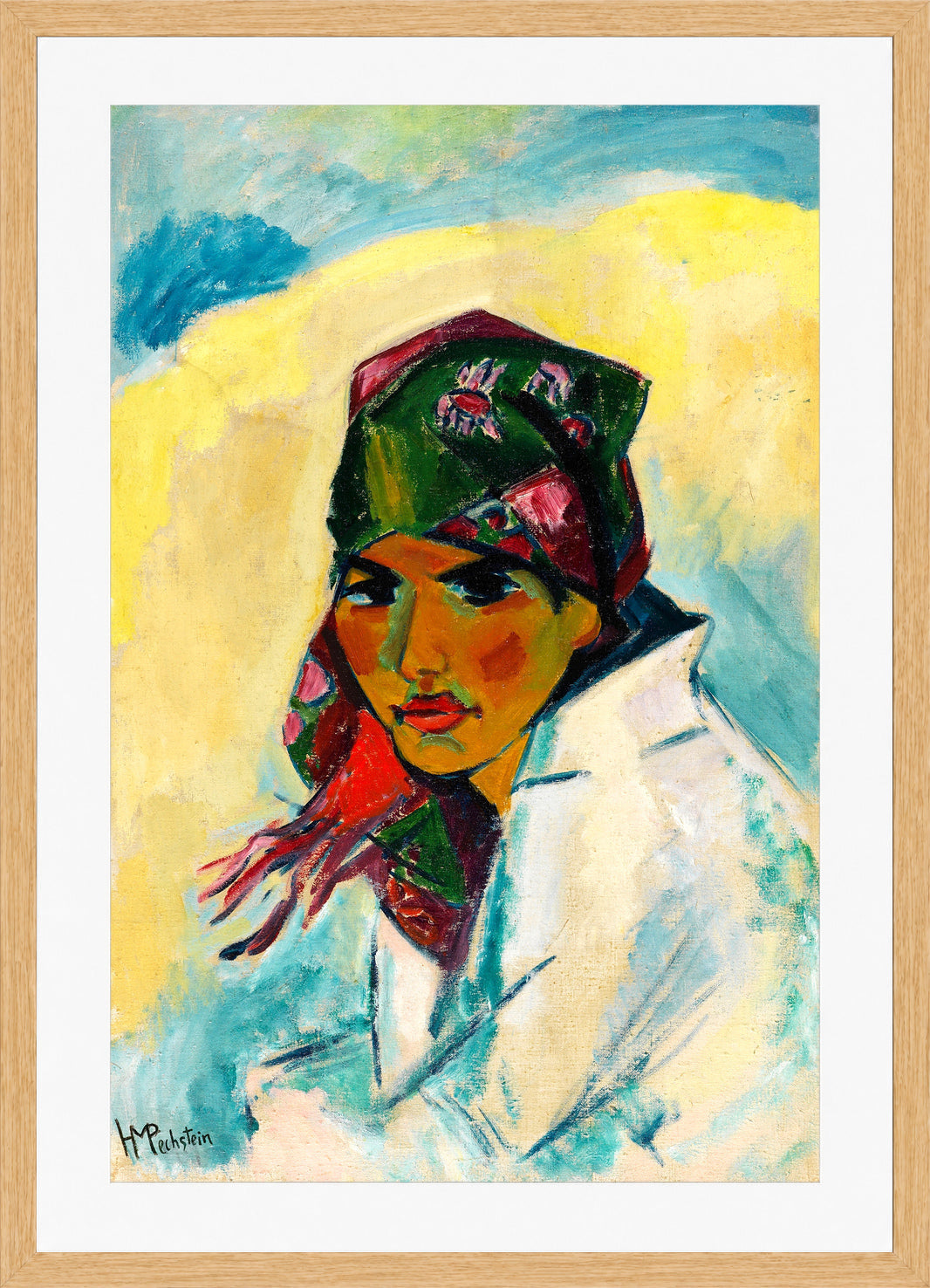
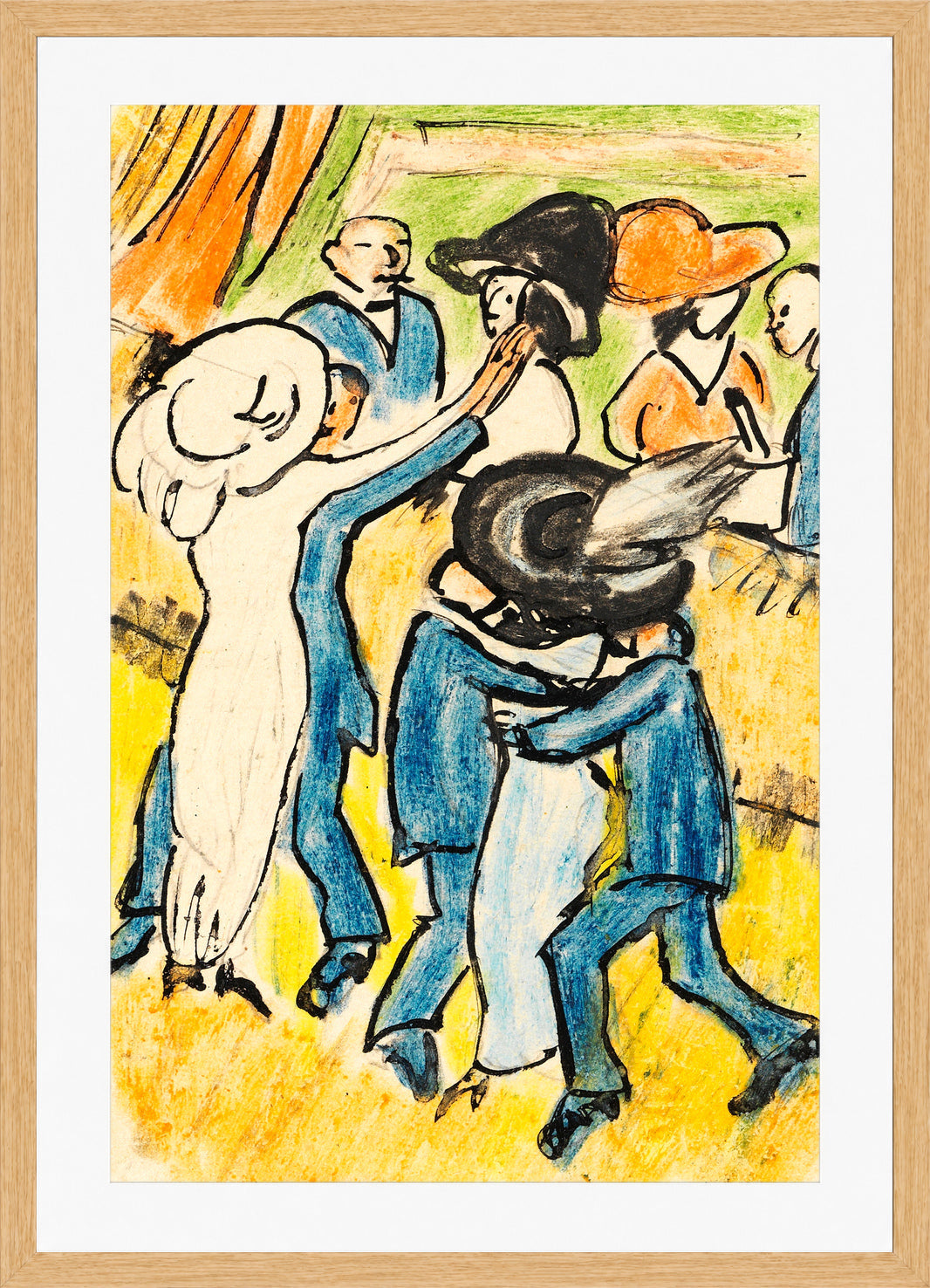
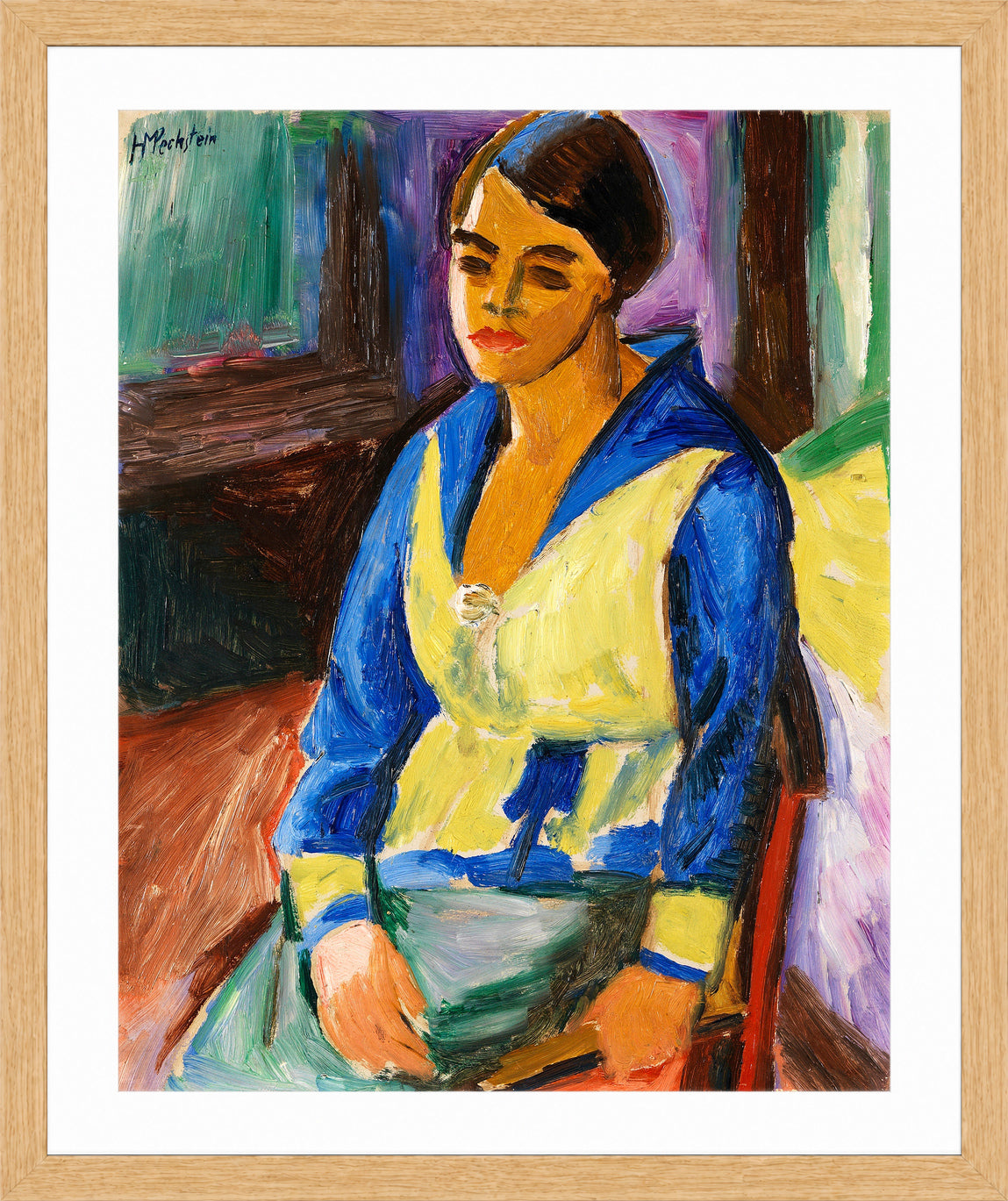
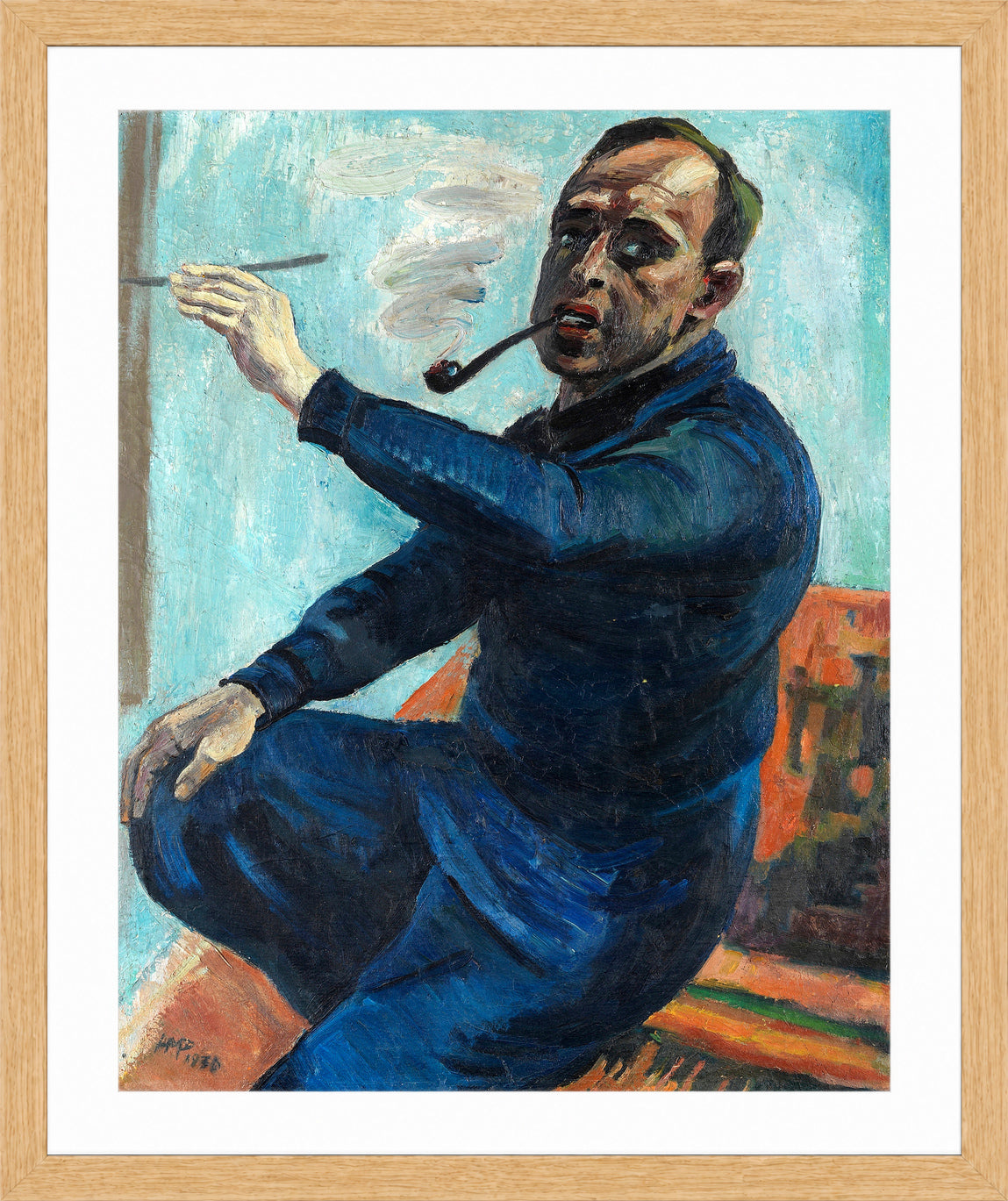
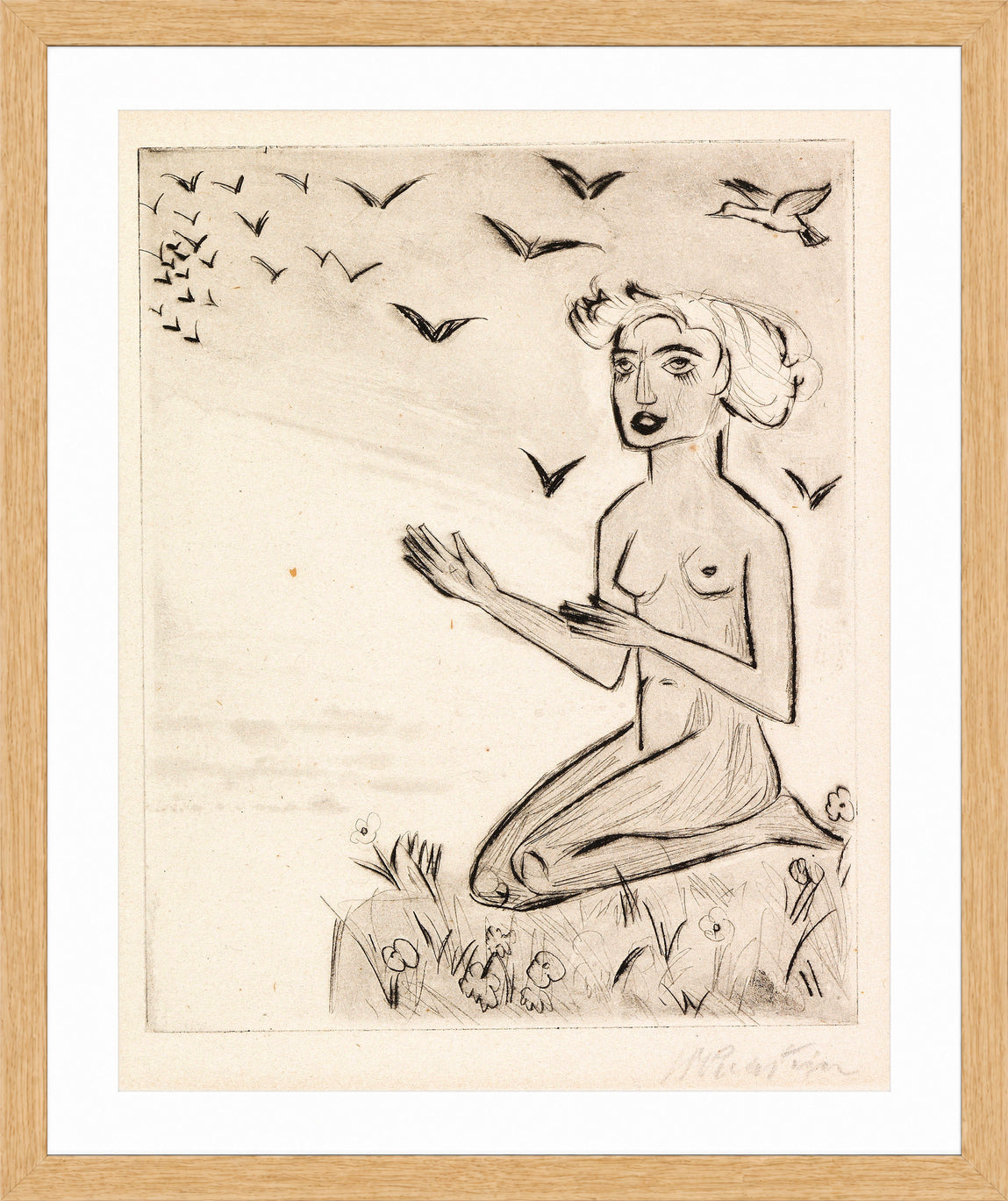
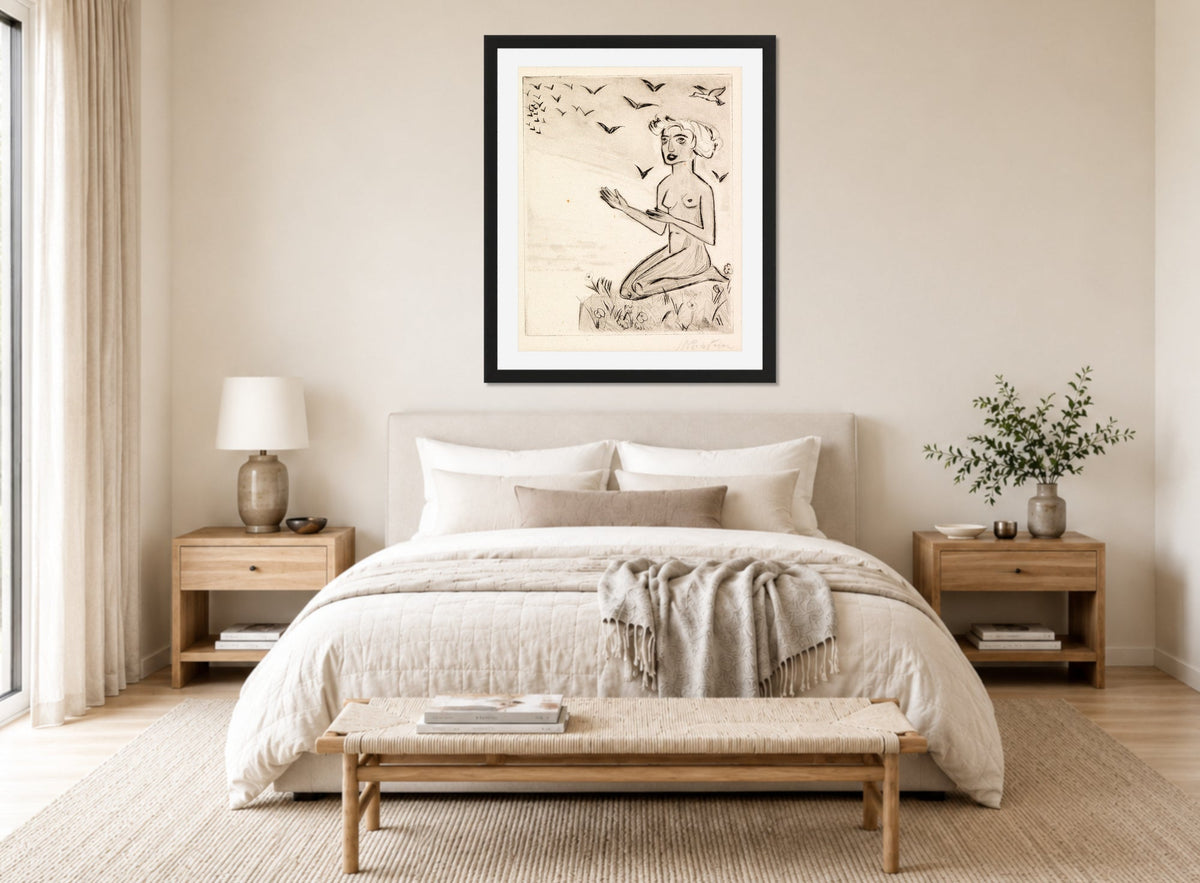
Black frames emphasise Pechstein's strong contours and Expressionist structure. Light oak frames create a softer presentation and can work particularly well within Scandinavian, mid-century and contemporary interiors.
GalleryThane's Max Pechstein figurative artworks are available across selected sizes as fine art prints, handmade framed prints and canvas panels.
Frequently Asked Questions
Did Max Pechstein paint portraits?
Yes. Portraits and self-portraits form an important part of Pechstein's work alongside landscapes, coastal subjects, nudes and scenes of everyday life.
What people did Max Pechstein depict?
Pechstein depicted a wide range of human subjects including individual sitters, family members, dancers, musicians, fishermen, workers, couples and children.
What style are Max Pechstein's portraits?
His portraits are principally associated with German Expressionism. They often feature strong outlines, simplified facial forms, compressed space and heightened or non-naturalistic colour.
Was figurative art important to Die Brücke?
Yes. The human figure was a major subject for Die Brücke artists. Portraits, rapidly drawn figures, performers and scenes of everyday life provided opportunities to reject academic conventions and experiment with more direct forms of expression.
Did Pechstein make portrait prints?
Yes. Pechstein was a prolific printmaker and created numerous figurative and portrait works using techniques including woodcut and lithography.
Why do Pechstein's portraits look simplified?
Pechstein deliberately reduced facial and anatomical detail so that colour, contour, gesture and overall structure could carry greater visual force. This simplification is characteristic of his Expressionist approach.
Where are Pechstein's nude figures?
GalleryThane's nude figure studies and bathing subjects are grouped separately in the Max Pechstein Nude & Bather Prints collection.
Are Max Pechstein portrait prints available framed?
Yes. GalleryThane offers selected Max Pechstein portraits and figurative works as fine art prints, handmade framed prints and canvas panels in a range of sizes.
Where can I learn more about Max Pechstein?
Read GalleryThane's complete Max Pechstein biography, paintings and prints guide for his early training, Die Brücke years, Berlin career, landscapes, coastal art, Palau journey, printmaking, Nazi persecution and later legacy.