International Impressionist Art Prints
Impressionism began in France during the nineteenth century, but its influence quickly travelled far beyond Paris. Artists from the United States, Spain, Scandinavia and elsewhere encountered the movement's new approach to colour, natural light, modern life and painting outdoors, then adapted those ideas to their own landscapes and artistic traditions.
International Impressionism was therefore not a single organised movement. It describes the wider development of Impressionist ideas outside the original French circle.
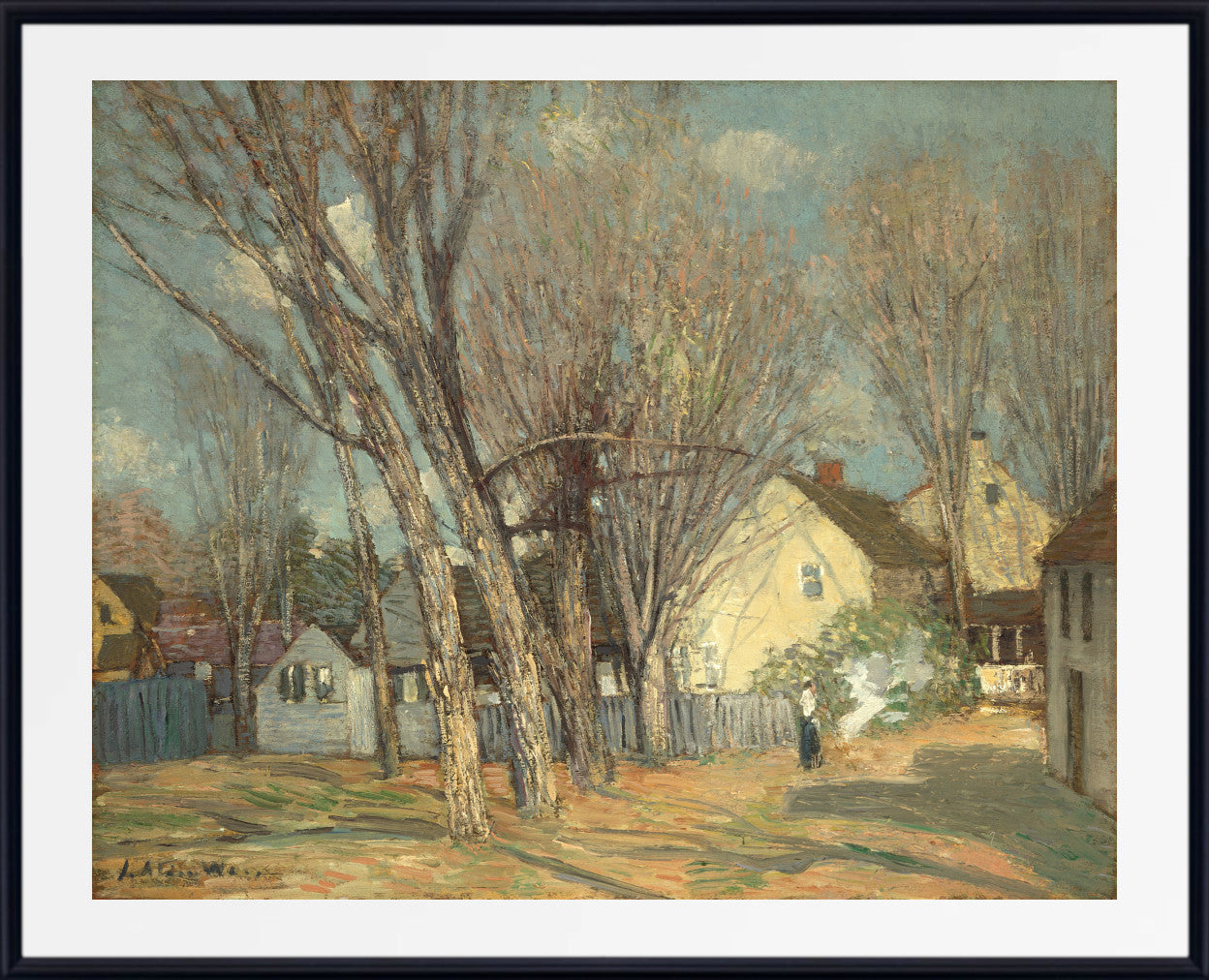
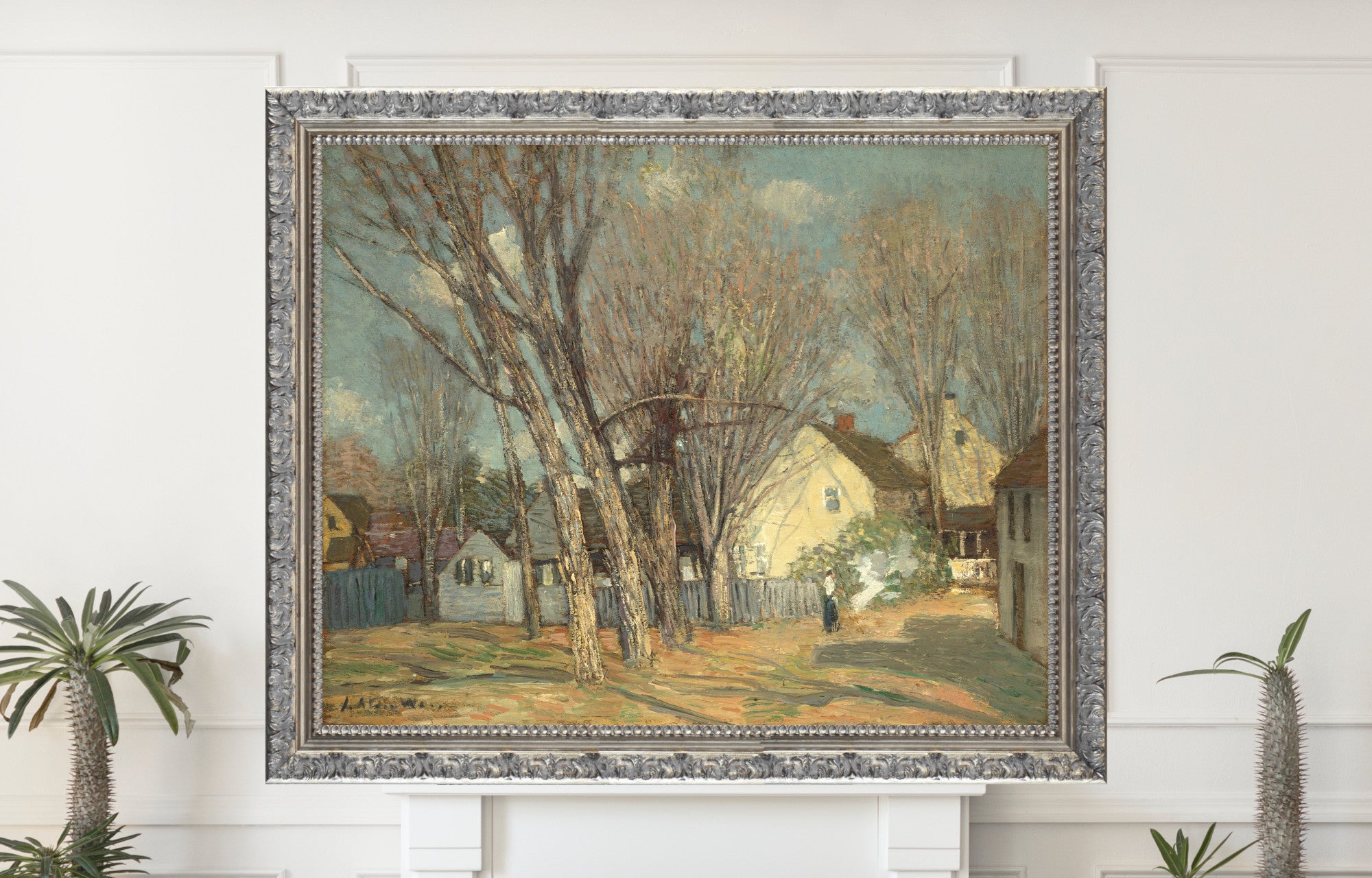
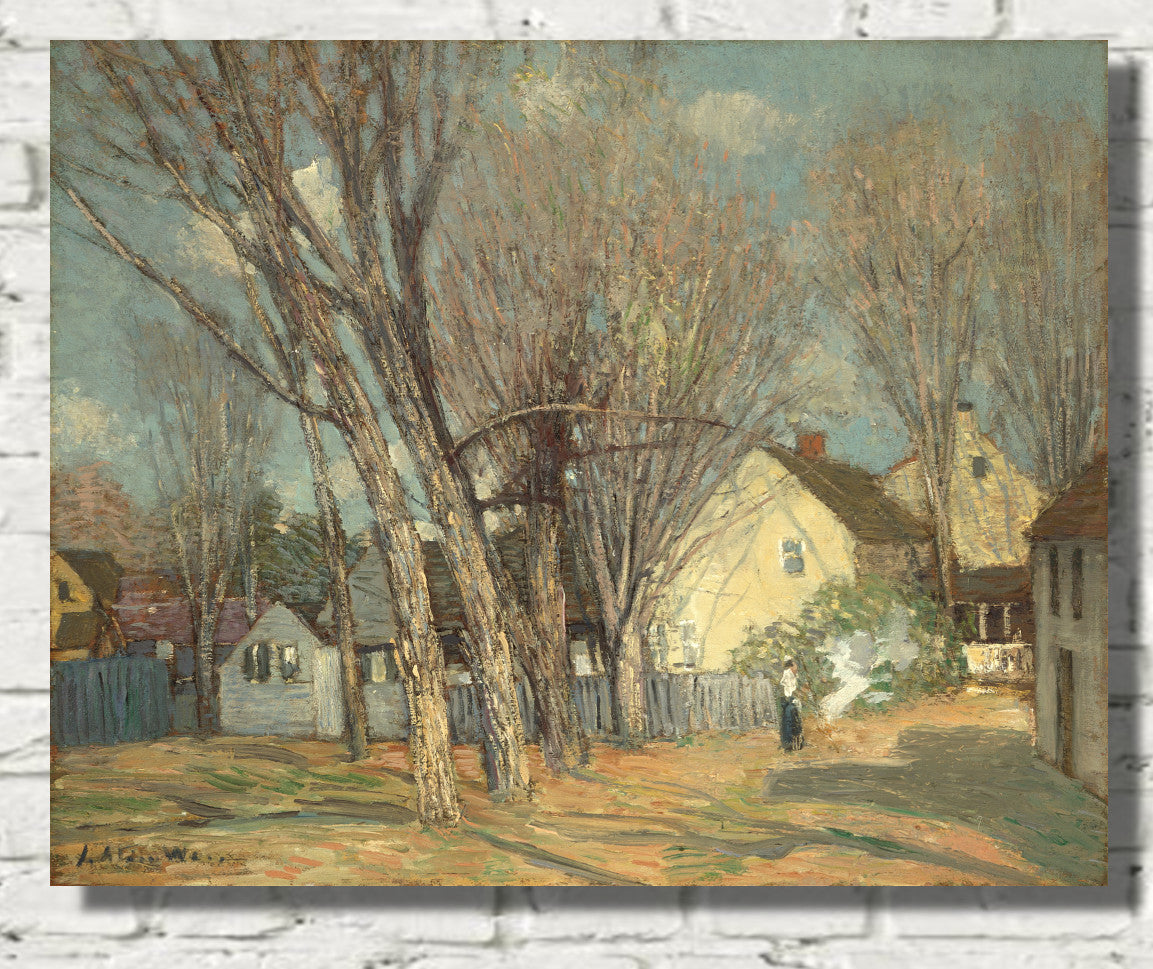
The paintings in this collection range from American city streets and New England coastlines to Spanish beaches, Scandinavian summer evenings, gardens at Giverny and luminous scenes of everyday life.
How Impressionism Spread Beyond France
French Impressionism challenged many conventions of nineteenth-century painting.
Artists such as Claude Monet, Camille Pissarro, Pierre-Auguste Renoir, Alfred Sisley, Edgar Degas and Berthe Morisot became interested in changing light, modern life, informal composition and visible brushwork rather than the highly polished finish traditionally favoured by the academic establishment.
International artists encountered these developments through study in Paris, exhibitions, travel and direct contact with French painters.
Many returned home with a new interest in painting outdoors, lighter palettes and the observation of fleeting atmospheric effects.
Others remained in France, particularly around places such as Giverny, where an international community of painters developed around the landscape made famous by Monet.
For the original French movement and its immediate circle, explore our Impressionist Art Prints collection.
American Impressionism
The United States developed one of the strongest Impressionist traditions outside France.
American painters who had trained or travelled in Europe adapted French techniques to distinctly American subjects: New York streets, Boston parks, New England gardens, coastal resorts, rural landscapes and domestic interiors.
Rather than simply copying their French counterparts, the strongest American Impressionists developed individual styles that reflected different landscapes and forms of modern life.
Childe Hassam and American City Life
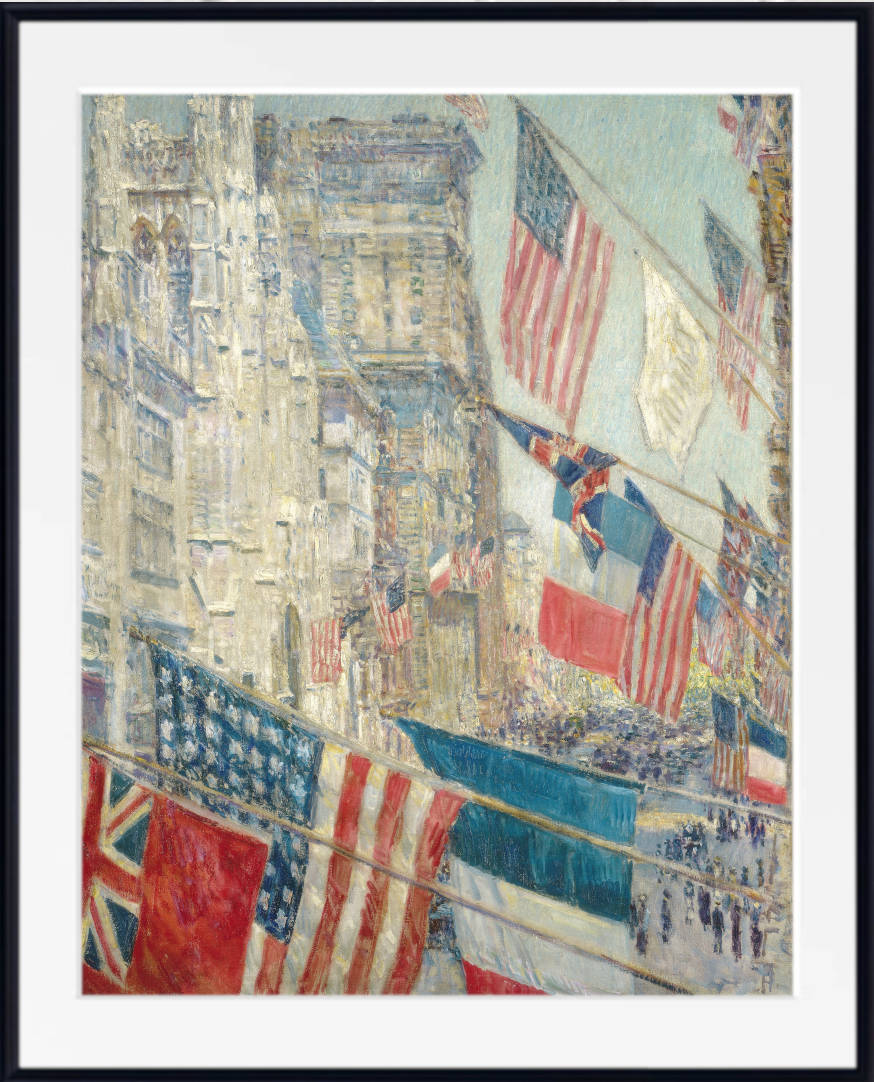
Frederick Childe Hassam became one of the most important figures in American Impressionism.
His paintings range from busy urban streets to gardens, coastal landscapes and the rocky shores of the Isles of Shoals.
Hassam was particularly skilled at using broken brushwork and changing light to animate modern city scenes. Rain, snow, flags, passing figures and reflected light could transform an ordinary street into a painting filled with movement and atmosphere.
His garden and coastal paintings reveal another side of his work, combining strong colour with the changing effects of sunlight across flowers, foliage, water and stone.
William Merritt Chase
William Merritt Chase played an important role in the development of American painting as both an artist and teacher.
His work covered portraiture, interiors and still life, but his outdoor paintings are particularly relevant to International Impressionism.
At Shinnecock on Long Island, Chase painted beaches, dunes, paths and open landscapes in a brighter palette, capturing the particular quality of summer light along the American coast.
Works such as his Shinnecock landscapes demonstrate how Impressionist methods could be adapted to a landscape very different from the riverbanks and gardens of France.
American Impressionists at Giverny
Giverny became an important meeting point between French and American Impressionism.
Claude Monet settled there in 1883, and the village subsequently attracted an international community of artists interested in landscape, colour and plein-air painting.
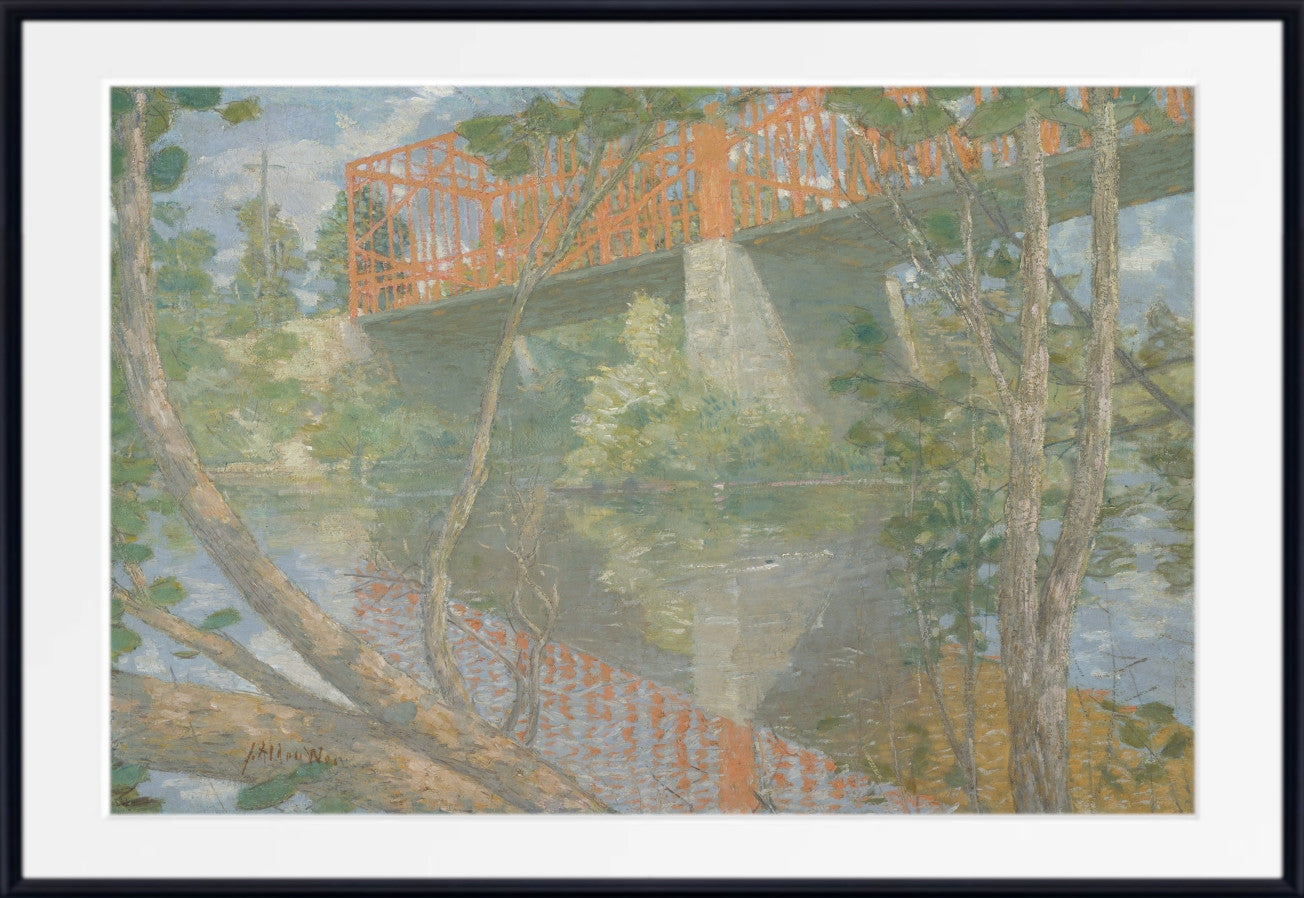
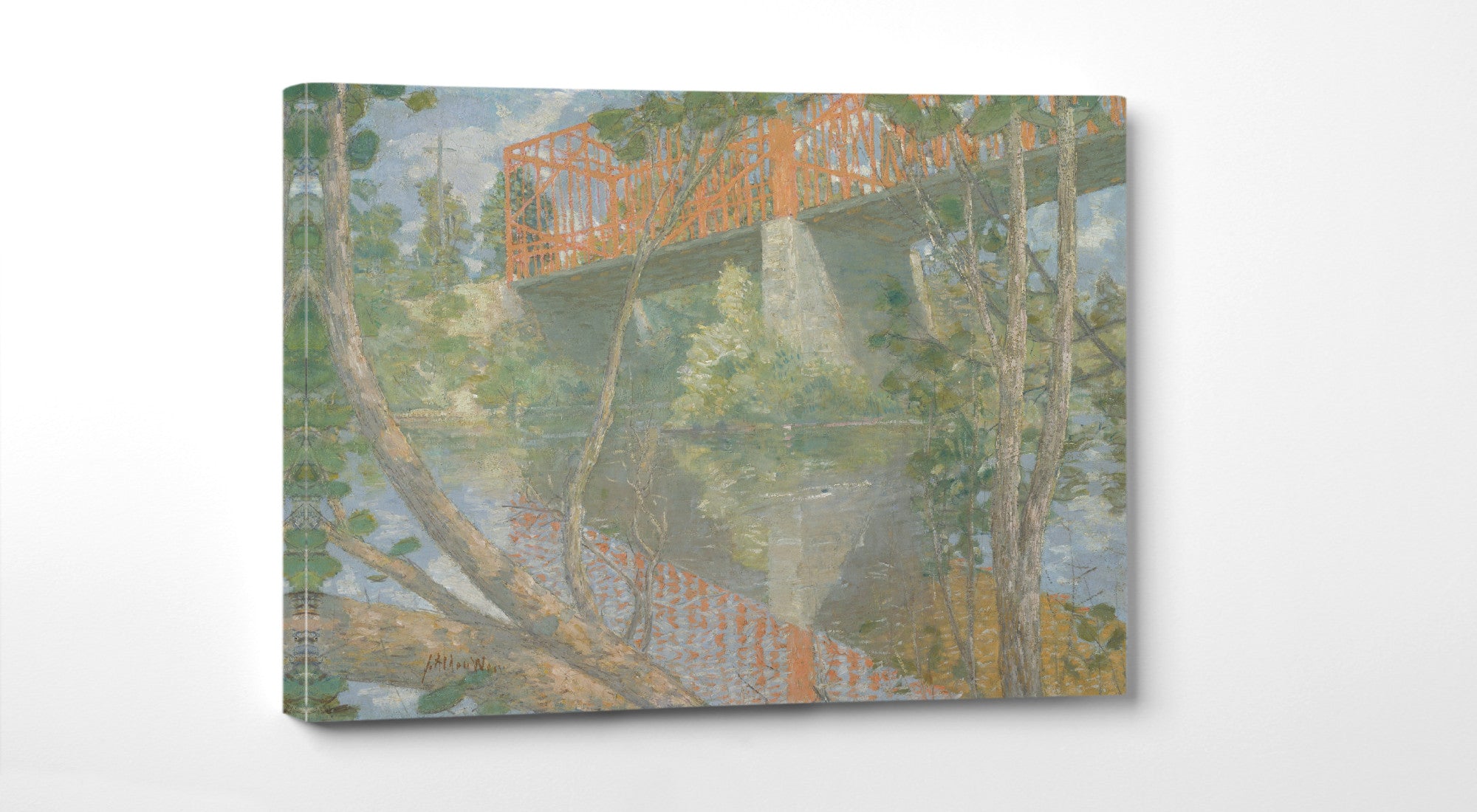
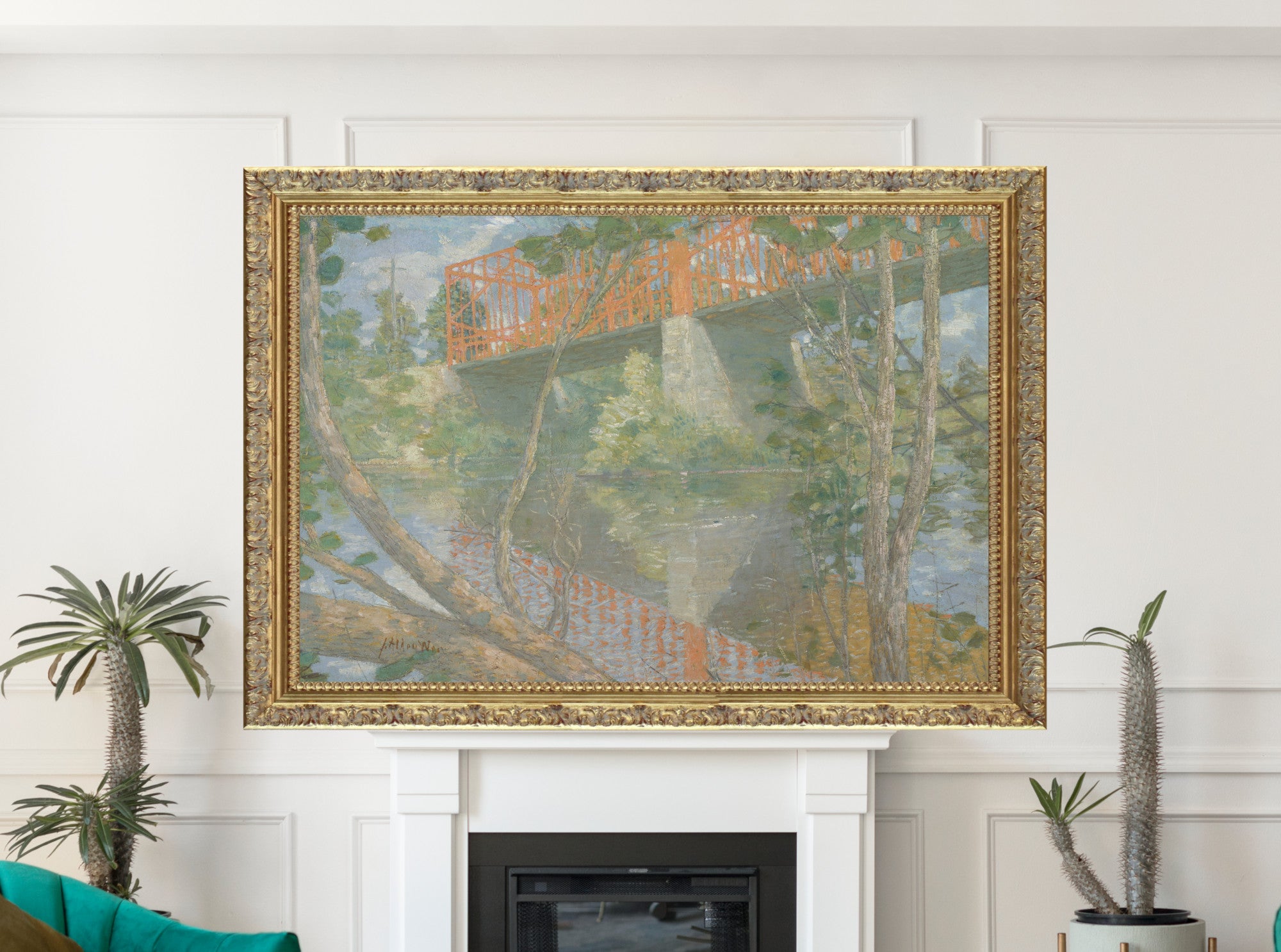
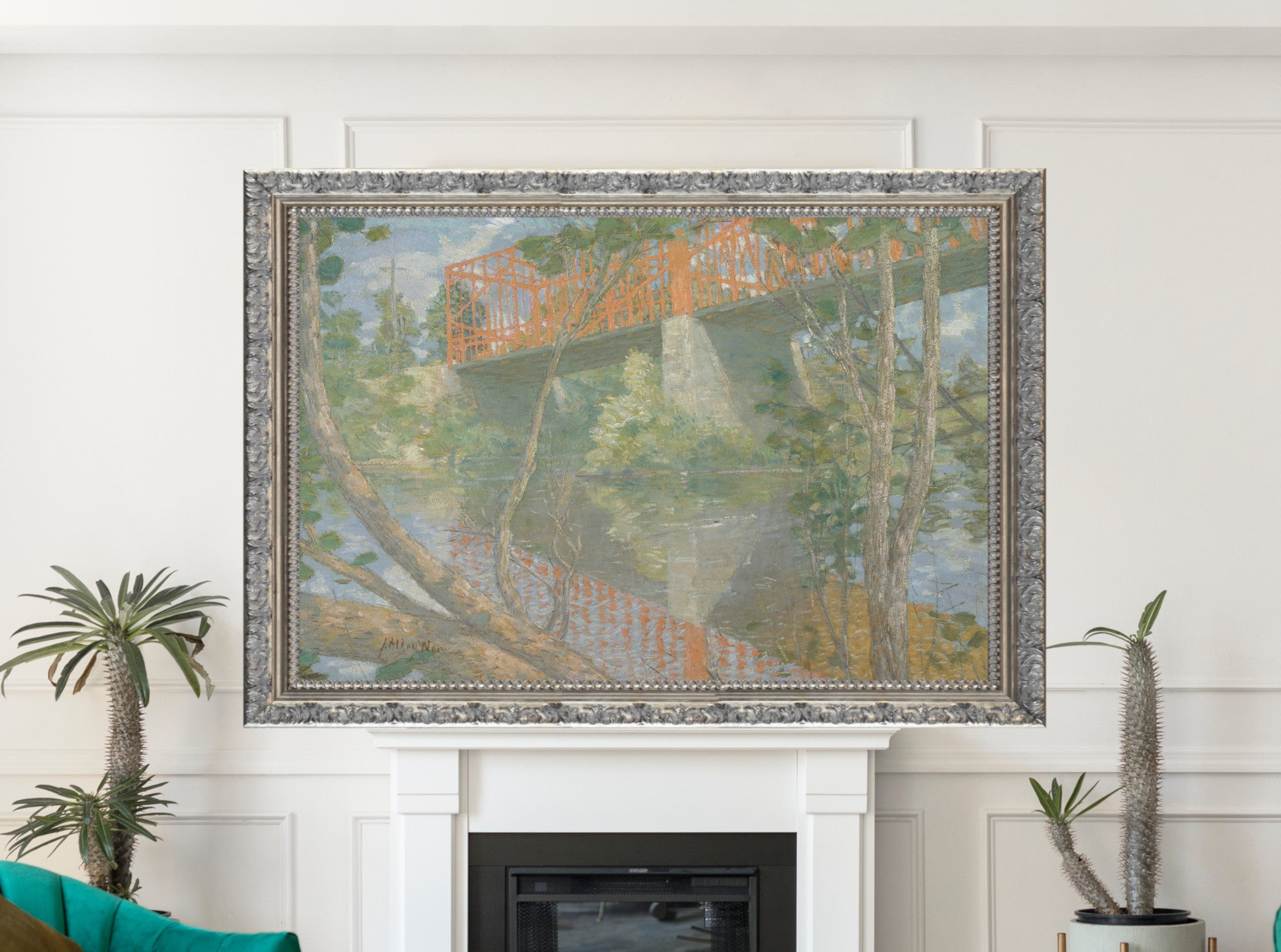
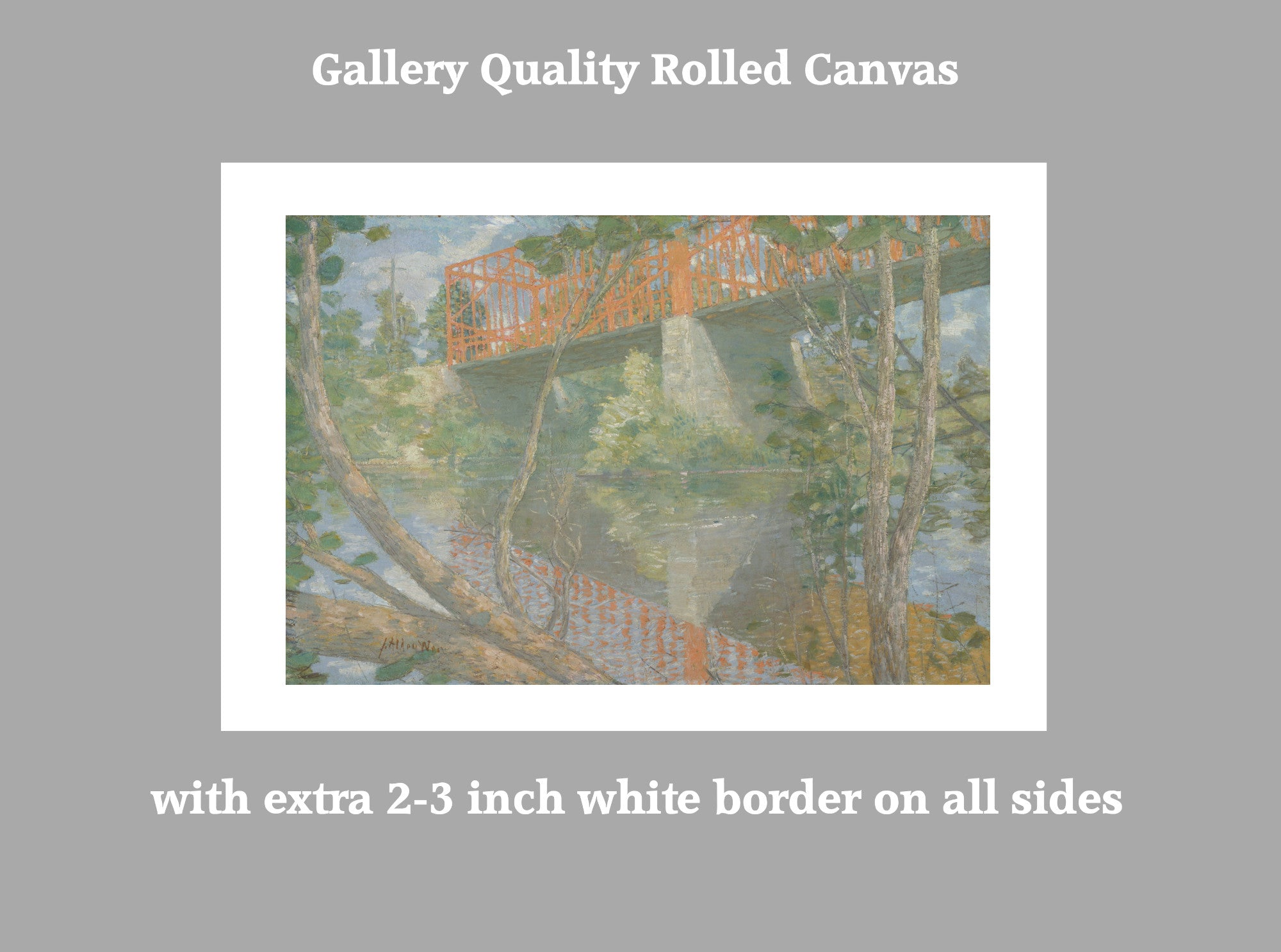
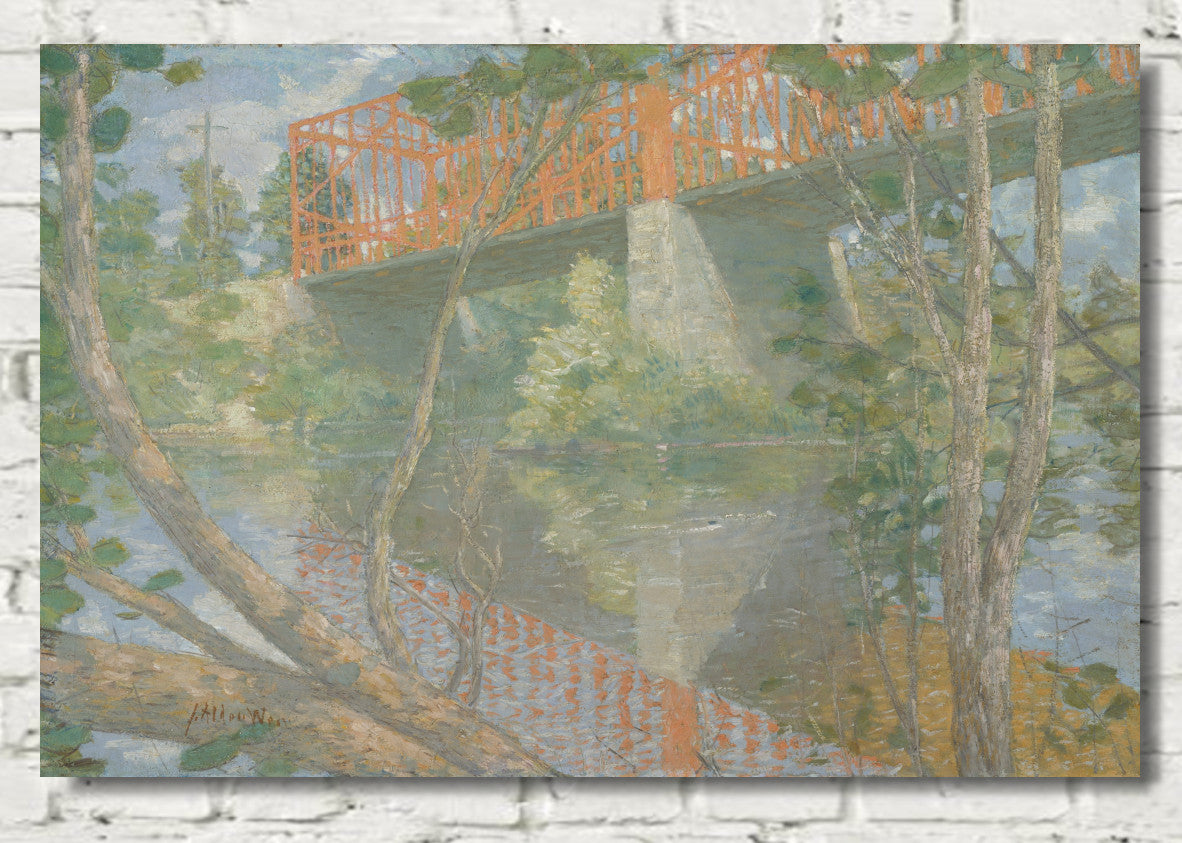
Theodore Robinson was one of the American painters most closely associated with Giverny. His landscapes, bridges, rivers and figures reveal a strong interest in atmosphere and the changing effects of natural light.
Theodore Butler also worked at Giverny, producing landscapes and scenes of daily life in France before applying a similar approach to subjects elsewhere.
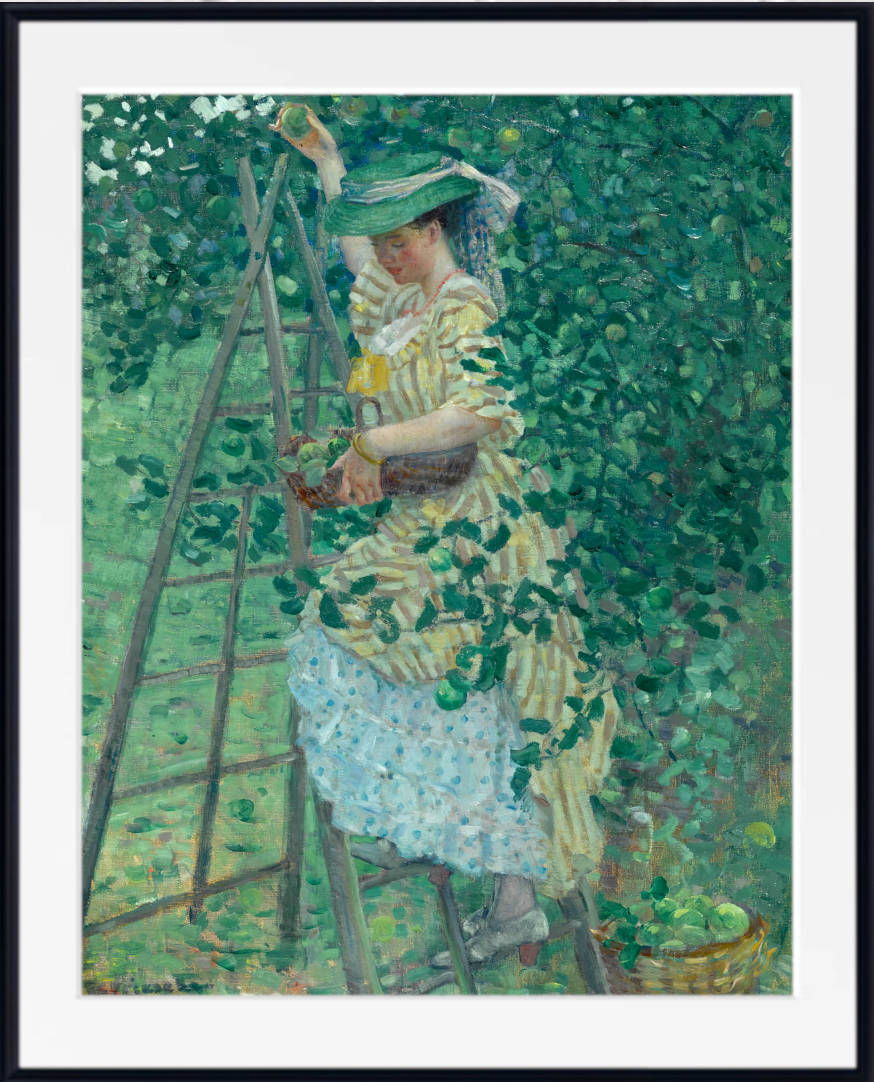
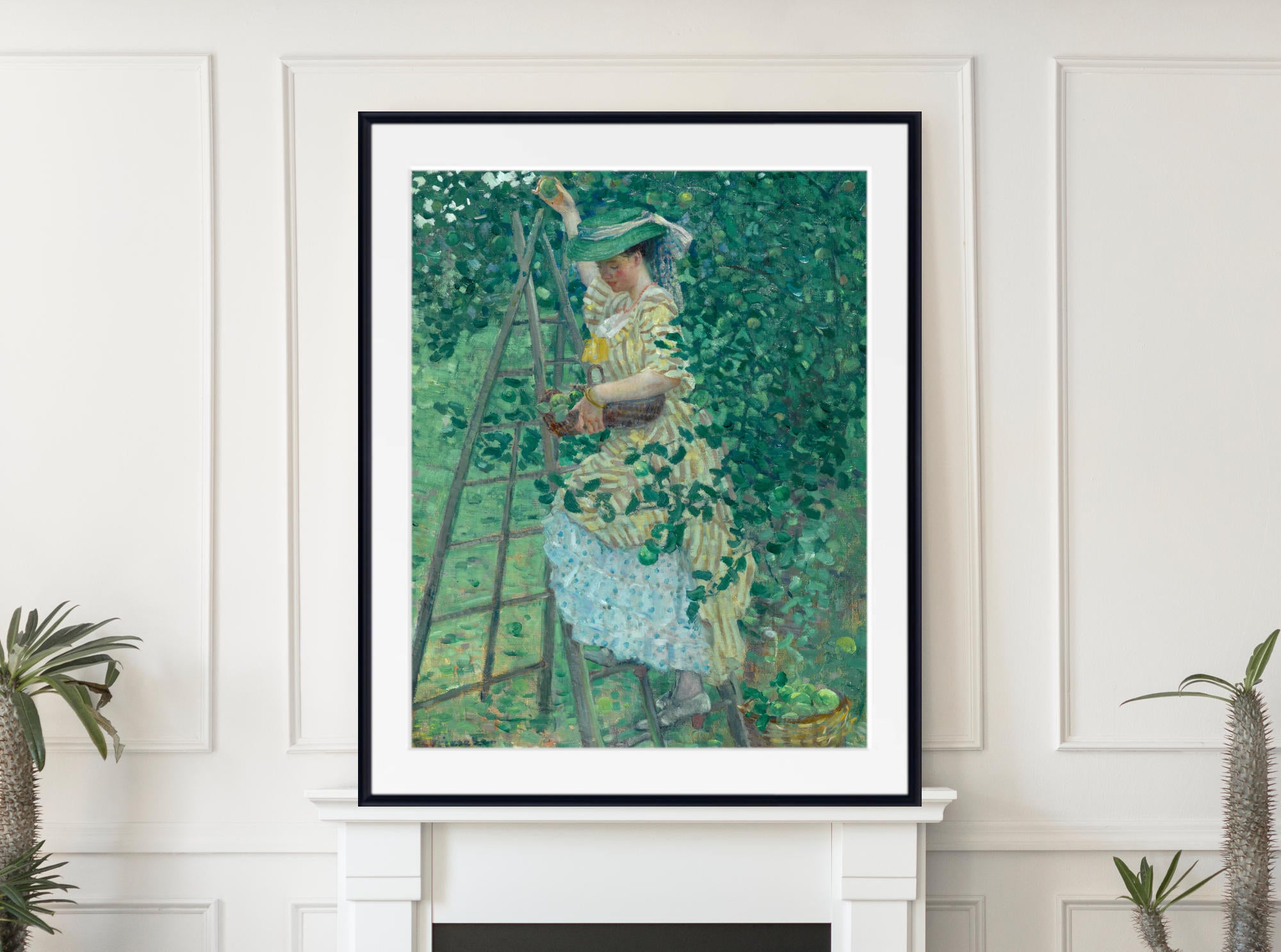
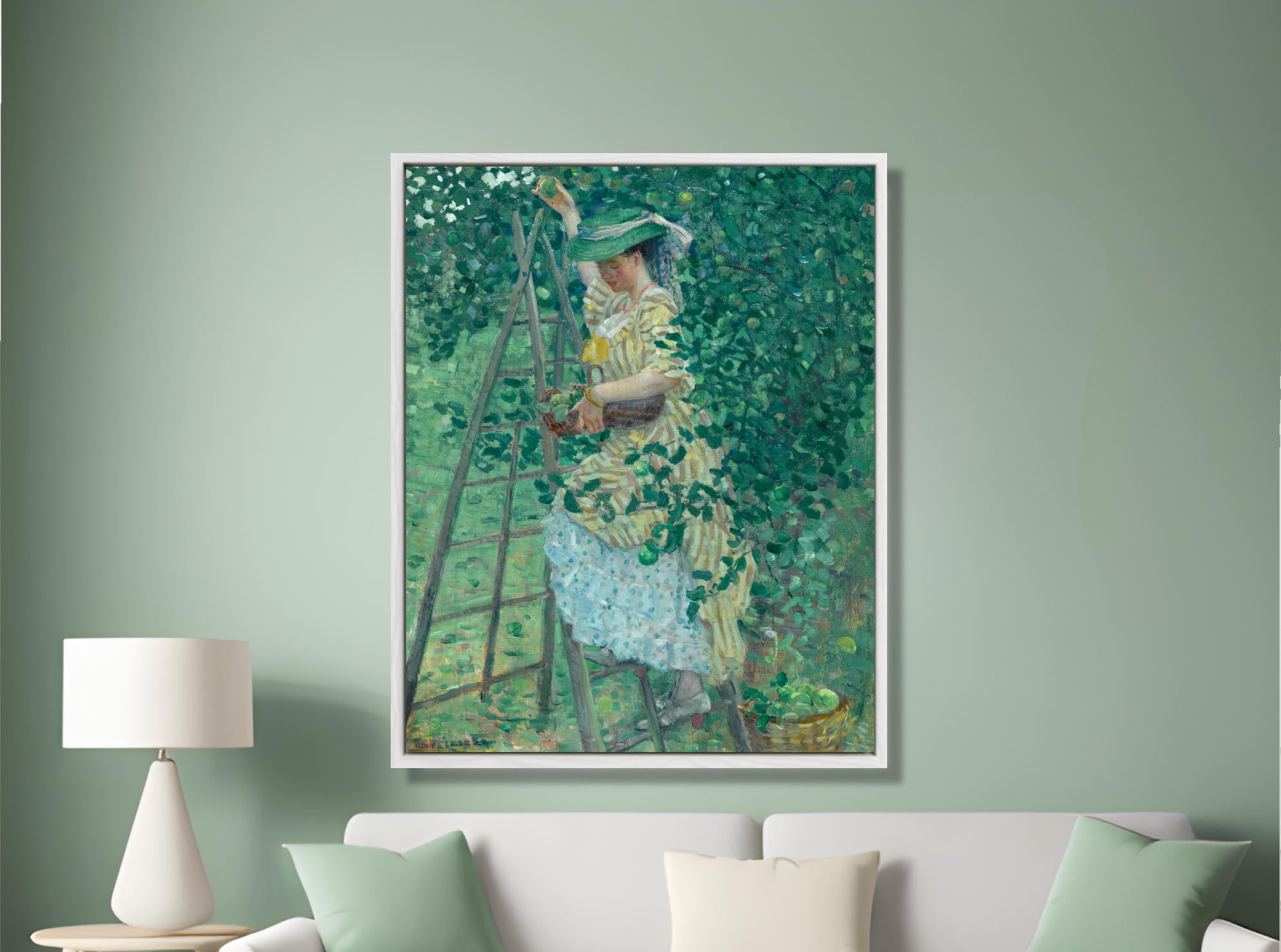
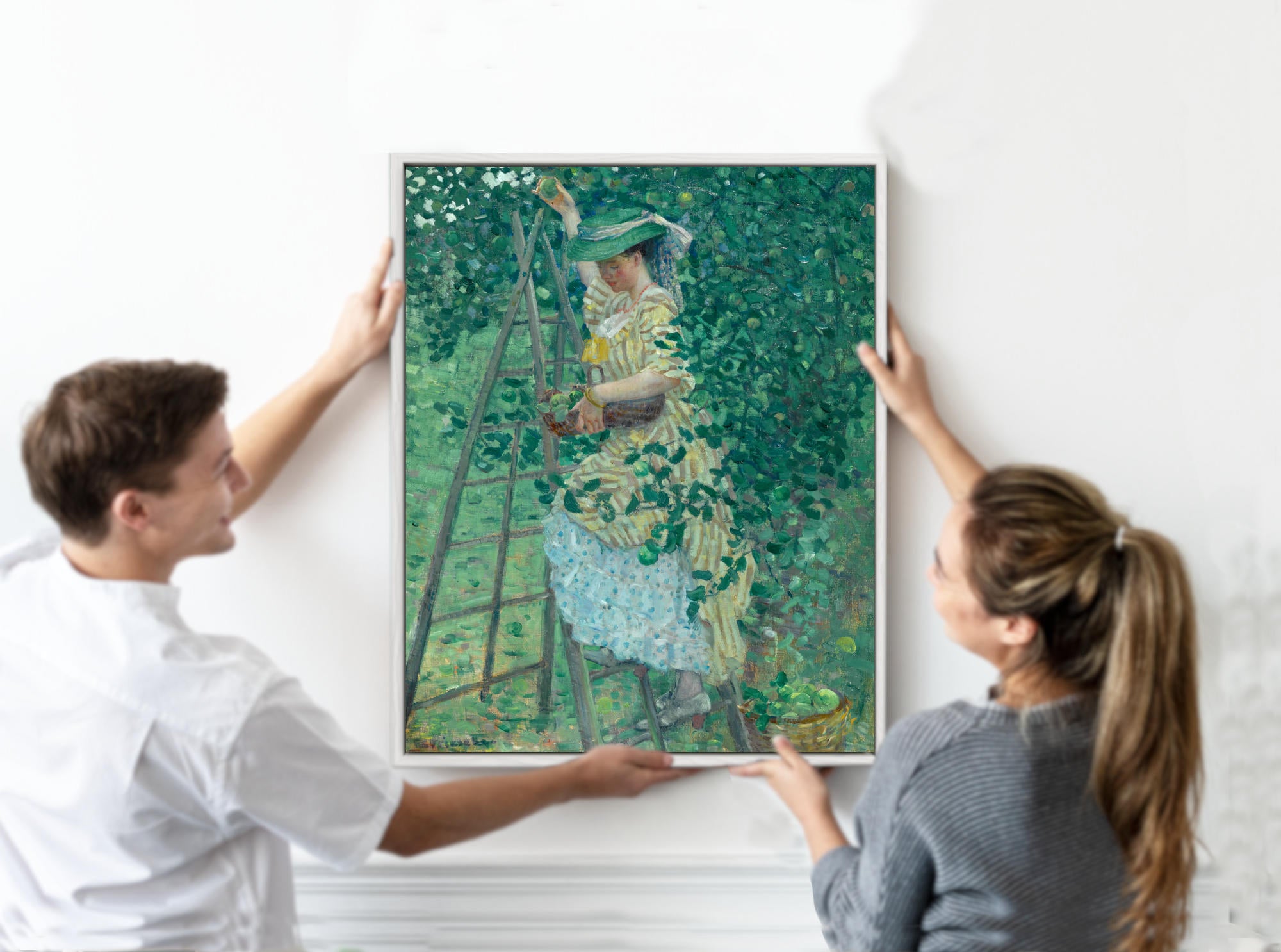
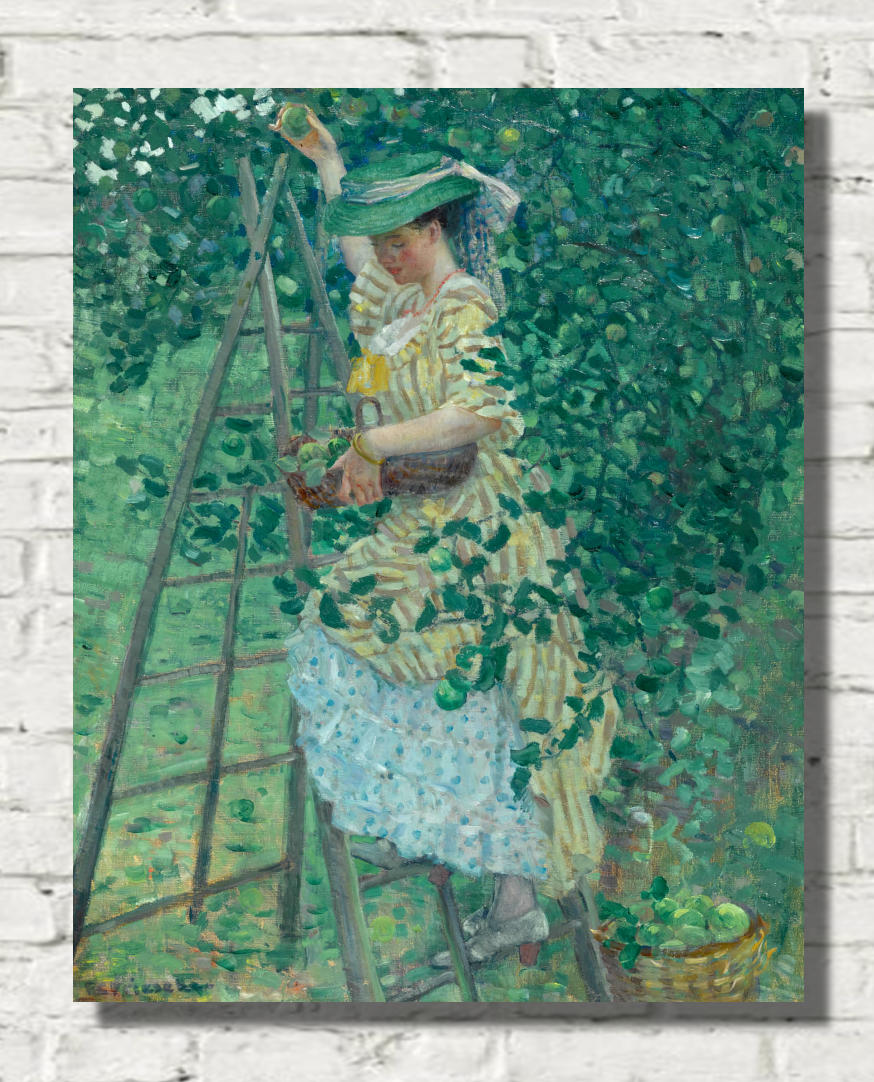
Frederick Carl Frieseke became particularly celebrated for luminous paintings of women in gardens and domestic interiors. His work combines Impressionist light with decorative pattern, flowers, textiles and intensely coloured surfaces.
Together, these painters show how Giverny became more than simply Monet's home. It became an important centre through which Impressionist ideas were interpreted by a new generation of international artists.
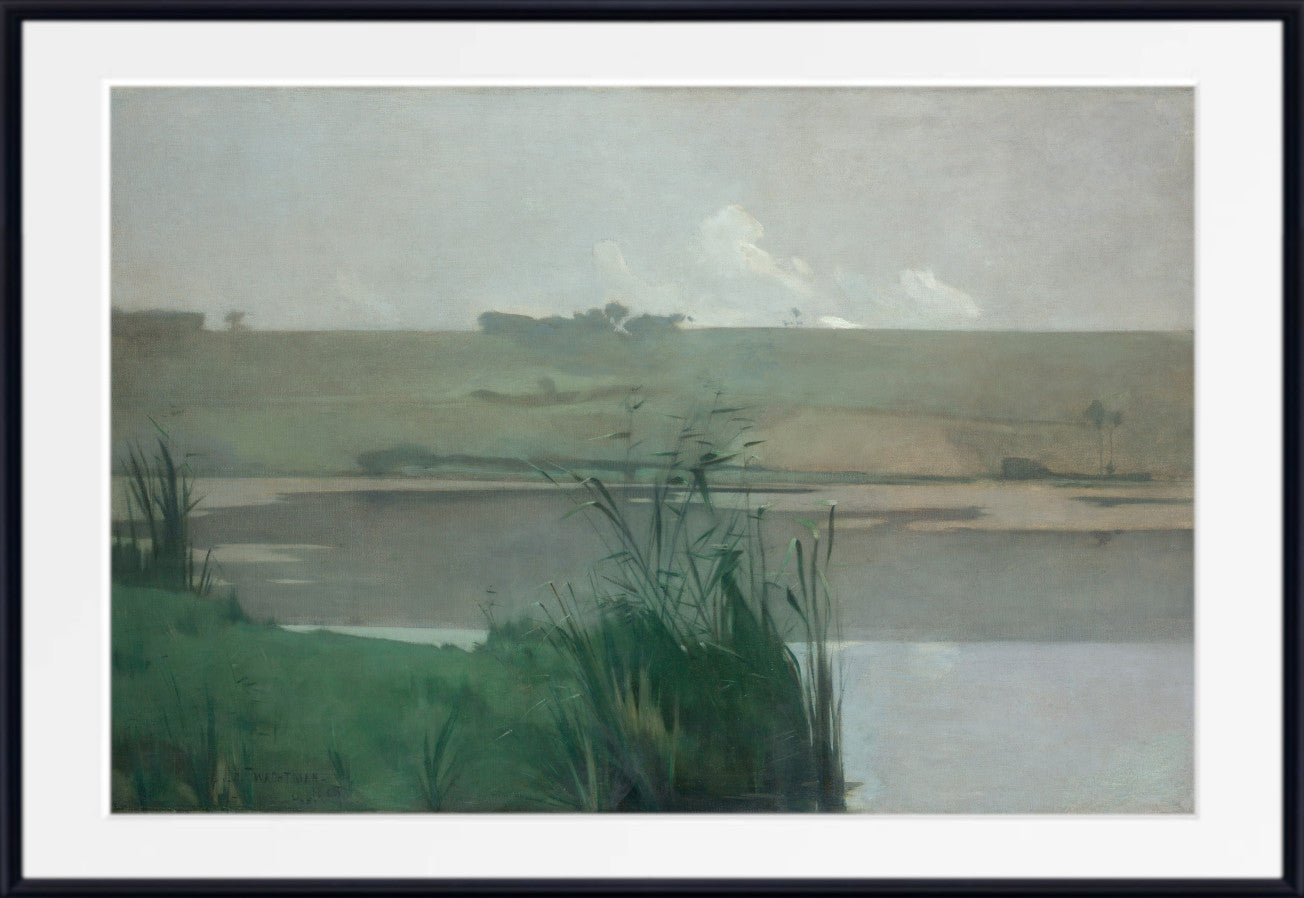
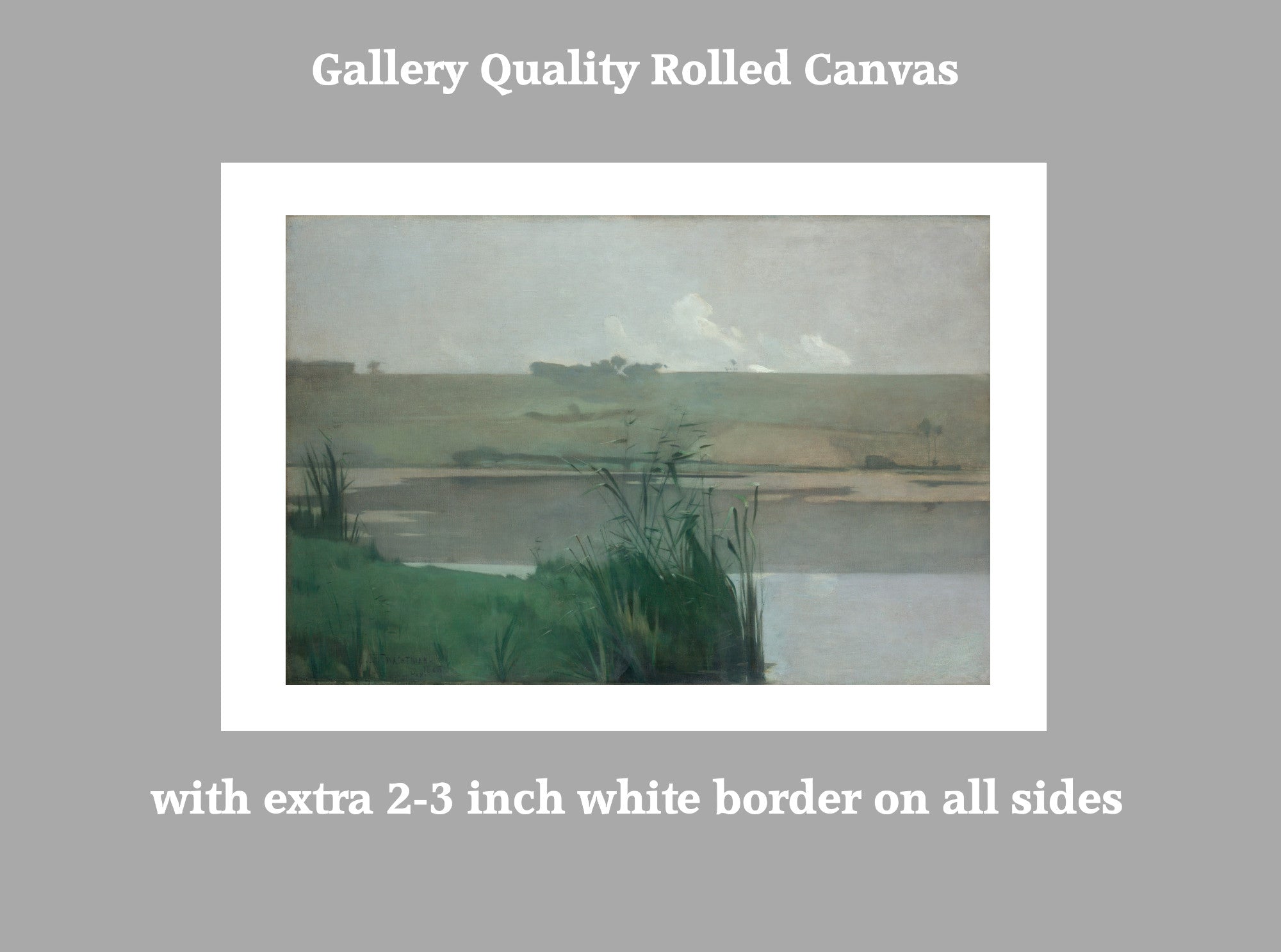
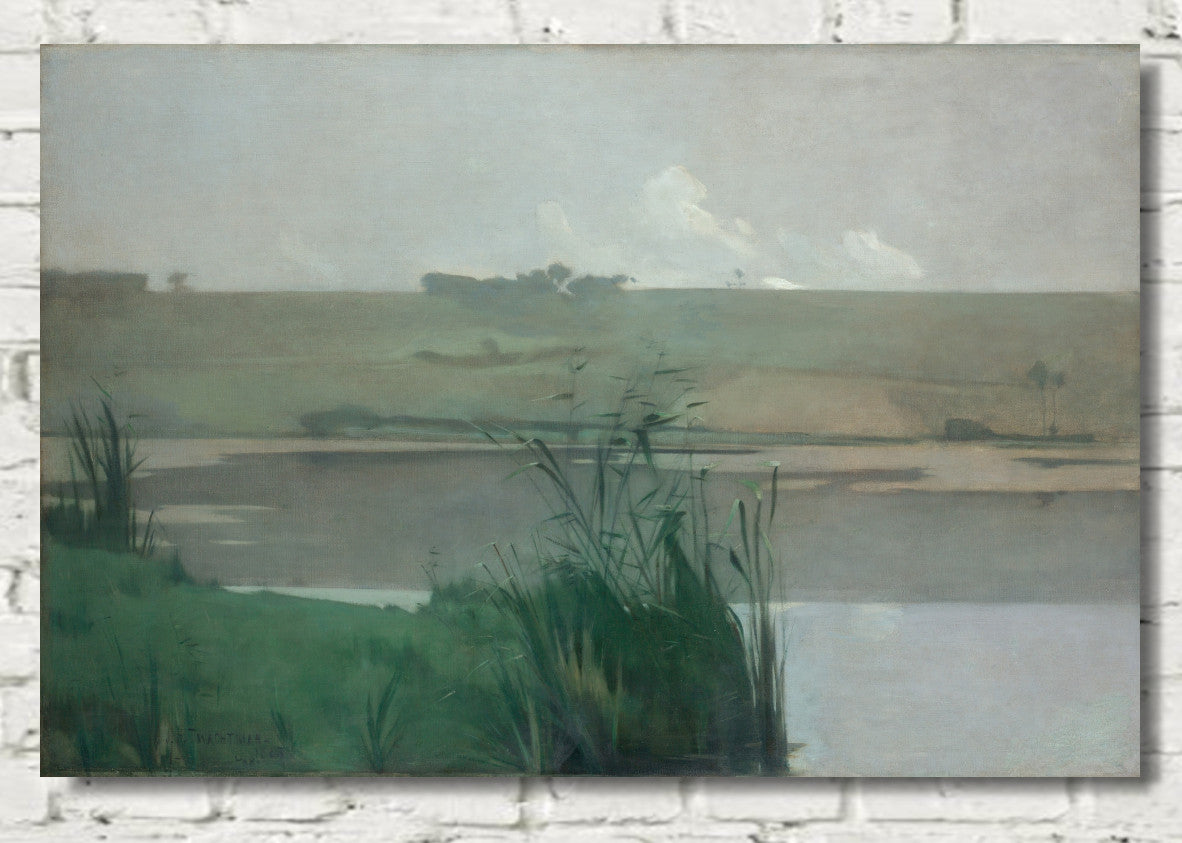
John Henry Twachtman and the American Landscape
John Henry Twachtman developed one of the most individual approaches within American Impressionism.
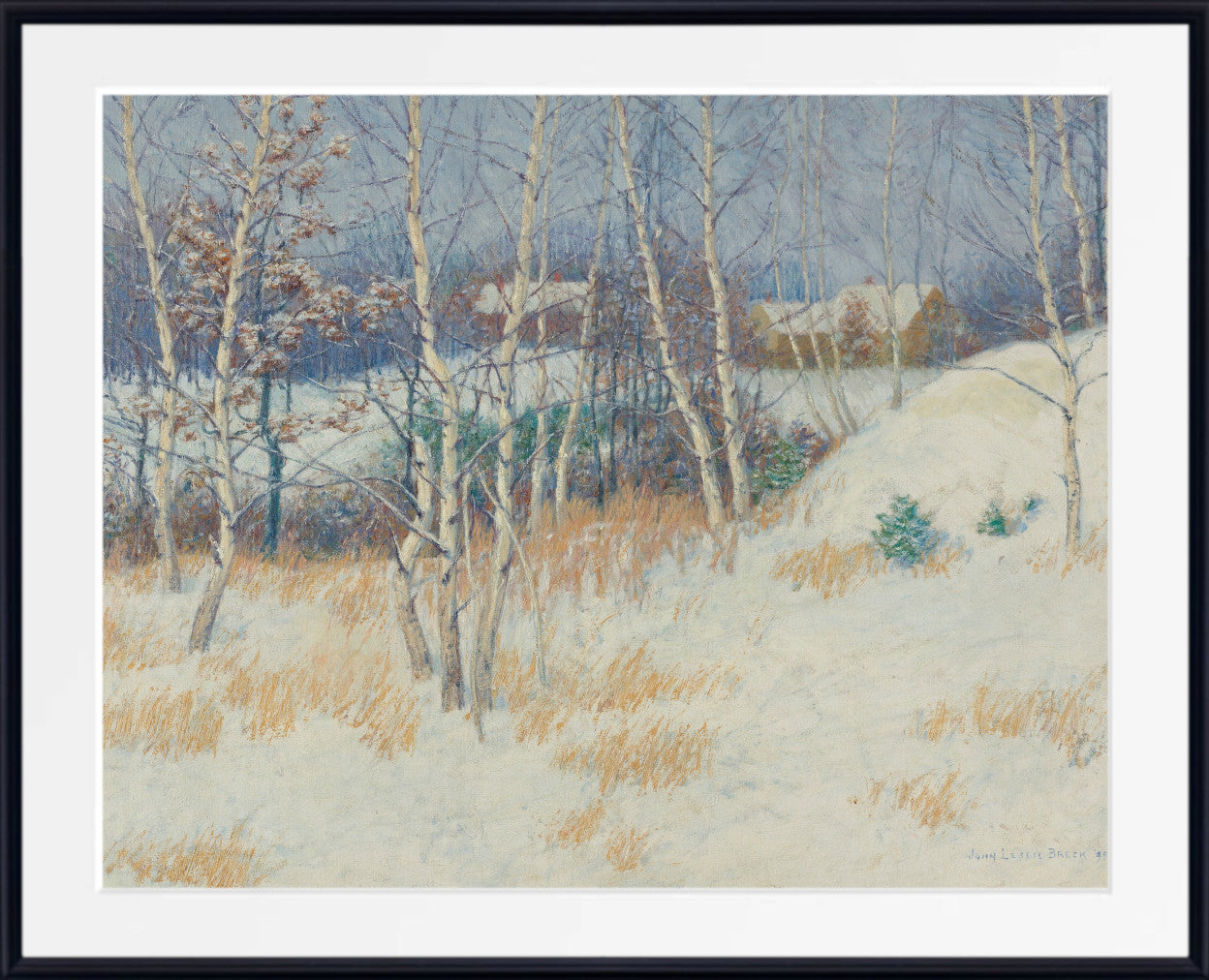
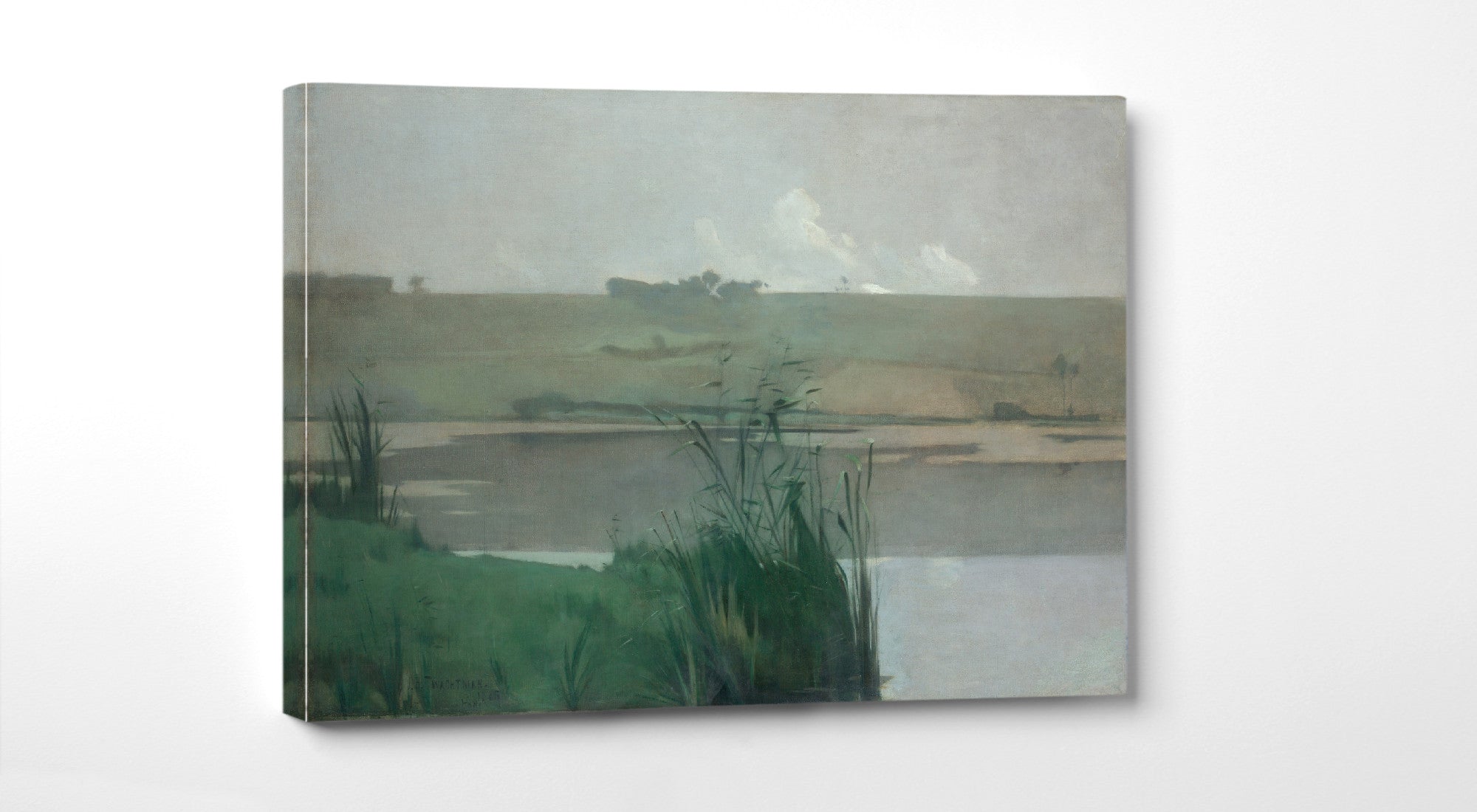
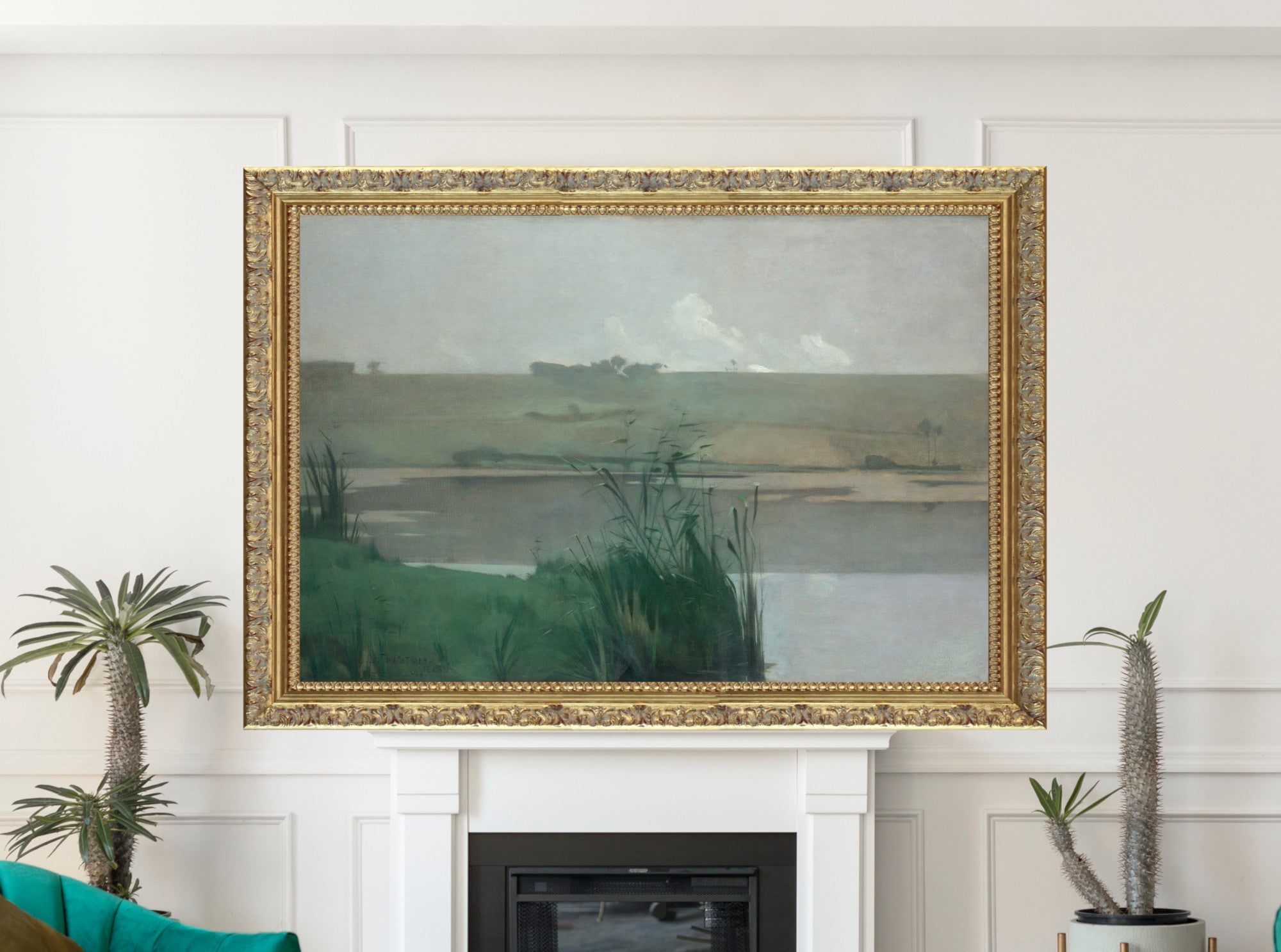
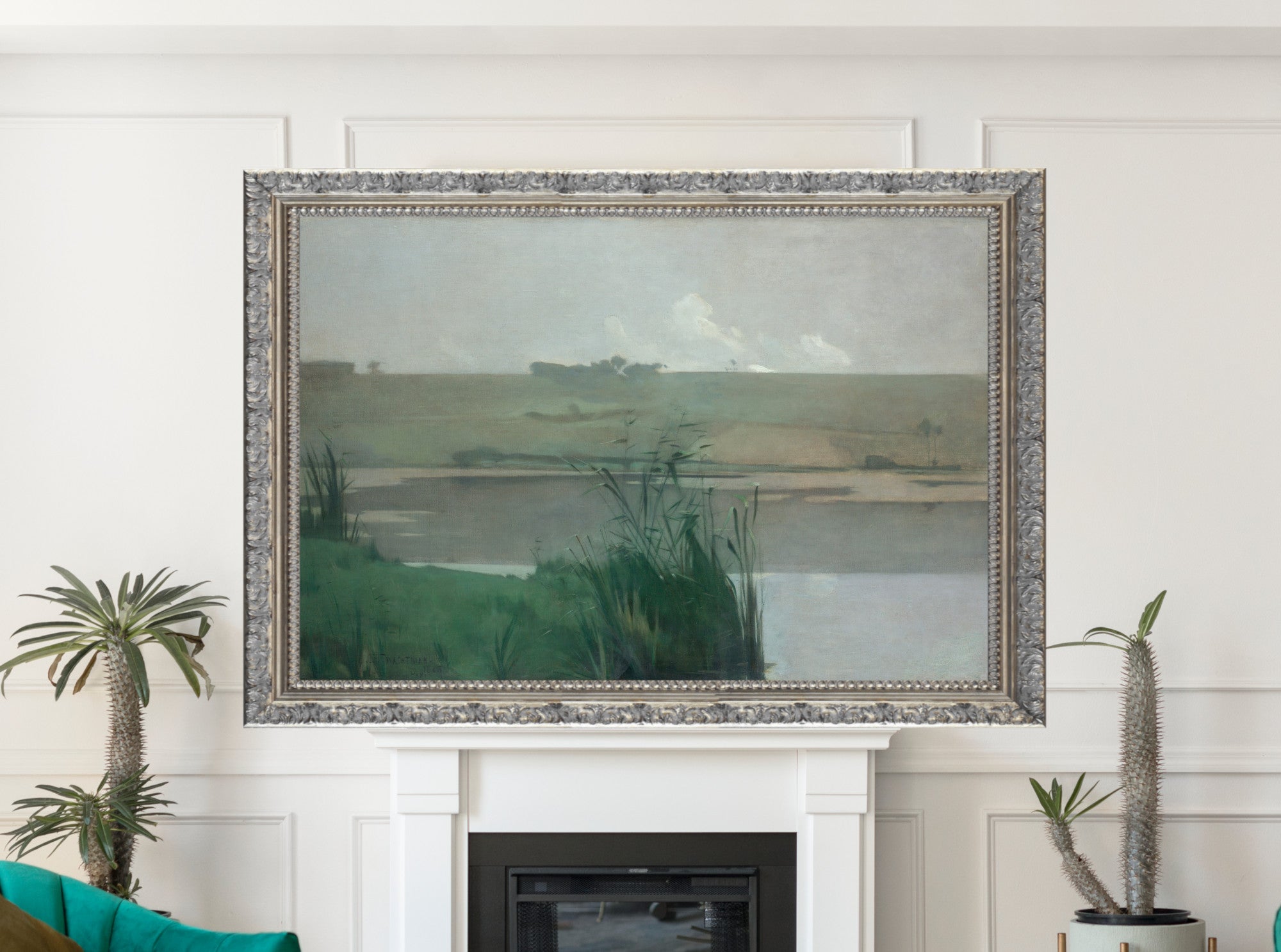
His landscapes can be quieter and more restrained than the bright gardens of Hassam or Frieseke. Snow-covered fields, streams, bridges and softly coloured countryside often dominate his work.
Twachtman's subtle tonal relationships give many of his paintings a contemplative quality while retaining the Impressionist concern with direct observation, weather and atmosphere.
Alongside Hassam, Willard Metcalf and Robert Reid, he was associated with The Ten American Painters, a group whose exhibitions helped establish Impressionism as an important force in American art.
Gardens, Coastlines and Modern America
International Impressionism flourished particularly strongly in landscape painting.
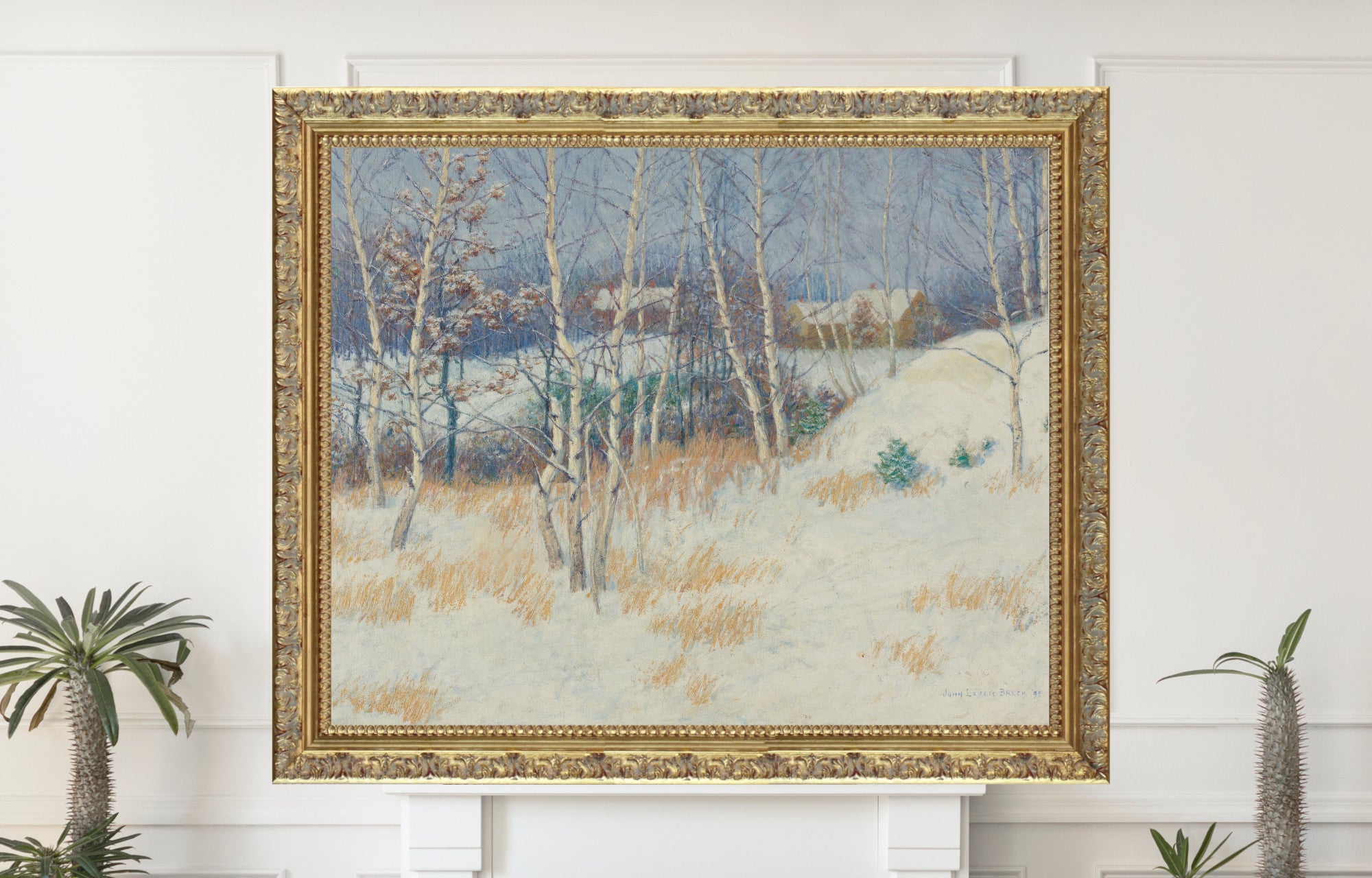
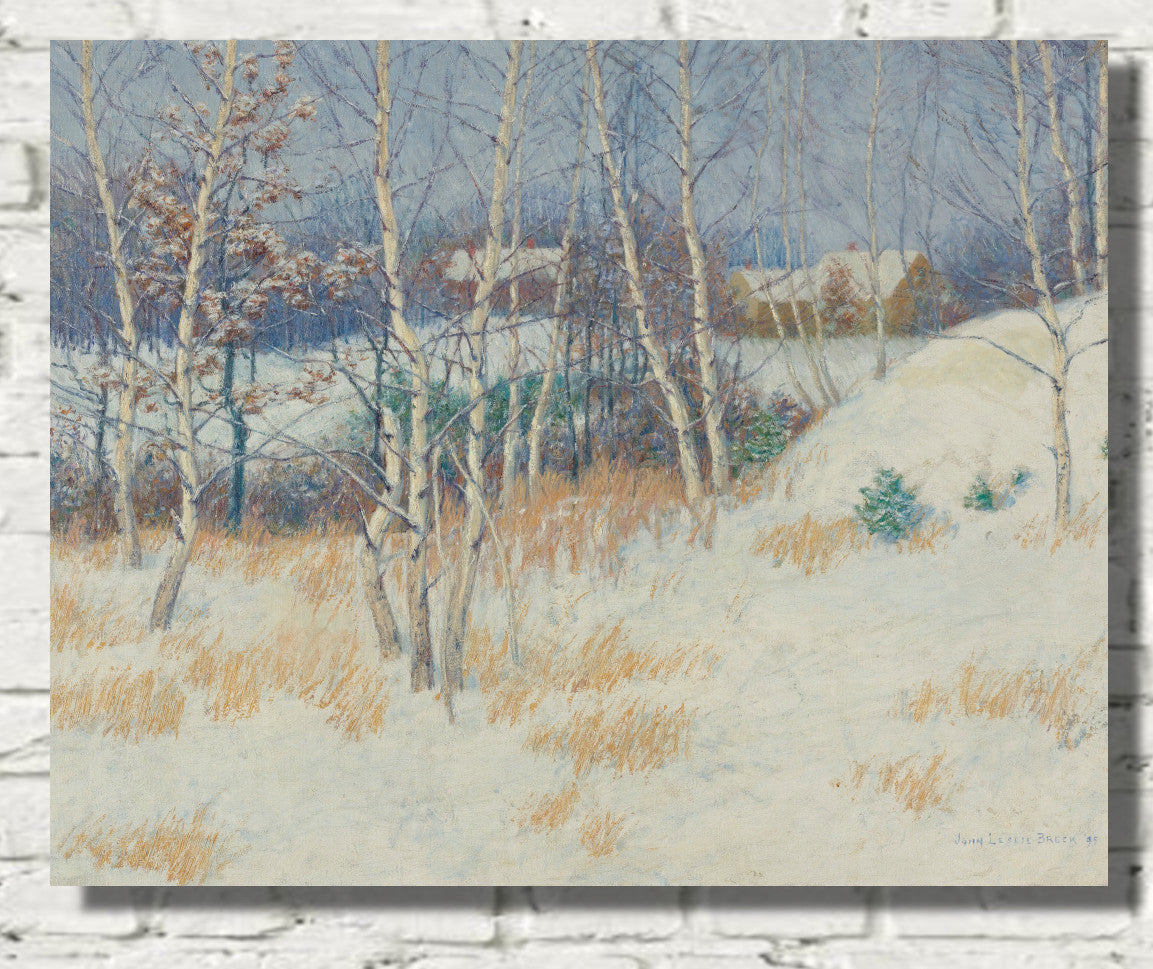
Willard Metcalf became known for New England landscapes in which seasonal colour, snow, water and rural architecture are central elements.
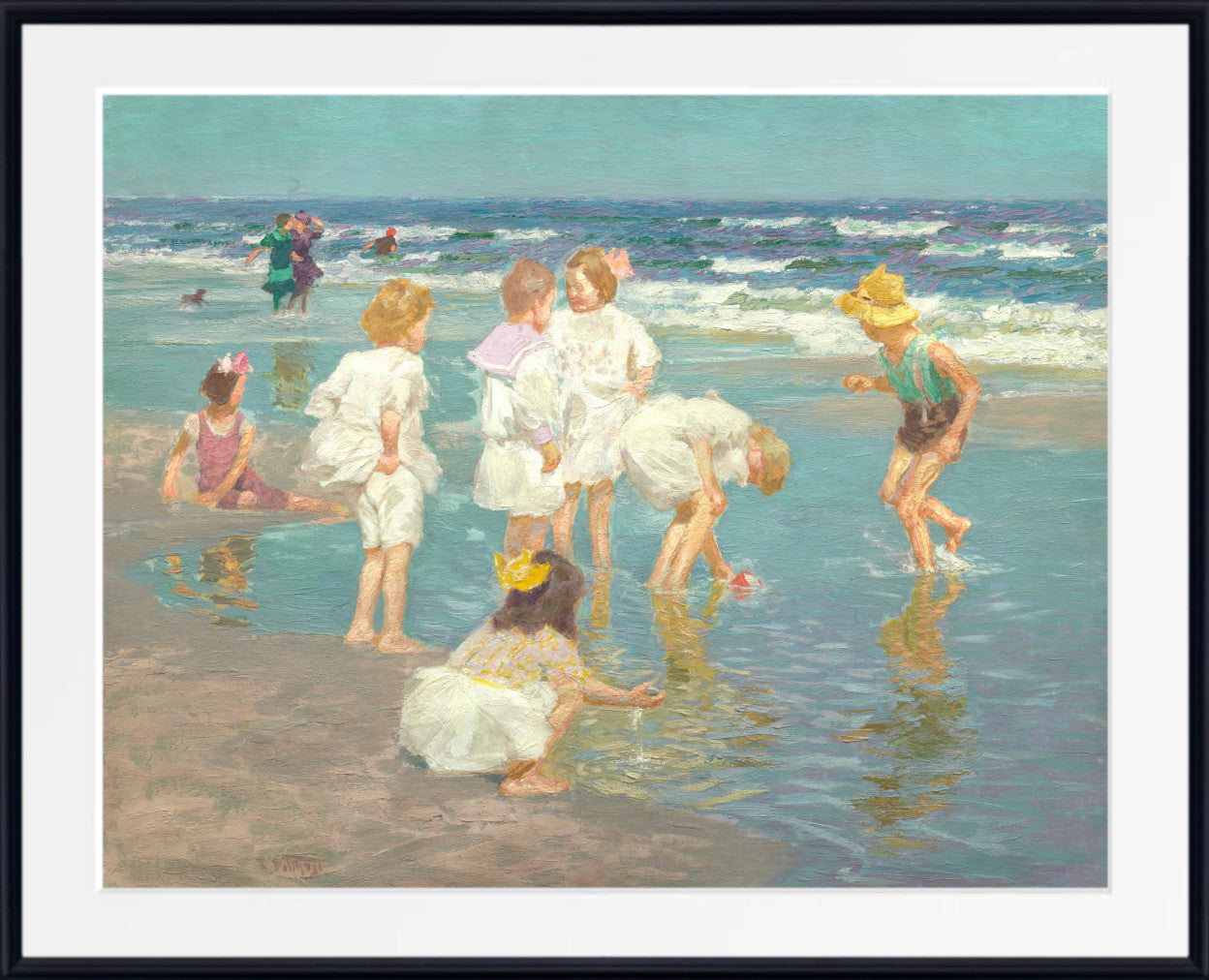
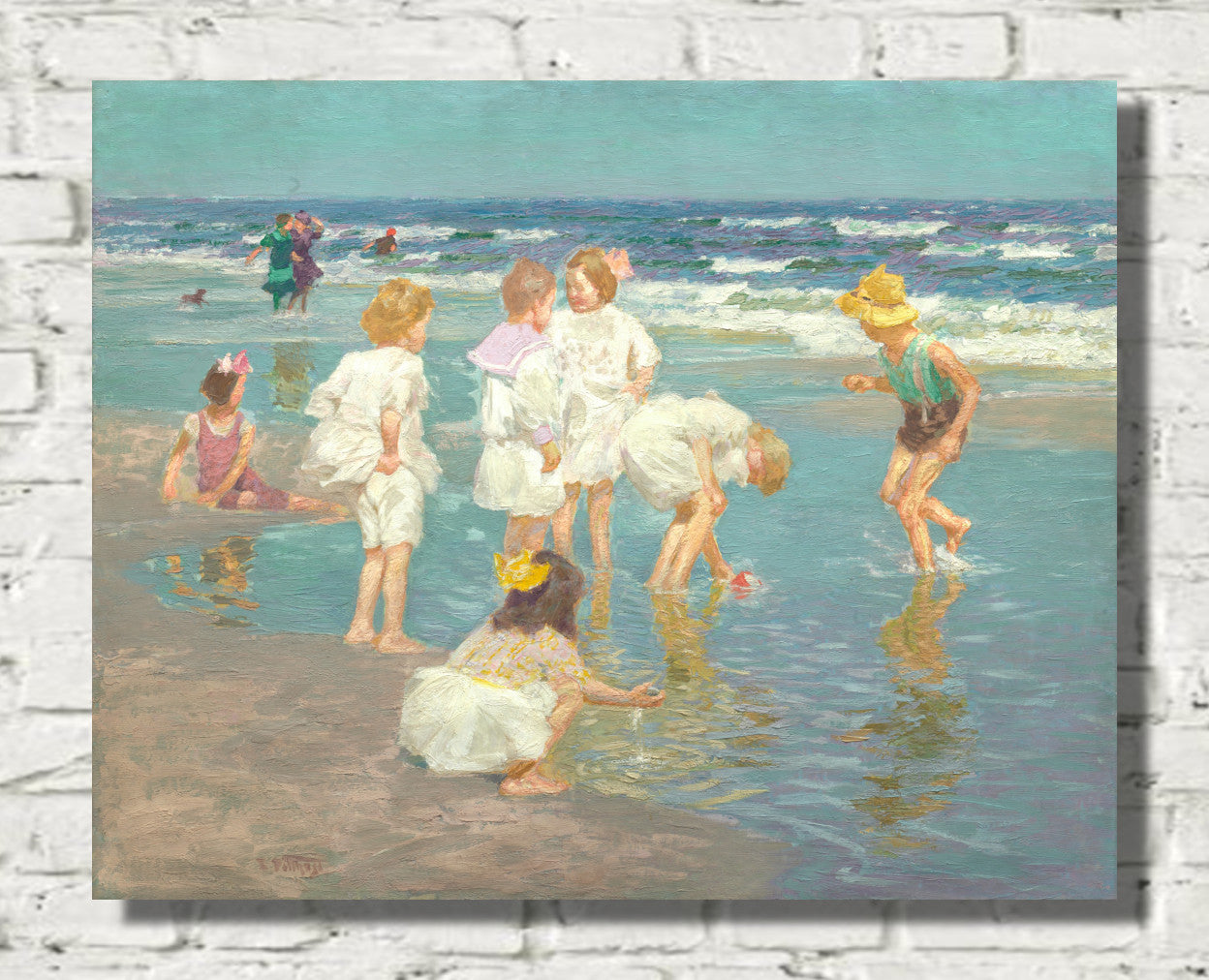
Edward Henry Potthast brought a livelier character to American Impressionism through paintings of beaches, swimmers and families enjoying the coast.
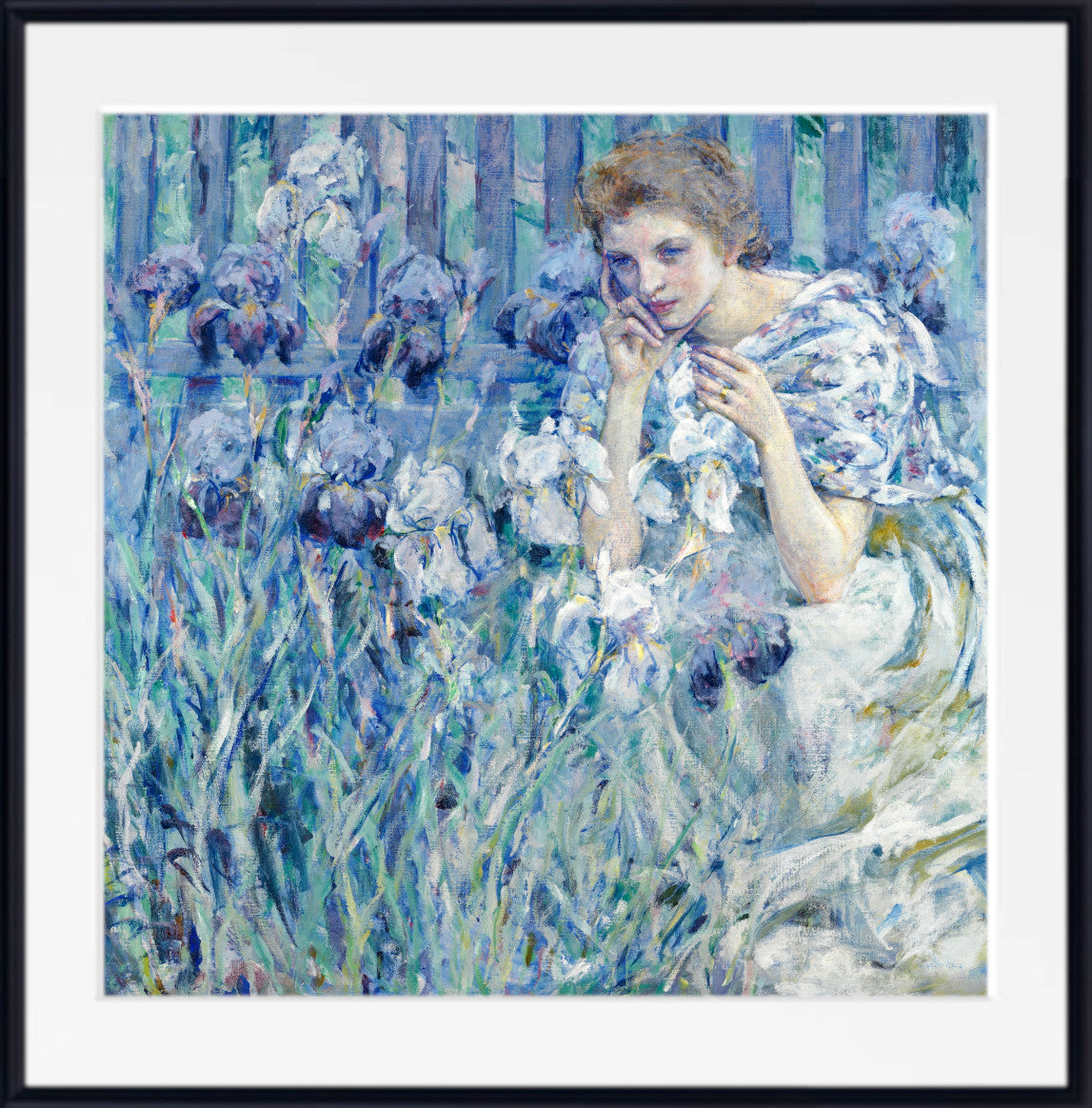
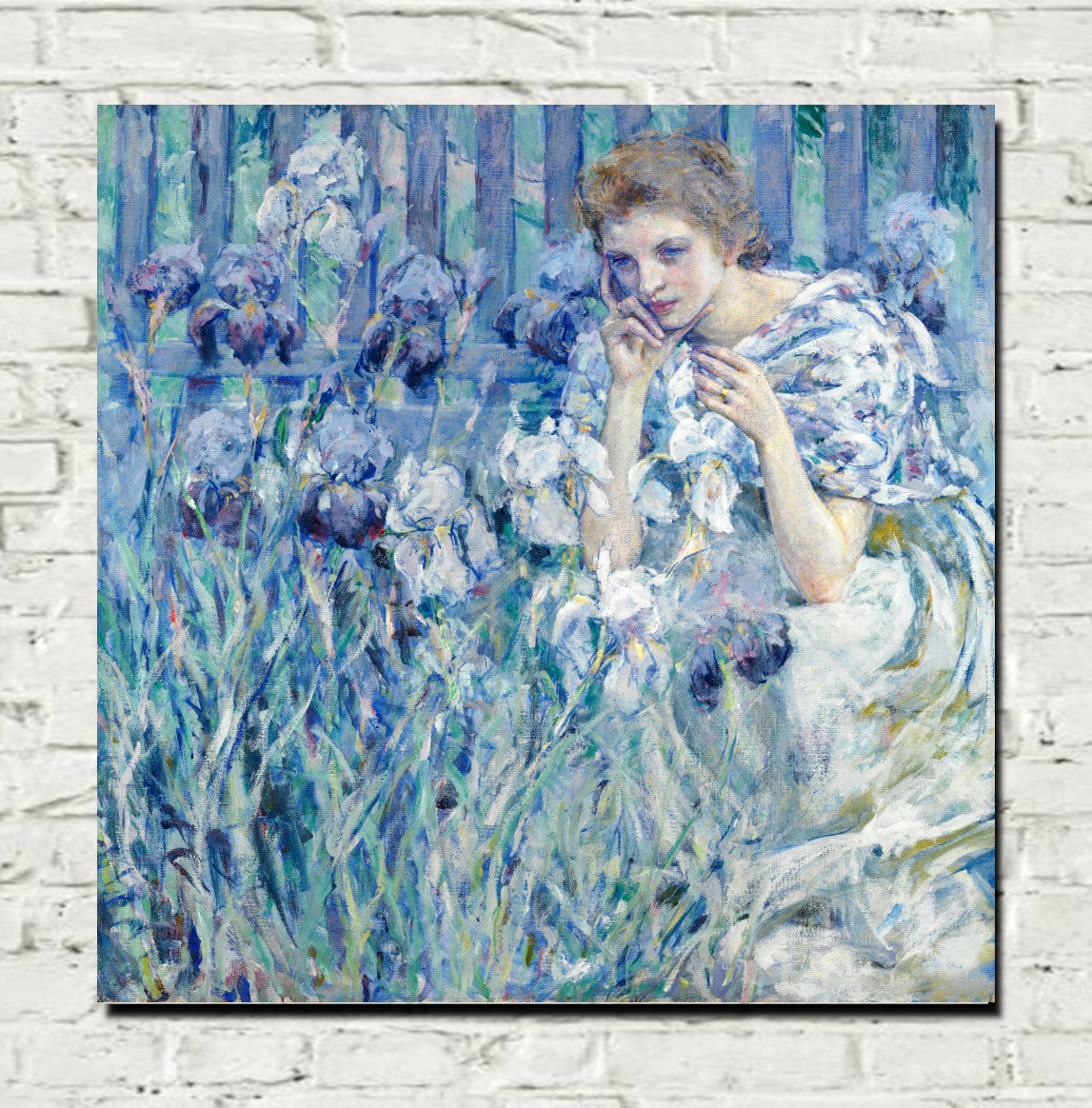
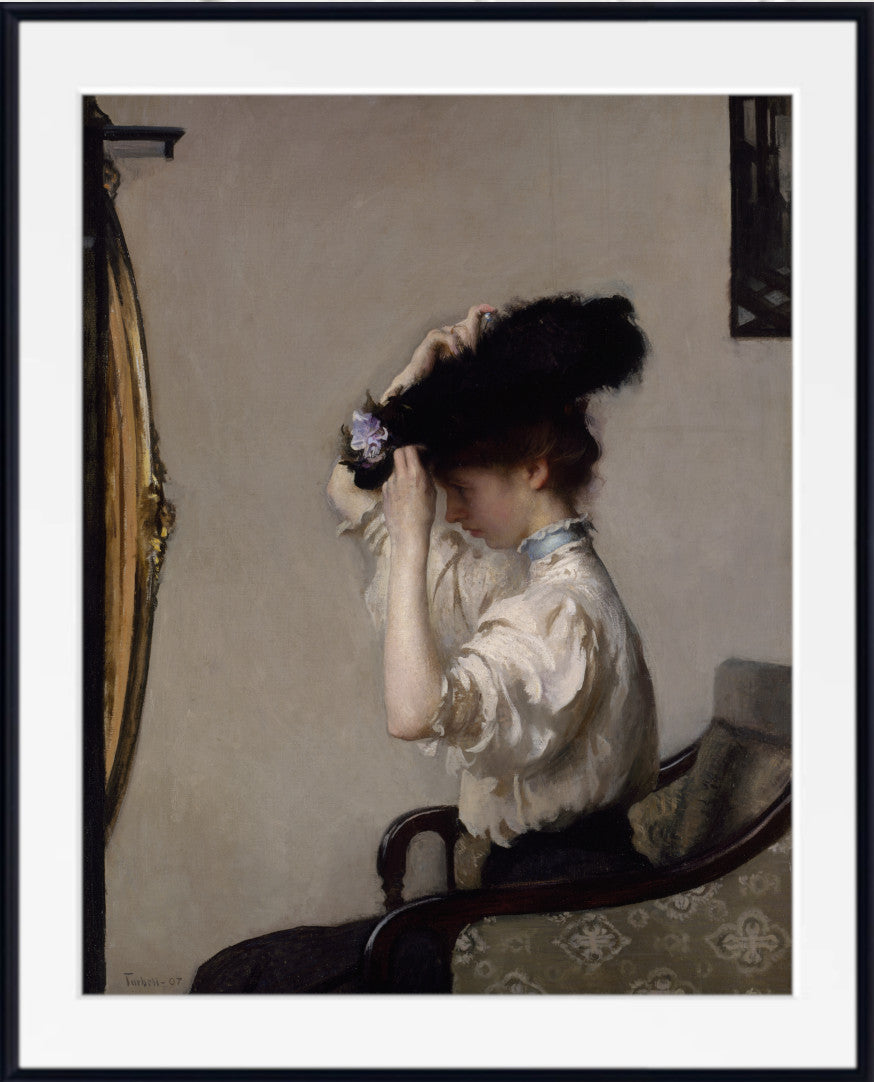
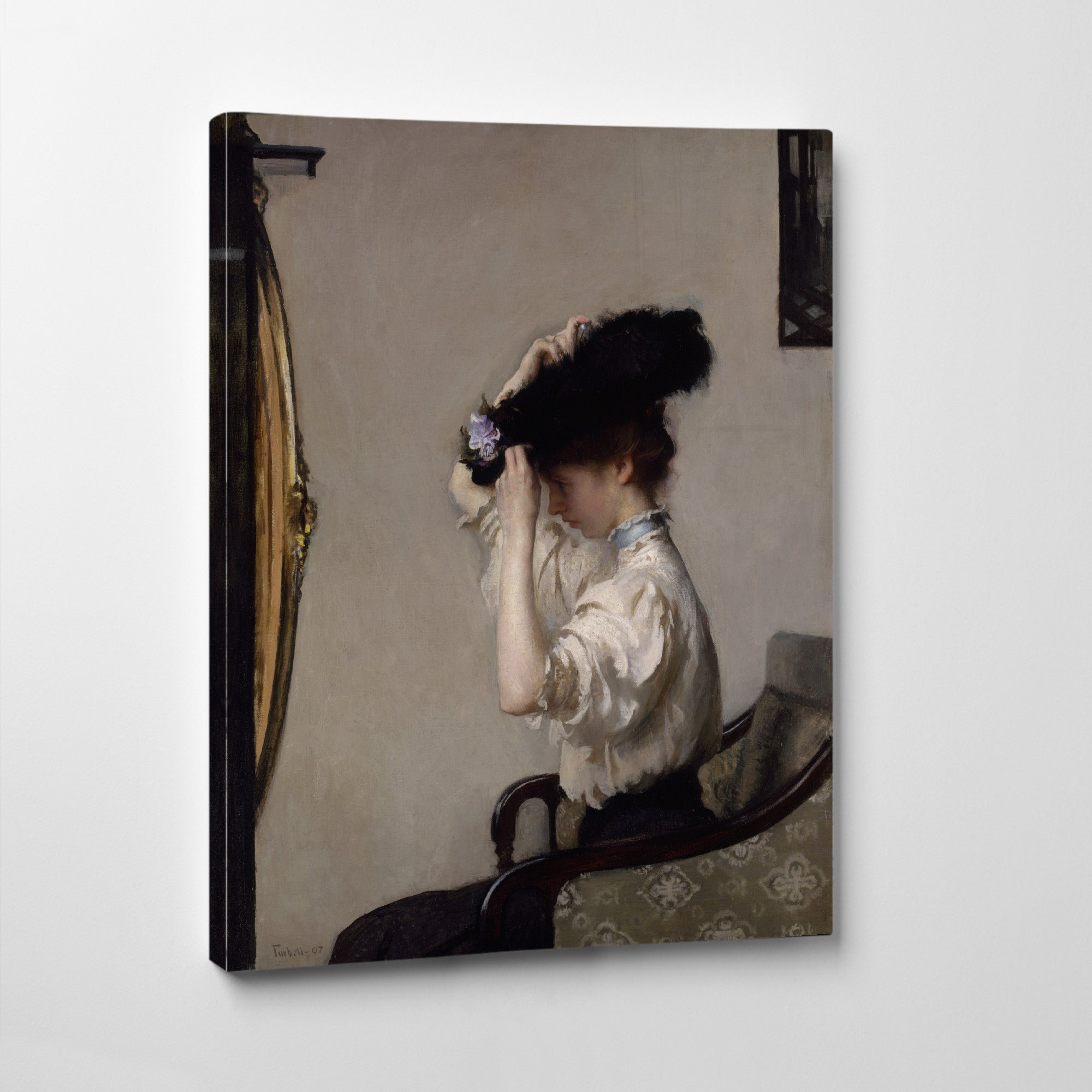
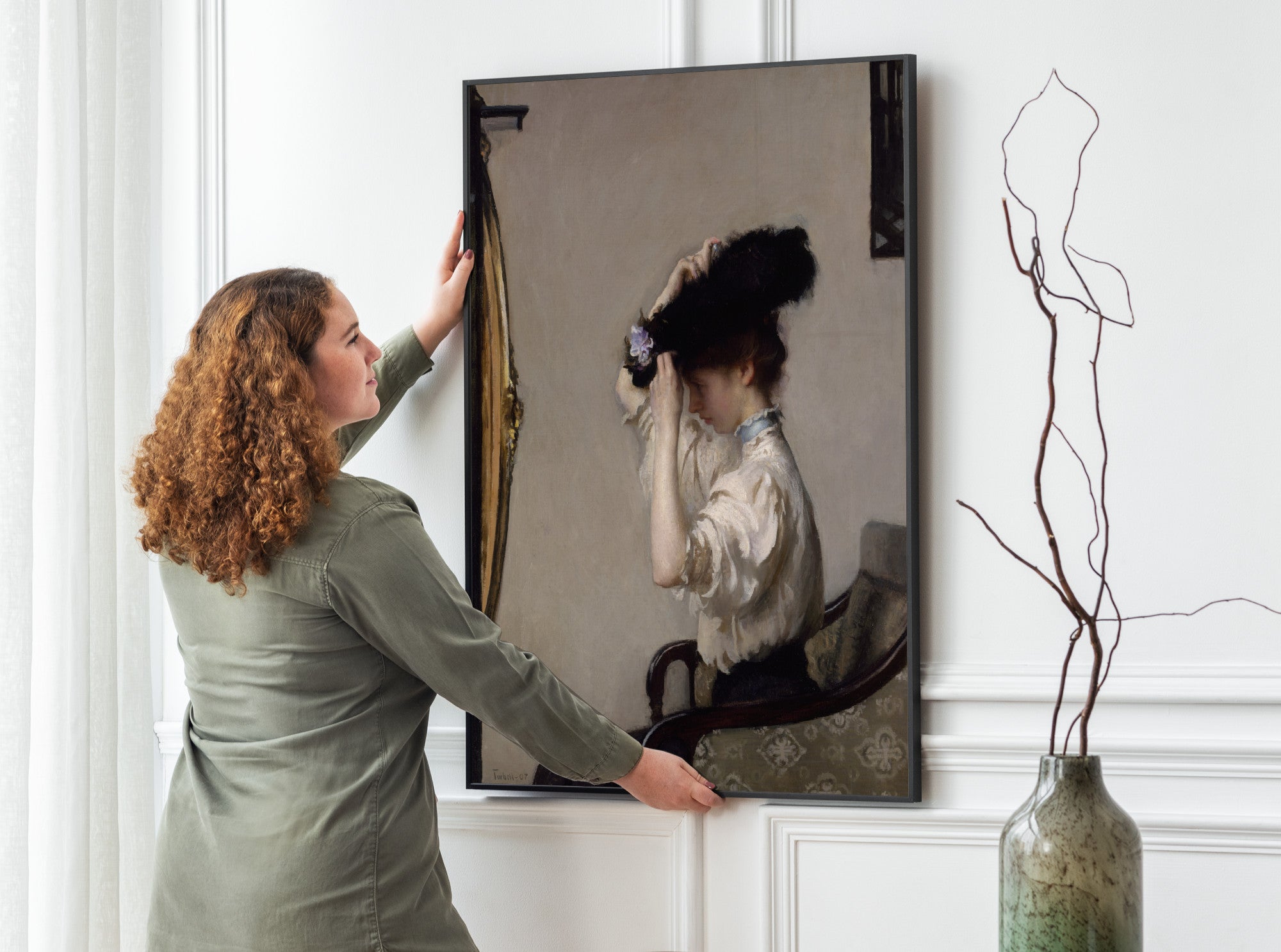
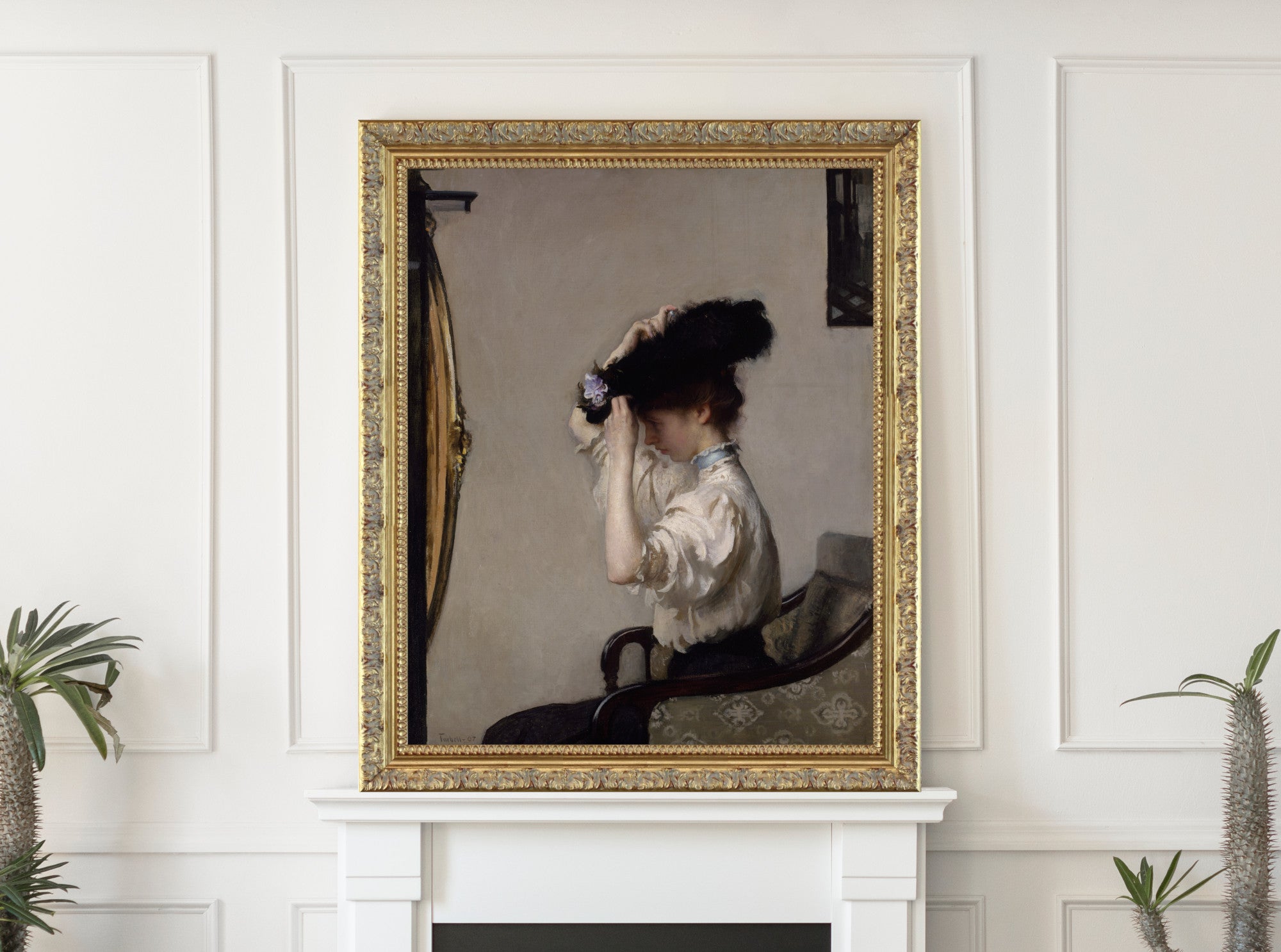
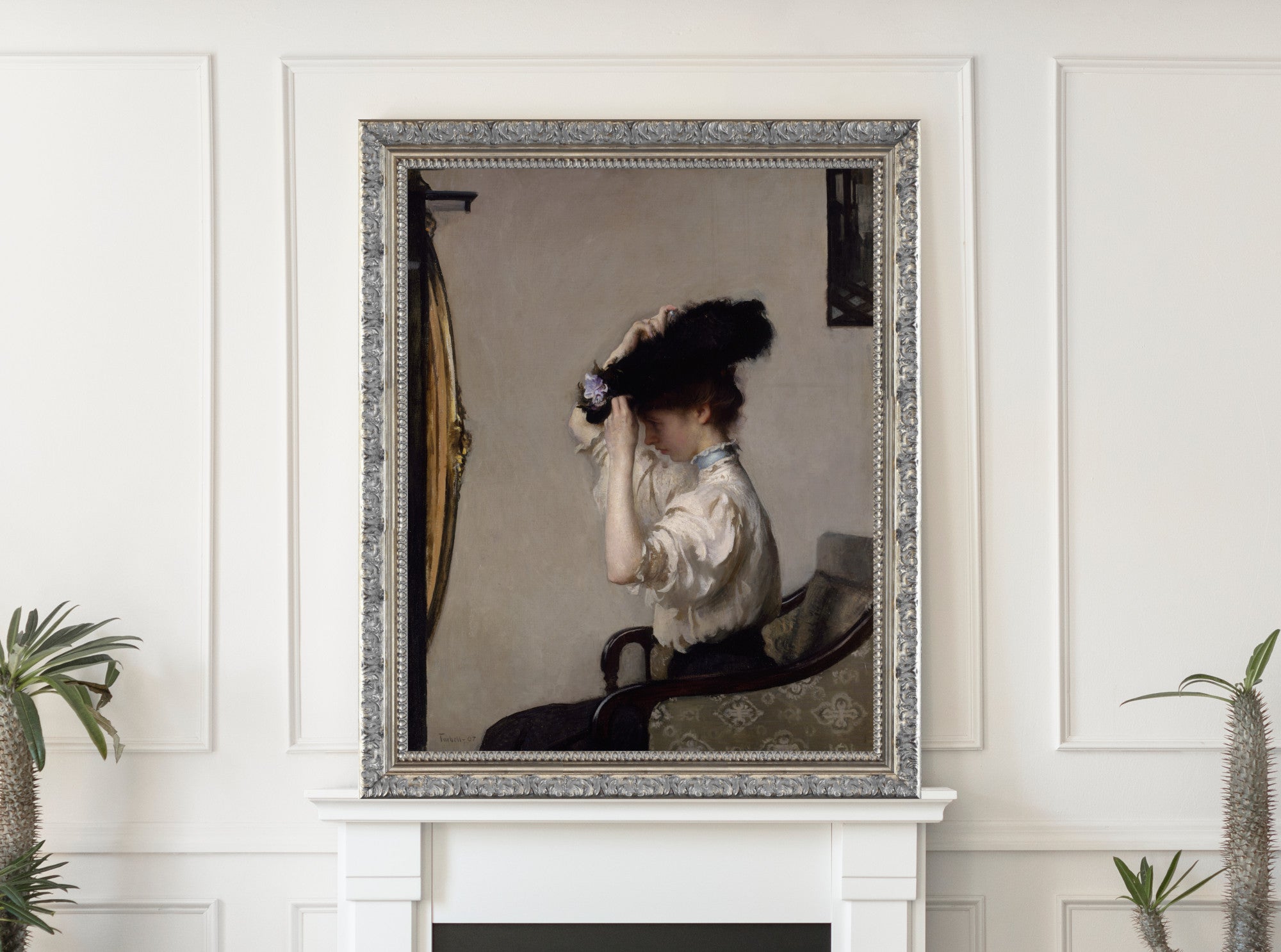
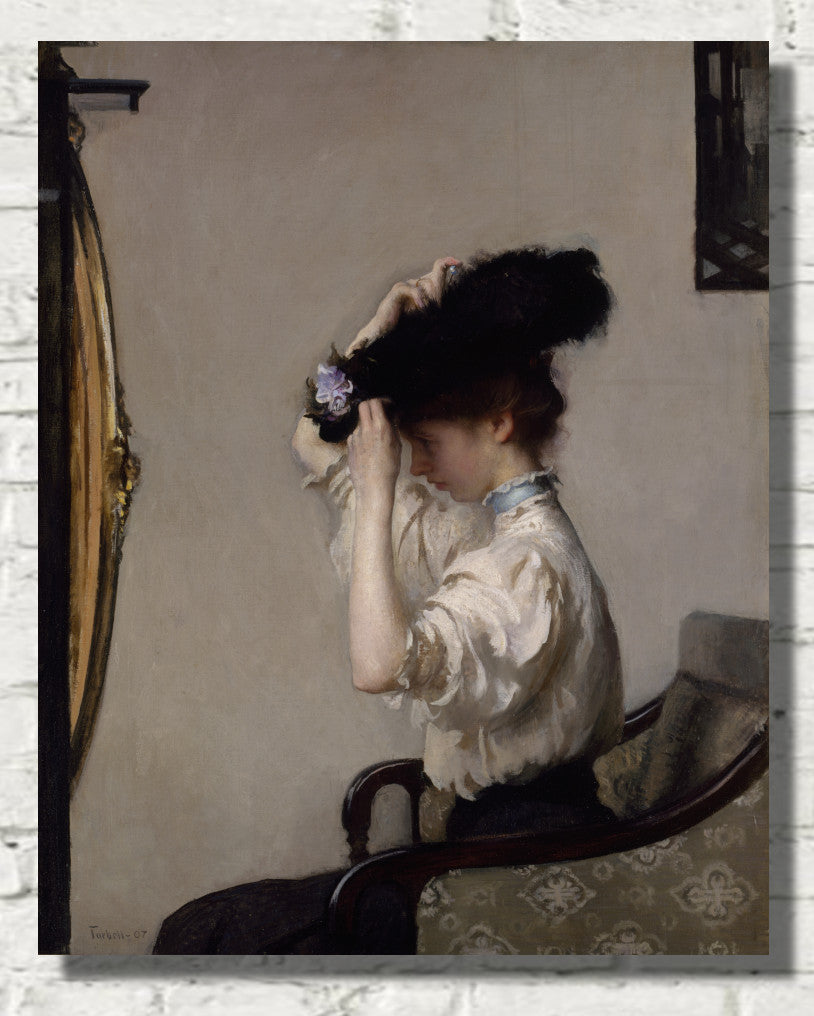
Robert Reid combined Impressionist colour with decorative figure painting, while Edmund C. Tarbell developed a more refined approach in which light-filled interiors and figures became important subjects.
Ernest Lawson occupied a position between Impressionism and later developments in American urban painting, applying thick, richly coloured brushwork to landscapes, rivers and the edges of the modern city.
Together these artists demonstrate how varied American Impressionism became once French ideas were adapted to different regions and subjects.
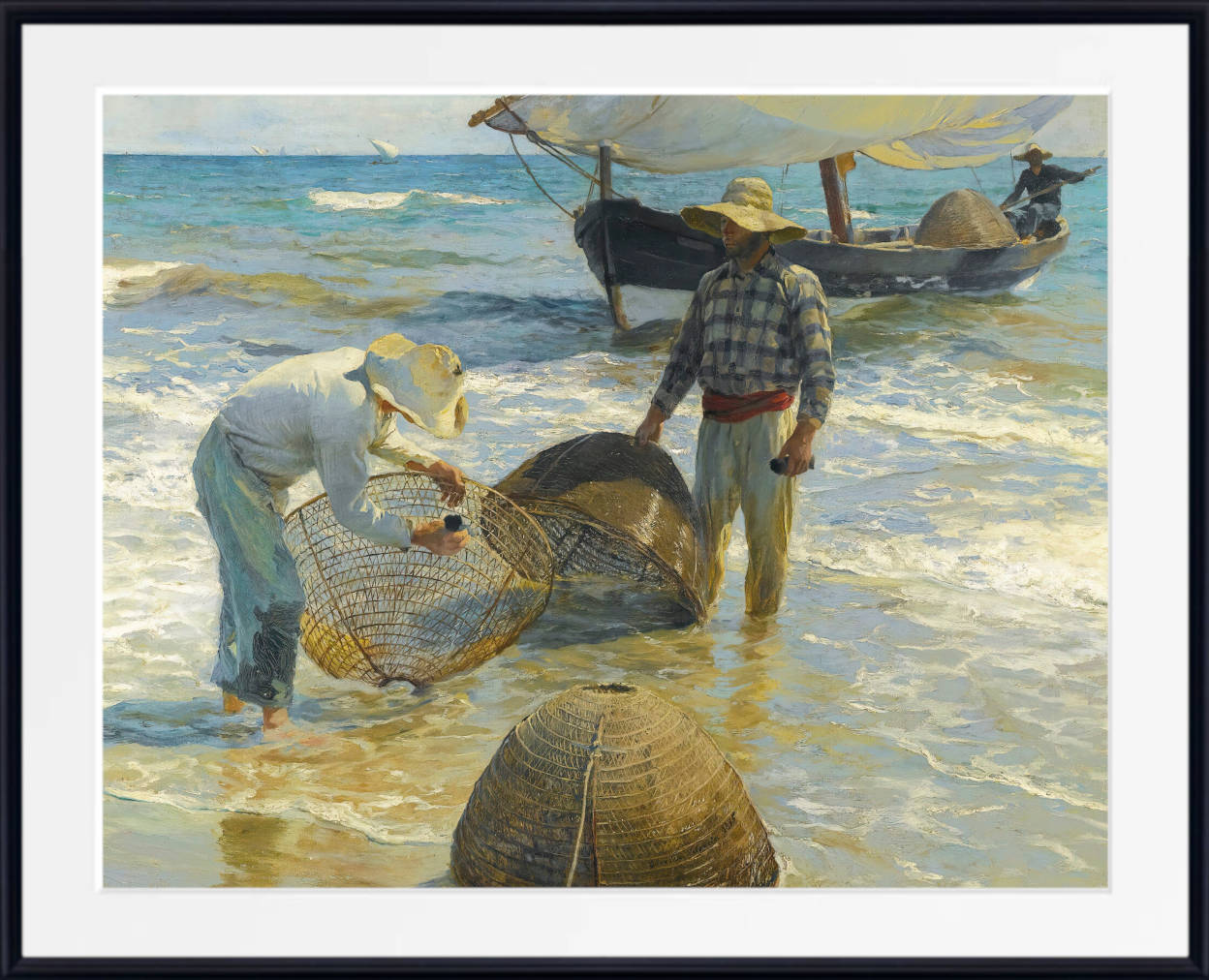
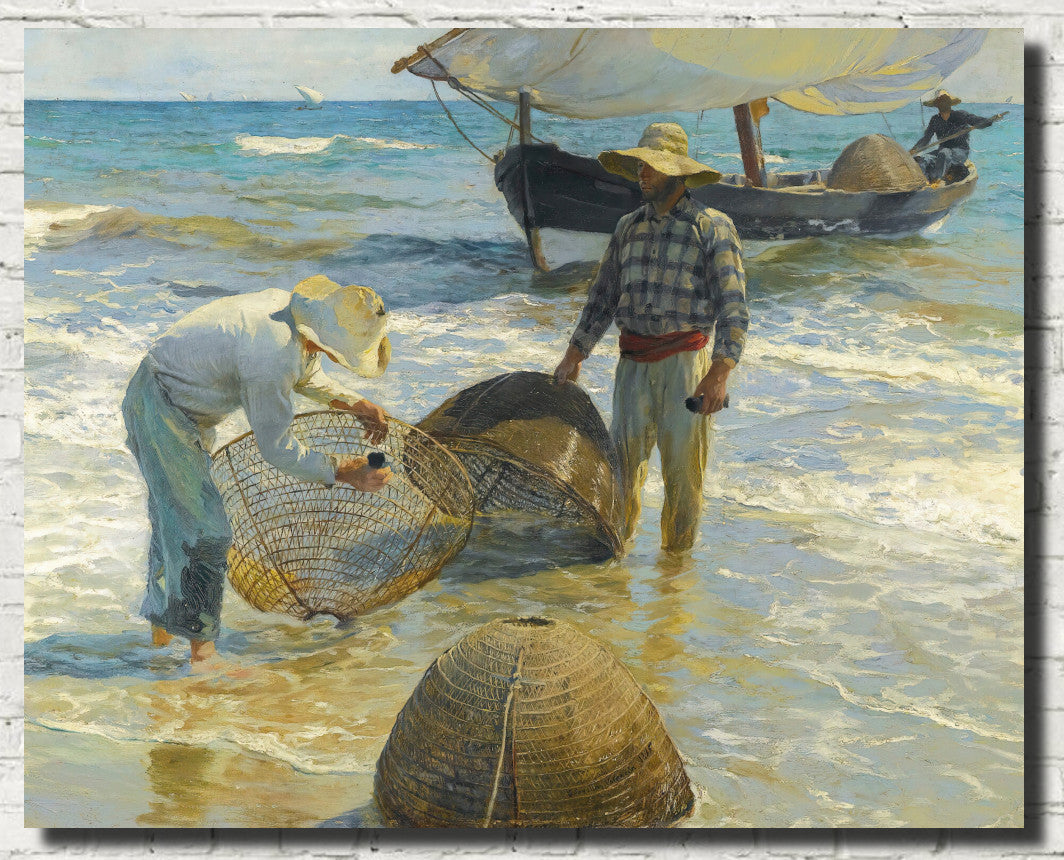
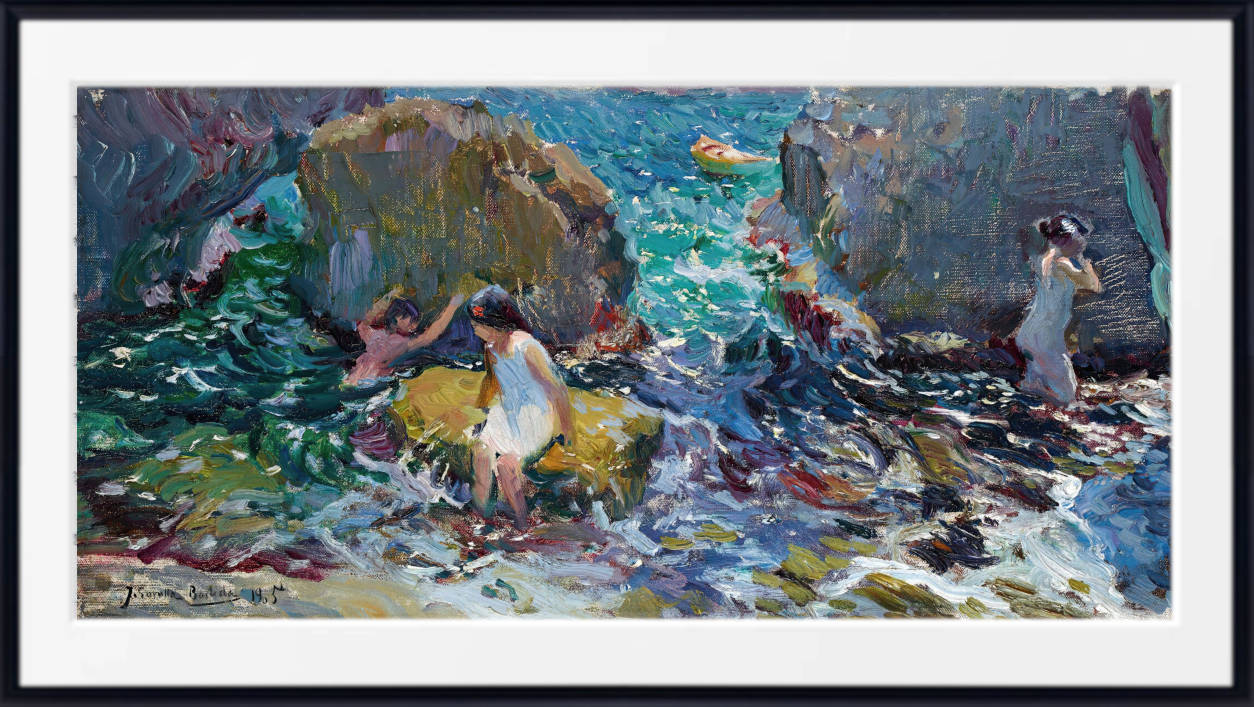
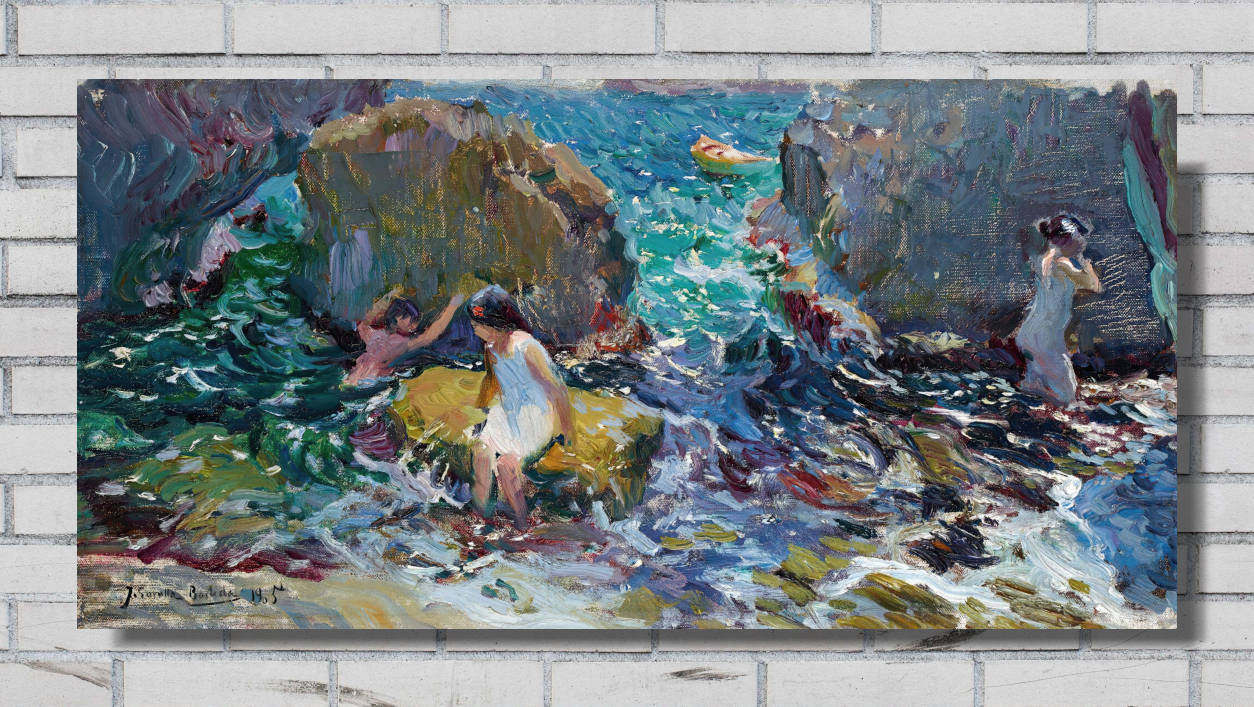
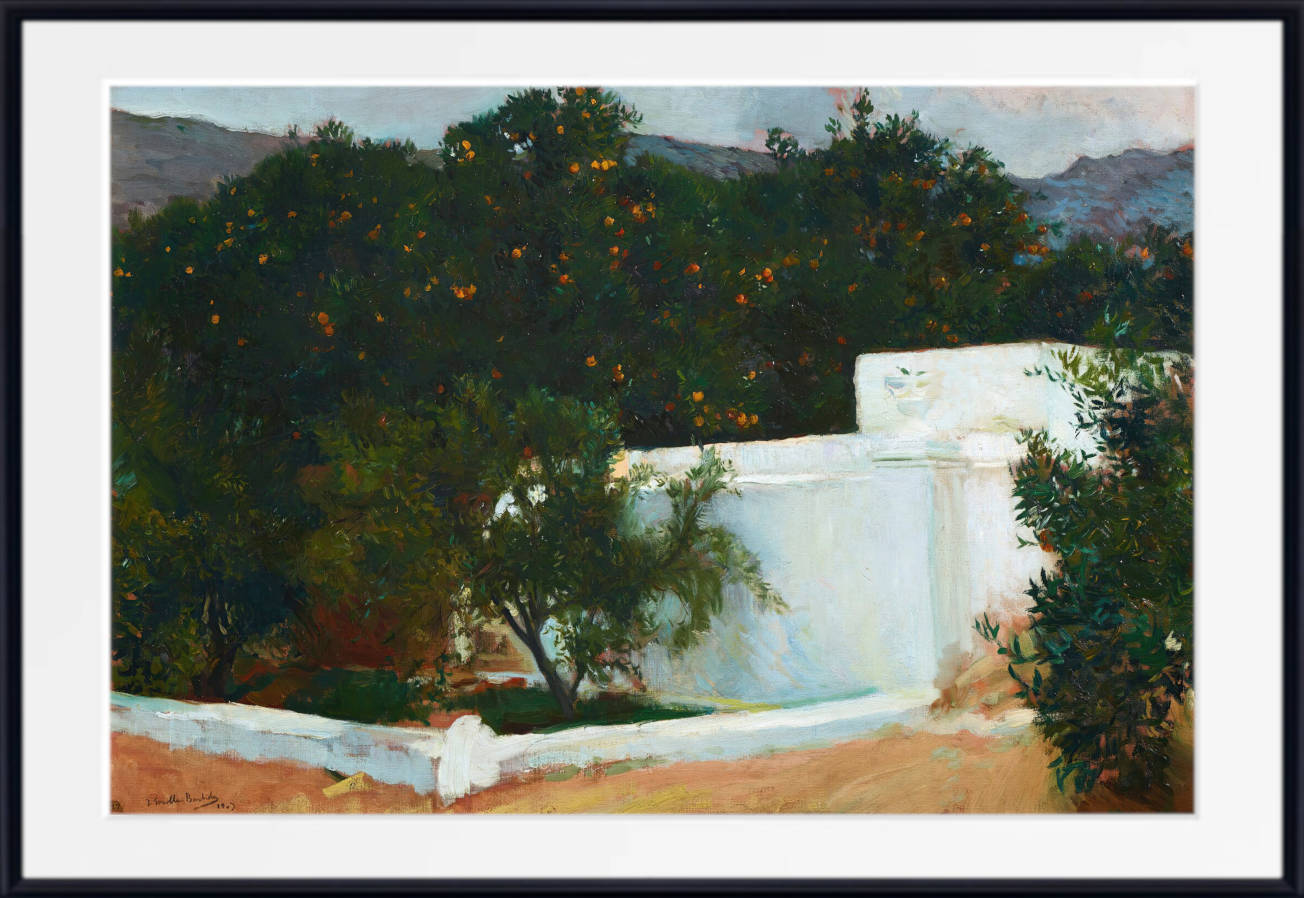
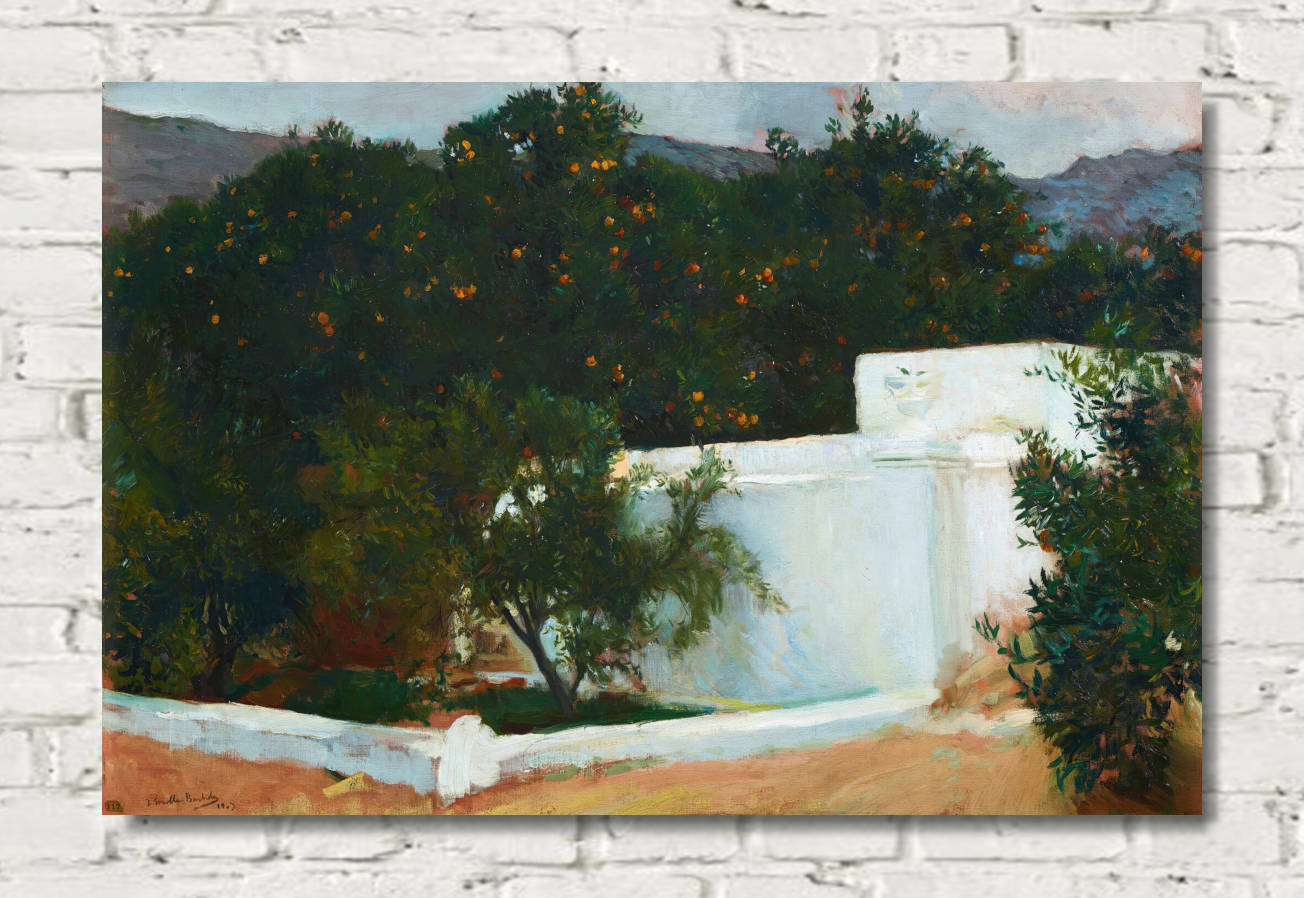
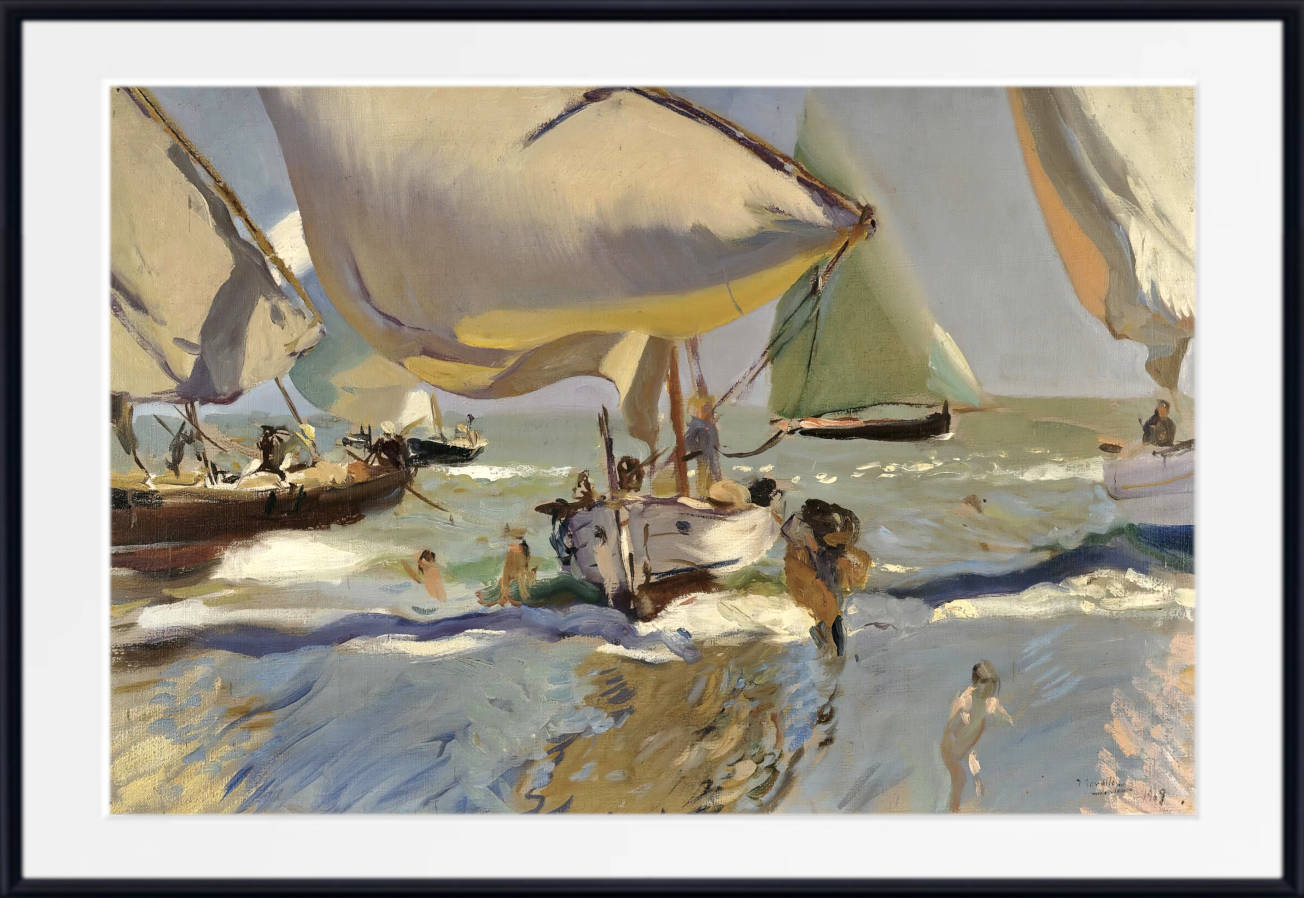
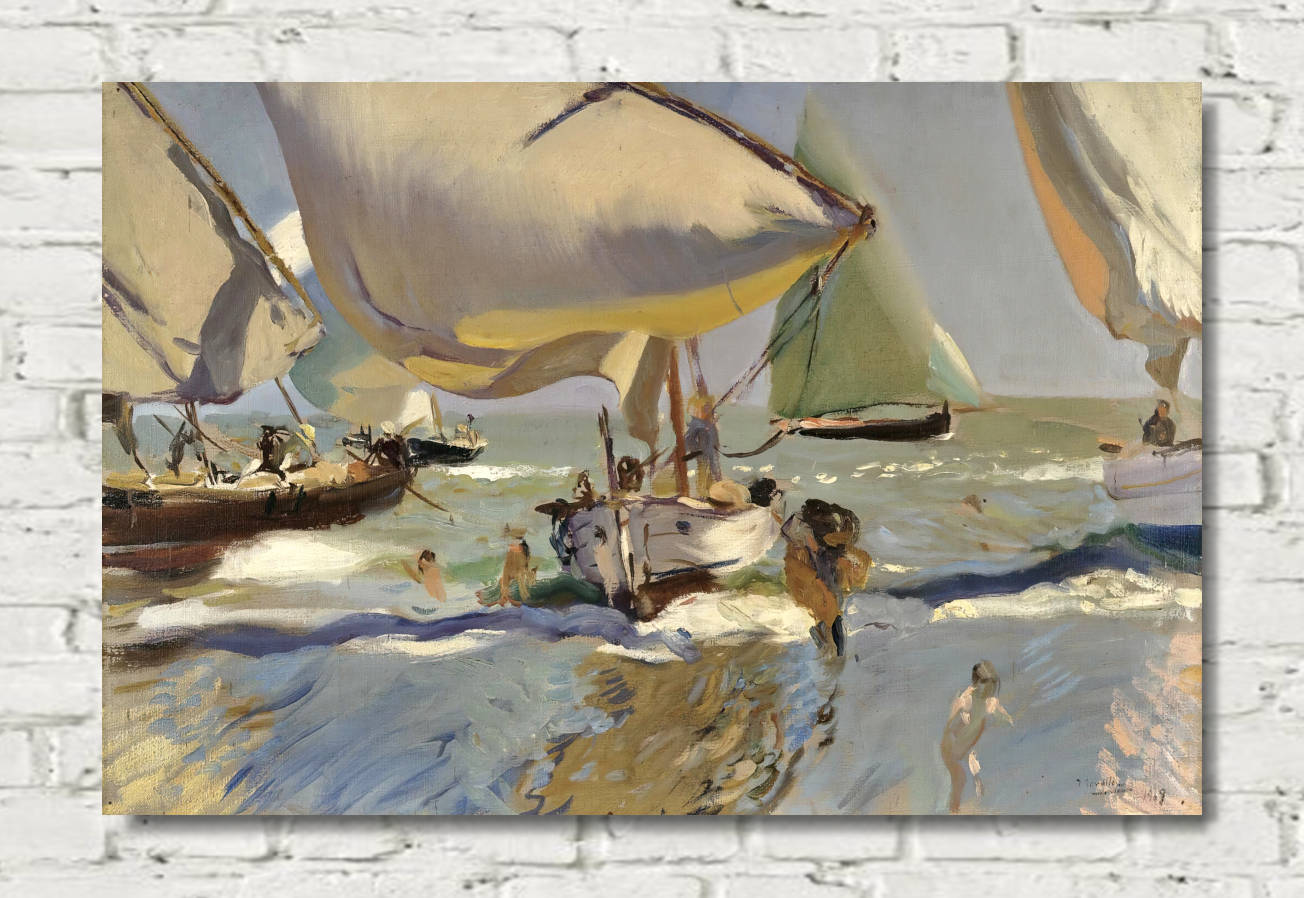
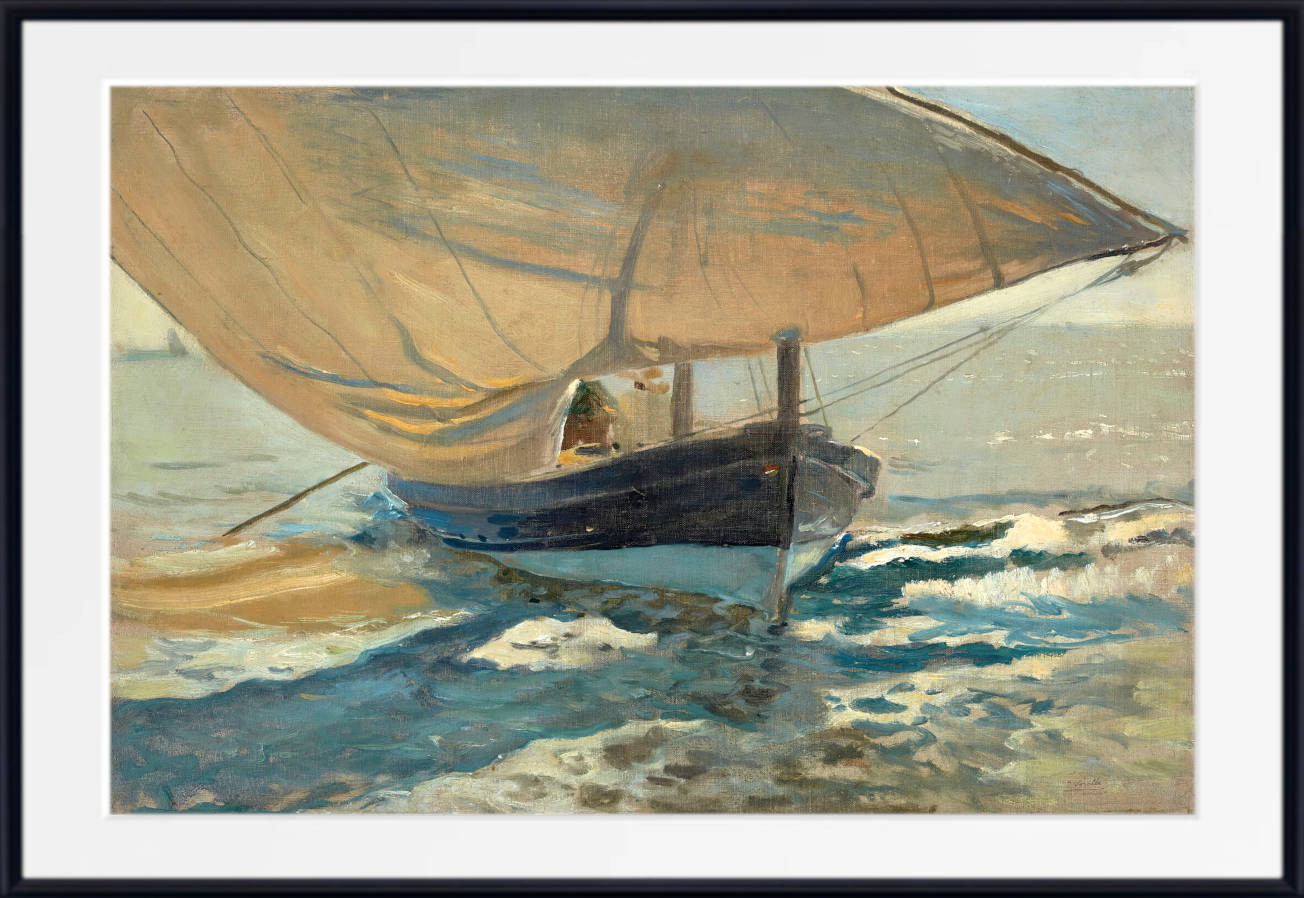
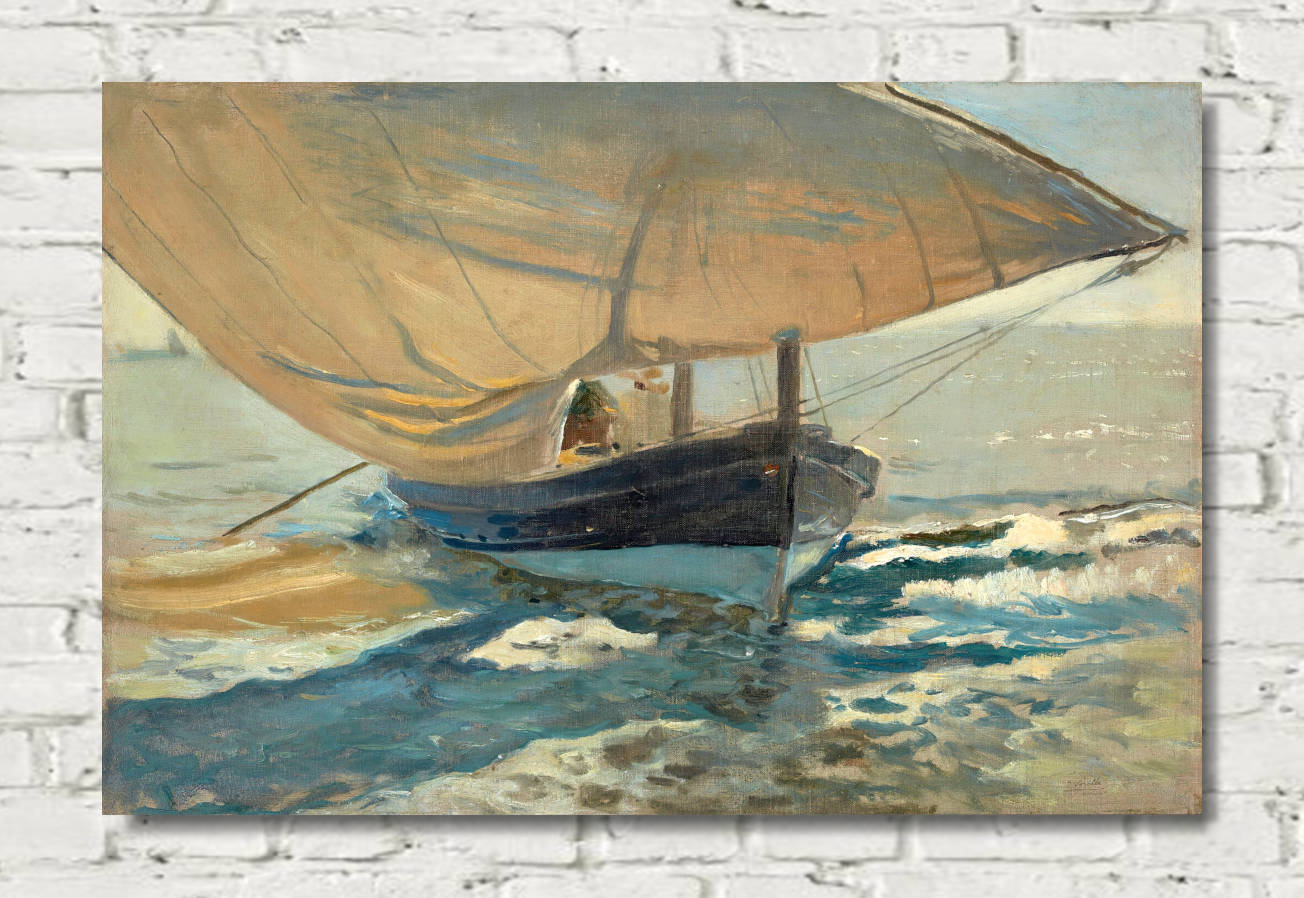
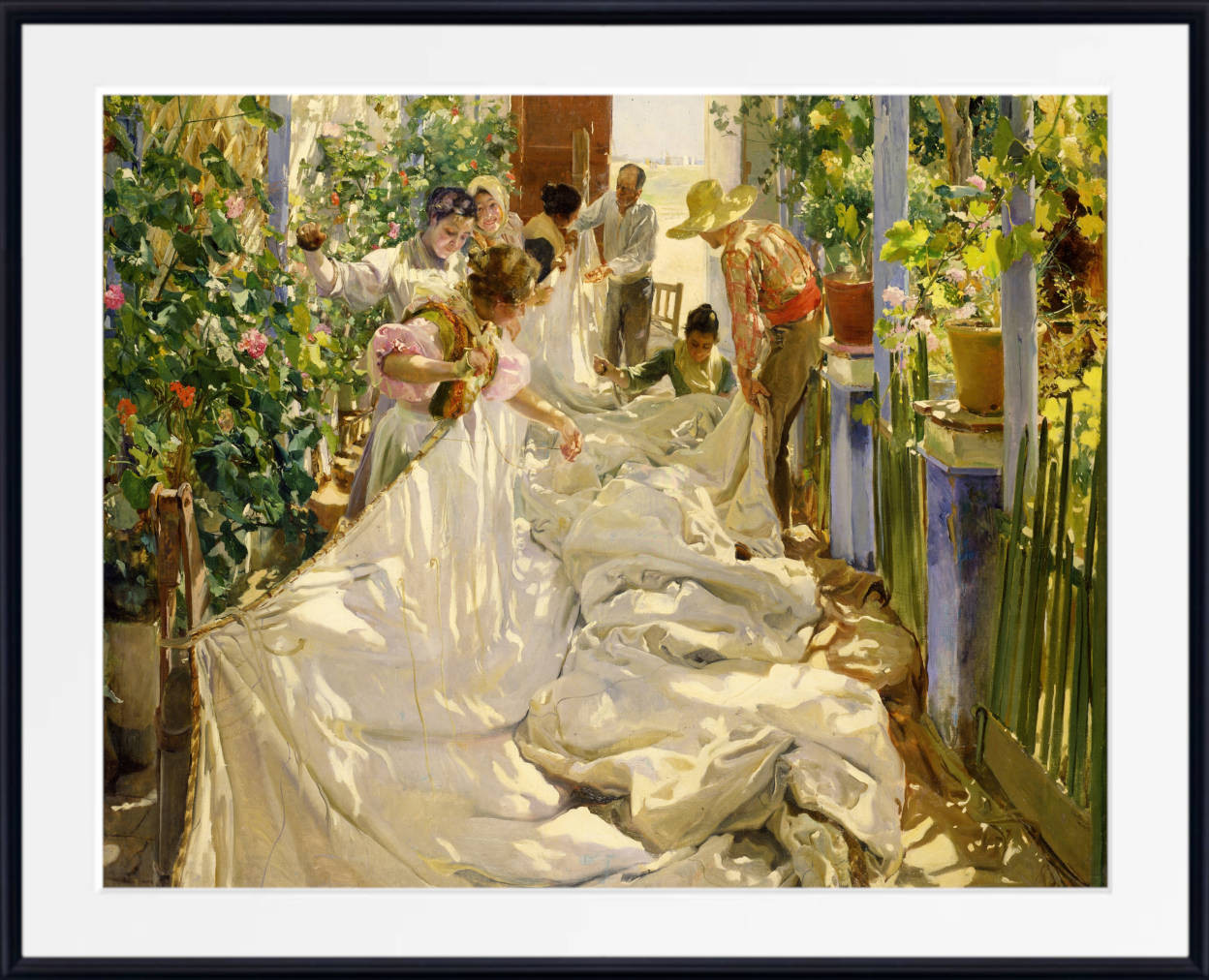
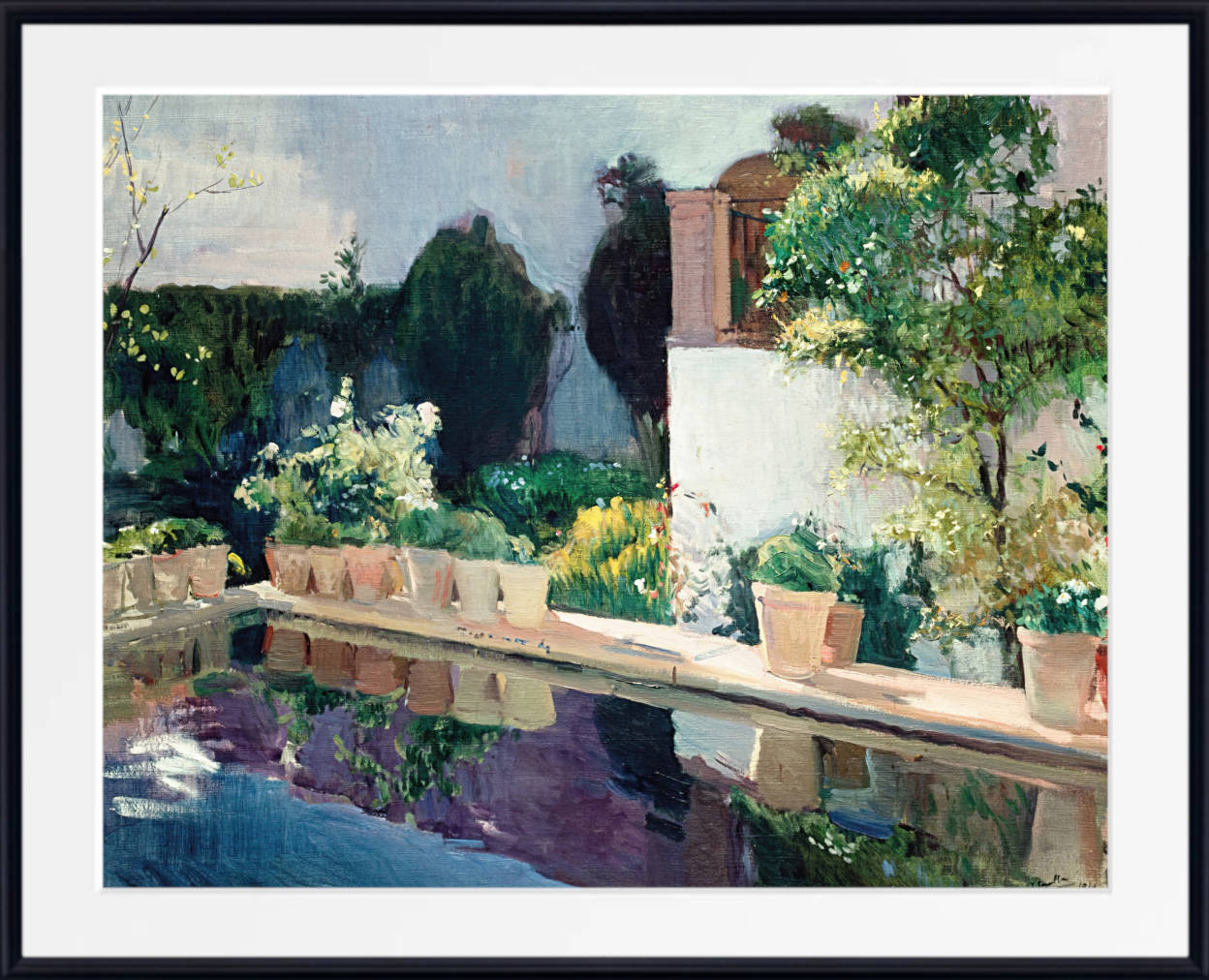
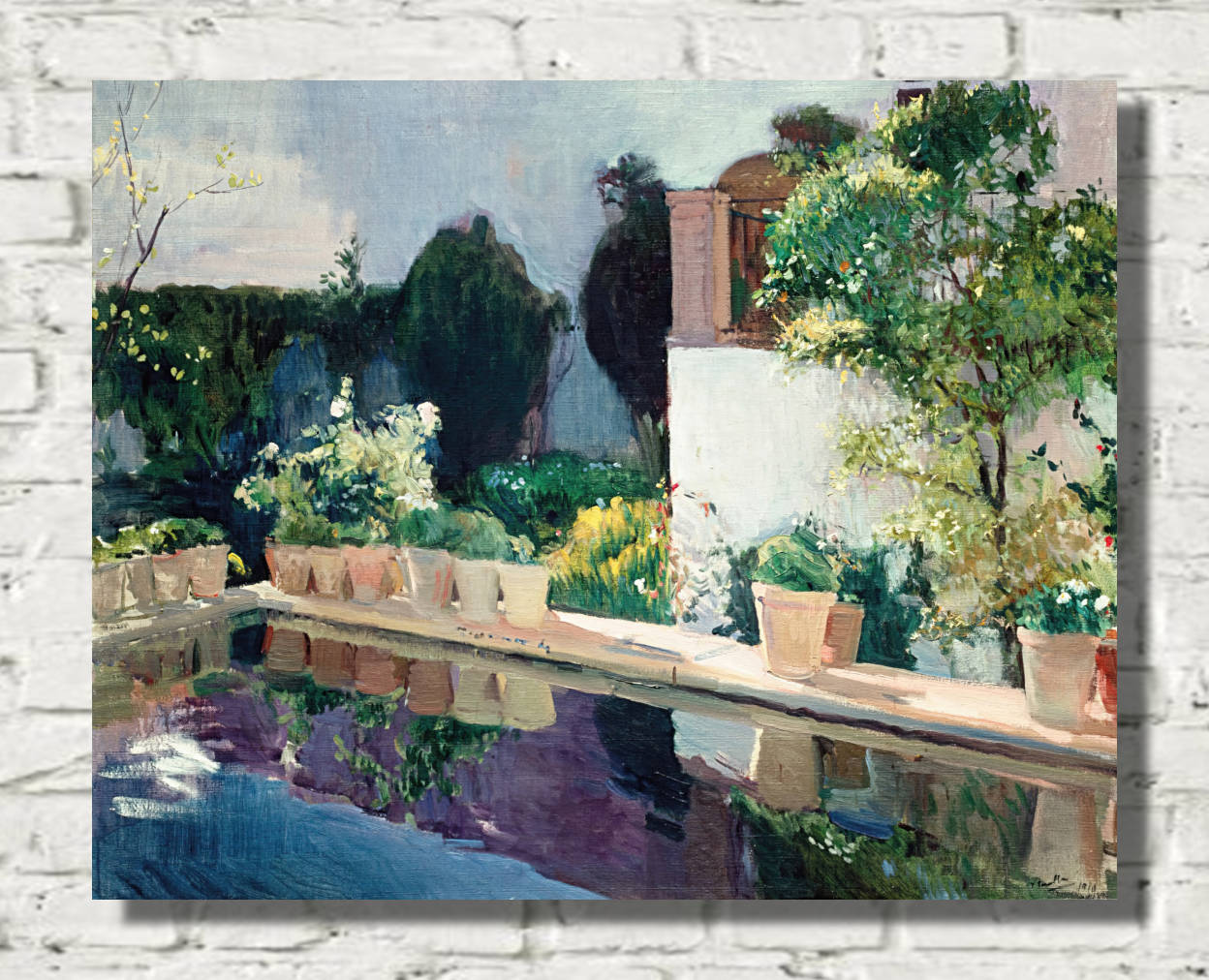
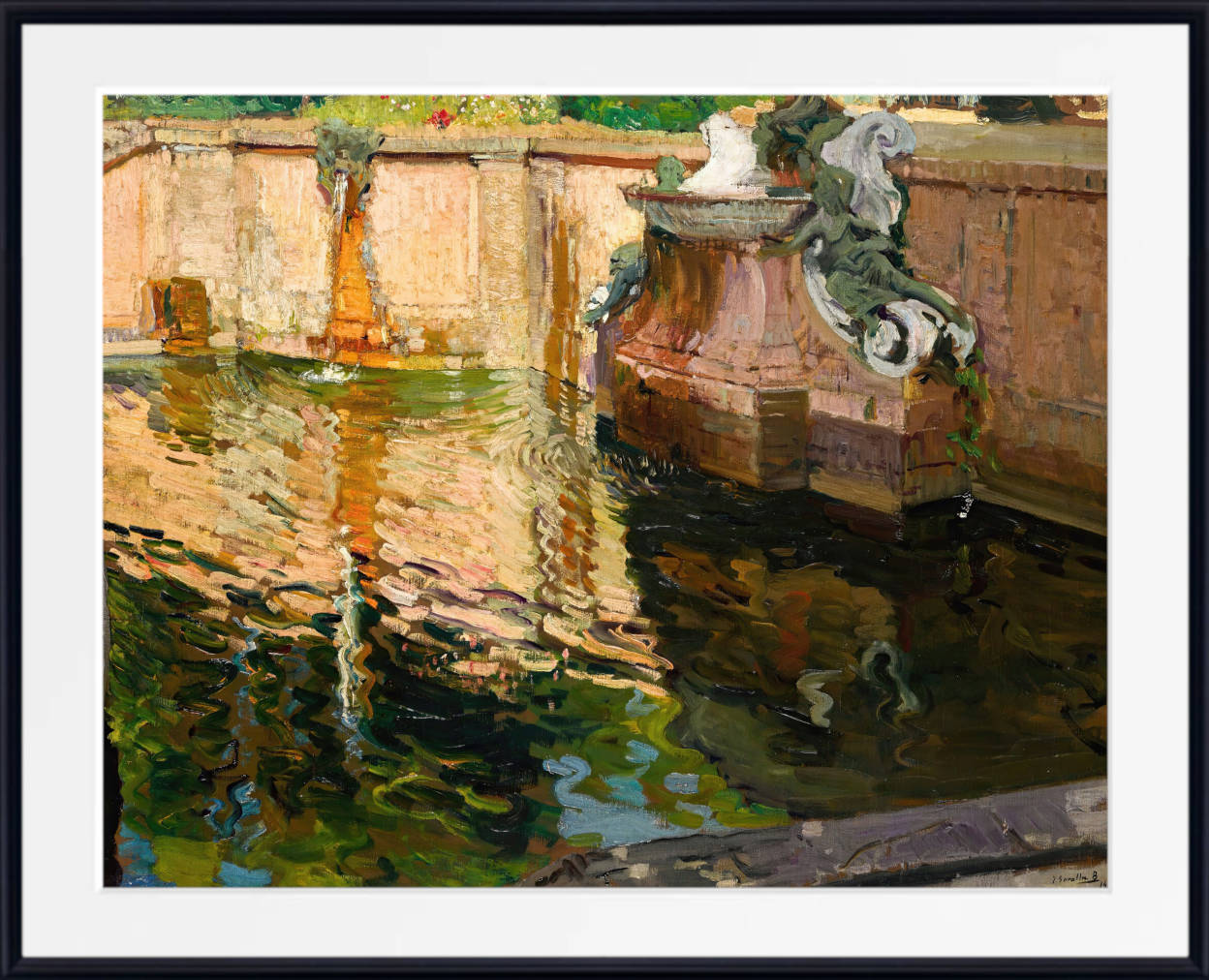
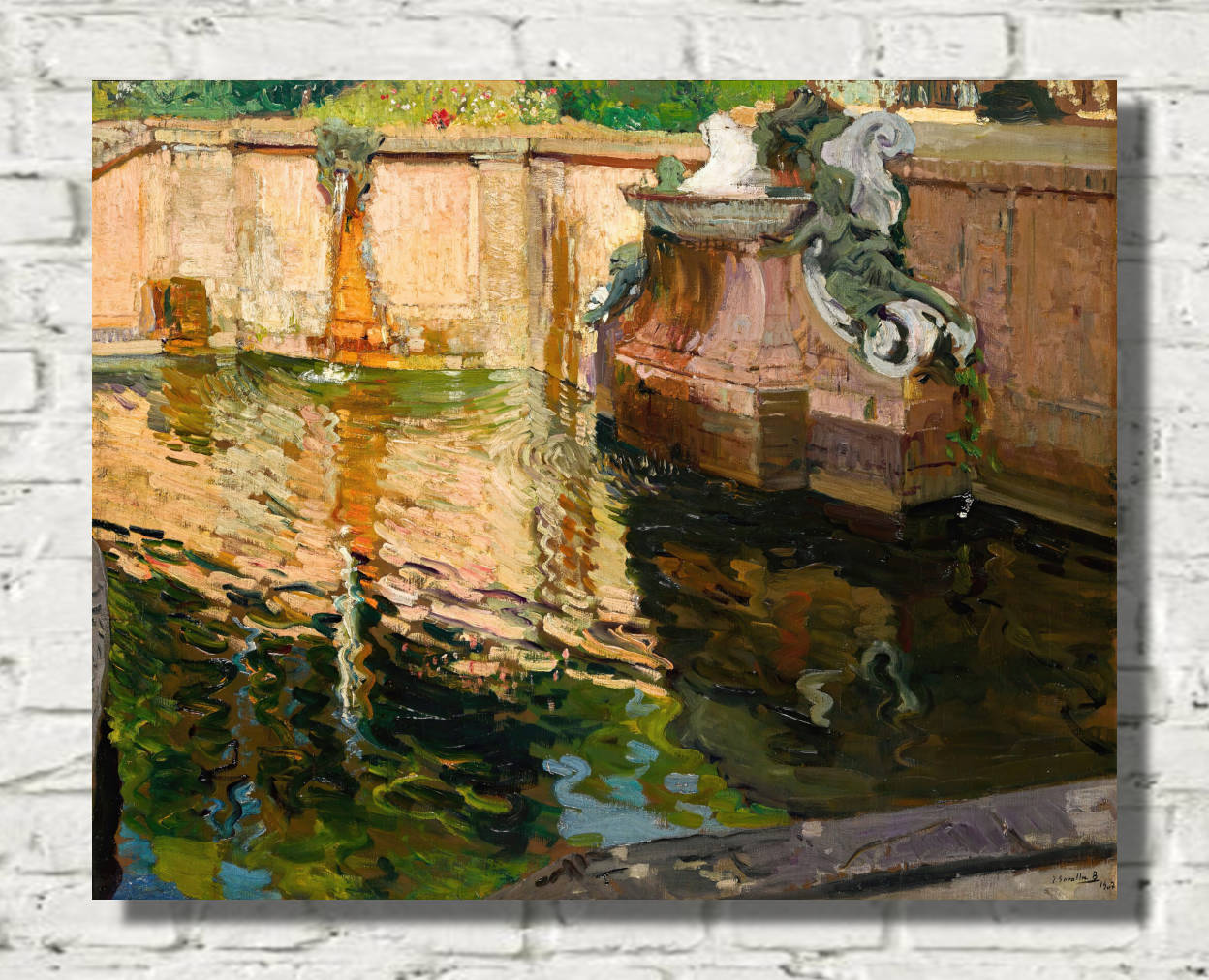
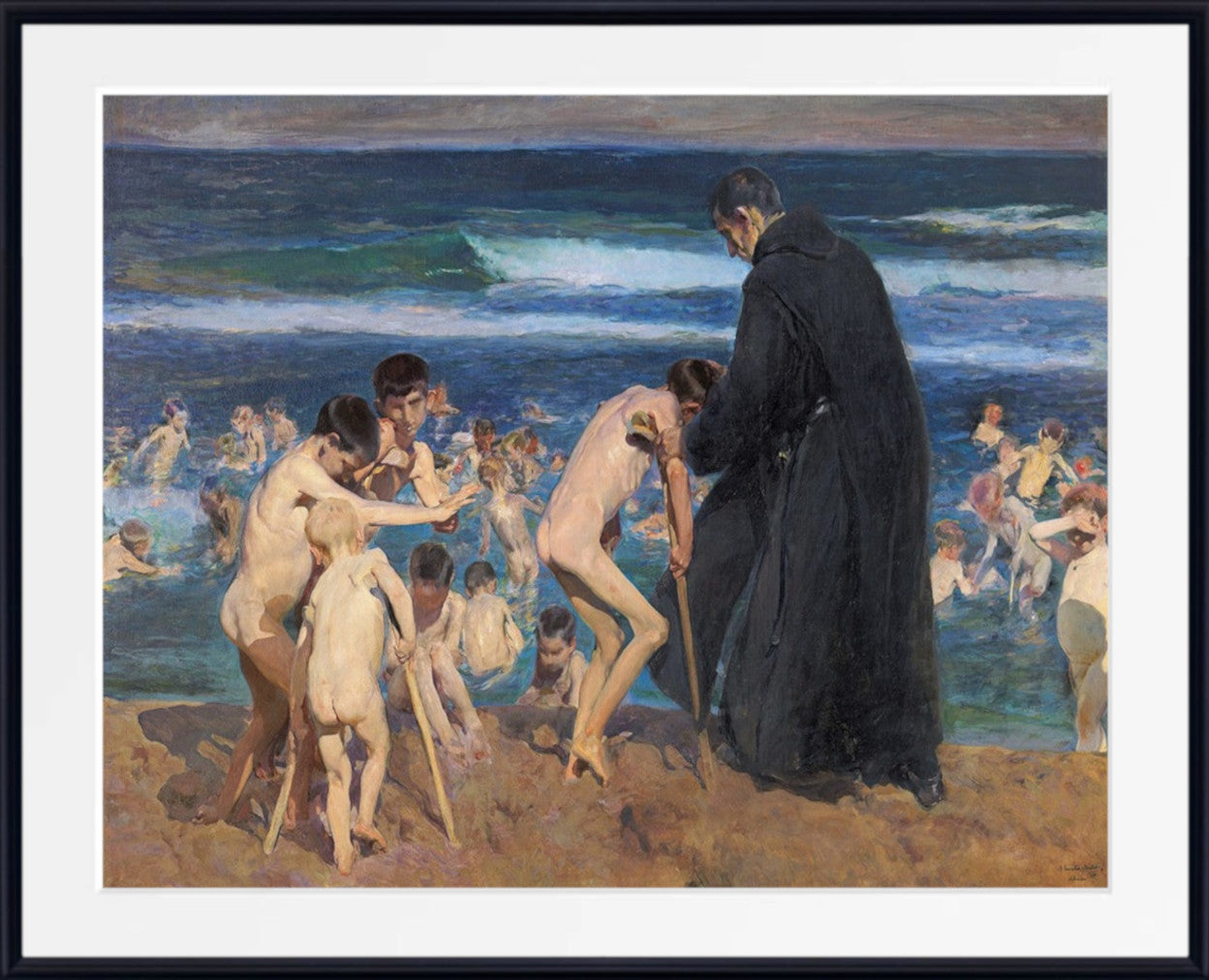
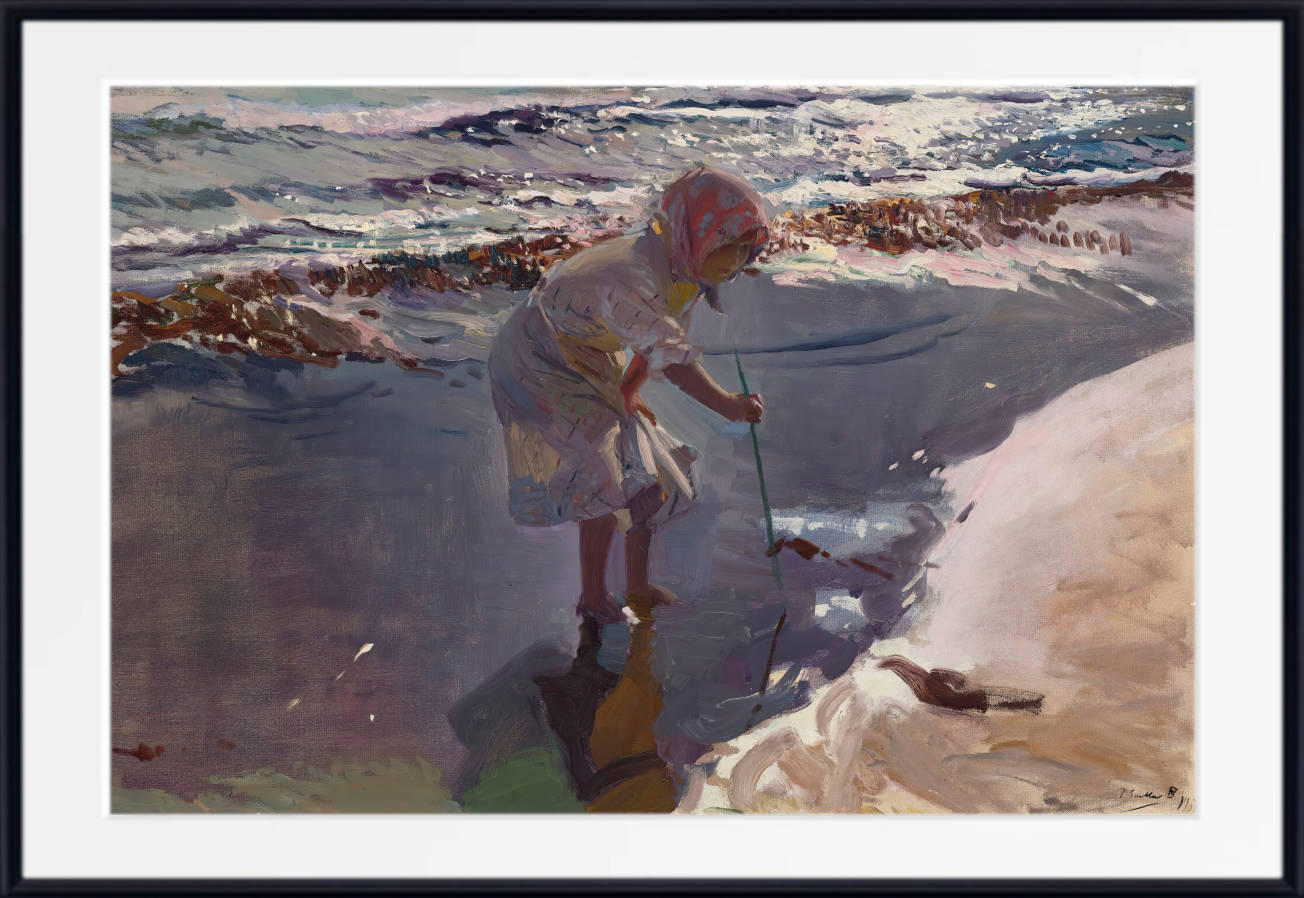
Joaquín Sorolla and Spanish Light
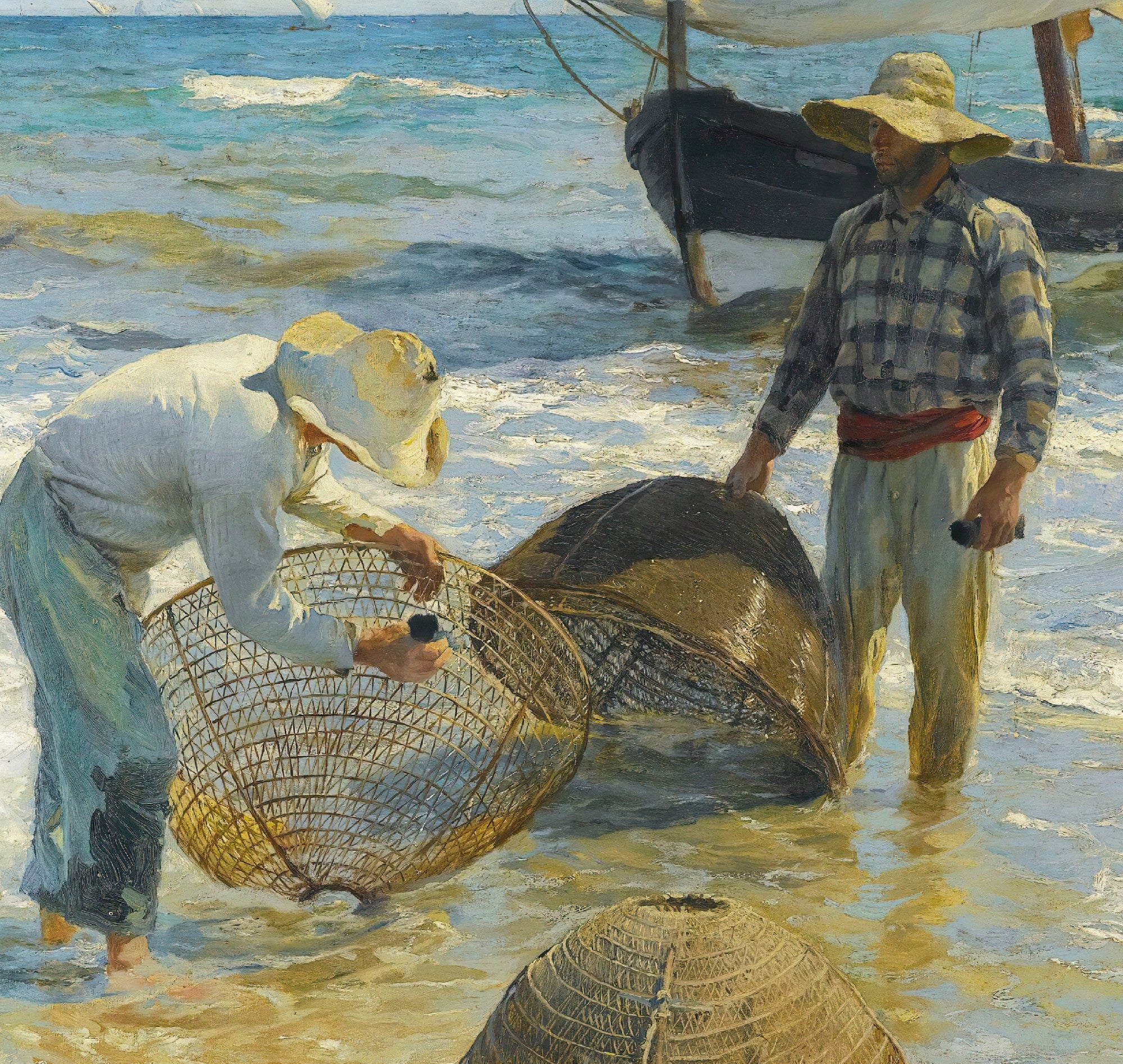
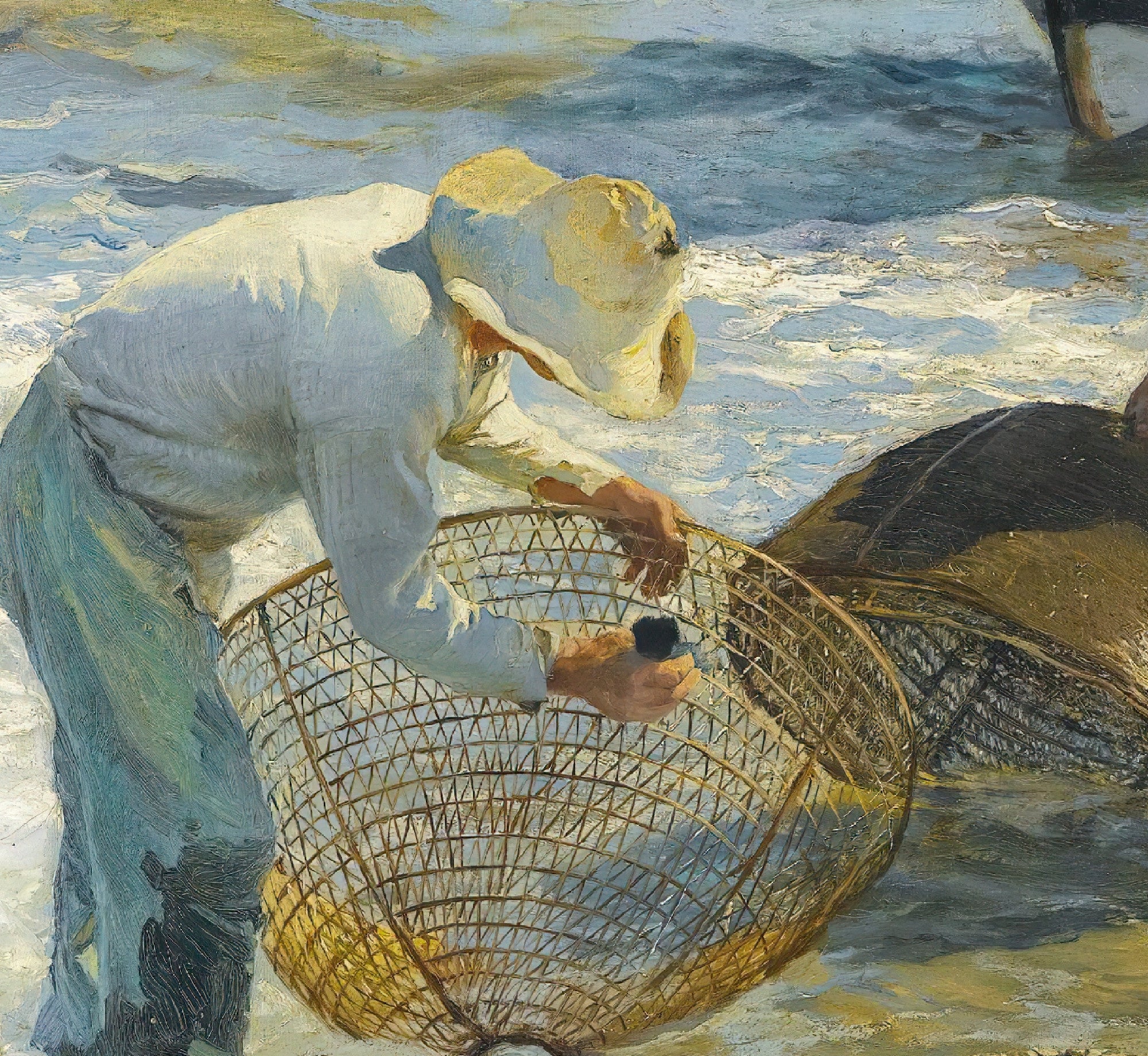
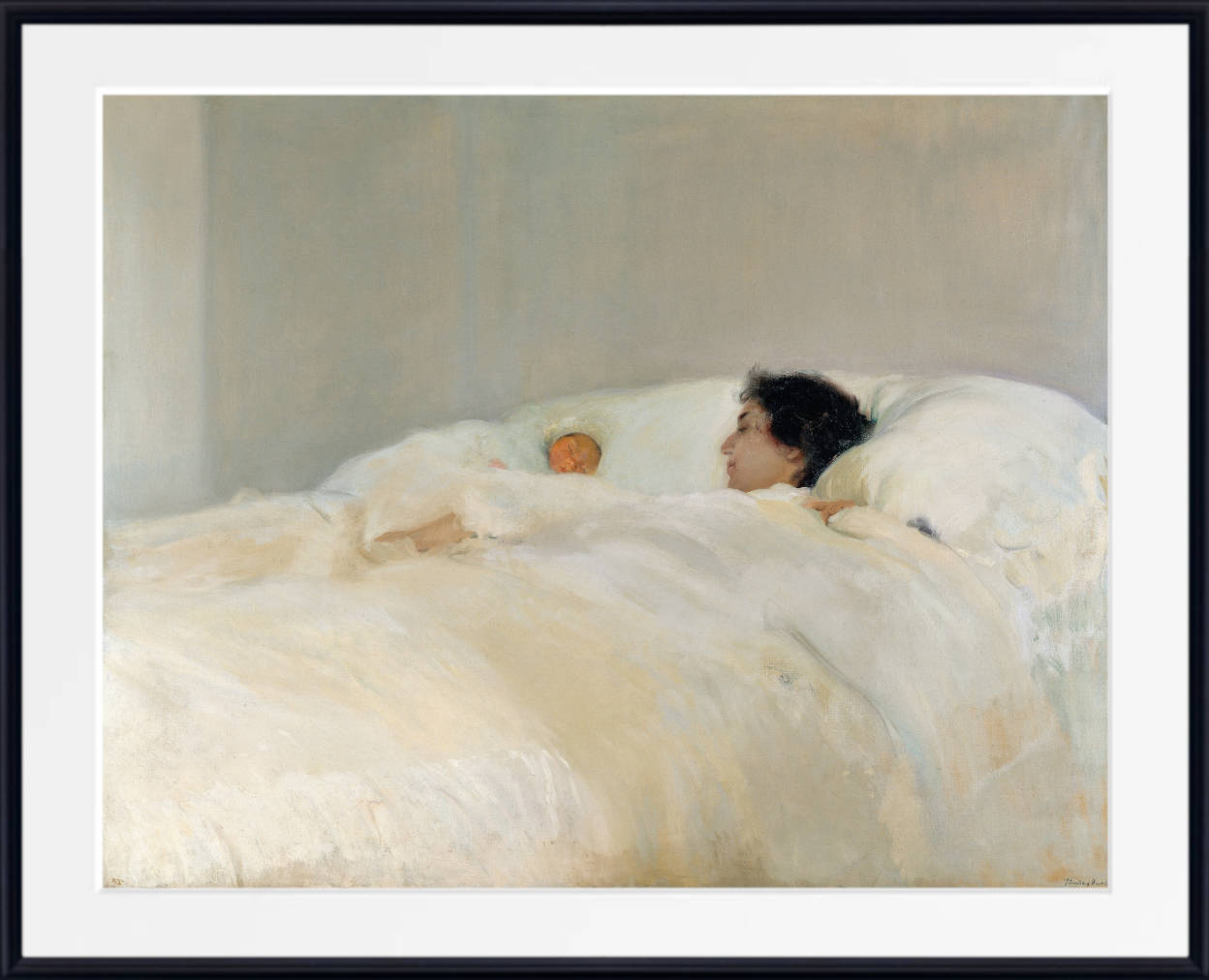
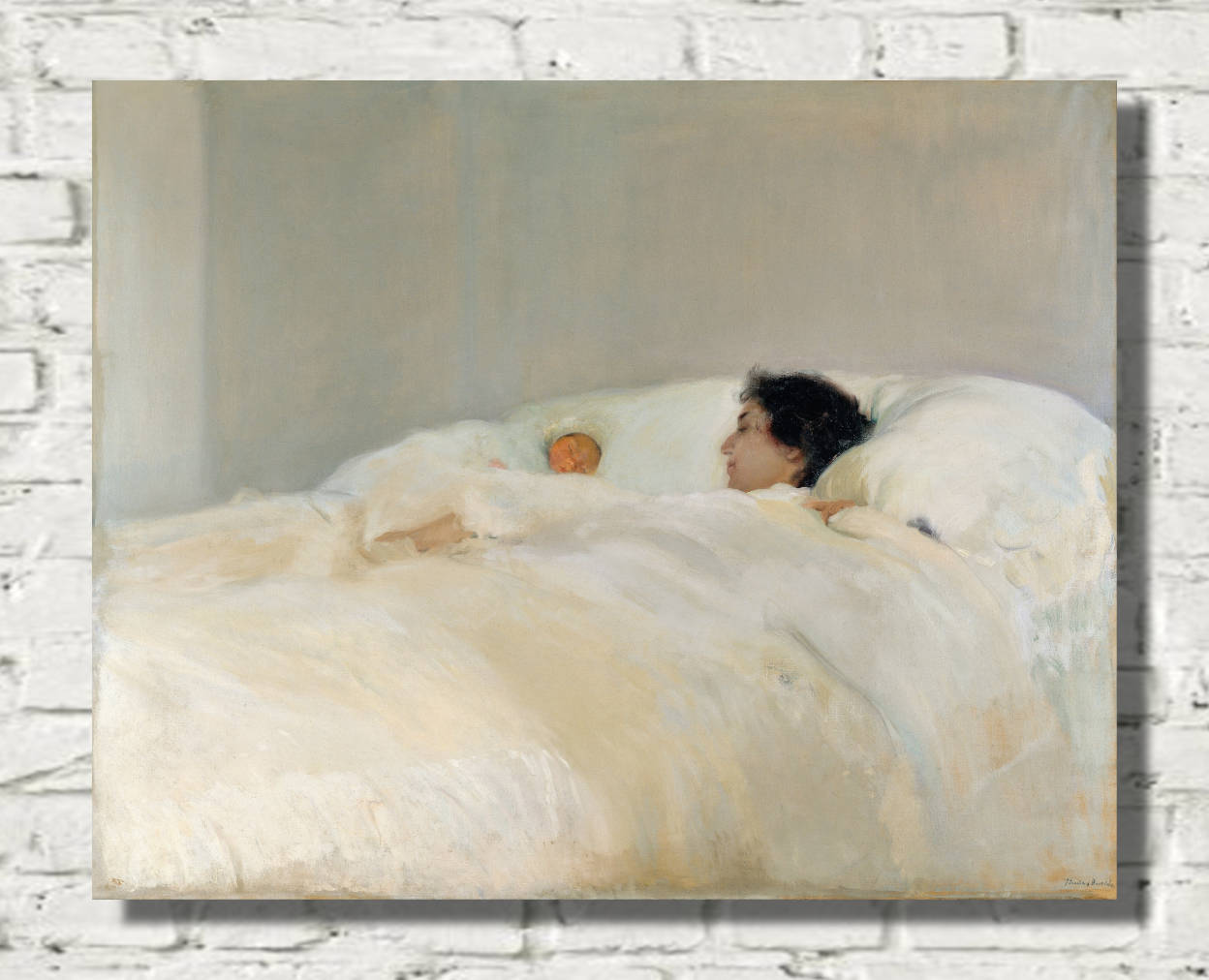
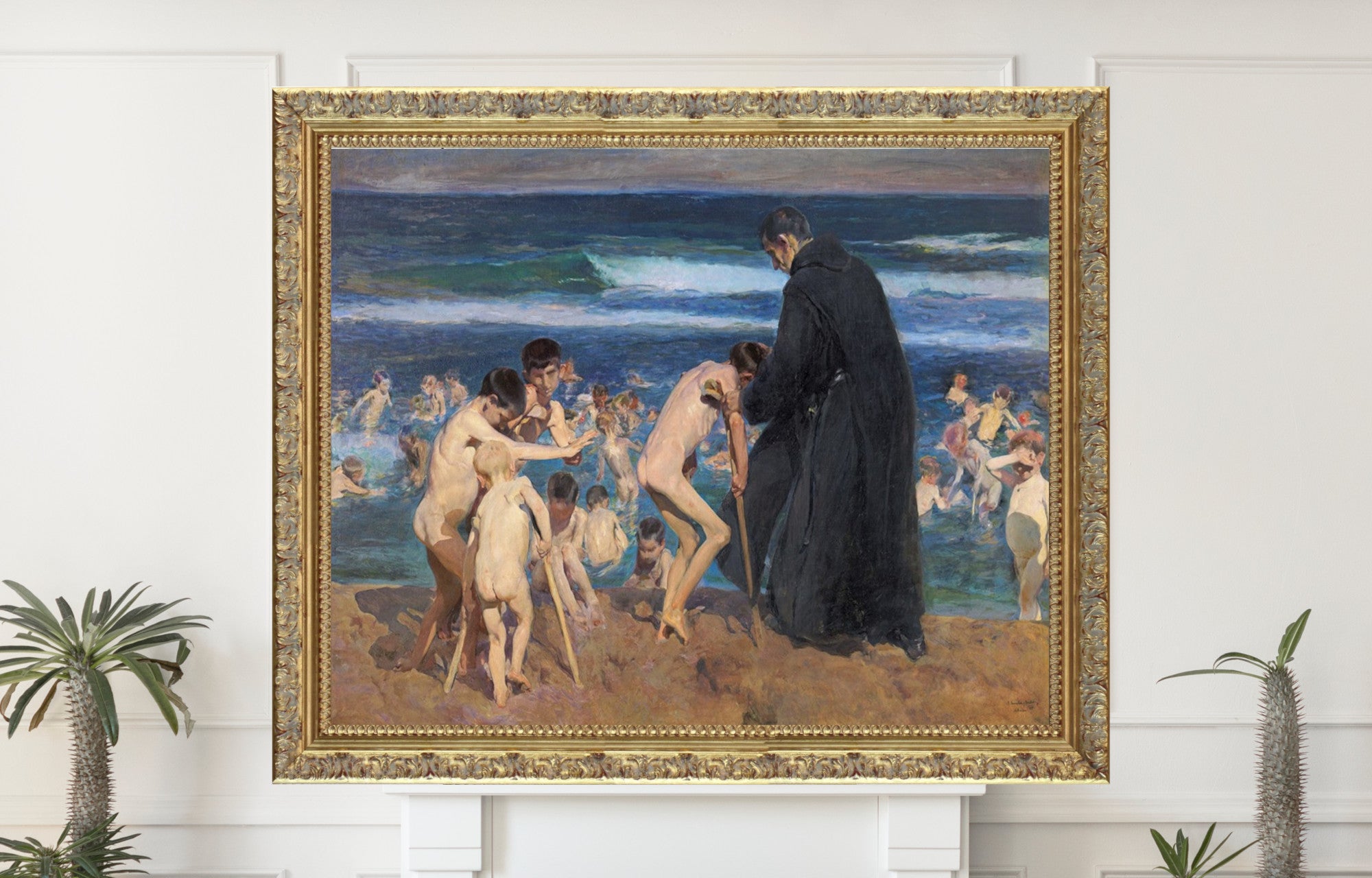
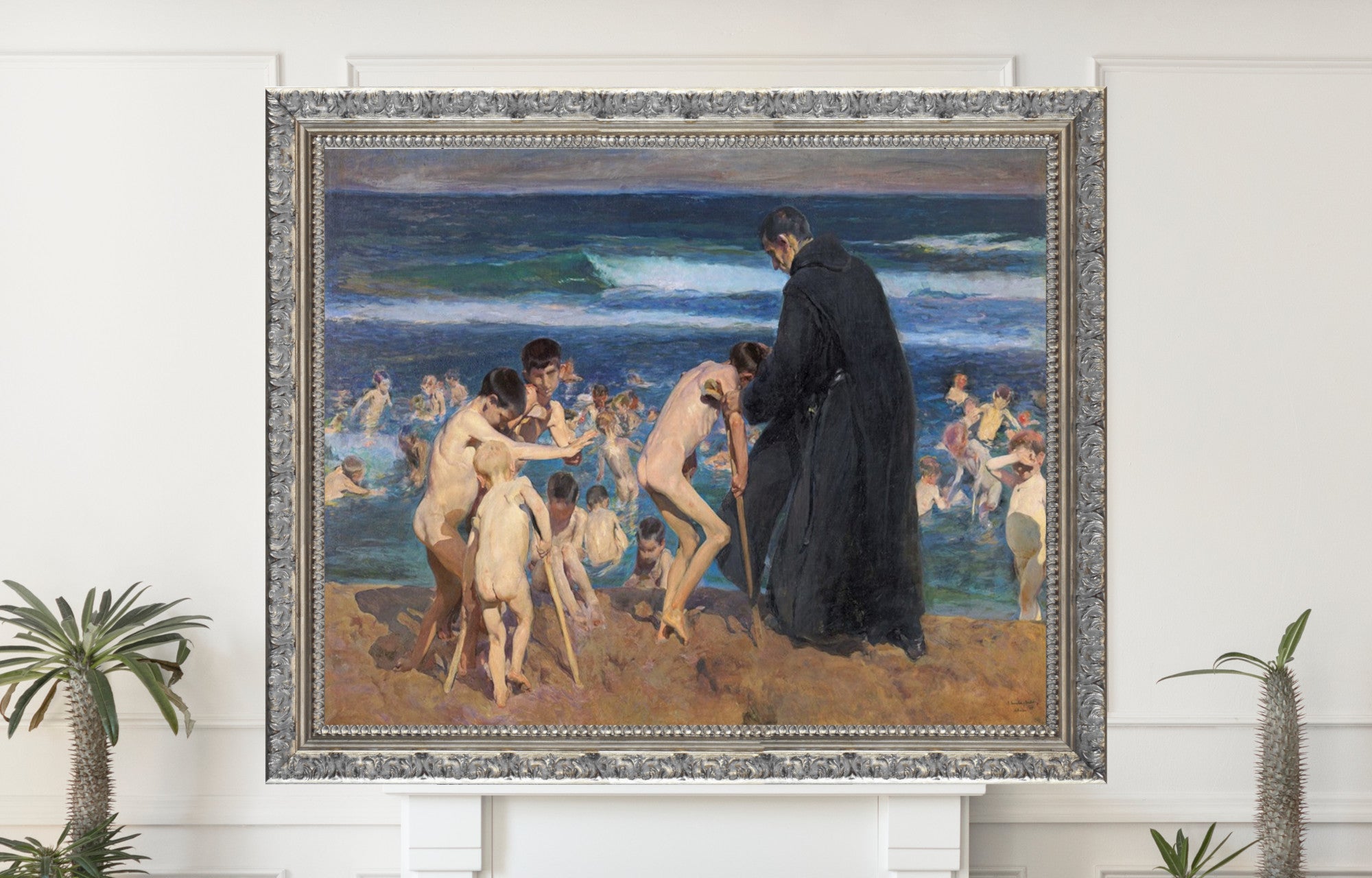
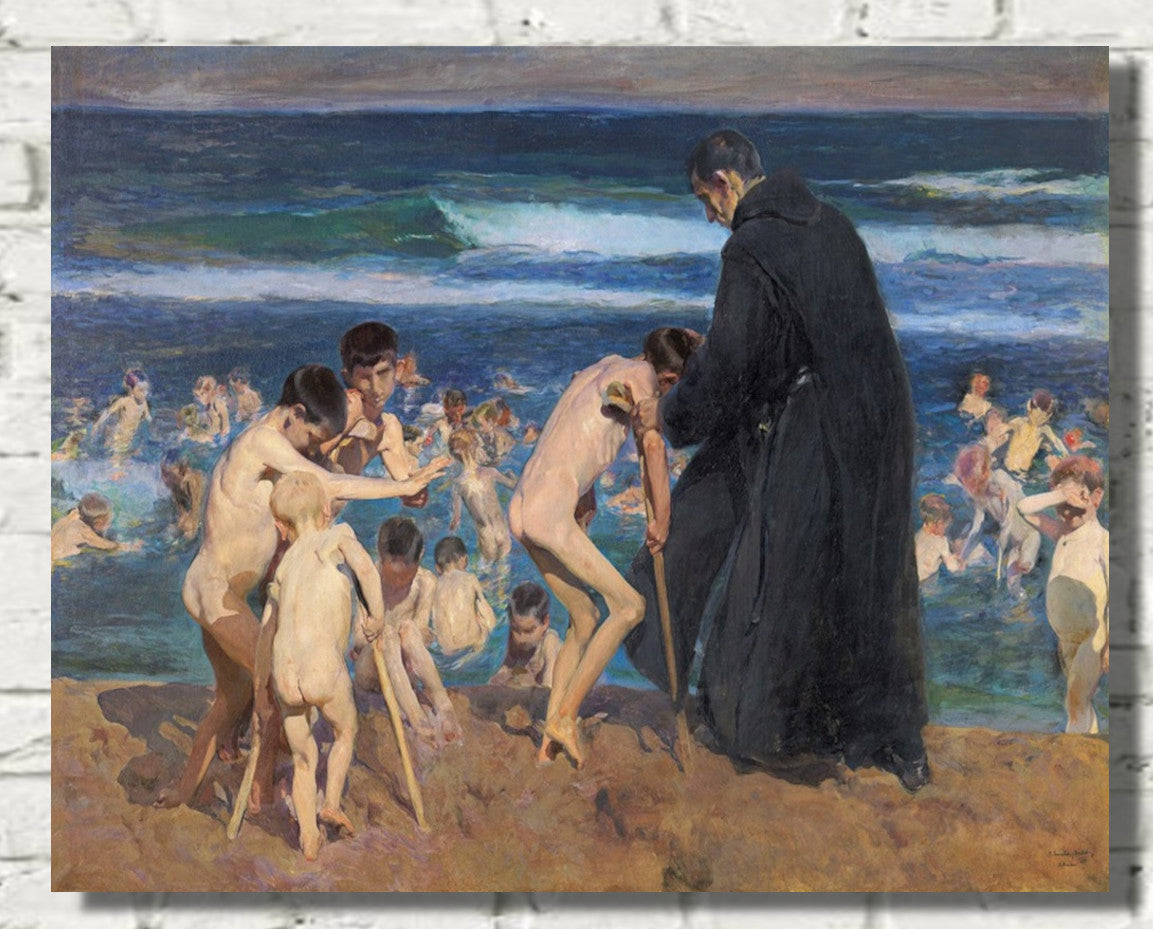
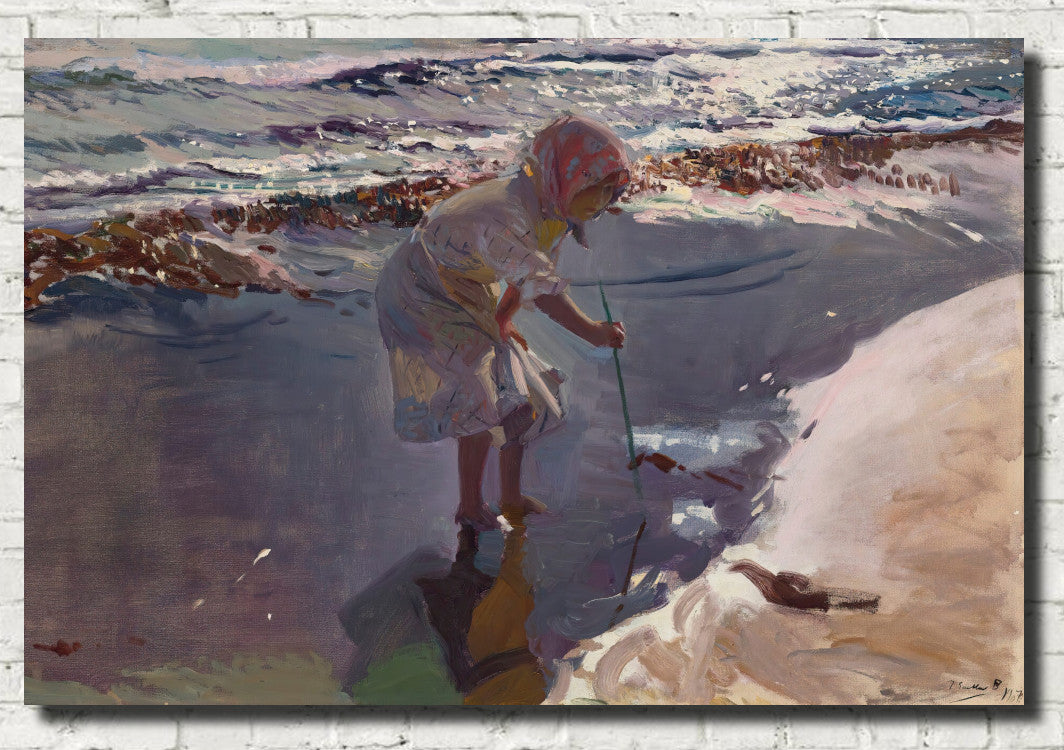
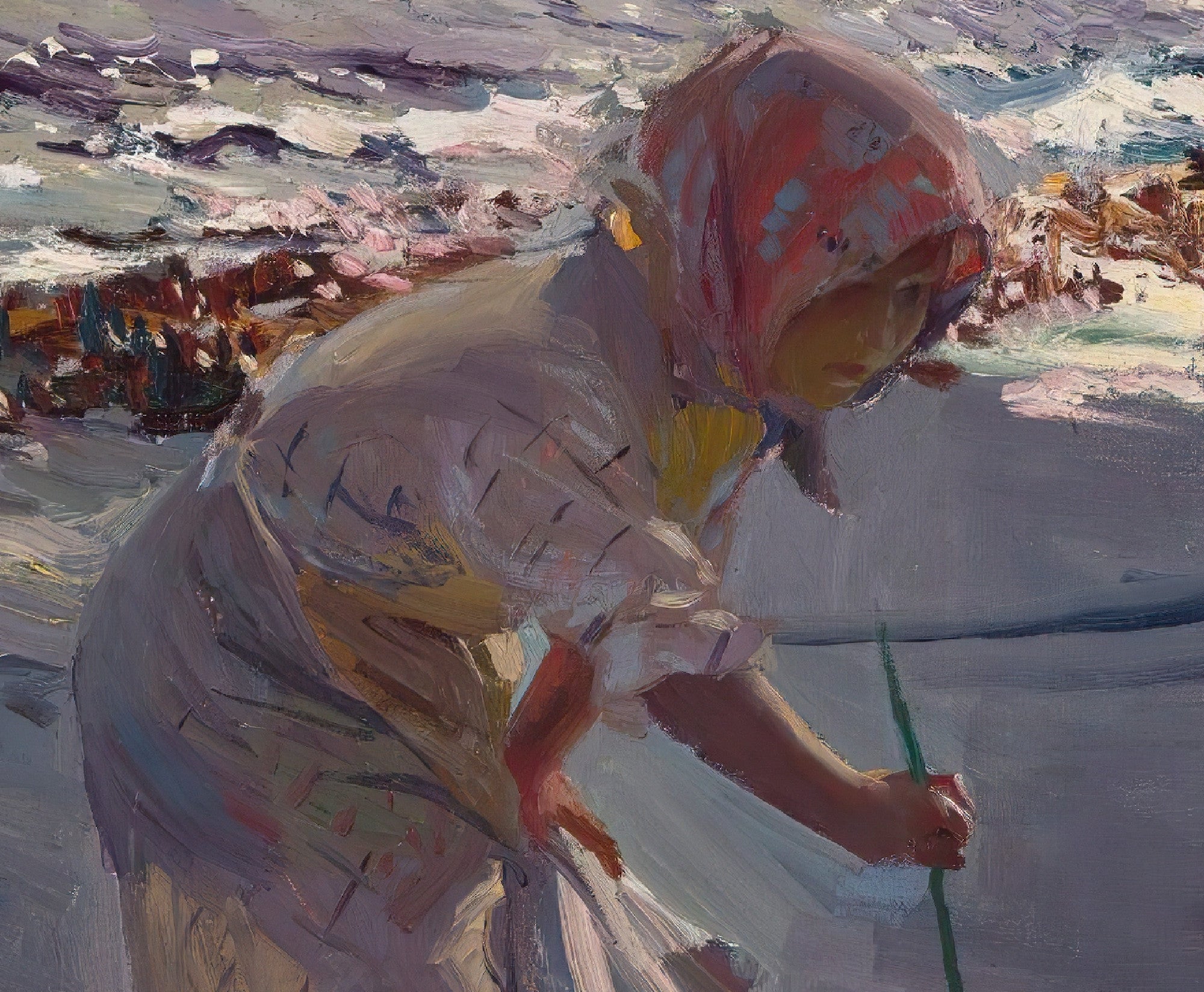
Joaquín Sorolla developed one of the most recognisable approaches to light in modern European painting.
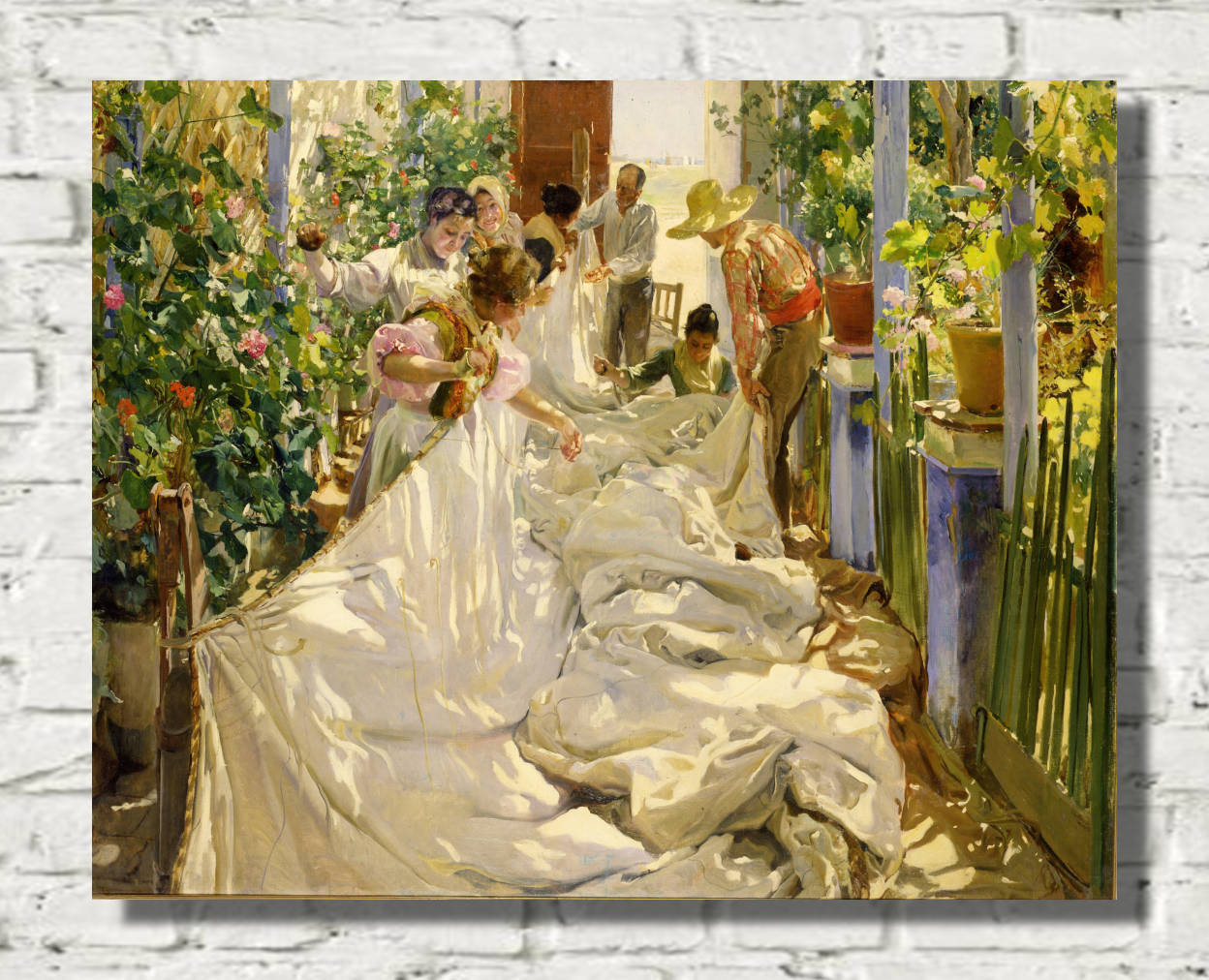
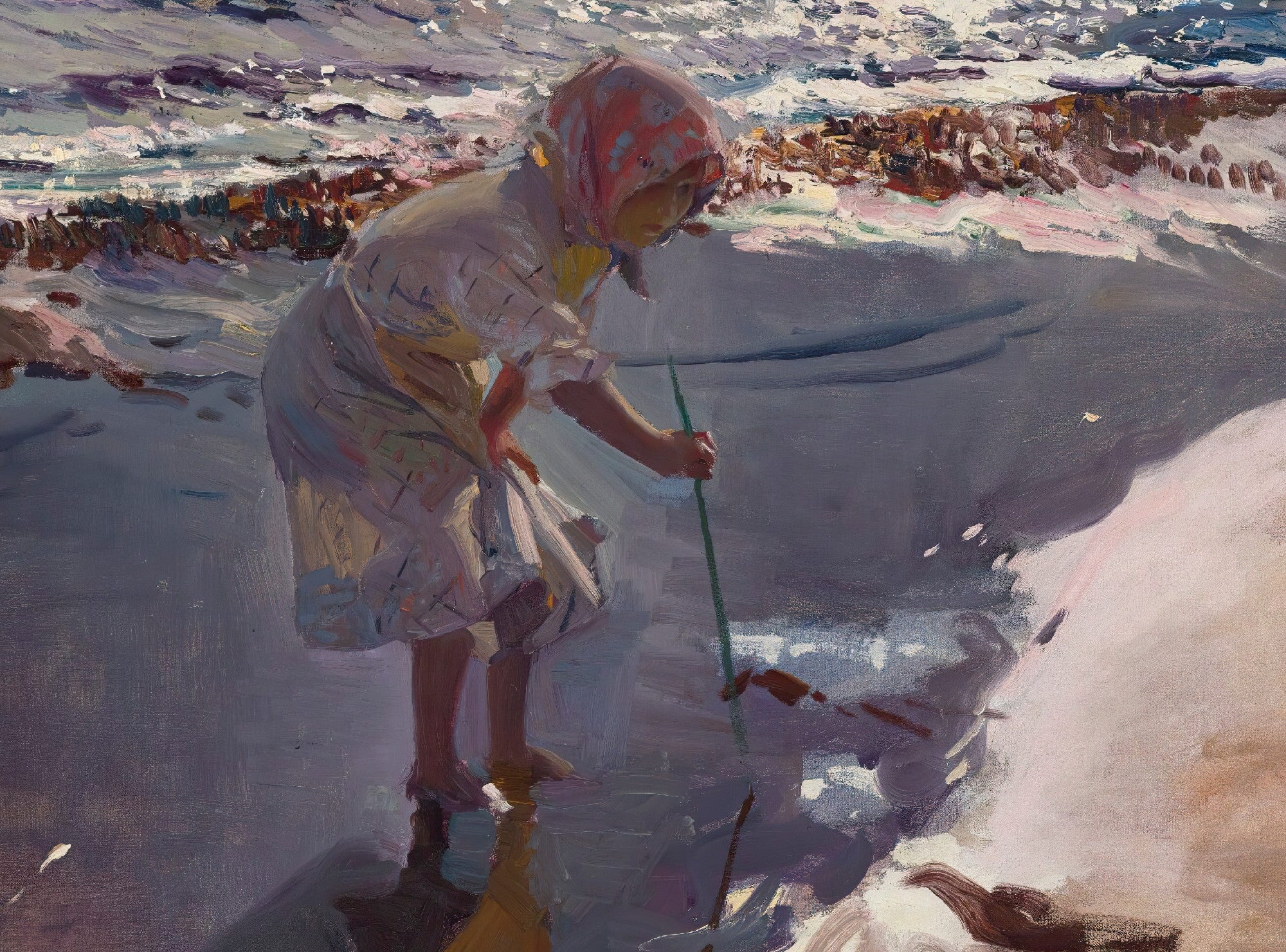
His beach scenes are particularly celebrated for their brilliant Mediterranean sunlight. White clothing, wet sand, sails and moving water become vehicles for reflected colour and intense illumination.
Sorolla was not a member of the original French Impressionist group, and his technique remained strongly grounded in accomplished draughtsmanship and direct observation. Nevertheless, his rapid brushwork, outdoor painting and fascination with transient effects of light give his work an important place within the wider international story of Impressionism.
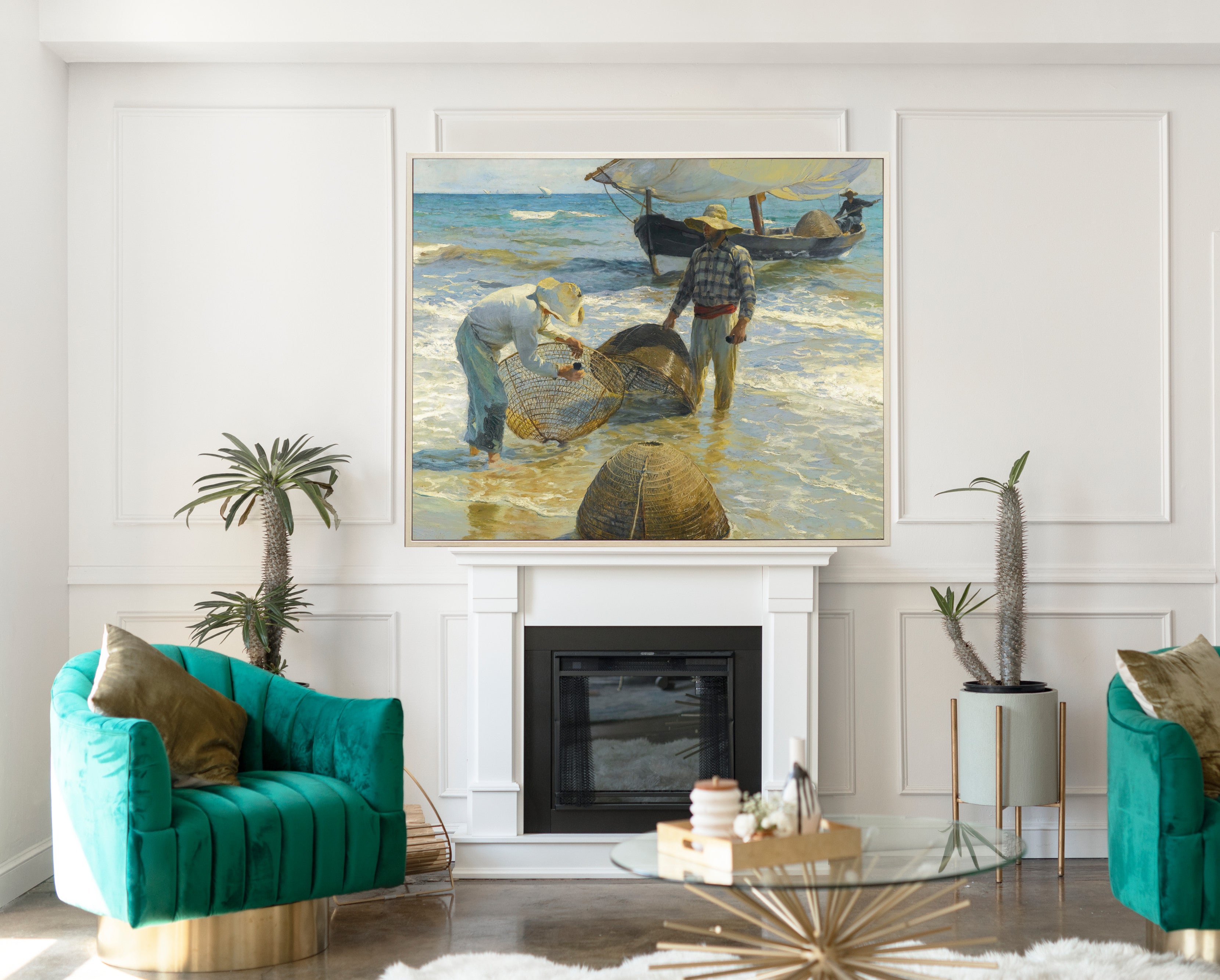
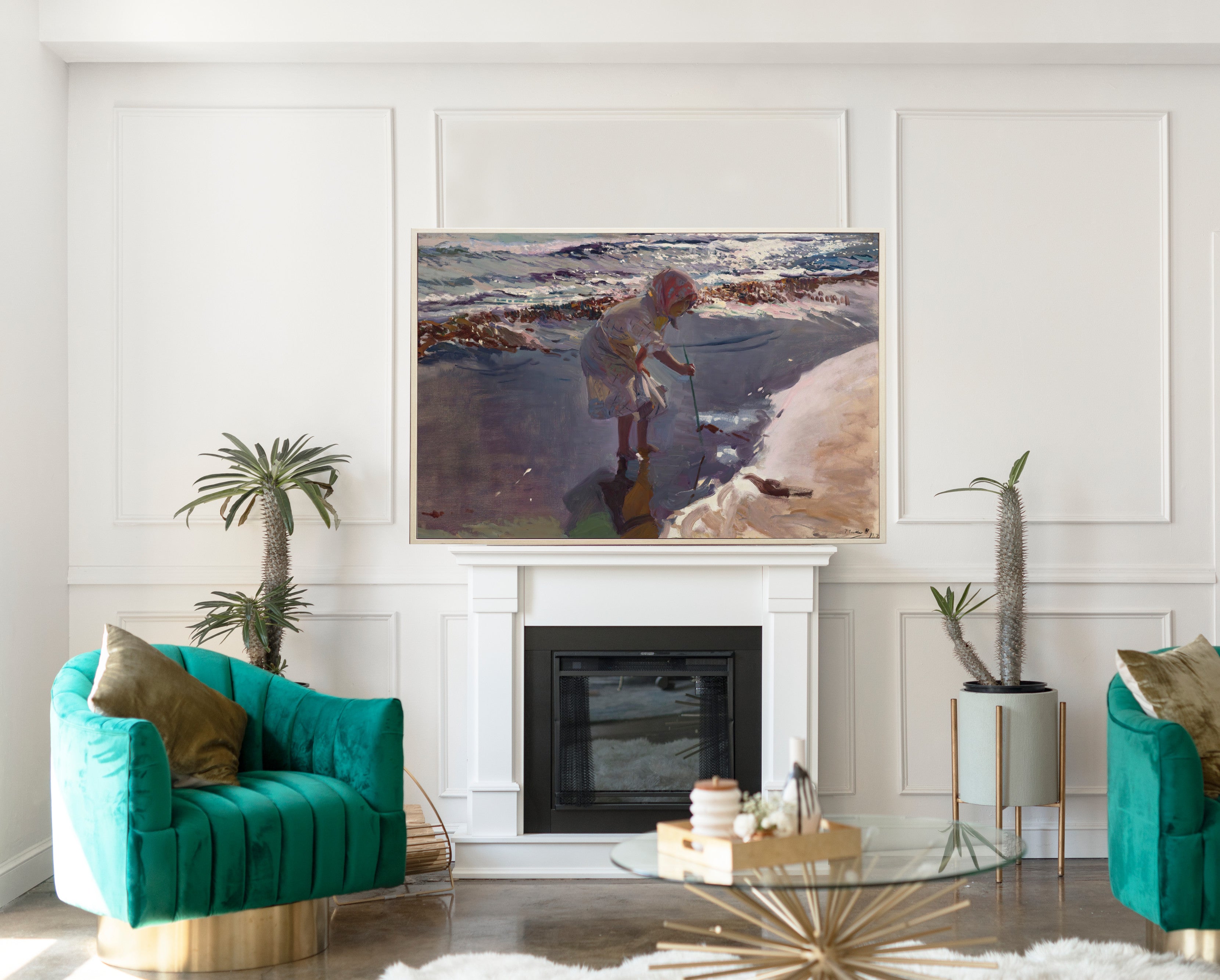
His paintings are particularly appealing for interiors where strong natural colour, coastal subjects and a feeling of sunlight are desired.
Darío de Regoyos and Spanish Impressionism
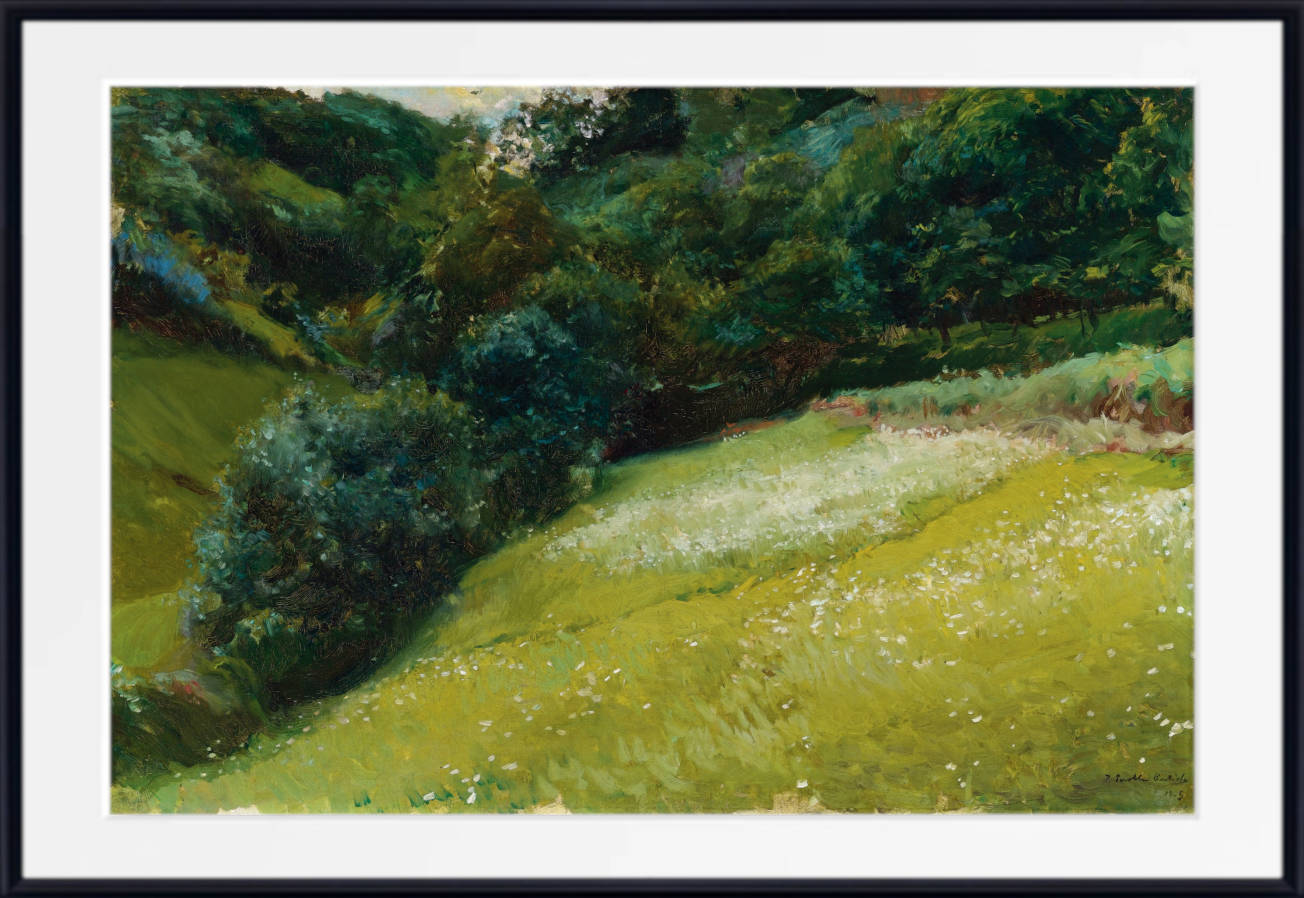
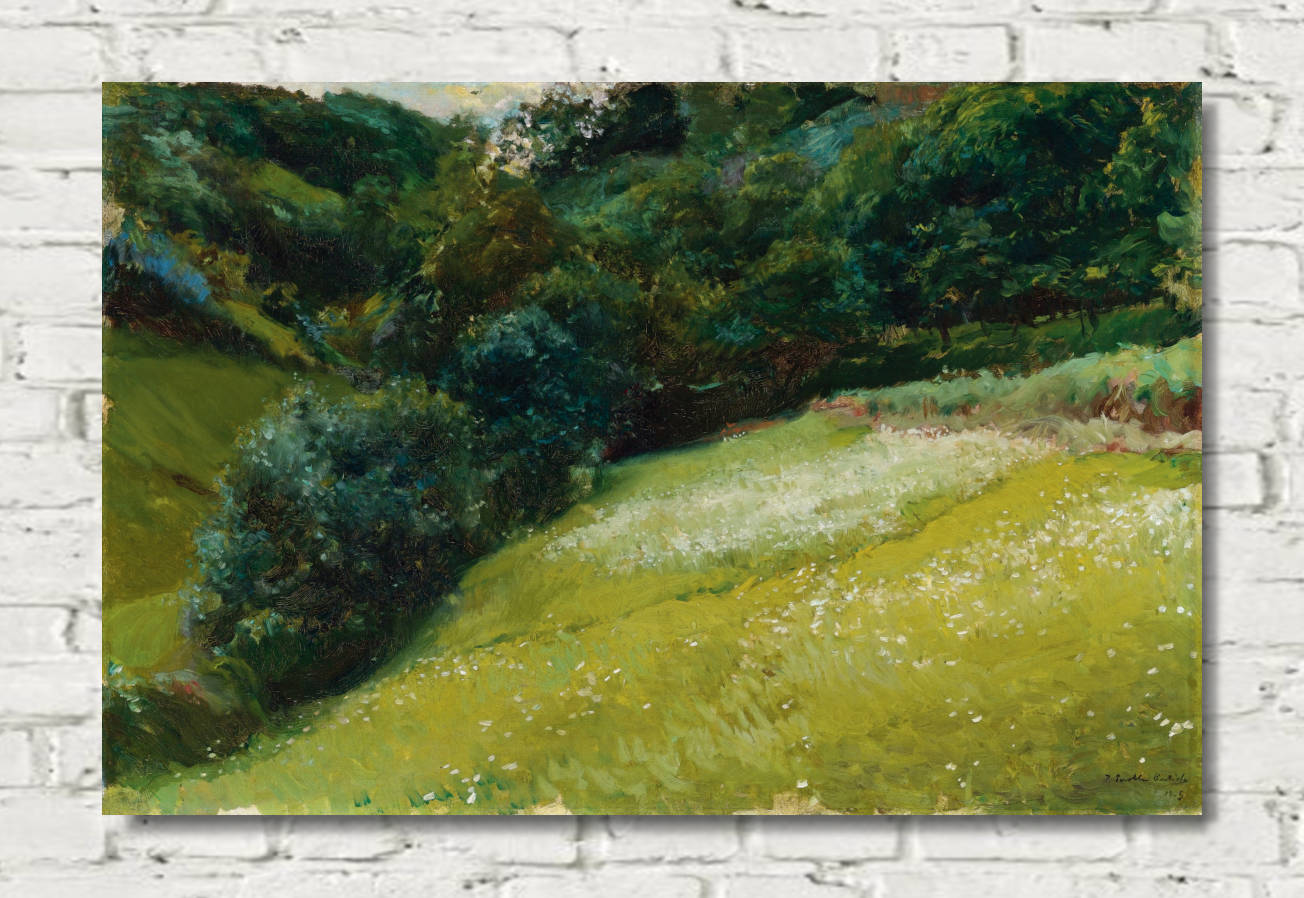
Darío de Regoyos represents another important route through which modern European painting developed in Spain.
His landscapes, village scenes and views of everyday life show an interest in colour, atmosphere and changing light, while his career connected Spanish painting with broader developments elsewhere in Europe.
Regoyos demonstrates why International Impressionism is best understood as a network of related approaches rather than a single uniform style.
John Singer Sargent and Impressionist Painting
John Singer Sargent is best known as one of the great portrait painters of his generation, so not every Sargent painting belongs within an Impressionist collection.
His more informal outdoor works, landscapes and travel paintings tell a different story.
Away from commissioned portraiture, Sargent frequently painted en plein air and used freer brushwork to record sunlight, water, landscape and figures. These works reveal his familiarity with Impressionism while retaining the extraordinary technical confidence that characterises his broader career.
This International Impressionist collection therefore includes selected Sargent paintings where the connection with plein-air and Impressionist practice is particularly clear rather than treating his entire output as Impressionist.
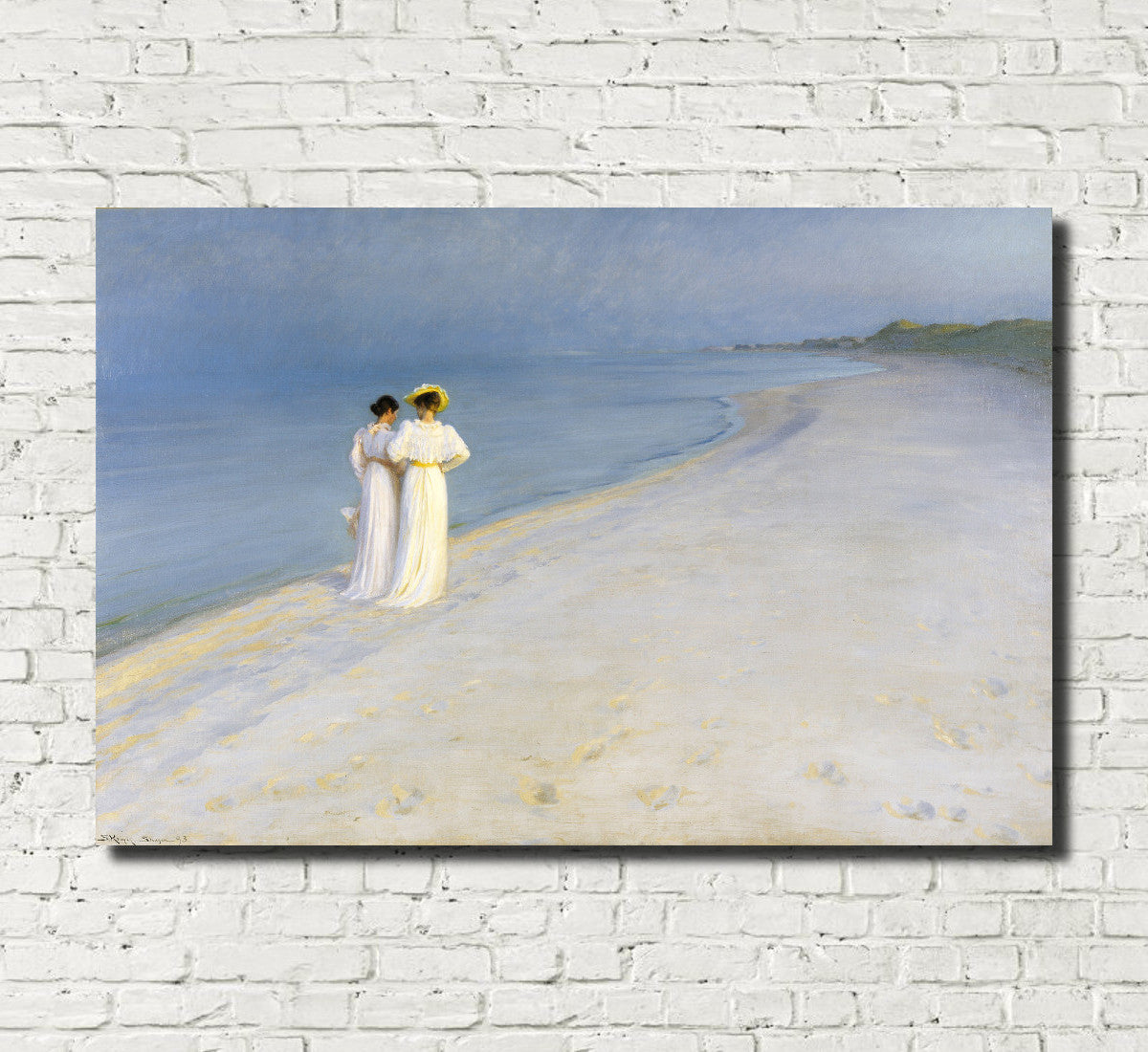
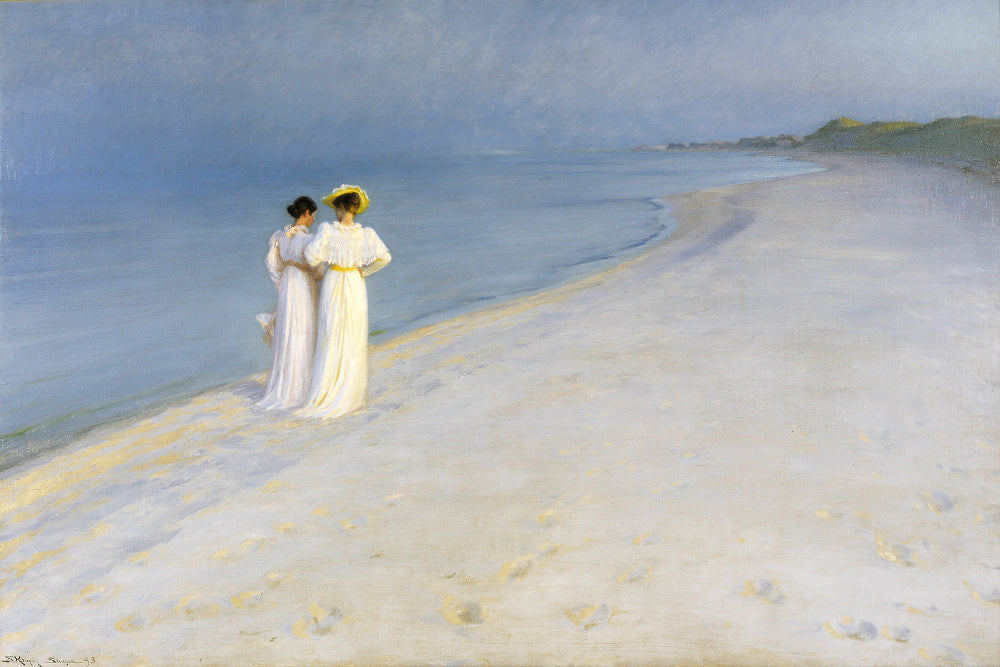
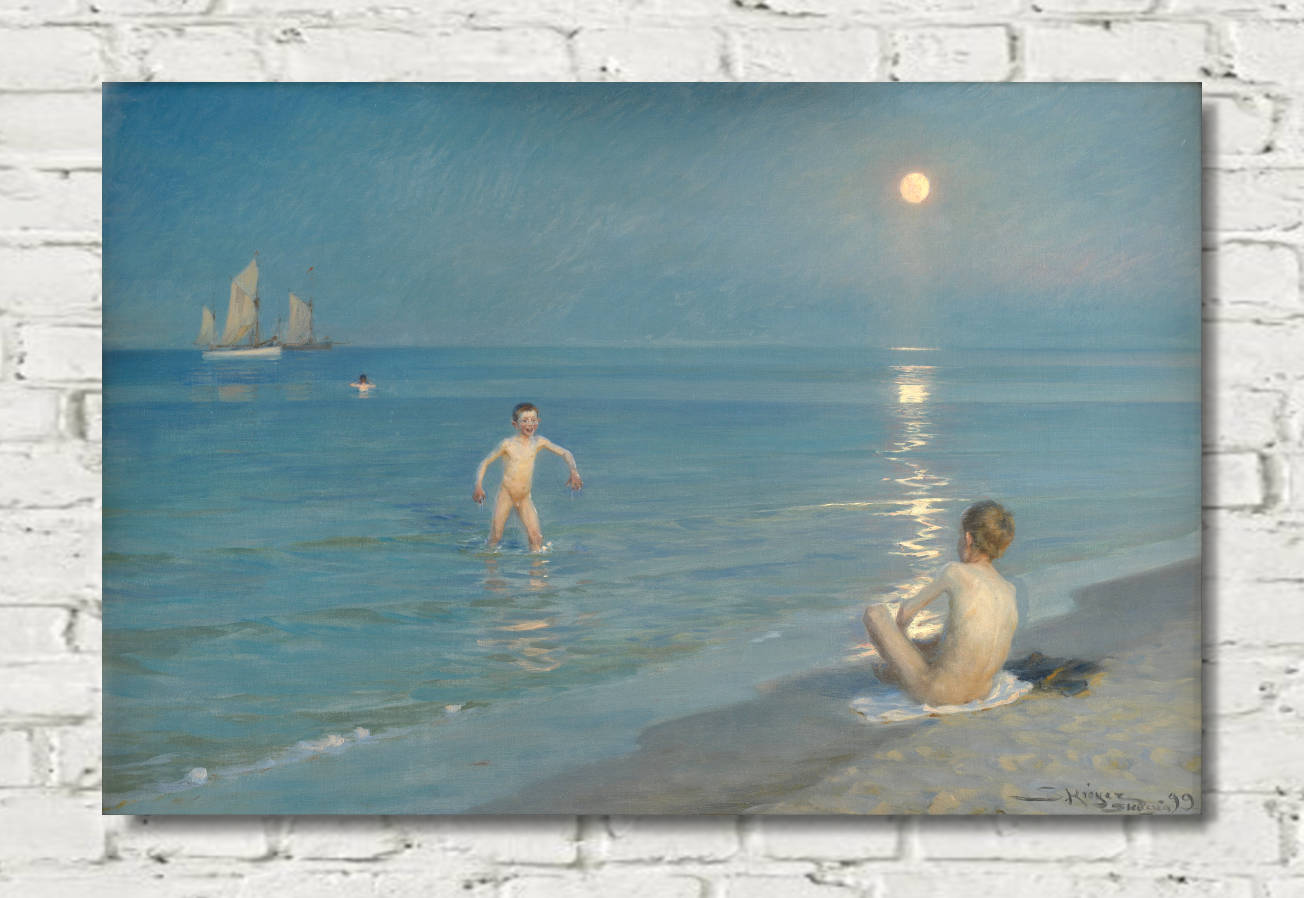
P. S. Krøyer and Scandinavian Summer Light
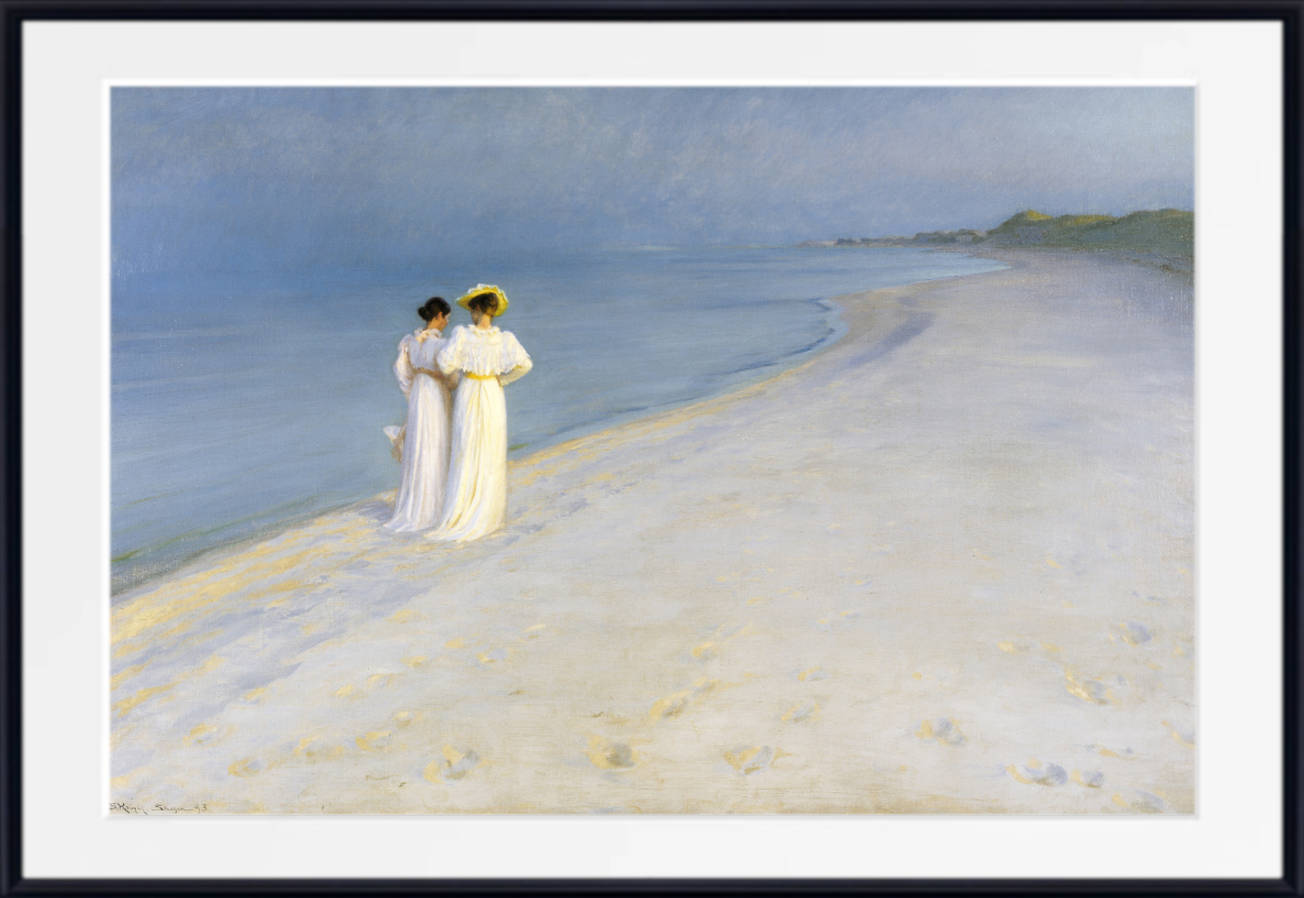
Peder Severin Krøyer was a leading figure among the Skagen Painters in Denmark.
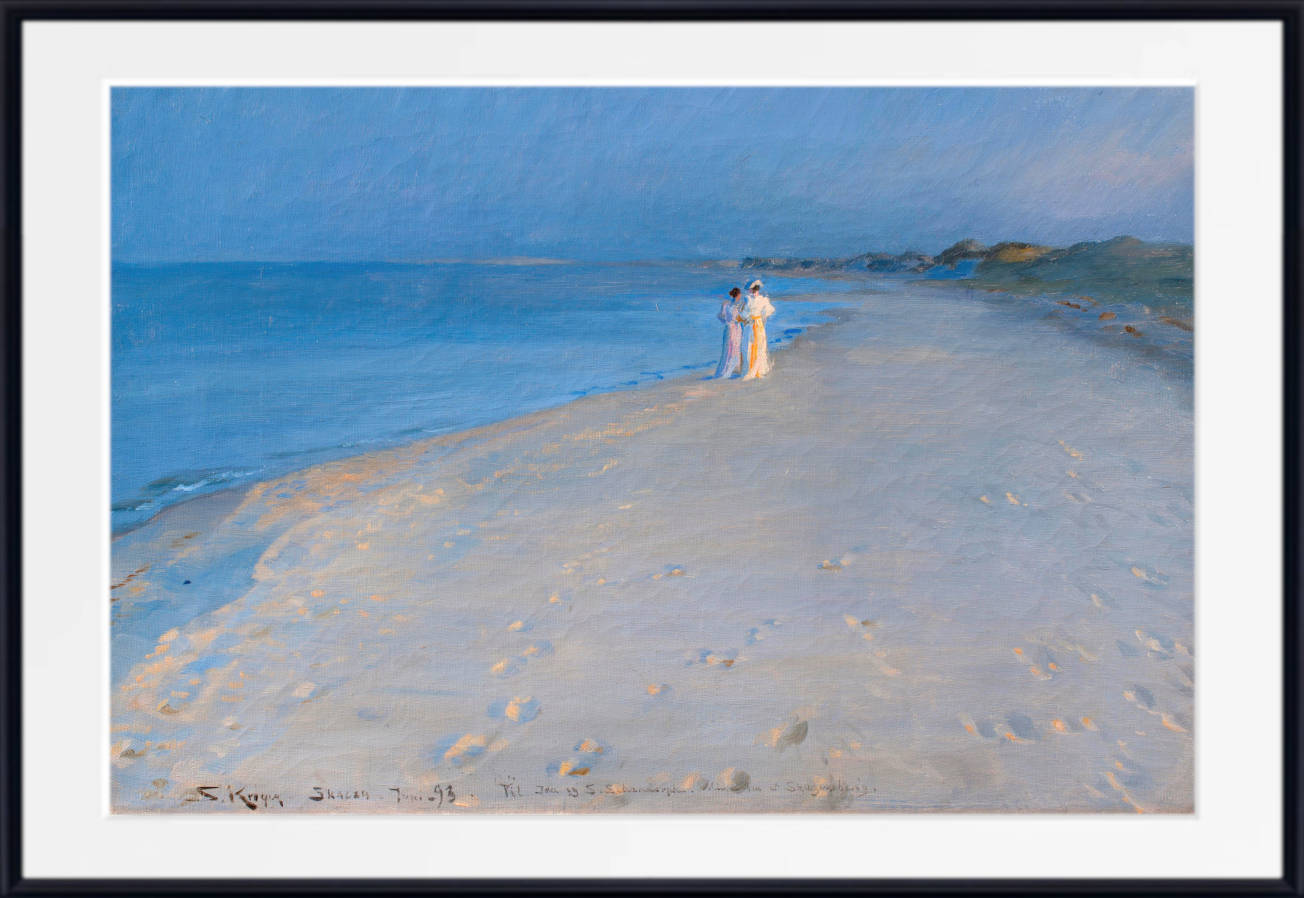
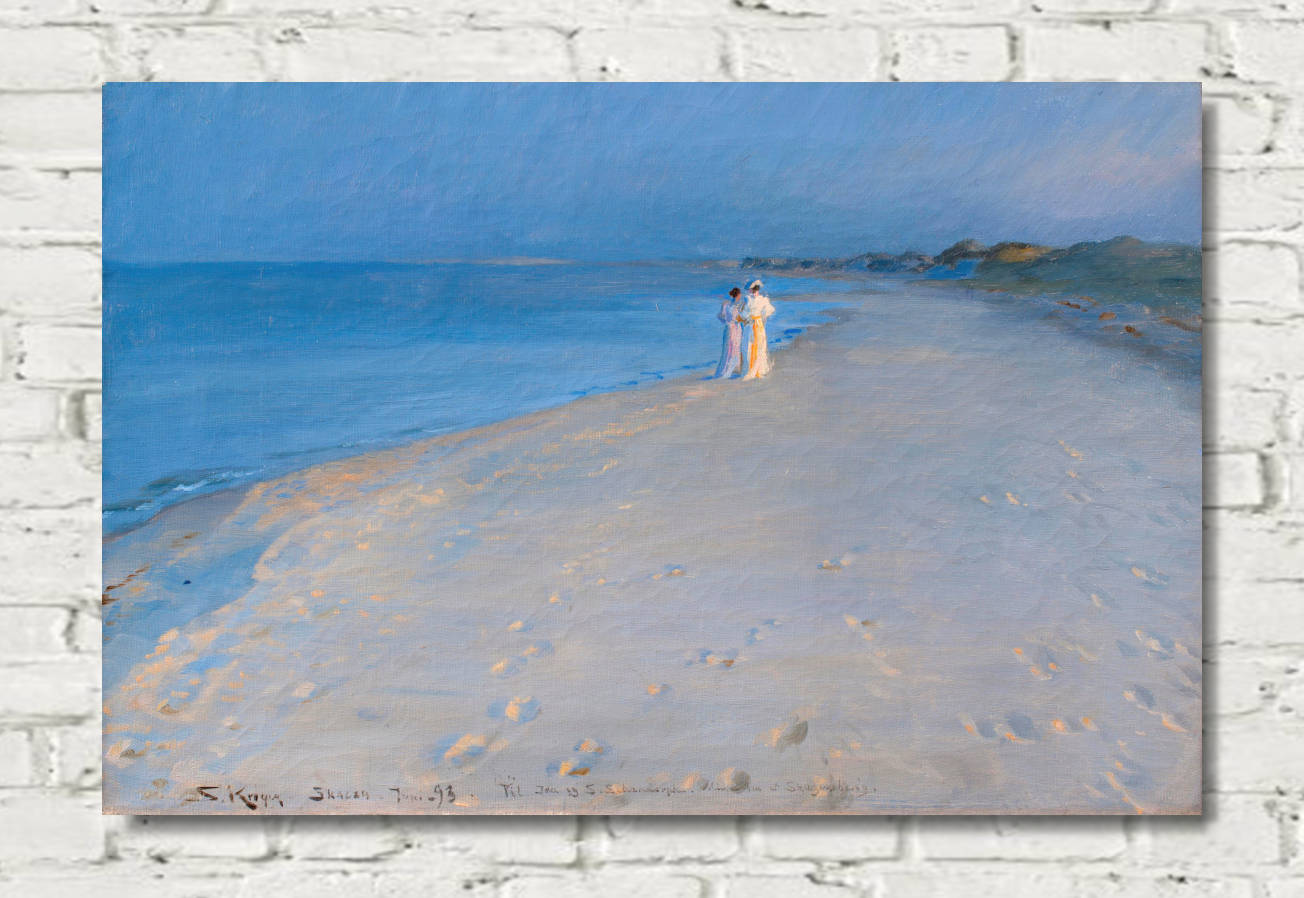
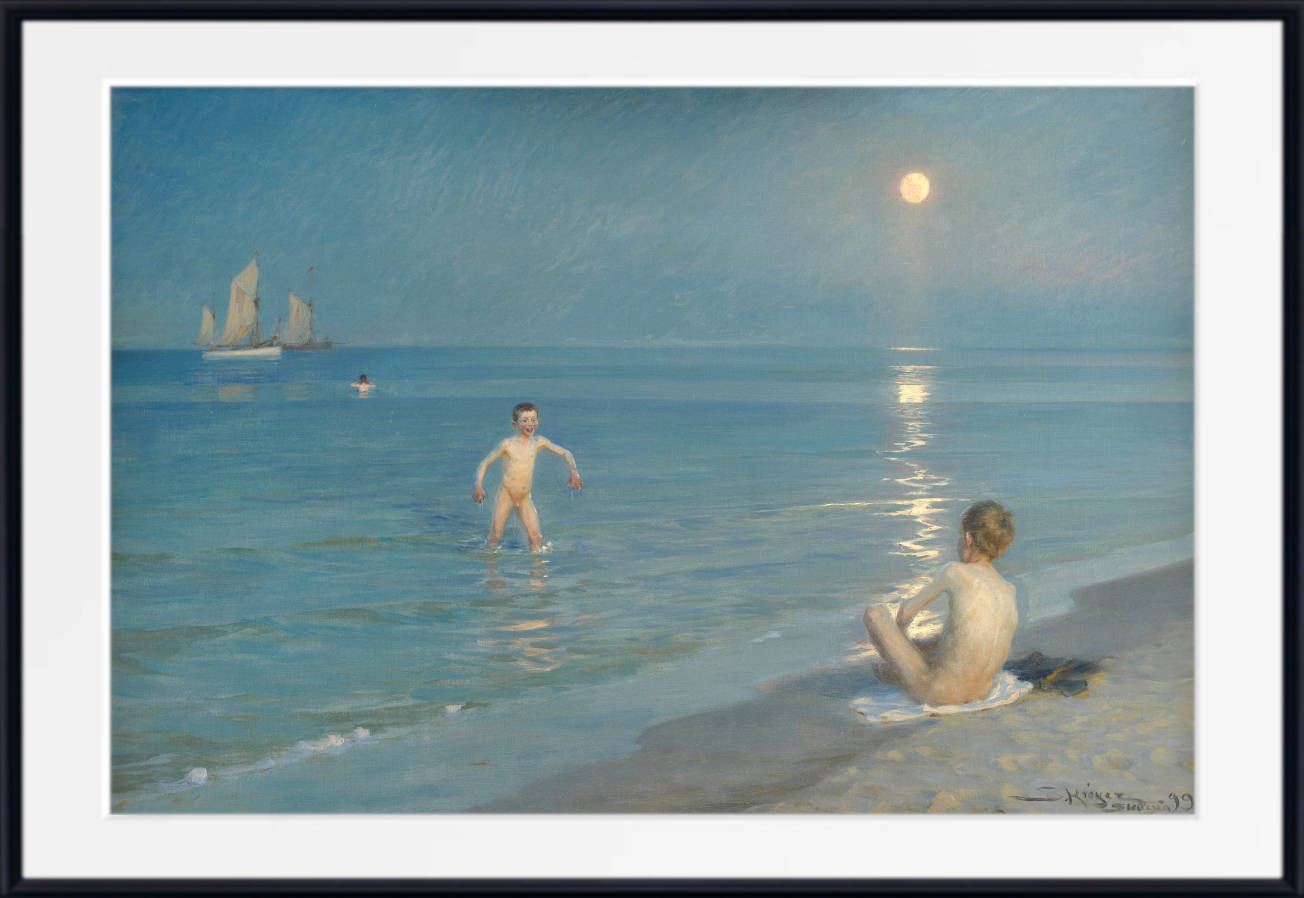
His finest outdoor scenes demonstrate an exceptional sensitivity to atmosphere, particularly the long summer evenings and distinctive coastal light of northern Denmark.
Paintings of beaches, gardens and figures outdoors often capture a fleeting moment in a way that has clear affinities with Impressionism, even though Krøyer belonged to a distinct Scandinavian artistic context.
Selected Krøyer paintings therefore form an important part of this collection, showing how the study of natural light developed differently in northern Europe.
Light, Colour and Plein-Air Painting
What links these international artists is not nationality or membership of a single group.
Instead, the connection lies in their shared exploration of several ideas that transformed late nineteenth- and early twentieth-century painting.
Painting outdoors encouraged artists to respond directly to weather and natural light.
Shadows could contain blue, violet or green rather than simply grey or black.
Water reflected the colour of the sky and surrounding landscape.
Brushwork could remain visible rather than being polished into an invisible academic finish.
Modern streets, beaches, railway stations, gardens and informal leisure became subjects worthy of serious painting.
International artists adopted these ideas selectively, combining them with their own artistic training and local traditions.
International Impressionist Landscapes
Landscape is one of the strongest subjects within International Impressionism.
American painters explored New England, Long Island, New York parks and the Atlantic coast.
Sorolla transformed the Mediterranean shoreline into brilliant studies of light and movement.
Krøyer captured the cooler atmosphere of Scandinavian beaches and summer evenings.
Artists working at Giverny painted French gardens, rivers, bridges and rural landscapes.
The result is a collection in which the same fundamental interest in light and atmosphere can produce dramatically different colours and moods depending on location.
International Impressionism for the Home
International Impressionist prints work particularly well in interiors because the movement offers such a wide range of colour and subject matter.
Sunlit gardens and floral paintings can bring warmth to bedrooms and living rooms.
Coastal paintings by Sorolla, Potthast and Krøyer can introduce blue, cream and natural tones.
American city scenes by Hassam add energy and architectural interest.
Quieter landscapes by Twachtman can suit rooms where a softer, more restrained atmosphere is preferred.
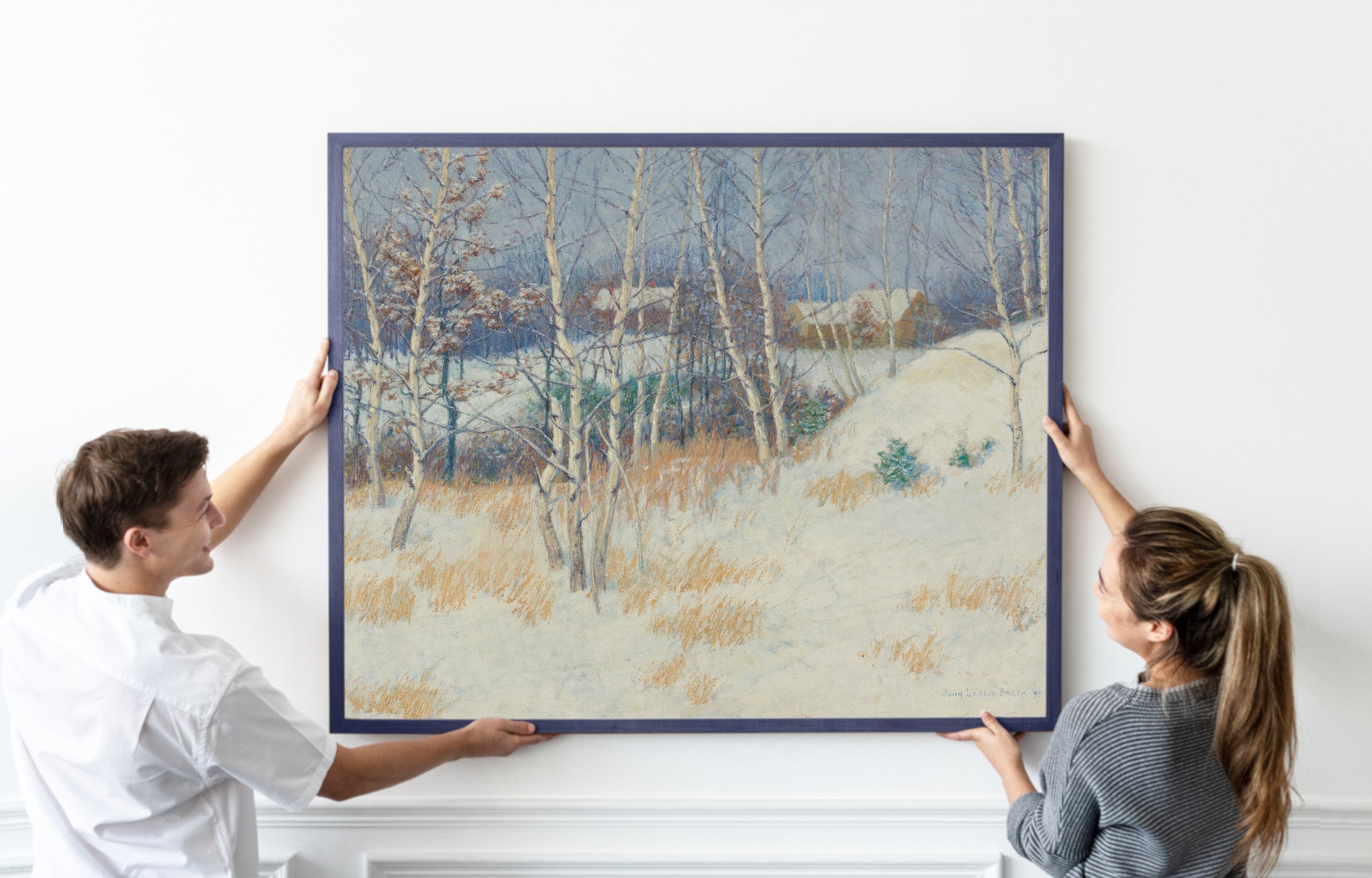
A single large framed print can create a substantial focal point, while several works connected by artist, location or colour can form an Impressionist gallery wall.
Fine Art Prints, Framed Prints and Canvas Panels
GalleryThane International Impressionist artworks are available in a range of sizes and formats.
Fine art paper prints provide flexibility for customers who wish to select their own frame and mount.
Framed prints offer a complete presentation and can work particularly well with detailed landscapes, gardens and city scenes.
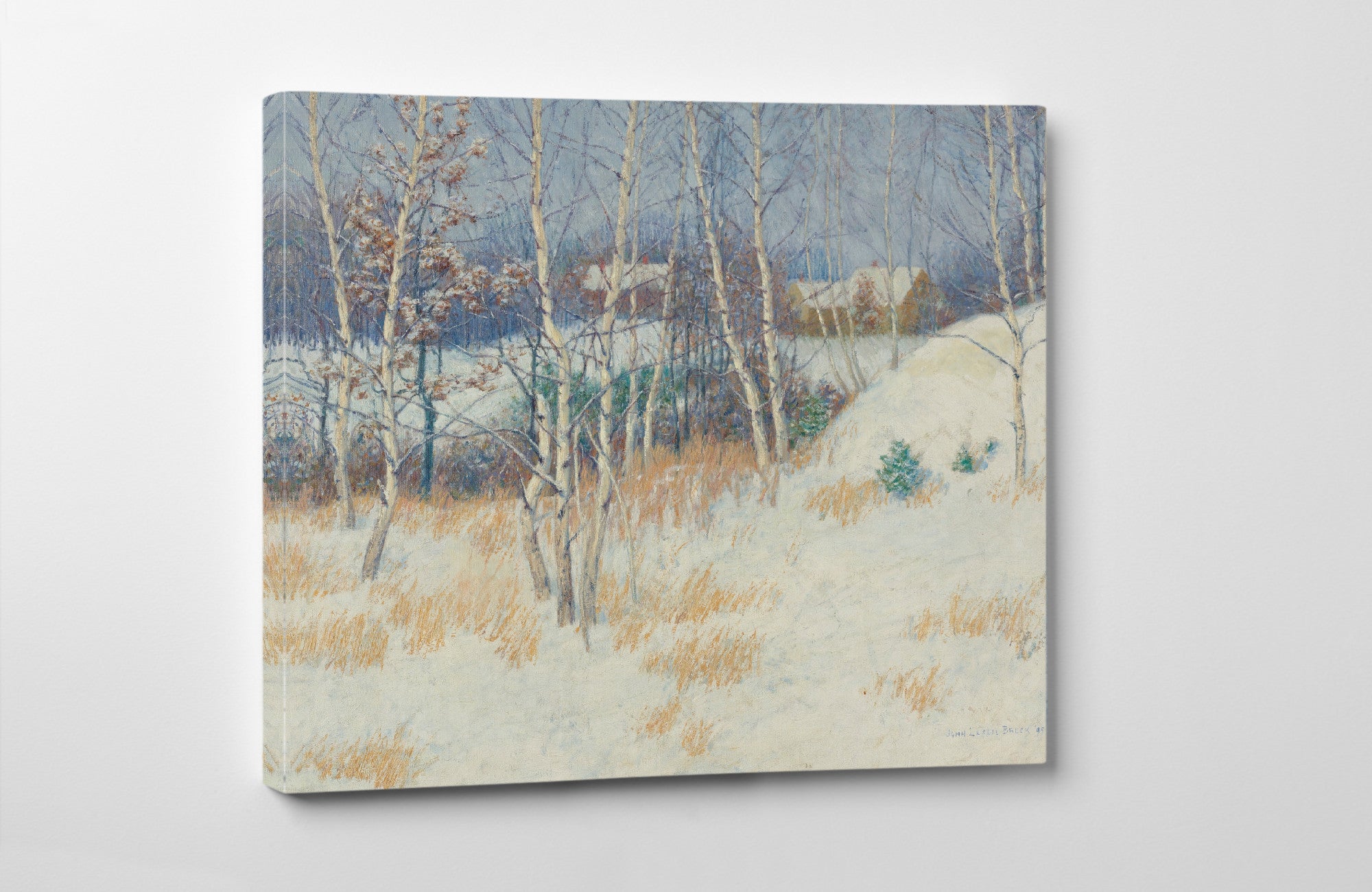
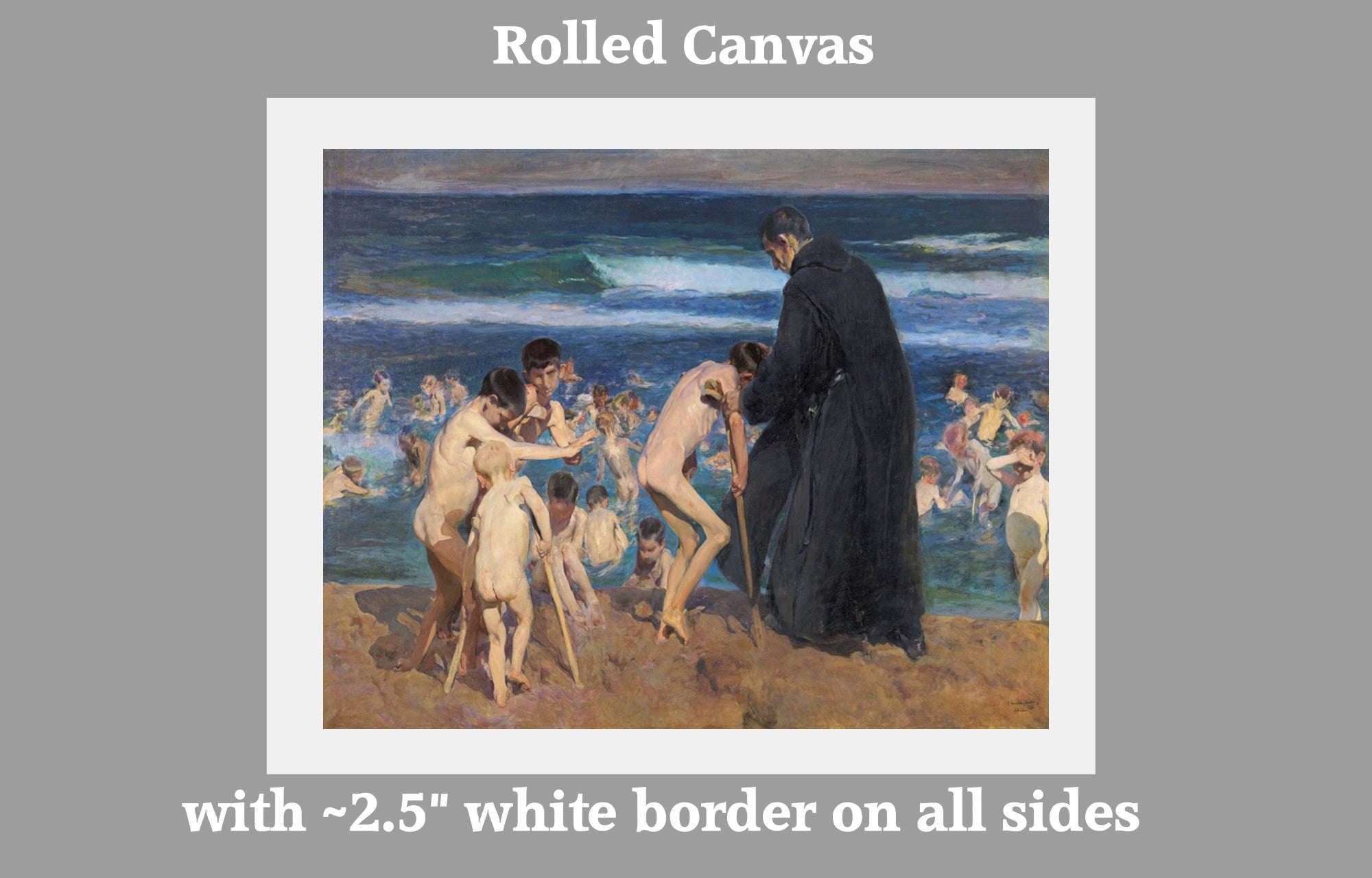
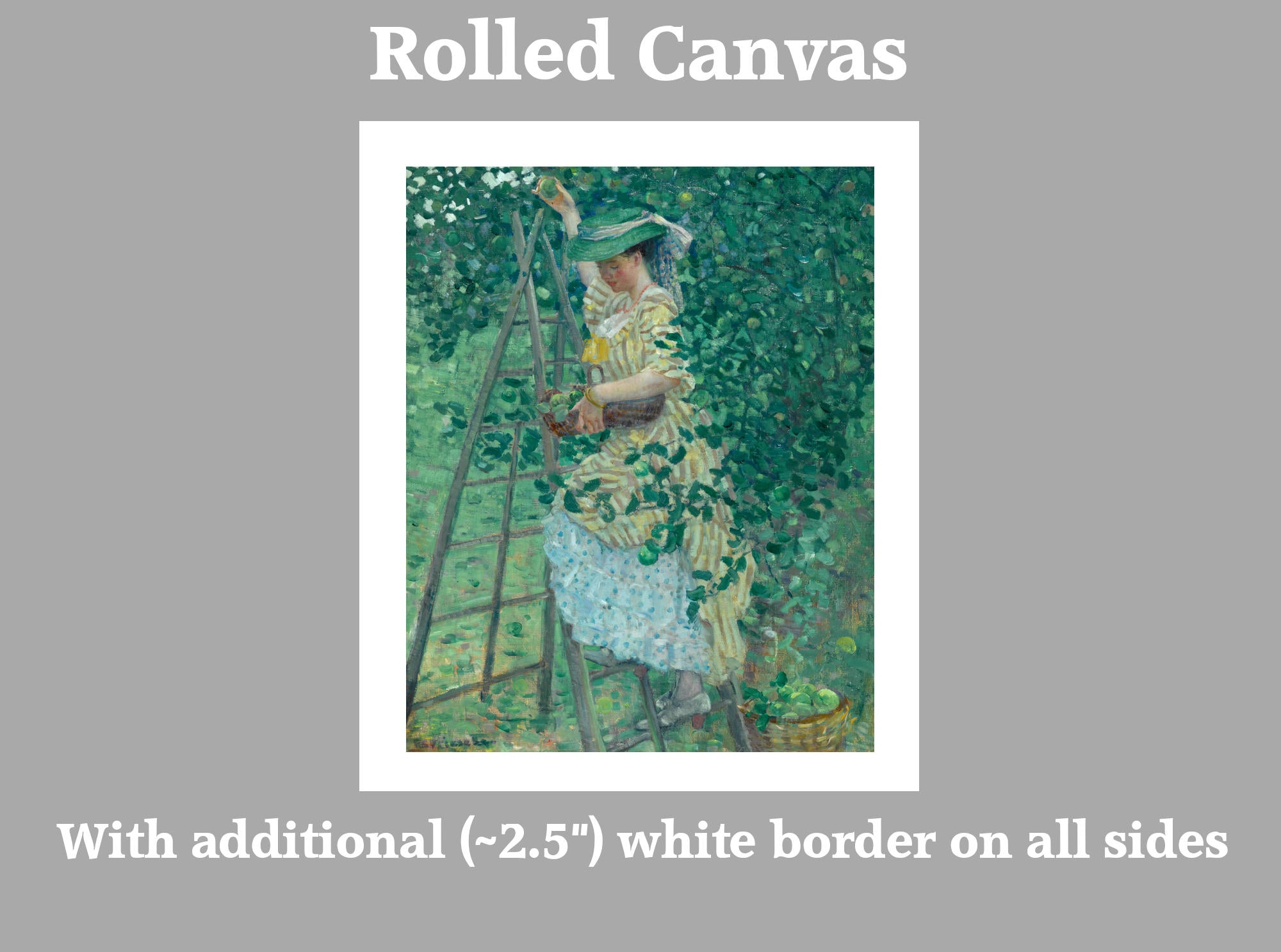
Canvas panels provide a clean, ready-to-hang option that complements the visible brushwork and painterly surfaces associated with Impressionist art.
Our prints, frames and canvas panels are produced in our Nottinghamshire workshop using carefully selected fine art papers, pigment inks and framing materials.
Explore French and International Impressionism
International Impressionism demonstrates how rapidly the ideas developed in France spread across the art world.
American, Spanish and Scandinavian painters did not simply reproduce French Impressionism. They transformed it by applying its interest in light, atmosphere and modern life to new landscapes, climates and cultures.
For the original French movement and its central artists — including Claude Monet, Pierre-Auguste Renoir, Camille Pissarro, Alfred Sisley, Edgar Degas, Berthe Morisot, Mary Cassatt and Gustave Caillebotte — explore our Impressionist Art Prints.
Together, the two collections show both the origins of Impressionism and the remarkable international legacy that followed.
Frequently Asked Questions
What is International Impressionism?
International Impressionism describes the development of Impressionist ideas outside the original French movement. Artists in countries including the United States, Spain and Denmark adopted elements such as plein-air painting, brighter colour, visible brushwork and close observation of changing natural light.
Is American Impressionism different from French Impressionism?
American Impressionists were strongly influenced by developments in France but applied those ideas to American landscapes, cities, gardens, beaches and domestic life. Individual painters also combined Impressionist techniques with their previous academic training and local artistic traditions.
Who are some important American Impressionist painters?
Important American Impressionists represented in this collection include Childe Hassam, William Merritt Chase, Frederick Carl Frieseke, Theodore Robinson, Theodore Butler, John Henry Twachtman, Willard Metcalf, Edward Henry Potthast, Robert Reid and Edmund C. Tarbell.
Was Joaquín Sorolla an Impressionist?
Sorolla was not a member of the original French Impressionist movement. However, his plein-air practice, rapid brushwork and exceptional interest in sunlight and reflected colour place many of his paintings naturally within the broader history of international Impressionism.
Was John Singer Sargent an Impressionist?
Sargent is primarily associated with portraiture rather than the Impressionist movement. However, many of his informal landscapes and plein-air paintings reveal a strong engagement with Impressionist approaches to light and brushwork. For that reason, this collection includes selected Sargent works rather than his entire output.
Was P. S. Krøyer an Impressionist?
Krøyer was a leading member of the Danish Skagen Painters rather than a member of the French Impressionist group. Selected outdoor paintings nevertheless show clear affinities with Impressionism through their study of transient light, atmosphere and modern leisure.
What subjects are common in International Impressionist art?
Popular subjects include landscapes, gardens, beaches, coastlines, city streets, parks, figures outdoors and domestic scenes. Many painters were particularly attracted to subjects that allowed them to explore changing sunlight, weather and reflected colour.
What is the difference between French and International Impressionism?
The historic Impressionist movement developed in France around artists including Monet, Renoir, Pissarro, Sisley, Degas, Morisot, Cassatt and Caillebotte. Artists in other countries later adapted Impressionist approaches to light, colour and plein-air painting to their own landscapes and traditions. Explore these painters in our International Impressionist Art Prints collection.