


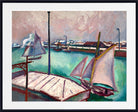
Sailboats (1906) by Raoul Dufy
Couldn't load pickup availability
BUY WITH CONFIDENCE
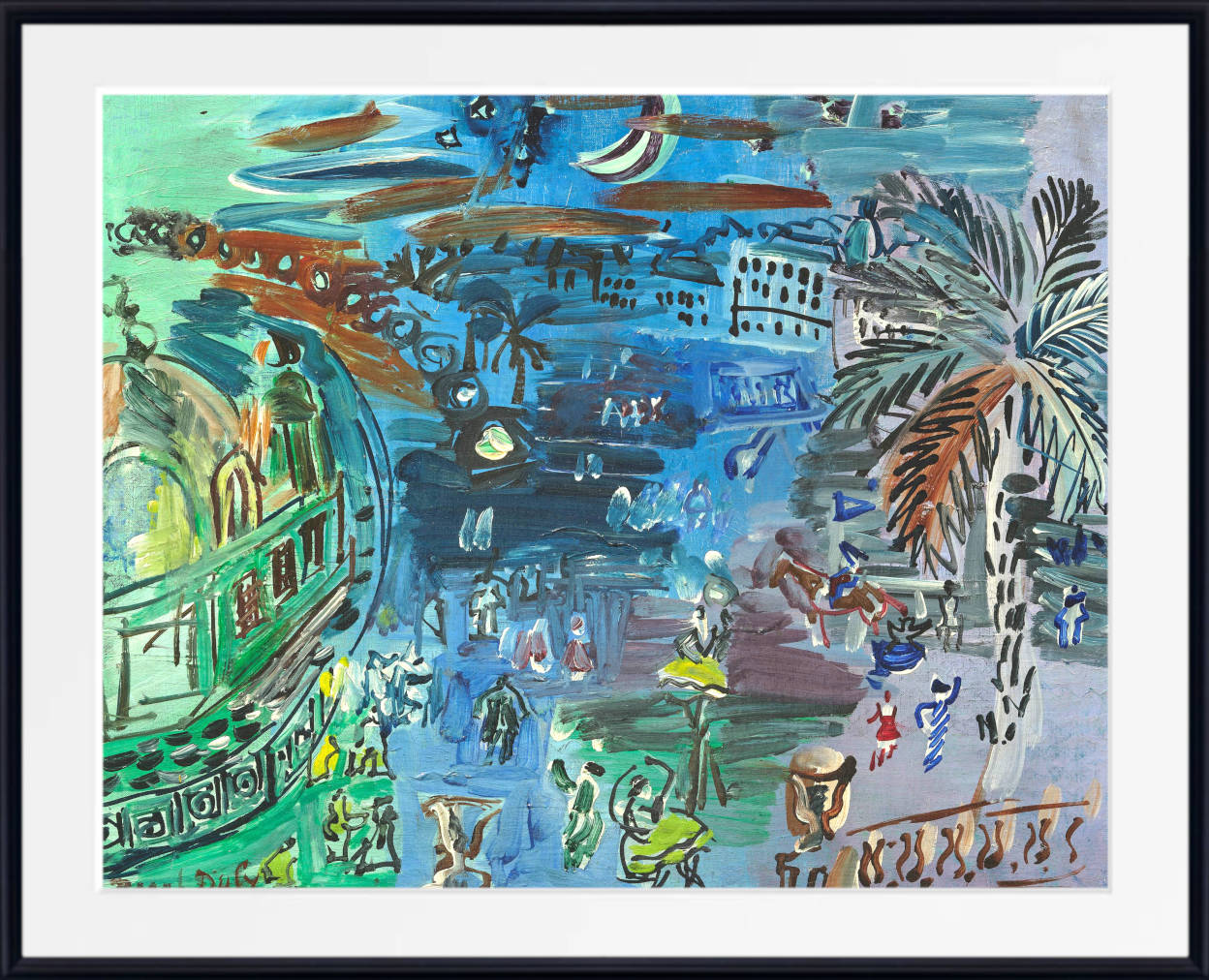
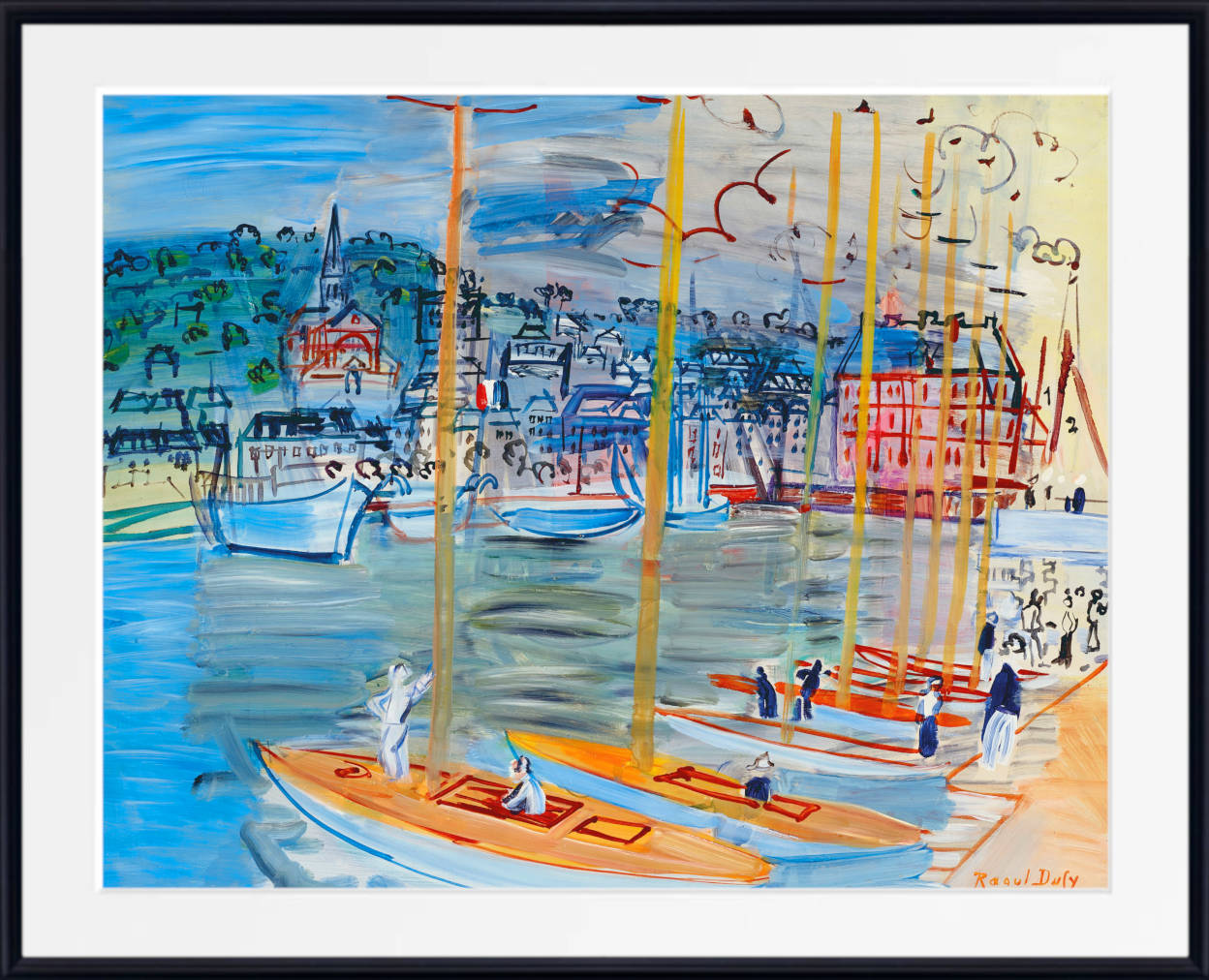
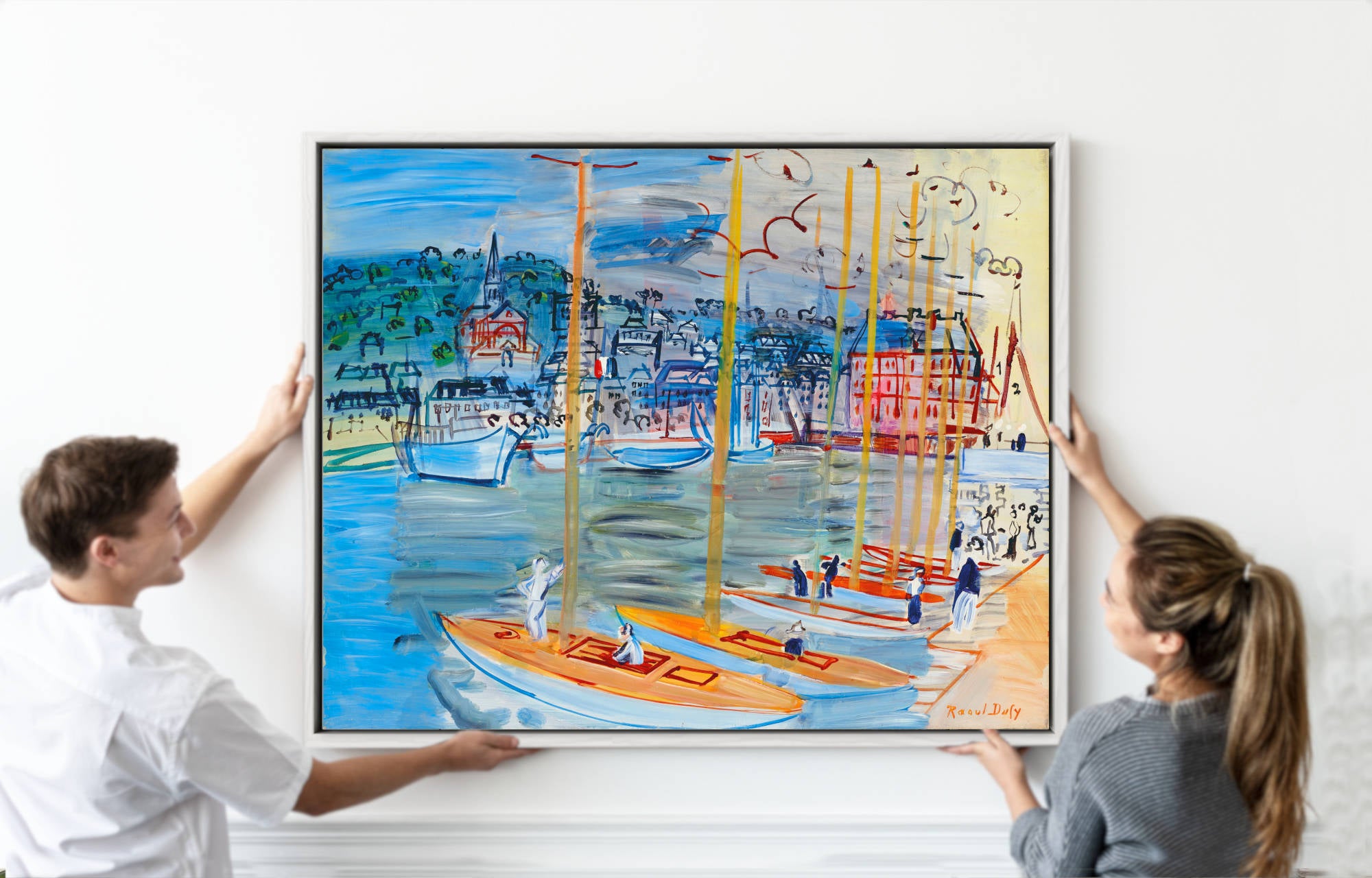
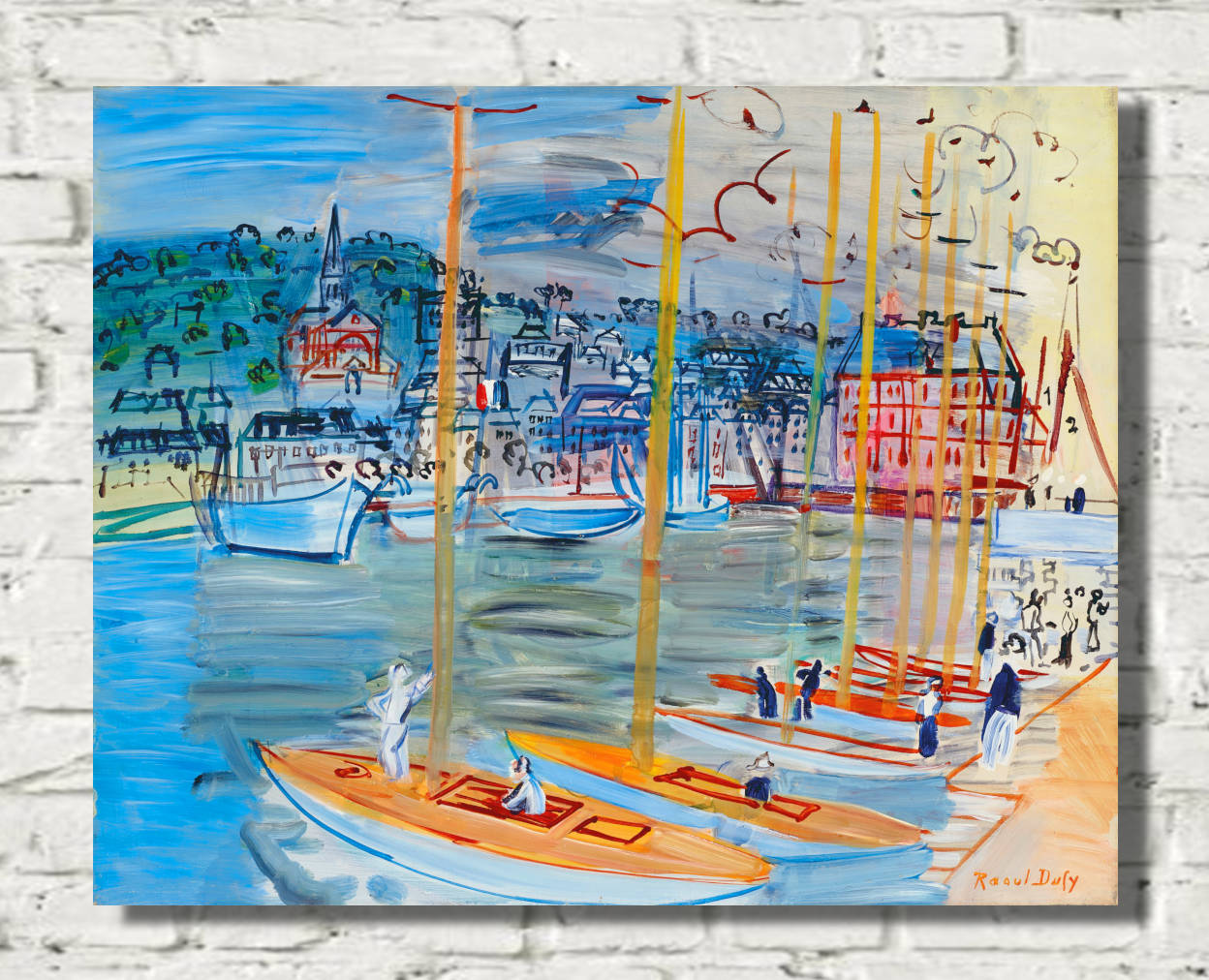
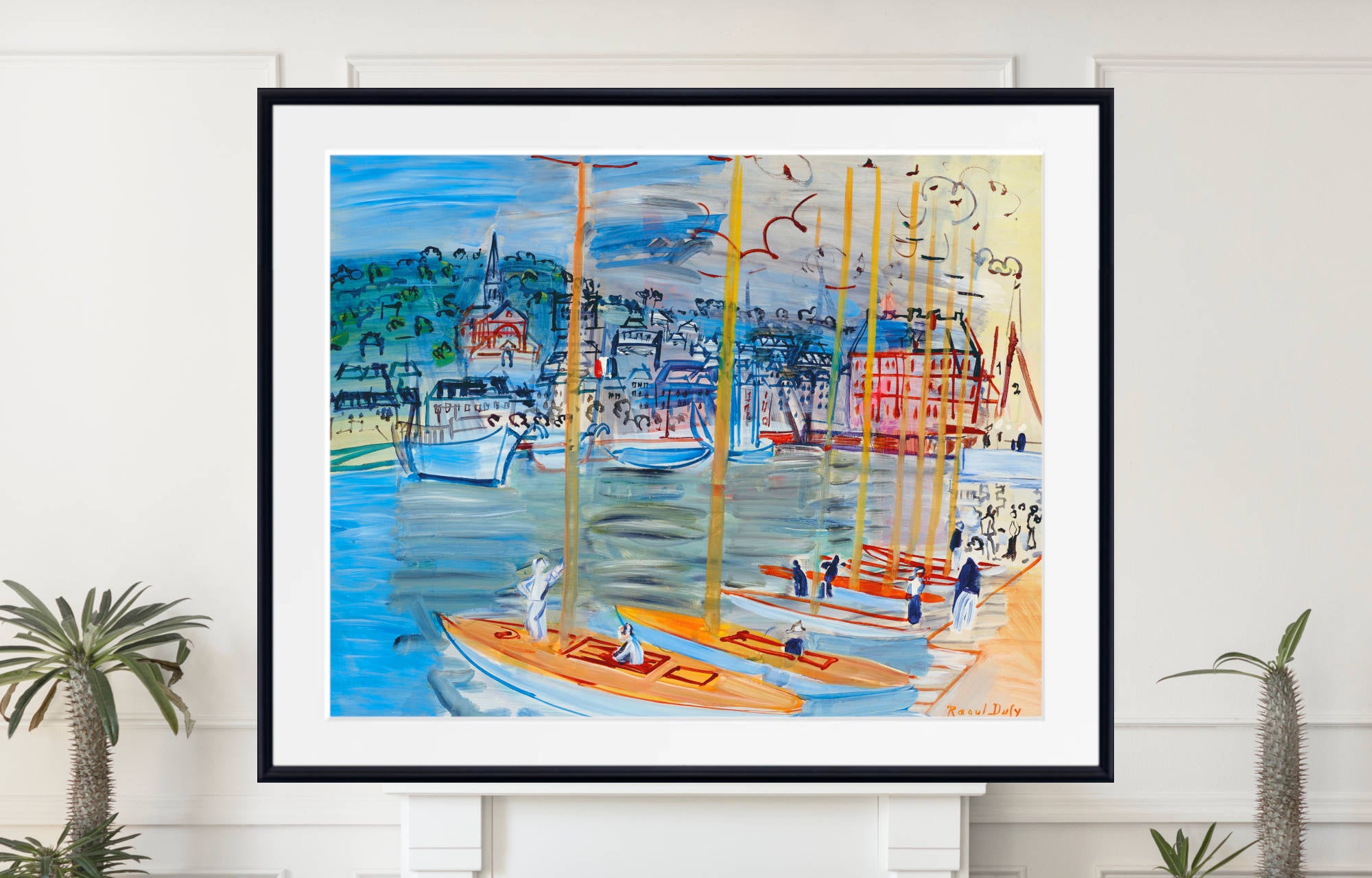
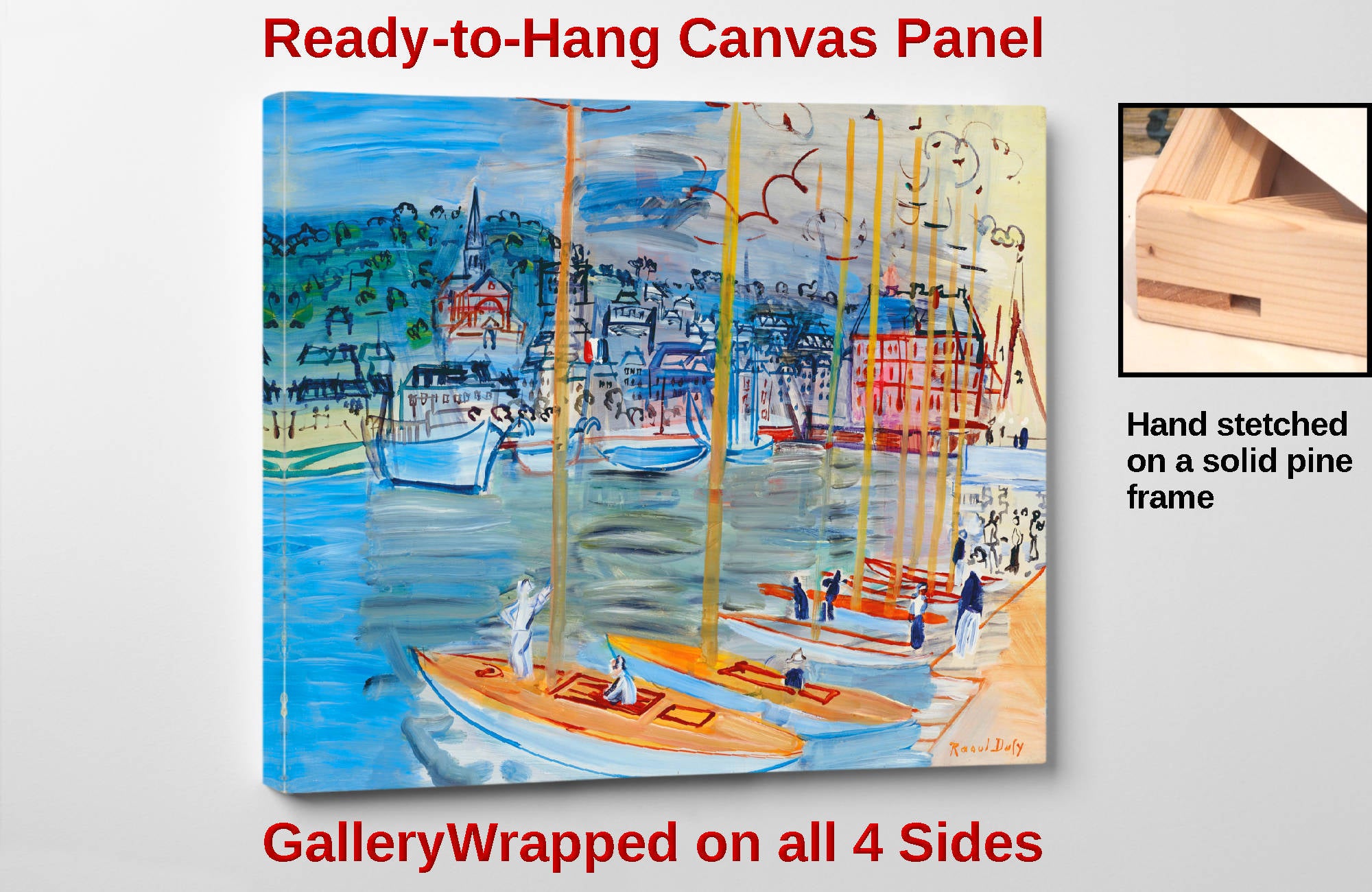
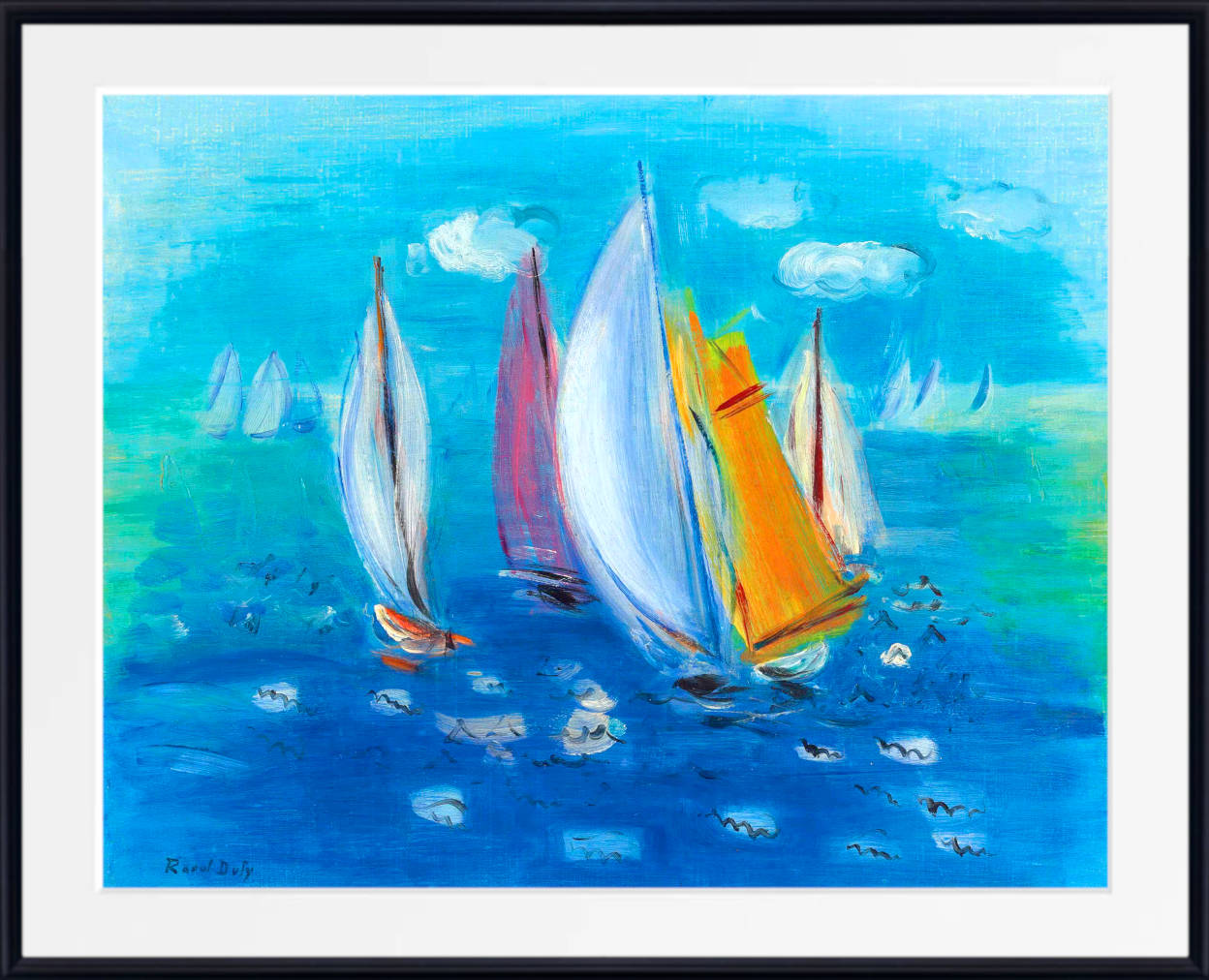
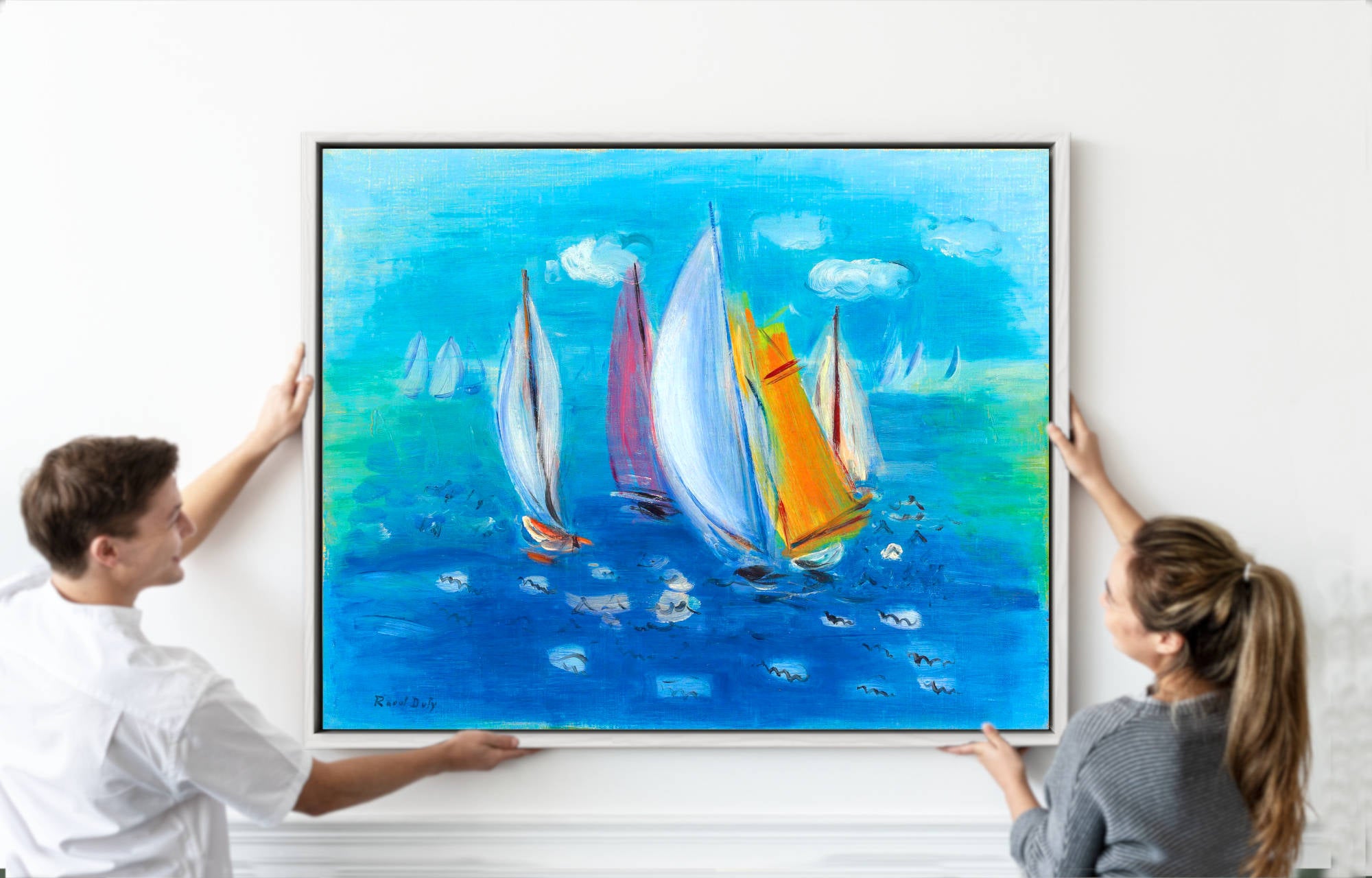
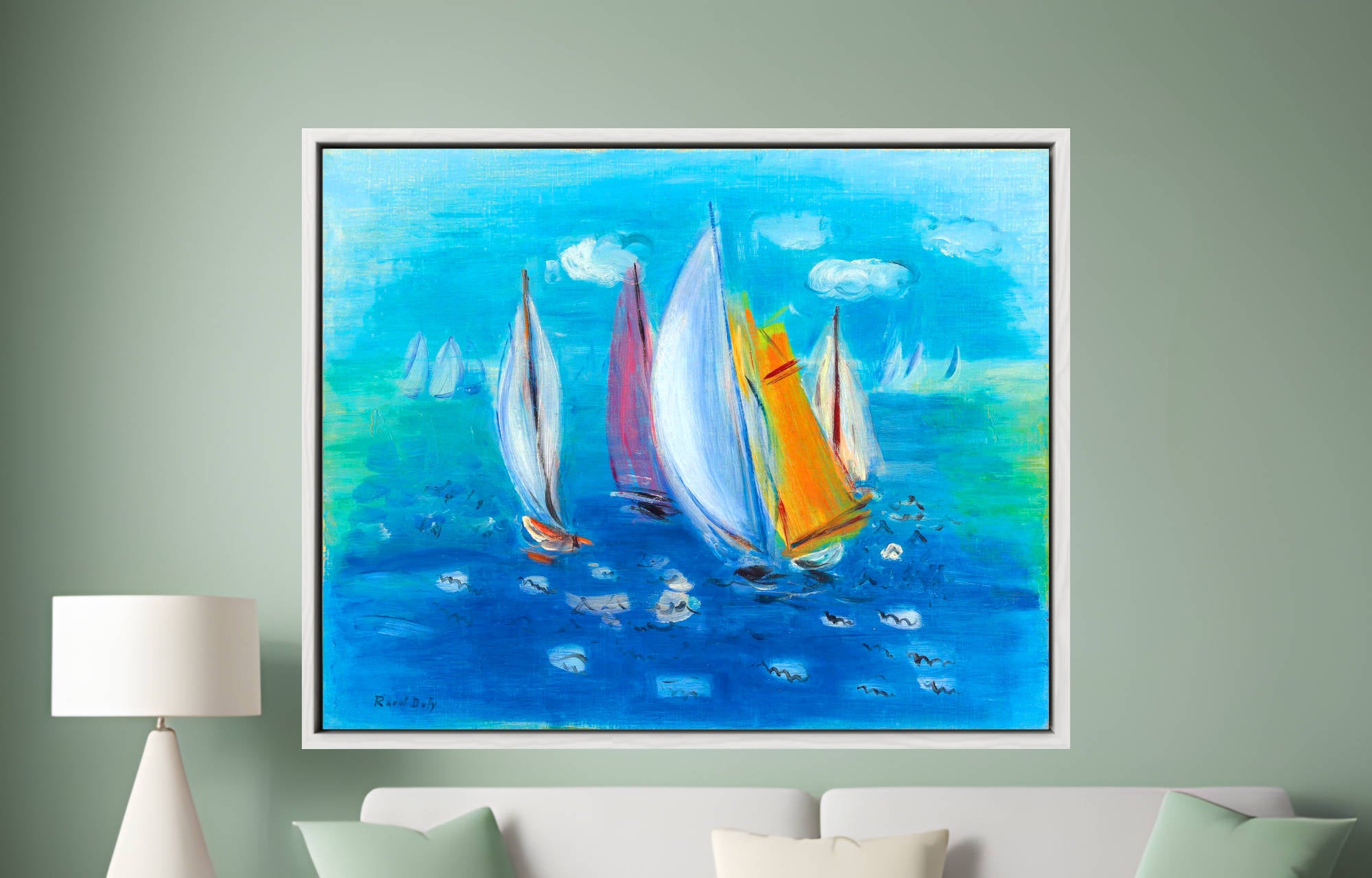
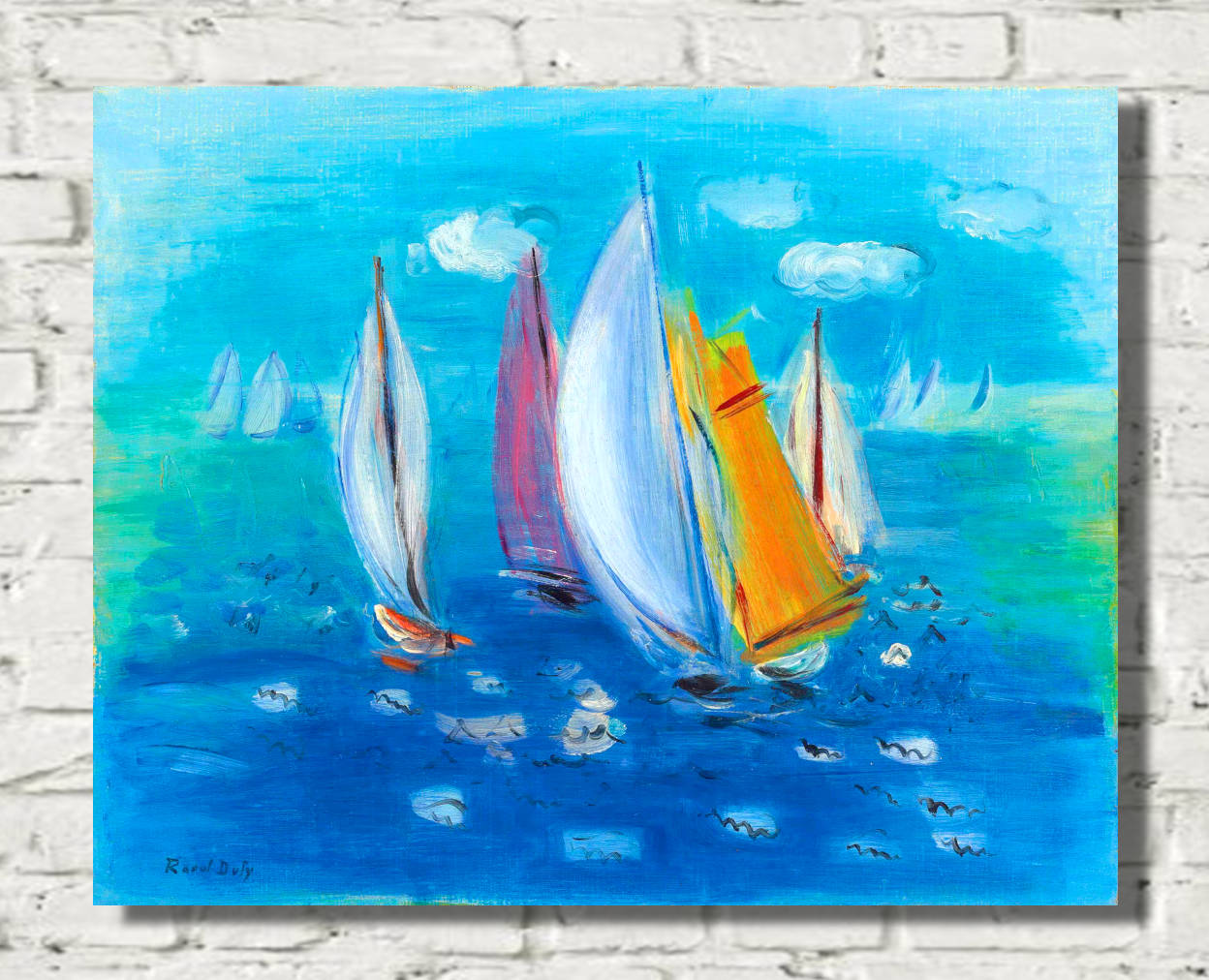
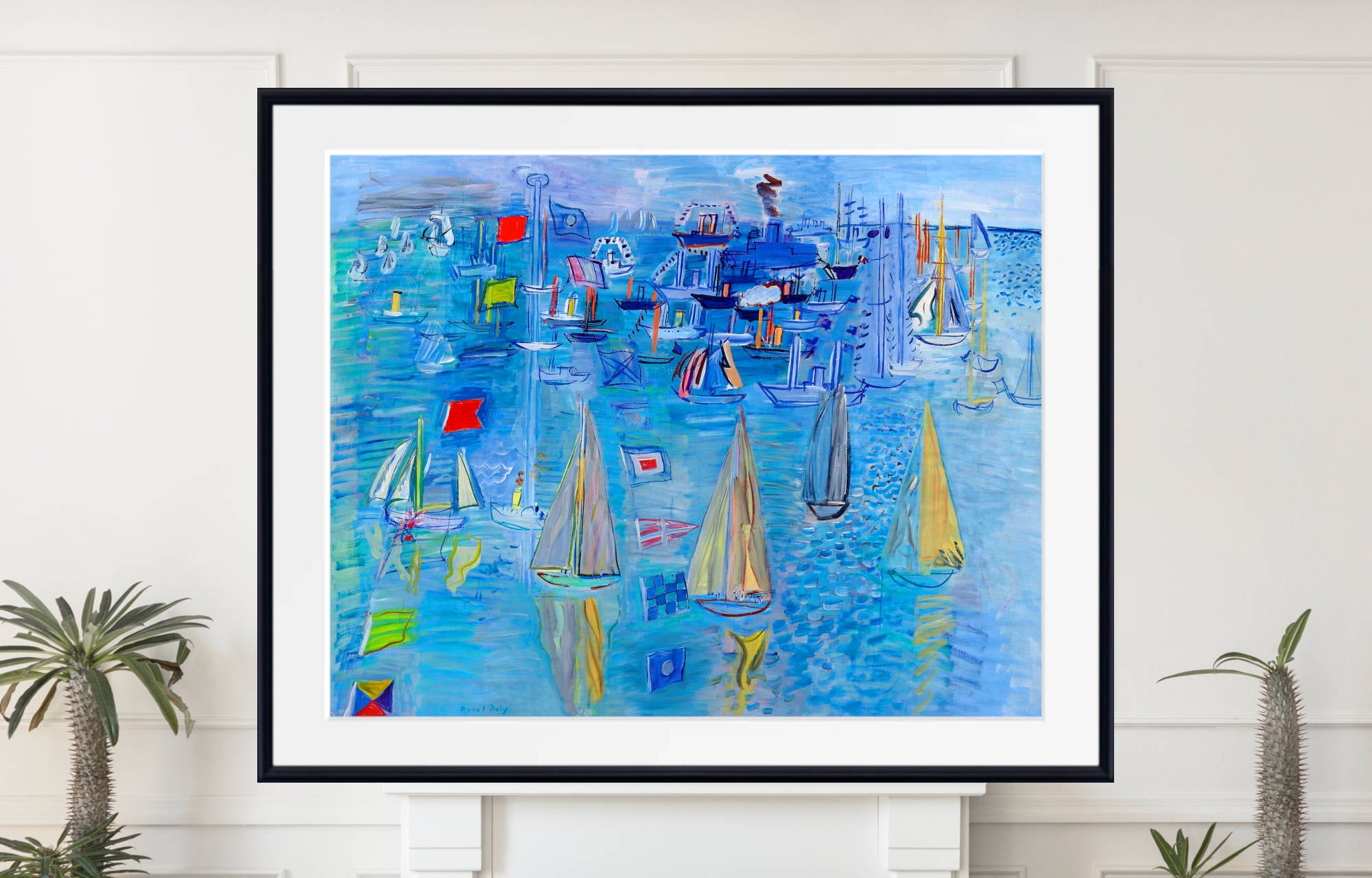
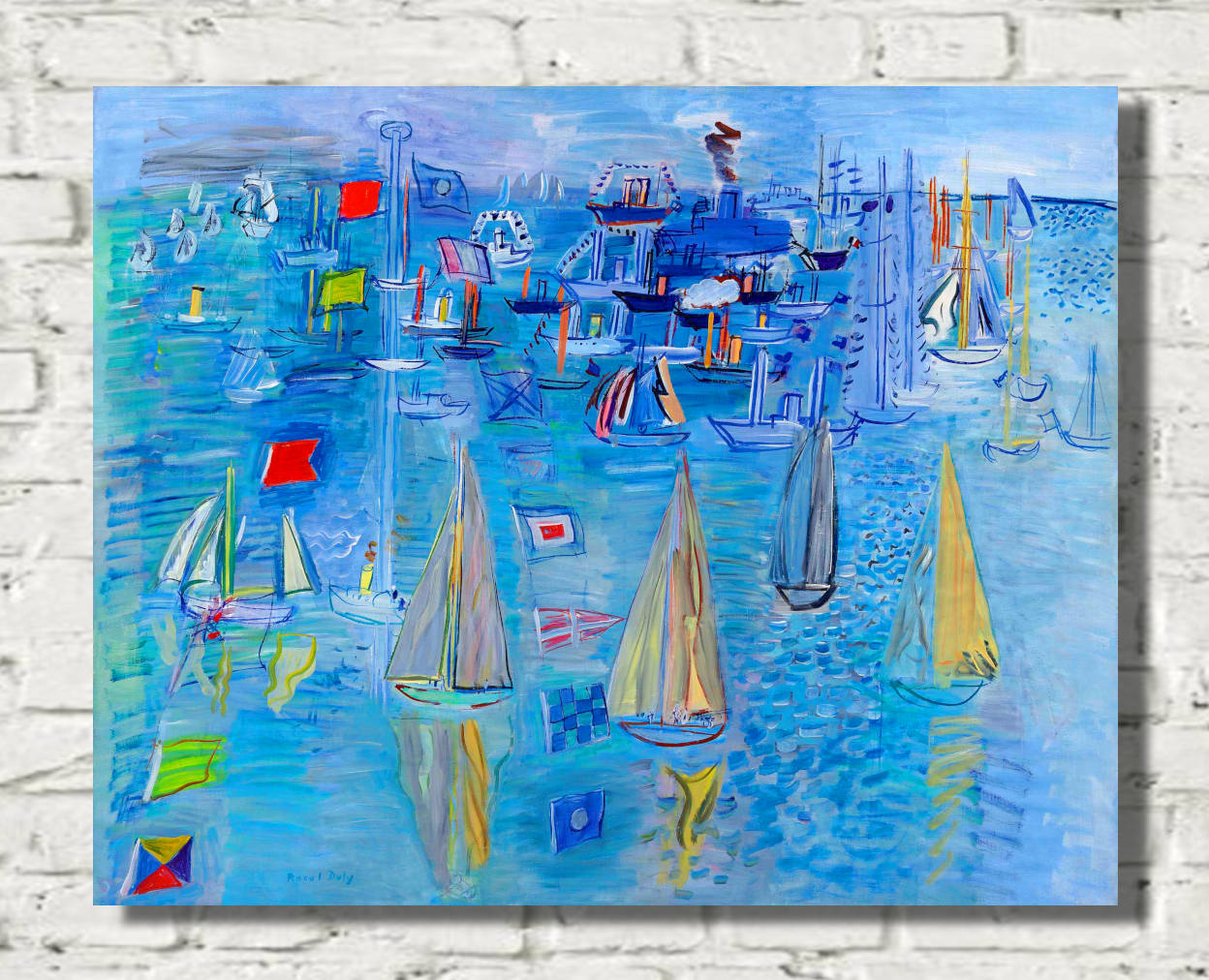
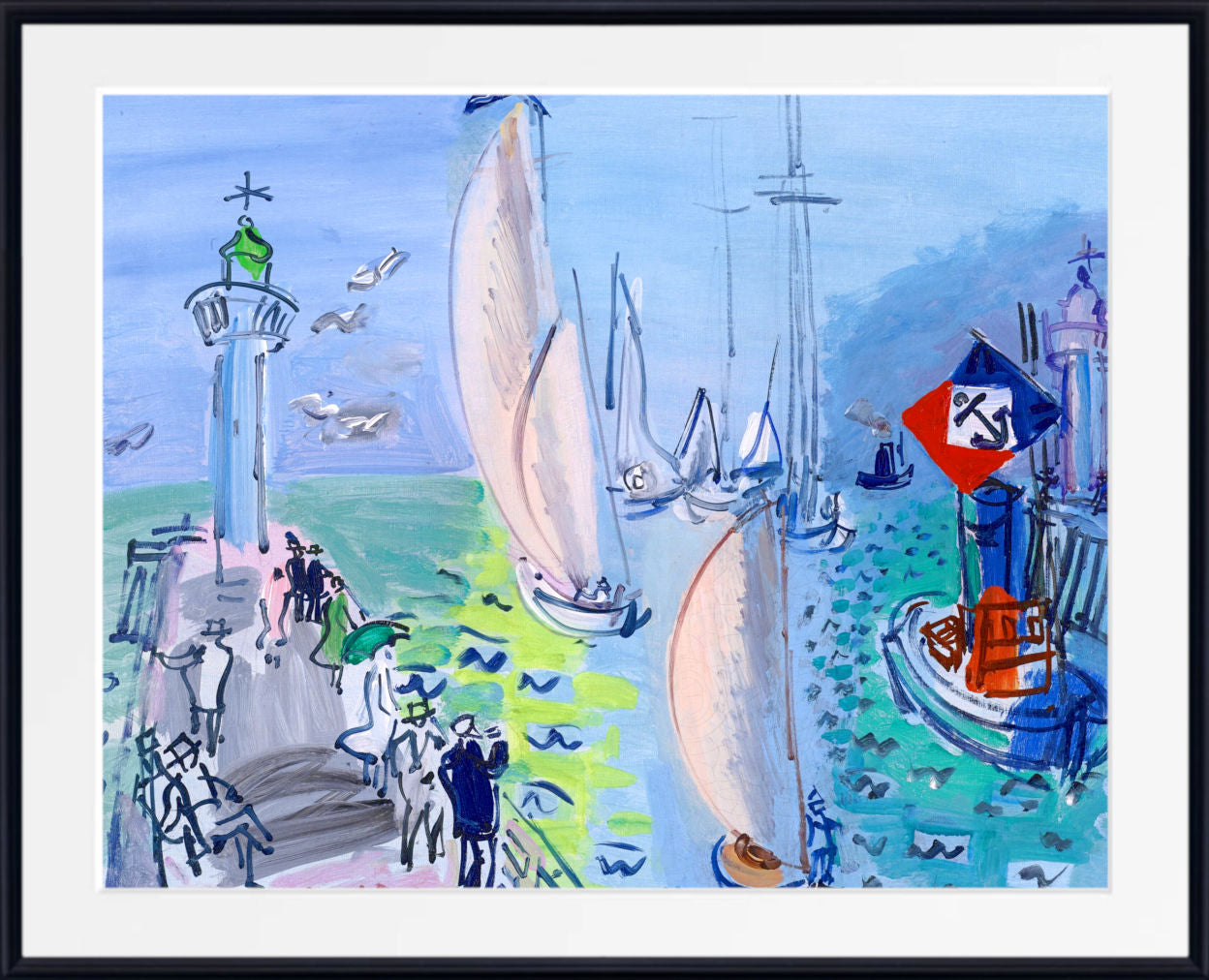
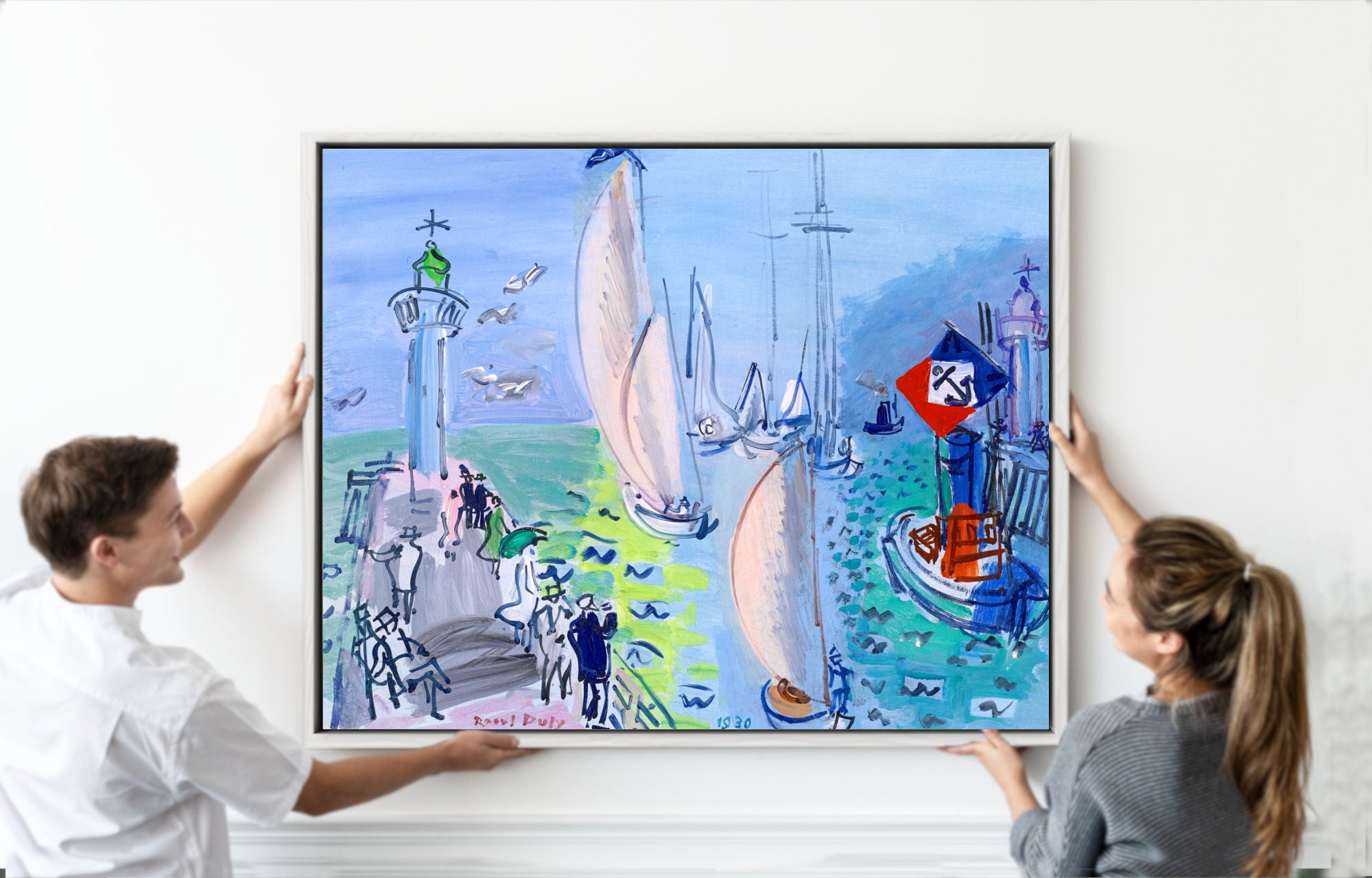
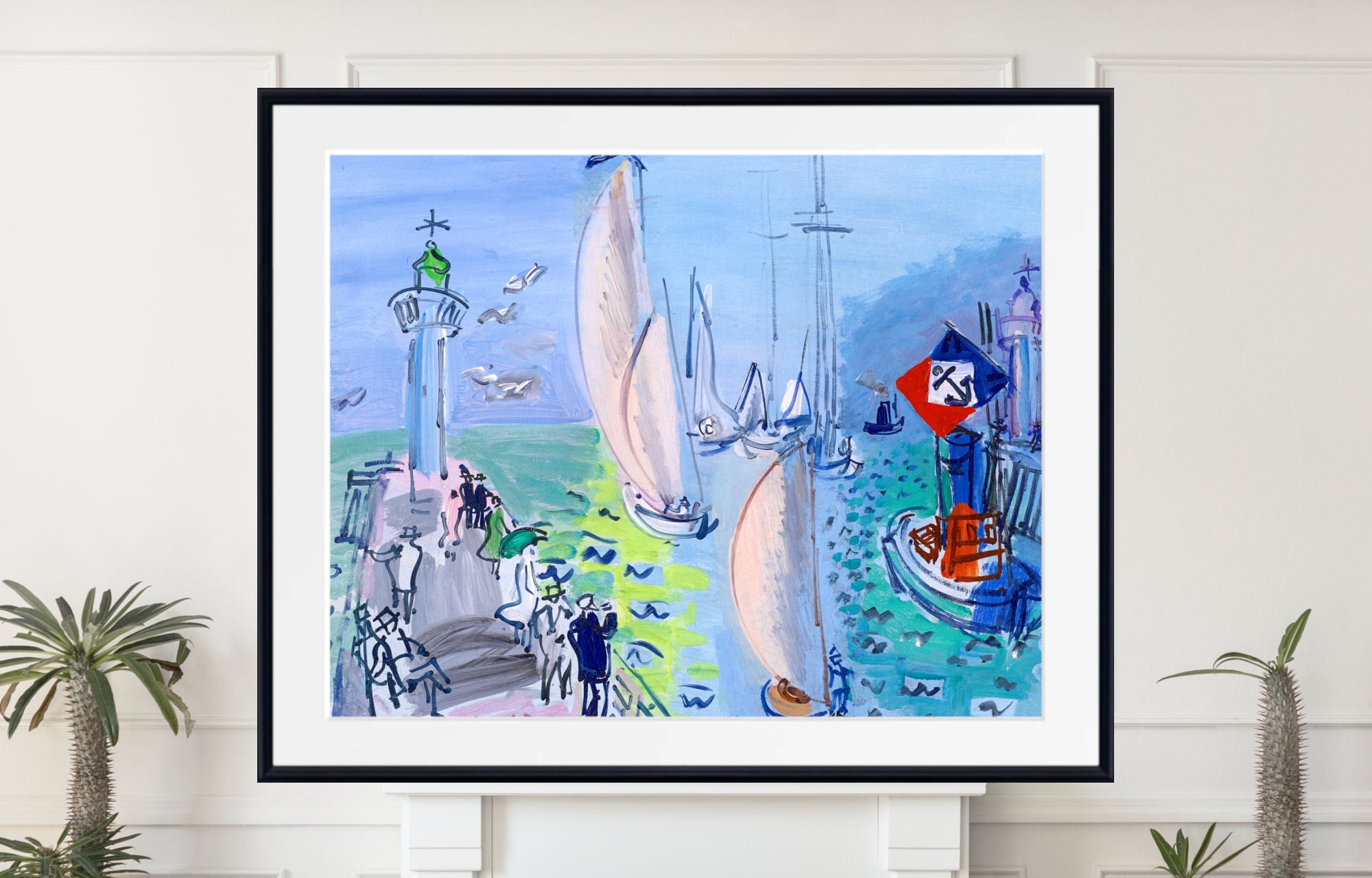
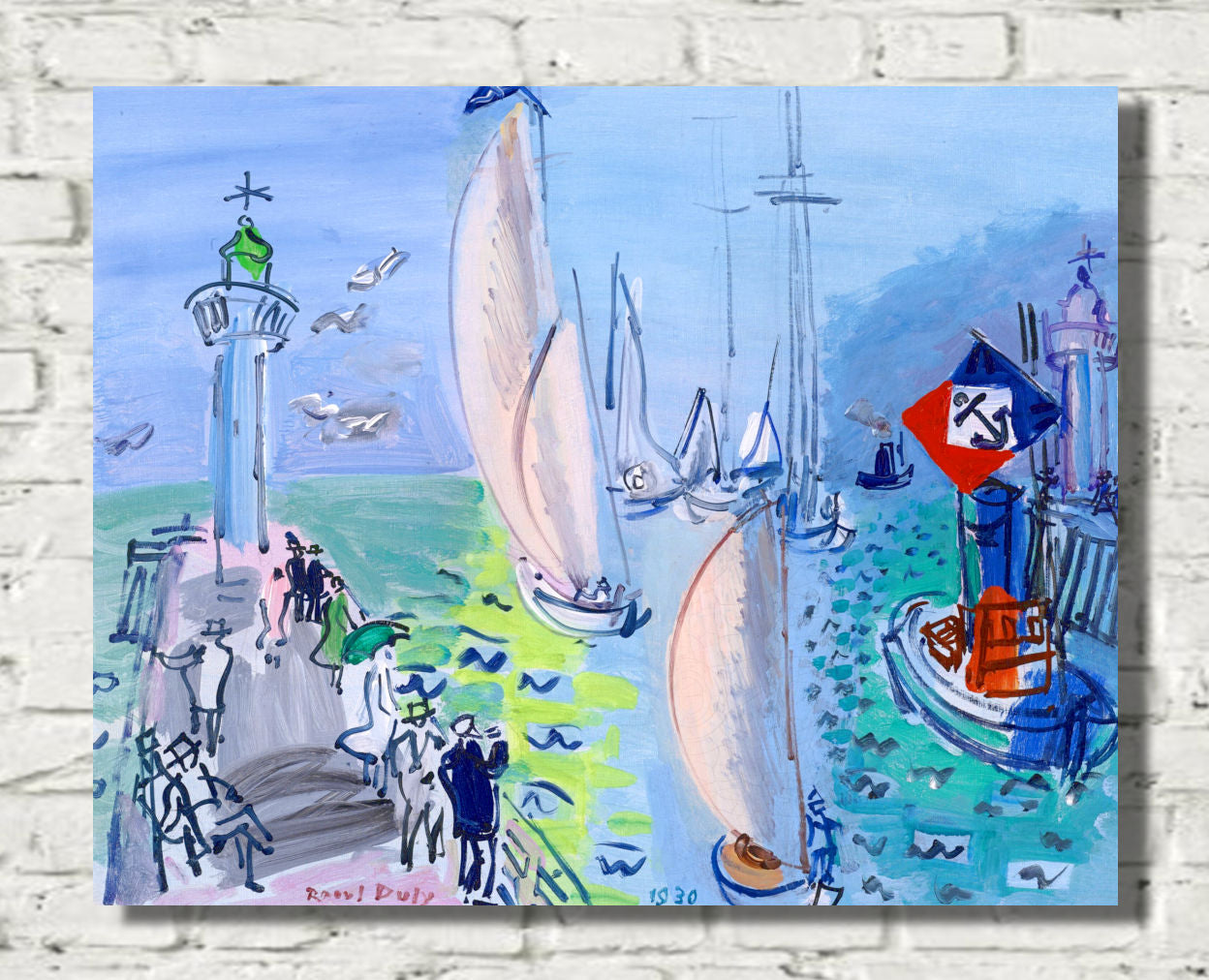
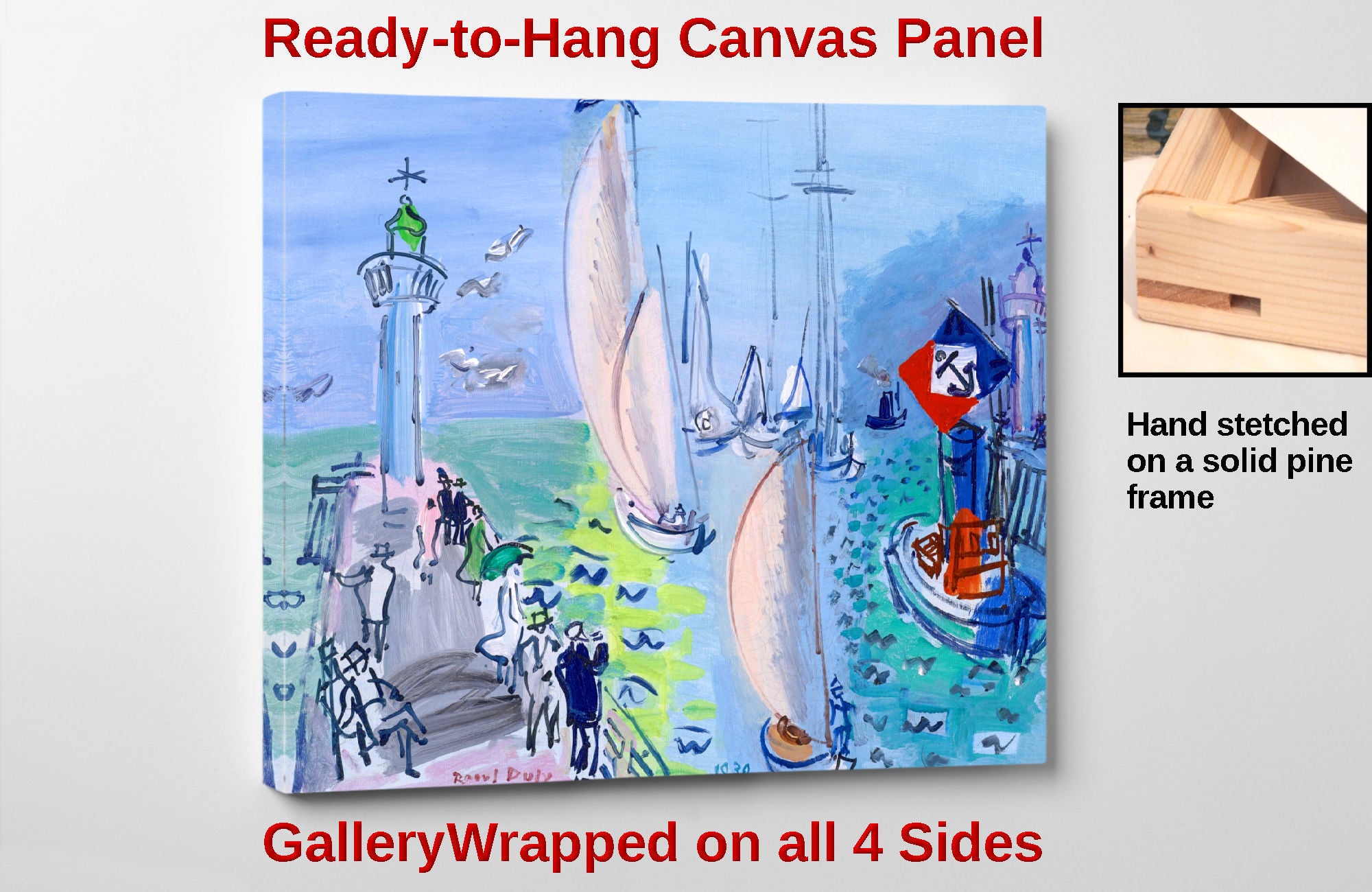
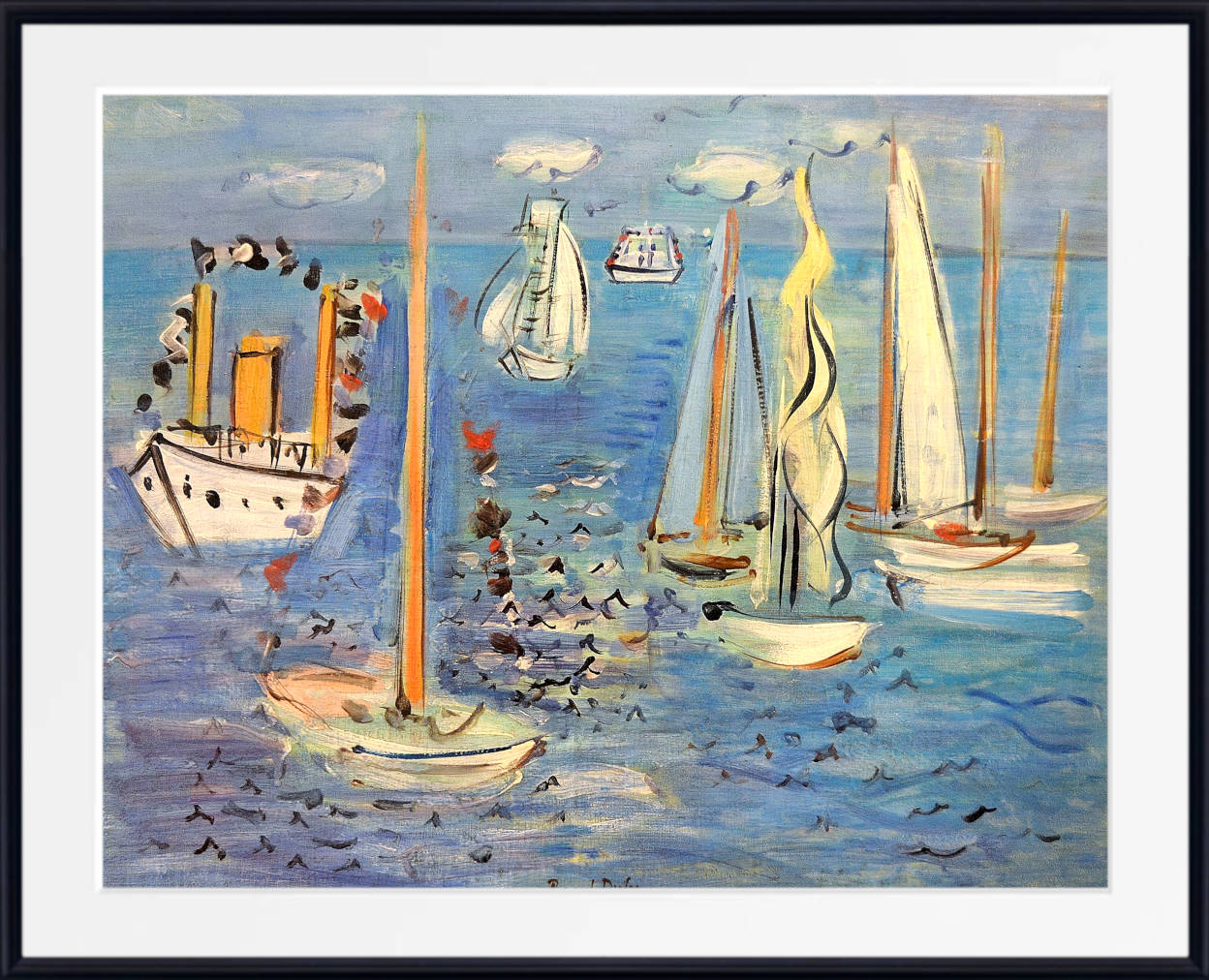
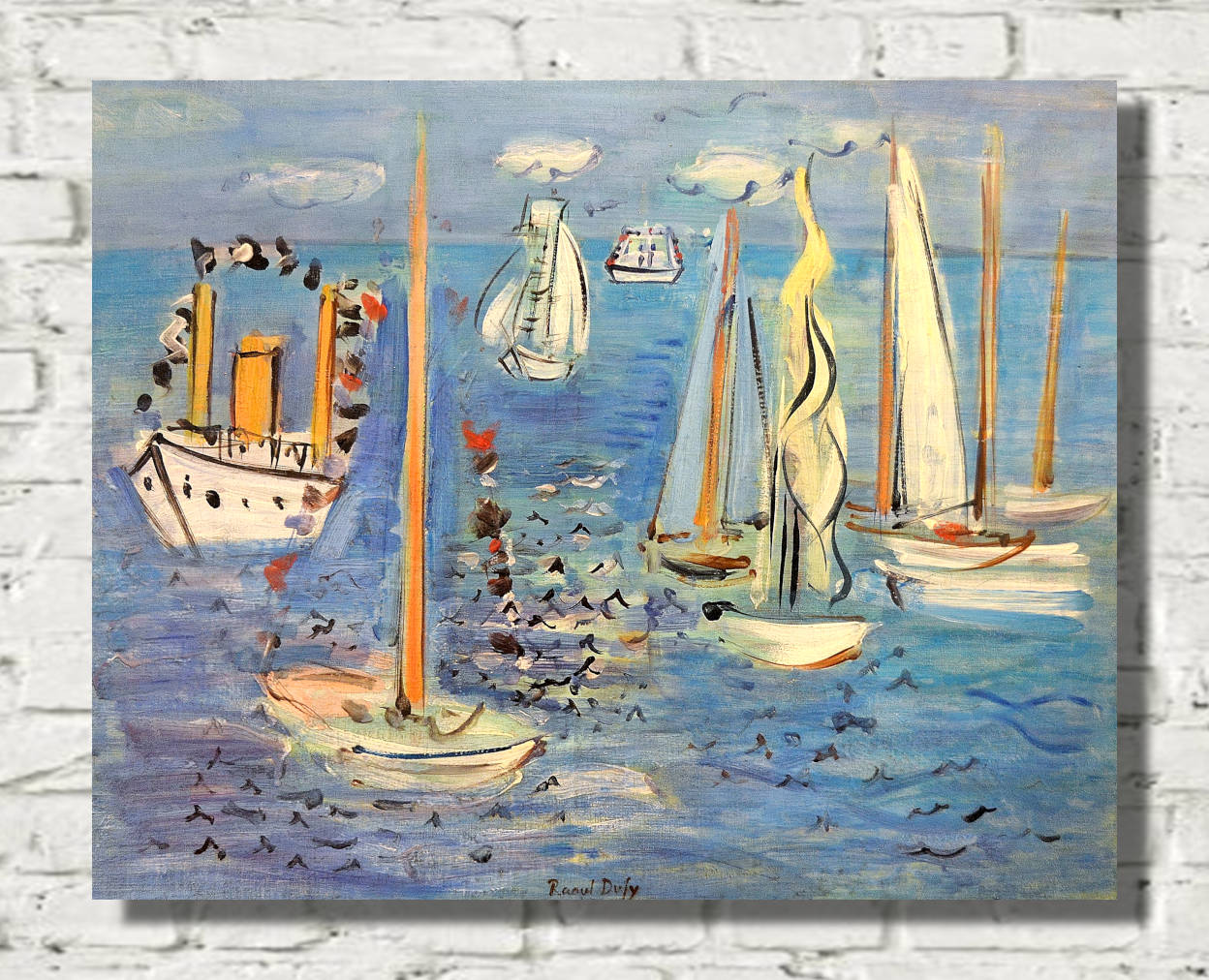
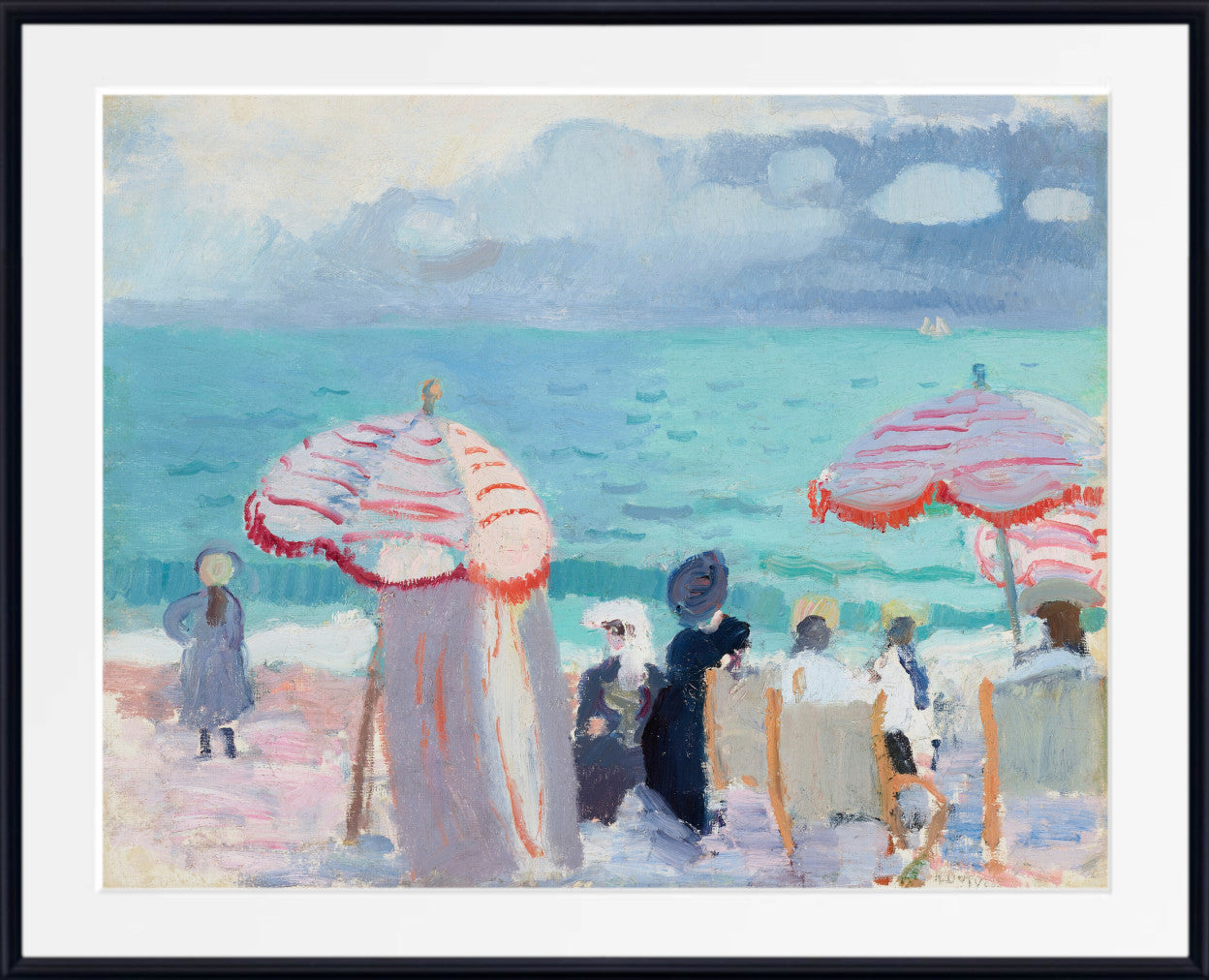
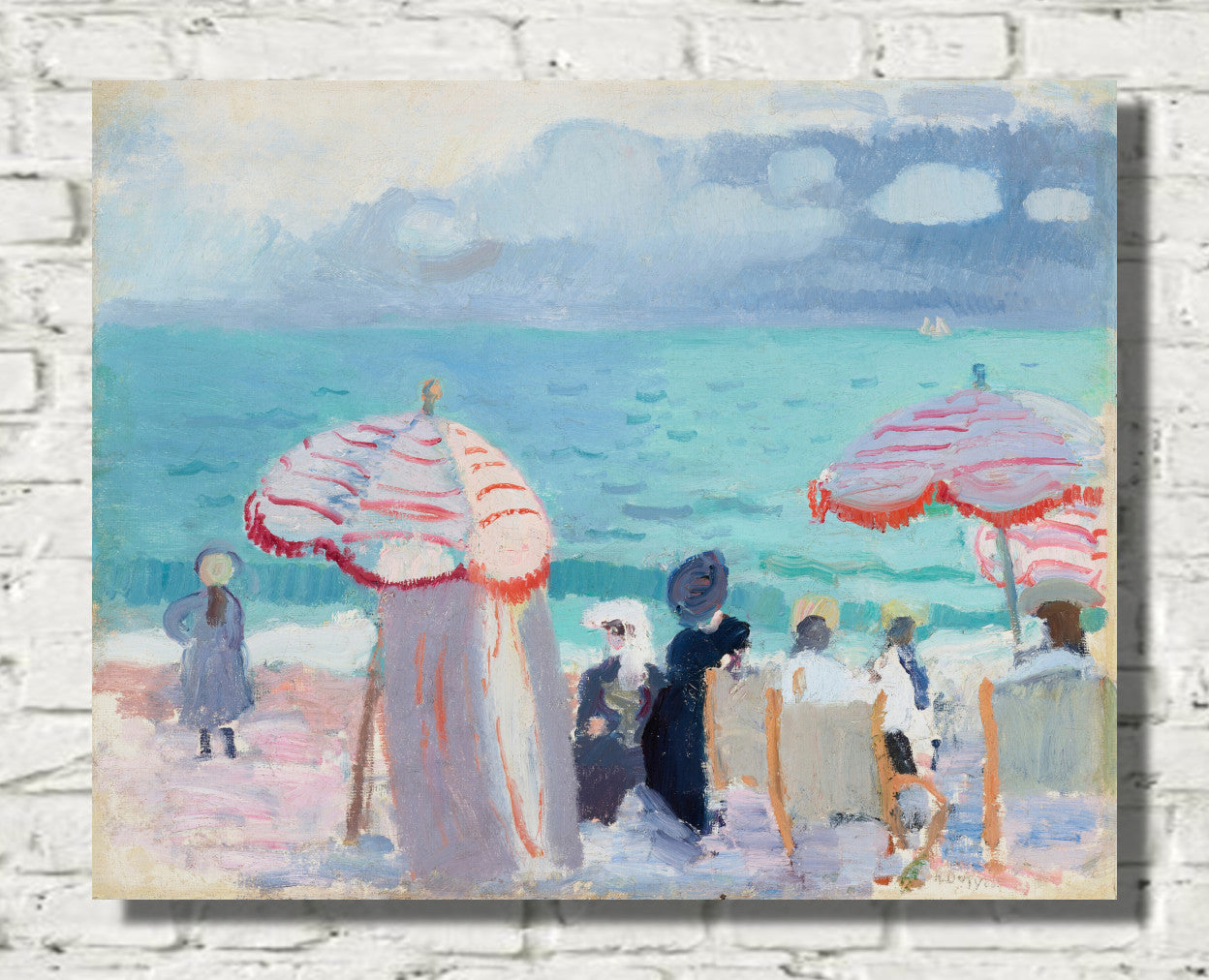
Sailboats (1906) by Raoul Dufy captures the maritime world of the artist's native Le Havre during one of the most important periods of his early career. Sailing boats crowd the harbour, their hulls, masts and sails transformed through the brilliant colour and simplified forms of Fauvism. Rather than recording the port with conventional naturalism, Dufy turns the boats into a rhythmic arrangement of colour, line and shape.
This Raoul Dufy Sailboats print represents the artist at the height of his early experiments with modern colour. Painted in 1906, the work belongs to the remarkable group of Normandy harbour paintings through which Dufy moved decisively away from Impressionism and towards Fauvism. Available as a fine art print, framed print or canvas panel, Sailboats is an excellent choice for admirers of Dufy, colourful maritime art and early twentieth-century French modernism.
Sailboats – A Fauvist Harbour Scene
Dufy grew up surrounded by the sea. Born in Le Havre in 1877, he knew the port, its fishing boats, yachts, commercial shipping and nearby beaches intimately.
These maritime surroundings became recurring subjects from the beginning of his career. Boats were particularly attractive because they provided both recognisable subject matter and a ready-made vocabulary of visual forms.
Curved hulls contrast with triangular sails. Tall masts create repeated verticals, while the horizontal surface of the water holds the entire composition together.
In Sailboats, Dufy increasingly treats these elements as components of pictorial design rather than objects requiring precise description.
The boats remain unmistakably boats, but their value within the painting comes equally from the shapes, colours and rhythms they establish across the canvas.
Le Havre and the Normandy Coast
Le Havre occupied a unique position in Dufy's artistic imagination.
The city was one of France's busiest ports and had already played a significant role in the history of modern painting. Claude Monet spent part of his youth there, while Eugène Boudin became closely associated with the Normandy coast and its changing maritime light.
Dufy's earliest landscapes naturally developed within this artistic environment.
By 1906, however, he was beginning to reinterpret the familiar port through a completely different visual language.
The harbour was no longer simply a place in which to observe changing weather and reflections. Boats, masts, water and quays became opportunities for experiments with increasingly intense colour and simplified form.
MuMa Le Havre records that during July 1906 Dufy and Albert Marquet explored several viewpoints around the historic harbour basins, including the Bassin du Roy and Bassin du Commerce, where fishing boats, pilot vessels and yachts were moored.
This intensive engagement with the port helps explain why boats and harbour scenes occupy such an important place in Dufy's Fauvist work.
From Impressionism to Fauvism
The transformation in Dufy's style had begun only shortly before Sailboats was painted.
His earliest works were strongly influenced by Impressionism. He was interested in outdoor painting, changing atmosphere and the coastal subjects that had fascinated Monet and Boudin.
A decisive moment came in 1905 when Dufy encountered Henri Matisse's Luxe, calme et volupté at the Salon des Indépendants in Paris.
The painting demonstrated that colour could be used with far greater freedom than Dufy had previously imagined.
Instead of attempting to reproduce exactly the colours observed in nature, an artist could intensify or alter them according to the needs of the composition.
Dufy rapidly embraced this idea.
During 1906 and 1907, his Normandy landscapes became increasingly vivid and simplified. Harbours, beaches, flags and sailing boats were transformed into arrangements of pure colour.
Sailboats belongs directly to this period of rapid artistic change.
Colour in Sailboats
The defining feature of Dufy's Fauvist paintings is the increasing independence of colour.
In a conventional harbour painting, colour might be used primarily to describe the actual appearance of wooden boats, sails, sea and sky.
Dufy was interested in something more ambitious.
Colours could create contrasts across the canvas, separate one boat from another, suggest the brightness of the coast and generate visual excitement without depending on precise naturalistic observation.
The harbour therefore becomes an interconnected field of colour.
Warm and cool passages respond to one another, while the light sails provide visual interruptions among stronger surrounding tones.
This approach allows the painting to communicate the sensation of a bright, active harbour without requiring every object to be modelled through conventional light and shade.
Boats, Sails and Pictorial Rhythm
The maritime subject gave Dufy an ideal structure for experimenting with rhythm.
Masts repeatedly rise through the composition as strong vertical lines. Against them, sails introduce broad triangular or curved shapes, while the hulls create heavier horizontal forms closer to the water.
These elements produce an almost musical repetition.
A mast is simultaneously part of a boat and a line within the painting. A sail can represent canvas filled by wind while also functioning as a flat coloured shape.
Dufy's ability to see ordinary objects in this dual way became increasingly important throughout his career.
His later regattas would push the idea much further, transforming rows of yachts and masts into sweeping calligraphic patterns.
Sailboats shows these ideas emerging during the Fauvist years.
The Harbour as a Modern Subject
Le Havre was not a picturesque historic port preserved from modern life. It was a working harbour undergoing rapid technological and commercial change.
Steamships operated alongside smaller sailing vessels and fishing boats, while quays, warehouses and harbour basins formed part of a busy industrial landscape.
This mixture fascinated modern artists.
Dufy could observe traditional sailing craft within an environment shaped by commerce, travel and modern engineering.
His paintings therefore belong to the same broader modern interest that led artists to depict railway stations, city streets, racecourses and fashionable resorts.
In Sailboats, however, industrial detail is subordinated to the boats themselves.
The result is a maritime painting that feels modern not because it celebrates machinery but because of the radical visual language through which the scene is represented.
Dufy and Albert Marquet in 1906
During the summer of 1906, Dufy worked closely with Albert Marquet, another painter associated with the Fauvist movement.
The two artists explored Le Havre and other locations along the Normandy coast, including Trouville and Honfleur.
Historical research by MuMa Le Havre has identified several viewpoints from which Dufy and Marquet painted around the historic harbour basins.
The Bassin du Commerce was particularly associated with yachts, while the Bassin du Roy contained fishing and pilot boats.
Working together gave Dufy and Marquet opportunities to respond to identical locations while developing different approaches to colour and composition.
Marquet generally retained a more restrained palette and clear spatial organisation. Dufy increasingly pushed towards brighter colour and stronger decorative rhythm.
Their collaboration formed an important part of the northern French strand of Fauvism.
The Le Havre Fauves
Several artists with close connections to Le Havre became involved with Fauvism.
Dufy's friend Othon Friesz adopted the movement's strong colours during approximately the same years.
Georges Braque, who was also closely associated with Le Havre, passed through an important Fauvist period before his subsequent development of Cubism with Pablo Picasso.
Together, these artists demonstrate that Fauvism was not solely a Mediterranean phenomenon.
Matisse and Derain's breakthrough experiments at Collioure in 1905 are central to the movement's history, but the Channel coast offered an entirely different environment in which the same liberation of colour could be explored.
Le Havre's sailing boats, beaches, harbour basins and public celebrations became Dufy's contribution to this wider Fauvist experiment.
Raoul Dufy's Fauvist Painting Style
Sailboats displays many of the characteristics associated with Dufy's Fauvist period:
- strong, increasingly independent colour
- simplified boats and sails
- visible and direct brushwork
- limited conventional tonal modelling
- strong vertical rhythms created by masts
- flattened areas of colour
- an emphasis on the decorative organisation of the composition
- colour used to create light rather than simply describe it
Dufy's engagement with Fauvism was relatively brief, but its importance cannot be overstated.
The movement freed him from the requirement to reproduce natural colour faithfully and allowed him to discover the relationship between luminous colour and expressive drawing that eventually became fundamental to his mature style.
From Fauvist Sailboats to Dufy's Later Regattas
Sailing subjects remained important to Dufy long after the Fauvist period ended.
During the 1920s and 1930s he repeatedly returned to yachts, regattas and fashionable coastal resorts.
By then his style had changed considerably. Boats were frequently drawn with rapid, elegant outlines while colour flowed more freely across the composition.
Works such as his later Deauville and Cowes regatta paintings are among the images most closely associated with Dufy today.
Sailboats provides an important early chapter in that development.
The fascination with masts, hulls, sails and open water is already present, but the visual language still belongs to the intense experimental world of Fauvism.
For that reason, the painting offers a particularly revealing connection between Dufy's radical early work and the celebrated maritime paintings of his mature career.
About Raoul Dufy
Raoul Dufy (1877–1953) was a French painter, draughtsman, printmaker and designer and one of the most distinctive colourists of twentieth-century French art.
Born in Le Havre, he studied at the École Municipale des Beaux-Arts, where he became friends with Othon Friesz, before continuing his artistic education in Paris.
His earliest paintings reflected Impressionism and the Normandy landscape tradition. His discovery of Henri Matisse and Fauvism in 1905 dramatically transformed his approach to colour.
During 1906 and 1907 Dufy produced vivid paintings of harbours, beaches, boats and modern urban life before becoming increasingly interested in the stronger structural organisation associated with Paul Cézanne.
He subsequently developed the unmistakable mature style for which he is now best known: fluid, economical drawing combined with luminous areas of freely applied colour.
Regattas, horse racing, fashionable resorts, concerts, gardens and European cities became recurring themes.
Dufy also worked extensively in textile design, book illustration, ceramics, tapestries and monumental decoration, successfully crossing the boundaries between modern painting and the decorative arts.
The Original Sailboats
The 1906 work associated with GalleryThane's title Sailboats is catalogued as Les Barques and has also appeared in published and exhibition records under the titles Voiliers au Havre and Bateaux à voiles au Havre.
Dufy painted the work in 1906 in oil on canvas.
It measures approximately 59 × 72.5 cm and is signed Raoul Dufy at the lower right.
The painting is recorded as number 124 in Maurice Laffaille's catalogue raisonné of Raoul Dufy's painted work.
Its documented provenance includes the collection of Mr and Mrs John Whitney in New York. Wildenstein & Co. acquired it from the Whitney collection in 1971, and it entered a private collection in 1983.
The painting was exhibited by Wildenstein in London in 1975 under the title Bateaux à voiles au Havre.
The different historical titles reflect the relatively fluid naming of Dufy's early harbour paintings rather than different dates for the work.
A Raoul Dufy Sailboats Print for Your Interior
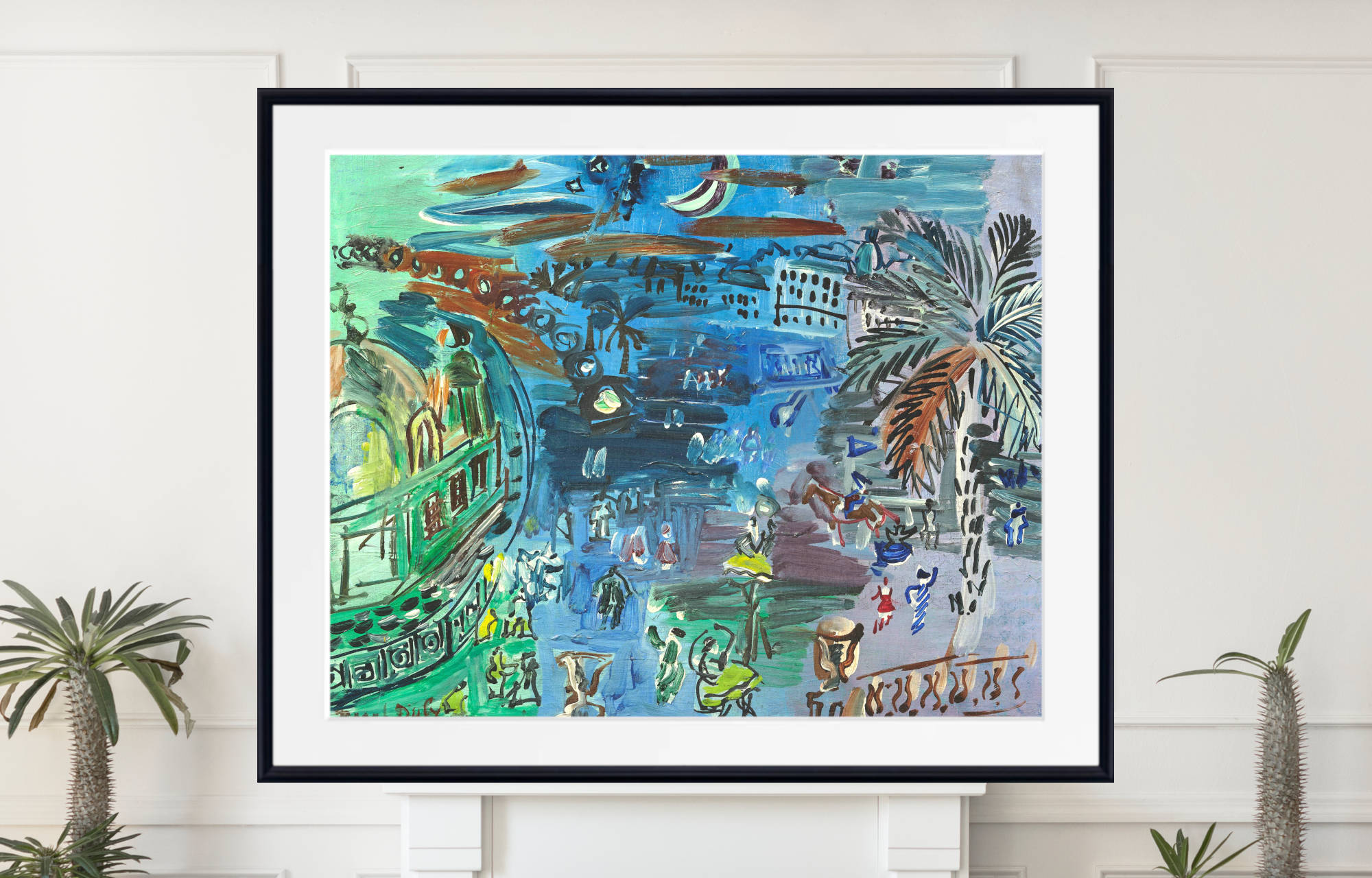
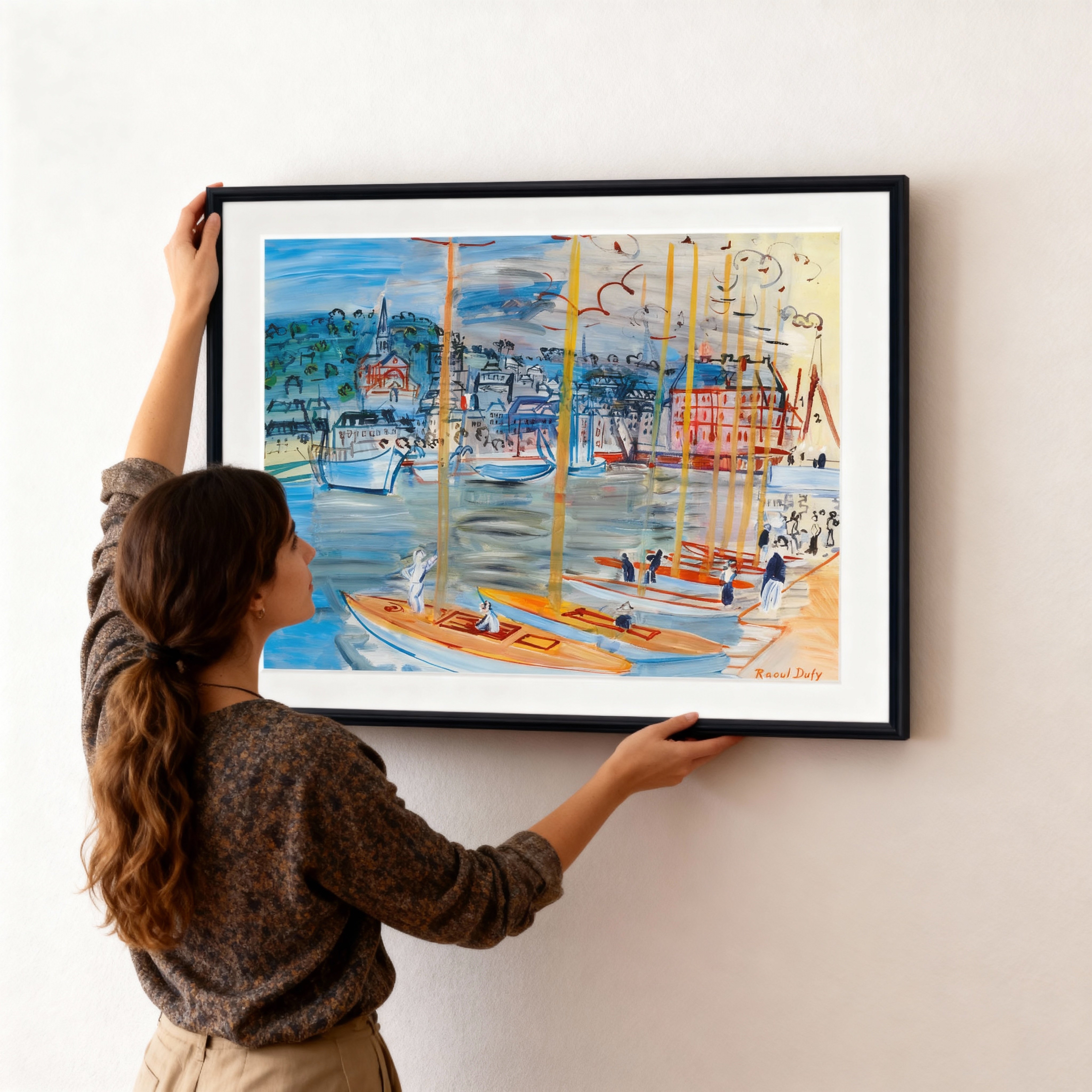
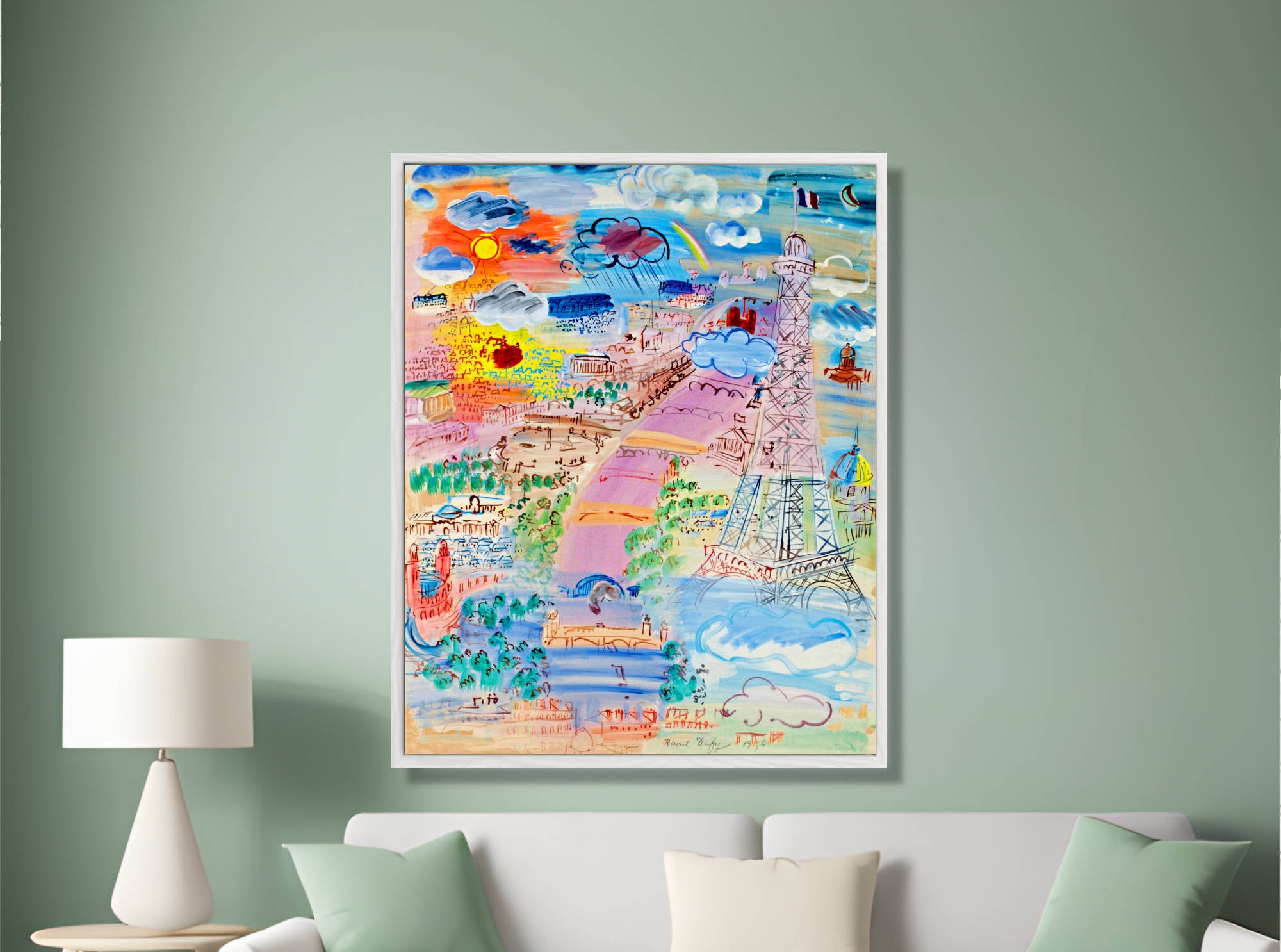
A Raoul Dufy Sailboats print combines the relaxed visual appeal of maritime art with the stronger colour and simplified design of Fauvism.
The boats provide an immediately recognisable subject, while the modern treatment prevents the painting from feeling like conventional nautical decoration.
The repeated masts and sails create a strong visual rhythm that works particularly effectively in a landscape-format print.
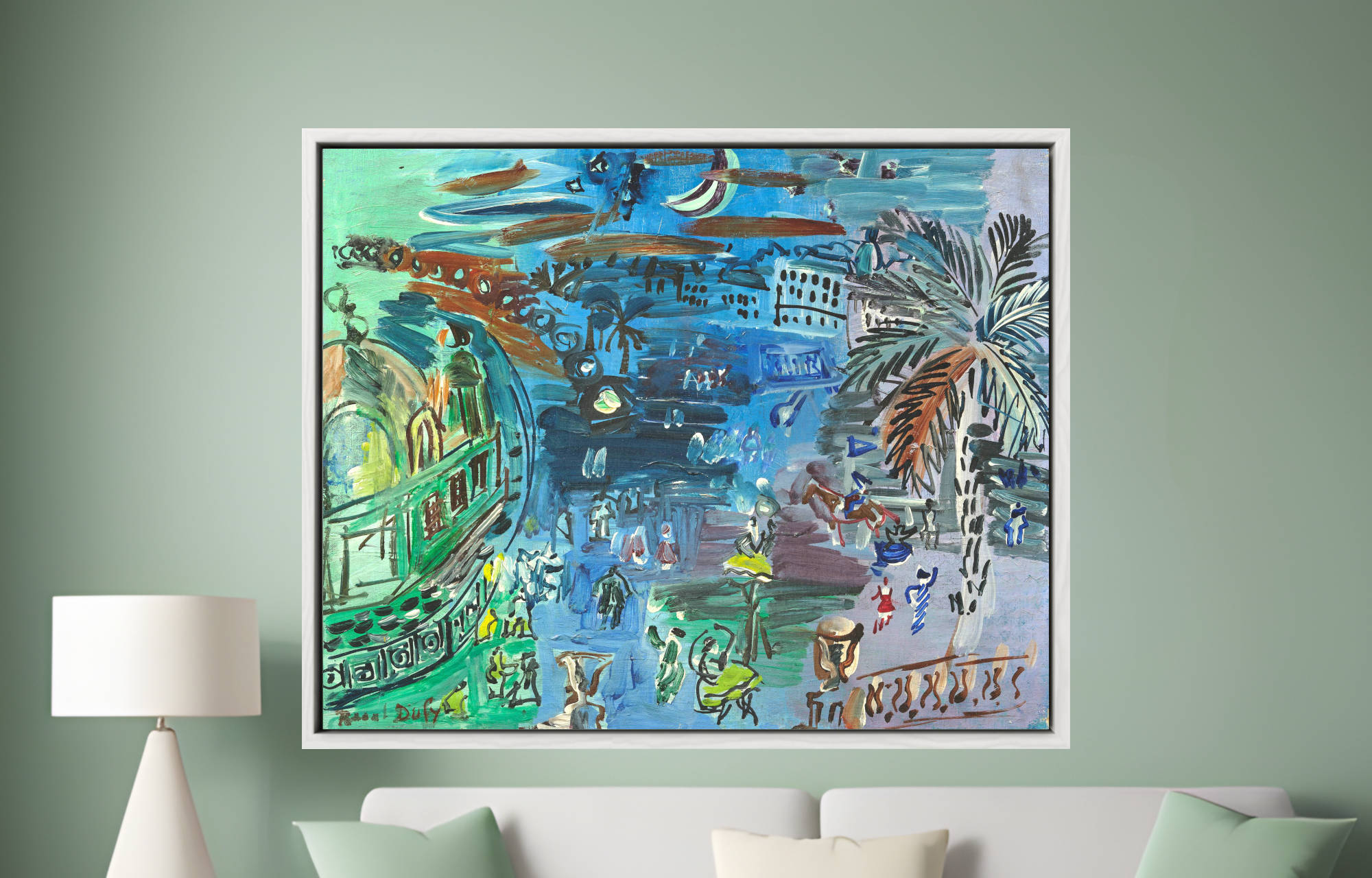
White, cream, putty and pale grey walls provide excellent backgrounds for Dufy's brighter palette, while natural timber and restrained furniture complement the painting's coastal character.
The artwork works particularly well in contemporary, Scandinavian-inspired, mid-century and eclectic interiors.
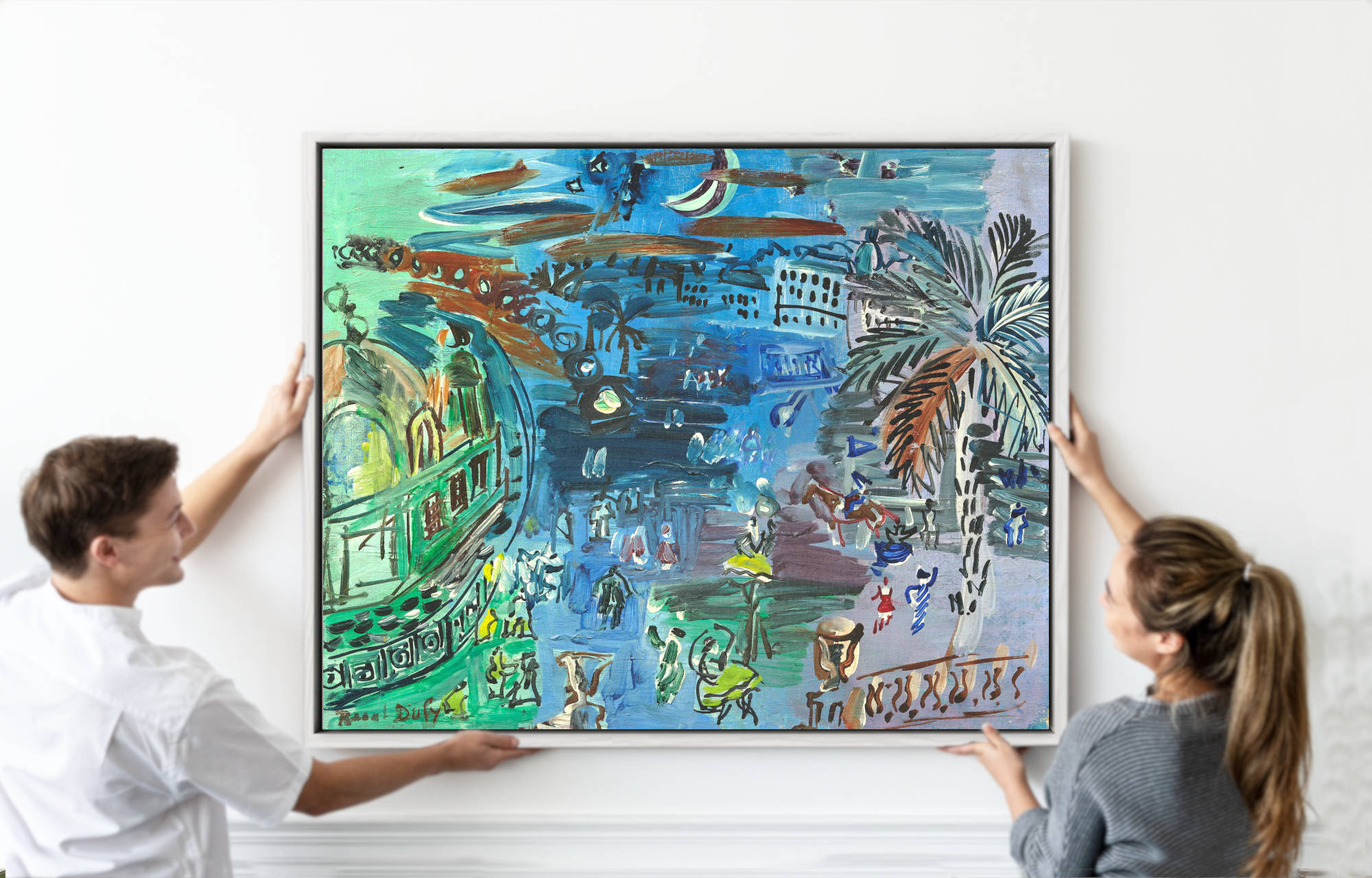
Its horizontal proportions make it suitable for display above sofas, sideboards, console tables and beds, while the maritime subject also makes it a natural choice for coastal homes.
For admirers of Raoul Dufy, Sailboats has additional significance because it reveals the origins of the sailing and regatta imagery that would become one of the great recurring themes of his mature career.
Frequently Asked Questions
When did Raoul Dufy paint Sailboats?
Dufy painted the work in 1906, during the crucial period when he was embracing the brilliant colour and simplified forms of Fauvism.
What is the original French title of Sailboats?
The painting is catalogued as Les Barques. It has also been published as Voiliers au Havre and exhibited under the title Bateaux à voiles au Havre.
Where was Sailboats painted?
The historical title Voiliers au Havre associates the work with Le Havre, Dufy's native Normandy port and one of his most important subjects during the Fauvist period.
Is Sailboats a Fauvist painting?
Yes. The work dates from 1906, when Dufy was actively experimenting with the vivid colour, simplified forms and direct brushwork associated with Fauvism.
Why were sailing boats important to Raoul Dufy?
Dufy grew up in Le Havre surrounded by maritime activity. Boats, harbours and later regattas became recurring subjects throughout his career and provided ideal forms for his experiments with colour and rhythmic line.
How did Fauvism change Dufy's harbour paintings?
Fauvism encouraged Dufy to move away from subtle Impressionist observation towards stronger, more independent colour. Boats, water and harbour structures became increasingly simplified and organised according to the overall design of the painting.
What medium did Raoul Dufy use for Sailboats?
The original was painted in oil on canvas.
What size is the original Sailboats?
The original measures approximately 59 × 72.5 cm.
What is the catalogue raisonné number for Sailboats?
The work is recorded as number 124 in Maurice Laffaille's catalogue raisonné of Raoul Dufy's paintings.
Did Dufy paint with Albert Marquet in Le Havre?
Yes. Dufy and Albert Marquet worked around Le Havre and elsewhere on the Normandy coast during the summer of 1906, exploring harbour, street and seaside subjects.
Did Raoul Dufy continue painting sailboats later in his career?
Yes. Sailing boats and regattas became some of Dufy's most characteristic later subjects, particularly in paintings of Deauville, Cowes and other fashionable coastal locations.
Is Sailboats available as a framed Raoul Dufy print?
Yes. GalleryThane offers Sailboats (1906) in a choice of sizes and formats, including fine art paper prints, framed prints and canvas options.
Where would a Raoul Dufy Sailboats print work well?
Its horizontal maritime composition makes it particularly suitable for living rooms, dining rooms, bedrooms, hallways and home offices, as well as contemporary and Scandinavian-inspired coastal interiors.
All orders for unframed fine art prints and original paintings are dispatched within 2 working days of receipt of payment.
Orders for custom framed prints are dispatched within 4 working days.
All orders are fully tracked from dispatch to delivery at your home or business.
All print and original painting orders are fully insured against loss or damage in transit. We refund or replace any damaged or lost orders.
Buy with confidence - read what our satisfied customers have to say - Reviews
Fine art papers are printed without any additional white border Please let us know at the time of ordering if you would like a small additional white border.
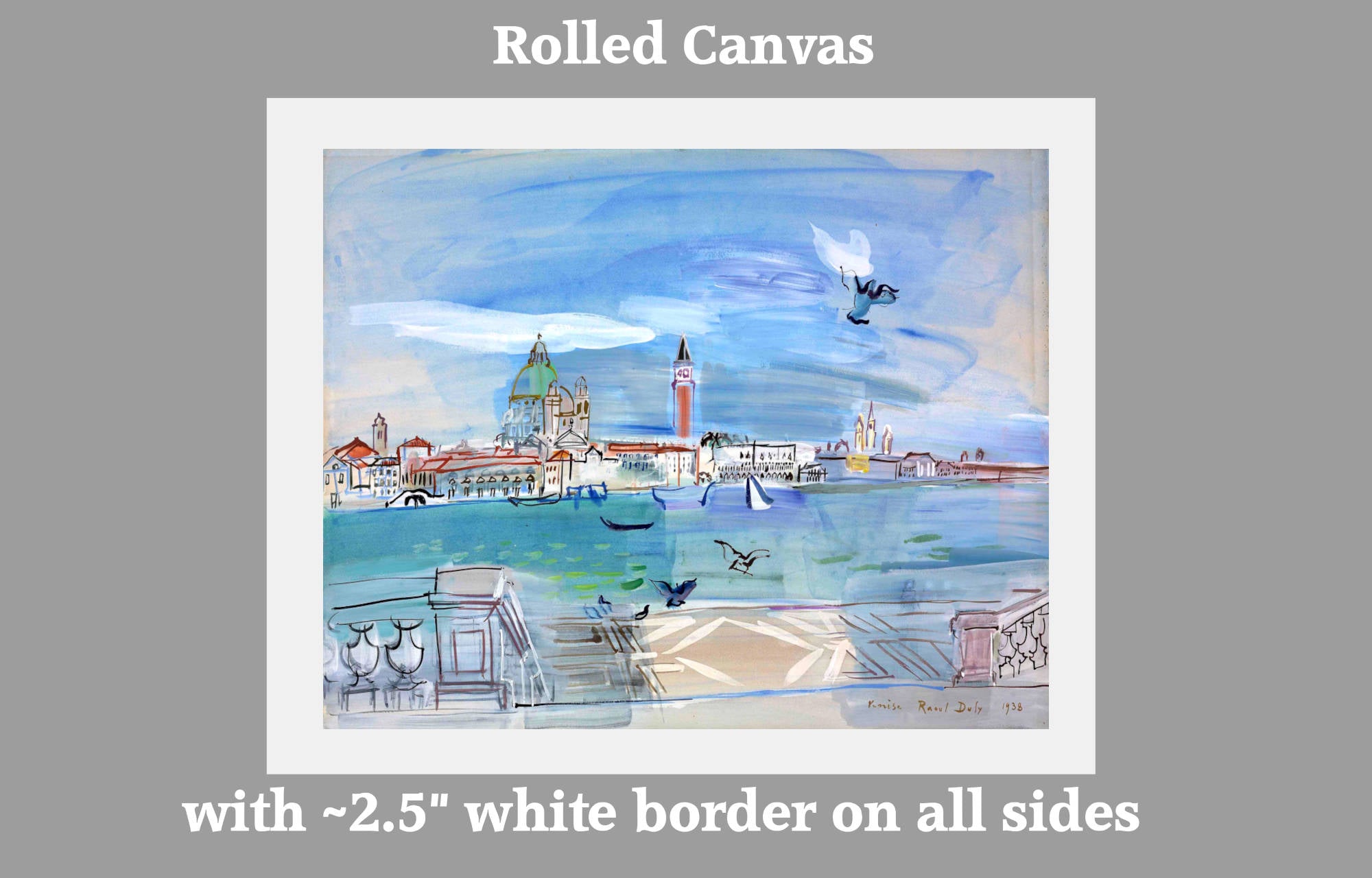
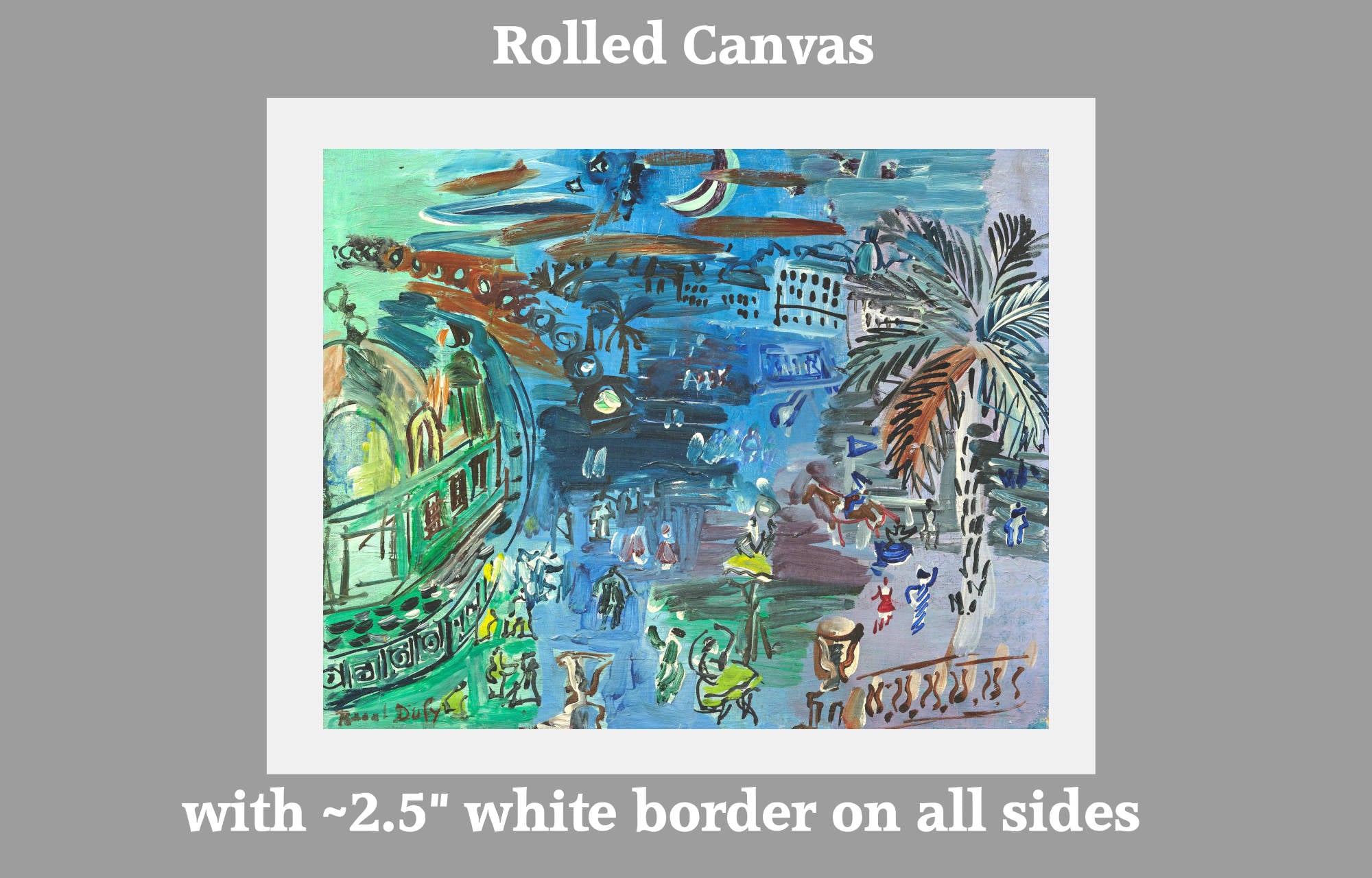
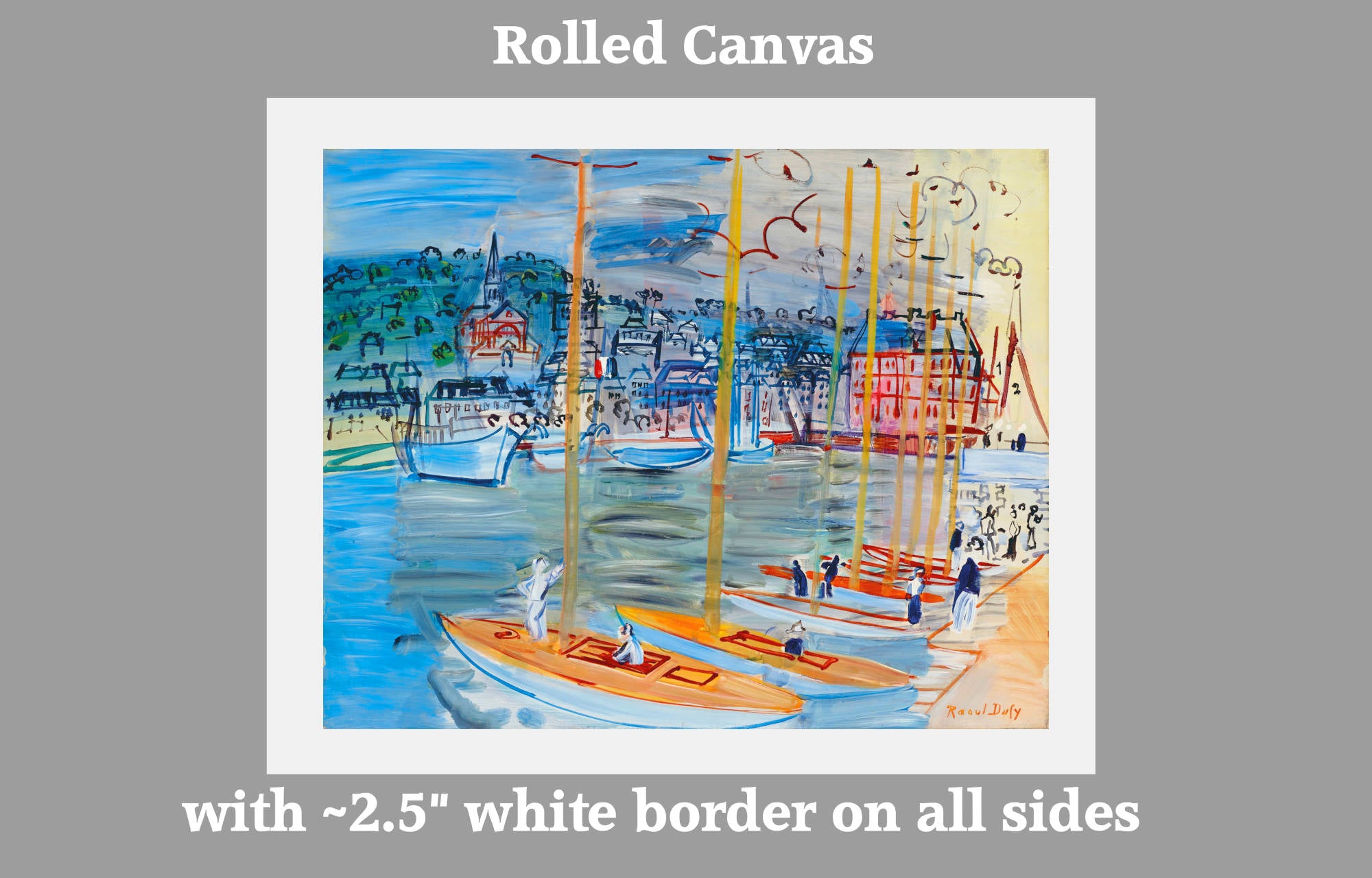
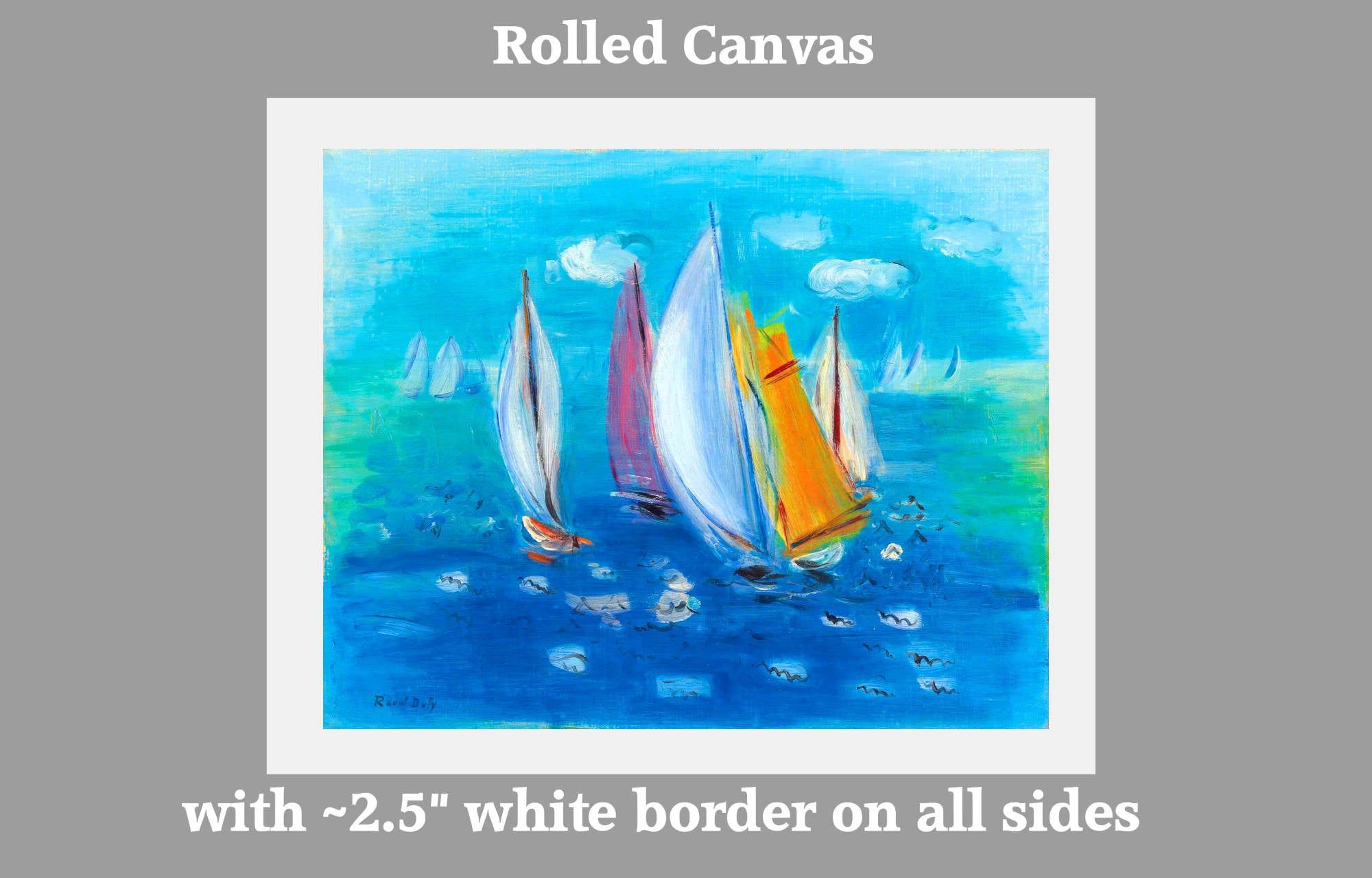
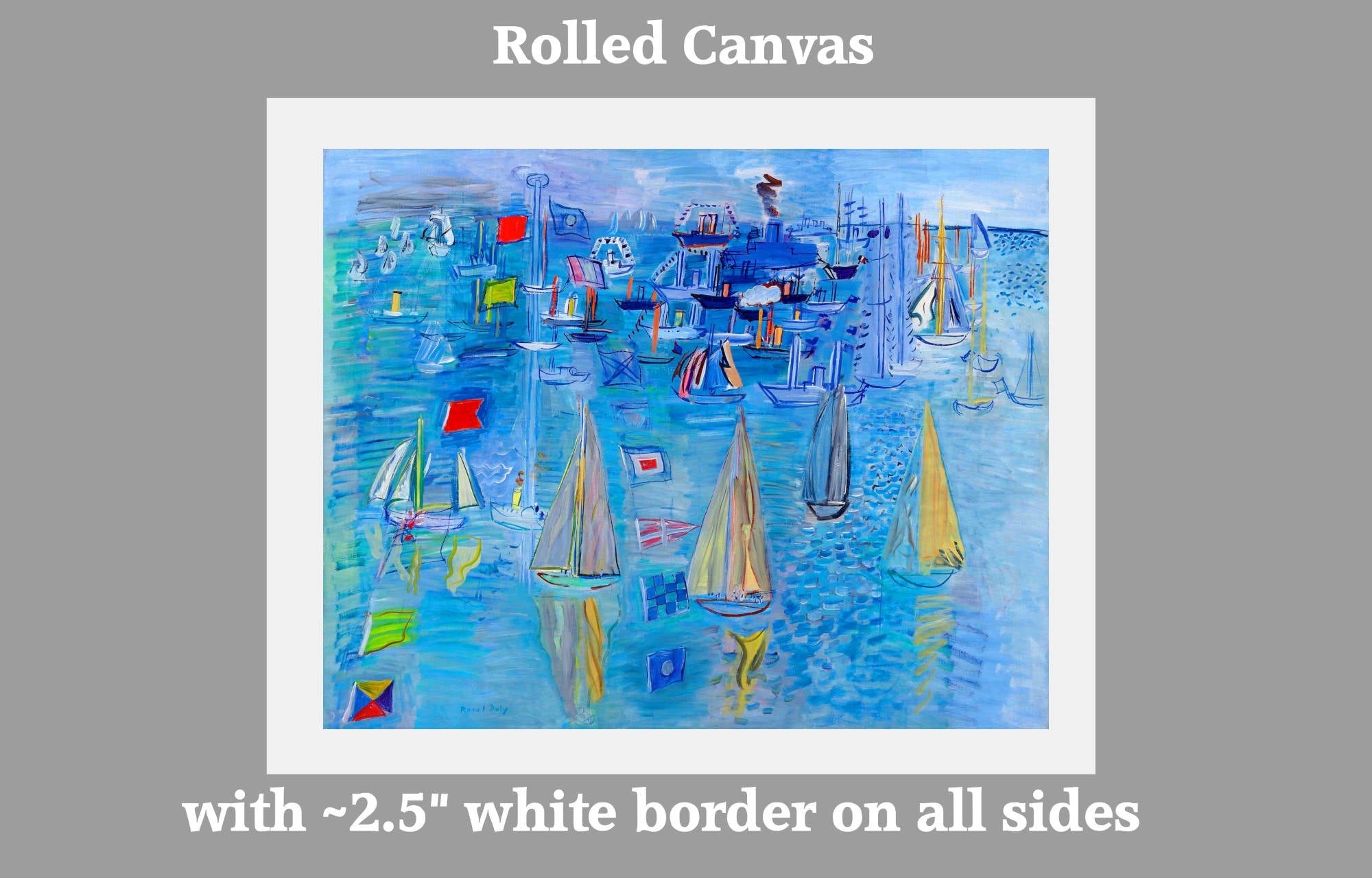
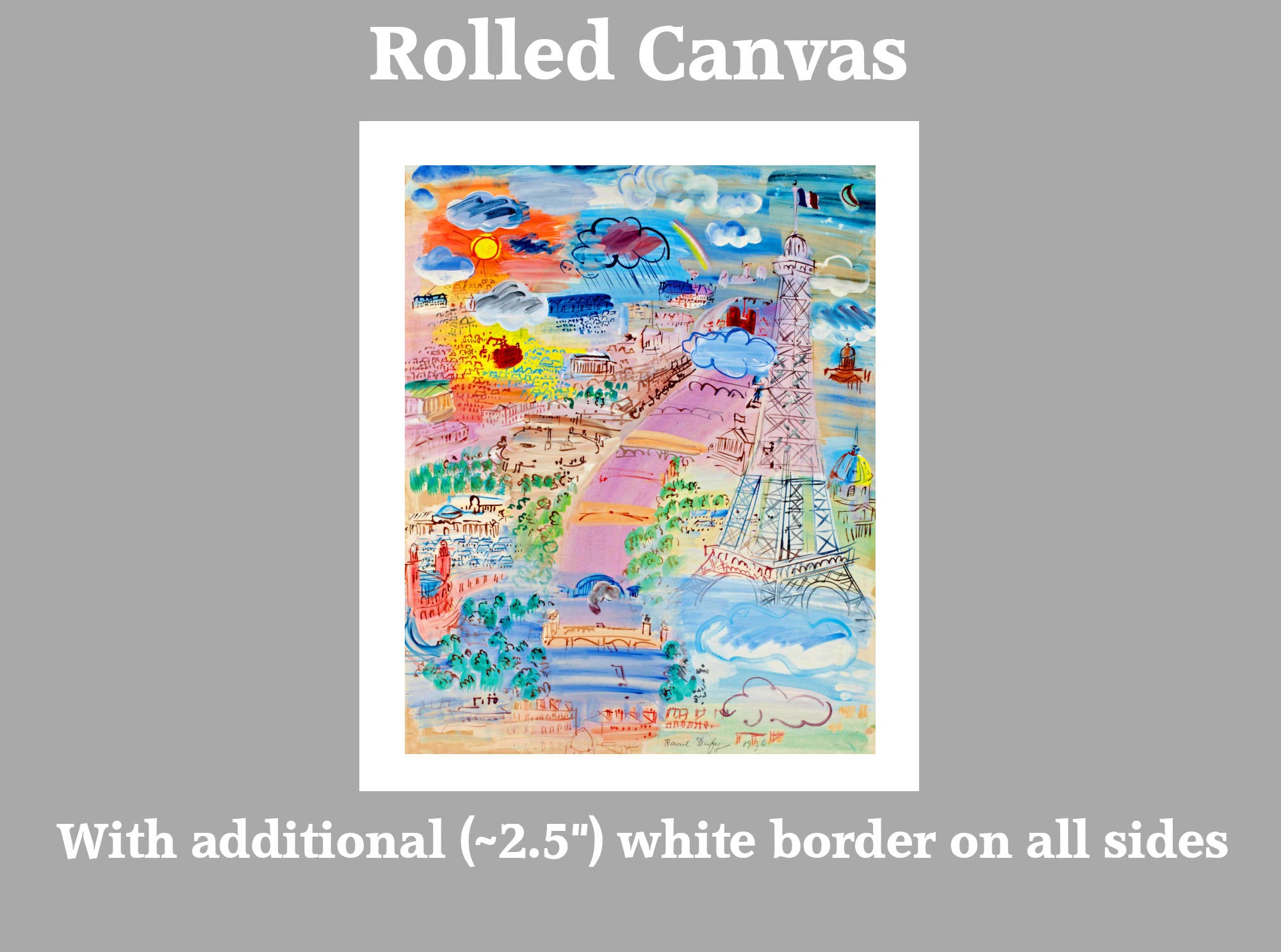
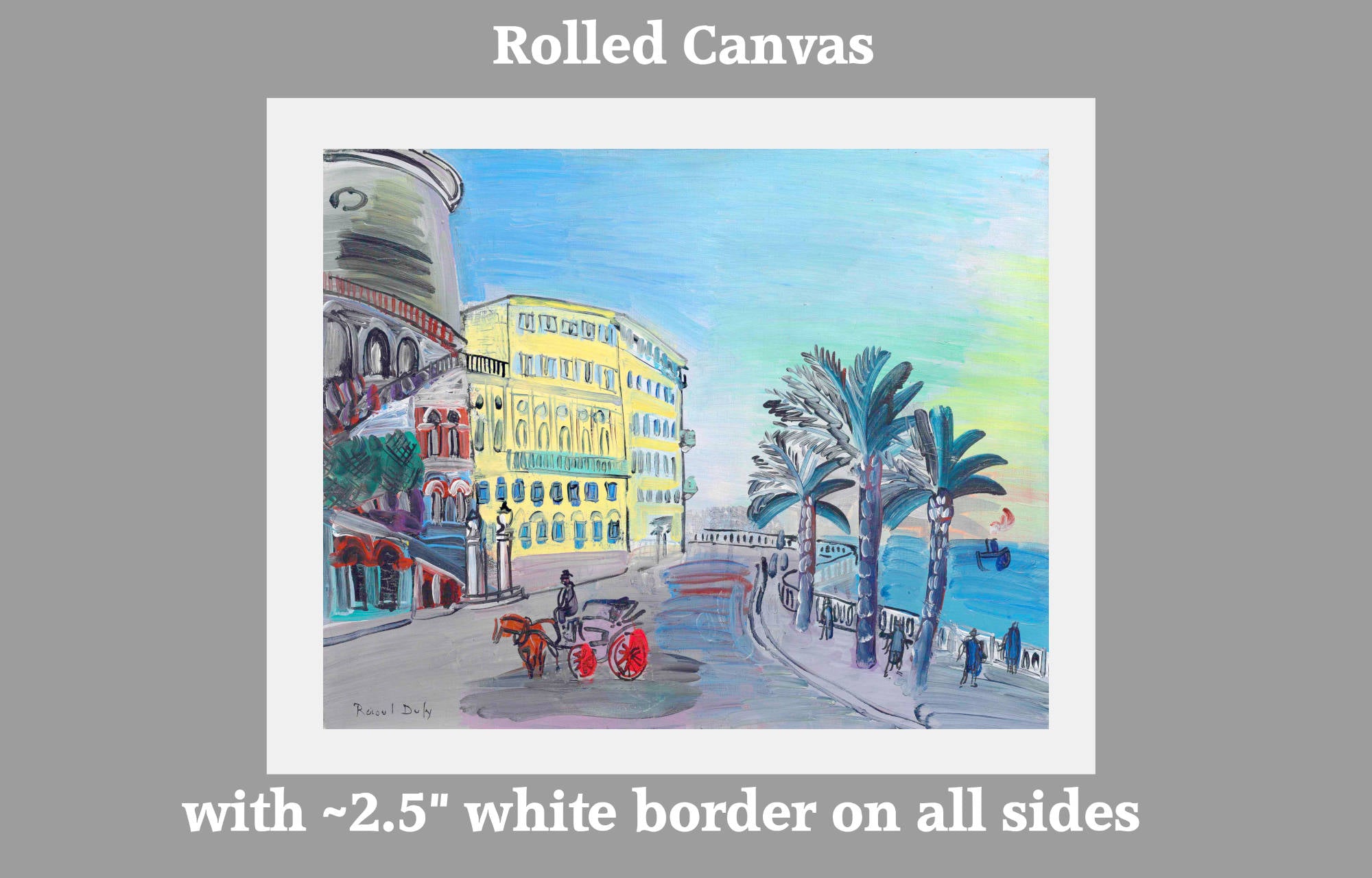
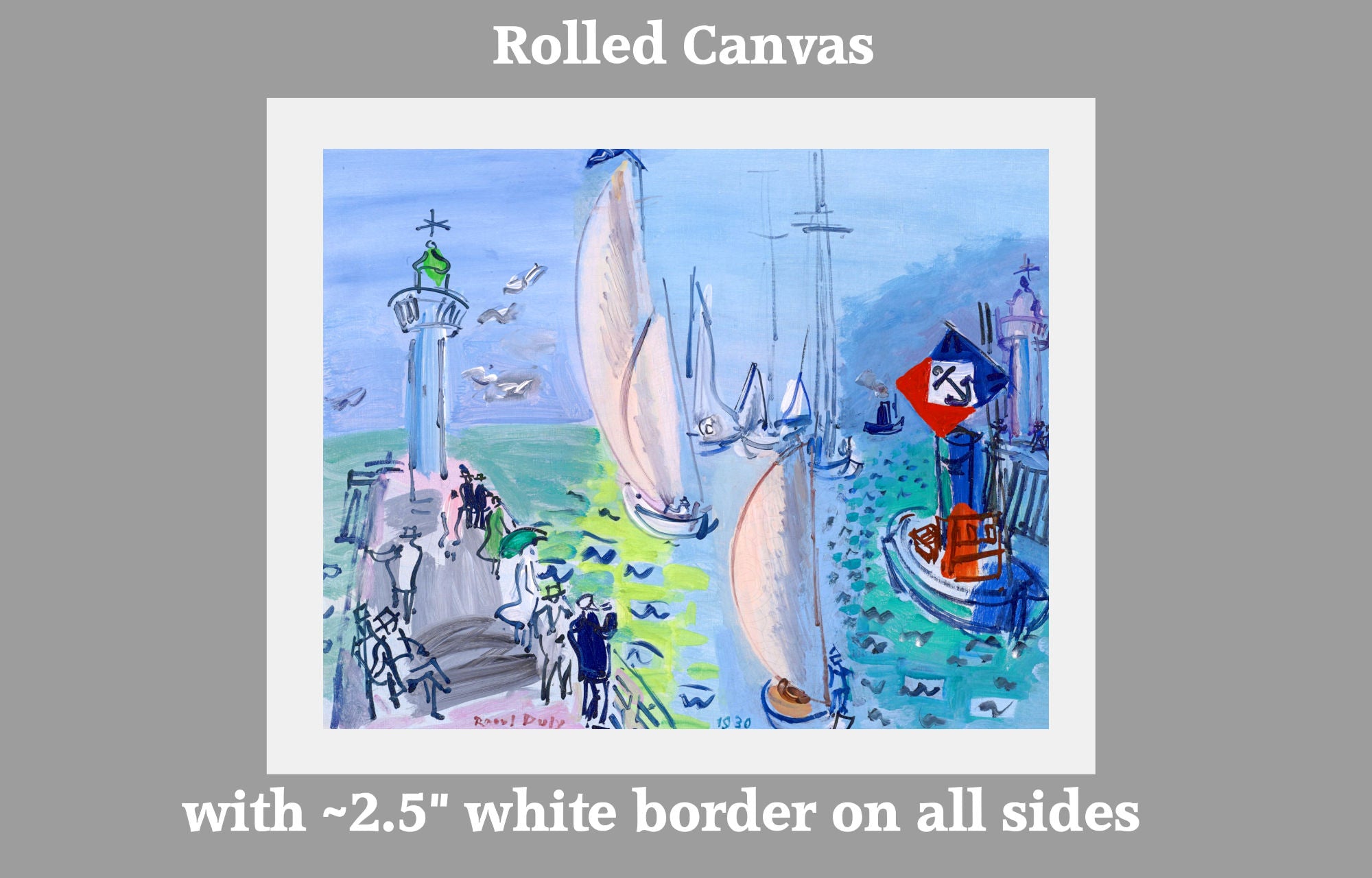
Rolled canvas options have an additional white border of approximately 2.5 inches (7cm) on all 4 sides to aid stretching.
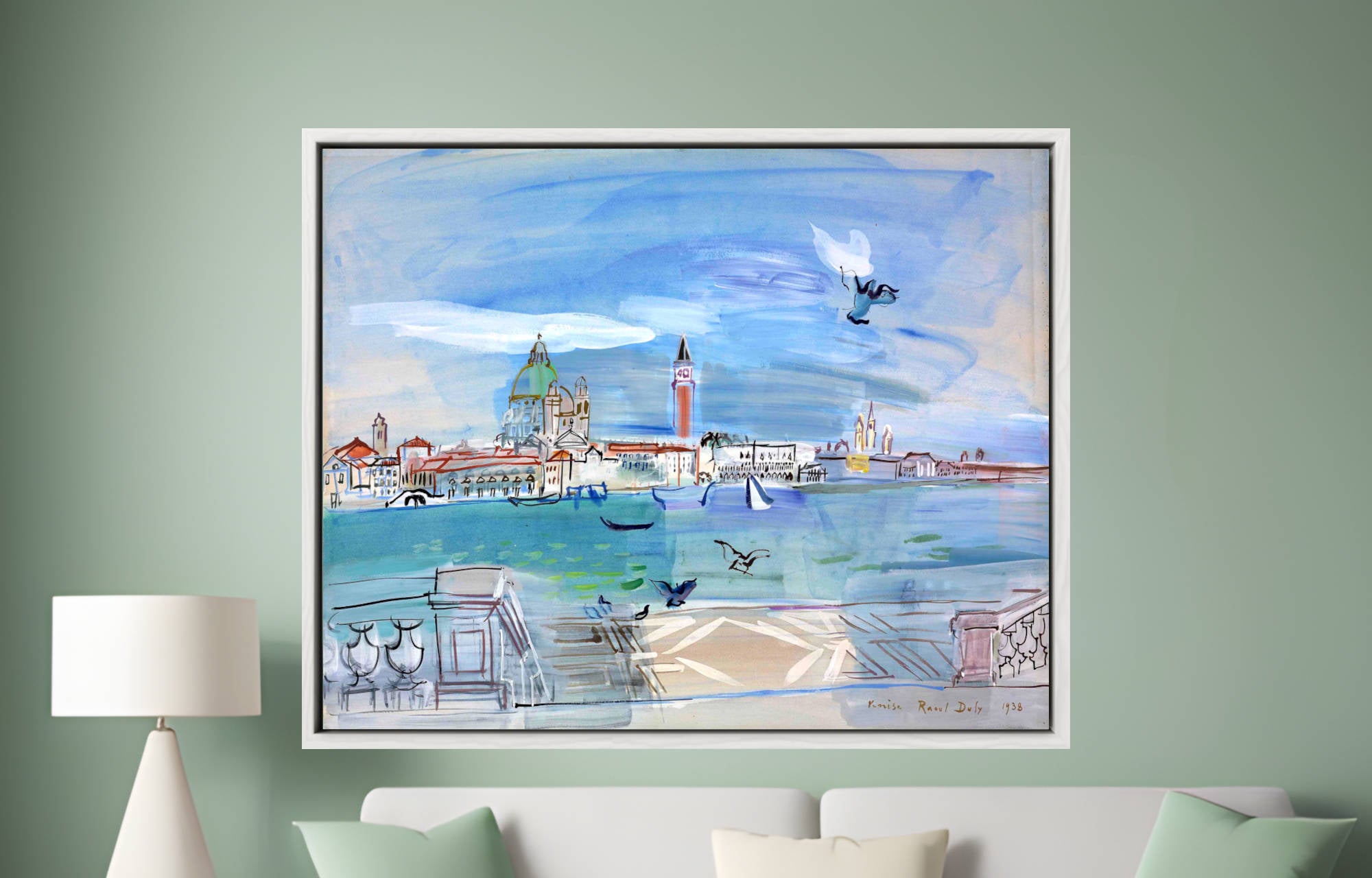
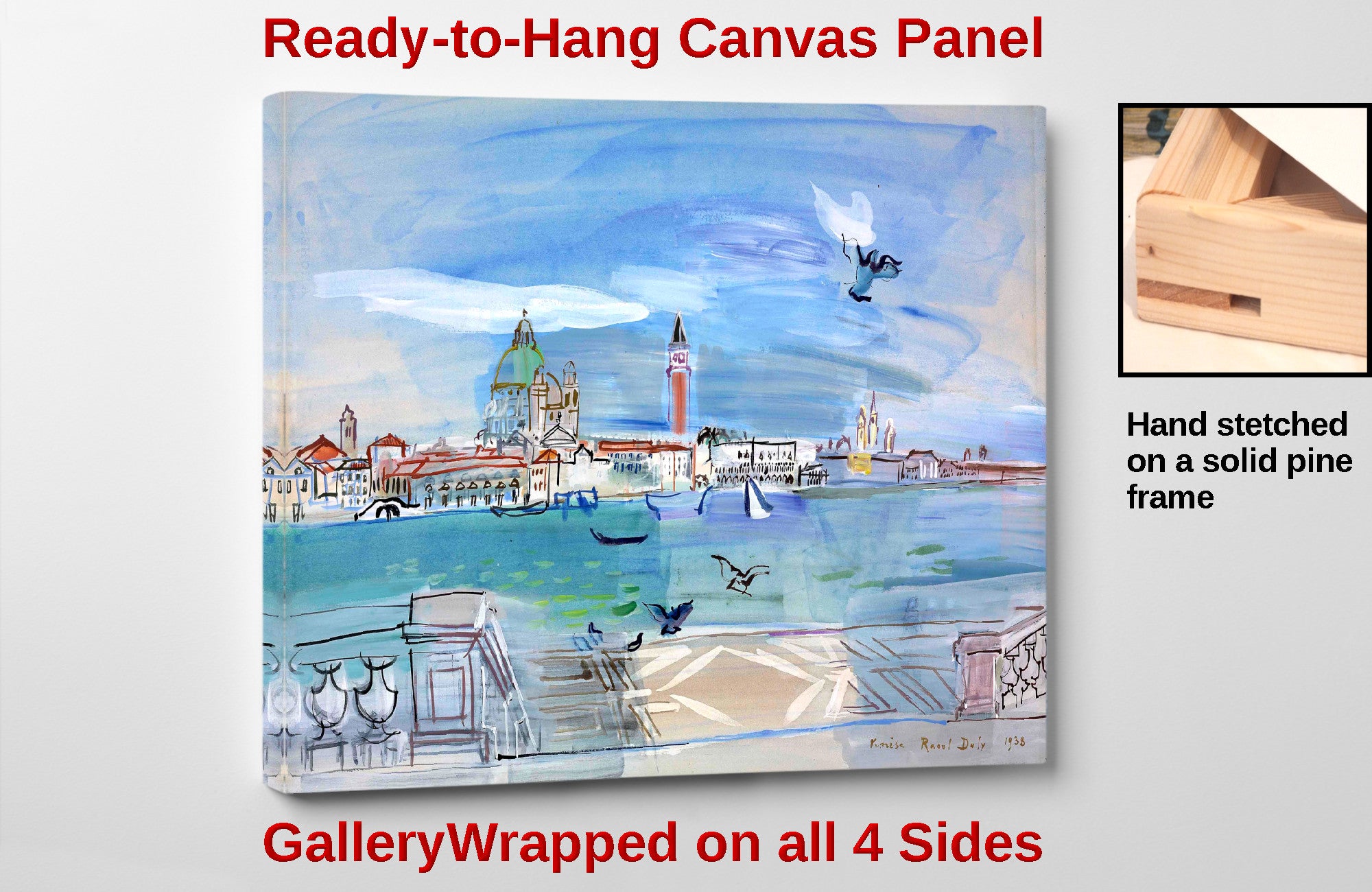
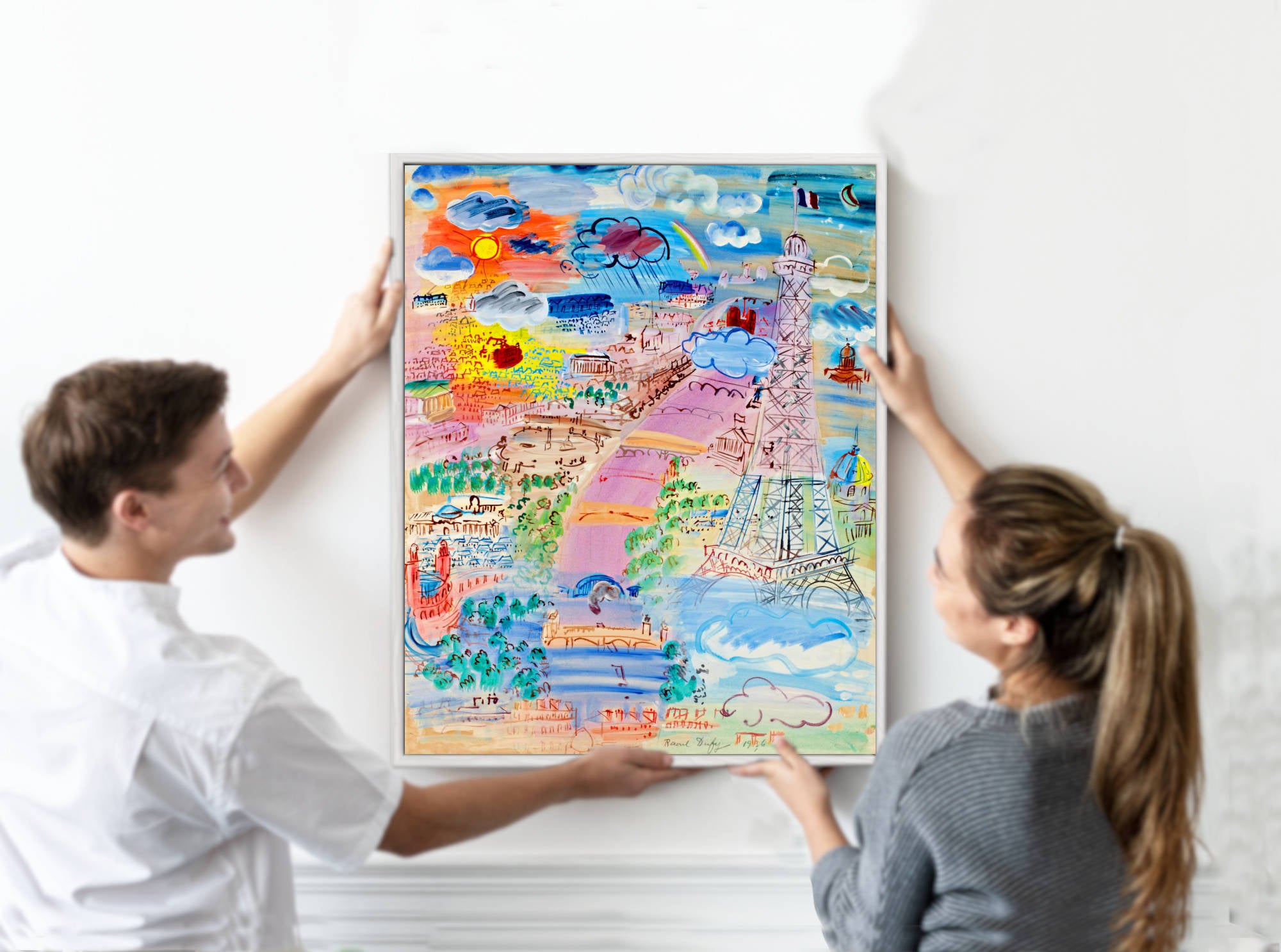
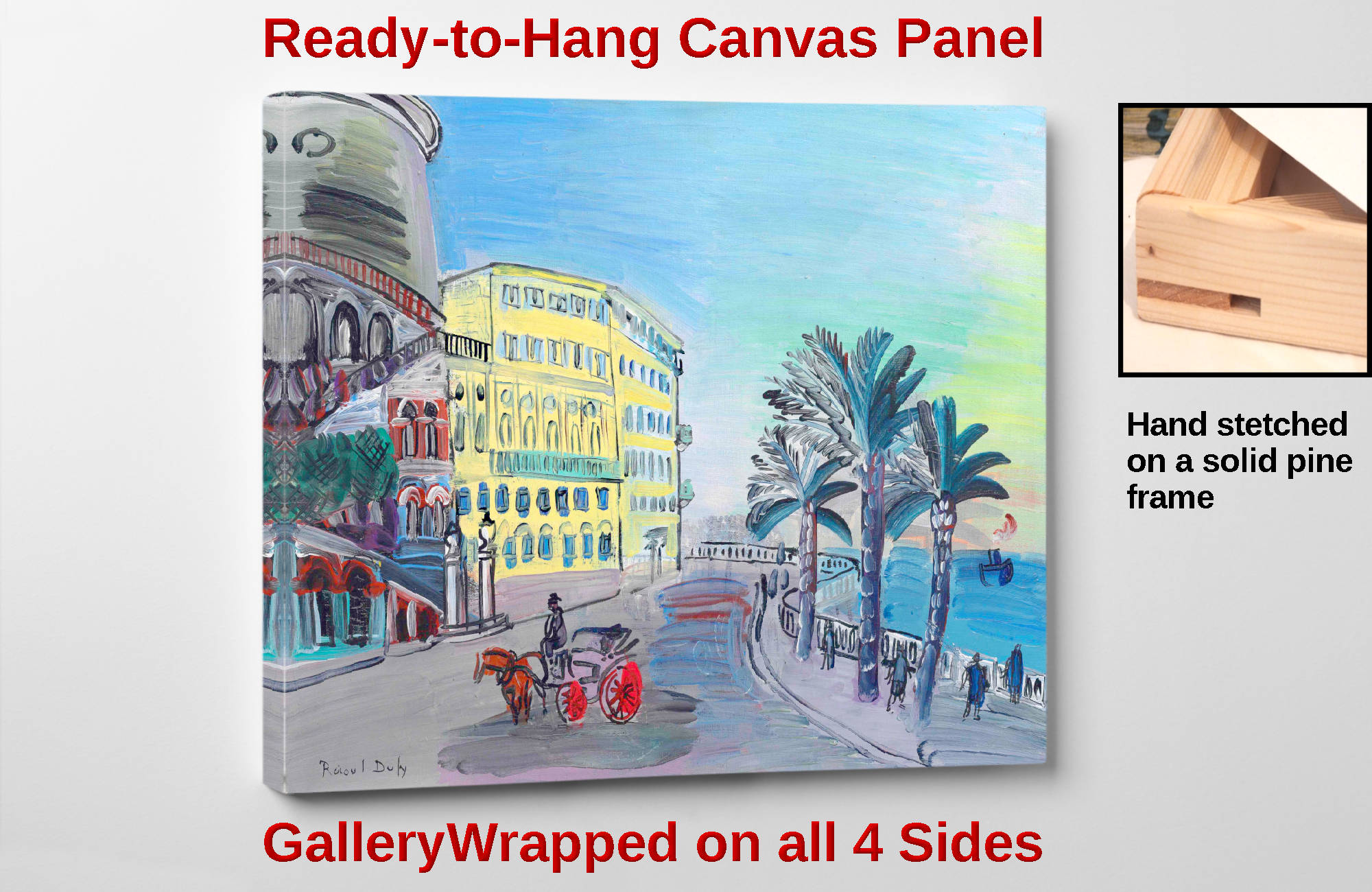
Ready to hang canvas panels are stretched on 1.5 inch deep solid pine frames from sustainable forestry sources. The image is mirrored on all 4 sides to give an aesthetically pleasing finish.
Why not have us gift wrap your order and attach a personalised message to the recipient. Available for all orders. Each order is hand wrapped in high quality gift wrap with meatllic ribbon and bow. Your personalised message is printed on a card which is included with your order.
Have your hand wrapped gift delivered directly to the recipient.
Full tracking and insurance included with every order.
Please note design may vary depending upon availability
Just purchase the gift wrap option HERE
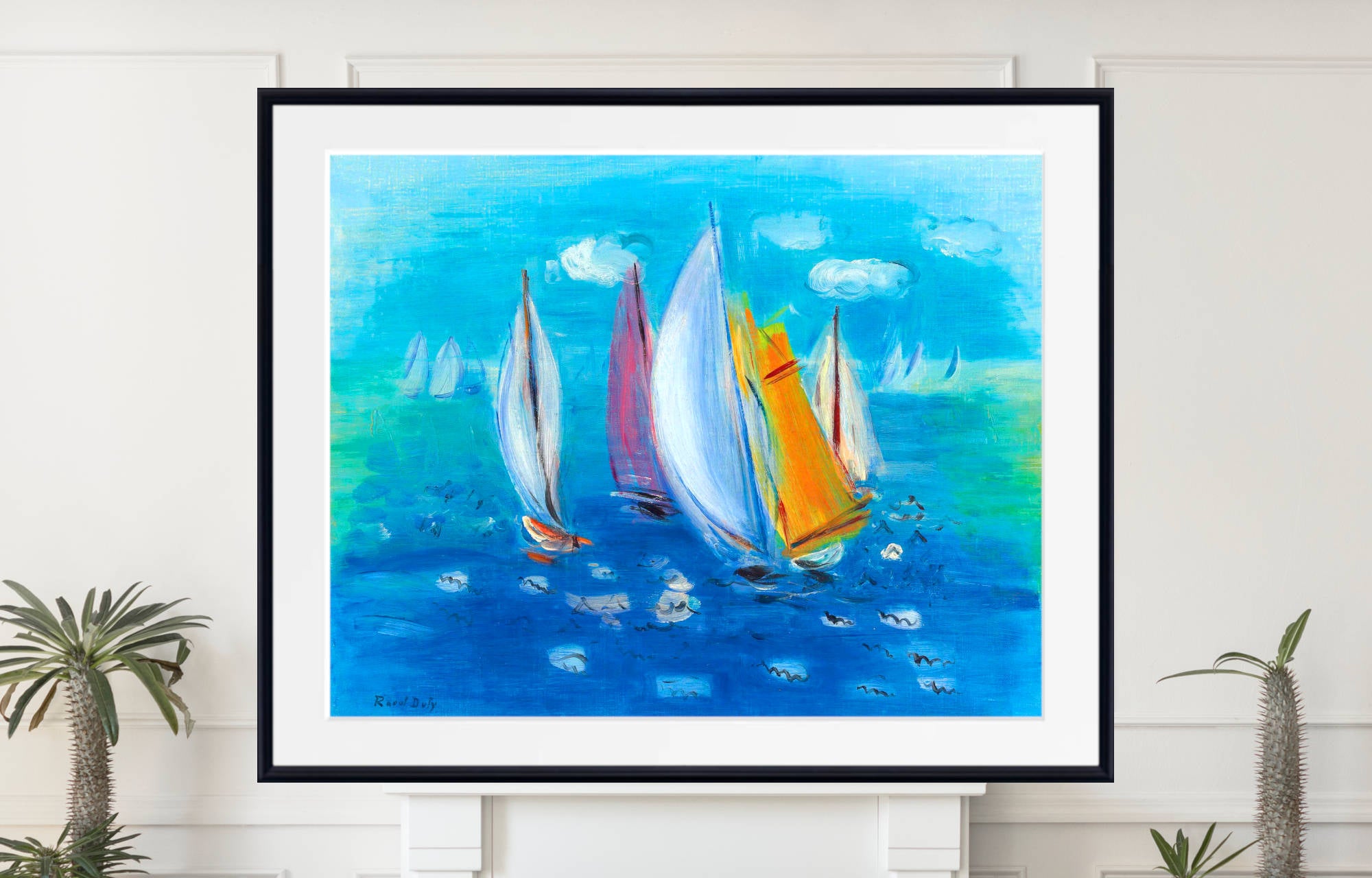
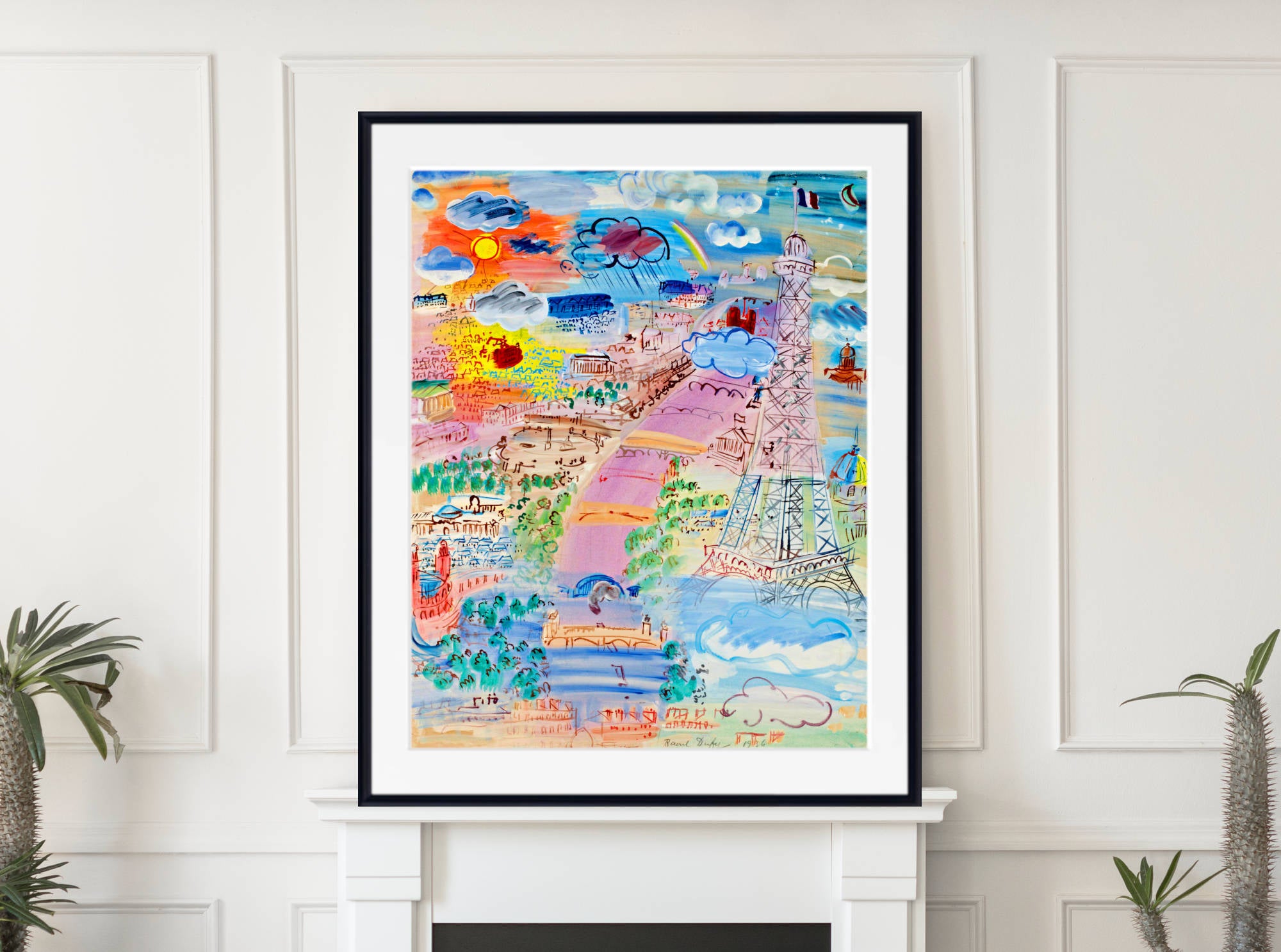
We have a wide range of frames in standard sizes and we also make custom size frames.
To order a framed print:
1. select the print size you would like along with the print materials (matte paper, fine art paper).
2. Add your print choice to the basket.
3. Choose from our range of frames
4. Select the same size as the print you have added to your basket. If the frame size you want is not listed please contact us
5. Choose from the mount or no-mount option
6. Add your frame choice to the basket
7. Proceed to checkout.
Why Choose GalleryThane?
- Printed and framed in-house
- Free UK delivery
- Free EU and USA delivery on orders over £200
- Tracking and insurance included in every order
- Fast 1-3 day dispatch
- Gift wrapping service available
- Gallery quality materials
- Sustainable, eco-friendly packaging
- Great customer support
Explore related collections
What makes our Prints and Canvas Panels so special

Latest Giclee Printing Technology
We have invested in the latest wide format print technology to produce museum quality giclee prints utilising the highest quality pigment inks to give outstanding colour reproduction.

Museum Quality Archival Fine Art Papers
We print on the finest quality fine art papers with textured, smooth and lustre finishes for prints which last a lifetime.
From aceo miniatures to 40x80 inch large format, every print has our lifetime quality guaranteee.

Solid Wood Frames, Cotton Canvas
All of the wood for our canvas panels and frames is responsibly sourced from manages forests. Our cotton canvas is completely seedless for the highest quality reproduction possible.

Have Your Gift Wrapped


