


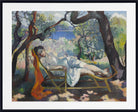
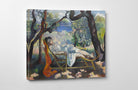
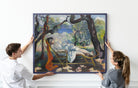
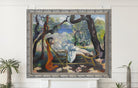
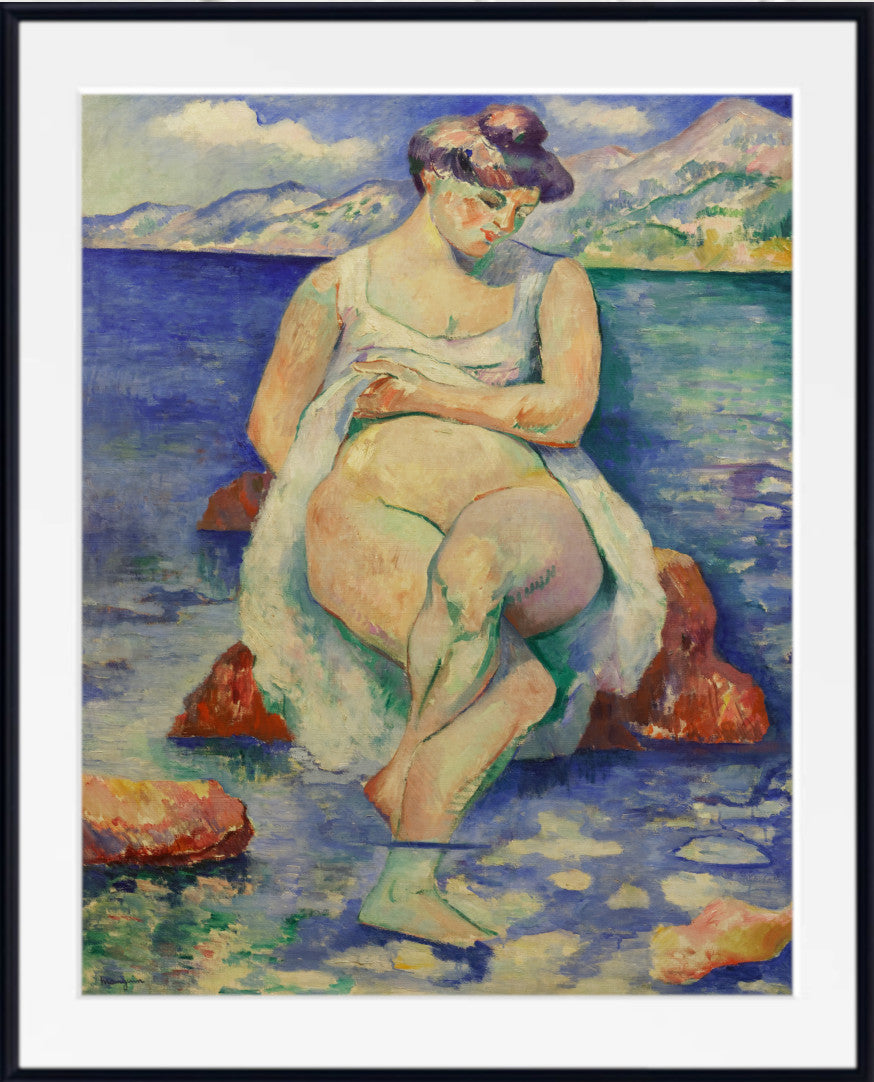
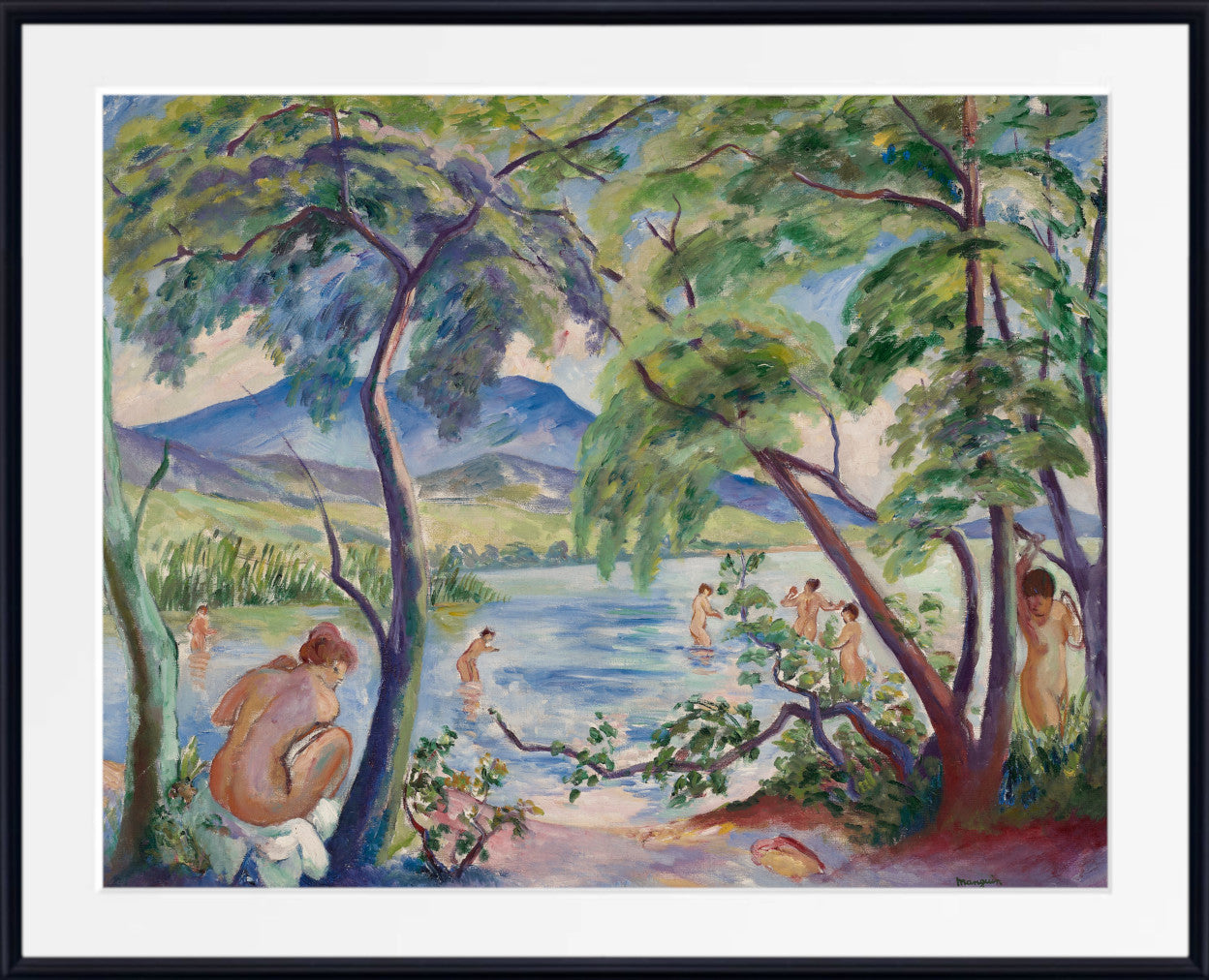
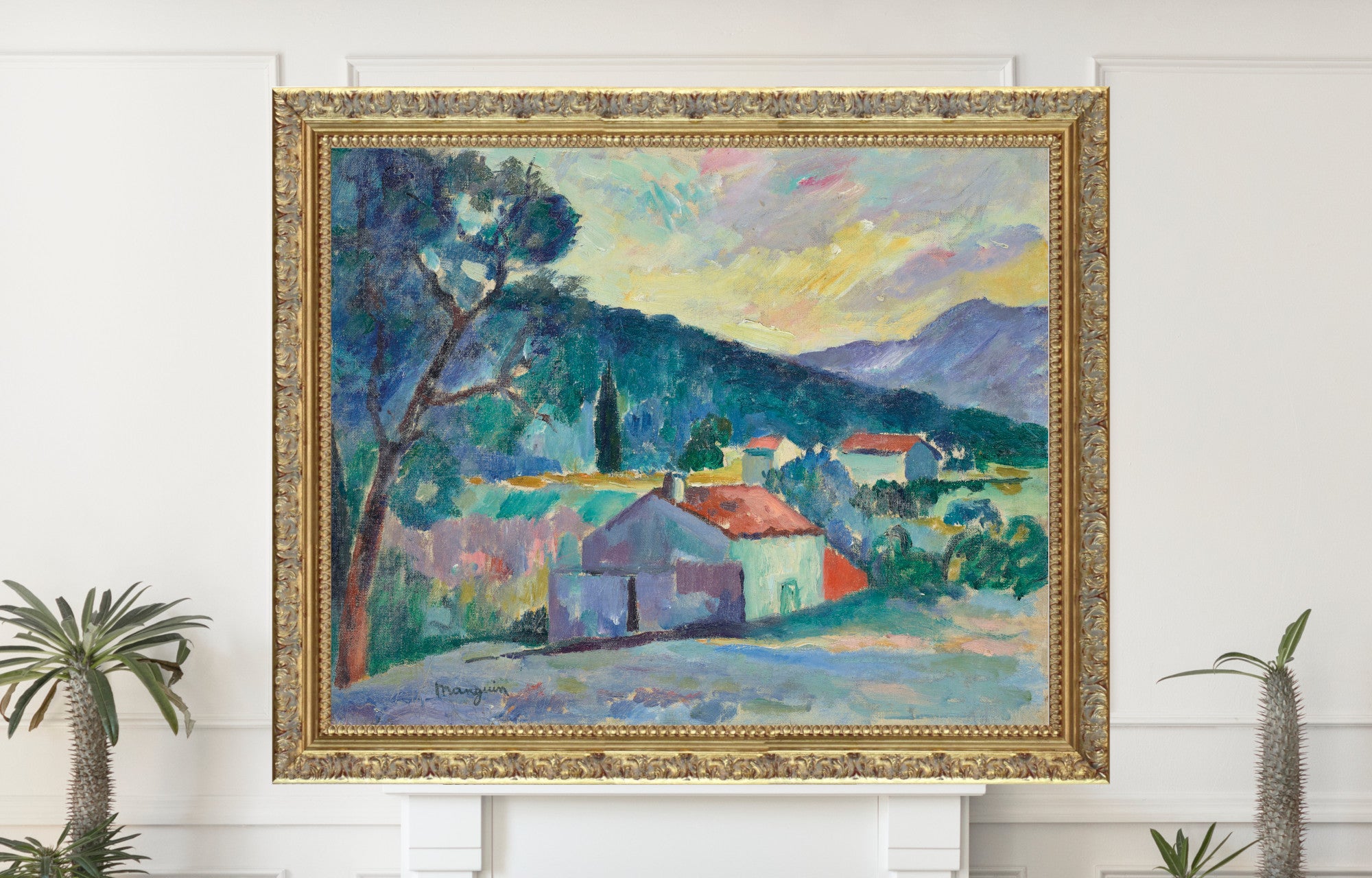
Henri Manguin, La Sieste (le Repos)
Couldn't load pickup availability
BUY WITH CONFIDENCE
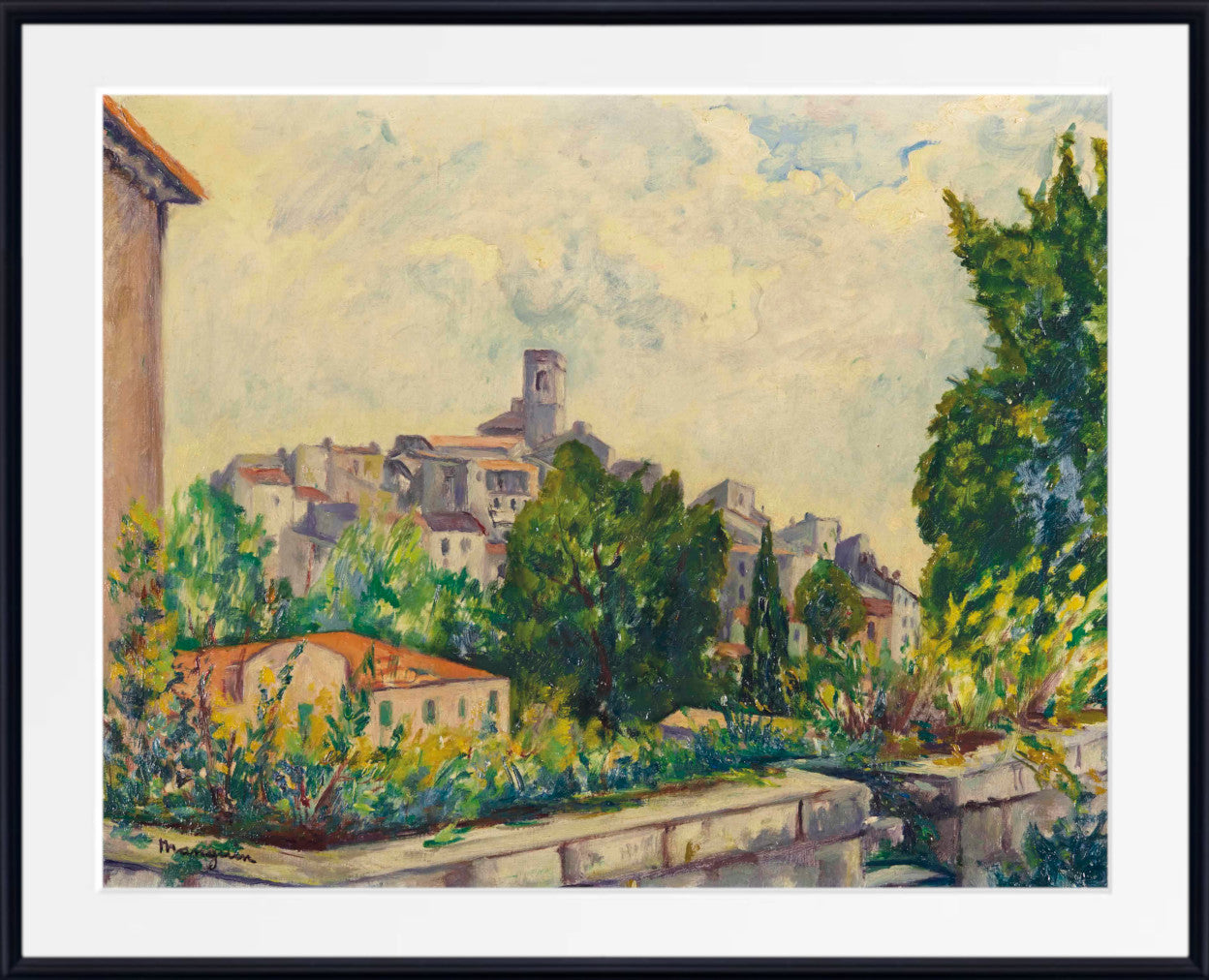
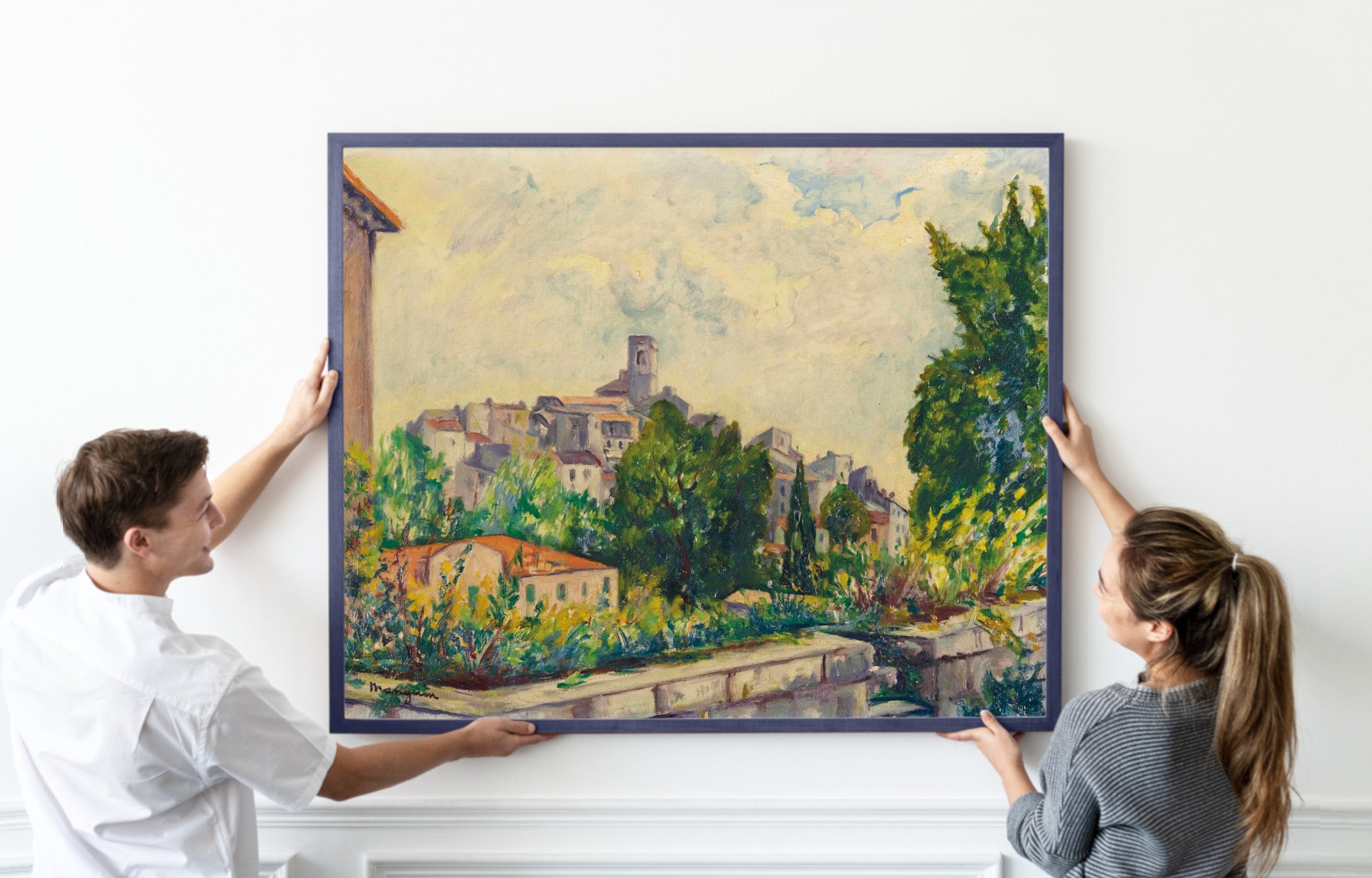
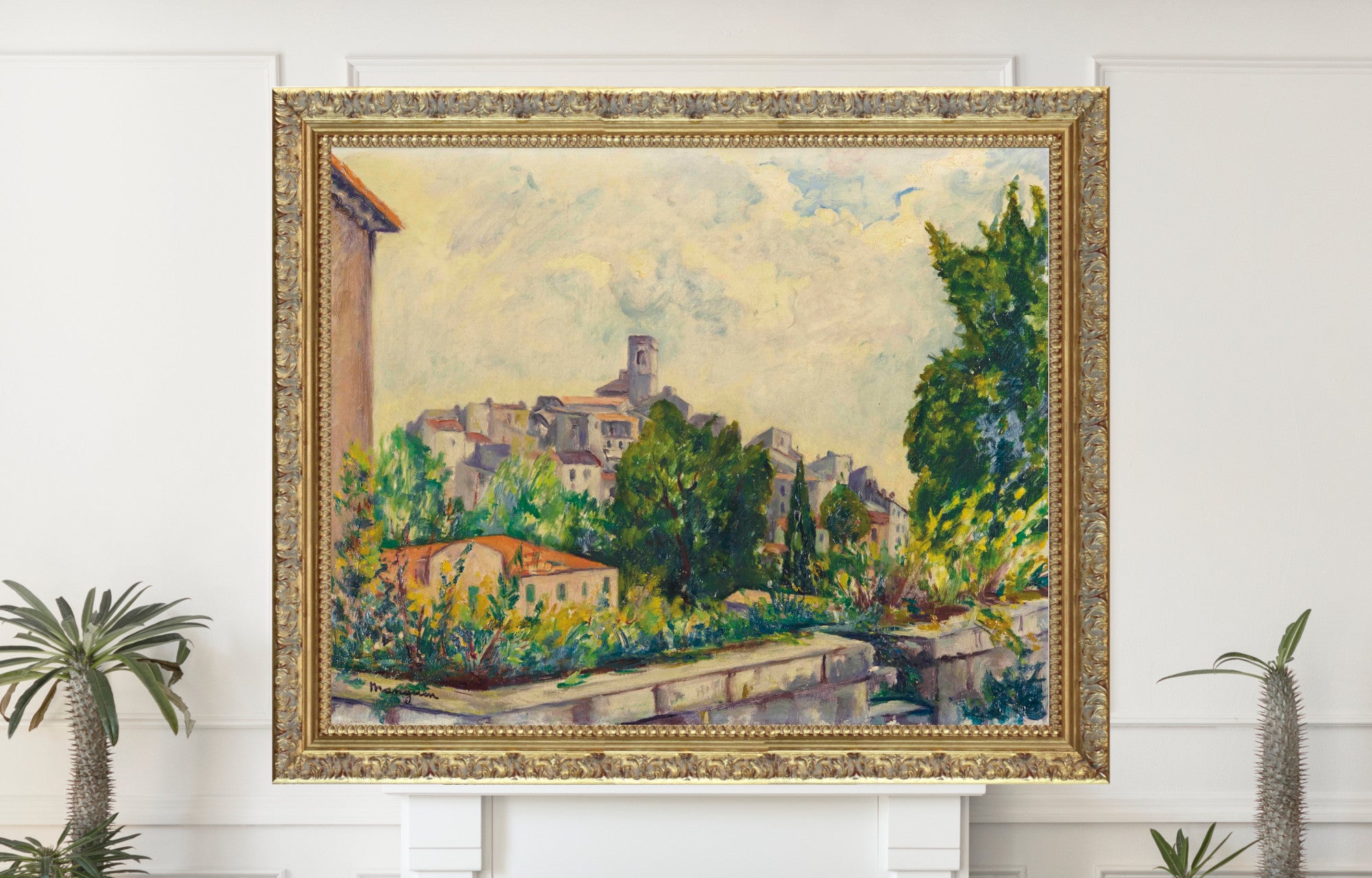
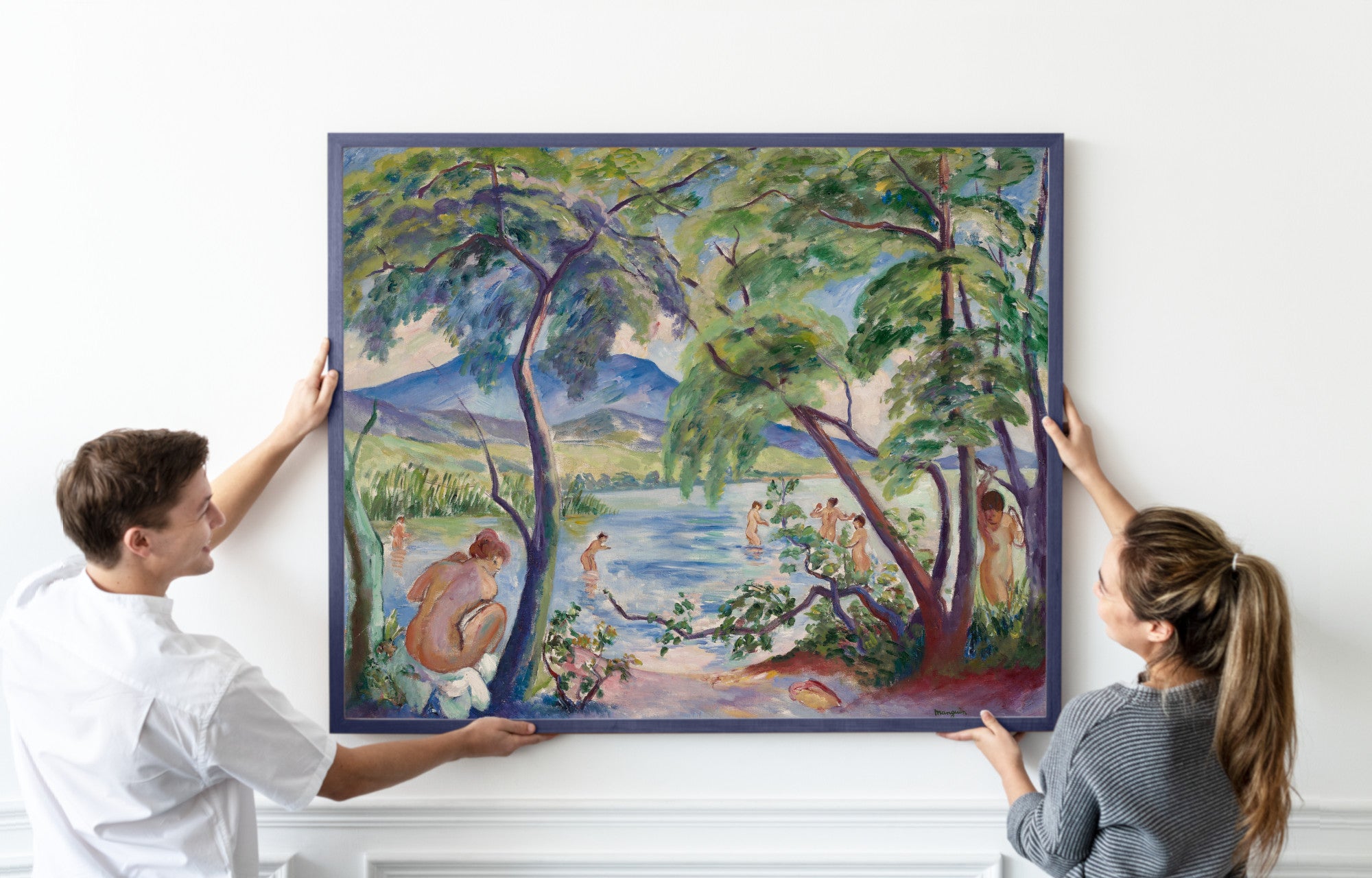
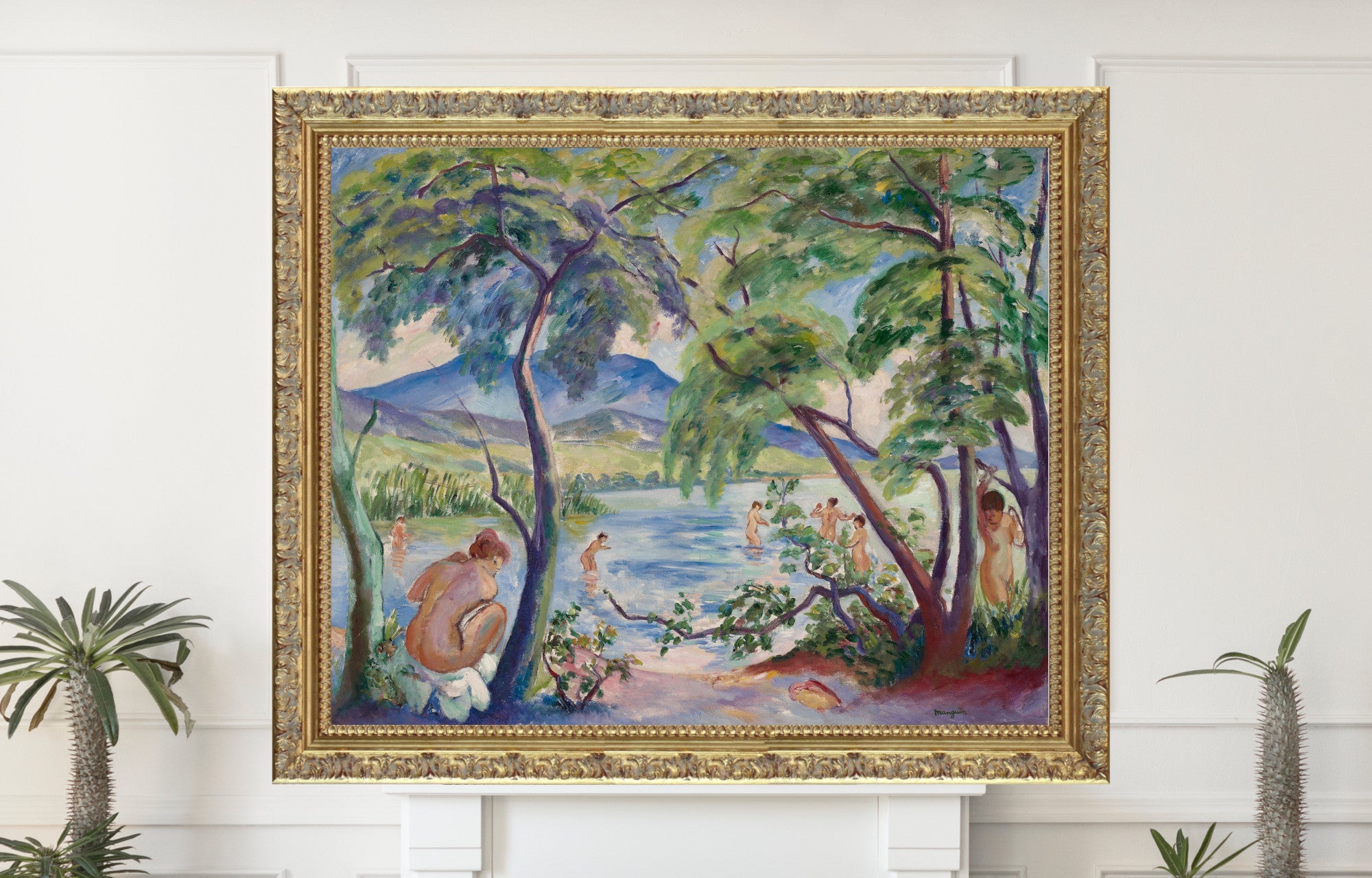
Henri Manguin – La Sieste (Le Repos) (1905) Prints
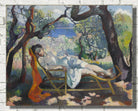
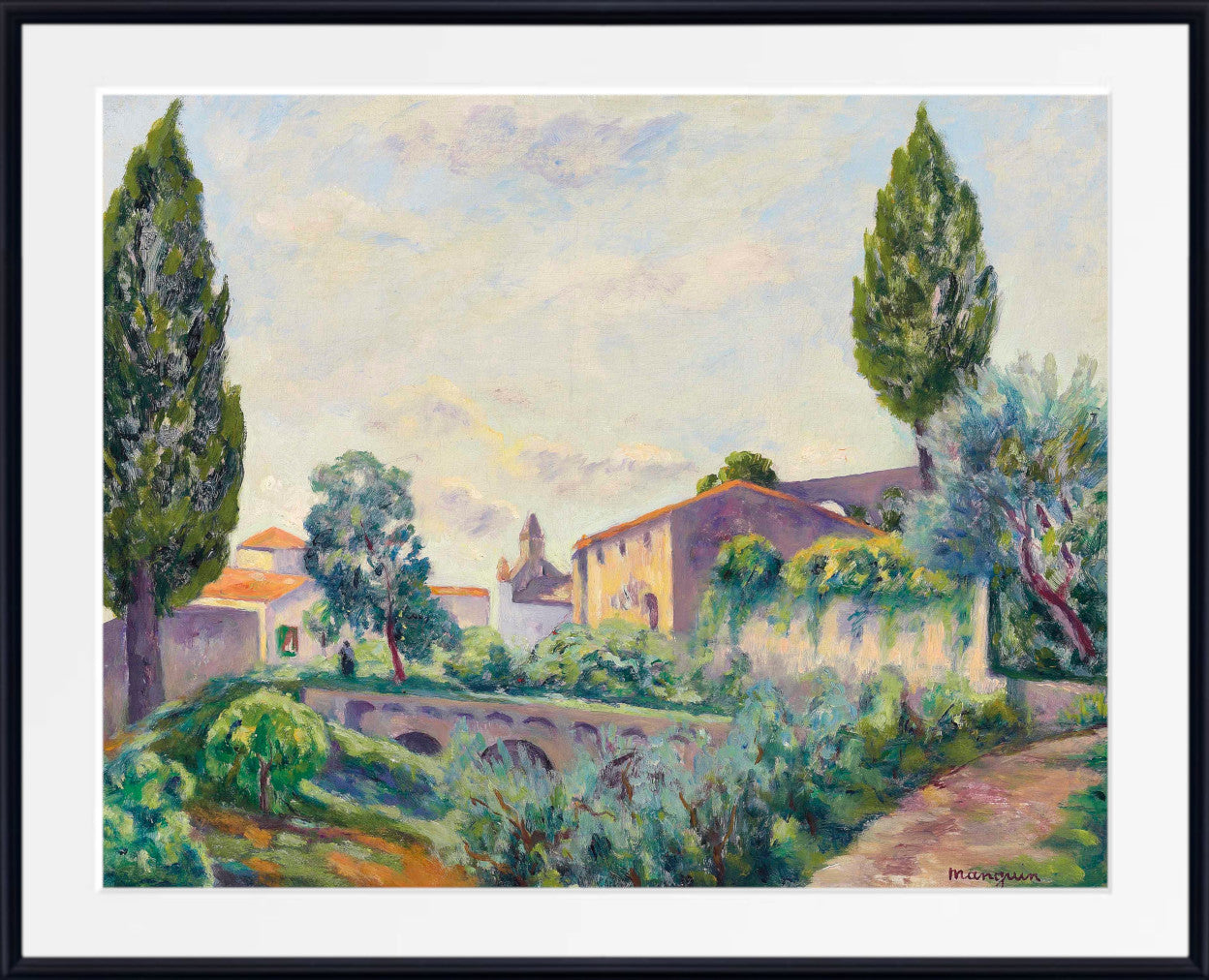
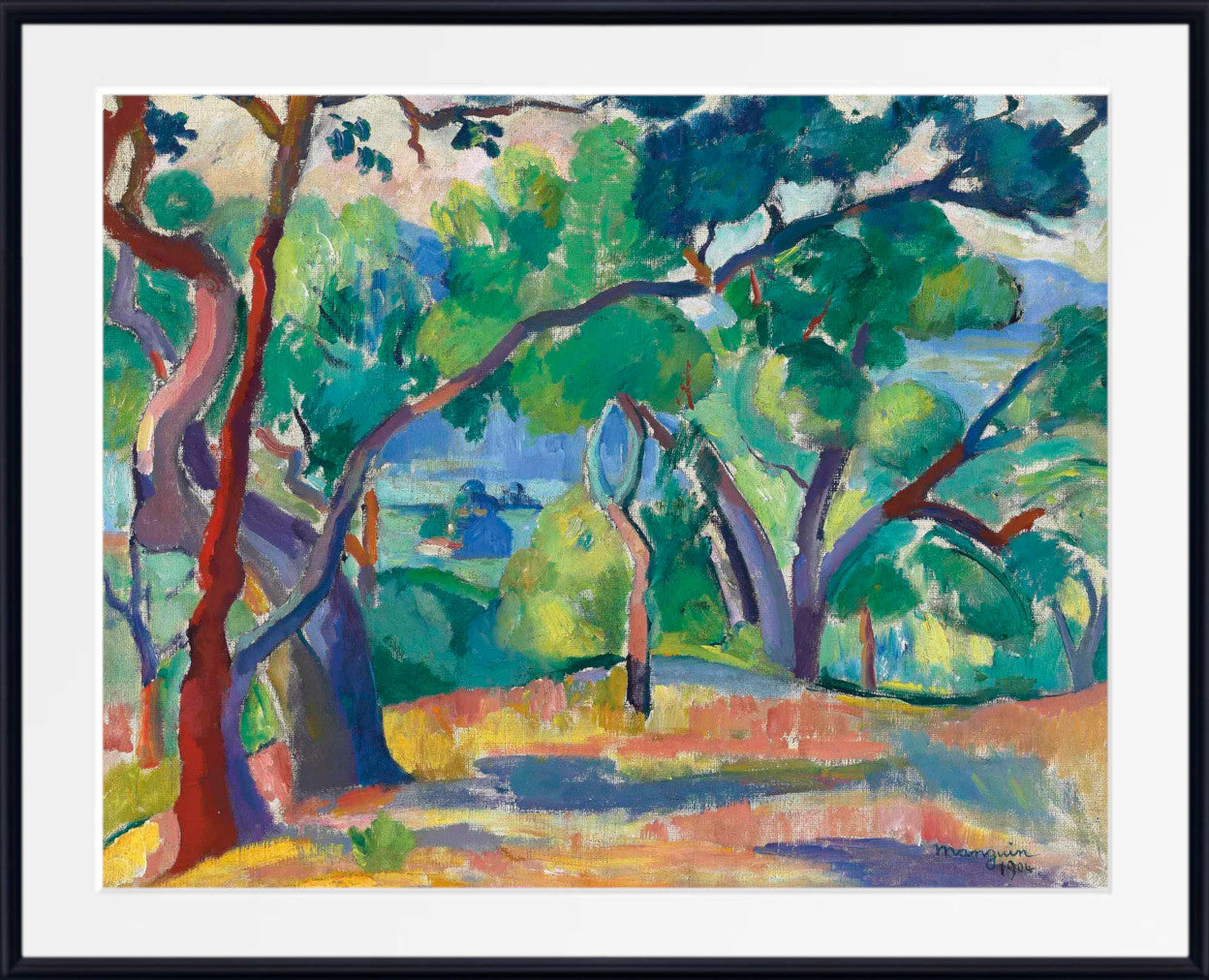
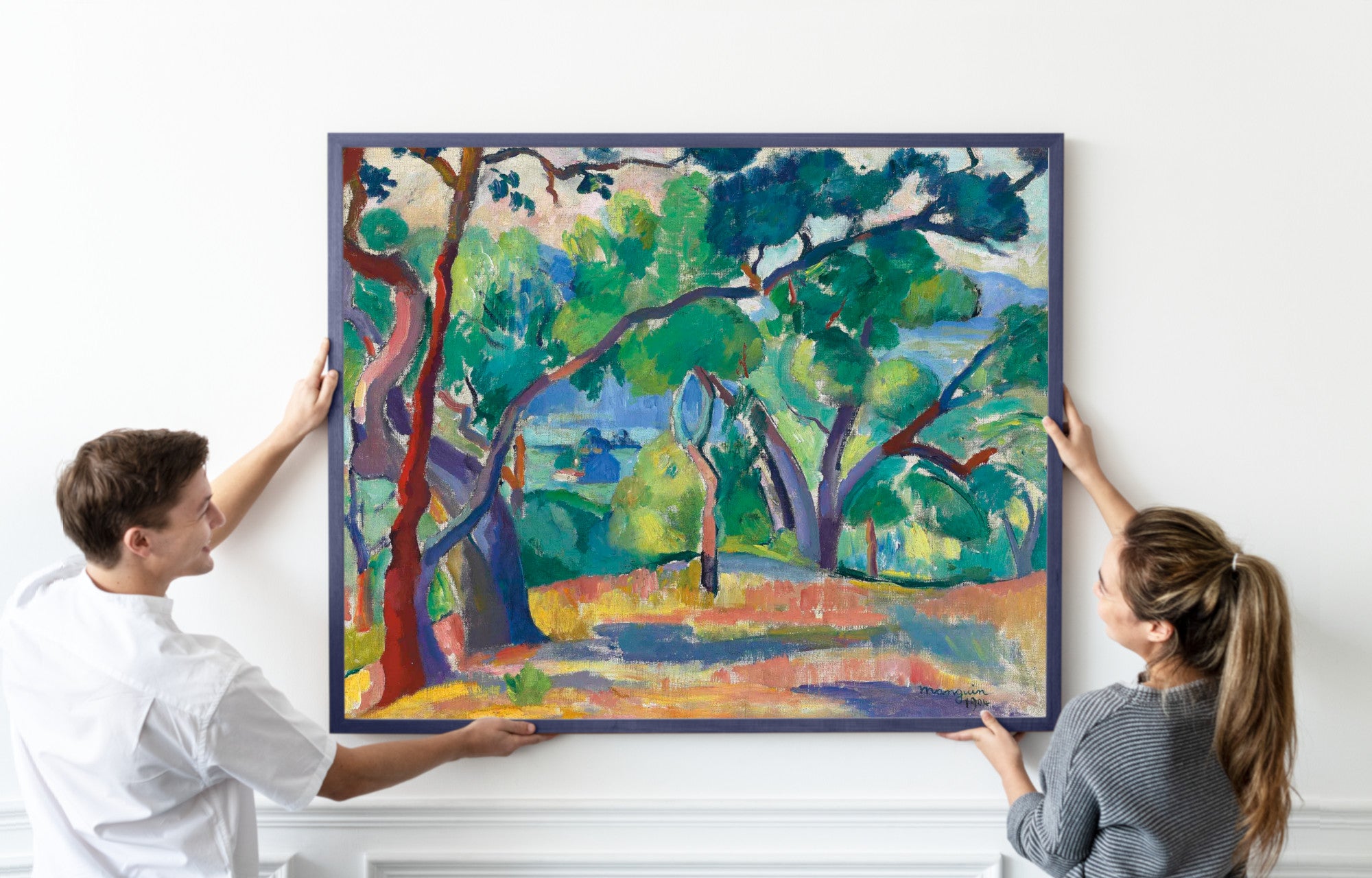
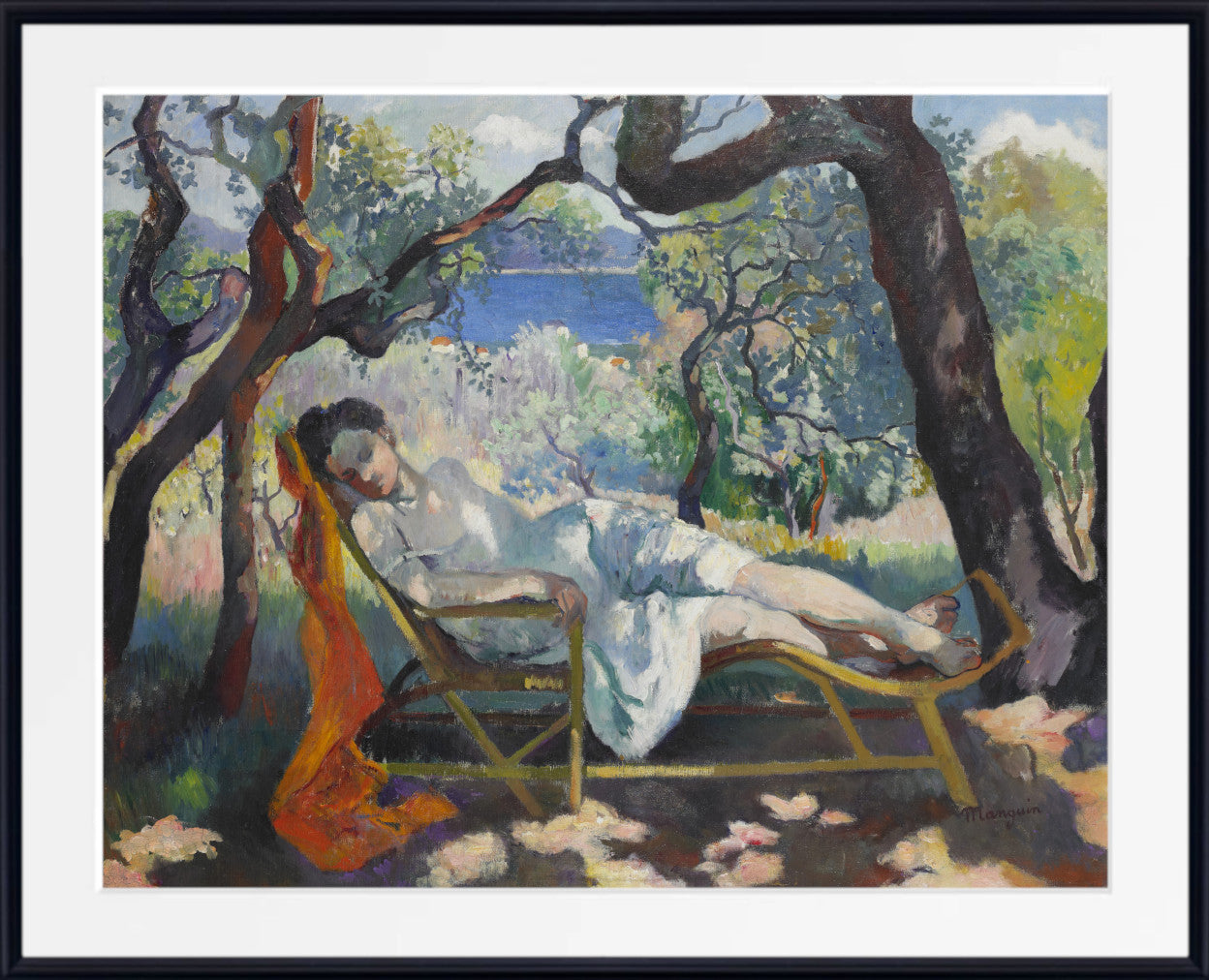
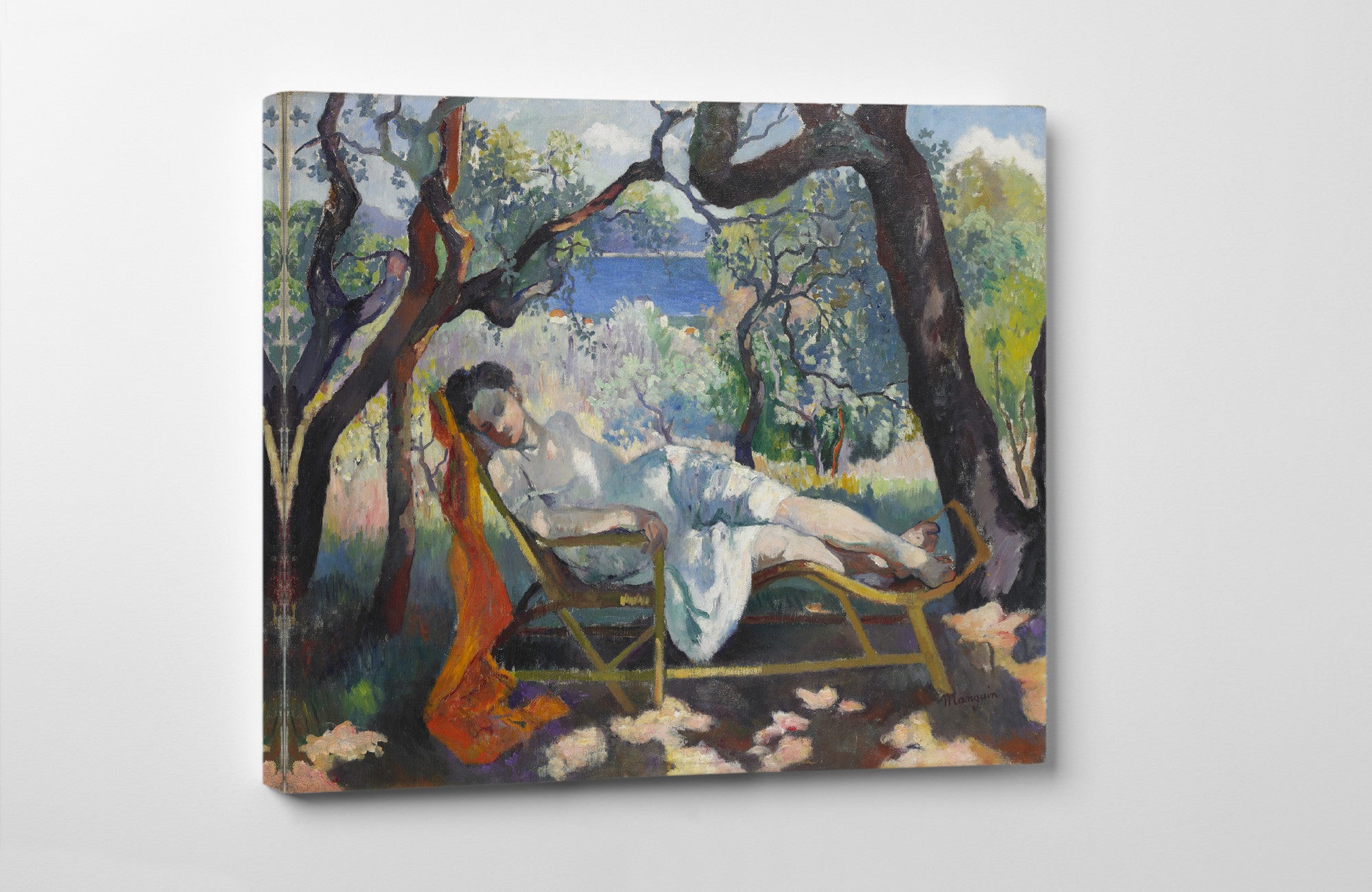
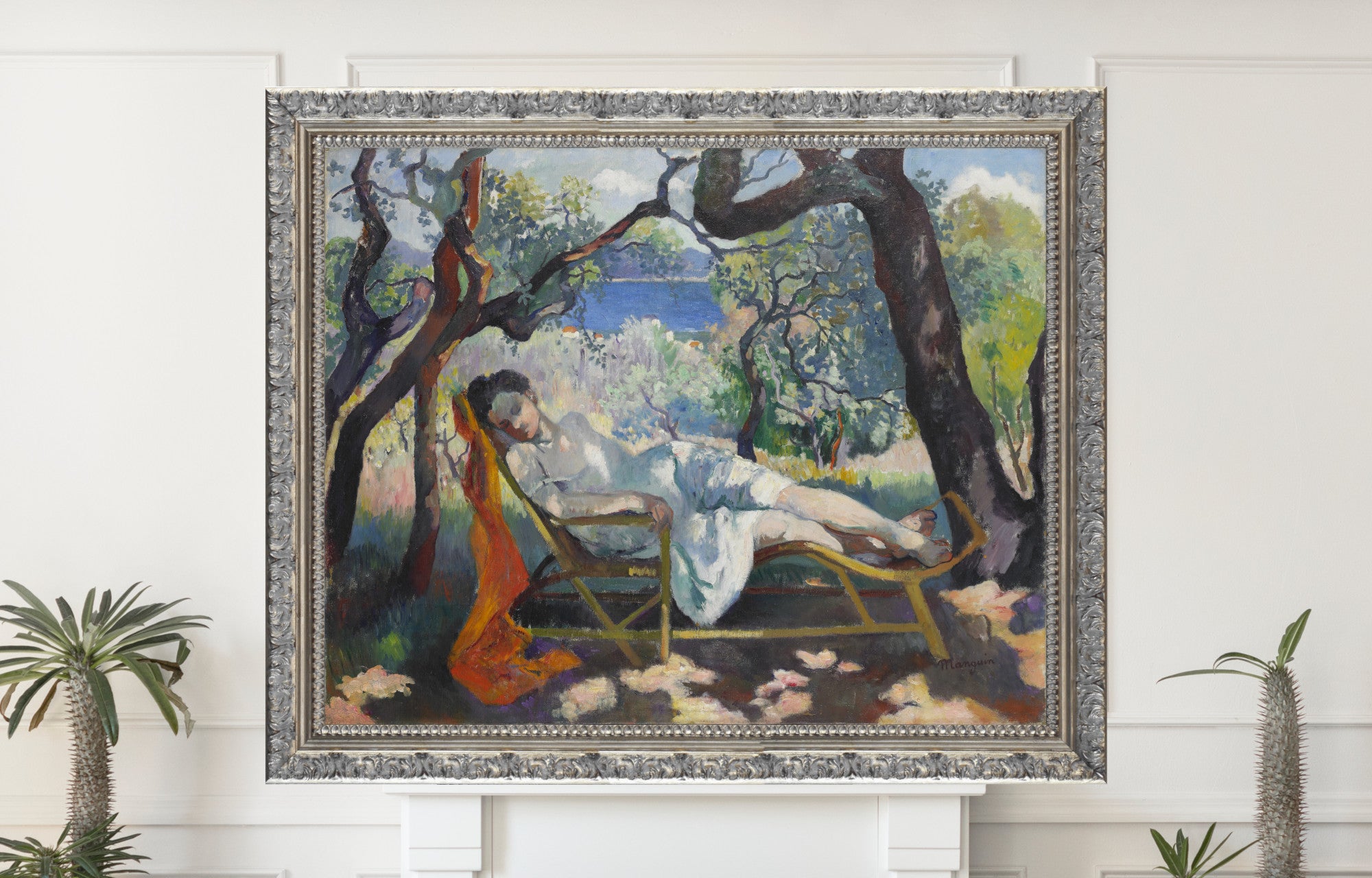
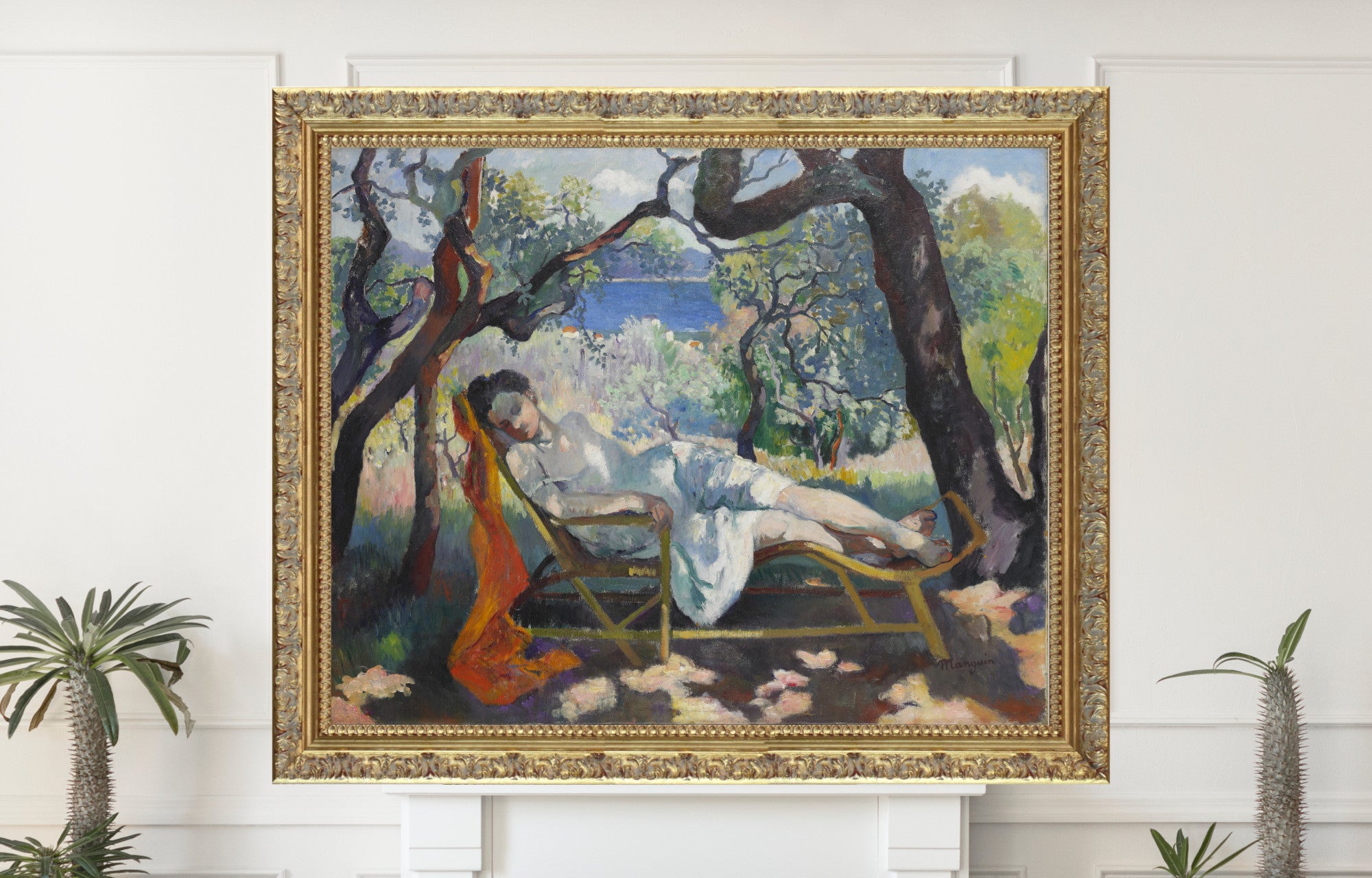
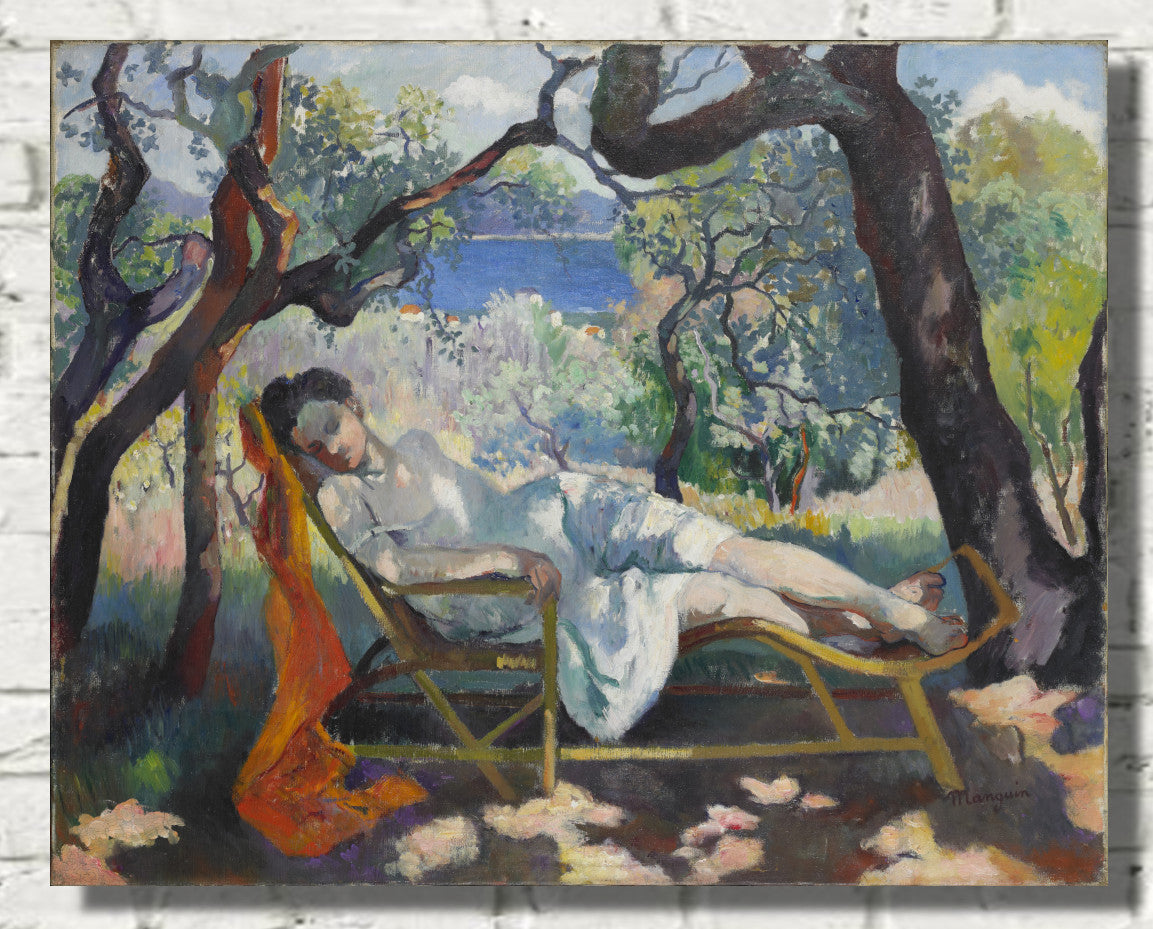
Bring the intimate colour and relaxed atmosphere of Henri Manguin's early Fauvist period into your home with a Henri Manguin La Sieste print. Painted in 1905, La Sieste (Le Repos, Jeanne, Le Rocking-chair) depicts Manguin's wife Jeanne resting in a rocking chair, transforming a quiet domestic moment into a richly coloured expression of light, leisure and modern painting.
Available as fine art prints and canvas panels, La Sieste is especially significant because it was presented at the celebrated 1905 Salon d'Automne, the exhibition closely associated with the birth of Fauvism. The painting therefore combines an intimate personal subject with one of the decisive moments in the development of twentieth-century art.
Jeanne at Rest
The reclining woman is Manguin's wife, Jeanne Carette Manguin, who became the most important recurring model of his career.
Rather than presenting Jeanne in a formal pose, Manguin frequently painted her during ordinary moments of family life: reading, resting, bathing, sitting in gardens or enjoying the landscapes of southern France.
La Sieste is characteristic of this intimate approach. The rocking chair and relaxed posture establish an atmosphere of complete ease, while Manguin's expressive colour transforms the private scene into a striking modern composition.
Painting Style
A Painting from the Birth of Fauvism
The year 1905 gives La Sieste particular art-historical importance.
Manguin exhibited the painting at that year's Salon d'Automne in Paris, alongside the revolutionary work of Henri Matisse, André Derain, Maurice de Vlaminck, Albert Marquet and other experimental painters.
Their brilliant and unconventional use of colour prompted critic Louis Vauxcelles to describe the group as les fauves – “the wild beasts”. The expression became the name of the new movement: Fauvism.
La Sieste therefore belongs directly to the moment when colour was being liberated from conventional naturalistic representation.
Colour and Intimacy
Manguin's Fauvism was often more lyrical than the work of some of his contemporaries.
Rather than using strong colour primarily to create confrontation, he frequently applied it to scenes of affection, domestic life and leisure. Jeanne's presence allowed him to combine formal experimentation with deeply familiar subject matter.
Warm colours interact with cooler passages throughout La Sieste, giving the composition rhythm while preserving the quiet character of the scene.
The result is recognisably Fauvist without sacrificing tenderness. Radical colour and domestic intimacy coexist within the same painting.
The Rocking Chair as Part of the Composition
The rocking chair is significant enough to appear in one of the painting's alternative titles, Le Rocking-chair.
Its curved structure echoes the relaxed posture of Jeanne's body and contributes to the overall rhythm of the painting. Figure, chair and surrounding space become interconnected rather than functioning as isolated elements.
Manguin simplifies details where necessary, allowing colour and contour to carry the visual effect. The domestic object therefore becomes part of the modernist structure of the composition rather than simply background furniture.
Manguin's Personal Version of Fauvism
Manguin's participation in the Fauvist movement placed him alongside some of the most radical colourists of his generation, yet his temperament remained distinctive.
André Derain and Maurice de Vlaminck could use violent contrasts to energise landscapes, while Henri Matisse increasingly simplified forms in pursuit of decorative harmony.
Manguin generally chose warmer and more personal subjects: his wife Jeanne, children, gardens, bathers and Mediterranean landscapes.
La Sieste is therefore particularly representative of his contribution to Fauvism. It demonstrates that revolutionary colour could be applied not only to dramatic landscapes but also to intimate scenes of everyday life.
Jeanne as Manguin's Muse
Jeanne appears throughout Manguin's career and provides an unusual continuity across his paintings.
He portrayed her clothed and nude, indoors and outdoors, in formal portraits and completely informal family settings. Over time, these works became both artistic experiments and a visual record of their shared life.
Paintings such as La Baigneuse, Jeanne with Parasol and La Sieste demonstrate how central she was to his exploration of the human figure.
Her repeated presence also distinguishes Manguin's oeuvre from the more detached treatment of professional models common in late nineteenth- and early twentieth-century painting.
La Sieste Wall Art for Modern Interiors
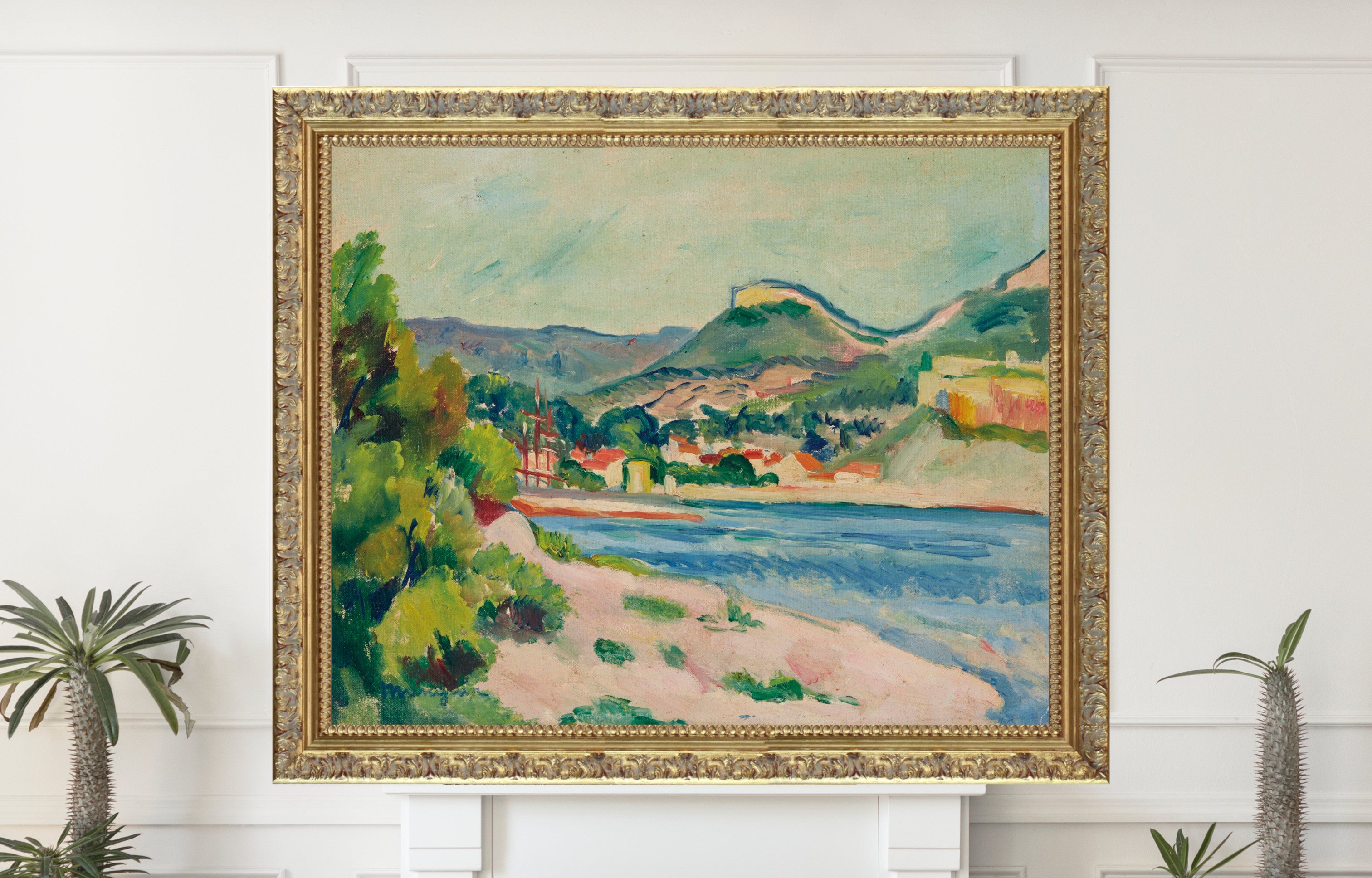
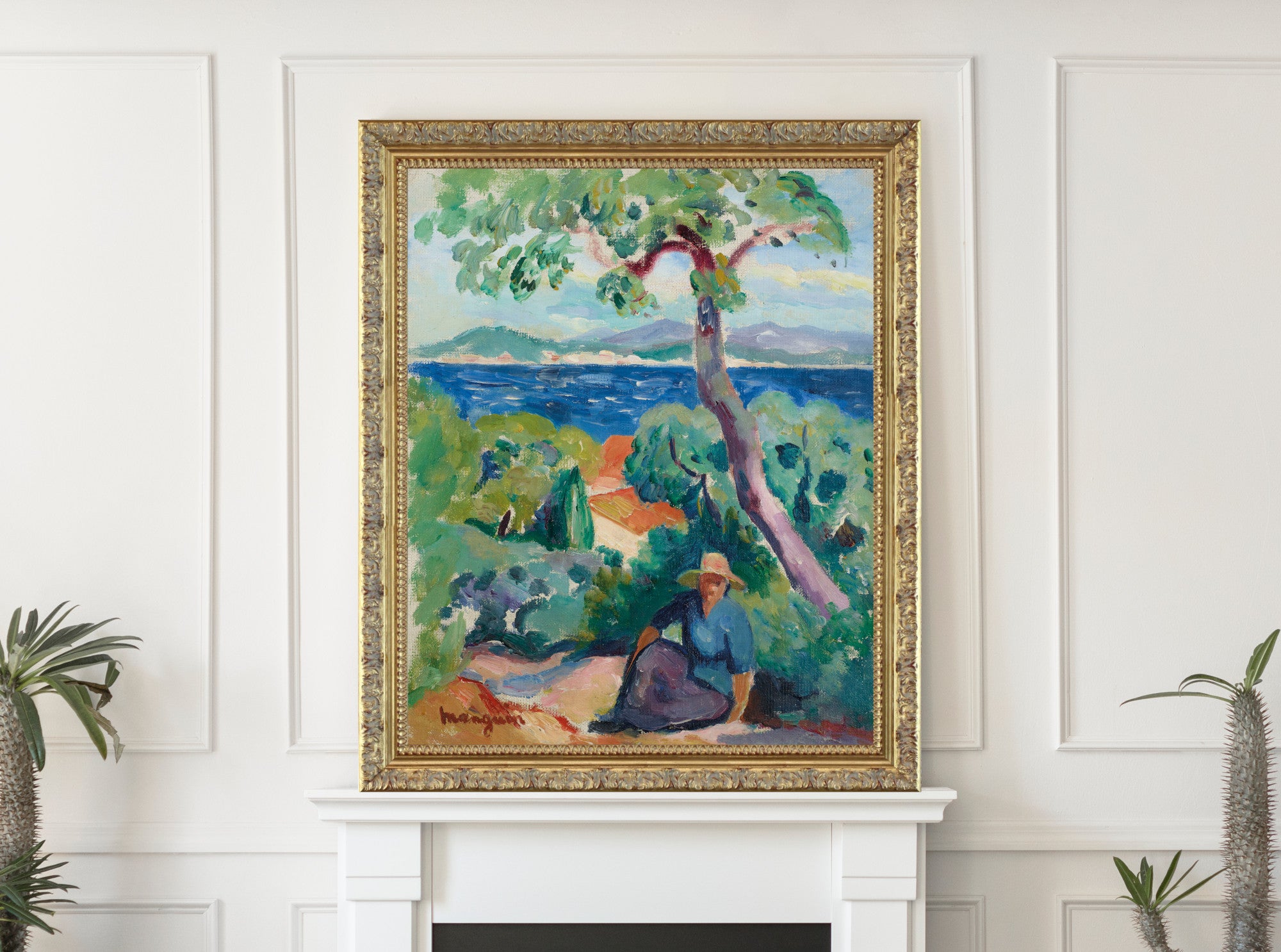
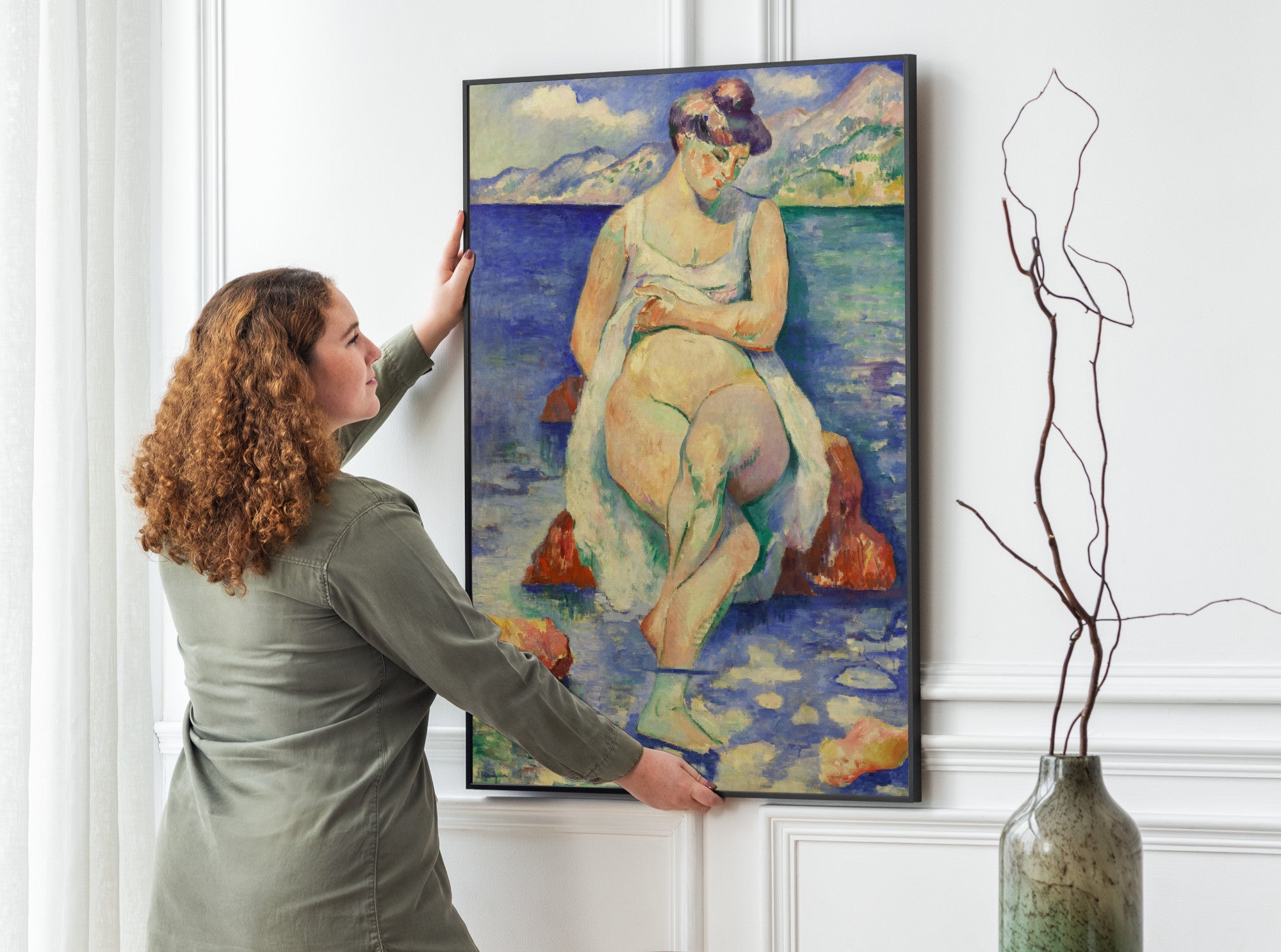
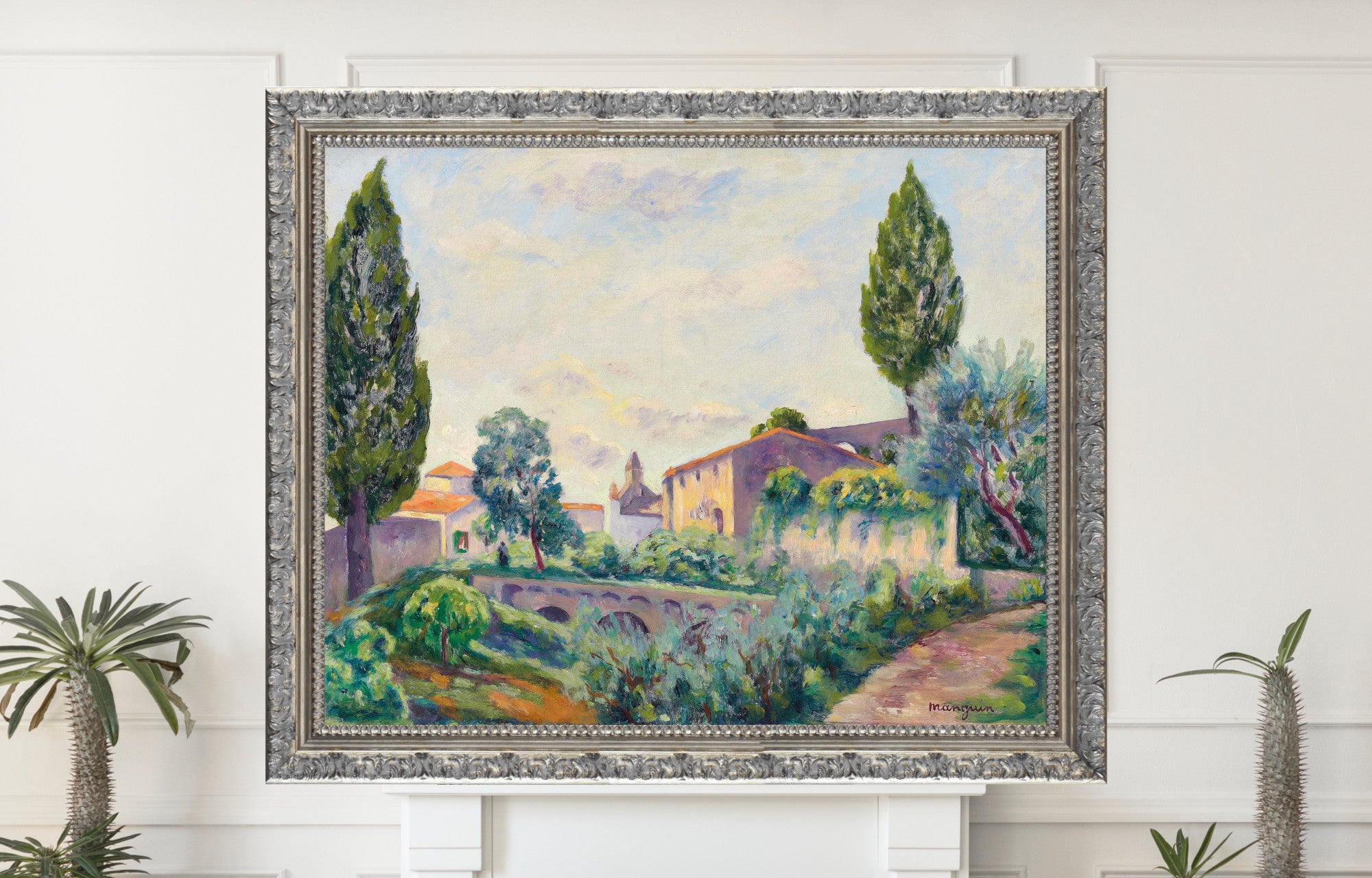
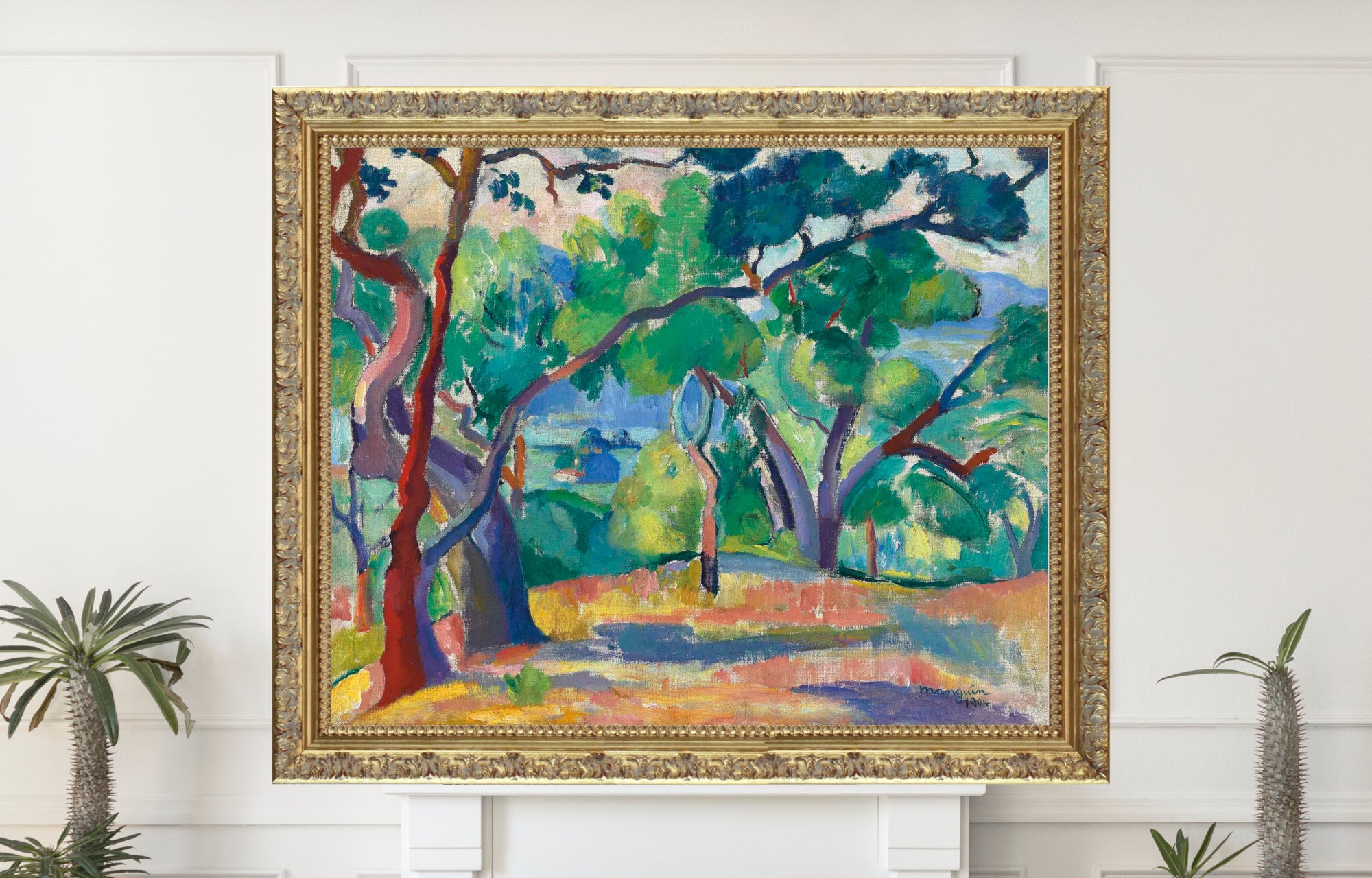
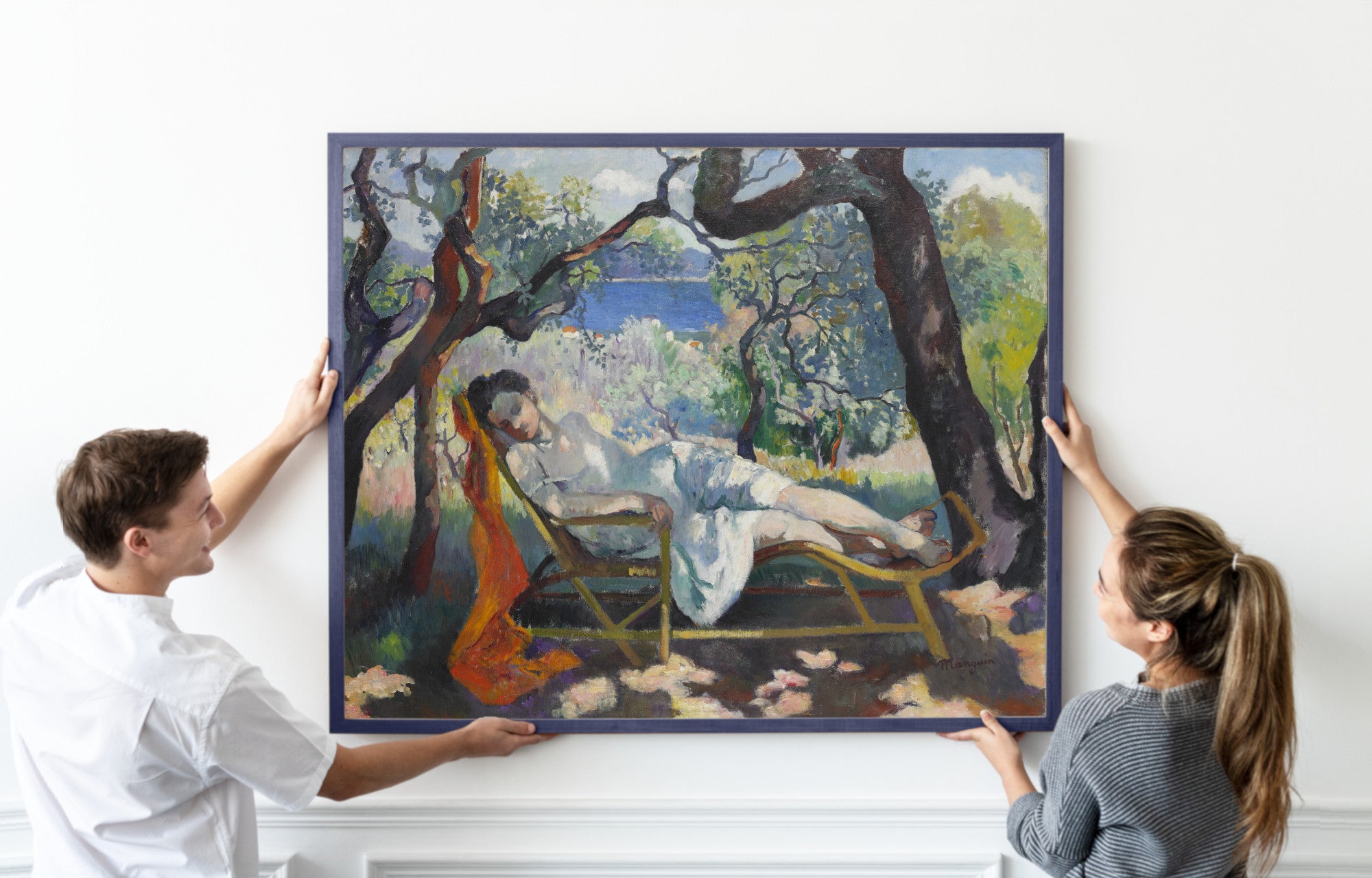
A Henri Manguin La Sieste wall art print combines strong colour with an unusually relaxed subject, making it particularly suited to living rooms, bedrooms and reading spaces.
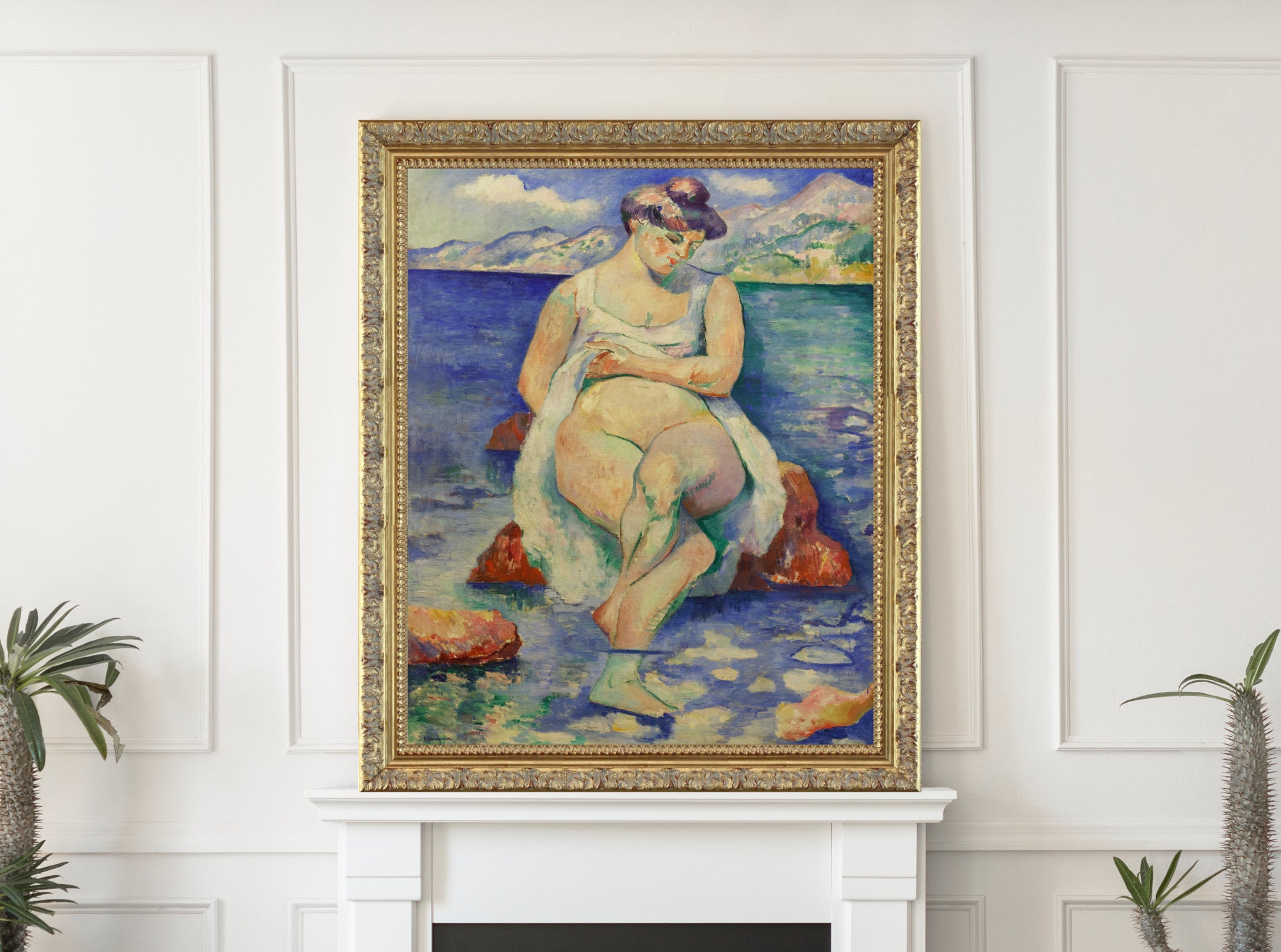
The painting works well within contemporary, Scandinavian, eclectic and mid-century modern interiors. Neutral walls provide an effective backdrop for Manguin's expressive palette, while natural woods and soft textiles complement the intimate domestic subject.
Displayed above a sofa, bed, console table or sideboard, a Manguin Jeanne print introduces both warmth and a direct connection with the historic emergence of Fauvism.
About Henri Manguin
Henri Manguin (1874–1949) was a French painter and one of the artists associated with the emergence of Fauvism.
He studied under Gustave Moreau at the École des Beaux-Arts in Paris, where his fellow students included Henri Matisse and Albert Marquet.
Manguin initially absorbed influences from Impressionism before moving towards increasingly intense and independent colour. His participation in the 1905 Salon d'Automne placed him among the artists whose work gave rise to the term Fauvism.
Despite the movement's reputation for wild colour, Manguin developed a particularly harmonious interpretation. His subjects frequently celebrate family life, gardens, Mediterranean landscapes and leisure.
His wife Jeanne was his most important model, while Saint-Tropez and other locations in southern France provided many of his most characteristic landscapes.
Today, Henri Manguin prints are valued for their distinctive combination of Fauvist colour, warmth and intimacy.
Frequently Asked Questions
When did Henri Manguin paint La Sieste?
Henri Manguin painted La Sieste in 1905, the pivotal year associated with the emergence of Fauvism.
What does La Sieste mean?
La Sieste means The Siesta or afternoon rest. The painting is also known as Le Repos, meaning Rest, and as Jeanne, Le Rocking-chair.
Who is depicted in La Sieste?
The woman is Manguin's wife Jeanne, his favourite model and one of the most frequently portrayed figures in his work.
Was La Sieste exhibited at the 1905 Salon d'Automne?
Yes. La Sieste was presented at the 1905 Salon d'Automne, the famous exhibition associated with the birth of Fauvism.
Why was the 1905 Salon d'Automne so important?
Works by Manguin, Henri Matisse, André Derain and other artists used such unconventional colour that critic Louis Vauxcelles described the painters as les fauves, or “wild beasts”. The description gave Fauvism its name.
Is La Sieste a Fauvist painting?
Yes. Its 1905 date and Salon d'Automne exhibition history place it directly within the formative Fauvist period.
Why did Henri Manguin paint Jeanne so frequently?
Jeanne was both Manguin's wife and his principal model. Their close relationship allowed him to explore the human figure through unusually intimate and relaxed subjects.
What medium was the original La Sieste painted in?
The original La Sieste is an oil painting on canvas.
What interiors suit a La Sieste print?
The painting works particularly well in contemporary, Scandinavian, eclectic and mid-century modern interiors, particularly bedrooms and living spaces where its relaxed atmosphere complements the room.
Is La Sieste available as a canvas panel?
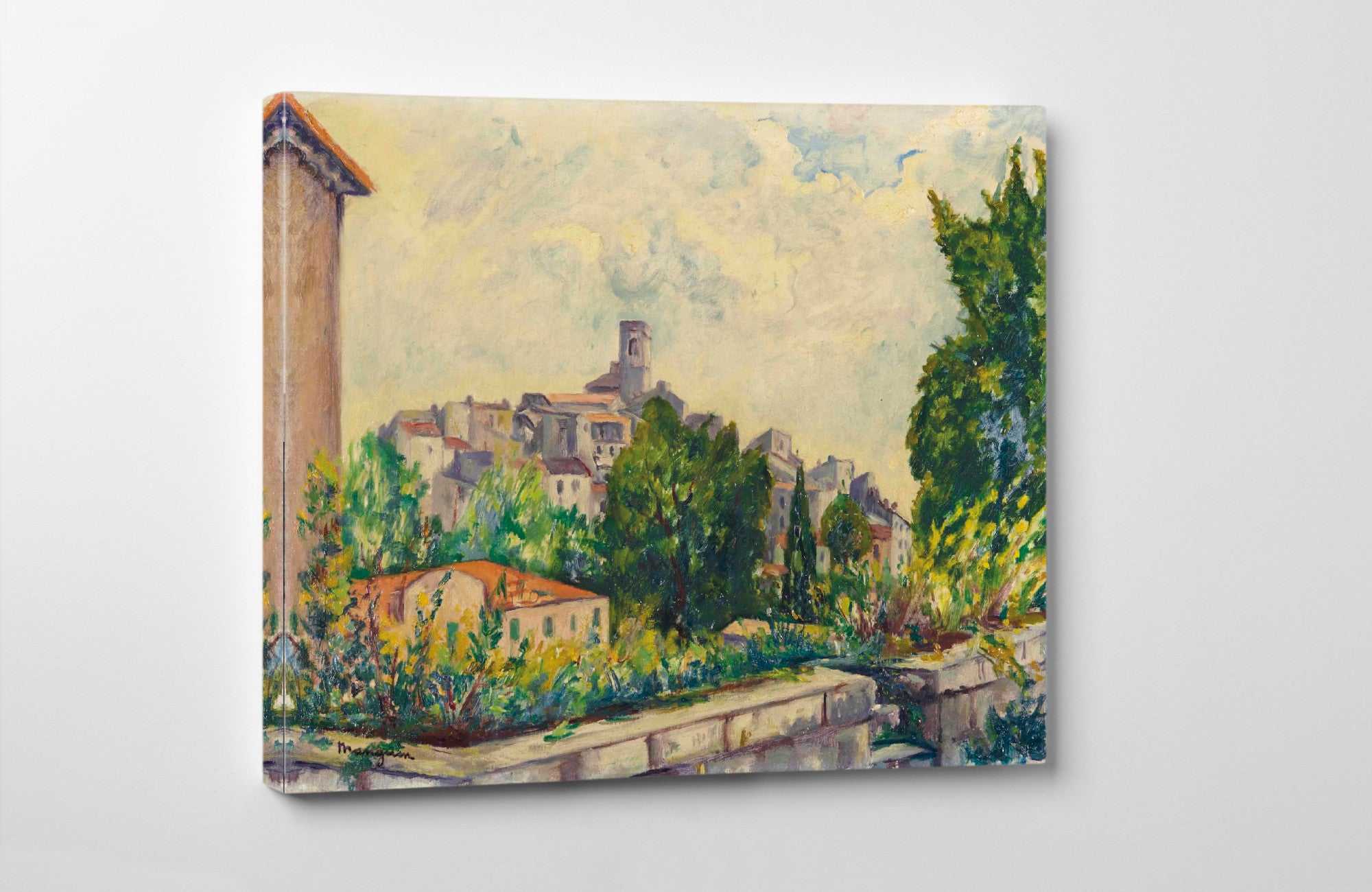
GalleryThane offers La Sieste as fine art prints and canvas panels, providing different ways to display this important early Fauvist composition within your home.
Meta description: Henri Manguin La Sieste prints and canvas panels featuring Jeanne at rest in the celebrated 1905 Fauvist painting shown at the Salon d’Automne.All orders for unframed fine art prints and original paintings are dispatched within 2 working days of receipt of payment.
Orders for custom framed prints are dispatched within 4 working days.
All orders are fully tracked from dispatch to delivery at your home or business.
All print and original painting orders are fully insured against loss or damage in transit. We refund or replace any damaged or lost orders.
Buy with confidence - read what our satisfied customers have to say - Reviews
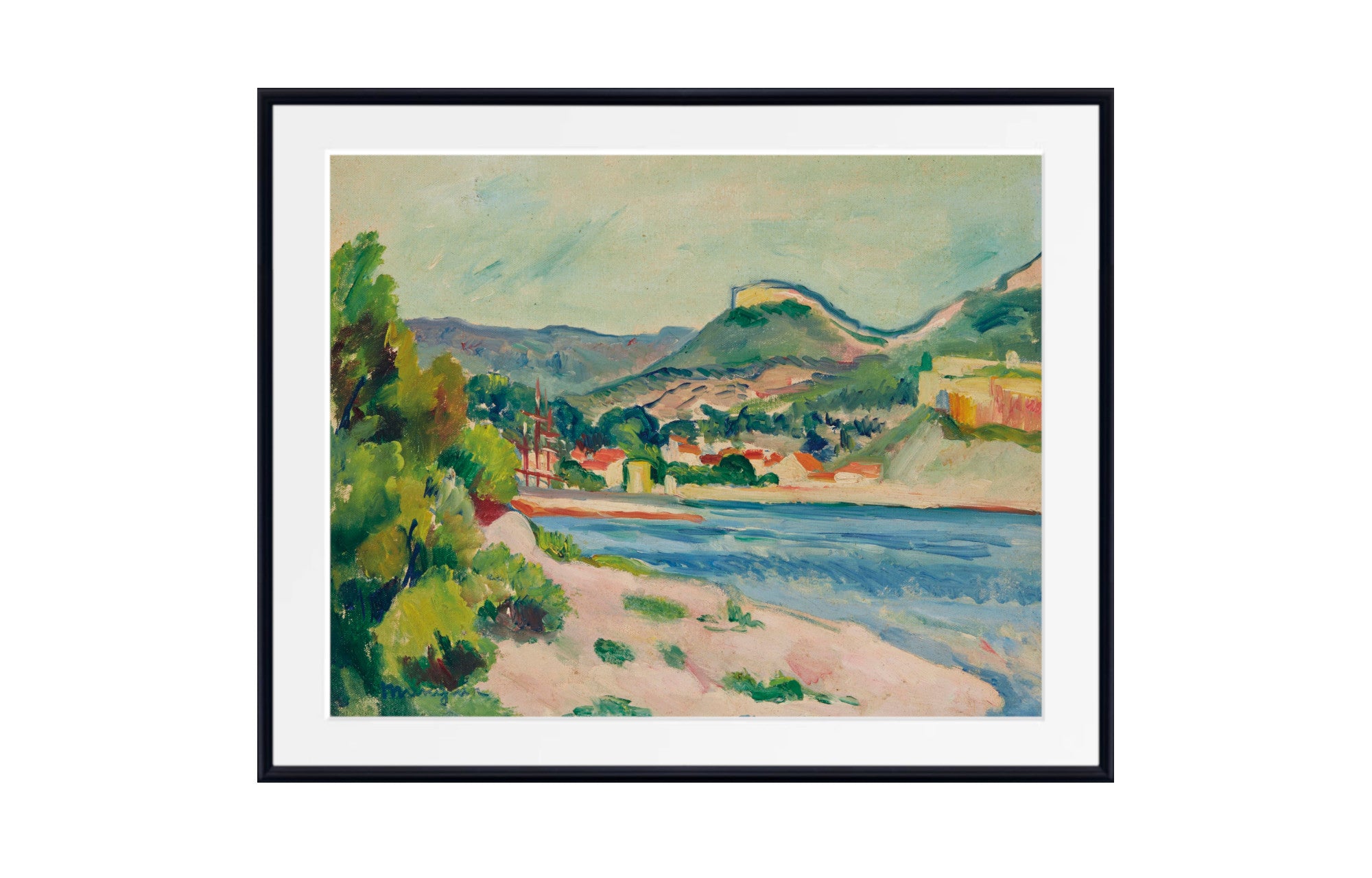
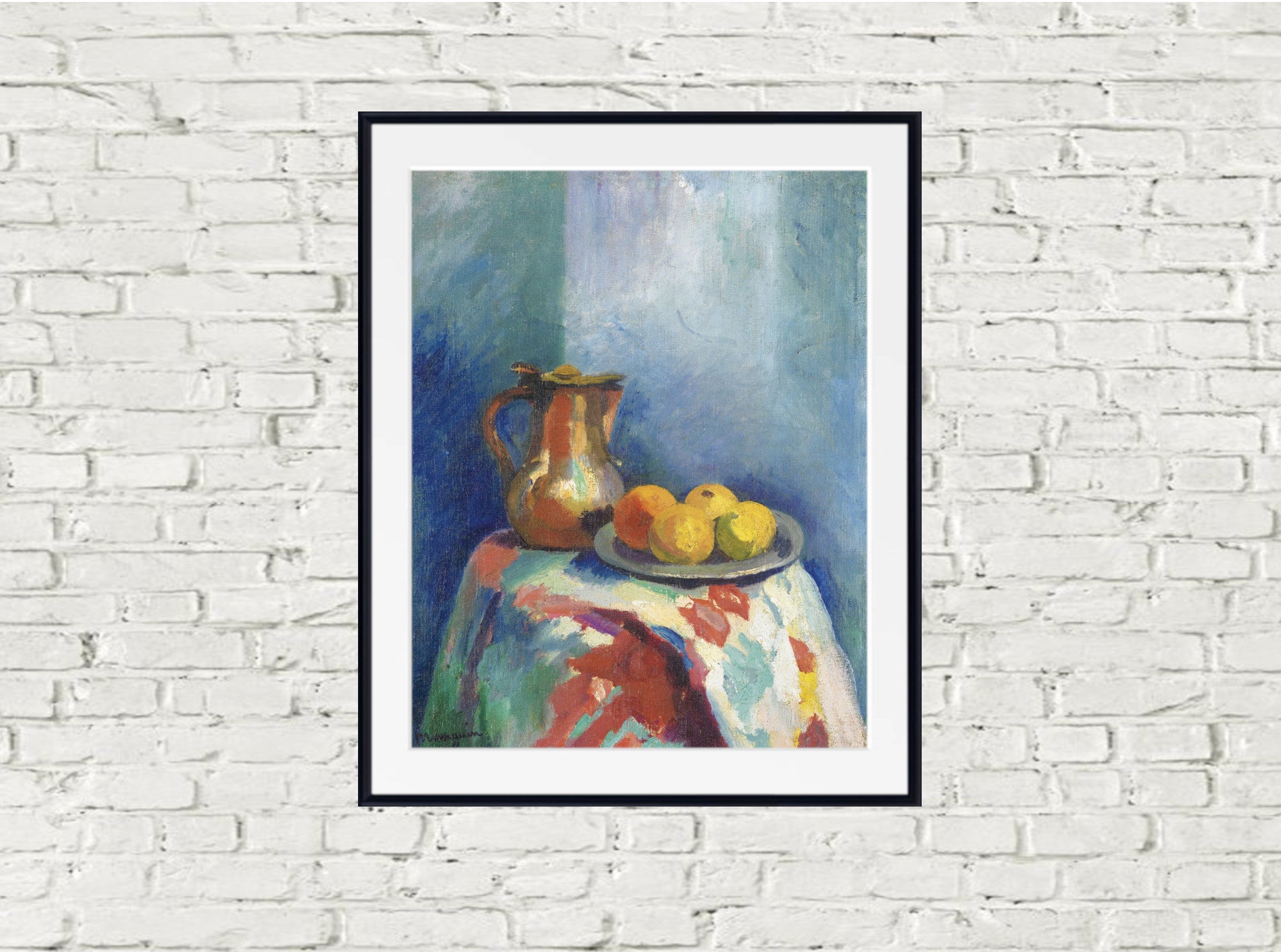
Fine art papers are printed without any additional white border Please let us know at the time of ordering if you would like a small additional white border.
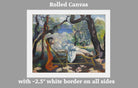
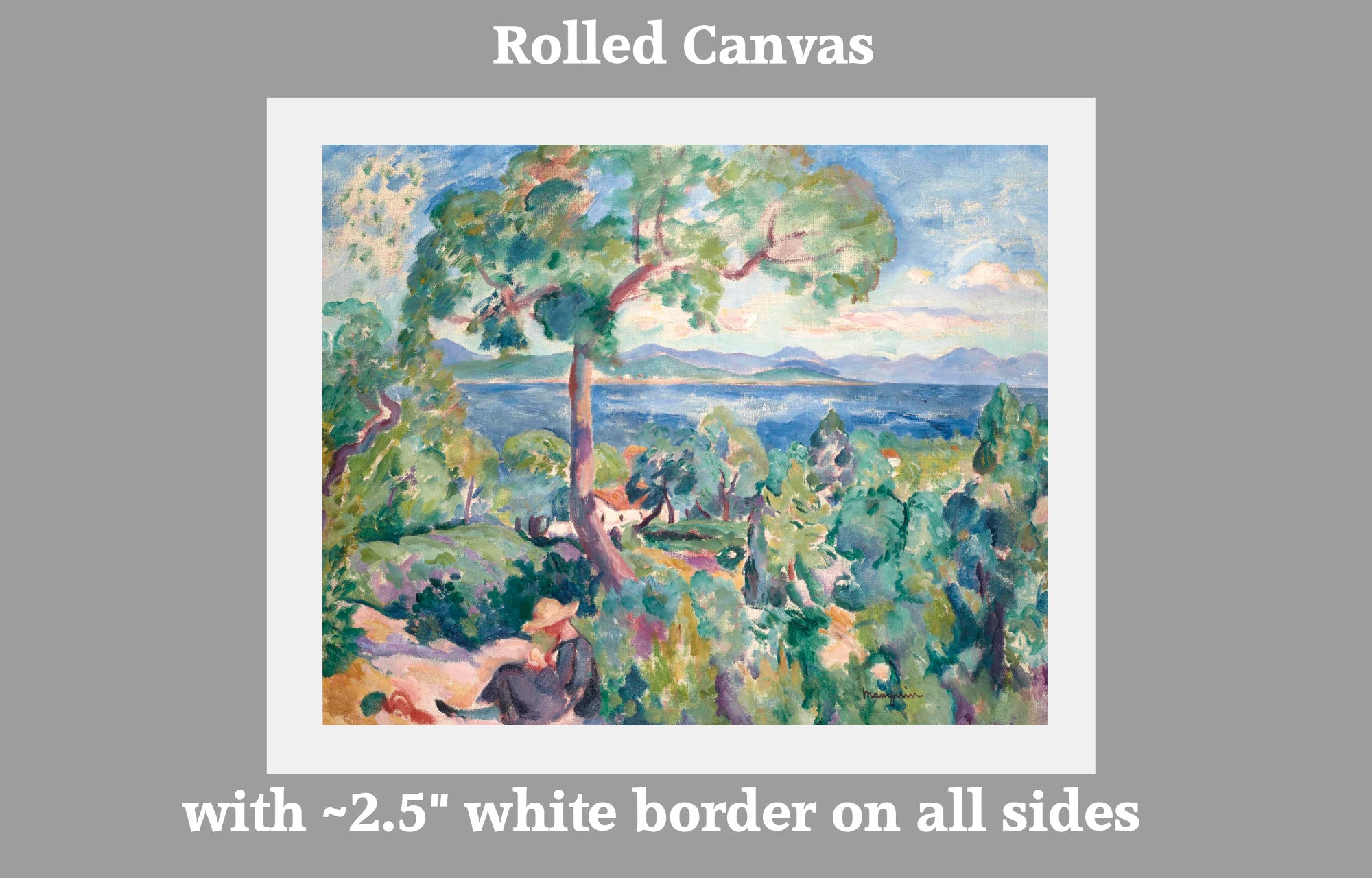
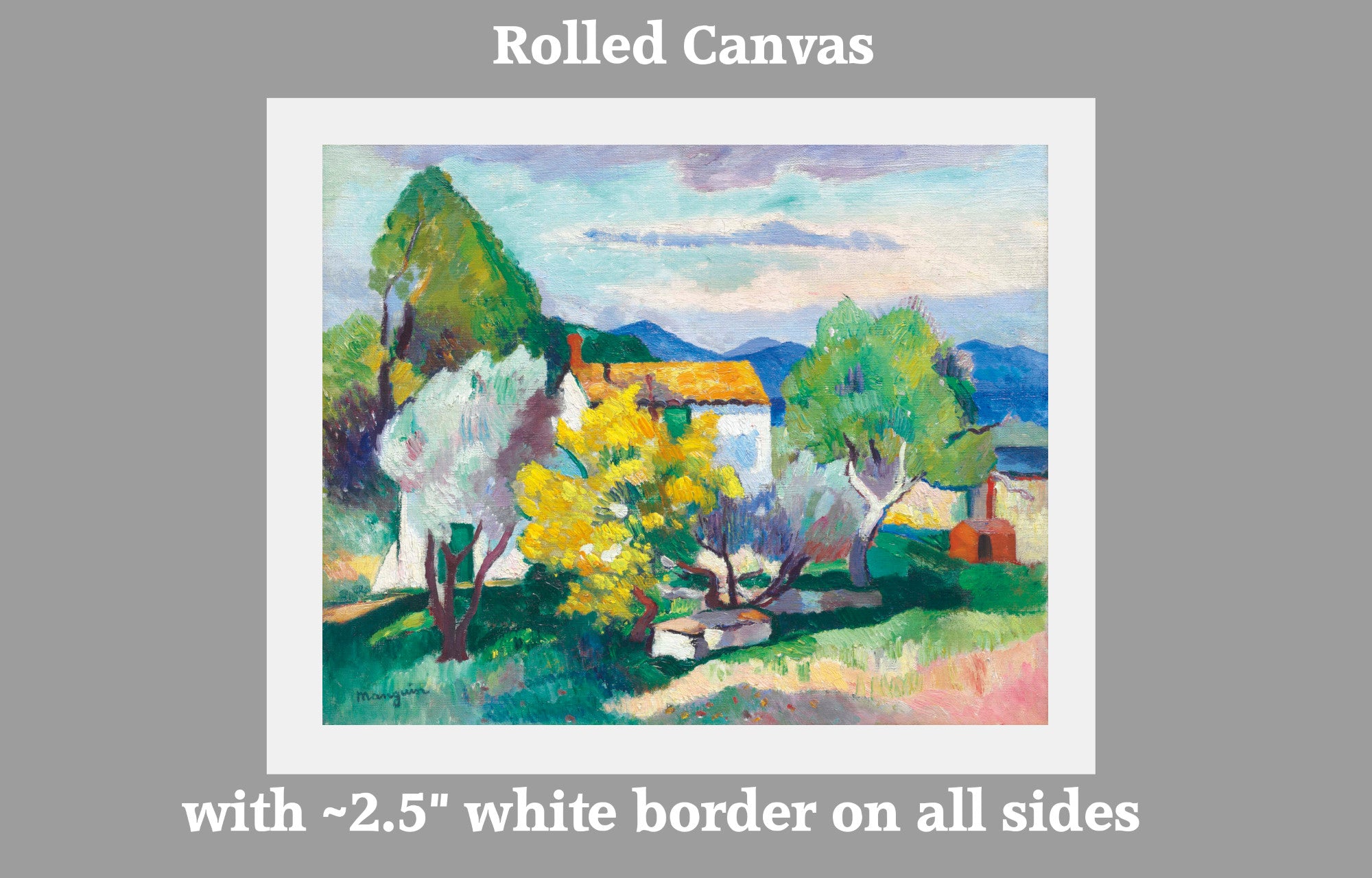
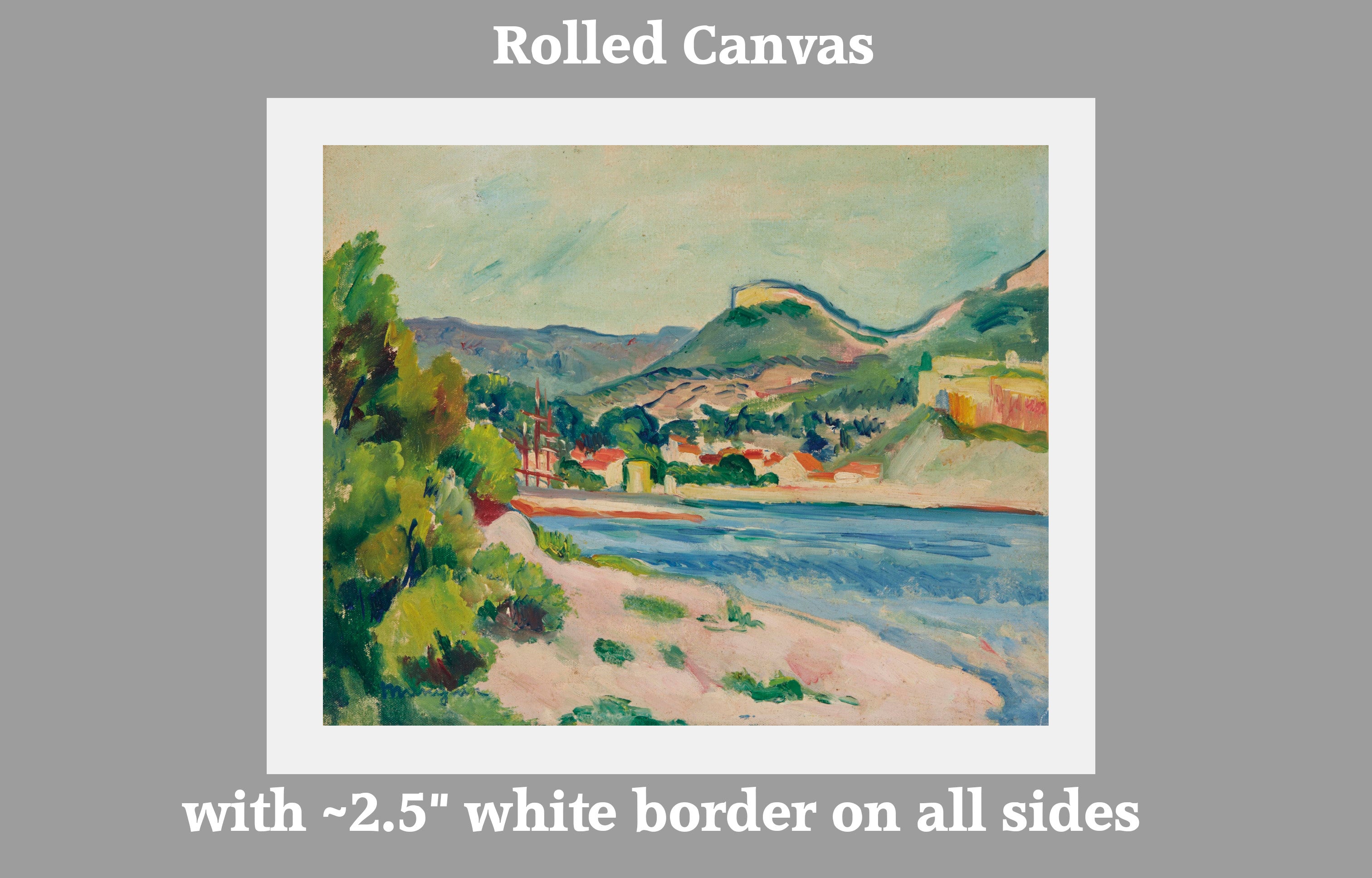
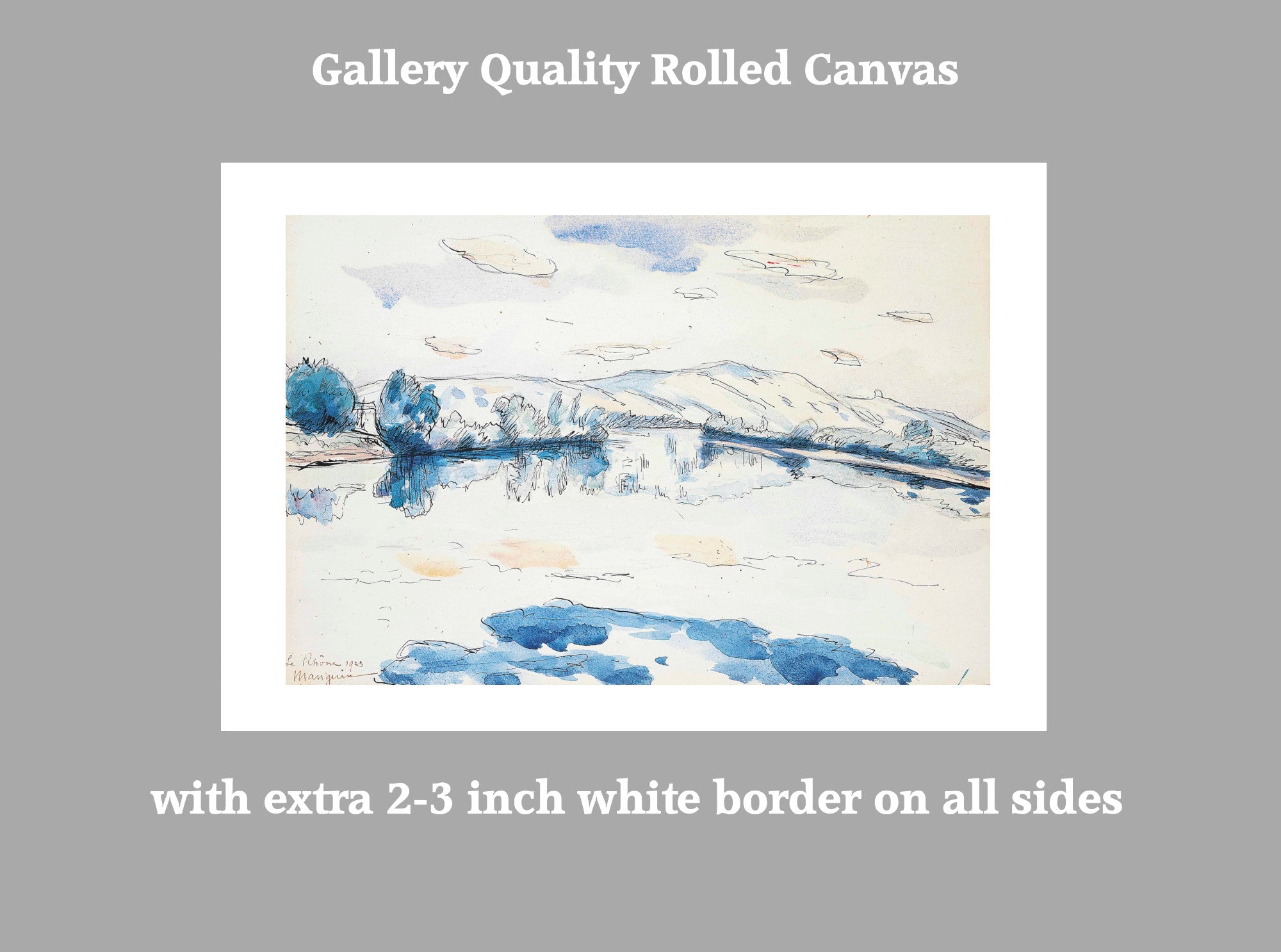
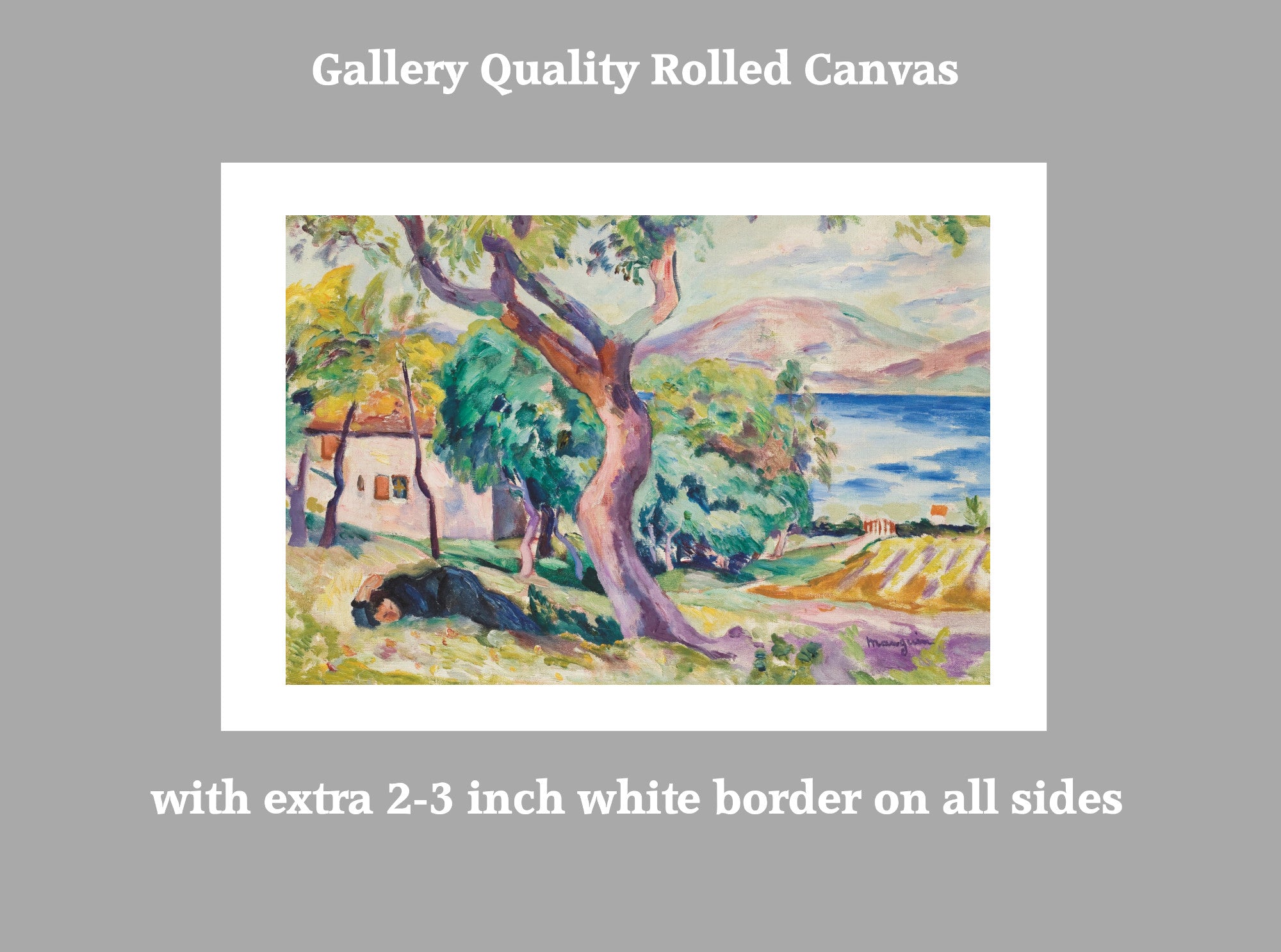
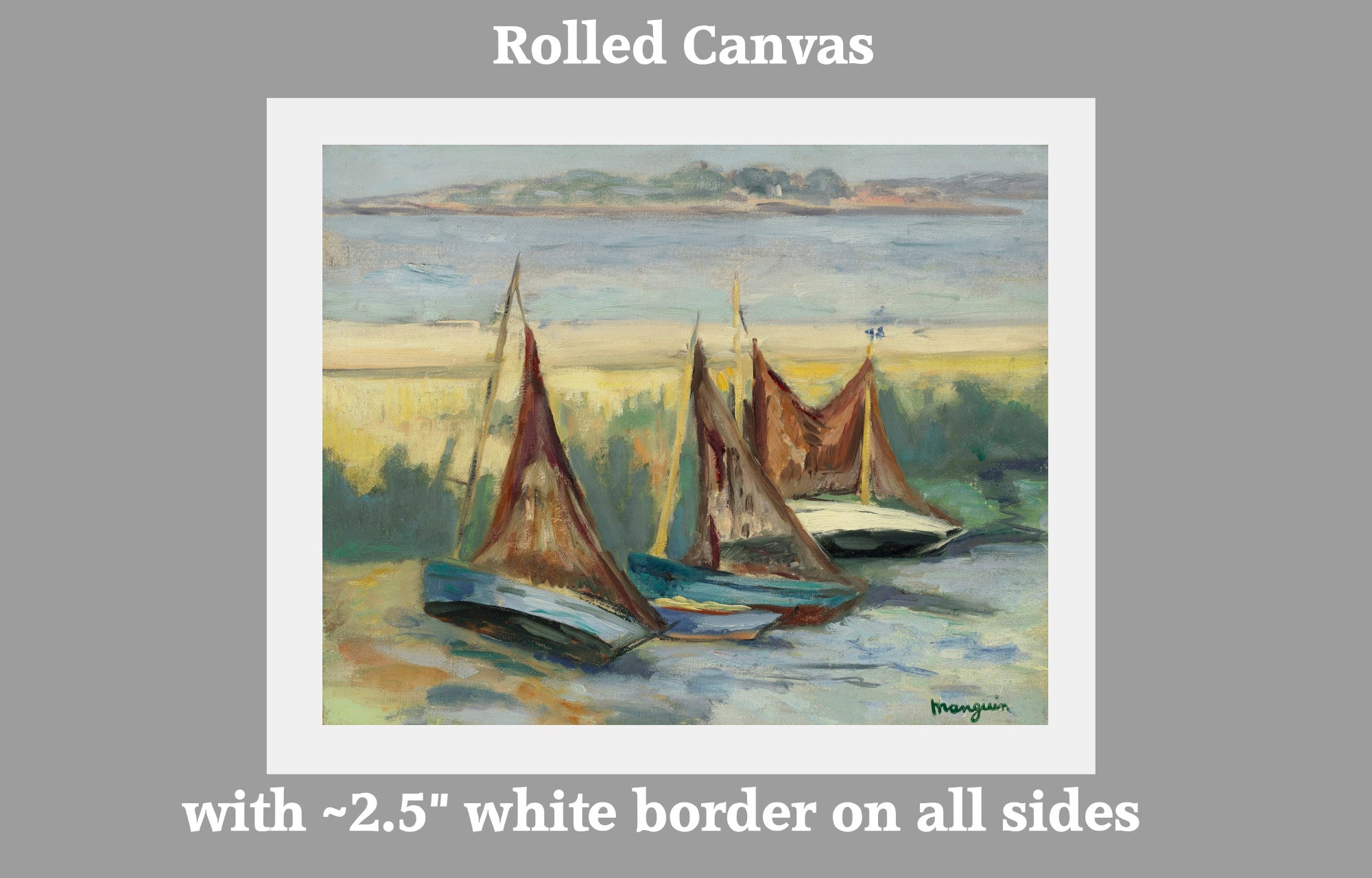
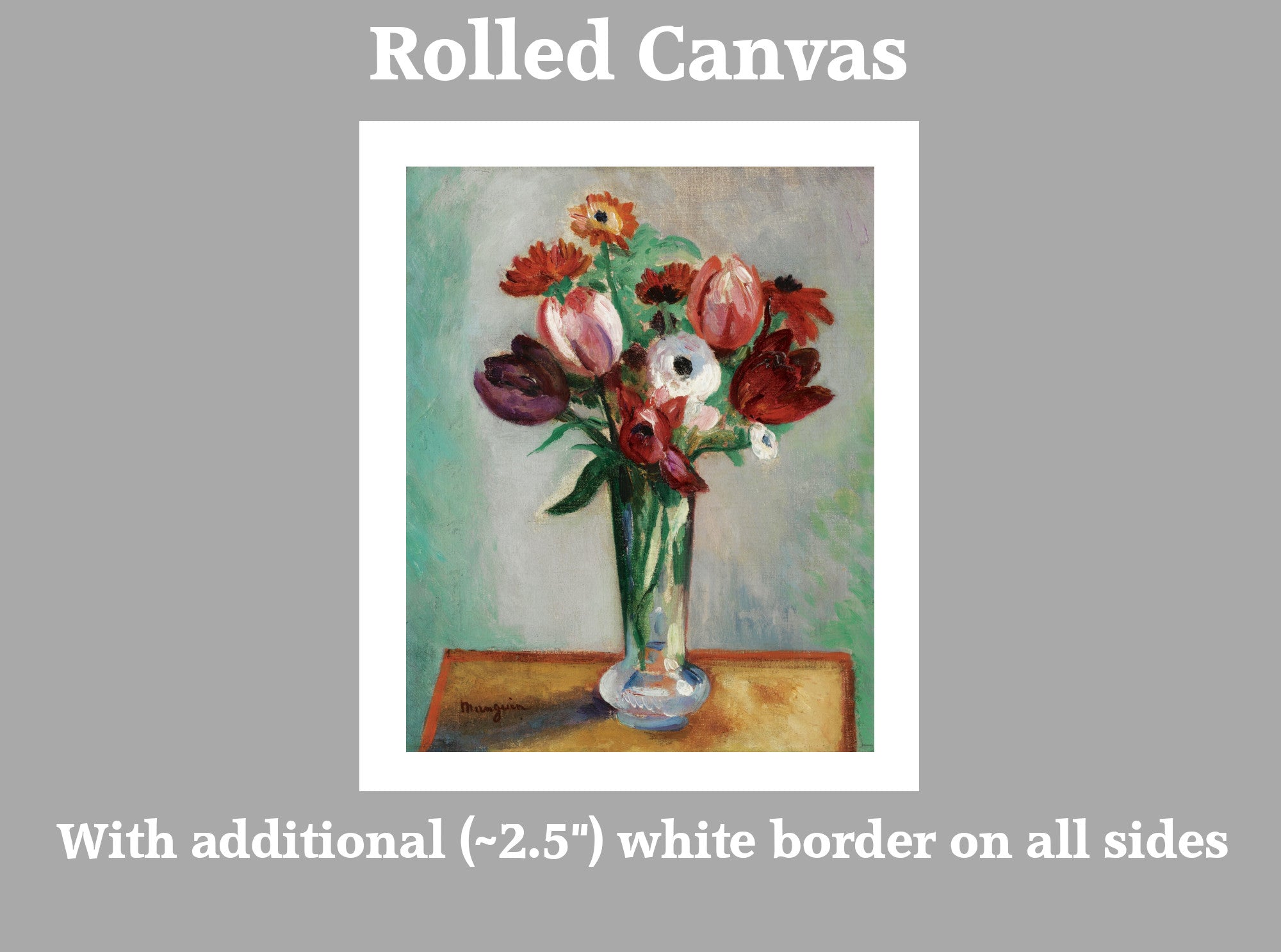
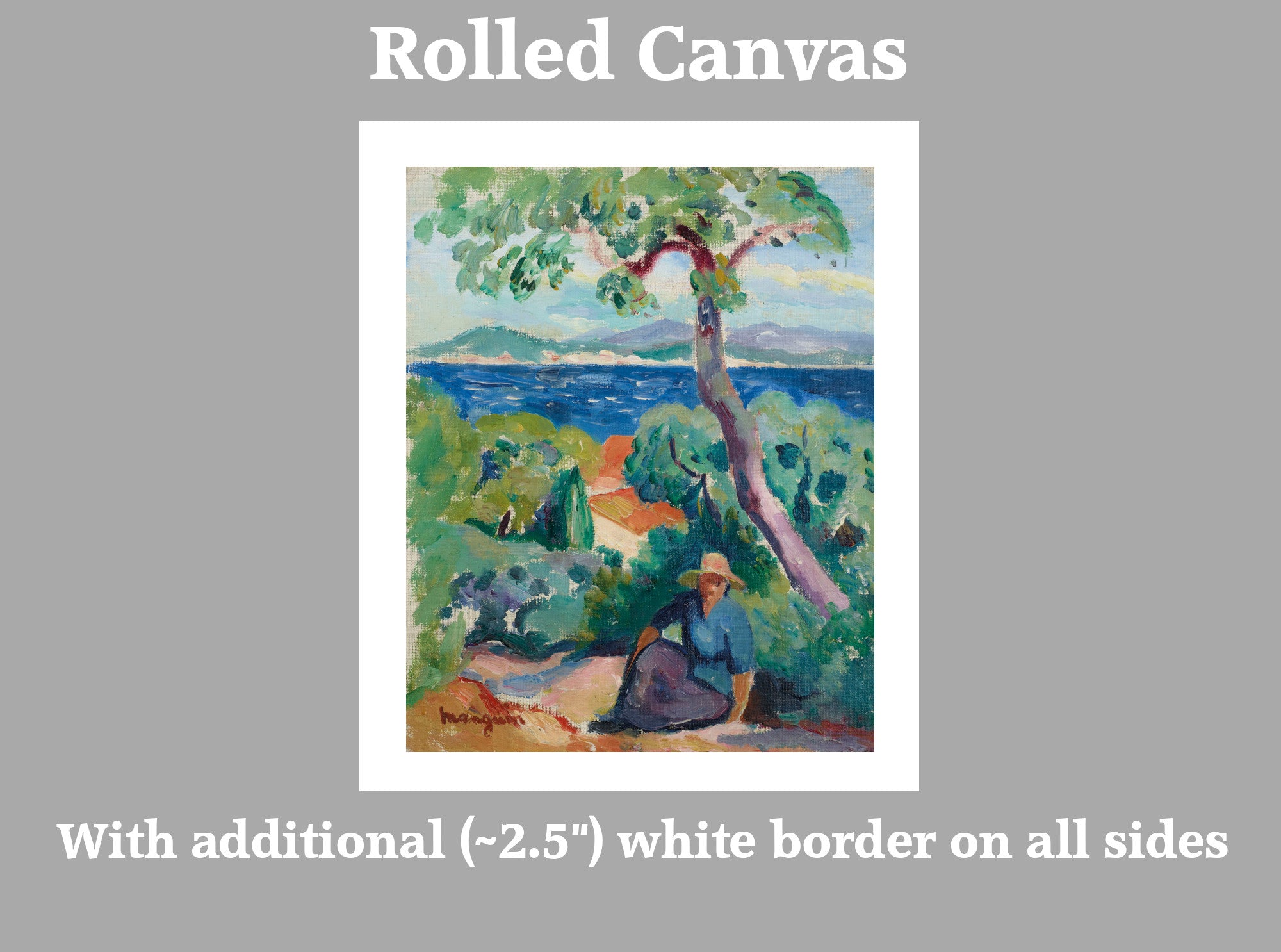
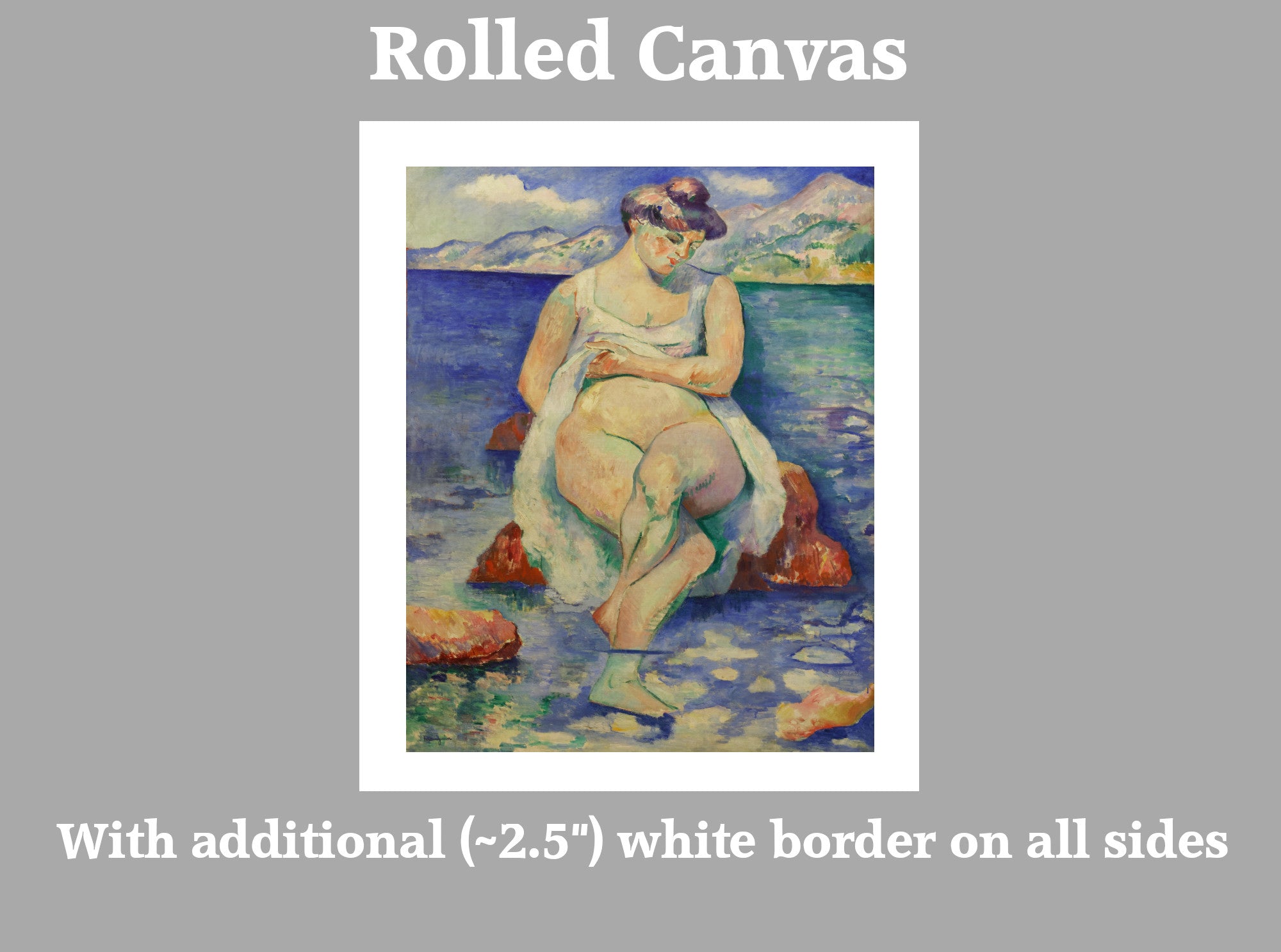
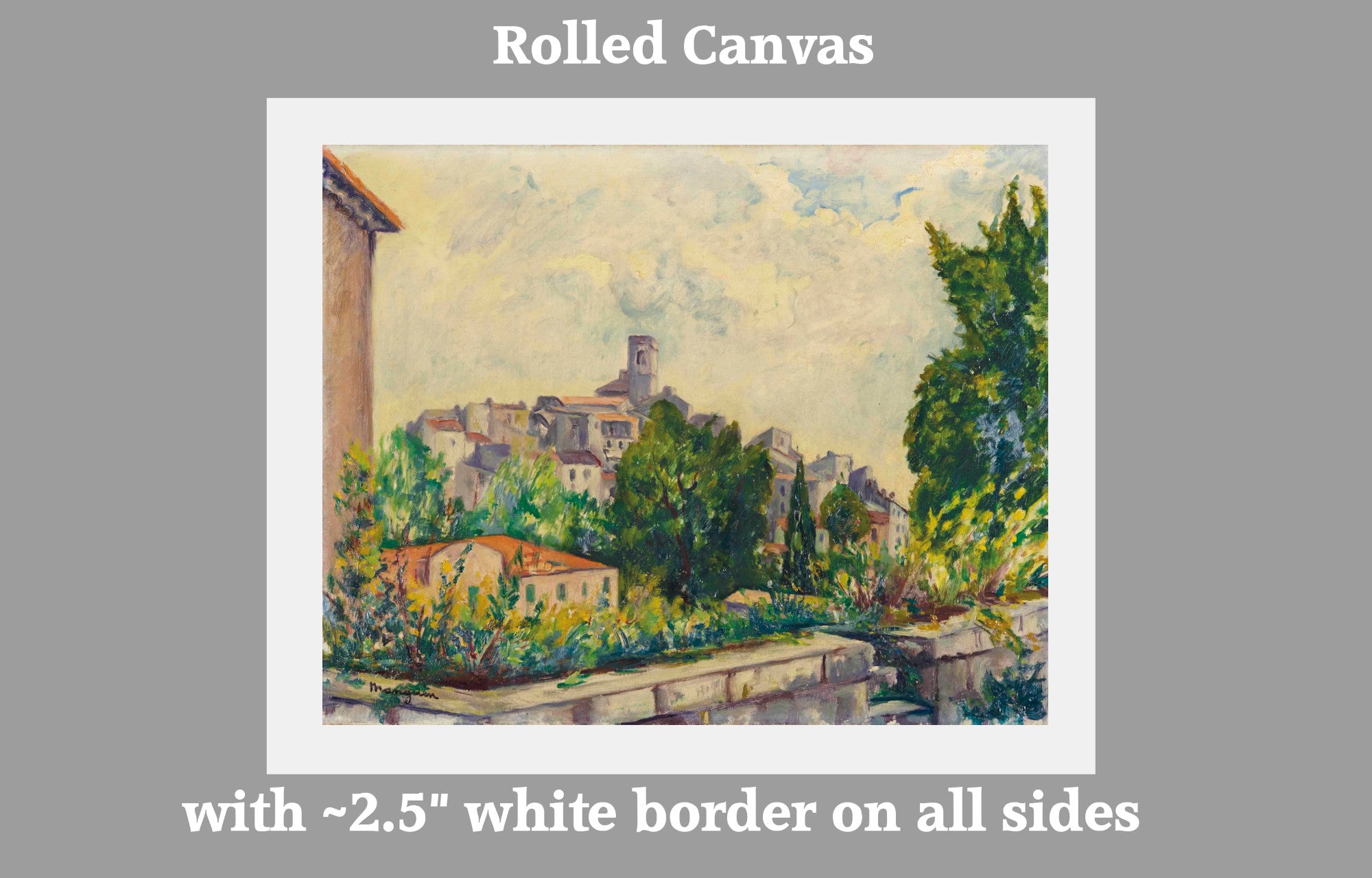
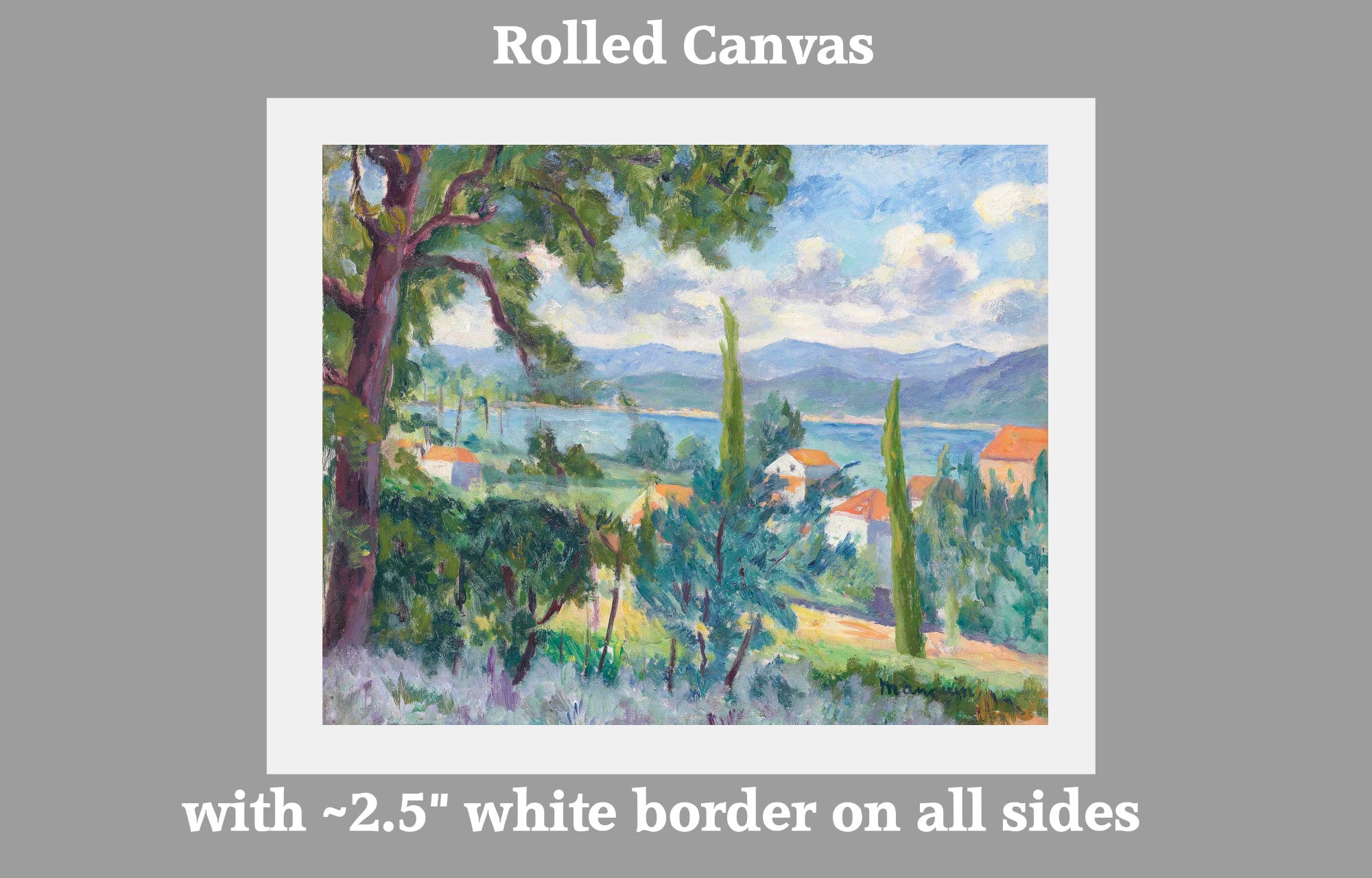
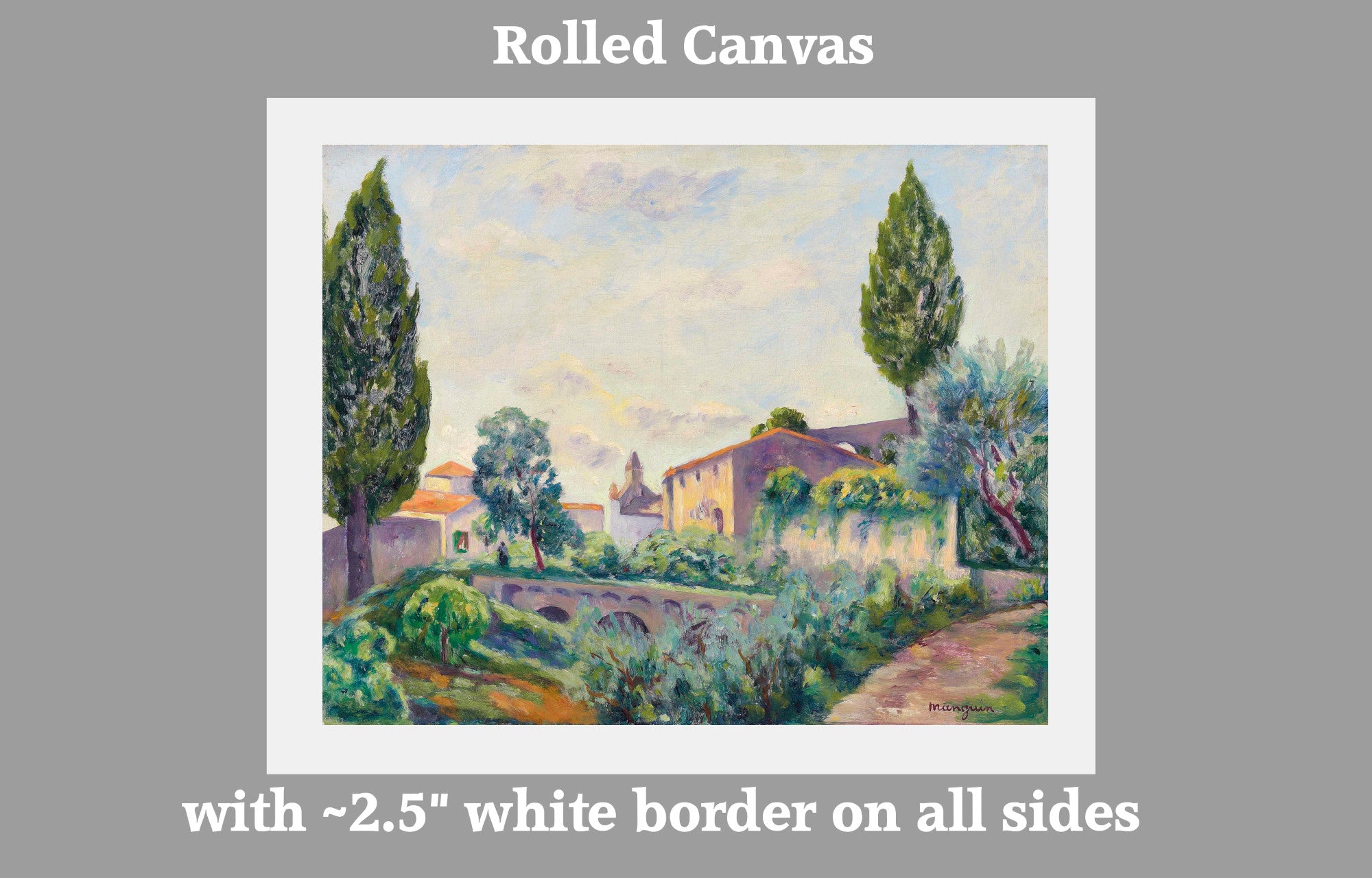
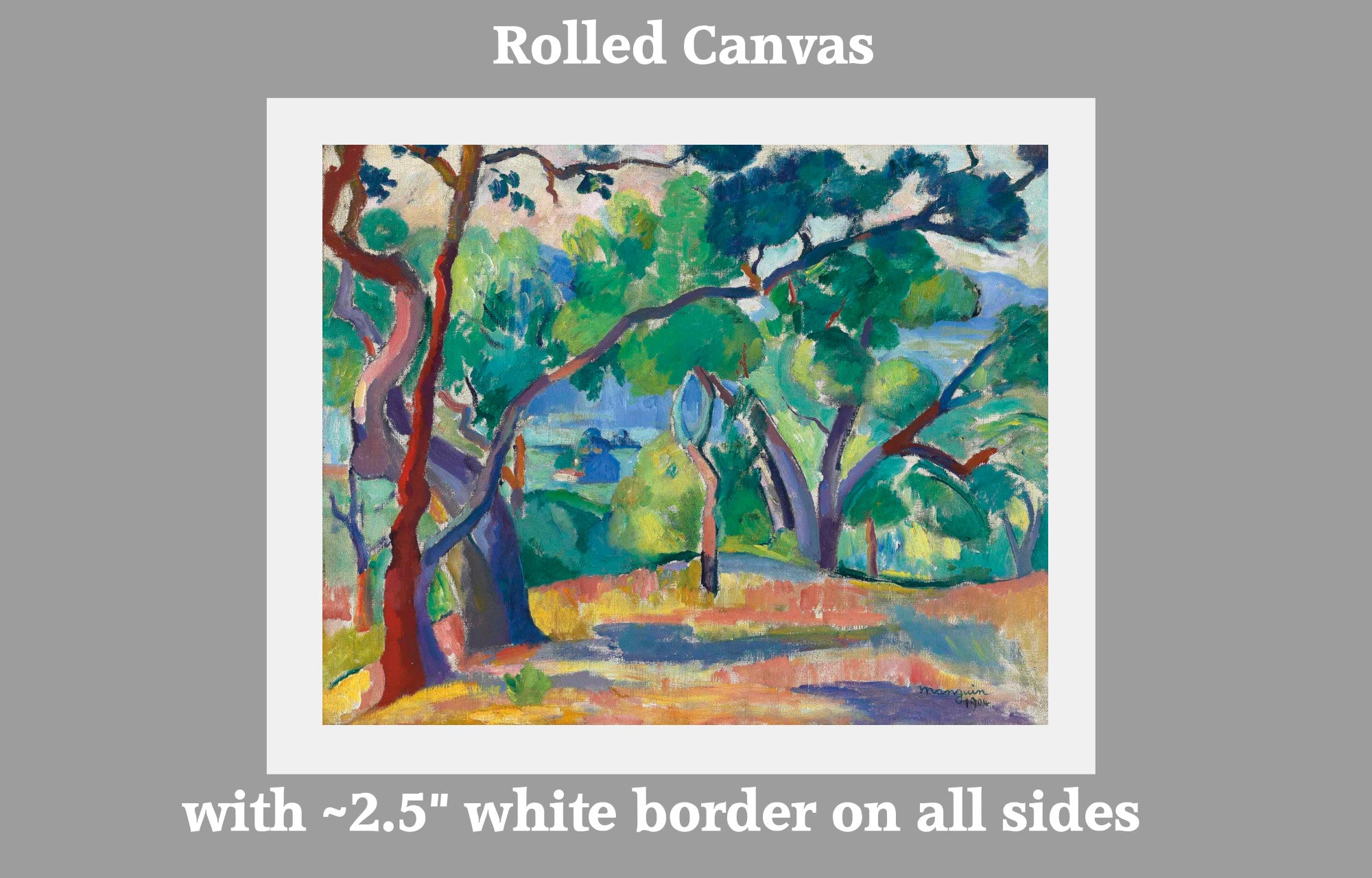
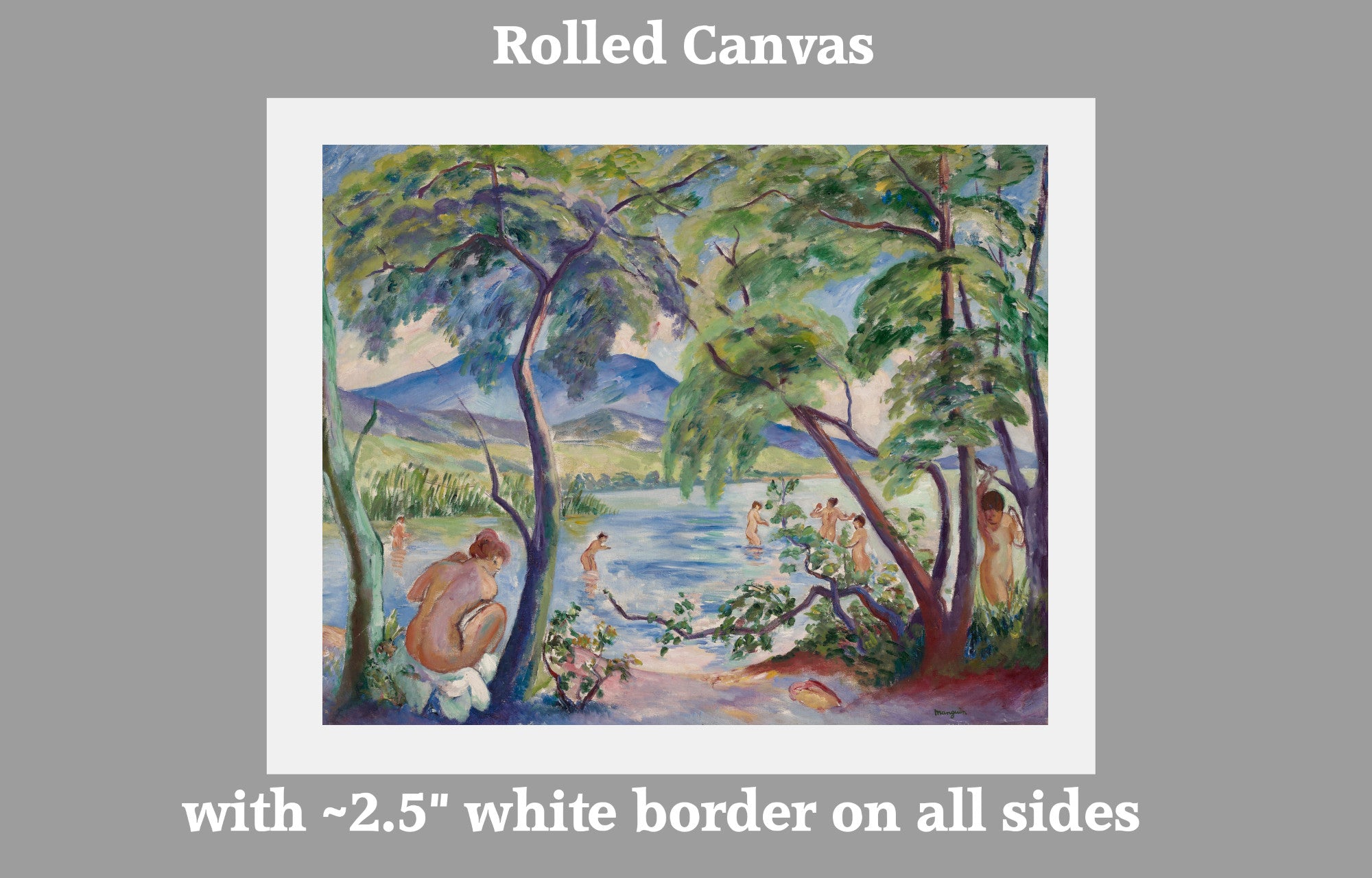
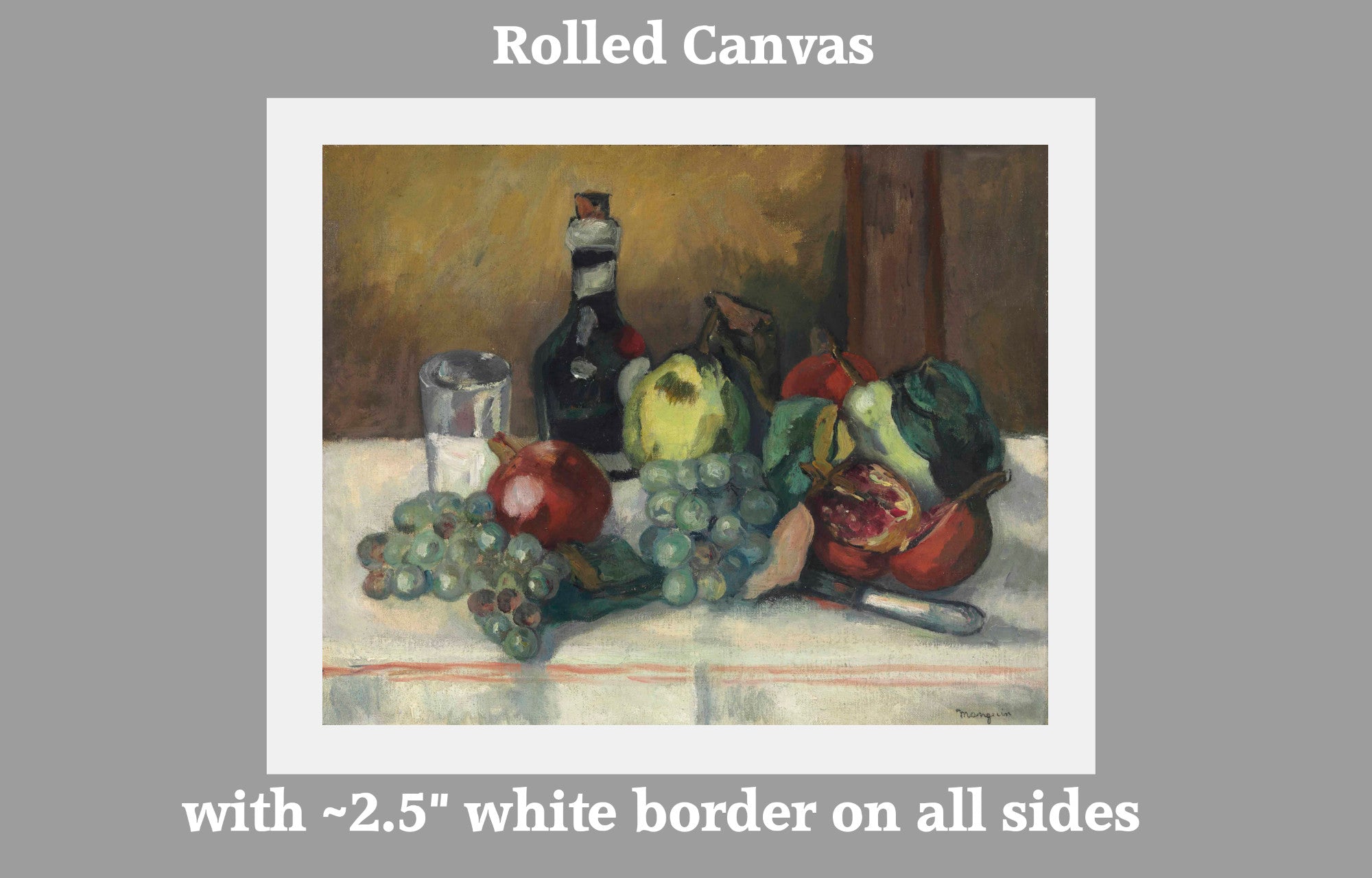
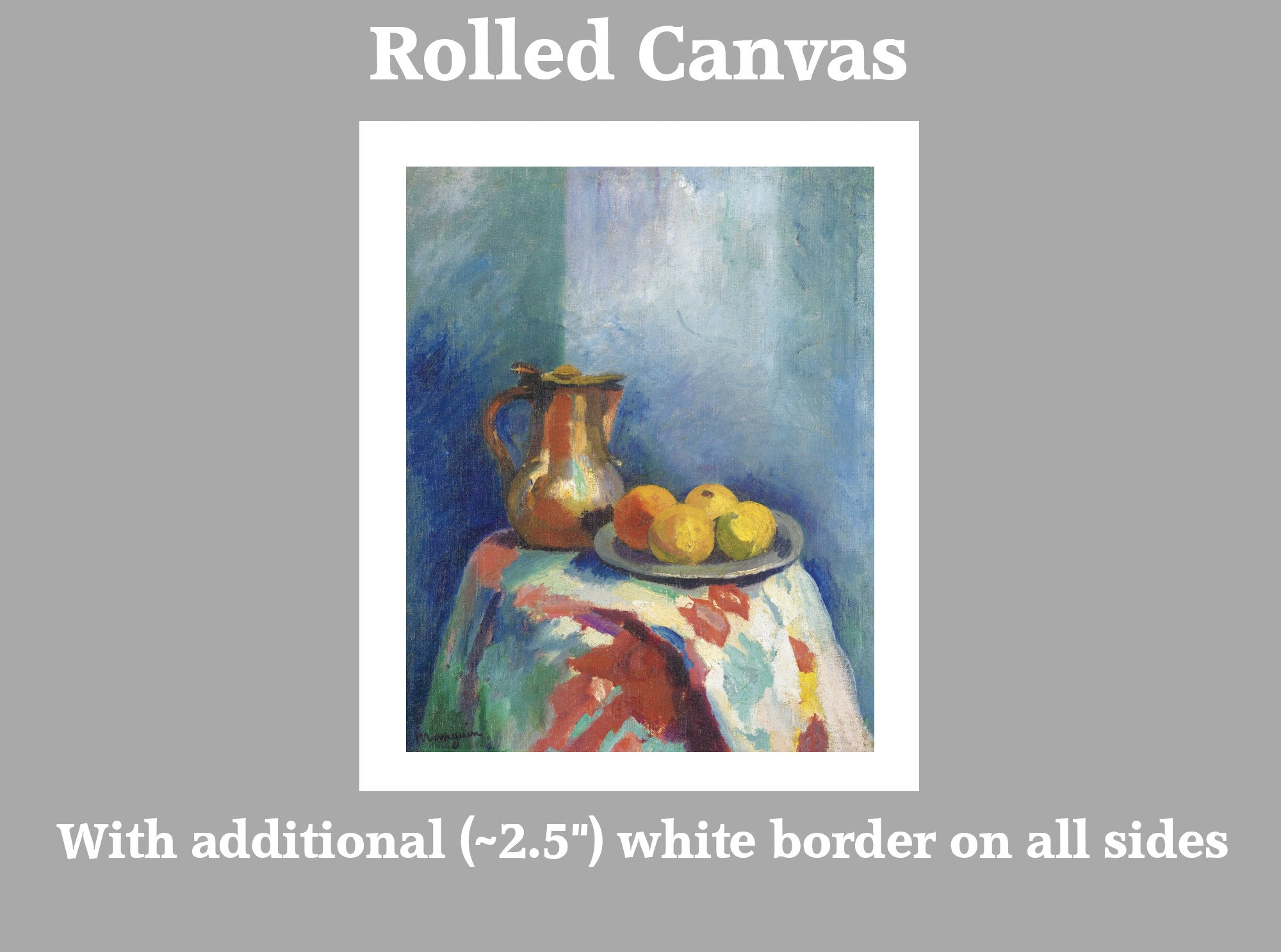
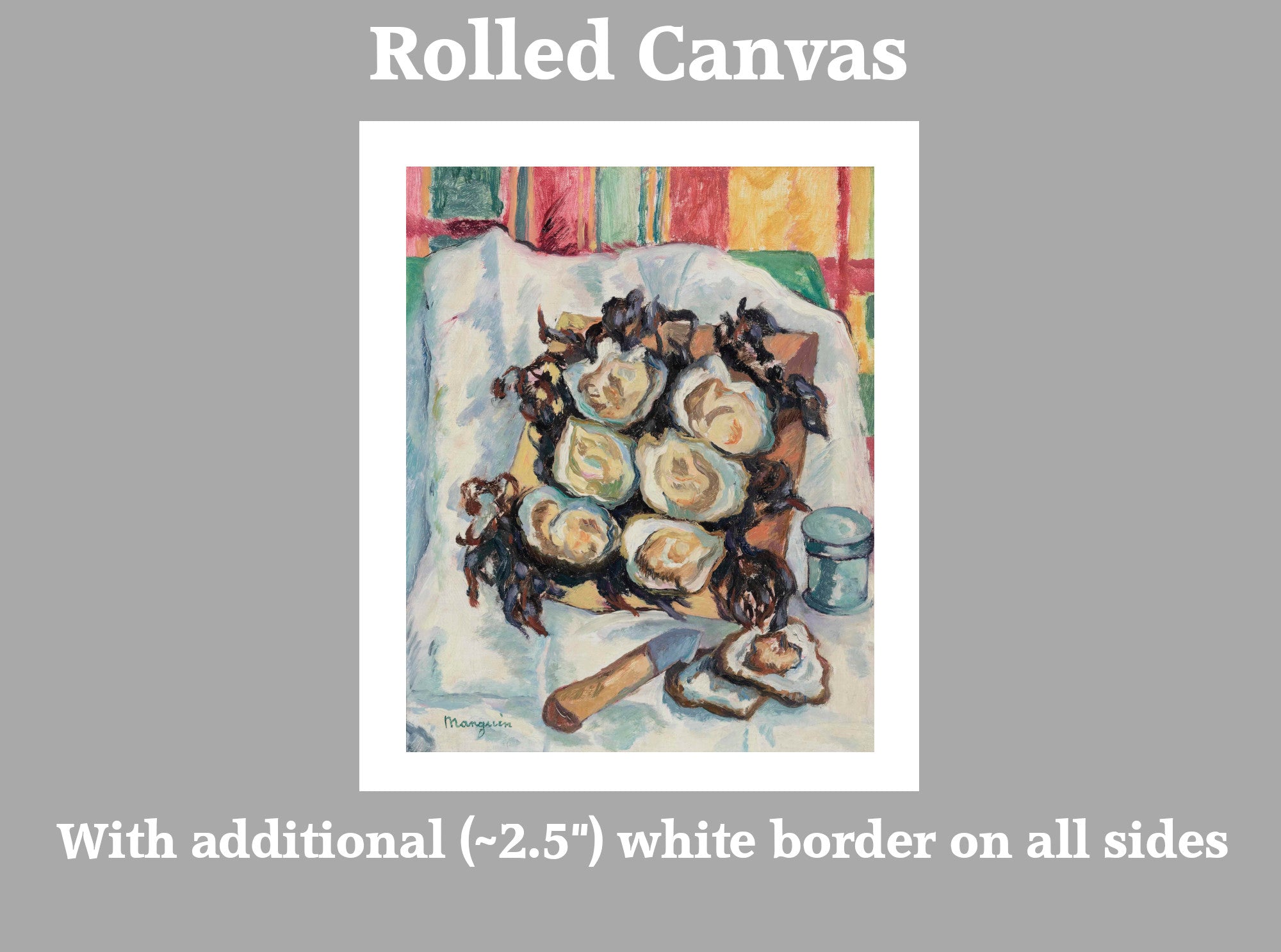
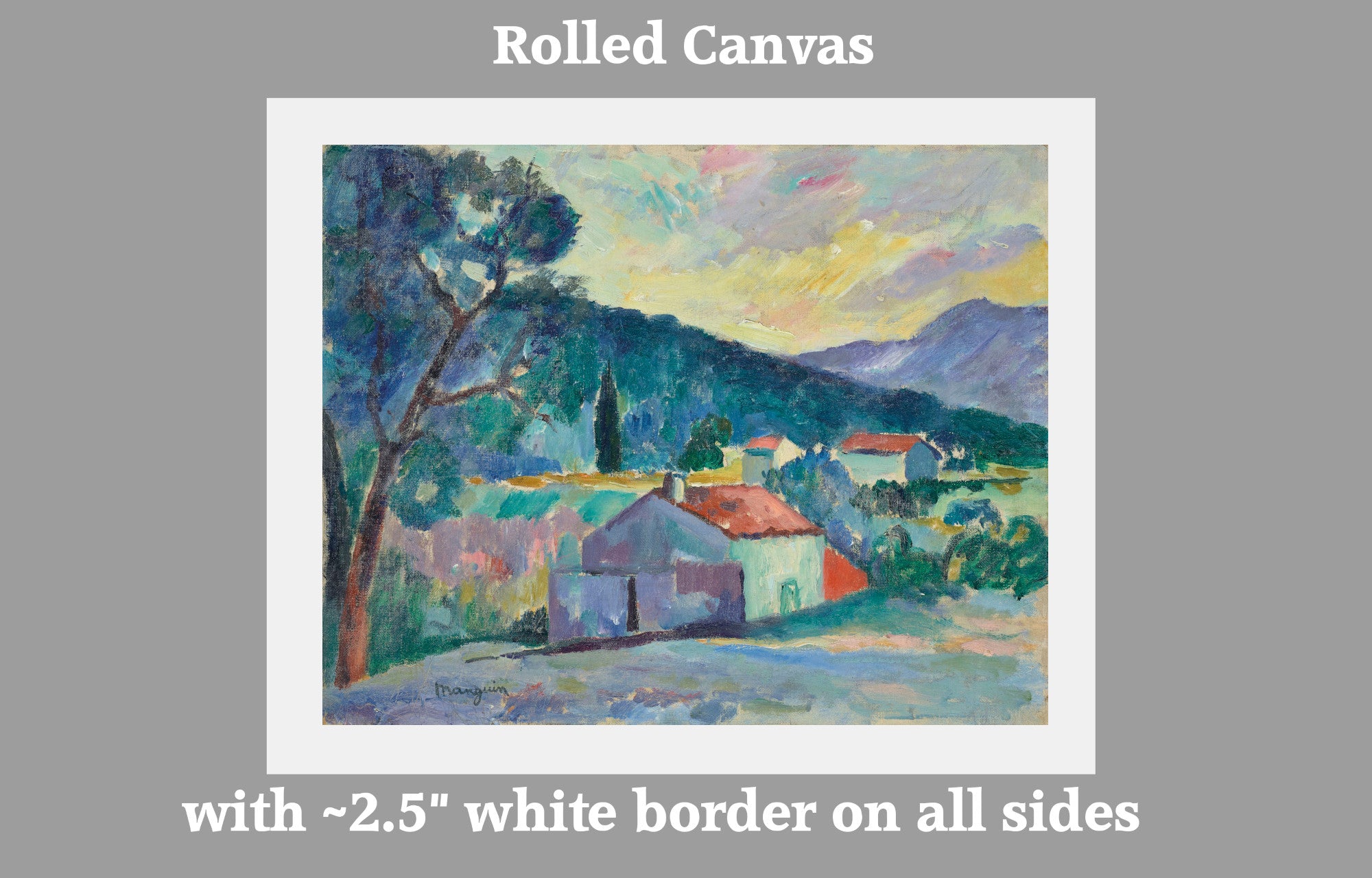
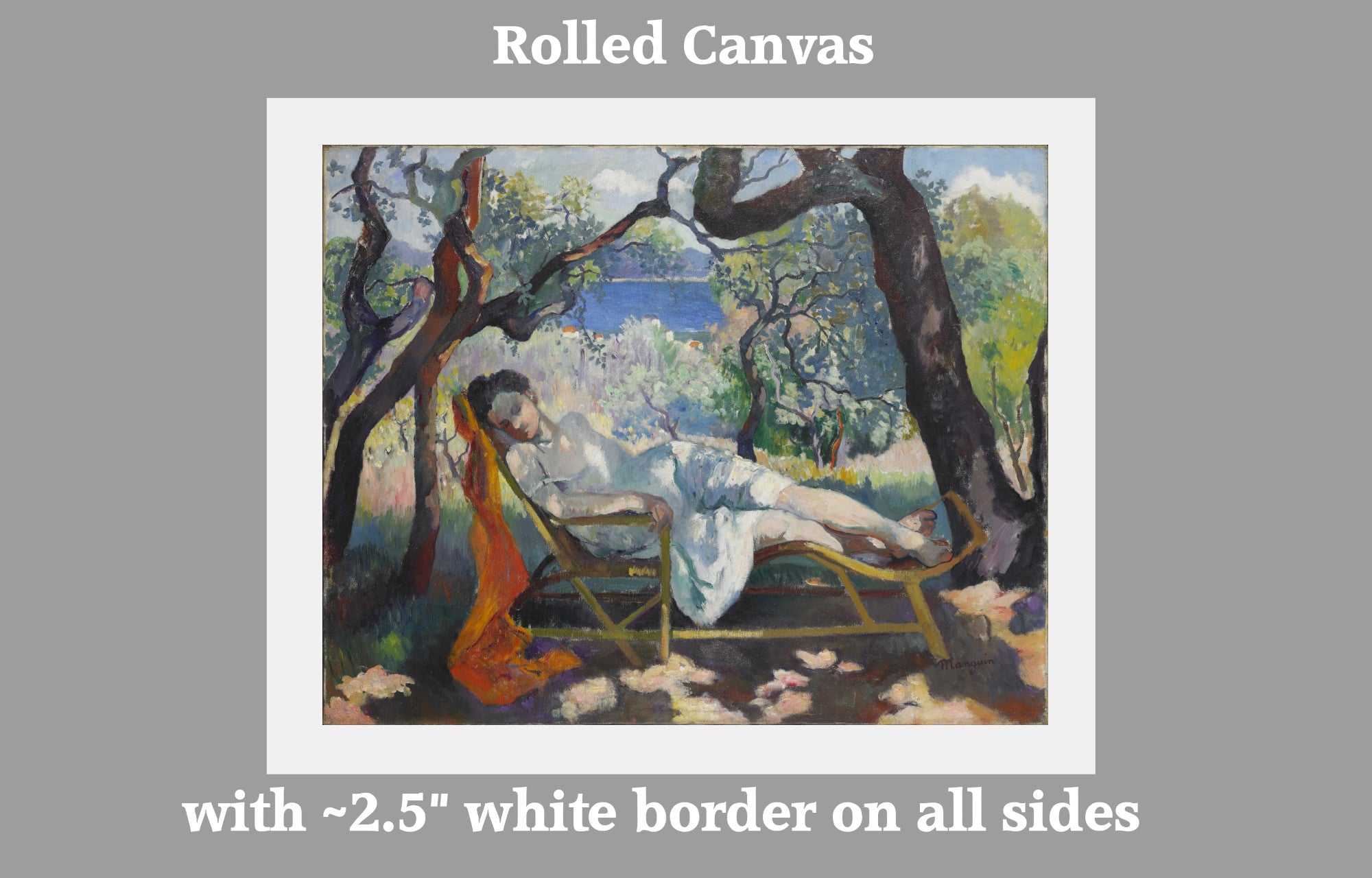
Rolled canvas options have an additional white border of approximately 2.5 inches (7cm) on all 4 sides to aid stretching.
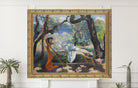
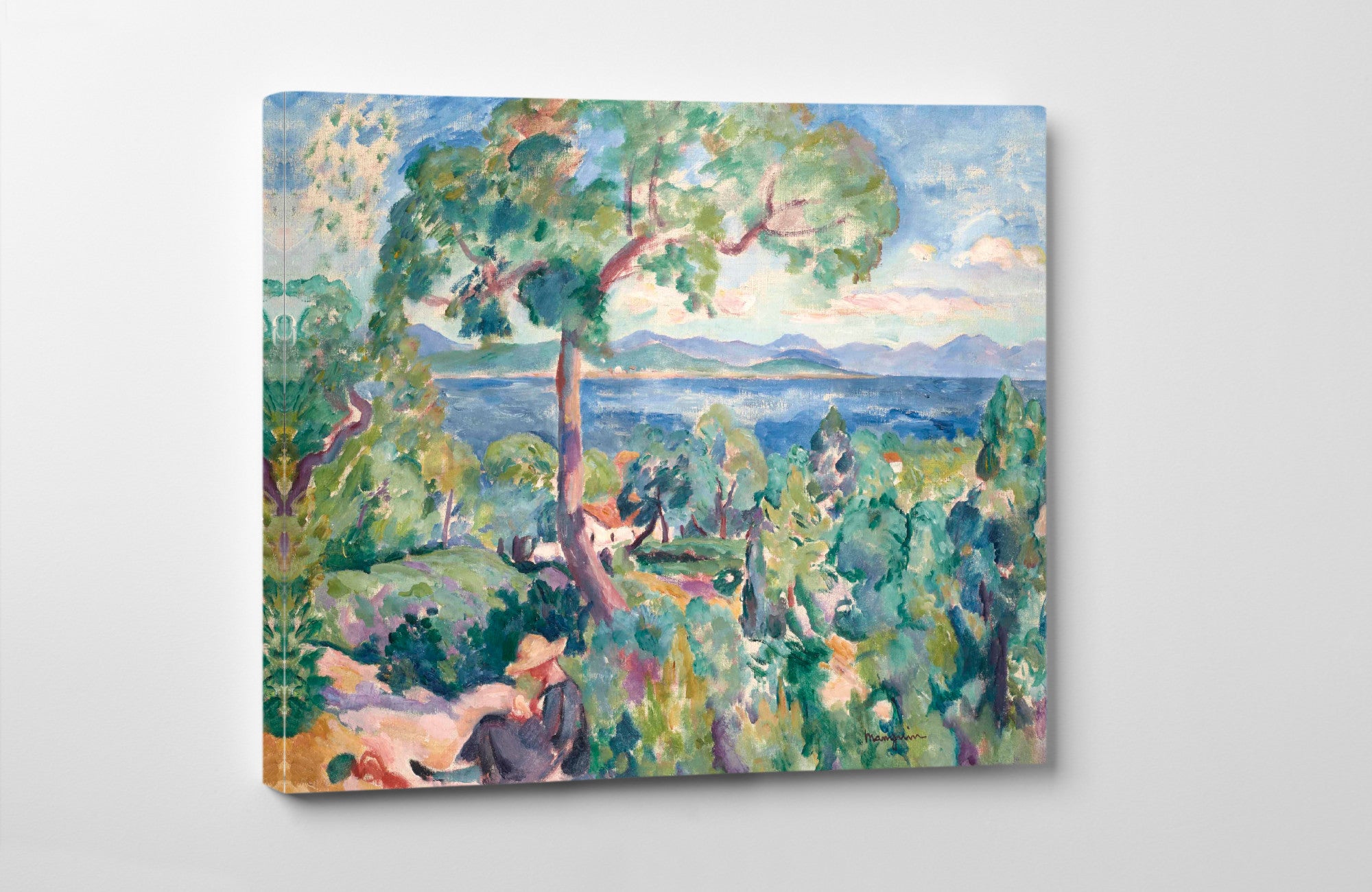
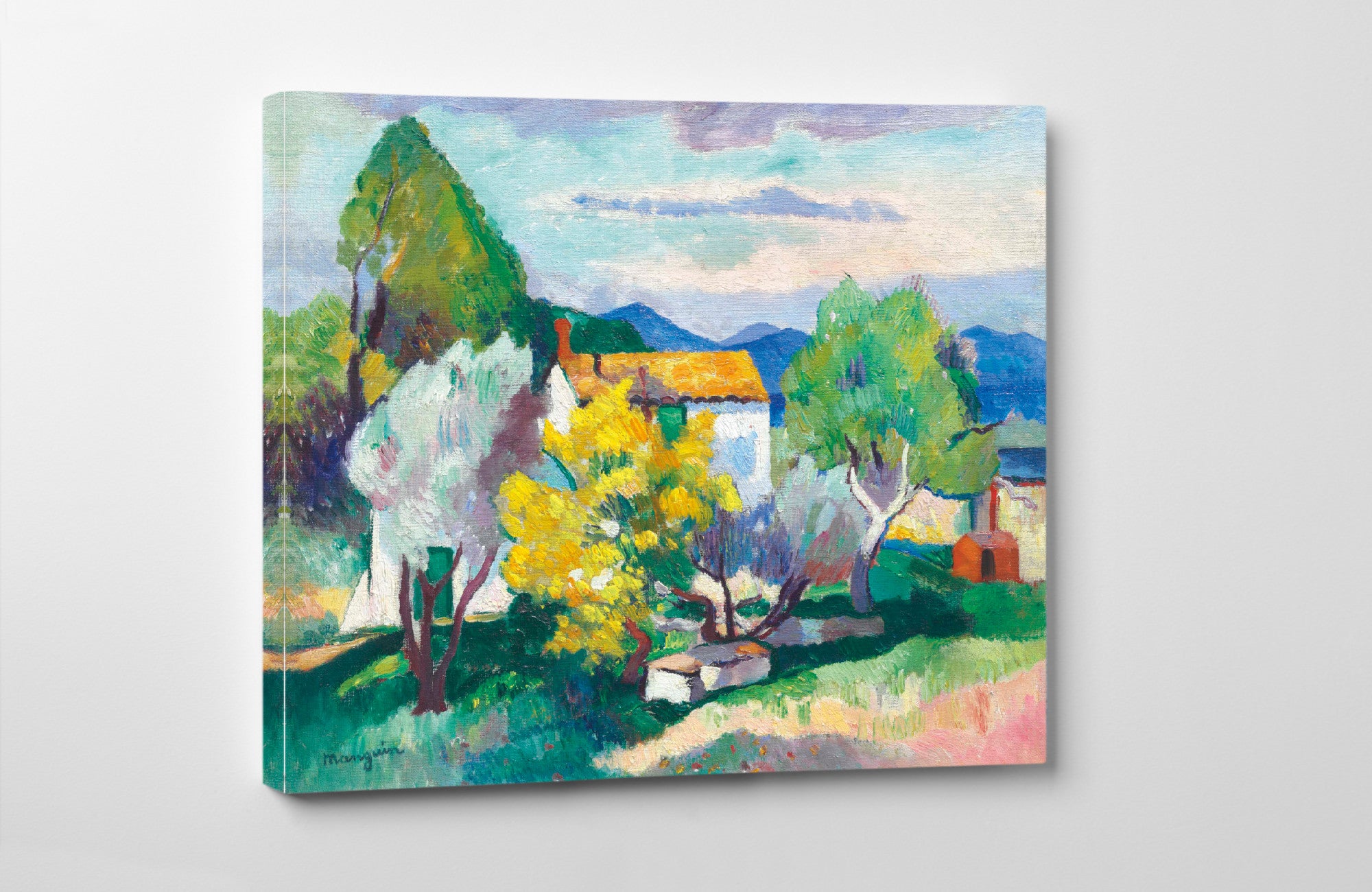
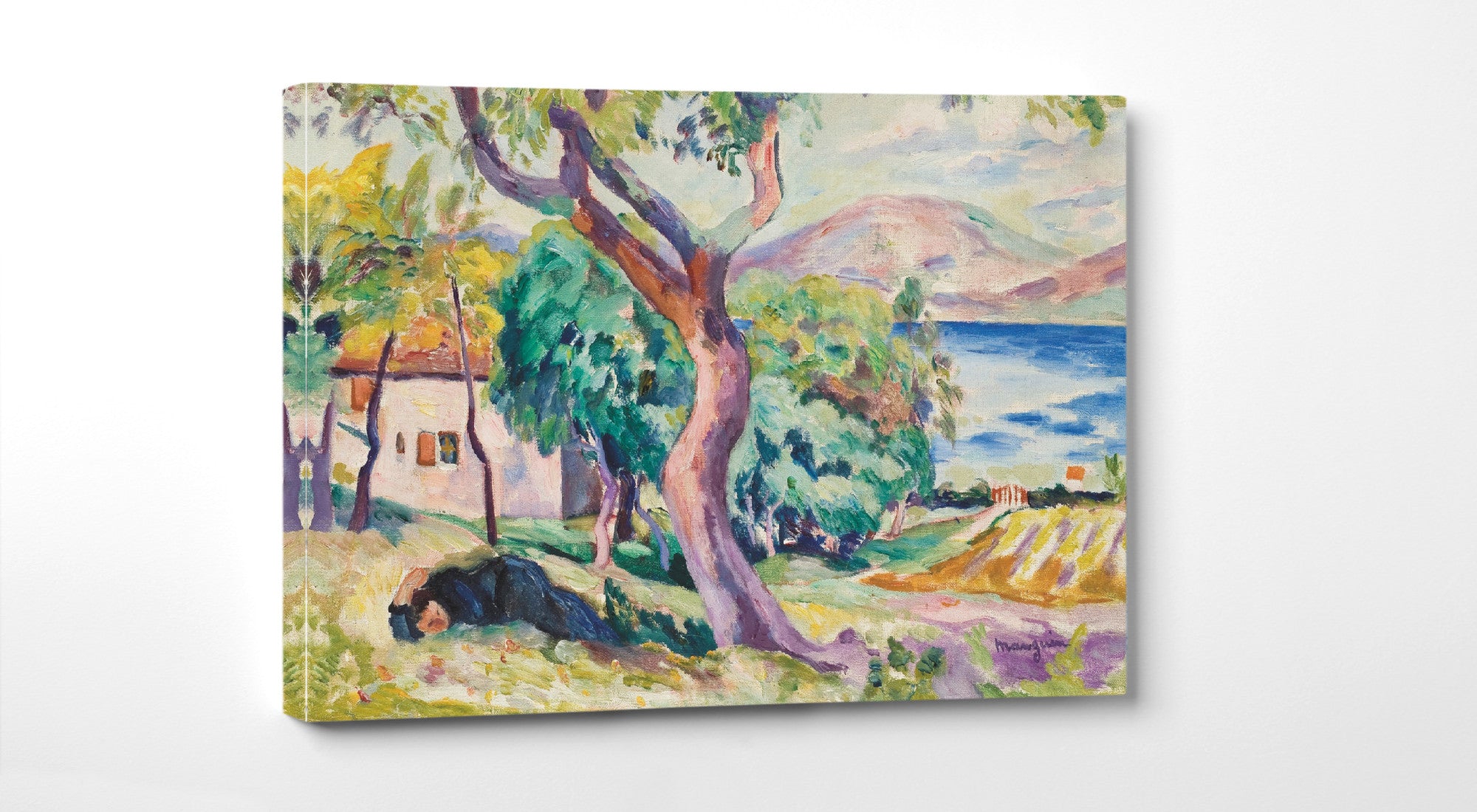
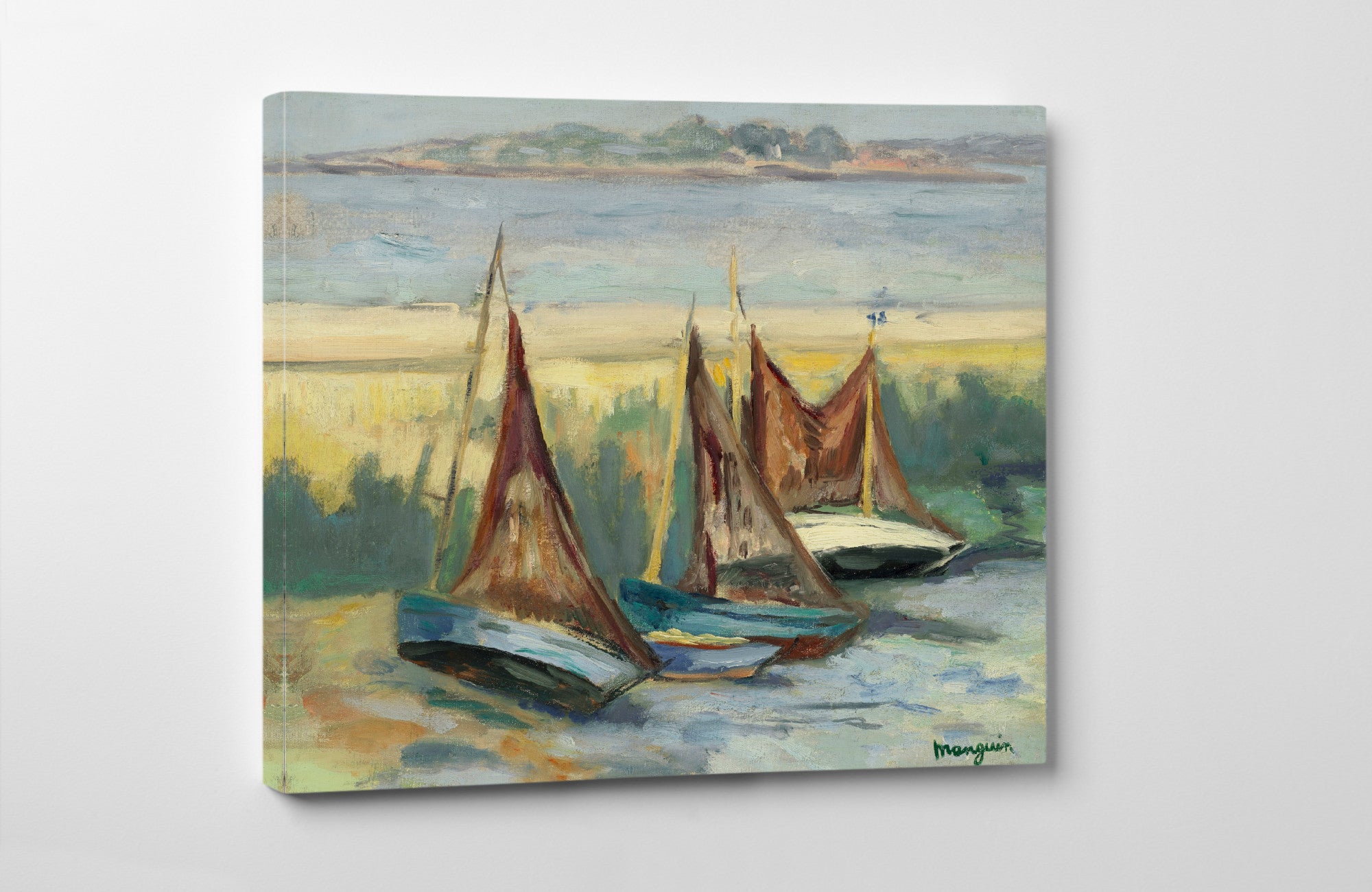
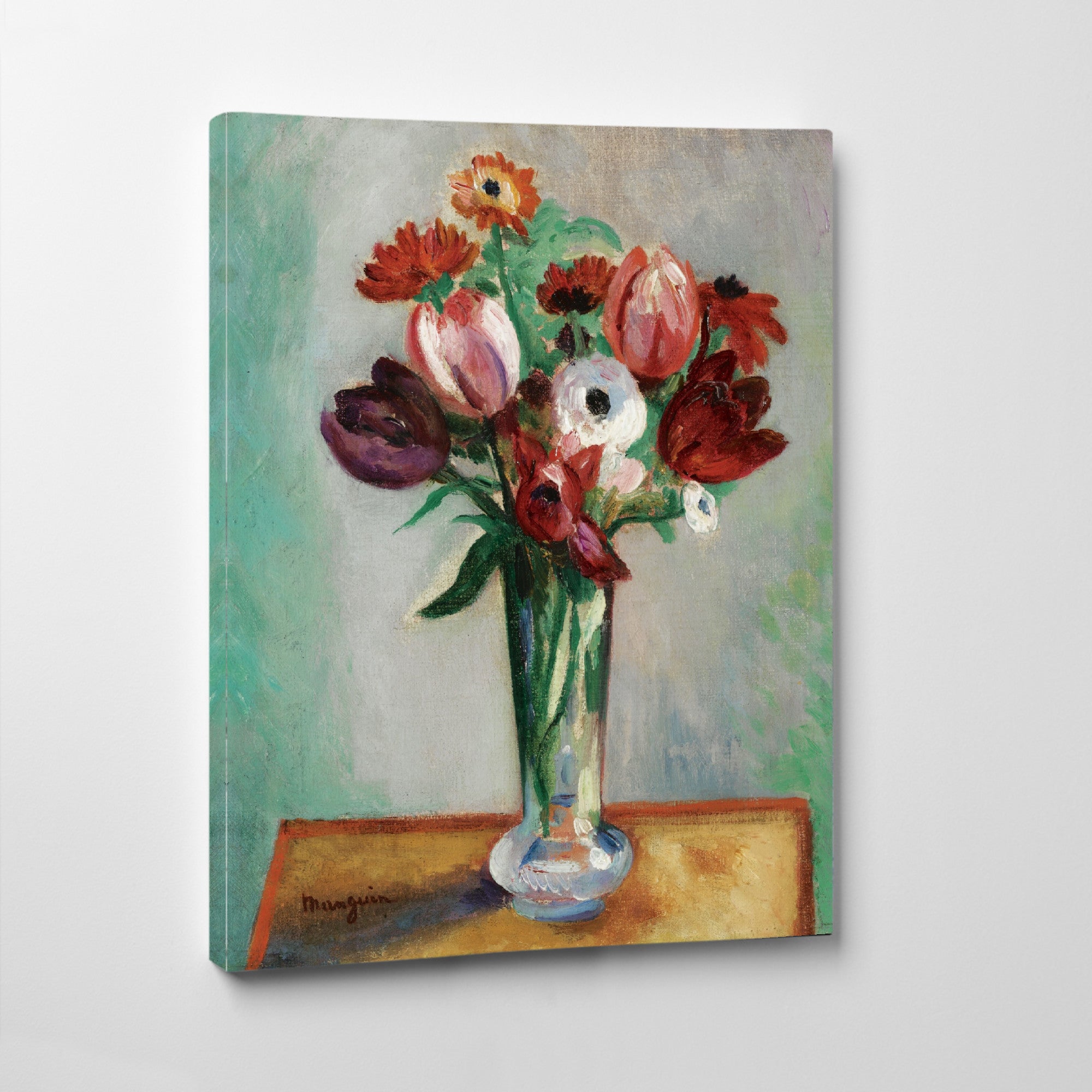
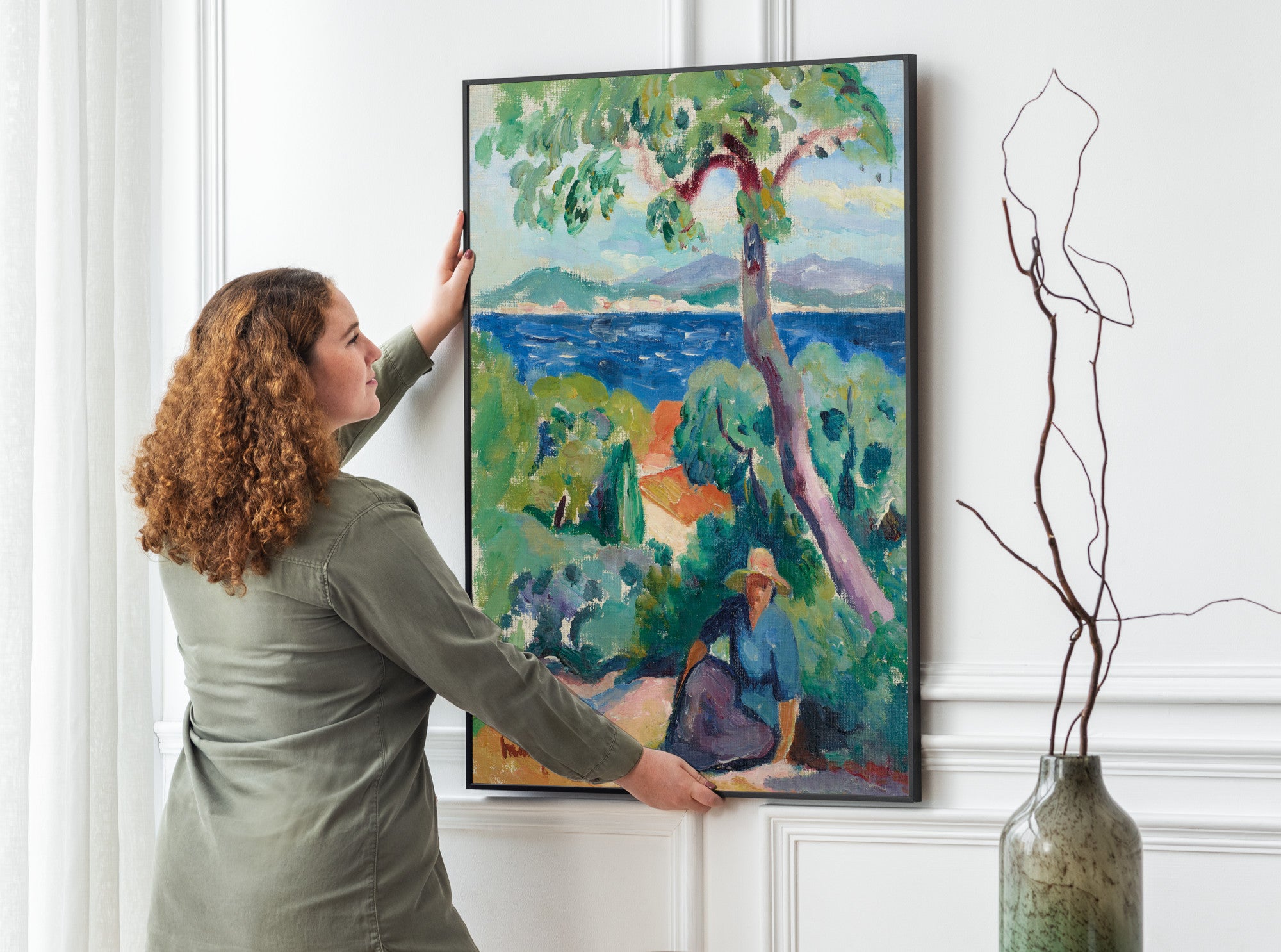
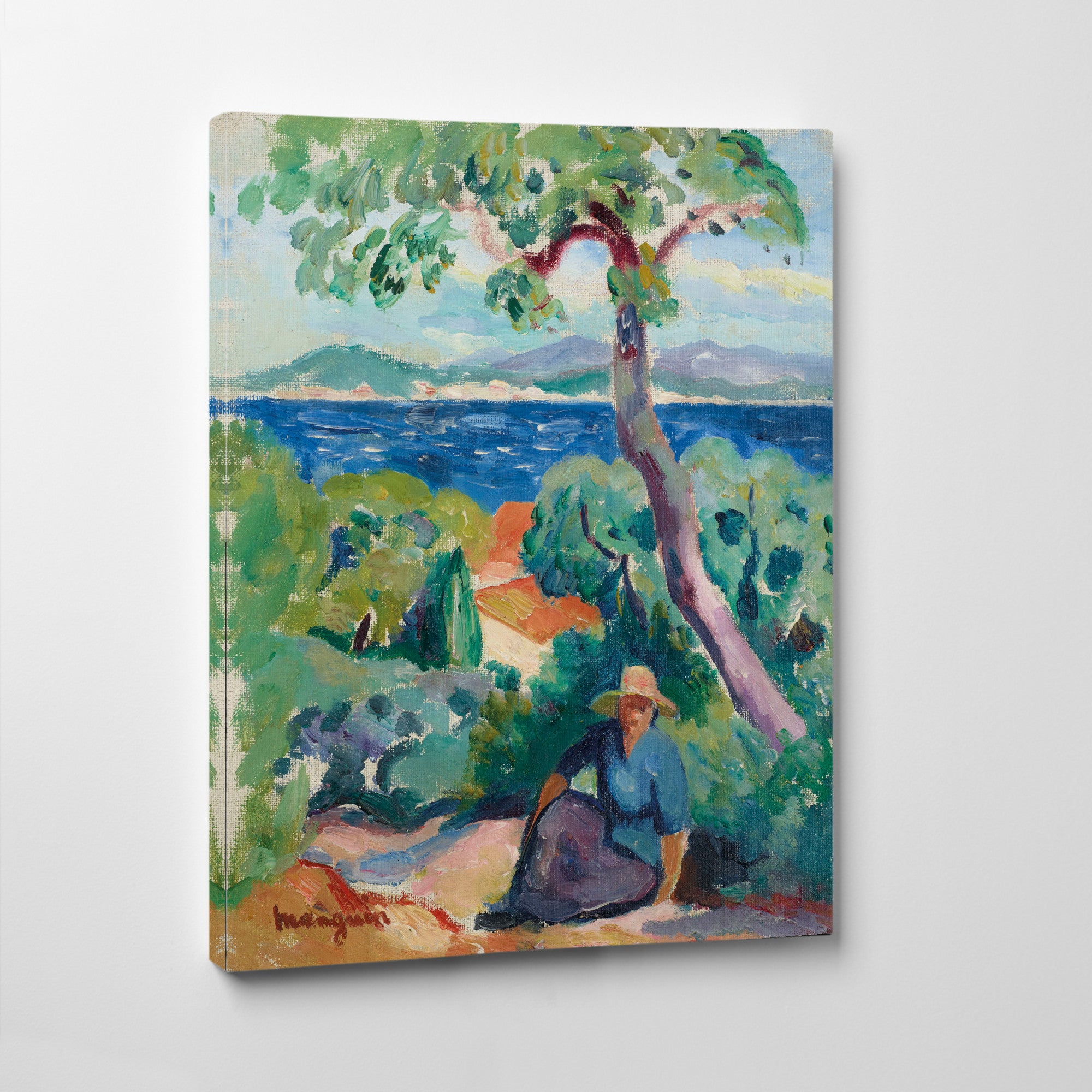
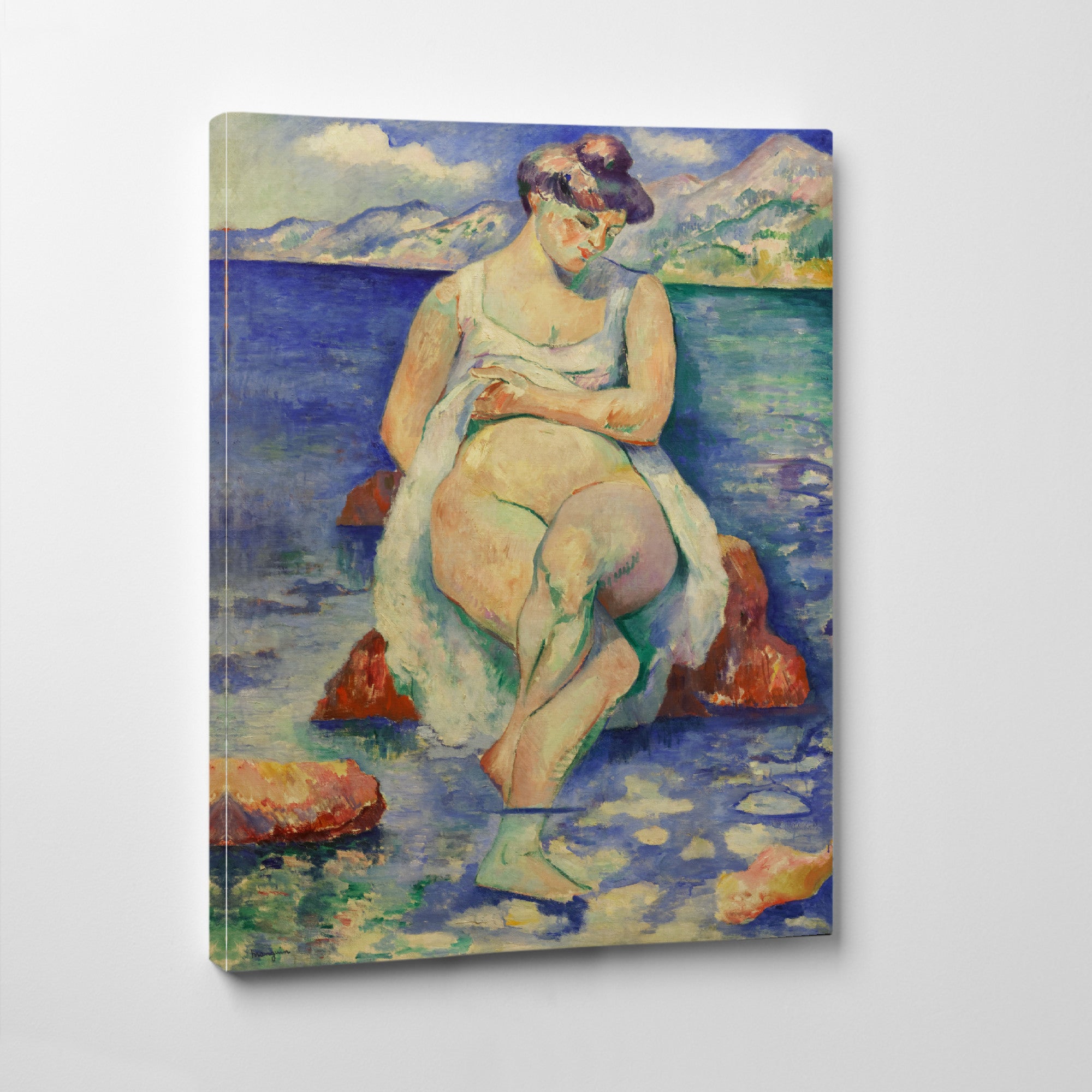
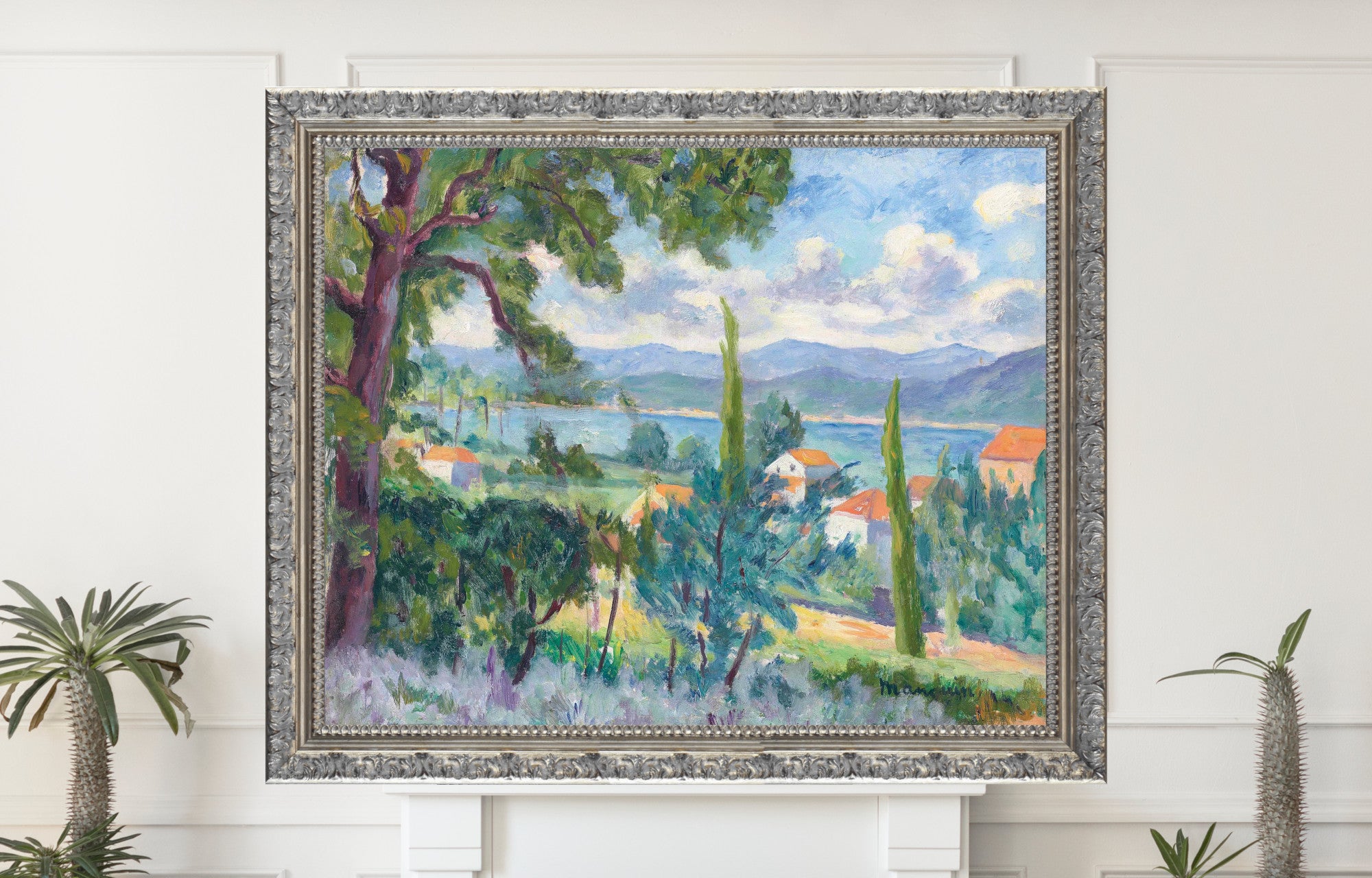
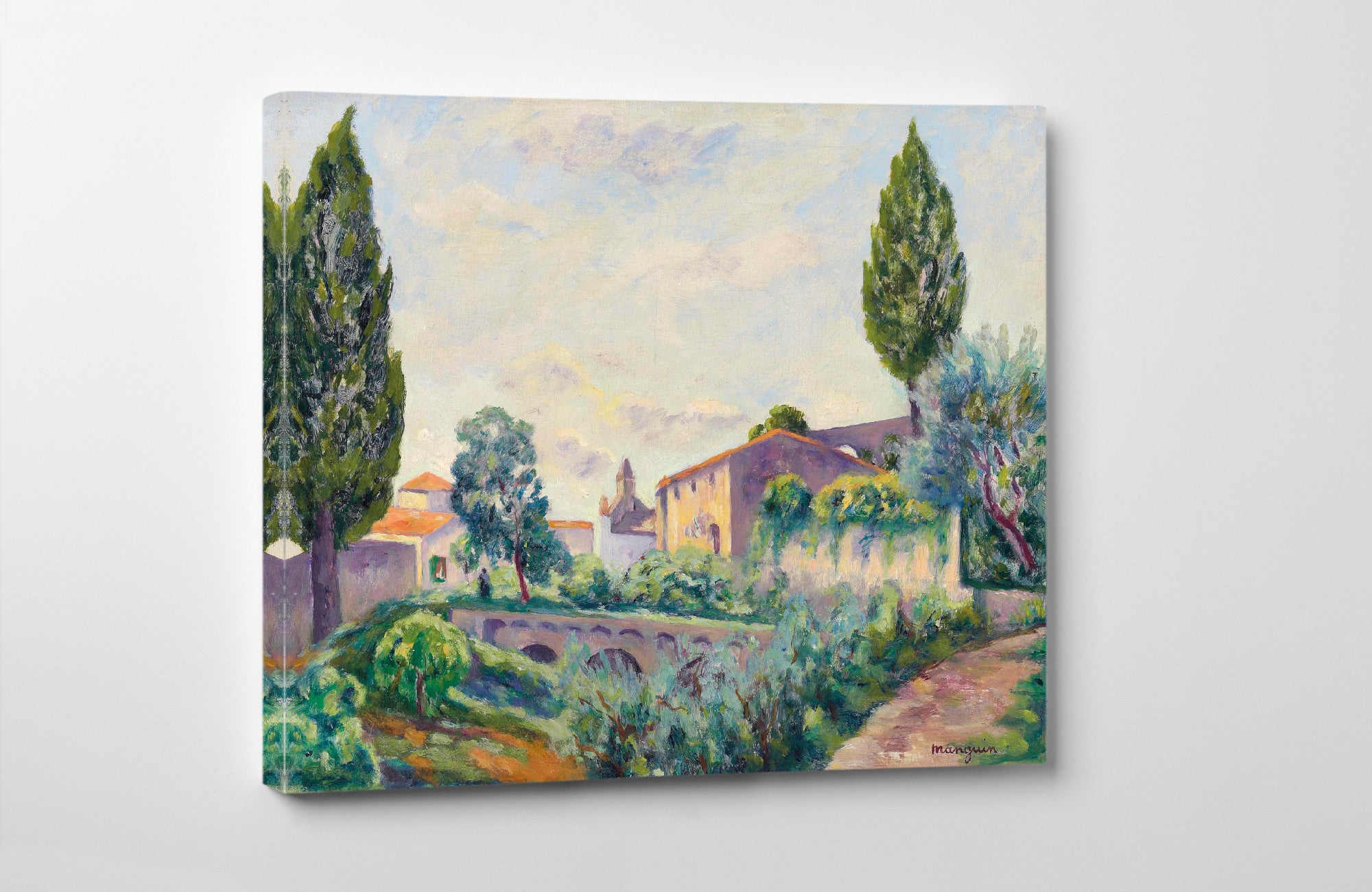
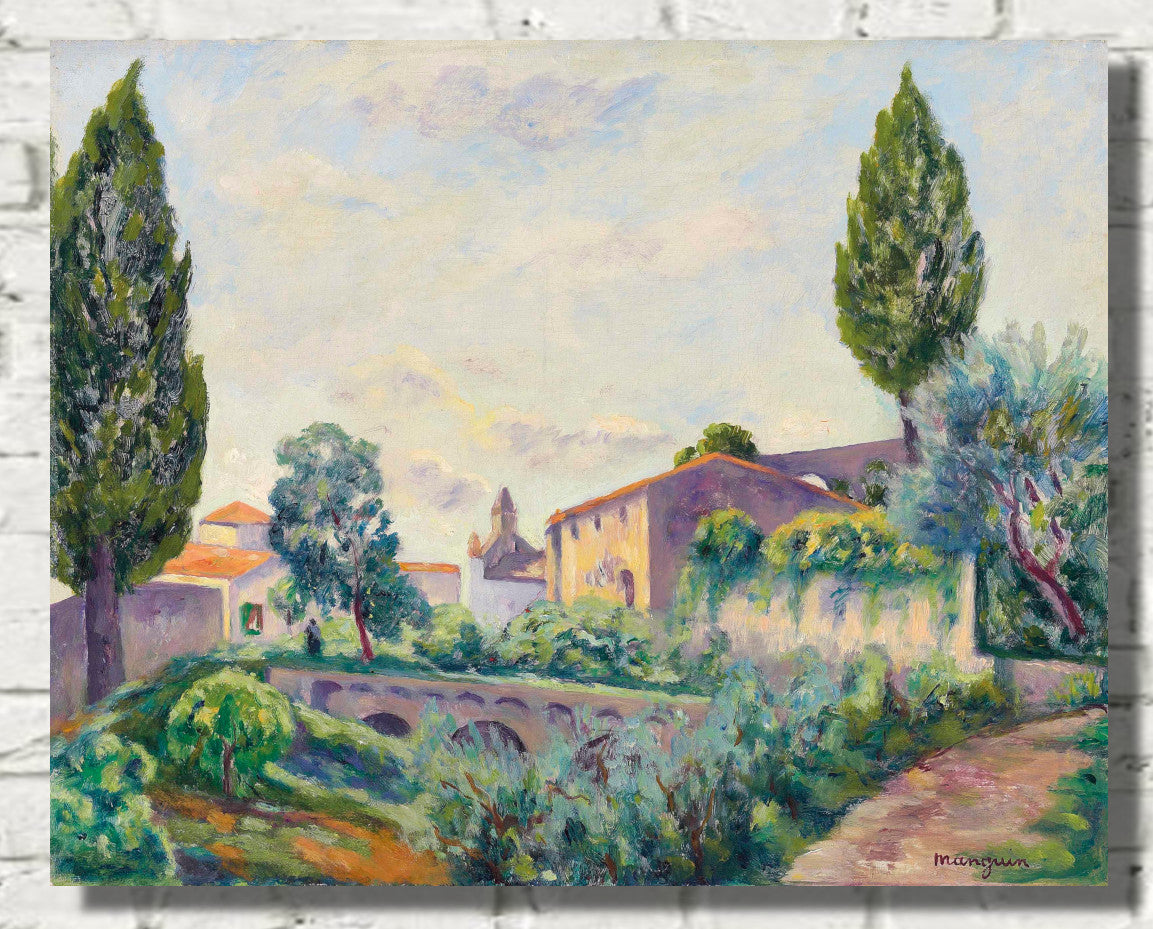
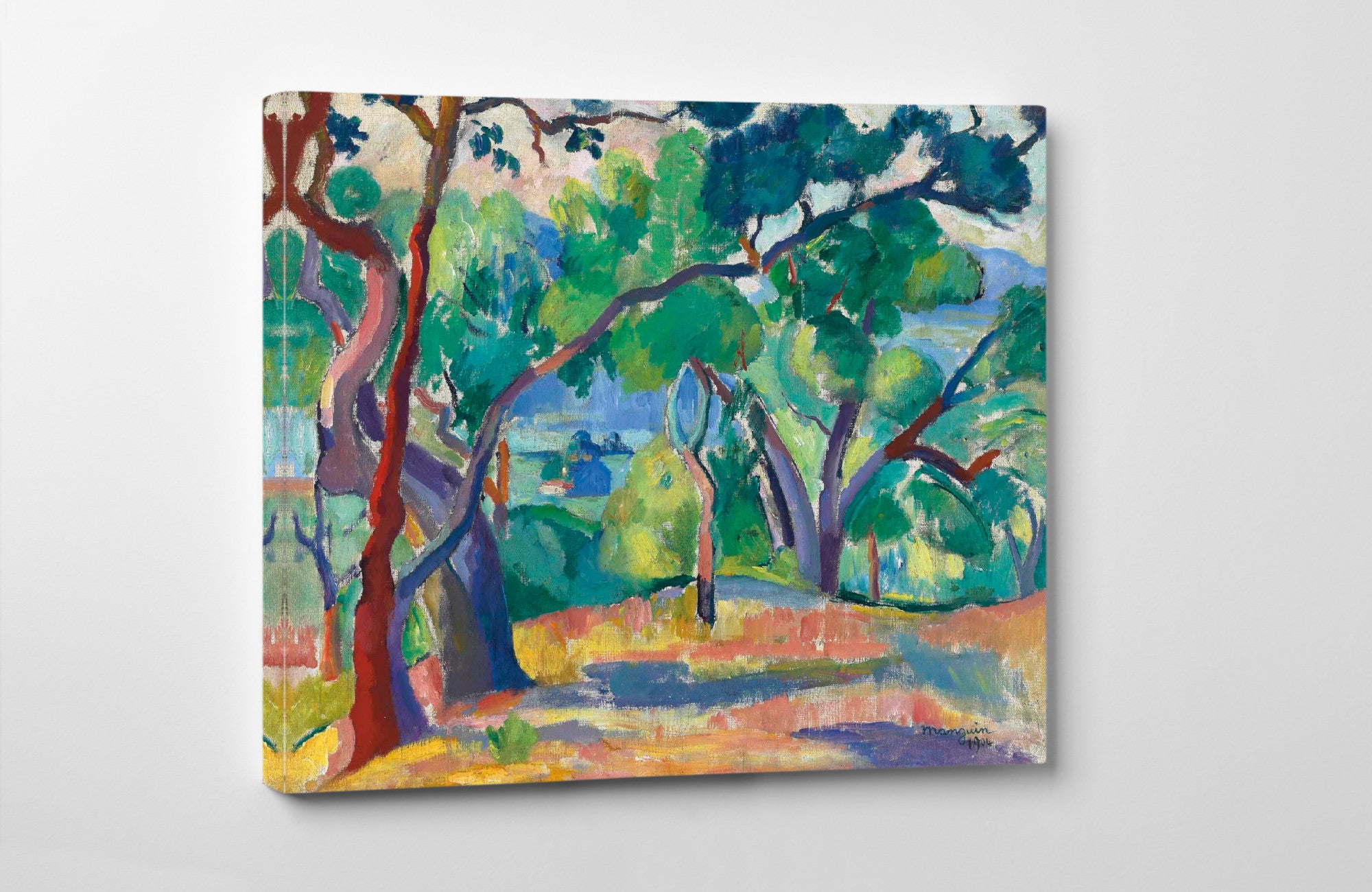
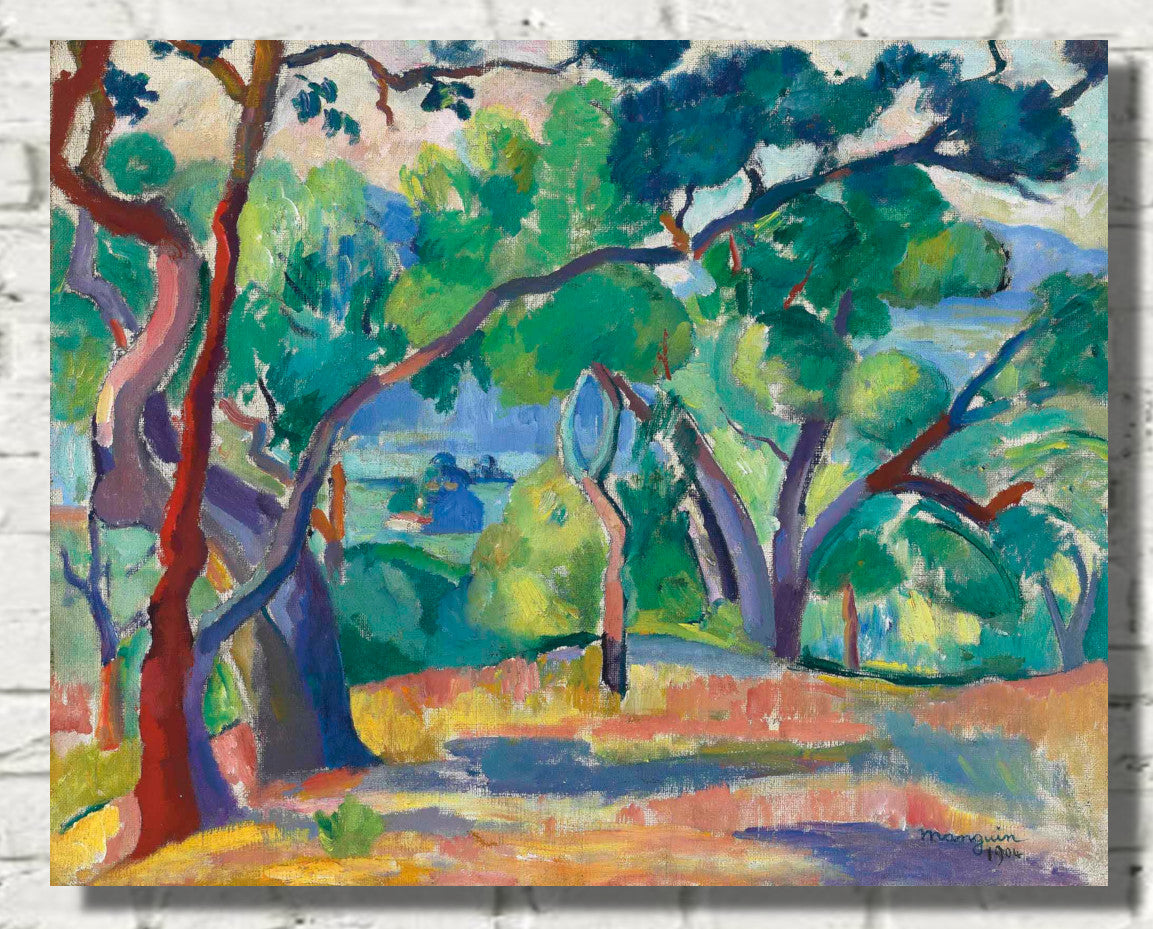
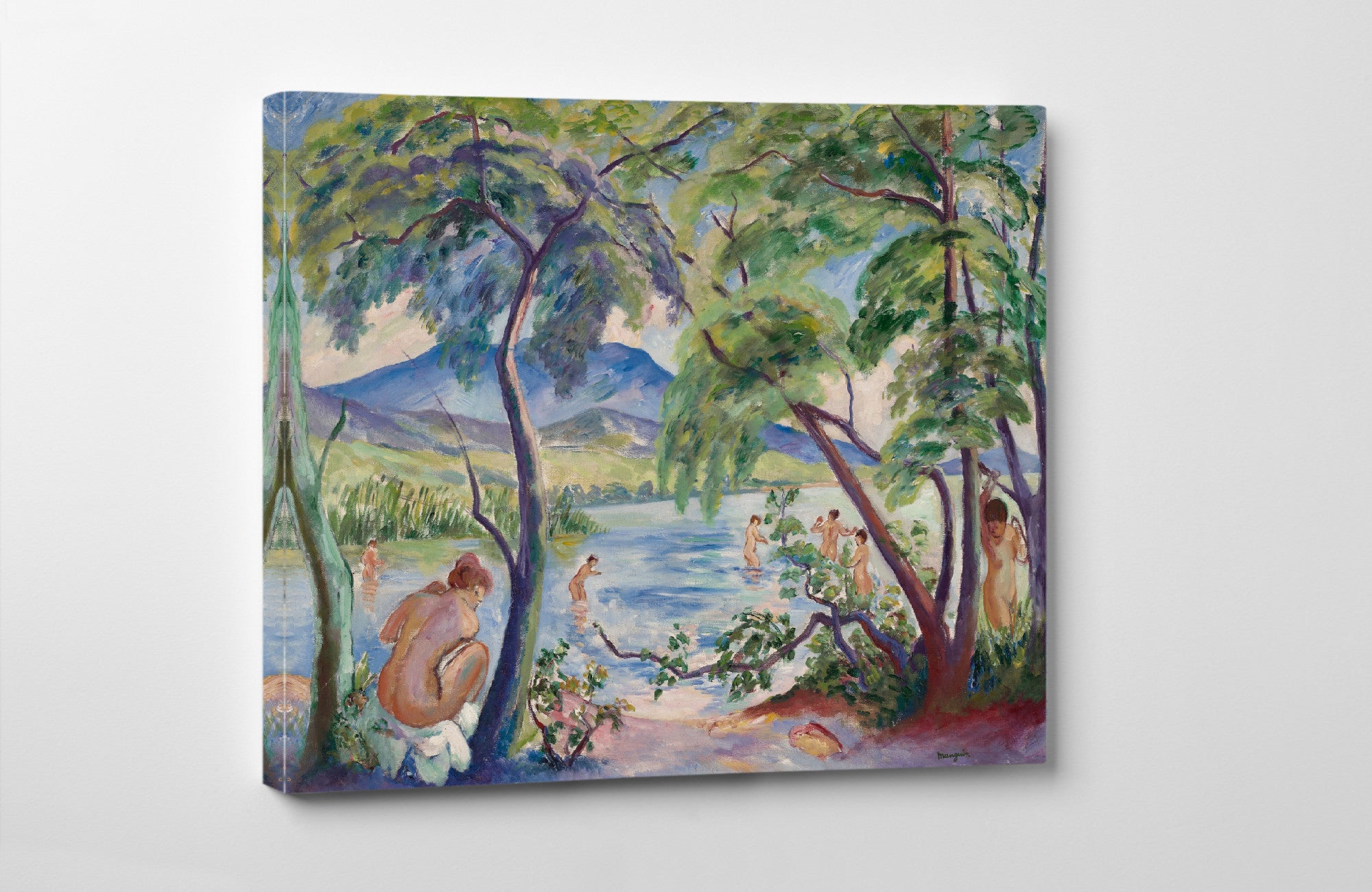
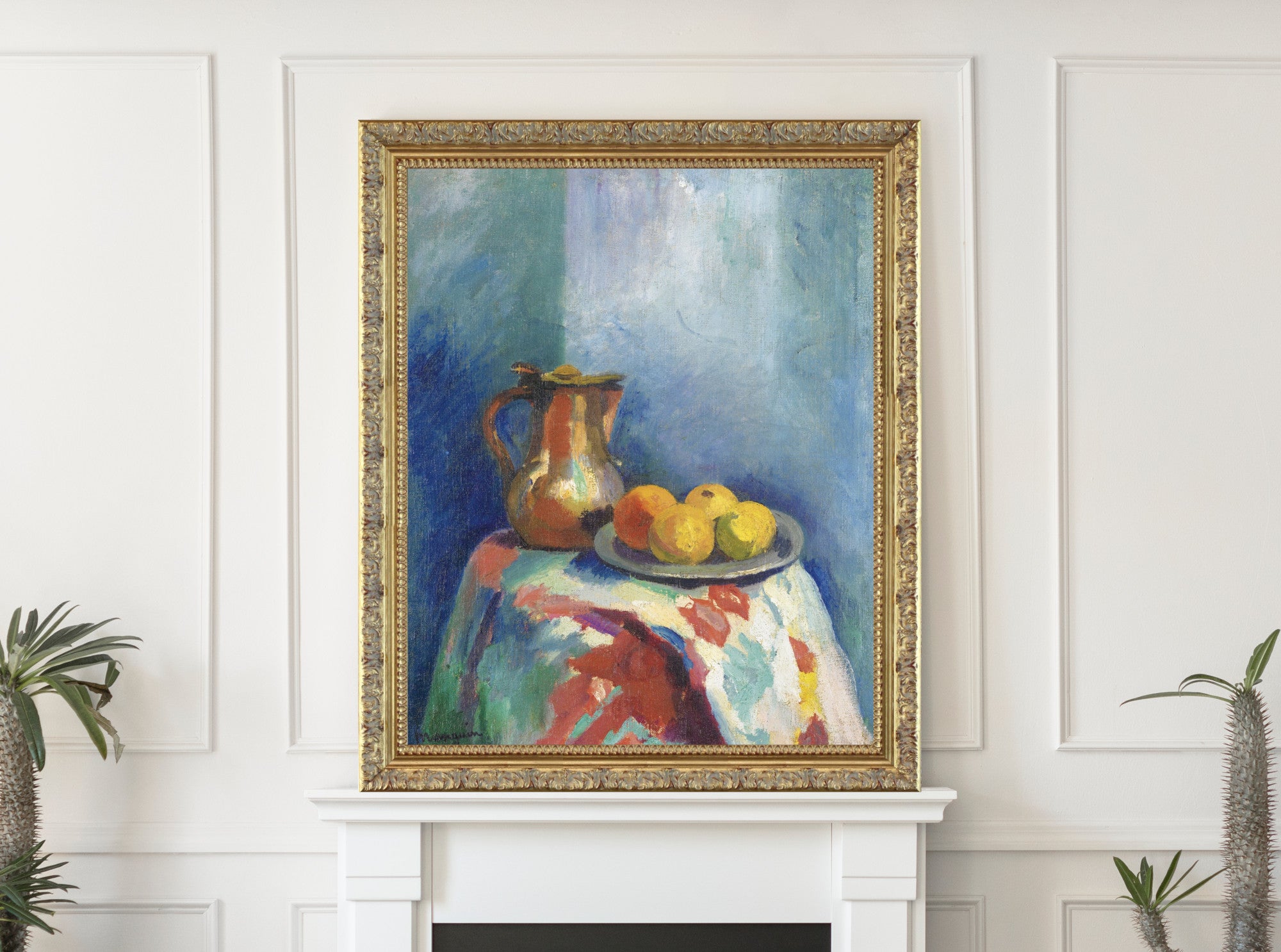
Ready to hang canvas panels are stretched on 1.5 inch deep solid pine frames from sustainable forestry sources. The image is mirrored on all 4 sides to give an aesthetically pleasing finish.
Why not have us gift wrap your order and attach a personalised message to the recipient. Available for all orders. Each order is hand wrapped in high quality gift wrap with meatllic ribbon and bow. Your personalised message is printed on a card which is included with your order.
Have your hand wrapped gift delivered directly to the recipient.
Full tracking and insurance included with every order.
Please note design may vary depending upon availability
Just purchase the gift wrap option HERE
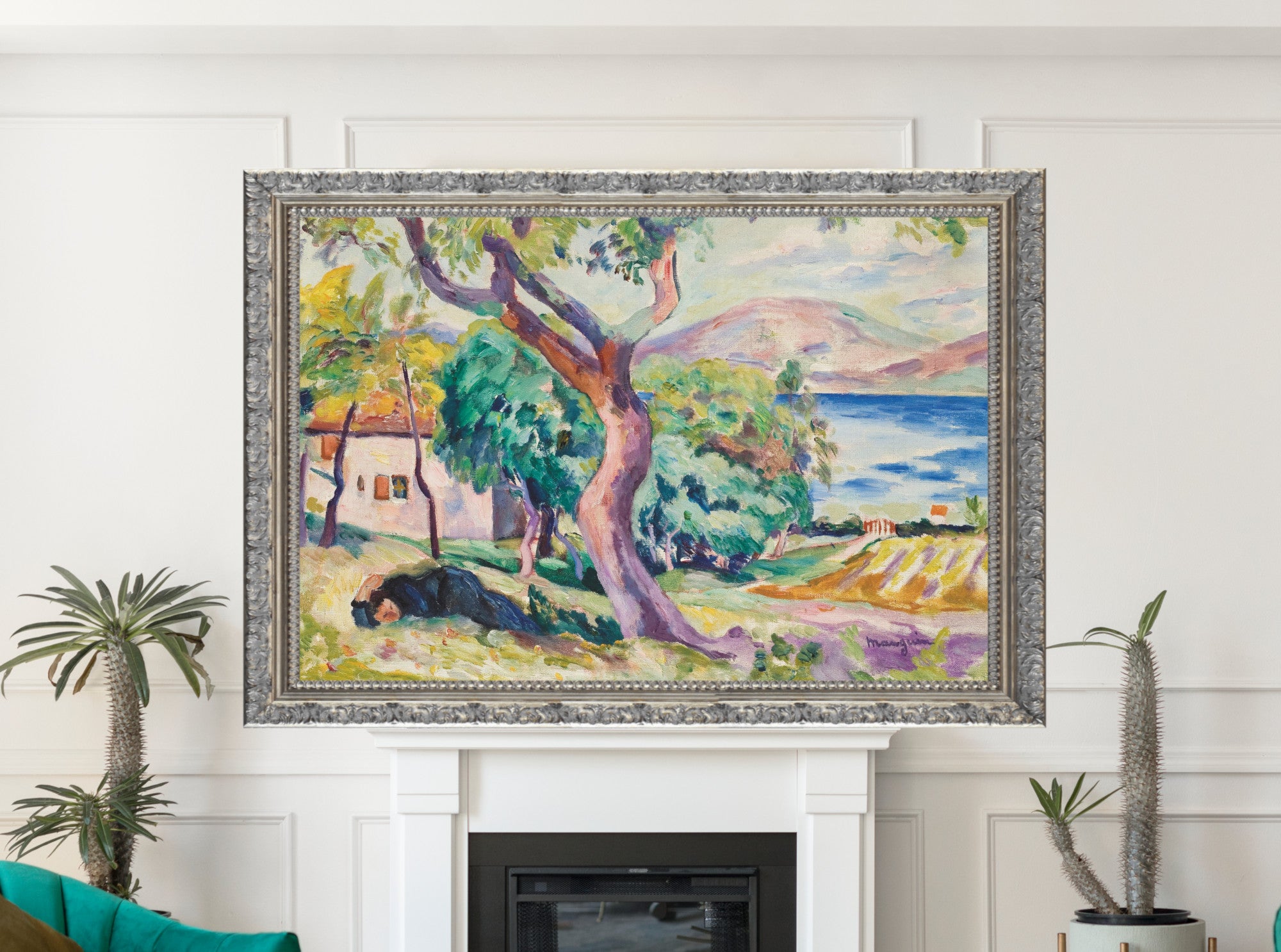
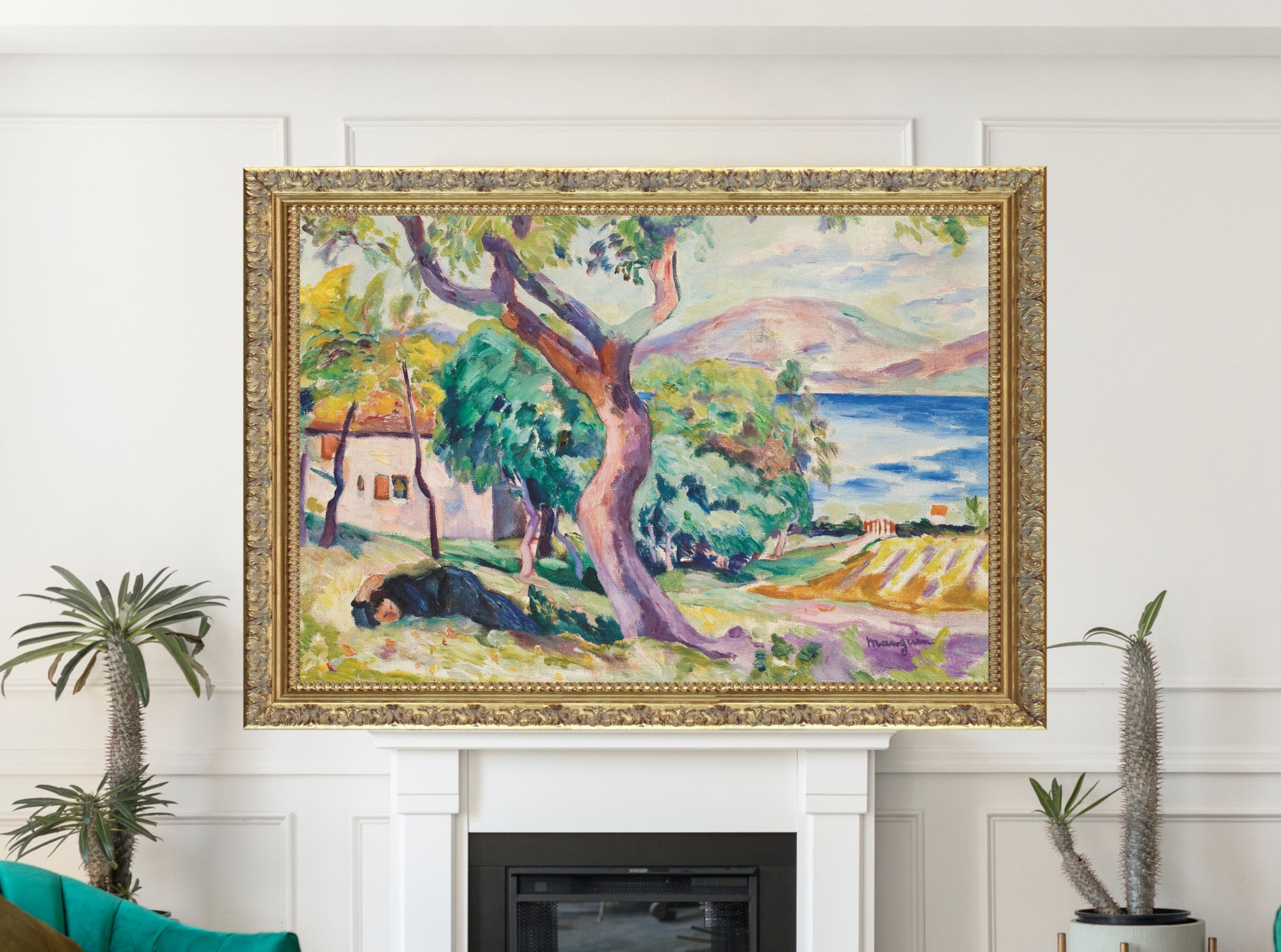
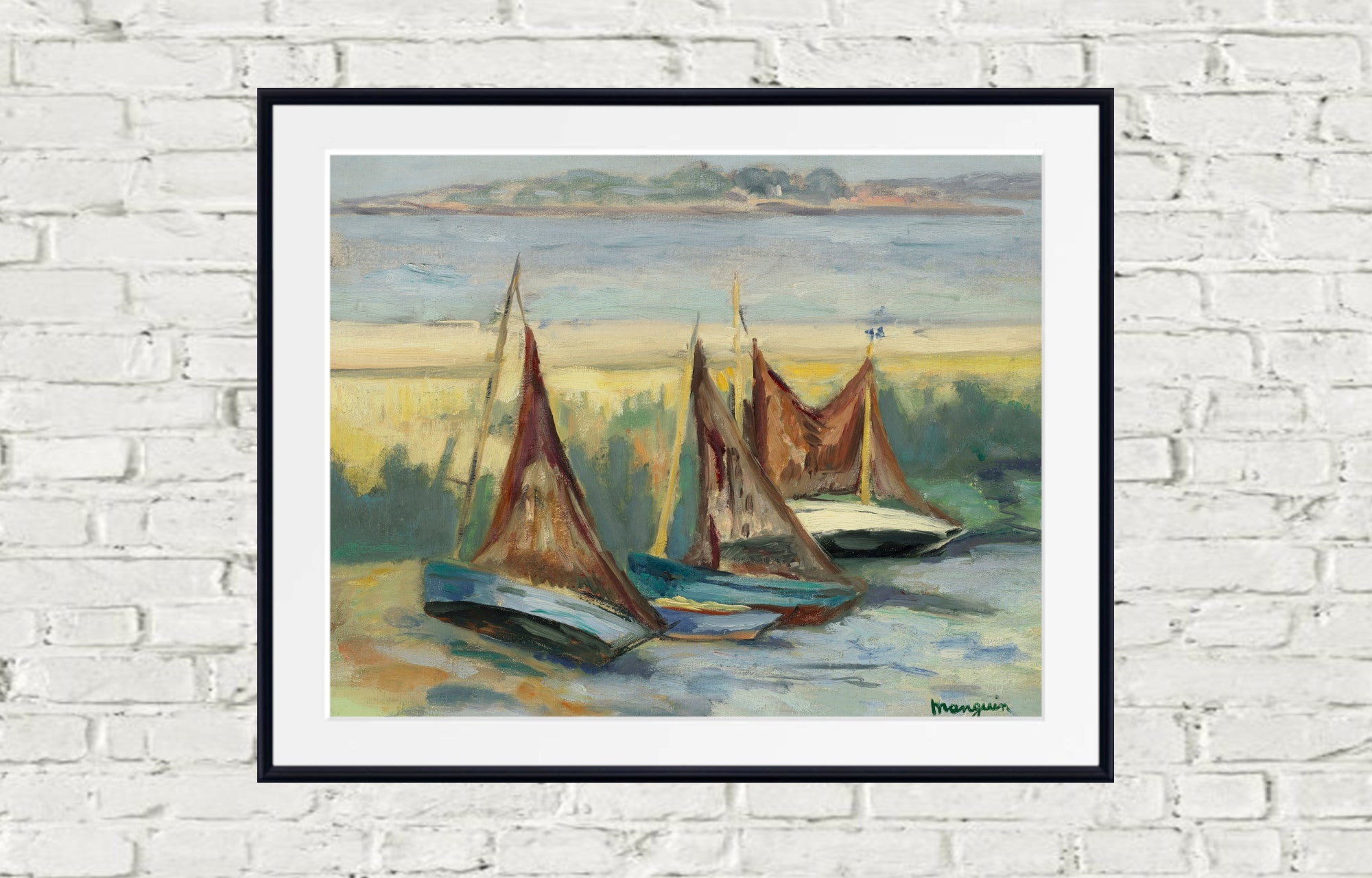
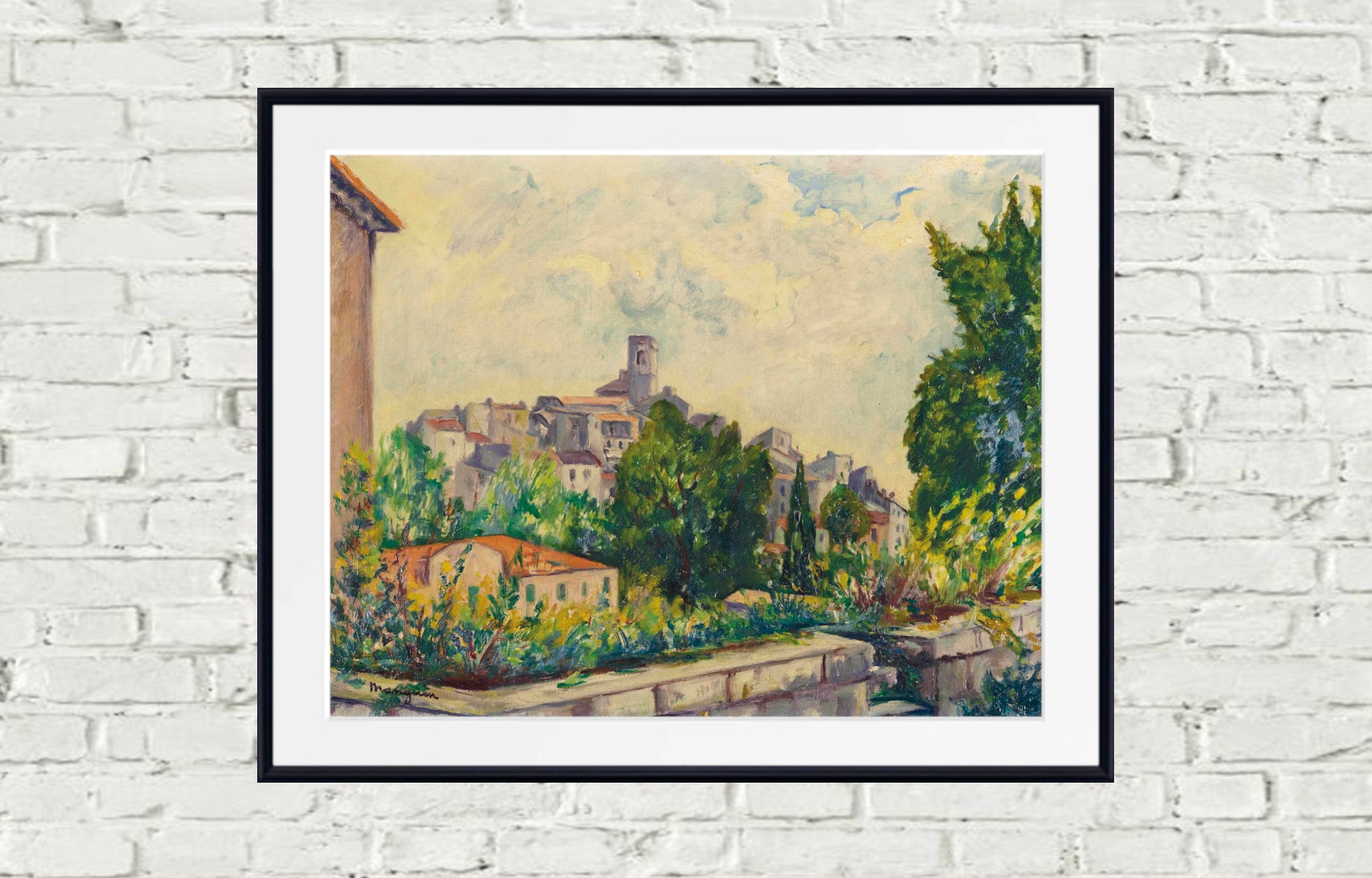
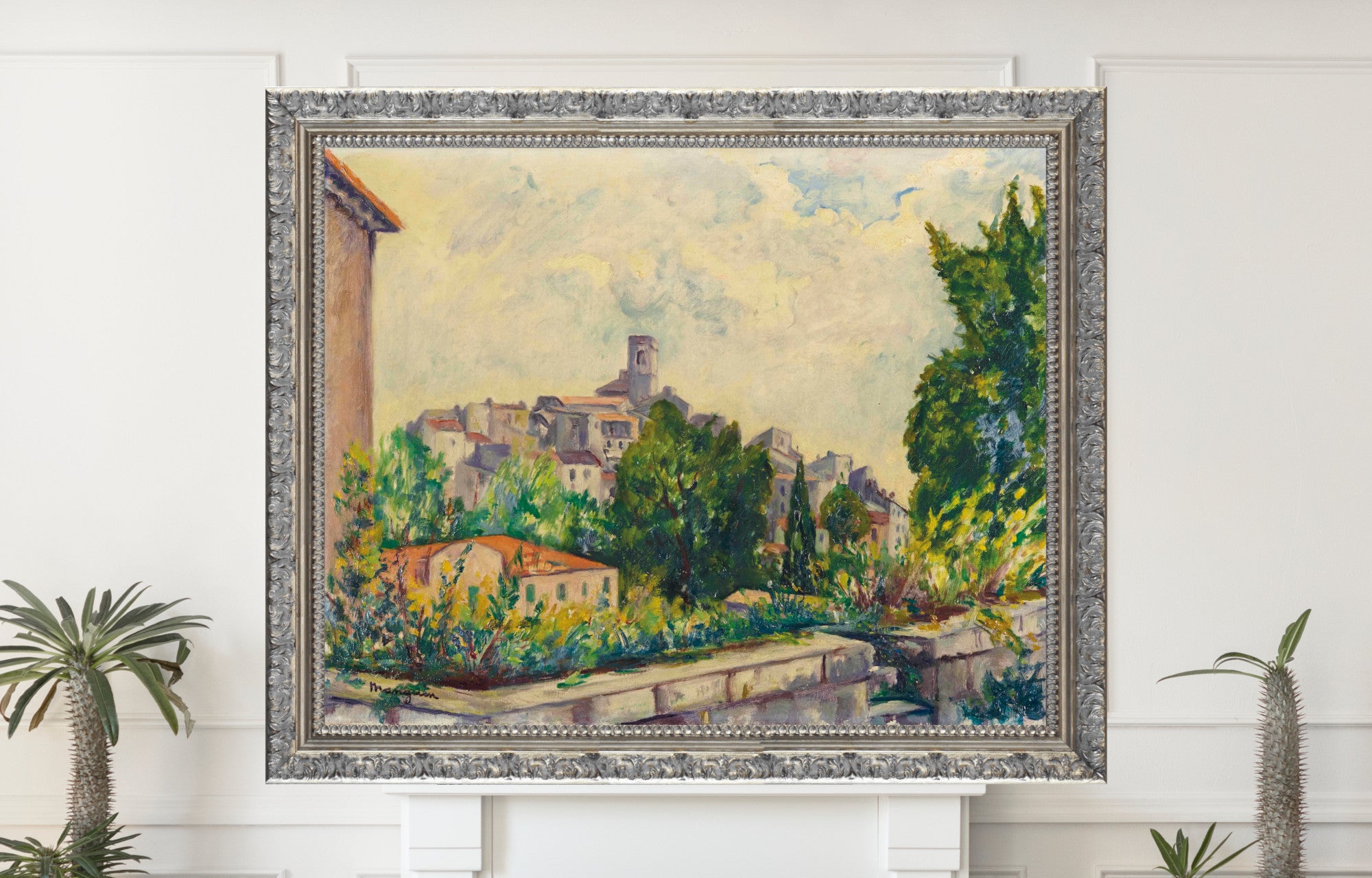
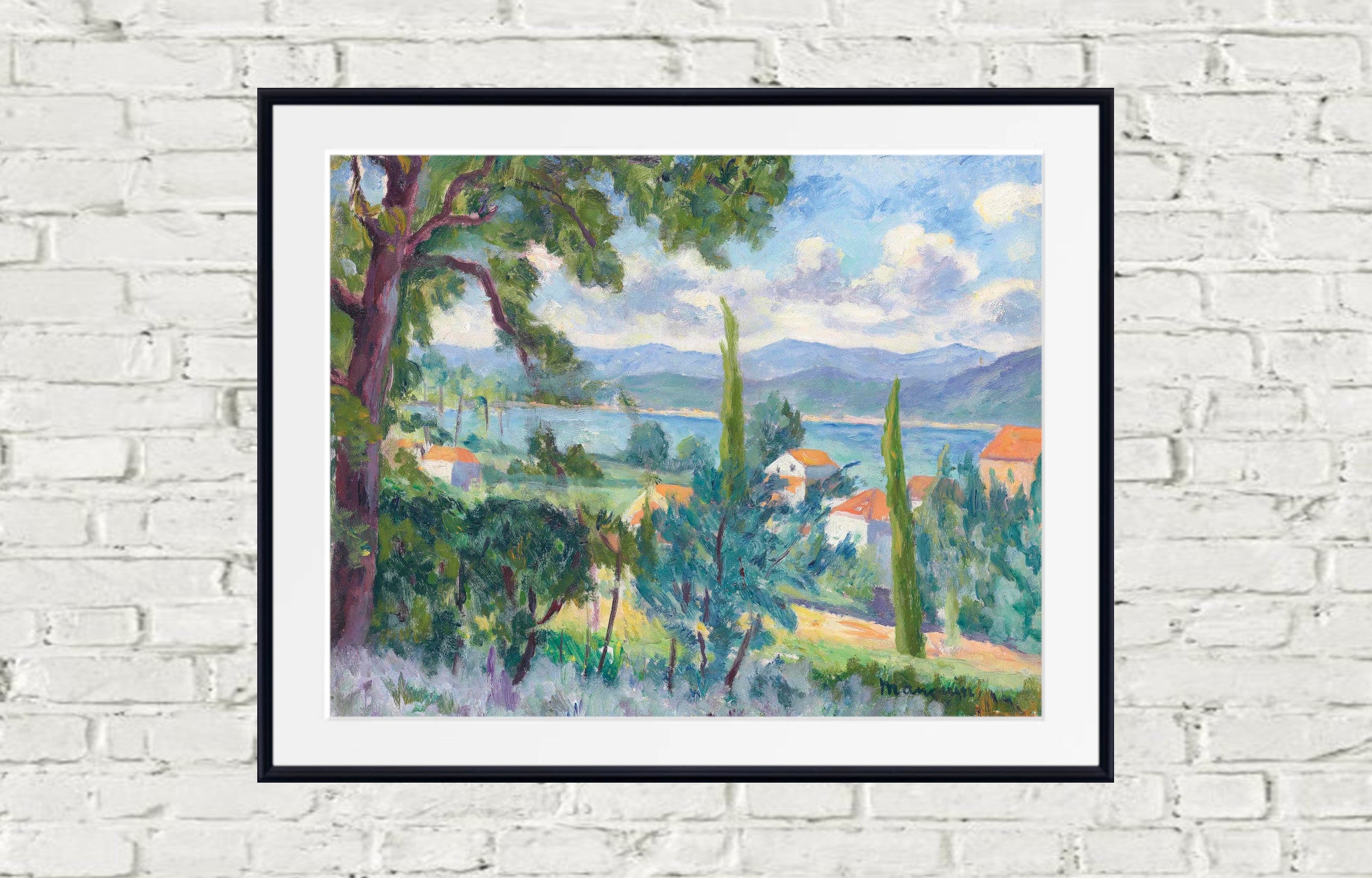
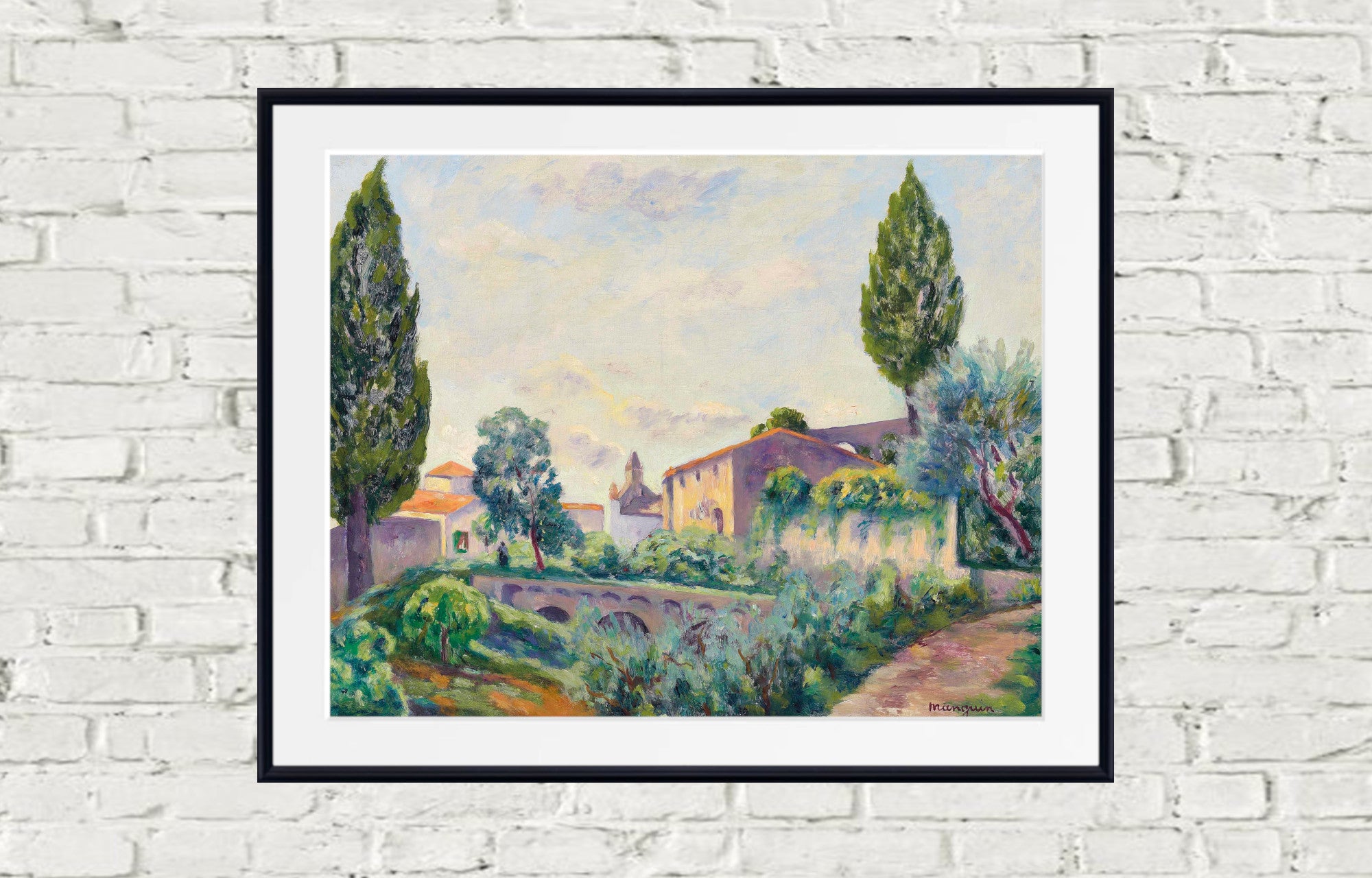
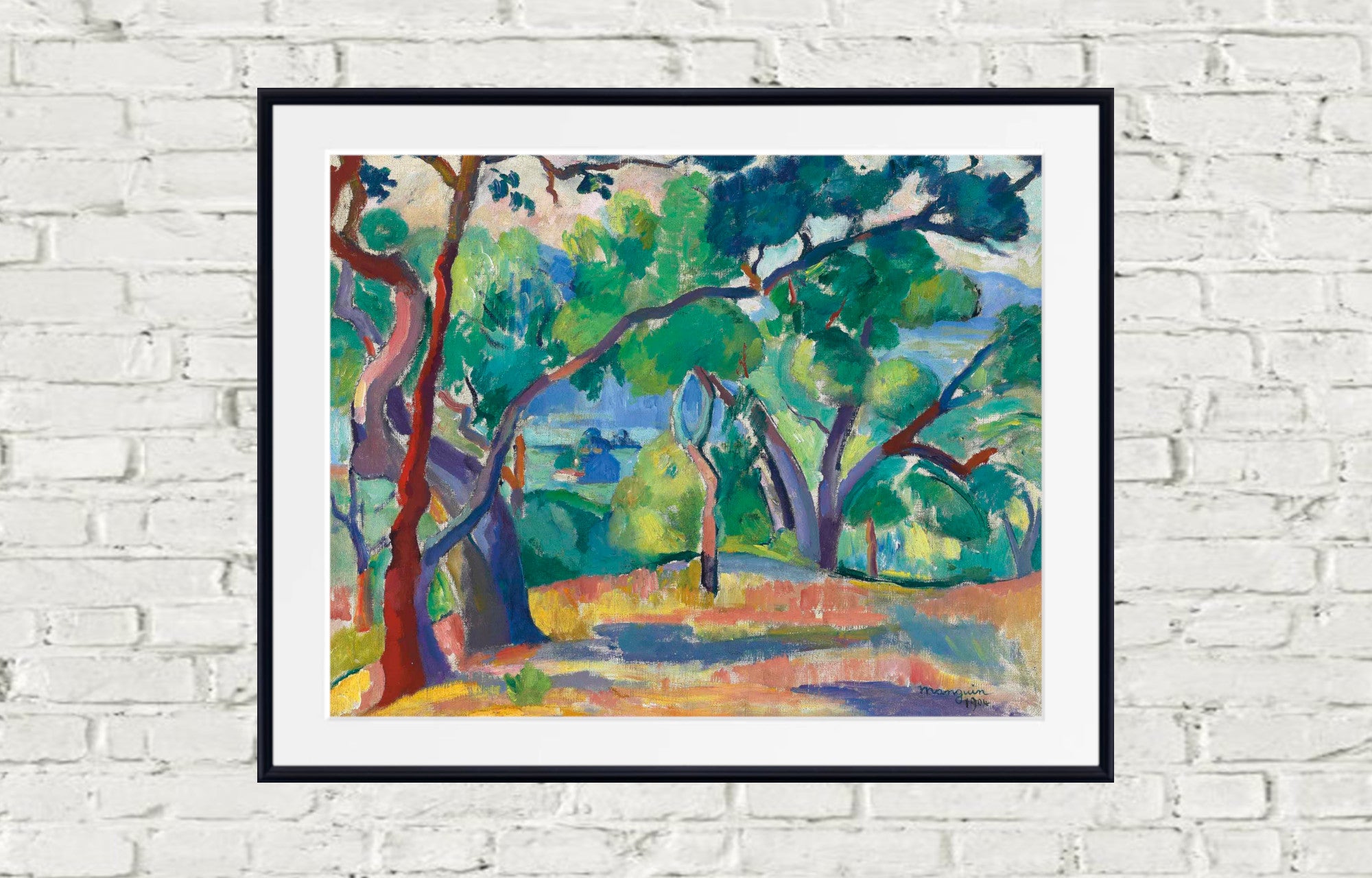
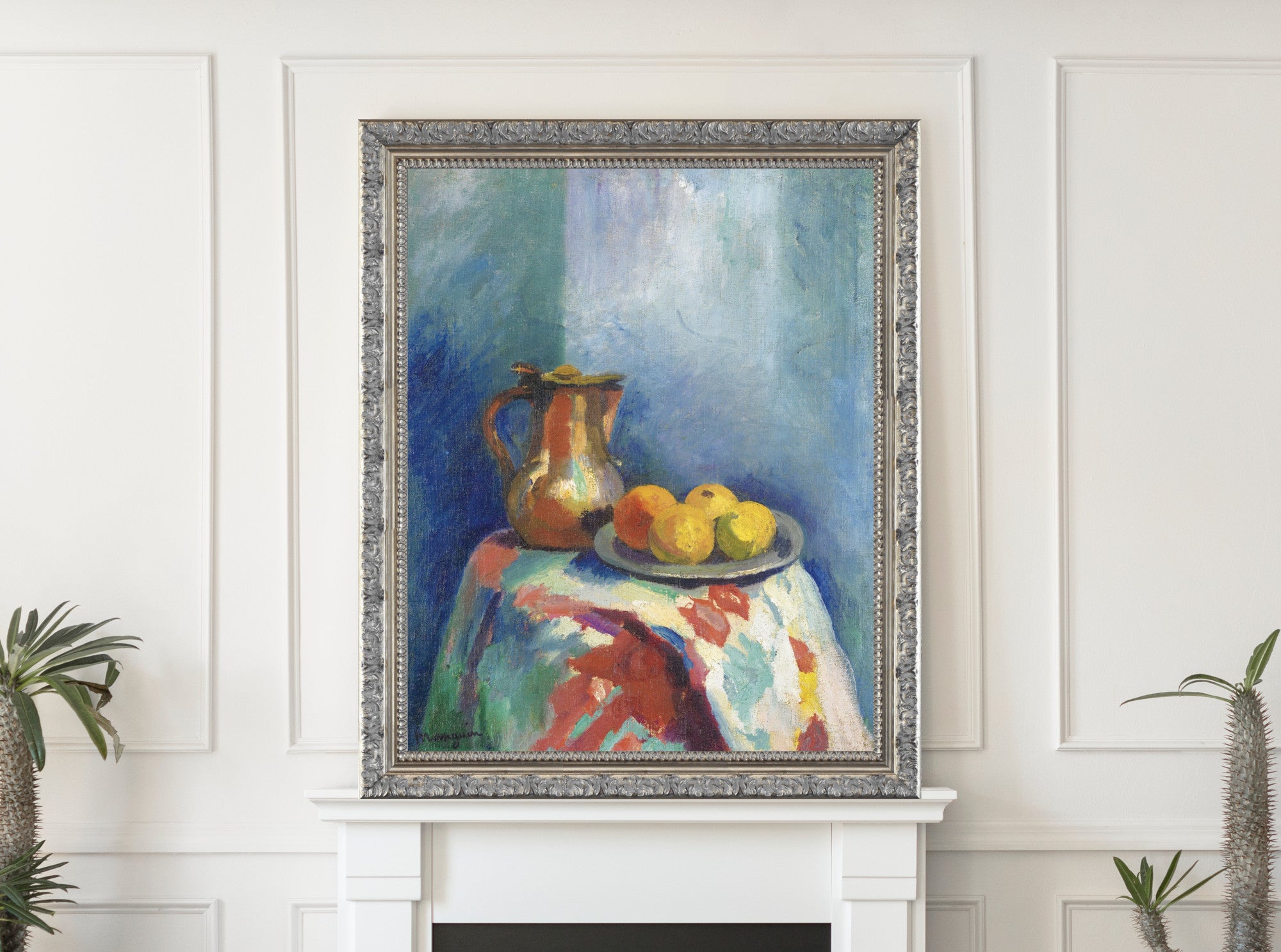
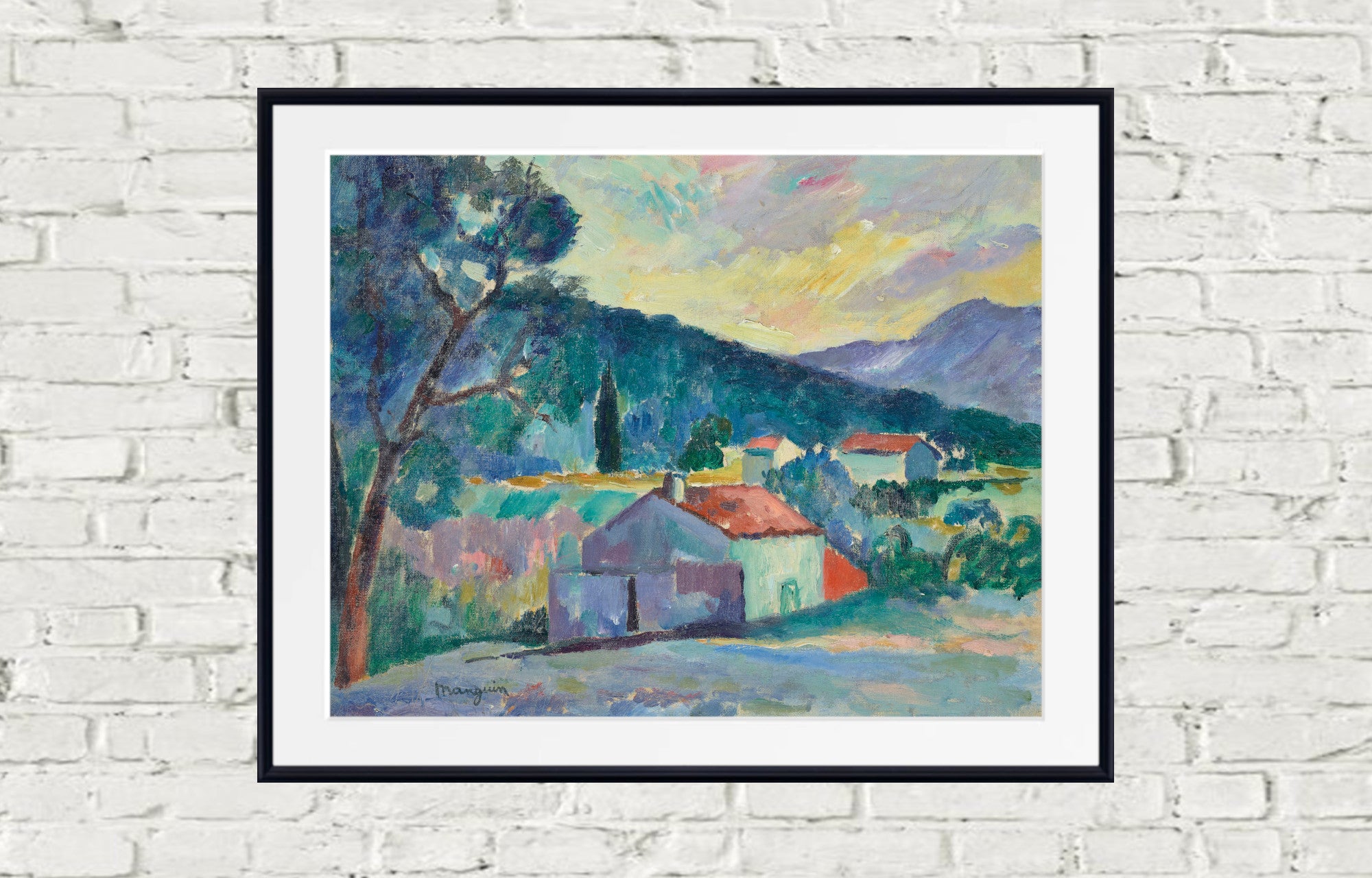
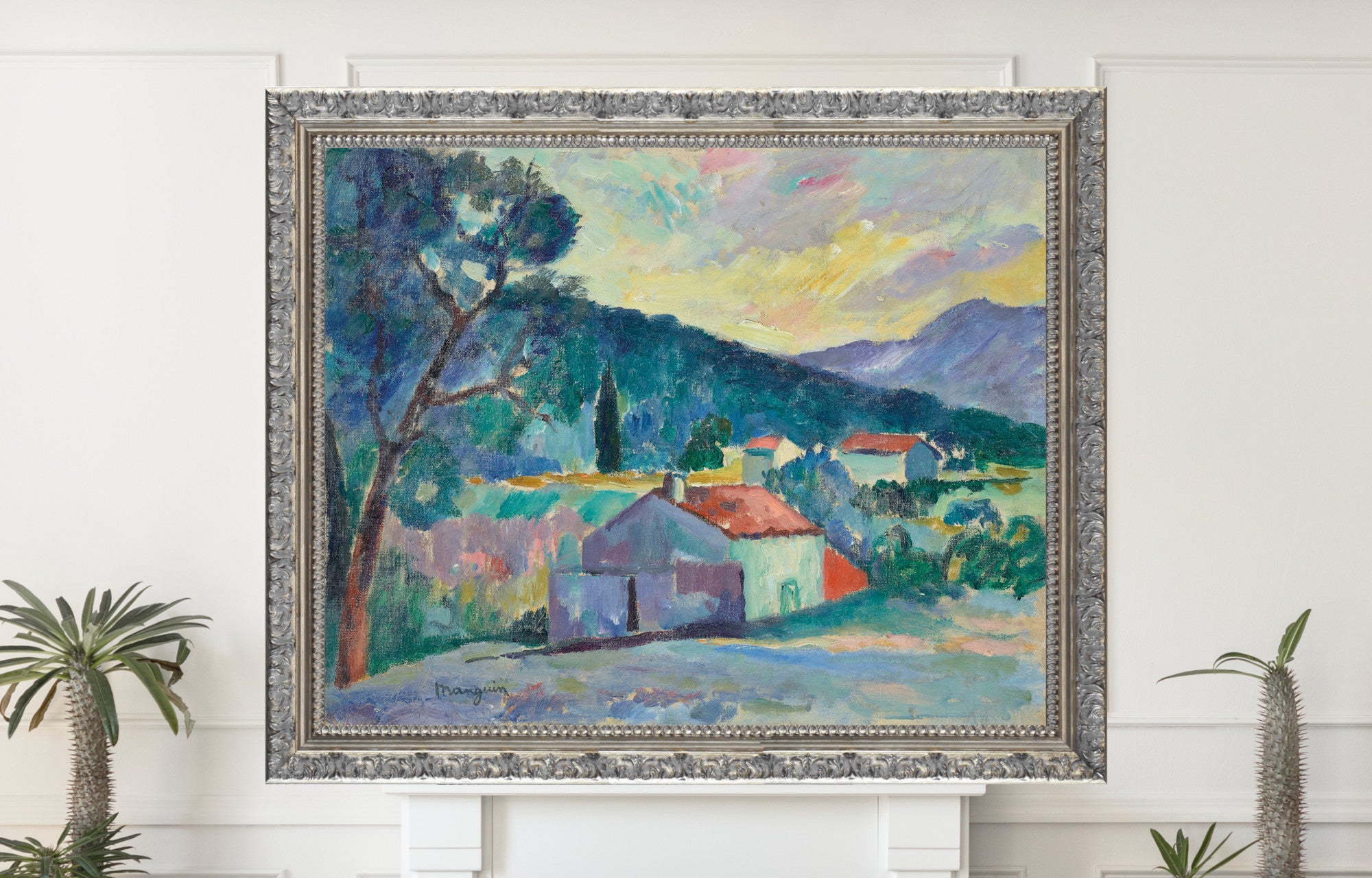
We have a wide range of frames in standard sizes and we also make custom size frames.
To order a framed print:
1. select the print size you would like along with the print materials (matte paper, fine art paper).
2. Add your print choice to the basket.
3. Choose from our range of frames
4. Select the same size as the print you have added to your basket. If the frame size you want is not listed please contact us
5. Choose from the mount or no-mount option
6. Add your frame choice to the basket
7. Proceed to checkout.
Why Choose GalleryThane?
- Printed and framed in-house
- Free UK delivery
- Free EU and USA delivery on orders over £200
- Tracking and insurance included in every order
- Fast 1-3 day dispatch
- Gift wrapping service available
- Gallery quality materials
- Sustainable, eco-friendly packaging
- Great customer support
Explore related collections
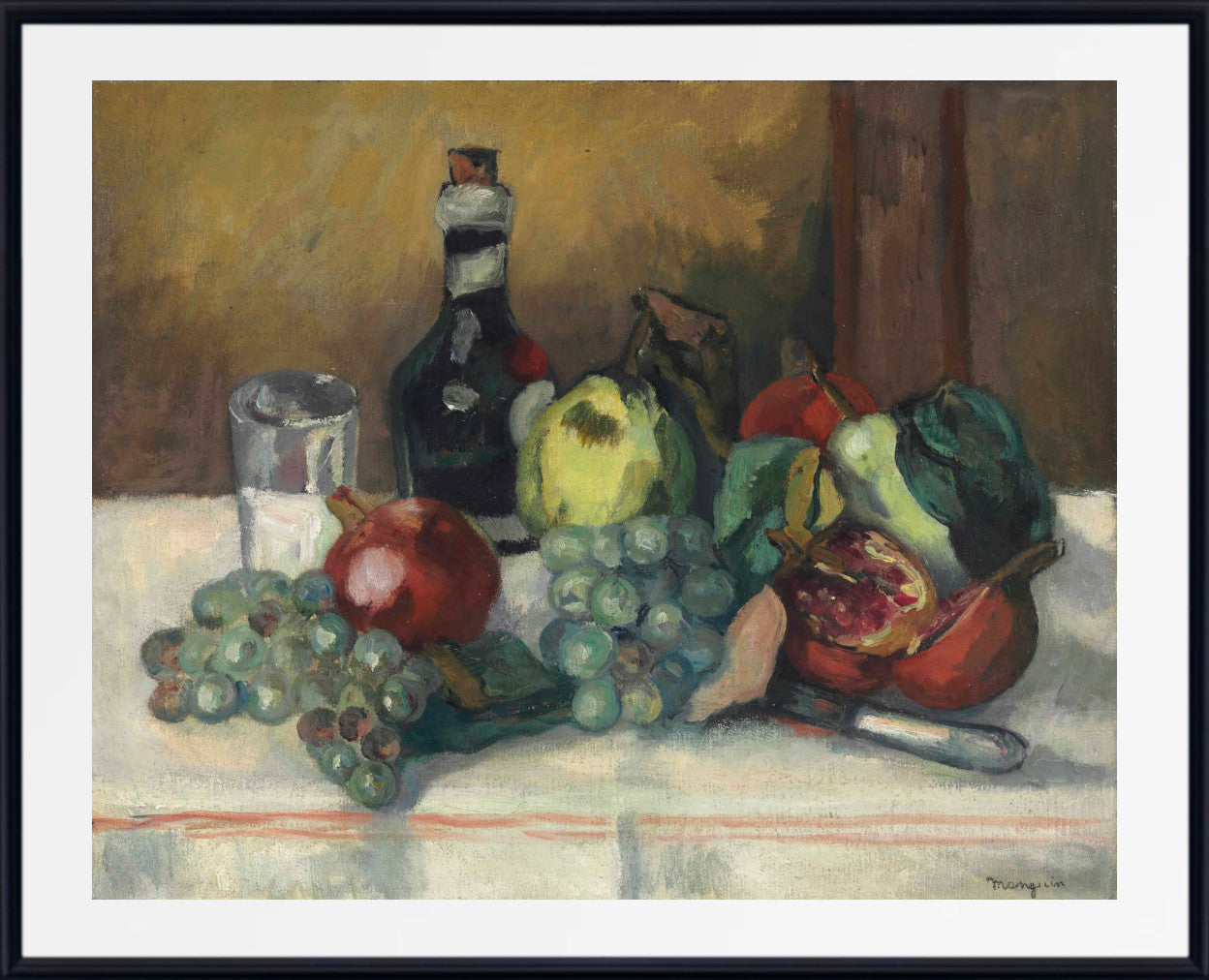
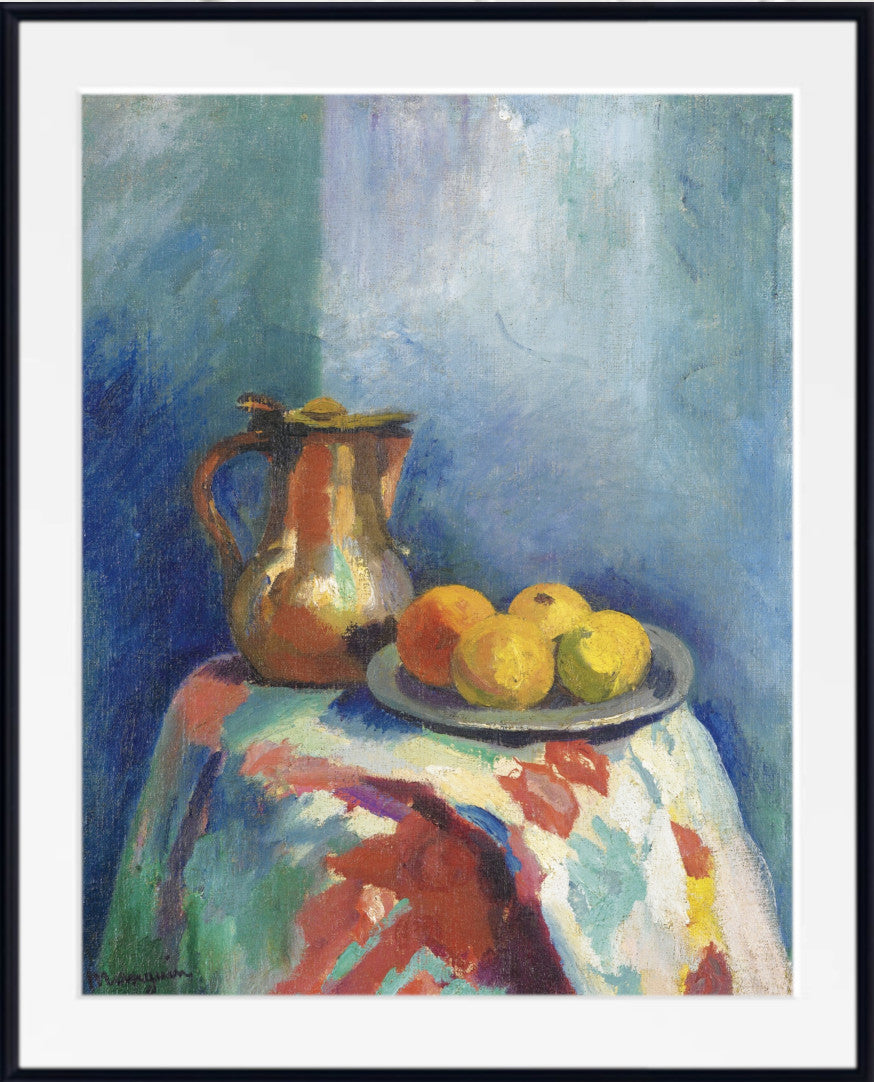
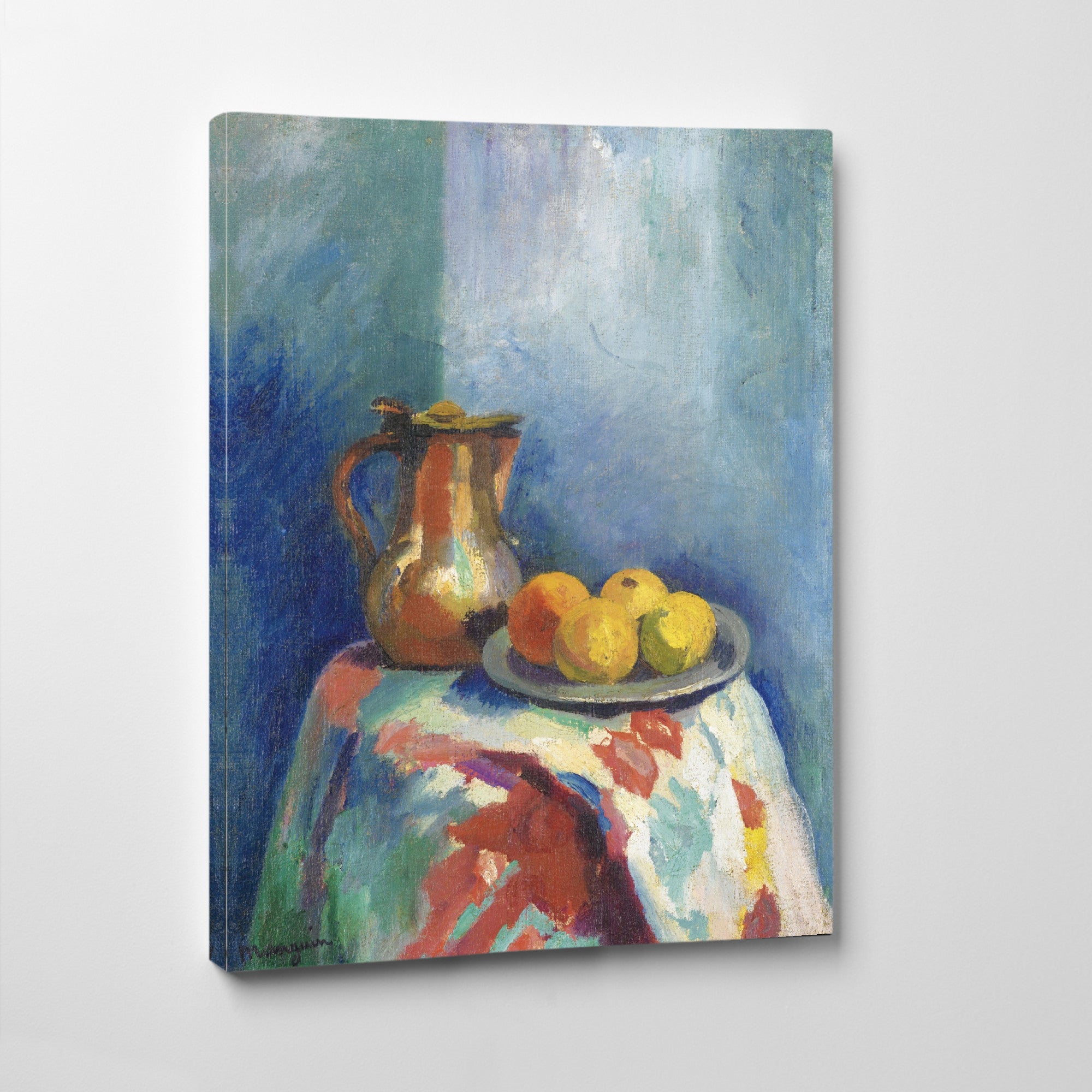
What makes our Prints and Canvas Panels so special

Latest Giclee Printing Technology
We have invested in the latest wide format print technology to produce museum quality giclee prints utilising the highest quality pigment inks to give outstanding colour reproduction.

Museum Quality Archival Fine Art Papers
We print on the finest quality fine art papers with textured, smooth and lustre finishes for prints which last a lifetime.
From aceo miniatures to 40x80 inch large format, every print has our lifetime quality guaranteee.

Solid Wood Frames, Cotton Canvas
All of the wood for our canvas panels and frames is responsibly sourced from manages forests. Our cotton canvas is completely seedless for the highest quality reproduction possible.

Have Your Gift Wrapped


