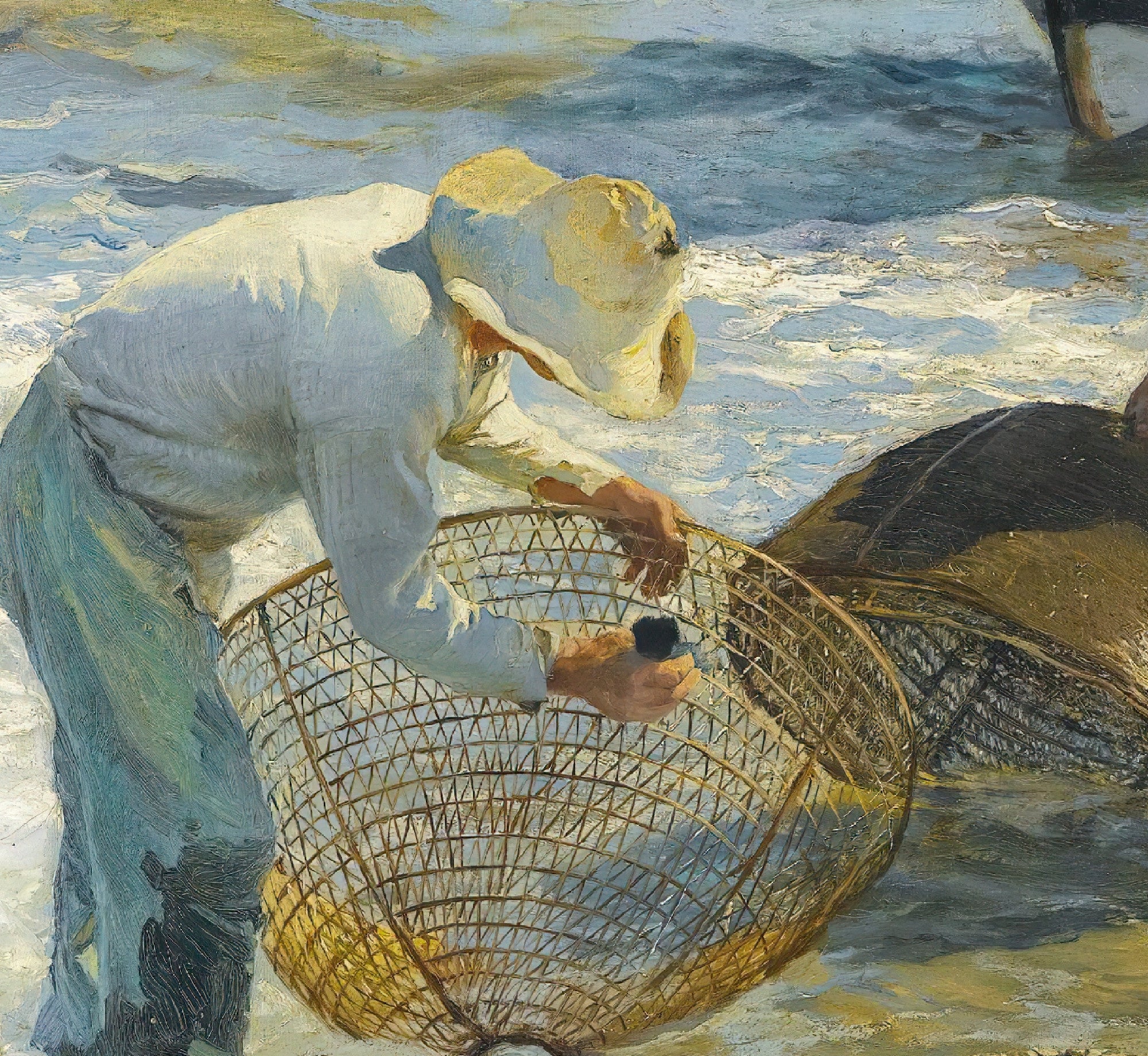
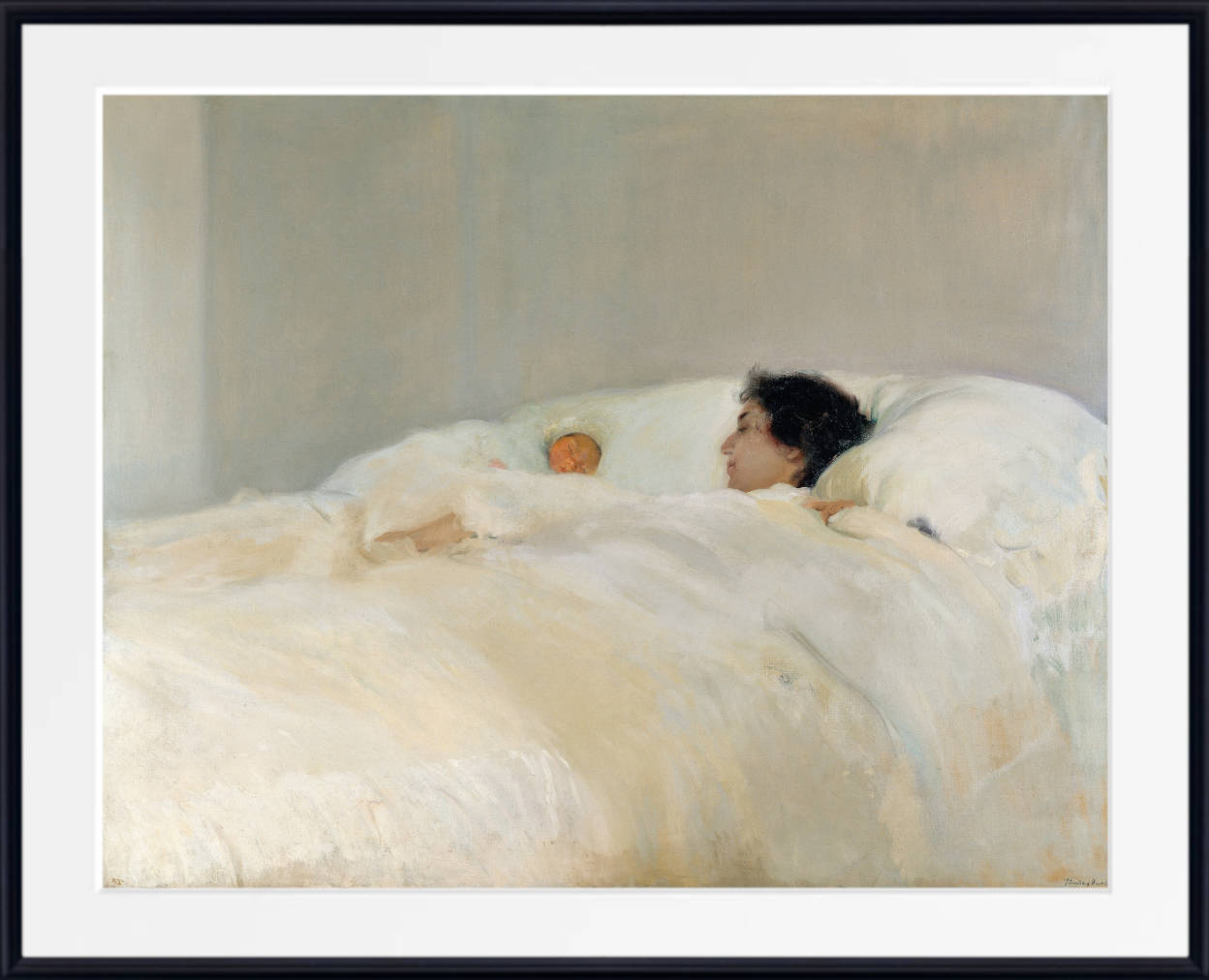
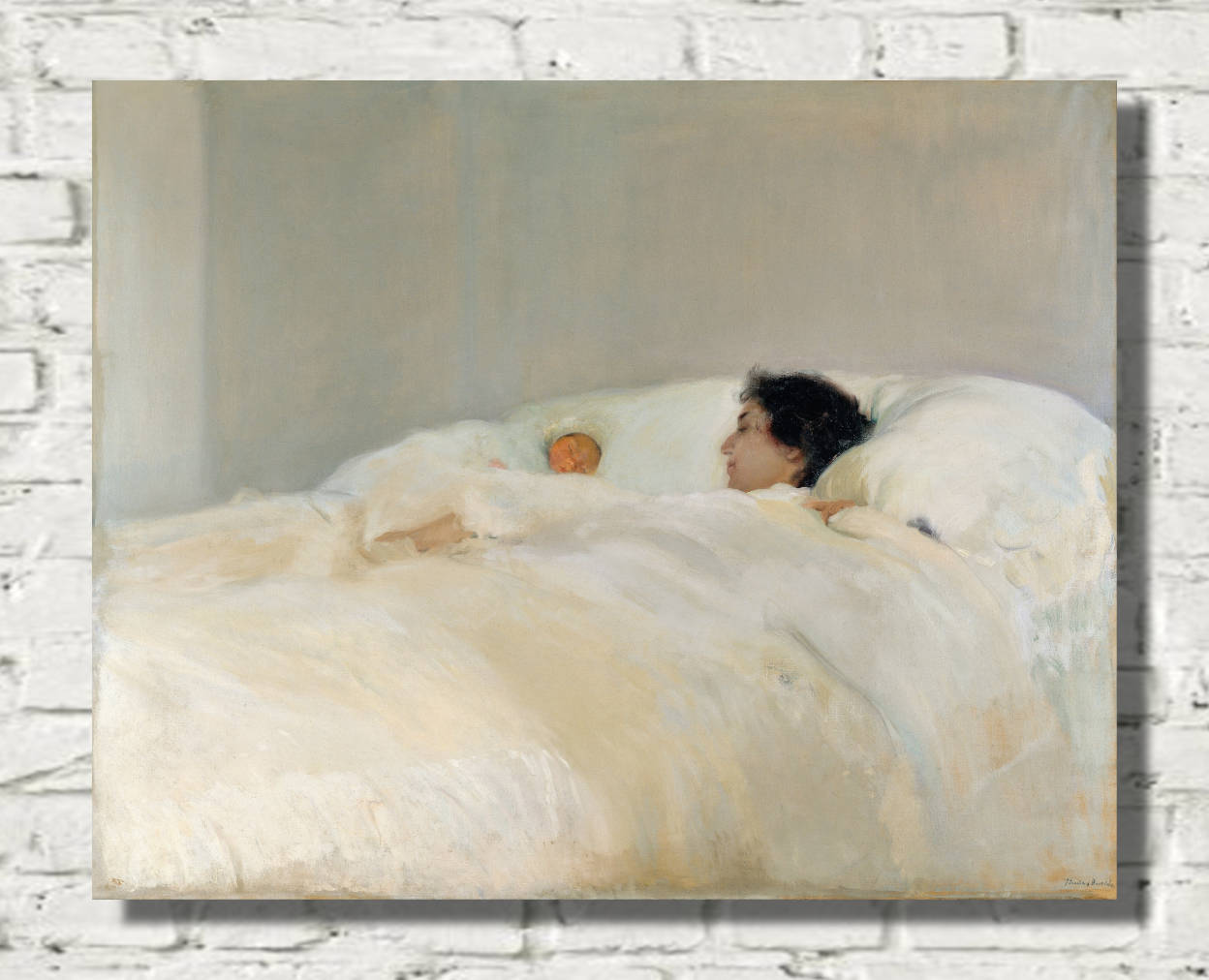
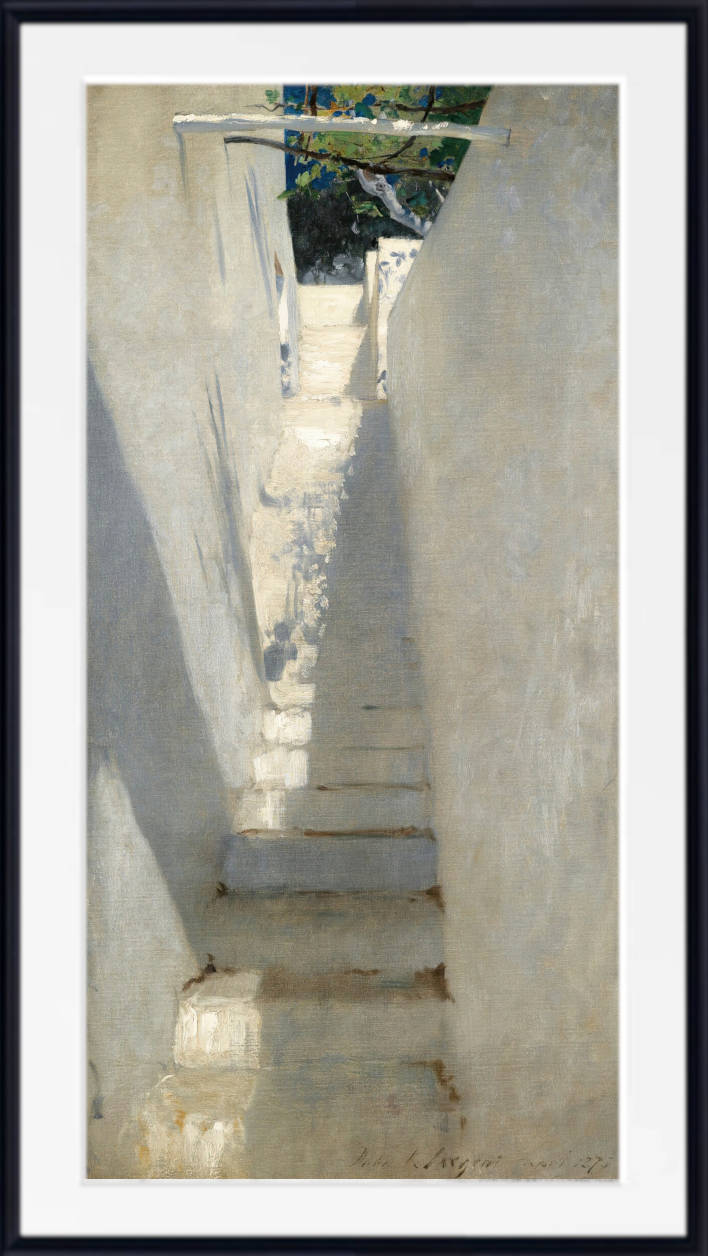
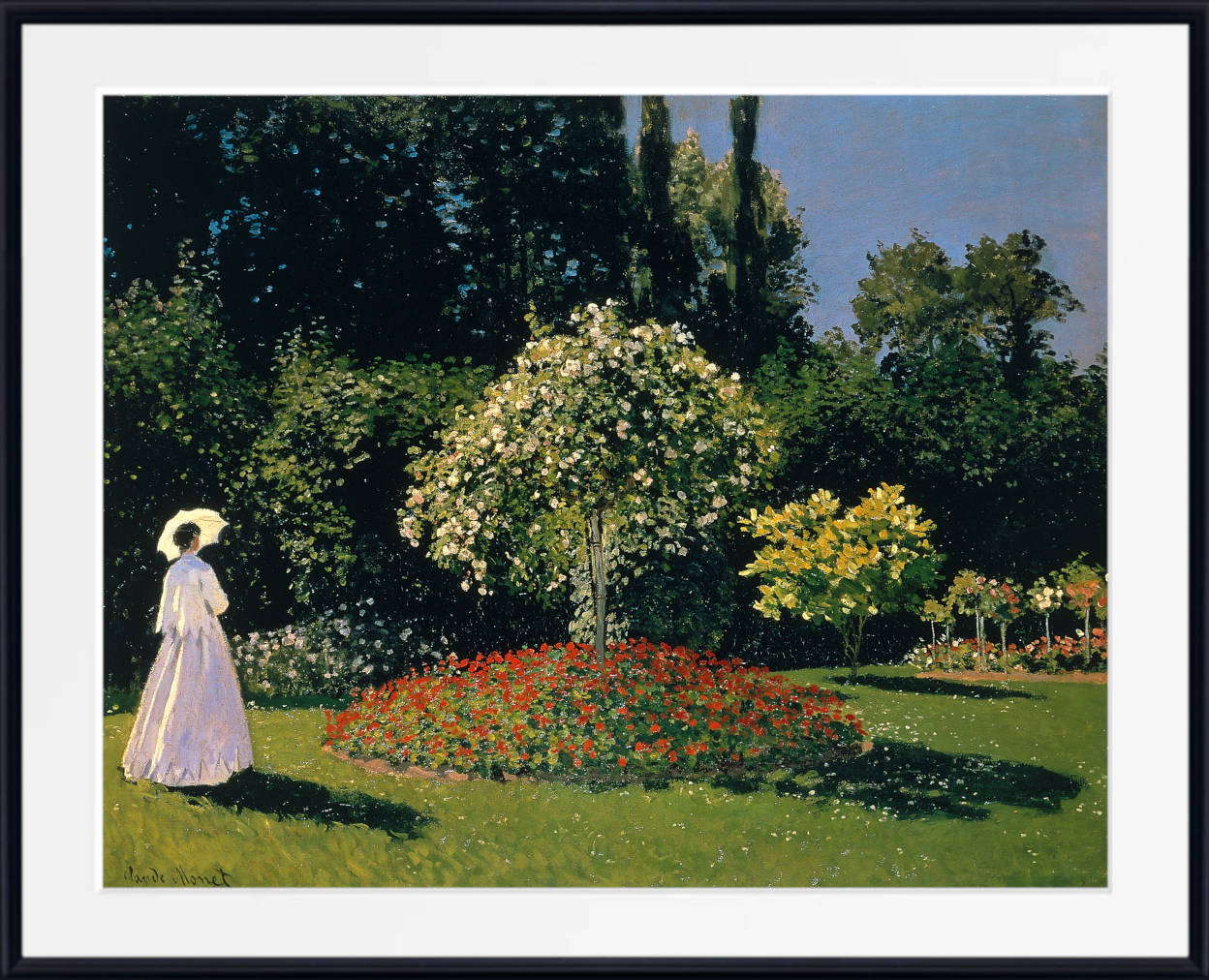
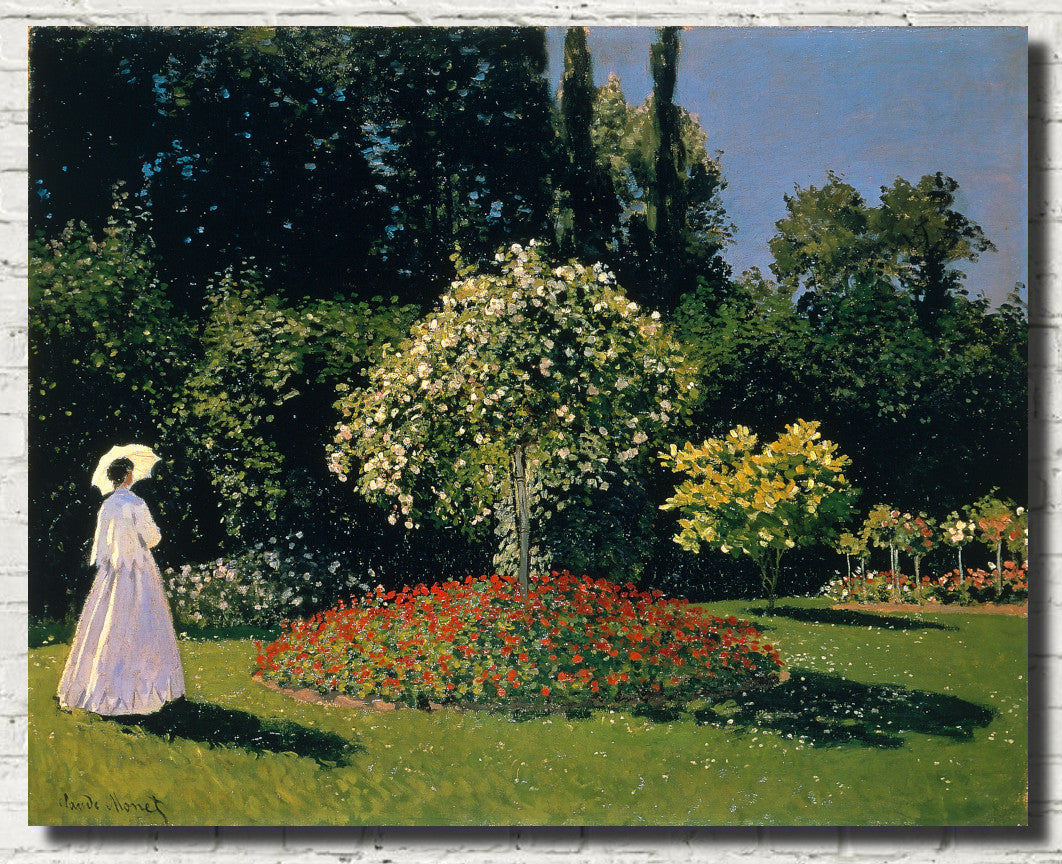
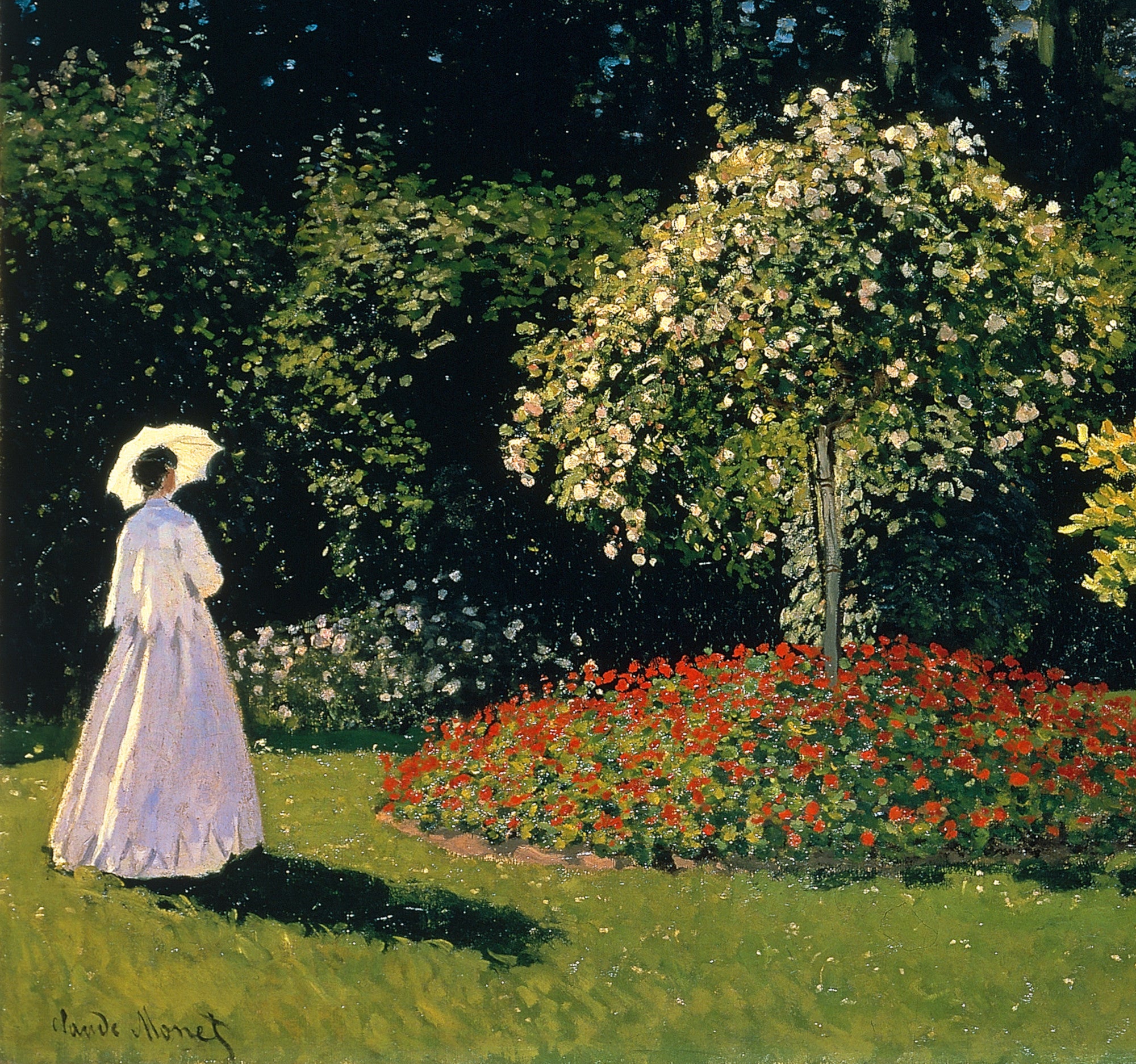
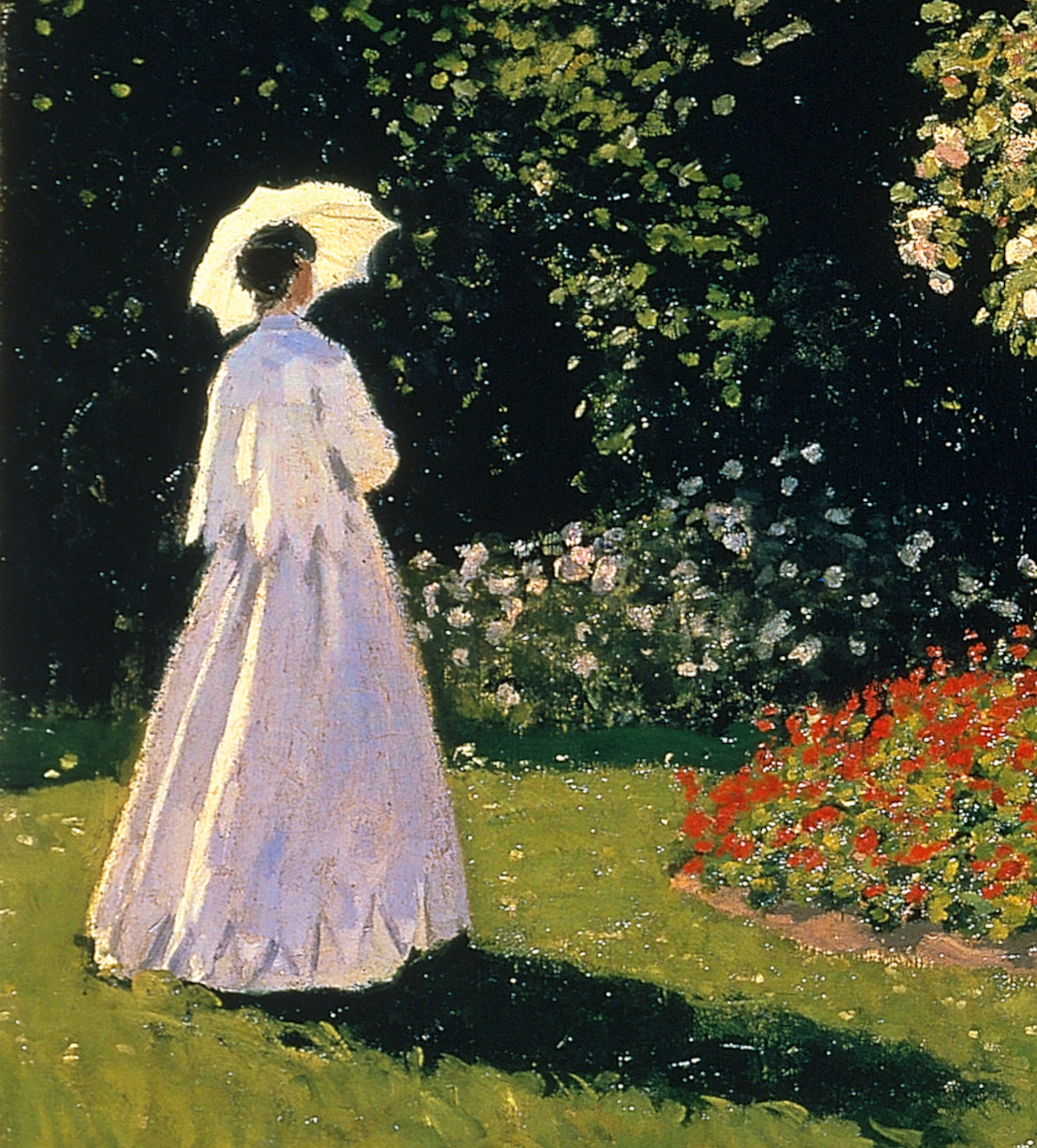
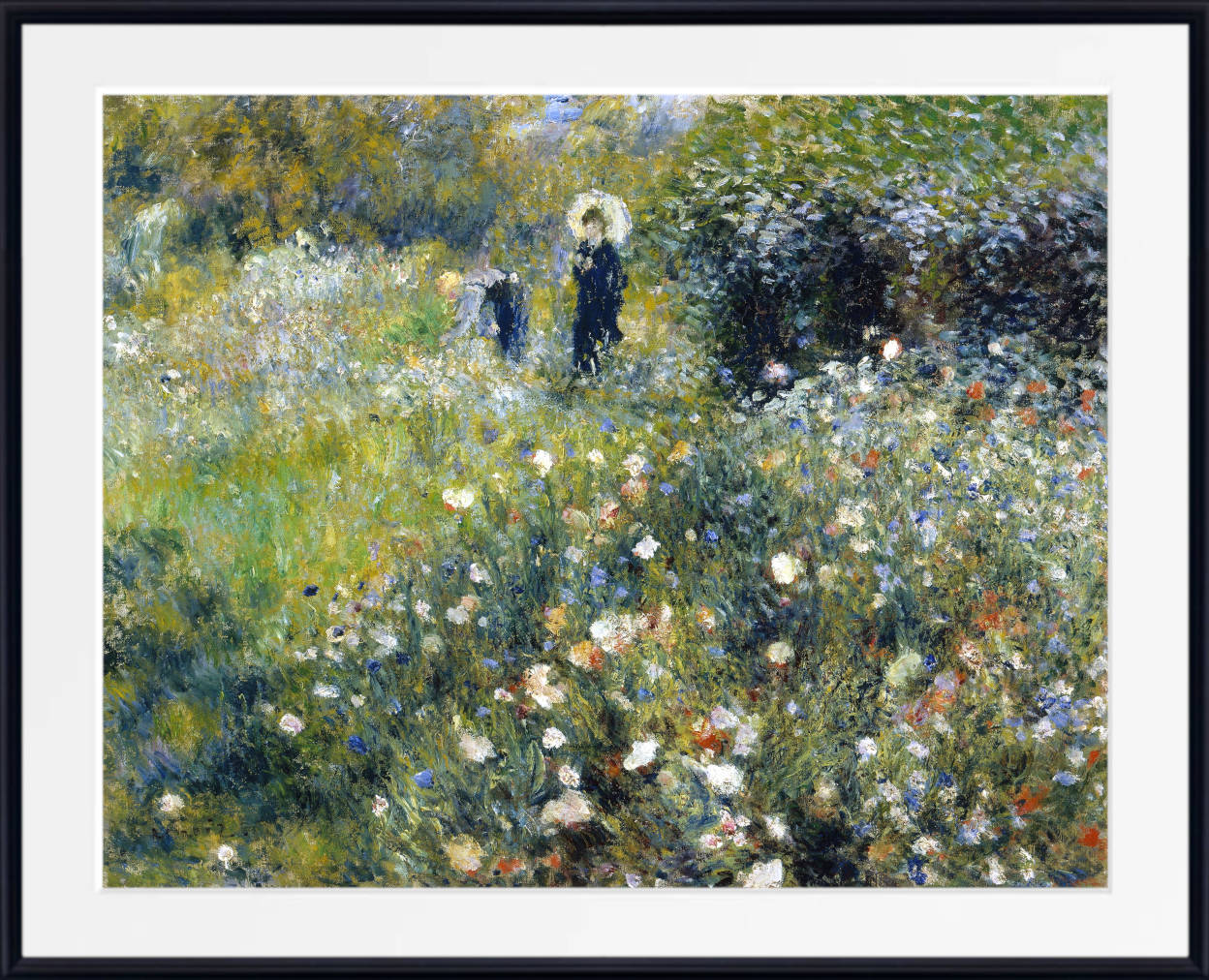
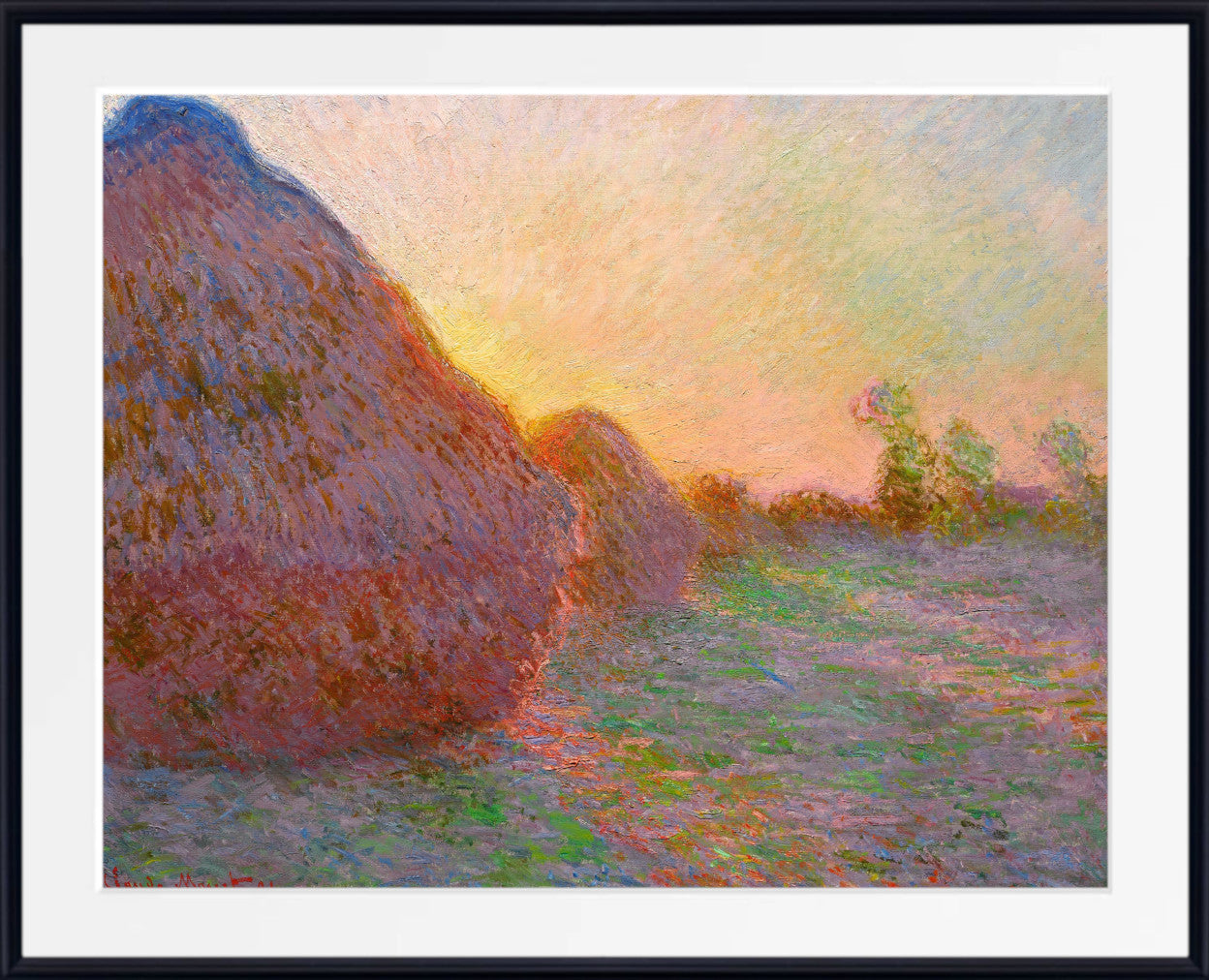
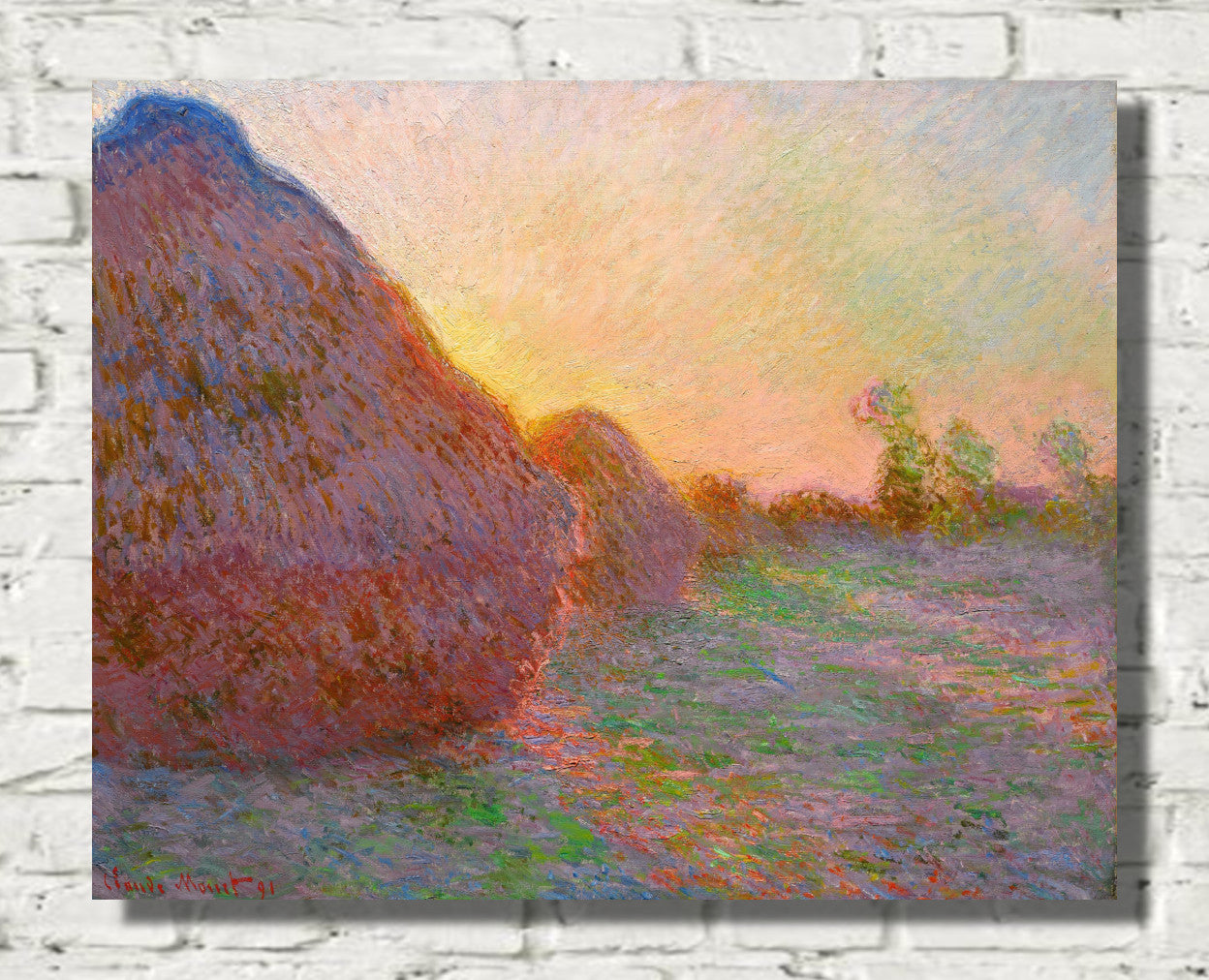
Giverny is famous because Claude Monet lived, gardened and painted there for more than forty years. Yet the village was never only Monet's private sanctuary. From the 1880s to the First World War, it became one of the most important international artists' colonies in France, attracting American, British and European painters who came in search of modern colour, outdoor light, rural subjects and proximity to the most celebrated Impressionist of the age.
For art lovers, collectors and readers interested in Impressionism, the story of Giverny opens a much wider world than Monet alone. His gardens and Water Lilies naturally lead to Frederick Carl Frieseke's sunlit figures, Theodore Earl Butler's village scenes, Willard Metcalf's quiet landscapes, Lilla Cabot Perry's refined portraits, John Singer Sargent's cosmopolitan brilliance and Mary Cassatt's central role in the story of Americans and Impressionism in France.

What Was the Giverny Art Colony?

The Giverny Art Colony was an informal but highly influential community of artists who worked in and around the Normandy village of Giverny from the mid-1880s until the disruption of the First World War. It was not an academy, a formal school or a movement with a manifesto. It was instead a living network of painters drawn by Monet's presence, the beauty of the village, the surrounding fields and rivers, the availability of lodgings and the belief that modern painting depended on direct observation of light.
Giverny offered fields, orchards, lanes, gardens, hills, cottages, the River Epte and nearby views of the Seine. For artists trained in Paris but eager to escape the studio, it became a perfect outdoor laboratory. Painters could work from nature, compare methods, exhibit together, exchange ideas and absorb the lessons of Impressionism without needing to imitate Monet directly.
The colony became especially important for American artists. Many American painters studied in Paris in the late nineteenth century, but they were looking for a way to move beyond academic drawing and dark tonal painting. At Giverny, they encountered high-keyed colour, broken brushwork, garden subjects, village life and the possibility of creating modern art that still felt elegant, intimate and deeply connected to daily experience.
Today, Giverny remains one of the most evocative places in the history of Impressionism. Its story begins with Claude Monet, but it also reaches into the broader world of American Impressionism, garden painting and decorative modern art.
Why Artists Came to Giverny
Artists came to Giverny for several reasons, but the most obvious was Claude Monet. By the late nineteenth century Monet was already recognised as a defining figure of Impressionism. Younger painters wanted to understand how he achieved his effects of light, atmosphere and colour. Some hoped to meet him; others simply wanted to paint in the same countryside that had shaped his late work.
Giverny also offered a practical advantage. It was close enough to Paris for artists to reach it easily, but far enough away to feel rural, quiet and visually fresh. Painters could study in the capital, visit exhibitions and dealers, then retreat to Normandy for plein-air work. This balance between metropolitan training and village painting was central to the formation of American Impressionism.
Light, colour and outdoor painting
For the Giverny artists, outdoor painting was more than a technical exercise. It was a way of seeing. Instead of treating a landscape as a fixed composition to be polished in the studio, they treated it as a changing field of light. Morning haze, summer heat, garden shadow, reflected water and the glow of flowers all became active subjects.
This approach gave the colony its distinctive character. Giverny paintings often feel fresh and immediate, but many are also carefully composed. The artists learned from Impressionism while adapting it to their own interests: figure painting, domestic interiors, village views, river landscapes and decorative garden scenes.
Claude Monet: The Magnetic Centre of Giverny

Claude Monet moved to Giverny in 1883 and eventually transformed his property into one of the most famous artist-designed environments in the world. His house, flower garden, water garden, Japanese bridge and lily pond became both his home and his most important late subject. The paintings that emerged from this environment include some of the most admired works in modern art, especially the Water Lilies.
Monet's presence gave Giverny its artistic gravity. He did not run a school and he was often protective of his privacy, but the fact that he lived there mattered enormously. Visiting painters knew that they were working in the village of the artist who had redefined modern landscape painting. Even when they did not meet him directly, they were painting in his orbit.
The best way to understand Monet's role is to see Giverny as both a physical place and an artistic idea. Physically, it was a rural village in Normandy. Artistically, it became a symbol of modern colour, garden painting, reflective water, serial observation and the transformation of everyday landscape into immersive visual experience.
Monet's Giverny works continue to shape how people imagine Impressionist art. The Water Lilies collection captures the most famous aspect of that legacy, while the wider Claude Monet fine art prints collection shows how varied his art remained across landscapes, gardens, rivers, seascapes and architectural subjects.

American Artists at Giverny
The strongest identity of the Giverny Art Colony was American. From the 1880s onward, American painters travelled to France for advanced training, often studying at Paris academies before working outdoors in villages such as Giverny. Many were attracted by French Impressionism but wanted to adapt it to their own temperament, subjects and audiences.
American artists at Giverny often preferred a refined, decorative form of Impressionism. Their paintings tend to combine broken colour with elegant composition. They painted gardens, women in white dresses, interior rooms, riverside views, orchard shade, village lanes and social scenes. Compared with Monet's late Water Lilies, their works often feel more intimate, more figure-centred and more closely tied to domestic life.
| Artist | Connection to Giverny | Explore Related Prints |
|---|---|---|
| Claude Monet | Resident from 1883 and the central figure of the village's artistic identity | Claude Monet fine art prints |
| Frederick Carl Frieseke | Major American Impressionist associated with the later Giverny colony | Frederick Carl Frieseke prints |
| Theodore Earl Butler | American painter in Giverny and member of Monet's family circle | Theodore Butler prints |
| Willard Metcalf | One of the American painters associated with early Giverny activity | Willard Metcalf prints |
| John Singer Sargent | International visitor within the wider Anglo-American Impressionist network | John Singer Sargent fine art prints |
| Mary Cassatt | Not a core Giverny resident, but essential to the larger story of Americans and Impressionism in France | Mary Cassatt prints |
Frederick Carl Frieseke at Giverny

Frederick Carl Frieseke is one of the most important American artists associated with Giverny. Born in Michigan, he studied in the United States before moving to France, where he developed a mature Impressionist style defined by luminous colour, patterned surfaces, garden light and intimate female subjects.
Frieseke's Giverny paintings are not imitations of Monet. They are more domestic, more figure-centred and often more decorative. Where Monet increasingly dissolved landscape into water, light and reflection, Frieseke often placed women in gardens, interiors and sunlit rooms. His art is ideal for readers who love Impressionist light but also want figure painting, floral colour and elegant domestic atmosphere.
Gardens, interiors and patterned light
Frieseke's paintings show how Giverny encouraged artists to explore light as both atmosphere and design. In his work, sunshine often becomes a pattern across dresses, parasols, walls, foliage and textiles. The result is a form of Impressionism that feels decorative without losing its connection to lived experience.

GalleryThane's Frederick Carl Frieseke prints include works that speak directly to this world of gardens, interiors and luminous colour. Paintings such as The Apple Tree, The Garden Path, Afternoon - Yellow Room and Woman Seated in a Garden show why Frieseke remains such a compelling figure in American Impressionism.
Theodore Earl Butler and the Monet Family Circle

Theodore Earl Butler has one of the strongest personal connections to Giverny. An American painter, he became part of the village's artistic life and was connected to Monet's family through marriage. This makes him an important bridge between Monet and the American artists who gathered around the village.
Butler's paintings often record the everyday life and landscape of Giverny rather than the famous enclosed world of Monet's water garden. The village was not only lilies, bridges and flowerbeds. It was also fields, railway lines, houses, orchards, riverbanks and social life. Butler helps us see Giverny as a working community as well as a place of artistic myth.

Les Ajoux, Giverny (1910), Theodore Earl Butler
Giverny beyond Monet's garden
Butler's importance lies in his ability to widen the story. His art gives the colony a more human scale, showing the village as a place where families, artists and local people shared the same landscape. His paintings remind us that Giverny was not simply a backdrop for Monet's genius; it was a living environment that shaped many artistic lives.
Readers interested in this more intimate view of the village can explore Theodore Butler prints, including Giverny scenes that reveal the countryside, railway and everyday surroundings of the colony.
Willard Metcalf and the Early Giverny Colony

Willard Metcalf was among the American painters associated with the early development of the Giverny colony. His importance lies partly in chronology. Before Giverny became widely known as a major American Impressionist destination, painters such as Metcalf helped establish the pattern of working in the village and adapting French plein-air methods to American sensibilities.

Sunlight and Shadow by Willard Metcalf
Metcalf's paintings are often quieter and more landscape-based than Frieseke's. His art is less focused on decorative interiors and more concerned with fields, trees, seasonal atmosphere and rural calm. That makes him valuable for readers interested in landscape prints rather than figure-centred Impressionism.
A quieter American Impressionism
Metcalf's work offers a gentler counterpoint to Monet and Frieseke. Instead of the iconic Water Lilies or the patterned brightness of Giverny interiors, he often gives us open air, soft weather and a more restrained sense of rural atmosphere. His paintings show how the lessons of French Impressionism could be translated into a calmer and more contemplative American style.
Explore related landscape subjects in the Willard Metcalf prints collection.
Lilla Cabot Perry: Champion of Monet and Giverny

Lilla Cabot Perry was one of the most important American figures connected with Giverny. She spent repeated periods in the village, became acquainted with Monet and helped introduce his art and ideas to American audiences. Her role matters because Giverny was not only a place where artists painted; it was also a channel through which Impressionism travelled internationally.
Perry's work often combines portraiture, domestic intimacy and Impressionist colour. She represents a slightly different aspect of the colony: not only landscape and garden painting, but the translation of Impressionist light into family, figure and interior subjects. Through Perry, Giverny becomes part of a wider story about women artists, transatlantic taste and the spread of French modernism.
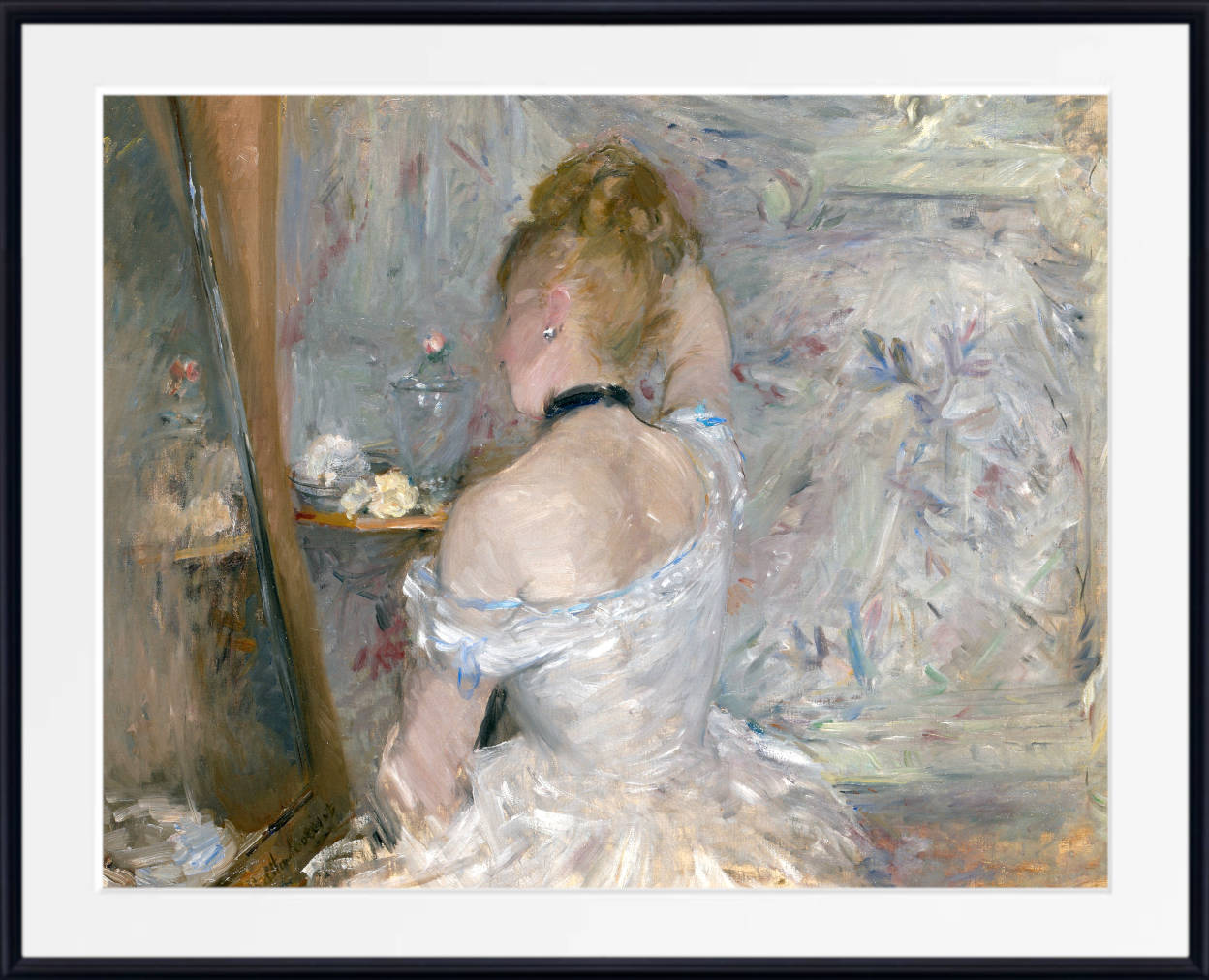
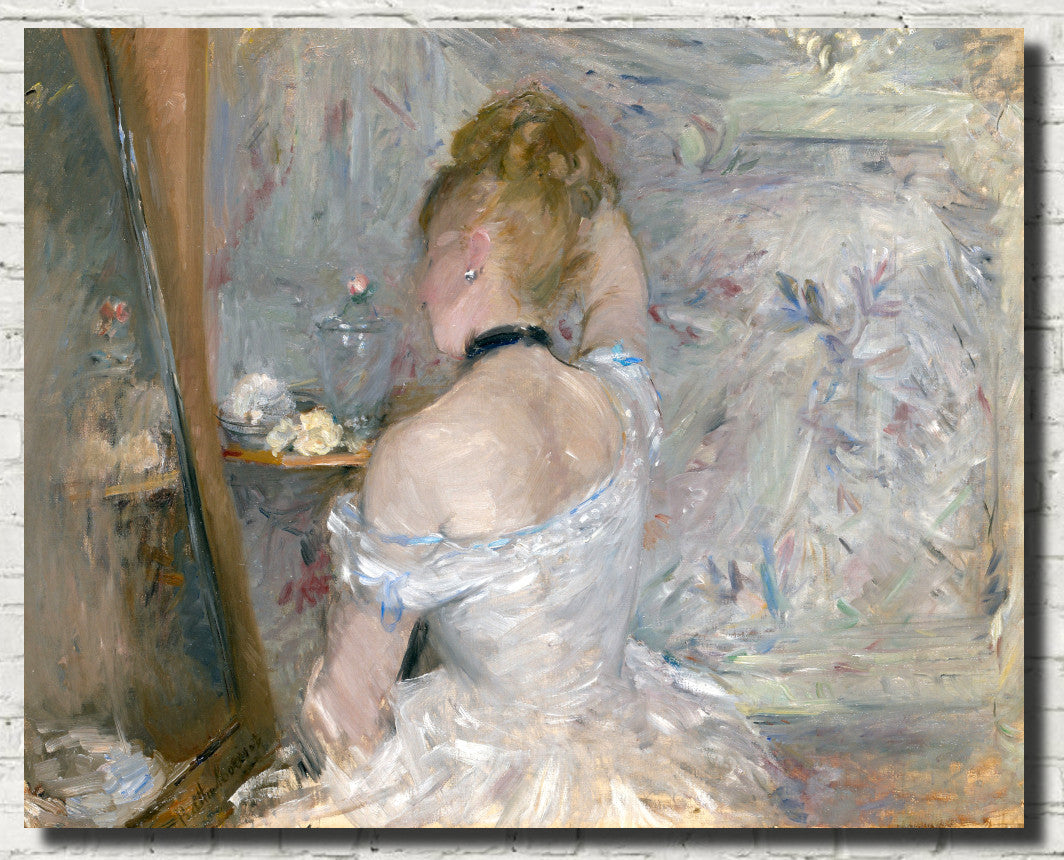
Her presence also helps connect the Giverny circle with other women artists of Impressionism, including Mary Cassatt and Berthe Morisot.
John Singer Sargent and Giverny's International Appeal

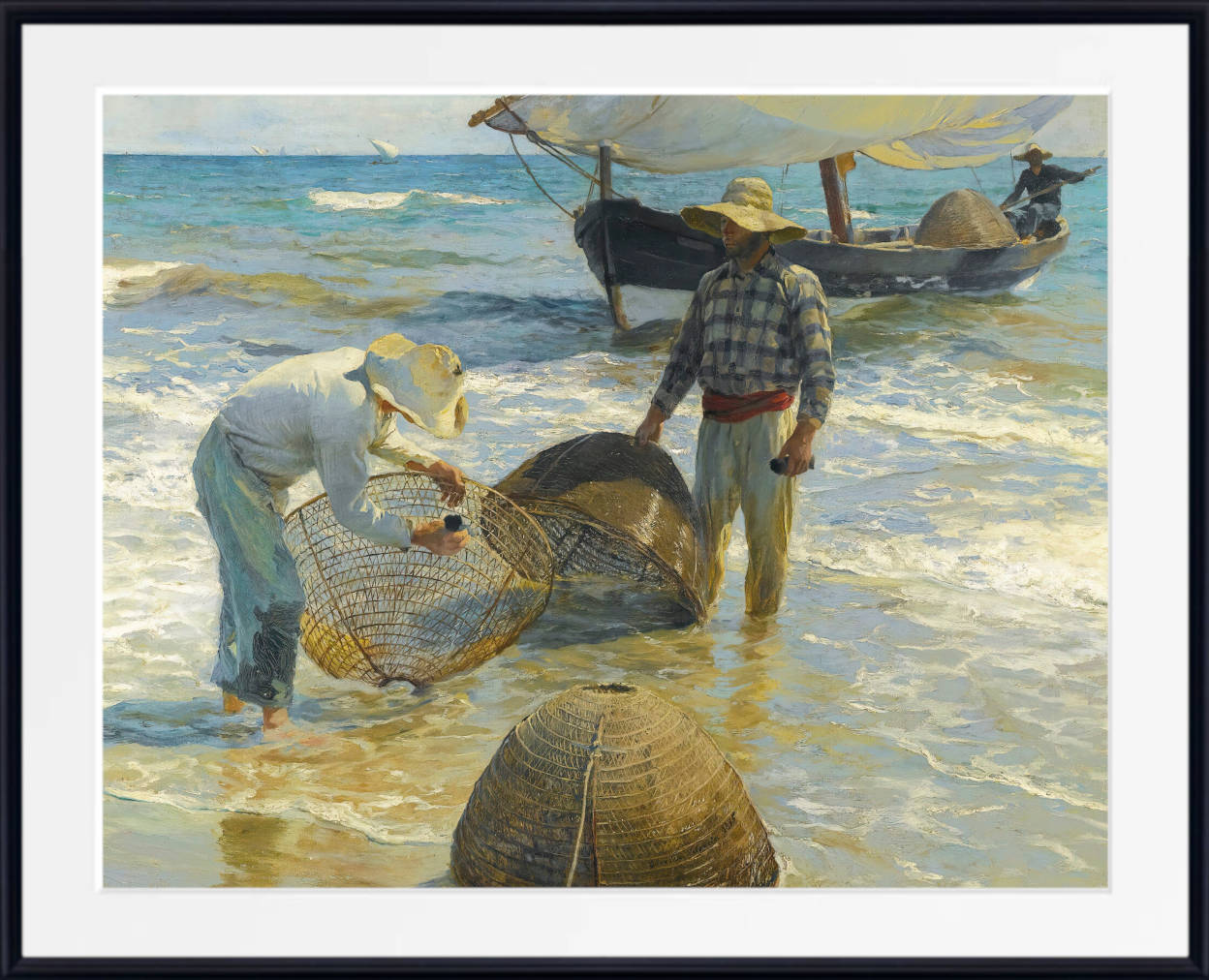
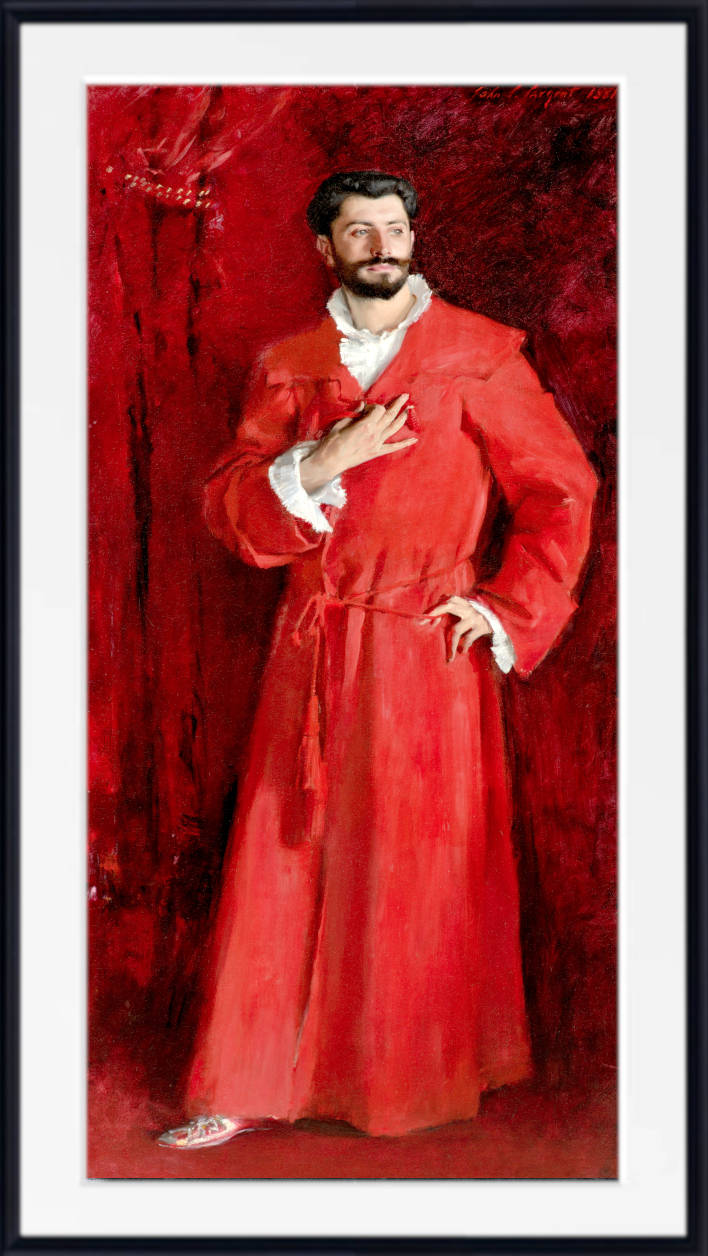
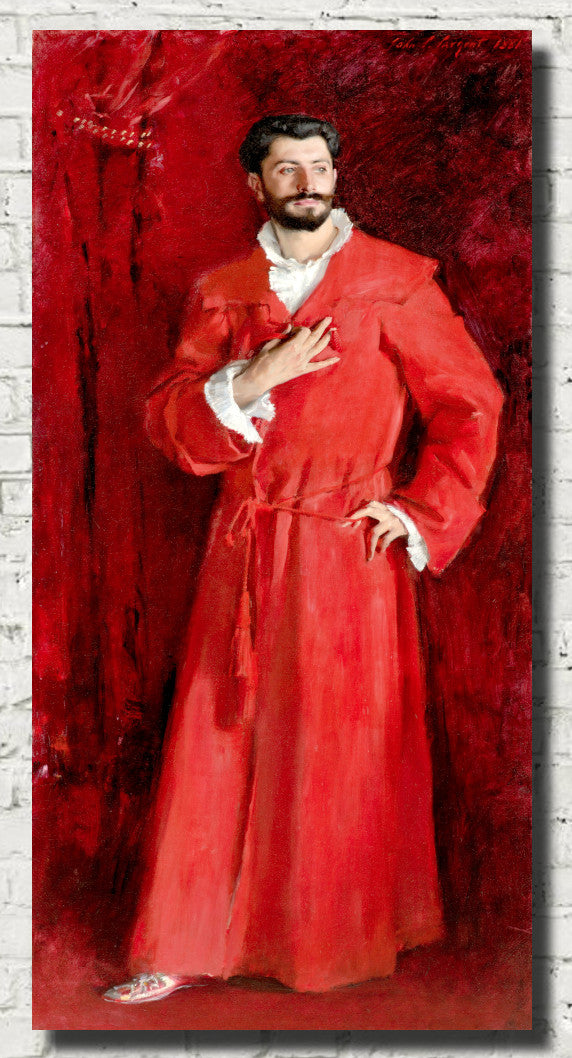
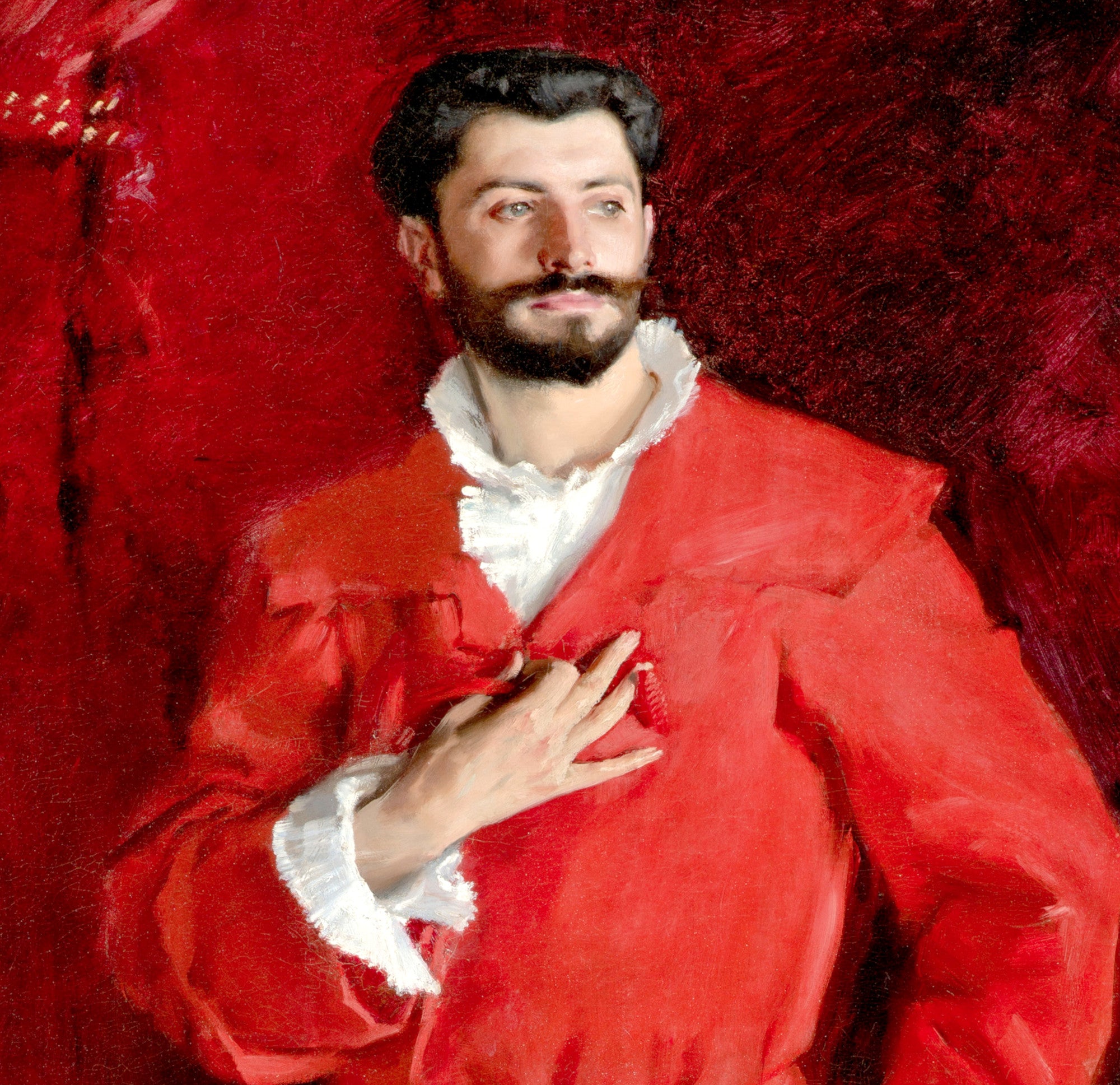
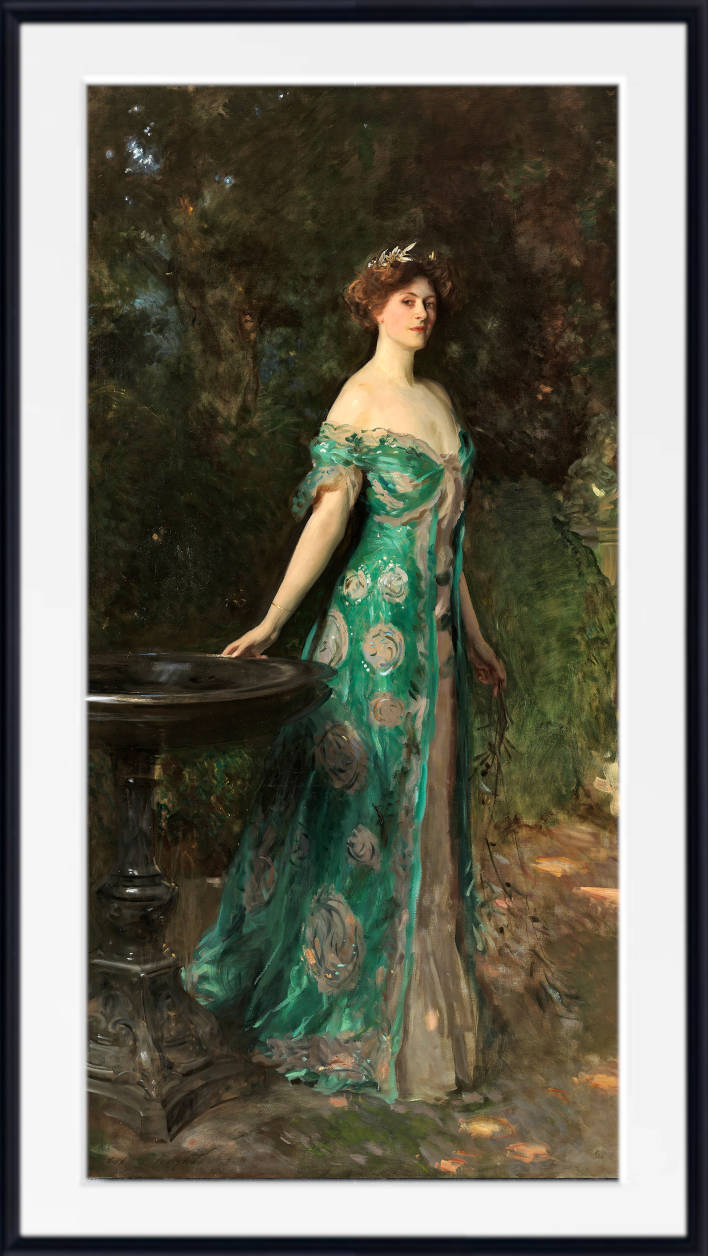
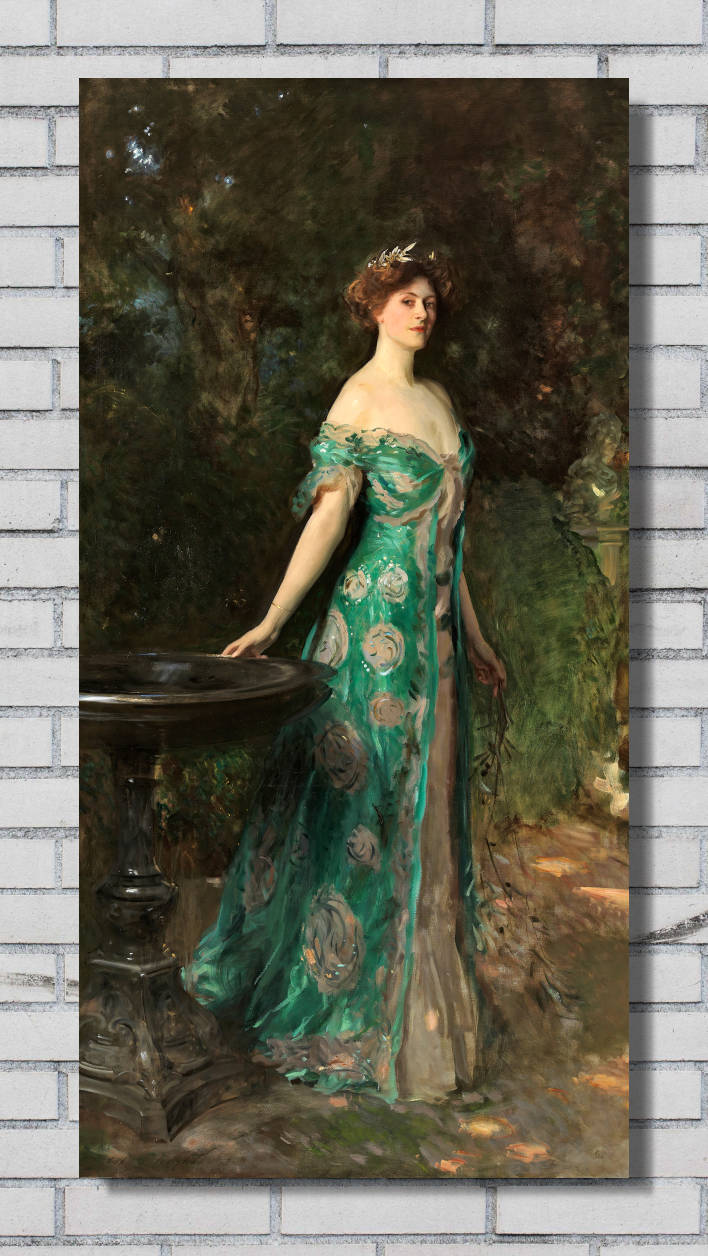
John Singer Sargent was not a core resident of the Giverny Art Colony in the same way as Frieseke or Butler, but his connection to Monet and to the broader Anglo-American Impressionist network gives him a meaningful place in the wider story. Sargent admired modern French painting, painted outdoors with exceptional brilliance and moved easily among the cosmopolitan circles that linked Britain, America and France.

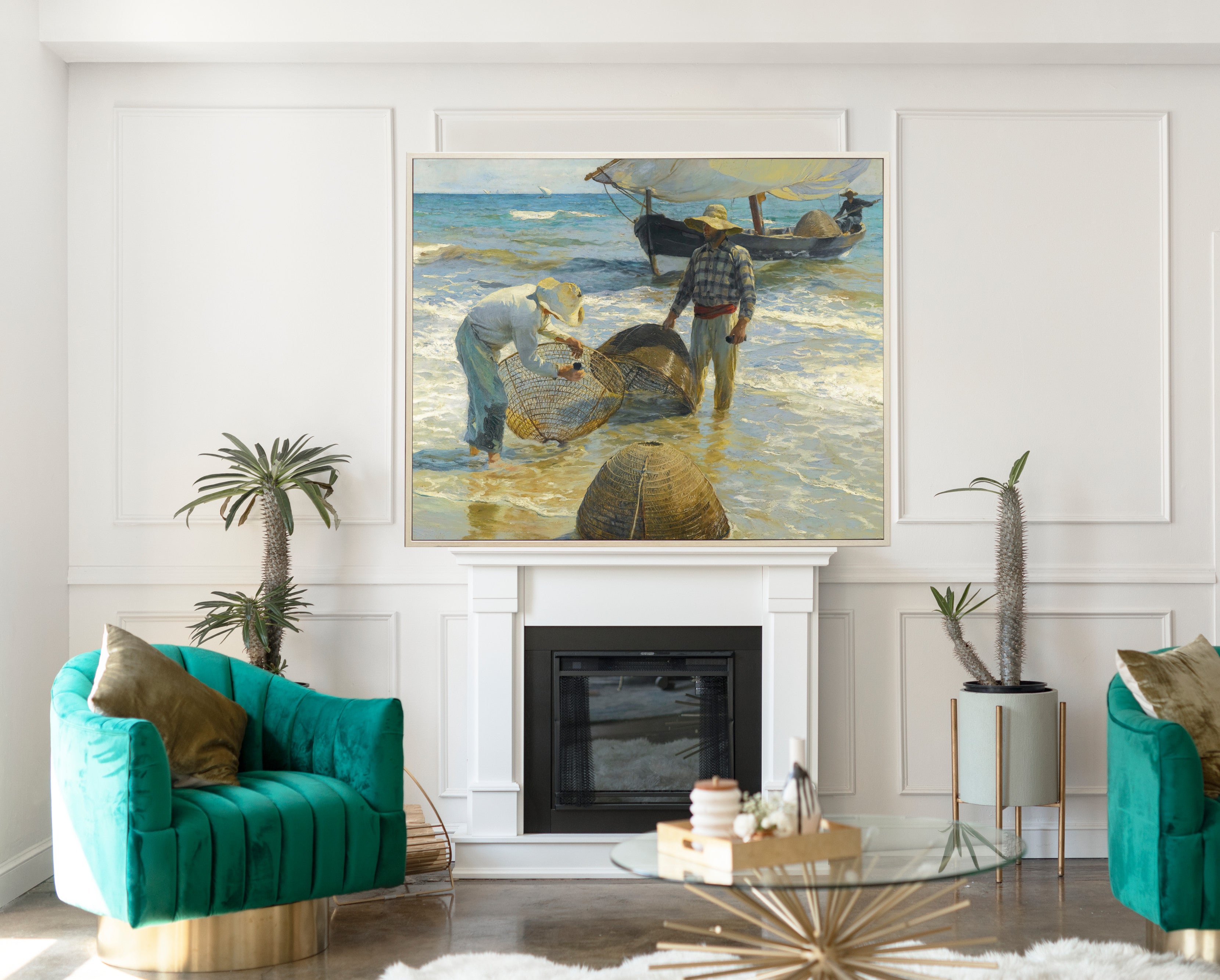
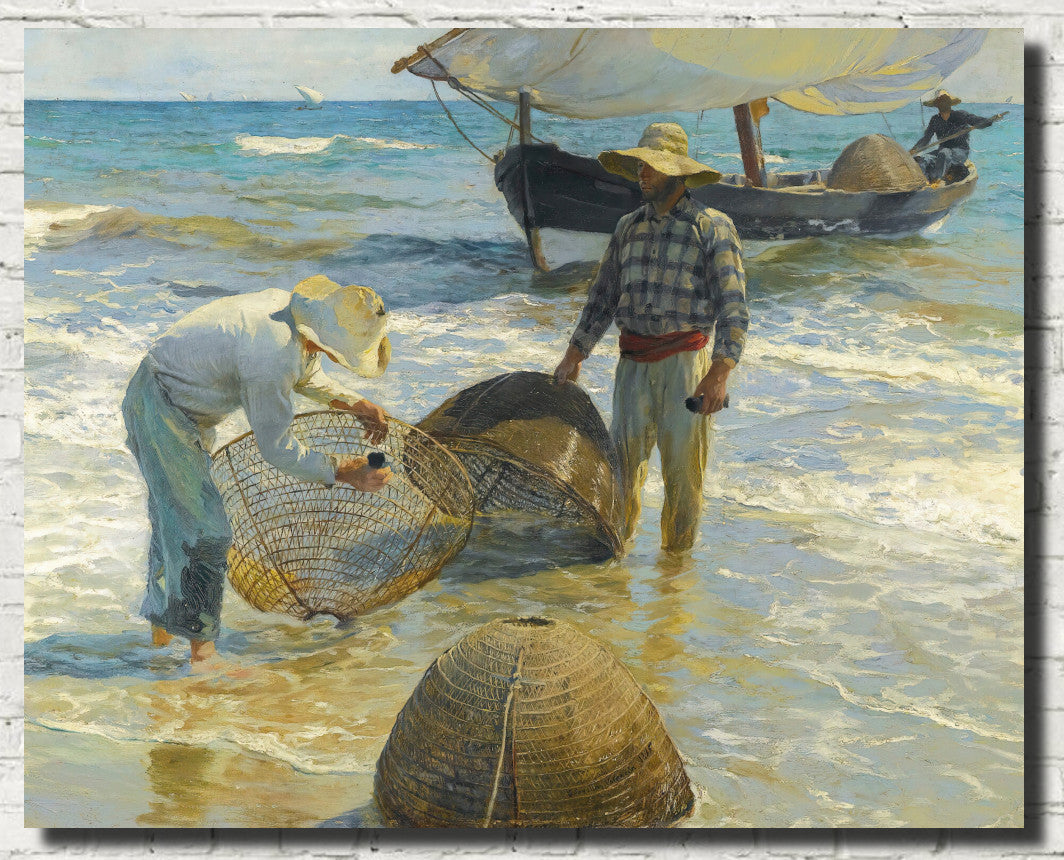
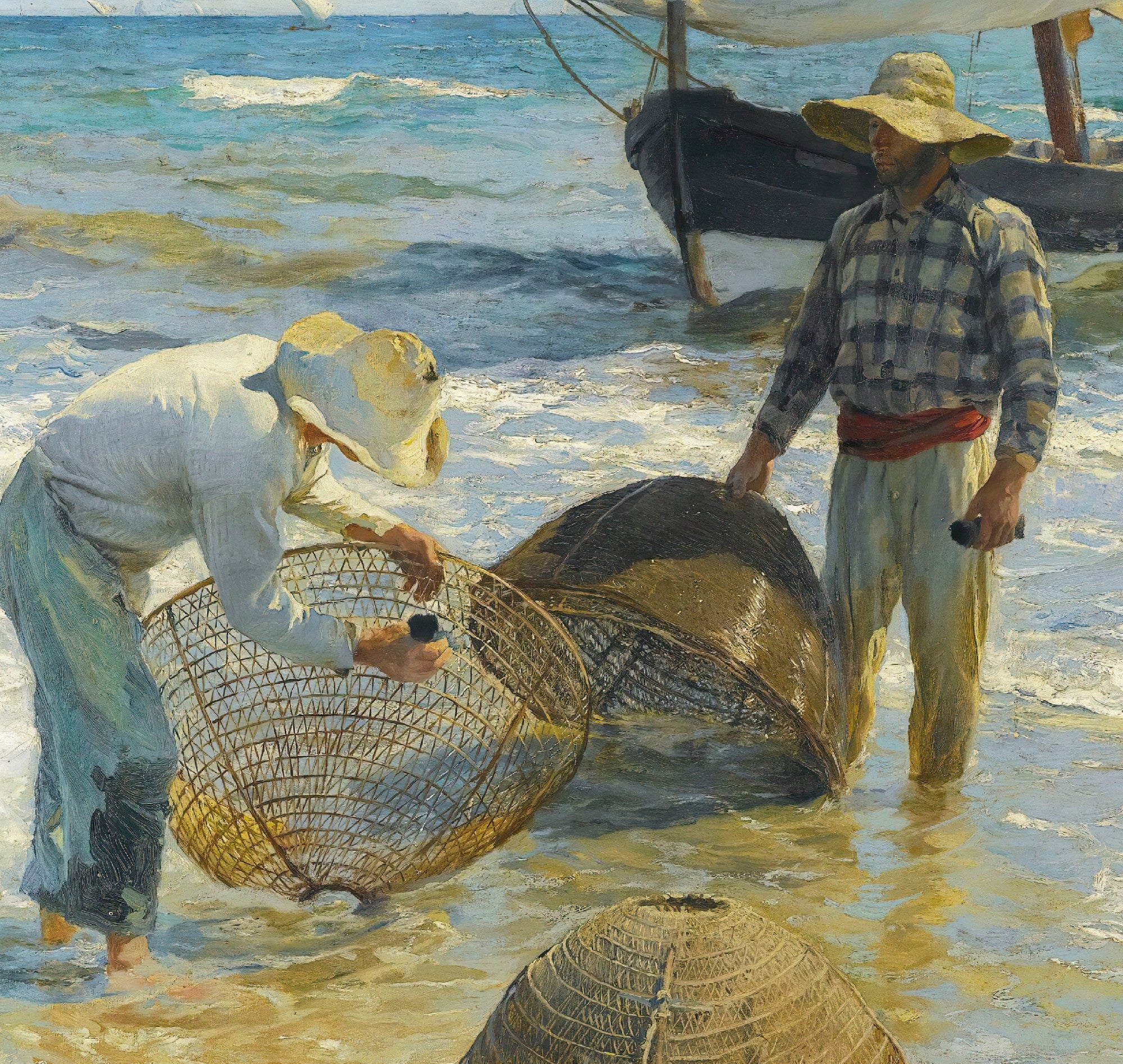
John Singer Sargent Fine Art Print, Fishing for Oysters, Cancale
His career helps show that Giverny was not an isolated village phenomenon. It belonged to a broader international world of artists, patrons, dealers and collectors who were reshaping taste at the turn of the century. Readers who arrive through Monet often recognise Sargent as another artist who brought light, elegance and modern freshness into late nineteenth-century painting.
The John Singer Sargent fine art prints collection offers a wider view of the Anglo-American world that surrounded Impressionism, from portraits and figure studies to outdoor scenes filled with light.
Mary Cassatt, American Impressionism and the Giverny Network

Mary Cassatt is not usually treated as a central Giverny colony painter, but she is essential to the larger story of Americans and Impressionism in France. She lived and worked in France, exhibited with the Impressionists and helped shape American appreciation of modern French painting.

Mary Cassatt, Impressionist Fine Art Print : Little Girl in a Blue Armchair
This distinction matters. Cassatt strengthens the story of Giverny by representing the wider American Impressionist environment from which the colony emerged. Her art also broadens the conversation from landscape and garden painting to mother-and-child subjects, feminine interiors and refined figure painting.
Explore Mary Cassatt prints for a related view of American Impressionism, women artists and the international spread of French Impressionist ideas.
Other Artists Connected with Giverny
The Giverny colony included many artists beyond the best-known names. John Leslie Breck, Theodore Robinson, Louis Ritter, Dawson Dawson-Watson, Richard Emil Miller, Karl Albert Buehr, Louis Ritman, Guy Rose, Mary Fairchild MacMonnies and others all form part of the wider history of Giverny and American Impressionism. Some were resident for extended periods; others passed through or belonged to the larger network of artists associated with the village.
Theodore Robinson is especially important because of his close engagement with Monet's example and his role in bringing Impressionist ideas back into American art. John Leslie Breck was also among the early American painters working in Giverny, while later figures such as Richard Emil Miller and Karl Albert Buehr helped continue the colony's interest in decorative colour, sunlight and figure painting.
Gustave Loiseau and the Normandy landscape
Gustave Loiseau was not part of the American Giverny circle in the same way as Frieseke or Butler, but his Normandy landscapes help broaden the regional context. His river views, village scenes and broken brushwork belong to the same wider world of late Impressionist landscape painting. For readers interested in the French countryside beyond Monet's garden, Loiseau offers a valuable point of comparison.
What the Giverny Artists Painted
The artists of Giverny did not all paint the same subjects, but several themes recur across the colony. Together they show how one small village could generate a surprisingly wide range of modern painting.
Gardens and flowers
Gardens were the visual language of Giverny. Monet's water garden is the most famous example, but the colony as a whole treated gardens as spaces of colour, pattern, privacy and modern leisure. Frieseke's garden subjects are especially strong in this area, including The Garden Path, The Apple Tree and Woman Seated in a Garden.
Water, reflections and rivers
Monet's lily pond remains the supreme example of water as a modern subject. In the Claude Monet Water Lilies prints, reflection becomes almost as important as the visible world above it. Paintings such as Le bassin aux Nymphéas and Water Lilies, 1906 show how Monet turned water into a field of colour, depth and shifting perception.
Village life and rural modernity
One of the most interesting aspects of Giverny is that it was rural but not timeless. Trains, roads, modern travel and international artists all entered the village. Butler's Le Train à Giverny shows Giverny not simply as a garden dream but as a real modern village connected to wider movement and travel.
Women in gardens and interiors
The Giverny colony is also important for figure painting. Frieseke and related American Impressionists often turned gardens and interiors into spaces of patterned light. Works such as Afternoon - Yellow Room and In the Boudoir show how Impressionist colour could transform intimate indoor spaces as well as open-air gardens.
Collecting Giverny Art Prints
A Giverny-inspired print collection works best when it is built as a visual conversation rather than as a single-artist display. Monet provides the anchor: water, lilies, garden paths, bridges and late colour. Frieseke adds figures, decorative interiors and garden intimacy. Butler adds village scenes and direct Giverny landscapes. Metcalf adds quieter American Impressionist landscape mood. Sargent and Cassatt broaden the collection into the wider Anglo-American world of Impressionism.
For a calm bedroom or reading room
Choose soft garden and figure subjects. Frieseke's Afternoon - Yellow Room, Woman Seated in a Garden and The Garden Path are strong choices for rooms where the mood should feel gentle, warm and reflective.
For a living room feature wall
A large Monet print can form the centrepiece of a Giverny-inspired wall, especially when paired with related American Impressionists. Start with the Water Lilies collection, then add works from Frieseke, Butler or Metcalf for a richer view of the Giverny circle.
For a hallway or staircase gallery
A Giverny theme can work well as a chronological journey: Monet's garden, Butler's village, Frieseke's interiors, Metcalf's landscapes and related Impressionist works. This gives a corridor or staircase the feel of a curated exhibition rather than a random group of prints.
For colour-led decorating
Giverny prints are especially effective in green, blue, yellow, pink and soft neutral schemes. Monet supplies blue-green water and floral accents. Frieseke introduces yellows, creams, patterned textiles and garden light. Butler brings fields, sky and village atmosphere. The result is an interior style that feels art-historical but still fresh and liveable.
Frequently Asked Questions
What was the Giverny Art Colony?
The Giverny Art Colony was an informal community of artists who worked in and around Giverny, Normandy, especially from the 1880s to the First World War. It became particularly important for American Impressionists who were drawn by Claude Monet's presence, the village landscape and the opportunity to paint outdoors in modern colour.
Which artists painted at Giverny?
Artists associated with Giverny include Claude Monet, Theodore Earl Butler, Frederick Carl Frieseke, Willard Metcalf, Lilla Cabot Perry, Theodore Robinson, John Leslie Breck, Guy Rose, Richard Emil Miller, Karl Albert Buehr, Louis Ritman and others. Some lived there for extended periods, while others visited or belonged to the wider Giverny network.
Was Claude Monet the leader of the Giverny Art Colony?
Monet was the magnetic centre of Giverny, but he did not run the colony as a formal school. Many artists came because of his reputation and the visual power of his garden, but they developed their own styles rather than simply copying him.
Why were American artists attracted to Giverny?
American artists were attracted to Giverny because it combined access to French Impressionist ideas with a rural setting ideal for plein-air painting. It offered gardens, fields, rivers, village views and a community of painters working with light, colour and modern brushwork.
Which Giverny artists are best for art prints?
Claude Monet, Frederick Carl Frieseke and Theodore Earl Butler are especially strong for Giverny-related prints. Monet provides the iconic garden and Water Lilies imagery; Frieseke offers decorative garden and interior scenes; Butler gives direct views of Giverny village and countryside.
Are Giverny prints suitable for modern interiors?
Yes. Giverny prints work well in modern and traditional interiors because they combine soft colour, natural light and recognisable subjects. They are especially effective in bedrooms, living rooms, reading spaces, hallways and calm gallery walls.
How should I build a Giverny-inspired gallery wall?
Start with one strong Monet print, then add related works by Frieseke, Butler or Metcalf. Keep the colour palette coherent: blues and greens for calm, yellows and pinks for warmth, or soft neutrals for a more understated room.
Glossary of Giverny and Impressionist Terms
Giverny
A village in Normandy, France, famous as Claude Monet's home and the site of an important international artists' colony.
Art colony
A place where artists gather informally to work, exchange ideas, share subjects and develop related styles.
Plein-air painting
Painting outdoors directly from nature, a practice central to Impressionism and to the Giverny artists.
American Impressionism
An American adaptation of French Impressionist methods, often combining bright colour, outdoor light, domestic subjects and refined composition.
Japonisme
The influence of Japanese art on Western artists, visible in Monet's Japanese bridge and in the decorative design interests of many late nineteenth-century painters.
Broken colour
A painting technique in which separate strokes of colour are placed side by side so that they mix visually in the viewer's eye.
Conclusion: Giverny's Lasting Artistic Legacy
The Giverny Art Colony offers a rich way to understand Impressionism beyond a single artist. It begins with Claude Monet, but it does not end with him. The village opens a pathway into American Impressionism, garden painting, decorative interiors, women in gardens, French landscapes and the wider international culture of modern outdoor painting.
Giverny's special power lies in the way one place could hold so many artistic possibilities. For Monet, it became a private universe of water, flowers and reflected light. For Frieseke, it became a setting for patterned colour and intimate figure painting. For Butler and Metcalf, it offered village life, rural atmosphere and the changing moods of the Normandy landscape. For Perry, Sargent and Cassatt, it belongs to the larger transatlantic story of artists, collectors and modern taste.
To explore this world further, begin with Claude Monet fine art prints and the Claude Monet Water Lilies collection, then continue into related artists such as Frederick Carl Frieseke, Theodore Earl Butler, Willard Metcalf, John Singer Sargent and Mary Cassatt. Together, they reveal Giverny not simply as Monet's garden village, but as one of the most fascinating meeting points in the history of modern art.