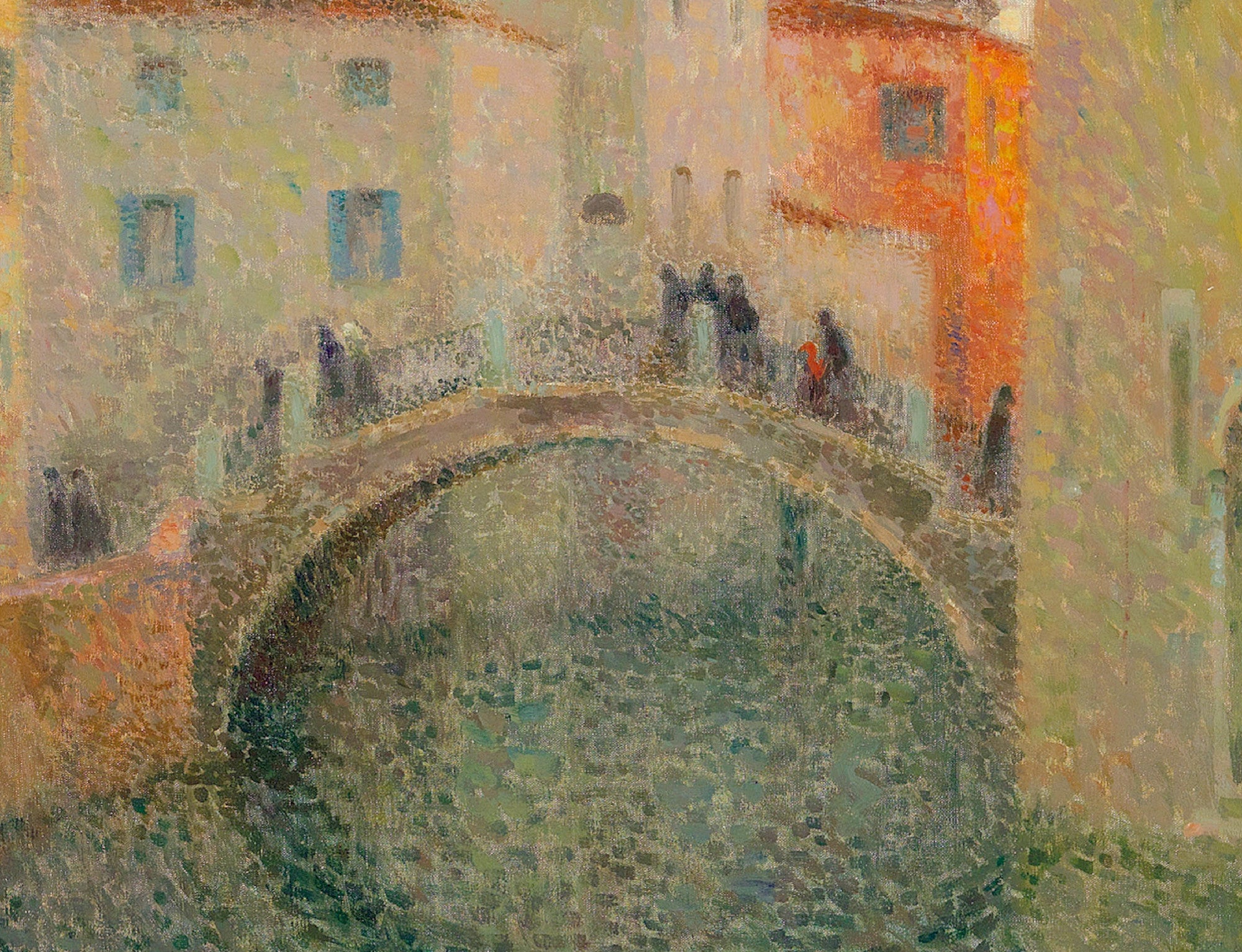
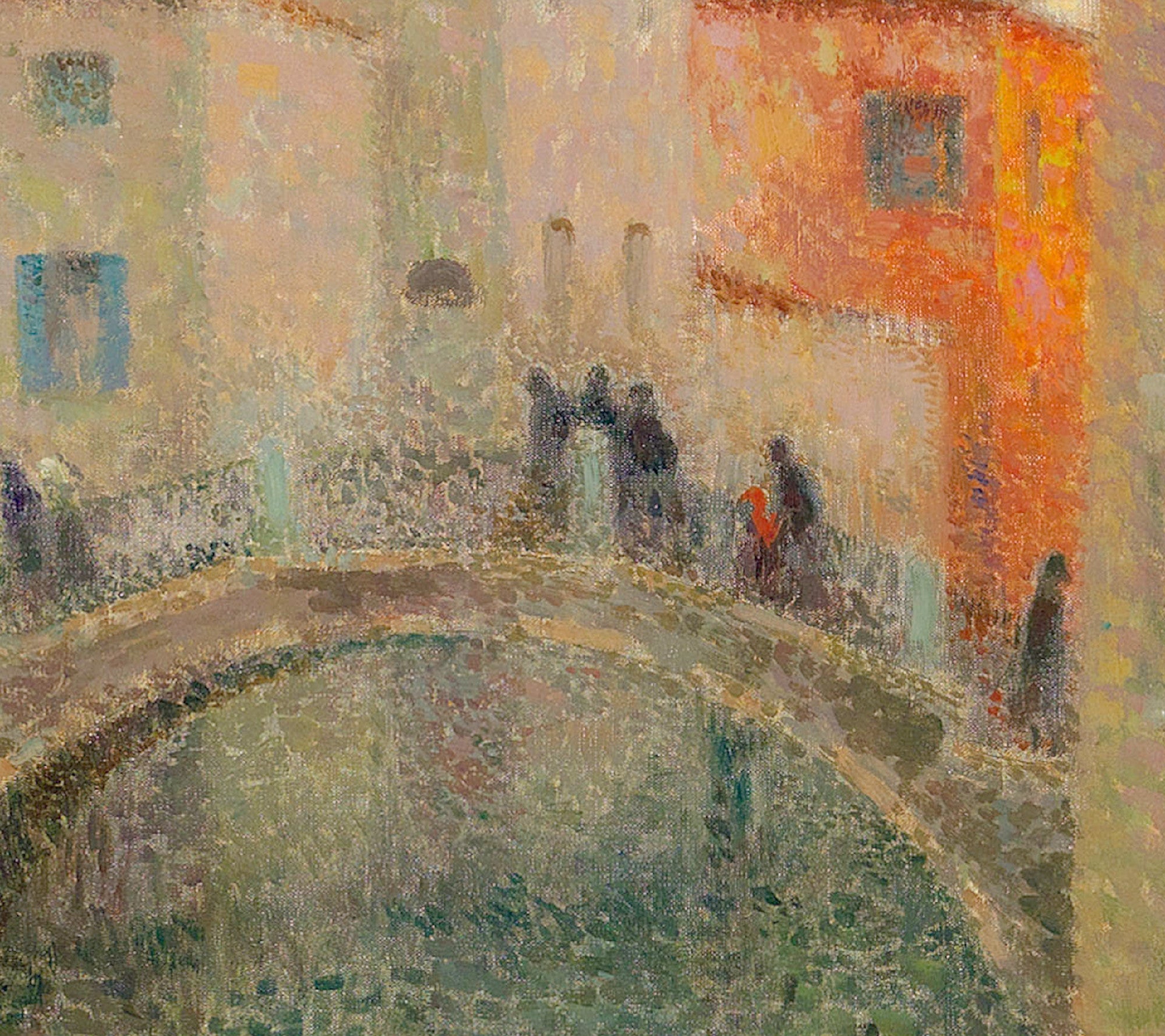
Orange Wall Art for Warm, Welcoming Interiors
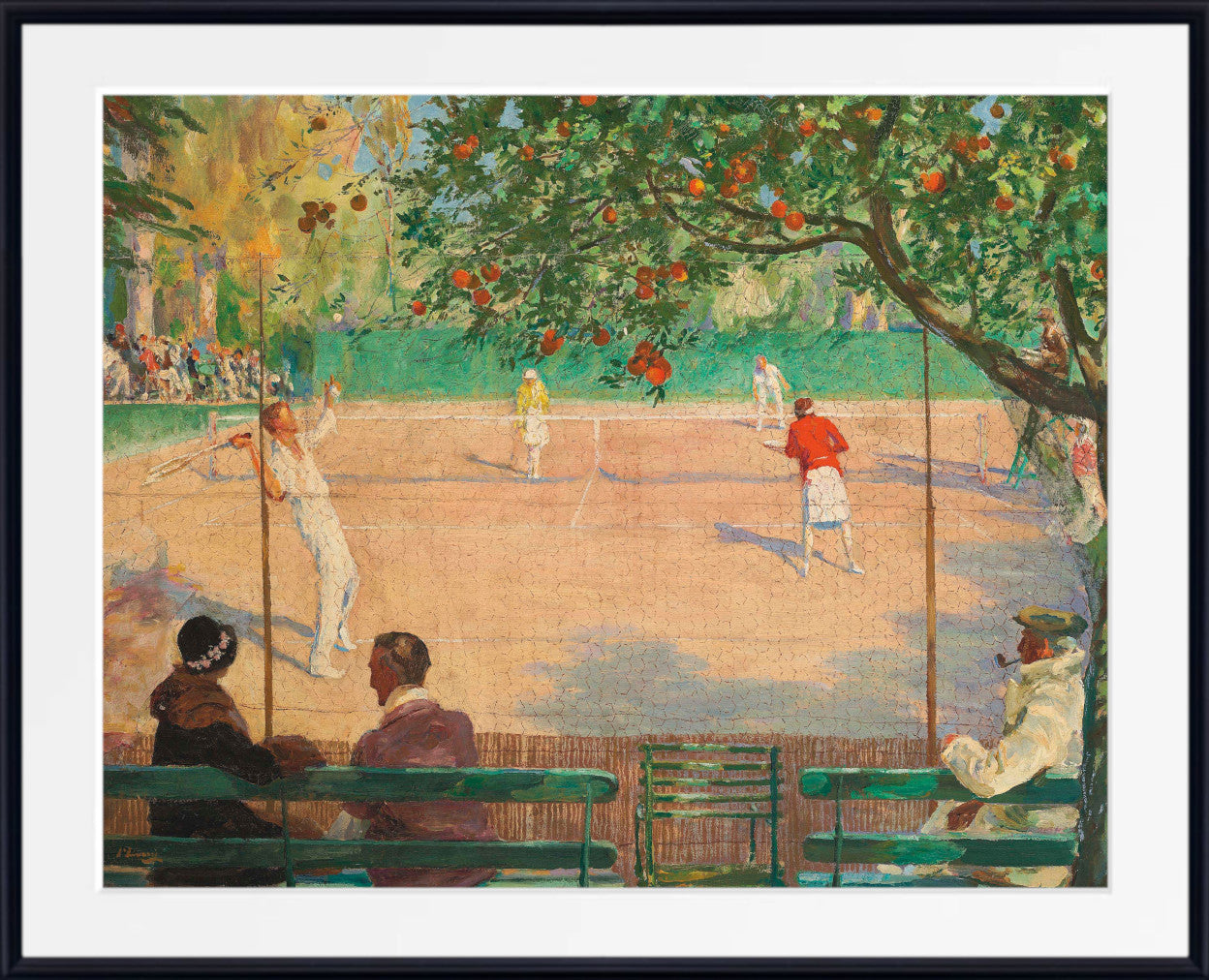
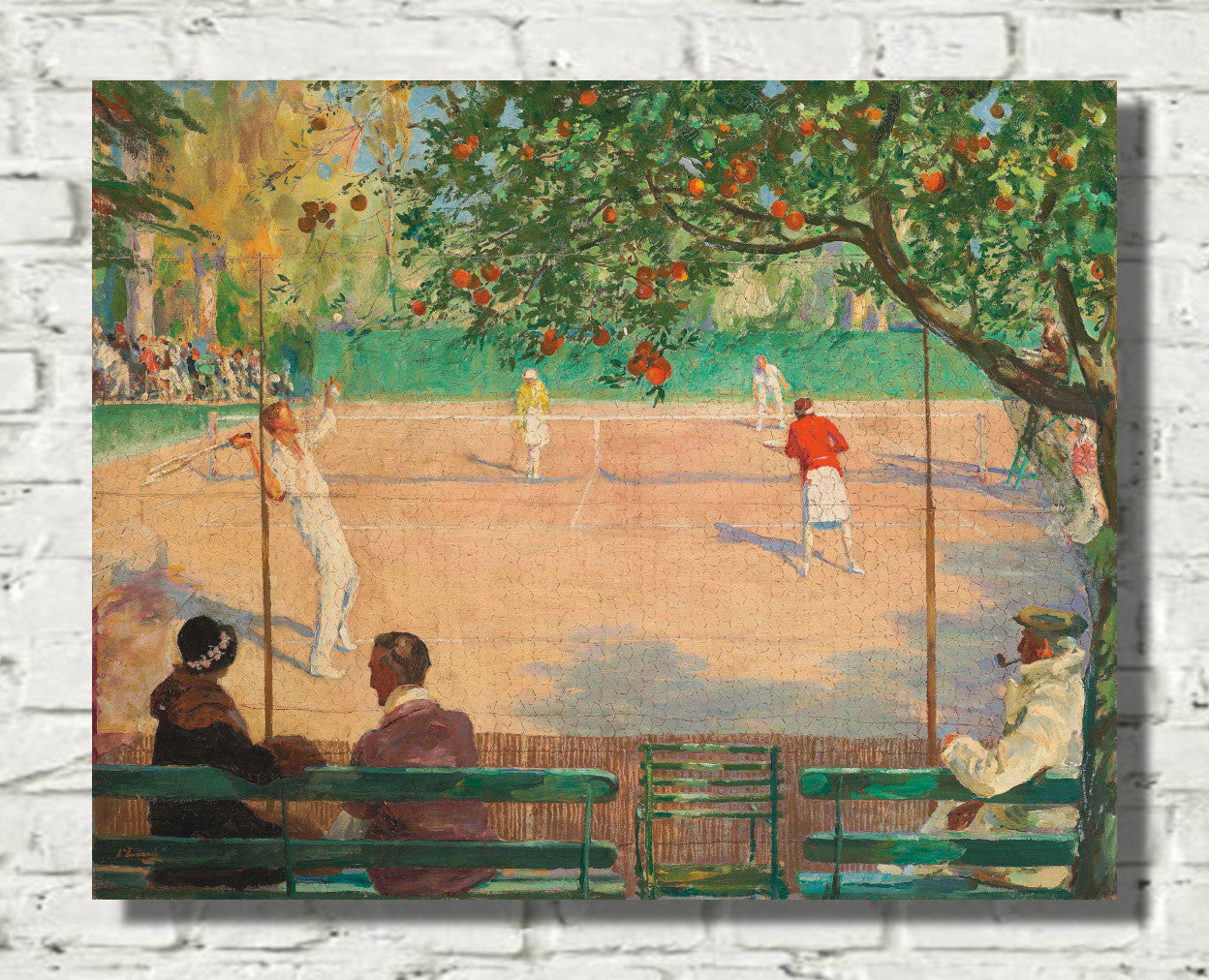
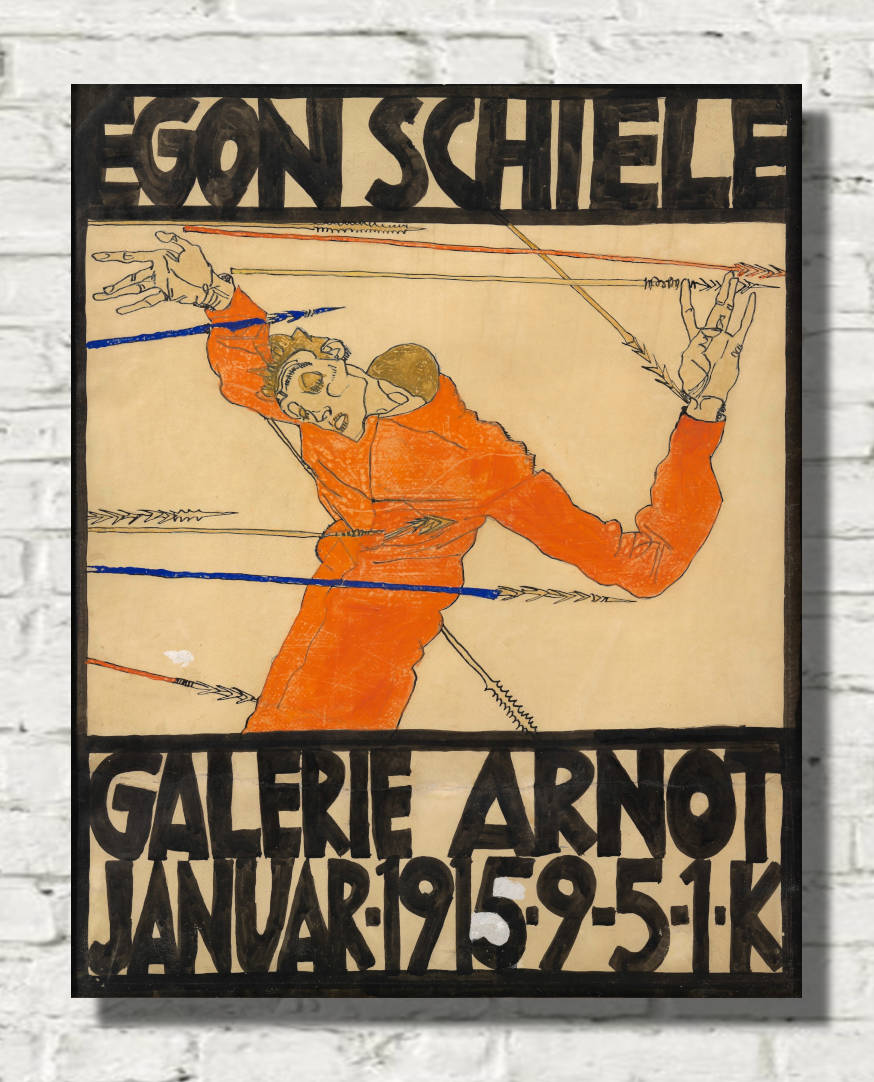
Orange wall art can bring warmth, optimism and visual energy into a room. The colour ranges from vivid citrus and flame orange to softer shades of apricot, amber, ochre, rust and terracotta.
These warmer tones sit naturally alongside wood, stone, linen, leather and neutral paint colours. An orange landscape can soften a minimalist room, while an abstract composition can provide a stronger focal point in a contemporary interior.
Burnt Orange, Rust and Terracotta Wall Art
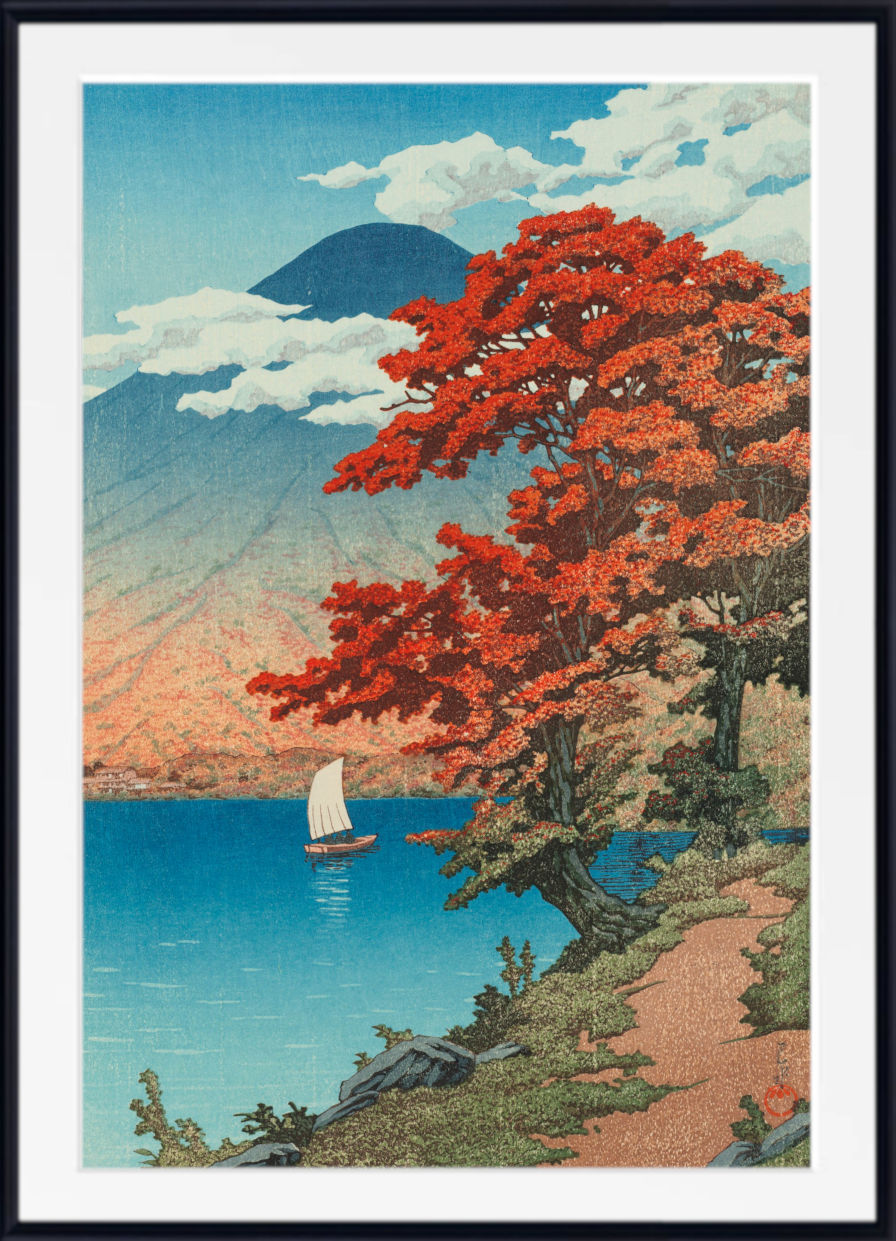
Burnt orange wall art is particularly useful when you want warmth without the intensity of pure orange. Rust, clay, ochre and terracotta work well with cream, beige, taupe, olive green, chocolate brown, charcoal and black.
These earthier shades complement mid-century, Mediterranean, rustic, bohemian and contemporary interiors. They are also effective in rooms containing natural wood, rattan, brass, leather or warm lighting.
Orange Landscape and Sunset Prints
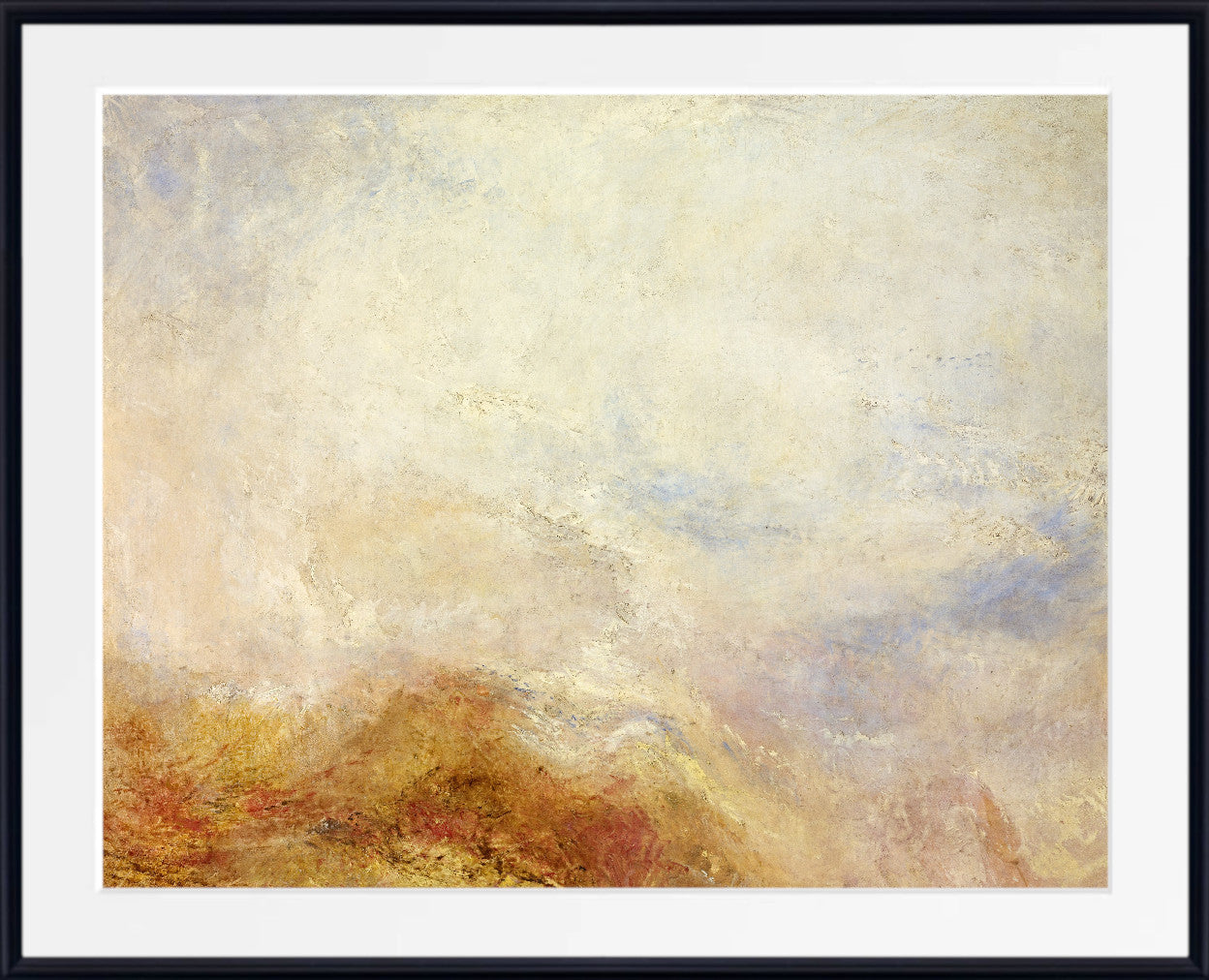
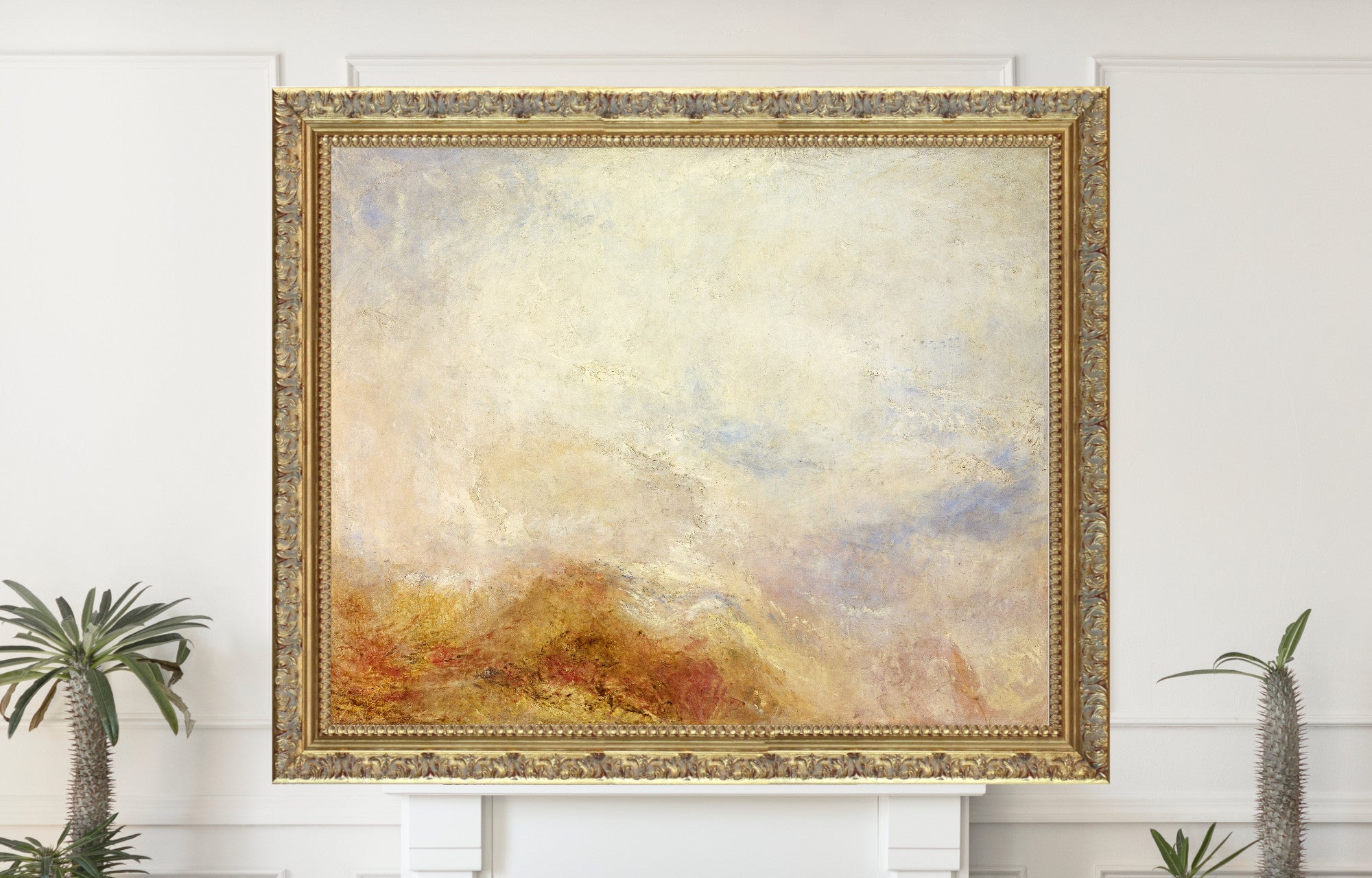
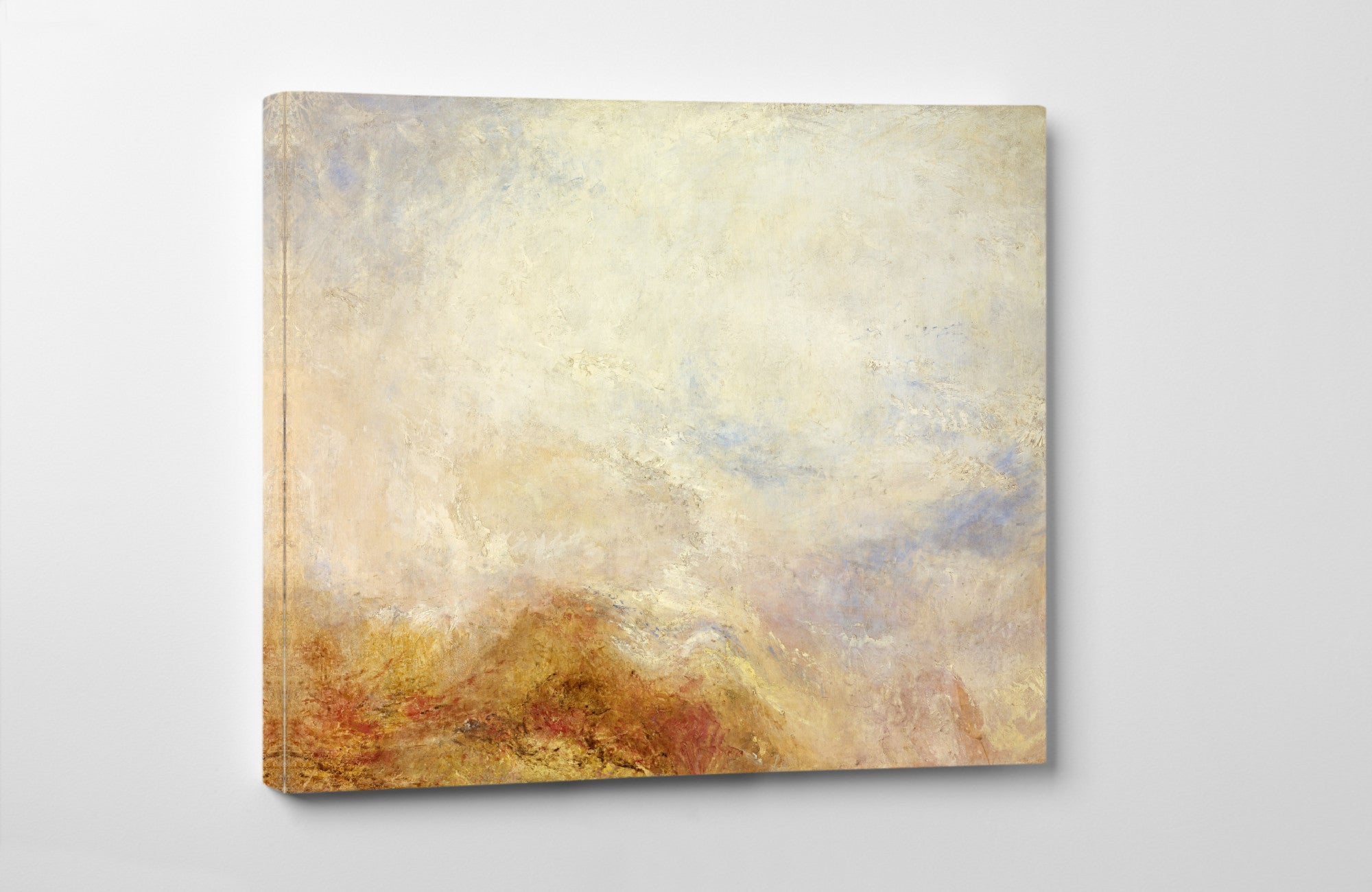
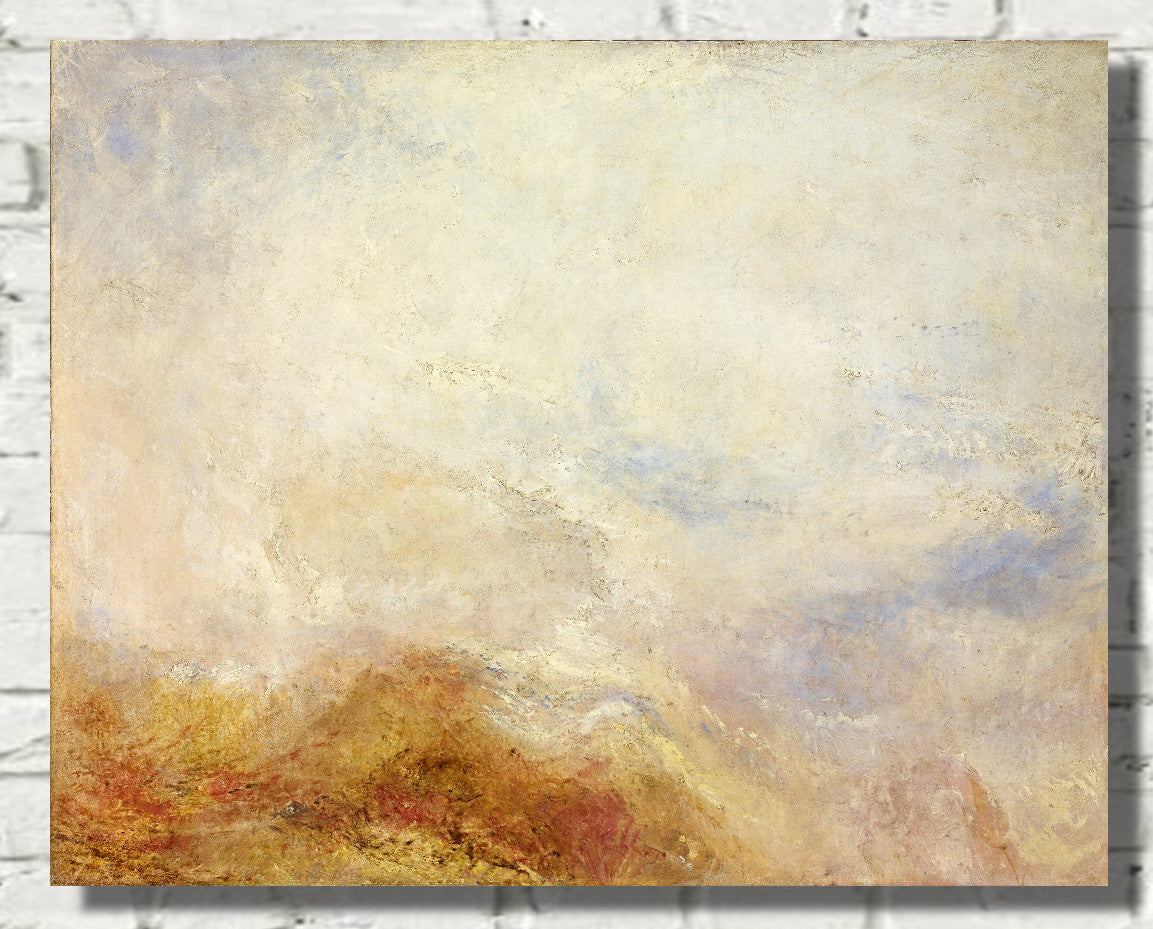
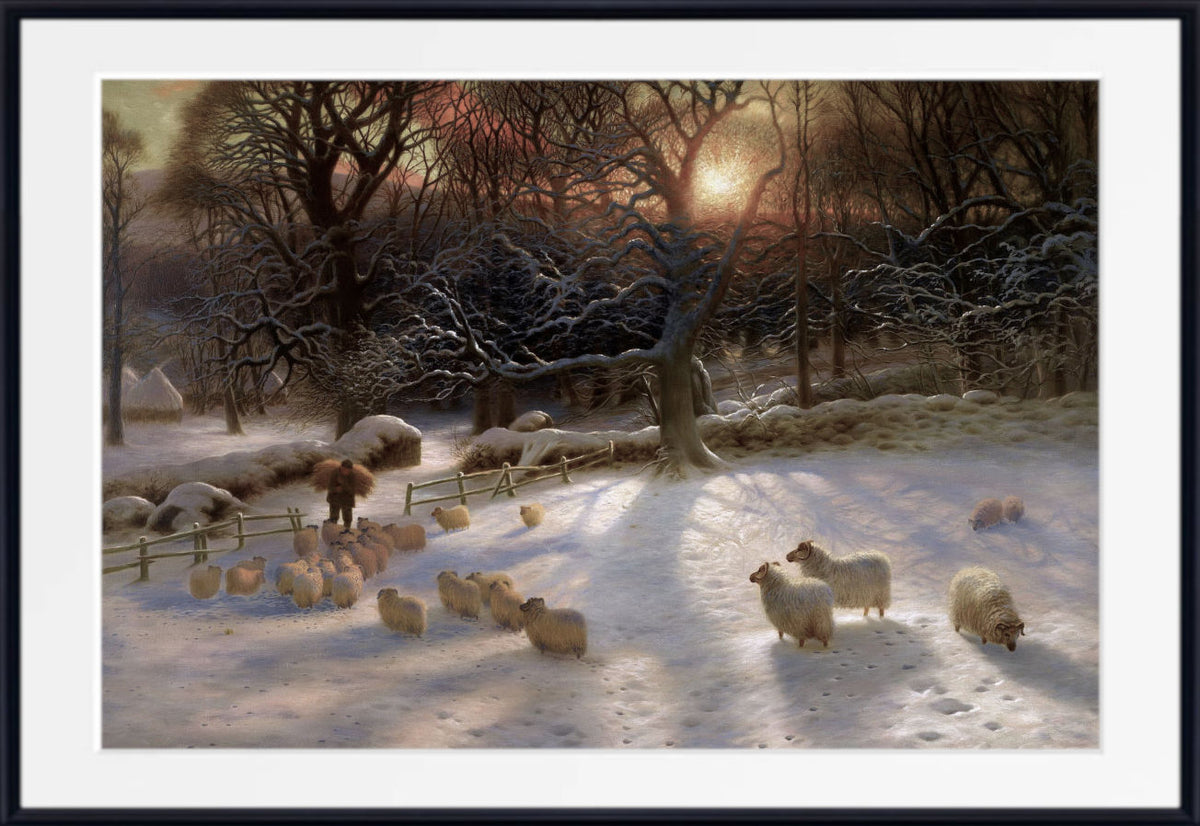
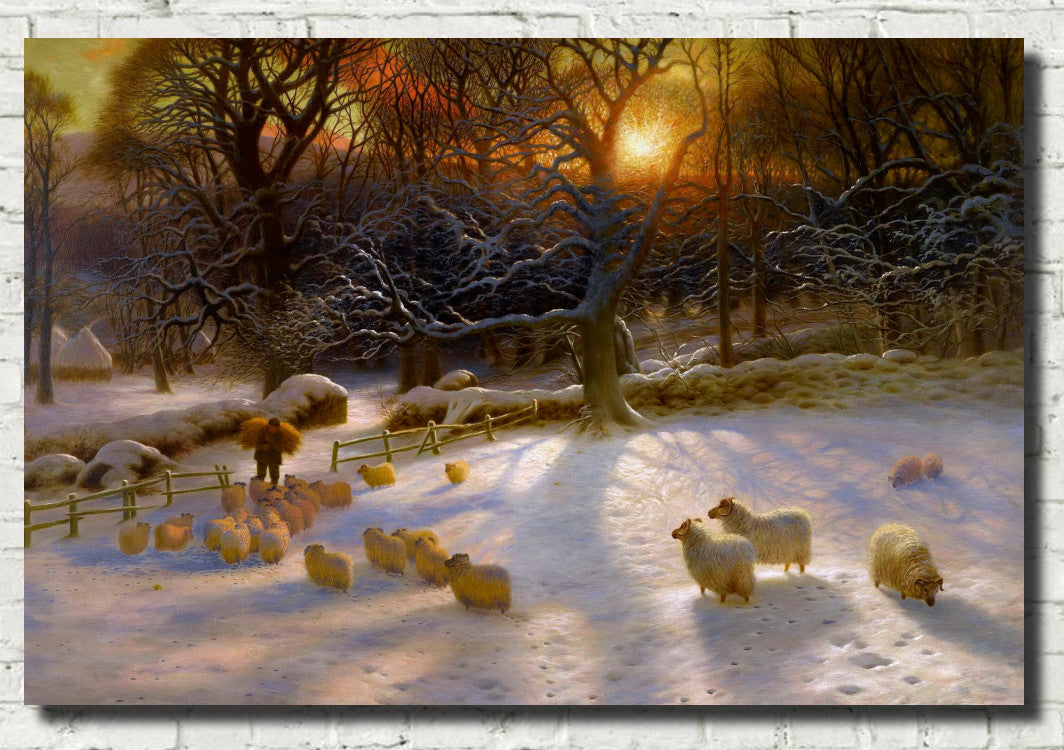
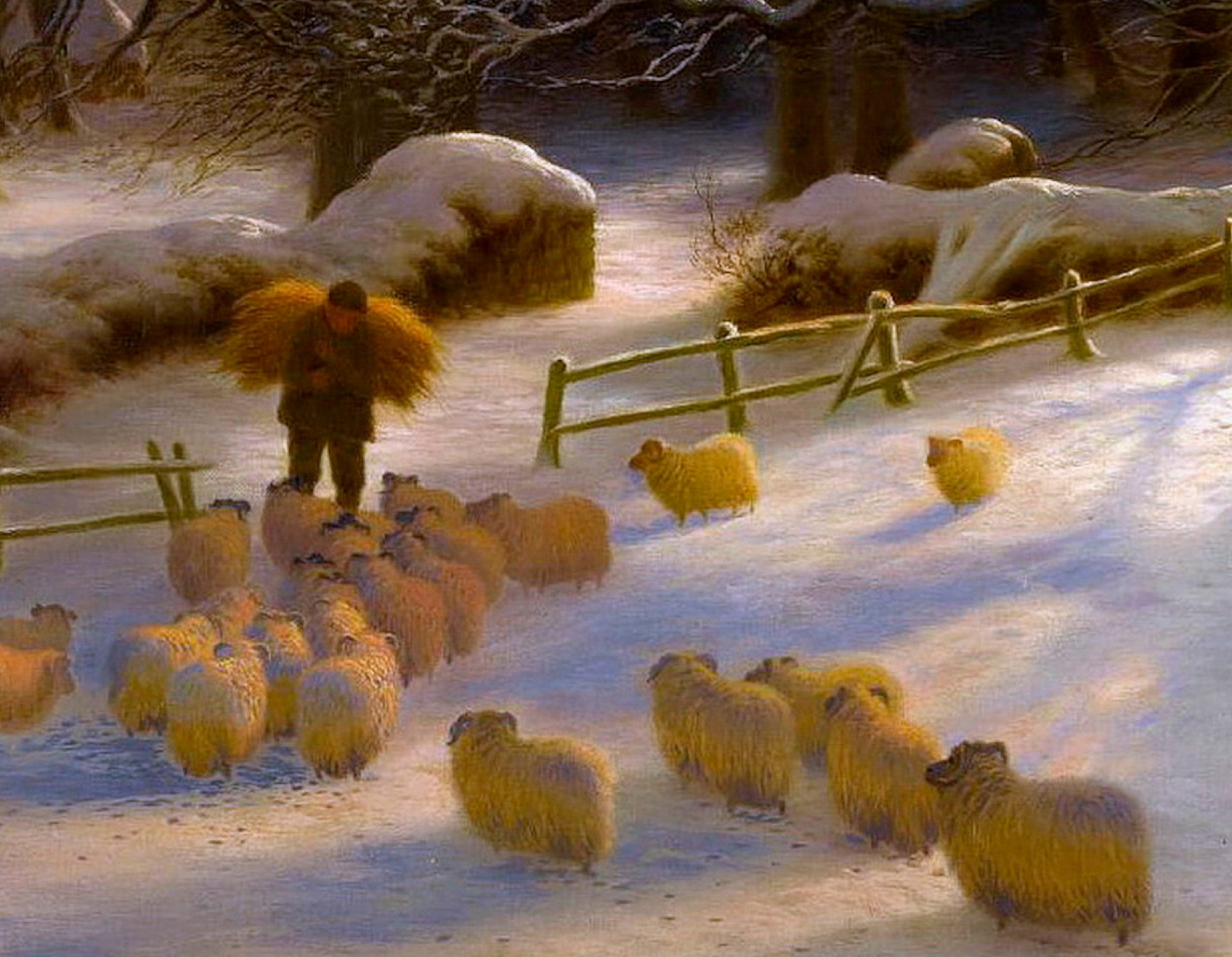
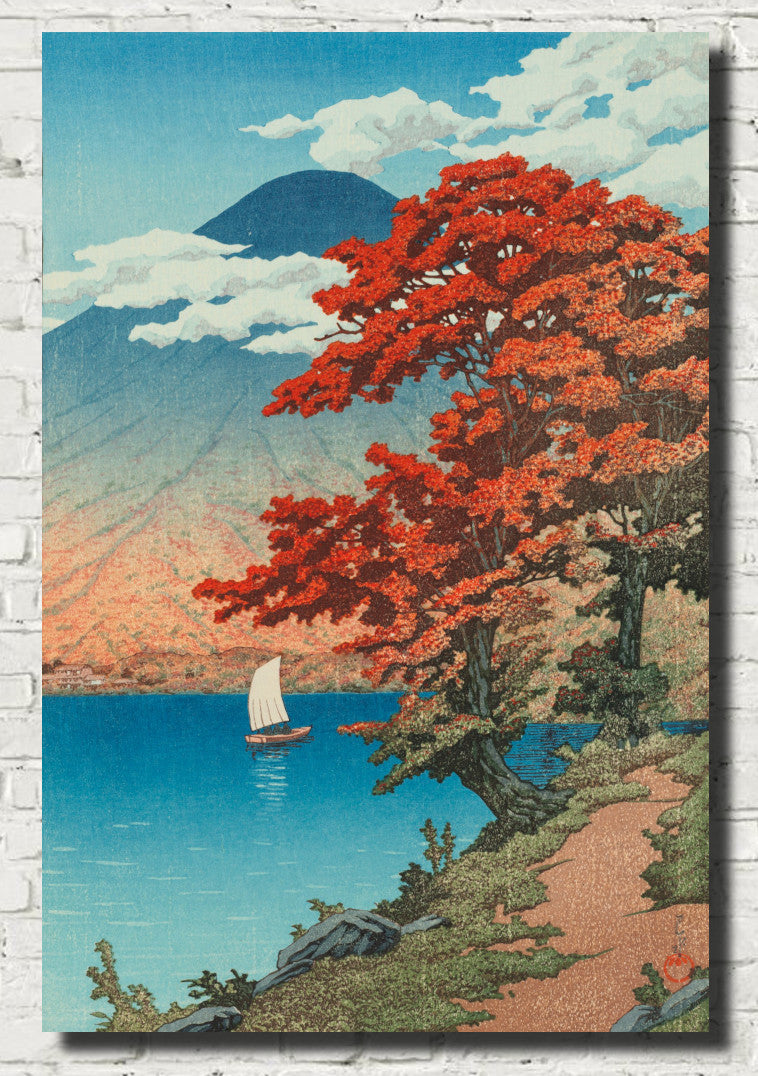
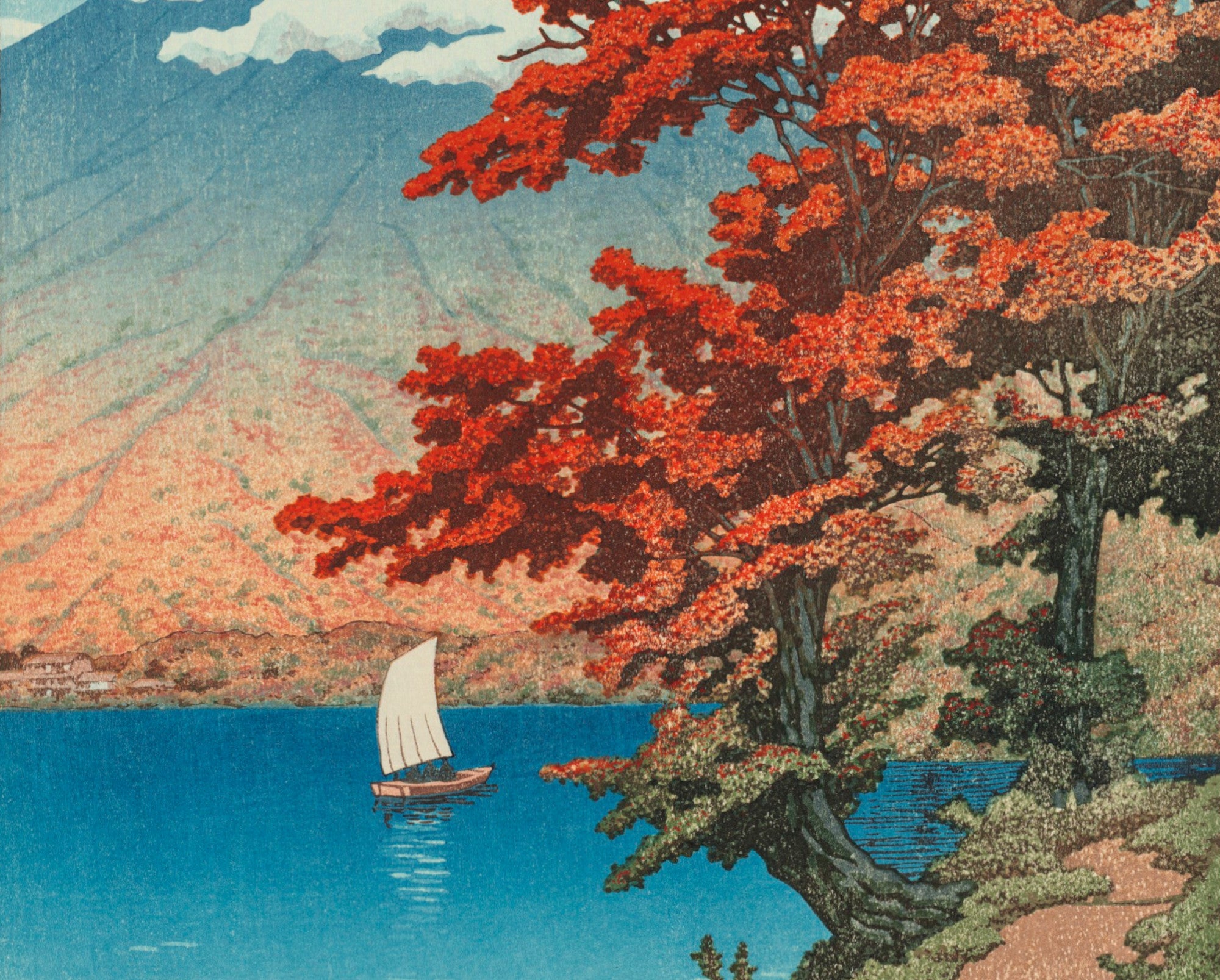
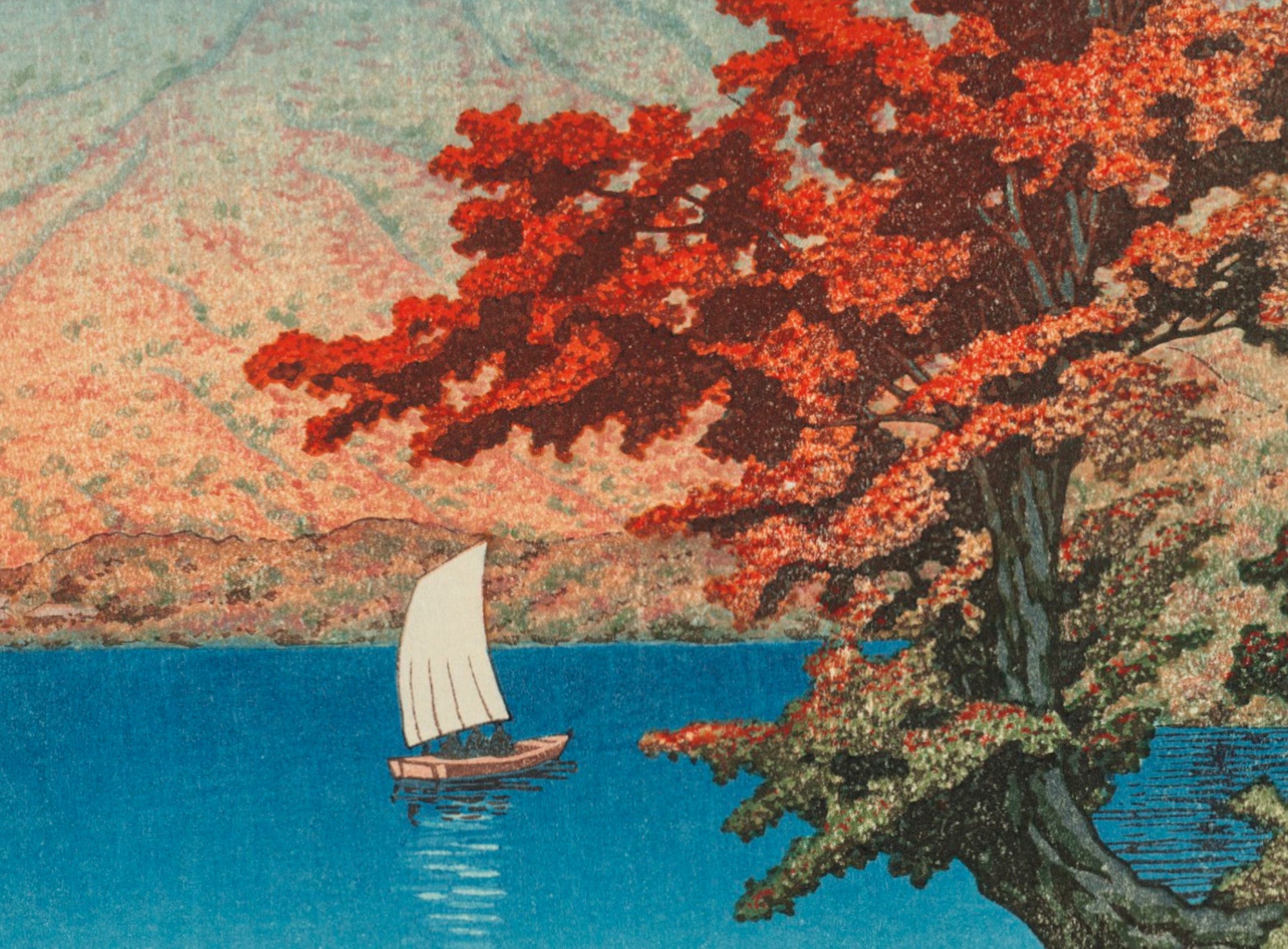
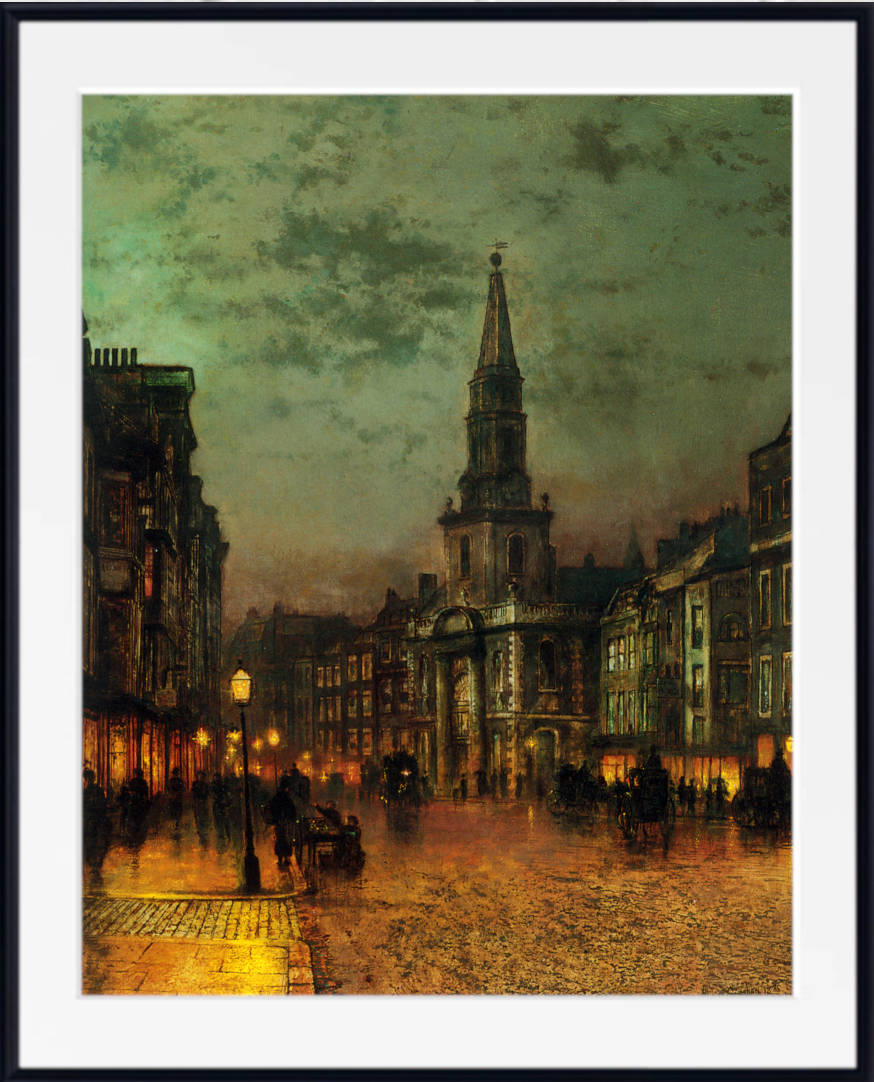
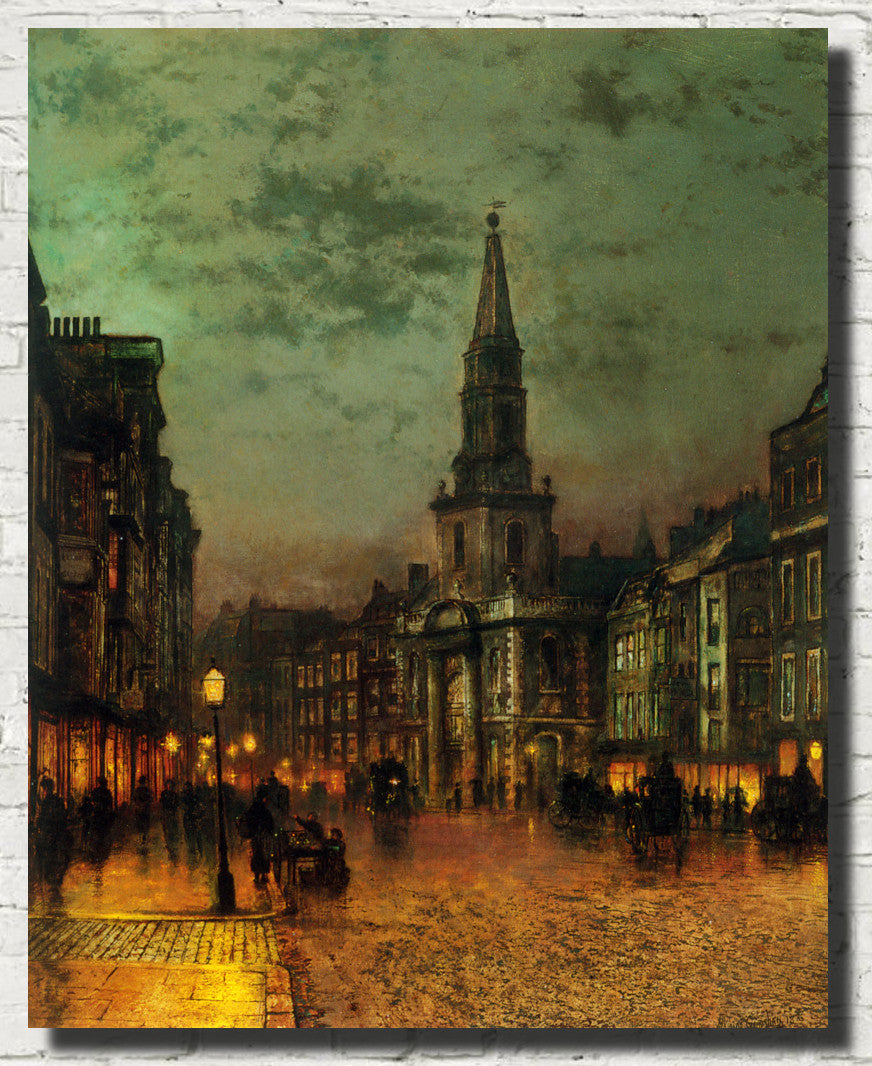
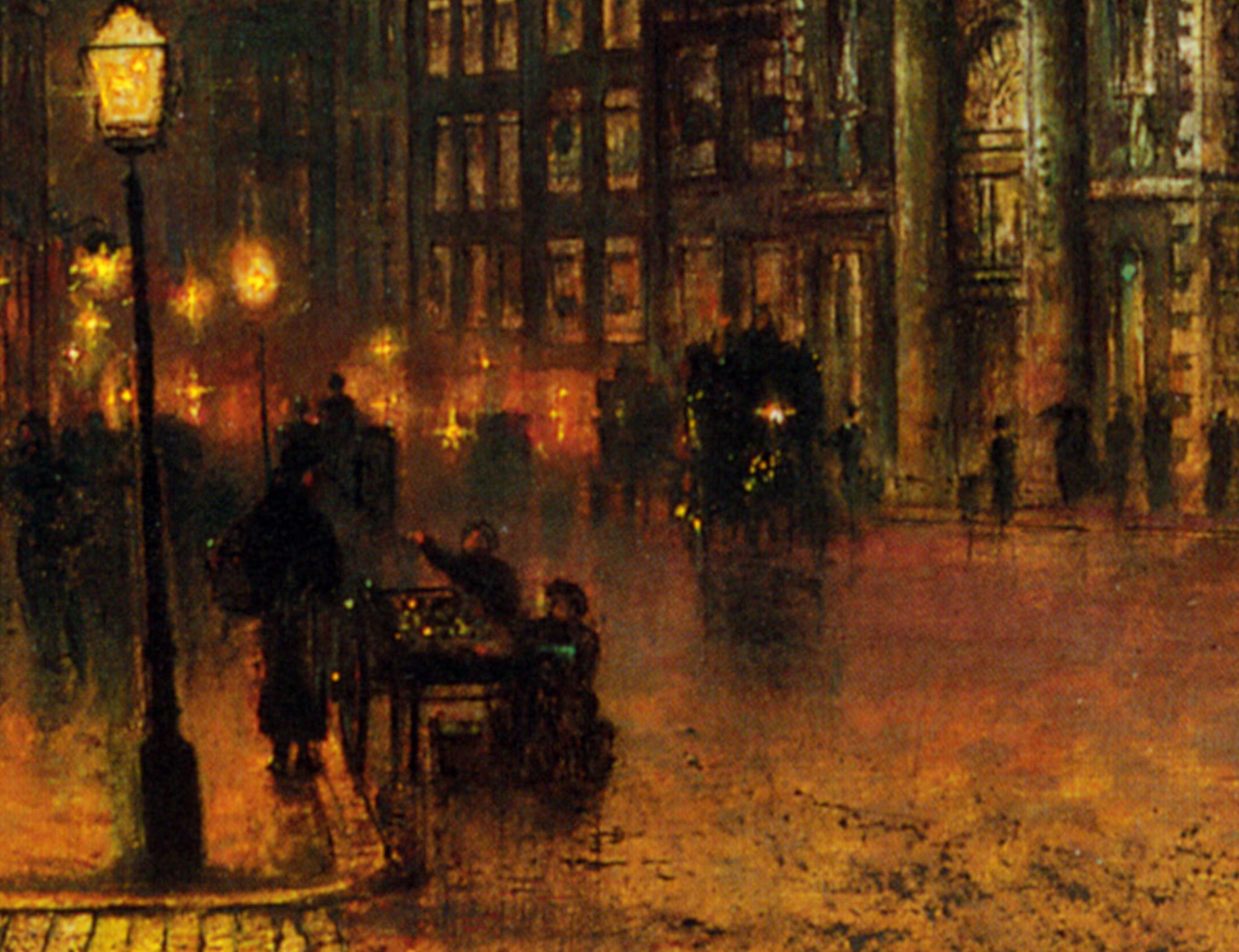
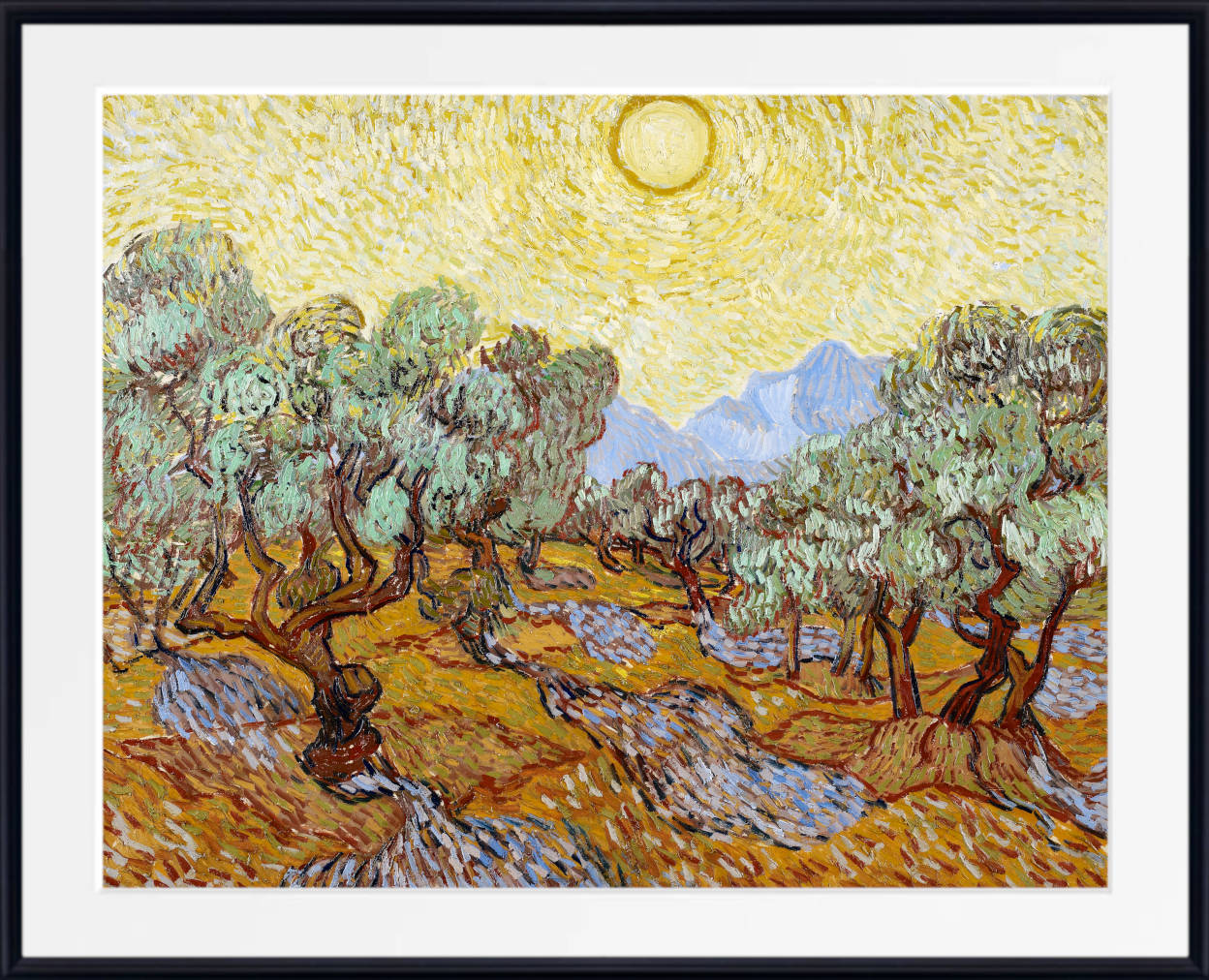
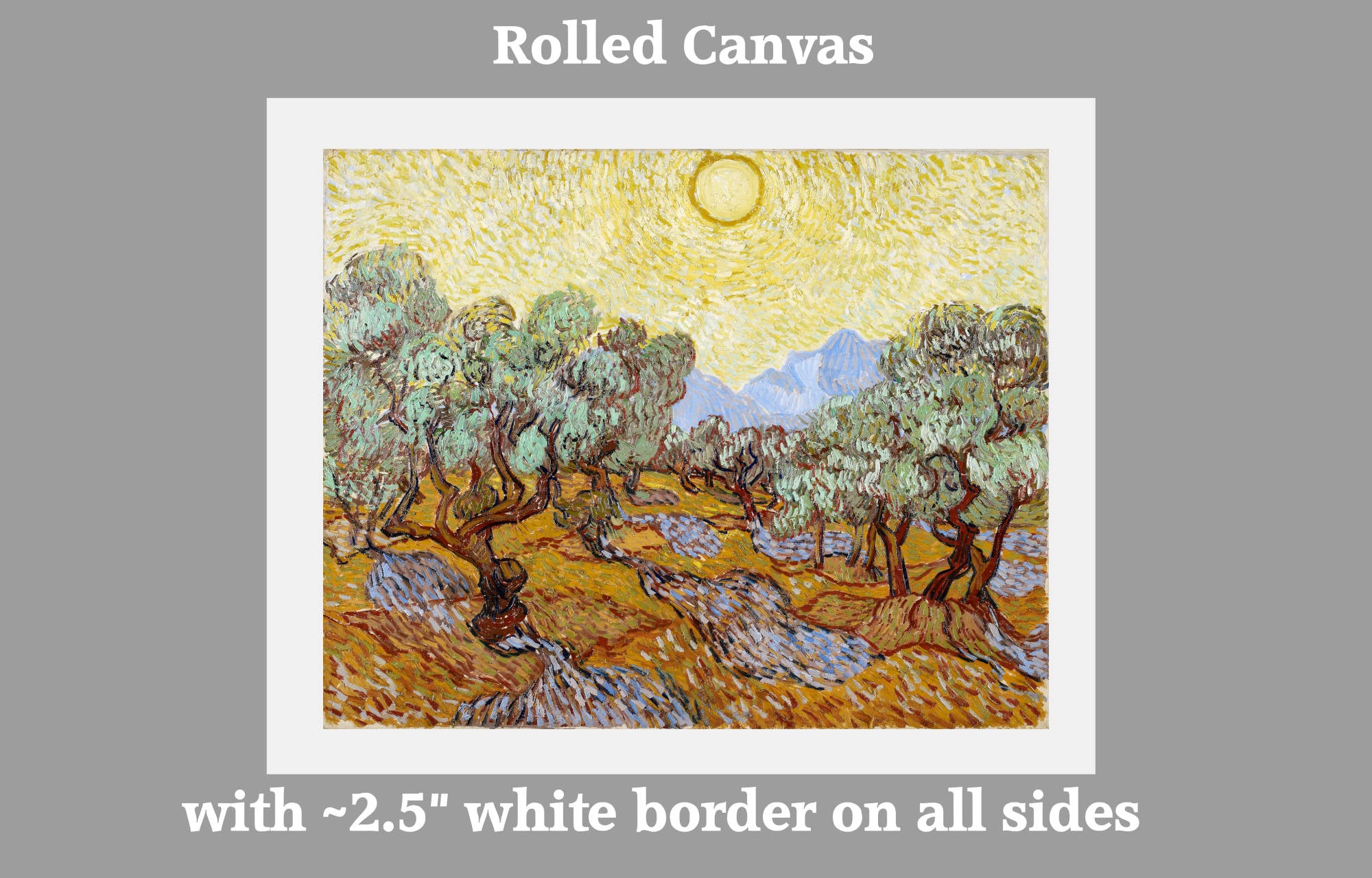
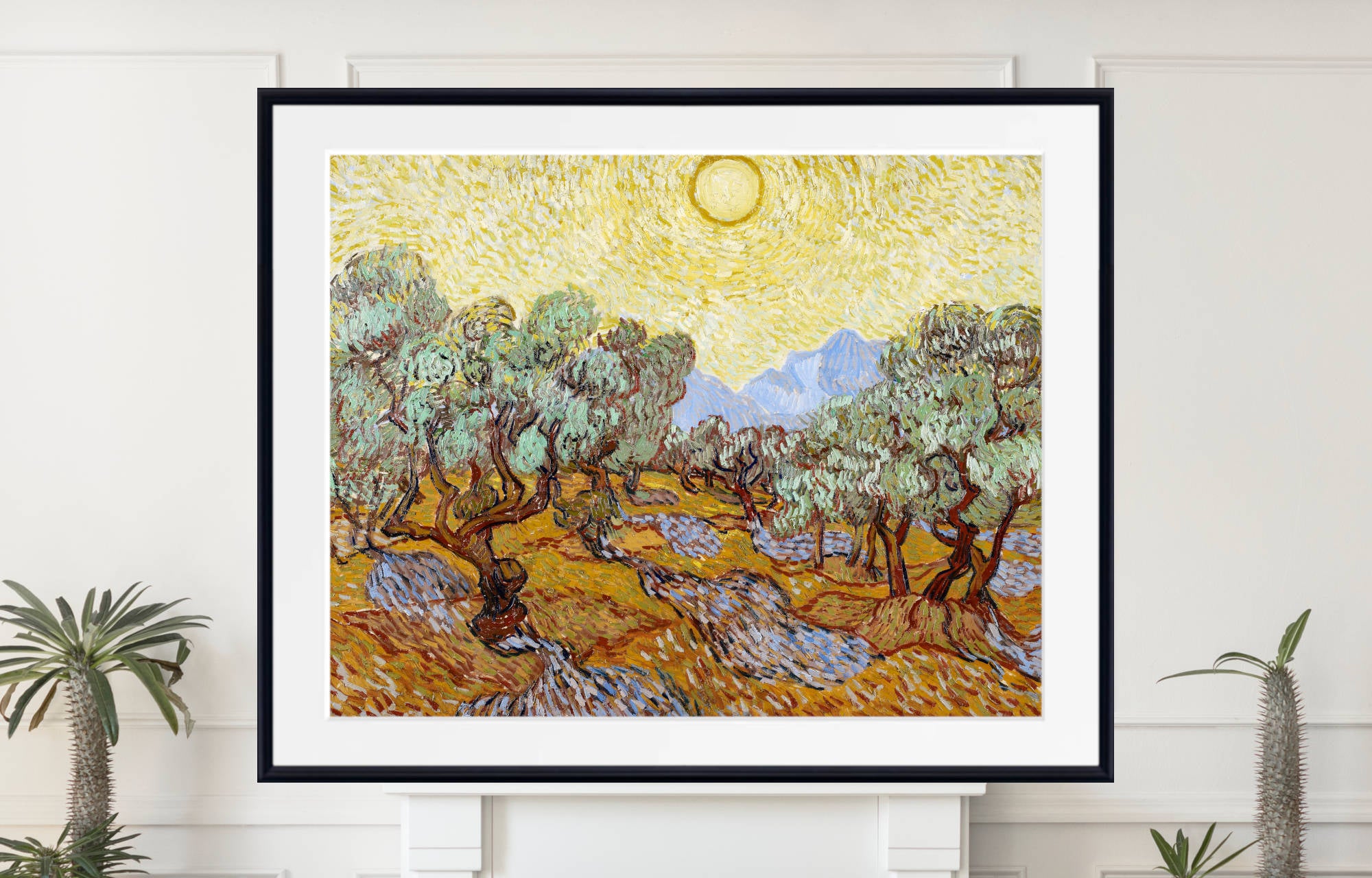
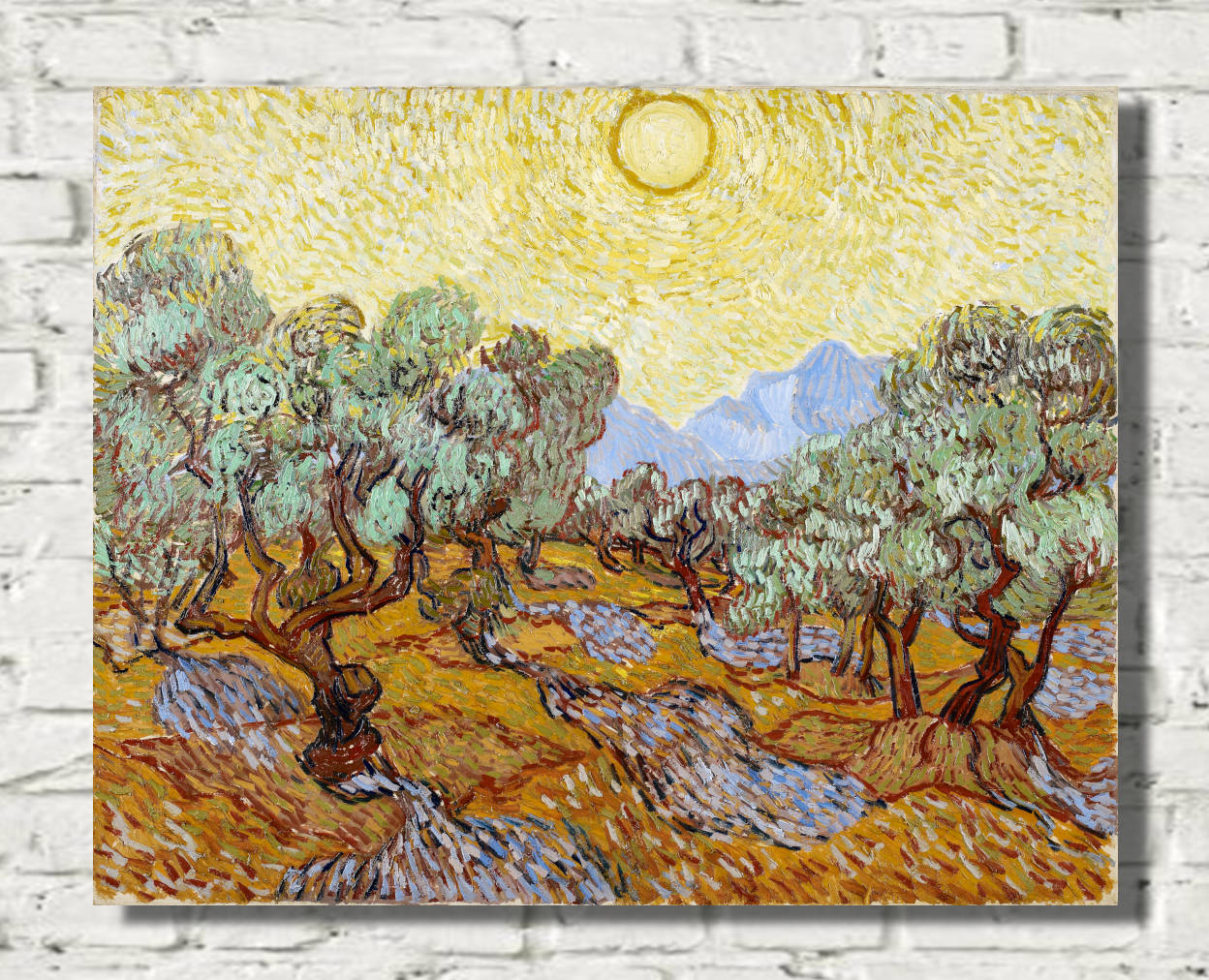
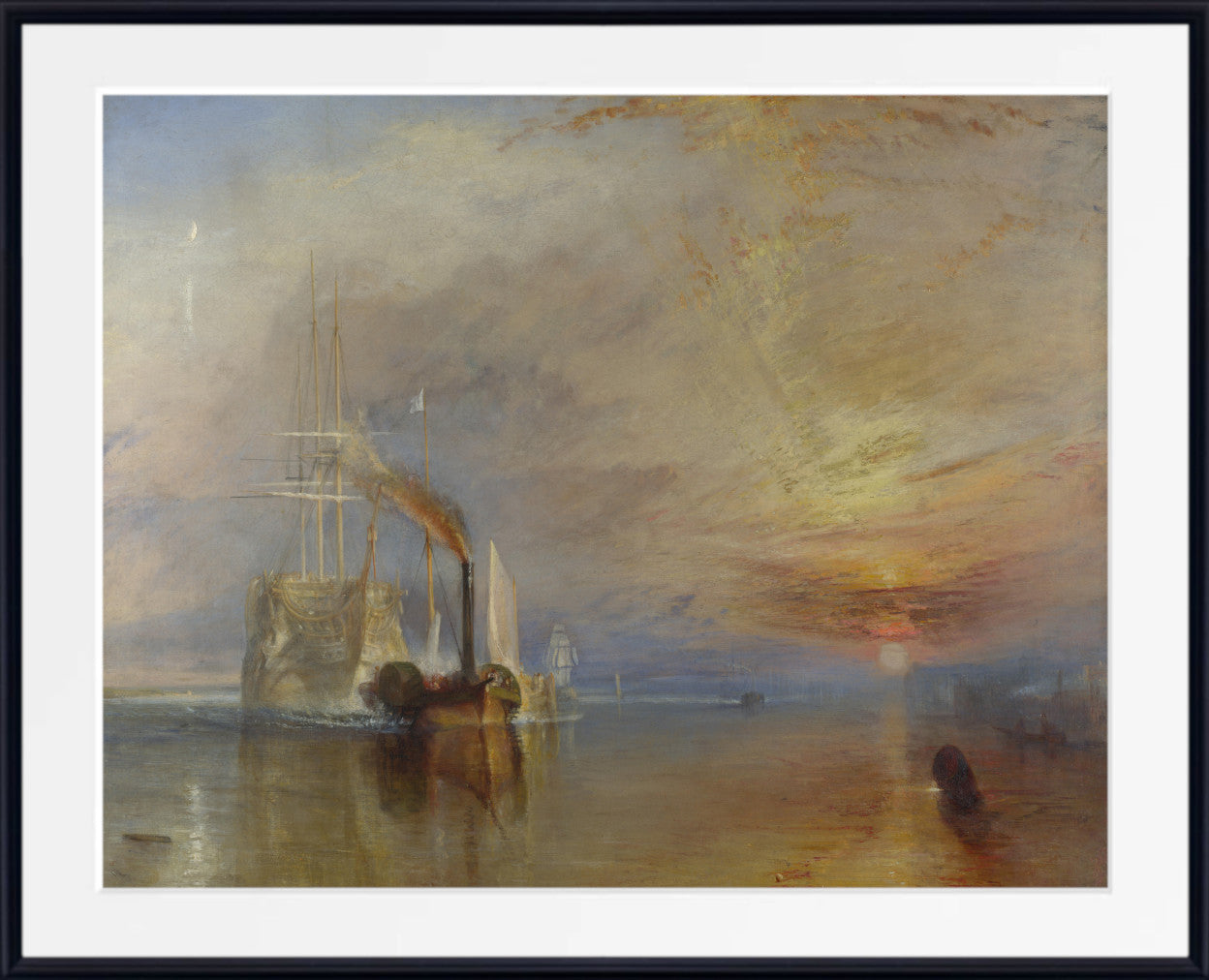
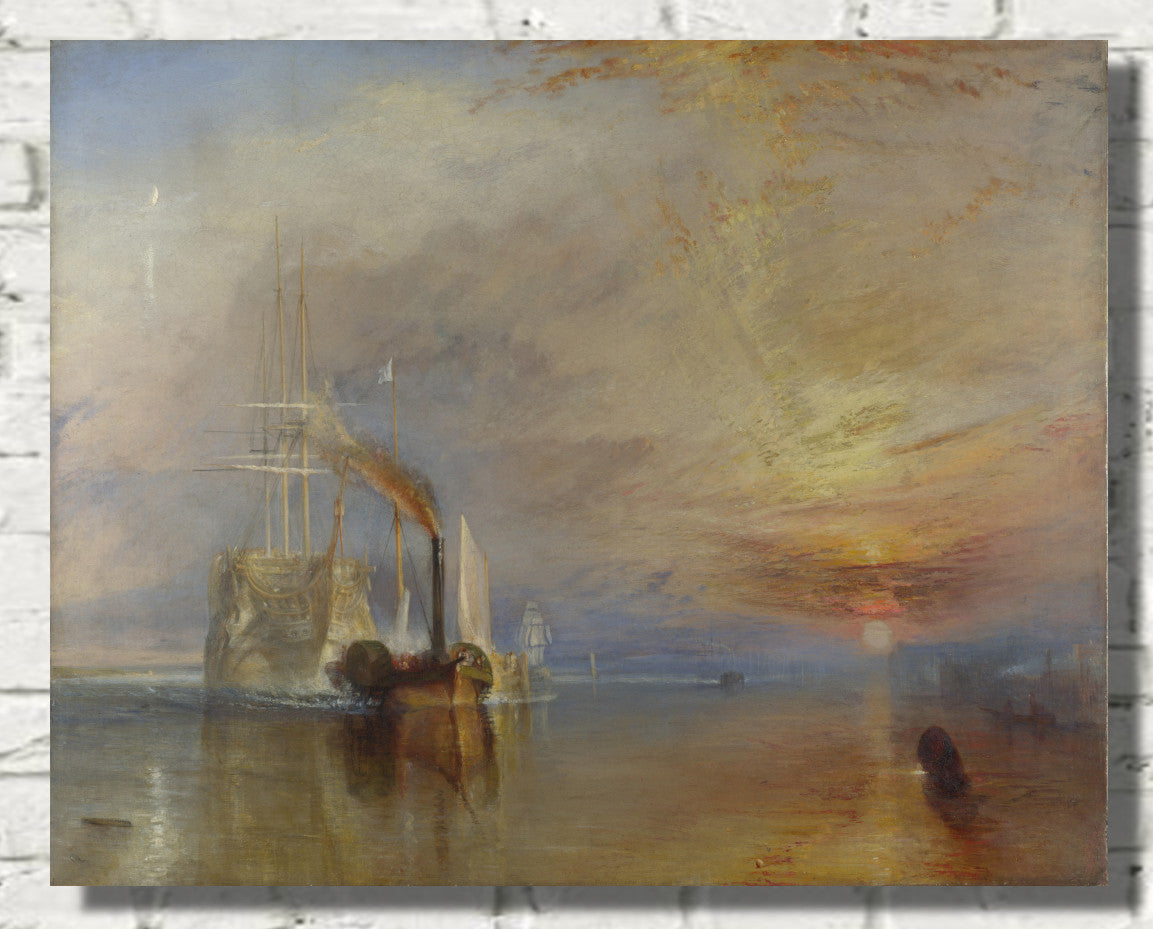
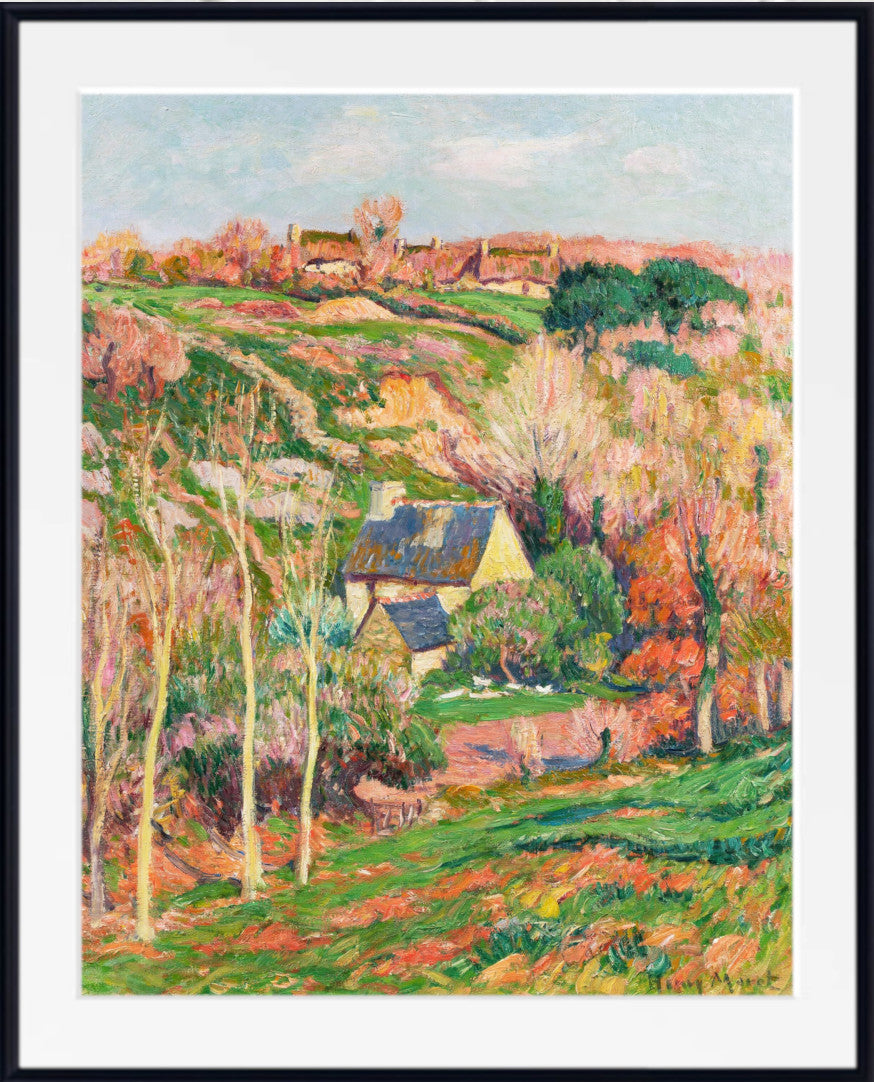
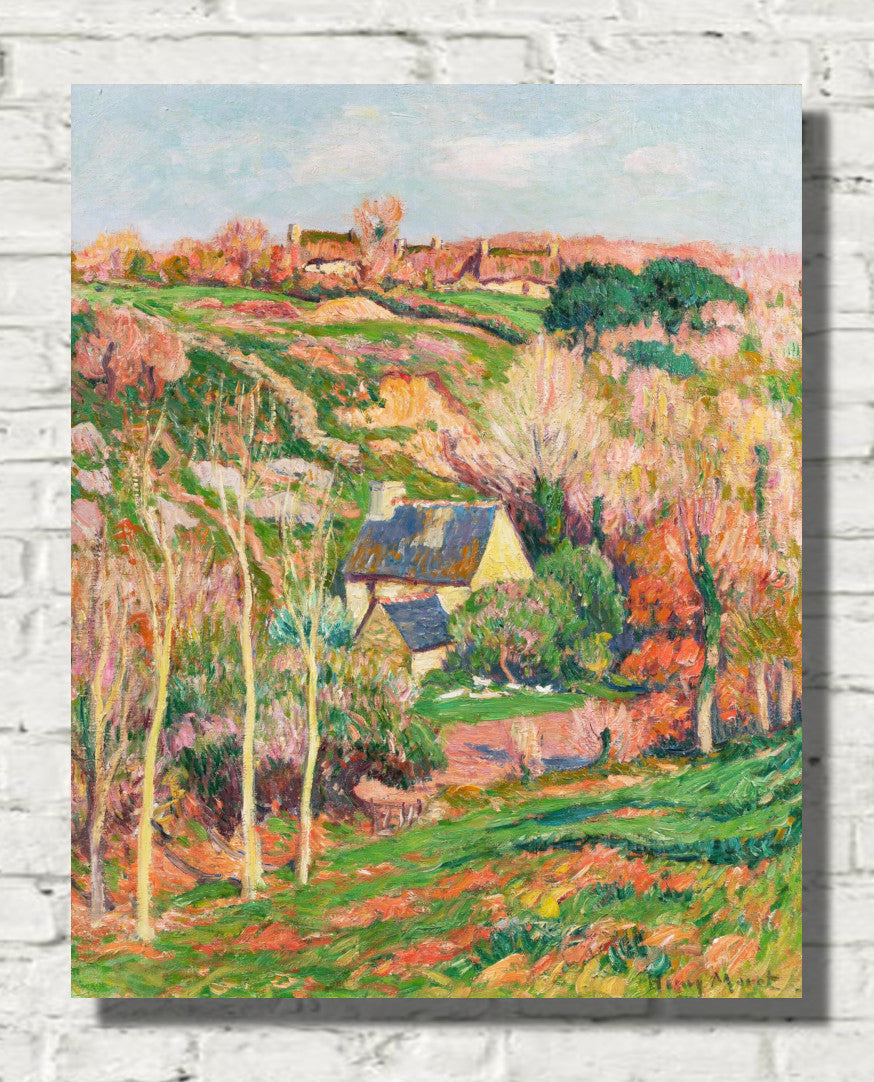
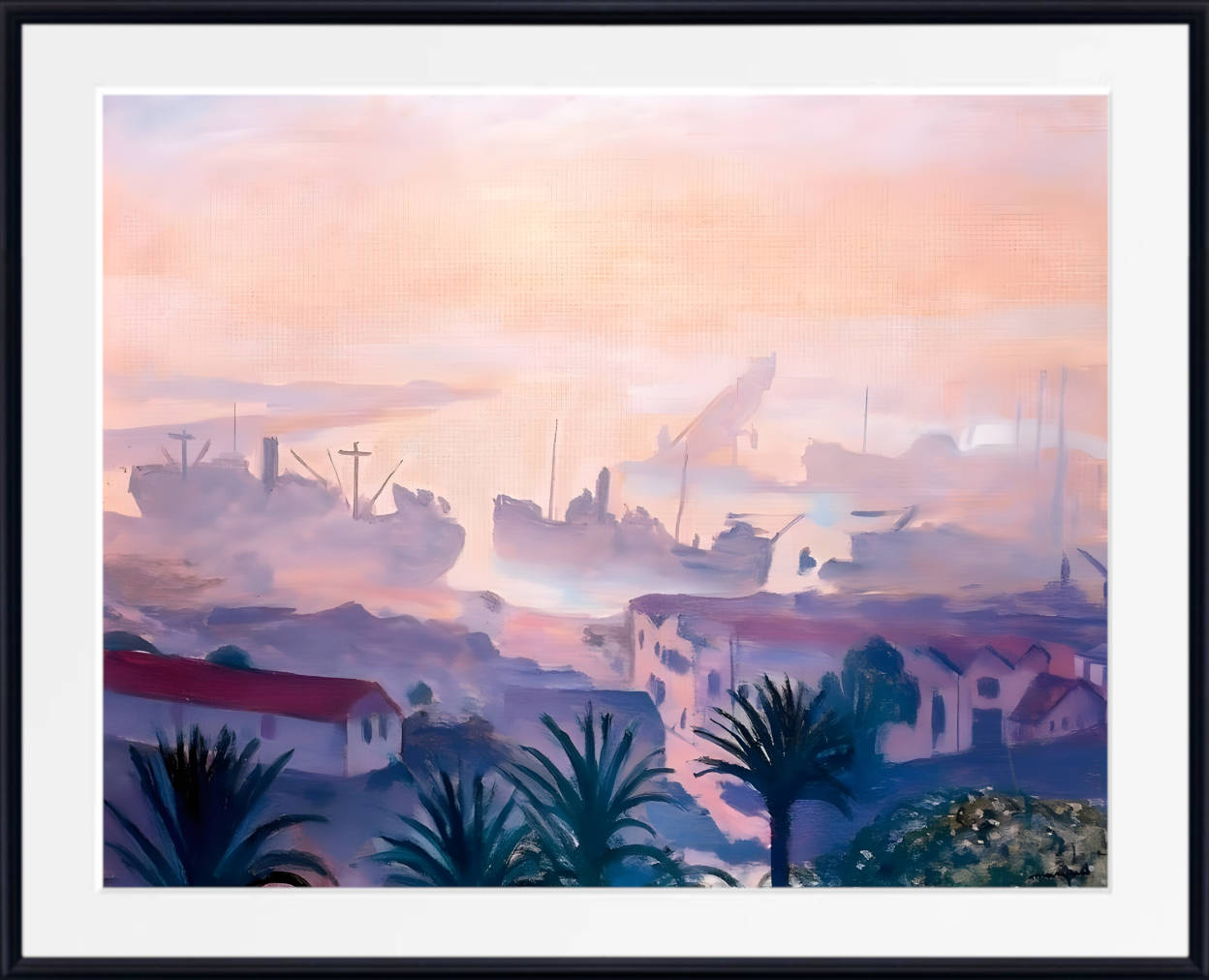
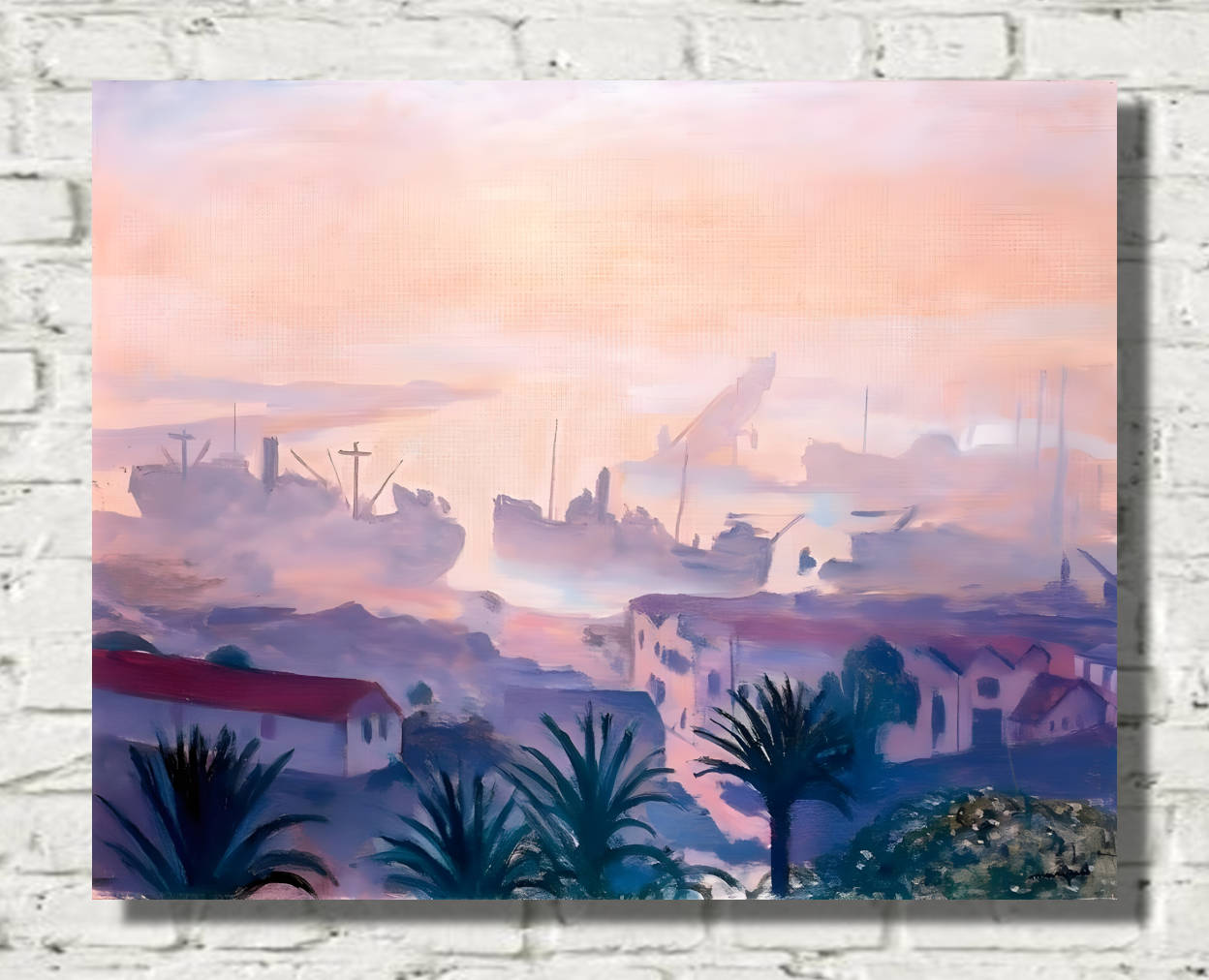
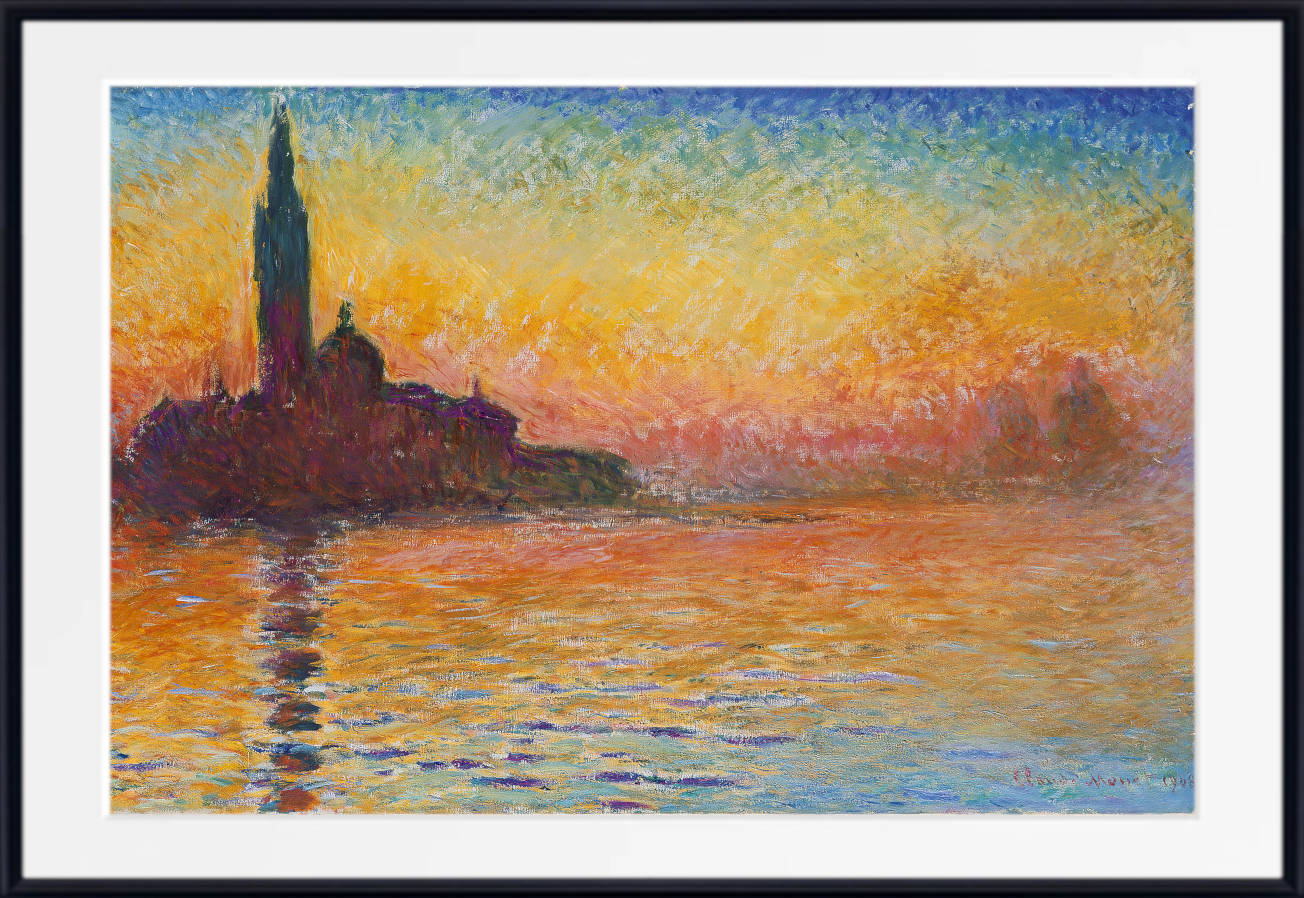
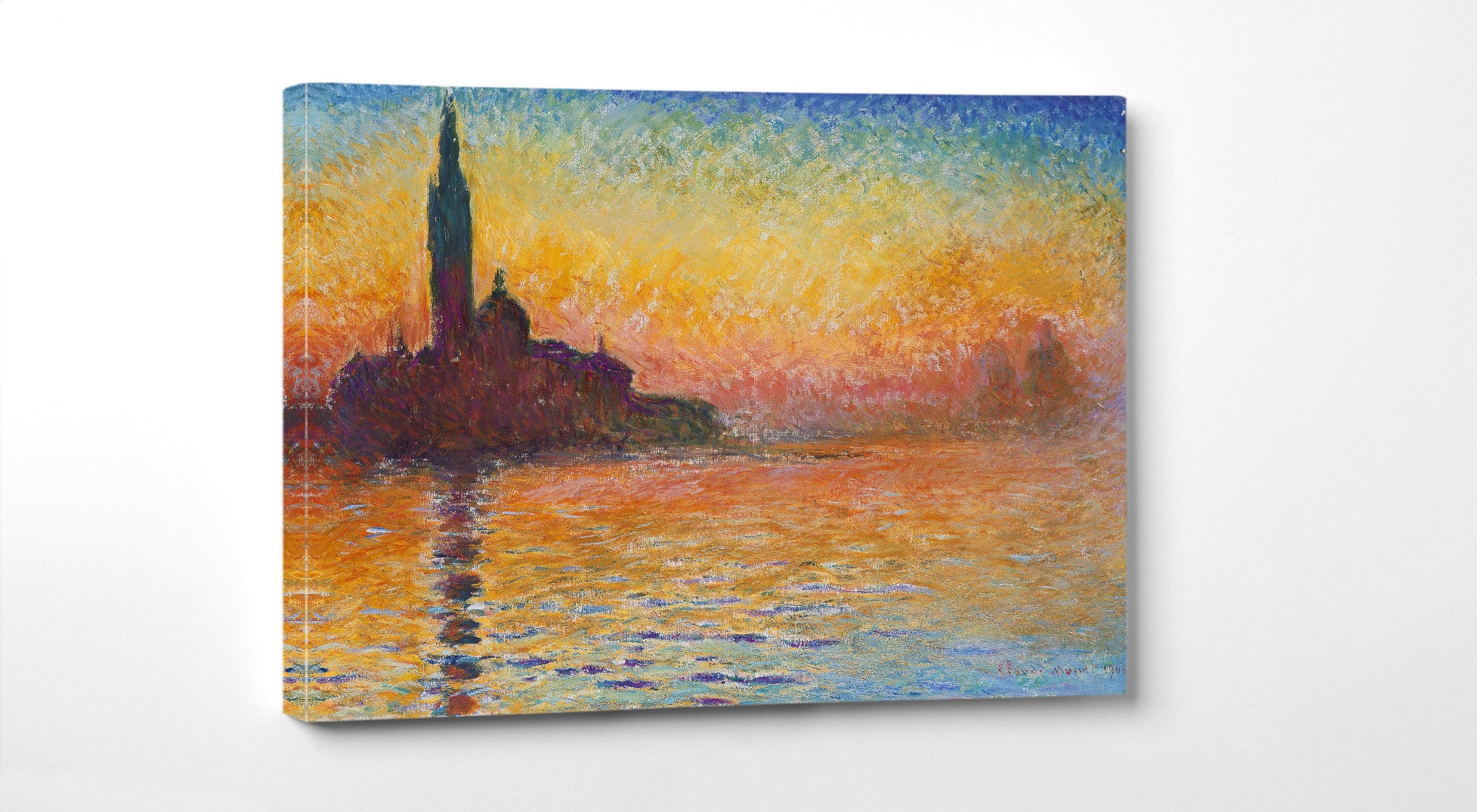
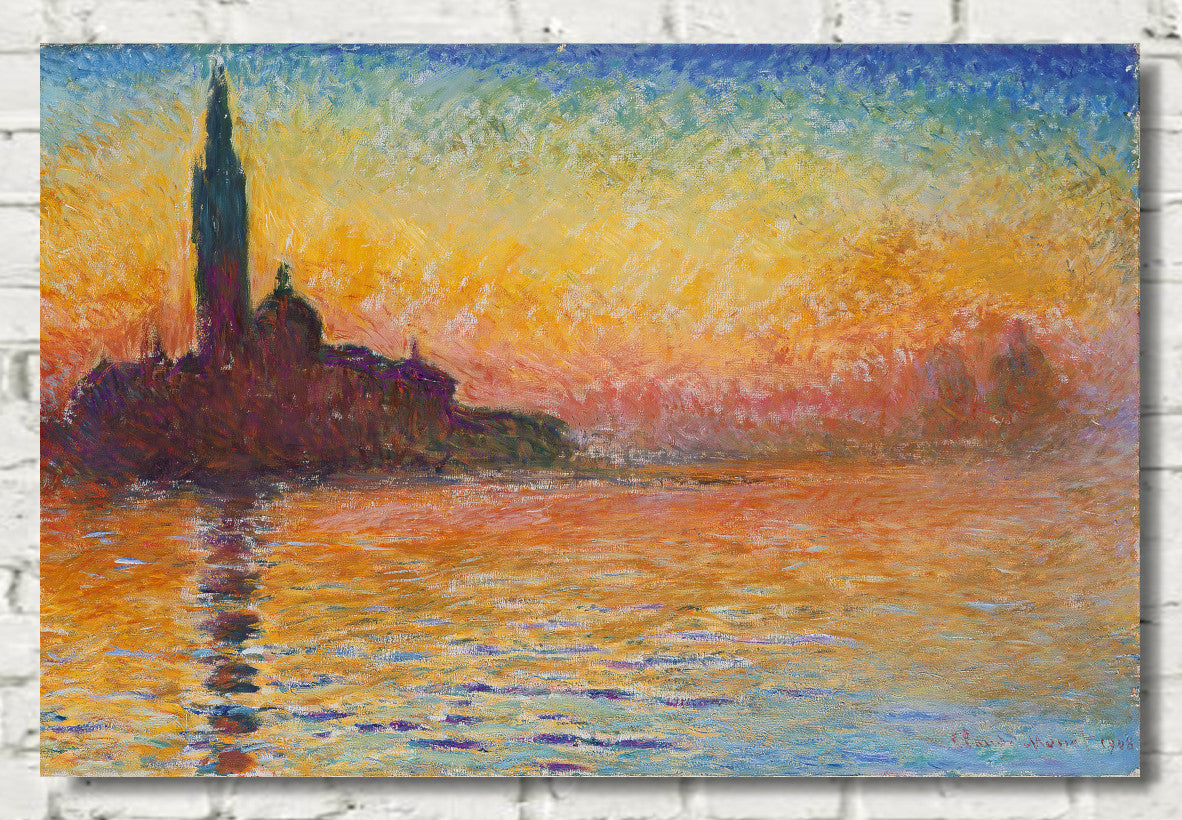
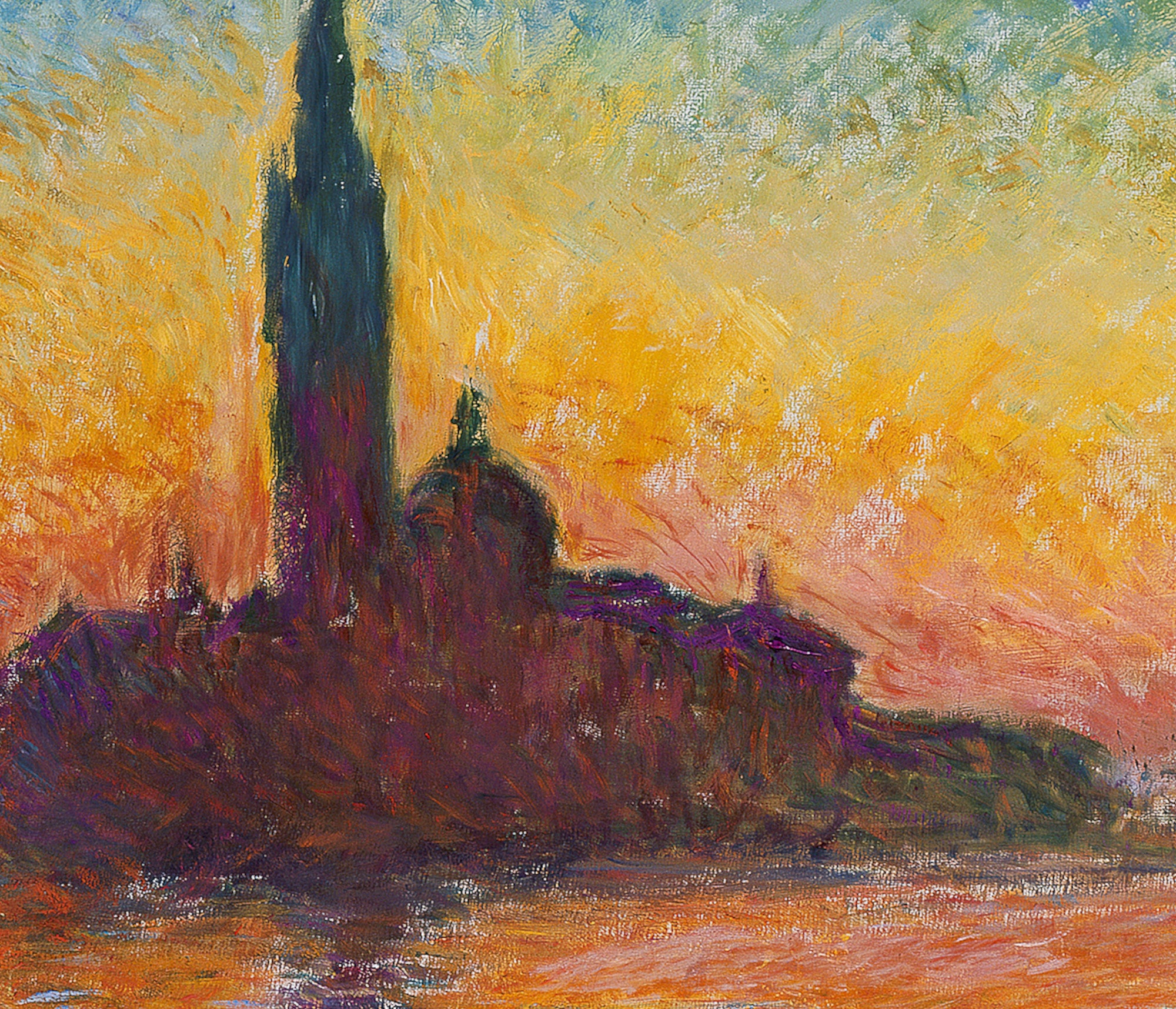
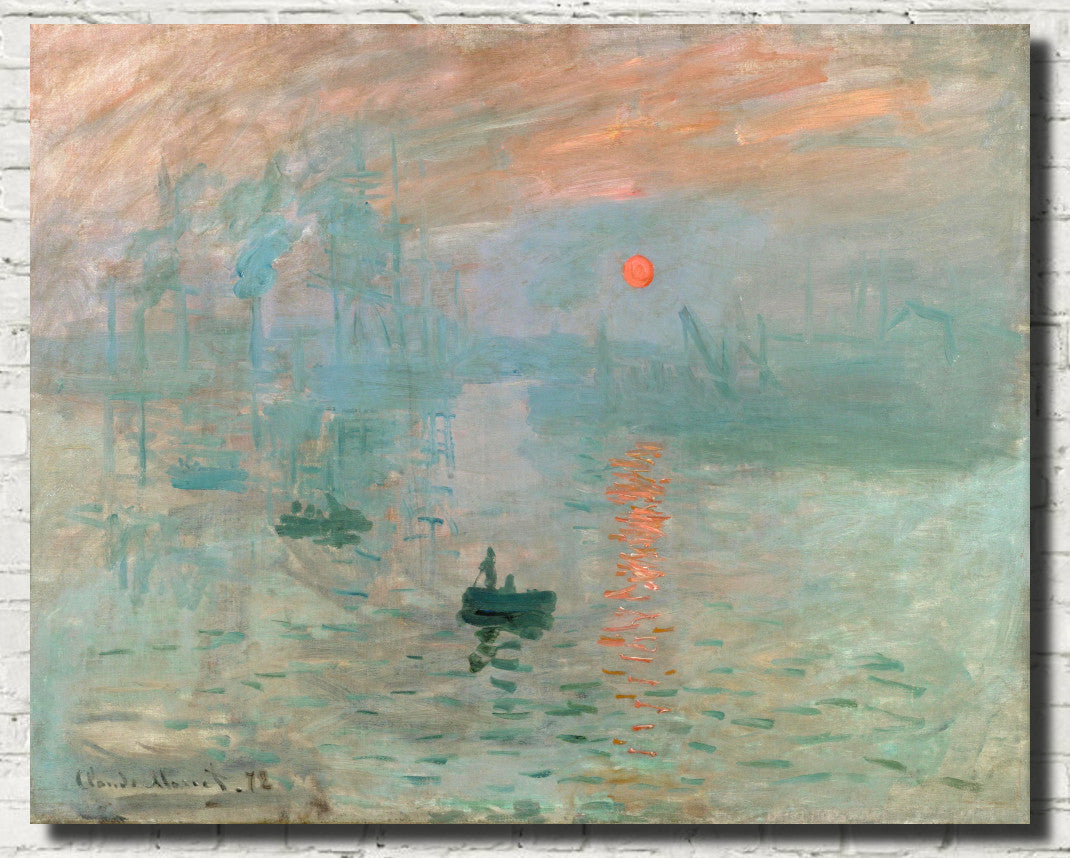
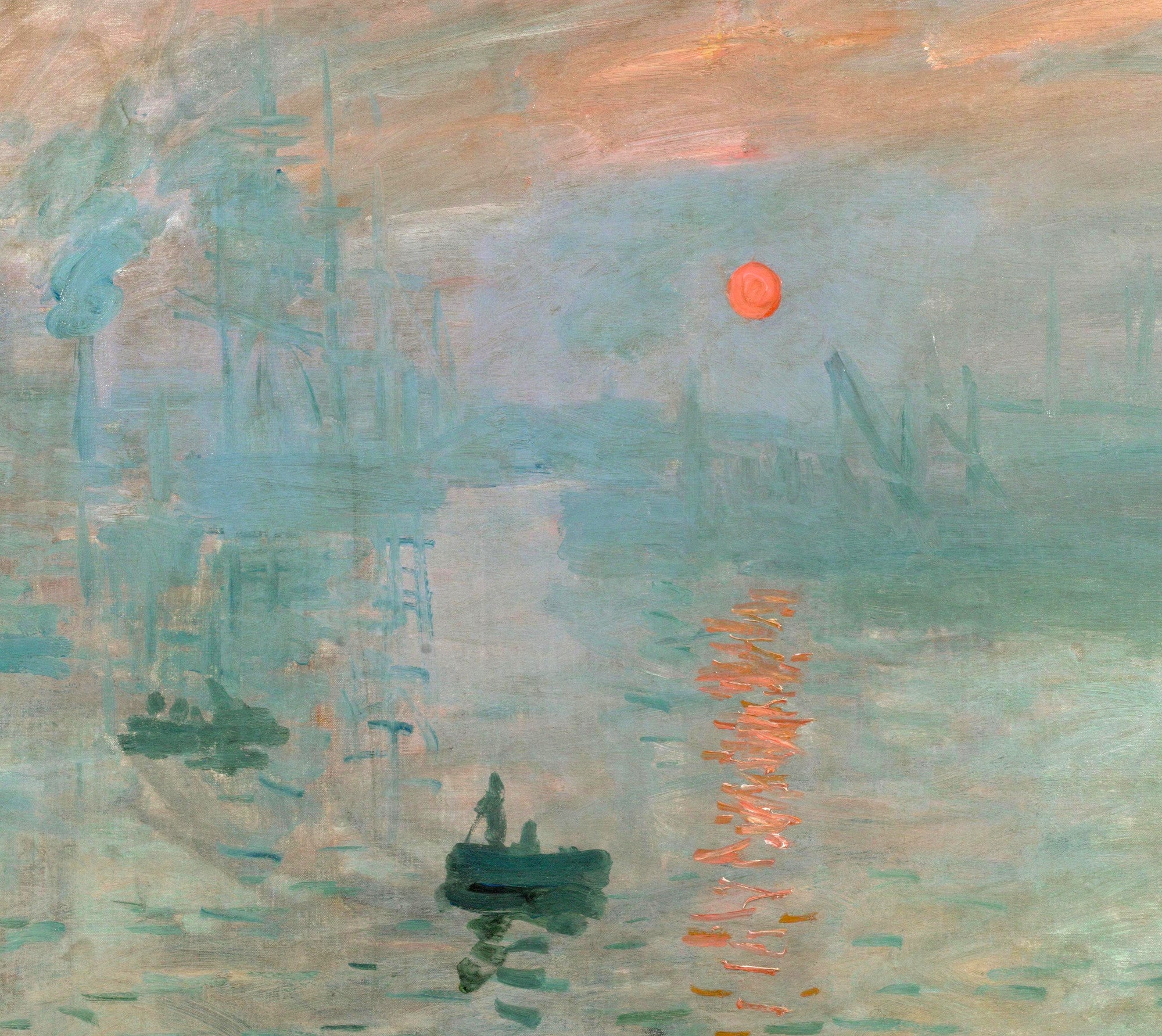
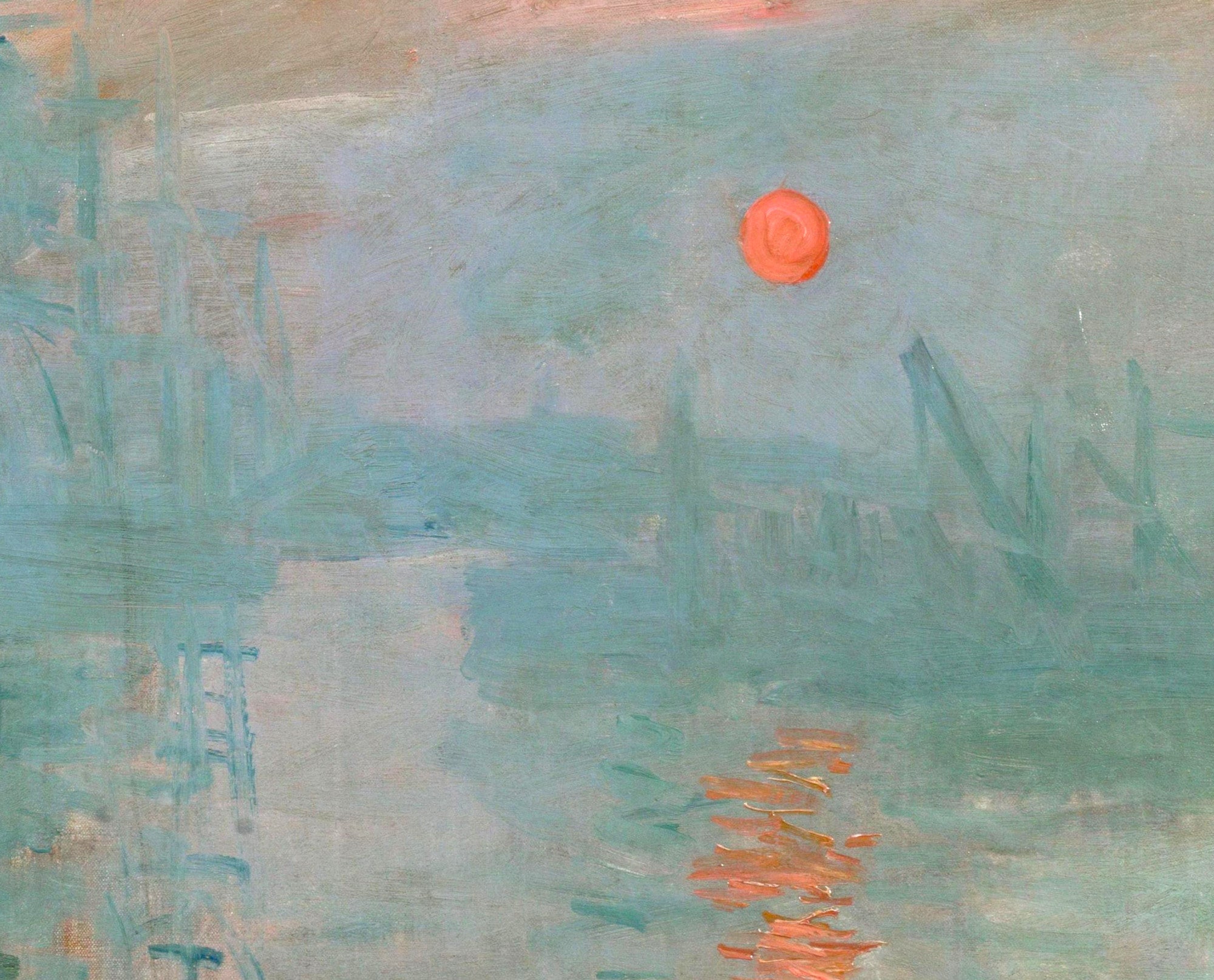
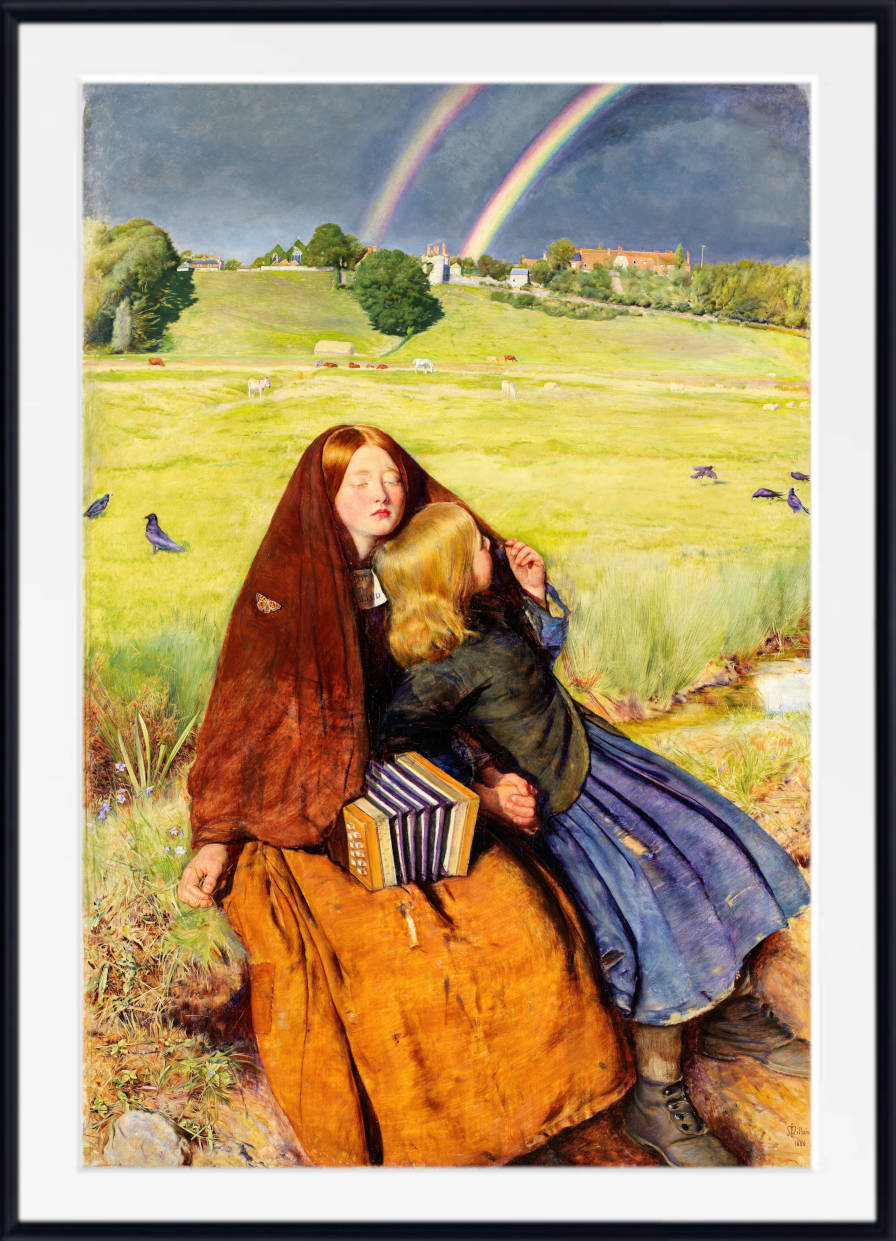
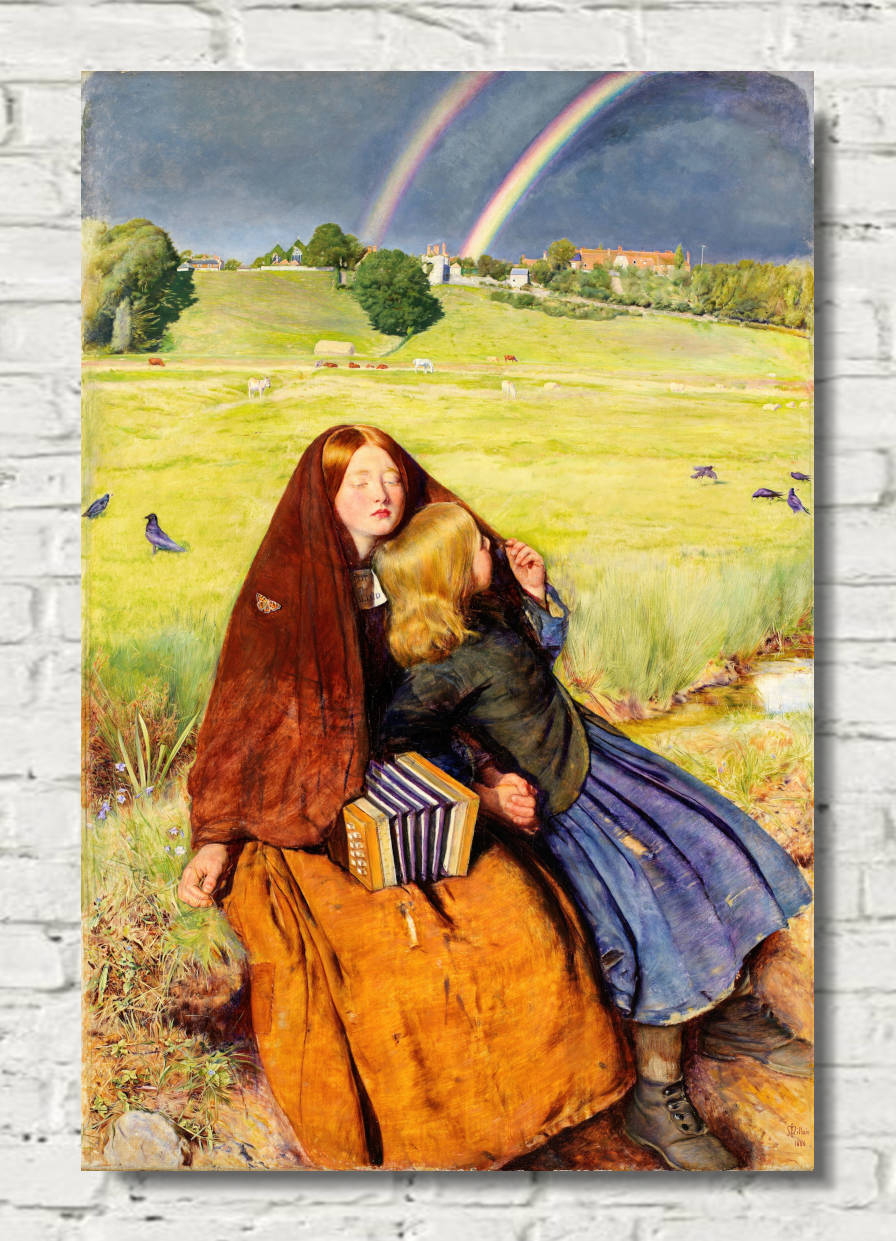
Landscape paintings provide some of the most natural uses of orange. Sunset skies, autumn trees, evening light and glowing horizons create warmth while retaining the familiar, restful quality of landscape art.
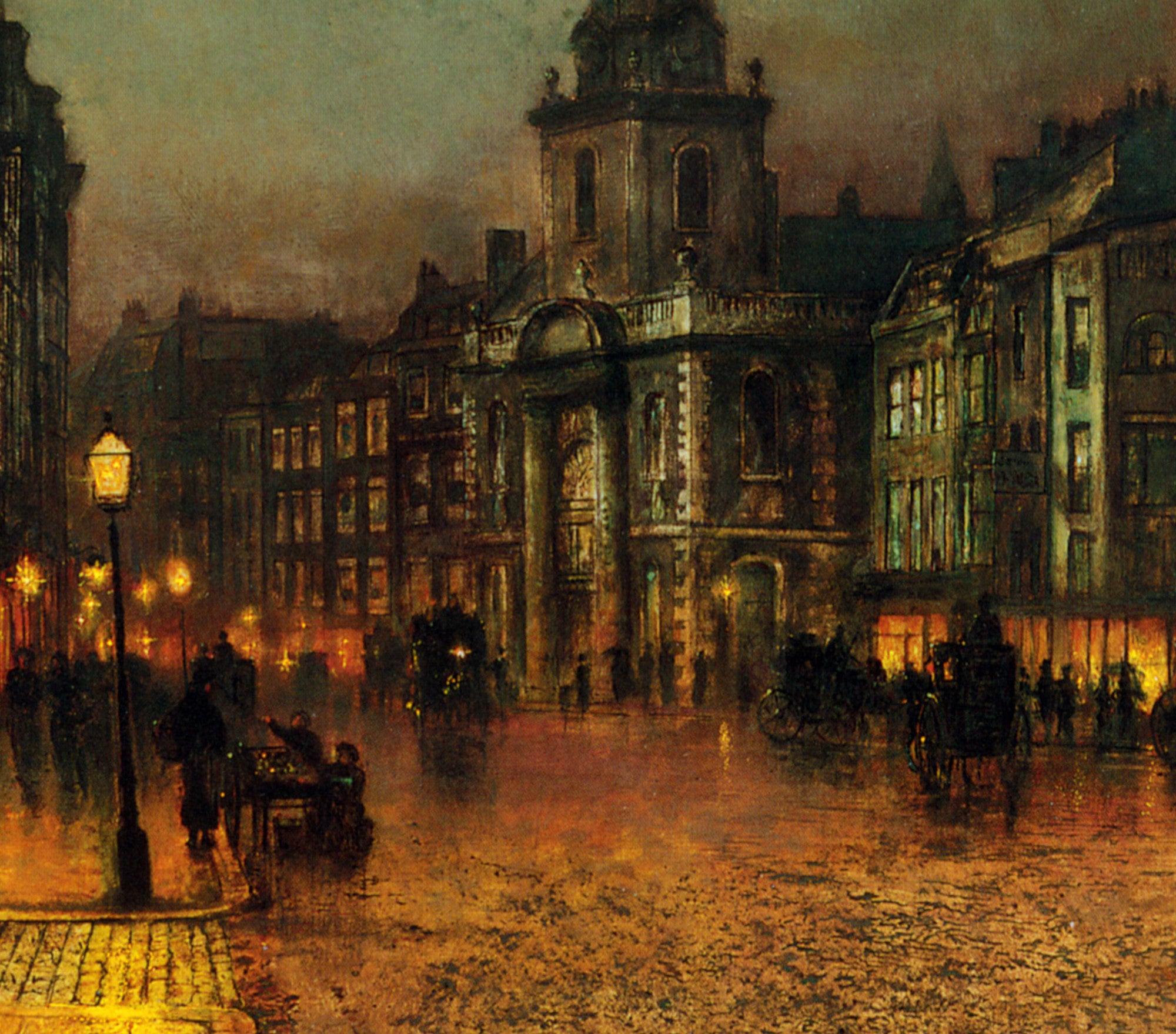
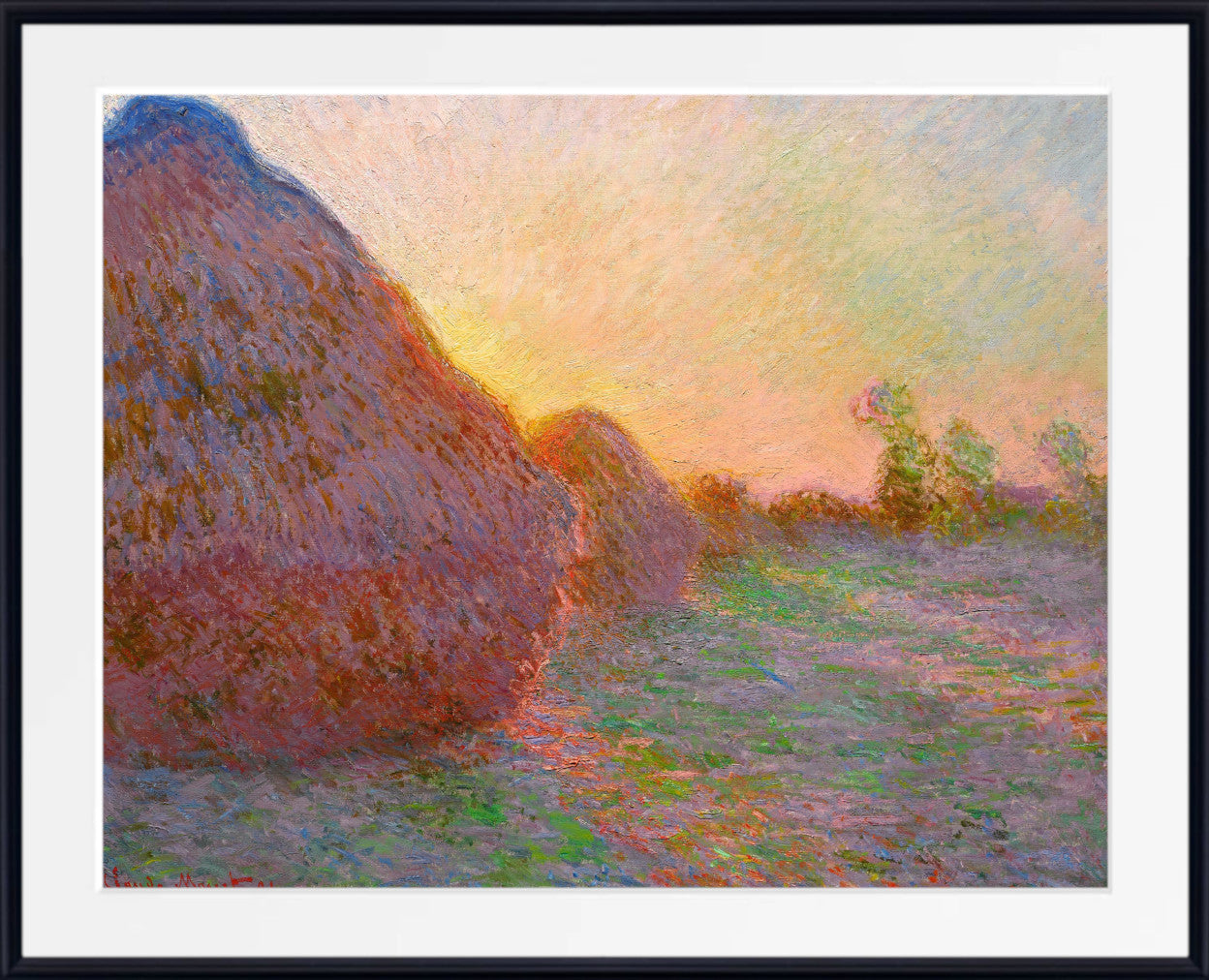
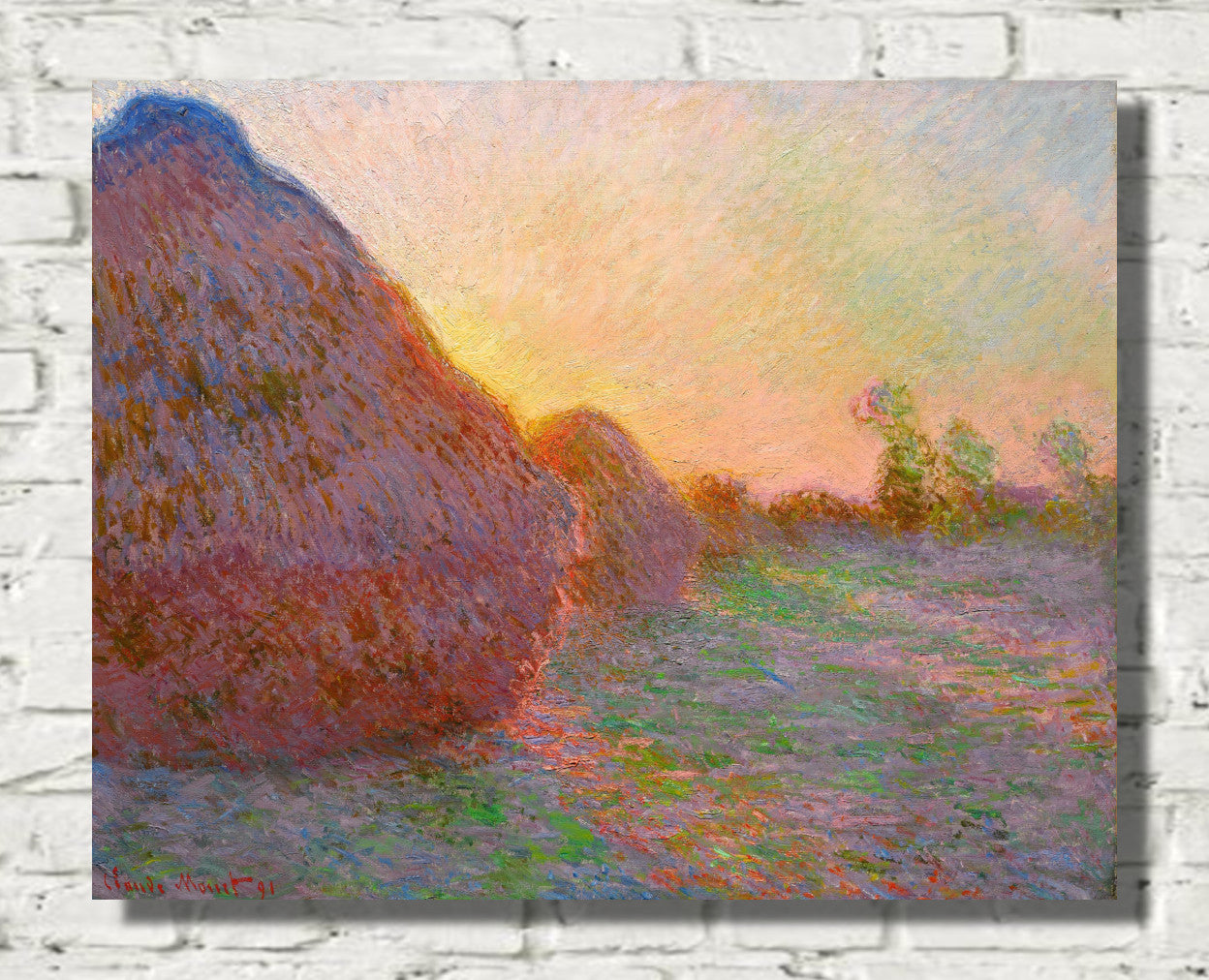
Artists including J. M. W. Turner, Claude Monet, Vincent van Gogh and John Atkinson Grimshaw used warm light to create atmosphere, drama and depth. Hazy sunset colours suit quieter rooms, while deeper copper, rust and flame tones provide greater contrast.
Orange Abstract Wall Art
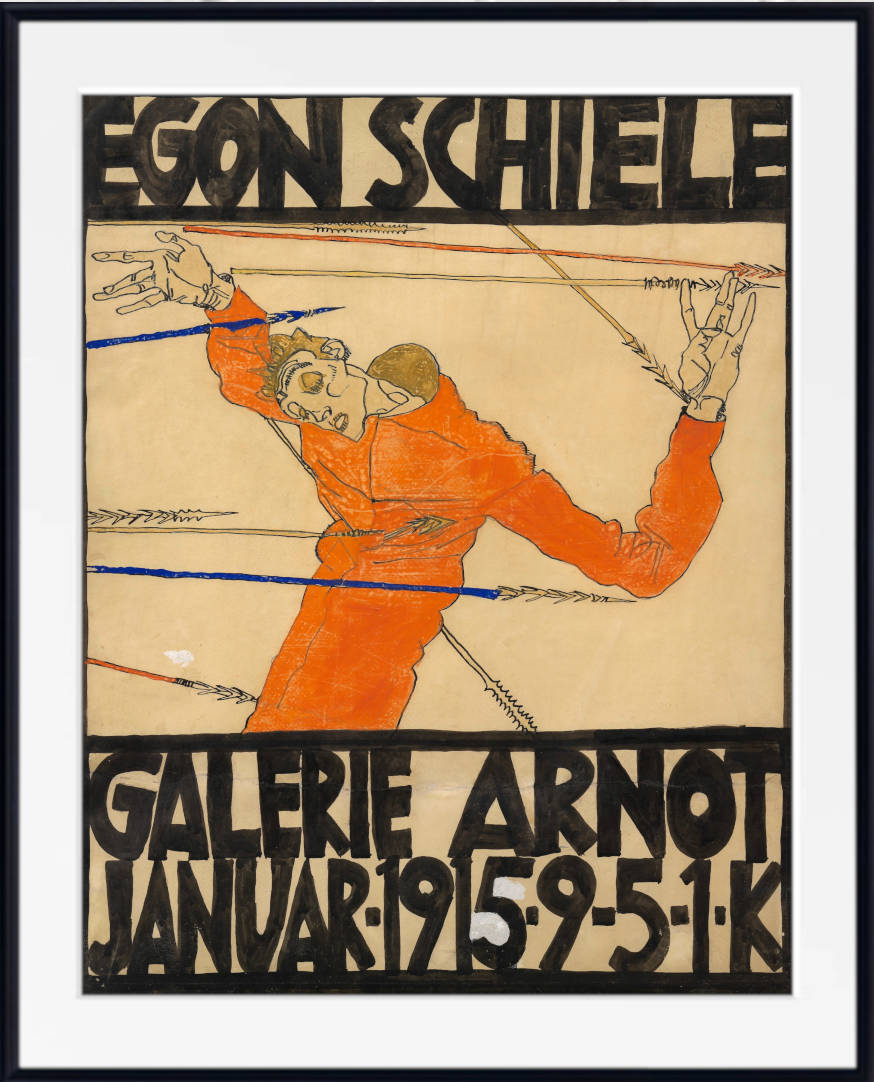
Orange abstract prints can introduce colour, movement and modern impact. Some works use orange as the dominant colour, while others combine it with cream, black, blue, yellow, red or green.
Soft apricot, ochre and terracotta compositions provide a calmer effect. Brighter orange and red-orange artworks can become the main feature above a sofa, sideboard, fireplace or desk. Browse the wider Abstract Art Prints collection for more contemporary compositions.
Orange Impressionist and Post-Impressionist Prints
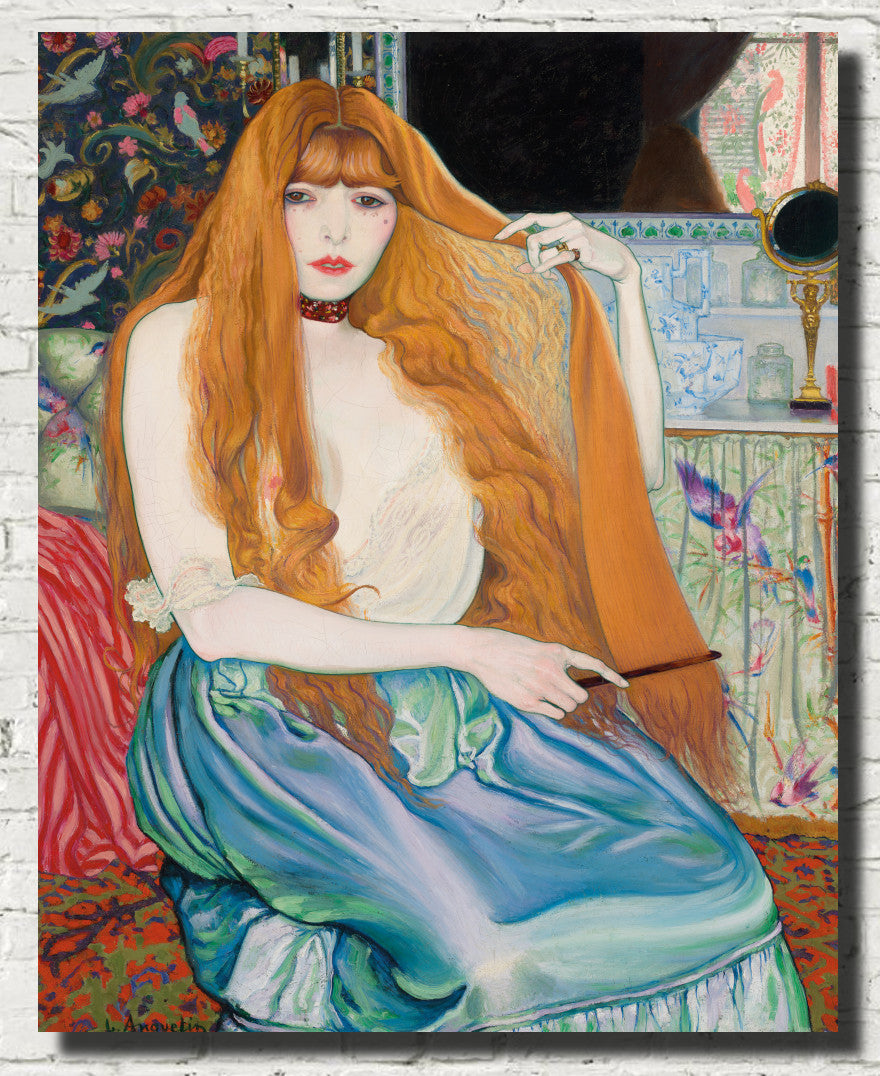
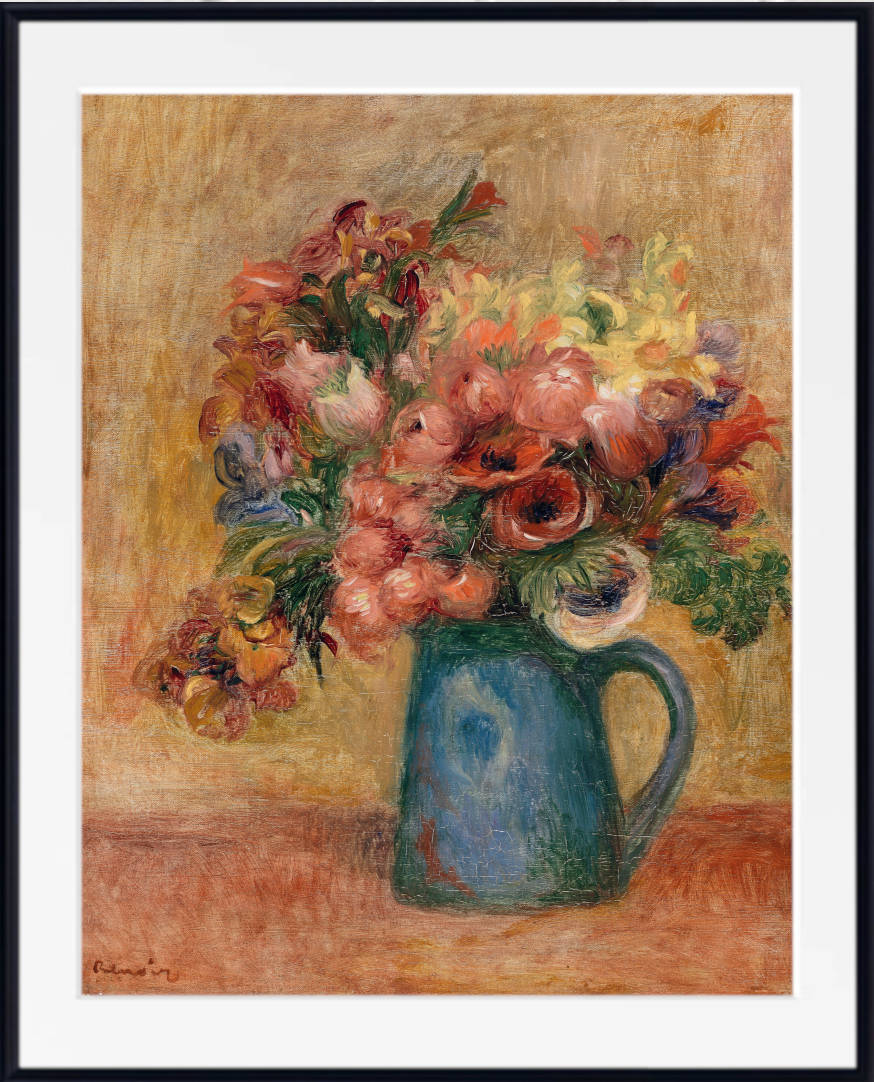
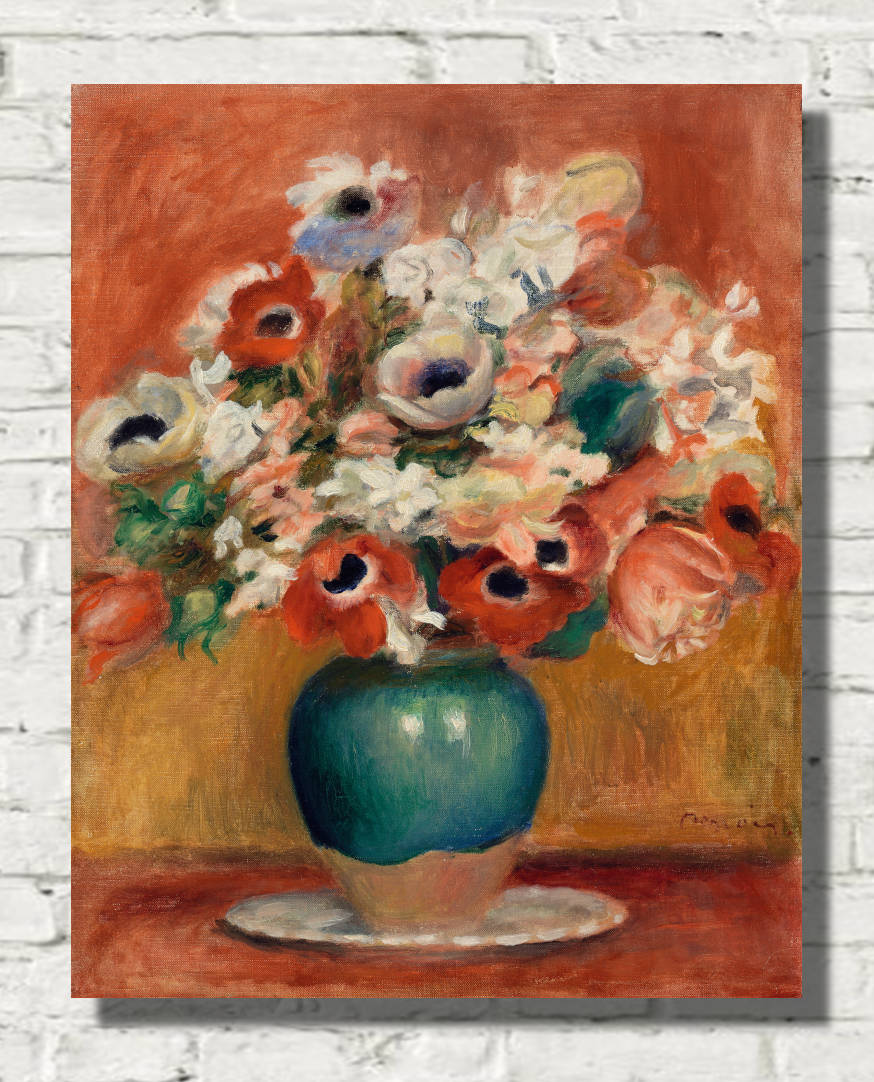
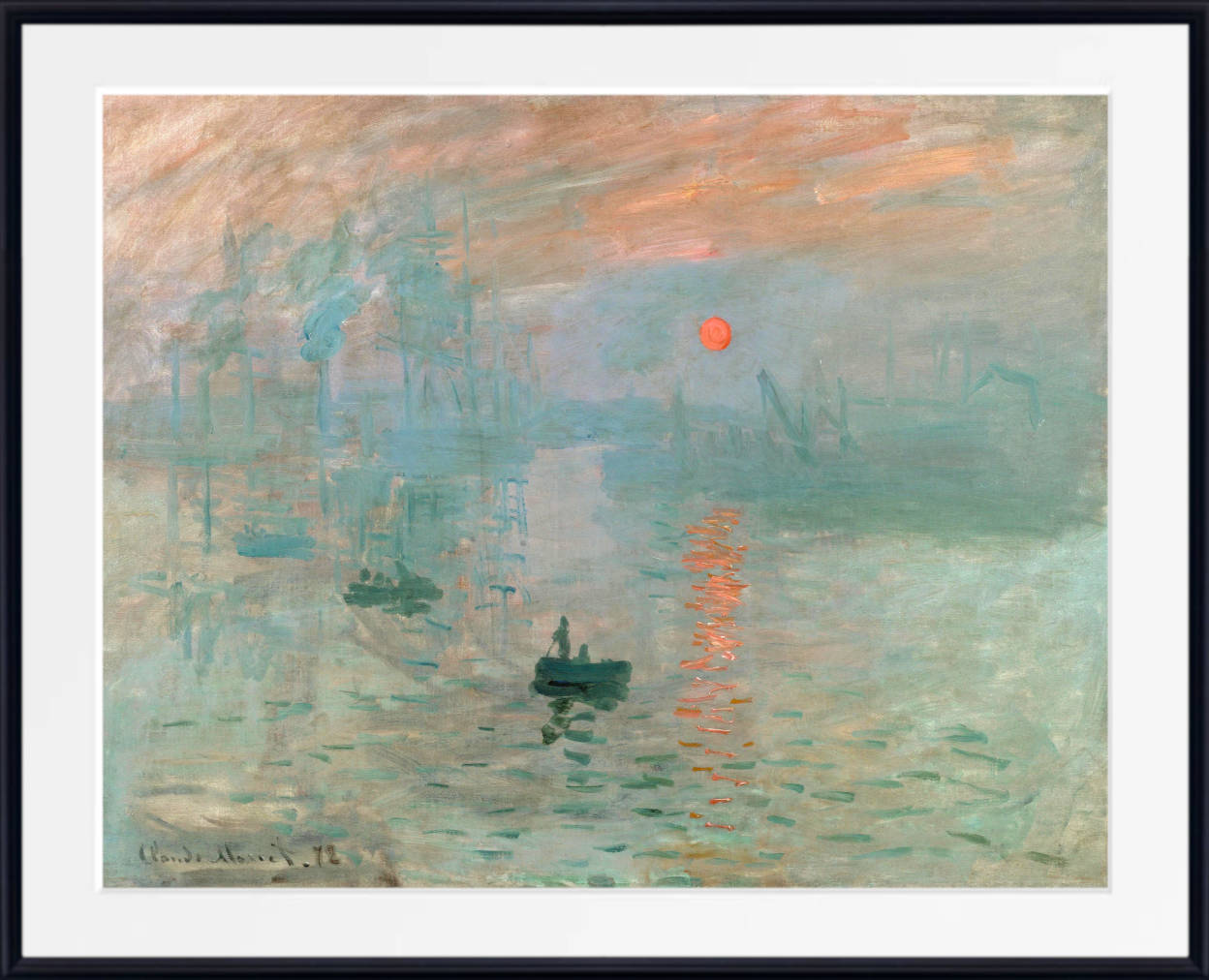
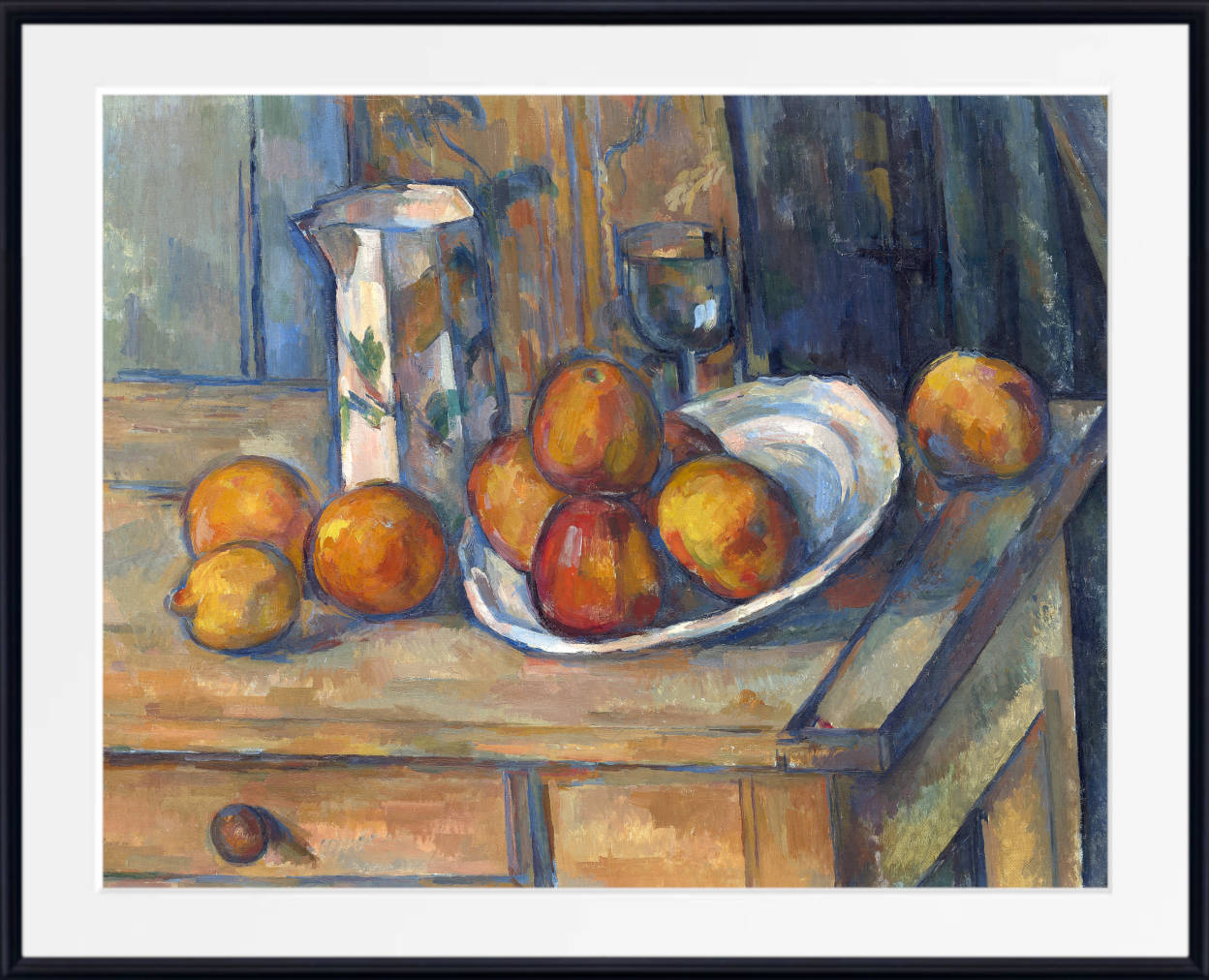
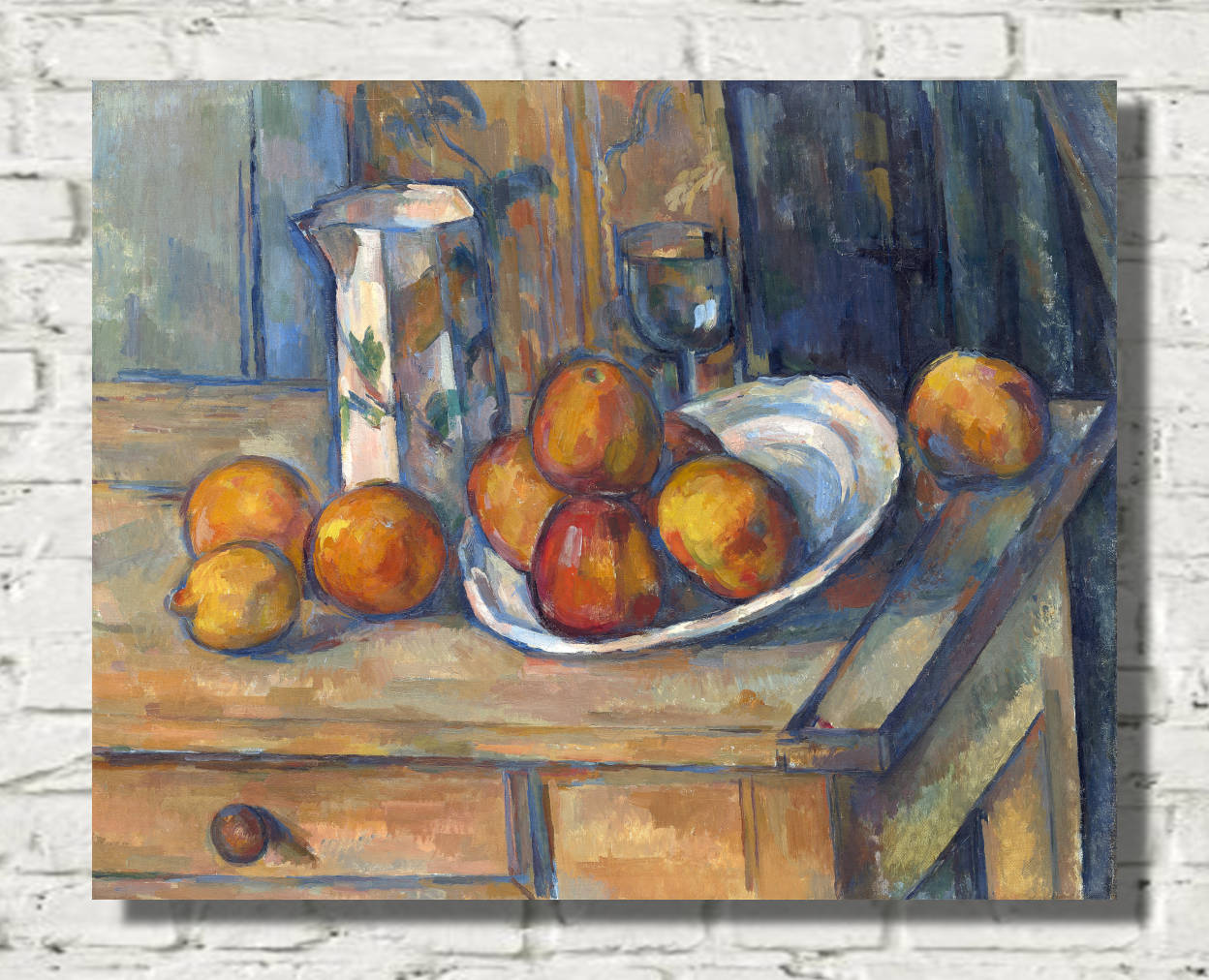
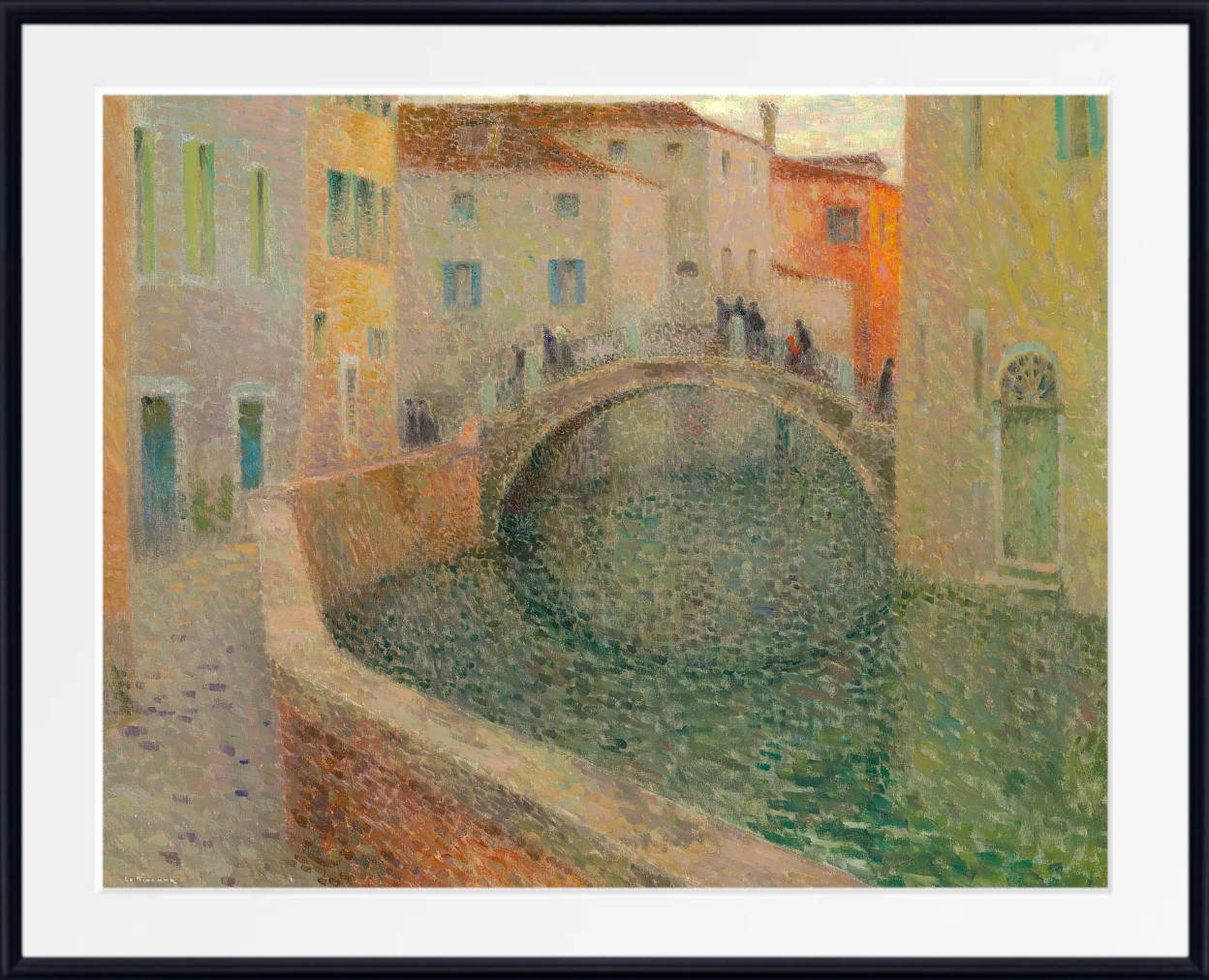
Orange appears frequently in Impressionist and Post-Impressionist paintings of sunlight, gardens, fruit, interiors, trees and evening skies. Vincent van Gogh, Pierre Bonnard, Paul Cézanne and Claude Monet used warm colour to create atmosphere and emotional intensity.
These works suit rooms where you want decorative warmth combined with the texture, history and personality of a recognisable artistic tradition. Explore more works in the Impressionist Art Prints and Post-Impressionist Prints collections.
Orange Still Life and Interior Prints
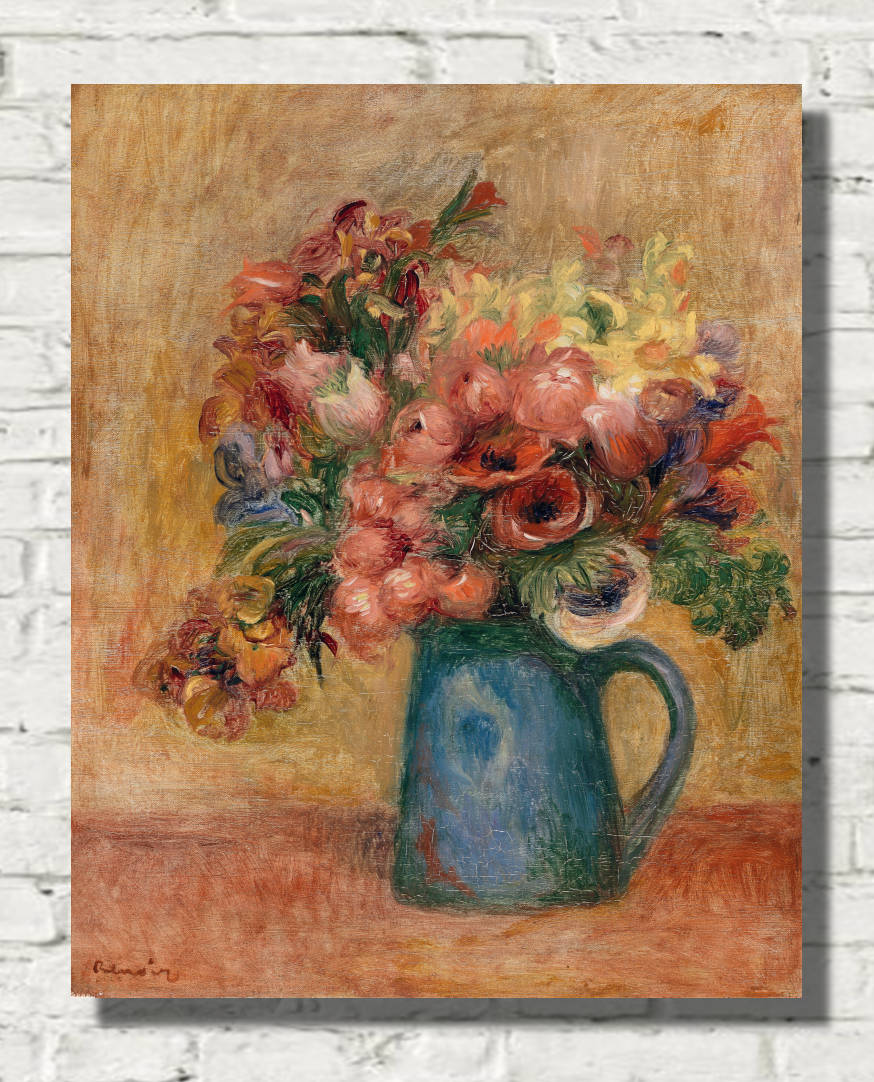
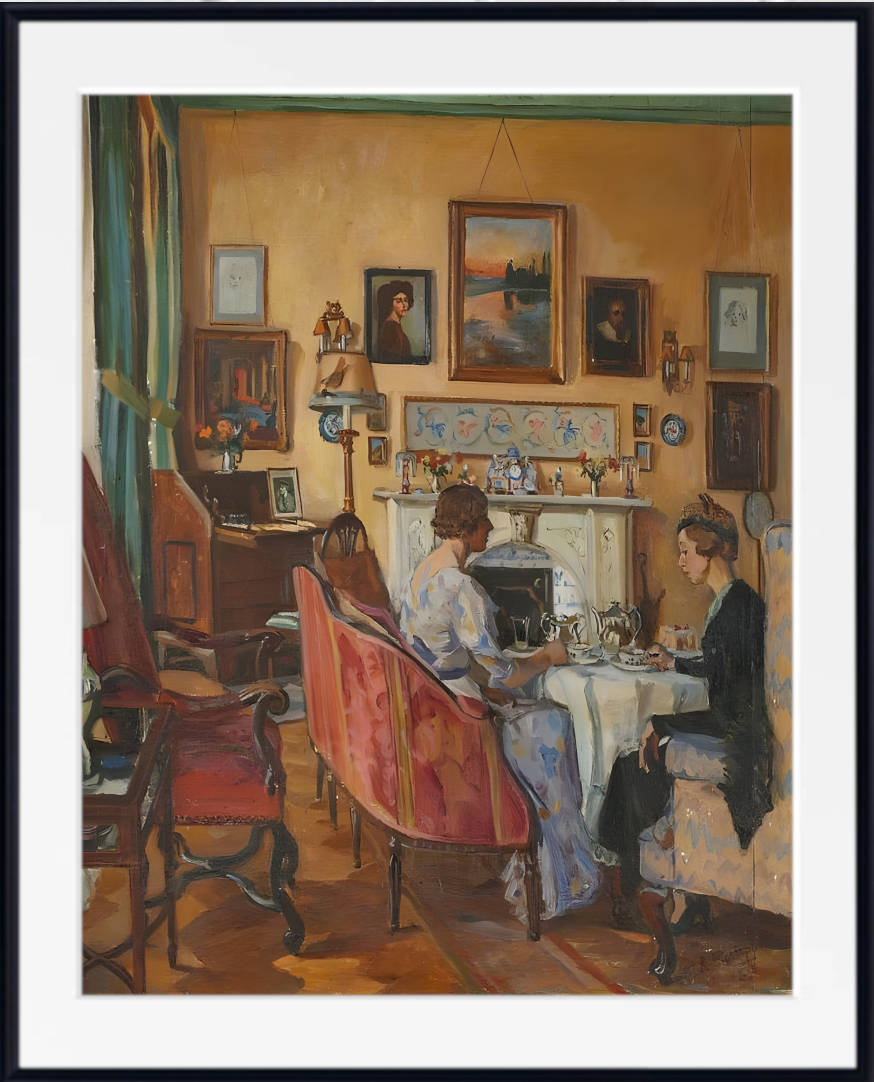
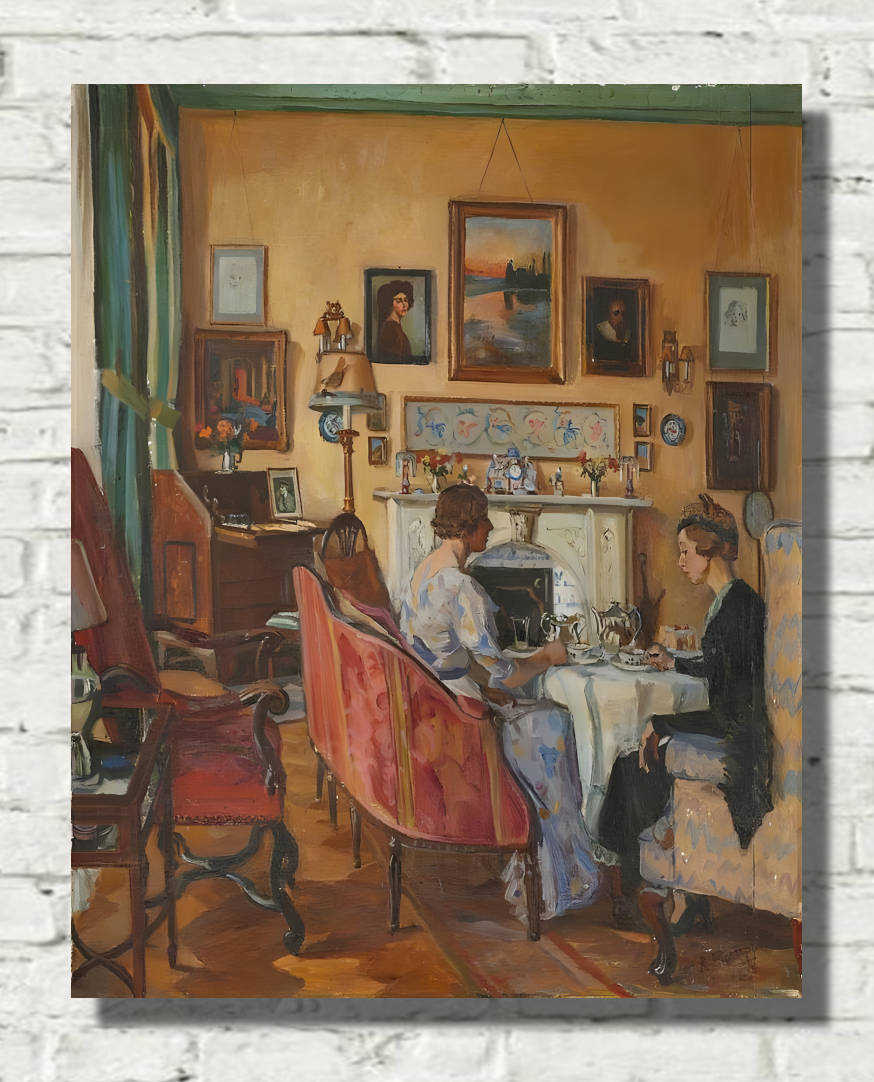
Still lifes containing fruit, flowers, ceramics and table settings are especially suited to kitchens, breakfast rooms and dining rooms. Their amber, ochre and terracotta details can make practical spaces feel warmer and more considered.
Orange still lifes also work well within gallery walls, where they can provide a connecting colour between landscapes, portraits, botanical prints and abstract works. Browse the wider Still Life Prints collection for further ideas.
Orange Wall Art by Room
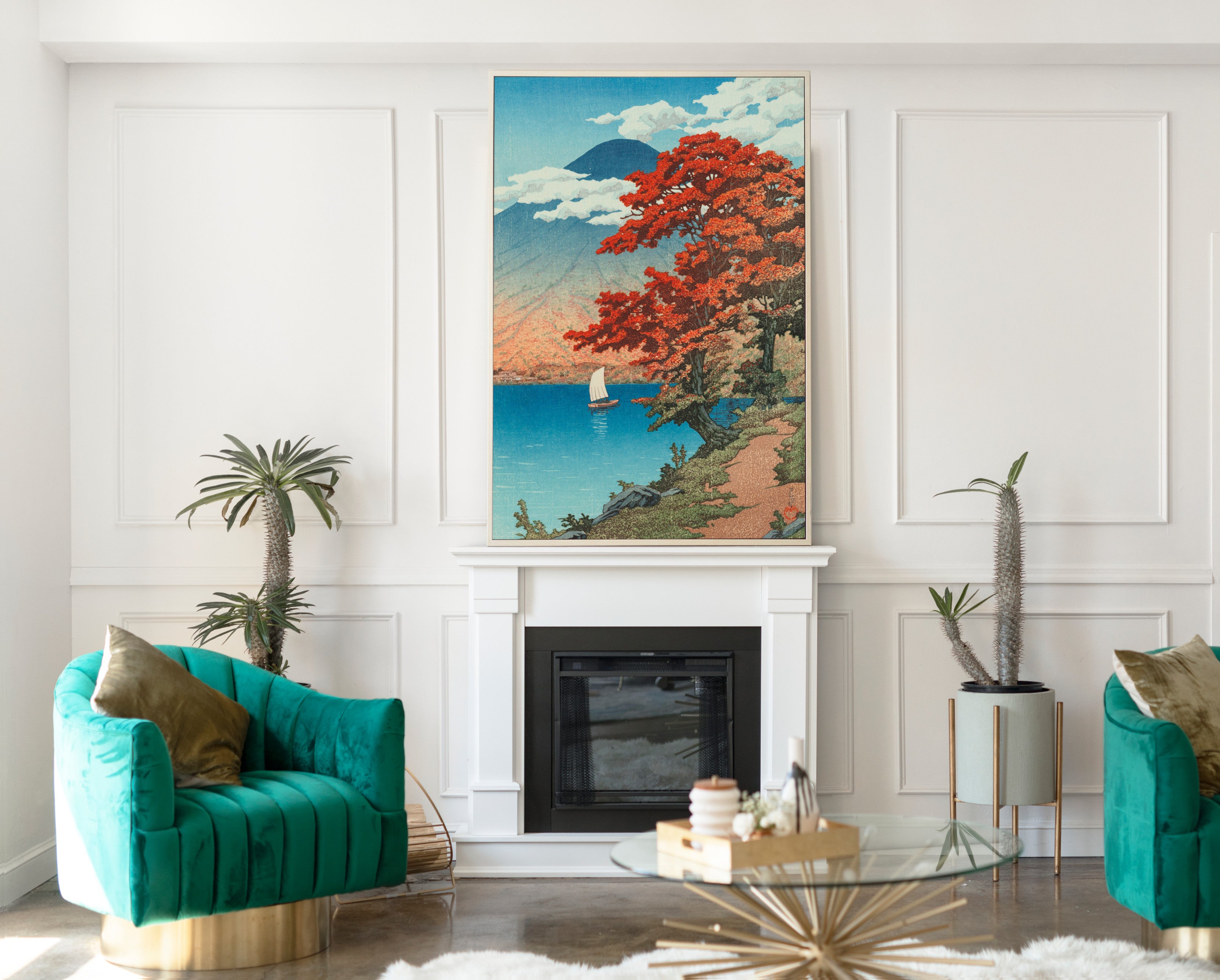
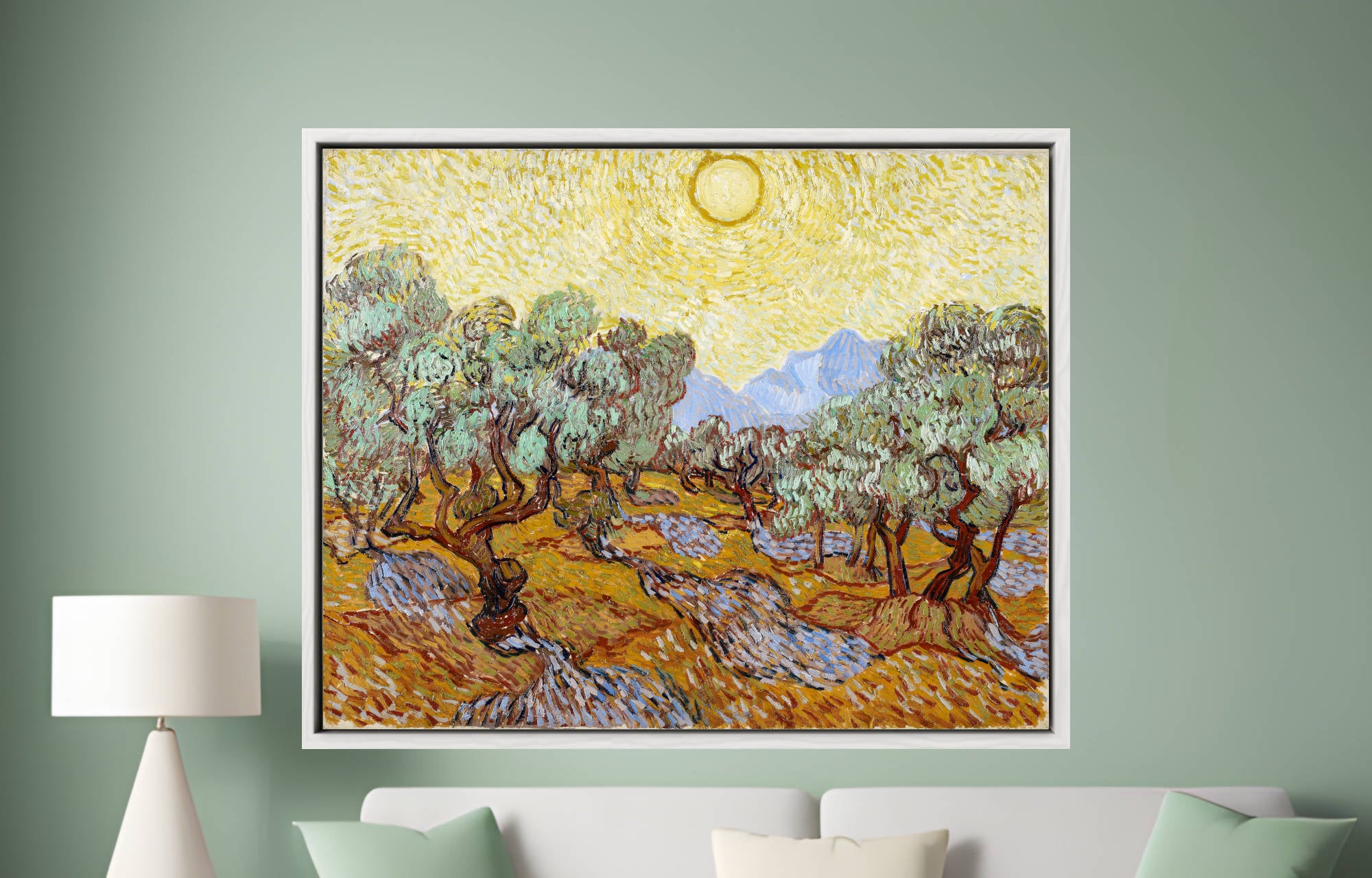
For living rooms, a large orange artwork can provide a focal point above a sofa, fireplace or sideboard. Smaller orange prints can be combined with neutral or complementary pictures in a gallery wall. Explore the Living Room Wall Art collection.
In bedrooms, softer shades such as peach, apricot, ochre and terracotta are generally easier to introduce than very bright orange. Landscapes, botanical works and restrained abstracts can add warmth without making the room feel overly energetic. Browse Bedroom Wall Art.
Orange has a welcoming quality that suits dining rooms and kitchens. Still lifes, fruit studies, warm landscapes and orange abstracts can complement wood furniture, brass lighting, ceramics and tableware. Explore the Dining Room Wall Art collection.
In hallways and stairways, orange artwork can brighten areas receiving limited natural light. Portrait-format pictures suit narrow walls, while groups of smaller prints can follow the rise of a staircase. Browse Hallway and Stairway Wall Art.
Colours That Complement Orange Art
Orange wall art pairs well with cream, beige, brown, navy blue, forest green, charcoal, black, grey and natural wood. Beige, ivory and warm brown create a softer scheme, while deep blue or green produces stronger contrast.
Orange can be combined with neighbouring warm colours through the Red Wall Art, Yellow Wall Art and Brown Wall Art collections. For rooms using several strong colours, explore Colourful Wall Art.
Choosing the Right Size and Format
A large orange print can define the room and provide a clear focal point. Smaller prints suit shelves, alcoves, narrow walls and grouped displays.
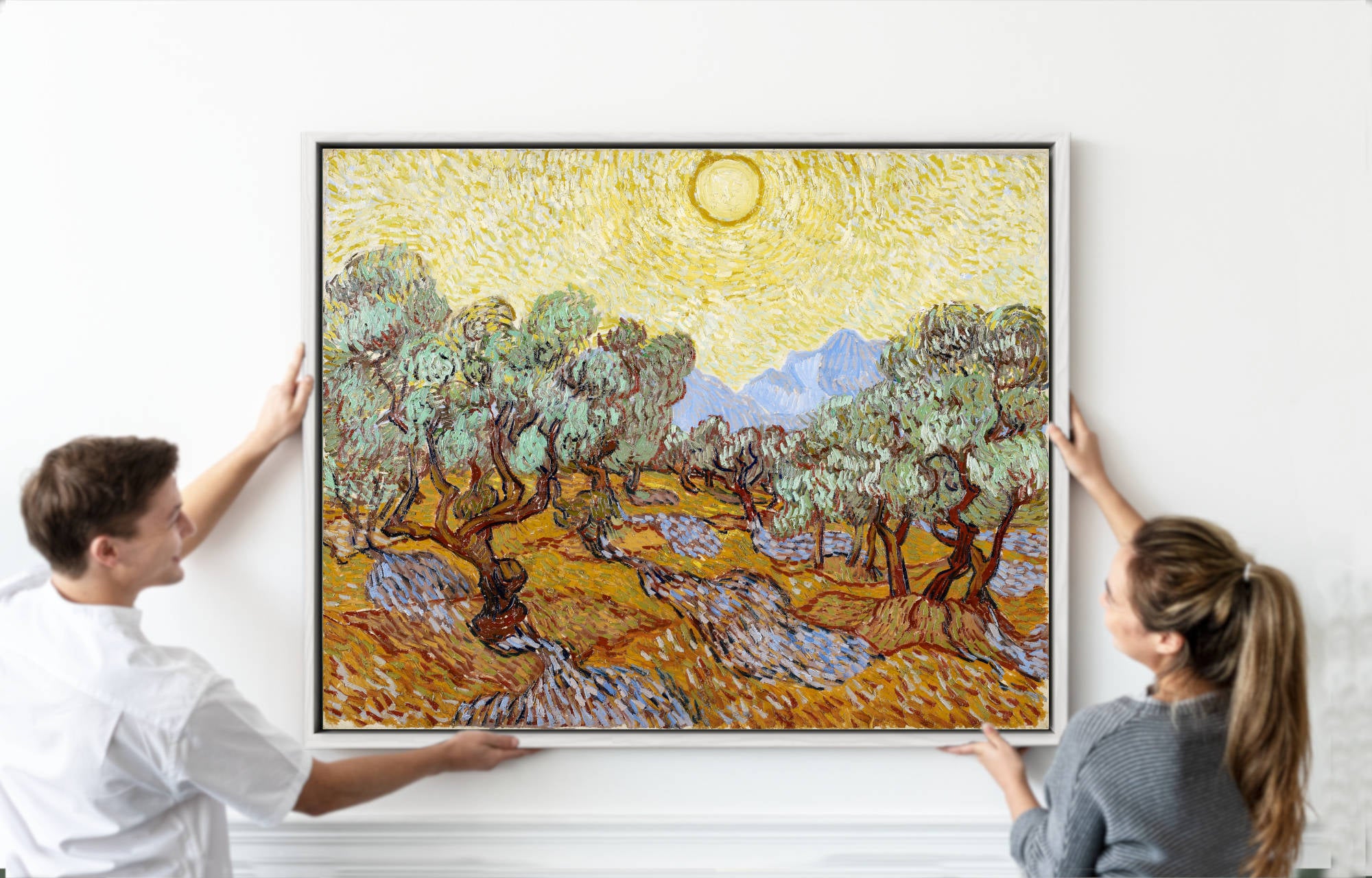
Paper prints provide flexibility if you already own a suitable frame. Handmade framed prints offer a finished presentation, while canvas panels give the artwork more physical presence and arrive ready to hang.
Orange Wall Art FAQs
What colours go well with orange wall art?
Orange works well with cream, beige, brown, navy, green, grey, black and natural wood. Burnt orange and terracotta are particularly easy to combine with warm neutral interiors.
Is orange wall art suitable for living rooms?
Yes. Orange can add warmth and create a natural focal point. Abstract prints, sunset landscapes and orange-toned Impressionist works are particularly effective above sofas, fireplaces and sideboards.
What type of orange wall art works in dining rooms?
Still lifes, fruit studies, warm landscapes and orange abstract artworks all suit dining rooms. Orange complements the warmth of wood furniture, brass lighting, candles and evening light.
Can orange wall art work in bedrooms?
Yes. Choose softer or earthier shades such as terracotta, peach, apricot, ochre or amber when you want a calm bedroom scheme.
What is the difference between orange, terracotta, rust and ochre wall art?
Pure orange can be vivid and energetic. Terracotta and rust are darker, earthier and more muted. Ochre sits between yellow, brown and orange and works particularly well with neutral interiors.