
Hudson River School
Discover Hudson River School prints of American mountains, forests, rivers and expansive skies. Browse nineteenth-century landscapes by Thomas Cole, Frederic Edwin Church, Albert Bierstadt and their contemporaries, from intimate woodland scenes to sweeping views of the wilderness.
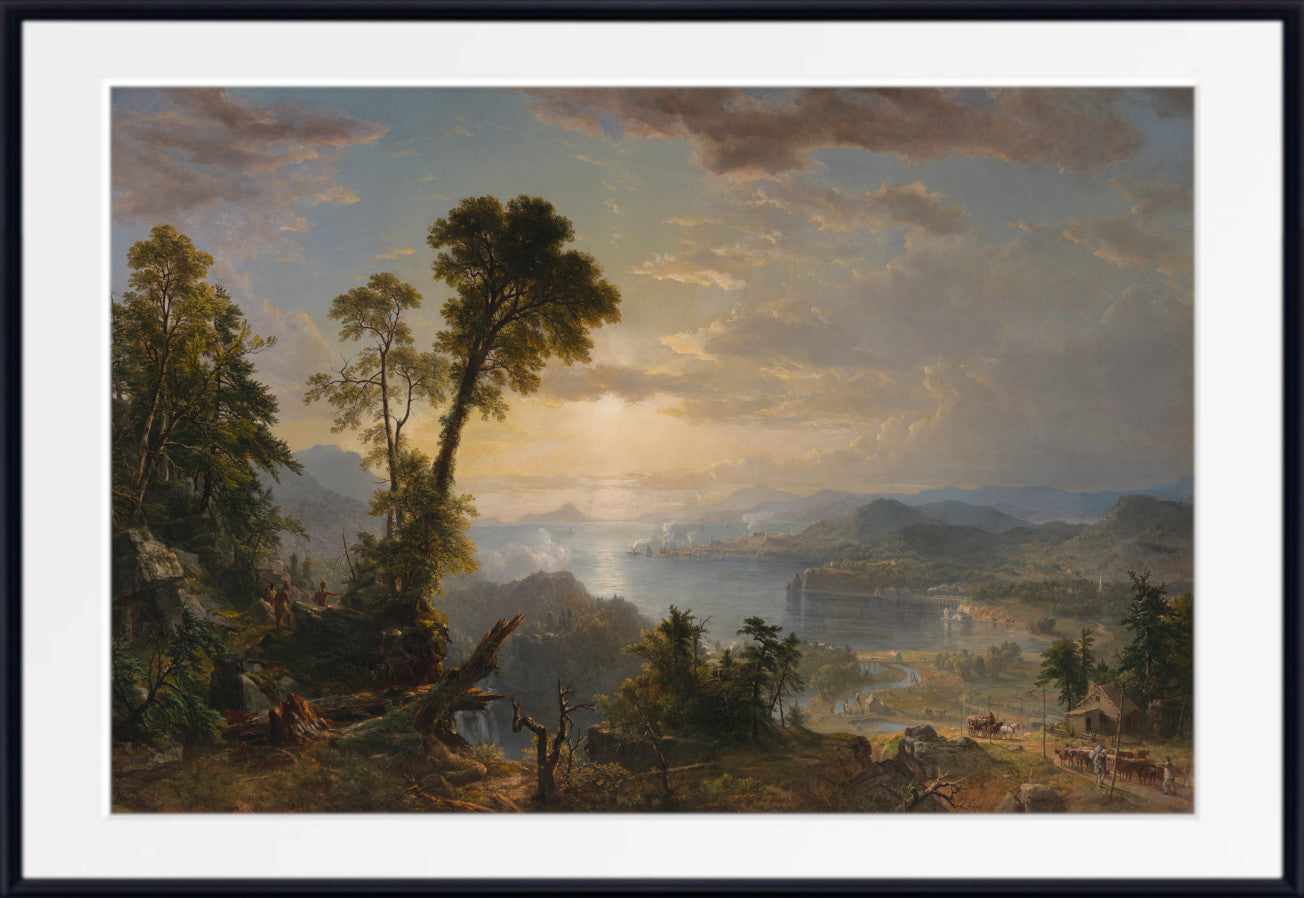
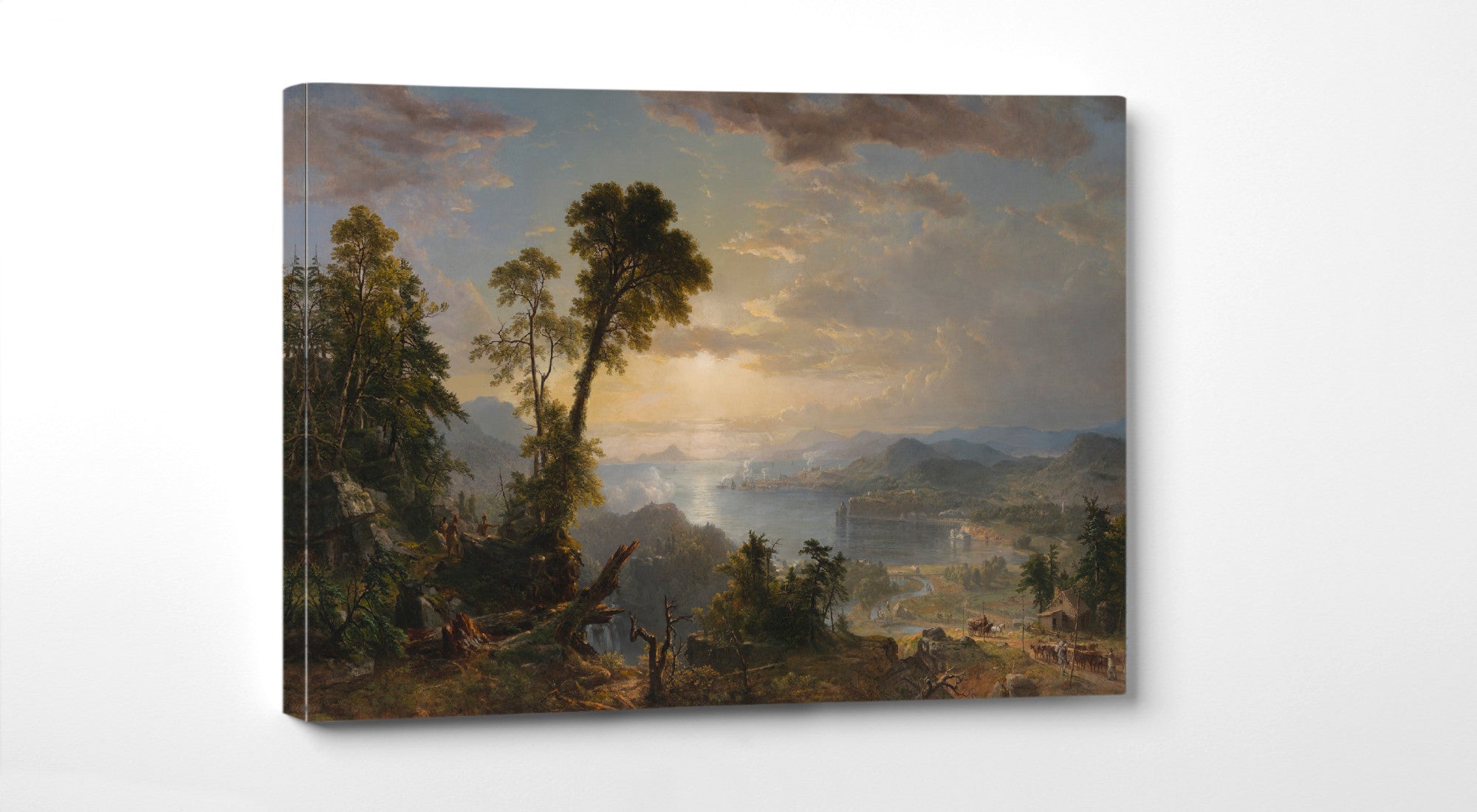
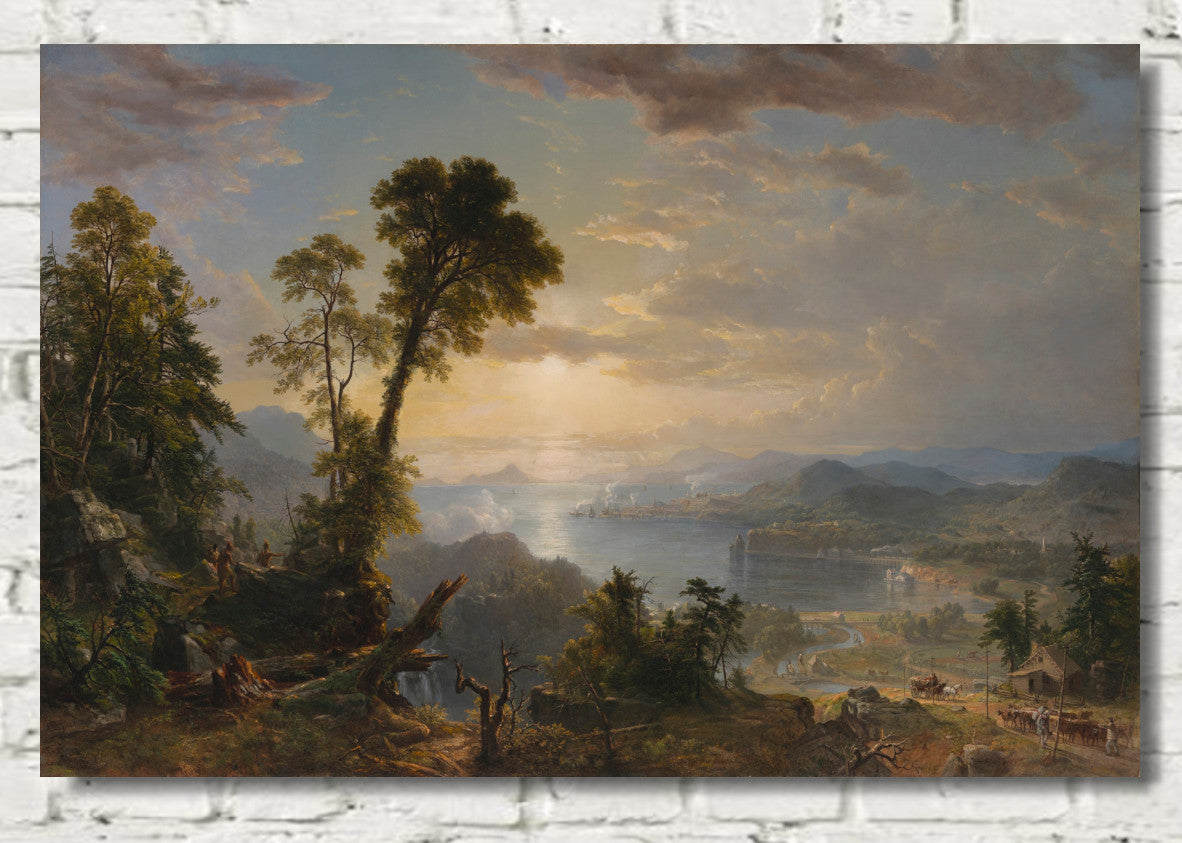
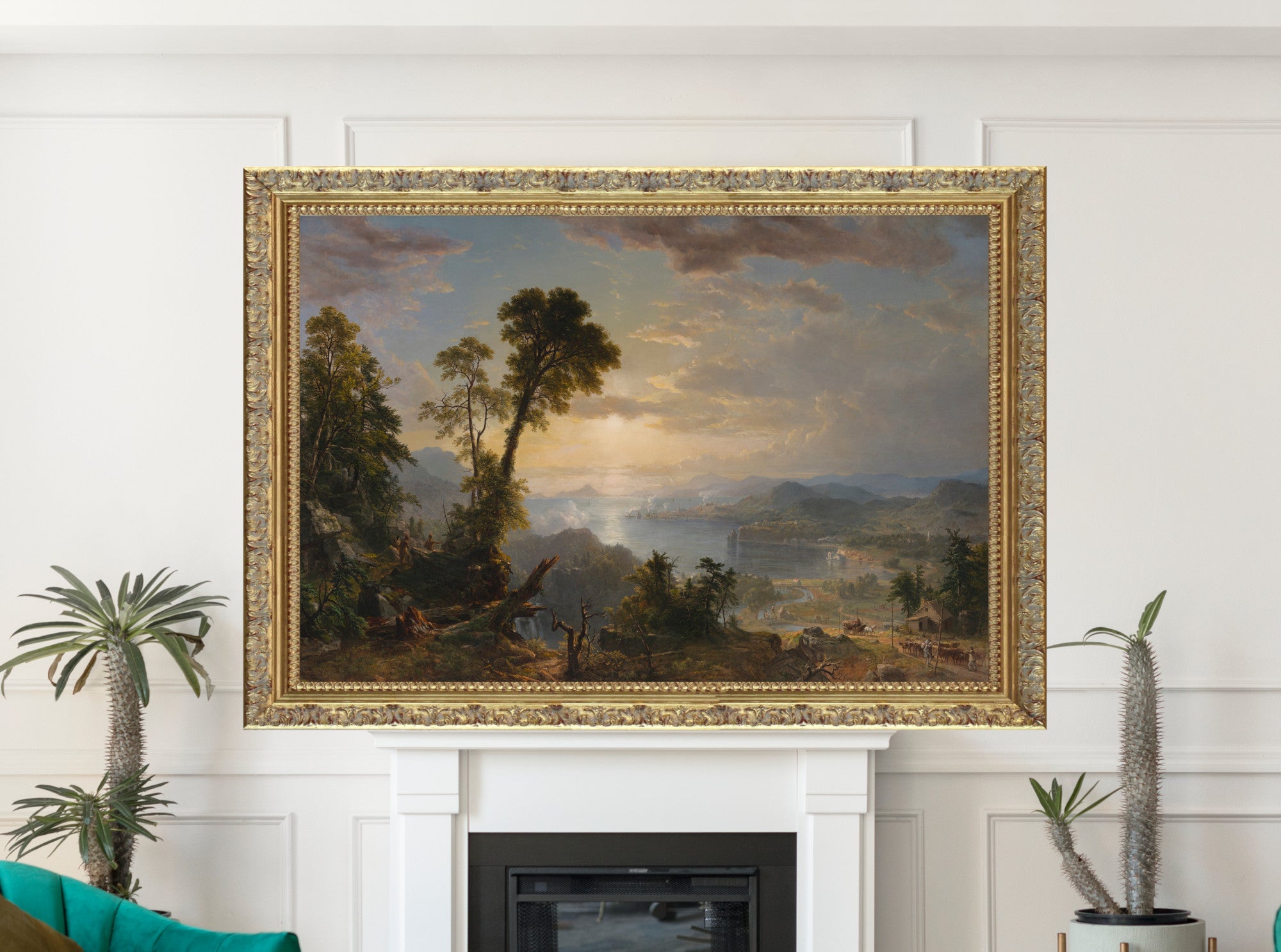
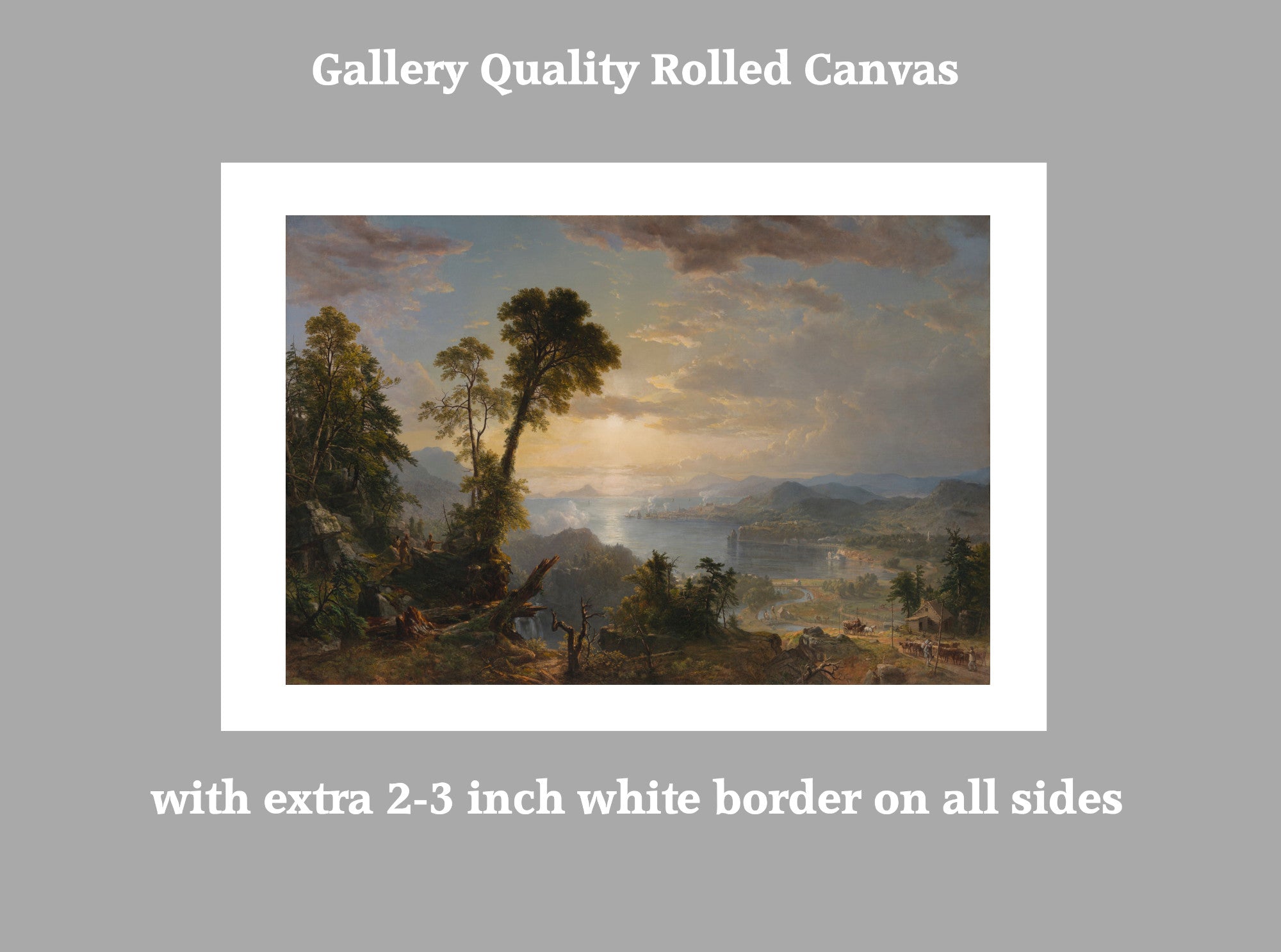


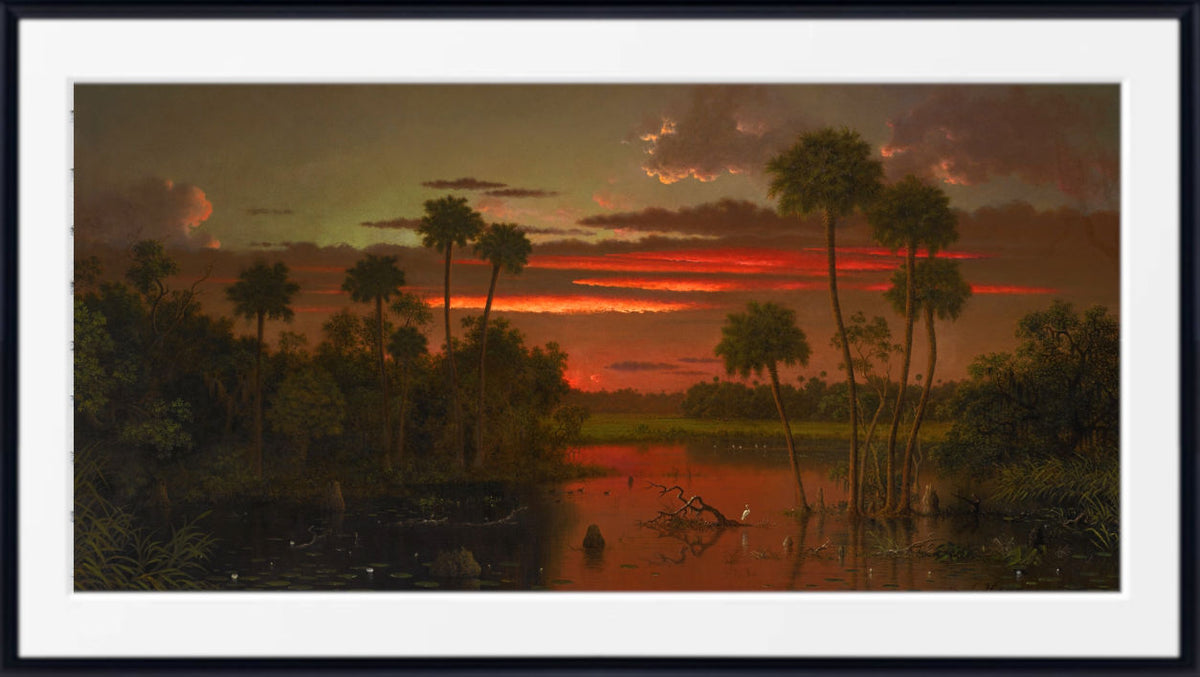
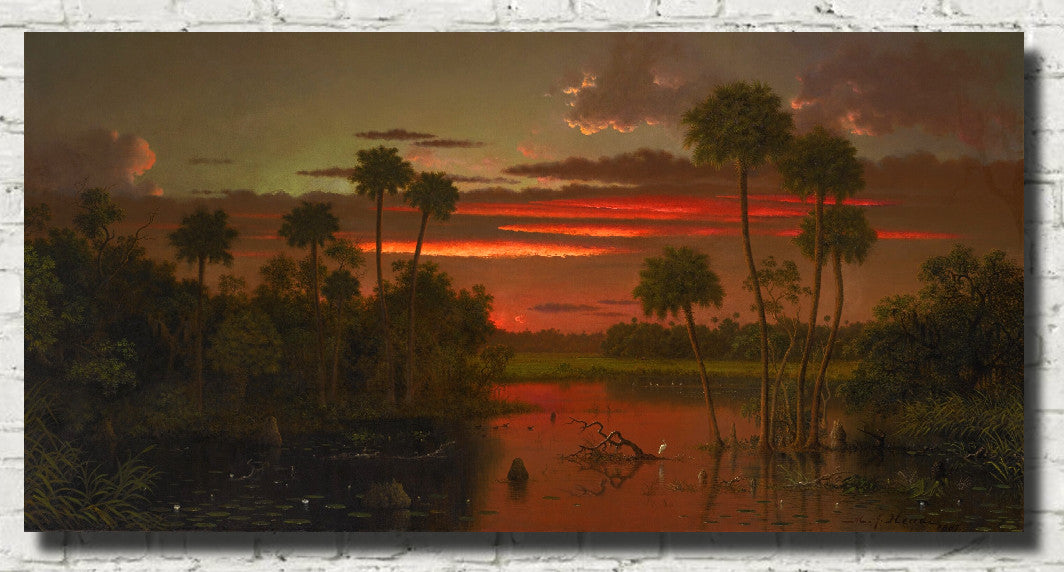
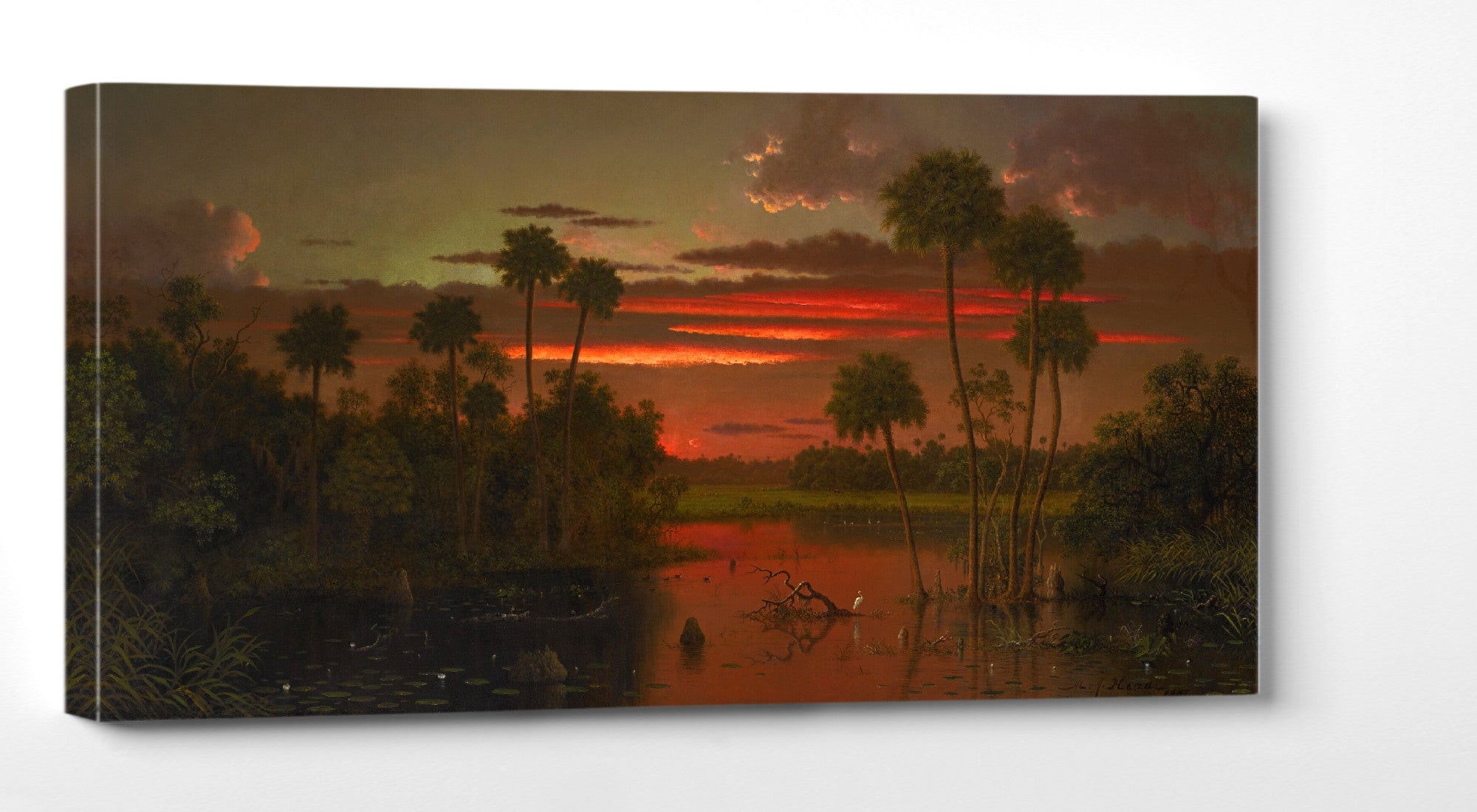
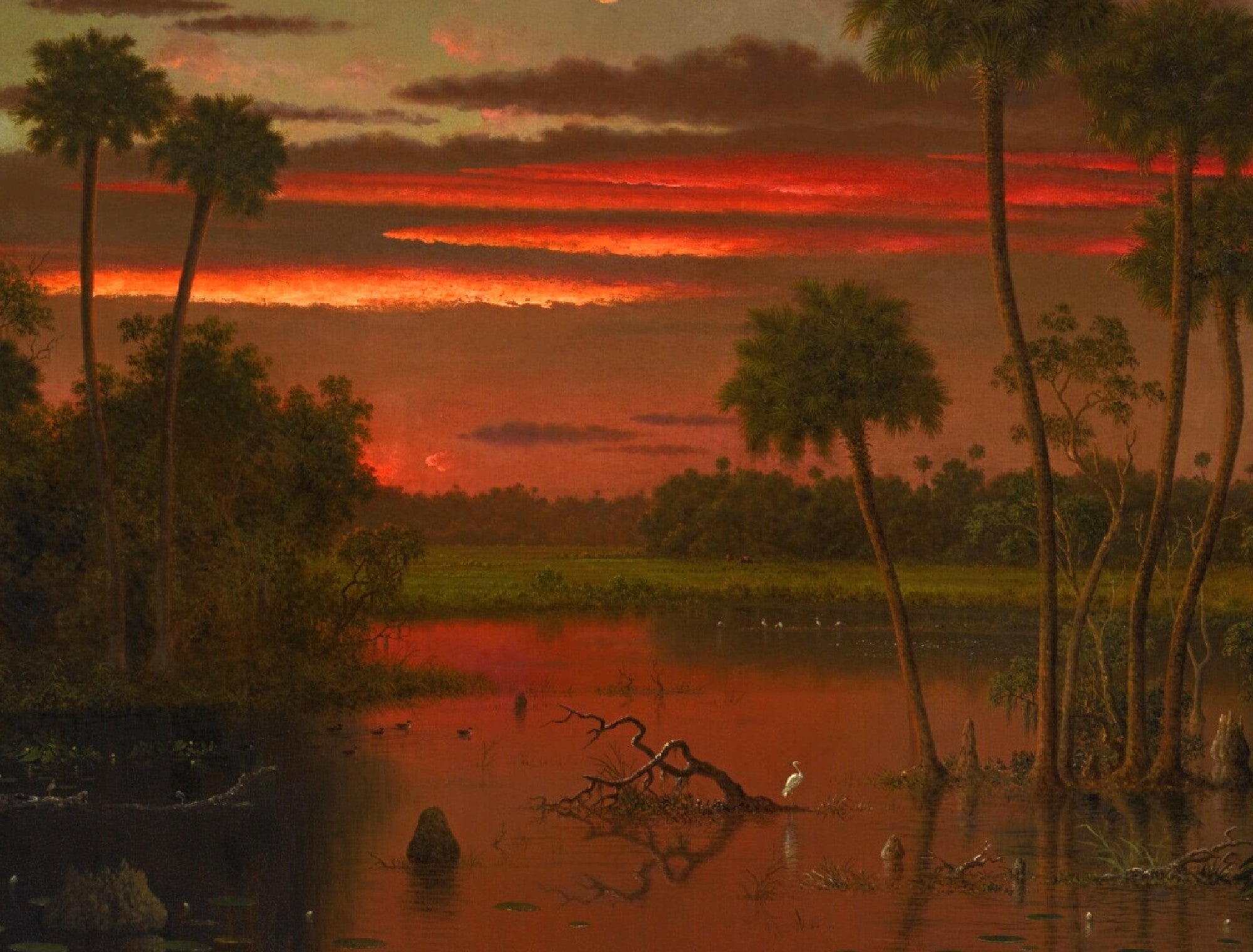
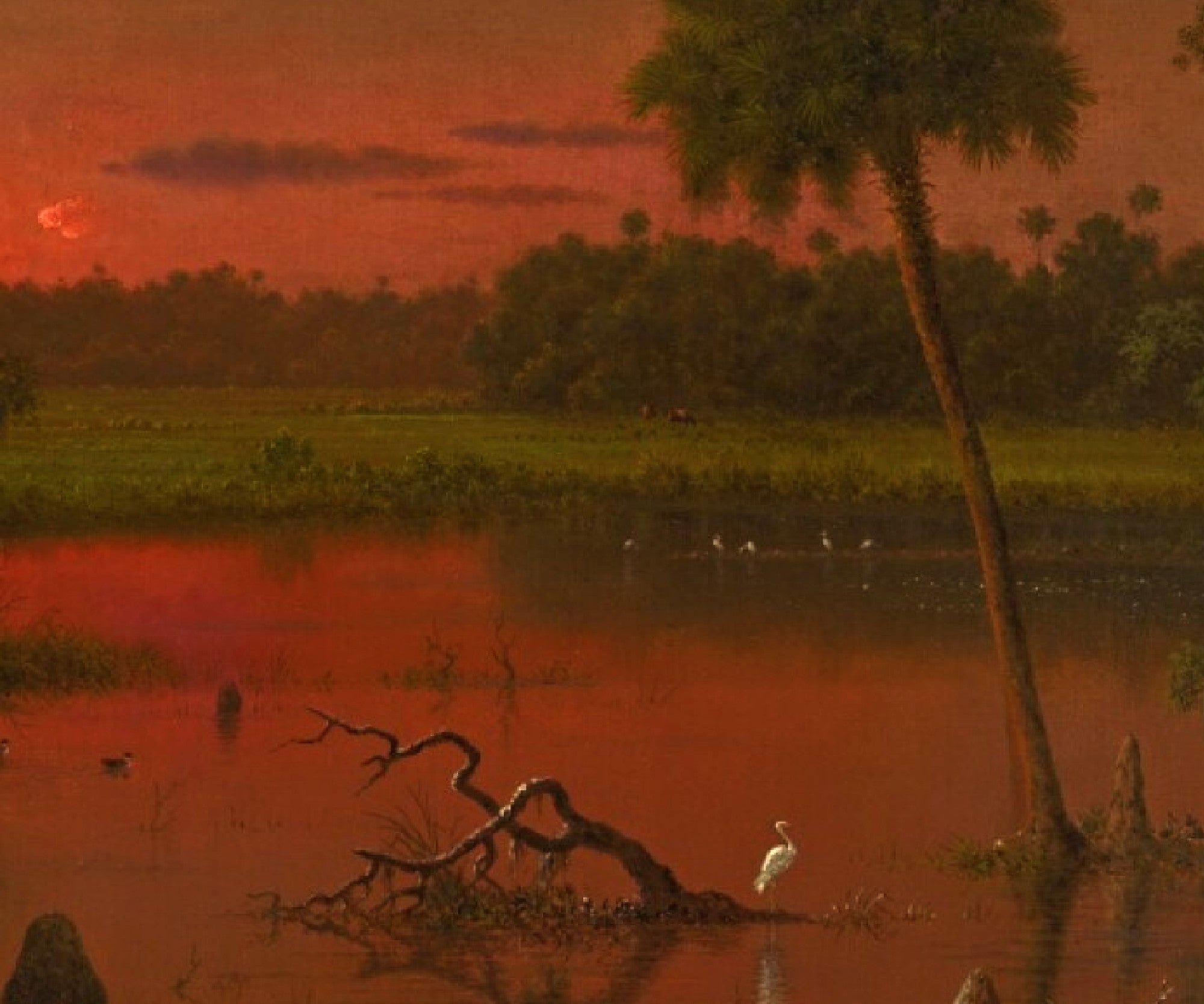


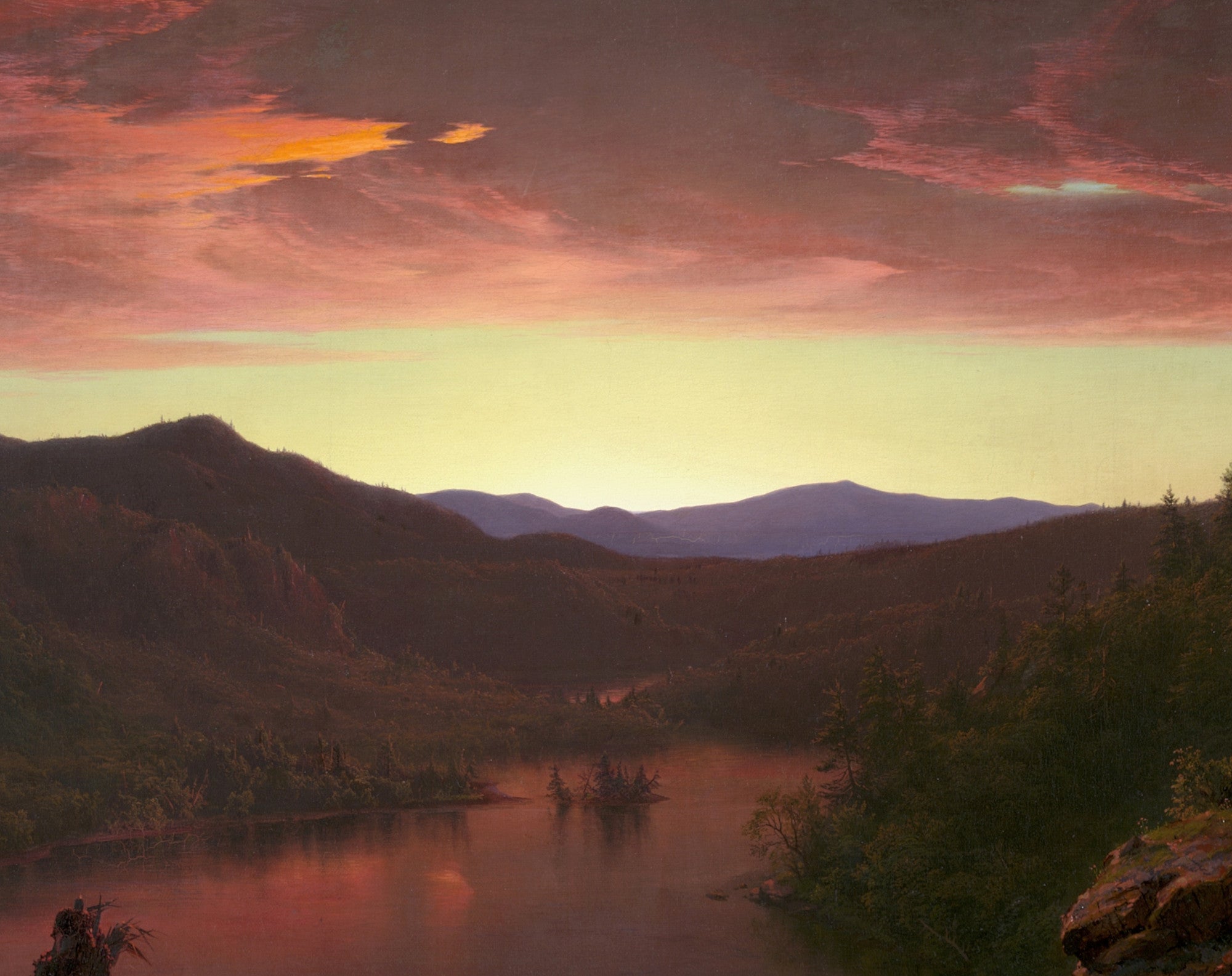
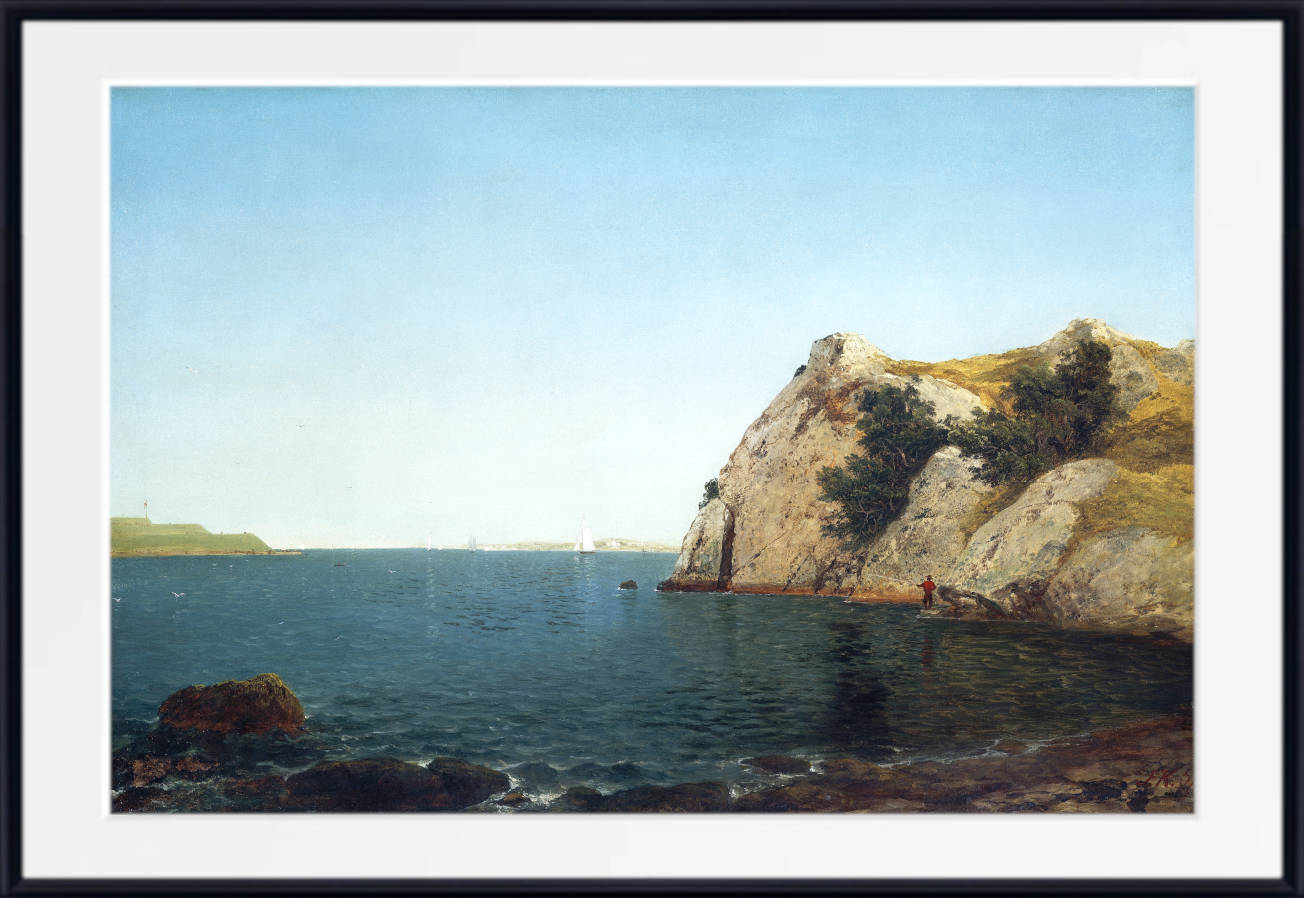
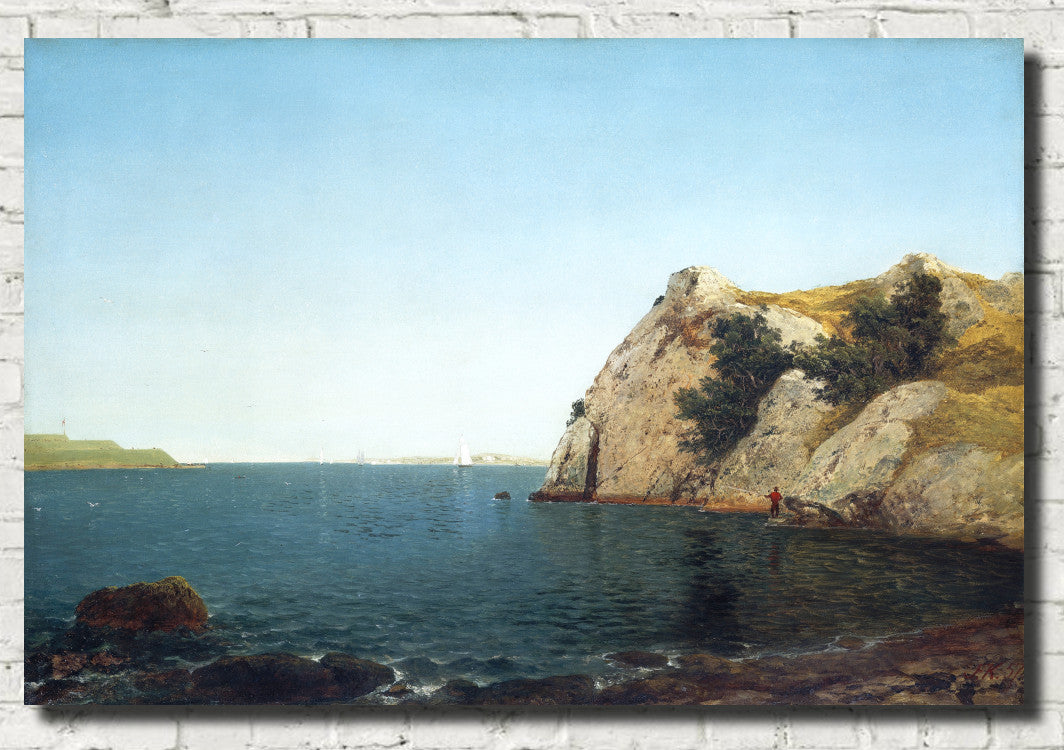
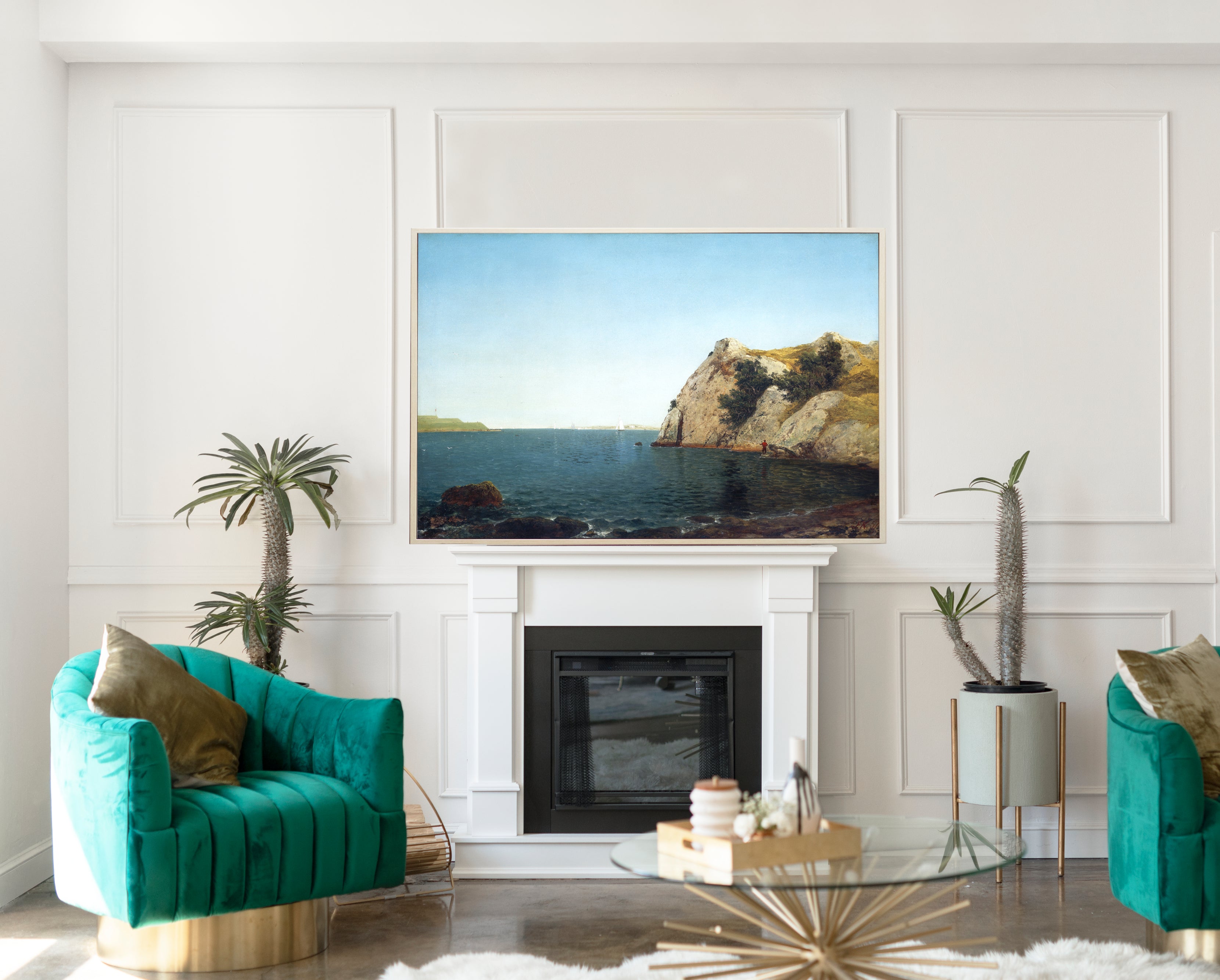
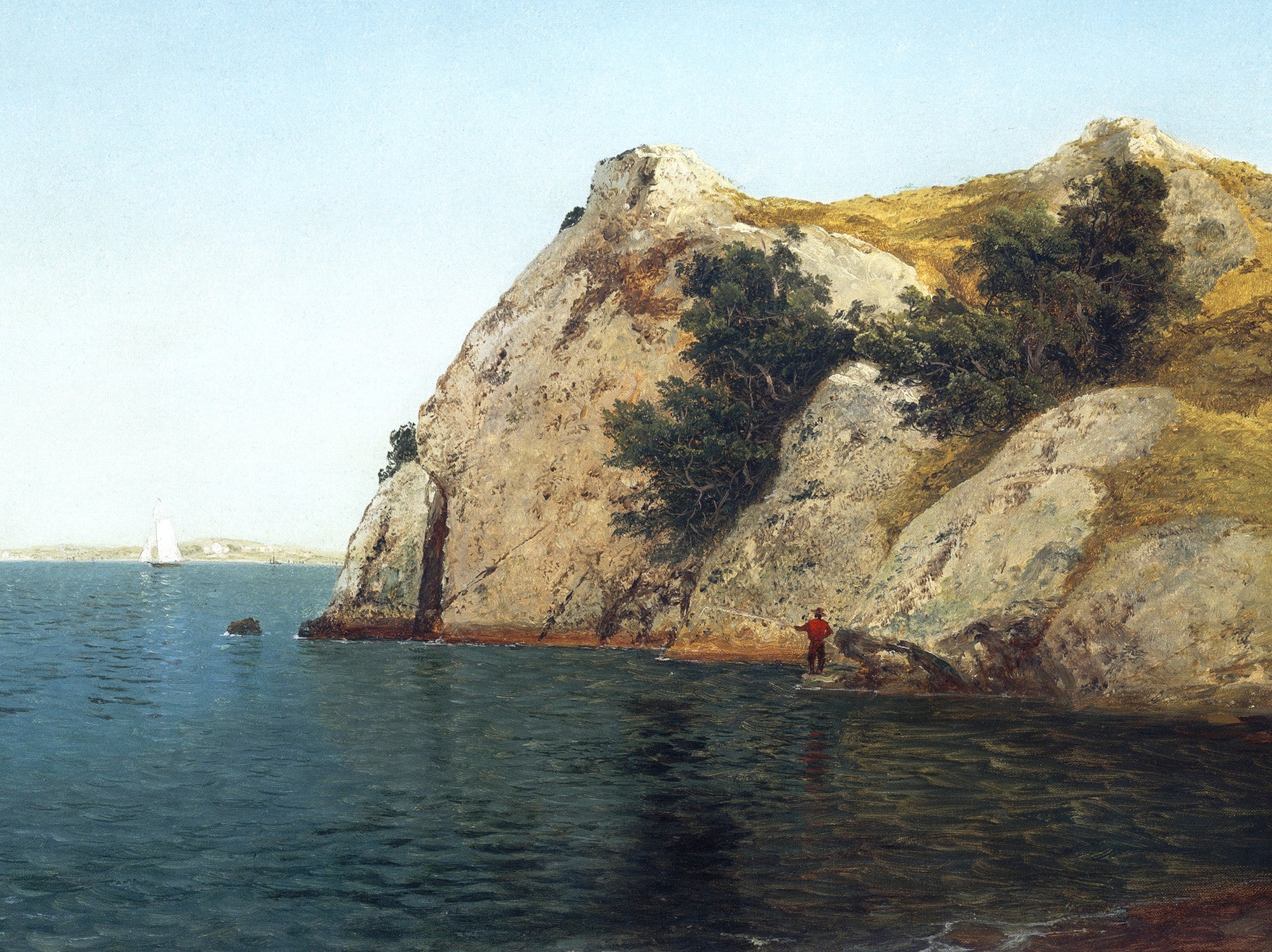
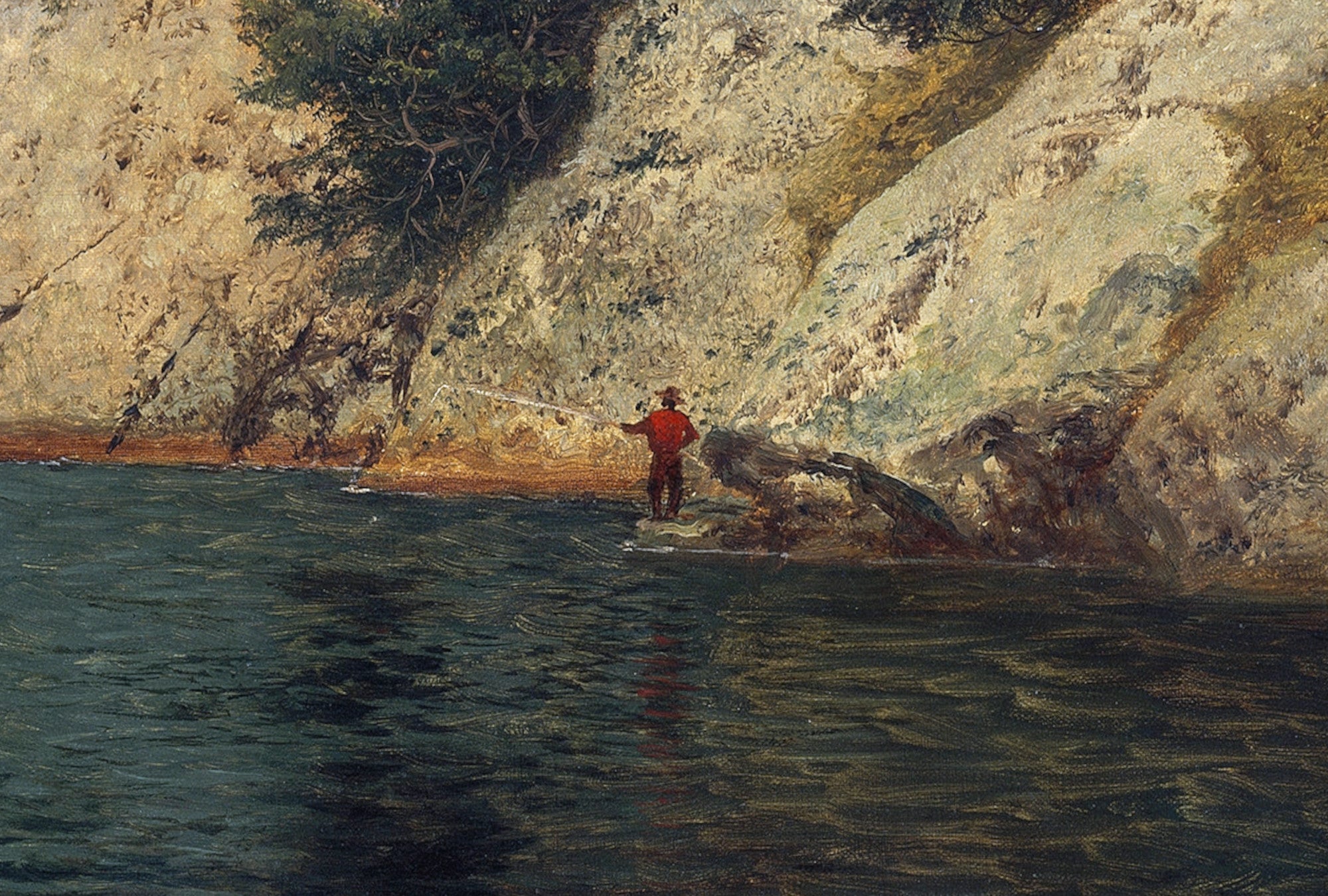

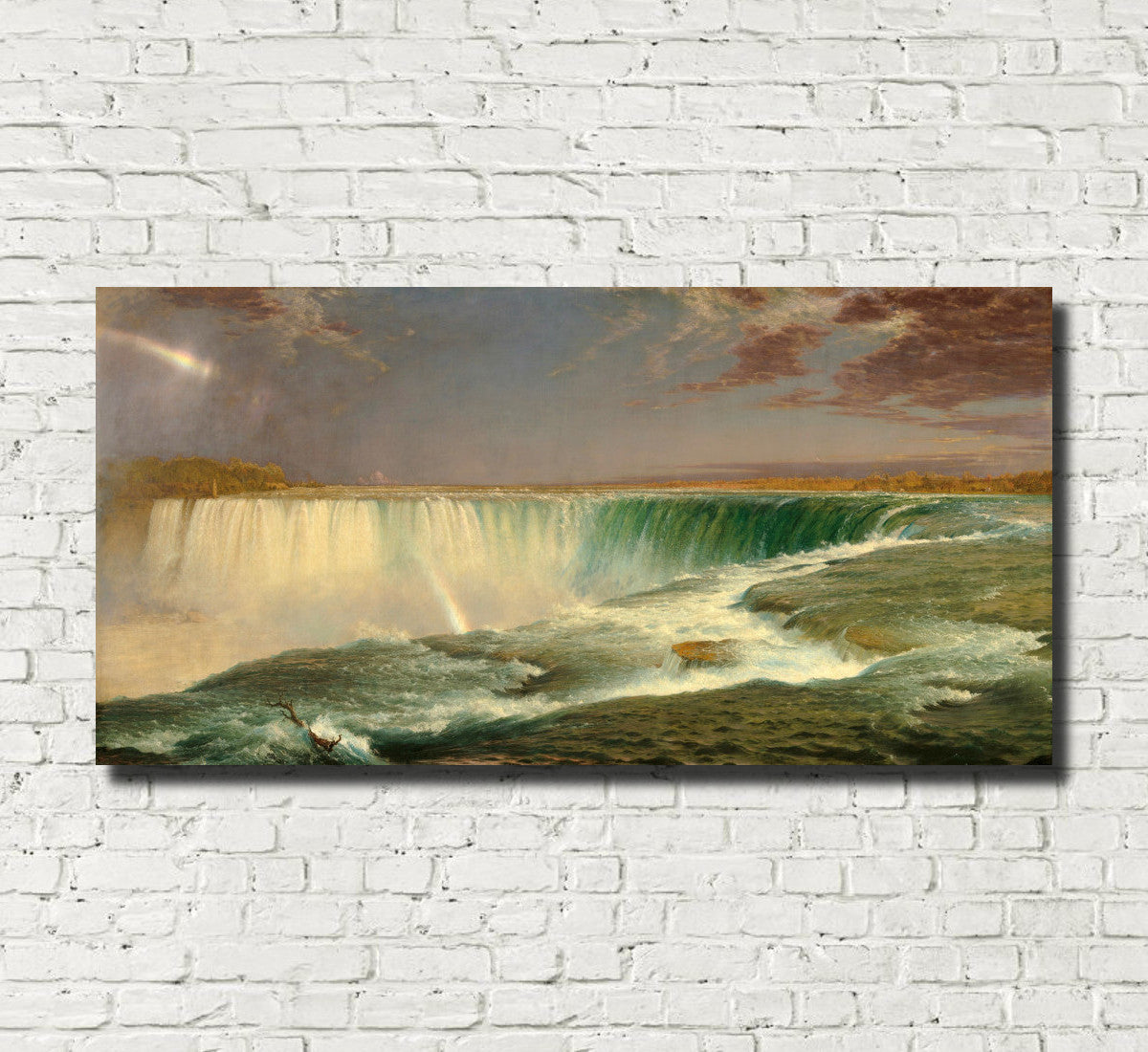
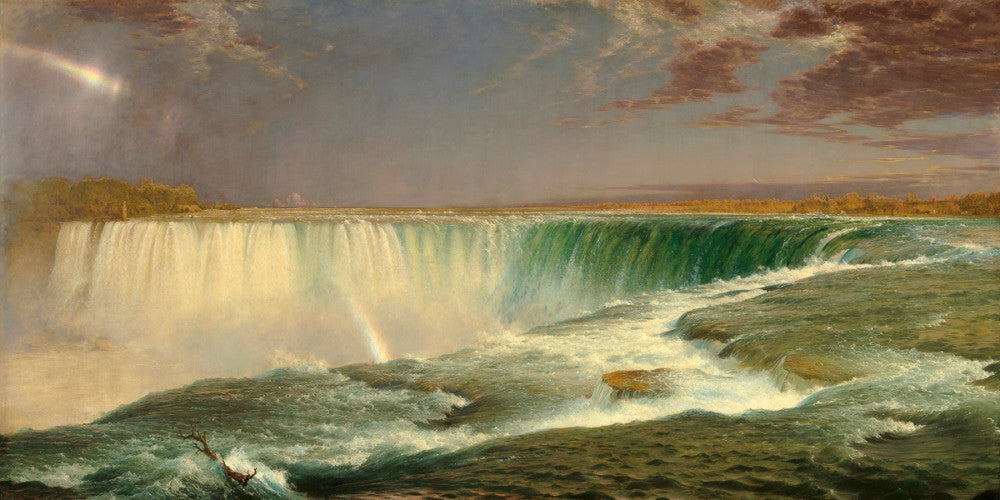
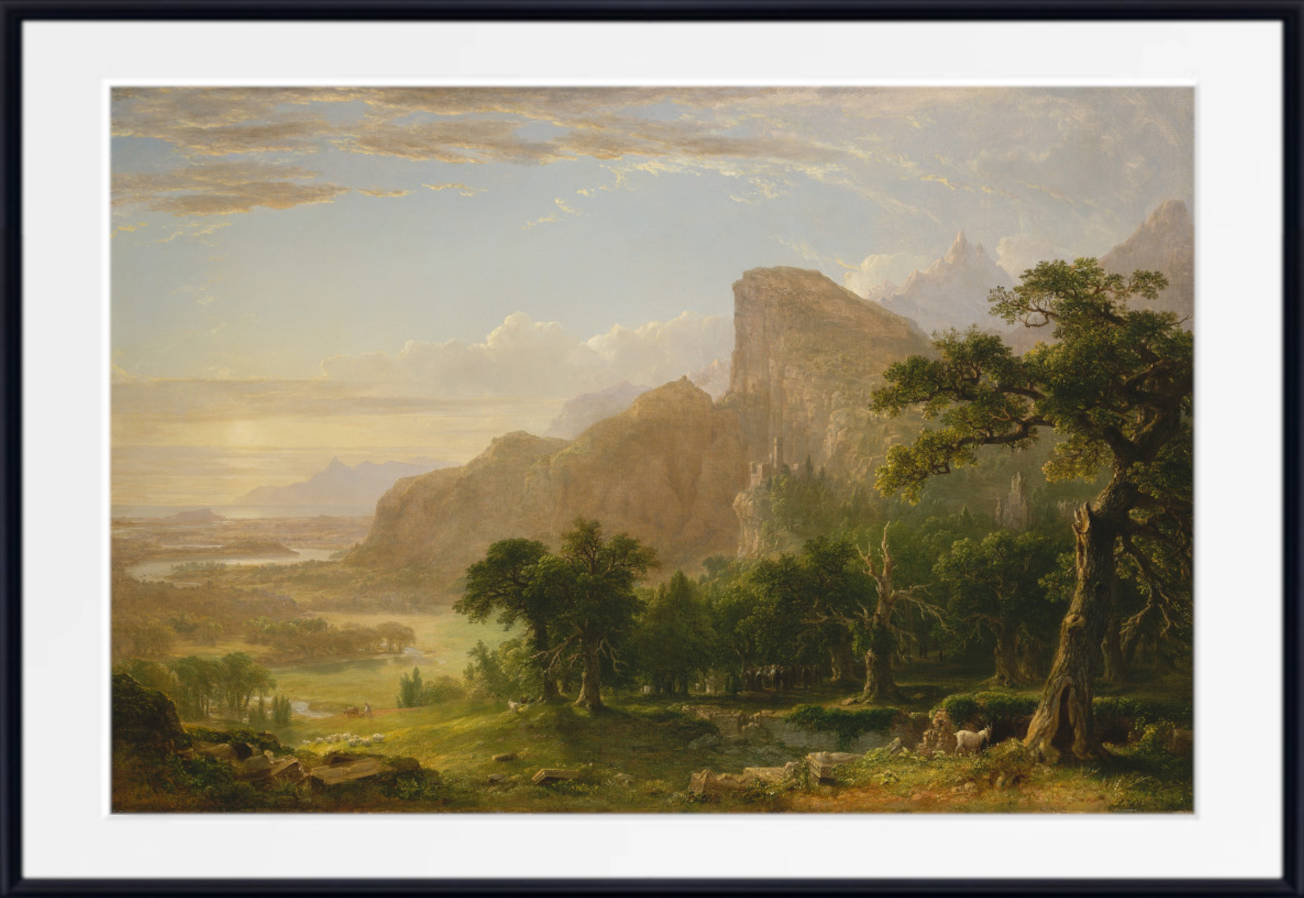
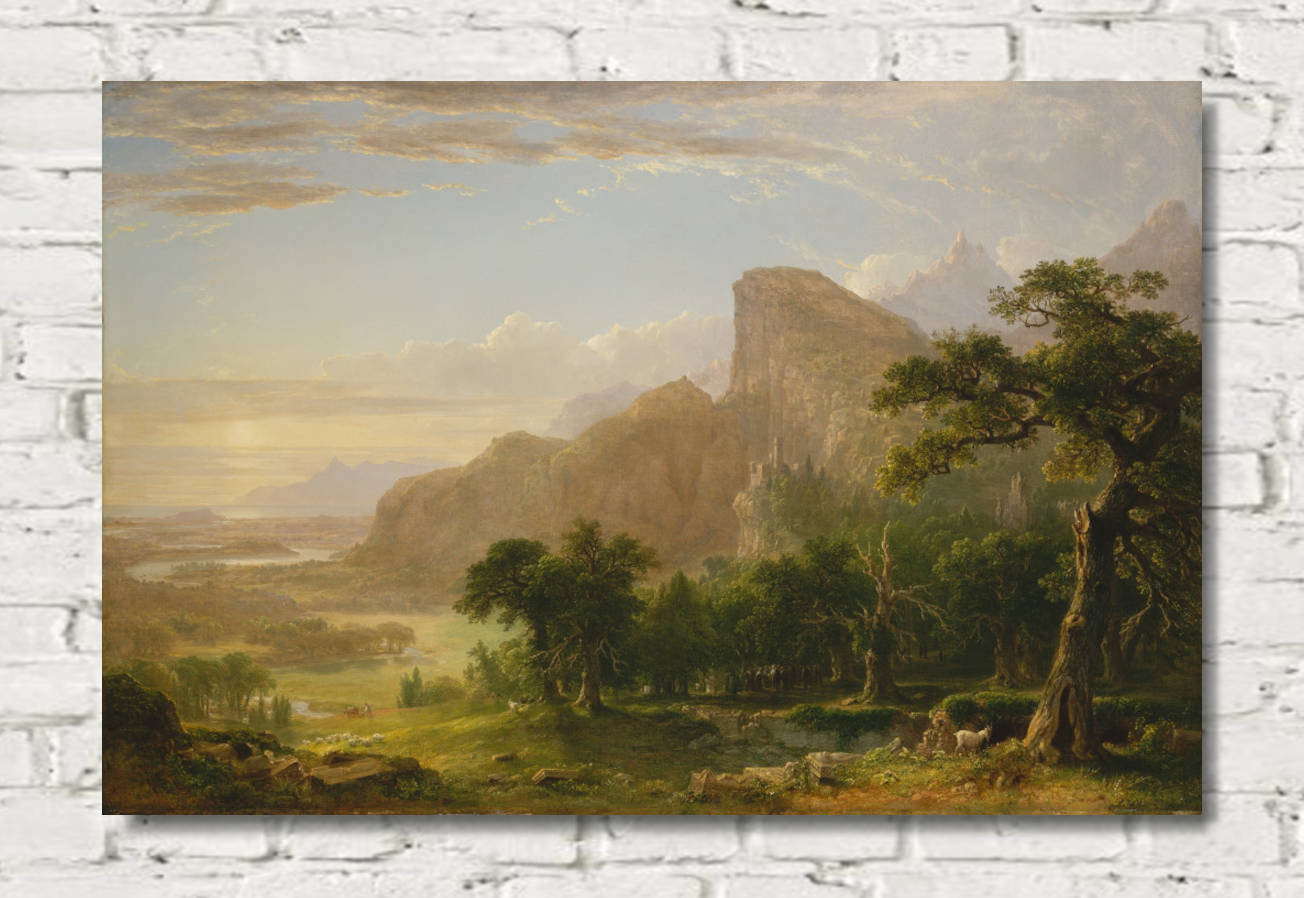
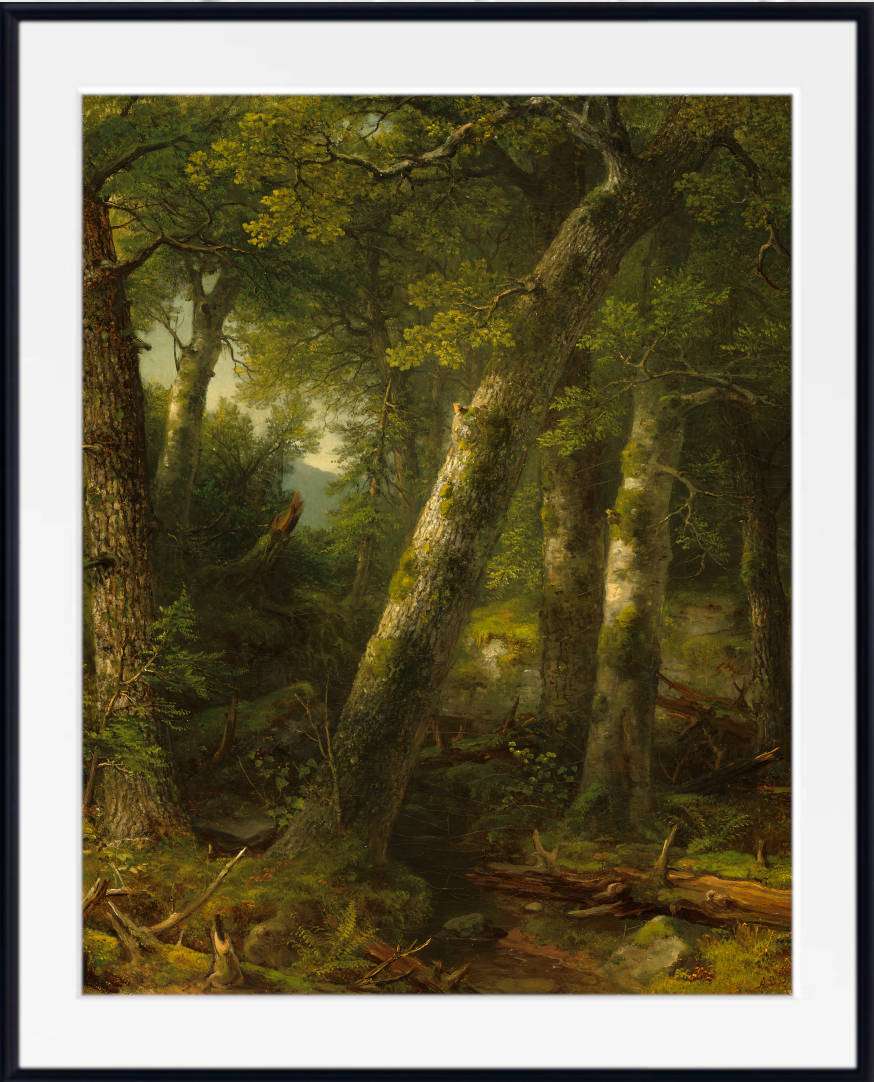
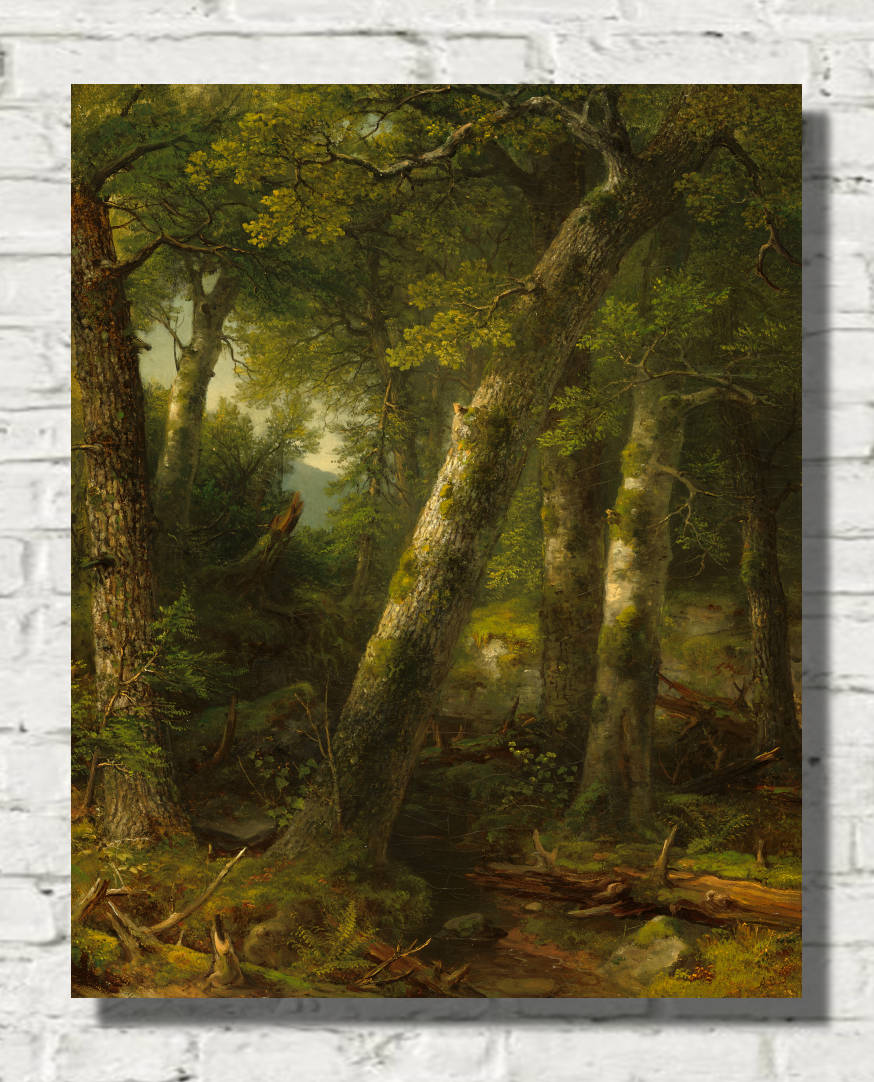


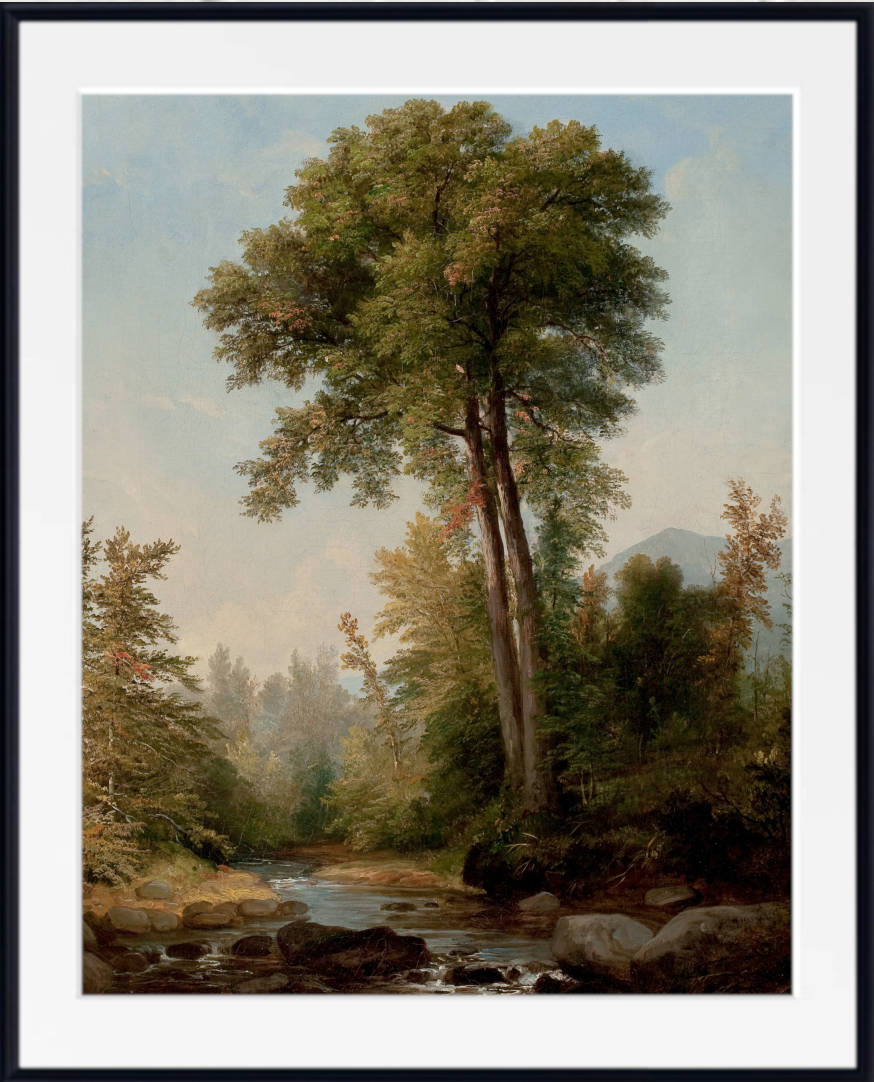
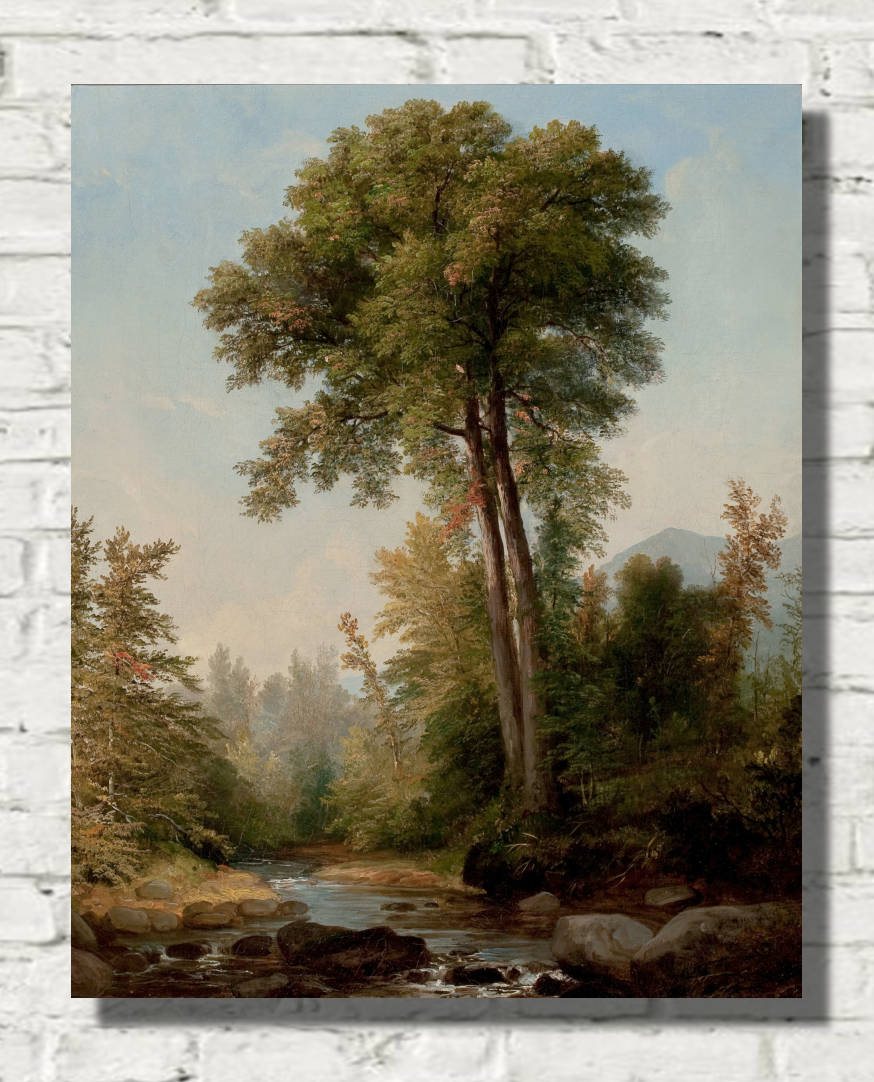
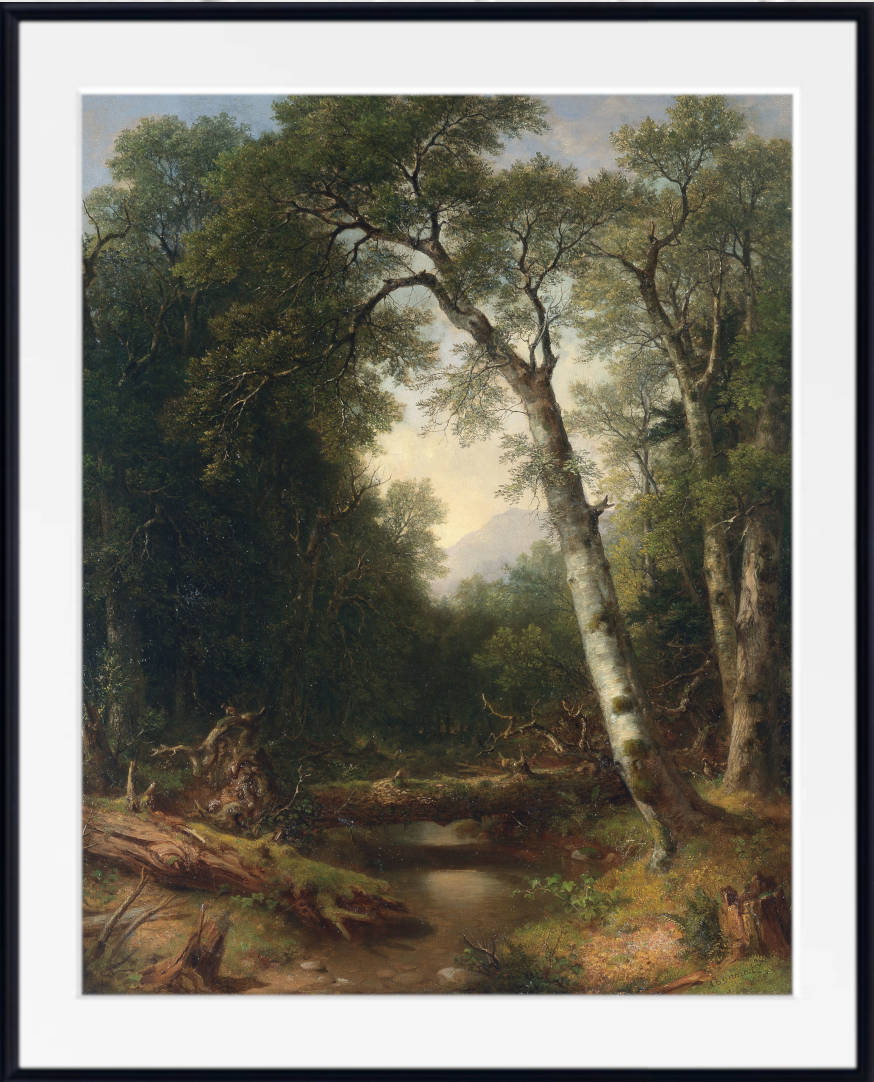
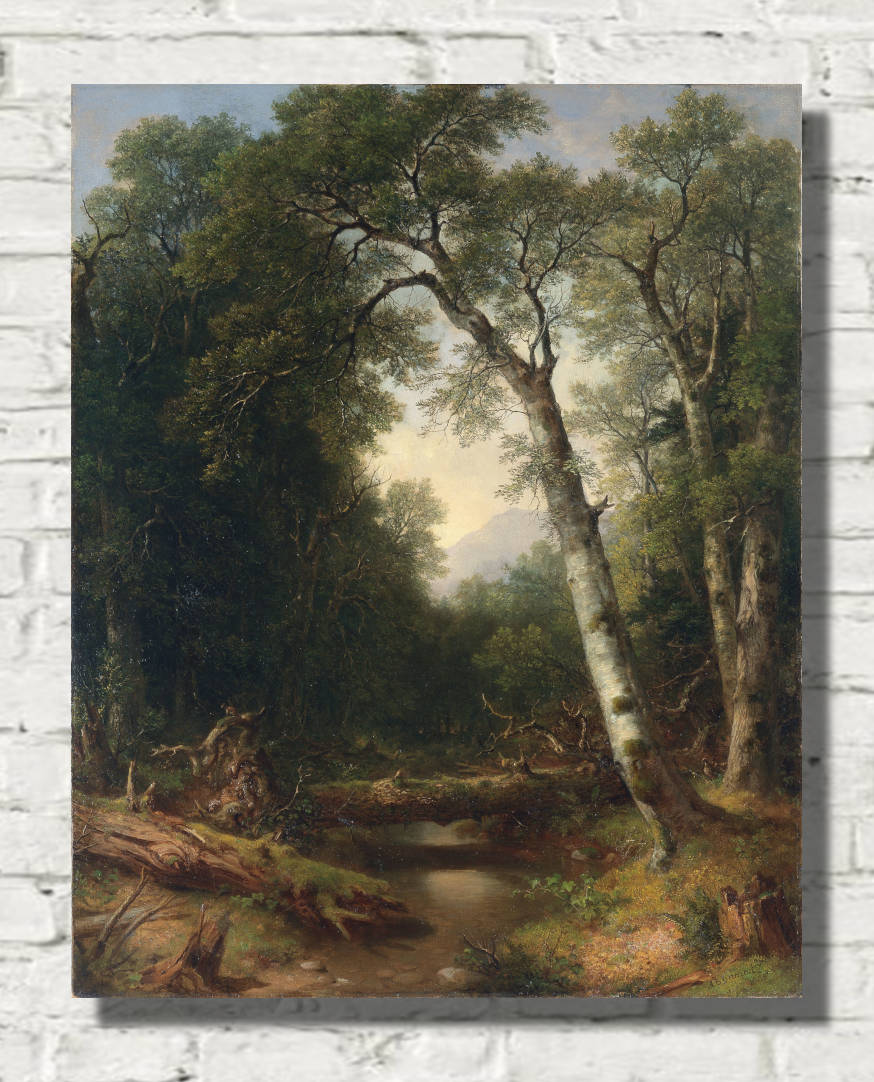


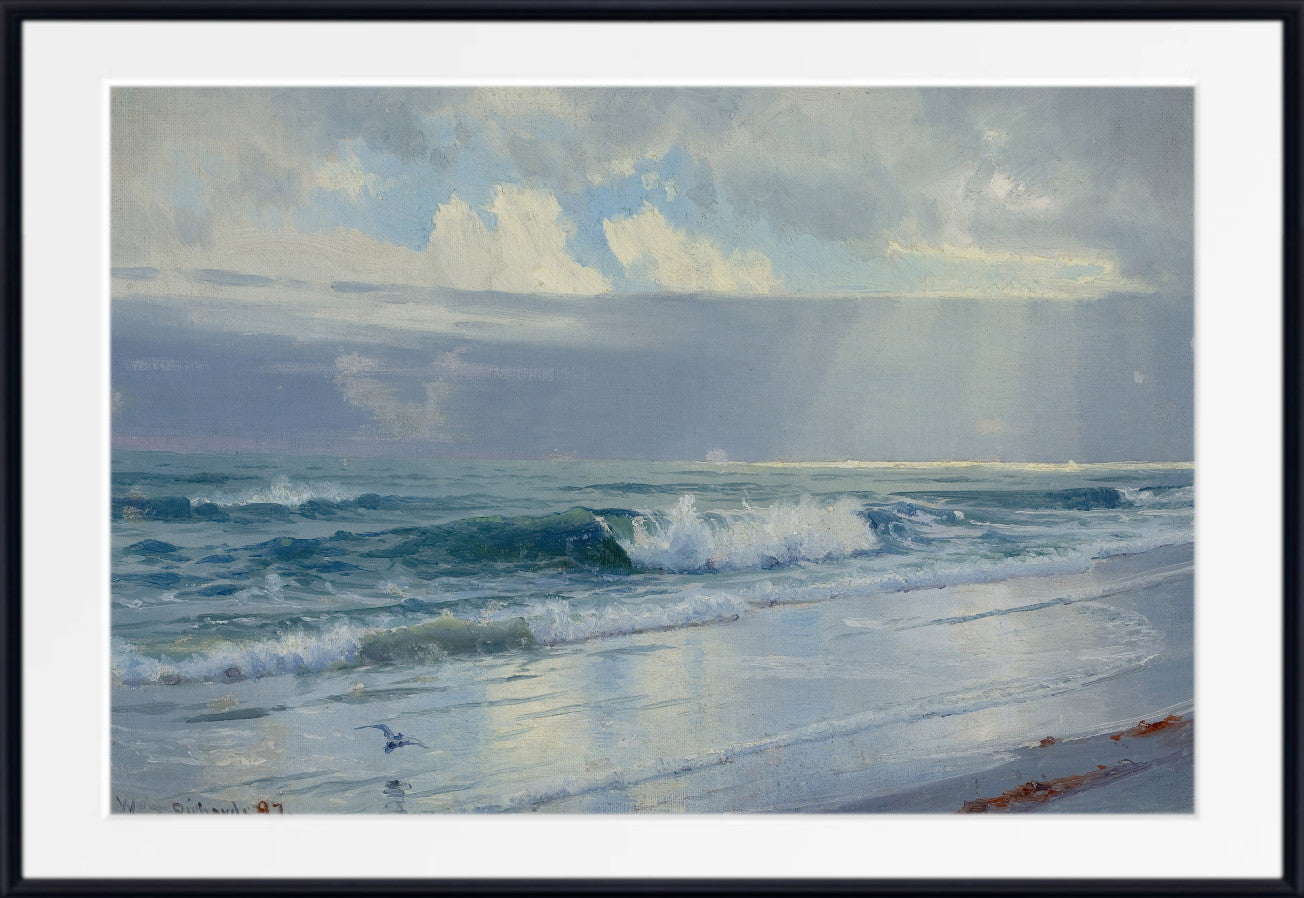
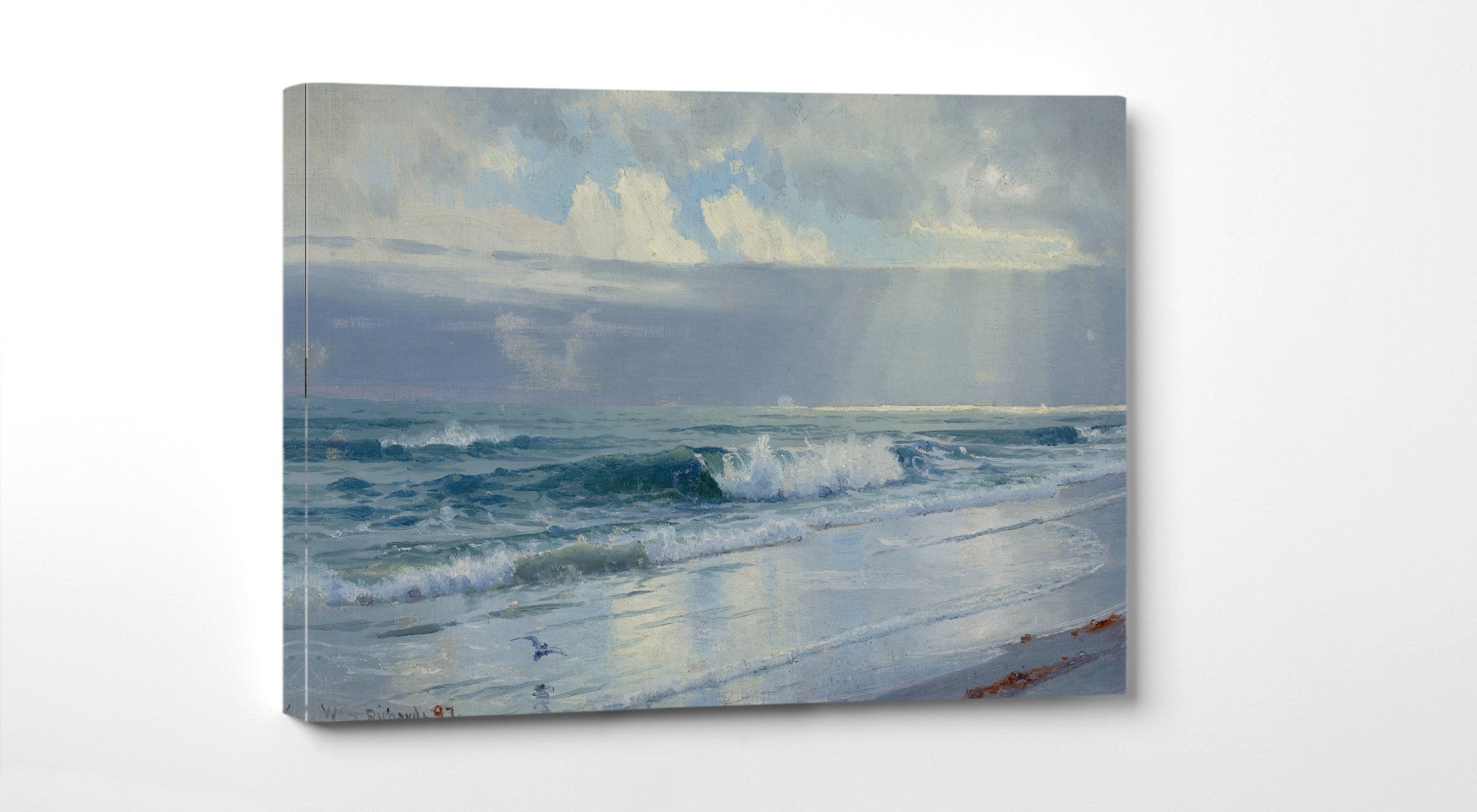
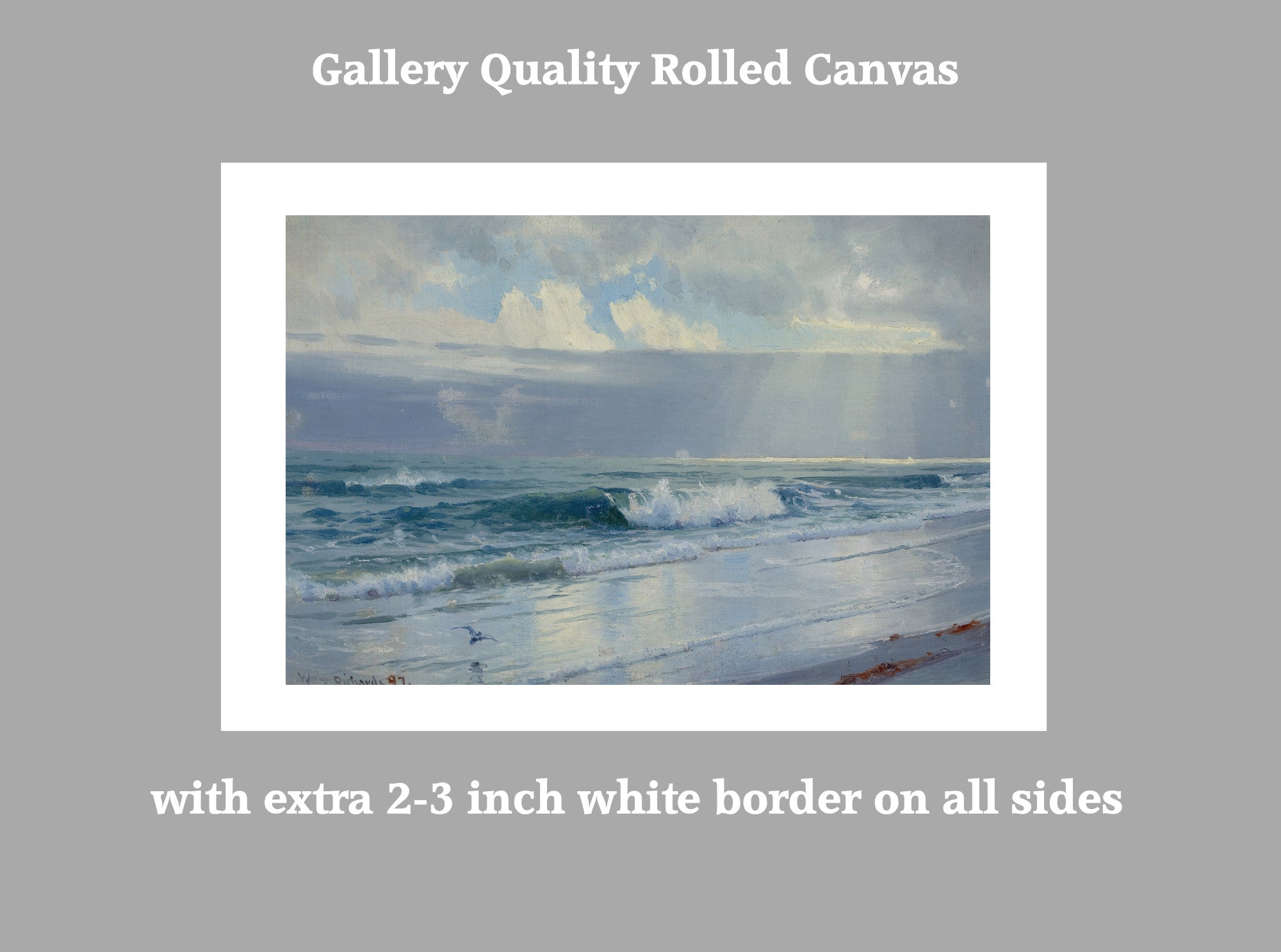
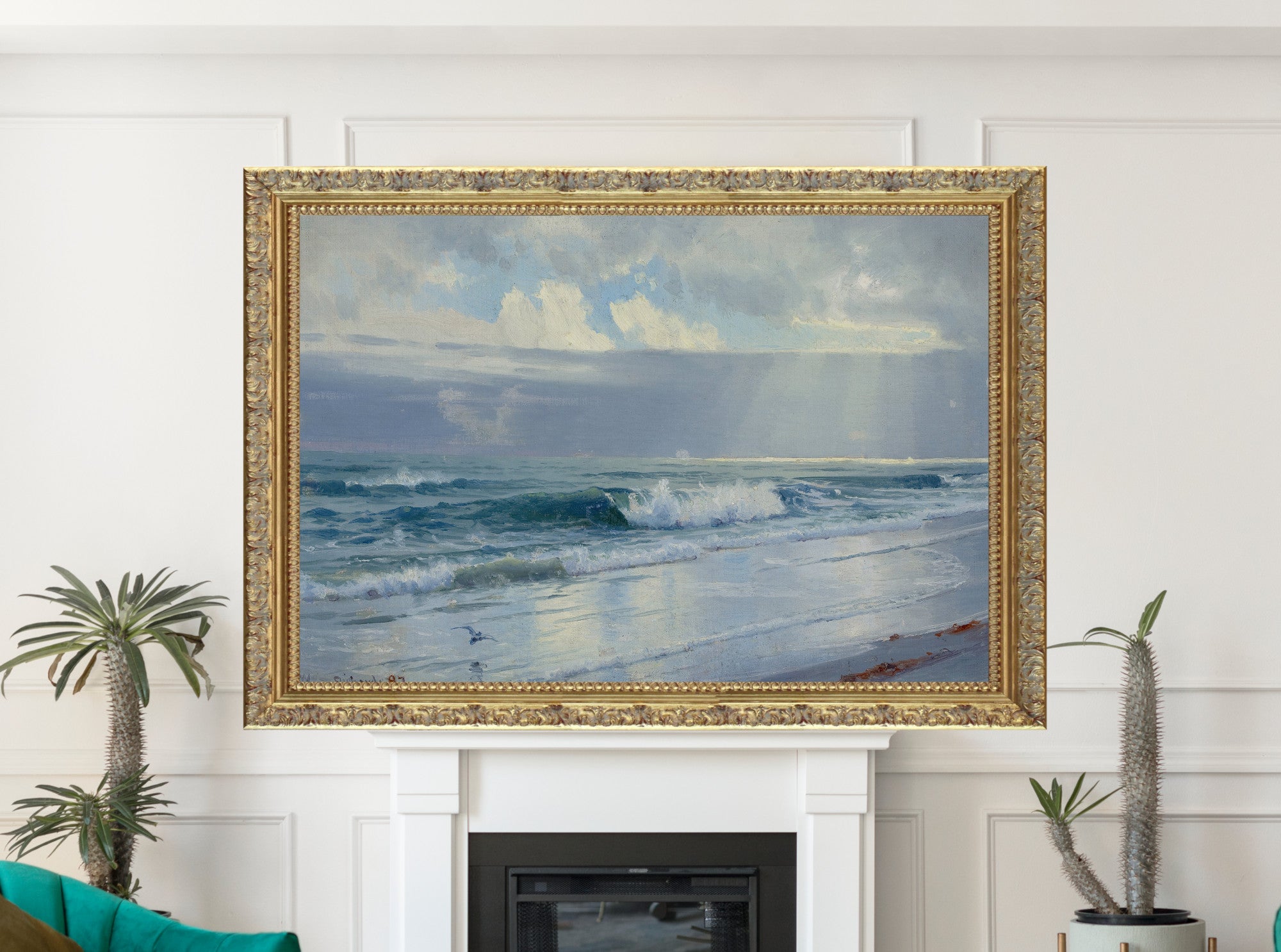
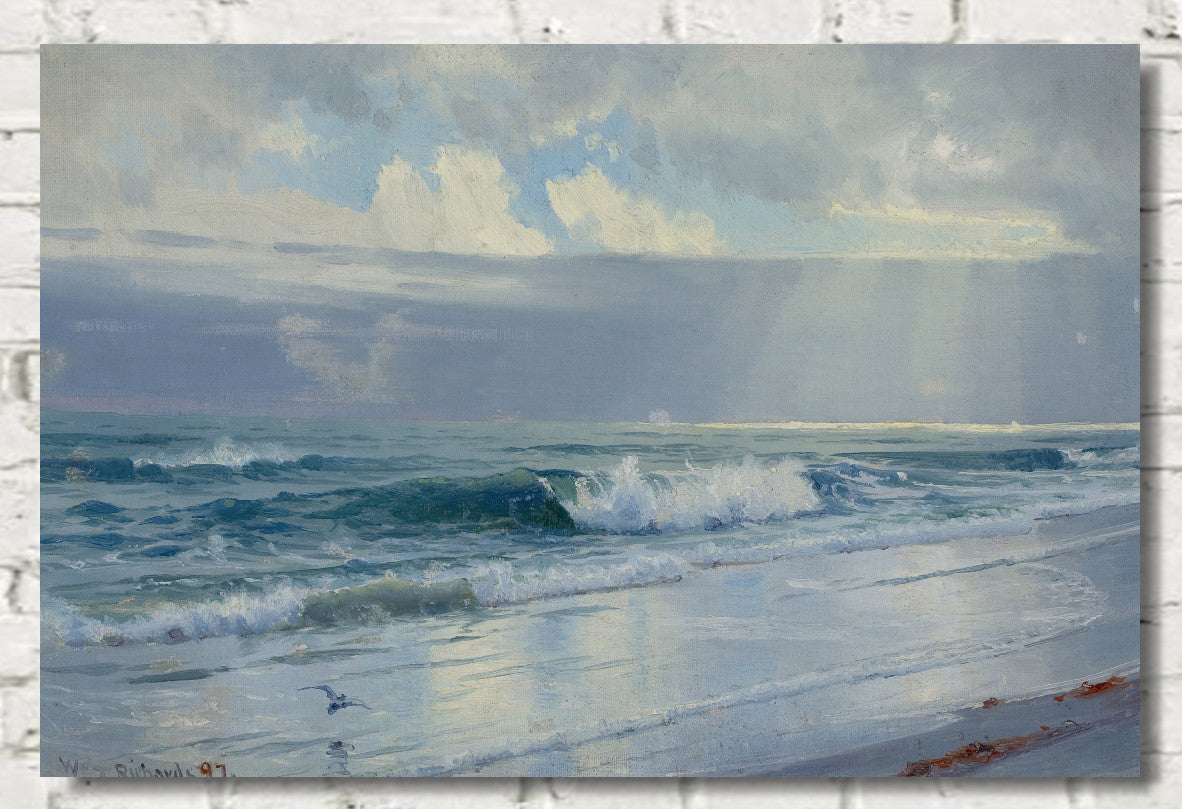


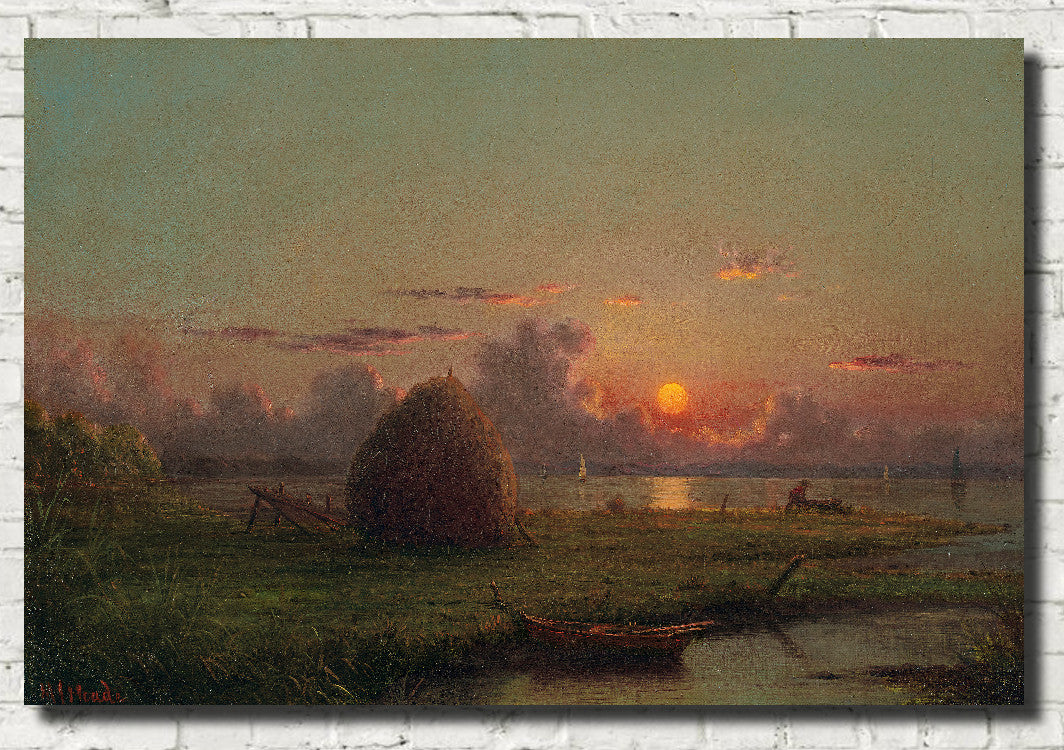
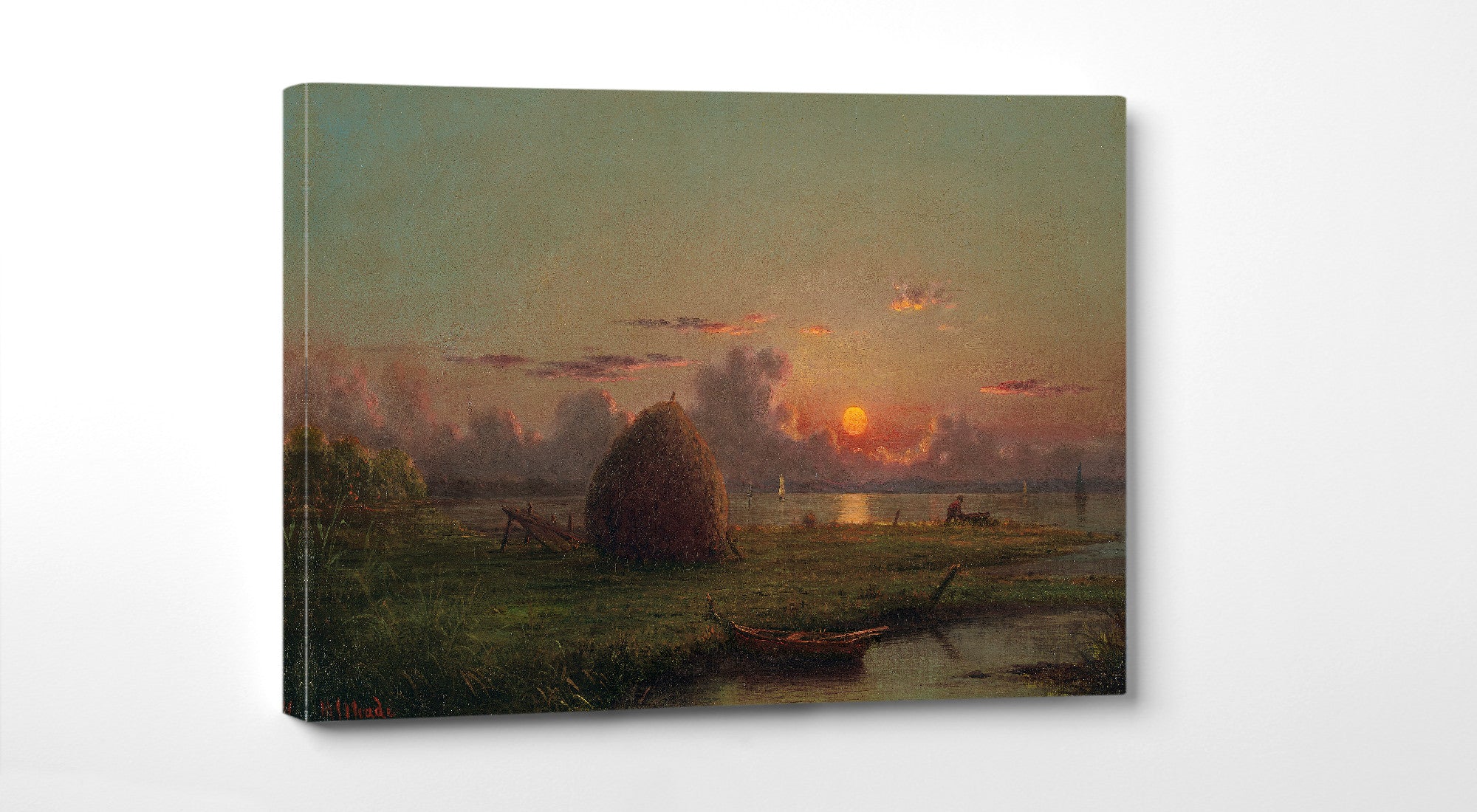
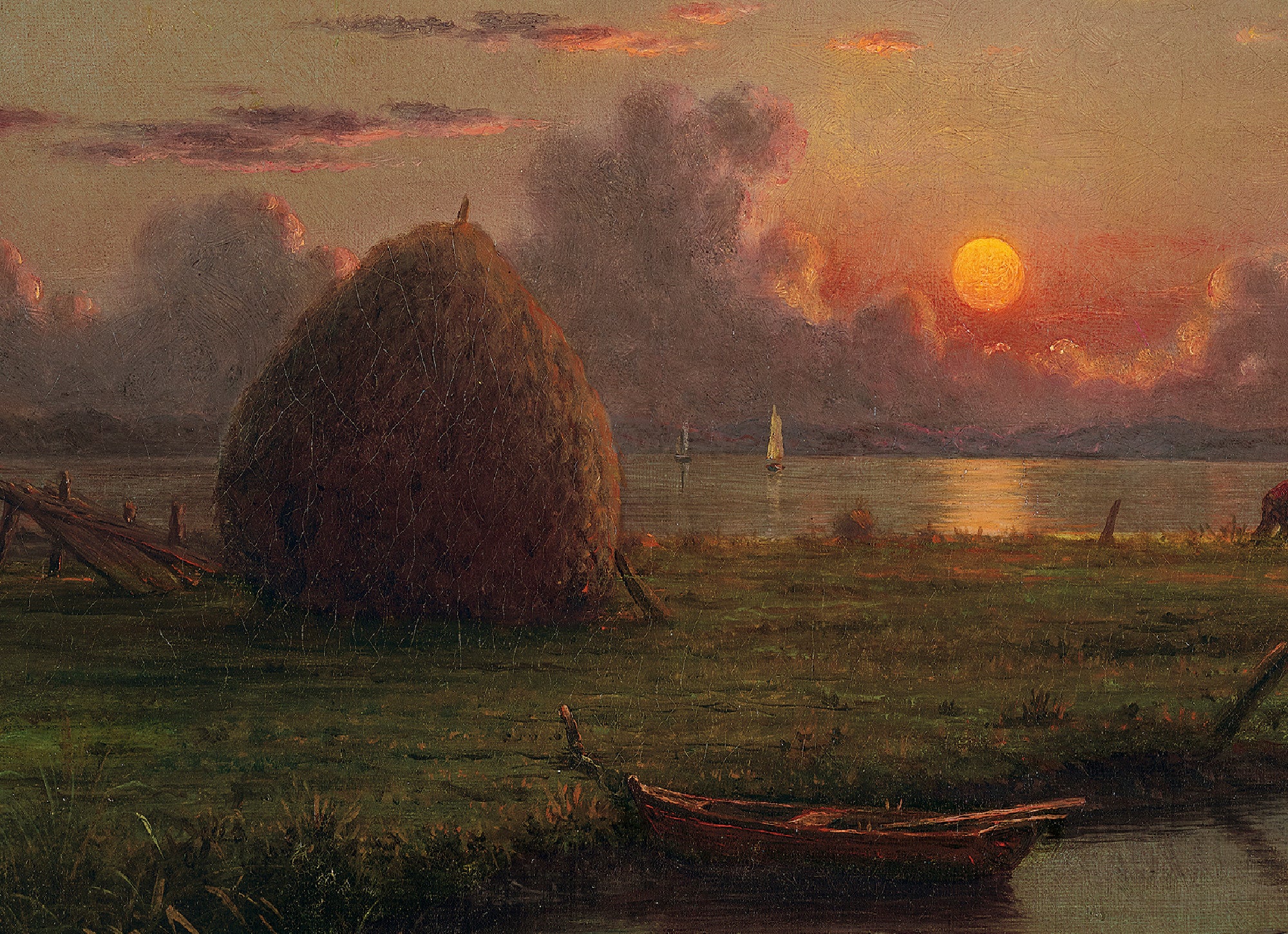
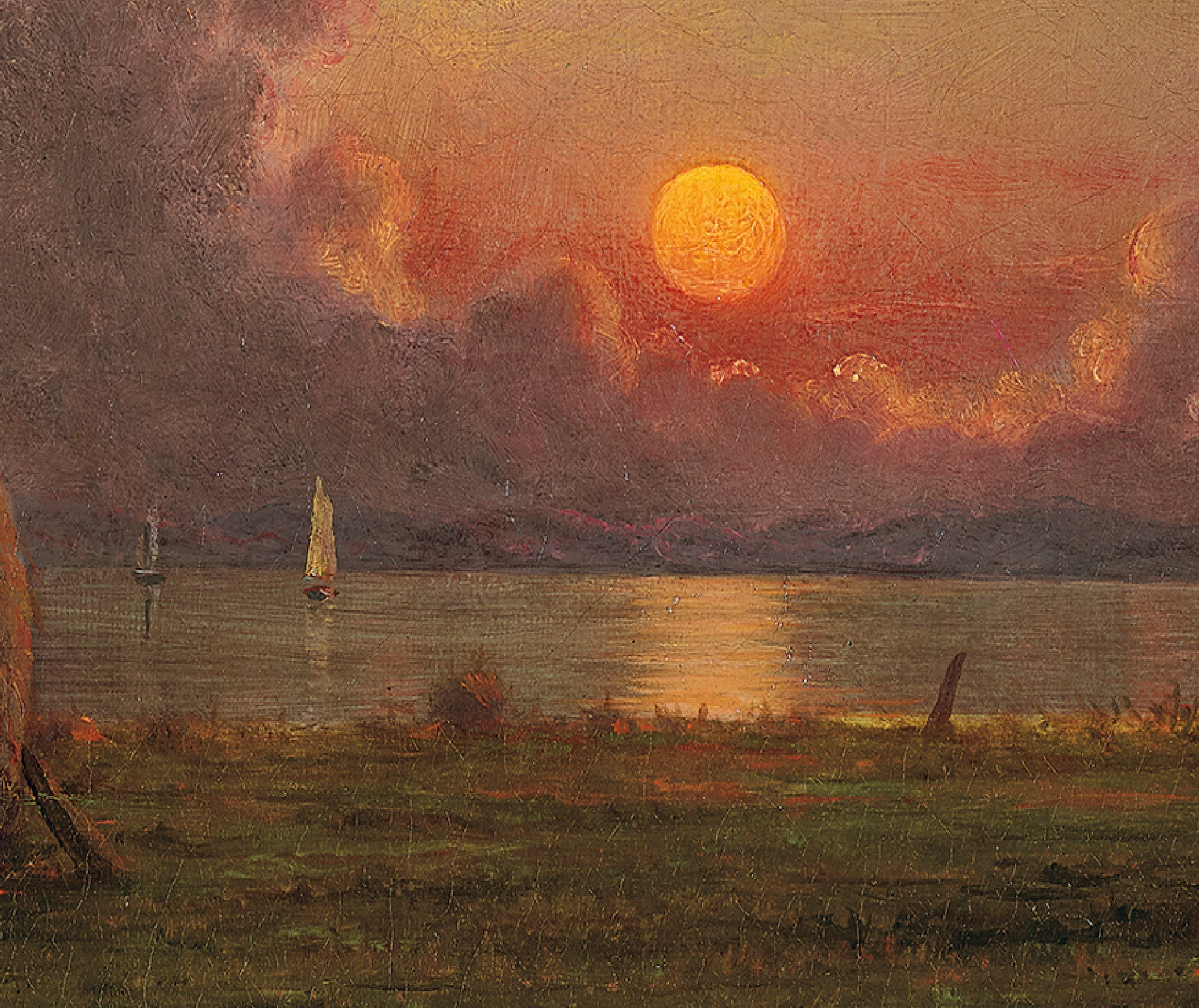
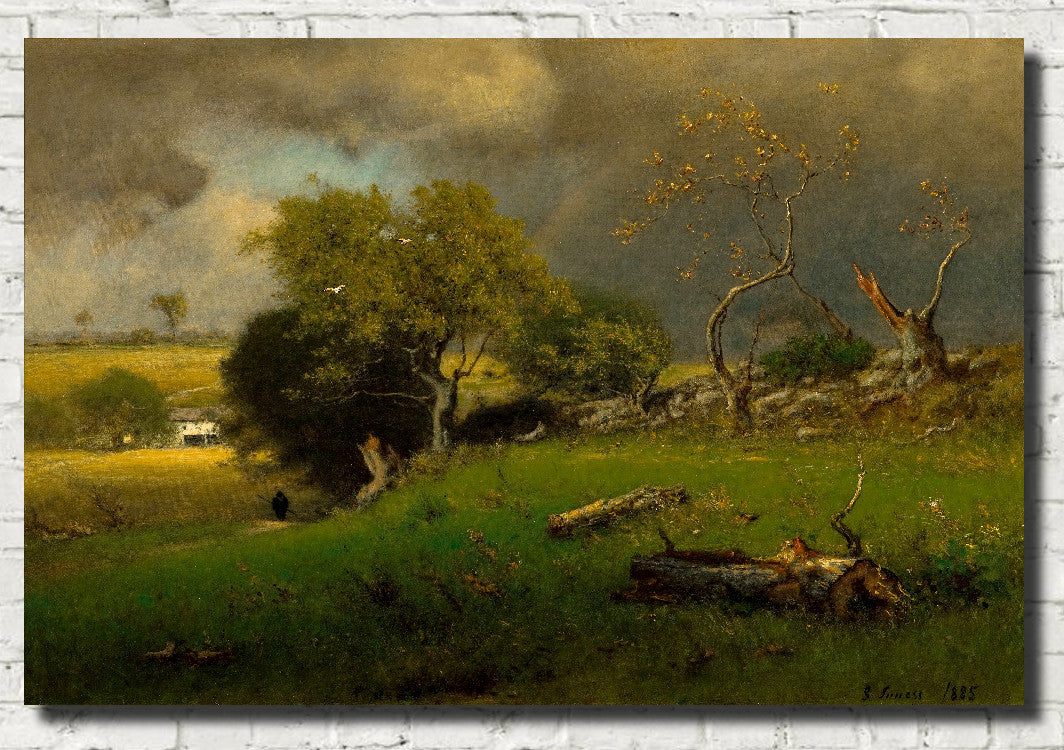
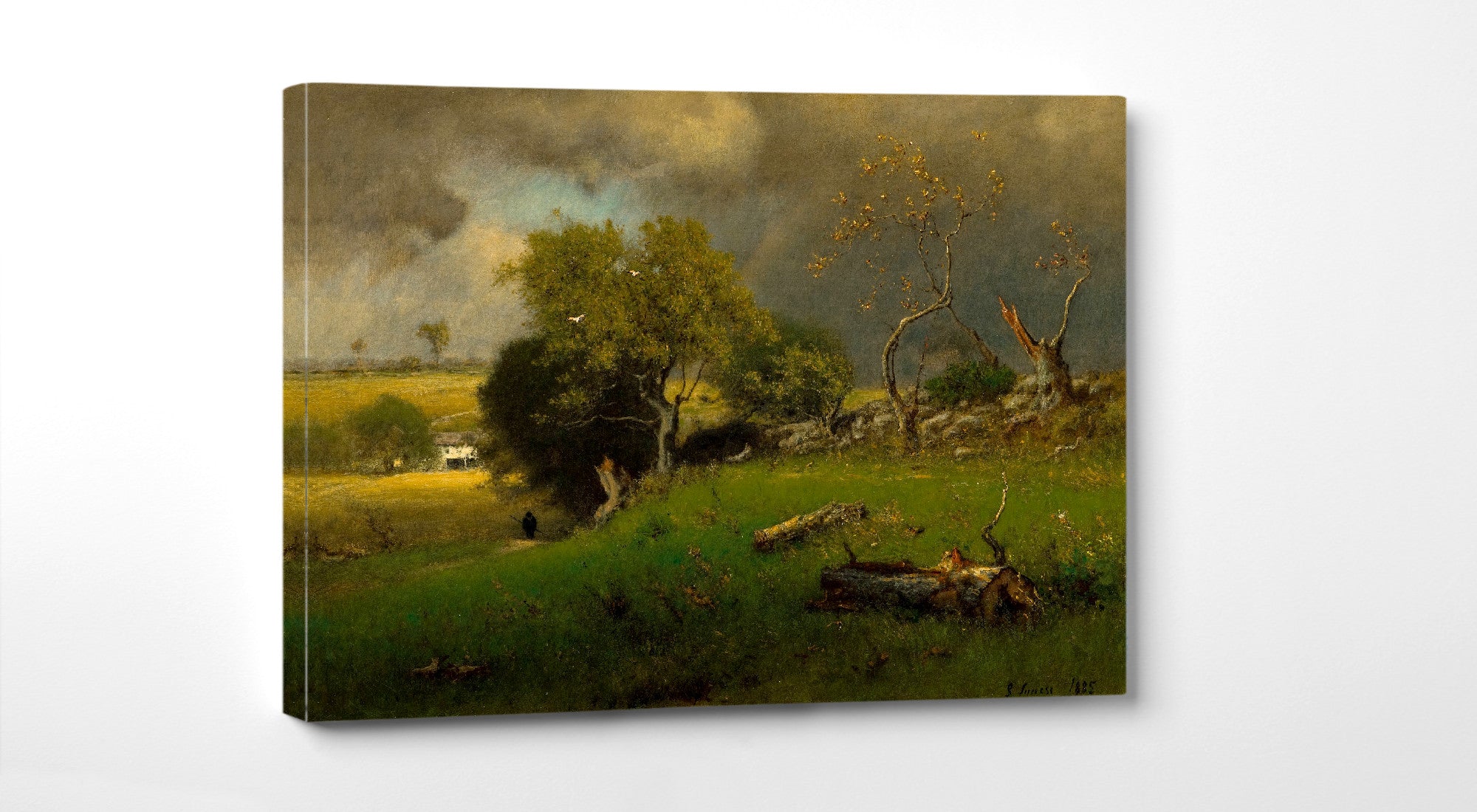
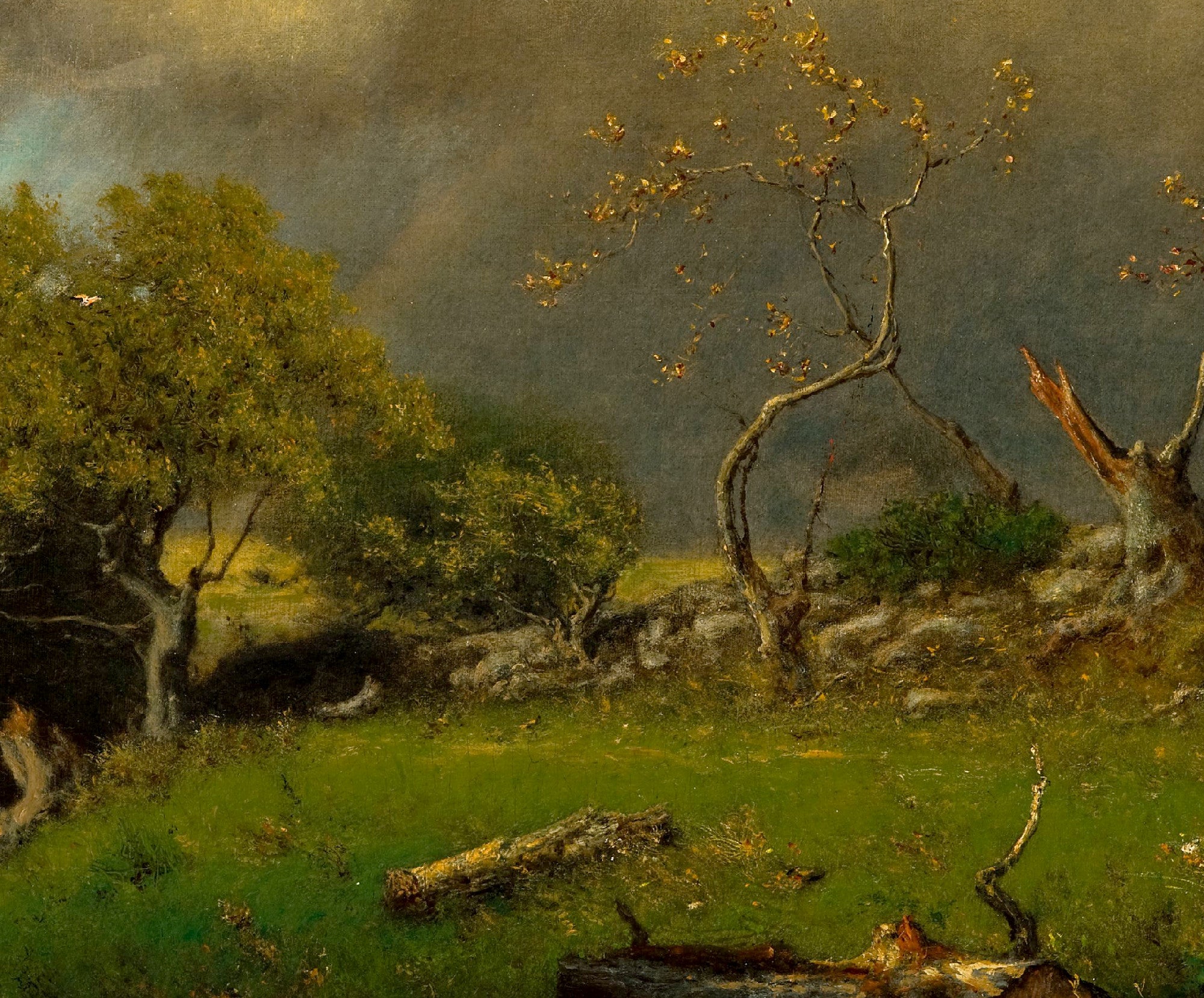
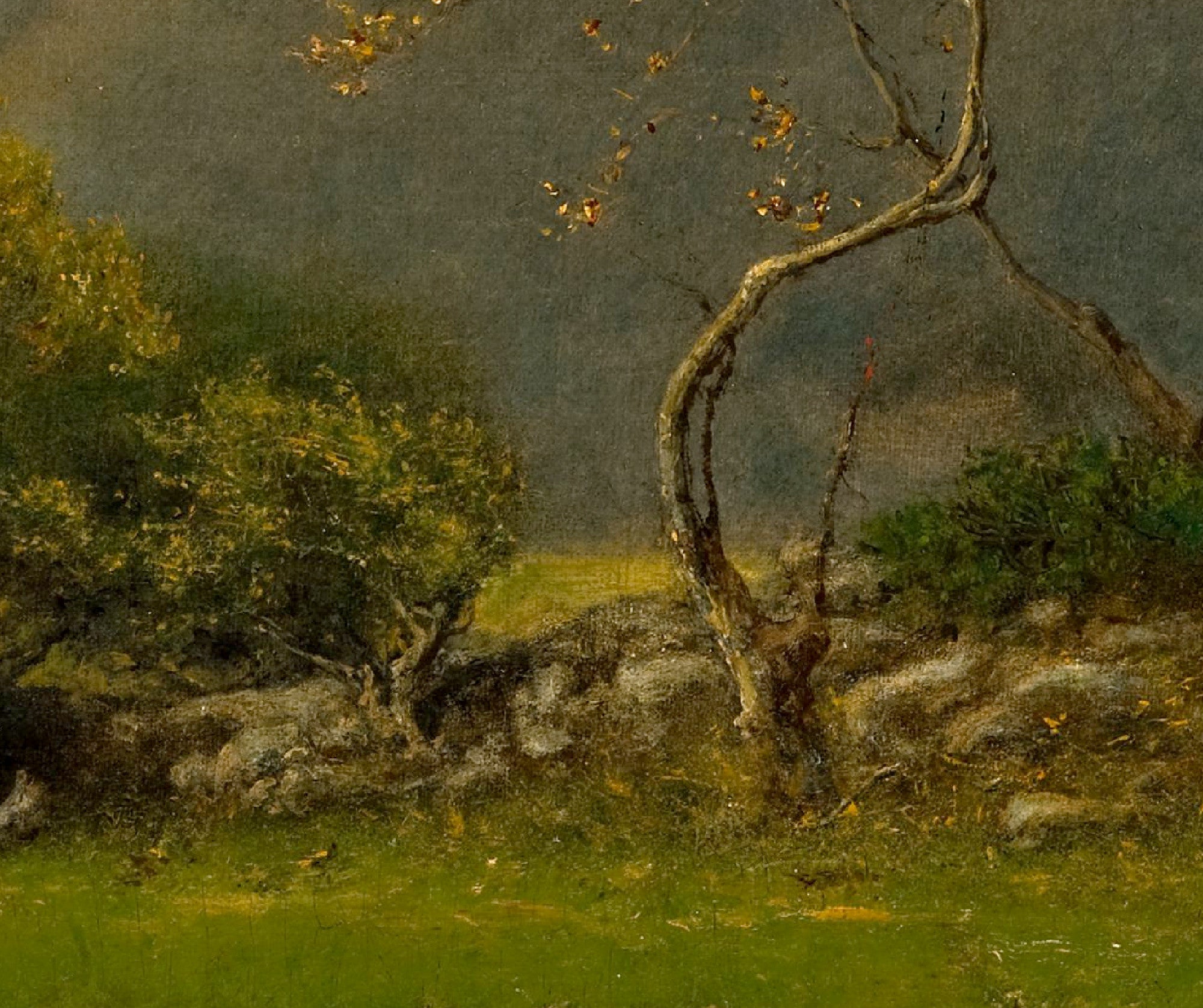


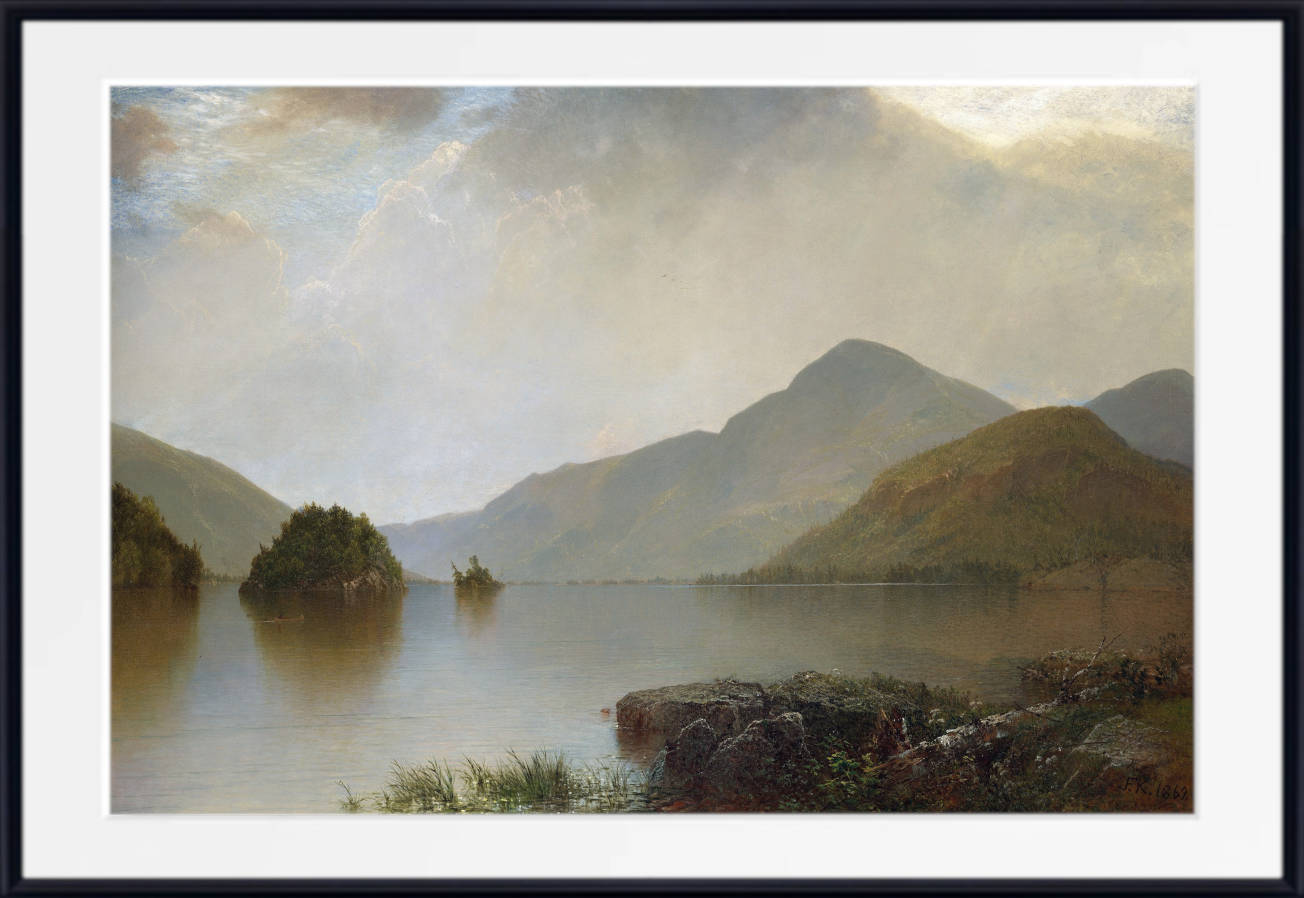
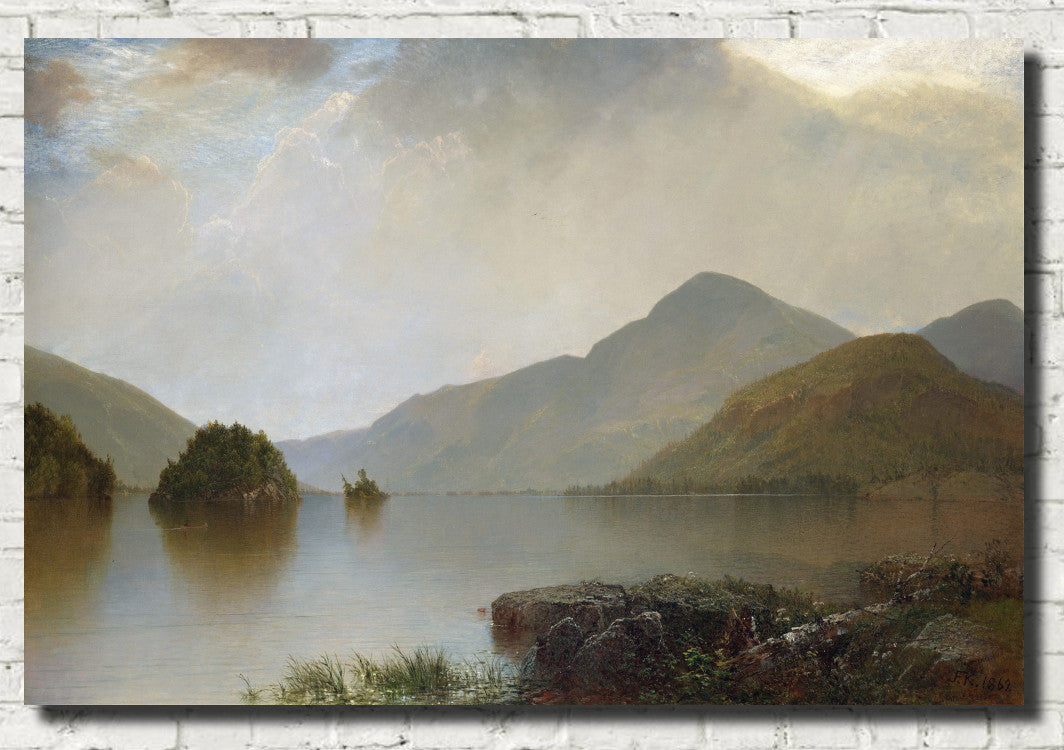
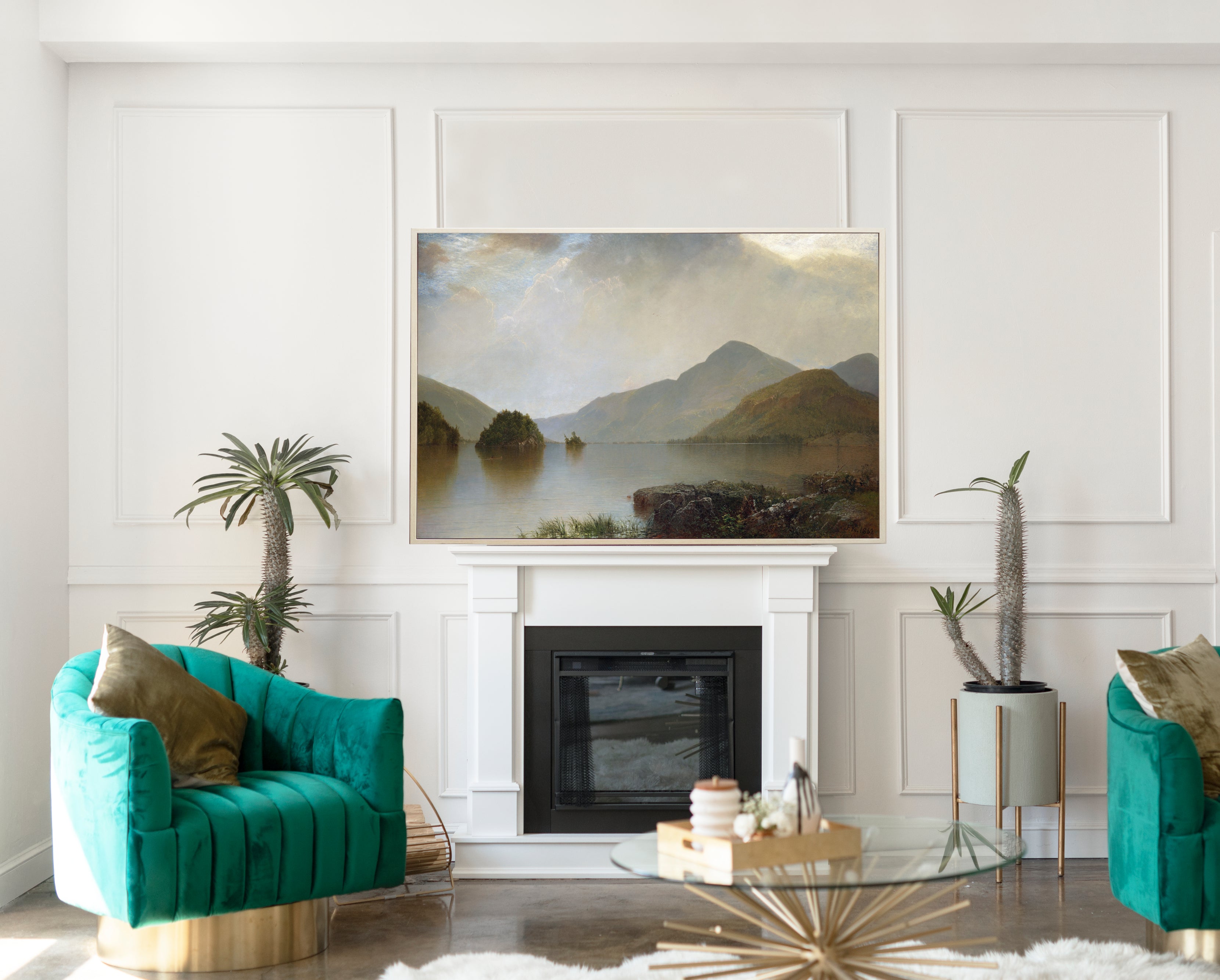
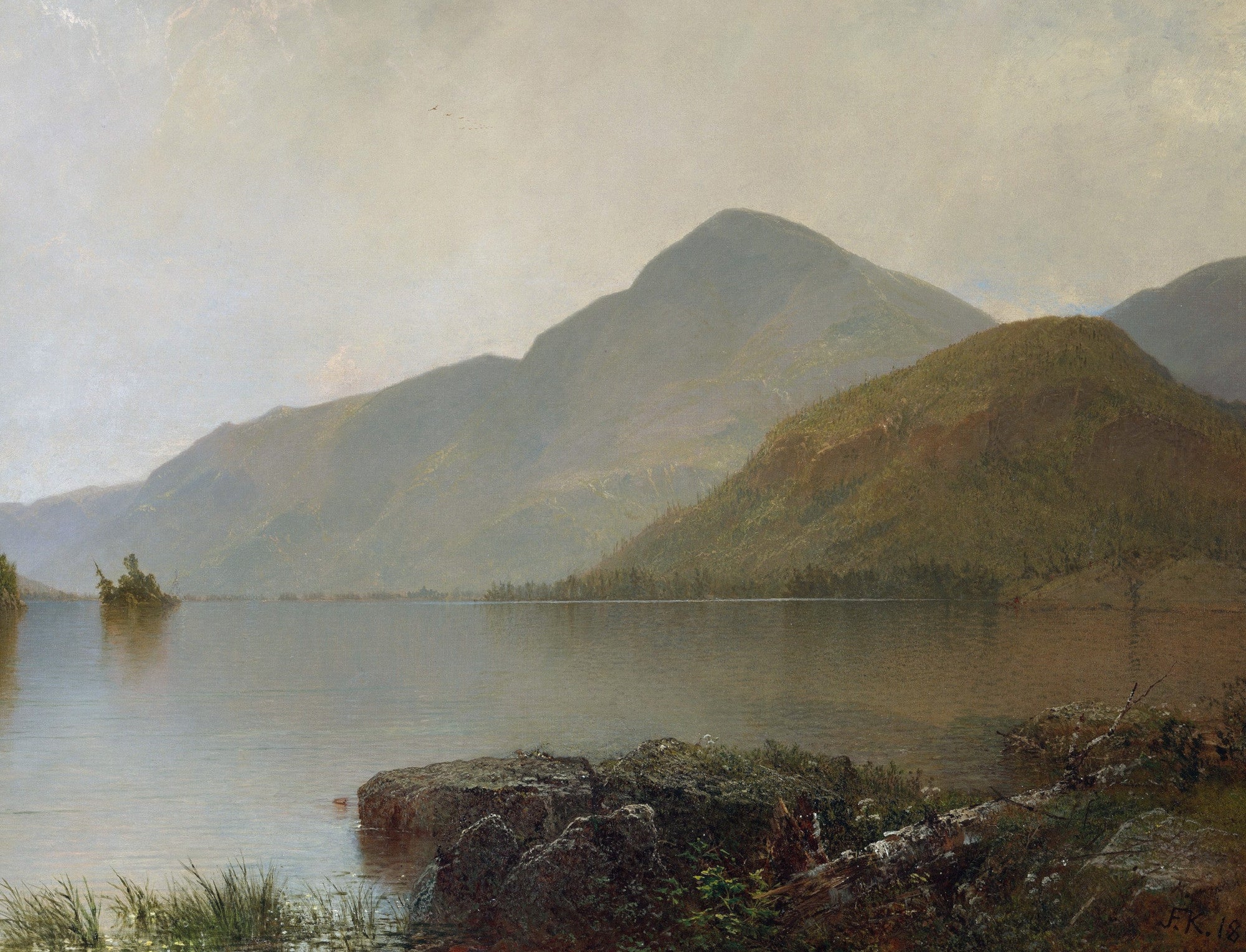
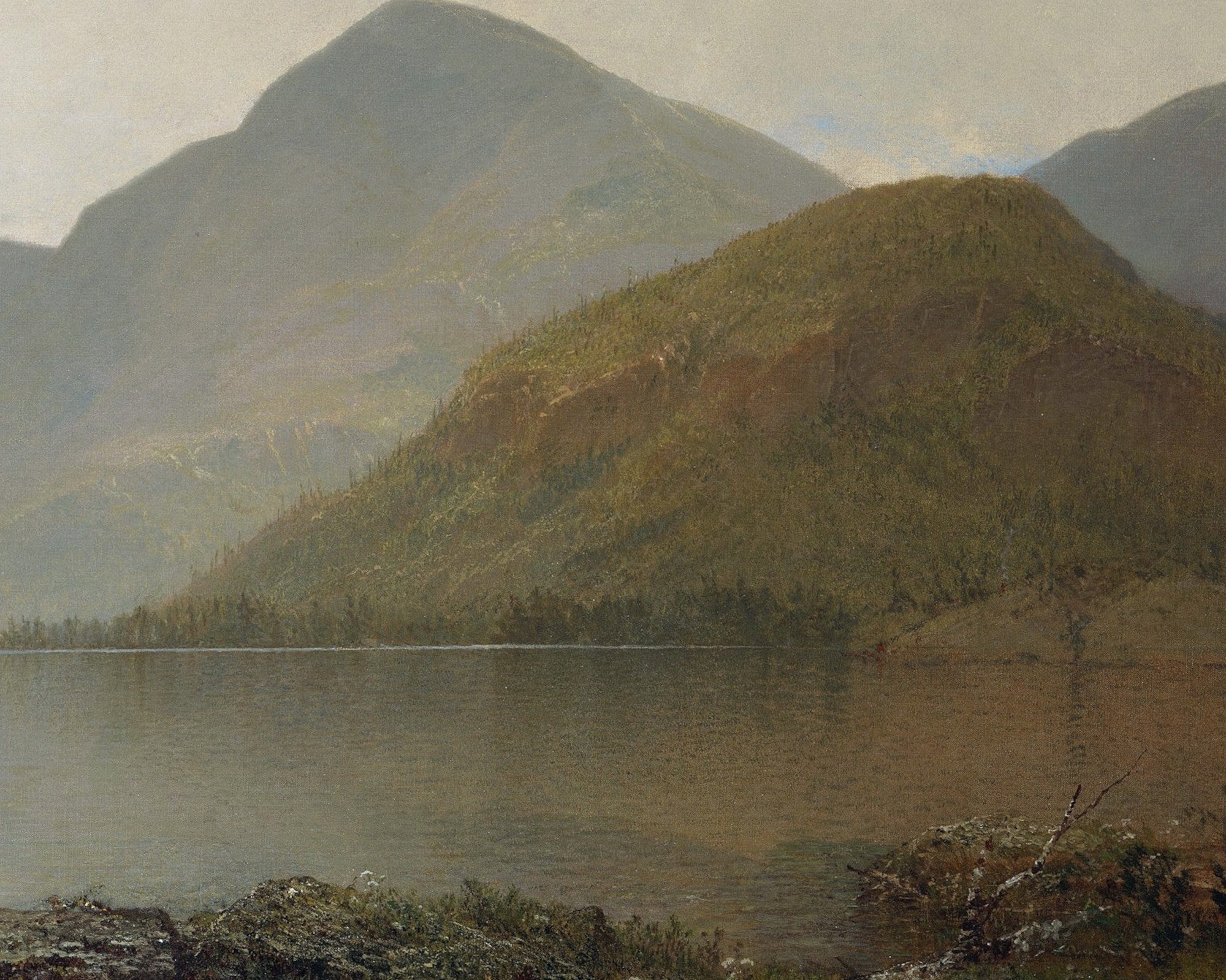
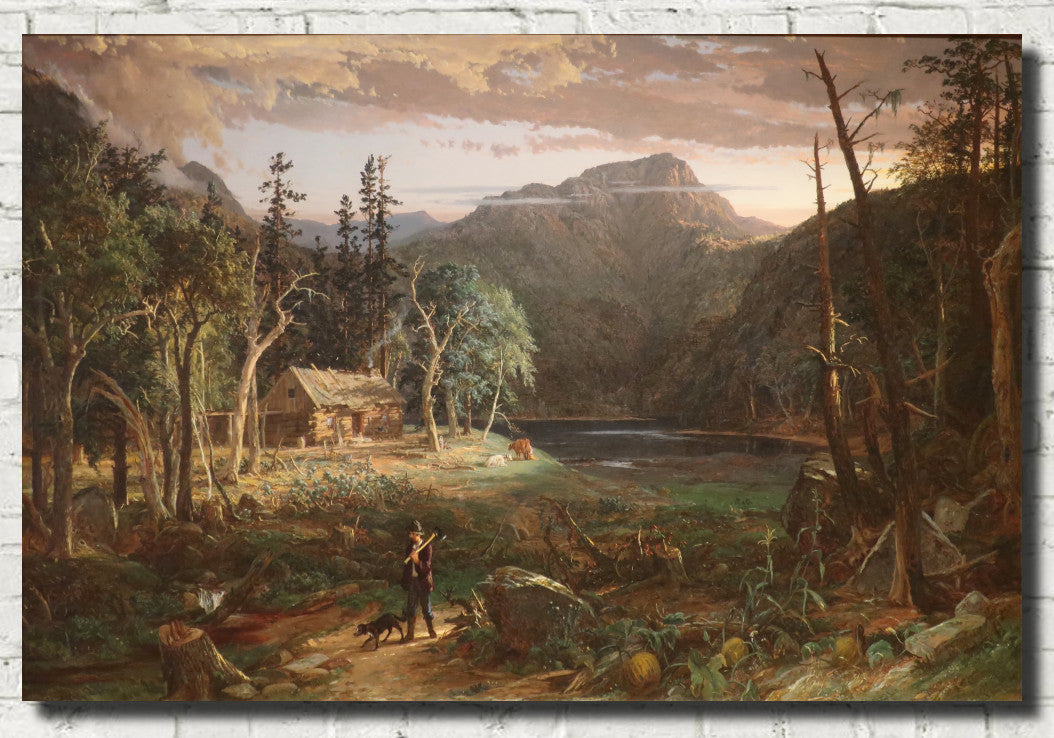
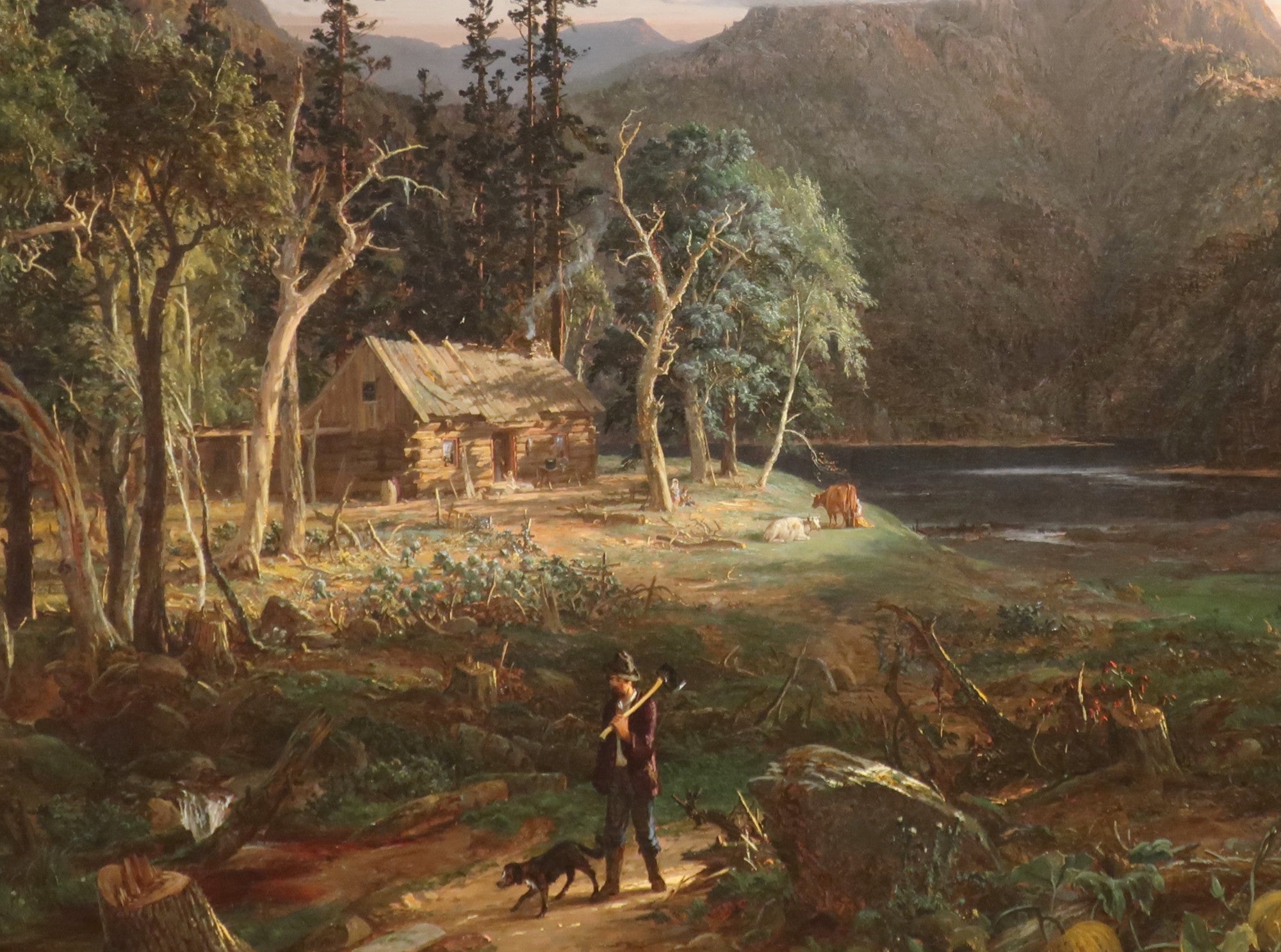
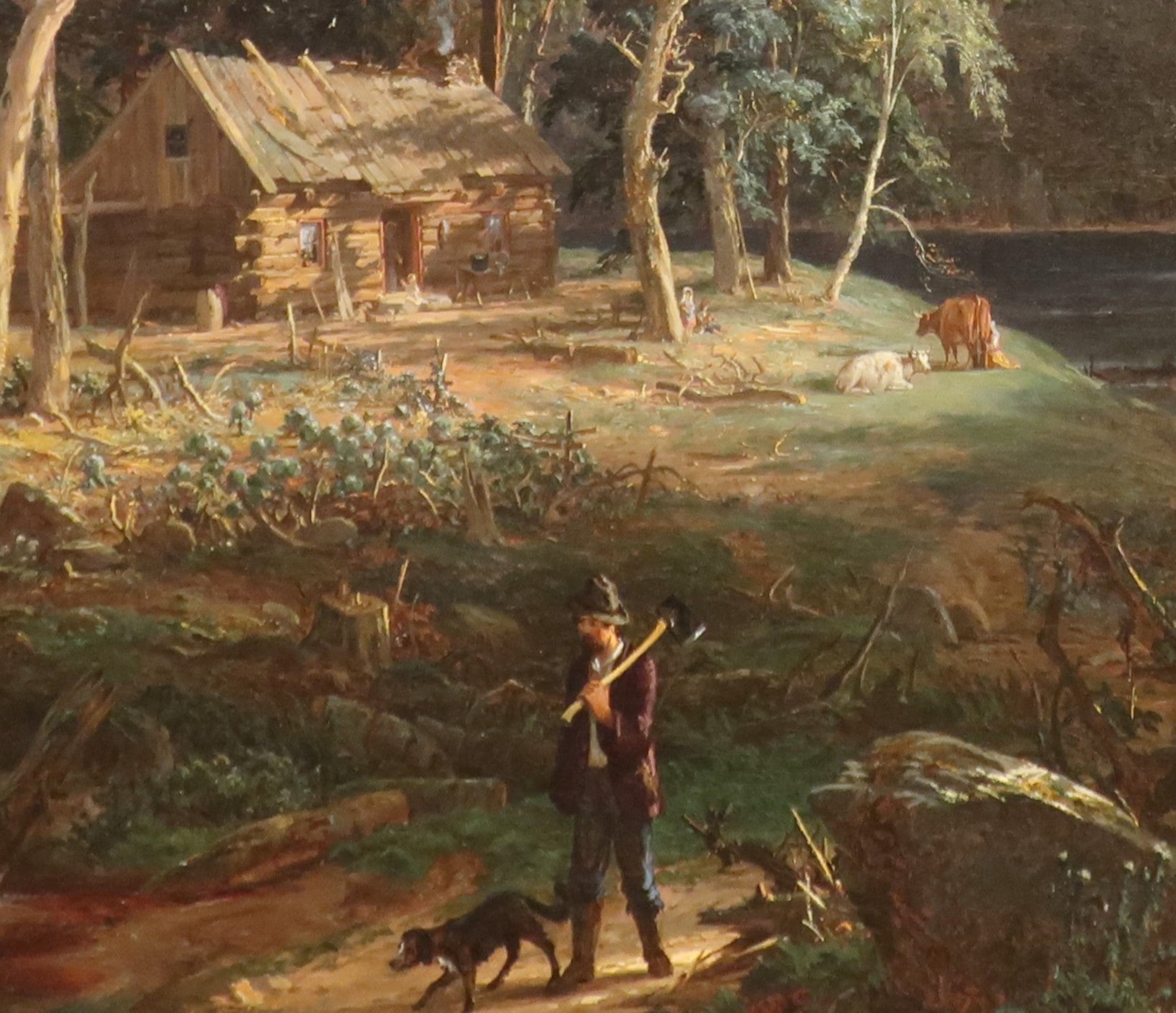



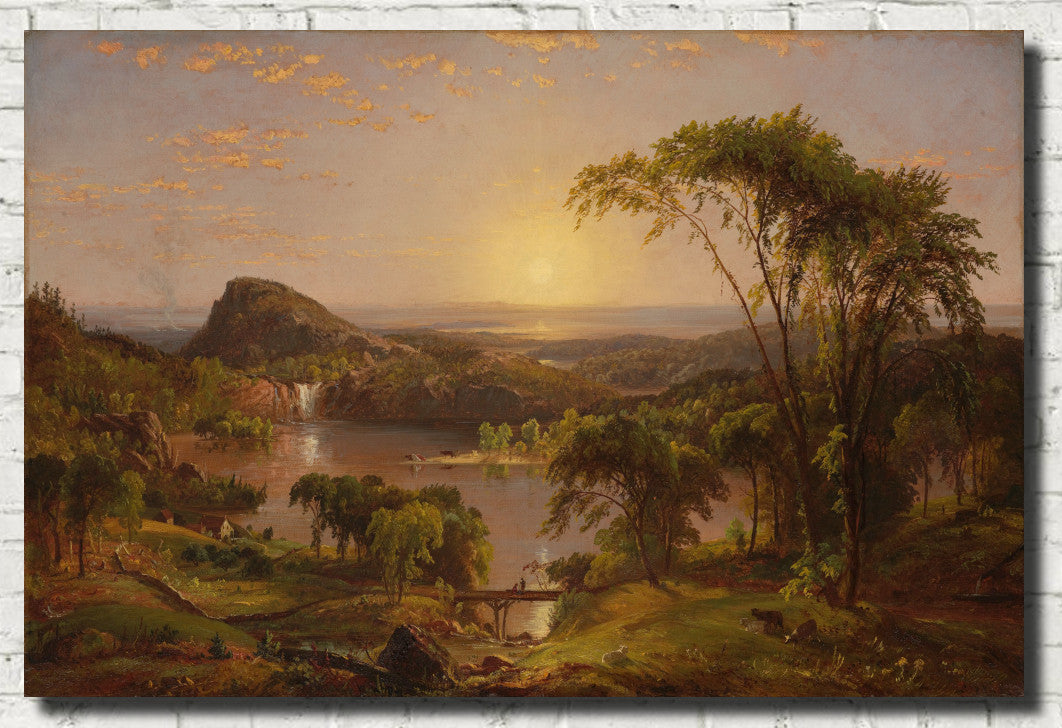
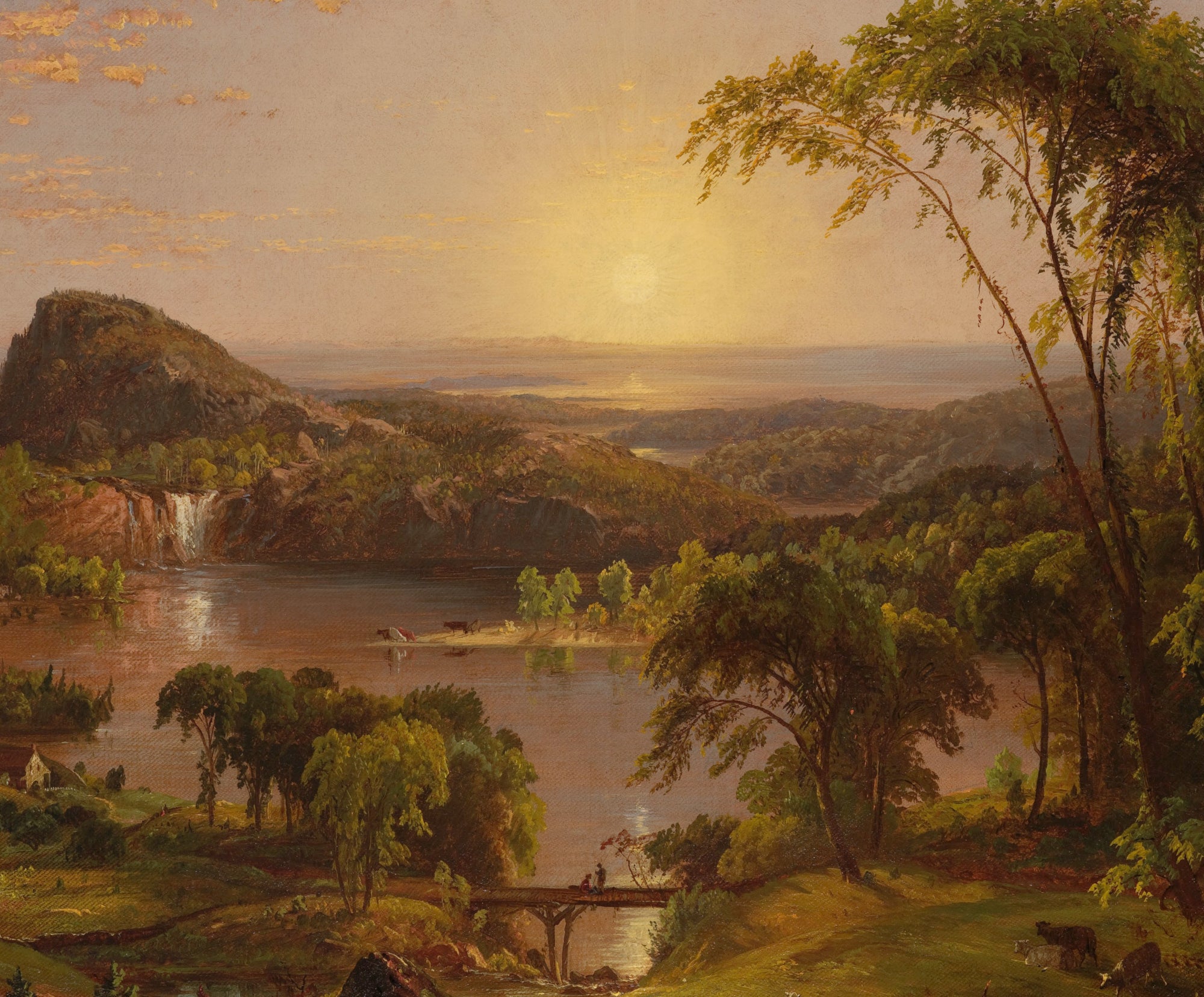
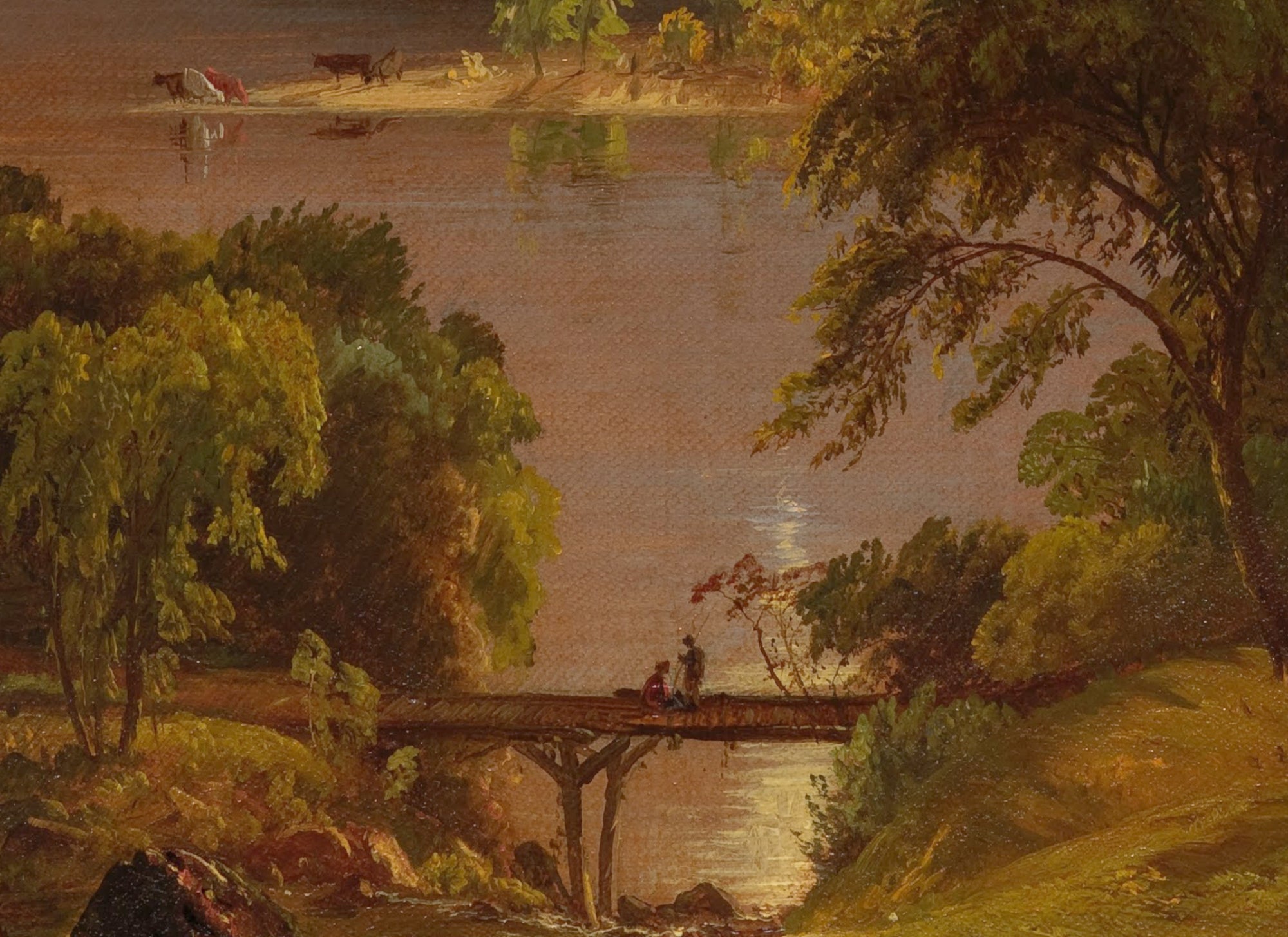



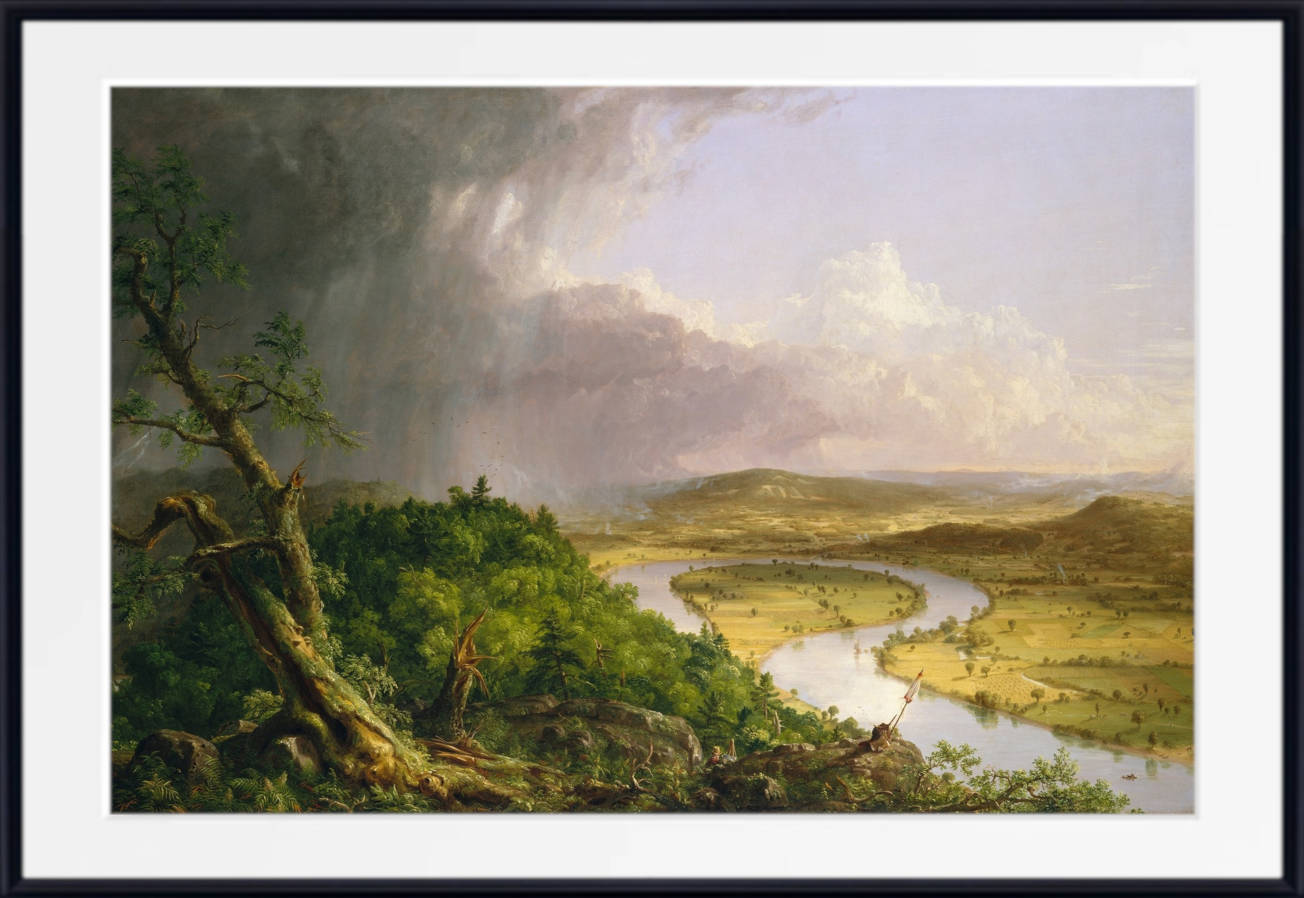
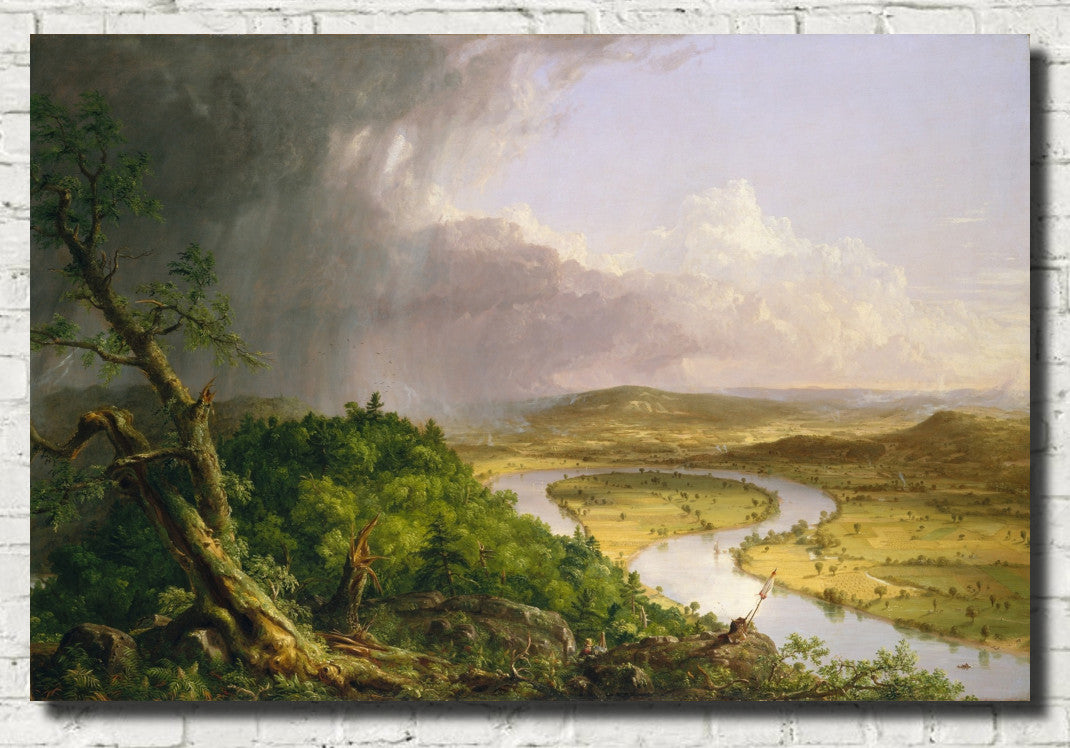
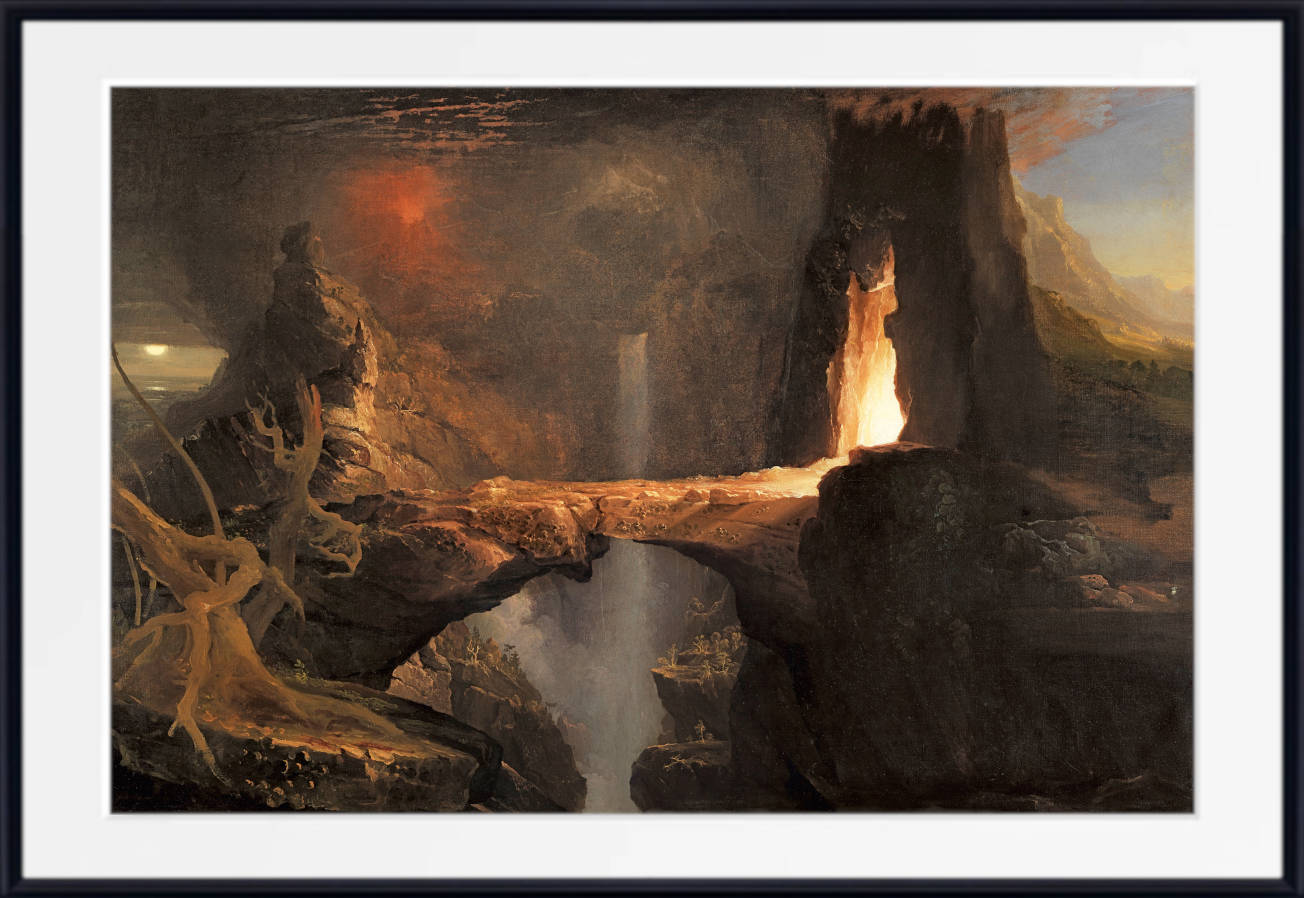
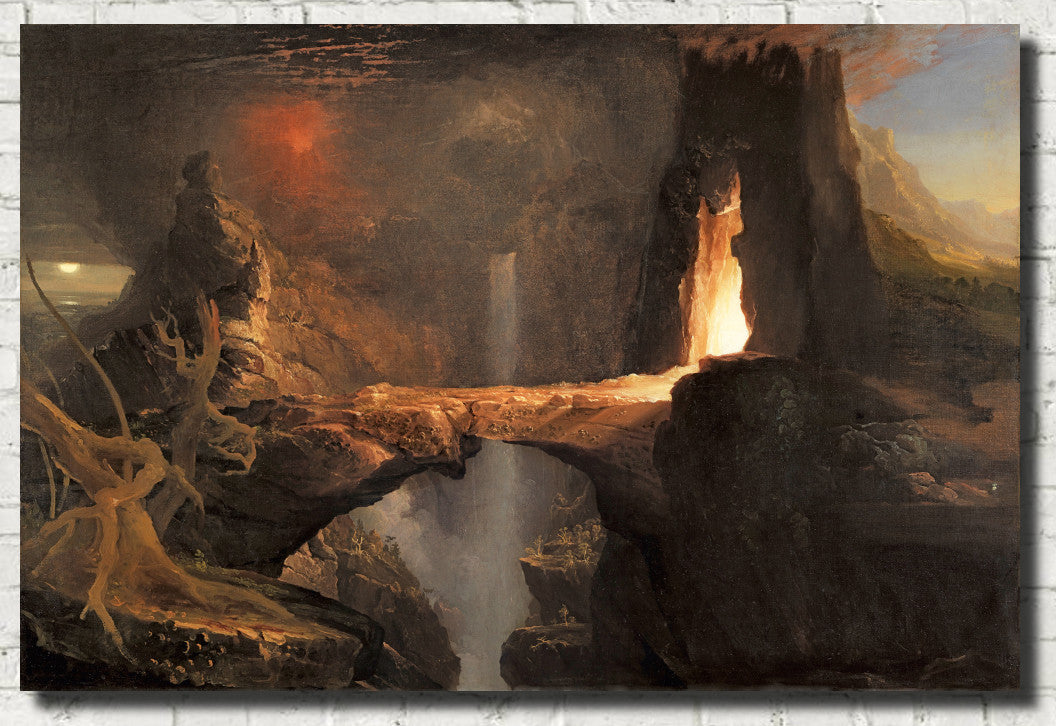
Explore our collection of Hudson River School prints, featuring majestic American landscapes, mountain wilderness, forests, rivers, waterfalls, glowing sunsets and expansive views by leading painters of nineteenth-century American art. From the poetic landscapes of Thomas Cole and Asher Brown Durand to the monumental wilderness paintings of Frederic Edwin Church and Albert Bierstadt, these works celebrate the beauty, scale and drama of the natural world.
The Hudson River School was the first major native school of American landscape painting. Its artists portrayed the Hudson River Valley, Catskill and Adirondack Mountains, New England, the American West and more distant regions through paintings that combined close observation of nature with Romantic ideas of beauty, spirituality and the sublime.
Browse fine art paper prints, framed prints and canvas panels of Hudson River School masterpieces for living rooms, bedrooms, dining rooms, hallways, studies, offices and traditional or contemporary interiors.
Explore Hudson River School Art Prints
Hudson River School Prints and American Landscape Art
The Hudson River School occupies a central place in the history of American art. Emerging during the nineteenth century, its painters turned to the landscape as a subject capable of expressing national identity, spiritual wonder, historical change and humanity's relationship with the natural world.
The movement takes its name from the Hudson River Valley in New York State, an area of rivers, forests and mountains that provided inspiration for many early works. Yet the geographical range of the artists soon expanded far beyond the Hudson. They painted the Catskills, Adirondacks, White Mountains, New England coast, Rocky Mountains, Yosemite Valley and Yellowstone, as well as South America, Europe and the Arctic.
Hudson River School paintings range from intimate woodland scenes to enormous panoramas of mountains, waterfalls, valleys and tropical wilderness. Some offer peaceful contemplation; others seek the overwhelming experience associated with the Romantic sublime.
What Was the Hudson River School?
The Hudson River School was not a formal academy or educational institution. It was a loose association of nineteenth-century American landscape painters connected by shared interests in nature, Romanticism and the visual possibilities of the American landscape.
Thomas Cole is generally regarded as the founder of the movement. His paintings demonstrated that American scenery could provide subjects as ambitious and meaningful as the historical, religious and classical themes traditionally favoured by European academic art.
A second generation of artists expanded Cole's vision. Some pursued increasingly spectacular wilderness subjects, while others concentrated on light, atmosphere and quieter observation. Together, they created an extraordinarily varied record of nineteenth-century landscape painting.
First and Second Generations of the Hudson River School
The First Generation
The early Hudson River School developed around Thomas Cole and artists who shared his fascination with American scenery. Cole's paintings combined direct landscape observation with literary, religious, historical and allegorical ideas.
Asher Brown Durand became another defining figure. His detailed woodland paintings and reverence for direct observation helped establish a more naturalistic approach while retaining the movement's deep respect for nature.
The Second Generation
Later Hudson River School painters expanded both the geographical and visual scope of American landscape art. Frederic Edwin Church, a pupil of Thomas Cole, painted subjects ranging from the Catskills and Niagara Falls to the Andes, tropical South America and Arctic ice.
Albert Bierstadt became famous for monumental paintings of the American West, while artists such as John Frederick Kensett and Sanford Robinson Gifford explored subtler effects of light and atmosphere.
American Wilderness and the Sublime
One of the defining subjects of Hudson River School art is wilderness on a monumental scale. Towering mountains, deep valleys, immense waterfalls, storm clouds and radiant sunsets present nature as something larger and more powerful than humanity.
This idea was closely related to the Romantic concept of the sublime: the mixture of wonder, beauty, fear and awe inspired by overwhelming natural forces or vast landscapes.
In many Hudson River School paintings, human figures appear tiny against mountains, forests or waterfalls. Their small scale emphasises the immense dimensions of the landscape and encourages the viewer to contemplate humanity's place within nature.
Rivers, Valleys and the Hudson Landscape
Rivers are central to the Hudson River School tradition. The Hudson itself provided a natural route through scenery that combined water, forests, farmland and distant mountains, while lakes and other rivers offered further opportunities to explore reflection, atmosphere and depth.
Artists frequently used winding rivers to lead the eye into the composition. A river might pass through fertile countryside, disappear between mountains or reflect dramatic skies and evening light.
These panoramic river views are particularly effective as wall art because their horizontal compositions can work naturally above sofas, fireplaces, sideboards and beds. Explore more river, countryside and mountain imagery in our Landscape and Scenery Fine Art Prints collection.
Mountains and the American Landscape
Mountains became some of the most powerful subjects in nineteenth-century American painting. The Catskills, Adirondacks and White Mountains inspired early Hudson River School artists, while later painters travelled west to depict the Rocky Mountains, Sierra Nevada and Yosemite.
Mountain paintings allowed artists to explore extraordinary combinations of scale, geological form, weather and light. Peaks might emerge from mist, glow beneath sunset skies or tower over tiny figures and animals.
The mountain landscapes of Albert Bierstadt and Thomas Hill helped create enduring visual images of the American West, while Jasper Francis Cropsey and other eastern painters found grandeur in the mountains and valleys of New York and New England.
Forests, Trees and Woodland Paintings
Not every Hudson River School painting presents an enormous panoramic vista. Some of the movement's most memorable works explore forests, trees, streams and woodland interiors at close range.
Asher Brown Durand was particularly admired for his careful observation of trees, rocks and woodland vegetation. His paintings frequently invite the viewer into quiet natural spaces where light filters through branches and individual trees become monumental presences.
Woodland art can be particularly effective in bedrooms, studies, living rooms and reading spaces, where the enclosed natural setting creates a quieter alternative to vast mountain panoramas.
Waterfalls and Dramatic Natural Wonders
Waterfalls offered Hudson River School painters the ideal combination of movement, power and spectacle. Niagara Falls became one of the most celebrated natural landmarks in nineteenth-century American art, while waterfalls throughout the Catskills, New England and the American West also inspired painters.
Frederic Edwin Church's depictions of Niagara demonstrate the movement's ability to combine close observation with overwhelming scale. The viewer is brought close to rushing water, spray and immense natural force.
Waterfall prints can make particularly dramatic focal points in larger living rooms, dining rooms, entrance halls and offices.
Light, Atmosphere and American Luminism
Some painters associated with the wider Hudson River School tradition developed an especially refined interest in stillness, clarity and atmospheric light. This tendency is often described as Luminism.
Luminist landscapes frequently feature calm water, distant horizons, subtle light and carefully controlled surfaces. Rather than the turbulent drama of a storm or vast waterfall, these works can create a mood of silence and contemplation.
John Frederick Kensett is particularly associated with luminous coastal landscapes, while Sanford Robinson Gifford became known for paintings in which light and atmosphere transform mountains, lakes and distant landscapes.
The Hudson River School and the American West
As American artists and explorers travelled westward, the geographical scope of landscape painting expanded dramatically. The Rocky Mountains, Yellowstone and Yosemite provided subjects of extraordinary scale.
Albert Bierstadt became one of the leading painters of the western landscape. His large compositions often combine mountains, lakes, luminous skies and dramatic atmospheric effects to create idealised visions of immense wilderness.
Thomas Moran also became closely associated with spectacular western scenery, particularly Yellowstone and the Grand Canyon. His art helped shape the way nineteenth-century audiences imagined remote regions of the United States.
Explore our Western and Cowboy Fine Art Prints collection for more paintings of the American West.
Hudson River School Seascapes and Coastal Art
Although mountains, valleys and forests dominate the Hudson River School story, several associated painters also explored coastal scenery, harbours and the sea.
John Frederick Kensett painted tranquil coastal views noted for their clarity and luminous atmosphere. Martin Johnson Heade created marsh landscapes and coastal scenes in which light, sky and still water become central elements of the composition.
For a wider selection of oceans, harbours, beaches and maritime painting, browse our Seascape Art Prints collection.
Religion, Allegory and the Meaning of Nature
Hudson River School landscapes were rarely concerned with scenery alone. For many artists and viewers, the natural world carried moral, religious, philosophical and national meaning.
Thomas Cole frequently combined landscape with elaborate allegory. His famous cycles examined themes such as civilisation, ambition, destruction and the passage of time, while other paintings drew upon biblical or classical subjects.
Even apparently straightforward landscapes could suggest ideas of divine creation, human mortality or the fragility of civilisation. The absence of cities and industry in many paintings was often as meaningful as the natural scenery itself.
Browse our Mythology, Religious and Occult Art collection for more symbolic, allegorical and religious fine art.
Famous Hudson River School Artists
Thomas Cole
Thomas Cole is widely regarded as the founder of the Hudson River School. His paintings range from direct observations of American scenery to ambitious allegorical cycles exploring civilisation, time, morality and the relationship between humanity and nature.
Works such as The Oxbow combine panoramic landscape with deeper questions about wilderness and human development, while The Course of Empire transforms landscape into a vast historical allegory.
Asher Brown Durand
Asher Brown Durand became one of the leading figures of the first generation of the Hudson River School. His careful observation of trees, rocks, streams and forests gave his landscapes extraordinary natural detail.
His celebrated painting Kindred Spirits portrays Thomas Cole and the poet William Cullen Bryant within an idealised wilderness setting, becoming one of the defining images of the movement.
Frederic Edwin Church
Frederic Edwin Church, who studied under Thomas Cole, expanded the geographical ambition of the Hudson River School. He travelled widely and painted the Andes, Niagara Falls, tropical forests, volcanoes, Arctic ice and landscapes around his home at Olana.
His paintings are distinguished by remarkable detail, dramatic scale and sophisticated effects of light and atmosphere.
Albert Bierstadt
Albert Bierstadt created some of the most spectacular images of the nineteenth-century American West. His paintings of the Rocky Mountains and Yosemite combine monumental scale, theatrical light and carefully constructed wilderness scenery.
Bierstadt prints are especially effective as large statement artworks because of their expansive compositions and dramatic depth.
Jasper Francis Cropsey
Jasper Francis Cropsey became particularly admired for his richly detailed American landscapes and brilliant autumn scenes. Paintings such as Autumn on the Hudson celebrate the intense seasonal transformation of forests and river valleys.
John Frederick Kensett
John Frederick Kensett created luminous landscapes and coastal views characterised by clarity, stillness and carefully observed light. His later paintings are frequently associated with American Luminism.
Sanford Robinson Gifford
Sanford Robinson Gifford was a leading painter of the second generation of the Hudson River School. Light and atmosphere are central to his landscapes, which range from American mountain scenery to views inspired by European and Middle Eastern travel.
Thomas Moran
Thomas Moran became one of the most important painters of the American West. His dramatic landscapes of Yellowstone, the Grand Canyon and other western regions combine close observation with Romantic grandeur.
Thomas Hill
Thomas Hill is particularly known for monumental views of Yosemite and the American West. His landscapes use dramatic scale, mountain scenery and changing light to communicate the grandeur of wilderness.
Worthington Whittredge
Worthington Whittredge was a highly regarded American landscape painter connected with the Hudson River School. His work includes forest interiors, expansive western landscapes and finely observed scenes of the American countryside.
Martin Johnson Heade
Martin Johnson Heade occupied a distinctive position in nineteenth-century American art. His paintings include coastal marshes, sunsets, tropical landscapes, hummingbirds and flowers, combining close observation with unusual atmospheric intensity.
George Inness
George Inness was influenced by the Hudson River School but developed an increasingly personal and atmospheric approach to landscape. His later paintings often place mood, light and spiritual feeling above precise topographical description.
Hudson River School Prints for Living Rooms
Hudson River School landscapes are particularly well suited to living rooms because their panoramic compositions, dramatic skies and distant views can create a powerful sense of space.
Large mountain scenes by Albert Bierstadt or Frederic Edwin Church can become striking focal points above sofas and fireplaces. Quieter woodland scenes by Asher Brown Durand or luminous coastal paintings by John Frederick Kensett can create a more restrained atmosphere.
Browse our wider Living Room Wall Art collection for more fine art suited to living spaces.
Hudson River School Prints for Bedrooms
Quieter Hudson River School landscapes can work beautifully in bedrooms. Woodland interiors, rivers, calm lakes, distant mountains and luminous evening scenes can create a restful connection with nature.
One large panoramic landscape can provide a focal point above a bed, while two smaller related prints can create symmetry above bedside furniture or a chest of drawers.
Explore our Bedroom Wall Art collection for more artwork suited to calm and personal interiors.
Hudson River School Art for Dining Rooms
Dining rooms can support the richer and more dramatic side of Hudson River School painting. Autumn landscapes, mountain panoramas, glowing sunsets and spectacular wilderness scenes can bring warmth and depth to a social space.
A large landscape above a sideboard can become the principal focal point of a dining room, while smaller landscapes can be grouped into a collected gallery wall.
Browse our Dining Room Wall Art collection for more prints suited to dining spaces.
Hudson River School Prints for Hallways and Stairways
Landscape prints can transform hallways and stairways by adding depth and distant views to transitional spaces. Tall mountain paintings are effective on narrow walls, while smaller landscapes can form a cohesive staircase gallery wall.
A sequence of related American landscapes can also guide the eye along a corridor or create a visual journey through mountains, rivers, forests and coastlines.
Explore our Hallway and Stairway Wall Art collection for more artwork suited to entrances, corridors, landings and staircases.
Creating a Hudson River School Gallery Wall
Hudson River School prints can be combined into a gallery wall centred on American landscape and wilderness. A display might mix mountain views, forests, rivers, waterfalls, sunsets and coastal scenery while retaining a strong shared artistic theme.
For a formal arrangement, use matching frames and consistent print sizes. For a more collected appearance, combine different orientations and scales while repeating frame colours or maintaining even spacing.
Another approach is to concentrate on a single artist or region. A Thomas Cole display can combine landscape with allegory, while a group of Bierstadt or Moran prints can focus on the American West. Kensett and Gifford work particularly well for a quieter display centred on light and atmosphere.
Framed Hudson River School Prints and Canvas Panels
Hudson River School artworks can be displayed as fine art paper prints, framed prints or canvas panels in a range of sizes. Framed landscape prints provide a polished appearance and work particularly well in living rooms, bedrooms, dining rooms, studies and gallery walls.
Canvas panels can be especially effective for large mountain panoramas, waterfalls and wilderness scenes where the image itself should dominate. Fine art paper prints offer greater flexibility when choosing your own frame, mount or arrangement.
Browse our wider Framed Art Prints collection for more ready-framed art across different subjects, artists and movements.
How to Choose a Hudson River School Art Print
Begin with the type of landscape that appeals to you most. For monumental drama, choose mountains, waterfalls or western wilderness by Frederic Edwin Church, Albert Bierstadt or Thomas Moran. For woodland intimacy, explore Asher Brown Durand. For calm light and coastal stillness, consider John Frederick Kensett or Sanford Robinson Gifford.
Thomas Cole is an excellent choice for collectors interested in the intellectual and allegorical side of landscape painting, while Jasper Francis Cropsey offers richly detailed scenery and celebrated autumn views.
Next consider scale. Large panoramic landscapes work naturally above sofas, beds and sideboards, where distant views and broad horizons have room to breathe. Smaller works are ideal for studies, hallways, pairs and gallery walls.
Finally, think about mood. Dramatic storms, waterfalls and mountain peaks can create a commanding focal point, while calm rivers, forests, sunsets and luminous coastal scenes provide a more contemplative atmosphere.
Hudson River School Prints FAQs
What was the Hudson River School?
The Hudson River School was a nineteenth-century American landscape painting movement. Its artists created detailed and often dramatic images of rivers, mountains, forests, waterfalls, coastlines and wilderness, combining observation of nature with Romantic ideas of beauty and the sublime.
Why is it called the Hudson River School?
The movement takes its name from the Hudson River Valley in New York State, which inspired many of its earliest landscapes. The artists later travelled much more widely, painting New England, the American West, South America, Europe and other regions.
Who founded the Hudson River School?
Thomas Cole is generally regarded as the founder of the Hudson River School. His landscapes established a powerful new vision of American scenery and influenced the generation of painters that followed him.
Who are the most famous Hudson River School artists?
Leading Hudson River School painters include Thomas Cole, Asher Brown Durand, Frederic Edwin Church, Albert Bierstadt, Jasper Francis Cropsey, John Frederick Kensett, Sanford Robinson Gifford and Worthington Whittredge. Thomas Moran and Thomas Hill are closely associated with the expansion of American landscape painting into the West.
What subjects did Hudson River School artists paint?
Common subjects include mountains, forests, rivers, lakes, waterfalls, valleys, coastlines, sunsets and wilderness. Some artists also created allegorical, biblical and historical landscapes.
What is the difference between the Hudson River School and Luminism?
The Hudson River School is a broad tradition of nineteenth-century American landscape painting. Luminism describes a quieter tendency within American landscape art characterised by stillness, clear light, calm water and subtle atmospheric effects. Artists such as John Frederick Kensett and Sanford Robinson Gifford are often associated with this approach.
Are Hudson River School prints suitable for modern interiors?
Yes. Hudson River School prints can work in both traditional and contemporary interiors. Large panoramic landscapes create striking focal points, while quieter forests, rivers and luminous coastal views can complement simpler modern rooms.
What Hudson River School art is best for a living room?
Mountain panoramas, wilderness scenes, waterfalls and broad river landscapes work particularly well in living rooms. A large print can create a focal point above a sofa or fireplace, while smaller landscapes can be combined into a gallery wall.
Should I choose a framed Hudson River School print or canvas panel?
Framed prints offer a polished and versatile finish, while canvas panels can be particularly effective for larger landscapes and panoramic wilderness scenes. The best choice depends on the artwork, available wall space and preferred interior style.
Can Hudson River School prints be combined with other art styles?
Yes. Hudson River School landscapes combine naturally with other landscape art, seascapes, wildlife paintings, western art and traditional fine art. Shared subjects, framing or visual tone can help create a cohesive display.
Explore More Landscape and American Art
Continue browsing our Landscape and Scenery Fine Art Prints, Seascape Art Prints, Western and Cowboy Fine Art Prints, Wildlife and Animals Fine Art Prints and Framed Art Prints.