
Karol Hiller Prints – Geometry, Curves & Layered Abstraction
Karol Hiller prints build abstract space from bars, arcs, discs and overlapping planes. Some arrangements are tightly vertical, while others suggest floating or mechanically joined parts. Explore these constructions alongside geometric abstracts, abstract prints and László Moholy-Nagy, comparing clear-edged colour with textured monochrome surfaces.




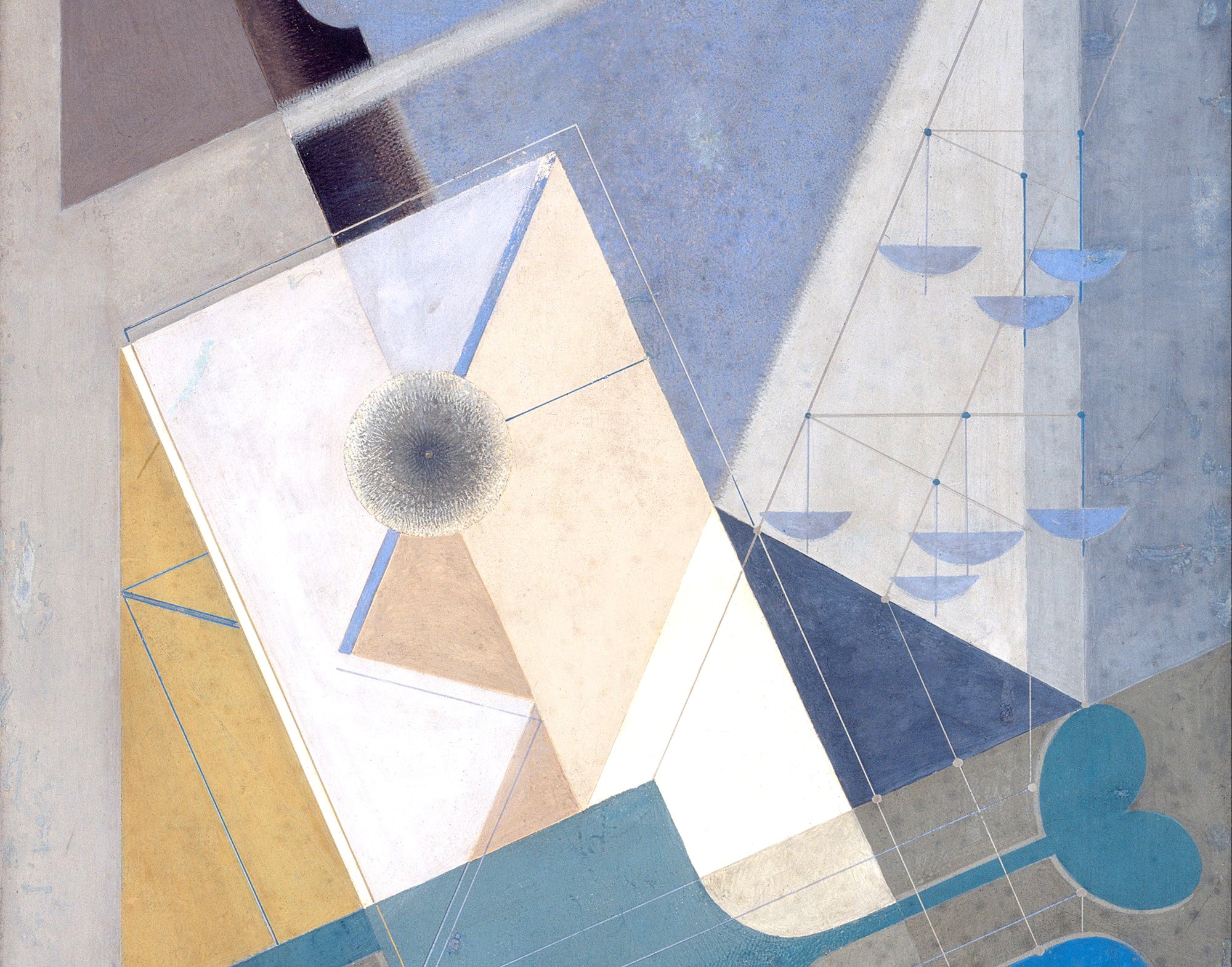
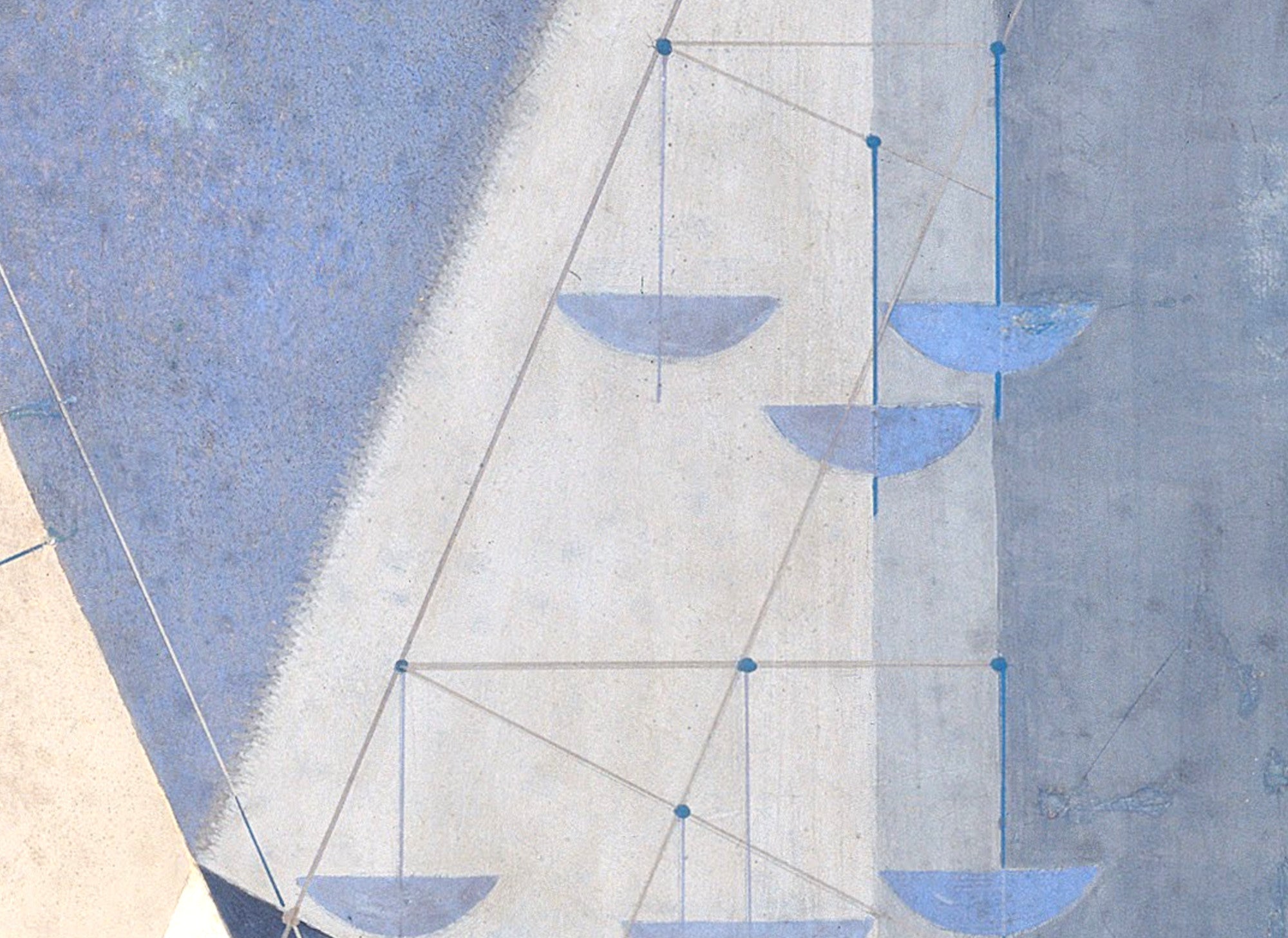
Vertical bars around a central circle
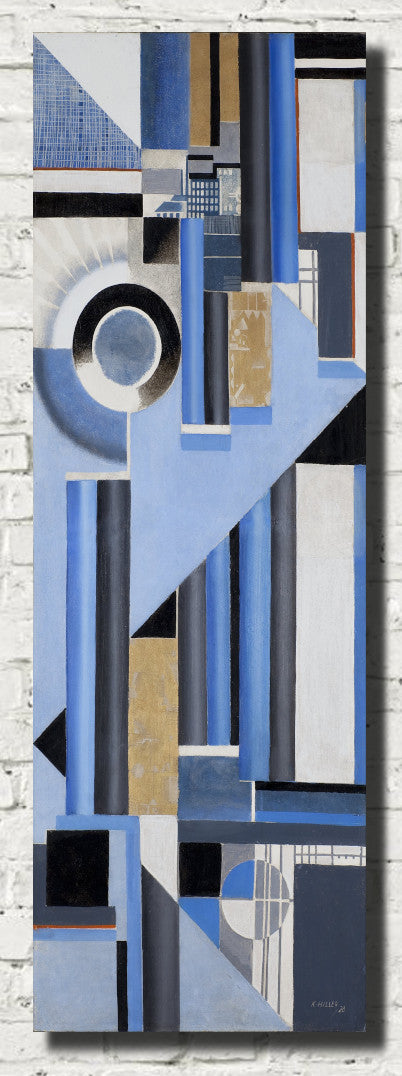
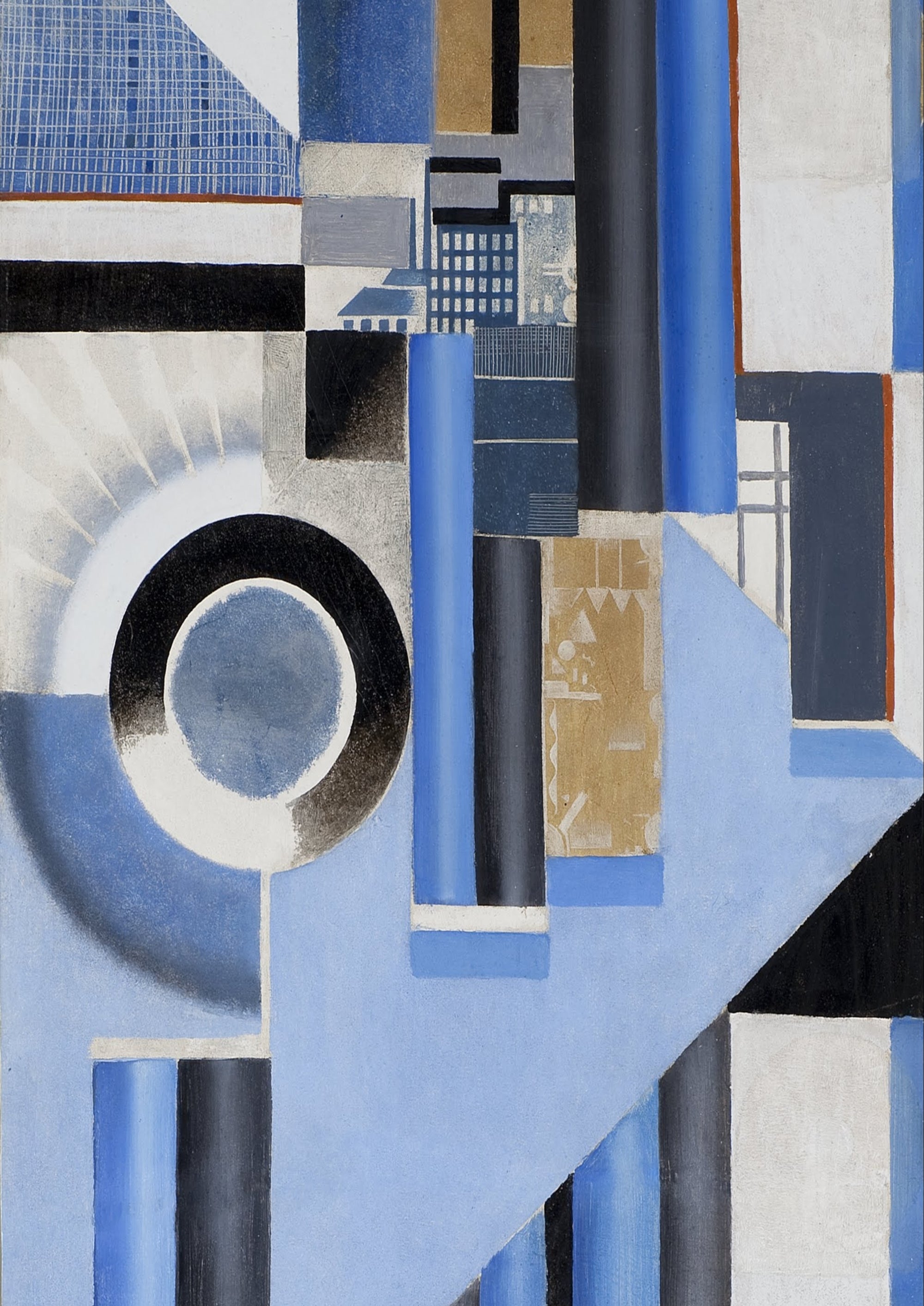
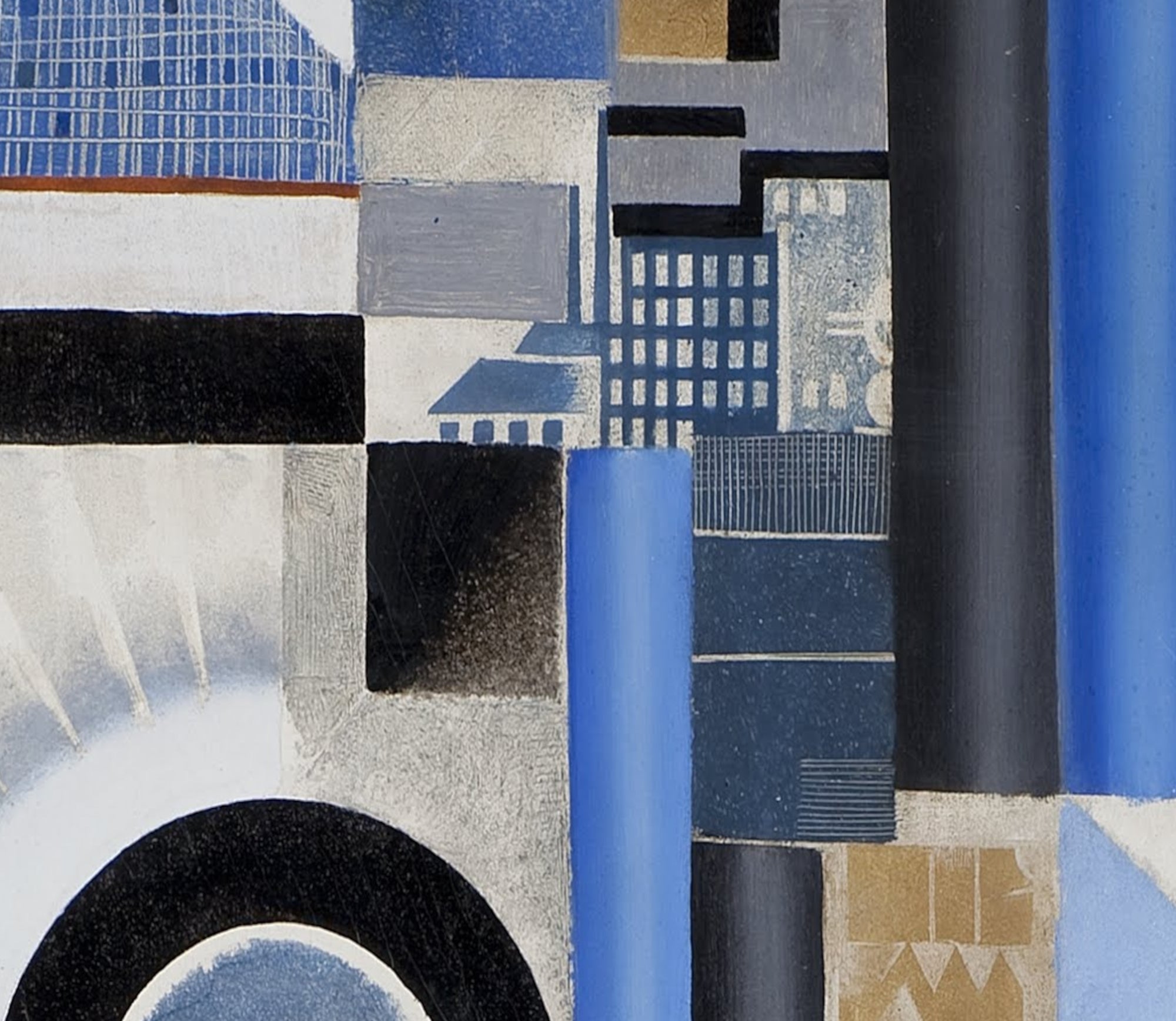
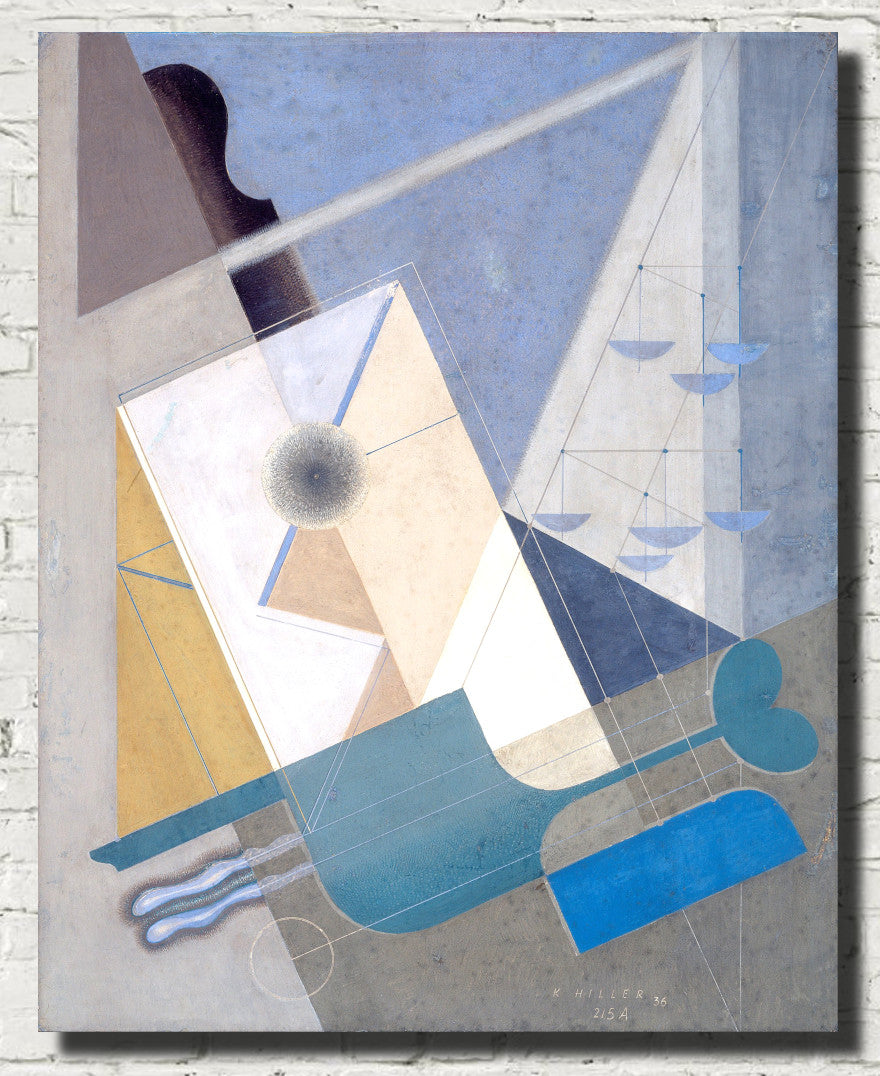
Composition 0 organises the tall image through narrow blue, grey, black and ochre strips. A circular opening interrupts the straight lines near the upper half. Repeated bands and short horizontal accents create a compact structural rhythm, with little empty space left between the closely fitted elements.
Curved and cylindrical forms in monochrome
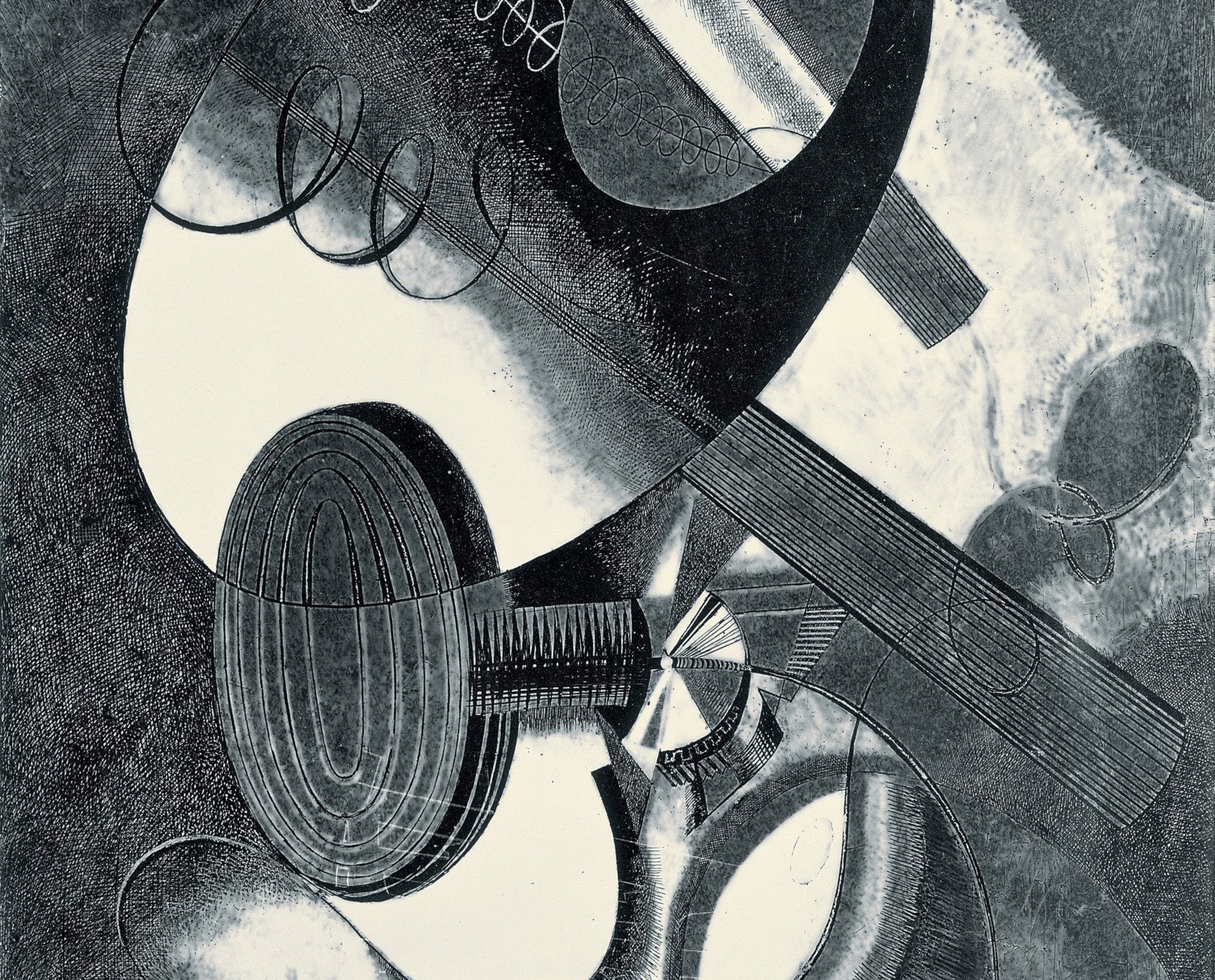
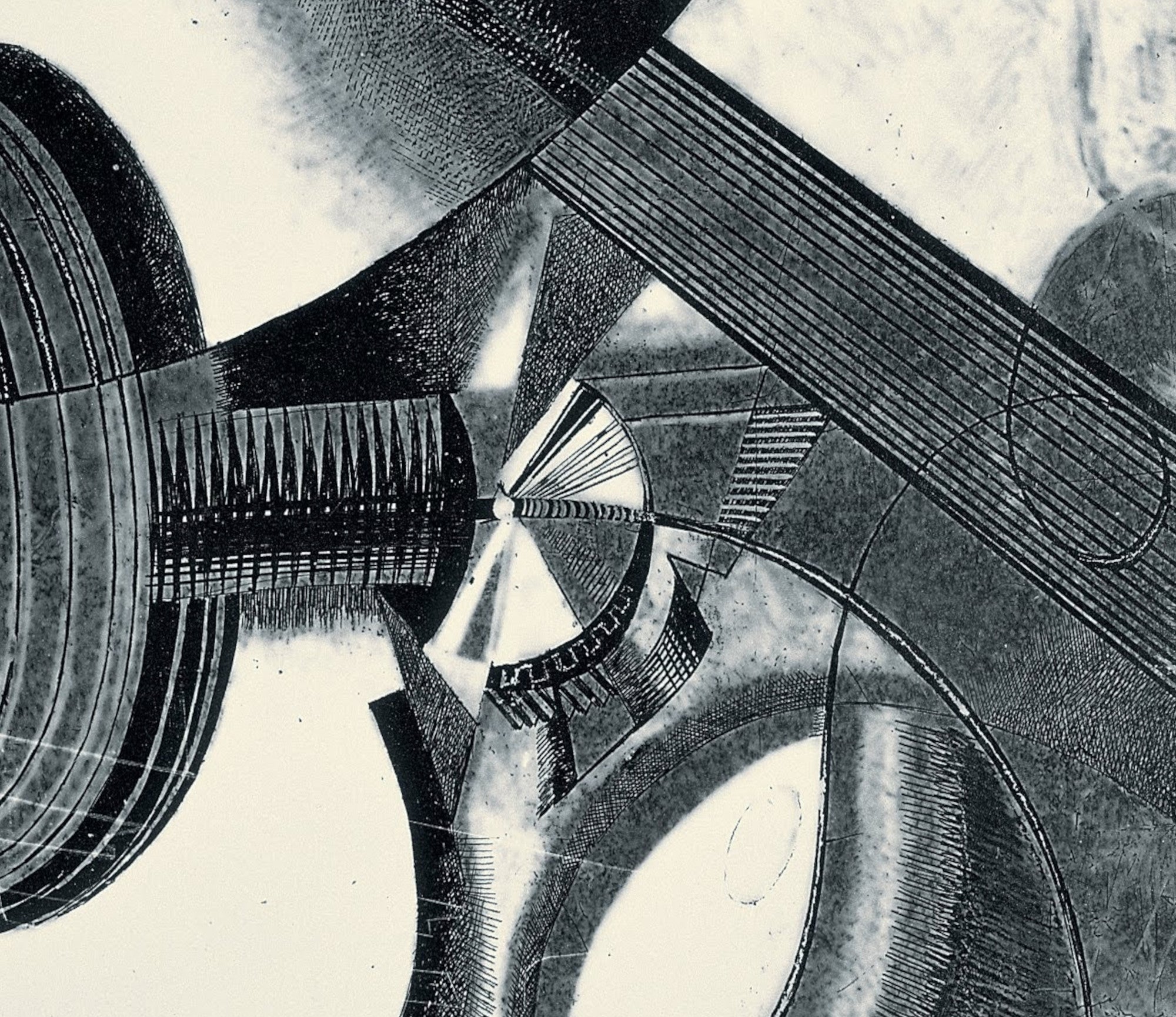
Heliographic Composition XXIX combines rings, ribbed surfaces and angled planes within a grainy dark-and-light field. Pale openings separate several of the overlapping parts. The textured surface gives the abstract shapes a less uniform edge than the vertical colour composition, suggesting depth through contrast and partial concealment.
Sweeping arcs across a coloured field
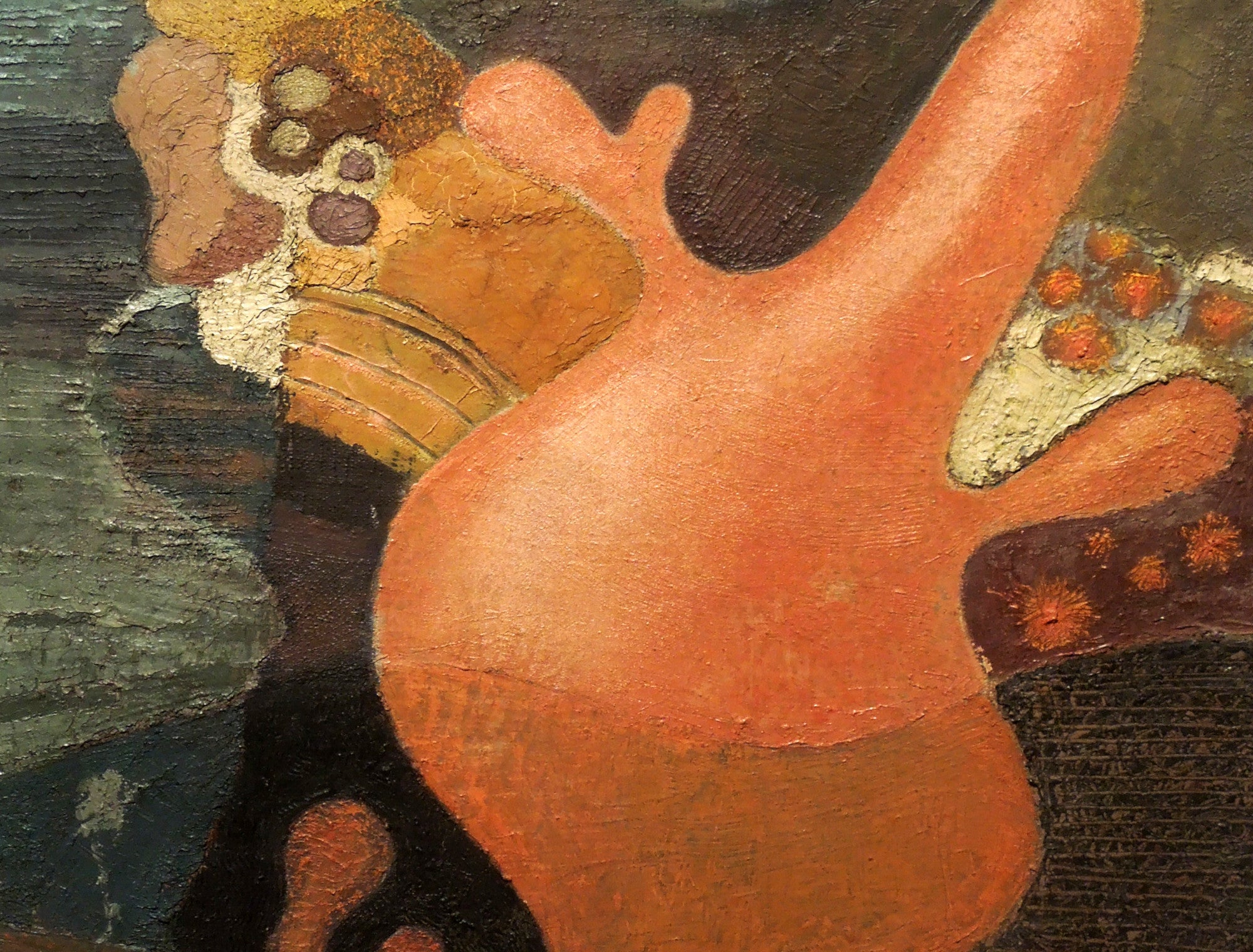
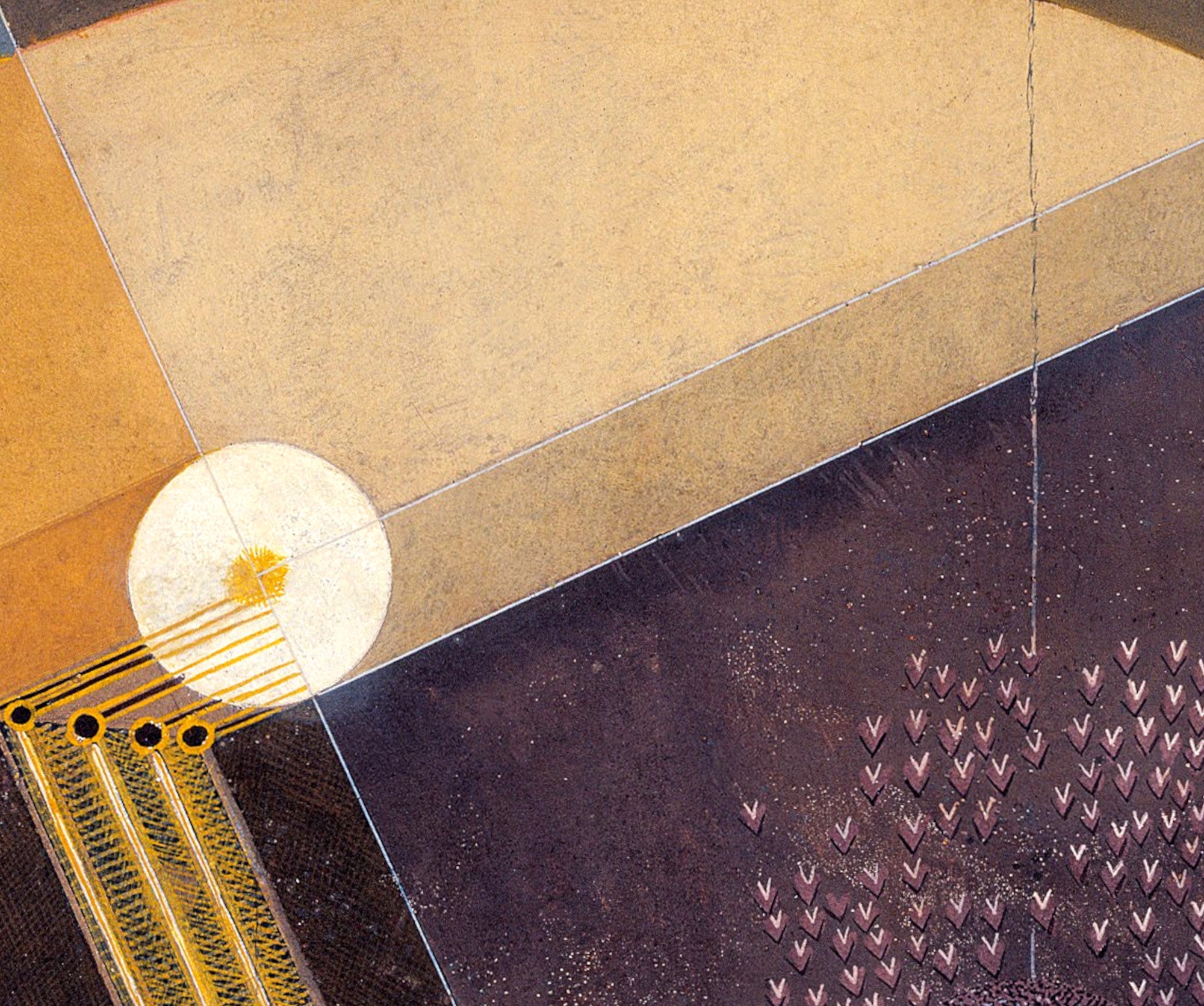
Composition BA220 sets long pale and brown curves against blue and purple areas, with small circular accents above and below. Narrow yellow lines repeat near the lower edge. The broader spacing and diagonal sweep give the image a different rhythm from the densely packed vertical bars.
Related artists and collections
Compare layered geometry in László Moholy-Nagy, diagonal colour in Theo van Doesburg and open arrangements in Rudolf Bauer. Further geometric art follows the arcs and structural lines, while abstract prints broadens the relationship between texture, shape and surrounding space.
Read more in our guide to Art Deco, Art Nouveau and Bauhaus.