
Rembrandt van Rijn Prints – Portraits, Light & Dramatic Groups
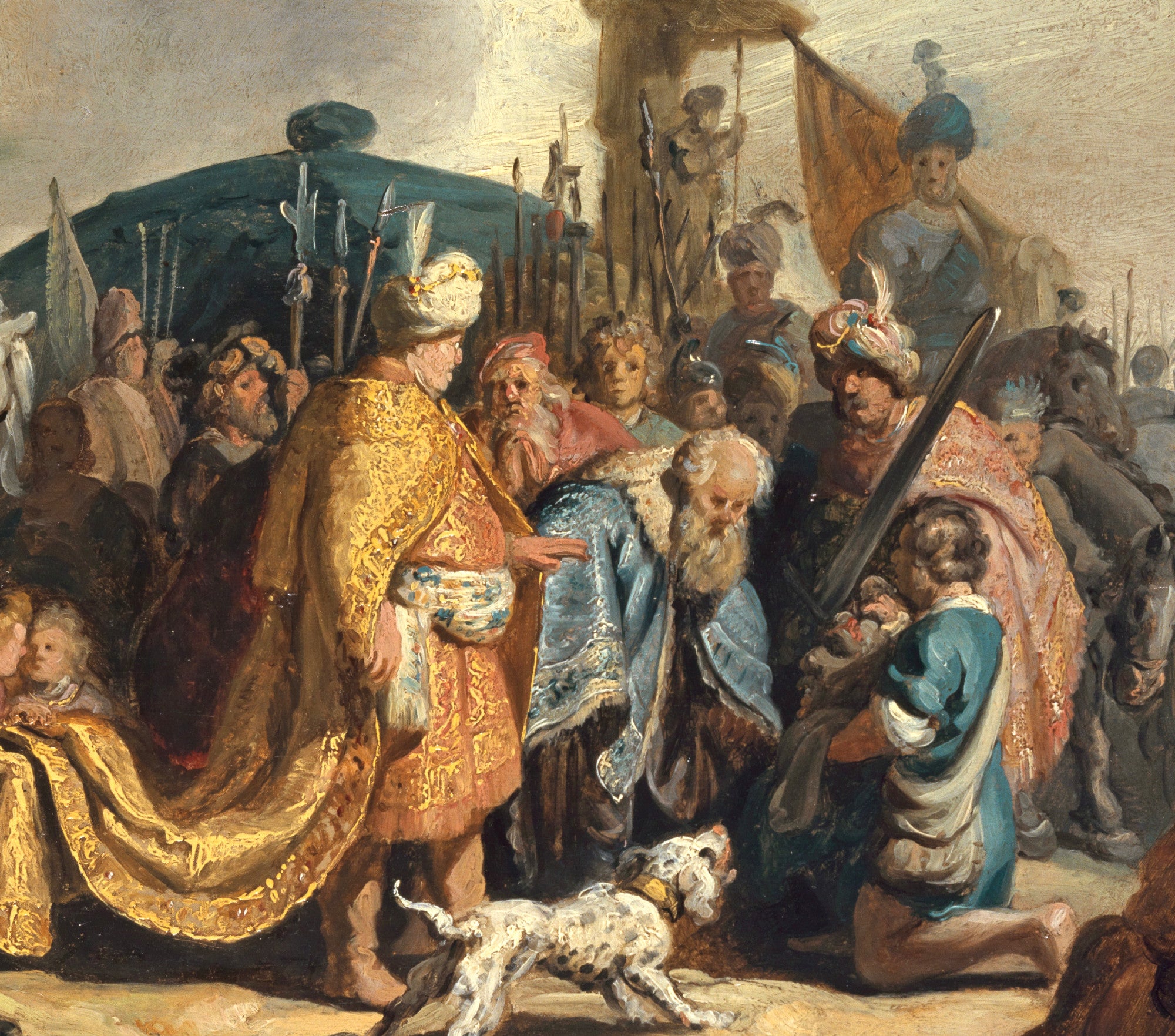
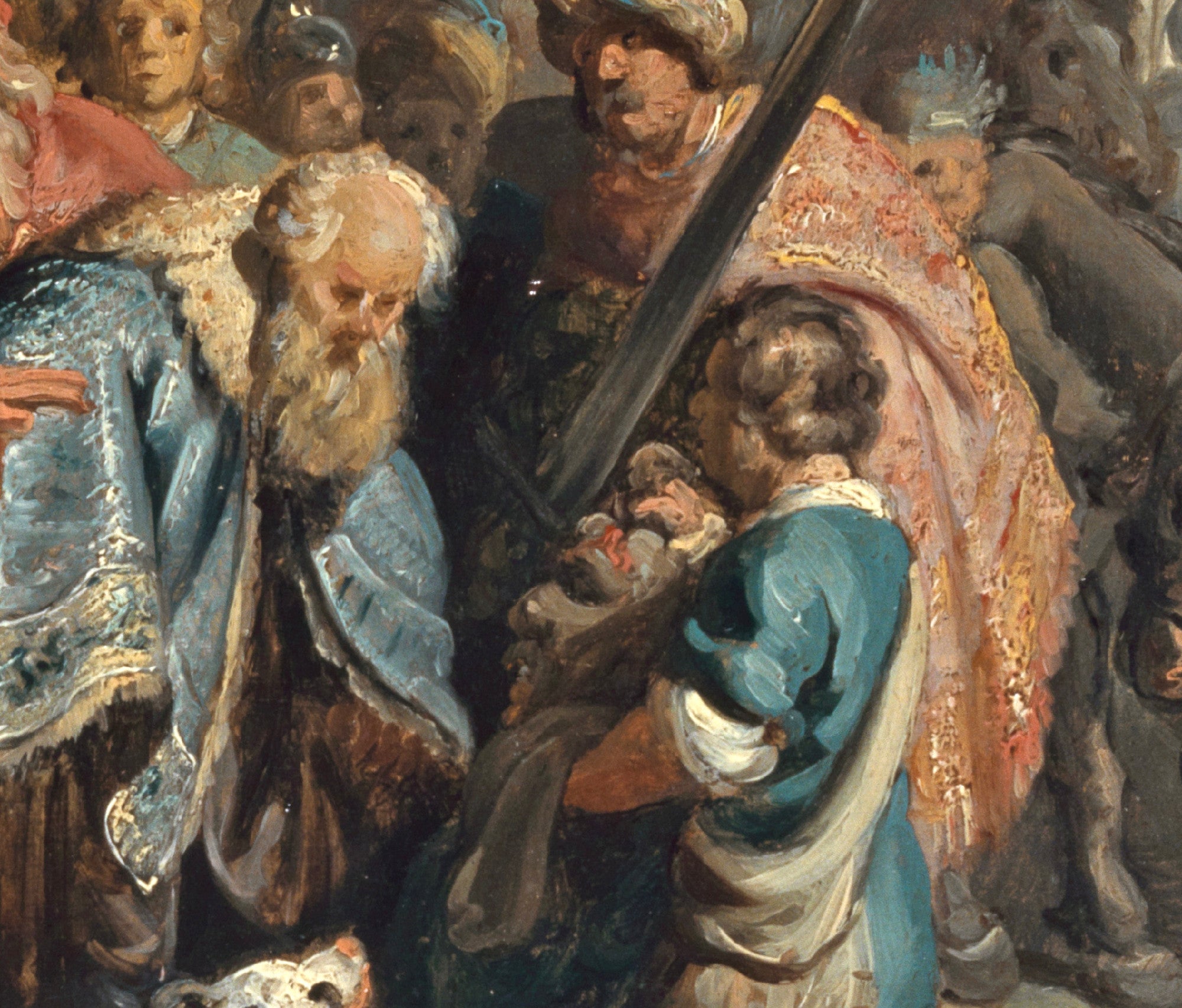
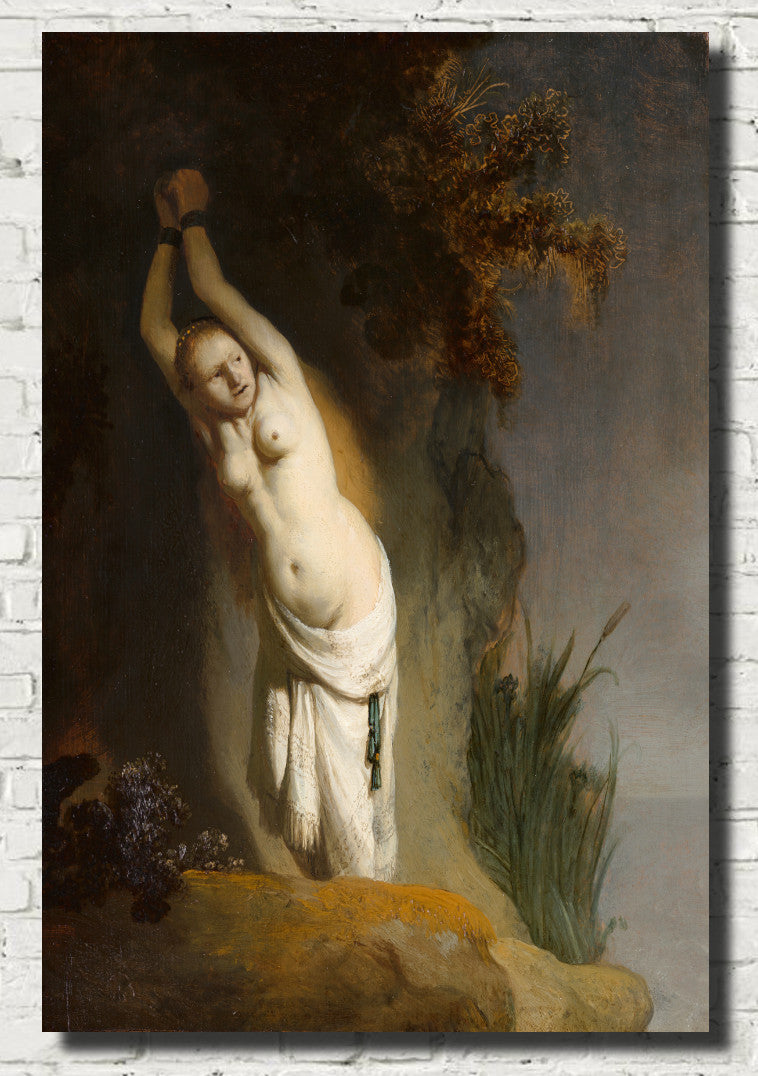
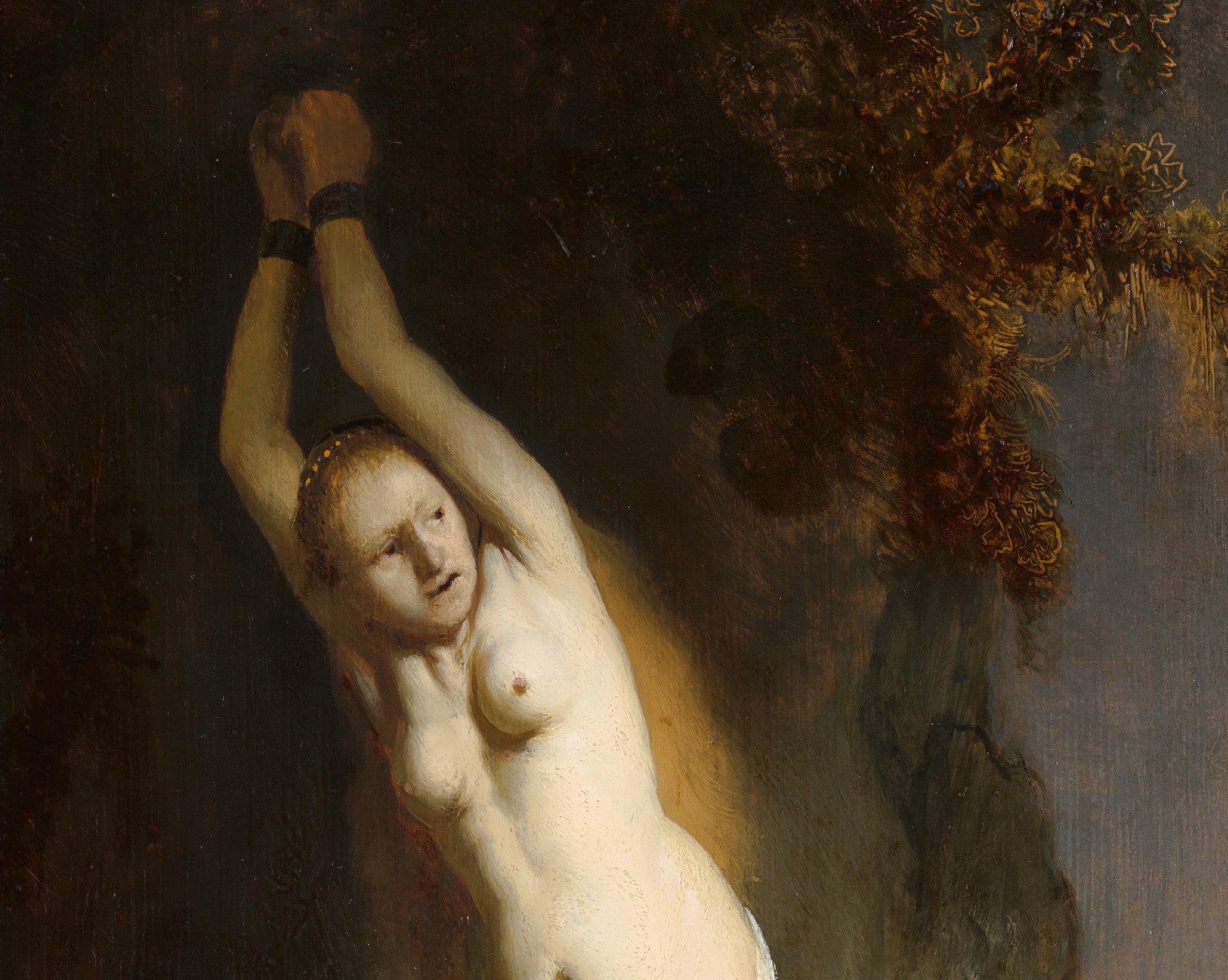
Rembrandt van Rijn prints range from individual faces to crowded groups brought into focus by concentrated light. Hands, clothing and the direction of a gaze can clarify an encounter within surrounding shadow. Explore portraits and narrative paintings alongside Old Masters, figurative art and sacred subjects.
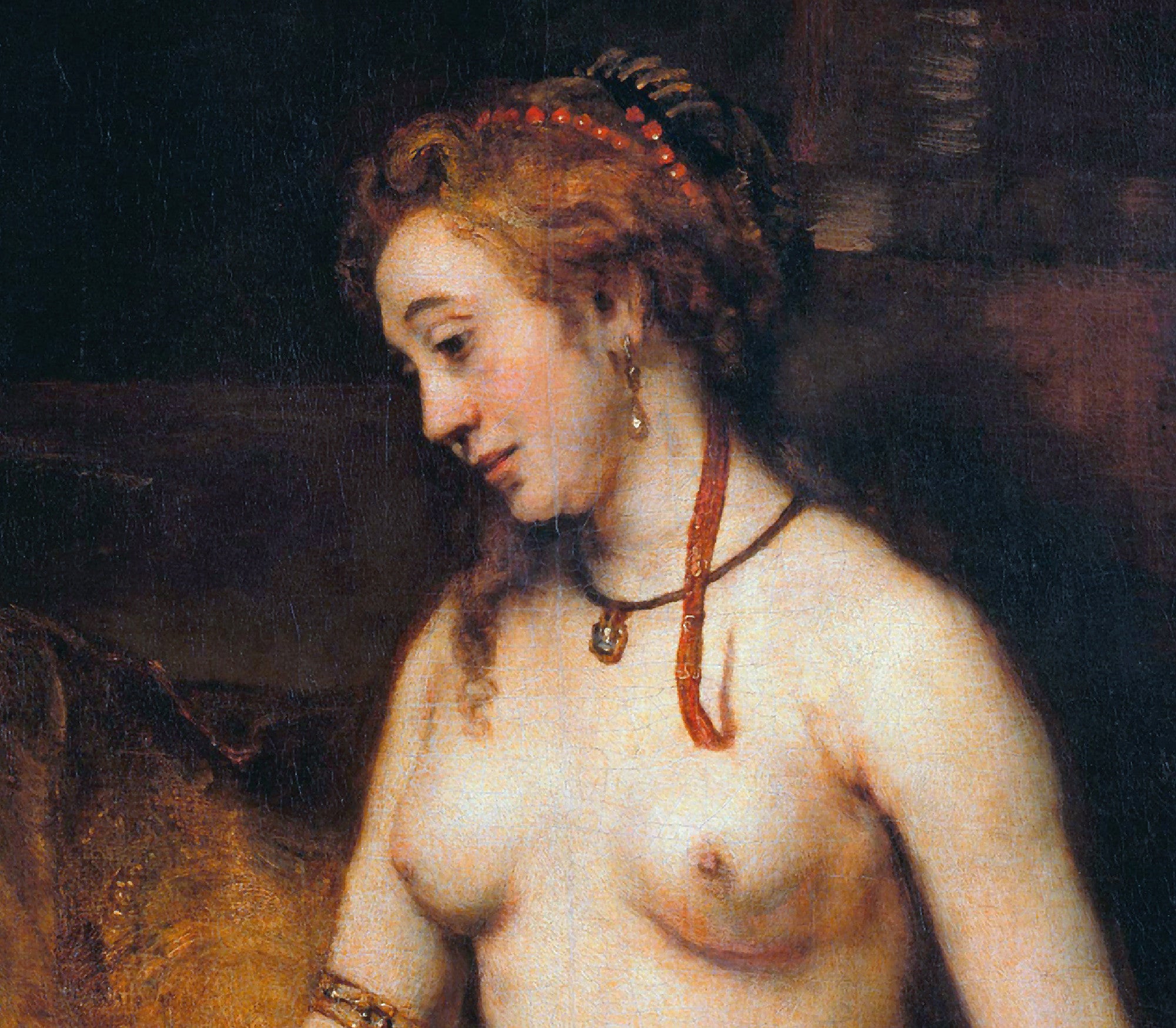
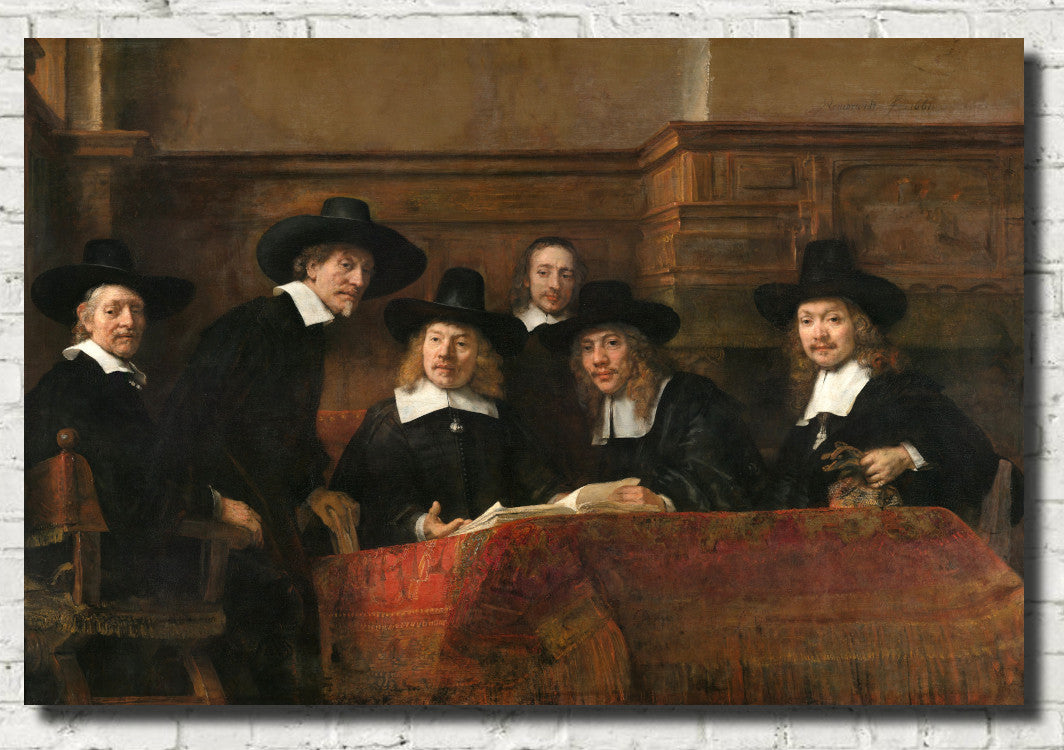
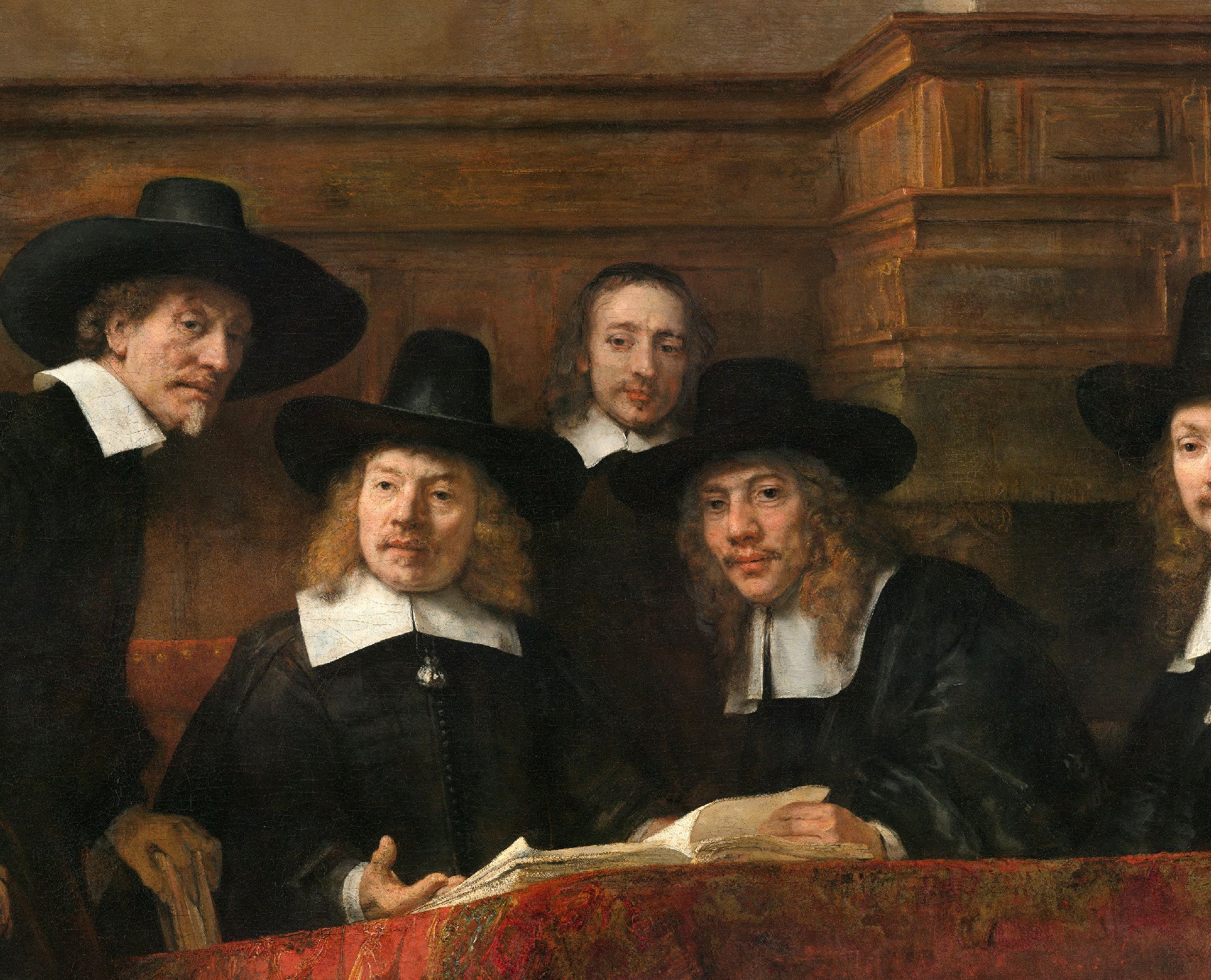
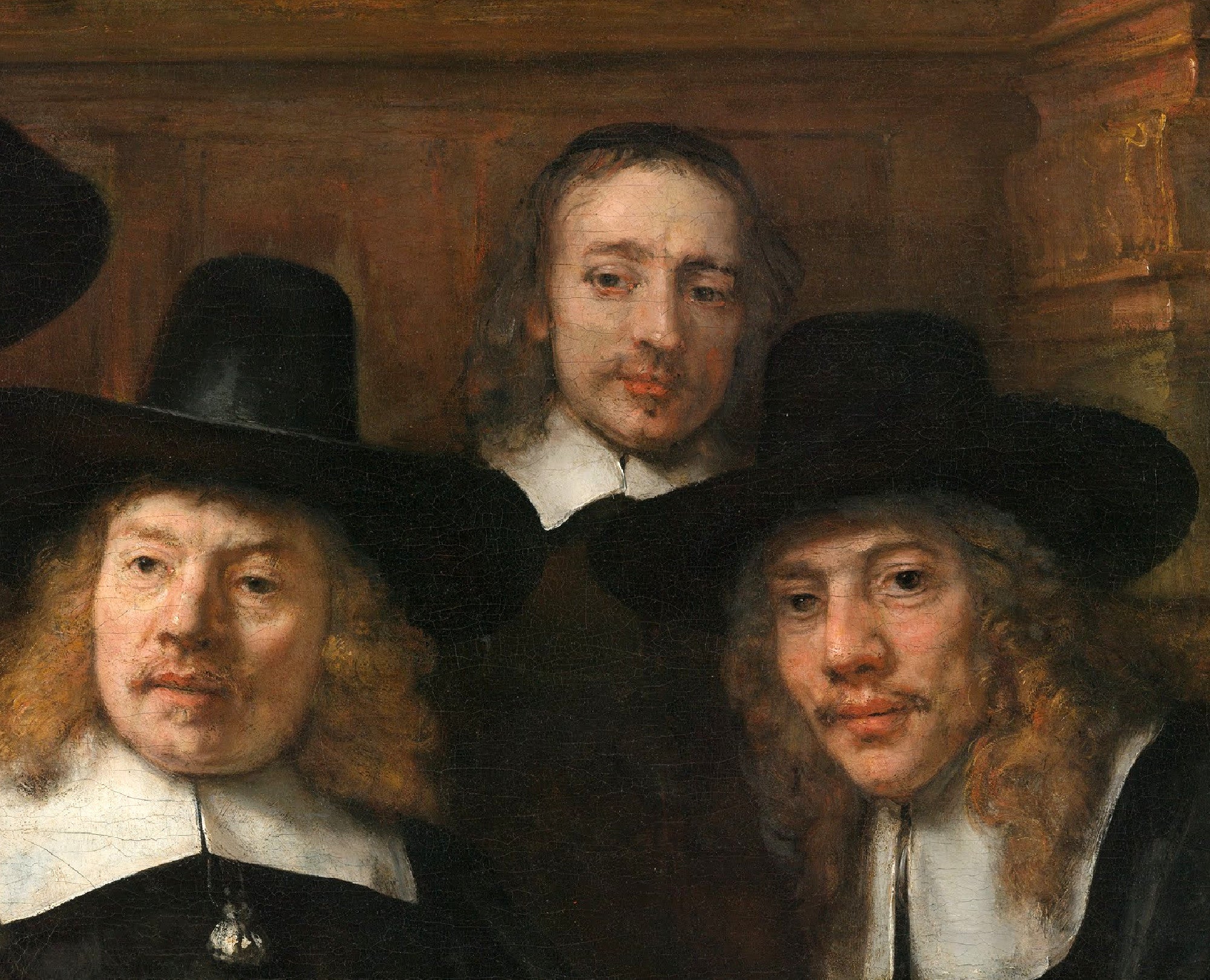
A group arranged through movement and light
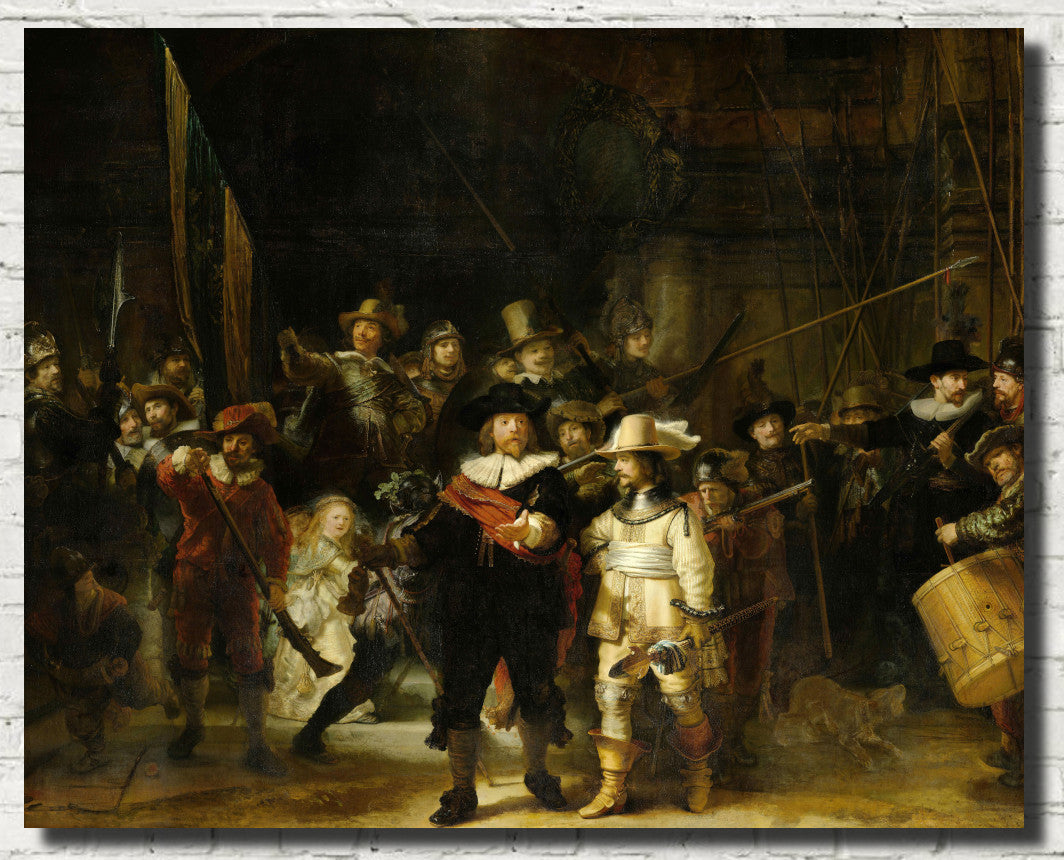
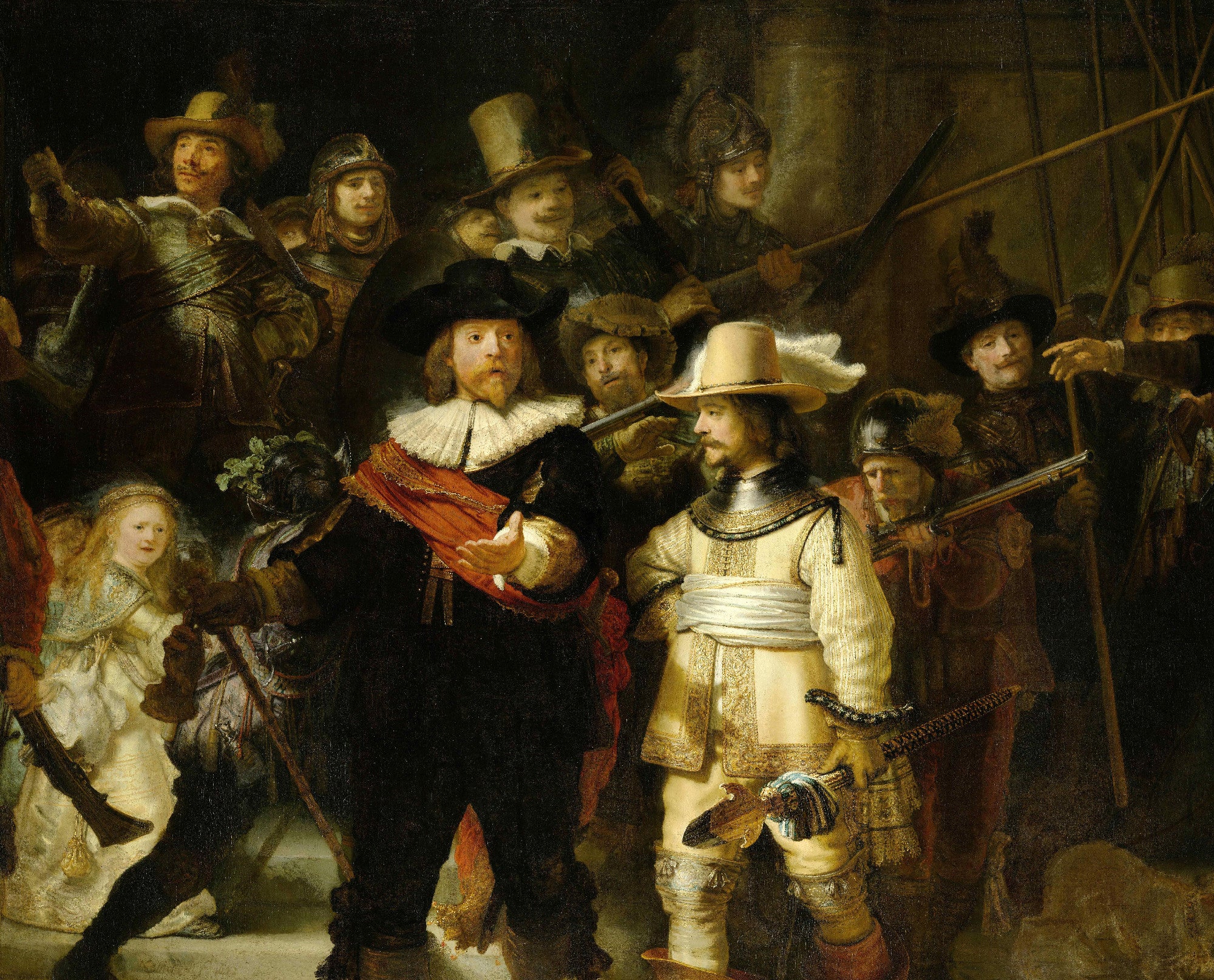
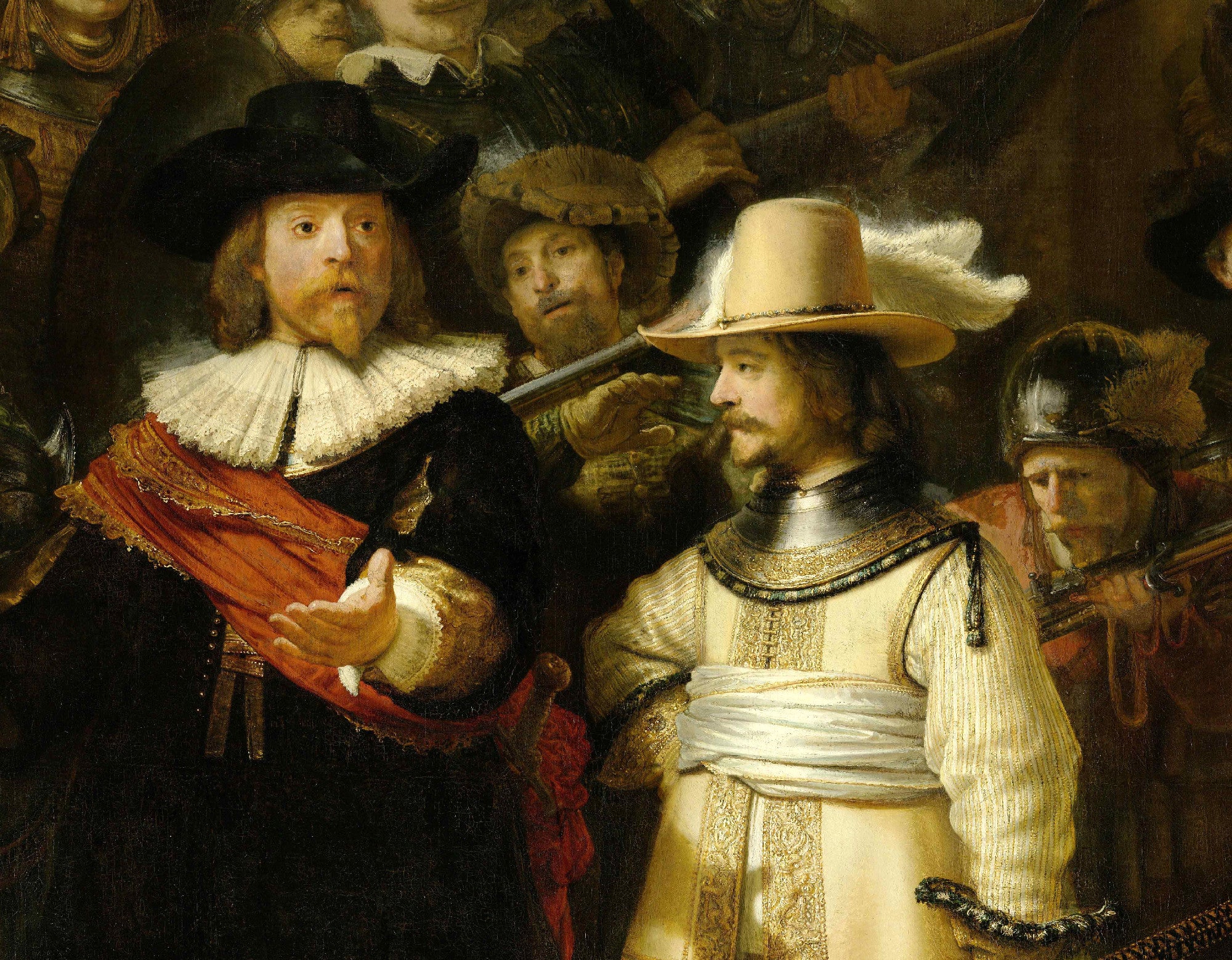
The Night Watch places prominent figures near the foreground among weapons, flags and people emerging from shadow. Pale clothing and bright accents draw attention to separate parts of the gathering. The many turns of the bodies make the group feel active rather than arranged in one static row.
A face held against warm darkness
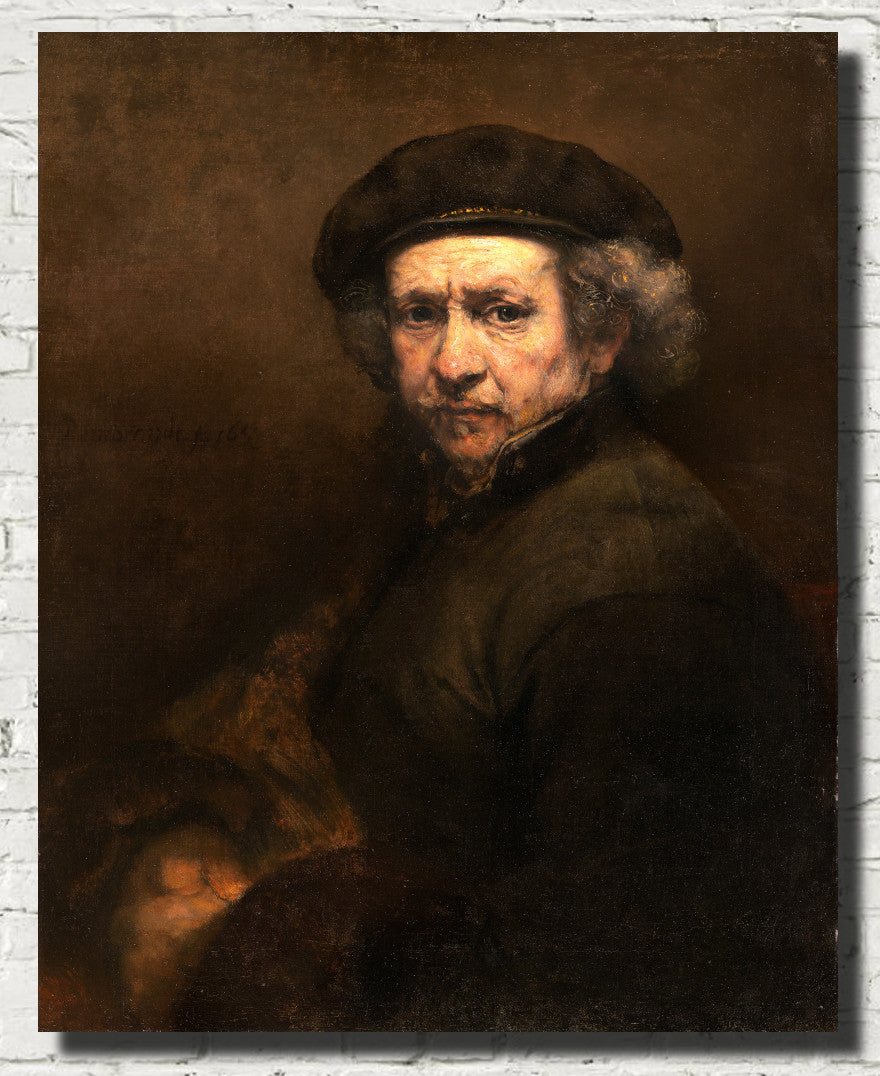
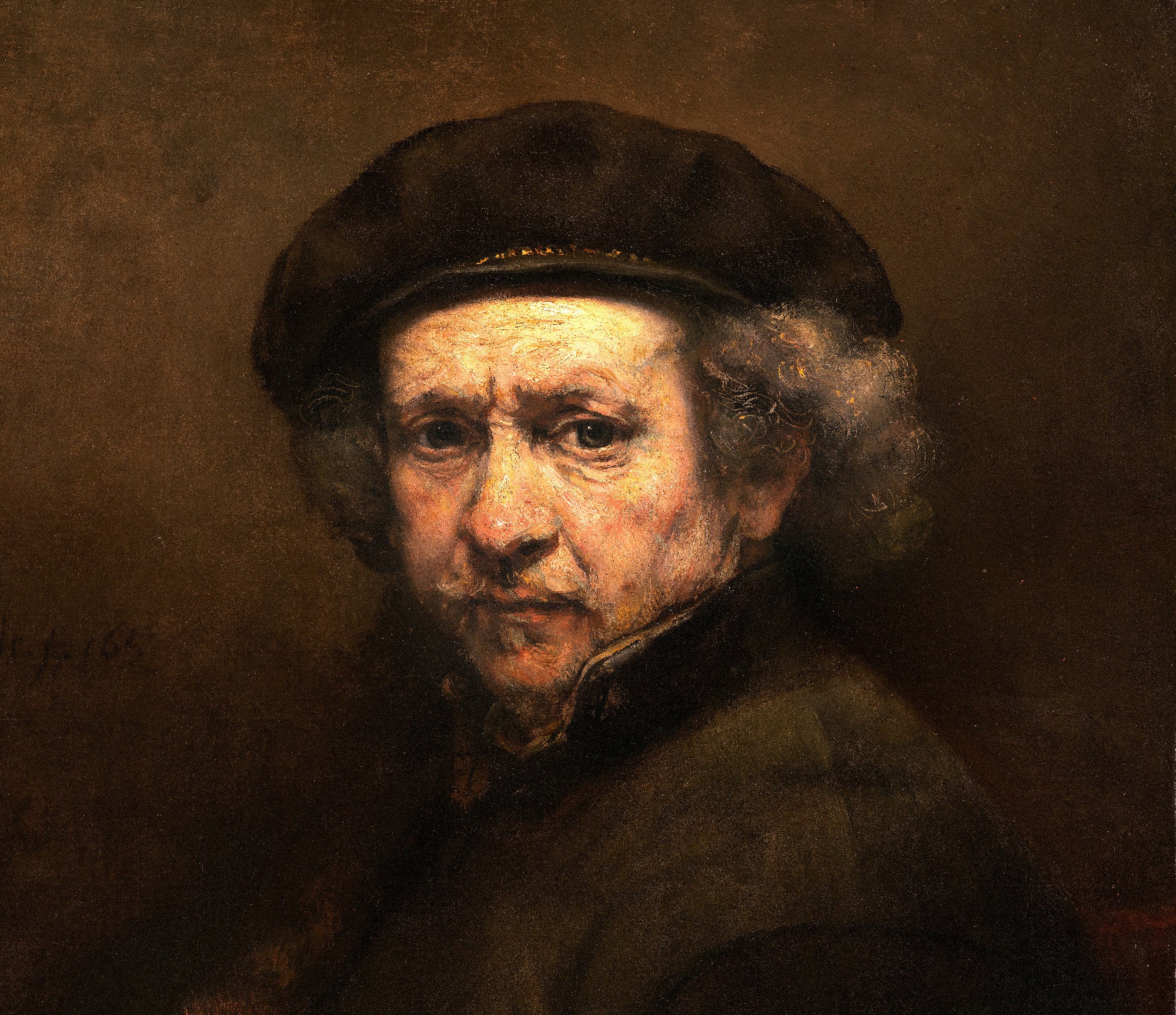
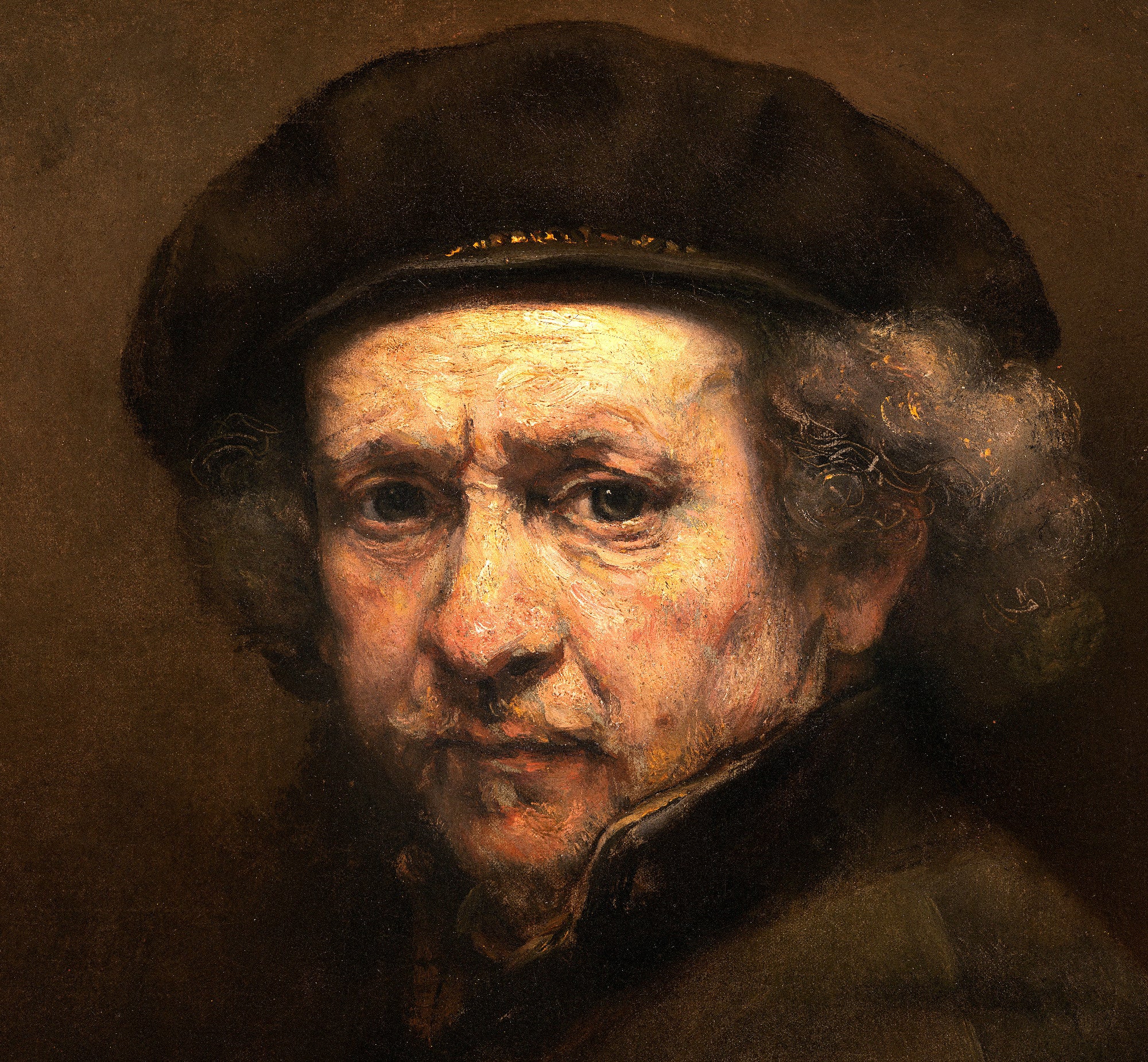
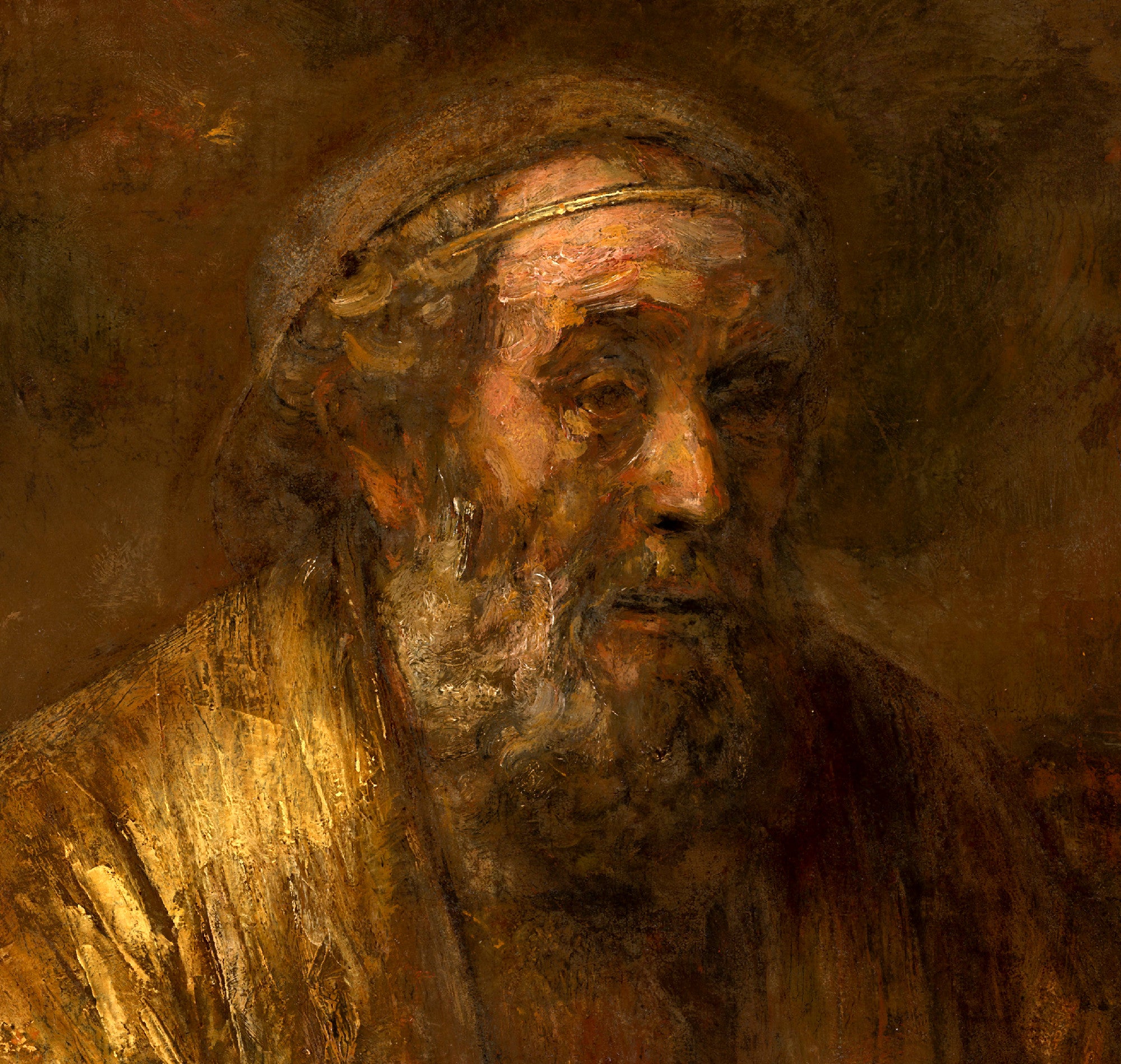
Self Portrait brings the sitter close, with dark clothing and a broad cap framing the illuminated face. The surrounding tones remain restrained. Small changes around the eyes, mouth and cheek carry more weight here than the larger gestures and varied costumes of the narrative groups.
The gathering interrupted by a luminous sign
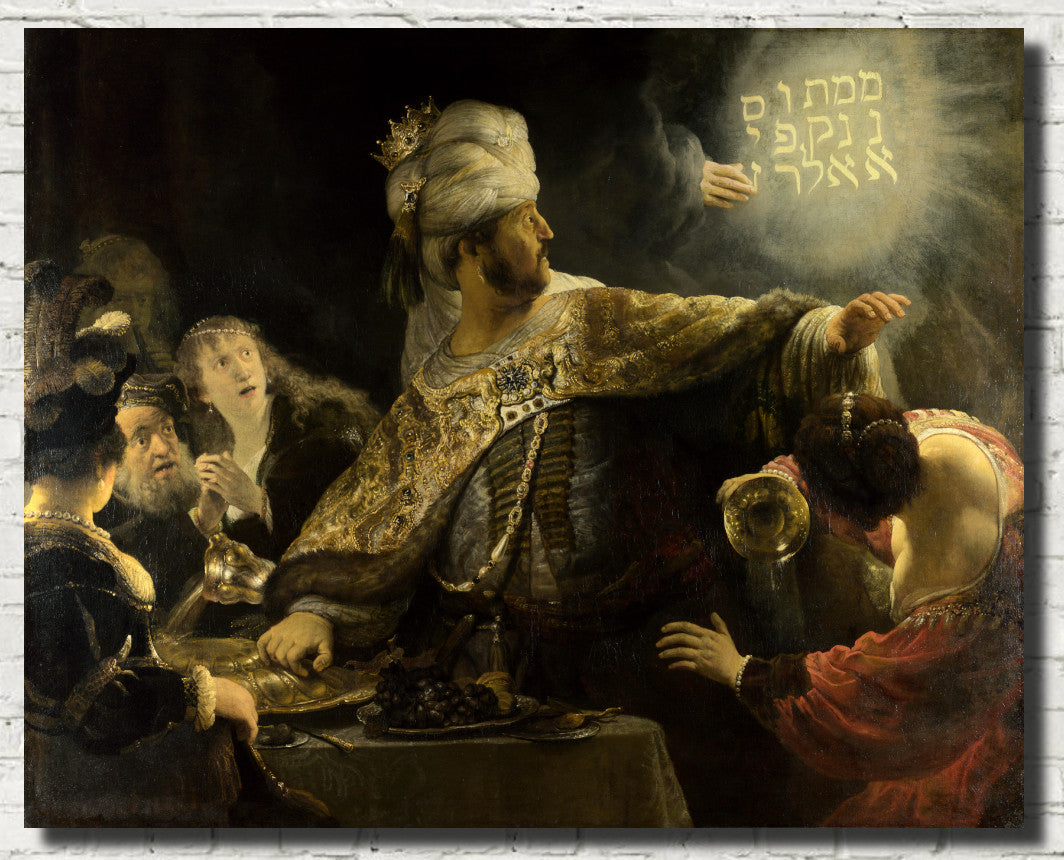
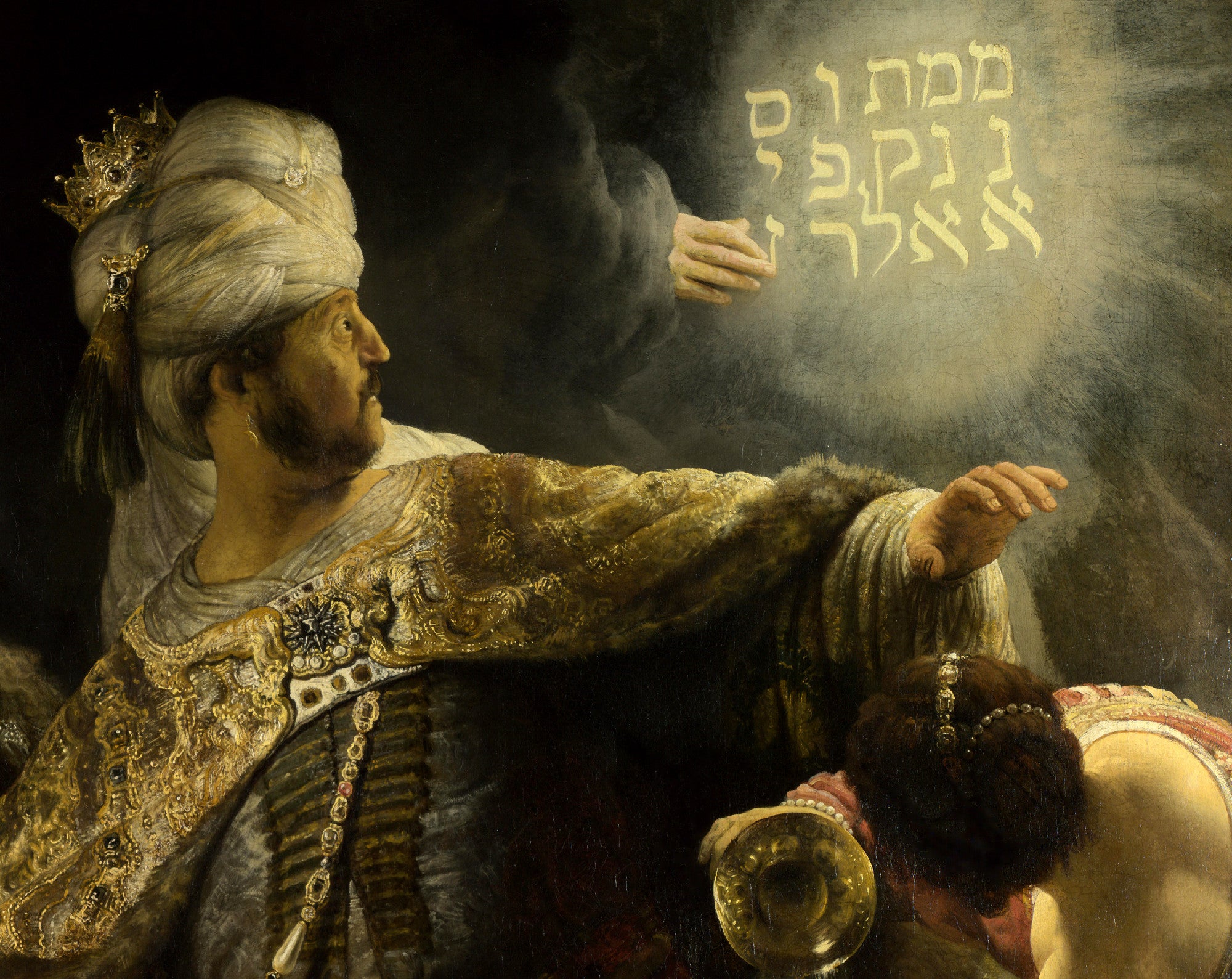
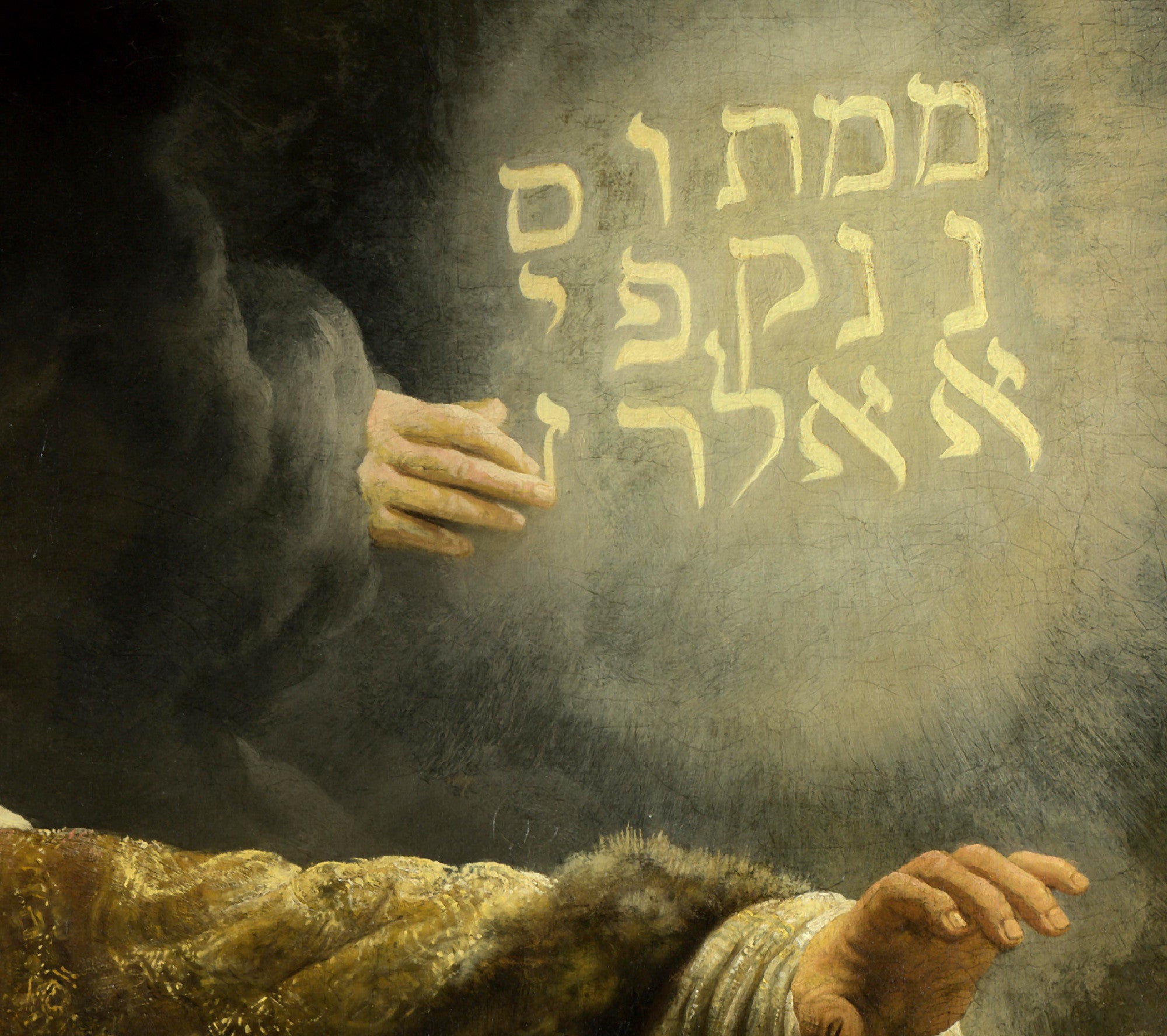
Belshazzar’s Feast turns the richly dressed central figure towards bright writing near the upper edge. Faces, raised hands and tipped vessels register the disturbance across the table. The concentrated light gives the event a clear focus while allowing much of the surrounding room to remain dark.
Related artists and collections
Compare dramatic light in Caravaggio, linked bodies in Peter Paul Rubens and quieter interiors in Johannes Vermeer. Further Old Master prints extends the historical connections, while portraits and people offers other approaches to faces, hands and the relationships within a group.
Read more in our guide to Rembrandt van Rijn.