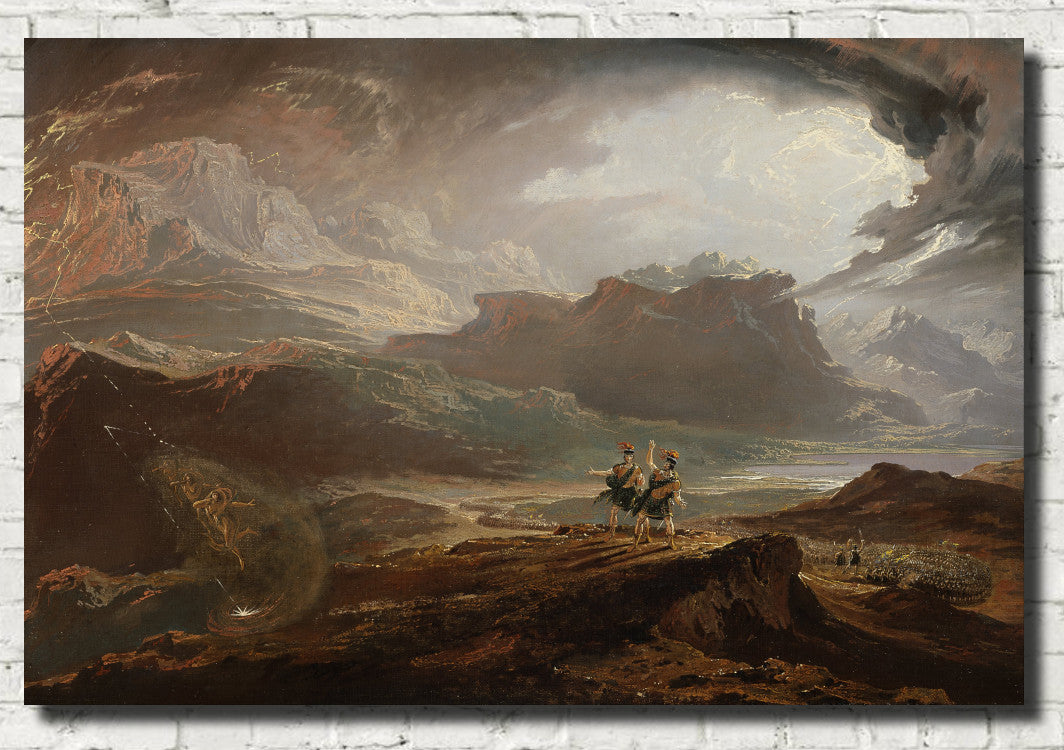
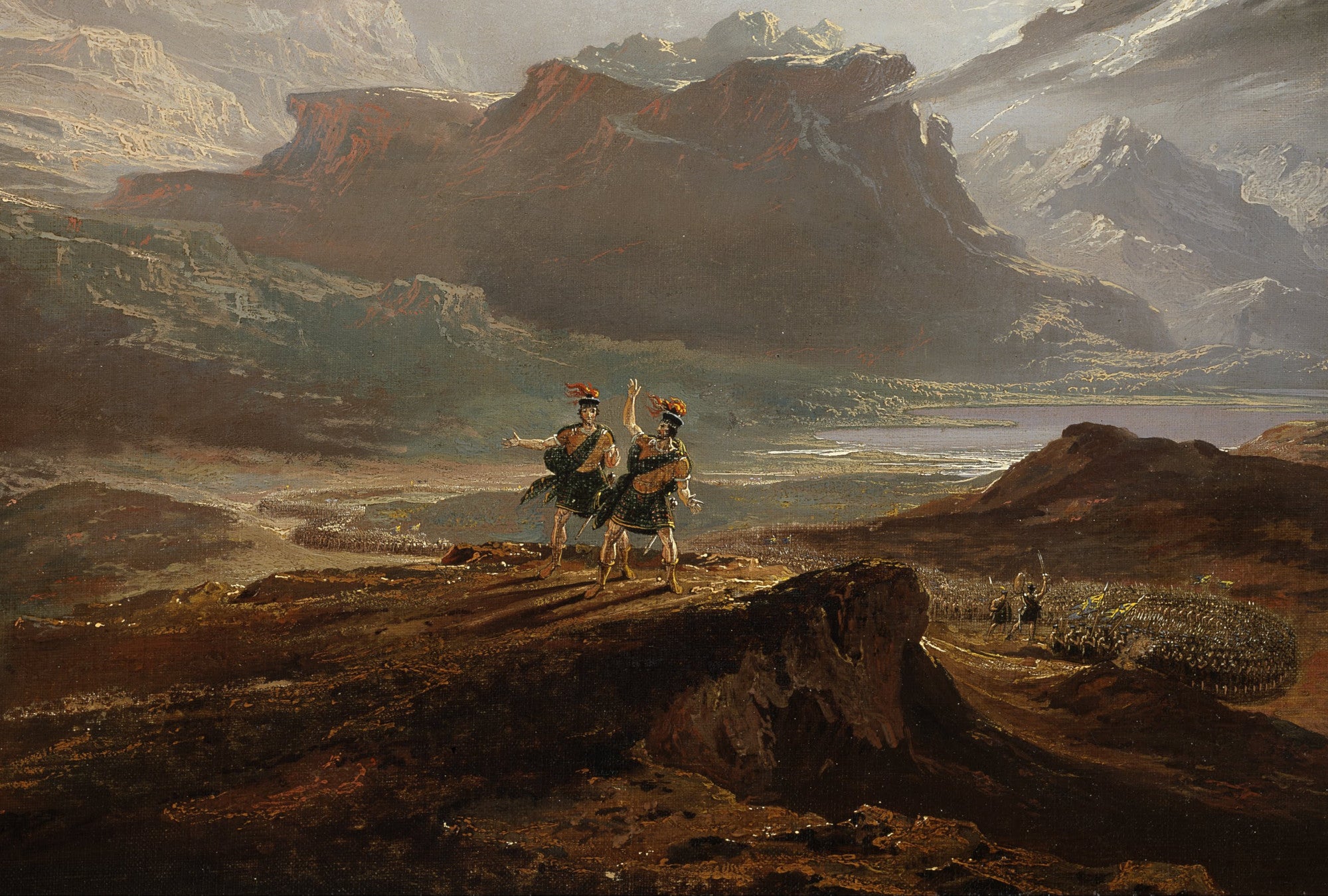
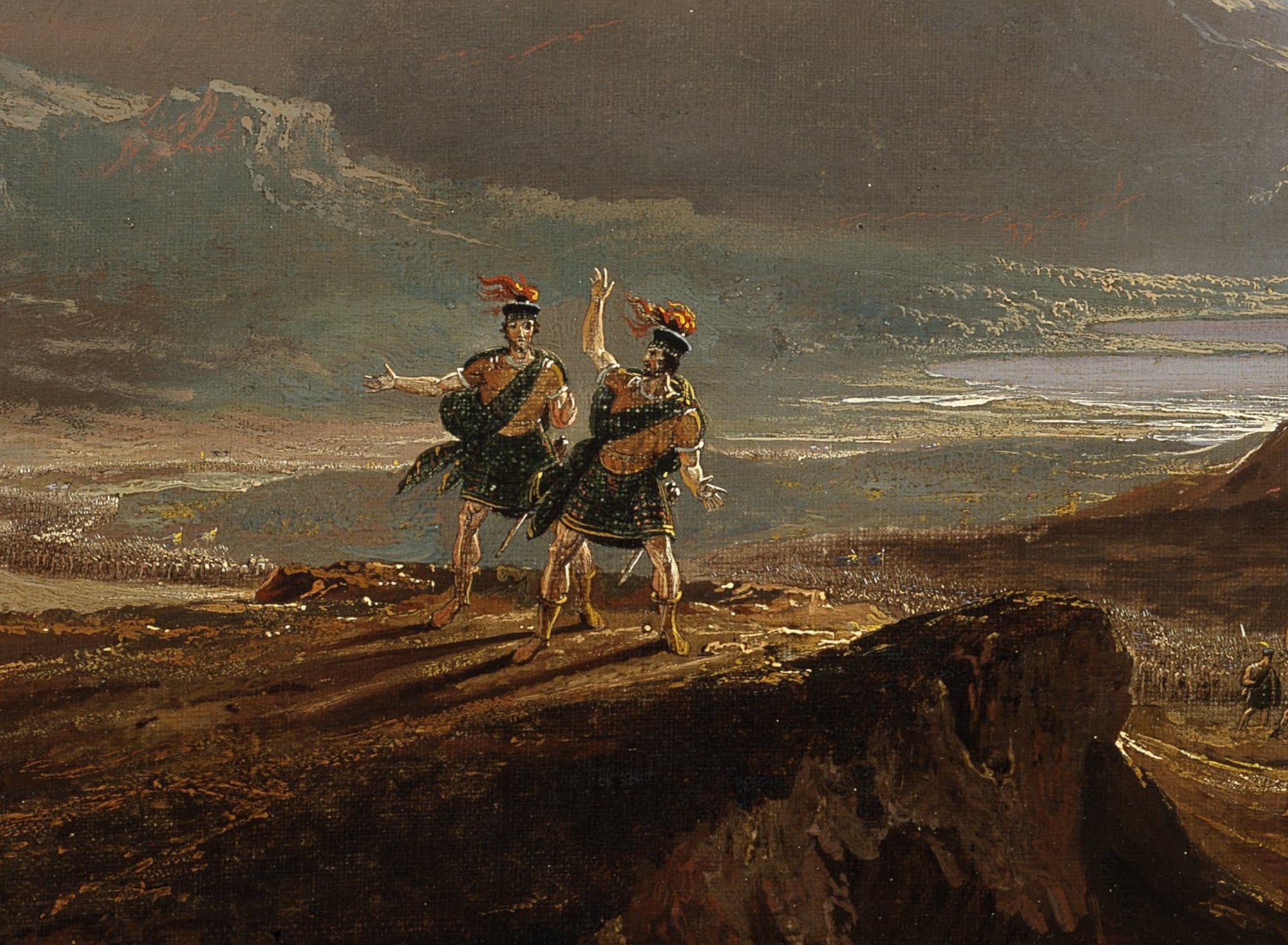
John Martin Prints and Apocalyptic Romantic Art
John Martin created some of the most spectacular paintings of the British Romantic era. His immense imagined landscapes are filled with collapsing mountains, burning cities, storms, floods, vast temples and crowds of tiny figures overwhelmed by forces far greater than themselves.
The scale of his imagination made him enormously popular during his lifetime. Martin understood that a painting could do more than describe a story: it could make the viewer feel physically small before nature, architecture, divine judgement or catastrophe.
This collection brings together John Martin prints ranging from his celebrated Biblical and apocalyptic paintings to literary subjects, ruined cities, prehistoric landscapes and atmospheric views of the British countryside.
The Great Day of His Wrath
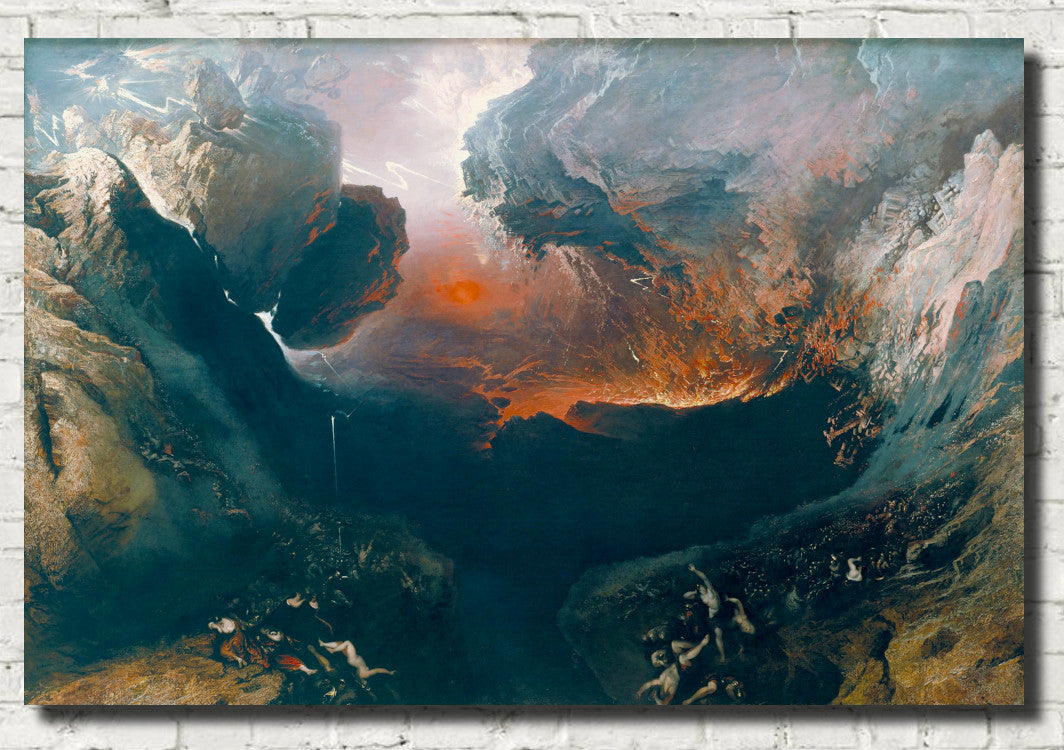
The Great Day of His Wrath is perhaps Martin’s most recognisable vision of destruction.
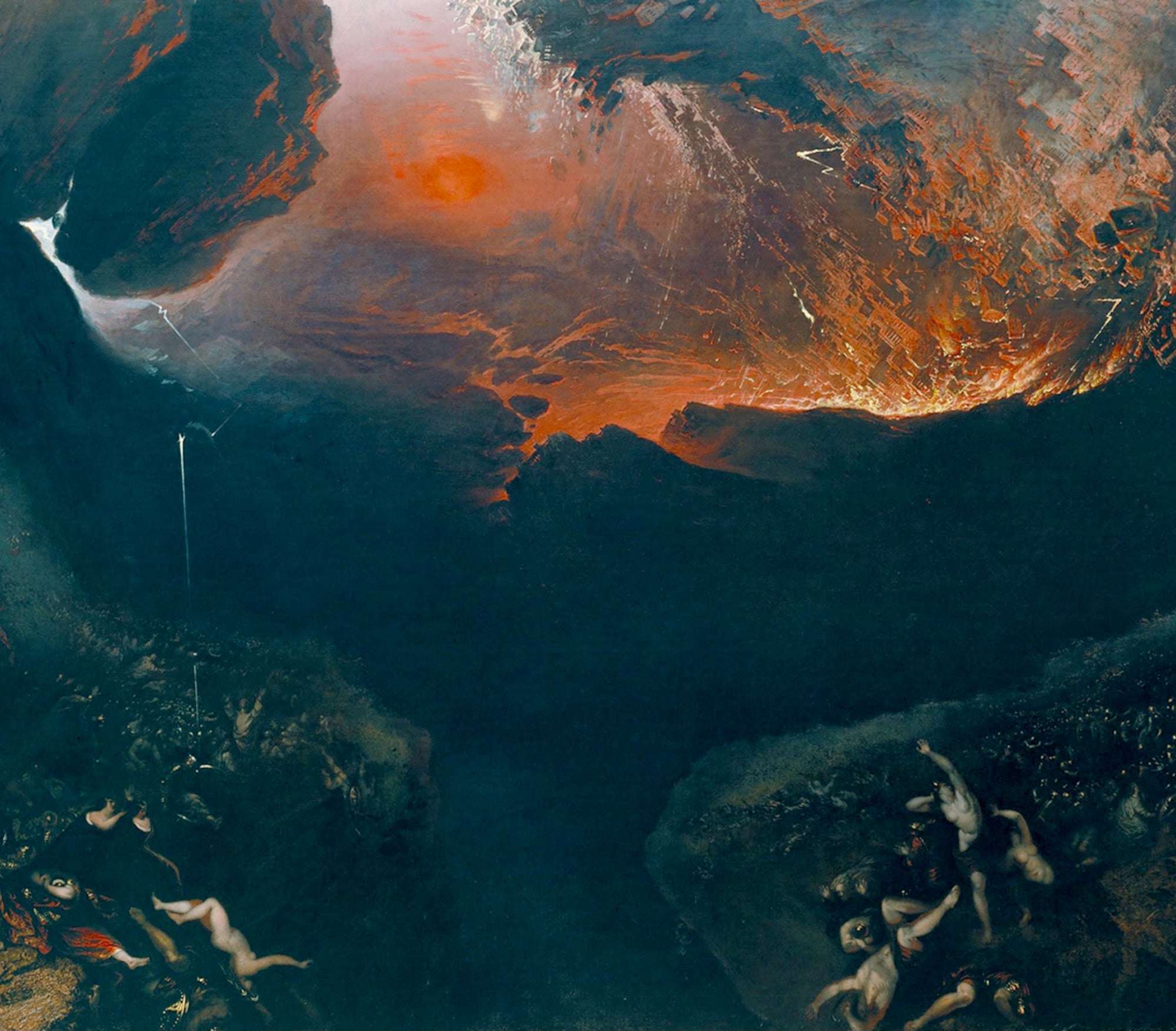
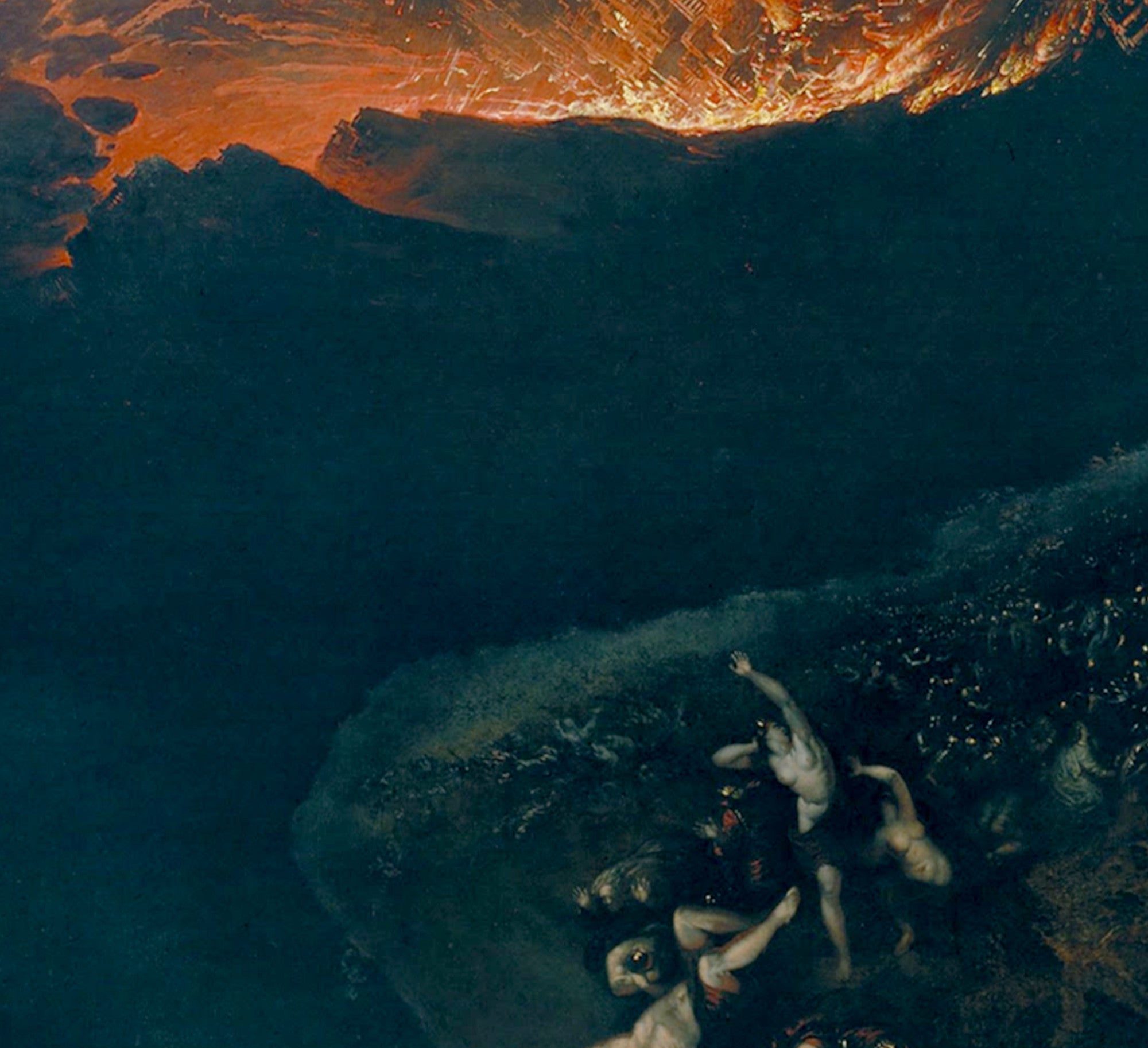
Painted between 1851 and 1853, it forms part of his great Last Judgement trilogy. Mountains and cities appear to collapse into an abyss while humanity is reduced to tiny figures caught inside an event of almost unimaginable scale.
The painting demonstrates one of Martin’s favourite devices: creating enormous depth through successive layers of landscape and architecture, then using brilliant light against darkness to draw the eye towards the centre of the catastrophe.
Rather than placing human figures at the centre of the picture, Martin makes the landscape itself the dominant force. The result feels remarkably cinematic even by modern standards.
The Deluge and Biblical Catastrophe
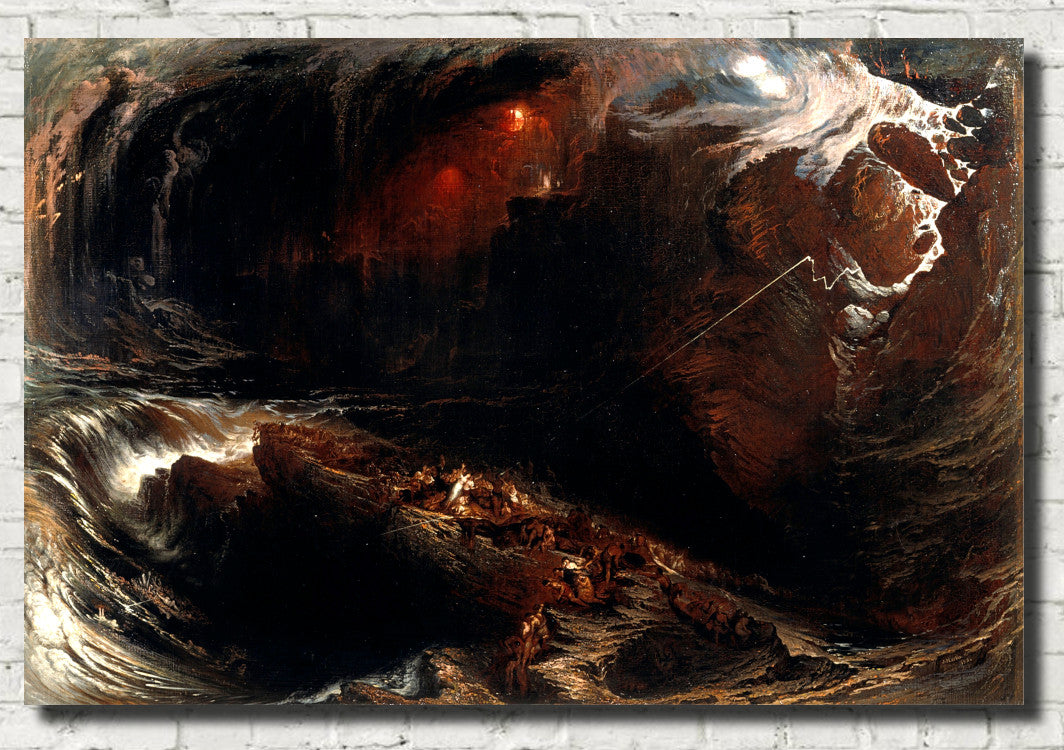
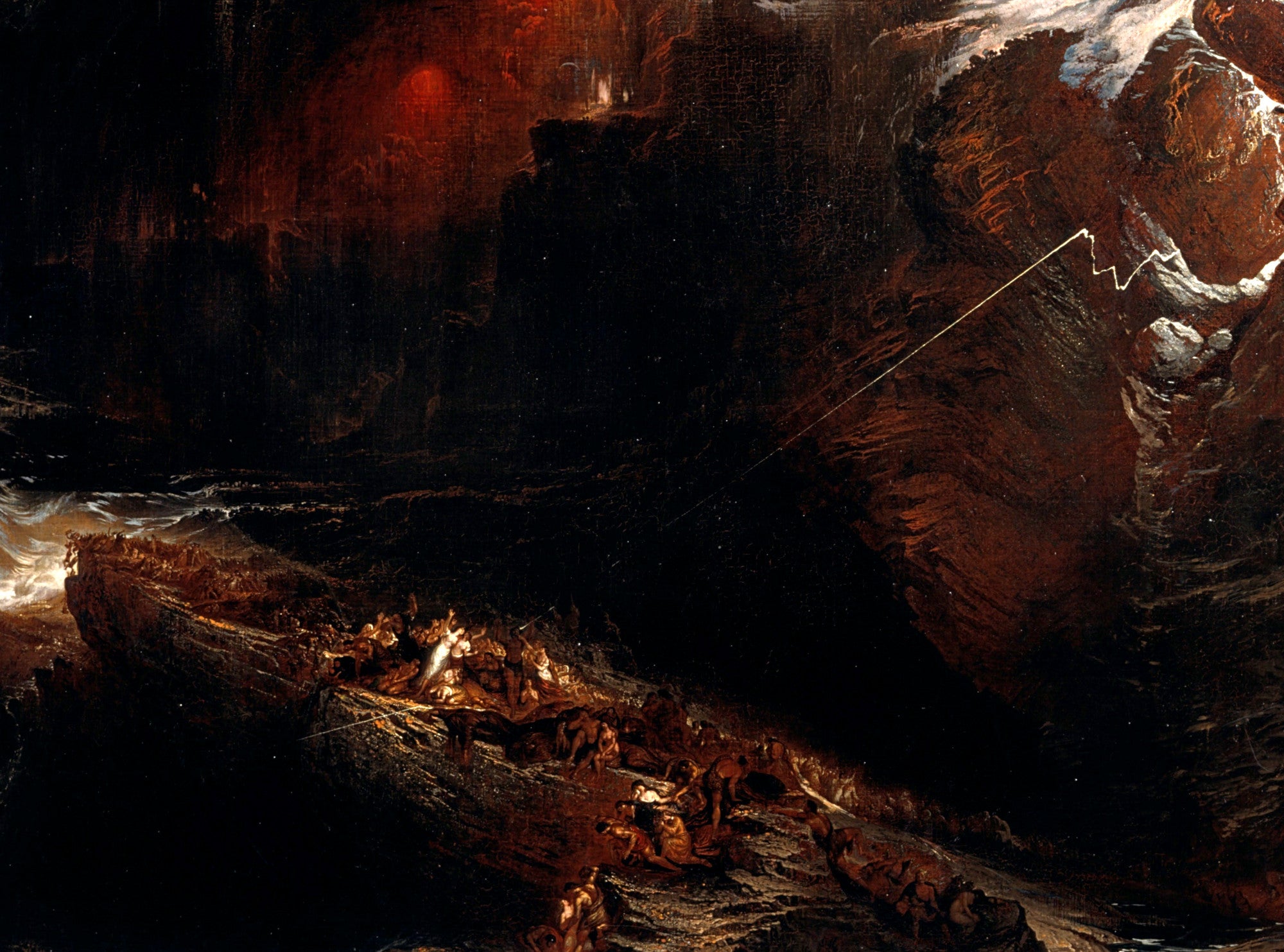
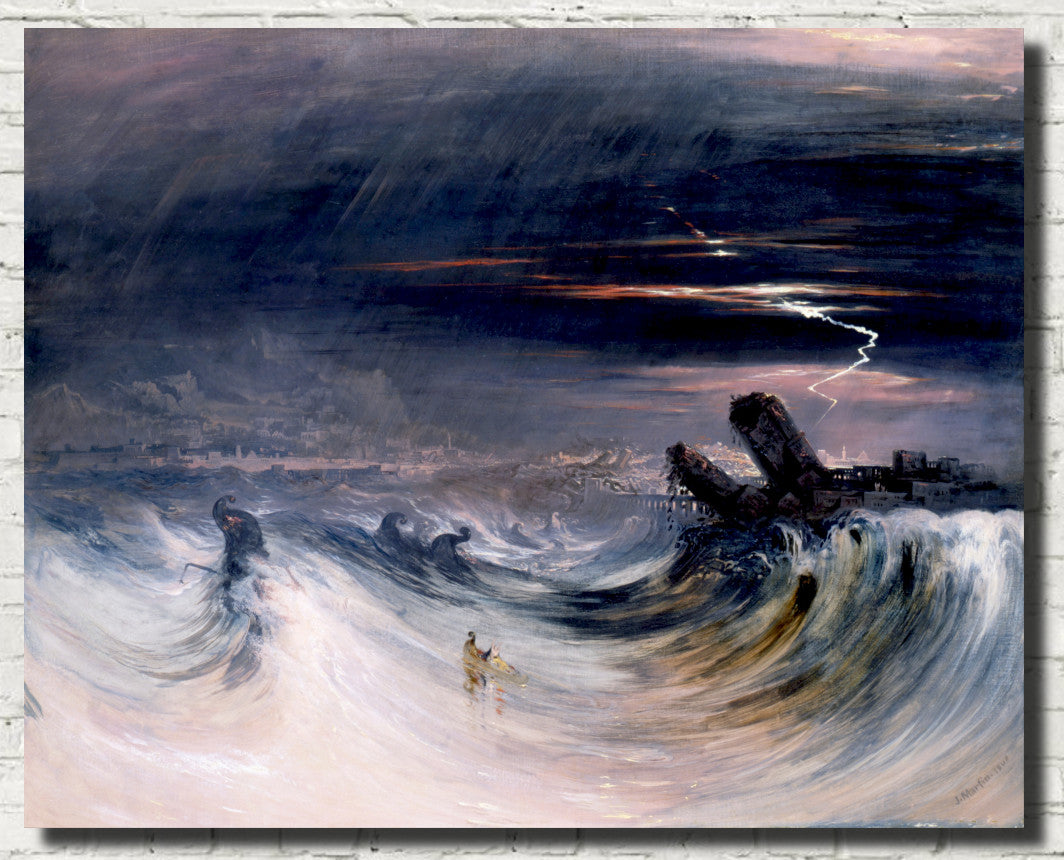
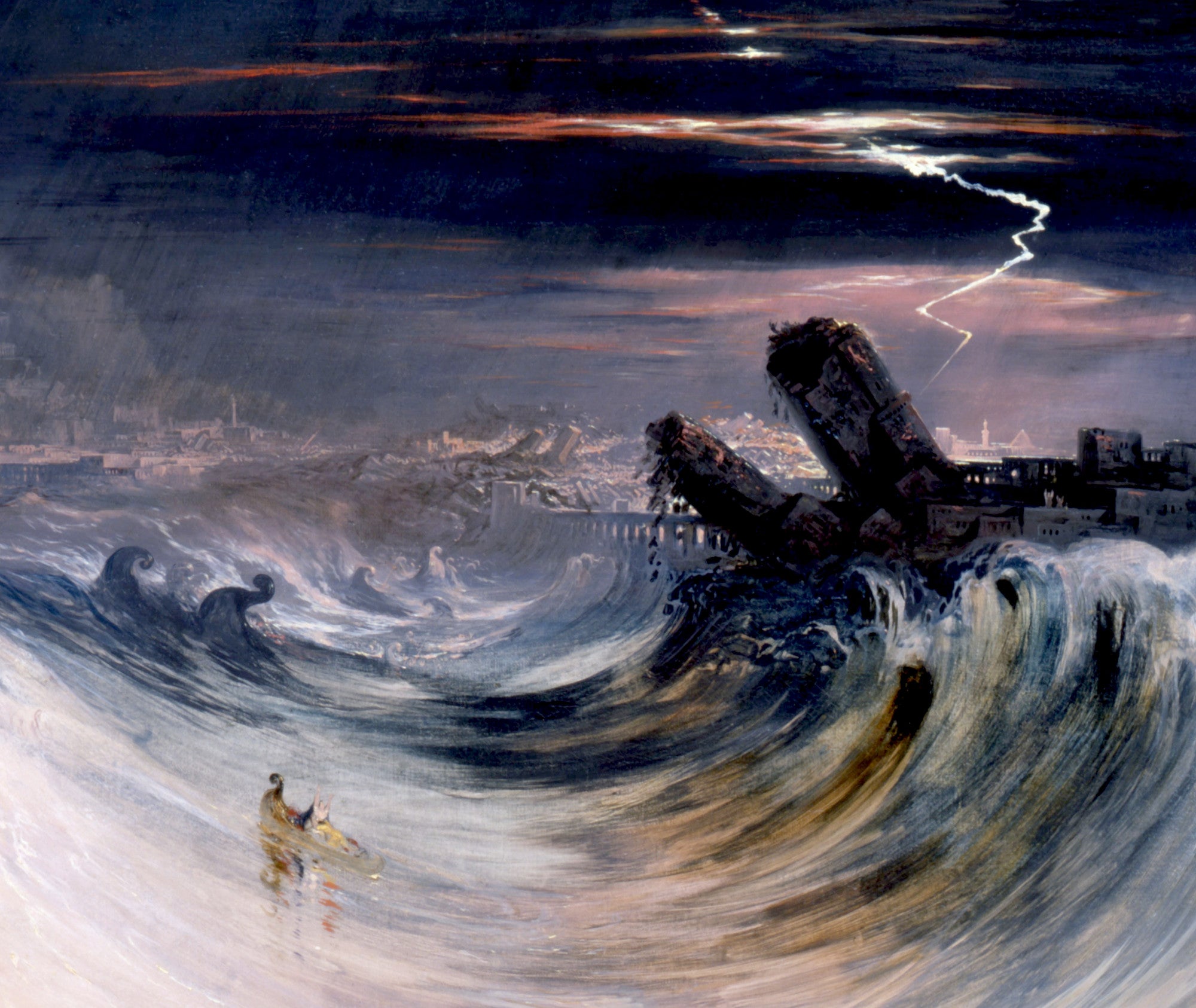
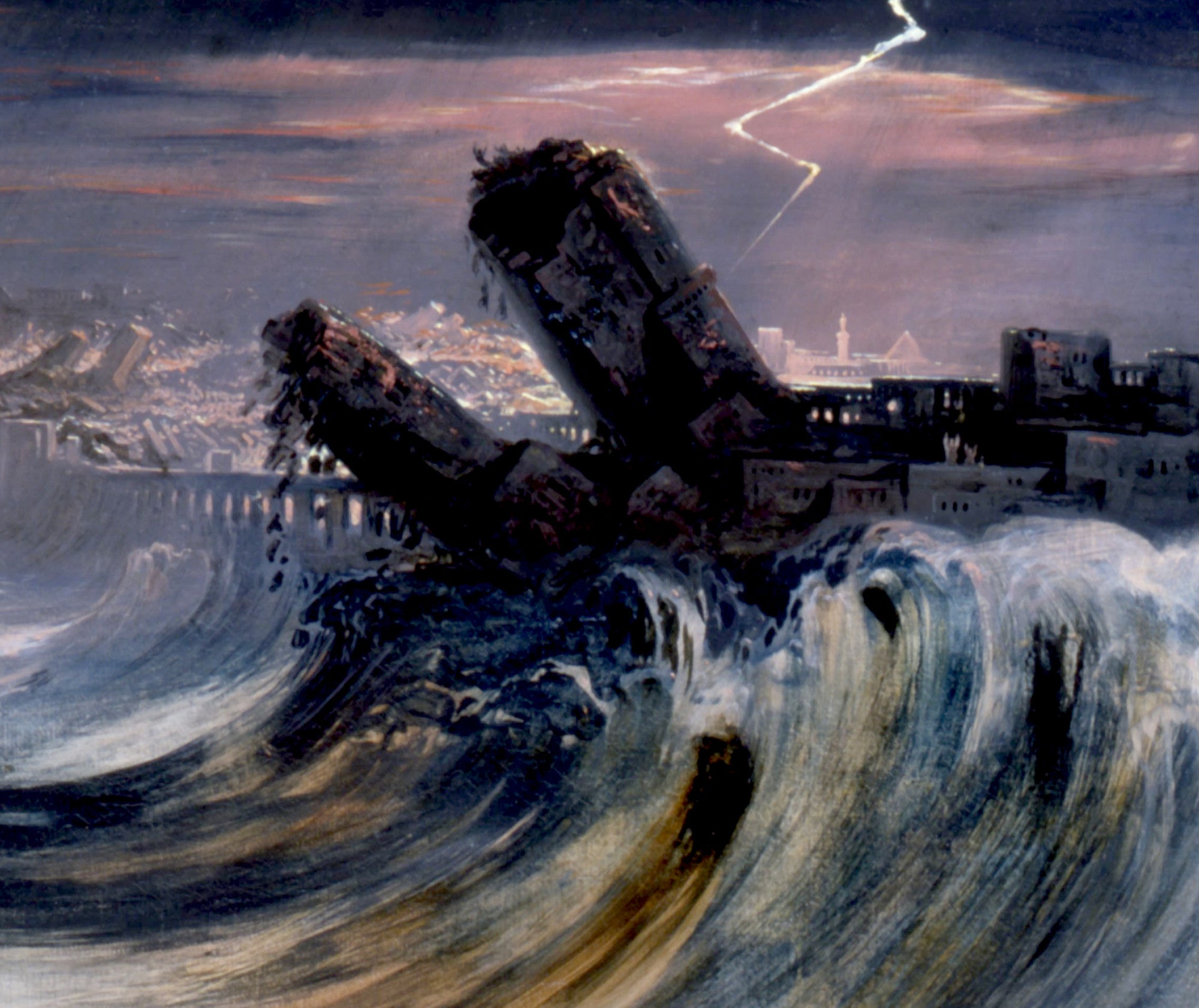
The Deluge shows the Biblical flood as a truly planetary disaster.
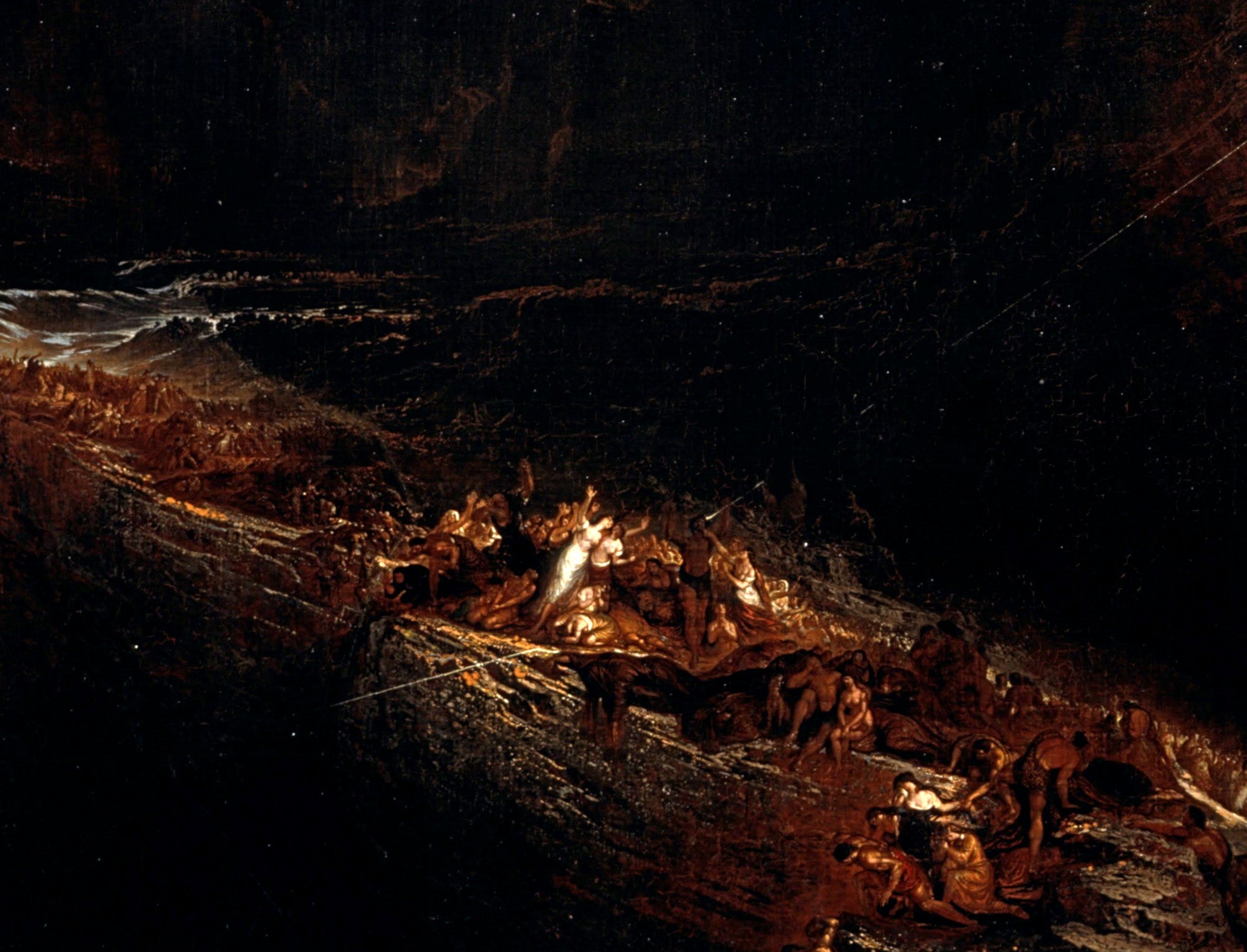
Dark water, violent cloud and sweeping movement overwhelm the landscape while human figures struggle against forces they cannot control. Martin gives the scene tremendous scale by allowing the eye to travel across the entire painting before discovering individual people within it.
The work is a perfect example of the Romantic idea of the sublime: beauty mixed with fear, wonder and the recognition that nature can be immeasurably more powerful than humanity.
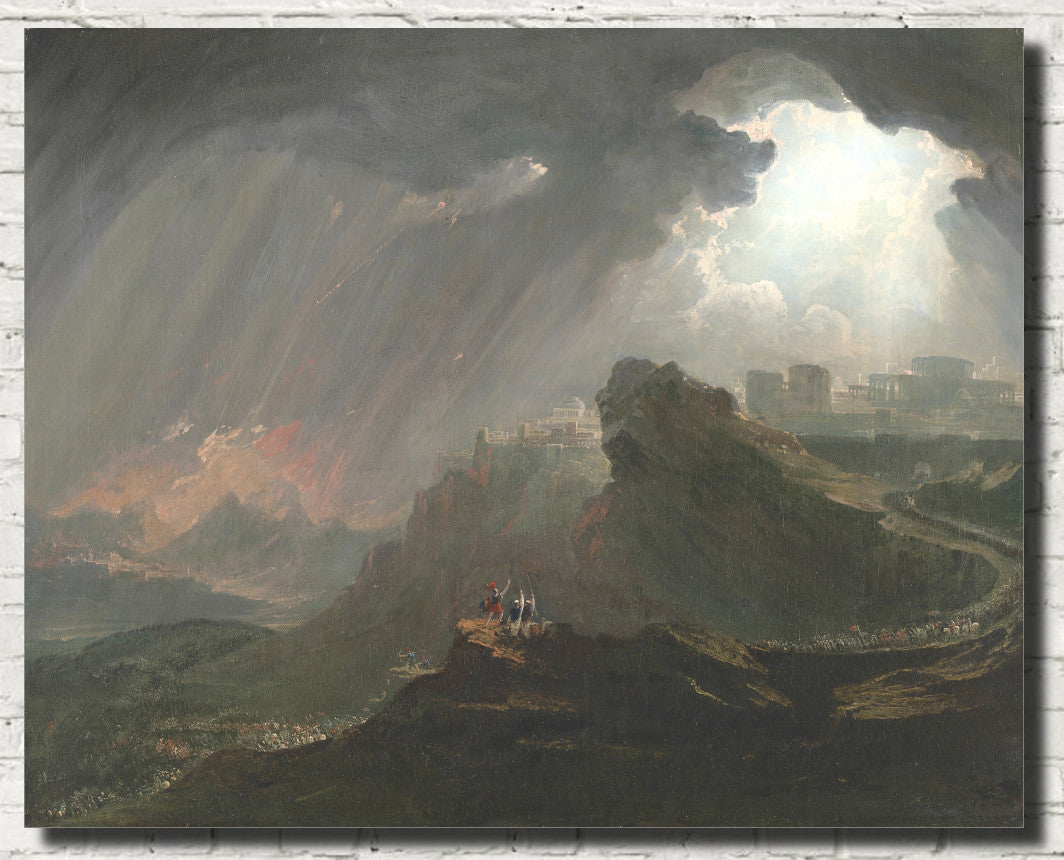
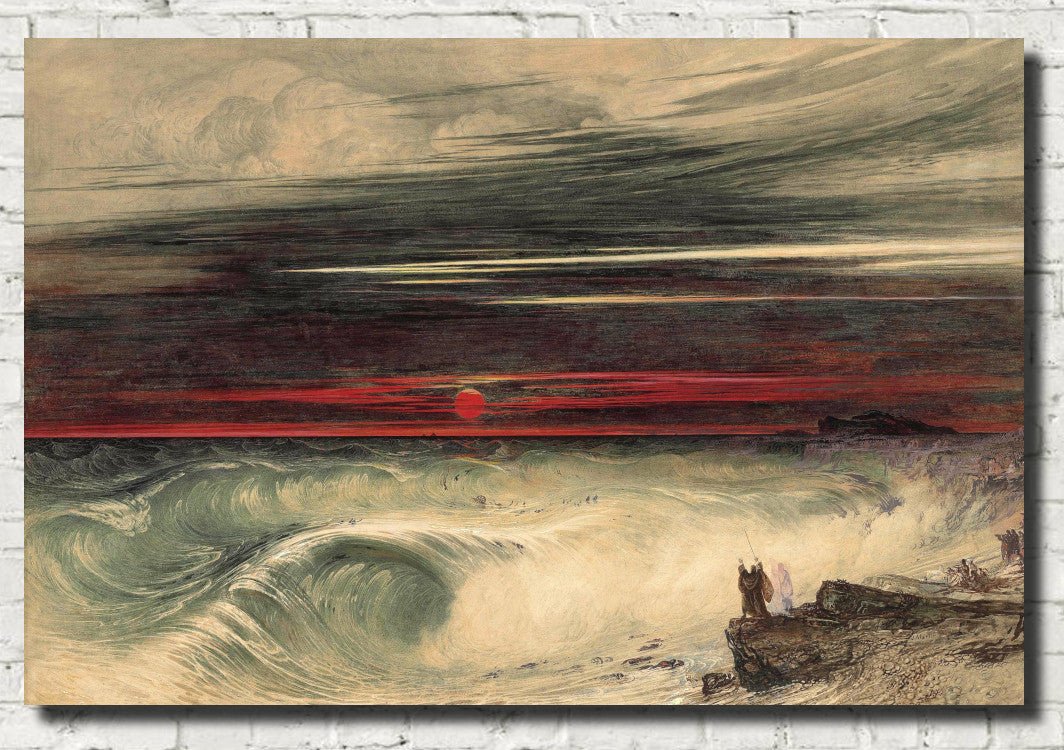
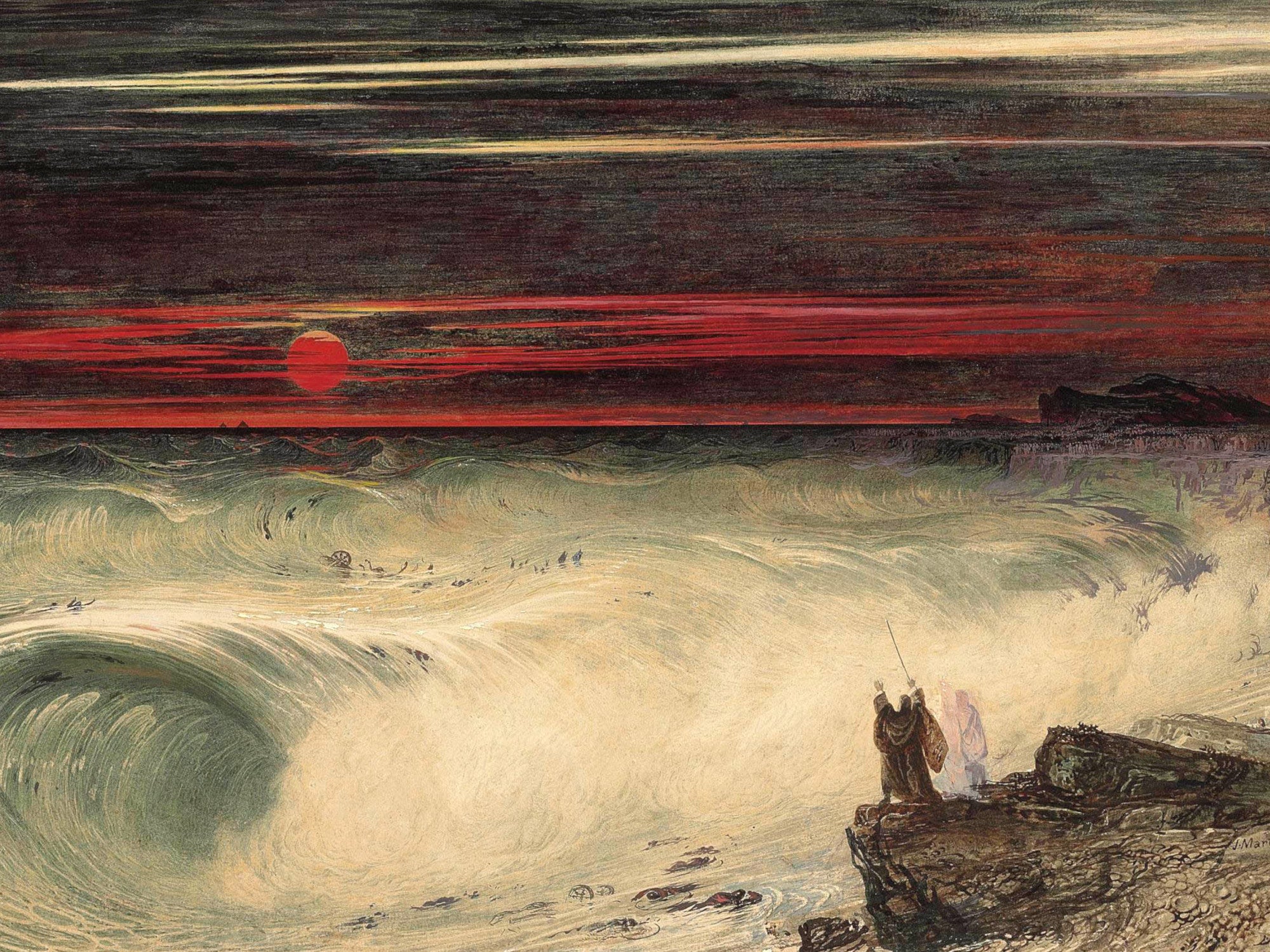
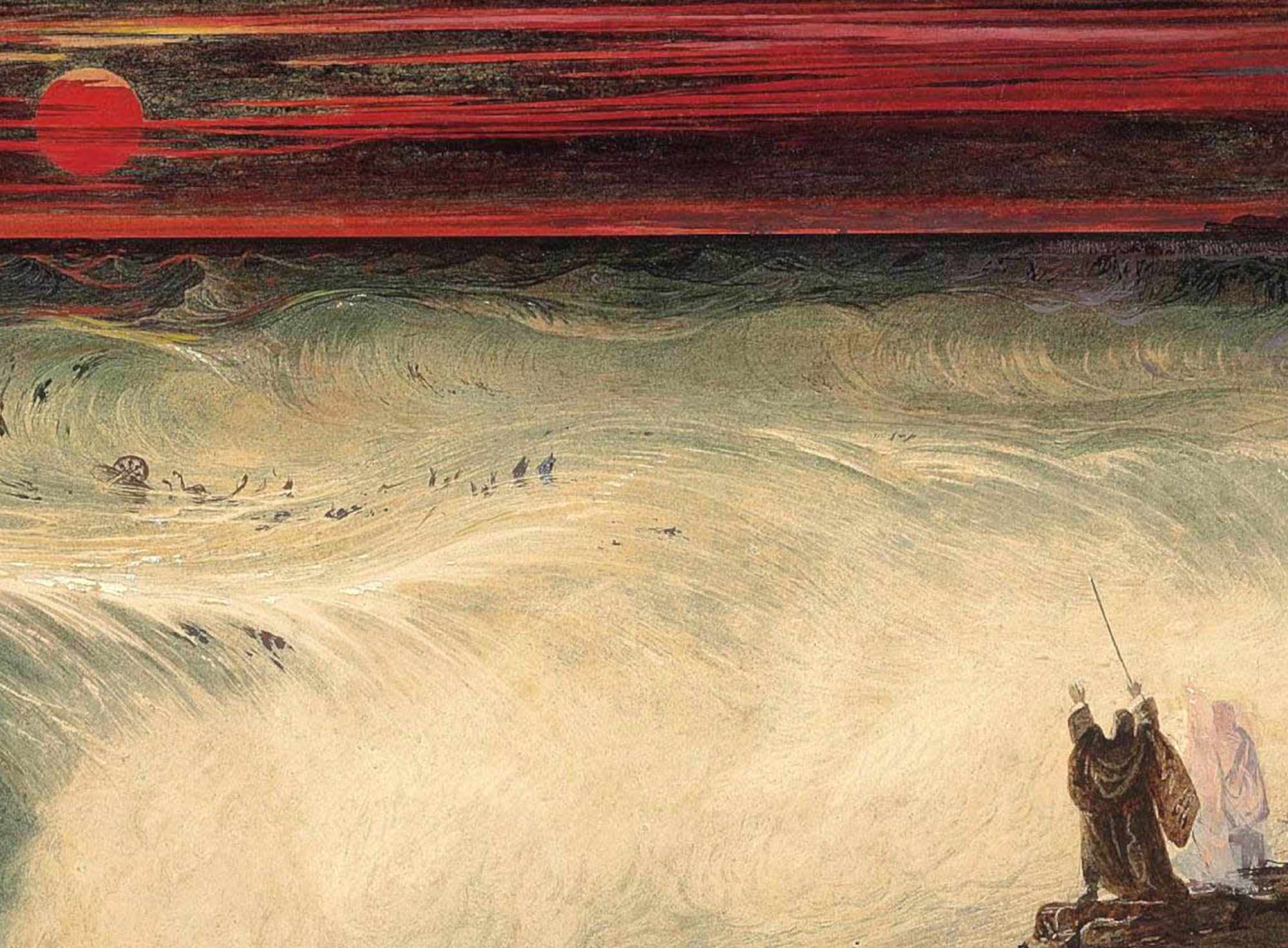
Other Biblical subjects in the collection include Joshua commanding the sun to stand still, the destruction of Pharaoh’s army and the destruction of the ancient city of Tyre.
Explore related works in the Mythology, Religious and Occult Art collection.
Pandemonium and Paradise Lost
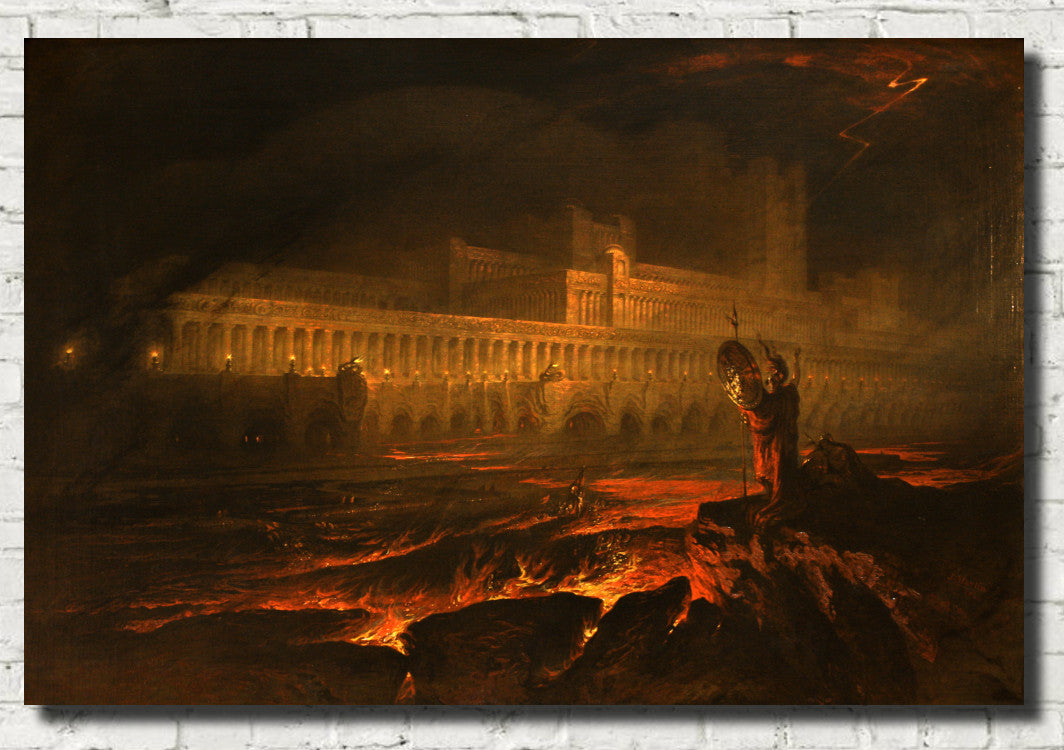
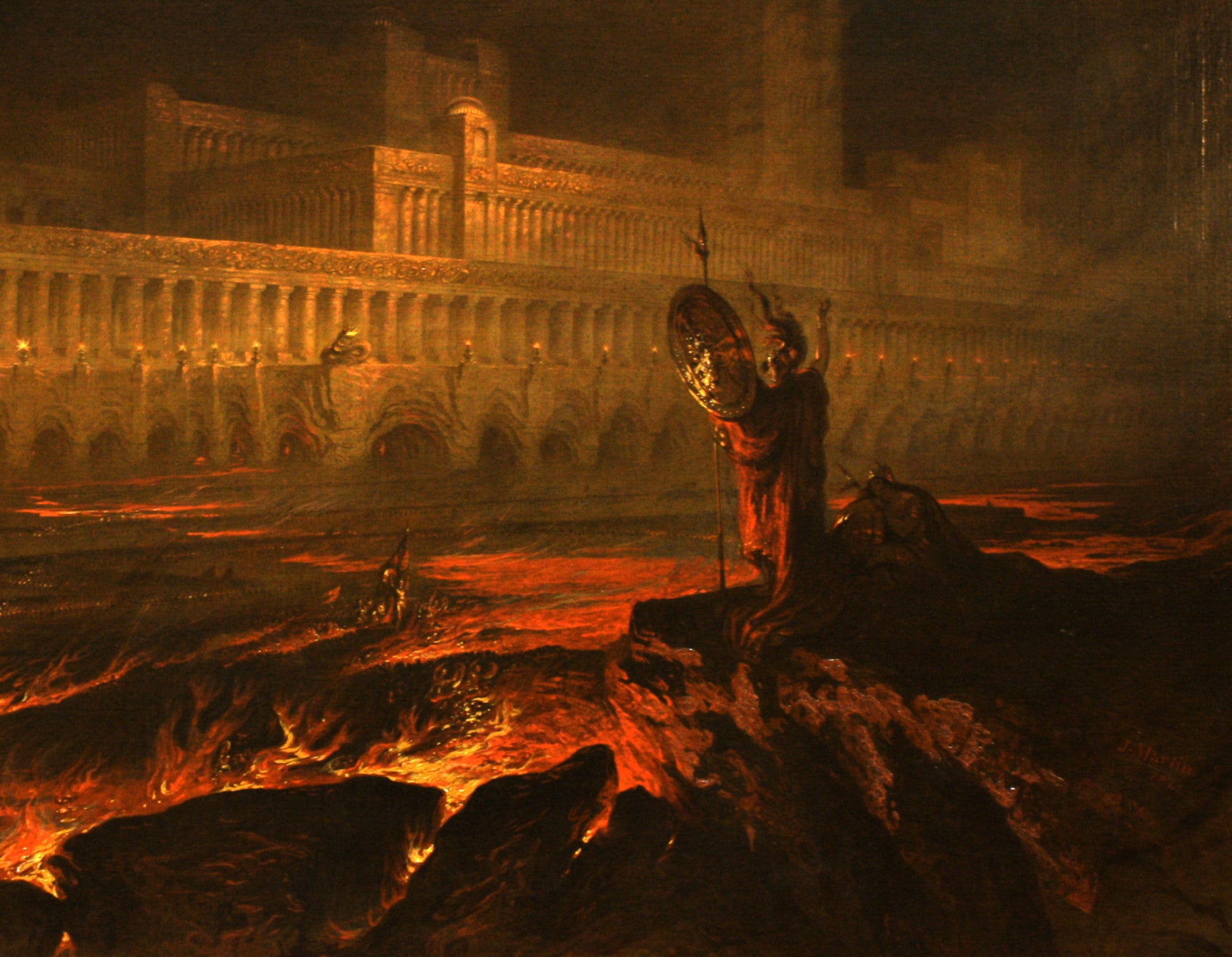
Pandemonium was painted in 1841 and takes its subject from John Milton’s Paradise Lost.
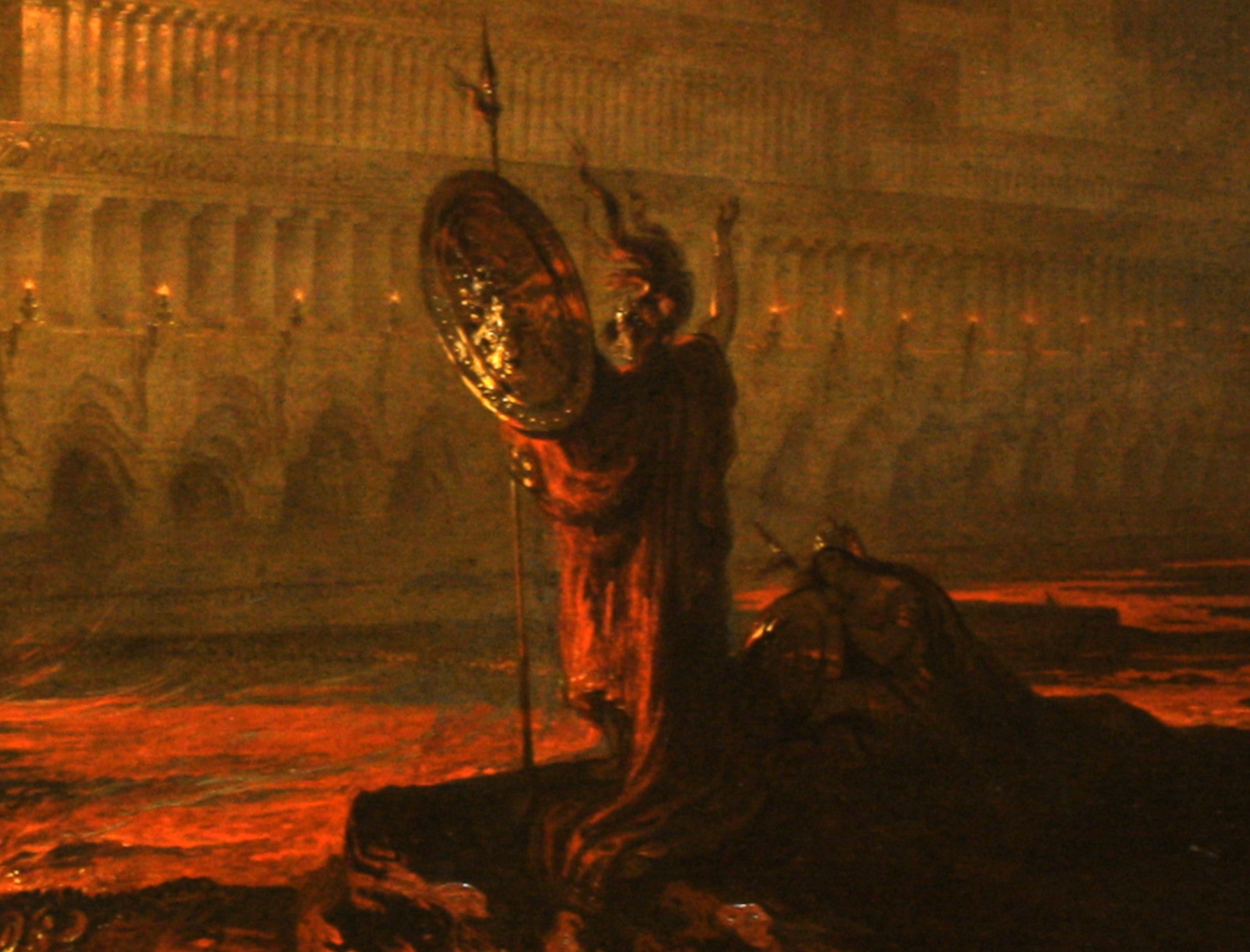
The scene shows Satan before the immense palace of Pandemonium, imagined by Martin as an almost impossibly vast infernal city glowing above rivers and lakes of fire.
The Louvre, where the painting is now held, describes the subject as the creation of the palace intended to house the gathering of the demons. Martin had previously illustrated the same episode in his engravings for Paradise Lost before returning to it in paint.
Architecture is as important as the figures. Columns, terraces and monumental structures extend into the distance until the individual demons become almost insignificant.
For anyone drawn to Gothic, supernatural or dark Romantic imagery, Pandemonium is one of Martin’s most powerful compositions.
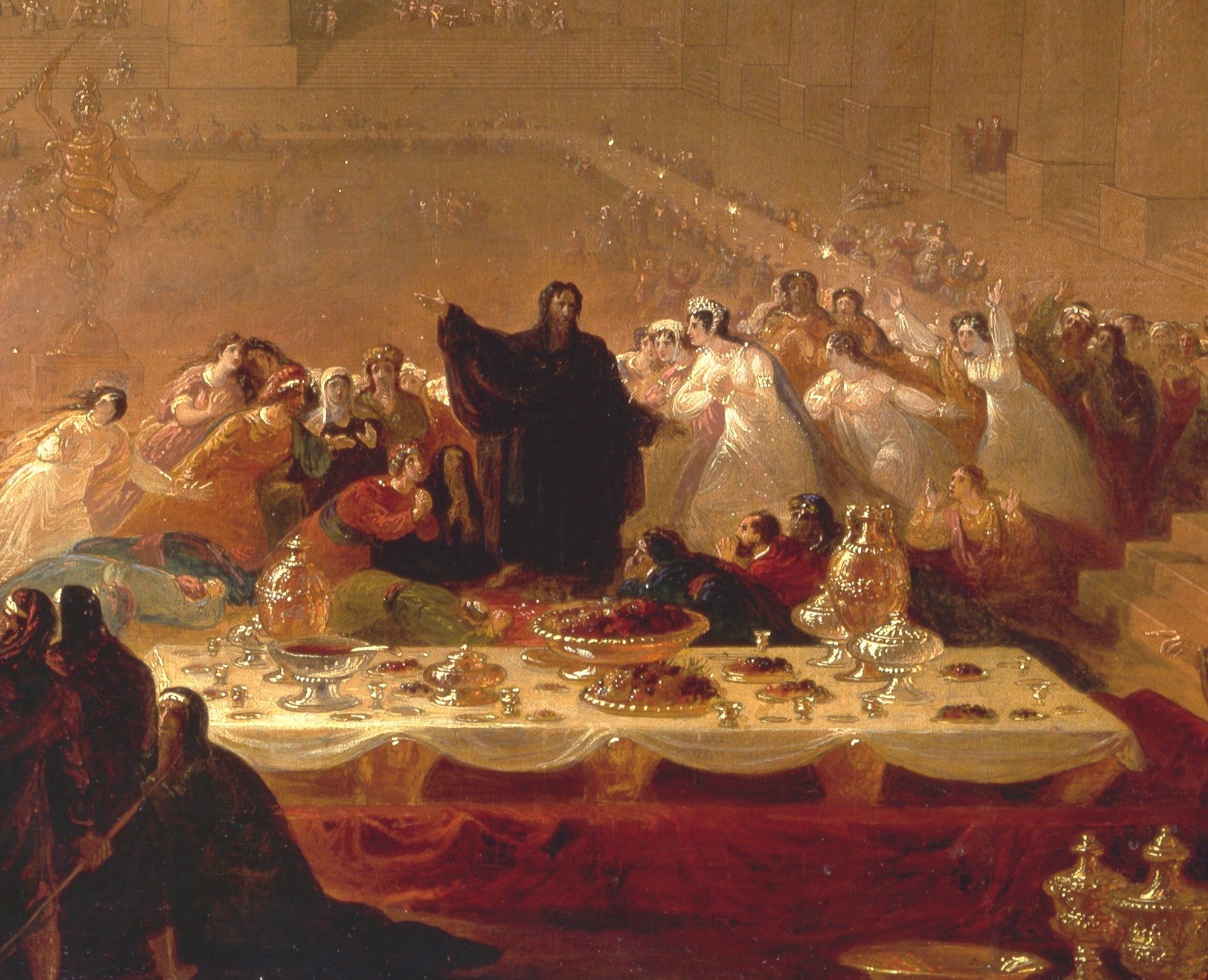
Belshazzar’s Feast
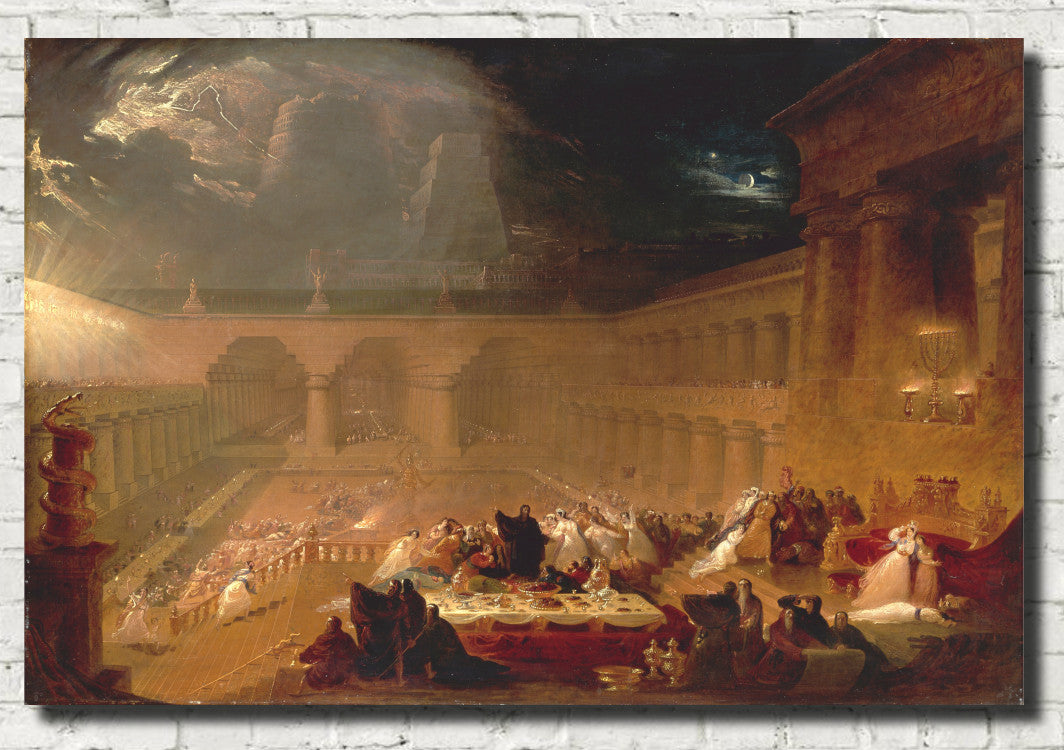
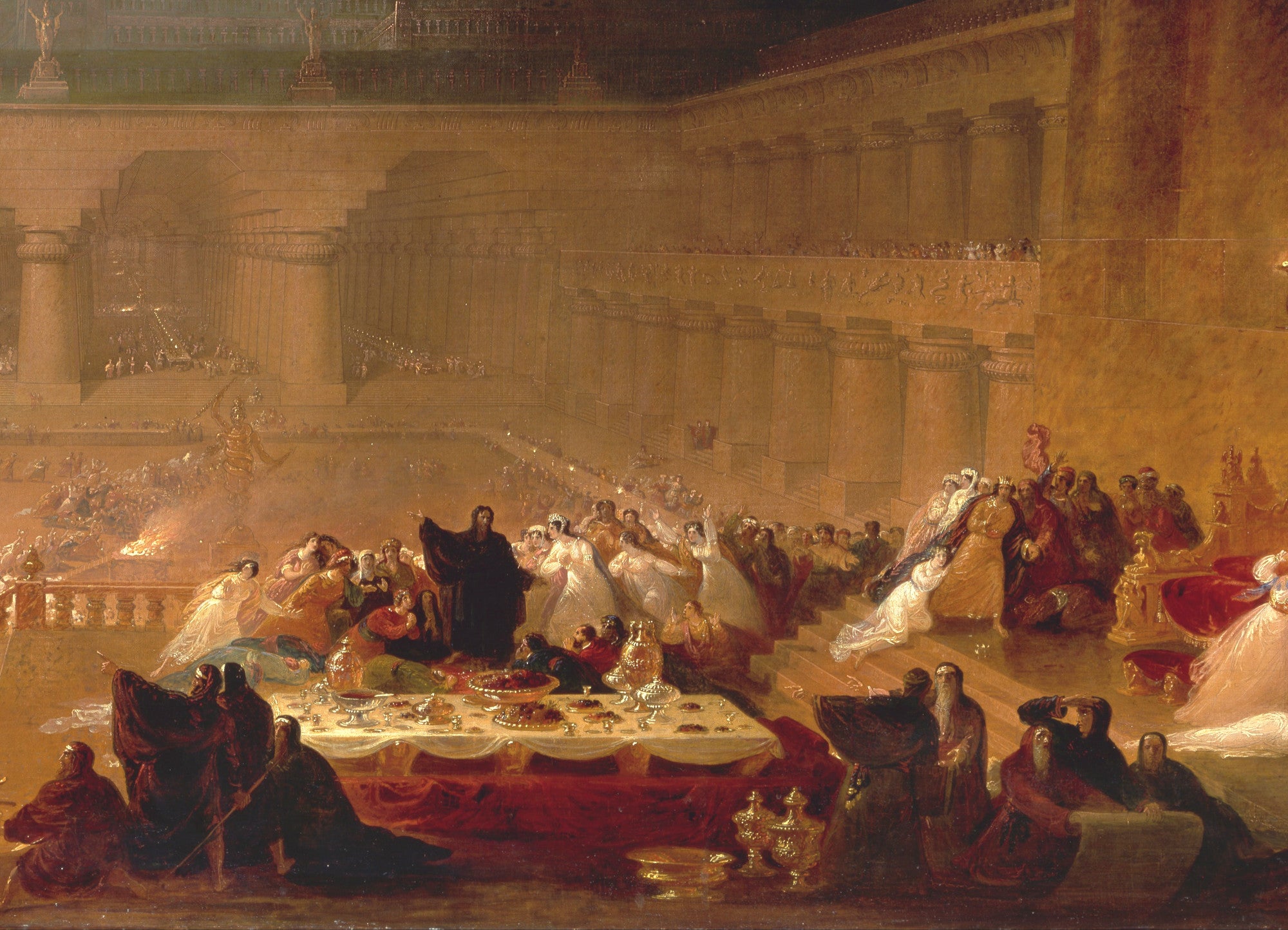
Belshazzar’s Feast shows Martin using architecture on an almost theatrical scale.
The Biblical feast takes place within a colossal imagined palace crowded with figures, columns, terraces and blazing light. The famous writing on the wall becomes part of a much larger spectacle in which the apparent permanence of human power is about to collapse.
Martin’s architectural imagination was central to his reputation. His cities rarely resemble ordinary historical reconstructions. Instead, buildings become emotional devices: impossibly large spaces designed to make rulers, armies and entire populations appear vulnerable.
Browse more buildings, ruins and monumental settings in the Architecture and Cityscape Art Prints collection.
Ruins, Lost Cities and Ancient Worlds
Ruined architecture appears repeatedly in Martin’s work.
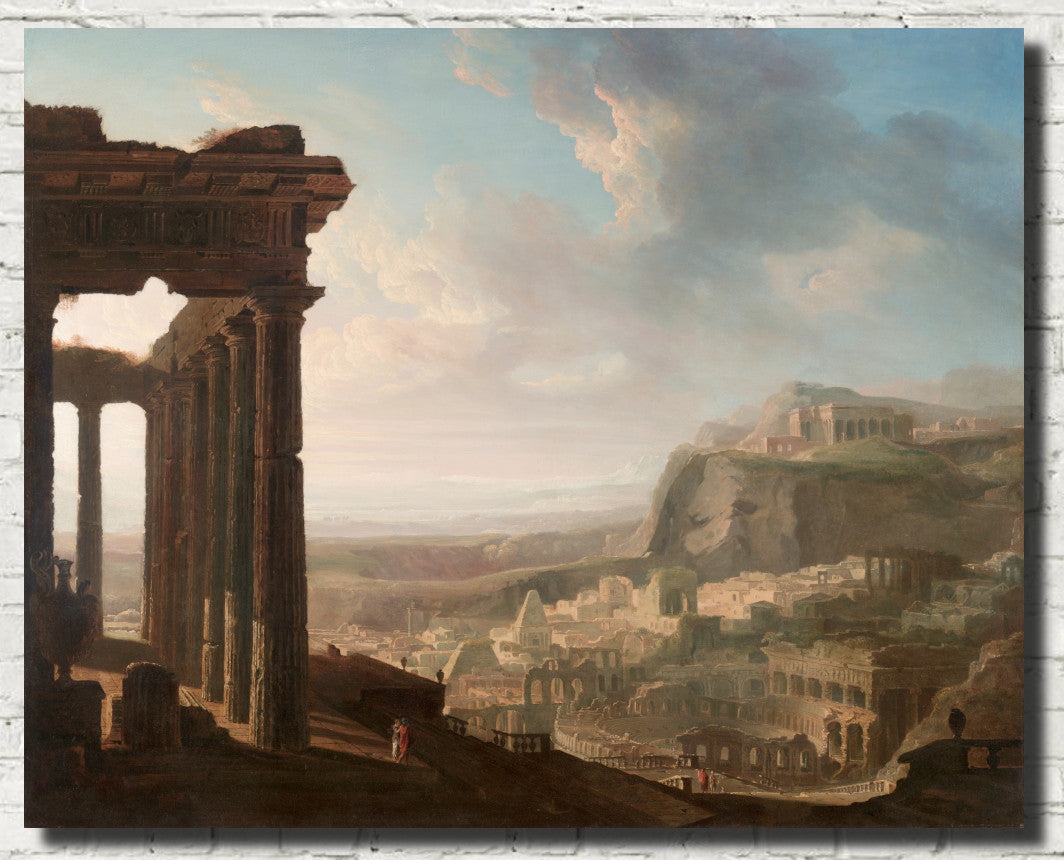
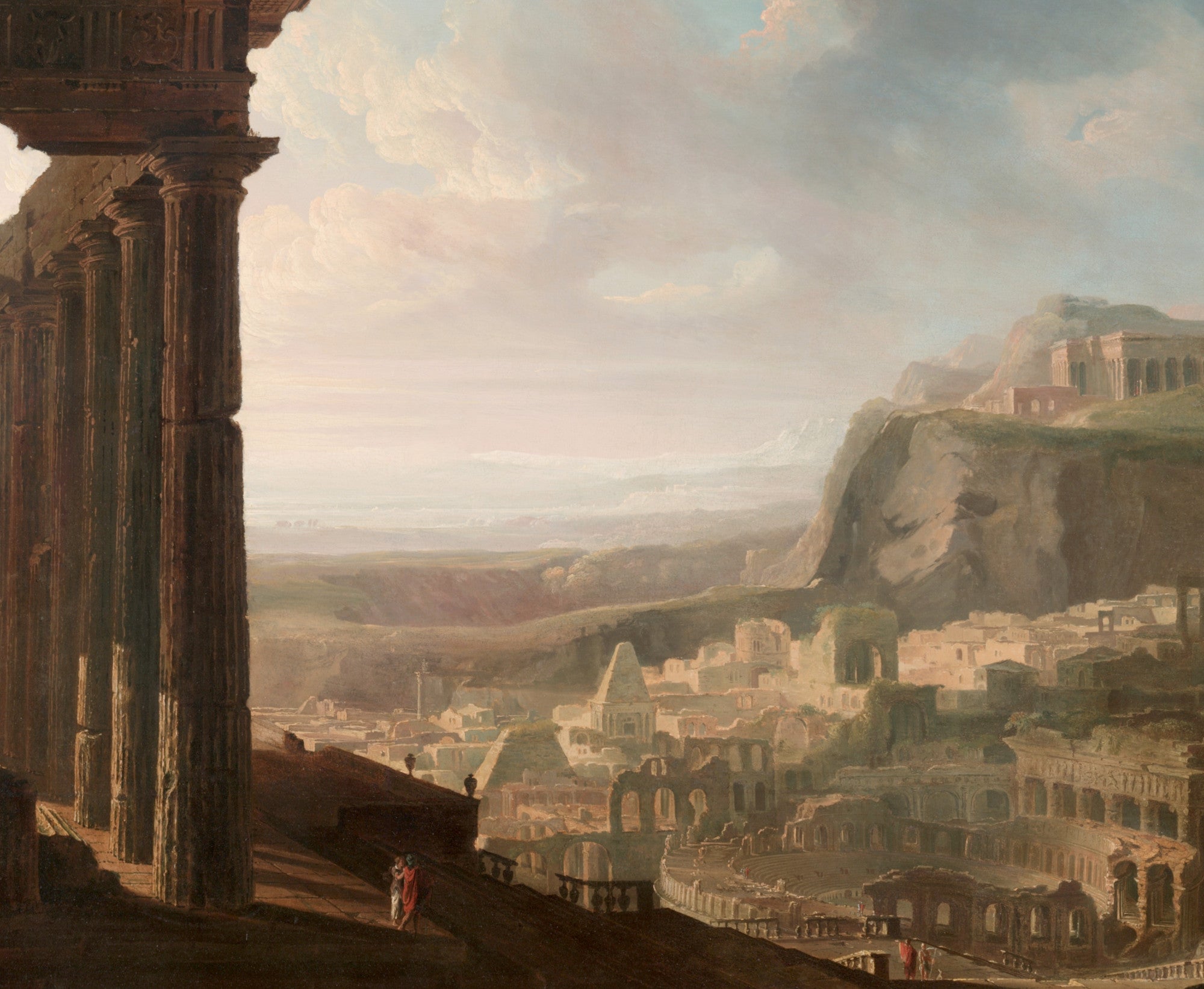
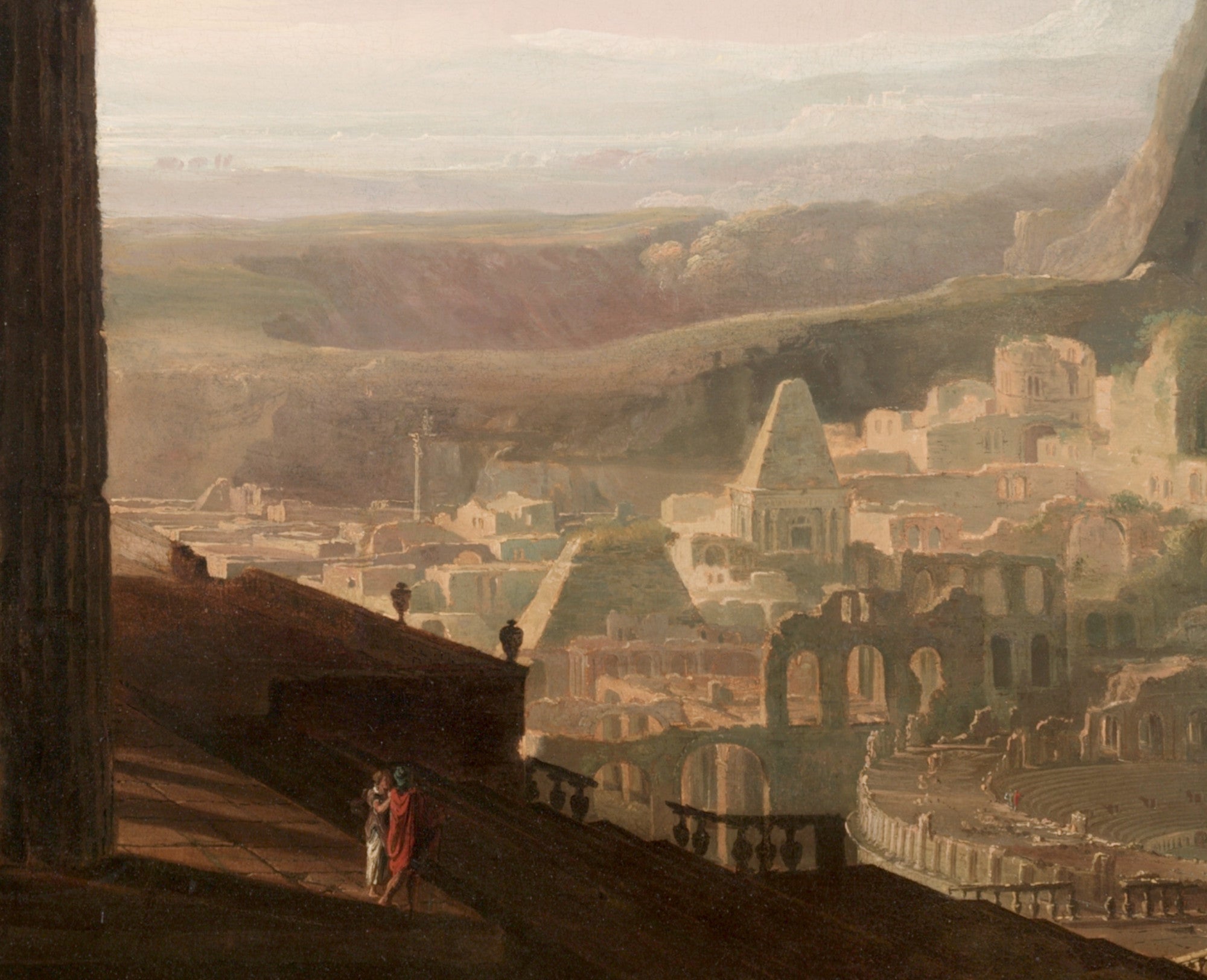
In Ruins of an Ancient City, broken structures rise from an empty landscape, creating a very different mood from the violence of his Biblical catastrophes. The emphasis is on time, abandonment and the fragility of civilisation.
These paintings reflect a wider Romantic fascination with ruins. A shattered city could suggest the fall of empires, the passage of centuries and the idea that even the greatest human achievements eventually return to nature.
Martin’s imagined ancient worlds therefore work on two levels: as spectacular fantasy and as reminders that human power is temporary.
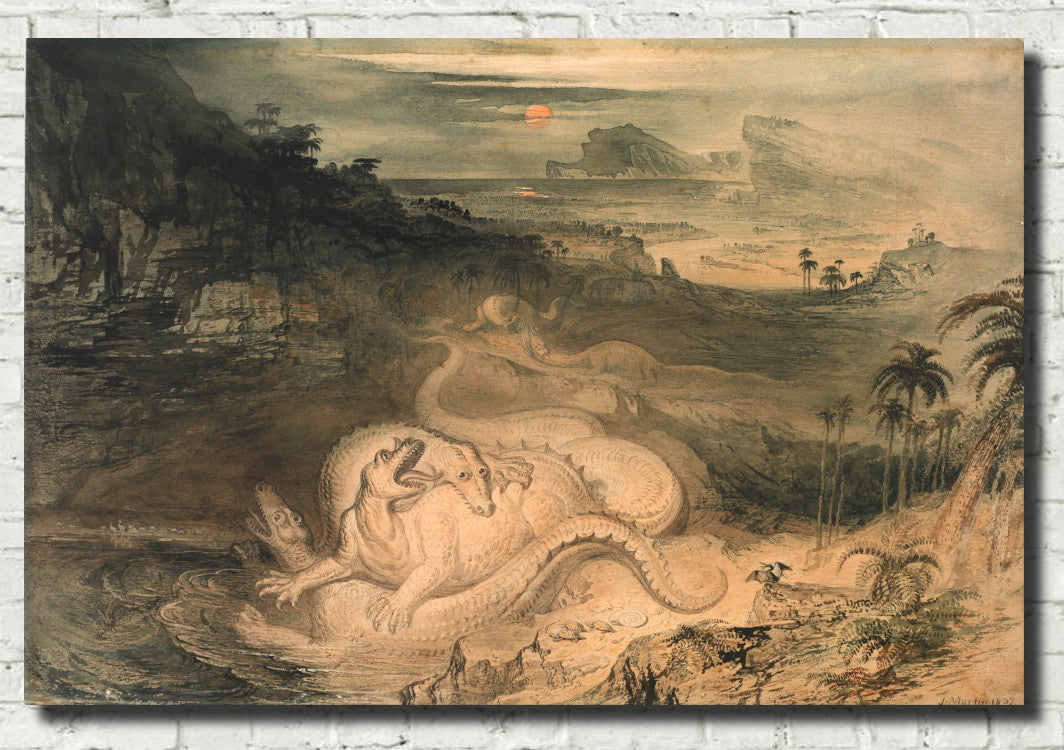
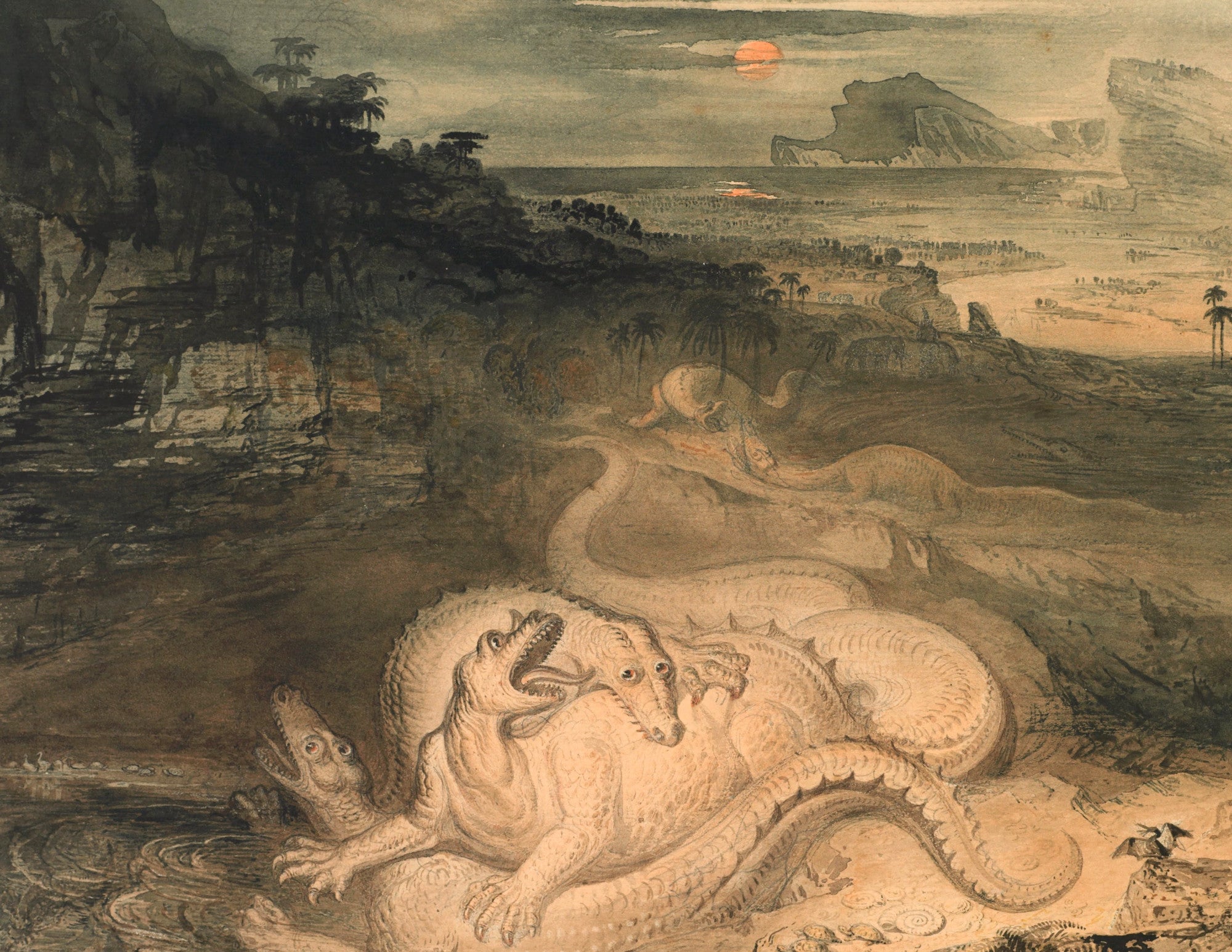
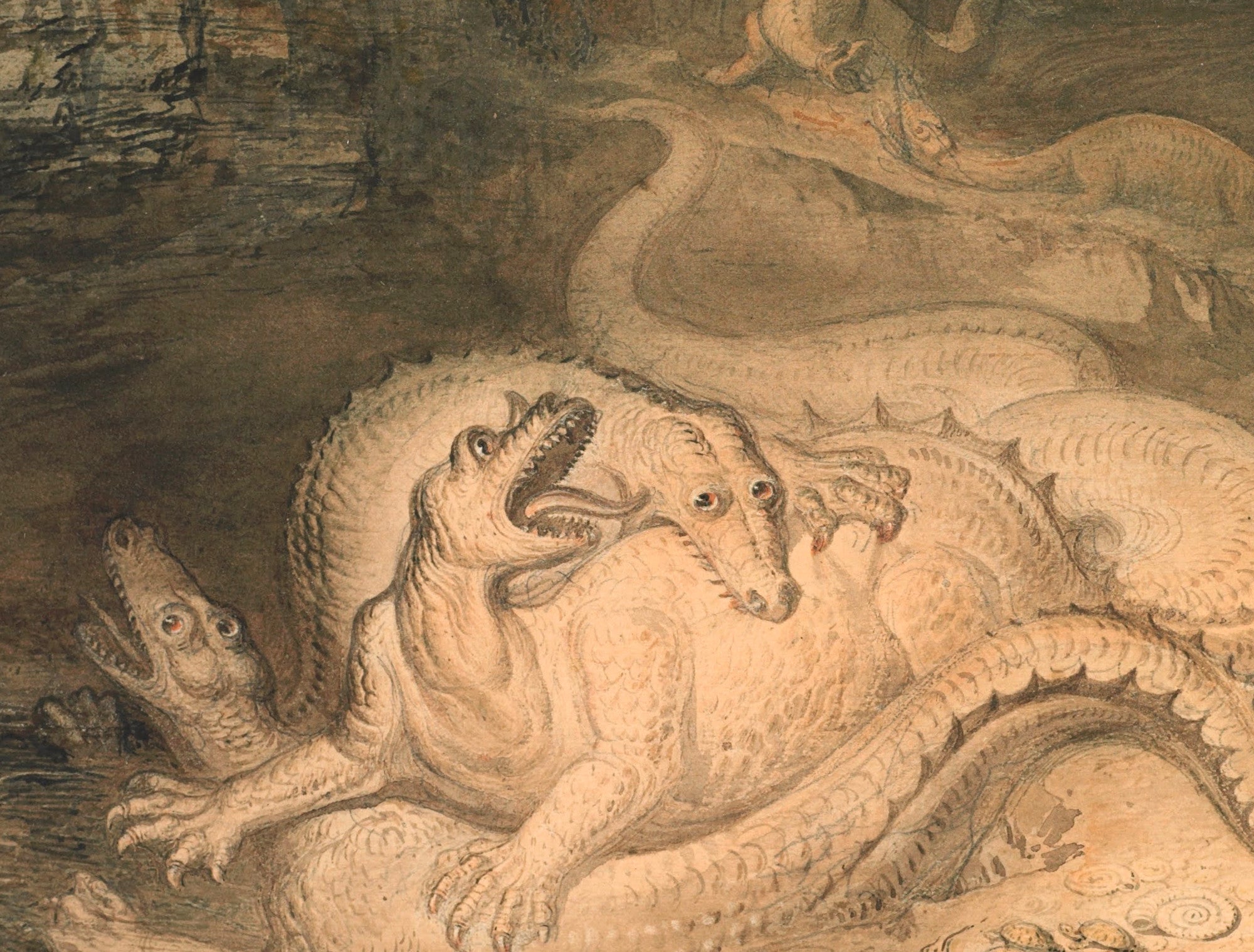
The Country of the Iguanodon
John Martin’s imagination was not limited to Biblical history.
The Country of the Iguanodon belongs to the extraordinary nineteenth-century fascination with prehistoric life. Early discoveries of fossil reptiles encouraged artists and scientists to imagine landscapes populated by animals that no human being had ever seen alive.
Martin was particularly suited to the subject. Prehistoric landscapes allowed him to create an unfamiliar world of immense geological formations, dense vegetation and creatures dwarfed by their surroundings.
The painting connects his apocalyptic imagination with the rapidly developing scientific understanding of the earth’s deep past.
Sadak and the Romantic Sublime
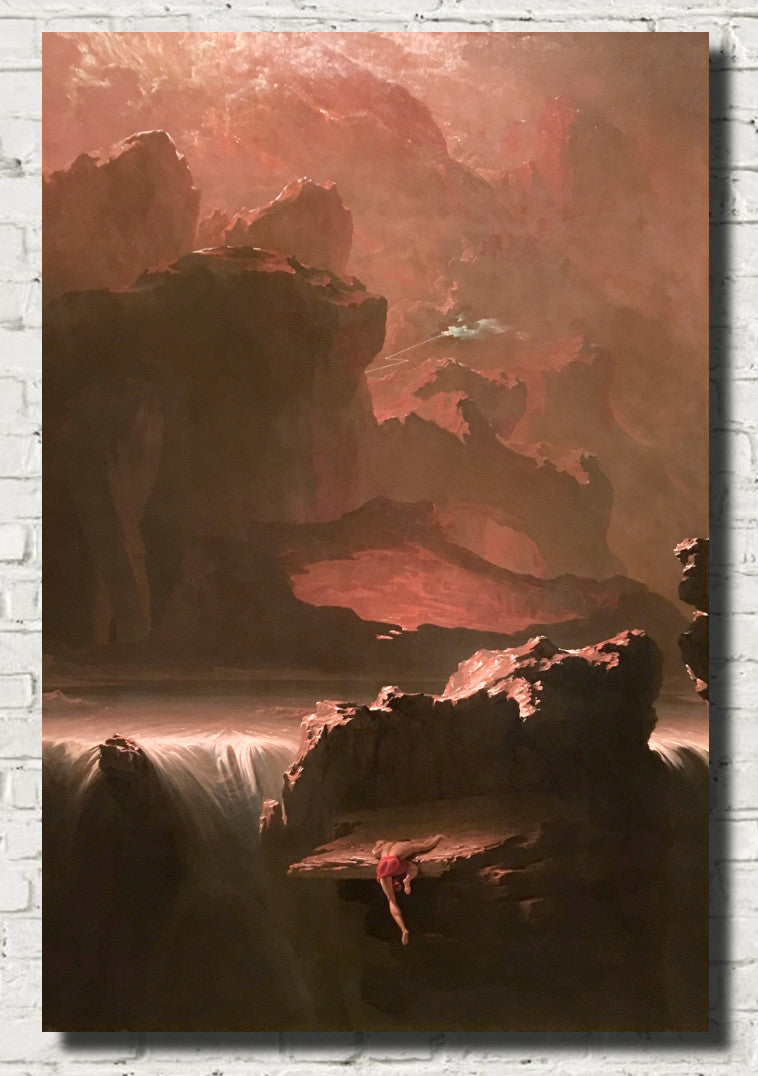
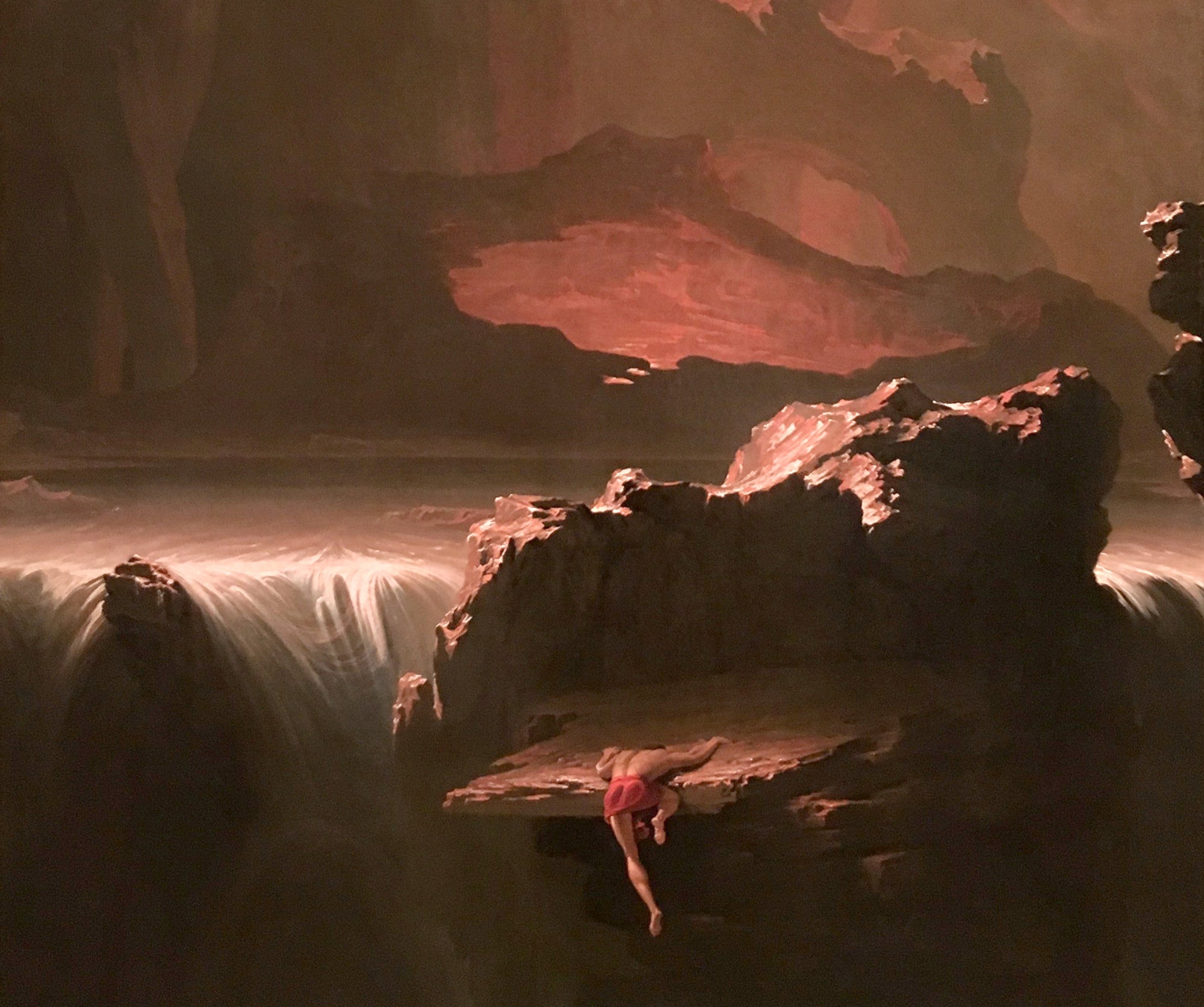
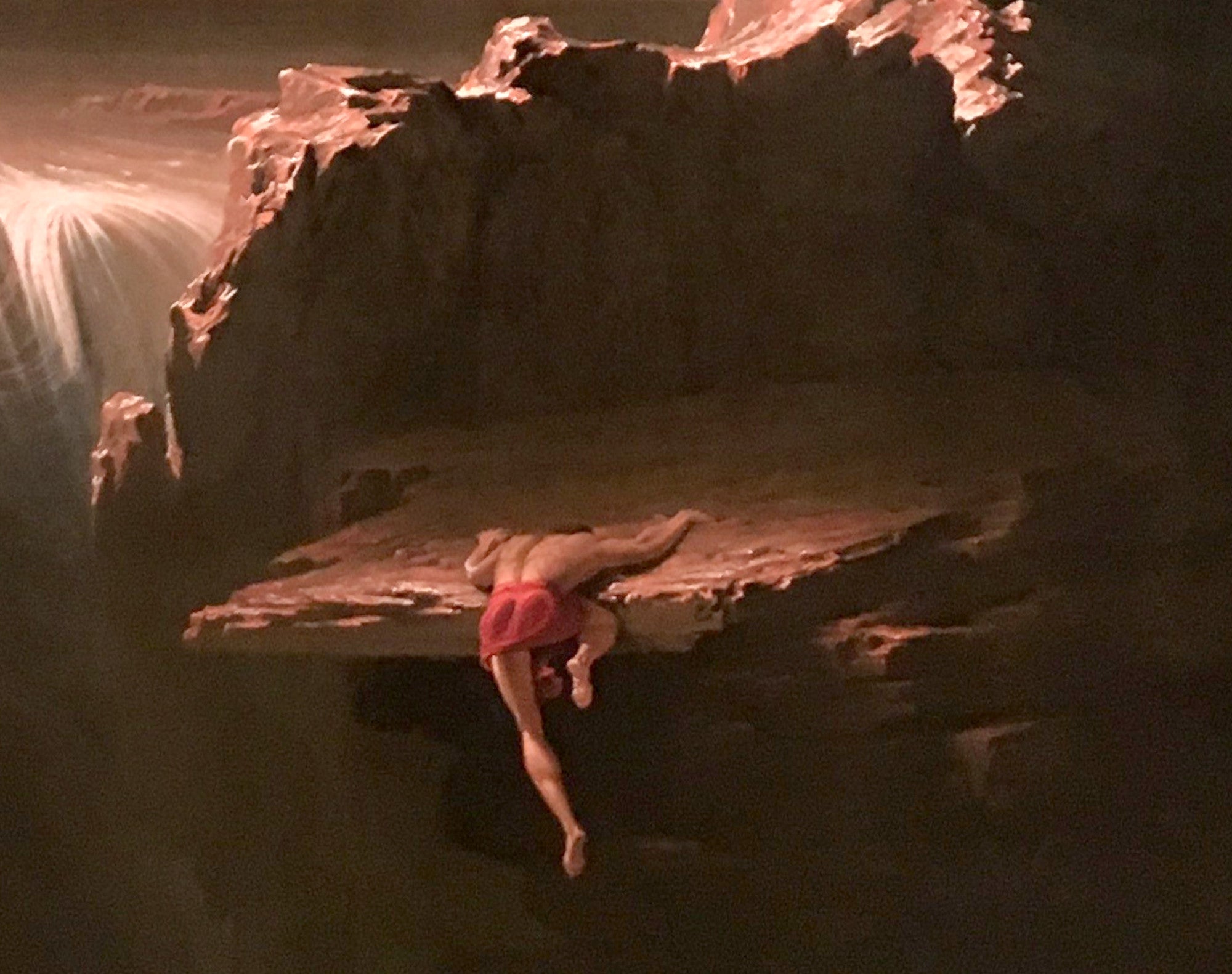
Sadak in Search of the Waters of Oblivion demonstrates how Martin could create drama without depicting the end of the world.
A tiny figure struggles through a vast rocky landscape, climbing towards his distant goal while cliffs, water and darkness dominate the scene.
The extreme difference in scale between Sadak and his surroundings creates a powerful sense of vulnerability. The viewer becomes aware not only of the landscape but of the effort required to cross it.
This relationship between fragile human figures and enormous natural environments places Martin firmly within the Romantic tradition.
Browse more expansive landscapes in the Landscape and Scenery Fine Art Prints collection.
Moonlight at Chepstow Castle
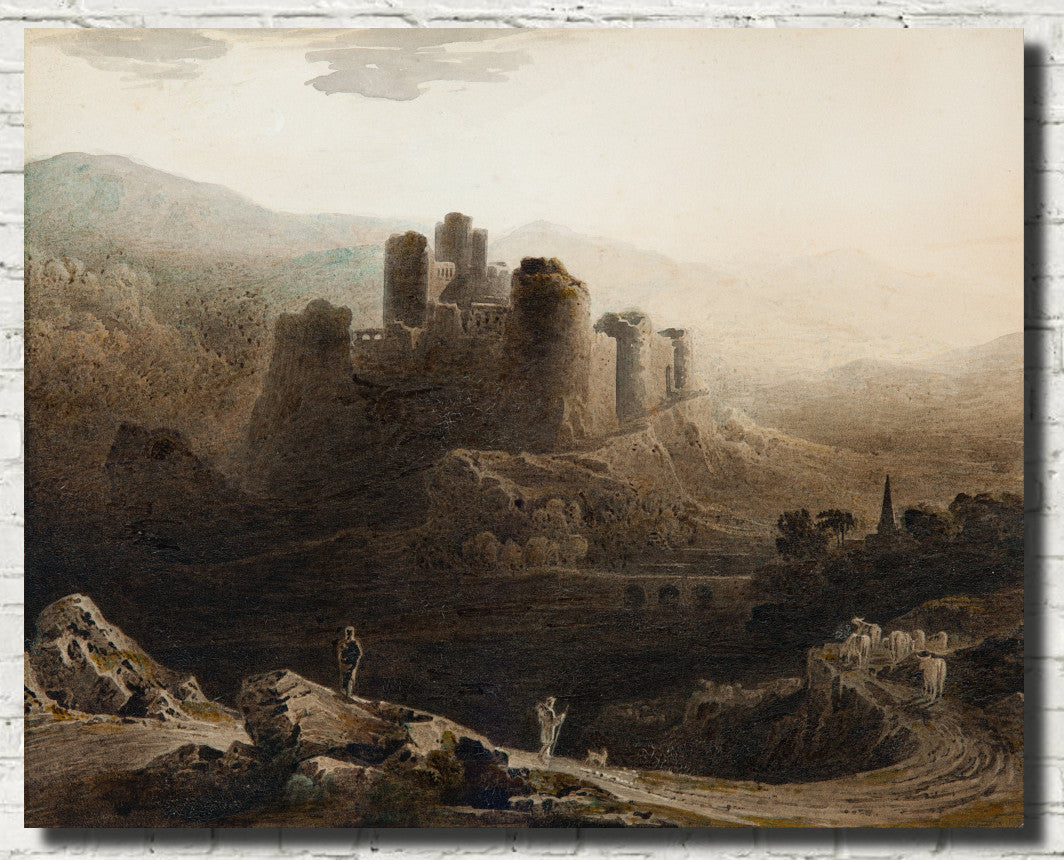
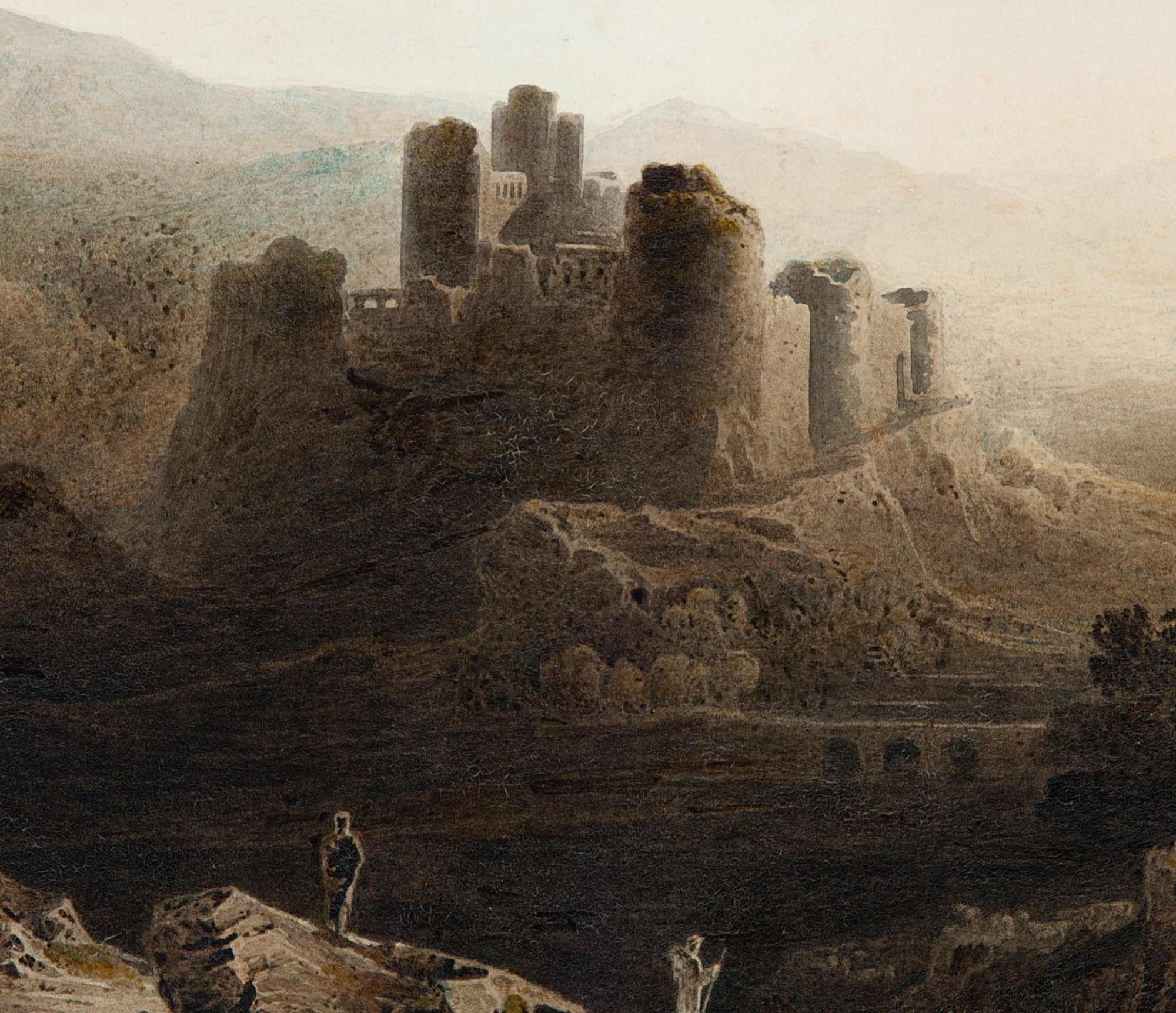
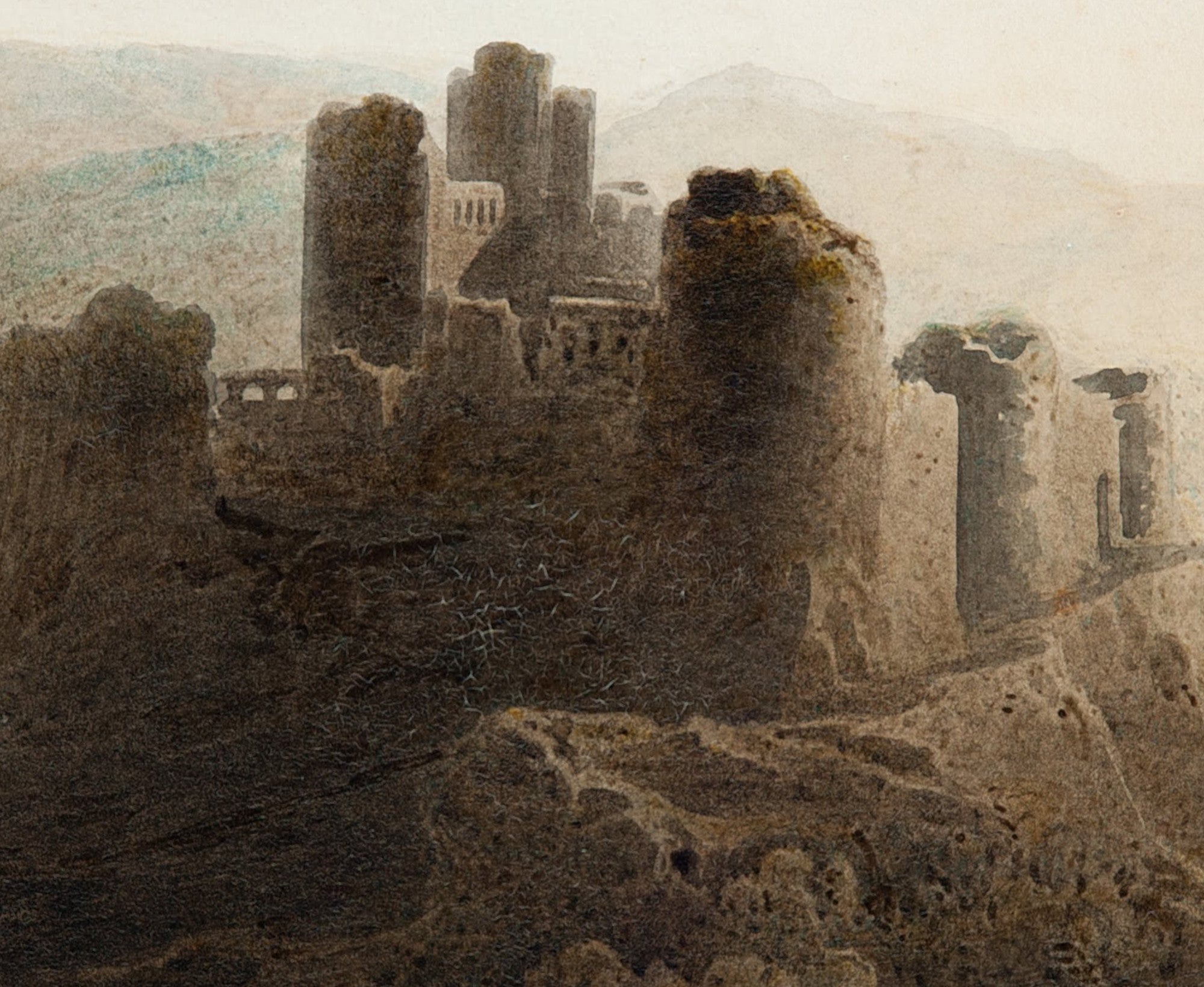
Moonlight – Chepstow Castle reveals a quieter side of John Martin.
Instead of apocalyptic fire or divine judgement, the ruined castle sits beneath an atmospheric night sky. Architecture, landscape and moonlight combine to create a scene of stillness and historical melancholy.
Works such as this remind us that Martin was not simply a painter of catastrophe. His fascination with scale, darkness and dramatic light could also be applied to real landscapes and historic buildings.
John Martin and the Sublime
The idea of the sublime was central to Romantic art.
A sublime landscape was not merely attractive. It was intended to produce awe — the uneasy pleasure of confronting something so immense, dangerous or powerful that ordinary human experience seemed inadequate.
Martin repeatedly explored that feeling through mountains, floods, storms, cities and supernatural events.
His people are often tiny because their small scale is essential to the effect. A human figure gives the viewer something familiar against which the vastness of the surrounding world can be understood.
John Martin’s Influence on Modern Visual Culture
Martin’s pictures can feel unexpectedly contemporary.
Their huge spaces, dramatic lighting, ruined civilisations and spectacular destruction anticipate the visual language of fantasy illustration, science fiction and large-scale cinema. Modern audiences accustomed to disaster films and imagined worlds can therefore find his compositions surprisingly familiar.
What makes them distinctive is that these effects were created entirely through painting and printmaking long before cinema existed.
His enormous landscapes invited nineteenth-century viewers to lose themselves in imagined worlds in much the same way that modern audiences experience cinematic spectacle.
Choosing a John Martin Print
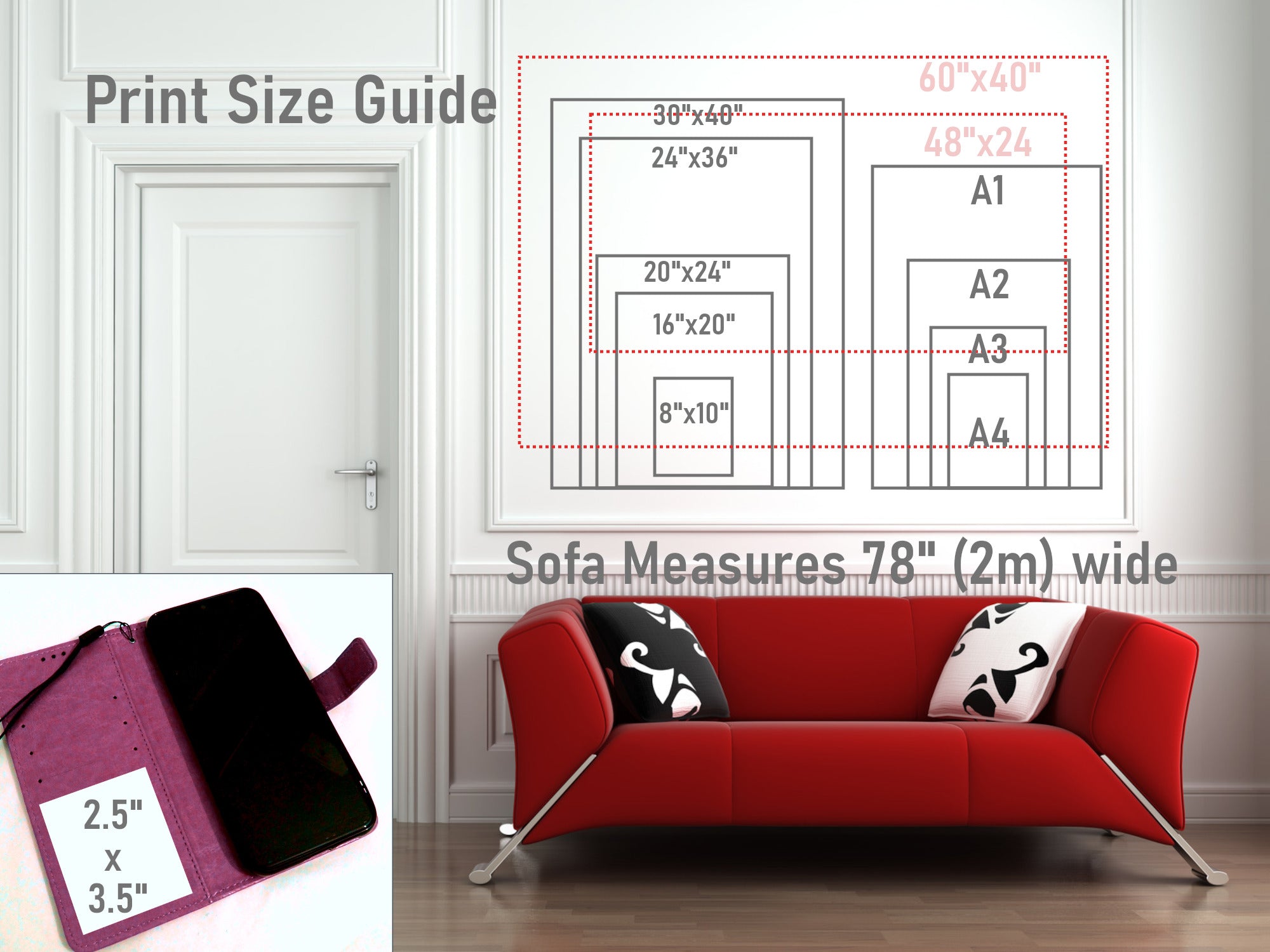
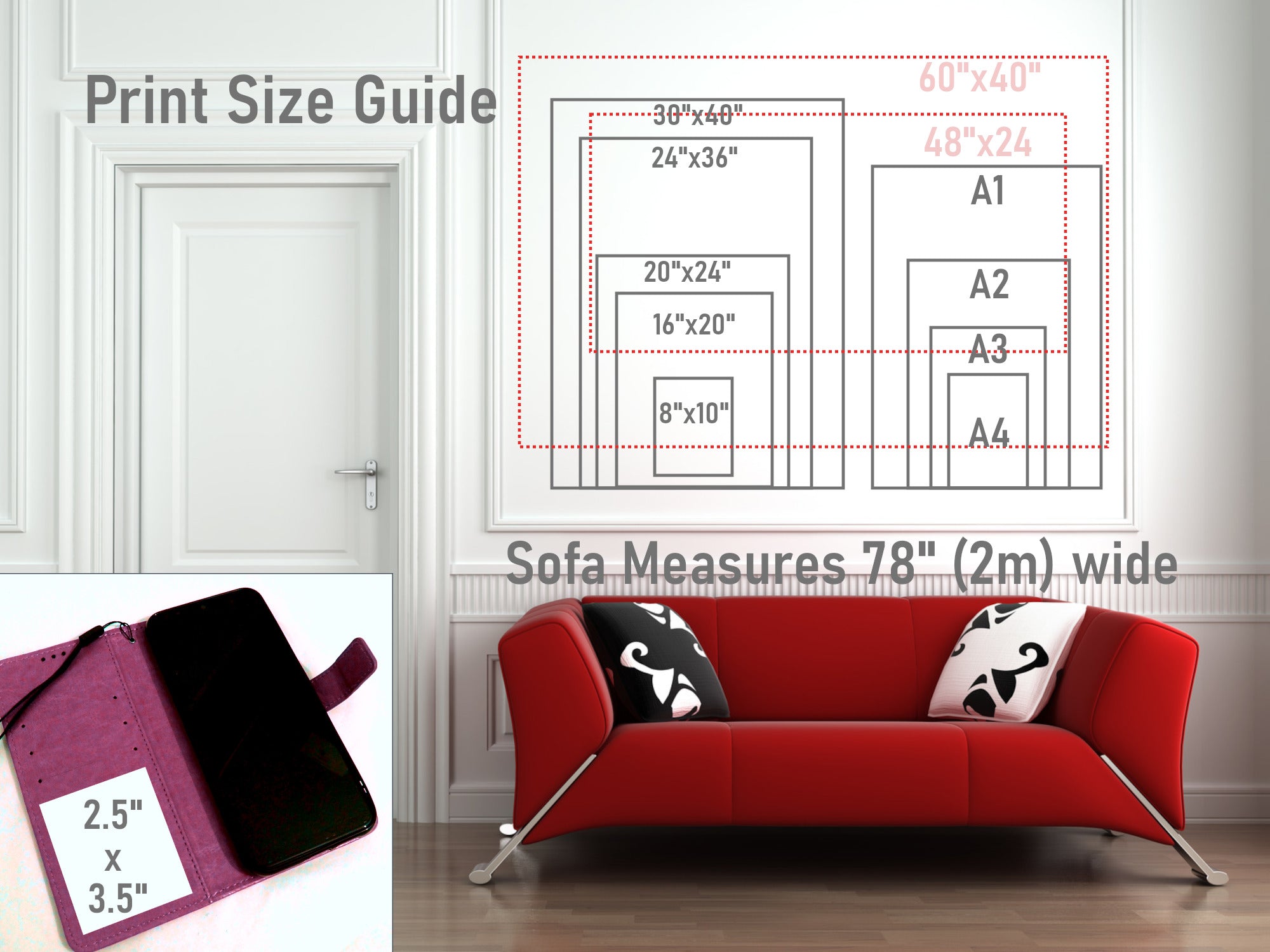
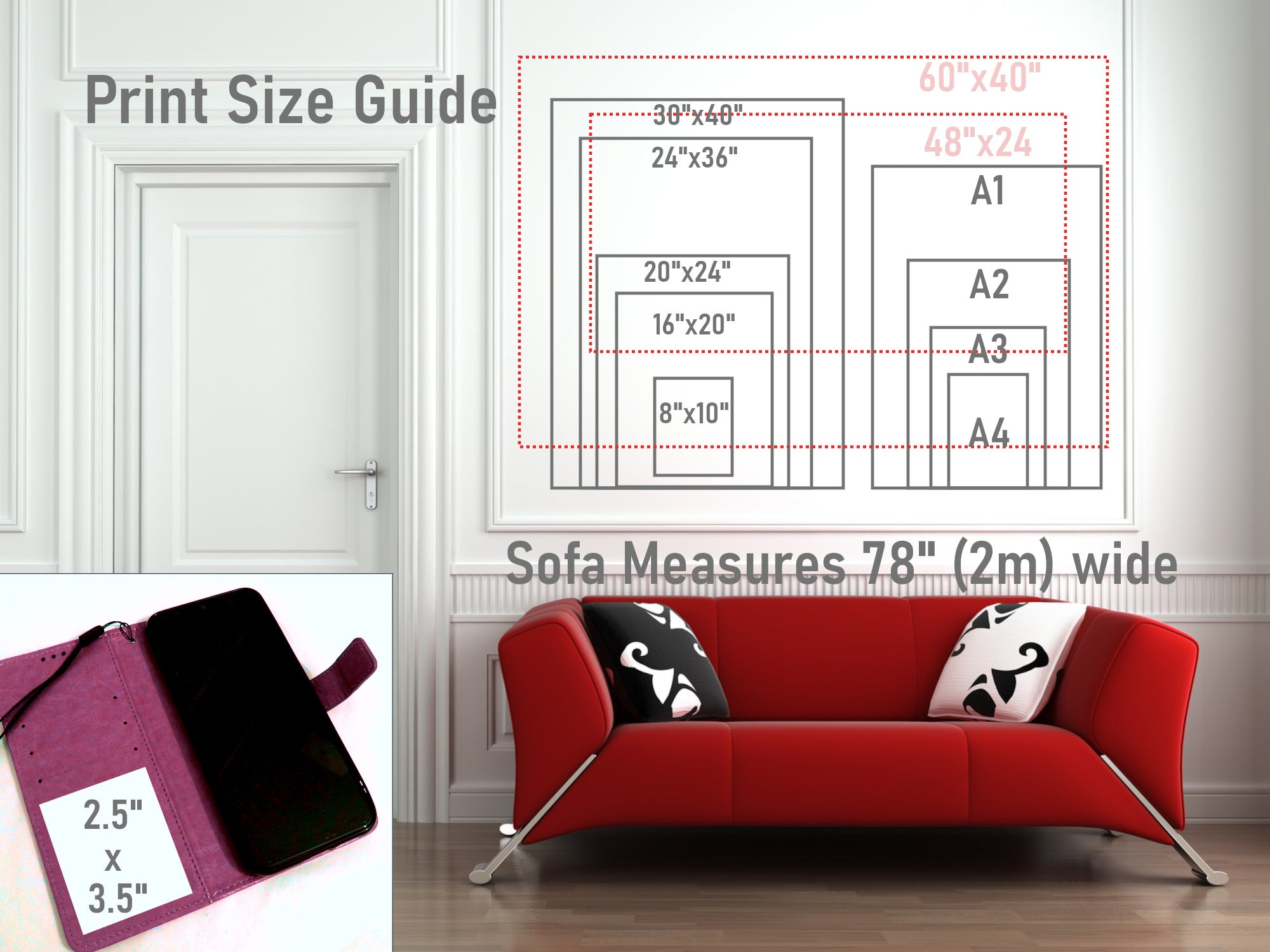
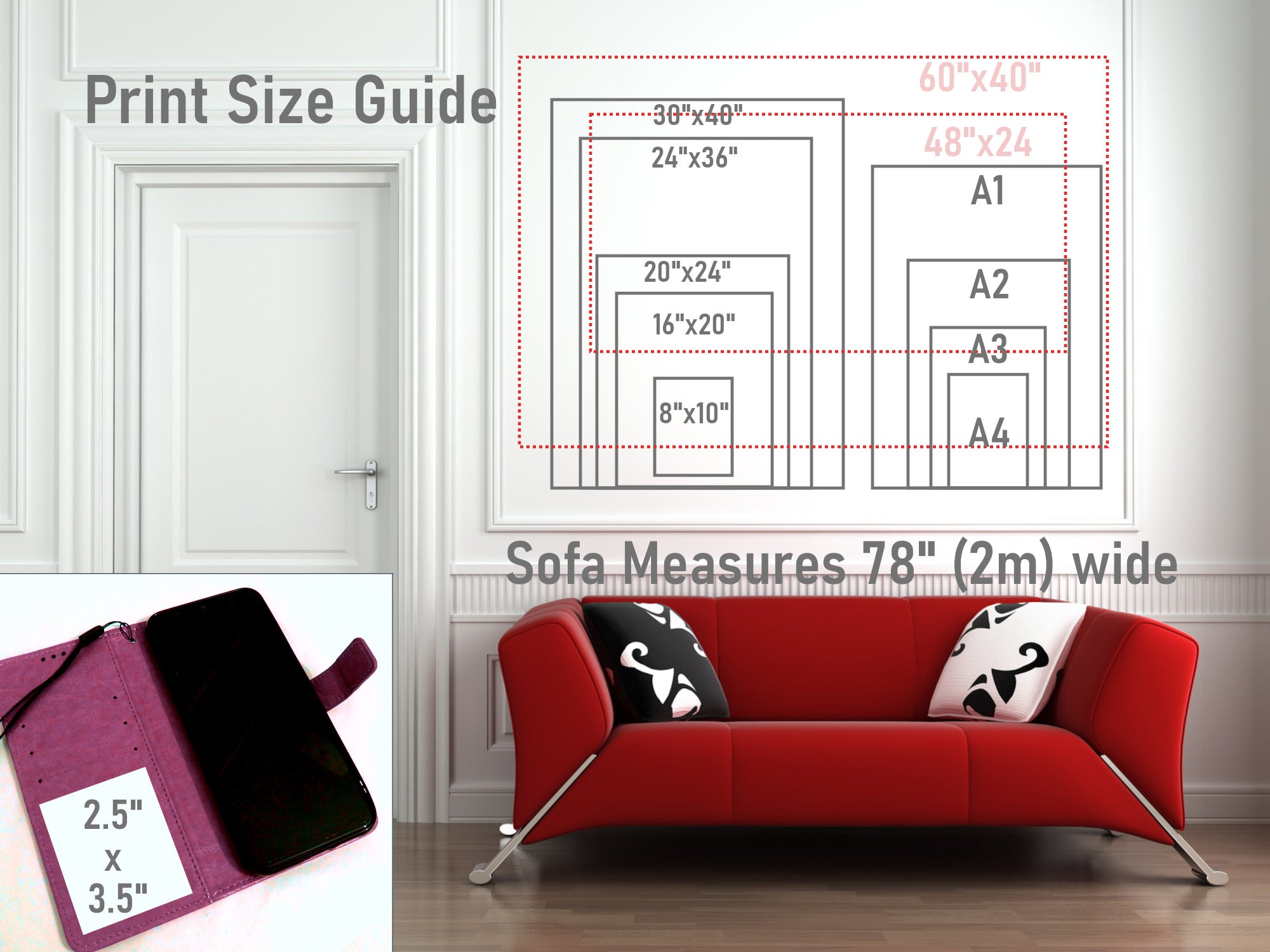
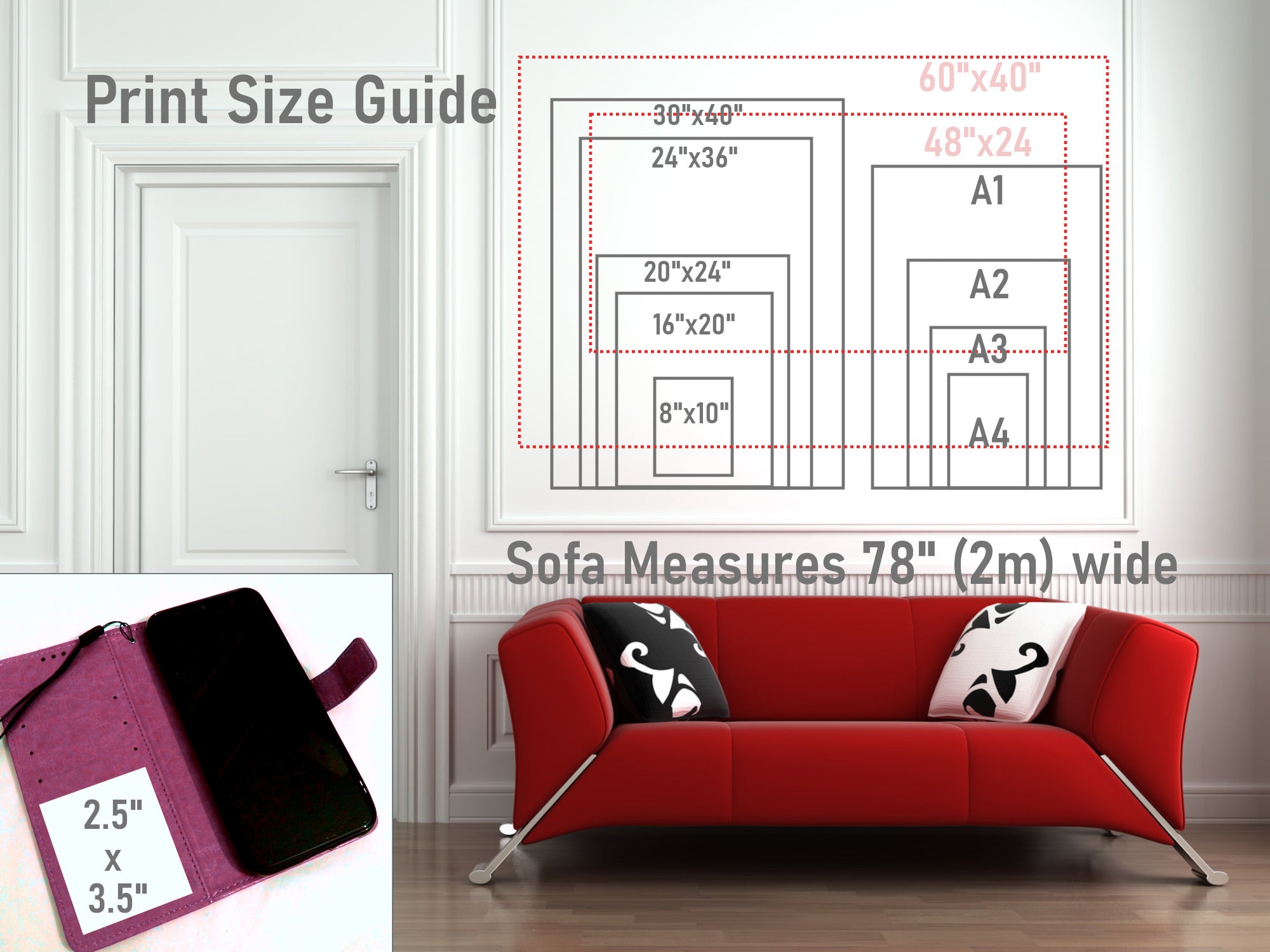
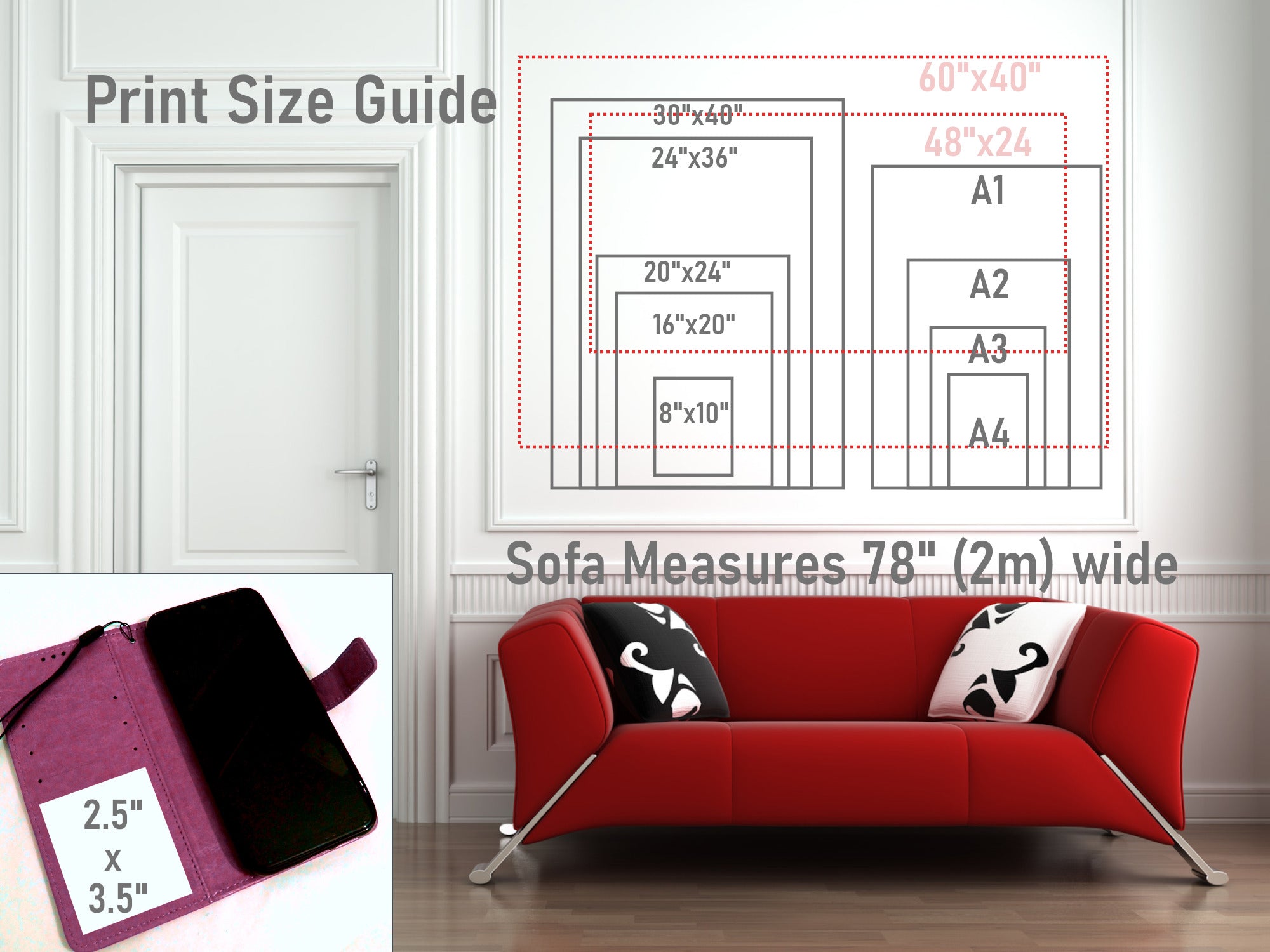
John Martin’s paintings work particularly well when displayed at a generous size because many depend upon the contrast between tiny figures and immense landscapes.
Wide compositions such as The Great Day of His Wrath and The Deluge can make powerful focal points above sofas, sideboards, beds and fireplaces.
Tall architectural or ruined-city compositions can suit narrower walls, entrance halls and staircases.
Martin’s palette often combines deep blacks, browns and stormy greys with intense areas of gold, red, orange or supernatural light. This makes the work especially effective in interiors using dark woods, neutral walls, deep green, charcoal or warm metallic tones.
Framed John Martin Prints and Canvas Art
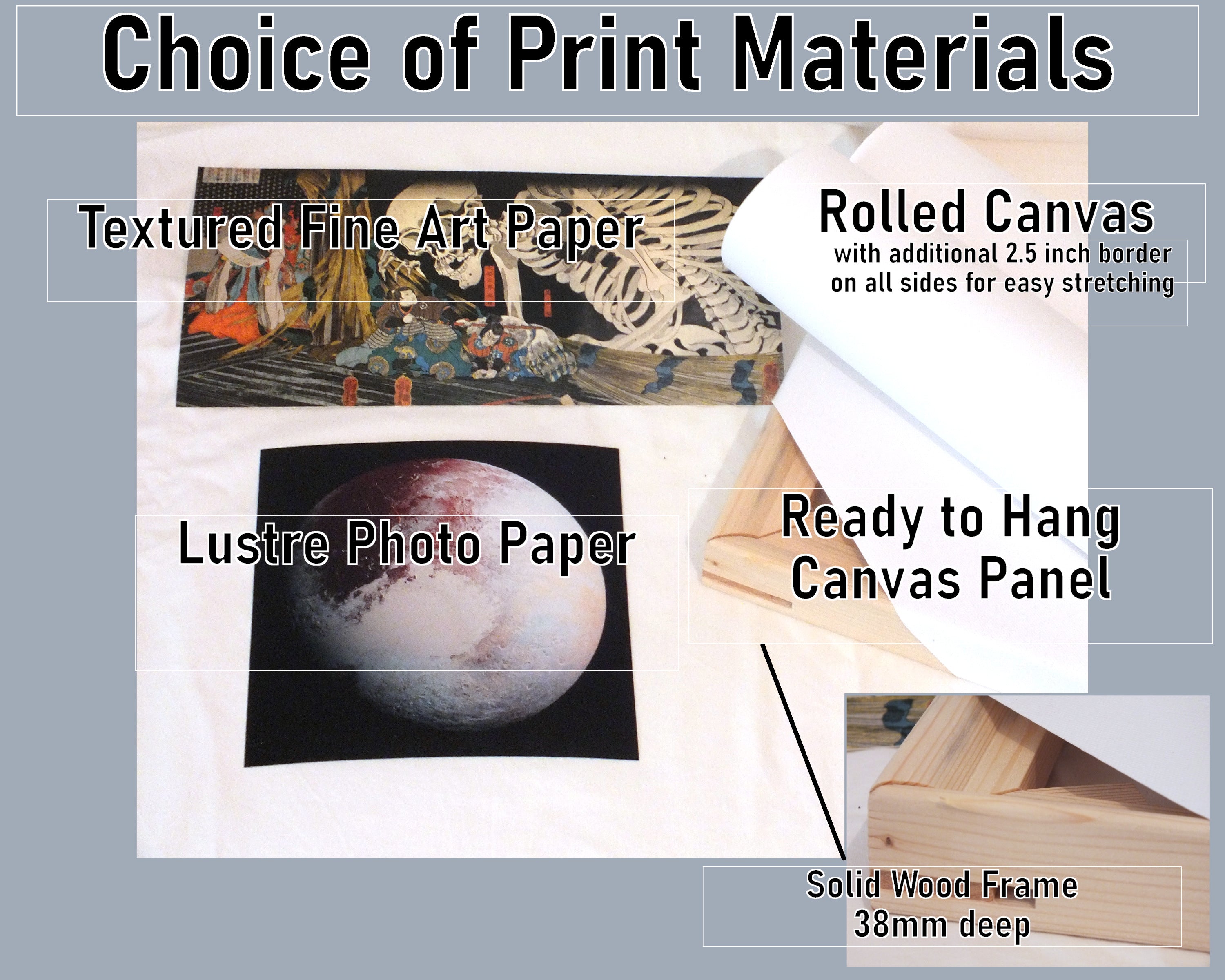
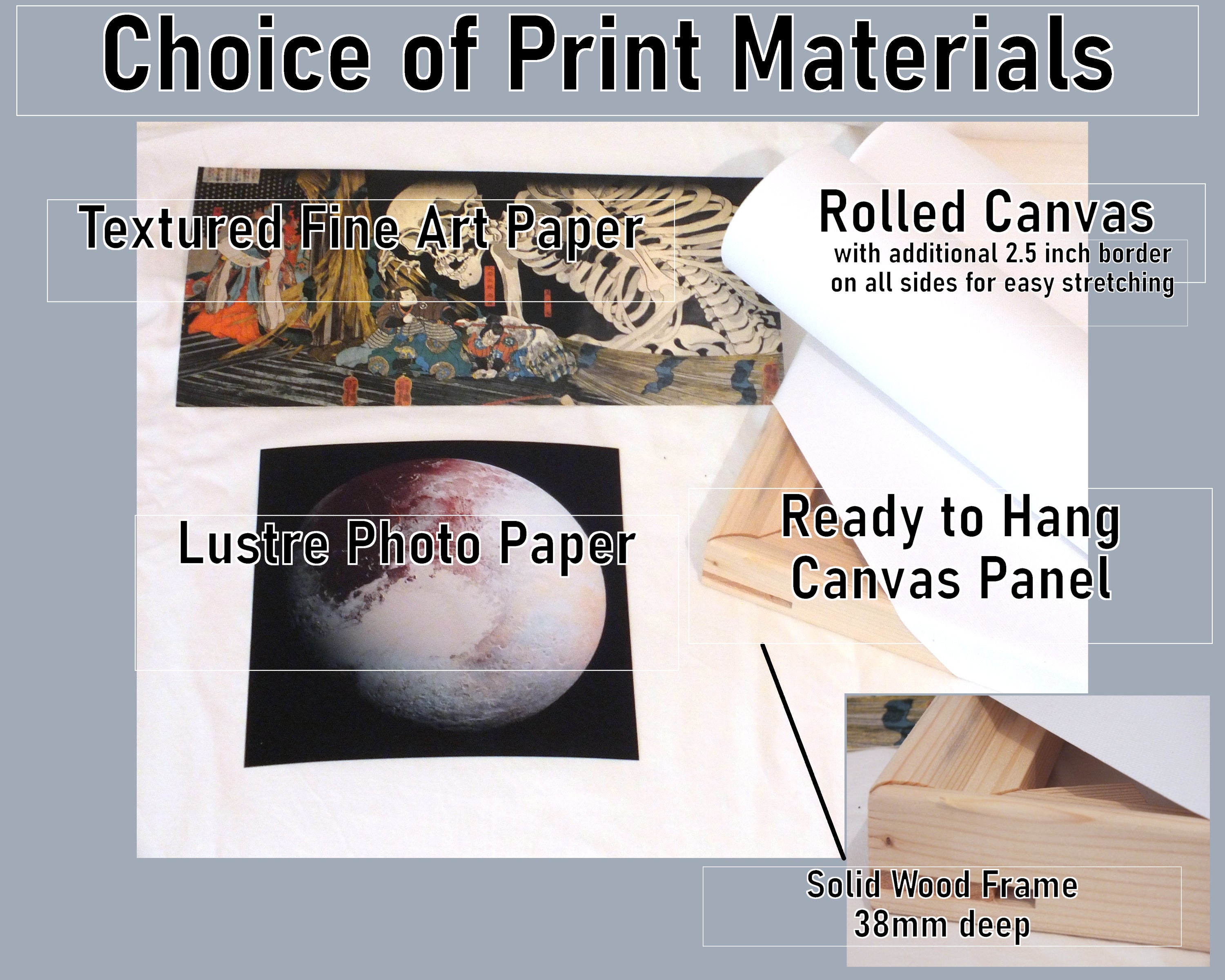
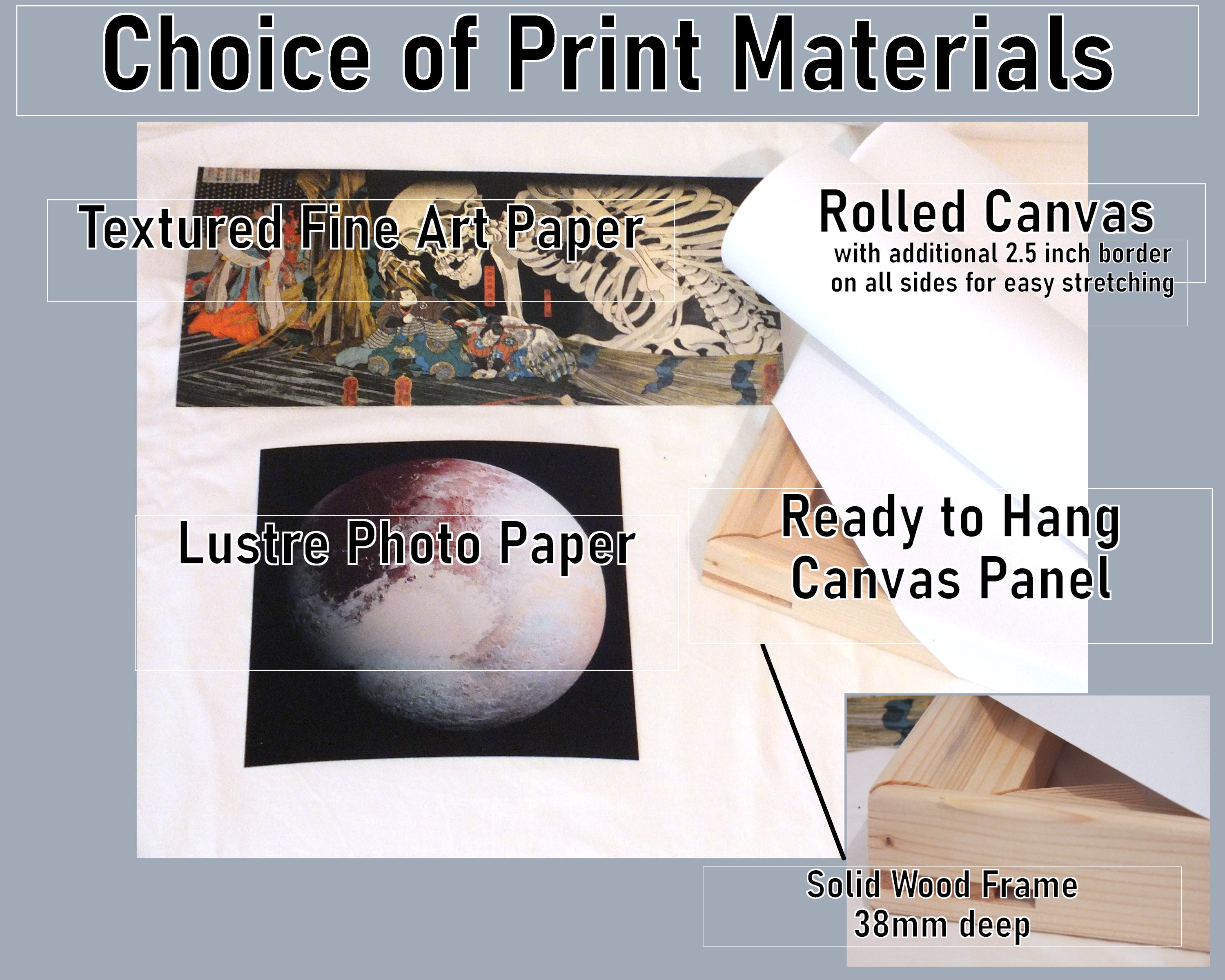
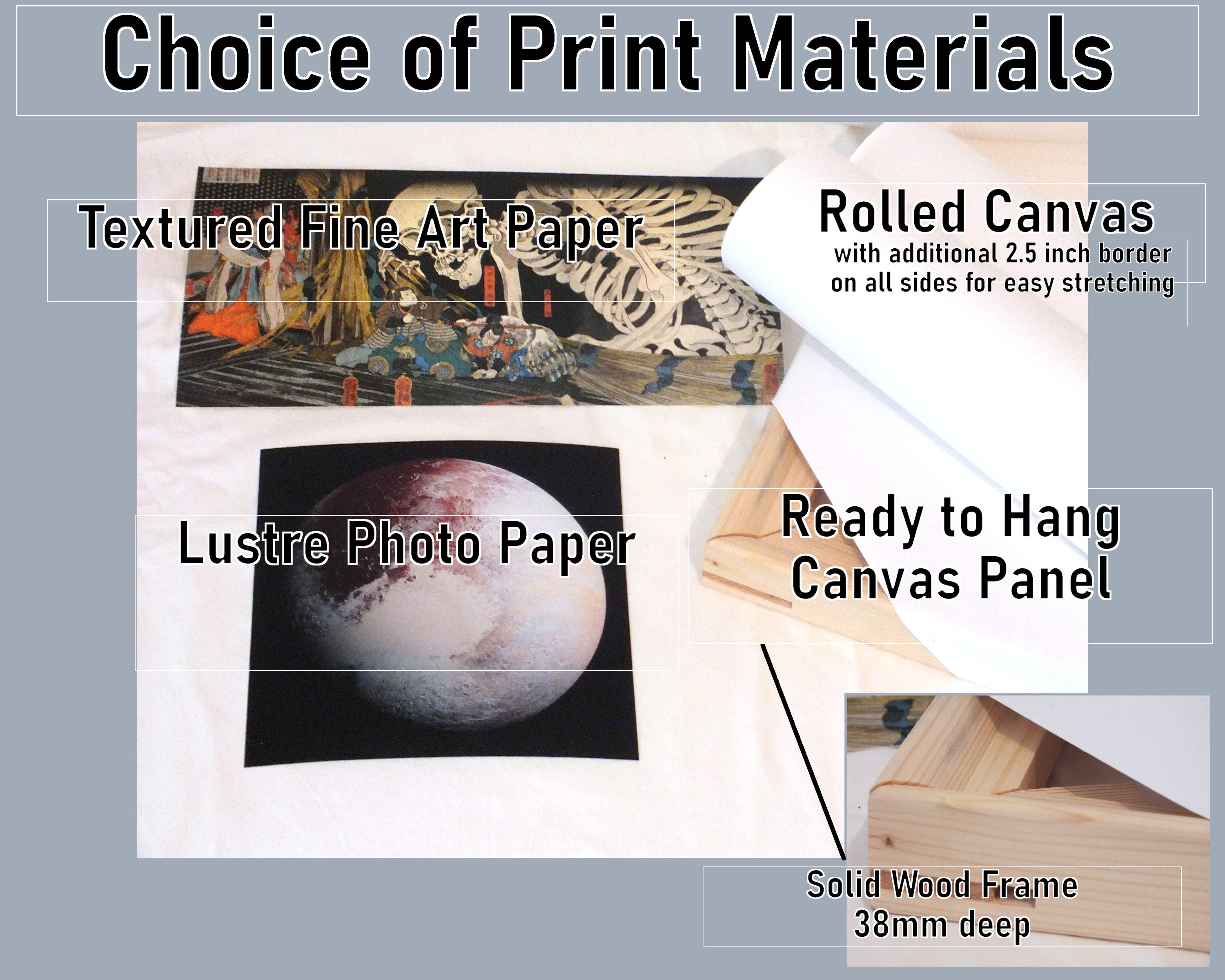
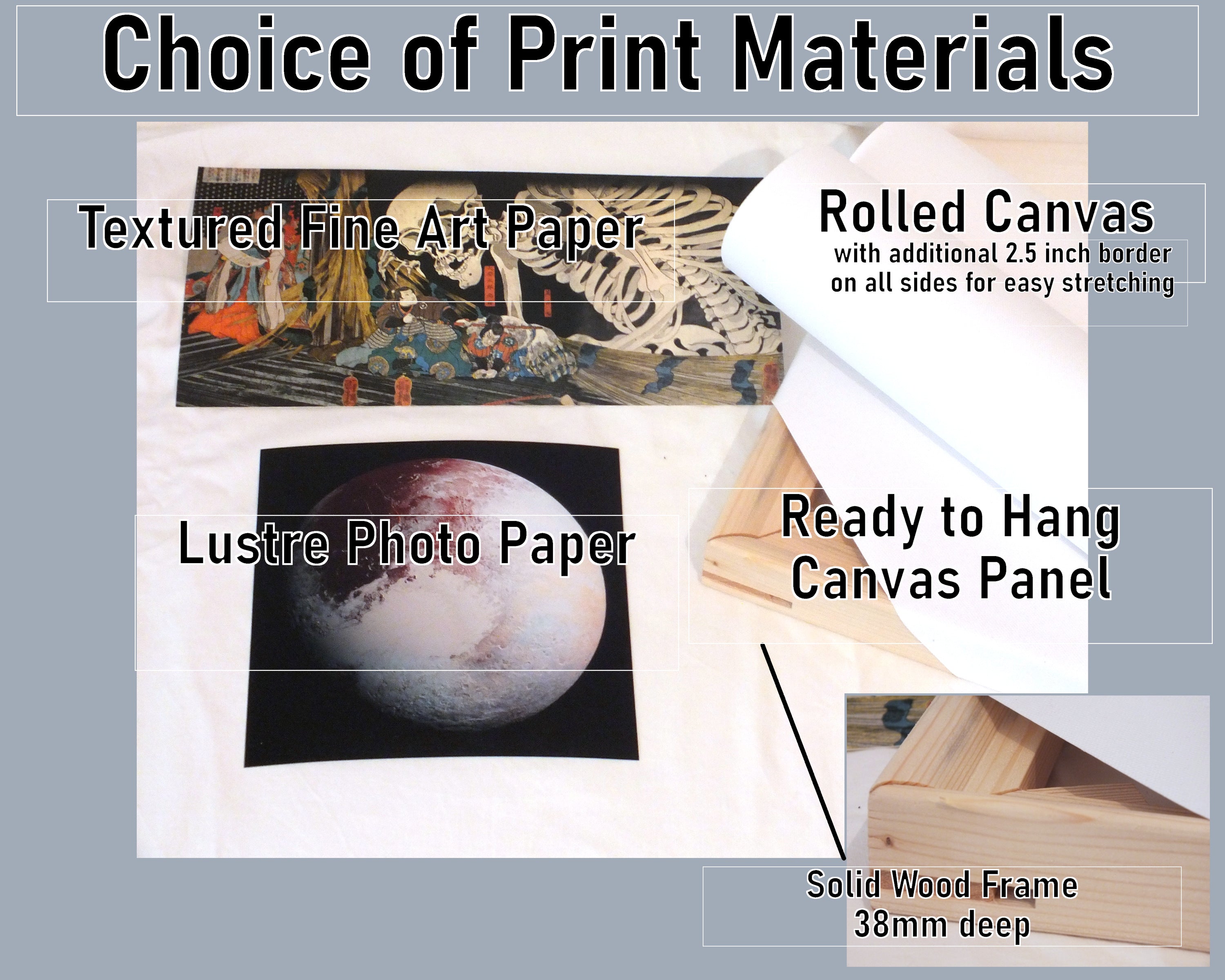
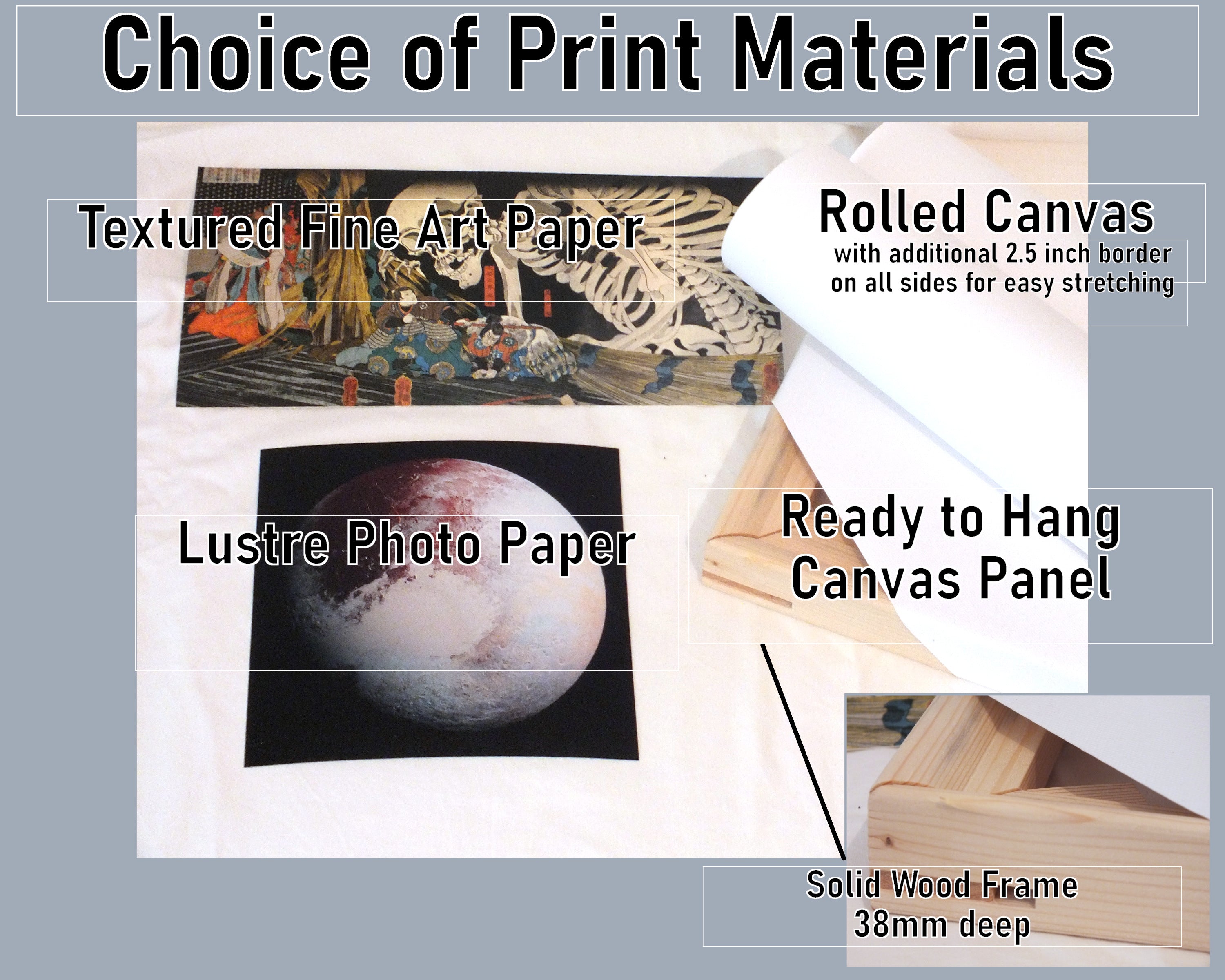
GalleryThane John Martin works are available in multiple sizes as fine art prints, framed prints and canvas panels.
Black framing can emphasise the darkness and dramatic contrast within Martin’s paintings, while larger canvas panels allow the scale of his imagined landscapes and architecture to become more immersive.
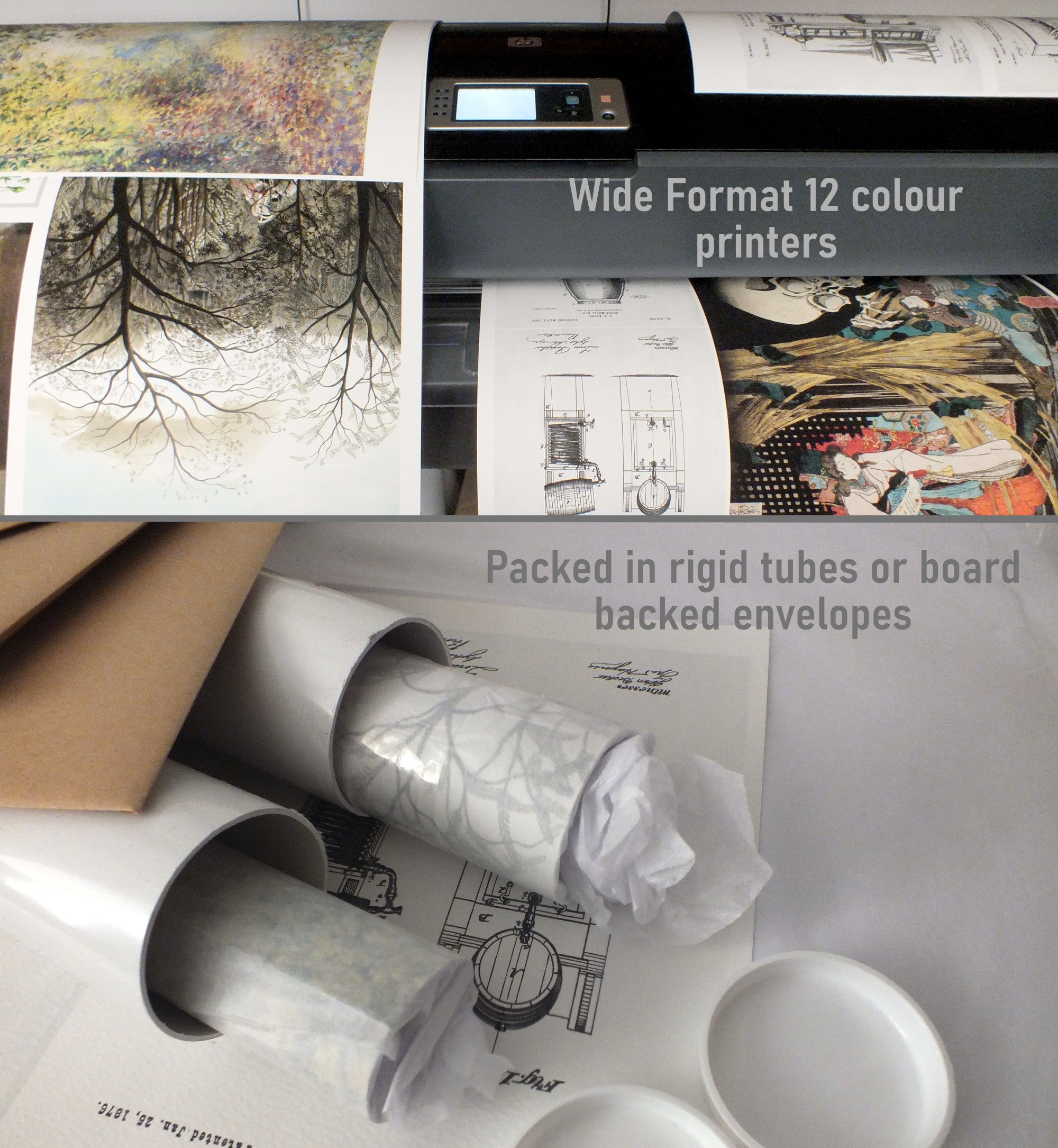
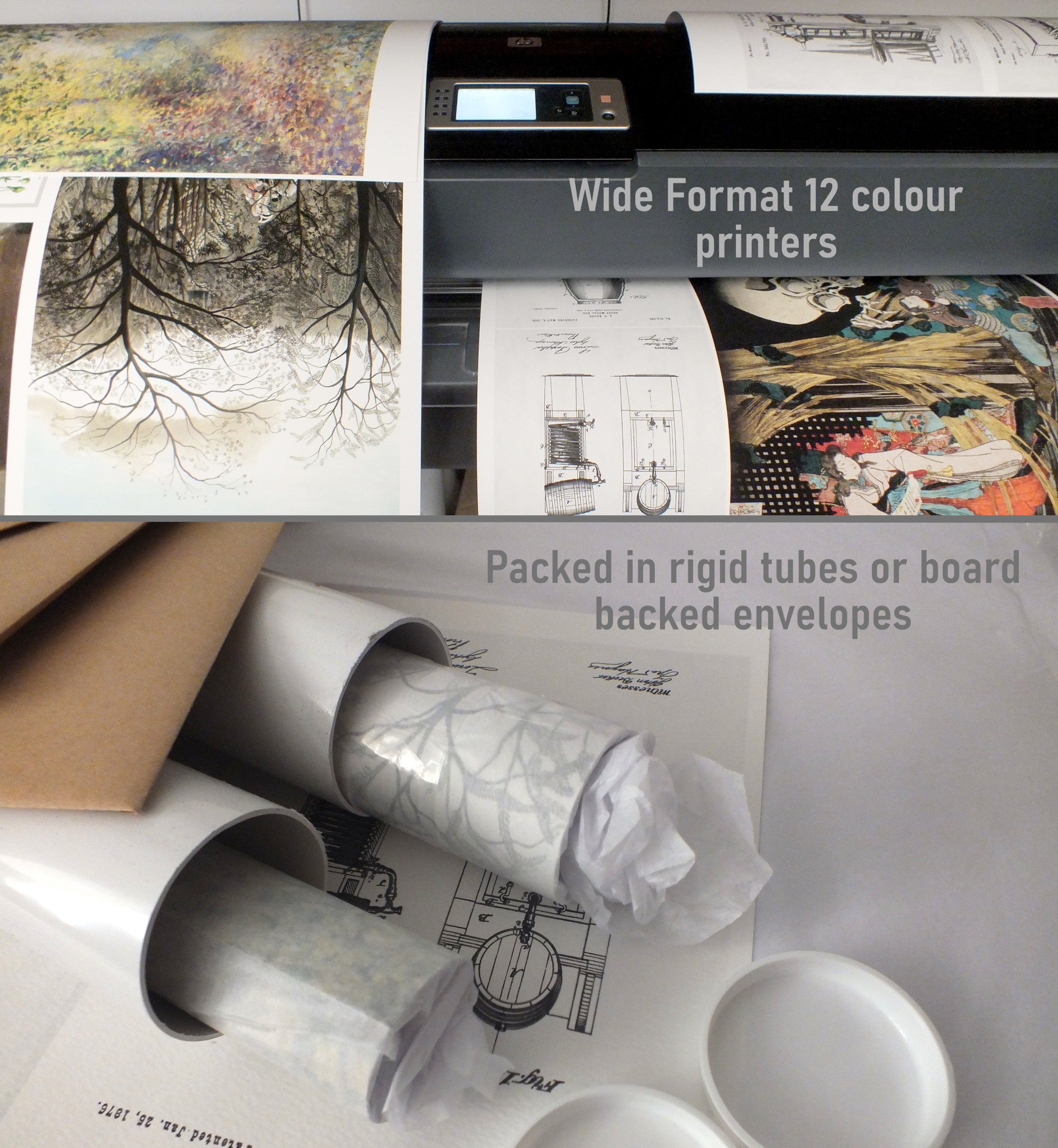
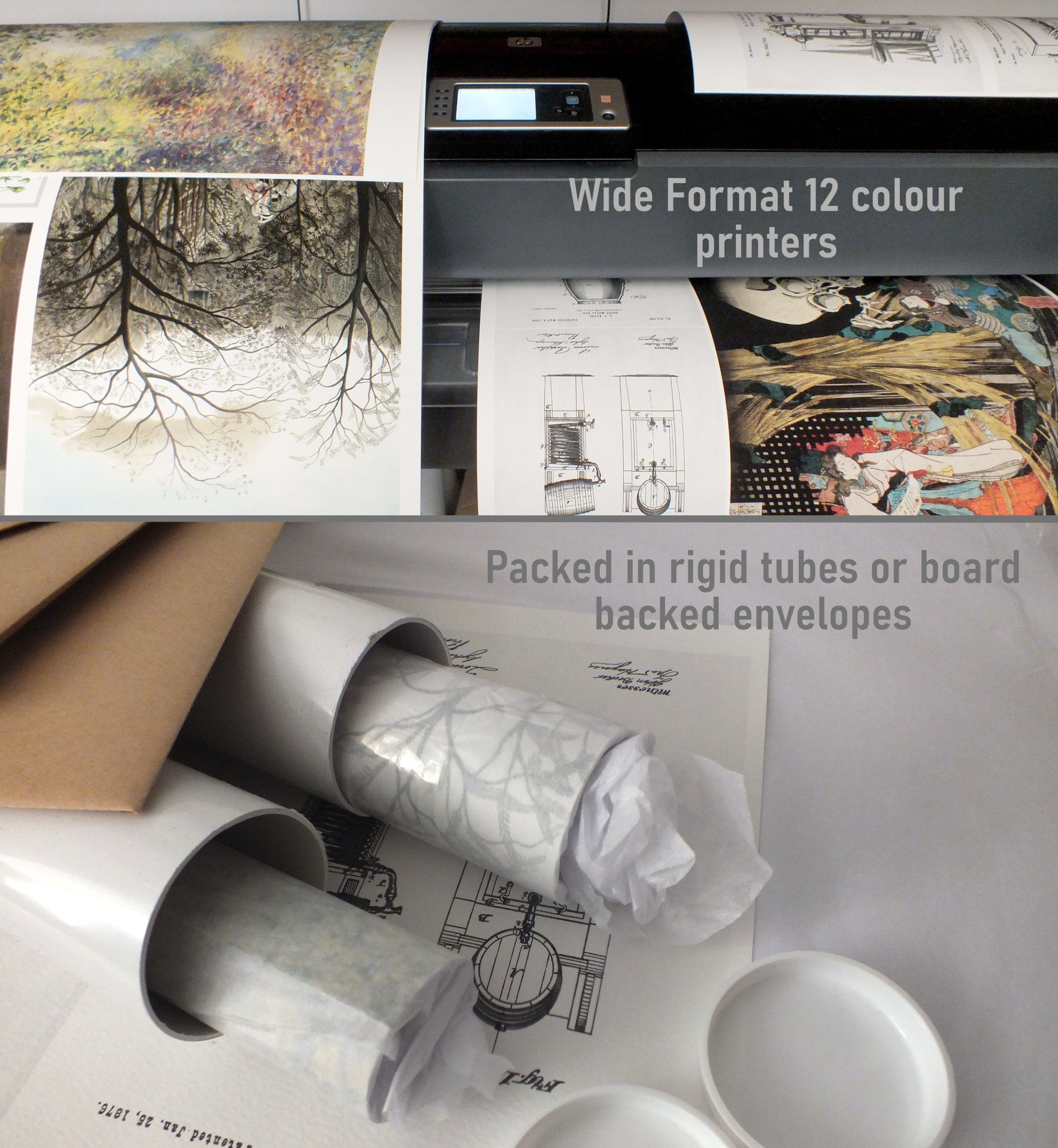
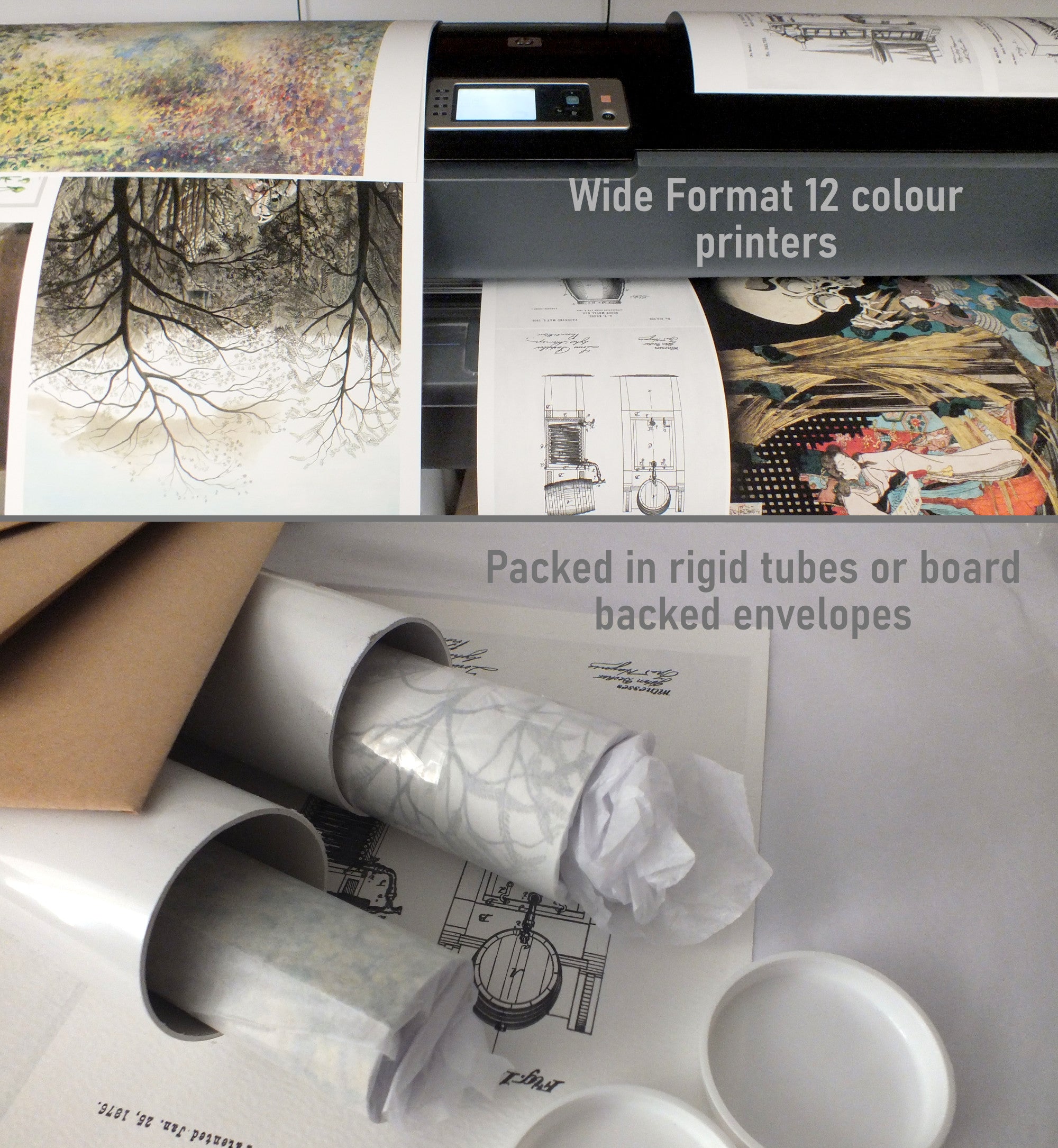
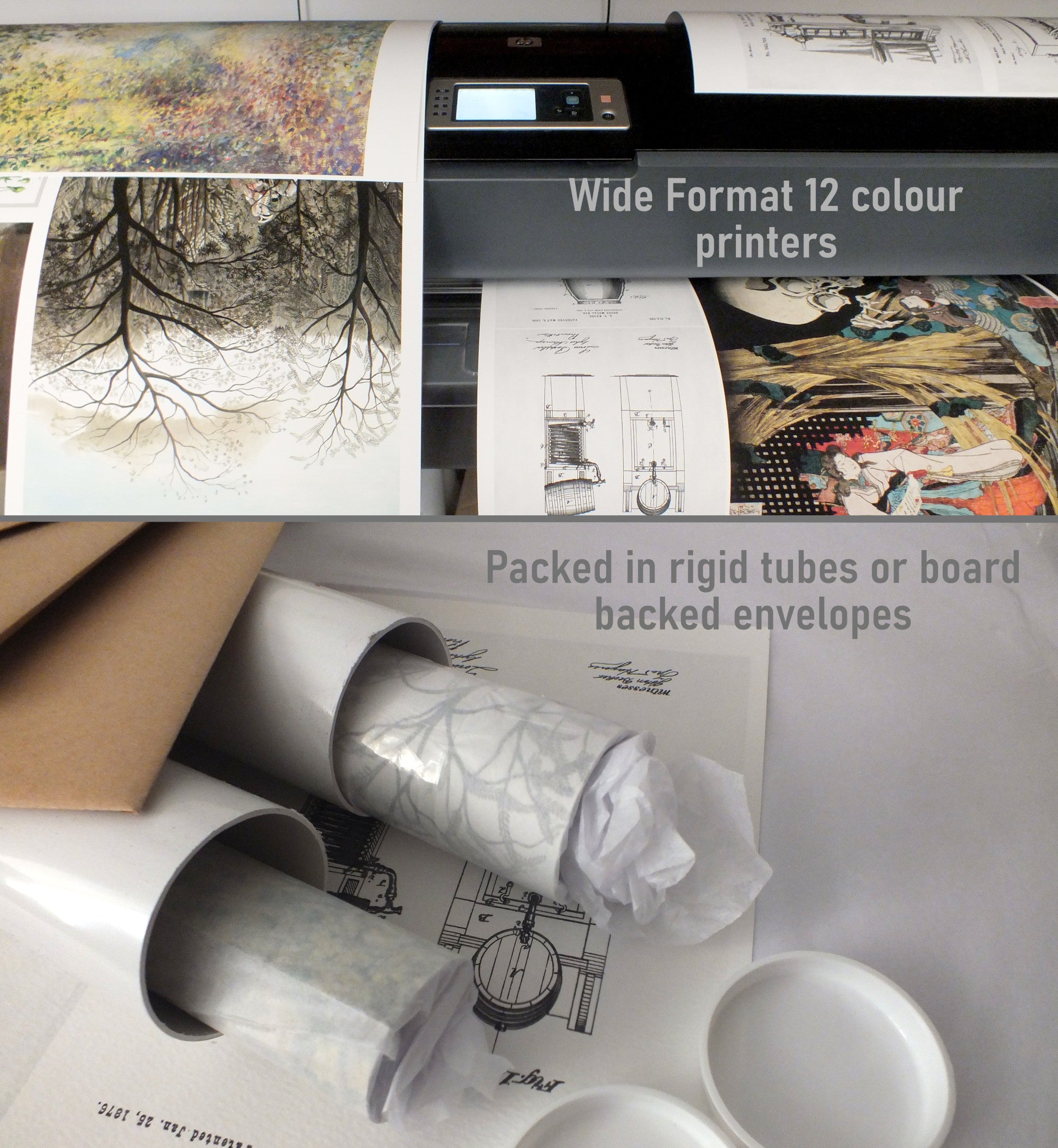
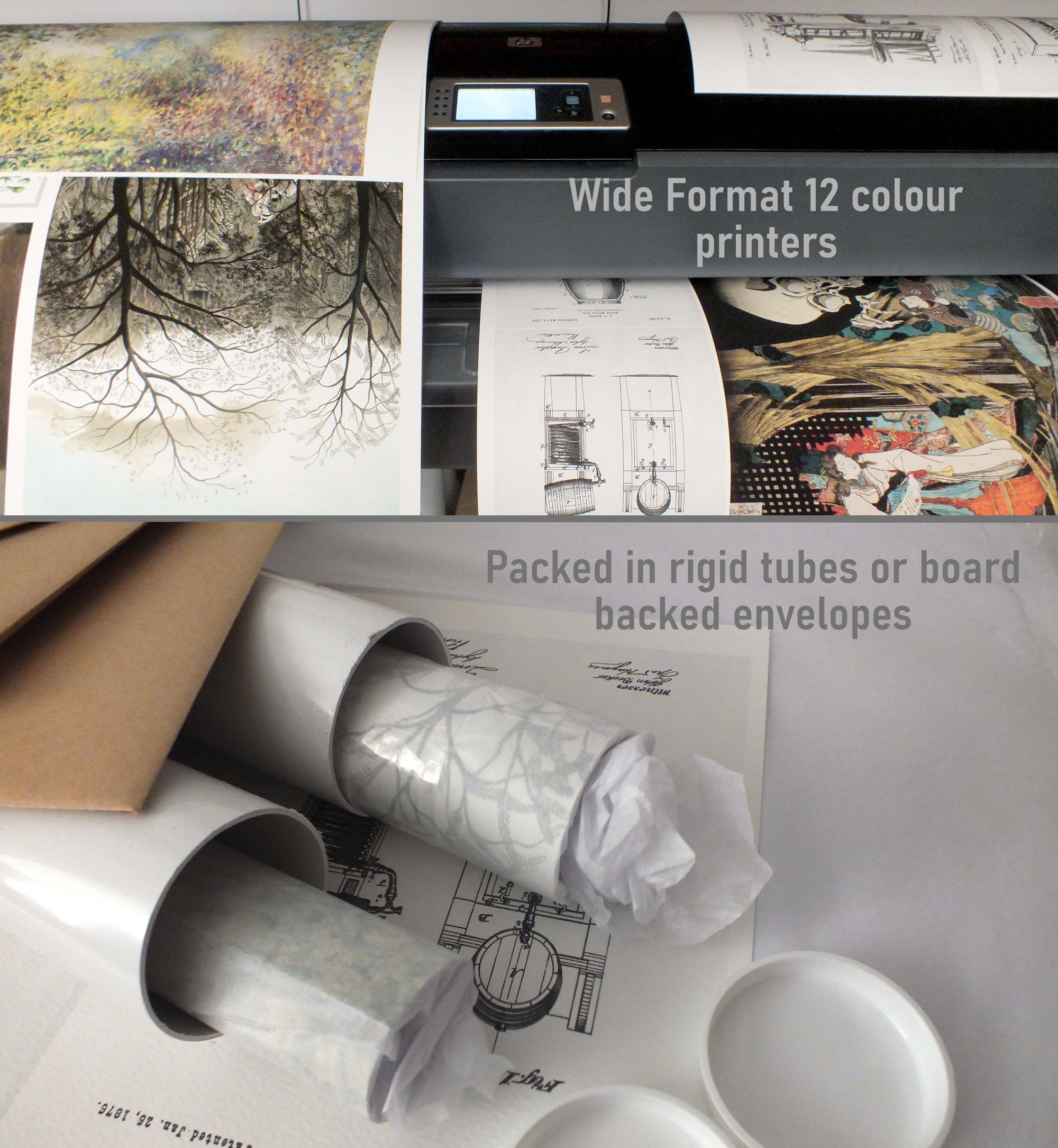
Our prints and frames are produced in our Nottinghamshire workshop using archival-quality papers and UV-stable pigment inks.
Free UK delivery is included on all orders.
About John Martin
John Martin was born in 1789 and became one of the most popular British painters and printmakers of the nineteenth century.
His reputation rested on his ability to turn Biblical stories, literature and imagined history into immense visual spectacles. He worked as a painter, engraver and illustrator, allowing his compositions to reach a far wider audience through prints as well as original paintings.
His popularity with the public was not always matched by contemporary critics, but later generations have increasingly recognised the originality of his imagination and the extraordinary relationship between his work and modern fantasy, science fiction and cinematic spectacle.
The GalleryThane collection includes twelve John Martin works spanning apocalyptic painting, Biblical history, literary subjects, ancient ruins, prehistoric landscapes and atmospheric British scenery.